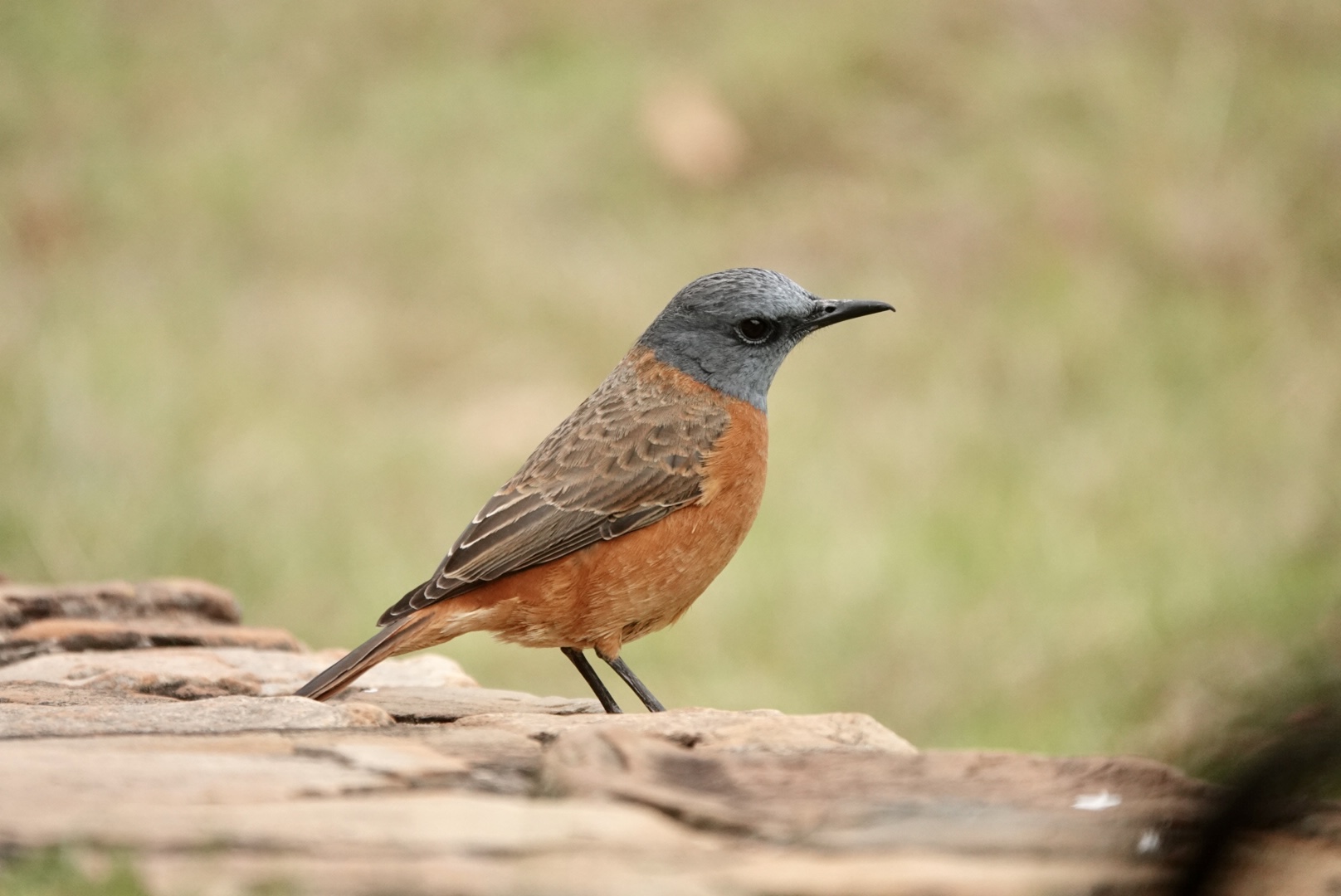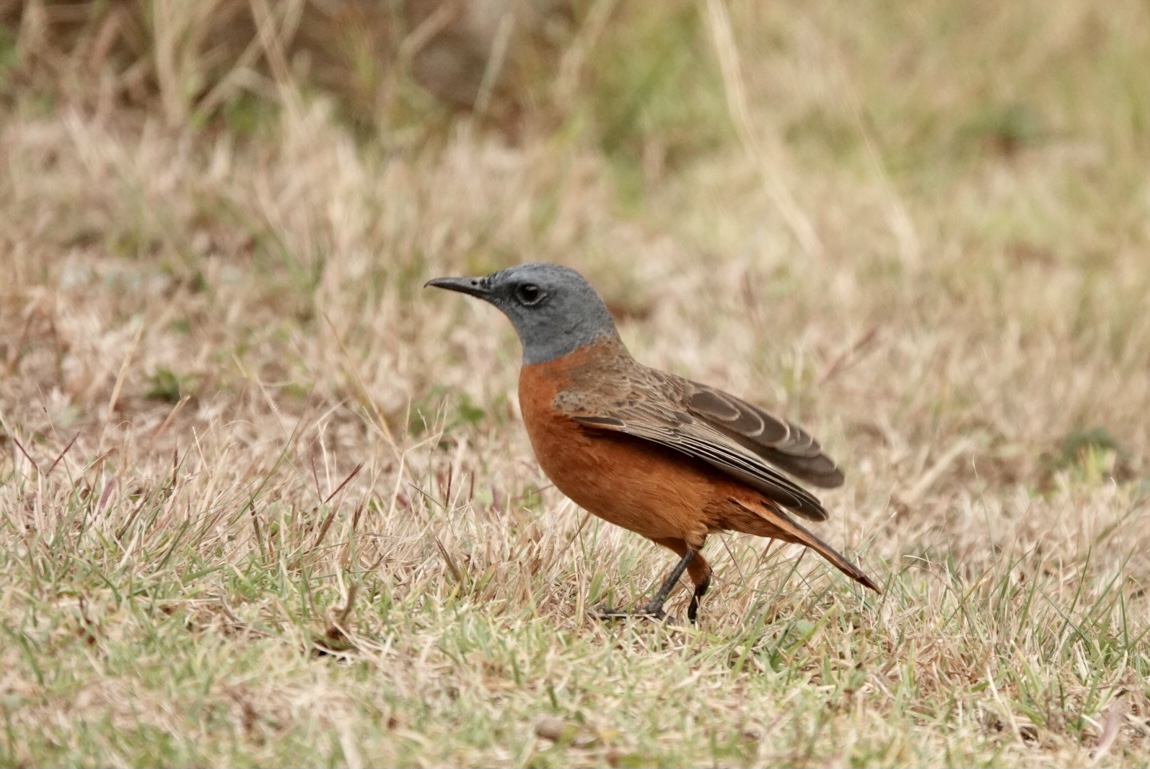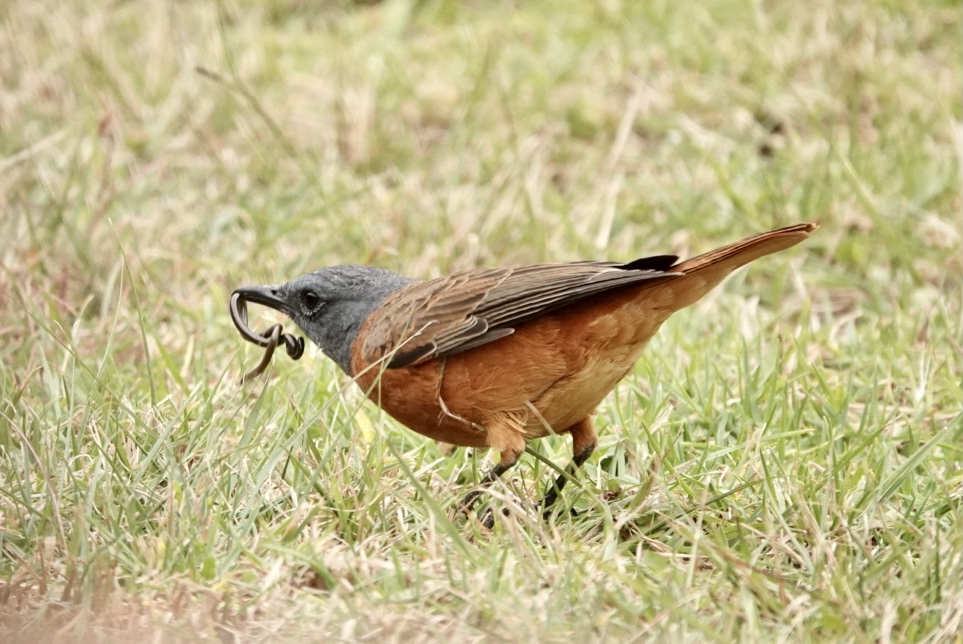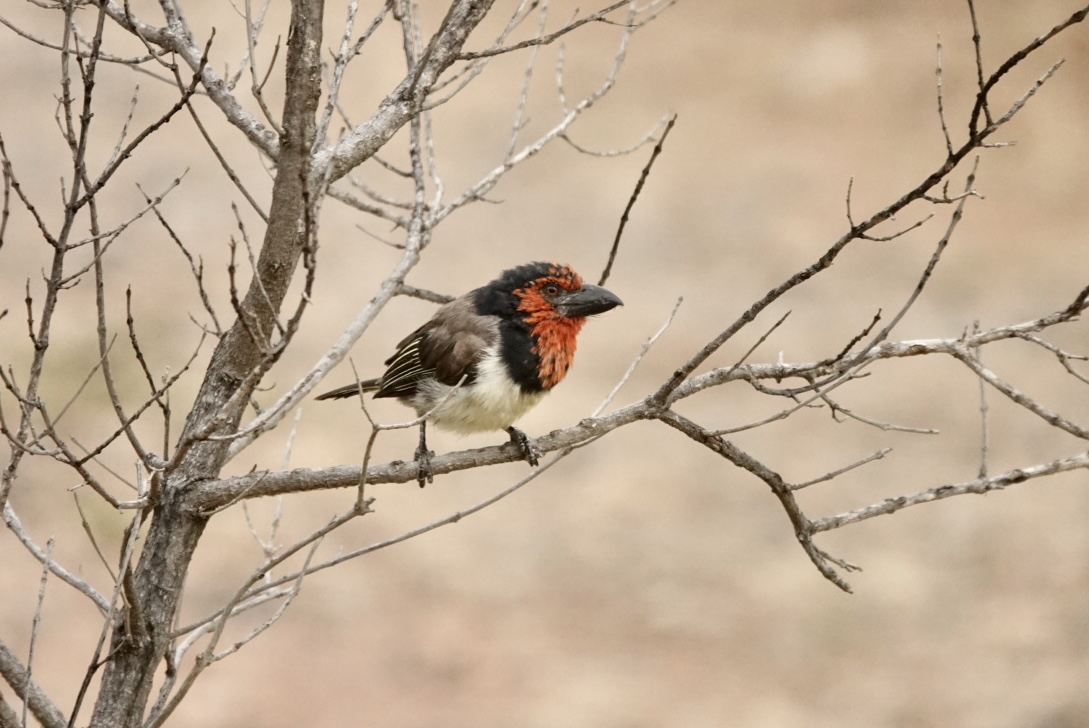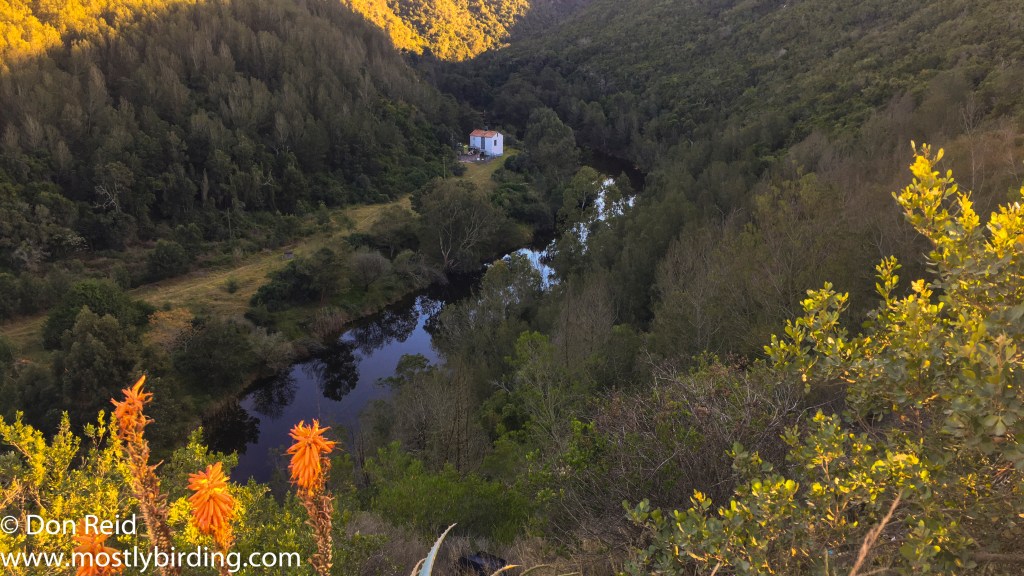
Tag Archives: Atlasing

A Cape Winter Break – Part 3 : The Baths, Citrusdal

The Plan

This was a trip with a difference – we had no part in planning it whatsoever! Our daughter Geraldine had suggested earlier in the year that we join them on a winter trip in June/July 2024, which would include –

  • A one night stopover in Matjiesfontein at the historic Lord Milner Hotel
  • A couple of nights on a farm in Sutherland, the star-gazing capital of South Africa
  • A week at The Baths resort near Citrusdal

Always up for some mild adventure, and to experience places we have not seen before – which included two of the three above – we agreed to join them and made the necessary bookings to match those that they had already made – the trip was on!

After our stays in Matjiesfontein and Sutherland, all that remained was to get ourselves to Citrusdal for a week at The Baths …

Sutherland to Citrusdal

Friday 28th June

A long day’s drive from the farm near Sutherland to Citrusdal started with getting everything back into their various cases, crates and bags and packed in the car while we got ourselves ready. All went more or less according to schedule and we left the farm, only to find the warning light coming on for a faulty or under-inflated tire, so I stopped at the first garage to have it checked – fortunately no puncture was found.
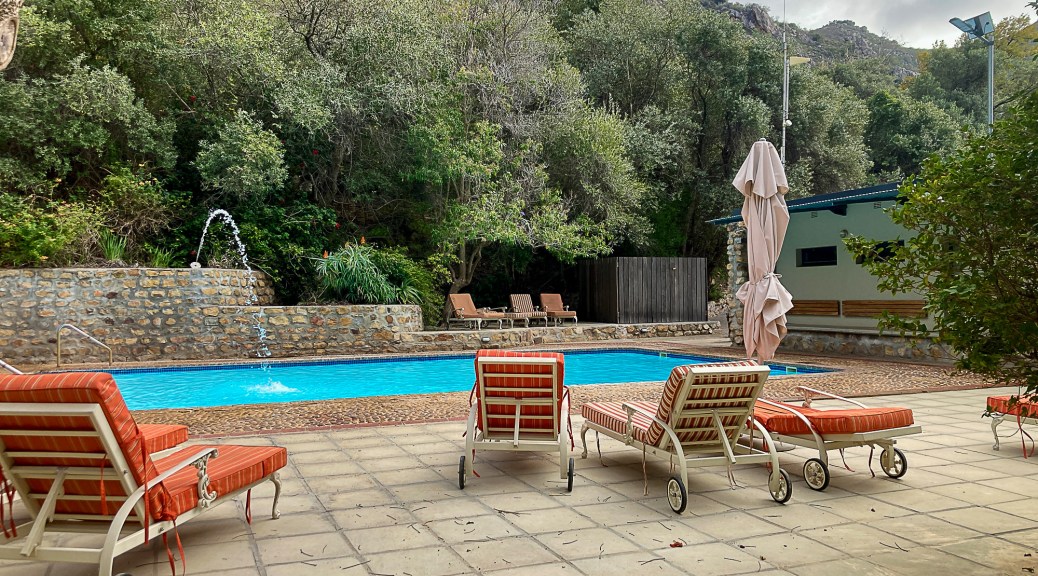
Farm stay, Sutherland

The route we followed was the longer, less direct one, avoiding the notorious tire-shredding gravel roads that head west out of Sutherland. That meant we had to return to Matjiesfontein, where we joined up with the N1 and headed west to Touws River, where a roadside cafe enticed us to stop for a roosterkoek (large bun baked over coals with various tasty fillings) lunch.
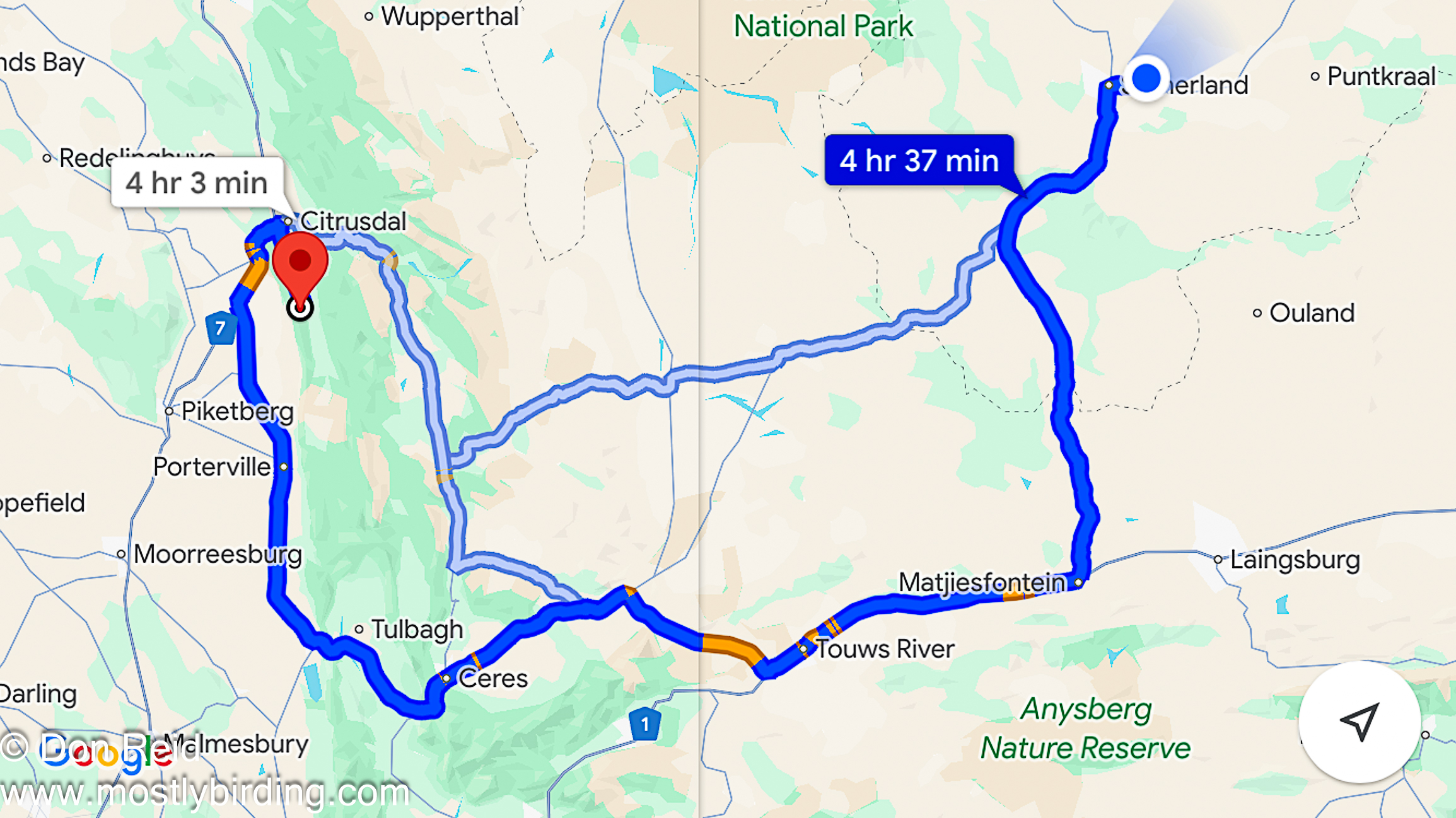
The route (in dark blue) from Sutherland to Citrusdal

Shortly after Touws River we turned northwards onto the R46 to Ceres, then via Tulbagh, Gouda and Porterville to the N7 which took us through the Piekenierskloof Pass – mostly behind slow-moving trucks – and Citrusdal came into sight as we descended into the valley.

The Baths

Just after turning off the N7, the signpost pointing the way to The Baths appeared and a short drive of 16kms along the narrow tar road took us to the main gate. From there we were directed along a 500m bumpy dirt road (made even bumpier with rough ‘speed humps’ at regular intervals) past camping sites to the reception where we obtained our keys for Apartment 31, our ‘home’ for the next week.
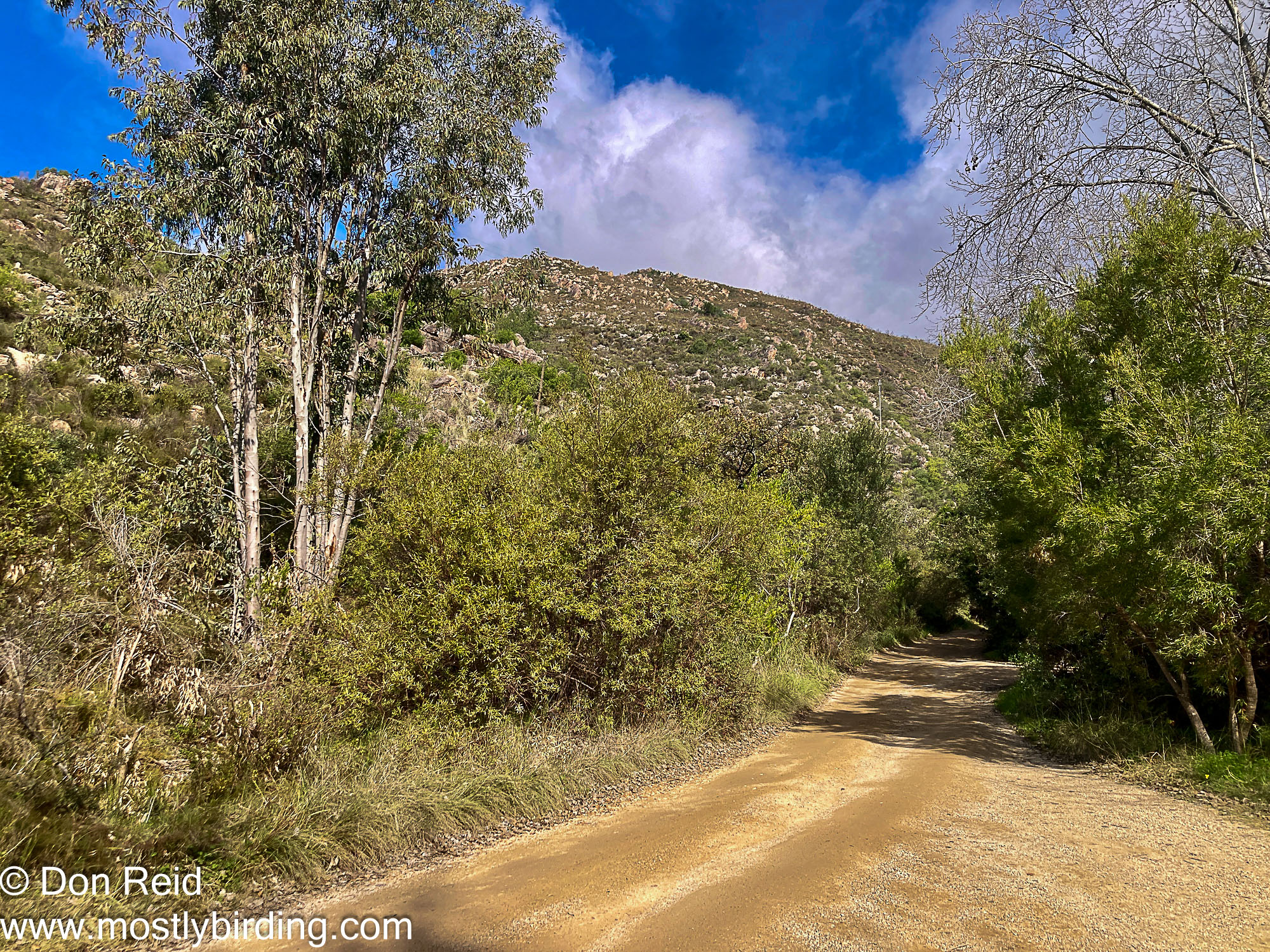
The access road runs through dense bush in places

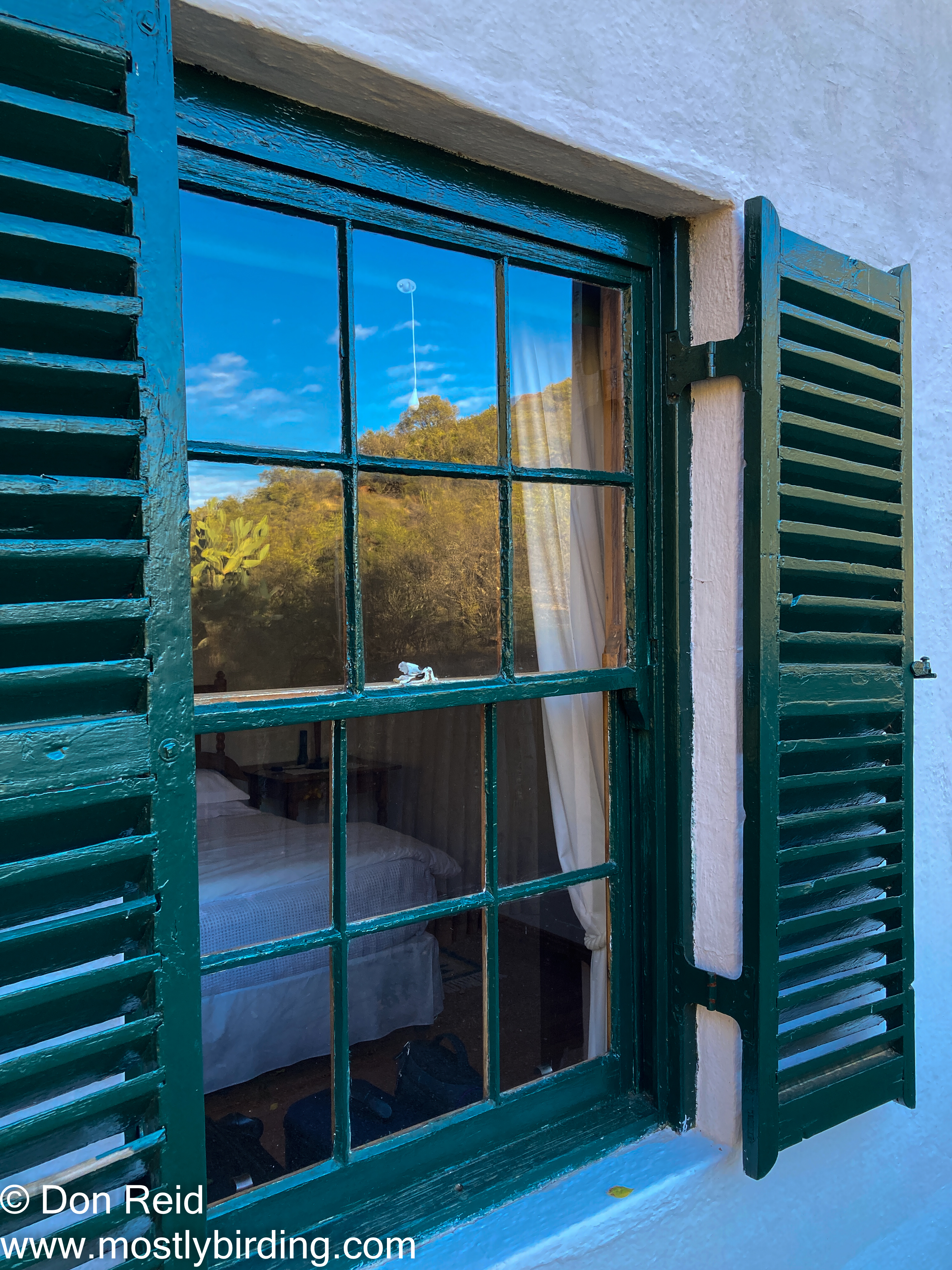
It turned out to be on the first floor of one of several small buildings with a comfortable living room, balcony in front and a private sitting area at the back, complete with braai and jacuzzi.

The family helped us to get our cases and crates up the steep stairs and we were soon settled in – only for a short while as the family were in a chalet on the extreme edge of the resort, so we had to drive back down the bumpy road to join them for dinner before heading back and calling it a day.

Saturday

We surfaced around 8–ish and made the first round of tea/coffee, which we enjoyed outside on the balcony, surrounded by trees and birdsong as well as the comings and goings of fellow visitors off to swim or just out for a walk.
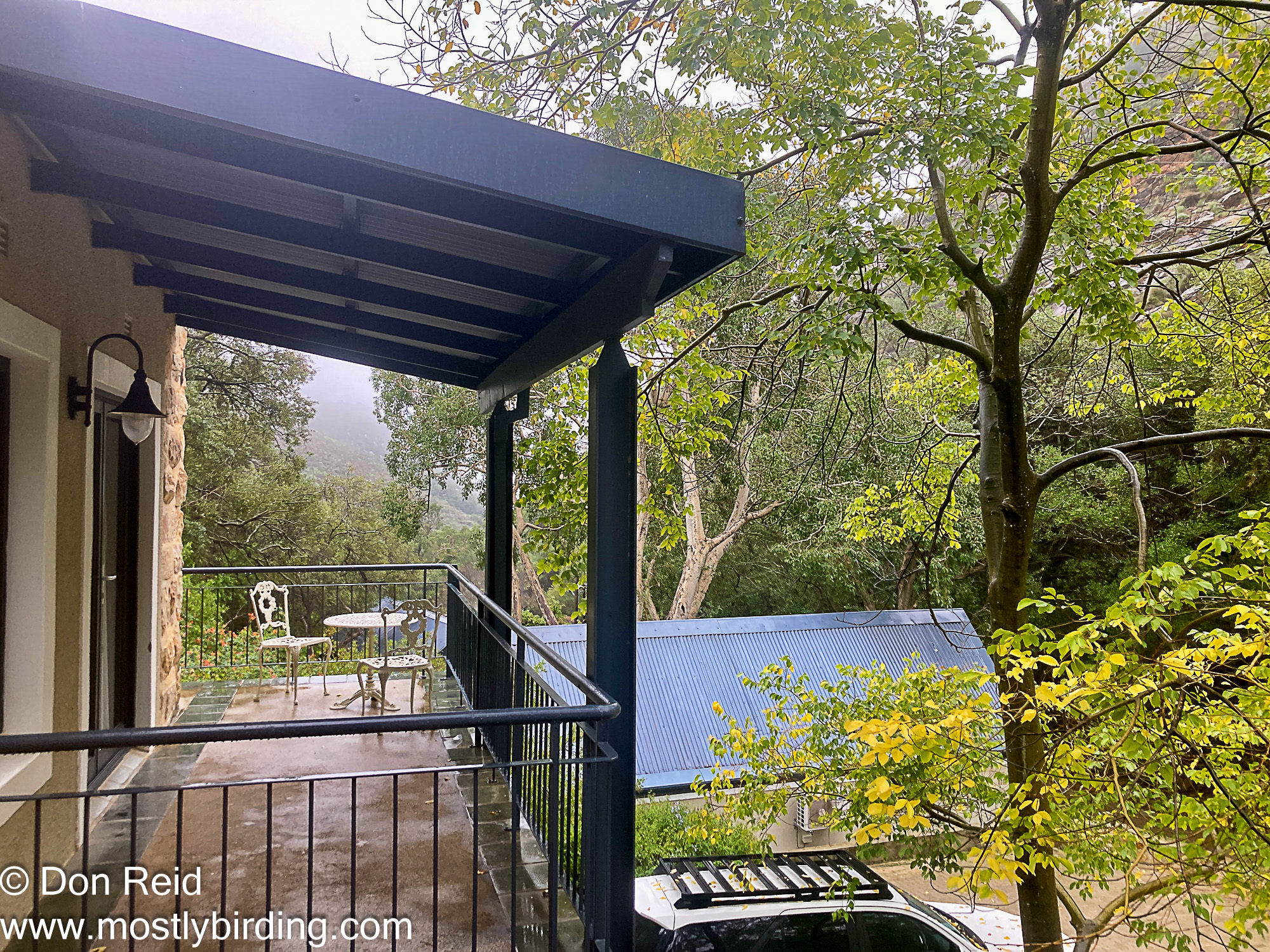
View from our balcony

That was pretty much the pattern for the day up to lunchtime and beyond and just what we needed after the busy drive yesterday. In fact this became our pattern for the rest of the week

It also meant I could get a pentad (3240_1900) list going with a few of the commoner birds of the spot as well as a couple of scarcer species, including –

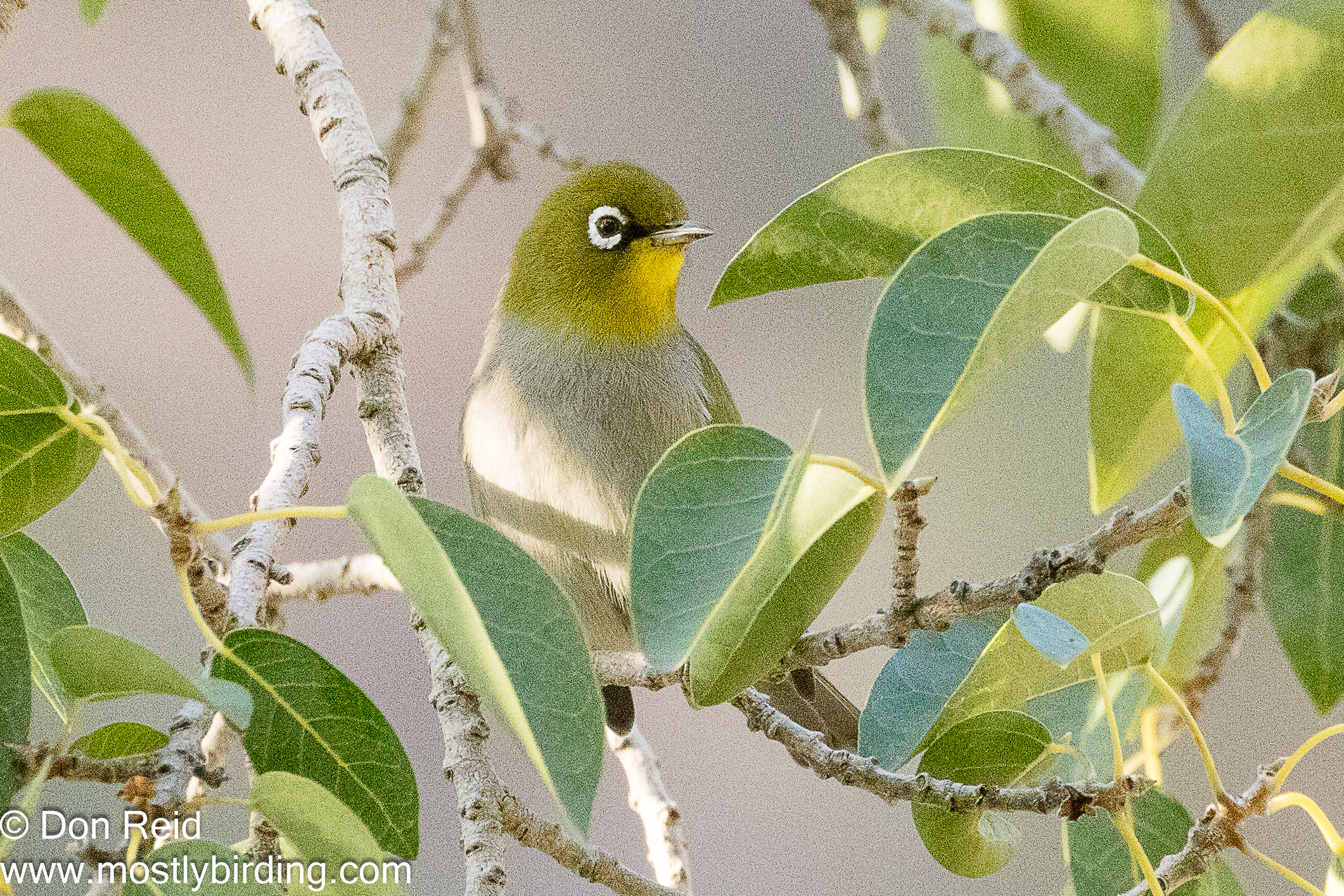
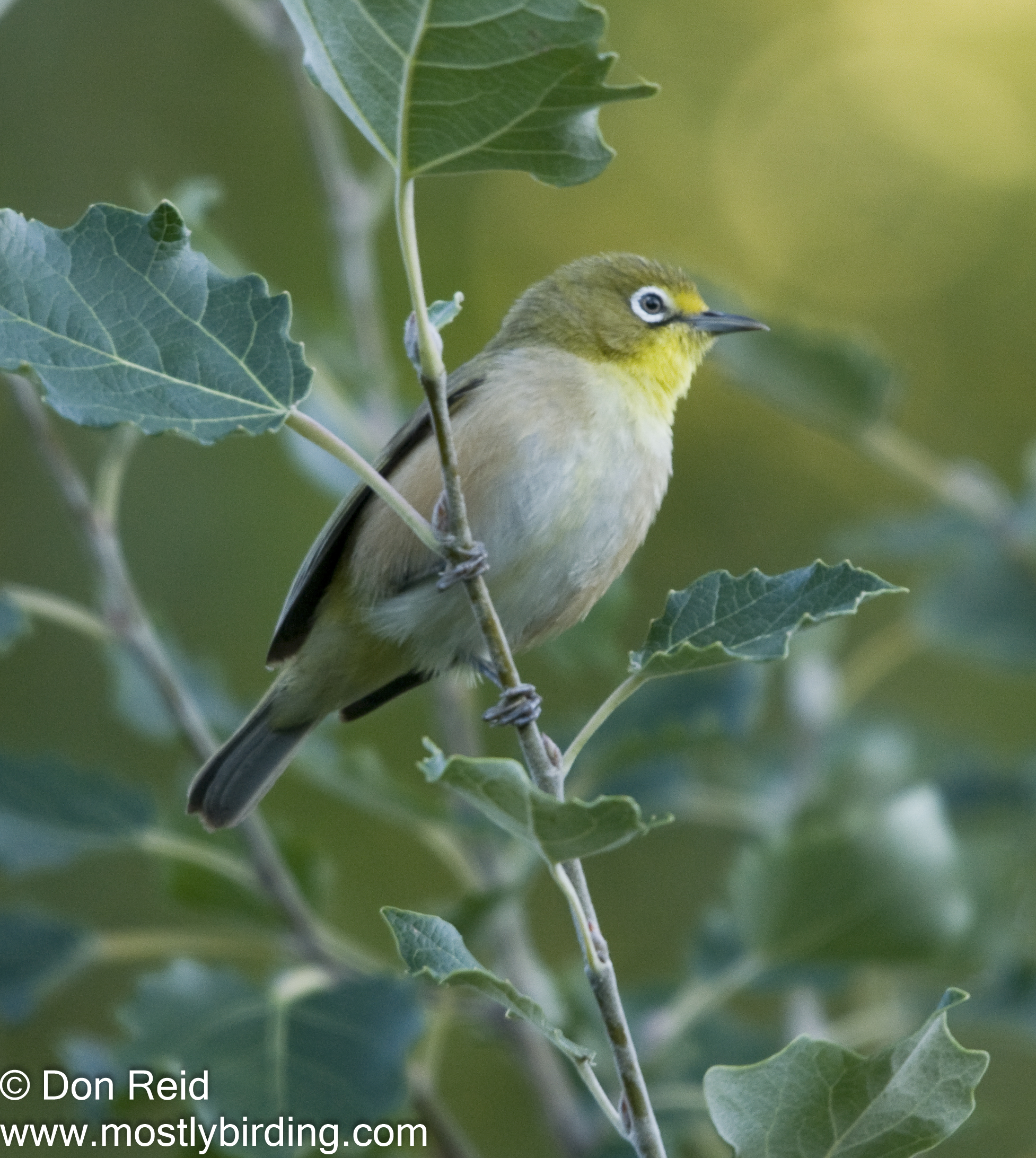
  • Cape White-eyes feeding in the trees
Cape White-eye Zosterops capensis Kaapse glasogie, (race capensis), The Baths Citrusdal
  • House Sparrows joining us on the balcony, hoping for dropped crumbs
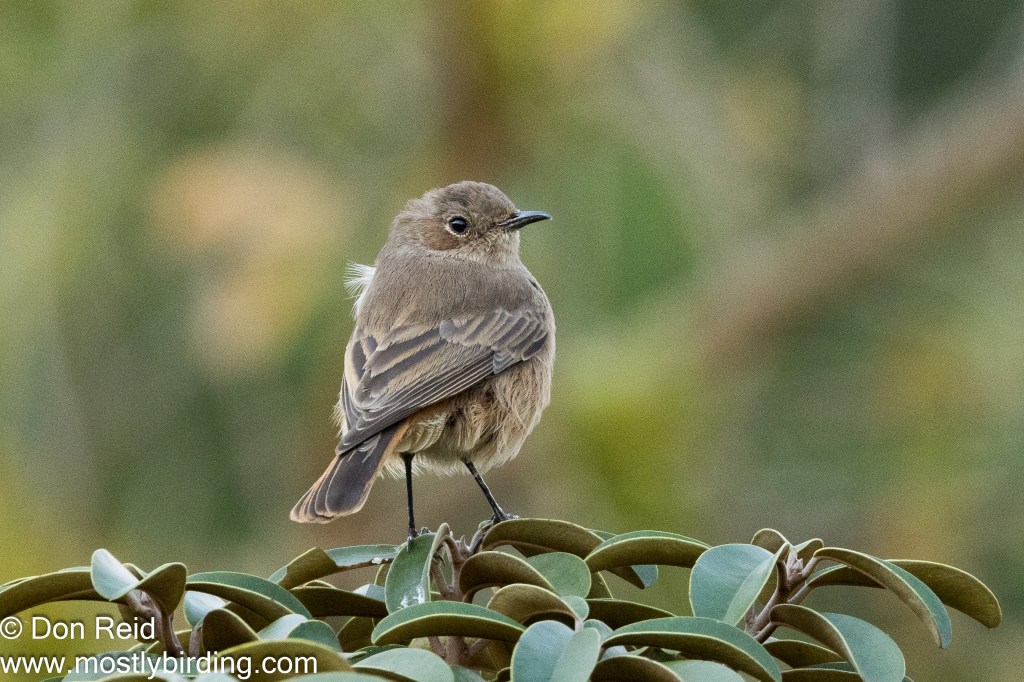
  • Familiar Chat being – er – familiar with its wing flicks after every flight or even hop
Familiar Chat Cercomela familiaris Gewone spekvreter, The Baths Citrusdal
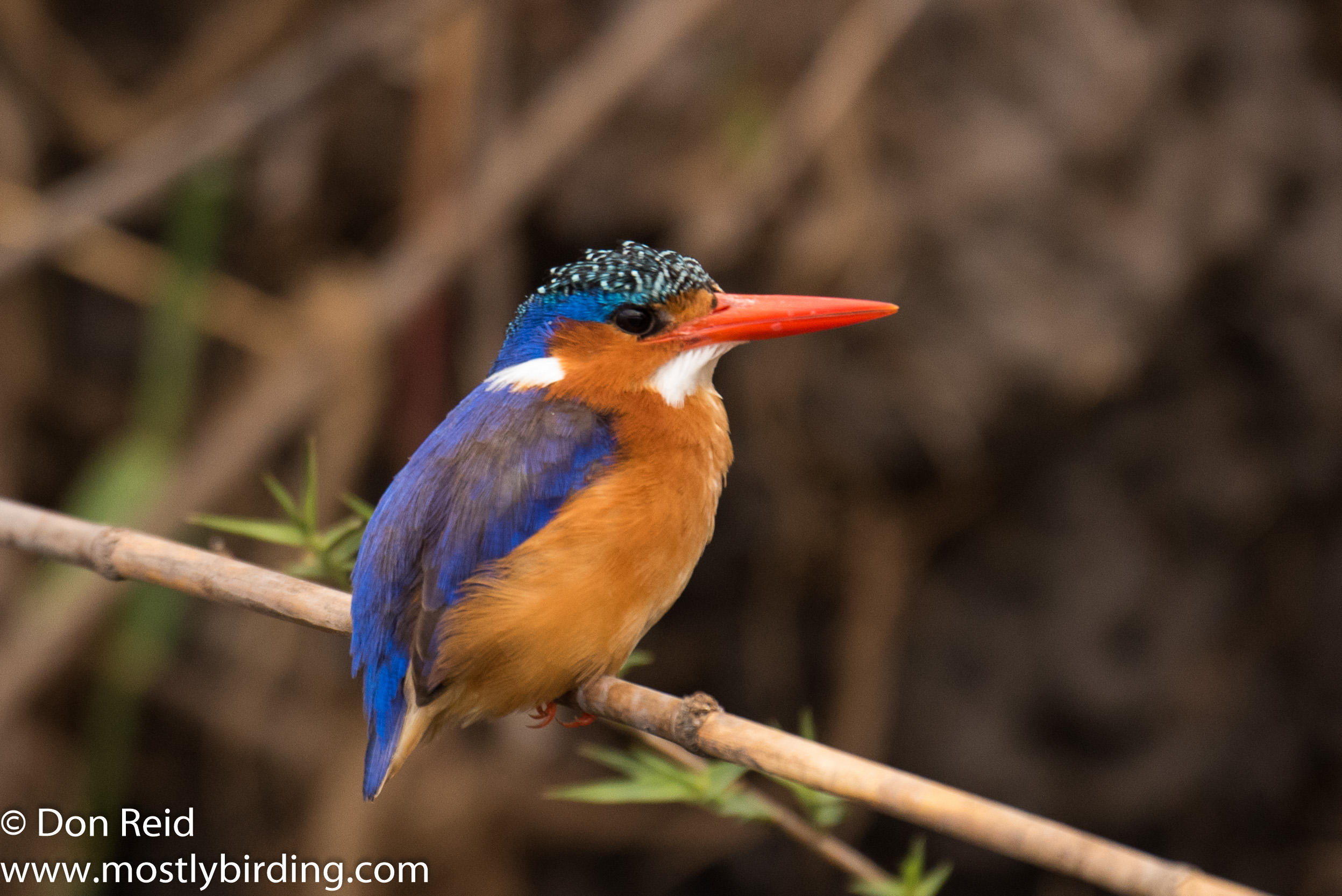
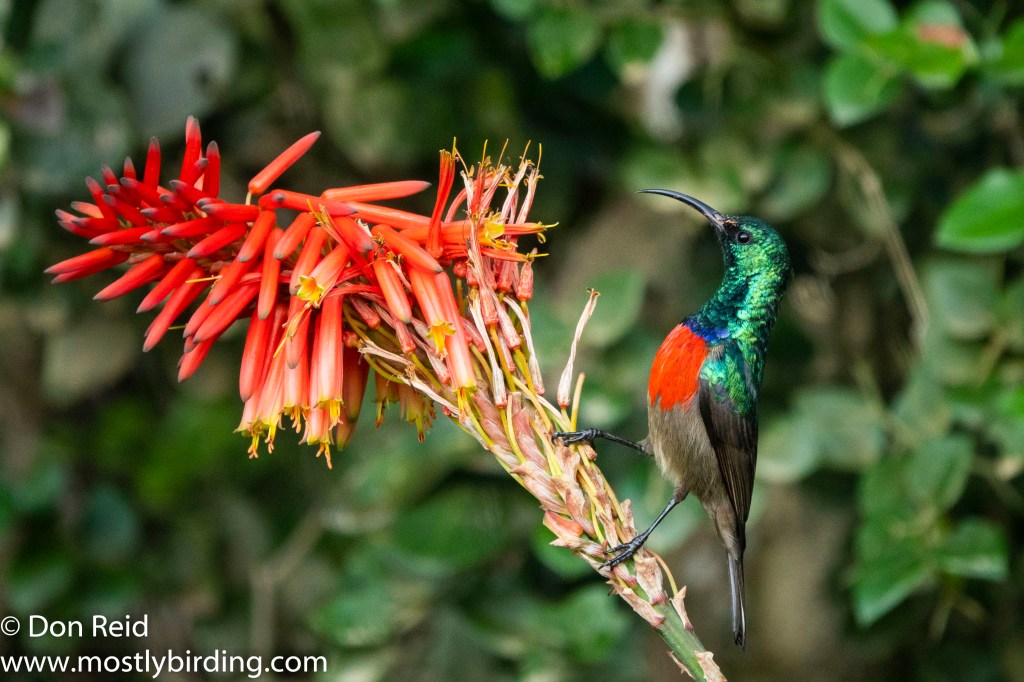
  • Sunbirds joining the White-eyes in the erythria tree – both Southern Double-collared and Malachite Sunbirds
  • Olive Woodpecker paying a brief visit to the surrounding trees

Lunch was toast (home-made bread from the Lord Milner Hotel, organized by Gerda, persuasive as ever) with smoked chicken slices and tomato – restaurant quality food!

We took a short walk after lunch to scout around the nearby facilities, visiting the rock pools and hot and cold swimming pools which provide most of the enjoyment in the resort.
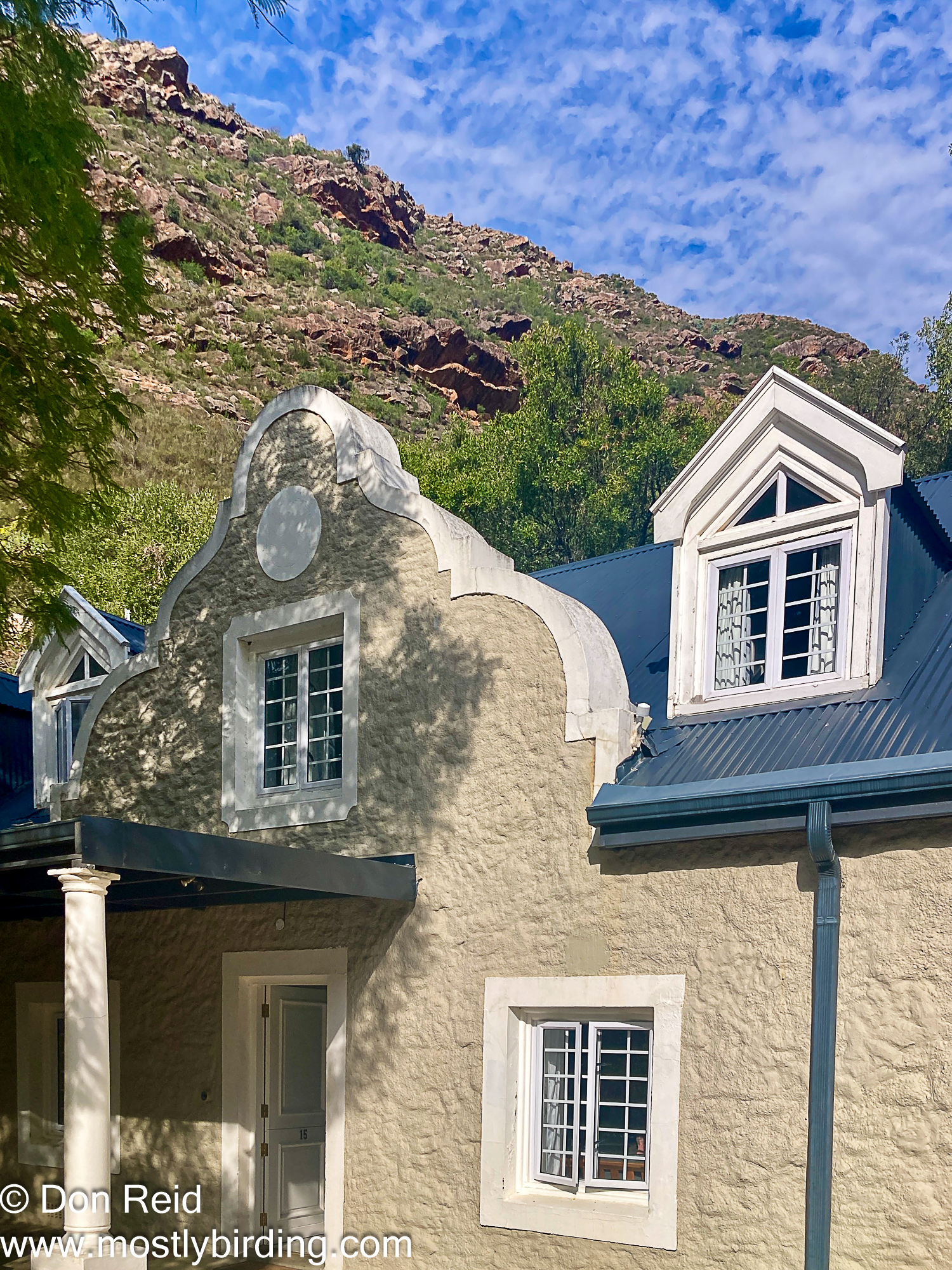
One of the older buildings – still used for accommodation

After a short rest we drove to the chalet where the family were relaxing, for coffee and later a braai – Woolies sosaties accompanied by potato bake, salad and copper penny carrot salad to end off the day on a high culinary note. Just a pity our national T20 cricket team fell short of their target but oh so close with the margin between a potentially match-winning six and batsman caught being less than a metre of flight of the ball.

Sunday

An unhurried start to the day once again – it’s hard to do it any other way in this super-relaxed place – we took it easy on the balcony and I added to my steadily growing pentad list with a few more species that came and went –

  • African Olive Pigeon made a brief appearance in the trees
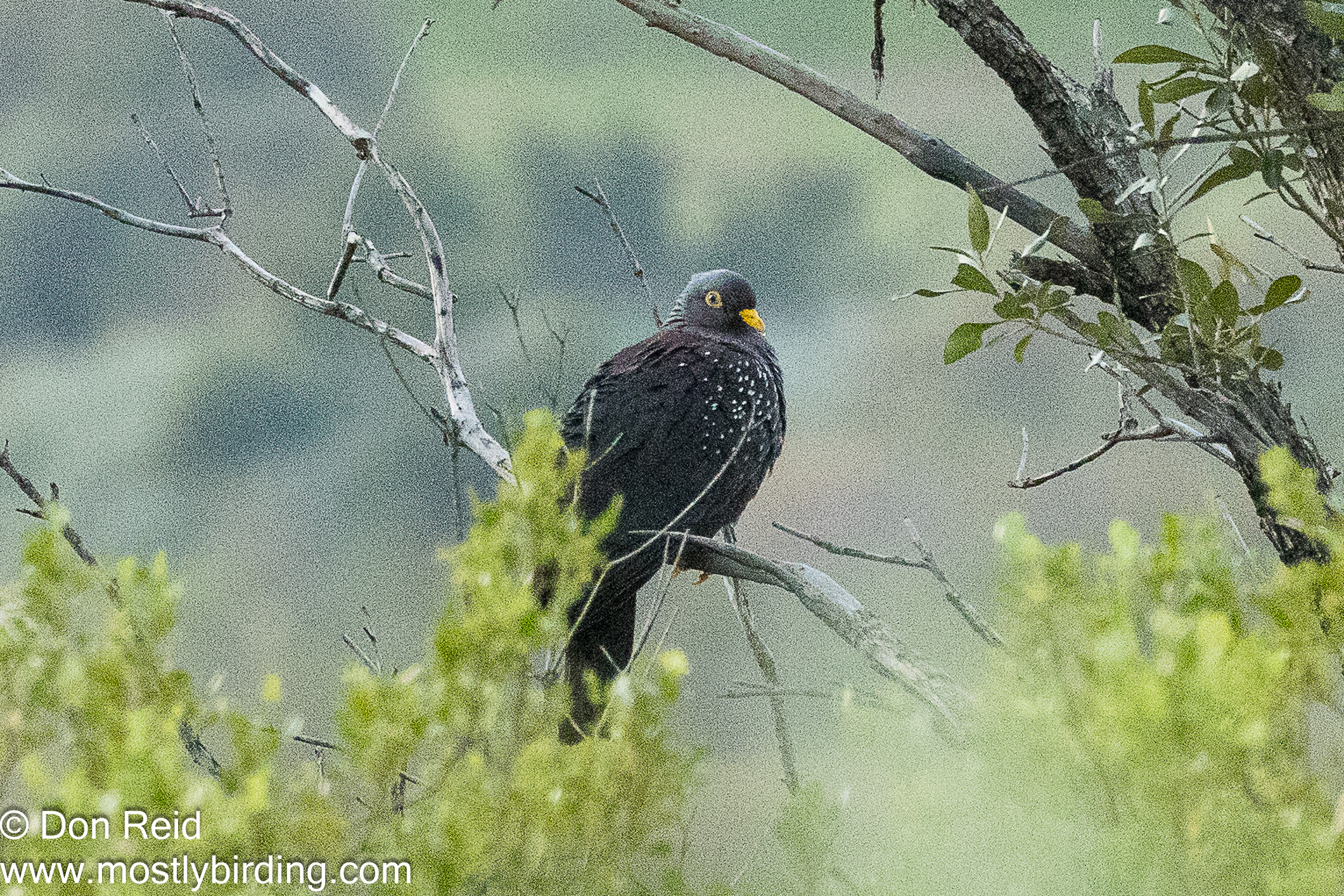
African Olive-Pigeon Columba arquatrix Geelbekbosduif, The Baths Citrusdal
  • A bold Fiscal Flycatcher flew in and perched on a branch metres away from the balcony
Fiscal Flycatcher Sigelus silens Fiskaalvlieëvanger, The Baths Citrusdal
  • Streaky-headed Seedeater visited the flame tree nearby

Mid-morning I pottered down the road to the nearby swimming pool, fed by the natural hot spring, where I found to my surprise that I had it to myself for a wonderfully relaxing swim. Actually, it was more like a float around as the warm water is not conducive to high activity.
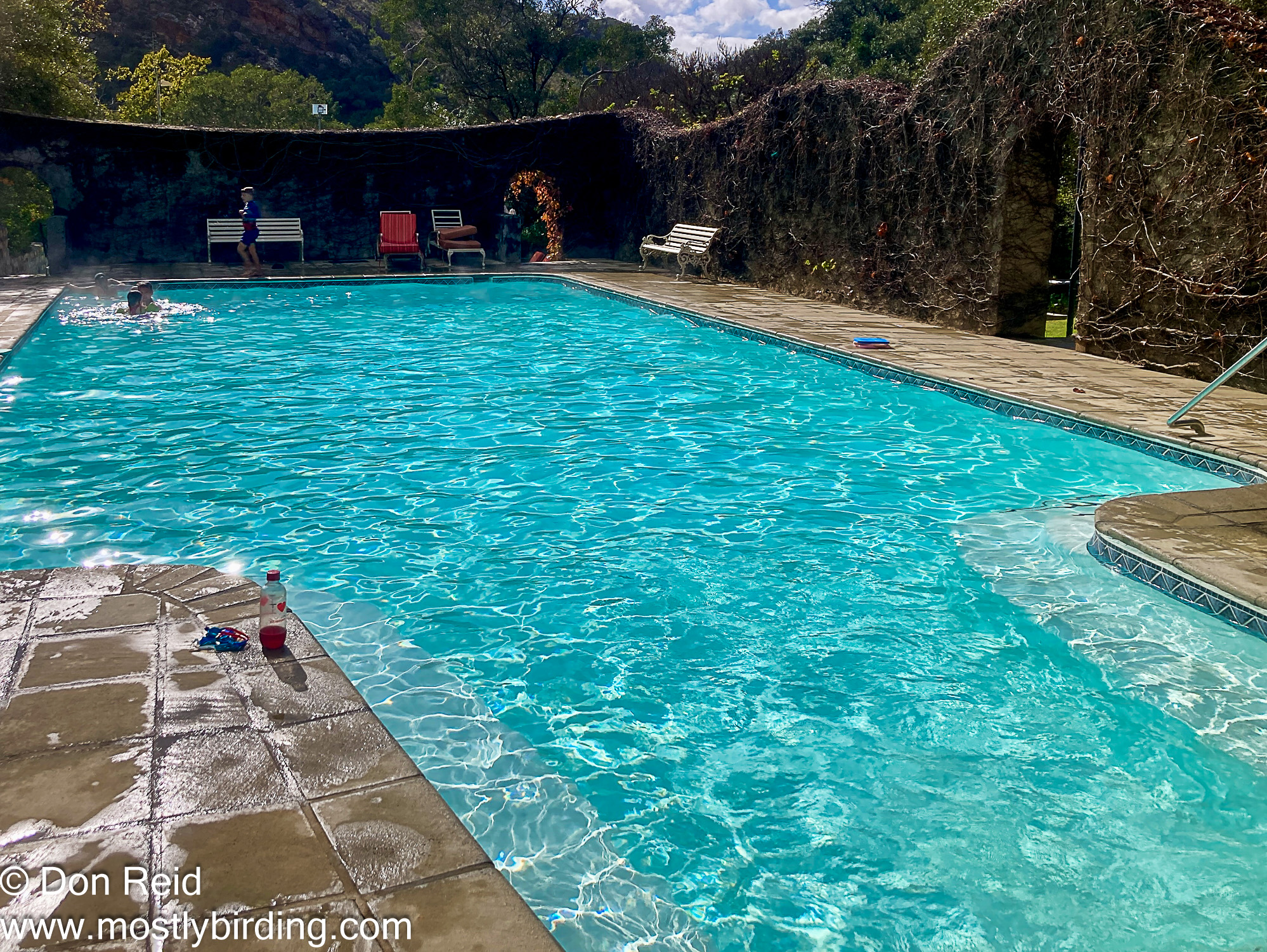
The Baths, Citrusdal

As luck would have it, while floating on my back in the pool, I spotted a raptor soaring high above near the ridge of the mountain – even without binos I could see it was a Verraux’s Eagle!

Later the family tried out the small pools near the source of the waters, set among the rocks up a steep set of steps – they ended up spending most of the afternoon there
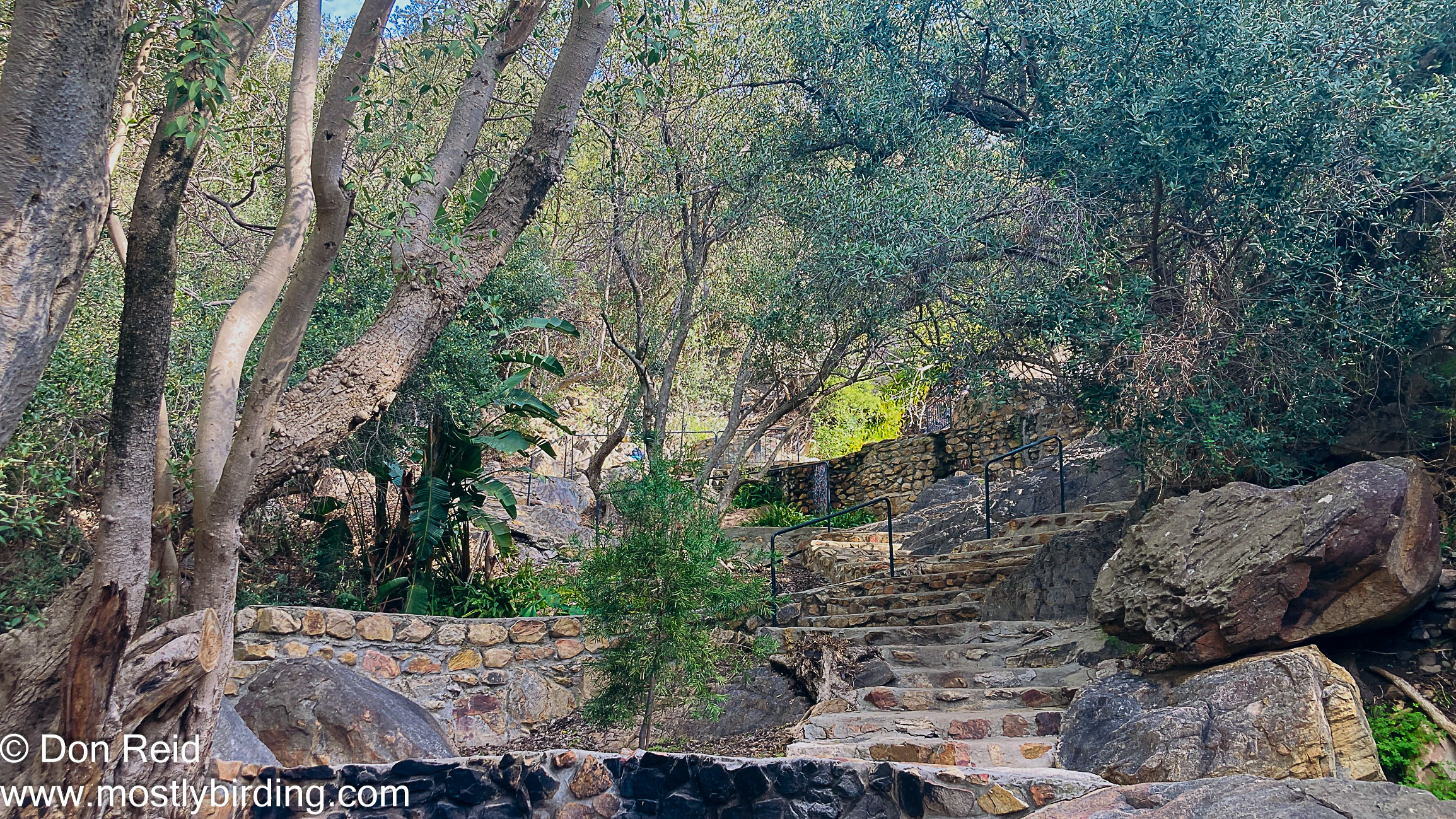
The Baths, Citrusdal

Monday

After breakfast on the balcony, I went to the warm pool but was put off by the number of people already in so left it for later. When I tried again the maintenance was being done, so I went back to the apartment and filled the jacuzzi with water also piped from the hot spring – rather nice and relaxing with a water massage thrown in.
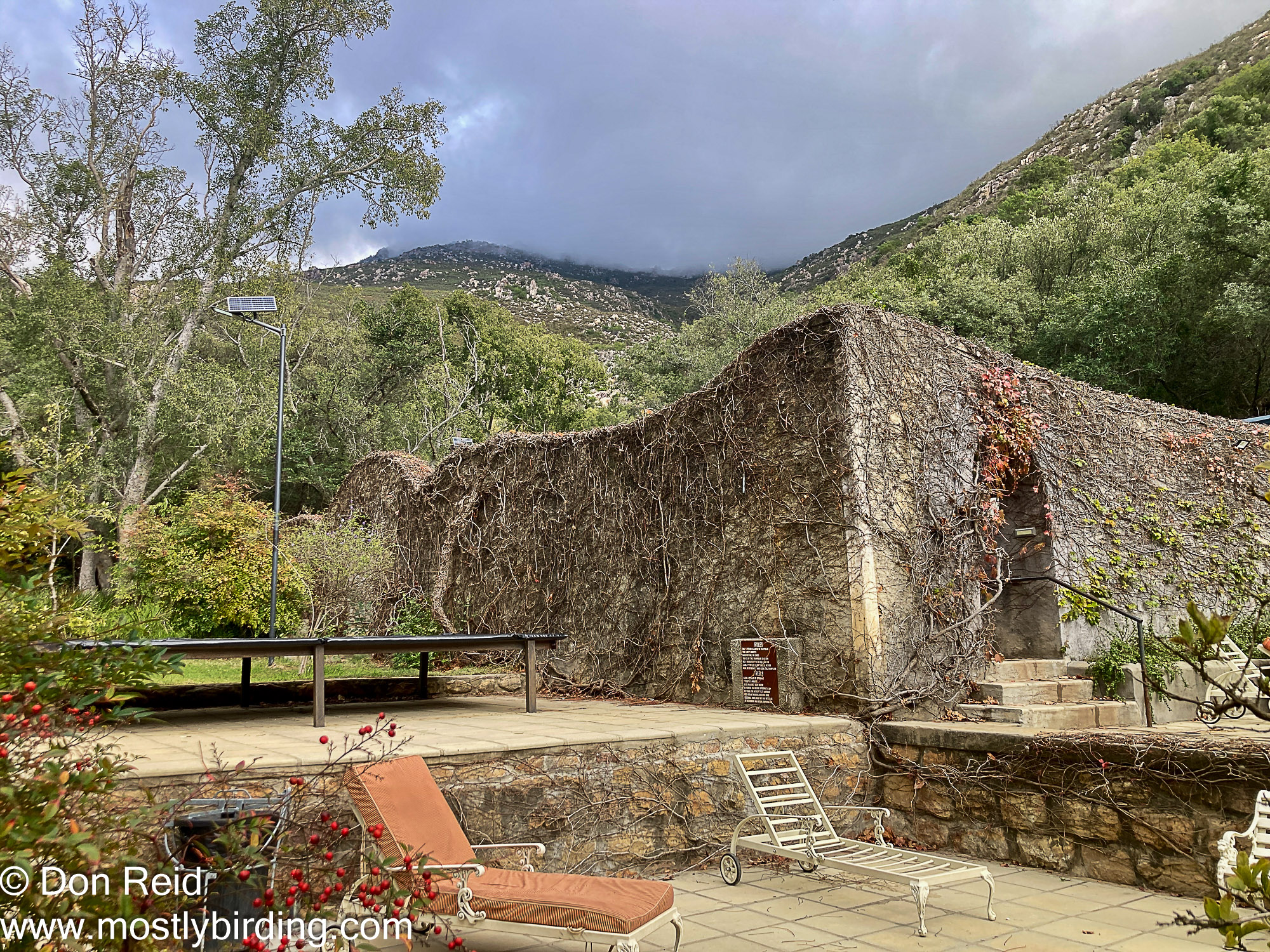
The Baths, Citrusdal

Feeling energetic, we joined the family on an outing to the De Tol Farm Deli on top of the Piekenierskloof Pass on the N7 for a bit of Carmien tea tasting (as one does)

This was something different, with a wide variety of flavoured rooibos teas brewed in cute glass teapots and kept warm with small burners – the interesting combinations kept us busy for a while, with the “Strawberries and Cream” flavoured tea proving to be a favourite.

The deli shop had some interesting items including bags of braaipap which had me chuckling….
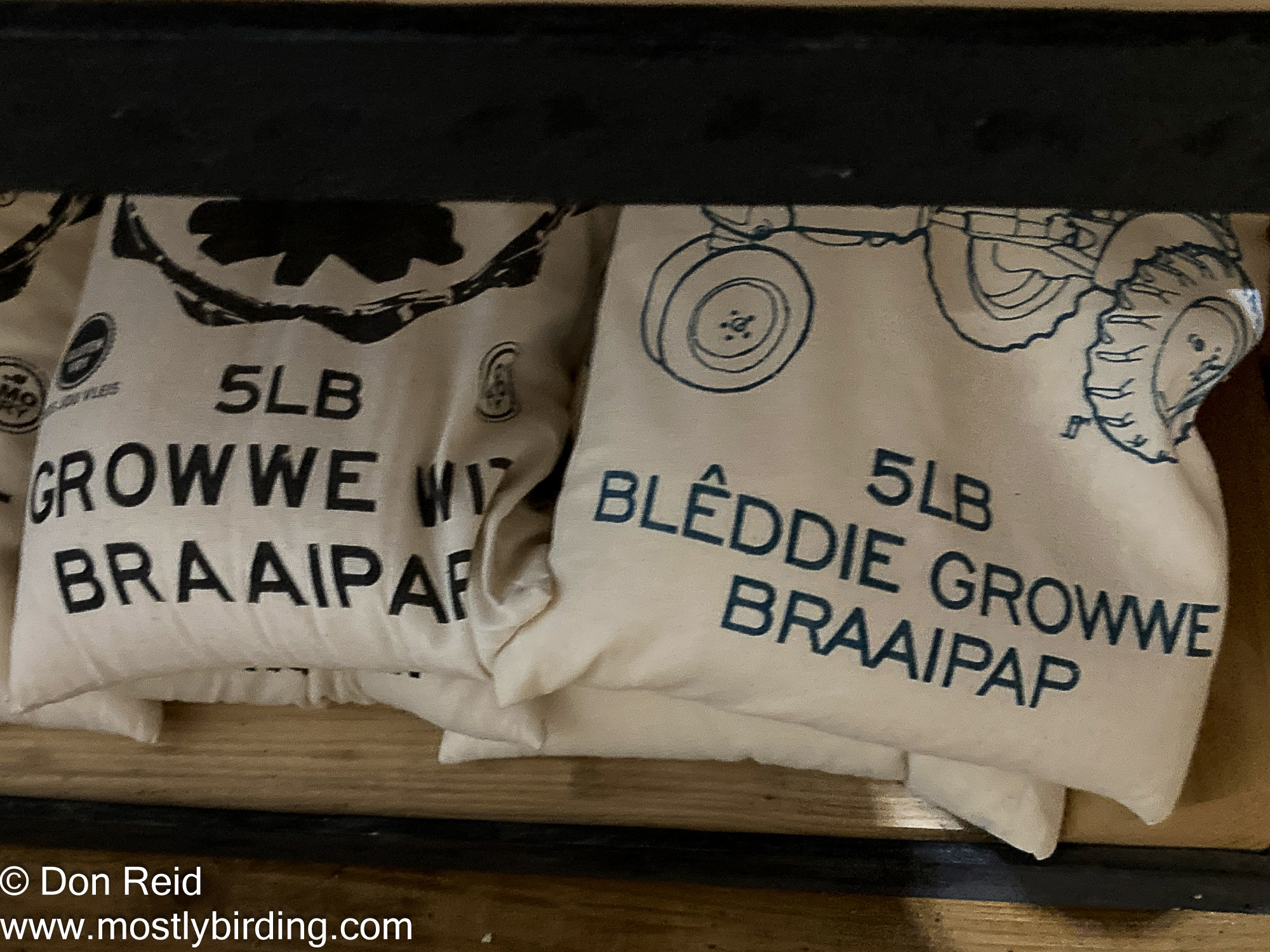
On sale in the Farm Deli – translation : left bag – Coarse maize meal, right bag – bloody coarse maize meal!

The trip back was a chance to see what other bird species I could find in the pentad, but the habitat consisting mainly of citrus orchards offered few birds and I added just a couple of species.

Back at the chalet we had coffee and a slice of chocolate cake bought at the farm deli while watching the first day’s play at Wimbledon, before preparing dinner of braai-ed marinated ribs and Gerda’s chicken fillets done in a pan, along with a salad – a winning combination!

In between all this strenuous activity I added to my pentad list with a few birds seen near the chalet –

  • White-throated Canary
  • Karoo Prinia
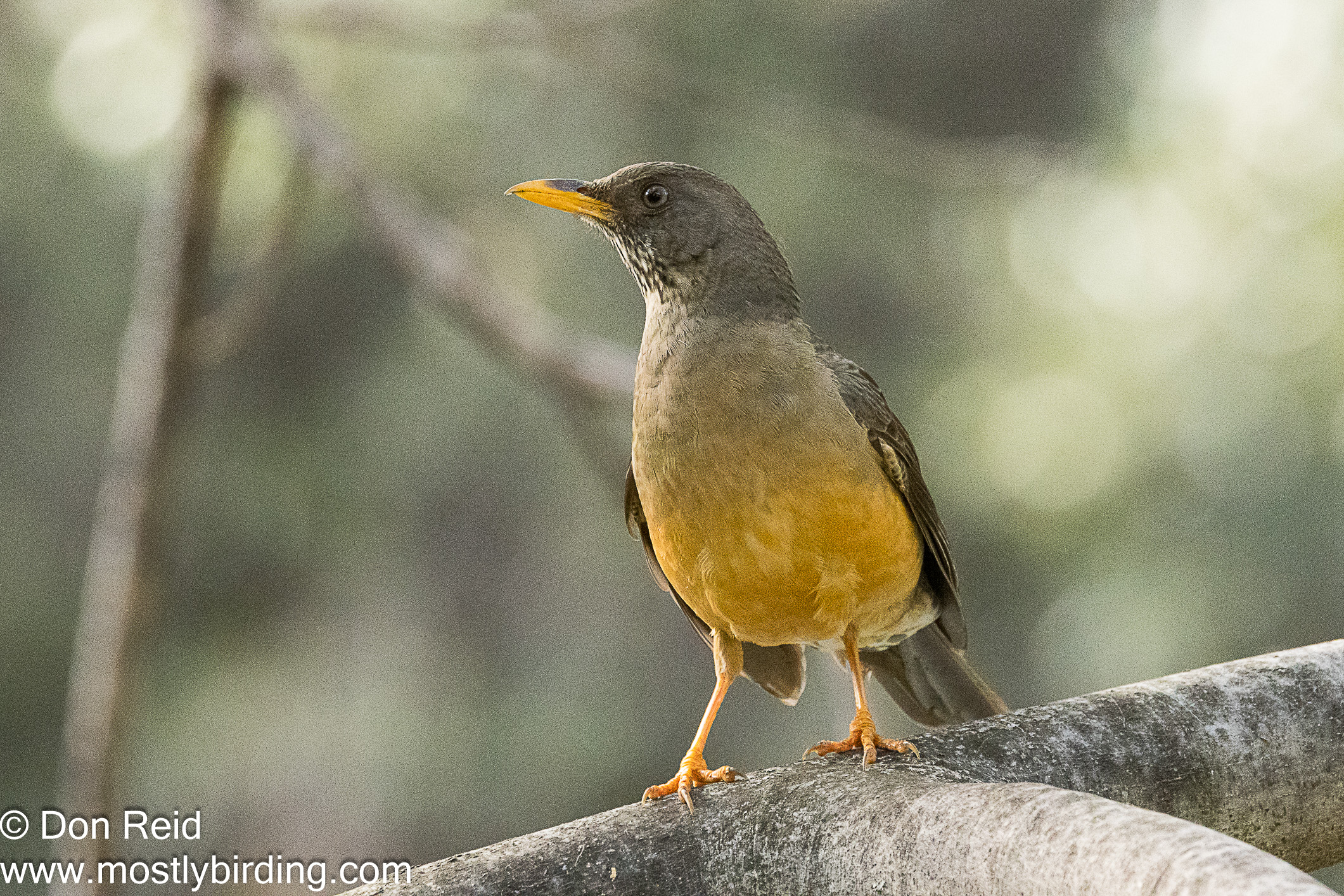
  • Olive Thrush
Olive Thrush Turdus olivaceus Olyflyster, The Baths Citrusdal

Tuesday

The weather had turned colder so our morning stoepsitting had to be curtailed – after breakfast I meandered down the hill along the road towards the camping sites, on the lookout for birds, which were plentiful in places but without adding any new species to my pentad list
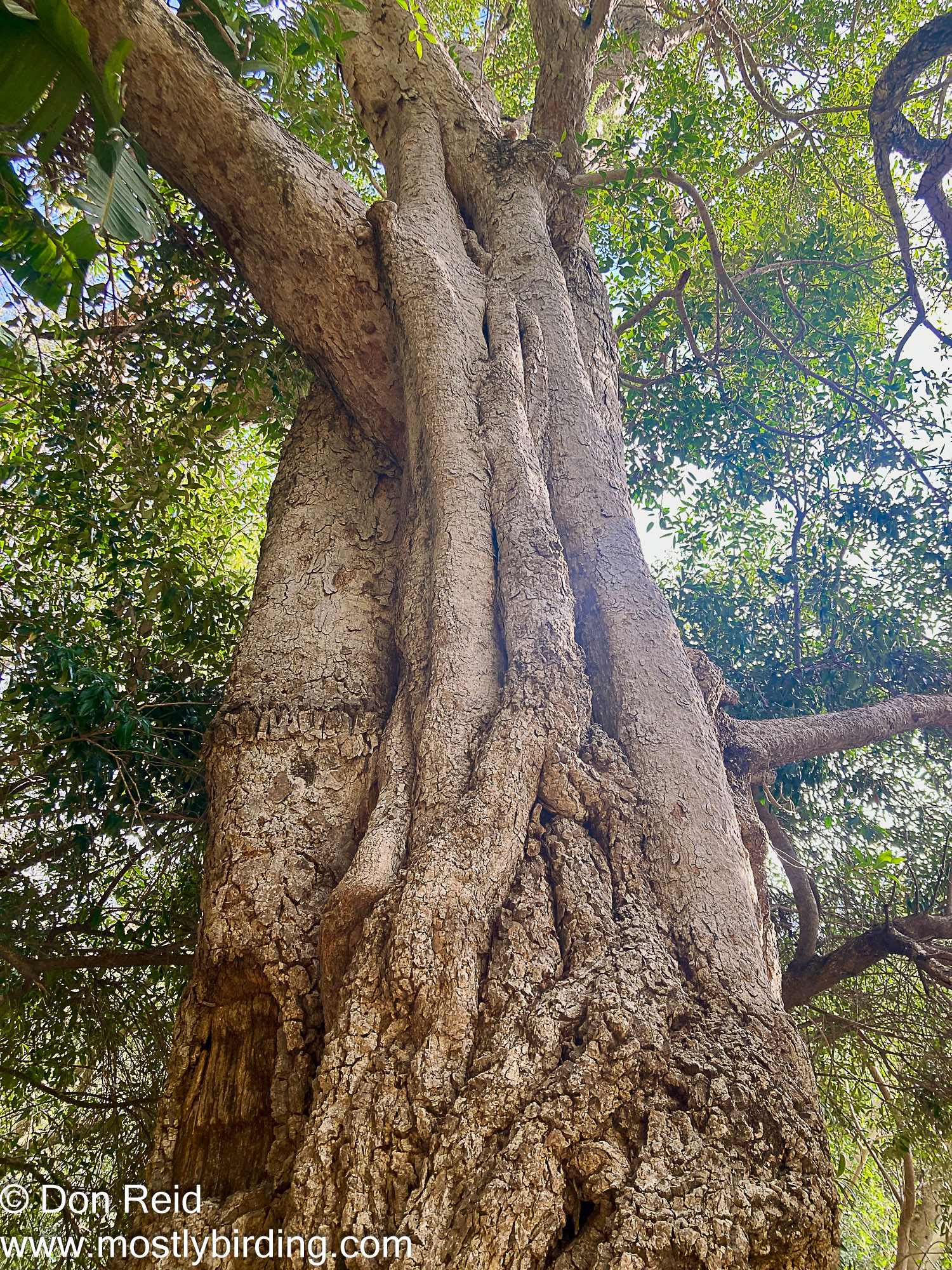
Old tree at The Baths, Citrusdal

After lunch we made our way slowly to Citrusdal for some provisions , followed by a drive around the side streets to get a feel for the town beyond the main street. We came away with a feeling that service delivery was lacking as all the roads were littered with potholes – much like too many of our small towns.

We came across the NG Kerk in another side street – 1960’s era church at a guess with a lovely stone church hall across the street dating from 1917 all set in neat grounds.

On the way back we took it very slow looking for birds and thanks to Gerda spotted a Black-winged Kite to take the pentad list to 38.

Back at the resort we went straight to the chalet for the evening which included more Wimbledon, braai hamburgers and a hilarious game of 30 Seconds.
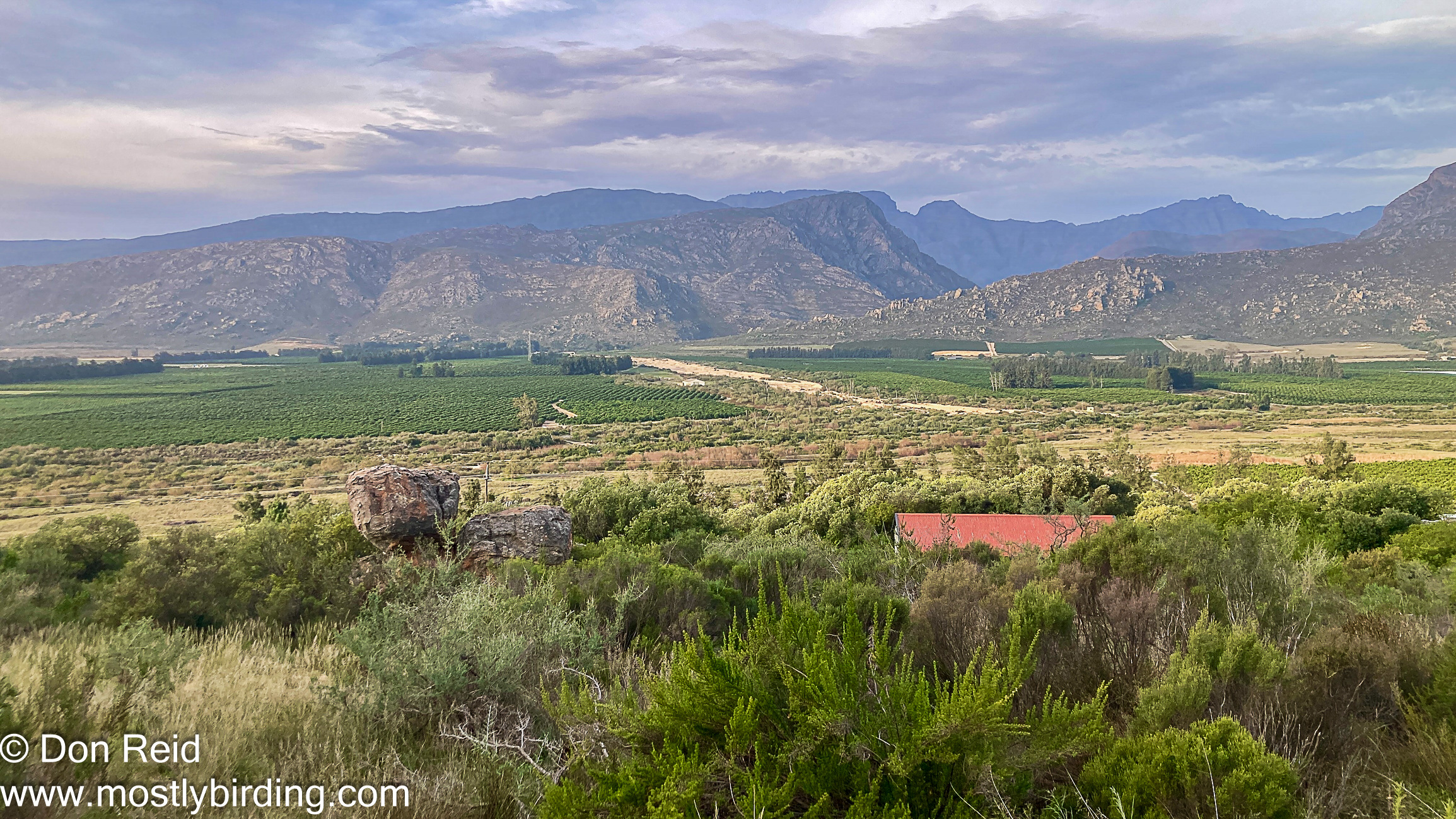
The Baths, Citrusdal

Wednesday

A rainy day in the kloof!

It rained on and off for most of the day, at times coming down heavily, so we mostly stayed inside. The girls all went for spa treatments and I joined them later for a short swim in the warm pool.

The rain did not deter the birds and I added a few including –

  • Cape Batis
  • White-necked Raven

Thursday

More of the same – late lie in followed by a soothing after-breakfast swim, then chilling on the balcony until the family arrived mid afternoon for waffles in the restaurant. Talk about strenuous!

Later after doing some packing we trundled down the bumpy track once more to spend the last evening braai-ing and wimbledon-ing, the meal being lamb chops, crispy on the outside, wors and braaibroodjies with some salads

Friday

Time to head home!

We were packed and ready by 10am and proceeded along the route which took us back to Citrusdal then southwards and eastwards passing through 10 towns in all, which makes for an interesting trip broken up into ‘manageable’ chunks.
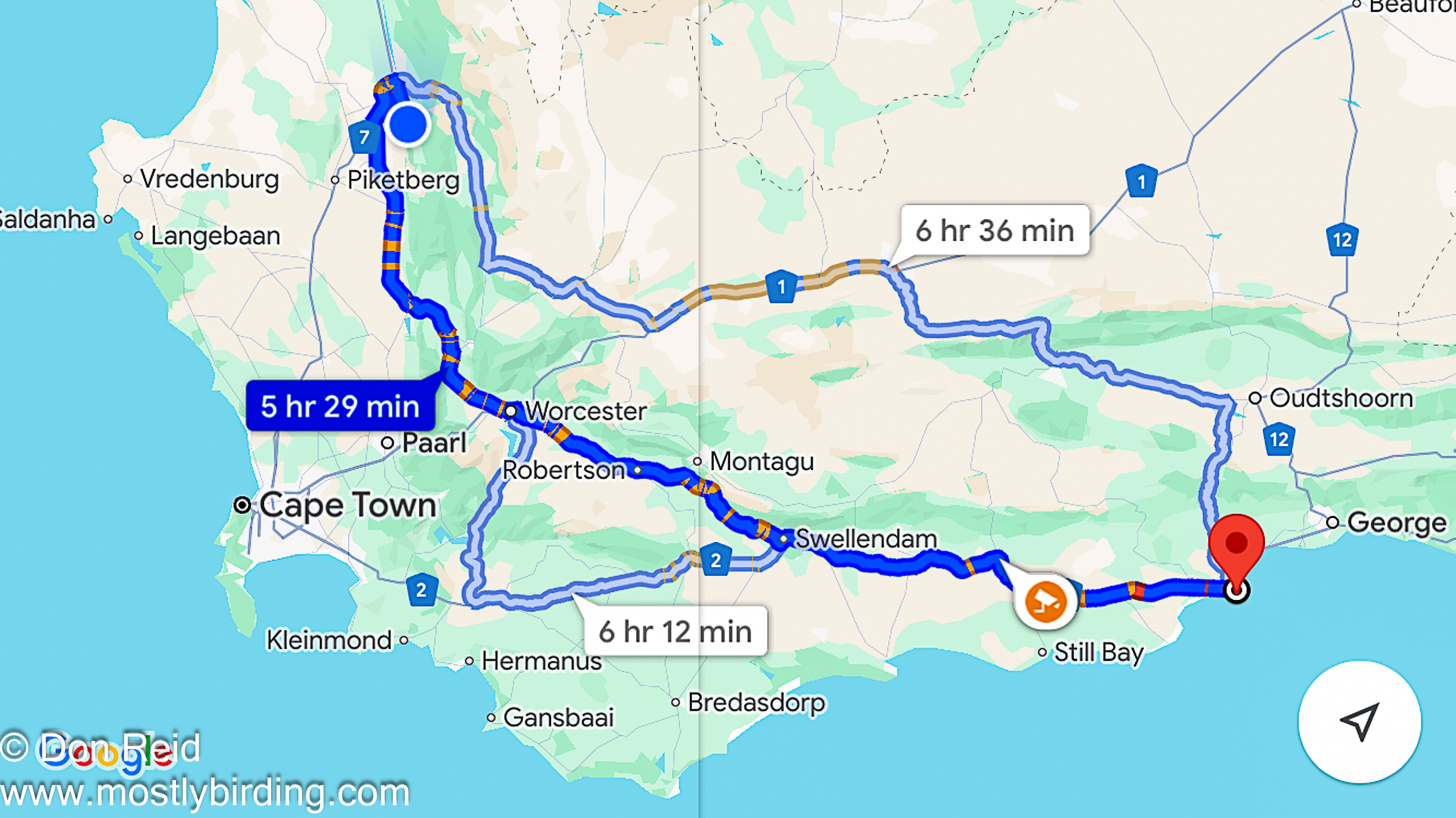
The Baths, Citrusdal

The road from Worcester was the busiest I have ever seen it with long streams of vehicles making it difficult to drive any faster than the slower vehicles on the road. Added to that we encountered three stop-go’s after Swellendam so only reached Mossel Bay around 6pm.

That brought our trip with the family to an end and a memory bank recharged with new experiences and moments.

On the atlasing side my list stood at 41 species in total – a modest total but pleasing for an area that I have never atlased before.

The Water

And finally, some interesting facts and statistics about the waters at The Baths (which only exists because of the natural hot springs of course) – how amazing that the water is forced under the Olifants River and up the other side!

The Baths, Citrusdal

Verlorenkloof – a Winter Visit

Our trip from our new home in Mossel Bay to our old home town of Pretoria for the last two weeks of May was for several reasons, one of which was to take up the offer of friends Koos and Rianda to join them at Verlorenkloof in Mpumulanga, a country resort that has been a favourite of ours for many years.

We had four days to get the most out of our visit, which offers a combination of relaxation, some walks and plenty of birding opportunities – here’s how it went –

Wednesday 22nd May 2024 – getting there

We had flown to Gauteng and were staying at our son James’s house in Pretoria, so did some shopping for supplies at Boma butchery and Woolies before departing just after 1pm and setting off along the N4 east.

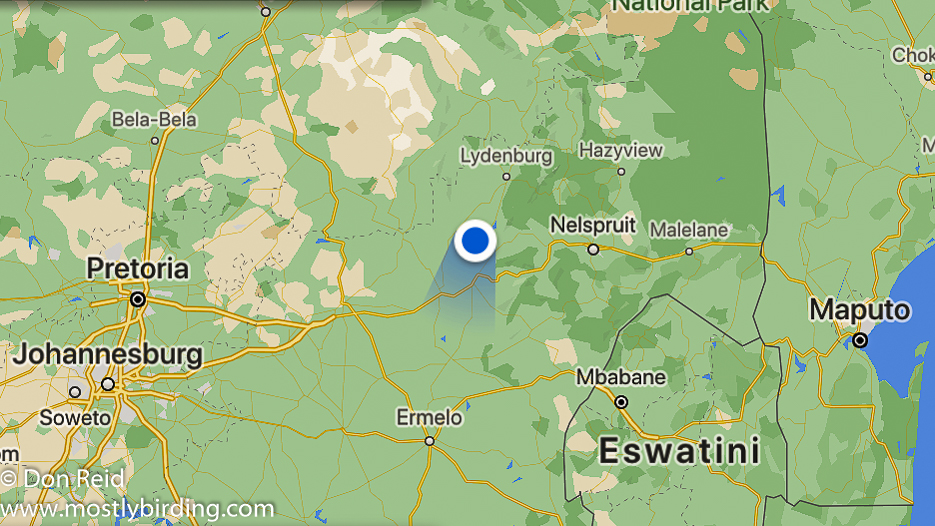
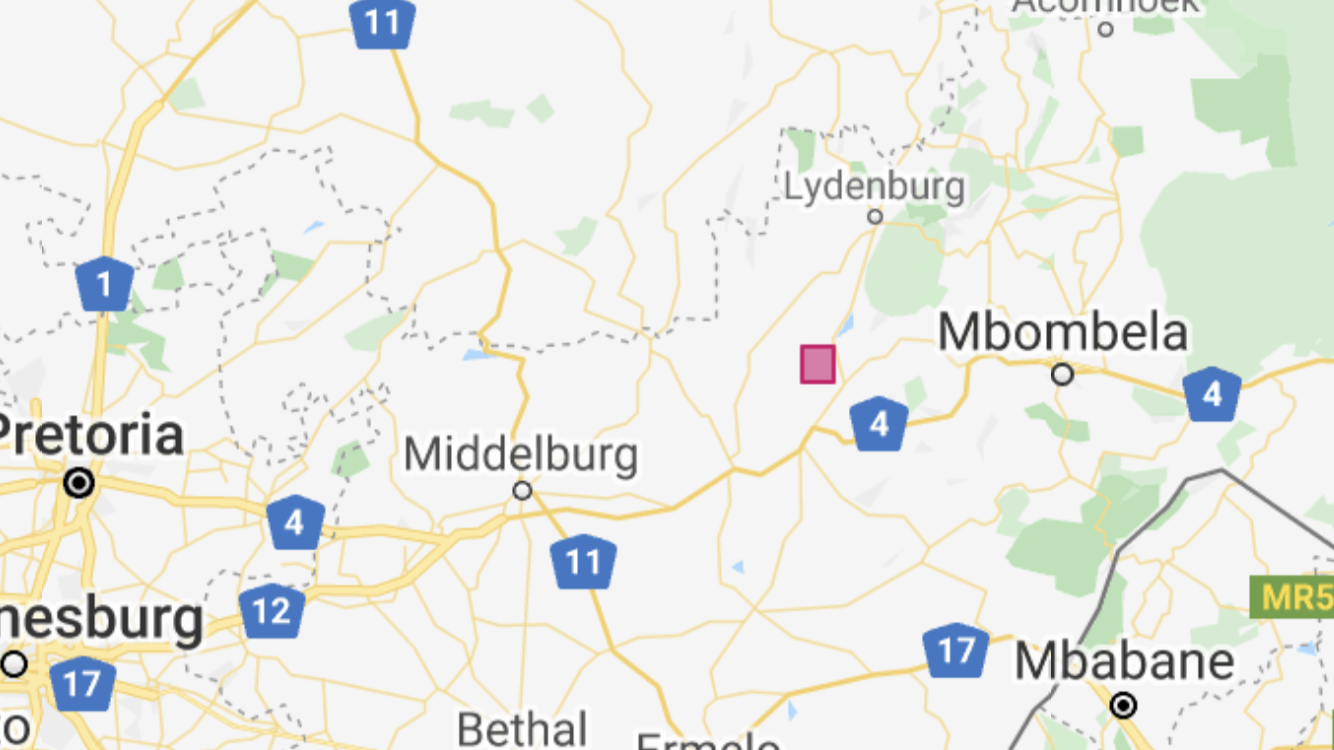
Map showing location of Verlorenkloof

Apart from our customary coffee and comfort stops, progress was slowed by the busy road and roadworks in places, and we eventually arrived at Verlorenkloof about quarter to five, just as Koos and Rianda were offloading at Croft no 3

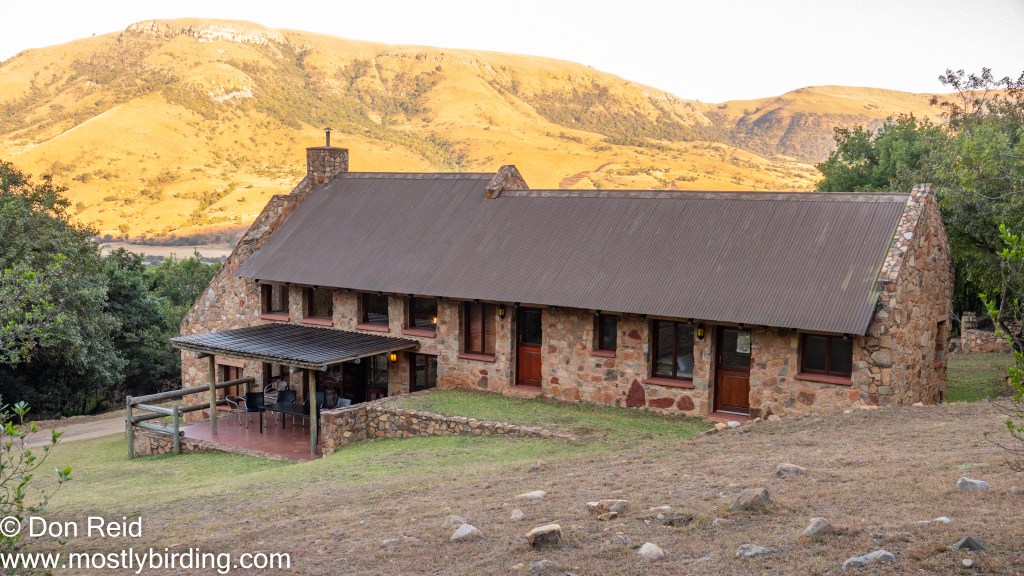
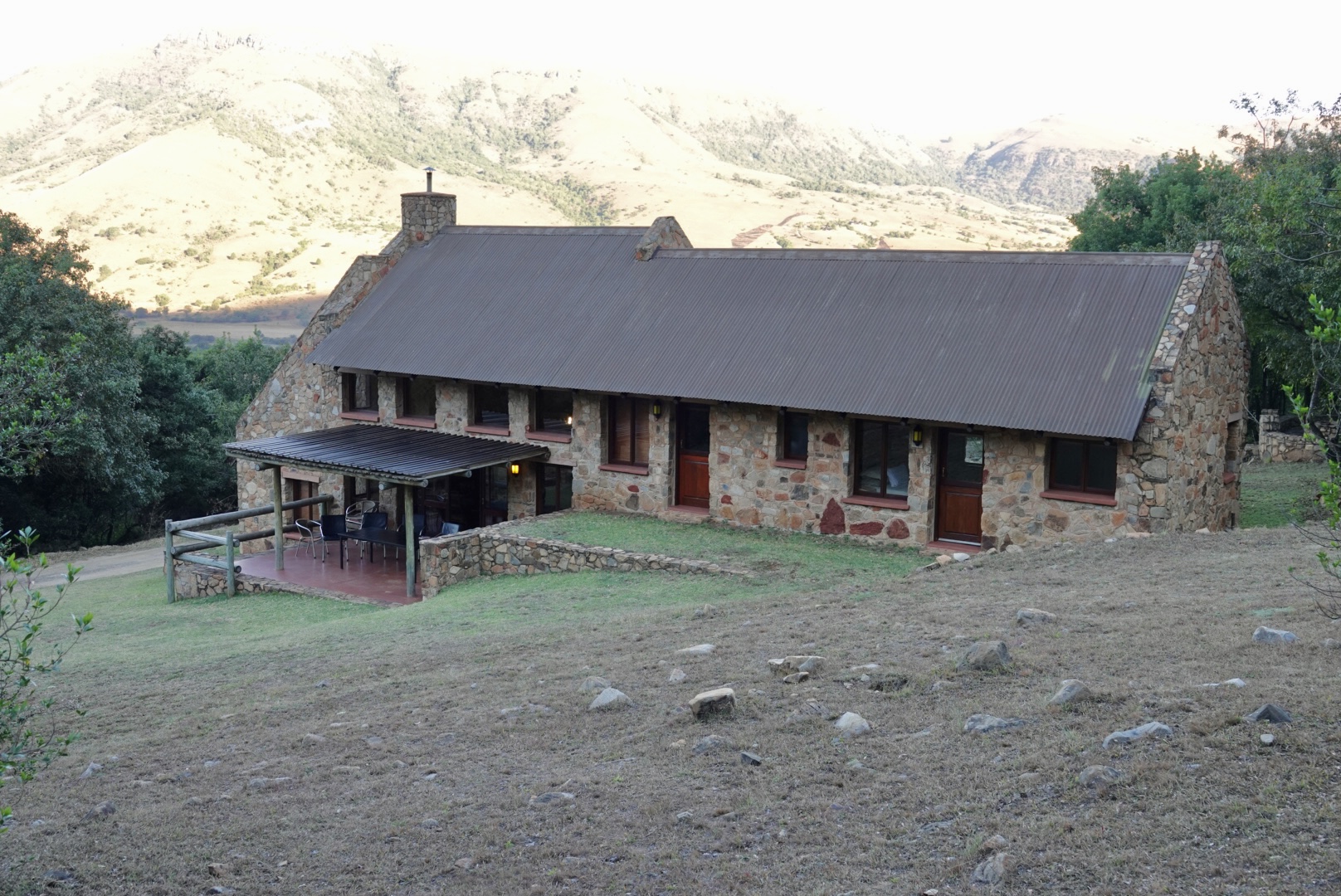
Croft 3, Verlorenkloof

Dinner was Milly’s trout pies and salads which went down well and after unpacking and tea we were ready for an early night.

Thursday 23rd May 2024

By popular demand our first day was a lazy one – after breakfast we enjoyed some quality “stoepsitting” and viewing the birds passing by which included a few of the familiar ones we have come to expect at Verlorenkloof –

  • Nicholson’s Pipit and
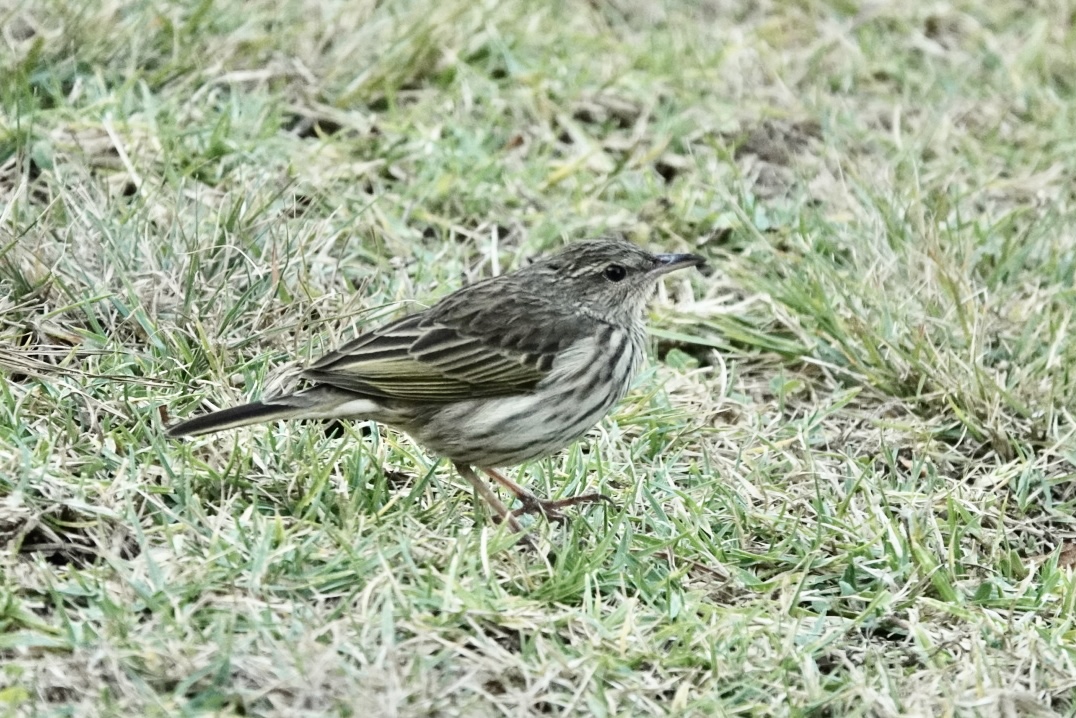
  • Striped Pipit on the grass
Striped Pipit Anthus lineiventris Gestreepte koester, Verlorenkloof
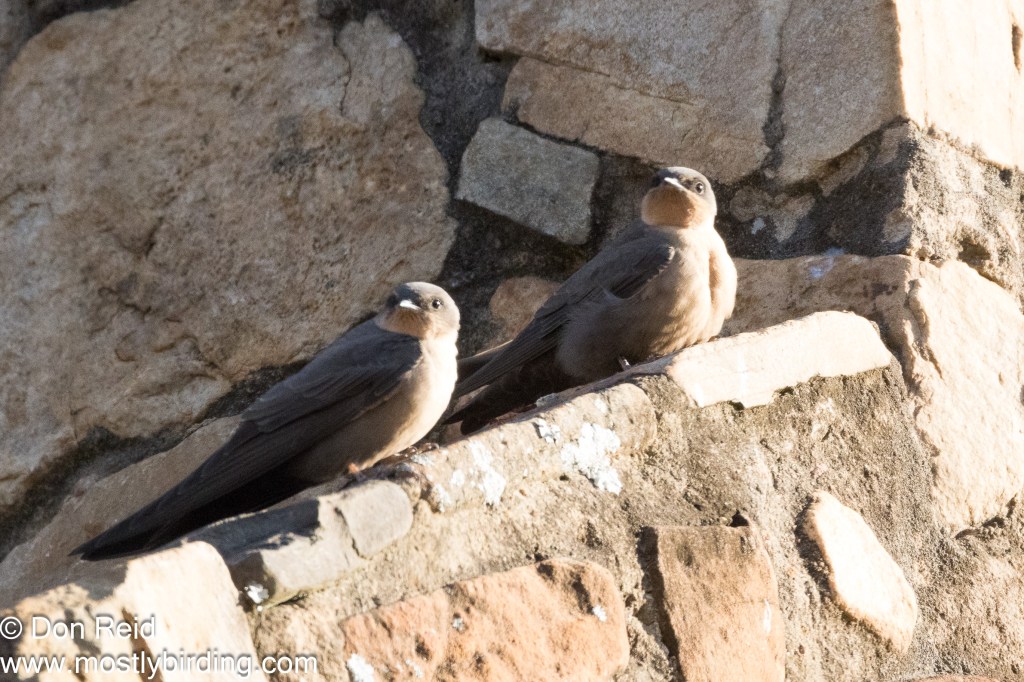
  • Rock Martins in the air, swirling around the stoep, resting at intervals on the higher walls
Rock Martin Ptyonoprogne fuligula Kransswael (race pretoriae), Verlorenkloof
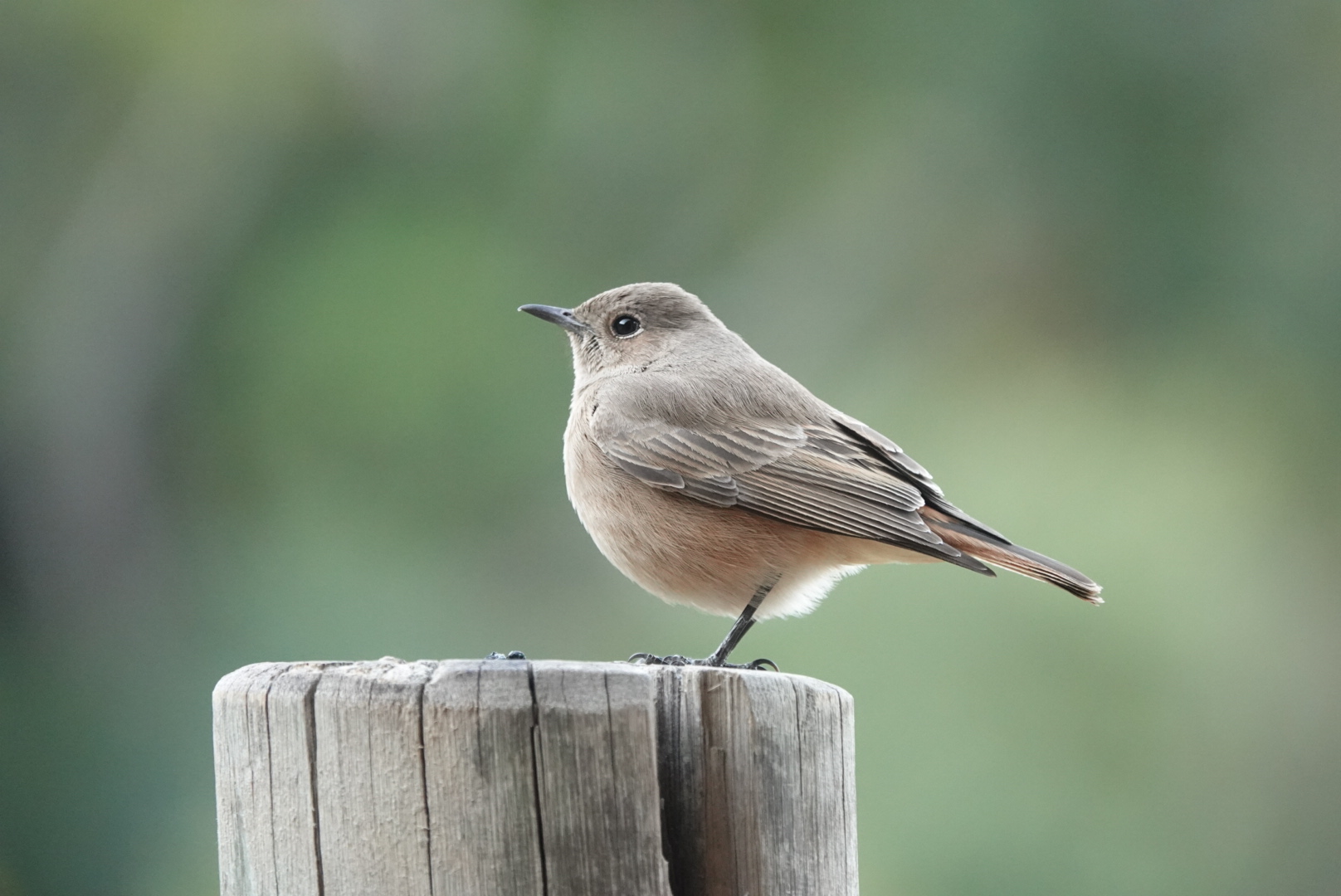
  • The oh so familiar Familiar Chat flitting between low trees and the grass
Familiar Chat Cercomela familiaris Gewone spekvreter (race hellmayri), Verlorenkloof
  • Cape White-eyes moving restlessly through the trees
  • Olive Bushshrike fleetingly showing in bush
  • Dusky Flycatcher demurely sitting on a thin branch then flying down to pounce on its prey and returning to the same vantage point
African Dusky Flycatcher Muscicapa adusta Donkervlieëvanger , Verlorenkloof

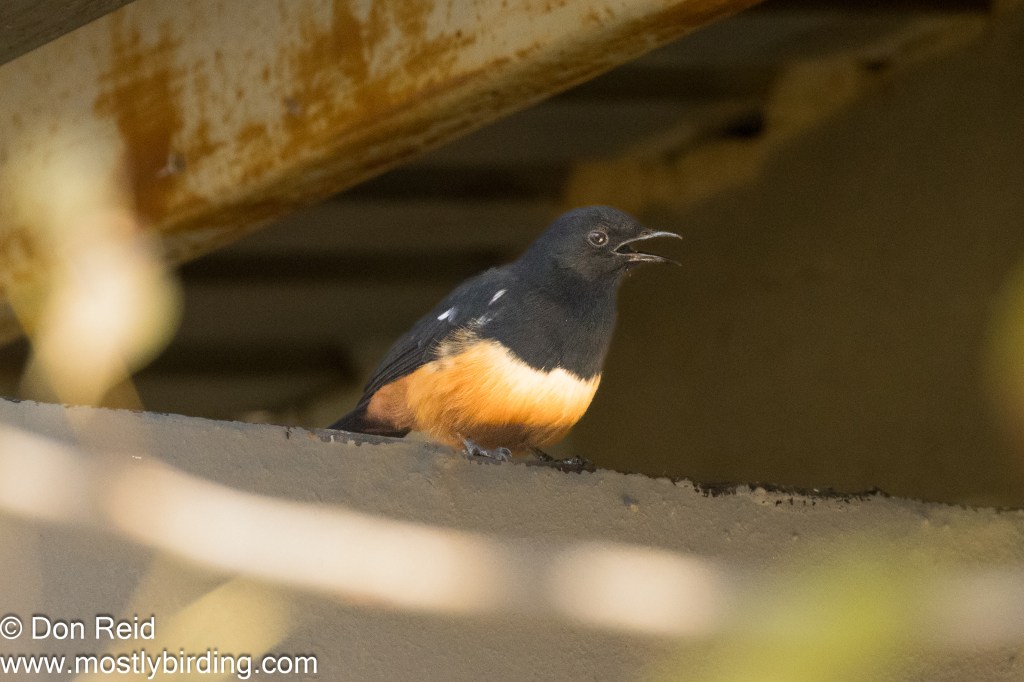
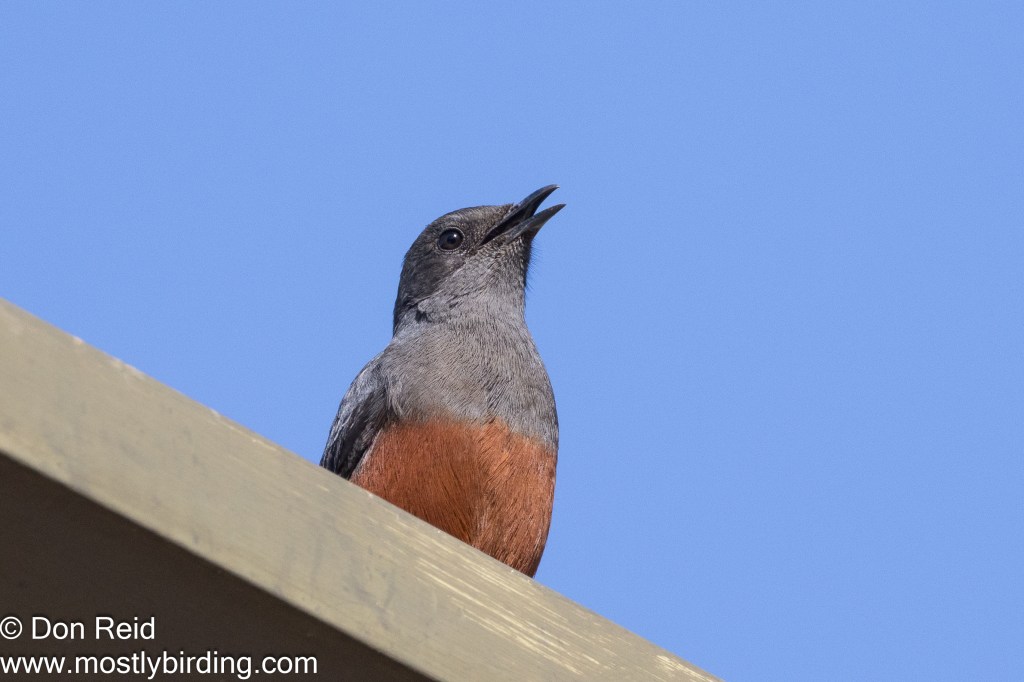
Around lunchtime we visited the lodge for coffee and a slice of cheesecake outside, while watching the antics of the Mocking Cliff-Chat pair and listening to their variety of calls. The striking difference between male and female plumage is always a fascination

Mocking Cliff Chat Thamnolaea cinnamomeiventris Dassievoël (male), Verlorenkloof
Mocking Cliff Chat Thamnolaea cinnamomeiventris Dassievoël (female), Verlorenkloof

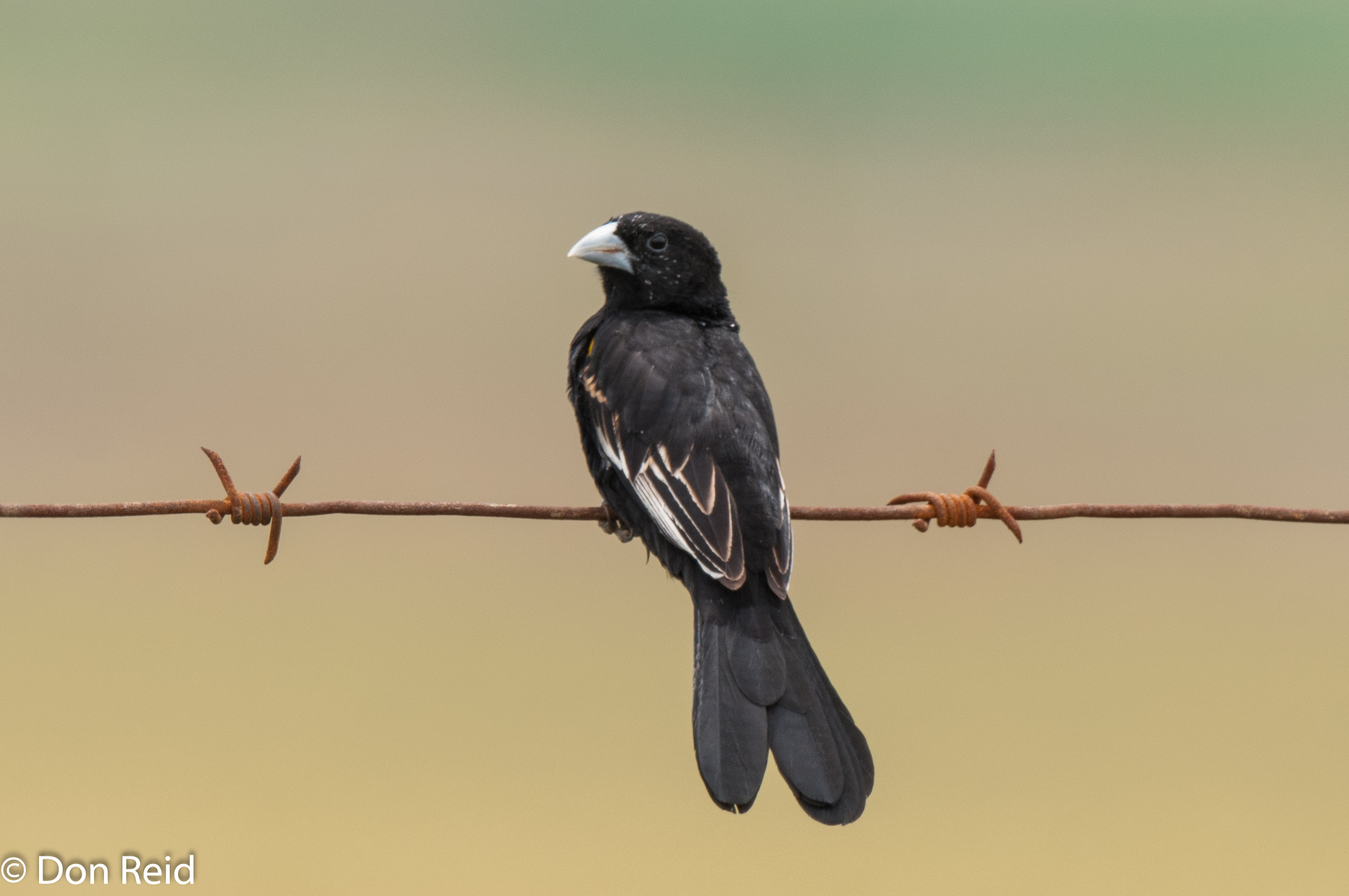
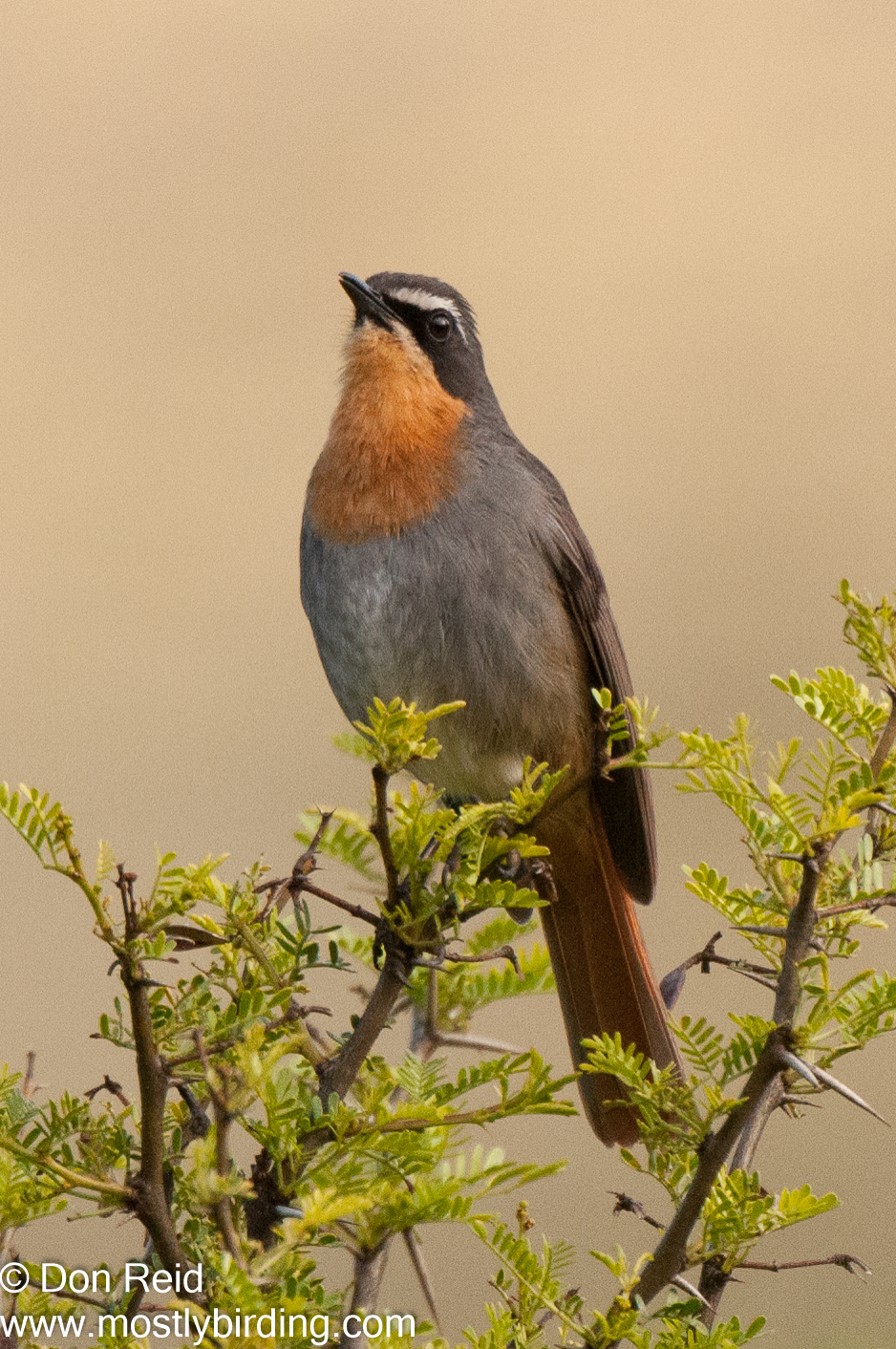
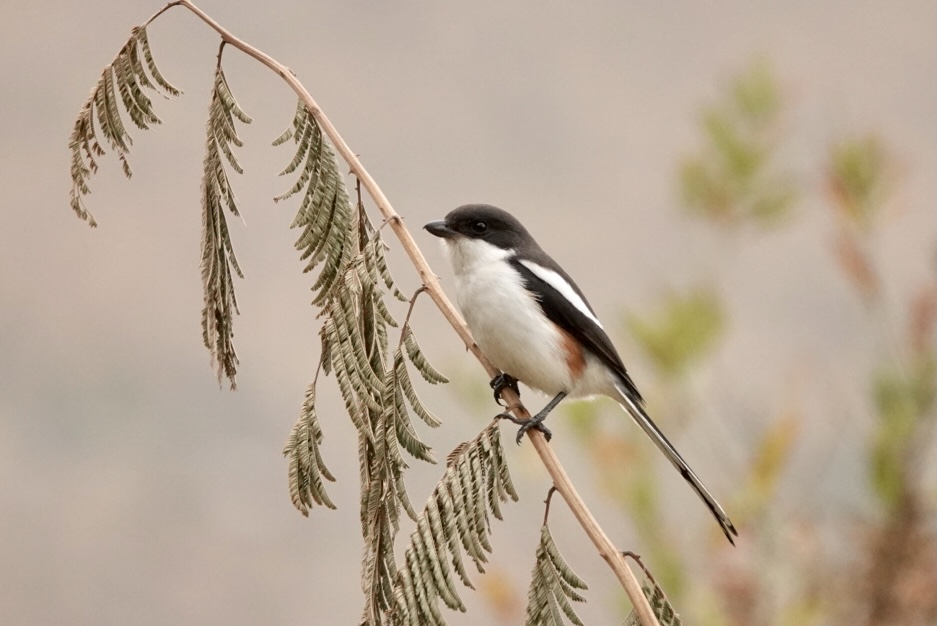
Black Flycatchers and Fork-tailed Drongos were also in attendance, confusing in their alikeness, while on the way back White-fronted Bee-eaters (heading image) and a pair of Yellow-breasted Apalises were added.

Southern Black Flycatcher Melaenornis pammelaina Swartvlieëvanger (race diabolicus), Verlorenkloof

Later Koos and I walked to the river and back (It seemed as if the last stretch of the return walk has been made steeper…..!) – all of 3 kms. Birds were few with just a handful added – Black-headed Oriole, Puffback and Bald Ibis among them.

Dinner was a tasty bobotie with salads

Friday 24th May 2024

Another lazy start to the day – beautiful sunny, warm weather with cold nights – we once again spent most of the morning on the stoep or nearby, building on the birdlist and just enjoying the ambience. Additions to the birdlist were –

  • Red-winged Starlings – some 30 on the lawn
  • Chorister Robin-Chat in the trees outside our bedroom – the image is a bit fuzzy but shows the bird’s striking colour well
Chorister Robin-Chat Cossypha dichroa Lawaaimakerjanfrederik, Verlorenkloof
  • Bar-throated Apalis in the same trees
  • Cape Batis briefly in the bush near the stoep
Cape Batis Batis capensis Kaapse bosbontrokkie (male, race hollidayi), Verlorenkloof

Koos wanted to go to the lodge to get charcoal so I joined him for the ride, which included stops at the dams on the way, where we found Little Grebes, Black Crakes and an Olive Thrush

After a lunch of patés and salads we all drove to the river for a short walk along the banks, admiring once again the pristine river against the backdrop of the surrounding mountains

At the bridge Brown-throated Martin and Grey-rumped Swallows were flying up and down river and over the adjoining grasslands, while a Brown-hooded Kingfisher sat on a branch watching for prey.

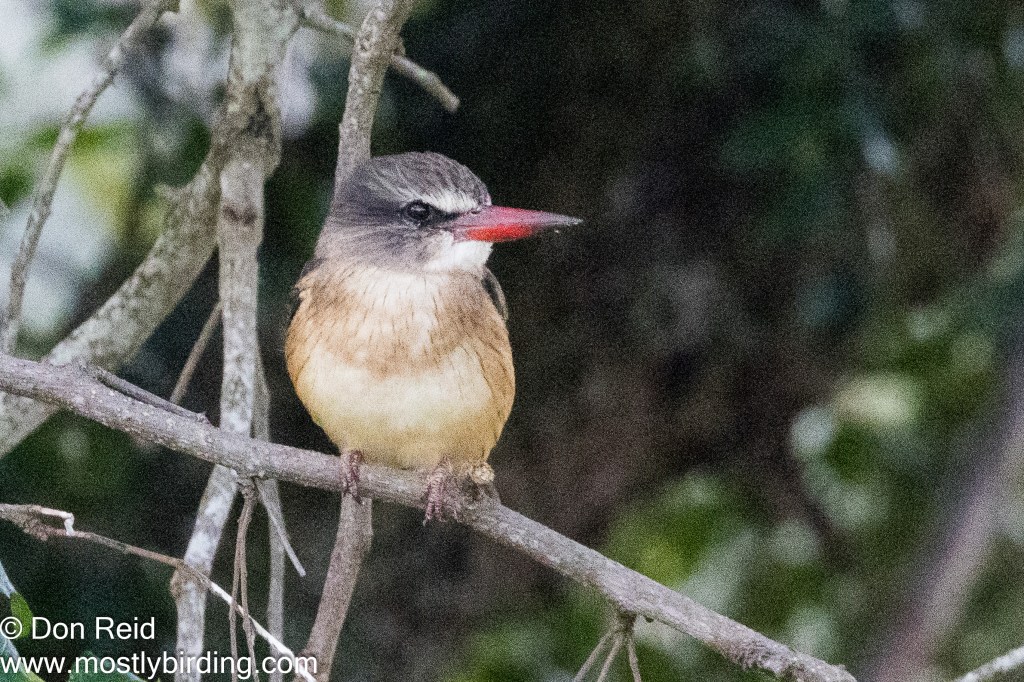
Brown-hooded Kingfisher Halcyon albiventris Bruinkopvisvanger (race vociferans), Verlorenkloof

Other birds encountered were Cape Grassbird and Tawny- flanked Prinia – both new for the pentad list

Back at the croft Koos got the braai going and we enjoyed wors, kebabs and pap with salad to round off the day.

As I write in my journal, the wood stove is burning and spreading its warmth around the living area – just the job for the cold evenings.

Saturday 25th May 2024

Yet another slow start saw us having brekkie outside on the stoep in pajamas, watching a flock of Rock Martins swirling about above the lawn, catching invisible prey in the air.

Rock Martin Ptyonoprogne fuligula Kransswael (race pretoriae), Verlorenkloof

A Natal Spurfowl calling in the night or very early morning (still dark) and a Brubru’s distinctive call which sounds like a telephone (remember them?) were the first additions to the list for the day.

Around midday we drove to the lodge for tea and cake – this time just half a portion each – after which we did the circular drive down past the river, left along the gravel road to the tee near the entrance road, then returning along the entrance road back to the croft.

The drive was a slow one with plenty of stops and pauses to look at birds, with Rianda and Gerda’s sharp eyes helping to find new species. Between the four of us we added a number of species to the pentad list including

  • White-bellied Sunbird
White-bellied Sunbird (Male, Cynniris talatala), Verlorenkloof
  • Cape Canary just after the bridge as Koos predicted
  • Greater Double-collared Sunbird
  • Common Waxbill
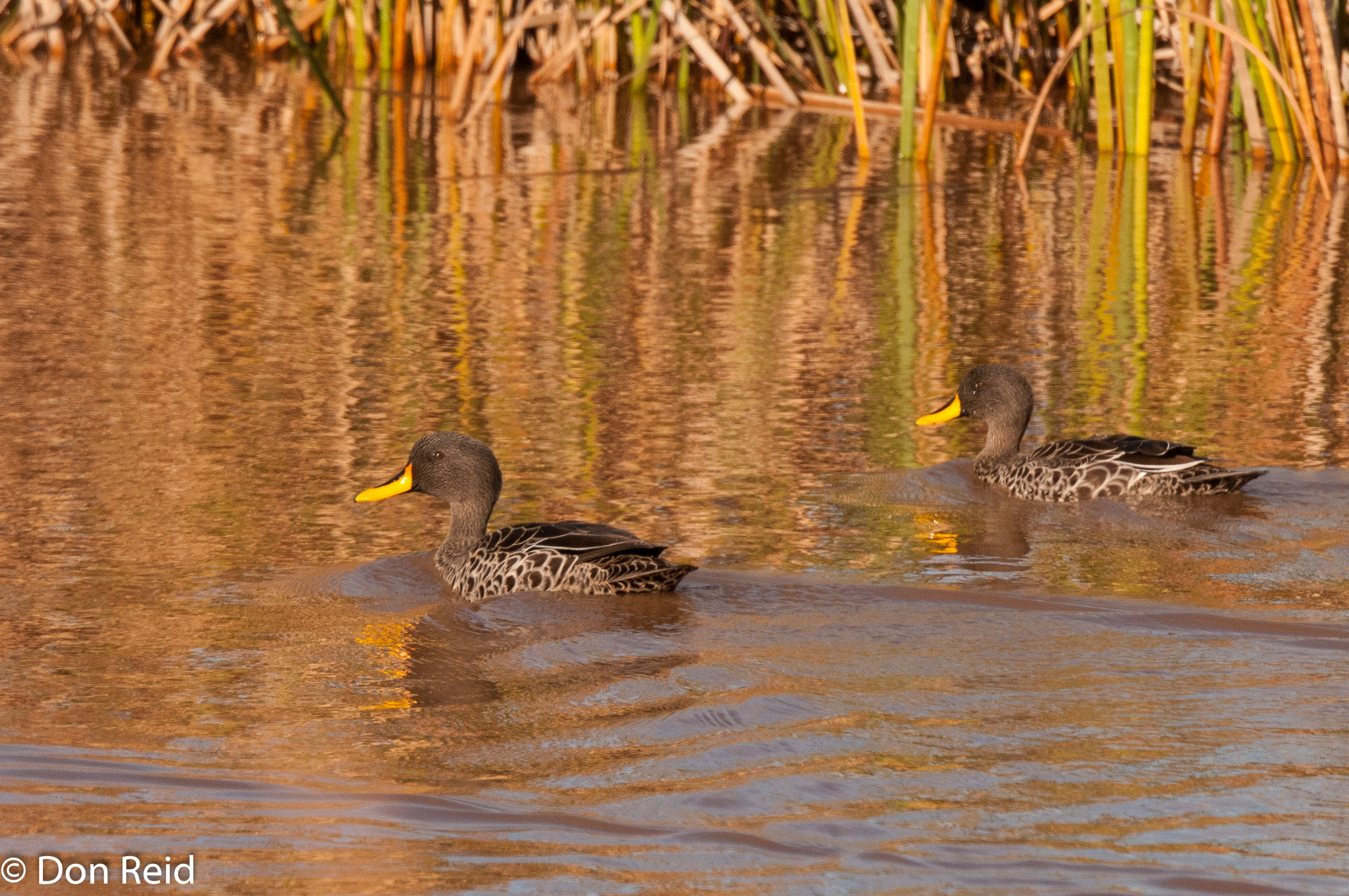
  • Yellow-billed Ducks at one of the small dams
  • White-winged Widowbirds at the roadside
White-winged Widowbird (Euplectes albonatus) – Witvlerkflap
  • Several groups of Cape Crows in open fields (if a group of crows is called a murder of crows, do several groups get called a serial murder of crows?)

Heading back, we came across a few Southern Bald Ibises in a field, close enough for a photo shoot – how handsome they are ….. or perhaps it’s a matter of taste –

Southern Bald Ibis Geronticus calvus Kalkoenibis, Verlorenkloof

Here’s looking at you, kid

Southern Bald Ibis Geronticus calvus Kalkoenibis, Verlorenkloof

We returned to the croft after collecting the meals we had ordered for this evening, enjoying a late lunch of bread, patés and cheese with salads

Butterfly, Verlorenkloof

Koos and I took a short walk towards the lodge late afternoon, turning back when it became quite dark – Spurfowls were calling in fine fashion from various quarters, both Swainson’s and Natal.

A young angler we spoke to at the fishing dam assured us there were “Superfowls” around, which had us puzzled for a moment but led to some smiles when I realised he was referring to Spurfowls, but at least he was full of enthusiasm about the bird life.

The evening meal was what we picked up at the lodge earlier – a delicious lamb casserole with mash

Sunday 26th May 2024 – heading home

Brunch day! As in the past we looked forward to the traditional Sunday brunch and weren’t disappointed with a large spread presented to the delight of some 50 or so fellow brunchers

After that it was time to pack the car for the trip back to Pretoria – far too soon as usual! We arrived at James’ house around 5pm and started getting ready for our return trip by air to Mossel Bay the next day

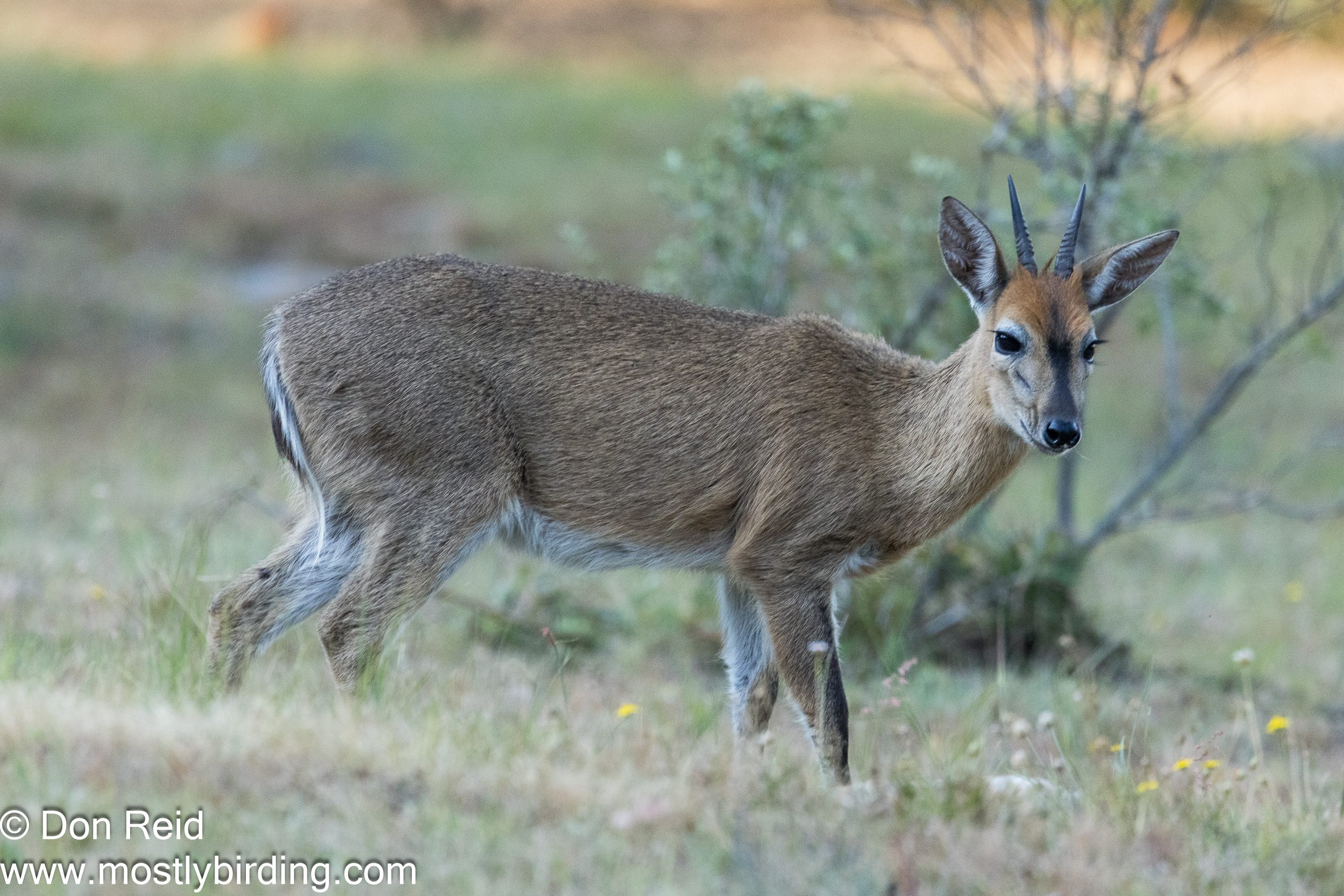
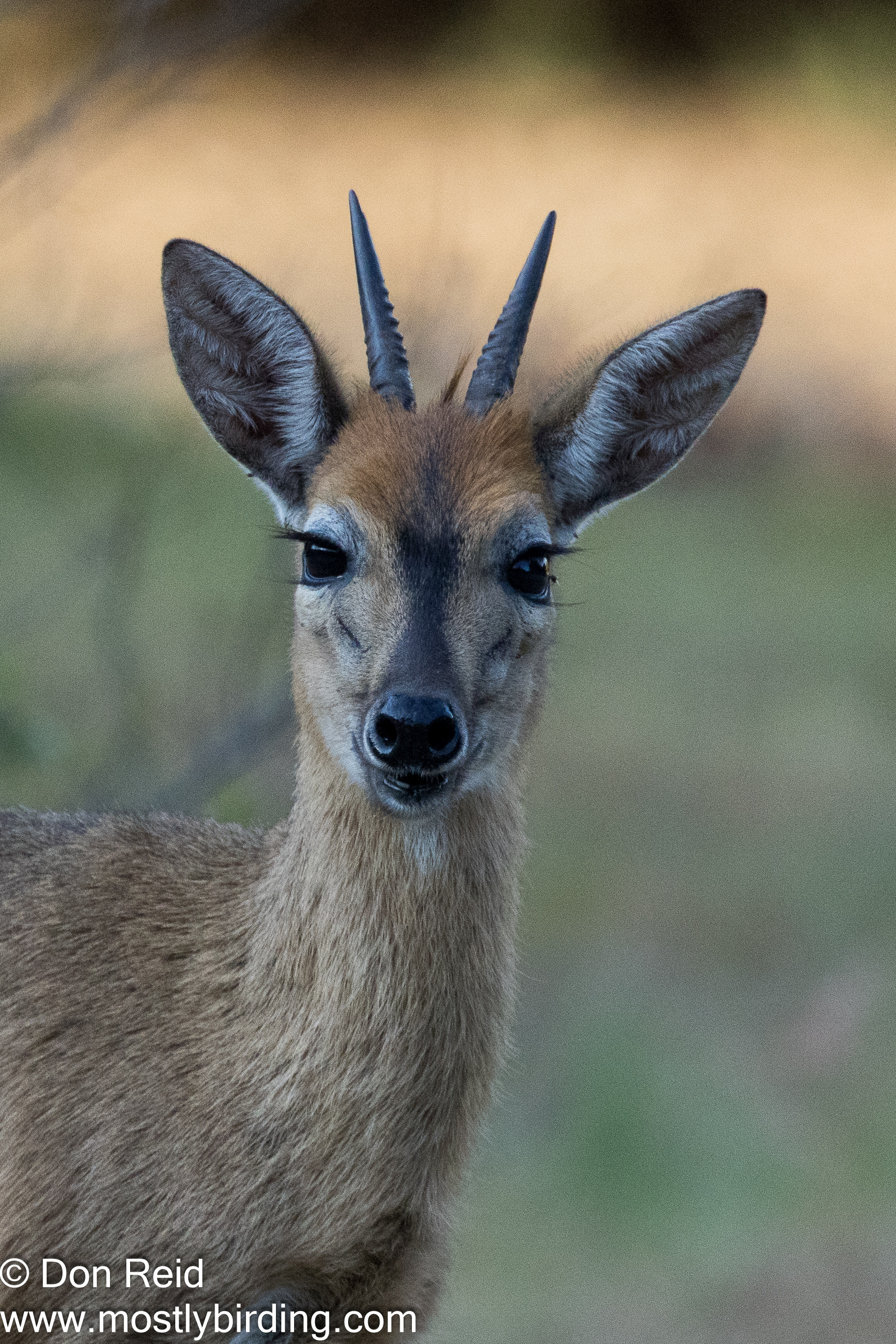
In closing, Verlorenkloof has some wildlife in addition to the birds, as this Common Duiker showed us.

Common Duiker, Verlorenkloof
Verlorenkloof

Road Block – Again!

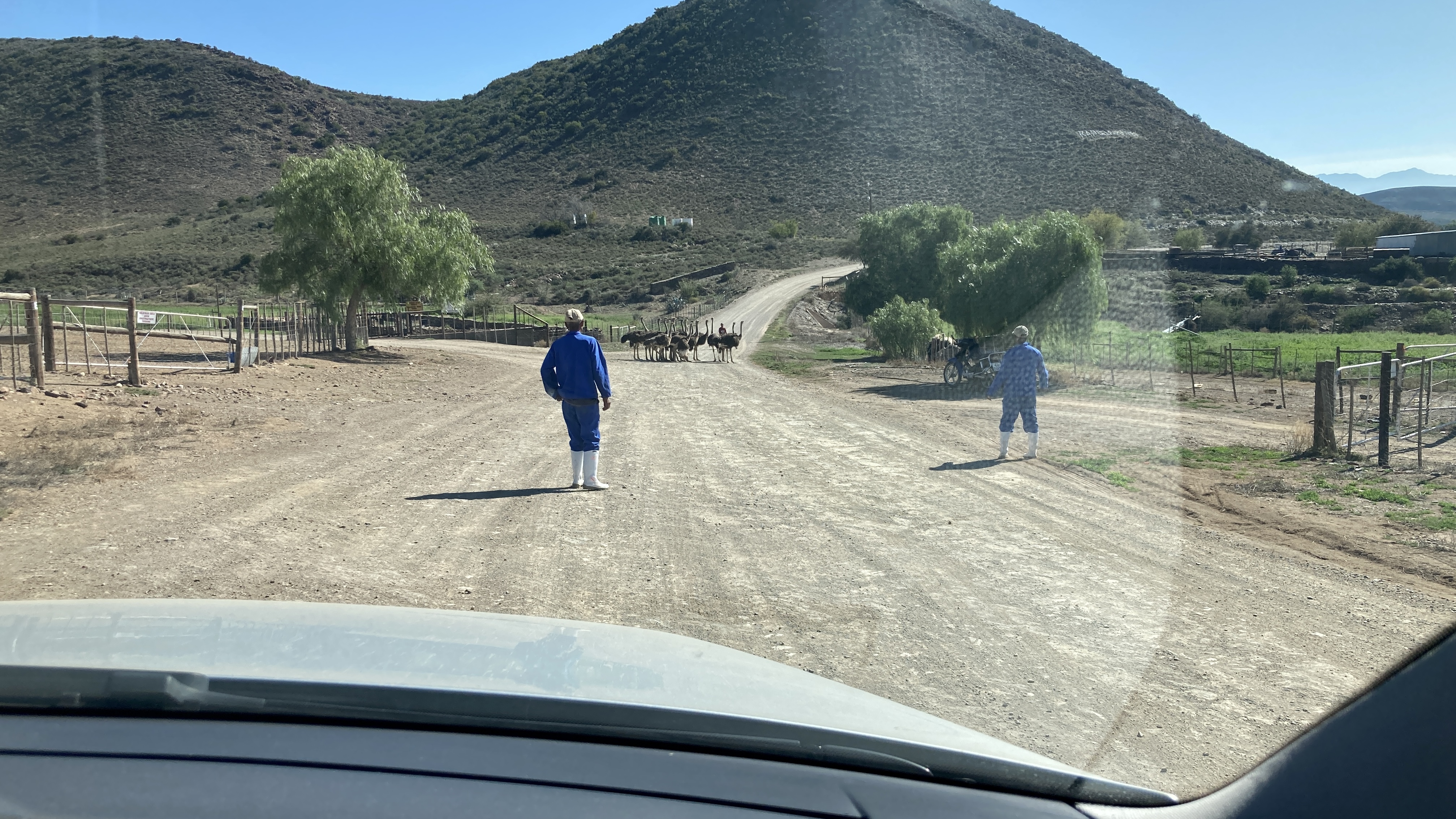
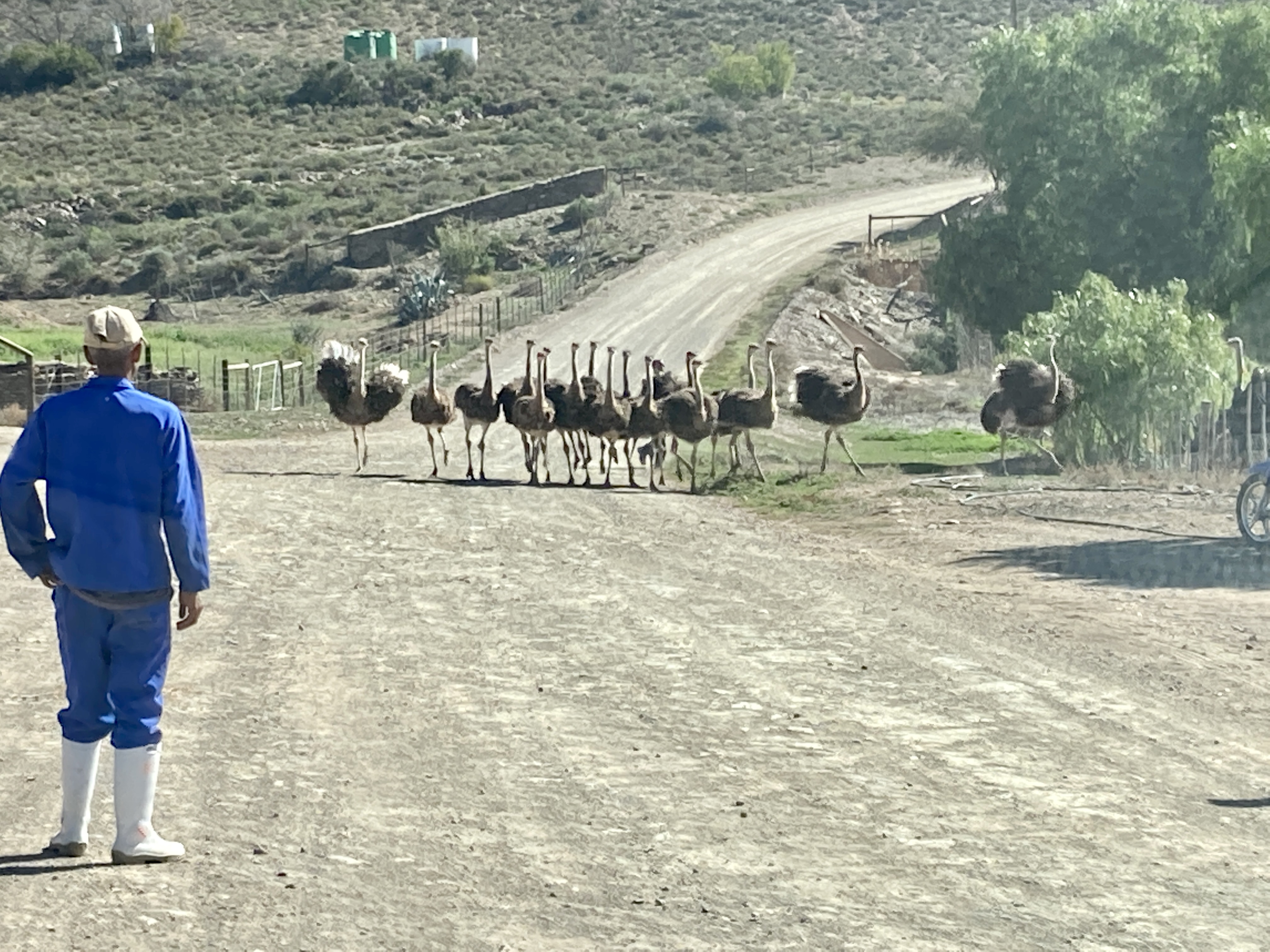
When I go out on an atlasing trip, as I did as usual last week, the whole point of the exercise is to see (or hear) as many birds as possible. I was coming to the end of my survey in a pentad a few kms south of Oudtshoorn, known for its ostrich farming, and was feeling quite relaxed after a successful morning’s atlasing with 64 species recorded in two separate pentads – a reasonable total for late winter in the Klein Karoo

As I rounded a bend in the gravel road, I saw two farm hands in the road ahead of me and they gesticulated in a way that persuaded me to come to an immediate stop. Only then did I see what their concern was, as a third farm hand came down the road towards me, “guiding” a small group of young ostriches. I watched as the three corralled the trotting birds towards an open gate just in front of me and the ostriches followed instructions and headed into the field.

Now I’ve experienced “road blocks” caused by various farm and wild animals, even large birds on occasion, but this was definitely a first, being blocked by a flock of the largest bird in the world, albeit of the tame farmed variety. Such is atlasing – always a surprise!

Overnighting in the Karoo – Abbotsbury is a delight

Google “Abbotsbury” and it comes up with a Wikipedia article about a village in the English county of Dorset, about a mile from the English Channel coast.

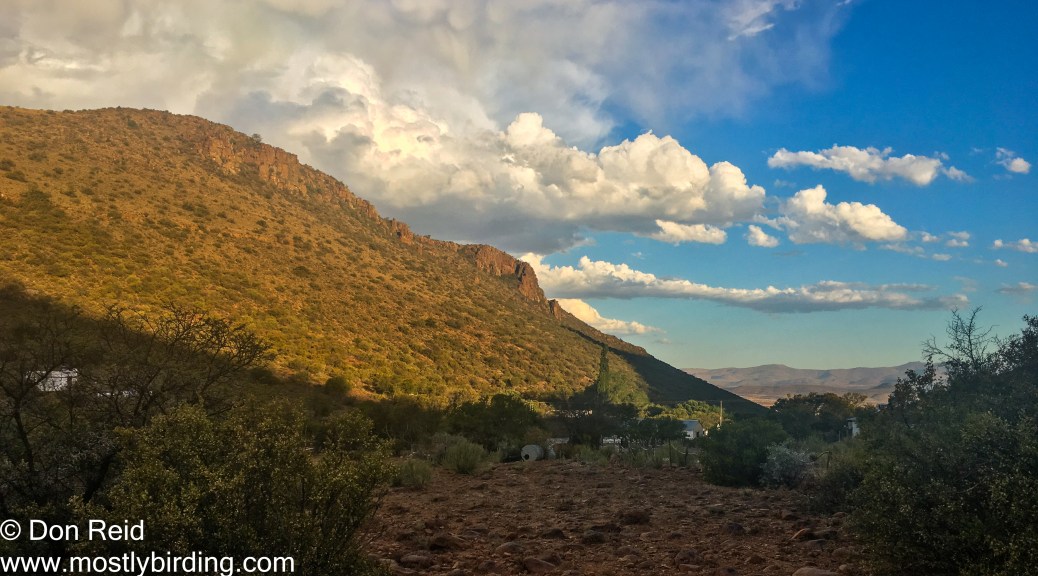
The Abbotsbury we like to visit couldn’t be further from that description – it is a Guest Farm deep in the Karoo, some 27 kms north of the historic South African town of Graaff-Reinet, and is one of our favourite stopovers on the long road between our homes in Pretoria and Mossel Bay.

Location of Abbotsbury

In 2021 we had the pleasure of two stopovers at this peaceful and hospitable guest farm, on our way to Mossel Bay for our winter and summer stays, and we were once again enchanted by the setting and the comfortable Garden Cottage which has become a brief “home away from home” for a number of years.

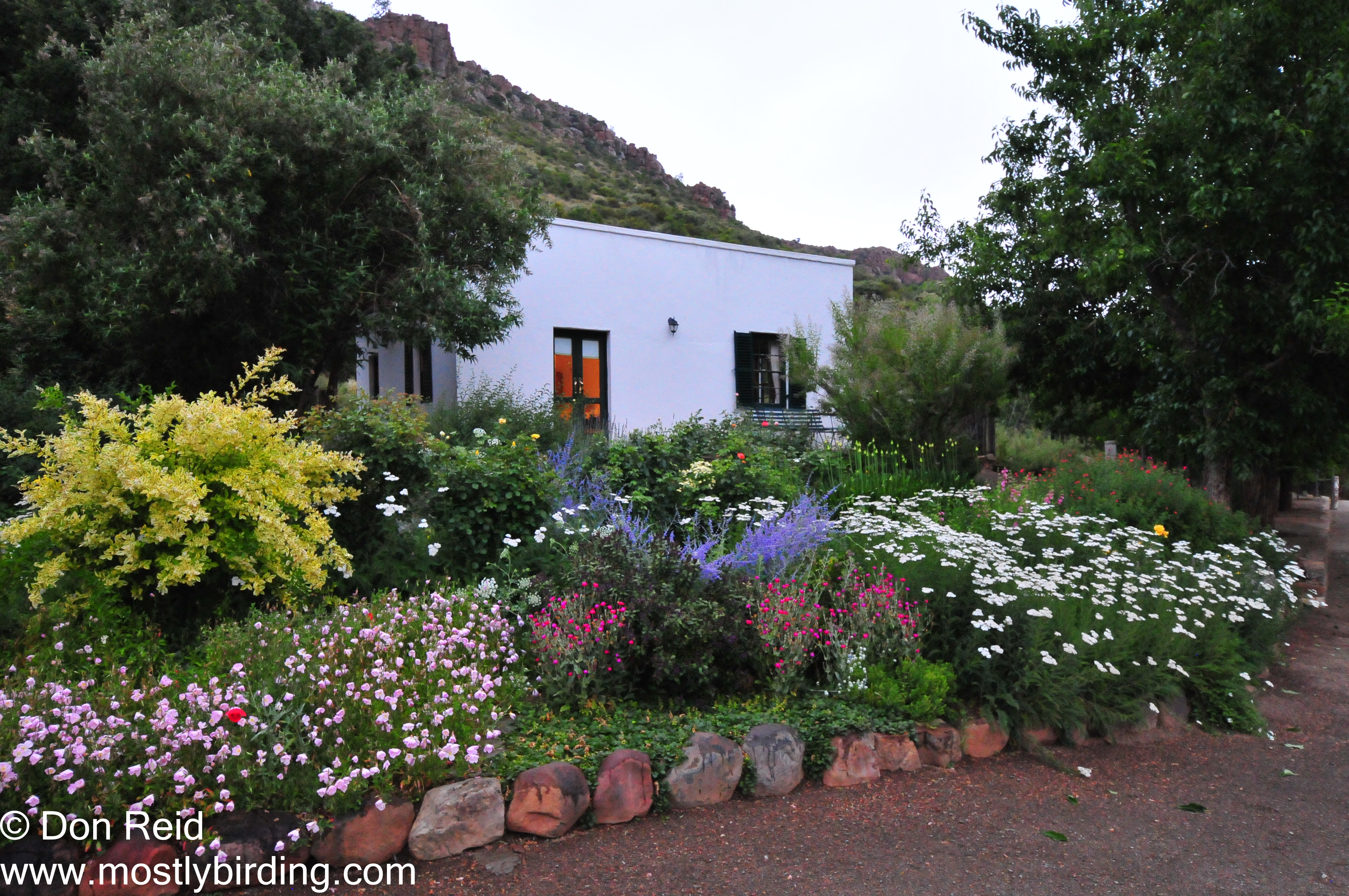
The Garden Cottage

The setting is sublime – set among a cheerful garden which is in complete contrast to the surrounding arid conditions, yet fits the purpose perfectly

Abbotsbury guest farm – the Garden Cottage

And the interior is just as charming with that homey feeling that has you instantly relaxed

Abbotsbury guest farm – the living room
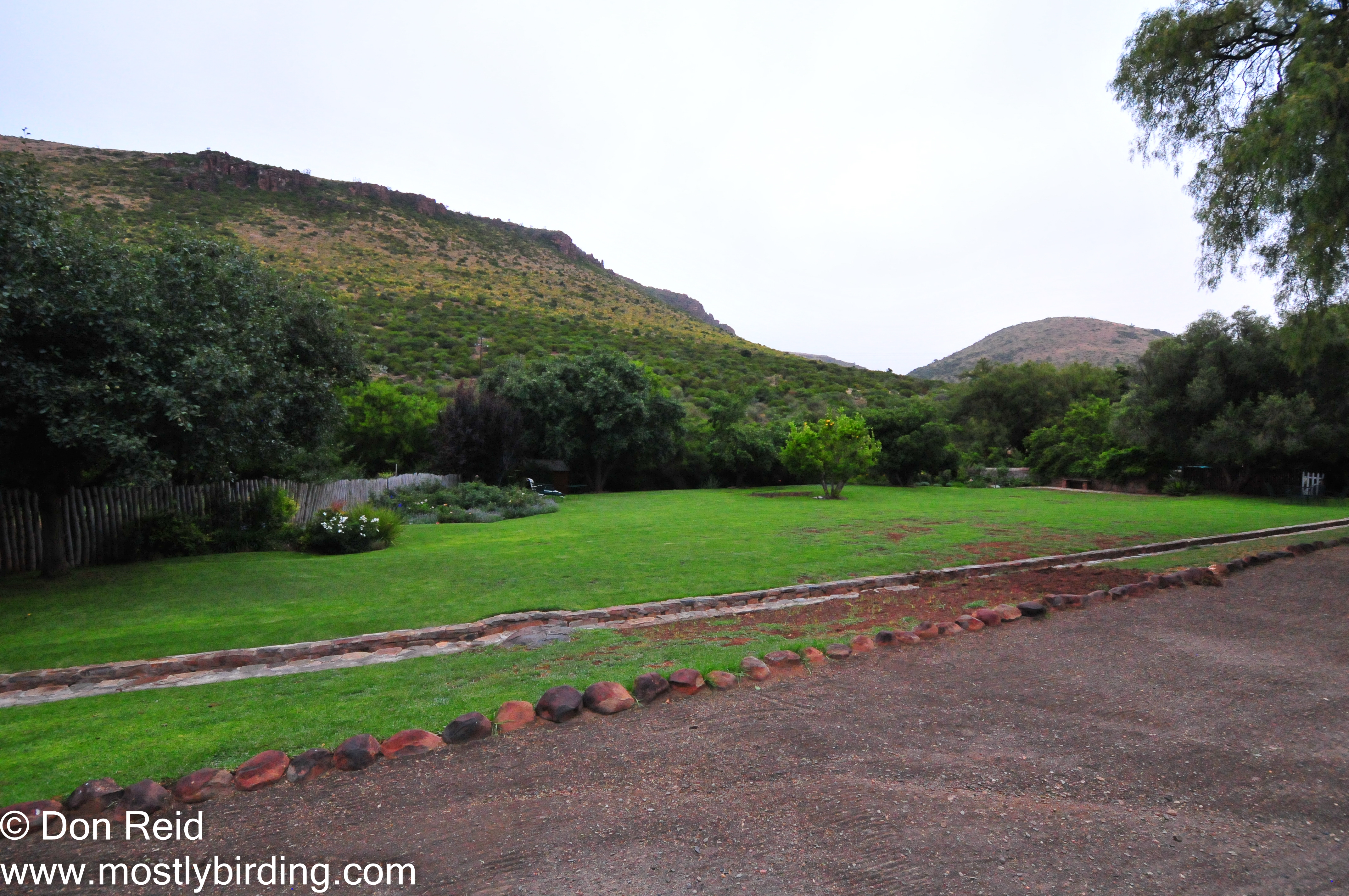
Abbotsbury guest farm – the lawns
Abbotsbury guest farm – time to relax on the stoep
Abbotsbury guest farm

Getting there

We have done the road trip between Pretoria and Mossel Bay or vice-versa many times and usually travel on the N1 National Road between Pretoria and Colesberg, then choose between the route via Beaufort-West/Meiringspoort/Oudtshoorn or via Graaff-Reinet/ George.

The latter route is the one that takes us past Abbotsbury, which lies a few kms off the N9 National Road and as soon as we turn off and pass through the entrance gate I feel a sense of relief at escaping, for a while, from the main road. It’s also a signal to open the car window, breathe in the fresh Karoo air and listen for the calls of the birds that favour this arid habitat.

Abbotsbury Graaff-Reinet

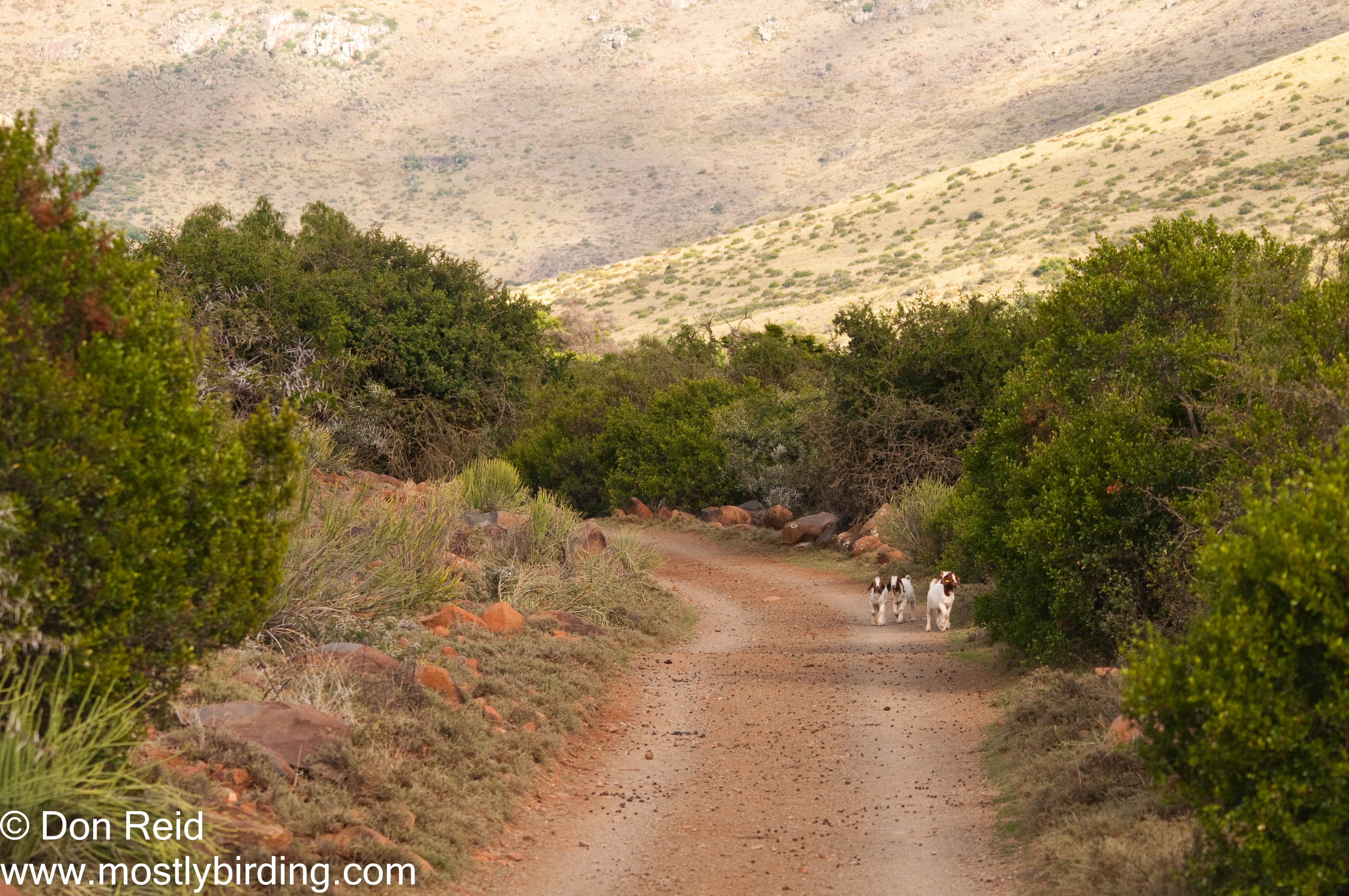
It’s a short drive from the road up to the farmstead along a dusty farm track that passes kraals with sheep and goats, keeping a lookout for birds in the scrubby Karoo habitat

Abbotsbury guest farm
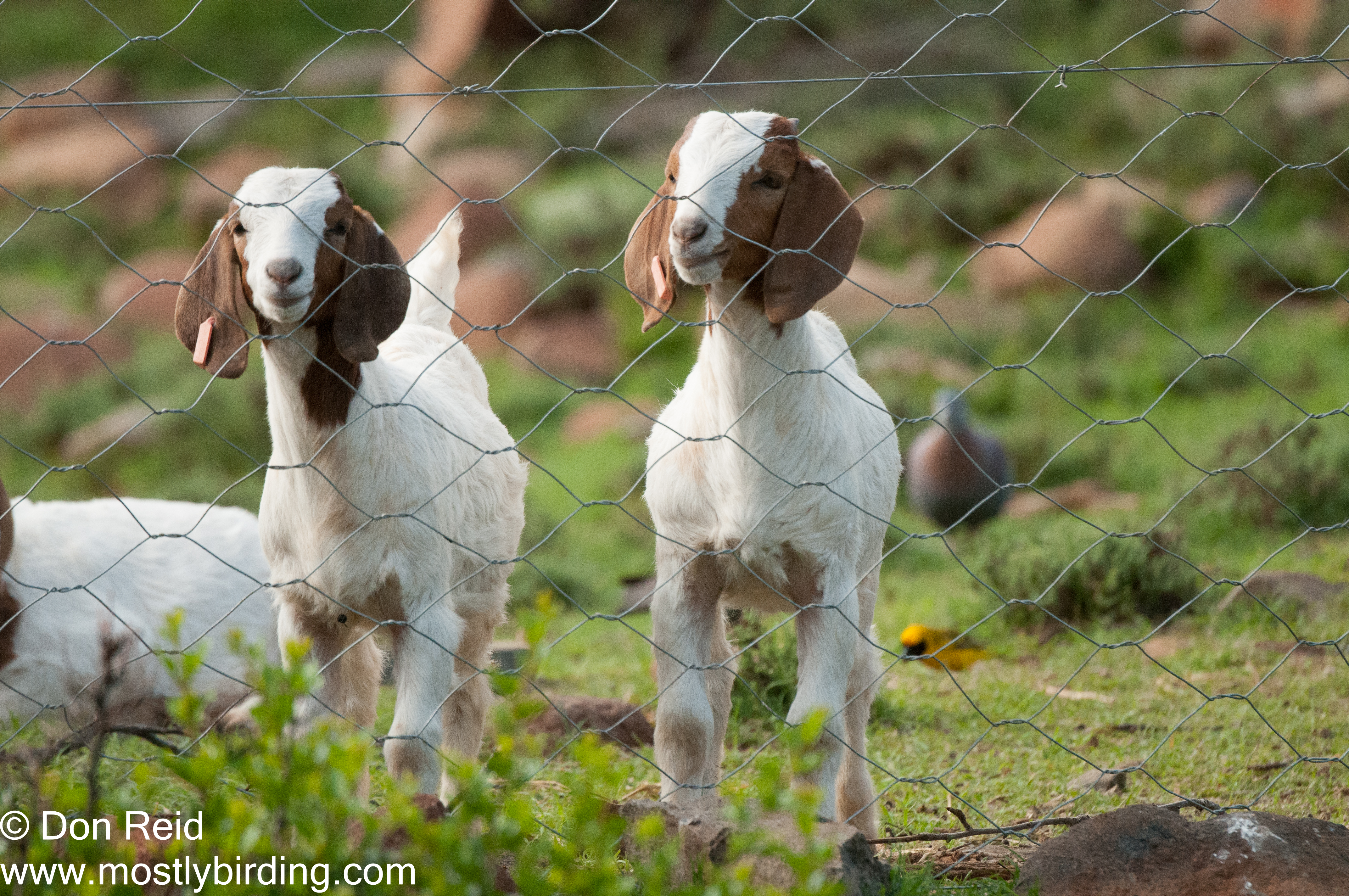
Abbotsbury guest farm – even the goats are good looking
Abbotsbury Guest Farm

Once we have greeted owner Graham and settled into the cottage, we relax for the rest of the afternoon on the stoep overlooking the garden and lawn – by now Angus, the friendly Scottish Terrier, has come to “greet” us and persuade us to throw his old tennis ball so that he can scurry after it and bring it back for the next throw.

Angus, Abbotsbury’s friendly Scottish Terrier

Time for a Walk

For the last hour or so of driving before we reach our overnight stop, I start looking forward to the walk I will take once we are settled in – firstly to stretch legs and body that have been unnaturally dormant while driving for several hours and secondly to fit in at least an hour’s quality atlasing in a pentad that has limited coverage.

The farm has a character all its own and around every bend there is something photogenic to admire

Abbotsbury Guest Farm
Abbotsbury guest farm

There are some quirky plants along the way

Abbotsbury guest farm
Flower amongst the thorns, Abbotsbury guest farm

And the Birds

Atlasing statistics show that the pentad in which Abbotsbury lies has a total of 100 species after 13 full protocol cards, with my contribution being 65 species from 7 cards. I usually expect to find 30 to 40 species during a visit and the images below are a selection of some of those I have come across and been able to photograph –

Karoo Scrub-Robin Erythropygia coryphaeus  (Slangverklikker), Abbotsbury guest farm
Cape Sparrow Passer melanurus  (Gewone mossie), Abbotsbury guest farm

The Pied Barbet is one of those birds that are heard before they are seen, alternating between their two calls – one a soft descending hoop hoop hoop, the other a loud nasal pehp pehp pehp – very much a feature of this arid habitat

Acacia Pied Barbet Tricholaema leucomelas  (Bonthoutkapper), Abbotsbury guest farm
Cape Robin-Chat Cossypha caffra  (Gewone janfrederik) , Abbotsbury guest farm
Greater Striped Swallow Cecropis cucullata  (Grootstreepswael)
, Abbotsbury guest farm
Cape Bunting Emberiza capensis  (Rooivlerkstreepkoppie)
, Abbotsbury guest farm
Grey Tit Parus afer  (Piet-tjou-tjou-grysmees) , Abbotsbury guest farm
Southern Masked-Weaver Ploceus velatus  (Swartkeelgeelvink) , Abbotsbury
African Red-eyed Bulbul Pycnonotus nigricans  (Rooioogtiptol), Abbotsbury

The best part about my afternoon and morning walks of an hour or so each around the farm is knowing a delicious dinner or breakfast will be served when I get back to the cottage

Verlorenkloof – The Lawn Raiders

Birding comes in different forms, sometimes challenging, requiring a dedicated effort, extended travel, perhaps some serious physical exertion, often in the face of less than favourable weather conditions.

However, it’s not always that way – some of the most relaxing and enjoyable birding is to be found in your immediate surroundings, whether at home or a holiday destination.

Which is precisely what we experienced during our recent visit to Verlorenkloof, a country resort that I have written about on a few occasions and one of our all-time favourite places to spend a breakaway week. We were fortunate to be invited by Koos and Rianda to join them in Croft No 3 (shown below) for the last week in May.

Croft No 3
Croft No 3 Verlorenkloof

For those who don’t yet know, Verlorenkloof lies east of Dullstroom, but on the lower side of the escarpment which towers above the fertile valley in which the resort is situated. The red square on the map indicates the position of the pentad which includes Verlorenkloof resort.

The birding at Verlorenkloof is always exceptional, with my personal tally of species recorded in the area, after many visits over the last twelve years, standing at 195, so the expectations were high. These hopes were of course tempered by the knowledge that the last week in May is often a quiet time for birding, with none of the summer migrants present and many of the remaining species not in calling or displaying mode.

Oddly enough, for the first 3 or 4 days of our stay, the area around the Croft was very quiet with far fewer birds than we are used to, but over the last two days of our stay, following some light rain, the scene changed completely. Suddenly all of the usual visitors were there, searching the lawn for edible insects, worms and the like.

I was fascinated by the variety of mostly “ordinary” birds and their antics – each one displaying its own way of “raiding the lawn” and finding a tasty morsel while showing unique character traits and interacting with the other bird species doing more or less the same thing.

So here’s a selection of the Lawn Raiders

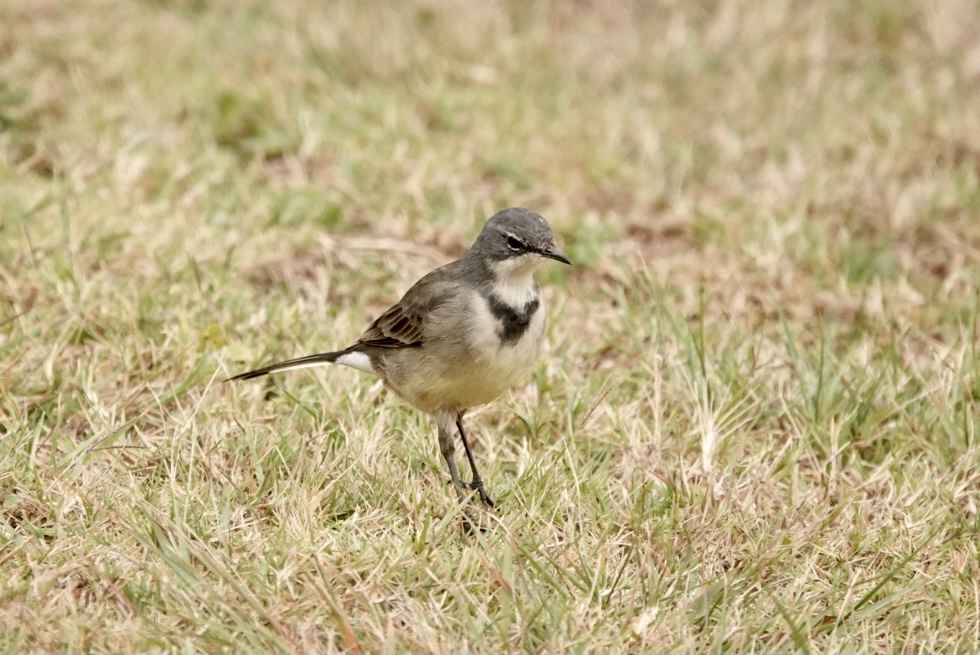
Cape Wagtail (Gewone Kwikkie / Motacilla capensis)

The ultimate “I’m not going to bother anyone” bird – demurely pottering about, occasionally finding something to its taste then carrying on as if it was nothing special

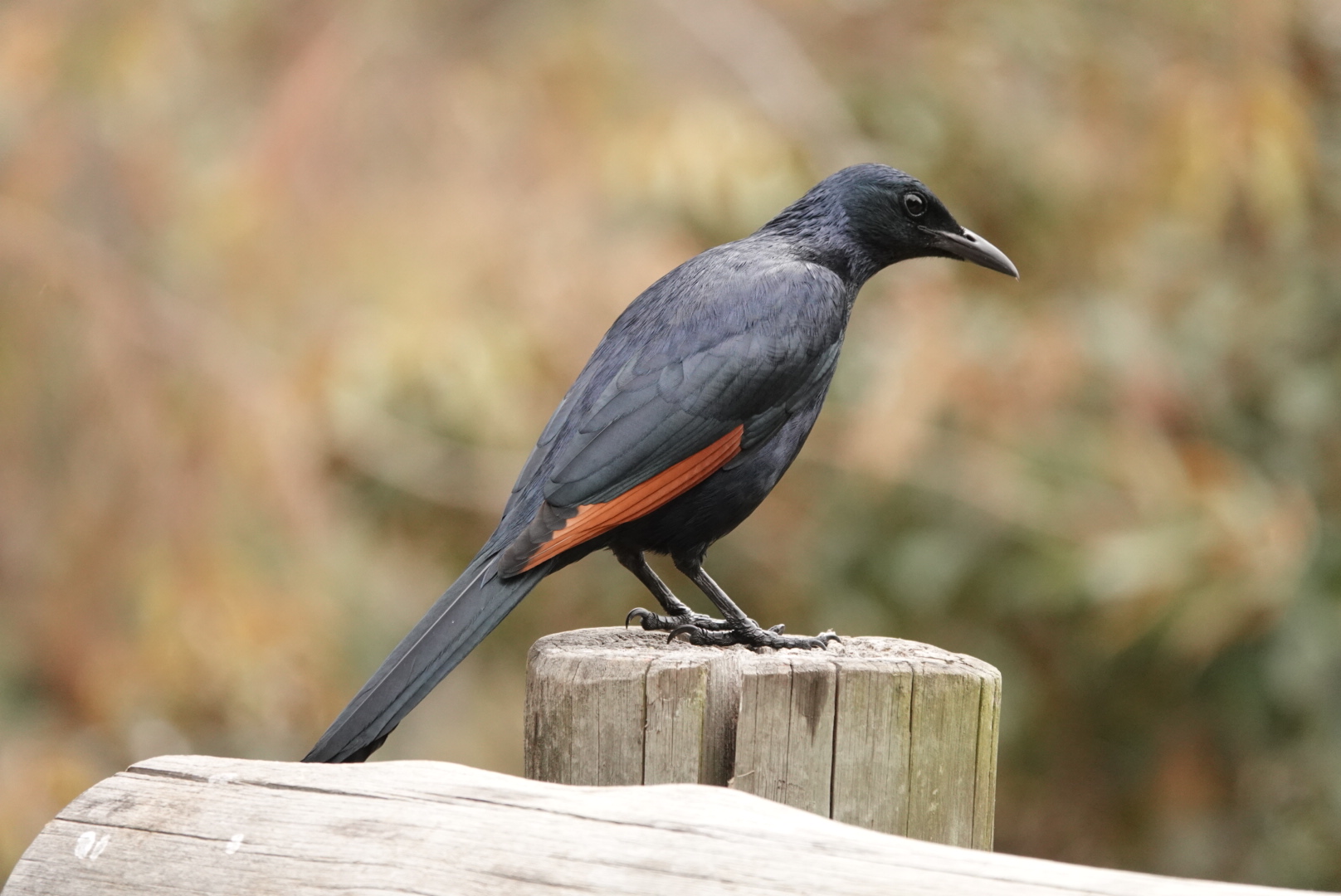
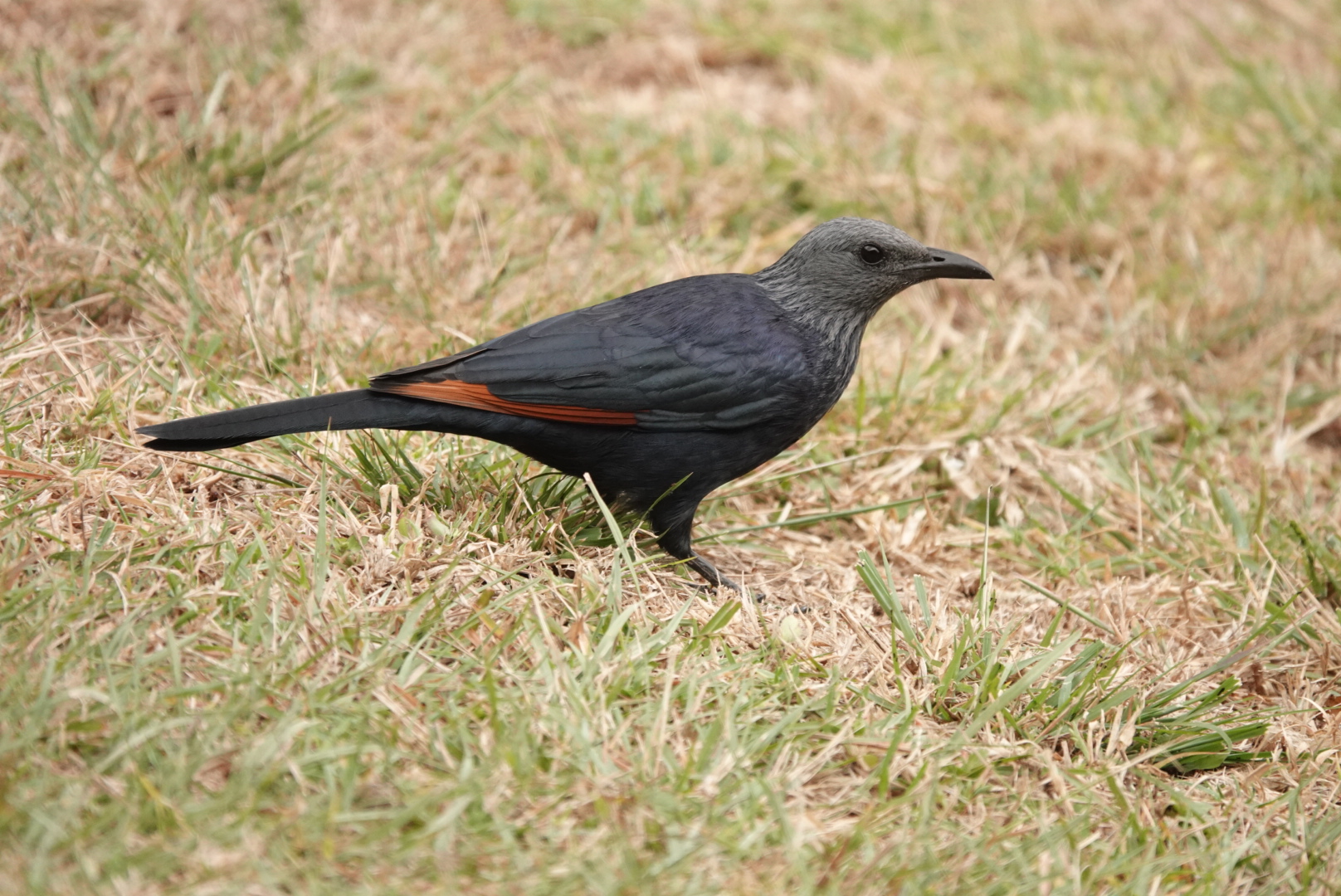
Red-winged Starling (Rooivlerkspreeu / Onychognathus morio)

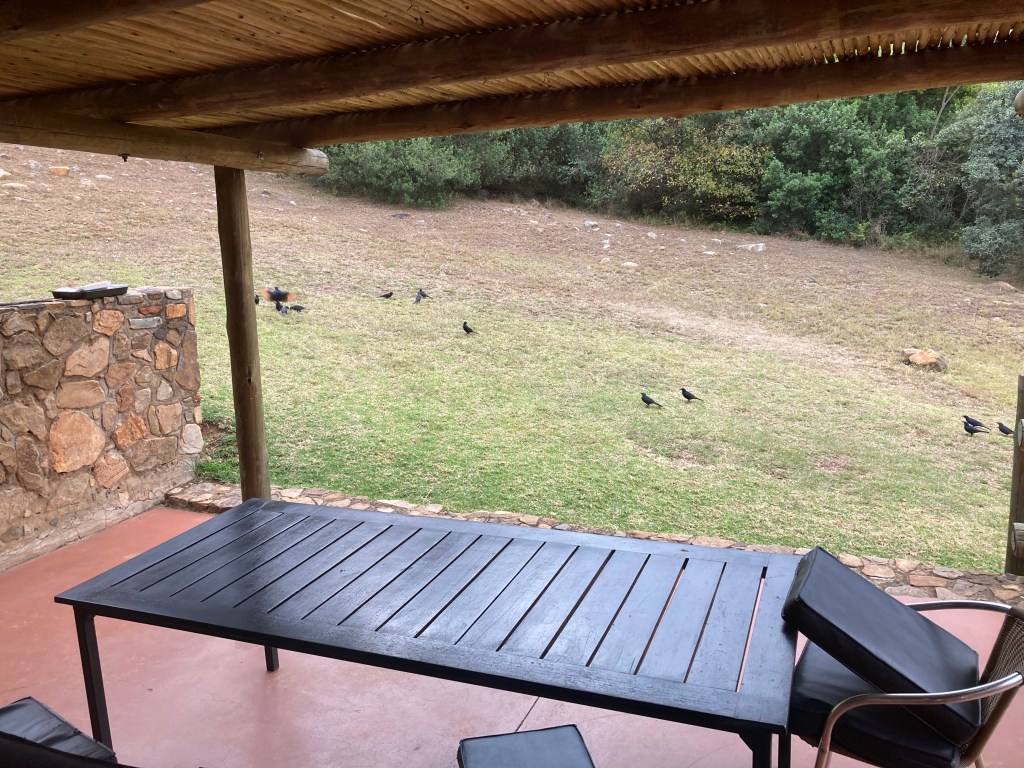
Enter the Darth Vader of the bird world – the menacing, glaring Red-winged Starling….. and they work in gangs, daring others to get in their way, descending en masse to grass level and prodding aggressively at the grass in search of a victim. But only after perching on the railing post in intimidating fashion.

The gang takes over ….

Common Fiscal (Fiskaallaksman / Lanius collaris)

Watching from a side tree, the Common Fiscal, aka Jacky Hangman aka the Butcherbird – what a reputation this small bird has, all because of its habit of impaling prey on a thorn or barbed wire! Its elegant appearance, as if dressed in formal attire, seems to project just the opposite impression.

Interestingly the Fiscal was quite composed, until the Fork-tailed Drongo arrived, when it flew from its perch and chased the Drongo until it retired to a far-off tree.

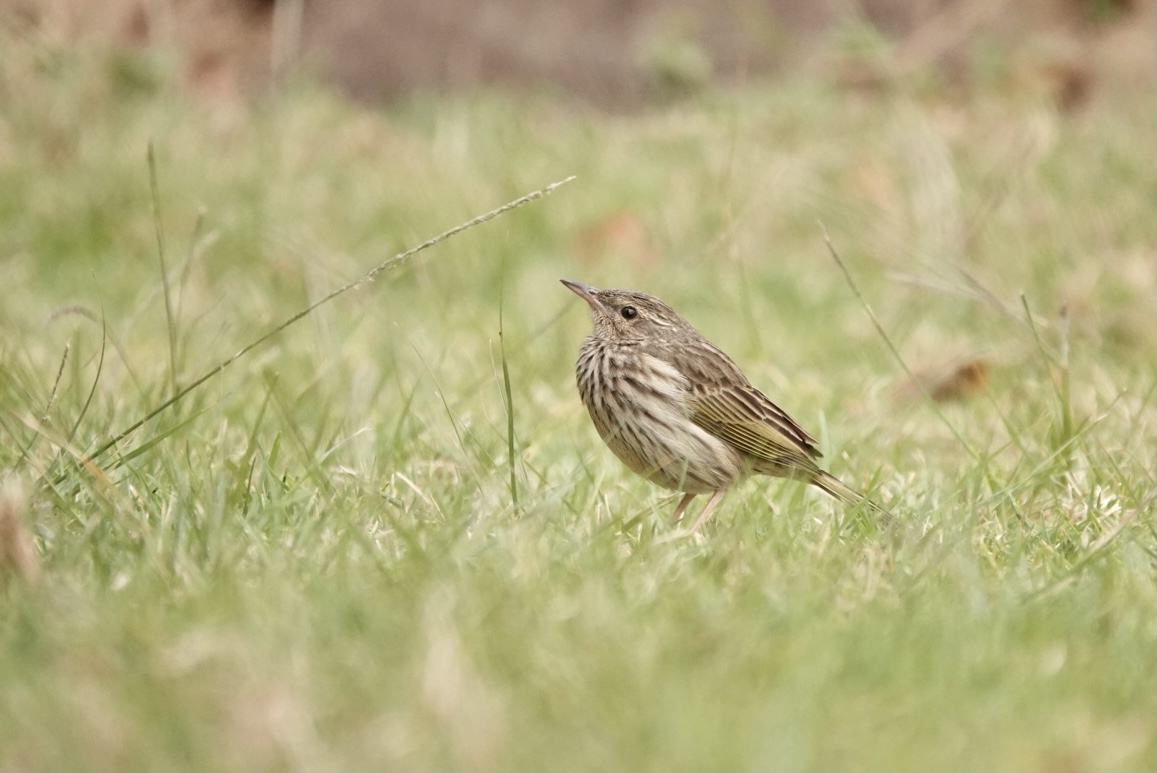
Striped Pipit (Gestreepte koester / Anthus lineiventris)

Another of the more timid birds, almost ever-present on the lawn, pottering about without bothering any of the others. But a bit of a celebrity nevertheless, being rated “uncommon to locally common” by Roberts – a regular at certain times at Verlorenkloof, but by no means guaranteed.

Familiar Chat (Gewone spekvreter / Cercemola familiaris)

Familiar is the right name for this well-known species. Another bird that is present from dawn to dusk around the Croft, watching from its favourite post and “diving” down to catch its tiny prey in the matted grass, with each return to its perch marked by three wing-flicks. I wondered how a bird with such tiny eyes can spot its prey at up to 5 metres or more, pouncing on it unerringly and returning to its post to devour it.

Cape Rock Thrush (Kaapse kliplyster / Monticella rupestris)

Bringing some class to the scene (did I mention I also originate from the Cape?) the Cape Rock Thrush has a way of dominating with its handsome looks and determined approach – they are not around constantly, but “pop in” from time to time, watching carefully from the roof edge or stone wall before pouncing on an unsuspecting prey.

And this is called hitting the jackpot

African Dusky Flycatcher (Donkervlieevanger / muscicapa adusta)

Now here’s everyone’s favourite bit player – demure, quiet, unobtrusive (for a moment I thought I was describing myself), spending much of the day perched in the shade on a thin twig, flying down to the grass to catch some small prey.

Dark-capped Bulbul (Swartoogtiptol / Pycnonotus tricolor)

The Bulbuls lie somewhere between the extremes shown by other species – not aggressive but certainly determined and not hesitating to pounce on prey before the competition gets to it

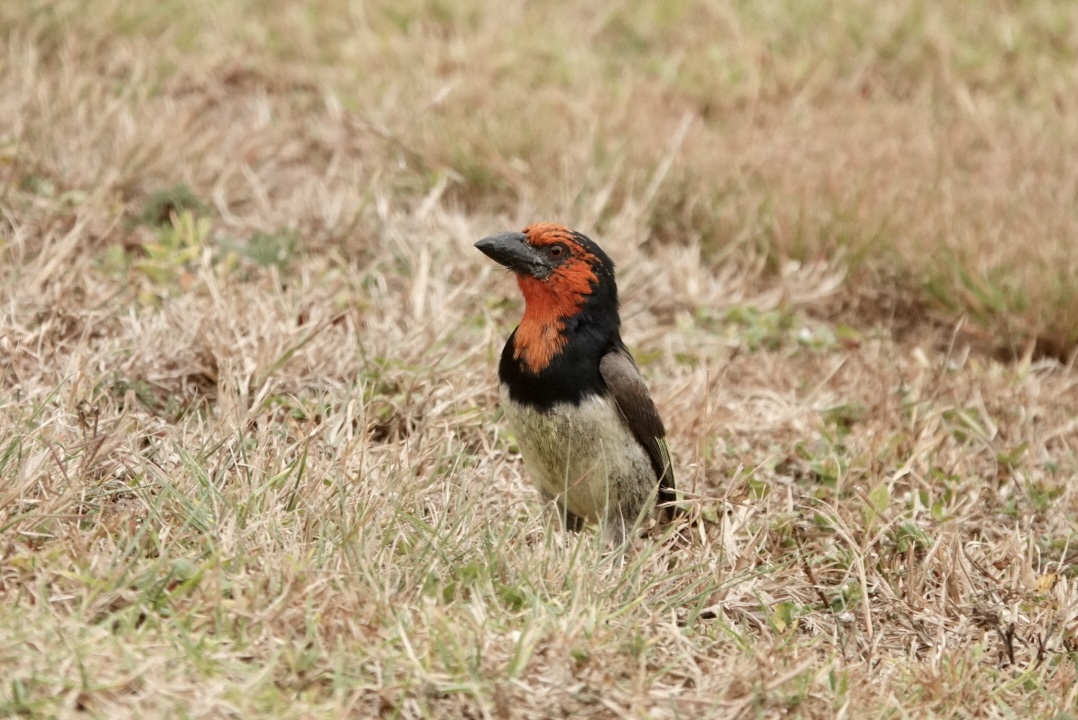
Black-collared Barbet (Rooikophoutkapper / Lybius torquatus)

A somewhat unexpected visitor, trying its luck along with the regulars. Despite its bright colours, this is a bird more familiar due to its call, a far-carrying duet, than its appearance. It did not stay long but seemed to be drawn to the lawn by all the other bird activity.

Fork-tailed Drongo (Mikstertbyvanger / Dicrurus adsimillis)

Making just a single appearance, the Drongo had to put up with being chased by the Fiscal and ended up viewing the action from a distant tree, before flying in for a quick lawn raid then disappearing.

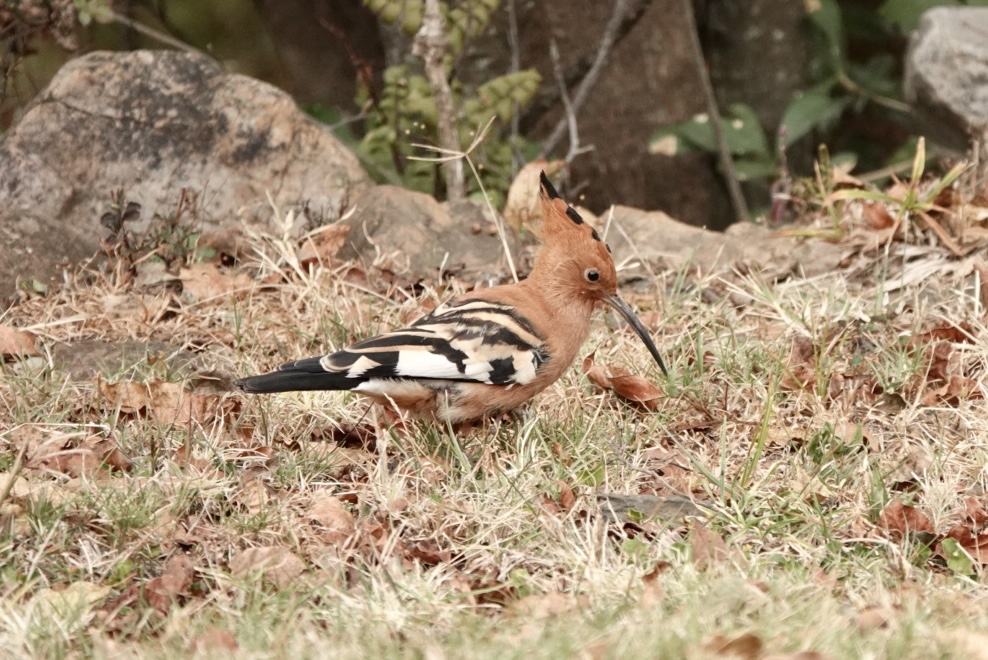
African Hoopoe (Hoephoep / Upupa Africana)

A real loner, the Hoopoe patrolled the quiet edges of the lawn, well out of the way of other species, head down and prodding with its long bill all the way.

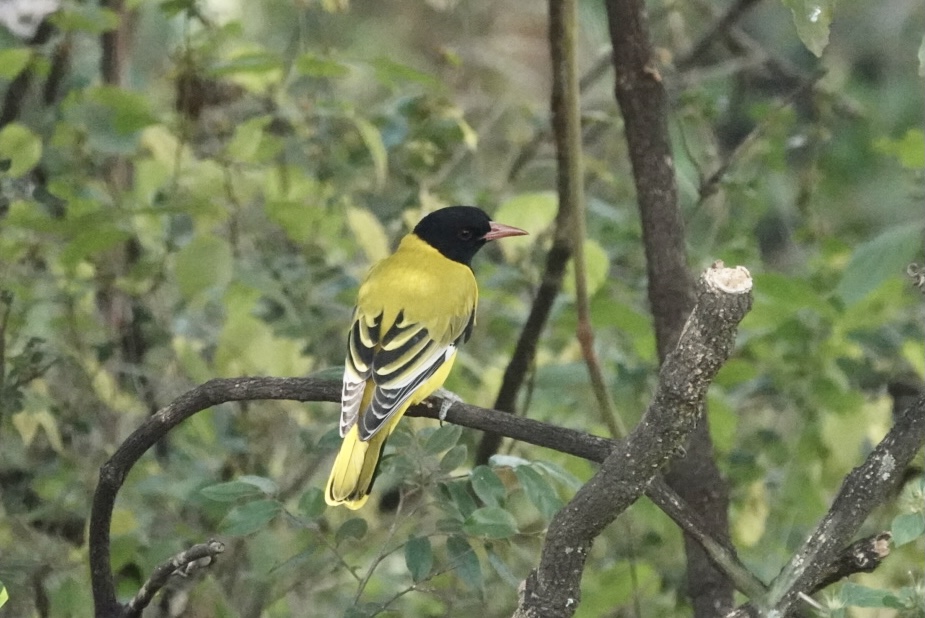
Black-headed Oriole (Swartkopwieliewaal / Oriolus larvatus)

The Oriole just sat for a while on a branch with a view of the lawn, didn’t seem to want to get involved and flew off again.

Atlasing – September 2020 : Onverwacht, Vryheid

I haven’t posted about my bird atlasing travels for a while so now I’m …..

Catching up on the monthly look at where Atlasing took me in September 2020 ….. in this case to the farm of Pieter and Anlia, part of Gerda’s wide family and one of our favourite places to visit and enjoy traditional farm hospitality –

Onverwacht Farm – 26 to 30 September 2020

Getting there

We had been back in Gauteng for three weeks after an extended stay in Mossel Bay and with lockdown eased to Level 1 our thoughts, as they are wont to do, turned to travel. With a long weekend coming up, it was the ideal time to pay a visit to Pieter and Anlia on Onverwacht Farm, not far from Vryheid in central Kwazulu-Natal.

We had done most of the preparatory packing the day before, so were up at a reasonable hour and left mid-morning, travelling via Witbank, Hendrina, Ermelo and Piet Retief with tea and lunch breaks taken at the roadside, our ‘new normal’ way of doing longish road trips.

The drive was made somewhat taxing by the combination of many slow, large lorries encountered, the poor condition of the roads once we turned off the N4 and the depressing state of some of the towns along the way. However, our spirits were lifted when we reached the farm, saw the braai fire being prepared and the friendly greetings of the family.

The Pentad

I was not expecting to atlas outside the pentad in which the farm lies, but thanks to Pieter there was an opportunity to visit an adjoining pentad on a “Crane Safari” which turned into an exciting atlasing trip of its own. More about that in a follow-up post….

Pentad 2740_3035

My atlasing on the farm was spread over the four days of our stay, but was limited to short bouts of birding in between all of the other activities.

Saturday, late afternoon

On arrival and after settling in, I got the pentad list going with the birds on and around the dam, which lies a couple of hundred metres down the gentle slope in front of the house – all the usual suspects such as Cattle Egret, Egyptian Goose, Yellow-billed Duck, Coots and White-breasted Cormorant.

Onverwacht farm Vryheid
Yellow-billed Duck

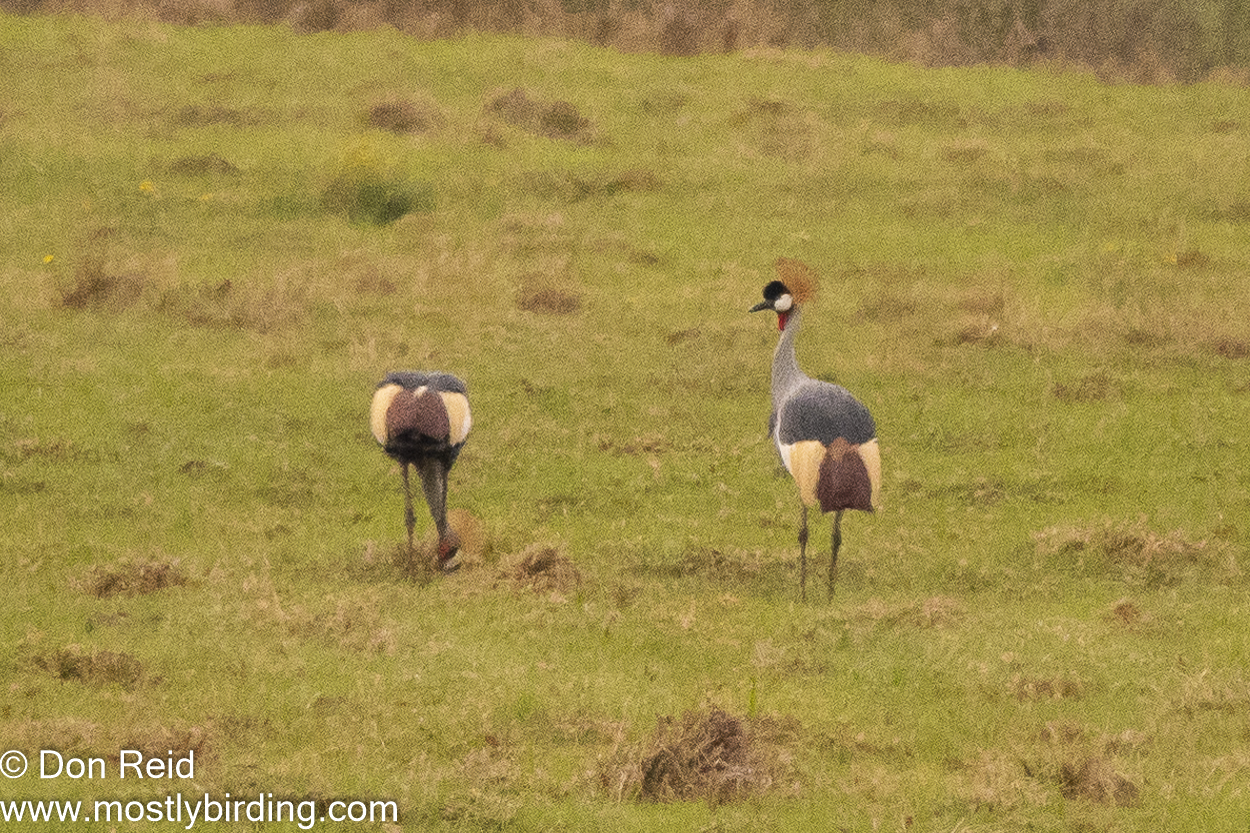
Pieter pointed out a couple of large birds on a distant grassy slope and with my binos I could verify their ID – Grey Crowned Crane – a quite magnificent and stunning bird that I never tire of seeing and one of the specials of the area.

Grey Crowned Crane (Balearica regulorum / Mahem), Onverwacht farm Vryheid

The warm weather was rapidly dissipating in the face of a cold front that had arrived, so the braai fire was a warming spot to spend the last of the day, still on the lookout for new species. A chorus of cackling calls announced the presence of Green Woodhoopoes (Not recorded in the pentad before) in the tall pine trees next to the house and we soon saw them in the fading light, moving among the branches in a loose group of 6 or more.

Pleased with this new species for the pentad, I then heard the whoo – hooo of a Spotted Eagle-Owl (33%) and down at the dam a group of 3 Wattled Lapwings (22%) flew in and settled near the water in the fading light

Spotted Eagle-Owl
Sunday

The day was cold – even more so than the forecast 10 deg C due to the icy wind, so my birding was limited to a couple of short sorties into the large garden and surrounding farmstead, the wind chasing me back to the warmth of the house after 15 to 20 minutes.

Onverwacht farm Vryheid

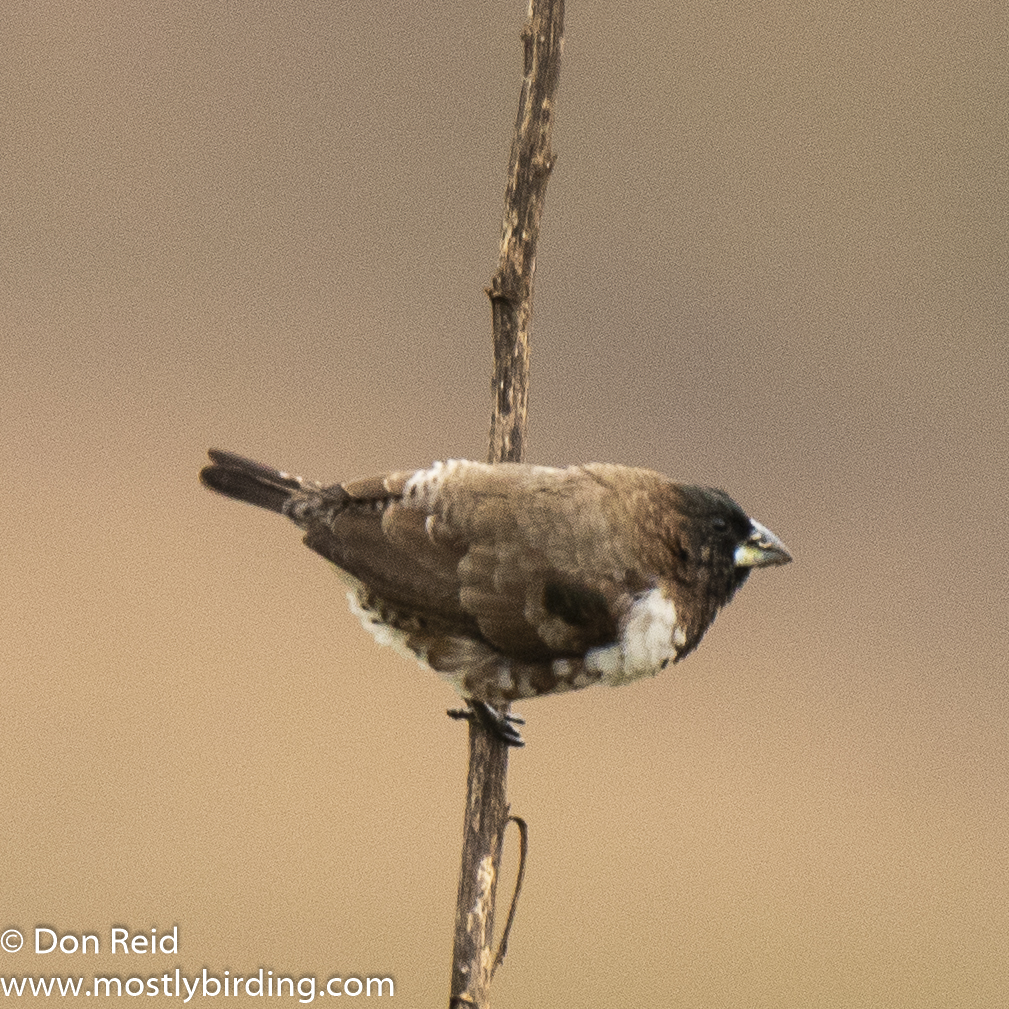
Highlights were Southern Bald Ibis at the dam edge, Black Sawwings (44%) swooping by in their shiny black plumage with long forked tail streaming behind, Bronze Mannikins and Pied Starlings perched in trees and on poles.

Bronze Mannikin (Lonchura cucullata)

By day’s end my pentad total was a modest 31 without having ventured beyond the garden and surrounds.

Onverwacht farm Vryheid
Monday

Monday was devoted to the “Crane Safari” in an adjoining pentad, which I will cover in a separate post as it was such a special birding experience, but in the evening I heard the unmistakable, eerie call of a Barn Owl somewhere near the house.

Tuesday

And the surprises kept coming! Despite all sorts of challenges that Pieter had to attend to – stolen fencing and a broken torsion bar on the bakkie (utility vehicle) which left it standing at a crazy angle – Pieter still had time to arrange for son Janneman to take me to a nearby kloof on the farm, where he had seen signs of Bald Ibis breeding.

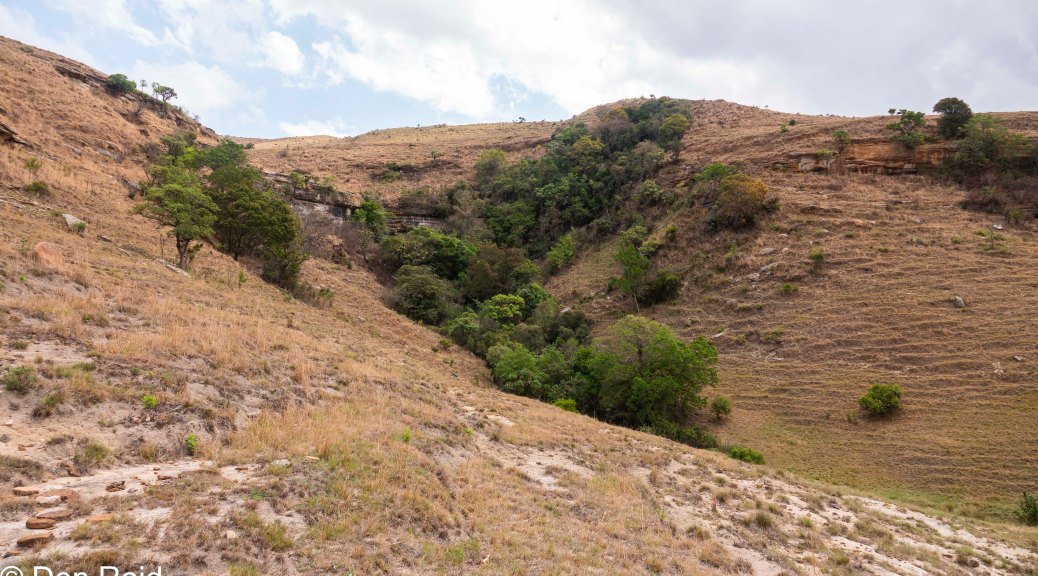
After another farm breakfast (my favourite ‘krummelpap’ again – a sort of crumbed porridge unique to SA) Jan and I set off on a birding tour of the farm, with our first stop some way up the lower slopes of the mountain escarpment that looms over the farm. There we clambered through a fence, then walked along a sloping ridge to a point where we could get a view of the krans (cliff face).

It didn’t take long to spot a Bald Ibis on a nest set back in the horizontal split in the rock face. A small waterfall trickled water down the face and Kiepersols, Aloes and other natural growth completed the handsome picture.

Bald Ibis breeding spot, Onverwacht farm Vryheid

Bald Ibis breeding spot, Onverwacht farm Vryheid

Nearby a Sombre Greenbul called and an African Olive Pigeon (not recorded in the pentad before) showed itself among the green tops of the trees. However the show of the day belonged to Bald Ibises and White-necked Ravens (also a new record for the pentad) chasing each other aerially, the Ravens seeming to harass the Ibises for unknown reasons until they retreated to the depths of the rock crevices.

The rest of the farm tour provided several other sightings of Rufous-naped Lark (33%), Buff-streaked Chat (55%), Yellow-fronted Canary and a pleasing Giant Kingfisher (22%) to round off my atlasing efforts for the visit.

My total species recorded in the pentad during the visit stood at 46 with 4 new species added to the pentad list and my total species after 6 cards completed over several years was now 132

Footnote : Where I show percentages in brackets, these refer to the relative scarcity of the species according to the pentad surveys completed to date over the ten years that the project has been running. So if 100 pentad surveys have been done to date and a species has been recorded 5 times by the observers, it will be shown as 5%. Notable species in my book are those with a % of less than 10%

Atlasing – September 2020 : Lushof Lodge

Continuing the monthly look at where Atlasing, or Birdmapping as it is also known, took me in September 2020 – in this case using an overnight stop to make the most of the birding on offer…

Heading home – at last!

After more than 5 months in Mossel Bay – a lot longer than our initial plan of 3 to 4 weeks – we decided to return to our other “home” in Pretoria. Mossel Bay’s charm and many advantages had worked their way into our minds and it was with some reluctance that we headed northwards, but Covid-19 had kept us away from our main home for too long and we knew it was time to get back.

We set off on a Friday, fully loaded, around 9 am and travelled the familiar route via George, Graaf-Reinet and Colesberg to our overnight accommodation at Lushof Lodge, some 50 km beyond Colesberg. Along the way we enjoyed take-away coffee and a picnic lunch – all part of the “new normal” way of doing things.

Lushof Lodge, which we last visited in January 2011, was as we remembered – set on a farm with a stream running through, lined with verdant growth. The accommodation was a comfortable cottage which we had all to ourselves, set on a hill overlooking an expanse of fields and veld and we were well looked after by Lise, the bright and friendly hostess and her staff.

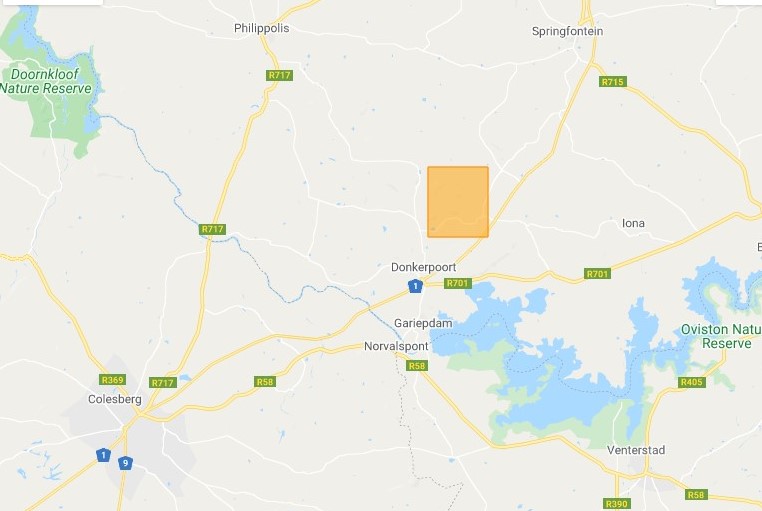
The orange block shows the location of the pentad which includes Lushof Lodge, about 50 kms north-east of Colesberg

Lushof Lodge (Pentad 3025_2530)

By the time we had settled in and acquainted ourselves with the cottage, it was 5.30 pm and there was just enough time for a birding walk down to the stream, which forms a small dam on one side of the entrance road and a wetland covered in reeds on the other.

The dam was good for Common Moorhen while the wetland held a few African Reed Warblers, with Red Bishops occupying the reeds and a Kurrichane Thrush exploring the edges. The tall trees alongside were home to a Cardinal Woodpecker, which first revealed its presence with a soft tok-tok-tok as he poked at the branches in search of some protein.

Southern Red Bishop, Lushof Lodge

Returning up the short hill to the cottage I scanned the slopes of the hill above it and soon saw Speckled Mousebirds moving in straggling fashion from tree to bush, then heard a Grey-backed Cisticola and quickly picked it up as it flitted from one low bush to another. For good measure a Blue Crane called but I could not track it down in the gathering dusk.

Orange River White-eye, Lushof Lodge

That seemed to be it for the day and a bit later we settled down to a hearty Karoo lamb meal, brought to the cottage by Lise and her daughter. But there was one more surprise later on – when I peered outside briefly just before going to bed, a Rock Martin roosting under the roof overhang stared back at me and became species 20 on my pentad list .

Saturday Morning 5 September

An early night meant I could get a good night’s rest and still be up at 6 am to have a coffee in the crisp morning air outside our cottage, while adding to the previous afternoon’s list.

View from Lushof lodge

I was able to add another 9 species before heading off on a lengthy walk around the farm, including Cape Bunting, Yellow Canary, a calling Brubru (also widely known as the “telephone bird” because of its trilling, repeated call) and a Familiar Chat doing its ‘familiar’ sequence of perch, fly down to the ground, catch something small and return to the perch with a couple of wing flicks straight after landing.

Familiar Chat

Venturing away from the farmstead, I followed a track along the stream and heard two very different birds – first a Lesser Swamp Warbler hidden somewhere in the dense riverine vegetation, then a Blue Korhaan greeting the new day from somewhere up ahead. From the latter call I guessed the habitat must open up further on to be suitable for the latter species – indeed it did a couple of hundred metres further, affording an expansive view across fields and plains, but there was no sign of the Korhaan, which had probably moved on or concealed itself in the grass (which they are masters at doing)

Lushof Lodge

I headed back to spend some time in the lush area close to the farmhouse, with the river and wetland as focus points. Common Starlings and a Cape Wagtail caught my attention and then a flash of colour signaled the arrival of a Malachite Kingfisherin an overhanging tree, ready to spot and dive for a small fish, frog, crab or insect.

Malachite Kingfisher

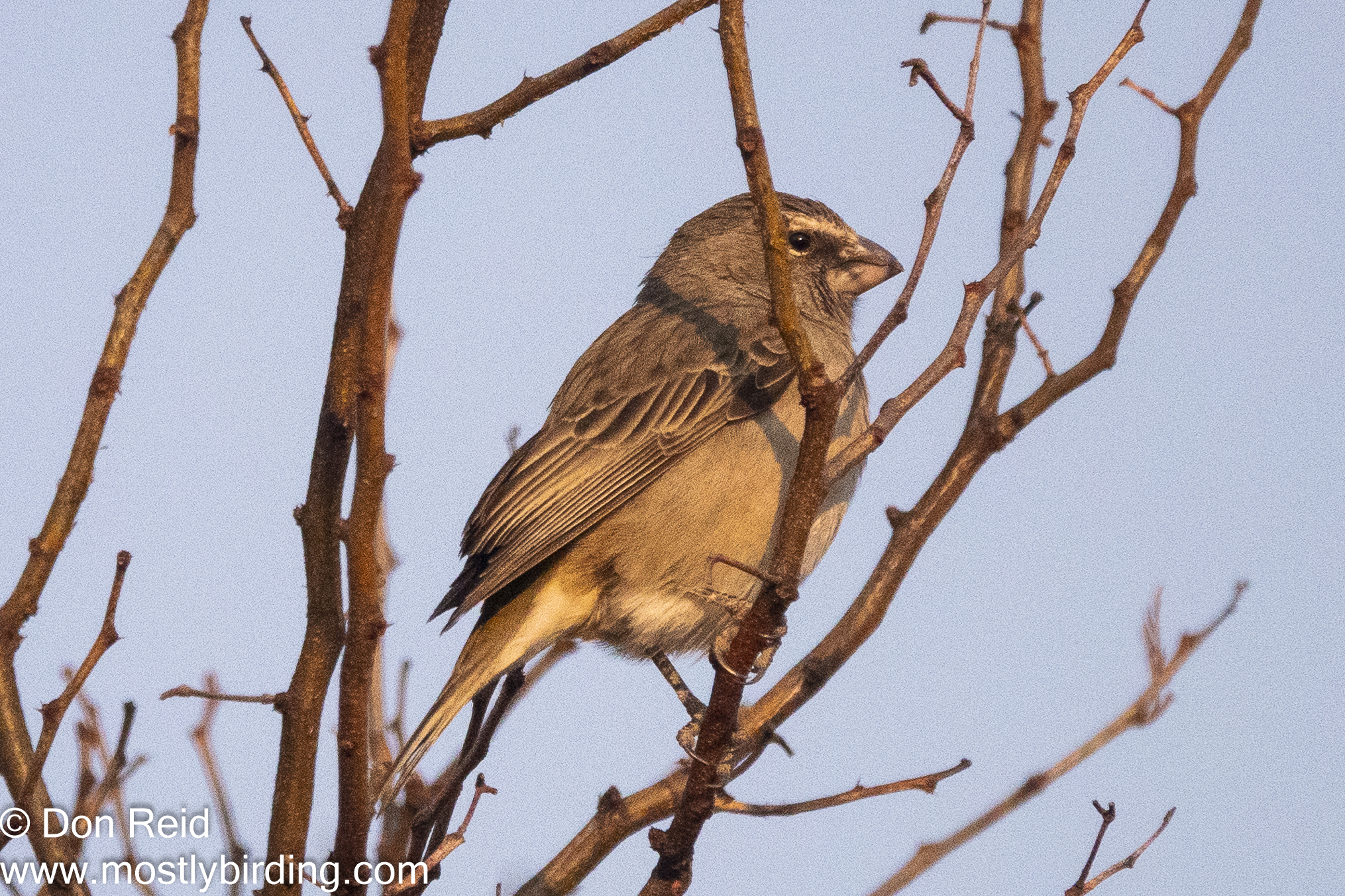
Before returning for breakfast, which we had arranged to be brought to the cottage at 8 am, I had a look around the area beyond the stream and soon added Chestnut-vented Warbler (Titbabbler) and White-throated Canary. I tried to capture the latter species on camera as I knew it was a different sub-species (orangensis) from those I am used to seeing in the Southern Cape. I had limited success getting a clear photo, but they were better than nothing.

White-throated Canary (Crithagra albogularis / Witkeelkanarie) (race orangensis), Lushof Lodge

By the way if you think it’s a bit extreme not being satisfied with photographing bird species but trying to photograph all the subspecies as well, I confess I have had this “collectors” affliction since a young age and it seems to be getting worse….

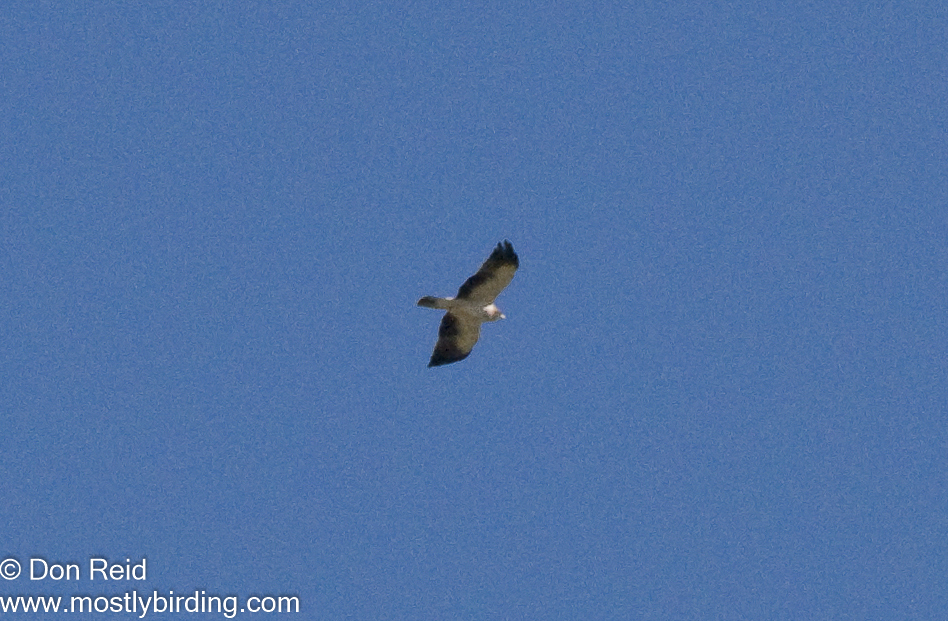
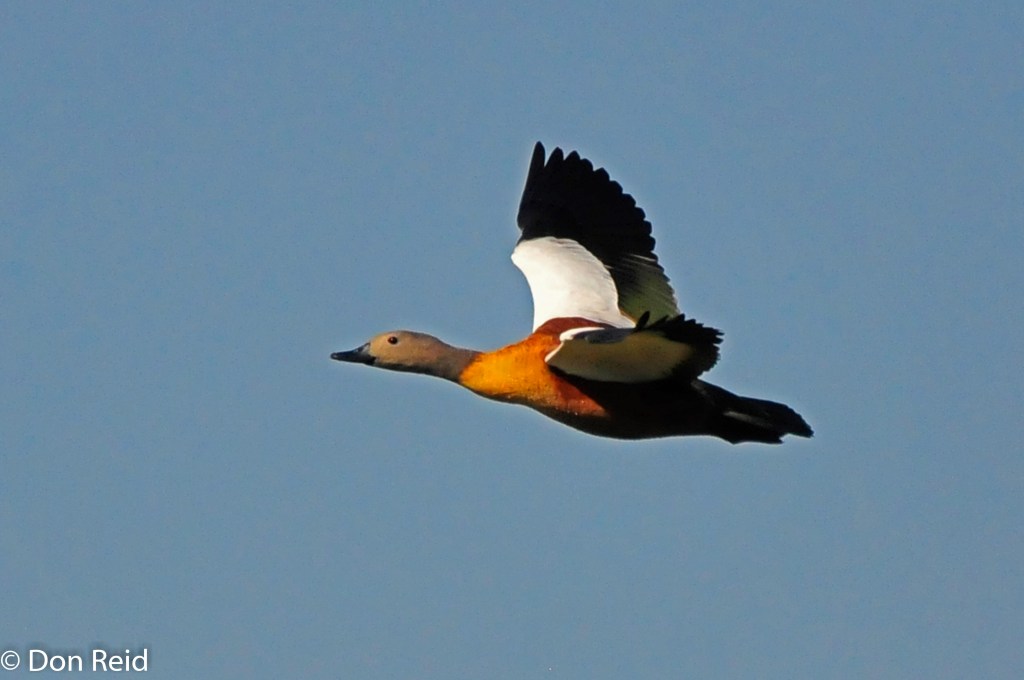
After a substantial breakfast (to see us through the last day’s driving, you know) it was time to pack the car one last time, while still keeping an eye out for any birds to add. Fortunately so, as a Booted Eagle and a pair of SA Shelducks flew overhead within minutes of each other.

Booted Eagle, Lushof Lodge

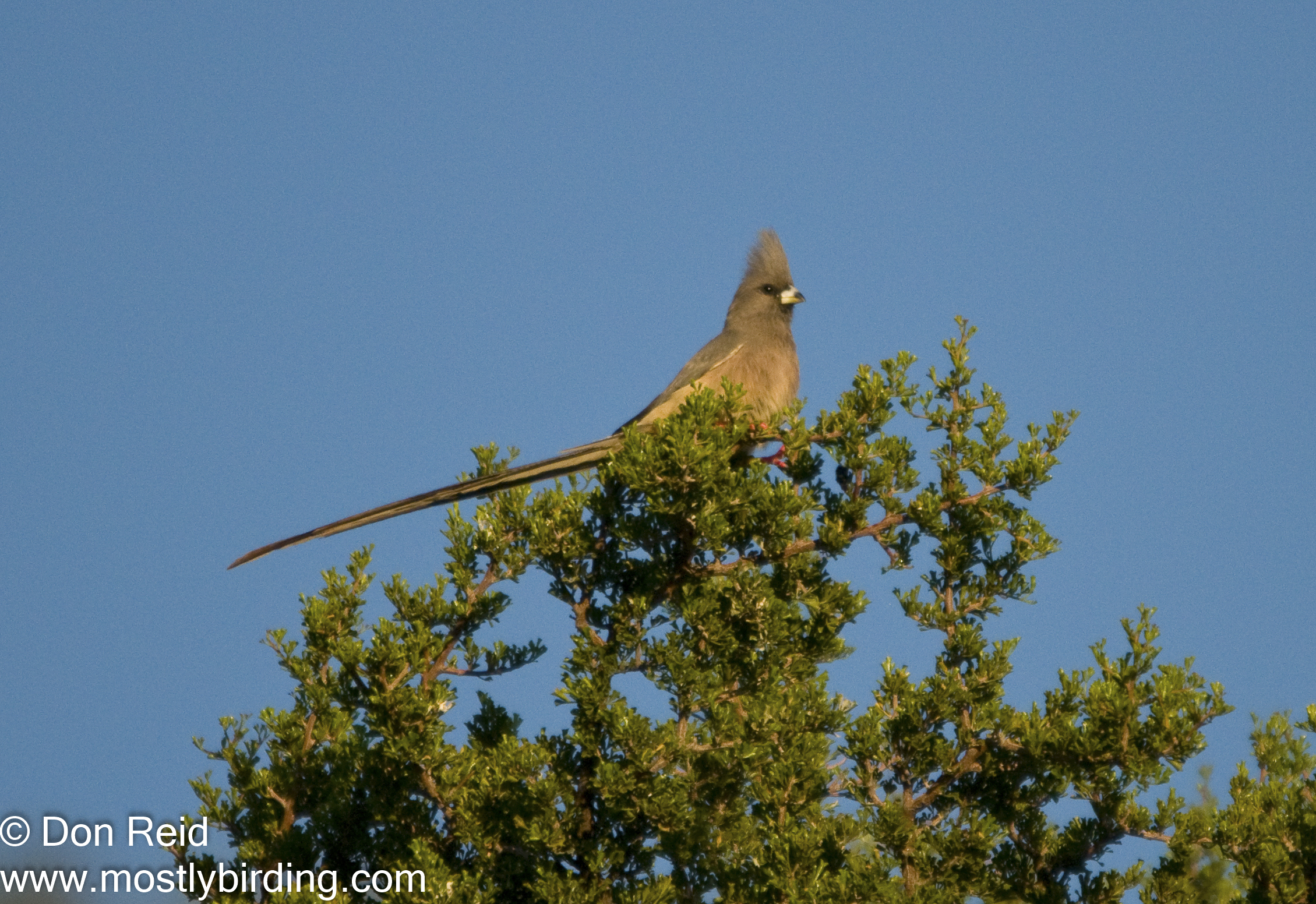
On the road out we picked up Namaqua Dove and White-backed Mousebird, the dam near the highway held Blacksmith Lapwing and the adjoining grass boasted an Eastern Clapper Lark, giving us its version of goodbye as it performed its display flight in the air.

White-backed Mousebird, Lushof Lodge

The Stats

We left with a total of 48 species recorded which, considering the time of year, is a good indication of the quality of Lushof Lodge as a birding spot.

Of special note – this was only the third full protocol card completed for this pentad in 10 years, the previous two having been done by myself and Koos Pauw in 2010/11. A very under-atlased pentad!

11 new species were added to the pentad records –

  1. Brubru
  2. Cape Bunting
  3. Grey-backed Cisticola
  4. Blue Crane
  5. African Hoopoe
  6. Malachite Kingfisher
  7. Blue Korhaan
  8. Karoo Prinia
  9. South African Shelduck
  10. House Sparrow
  11. Chestnut-vented Warbler (Titbabbler)

Atlasing – August 2020 : Ruiterbos

Continuing the monthly look at where Atlasing, or Birdmapping as it is also known, took me in August 2020 ….. in this case to two pentads in the Ruiterbos area north of Mossel Bay, which turned out to be as contrasting as two pentads adjoining each other can be

Ruiterbos Area – 25 August

Still using my earlier analysis of pentads in the southern Cape which had not yet been atlased in 2020, I noticed that the Ruiterbos area had one pentad not atlased since 2018 and with very low species totals recorded, which piqued my interest – nothing like a challenging pentad to make things interesting! Low totals, I have found, are usually due to limited diversity of habitat (all birds are particular to a specific habitat) or limited means of access to parts of the pentad, preventing the atlaser from getting to all the habitats. In some instances both of the above can apply, which results in really low totals.

I decided to target the challenging pentad as well as the one directly south of it, which seemed to hold more promise. Both are within about 45 minutes of home – the maps below show the location of the former…

The Route

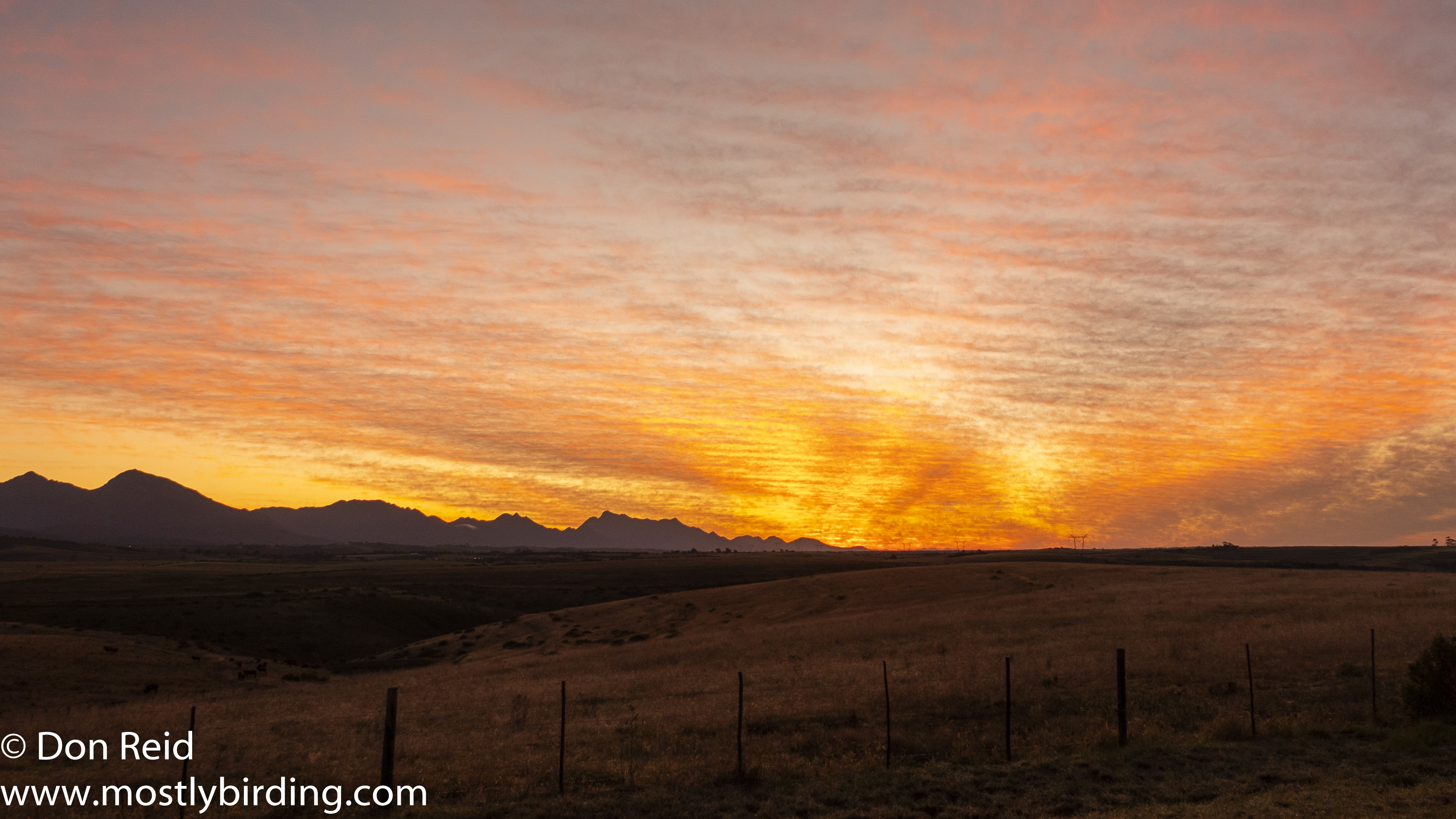
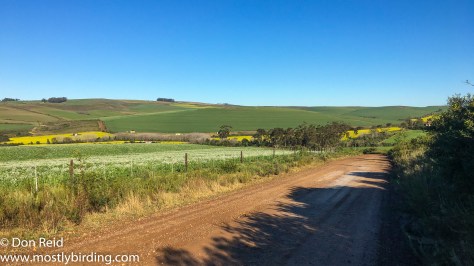
With sunrise gradually coming earlier each day in late August, just a week away from Spring day, I set the alarm a bit earlier and left home at 6.15 am. I followed the R328 regional road to Oudtshoorn, passing Brandwag village and turned left at Ruiterbos Farm stall then travelled a couple of Kms along this quiet road before reaching the start of the first pentad at around 7 am.

Sunrise, Ruiterbos area

Pentad 3355_2155

Birding got off to a brisk start with calls of several species welcoming the new day – a cool, fresh morning with little cloud. Blue Crane, Bokmakierie, Cape Grassbird, Grey-backed Cisticola, Red-necked (Cape Turtle) Dove, even Hadada Ibis all joined the chorus.

Cape Grassbird (Sphenoeacus afer / Grasvoël) (Race afer), Ruiterbos area

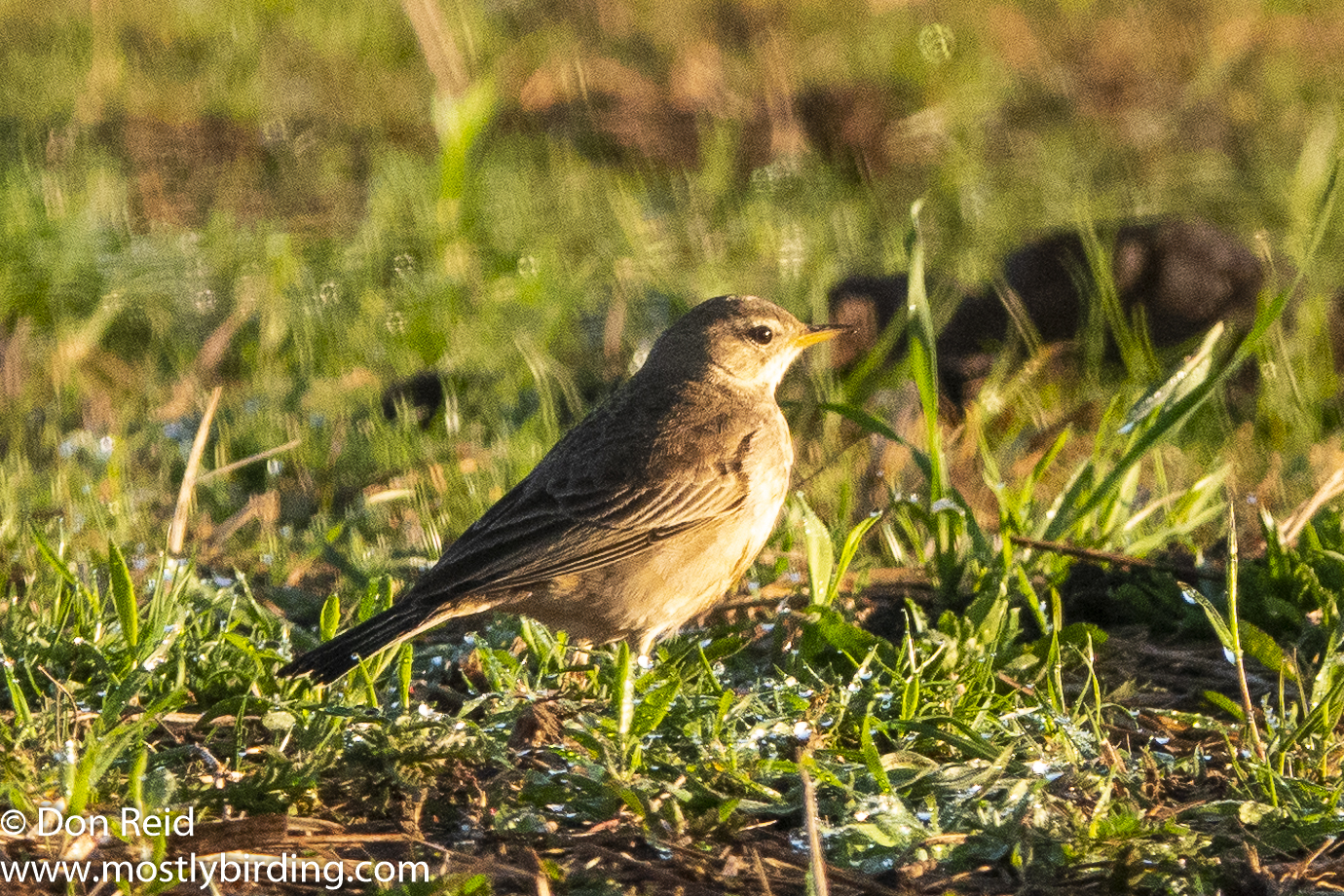
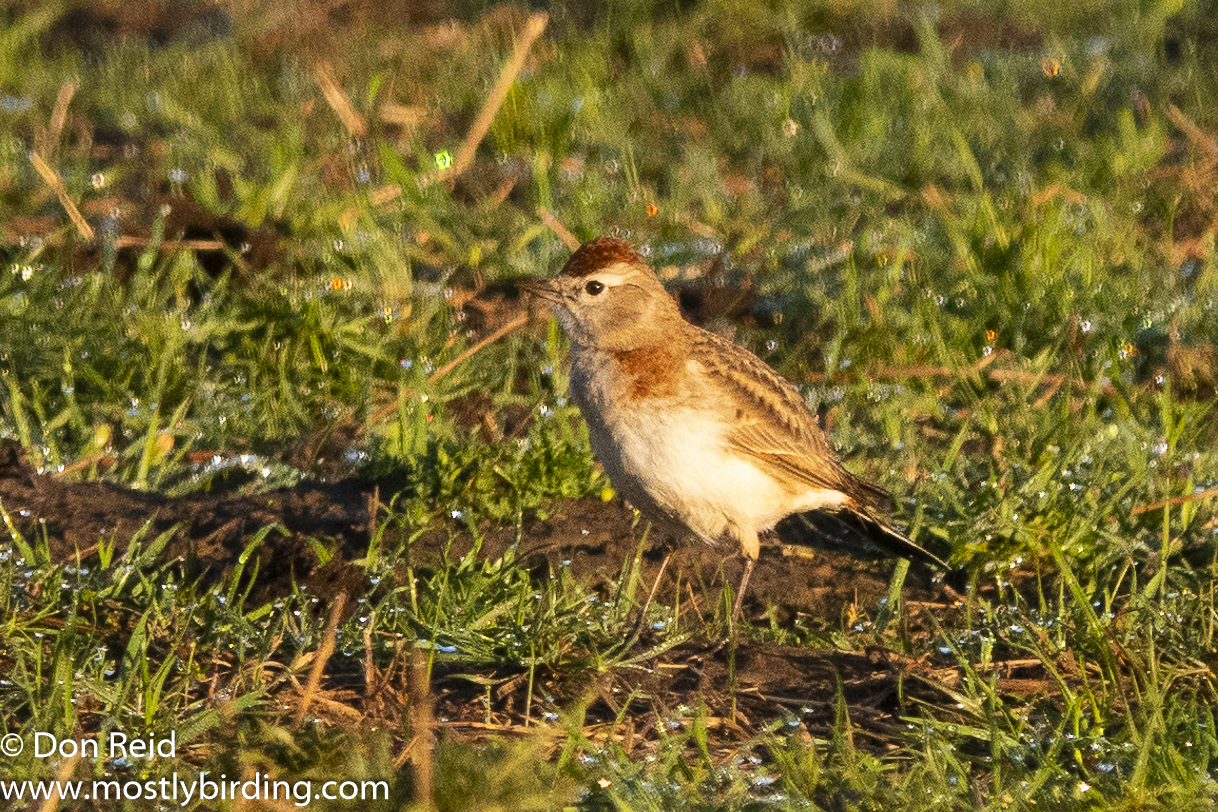
Not much further along the gravel road I stopped at two adjacent fields which showed how differences in usage of farming land can have a noticeable impact on the species to be found. The first was covered in lush green lucerne and was seemingly reserved for the “big boys” – Egyptian and Spur-winged Goose and Blue Cranes were prominent. The adjacent field had short patchy grass with a scattering of stones and cowpats – clearly used for grazing of cattle and the realm of the smaller guys – Lapwings (Crowned), Larks (Red-capped) and Pipits (Plain-backed).

Plain-backed Pipit (Anthus leucophrys / Donkerkoester), Ruiterbos area
Red-capped Lark (Calandrella cinerea / Rooikoplewerik) (Race cinerea), Ruiterbos area

Descending into a valley, I passed a fruit farm which had entire fields draped in protective shade cloth, mostly to keep insects out I would guess, but equally proficient at keeping birds away, creating a very sterile environment.

Ruiterbos area

I did not dawdle and proceeded out of the valley into the hills beyond – what a contrast – suddenly the hills were alive with bird sounds, which were music to my ears (why do I feel a song coming on?). The next twenty minutes were bountiful, with 3 species of Sunbird (Southern Double-collared, Orange-breasted and Malachite), Cape Buntings and Cape Canaries twittering away, Stonechat and an African Olive Pigeon (New record).

Klaas’s Cuckoo (new record) announced its presence with its well-known “Meitjie” call and I wondered if it was an early arrival or perhaps one of those that had overwintered in the area, as they are known to do. A Cape Batis became my first record of this species for the year.

Cape Batis

After an hour and a half in the pentad, I had logged 34 species – a good start, and being close to the second “challenging” pentad, I decided to tackle it while birds were still active and come back to the first pentad a bit later. This would hopefully maximise my chances of getting a reasonable total in the second pentad which, from the stats, was going to produce a low bird-count card, for reasons as yet unknown.

Ruiterbos area

I returned later in the morning to complete a second “shift” in this pentad, carrying on where I had stopped before. I was now out of the prime birding area, into flatter countryside with less bush, but was still able to add regularly to my atlas card with the likes of Rock Kestrel, Victorin’s Warbler and African Black Swift (New record).

Victorin’s Warbler, Ruiterbos area

I managed to get a reasonable photo of the Rock kestrel – I had seen it returning with a small prey to its perch on top of a utility pole and guessed it would be pre-occupied while devouring it, which would allow a closer approach than usual. I was right and it only flew off again when the prey was ripped apart and swallowed.

Rock Kestrel (Falco rupicolus / Kransvalk), Ruiterbos area

Along the last stretch before exiting the pentad,another photo opportunity arose – this time an Olive Bushshrike (New record). I heard it calling from a particularly bushy area alongside the road and once I thought I had found the spot where it was concealed (which they are very good at doing) I tried some “pishing” which is a useful way of getting some species to pop out momentarily.

The Bushshrike obliged for just a few seconds, curious as to what was making this sound which birds associate with danger and I was able to snatch a few images – my best of this species to date!
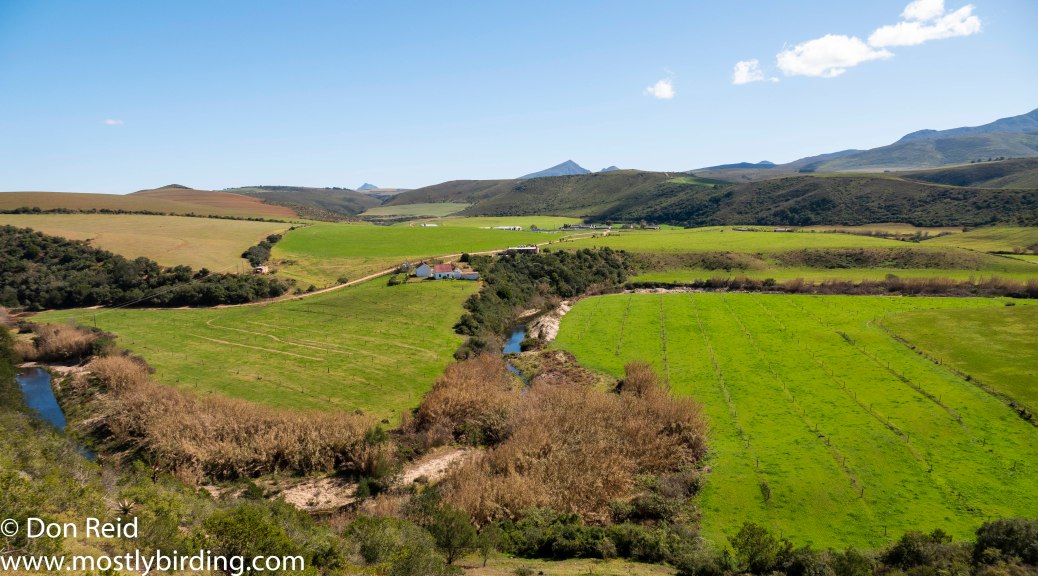
Olive Bushshrike (Chlorophoneus olivaceus / Olyfboslaksman) (Race olivaceus), Ruiterbos area

The pentad had produced 50 species in all, and some very special ones at that.

Pentad 3350_2155

This was the pentad that had me wondering about the low totals logged by others. I soon found out why – apart from the first km or so which runs through open hills, the rest of the only access road ran through a commercial pine plantation, habitat which is notoriously sterile when it comes to bird life. The open stretch held Cape Grassbird, Karoo Prinia, Red-necked Spurfowl and African Pipit.

African Pipit (Anthus cinnamomeus / Gewone koester), Ruiterbos area

Entering the plantation, birding – and indeed life itself – seemed to slow down…

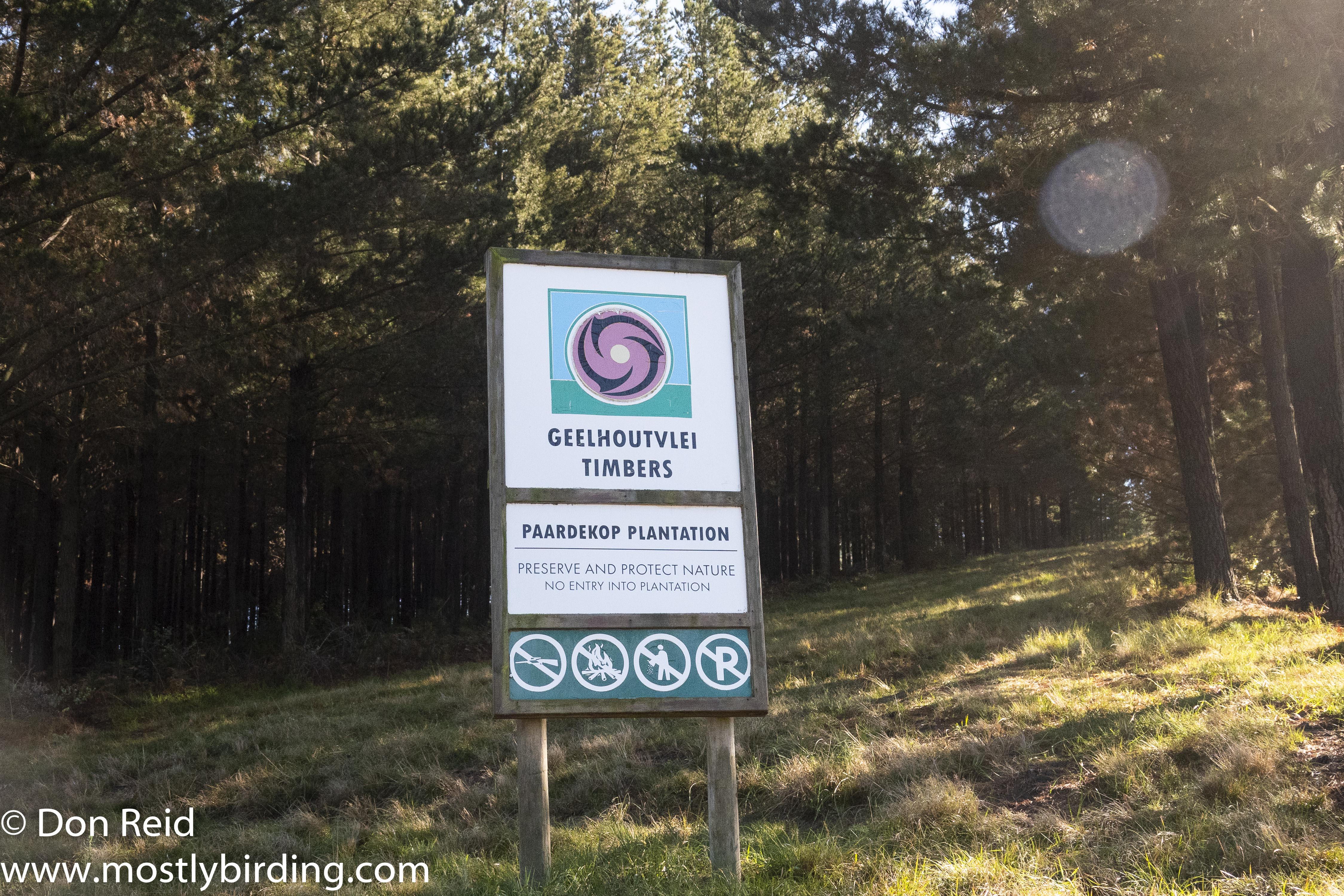
Paardekop Plantation, Ruiterbos area

It was nevertheless a most pleasant environment to be in, despite being less than attractive for most bird species – exceptions were Black-headed Orioles, Cape Canaries, Cape Bulbul, and Cape White-eye, all of which I found easily and repeatedly, mostly at the fringes of the plantations.

At one stop, Greater Double-collared Sunbirds were curious bystanders but most stops were met with dead silence and no discernable movement, so each species added was quite precious as I slowly built on the list.

After two hours birding in the invigorating pine-scented air, I found I had reached 20 species, amazingly the second best total for the pentad out of 15 cards completed to date! I later found that I had added 3 new species to the pentad records, being Hadada Ibis (!), Speckled Pigeon and Black Sawwing.
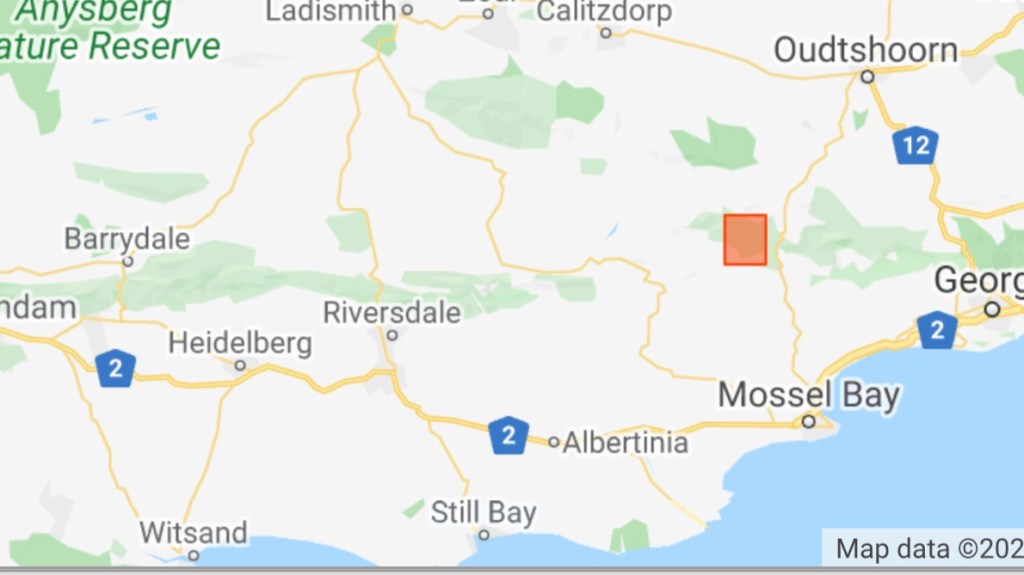
Footnote : Where I show percentages in brackets, these refer to the relative scarcity of the species according to the pentad surveys completed to date over the ten years that the project has been running. So if 100 pentad surveys have been done to date and a species has been recorded 5 times by the observers, it will be shown as 5%. Notable species in my book are those with a % of less than 10%

My Atlasing Month – August 2020 : Albertinia Area

Continuing the monthly look at where Atlasing, or Birdmapping as it is also known, took me in August 2020 …..

Albertinia north-west – 7 August

I looked for two pentads not too far from Mossel Bay, our home during lockdown, and not yet atlased in 2020 – my survey resulted in me selecting two pentads in the area north-west of Albertinia, an area which I have found to be pleasant and productive from a birding point of view, so they fitted my plans well.

Albertinia north

The Route

Getting to the starting point of the first pentad meant driving west along the N2 National road to Albertinia, then north towards the mountains and west again along the gravel road that ran through the pentad, ensuring that the sun would be behind me during the prime early morning birding hours.

As I drove along the already busy N2, the view northwards was across low valleys which were filled with mist, giving them the appearance of large fluffy lakes surrounded by hills.

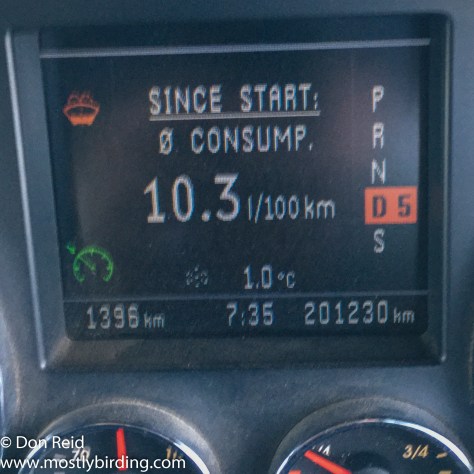
The morning was one of the coldest I’ve experienced in these parts, with the car indicating an outside temperature of just 1 degree C as I approached the starting point – thank goodness I had purchased a woolen beanie the day before, which I now donned to prevent the cold penetrating beyond my ears to my brain – who knows what damage that could do (although some would say the damage was done ages ago).

Chilly morning in Albertinia

Fortunately it warmed up as the day progressed and by 11 am I was in shirt sleeves and the beanie was replaced by my battered hat.

Pentad 3400_2125

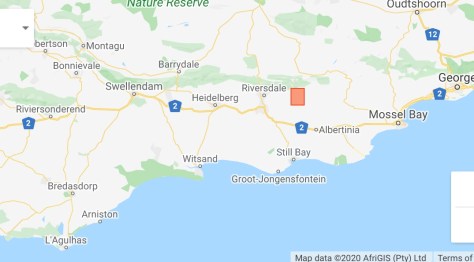
The map below shows the location of the pentad, north west of Albertinia. For those who have not visited South Africa, the town marked Agulhas at bottom left is where the southernmost tip of the African continent is located and is a favourite tourist stop.

And this is a closer view of the first pentad, shown by the red square below

Right at the start of this pentad I came across a roadkill victim in the middle of the gravel road and stopped to see what it was (dead birds can be recorded when atlasing) – it was a Crowned Lapwing, largely undamaged so I moved it to the verge just to save it the further indignity of being trampled by other vehicles.

Albertinia north

The road was damp with puddles in places from the previous day’s rain and birds were plentiful. Changing quickly into atlasing mode, I followed my usual strategy of driving very slowly and stopping frequently to look around and listen for calls – in the first hour I recorded 26 species while progressing just 2 kms along the road, with so many interesting and promising spots to investigate.

Albertinia north

Fresh footprints in the damp mud at roadside had me somewhat puzzled – left by someone running, judging by the depth of the imprints, and someone with very tough feet, going on the very gritty surface.

All the usual suspects were present including Blue Crane and Large-billed Lark, African Pipit and Fork-tailed Drongo, but also some of the scarcer species such as Denham’s Bustard (twice) and Grey-backed Cisticola.

African Pipit (Anthus cinnamomeus / Gewone koester, Albertinia north

Cape Longclaw on a fence presented a good photo opportunity, as they so often do, but Red-capped Larks in the road were not as cooperative and flew off each time I tried to position the car/ myself/my camera, settling tantalisingly back in the road a way ahead and often on the opposite side to where my camera was pointing. It was probably my imagination but I thought I detected a smirk on their faces each time they left me cursing under my breath. Bird photography can sometimes be a tad frustrating!

Cape Longclaw (Macronyx capensis / Oranjekeelkalkoentjie), Albertinia north

A small dam held Grey Heron, Yellow-billed Duck and Little Grebe to add some waterbirds to my list. The last half hour produced two Canaries – Brimstone and Yellow Canary, the third Lark of the day – Agulhas Long-billed Lark, and Cape Grassbird to take the card total to a respectable 48 species.

Pentad 3400_2120

The second pentad of the morning lies directly west of the first, so I continued along the same road and through habitat similar to the first. Species were mostly a repeat of what I had recorded in the first pentad. Some notable exceptions were Little Rush Warbler which I heard calling from a well reeded stream that I crossed and a Rock Kestrel that passed overhead during one of my many stops.

Albertinia north

I spent a coffee break at a copse of bluegum trees next to the road at a farmyard and watched the Fork-tailed Drongo‘s actively flying about and hawking flying insects. A Cardinal Woodpecker called a loud rapid ch-ch-ch-ch-ch and it didn’t take too long to find it high up against the branches of the trees, pecking at cavities and using its barbed tongue to extract larvae of beetles and other insects, spiders and ants.

Fork-tailed Drongo (Dicrurus adsimilis / Mikstertbyvanger), Albertinia North

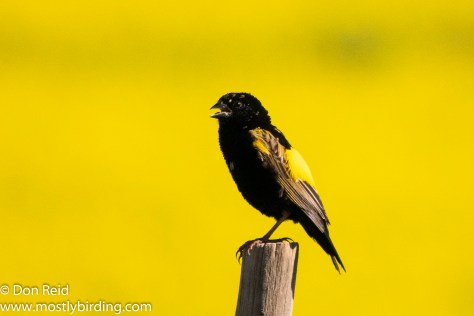
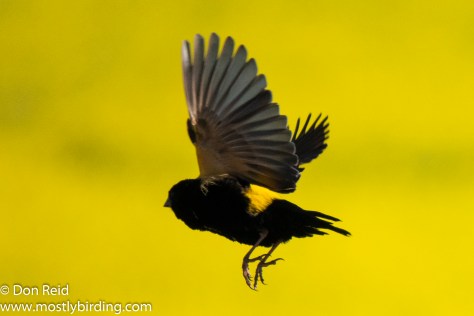
Passing fields brimming with bright yellow canola, a Yellow Bishop with an equally bright yellow rump and perched on the fence presented an interesting photo opportunity, so I positioned myself and my camera, with some difficulty, so that the background would be the yellow of the canola while hoping the Bishop would stay where it was. It did and I managed to take a few shots, but the distance from the bird meant it was not as sharp as I had hoped… still quite unusual –

Yellow Bishop (Euplectes capensis / Kaapse flap) (Race capensis), Albertinia north

Moments later it flew off

Yellow Bishop (Euplectes capensis / Kaapse flap) (Race capensis), Albertinia north

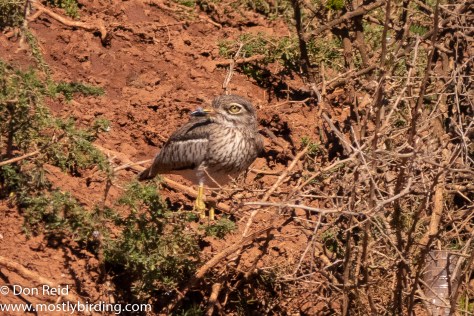
A last dam before leaving the pentad held a pair of Water Thick-knee, inconspicuously standing among bushes along the fringe of the dam, while a few Brown-throated Martins raced about over the water.

Water Thick-knee (Burhinus vermiculatus / Waterdikkop), Albertinia north

As I left the pentad I spotted some Red-billed Queleas in a thorn tree, the last record for the day to take the pentad total to 41 and my day’s total to a pleasing 63 after some 5 hours of atlasing this most pleasant part of the southern Cape.

My Atlasing Month – July 2020 (Part 3 )

Continuing the monthly look at where Atlasing, or Birdmapping as it is also known, took me in July 2020 …..

Great Brak and Mount Hope – 24 July

I chose two pentads quite far from each other – only because I had started atlasing Great Brak River a few days prior and was within the 5 day maximum atlas period, so I was keen to complete this pentad. The choice for the second pentad was one not yet atlased in 2020 and the most appealing one was located on the other side of the Outeniqua Pass, on the way to Oudtshoorn.

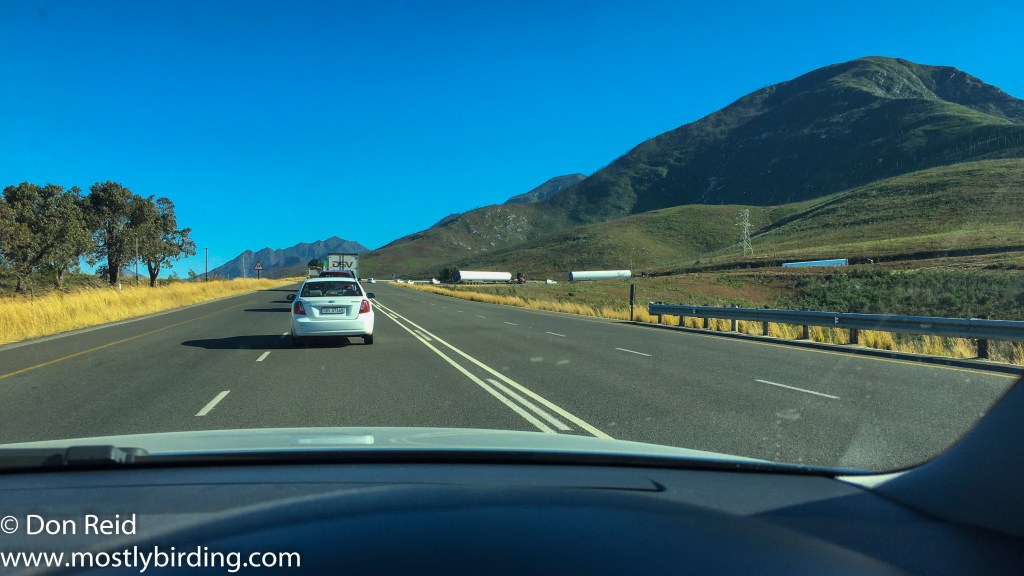
This meant a lengthy drive to get there, which on the day was made a lot longer by the convoy of 3 “Abnormal Load” vehicles trundling up the pass at a snail’s pace, with no chance of overtaking on this single lane, twisty road. Even a stop for coffee halfway up the pass to let the long queue of cars get ahead of me, did not help much as I quickly caught up with them again, but at least I wasn’t stewing in the queue all that time, but could enjoy a relaxed cup of coffee and an egg (forgetting of course that it was a bird that produced it)

Outeniqua pass with abnormal load vehicles in the distance, heading right

Pentad 3400_2210

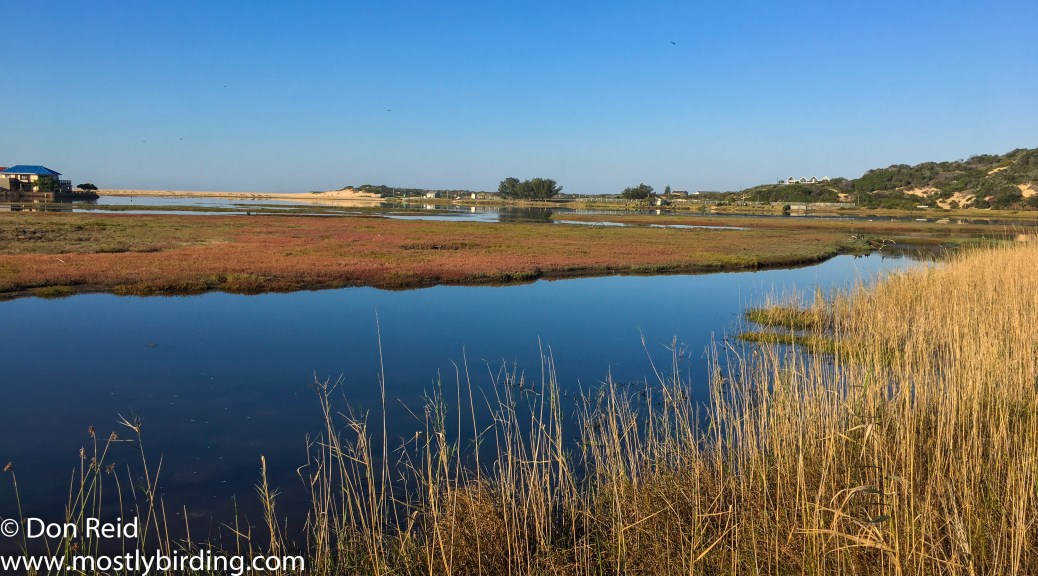
Great Brak is always a pleasurable spot to atlas, particularly the part that lies around the river estuary, which is a local waterbird hotspot. I had started atlasing during a brief 15 minute stop the previous Tuesday, on the way back from a day trip to Knysna.

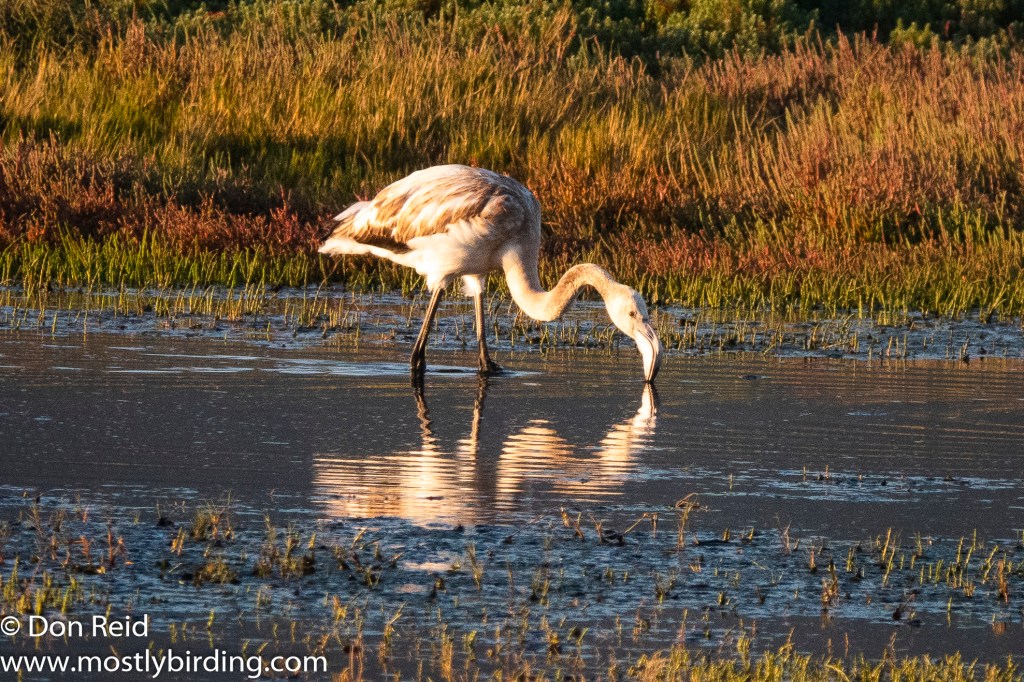
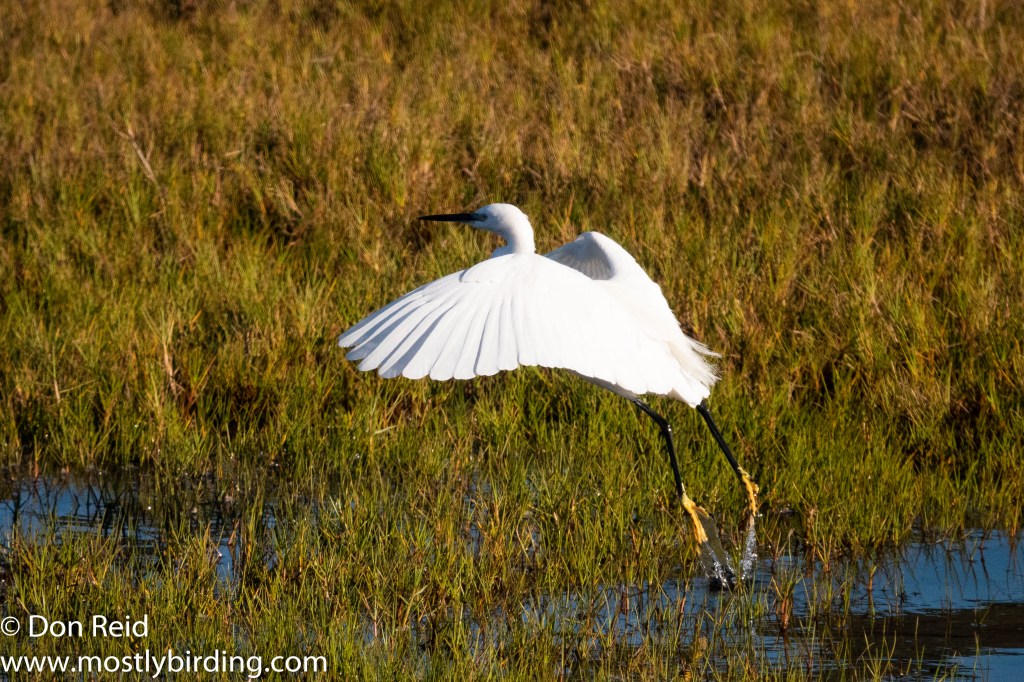
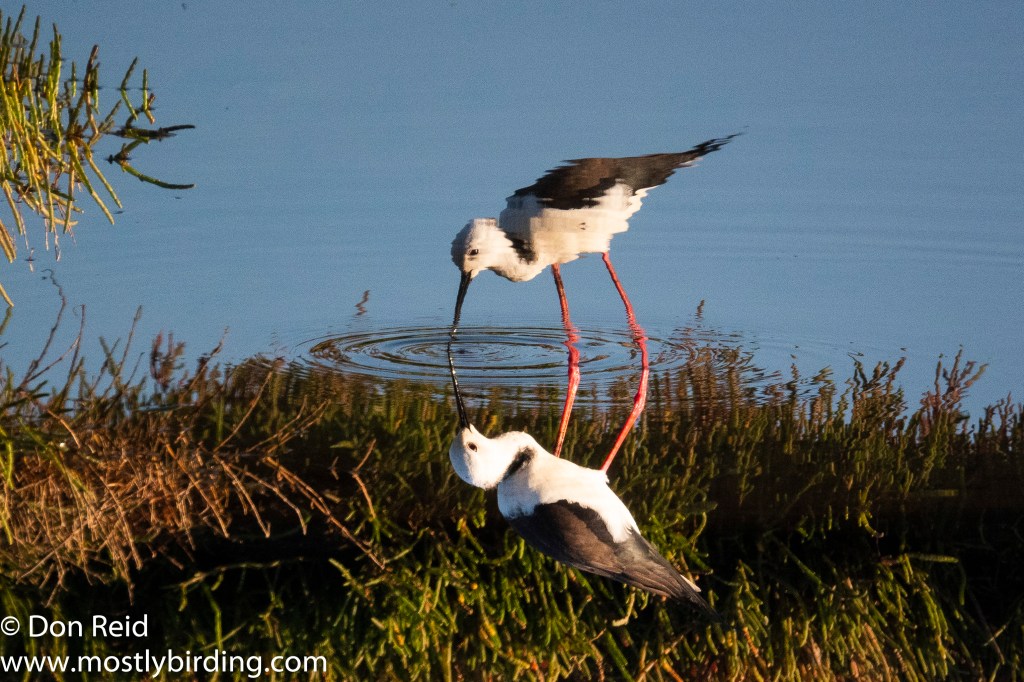
It was an hour before sunset and with the setting sun behind us as we drove slowly along the Suiderkruis road on the western side of the estuary, we had perfect light for viewing and photography for those 15 minutes. It was enough time to record 17 species including Greater Flamingo (with 3 juveniles nearby), Little Grebe, Black-winged Stilt, Little Egret, African Spoonbill and Cape Teal.

Greater Flamingo (Phoenicopterus roseus / Grootflamink) (Juvenile), Great Brak
Little Egret (Egretta garzetta / Kleinwitreier), Great Brak
Black-winged Stilt (Himantopus himantopus / Rooipootelsie), Great Brak

When editing the images I played around with the above photo – can you see what I did in this next photo ? Answer at end of Post….

Black-winged Stilt (Himantopus himantopus / Rooipootelsie), Great Brak

On the Friday morning I set out to continue atlasing at 7.30 am – sunrise in midwinter – along the gravel road that runs between Klein Brak and Great Brak just north of the N2 national road. The first birds were fairly mundane – Doves, Hadeda, Egyptian Goose – then I stopped to scan the settling ponds of the waste water treatment works and heard Little Rush Warbler and Cape Grassbird, both very distinctive calls, and saw White-faced Ducks on the opposite side of one of the ponds. An encouraging start to the morning!

Roadworks in progress over the next stretch of road, including a “stop and go” one way system, meant a short delay followed by a forced rush until I was through the village of Great Brak and heading northwards into hilly country, along a twisting gravel road lined with bush both sides and steeply sloping ground falling away to one side.

Great Brak River

Several stops along the way, but only along the longer straight parts of the road so that approaching cars would be able to see me in time, added both Southern and Greater Double-collared Sunbird, Bar-throated Apalis, Cape White-eye, Sombre Greenbul and Southern Boubou. When I reached the plateau the habitat changed quickly to farmland and I soon came to the northern boundary of the pentad, so it was time to turn back.

Greater Double-collared Sunbird, Great Brak River
Sombre Greenbul, Great Brak River

I wanted to hit the estuary again before moving on to the next pentad and I headed for the eastern side to avoid having the sun in my eyes. I was rewarded with Mallard, a couple of Pied Avocets (5% – so quite scarce), Grey Heron, plenty of Greater Crested (Swift) Terns and a Common Sandpiper, the latter surely one of the first arrivals from European Russia – heck it’s still winter here and the migrants are already arriving!

Common Sandpiper, Great Brak River

While scanning the waters for other waterbirds a Klaas’s Cuckoo (9%) called “Meitjie” (it’s Afrikaans name, pronounced “maykie”) to confirm its presence. As I left this superb birding spot a single Cape Sugarbird (10%) flew between bushes to take my total for the first pentad to 54, after some 2.5 hours of atlasing.

Cape Sugarbird

Pentad 3345_2215

In hindsight I should have chosen a second pentad closer to the first – my trip between the pentads took over an hour including the “abnormal load” induced delay and coffee stopheading up and over the Outeniqua Pass which takes you from sea level to an elevation of 800 metres – not all that high but enough to bring the temperature down substantially until I was into Klein Karoo country on the way to Oudtshoorn.

It meant that I only started the second pentad at 11 am – hardly the ideal time for birding, especially in the Klein Karoo where the birds tend to disappear during the middle of the day. Nonetheless the first half hour was quite lively as I passed through mainly farmland and found Ibises (Sacred and Hadeda), Egyptian Geese and Black-headed Heron – all species that prefer open fields.

That was followed by the bird of the day as I came across a flock of Black-headed Canaries (15%) – a species that I have seen few enough times to count on one hand.

I continued past several more farms and a small stream until I came across the next exciting find when I spotted a flock of Swifts in the air – way too early for returning migrants I thought. As it turned out they were Alpine Swifts (6%) which are partial intra-African migrants so probably hadn’t come far by Swallow / Swift standards but always a joy to see with their speedy flight and white belly making them one of the easier swifts to call.

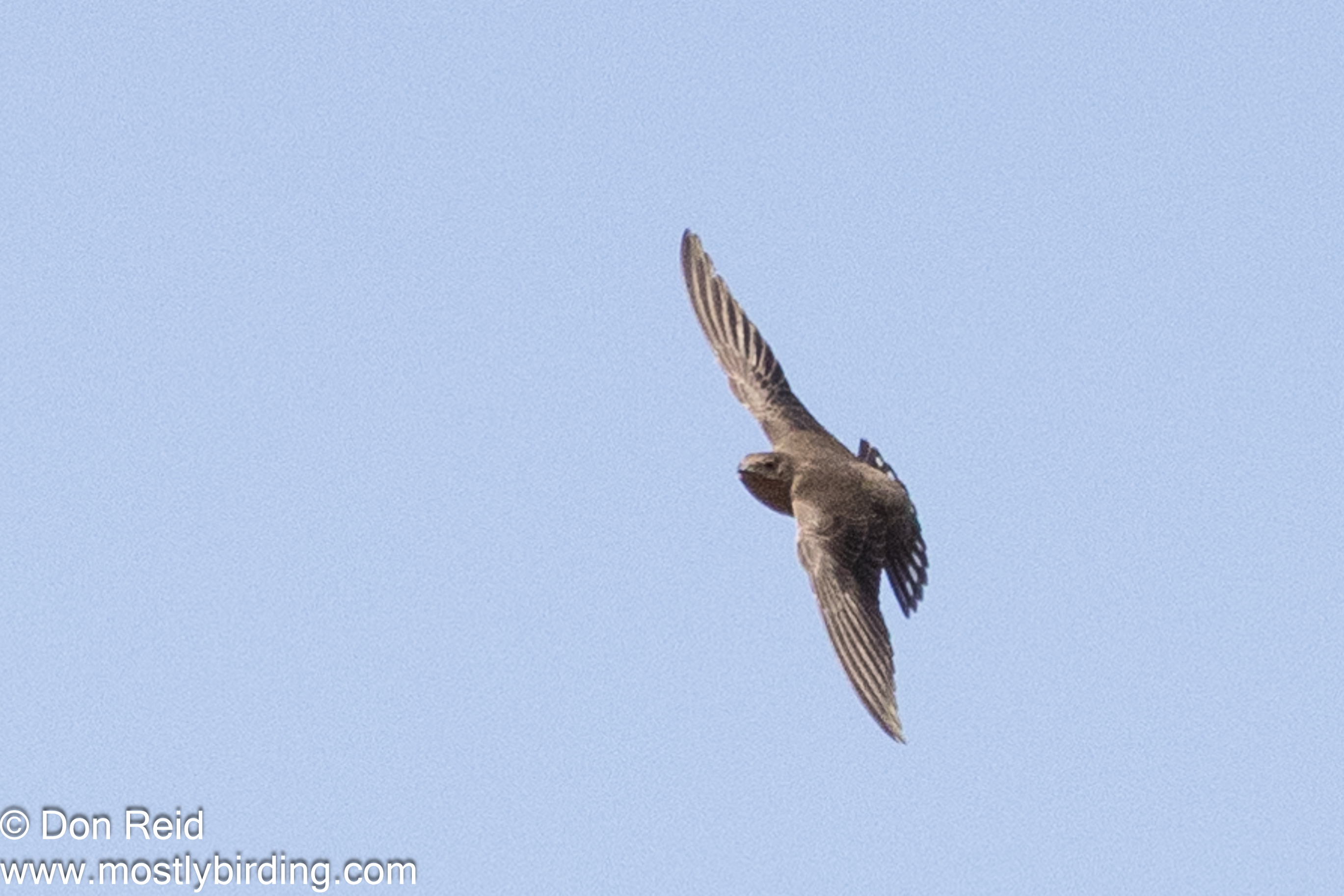
Alpine Swift, (taken in Augrabies NP)

A large farm dam disappointingly produced not a single bird and thereafter birding became really slow as I headed into more arid countryside with almost no signs of visible farming. Just when my birding spirits were flagging I came across a Mountain Wheatear (New record) and shortly after that excitement another smaller dam was more productive with both SA Shelducks and Yellow-billed Ducks in residence.

SA Shelduck

In the surrounding bush I found a Bar-throated Apalis, as feisty as always, and in a tall tree a Pale Chanting Goshawk provided a pleasing conclusion to the pentad, which stood at a total of 34 species – not at all bad considering the time of day. I took the shortest route back to Mossel Bay, eventually getting back on to tar at the R328 and completed the long circular route home.

The Answer ……..

If you guessed that the second Black-winged Stilt photo is a copy of the first but inverted, you win this week’s prize, which is a genuine “well done” from me!

Footnote : Where I show percentages in brackets, these refer to the relative scarcity of the species according to the pentad surveys completed to date over the ten years that the project has been running. So if 100 pentad surveys have been done to date and a species has been recorded 5 times by the observers, it will be shown as 5%. Notable species in my book are those with a % of less than 10%