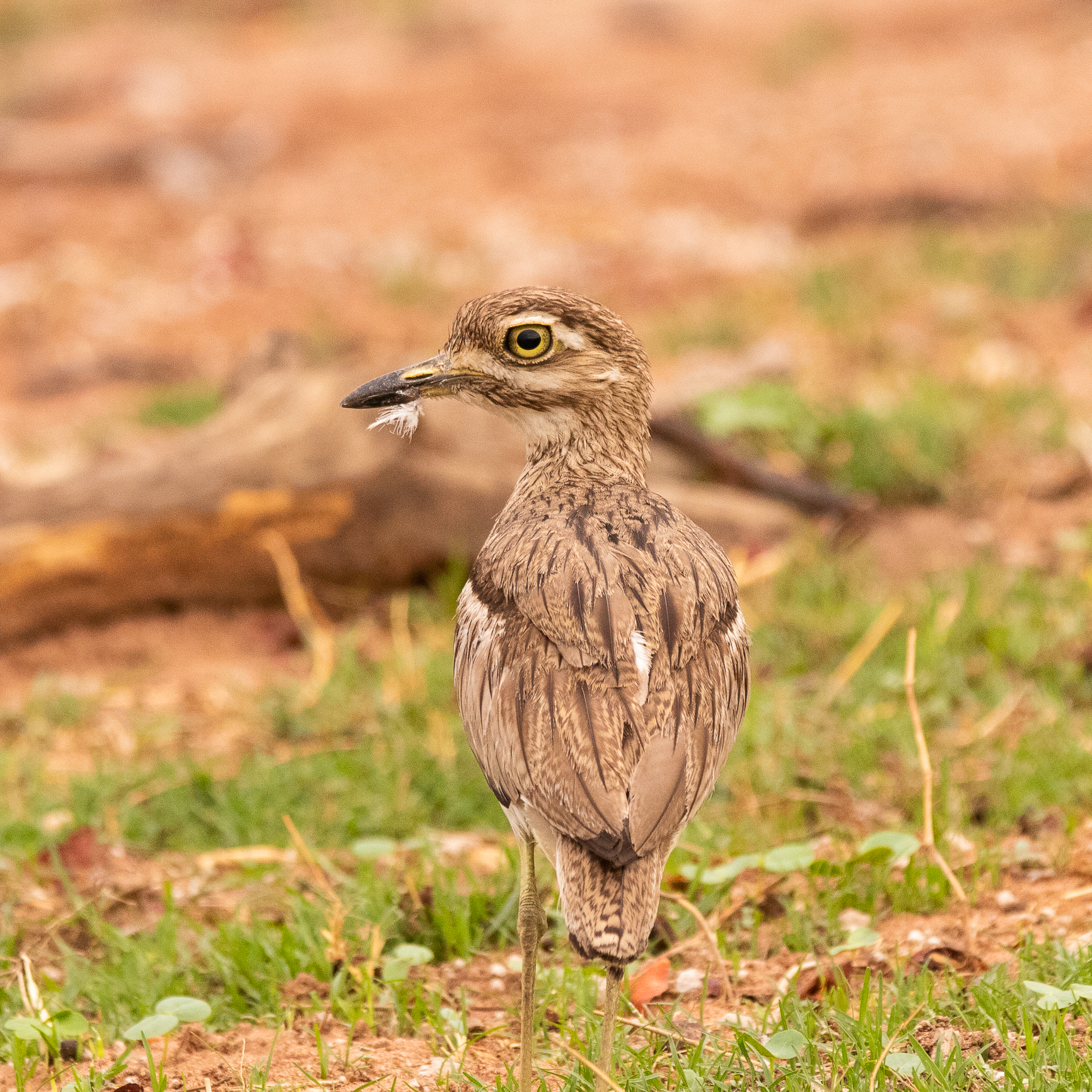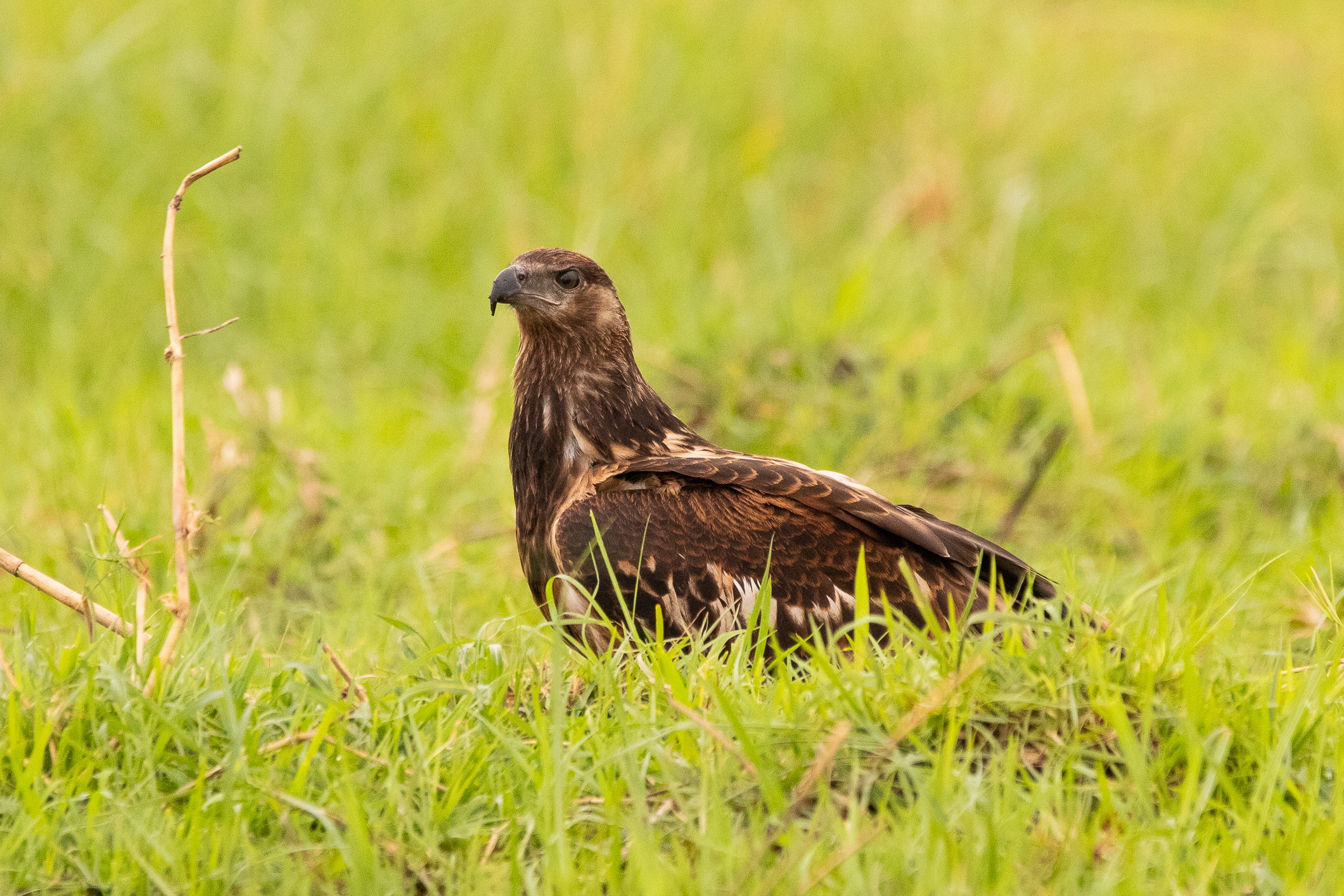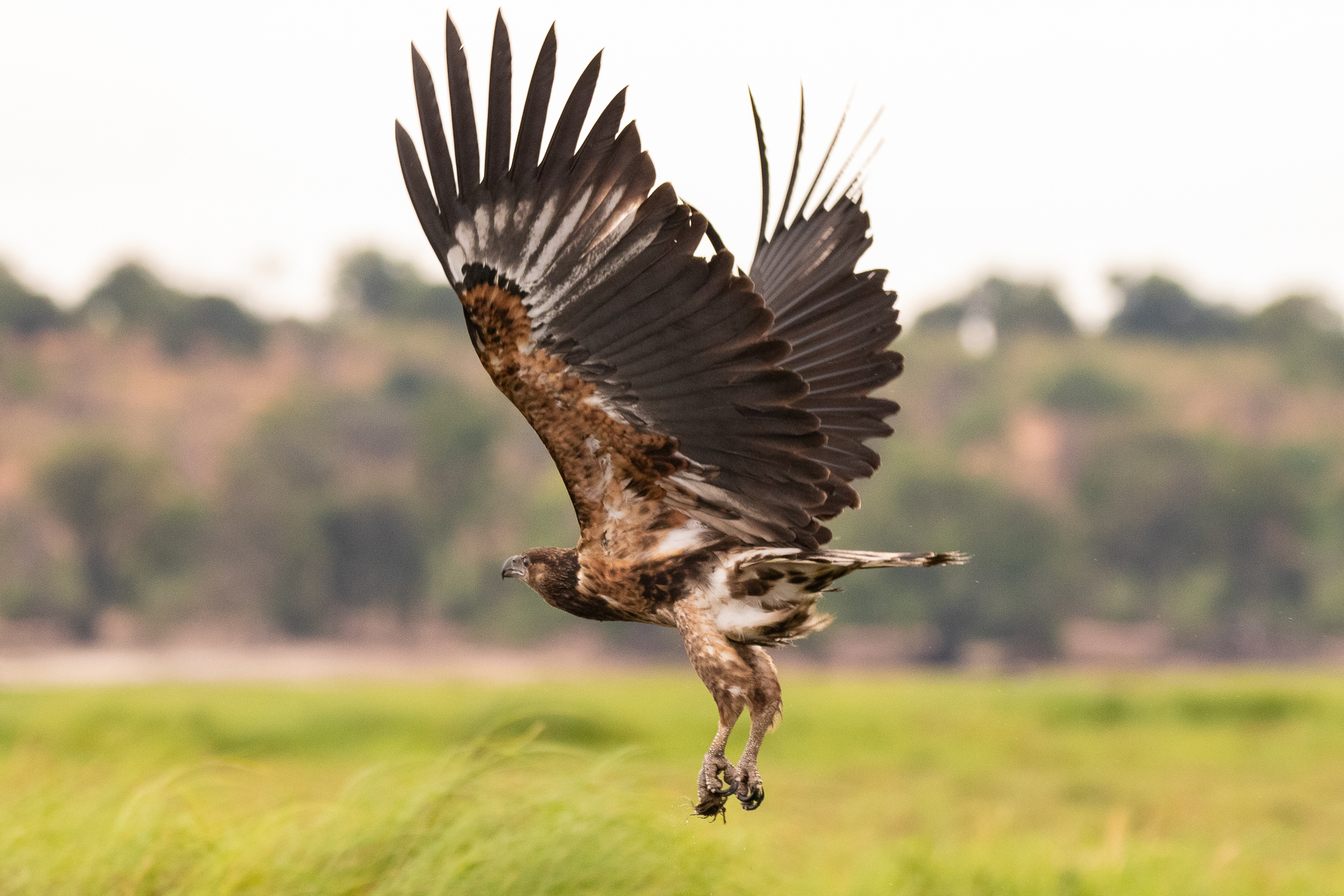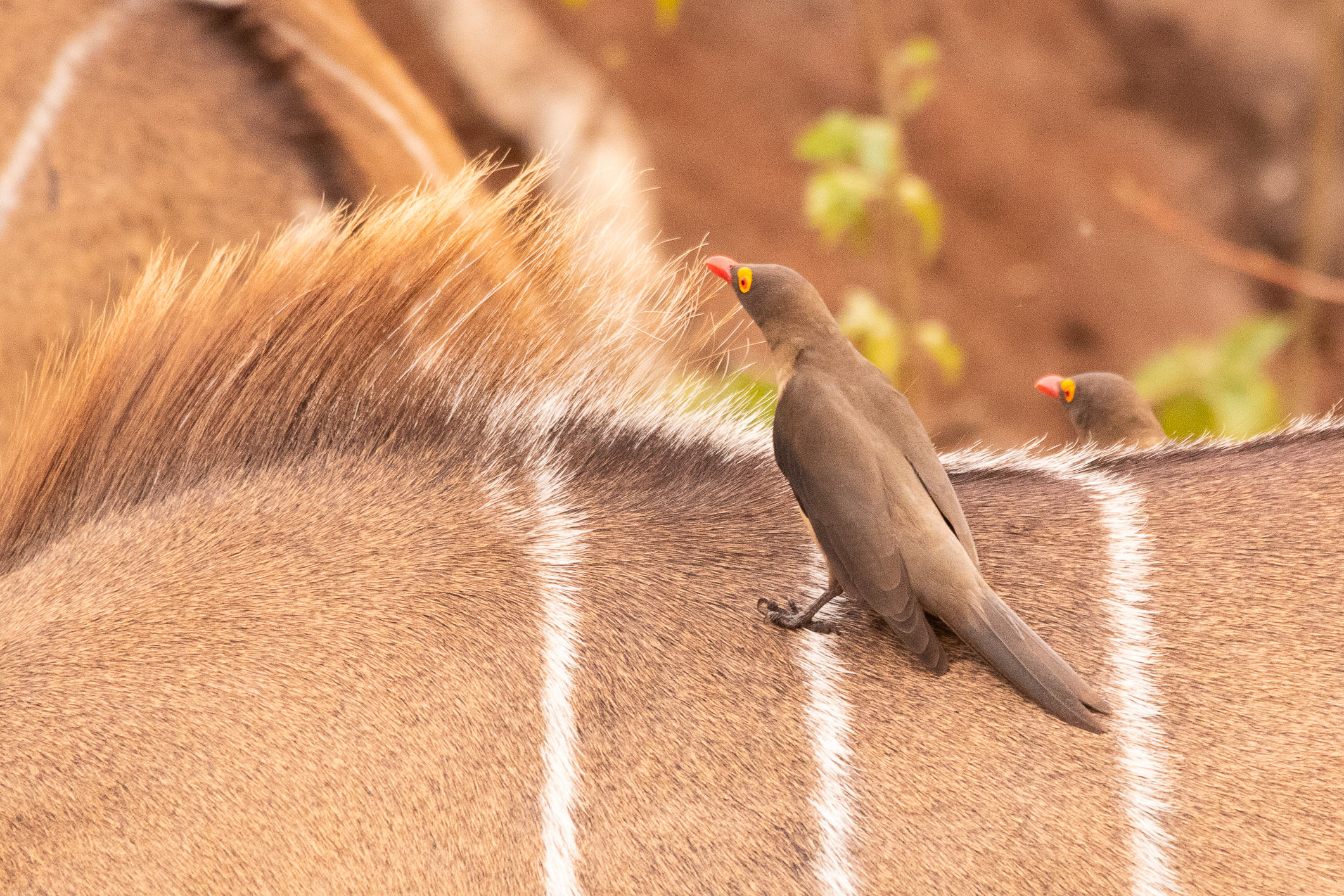
To repeat the intro to my previous posts on this subject ….
Many of the migrant waders – or shorebirds as they are also known – display the most Jeckyll and Hyde characteristics of all birds, living two dramatically different lives and spending time in habitats which are far removed from each other, both in distance and in nature.
Separating these two lives are amazing journeys that take these small yet hardy birds halfway across the world – and back again.
In the southern hemisphere we get to know migrant species during the months from October to April, so let’s find out a bit more by delving (again) into the typical annual life cycle of these waders.
This time it’s one of the most common freshwater waders –
Ruff (Kemphaan) Calidris pugnax
The Ruff was named for its projecting coloured ring of feathers around the neck (in breeding plumage, which we do not see in southern Africa). It is also the name given to the projecting starched frill worn around the neck during the Elizabethan era.
The genus Calidris comes from the Greek kalidris applied by Aristotle in 330BC to an unspecified sandpiper
The species name pugnax is from the Latin pugnus, the origin of the word pugnacious, so named for the energetic confrontation between males at their breeding grounds (called leks)
In a similar vein, the Afrikaans name ‘Kemphaan’ comes from the same word in Dutch, which translates literally to “combative rooster”
Identification
Male Ruffs in breeding plumage are hard to miss, as this photo (from Cornell Birds of the World) shows –
The Ruffs we see in southern Africa are in their non-breeding plumage, the males having lost the variably coloured head-tufts and ruff, leaving them quite plain by comparison to the spectacular breeding colours.
The larger size of the Ruff tends to make it a bit easier to identify amongst other shorebirds.
Females greatly outnumber males but are smaller and are called Reeves
Ruff, Marievale
What to look out for –
size : 20 to 30cm with thickset appearance
Ruff Philomachus pugnax Kemphaan, Voelvlei near Vleesbaai
distinctive scalloped upperparts
Ruff Philomachus pugnax Kemphaan, Voelvlei near Vleesbaai
shortish stout bill, slightly decurved
Ruff, Marievale Bird Sanctuary
orange legs – which no similar sized wader has
Ruff, Marievale
An uncommon white form can be found – the white extending from the head to the upperparts and breast. I came across such a Ruff during a visit to Marievale Bird Sanctuary, south-east of Johannesburg, some years ago
Ruff (white headed form), Marievale
Worldwide Distribution –
The orange area on the global distribution map (from Cornell Birds of the World) shows where breeding occurs in the Northern Hemisphere while the blue area, mostly in the Southern Hemisphere, is where they go to ‘get away from it all’ and prepare themselves for the next round of raising a family.
Southern African Distribution
The southern African distribution map (from The Firefinch Birding app) shows the species presence across most of the region, absent only from the highlands of Lesotho.
Ruff, Marievale Bird Sanctuary
Life in the North – Siberia’s not so bad!
As with other migrant shorebirds, Ruffs choose to breed in the Arctic and subarctic, from Scandinavia eastwards through Siberia to Chukotskiy Peninsula.
Their preferred breeding habitat is coastal to forest tundra, near small lakes, in marshes and deltas with shallow-water margins.
Their diet is mainly small terrestrial and aquatic insects, caught by pecking or probing while walking in shallow water.
Ruff, Kasane Treatment Works, Botswana
Breeding – no time for headaches
Mating generally occurs at traditional ‘leks’ – arenas where males gather to display their finery and perform ritual attacks on other males – that’s the basics, it actually involves a lot more as described by Cornell Lab of Ornithology’s ‘All About Birds’ which I have ‘borrowed’ from their website :
The nest is usually a shallow scrape on the ground lined with grass, stems and leaves, concealed in marsh plants or meadow grass.
Clutches of eggs (usually 4) are laid and incubated by the female only for about 3 weeks. Fledging some 3 to 4 weeks later, the fledglings are independent soon thereafter, facing the many dangers that young birds are subject to.
Migration – It’s getting too cold, let’s head south
The most easterly populations of Ruff are the longest distance, terrestrial migrants in the world, travelling some 16,000 kms between breeding and non-breeding grounds.
Those heading to southern Africa are thought to set off from Siberia from where they head south via the Black and Caspian Seas before passing along the Rift Valley and spreading out over southern Africa.
Adults arrive in southern Africa by mid August with juveniles following from September through to November/December
Flock of Ruffs, Devon (near Johannesburg)
Life in the South – It’s Holiday time!
Estimates of Ruffs that end up in southern Africa vary between 50 – 200,000, with just 10% of those believed to be males, so vastly outnumbered by females (no comment …!)
Favoured freshwater habitats are those with shallow water, muddy margins and short emergent vegetation, found at muddy estuaries, salt-marshes, pans, dams, vleis and the like.
Ruff (white headed form), Marievale
Males start to lose their breeding plumage before their southward migration so are unlikely to be seen in our parts in that form, but a few early arrivals in the south may have vestiges of breeding plumage visible.
Usually found in small parties and flocks, often in the company of other waders.
Ruffs, Rooiwal Water Treatment Works Gauteng
The males depart from January to February with the females following in April to May, heading north to their breeding grounds where the cycle will start all over again…
Bird atlasing outings often produce a surprise or two, which can be anything from a common bird doing something unusual, or crossing paths with an uncommon species – perhaps one regarded as a rarity for the area – but could even be as simple as a species that you have not atlased for some time.
Let’s face it – birders have a myriad ways of making the seemingly ordinary something to get excited about…. which is just one of the reasons that birding is so addictive.
I like to plan an atlasing trip once a week, depending on other commitments (which are variable at our age and usually driven by family demands), and I leave it to a day or two prior to my ‘atlasing day’ to decide where to go and which pentads to atlas.
My choice of pentad for this trip in May last year was inspired by reports during the week leading up to it describing the presence of hundreds of seabirds at Klein Brak River estuary,
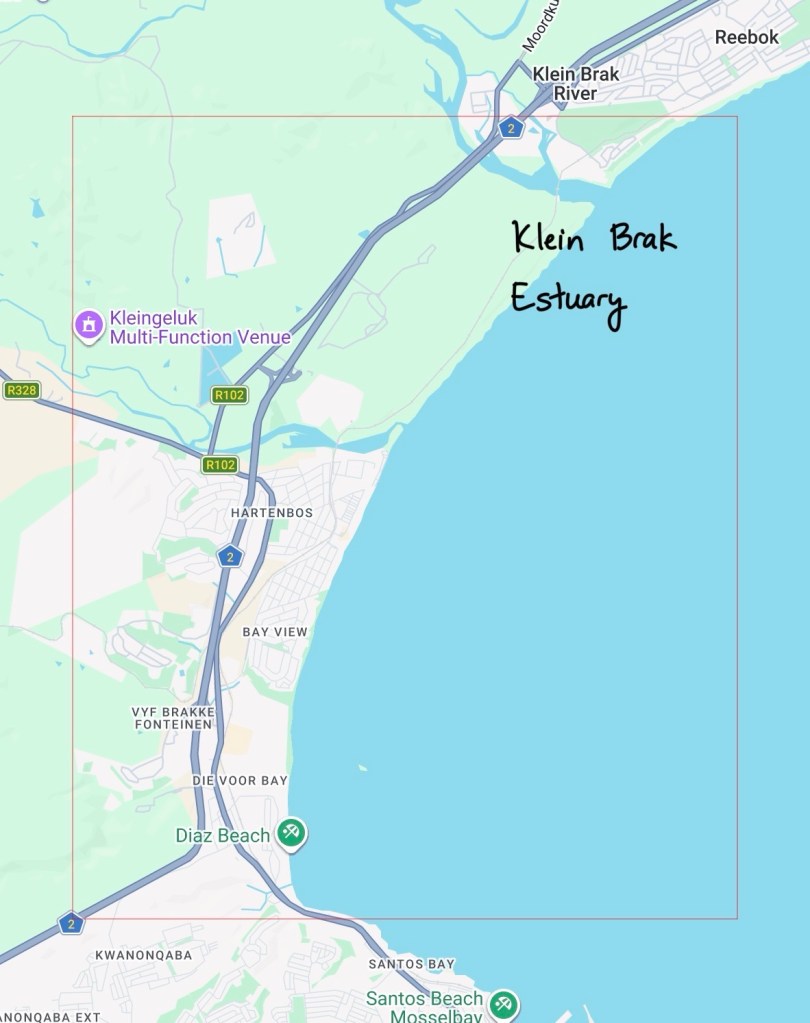
The pentad which covers it includes the bulk of Hartenbos, a chunk of Bayview and Voorbaai, all of which fall under Mossel Bay, and is a pentad that produces a good variety of species, both land and sea-based.
The pentad area is indicated by the red rectangle with Klein Brak Estuary in the north-east corner
On the morning, I headed straight from home to the estuary, in busy early morning traffic (Mossel Bay is no longer the quiet village we got to know), with an initial detour to the shallow vleis further up the river where I started recording on the Birdlasser app at around 7.30 am.
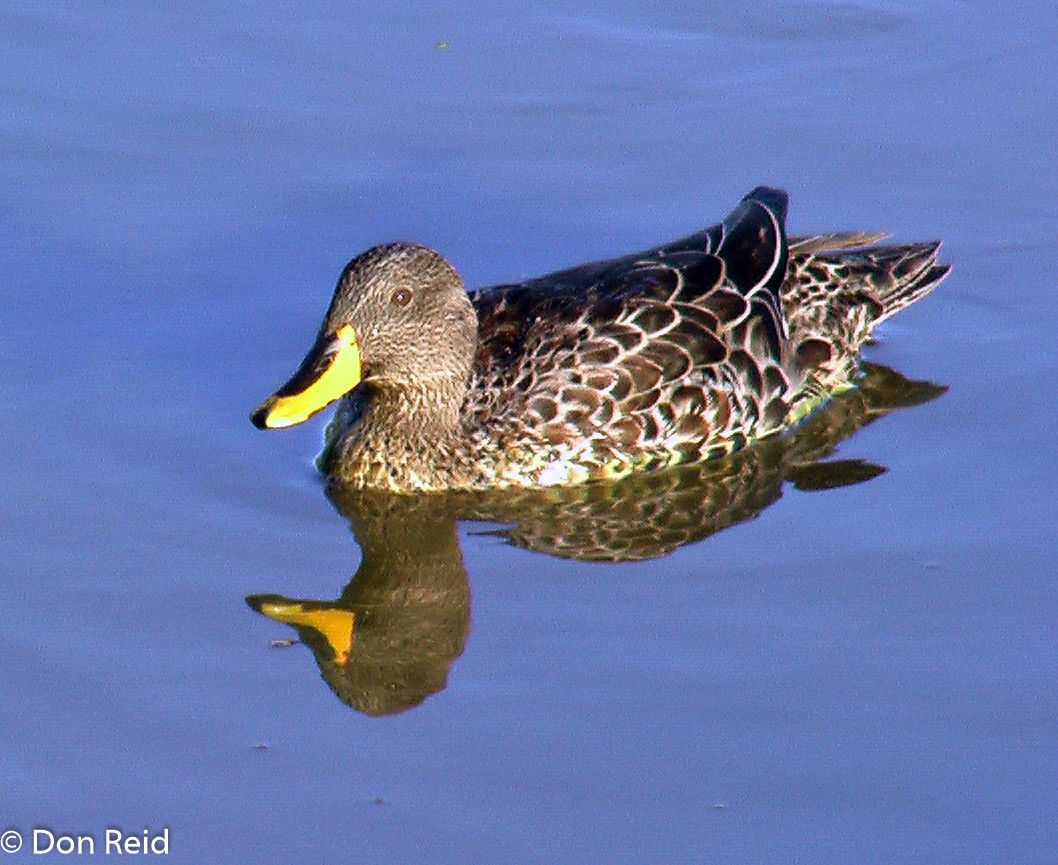
Twenty minutes later I had recorded 20 species, mostly common ones but including African Black Swift, Yellow-billed Duck, Three-banded Plover and both Black-headed and Grey Herons.
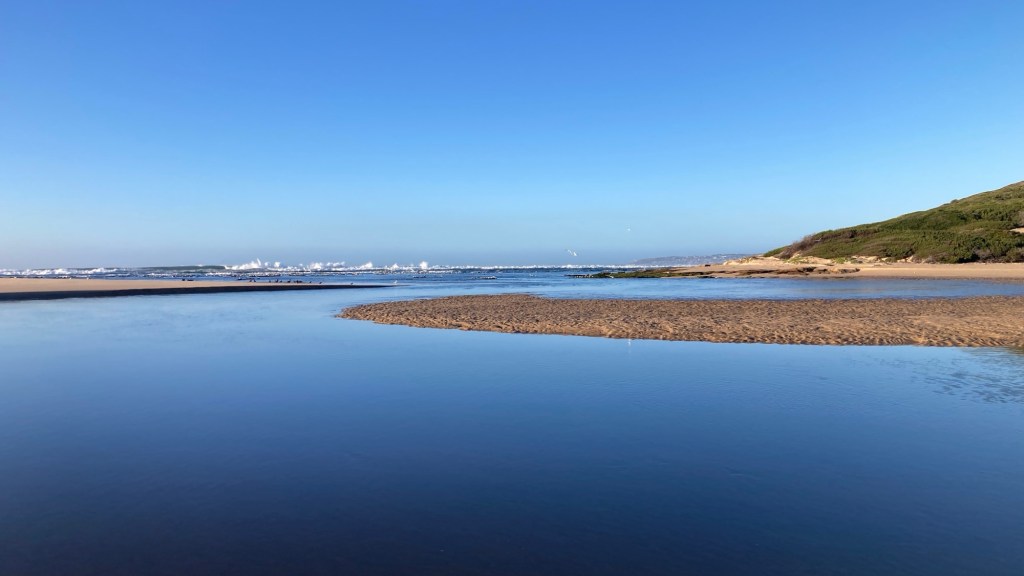
Pleased with the quick start, I headed to the estuary itself, found a convenient parking spot and walked across the sand, still damp from the recent tides, to where I could see bird activity in the distance.
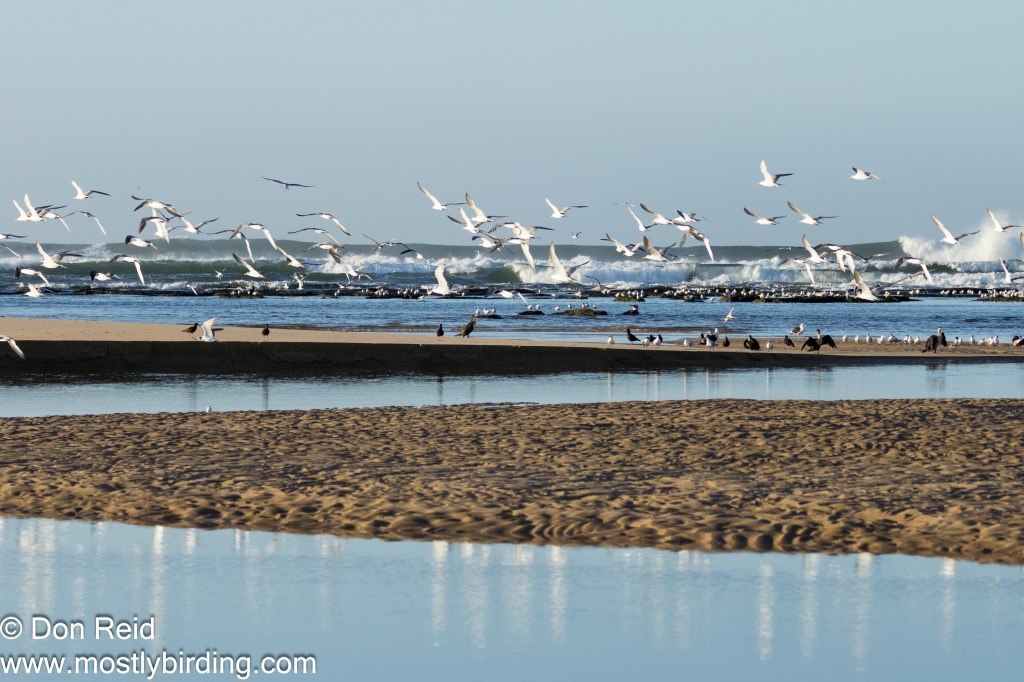
There were hundreds of seabirds, mostly terns, on the exposed sand banks at the river mouth and wheeling about in the air above.
Terns, Klein Brak River
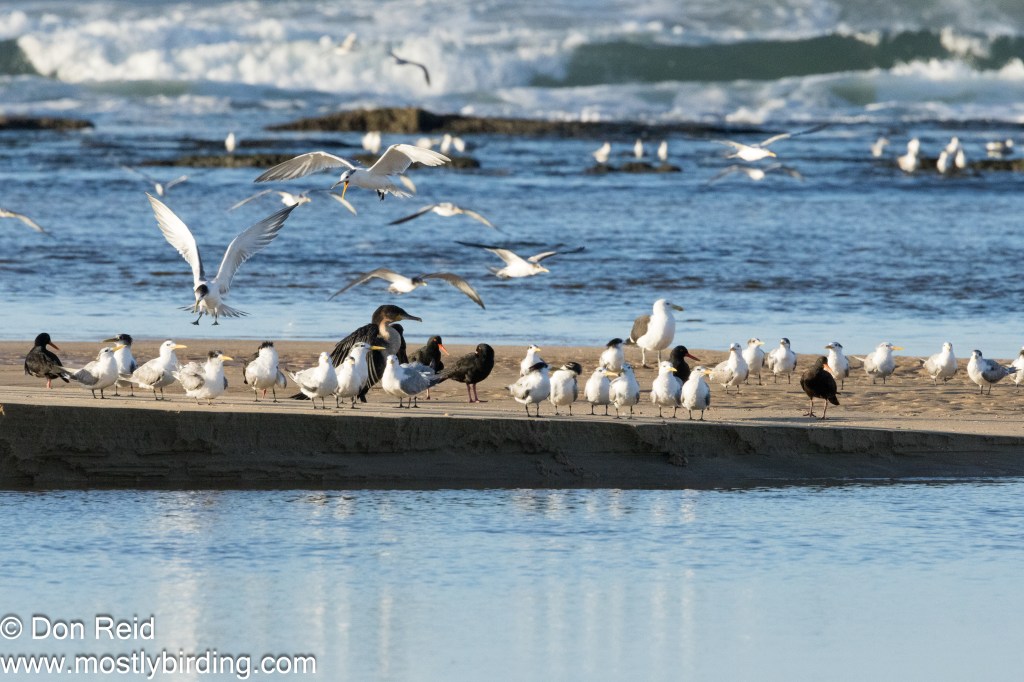
Moving closer, I could start identifying individual species ….
Terns, Klein Brak River
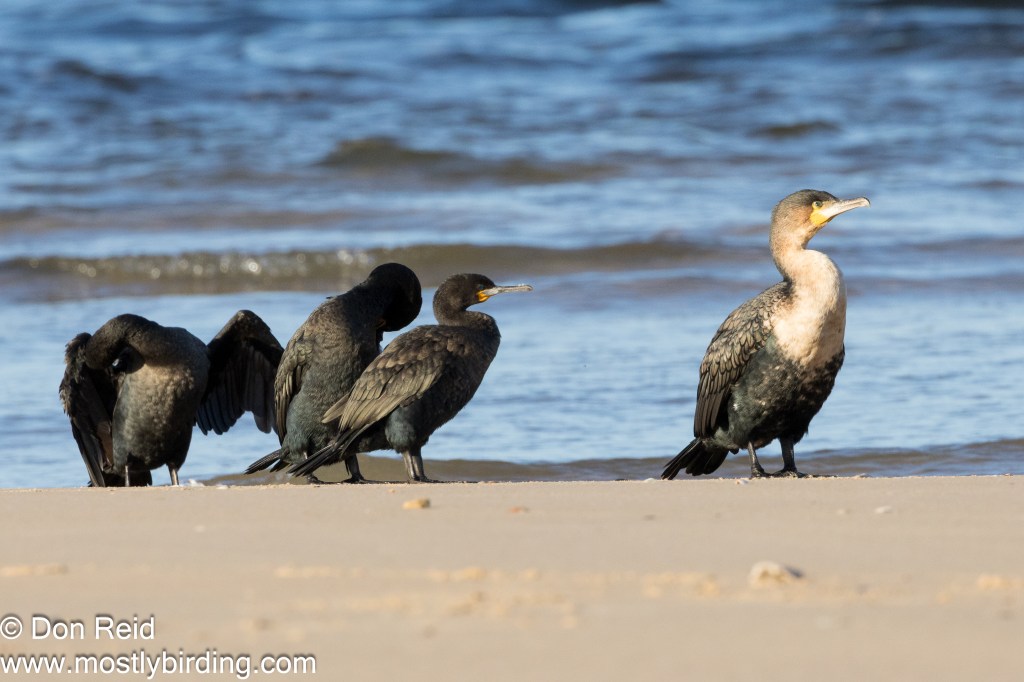
Cormorants were well represented and easy to identify as there are just two regular species in the area – Cape Cormorant (Trekkormorant) Phalacrocorax capensisand White-breastedCormorant (Witborsduiker) Phalacrocorax lucidus
Cape and White-breasted Cormorants, Klein Brak River
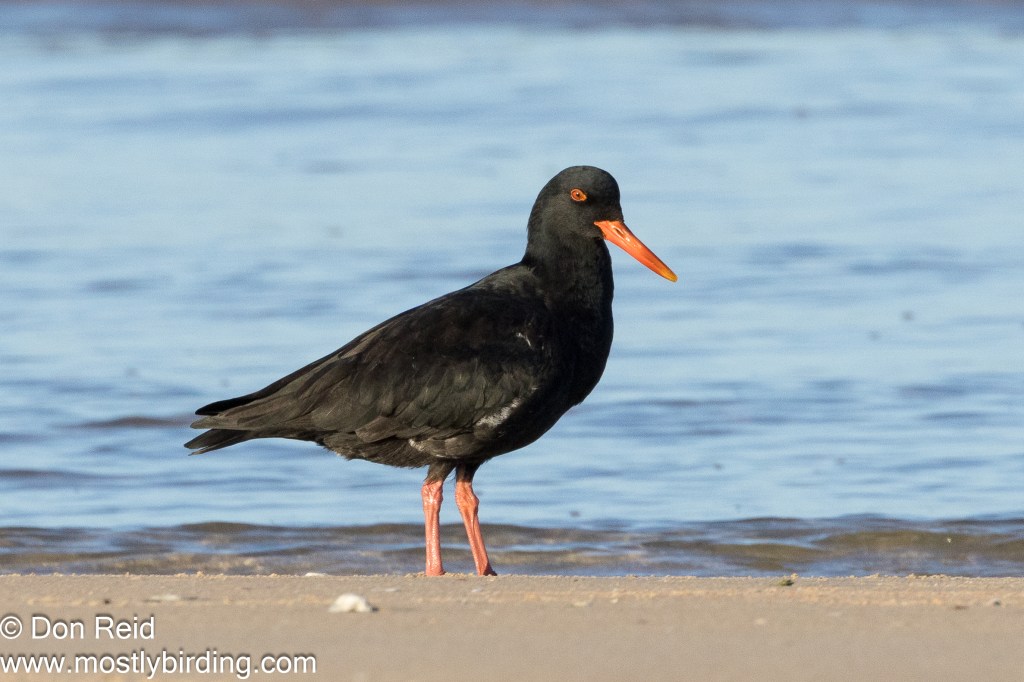
Another regular at the estuaries and rocky shorelines, and one of my favourite birds, is the African Black Oystercatcher (Swarttobie) Haematopus moquini
African Black Oystercatcher, Klein Brak River
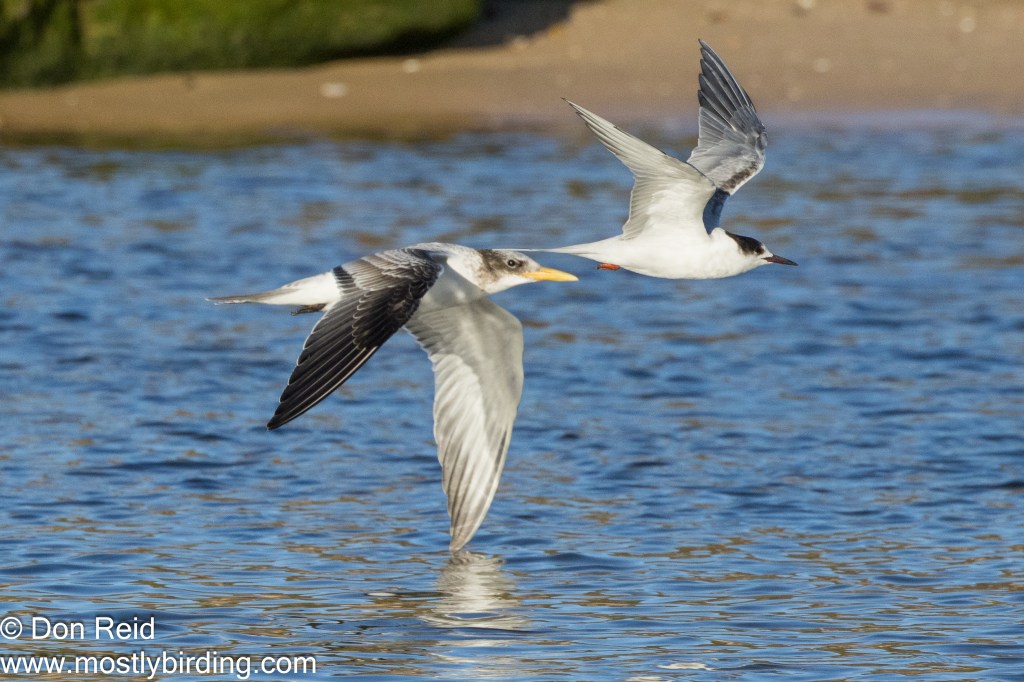
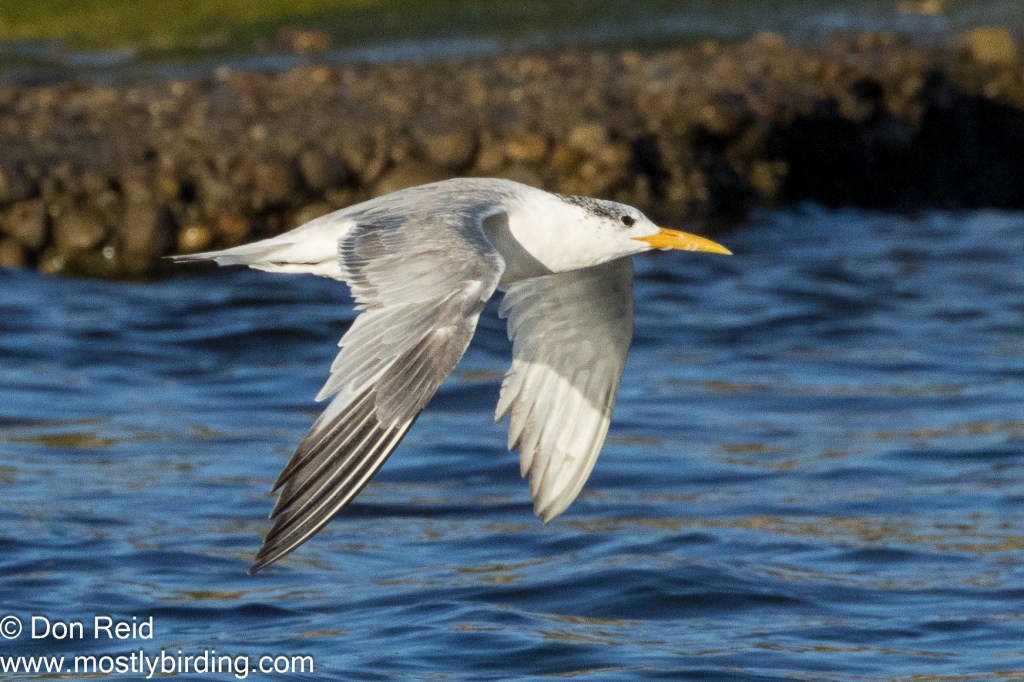
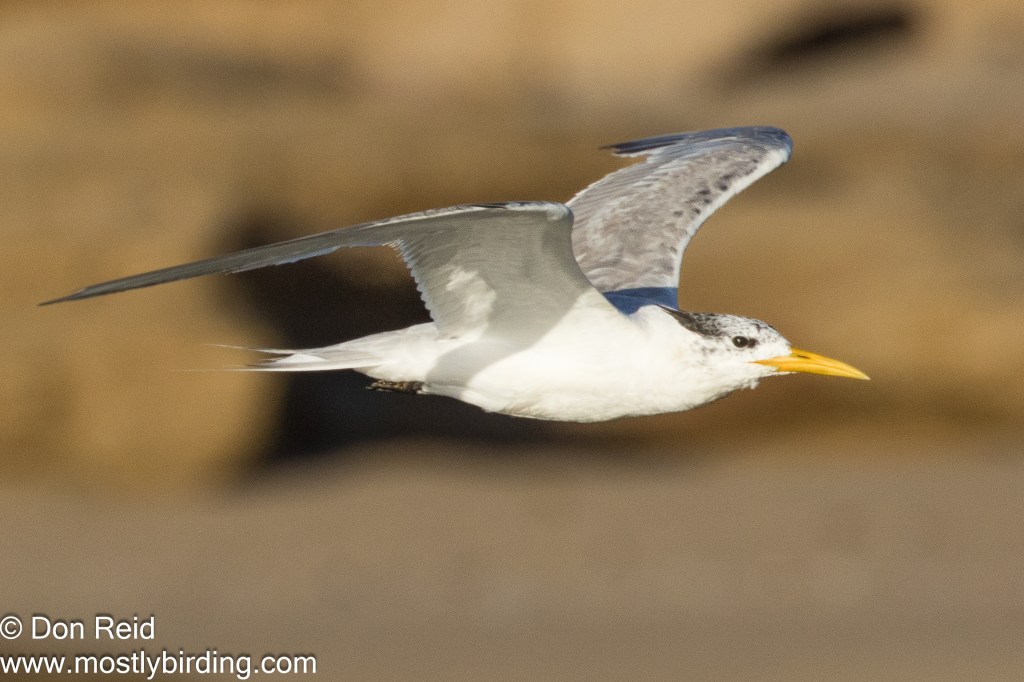
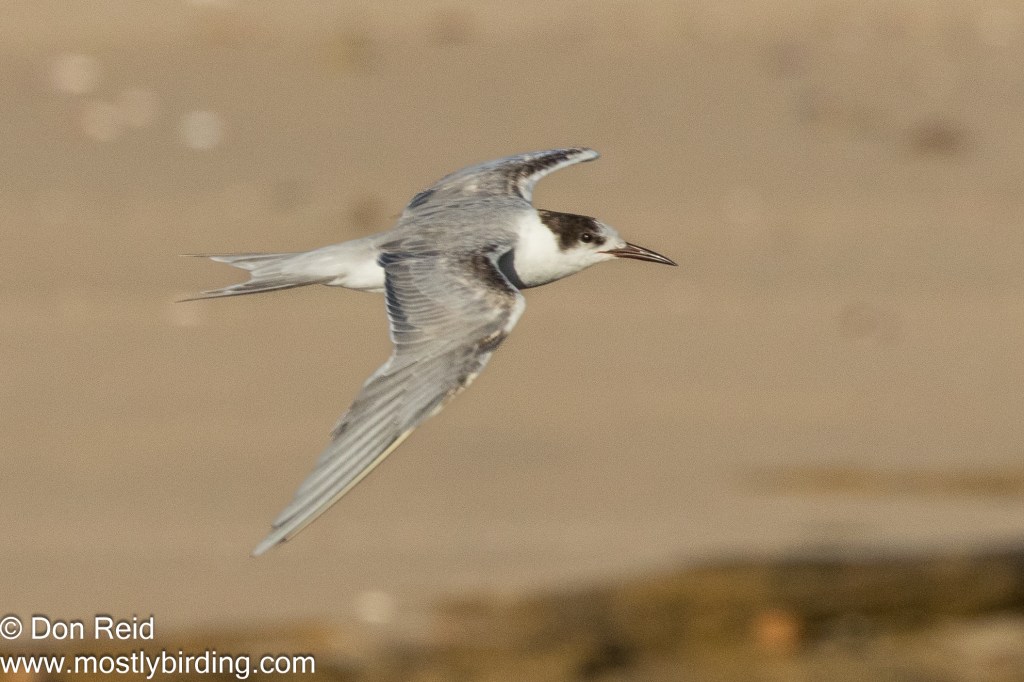
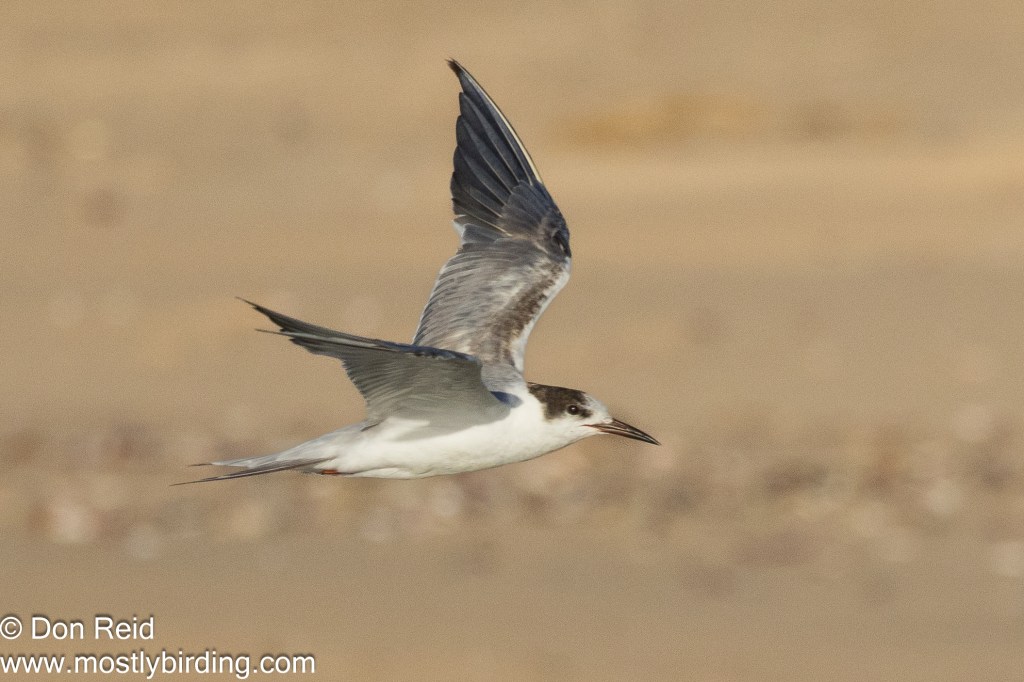
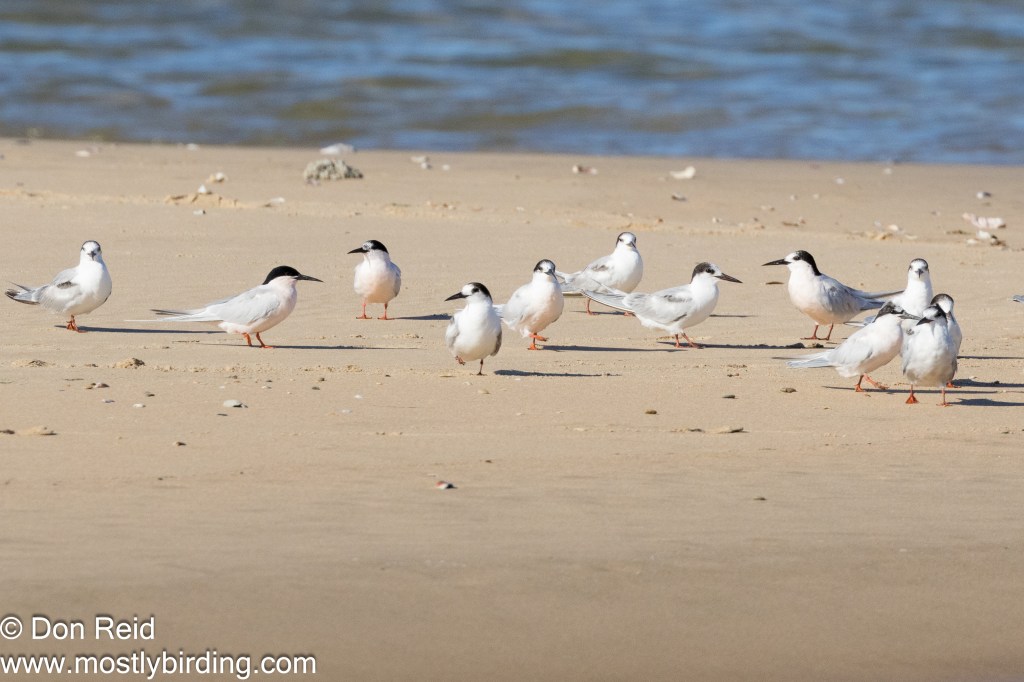
I could make out two species of Terns present – the Greater Crested Tern (Geelbeksterretjie) Thalasseus bergii – by far the most abundant tern in the area, and the Common Tern (Gewone sterretjie)Sterna hirundo, conversely less common but frequently encountered during our summer months from August through to May.
The terns were too distant for reasonable photos, but fortuitously, they started flying up river singly and in small groups, passing not far from where I was standing. The light was very favourable as I had the low sun at my back, perfect for capturing crisp photos.
That was my cue to grab my camera, adjust the settings for birds in flight, track each passing tern in flight and press the shutter button repeatedly, letting the camera’s eye- tracking technology do the rest.
This tactic usually ensures that some of the shots will be successful but does mean wading through hundreds of photos at home and selecting those that are and deleting the majority that aren’t.
This photo of the two tern species flying together was particularly pleasing as it shows the significant differences in size, plumage and bill, between the species.
Greater Crested and Common Terns, Klein Brak RiverGreater Crested Tern, Klein Brak RiverGreater Crested Tern, Klein Brak RiverCommon Tern, Klein Brak RiverCommon Tern, Klein Brak River
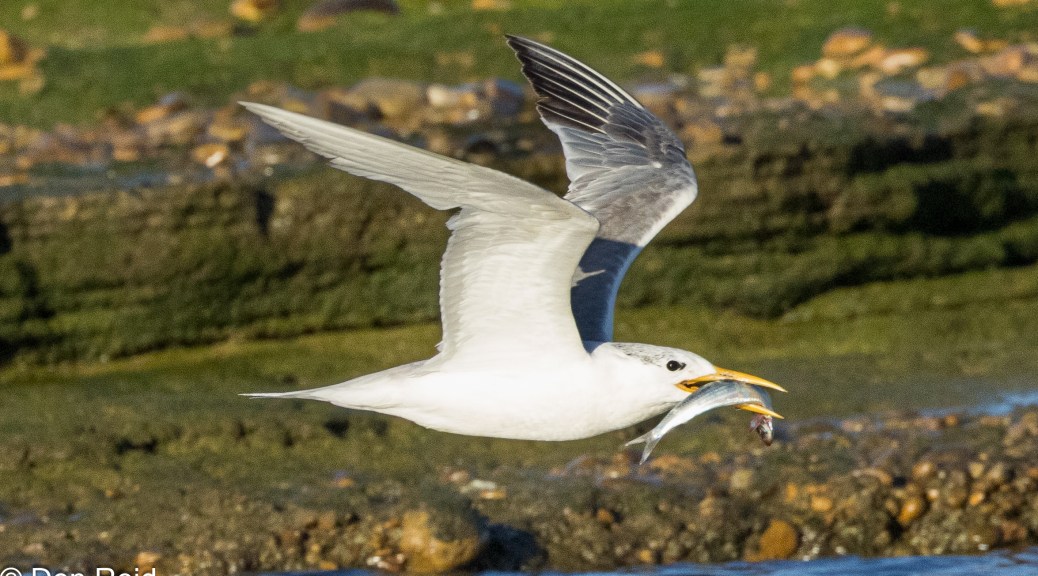
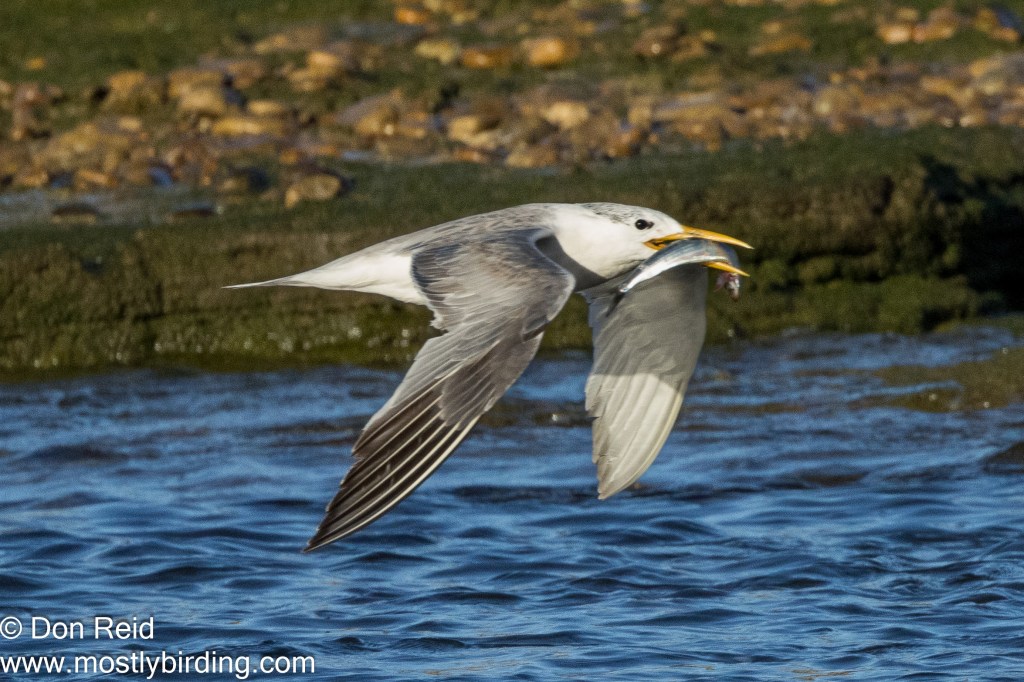
Another photo that I was thrilled to capture was this one of a Greater Crested Tern with a fish catch, no doubt on its way to feed its young one.
Greater Crested Tern, Klein Brak River
The terns that had headed up river had settled on exposed sand bars, so I followed their example and walked along the sand until I was closer, then scanned with my binos to see if there were any other species present.
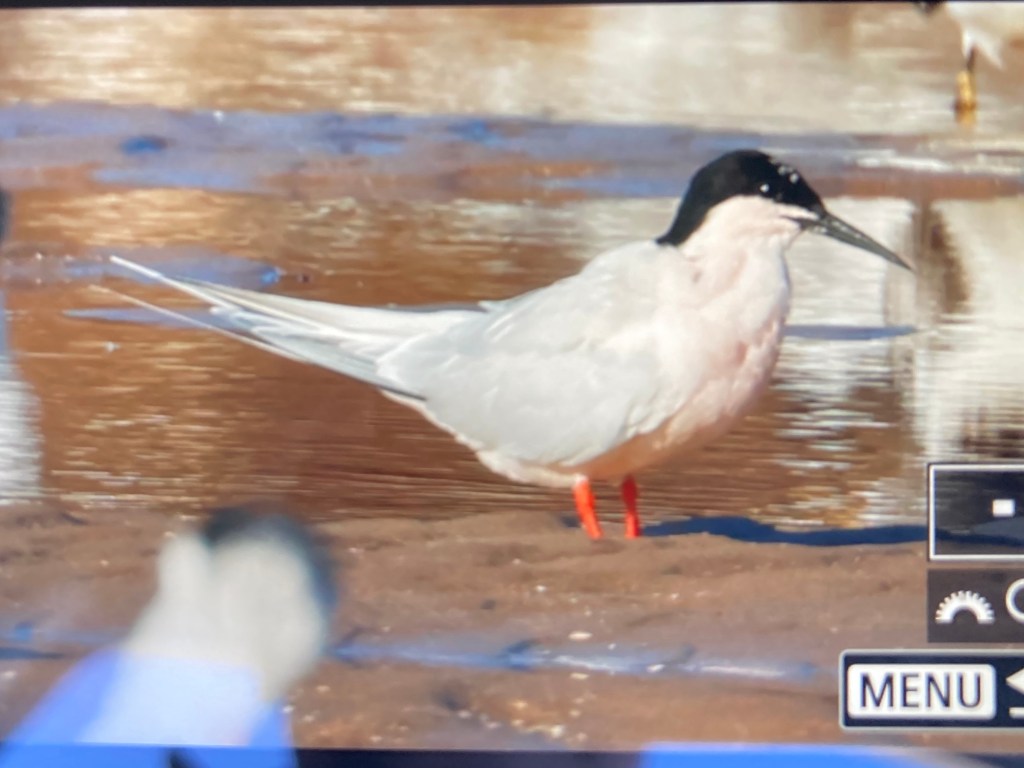
A smaller tern amongst the tens of Greater Crested (Swift) Terns drew my attention, as it seemed sleeker than the similarly sized Common Terns and had a pale pinkish wash over the breast, leading me to wonder if it could be a Roseate Tern.
I managed to get a usable photo which I posted on the local birding group and very quickly had agreement that it was indeed a Roseate Tern (Rooiborssterretjie) Sterna dougallii, which is regarded as a rarity in the Western Cape.
The ‘back of camera’ shot that I posted on the Mossel Bay Birding whatsapp group
I hung around for a while longer, keeping an eye on the Roseate Tern, and was joined by another birder who had reacted to the post. It wasn’t long before a couple more Roseates joined the first one and was followed by yet more until there were a dozen or more gathered on the sand bank.
This was the first sighting of Roseates for the year for the area and was followed in the week thereafter by sightings of multiple Roseates by several birders at the same spot and at The Point.
Roseate Terns, Klein Brak River
In between all this excitement, I continued scanning the estuary for other species to add to my growing atlas card.
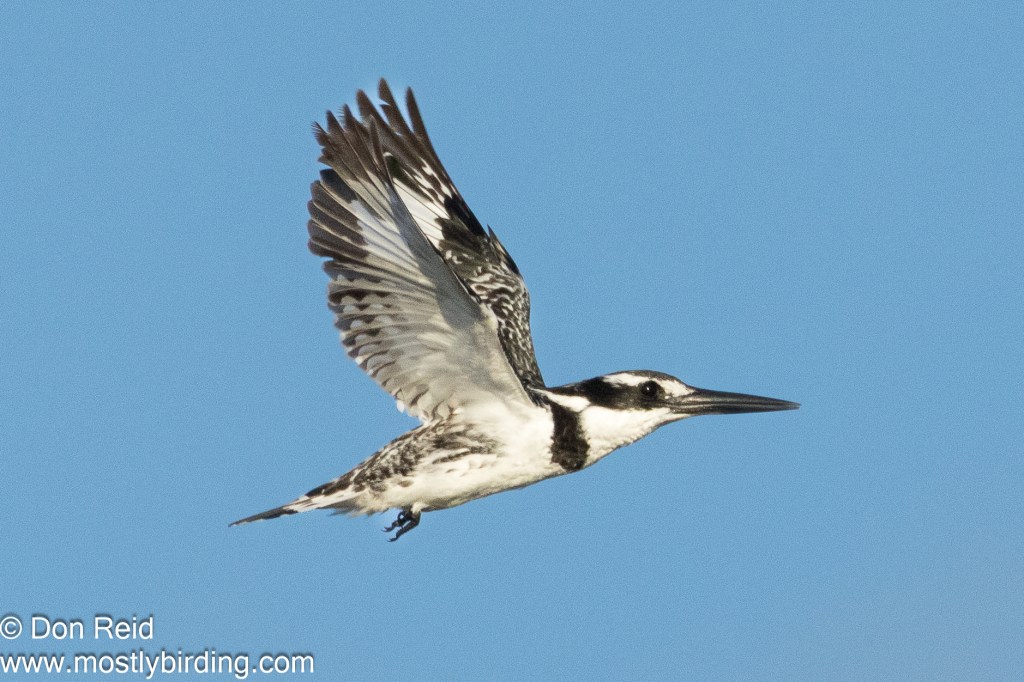
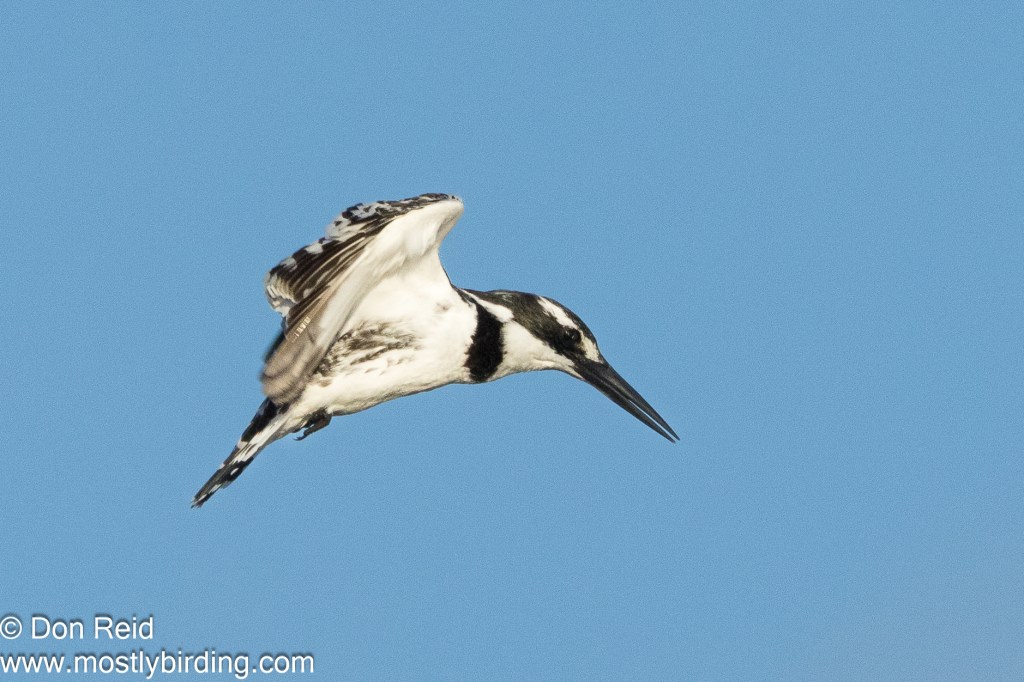
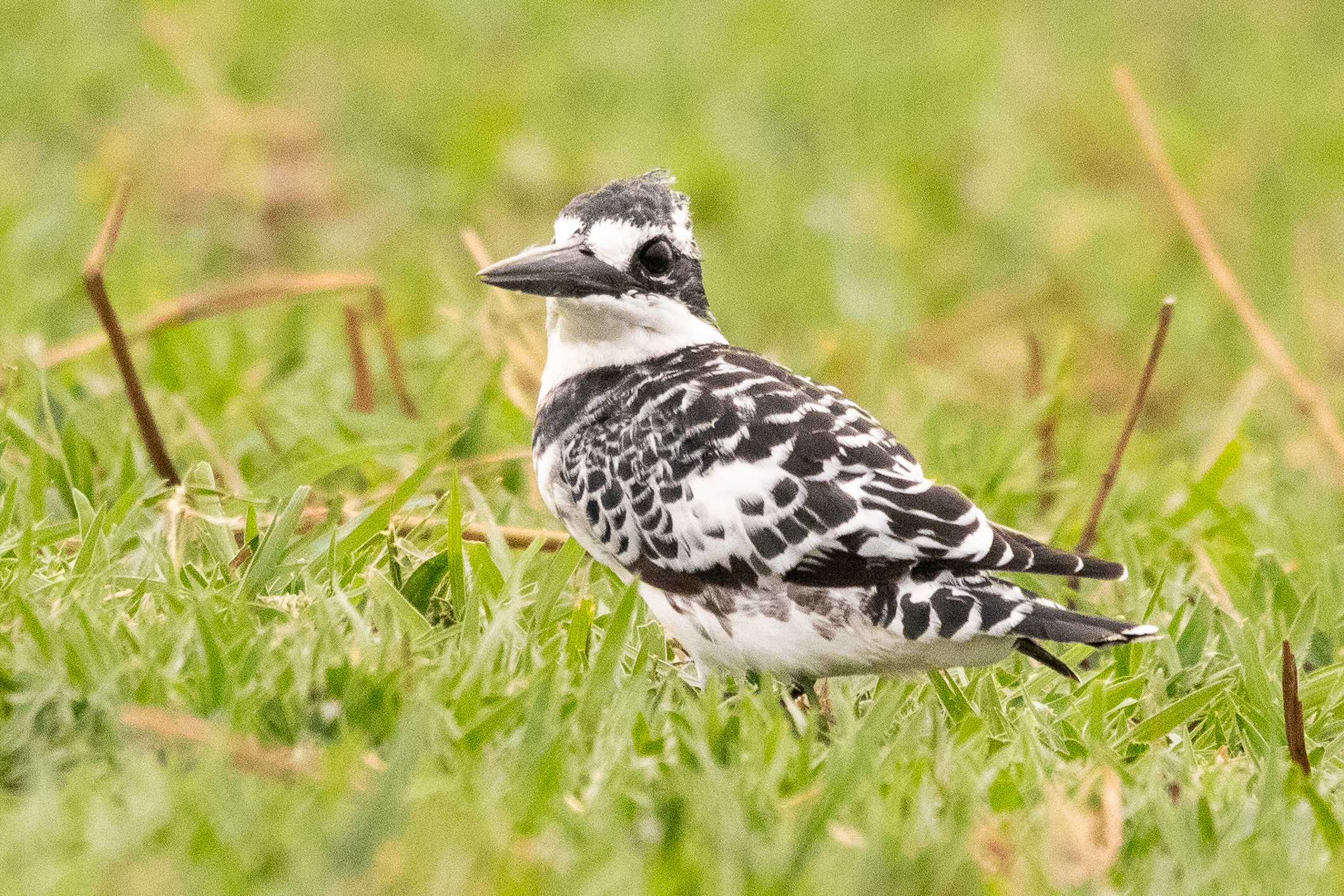
All three ‘local’ Kingfishers were present – Pied Kingfisher (Bontvisvanger) Ceryle rudis hovering over the river, Giant Kingfisher (Reusevisvanger) Megaceryle maxima flying about on the far side of the river and Brown-hooded Kingfisher (Bruinkopvisvanger) Halcyon albiventris calling in the distance.
Pied Kingfisher, Klein Brak RiverPied Kingfisher, Klein Brak River
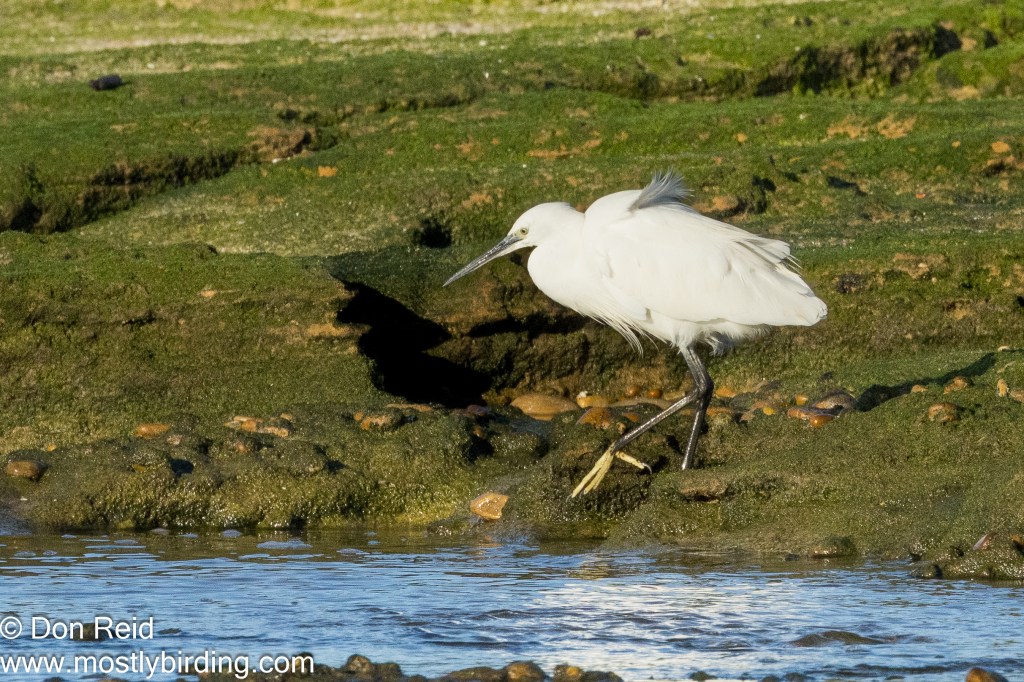
On the opposite bank of the river I could make out two birds – both all white but with very different features. One had the unmistakeable, spatular-shaped bill of an African Spoonbill (Lepelaar) Platalea alba the other was a Little Egret (Kleinwitreier) Egretta garzetta – identified by its black bill and trademark yellow feet.
Little Egret, Klein Brak River
I still had a few other spots in the pentad to visit, so made my way back to the main road and headed to the Hartenbos River estuary which, if you are energetic enough, is a pleasant 3,5 km walk along the beach from Klein Brak estuary in the direction of Mossel Bay (I know that because my daughter and son-in-law recently did exactly that and measured the distance)
I added a number of birds in the process, including Caspian Tern (Reuseserretjie) Hydroprogne caspia and Little Grebe (Kleindobbertjie) Tachybaptus ruficollis at Hartenbos River estuary and African Fish-eagle (Visarend)Haliaeetus vocifer calling to take my pentad total to a satisfying total of 57 species
Job done, rarity found – another great morning of atlasing!
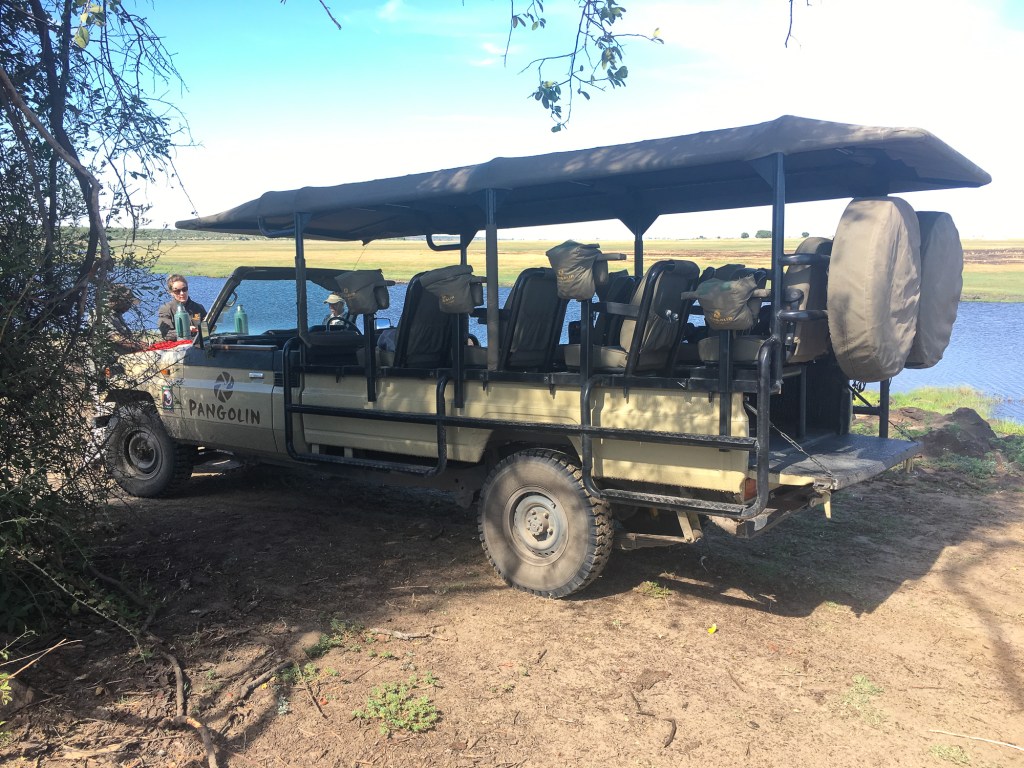
I made my last visit to Kasane in November 2018 for the final formal handover of the Kasane Airport project in northern Botswana to the Client. I had made many adhoc visits to Chobe Game Reserve during the course of the project and decided to spoil myself with one last “grande finale” photographic safari, expertly run by Pangolin Photo Safaris, both on land and on the river, soaking up the incomparable African game-viewing and bird-watching on offer.
Aerial view of the Chobe River while landing at Kasane
I have written several posts about some of my memorable experiences in Chobe over the years, but never got around to ‘finishing the story’ as it were, so bear with me as I reminisce about my final visit to Kasane.
Part 1 covered the Boat Trip on the river, Part 2 is all about ….
The Game Drive…
It was Friday morning and my mind was spinning with the memories of the boat trip the previous afternoon, but now it was time to do the land-based version – same guests, same driver (nicknamed ‘Killer’ – I never asked why), same guide and photography expert (Janine), different transport – a game drive vehicle kitted with bean bags to support cameras both sides.
Janine collected me at 5am, drove to the Pangolin Lodge, newly built and overlooking the flood plains of Chobe, picked up the other couple and off we went. The early start was a good idea as we were well ahead of the other game drive vehicles, a crucial advantage which paid off in spades – as you will see…
Janine started by suggesting that the small group, being seasoned game drivers, should look for special sightings and photo opportunities only – Killer asked what we would really like to see and as one we answered “Leopard!”
So we bypassed the “ordinary stuff” initially and bumped along the sandy track that follows the southern shore of the Chobe River, its banks wide and dry at this time of year.
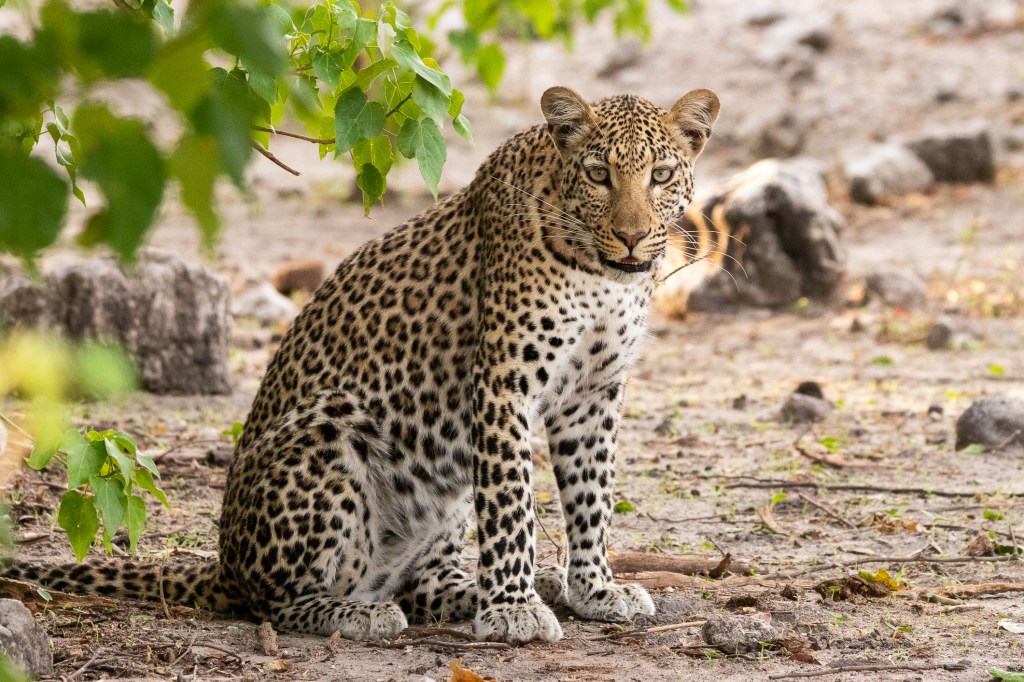
Killer suddenly brought the vehicle to a halt, as he did we saw what he had spotted a split second before – a beautiful female Leopard lying on all fours and ignoring us with a slightly disdainful expression
Leopard, Chobe Riverfront game drive
As Janine gave exposure instructions (under expose a tad for the dark background), we all rattled off a number of shots, fearing the leopard would move away.
Leopard, Chobe Riverfront game driveLeopard, Chobe Riverfront game drive
And that’s what she did, moving behind a bushy tree to her right, where we could just make out the Impala kill which she proceeded to drag a little, then lick and eventually chew with some satisfaction.
Once sated, she left the prey and came back to check us out, sitting upright and staring straight at us, with a look that said ‘now they could make a tasty dessert’ .
Leopard, Chobe Riverfront game drive
A few minutes later she moved away from her kill and from us and we eventually moved on ourselves, fairly trembling from the excitement of such a magnificent sighting.
Anything after that was bound to be tame by comparison, but we pushed on, just enjoying the feel of the bush and its multitude of wildlife, including, as we were soon to discover, one of the most dangerous of all.
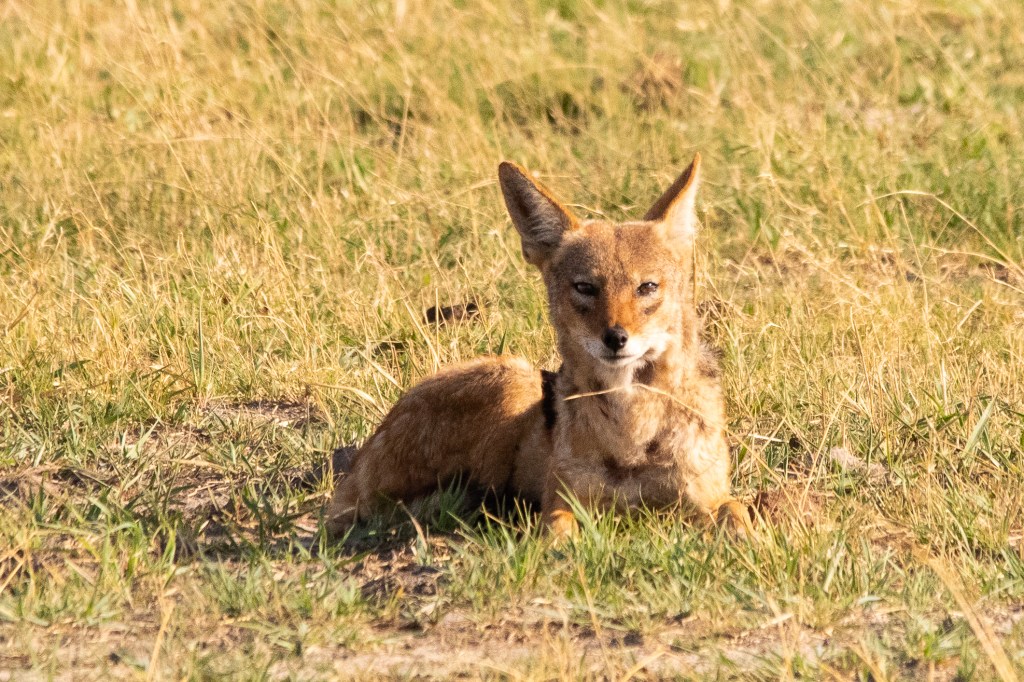
A Black-backed Jackal drew our attention and although quite far off, we tried a few shots – it too was looking at us but with none of the charisma of the leopard, more of a ‘nice doggy’ sort.
Black-backed Jackal, Chobe Riverfront game drive
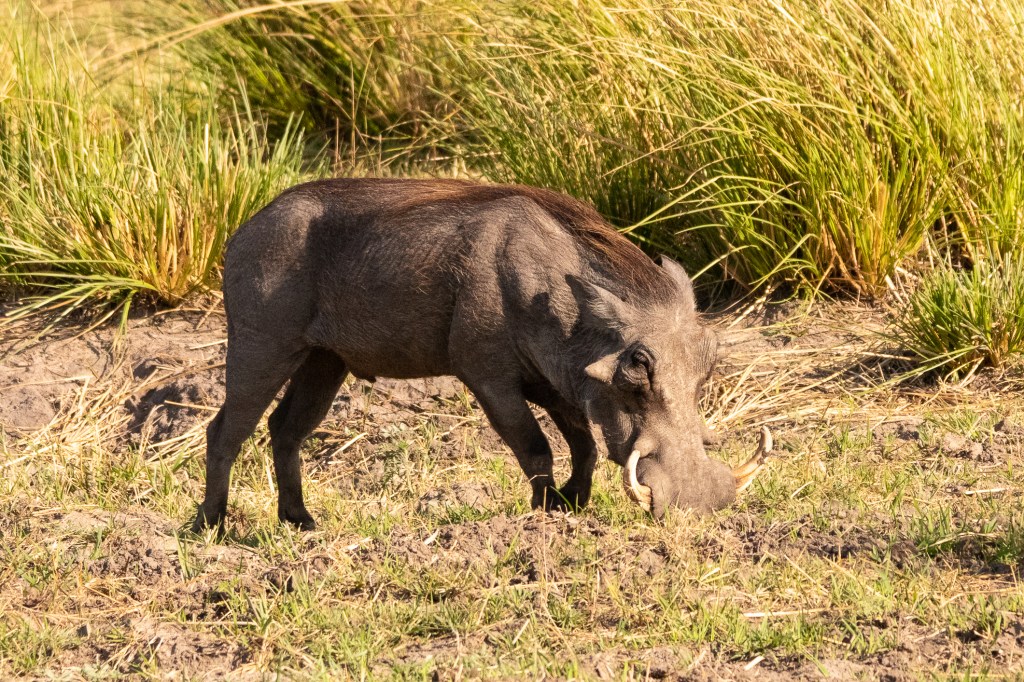
A group of Warthogs approached and some of them got into mock fighting mode, meeting each other head on. This one continued grazing in peace
Warthog, Chobe Riverfront game drive
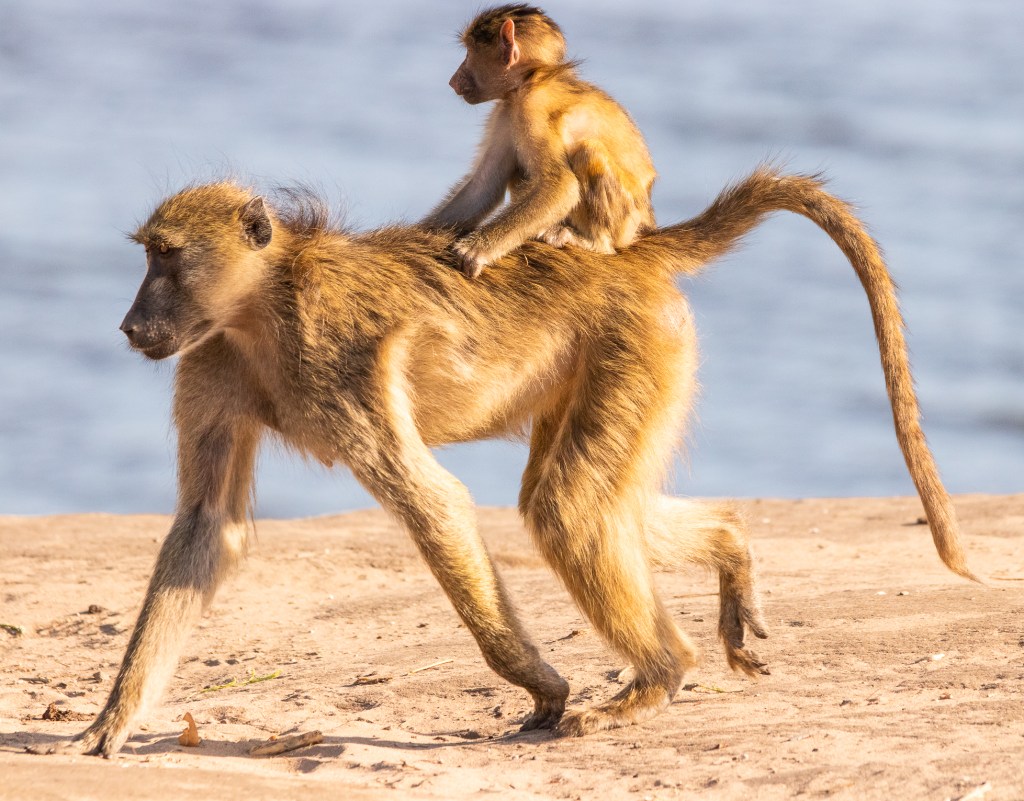
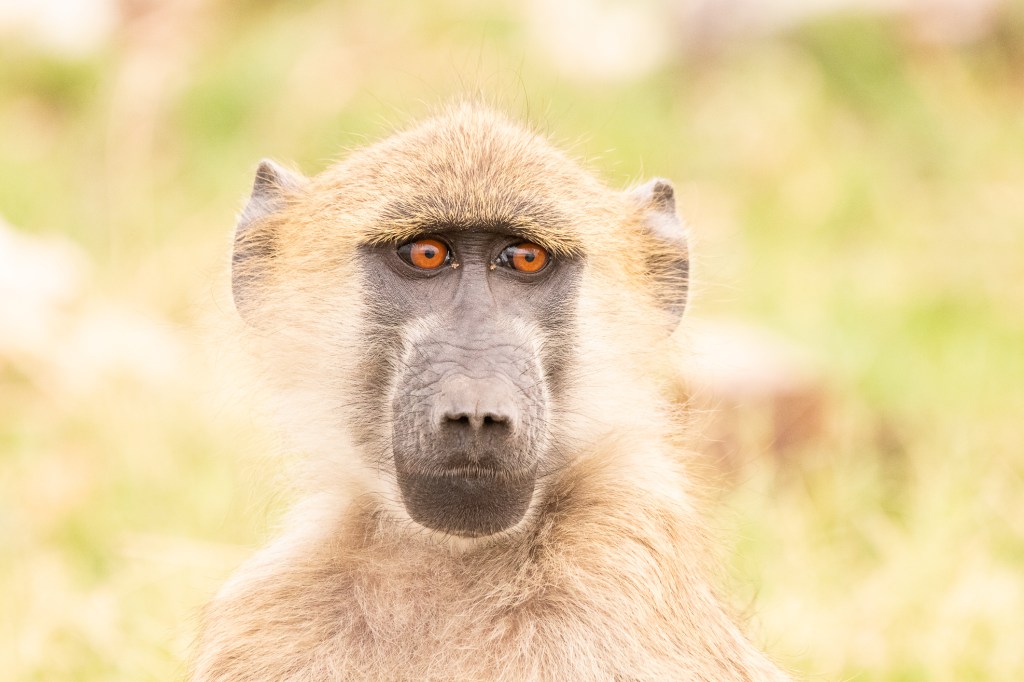
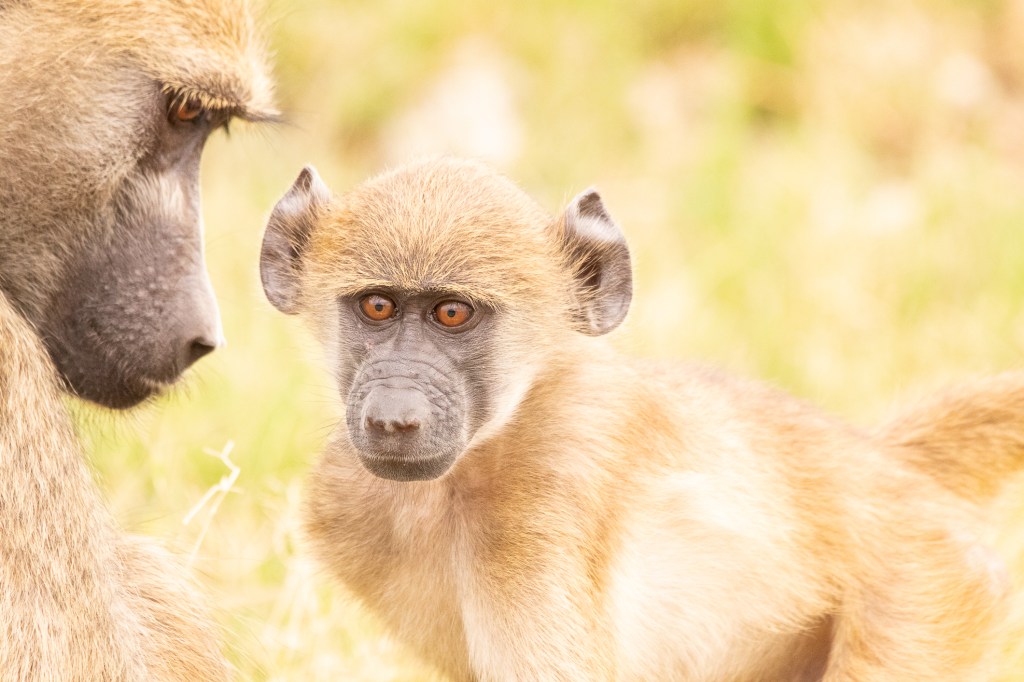
Chacma Baboons are always a delight to watch, such as this youngster riding like a jockey on Mother’s back
Chacma Baboon, Chobe Riverfront game drive
Moving along the track, which gets inundated in the rainy season, there was a sudden call of ‘Snake!’ and we shouted ‘Stop!’ in unison.
Killer knew better and only came to a halt at a safe distance, knowing the snake to be one of the most dangerous and venomous around and capable of raising itself to two-thirds of its length to strike – not a comfortable thought when you are in an open safari vehicle.
The driver of an open safari vehicle is particularly vulnerable, being at an ideal strike level with a convenient (for the snake) forearm often resting on the open sill of the door….
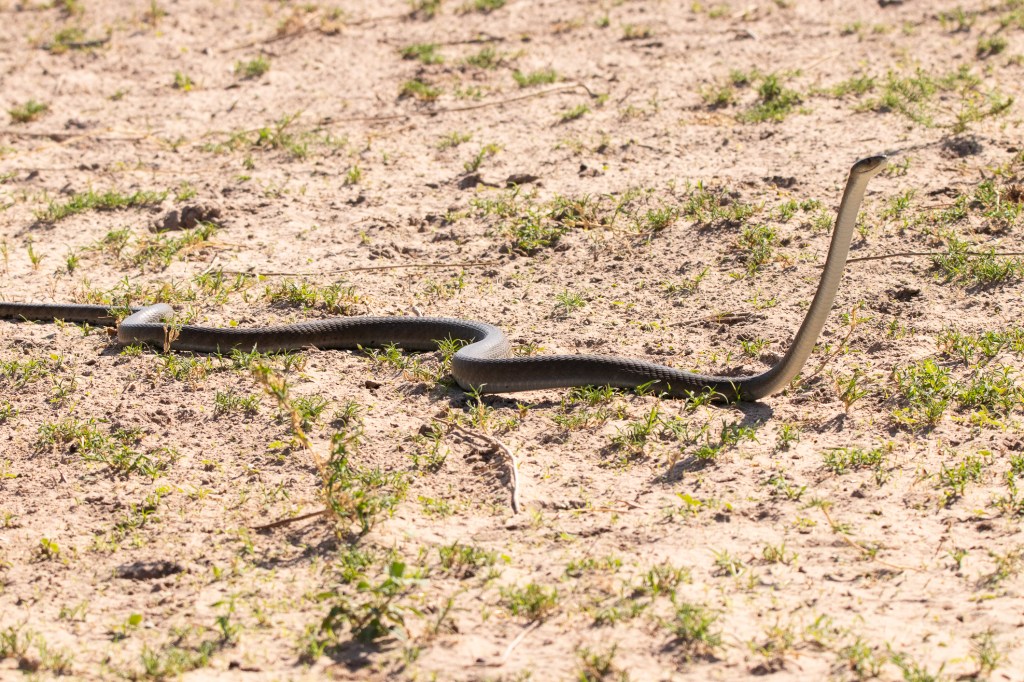
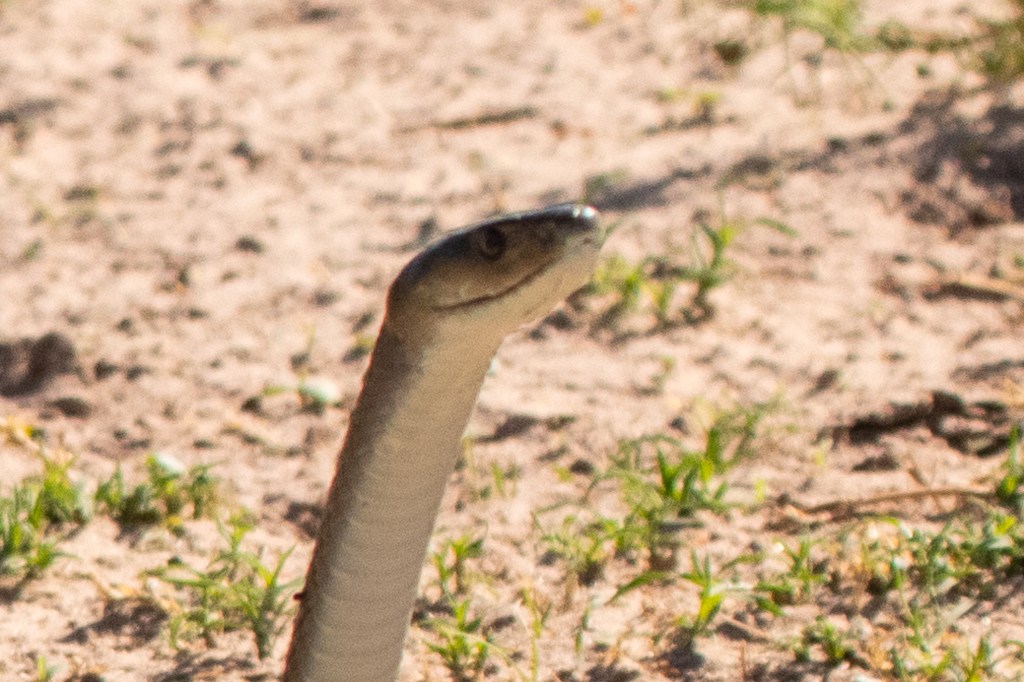
It was of course a large Black Mamba, most feared of snakes, and it was already raised about 1 metre high and looking mean.
Black Mamba, Chobe Riverfront game driveBlack Mamba, Chobe Riverfront game drive
There was just time for one snatched shot before it lowered to the ground and slid off into the bush, leaving us once again in an elevated state of excitement.
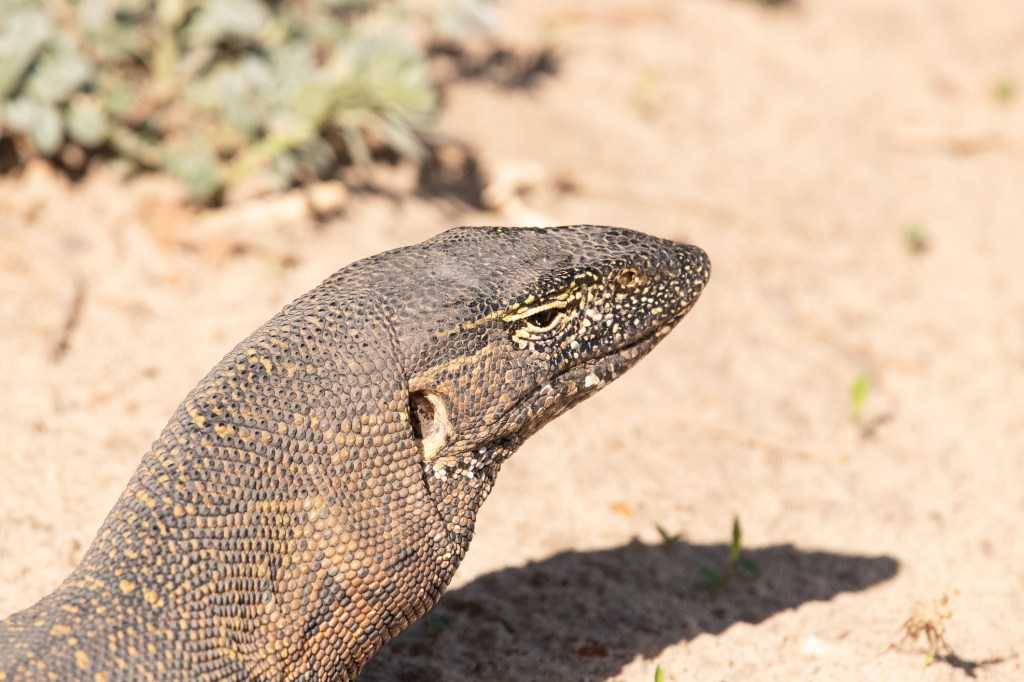
Not long after another reptile crossed our path, this time a non-threatening Water Monitor, looking quite prehistoric
Water Monitor, Chobe Riverfront game drive
By now we had gone well past the usual picnic spot, so Killer stopped at a ‘Stretch point’ where we had coffee and biscuits before heading back along the upper road.
Stretch point on Chobe Riverfront Game Drive
On the way back various wildlife presented some further photo opportunities
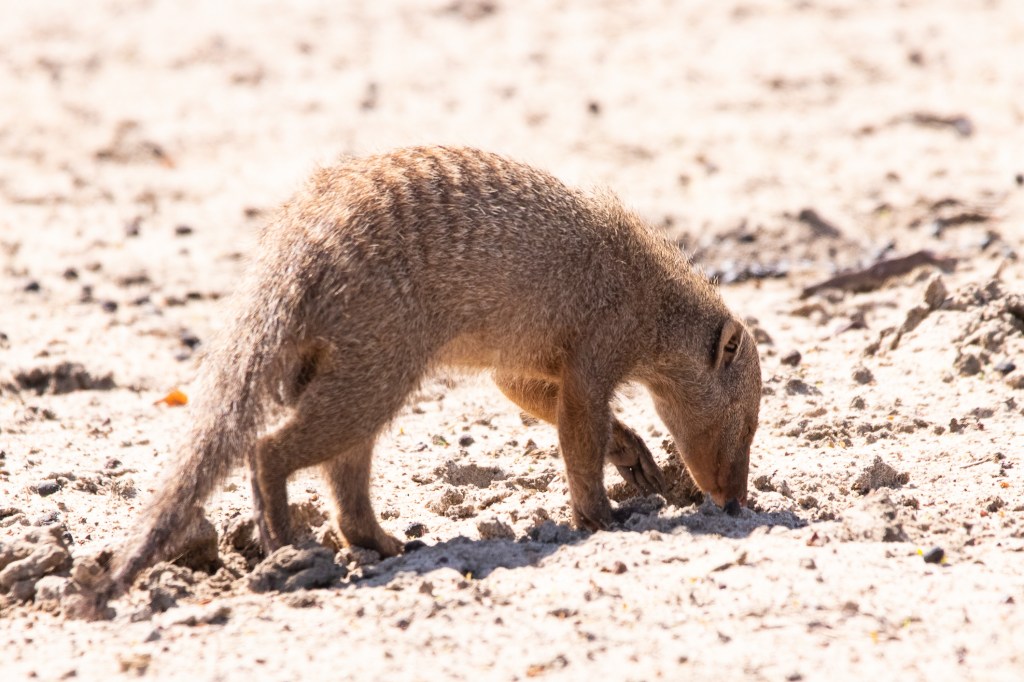
Banded Mongoose, Chobe Riverfront game drive
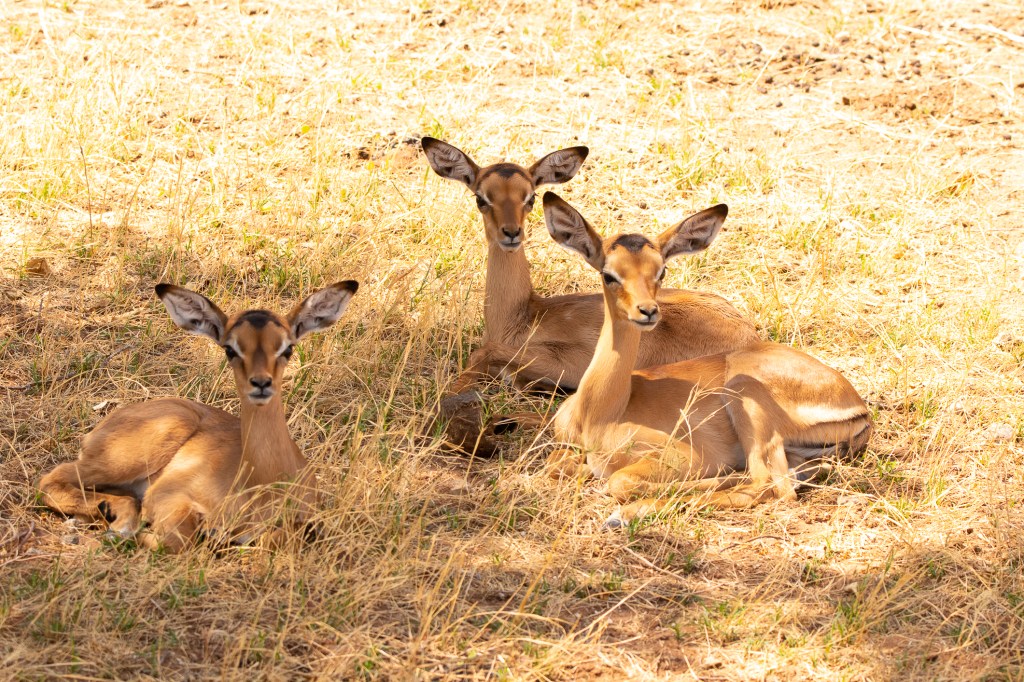
Three young Impala, still in ‘Nursery school’, made for a charming sight with their oversized ears alert to our presence
Impala nursery school, Chobe Riverfront game drive
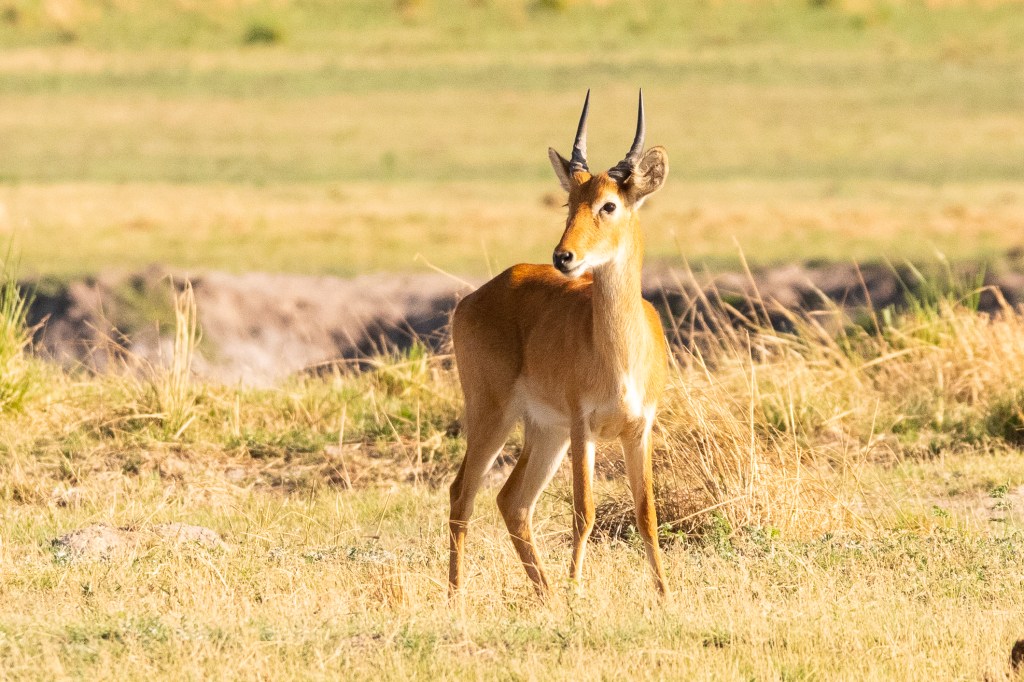
Puku are not found in South Africa, occurring mostly in the wet grasslands and floodplains of central Africa, so are a particular pleasure to see as they graze, often ankle deep in the water
Puku, Chobe Riverfront game drivePuku, Chobe Riverfront game drive
The Birds
Birding was secondary to game-chasing on this trip, nevertheless I was able to spot a broad selection of the birds that I have become accustomed to when traversing the Chobe Waterfront
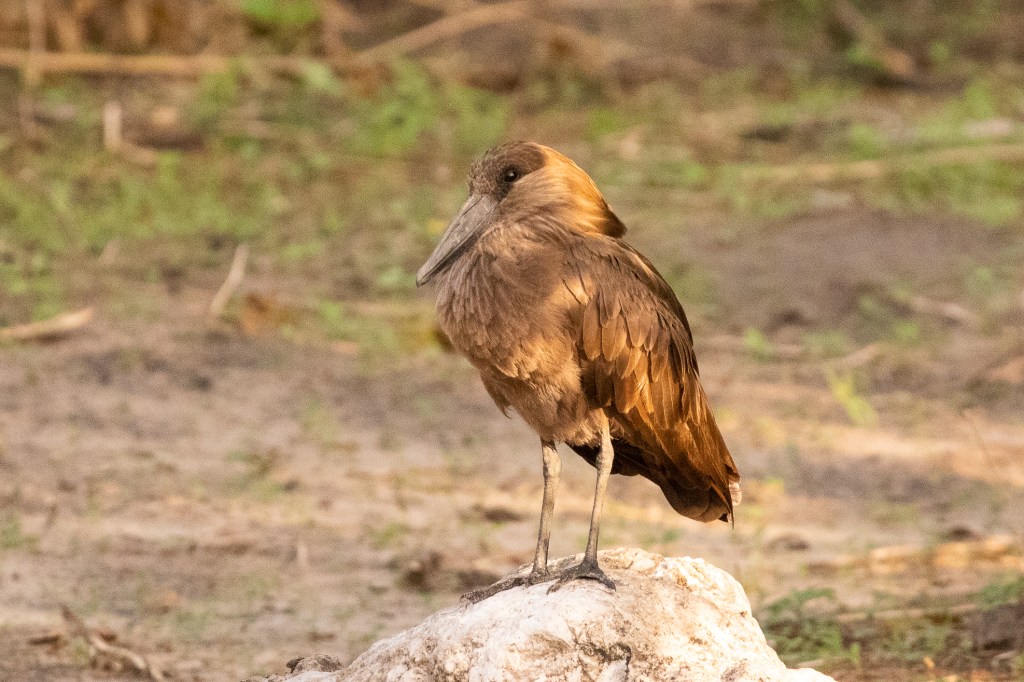
This Hamerkop posed nicely in the early morning light, giving it a handsome golden appearance
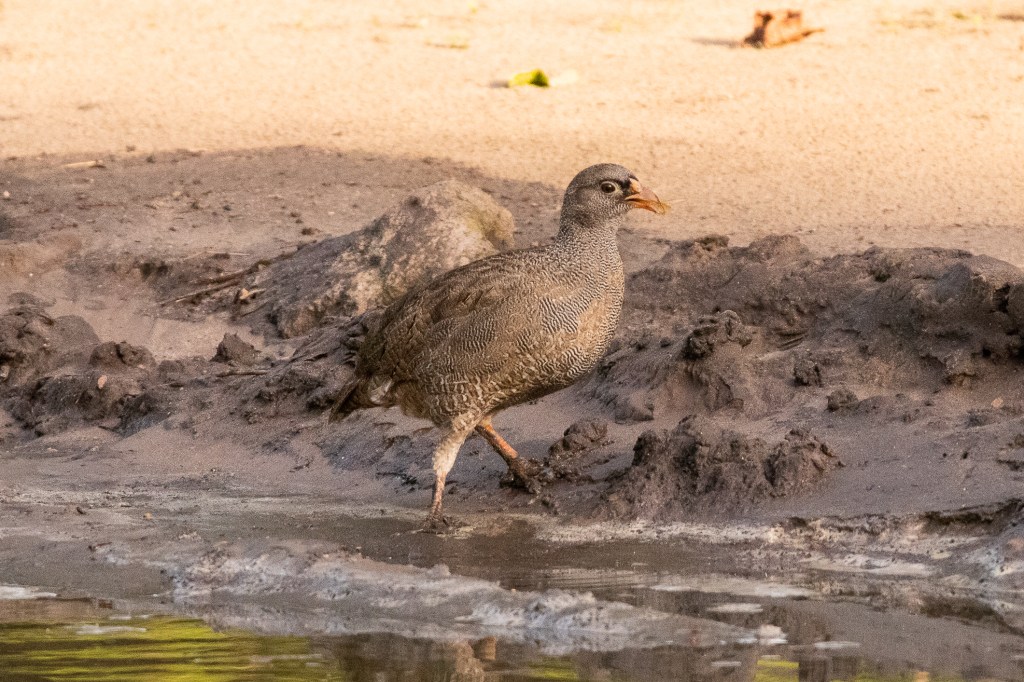
Hamerkop, Chobe Riverfront game driveRed-billed Spurfowl, Chobe Riverfront game drive
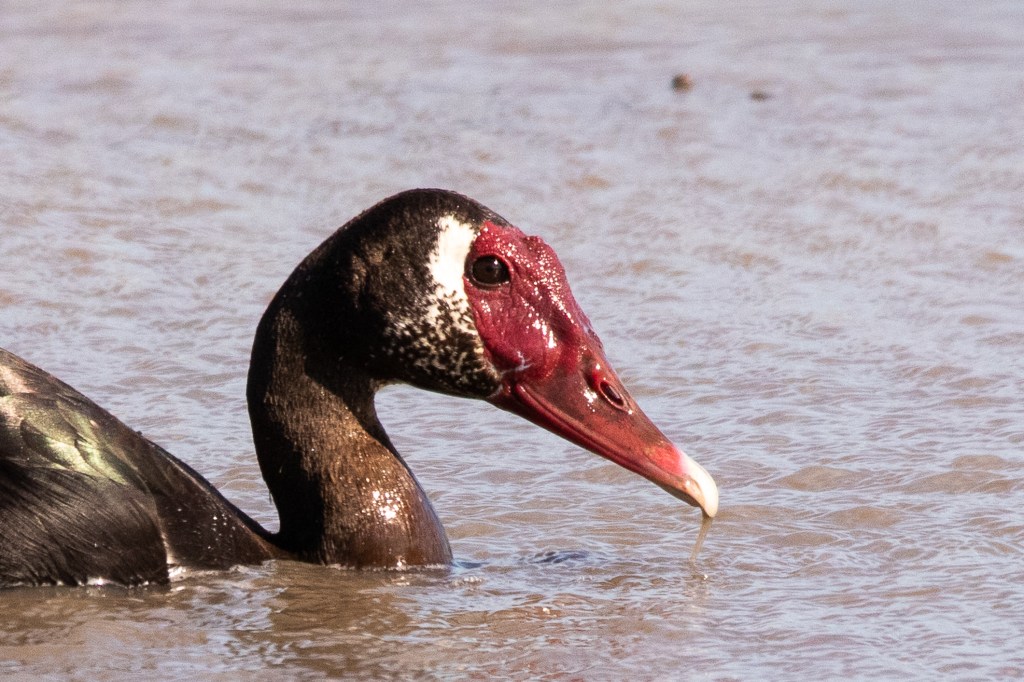
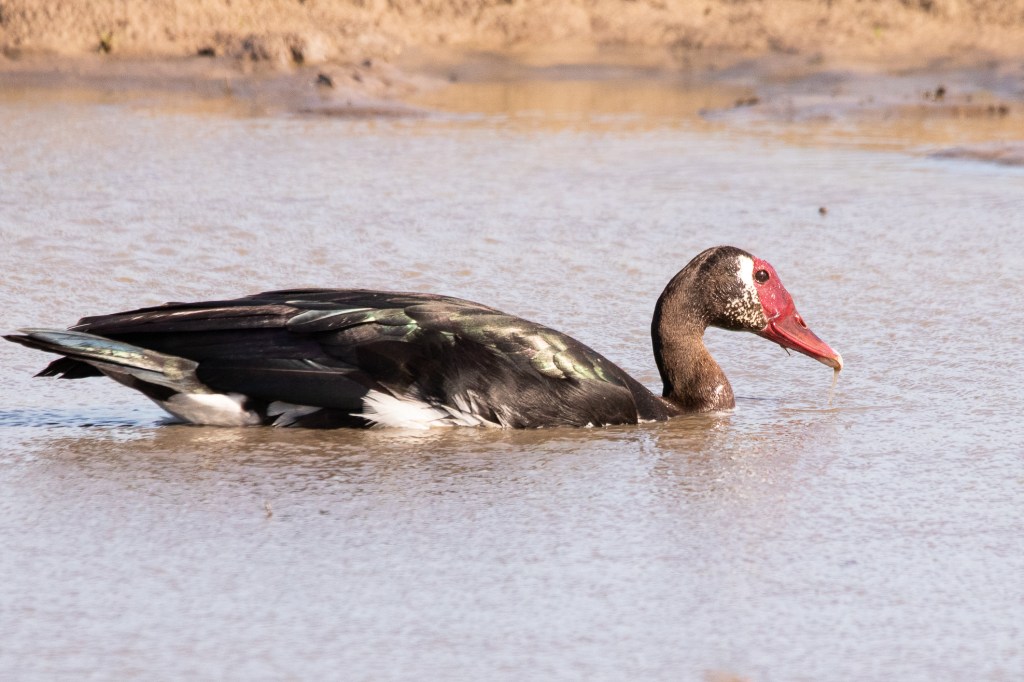
Spur-winged Geese are often seen in the distance, but this one gave us close up views as it swam along the river’s edge
Spur-winged Goose, Chobe Riverfront game driveSpur-winged Goose, Chobe Riverfront game drive
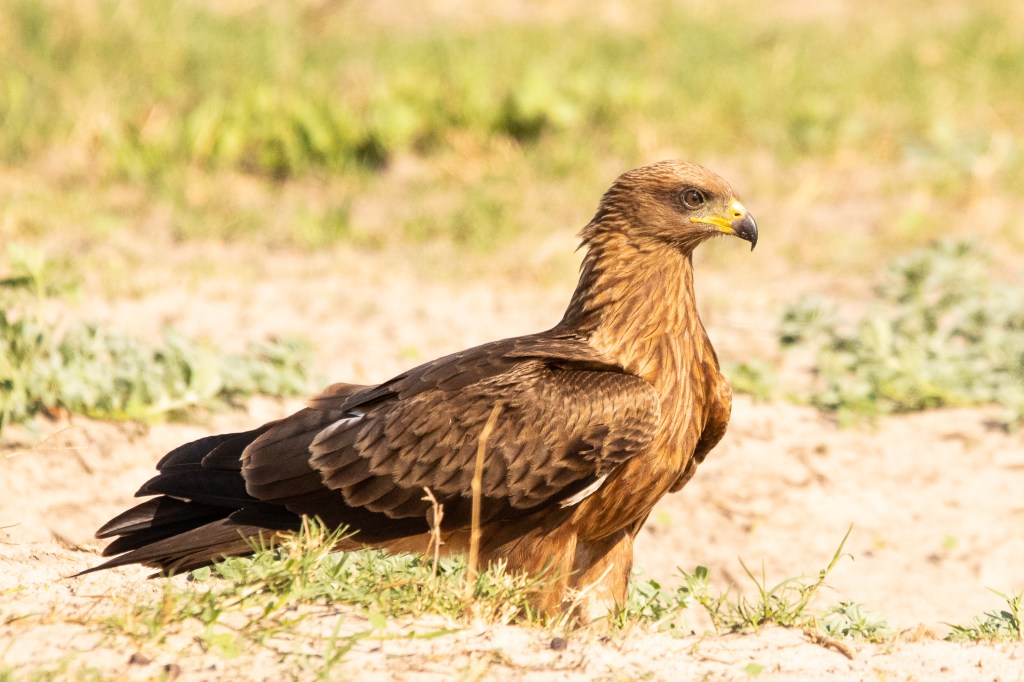
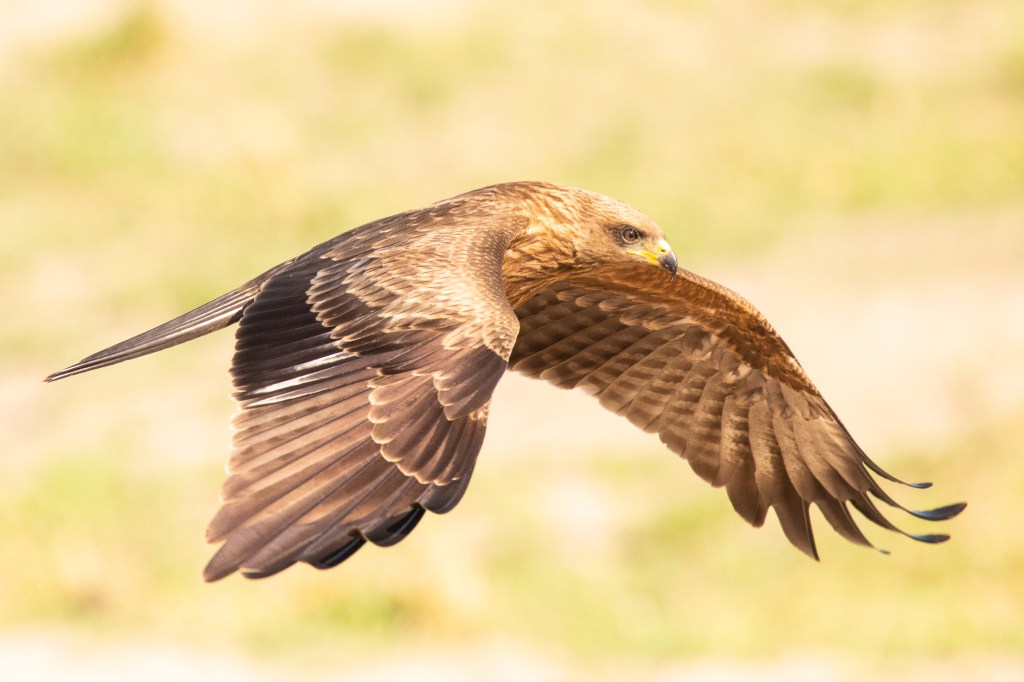
Yellow-billed Kites visit southern Africa in our summer and are widespread across the region, usually seen singly in the air as they cruise not far above the ground. What we encountered was very unique, with upwards of 30 Kites gathered in one small area along the river bank, some just resting, others making short flights and returning to the same spot.
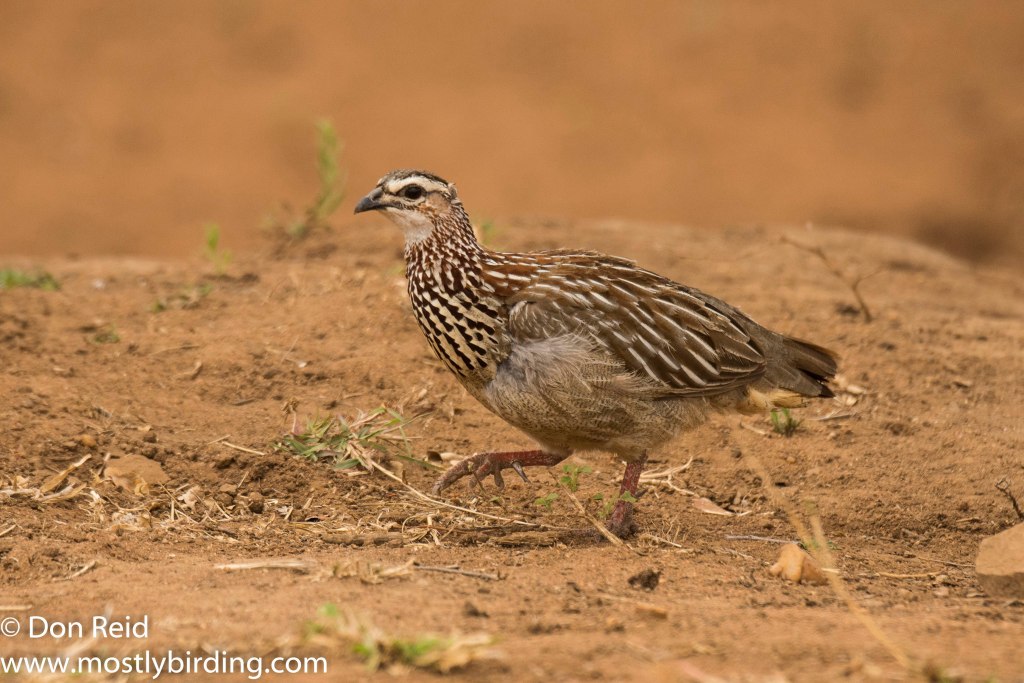
Yellow-billed Kite, Chobe Riverfront game driveYellow-billed Kite, Chobe Riverfront game driveCrested Francolin, (photo taken in Kruger Park)
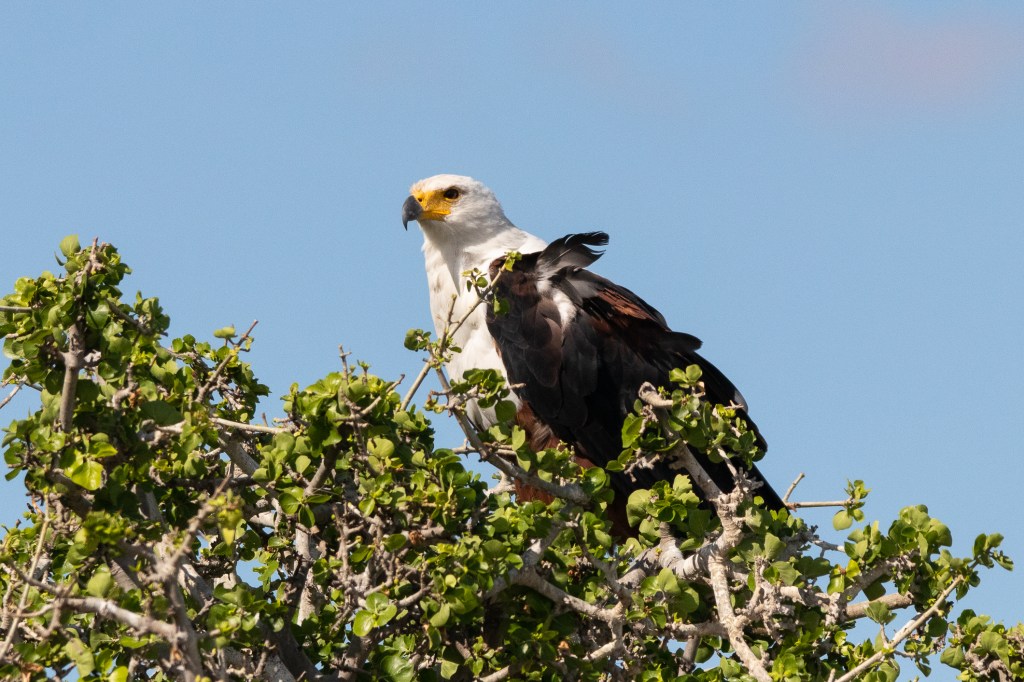
The African Fish-Eagle occurs all along the river at intervals which allow each one enough territory in which to hunt for their fish prey, which are abundant
African Fish-Eagle, Chobe Riverfront game drive
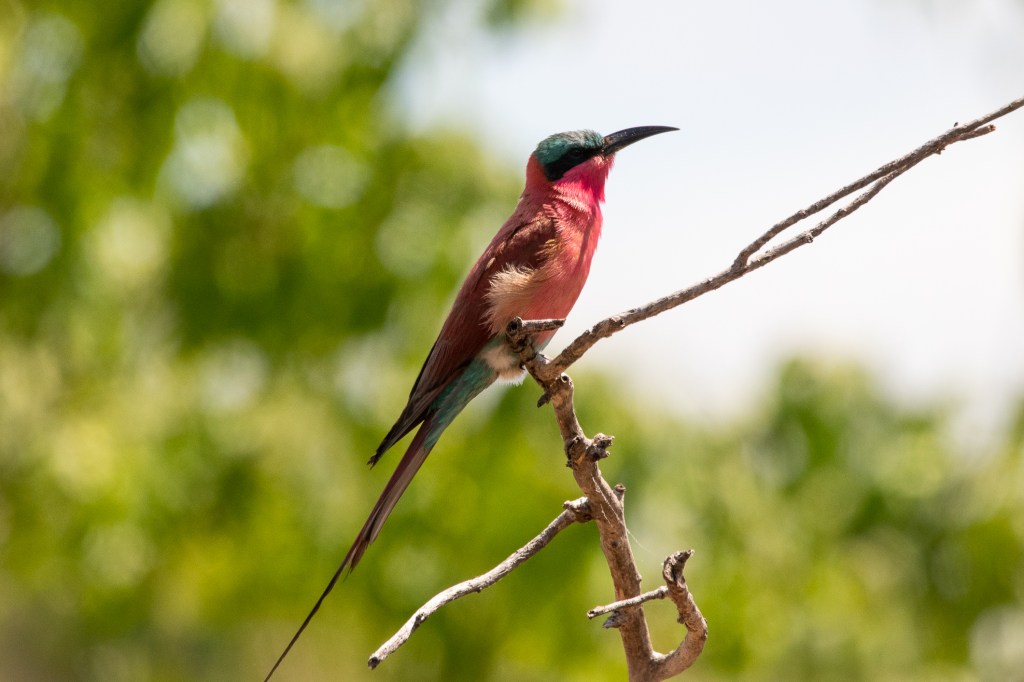
And then it was the turn of …… BEAUTY
Southern Carmine Bee-eater, Chobe Riverfront game drive
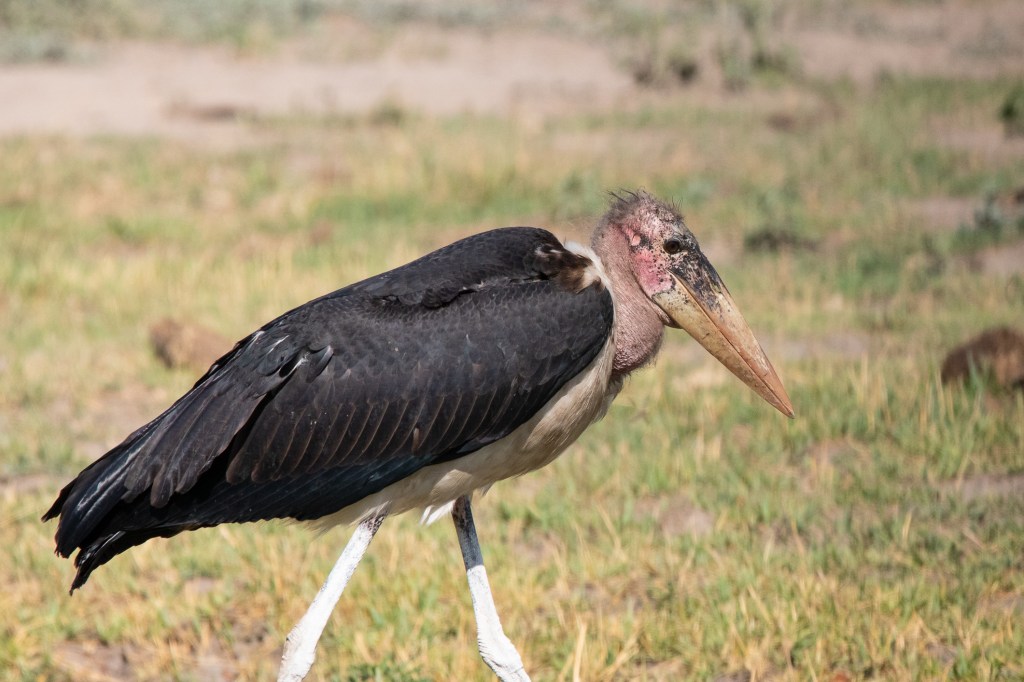
And the …… BEAST
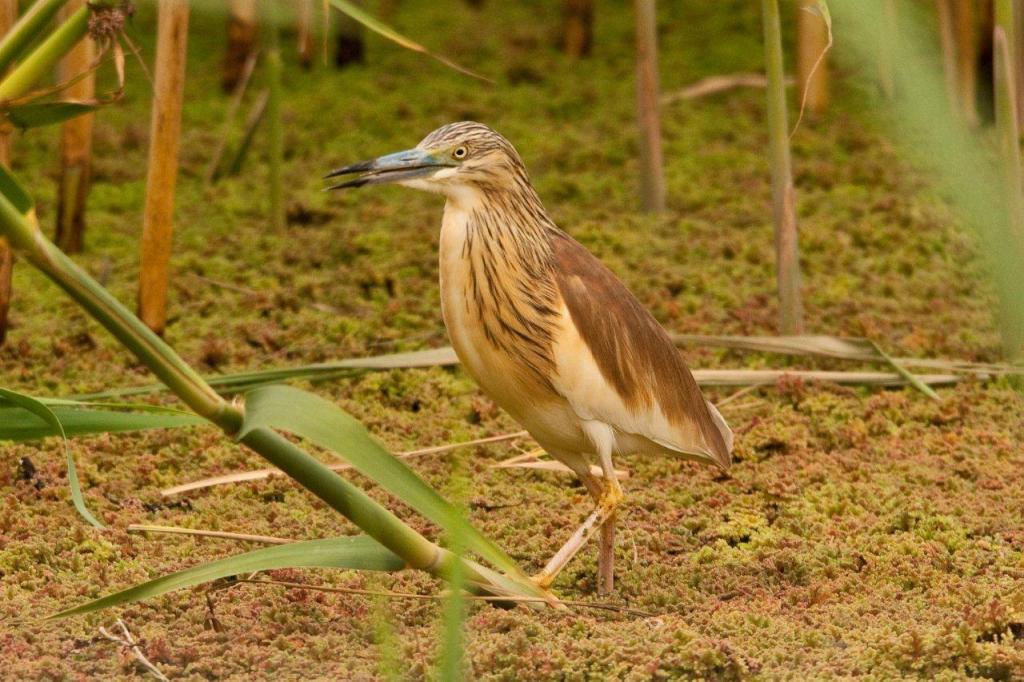
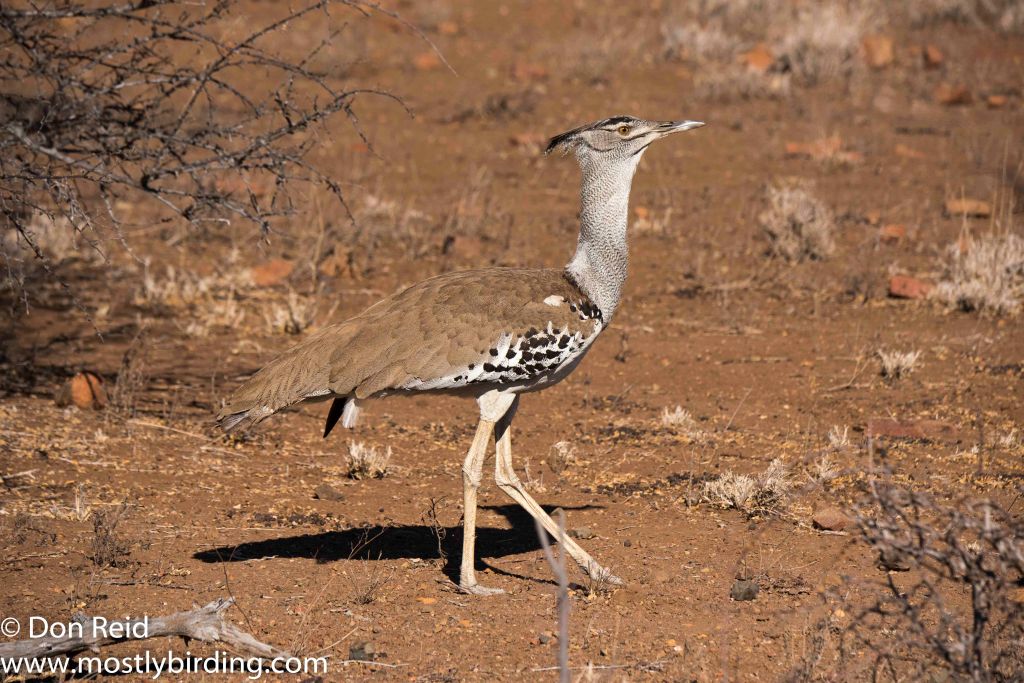
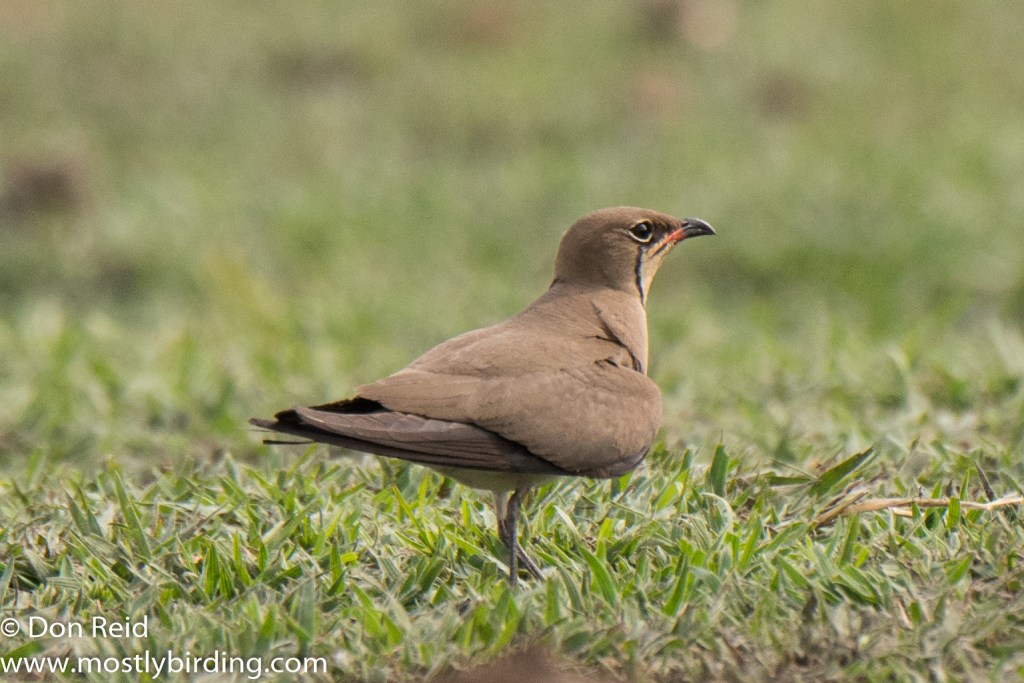
Marabou Stork, Chobe Riverfront game driveSquacco Heron (photo taken elsewhere)Kori Bustard, (photo taken in Kruger Park)Collared Pratincole, Chobe River trip
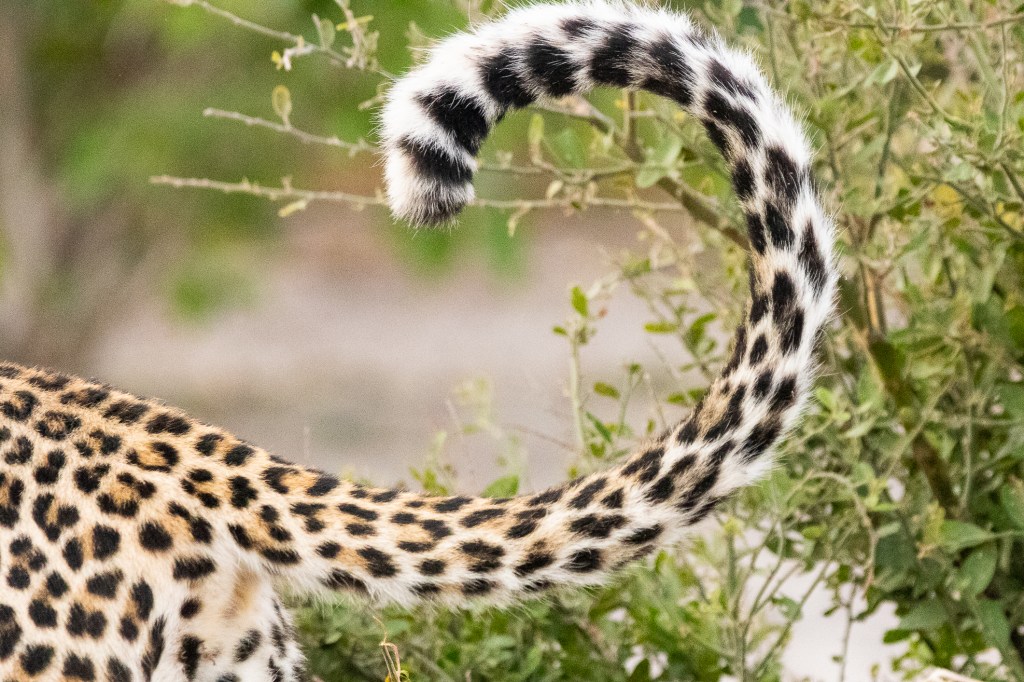
And that’s the end of this tail … er tale
Time to go ……
Leaving Chobe Game Reserve after the game drive on my last morning along the familiar sandy, bumpy track, through the Sedudu gate and out on to the tar road back to Kasane, it momentarily struck me that this was possibly the last time I would see this place and an almost tangible sadness washed over me for a few seconds, only to be replaced with the happy thought of all the memories I had gathered over more than 3 years. Maybe one day I’ll return …..
The last major project that I was involved in before finally retiring from Quantity Surveying in 2019, was the Kasane Airport project in northern Botswana. Monthly visits spread over 3 years meant I spent an accumulative 60 days or more in Kasane, which is the gateway to the Chobe Game Reserve, and I used every free moment to spend time exploring this special place and on the Chobe River, soaking up the incomparable African game-viewing and bird-watching on offer.
So where is this leading? Well, I made my last visit to Kasane in November 2018 for the final formal handover of the airport terminal buildings to the Client. During the visit I found time to join a photographic safari, expertly run by Pangolin Photo Safaris, both on land and on the river, which left me with a head full of special memories and a memory card full of treasured images.
Aerial view of the Chobe River while landing at Kasane
I have written several posts about some of my memorable experiences in Chobe over the years, but never got around to ‘finishing the story’ as it were, so bear with me as I reminisce about my final visit to Kasane
The Occasional Birding
Before getting to the organised safaris, I found other opportunities to wander…… and wonder at the birdlife
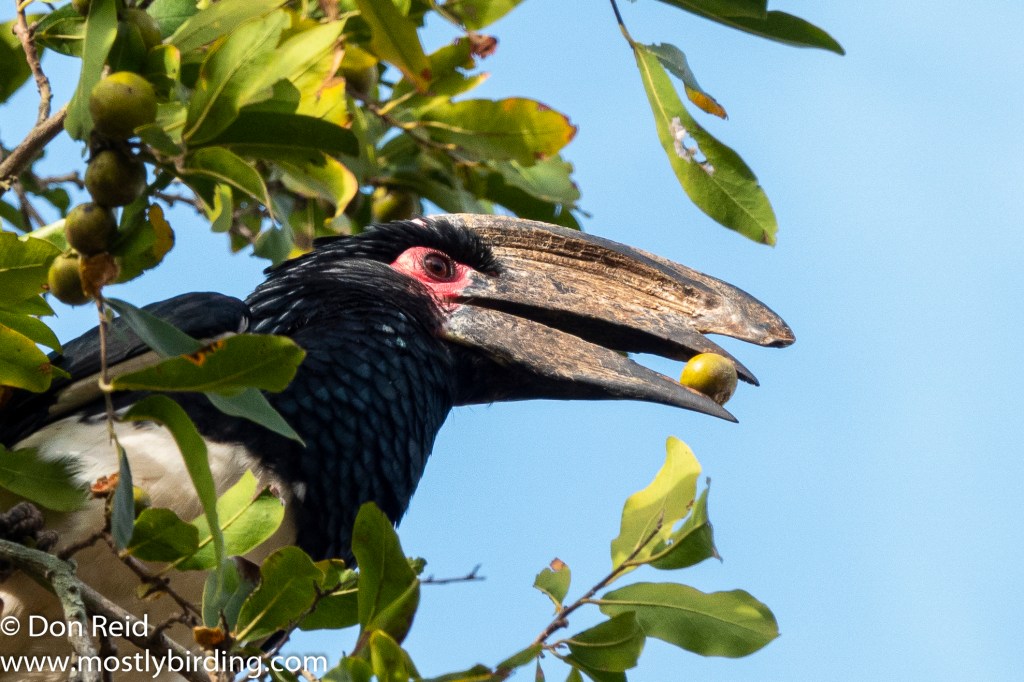
While trying to check in at my booked accommodation, a Trumpeter Hornbill wailed nearby, sounding like a baby crying – perhaps it already knew my booking had somehow been mysteriously cancelled and there were no rooms available.
Trumpeter Hornbill (Male) (Photo taken inKruger Park)
Undaunted, I headed to Thebe Lodge, which I had frequented before and which lies on the Chobe River. The extensive grounds had previously proved to be a compact yet lively birding destination in their own right, so I was more than happy to find comfortable accommodation for my three-night stay.
I didn’t waste a moment and paid a quick visit to the nearby sewage works ponds (as one does) which produced Ruff and Lesser Grey Shrike amongst others, then followed that with a walk around the lush Thebe Lodge grounds in light rain, which was a relief from the oppressive summer heat.
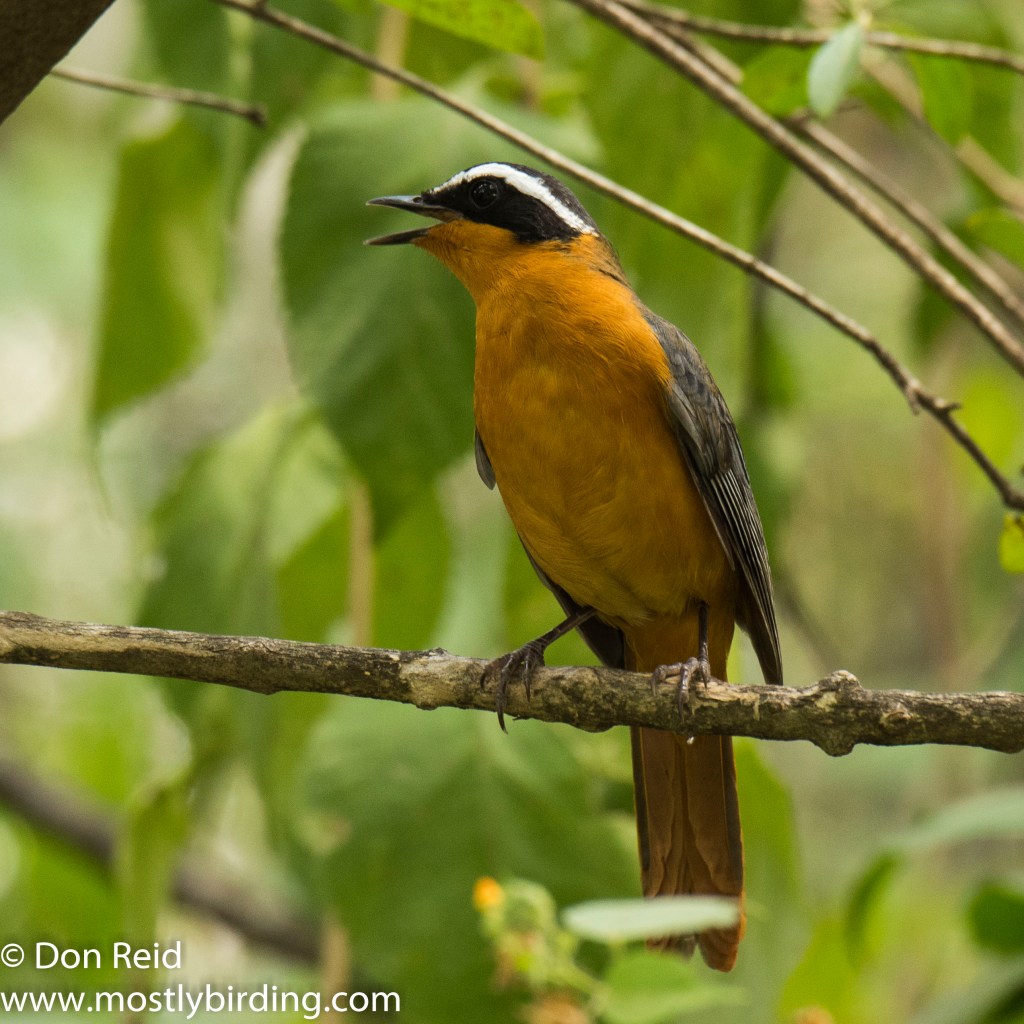
The Thebe Lodge grounds were alive with birdlife, feasting on the flying ants which were emerging all over. The strident calls of the ‘frontline’ songsters such as White-browed Robin-Chat and Tropical Boubou were backed up by a further layer of quieter calls of Dark-capped Bulbuls, Grey Go-away Birds, Mourning Doves and Water Thick-Knees.
White-browed Robin-Chat (Photo taken in Kruger Park)
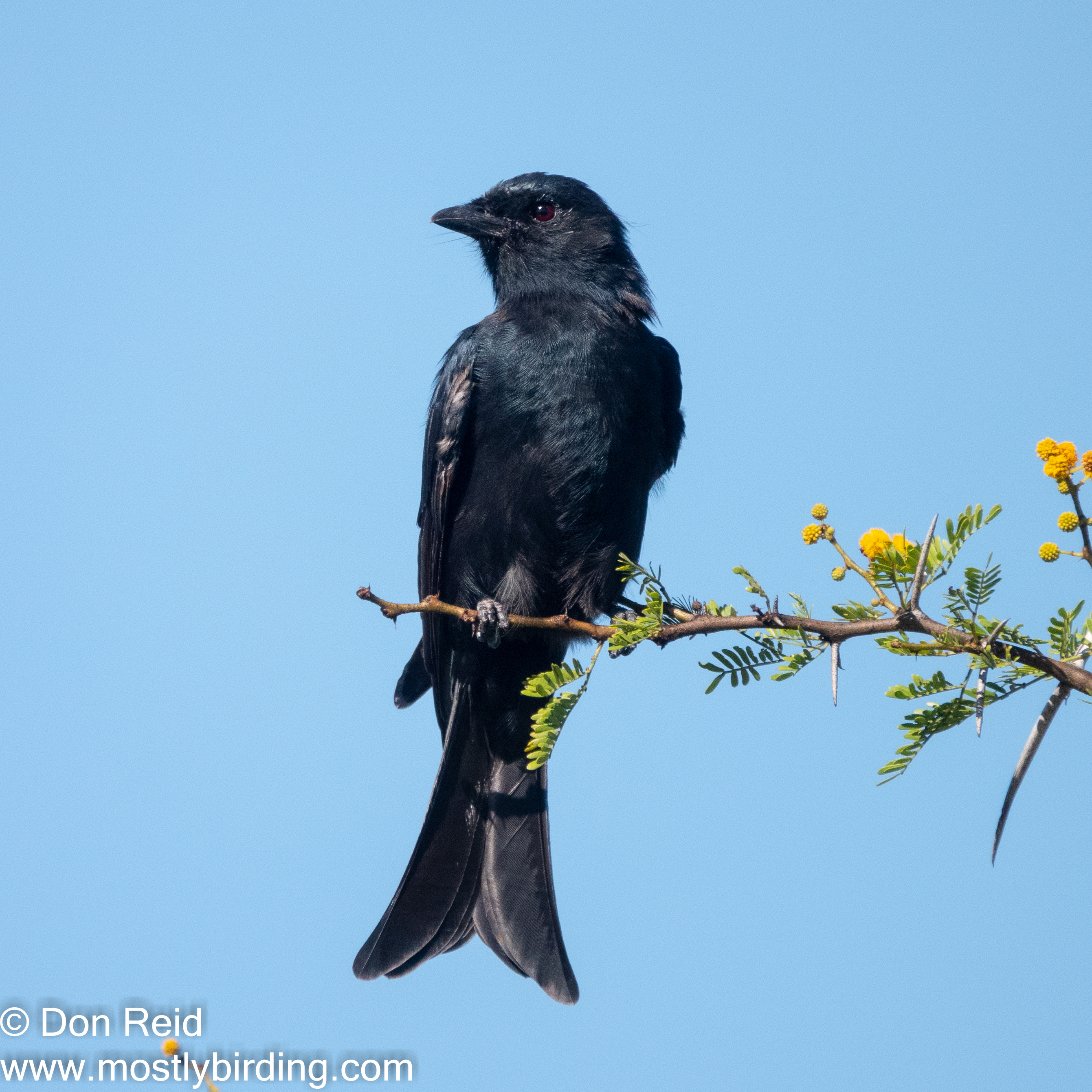
In the rapidly fading light I made out Violet-backed Starlings and Fork-tailed Drongos participating in the flying ant frenzy
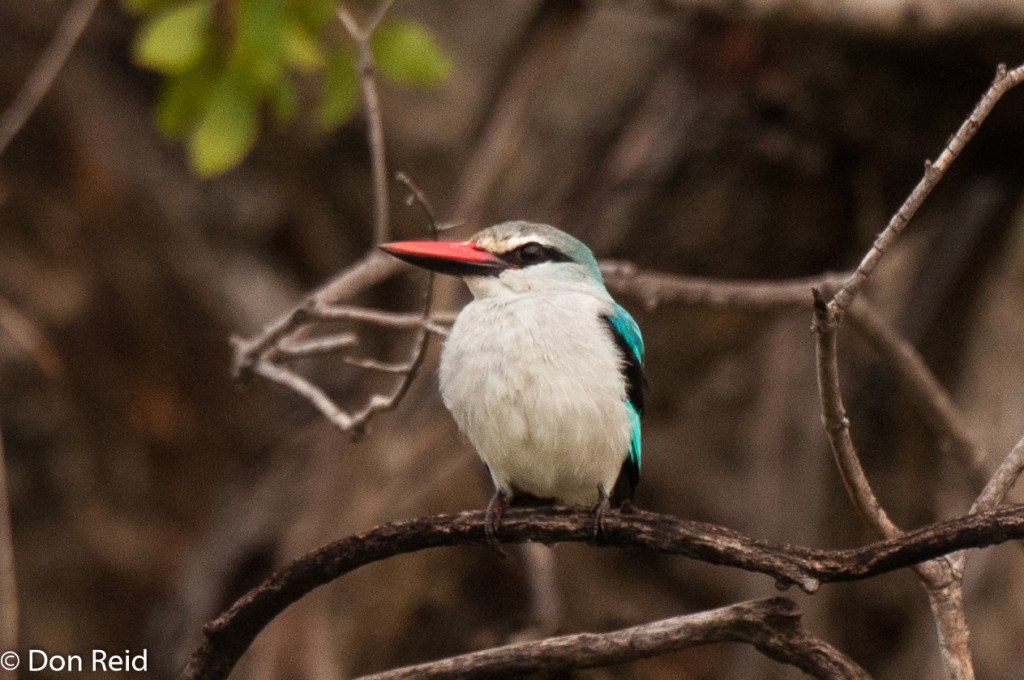
The next morning, before breakfast and my project commitments, another walk around the lodge grounds produced about 20 species with two Kingfishers prominent – Brown-hooded and Woodland Kingfishers.
Woodland Kingfisher, Kasane
Common Scimitarbill and Green Woodhoopoe were active and at the riverside Broad-billed Rollers were harassing a Woodlands Kingfisher.
There was no shortage of birdlife in the verdant garden bush of the lodge grounds with Terrestrial Brownbul, Southern Brown-throated Weaver and Grey-backed Camaroptera all showing nicely.
Boat Trip
During previous trips I had done a couple of boat outings on the river, fairly basic ones in a small boat but nevertheless exciting and memorable.
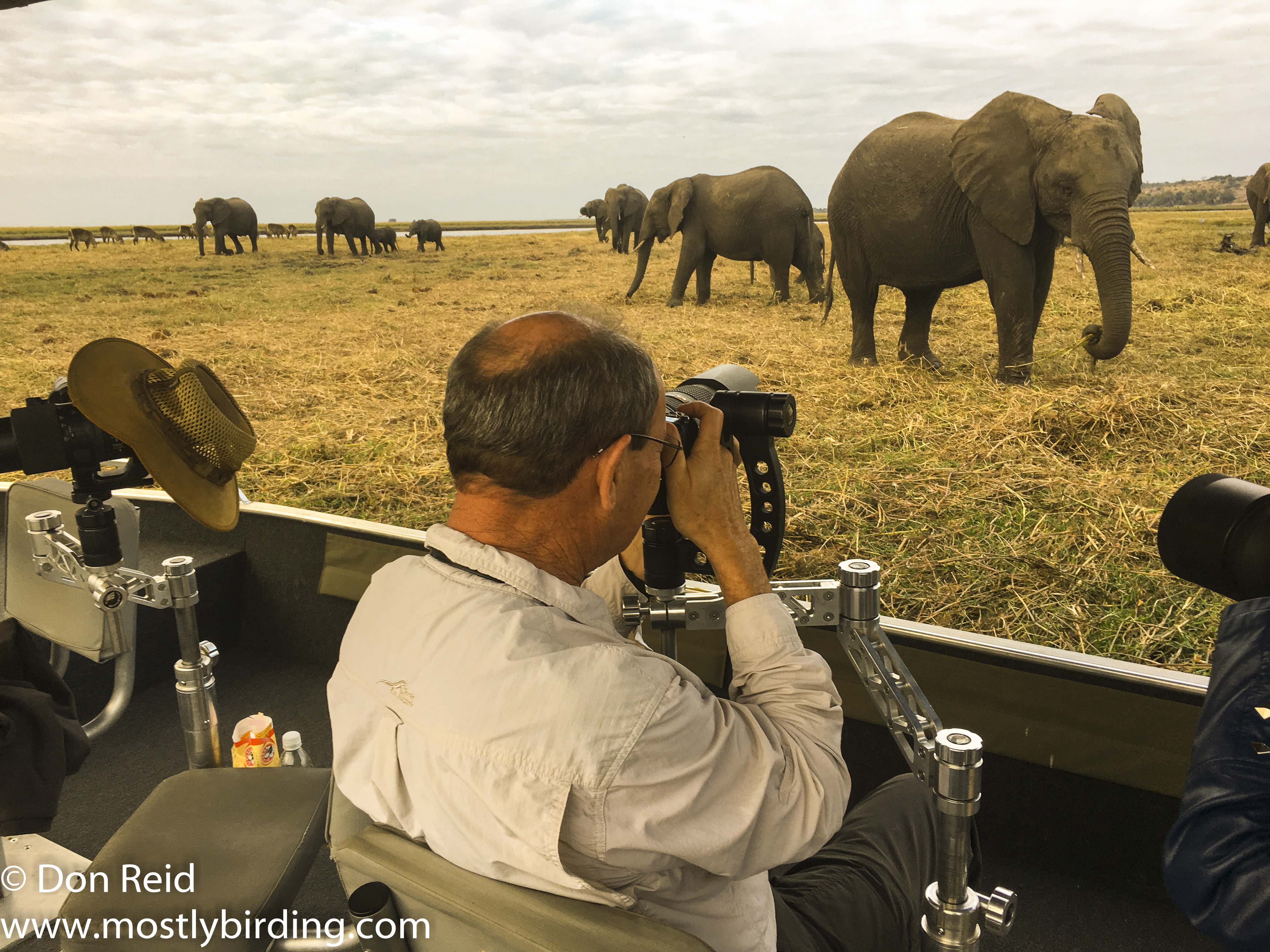
However, the Pangolin Photo Safaris trip from 3.30 to 6.30pm in the afternoon was a whole different experience, being transported on a purpose-built aluminium boat with swivel chairs and special camera mounts for each of the 6 or so passengers and an expert photographer guide to show us how.
Our guide, Janine, started by explaining that we would be looking for more than pretty photos and would be exploring various techniques while looking for unusual angles and actions. Canon cameras with telephoto Sigma lenses were provided for the trip as part of the deal for those who had not brought their own camera. I had my Nikon camera but decided to use the Canon along with the others on the boat, which would allow me to follow Janine’s guidance
I struggled with the settings at first, being used to my then Nikon camera, but as we headed out I started getting used to the Canon buttons and dials while Janine gave us running advice on exposures, speeds, etc – a lot to take in and utmost concentration was needed!
Janine’s exposure advice, particularly relevant to bird photography, which I took away with me and have used ever since was –
Background darker than subject : reduce exposure; ie dial exposure compensation to negative side. This avoids an over-exposed subject and creates an even darker background for better contrast
Background lighter than subject : increase exposure; ie dial exposure compensation to positive side. This avoids an under-exposed subject and although it also increases the exposure of the background this can be adjusted while editing in eg Lightroom.
Janine and Killer (his nickname!) the boatman proved to be an amazing team on the boat, taking us on a route along the river and its side channels, seeking and finding many photo opportunities for the super-keen group of photographers on the boat.
Let’s take a look at what they came up with and how we progressed :
Jacana Magic
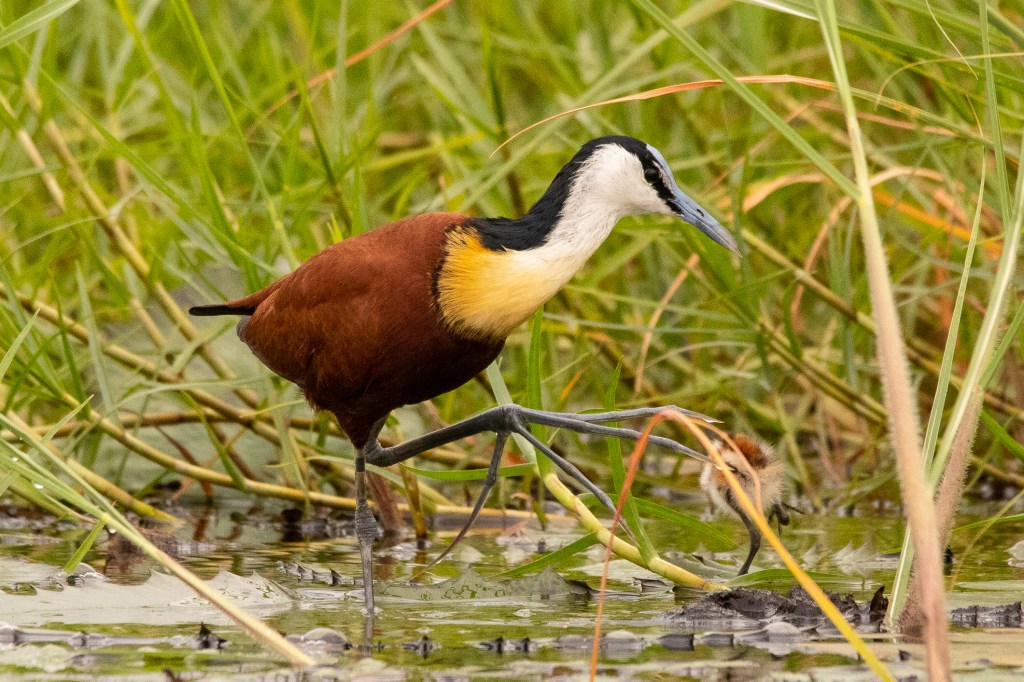
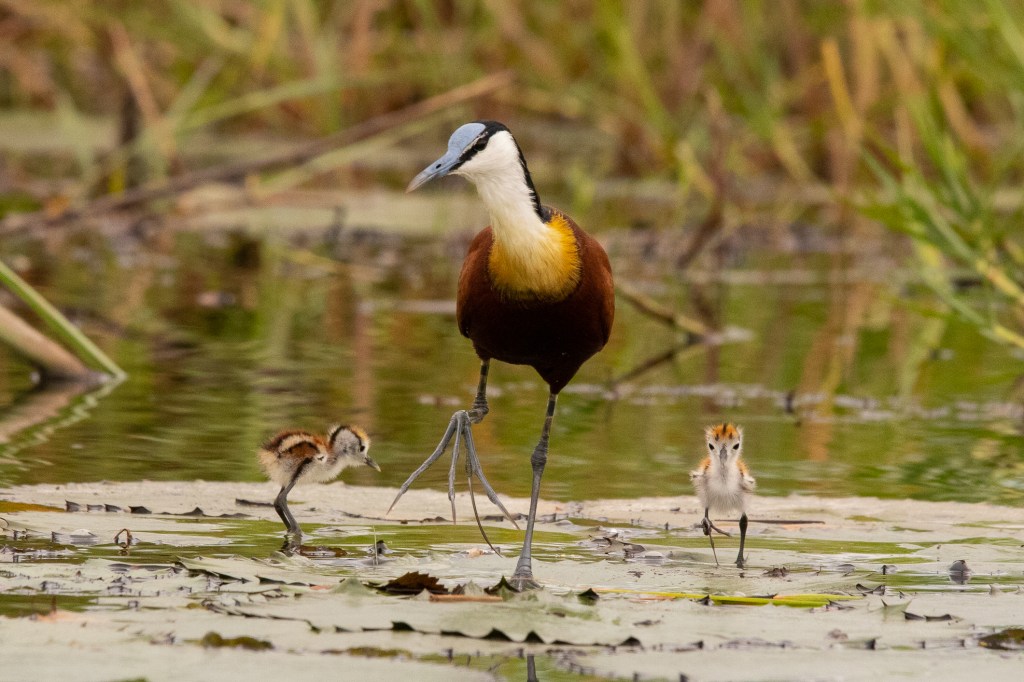
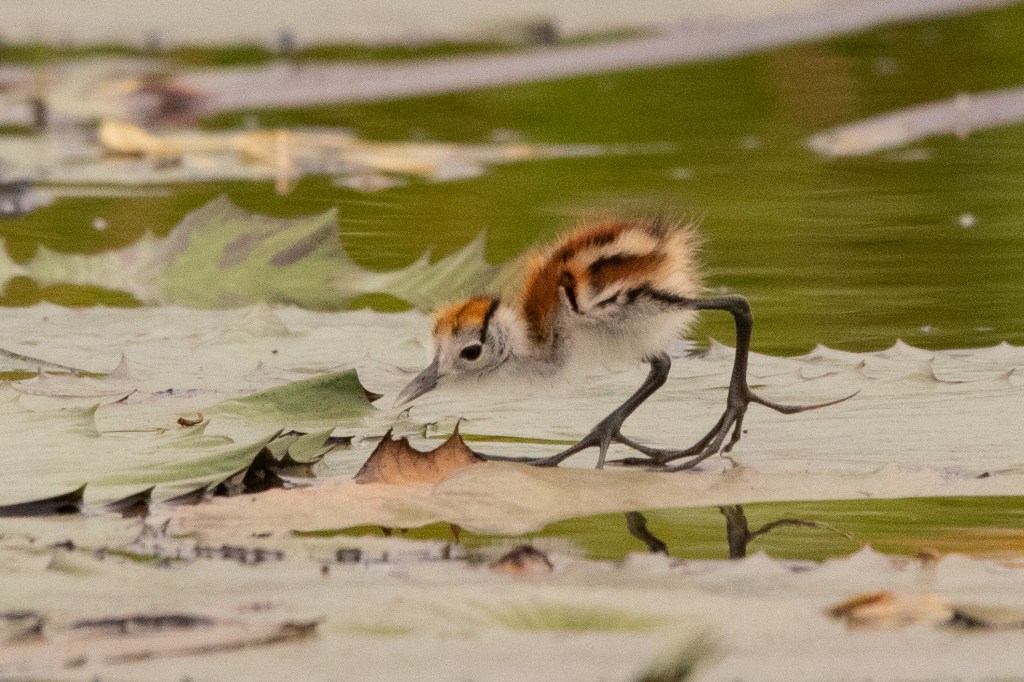
The first side channel produced one of those special moments you never forget – an African Jacana with two tiny juveniles with outsized feet, walking about on the surface of the lily covered water. Janine encouraged us to get off the swivel chairs and crouch low in the boat so as to get level with the subject. Beyond cute!
African Jacana, Chobe River TripAfrican Jacana, Chobe River TripAfrican Jacana, Chobe River Trip
Darters and Cormorants
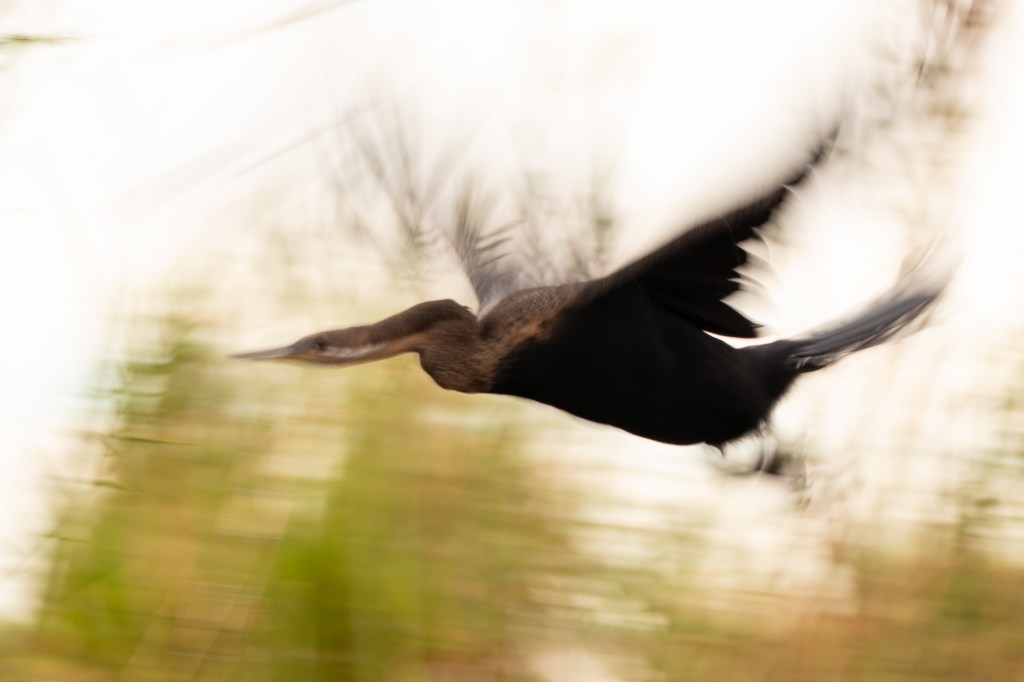
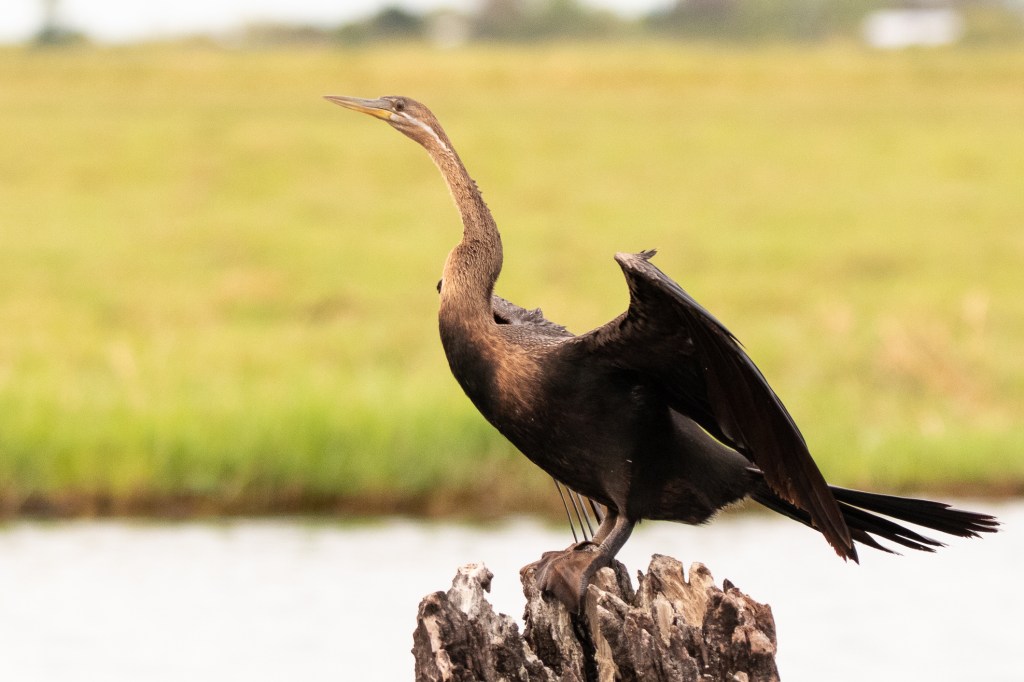
Stopping near a dead tree in the river which was being used by African Darters and White-breasted Cormorants, Janine talked us through the technique used to blur the subject in flight while retaining focus on This which involved setting the shutter to a very slow speed, waiting for the bird to take off, finger poised on the shutter button, then panning smoothly while locking on to the bird in flight and releasing the shutter.
Darter, Chobe River Trip
This was a lot more difficult than it sounds and my attempts turned out too blurry, as the photo shows. Ideally part of the bird should be in focus, contrasting with the rest of the body which is blurred. But that’s what makes photography an ongoing challenge – there’s always a chance of doing it better next time….
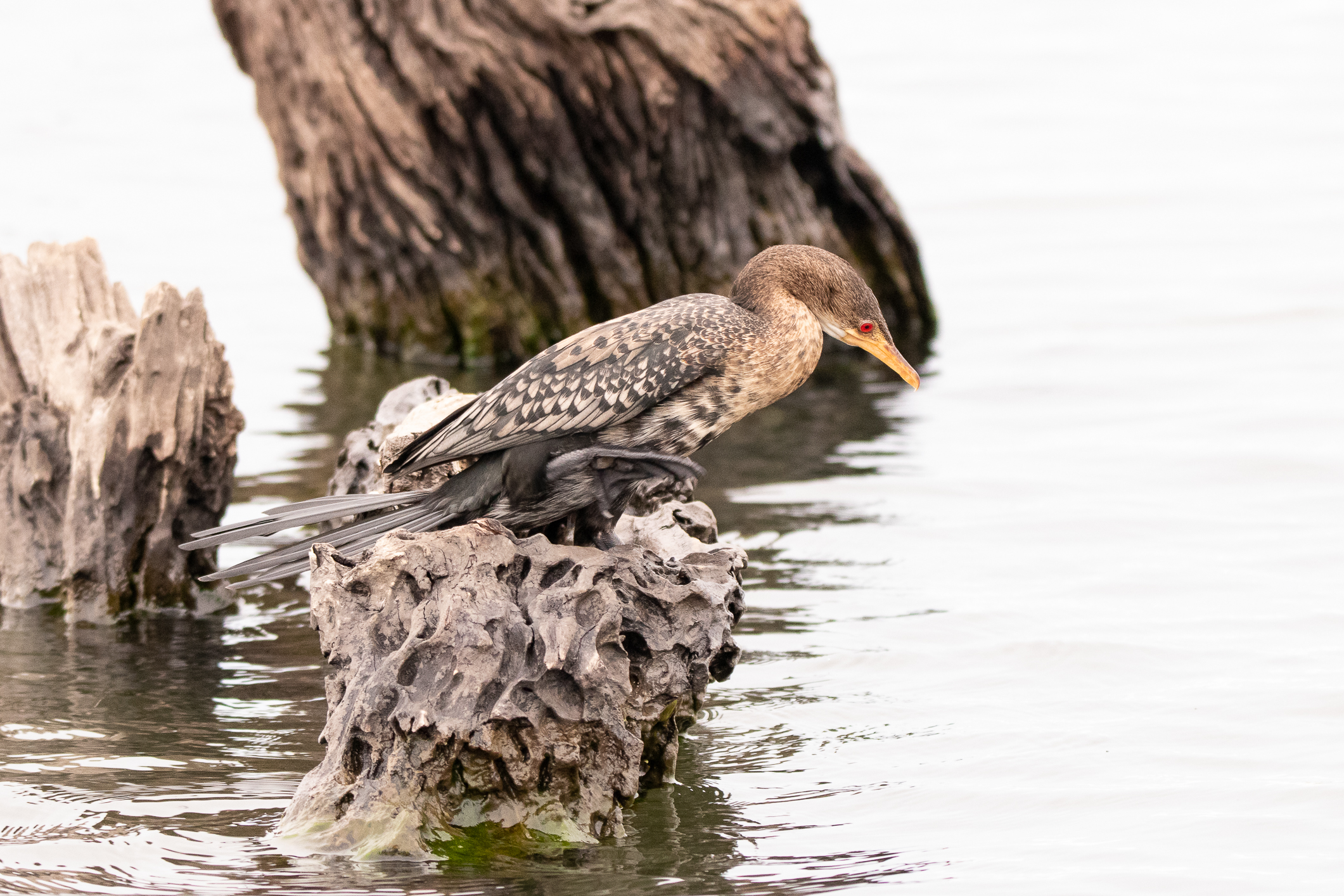
It’s a lot easier taking a conventional perched photo of the birds…
Darter, Chobe River TripReed Cormorant, Chobe River Trip
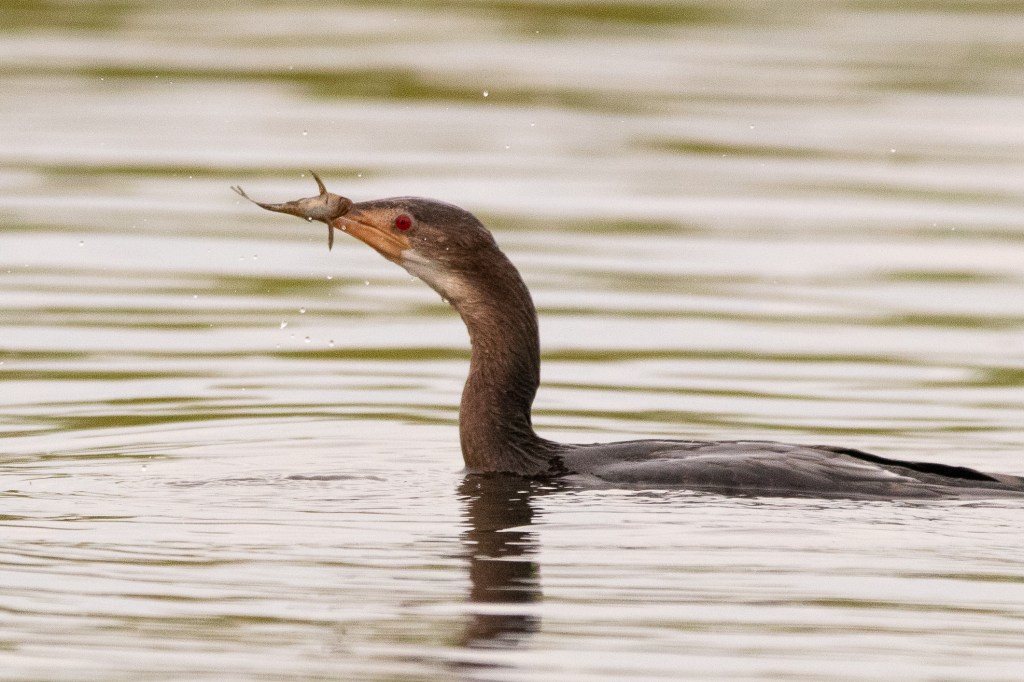
A Reed Cormorant with a small fish catch then caught our attention as it landed not far from the boat
Reed Cormorant, Chobe River Trip
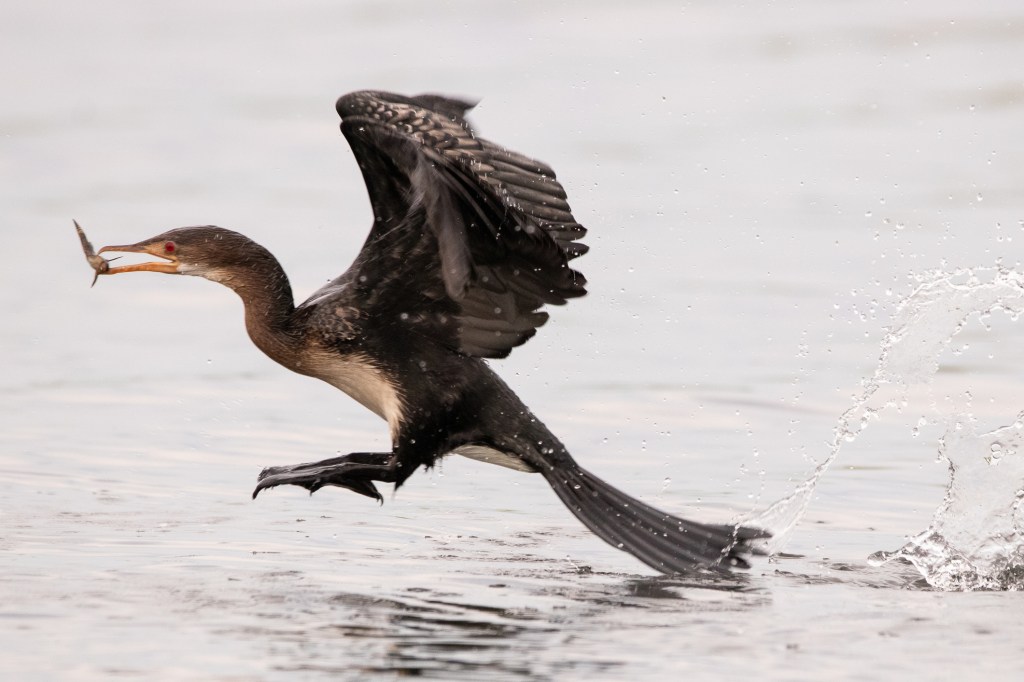
I was quite pleased with this “landing“ shot of the cormorant, with just a hint of splash from the tail feathers
Reed Cormorant, Chobe River Trip
Pods of Hippos
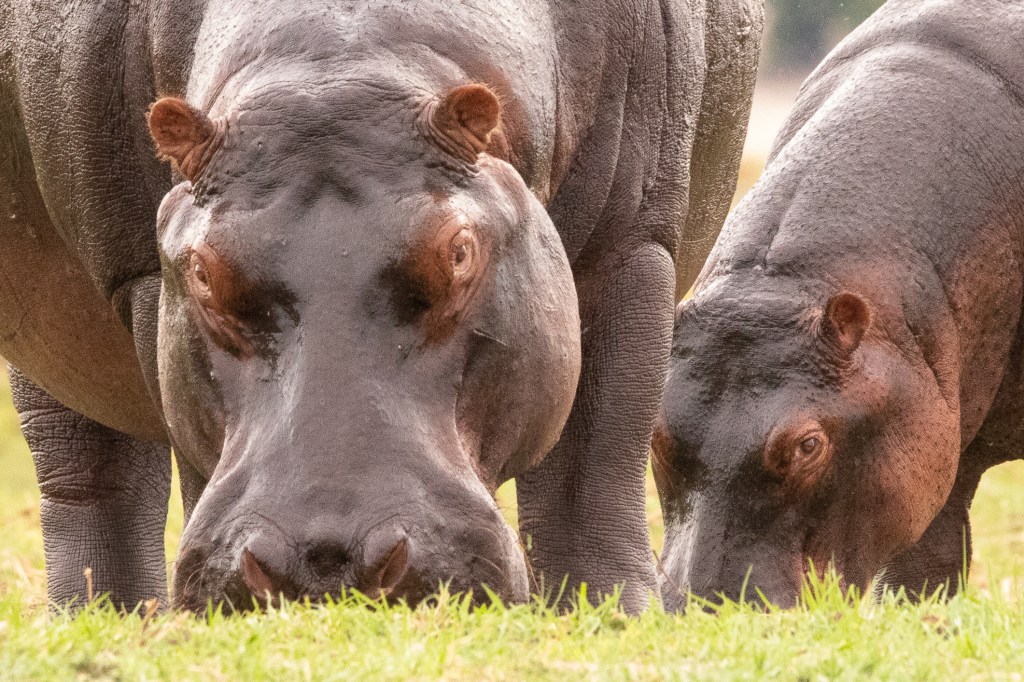
Approaching a pod of Hippos grazing on the bank, we waited at a distance – Hippos can be very intimidating, even dangerous so are best given enough space. These two kept an eye on us while munching away at the yummy grass.
Hippo, Chobe River Trip
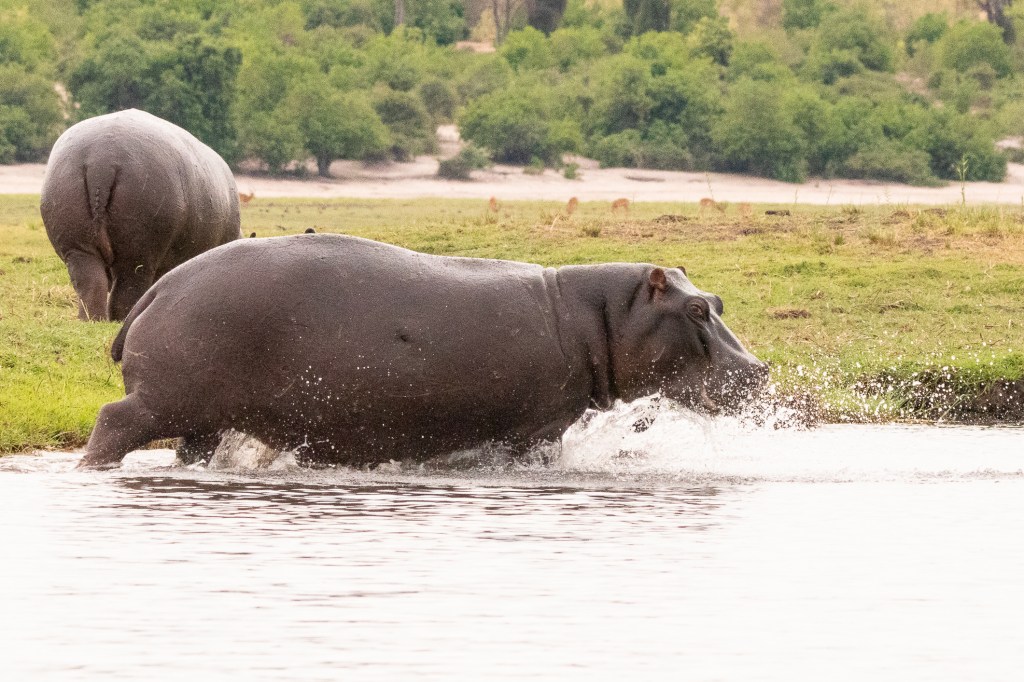
As Killer slowly edged the boat closer, some of the hippos decided to seek the safety of the water – as we had hoped – creating some “splash” to liven up the photo.
Hippo, Chobe River Trip
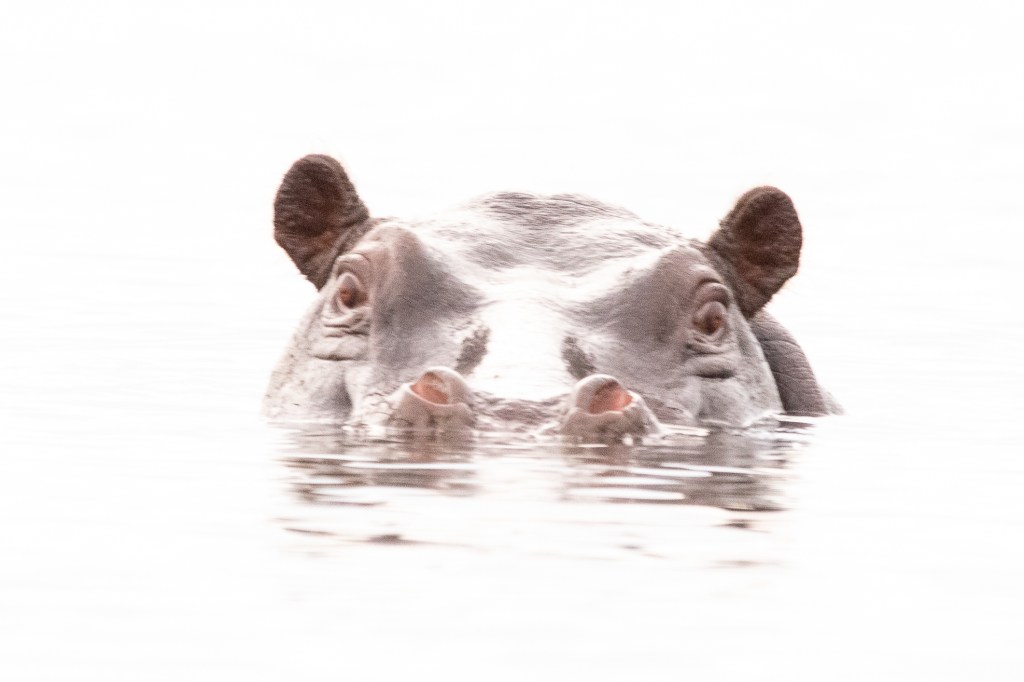
Further on, Janine guided us through the technique used to create those “High-Key” photos of a hippo almost submerged in the water – achieved by over-exposing by up to 3 steps so that subject and water come out bright and light.
Hippo, Chobe River Trip
Baboons doing their thing
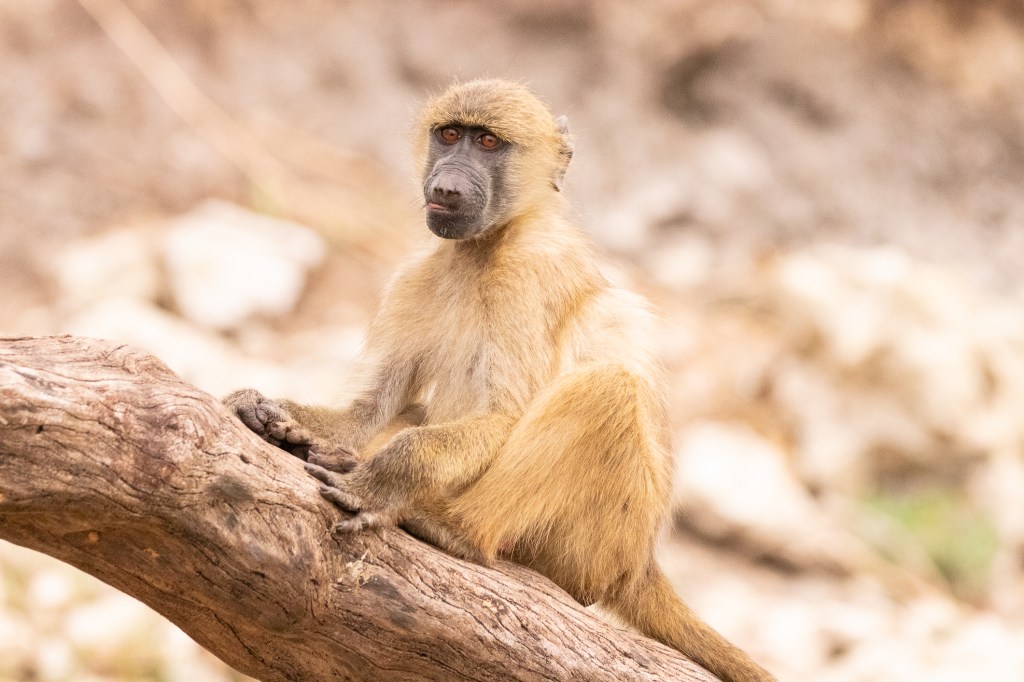
By now we were well up the river and heading to the sloping shoreline where a troop of baboons were active, which promised a few interesting photos of these photogenic animals – they didn’t disappoint and provided plenty of entertainment and kodak moments for the group.
Chacma Baboon, Chobe River Trip
Further experiments with over-exposed portraits produced good results as Janine had forecast, bringing out the orange-brown eye colour as the baboon watched us intently.
Chacma Baboon, Chobe River TripChacma Baboon, Chobe River Trip
More Birds
The boat headed further upstream (towards the west, with Namibia just across the water to the north), past Chobe Game Lodge (think Liz Taylor and Richard Burton) looking for interesting birds. One target was Giant Kingfisher but it didn’t show so we had to be content with the many Pied Kingfishers along the banks.
Pied Kingfisher, Chobe River Trip
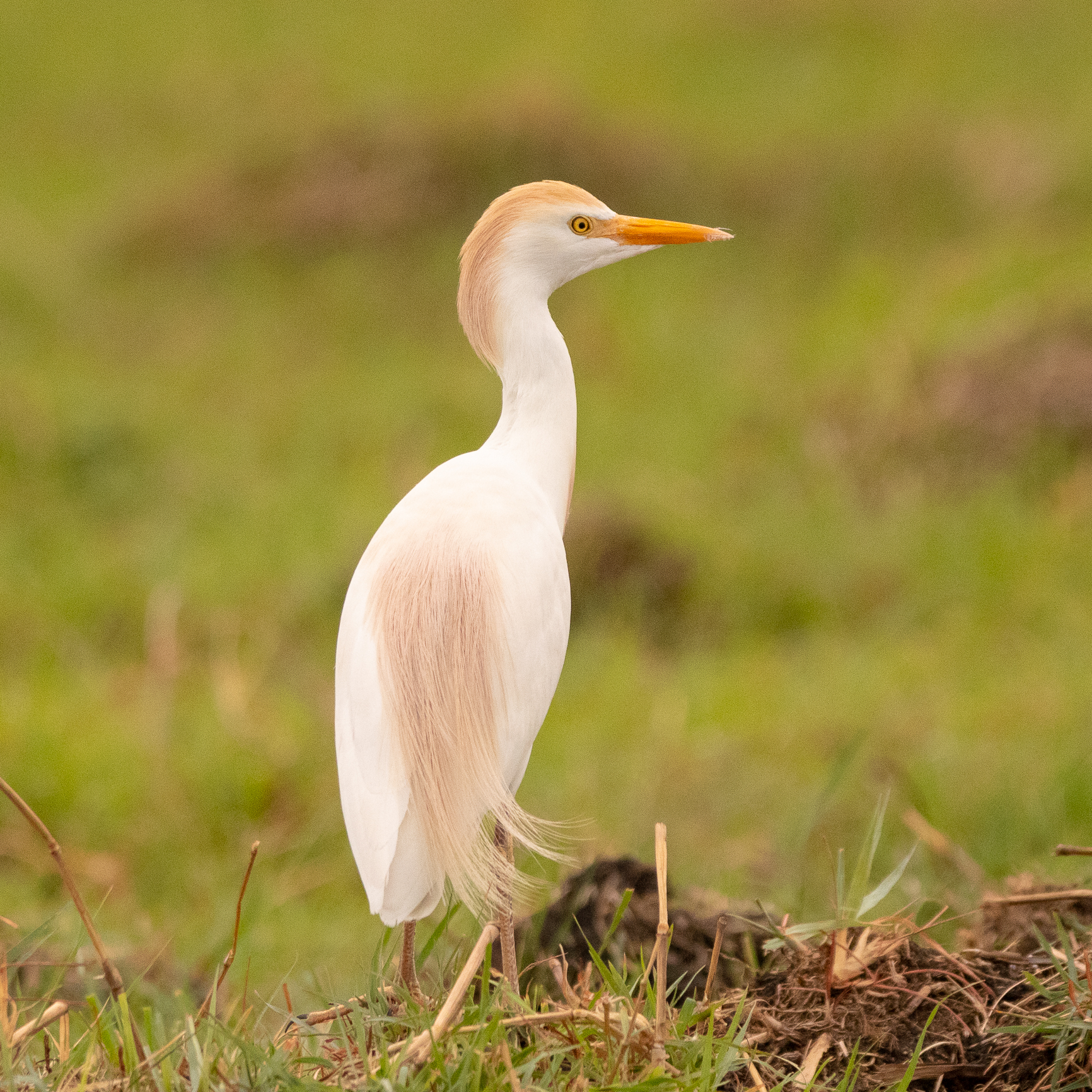
Cattle Egrets take on more colour during breeding season and the plumes on the back appear
Cattle Egret, Chobe River TripWater Thick-knee, Chobe River Trip
African Fish-Eagles are often prominent along the river, usually perched on a branch with a good view of the water. The juvenile differs markedly from the adult, which has led me to incorrect ID’s on more than one occasion.
African Fish-Eagle (Juvenile), Chobe River TripAfrican Fish-Eagle (Juvenile), Chobe River Trip
Oxpeckers are a favourite of mine, especially when perched on their host for the moment
Red-billed Oxpecker, Chobe River Trip
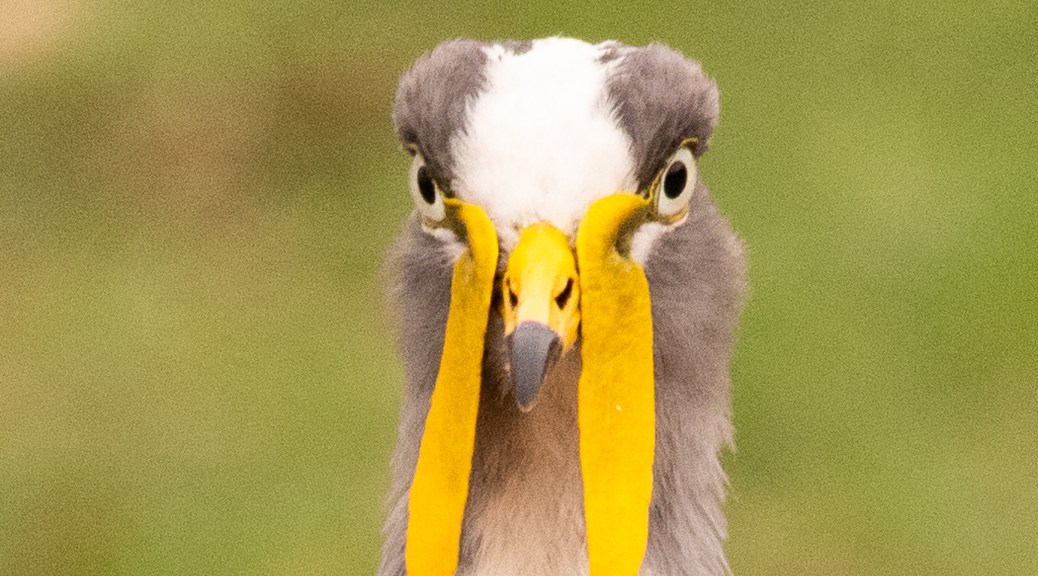
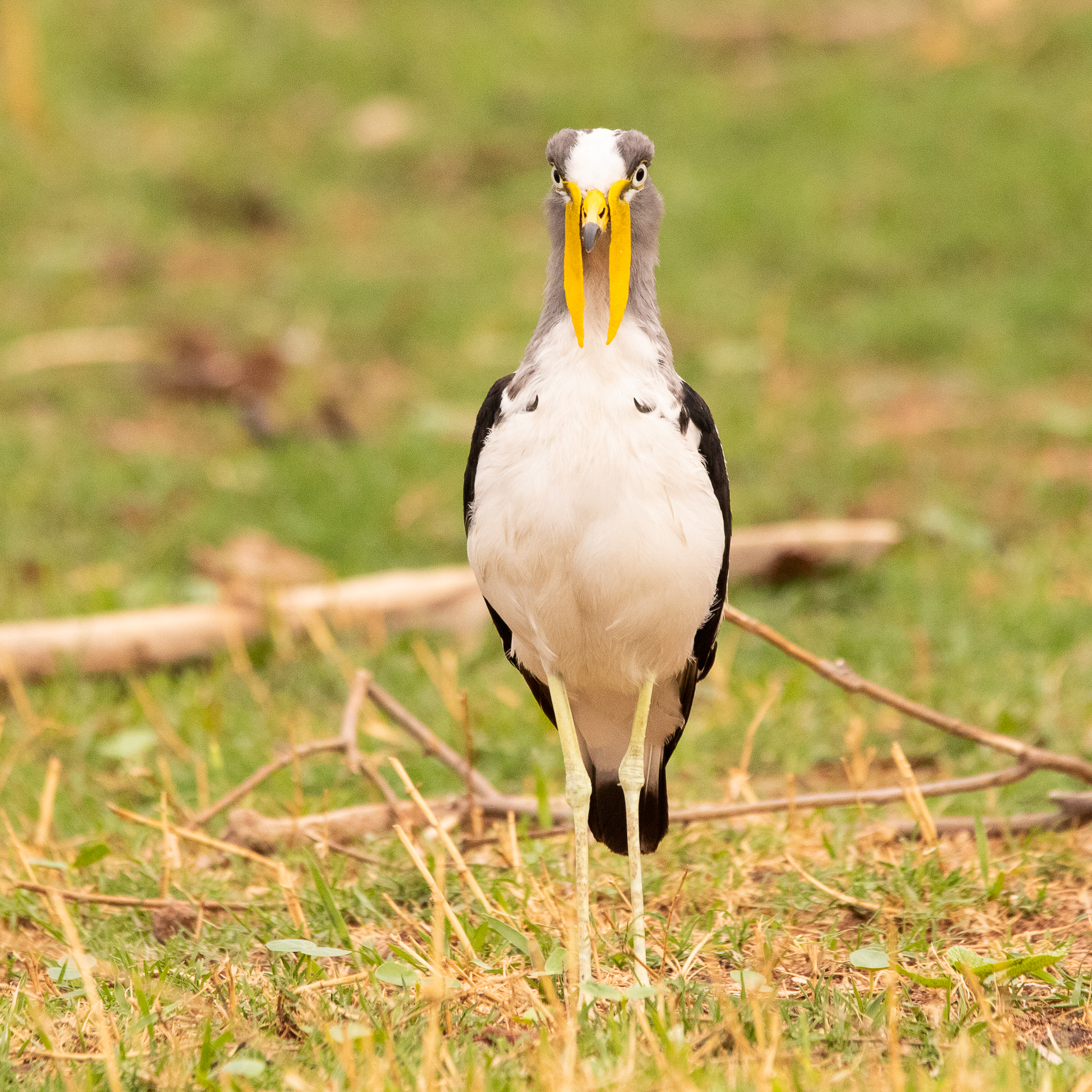
This front-on photo of a White-crowned Lapwing appealed to me – and to Janine who encourages different views of familiar subjects (The heading image is the same photo cropped)
White-crowned Lapwing, Chobe River Trip
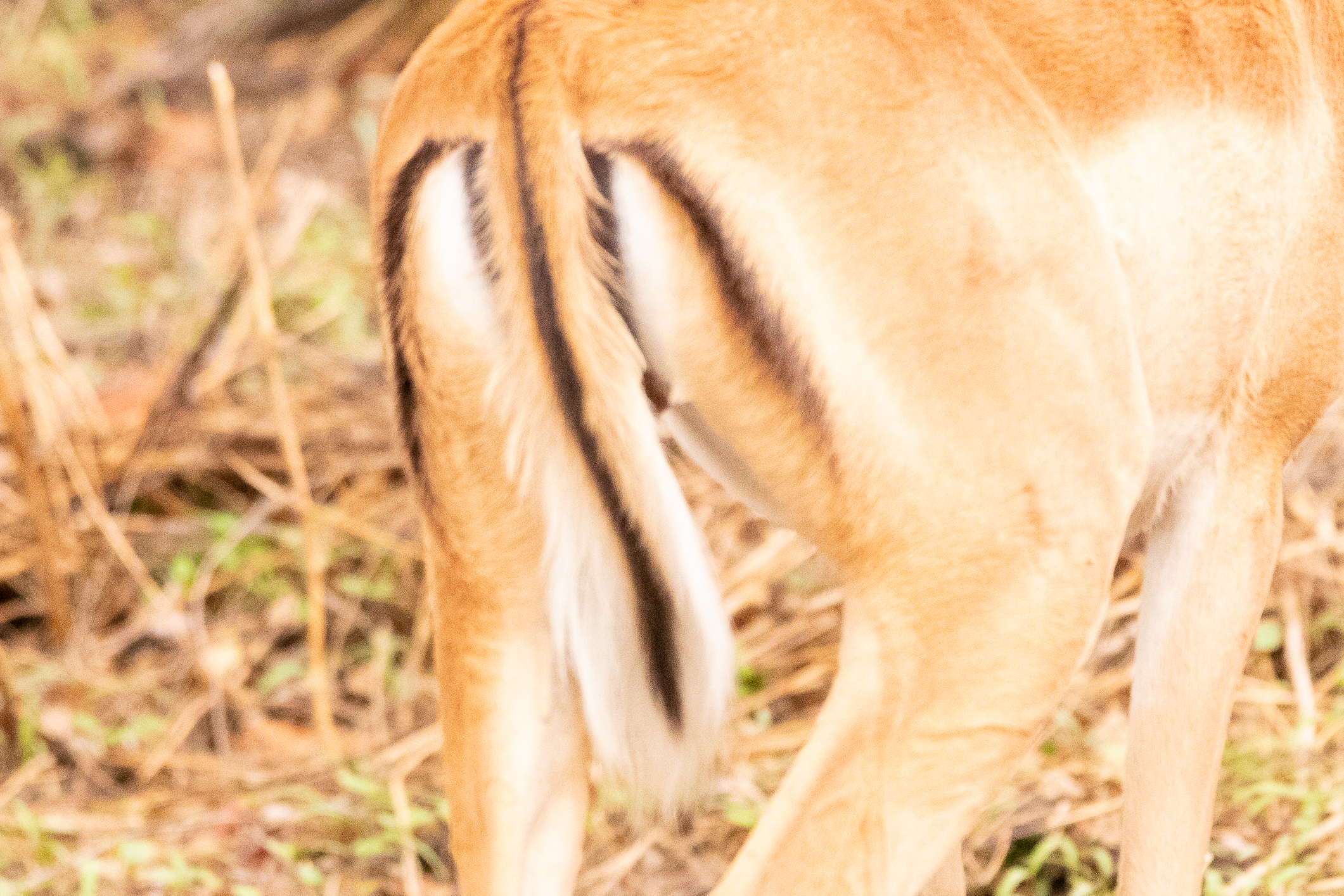
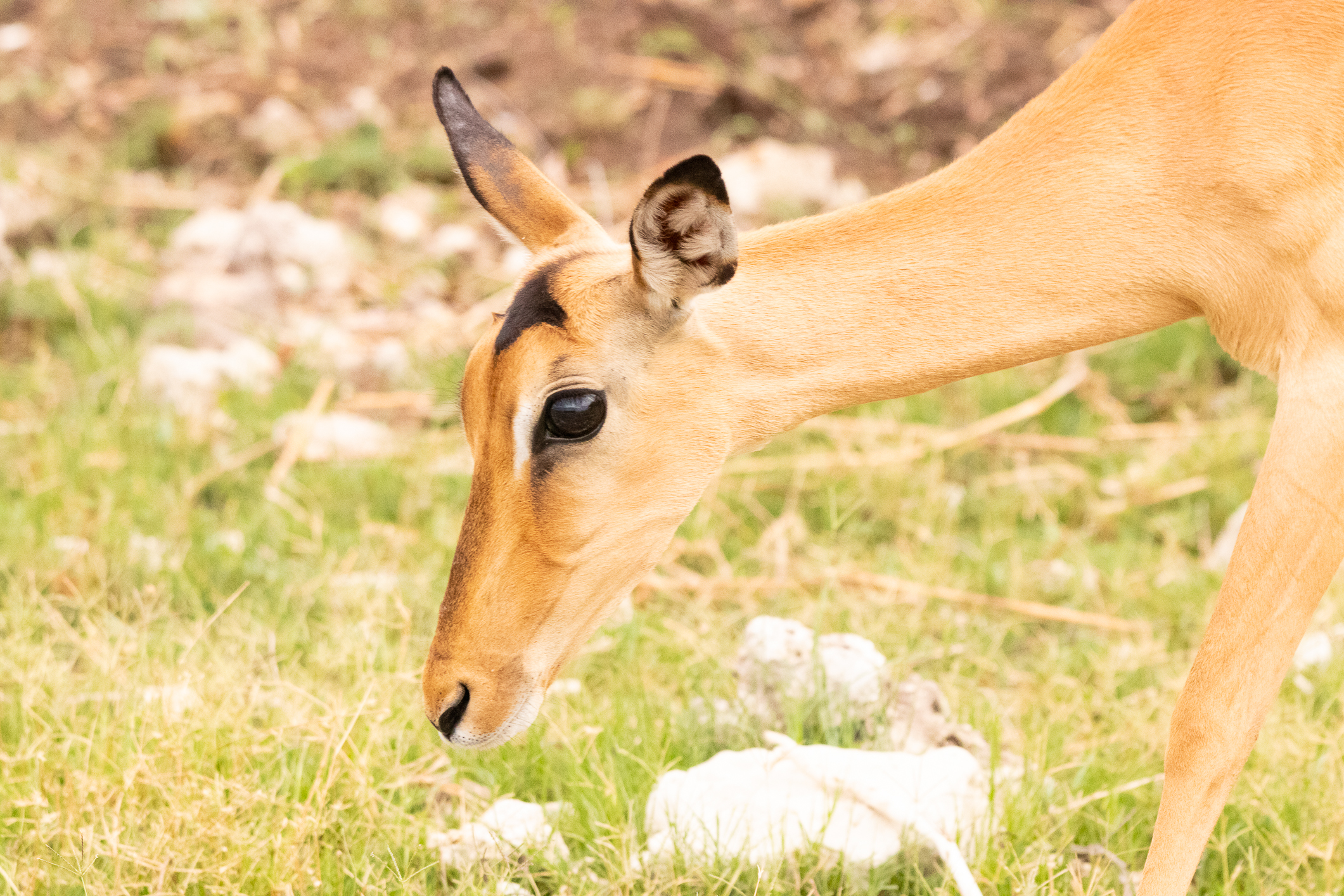
Impala with an M
This is the closest you will come to seeing a famous McDonald’s “M” in wild Botswana
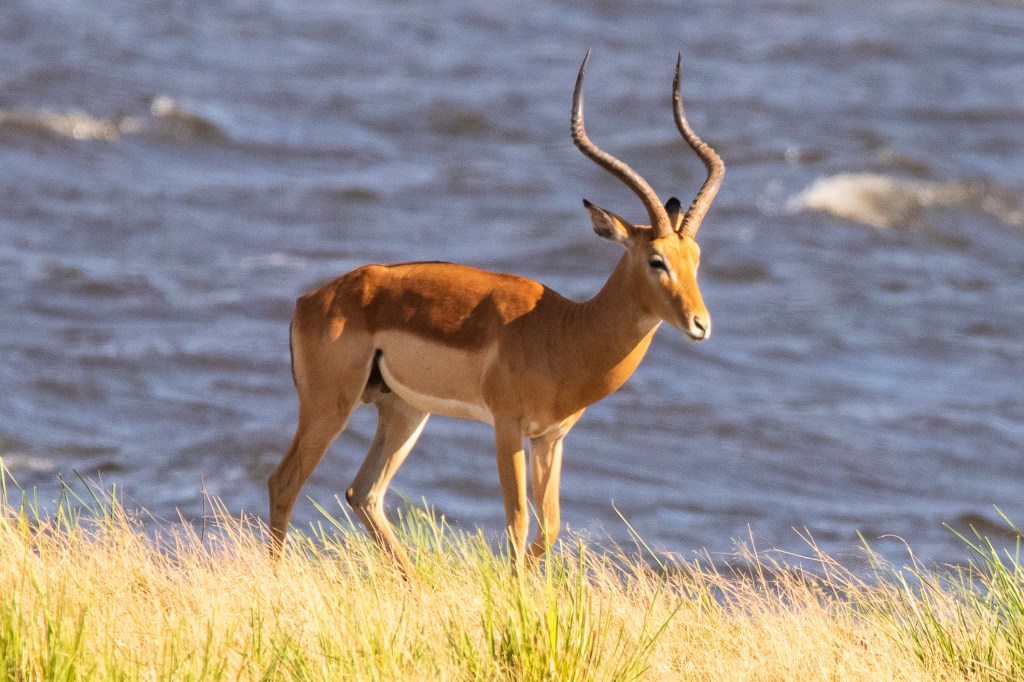
Impala, Chobe River TripImpala, Chobe River Trip
The end of our trip came all too soon but there was the exciting prospect of going on an early morning game drive through Chobe with the same team – more about that in Part 2
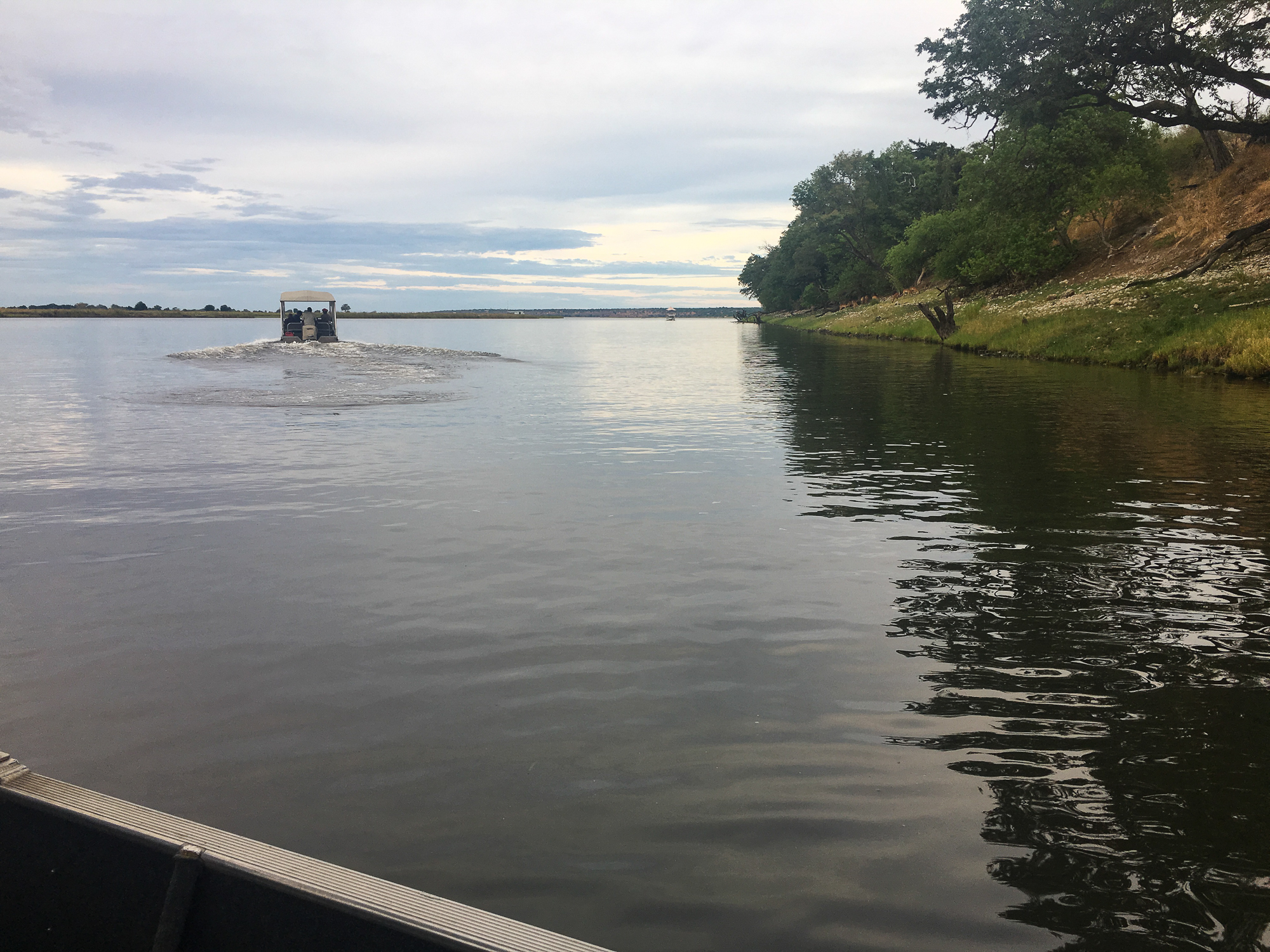
Chobe River Boat Trip
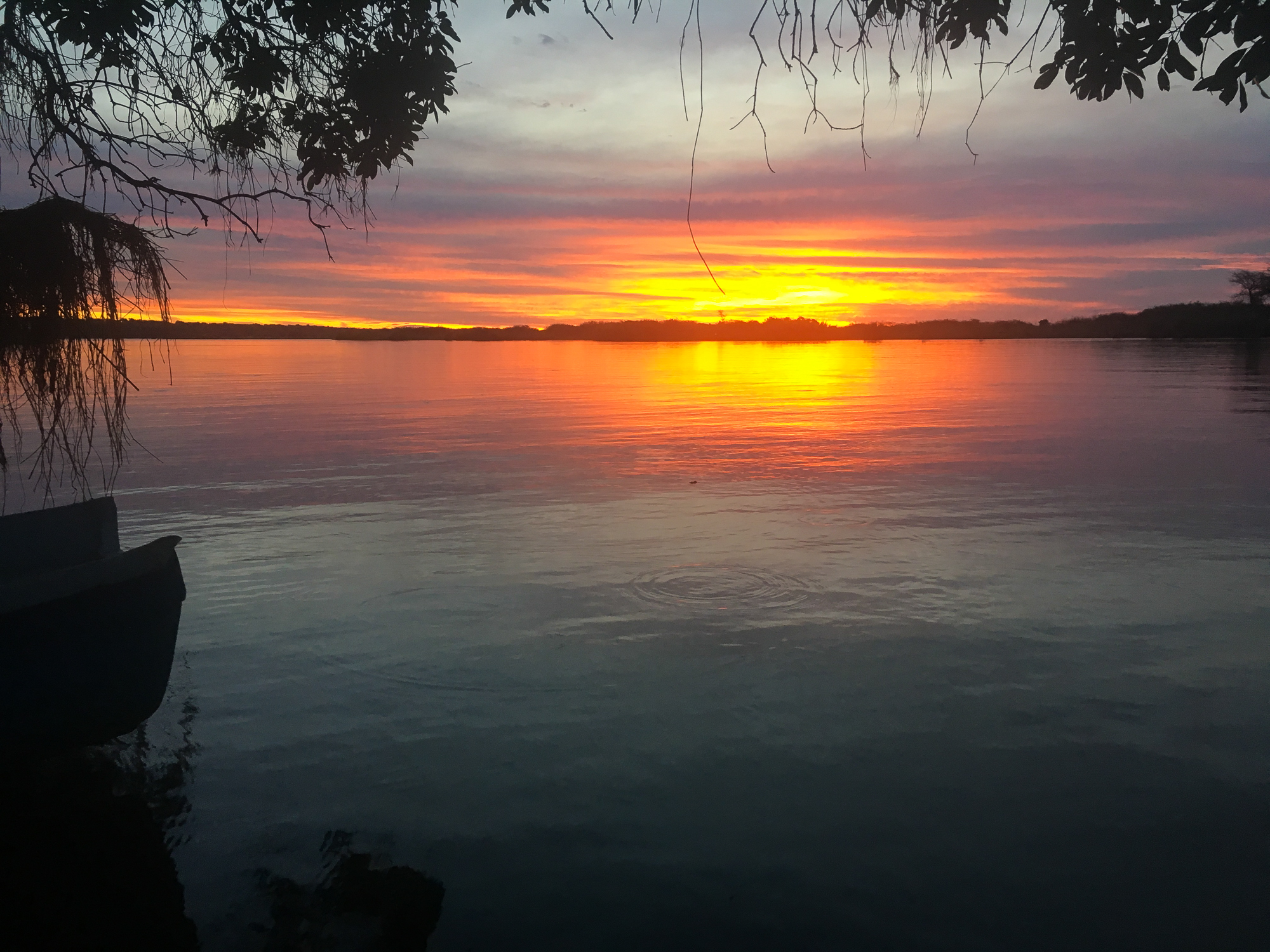
But before that, Chobe River has some of the most glorious sunsets you will find anywhere – best enjoyed with a suitable beverage to hand…
And here it is once again (About time did you say?) – a selection of photos that appealed to me for various reasons, not just the quality of the photo but also for the memory it left with me. I hope you enjoy scrolling through them as much as I have enjoyed taking, editing and selecting them.
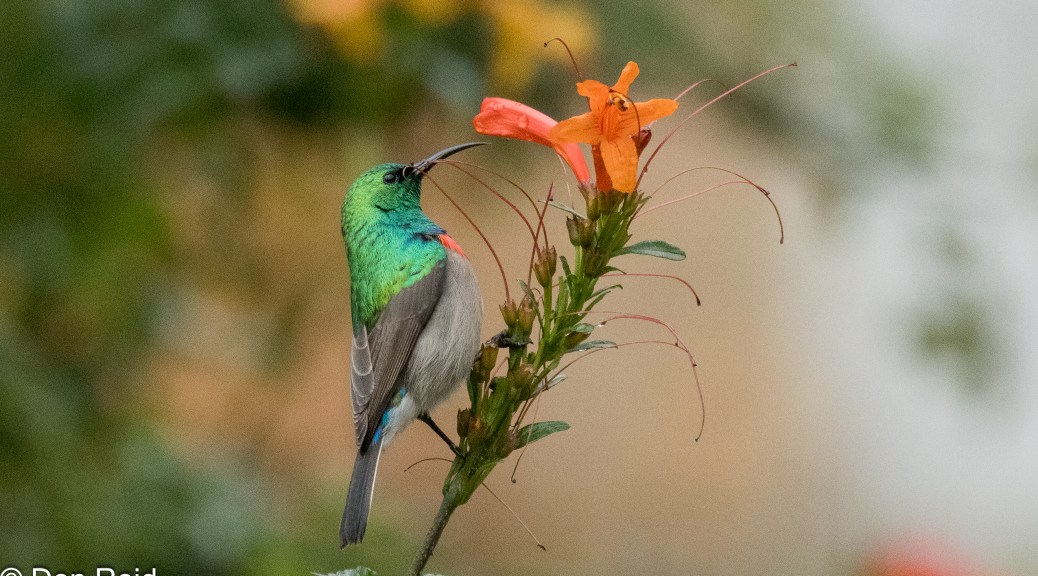
I have not included the many birds I photographed during our visit to Australia as they have been included in the posts on that visit, but chose one of my favourites for the Heading photo – a pair of perky Red-backed Fairywrens that entertained me on one of my many walks
The Places
A random selection of the places we visited during the year….
Starting with Australia and the iconic Sydney Opera House
Opera House, Sydney Harbour Cruise
Back home, I never tire of the late afternoon views while walking the golf estate and adjacent nature trails
Mossel Bay Golf Estate
A Powervan, used in the past to check and maintain train tracks, was our transport one Saturday morning, taking us high up into the mountains above George
Powervan trip from George
An early morning atlasing outing took me to Herbertsdale where the low-lying mist added to the beauty of the area
Herbertsdale southwest
Hartenbos beach is a favourite dog-walking spot, especially at low tide
Hartenbos
This was the scene as the Cape Town Stadium gradually filled up for the memorable Andrea Bocelli concert we attended there
Andrea Bocelli Show
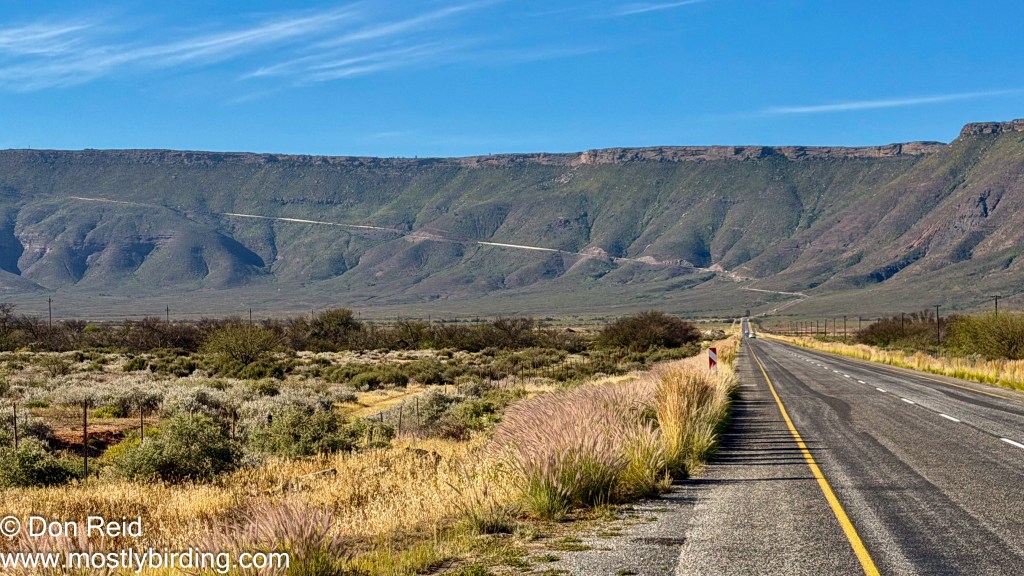
A view to the end of the world from the Robinson Pass on the road between Mossel Bay and Oudtshoorn
Robinson Pass
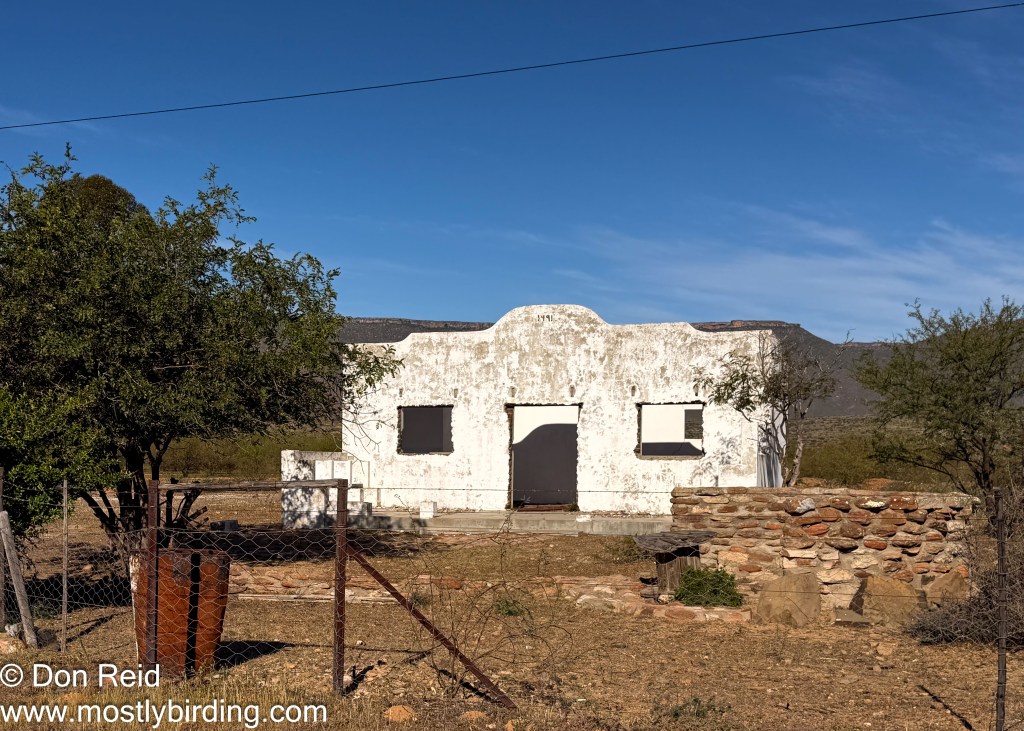
Contrasting colours, a lone tree and several ostriches made for a unique opportunity on a mid-year atlasing trip
Canola field with Ostriches, Albertinia north area
A unplanned visit to the West Coast town of Yzerfontein not far from Cape Town was a fortunate one
Yzerfontein West Coast
The Birds
As before, I have placed them under groupings ‘borrowed’ from Firefinch which is the excellent birding app produced by Faansie Peacock (his real name!) and his team.
Faansie has a way of making birding interesting and fun and the way he categorises bird species in his app is a good example of his practical approach.
Raptors
Seeing a raptor at the roadside is always exciting and a reason to stop and have a better look – most will fly off the moment you stop, so it requires a bit of stealth to keep the car moving slowly while approaching the target and to have the camera at the ready for the moment you come to a standstill – if they do take off there’s always the chance of freezing that moment, capturing the underwing patterns and colours
Spotted Eagle-Owl Bubo africanus Gevlekte ooruil, Mossel Bay Golf Estate
Perchers
This category covers a variety of birds normally seen perched on a tree or bush or other suitable spot
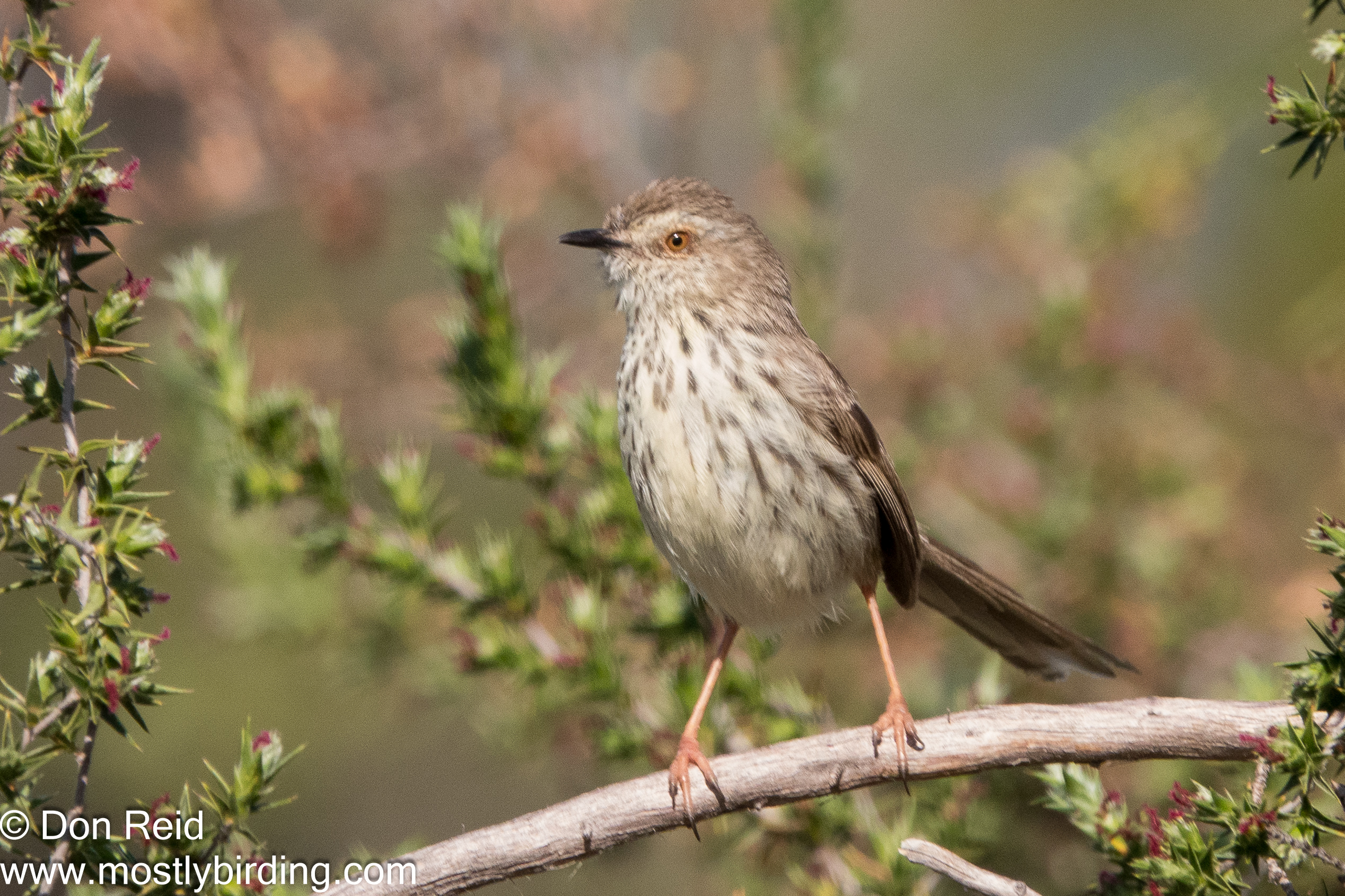
Rufous-eared Warbler, Paardebont areaAfrican Dusky Flycatcher Muscicapa adusta Donkervlieëvanger (juvenile), Hoekwil forestKaroo Prinia Prinia maculosa Karoolangstertjie, Mossel Bay Golf EstateLesser Swamp Warbler, Old R62 Road near Oudtshoorn
Suckers
The curve-billed nectar-suckers
Greater Double-collared Sunbird, Mossel Bay Golf Estate
Seed-eaters
All have short, strong triangular bills suited to their main diet of seeds.
Streaky-headed Seedeater, Mossel Bay Golf Estate
Favourites
A random mix of familiar birds, often colourful and with well-known calls. Here are three Kingfishers that fall into this grouping….
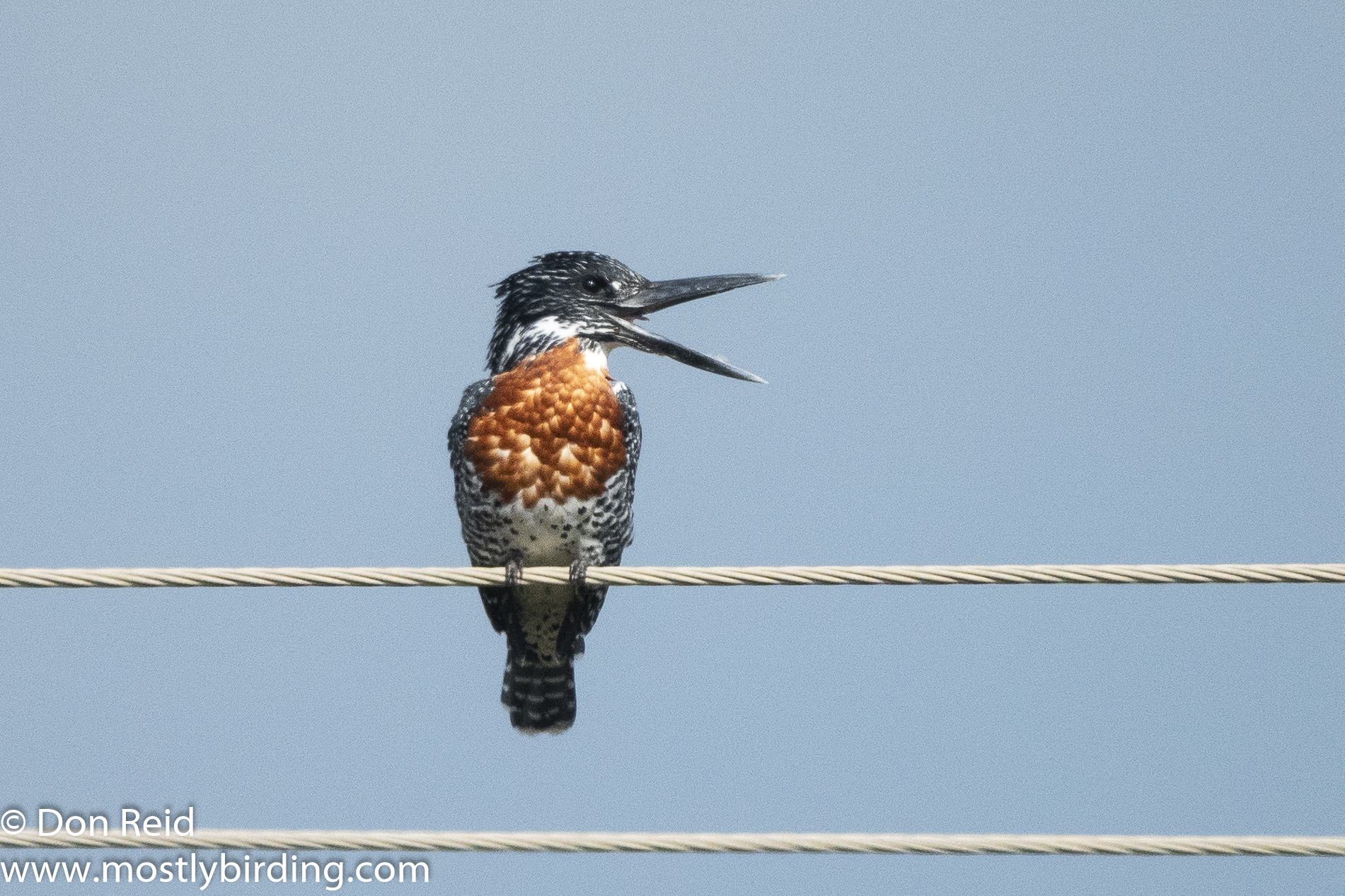
Brown-hooded Kingfisher, Old R62 Road near OudtshoornGiant Kingfisher, Gouritzmond CoastalPied Kingfisher Ceryle rudis Bontvisvanger, Klein Brak
Flyers
Swifts and swallows – the aerial feeders – also the most challenging to photograph unless they are resting between sorties
Brown-throated Martin Riparia paludicola Afrikaanse oewerswael, Herbertsdale southwestBarn Swallow Hirundo rustica Europese swael, Herbertsdale southwest
Plungers
Mainly seabirds that forage over water – and under water
At certain times during the year terns frequent the estuaries west and east of Mossel Bay where they move about in large flocks, usually requiring an energy-sapping walk across soft sands to get into position for photography
Terns, Klein Brak RiverGreater Crested Tern heading to the roost with fish catch, Klein Brak River
Runners
Small to medium-sized birds that forage on the ground
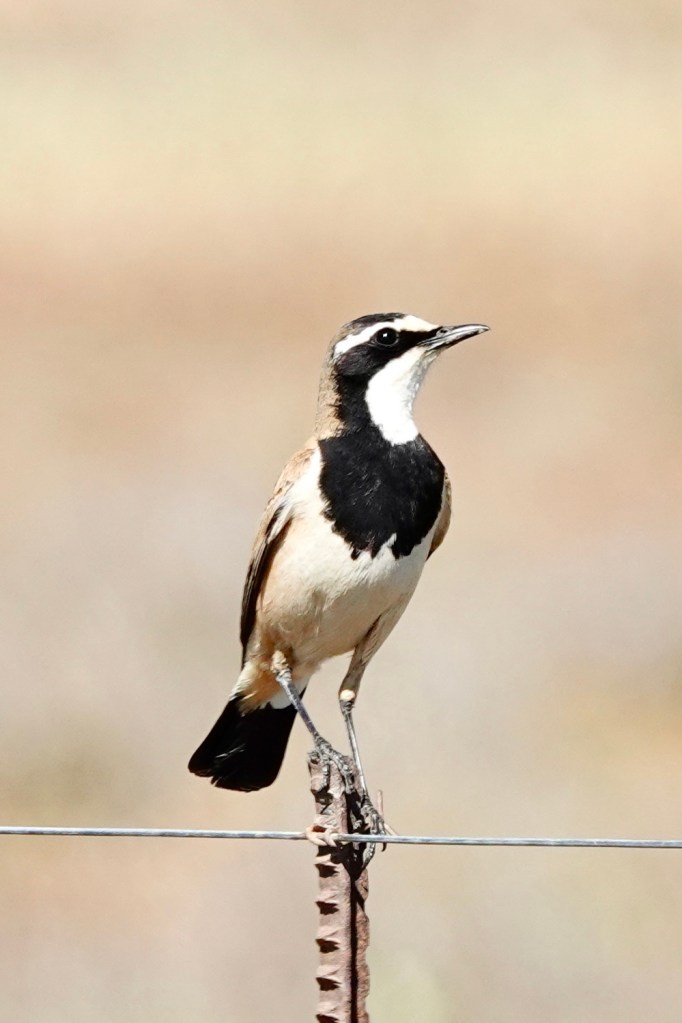
Pied Starling, Herbertsdale north beyond mountainLarge-billed Lark, Herbertsdale north beyond mountainAgulhas Long-billed Lark, Albertinia north areaChorister Robin-Chat Cossypha dichroa Lawaaimakerjanfrederik, Hoekwil forestCapped Wheatear Oenanthe pileata Hoëveldskaapwagter, Herbertsdale road
Swimmers
Birds with webbed or lobed toes for swimming
Crowned Cormorant Microcarbo coronatus Kuifkopkormorant, Yzerfontein West Coast
Walkers
And to end off – the group of large birds with long legs that feed and nest on the ground
Blue Crane, Vleesbaai areaWater Thick-Knee, Gouritzmond
Having enjoyed our time in July 2024 at The Baths near Citrusdal immensely, it was an easy decision when Andre and Geraldine (our daughter) invited us to join them again for a 10 day winter holiday visit to this most pleasant and relaxing resort set amongst hills with hot pools fed by a natural spring. Our two eldest granddaughters, both at Stellenbosch University, were ‘part of the deal’, making it extra special.
26th JUNE TO 7th JULY 2025
Getting there
With my webinar presentations (CPD for Quantity Surveyors) behind me on the Wednesday afternoon, we could start our packing and preparation in earnest for a Thursday departure – most of that was left for Thursday morning so I accepted that we wouldn’t be getting away until midday – fortunately our first day’s drive was around 300kms so not too onerous.
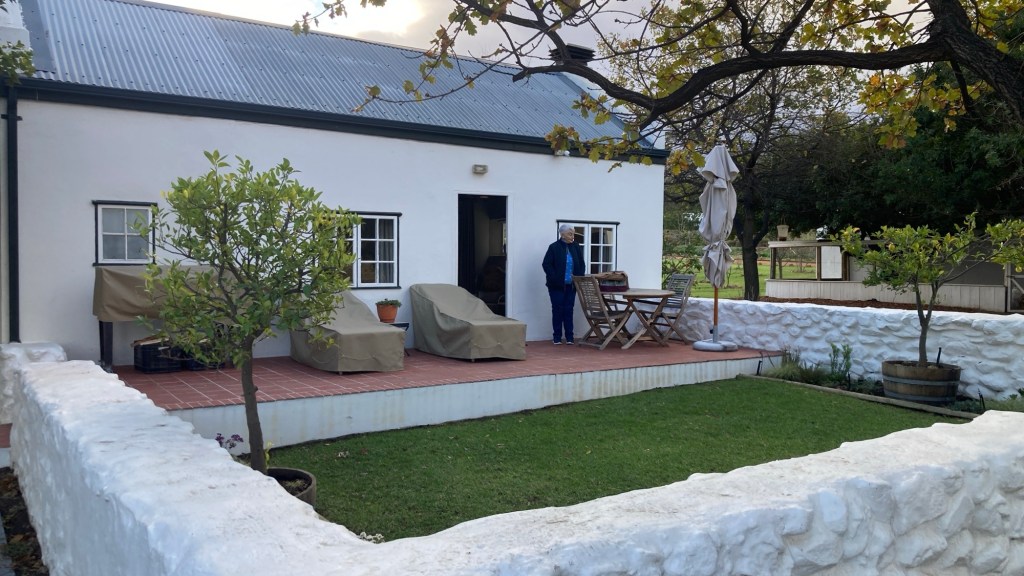
The roads were not too busy but light to heavy rain was the order of the day all the way to our overnight stop at Eikehof Farm near Worcester.
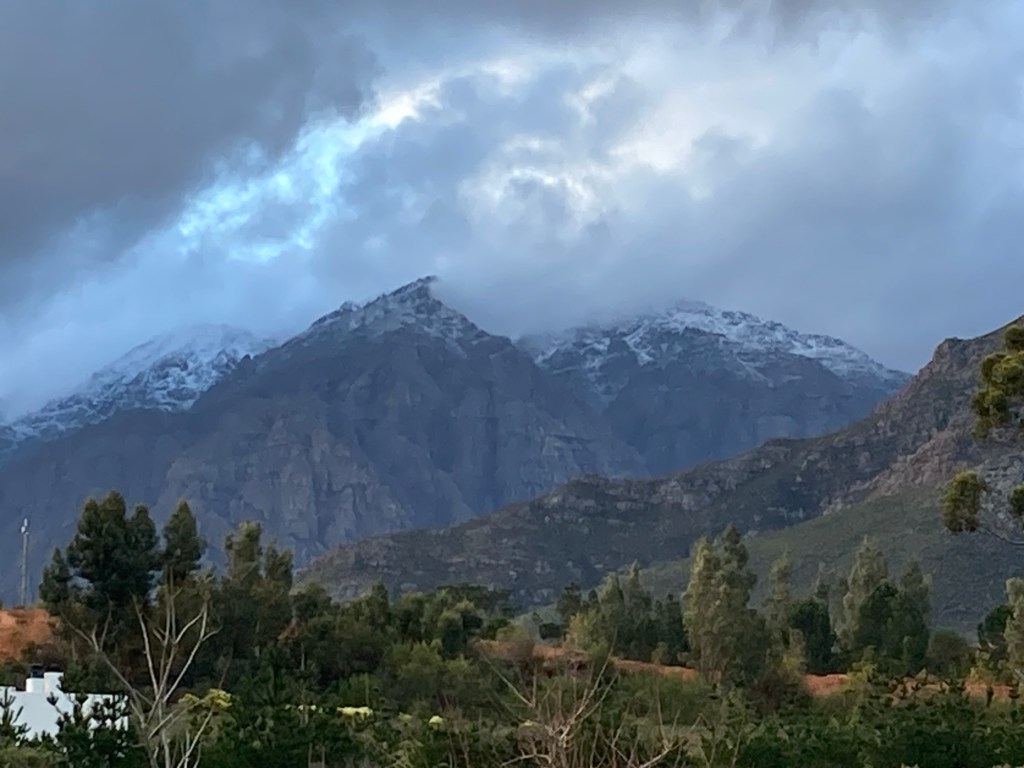
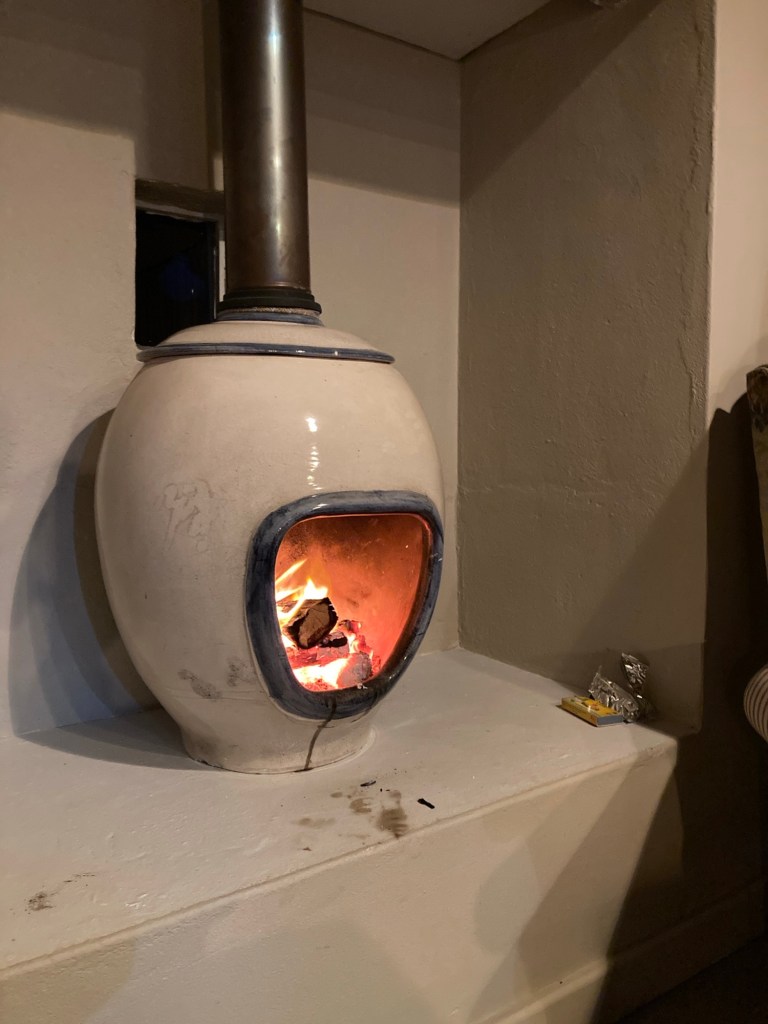
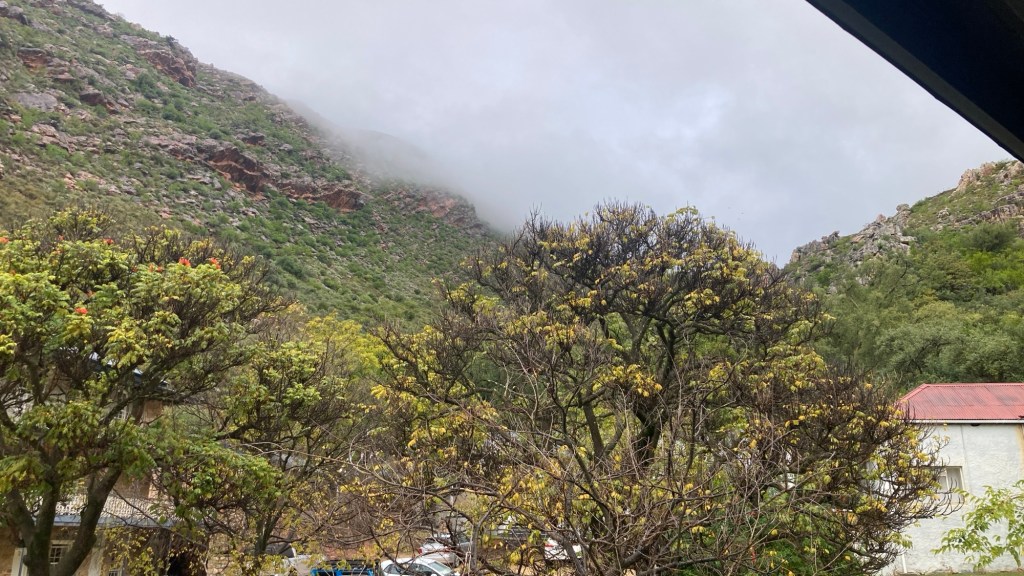
Snow on the surrounding mountains said just one thing – we were in for a chilly stay, but fortunately the chalet had a ceramic hearth and I at once set about getting a wood fire going before taking a short walk around the property.
Snow bedecked mountains around Worcester, Cape
Next morning we left at 10am with just 160 kms left to travel to The Baths so we took it super slow, ambling along at 90 or so and stopping twice, to make sure we arrived after check in time of 2pm.
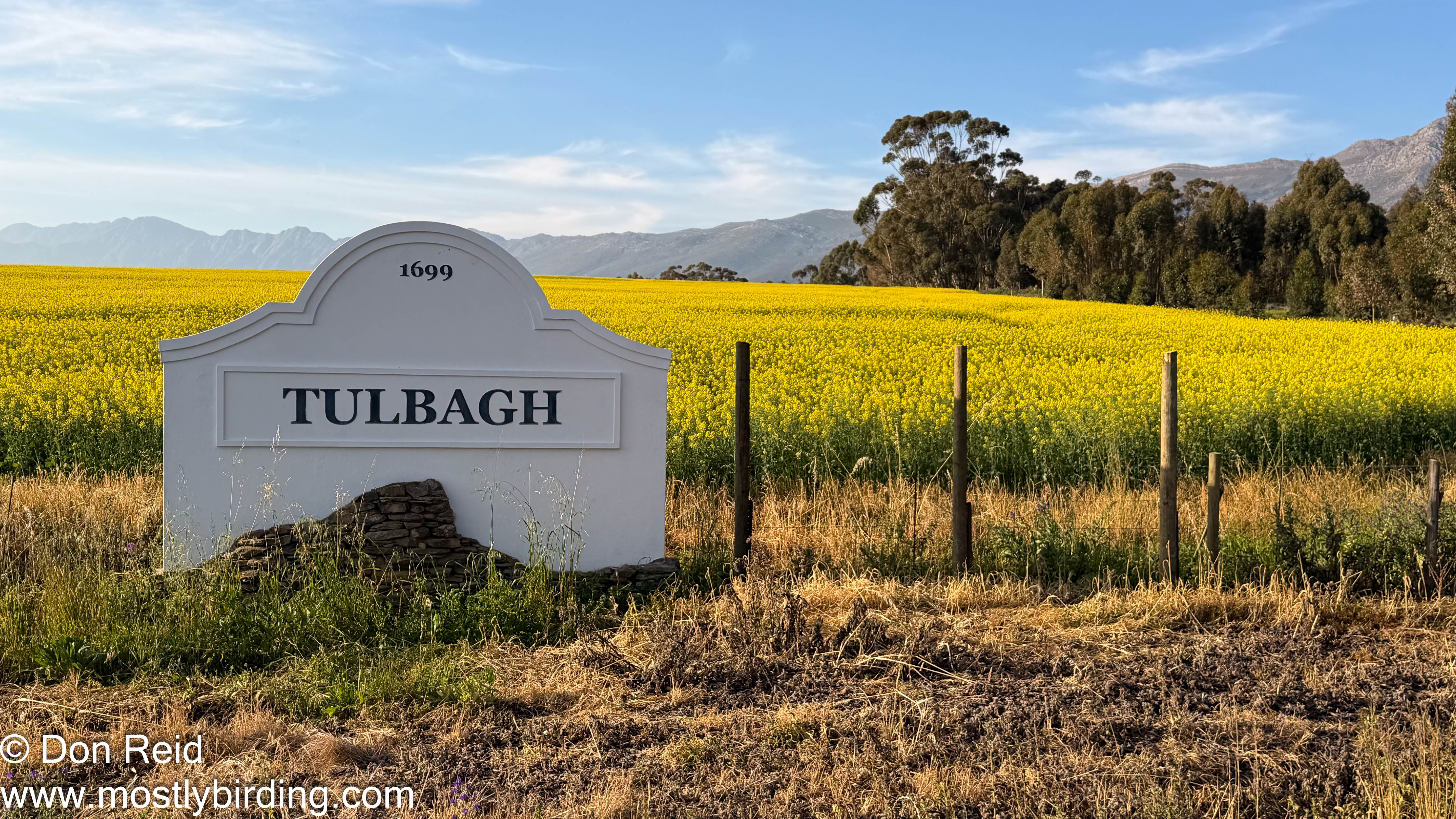
Our first stop was in the charming town of Tulbagh, decided on the spur of the moment as we approached the turn-off. We were curious when we discovered that it happened to be a “Christmas in July” weekend organised by the town, so the place was buzzing with people and parked cars.
Tulbagh, Cape main road
We chose Kole & Deeg restaurant for a coffee and Pasteis de Nata, which were so good we bought 6 more to take away. The drive itself was through beautiful scenic countryside and the traffic quiet until we reached the busy N7, the main road from Cape Town to Namibia.
Our second stop was at Kardoesie Padstal where we had lunch, before reaching Citrusdal and the last stretch of the trip to The Baths.
We had plenty of time to settle in and get our provisions and clothes sorted, leaving time to relax and get used to the feel of the place again.
The Daily rhythm
Our first full day at the resort was a template for the rest of the stay as we settled into a comfortable rhythm with some variations here and there.
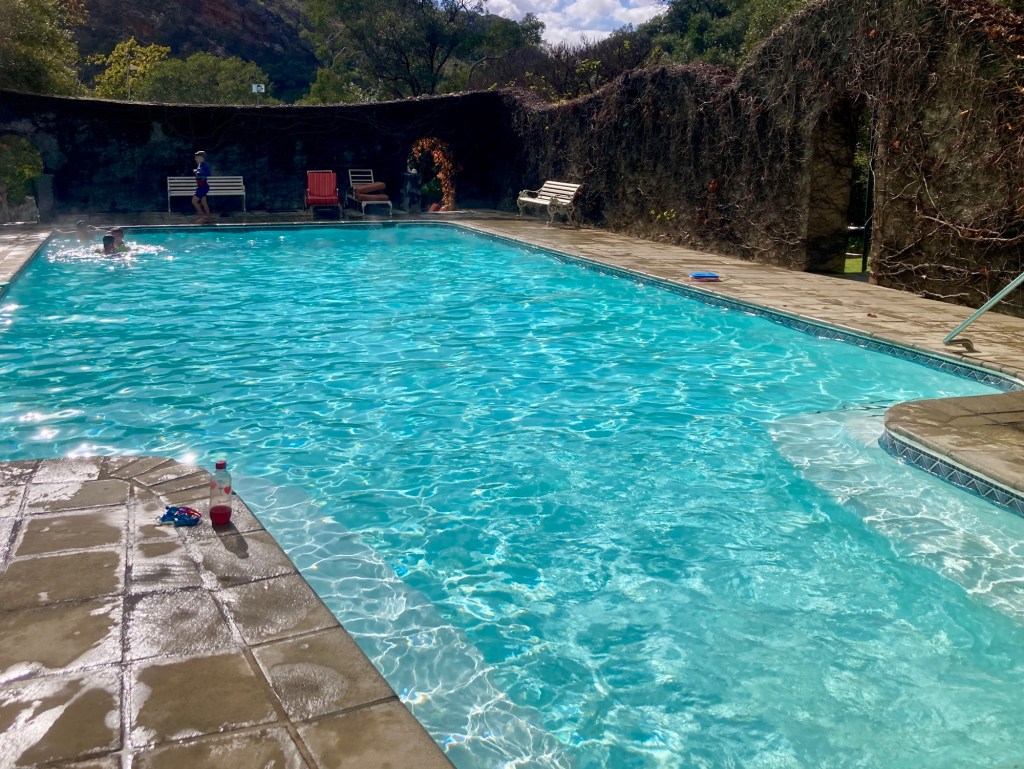
A late lie in before making our first tea and coffee of the day accompanied by rusks. Then a visit to the hot pool for a relaxing ‘swim’ – if you can call standing neck deep in hot water and occasionally paddling about slowly ‘having a swim’. Very relaxing and takes away some of the aches and pains of senior life.
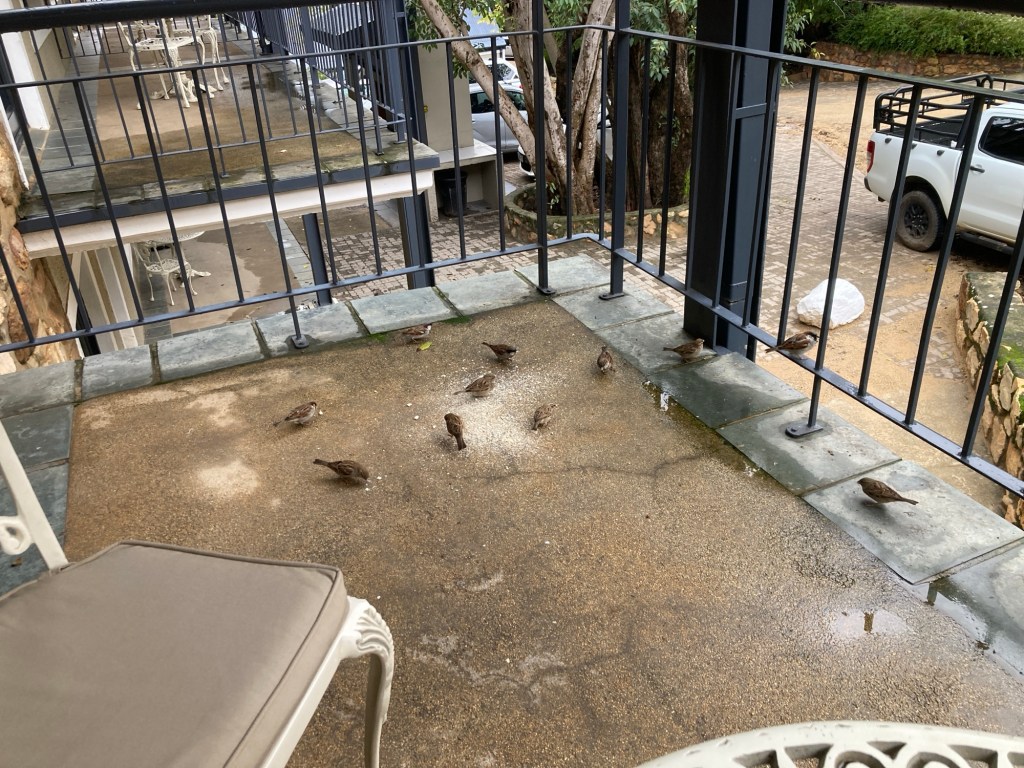
Morning tea and a light lunch out on the balcony, while watching the birds going about their own version of life in a resort – seems they have caught onto this relaxing thing as many of them seem quite laid back and accustomed to the presence of people around them.
Mid to late afternoon we head to the chalet ‘Willy’ just over a km away on the other side of the resort for some family time and the evening meal – mostly a braai – along with watching some Wimbledon tennis.
The Birding
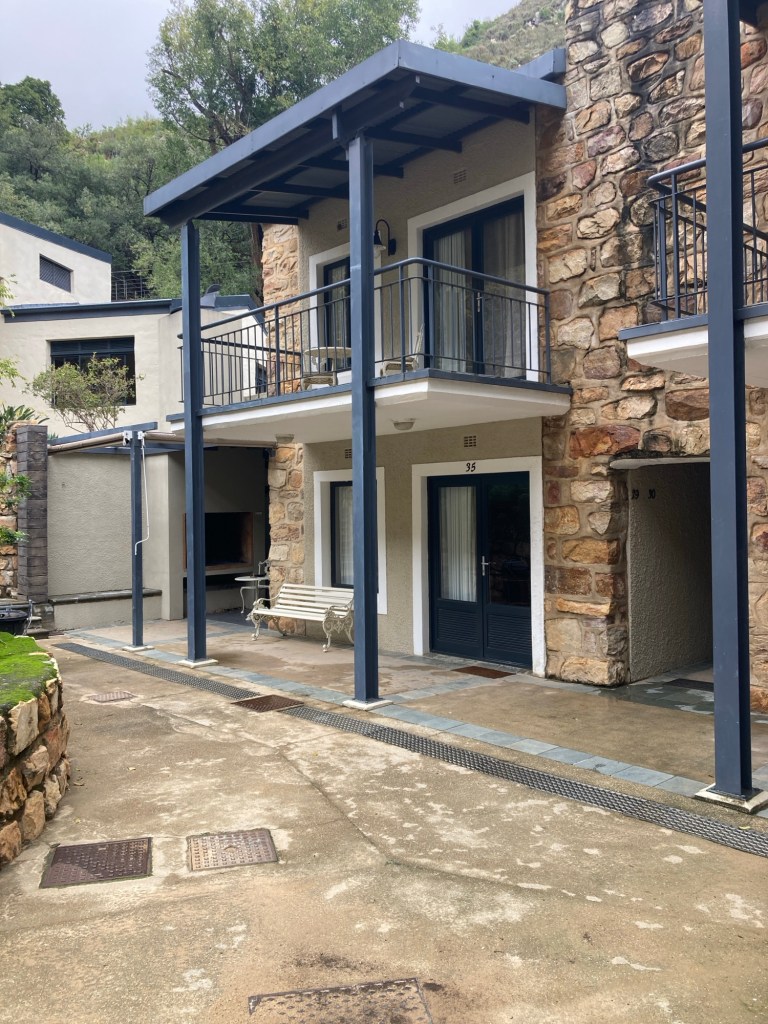
Most of my birding was done while ‘stoepsitting’ on the balcony of our apartment which looks over a busy part of the resort where most of the accommodation is found.
Our apartment on the upper floor, with balcony
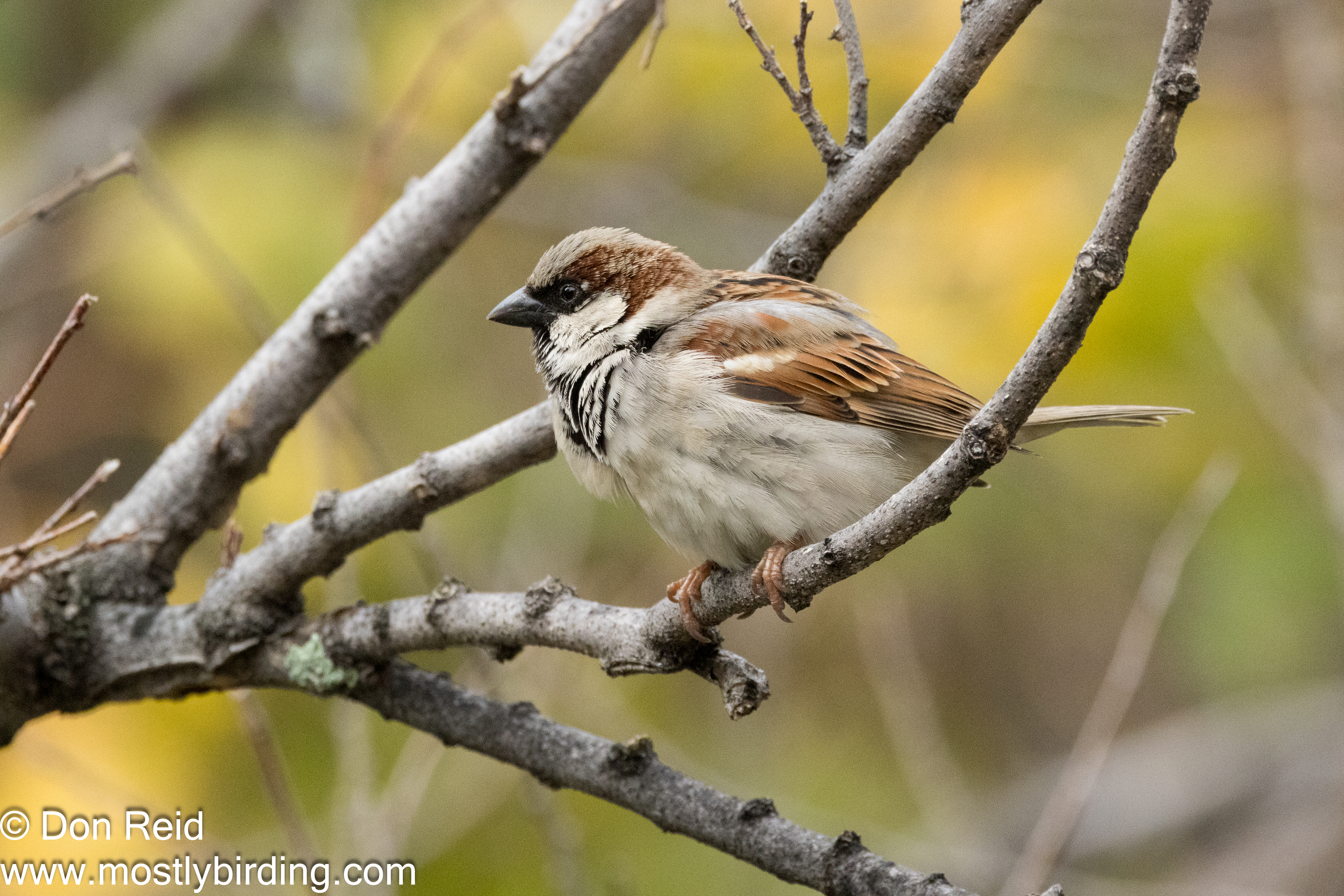
Each time I went to sit on the balcony a few House Sparrows would arrive, looking for a dropped crumb or other morsel. Okay, so maybe I created a few crumbs with a slice of bread.
House Sparrow, The Baths Citrusdal
The balcony is flanked by trees and bushes on both sides and across the road the mountain dominates the view with a couple of large trees at the base.
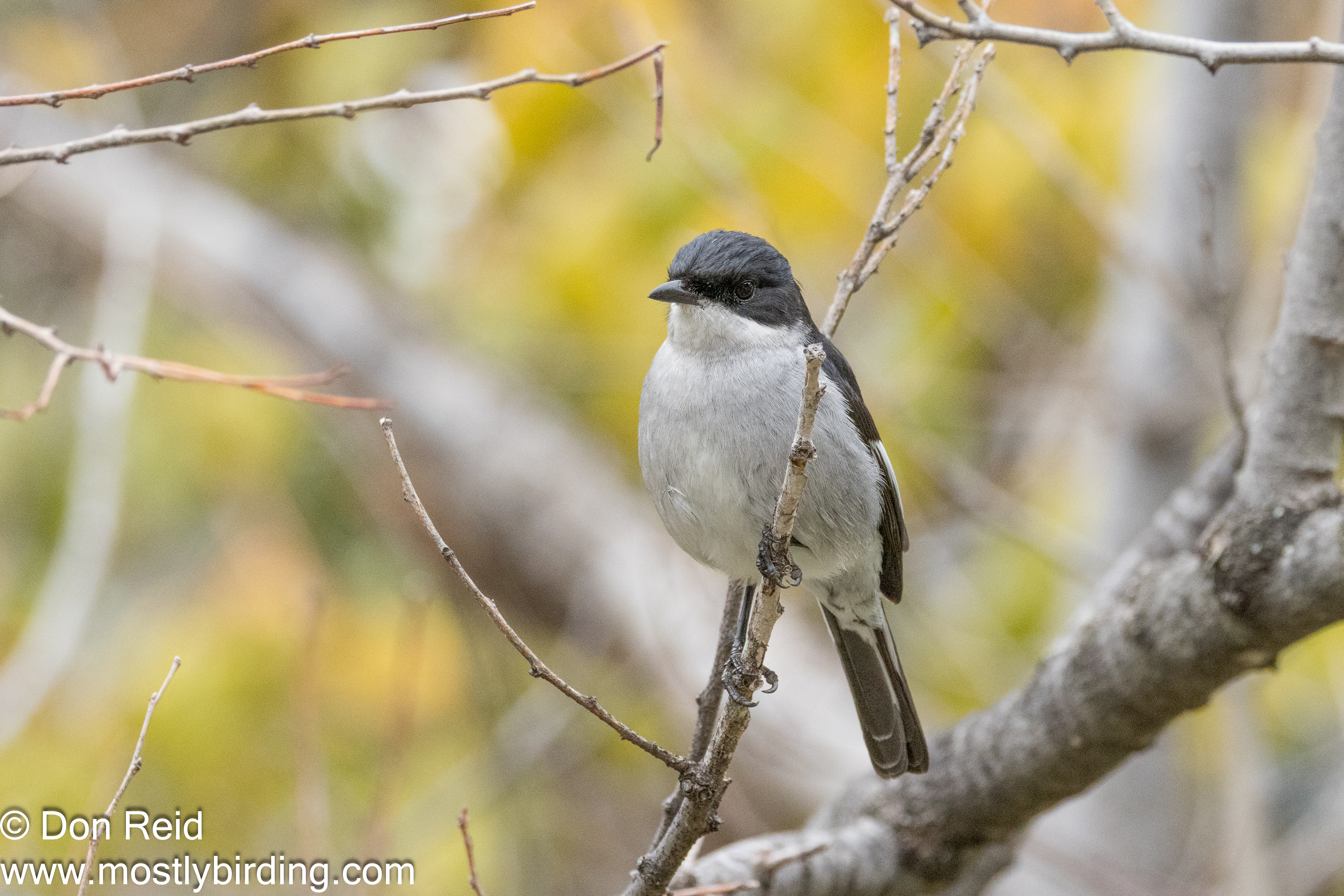
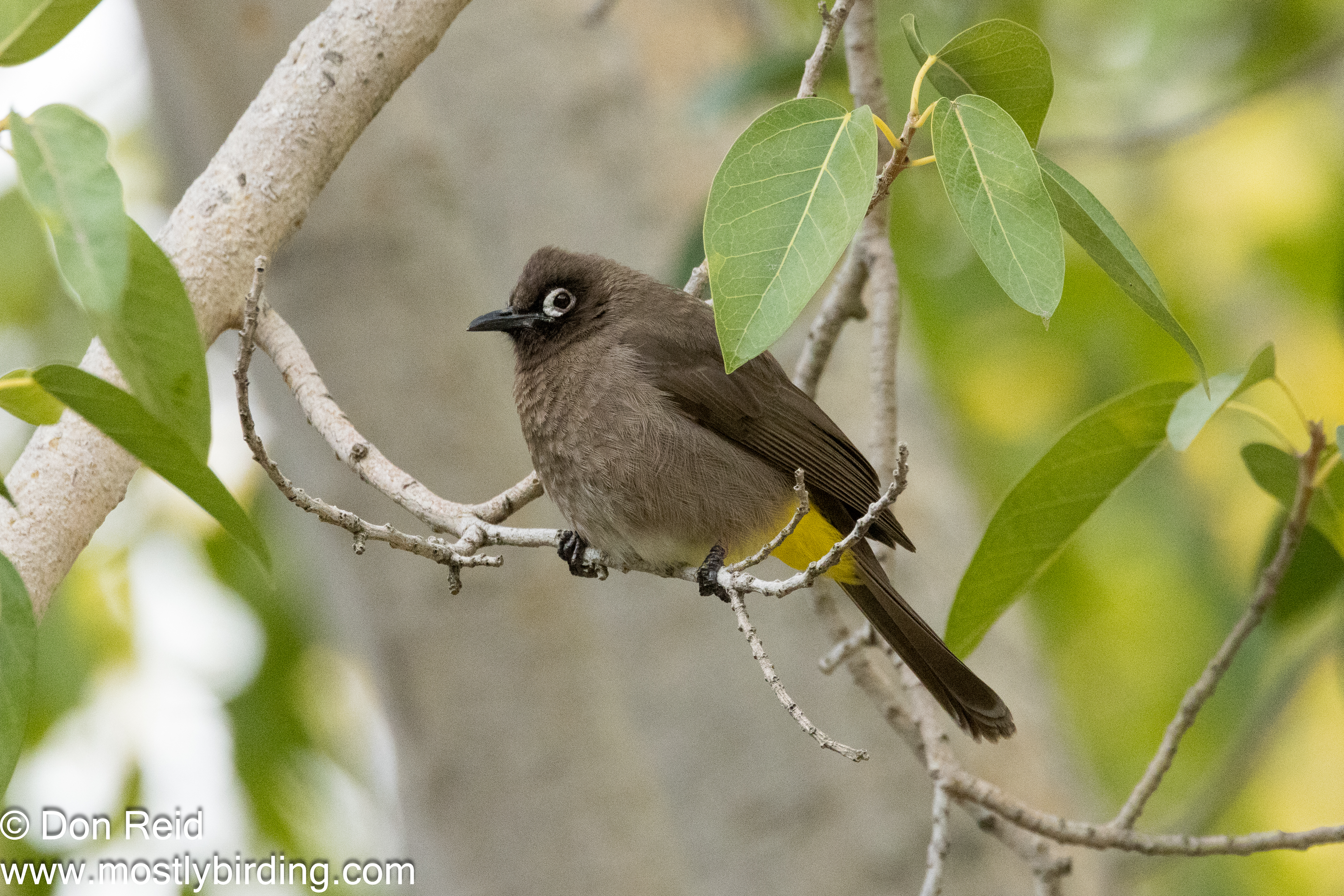
Fiscal Flycatchers were next, followed by the regulars such as Cape Bulbul, Southern Masked Weaver
Fiscal Flycatcher, The Baths CitrusdalCape Bulbul, The Baths CitrusdalSouthern Masked Weaver, The Baths Citrusdal
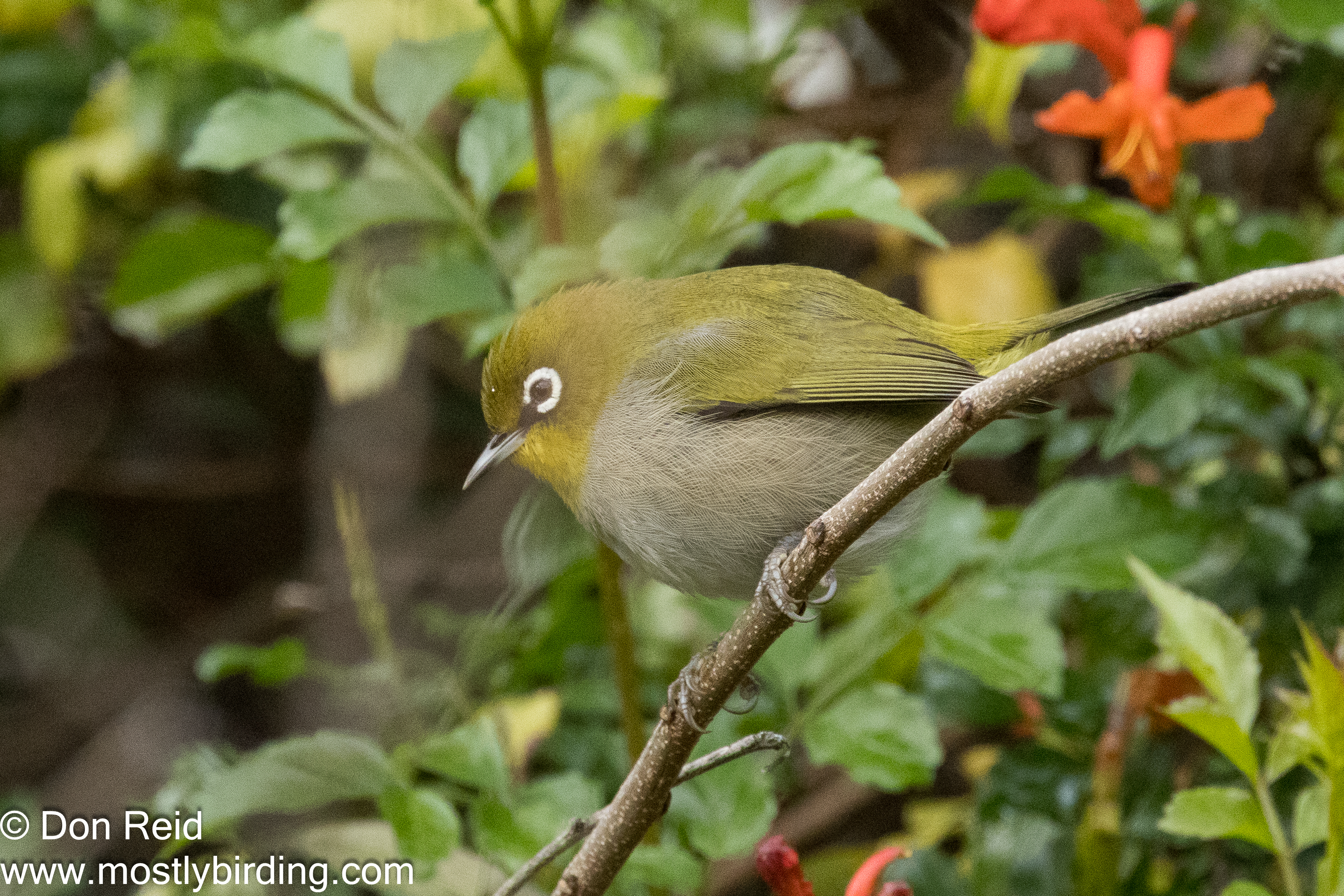
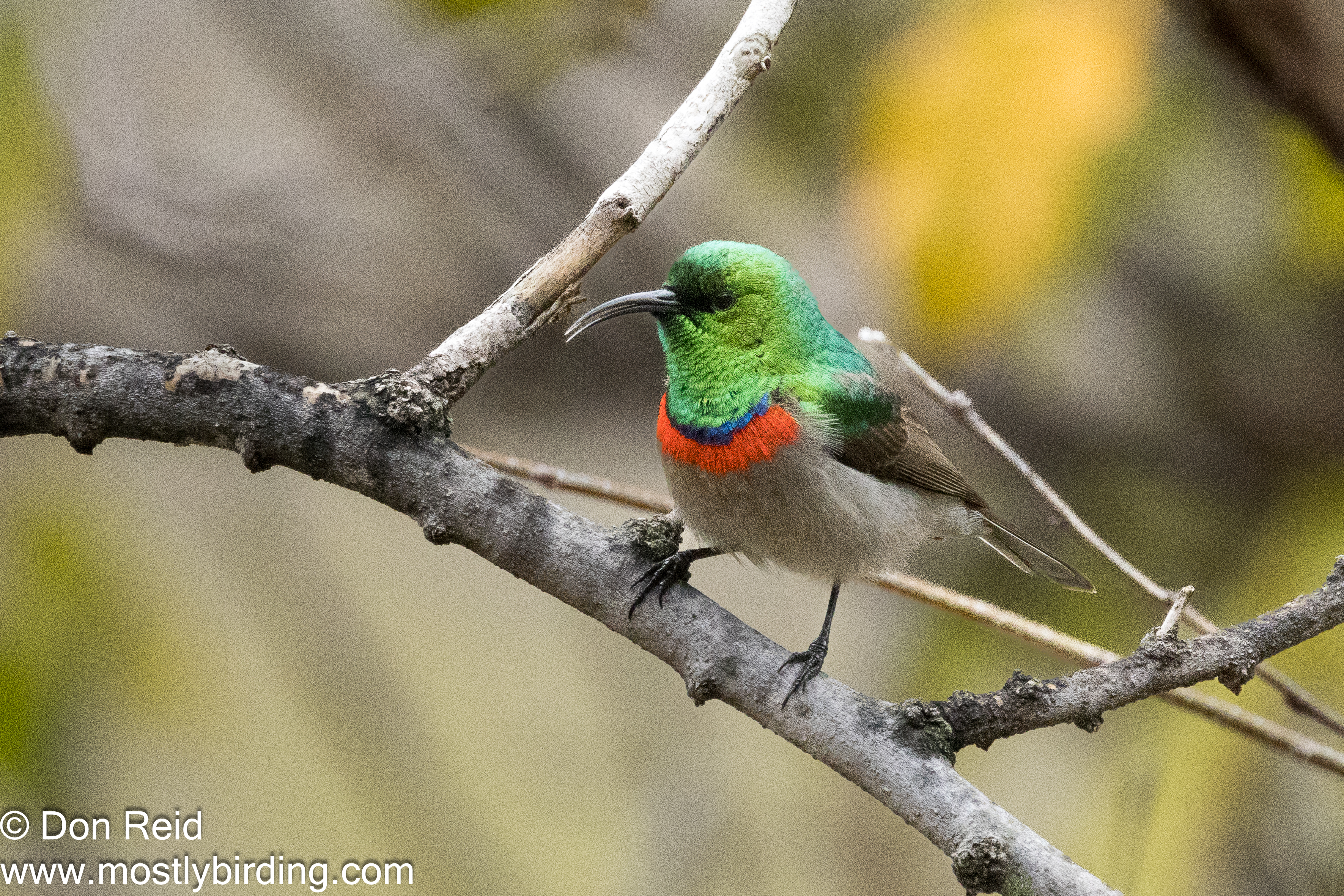
The African Flame Tree and Honeysuckle bush were draw-cards for the Cape White Eyes, Southern Double-collared Sunbirds and Streaky-headed Seedeaters.
Cape White-eye, The Baths CitrusdalSouthern Double-collared Sunbird, The Baths CitrusdalSouthern Double-collared Sunbird, The Baths CitrusdalStreaky-headed Seedeater, The Baths Citrusdal
Southern Boubous and Cape Robin-Chats were a bit more wary and the Familiar Chats kept their distance as well, ever on the lookout for a tiny insect to pounce on from a low branch or rock.
Southern Boubou, The Baths CitrusdalCape Robin-Chat, The Baths CitrusdalFamiliar Chat, The Baths Citrusdal
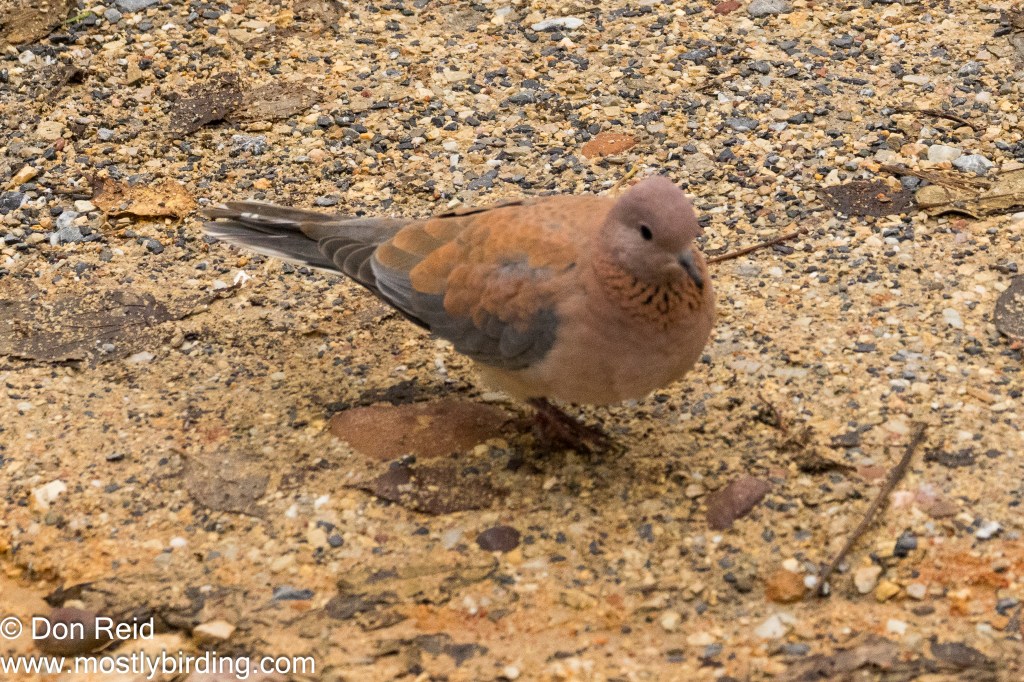
A Laughing Dove got into the act in its own gentle way
Laughing Dove, The Baths Citrusdal
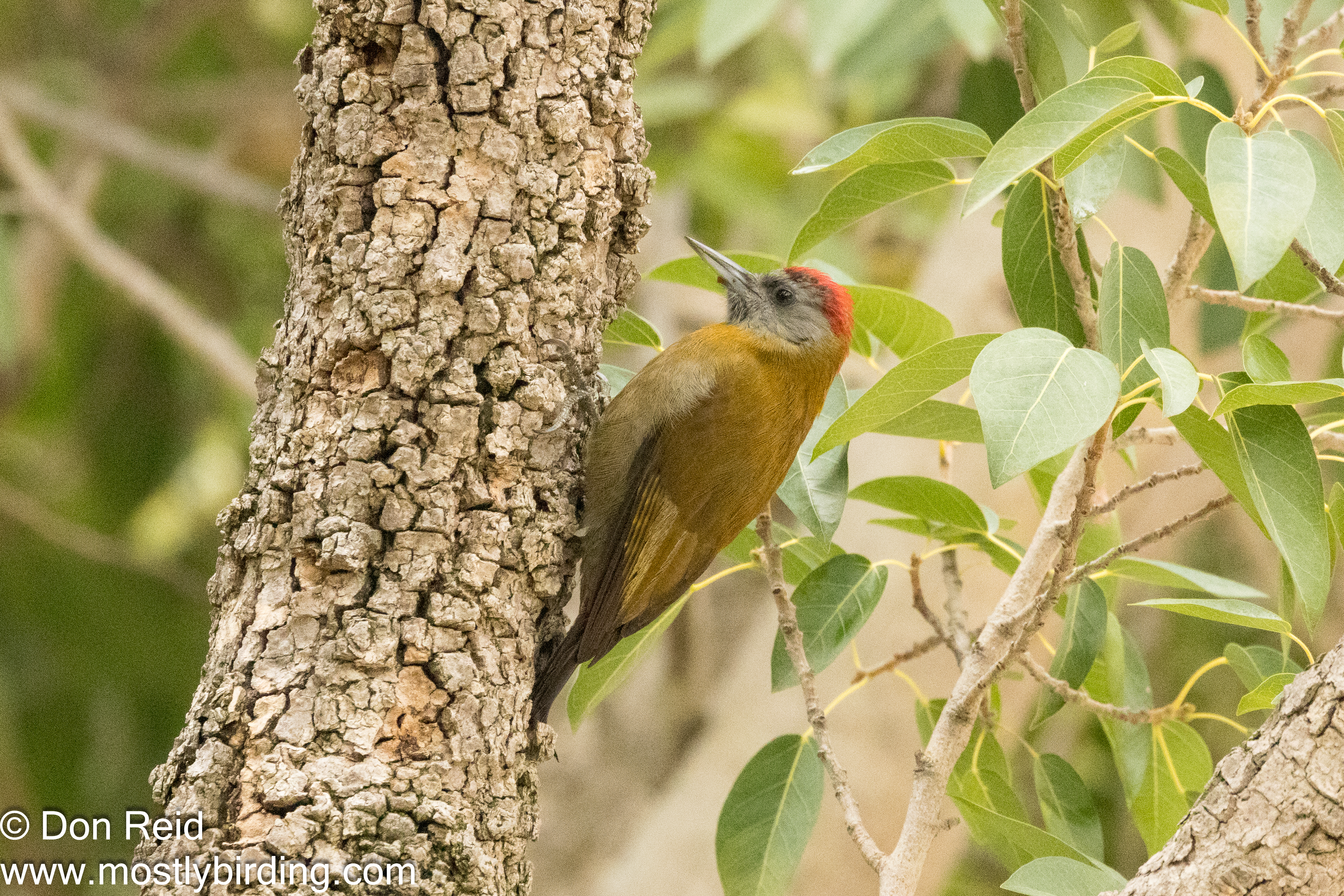
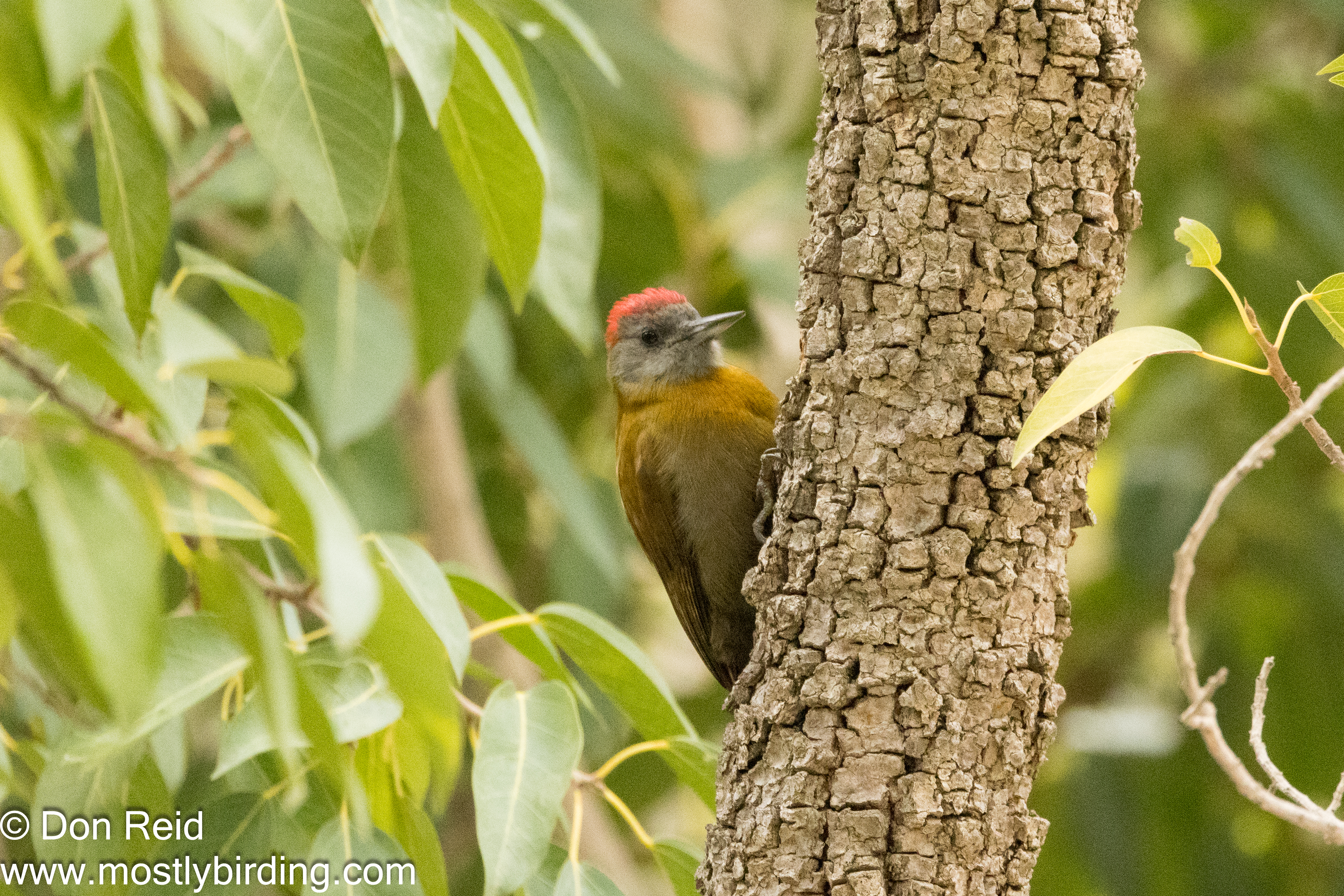
Passing birds added to the mix – an Olive Woodpecker chose the Namaqua Fig Tree to clamber through the branches, gleaning insects from the cracks in the bark and displaying its fine colouring.
Olive Woodpecker, The Baths CitrusdalOlive Woodpecker, The Baths Citrusdal
An Outing into the Cedarberg
A chance meeting with old friends just before our trip, who recommended a visit to an area of the Cedarberg not too far from the resort, led to us undertaking a day trip to see for ourselves.
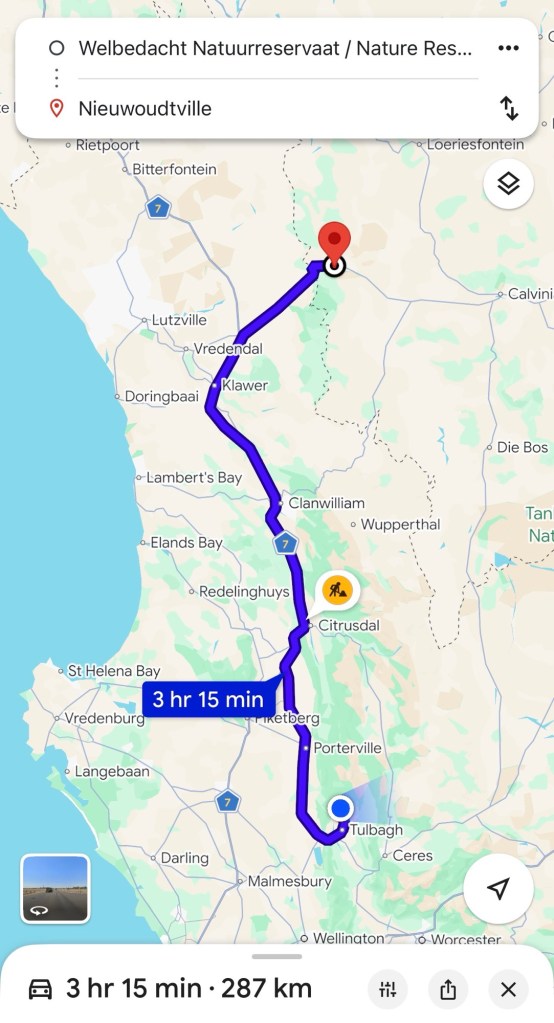
The route from The Baths took us initially back to the N7 near Citrusdal, then northwards towards Clanwilliam, taking a turnoff signposted Algeria (not the country!).
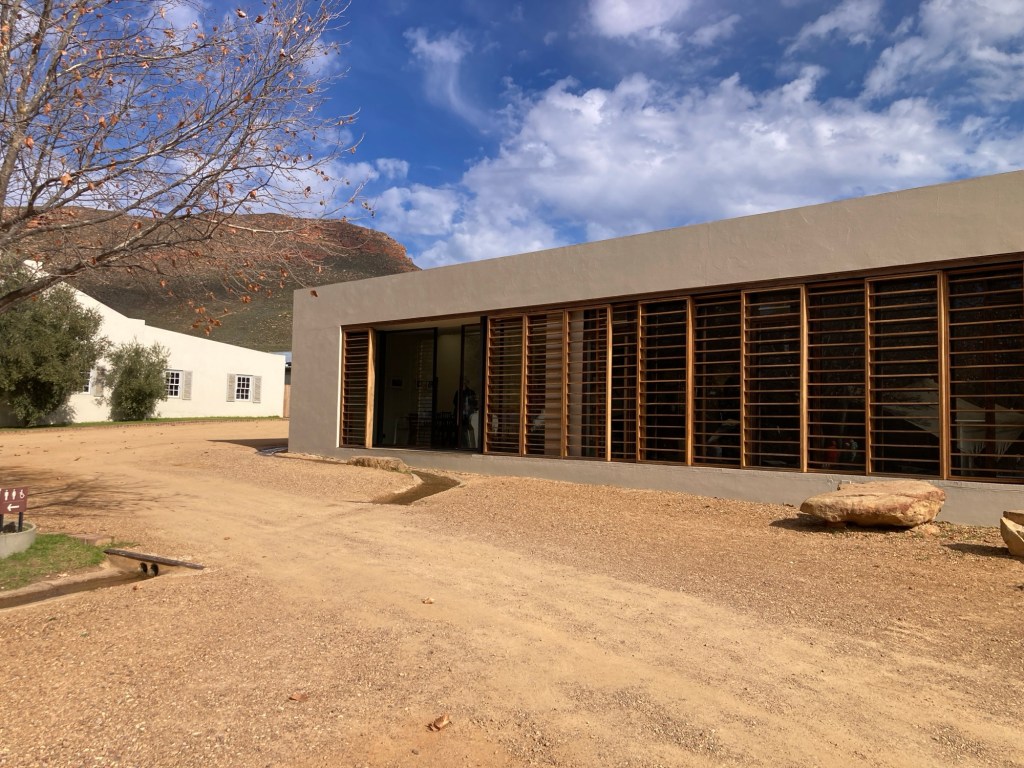
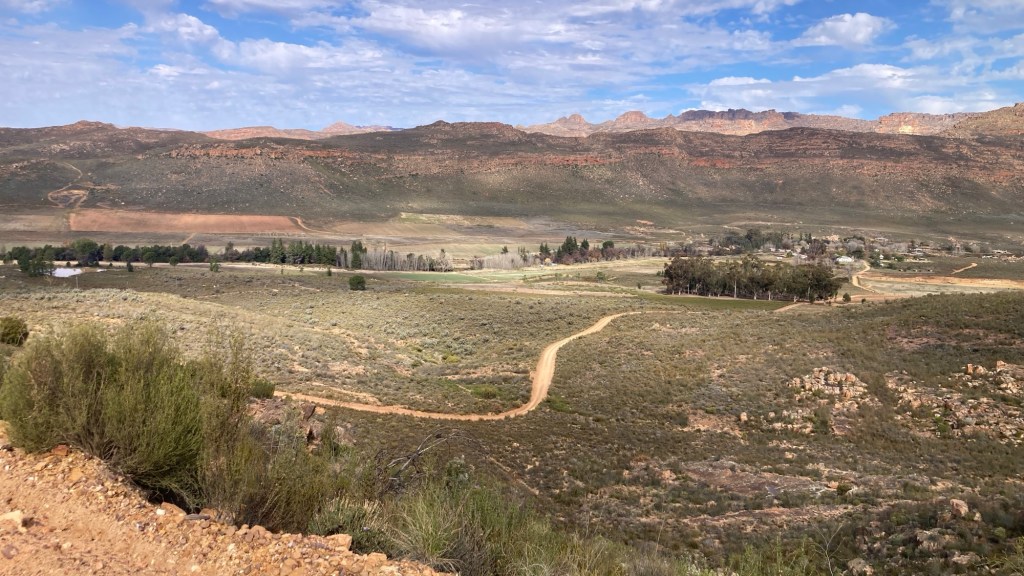
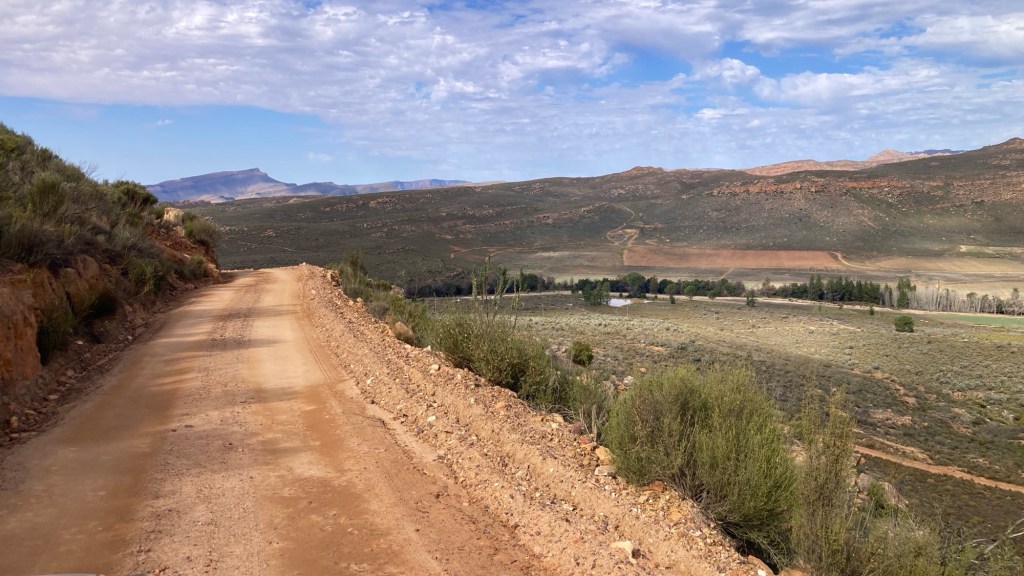
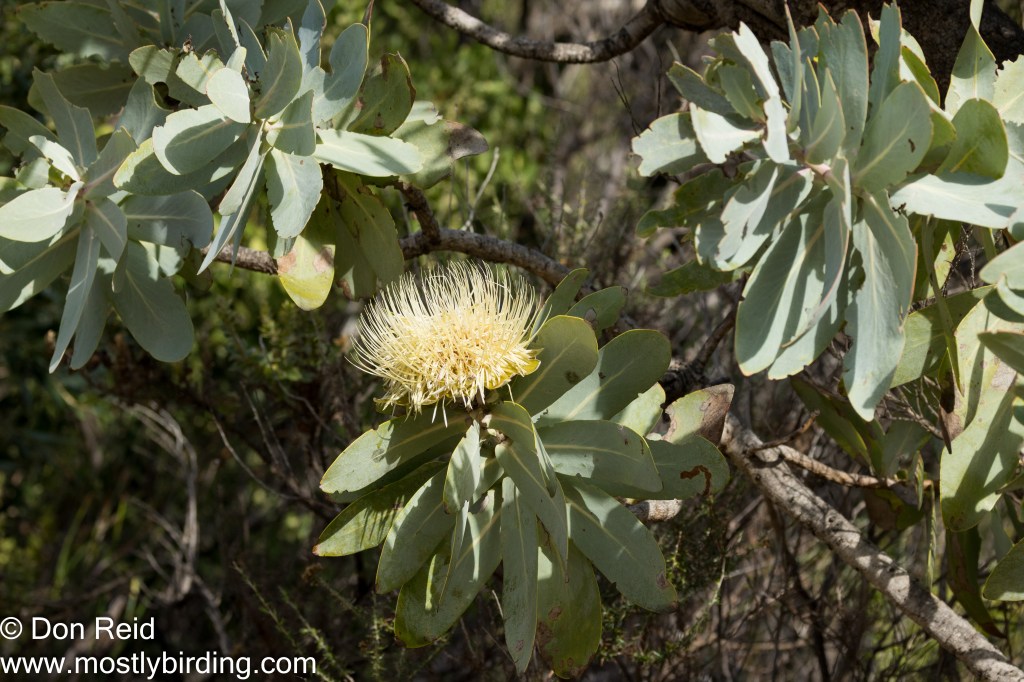
From there the road changed to dirt – good in parts, single track and bumpy in others, so the going was slow. Nevertheless, it was an interesting drive through the Cedarberg Wilderness area that we have heard many people talk about but have never experienced ourselves – mostly high mountains with rock and boulder strewn hills and an abundance of Proteas and other fascinating flowers.
After what seemed like a long drive but was just 20 kms we stopped at the Cape Nature offices at Algeria (a small settlement) for permits for the Caves we wanted to visit further on.
Moving on we headed through another pass and down into a long valley which surprisingly had planted vineyards alongside the road – they belonged to Cedarberg Wines which was our next stop to have a look around.
Cedarberg Winery
The wines on offer were mostly at premium prices – I like buying wines from places we visit so chose the more affordable Merlot-Shiraz blend on offer after a brief tasting session.
Having taken more time to get there than planned and being lunchtime, we decided to head to the restaurant that our friend had recommended as part of the visit. The turnoff to Kromrivier, where the restaurant is uniquely located was shortly after the winery and the road there followed a circuitous route across the ridges and into the next valley.
The road became single track in places with little visibility of oncoming vehicles due to sharp bends and scary drop-offs, so I was happy to reach the open valley without meeting any other vehicles.
The restaurant is part of a resort and the design immediately spoke of quality and attention to detail, which was borne out by the meals we ordered and enjoyed – quite amazing to find such a place in this very remote spot which apparently can be cut off for a week at a time by excessive rain. (One of the low water bridges we crossed had water lapping at the edges so would be impassable a day or two later after heavy rain fell over the whole region)
With lunch done it was close to our cutoff time of 3pm to make sure we got back to base before sunset, so we had to skip visiting the caves which had been the original idea – maybe next time! In any case we were all happy to have seen this part of the Cedarberg Wilderness before the forecast wet weather descended over the region the next day.
And just to end off, back at the resort a couple of winter blooming flowers caught my eye
Flowers, The Baths CitrusdalFlowers, The Baths Citrusdal
Nature never fails to leave you with a sense of wonder – that’s probably the reason atlasing appeals to me so much as there is seldom an atlasing outing that doesn’t come up with a surprise or two, often ‘ordinary’ birds behaving in an extraordinary manner, or an out-of-the-ordinary bird popping up unexpectedly.
But atlasing is not what this short post is about – as so often happens while searching for birds, something else altogether caught my attention. Well actually, it was grandson Christopher (visiting from Australia with our son and the rest of his family) who encountered this particular insect and drew my attention to it.
We were taking a walk along the nature trail near our home and had seen or heard a number of the birds that I often encounter including plenty of Cape Sugarbirds, often so numerous during the Protea flowering season that I have come to call that part of the trail “Sugarbird Alley”
Cape Sugarbird Promerops cafer Kaapse Suikervoël
Christopher was up ahead at one point and called us to come and look at what he had found – it was an extremely well camouflaged grasshopper among dry stick and grass litter at the edge of the trail.
Take a careful look at the heading photo and the one below and you will see just how well camouflaged this particular grasshopper is in its carefully chosen environment. To enhance its camouflage it has placed itself partly underneath some of the dry sticks, giving the very convincing appearance of being part of this random scattering of sticks and grass – just wonderful!
In case you cannot find it, I have circled it in green below
When it moved away from the sticks it became a lot more visible.
Common Stick Grasshopper Acrida acuminata Spooksprinkaan
Some later research (aka Googling) suggested that this is a Common Stick Grasshopper (acrida acuminata). I like the Afrikaans name of Spooksprinkaan – literally ‘Ghost Grasshopper’
Normally it would be all but invisible to someone passing by, but it happened to hop out of the way just as Christopher approached, giving away its presence but still requiring sharp eyes to pick it out among the real sticks.
View of Voëlvlei after substantial rains (photo from whatsapp group)
Firstly, a few facts about this well-known birding spot near Mossel Bay – well-known if you are a birder that is, particularly one who has explored the birding delights of the southern Cape.
‘Voëlvlei’ can be directly translated from Afrikaans as “Bird wetland (or pan)”, although no one would ever call it that in South Africa. ‘Voël’ is of course the Afrikaans term for ‘Bird’ and ‘Vlei’ is a widely used term for any shallow body of water such as a seasonal wetland, shallow pan or marshy depression where water collects during the wet season.
The pan at Voëlvlei only retains water during very wet years, which can be anything from 7 to 15 years apart, so when the vlei has water it very quickly becomes a magnet for waterbirds and waders, followed closely by many a keen birder out to find a variety of birds, with a strong possibility of a rare migrant wader or two during the summer months.
Voëlvlei lies about 35km south-west of Mossel Bay and is on privately owned farming ground – the owners have generously allowed access to the vlei for birders as long as they behave in a respectful way.
Voëlvlei straddles three pentads
A track skirts the vlei on one side with entry possible from two farm gates at the northern and southern extremes (after entering or exiting it is good form to close the gate again).
My Atlasing Visits to Voëlvlei
SABAP2 Records
The table above shows all my atlasing records since my first visit in December 2015 – green indicates that it was a “Full Protocol” card, which requires a minimum of two hours of intensive atlasing, the grey is for “Ad hoc” cards.
The good (or bad news depending on your inclination) is that I still have my journal records of all of the “green” cards, so join me as I return to those journals and select some of the highlights of the visits. You can, of course, skip the words and just look at the pictures, but I believe my readers are made of sterner stuff than that and are not afraid to plough through the verbiage.
14 and 18 December 2015
My first visit was 10 years ago, long before we moved permanently to Mossel Bay…
I had long read about the vlei as being a top birding spot when conditions were right. With reports trickling through of favourable water levels after good winter and early summer rains, I stopped at Voëlvlei on my way back from atlasing Gouritsmond, to find that it indeed had plenty of water and what appeared to be thousands of birds.
I did a quick list of some of the obvious birds, without going through the gate into the vlei area itself. A few days later Gerda joined me for a late afternoon visit to the vlei, when we entered Voëlvlei proper and followed the track around the east flank, then returned along the same route. The atlasing protocol allows a maximum of five days for one ‘card’ so I could add to the short list I had started on the 14th.
Birding was excellent and plentiful, the only downside being the sun in the west which created a sharp glare, making it difficult to see the birds clearly. We added 36 species to the initial 10 taking the total to 46, including ..
Pied Avocet – notable for being a ‘Year bird’ for me (Birders are such nerds)
This first visit was particularly memorable – little did I know it would be eight years before I would experience something similar at Voëlvlei…
I did atlas the pentad in the intervening years but did not include Voëlvlei itself as it had dried up completely
30th November and 2nd December 2023
Having moved to Mossel Bay in October 2023 and seeing the reports of increasing water and bird presence at Voëlvlei, I was keen to visit the spot and see for myself. Reports of rarities made it even more imperative so I set off on the last Thursday of November, the day in the week that I have tried to keep open for atlasing.
I started my pentad list along the road past Vleesbaai with a Black Harrier which I chased down the road to try and get level with it as it hunted low over the fields in true Harrier fashion, stopped quickly and rattled off a few shots – with limited success but lovely to see it in hunting mode.
Black Harrier Circus maurus Witkruisvleivalk, Vleesbaai area
Further on I took the turnoff to Voëlvlei and after passing through the gate I spent the next three hours carefully scanning the vlei from the track along the east flank, particularly the muddy margins which were teeming with birds.
The open waters towards the middle of the vlei as well as the surrounding dry land were equally busy with their particular species all enjoying a cornucopia of edible life.
Once again the waterbirds dominated my list …
Waders – Black-winged Stilt, Three-banded, Kittlitz’s and Common Ringed Plovers, Little Stint (lots), Ruff, Wood Sandpiper, Grey Plover, Pied Avocet, Greenshank, Blacksmith Lapwing, Grey Heron, African Spoonbill and Little Egret
Rarities – This visit was excellent preparation for the annual Birding Big Day just two days later when many of the same birds were recorded by our team. An added thrill was seeing two rarities which had been spotted by some of the keen birders already present –
White-rumped Sandpiper – a low-slung, longish-winged sandpiper, difficult to distinguish among the many small waders except when close to the many Little Stints present
With Voëlvlei still attracting a lot of attention from birders and with reports of another rarity – Buff-breasted Sandpiper – being seen there, I couldn’t resist another visit just a week later.
It was a Sunday and Gerda agreed to join me, so after a traditional Sunday lunch at a country restaurant on the way (meat and three veg with rice plus a pudding) for not much money, we headed to Voëlvlei and joined several vehicles and birders with the same idea.
The Buff-breasted Sandpiper was quickly pointed out by those already present – on its own foraging in the dry, lightly grassed area away from the water – clearly a loner not interested in mingling with the many other waders in the vlei itself.
I spent a while scoping the sandpiper and taking photos of it from a distance, while recording all the other species present as they came into view.
We headed home with 34 species recorded. Feeling that the list needed boosting, I decided to include Voëlvlei in my next atlasing session on the following Wednesday, which would fall in the allowed 5 days for a “Full Protocol” card.
I arrived at the vlei mid-morning and spent three more enjoyable hours viewing the multitude of birds, adding a further 16 species to take my total to a nice round 50 for the pentad.
The White- rumped Sandpiper was still present and I spent some time trying to get better photos of this rarity – with limited success. It was difficult to get close enough to the bird, which remained among short grass tufts in the shallows of the vlei, intermingling with other waders and probing the mud constantly so that it was nigh on impossible to isolate it for a decent photo.
Waders – Black-winged Stilt, Kittlitz’s and Common Ringed Plovers, Little Stint (lots), Ruff, Pied Avocet, Blacksmith Lapwing, Grey Heron, African Spoonbill, Little Egret, Cattle Egret, Glossy Ibis and Sacred Ibis
Most Surprising Sighting? – most certainly seeing a Grey Heron with what looked like a Reed Cormorant (possibly a juvenile) in its bill, which it proceeded to manoeuvre into position and swallow whole! I wasn’t able to capture the final swallow as the Heron moved behind some reeds.
The vlei remained partly inundated during the most of 2024, with water levels gradually decreasing as inflow dried up.
During February reports appeared on the local birding groups of a Greater Sand Plover at Voëlvlei – I had seen this species before but just once, so at the end of my next atlasing trip I took a detour to the vlei to see if I could find it.
At Voëlvlei I was able to find and photograph the Greater Sand Plover without too much effort and to record numbers of other waders which were still plentiful.
Thereafter the vlei gradually dried up, leaving ever wider margins. This did not come as a surprise for those living in the Southern Cape as it has been a particularly dry year for the area.
The photo below was taken in July this year, with just the northern section having any water – a couple of weeks after this photo the vlei was bone dry.
That just raises the question that is impossible to answer – when will Voëlvlei have water again? If average statistics are anything to go by it may be 7 or more years before that happens, a sobering thought at my age, I have to say, but I am thankful to have enjoyed two bountiful birding seasons during the last 10 years.
These tales record some of the more memorable experiences while atlasing – in this case two atlasing outings 4 months apart in time and 1250 kms apart in distance –
And in case you’ve forgotten or have not heard of Atlasing, there’s a brief synopsis at the end of the post
North in Winter
One of my last atlasing trips in Gauteng, before our move to Mossel Bay in October 2023, was a mid-winter outing to the farming area about 30kms south-east of Pretoria, not far from the town of Bapsfontein.
Good friend Koos, also an avid atlaser, had suggested the outing and he picked me up around 6.15 am with 40 minutes to go before sunrise. We headed east along Lynnwood road extension, which was already busy with Saturday morning commuters and keen cyclists heading out along their favourite route.
At the T-junction with the R25, we turned southwards towards Bapsfontein, then east again at the Witpoort road. The road changed to gravel and heavy mist enveloped the car, slowing our progress considerably until we reached the northern boundary of our target Pentad
Pentad 2600_2830
A side road signposted “Knoppiesdam“ invited exploration and after turning off we came to a ‘gate’ – one of those unique rural designs consisting of strands of barbed wire attached to thin poles each side, one side fixed, the other side secured by loops of strong wire (known in Afrikaans as ‘bloudraad’ or “bluewire”) which allow the gate to be detached and secured as needed. The ‘gate’ has no frame so you have to pull it over to the side and lay it flat on the ground while the vehicle drives through, then attach it again before moving on.
While I was opening the gate to let Koos drive through and closing it again, an Ostrich (of the farm variety, so not recorded) approached and started doing a mating dance of sorts – this is not the first time I have experienced this when stopping near Ostriches – Koos reckoned it was my woollen beanie that caused the unwanted attention this time around!
A short distance after the gate we came to the dam where we found a group of fishermen setting up for the day and a substantial body of water largely hidden by the heavy morning mist.
As usual the first birds listed were those calling in the early morning, some visible others not – Swainson’s Spurfowl has a particularly raucous call that carries a long way in the relative peace and quiet of the countryside and was my first record of the day. That was followed quickly by several other species – Kurrichane Thrush, Red-eyed and Laughing Dove, good old Hadada Ibis and a few others.
Swainson’s Spurfowl Pternistis swainsonii Bosveldfisant), (taken in Kruger Park)
We lingered and listened intently while walking the shoreline of the dam as the mist slowly dissipated, revealing a few Red-knobbed Coots and Common Moorhen as well as a Little Grebe.
Little Grebe Tachybaptus ruficollis Kleindobbertjie
As we headed to the car Koos spotted a pair of large birds flying overhead but away from us – clearly Flamingoes! But which species – Greater or Lesser ? Fortunately they changed direction while still visible and gave us a view of their large bills, which were light coloured compared to the dark colour of the Lesser Flamingo, confirming that they were indeed Greater Flamingoes.
On the way back to the main road, more fine spotting from Koos produced two Little Bee-eaters high up in the trees.
Little Bee-eater Merops pusillus Kleinbyvreter, (taken in Kruger Park)
Back on the main road, the habitat of open fields with short grass and stones prompted me to comment that ‘this is Wheatear territory’ – my words were barely cold when the first Capped Wheatear was spotted, along with Red-capped Lark, Crowned Lapwing, Wattled Lapwing and African Pipit – all species that share a fondness for this habitat.
The road left the pentad so we headed quickly southwards to join up with the R50 Delmas road which took us back to the pentad. The R50 is a busy road with heavy trucks that rumble back and forward constantly, making it awkward, even dangerous to try and pull off onto the verge to check for birds. At the first opportunity we turned off onto a gravel side road to escape the traffic and were soon back into a more relaxed atlasing mode.
Long-tailed Widowbirds (almost unrecognisable in their drab winter non-breeding plumage) were next up – the males lose their long tails and most of their black colouring (summer plumage shown in the first photo below), but retain their colourful ‘epaulettes’ to differentiate them from the all-brown females (the second photo below)
Long-tailed Widowbird Euplectes progne Langstertflap – male in full breeding plumageLong-tailed Widowbird Euplectes progne Langstertflap – female
White-winged Widowbirds (equally drab females and non-breeding males) were encountered .
Just after finding a Namaqua Dove, always a pleasing species to encounter, we saw a large dam some distance from the road and found a track leading to it. Hoping that we were not intruding on someone’s farm we headed a short distance down the track to the dam only to find that a few large trees had been chosen as a roost by numbers of Black-headed Herons. We watched their comings and goings for a while and picked up a few other species before heading back to the road.
Black-headed Herons at heronry, Bapsfontein AreaBlack-headed Heron Ardea melanocephala Swartkopreier
Smaller roadside pans and dams that we stopped at further along the road held a few species such as Reed Cormorant, Malachite Kingfisher, African Snipe and Lesser Swamp Warbler, to close out the morning’s atlasing with a total of 39 species recorded in the pentad
For my first atlasing trip proper since arriving in Mossel Bay permanently, I chose a pentad in the area between the Oudtshoorn and Herbertsdale roads.
Pentad 3405_2155
Bang on 6am I stopped in lovely rolling country with a few small farm dams and with many birds calling and I spent the next half hour listing those I could identify along with some that showed themselves.
Most prominent were the first of dozens of Common Quail that I was to hear (and encounter as described below) throughout the morning, along with Cape Spurfowl, Little Rush Warbler calling from the reeds of one of the dams and Common Moorhen.
Cape Spurfowl Pternistis capensis Kaapse Fisant
I could pick out Blue Cranes in a distant field – a common bird in the southern Cape but always a pleasure to see.
Blue Crane Anthopoides paradiseus Bloukraanvoel
Knysna Warbler calling from dense bush – I didn’t bother to try and see it as it hardly ever shows – was species number 22 after as many minutes of atlasing, after which the pace slowed somewhat, nevertheless I kept adding new species regularly.
Moving on from my first stop, the habitat changed from farming land to short grassveld, which produced three Larks in quick succession – Long-billed Lark, Large billed Lark and Cape Clapper Lark, the latter calling and displaying beautifully.
Up ahead small birds at the edge of the road attracted my attention and a look through the binos had me grabbing my camera – there were two Common Quails pottering about in the grass tufts at roadside! This is a species which I have heard dozens of times but have only had one short glimpse in all the years of atlasing, so this was an opportunity not to miss.
Common Quail Coturnix coturnix Afrikaanse kwartel
I was still some distance from the quail, which is a small bird about the size of a Lark, so I tried to edge the car closer for a better photo opportunity. However they were on to me and moved further along at the same pace as the car, so I turned the car slightly sideways to get a view with the camera and took as many shots as I could. Fortunately, I managed to get a few reasonable shots – my first ever photos of this species in the bag!
After crossing over the R327 I proceeded on the Kleinberg Road and soon stopped to scan a large farm dam which lies some distance from the road. I set up my spotting scope and used the maximum zoom (60 X) to identify the many waterfowl on the dam, which included Red-knobbed Coot, Cape Shoveler and Little Grebe – all common in the area.
Cape Shoveler Anas smithii Kaapse Slopeend
Less common, in fact it turned out to be a new species for the pentad, was a pair of Black-necked Grebes, swimming in the middle of the dam. I have only ever found them further east at the lakes beyond the village of Wilderness so was really pleased to record them so close to Mossel Bay. They were way beyond my camera’s reach so the photo below is from a visit to Strandfontein near Cape Town.
The dam edges had both fresh water Cormorants present – White-breasted and Reed Cormorant as well as Blacksmith Lapwing.
I continued along the road adding Red-capped Lark and Capped Wheatear before entering the next pentad, which signalled the close of the atlasing of the pentad with a total of 53 species.
Atlasing is the regular mapping of bird species in a specific area called a “pentad”. Each pentad has a unique number, based on its geographical position according to a 5 minute x 5 minute grid of co-ordinates of latitude and longitude, which translates into a square of our planet roughly 8 x 8 kms in extent.
As a registered observer / Citizen scientist under the SABAP2 program (SA Bird Atlas Project 2), I record all of the species I see or hear in a particular pentad over a period which can be anything between 2 hours and 5 days, for submission to the project database at the ADU (Animal Demography Unit) based in Cape Town.
As mentioned in Part 1, we had inadvertently chosen the wettest time of year to visit Mackay, when most of the annual rain falls over the area, but the rain we experienced was way beyond the norm
My walks around the wetlands area close to the house more than satisfied my desire to see and photograph as many new birds as the weather allowed, which Part 1 covered in some detail.
However, Gerda and I were keen to see more of Mackay proper, but without our own transport, outings were limited to shortish ones that could be fitted in between the morning and afternoon school runs that Liesl undertook every day.
One of the local attractions we managed to visit a couple of times was …..
The Botanic Gardens
Our first visit was accompanied by light rain falling, so we headed to the café for tea and cake which we enjoyed out on the deck with broad views over the lagoon.
From our table I could already see that there were various waterbirds present including a Pelican, Moorhens, Swamphens, Cormorants, etc and there was a moment of excitement when a Whistling kite flew overhead, clutching in its beak several twigs obviously bound for a nest under construction somewhere in the tall trees on the opposite bank of the lagoon.
We followed tea with an interesting stroll through the rainforest area – in light rain of course – which had some fascinating, exotic-looking plants and trees, then a longer walk through some of the other garden areas.
Here’s a selection of some of the ‘rainforest’ plants and flowers that are on display
A quiet, lush pathway leading back to the entrance of the gardens
Birds of the Botanic Gardens
A selection of the birds I was able to photograph in the overcast rainy conditions …..
I was particularly thrilled to get photos of an Australasian Figbird feeding on small red berries in the trees near the main entrance, carefully plucking the berries before juggling them into position for easy swallowing
Other exploratory trips between school runs were focused on visiting some of the fine beaches along the eastern coastline of the town.
Lamberts Beach
We drove to Lamberts Beach and stopped at the Island Lookout point where we had views up and down the coast and beach – rugged in places with a few of the islands visible in the distance despite cloud and mist.
A plaque at the lookout point showed the names and positions of the offshore islands
View northwards from the lookoutView southwards from the lookout
Black’s Beach
Towards the end of our stay in Mackay we were thankful to see a bit of sunshine one morning – that was just the inspiration we needed to get out and about, which we did with our youngest grandchild Ellie joining us for the short drive to Black’s Beach north of the house.
We had the picnic area and beach to ourselves after the group that was there left shortly after we arrived.
A play area with swings made it ideal for kids and the table and benches under a canopy roof invited a picnic meal – maybe next time!
However swimming appears to be a risky business judging by the signage – we were aware of the Jellyfish, but not the Crocodiles!
Ellie and I had a walk on the beach which is wide and flat but clearly gets swamped at high tide.
There were signs of the Sand Bubbler Crabs that create patterns with tiny round balls of sand around their burrows in the wet sand
I was fascinated to find out that these small crabs sift the sand through their mouthparts, filter out the nutrients, and discard the remaining cleaned sand as small, processed pellets, which are left in radial patterns around their burrows.
Ellie and I had a competition to see who could draw the best ‘finger picture’ in the firm sand – I reckon she won this one by a mile!
Ellie’s imaginative jellyfish – not bad for a 4 year old!Don’s Seabird – yes I know what you are thinking – stick to your photography…
On the way home from the trip to the beaches, we had a wonderful sighting of two Wedge-tailed Eagles in a newly cut caneland next to the main road – walking in the field then flying up and circling low as we watched in awe of these massive raptors.
The Suburbs
On the days when it was too rainy to walk the wetlands, I took shorter walks around the suburb in the vicinity of the house, which paid off with a couple of new birds almost each time I ventured out.
There were also times when the birds came to the small garden of the house, so I tried to keep my camera at the ready for such occasions, leaping up and rushing to the nearest vantage point if I spotted anything unusual.
Birds of the Beaches and the Suburbs
Here are some of the more significant birds I came across …..
Oriental Dollarbird
Heading back from one of our beach visits, Ellie called out “Oupa there’s a bird” and I stopped to have a look. Well what a surprise when I realised it was the unusually named Oriental Dollarbird which I had been hoping to see!
Back at home I checked out the bird books and found it is related by genus to our Broad-billed Roller, which it resembles in many of its main features
Why Dollarbird? Apparently in flight it shows round silver “dollars” at the tips of the underwing area
I initially took the large black Crow-like birds that I was seeing regularly in Mackay to be Australian Ravens, which was a bird seen many times during our previous visits. But reading some posts on the local birder’s facebook page I picked up that the Torresian Crow was common in the Mackay area – also that the easiest way to separate it from the Ravens was through its call.
So I made a point of listening to their calls when I next saw them and was able to confirm the ID and add another new bird to my growing list.
We came across a group during our visit to Black’s Beach and I was happy to get some images despite the difficulty of photographing a black bird against an overcast but bright background – thank goodness for Lightroom editing software which allows exposure adjustments of the subject and the background separately
Torresian Crow Corvus orru, Mackay Queensland
Pied Butcherbird
During another suburban walk I spotted what looked to me like Butcherbirds – it took a second look to realise this was a different species to the Grey Butcherbird I had seen several times before. It fortunately stayed in place while I struggled to get my camera working properly as I had inadvertently adjusted settings while it was in the plastic bag protecting it from the rain
During a visit to the local public swimming pool where Stephan likes to train, I did a few lengths myself, then scouted around the gardens surrounding the pool. A flock of large-ish white and black birds drew my attention flying from one tree to another.
I was fairly certain they were pigeons but had no binos or camera to confirm the species – later research convinced me they were Torresian Imperial Pigeons, which I subsequently spotted a few times in different parts of Mackay.
This is another species that seems to go under a few different names, Pied Imperial-Pigeon being the one that local facebook posts seemed to use and which lead to some doubt on my part at first, but I settled on the name that Birds of the World used.
Another new species I spotted at the swimming pool for the first time, then saw a few times in other parts of Mackay, was the Yellow Honeyeater. I was eventually able to photograph one during a wetland walk, when it flew across the pathway and settled in a nearby tree.
The only representative of the Sunbird family in Australia is this striking species which visited the garden a few times.
After a few attempts I was able to get some reasonable photos as a pair moved through the garden
It turned out that this was not a lifer but new to my Australian list – I discovered that I had in fact seen it in two diverse places before in years gone by – Mauritius and Kuala Lumpur
Heading homewards at the end of another rainy walk through the suburbs, I spotted what I thought was a Helmeted Friarbird, a species I had come across a couple of times partly hidden in sidewalk trees. This one looked a little different and closer inspection of the photos I took confirmed it was a Little Friarbird – another lifer
Little Friarbird Philemon citreogularis, Mackay Queensland
Black-fronted Dotterel
Another unexpected sighting during one of my short suburban walks between rain showers, was a pair of small plovers in the short grass at the end of a cul de sac which adjoined farmland.
As I approached they darted off to some small heaps of soil with shallow pools of water between formed after the rains, which the birds had clearly decided suited them well.
I was keen to get a photo of the Dotterels so the following day after lunch, when the rain held off for a while, I returned to the same spot. Happily, they were still around and I was able to get some shots even though they were quite wary and flew a short distance each time I edged closer.
The Dotterel looked very familiar – the reason being it carries the same genus name as our Three-banded Plover and shares many of its features
And just to end off this post, this pair of Magpie-Larks proudly watching over their youngsters kept me interested in their progress from the first day in Mackay to the day of our departure, when this photo was taken and the young ones about to fledge by the looks of it.
What worried me was the precarious and exposed position of the nest on top of a lamp post just outside the house, and in particular whether the mostly mud constructed nest would hold together in the incessant rain. Incredibly it did and I’m sure the youngsters took their first flight shortly after our departure.
Magpie-Lark breeding on top of lamppost, Mackay Queensland