I love walking and have always found that it is by far the best way to explore a new town or city – you may not get to see everything they tell you about in the guide books but it lets you get closer to the soul of a place, discovering little gems as you go, watching people going about their business, seeing all the many ordinary things that make a town what it is.
So when Gerda and Liesl went shopping one afternoon. I took the opportunity to tag along, but only as far as the main shopping street where I left them and started my random walk.
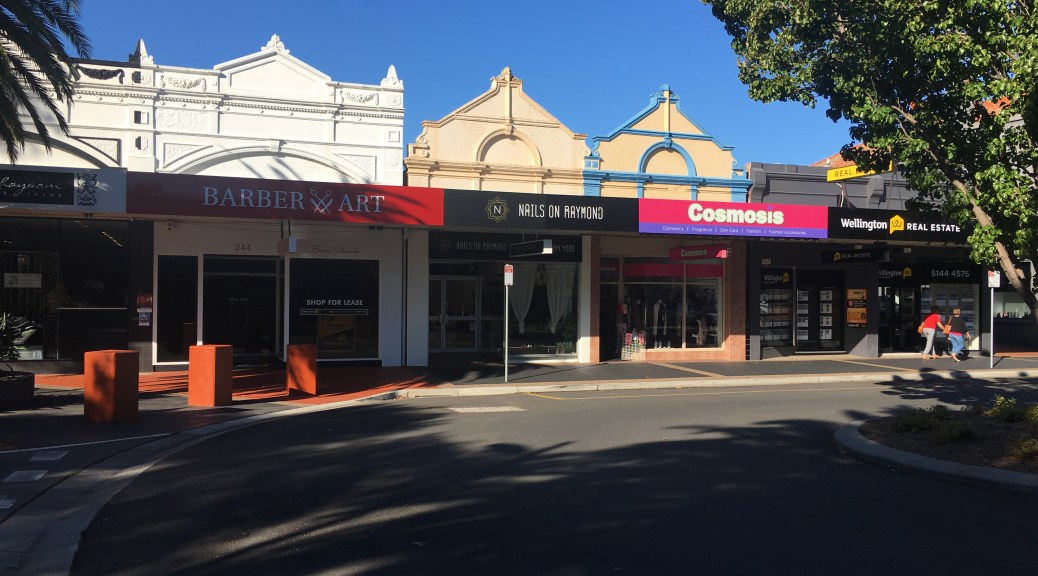
The main shopping street is called Raymond Street and is lined with a variety of “small town” shops along both sides with the road reduced to a minimum size to allow maximum pedestrian space and room for parking and landscaping.
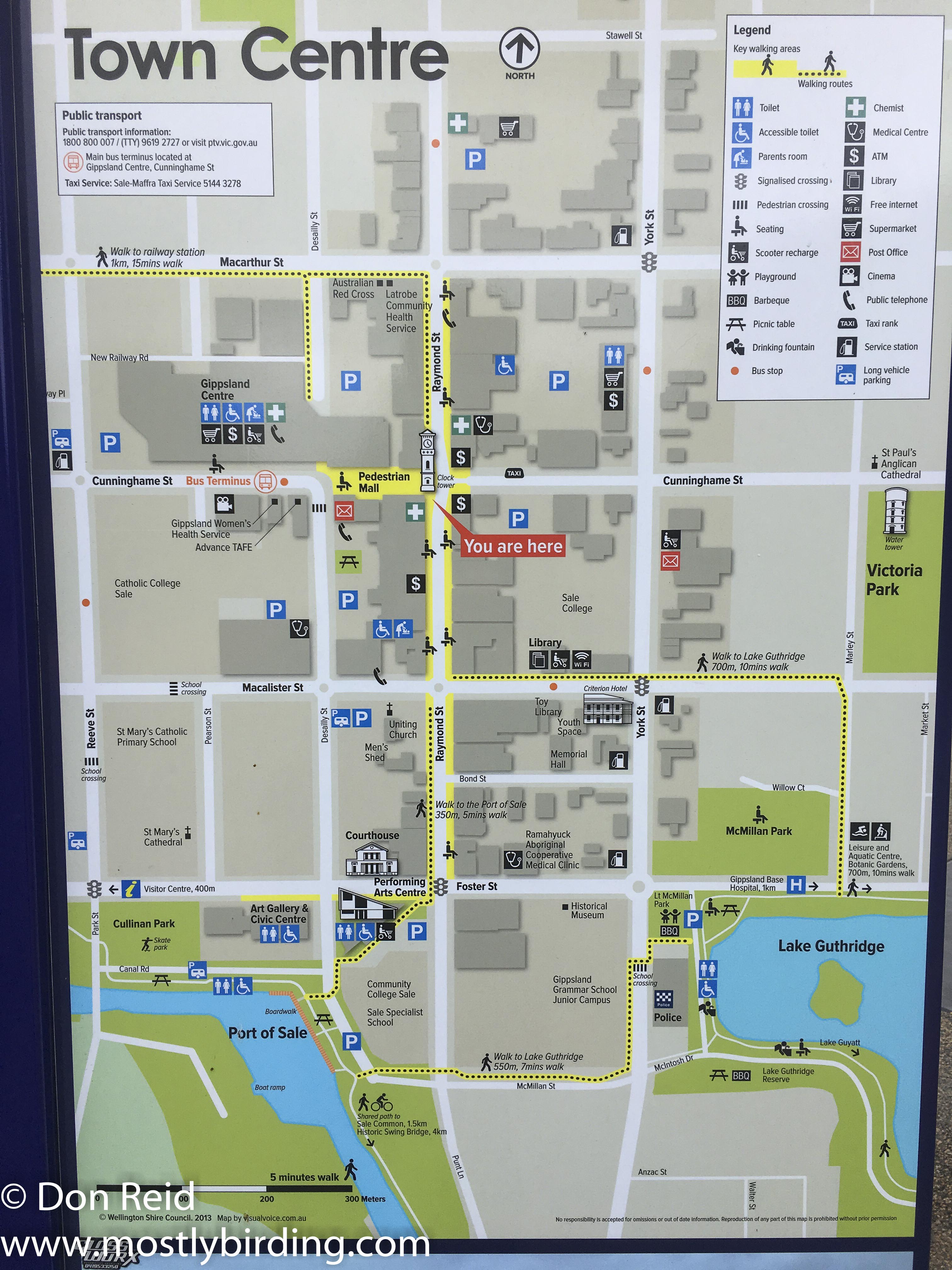
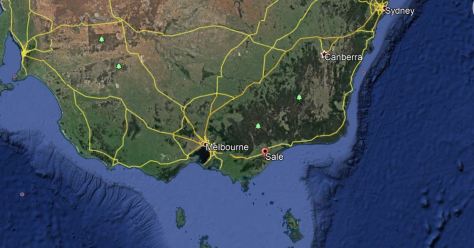
Sale map
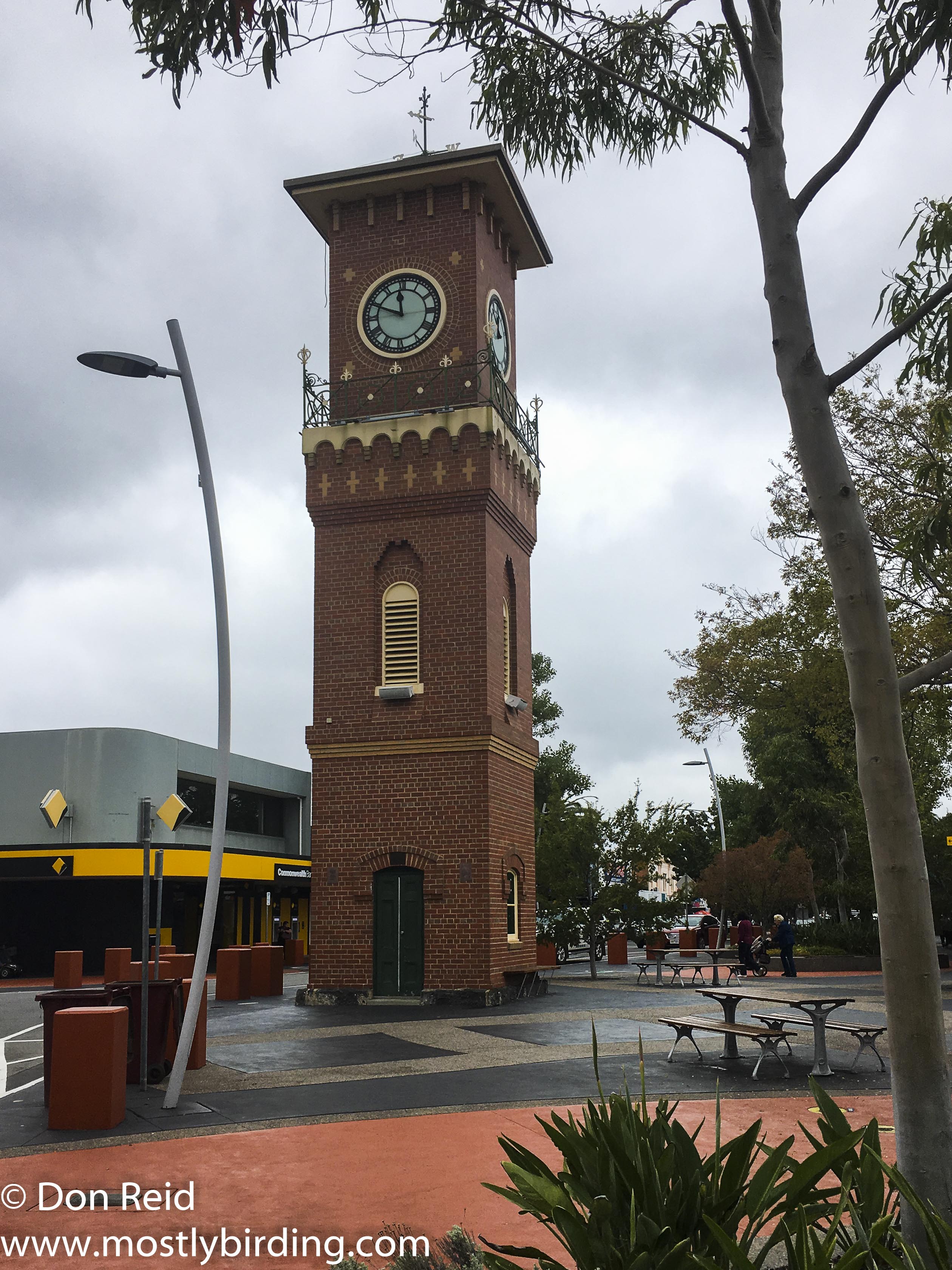
I started by walking up to an intersection where a tall brick clock tower stands – there I found a second-hand book store to browse in and came away half an hour later with a very readable novel for $8 (R80). From there I meandered around the block past the shopping centre and came upon my first surprise – an old Railway Signal Box building, looking spick-and-span but rather forlorn and out of place across the road from the shopping centre parking area.
Clock Tower, SaleOld Signal Box, Sale, Victoria
I later found it was erected in 1888 on the site of the original Railway Station, which was demolished in 1983 to make way for the shopping centre. The Signal Box, railway gates and 2 signals were left as a reminder.
Old Signal Box, Sale, Victoria
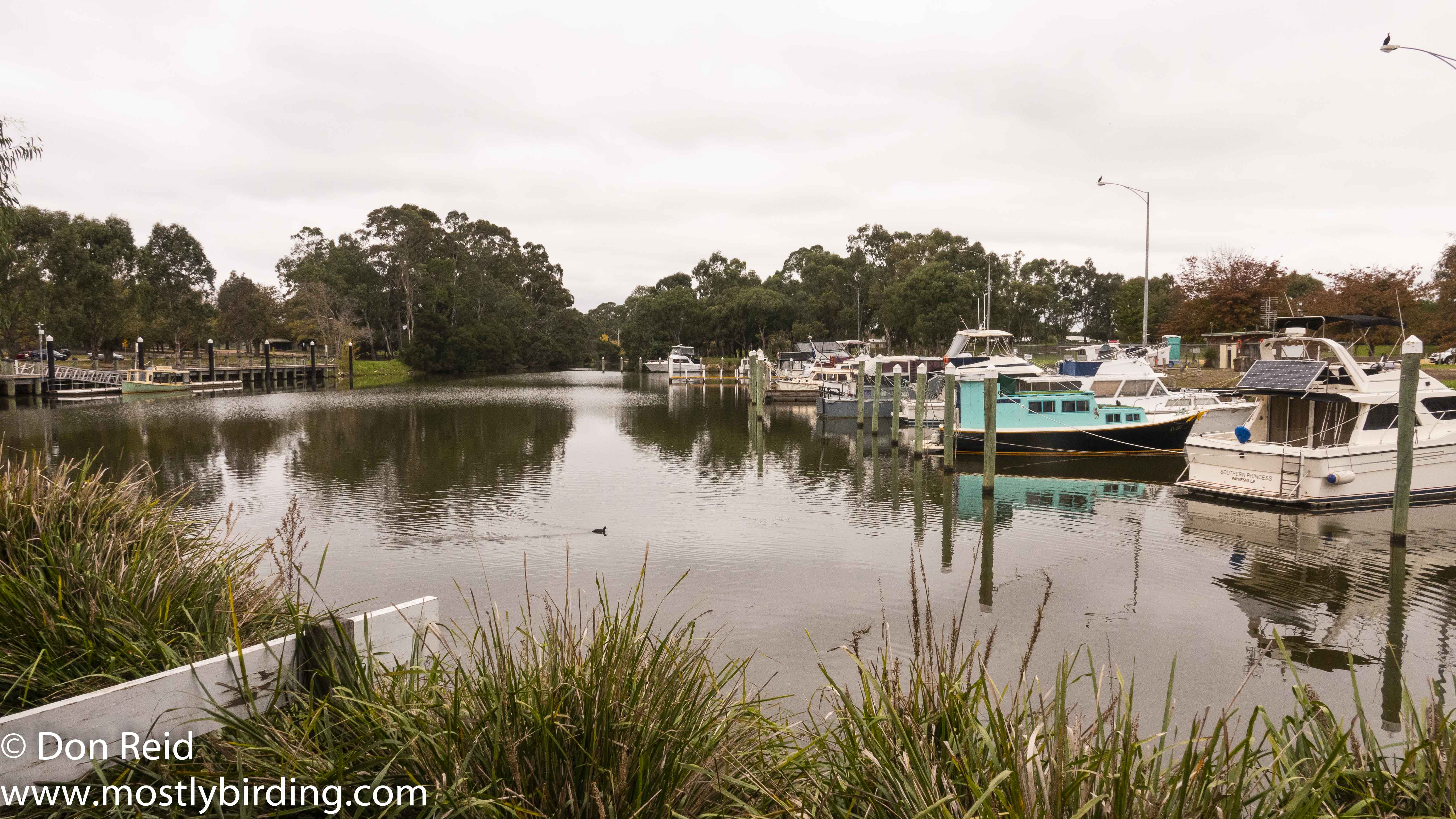
Wandering further, I passed the Catholic School with its neat brick buildings and came to the busy main road through Sale, which I crossed. On the other side, signage pointing to “Port of Sale” piqued my curiosity – carrying the name “Port” implies being located at the sea or at least on a major waterway, neither of which apply to Sale, so what was this about?
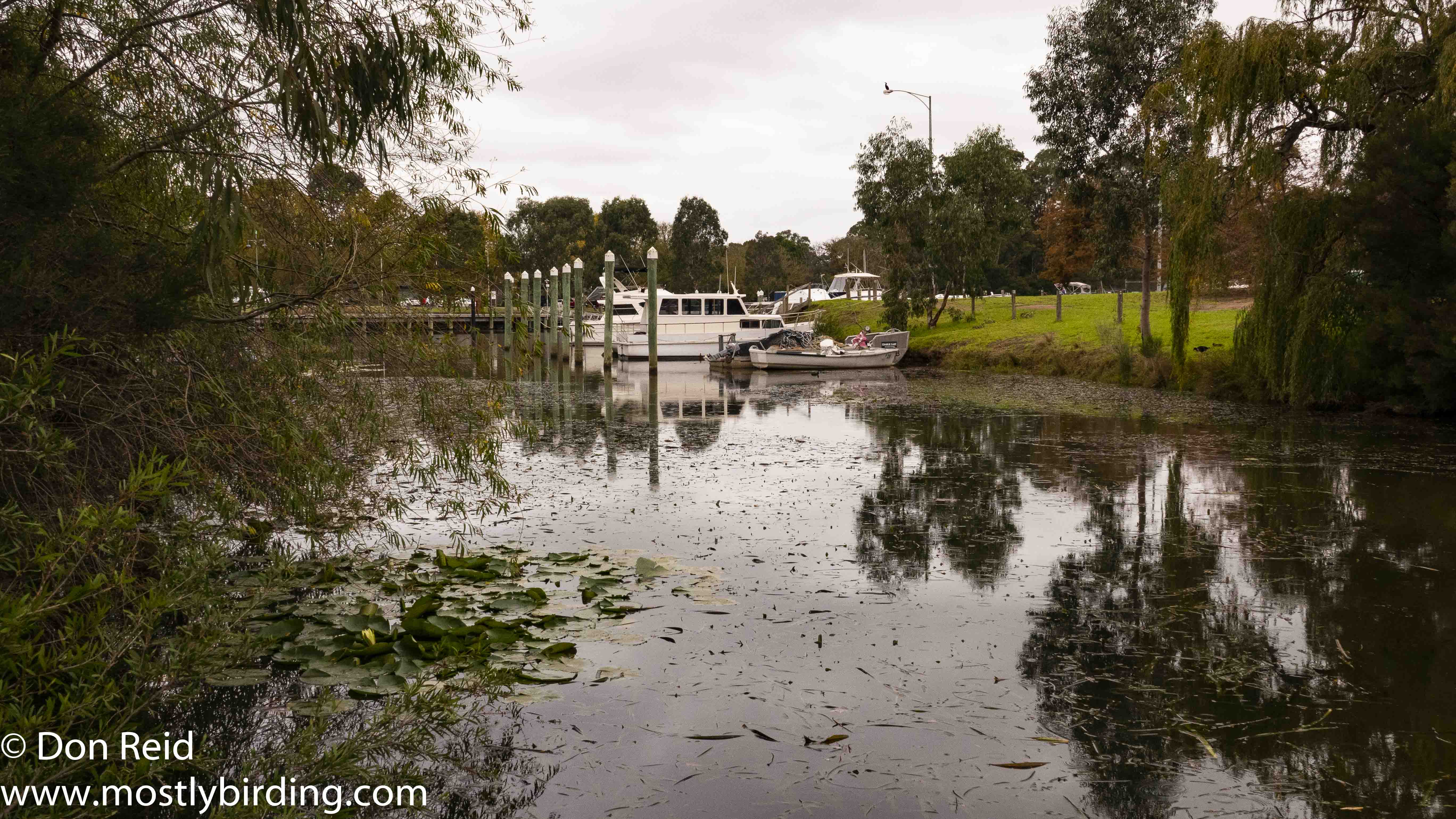
I had read about the Sale Canal but hadn’t absorbed the details – later I read up more on the subject and found that the pioneers of the area, seeing the advantage of access to the Gippsland Lakes, cut the 2,5 km long canal which links the town to the Thomson River and beyond to the Gippsland Lakes, establishing Sale as a busy port for steamers plying the 400 square kms of the lakes system.
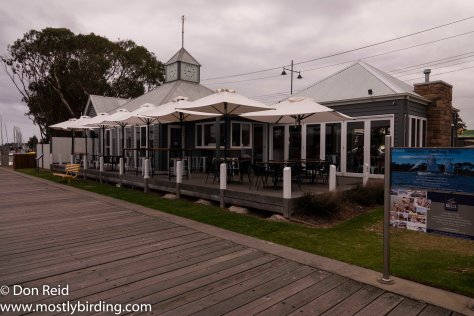
Port of Sale, VictoriaPort of Sale, VictoriaPort of Sale, Victoria
Now it’s a dock for pleasure boats and the precinct has been developed into an attractive spot for picnics and leisure activities. I wasn’t planning to bird so had left my binos at home, but sight of some waterbirds on the water had me using my backup plan – the telephoto lens on my camera which brought them digitally closer for ID purposes – Australasian Grebe as it turned out.
Australian Grebe, Sale, VictoriaEurasian Coot, Sale, Victoria
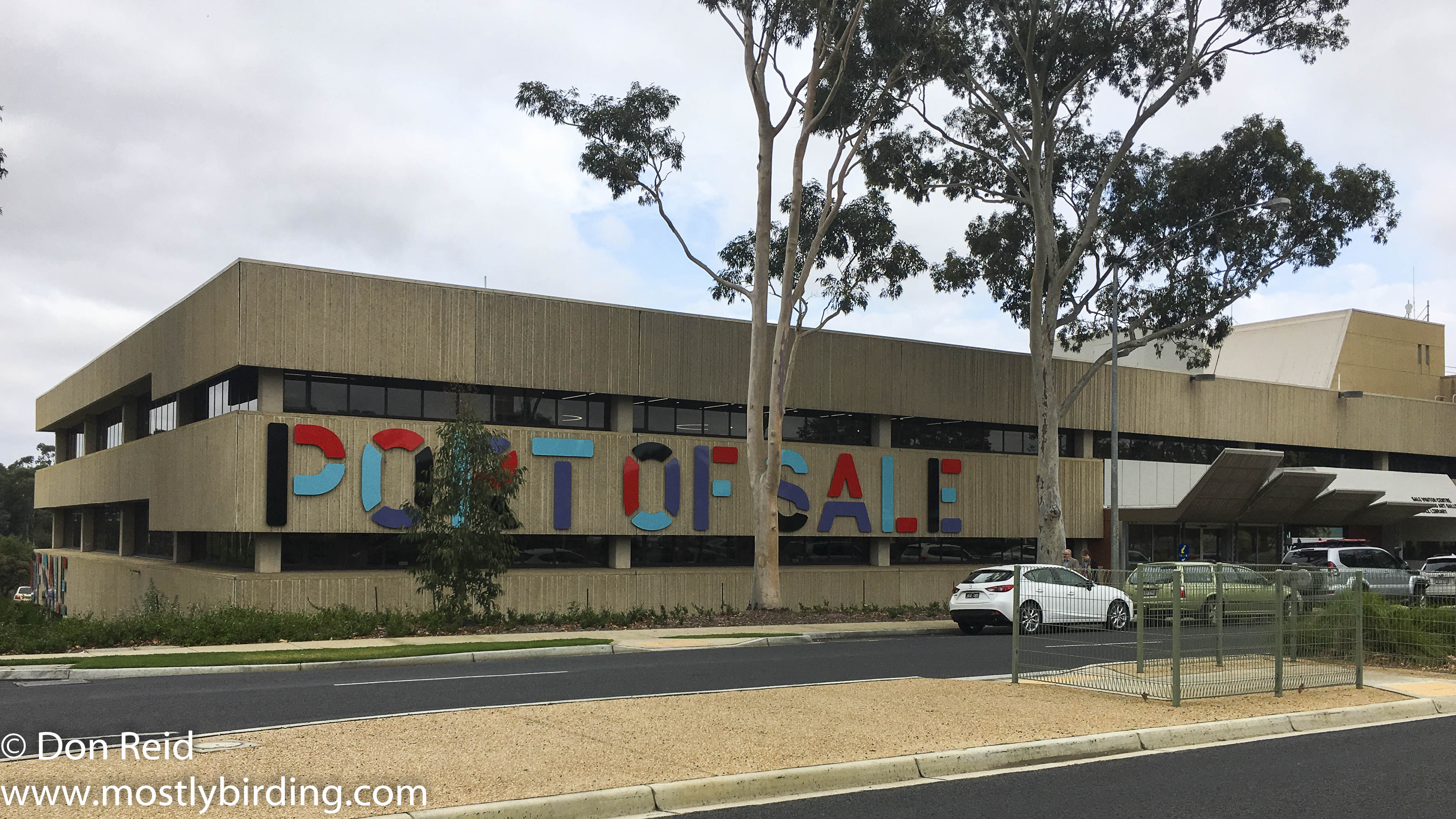
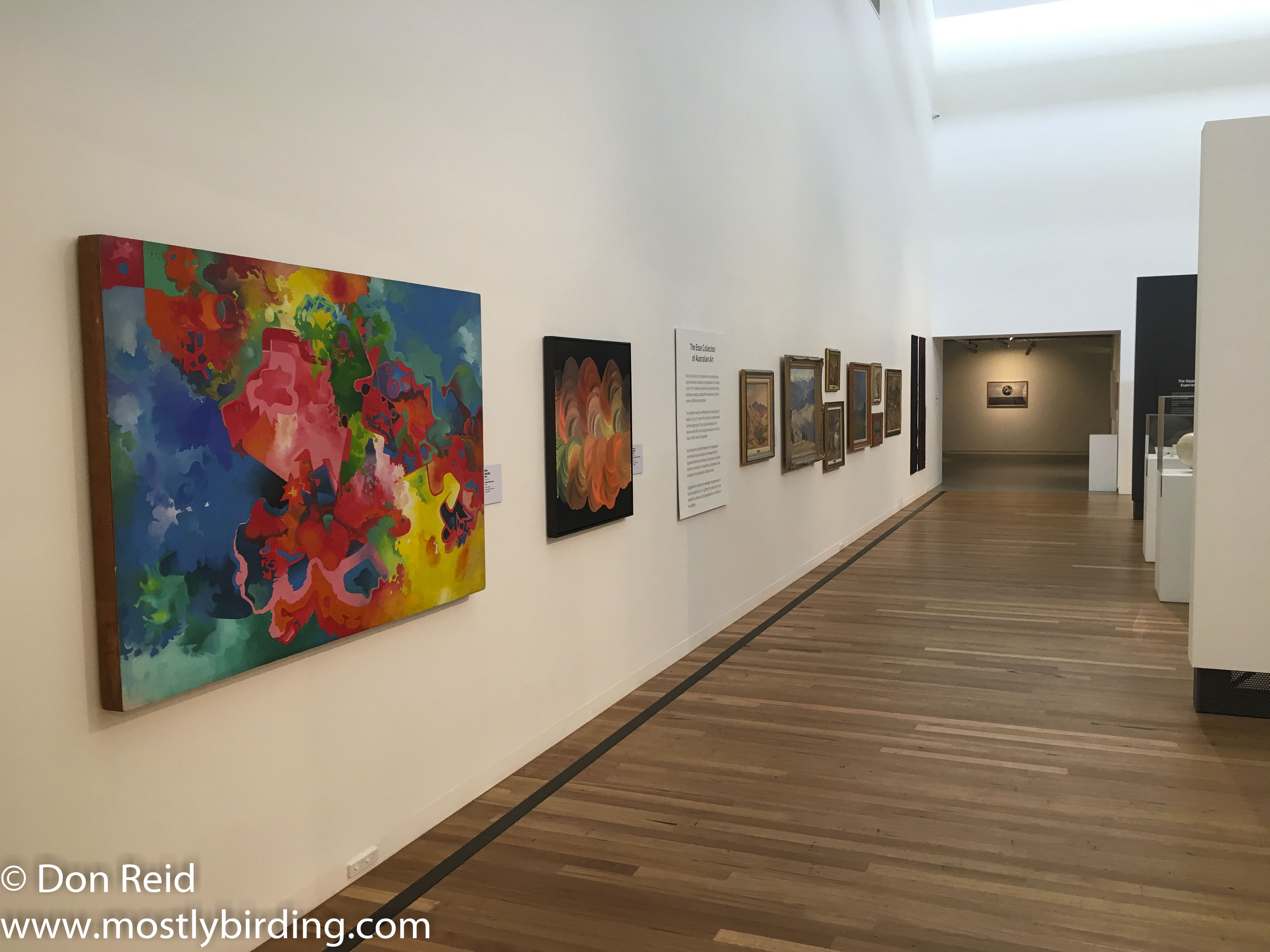
Next, I was drawn to the new-looking Port of Sale civic centre, got several pamphlets from the Visitor Centre and did a quick tour of the Art Gallery, before heading back towards the town centre.
Civic Centre, SaleArt Gallery, Sale
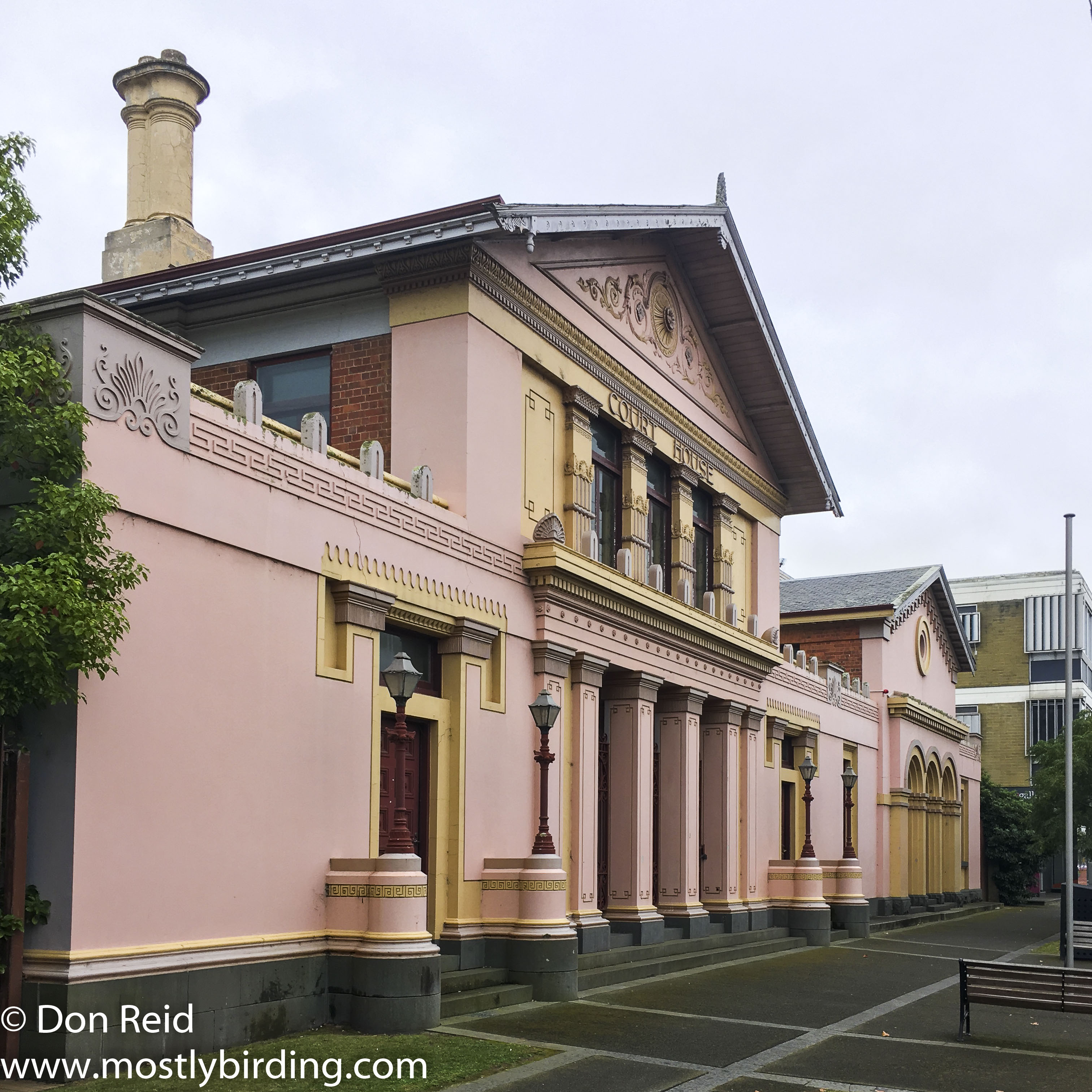
On the way I passed a few older buildings – the Court House, Victory Hall and some charming houses that have been beautifully maintained with their Victorian style architecture.
Court House, SaleCourt House, SaleVictoria Hall, SaleOld House, now officesOld house, Sale
Seeing Sale’s Cinema took me back to Saturday mornings at the Scala cinema in Cape Town back in the ….. oops almost gave my age away. Anyway, it was quite a long time ago.
Cinema, Sale, Victoria
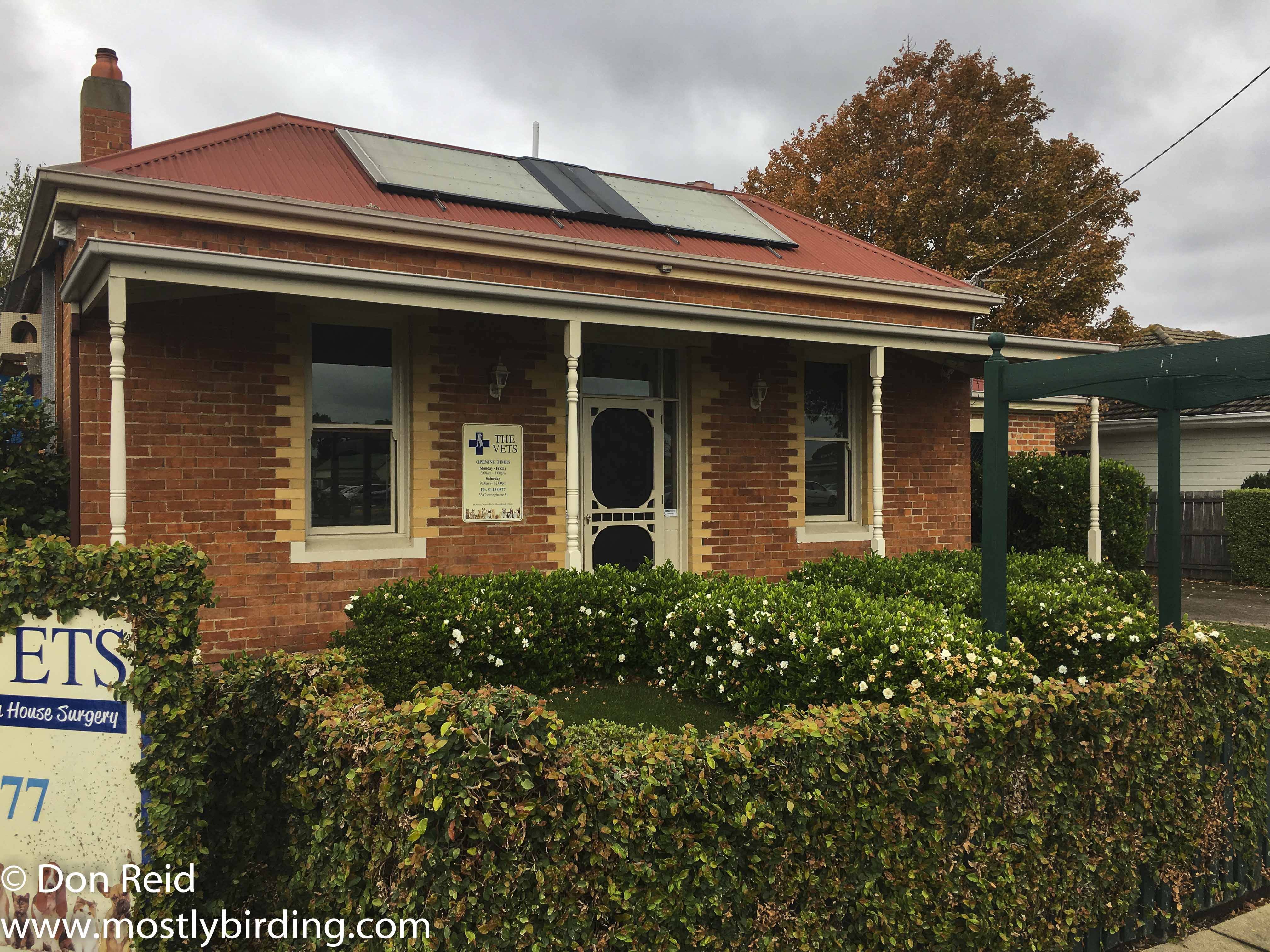
By now it was close to 2 hours since I had left the girls and I met them for coffee at the Centre Bakery, housed in a tiny old church in Cunningham Street, concluding a lovely walk through this most civilised town
We were beginning to settle in Sale, Victoria, the new home of our son Stephan and family, although jet-lag brought on by the 8-hours-ahead time difference was playing tricks with our sleeping patterns. Nevertheless we were eager to see a bit of Victoria and were more than happy to go along with Stephan’s suggestion that we do a day trip to Paynesville and Raymond Island, a comfortable hour’s drive from Sale.
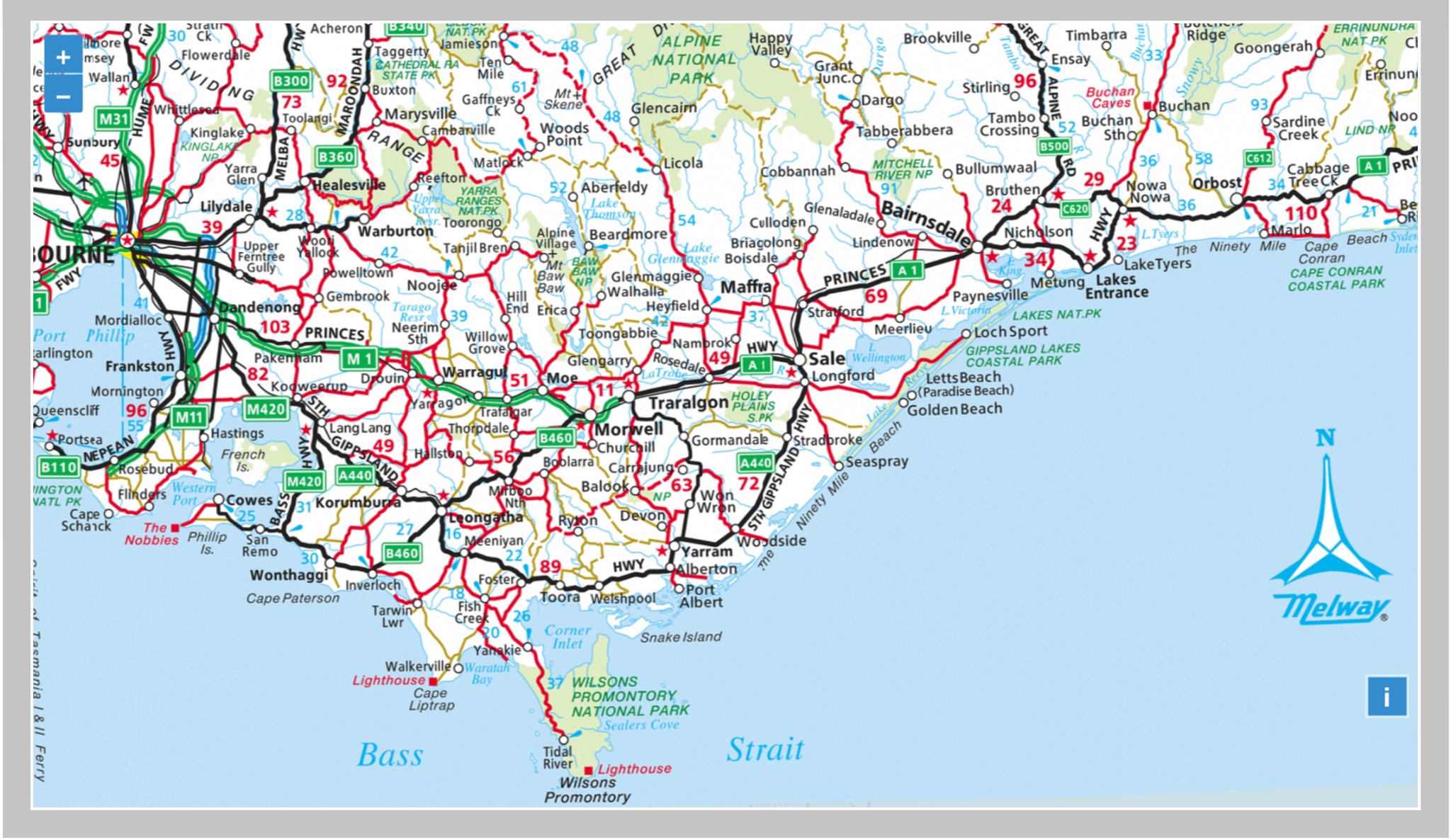
Just for orientation, here are a couple of maps (courtesy Google Earth) to show the position of Sale relative to Melbourne and the other major cities in the south-eastern part of Australia, and the location of Paynesville –
Sale lies about 200 kms east of MelbourneSale – Paynesville
We left just before lunchtime after a relaxed morning at home in Sale and drove to Paynesville which is situated on Lake King, a seawater lake not far from Lakes Entrance where – you guessed it – the sea enters the lake. The drive was along smaller country roads through pleasing landscapes of farming areas, expansive fields and occasional rivers, or creeks as they are often called in Australia. Interestingly some of the stretches of road either side of the river have signage indicating that they are “subject to flooding” and strategic posts indicate the depth just in case you feel like testing it during a flood!
The road is lined with trees in places (iphone shot while driving – don’t try this at home}
We felt at home when we passed a roadside farm stall advertising avocados at 49c each – we should have stopped as they are $2.50 in the shops, but were already well past by the time we realised what it was.
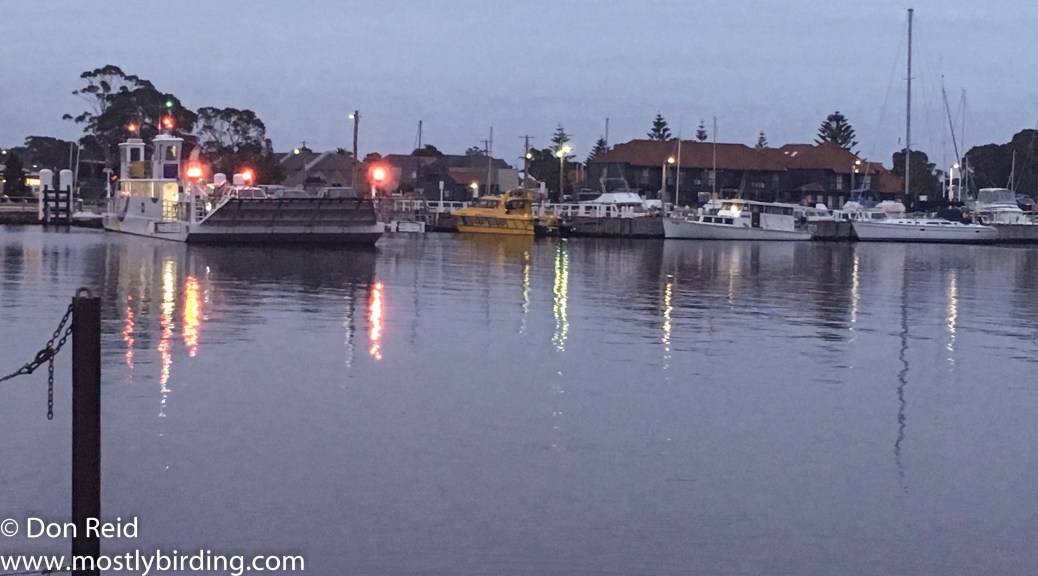
After an hour of easy driving we arrived in Paynesville and headed to the Esplanade where we found parking and walked to the Pier 70 restaurant for a delicious lunch of fish and chips, with a view over the channel that separates Paynesville from Raymond Island just a couple of hundred metres away.
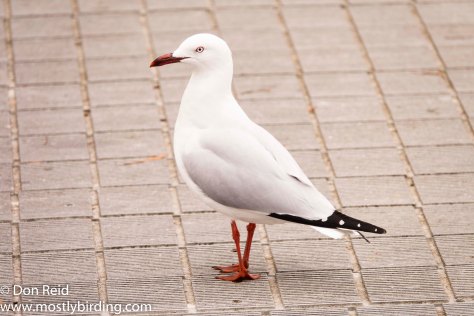
Australian Magpie, Paynesville – one of the more common birds encountered in AustraliaSilver Gull, Paynesville & Raymond Island, Victoria – a really handsome species of gull with its bright eyes and red bill contrasting with the white bodyPier 70 restaurant, Paynesville, Victoria
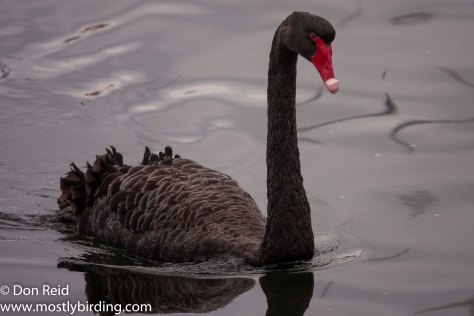
I kept getting distracted from the important business of eating by various birds that were visible on and above the water but had my binos on hand to determine what they were. There were many Silver Gulls / Chroicocephalus novaehollaniae wheeling above the water and I spotted a single Pacific Gull / Larus pacificus on the opposite side. I had already found that Black Swans / Cygnus atratus and Australian Pelicans / Pelecanus conspicillatus seem to pop up wherever there is a large-ish body of water and this spot was no exception.
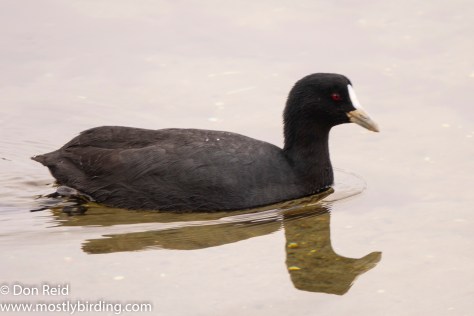
Black Swan, Paynesville & Raymond Island, VictoriaAustralian Pelican, Paynesville & Raymond Island, VictoriaEurasian Coot, Paynesville & Raymond Island, Victoria
On the opposite bank I spotted a heron, which turned into a White-faced Heron / Egretta novahollandiae when I had it focused in the binos. Nearby Little Pied Cormorant / Microcarbo melanoleucos preened on a bollard projecting from the water.
Little Pied Cormorant, Paynesville & Raymond Island, VictoriaA nice plate of fish and chips to accompany the birding
A large Tern swooping over the water looked familiar and once I could get a good enough view I realised it was a Swift Tern – or Greater Crested Tern / Thalasseus bergii as it is listed in my Australian bird book – a species I am very familiar with as it occurs in numbers in Mossel Bay.
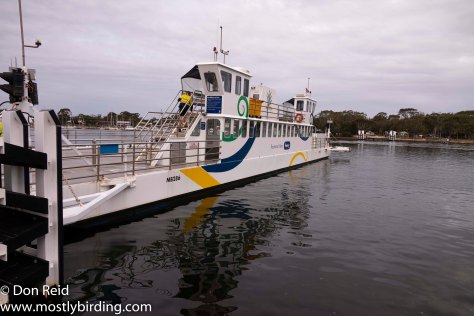
Lunch over, we walked to the nearby ferry for the short ride of just 4 minutes across the channel on the chain-driven ferry to Raymond Island, a small island (6km long and 2km wide) which lies some 200 metres inland of the coast.
Ferry, Paynesville & Raymond Island, Victoria
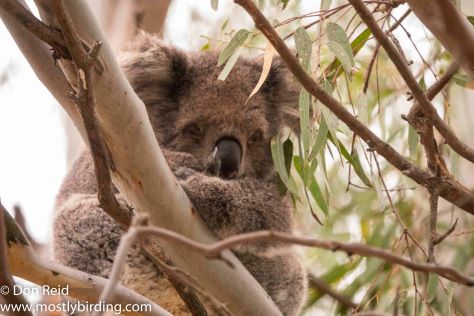
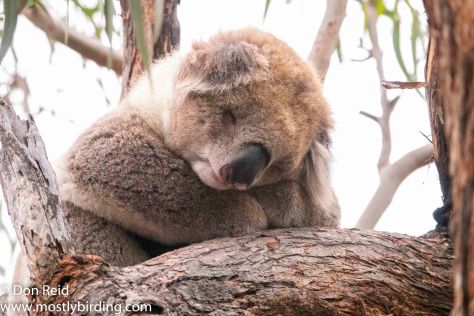
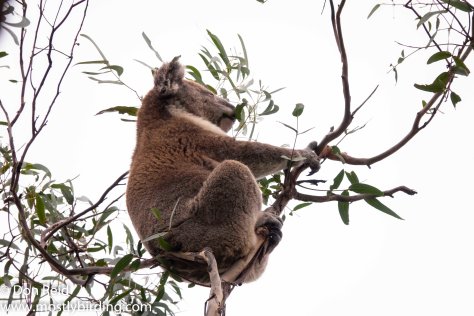
On the island we followed the Koala trail which initially winds between houses then emerges into bush interspersed with tall trees. It did not take long to spot the first Koala, sleeping high up in the branches, and several more thereafter, some sleeping just as soundly, others feeding slowly and methodically on the green foliage. Koalas were introduced to the island as a conservation measure in 1953 and now number more than 200.
Koala, Raymond Island, VictoriaKoala, Raymond Island, VictoriaKoala, Raymond Island, VictoriaKoala, Raymond Island, Victoria
Next up was a relaxed pair of Laughing Kookaburras / Dacelo novaeguineae, a bird I was particularly hoping to see, looking as I expected like a very large Kingfisher – they posed like old pros and left me with a few photos to treasure.
Laughing Kookaburra, Raymond Island, Victoria
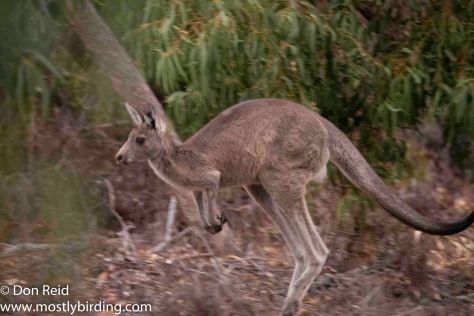
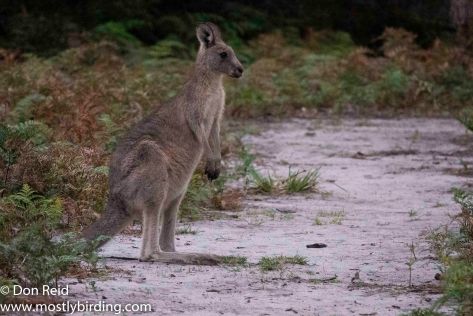
Stephan was ahead of us and called us closer as he had spotted a couple of Eastern Grey Kangaroos in the low bush! We approached cautiously and there they were – our first views of this famous animal with its unusual shape and looks. One came bounding our way, showing how effective this technique is to propel the animal at a fair speed
Eastern Grey Kangaroo, Raymond Island, VictoriaEastern Grey Kangaroo, Raymond Island, Victoria
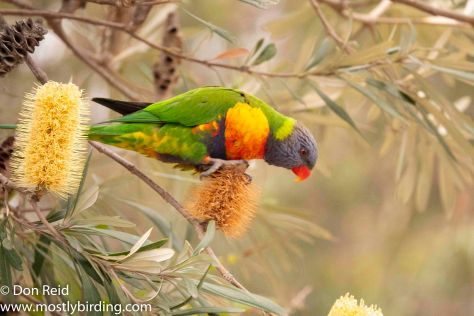
In between viewing these (for us) brand new animals, we also spotted several of the colourful birds that Australia is renowned for – groups of Crimson Rosella / Platycercus elegans, Eastern Rosella / Platycercus eximius and Rainbow Lorikeet / Trichoglossus moluccanus moved through the trees giving glimpses of their brilliant colouring while Galahs / Eolophus roseicapilla simply paraded on the lawns, showing off their pink, grey and white plumage.
Rainbow Lorikeet, Raymond Island, VictoriaGalah, Raymond Island, Victoria
We had heard from Stephan about the Common Bronzewing / Phaps chalcoptera, a pigeon-like bird with interesting multi-coloured plumage, and were thrilled to find one sitting on a nearby fence
Common Bronzewing, Raymond Island, VictoriaPaynesville & Raymond Island, Victoria
We had seen a lot in one afternoon and made our way back to the ferry as dusk fell, most satisfied with the outcome of our first outing
Life is full of surprises, some good, some less so and our son’s announcement that they were thinking of relocating from Potchefstroom in South Africa to a small town in Victoria, Australia definitely belonged to the latter when he first raised it some two years ago. The family moved lock stock and barrel to the town called Sale in September 2018, which meant that, if we wanted to see them other than on video calls, we would have to travel a little further to do so – about 11 000 kms further in fact!
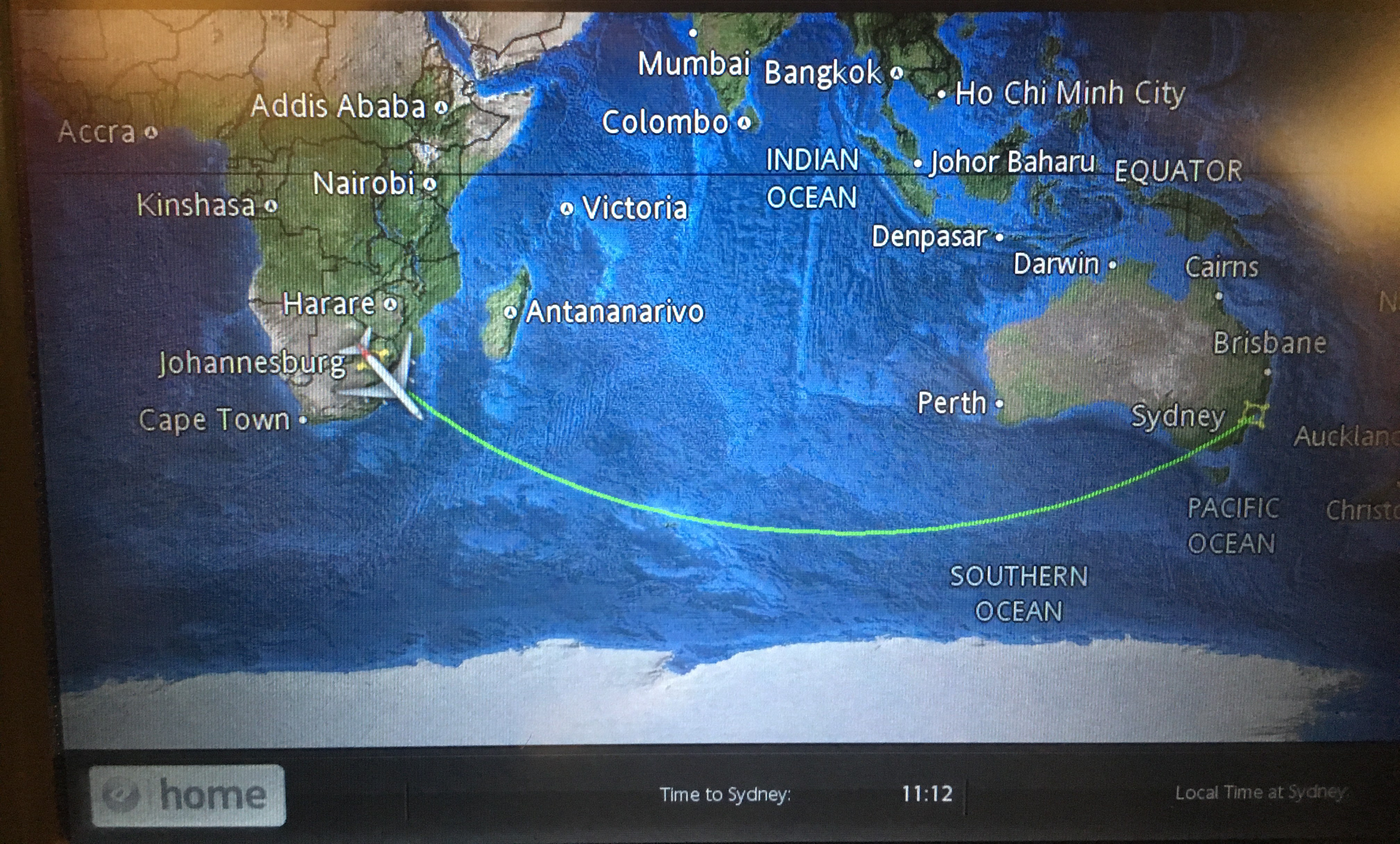
It did not take much persuasion to make the trip, and on Sunday 14th April 2019 we boarded Qantas flight QF64 to Sydney then took a further short flight to Melbourne where we arrived after 7pm local time.
The flight route is almost over Antarctica
Stephan and the whole family had come to meet us – so good to see them all in the flesh again! Fortified with a good coffee and a sandwich we proceeded to the mini-bus that Stephan had rented and set off to Sale some 2.5 hours drive further east, taking our total travel time to 24 hours door-to-door – it’s not easy being a senior jet-setter but sometimes you just have to do these things! That wonderful invention – Premium Economy – certainly helped to ease the pain of a long-haul overnight flight, however we felt the effects of the 8 hour time difference for a few days before settling into a new body rhythm.
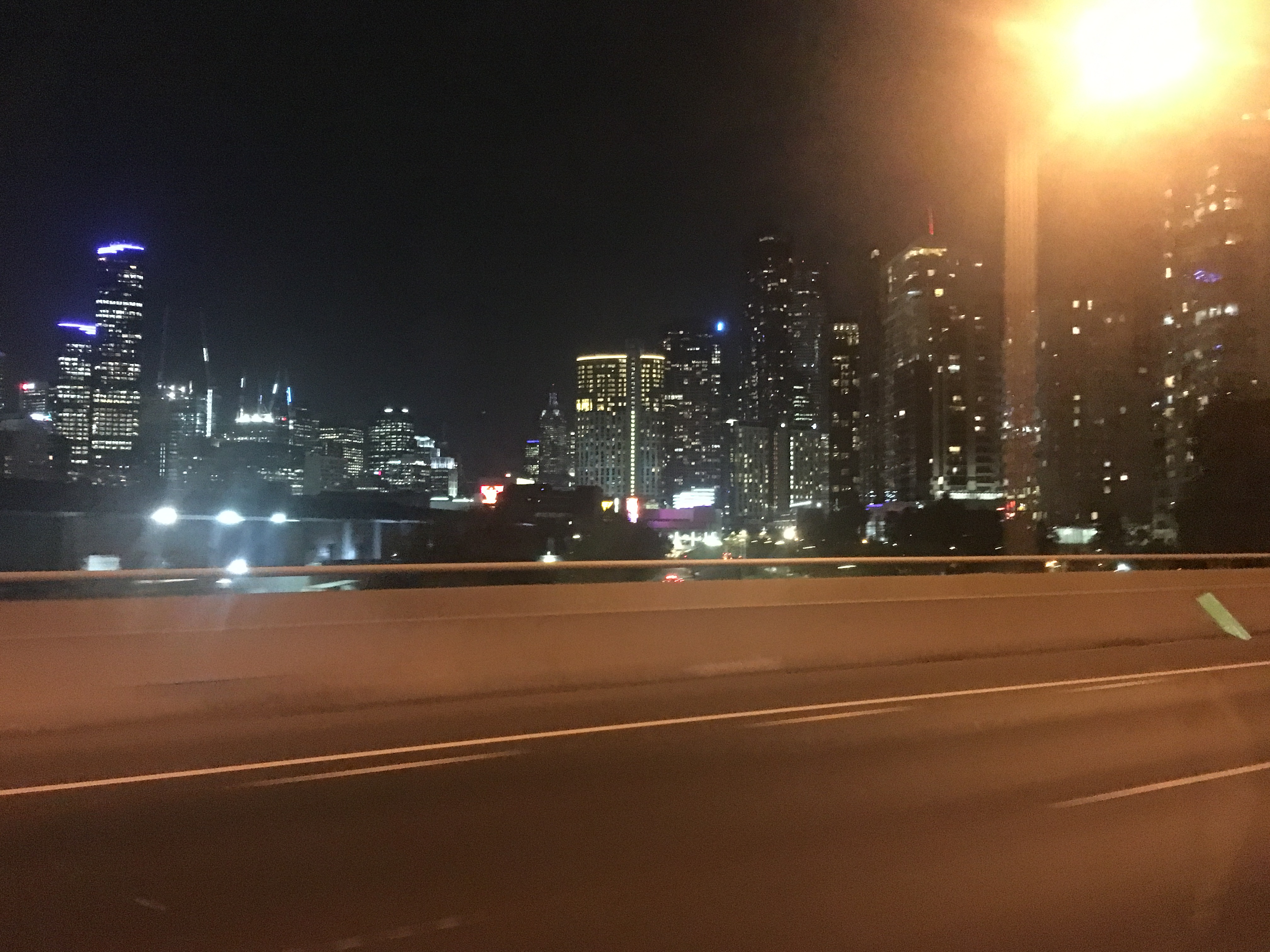
We had glimpses of the city skyline at night as we skirted around Melbourne on the way east to Sale –
Melbourne skyline
Melbourne’s suburbs seemed to be endless but eventually the road became narrower, the traffic lighter as we left the bright lights behind and passed through several smaller towns before reaching Sale
The City of Sale
Sale is a city situated in the Gippsland region of the state of Victoria, with an estimated urban population of 15,000 and was founded in 1851. It lies 212km east of Melbourne and is named after a British army officer, General Robert Sale, who won fame in the first Afghan war before being killed in battle in India in 1845. Although a small town by our standards, the building of St Paul’s Cathedral in 1884 may have ensured that it would earn the name “city” as per the tradition in the UK.
First impressions are of a quiet, neat, organised town with good facilities – very civilized in all respects and far removed from the big city life that we are used to.
First day in Sale – Someone left the Aviary door open!
I was curious to see what birds would be around the suburbs, but wasn’t expecting my first bird to be a Common Myna – probably the most disliked, introduced bird in South Africa! However that shock was soon forgotten as I stood in the small garden and watched the comings and goings of some more exciting species.
Oh No! (Common Myna)
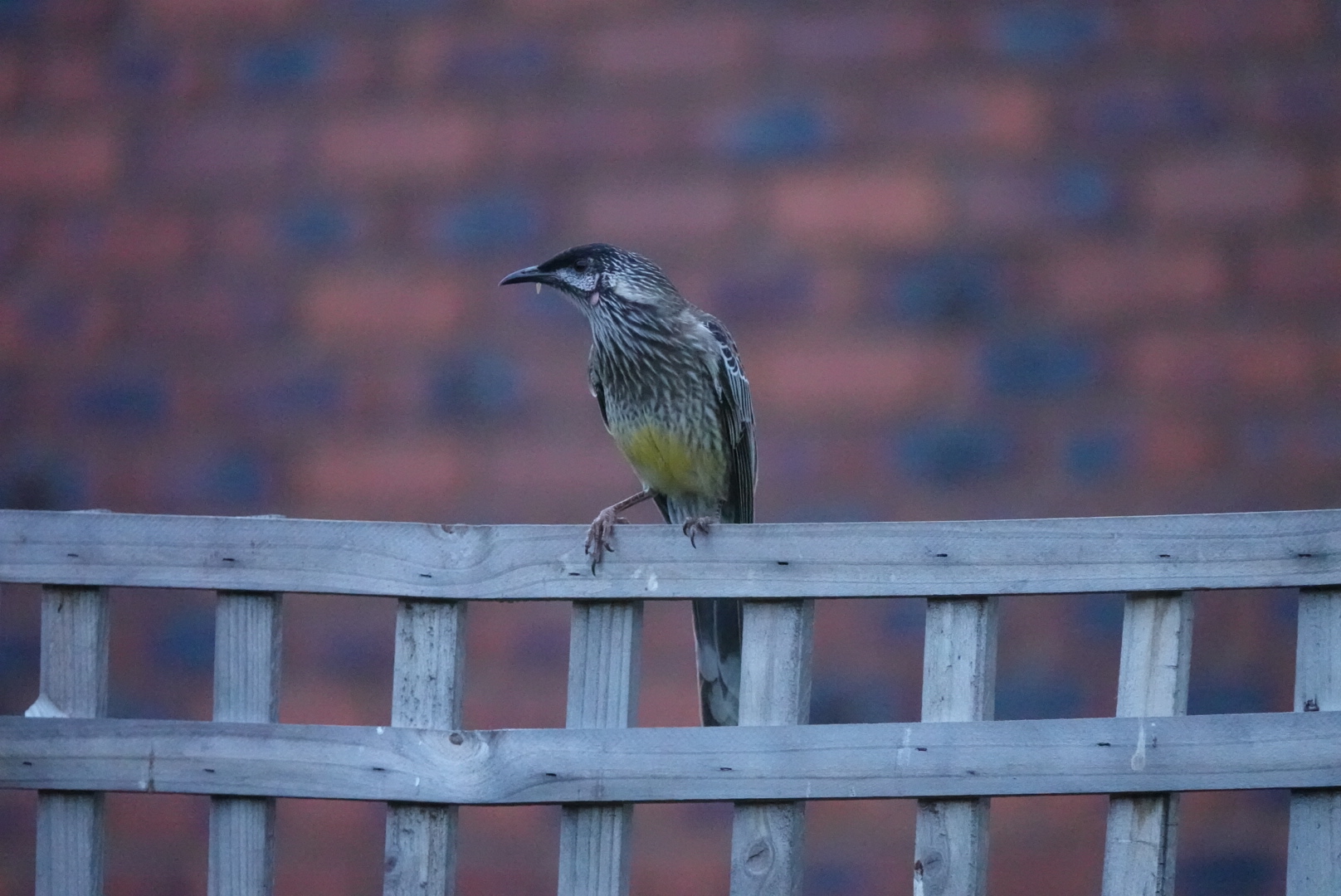
Pied Currawongs, a Raven-like large black bird with white markings, and Australian Magpies were the most obvious birds around, followed by Red Wattlebirds, a medium-sized, long-tailed bird with features and giss similar to our Sugarbirds and also a nectar eater.
Pied CurrawongAustralian MagpieRed Wattlebird
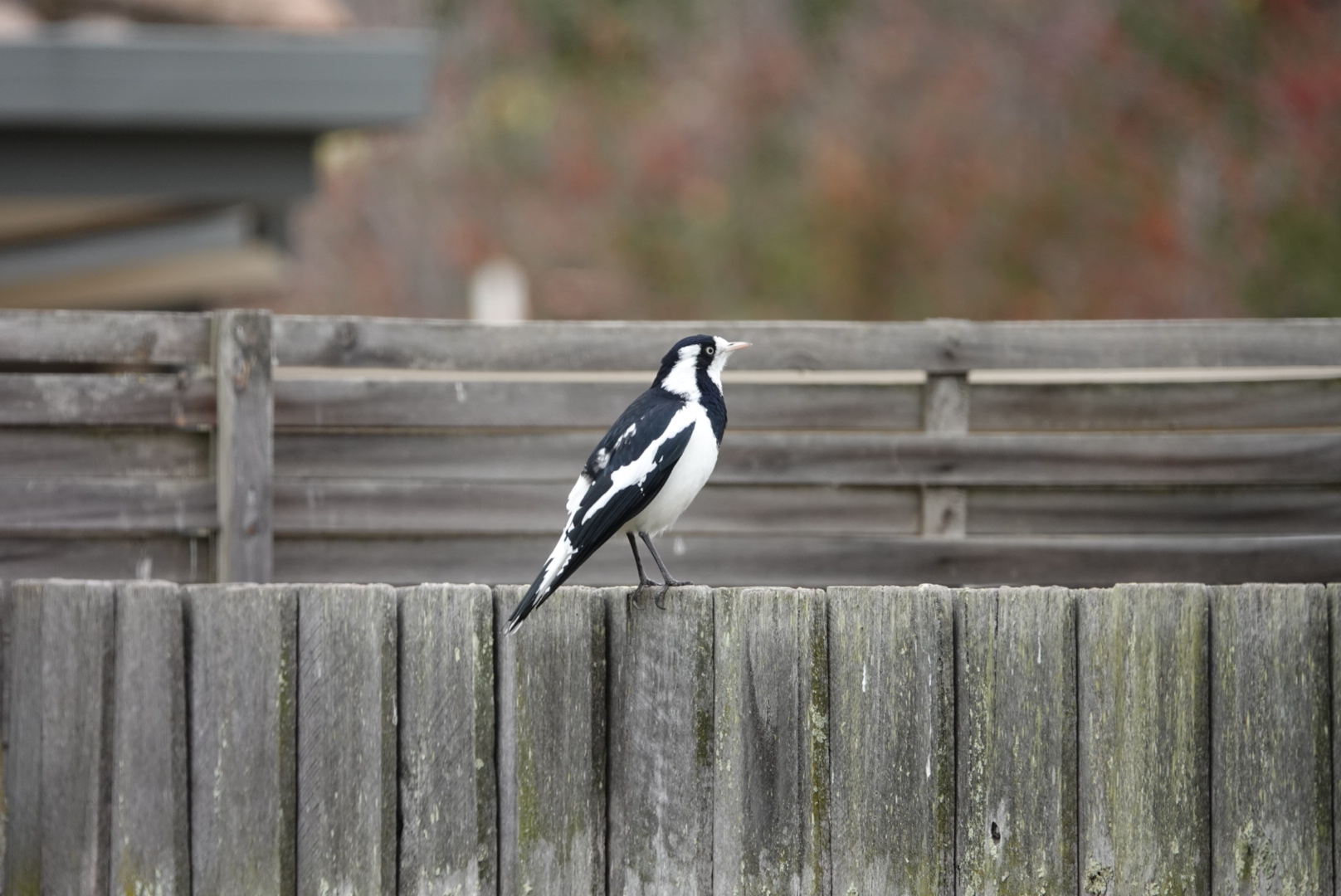
Another regular, the Magpie-lark flew in and sat on the fence then dropped onto the lawn – a handsome pied bird that reminded me of our Pied Wagtail but on steroids.
Magpie-lark
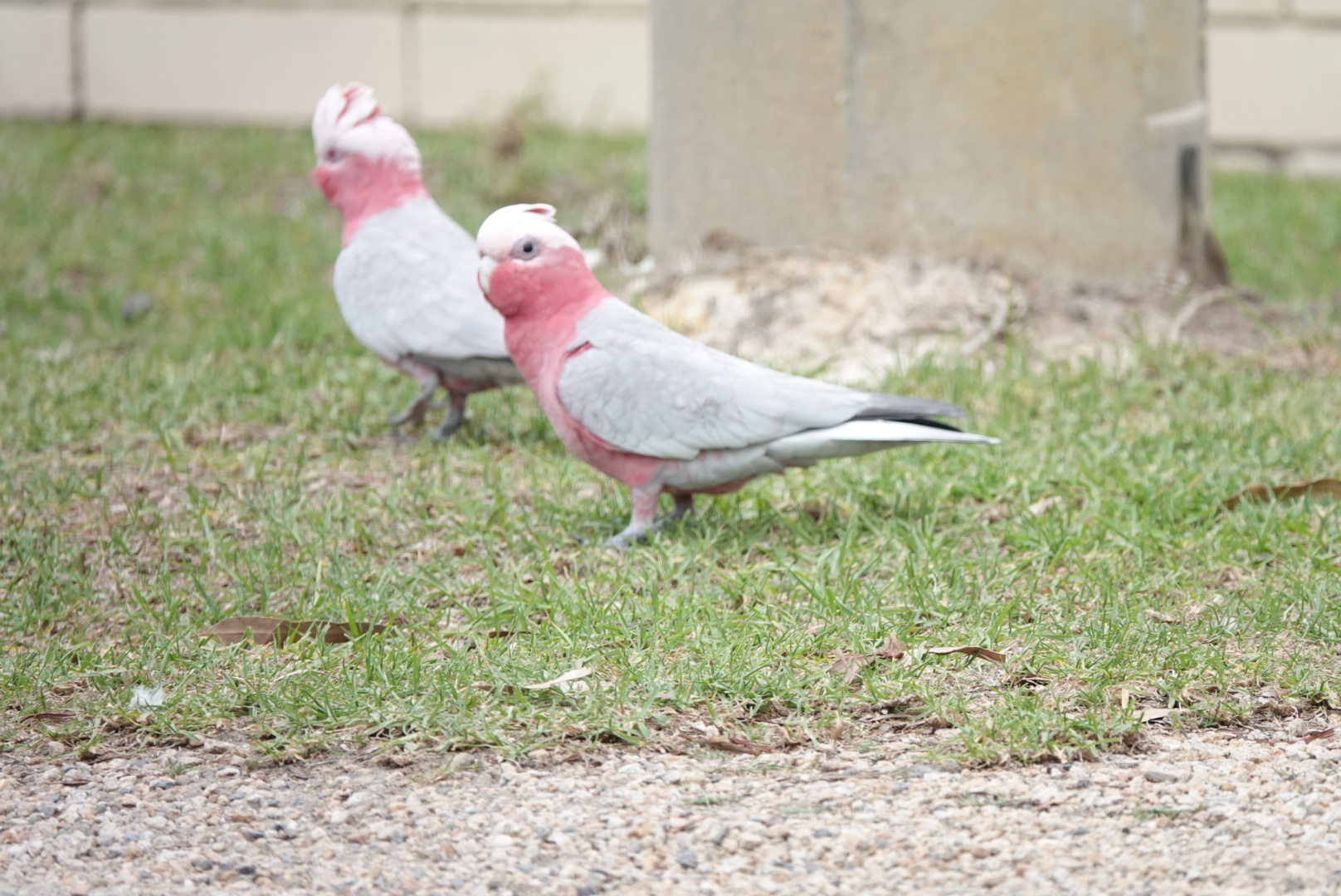
The real surprise was the birds that Australia is famous for – the colourful parrots – flocks of bright green, yellow and blue Rainbow Lorikeets flashing by and settling in trees where they chatter away and screech so that you cannot ignore them and unexpected Galahs on grassy pavements, looking completely out-of-place with their deep pink, white and grey colouring. When you are accustomed to seeing these birds in cages it is a revelation to realise that they are, like all birds, able to cope and at their best in the wild.
Rainbow LorikeetGalah
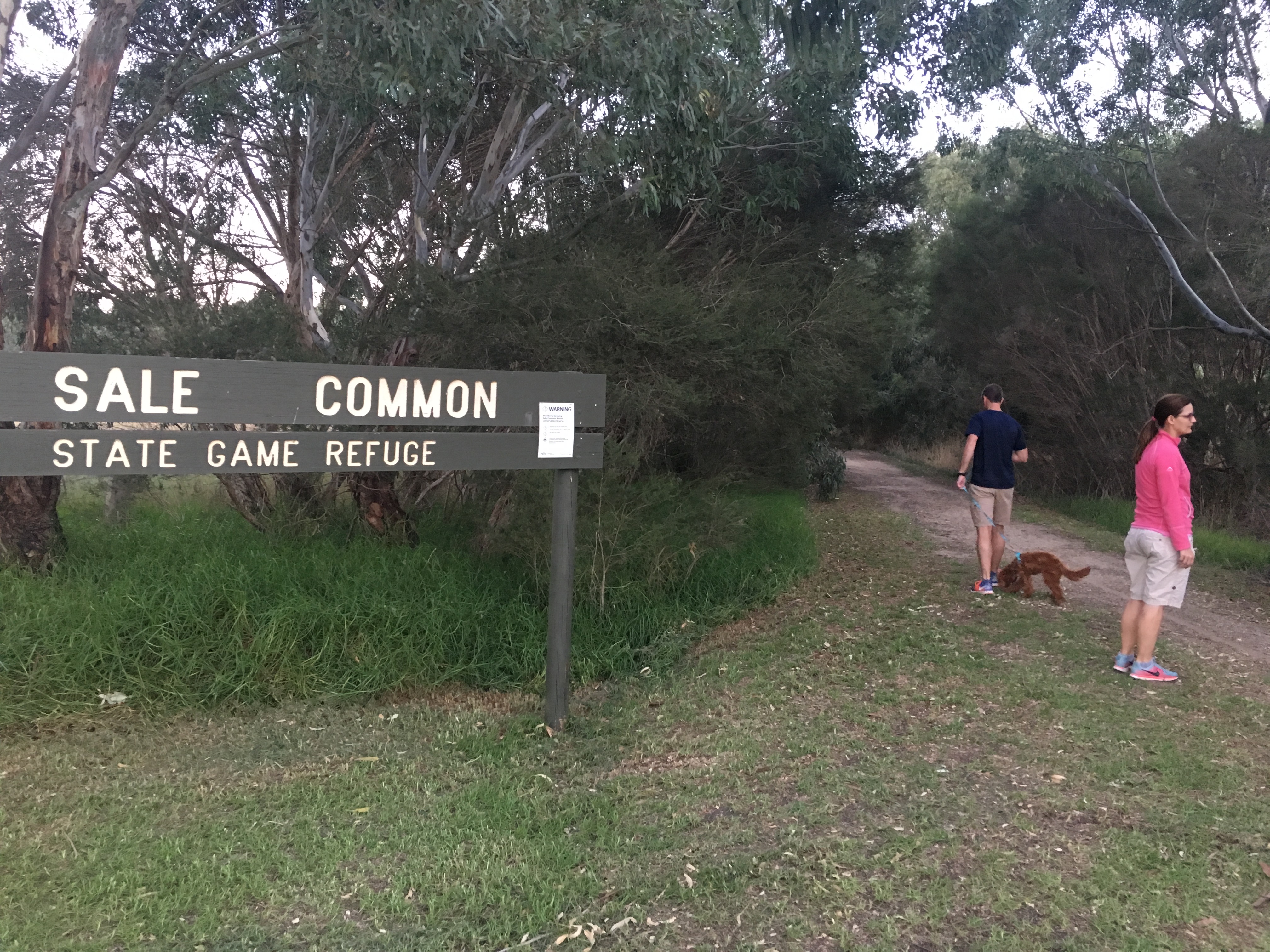
Late afternoon we went for a walk in the wetland area not far from the house. The area has suffered from a drought for some time so the wetlands were mostly dry and fairly barren but a lone Masked Lapwing was a good find and the cattle in the fields were accompanied by Cattle Egrets, much as they would be in South Africa but here the species is the Eastern Cattle Egret.
Sale Common – pathway to the wetlands
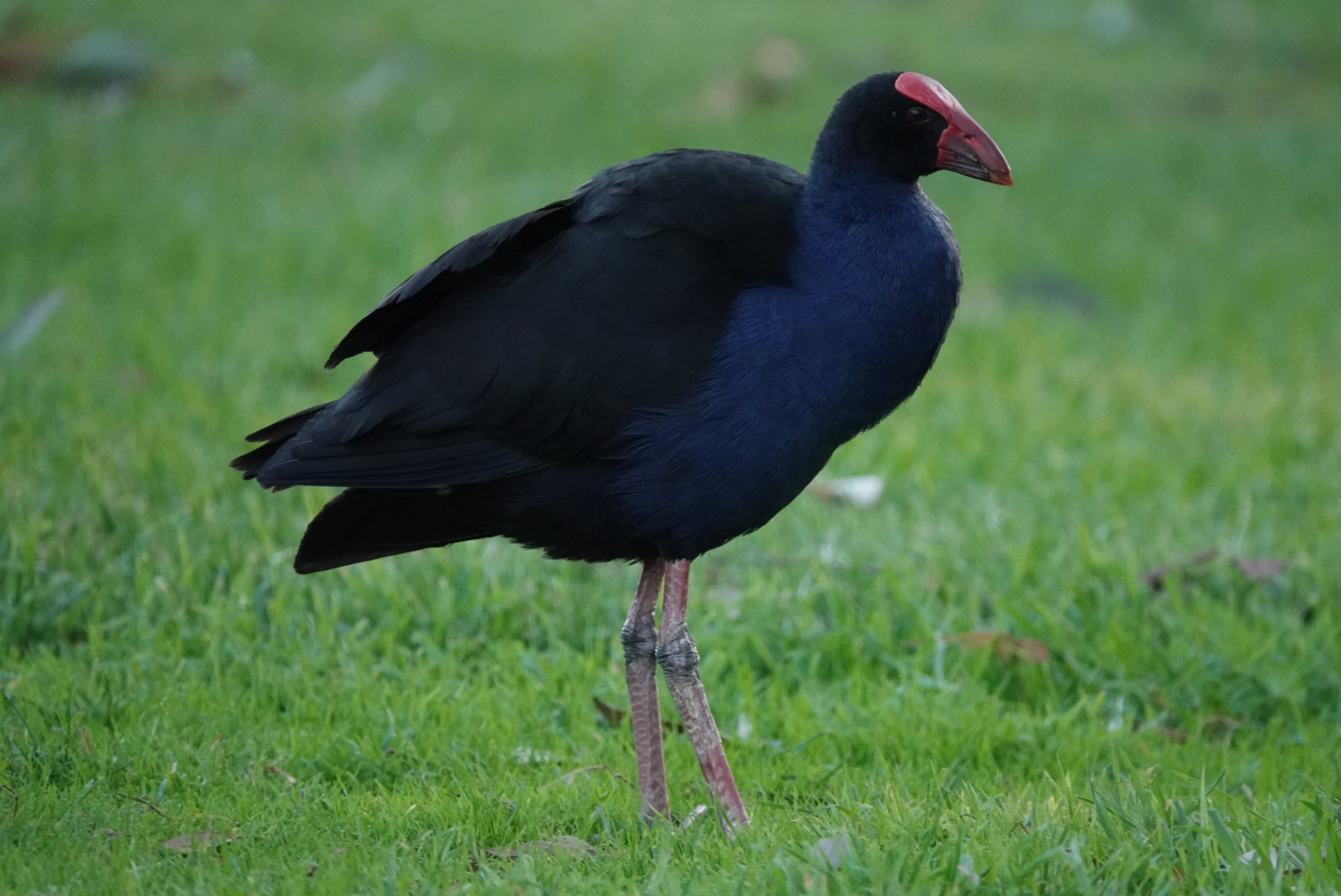
Another feature of Sale is the numbers of Australasian Swamphens that are around and inhabit open lawns and verges. The African species we are used to seeing is mostly a skulker whereas the similar looking species in Australia seems to be comfortable wandering around the suburbs and parks.
Australasian Swamphen
By the end of day one my brand new Australian bird list (courtesy of the wonderful Birdlasser app) stood at a modest 13 species, but 11 of those were “lifers” so a very pleasing start
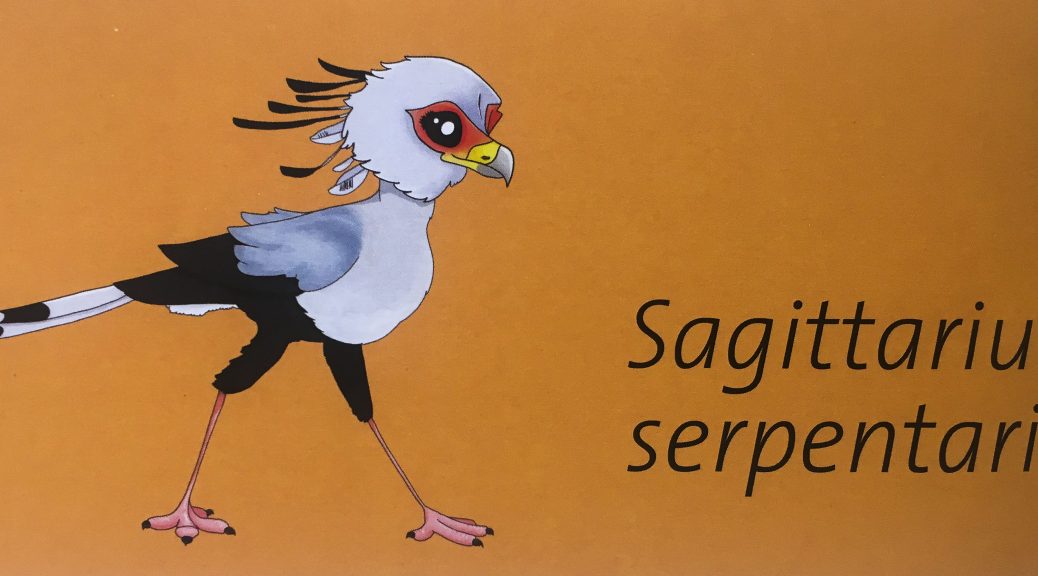
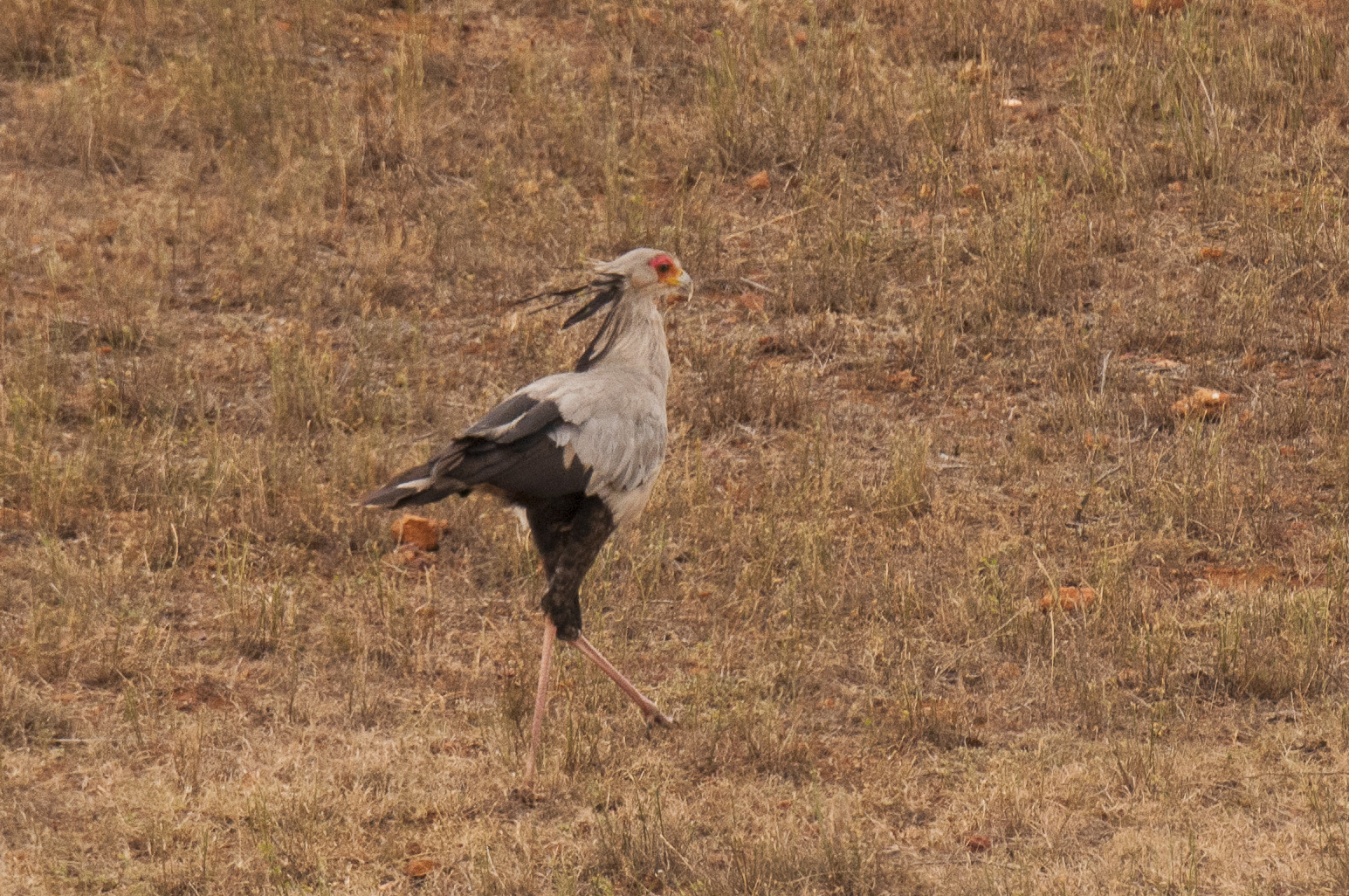
Each year Birdlife South Africa chooses a Bird of the Year and for 2019 the chosen bird is the very unique Secretary Bird.
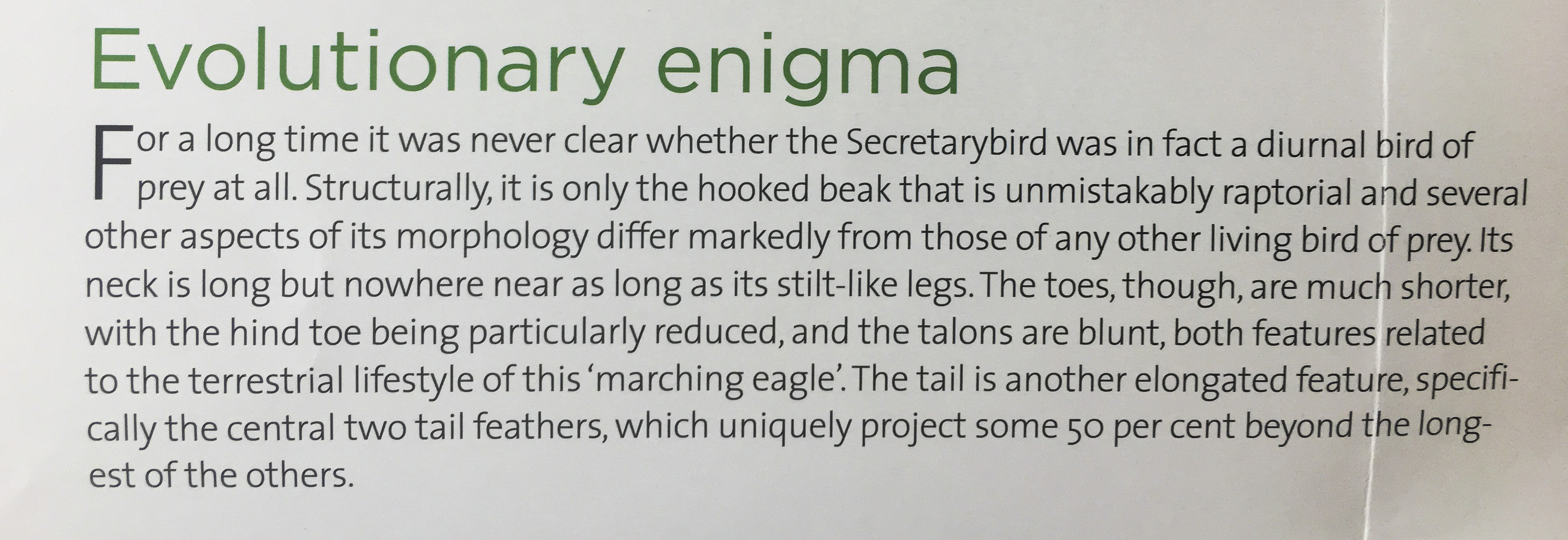
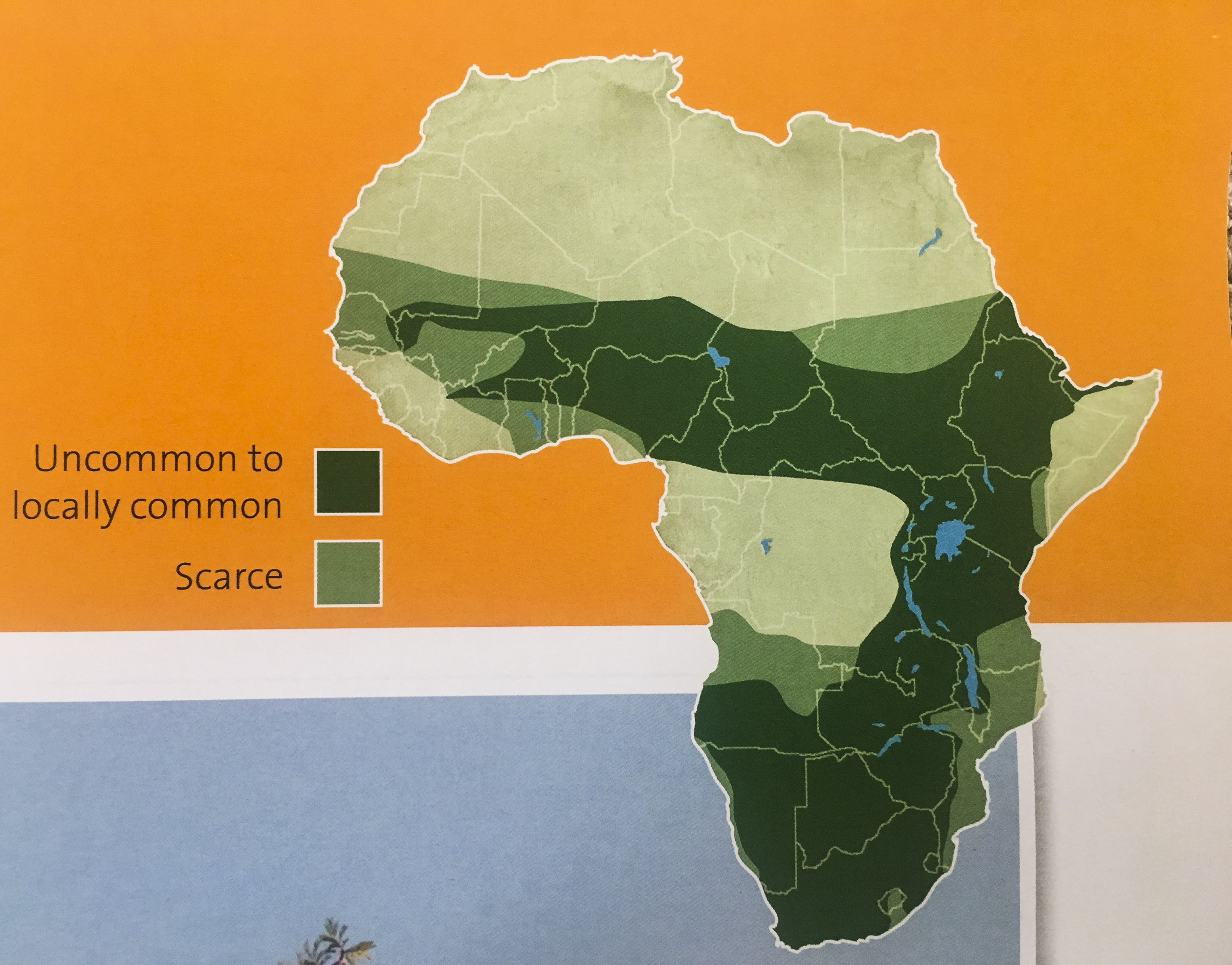
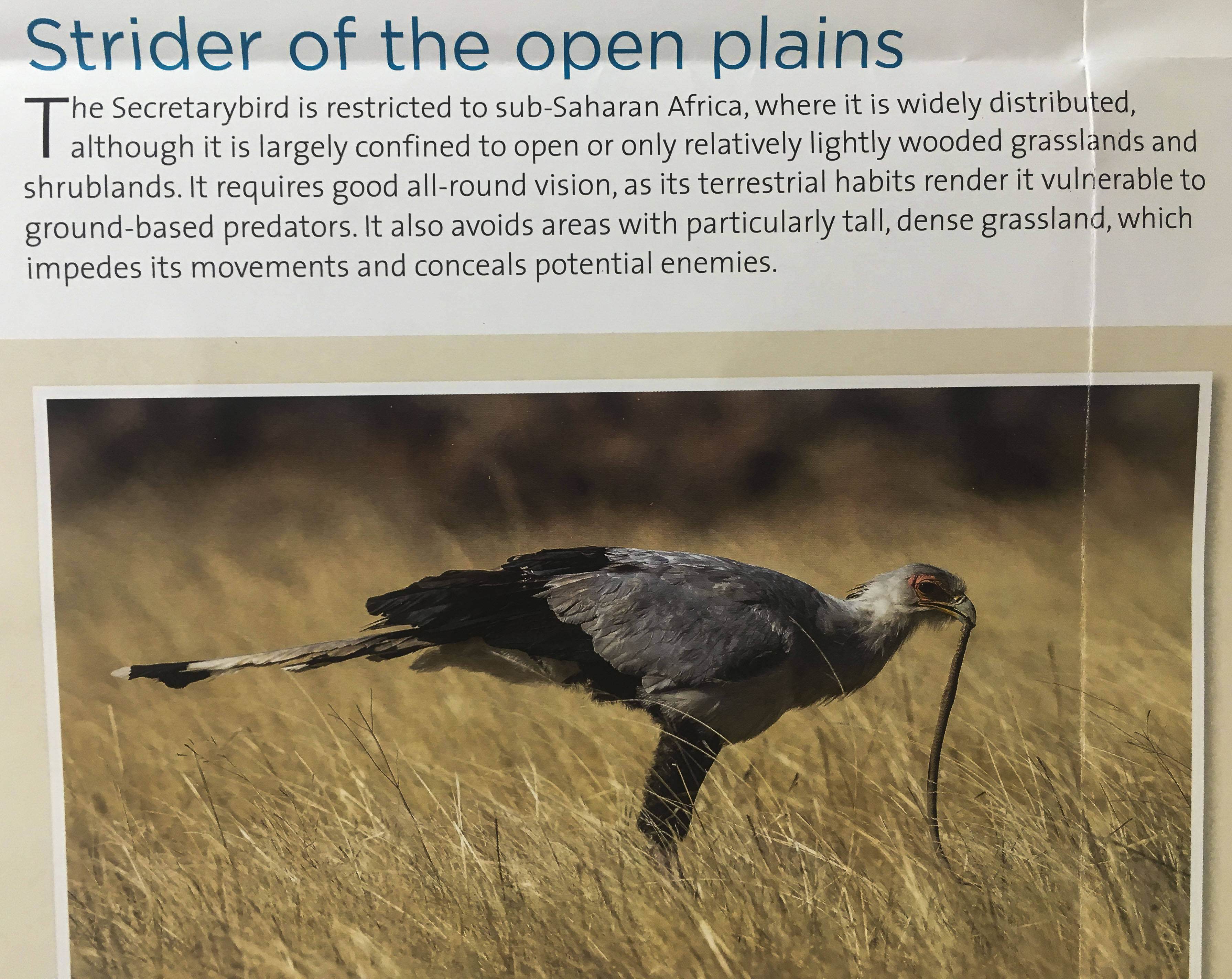
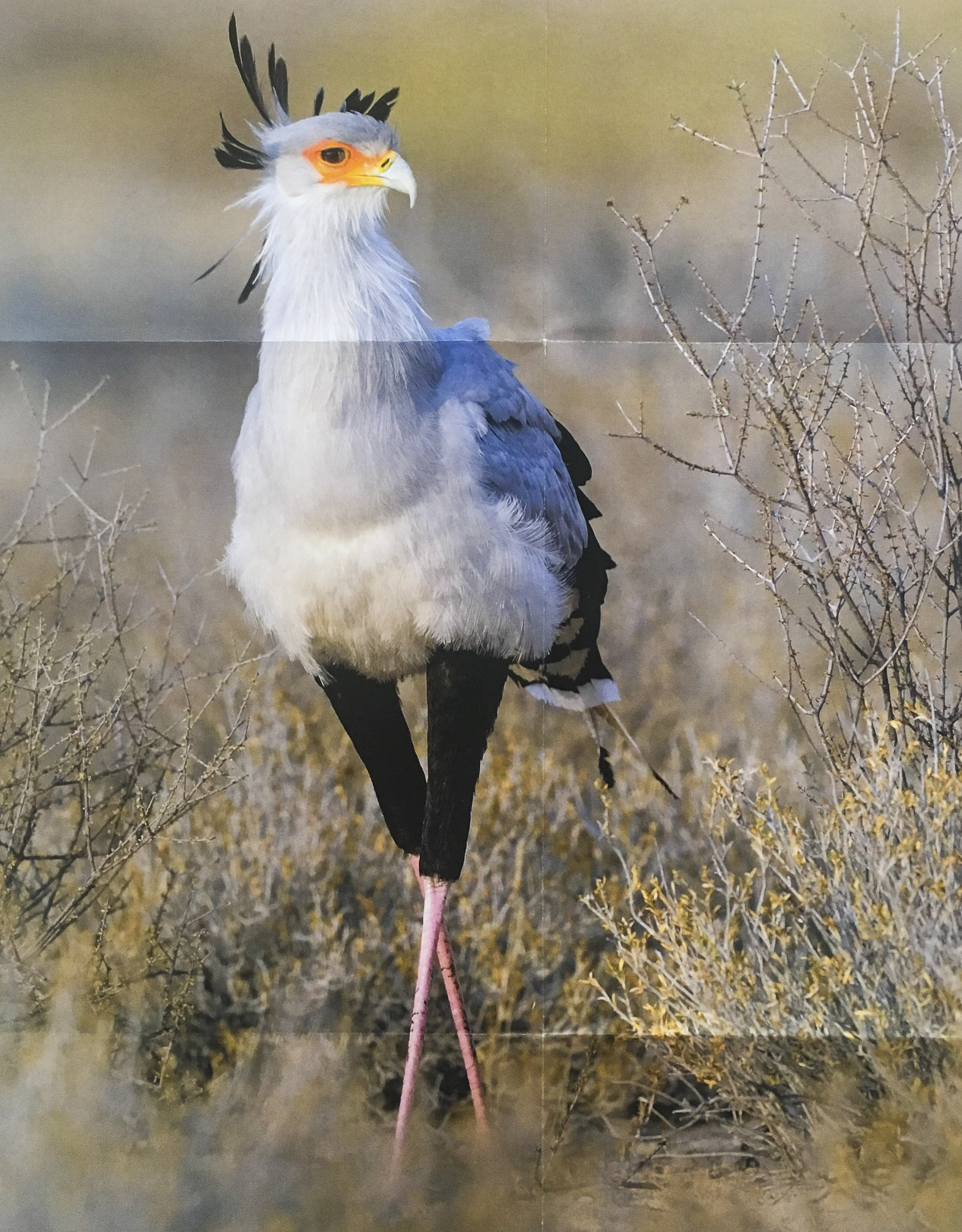
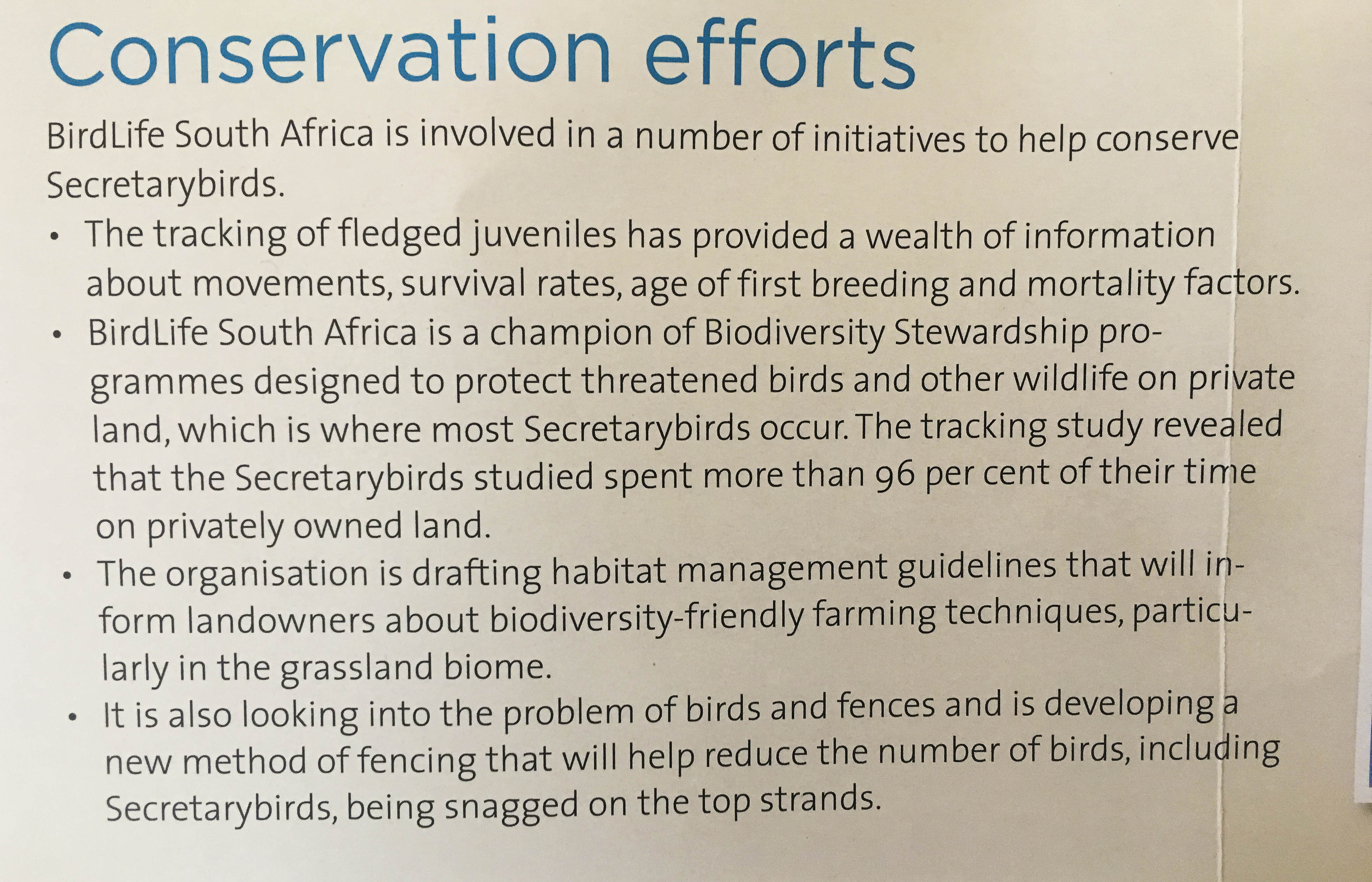
To celebrate this, Birdlife SA included a very informative poster in the latest African Birdlife magazine, which I thought I would share here – however the only way to share an A1 size poster in a blog is by chopping it up into smaller, hopefully readable, chunks, which I have attempted to do with my iphone camera.
So, here goes ………
I have not had much success in photographing the Secretarybird over the past few years – not for want of finding them, that’s the relatively easy part, the problem is they immediately stride off in the opposite direction when you try and get closer, so most of my attempts have been at long distance. Here are a couple of my marginally better shots, still nowhere close to what I regard as a decent photo
This one was nesting in a tree some way from the road when we visited Mountain Zebra National Park s few years ago
Secretarybird striding through short grass near Albertinia, southern Cape
Verlorenkloof, as regular readers will know, is our favourite spot for a really relaxing getaway and we look forward to our annual timeshare week in October each year immensely. October 2018 was no different with lazy days, some walking, some birding and atlasing and just enjoying the company of old friends …. errrr, friends of long standing that is. (At our age one can get sensitive about 3-letter words such as “old”).
The croft (the fancy name for the house-like accommodation at Verlorenkloof) sleeps 10. although 6 is more comfortable, so it is a great opportunity to invite some close friends along for the week.
Perhaps the best part is the time spent on the patio, where we take breakfast and lunch and enjoy regular doses of tea, coffee or cold drinks to while away the hours. The patio overlooks a sloping lawn which merges with the natural grass and shrubs stretching across the hill and down to the stream, which is flanked by luxuriant reeds and ferns.
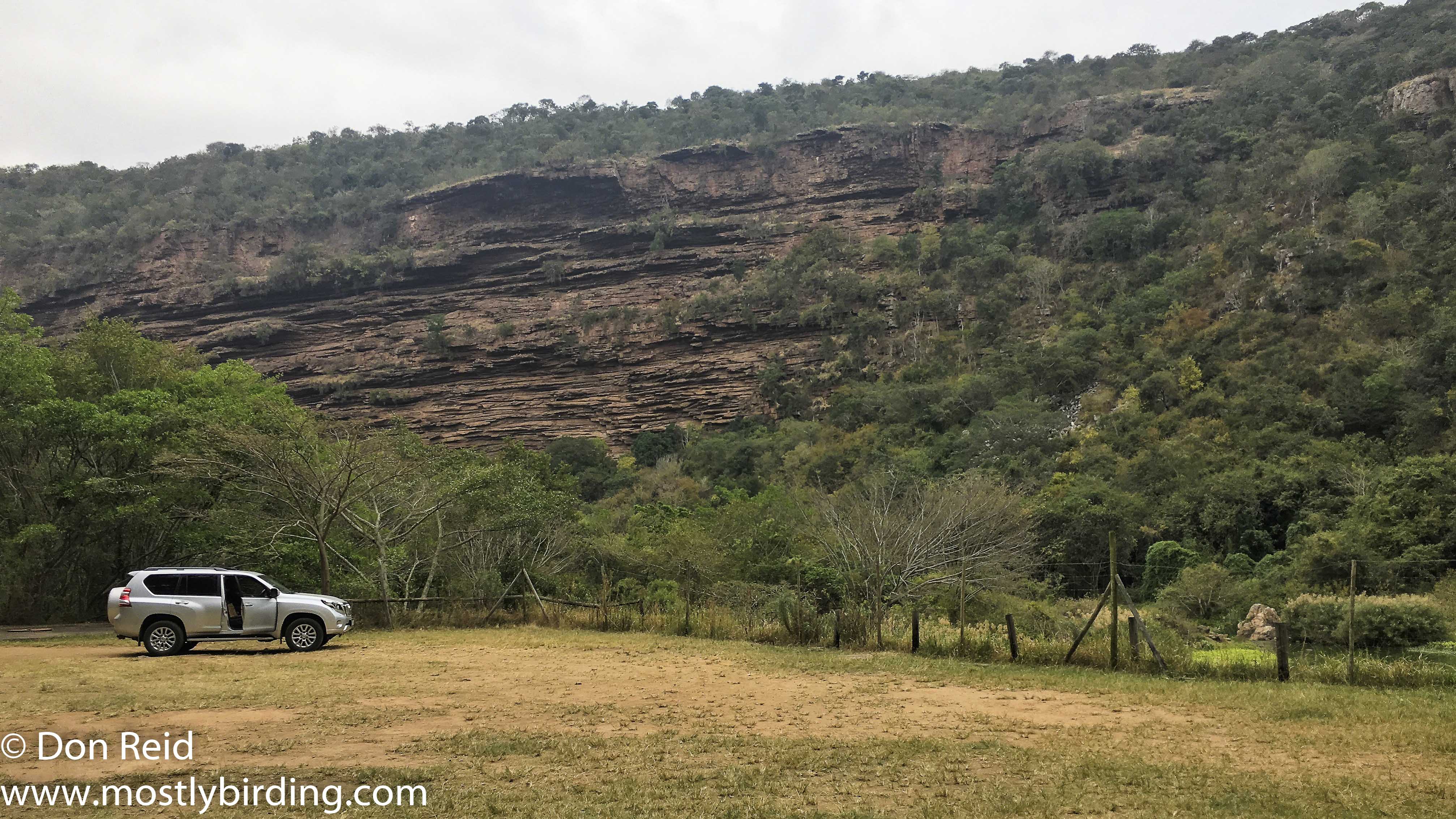
Beyond the grass and the stream, the lower grassy slopes of the mountain begin and continue up to a height where the rocky, almost vertical face of the mountain proper takes over, soaring to the escarpment edge a few hundred metres above. Oh, and to add to the variety of habitats, the mountain face is cleaved into densely forested kloofs at its intersections.
All of this provides the opportunity for a multitude of bird species to be attracted to the area and to take up residence. Many of them announce their presence at various times of the day, peaking in the early morning as the sun rises to welcome a new day. The mountain seems to act as an amplifier and the scene before you is reminiscent of a natural amphitheatre, with some of nature’s best songsters providing an aural experience that is hard to beat.
Verlorenkloof – view from upper path
Verlorenkloof lower dam
The selection of photos that follows is from our October 2018 week and is just a sampling of the rich bird life at Verlorenkloof, limited to those species which I was able to get close enough to for a reasonable photo or which, by chance, crossed my path while I had my camera close by.
English, Afrikaans and scientific names are given with the gender and subspecies added where applicable …….
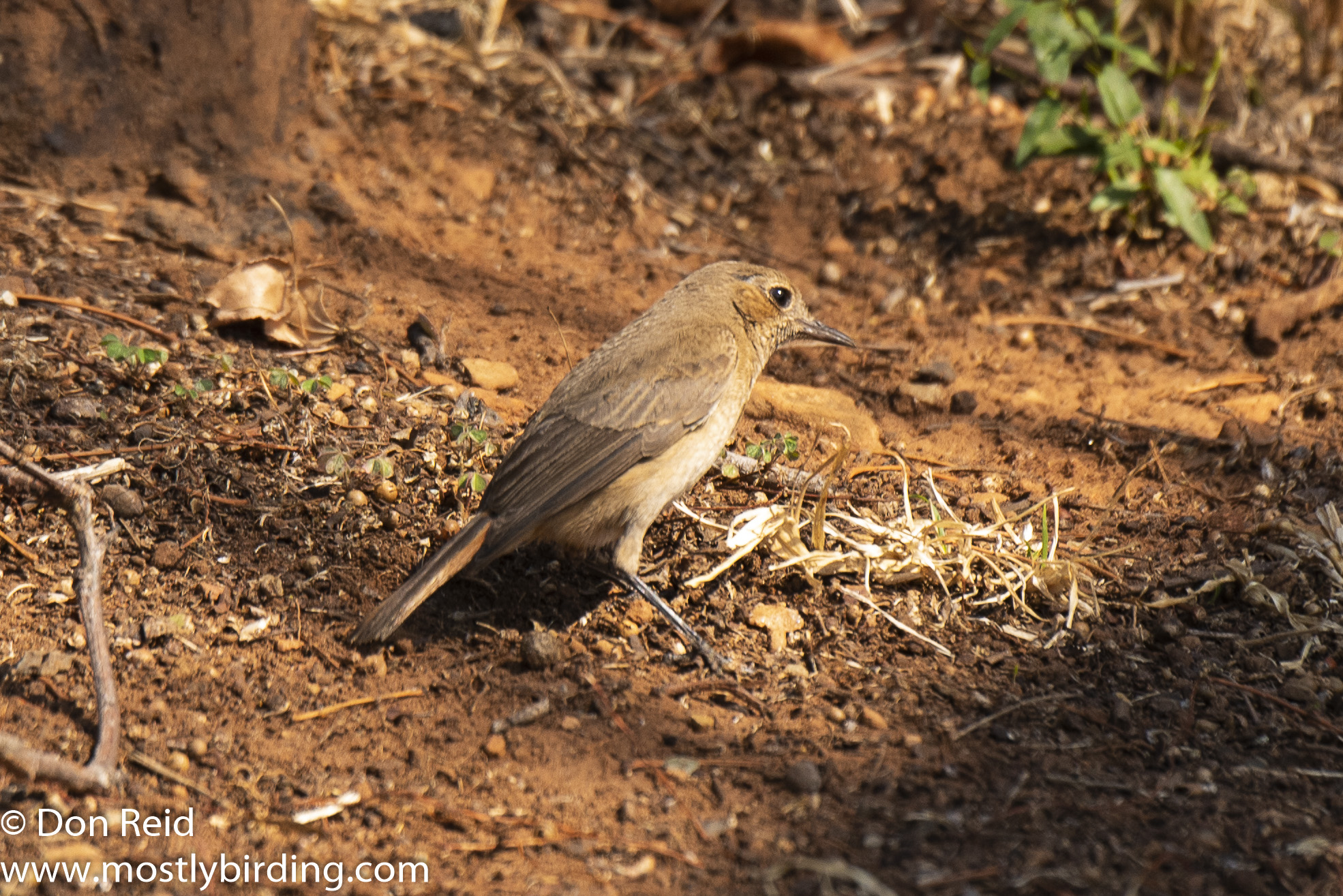
Familiar Chat / Gewone spekvreter (Cercomela familiaris – hellmayri subspecies) is a regular visitor to the area around the croft where it hawks insects from a vantage point such as a small rock or low branch, returning to the same spot with a flick or two of the tail as it lands, in its “familiar” way
Yellow Bishop (Male, non-breeding) / Kaapse flap (Euplectes capensis – approximans subspecies) – later in the summer the male acquires its breeding plumage of overall black with yellow shoulders and rump
African Stonechat (Male) / Gewone bontrokkie (saxicola torquatus – stoneii subspecies) – another conspicuous, widespread species which favours grasslands and perches prominently on tall bushes and plants.
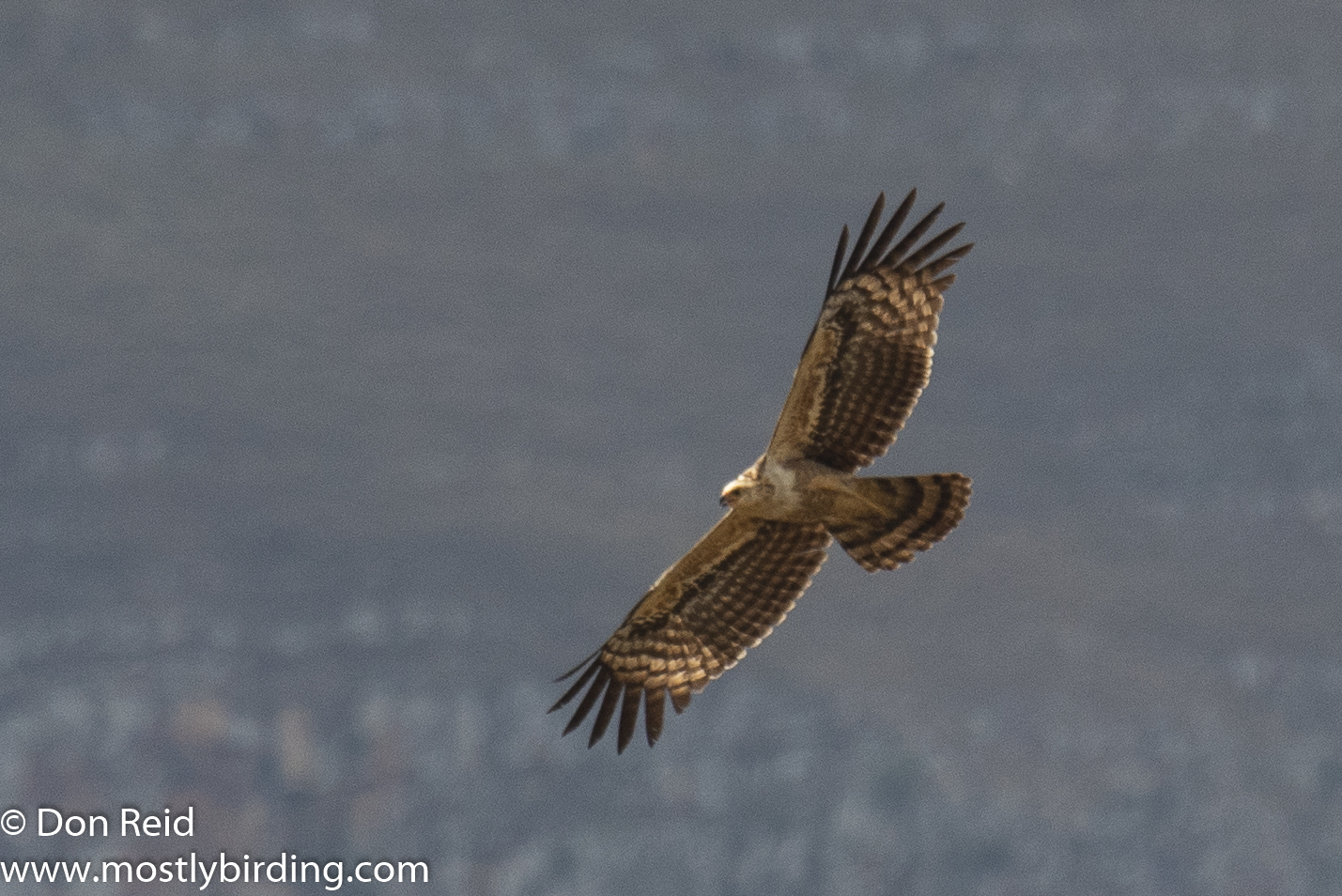
African Crowned Eagle (Immature) / Kroonarend (Stephanoaetus coronatus ) – it was a thrill to find this impressive raptor at Verlorenkloof. This immature eagle is probably the same one that was seen by Koos Pauw earlier in the year when it was still in the nest, which he pointed out to me on top of a large tree part of the way up the mountain slope
Cape Grassbird / Grasvoël (Sphenoaecus afer – natalensis subspecies) – singing its heart out in its customary fashion, just a little shy for a full monty photo
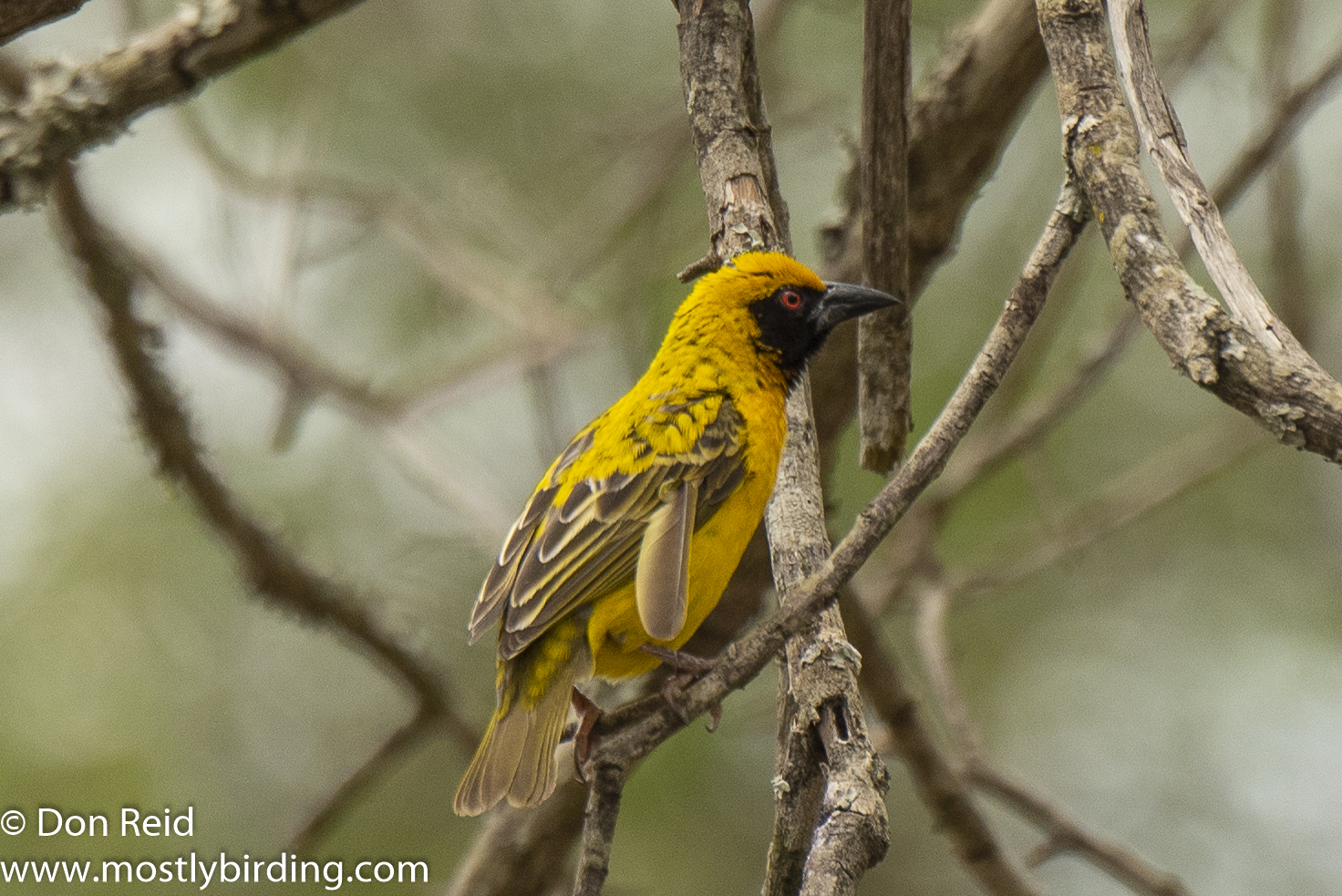
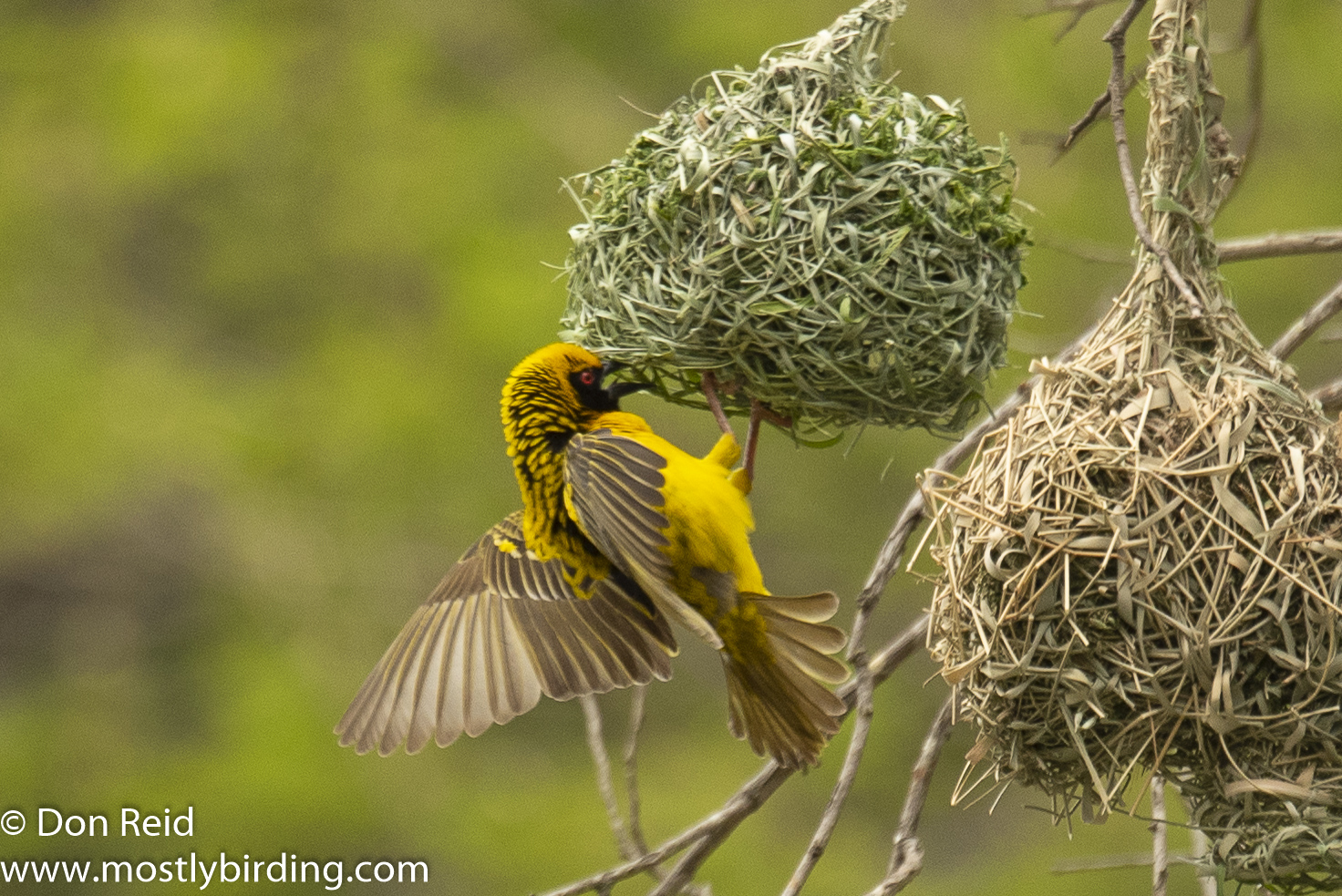
Village Weaver (Male) / Bontrugwewer (Ploceus cucullatus – spilonotus subspecies) – it’s a treat to see this species in action, doing its best to attract a female for some “breeding” with much vigour, swaying its body and fanning its wings. A flock had taken over a tree alongside the river and filled it with nests
Kurrichane Thrush / Rooibeklyster (Turdus libonyanus) – a shy, solitary bird that likes to forage quietly amongst the shrubs
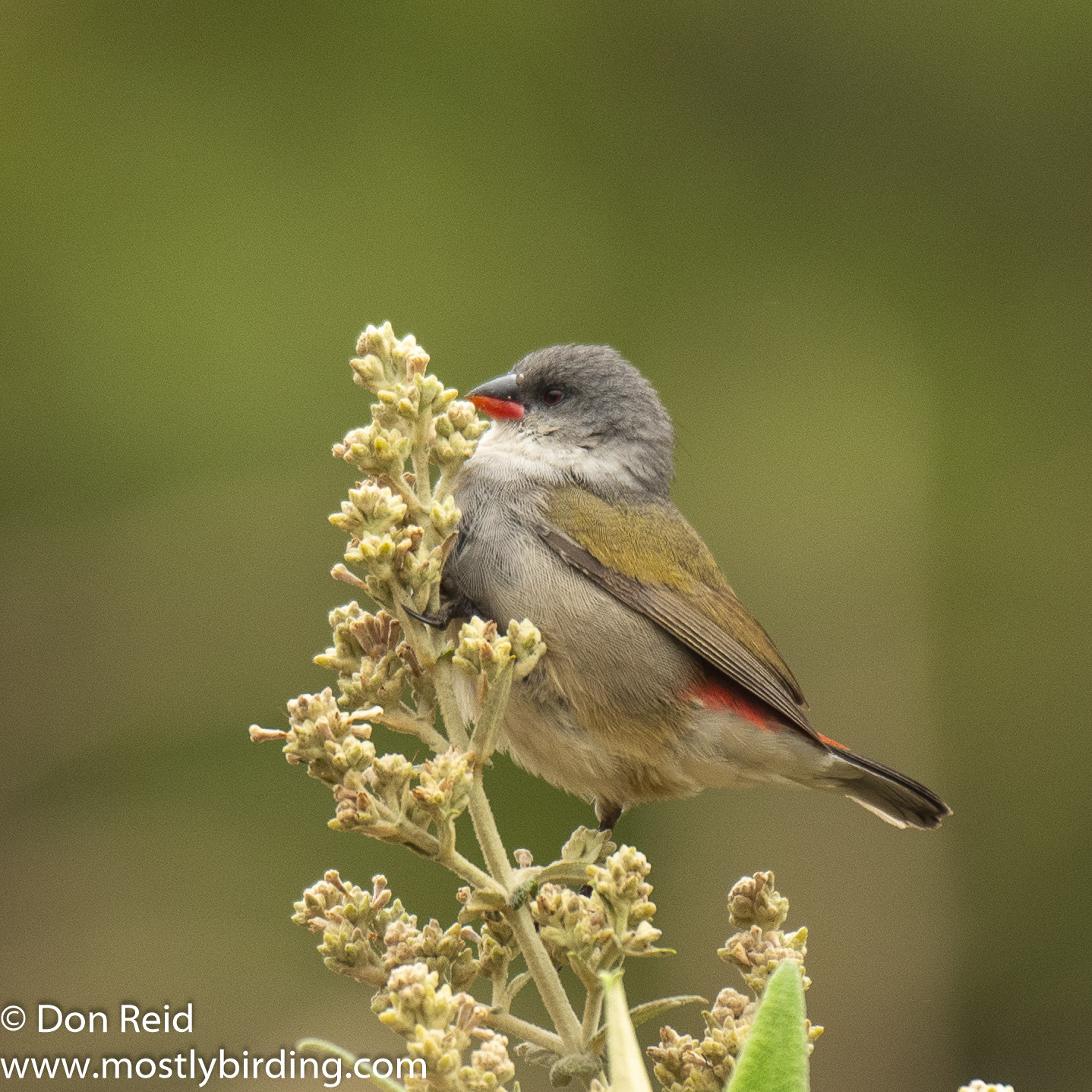
Swee Waxbill (Female) / Suidelike swie (Estrilda melanotis) – cute species that moves in small groups through the bushes
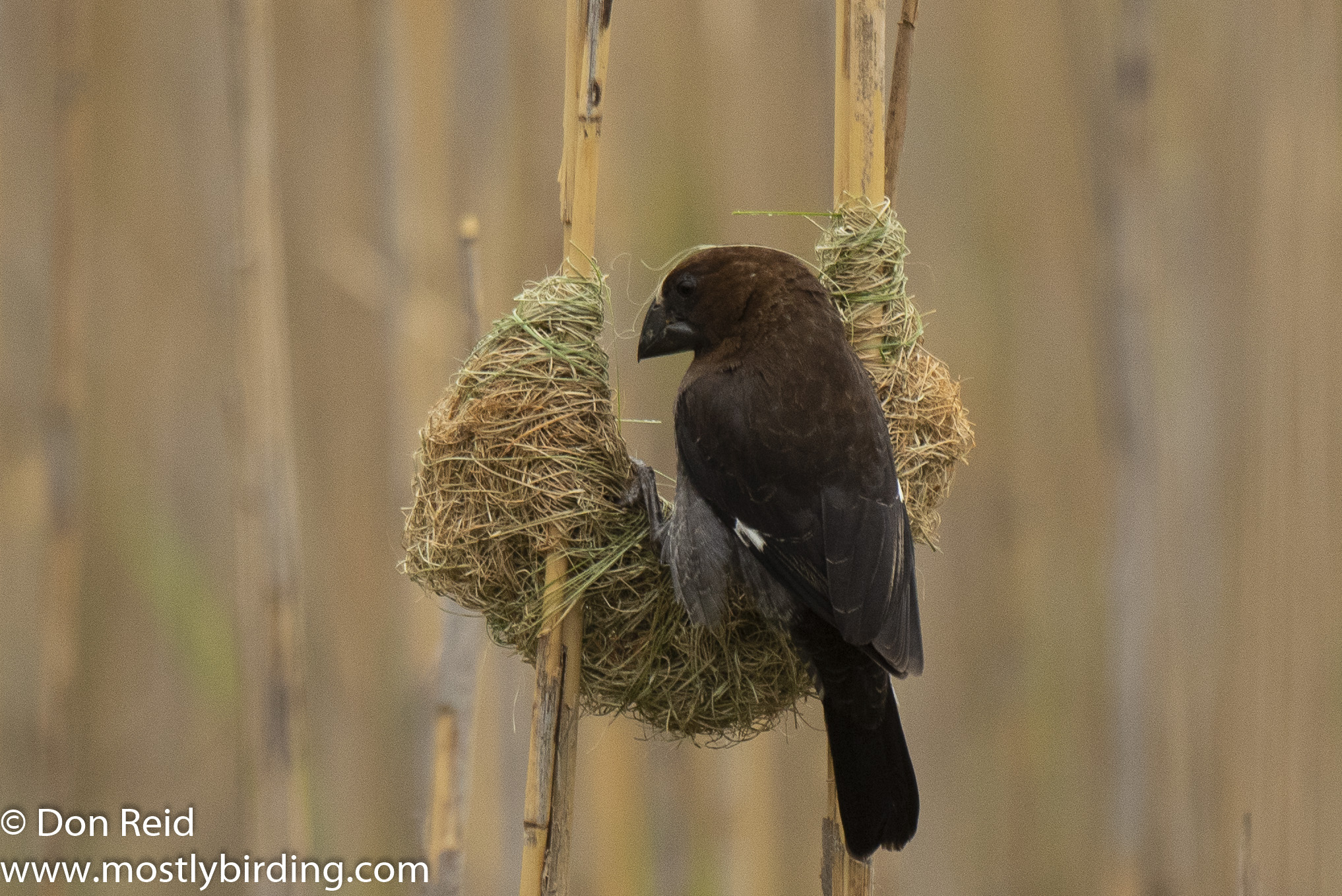
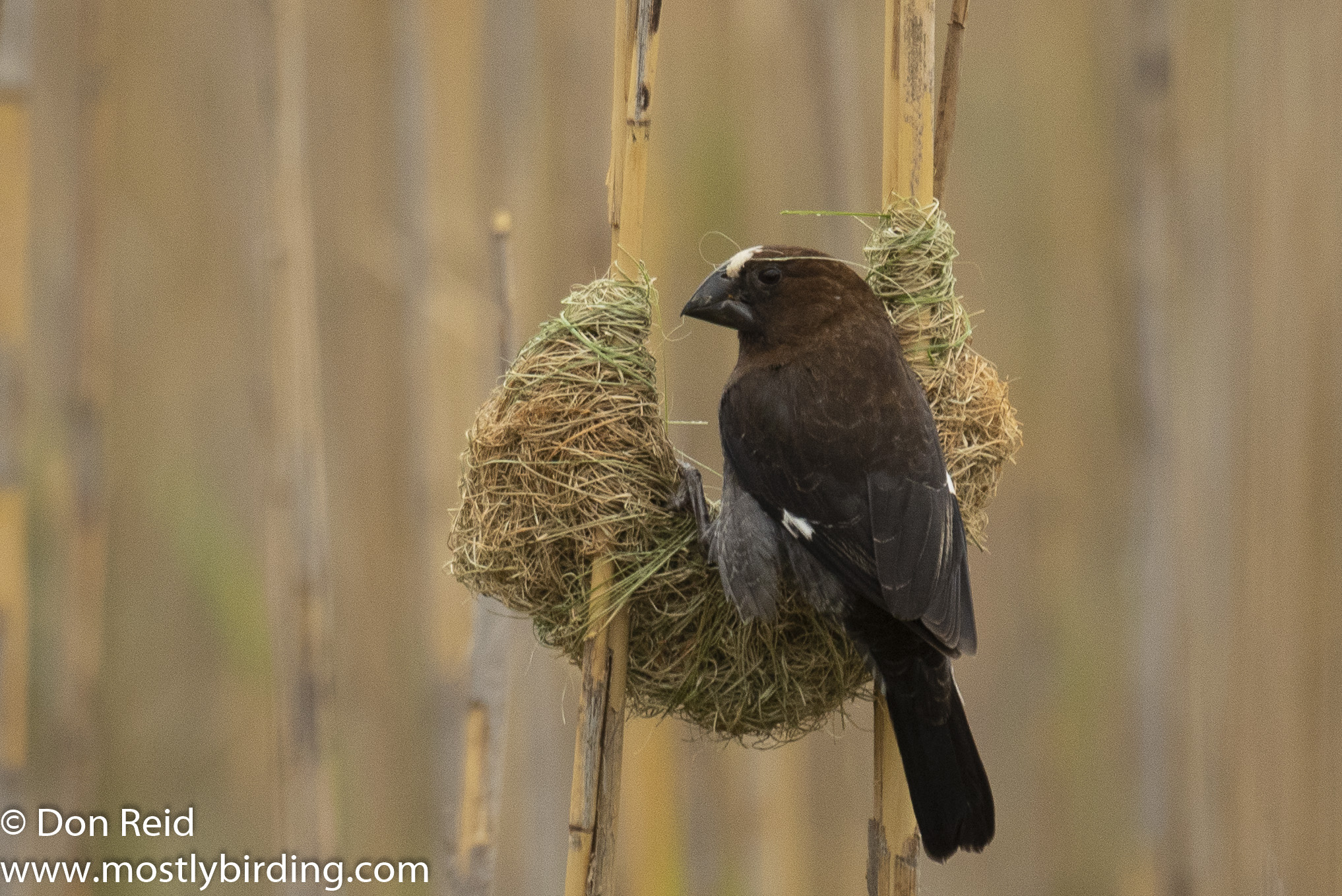
Thick-billed Weaver (Male) / Dikbekwewer (Amblyospiza albifrons – woltersi subspecies) – busy building a nest in the reeds alongside the bridge over the river. Unlike other weavers which start with a ring as a basis, this species starts with a cup and builds up from it, using thin strips gleaned from bulrush leaves to construct the fine, tightly woven nest
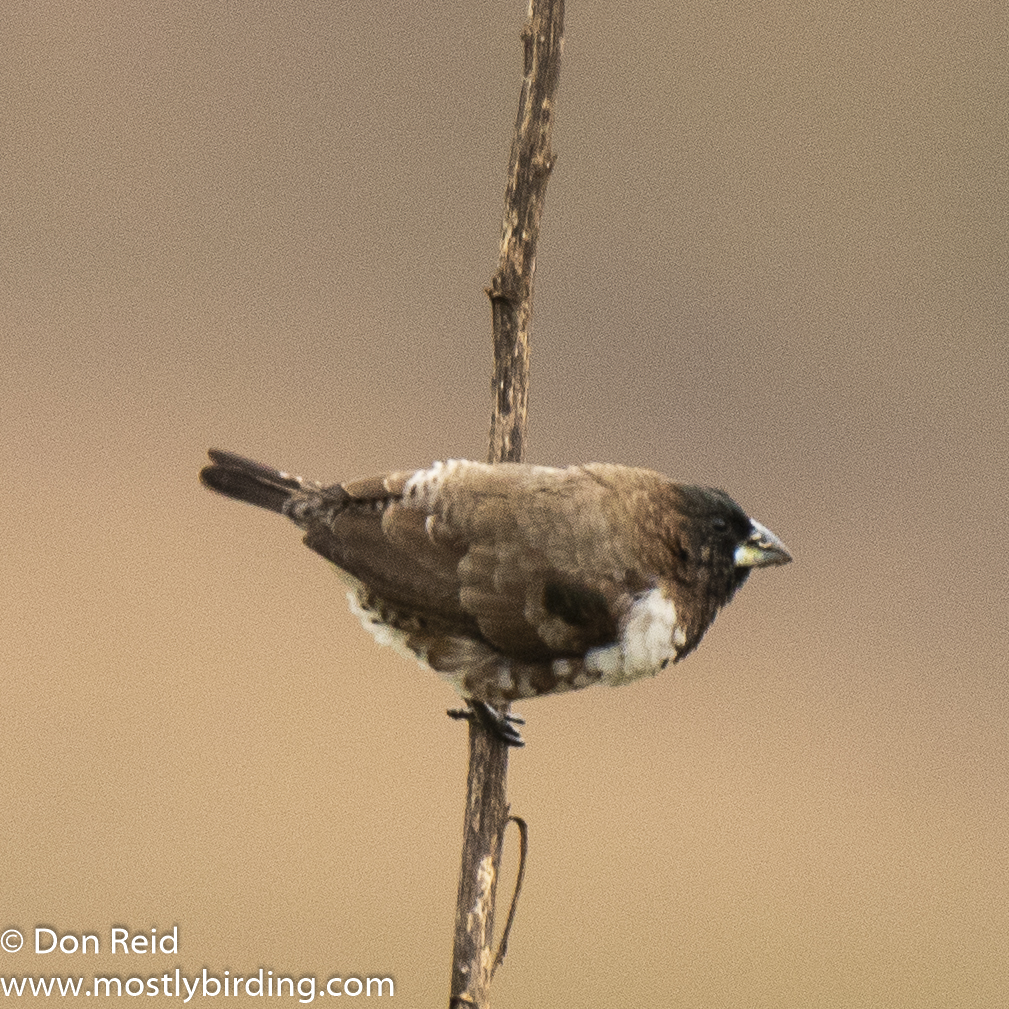
Bronze Mannikin / Gewone fret (Lonchura cucullata) – fairly common in the bushes and reeds near the croft
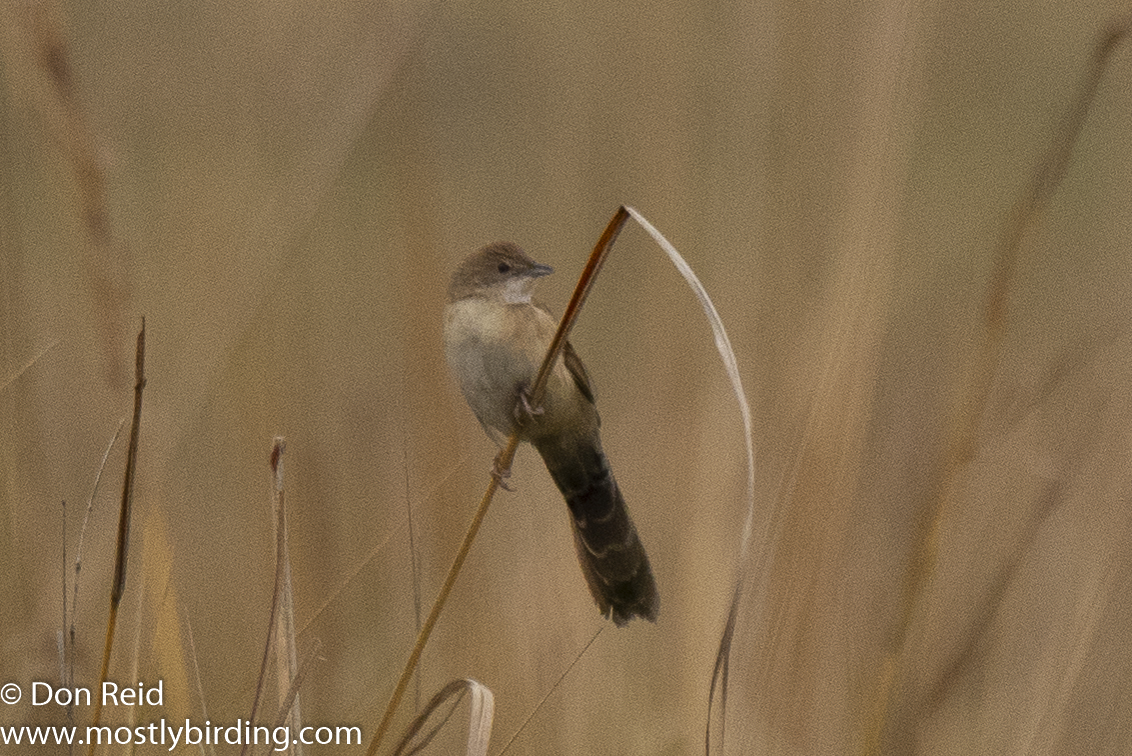
Broad-tailed Warbler / Breëstertsanger (Schoenicola brevirostris) – An uncommon species that I have not seen anywhere other than at Verlorenkloof – it prefers rank grass and has a distinctive sharp metallic call which tells you it is nearby, but is an expert at concealing itself from view, so getting a photo requires a mix of patience and luck
Fan-tailed Widowbird (Male in breeding plumage) / Kortstertflap (Euplectes axillaris) – also a “fan” of tall moist grassland which Verlorenkloof has in abundance
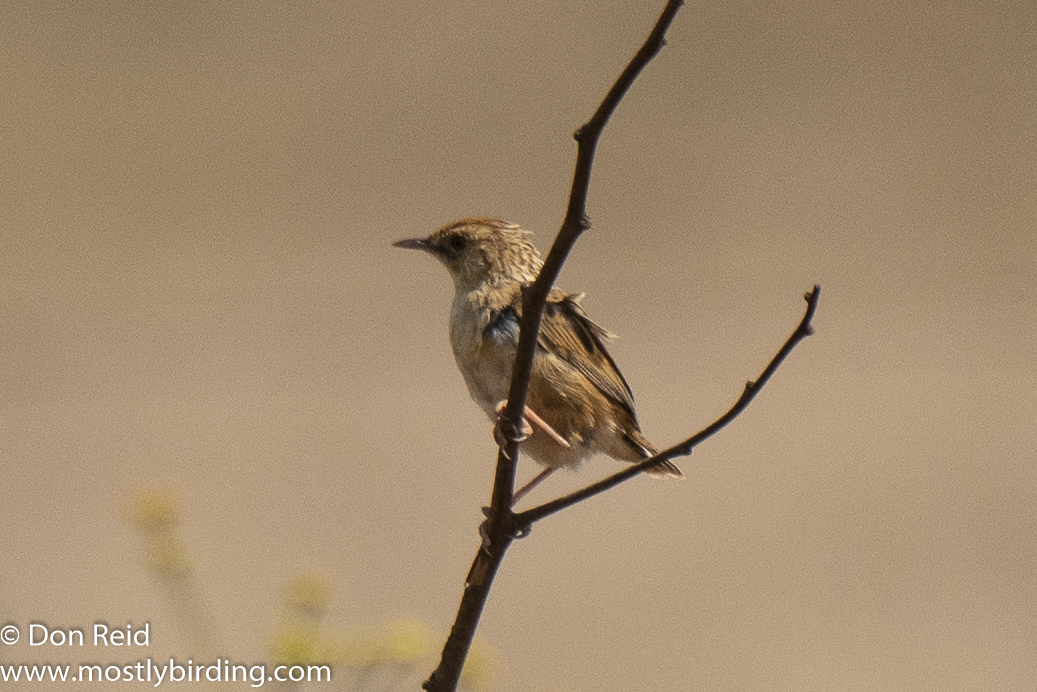
Wing-snapping Cisticola / Kleinste klopkloppie (Cisticola ayresii) – not seen at Verlorenkloof itself but in an adjoining pentad while atlasing – my first photographic record of this species
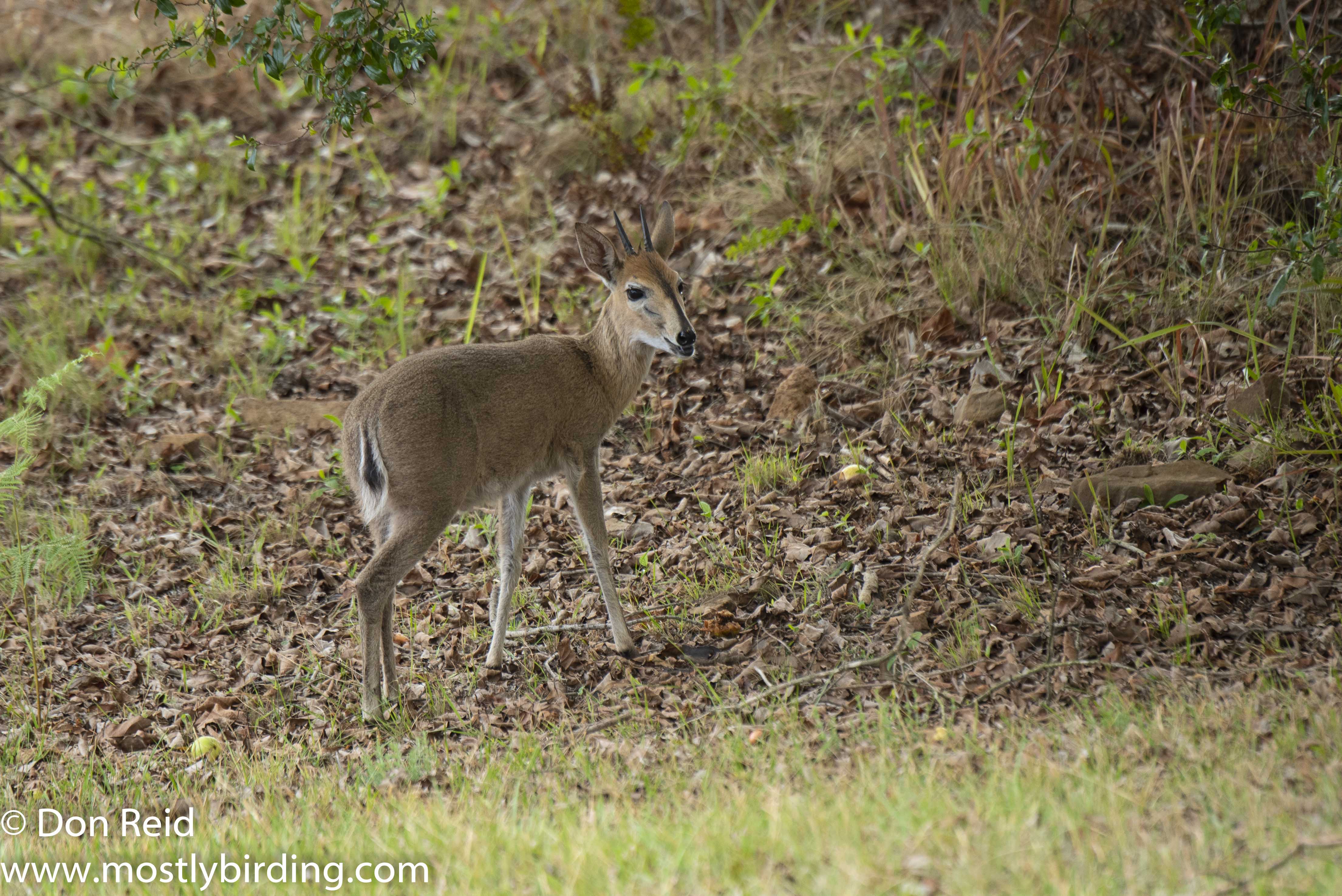
There are a few shy animals as well, such as this Grey Duiker
Grey Duiker
I’m already looking forward to our October 2019 week!
Niki, my trusted birding companion, accompanies me on all my birding trips and I have to admit I just cannot get along without her – she has eyes like a hawk which can help to identify those distant birds in a trice with just one quick glance and is content to endure hours of travel on sometimes bumpy, dusty roads with nary a complaint.
So I was deeply concerned when Niki started showing signs of weariness and a distinct lack of focus towards the end of 2018 and I resolved to book her into a clinic as soon as we were back in Gauteng in January 2019. Niki went to the clinic without complaint and I booked her in on a Monday, hoping that her stay would not be long – they sent a message later setting out the proposed treatment and estimated that she would have to stay for at least a week for the treatment to have the desired effect, which I replied was acceptable.
The week without Niki was difficult and my birding outing was just not the same without her on the seat beside me, but I knew it was something that had done. I resisted the temptation to visit Niki in the clinic, being so far from our house and patiently waited for the message to tell me I could come and fetch her.
At last the message came to my phone – she was ready to go home! Next morning I drove to the clinic and fetched Niki – what a relief to hold her in my arms again!
I could hardly wait for my next birding outing with Niki once again at my side and planned a trip to one of Gauteng’s prime birding destinations – Marievale Bird Sanctuary to put our combined skills to the test again.
Niki, also known as my Nikon D750 DLSR camera with Nikon 80-400mm lens, performed admirably – but I will leave you with a few photos from the morning at Marievale, so you can judge for yourself.
Spotted Thick-Knee / Gewone Dikkop (Burhinus capensis) in the reception parking area before getting into the Nature Reserve itself – bright-eyed and bushy-tailed (OK just bright-eyed)
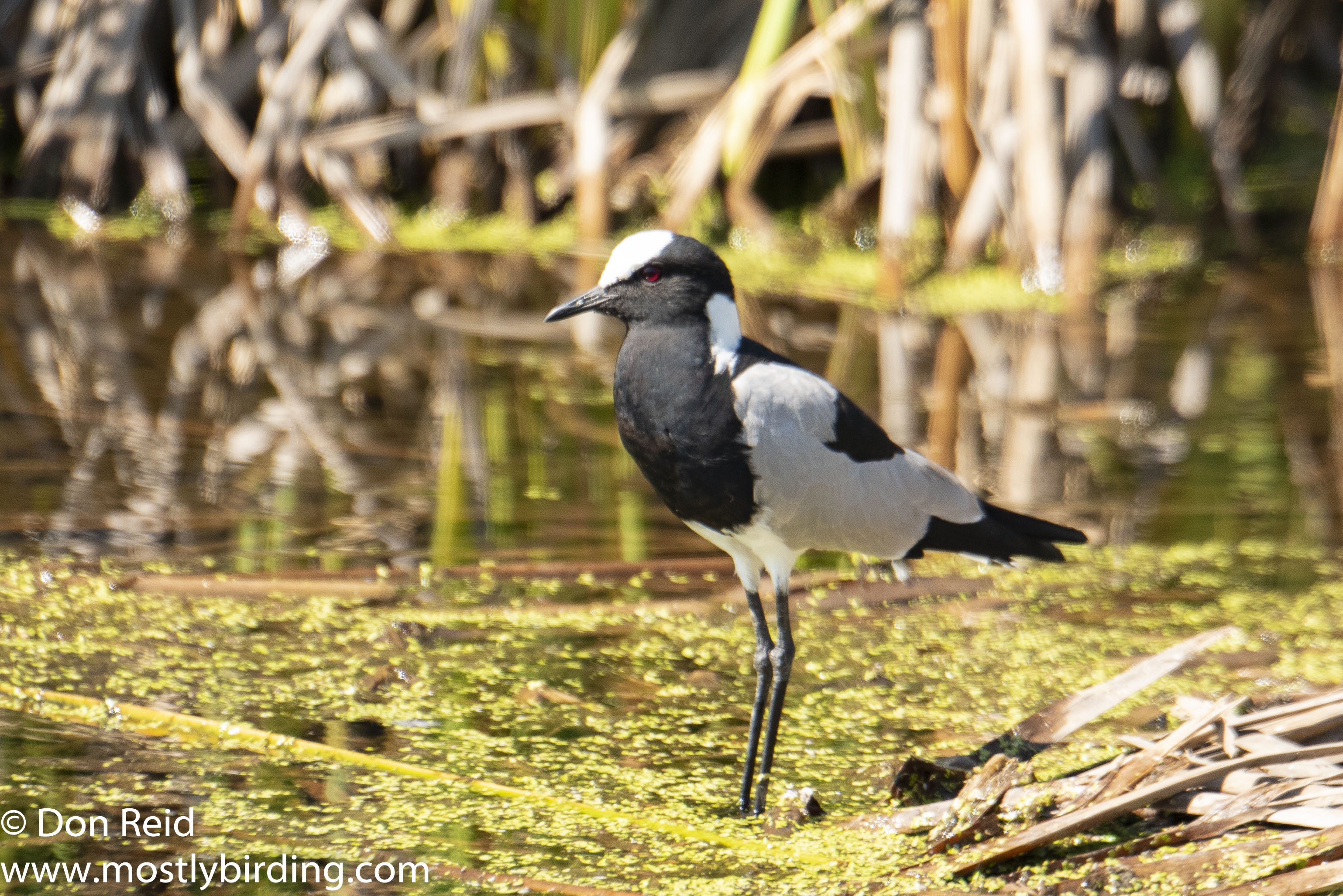
Blacksmith Lapwing / Bontkiewiet (Vanellus armatus)– despite its name suggesting a somewhat rougher individual, this is one bird that looks as if it could be an avian James Bond – elegant, formally attired, ready to order a martini “shaken, not stirred”
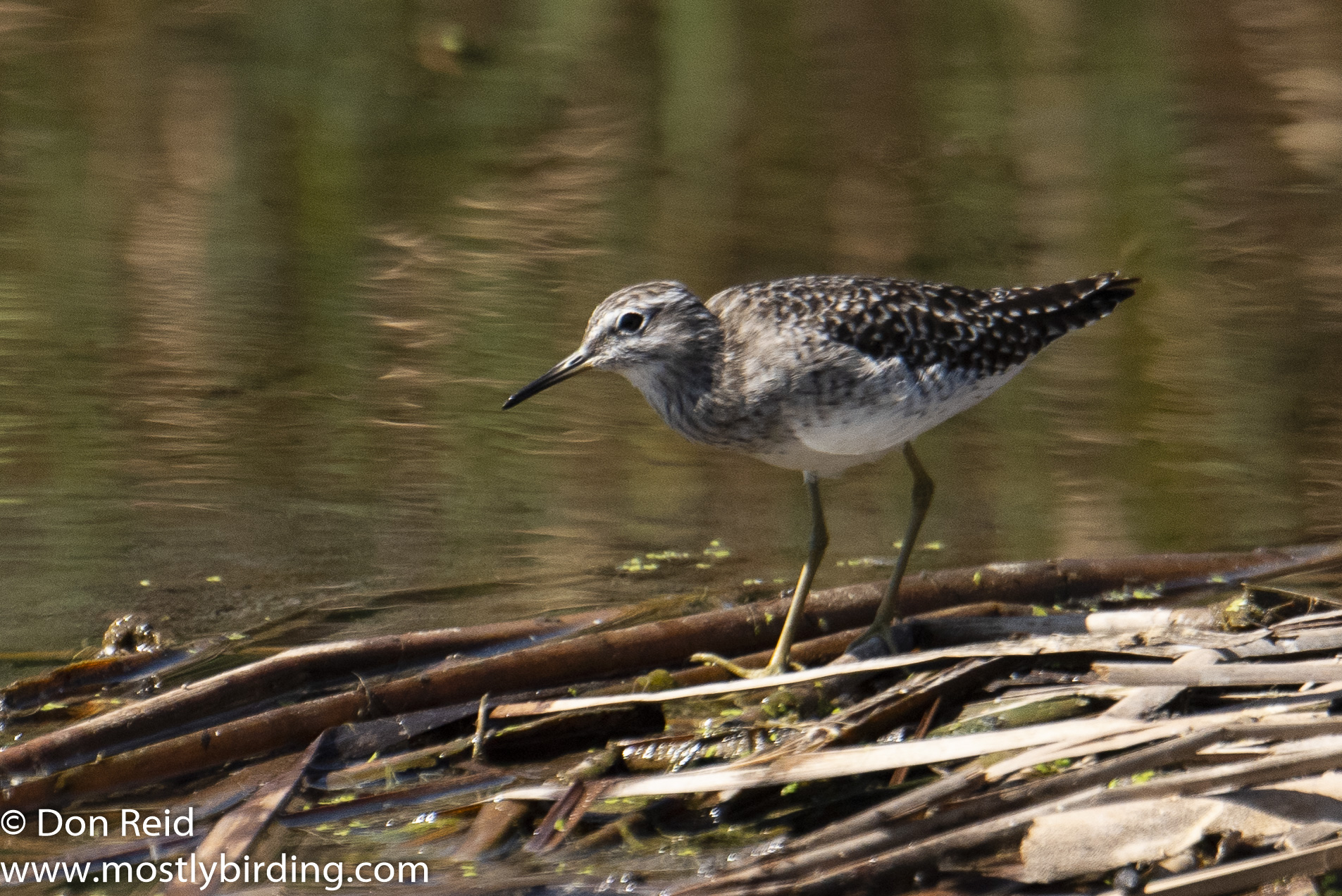
Wood Sandpiper / Bosruiter (Tringa glareola) – the only wader I came across during my visit – water levels were high after good summer rains so the hundreds of waders usually present were somewhere else
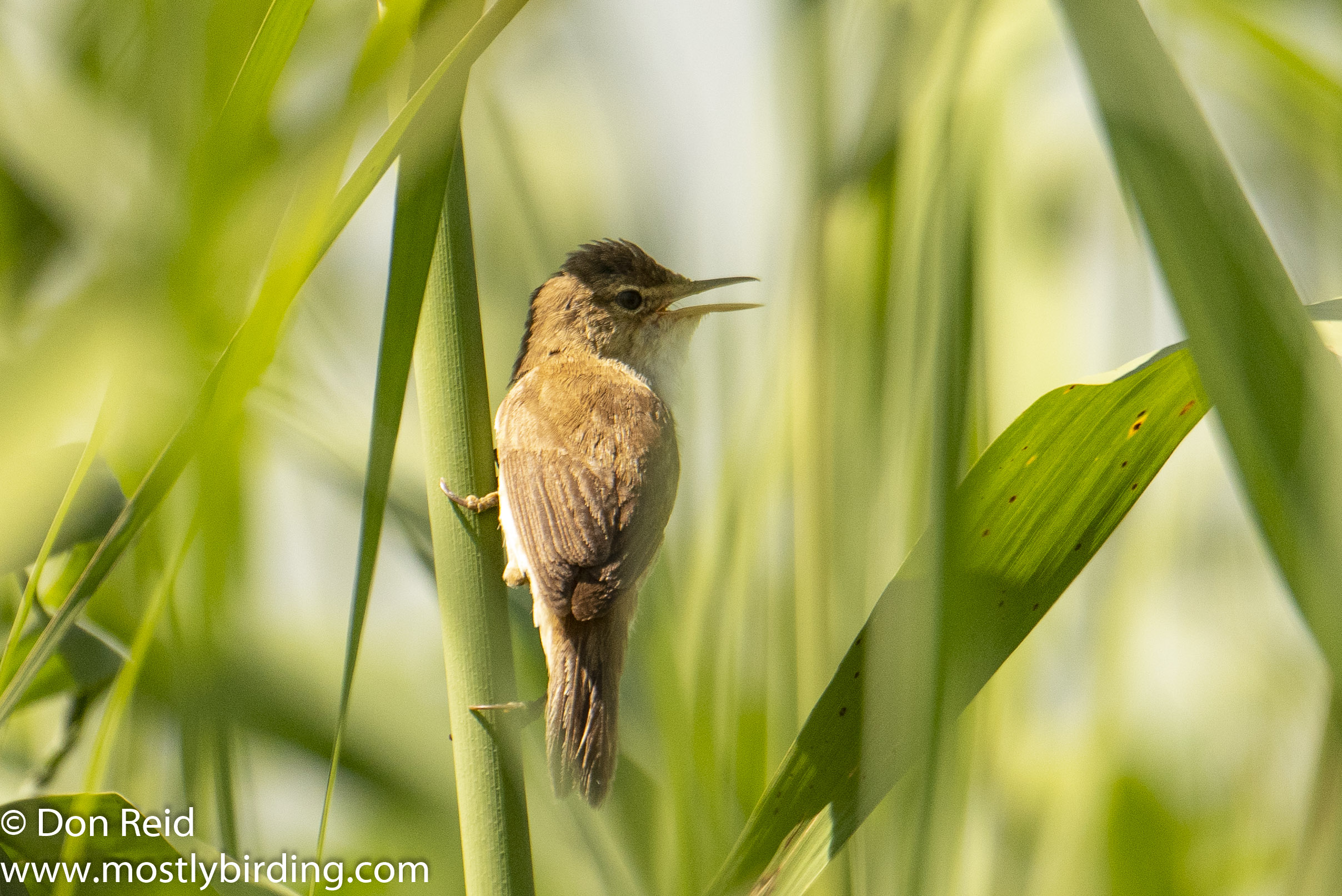
African Reed-Warbler / Kleinrietsanger (Acrocephalus baeticatus) – at one spot along the power-line track which has wetlands on both sides (shown in the featured image at the top of the post) I seemed to be surrounded by calling Warblers, with this species most prominent, calling vigorously and showing briefly amongst the reeds.
Red-knobbed Coot / Bleshoender (Fulica cristata) – the hides at Marievale are well looked after and afford great views of the comings and goings of several species, including this very common one
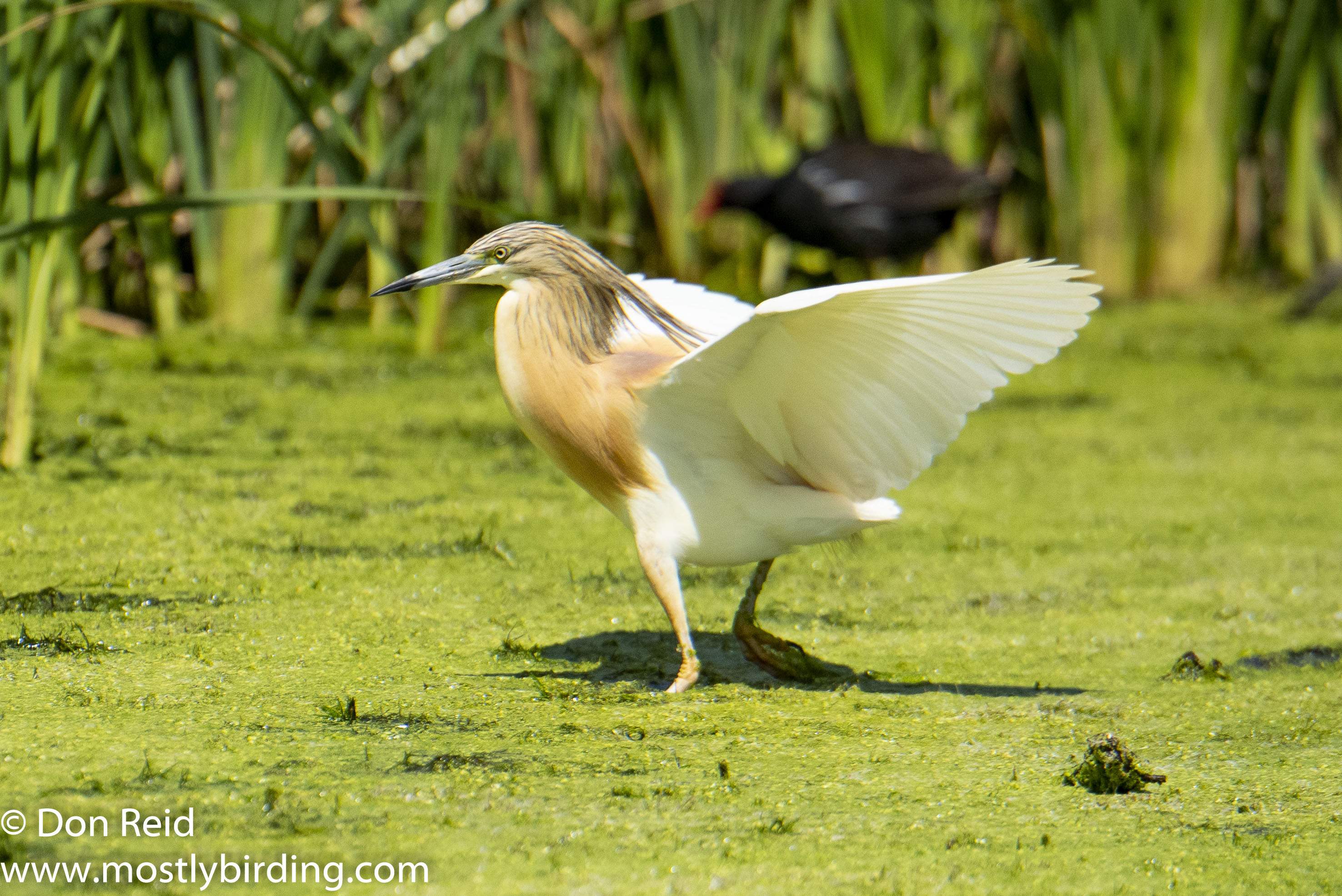
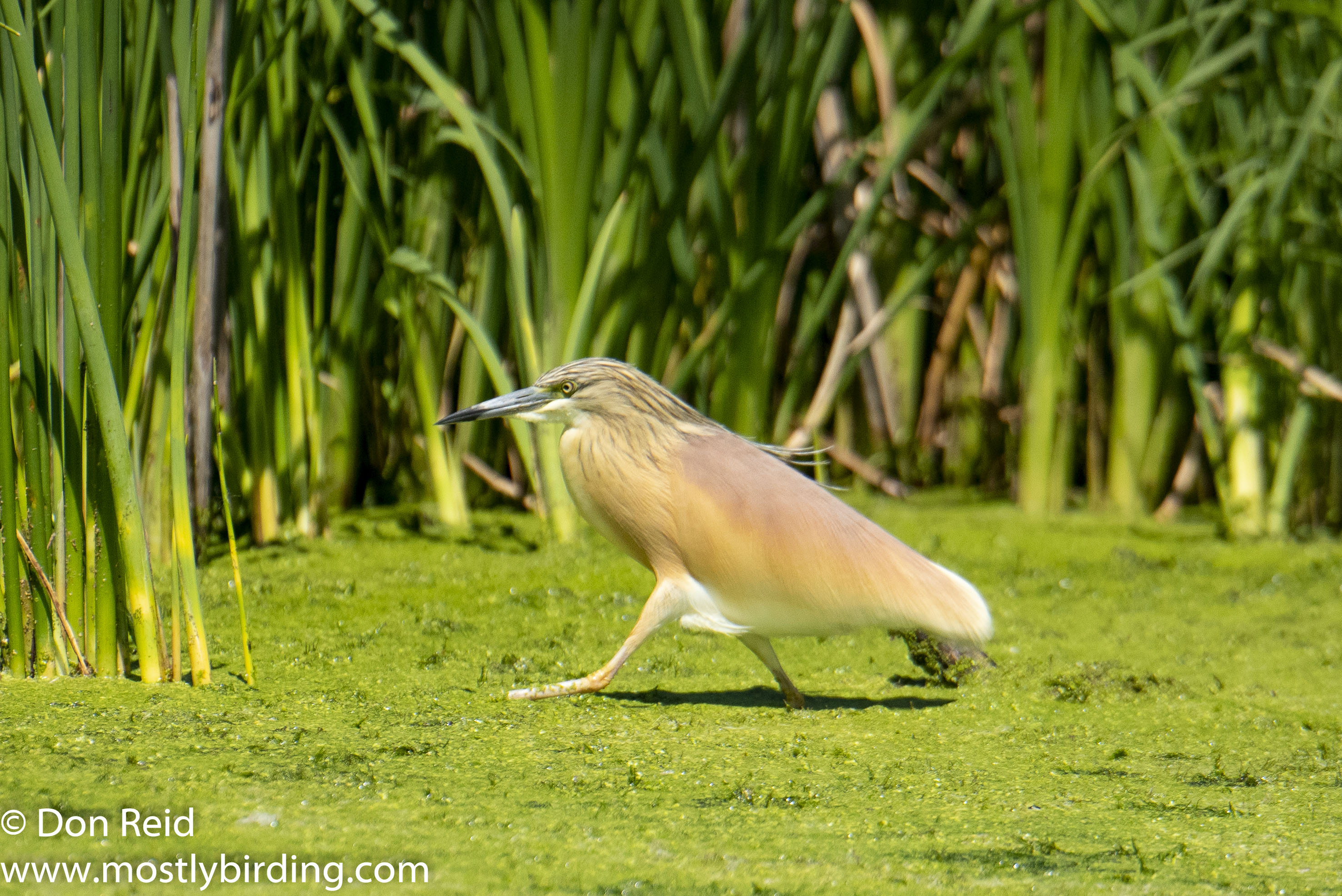
Squacco Heron / Ralreier (Ardeola ralloides) – demonstrating why it can be a difficult bird for beginners to identify, particularly in flight when it appears to be all-white and can easily be taken for a Cattle Egret. Once settled though it is an obvious species and in breeding plumage as it is here it shows the elongated feathers on the crest and neck, giving it an even more distinctive look
Common Moorhen / Grootwaterhoender (Gallinula chloropus) – another common water bird seen from the hide
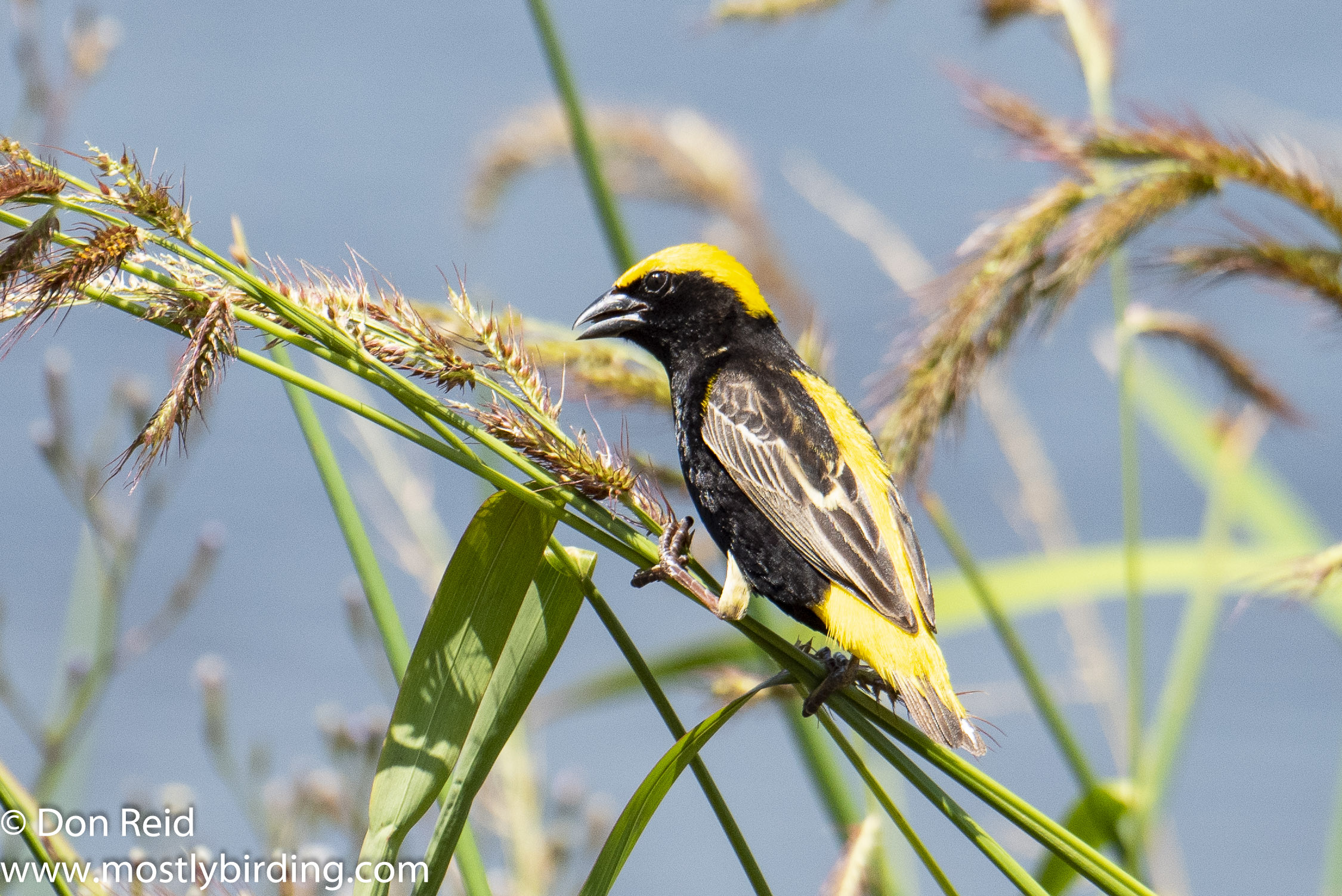
Yellow-crowned Bishop / Goudgeelvink (Euplectes afer) – resembles a very large bumble-bee in flight display as it fluffs up its yellow back feathers and flies slowly and ponderously amongst tall reeds
Lesser Swamp Warbler Kaapse rietsanger (Acrocephalus gracilirostris) – one of the bolder warblers but more often heard rather than seen. This one popped onto a perch right in front of the picnic spot hide as I was chatting to a visitor from Scotland
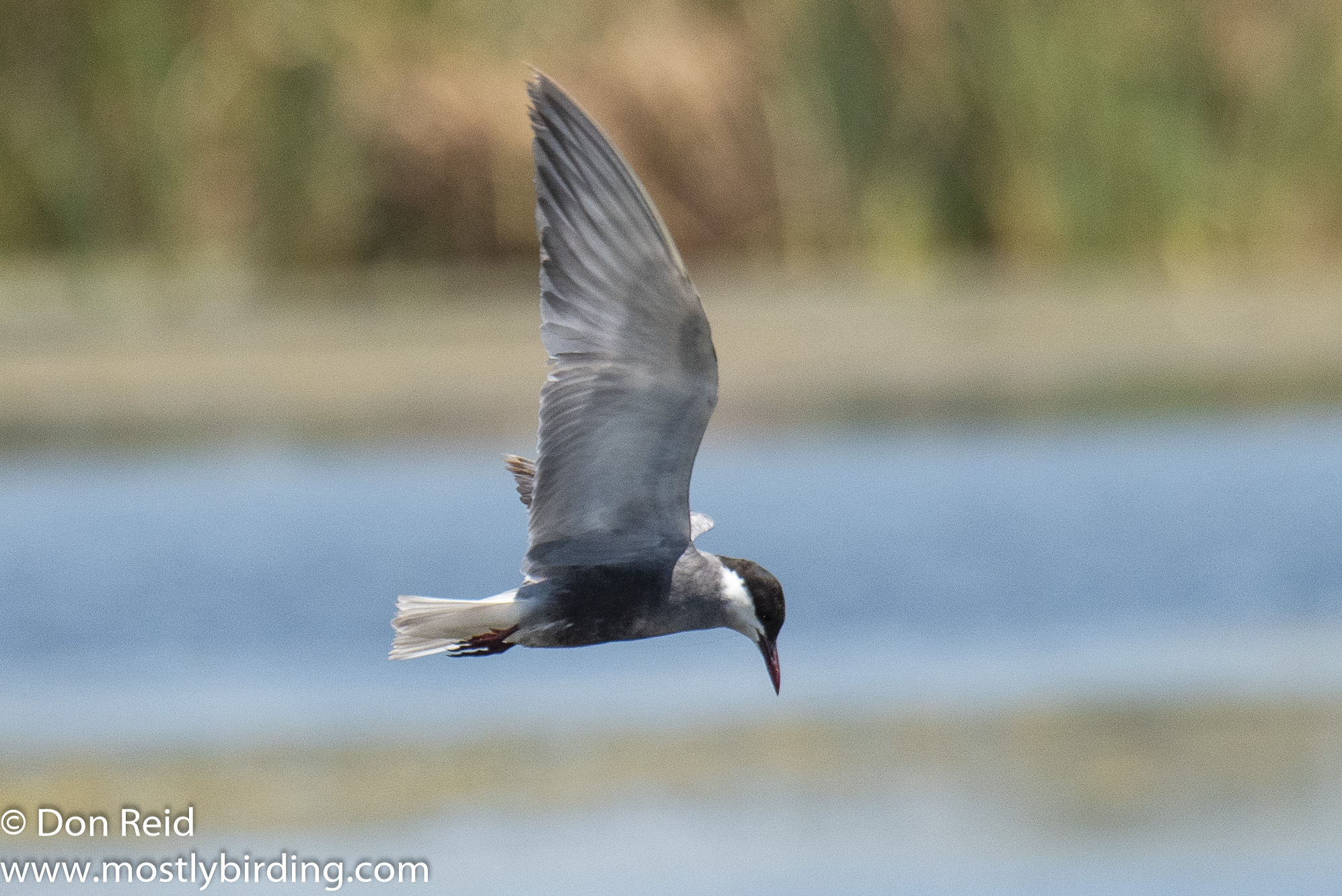
Whiskered Tern / Witbaardsterretjie (Chlidonias hybrida) – almost always present at Marievale, this tern in breeding plumage (losing the black belly and much of the black crown when non-breeding) was hovering and plunge-diving in front of the hide, constantly on the search for food
I have been fortunate during my working career to have been involved in construction projects which have taken me to some interesting, even exciting, parts of the world. Top of that list is Kasane, a small town on the Chobe River in the far north of Botswana, South Africa’s neighbour on its northern side and one of the nicest countries you will find just about anywhere.
Aerial view of the Chobe River while landing at Kasane
Nice because it is one of the most sparsely populated countries in the world, with just 2,3m people at an average density of 3 people per square kilometre, and the vast majority are inherently friendly, decent people. The country is blessed with large tracts of unspoilt wilderness where you will find some of the last vestiges of the Africa that existed before human interference made its mark.
The Flood plain
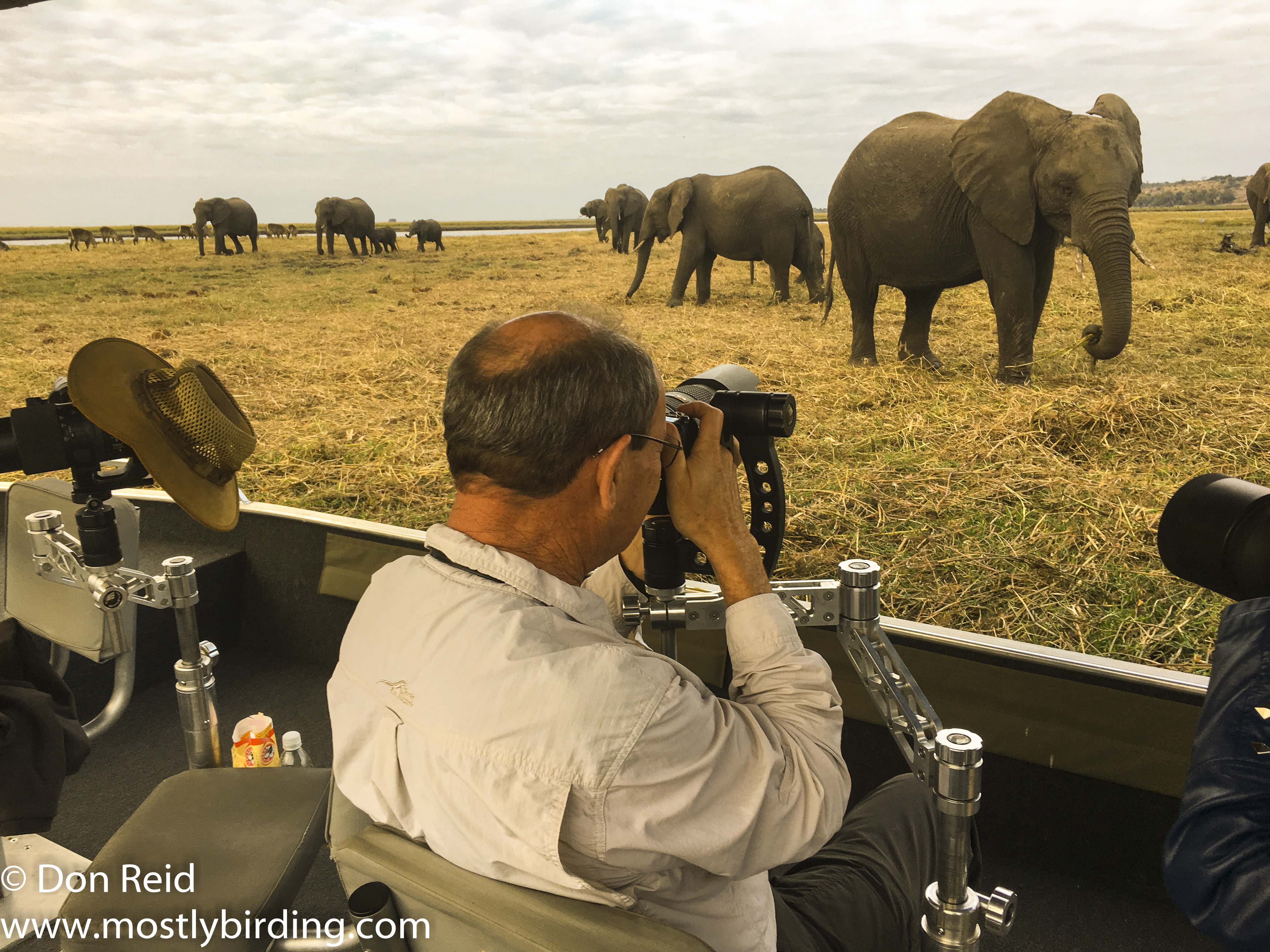
My involvement in the Kasane Airport project, now complete and functioning well, meant I spent an accumulative 60 days or more in Kasane during monthly visits spread over 3 years and I used every opportunity to spend free time in Chobe Game Reserve and on the Chobe River, soaking up the incomparable African game-viewing and bird-watching on offer.
So where is this leading? Well, I made what is likely to be my last visit to Kasane in November 2018, during which I joined a “farewell” photographic safari both on land and on the river, which left me with a head full of special memories and a memory card full of treasured images.
Pangolin Safaris photographic boat trip
Leaving Chobe Game Reserve after the game drive that morning along the familiar sandy, bumpy track, through the Sedudu gate and out on to the tar road back to Kasane, it momentarily struck me that this was possibly the last time I would see this place and an almost tangible sadness washed over me for a few seconds, only to be replaced with the happy thought of all the memories I had gathered over more than 3 years, memories that I would love to share in the best way I can.
I have written several posts about some outstanding experiences in Chobe over the last few years, but there is so much more to tell, so expect a short-ish series of further posts over the next few weeks -or months featuring some or all of the following :
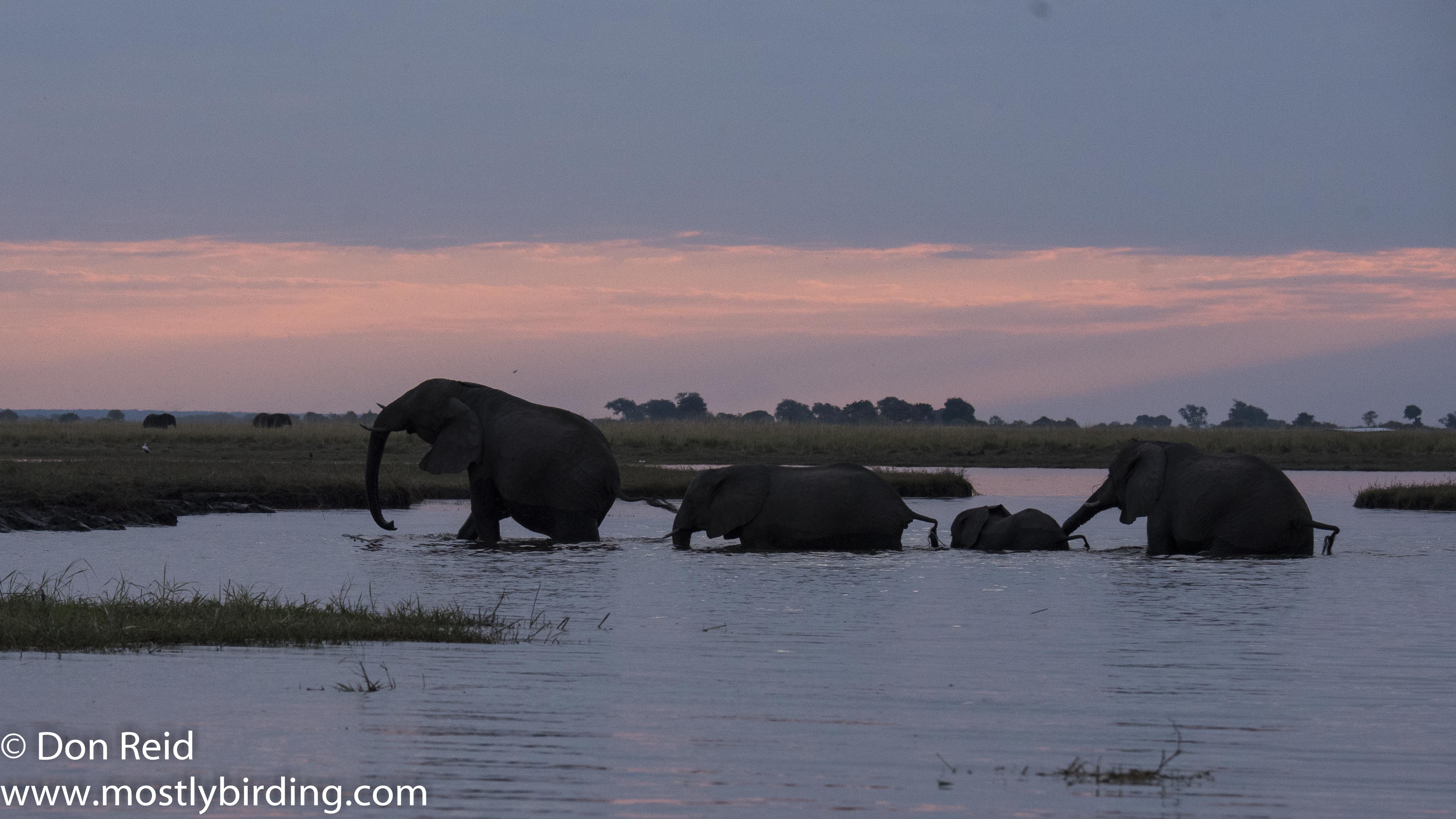
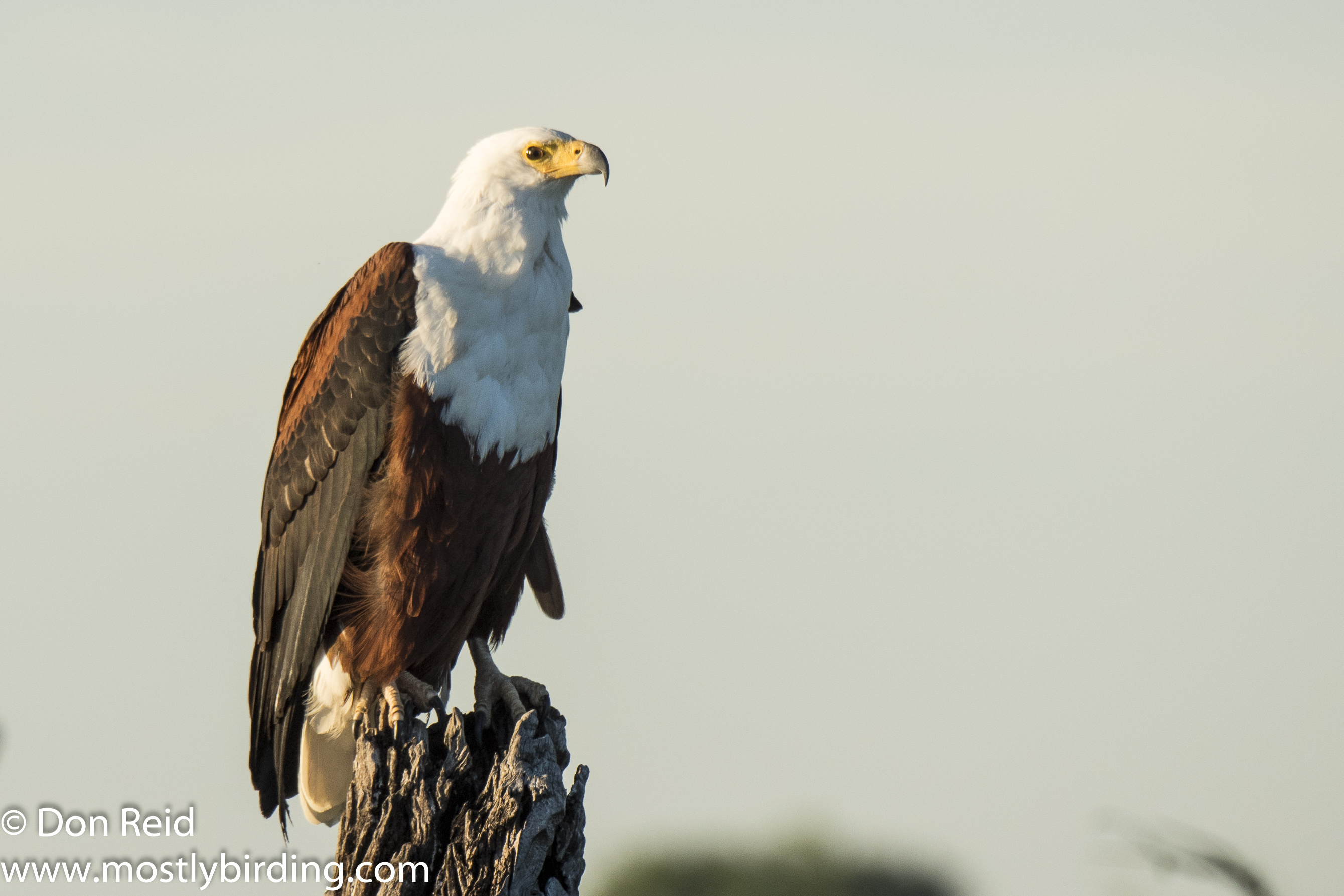
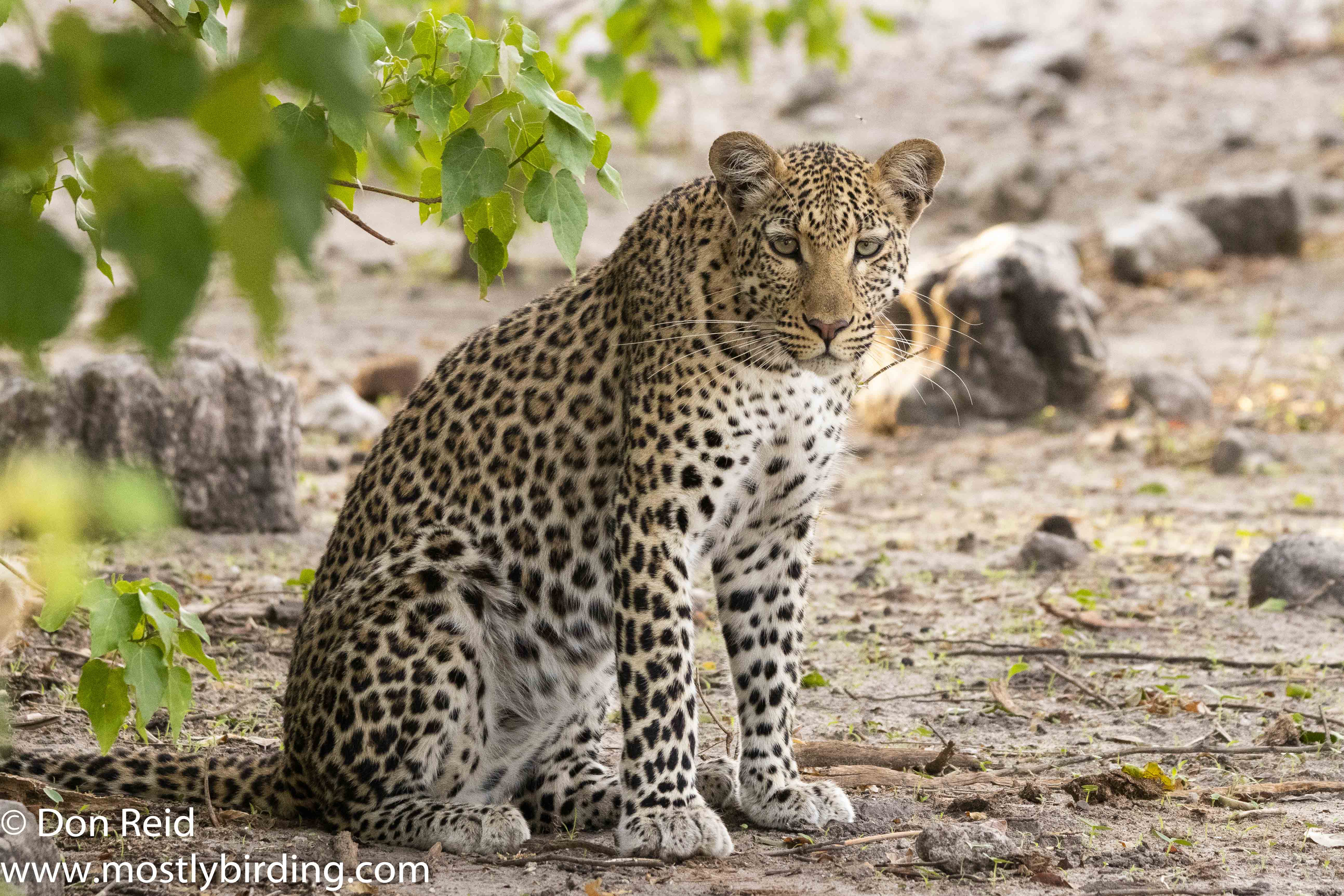
The iconic species, both animal and avian, that call Chobe home, from Elephants to Hornbills, Leopards to Fish Eagles
The bird atlasing trips that I squeezed into a busy schedule while in Kasane
Stylish photographic safaris with Pangolin Safaris
Whatever else pops up in my memory bank (aka my journals)
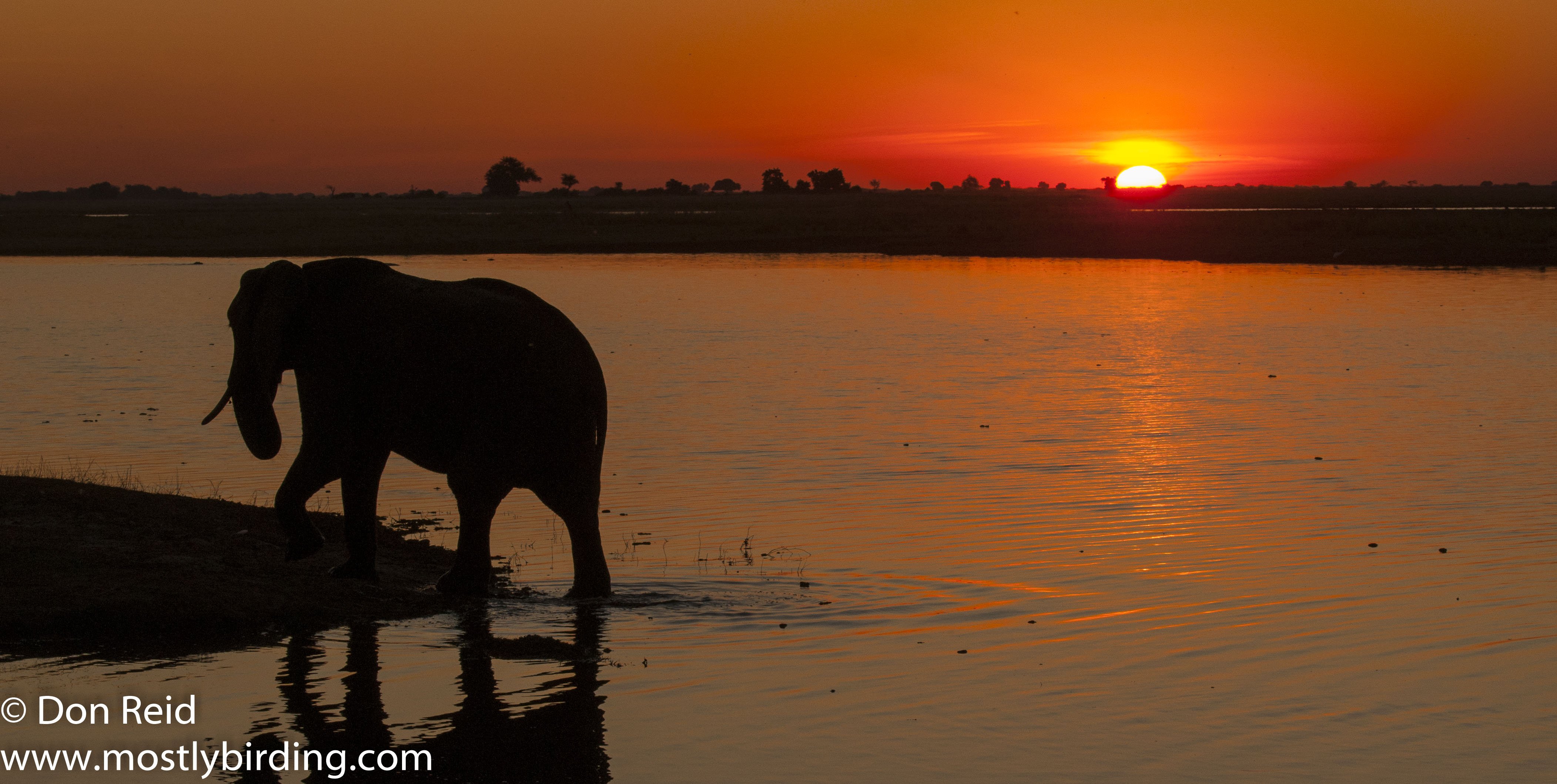
Elephants crossing the river
African Fish-Eagles are numerous along the Chobe River
Leopard in Chobe Game Reserve
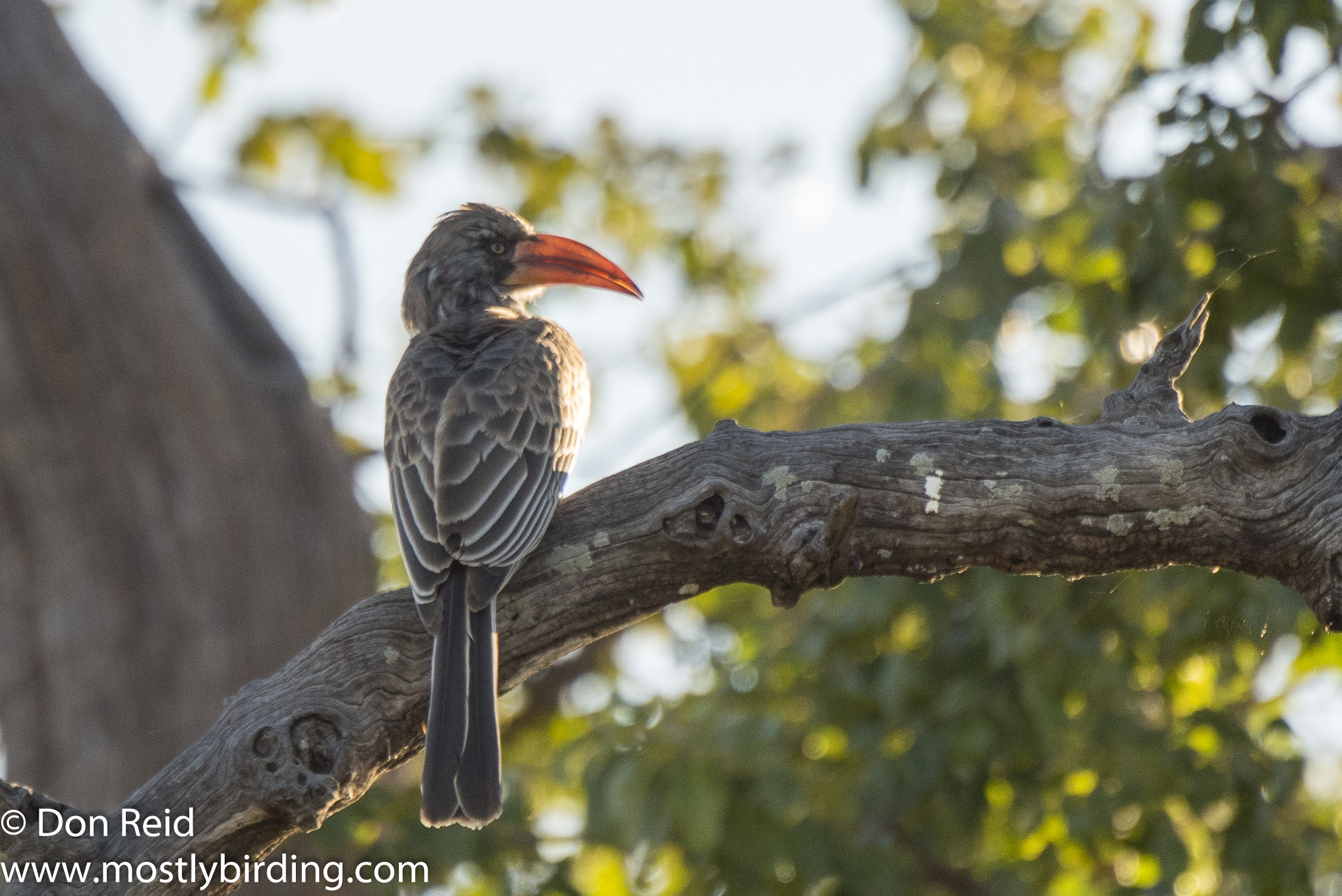
Bradfield’s Hornbill
It’s scenes like this that had me going back for more
This series of “Atlasing Tales” posts sets out to record some of the memorable experiences and special moments that I have enjoyed while *atlasing. (see end of post for more info on atlasing)
The Atlasing Destination
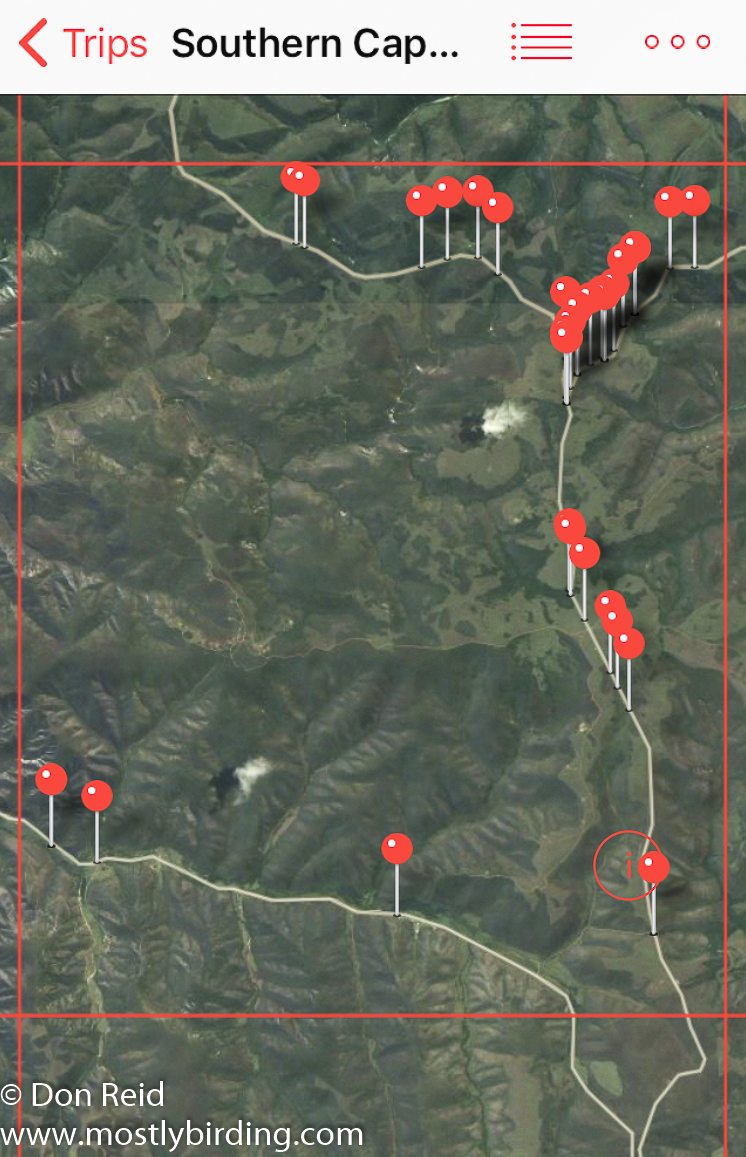
With an open palette of pentads not yet atlassed in 2019 I chose two pentad blocks around Herbertsdale in the southern Cape with the least Full Protocol cards to date – one covering Gondwana Game Reserve and the other including the village of Herbertsdale and the surrounding countryside.
The location of the pentads – the red shaded block on the map below and the block to its left :
Getting there
My route was planned to be a circular one, heading out and back on the R327 to this by now familiar area that I have atlassed frequently over the last several years.
I had put my faith in the usually dependable YR weather App which forecast that the overnight rain would clear up by early morning. Heading out at 5.30 am from Mossel Bay, I had a few doubts as the gloomy, rainy weather persisted until after 7 am, an hour into atlasing the first pentad, but then cleared up into a beautiful sunny day.
Pentad 3400_2150
Soon after entering the pentad block, I stopped at the Gondwana Game Reserve gatehouse to check if there were any restrictions on driving through the reserve on what is still a public road. The reply was “Yes you can drive through, but you are not allowed to stop”. Now I am a birder and we like to stop frequently and unexpectedly, so I nodded vaguely and proceeded on my way through the reserve, not expecting to come across any other traffic at this early hour and on this rather remote road.
I saw a few animals but as it turned out, with rain still falling steadily, I did not have much reason to stop for birds, until I came across a small roadside dam with a Grey Heron standing like a statue in hunting mode, watching the water very intently. I could not resist stopping, whereupon two things happened almost simultaneously – a Black-crowned Night-Heron flew gracefully in and settled in the shallow water near the Grey Heron – and a Gondwana ranger in a bakkie (utility vehicle) appeared over the rise behind me slightly less gracefully and stopped next to my vehicle – with a smile on his face,it must be said. He reminded me of the ‘no stopping’ request and suggested I move on, which I did after asking permission to take a quick photo of the Night-Heron and receiving same.
It’s quite understandable that reserves such as Gondwana are nervous or even slightly paranoid about potential poaching, having passed a grazing Rhino with full horn just a little earlier, however I’m sure the profile of the average poacher does not include meek, pensioner-age birders in SUV’s armed only with long-lens cameras. In any case, next time I will contact Gondwana beforehand for permission to bird.
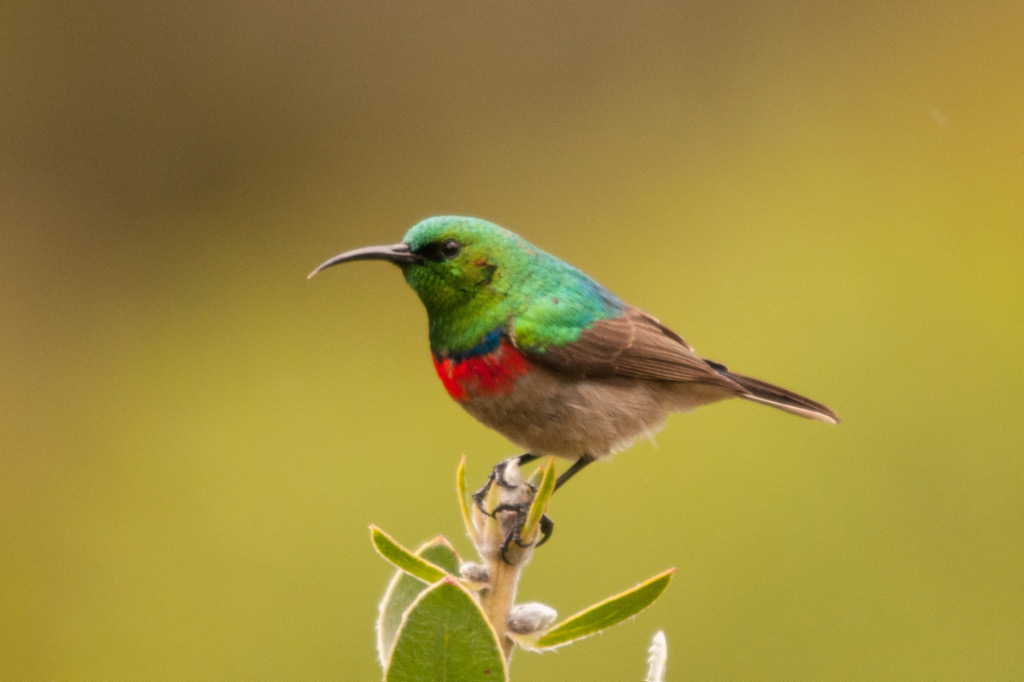
Exiting the reserve a short while later through the northern gate, a subtle change in habitat – more bush and trees for a starter – resulted in a change in bird life in terms of numbers and almost immediately Malachite and Southern Double-collared Sunbirds were added to my list.
Southern Double-collared Sunbird
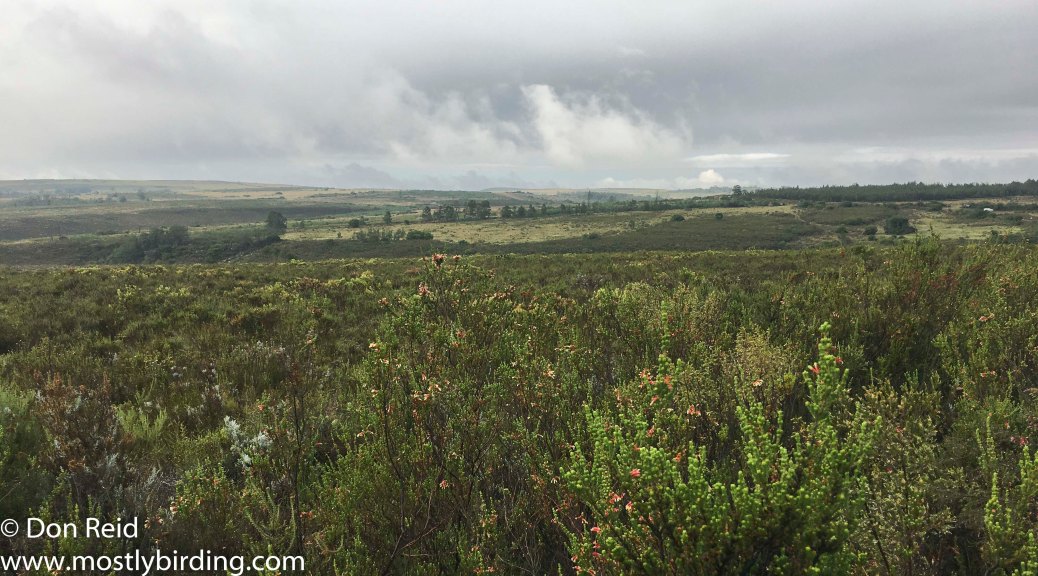
Further along the road I stopped to look around, only to be enticed to walk up an inviting track leading through a field filled with fynbos and protea species.
Gondwana area
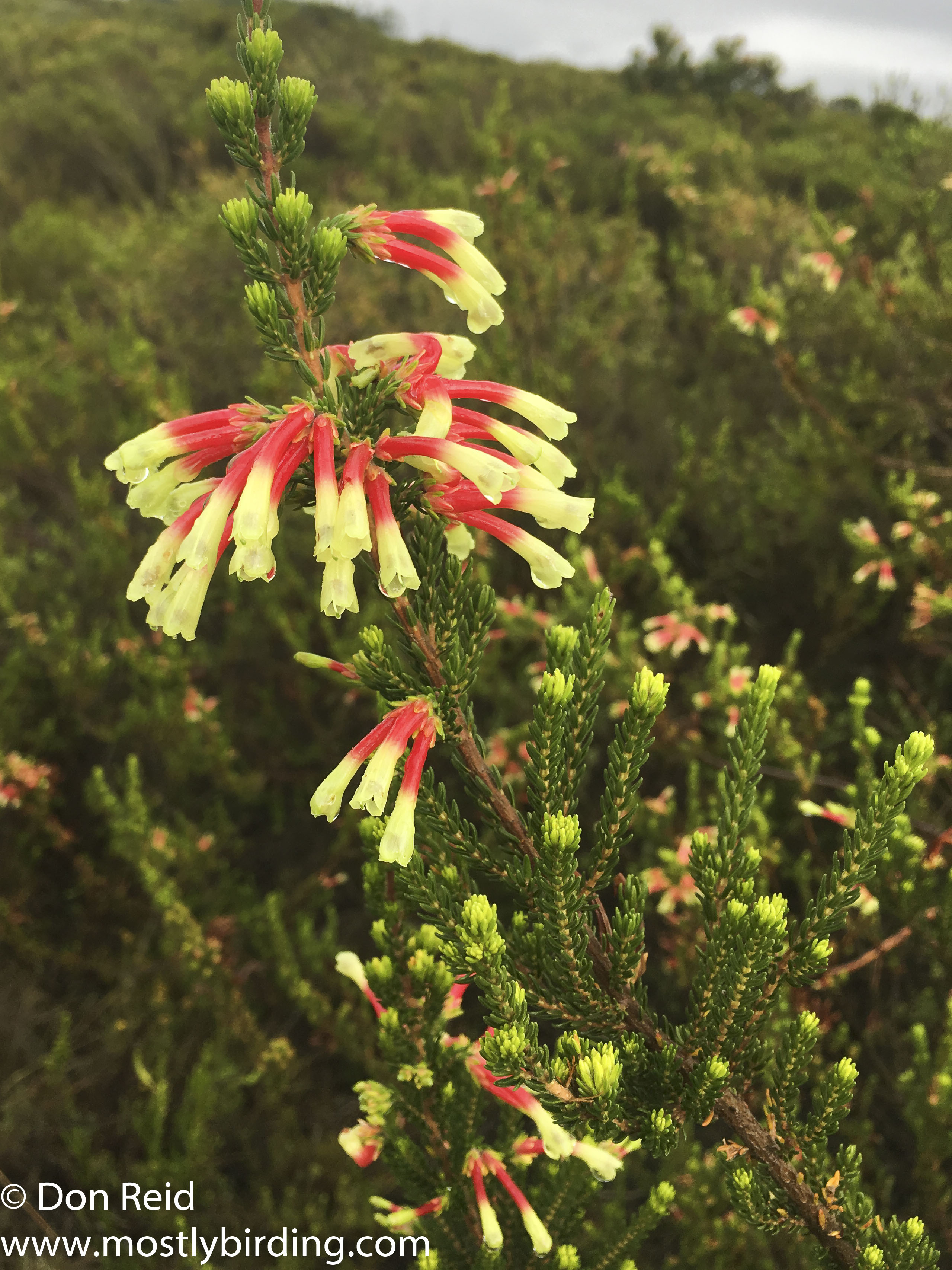
The ericas were abundant and made extra attractive by drops of moisture clinging to leaves and flowers
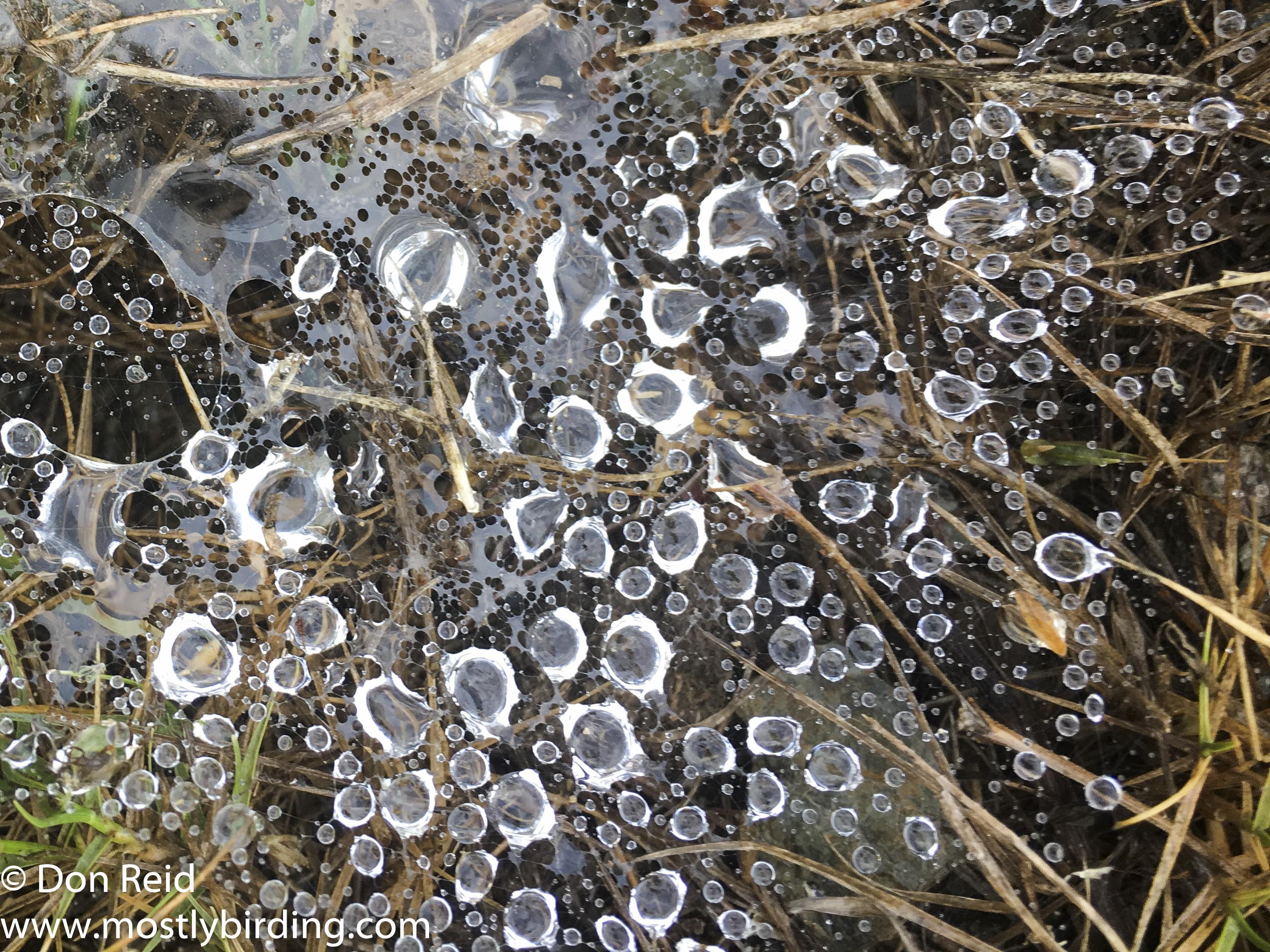
Even the spider’s webs had gathered lots of rain drops
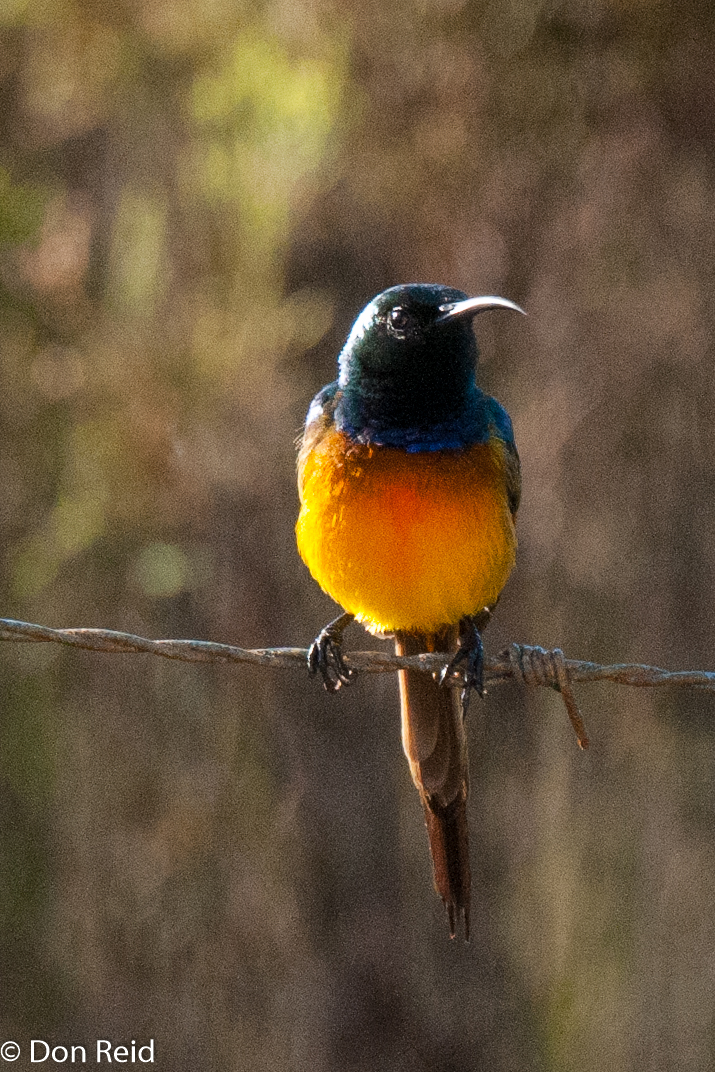
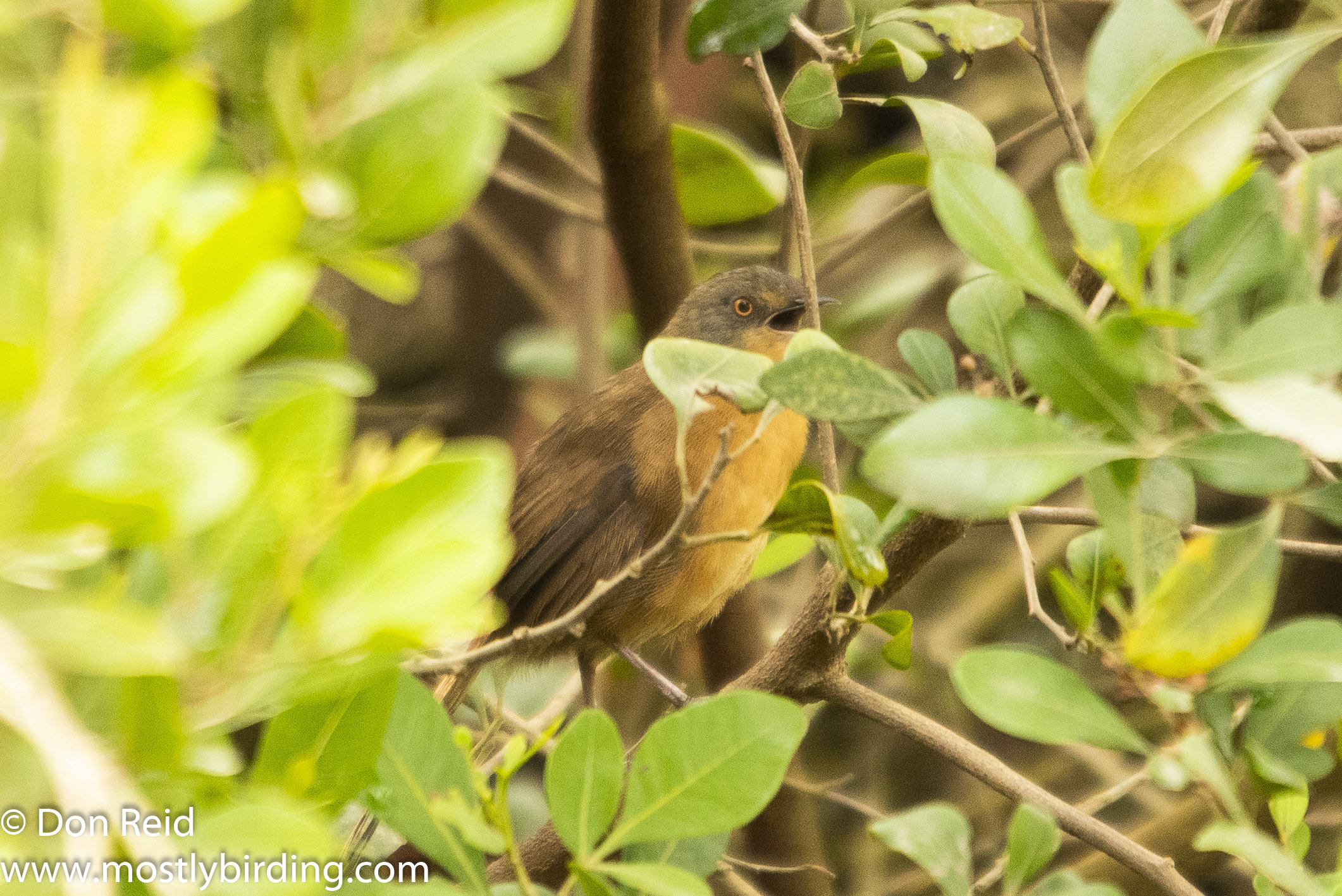
Southern Tchagra and Orange-breasted Sunbirds delighted me with their presence while a “Murder of Crows” – White-necked Ravens by name but also part of the Corvus genus along with all the other Crows – flew over and settled in an adjoining open field.
Orange-breasted Sunbird
Soon after, I reached the eastern boundary of the pentad and turned around with 29 species recorded so far, then took a branch road which headed into the more hilly northern section with another subtle change in habitat – still quite bushy along the road verge but more open fields and grassland behind. Suddenly I could hear Cape Clapper Lark displaying and saw the perpetrator soon after, furiously clapping its wings as it ascended, producing a loud, fast clapping sound followed by a drawn out sharp whistle on descent.
Competing with the Clappers and soon winning the “most prominent call” competition were Victorin’s Warblers, seemingly every 50 m or so for a few hundred metres – definitely a hot spot for this loud but elusive bird that just refused to show when I stopped to search for it, allowing nothing more than a brief glimpse through dense foliage.
Victorin’s Warbler, Herbertsdale area
More cooperative was the Bokmakierie I came across shortly after
Bokmakierie
Pentad 3400_2145
Although this pentad lies directly west of the first one, the lack of direct roads meant a longish drive via the R327 to get to the northern boundary just outside the tiny but charming Herbertsdale village. The birding was immediately lively and the views from the hill leading into the village spanned the fertile valley below, albeit suffering under the drought that has so much of the country in its grip.
Herbertsdale area
Herbertsdale area
Driving slowly through the village a group of swifts and swallows were circling busily overhead, no doubt feasting in mid-air on the thousands of flying insects.
Barn Swallow
A couple of Alpine Swifts flew by, big-bodied and lightning fast compared to the White-rumped and African Black Swifts that made up the majority of the flock, so distinctive with their white underparts.
It’s a challenge getting a photo of the Alpine Swift, so this is the best I could manage on the day
Alpine Swift
Beyond Herbertsdale the road heads back towards Mossel Bay, past roadside farm dams which held a selection of water birds, including Black Crake, Yellow-billed Duck, Red-billed Teal while the call of Lesser Swamp-Warbler emanated from the fringing reeds. An irrigated field was literally swarming with low flying Barn Swallows crisscrossing in the air while tens of Red Bishops searched the ground below them.
Patrolling the field at a height was a fierce-looking Peregrine Falcon – I imagined some doem-doem-doem music building up in the background to heighten the drama of the situation, but the Falcon was not in a hurry to hunt and I carried on after watching it for a while.
Peregrine Falcon
In contrast, this little guy – less than 10 cm long – was crossing the road so I helped him/her on its way, as you never know when a car might come by and people often do not see them in the road, causing unnecessary fatalities
Tortoise
Further stops produced Tambourine Dove calling and a group of Common Waxbills, then I came across a tree at the side of the road full of bright red flowers which was clearly irresistible for the sugar freaks of the bird world, drawing numbers of Malachite, Greater Double-collared and Southern Double-collared Sunbirds. That also signaled the end of the morning’s atlasing
The Statistics
Pentad 3400_2150 : A total of 30 Full Protocol (Minimum 2 hours) cards have been done to date with a low/high card count of 25/77 and a total of 154 species recorded to date; This was my first card for the pentad and my 42 species represented coverage of 27% of the total species. The only notable species was White-rumped Swift (7% reporting rate)
Pentad 3400_2145 : A total of 21 Full Protocol cards have been done to date with a low/high card count of 26/65 and a total of 144 species recorded to date; This was my fourth card for the pentad and my 51 species represented coverage of 35% of the total species. My total for the 4 cards increased to 90 species. New species recorded for the pentad were Black Crake, Peregrine Falcon and Lesser Swamp-Warbler
The Birdlasser pentad maps below show the route and sightings –
Gondwana area
Herbertsdale area
* Atlasing :
Simply put, it is the regular mapping of bird species in a defined area called a “pentad”. Each pentad has a unique number based on its geographical position according to a 5 minute x 5 minute grid of co-ordinates of latitude and longitude, which translates into a square of our planet roughly 8 x 8 kms in extent.
As a registered observer / Citizen scientist under the SABAP2 program (SA Bird Atlas Project 2), all of the birding I do nowadays includes recording the species for submission to the project database at the ADU (Animal Demography Unit) based in Cape Town.
Atlasing has brought a new dimension and meaning to my birding as it has to many other birders. The introduction a couple of years ago of the “Birdlasser” App has greatly simplified the recording and submission of the data collected.
So here’s a synopsis of my birding activities during the last year along with photos of a few of the species encountered and places visited. Some of the trips are covered in separate posts in a lot more detail.
January 2018
Mossel Bay is our home over the holiday season up to the third week in January, so I try to use this time to fit in as much atlasing as I can in the beautiful surrounding countryside.
Atlasing trips and the highlight species included :
the area beyond Herbertsdale – Black Storks at the Gouritz River
the town of George with a visit to the waste water treatment works as well as the forested area at the top of the town – Black Cuckooshrike, Black Sparrowhawk and Knysna Turaco
Wilderness and the Woodville Big Tree (covered in a separate post) – Lemon Dove, Chorister Robin
Friemersheim area north of Klein Brak – Olive Bushshrike, Swee Waxbill, Narina Trogon, Black-winged Lapwing
Friemersheim area
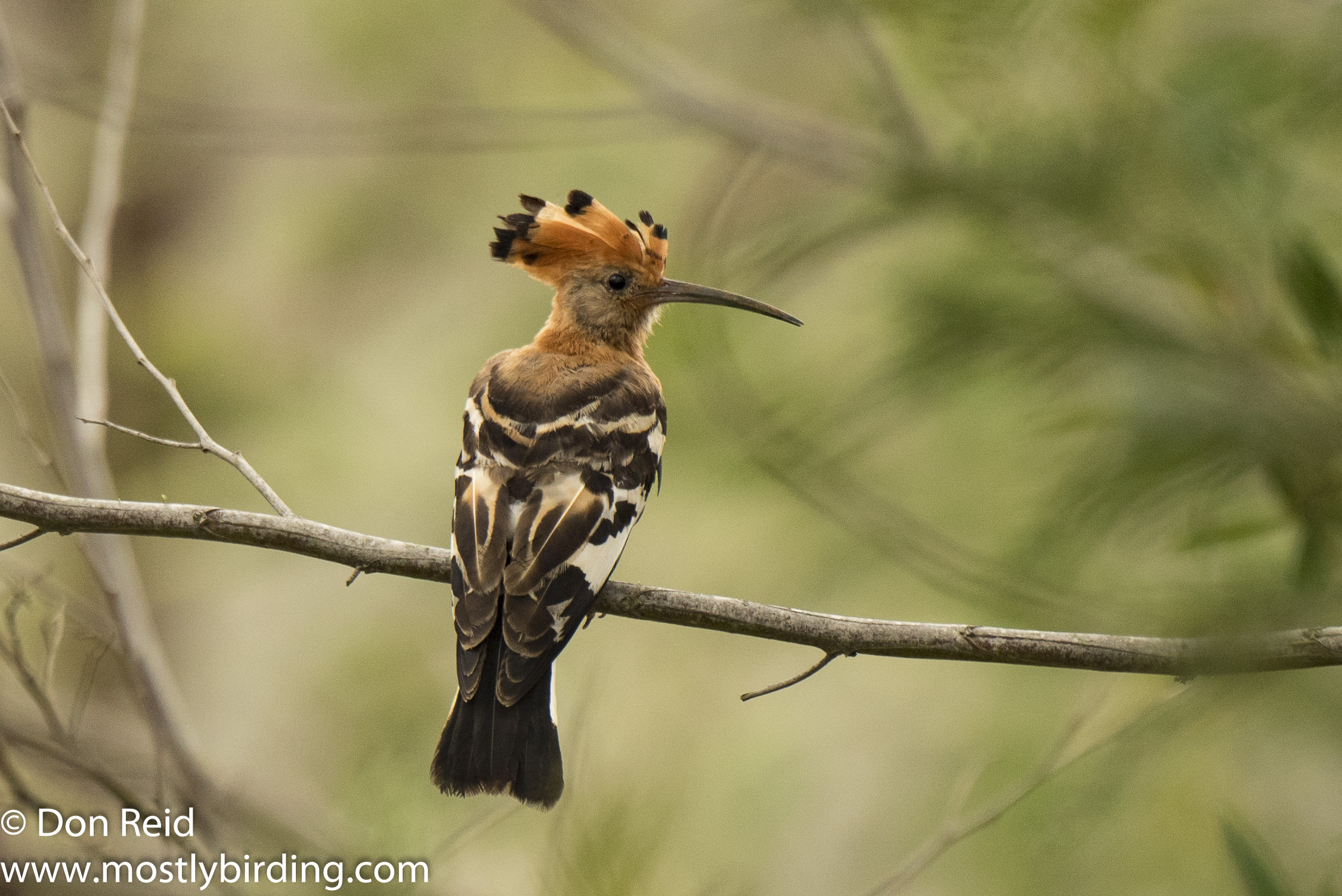
African Hoopoe, Friemersheim area
Black-winged Lapwing, Friemersheim area
A blustery day blew some seabirds inshore – a visit to the Point at Mossel Bay produced White-chinned Petrels, Gannets and Gulls galore, Terns and, amazingly, a Sooty Shearwater
February
Back in Pretoria I could catch up on some highveld atlasing with a visit to Mabusa nature reserve along with Koos Pauw – an outstanding day with both Pallid and Montagu’s Harriers seen and Great Reed Warbler heard.
Pallid Harrier (Juvenile), near Mabusa NR
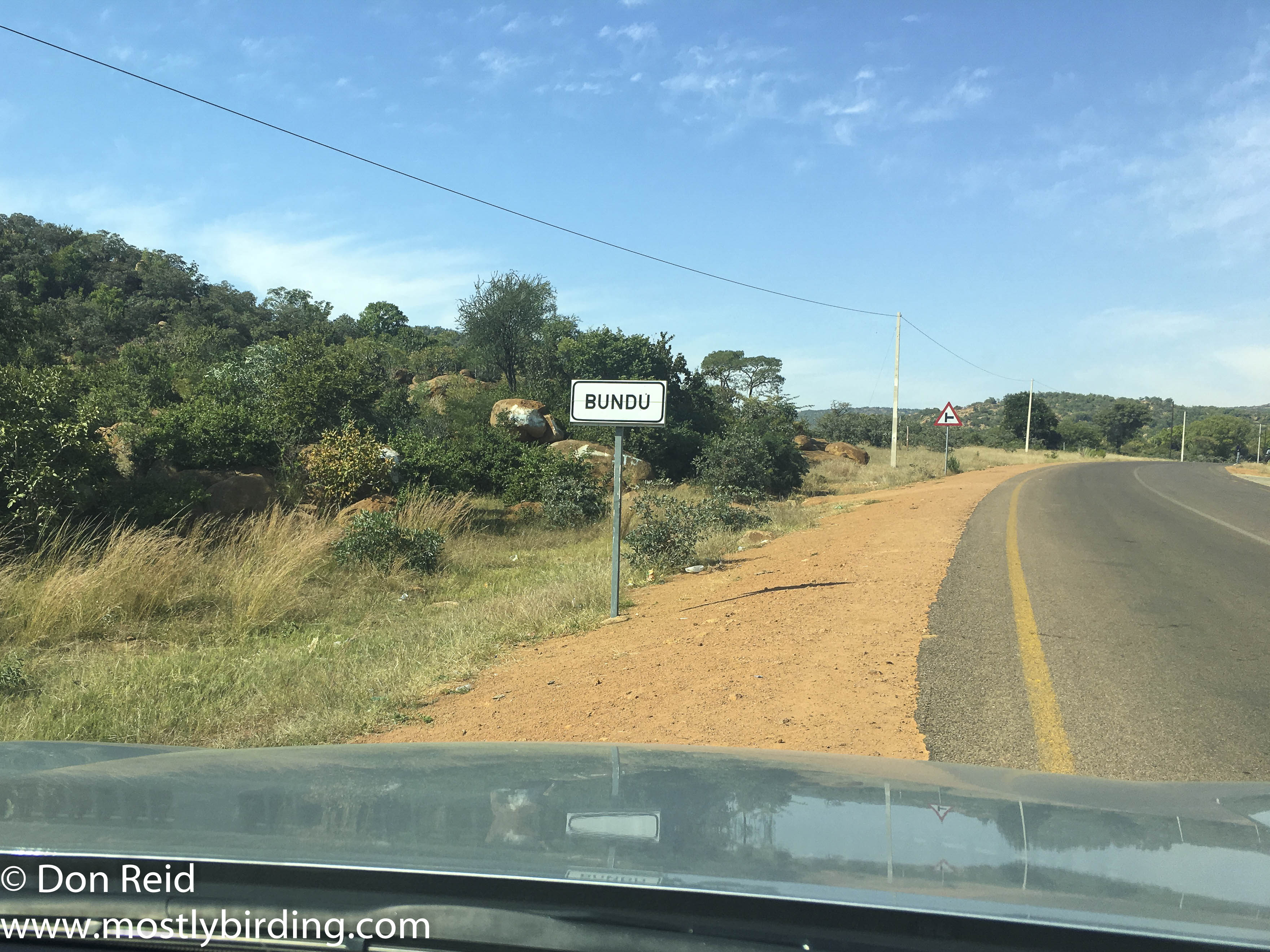
I literally went into the bundu on occasion
Mabusa NR and area
Mid-month we used up some expiring RCI points to spend a weekend at Champagne Valley resort in the southern Drakensberg. Great birding in a magnificently scenic environment – highlights were Cape Vulture, House Martin, Bearded Vulture, Grey Crowned Crane and Long-crested Eagle
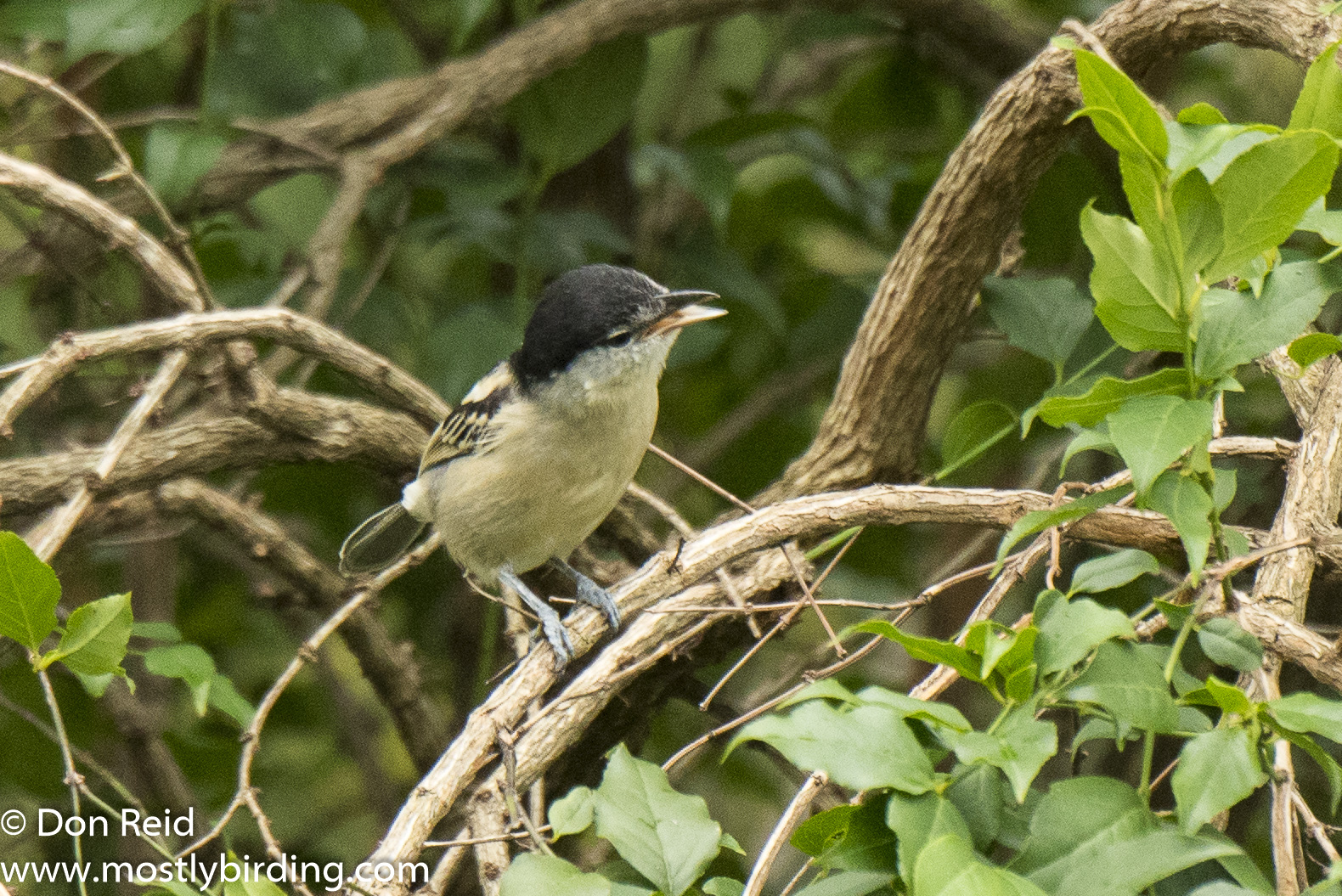
Black-backed Puffback (Juvenile), Champagne Valley Drakensberg
Amethyst Sunbird, Champagne Valley Drakensberg
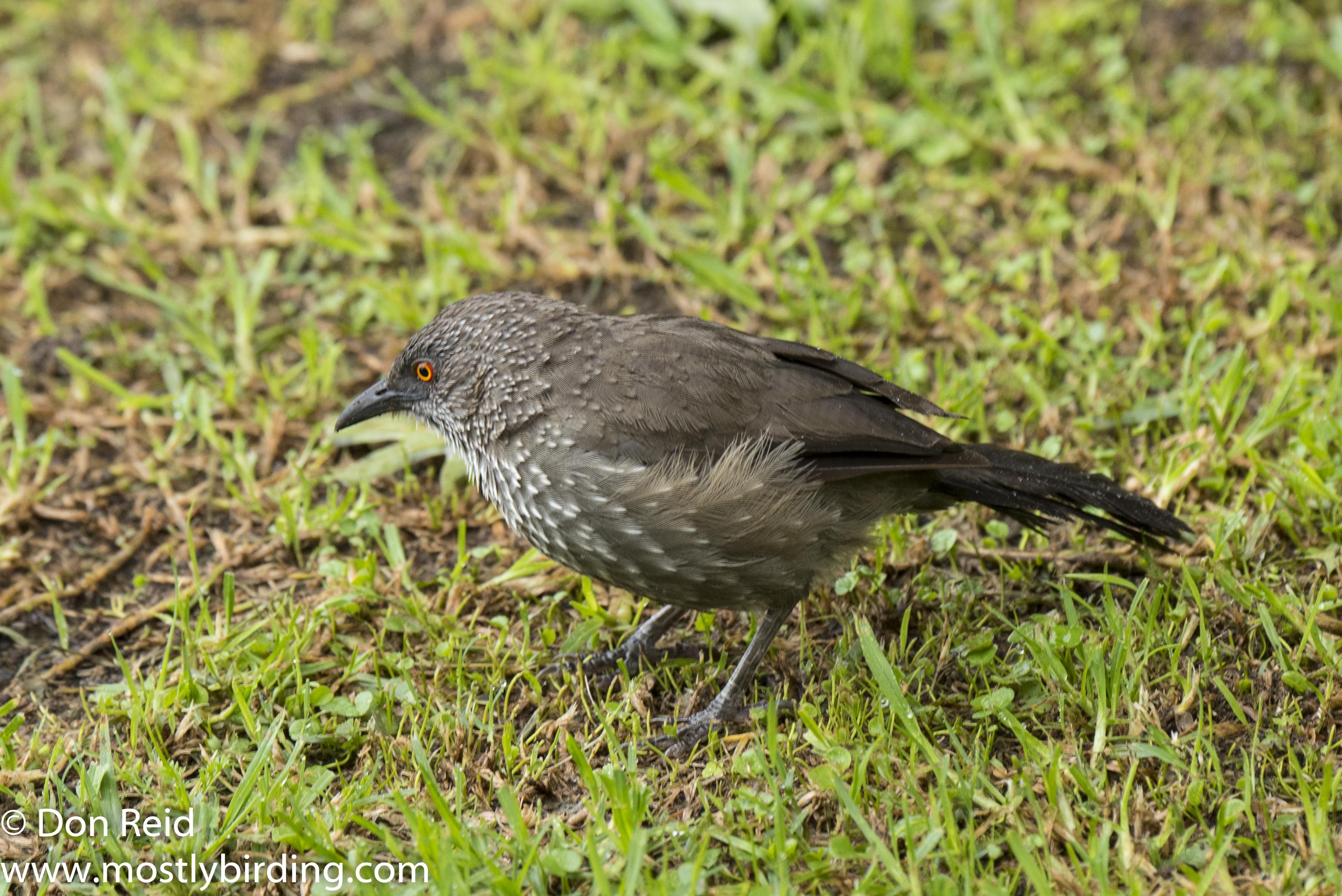
Arrow-marked Babbler, Champagne Valley Drakensberg
March
Back to the Drakensberg, this time with brother Andrew visiting from the UK – some birding, more touring from our base at Drakensberg Sun resort
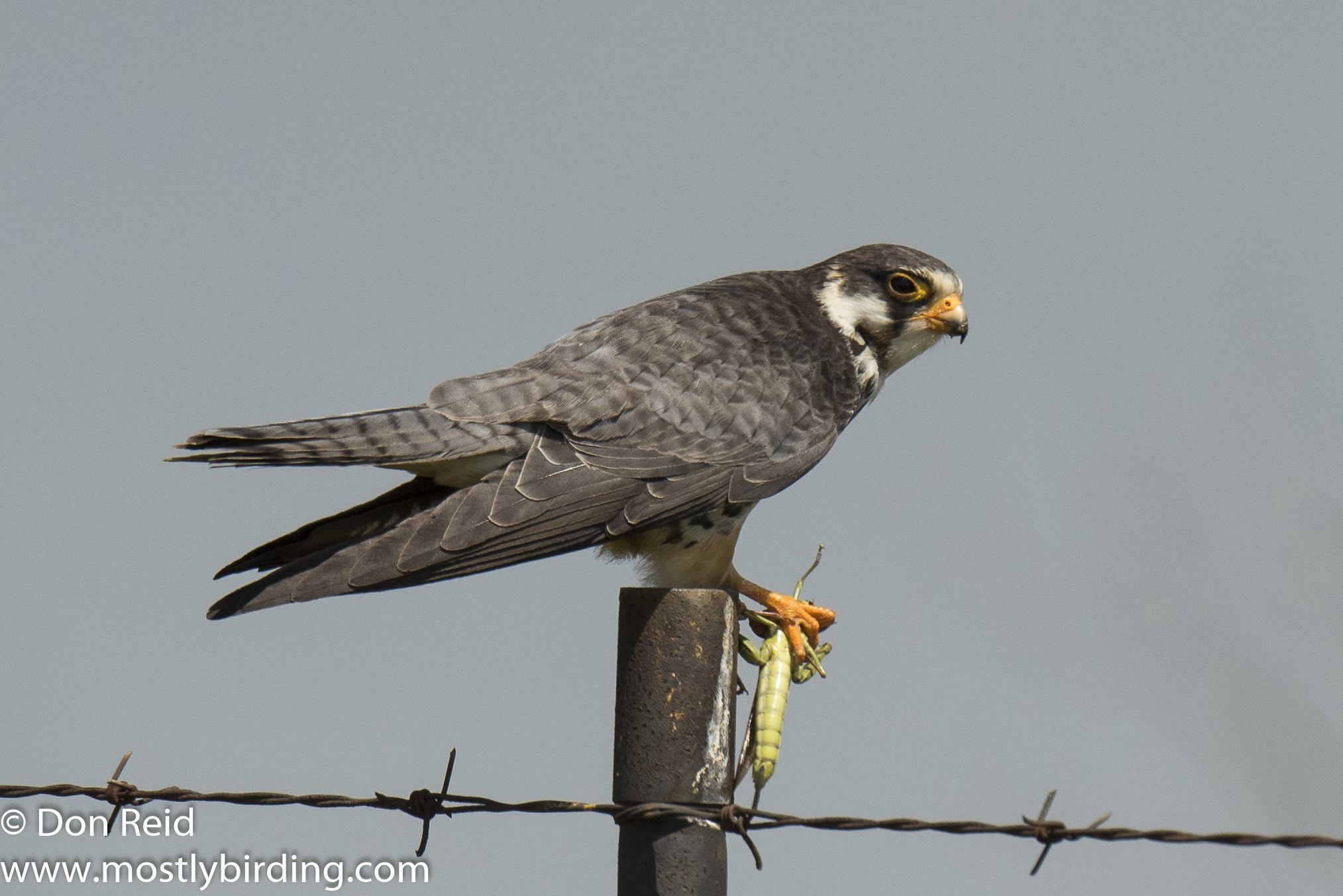
Work pressures meant no time for atlasing although I used the public holiday to do a couple of pentads around Delmas, where an Amur Falcon entertained me with its handling of a locust catch (covered in a separate post)
Amur Falcon feeding on grasshopper, Delmas south
April
For my 500th pentad I decided to atlas the area around Mkhombo Dam which proved to be a good choice (also covered in a separate post)
Marico Flycatcher, Mkhombo dam area
Black-faced Waxbill, Mkhombo dam area
The following weekend we visited family on Annasrust farm in the Free State near Hoopstad – one of the highlights of our year and a superb birding spot in its own right.
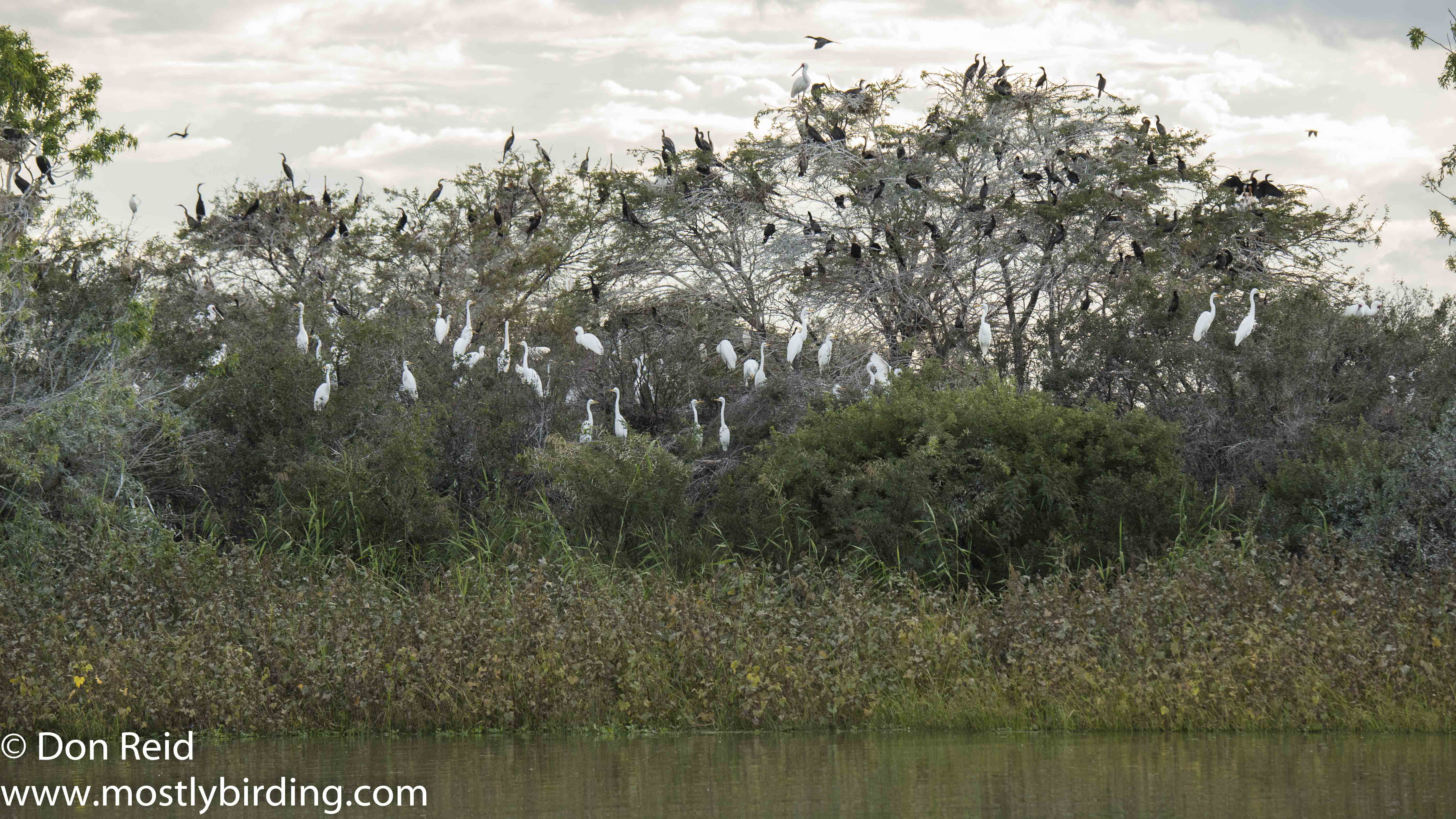
Massed Egrets, Spoonbills and Cormorants made for a spectacular sight on the river
Mixed roost, Annasrust farm Hoopstad
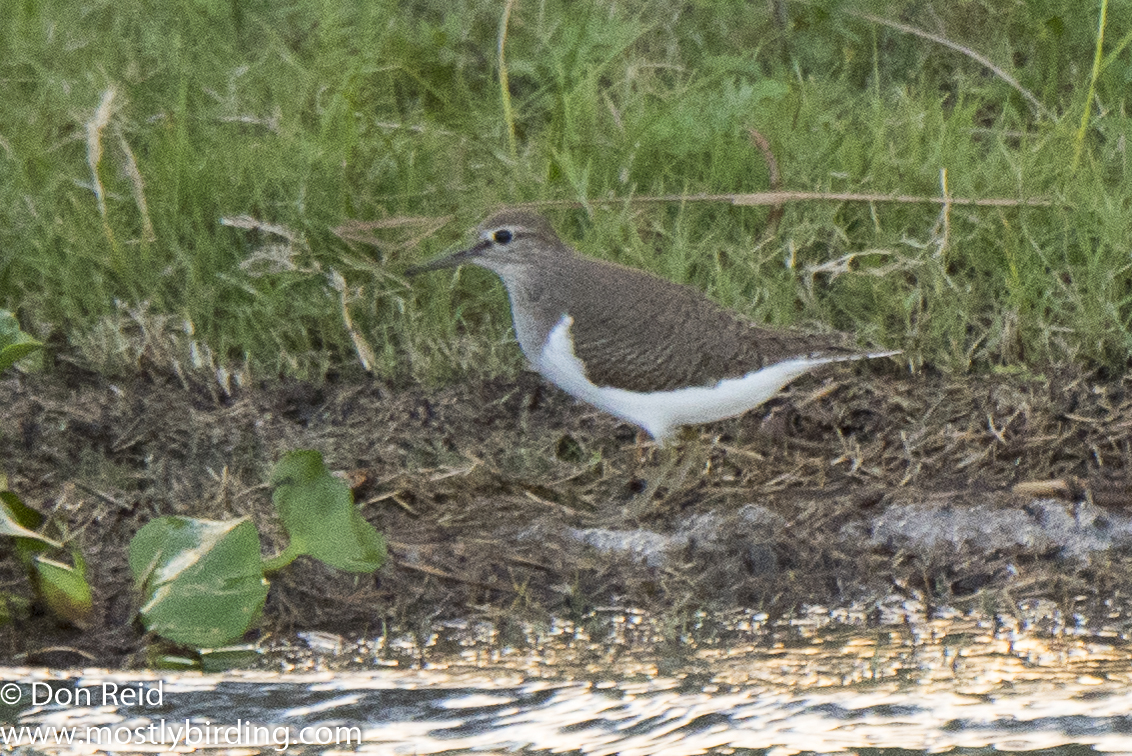
Common Sandpiper, Annasrust farm Hoopstad
Late in April, with some RCI points not fully used and about to expire, we booked a week at Pine Lake Resort near White River, which also included a memorable day visit to Kruger Park
Pine Lake Resort
African Fish Eagle, Kruger Day Visit
Booted Eagle, Kruger Day Visit
White-browed Robin-Chat, Kruger Day Visit
May
My only atlasing trip in May was to Mabusa Nature Reserve and the surrounding area – many highlights including Flappet Lark, Pearl-spotted Owlet, Long-tailed Paradise Whydah and Barred Wren-Warbler
June
Early June saw us in Mossel Bay for a brief visit – just one atlasing trip was squeezed in, covering the area north of Great Brak River
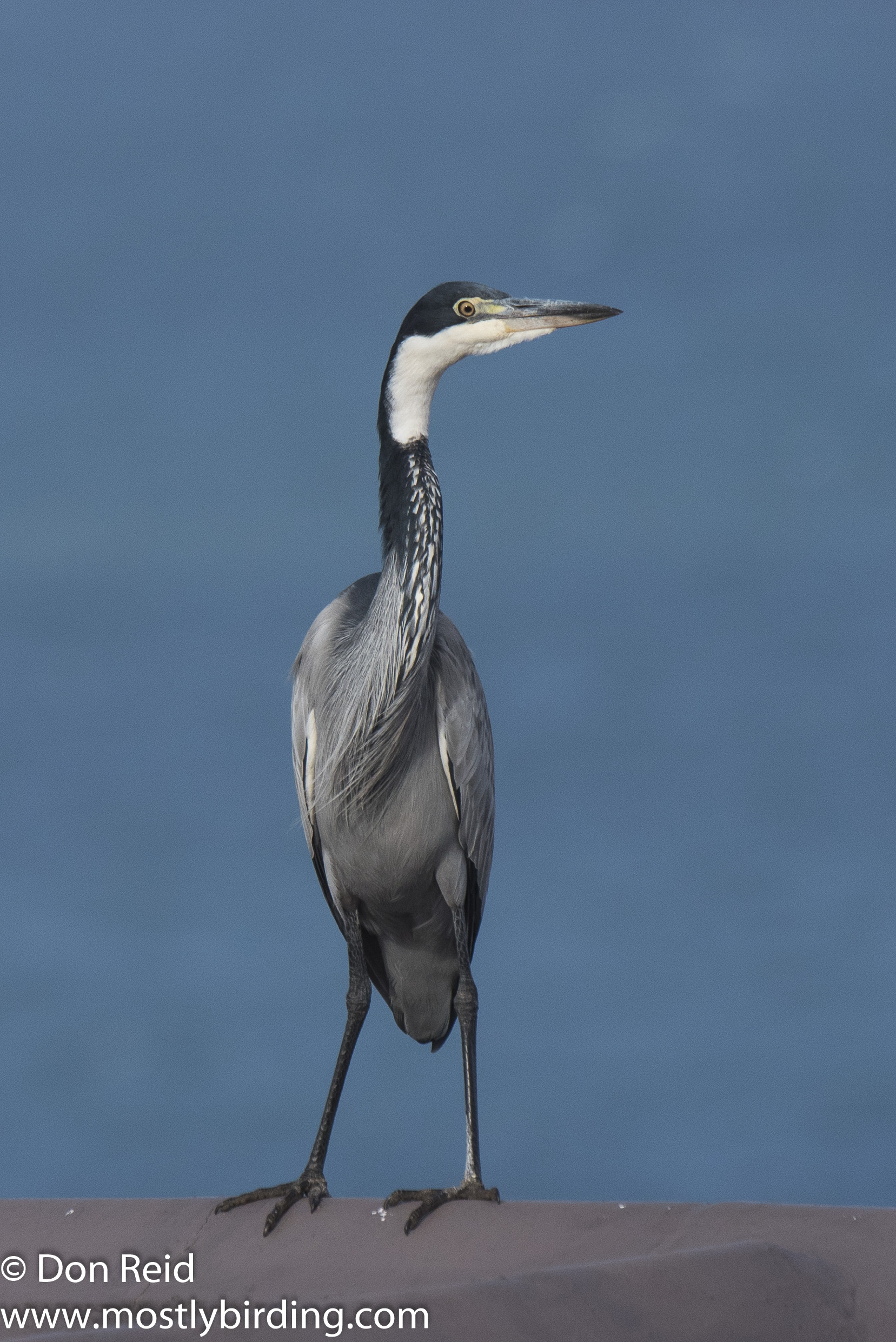
This Black-headed Heron posed on my neighbour’s roof
Black-headed Heron, Mossel Bay Golf Estate
We were hardly back in Pretoria when we set off for our annual visit to La Lucia near Durban where we have a timeshare apartment, with an overnight stay at the beautiful Oaklands Country Manor near Van Reenen
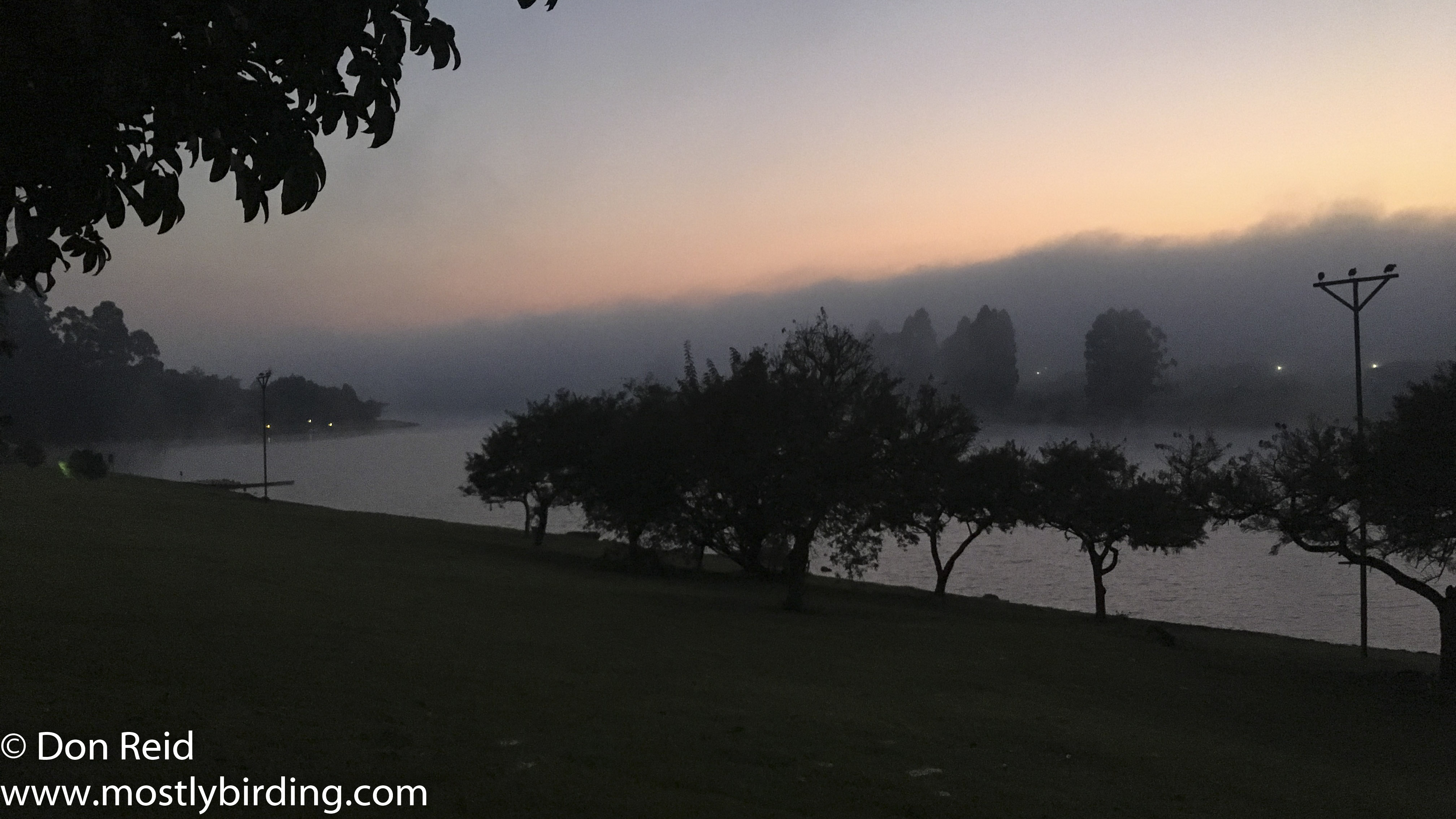
Oaklands Country Manor, near Van ReenenMy early morning walk was a misty affair
Oaklands Country Manor, near Van Reenen
La Lucia was as restful as ever but the World Cup soccer proved to be a distraction, nevertheless I managed to fit in a mix of beach birding walks, a trip to my favourite urban forest – Pigeon Valley – and a visit to Shongweni Nature Reserve
We took up Gerda’s Vryheid family’s invitation to stop over on their farm near the town on our way back – a worthwhile detour if there ever was one! A pair of Crowned Cranes made the visit really special, although Anlia’s breakfast krummelpap (a coarse farm porridge) was a serious competitor for “best reason to visit”.
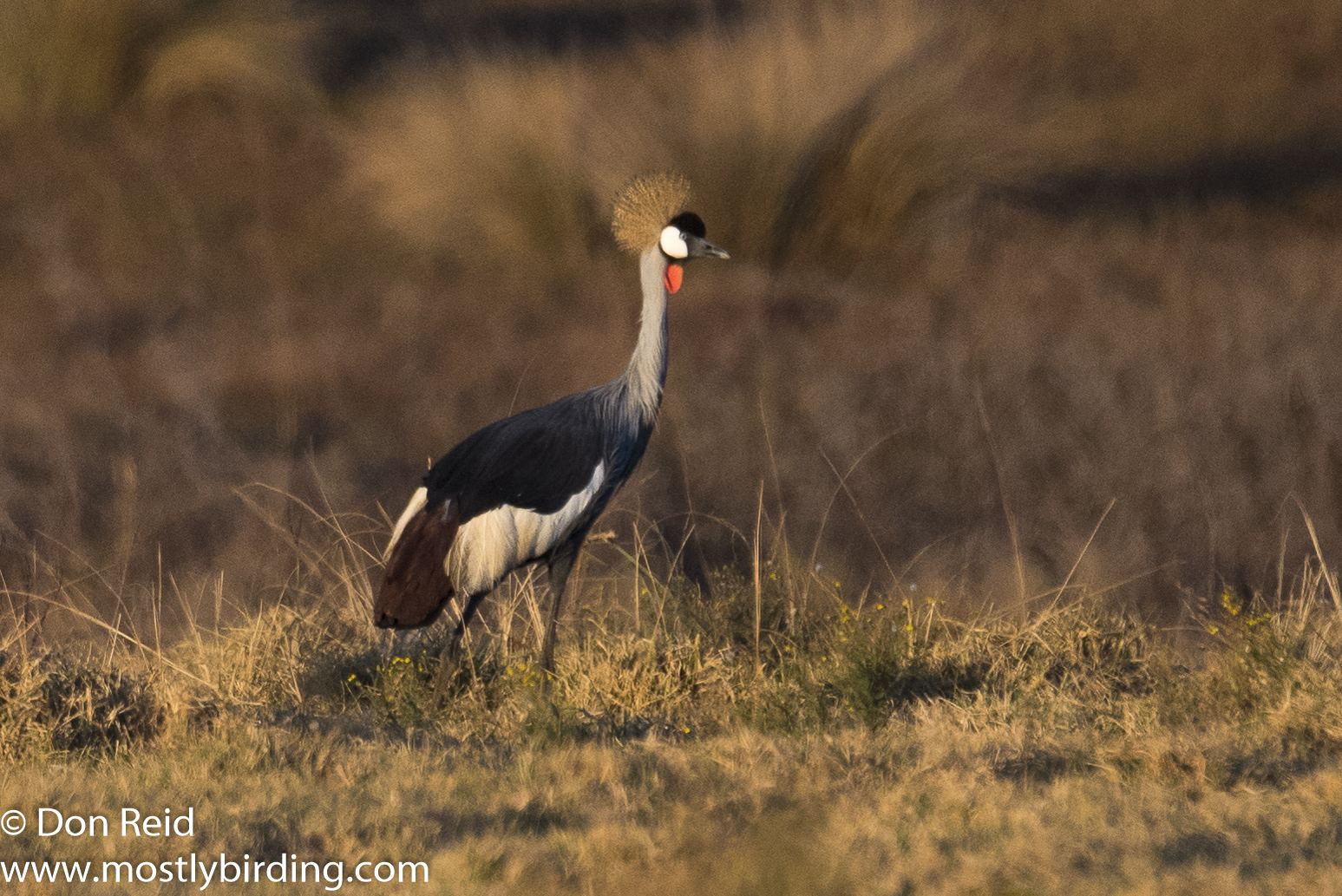
Crowned Crane, Onverwacht farm Vryheid
Southern Bald Ibis, Onverwacht farm Vryheid
July
Mid-month I was in Cape Town for a day and found myself free for the afternoon – so where does a keen birder go on a rainy day in this famous City? Naturally to the Strandfontein Sewage Works – birding was superb with a few hundred Flamingoes amongst many other water birds
August
Mid-winter atlasing trips around Gauteng kept me sharp during August, despite cold (- 3 deg C at one stage), windy conditions that kept me mostly in my car. Spike-heeled Larks were a feature of both trips, while African Harrier-Hawk was an exciting find.
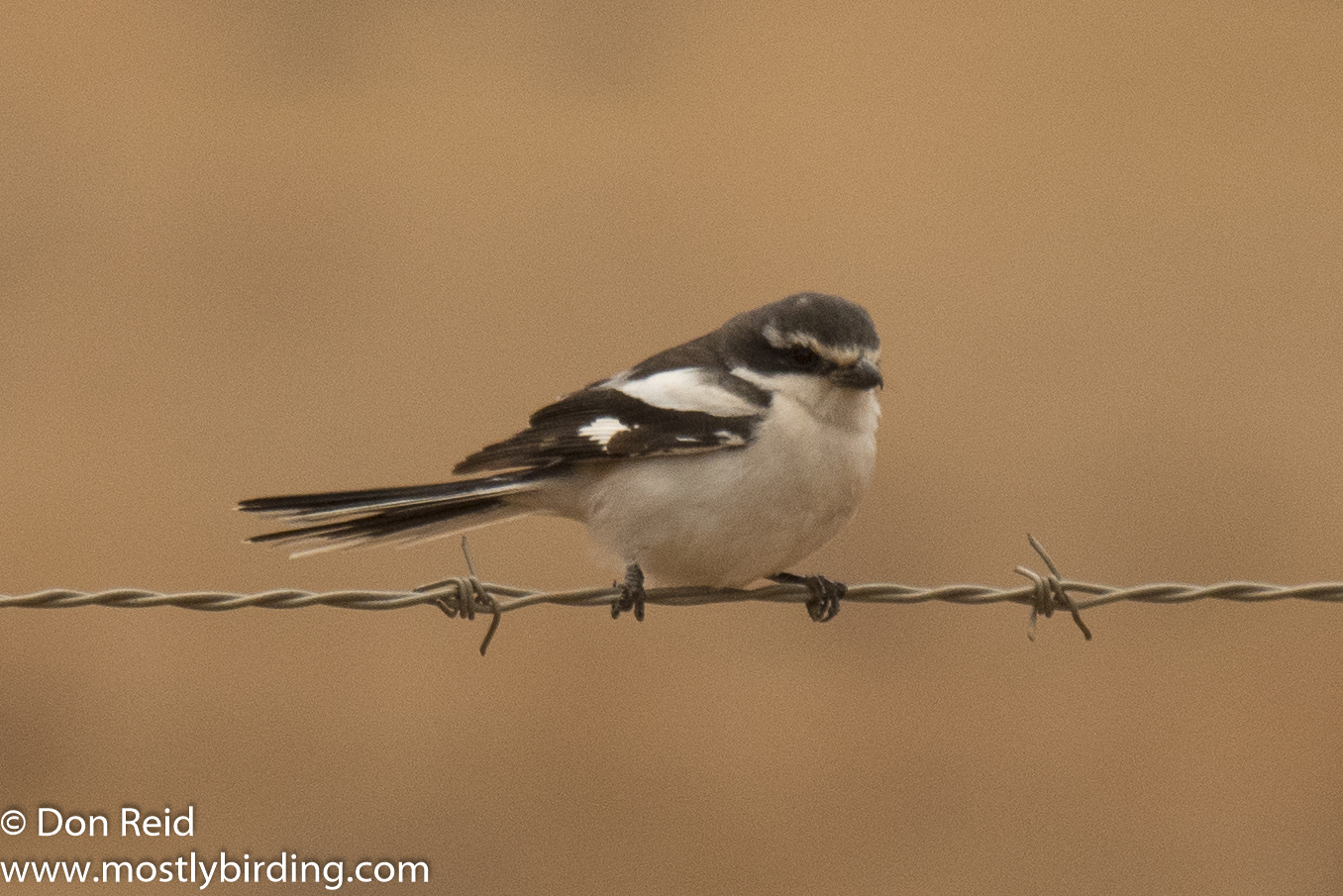
Southern Fiscals are common just about everywhere but this subcoronatus sub-species is quite a special find
Common Fiscal (subcoronatus), Nigel area
Pin-tailed Whydah (female), Nigel area
September
A last-minute decision to spend a week in Kruger Park turned into a memorable, relaxing trip with plenty of wild life experiences (covered in several posts)
Crested Francolin, Sable Dam, Kruger Park
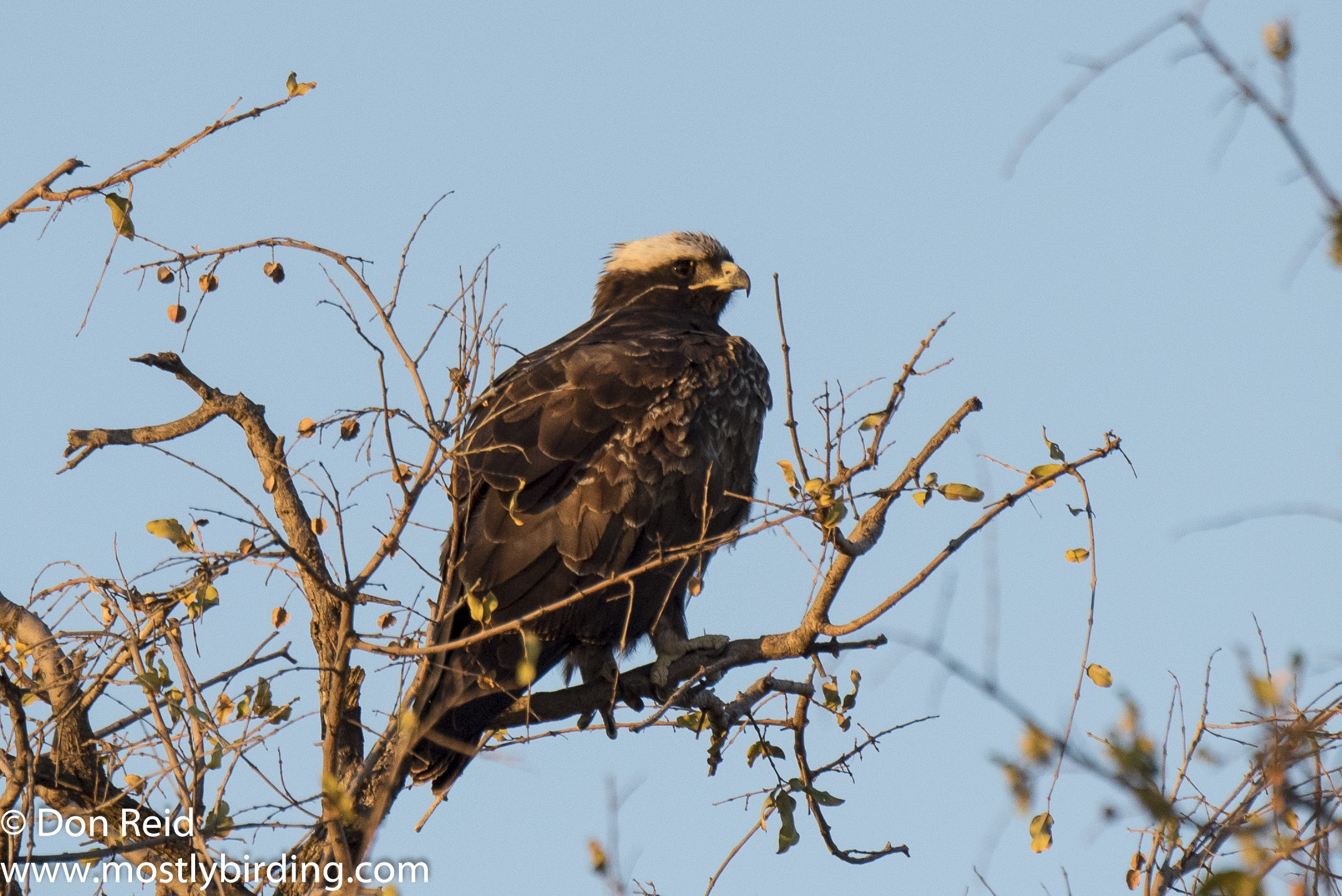
Wahlberg’s Eagle (Juvenile White crowned), Olifants River, Kruger Park
Sabota Lark, Kruger Park
An atlasing trip to the Delmas area later in the month produced a Blue Korhaan, scarce in these parts, as well as a couple of other terrestial species in the form of Orange River Francolin and Northern Black Korhaan
October
Time for our timeshare week at our favourite get away – Verlorenkloof, which produced fine birding once again and some interesting atlasing opportunities in the area.
The most exciting sighting at Verlorenkloof was of an immature Crowned Eagle, which apparently was born and raised on the property, the nest still visible on top of a tall tree
The sought after Broad-tailed Warbler is a regular at Verlorenkloof during the summer months but does its best to frustrate any attempts to get a close photograph
Back to the Cape in the last week of October for a short visit to Mossel Bay, followed by a quick visit to family in the western Cape town of Worcester, where I spent a morning enjoying the surprisingly good birding that was on offer in the adjoining hills.
Quarry road, Worcester
November
Further atlasing in the Mossel Bay area included trips to Herbertsdale and Gouritz River, before returning to Pretoria where we prepared for our return to Mossel Bay for a longer stay over December and January, as has become our custom over the last few years.
The road trip to the southern Cape included an overnight stop at Kuilfontein near Colesberg and a two night stay at Karoo National Park, both places providing some diverse atlasing opportunities
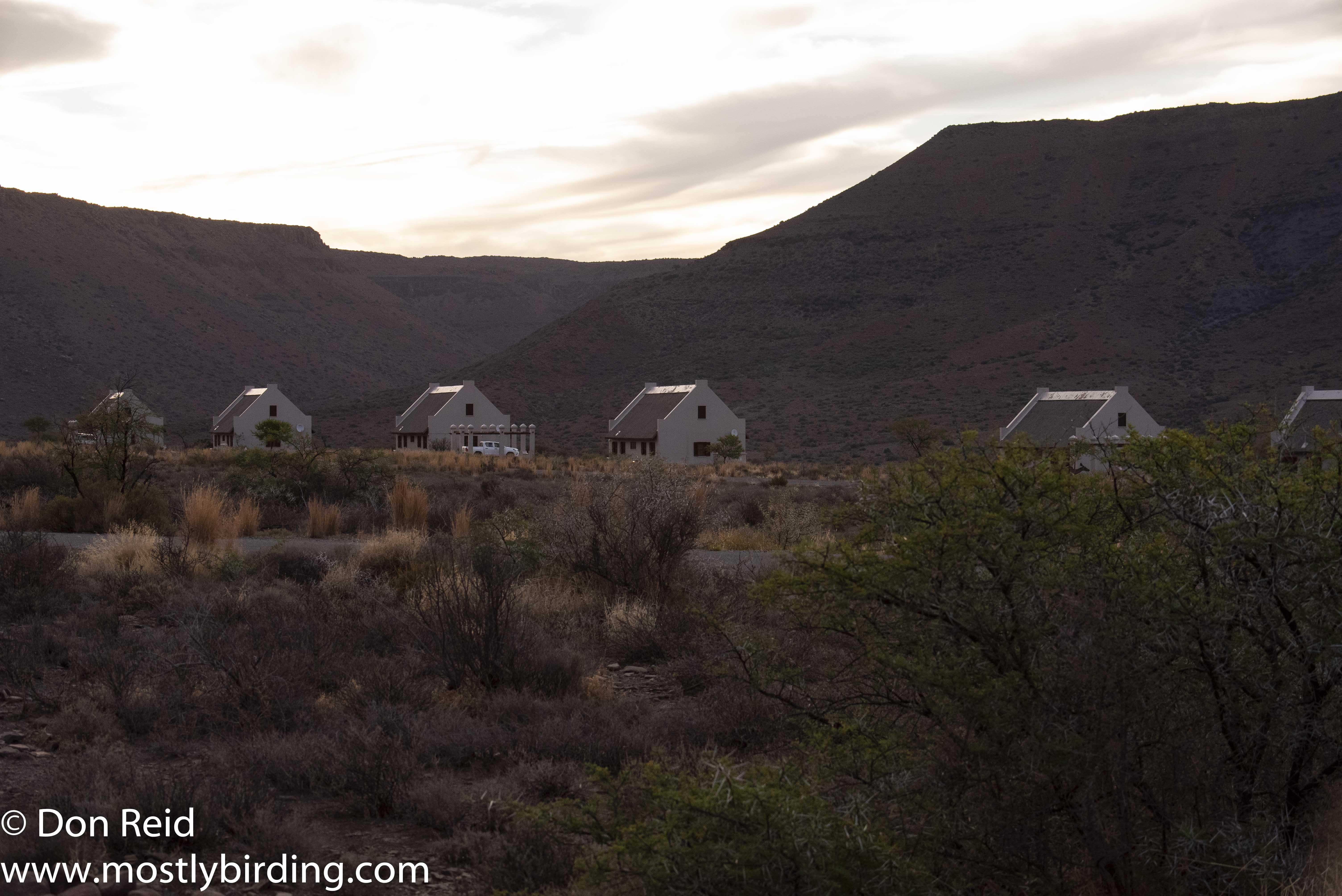
Karoo National Park
Short-toed Rock-Thrush, Karoo National Park
The following week saw me returning by air to Gauteng and onward to Kasane in northern Botswana for a final inspection visit to the airport project that I was involved in. I booked a boat-based and vehicle-based game drive during my stay, in order to make the most of this last visit to Chobe game reserve, both of which provided some amazing sightings and photographic highlights.
Cattle Egret, Chobe River Trip
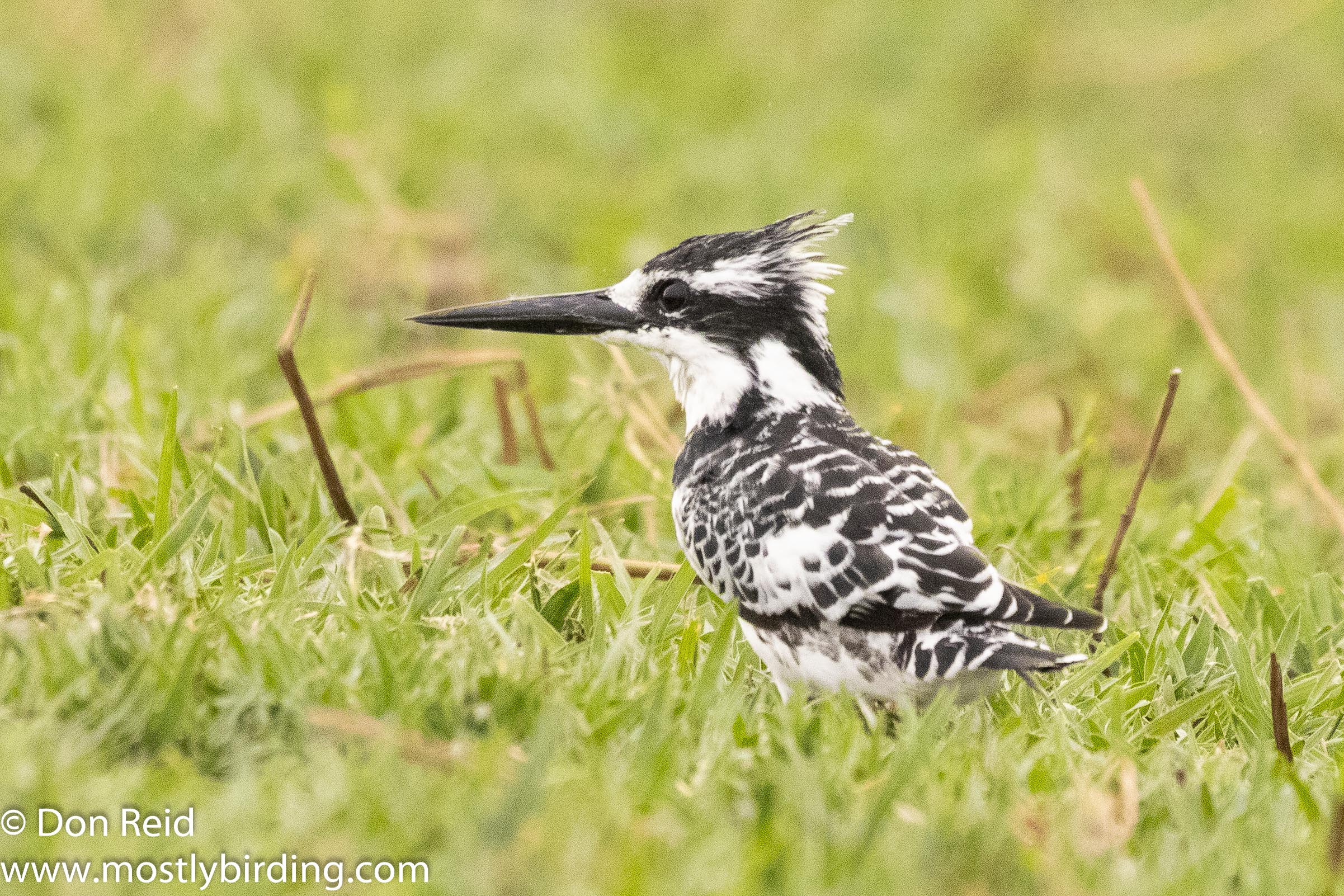
Pied Kingfisher, Chobe River Trip
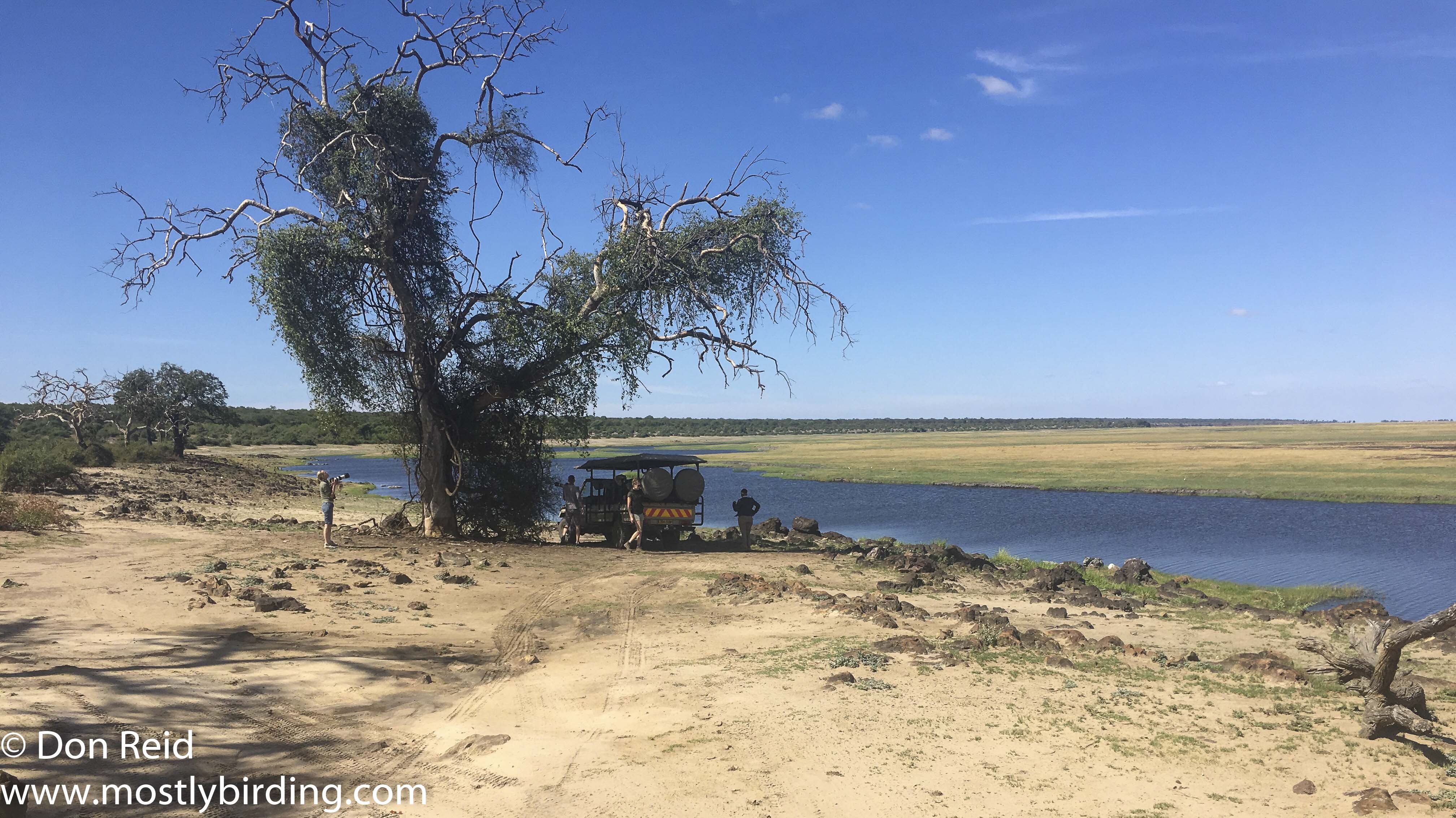
Chobe Riverfront Game Drive
Spur-winged Goose, Chobe Riverfront game drive
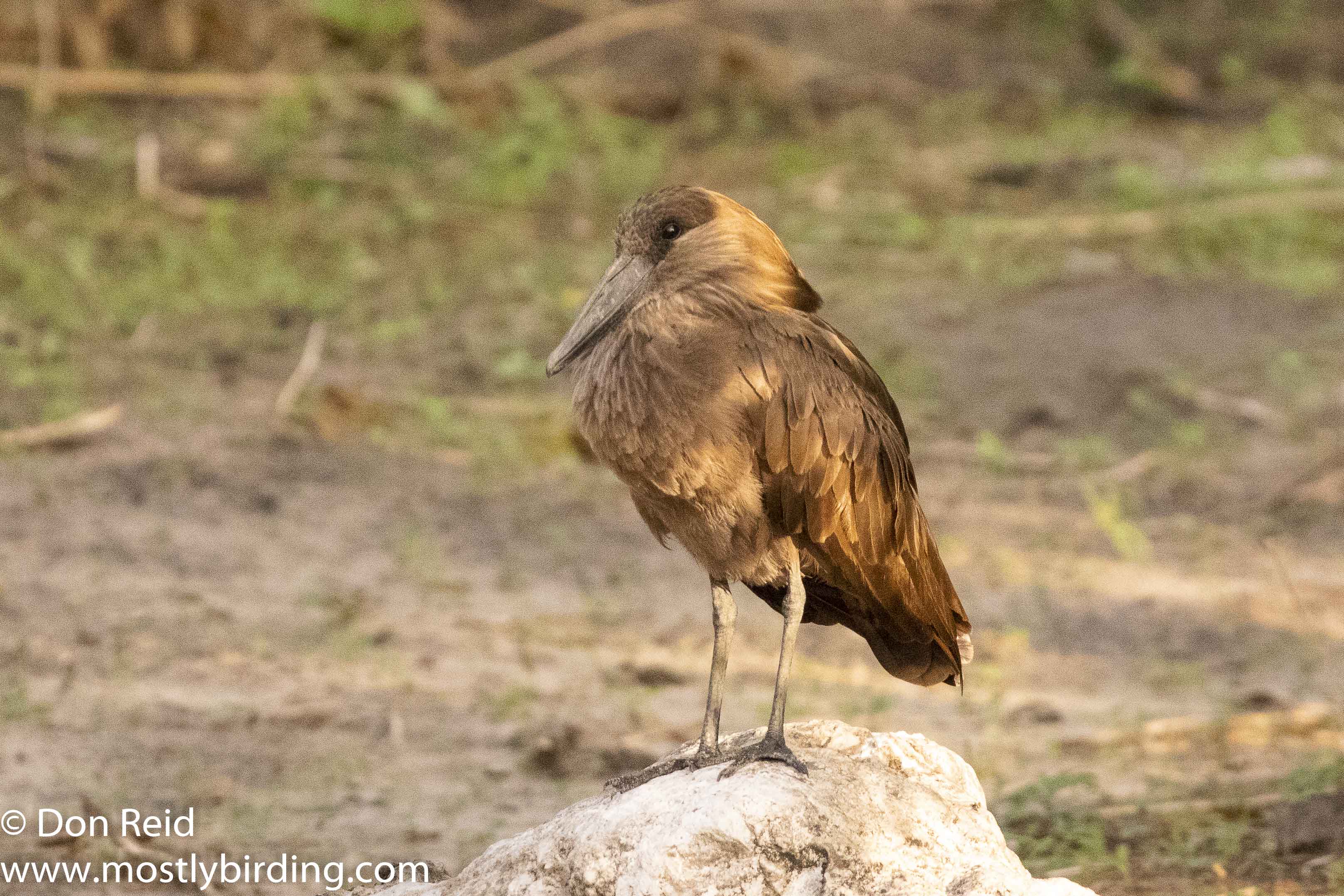
Hamerkop, Chobe Riverfront game drive
December
Back in Mossel Bay, it was time to get into relaxed mode and I looked forward to some atlasing of the area, including Mossel Bay itself.
Water Thick-knee, Mossel Bay GE
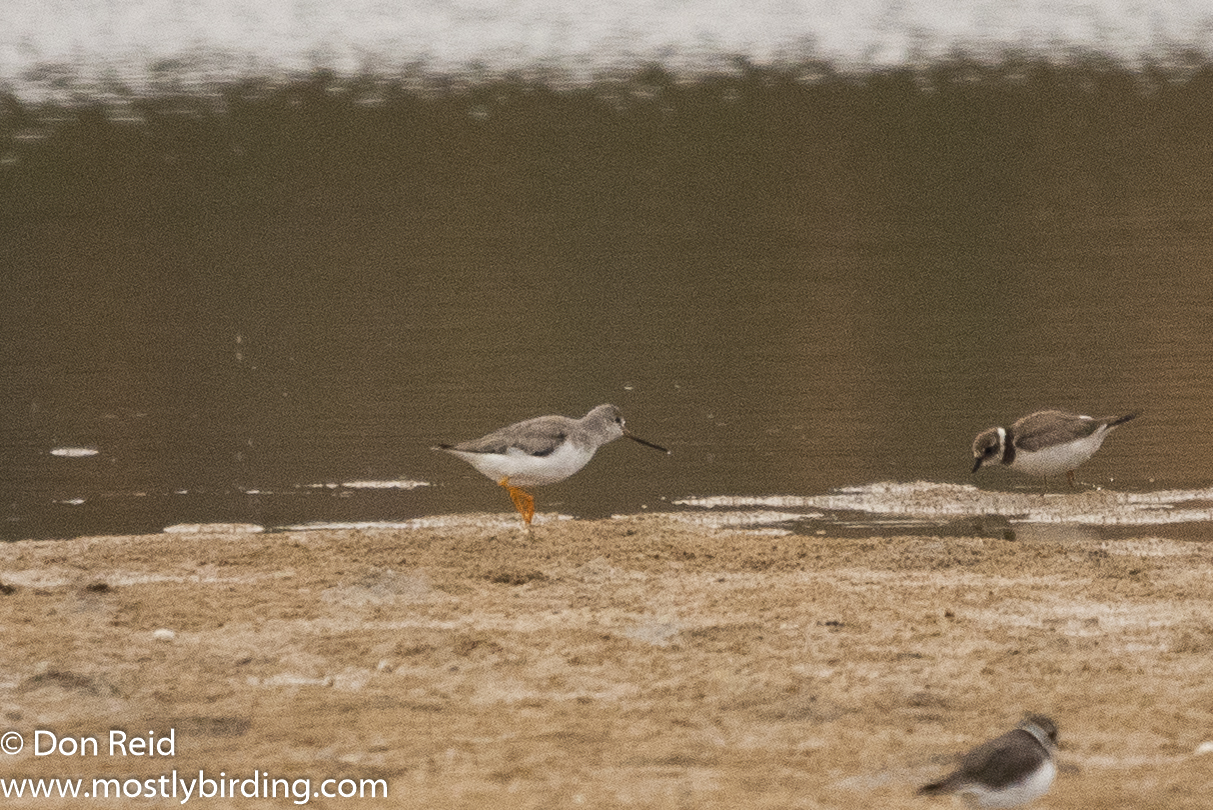
A Terek Sandpiper at Great Brak was a lifer for me
Terek Sandpiper, Great Brak River mouth
Little Egret, Great Brak River mouth
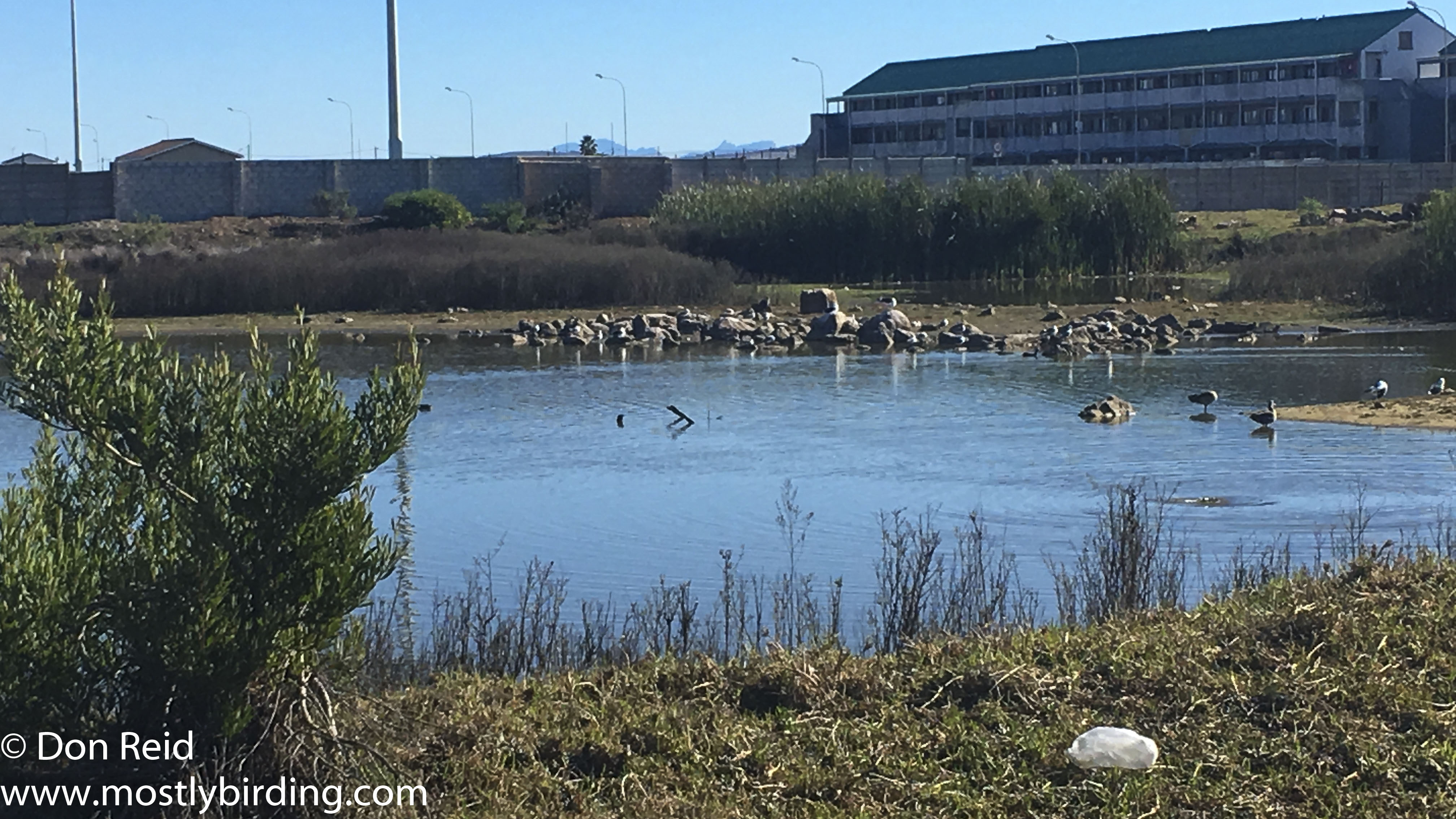
The only body of fresh water in Mossel Bay is a drawcard for numbers of birds
SPCA dam, Mossel Bay
This Cape Weaver decided to use the bird-feeder in our neighbour’s garden as a base frame for its nest – probably an inexperienced juvenile practicing his skills. He never did complete the nest.
With the new year in its first week, it’s time to select a few photos which best represent our 2018. In some cases, selection is based on the memory created, in others I just like how the photo turned out, technically and creatively
If you have any favourites, do let me know by adding your comment!
The Places
This was an unusual year for us, in that for the first time in several years we did not journey outside Southern Africa once during the year. But we made up for that with plenty of local trips, such as –
Champagne Valley resort in the Drakensberg
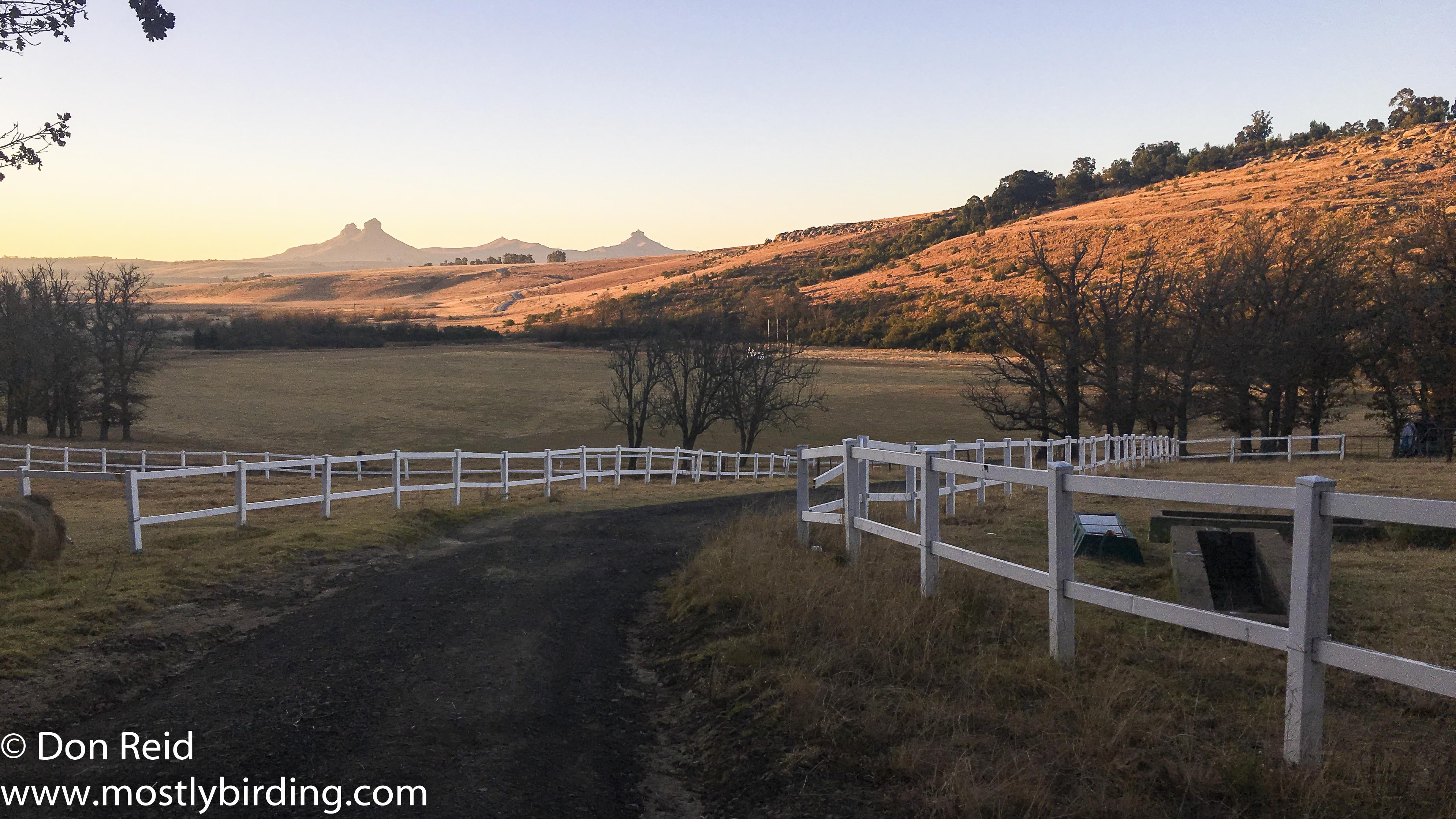
Champagne Valley Drakensberg
Annasrust Farm Hoopstad (Free State)
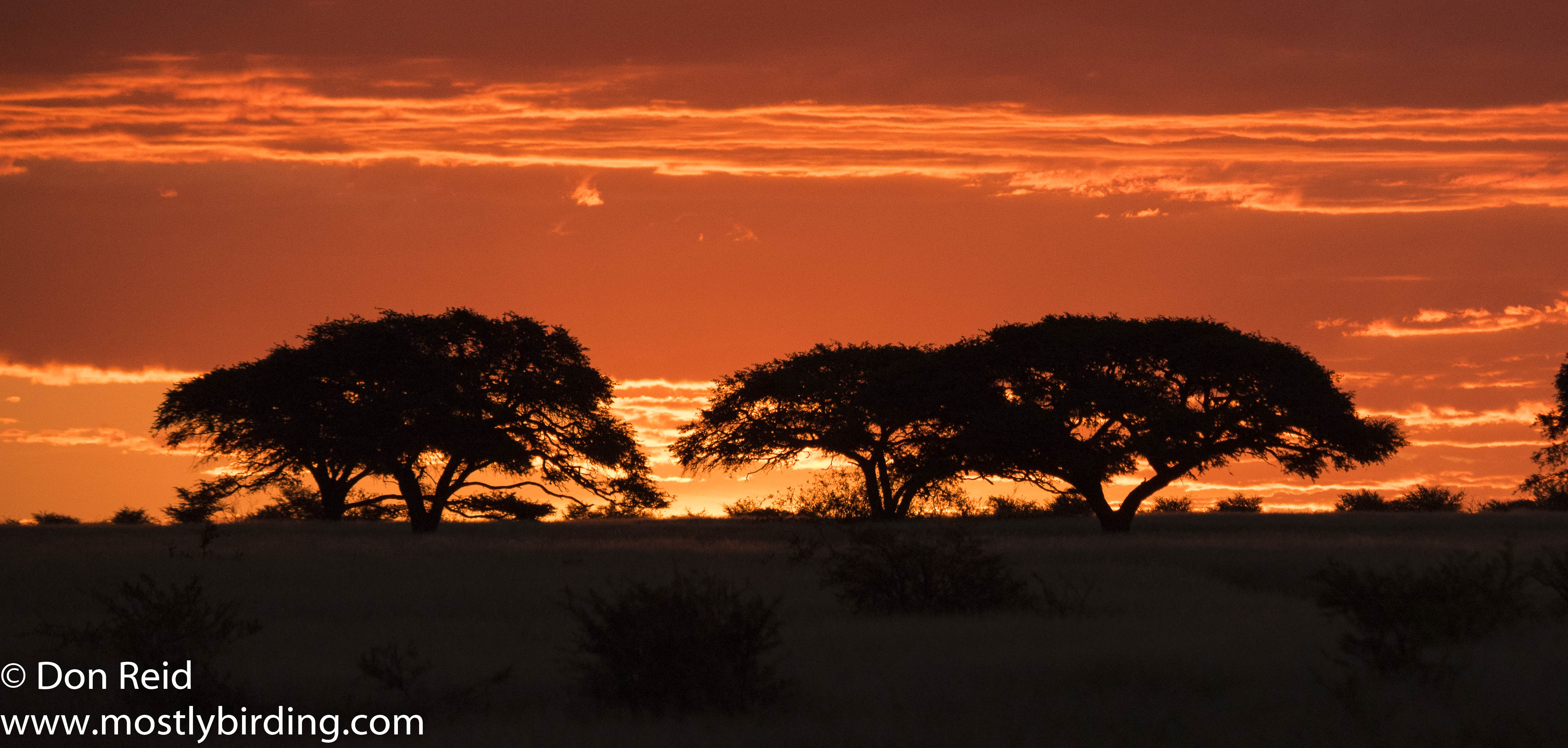
Sunset, Annasrust farm Hoopstad
Pine Lake Resort near White River (Mpumulanga Province)
Pine Lake Resort
Mossel Bay – our second “Home” town
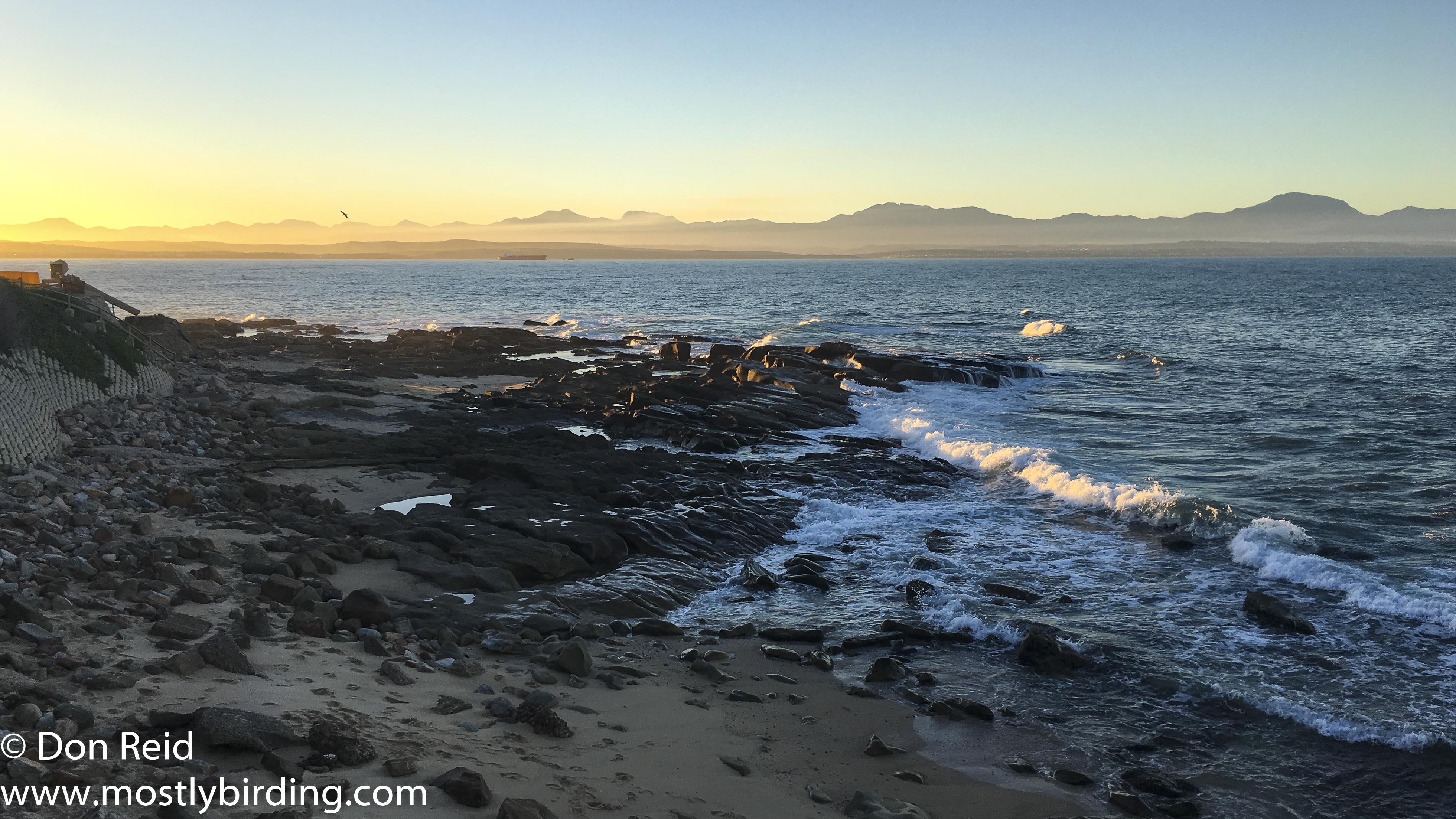
Mossel Bay coastline
Oaklands Country Manor near Van Reenen (Kwa-Zulu Natal)
Oaklands Country Manor, near Van Reenen
La Lucia near Durban (Kwa-Zulu Natal)
La Lucia beach
Shongweni Dam (Kwa-Zulu Natal)
Shongweni Dam
Onverwacht Farm near Vryheid (Kwa-Zulu Natal)
Controlled burn on Onverwacht Farm
Kruger Park Olifants camp
Bungalow roof, Kruger Park
Herbertsdale area (Western Cape) – atlasing
Herbertsdale area
Karoo National Park near Beaufort West (Western Cape)
Karoo National Park
Kuilfontein Guest Farm near Colesberg (Northern Cape)
Kuilfontein, Colesberg – the drought has hit this area badly
Verlorenkloof (Mpumulanga)
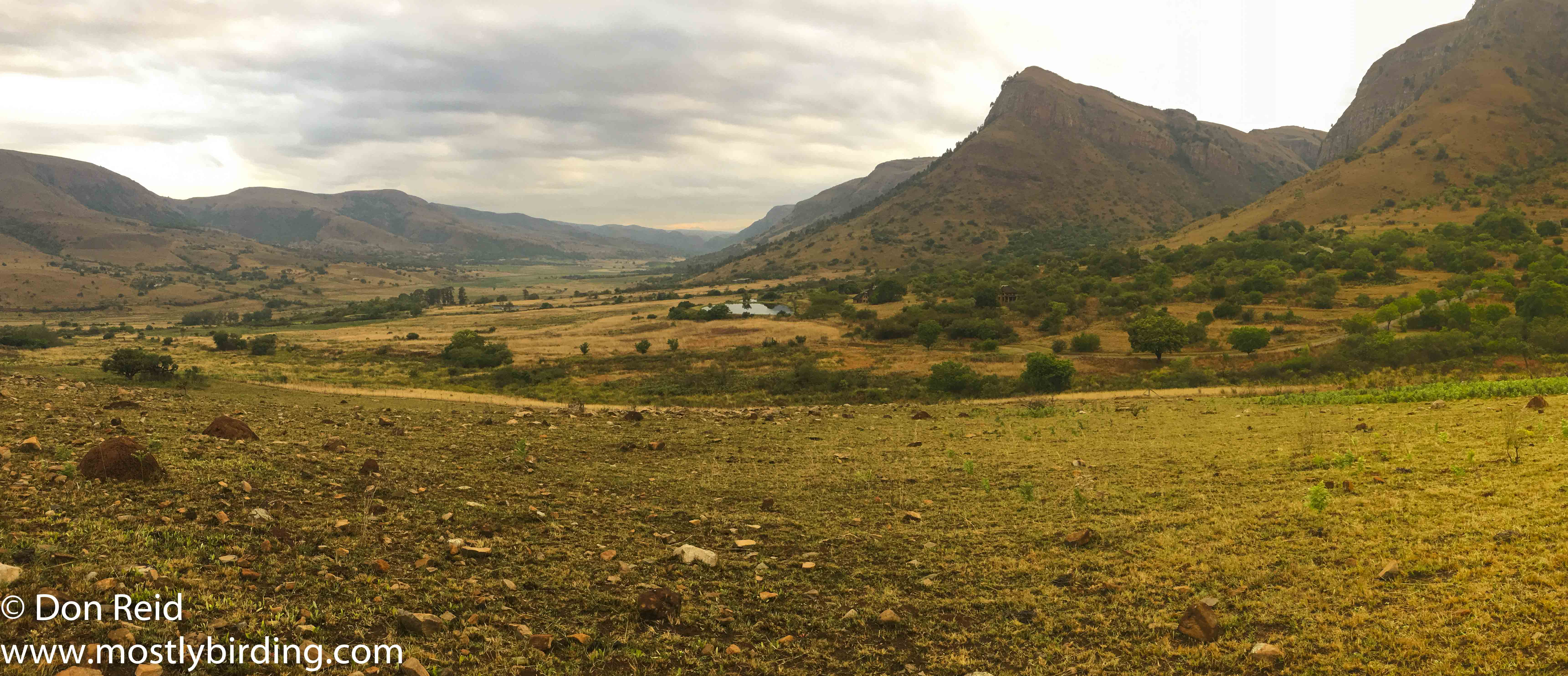
Verlorenkloof – view from upper path
Lentelus Farm near Barrydale (Western Cape)
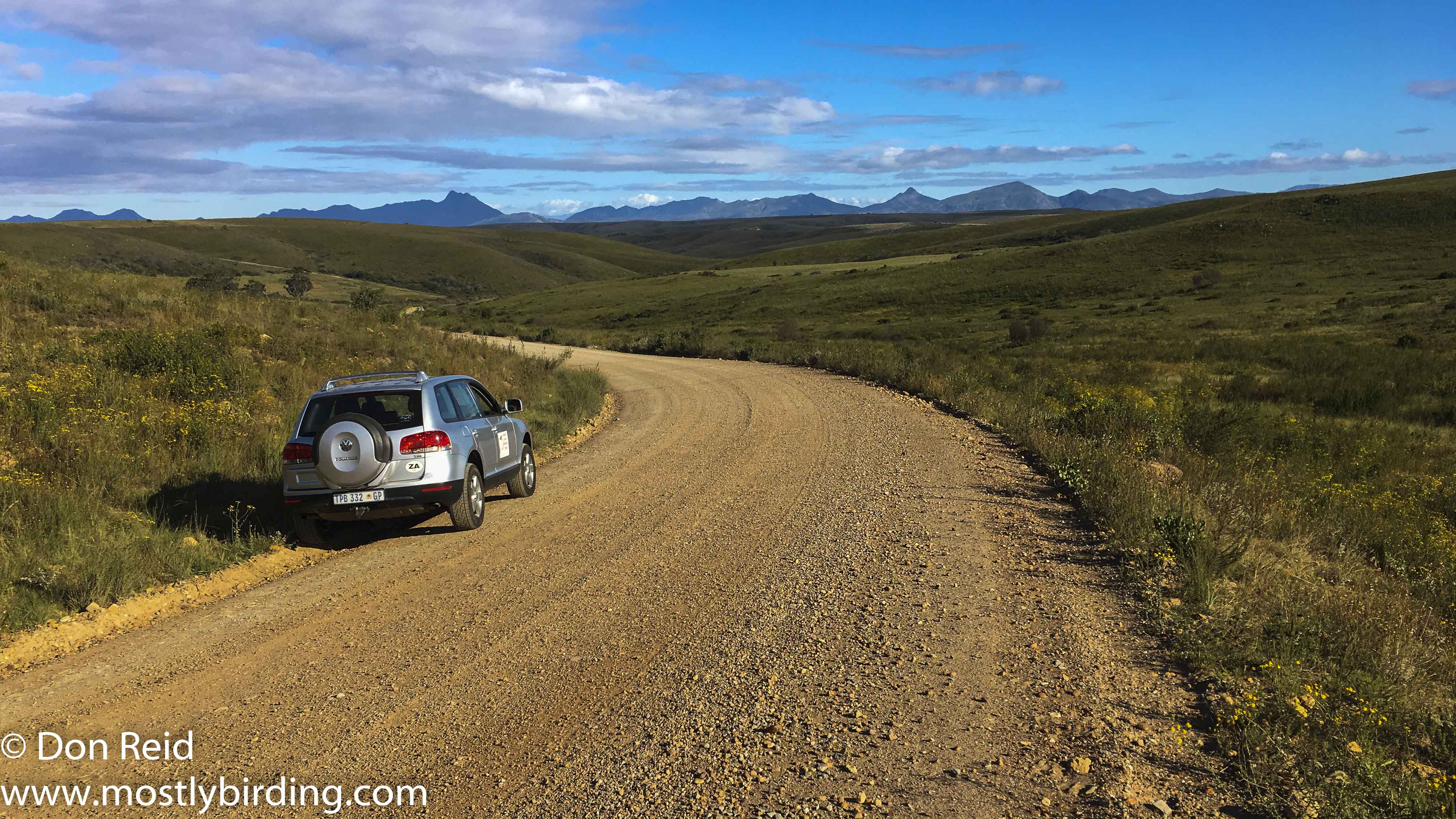
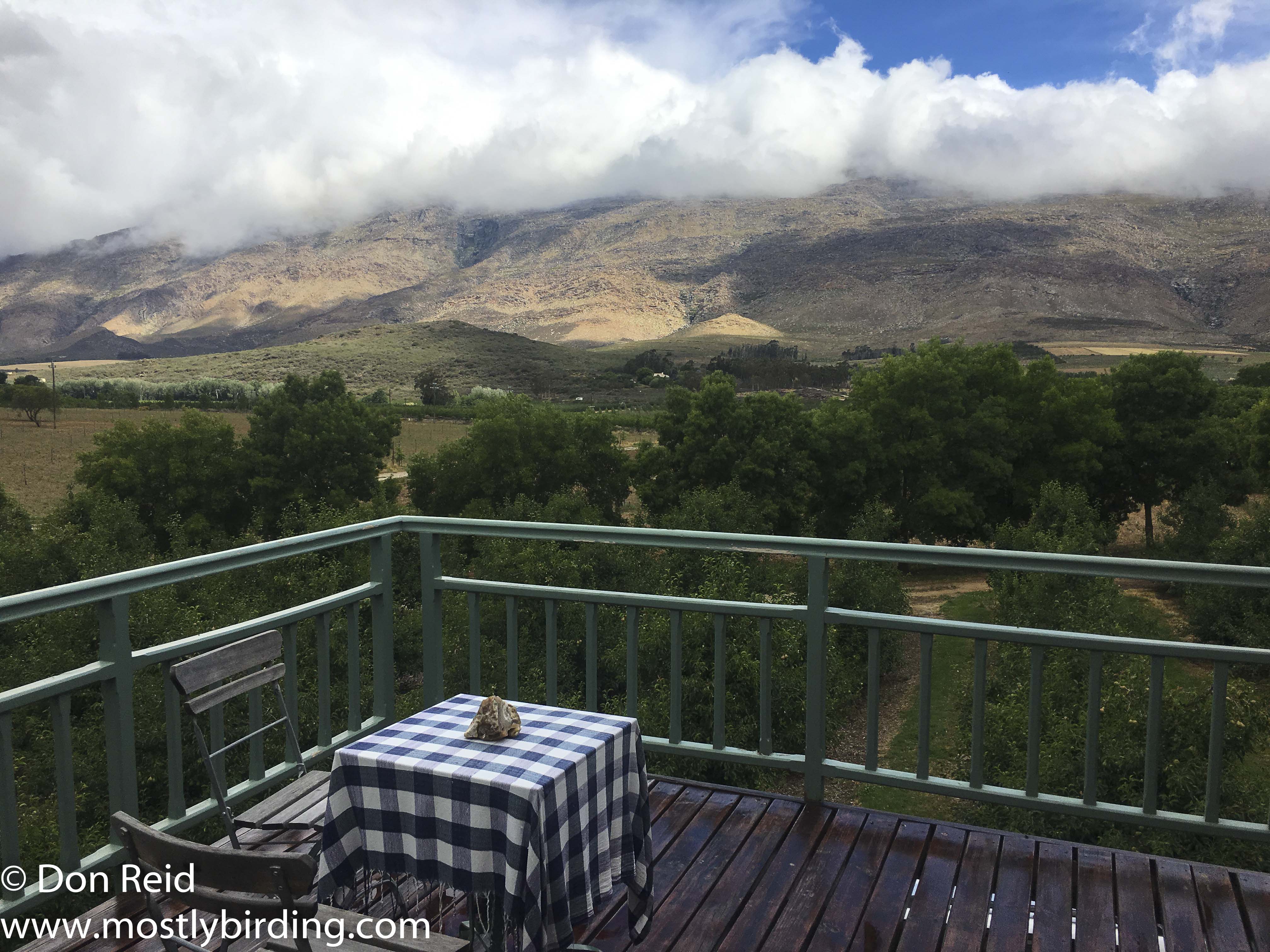
Lentelus Farm near Barrydale
The Wildlife
With visits to Kruger National Park, Karoo National Park and Chobe Game Reserve in Botswana, there was no shortage of game viewing opportunities and it turned out to be a great year for Leopards
Kruger National Park
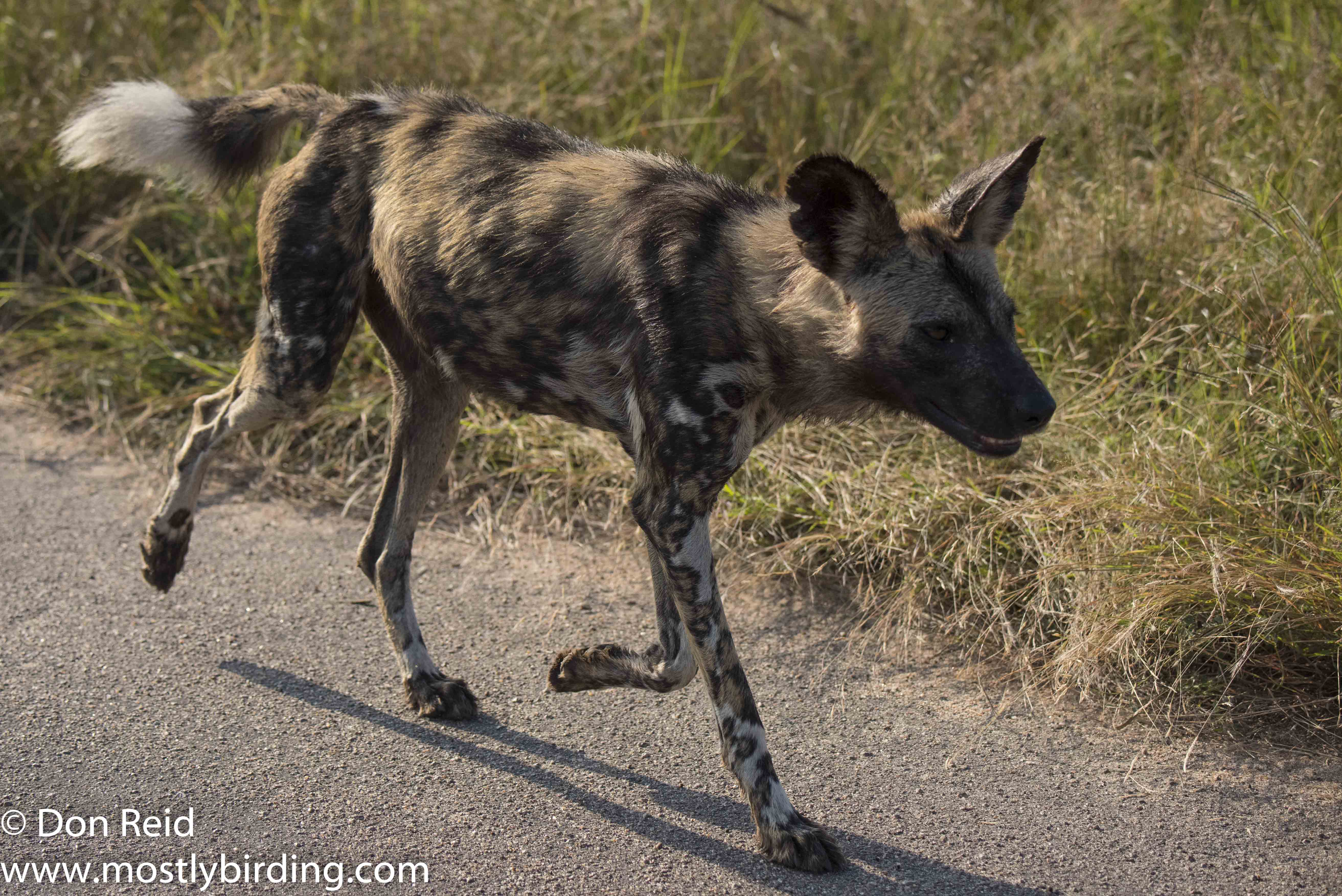
African Wild Dog, Kruger National Park
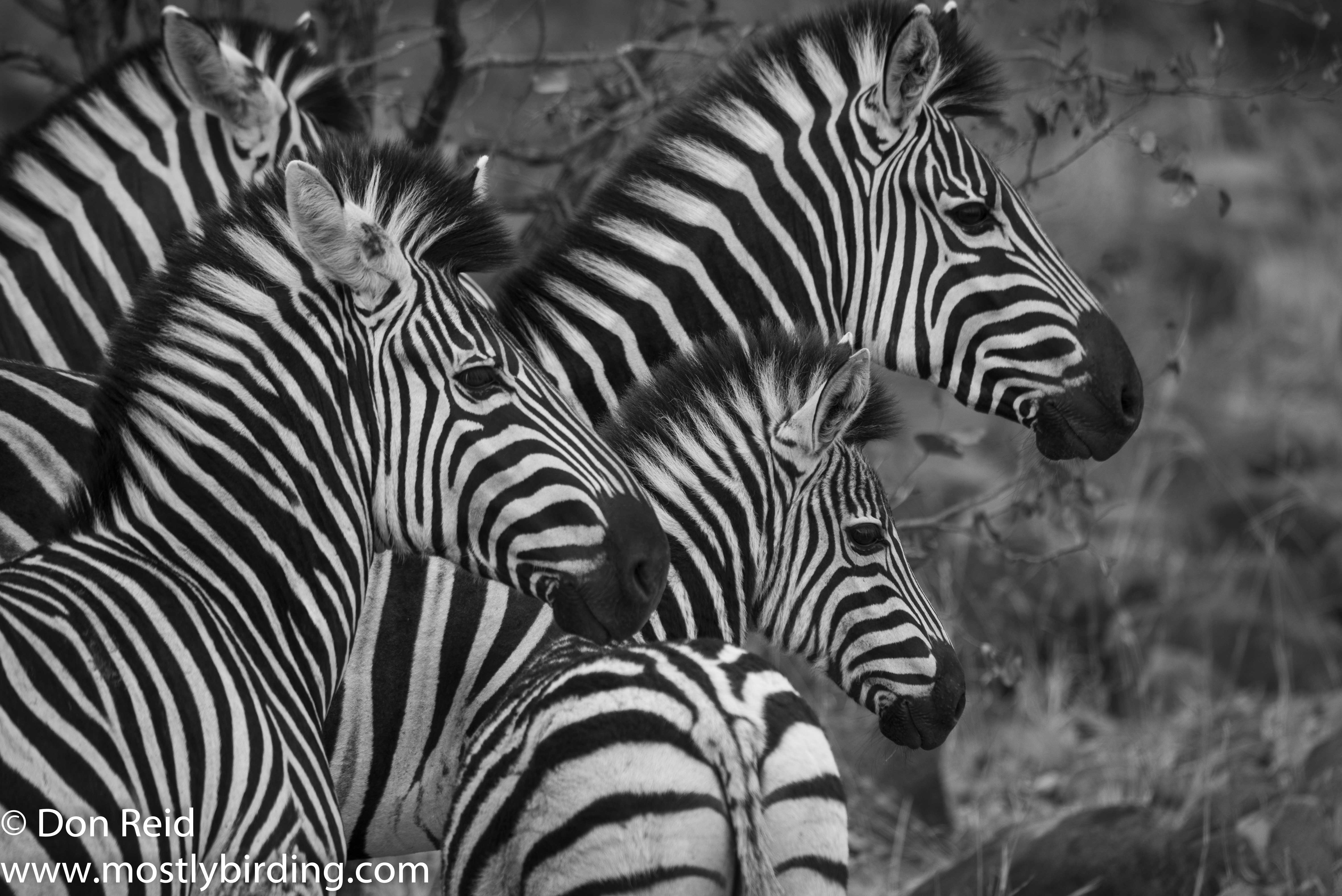
Zebra, Kruger Park
Leopard, Phabeni road, Kruger Park
Karoo National Park
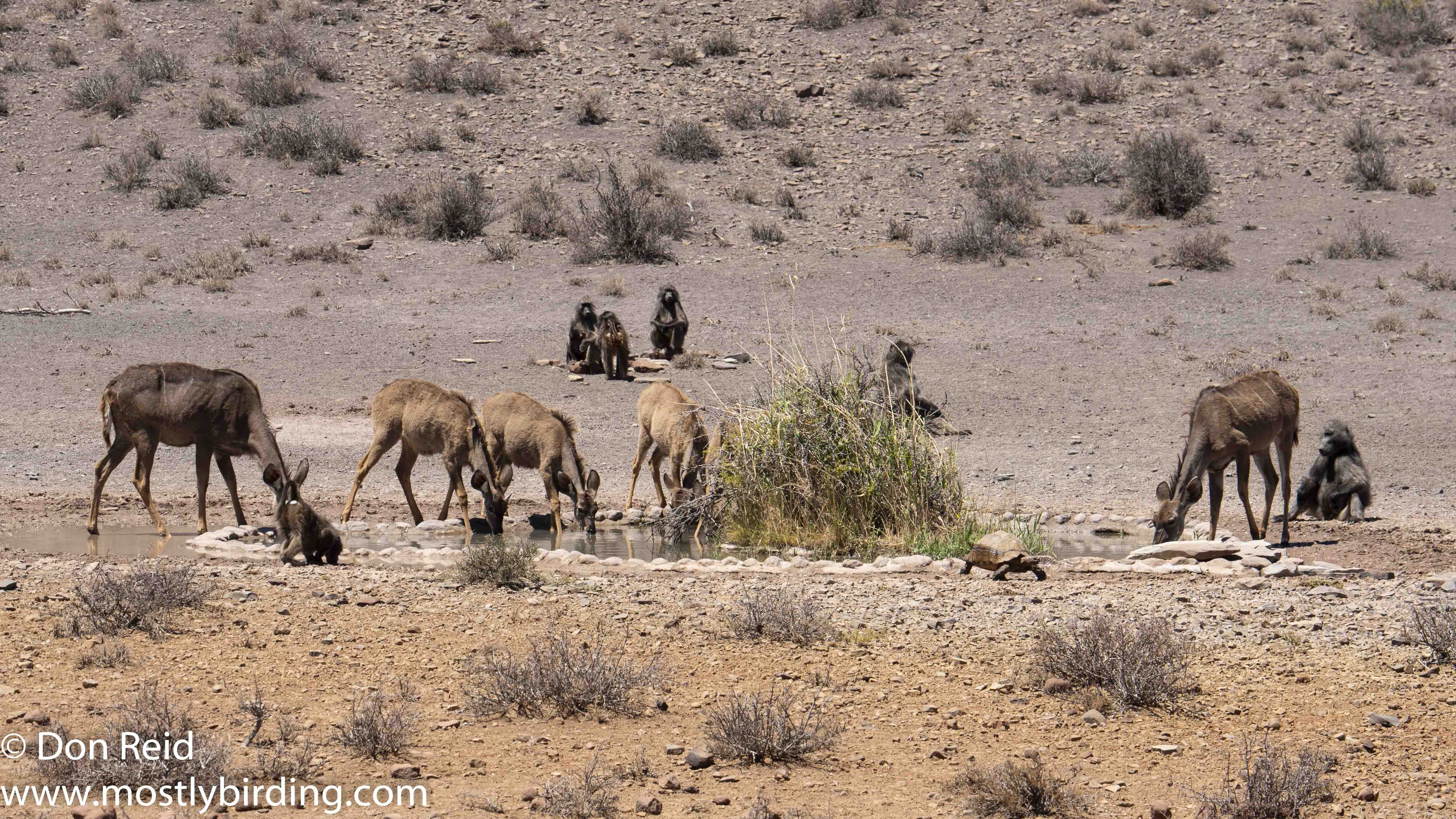
Waterhole scene, Karoo National Park
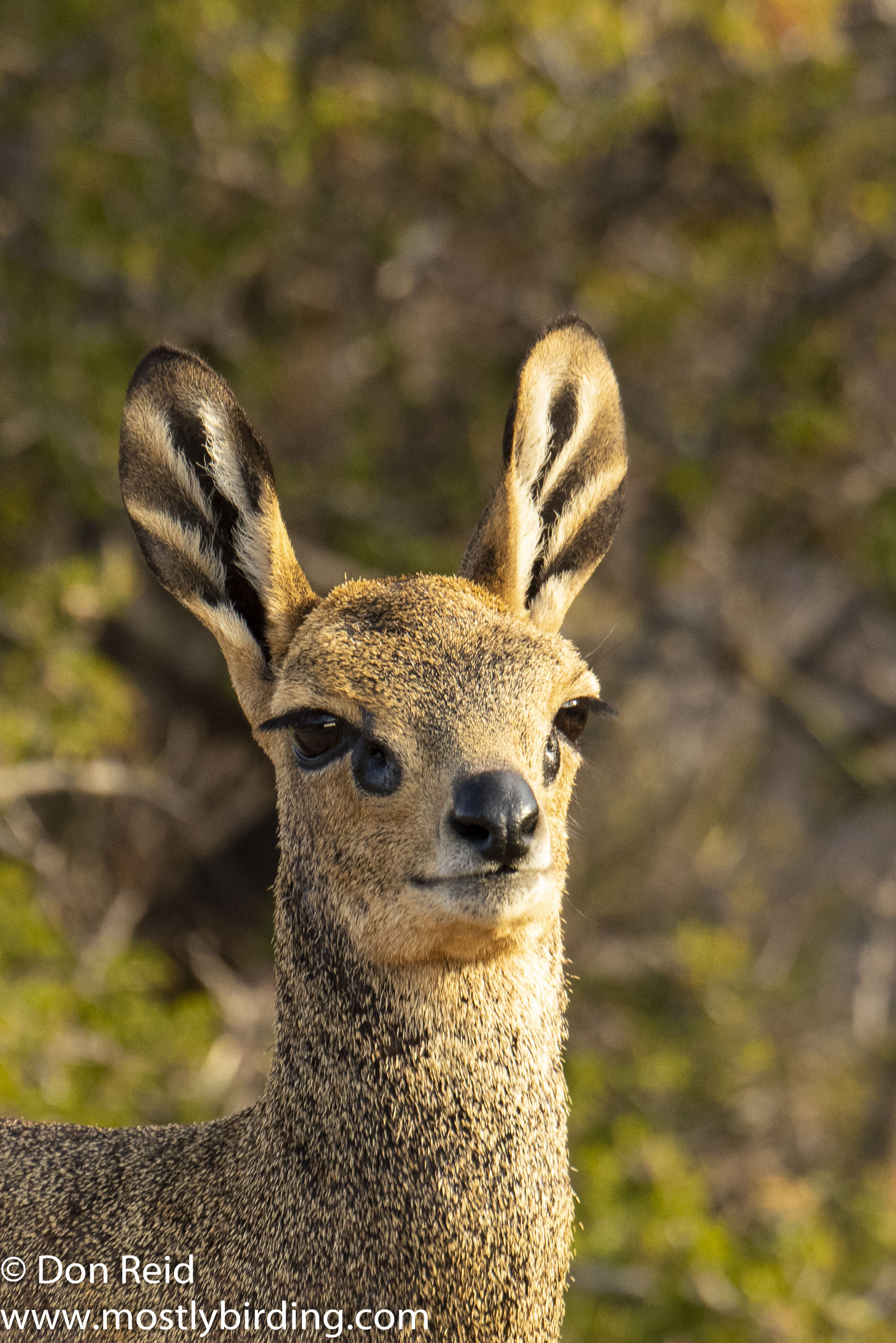
Klipspringer, Karoo National Park
Chobe Game Reserve
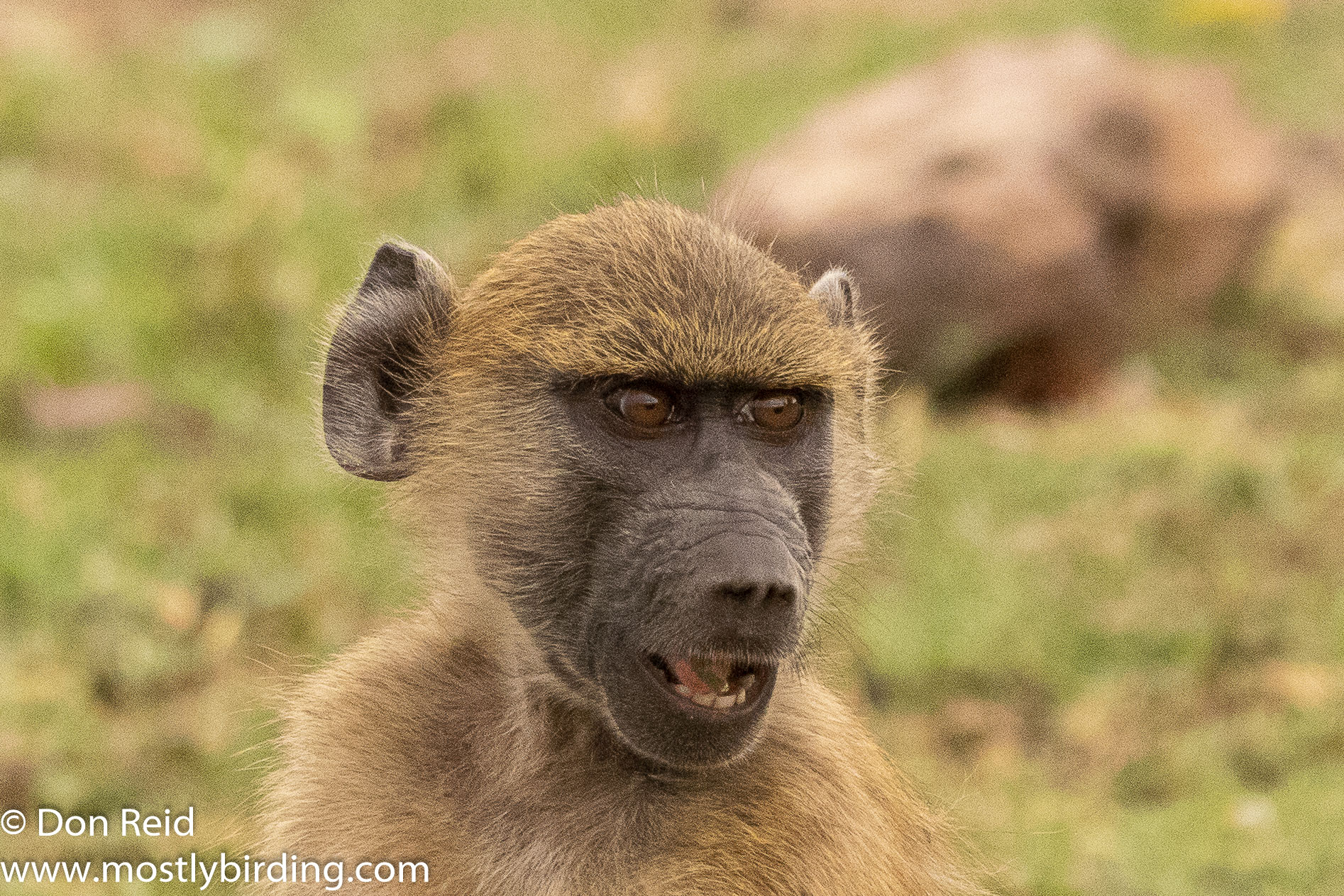
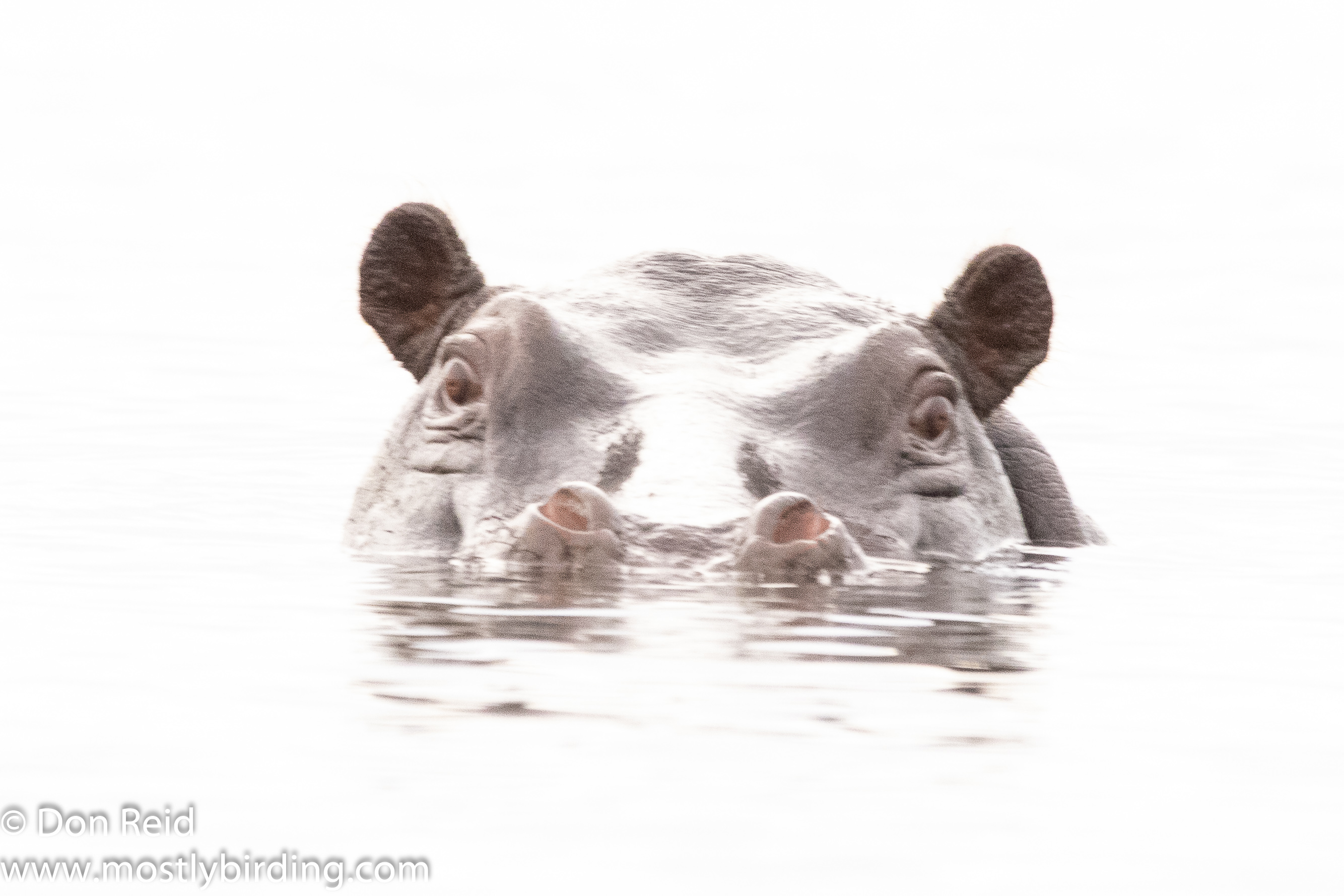
The eyes have it
Chacma Baboon, Chobe River Trip
Hippo, Chobe River Trip
Wild but beautiful
Leopard, Chobe Riverfront game drive
Leopard, Chobe Riverfront game drive
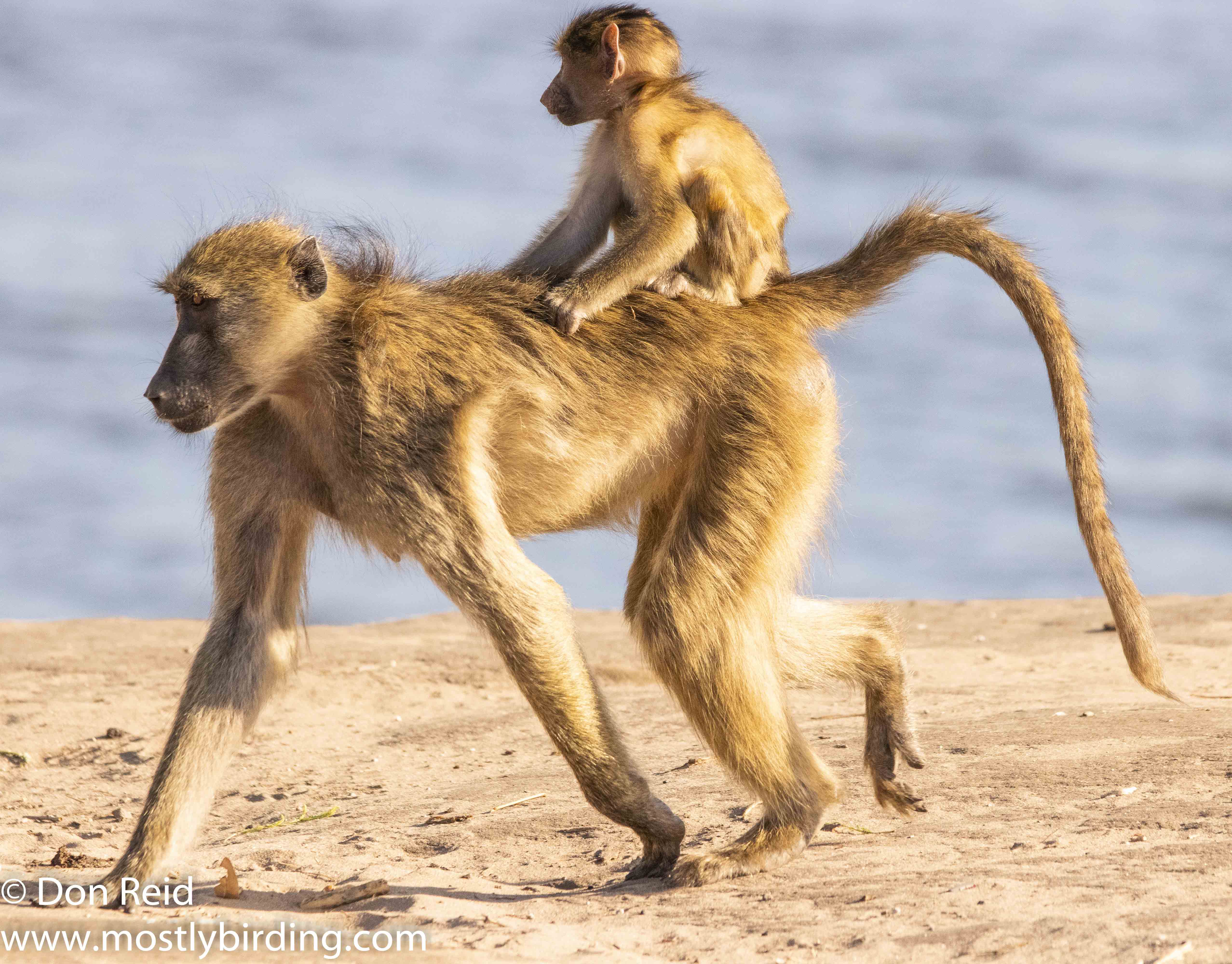
Who needs a horse when you have a mom to ride on
Chacma Baboon, Chobe Riverfront game drive
Oh, and the news is hippos can do the heart shape with their jaws – they don’t have fingers you see
Hippo, Chobe River Trip
The Birds
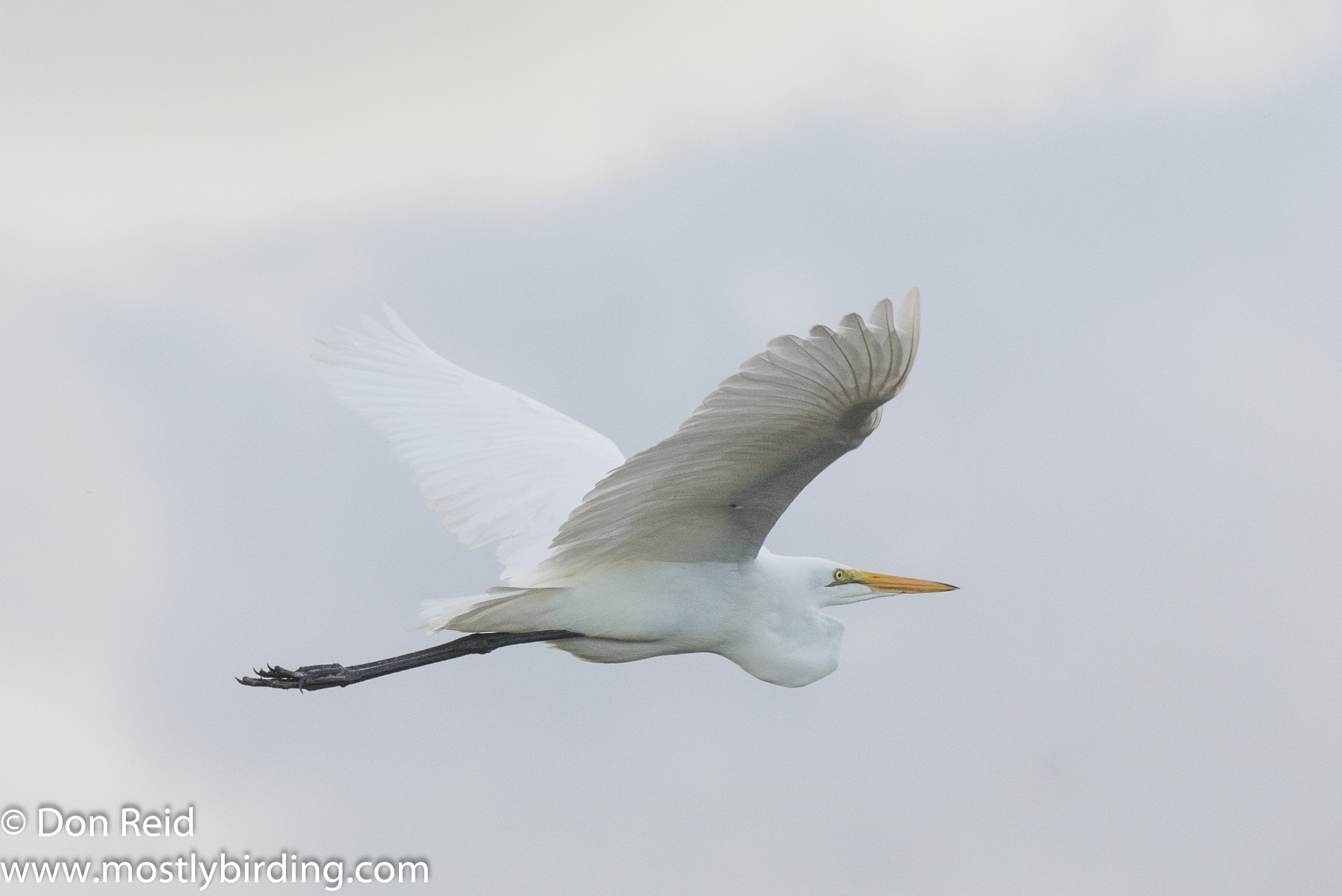
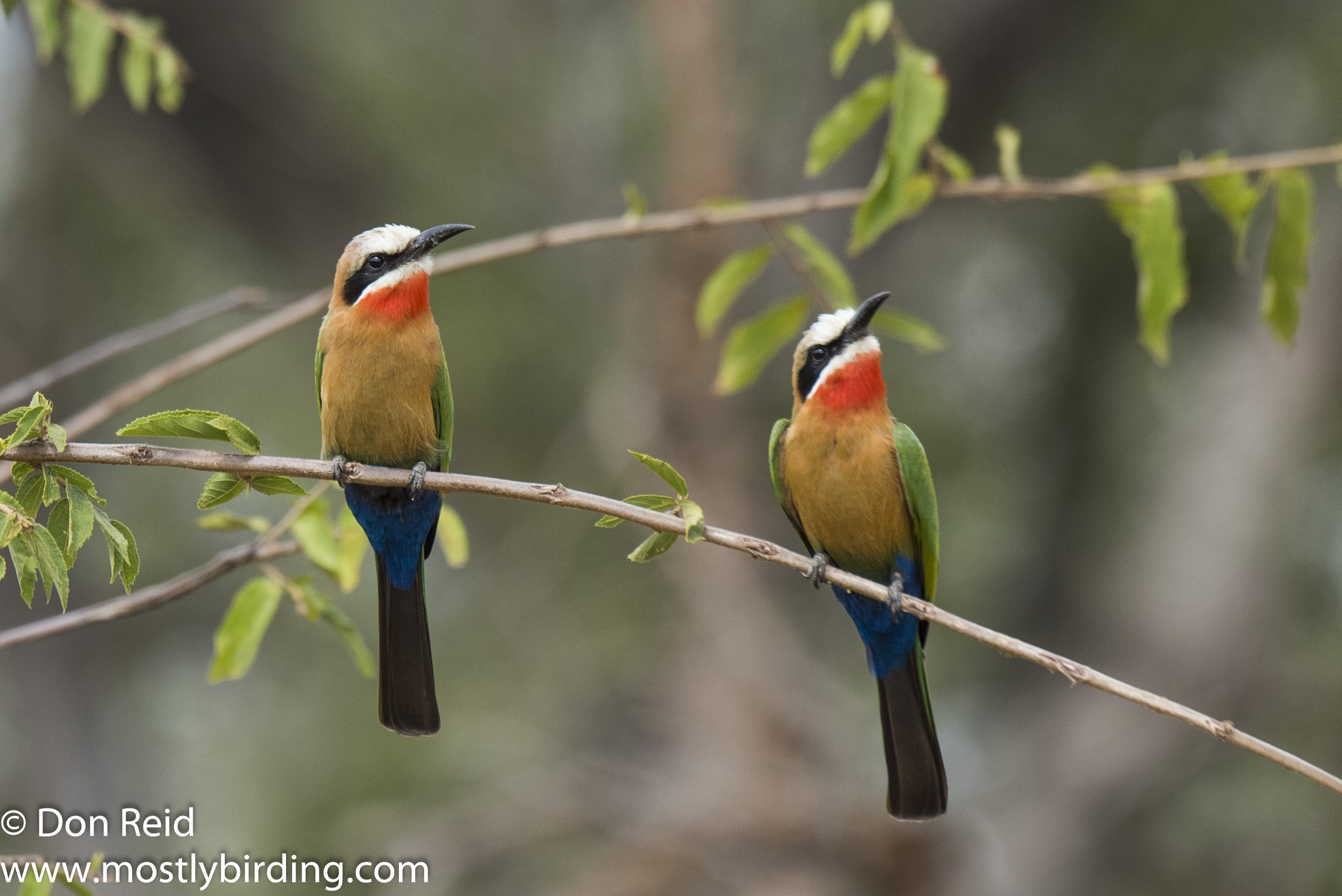
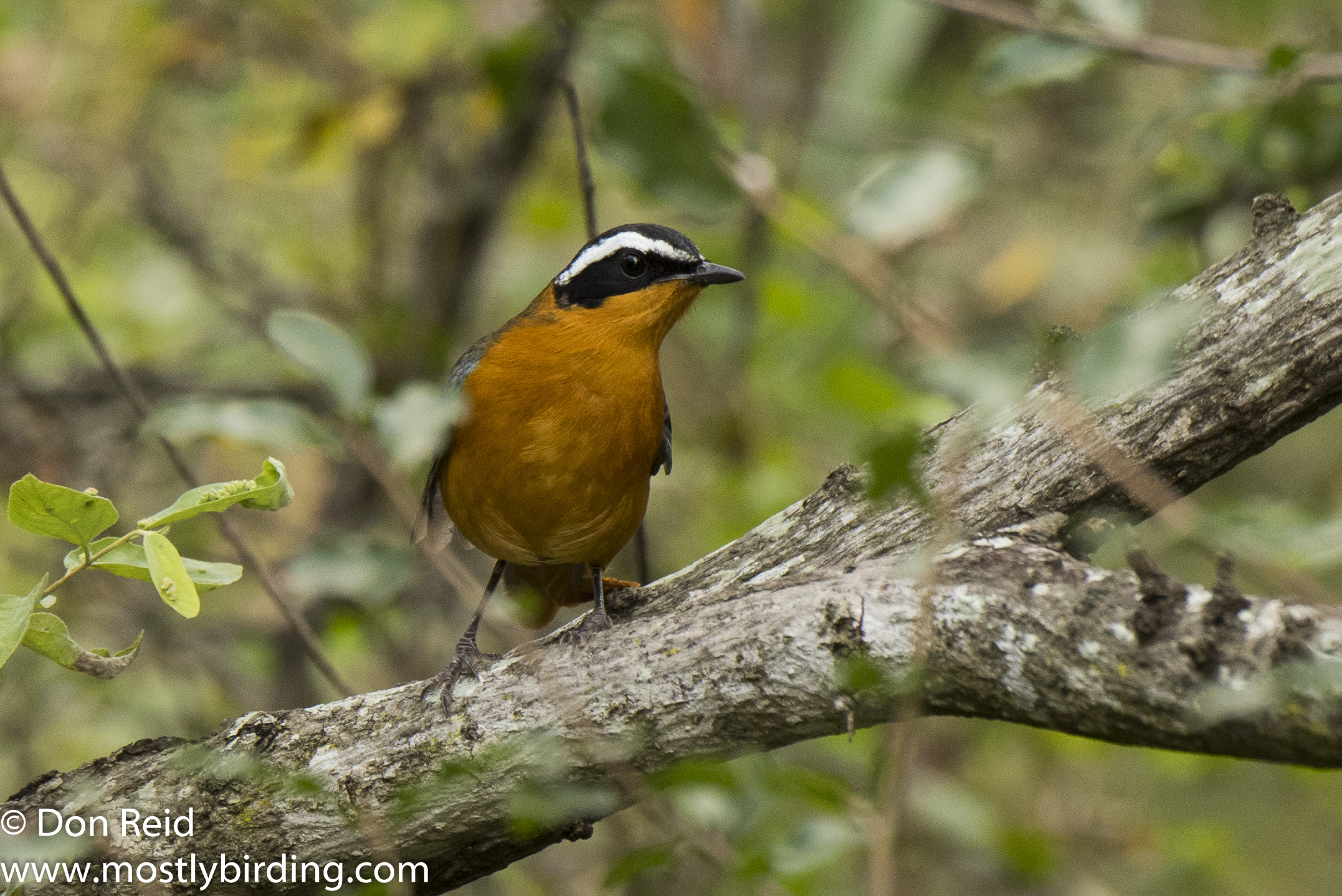
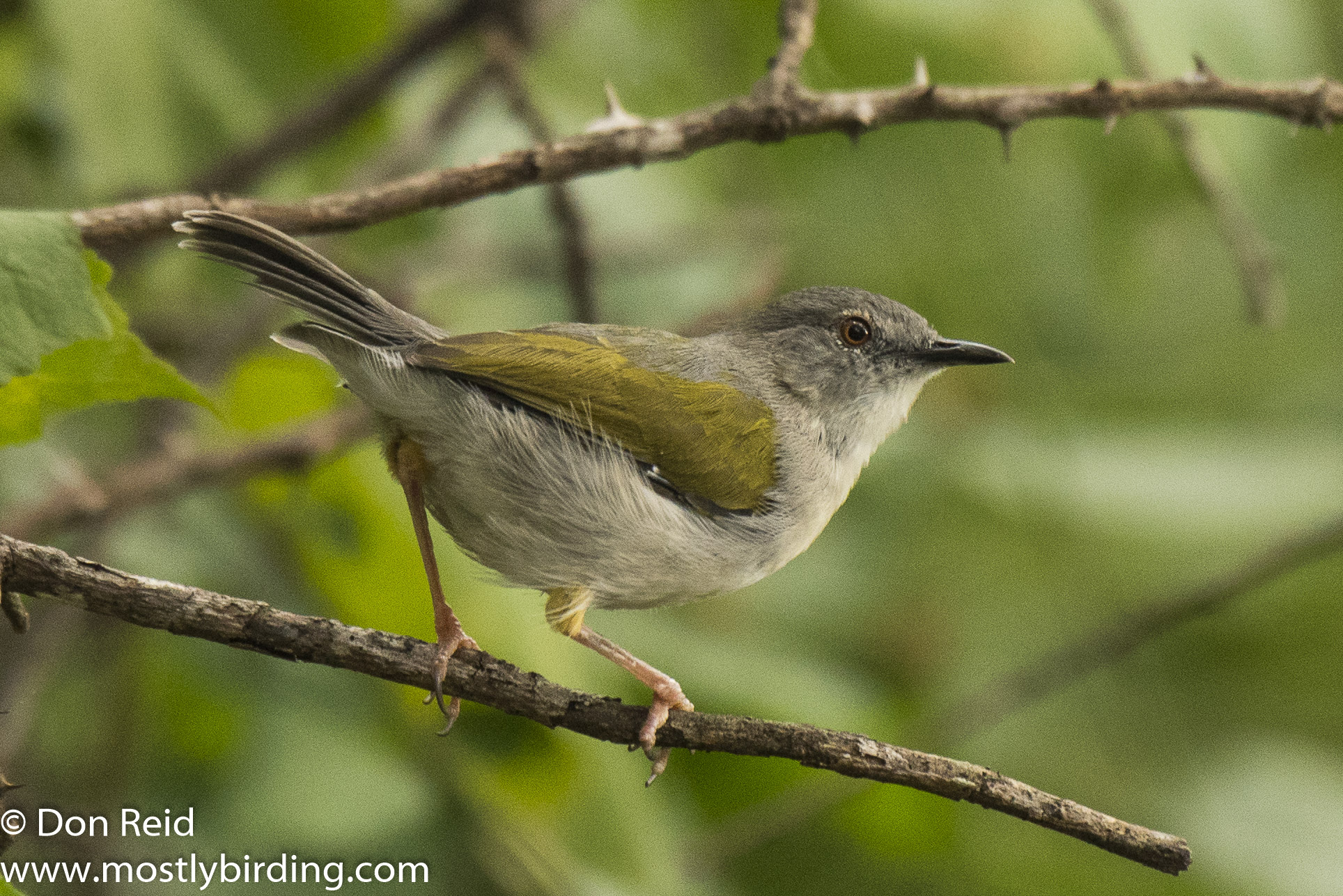
Bird photography remains the greatest challenge – I am thrilled when it all comes together and I have captured some of the essence of the bird
Great Egret flying to its roost
Great Egret, Annasrust farm Hoopstad
White-fronted Bee-eaters doing what they do best – looking handsome
White-fronted Bee-eater, Kruger Day Visit
White-browed Robin-Chat
White-browed Robin-Chat, Kruger Day Visit
The usually secretive Green-backed Camaroptera popping out momentarily for a unique photo
Green-backed Camaroptera, Kruger Day Visit
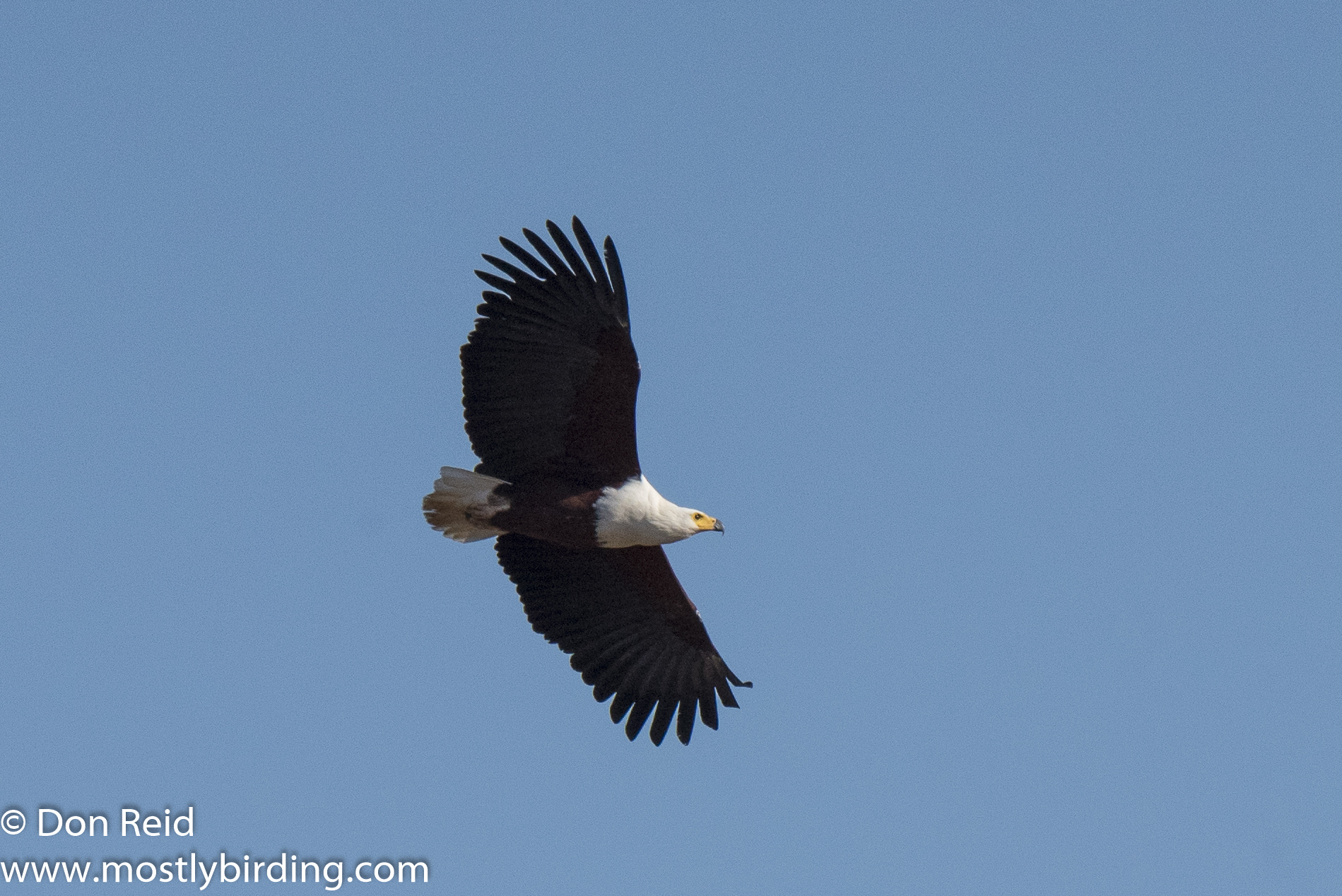
African Fish-Eagle – aerial king of the waters
African Fish Eagle, Kruger Park
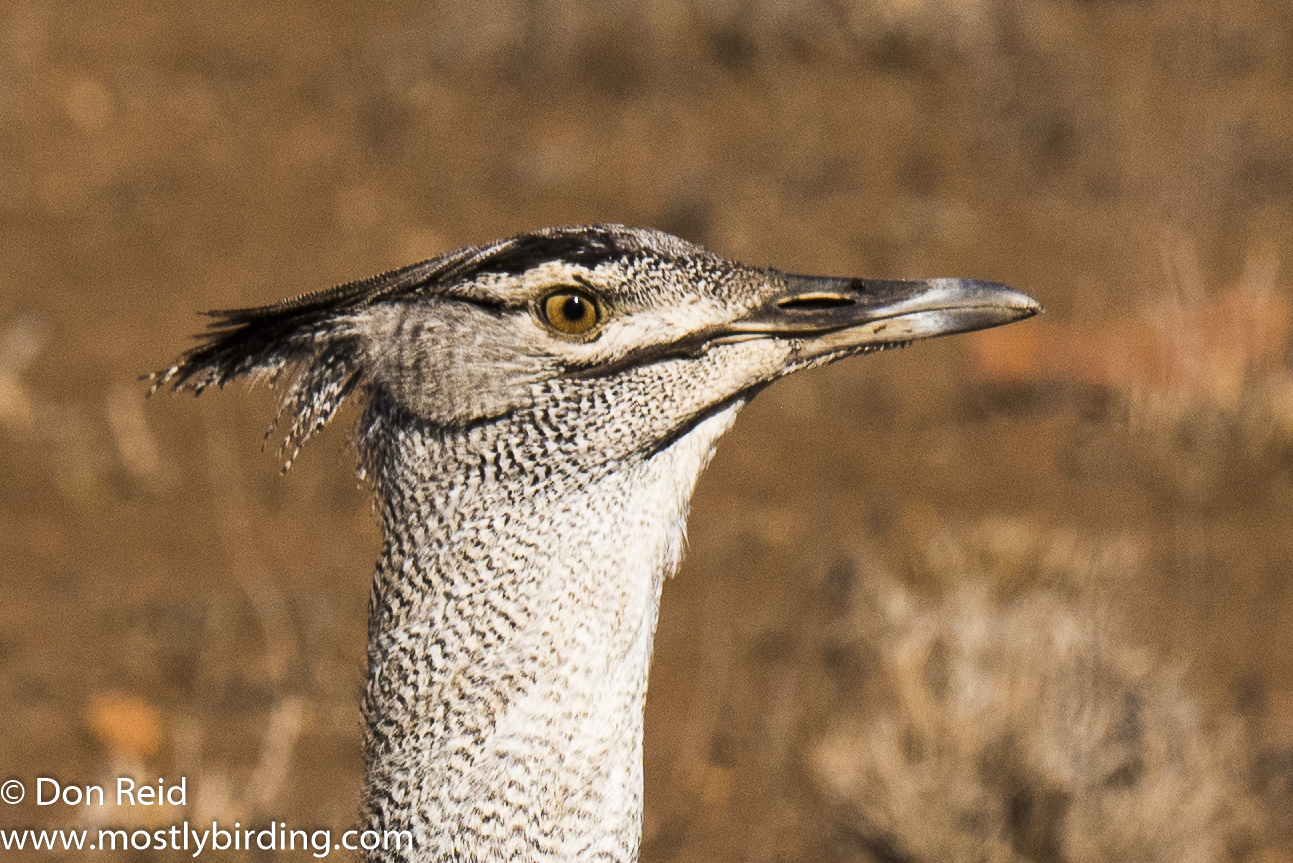
Kori Bustard – heaviest flying bird
Kori Bustard, Kruger Park
Little Bee-eater
Little Bee-eater, Olifants, Kruger Park
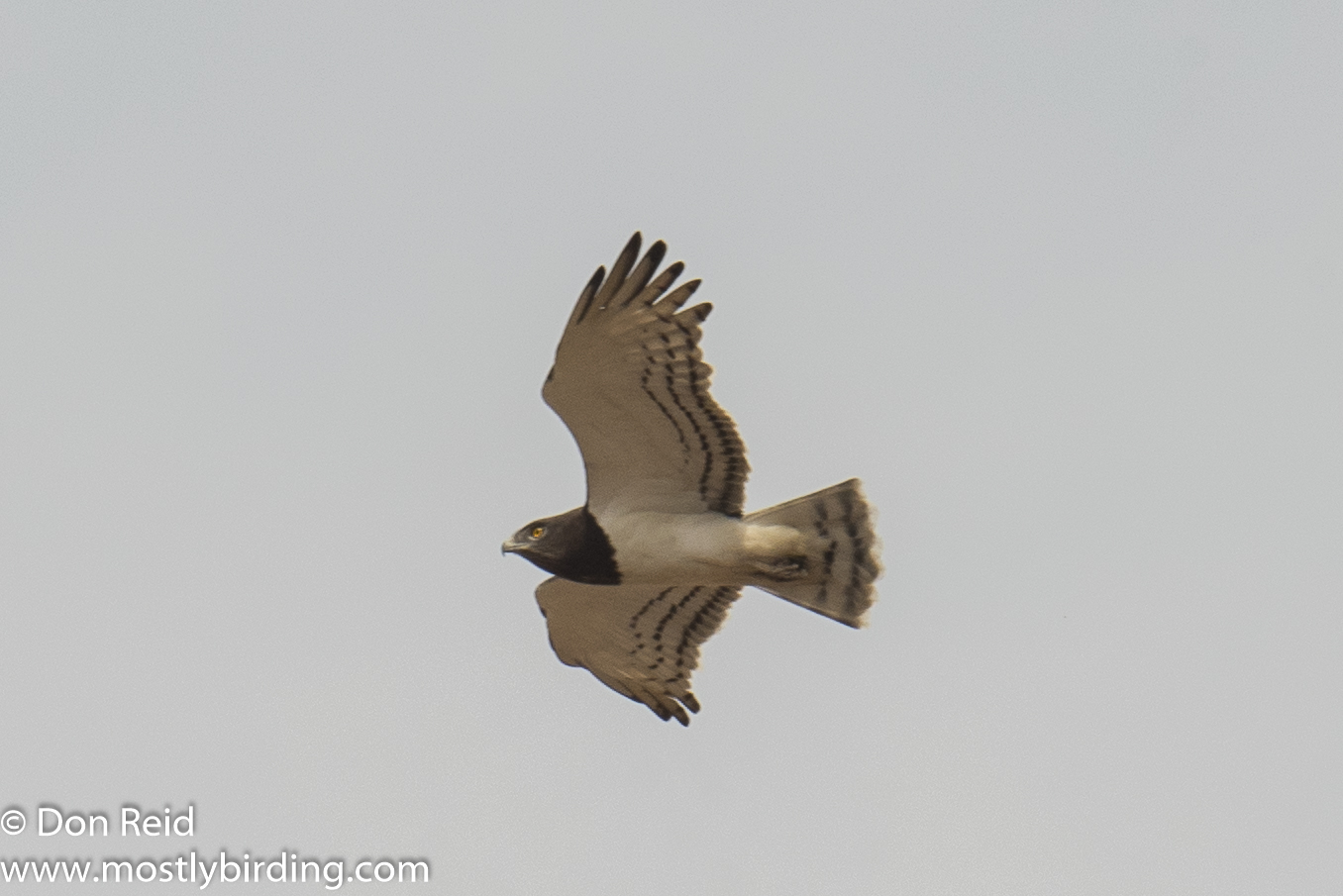
Black-chested Snake-Eagle
Black-chested Snake=Eagle, Kruger Park
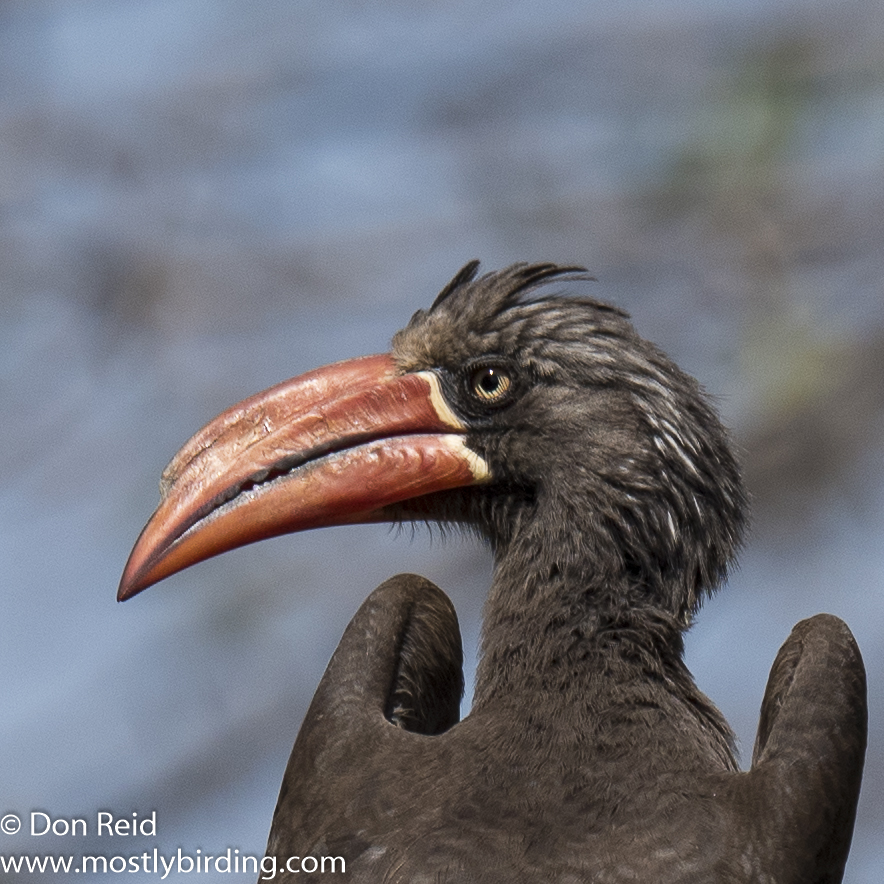
Crowned Hornbill – he’ll stare you down any day
Crowned Hornbill, Mkhulu, Kruger Park
Kittlitz’s Plover
Kittlitz’s Plover, Gouritzmond
Large-billed Lark in full song
Large-billed Lark, Herbertsdale area
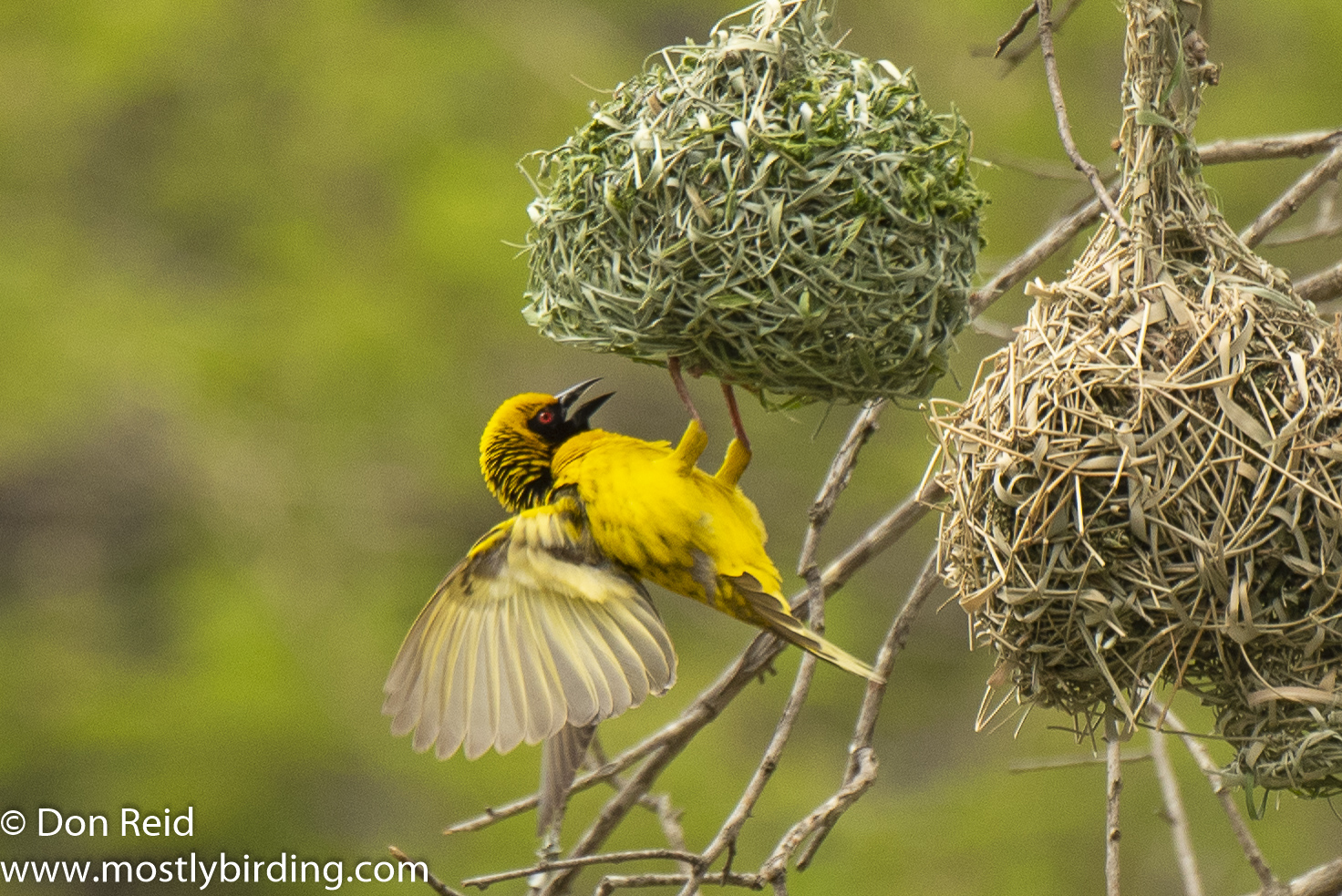
Village Weaver – busy as a bee
Village Weaver, Verlorenkloof
Thick-billed Weaver – less frenetic, more particular about its nest-weaving
Thick-billed Weaver, Verlorenkloof
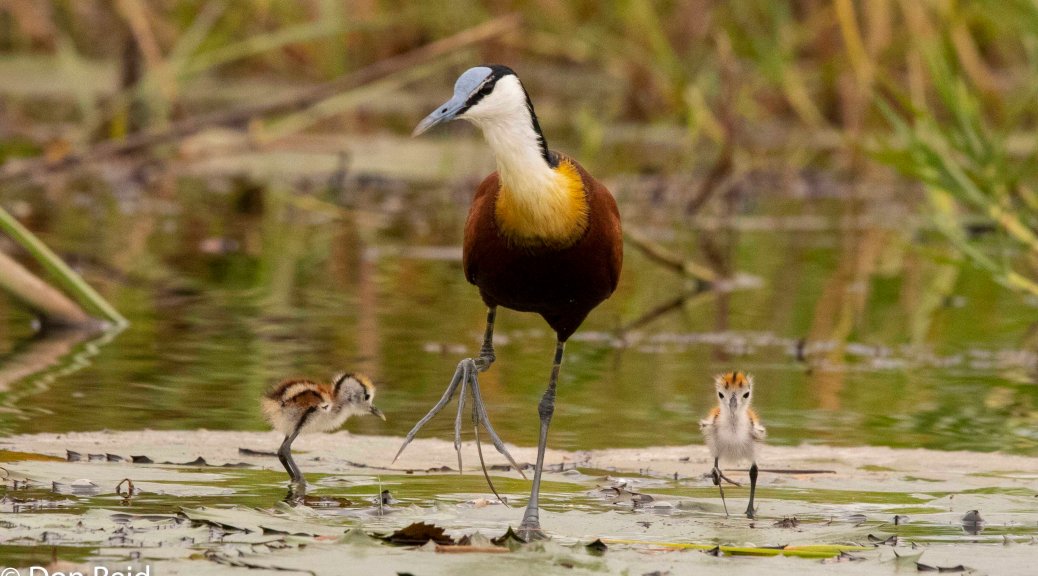
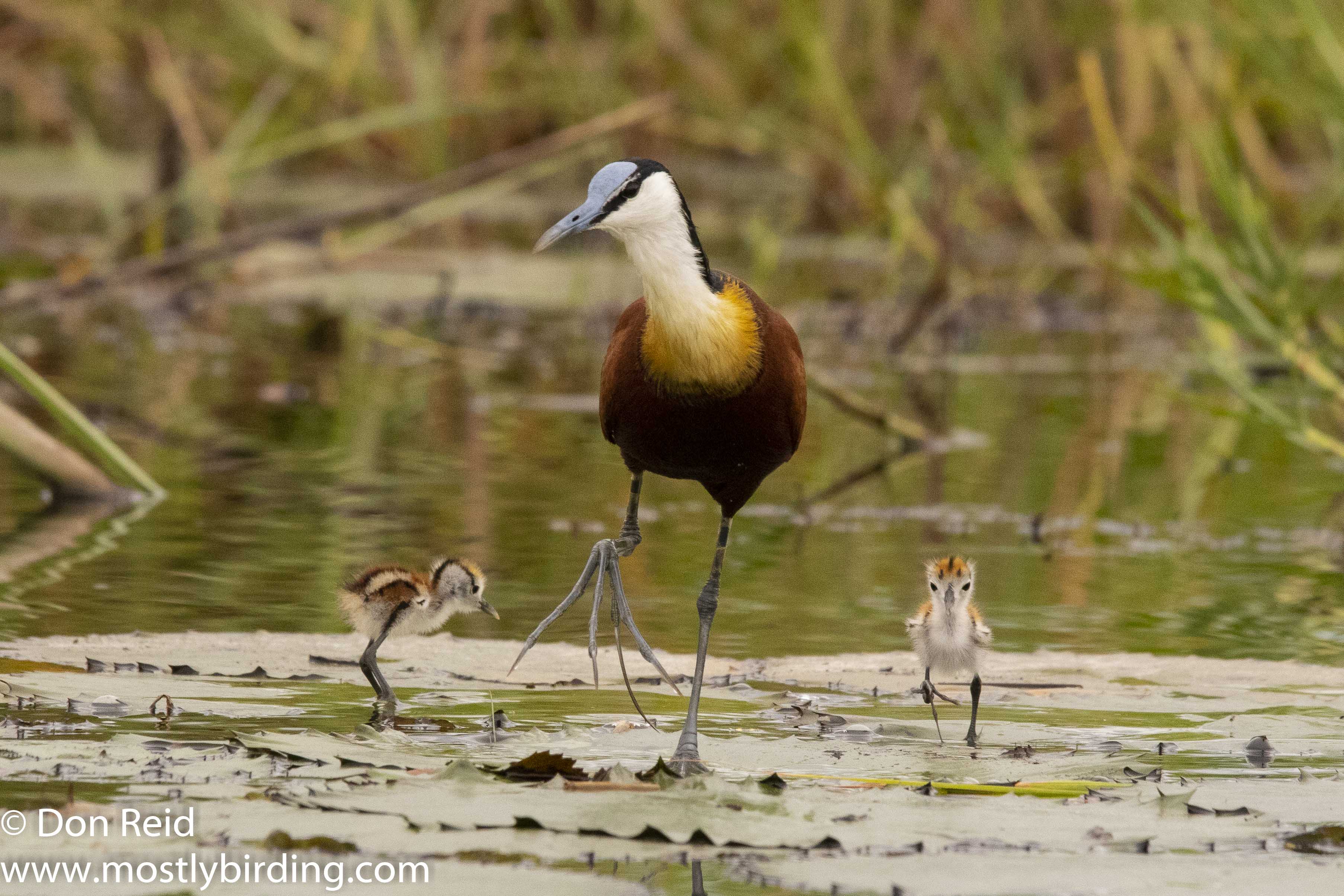
African Jacana with juveniles
African Jacana, Chobe River Trip
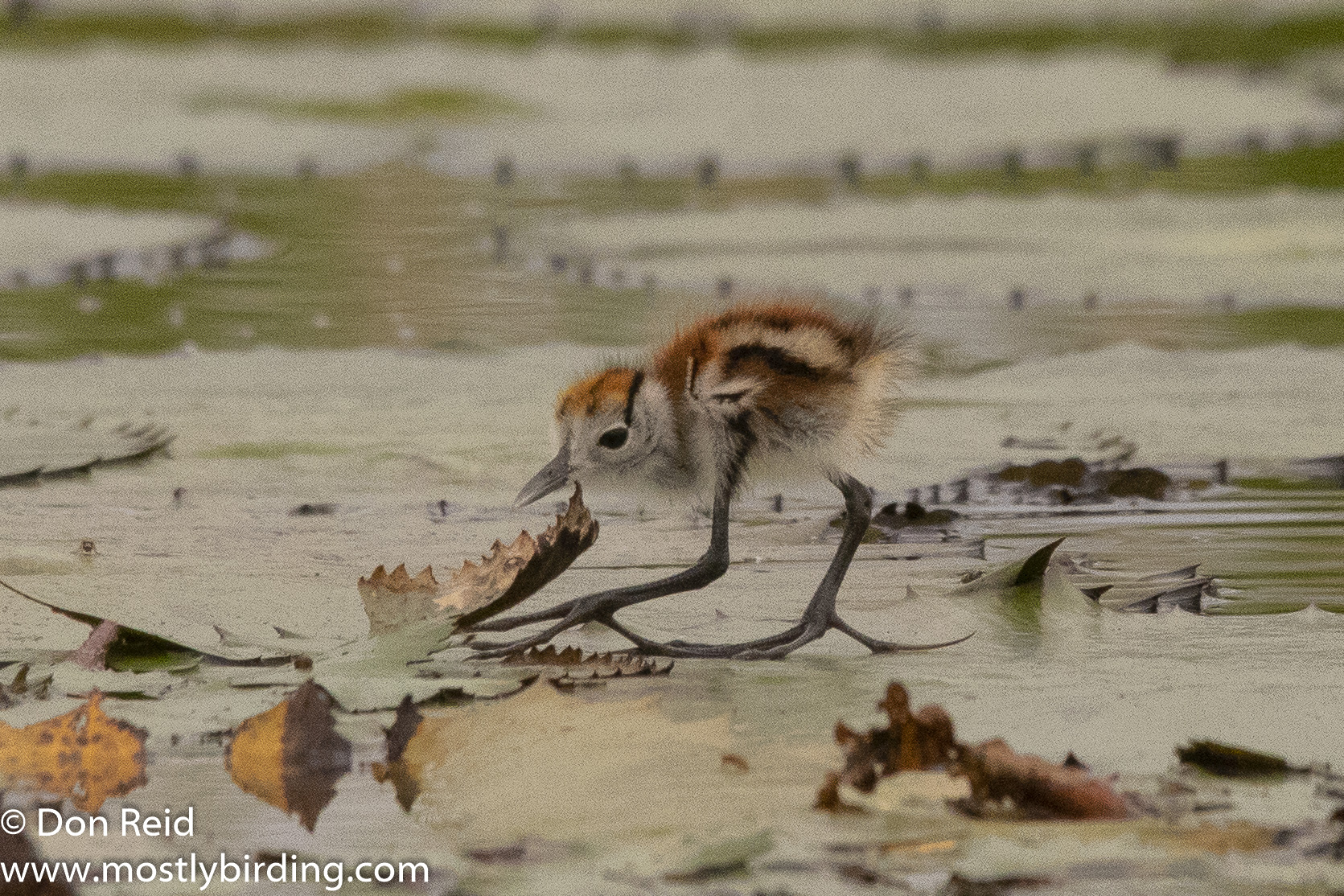
Juvenile African Jacana – a cute ball of fluff with legs longer than its body
African Jacana, Chobe River Trip
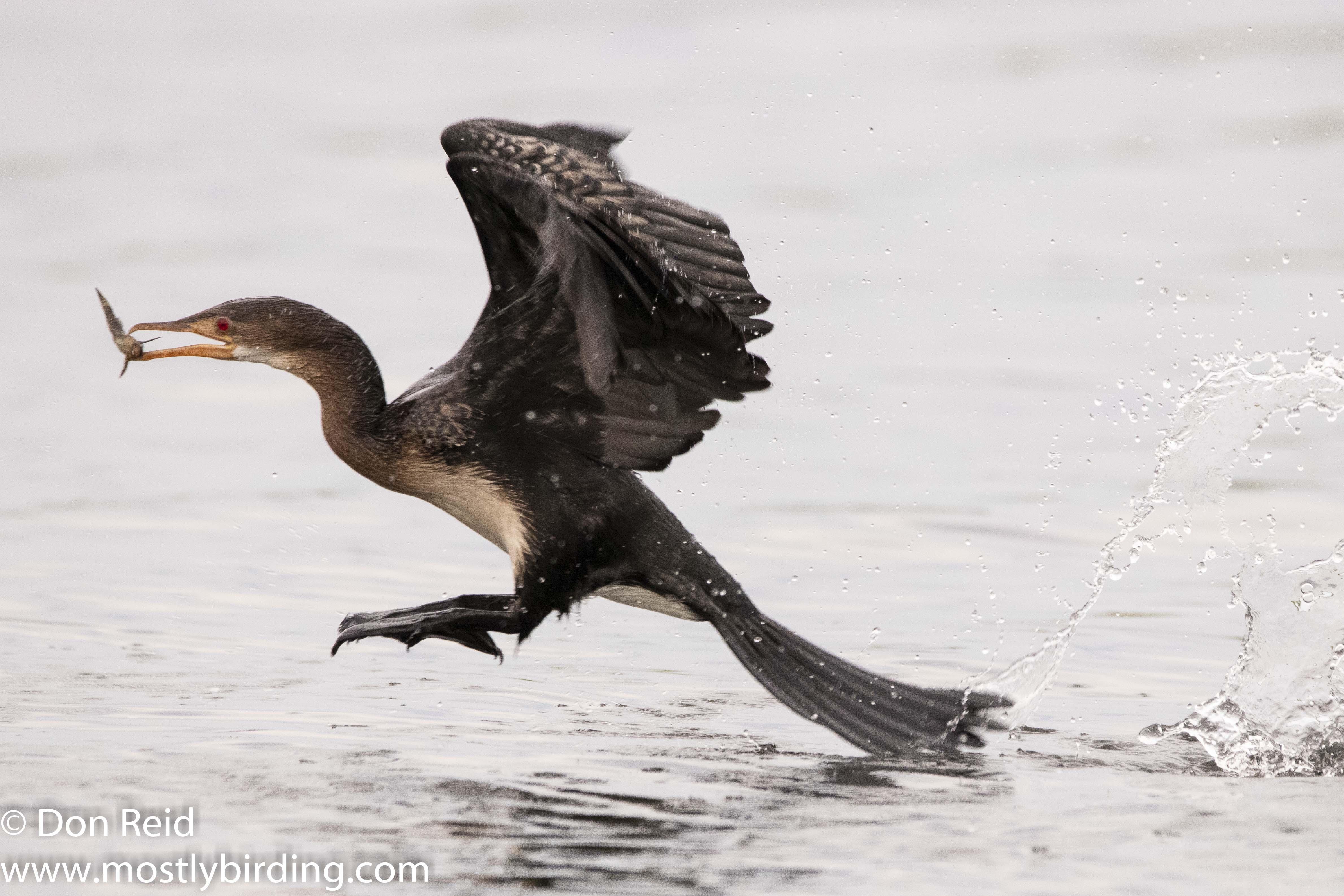
Reed Cormorant with catch
Reed Cormorant, Chobe River Trip
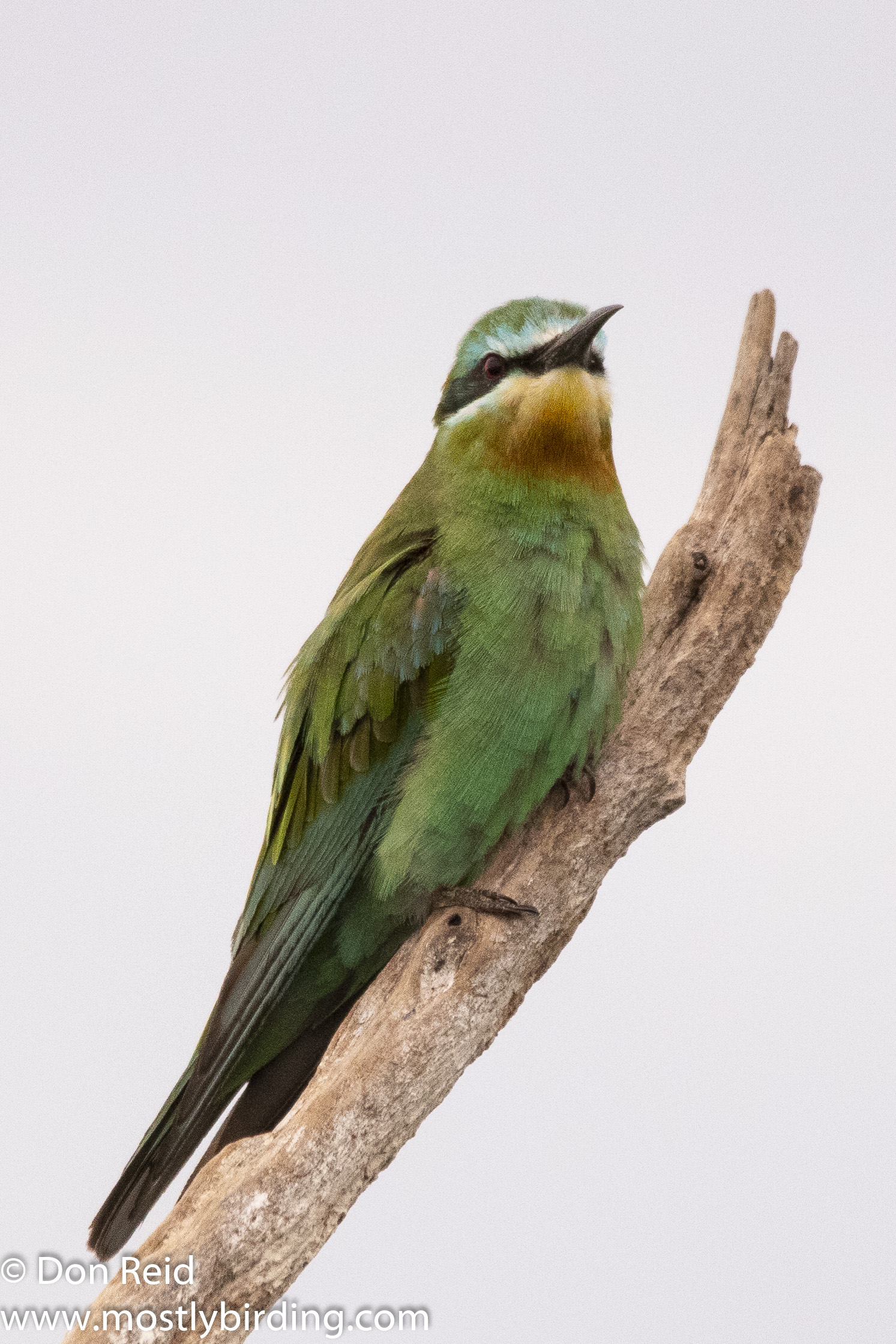
Blue-cheeked Bee-eater
Blue-cheeked Bee-eater, Chobe River Trip
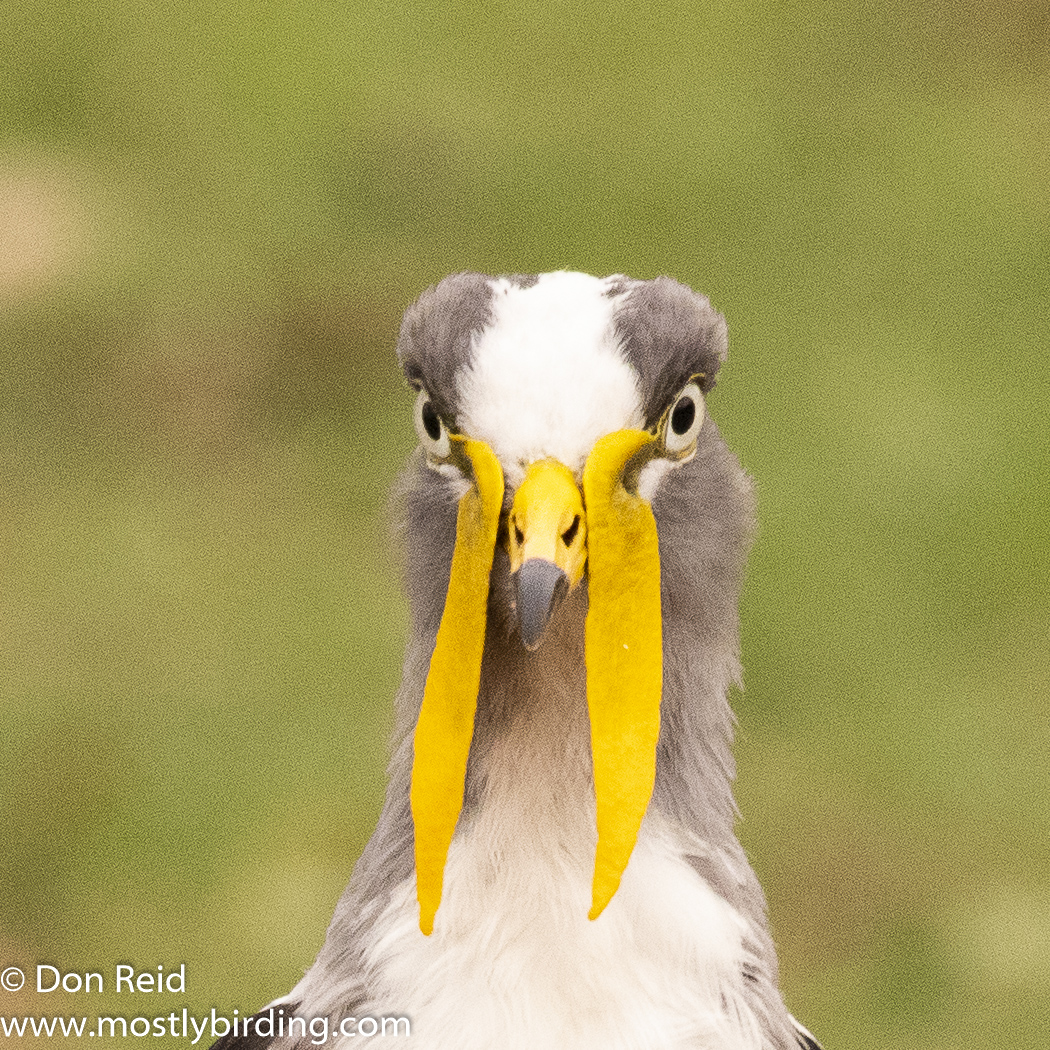
White-crowned Lapwing
White-crowned Lapwing, Chobe River Trip
Wishing all who may read this a 2019 that meets all of your expectations!