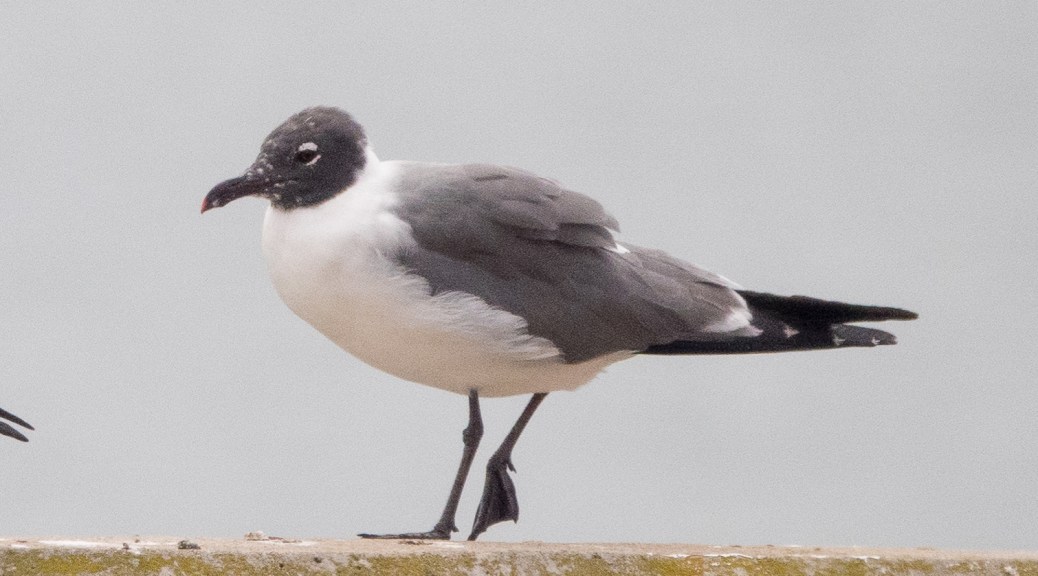
Laughing Gull in Mossel Bay – a Week to Remember

Some two years ago I posted about a memorable swim at Santos Beach in Mossel Bay, the coastal town that is our home for a large part of the year. On that occasion it was a unique spectacle of nature as hundreds of terns and gulls gathered to feast on shoals of anchovies that had come so far inshore that swimmers could literally scoop them from the sea. (https://mostlybirding.com/2020/02/18/a-swim-to-remember/)

In early February this year we witnessed an even rarer happening in Mossel Bay, which started on Sunday 6th February 2022 on that same beach – Santos – and continued throughout the week, spreading to the harbour area and as far as the Point.

The Story Begins

From sunrise on Monday morning, small knots of people could be seen gathering at strategic spots along the shoreline of Mossel Bay, many dressed in bush clothing, with binoculars draped around their necks and carrying ‘weapons’ of varying size, the latter often covered in camouflage material designed to conceal them.

Their actions were strange – one moment they would be gazing out to sea or scanning the beach and harbour with their binoculars, the next moment they would be on the run to a nearby vantage point, hiding behind anything they could find and pointing their ‘weapons’ at the object of their interest.

At other times they would stand around talking animatedly, checking their phones constantly, then at some signal rushing to their vehicles and driving anxiously to another of the favoured spots, there to repeat the procedure.

At the harbour, a designated National Key Point in South Africa, the gathered groups encountered some resistance to their endeavours, as security personnel approached menacingly, ordering them to refrain from entering the harbour area and from pointing their ‘weapons’ in the direction of the harbour.

This led to several verbal skirmishes and the mood of the increasing number of ‘attackers’ seemed to take a turn for the worse. However a message, possibly from a ‘Central Command’, had the groups heading off to one of the other points and calm returned to the harbour once again.

This continued throughout the day and for the rest of the week, with the initial groups of ‘attackers’ being replaced on a daily basis by new groups arriving from all over South Africa.

What was Going on?

It could only be one of two things –

  • the start of an armed insurrection, or
  • twitchers gathering to see and photograph the latest addition to the Southern African list of birds

I’m glad to say it was the latter, especially as I was initially responsible for starting the scramble to see this first time vagrant to our shores!

And the ‘weapons’ referred to in the story above are, of course, the long-lensed cameras favoured by birders (the ‘attackers’) trying to capture an image of the bird for their records.
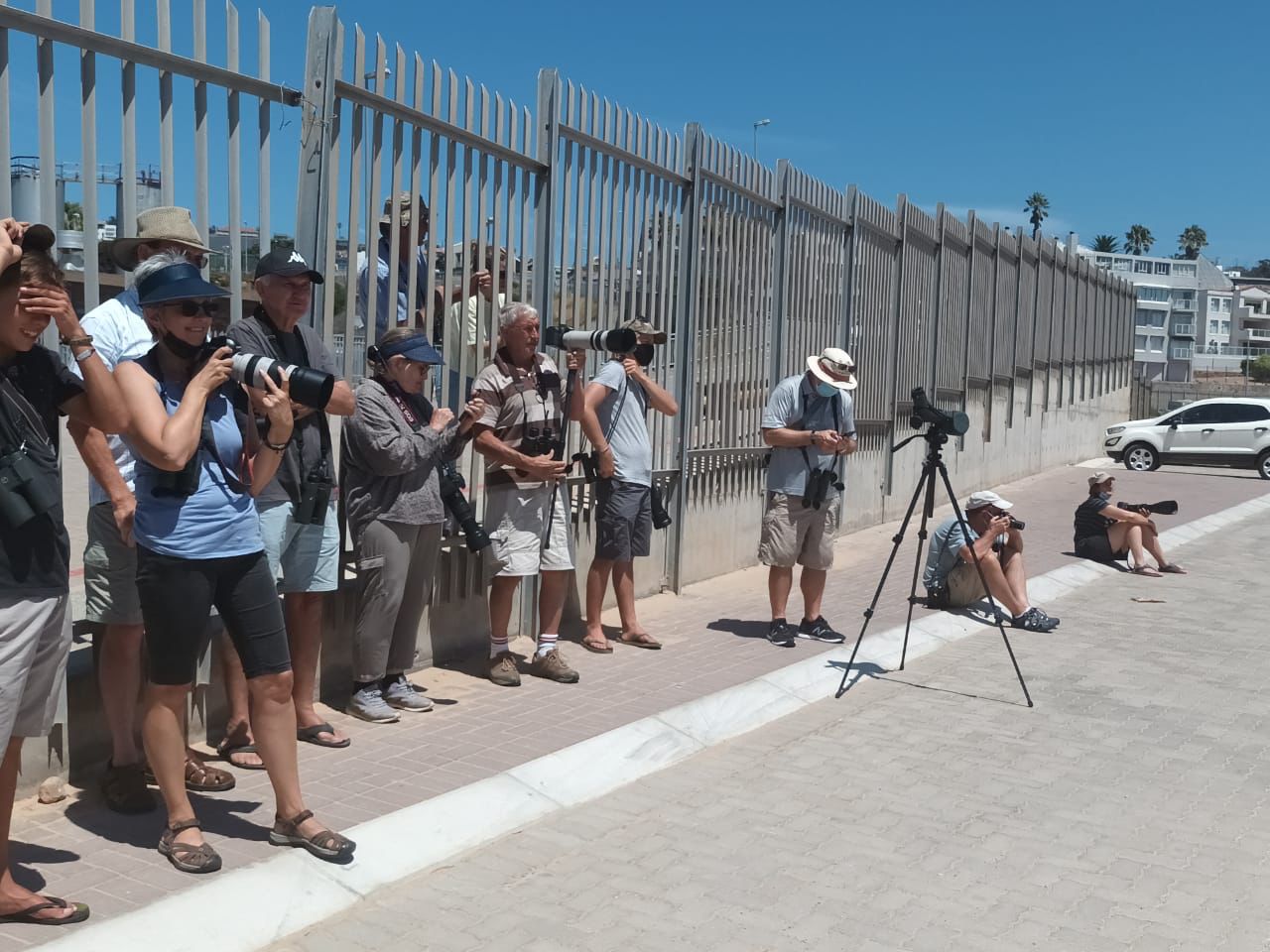
Twitchers outside the harbour (I’m the hidden one with the hat) (Image by Renette Furstenburg)

How it Happened

It all started with a trip to Santos beach with my daughter Geraldine and son-in-law Andre, for a late afternoon swim just after 6 pm on Sunday 6th February 2022. We parked and walked down the steps and across the grassy embankment towards the beach – ever on the lookout for birds, I noticed that there were about a dozen gulls in the fresh water pond that forms in the middle of the beach at the stormwater outlet, drinking and bathing at the end of a no doubt busy day of scavenging and resting.

As we got closer to the pond I stopped dead in my tracks, let out a mild expletive and said to Andre and Geraldine “That’s a Franklin’s Gull!” – it stood out like a sore thumb amongst the similar sized Grey-headed Gulls lined up at the pond, with its black hood and dark, slate grey wings contrasting with the mostly white head and pale grey wings of the similar sized gulls normally encountered in Mossel Bay.

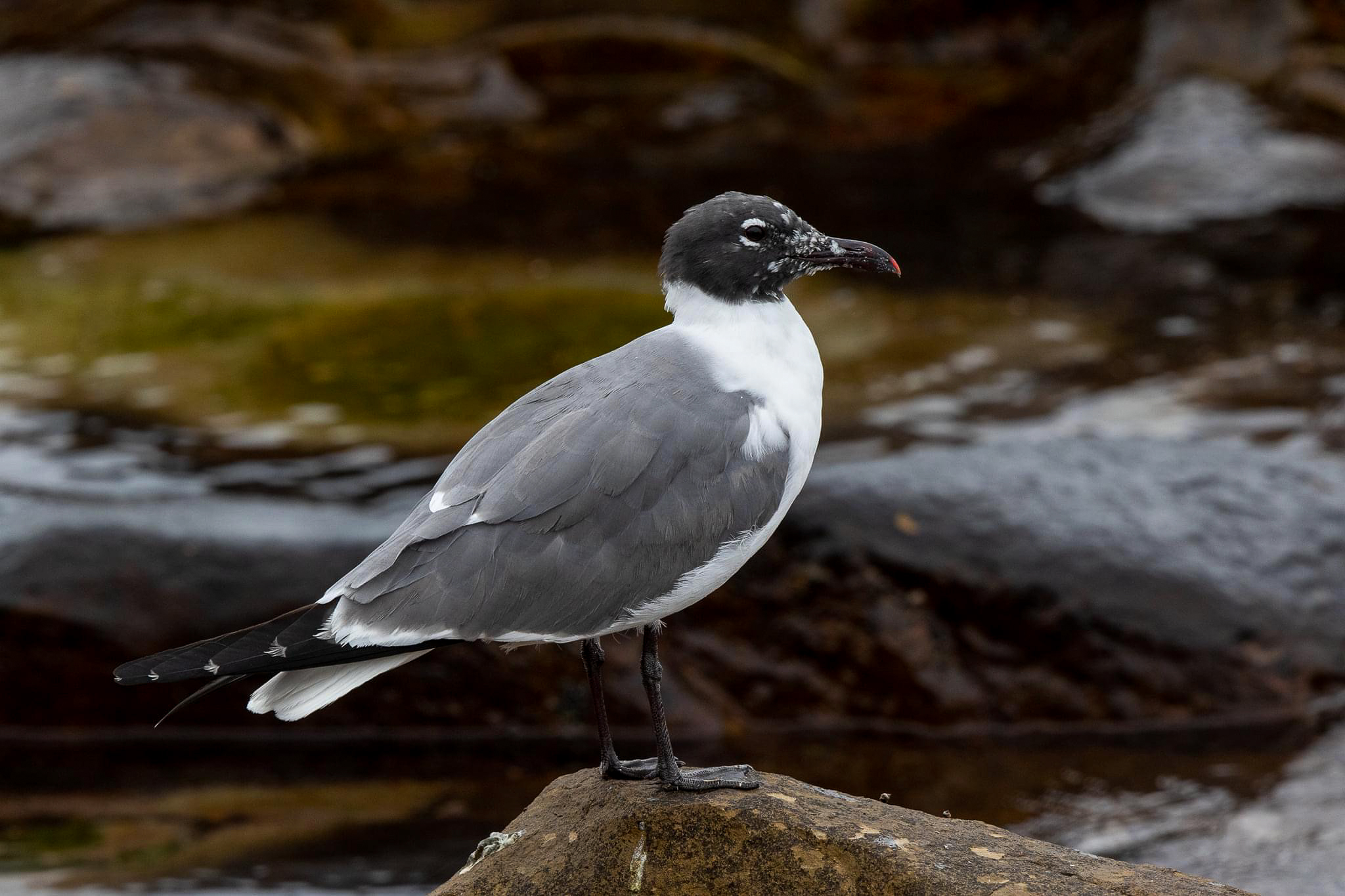
This excellent photo (by Estelle Smalberger the next day) best represents the view we had of the gull at the pond
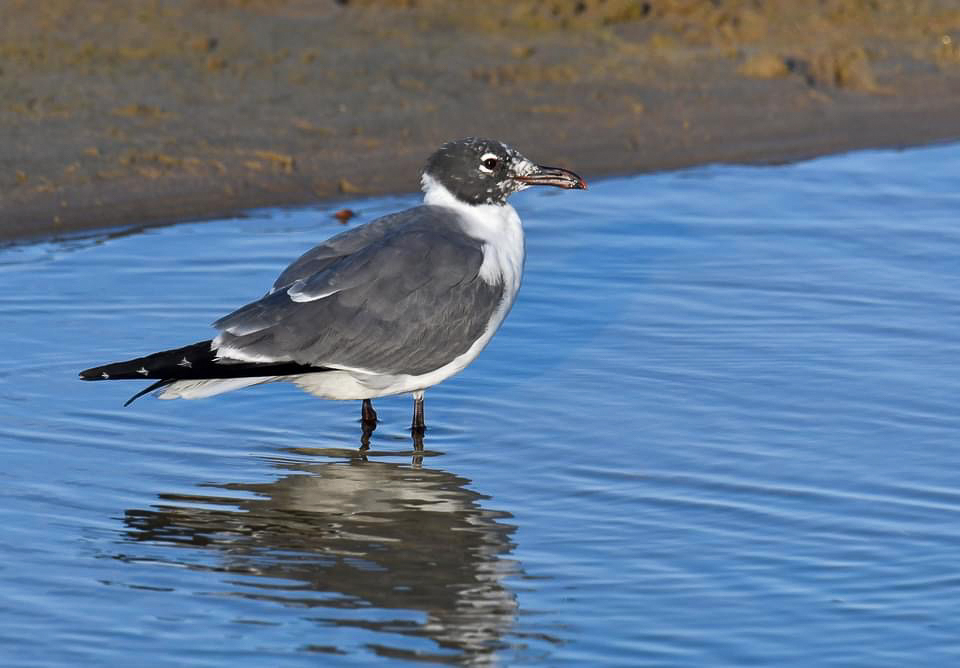
Laughing Gull, Mossel Bay (Image by Estelle Smalberger 7 Feb)

I had come to the beach for a late afternoon swim, so had none of my usual birding paraphernalia – no binos, no camera, not even my otherwise ever-present phone, so Andre dashed back to the car to get his phone. Geraldine and I stood and watched the gull intently while we waited but, as luck would have it, the gull finished drinking and bathing a few seconds before Andre got back and it flew off in the direction of the harbour.

I buried my head in despair for a few seconds, then shrugged it off and we enjoyed the swim we had come for.

Fortunately the gull had been quite relaxed and allowed us to approach within a few metres of its spot alongside the pond, so I was able to confirm in my mind the instinctive first ID of the gull as a Franklin’s Gull.

This was without any of the usual aids, simply based on having seen the species in Canada some years ago – the breeding plumage with full black hood and white eye crescents were what clinched it for me, without considering other possibilities……..I mean, no other gulls with a fully black hood occur in Southern Africa, so what else could it be ……. ?? (The Black-headed Gull, also an occasional vagrant, looks similar but its hood is a chocolate brown colour)

Once I got back home, I posted a message on the local birding whatsapp group, at 8.13 pm to be precise, suggesting that all keep a lookout for a “Franklin’s Gull” in the Mossel Bay area.

At the same time I recorded the sighting on my Birdlasser app which shows the location of the sighting on a map (this shows the corrected species name)

Some time later, at 9.32 pm, Rudi Minnie responded with some amazement and undertook to be at Santos beach at first light on Monday morning.
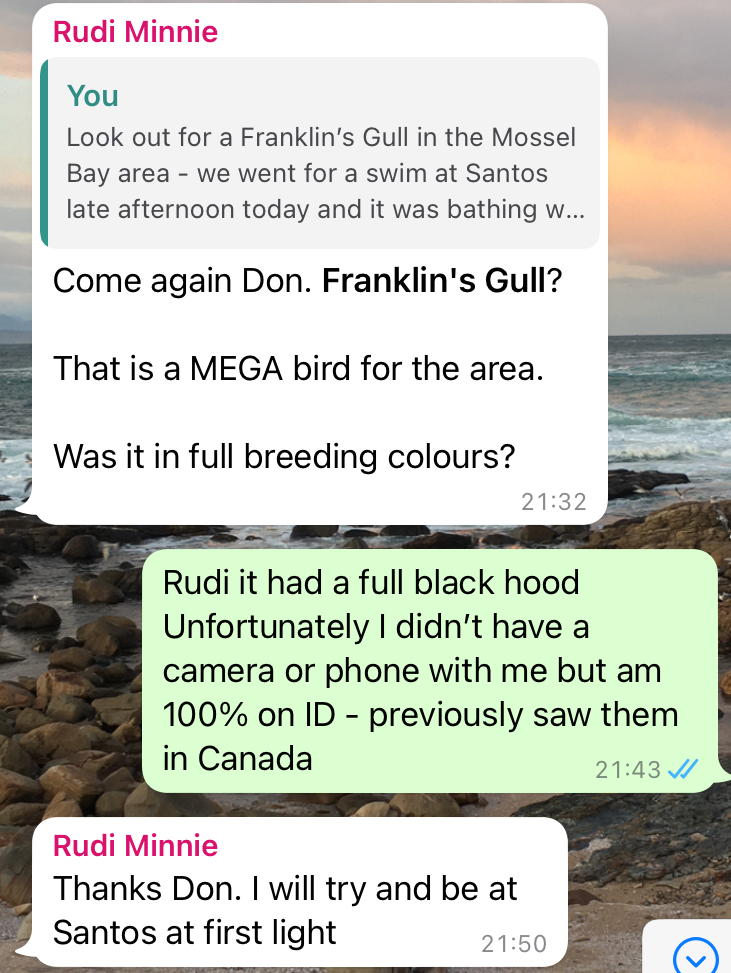
And there I left it, happy that I had spotted a rarity, one that is recorded only sporadically along the west and east coasts of South Africa and one that would no doubt be of interest to a few birders ……

Monday dawned sunny and warm and I headed out early to the Vleesbaai area where another rarity – a Baillon’s Crake – had been reported, my plan being to hopefully find it and atlas the pentad at the same time. While waiting patiently for the crake to put in an appearance (one juvenile popped out briefly, too quick for a photo) I kept an eye on the messages from those looking for the “Franklin’s Gull”.

First to confirm it was Edwin Polden at 6.42 am and Rudi Minnie shortly thereafter, followed by the first photos at 7.01am.
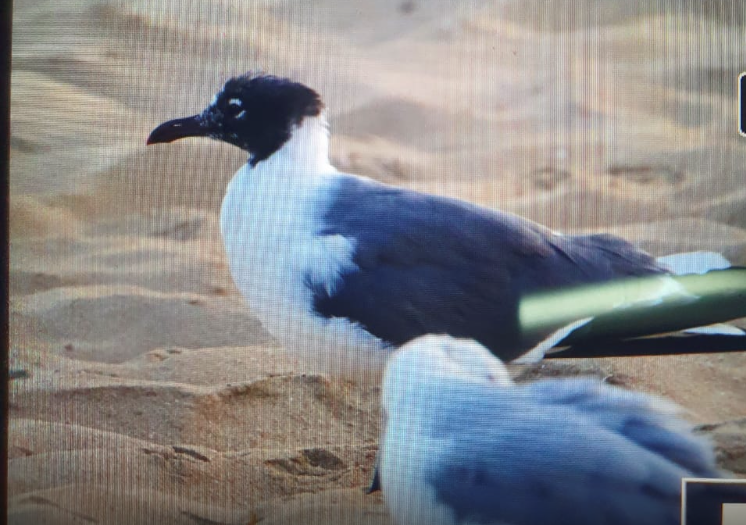
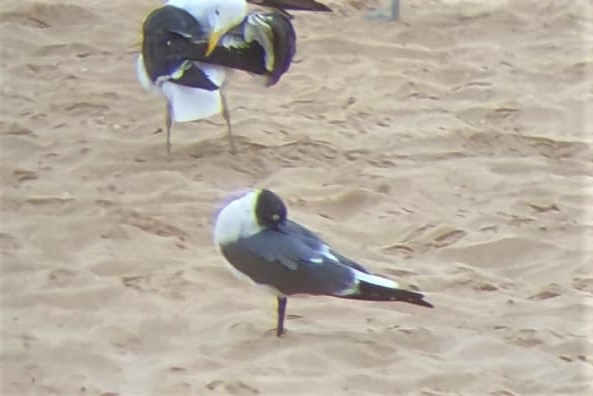
Laughing Gull, Mossel Bay (“Back of camera” Image by Edwin Polden 7 Feb)
Laughing Gull, Mossel Bay (Image by Rudi Minnie 7 Feb)

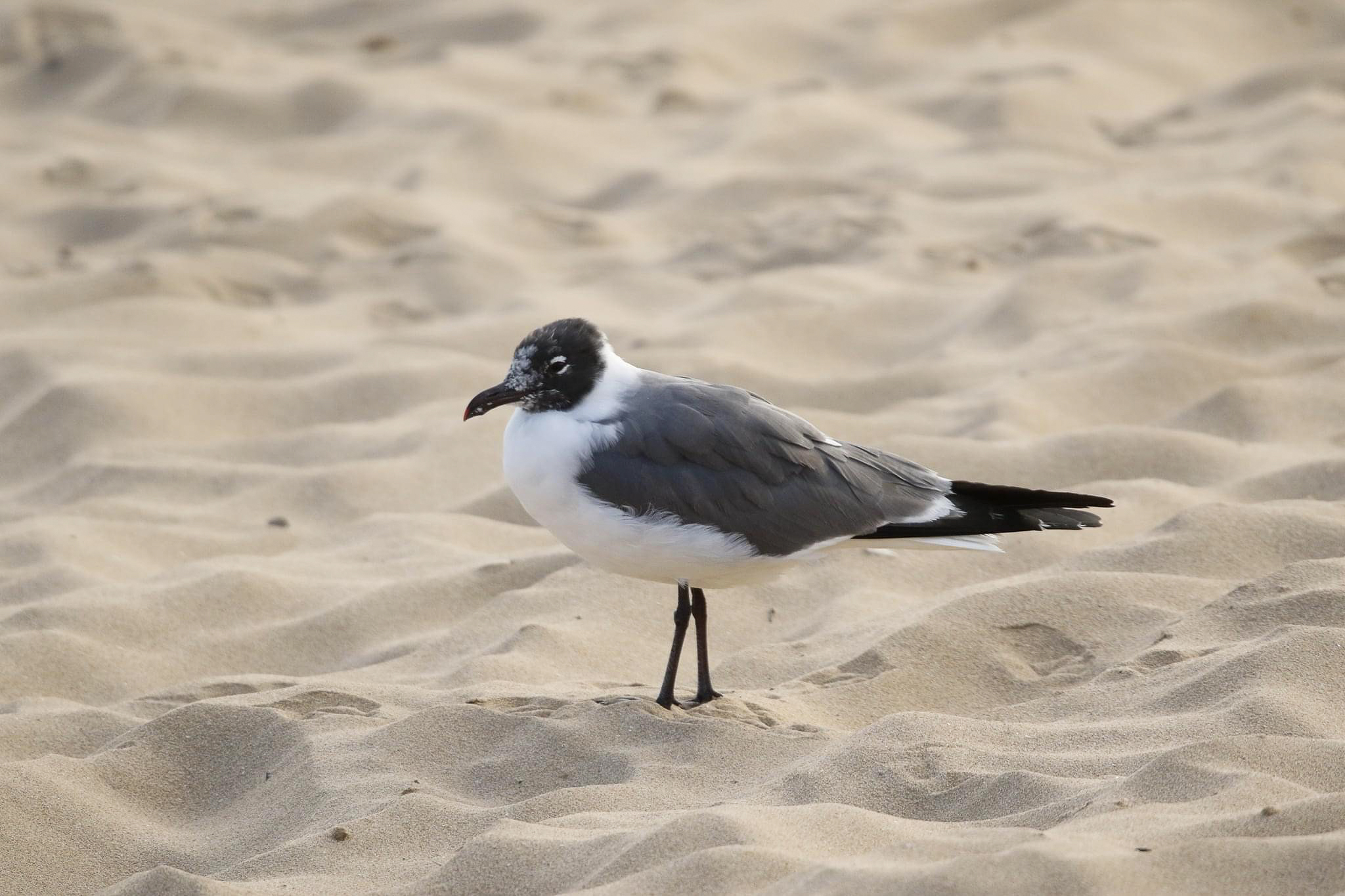
Some other Mossel Bay birders followed up with their own photos, providing more detail of the gull’s features
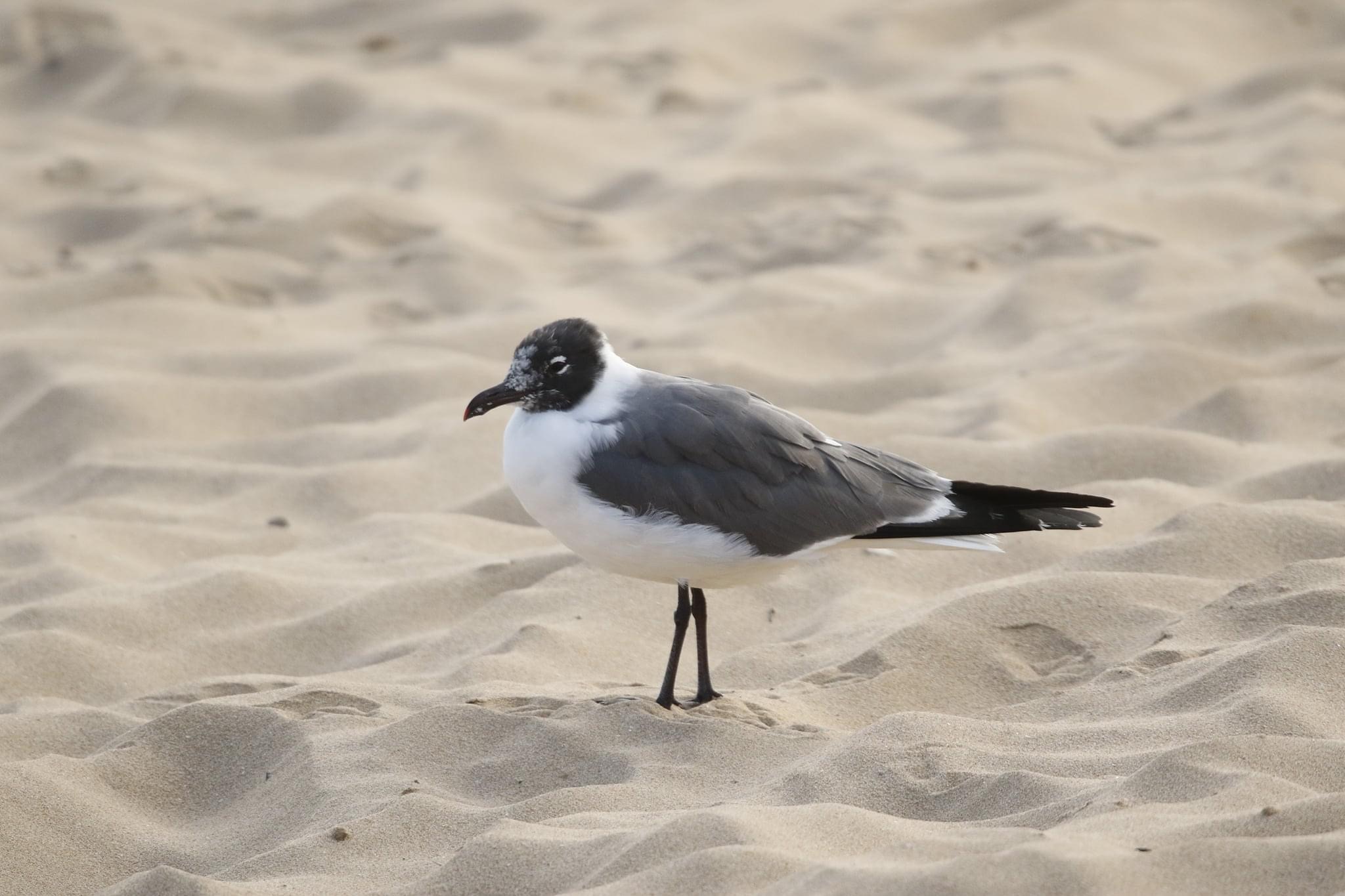
Laughing Gull, Mossel Bay (Image by Tersia Marais 7 Feb)

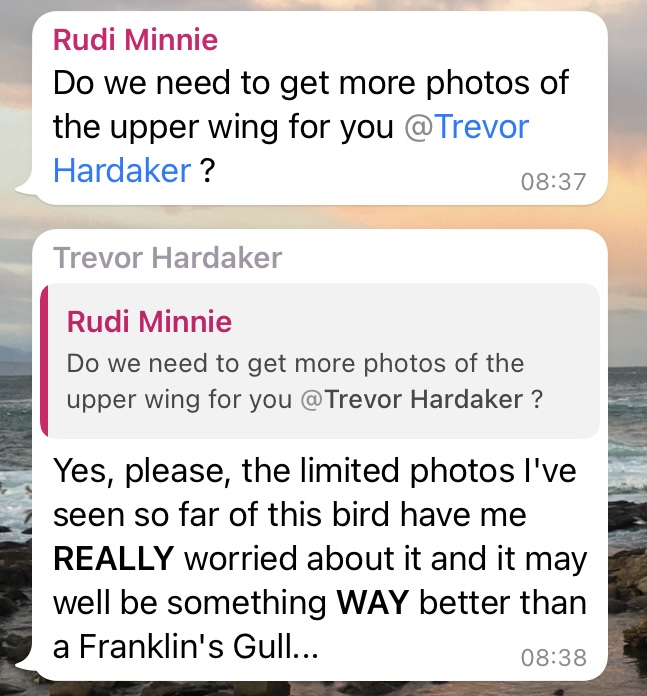
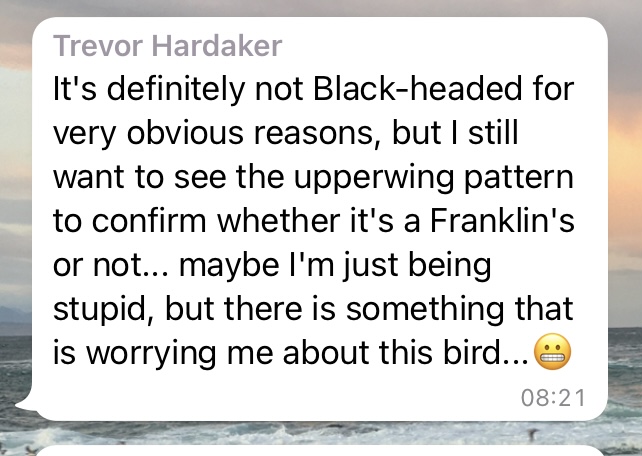
Trevor Hardaker, chair of the SA Rarities Committee and the undisputed ‘king’ of rarities in Southern Africa joined in the discussion, expressing his concern about the initial ID and imploring photographers to send a photo of the gull’s upper wing colouring. There was some speculation about his reason for this request, which became more urgent as the minutes ticked by.

Fortunately Estelle Smalberger was able to post a photo showing the upper wing of the gull with all-black wingtips –

Laughing Gull, Mossel Bay (Image by Estelle Smalberger 7 Feb 08.53am)

and the reaction from Trevor was instantaneous :
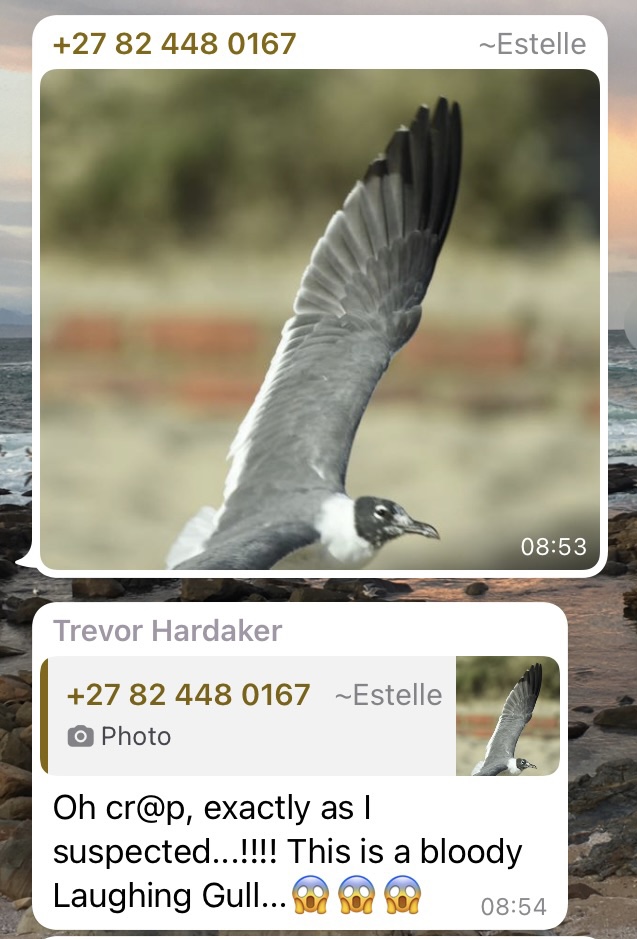
Some 7 minutes later Trevor sent an email alert to the thousands of subscribers around Southern Africa to let them know about this ‘Giga’ rarity, a new species record for the sub-region, which had many of them, including Trevor himself, re-arranging their lives to get to Mossel Bay without delay and hopefully see the gull.

Laughing Gull vs Franklin’s Gull

It took the expertise of Trevor Hardaker to correctly ID this gull and it was based on the differences in upper wing pattern which are nicely illustrated in these excerpts from a guide book which he posted

This is the Laughing Gull – (in non-breeding plumage so without the black hood)

Laughing Gull Illustration

And this is the Franklin’s Gull –

Franklin’s Gull Illustration

The Reaction

The reaction after Trevor sent out the alert was not unexpected – there are a number of birders in the region who will go to any lengths to add a species to their lists for the southern African sub-region and this new species presented a golden opportunity for the ultra keen twitchers. Some must have literally upped and rushed to the airport and found a seat on a flight to George, as the first arrivals from Gauteng were in Mossel Bay that same afternoon.

Others made quick arrangements and drove long distances to Mossel Bay from all over SA. This continued throughout the week, with clutches of anxious twitchers staking out the favourite spots and sharing messages until they too were able to ‘tick’ this new species and get a photo or two.

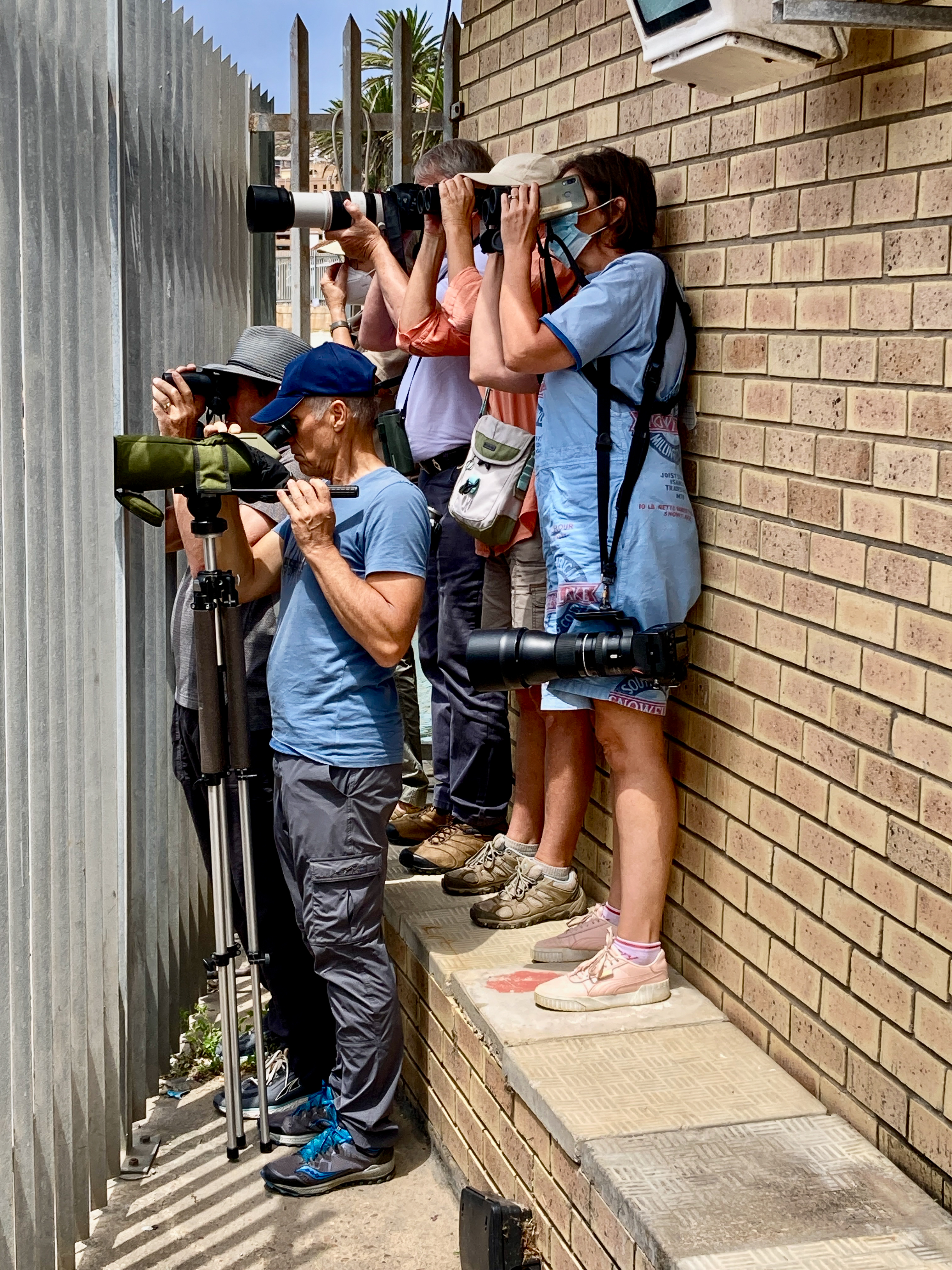
Laughing Gull twitchers near the tidal pool in Mossel Bay (Image by Justin Ponder 8 Feb)

The gull became a celebrity visitor overnight and by far the most photographed bird in SA that week as several hundred birders descended on the town over the 6 days it remained there.

Here is a selection of photos posted on Facebook and Whatsapp groups –
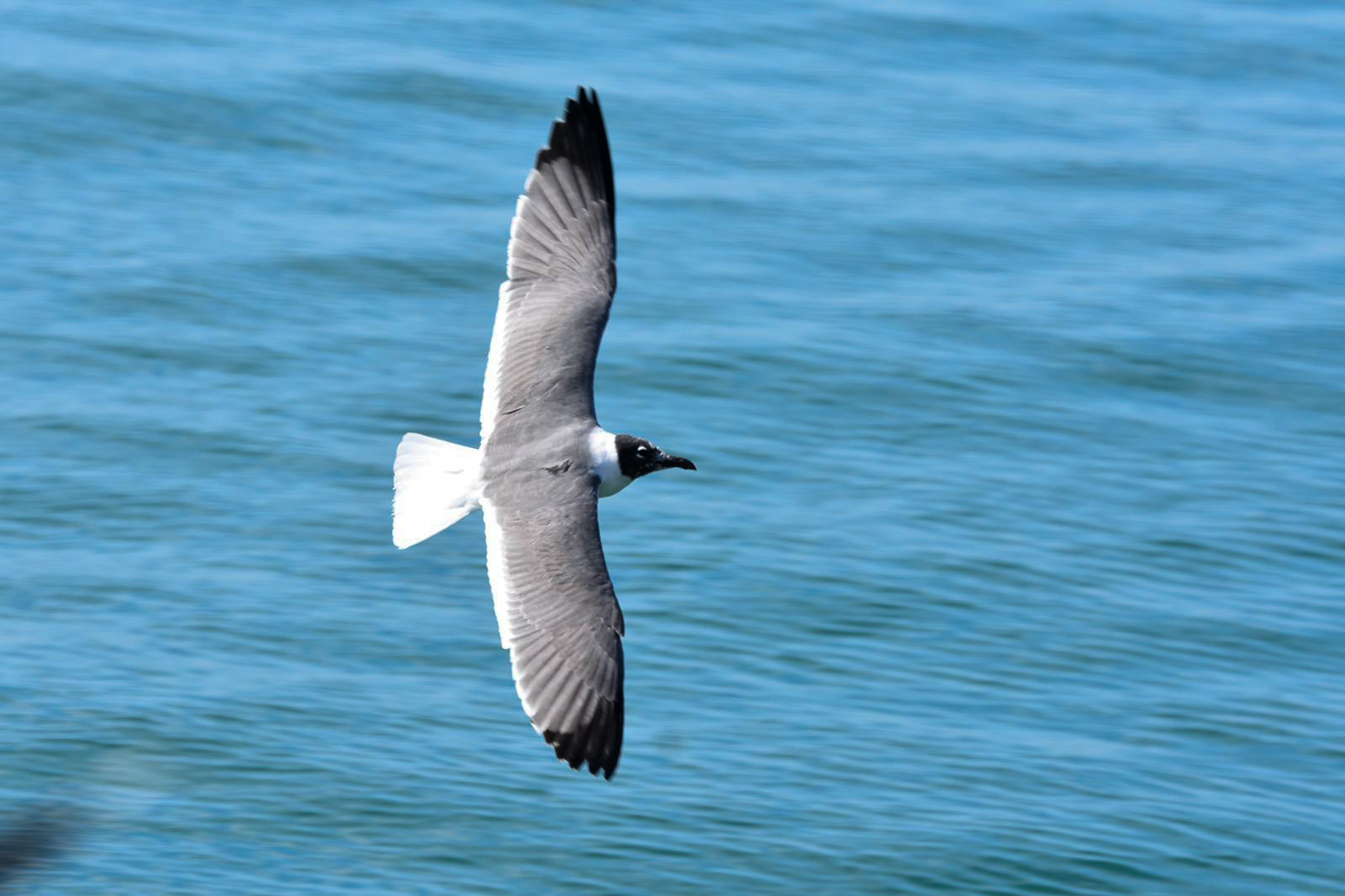
Laughing Gull, Mossel Bay (Image by Justin Ponder 7 Feb)
Laughing Gull, Mossel Bay (Image by Barry Scott 9 Feb)
Laughing Gull, Mossel Bay (Image by Elmarie Brits 7 Feb)
Laughing Gull, Mossel Bay (Image by Johan Grobbelaar)
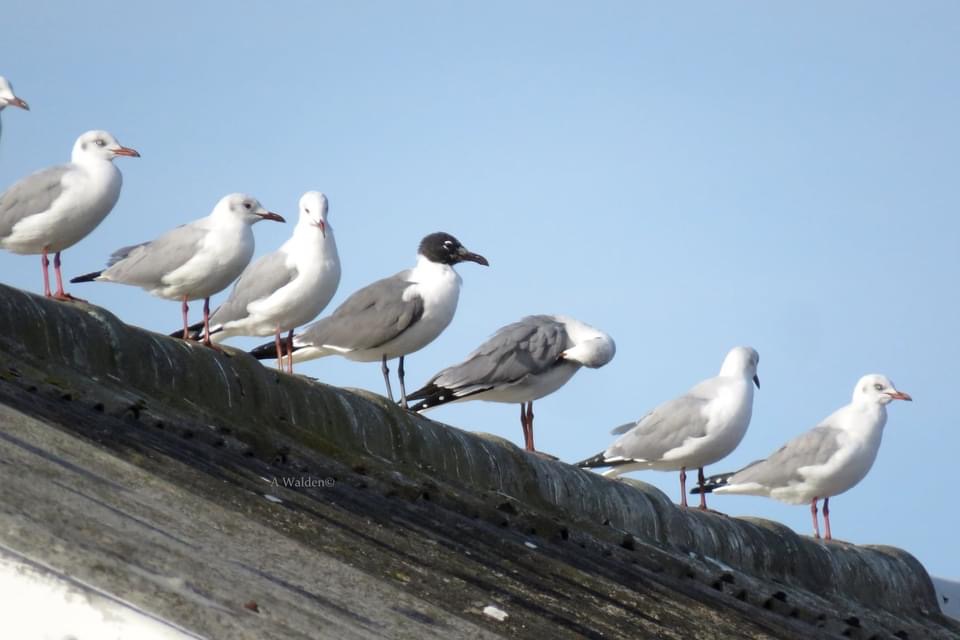
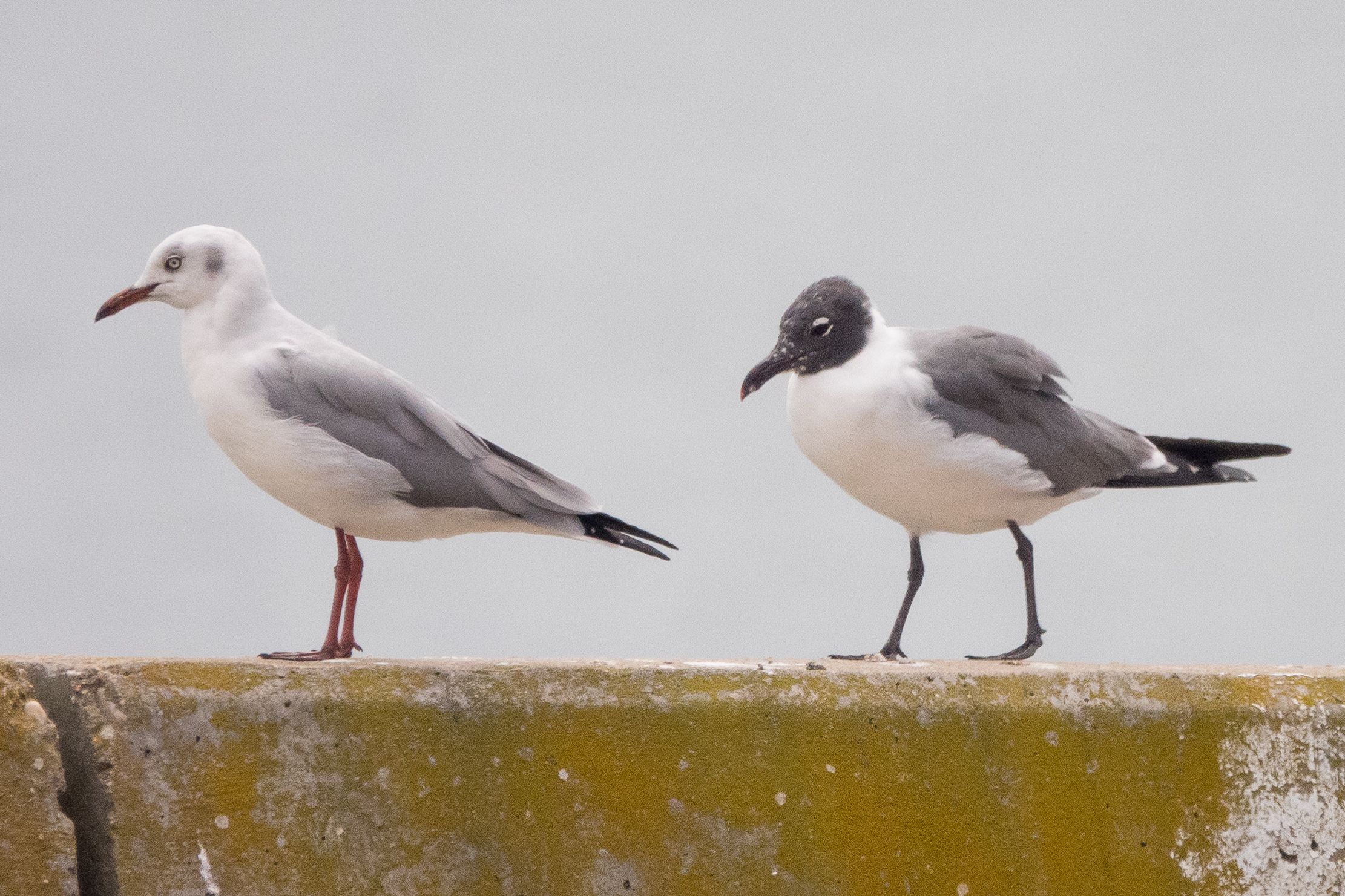
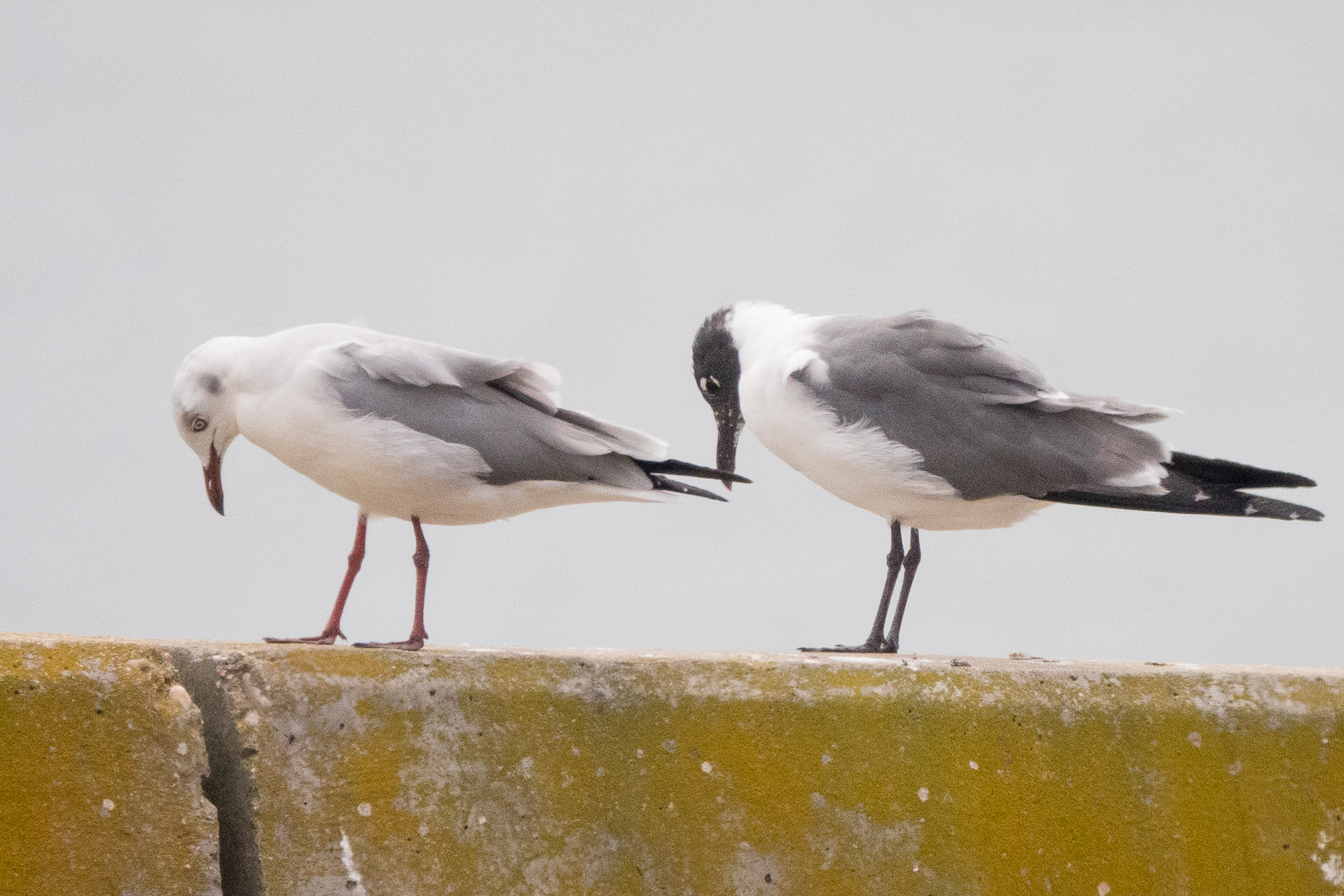
Laughing Gull amongst a group of Grey-headed Gulls (Image by Amanda Walden)
Laughing Gull, Mossel Bay ‘behind bars’ – actually inside the restricted harbour area (Image by Amanda Walden)

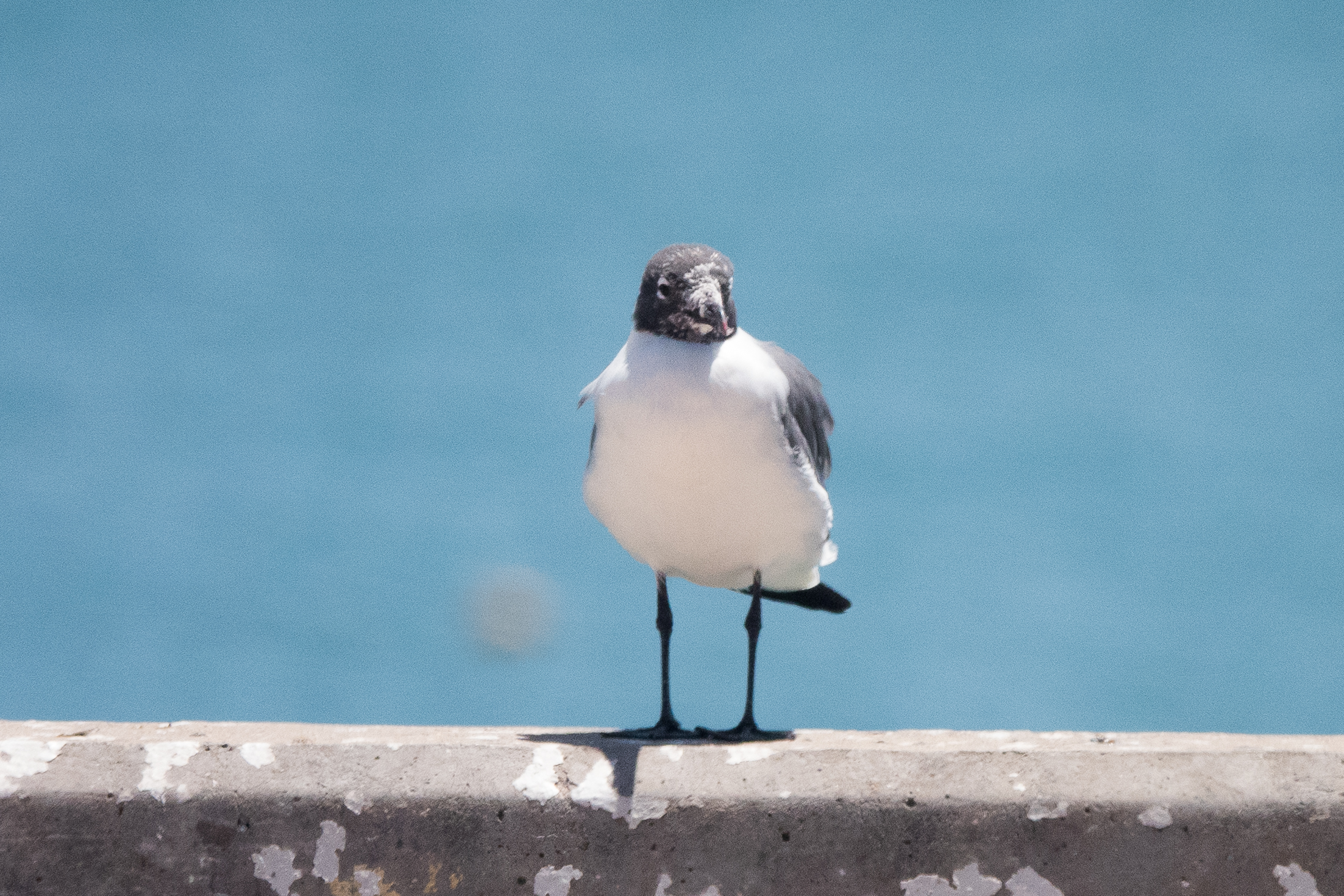
I managed to get a few images of the gull when it was perched on the wall near the harbour
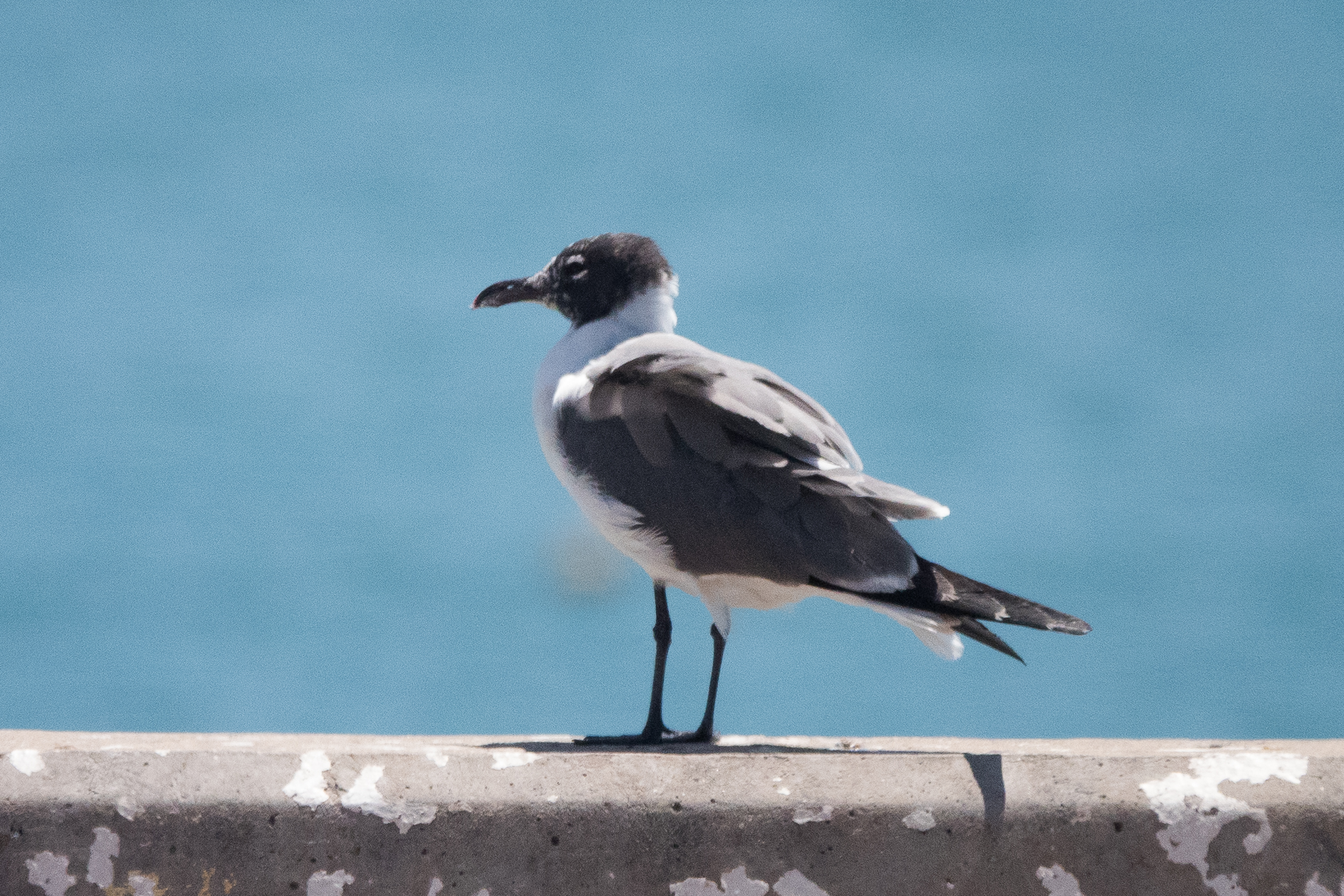
Laughing Gull, Mossel Bay (Image : Don Reid)

In The News

The presence of the celebrity gull soon spread to the newshounds and articles were published in several newspapers – at first the local Mossel Bay and George papers carried the story which then spread to the Cape Town newspapers. It even made the national SABC newscasts.
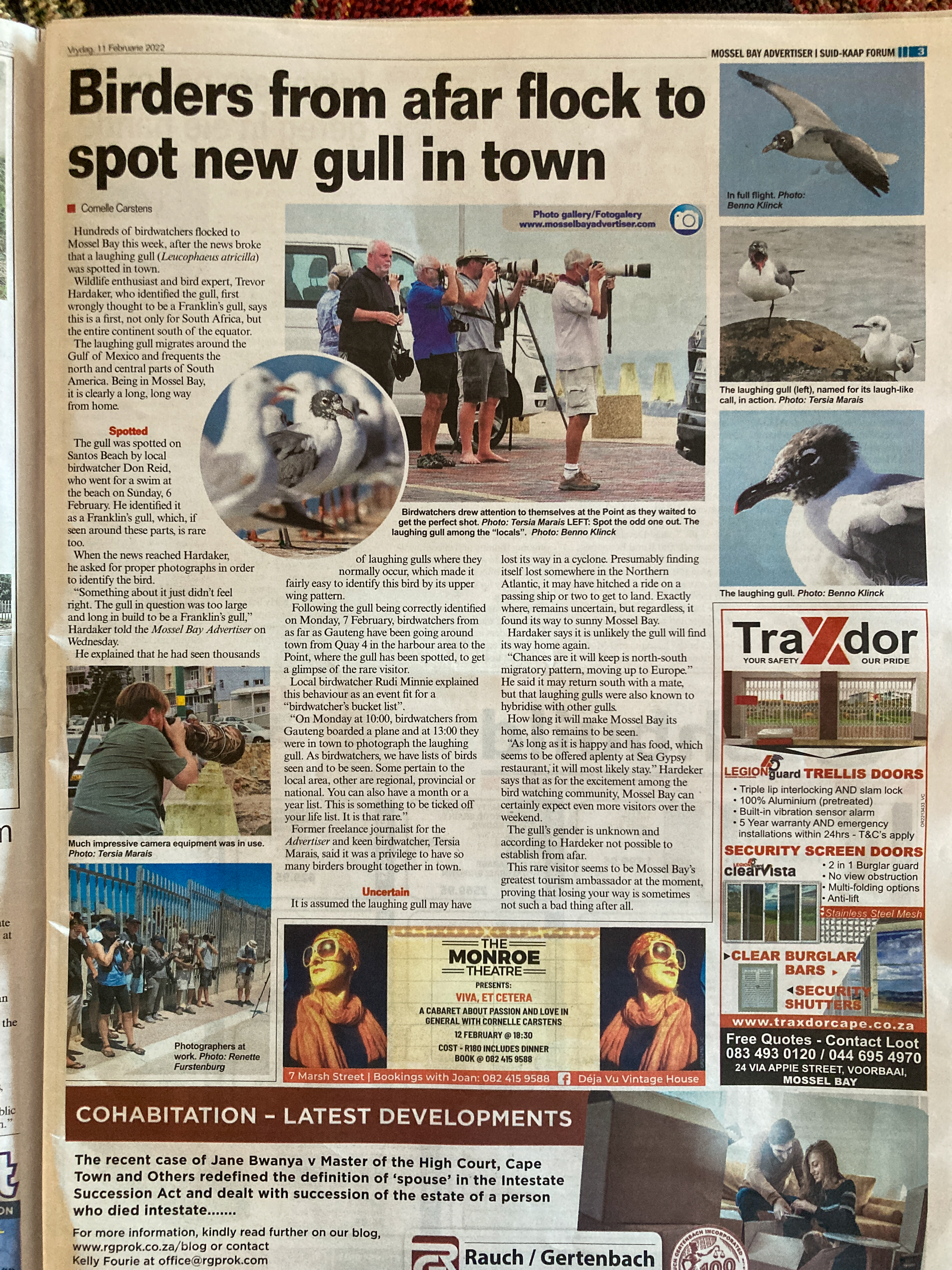
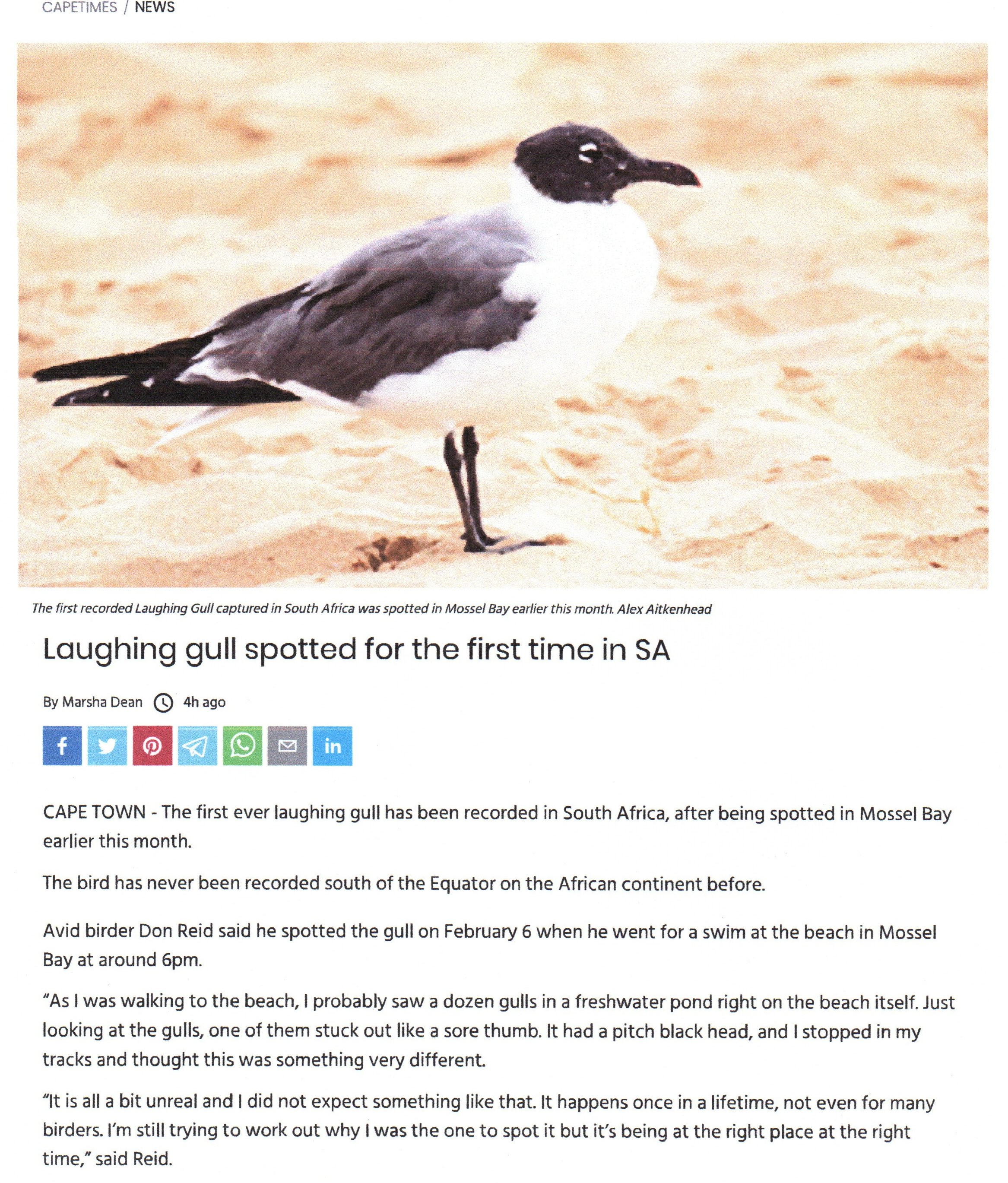
Mossel Bay Advertiser

Laughing Gull Leucophaeus atricilla (Roetvlerkmeeu)

Laughing Gulls, named for their raucous call which sounds like a high-pitched laugh, are monogamous and form long-term pair bonds. They breed in large colonies from April to July on the Atlantic coast of North America, the Caribbean and northern South America.

They are coastal birds found in estuaries, salt marshes, coastal bays, along beaches (where I first found it) or on agricultural fields near the coast. My previous (only) sighting of Laughing Gull was on the Varadero Peninsula on the north coast of Cuba during a memorable visit some years ago.

Laughing Gulls are gregarious birds, noisy and aggressive in nature and don’t hesitate to steal the prey of other birds.

Illustrations from Collins Bird Guide app

Topmost in many birder’s minds was the question “How did it get to Southern Africa?”. That’s an impossible one to answer but several ideas were postulated such as –

  • there have been numerous previous vagrant records in the UK and western Europe so perhaps this was another which then proceeded to migrate south as it would normally do in its home territory and only stopped when it reached the southern end of Africa
  • ship-assisted vagrants are not unknown so perhaps it hitched a ride on a ship that passed Mossel Bay, from either east or west and thought, as we do, that it looked like a rather nice place to spend some time

And that sums up the newest addition to the Southern African bird list. Trust Faansie Peacock to be the first to add it to his brand new birding app called Firefinch, due to be fully launched this year, already partly available

New page added to Faansie Peacock’s “Firefinch” birding app

What a shame that the handsome Laughing Gull stayed in Mossel Bay for just a week – the following Sunday it was nowhere to be found…… who knows where it went next and whether this species will ever be seen in the Southern African region again.

Image from animalia.bio

But it had provided a lot of excitement for the birding community during its short stay!

An Ostrich Encounter

My last post (“Birds on the Beach”) highlighted one of Southern Africa’s most iconic birds, the African Penguin. This time the spotlight falls on another iconic species, this one being about as far removed from penguins as it is possible to imagine. Not that I had intended to write about this species at this juncture, but it drew attention to itself in ways that I simply could not ignore…..

Here’s how it happened –

I was on an atlasing trip out of Mossel Bay, which I try and do once a week, and was heading along a minor gravel road north-west of the town. After many years I have found that the most efficient way of atlasing (recording species in a defined area called a pentad) requires a combination of very slow driving, with windows open to pick up bird calls, combined with regular stops to get out of the car and scan the habitat all around.

Just as an aside, the ‘window open’ part had already paid huge dividends when I picked up a call which sounded warbler-like, emanating from roadside bush. I stopped and got out to listen carefully and when the bird carried on its warble I recorded it on my Iphone, knowing that it would probably not show itself and I would have to ID it on call alone.

This was fortunate as I realised that it could be a Marsh Warbler, considered a rarity in the Western Cape, which I duly reported to the SA Rare Bird News along with my recording. It was confirmed by Trevor Hardaker who runs the news service and he included it in that evening’s emailed report.

Anyway, back to the main theme of the post –

At one of my stops next to a wide field, I noticed a lone male Common Ostrich on the far side and, as I did so, he began trotting in determined fashion towards where I was standing alongside my SUV.

‘Hello’, I thought, ‘this could be interesting’ – but my camera was in the car and the ostrich was approaching quickly so I grabbed my phone, set it to video and started filming. Halfway across the field the ostrich stopped and called, a deep booming call that has been likened to that of a lion in the distance.

Turn your sound up to maximum to hear the call….

The ostrich continued coming towards me until it was just a few metres away, then suddenly went down onto its haunches and performed its courtship display, swinging its neck from side to side with wings spread wide. At that stage I was glad of the fence separating us – who knows what he might get up to next!
Still not satisfied that he had attracted my attention, it seems, the ostrich came even closer, just a metre or two from where I stood amazed, with just a flimsy fence separating us, and once again performed the courtship display.

This is when I believe the ostrich started having second thoughts about my suitability as a partner and he went behind the bushes for a minute or so then reappeared, giving me the once over and, I imagined, showing signs of mild doubt, even confusion as he eyed me from behind the bushes. That final tail flip is very telling…

I decided not to confuse the misguided bird any further and drove on….

However, I couldn’t help wondering about this strange encounter for the next day or two and came up with a few possibilities to explain it –

  • It was a very short-sighted ostrich
  • It was very lonely in that field all on its own
  • It was trying to prove its ‘wildness’ so that I might be persuaded to add it to my records for the pentad list*

* This last one probably needs some explanation for those not familiar with atlasing protocols and the status of the Common Ostrich in the southern Cape. Ostriches in this part of South Africa have been farmed for well over 100 years and most ostriches encountered are in fact of the ‘domesticated’ type, although not distinguishable from ‘wild’ ostriches which are generally only found in game and nature reserves. Atlasing protocols allow for recording of ‘free flying’ birds only which translates to ‘wild’ birds in the case of ostriches which of course are flightless, so none of the ostriches in the farming areas will be eligible.

  • Oh, and there’s one more possibility – perhaps I look more like a female ostrich than I had previously imagined….. Here’s a recent photo of me to let you decide

Birds on the Beach

Now these are not just any old birds on any old beach that I’m referring to, both the birds and their beach habitat are – well – very special and wonderfully unique.

Let’s start with the beach …….

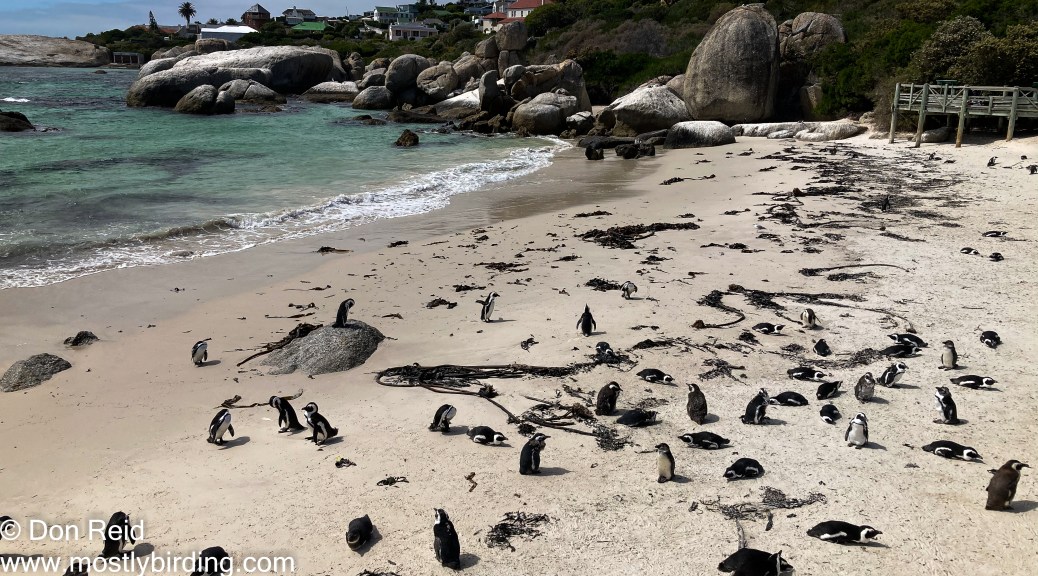
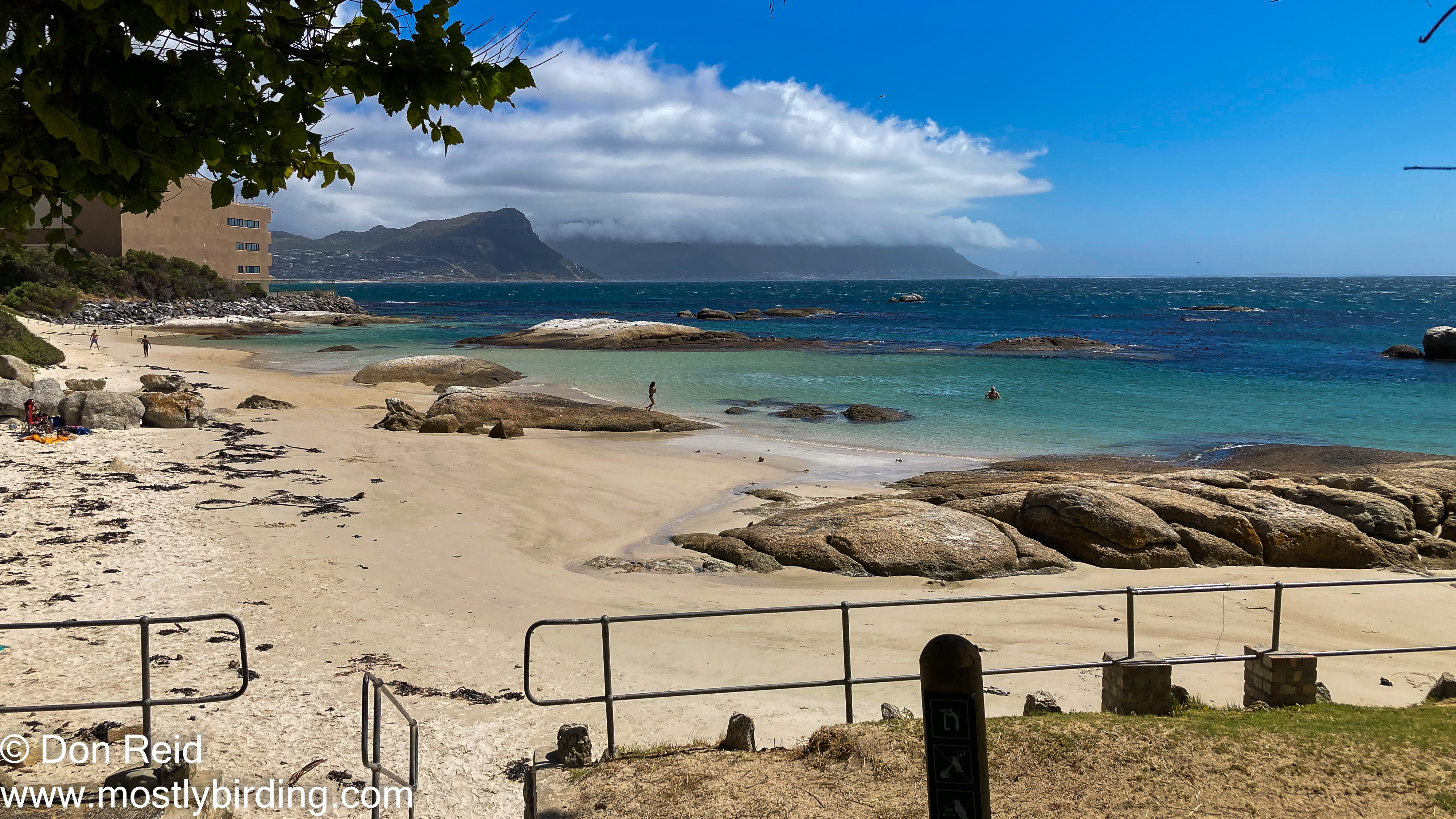
Boulders Beach is a small beach at Simon’s Town, which lies on the False Bay side of the Cape Peninsula, some 40 kms south of central Cape Town. For many years it was a little known, ‘out of the way’ beach favoured by couples and young families seeking a quiet spot to spend a day, Perfect for a picnic and safe for the kids to paddle and swim, with hardly a wave in sight due to the protective ring of large boulders which all but shut out the sea’s power.

Growing up in Cape Town, I can recall the occasional trip from our home in the suburbs, via bus and train, to Simon’s Town to spend a day at Seaforth beach, which adjoins Boulders beach. Later in my student years, I ‘graduated’ to joining my elder brother and his family in a leisurely day at Boulders itself.

Seaforth beach, Simon’s Town

I left Cape Town in 1970 to pursue my career ‘up north’ (actually my future wife played a major role in that decision, but don’t let on to her) and Boulders beach gradually drifted from my memory, until much later……

Some 12 years later, two breeding pairs of African Penguins decided that the beach would be a good place to settle, probably influenced by the availability of fish in nearby waters

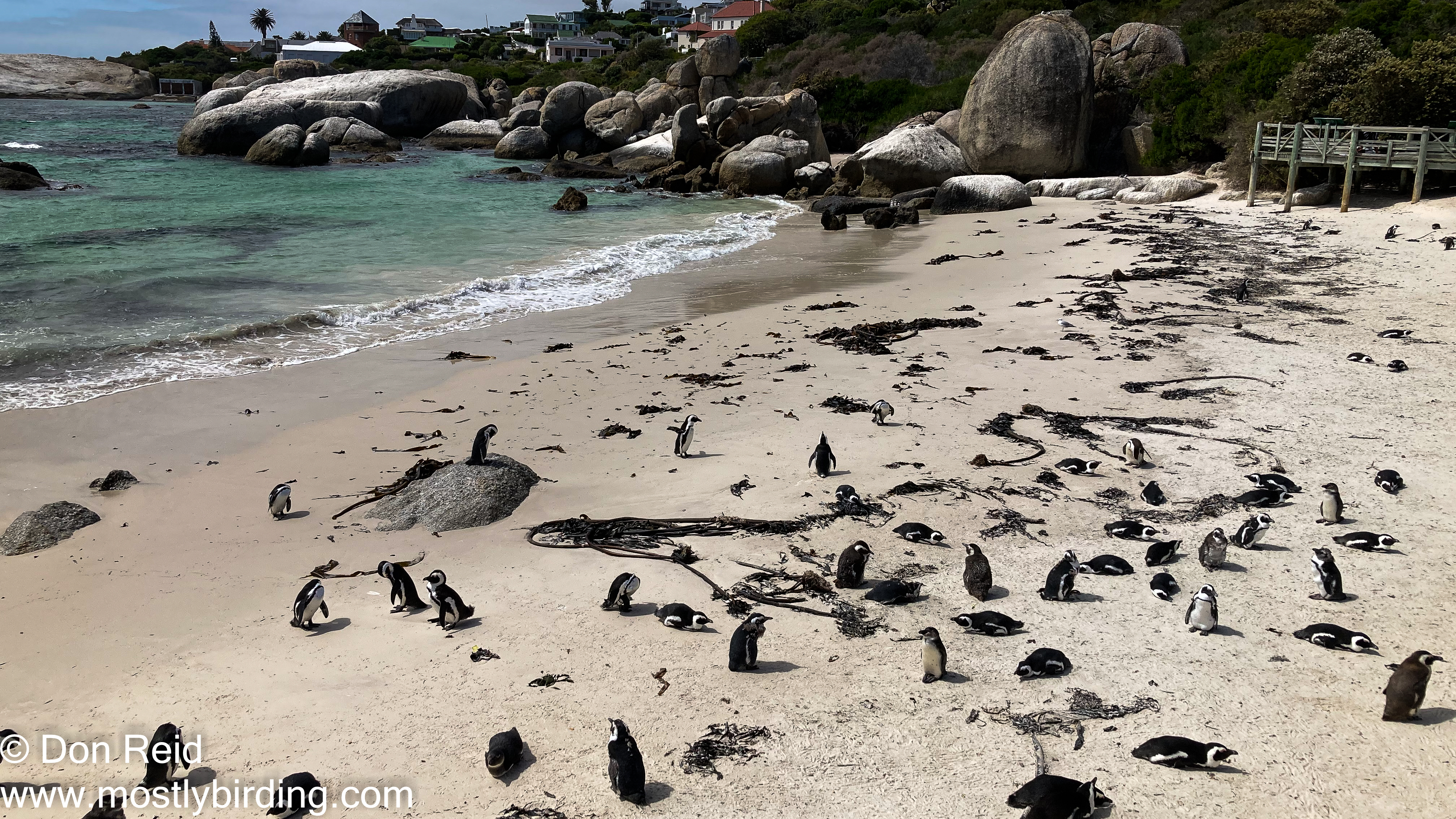
From just two breeding pairs in 1982, the penguin colony has grown to about 3,000 birds in recent years. This is partly due to the prohibition of commercial pelagic trawling in False Bay, which has increased the supply of pilchards and anchovy, which form part of the penguins’ diet. (Ref : Wikipedia)

Boulders beach Simon’s Town

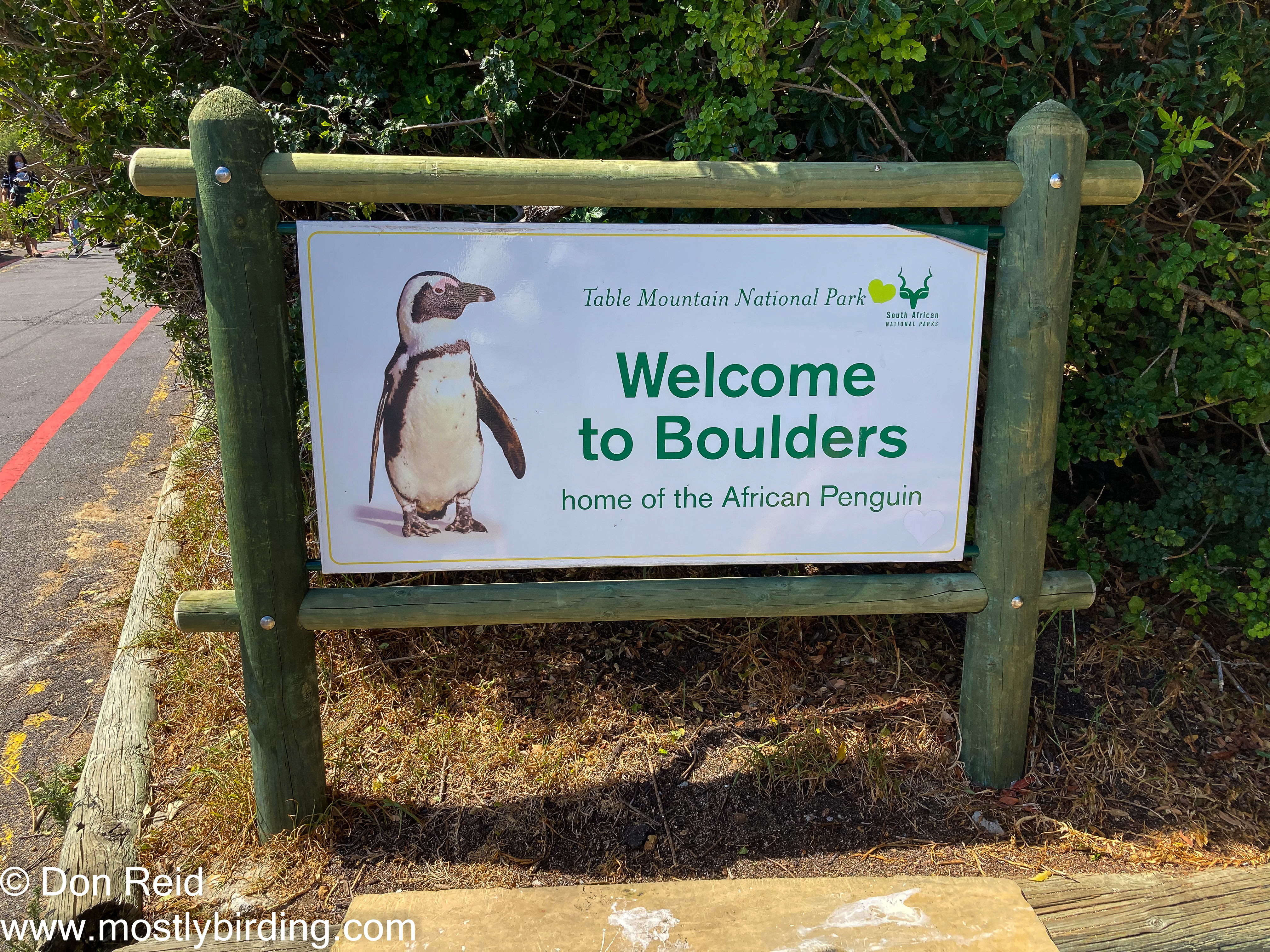
Since those first two pairs settled there, Boulders has gone from an obscure swimming beach to one of Cape Town’s best known tourist attractions and now forms part of the Table Mountain National Park

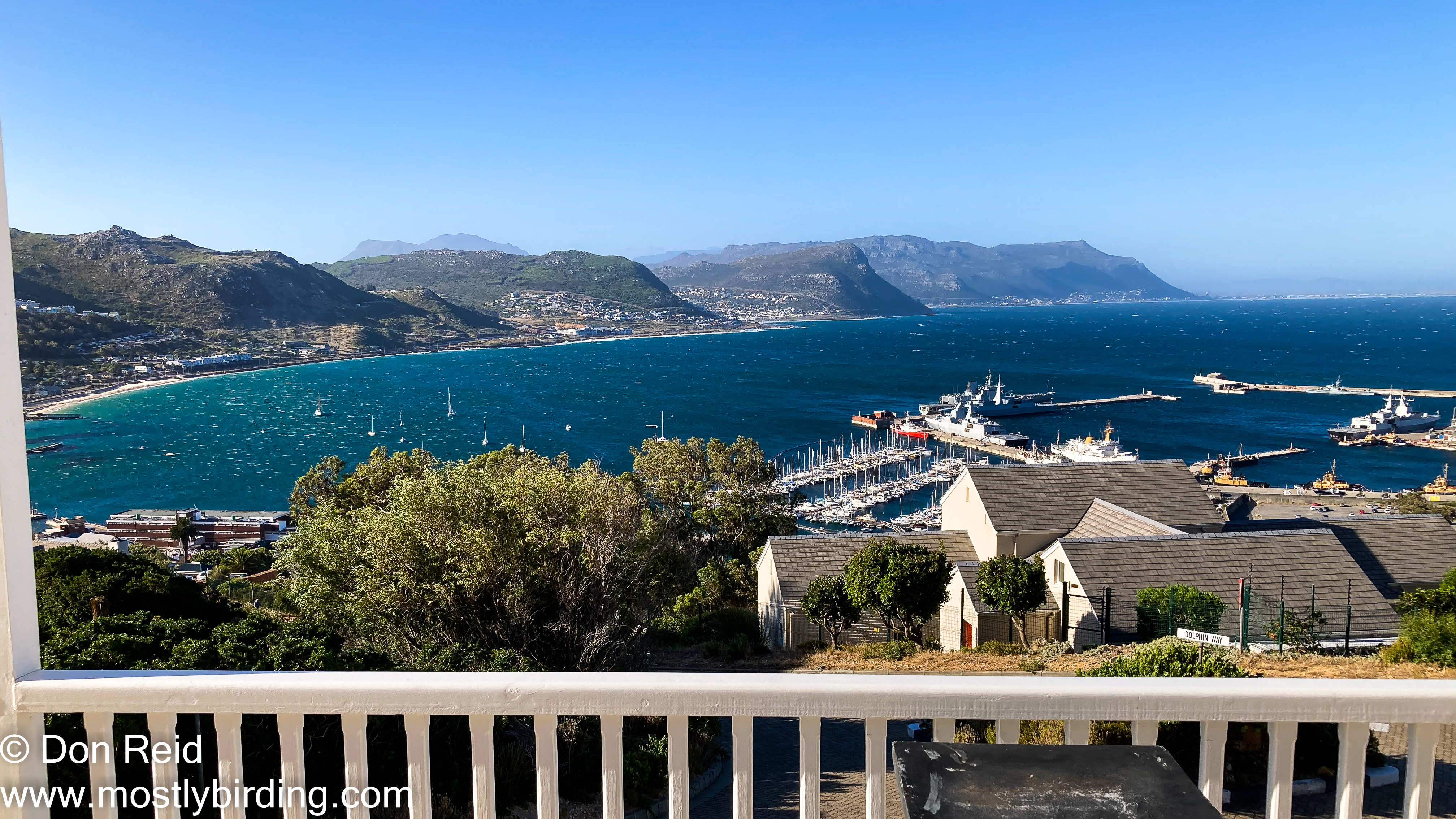
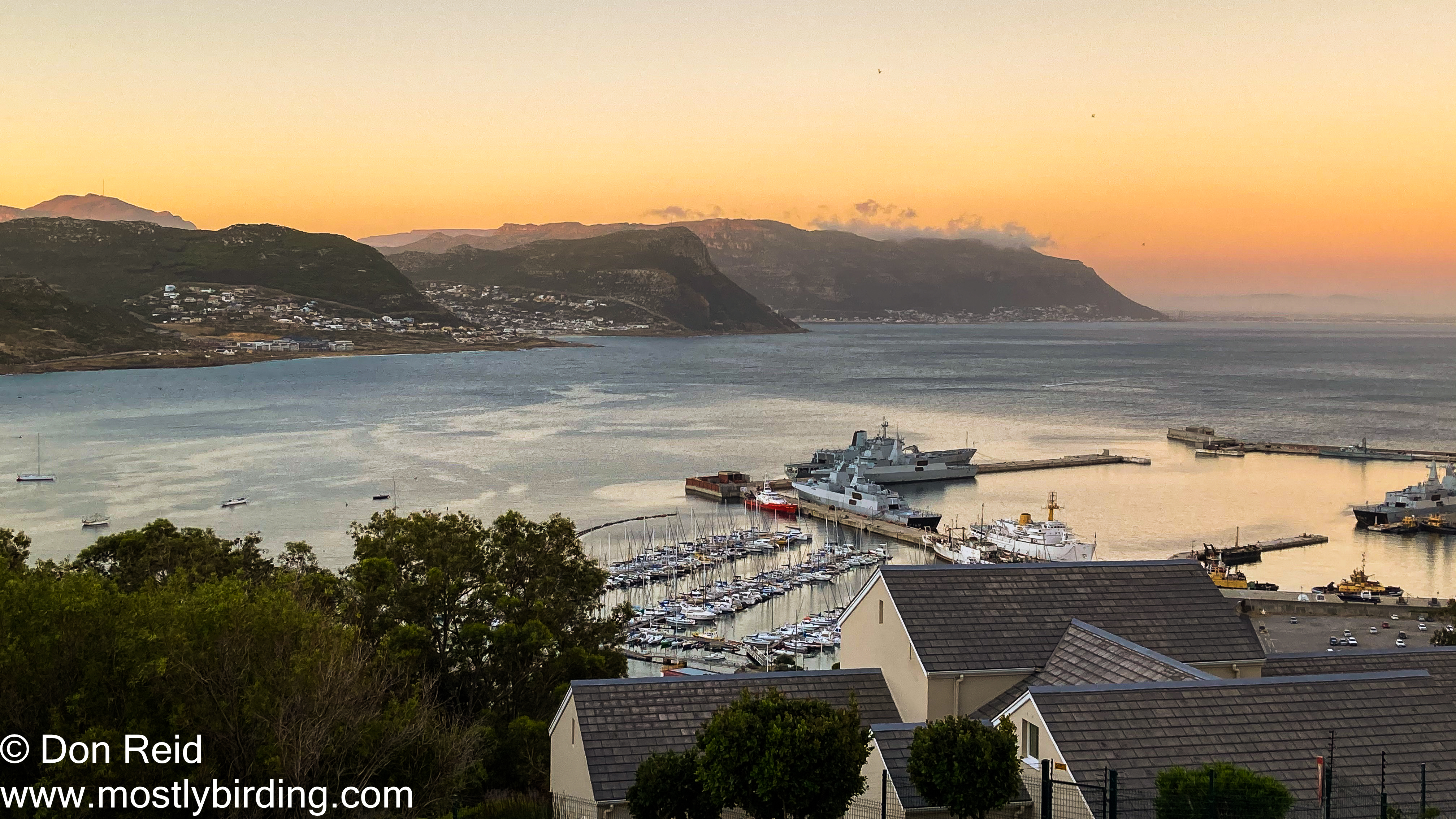
We had a reason to travel to Cape Town in January last year and decided to use the accommodation that we were going to use in March 2020 but which we had to cancel when Covid 19 and the subsequent lockdown changed all our lives. The B&B sits high up on a hill overlooking Simon’s Town with sweeping views of the town, the naval dockyard and False Bay beyond and turned out to be an excellent choice.

The daytime view from the B&B
Even prettier in the evening

With the ‘business’ part of our trip done and dusted, we thought about what to do with the rest of our stay in Simon’s Town and first on my list was Boulders beach which we had last visited many years ago.

The Penguins

The thing with Penguins is that most people know what they look like from films and images, adverts and the like – they are just so endearing and marketable. But Penguins tend to choose remote spots to breed and live, often on islands, so relatively few people get the chance to see them in real life, outside of zoos that is.

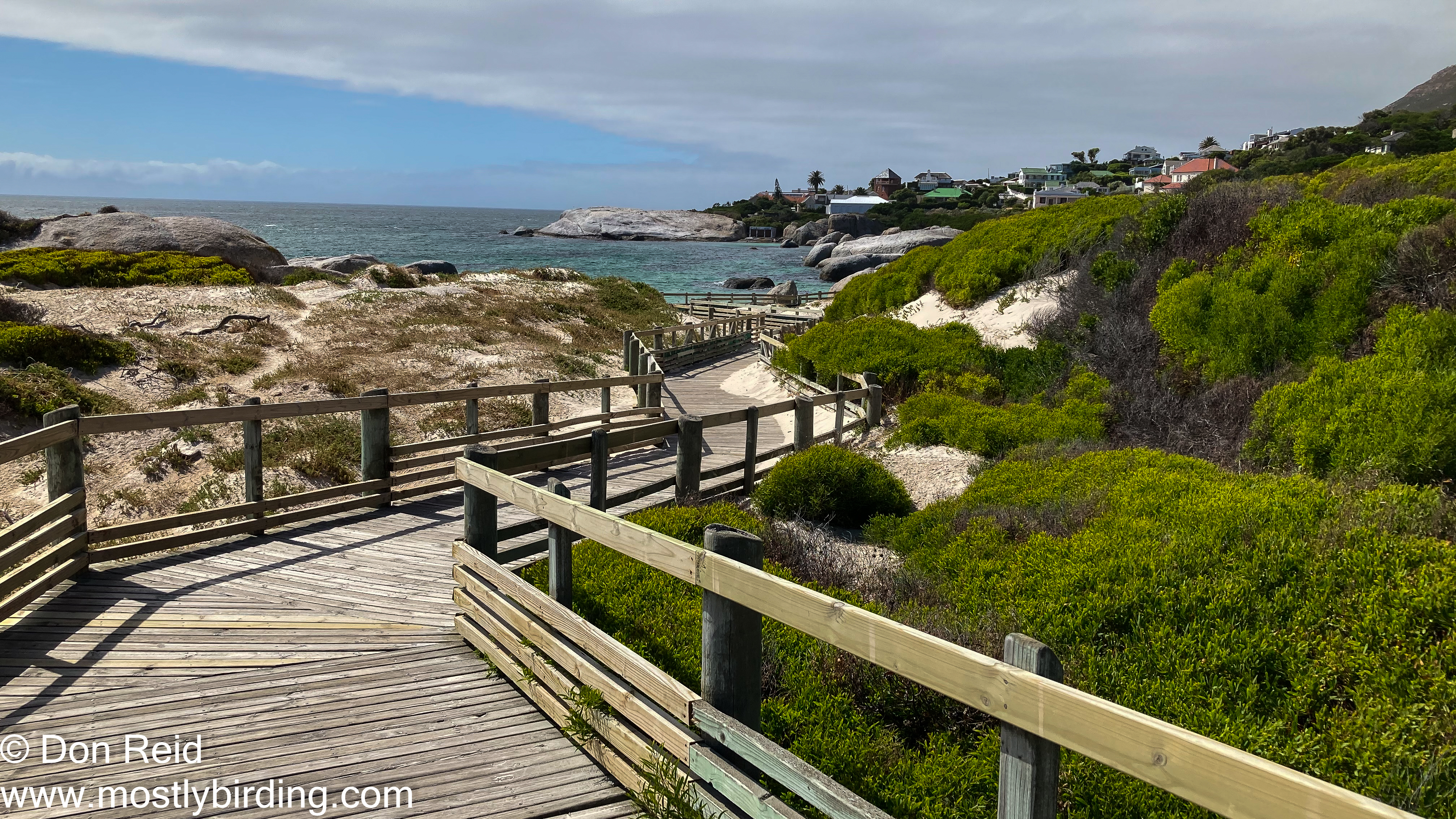
Which makes Boulders a perfect choice for anyone wanting to see these birds in their natural habitat. After gaining entry with my Wild Card I walked along the boardwalk which snakes its way down to the beach, with a platform at the bottom for viewing the beach and nesting area.

Boulders beach Simon’s Town
Boulders beach Simon’s Town – the boardwalk to the Penguin’s habitat

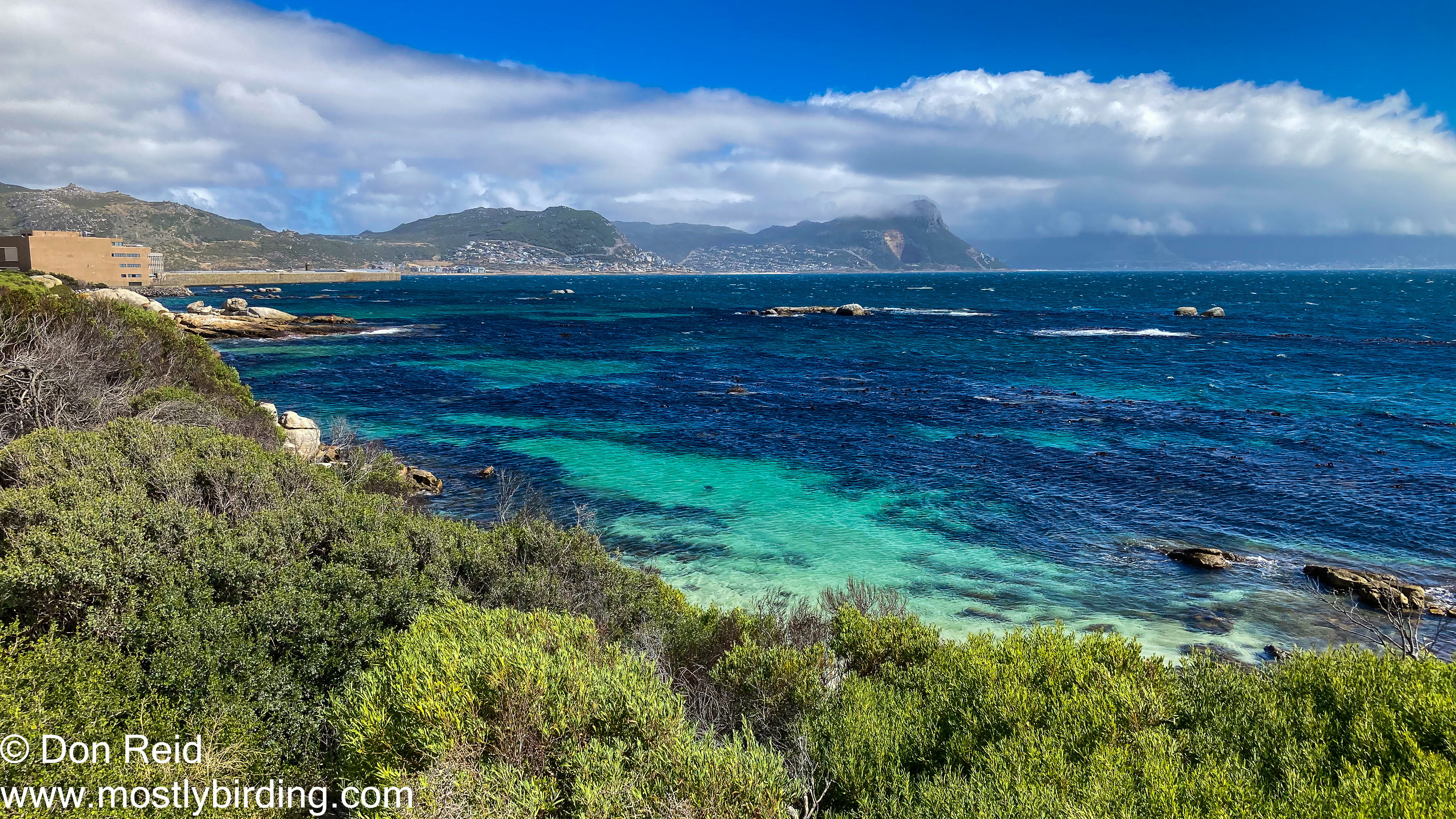
Looking back from the upper part of the boardwalk, the view across the bay is quite striking

View from the boardwalk at Boulders beach Simon’s Town

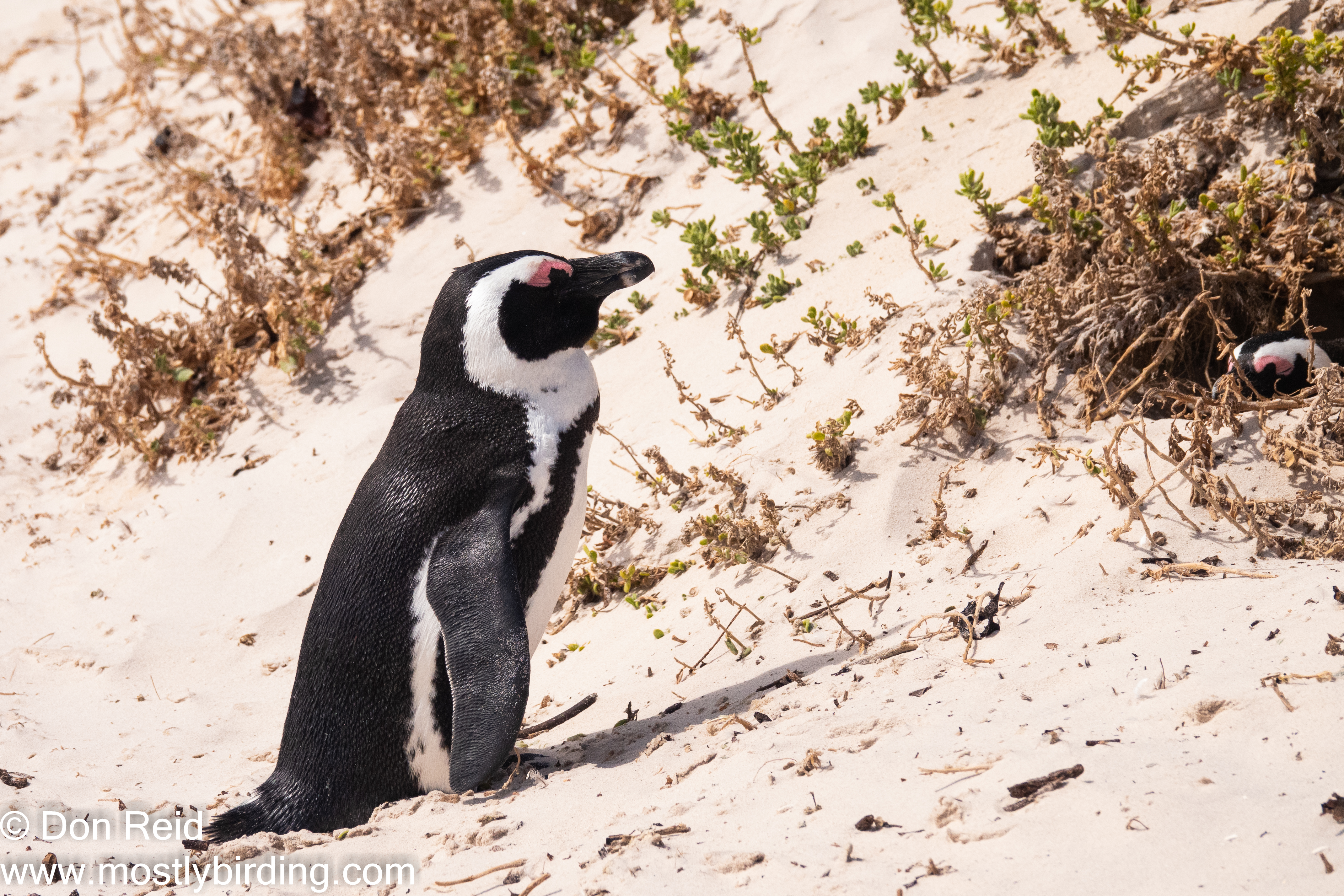
Once you are past the densely vegetated dunes, the first of the penguins comes into view, quite relaxed and unperturbed by human presence. Not the smallest or the largest penguins in the world, they would reach to about your knee height when standing. (Incidentally, we saw the smallest penguin, called a Little Penguin – obviously – during a visit to Philip Island near Melbourne Australia – the subject of a post a few years ago – https://wordpress.com/post/mostlybirding.com/8353 )

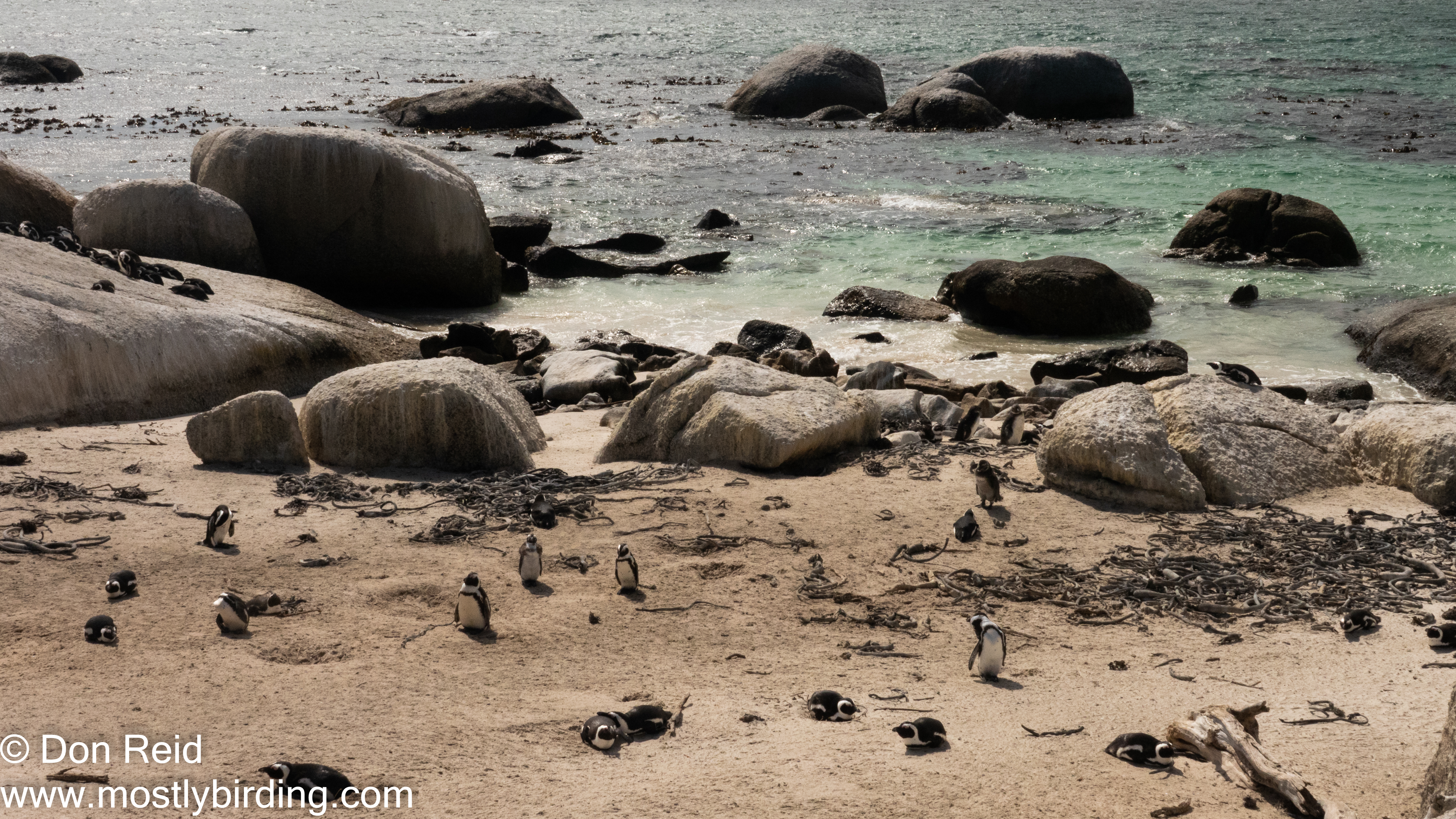
African Penguin (Spheniscus demersus / Brilpikkewyn), Boulders beach Simon’s Town

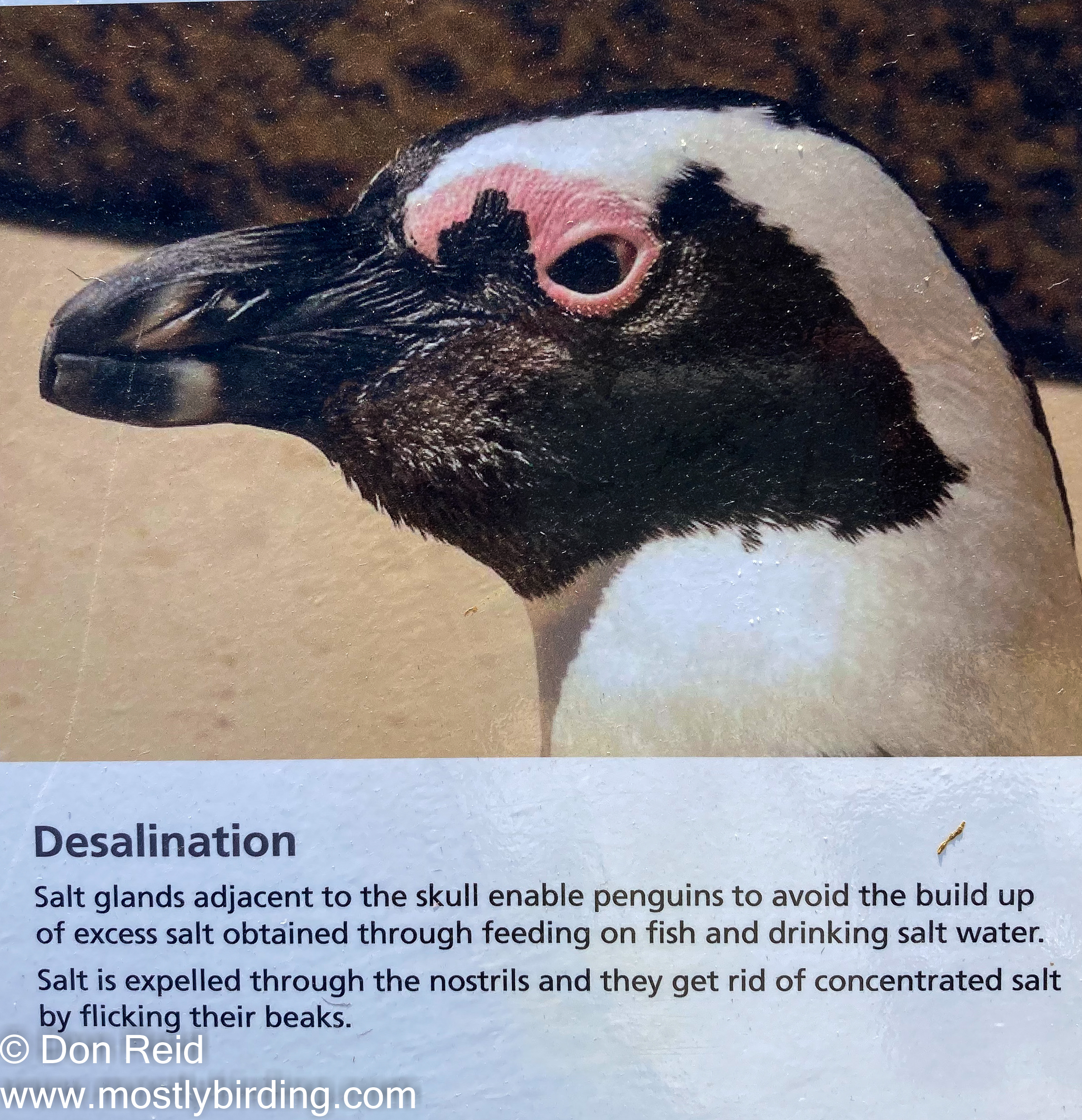
At various points on the boardwalk, information boards are placed with interesting facts about the colony and the habits of the African Penguins

Boulders beach Simon’s Town

Once you get to the lower viewing platform, you can see some of the residents of the colony – those not involved in breeding activities will be out in the deep sea looking for food, so what you see here is a small part of the colony

African Penguin (Spheniscus demersus / Brilpikkewyn), Boulders beach Simon’s Town

I took a few shots of some of the penguins in their burrows, only realising when I edited the photos and lightened up the shadows that I had captured a glimpse of an egg under one penguin’s belly.

African Penguin incubating an egg

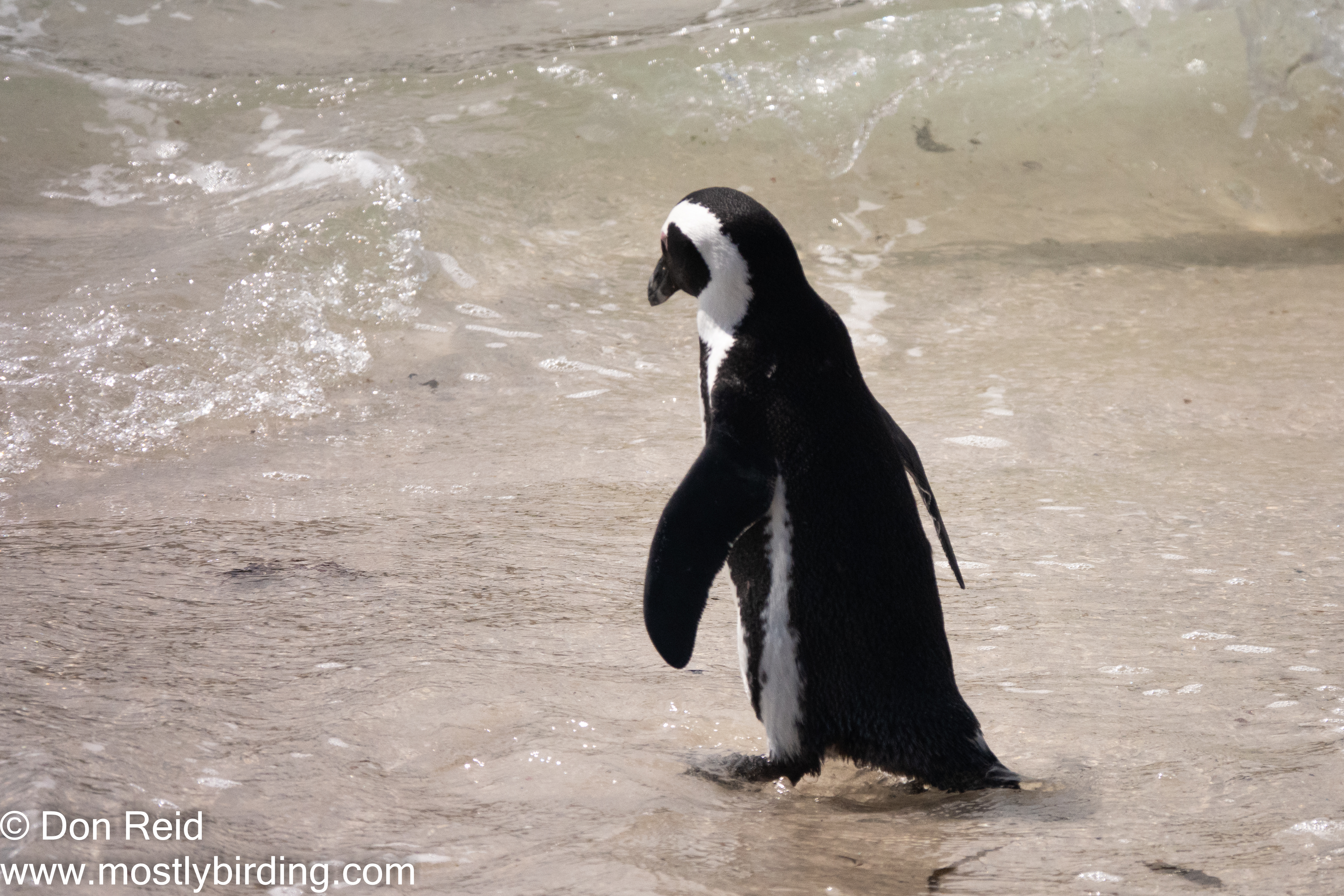
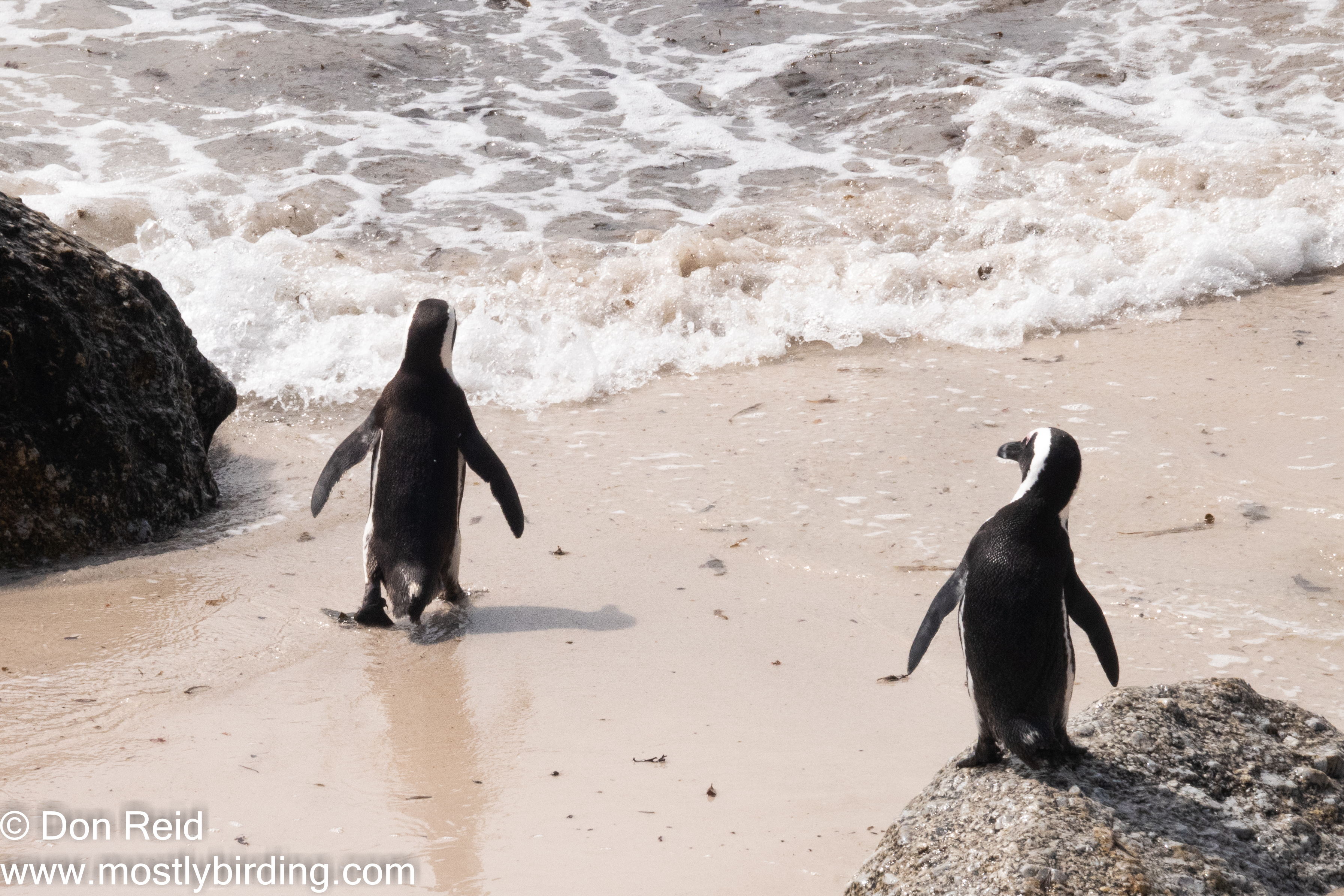
There was constant movement of penguins to and from the sea – such a comical sight as they waddle towards the water but once in they are in their element, swimming swiftly and soon disappearing from sight.

African Penguins on the beach

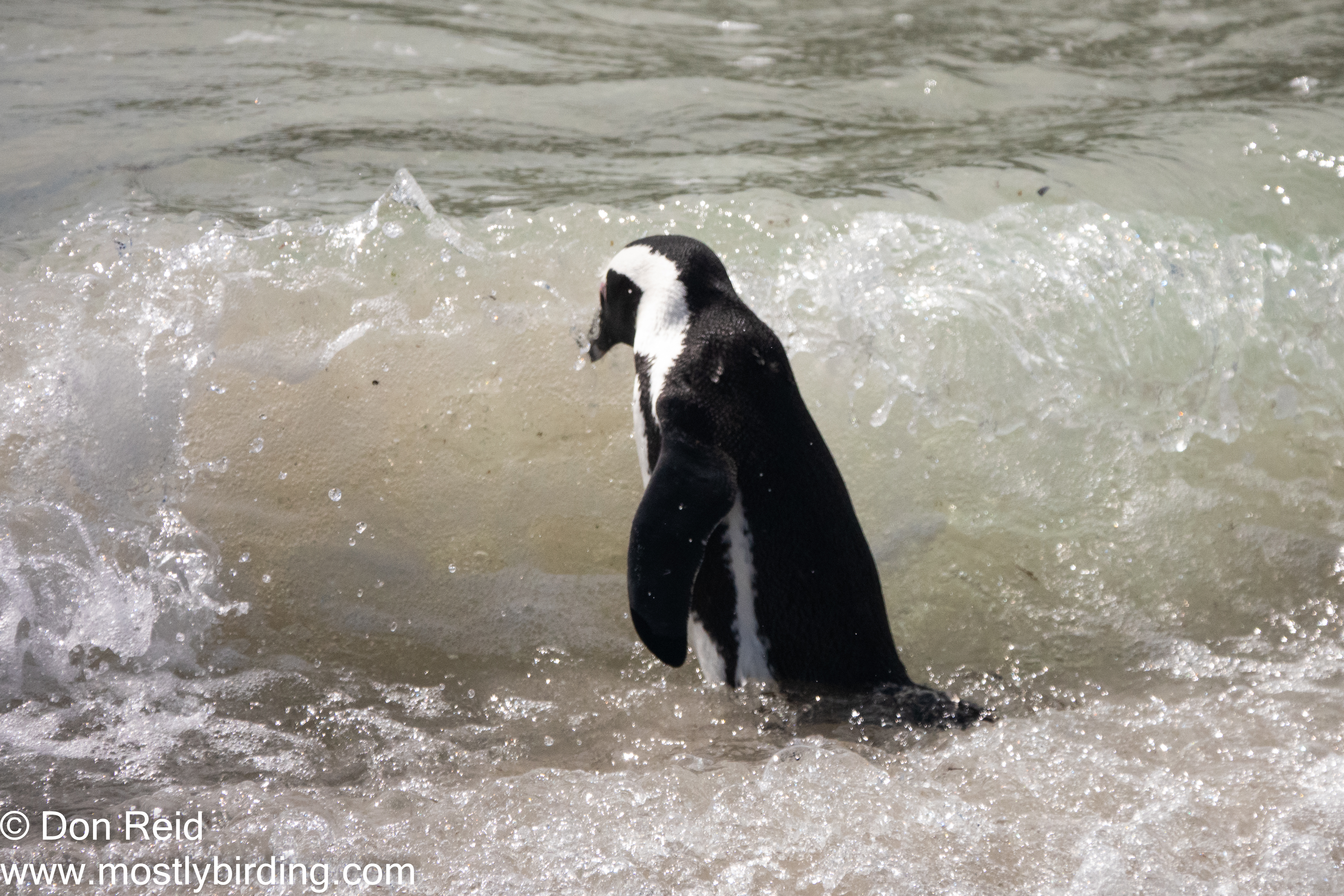
I couldn’t help thinking of an elderly yet elegant gent tentatively going for a swim in cold water as I watched one penguin entering the sea…..

As the one penguin swam off, more entered the water

A little bit more…

The African Penguin is the only penguin that breeds in Africa and is restricted to the coastline and seas of Southern Africa. Penguin numbers fell from over a million pairs a hundred years ago, to just 18,000 pairs today so they are justly classified as Endangered.

In the late 1800’s and early 1900’s egg collecting and guano scraping (which I can remember being taught about at school with not a hint of criticism, such was the relaxed attitude to conservation in those days) caused havoc with the survival of penguins. Nowadays the decline in availability of fish due to overfishing is the major cause of the further downward trend

Their ‘wings’ are in reality efficient flippers for swimming at speeds up to 20 km/h – which may not sound that fast but they would easily beat any Olympic swimmer you can think of – and they can dive to depths of 130m while holding their breath for an average 2,5 minutes, when feeding.

Their black and white colouring aids in camouflaging them from predators, both from above (black back blending in with dark sea for predators looking down) and below (white front melding with light skies for predators looking up).

These unique aquatic birds are certainly deserving of conservation – hats off to Birdlife South Africa for being at the forefront of penguin conservation efforts.

References :

  • Table Mountain National Park information boards at Boulders
  • African Birdlife Magazine September/October 2021, published by Birdlife SA
  • Firefinch – Birding app by Faansie Peacock

My Photo Picks for 2021 – The Places, Wildlife and Other Stuff

With the new year barely out of the starting blocks, it’s once again time to select the photos which best represent our travels and nature experiences during 2021, plus a few others that appeal to me for various reasons.  Despite the ongoing restrictions brought upon all of us by Covid 19, we still managed to travel fairly extensively, although it was limited to the borders of South Africa. 

I’m hoping you will find some of my favourite images to your liking – if you do, please take a moment to mention them in the comments at the end of the post. 

The Places

It was a revelation to look back over the year’s images and realise that, in fact, we did manage to travel to many places across South Africa. Our longest road trips were those between the two places we call home – Pretoria and Mossel Bay – and the pendulum seems to have swung in favour of the latter town, where we spent slightly more time than in Pretoria for the first time. My bird atlasing activities were somewhat handicapped this past year by other factors – nevertheless I did get out on atlasing trips on a fairly regular basis, mostly in the vicinity of one of the two home bases

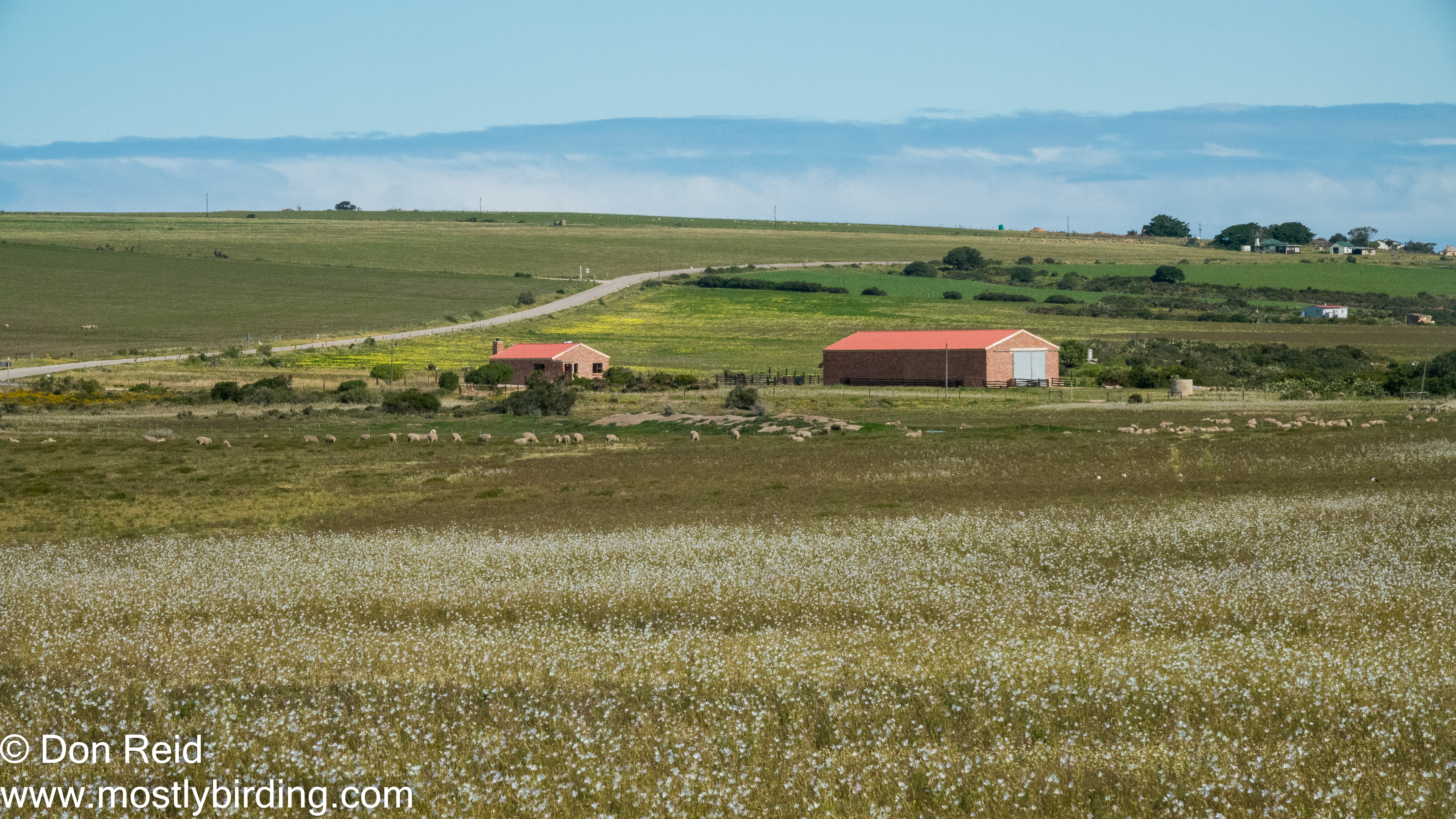
Farmlands, Vleesbaai Area near Mossel Bay
Hillside Farm Trompsburg, Free State – where we spent a night on the trip to Mossel Bay
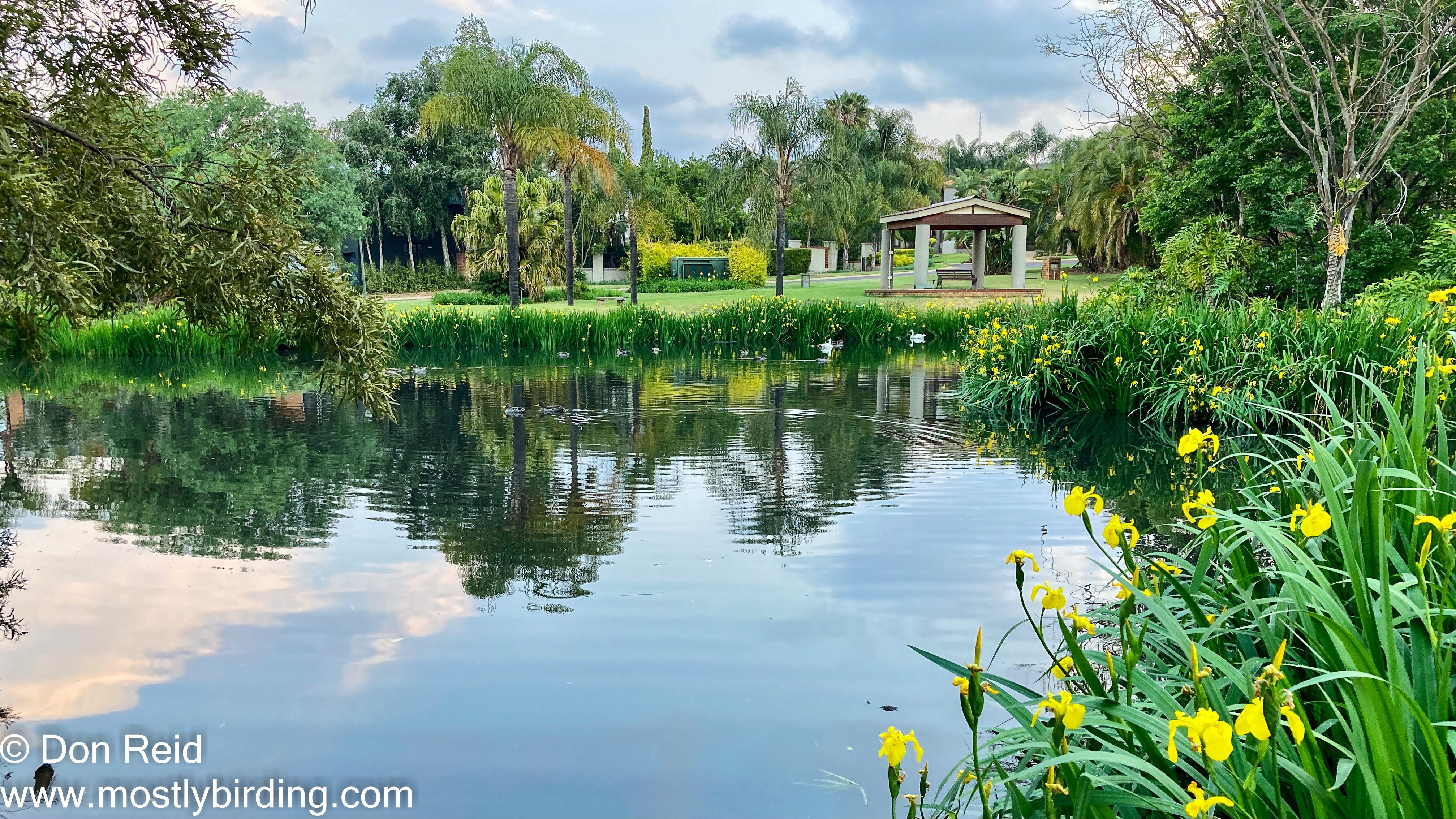
One of the dams in The Glades Estate, (where our Pretoria home is)
View of Simon’s Town from Penguin Palace B&B
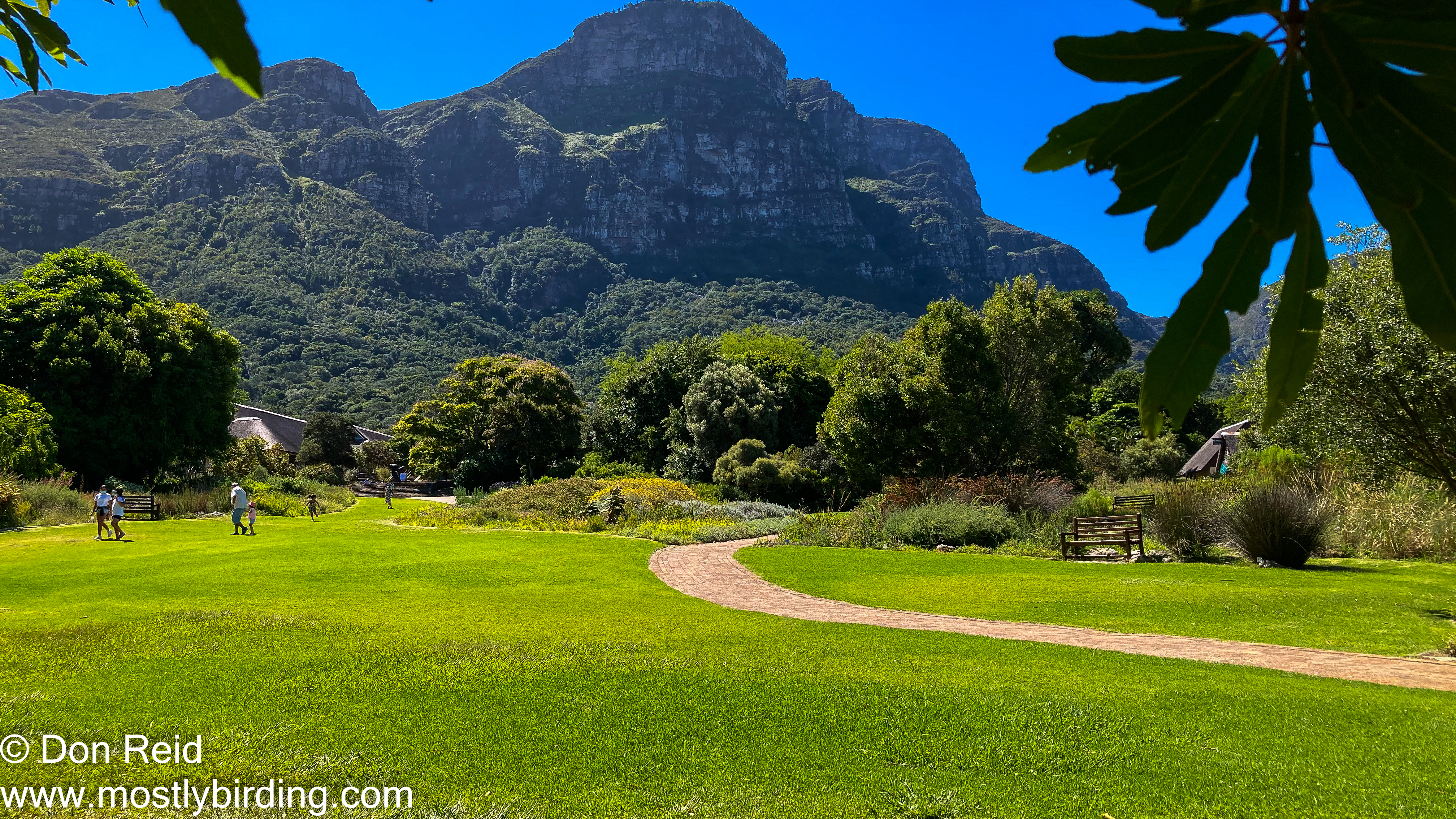
Kirstenbosch National Botanical Gardens in Cape Town – we never visit Cape Town without a visit to these superb gardens
Boulders beach, Simon’s Town, site of the famous African Penguin colony
The Point from the hill, Mossel Bay
Sunday’s River Mouth, Eastern Cape
Addo Elephant National Park, Eastern Cape
Mountain Zebra National Park, Eastern Cape
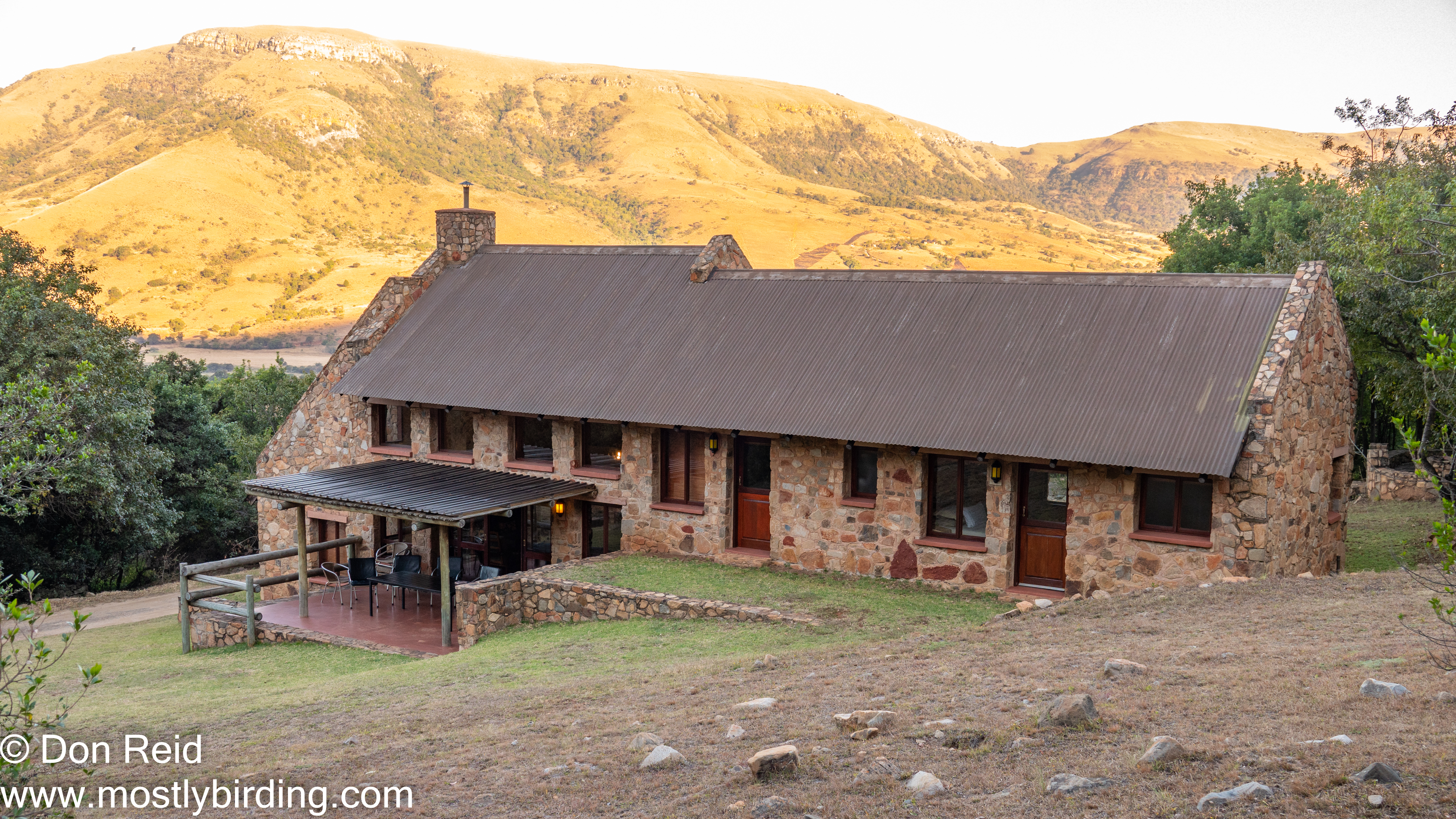
Croft 3, Verlorenkloof, Mpumulanga
The view from Robinson Pass, between Mossel Bay and Oudtshoorn
Abbotsbury Guest Farm, near Graaff-Reinet, Eastern Cape
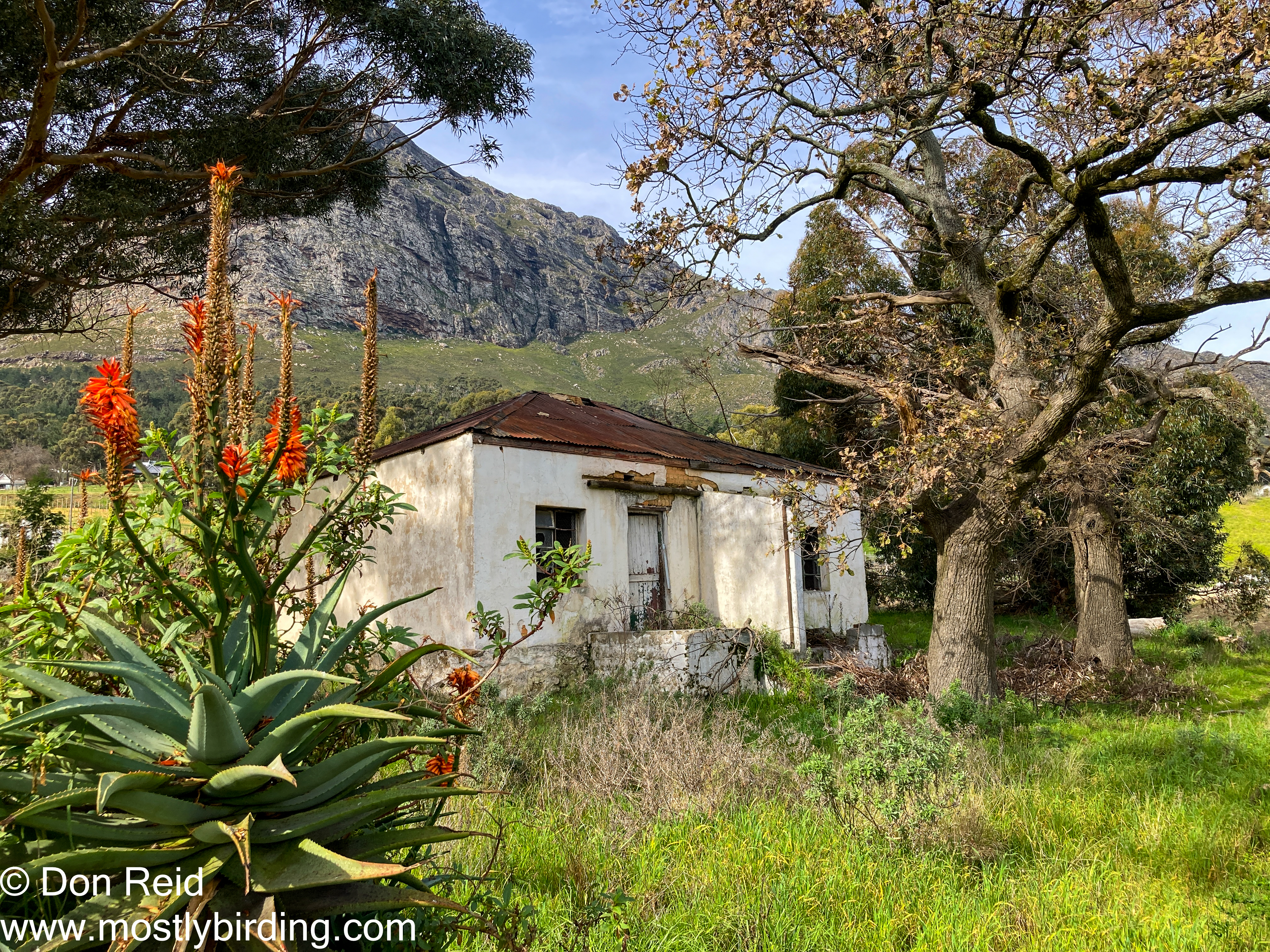
Abandoned cottage, Franschhoek, Western Cape
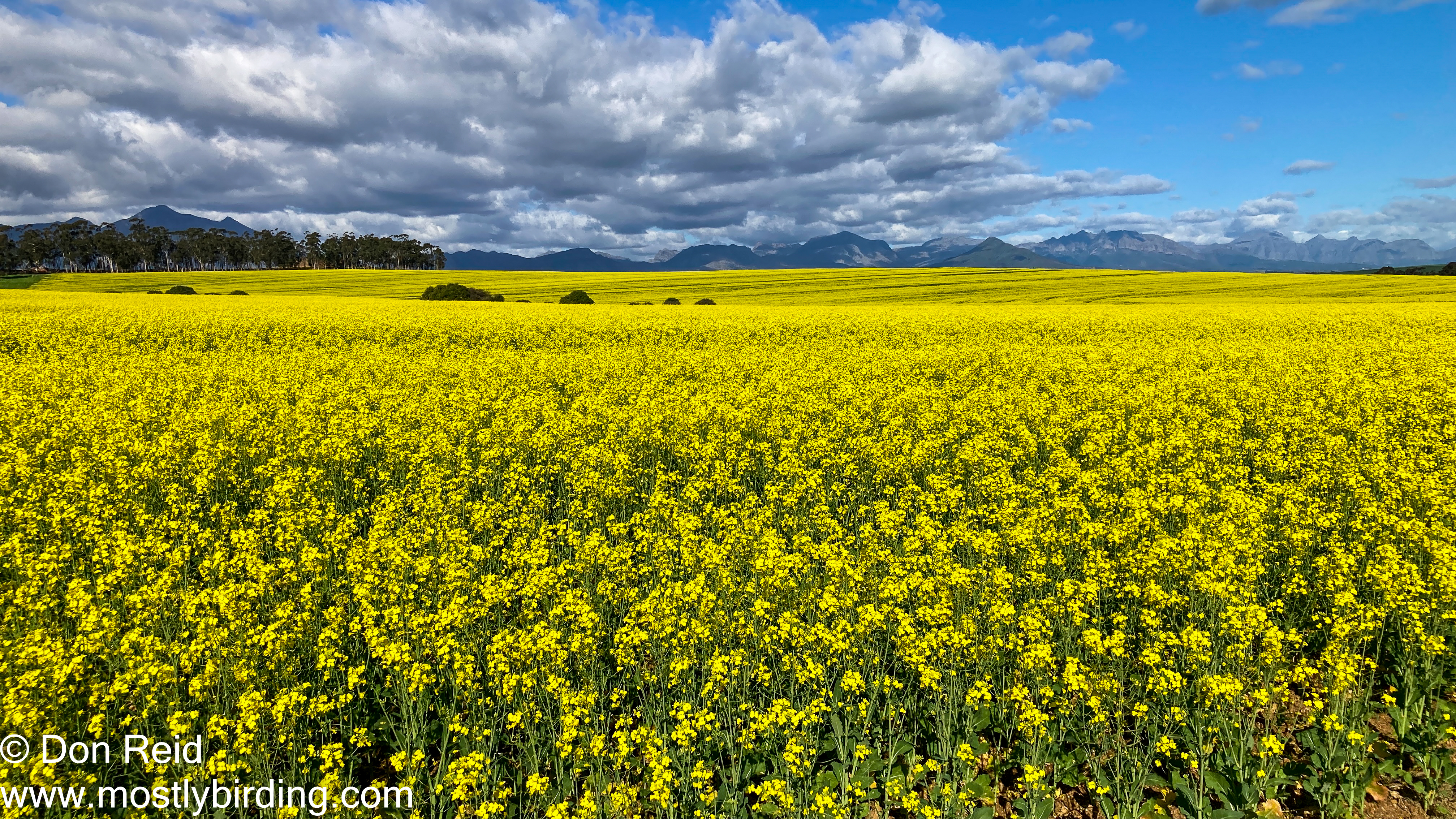
Canola fields, Near Wellington, Western Cape
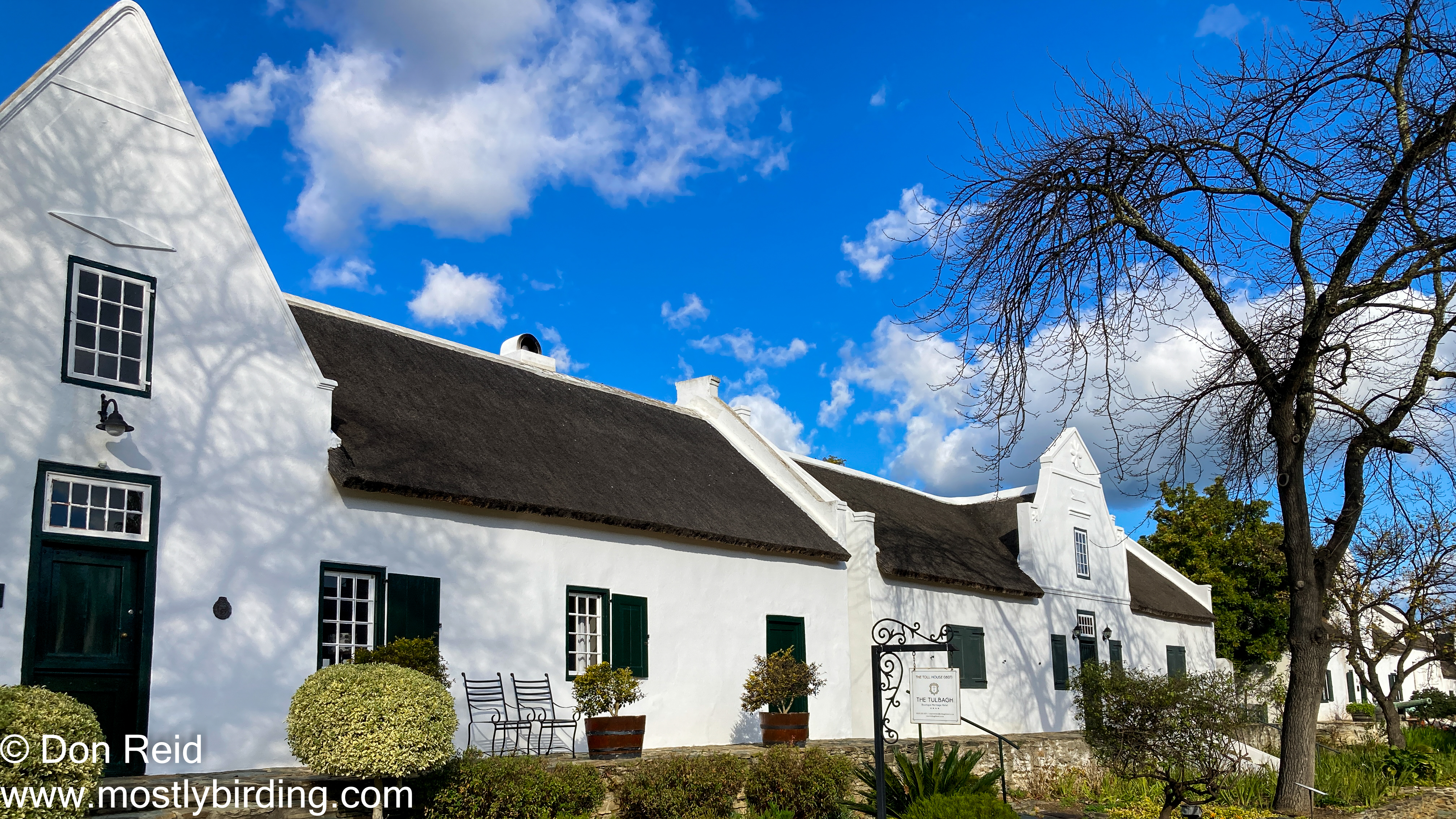
Historic Kerkstraat in Tulbagh, Western Cape
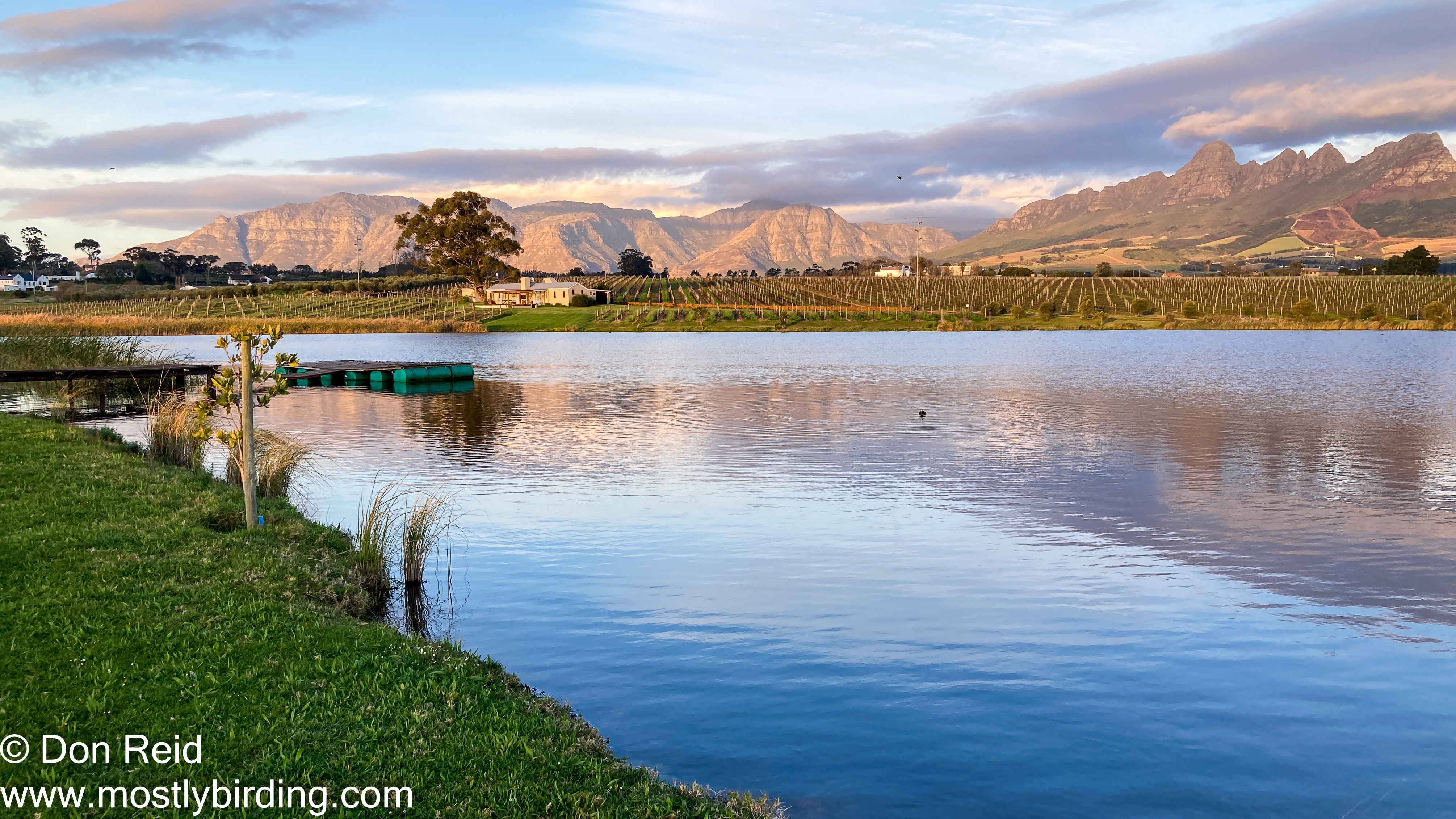
Klein Welmoed Guest Farm, Stellenbosch, Western Cape
West Coast National Park (Postberg section)

The Wildlife

2021 stands out for me as the year we did not visit Kruger National Park – I can’t remember when this last happened! Visits to a couple of the smaller Parks partially made up for this but I’m afraid my selection of wildlife photos is poor by comparison to previous years

Giraffe, Herbertsdale Area
Cape Grey Mongoose Herpestes pulverulentus (Kaapse grysmuishond), Addo Elephant Park
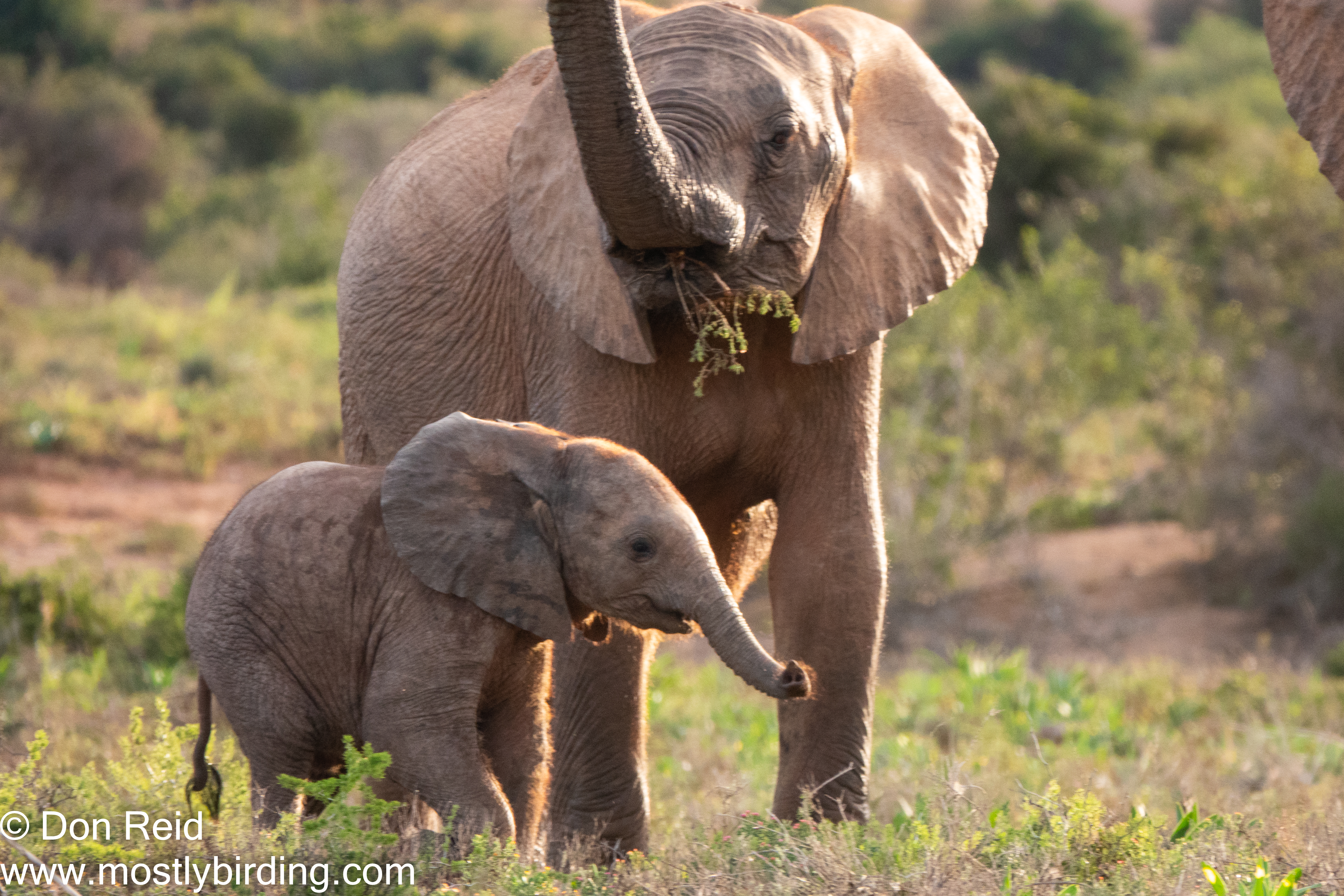
Elephant, Addo Elephant Park
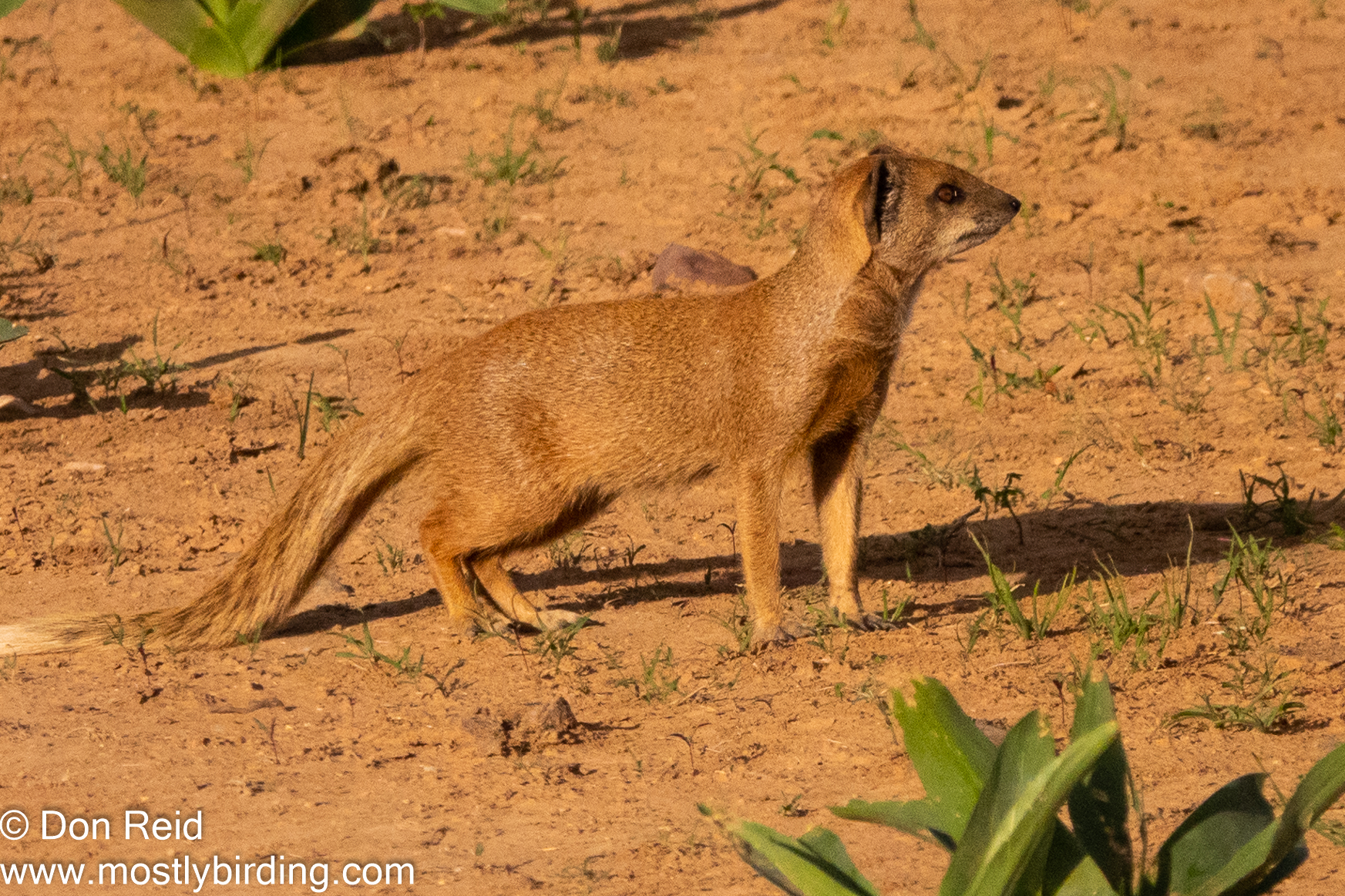
Yellow Mongoose Cynictis penicillata (Rooimeerkat), Addo Elephant Park
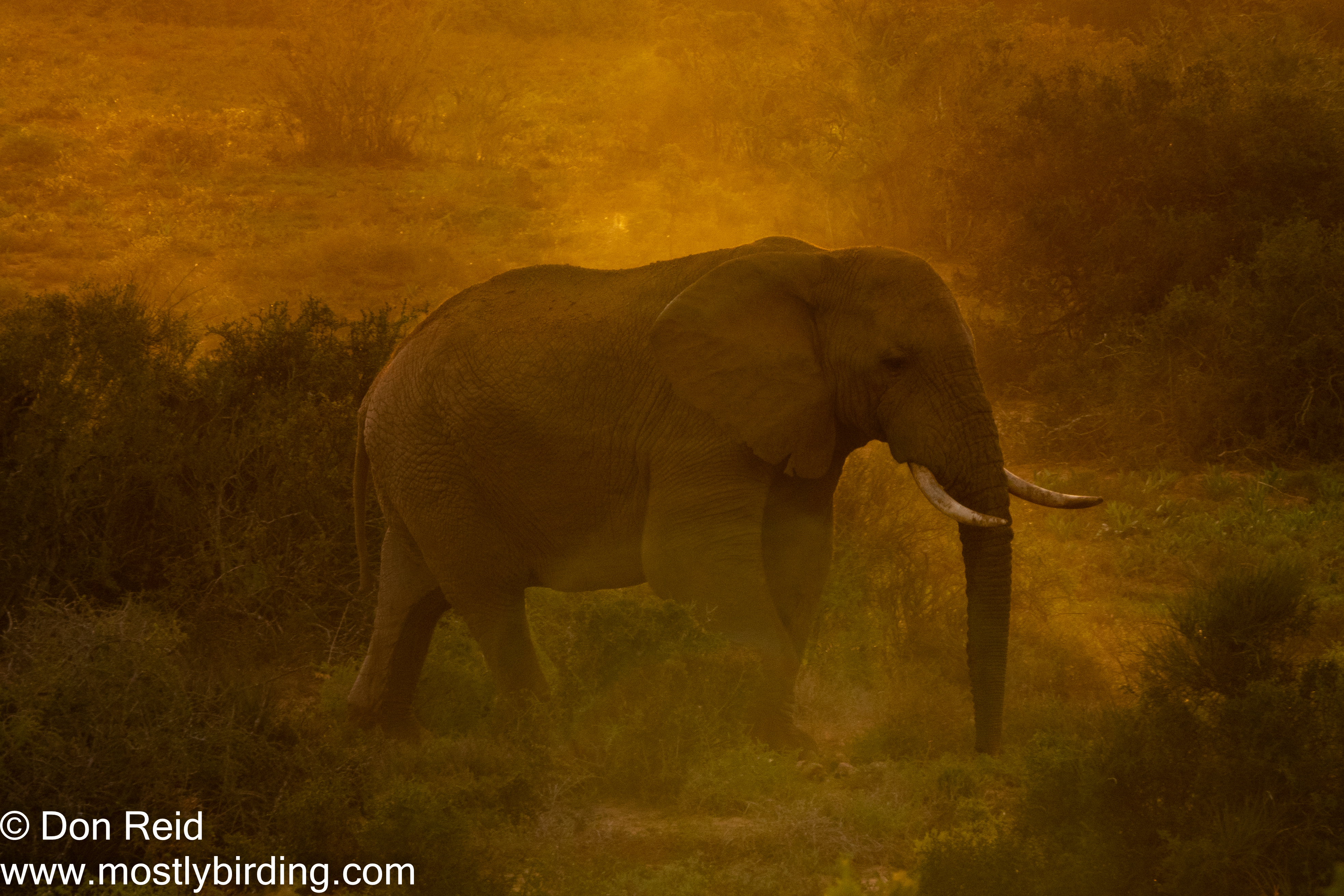
Elephant at dusk, Addo Elephant Park
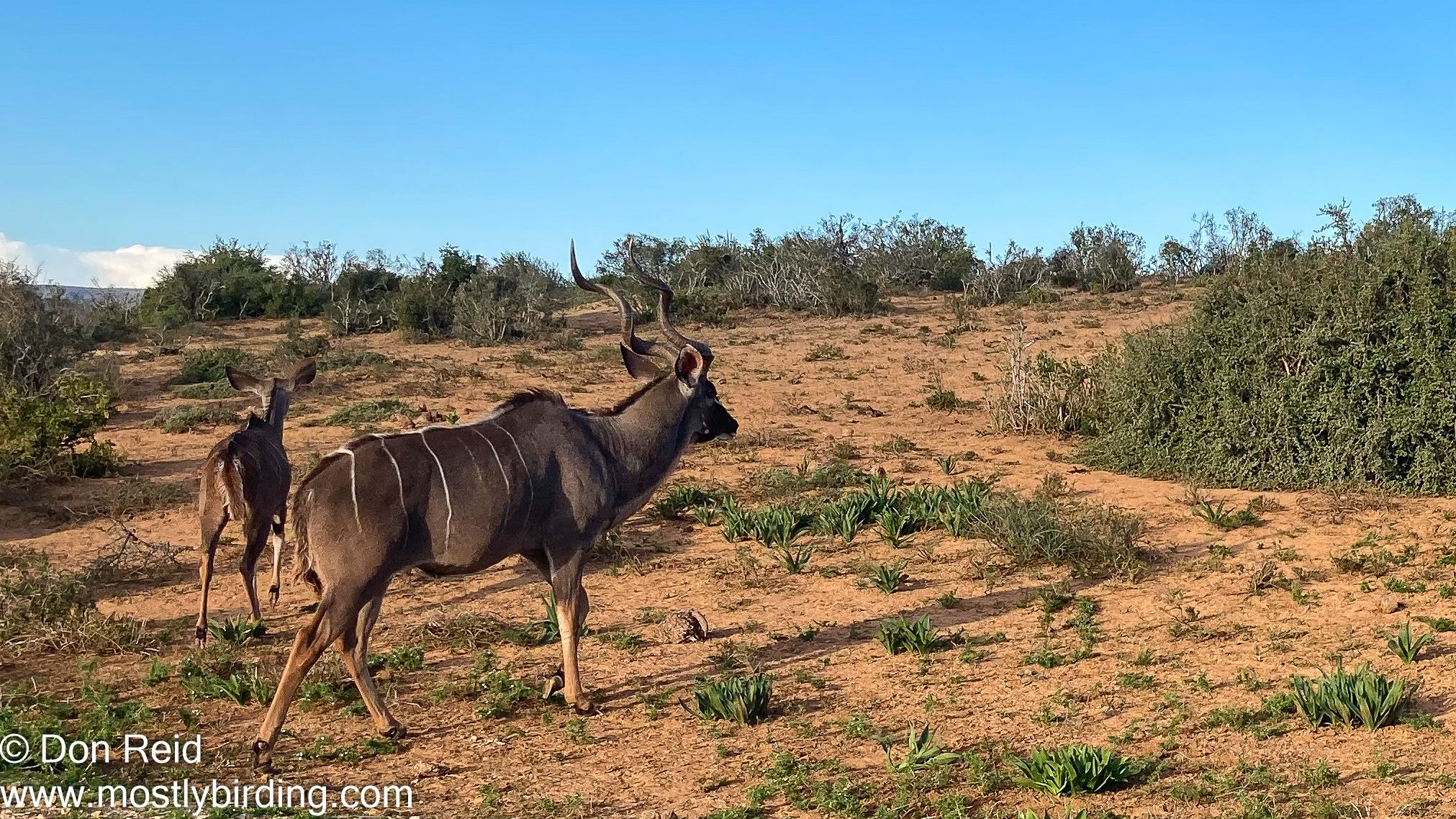
Kudu, Addo Elephant Park
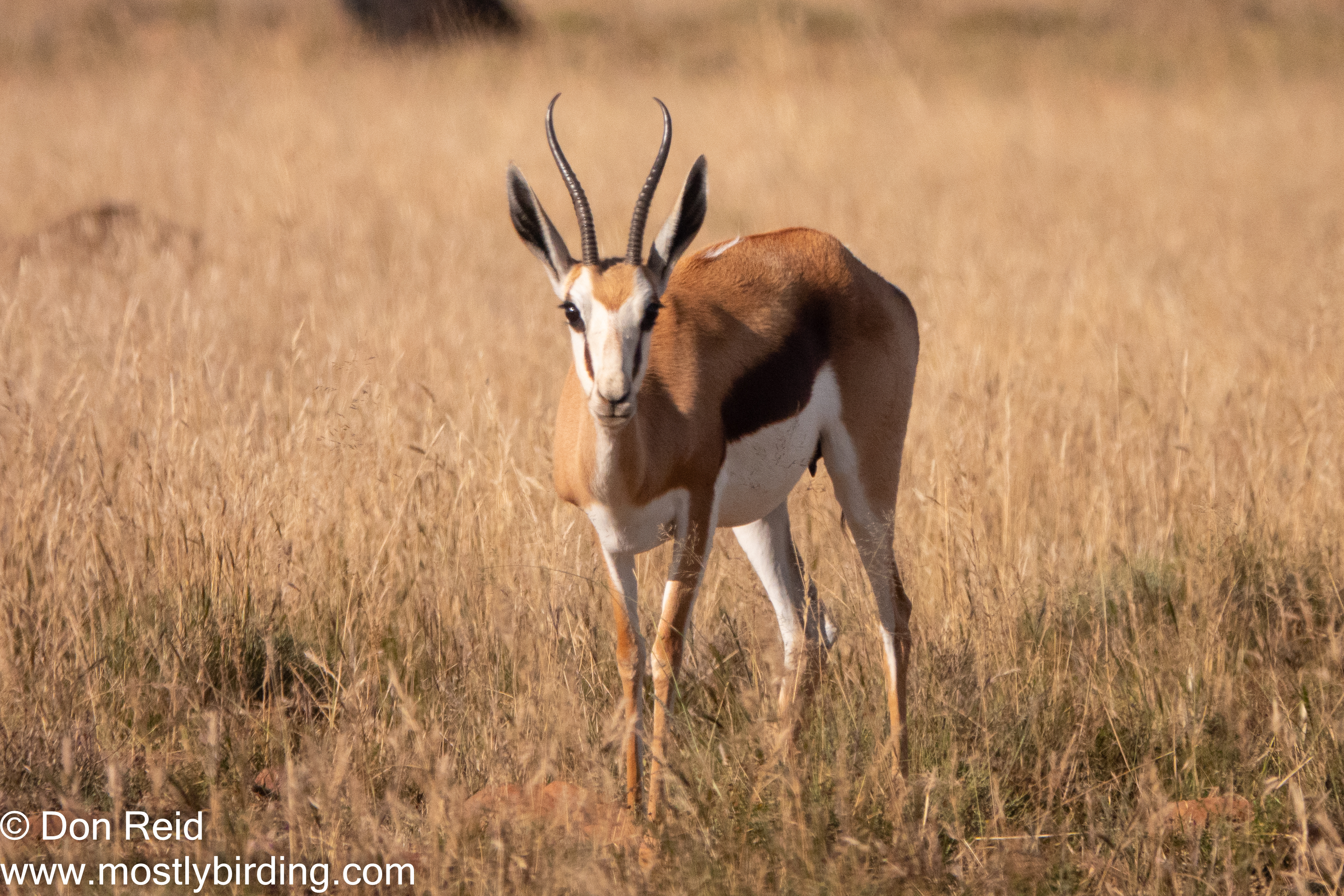
Springbok, Mountain Zebra NP
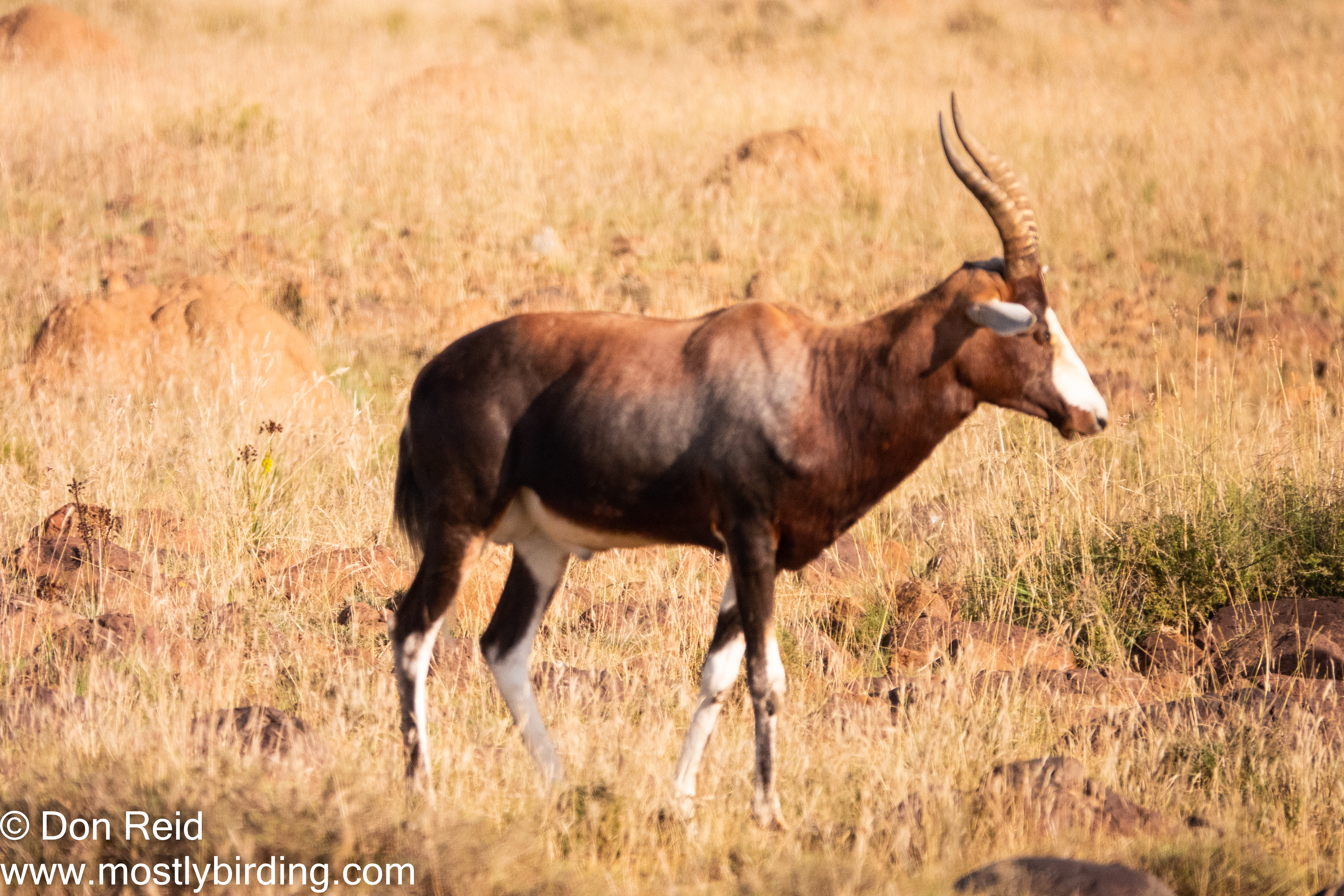
Bontebok, Mountain Zebra NP
Mountan Zebra, Mountain Zebra NP
“Mother and child” Vervet Monkey Chlorocebus pygerythrus (Blouaap), Mountain Zebra NP

The Reptiles

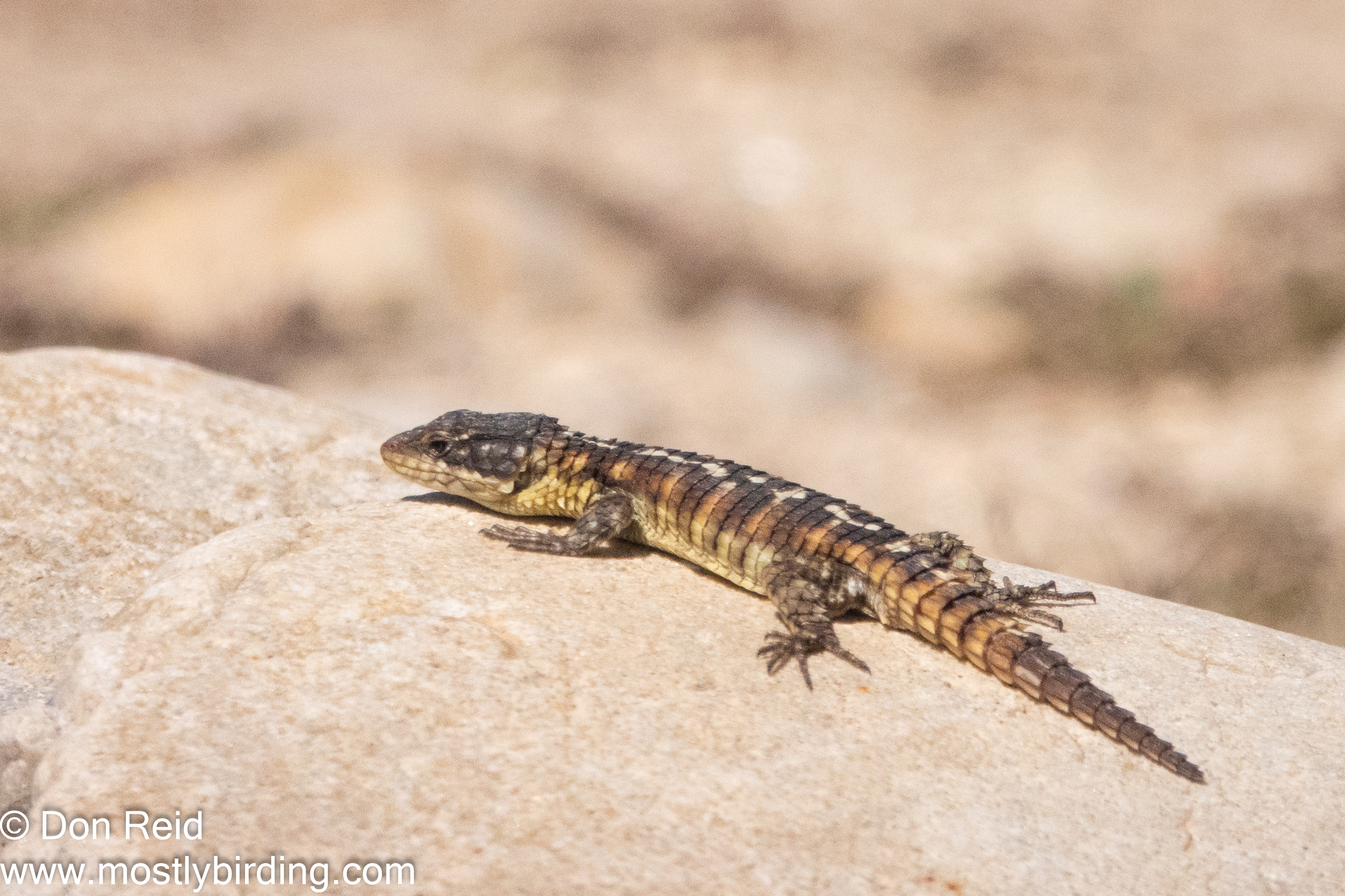
Reptiles are interesting creatures and I love it when the opportunity to photograph them at reasonably close quarters arises – here are a few examples – unfortunately I have not got around to positively identifying the first two yet

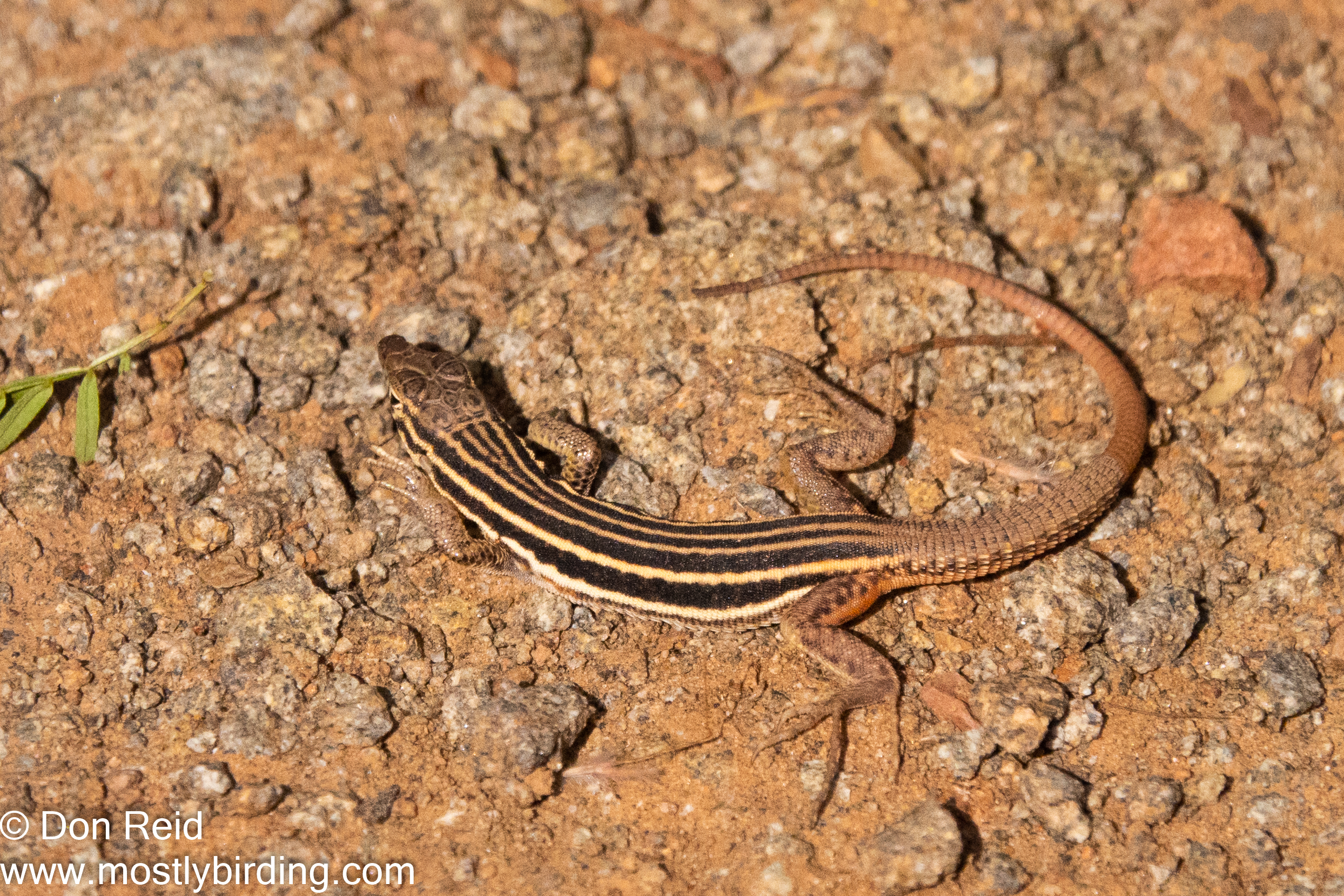
Probable Plated Lizard of some kind, Gouritzmond Area
Probable Sand Lizard, Mountain Zebra NP
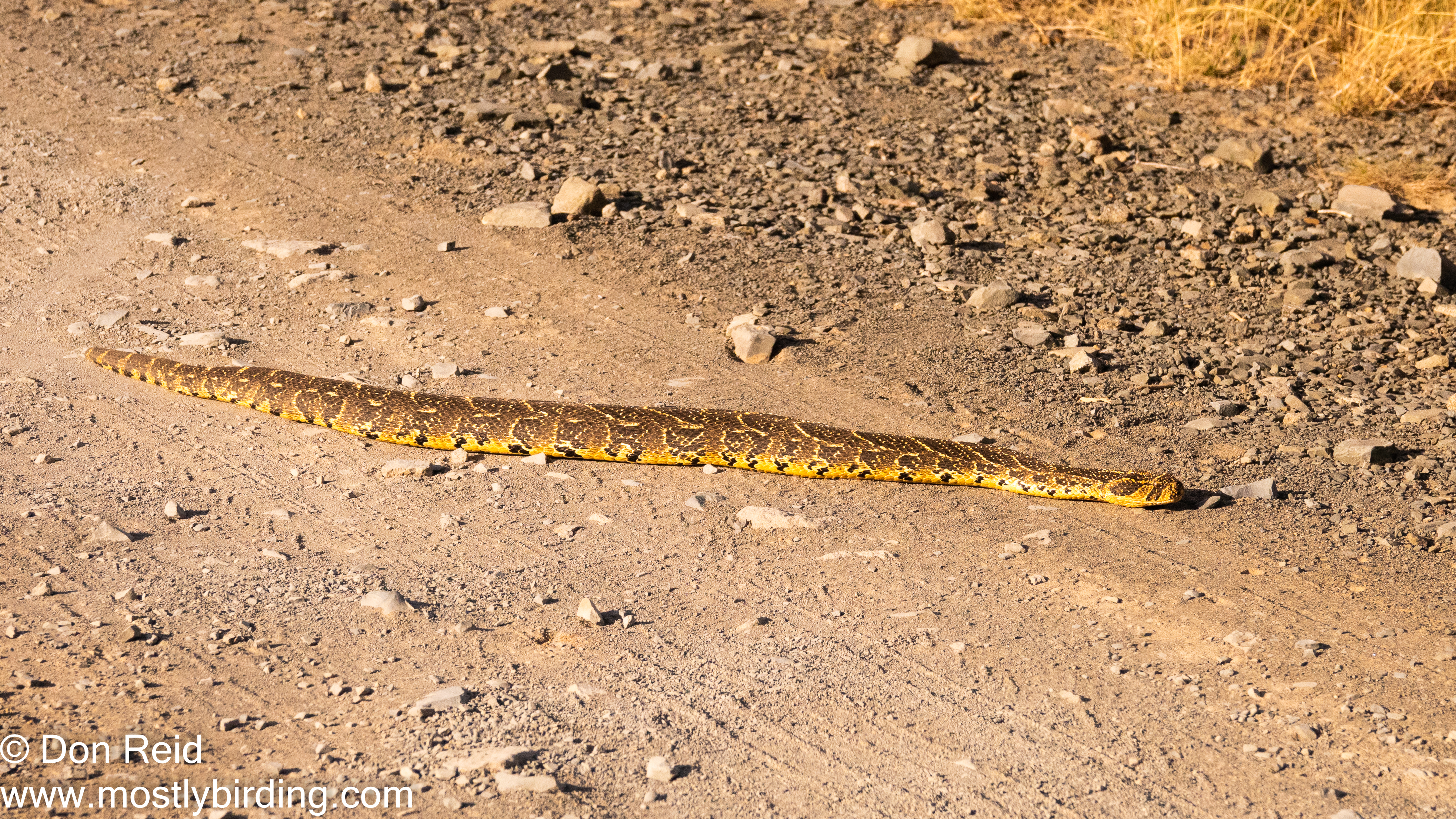
Puff adder Bitis arietans (Pofadder), Mountain Zebra NP

The Other Stuff

And the rest – photos that don’t fall into a category but have a certain character that appeals to me

Windmill, Hillside Farm Trompsburg
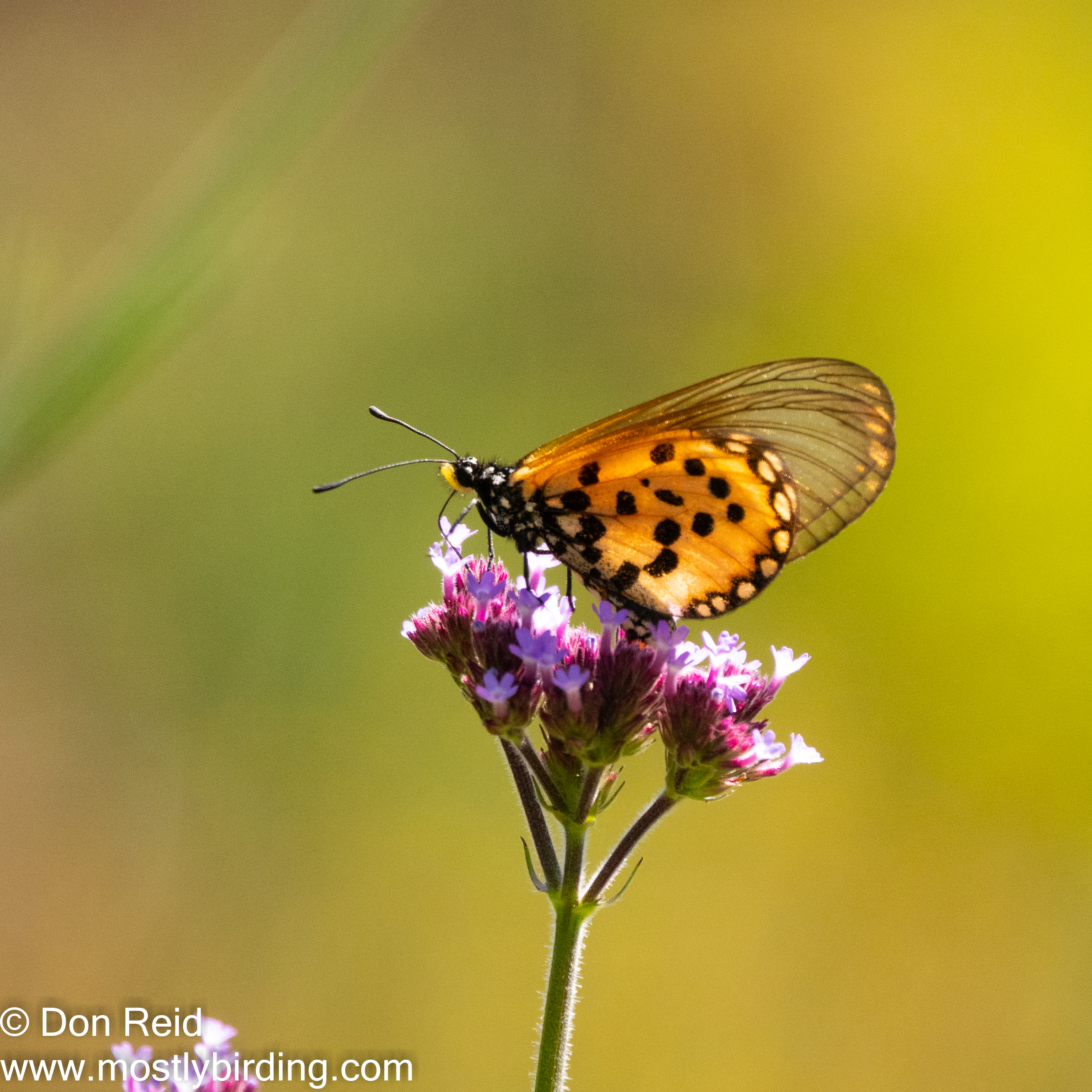
Garden Acraea Butterfly, Kirstenbosch
Beach footprints, Nature’s Valley – where the birds go, I am bound to be not far behind
Doorknob selfie, Abbotsbury, Graaff-Reinet
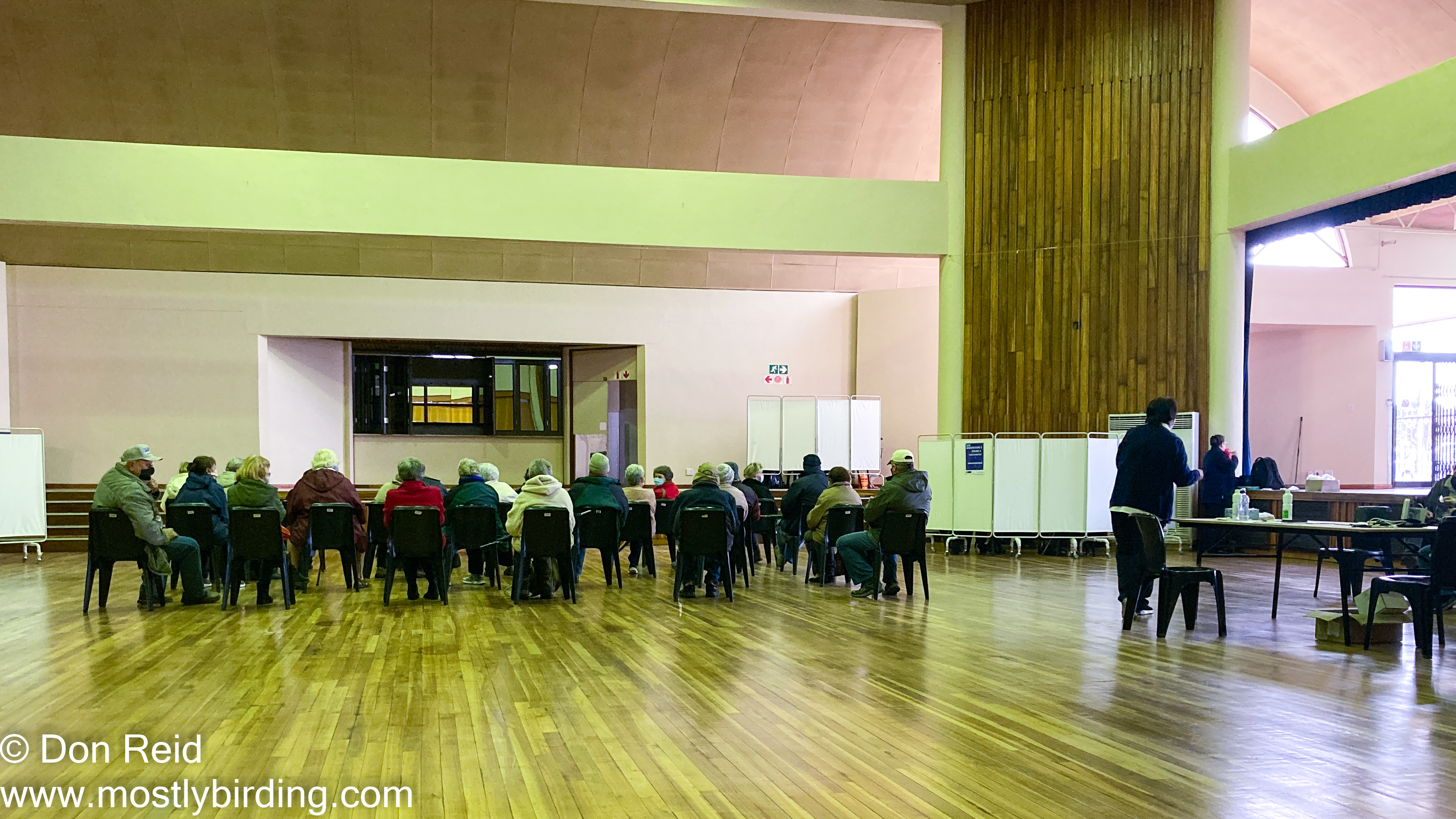
Waiting our turn to get the vaccine, Mossel Bay
Saartjie, our daughter’s Border Terrier, enjoying a mid-winter (gas) fire , Mossel Bay
Surfer, Mossel Bay Point
Flowers in Robinson Pass
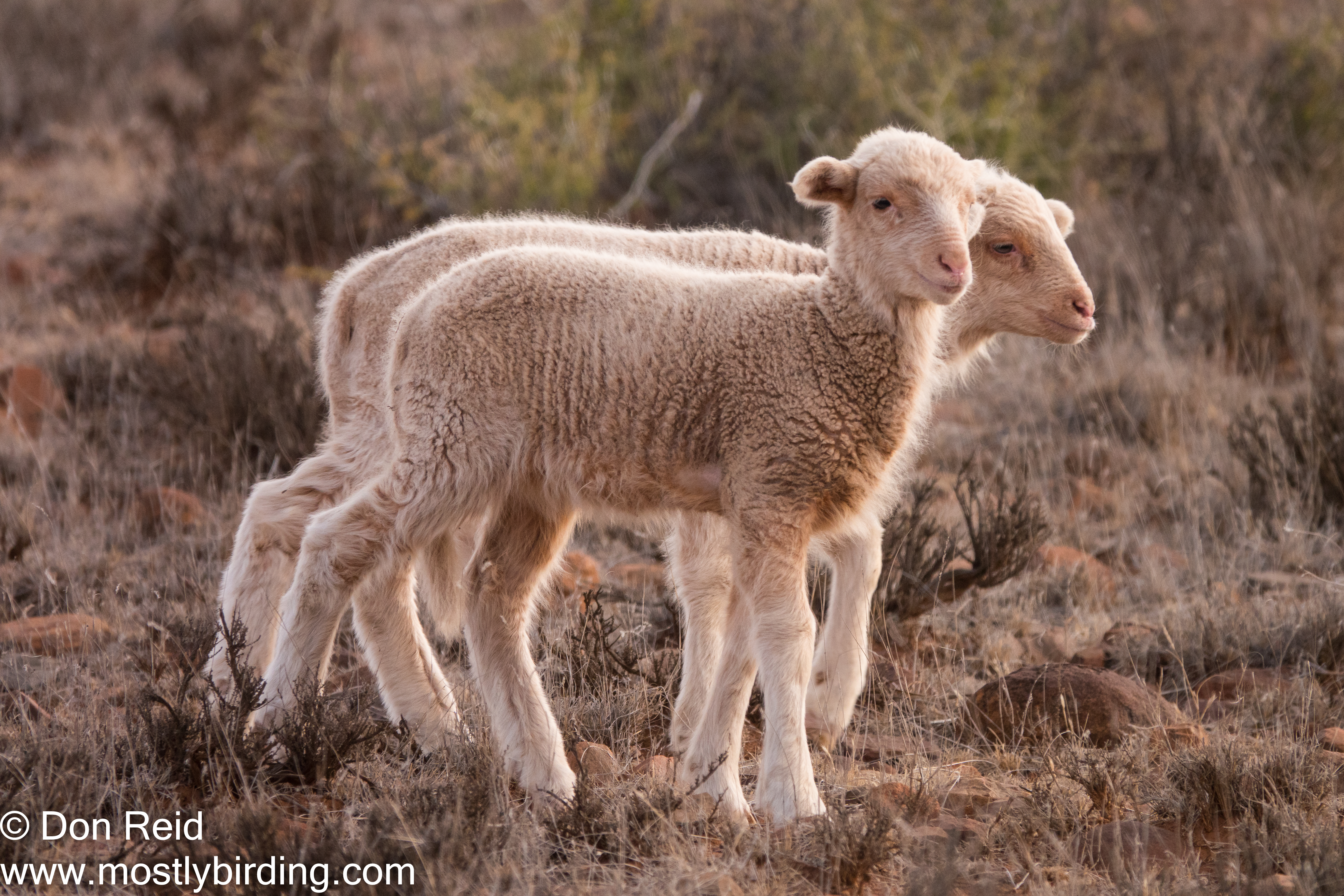
Karoo Lambs, Abbotsbury Guest Farm
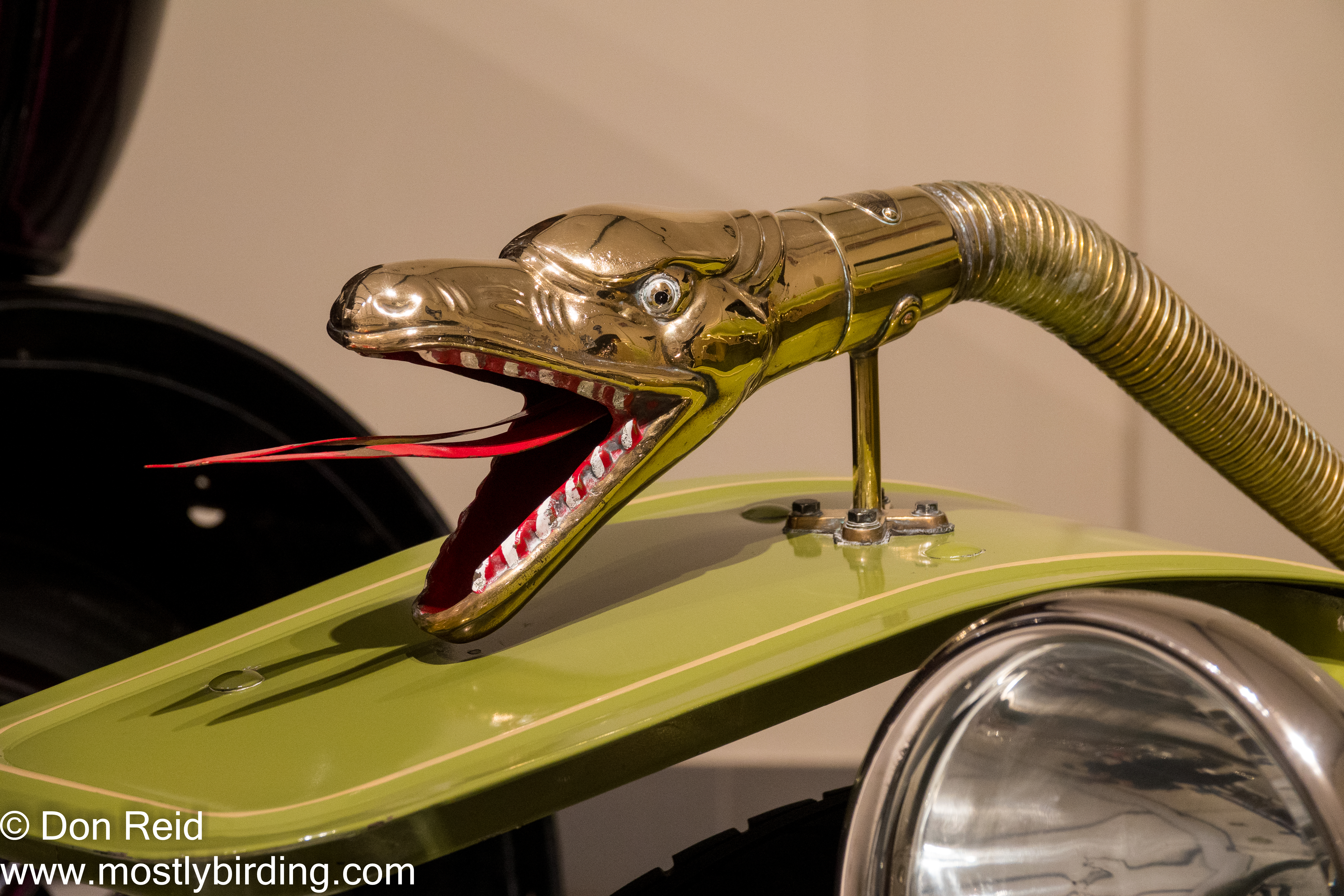
Dragon hooter (horn) on 1911 Lorraine-Dietrich Convertible, Franschhoek Motor Museum
Spring flowers, Cape Columbine Nature Reserve (Tietiesbaai)

Have a wonderful 2022!

My Photo Picks for 2021 – The Birds and a Bee

With the new year barely out of the starting blocks, it’s once again time to select the photos which best represent our travels and nature experiences during 2021, plus a few others that appeal to me for various reasons.  Despite the ongoing restrictions brought upon all of us by Covid 19, we still managed to travel fairly extensively, although it was limited to the borders of South Africa. 

I’m hoping you will find some of my favourite images to your liking – if you do, please take a moment to mention them in the comments at the end of the post. 

The Birds

During a normal birding year, I take a couple of thousand images of birds – this past year, for various reasons, I did not get out in the field birding and atlasing as much as I would normally have done, nevertheless when it came to choosing images I was happy to find that it was as challenging as ever.

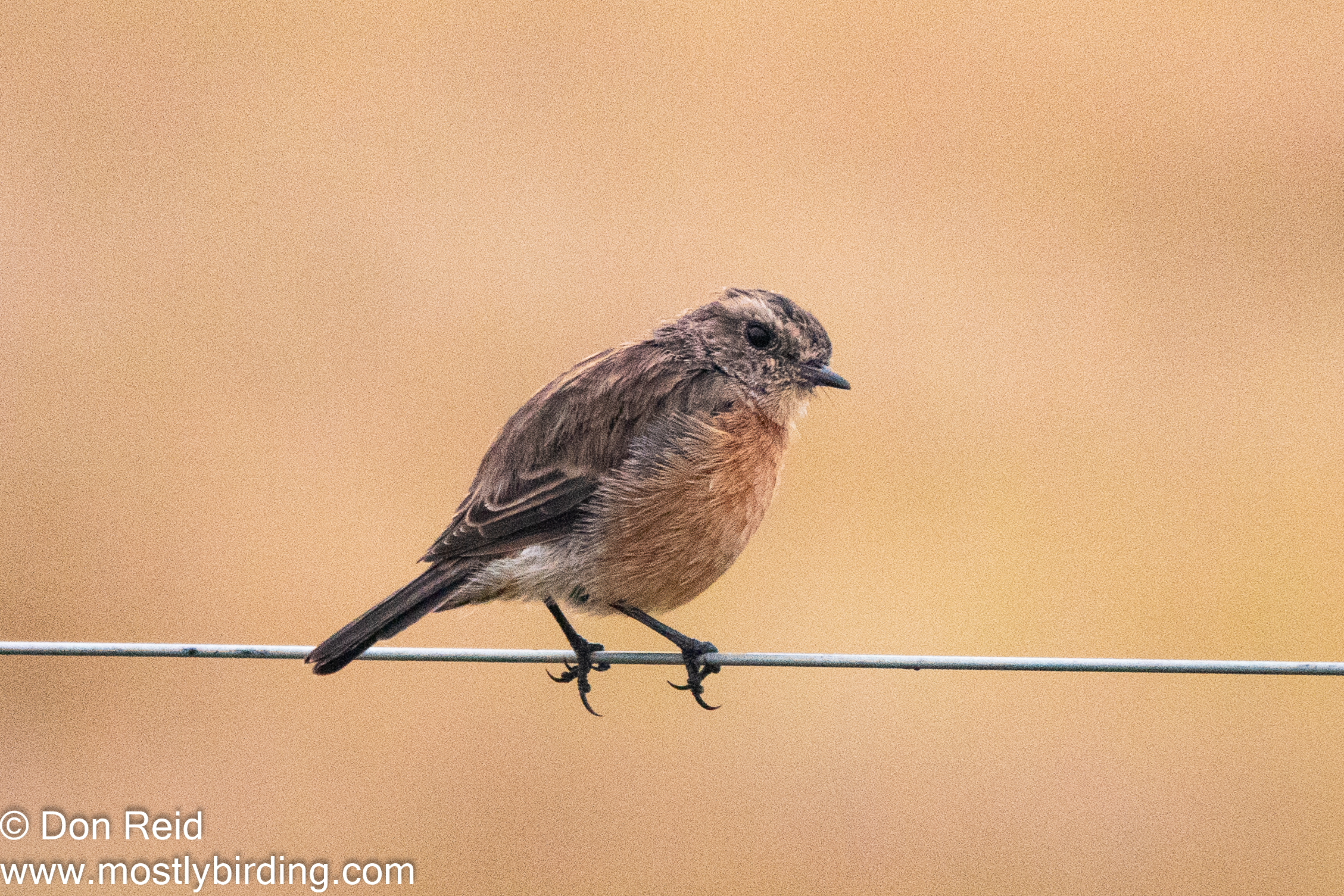
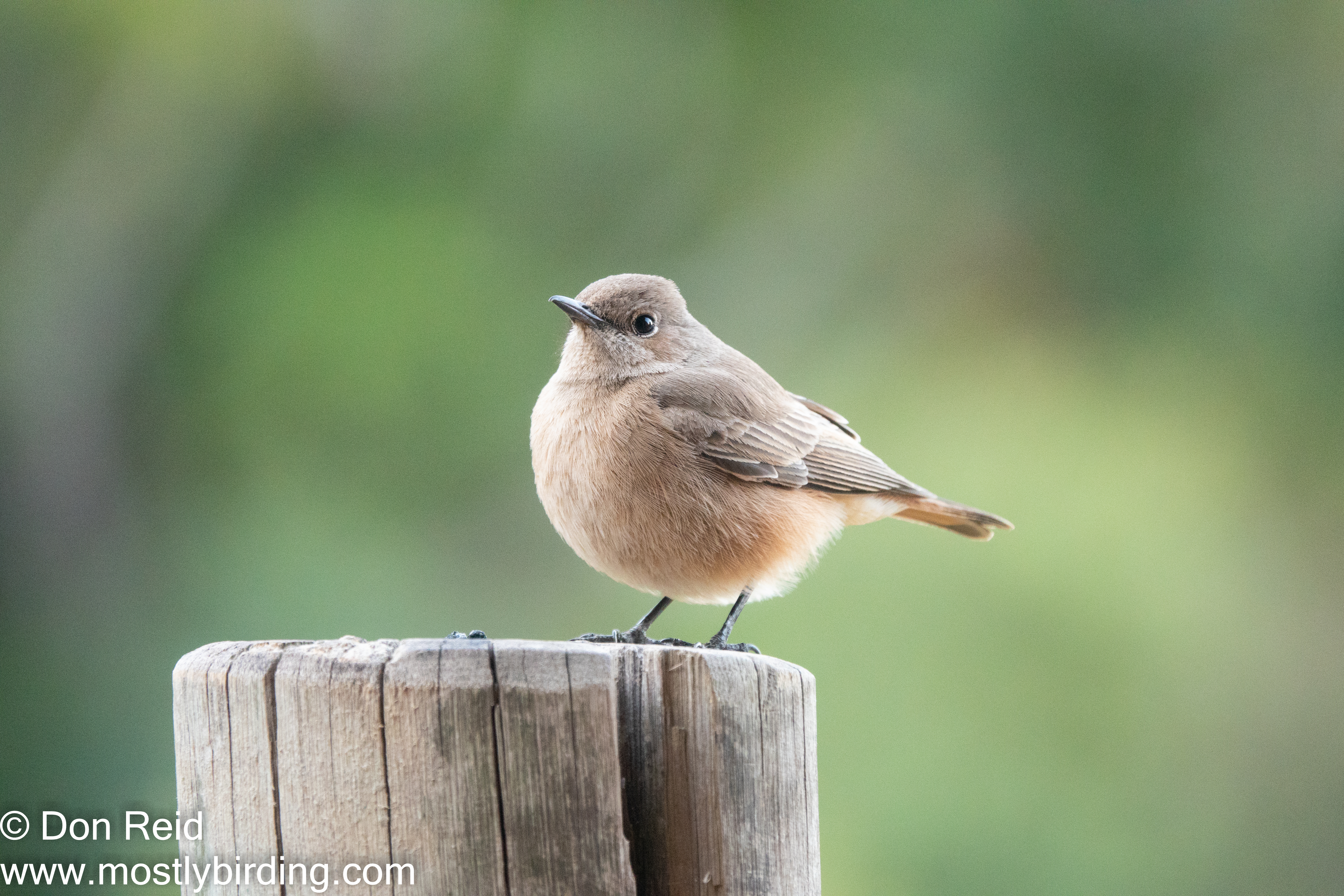
African Stonechat Saxicola torquatus (Gewone bontrokkie) (Female) , Herbertsdale Area
Common Buzzard Buteo buteo (Bruinjakkalsvoël), Herbertsdale Area
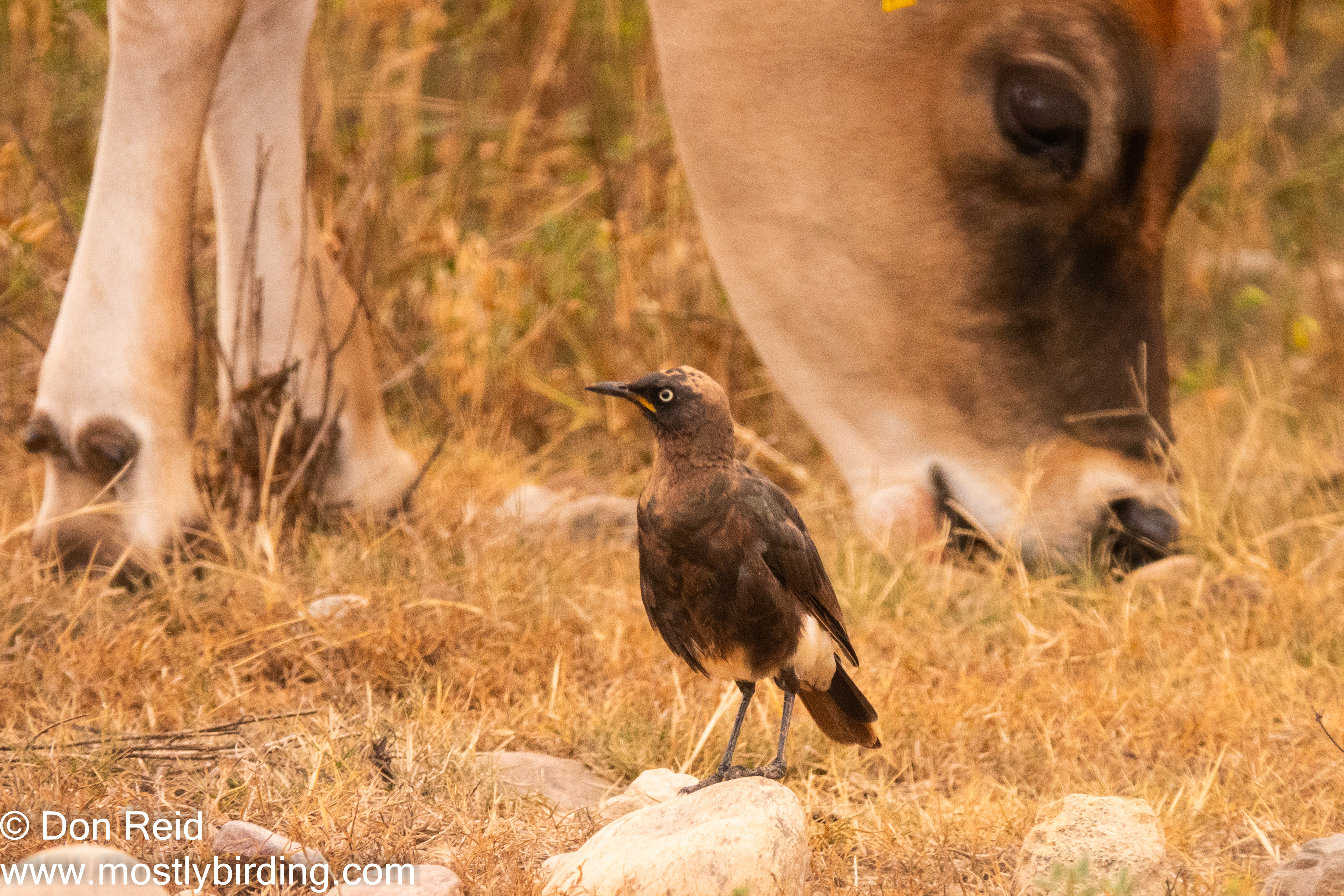
Pied Starling Lamprotornis bicolor (Witgatspreeu), Herbertsdale Area
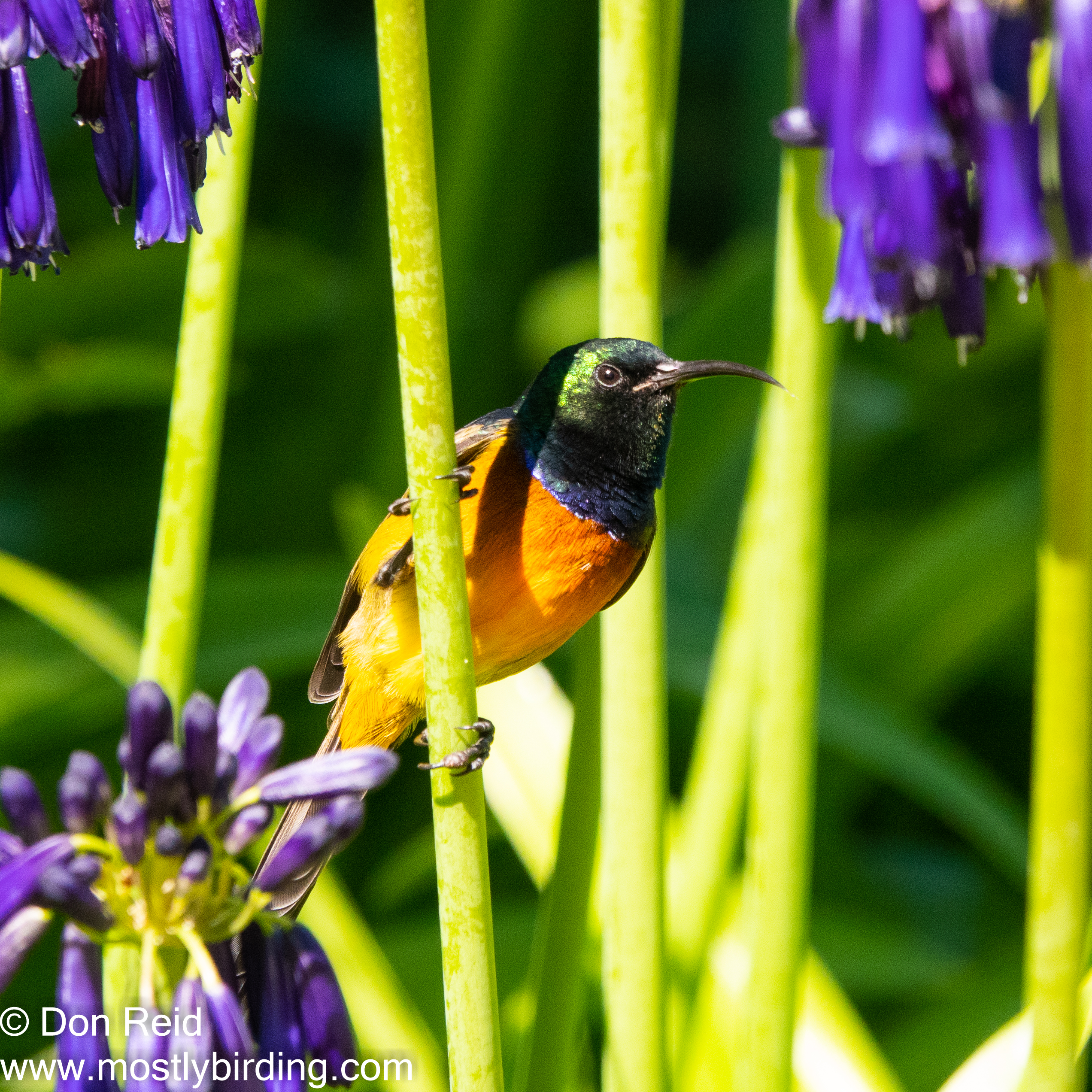
Orange-breasted Sunbird Anthobaphes violacea (Oranjeborssuikerbekkie), Kirstenbosch
Rock Kestrel Falco rupicolus (Kransvalk), Vleesbaai area
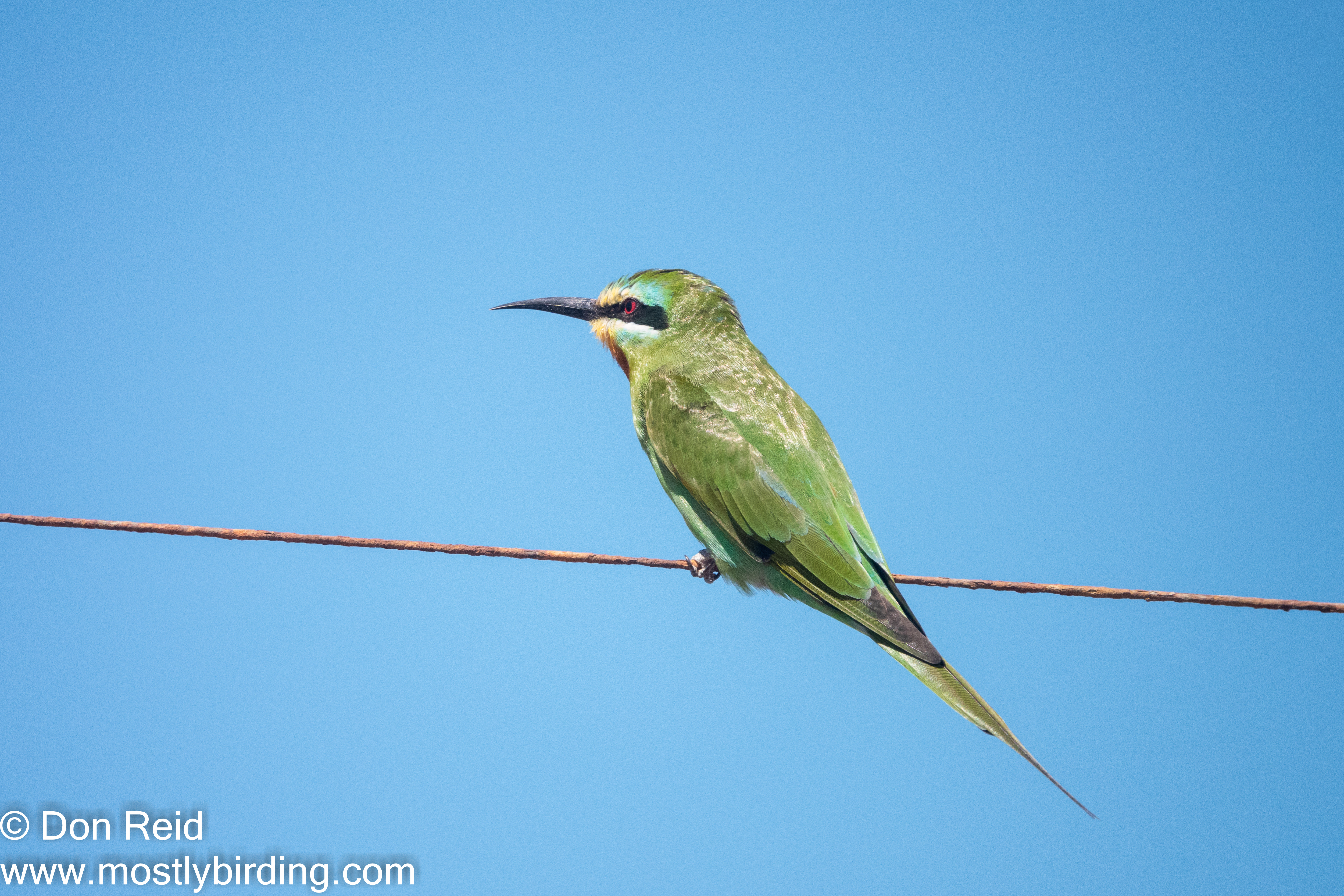
Blue-cheeked Bee-eater Merops persicus (Blouwangbyvreter) (Western Cape rarity), Gouritzmond Area
Large-billed Lark Galerida magnirostris (Dikbeklewerik), Herbertsdale Area
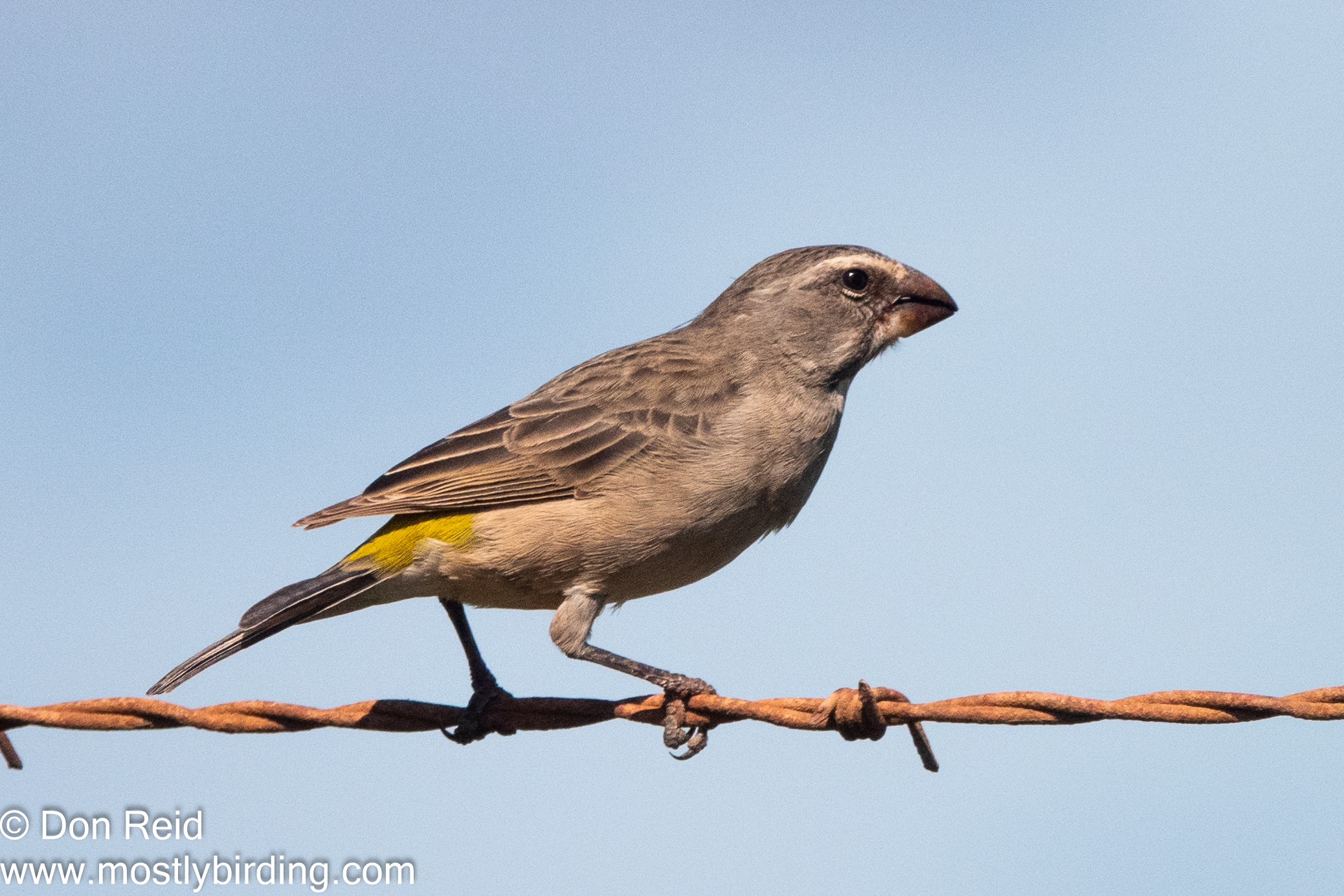
White-throated Canary Crithagra albogularis (Witkeelkanarie), Herbertsdale Area, Western Cape
White-bellied Sunbird Cinnyris talatala (Witpenssuikerbekkie), Donkerhoek / Boschkop Area, Gauteng
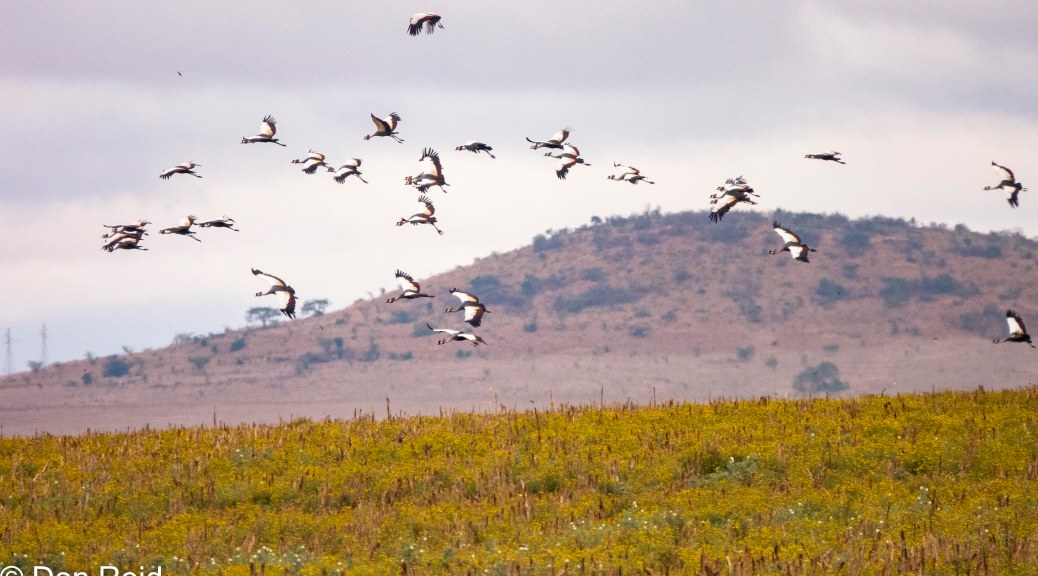
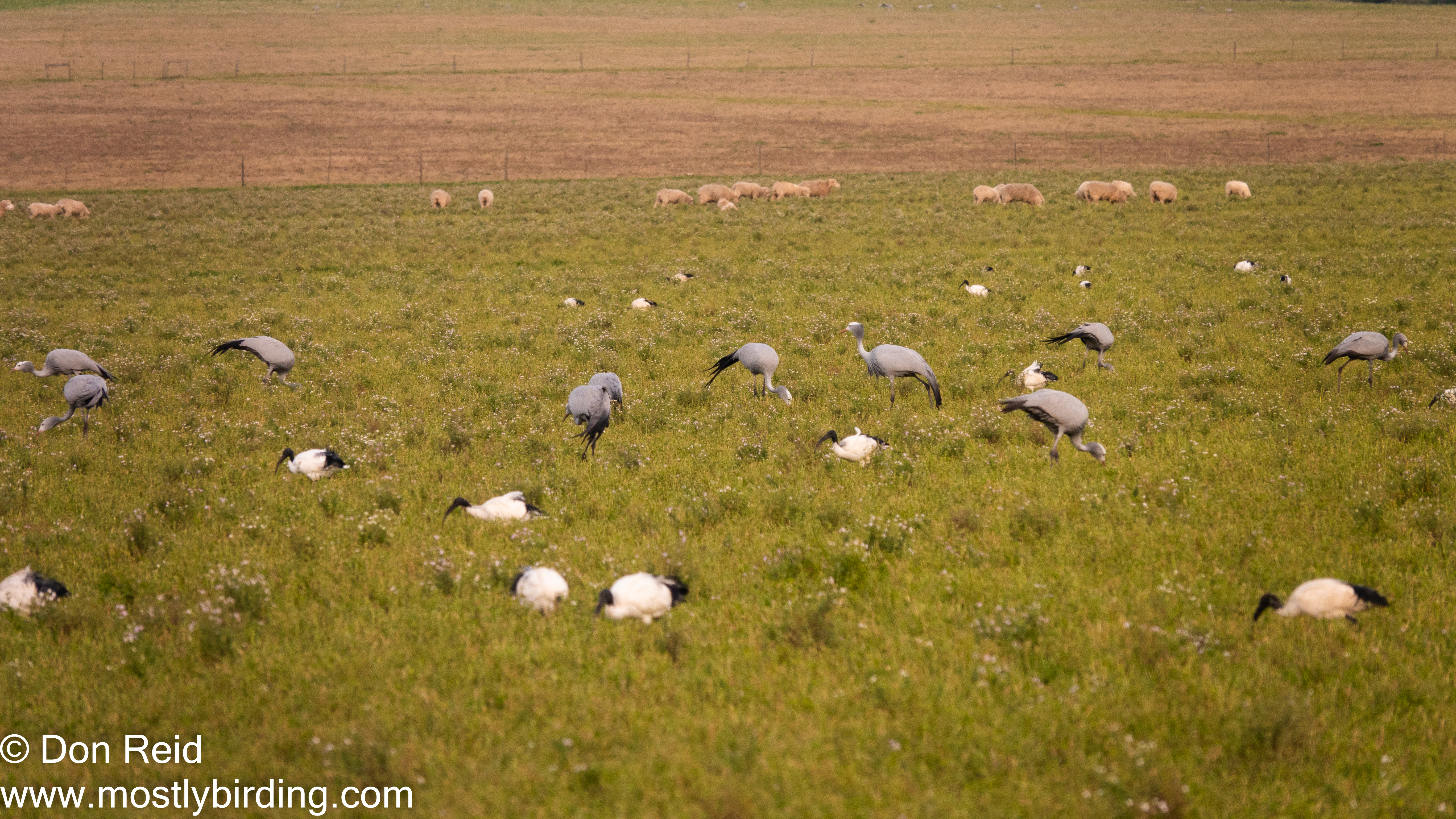
Blue Cranes, Sacred Ibises and sheep, Vleesbaai area, Western Cape
Zitting Cisticola Cisticola juncidis (Landeryklopkloppie), Vleesbaai area
Sacred Ibis, Vleesbaai Area
White-throated Swallow Hirundo albigularis (Witkeelswael) Bronkhorstspruit Area, Gauteng
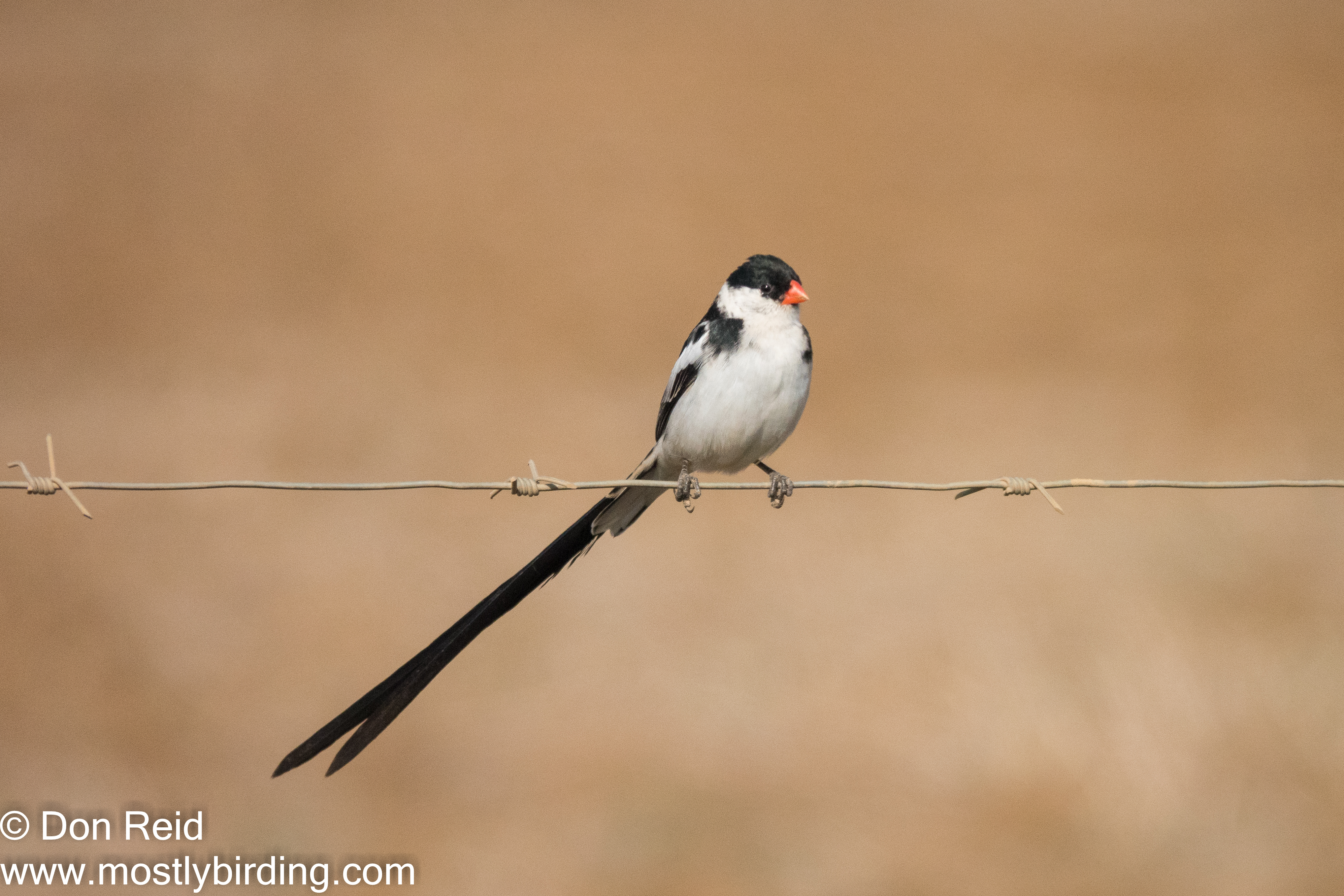
Pin-tailed Whydah Vidua macroura (Koningrooibekkie) Bronkhorstspruit Dam, Gauteng
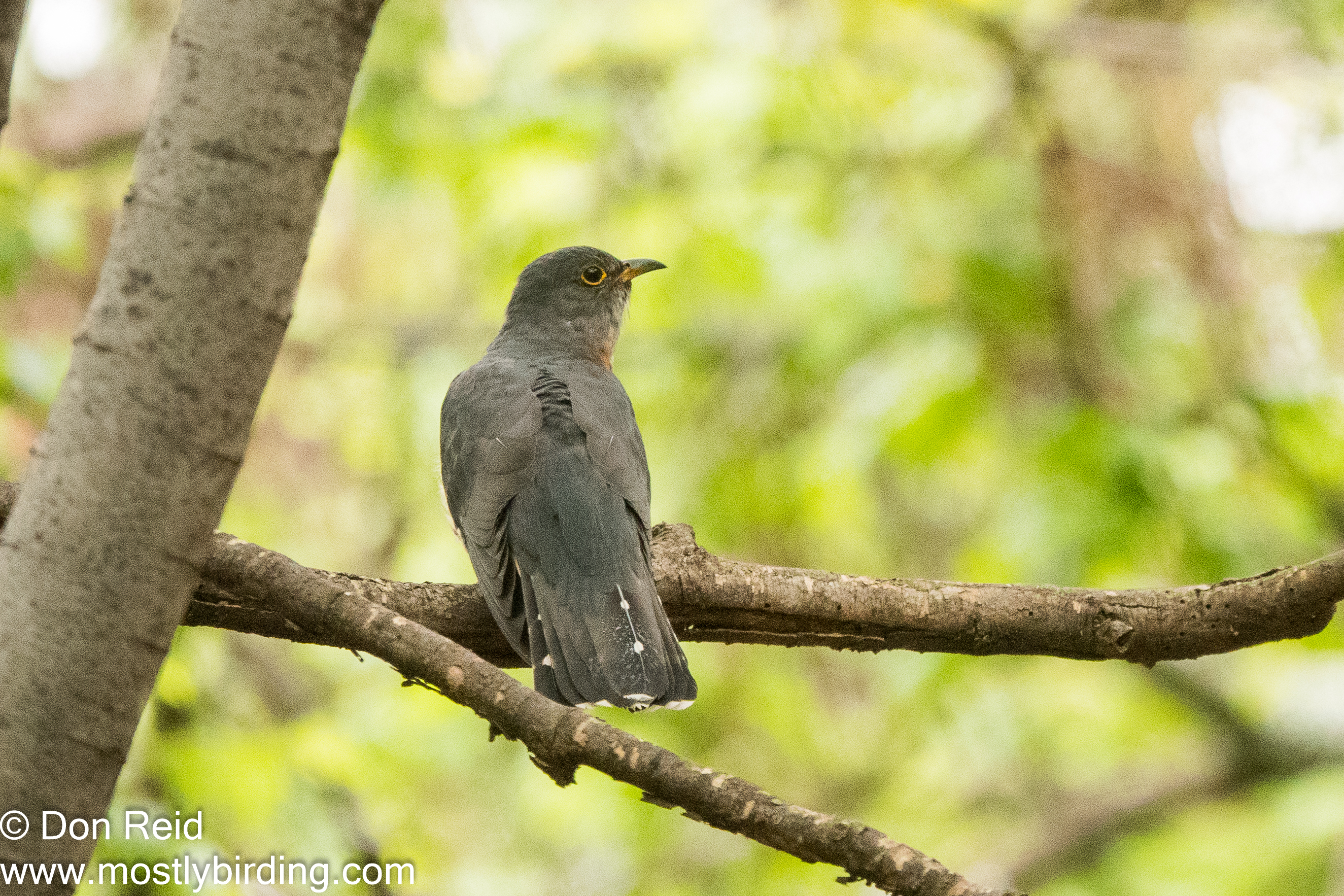
Red-chested Cuckoo Cucula solitarius (Piet-my-vrou), Ezemvelo Nature Reserve, Gauteng
Baird’s Sandpiper Calidris bairdii (Bairdse strandloper), (National Rarity), Bronkhorstspruit Nature Reserve, Gauteng
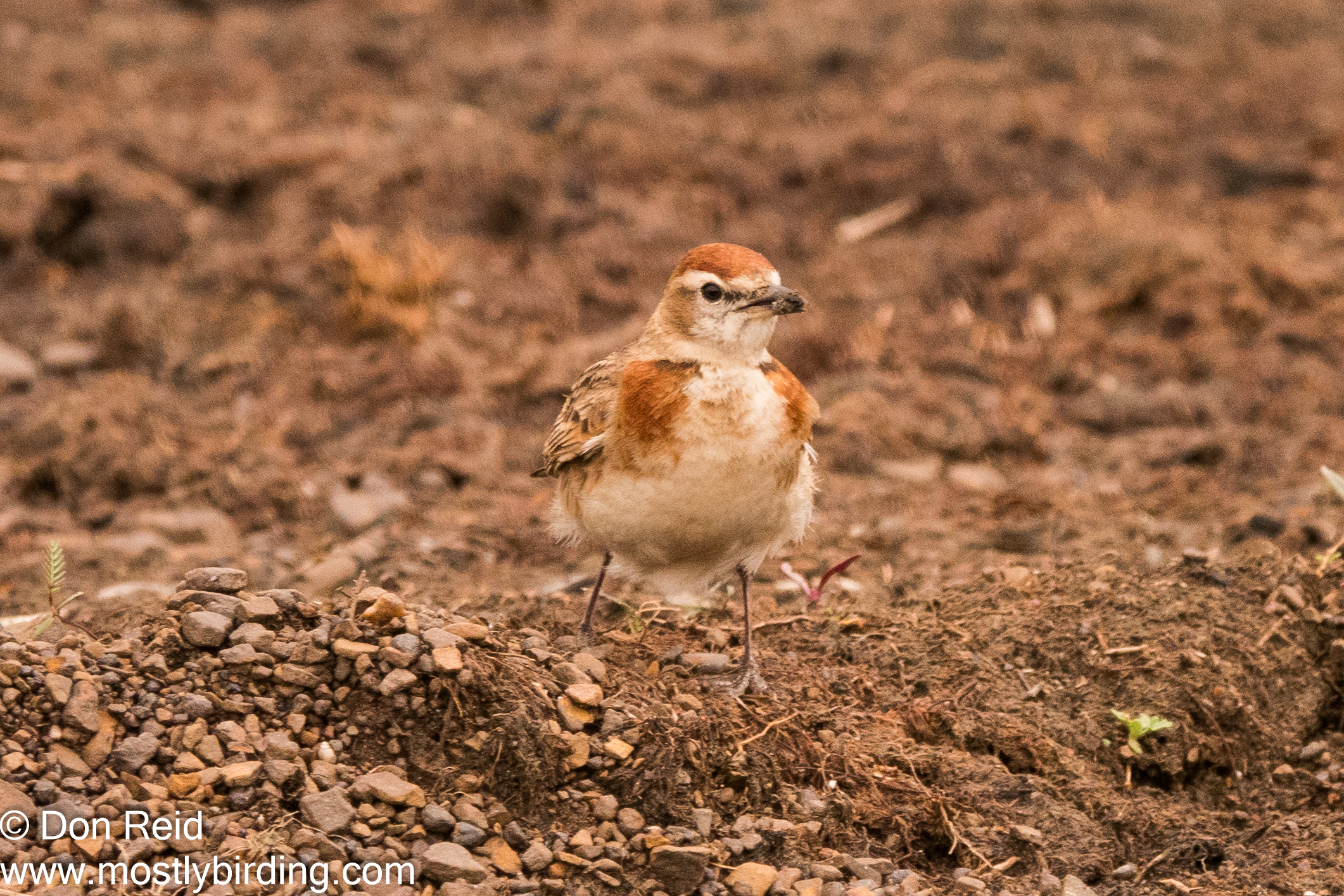
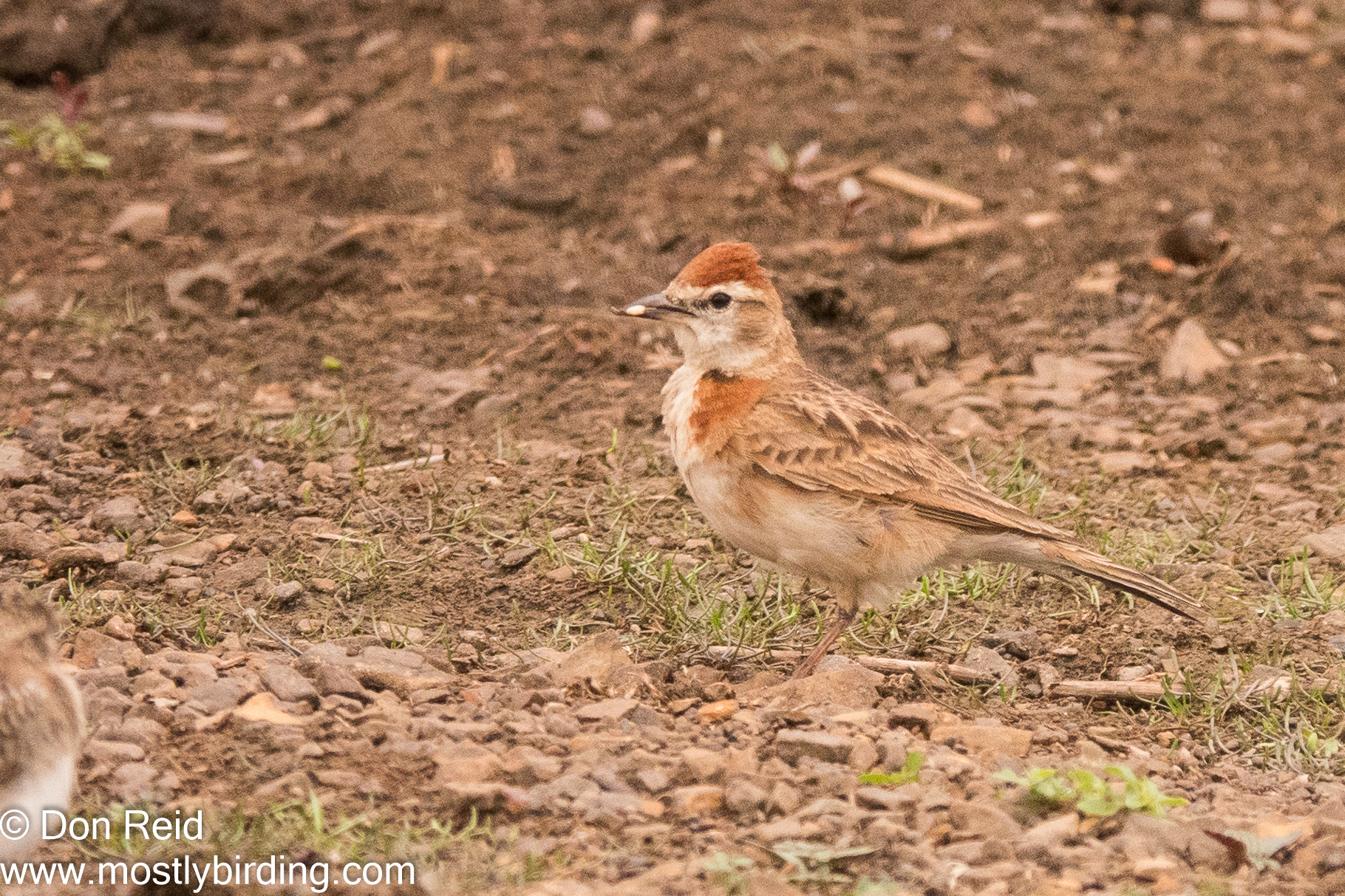
Red-capped Lark Calandrella cinerea (Rooikoplewerik), Bronkhorstspruit Nature Reserve, Gauteng
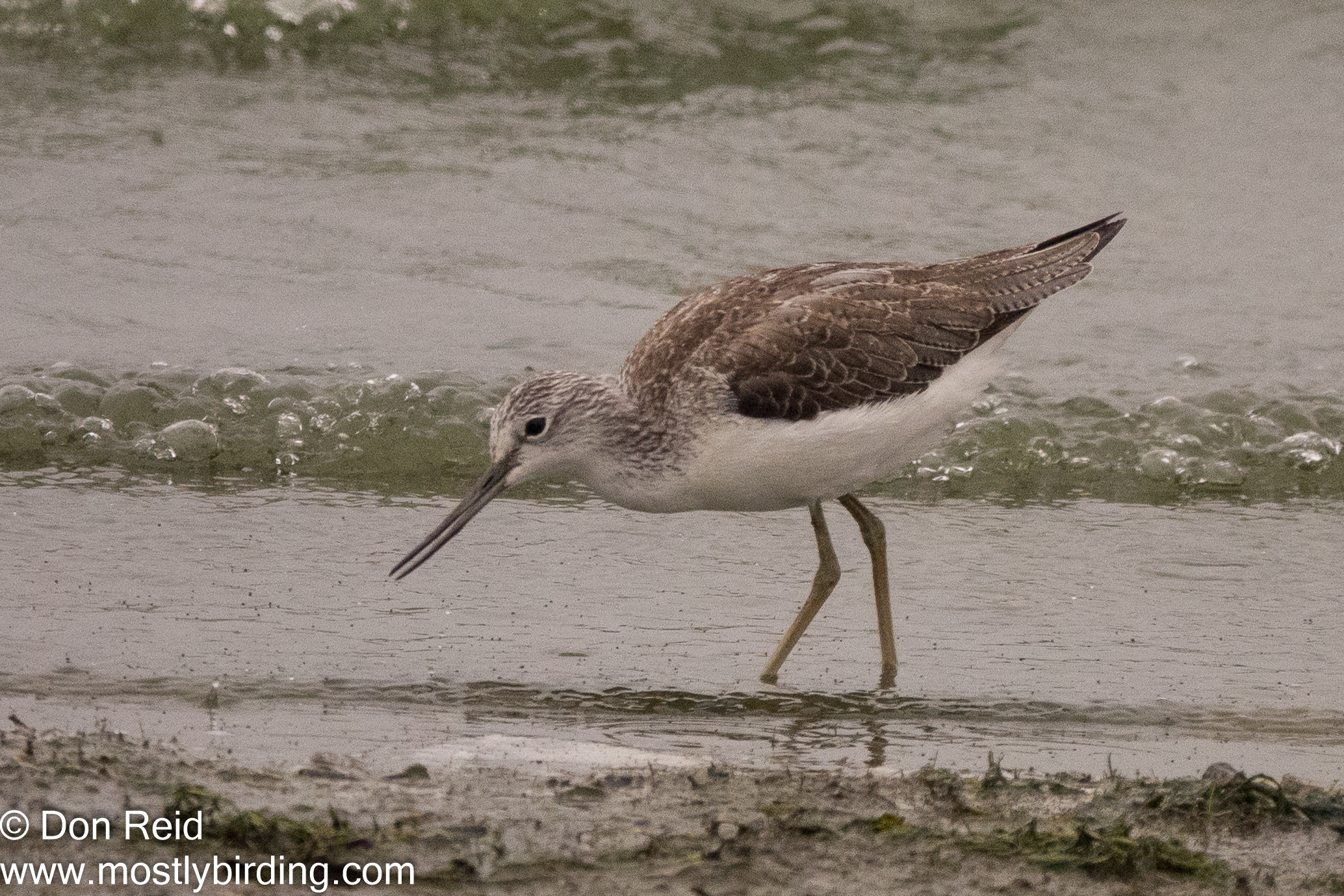
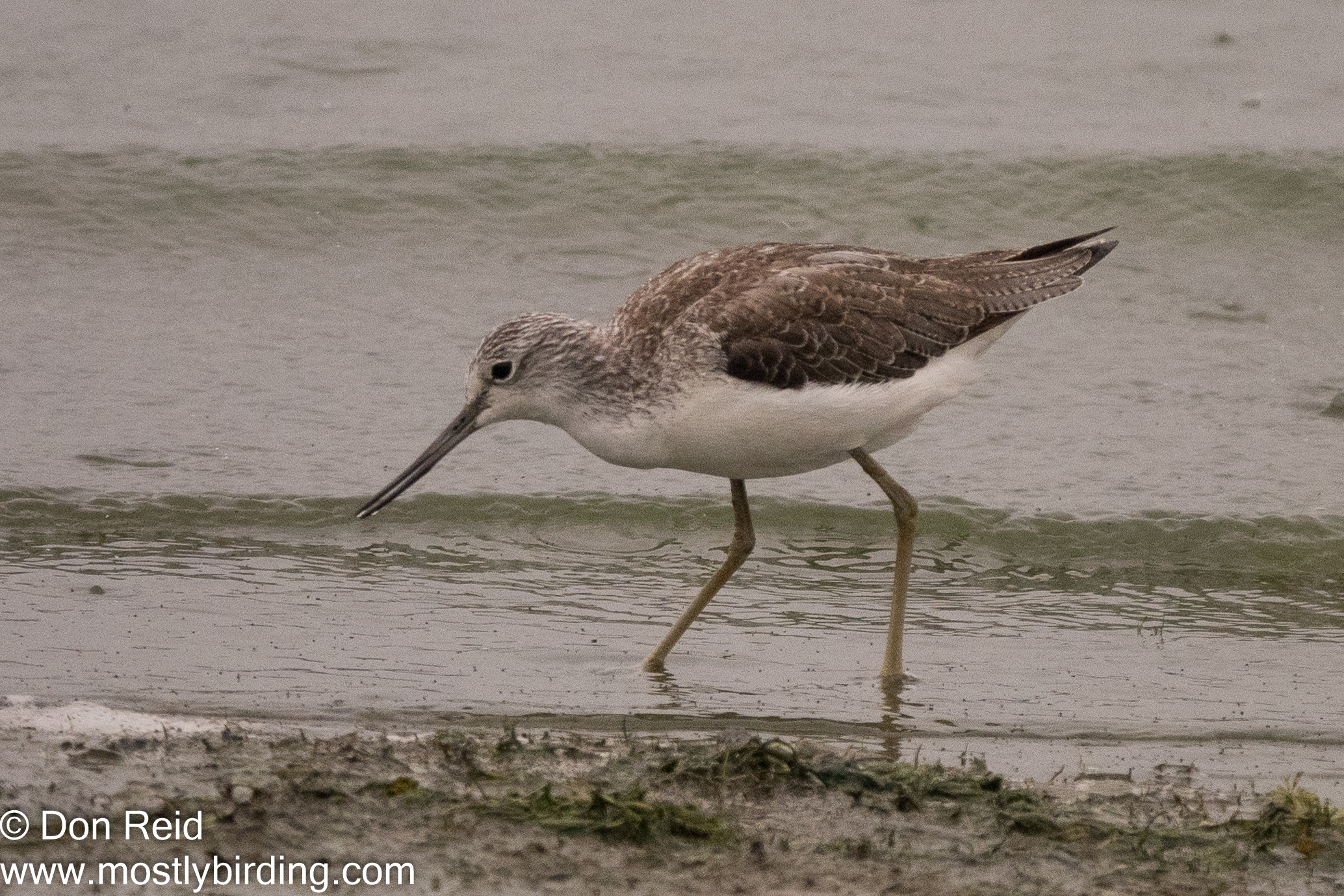
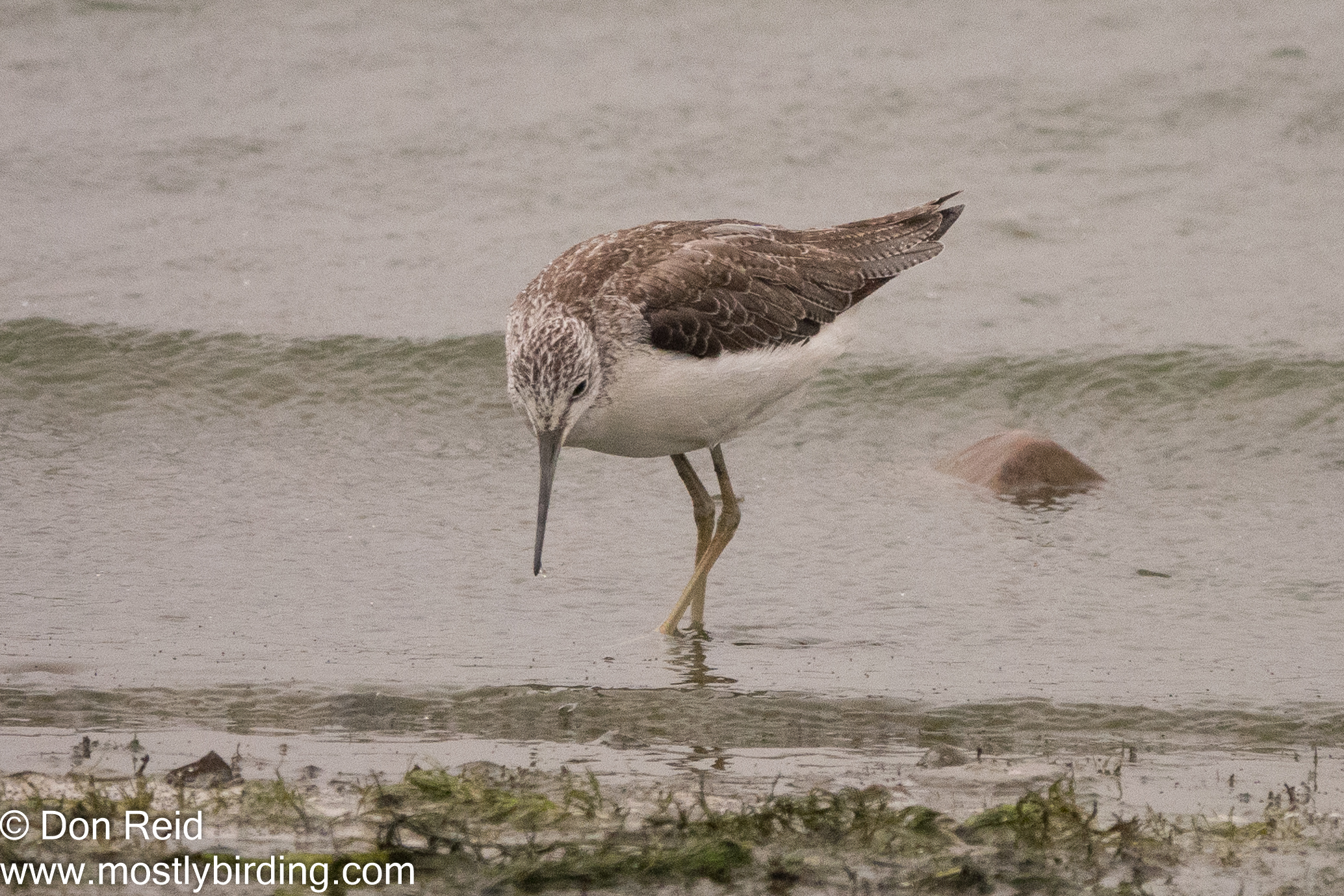
Common Greenshank Tringa nebularia (Groenpootruiter), Bronkhorstspruit Nature Reserve
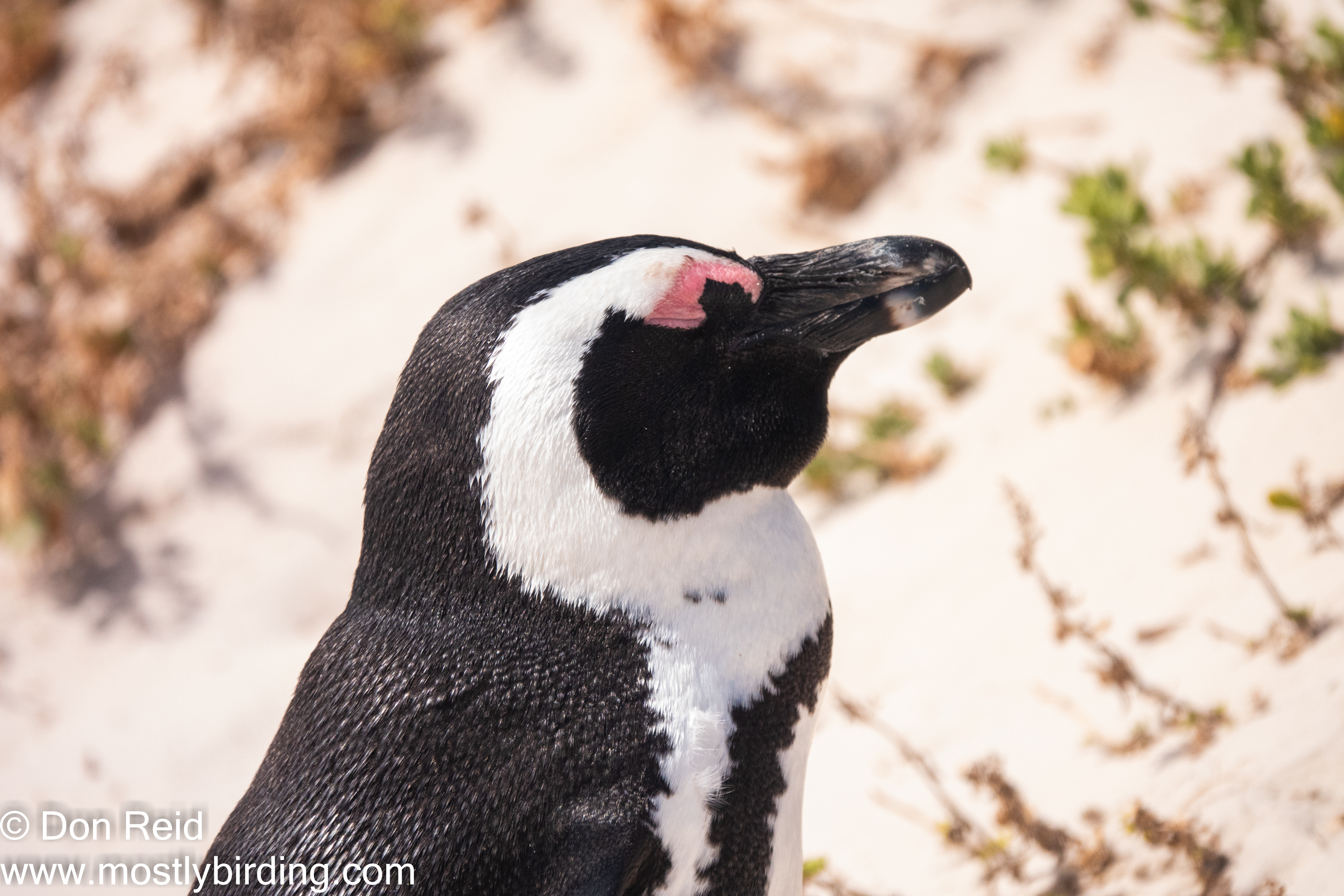
African Penguin Spheniscus demersus (Brilpikkewyn), Boulders beach Simon’s Town
Sooty Gull Ichthyaetus hemprichii (National Rarity), Sunday’s River Mouth. Eastern Cape
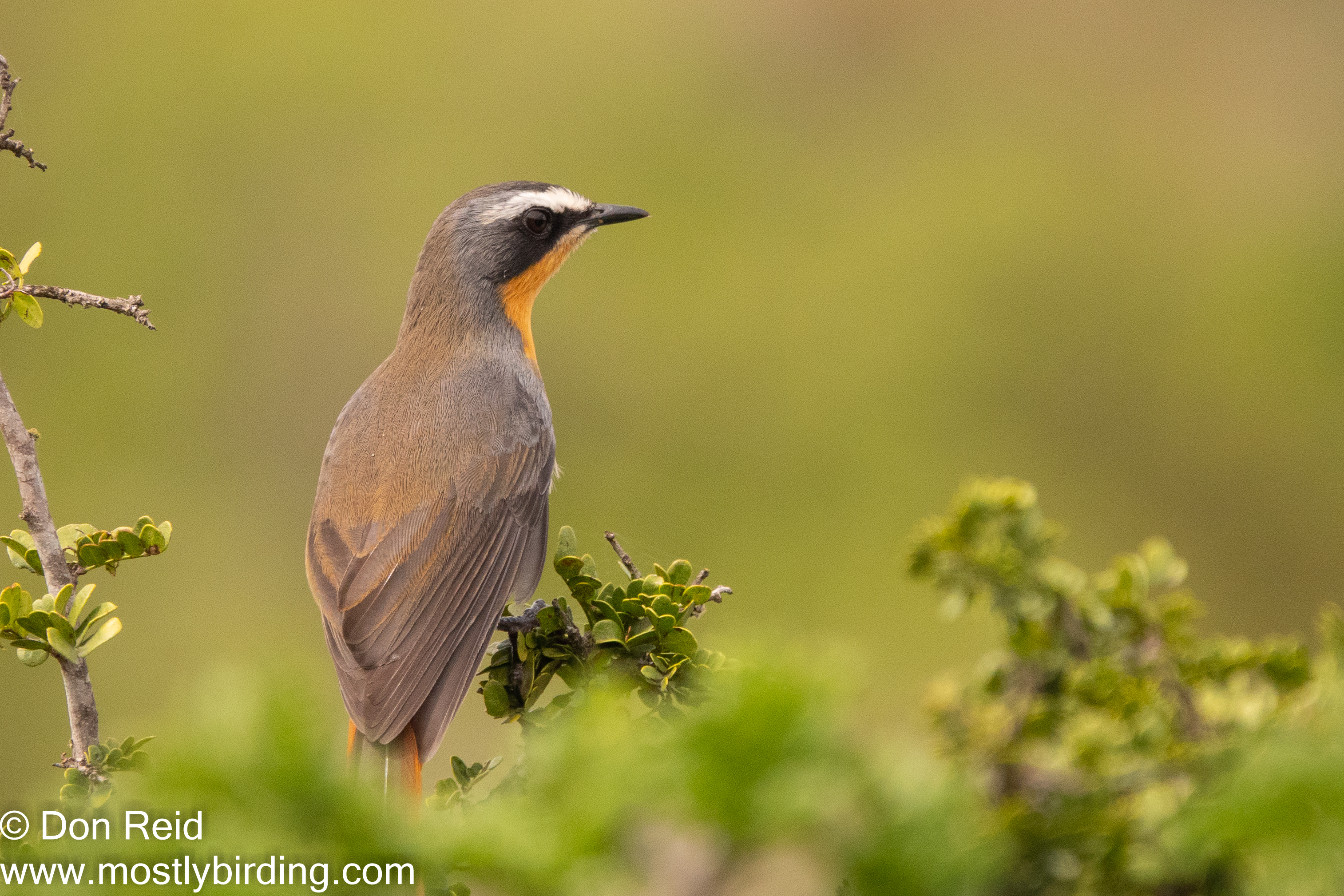
Cape Robin-Chat Cossypha caffra (Gewone janfrederik), Addo Elephant Park, Eastern Cape
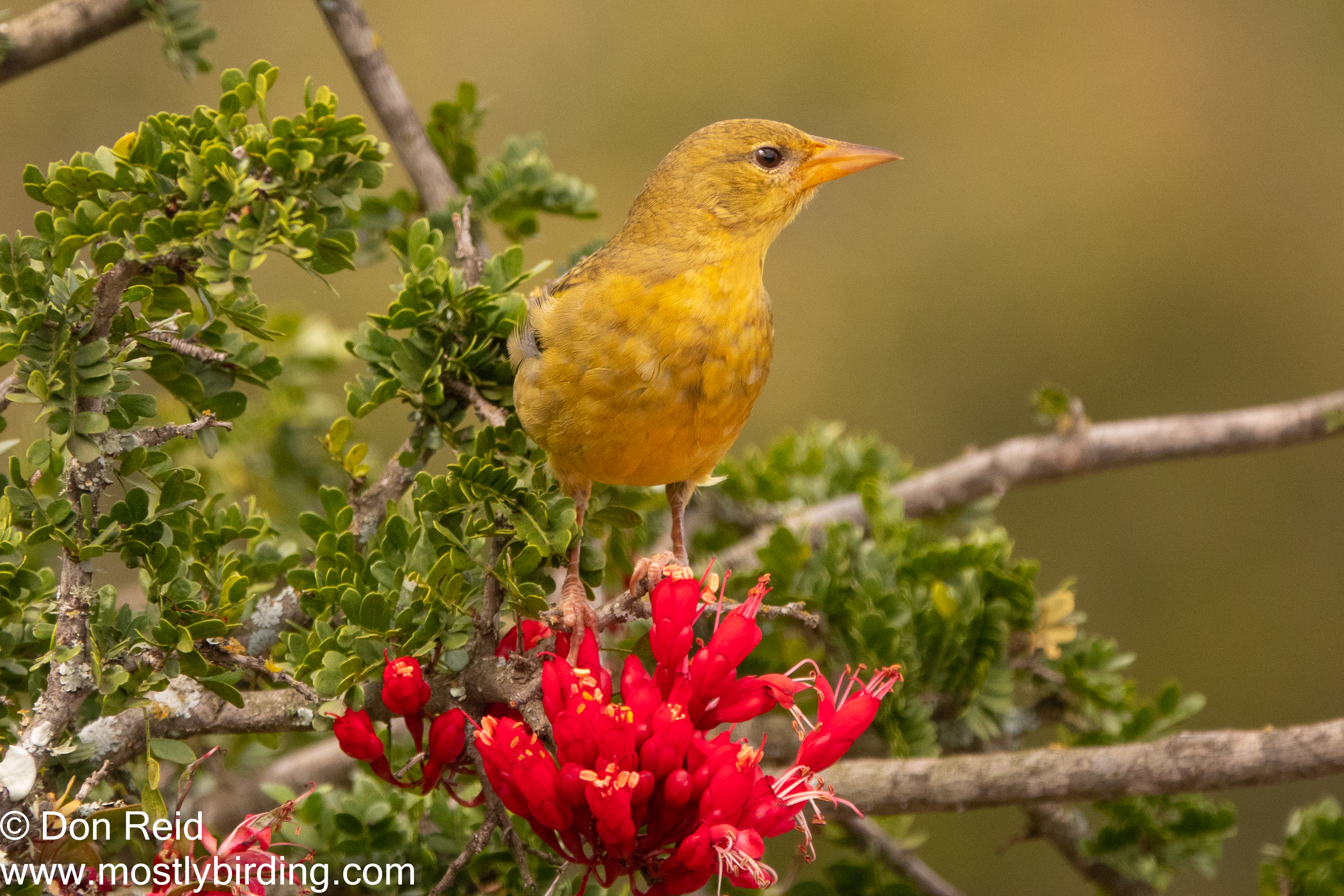
Cape Weaver Ploceus capensis (Kaapse wewer) (female), Addo Elephant Park, Eastern Cape
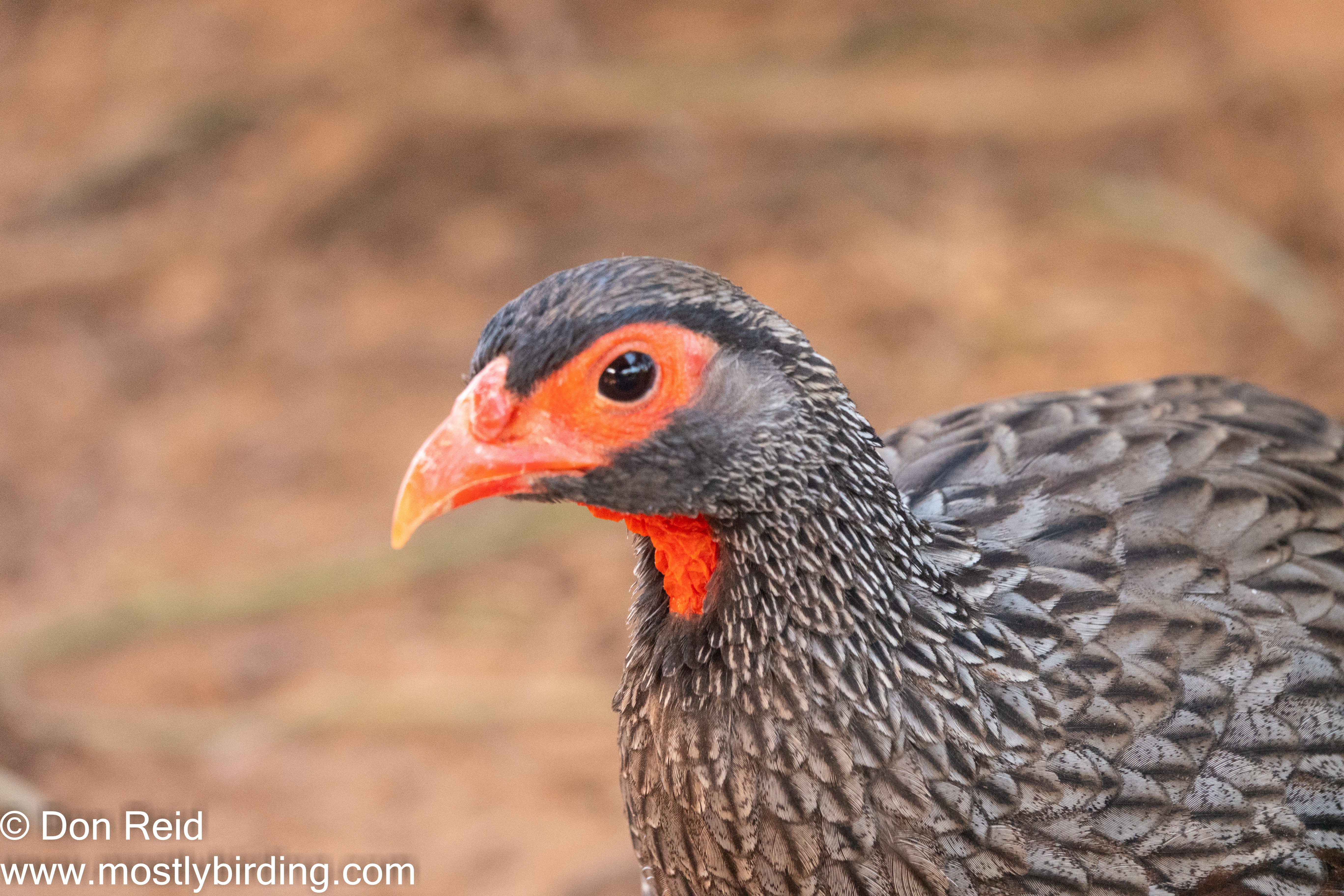
Red-necked Spurfowl Pternistis afer (Rooikeelfisant), Addo Elephant Park
The usually extremely shy Sombre Greenbul Andropadus importunus (Gewone willie), Addo Elephant Park
Cape Turtle-Dove Streptopelia capicola (Gewone tortelduif), Addo Elephant Park
African Rock Pipit Anthus crenatus (Klipkoester), Mountain Zebra National Park
Familiar Chat Cercomela familiaris (Gewone spekvreter), Verlorenkloof
Cape Rock Thrush Monticola rupestris (Kaapse kliplyster), Verlorenkloof
Nest building Cape Weaver Ploceus capensis (Kaapse wewer), Mossel Bay
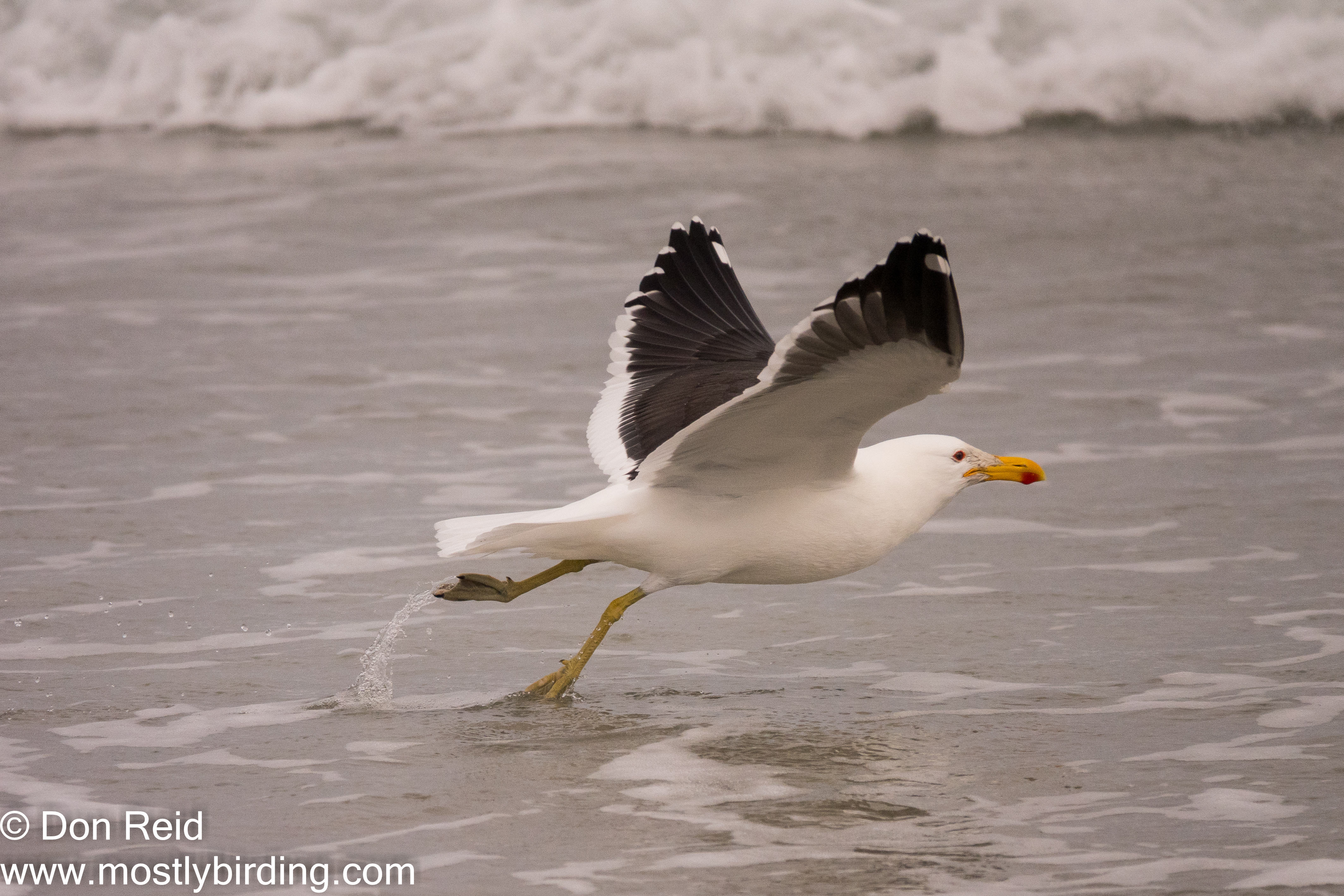
Kelp Gull Larus dominicanus (Kelpmeeu), Paternoster, Western Cape

And the Bee….

Busy Bee, Mossel Bay

Have a wonderful 2022!

Blue Crane Breeding

At the end of a memorable year which has left many of us with a somewhat negative feeling about 2021 and hopeful for a better experience in 2022, it seemed appropriate to write about something which holds promise for the future. and what is more promising than the sight of an iconic bird in breeding mode.

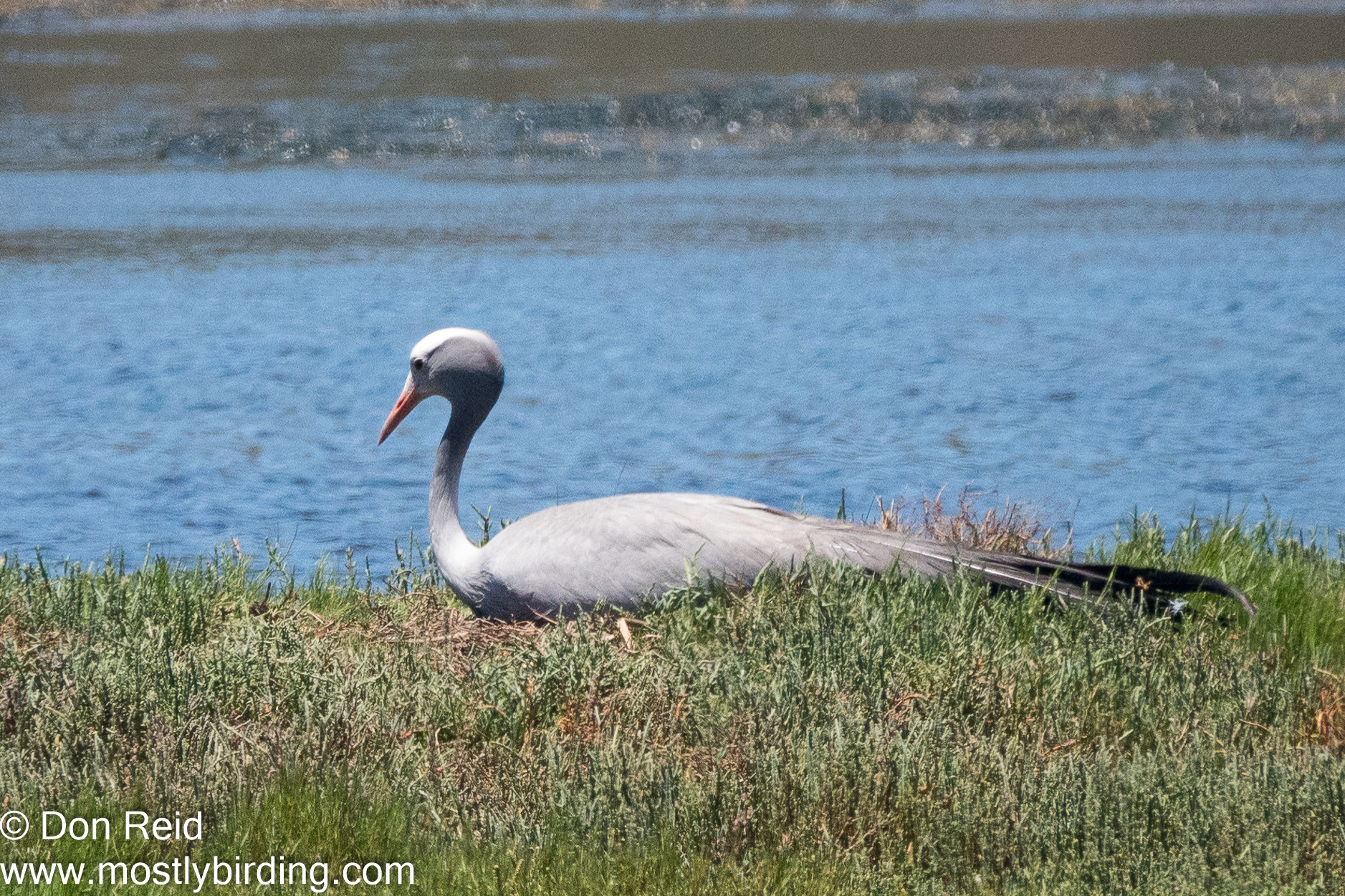
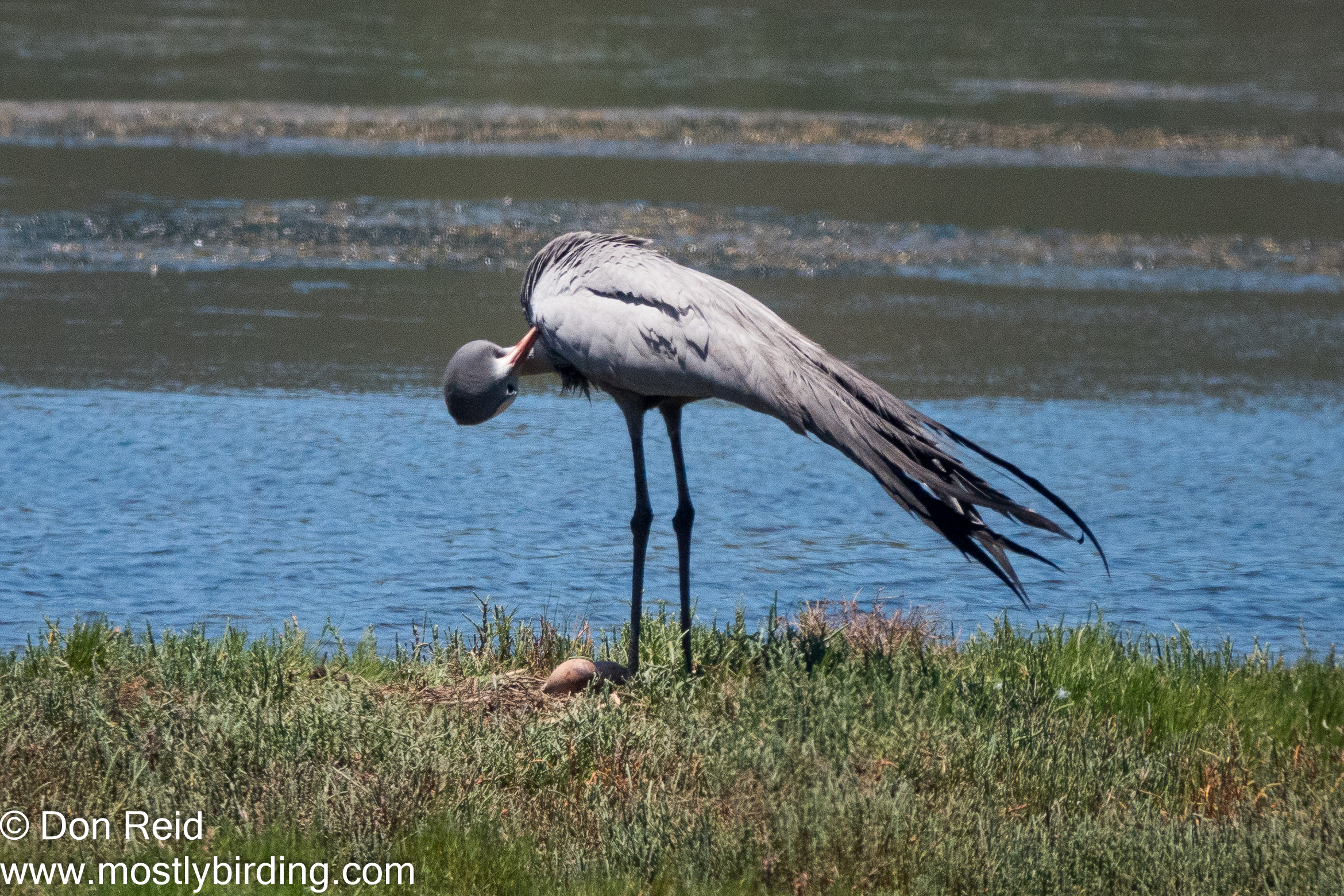
We were recently privileged to view a Blue Crane Anthropoides paradiseus (Bloukraanvoel) on its nest, something we have never seen before and our short ‘stay’ with this National Bird of South Africa was truly uplifting.

It happened purely by chance, as is often the case with special bird sightings, and only a few days into our latest stay in Mossel Bay over the December/January summer ‘season’

We had travelled to Plettenberg Bay from our Mossel Bay home (both part of the famous Garden Route of South Africa and some 150 kms distance from each other) to follow up on a sighting of a rarity that had been located at the Keurbooms River Estuary (more about that in a future post) and were on the road from the estuary back to the N2 National Road for our return trip home.

Gerda spotted a bird in a field and I duly stopped on the quiet road to see what it was. A car going in the opposite direction had also stopped almost alongside us and I wondered if they were also birding, whereupon one of the occupants got out and told us “There’s a Blue Crane on a nest if you are interested” and proceeded with a description of where we could find it. I didn’t pick it all up but thanked him and we set off in search of the spot he had described.

Fortunately between Gerda and myself we had understood enough of this thoughtful birder’s directions to find our way to the road along the Bitou River just outside Plett (which is how most South Africans refer to this Popular town) and after carefully scanning the river and vleis for a few kms we came to the spot he had described, with a pair of Blue Cranes in attendance a short distance from the road.

One was clearly on a nest and this was confirmed moments later when he/she stood up so that we could see at least one egg, which turned into two when I later studied the photos.

Blue Crane on nest
Blue Crane at nest, two eggs visible
The Blue Crane fussing over the eggs

The other Blue Crane was a short distance away in shallow vlei water, seemingly keeping an eye on the situation. According to Roberts VII the male and female spend almost equal amounts of time incubating the eggs over a period of around 30 days.

We had no way of knowing how long they had been incubating so it’s impossible to say when they may hatch – perhaps we will travel that way in a couple of weeks time and see if there has been a change in status.

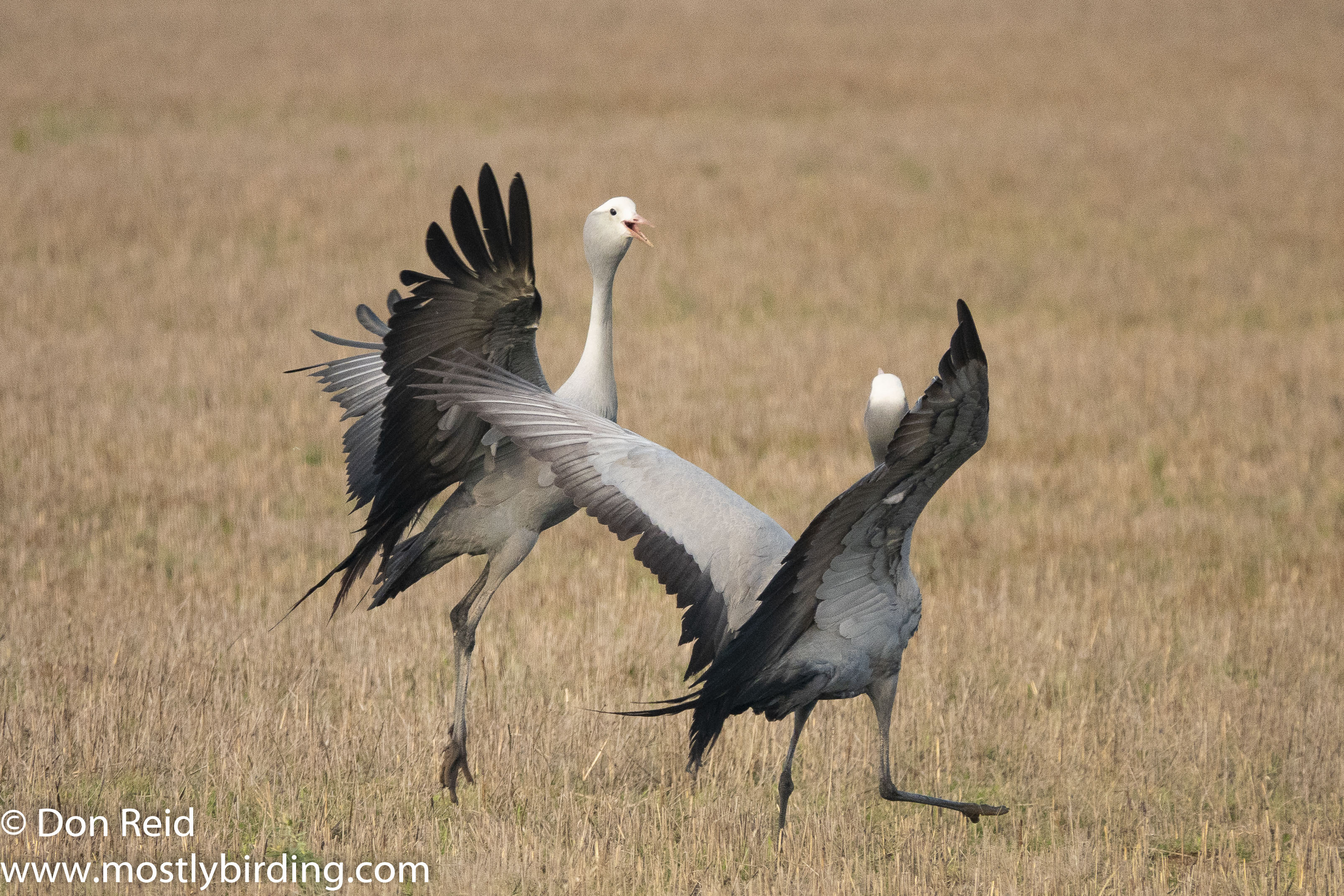
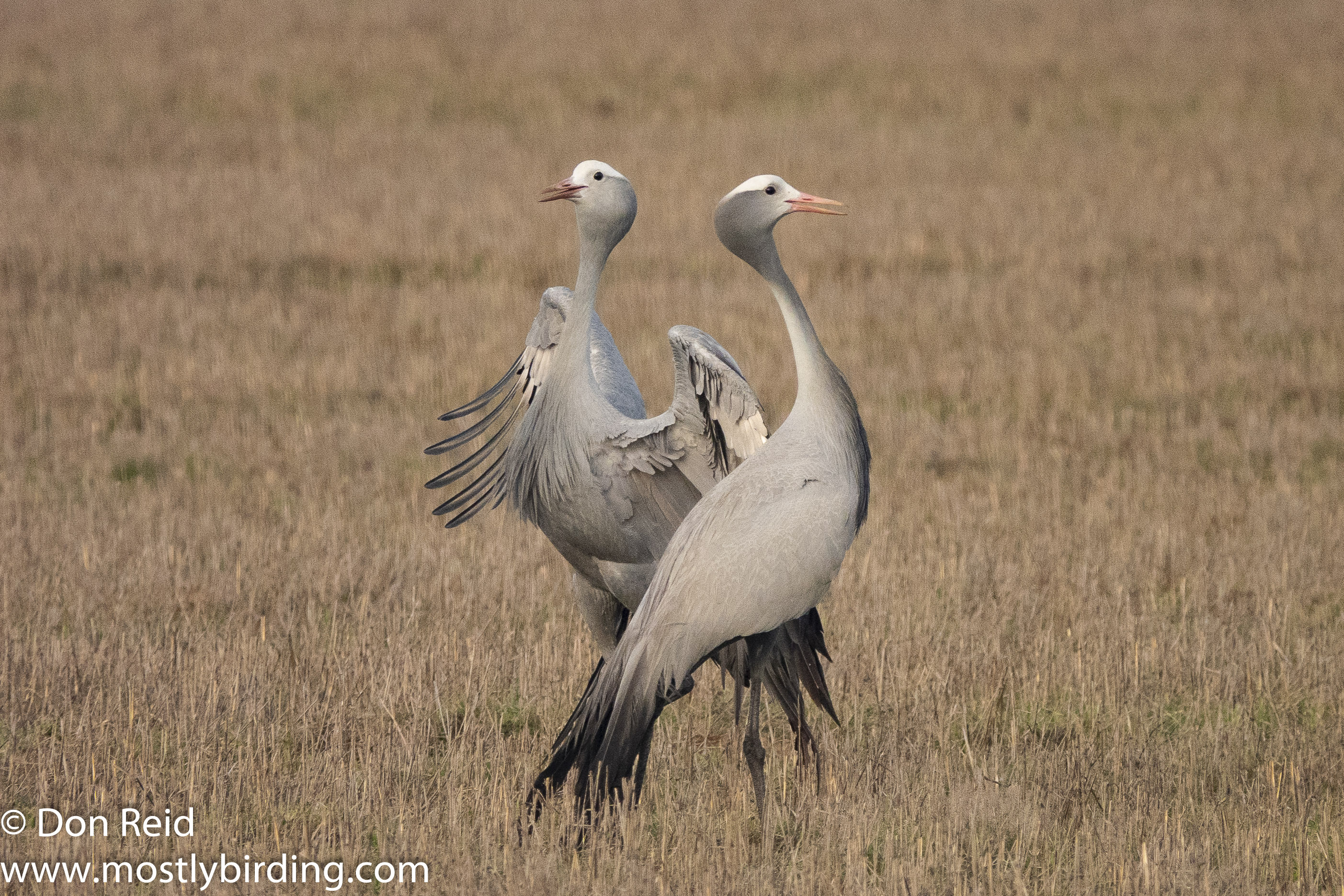
Blue Cranes form monogamous pairs when breeding and are well known for their spectacular pairing and courtship displays, which we were fortunate to witness some time ago and which I featured in an earlier post – a couple of the images from that post are repeated below

Blue Crane courtship dance, near Mossel Bay

My last post for 2021 comes with best wishes for a peaceful and healthy New Year

250 Up !

After publishing a post this week, I happened to notice that I have published 250 posts so far – a nice milestone to reach. That got me thinking – not too deeply mind you – about how it started and where blogging has taken me since July 2013 when I set out on this blogging journey

It all started some time after retirement when I took on the part-time role of Consultant, which gave me more time to do things outside the work/office environment, amongst them birding, photography and writing. The beauty of blogging is that it combines all of these into one neat package.

I have had a lifetime habit of recording travels and trips in diary form and keeping birding lists for various localities, so blogging seemed like a natural progression for these activities.

Photography has been a hobby of mine since my youth, starting with a simple point and shoot film camera borrowed from my dad, progressing through various upgrades of cameras and lenses into the digital age, going full circle to today where most of my photography is done with either my Iphone or with my very capable and convenient point-and-shoot camera, albeit a very sophisticated one.

WordPress was a good choice as my preferred software provider and it was not too difficult to learn how to set up posts, create a library of images and set categories and tags so that the published post looked reasonably professional.

So, blogging has satisfied my “writing passion” beyond what I imagined – an estimated 250,000 words and 5,000 images later I find myself looking forward to many more – it is my hope that some of you will join me on the next part of the journey.

In celebration of the milestone I have selected a few images which have garnered the most “clicks” over the years….

Red-billed Firefinch
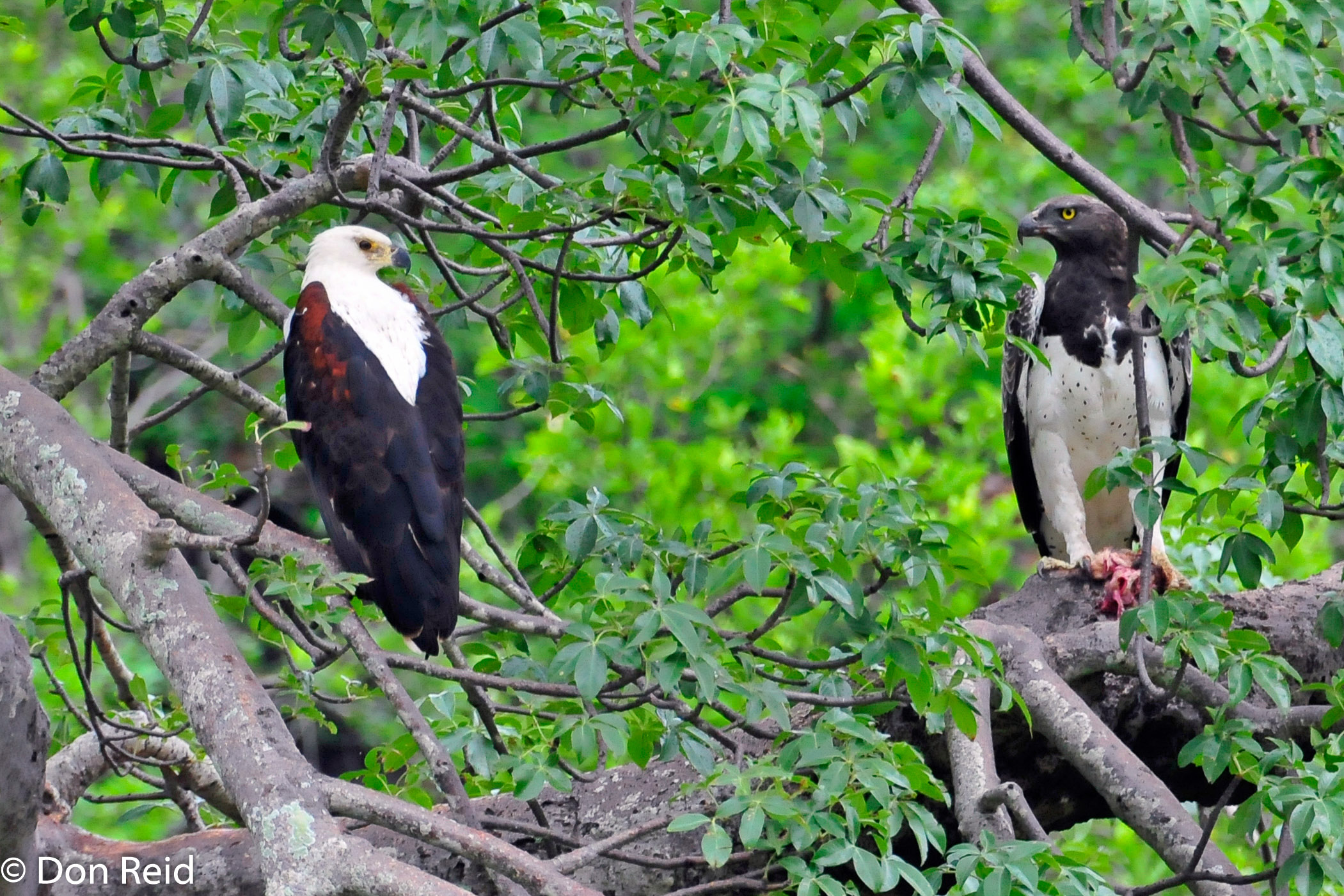
Fish-Eagle and Martial Eagle eye each other
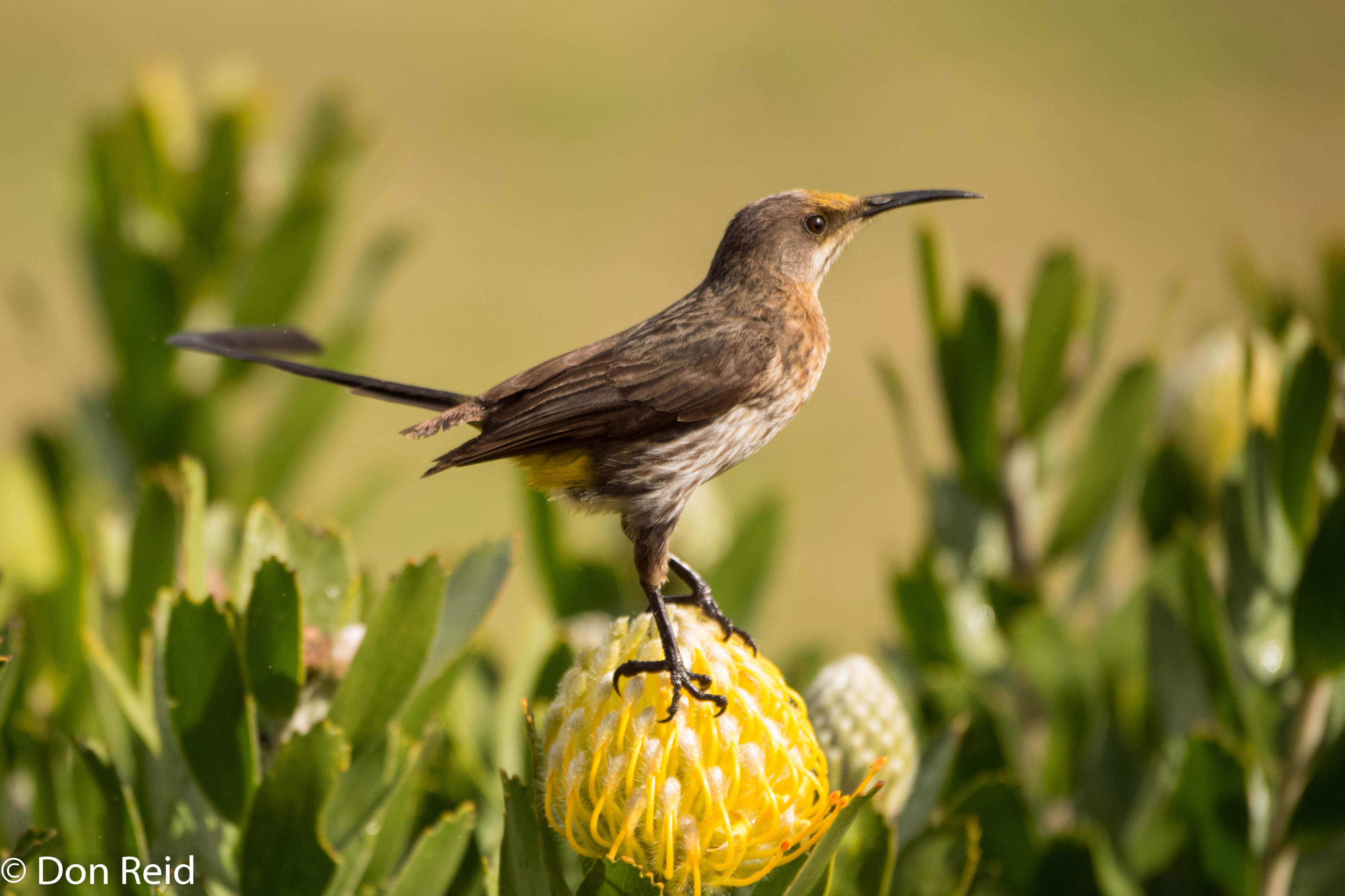
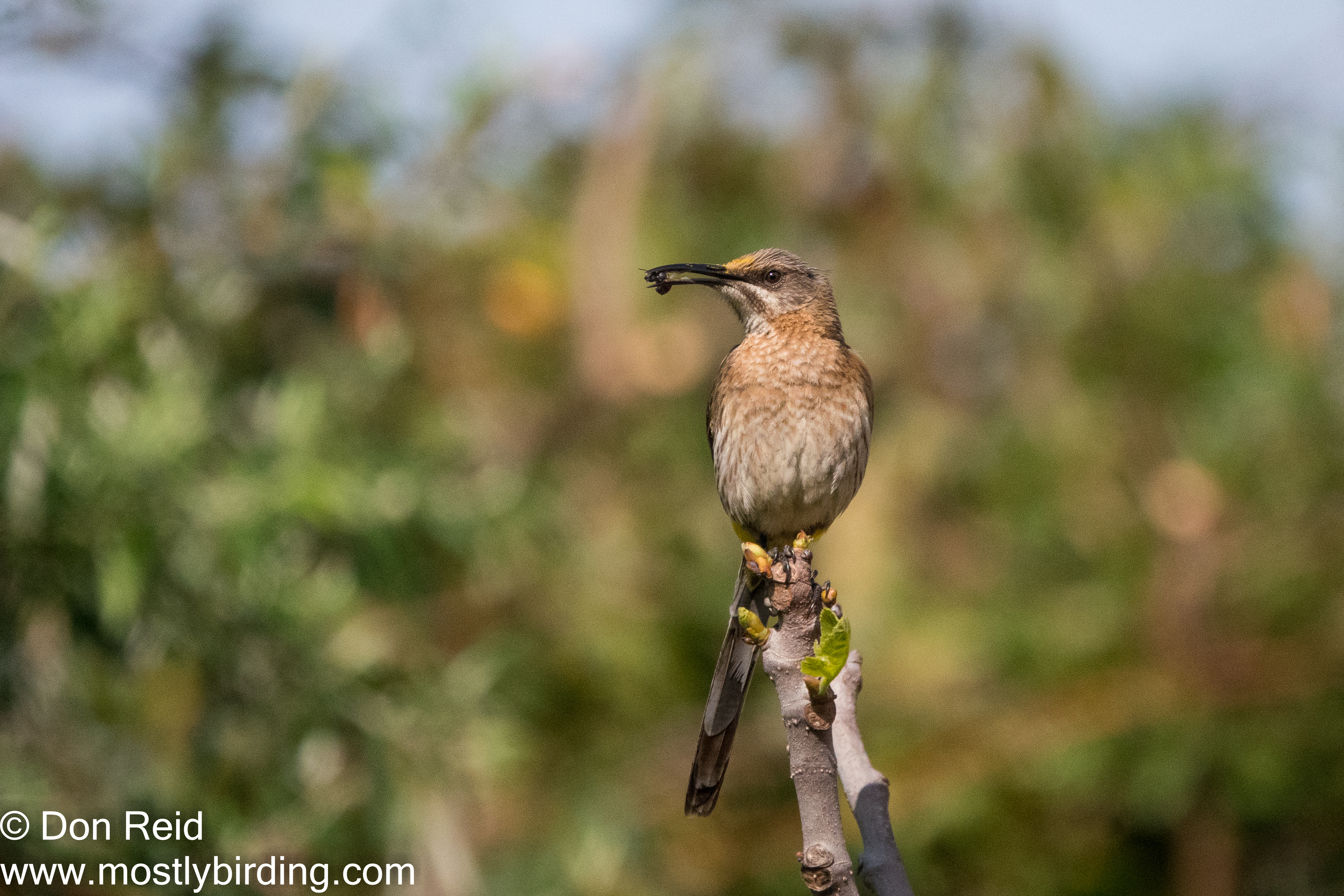
Cape Sugarbird, Mossel Bay
Red-faced Crimsonwing, Zimbabwe
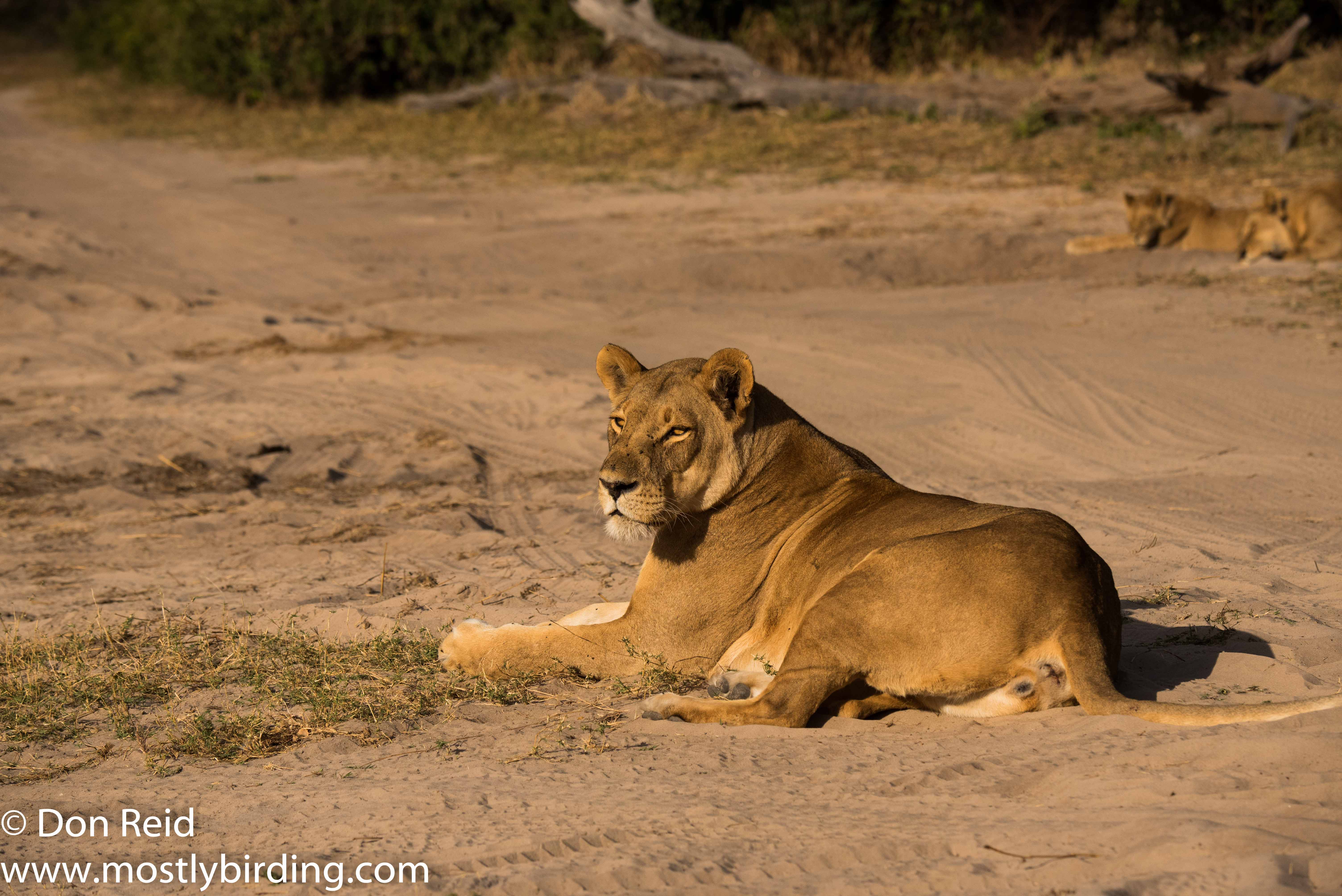
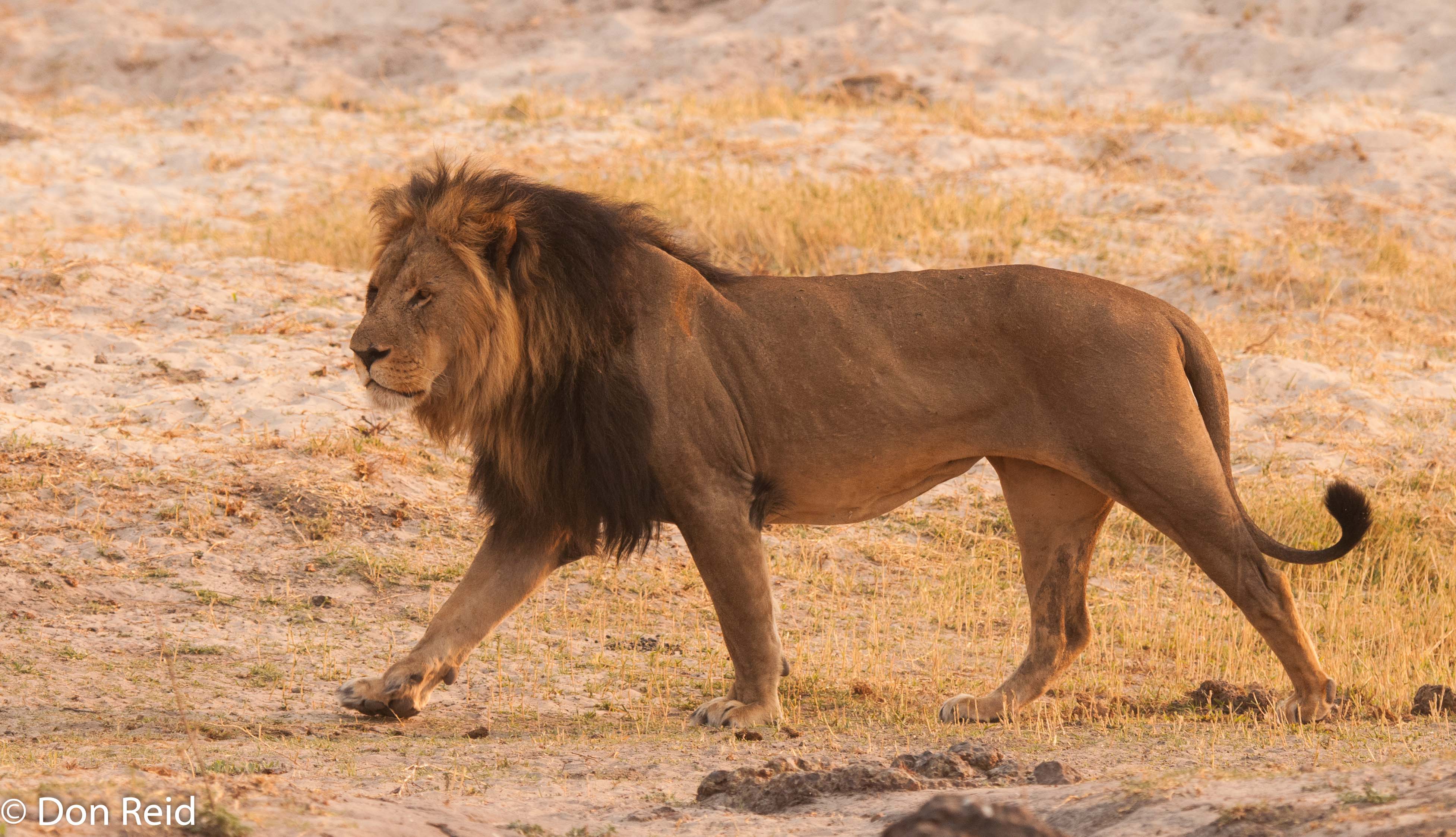
Lion, Chobe Riverfront
Herring Gull, at sea
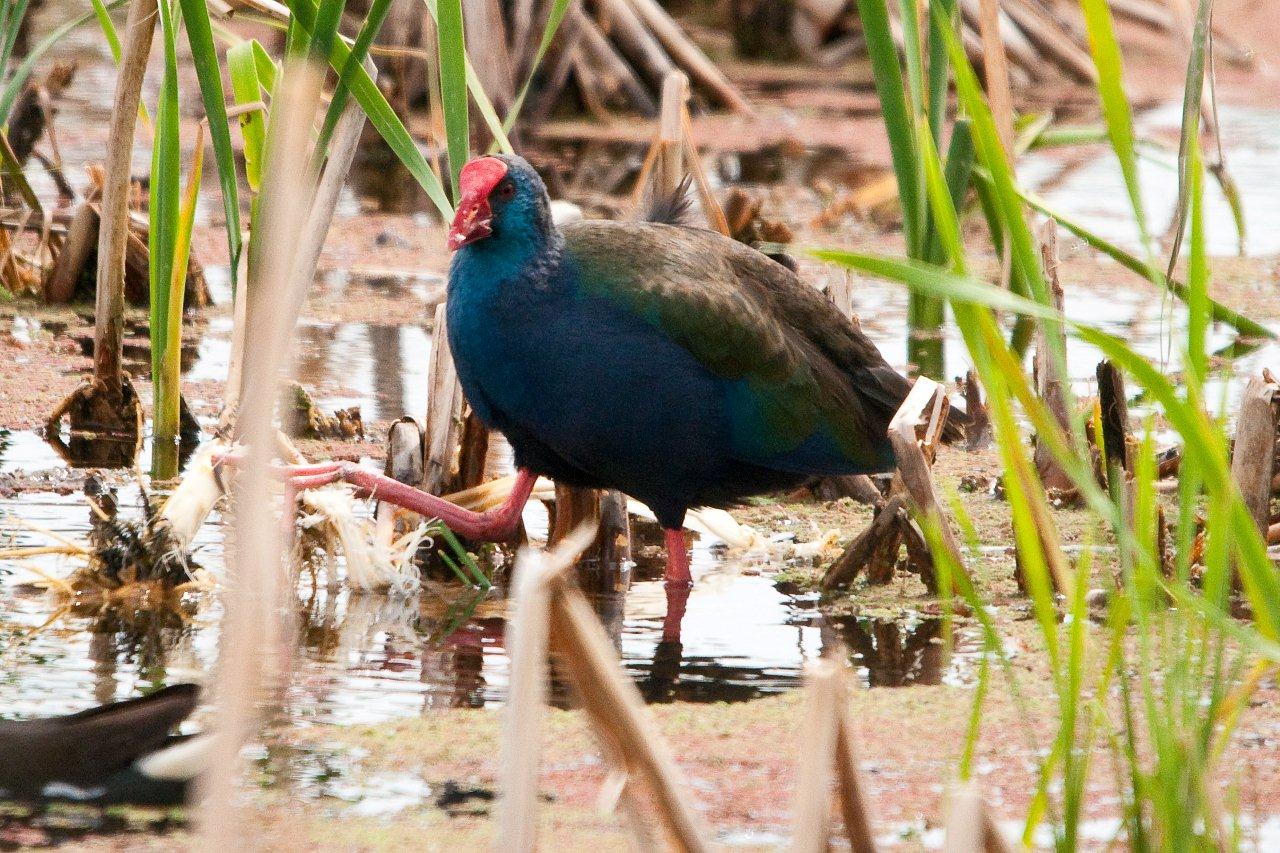
African Purple Swamphen
Cape Long-billed Lark
Lion, Chobe Riverfront
Greater Flamingo

I hope you have a peaceful and restful holiday season!

Weather on the Way

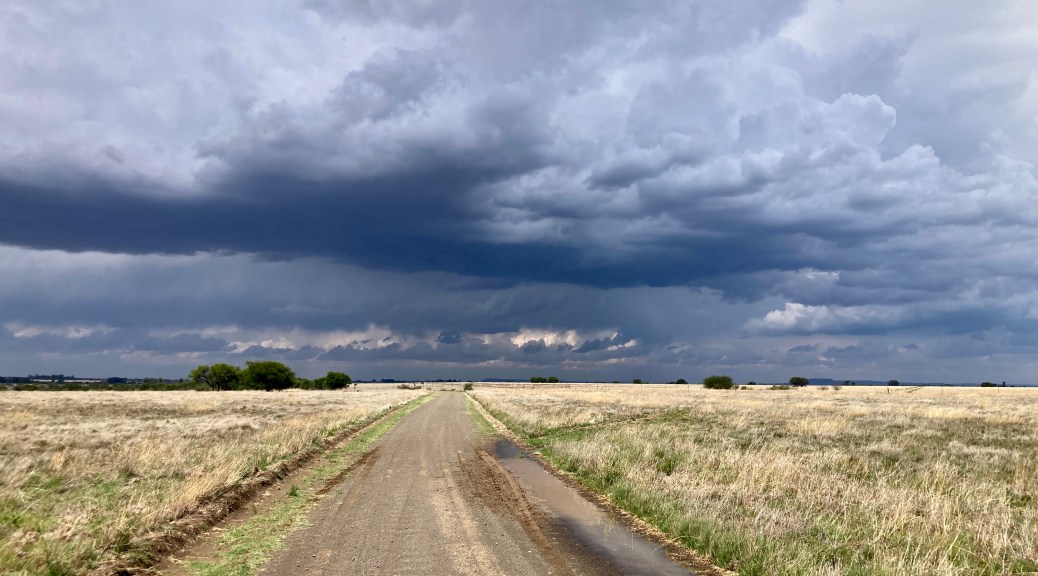
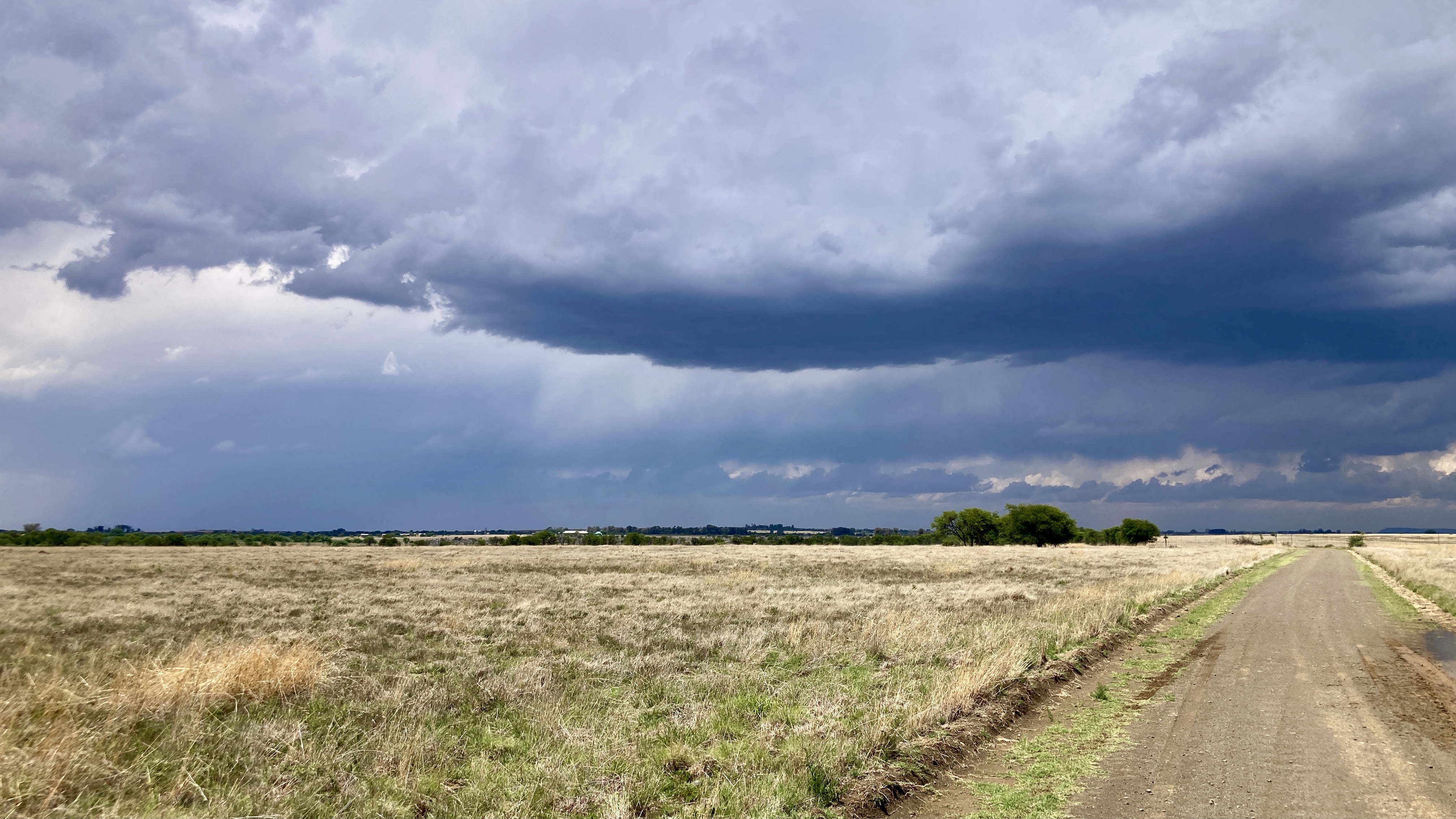
A few weeks ago we visited a small Nature Reserve in the Free State Province, in search of a rare bird, but were forced to turn around due to the poor condition of the road inside the reserve after heavy rains, which were just not suitable for the standard sedan we were driving.

As we headed out of the reserve we could see heavy weather building up on the horizon and I stopped to take a couple of images with my I-phone – I was quite pleased with the contrast between sunlit grassland in the foreground and the dark build-up of weather in the background.

Sweet little Sugarbirds

Observing birds going about their daily business is often fascinating – when that business involves raising youngsters it becomes really special.

We were treated to a very special “show” during the late winter / early spring months of August and September this year while resident in our Mossel Bay home, which started with a casual comment from our neighbour (a non-birder who happens to be our brother-in-law).

My journal chronicles it as follows :

Day 1 : (1st August 2021)

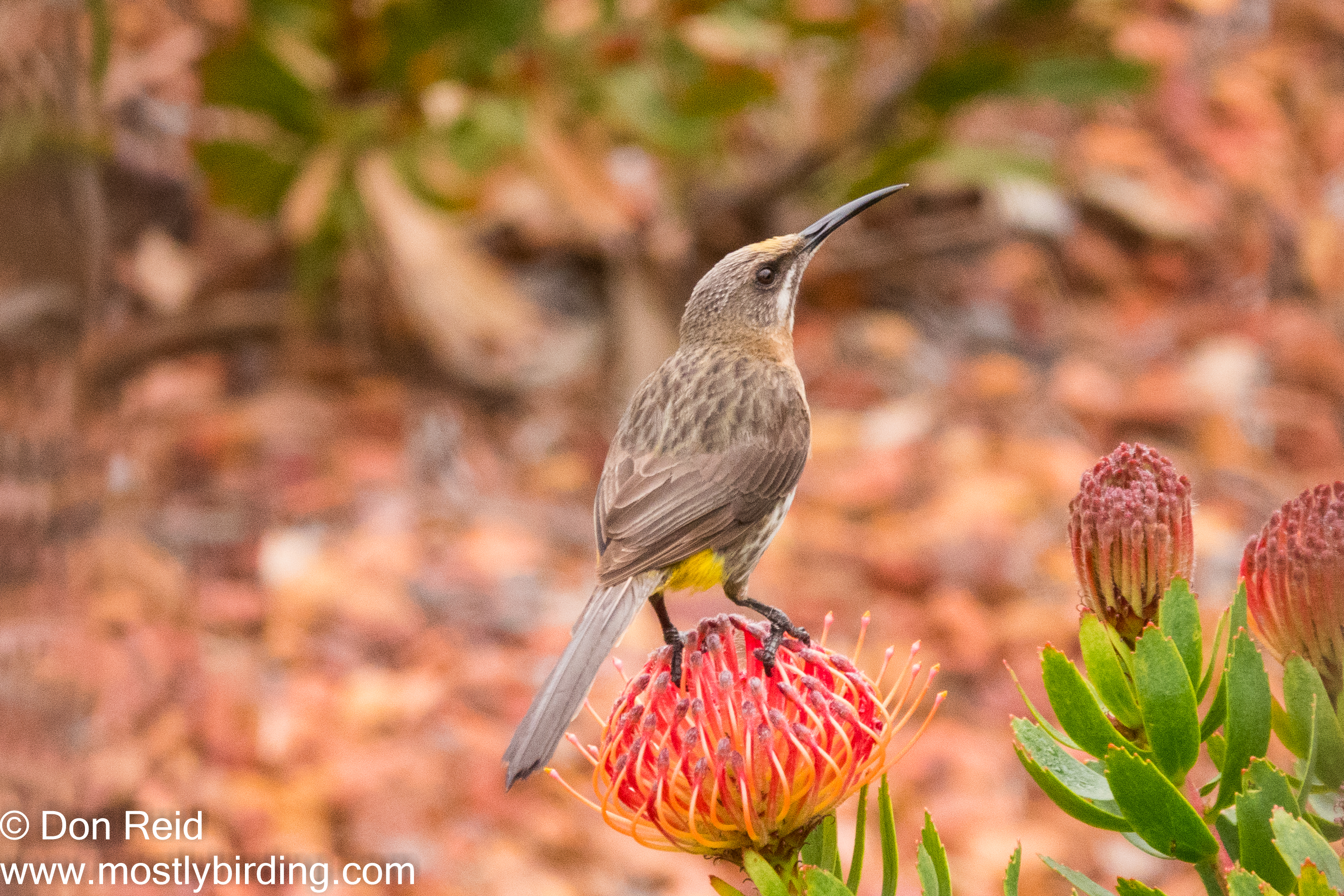
Brother-in-law – let’s call him Tienie (mainly because that’s his name) – posed a question “what’s that bird in the garden with the long tail that likes the Protea bushes ?”. Well, there weren’t too many options so I surmised immediately that he was talking about the Cape Sugarbirds that frequent our garden almost year round.

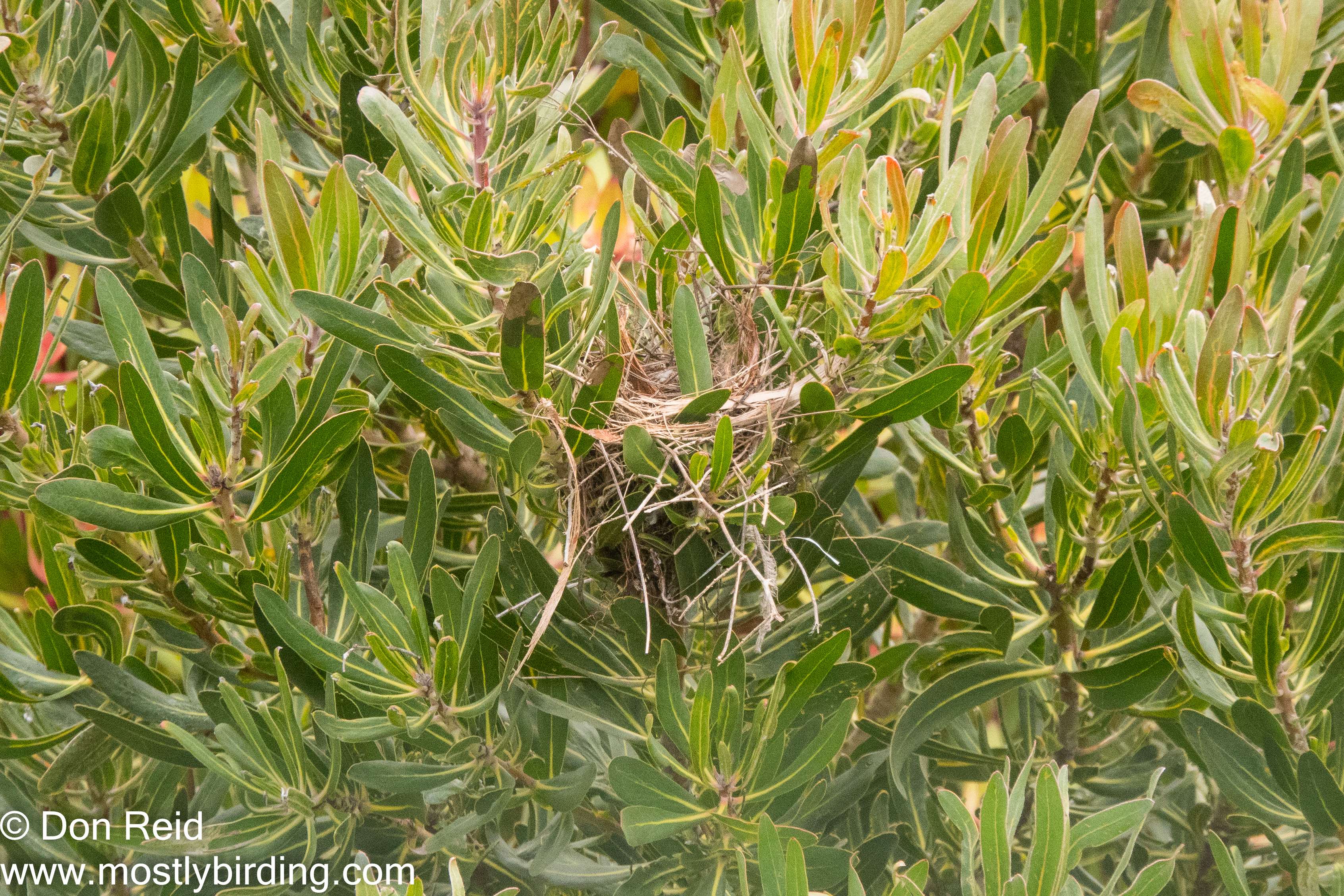
So I eagerly followed up with “why do you ask?” and it turned out he had noticed a nest in one of the Protea bushes in his garden, with said Sugarbird in attendance and when he investigated further he was able to spot what he thought were “two fluffy babies” in the nest. My guess is that the chicks had been born in the last day or so.

Day 2

Tienie’s comment had sparked my interest more than he could realise, even though he knows I am a keen birder, and Gerda and I commenced a daily check from our bedroom balcony, which has a good view of the Protea bush in his garden.

The nest was quite well concealed among the stems and leaves and it was not always easy to pick up details, so I started by doing a recce from Tienie’s garden, carefully approaching the bush on foot to confirm for myself that there were chicks in the nest.

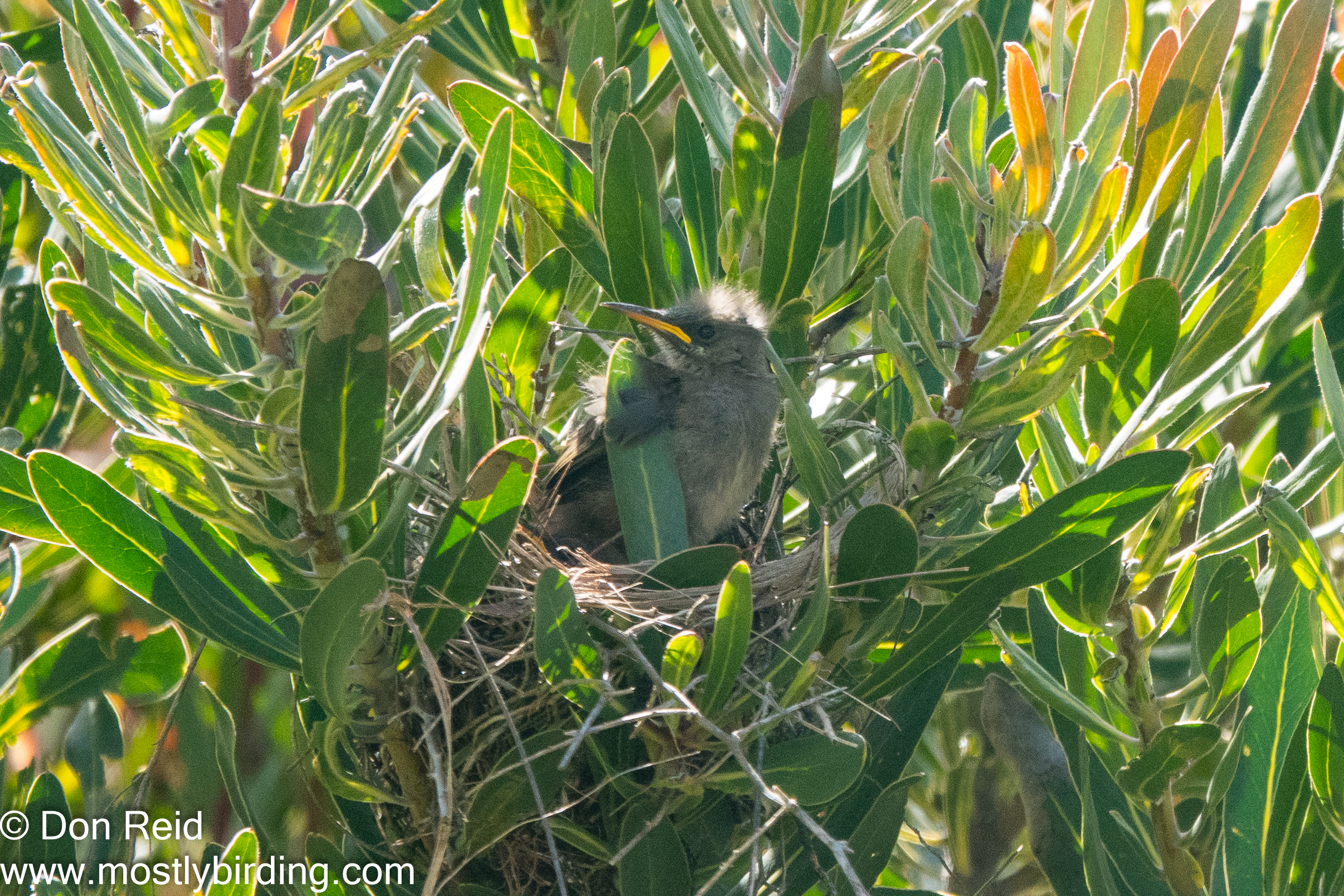
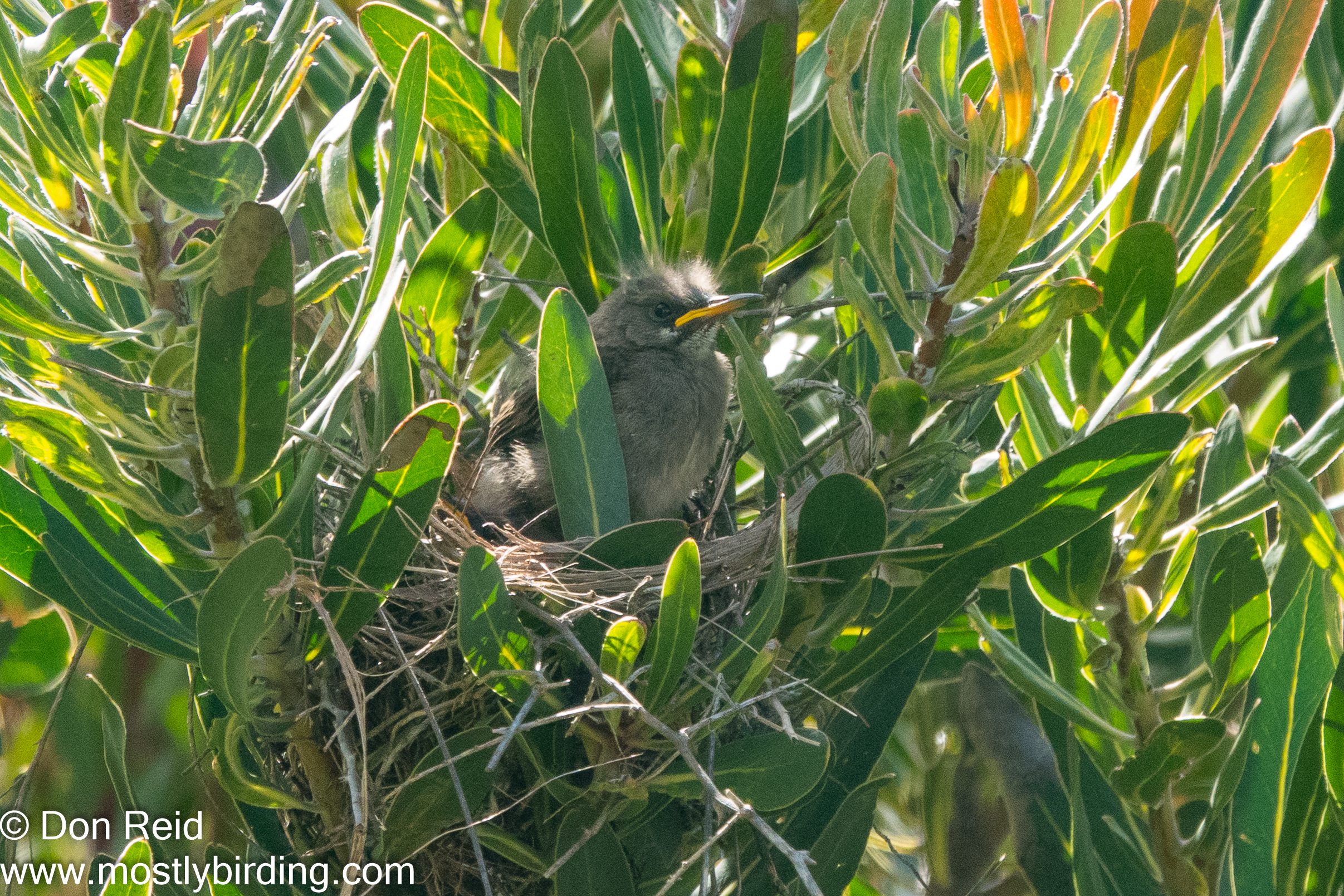
The nest

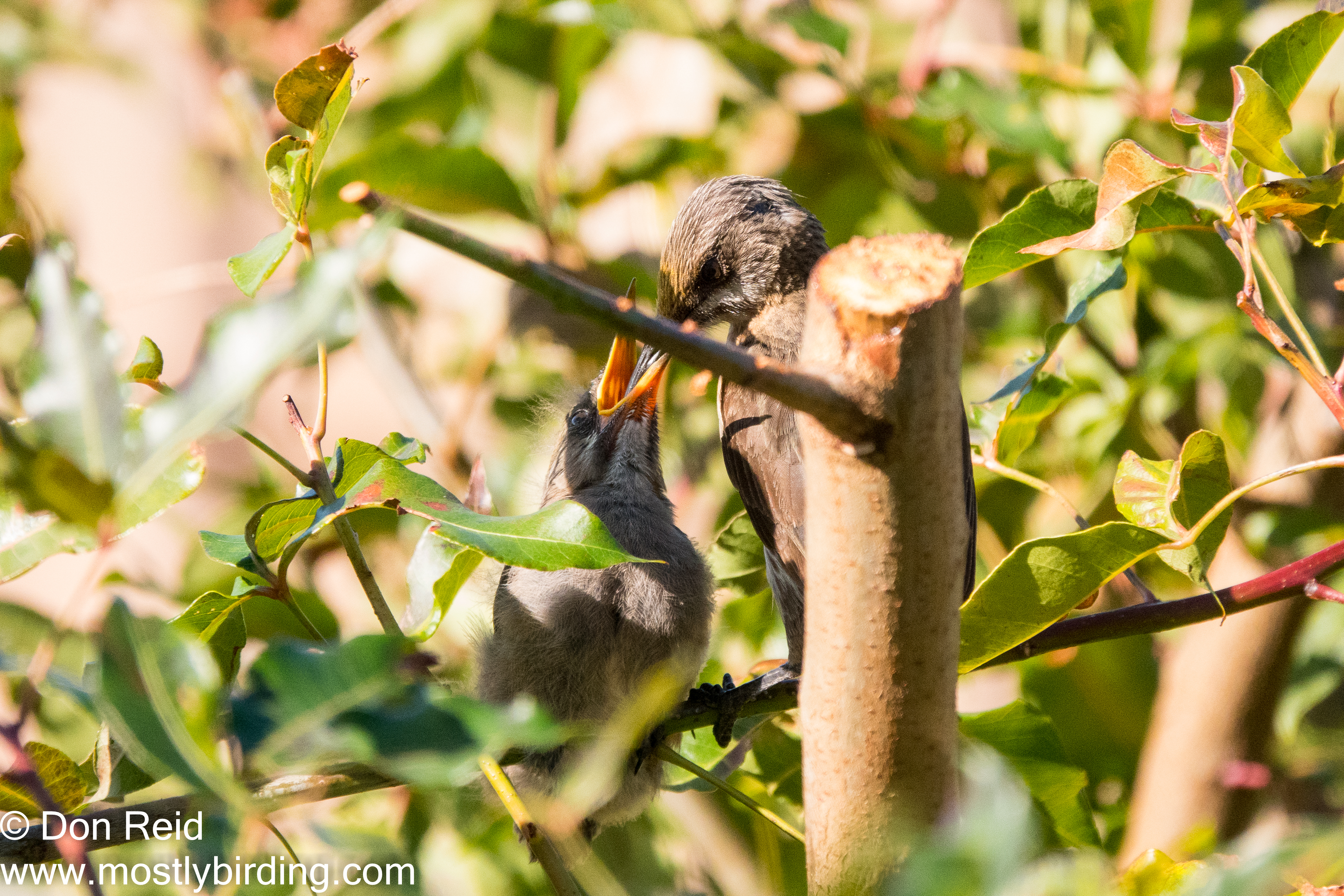
The only evidence I could pick up was an adult female apparently feeding the chicks which I could not see, while the adult male stayed in the vicinity, occasionally going to the nest himself.

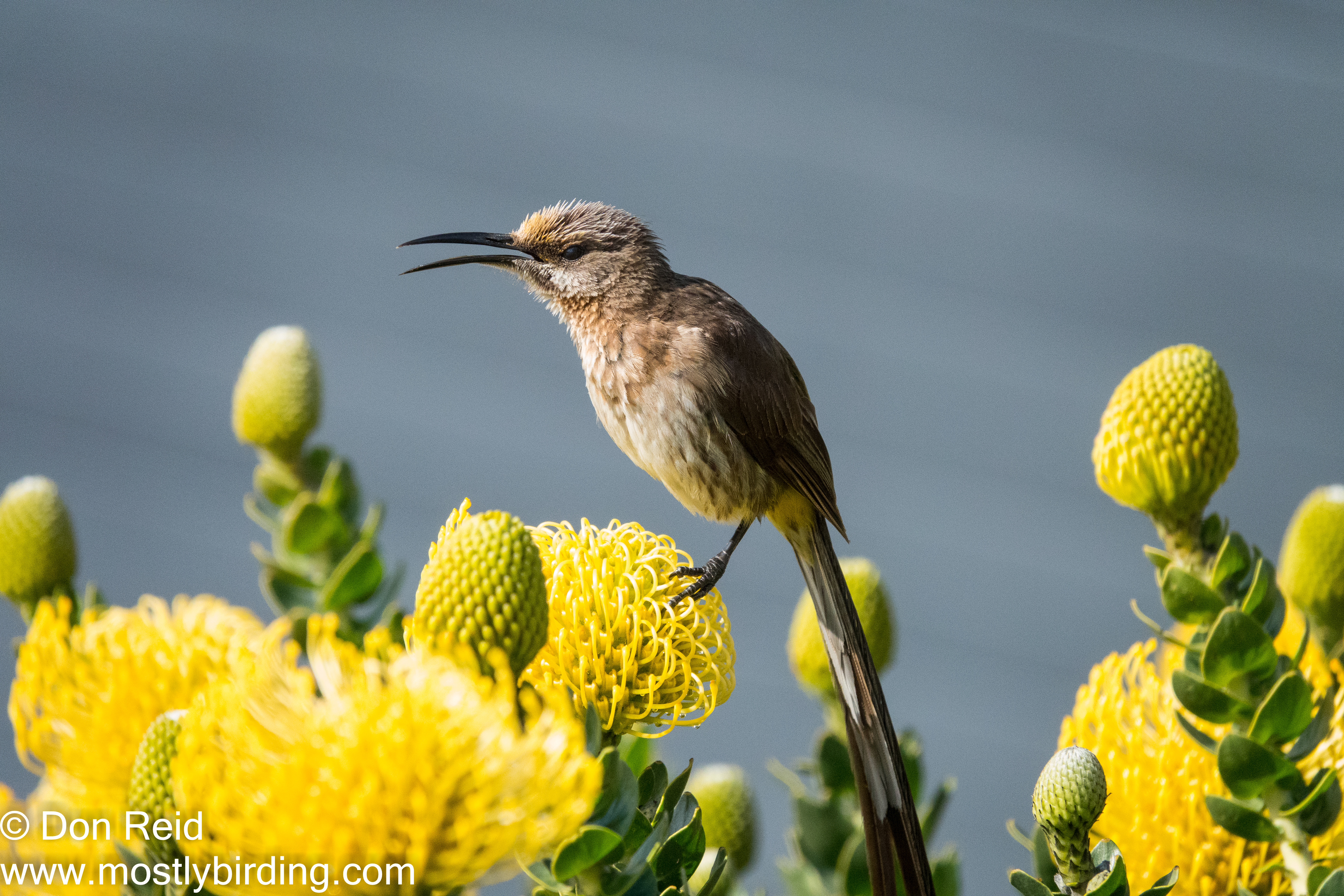
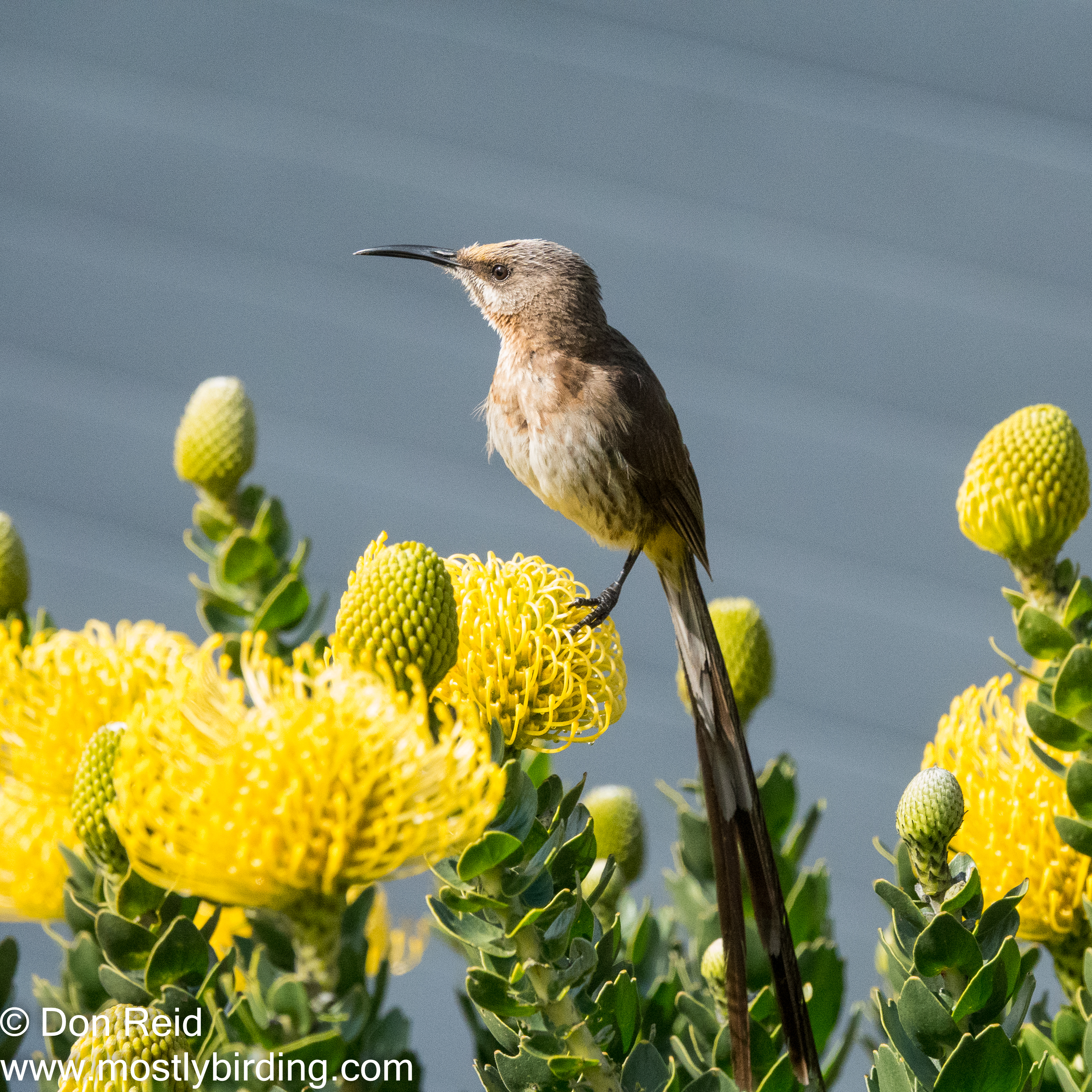
Cape Sugarbird adult
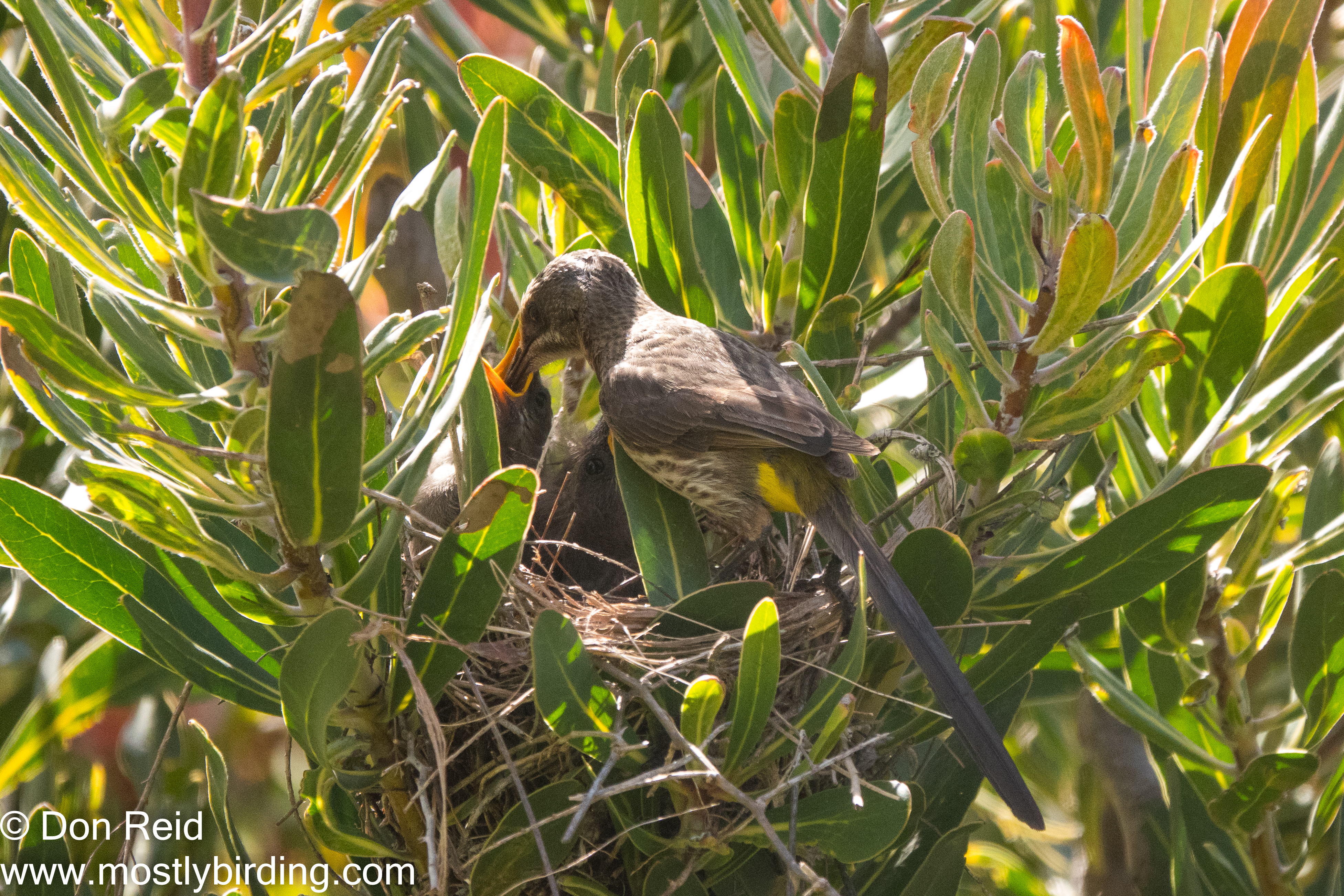
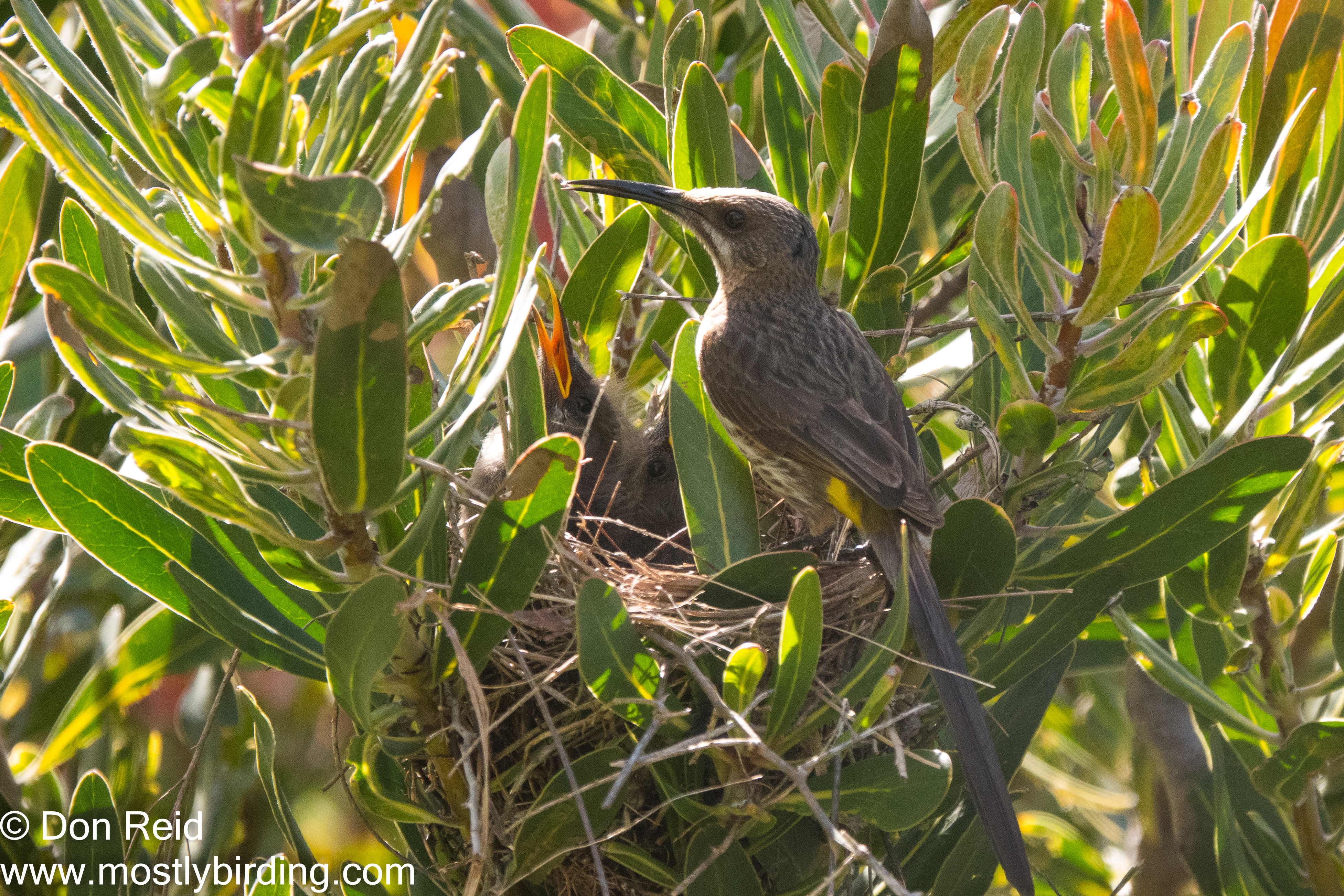
Cape Sugarbird adult at the nest

We continued to monitor their progress at various times during the following days, but had to interrupt our observations as we had booked a trip to Franschhoek from 6 to 11 August, after which we resumed keeping an eye on the activities around the nest.

Day 19

I was thrilled to see that the chicks were preparing to fledge as they were clearly visible in the nest and spent time perched on top of the nest, presumably working up the courage to explore the world around them.

Cape Sugarbird chick
Cape Sugarbird chicks
Cape Sugarbird chick

Both adults were never very far from the nest, venturing out to forage for something and taking turns to feed the chicks, whose appetite had by now increased exponentially.

Cape Sugarbird adult
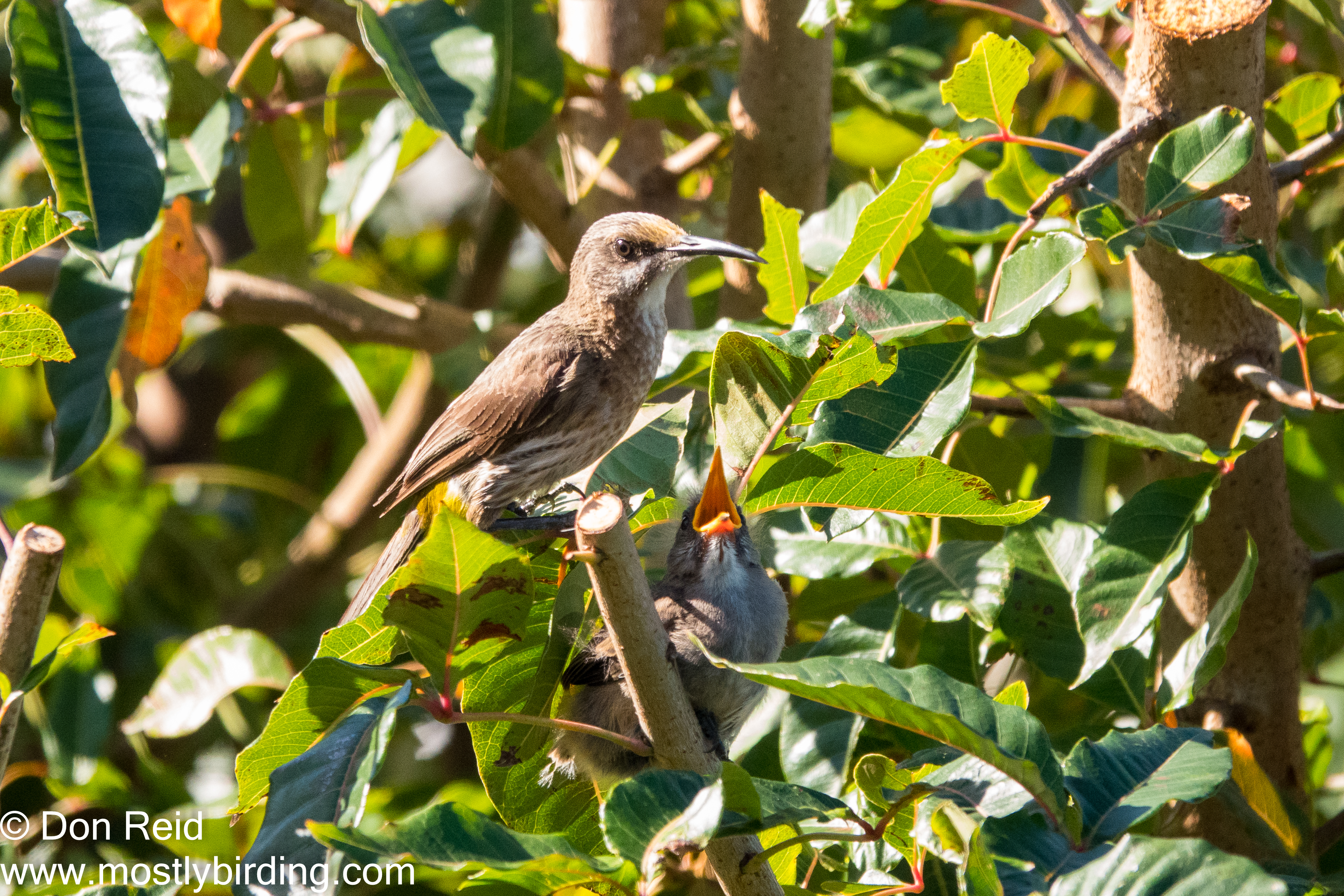
Cape Sugarbird adult with insect ready to feed chick
Cape Sugarbird adult feeding chicks

Day 20

As I had suspected, the chicks had fledged and the great news was that they had chosen to spend their day in the trees right in front of our enclosed braai room which is almost level with the canopy of the trees, so we had the best views of the two young Sugarbirds.

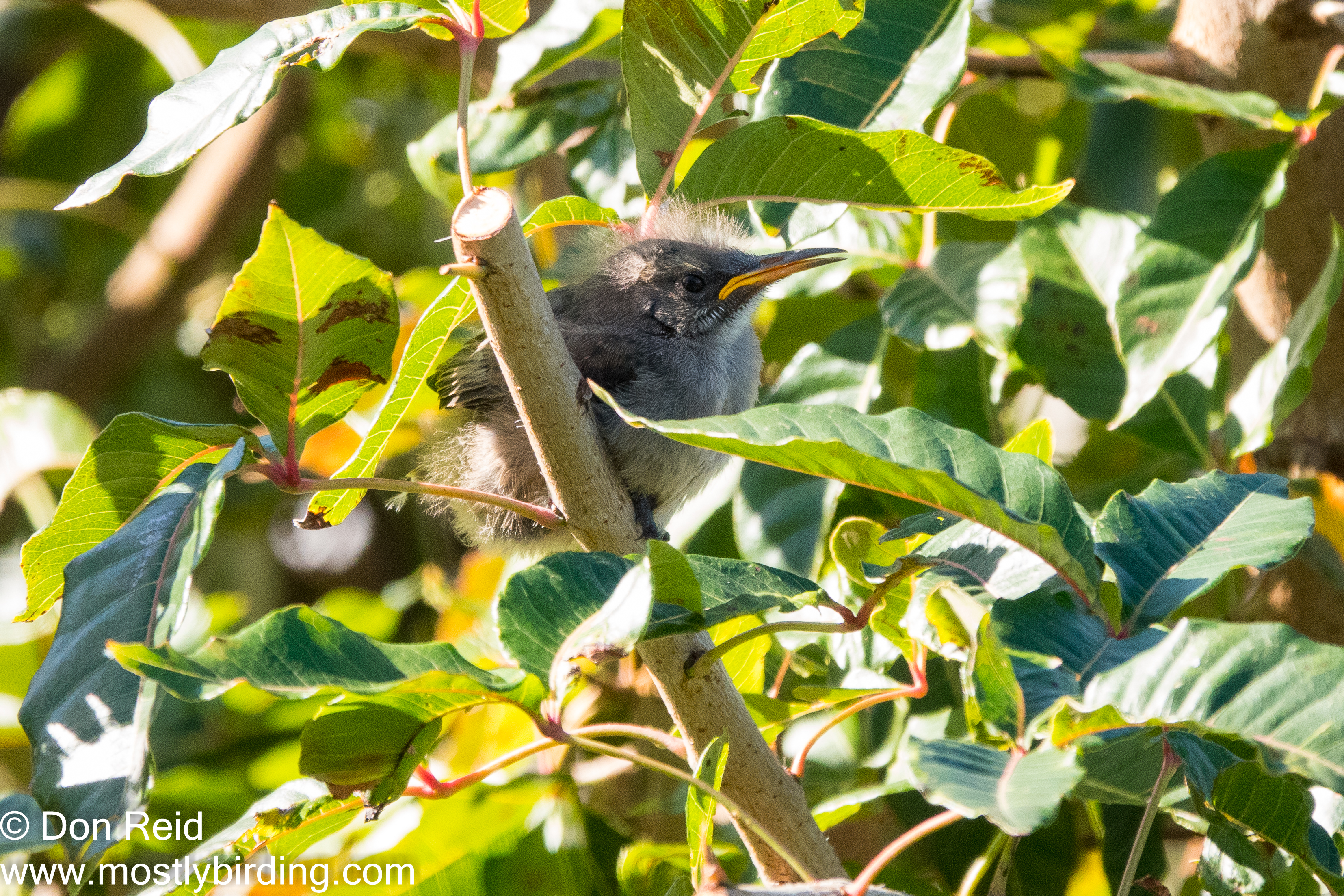
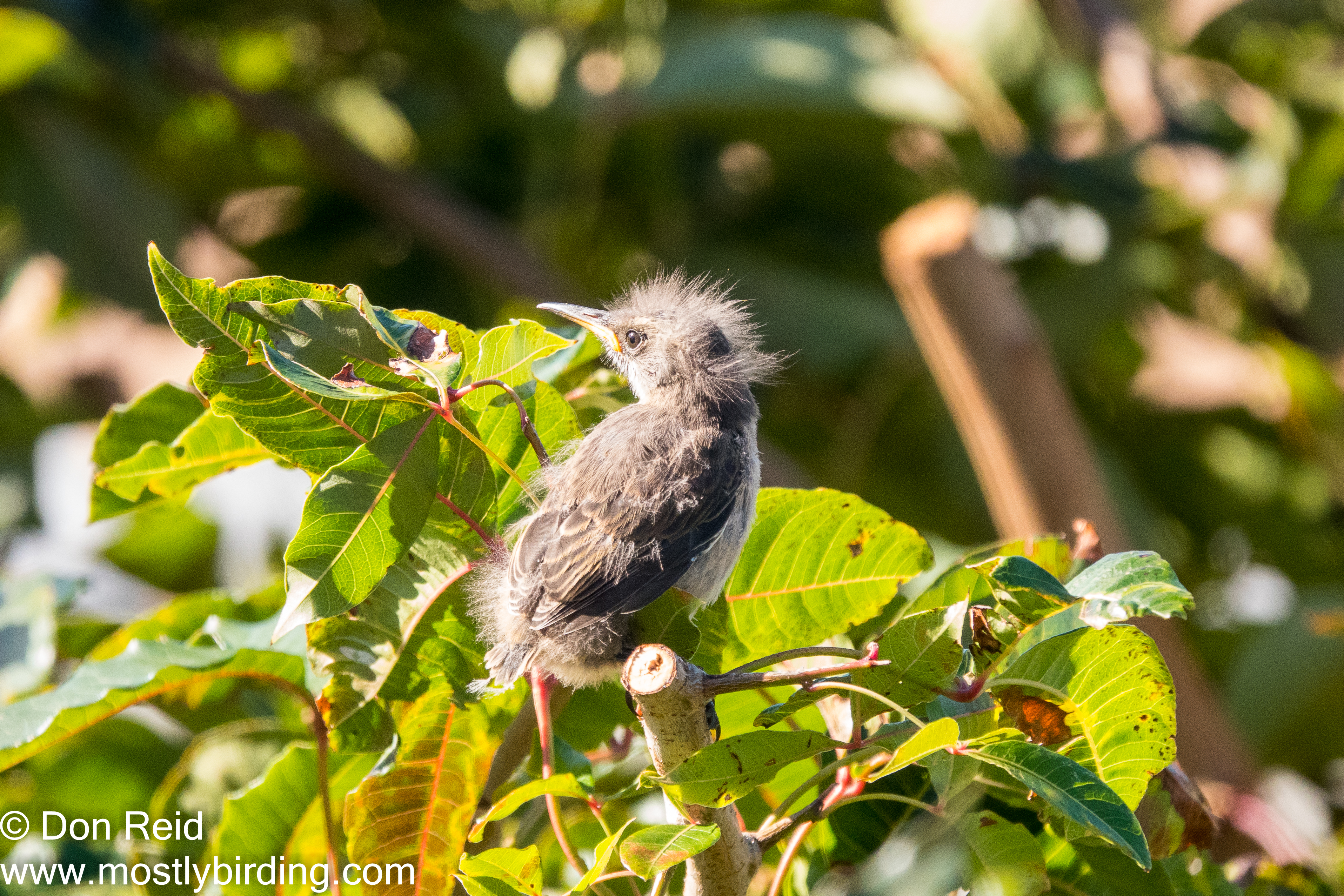
Cape Sugarbird fledgling

They were still being fed by both adults and were moving about now and again, but chose to spend most of their time on a small but sturdy branch, as the wind was strong and was testing their ability to balance themselves to the utmost.

Cape Sugarbird adult
Cape Sugarbird adult feeding fledgling

Day 22

The fledglings were getting stronger by the day and starting to lose their “baby fluff” but had no tail to speak of and were still dependant on the adults for food

Cape Sugarbird fledgling

They hung around for another day or two and soon we were not able to find them at all, so presumed they had moved elsewhere in the vicinity. We didn’t spot them again until –

Day 35

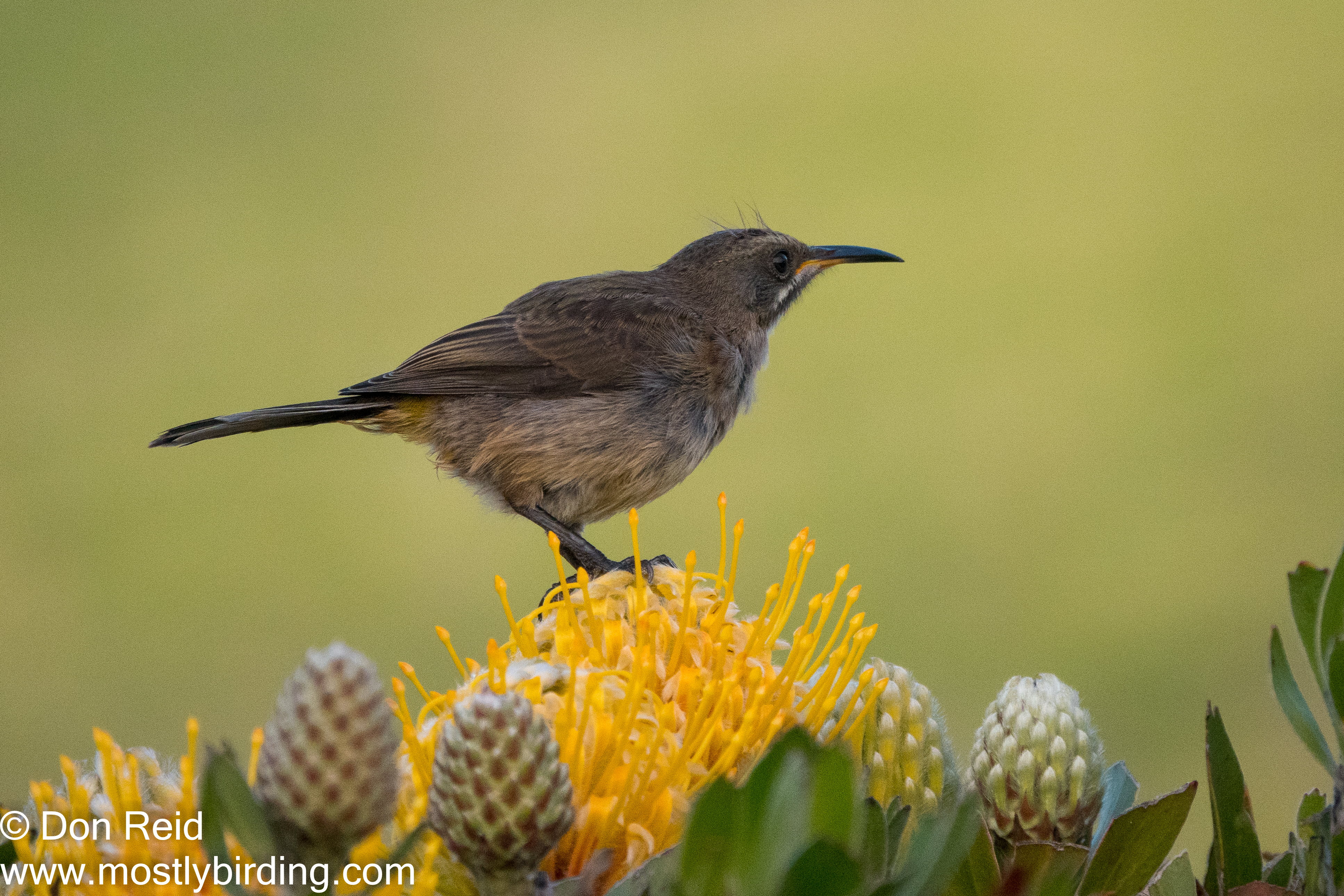
What a nice surprise to find one of the youngsters feeding itself on a Protea flower in our front garden, its tail now well developed and the young bird now confident and strong, which it displayed by flying quickly and directly from one bush to the other with none of the hesitancy of an inexperienced bird.

Cape Sugarbird juvenile

It was a real privilege to see these Sugarbirds develop from new-born chicks to their juvenile independence and to be able to observe them at such close quarters

It’s a Shore Thing – The Sequel (Part 2)

Continuing the story of our trip to Bronkhorstspruit Dam Nature Reserve not far from Pretoria, where we were fortunate to find the rare vagrant Baird’s Sandpiper with relative ease ….

After locating the Baird’s Sandpiper and spending some time admiring this tiny adventurer all the way from the Arctic, we spent the next couple of hours driving slowly as close to the dam shoreline as we could, scanning every metre of it as we went.

This paid off with several more good sightings of waders and other birds, many of them the same species as I had recorded during an atlasing trip a few weeks prior, but with some exciting new additions –

Starting with an uncommon species which we found in the short grass which covers most of the open ground between the track and the shoreline of the dam …..

Western Yellow Wagtail Motacilla flava (Geelkwikkie)

Western Yellow Wagtail Motacilla flava (Geelkwikkie), Bronkhorstspruit Nature Reserve

The Yellow Wagtail is not a wader as such, but it favours similar habitat to some of the waders, particularly fringes of dams with short grass. It is not unusual to find the far more common Cape Wagtails pottering about in their perky fashion among small waders, but during the summer months it pays to check out all the wagtails as they could include this uncommon non-breeding migrant, which arrives in small numbers from its breeding grounds in eastern Europe and western Asia

Common Greenshank Tringa nebularia (Groenpootruiter)

We also came across this fairly common wader which can be found right across southern Africa at inland and coastal waters, but seldom in numbers, often alone – we saw just the one during our couple of hours of careful scanning

Common Greenshank Tringa nebularia (Groenpootruiter), Bronkhorstspruit Nature Reserve

Generally one of the easier waders to identify and get to know, even at a distance, due to its long-legged appearance, relatively large size and slightly upturned bill

Common Greenshank Tringa nebularia (Groenpootruiter), Bronkhorstspruit Nature Reserve

The Greenshank is one of the longer-staying Palaearctic migrants, arriving from its “home” in European Russia and eastwards from as early as August and departing again between February and April

Common Sandpiper Actitis hypoleucos (Gewone ruiter)

Another wader that belies its name by not being particularly common, this was one of just a couple that we came across

Once you are “into” the intricacies of identifying waders, the Common Sandpiper soon becomes familiar, with its standout features being its uniform brown upper colouring contrasting with a clear white underside. The white gap between shoulder and breast band (not clearly visible in my photo) is often a clincher

Common Sandpiper Actitis hypoleucos (Gewone ruiter), Bronkhorstspruit Nature Reserve

It prefers firmer surfaces than other waders and can often be found alongside wagtails on rocks, firm sand and gravel rather than wading in the water itself

It is also a long-staying migrant from its “home” which stretches from Europe to Japan, arriving in southern Africa from August and departing from January to April

Red-capped Lark Calandrella cinerea (Rooikoplewerik)

And now for something completely different ……

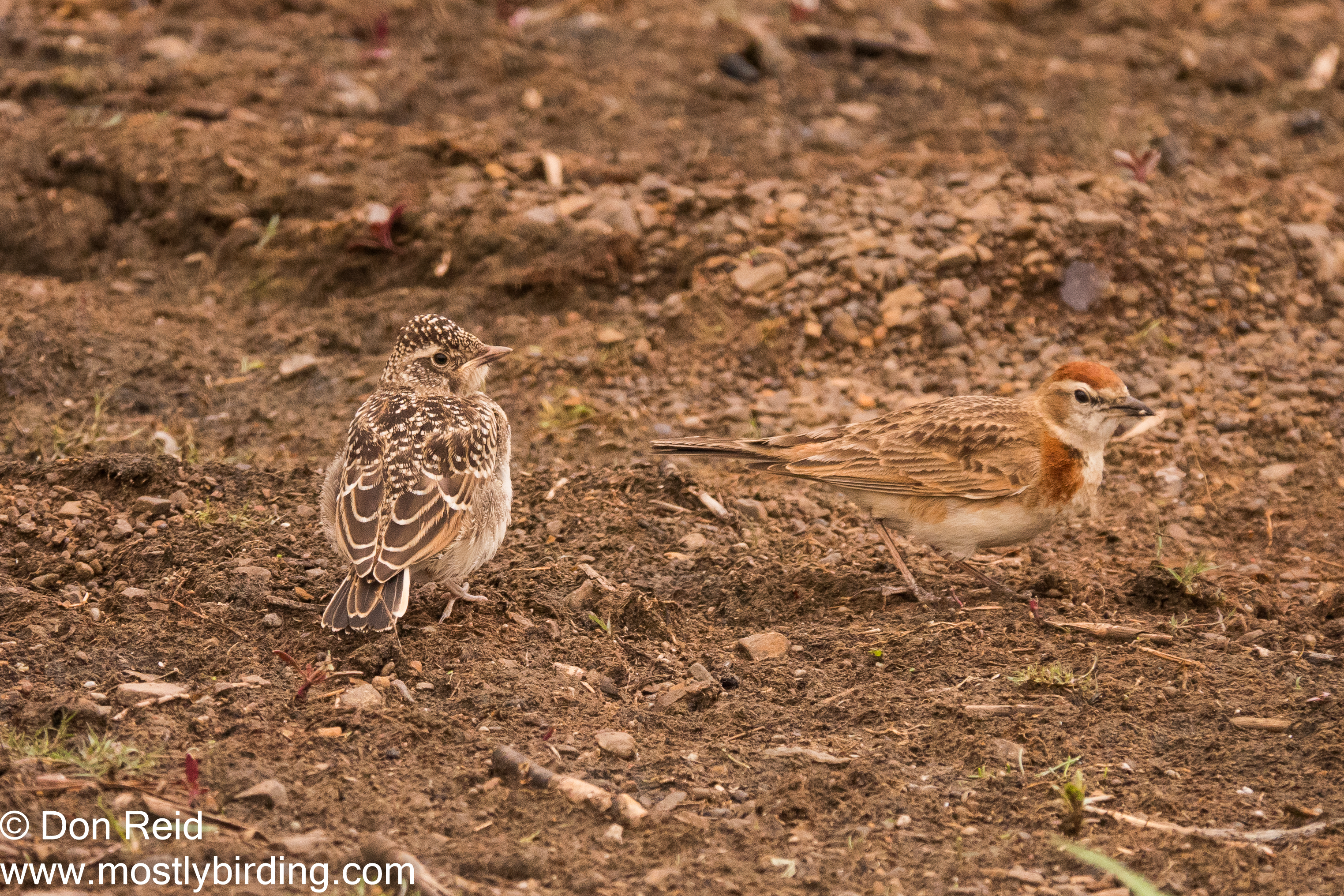
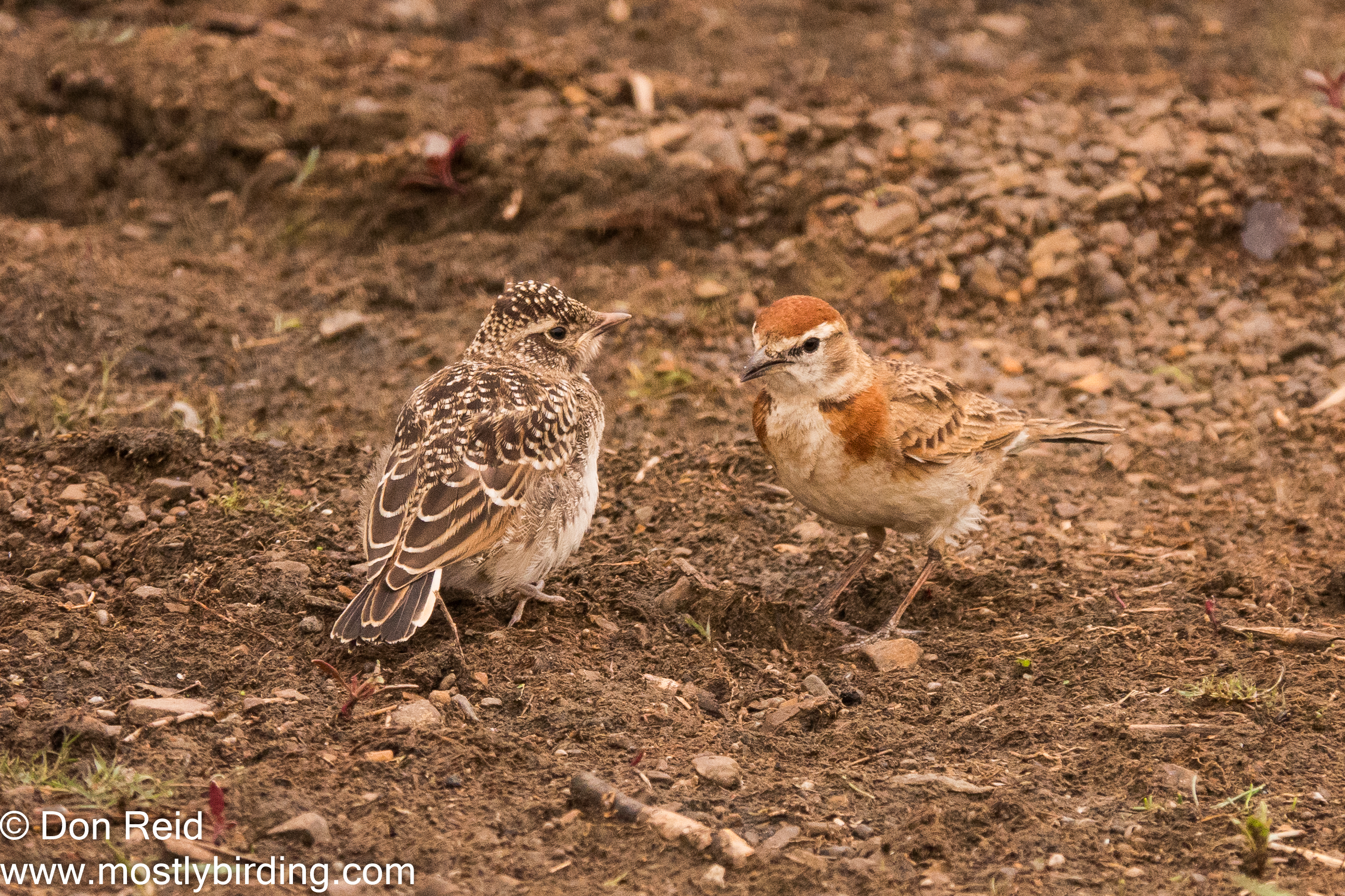
Arguably one of the better known larks, which otherwise get a lot of bad press by being called “little brown jobs” or LBJ’s by those new to birding, this one is hard to confuse with any other lark species due to its distinctive rufous crown and breast side patches

Red-capped Lark Calandrella cinerea (Rooikoplewerik), (Adult) Bronkhorstspruit Nature Reserve

Their preferred habitats include bare ground and edges of wetlands so it wasn’t too much of a surprise to find one not far from the dam edge, nevertheless we were most pleased to find this individual with a tiny morsel in its beak.

Red-capped Lark (Adult)

We immediately guessed that the morsel was intended for a juvenile being fed by the adult, and looked around – nearby was a well-camouflaged, inconspicuous bird with no matching features but there was no doubt of its lineage as we watched the adult feeding the morsel to it then rushing off to find more. Lovely to watch and a unique sighting!

Red-capped Lark (Juvenile with Adult)

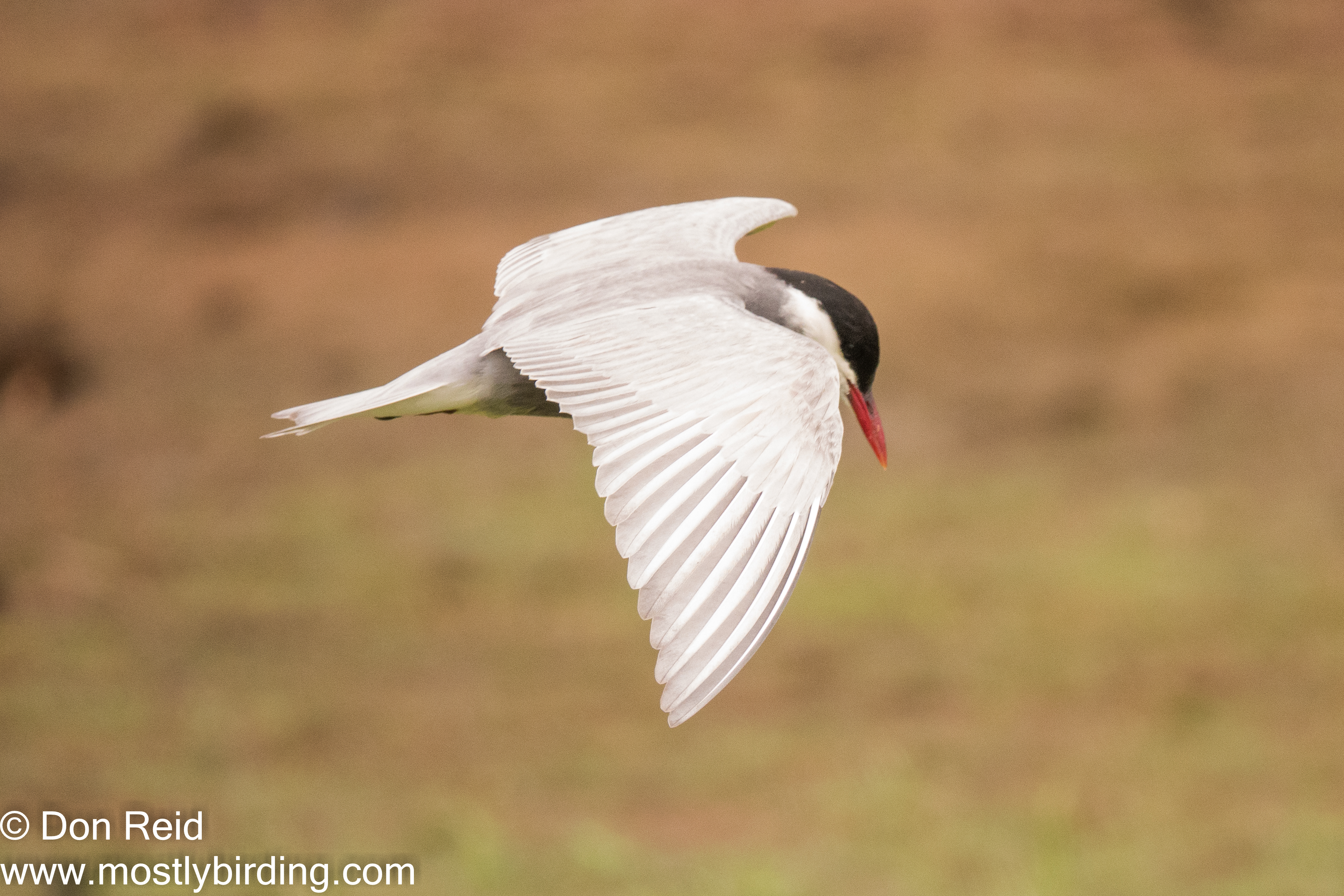
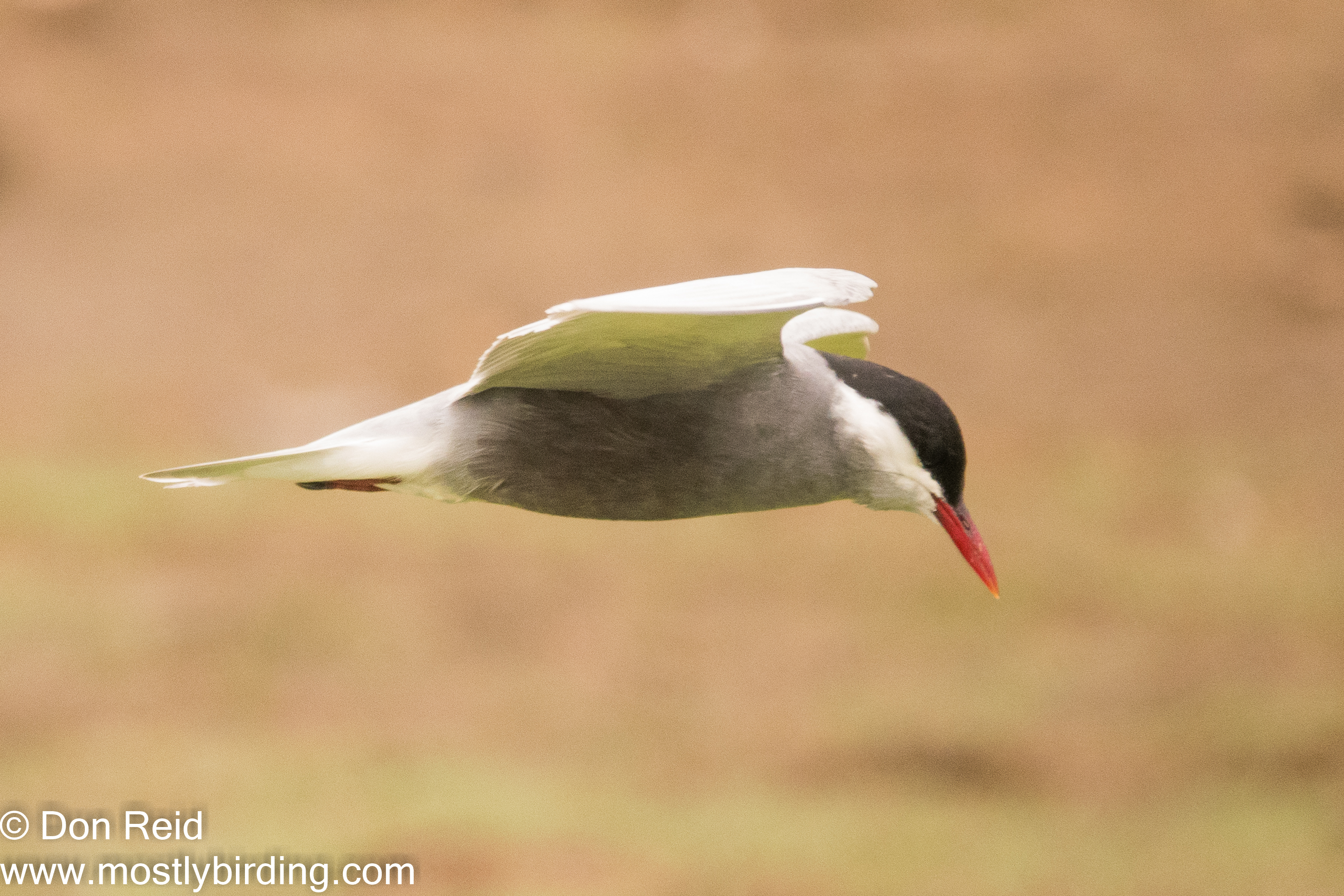
Whiskered Tern Chlidonias hybrida (Witbaardsterretjie)

Now, sharp readers will quickly realise that terns are not waders – but I have other reasons for including these images …..

Firstly, terns commonly roost at water’s edge in between sorties over the dam close to the shoreline, floating in the wind, looking for prey and dipping down to grab it.

As we drove slowly along the shoreline at one point, I noticed a flock of about a dozen Whiskered Terns flying low in their usual fashion, heads down, floating in the light wind, looking for prey and dipping down to grab something then joining the flock again.

Whiskered Tern Chlidonias hybrida Witbaardsterretjie, Bronkhorstspruit Nature Reserve

What was different was that they were flying above solid ground rather than the water, something I have not seen before – clearly there were enough small insects in the short grass or flying about just above it to persuade the terns to hunt away from their usual habitat.

They presented a beautiful sight as they flew towards our vehicle, veering away at the last moment, flying away for a distance, then turning back to repeat the circuit. They are such elegant birds in flight …..

Whiskered Tern Chlidonias hybrida Witbaardsterretjie, Bronkhorstspruit Nature Reserve

Adventurous Birding, Atlasing and Travel