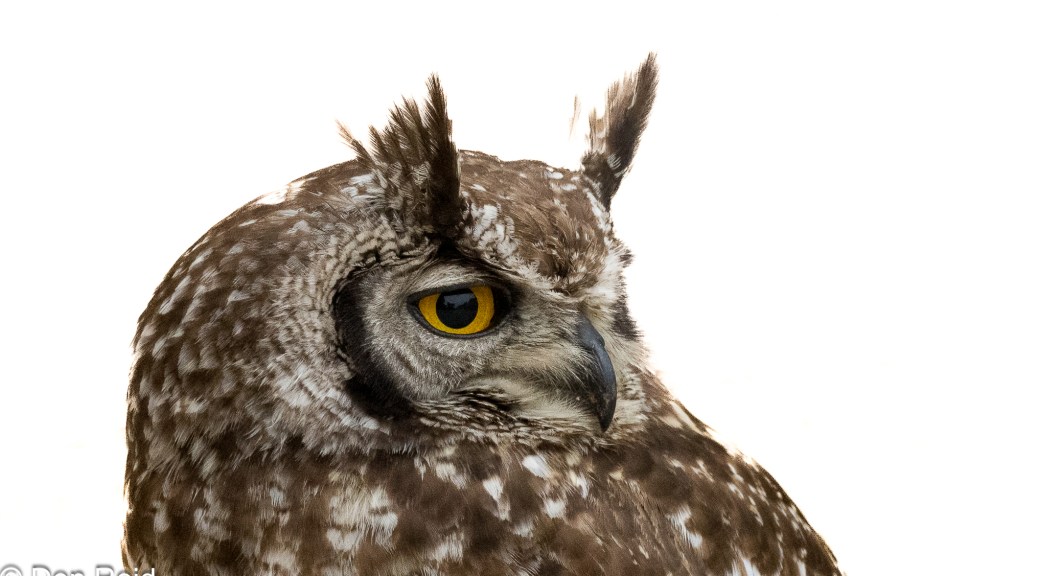
This is the second part of my photo pick for 2024 – a selection of bird photos that appealed to me for various reasons, not just the quality of the photo but also for the memory it left with me. I hope you enjoy scrolling through them as much as I have enjoyed taking, editing and selecting them.
If you have already glanced at the ‘categories’ I have placed them under and are wondering how I arrived at these – well, I didn’t but I did ‘borrow’ them from Firefinch which is the excellent birding app produced by Faansie Peacock (his real name!) and his team.
Faansie has a way of making birding interesting and fun and the way he categorises bird species in his app is a good example of his practical approach.
Raptors
Seeing a raptor at the roadside is always exciting and a reason to stop and have a better look – most will fly off the moment you stop, so it requires a bit of stealth to keep the car moving slowly while approaching the target and to have the camera at the ready for the moment you come to a standstill

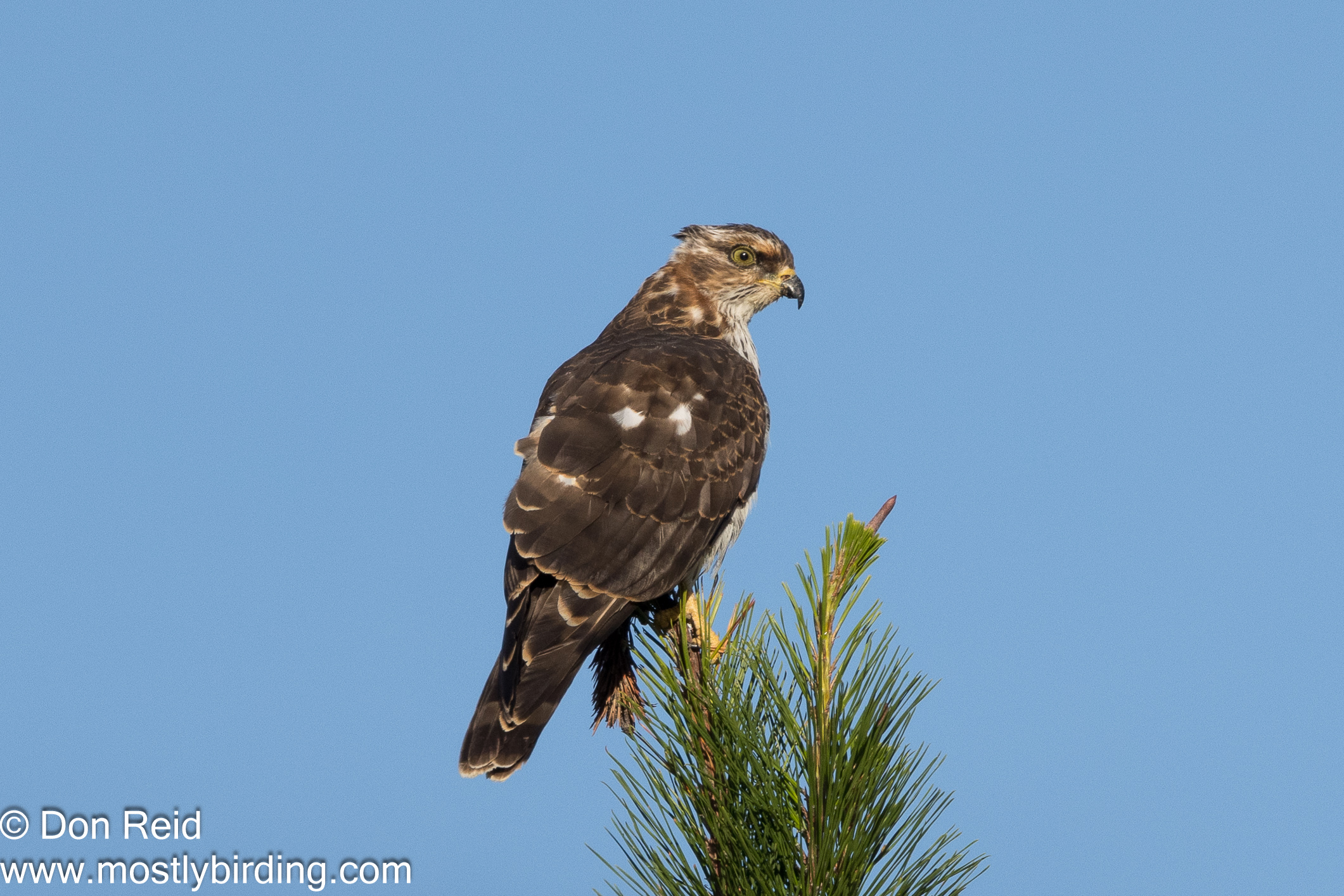
Black-winged Kites are widespread in SA but finding this one about to feed on its prey was a first for me

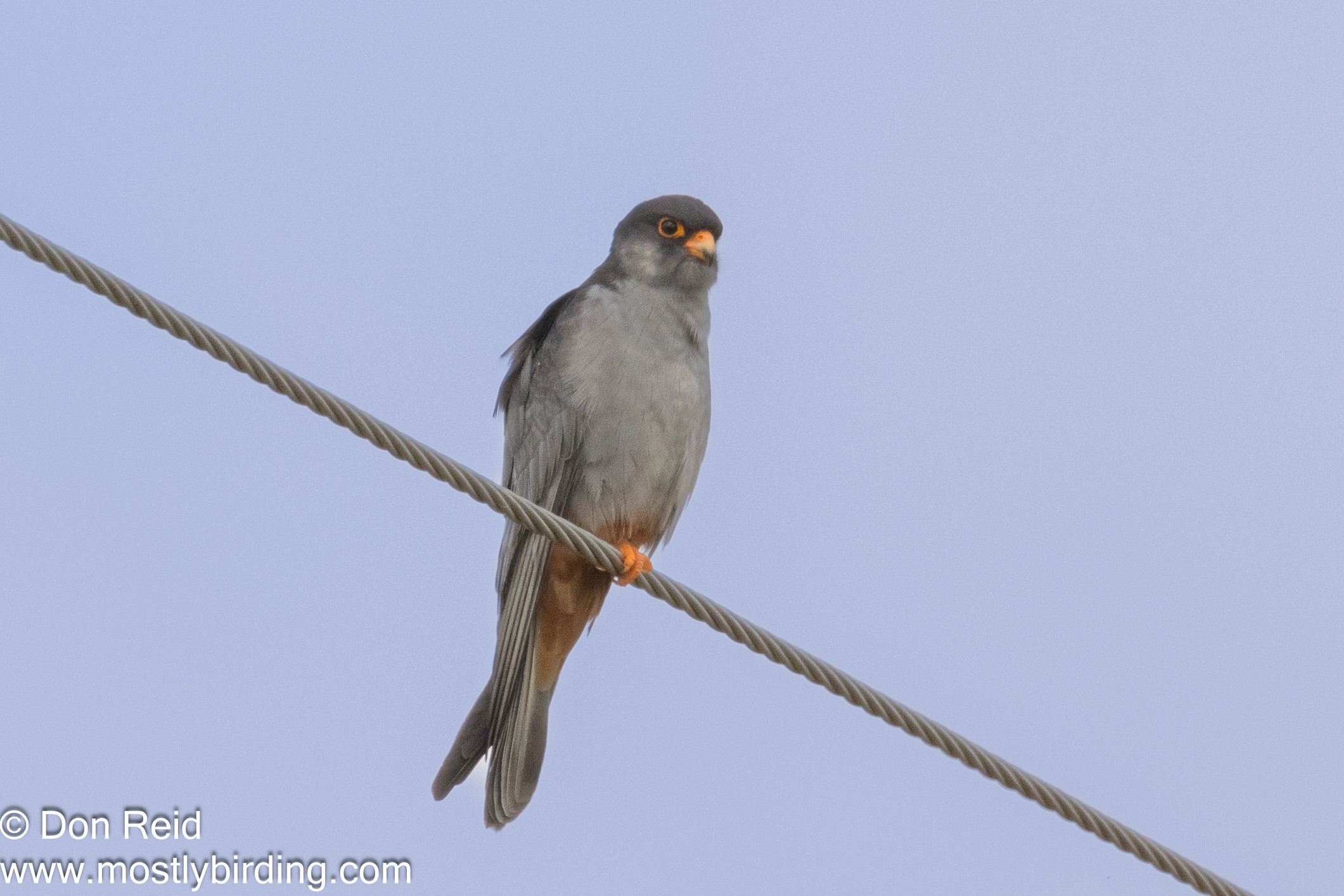
This is not a particularly good photo of an Amur Falcon that I came across but I include it only because it is a scarce sighting in the Southern Cape
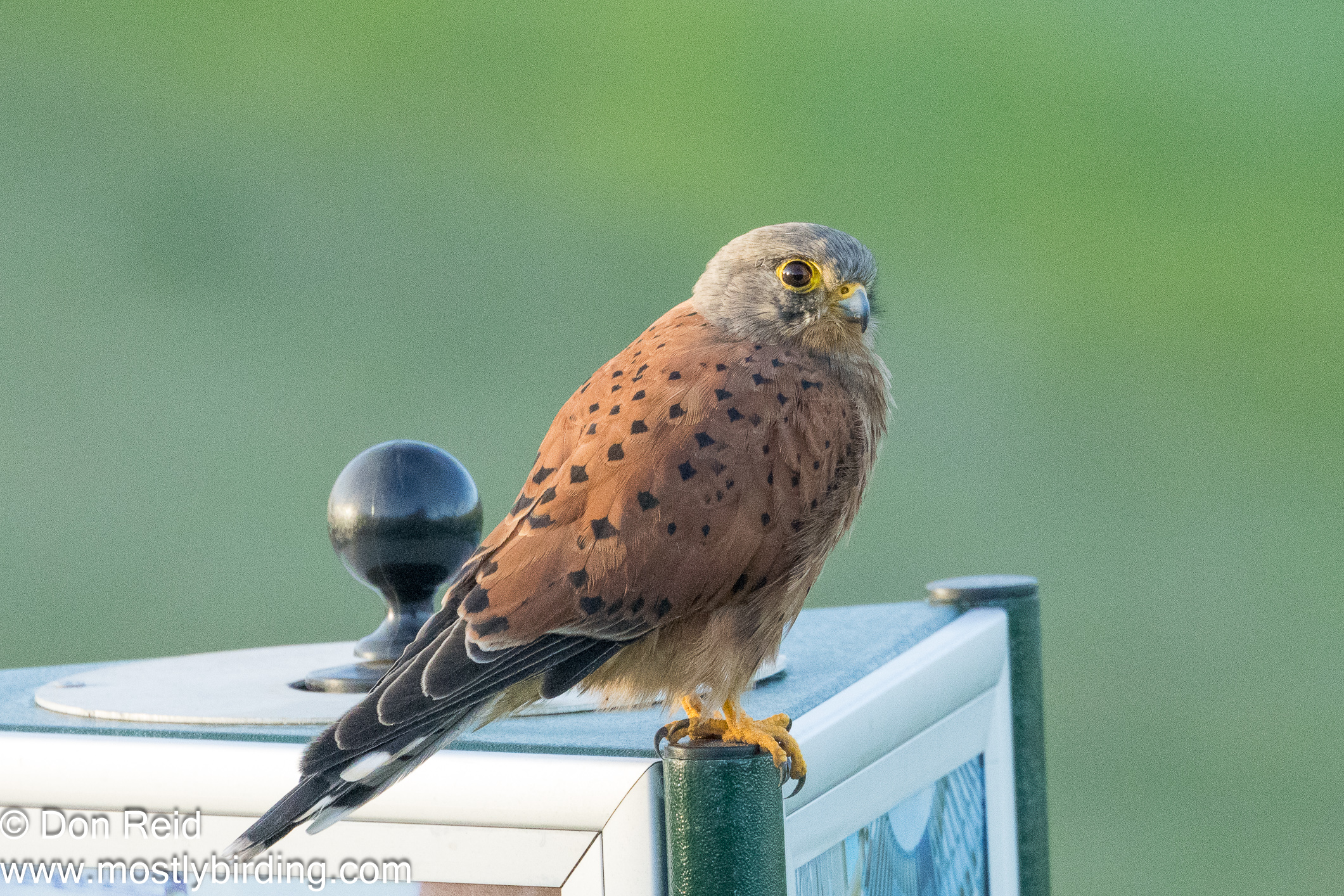
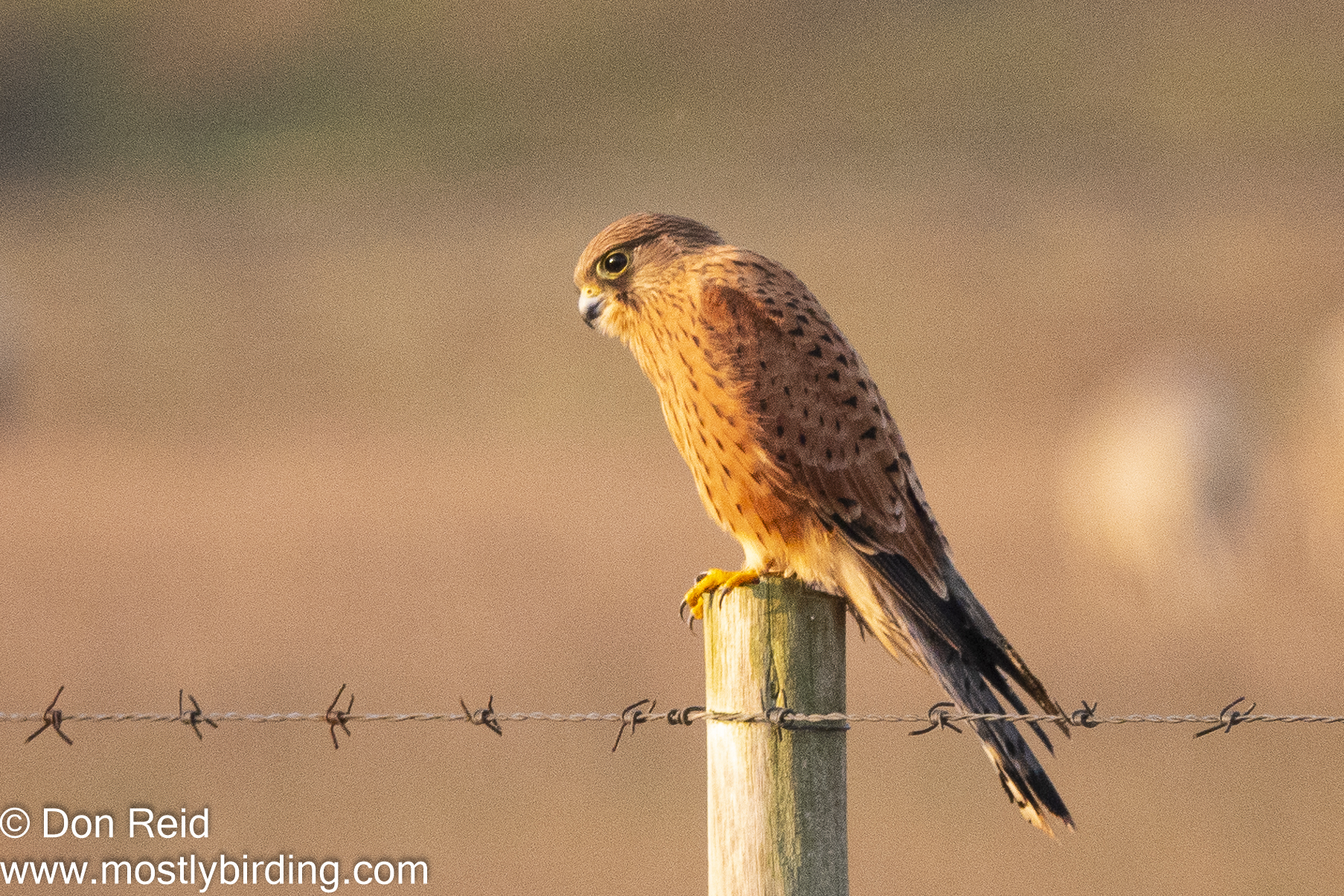
Rock Kestrel is a regular species in the estate where we live. This one chose the 15th tee, just 100m from our house, as a convenient spot for some hunting one morning
Perchers
This category covers a variety of birds normally seen perched on a tree or bush or other suitable spot
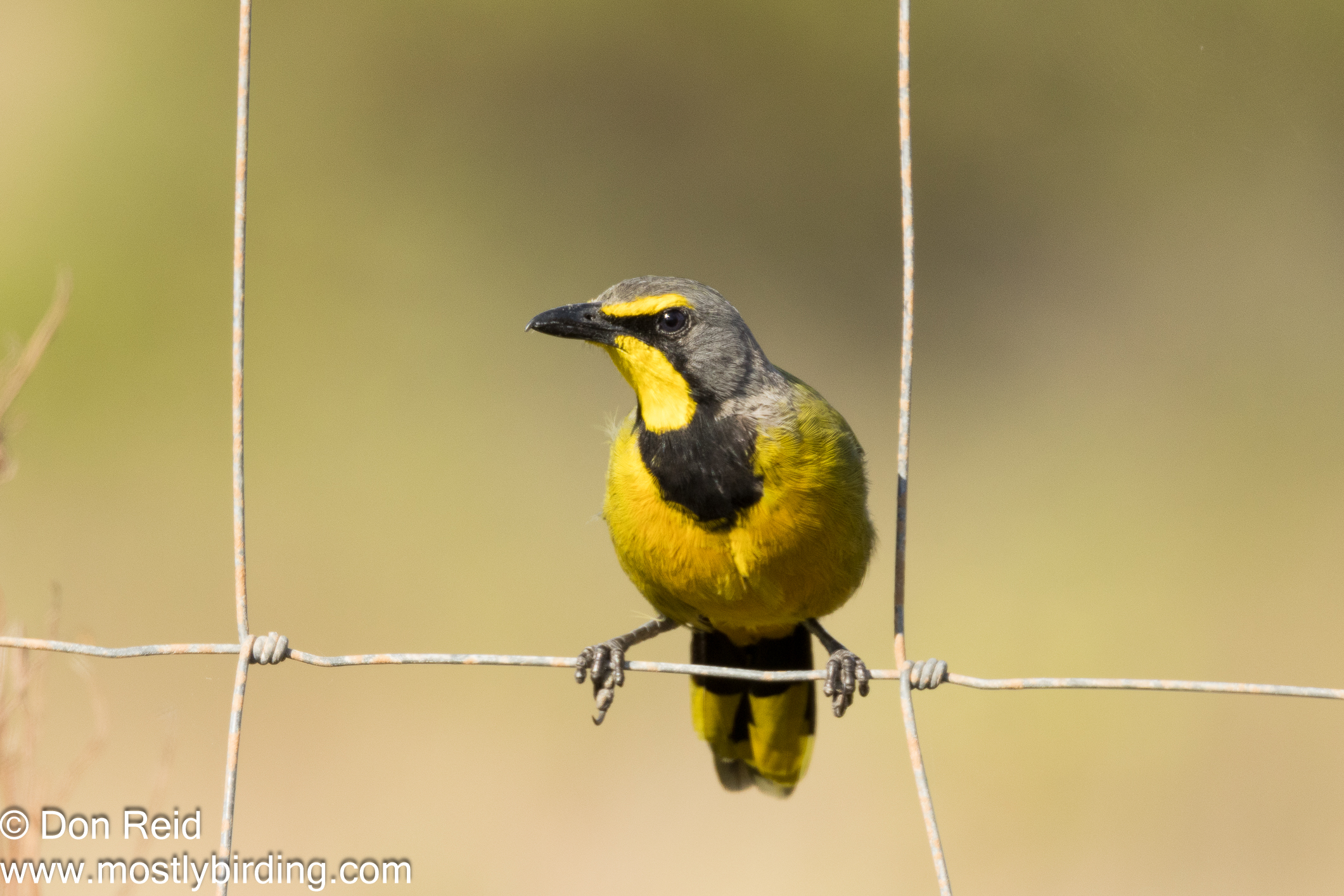
Bokmakieries are often one of the first species to be encountered when atlasing in the Southern Cape, as they greet the new day with vigourous calls. Getting them to pose is not always easy but this one eyed me from a wire fence, inviting me to take its photo
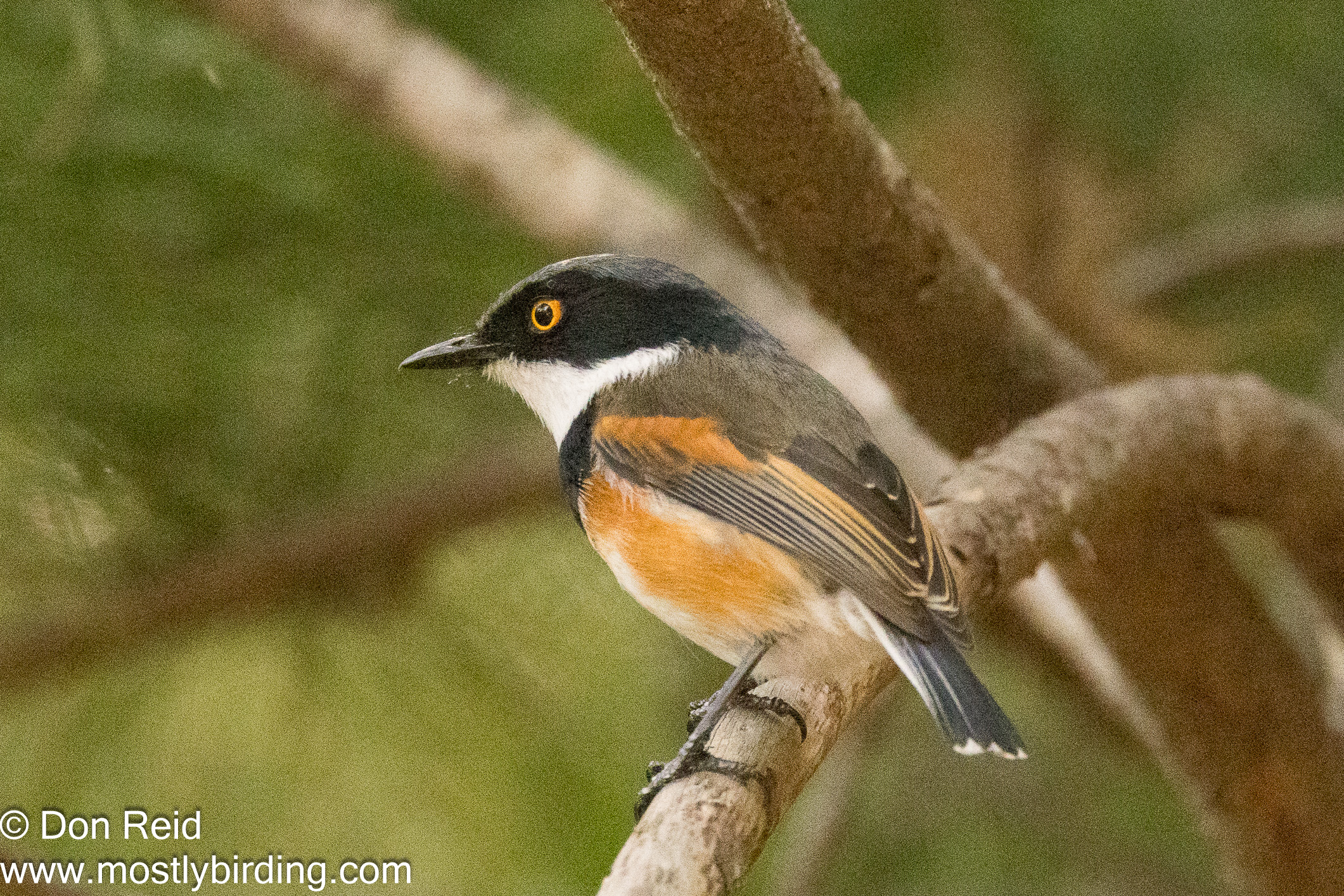
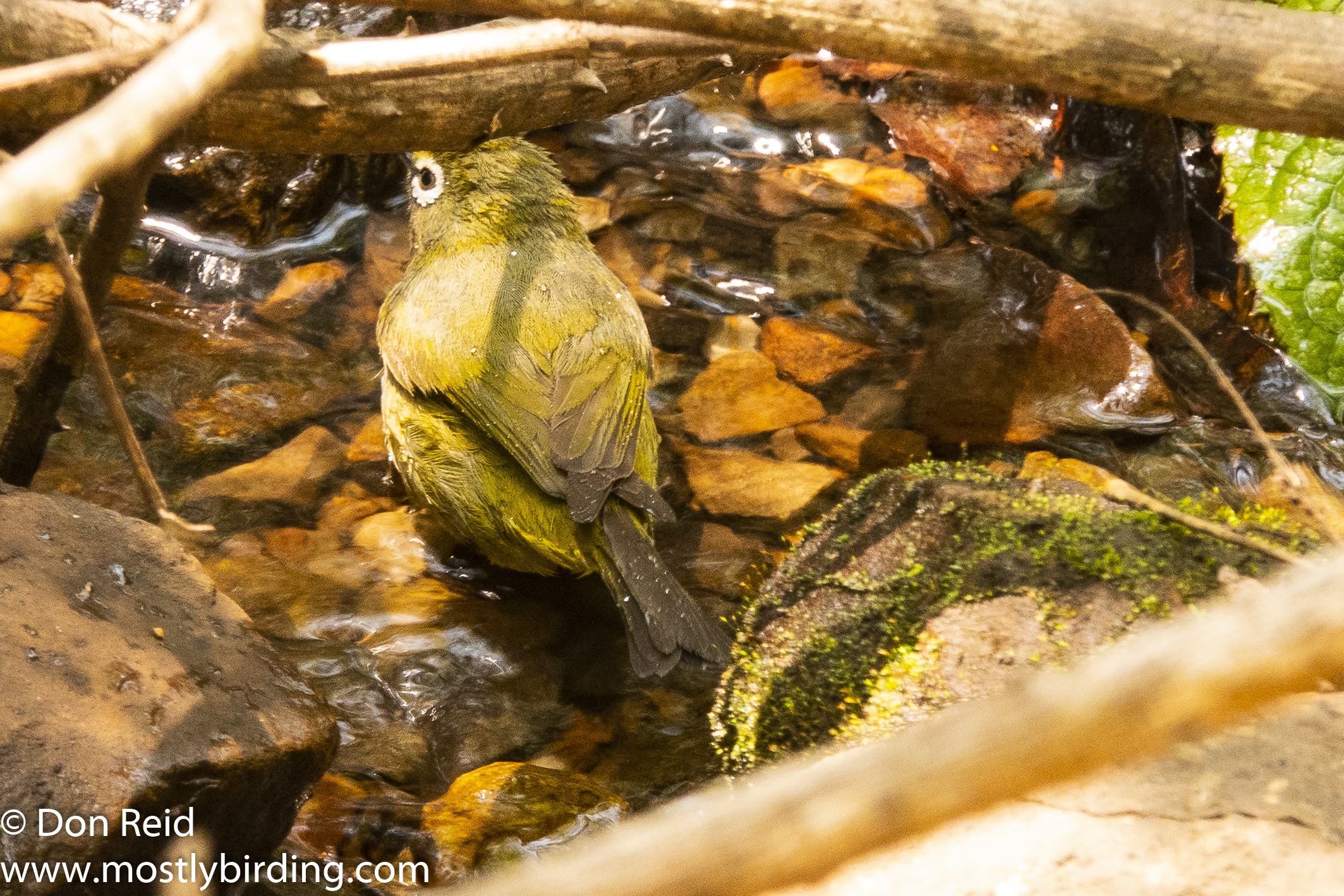
Cape Batis is a common forest bird – parts of the Bonniedale road heading west from the R328 are heavily forested and that’s where I found this one
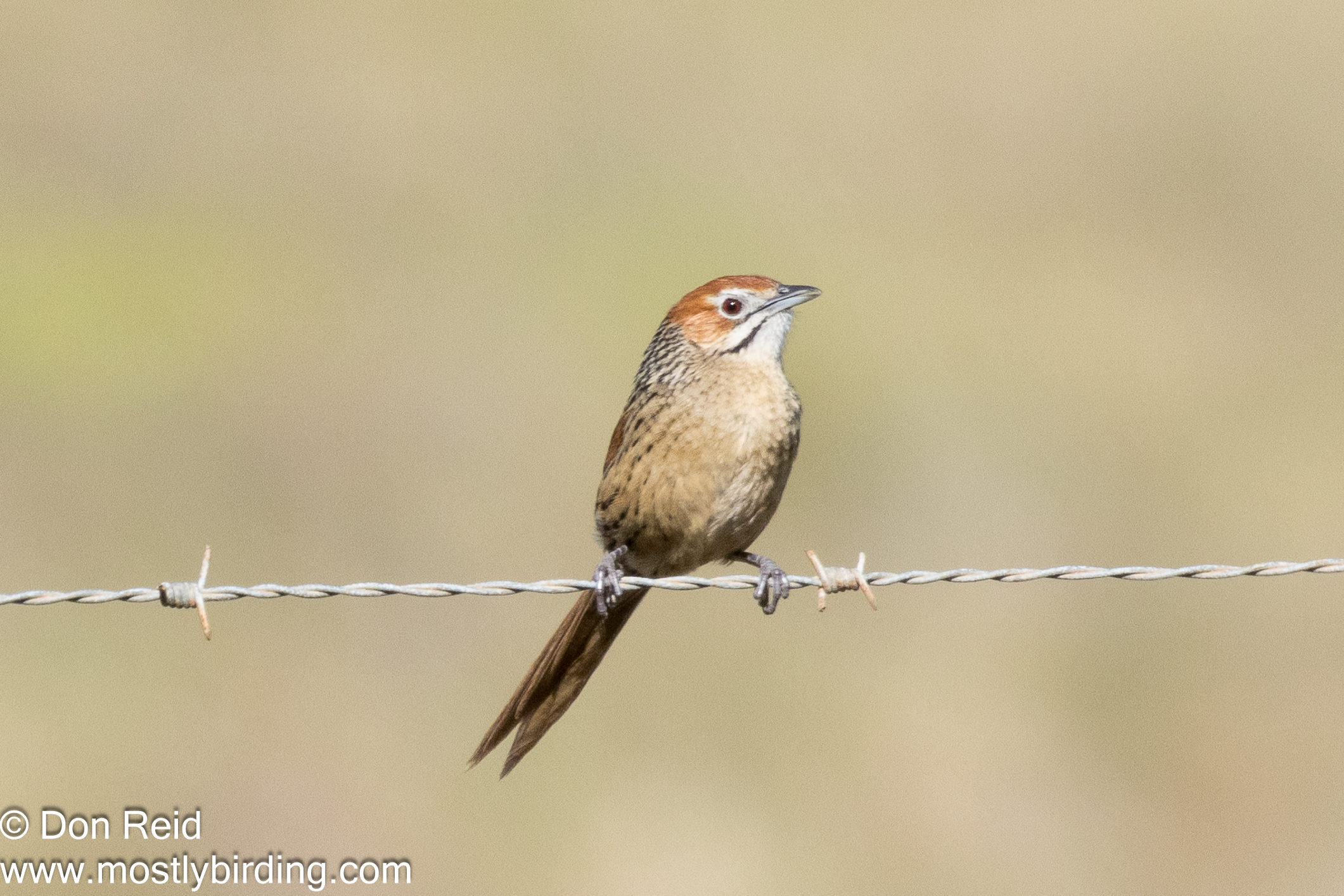
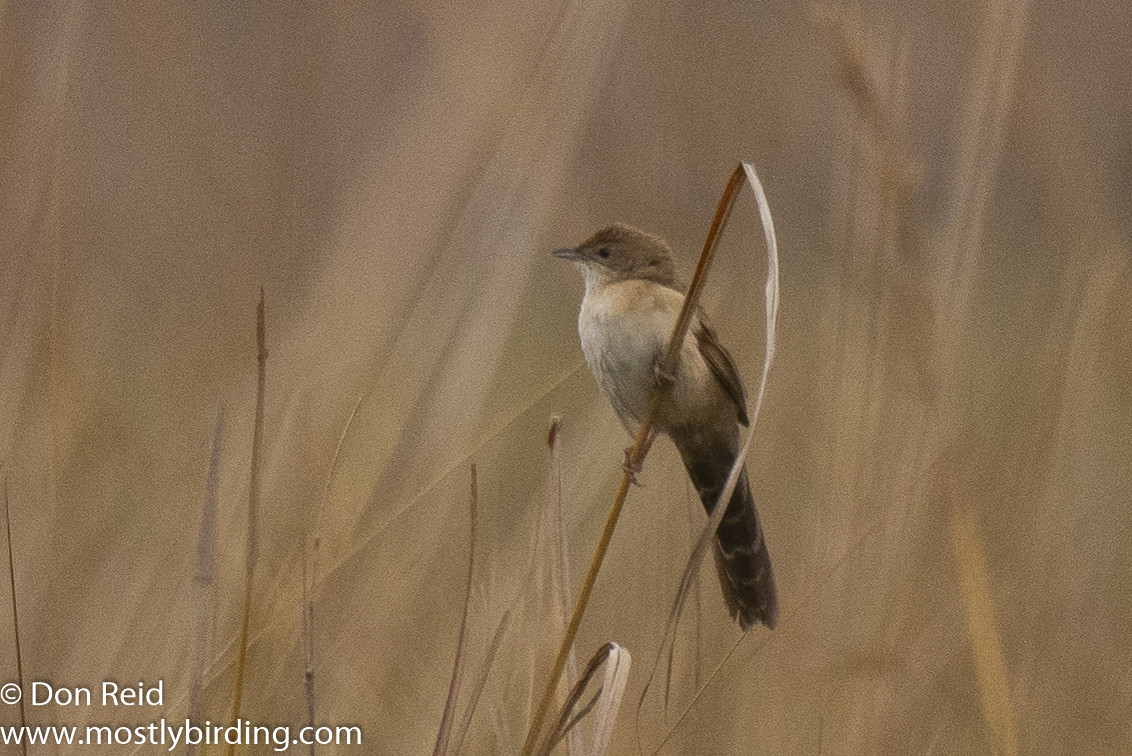
I had stopped in the mountains beyond Herbertsdale to check for birds when this Grassbird – or perhaps it’s better to call it a Fencebird in this case – drew my attention with its familiar trilling call
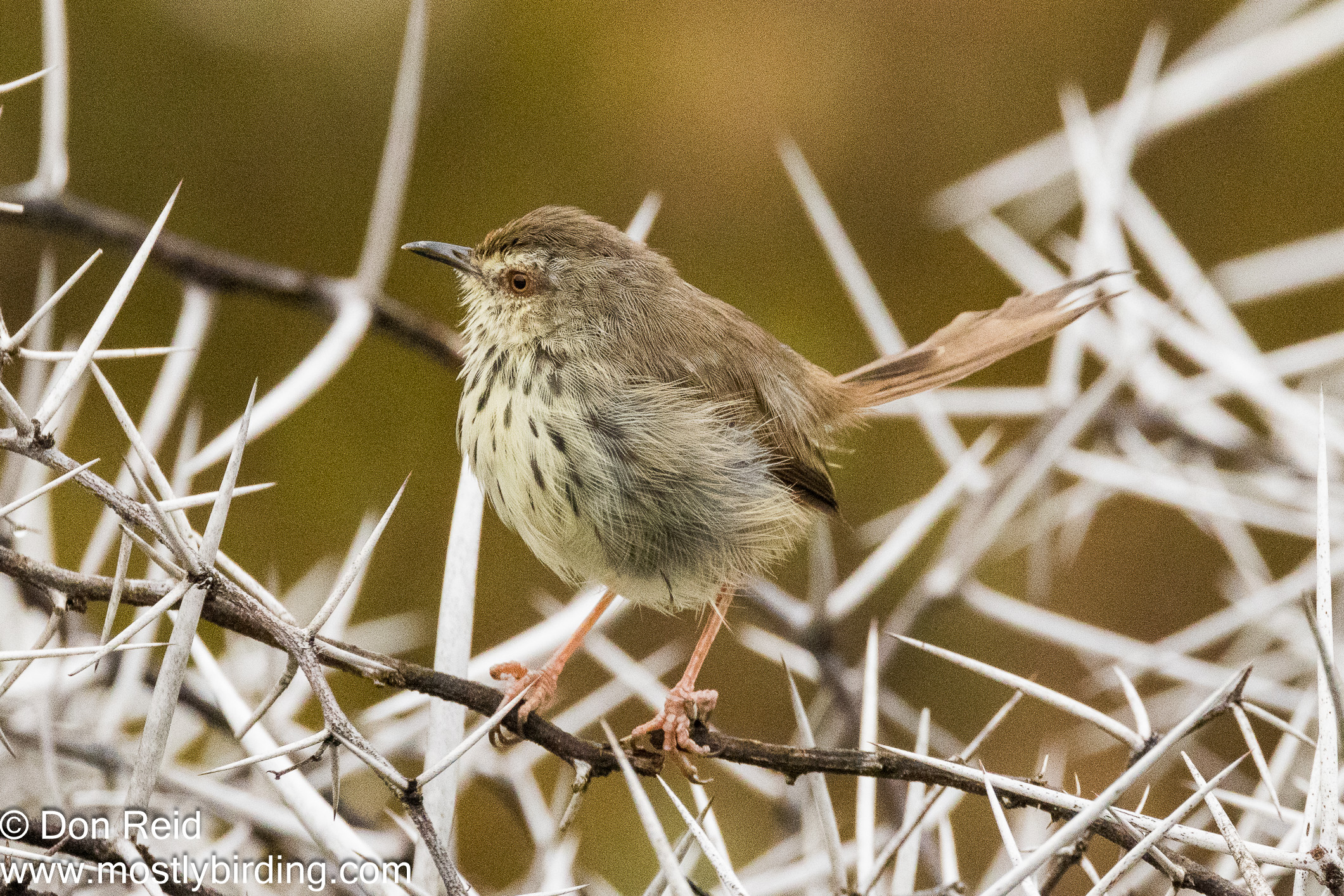
Karoo Prinia is common in suitable habitat across its distribution range. I saw one while stoepsitting in the Addo NP and stalked it until it settled in a thorny bush for long enough to get this image
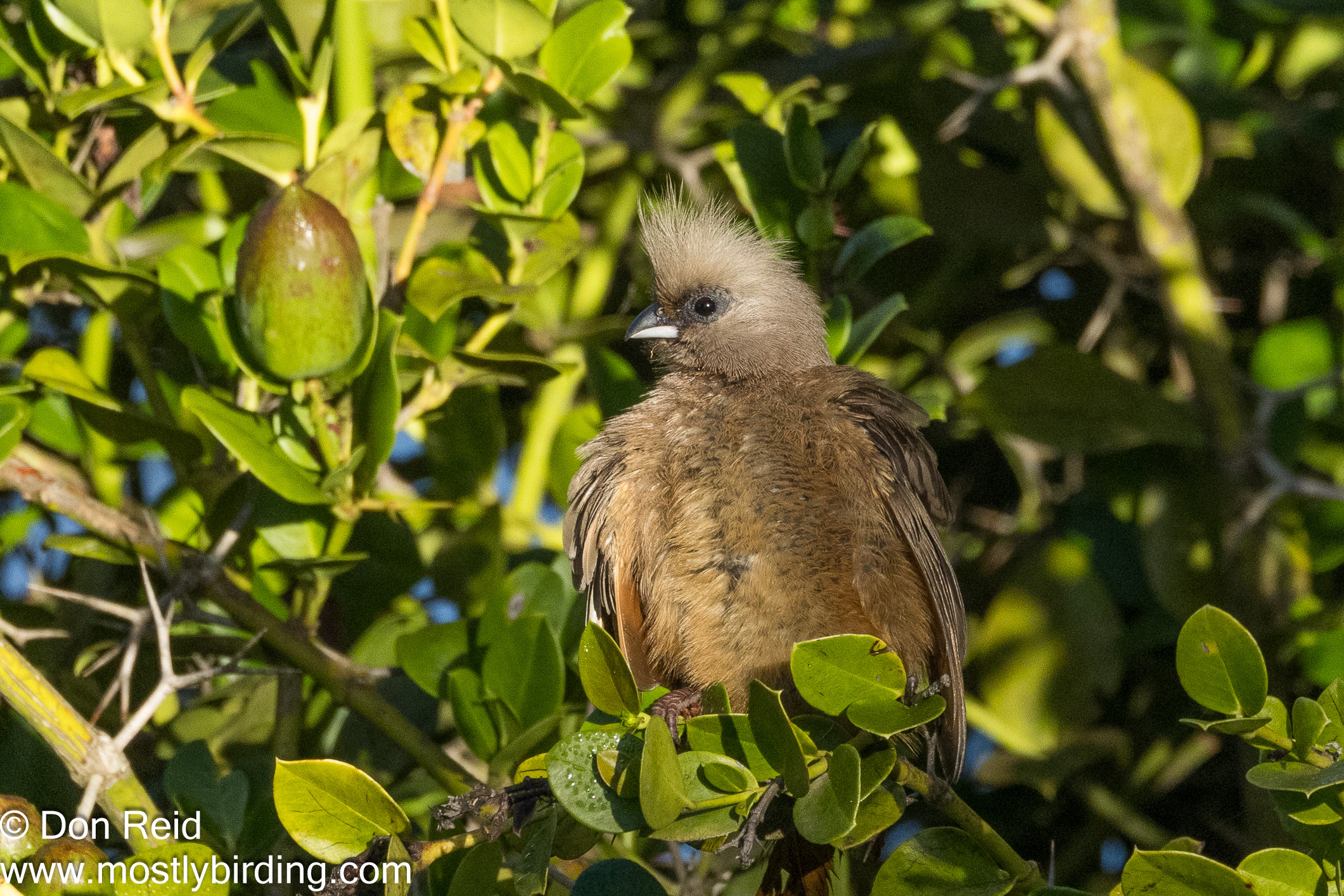
The familiar Speckled Mousebird is fond of disappearing into foliage but will usually pop up to check out the surroundings, which is what this one did
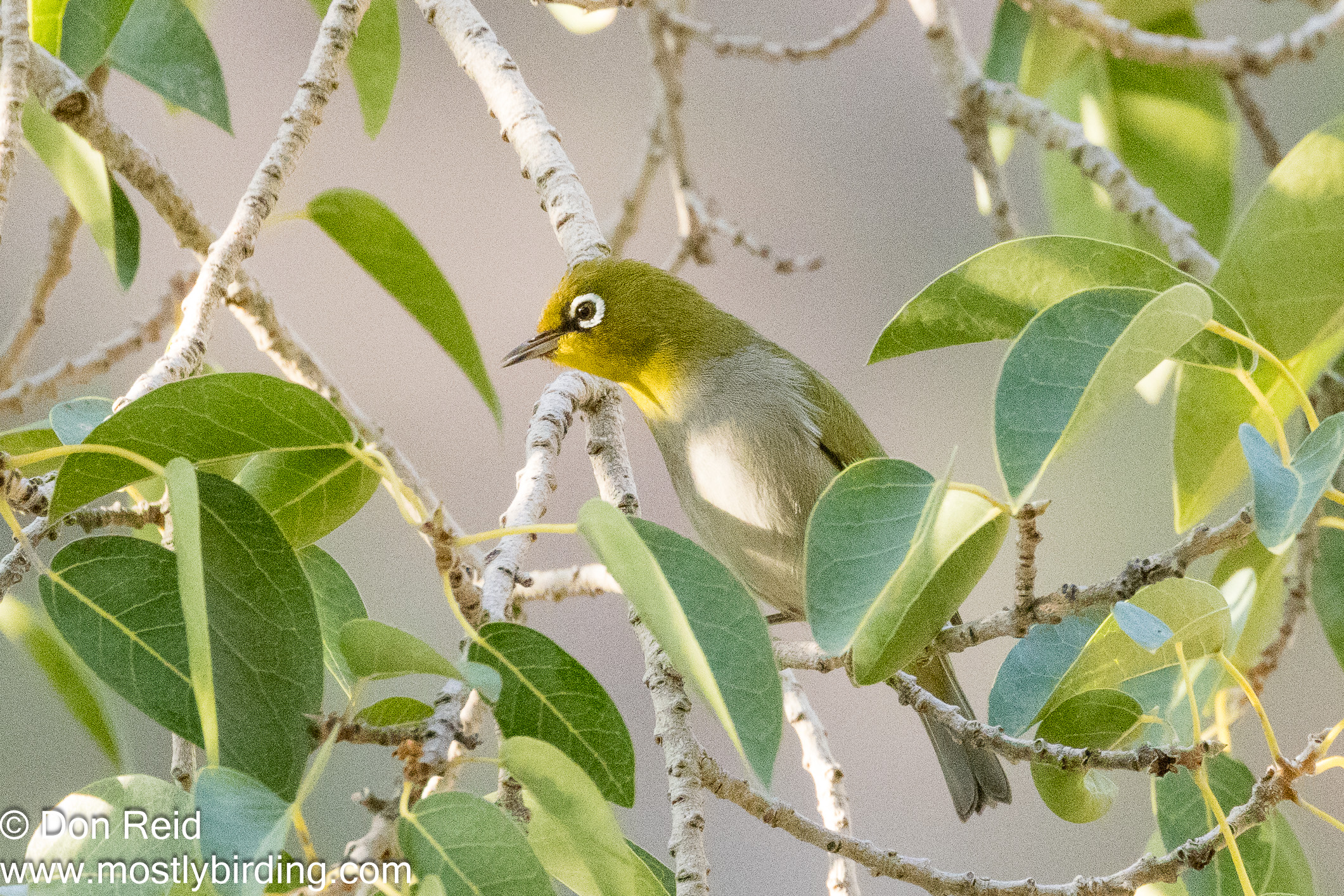
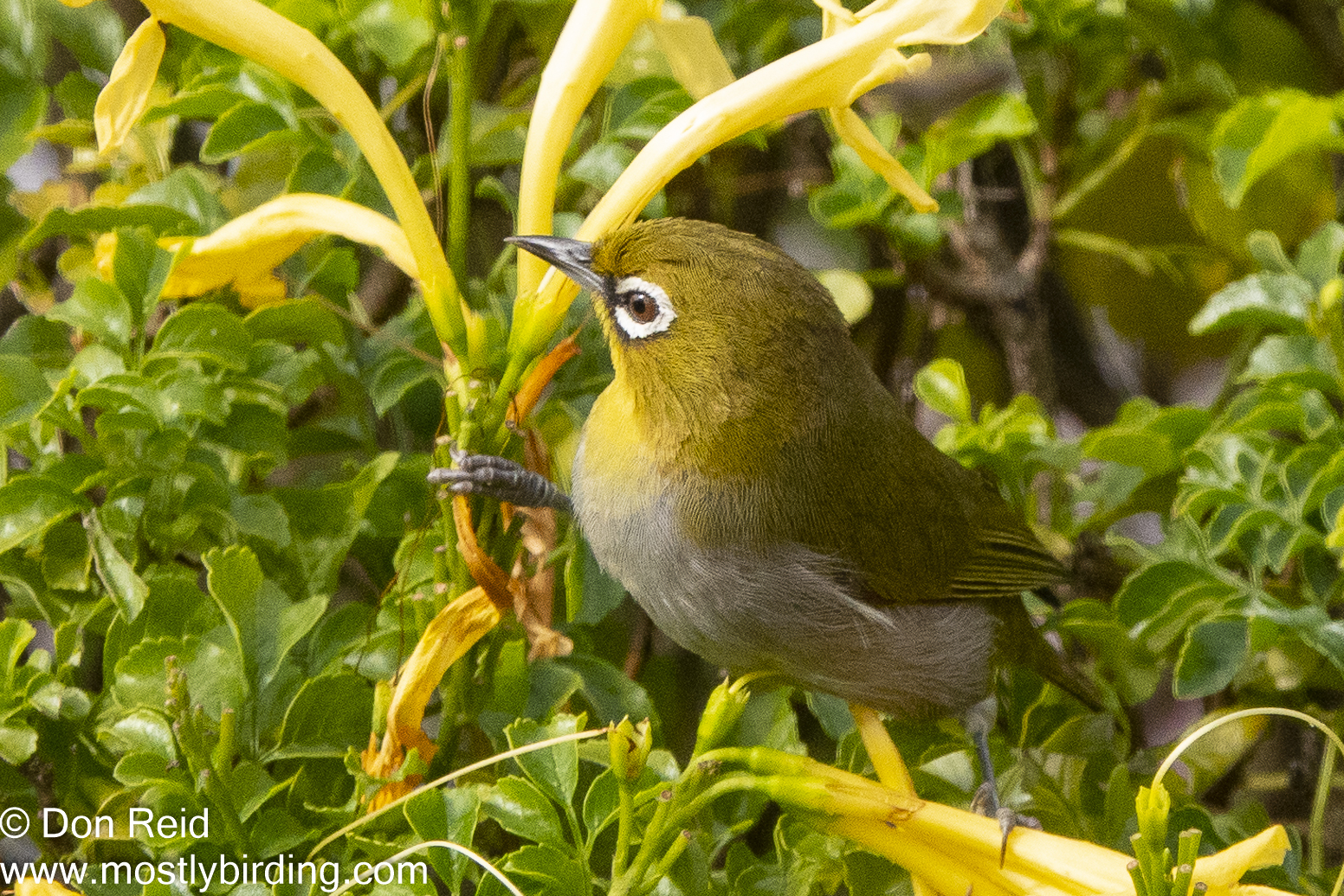
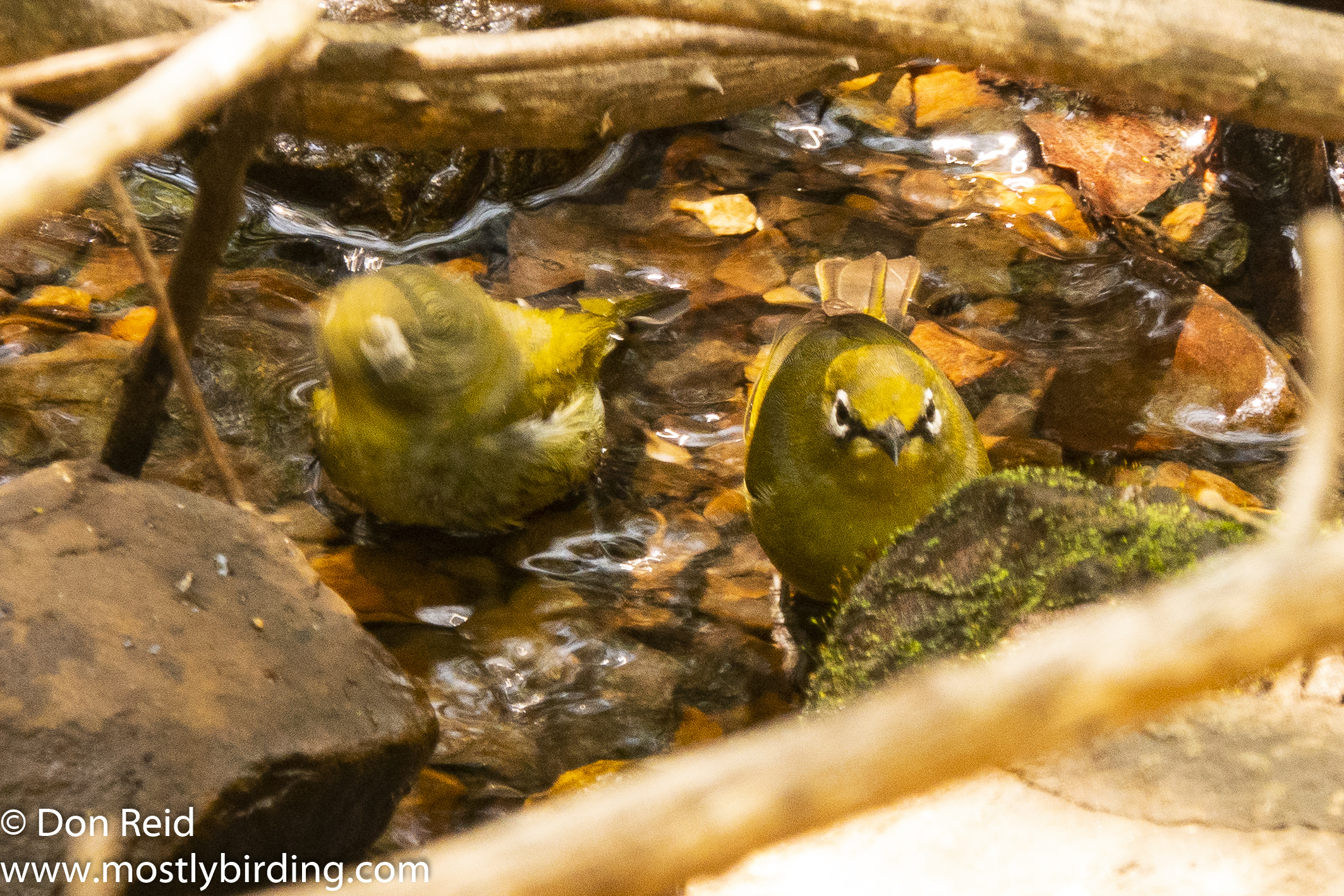
Another very familiar bird, the Cape White-eye, visited us frequently during our stay at The Baths near Citrusdal
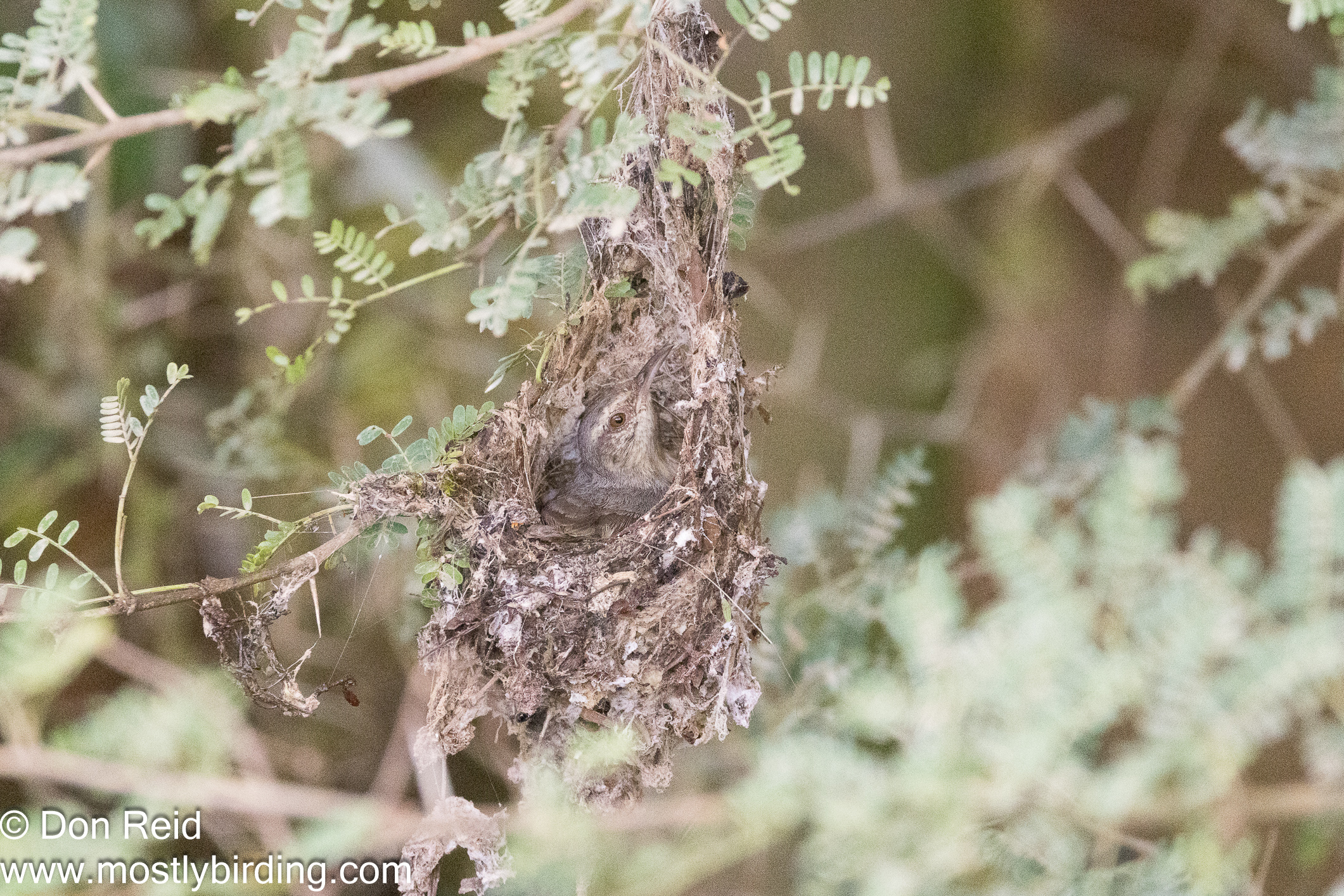
One of my favourite photos of the year, I came across this Long-billed-Crombec while atlasing and was thrilled to see it drop down and take up position in the mouth of the nest low in the tree, which I had not noticed
Suckers
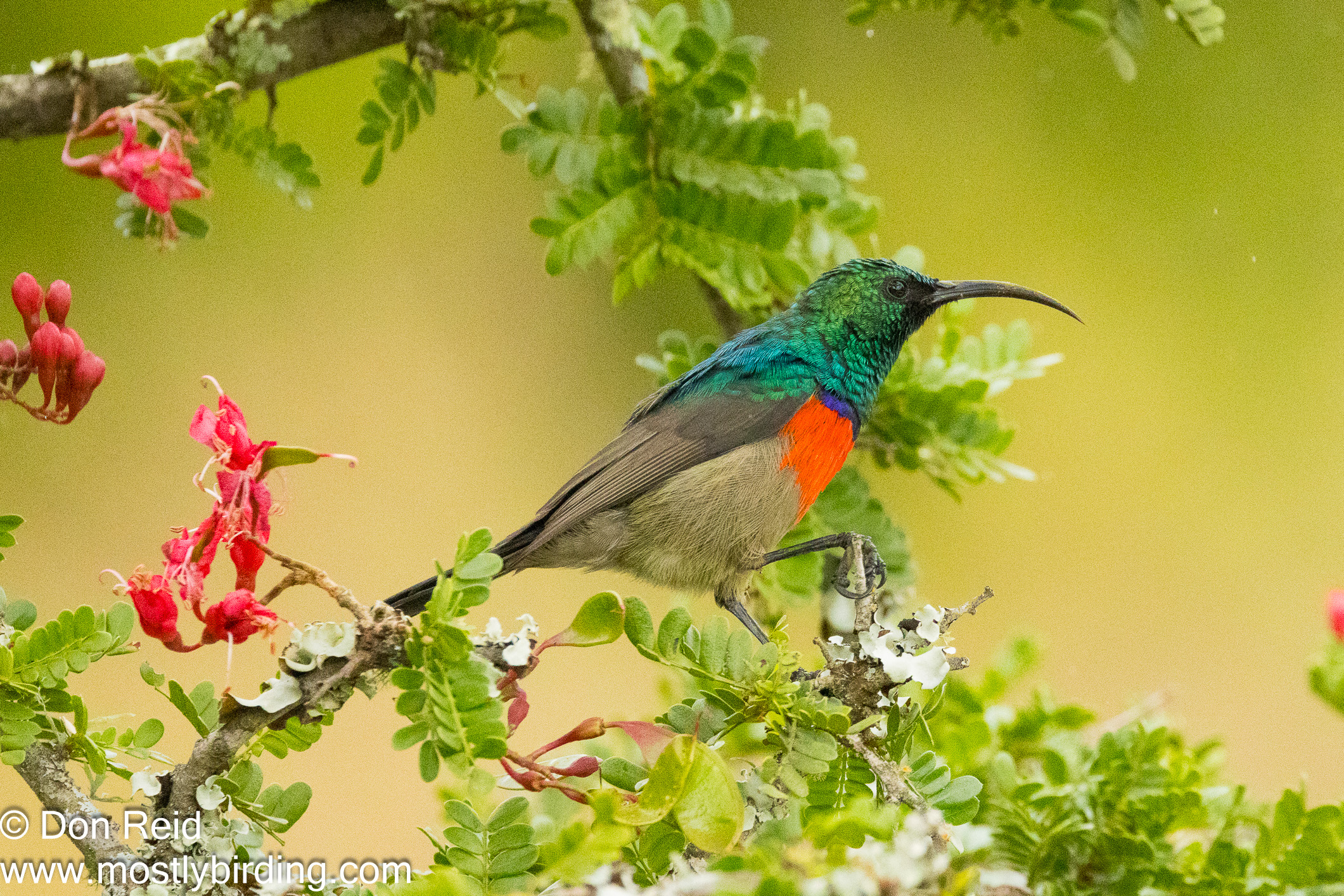
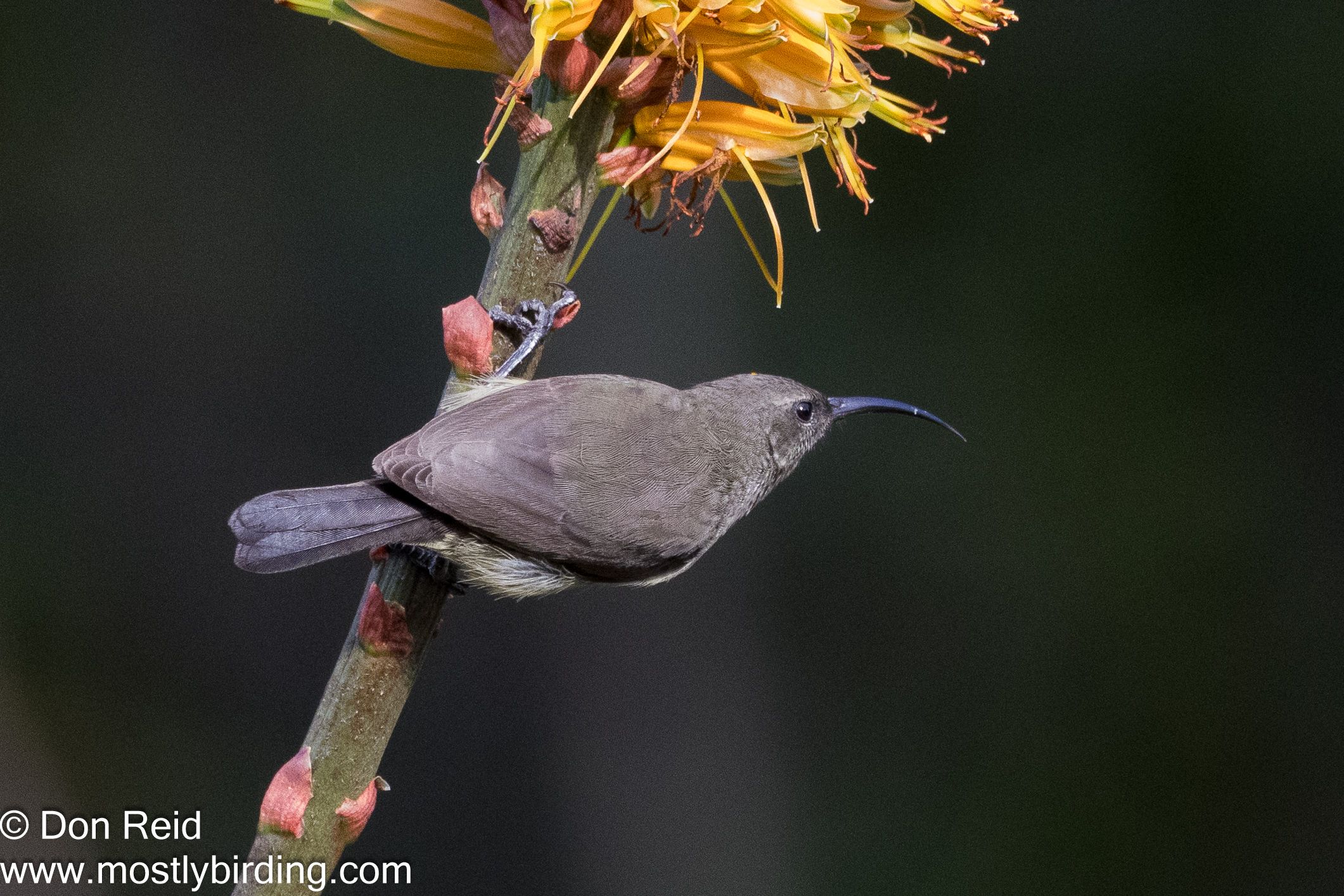
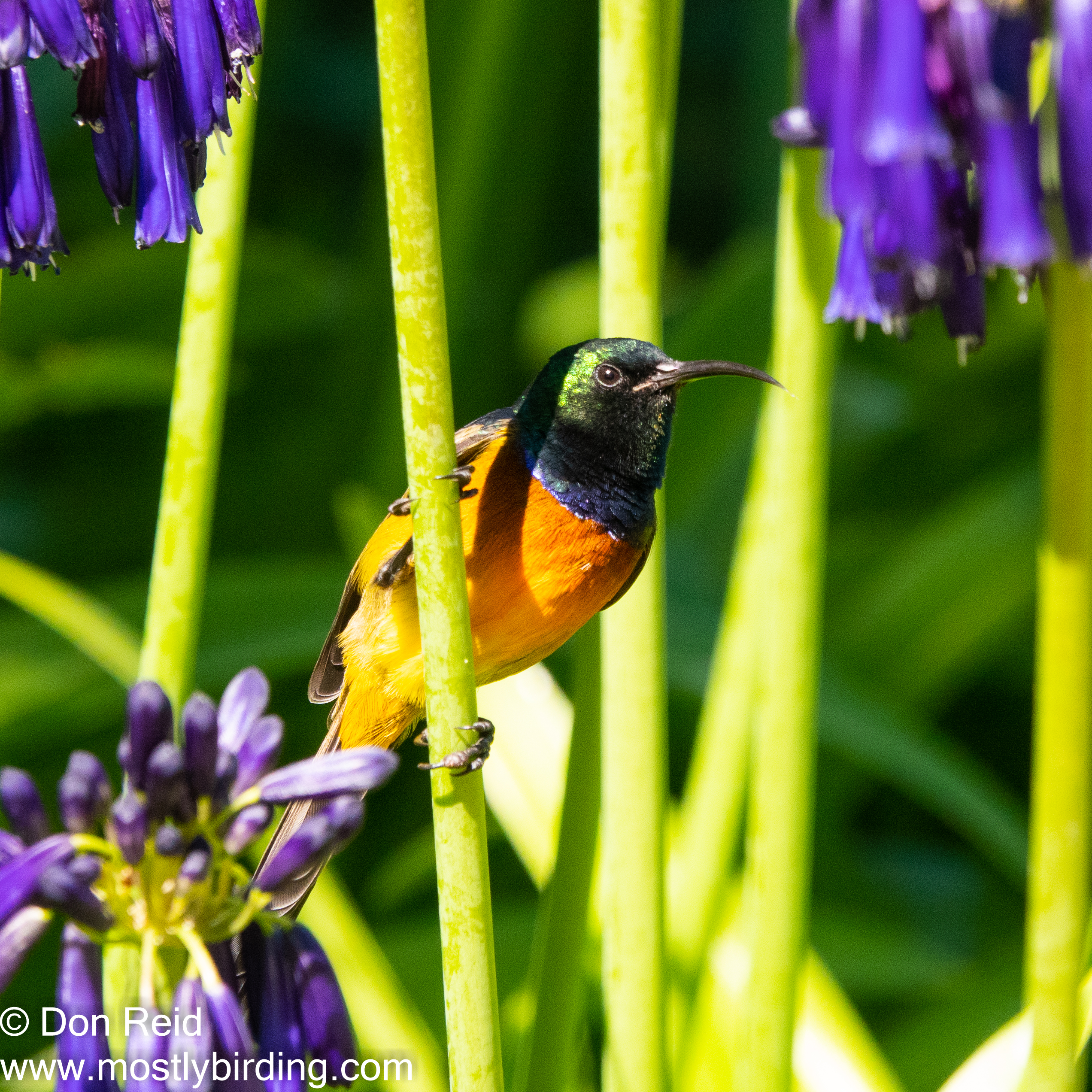
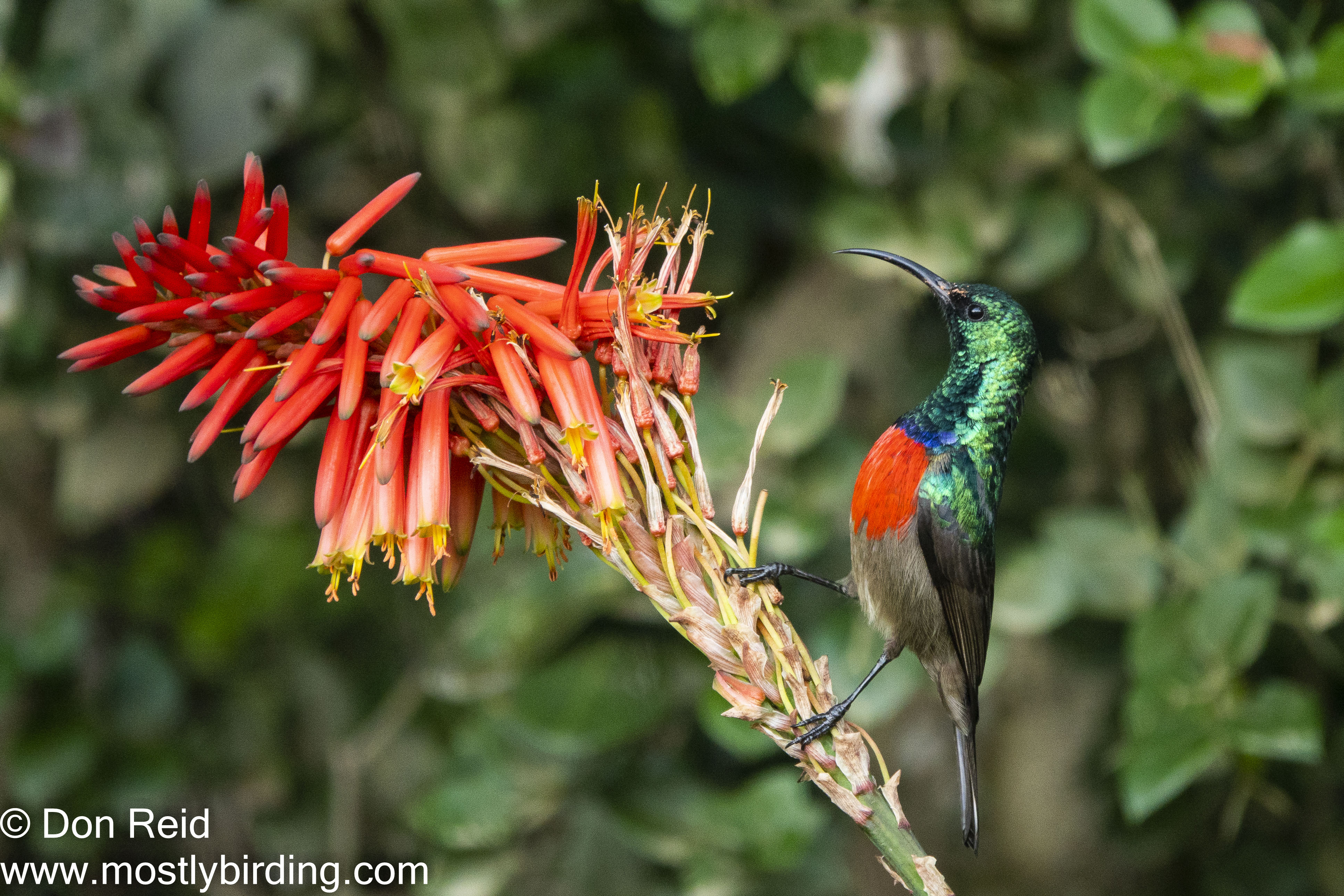
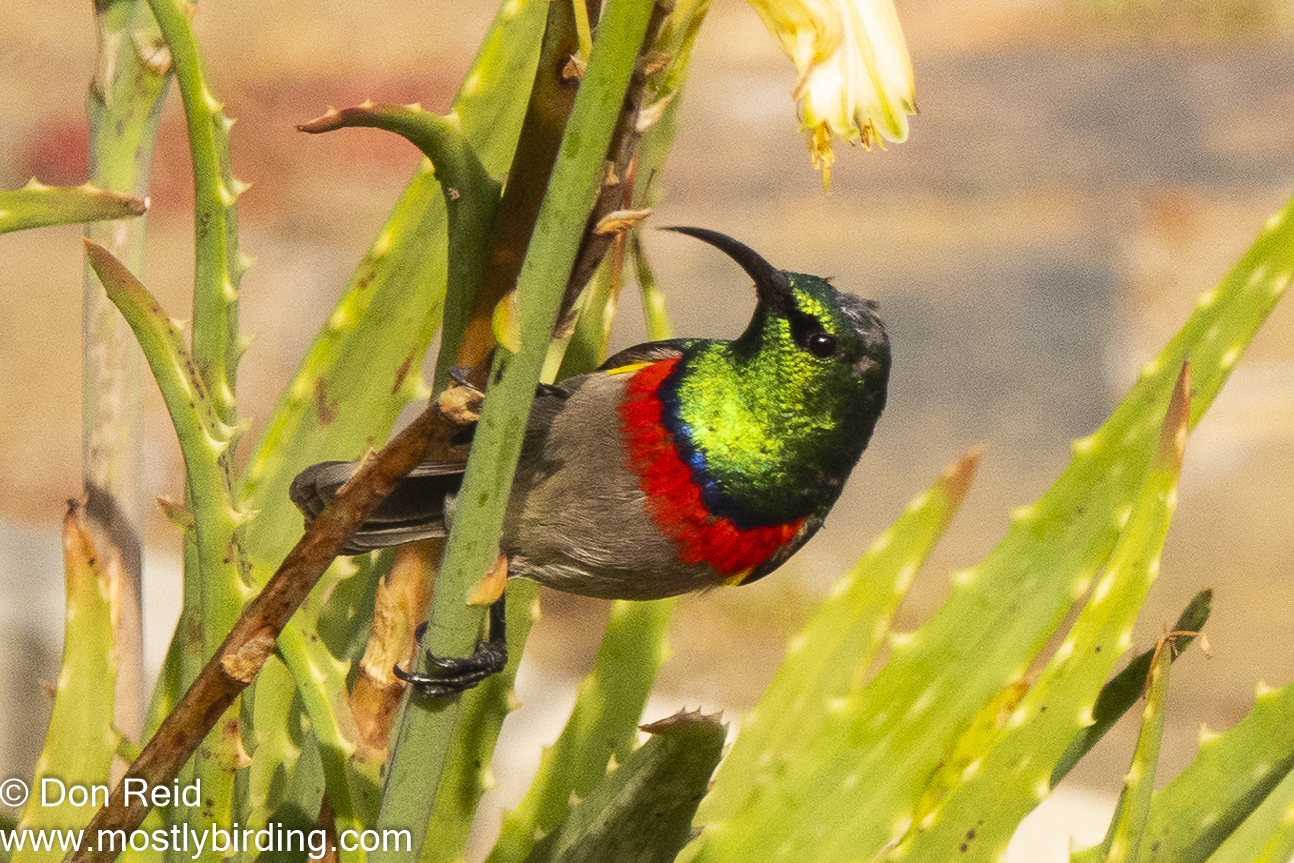
The curve-billed nectar-suckers
The photos illustrate the colourful male and the rather drab female of the species that I often come across while atlasing, and at home
Seed-eaters
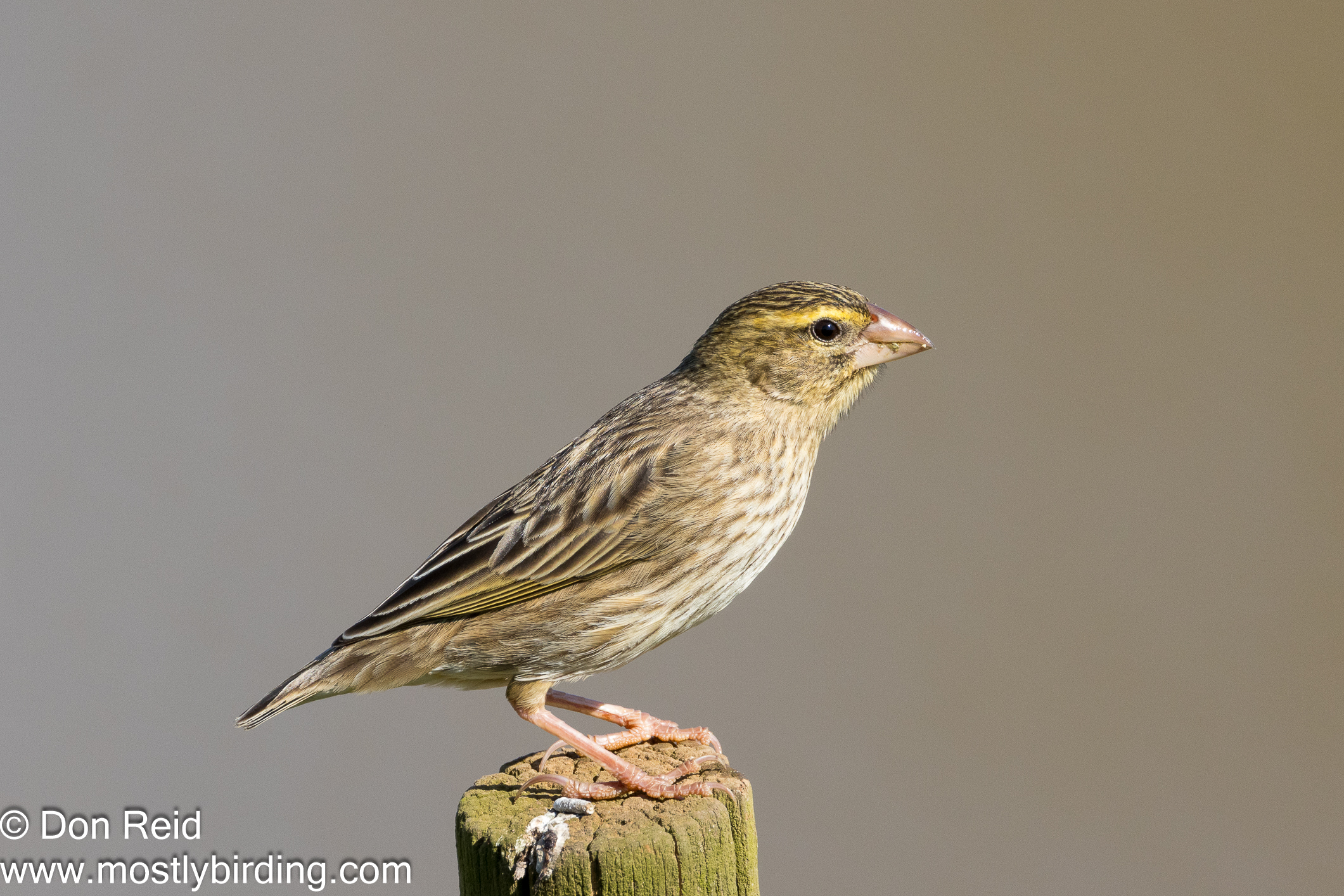
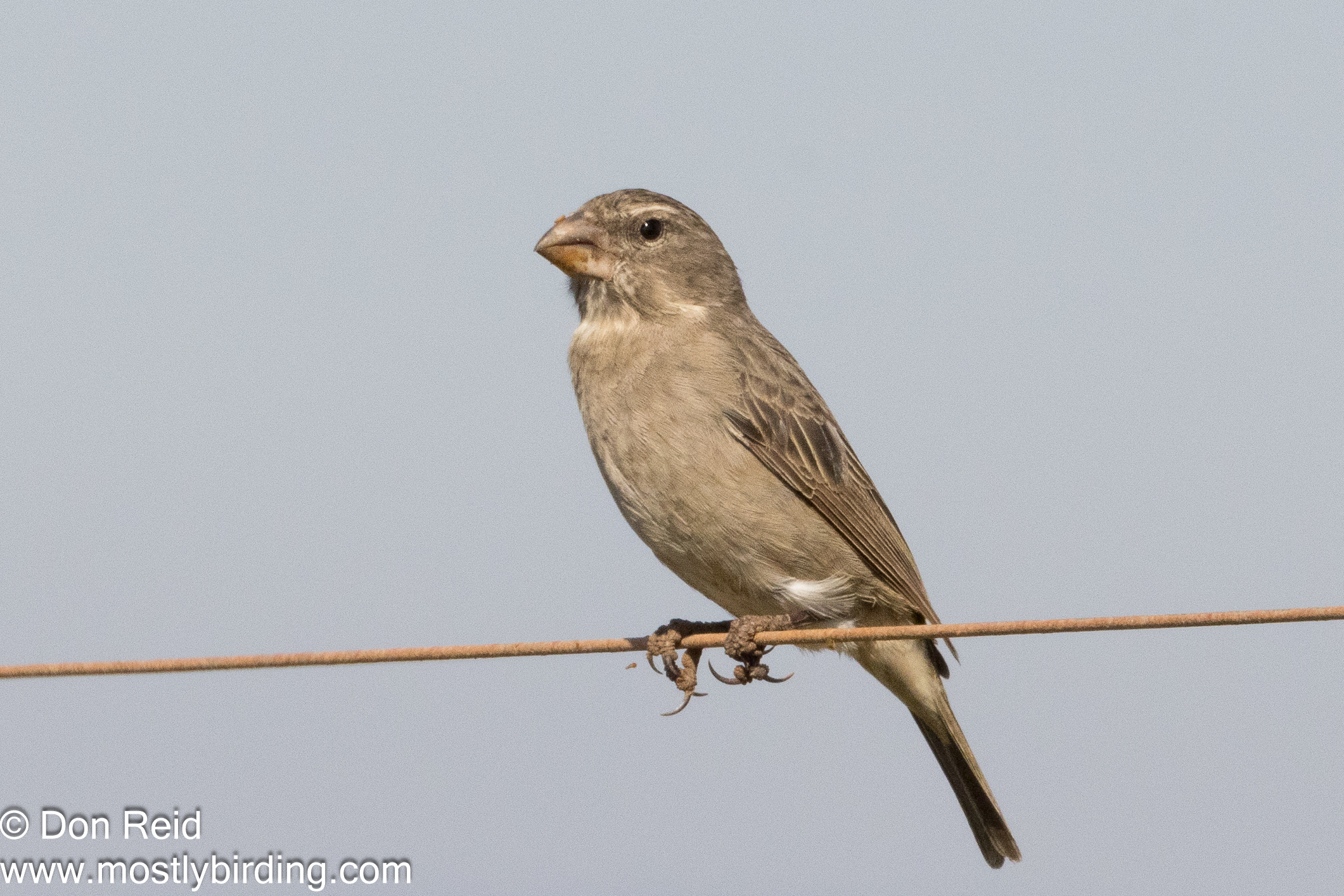
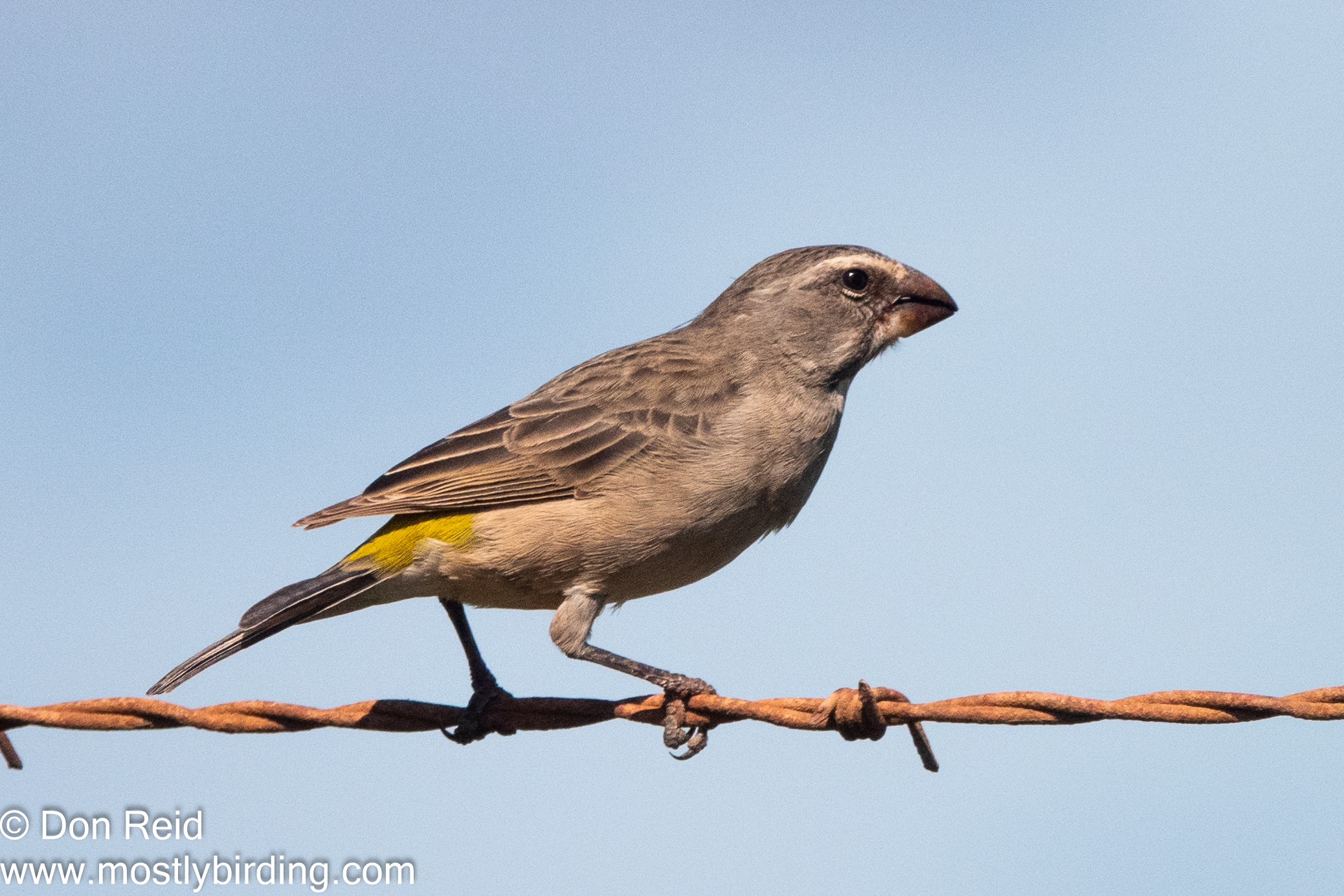
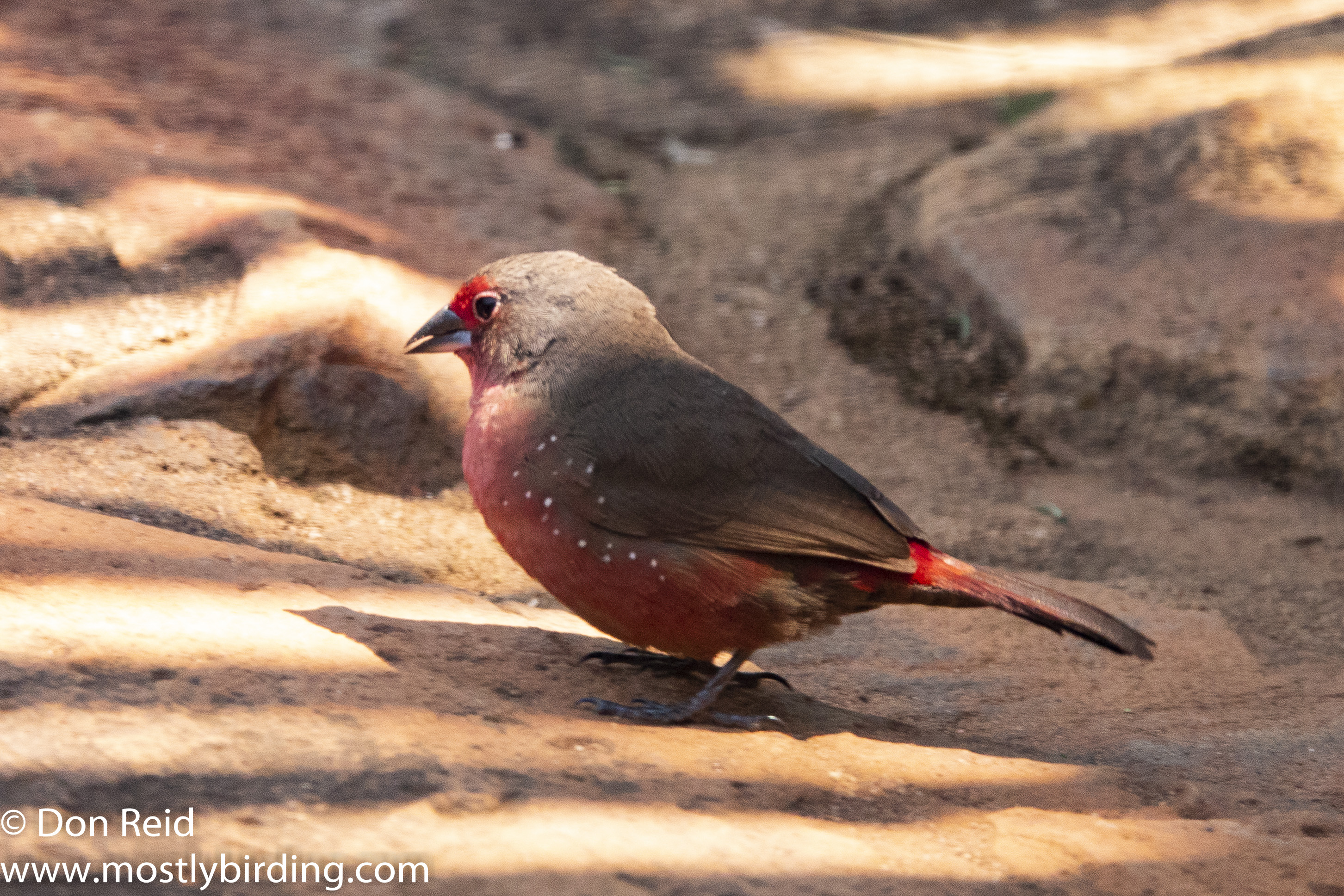
All have short, strong triangular bills suited to their main diet of seeds.
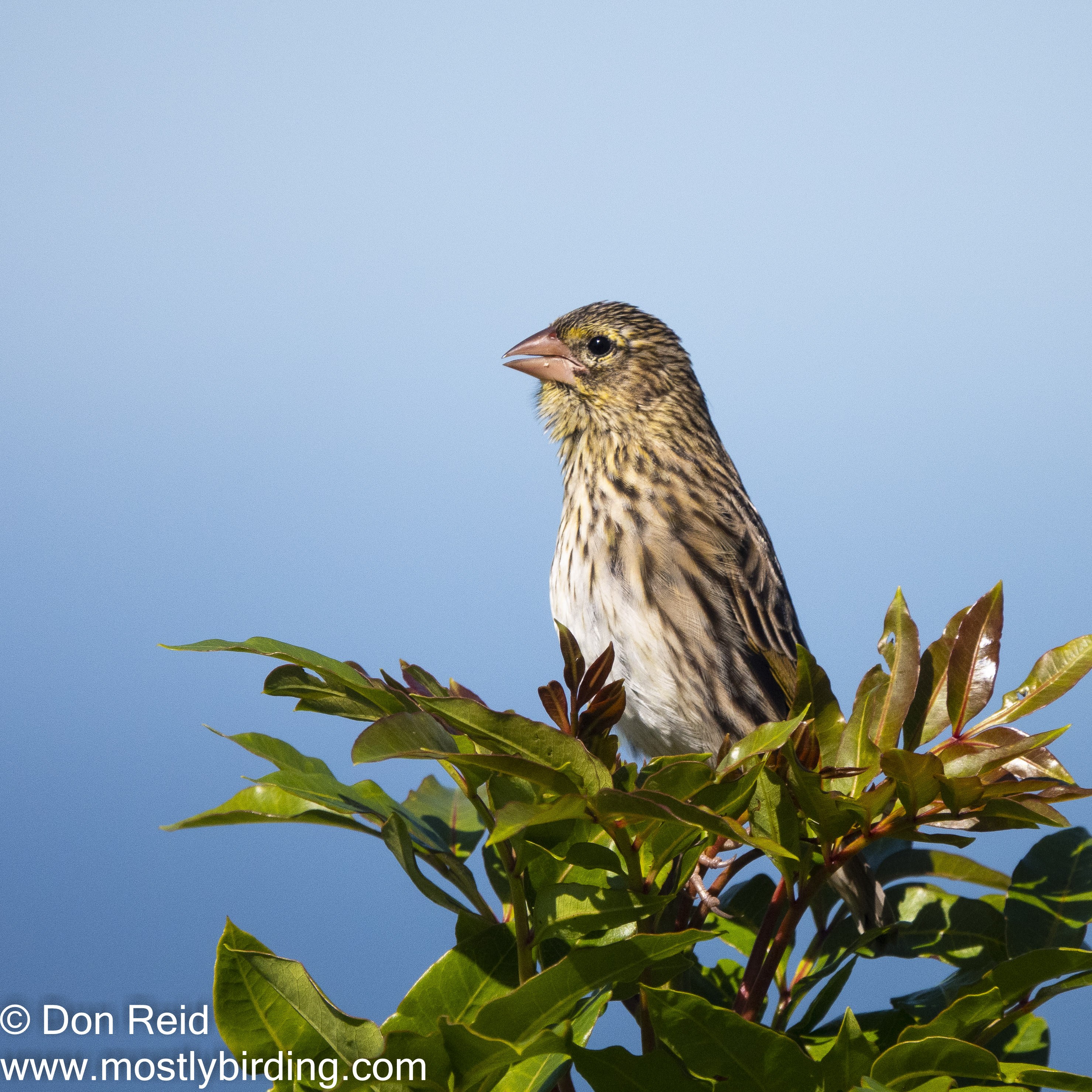
The Bishops were both photographed in winter non-breeding plumage.

Cape Canaries always seem to be on the go, not waiting for an anxious bird photographer to get his act together, so I was happy that this one hung around a bit.


Favourites
A random mix of familiar birds, often colourful and with well-known calls
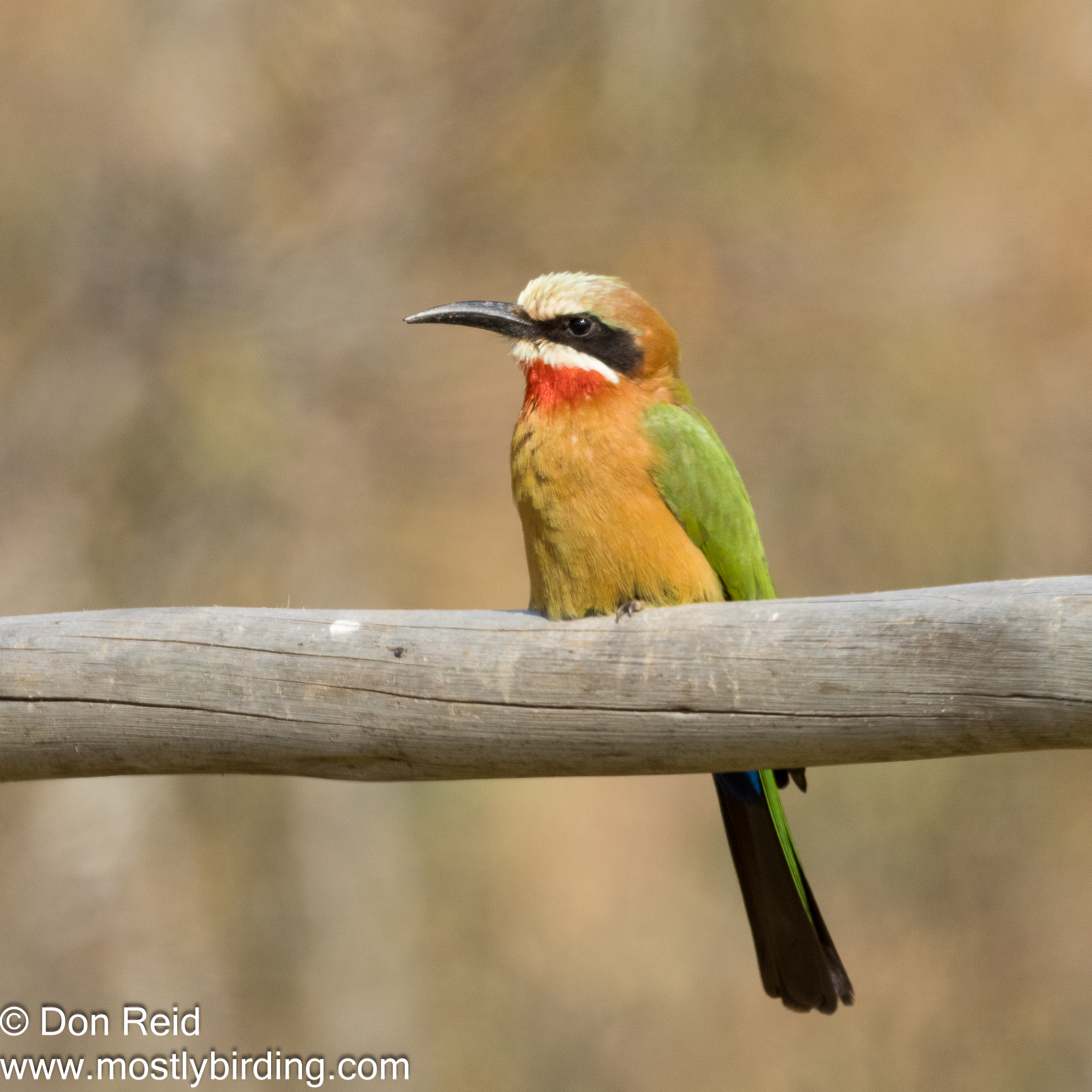
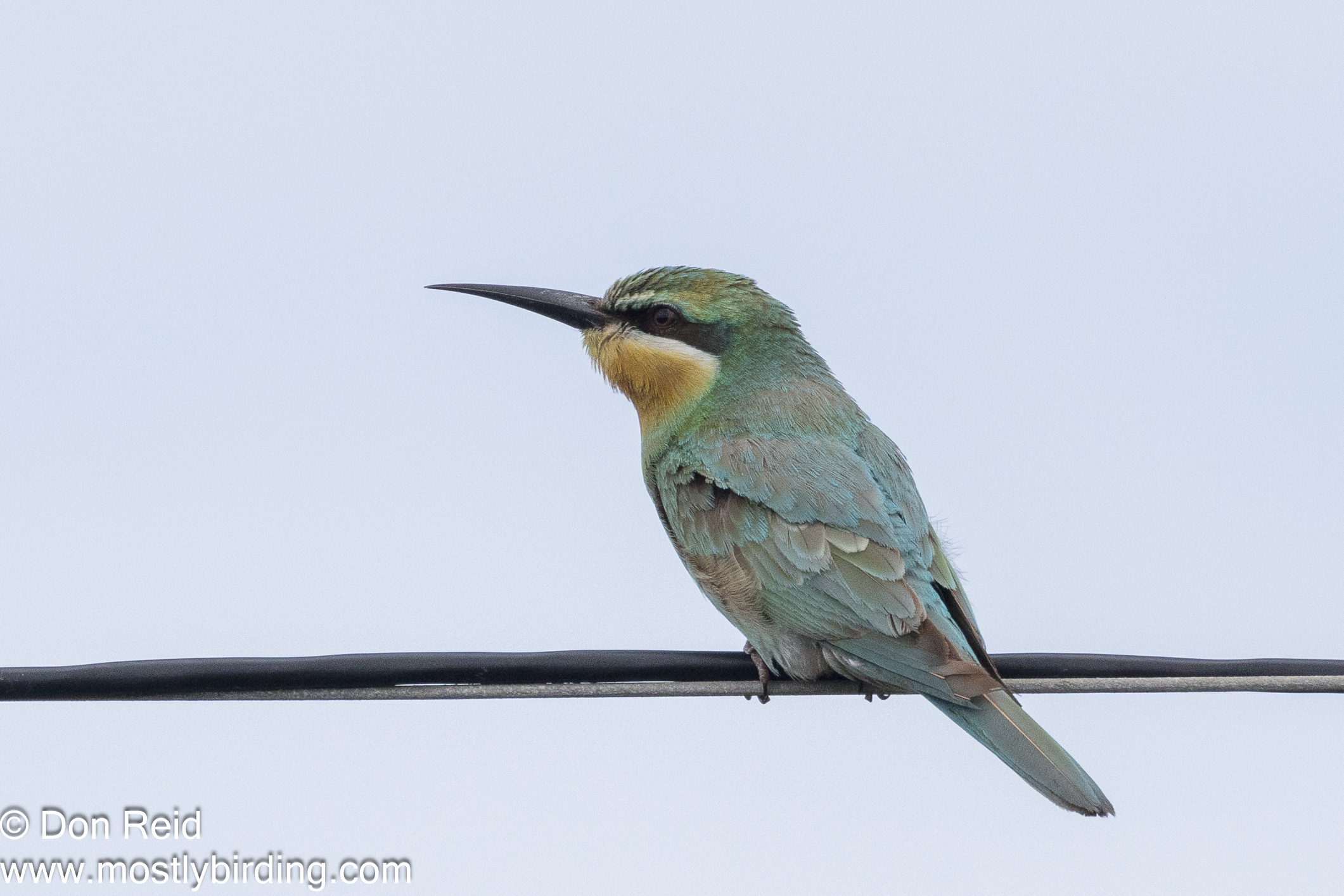
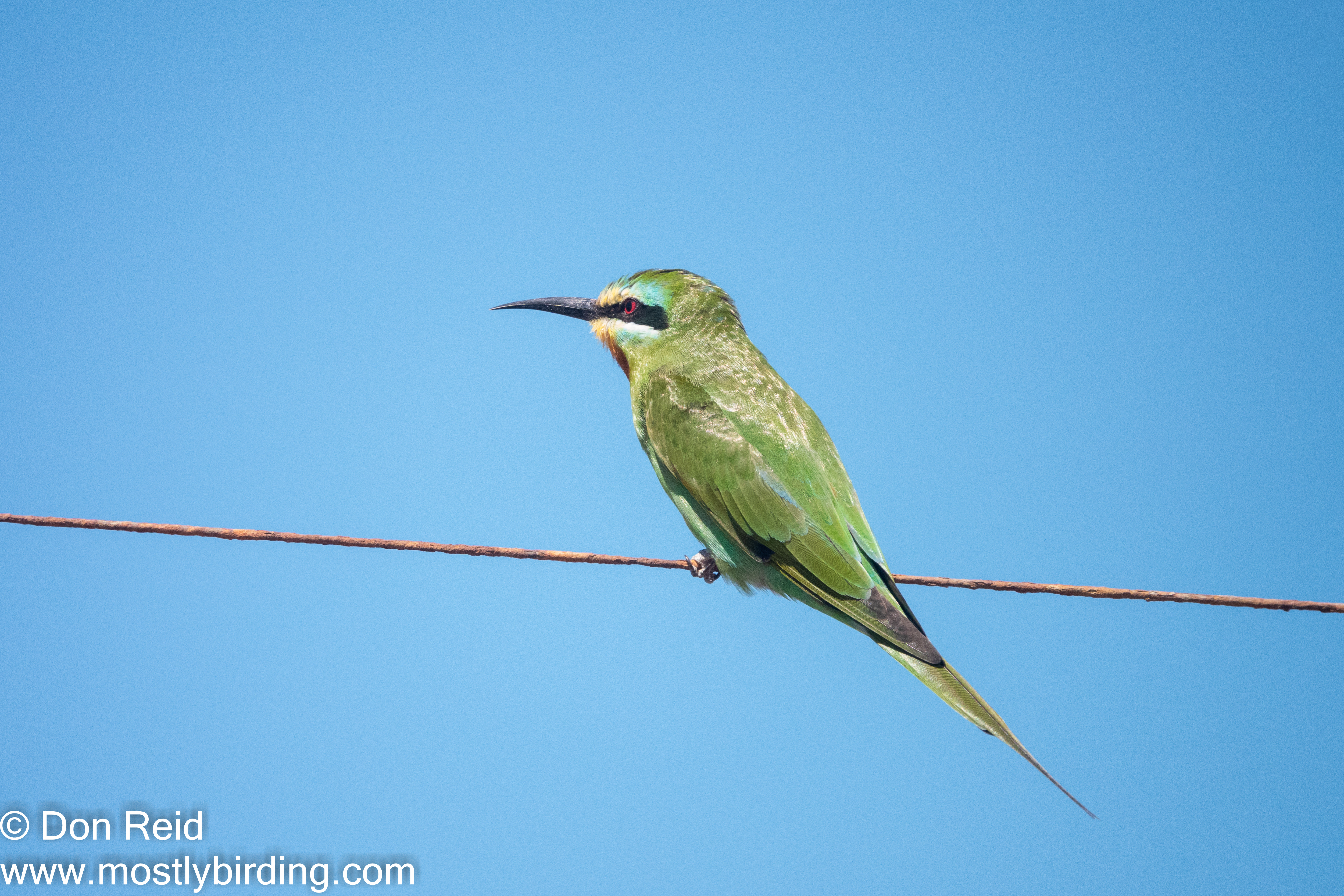
The Blue-cheeked Bee-eater is a Palearctic migrant, regarded as a rarity in the Western Cape, which is why I have included it in my pick. However they have been seen during summer near Gouritzmond for a few years now.


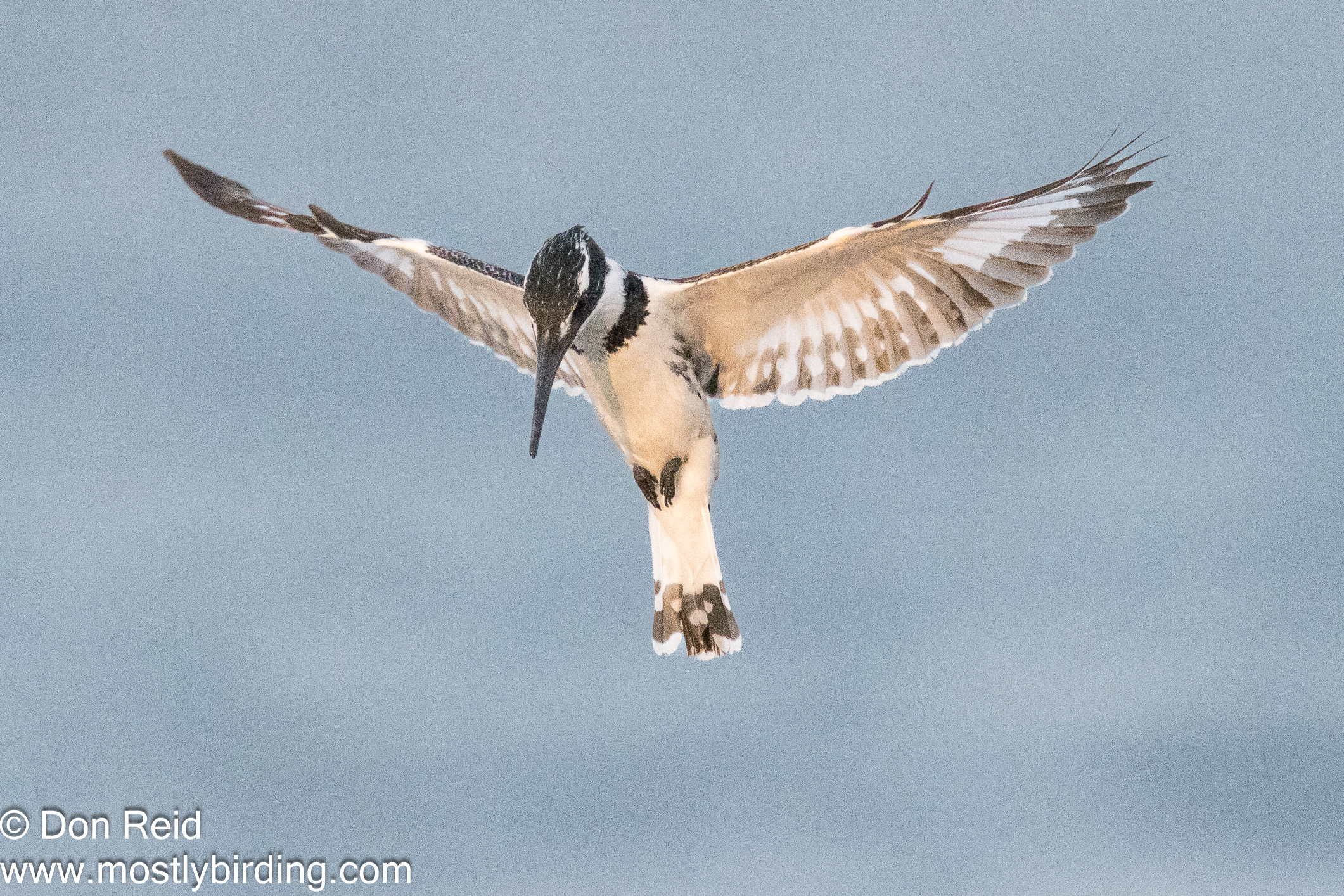
Pied Kingfishers are known for their habit of hover-hunting – this one did so at The Point in Mossel Bay while we were parked there enjoying our customary coffee one late afternoon just before sunset, with perfect lighting to enhance the beauty of the bird.
Flyers
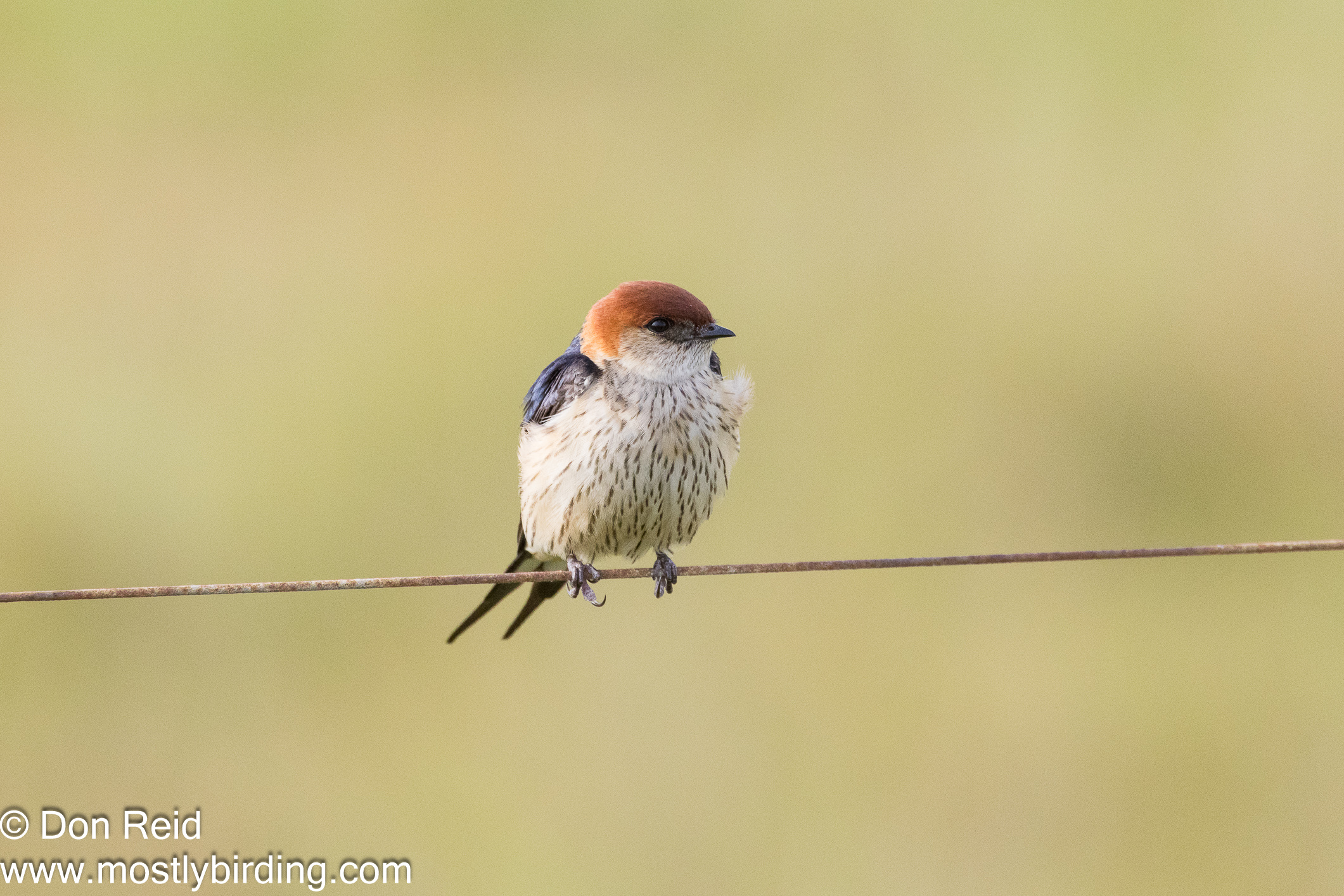
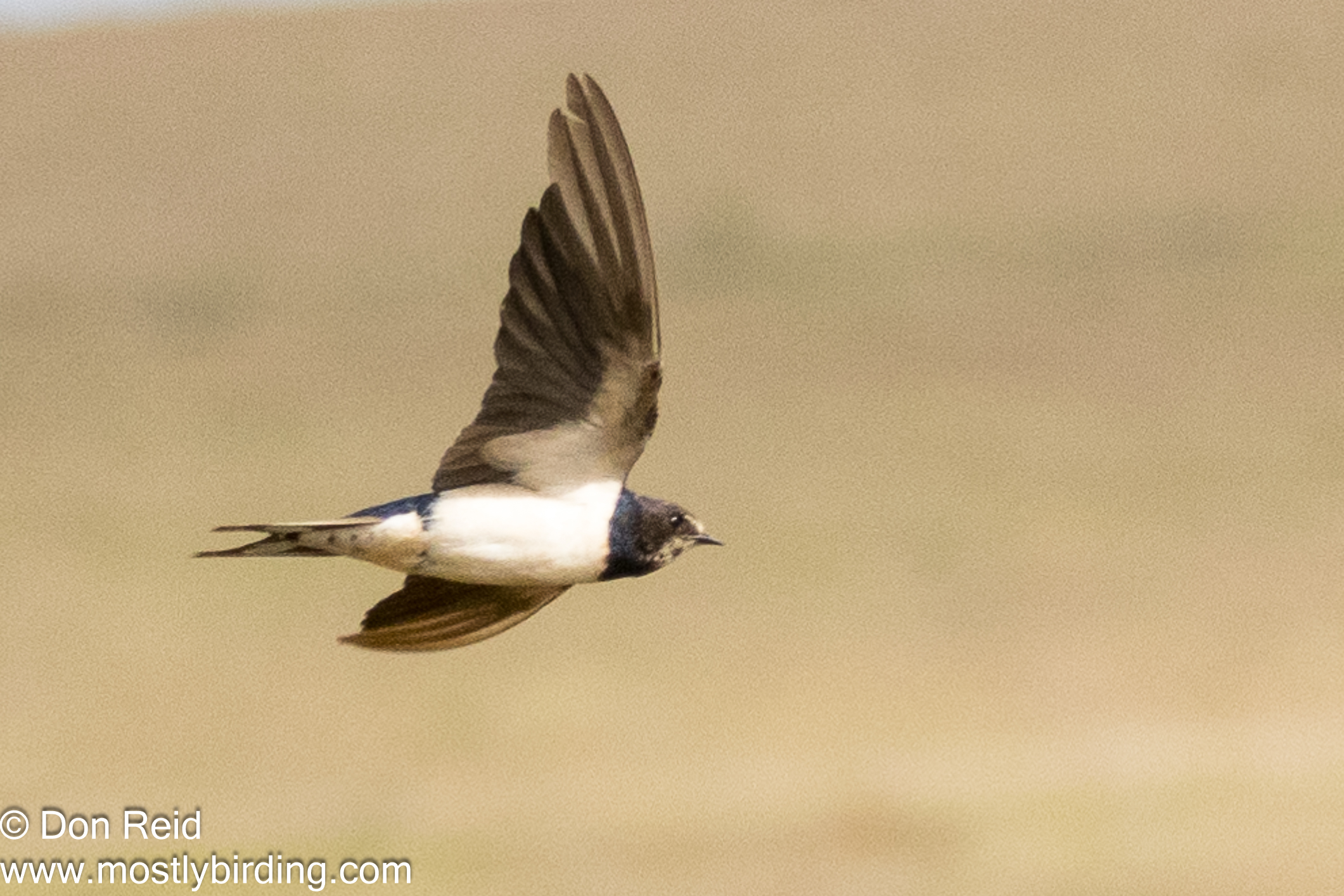
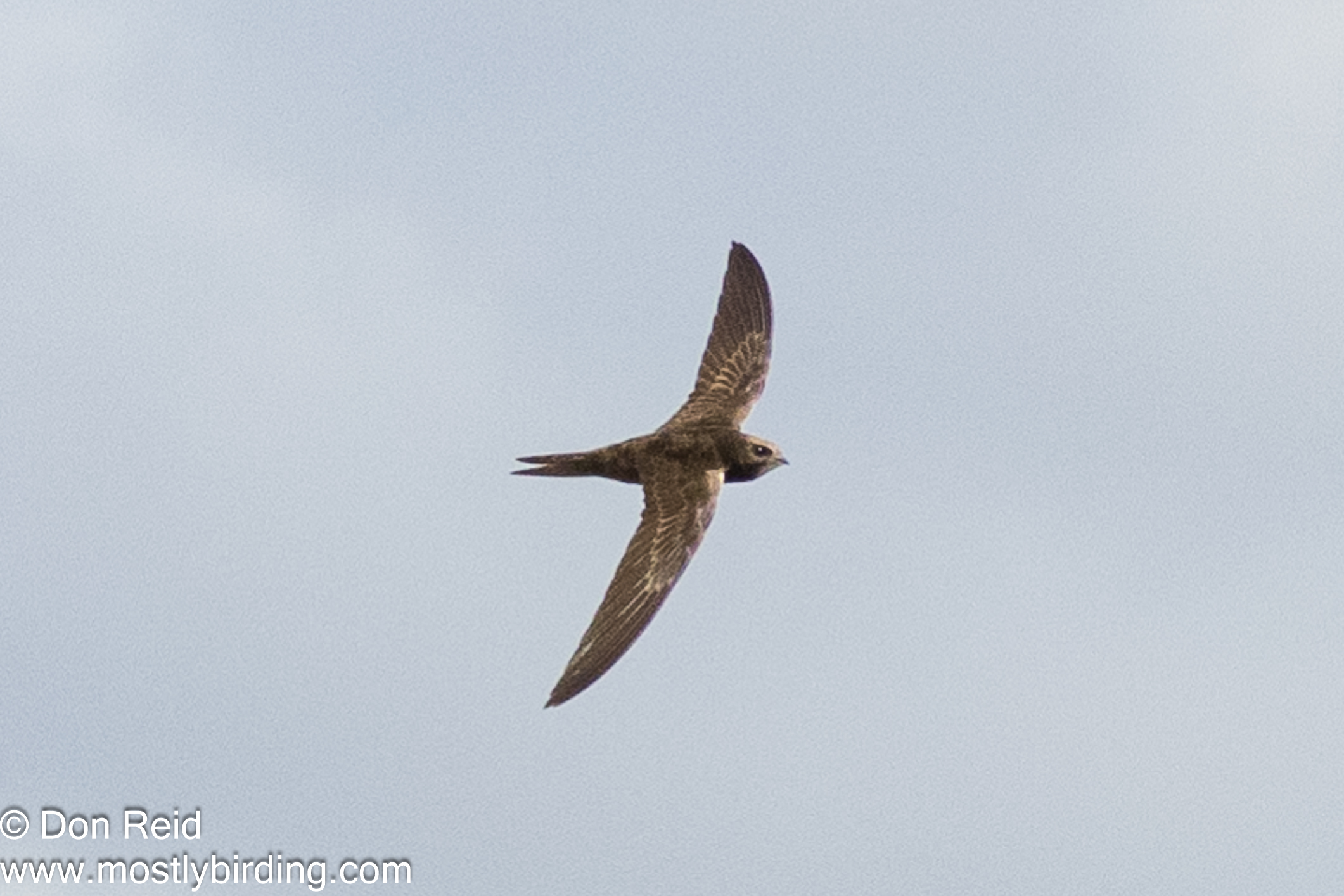
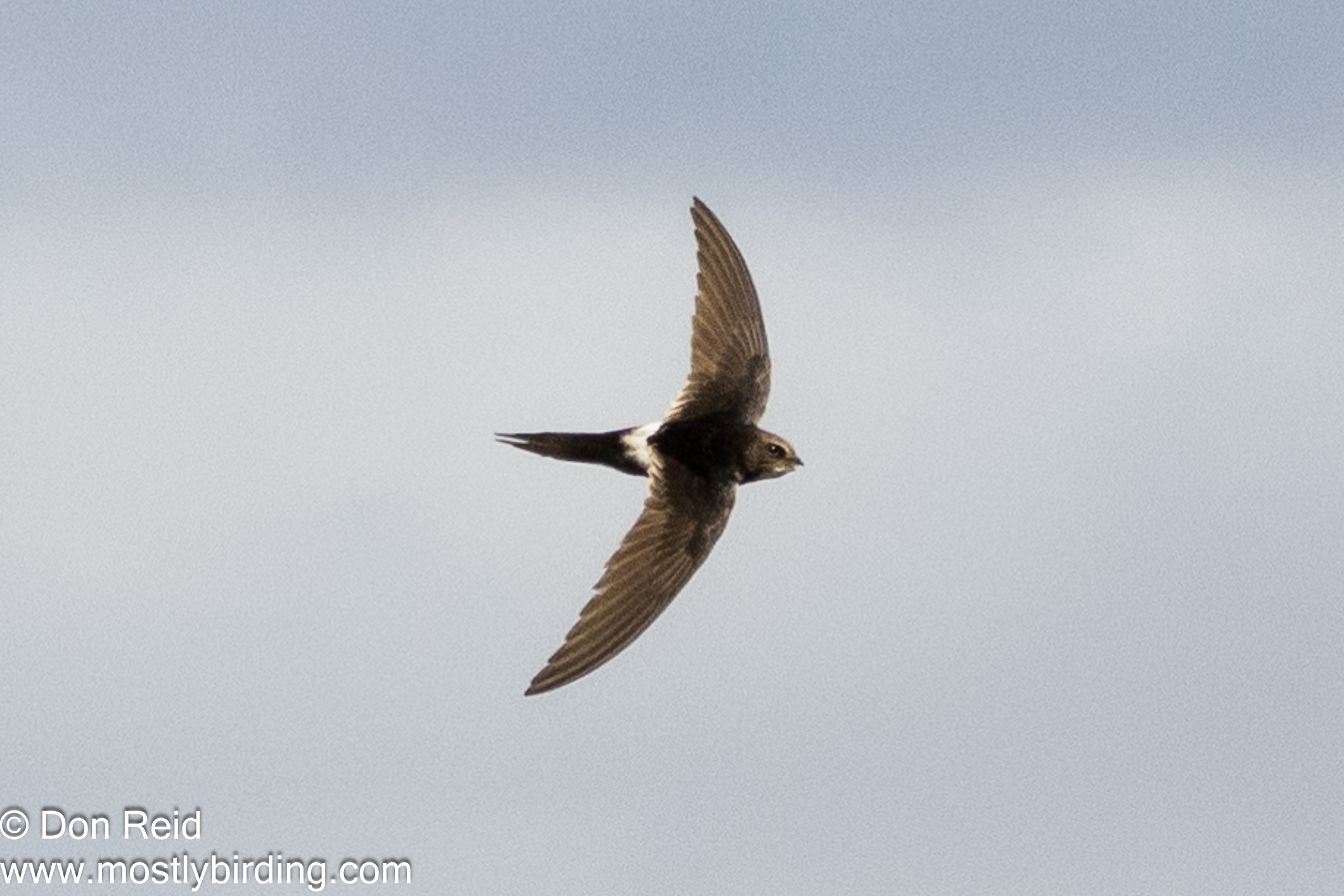
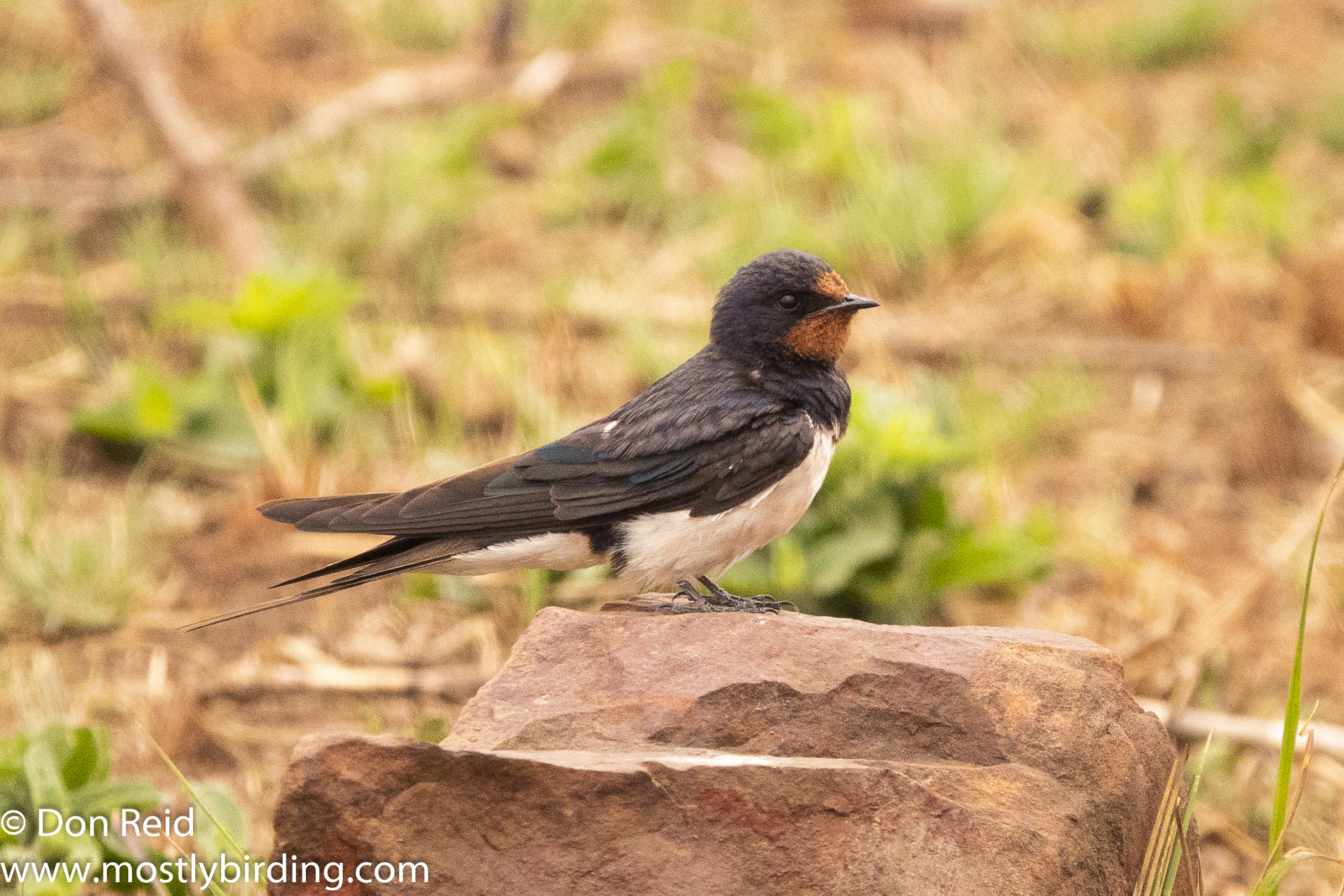
Swifts and swallows – the aerial feeders – also the most challenging to photograph unless they are resting between sorties

Plungers
Mainly seabirds that forage over water – and under water
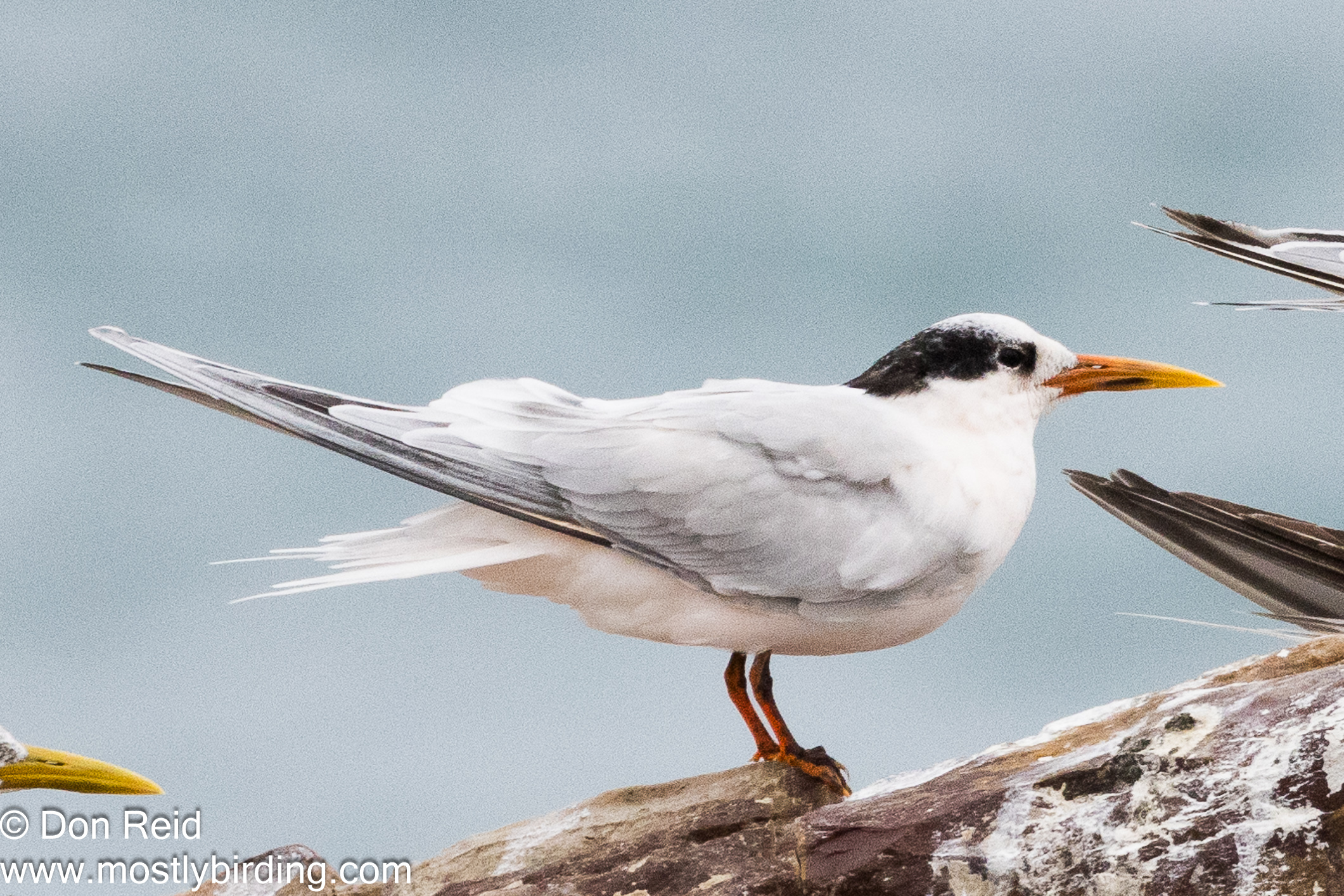
At irregular times during the year terns roost in numbers at The Point in Mossel Bay, providing good photo opportunities as the rocks are relatively close to the viewing area

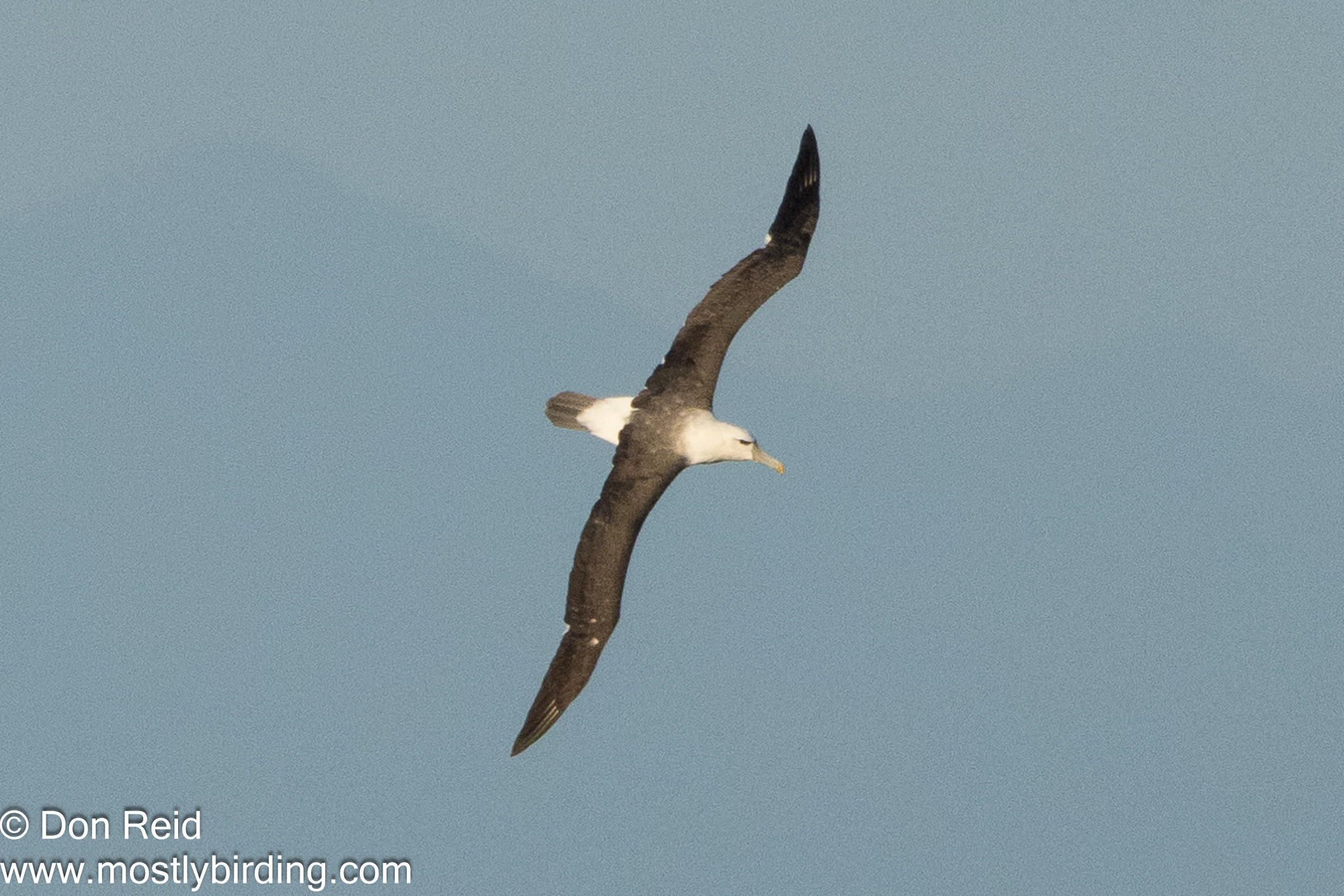
The Point is also a great spot for seabird watching when the winds are strong and in the right direction. One such day I was fortunate to be there when the seabirds were closer than usual and I was able to capture this image of a magnificent Shy Albatross – one of more than a dozen that passed by while we were there.
Another Tern that visited The Point was this rare hybrid – not a separately countable species but interesting nevertheless
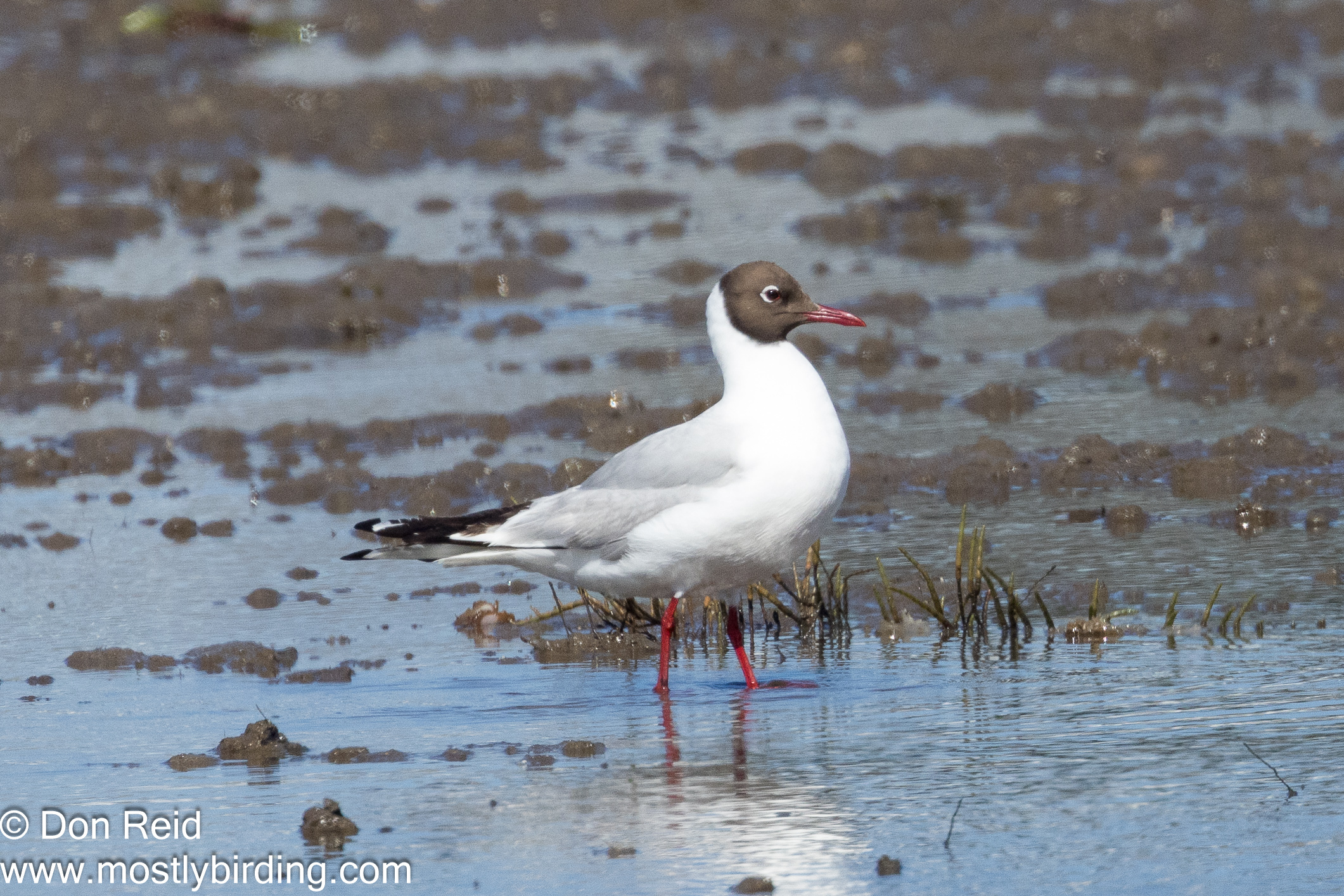
I was pleased when keen birder Estelle called me from Klein Brak to inform me about a Black-headed Gull that was present. I couldn’t resist heading out and was lucky enough to capture some images of this rarity, which I have seen in Europe and elsewhere but never in Southern Africa
Runners
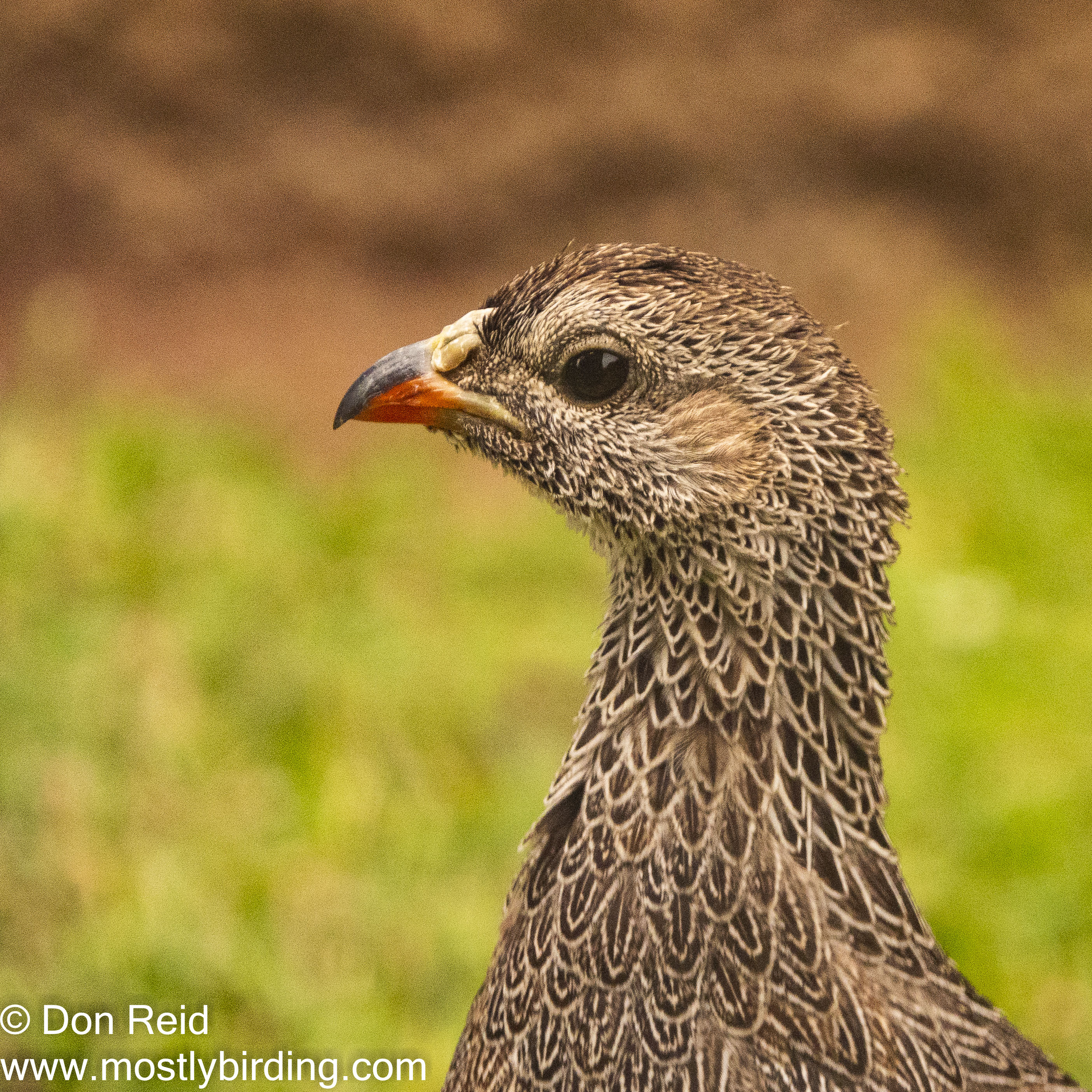
Small to medium-sized birds that forage on the ground


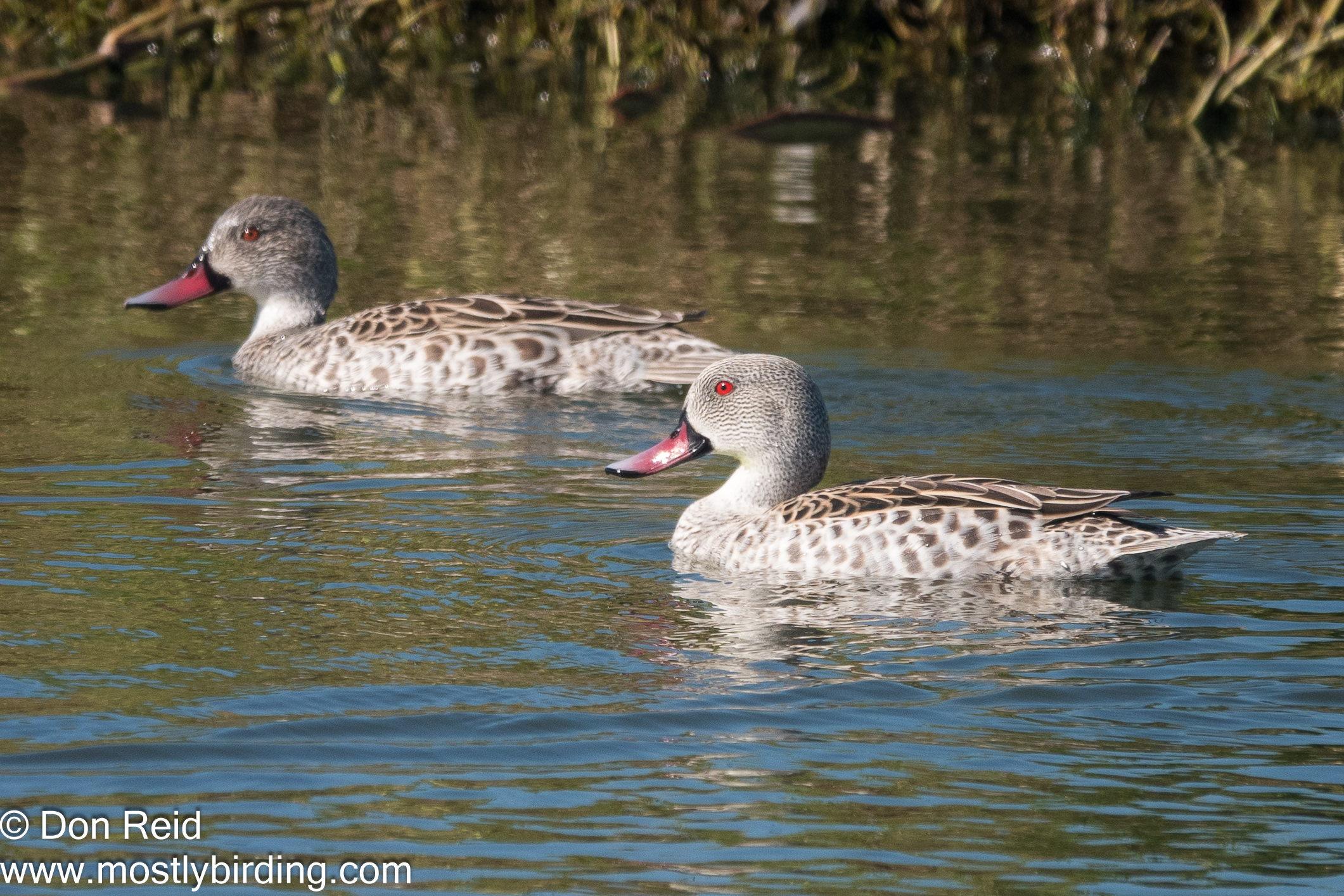
Swimmers
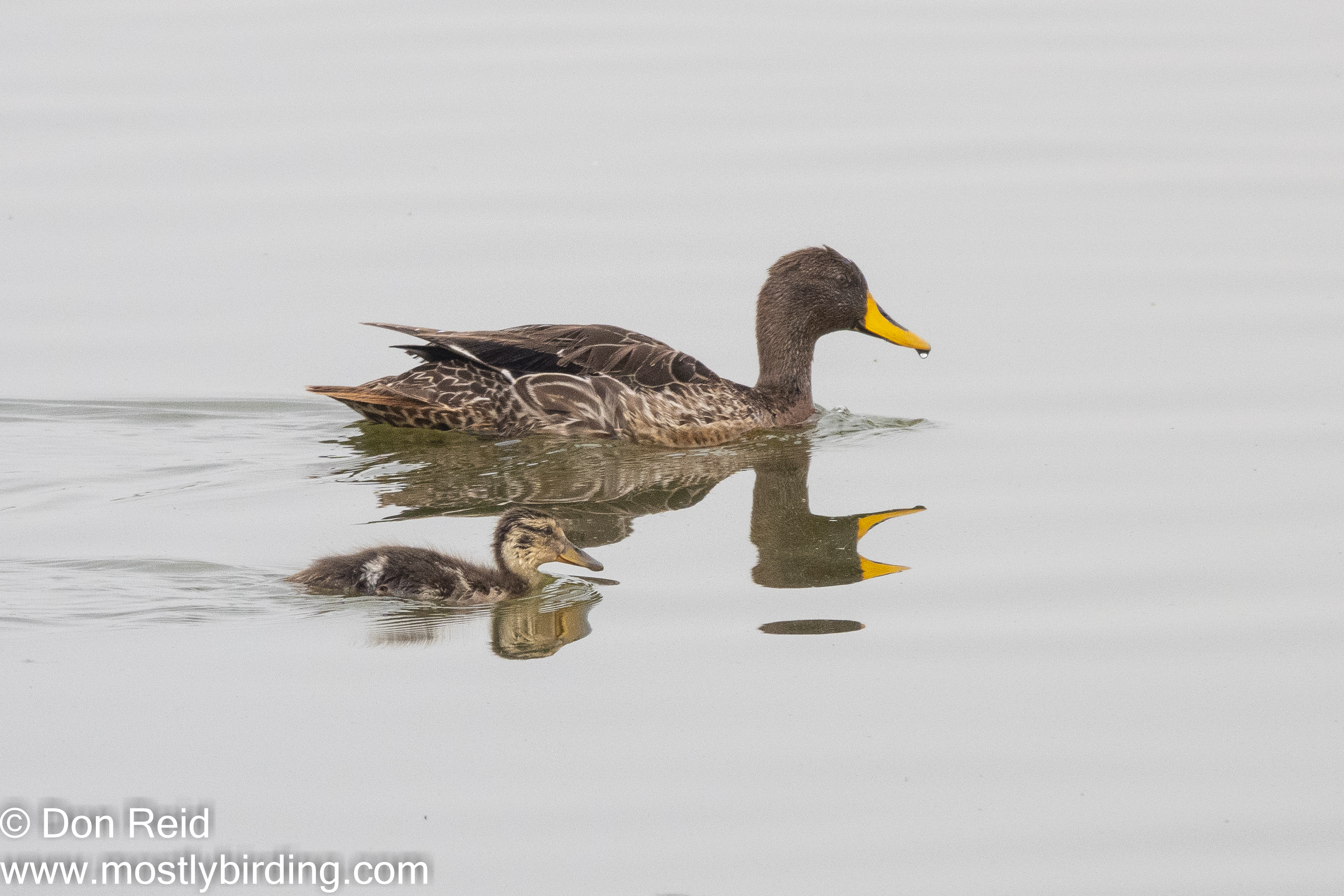
Birds with webbed or lobed toes for swimming
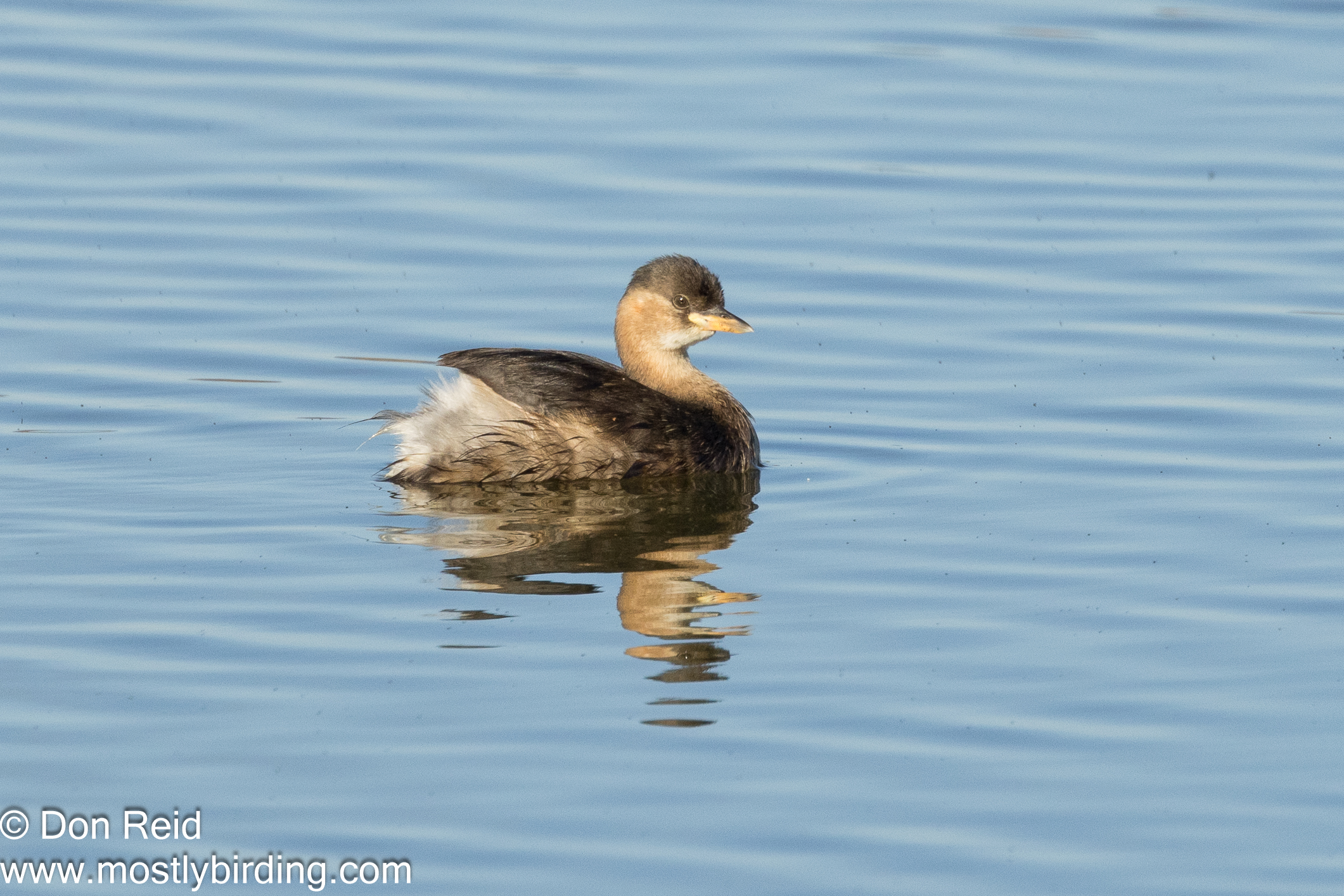
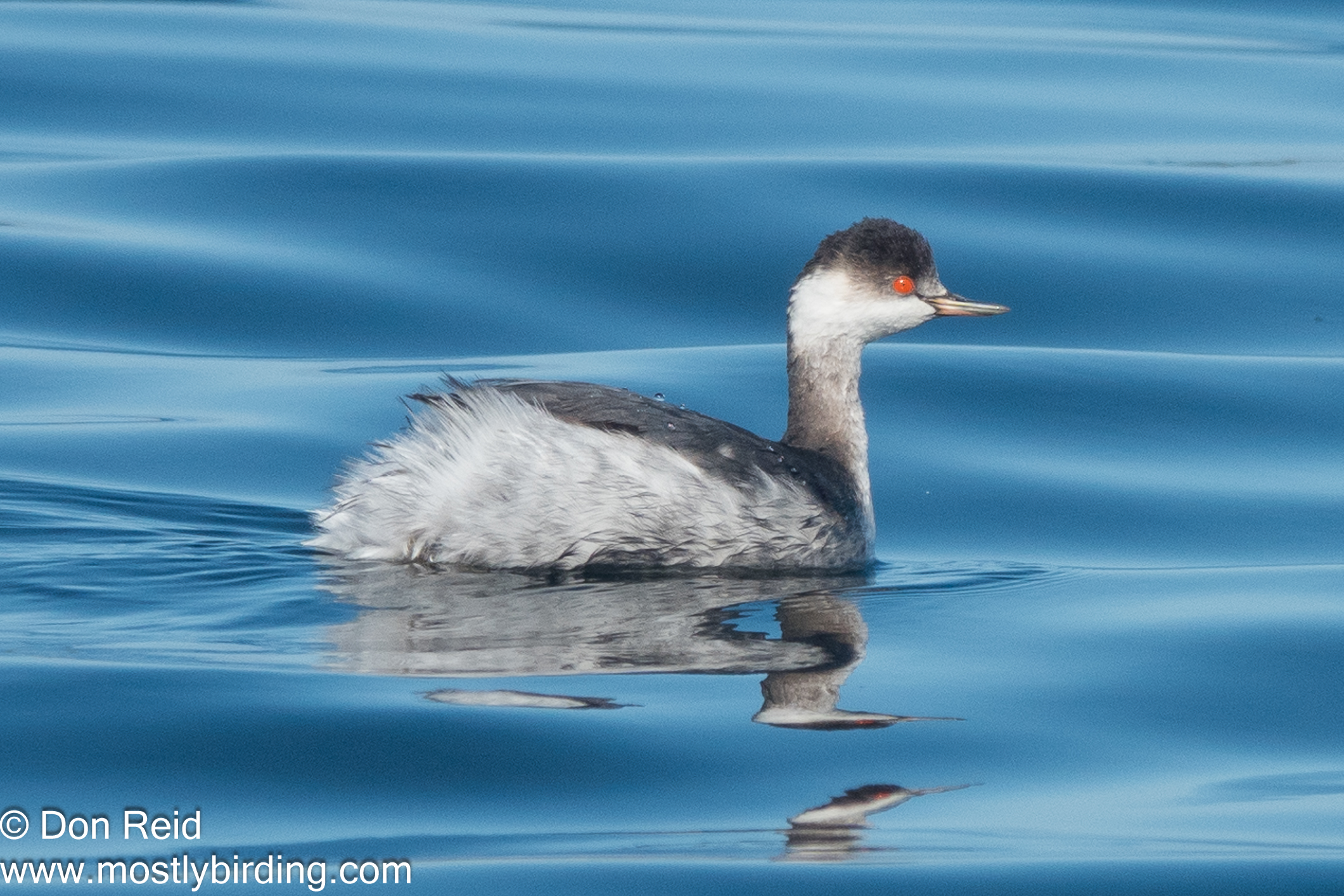
I was particularly pleased to photograph this Black-necked Grebe at reasonably close quarters during a visit to Strandfontein sewage works as my previous photos were all too far off to achieve any sort of detail of this striking swimmer
Waders
Those attractive waterbirds that don’t dive or swim but forage by wading in suitable shallow water
Also challenging to photograph at the best of times – often moving constantly, hiding behind vegetation, dipping into the mud and generally frustrating attempts to get a clear shot

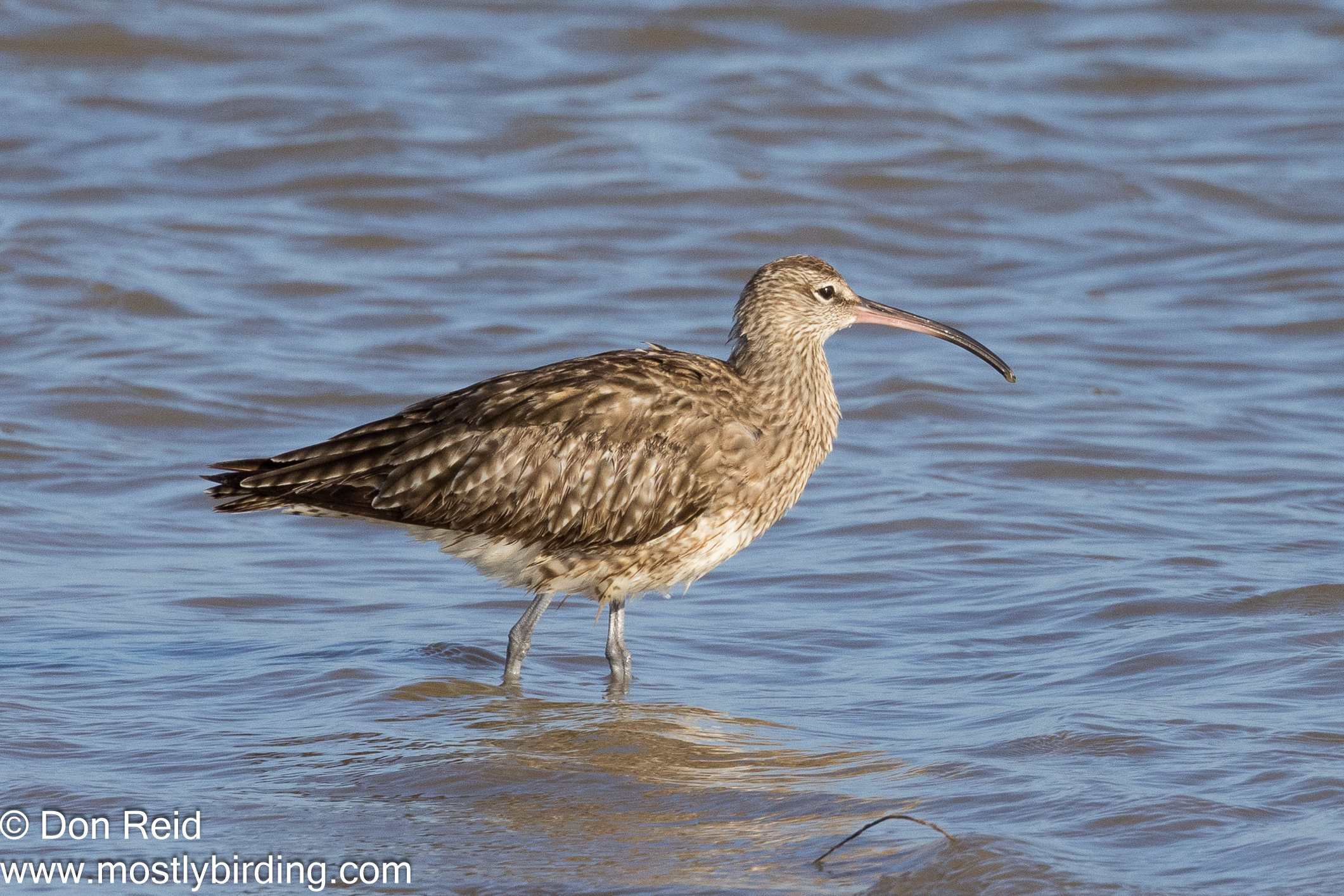

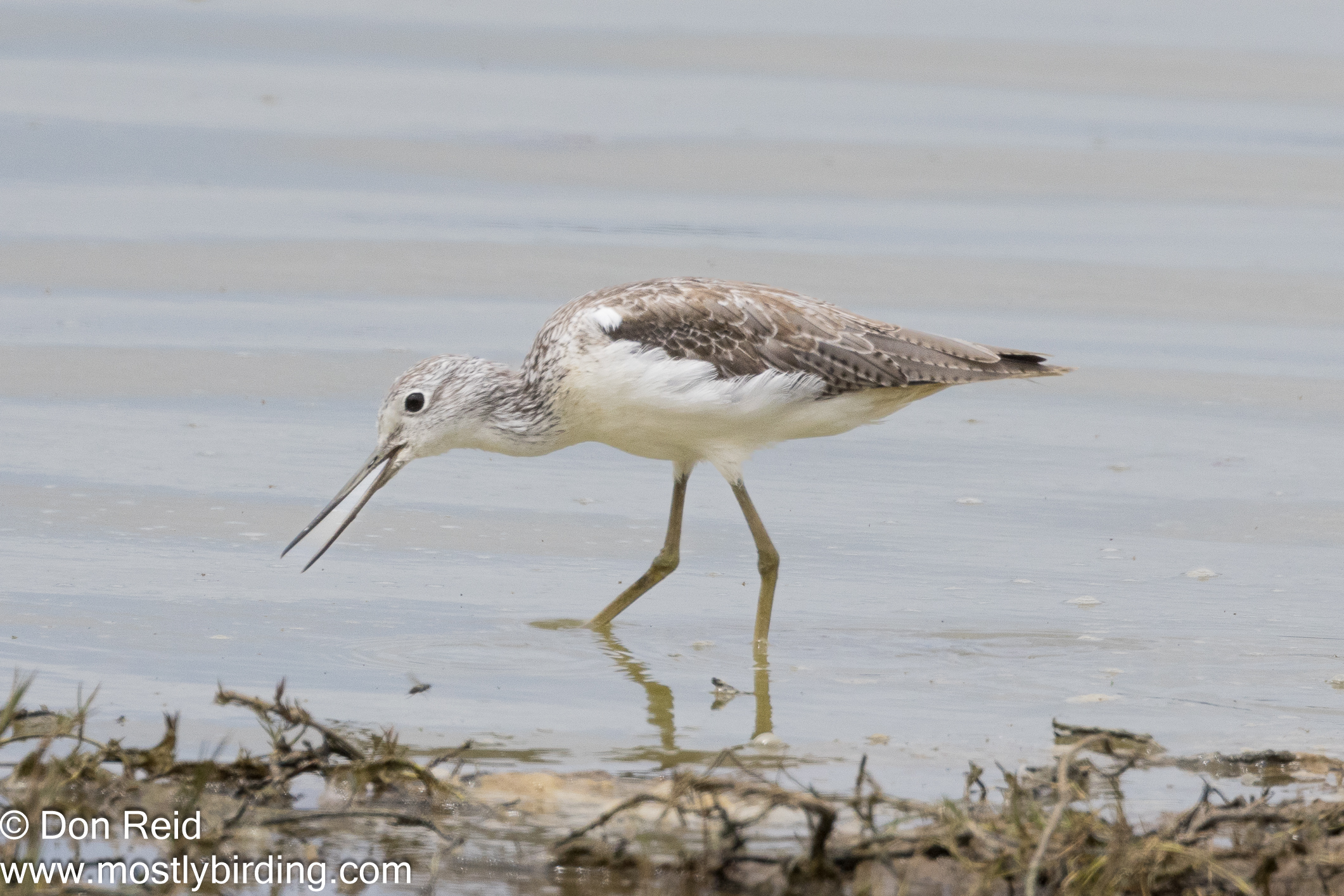
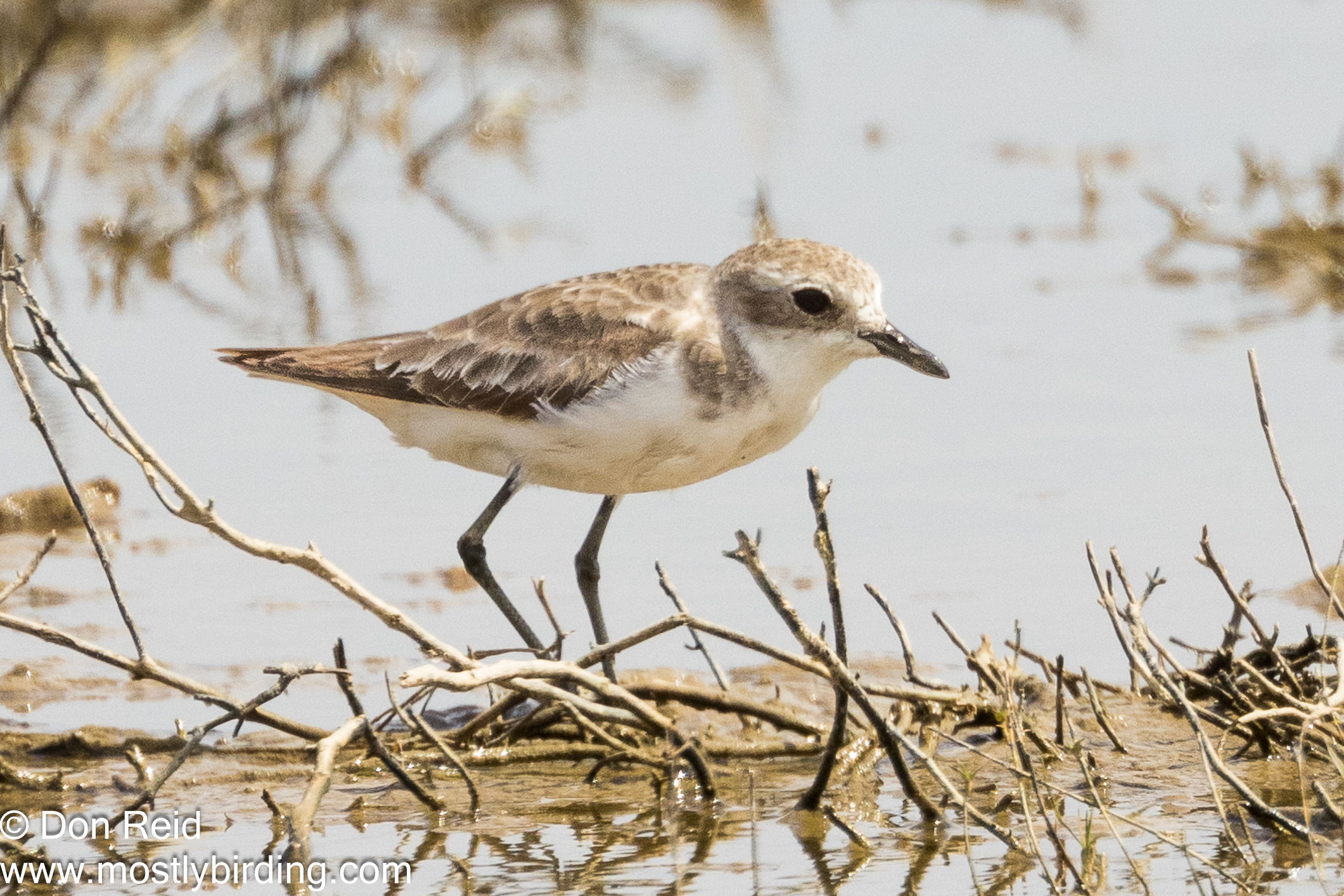
One of the rarities that visited Voëlvlei near Vleesbaai during the summer of 2023/24 was this Greater Sand Plover.
Walkers
And to end off – the largest bird in the world with its offspring made for a lovely sight in Addo Elephant National Park









































































 Mostly Birding