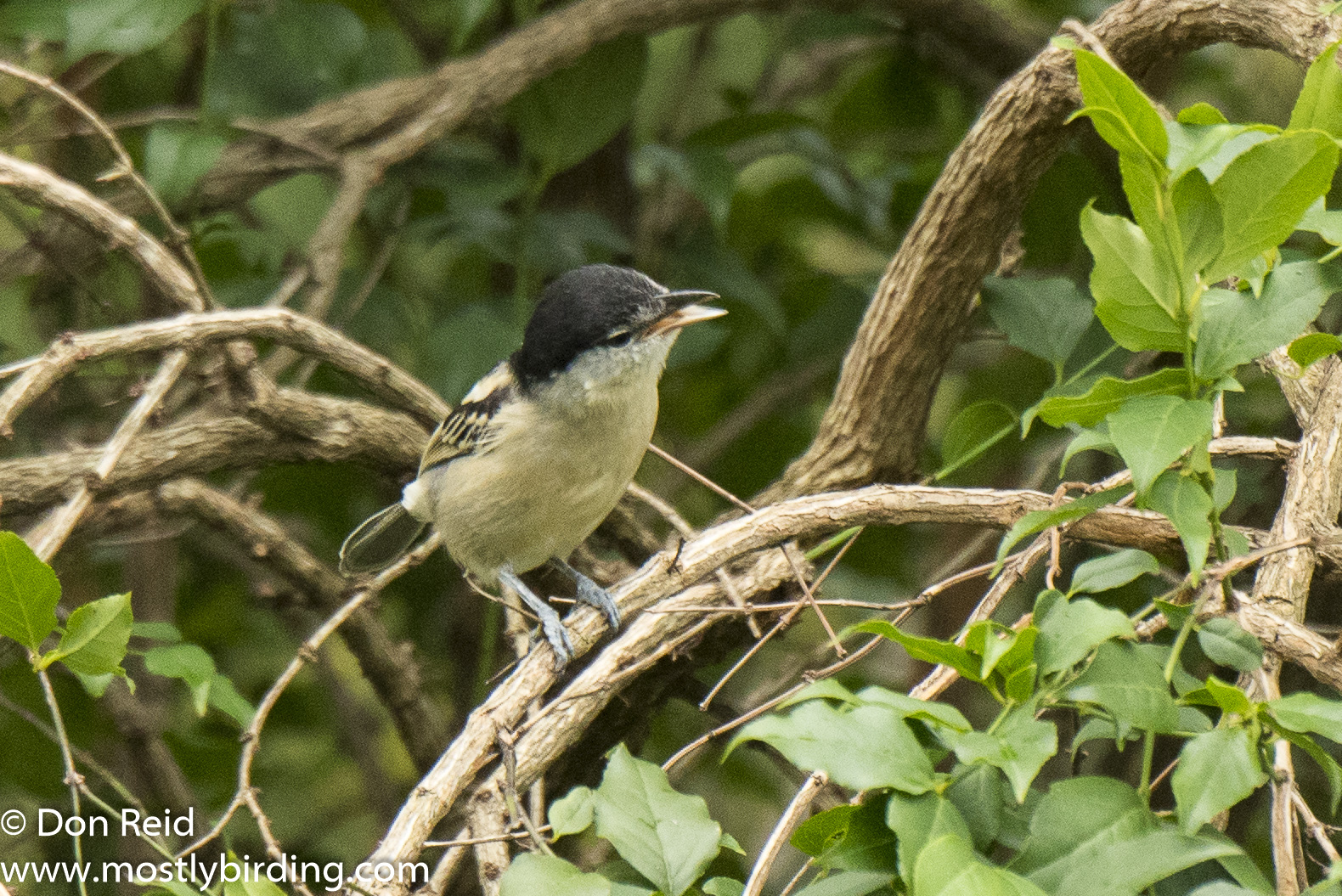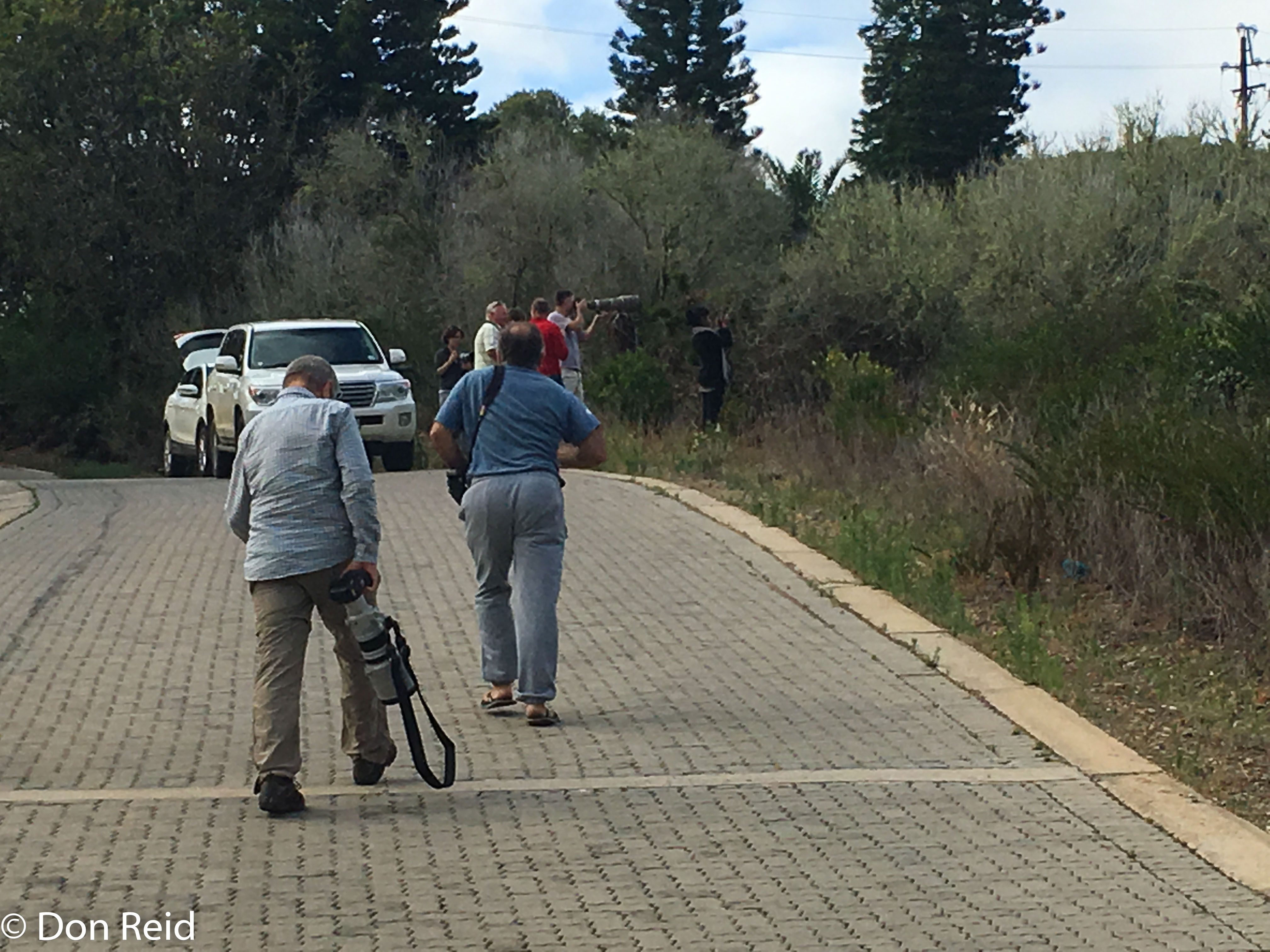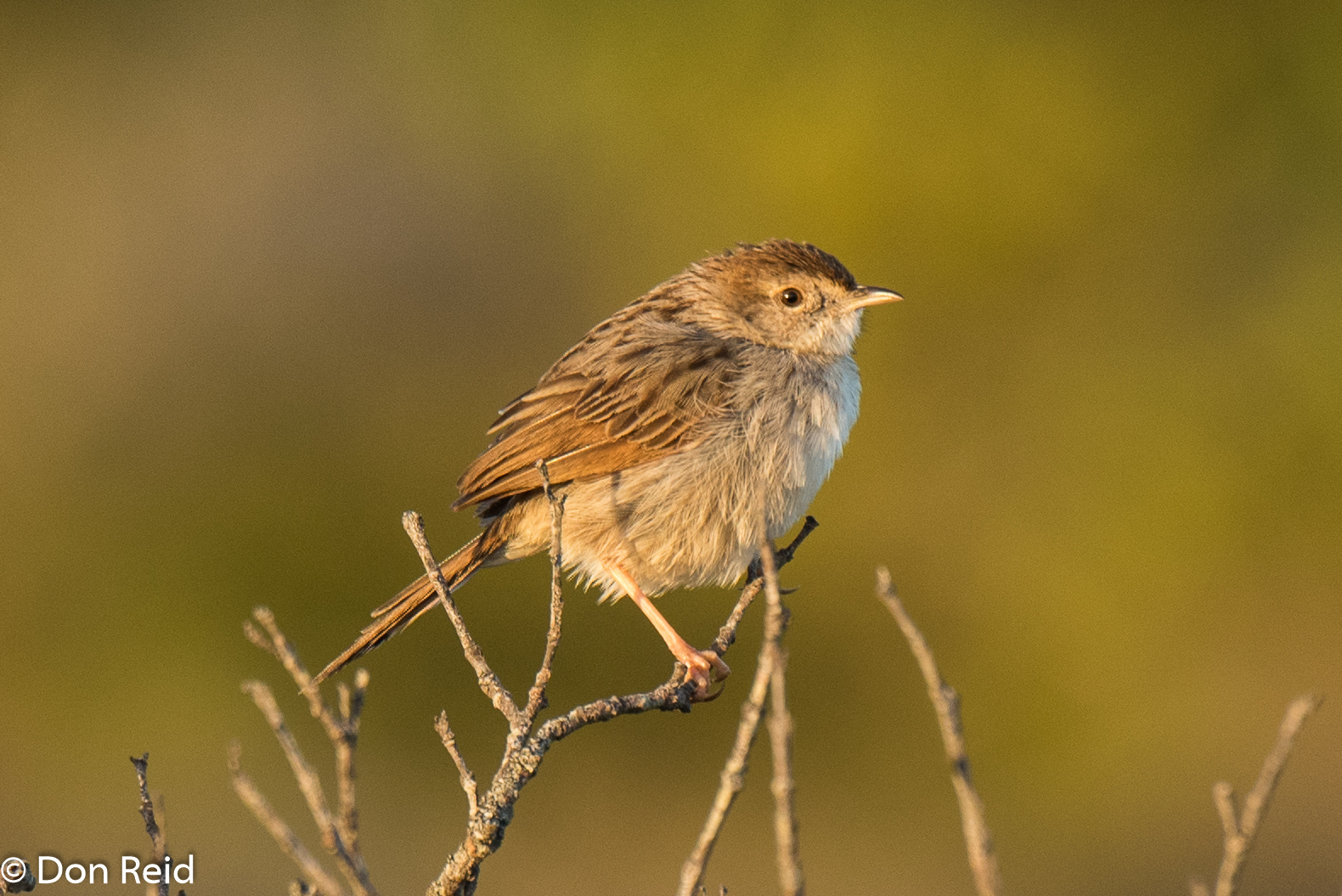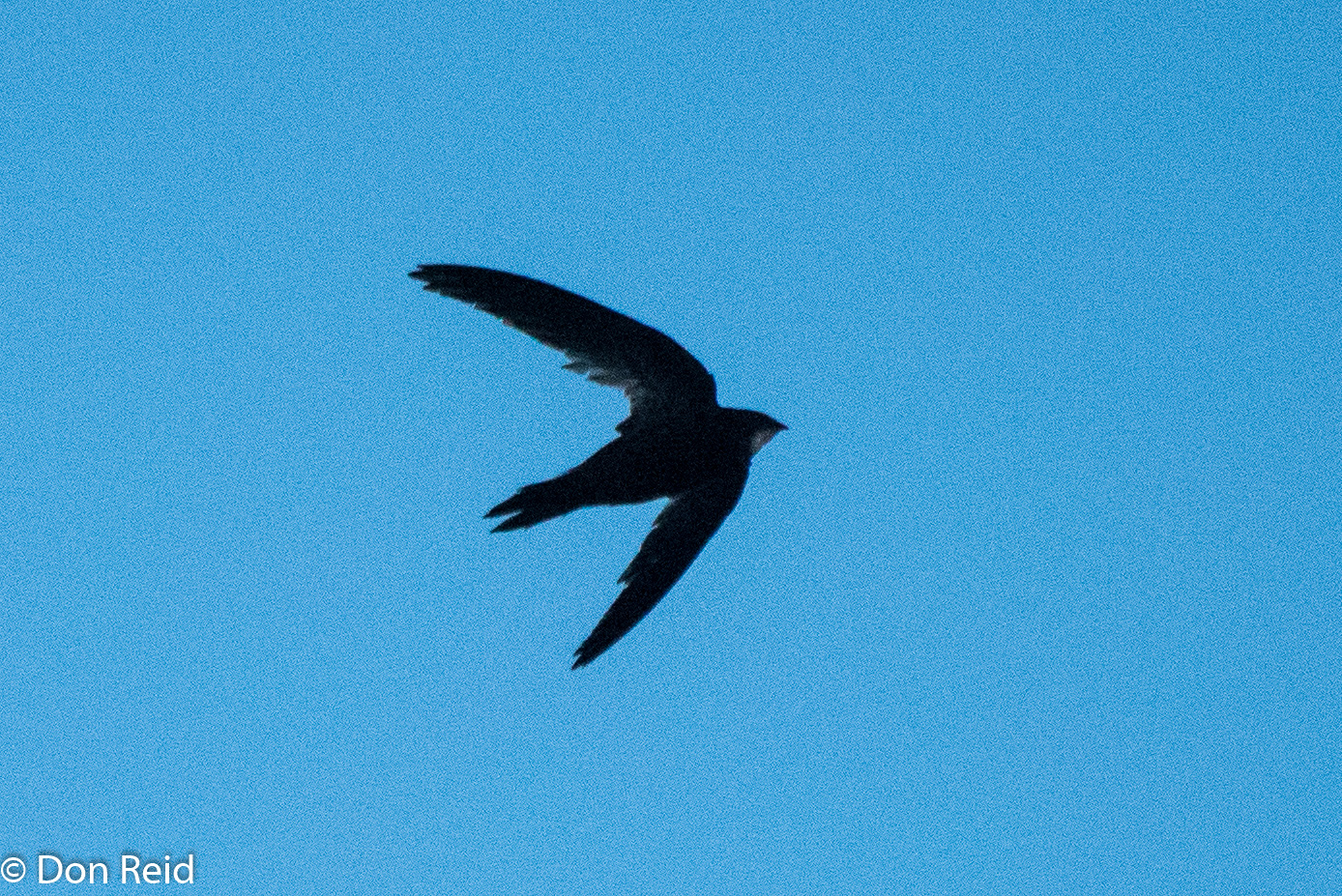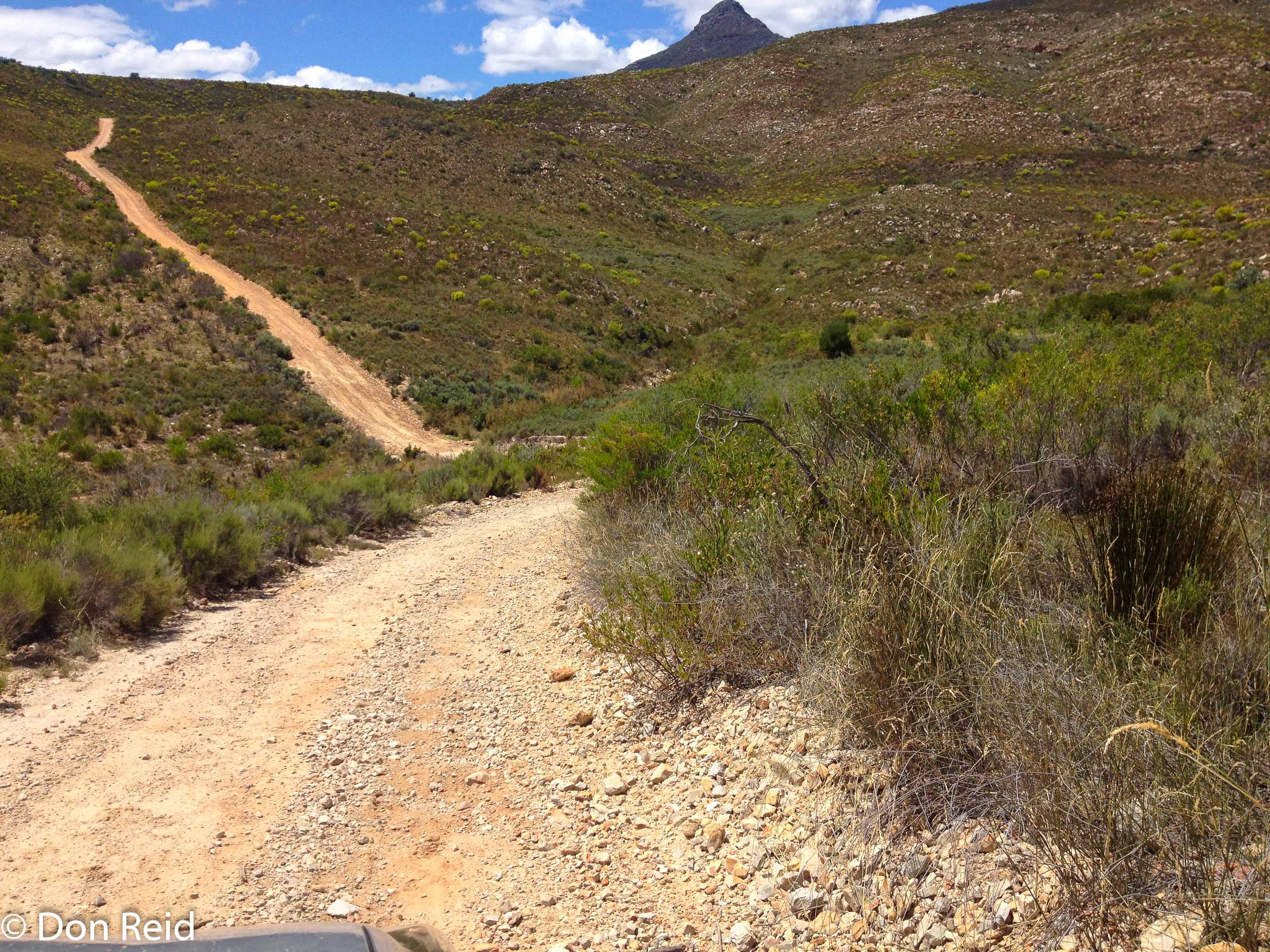
Tag Archives: Birding Botswana

Chobe River and Game Reserve – the Final Visit …. (Part 2)

Just to repeat the intro from Part 1….. briefly –

I made my last visit to Kasane in November 2018 for the final formal handover of the Kasane Airport project in northern Botswana to the Client. I had made many adhoc visits to Chobe Game Reserve during the course of the project and decided to spoil myself with one last “grande finale” photographic safari, expertly run by Pangolin Photo Safaris, both on land and on the river, soaking up the incomparable African game-viewing and bird-watching on offer.

Aerial view of the Chobe River while landing at Kasane

I have written several posts about some of my memorable experiences in Chobe over the years, but never got around to ‘finishing the story’ as it were, so bear with me as I reminisce about my final visit to Kasane.

Part 1 covered the Boat Trip on the river, Part 2 is all about ….

The Game Drive…

It was Friday morning and my mind was spinning with the memories of the boat trip the previous afternoon, but now it was time to do the land-based version – same guests, same driver (nicknamed ‘Killer’ – I never asked why), same guide and photography expert (Janine), different transport – a game drive vehicle kitted with bean bags to support cameras both sides.

Janine collected me at 5am, drove to the Pangolin Lodge, newly built and overlooking the flood plains of Chobe, picked up the other couple and off we went. The early start was a good idea as we were well ahead of the other game drive vehicles, a crucial advantage which paid off in spades – as you will see…

Janine started by suggesting that the small group, being seasoned game drivers, should look for special sightings and photo opportunities only – Killer asked what we would really like to see and as one we answered “Leopard!”

So we bypassed the “ordinary stuff” initially and bumped along the sandy track that follows the southern shore of the Chobe River, its banks wide and dry at this time of year.

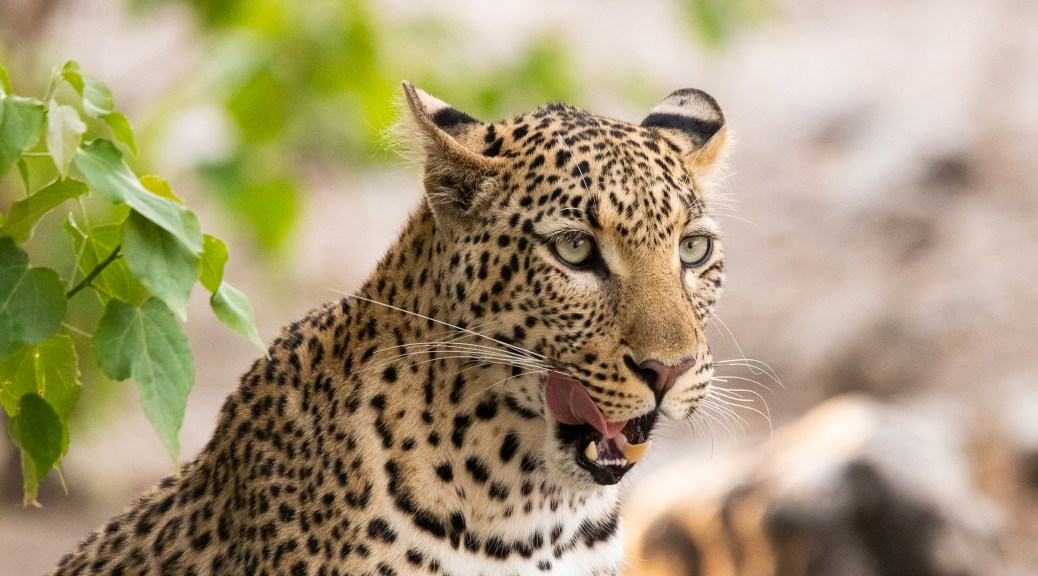
Killer suddenly brought the vehicle to a halt, as he did we saw what he had spotted a split second before – a beautiful female Leopard lying on all fours and ignoring us with a slightly disdainful expression
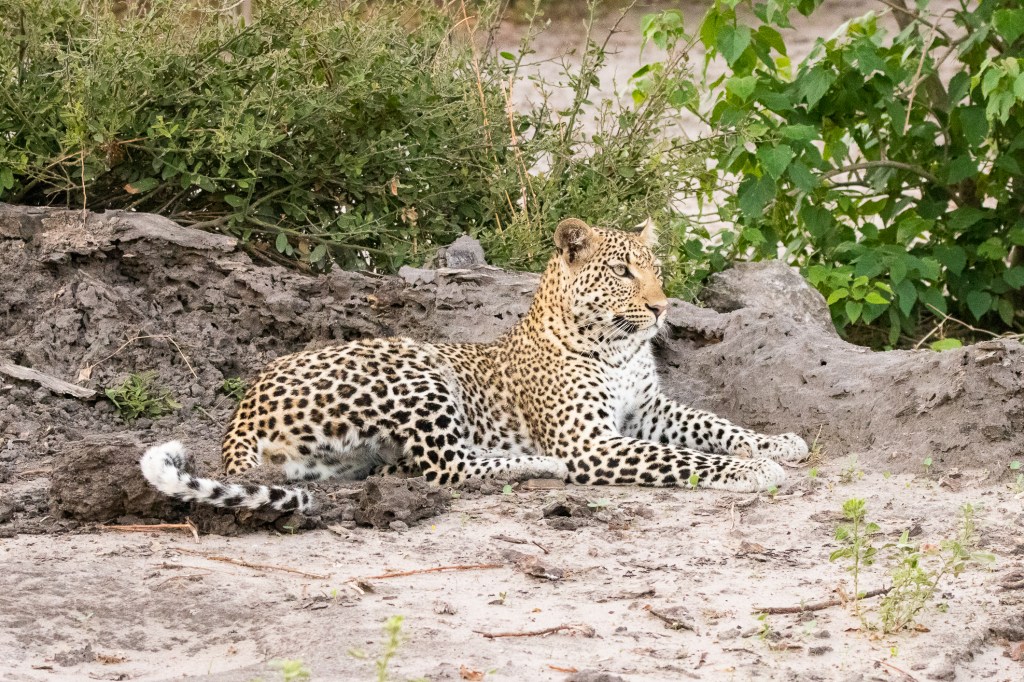
Leopard, Chobe Riverfront game drive

As Janine gave exposure instructions (under expose a tad for the dark background), we all rattled off a number of shots, fearing the leopard would move away.
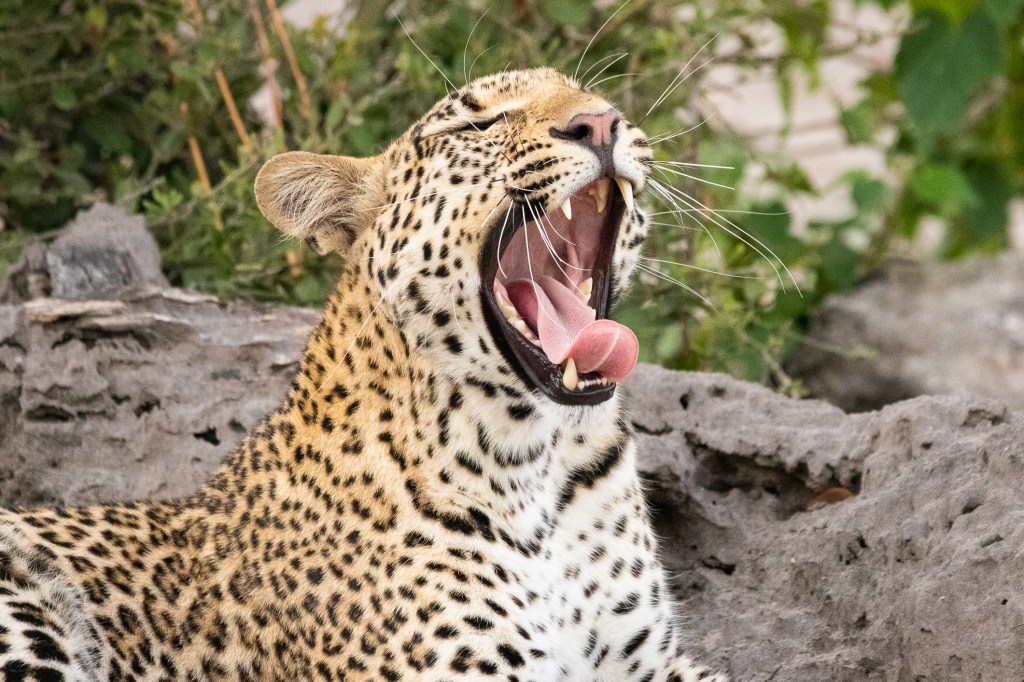
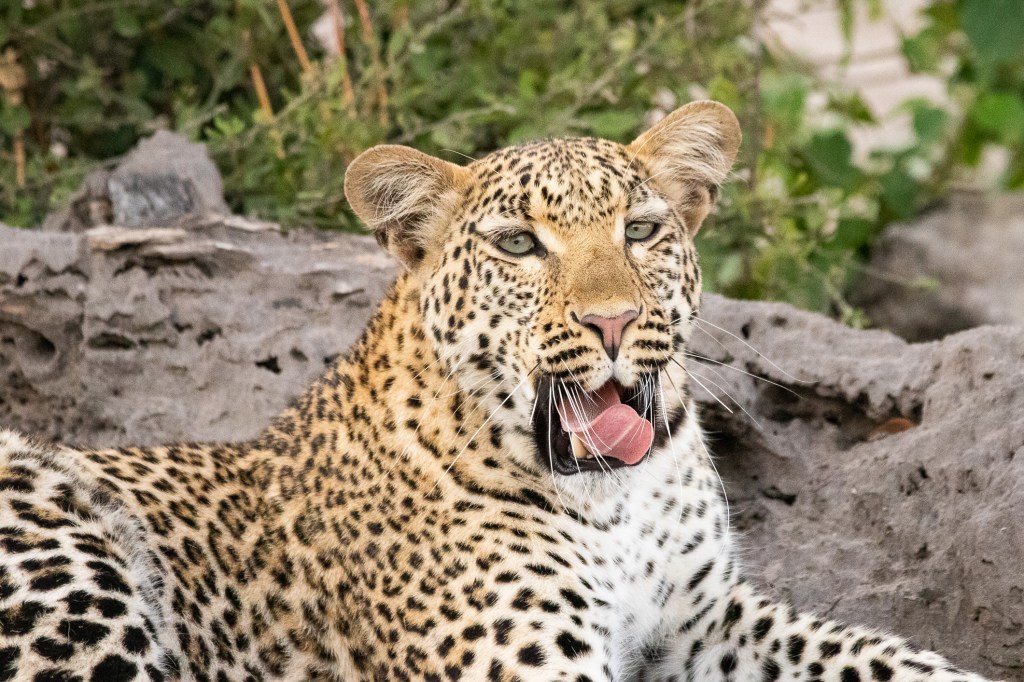
Leopard, Chobe Riverfront game drive

And that’s what she did, moving behind a bushy tree to her right, where we could just make out the Impala kill which she proceeded to drag a little, then lick and eventually chew with some satisfaction.

Once sated, she left the prey and came back to check us out, sitting upright and staring straight at us, with a look that said ‘now they could make a tasty dessert’ .
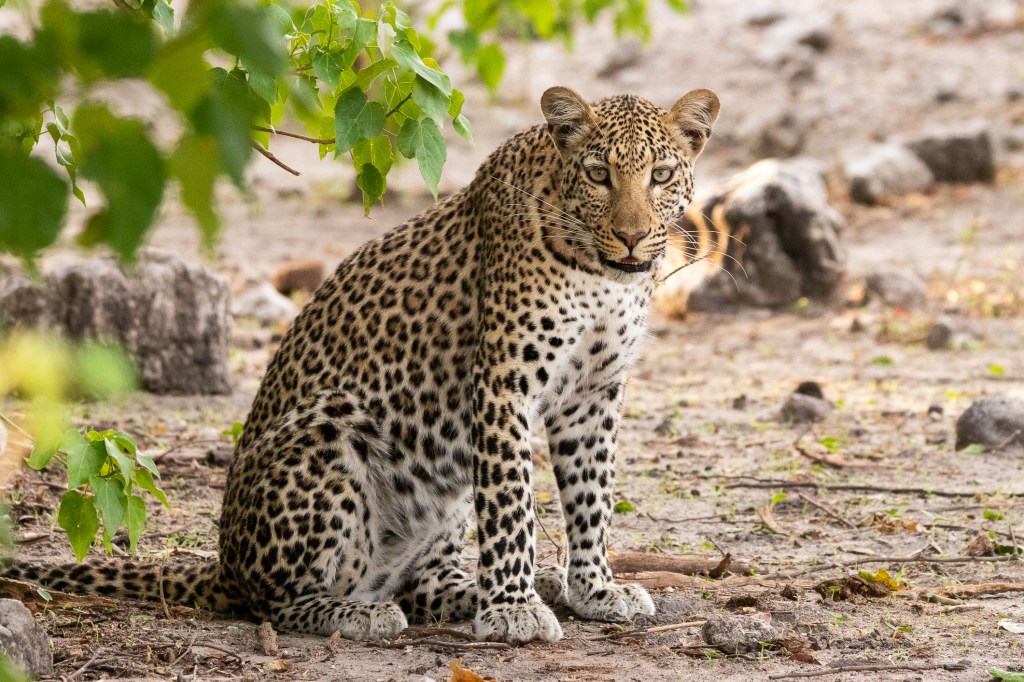
Leopard, Chobe Riverfront game drive

A few minutes later she moved away from her kill and from us and we eventually moved on ourselves, fairly trembling from the excitement of such a magnificent sighting.

Anything after that was bound to be tame by comparison, but we pushed on, just enjoying the feel of the bush and its multitude of wildlife, including, as we were soon to discover, one of the most dangerous of all.

A Black-backed Jackal drew our attention and although quite far off, we tried a few shots – it too was looking at us but with none of the charisma of the leopard, more of a ‘nice doggy’ sort.
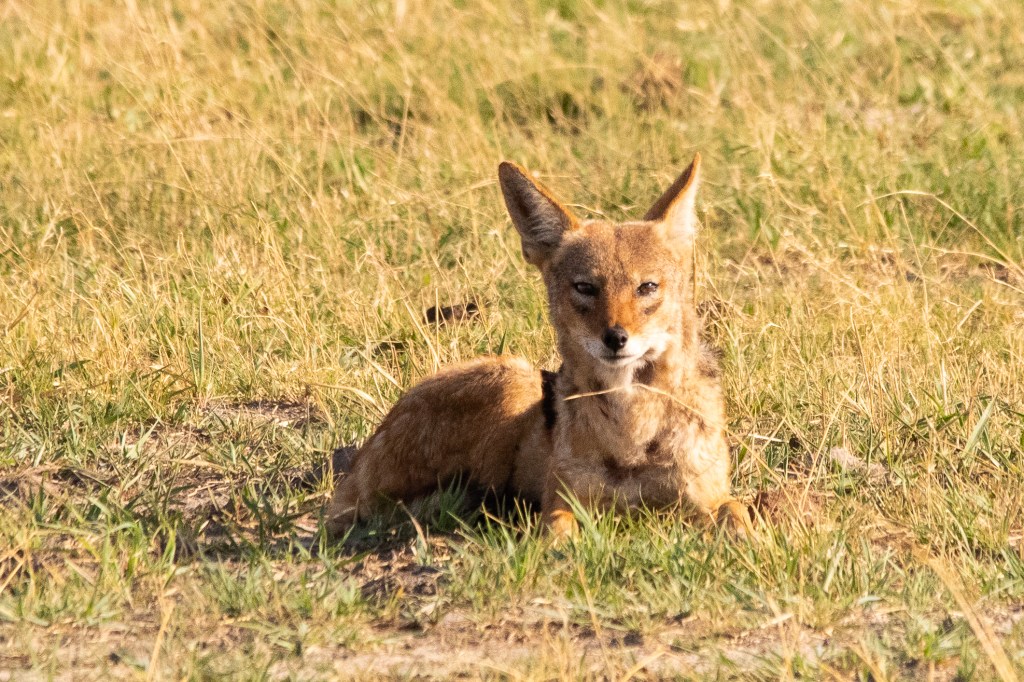
Black-backed Jackal, Chobe Riverfront game drive

A group of Warthogs approached and some of them got into mock fighting mode, meeting each other head on. This one continued grazing in peace
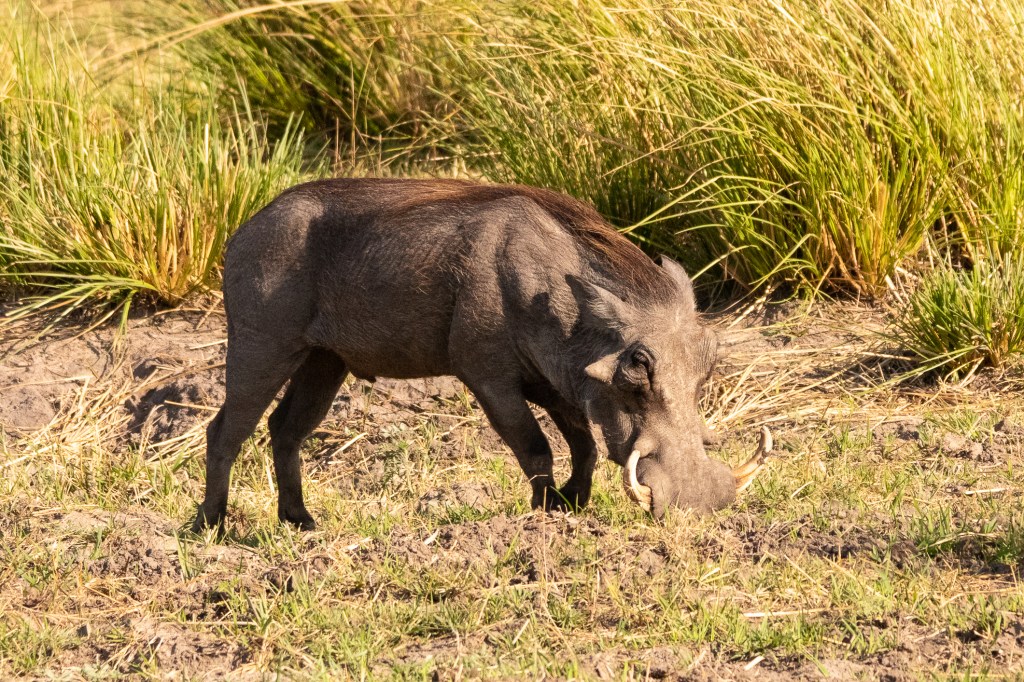
Warthog, Chobe Riverfront game drive

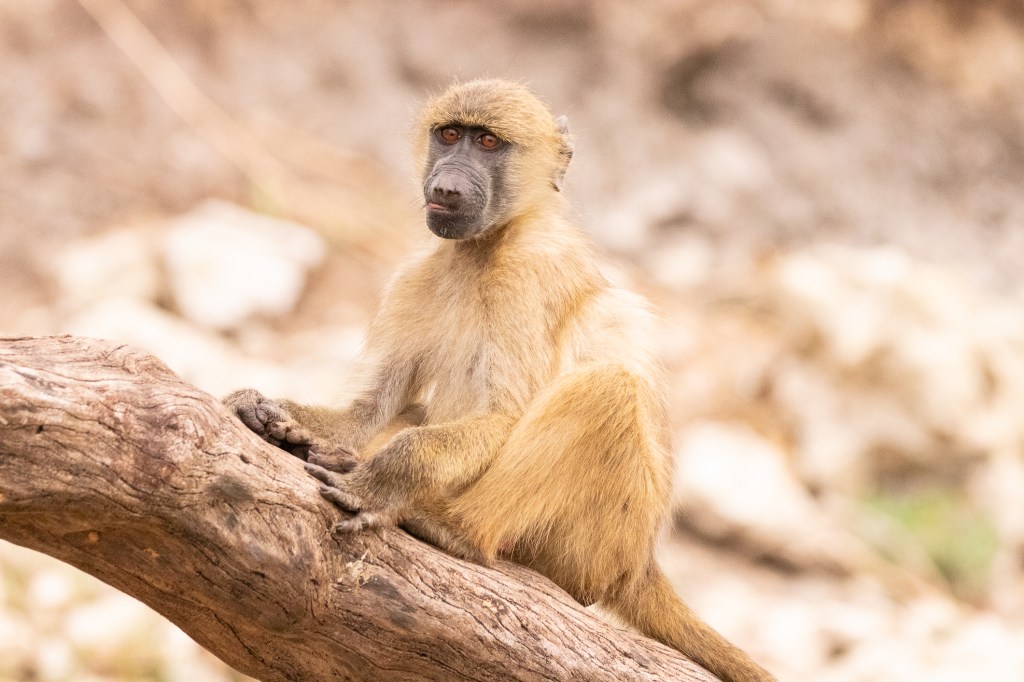
Chacma Baboons are always a delight to watch, such as this youngster riding like a jockey on Mother’s back
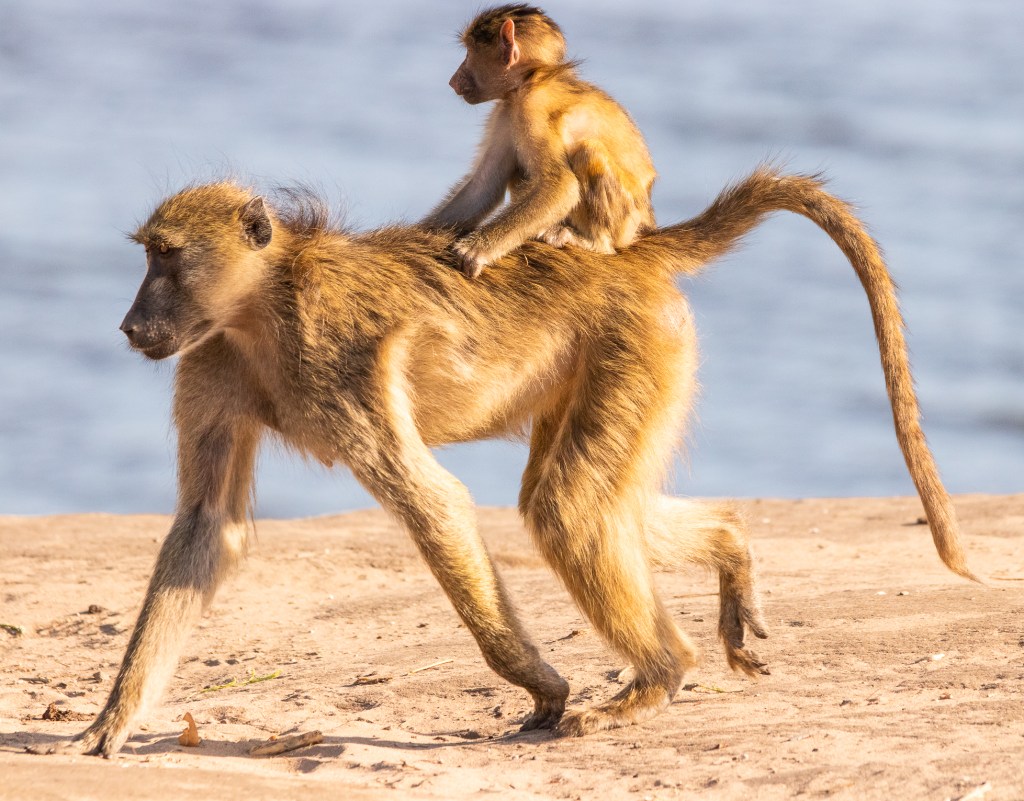
Chacma Baboon, Chobe Riverfront game drive

Moving along the track, which gets inundated in the rainy season, there was a sudden call of ‘Snake!’ and we shouted ‘Stop!’ in unison.

Killer knew better and only came to a halt at a safe distance, knowing the snake to be one of the most dangerous and venomous around and capable of raising itself to two-thirds of its length to strike – not a comfortable thought when you are in an open safari vehicle.

The driver of an open safari vehicle is particularly vulnerable, being at an ideal strike level with a convenient (for the snake) forearm often resting on the open sill of the door….

It was of course a large Black Mamba, most feared of snakes, and it was already raised about 1 metre high and looking mean.
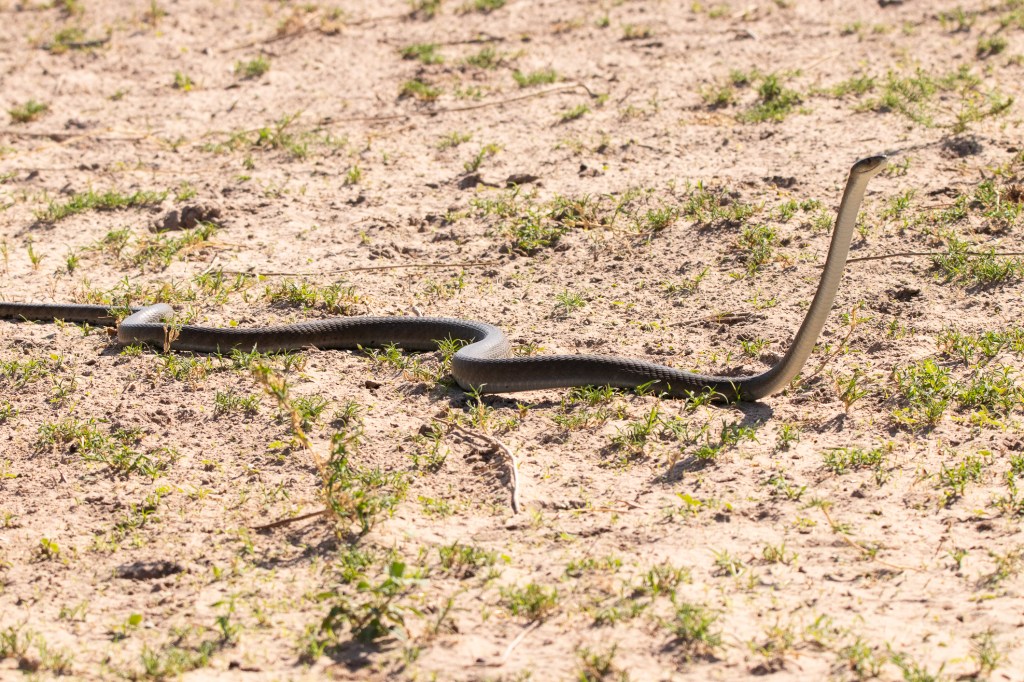
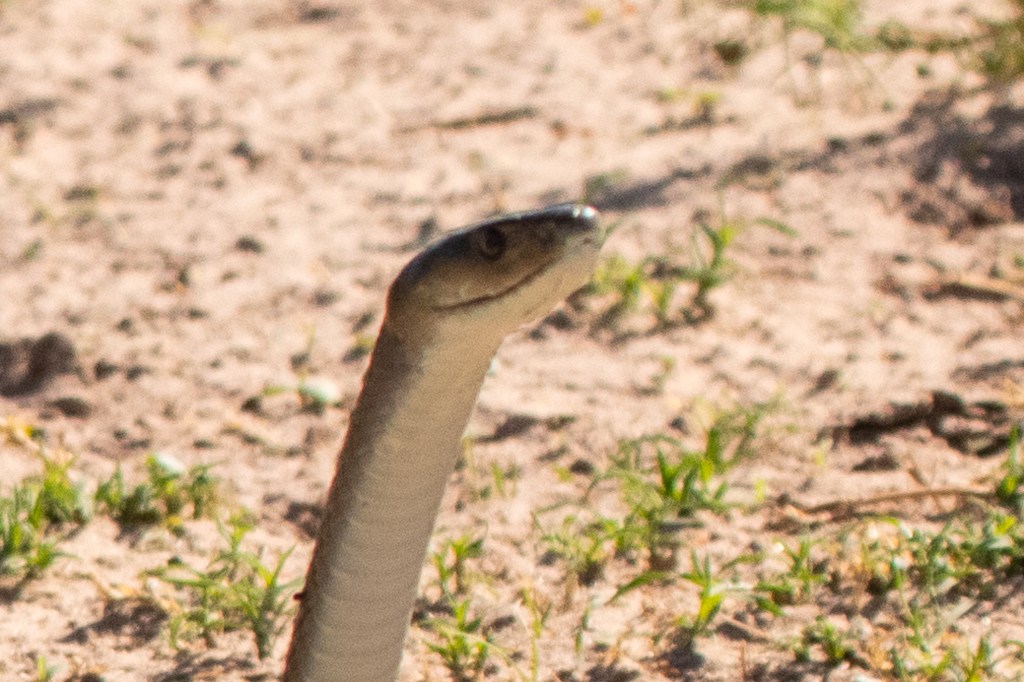
Black Mamba, Chobe Riverfront game drive

There was just time for one snatched shot before it lowered to the ground and slid off into the bush, leaving us once again in an elevated state of excitement.

Not long after another reptile crossed our path, this time a non-threatening Water Monitor, looking quite prehistoric
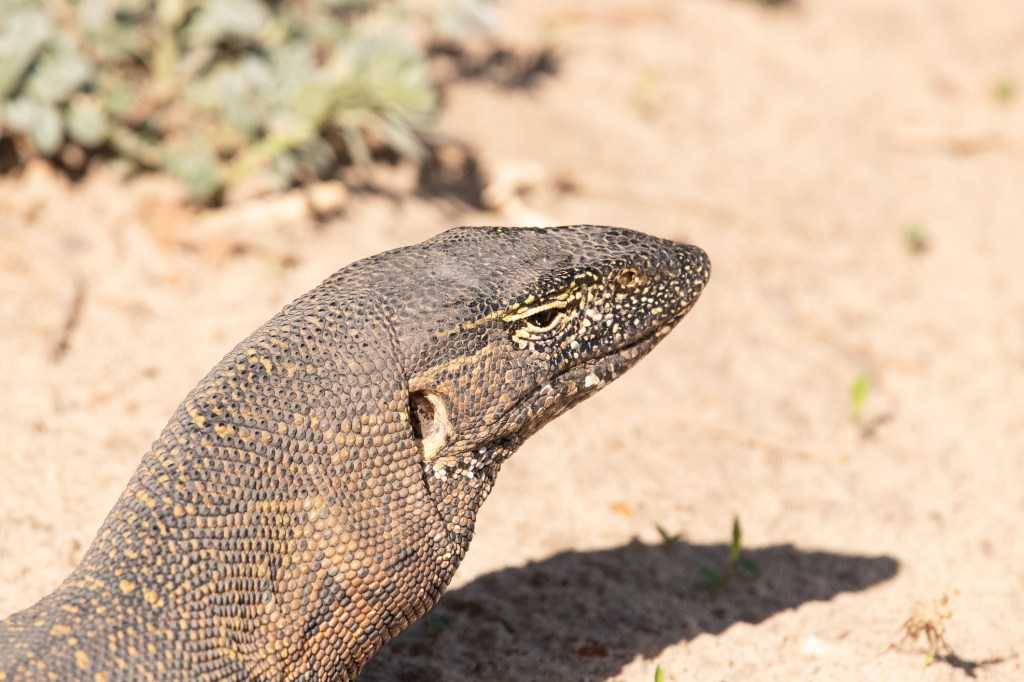
Water Monitor, Chobe Riverfront game drive

By now we had gone well past the usual picnic spot, so Killer stopped at a ‘Stretch point’ where we had coffee and biscuits before heading back along the upper road.
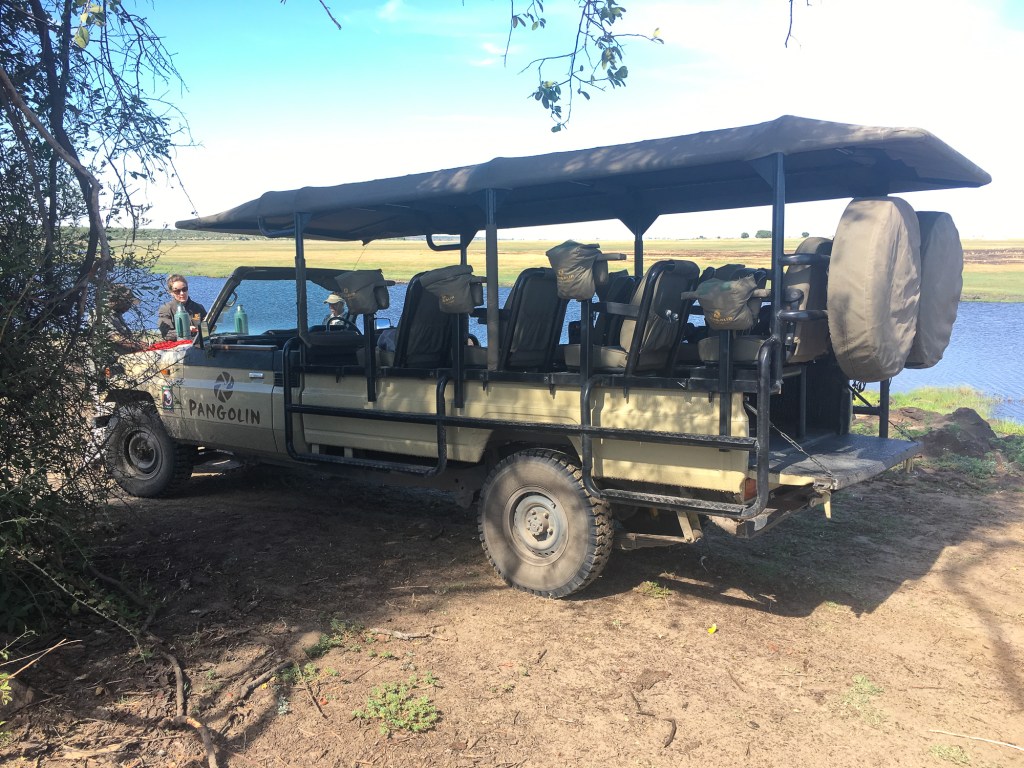
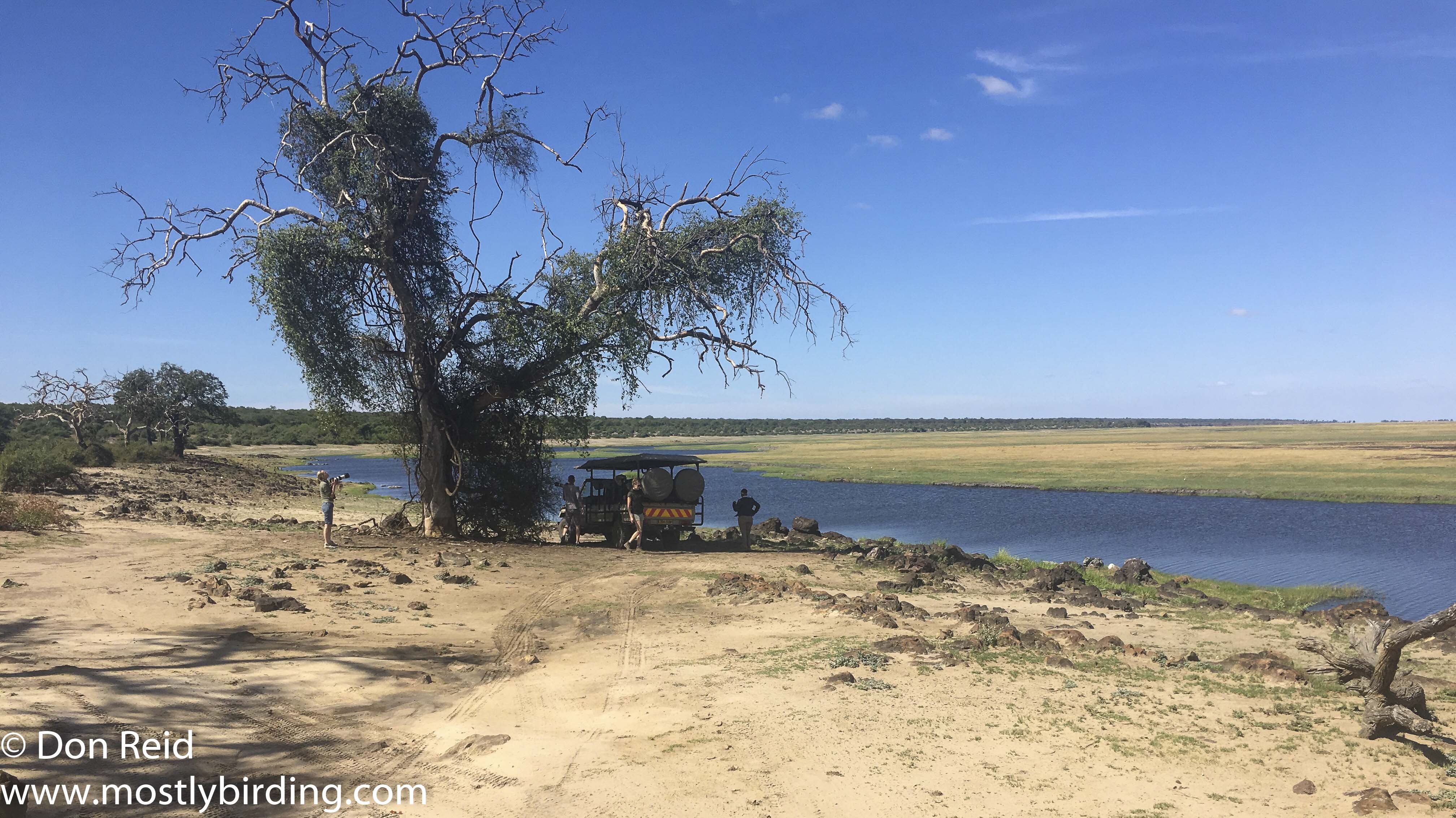
Stretch point on Chobe Riverfront Game Drive

On the way back various wildlife presented some further photo opportunities
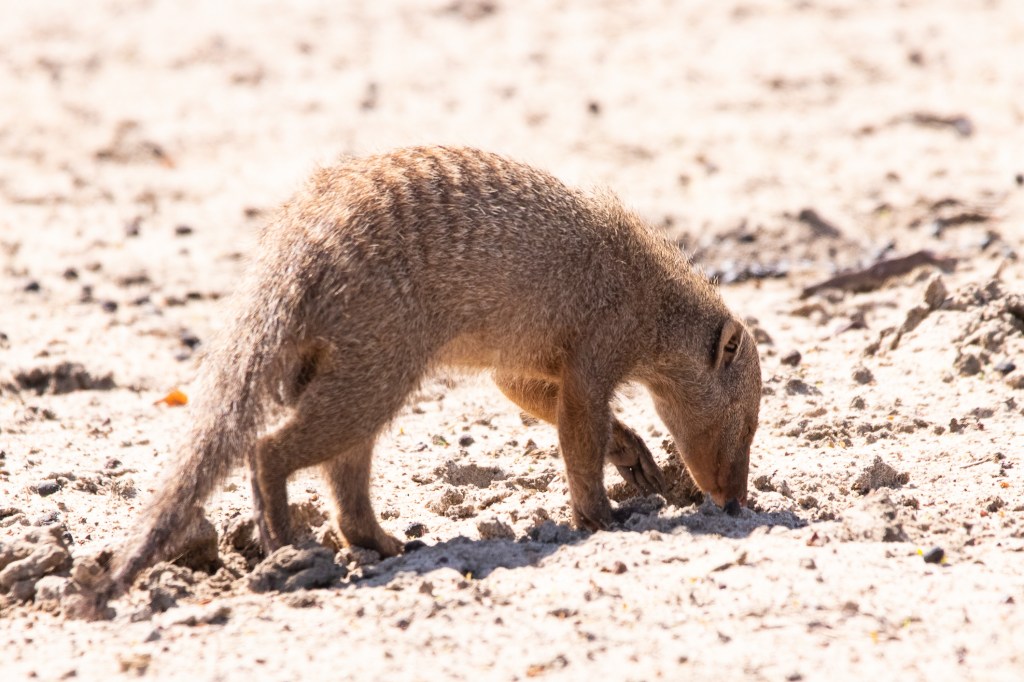
Banded Mongoose, Chobe Riverfront game drive

Three young Impala, still in ‘Nursery school’, made for a charming sight with their oversized ears alert to our presence
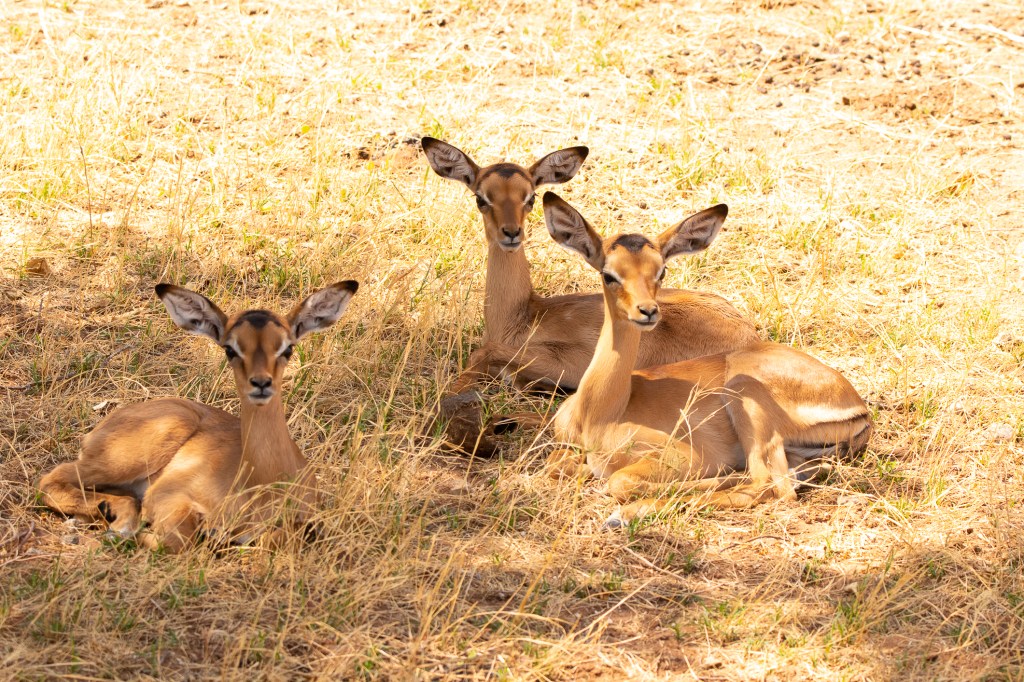
Impala nursery school, Chobe Riverfront game drive

Puku are not found in South Africa, occurring mostly in the wet grasslands and floodplains of central Africa, so are a particular pleasure to see as they graze, often ankle deep in the water
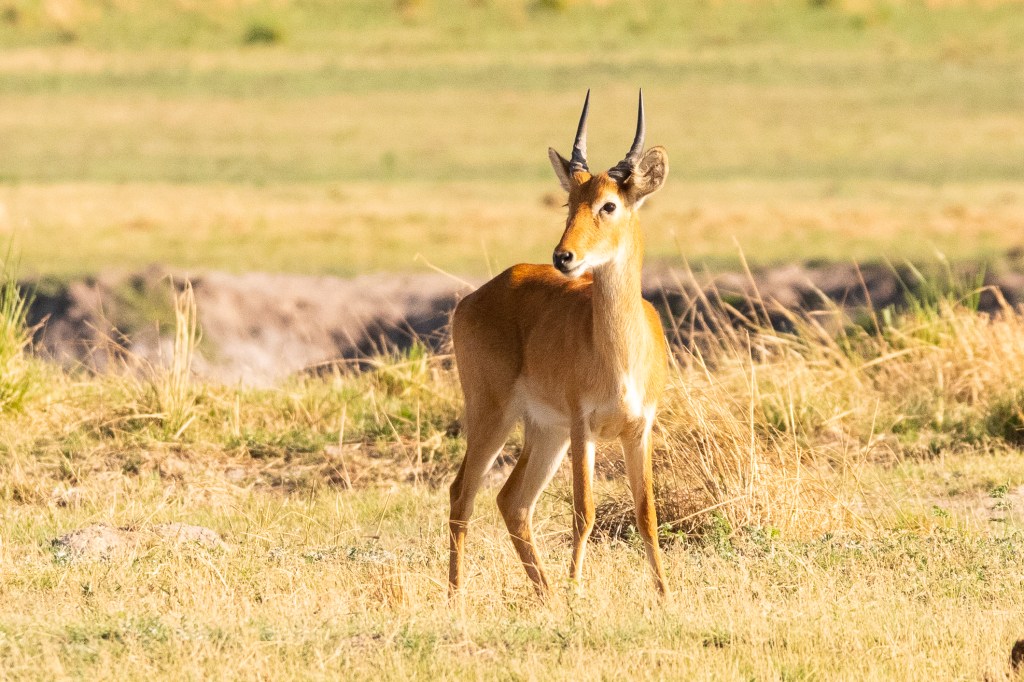
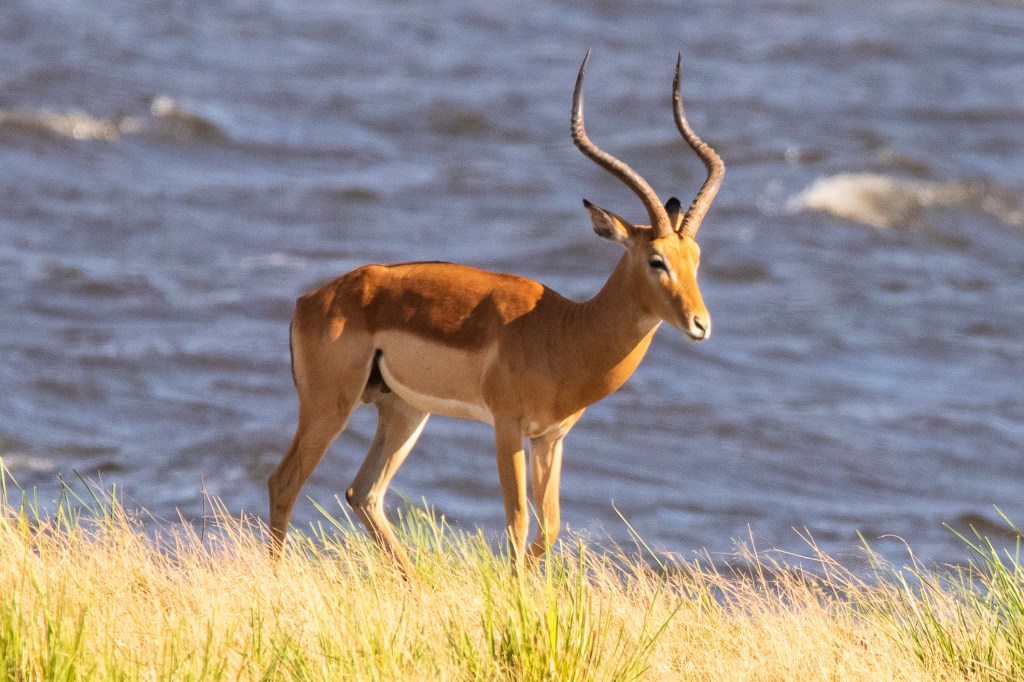
Puku, Chobe Riverfront game drive

The Birds

Birding was secondary to game-chasing on this trip, nevertheless I was able to spot a broad selection of the birds that I have become accustomed to when traversing the Chobe Waterfront

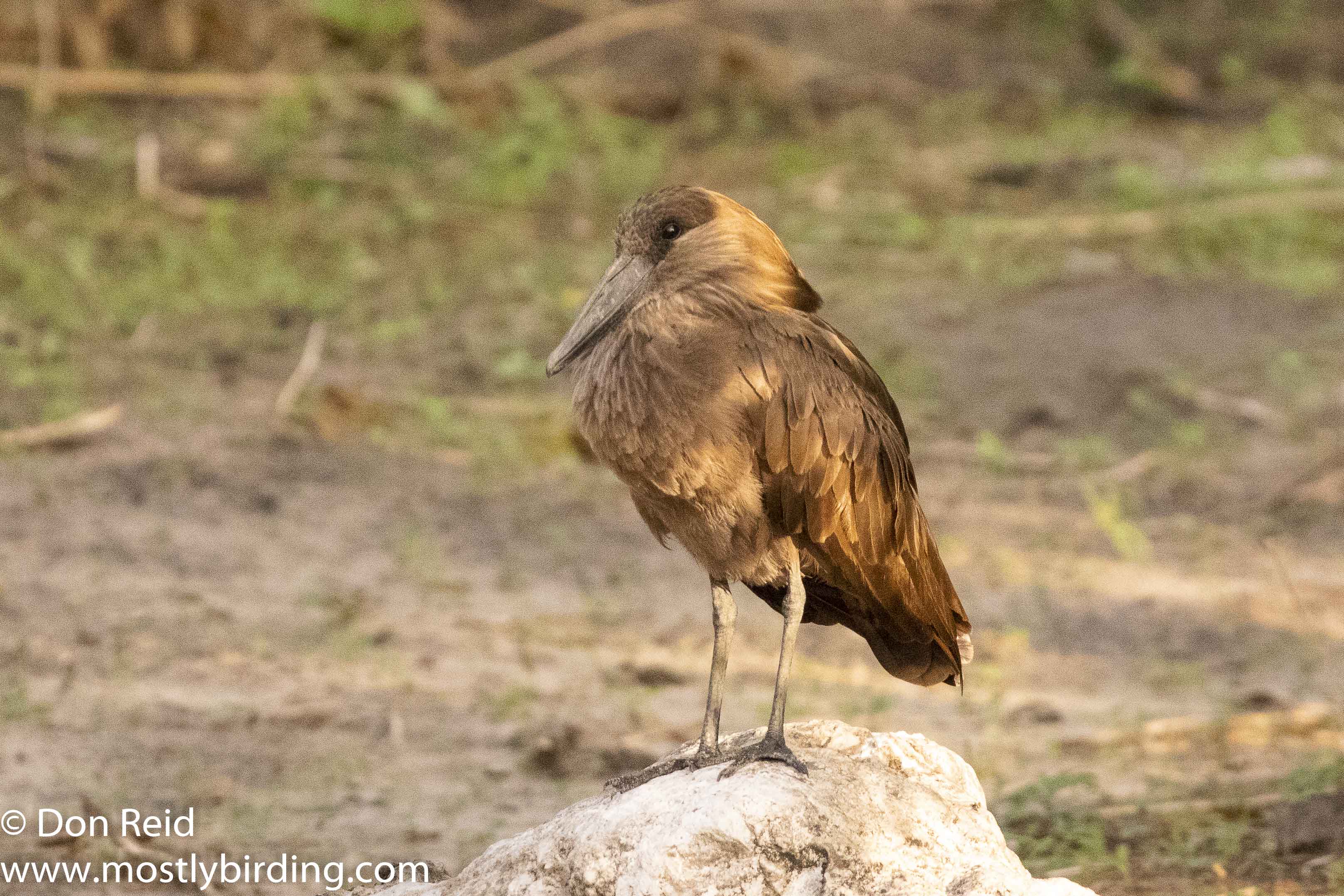
This Hamerkop posed nicely in the early morning light, giving it a handsome golden appearance
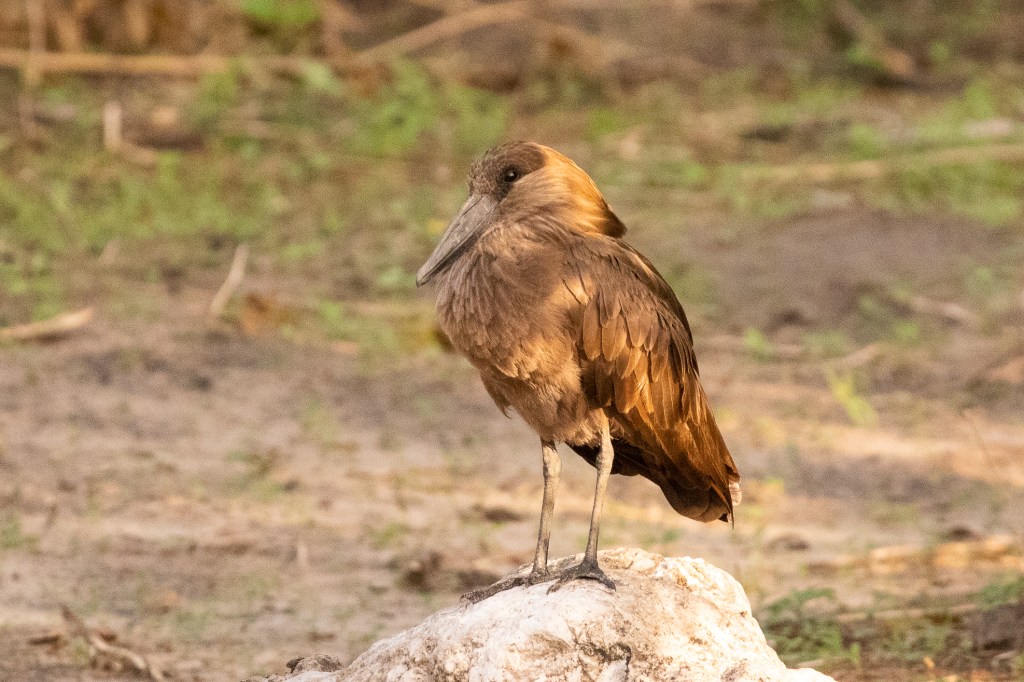
Hamerkop, Chobe Riverfront game drive
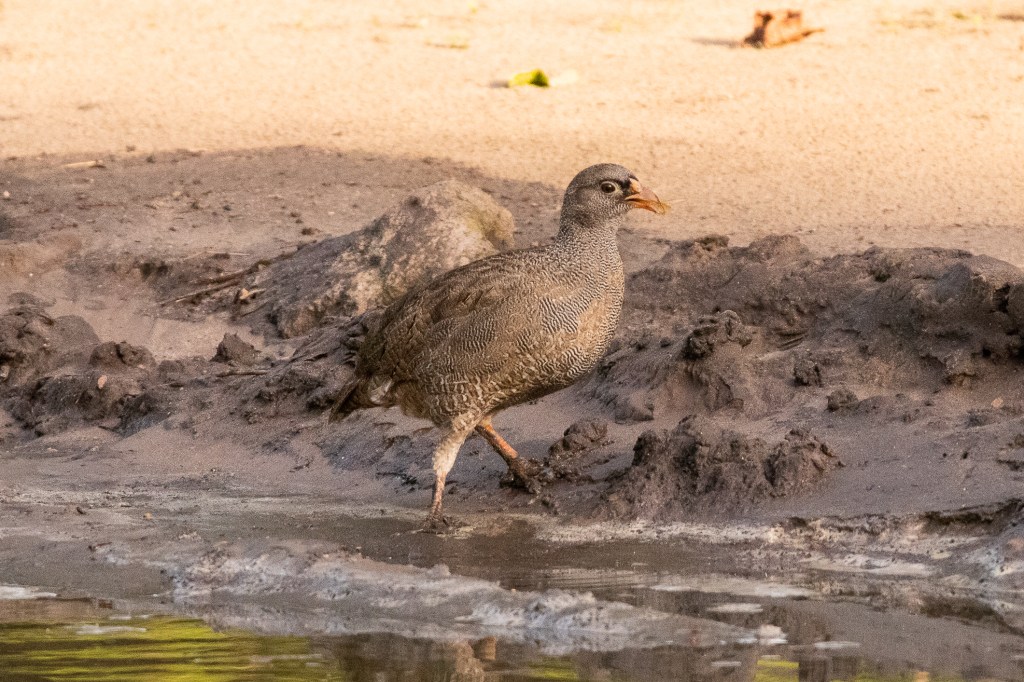
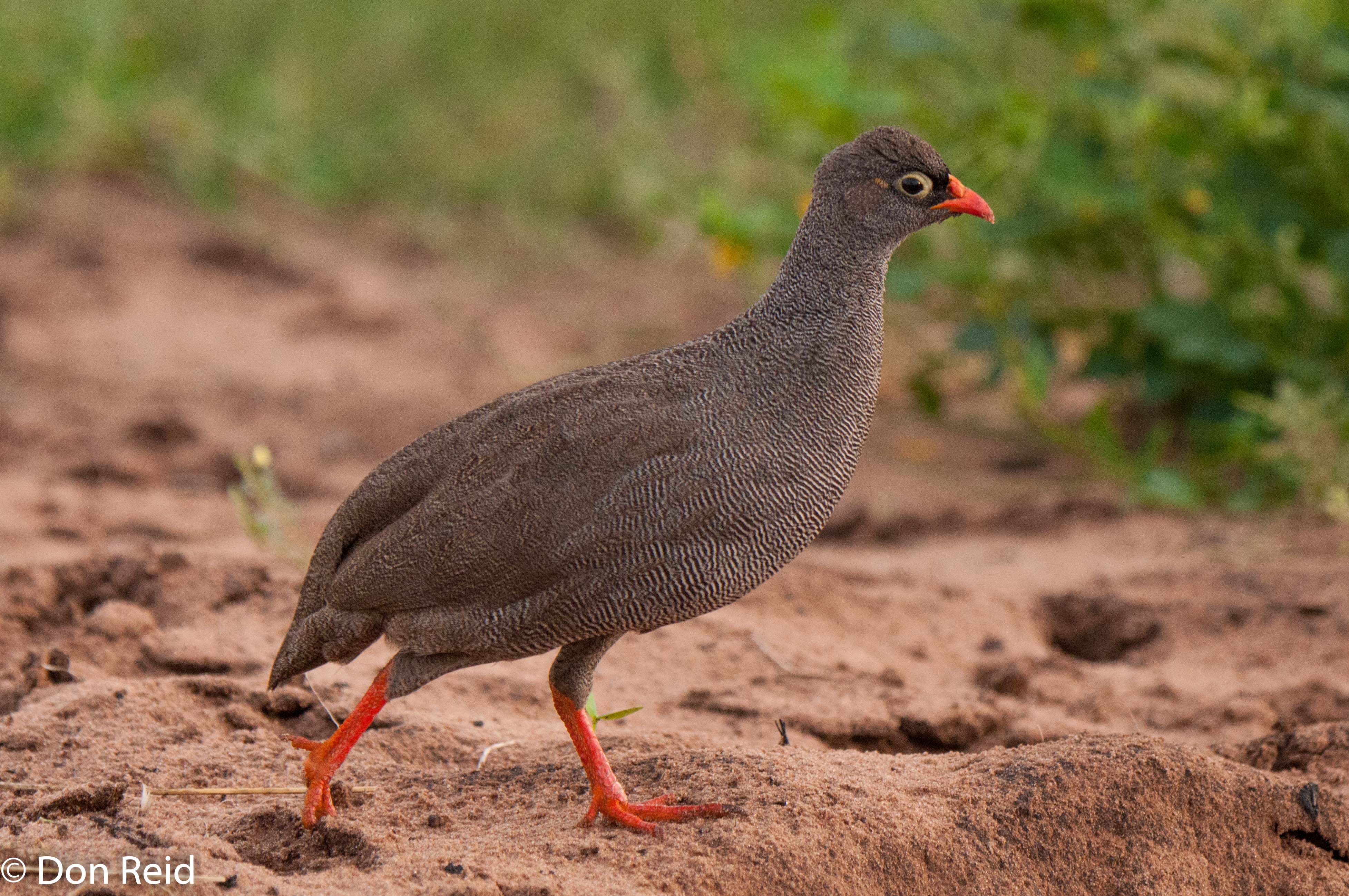
Red-billed Spurfowl, Chobe Riverfront game drive

Spur-winged Geese are often seen in the distance, but this one gave us close up views as it swam along the river’s edge
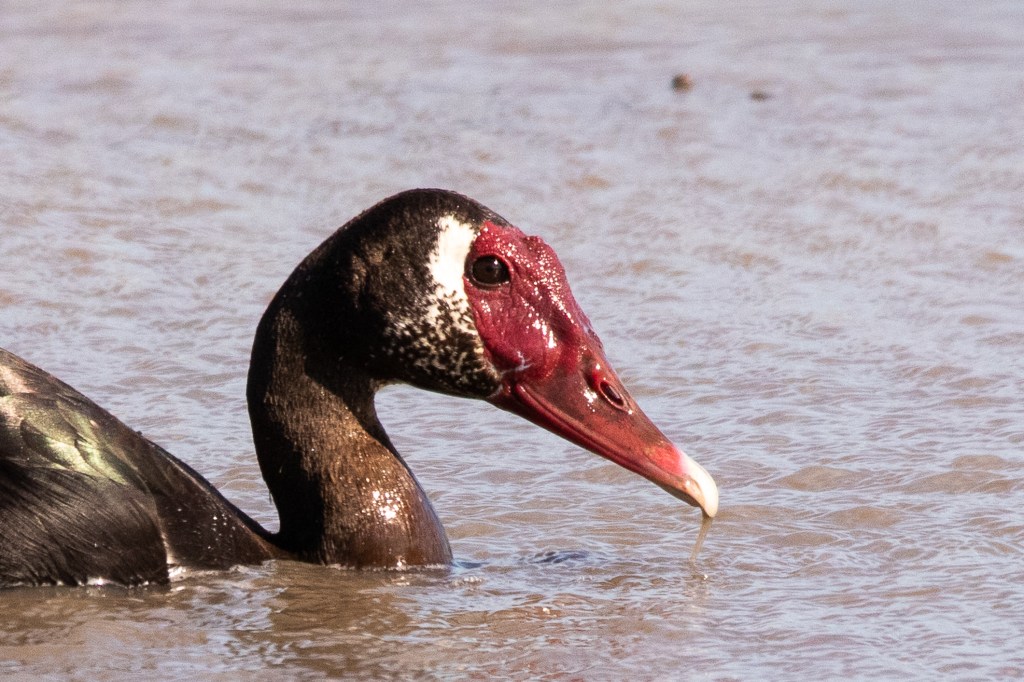
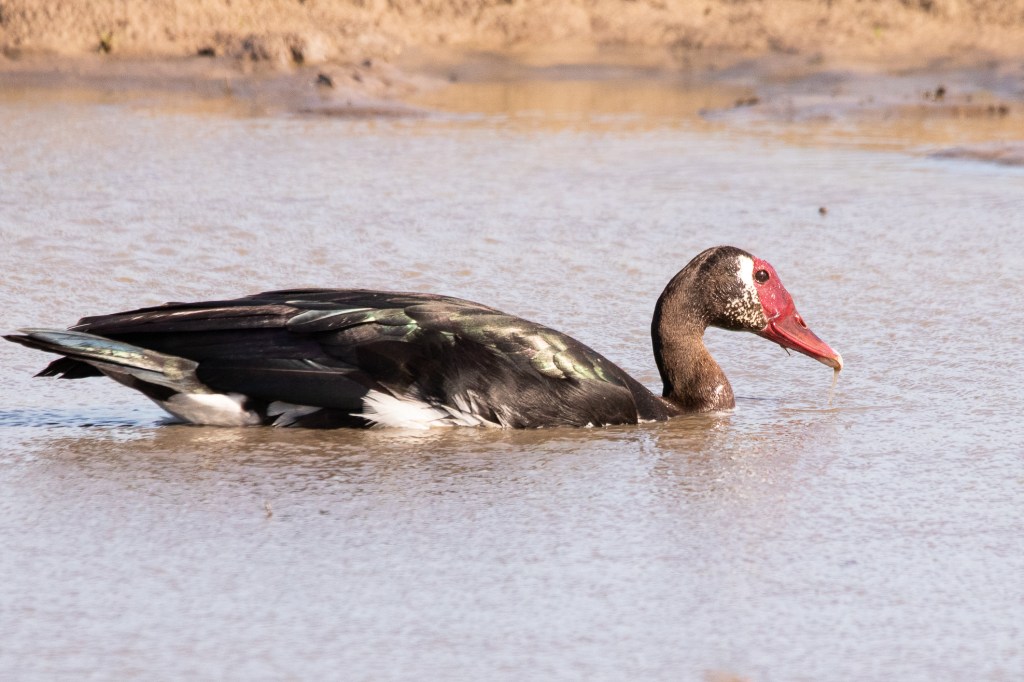
Spur-winged Goose, Chobe Riverfront game drive

Yellow-billed Kites visit southern Africa in our summer and are widespread across the region, usually seen singly in the air as they cruise not far above the ground. What we encountered was very unique, with upwards of 30 Kites gathered in one small area along the river bank, some just resting, others making short flights and returning to the same spot.
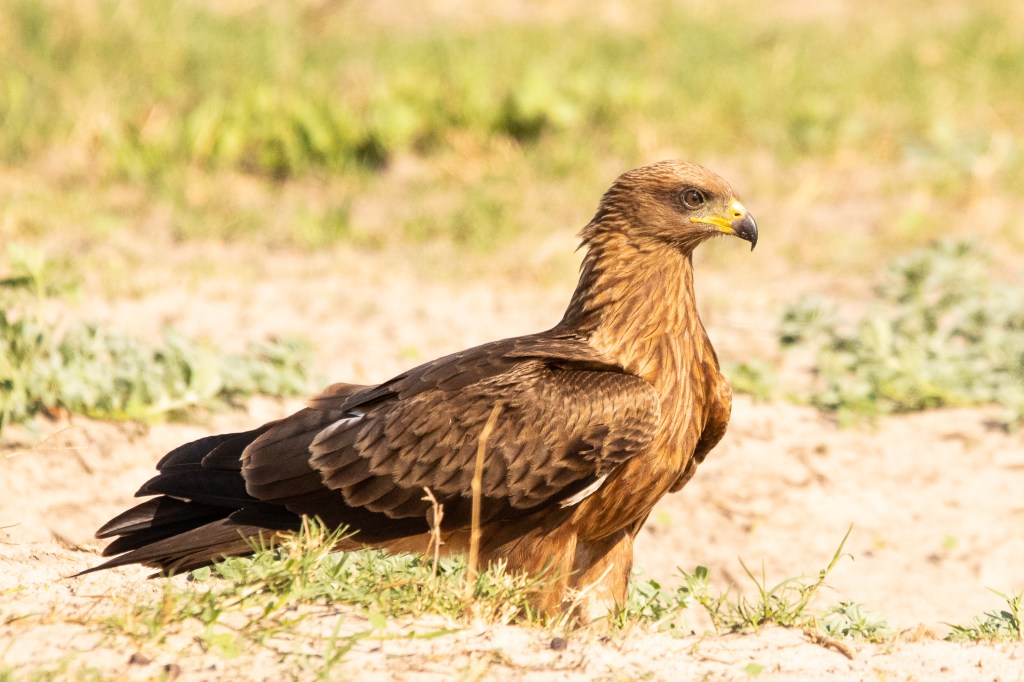
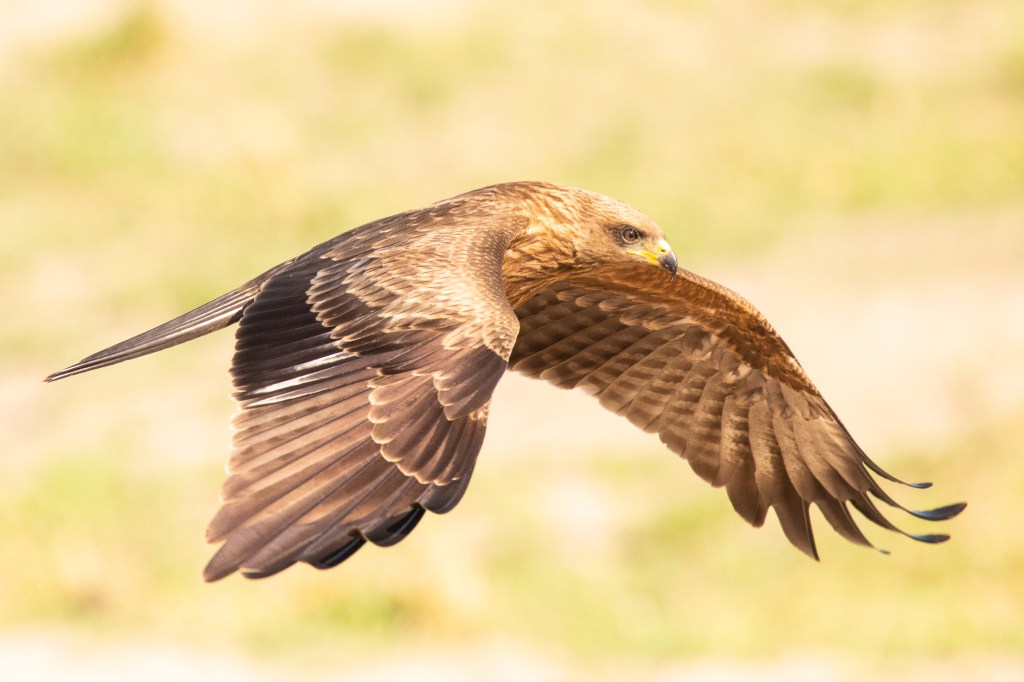
Yellow-billed Kite, Chobe Riverfront game drive
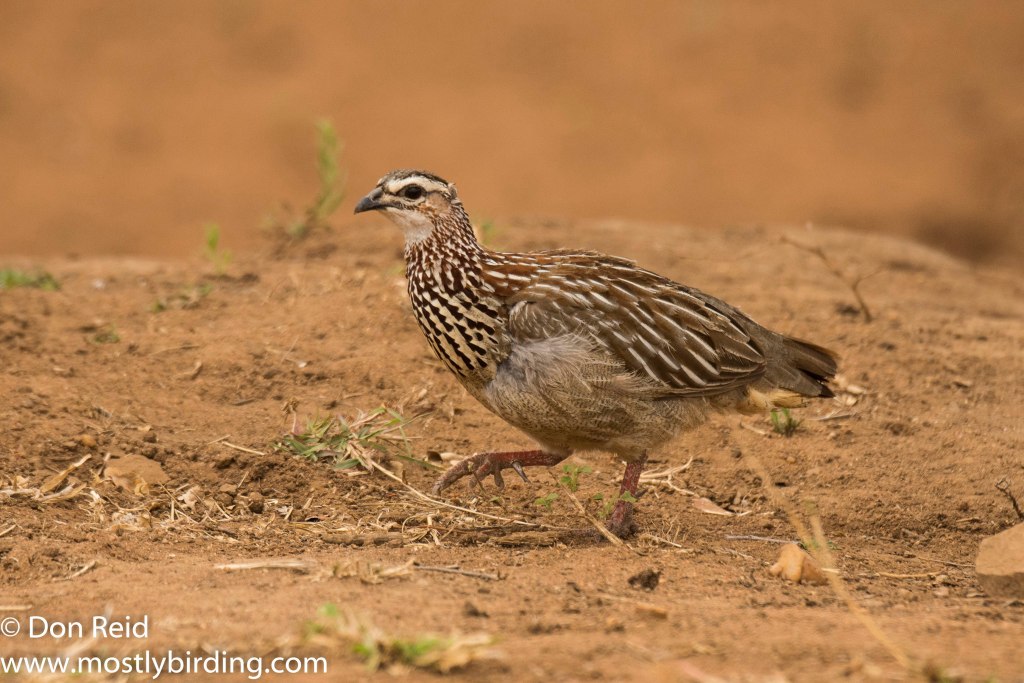
Crested Francolin, (photo taken in Kruger Park)

The African Fish-Eagle occurs all along the river at intervals which allow each one enough territory in which to hunt for their fish prey, which are abundant
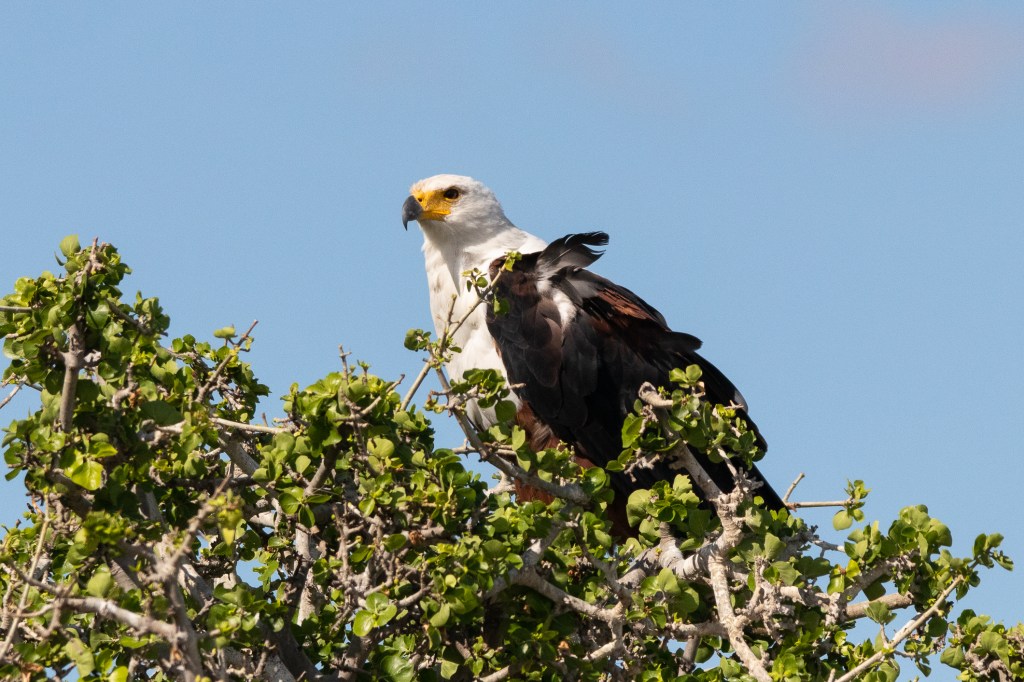
African Fish-Eagle, Chobe Riverfront game drive

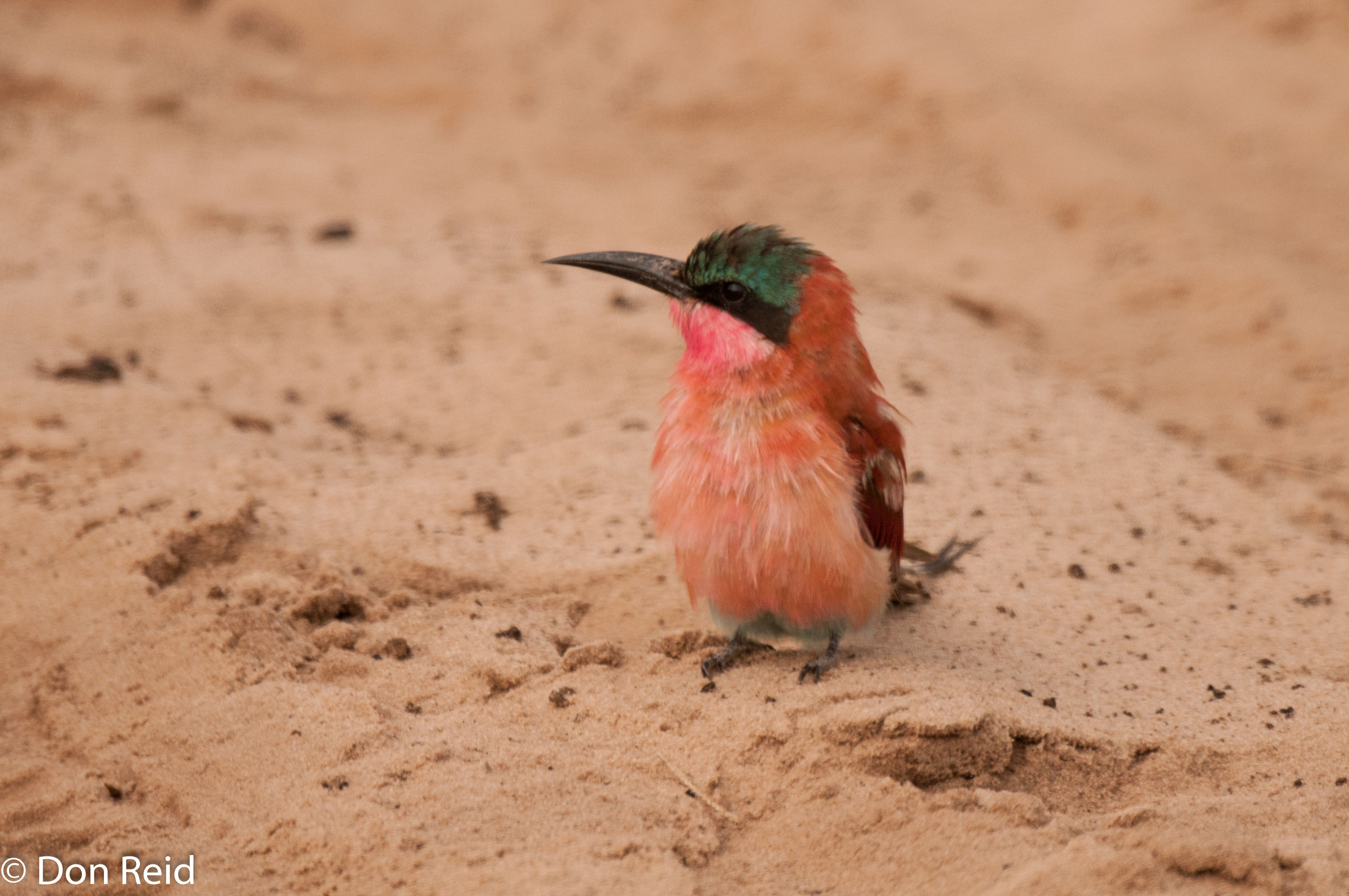
And then it was the turn of …… BEAUTY
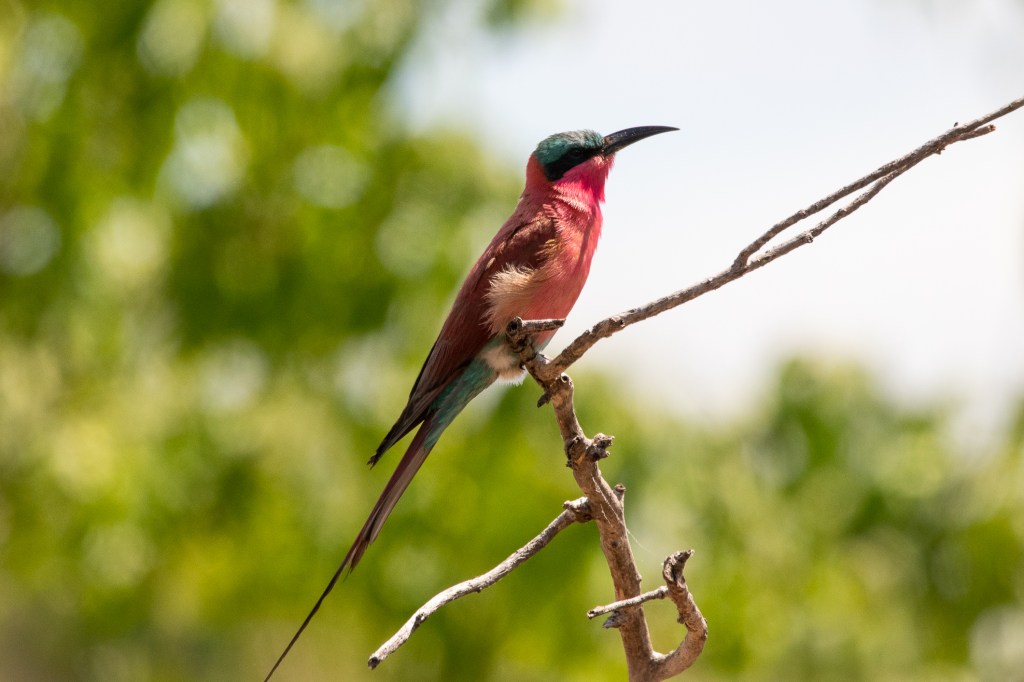
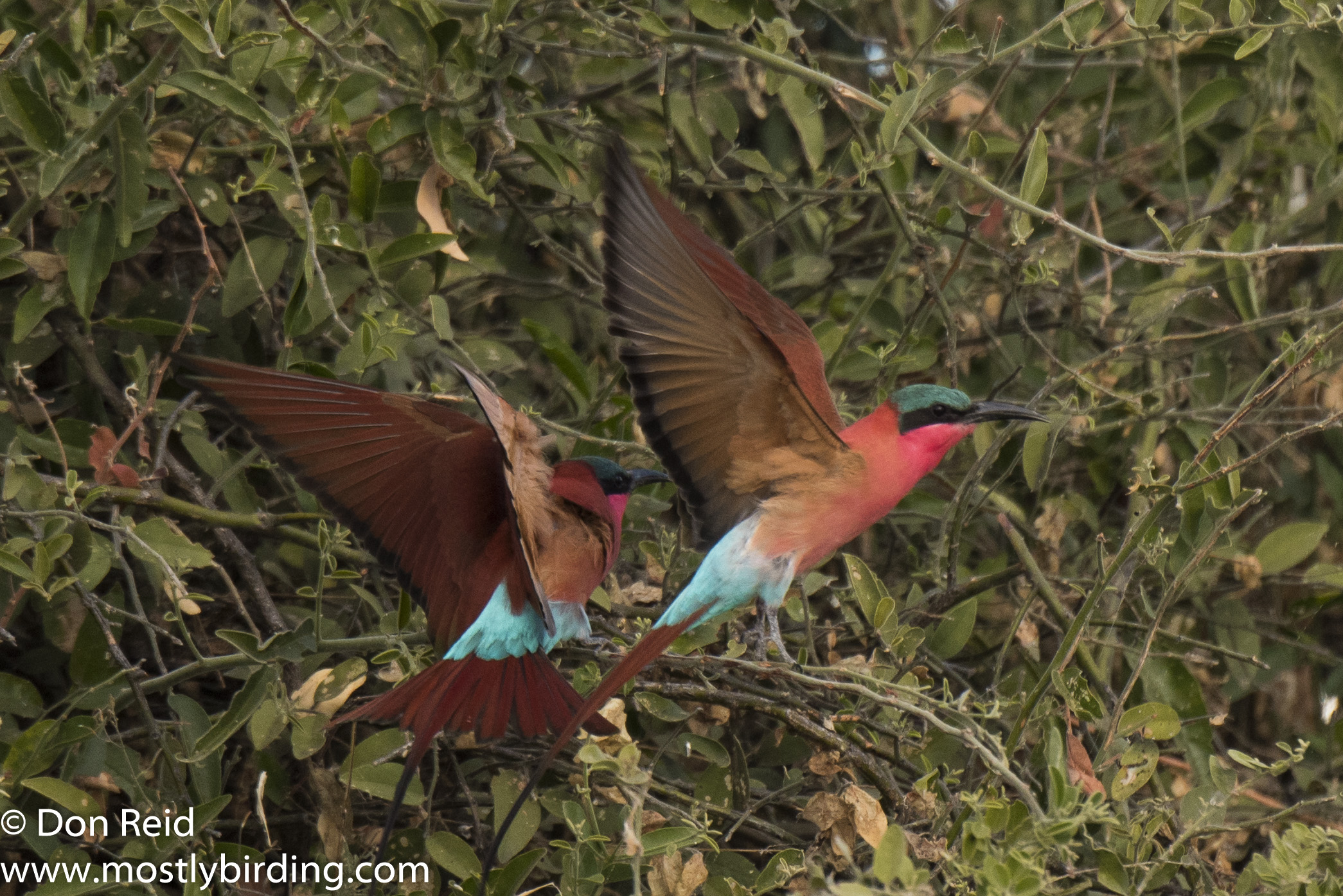
Southern Carmine Bee-eater, Chobe Riverfront game drive

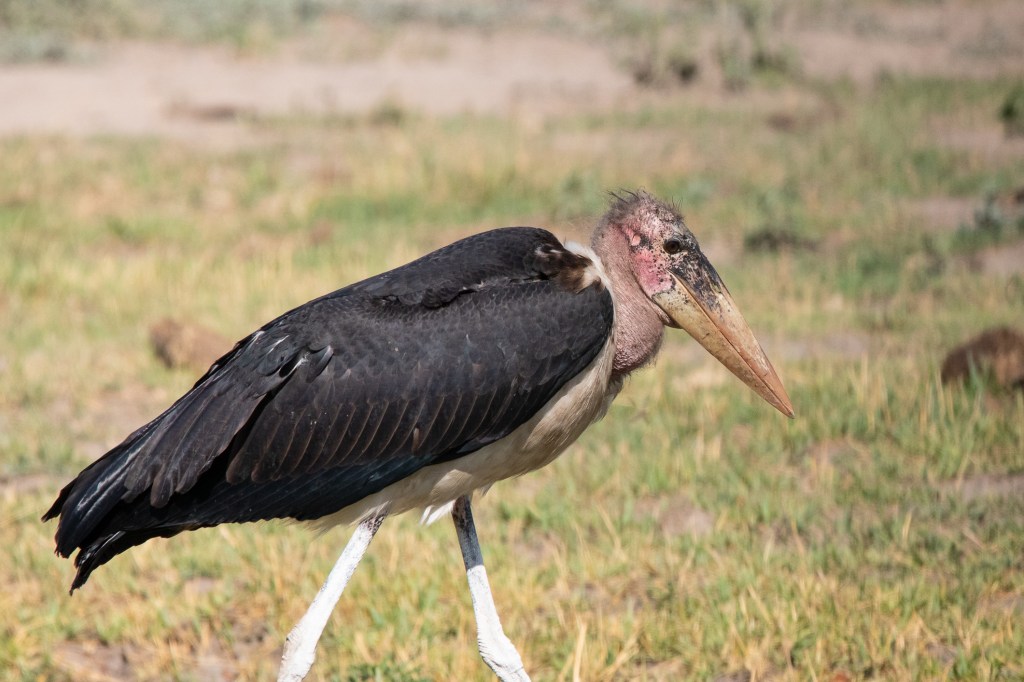
And the …… BEAST

Marabou Stork, Chobe Riverfront game drive
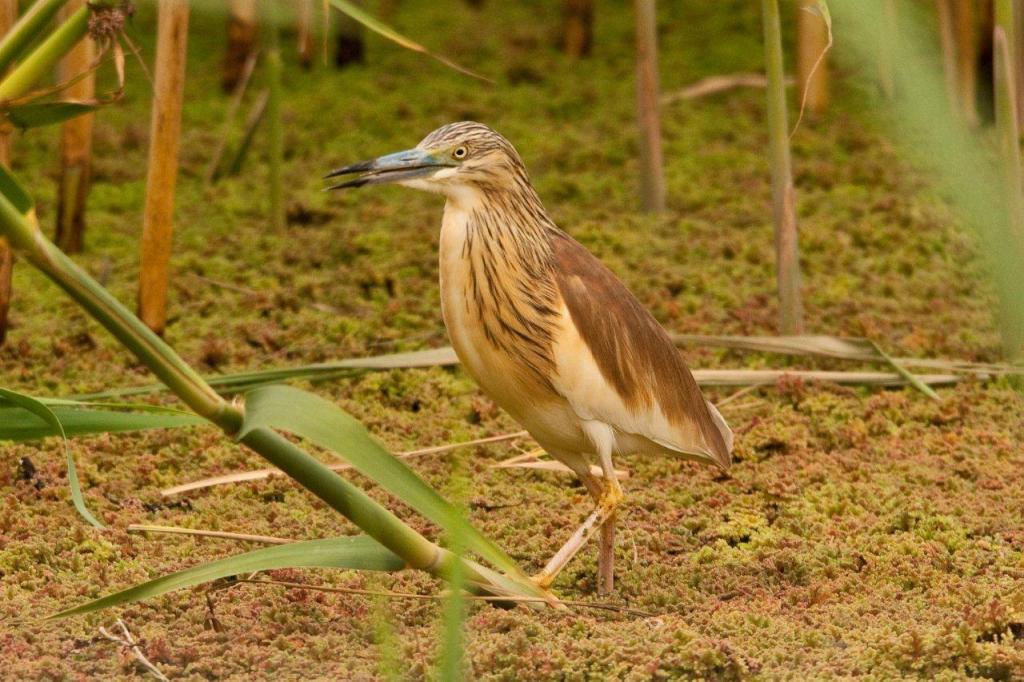
Squacco Heron (photo taken elsewhere)
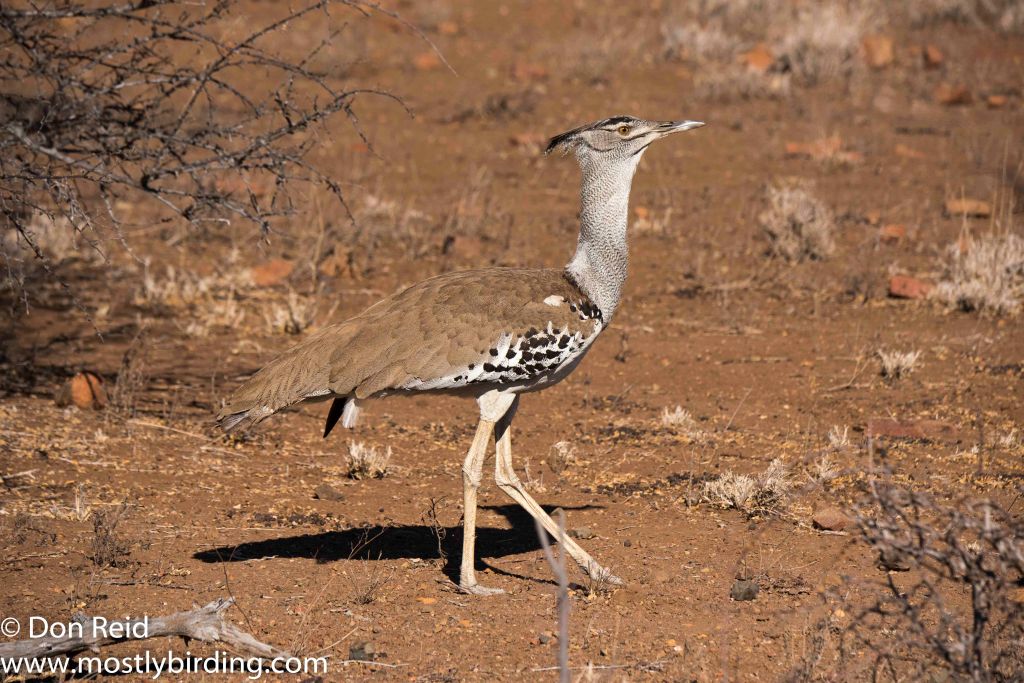
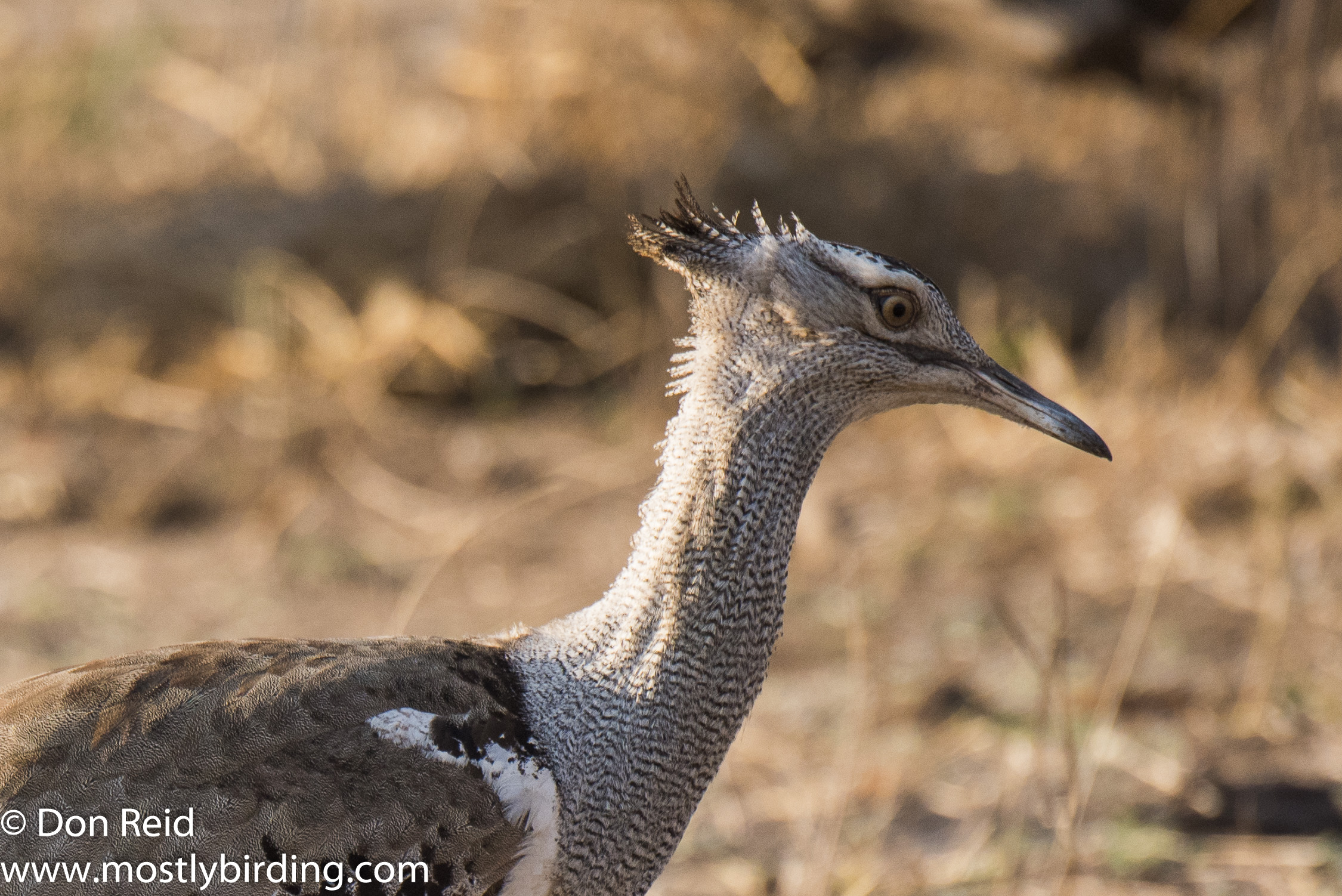
Kori Bustard, (photo taken in Kruger Park)
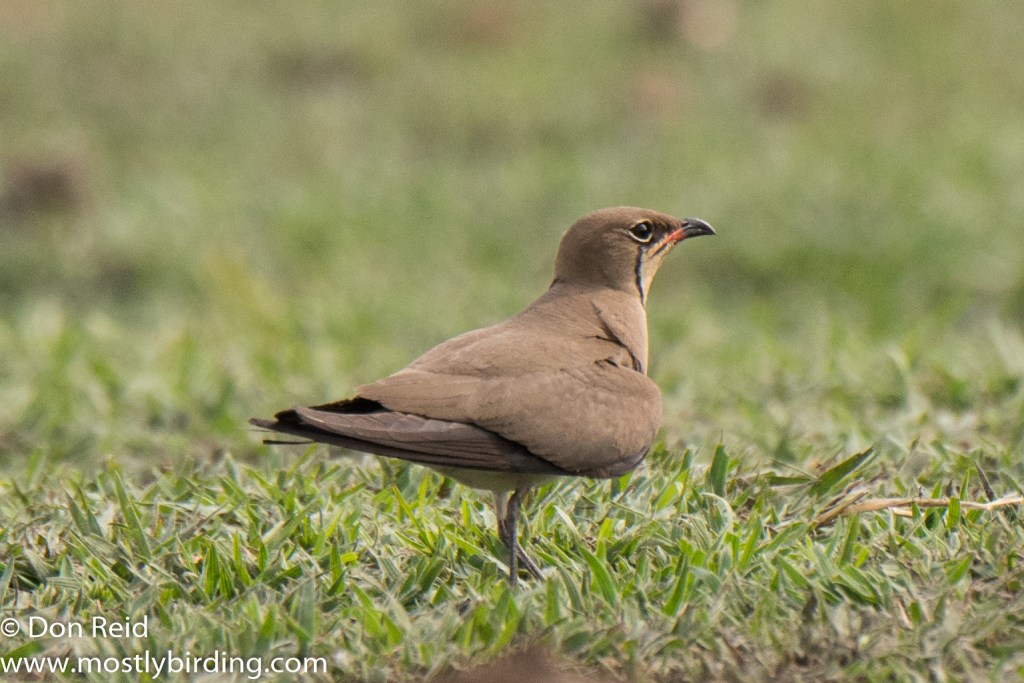
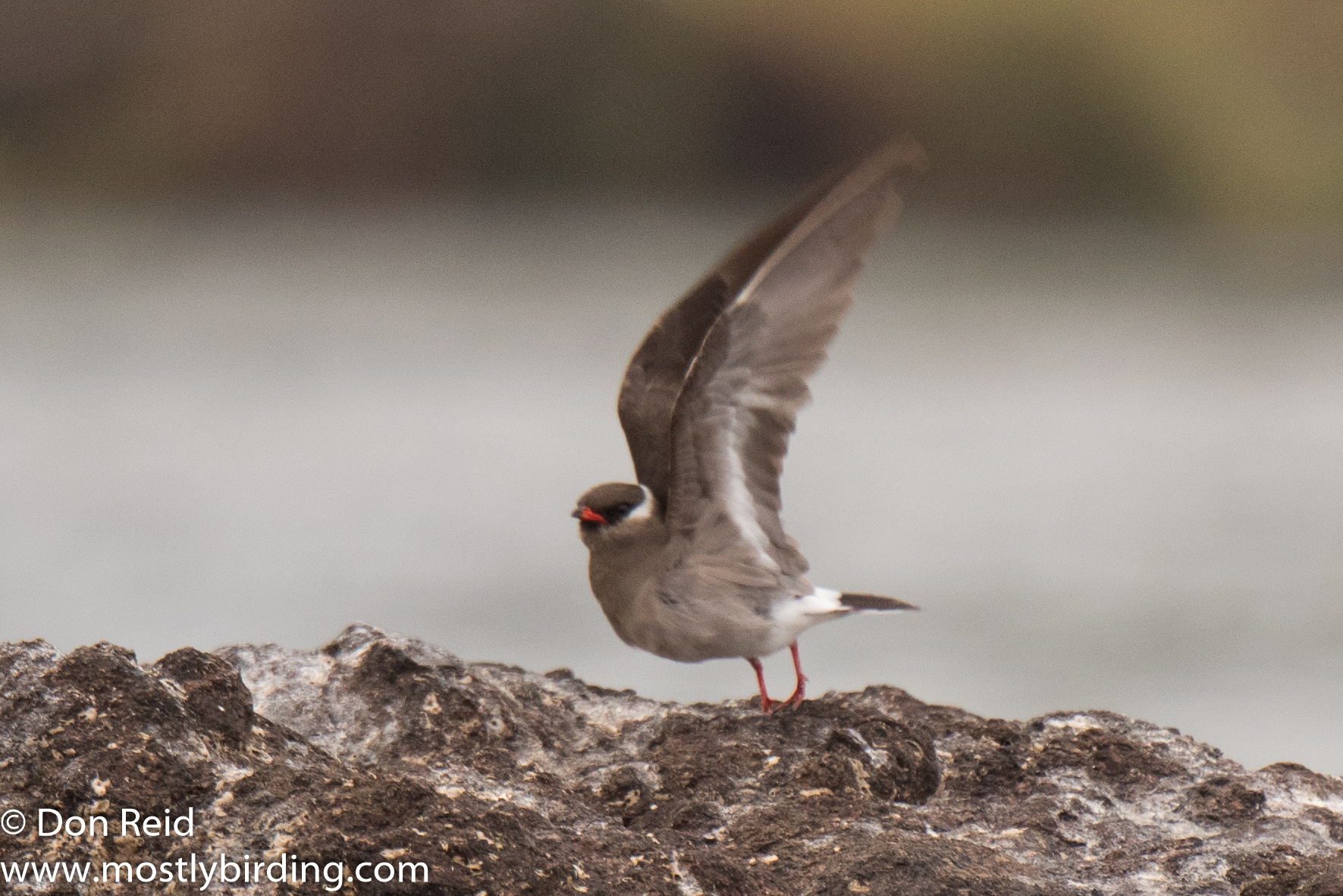
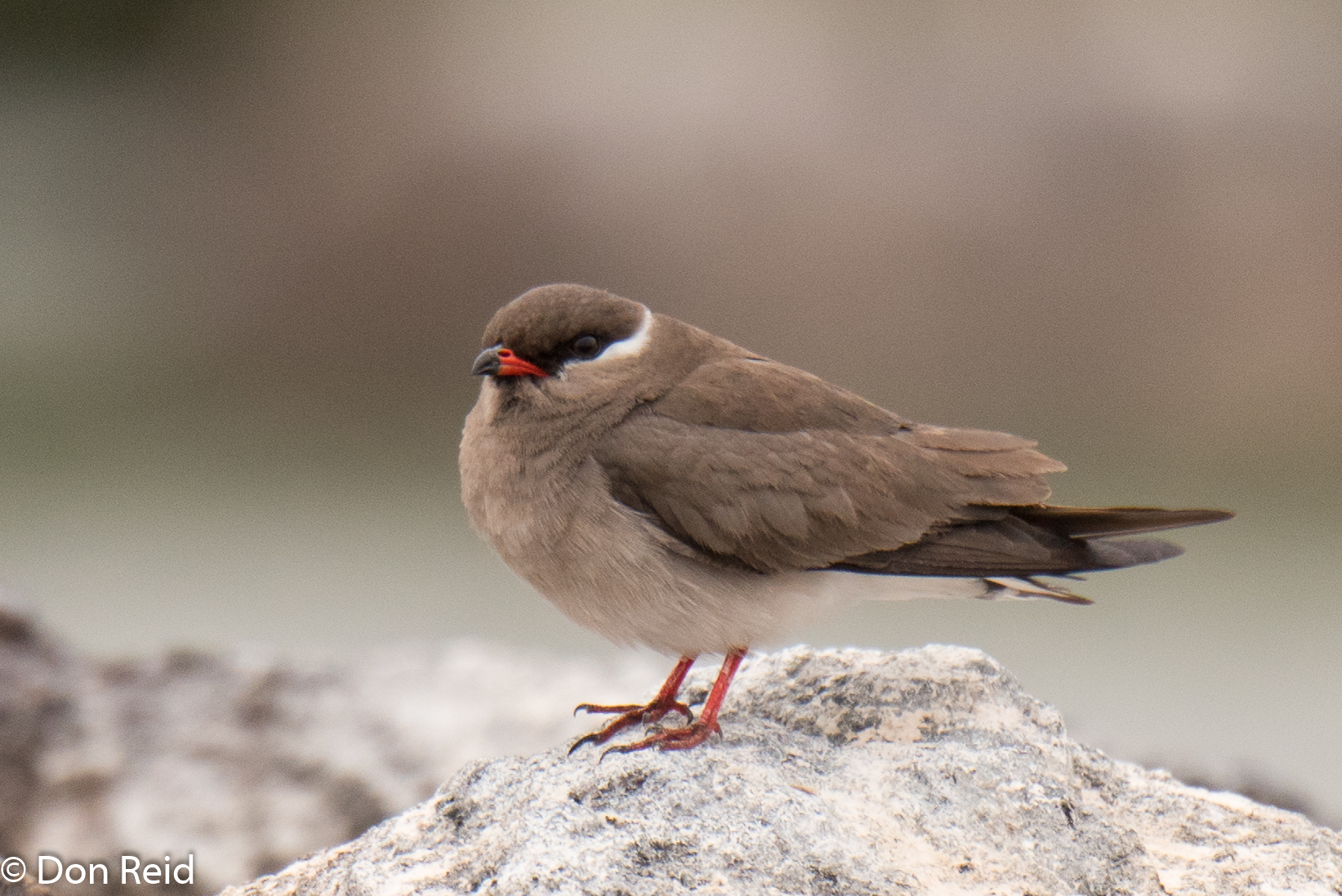
Collared Pratincole, Chobe River trip

And that’s the end of this tail … er tale
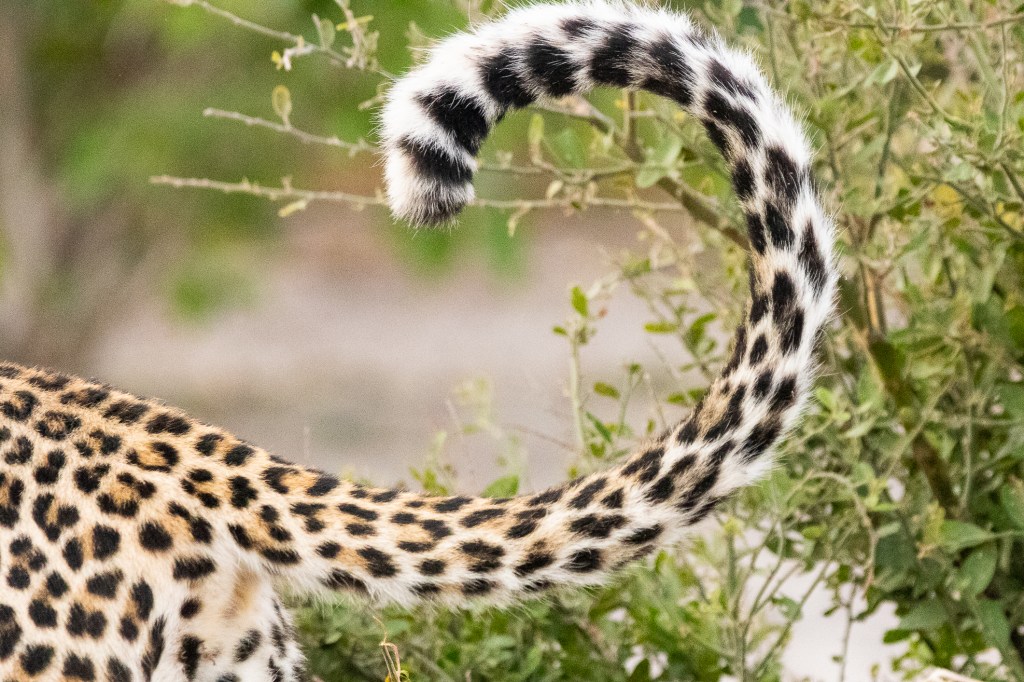
Time to go ……

 Leaving Chobe Game Reserve after the game drive on my last morning along the familiar sandy, bumpy track, through the Sedudu gate and out on to the tar road back to Kasane, it momentarily struck me that this was possibly the last time I would see this place and an almost tangible sadness washed over me for a few seconds, only to be replaced with the happy thought of all the memories I had gathered over more than 3 years. Maybe one day I’ll return …..
 

Chobe River and Game Reserve – the Final Visit …. (Part 1)

The last major project that I was involved in before finally retiring from Quantity Surveying in 2019, was the Kasane Airport project in northern Botswana. Monthly visits spread over 3 years meant I spent an accumulative 60 days or more in Kasane, which is the gateway to the Chobe Game Reserve, and I used every free moment to spend time exploring this special place and on the Chobe River, soaking up the incomparable African game-viewing and bird-watching on offer.
So where is this leading? Well, I made my last visit to Kasane in November 2018 for the final formal handover of the airport terminal buildings to the Client. During the visit I found time to join a photographic safari, expertly run by Pangolin Photo Safaris, both on land and on the river, which left me with a head full of special memories and a memory card full of treasured images.

Aerial view of the Chobe River while landing at Kasane

I have written several posts about some of my memorable experiences in Chobe over the years, but never got around to ‘finishing the story’ as it were, so bear with me as I reminisce about my final visit to Kasane

The Occasional Birding

Before getting to the organised safaris, I found other opportunities to wander…… and wonder at the birdlife

While trying to check in at my booked accommodation, a Trumpeter Hornbill wailed nearby, sounding like a baby crying – perhaps it already knew my booking had somehow been mysteriously cancelled and there were no rooms available.

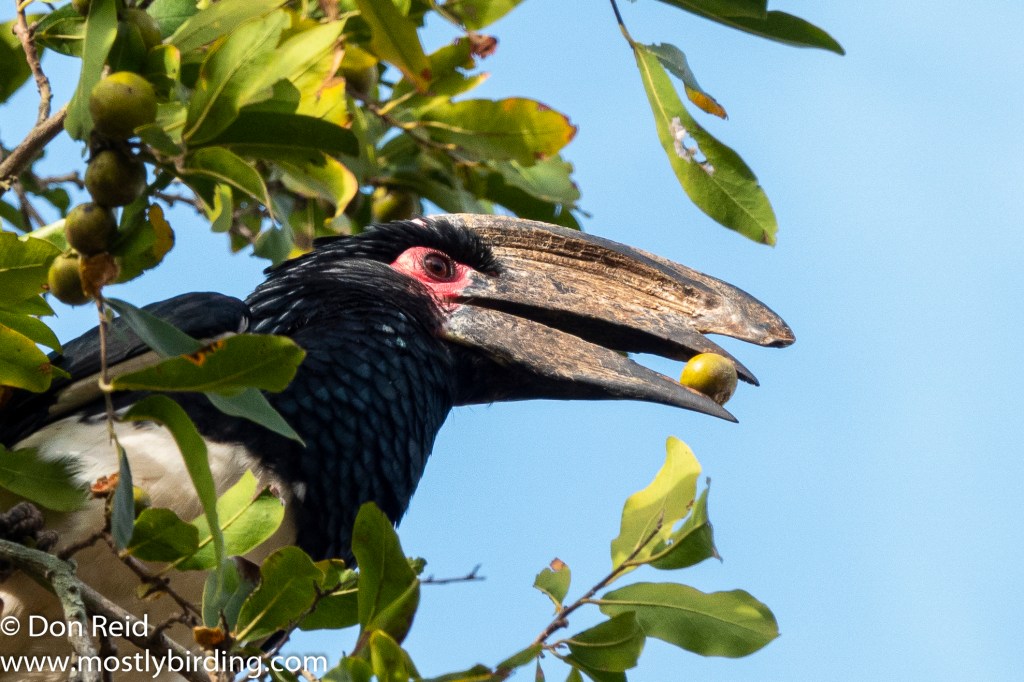
Trumpeter Hornbill (Male) (Photo taken inKruger Park)

Undaunted, I headed to Thebe Lodge, which I had frequented before and which lies on the Chobe River. The extensive grounds had previously proved to be a compact yet lively birding destination in their own right, so I was more than happy to find comfortable accommodation for my three-night stay.

I didn’t waste a moment and paid a quick visit to the nearby sewage works ponds (as one does) which produced Ruff and Lesser Grey Shrike amongst others, then followed that with a walk around the lush Thebe Lodge grounds in light rain, which was a relief from the oppressive summer heat.

The Thebe Lodge grounds were alive with birdlife, feasting on the flying ants which were emerging all over. The strident calls of the ‘frontline’ songsters such as White-browed Robin-Chat and Tropical Boubou were backed up by a further layer of quieter calls of Dark-capped Bulbuls, Grey Go-away Birds, Mourning Doves and Water Thick-Knees.

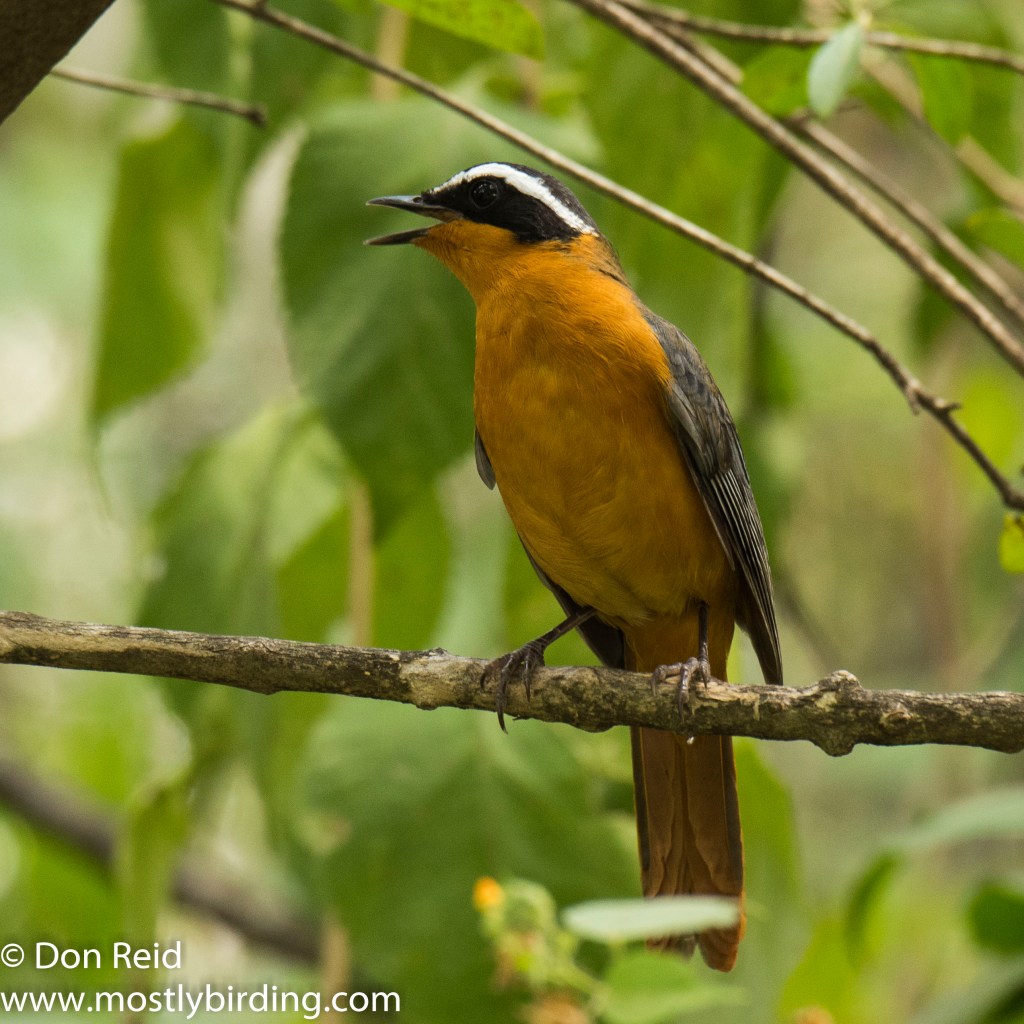
White-browed Robin-Chat (Photo taken in Kruger Park)

In the rapidly fading light I made out Violet-backed Starlings and Fork-tailed Drongos participating in the flying ant frenzy

The next morning, before breakfast and my project commitments, another walk around the lodge grounds produced about 20 species with two Kingfishers prominent – Brown-hooded and Woodland Kingfishers.

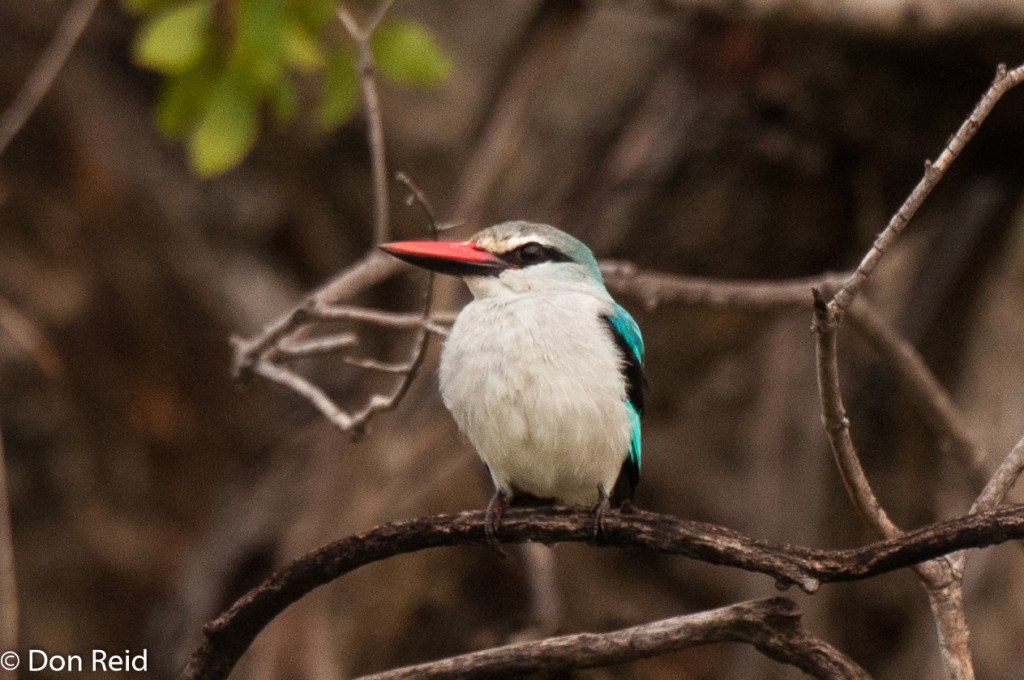
Woodland Kingfisher, Kasane

Common Scimitarbill and Green Woodhoopoe were active and at the riverside Broad-billed Rollers were harassing a Woodlands Kingfisher.

There was no shortage of birdlife in the verdant garden bush of the lodge grounds with Terrestrial Brownbul, Southern Brown-throated Weaver and Grey-backed Camaroptera all showing nicely.

Boat Trip

During previous trips I had done a couple of boat outings on the river, fairly basic ones in a small boat but nevertheless exciting and memorable.

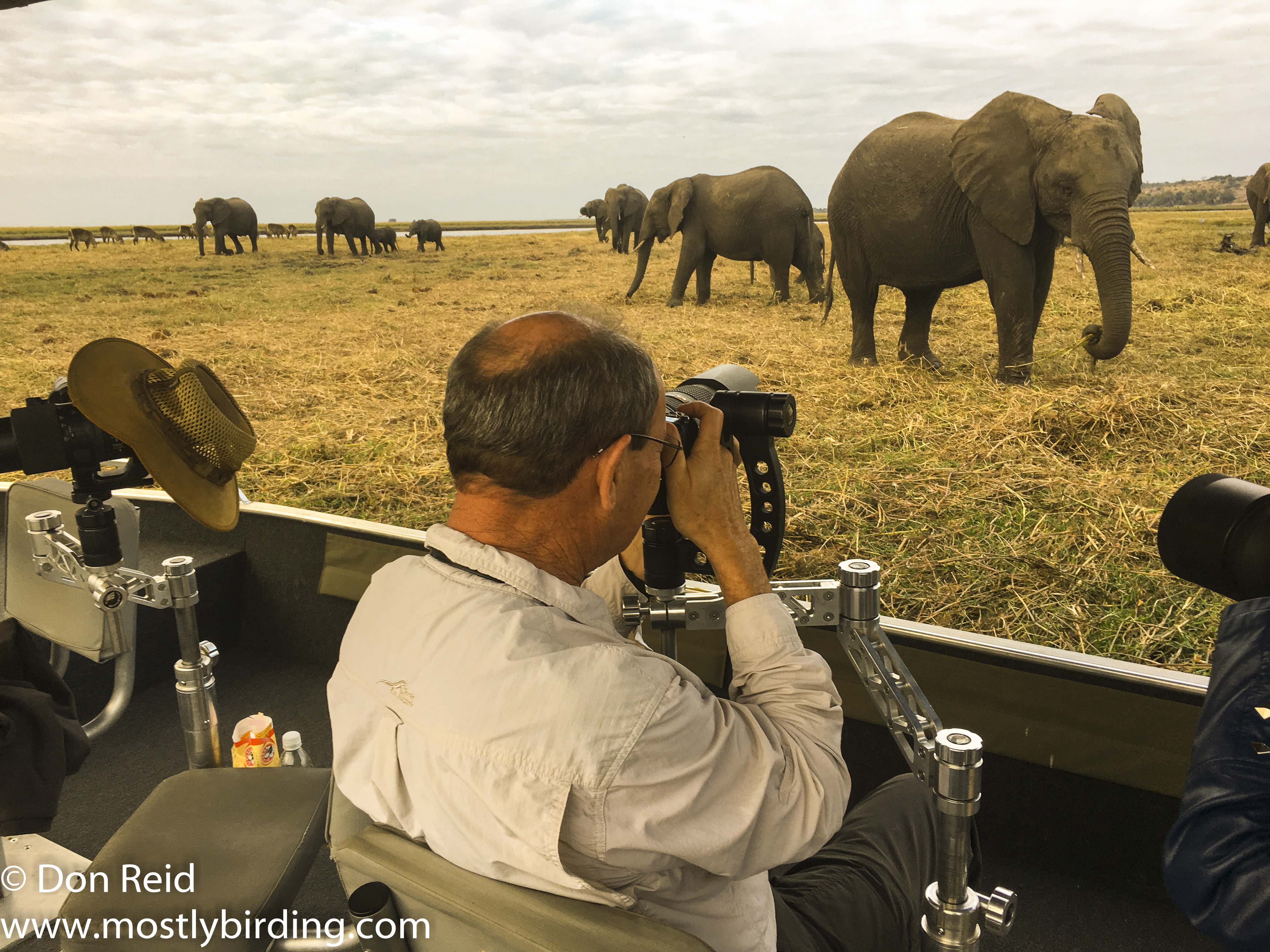
However, the Pangolin Photo Safaris trip from 3.30 to 6.30pm in the afternoon was a whole different experience, being transported on a purpose-built aluminium boat with swivel chairs and special camera mounts for each of the 6 or so passengers and an expert photographer guide to show us how.

Our guide, Janine, started by explaining that we would be looking for more than pretty photos and would be exploring various techniques while looking for unusual angles and actions. Canon cameras with telephoto Sigma lenses were provided for the trip as part of the deal for those who had not brought their own camera. I had my Nikon camera but decided to use the Canon along with the others on the boat, which would allow me to follow Janine’s guidance

I struggled with the settings at first, being used to my then Nikon camera, but as we headed out I started getting used to the Canon buttons and dials while Janine gave us running advice on exposures, speeds, etc – a lot to take in and utmost concentration was needed!

Janine’s exposure advice, particularly relevant to bird photography, which I took away with me and have used ever since was –

  • Background darker than subject : reduce exposure; ie dial exposure compensation to negative side. This avoids an over-exposed subject and creates an even darker background for better contrast
  • Background lighter than subject : increase exposure; ie dial exposure compensation to positive side. This avoids an under-exposed subject and although it also increases the exposure of the background this can be adjusted while editing in eg Lightroom.

Janine and Killer (his nickname!) the boatman proved to be an amazing team on the boat, taking us on a route along the river and its side channels, seeking and finding many photo opportunities for the super-keen group of photographers on the boat.

Let’s take a look at what they came up with and how we progressed :

Jacana Magic

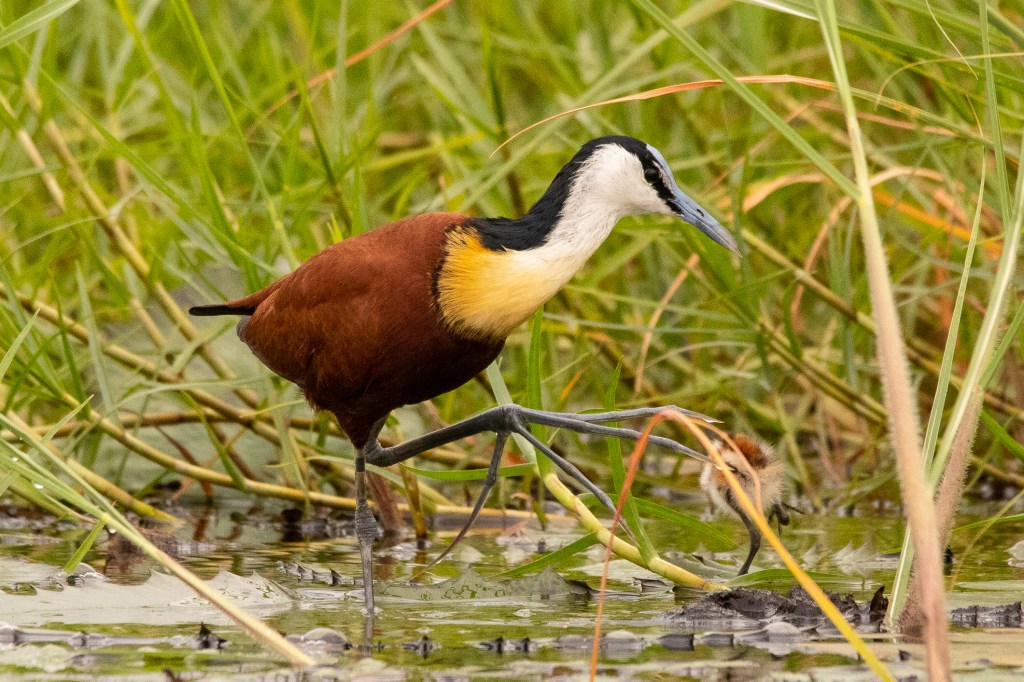
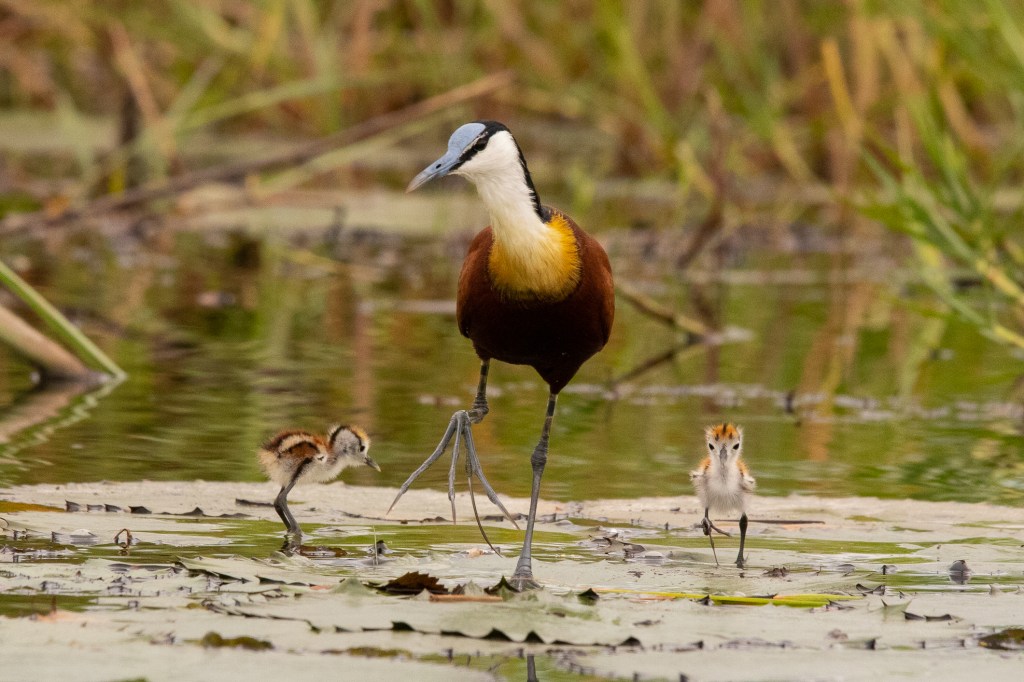
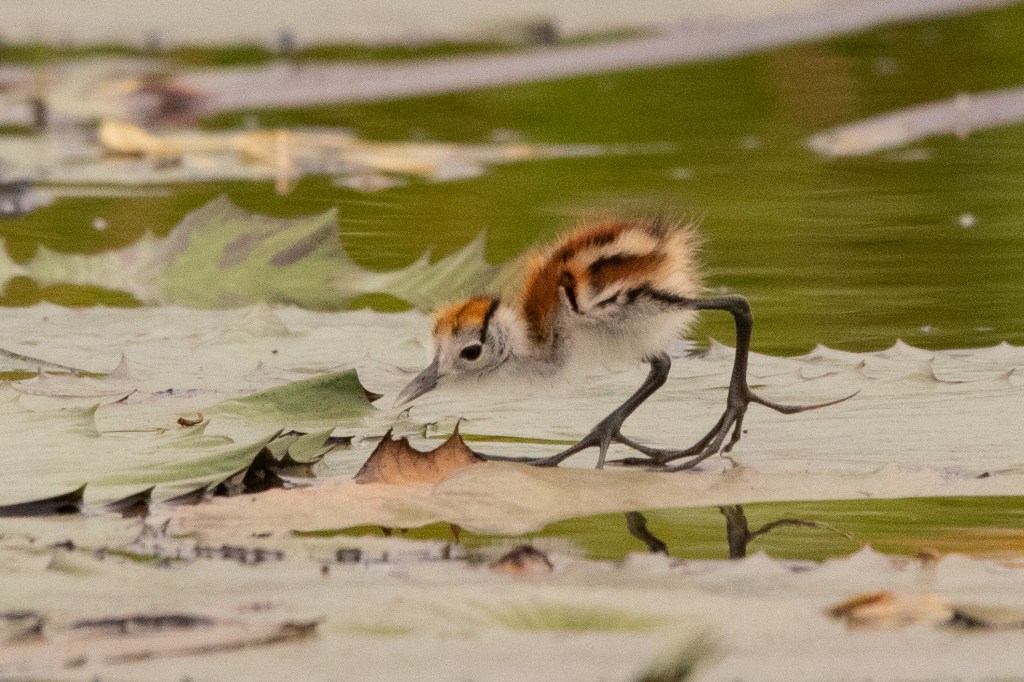
The first side channel produced one of those special moments you never forget – an African Jacana with two tiny juveniles with outsized feet, walking about on the surface of the lily covered water. Janine encouraged us to get off the swivel chairs and crouch low in the boat so as to get level with the subject. Beyond cute!

African Jacana, Chobe River Trip

Darters and Cormorants

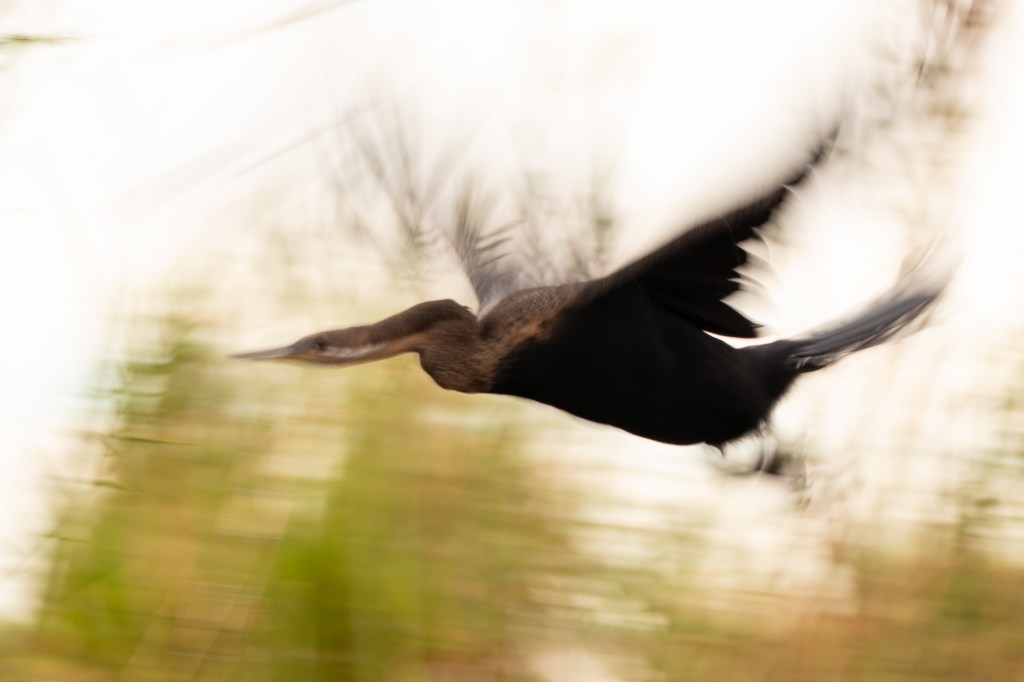
Stopping near a dead tree in the river which was being used by African Darters and White-breasted Cormorants, Janine talked us through the technique used to blur the subject in flight while retaining focus on This which involved setting the shutter to a very slow speed, waiting for the bird to take off, finger poised on the shutter button, then panning smoothly while locking on to the bird in flight and releasing the shutter.

Darter, Chobe River Trip

This was a lot more difficult than it sounds and my attempts turned out too blurry, as the photo shows. Ideally part of the bird should be in focus, contrasting with the rest of the body which is blurred. But that’s what makes photography an ongoing challenge – there’s always a chance of doing it better next time….

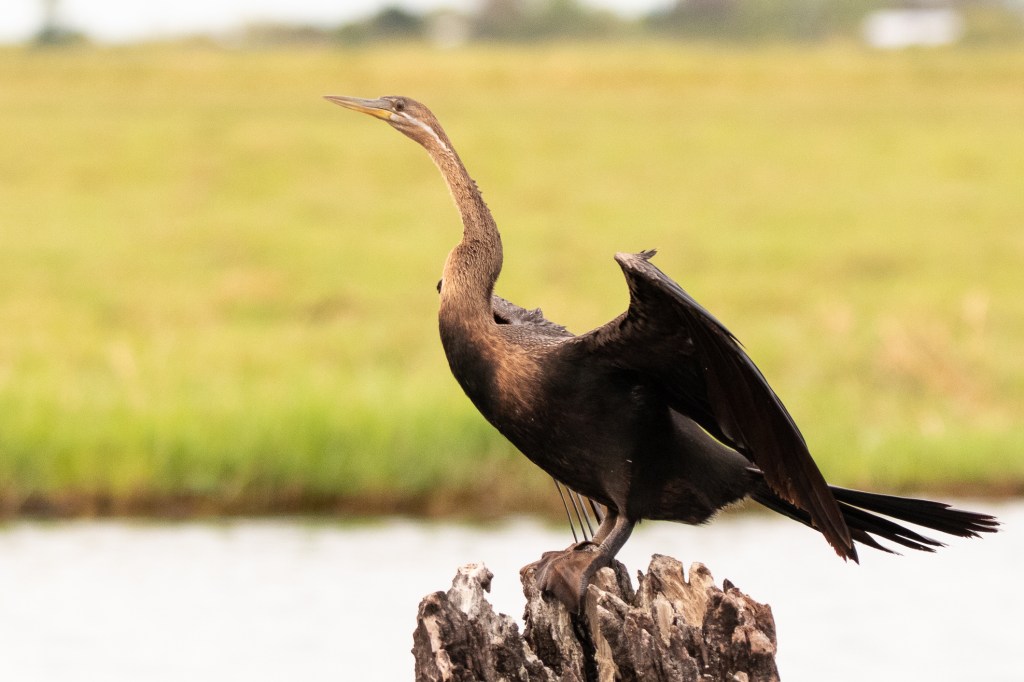
It’s a lot easier taking a conventional perched photo of the birds…

Darter, Chobe River Trip
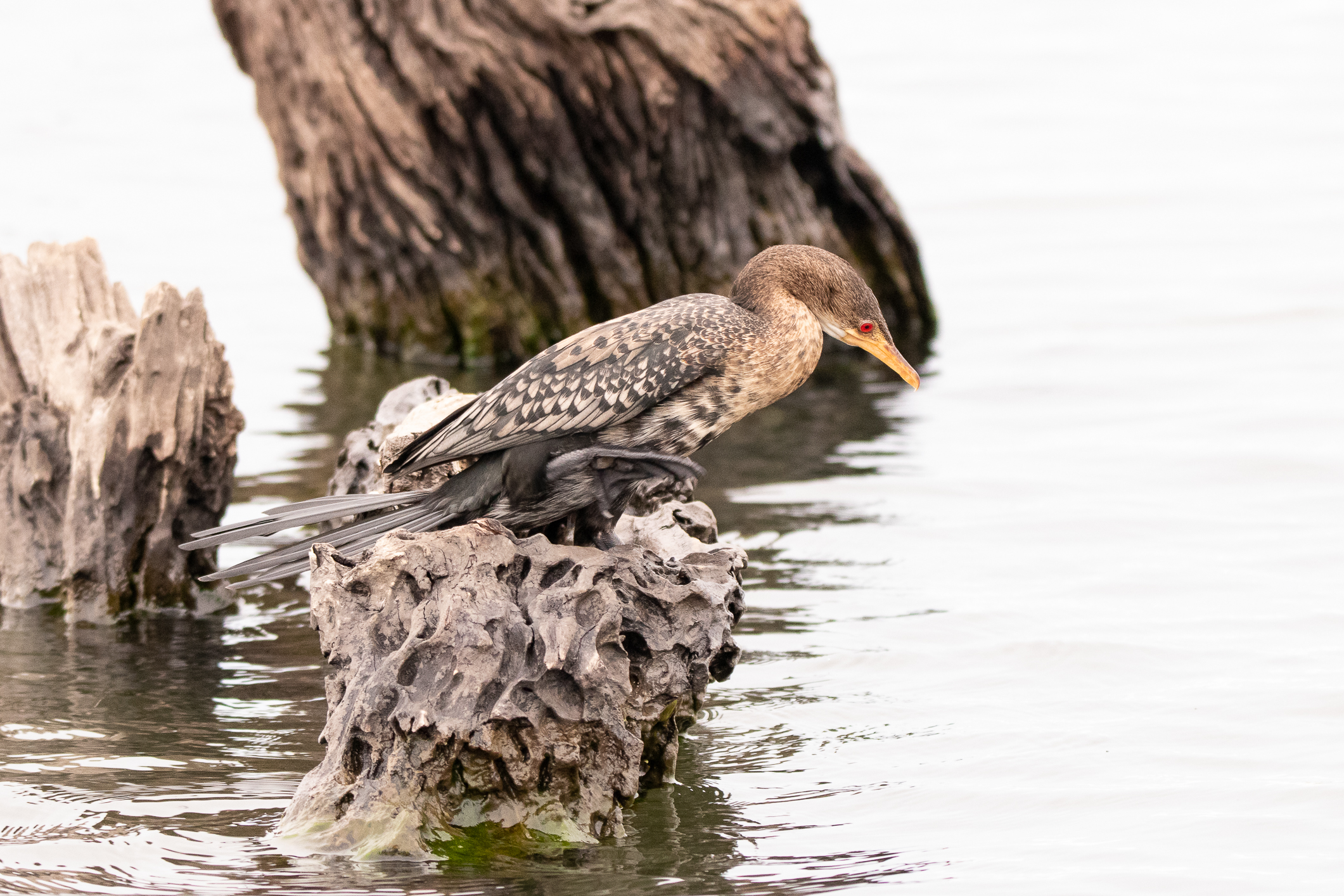
Reed Cormorant, Chobe River Trip

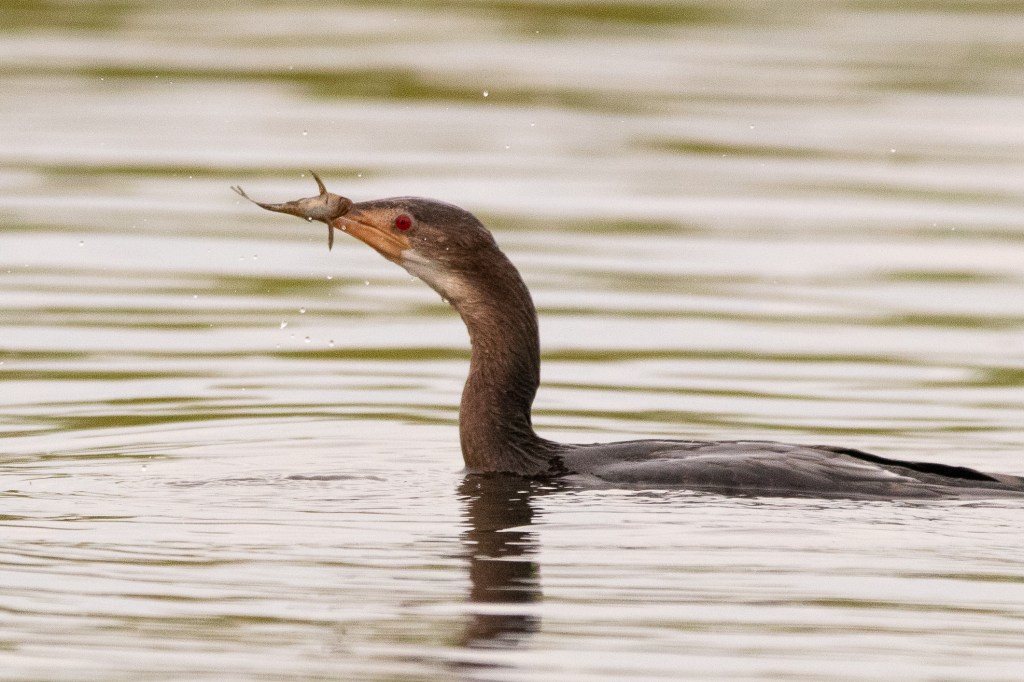
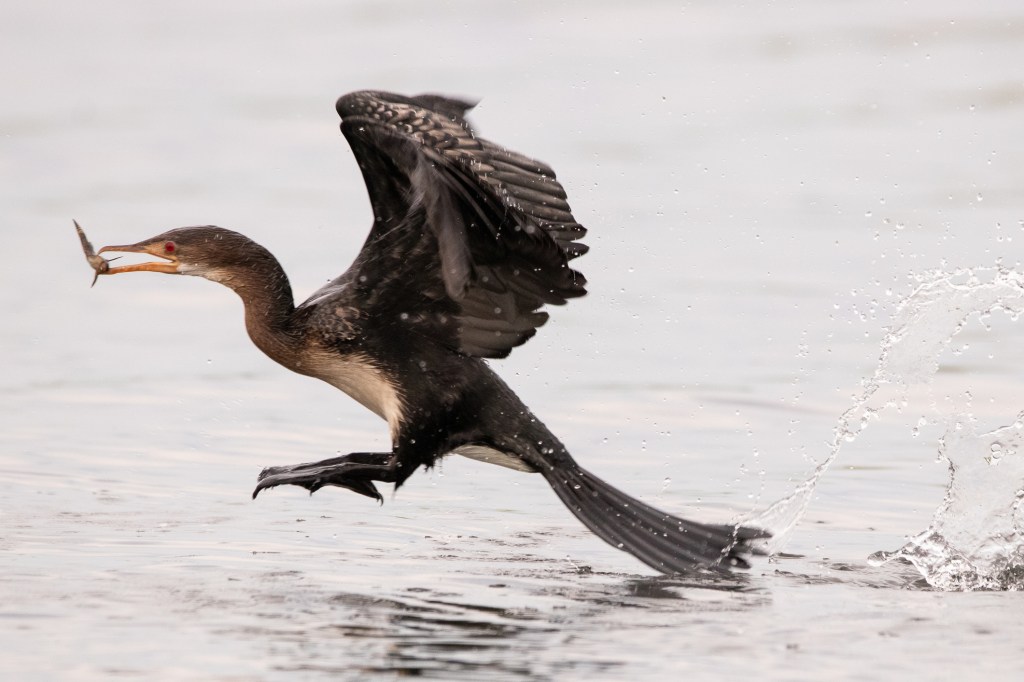
A Reed Cormorant with a small fish catch then caught our attention as it landed not far from the boat

Reed Cormorant, Chobe River Trip

I was quite pleased with this “landing“ shot of the cormorant, with just a hint of splash from the tail feathers

Reed Cormorant, Chobe River Trip

Pods of Hippos

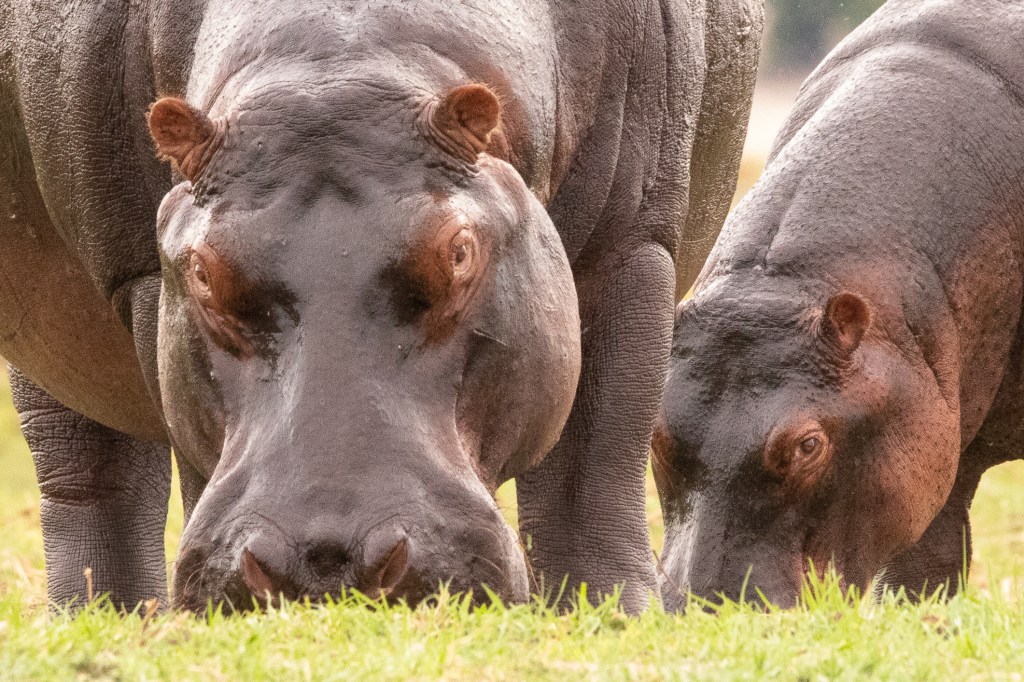
Approaching a pod of Hippos grazing on the bank, we waited at a distance – Hippos can be very intimidating, even dangerous so are best given enough space. These two kept an eye on us while munching away at the yummy grass.

Hippo, Chobe River Trip

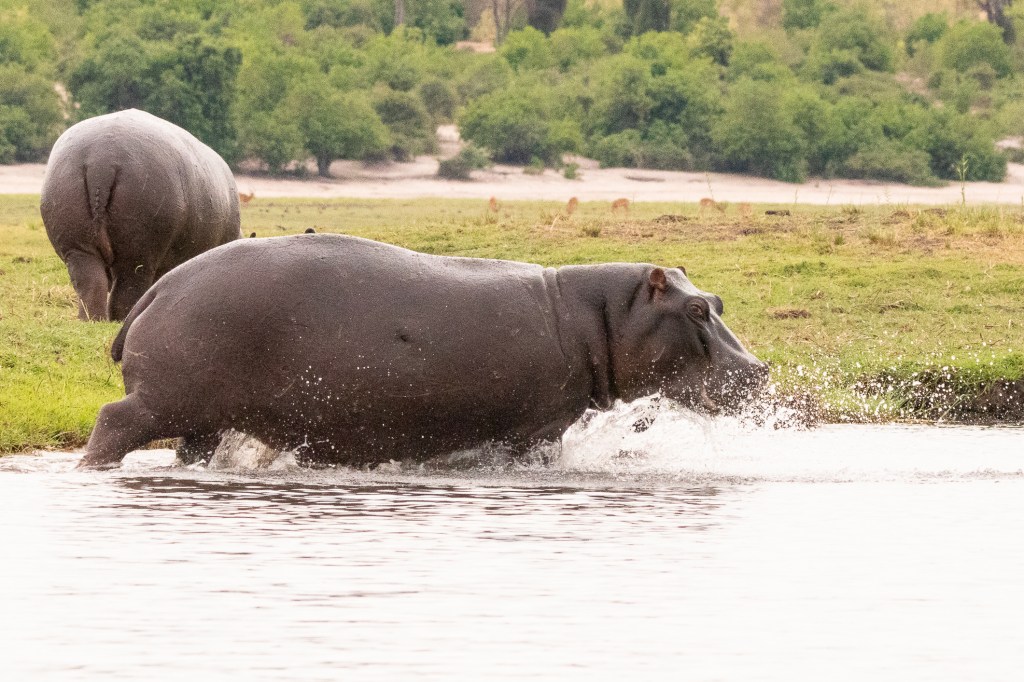
As Killer slowly edged the boat closer, some of the hippos decided to seek the safety of the water – as we had hoped – creating some “splash” to liven up the photo.

Hippo, Chobe River Trip

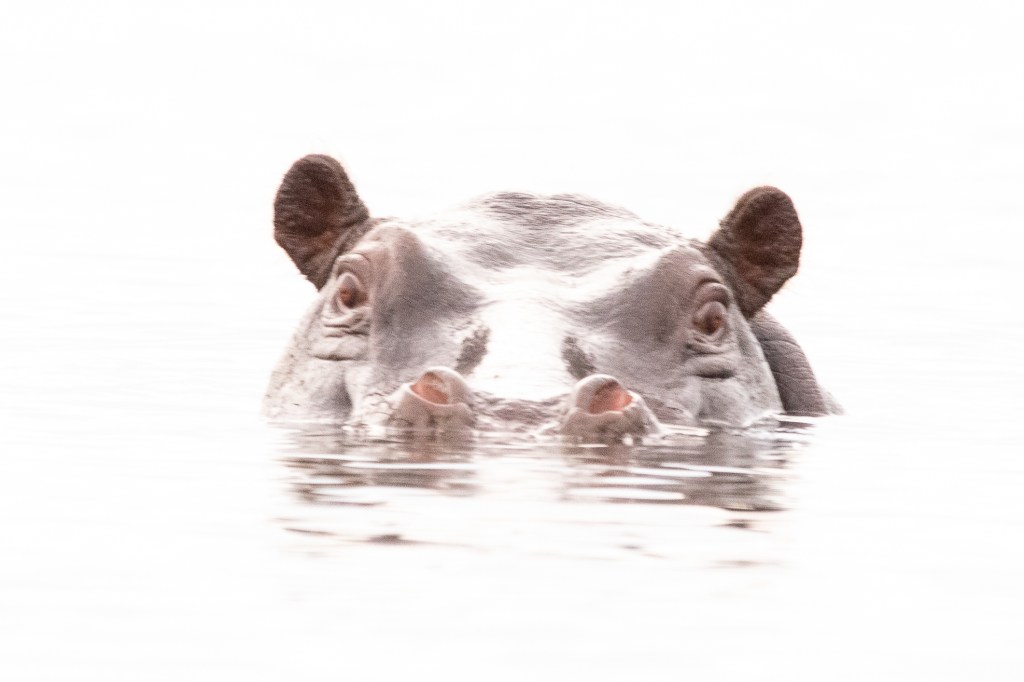
Further on, Janine guided us through the technique used to create those “High-Key” photos of a hippo almost submerged in the water – achieved by over-exposing by up to 3 steps so that subject and water come out bright and light.

Hippo, Chobe River Trip

Baboons doing their thing

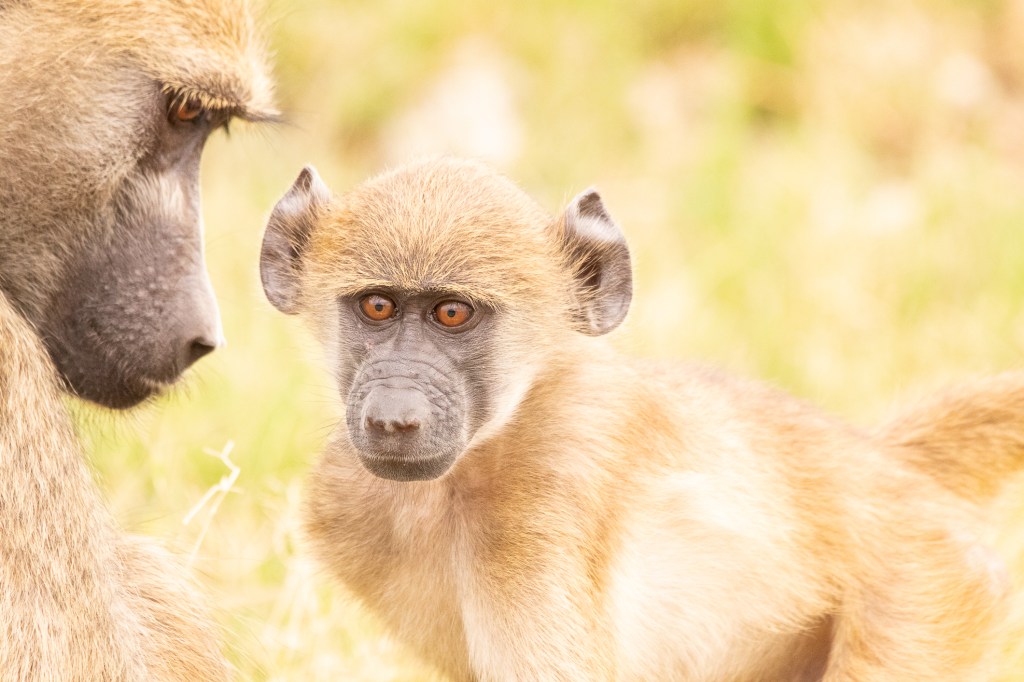
By now we were well up the river and heading to the sloping shoreline where a troop of baboons were active, which promised a few interesting photos of these photogenic animals – they didn’t disappoint and provided plenty of entertainment and kodak moments for the group.

Chacma Baboon, Chobe River Trip

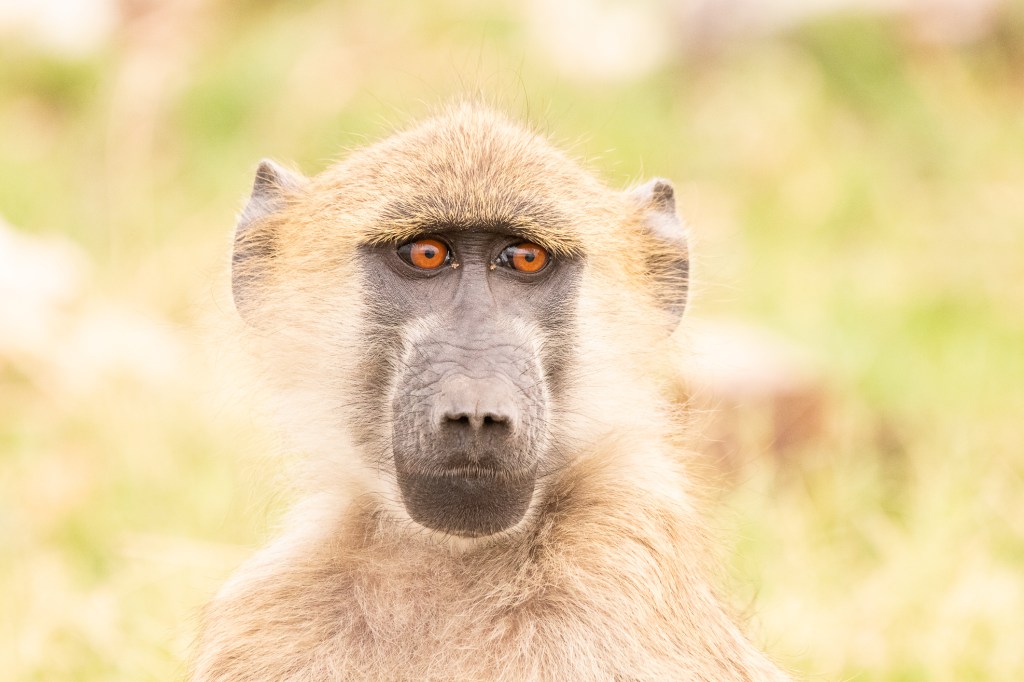
Further experiments with over-exposed portraits produced good results as Janine had forecast, bringing out the orange-brown eye colour as the baboon watched us intently.

Chacma Baboon, Chobe River Trip

More Birds

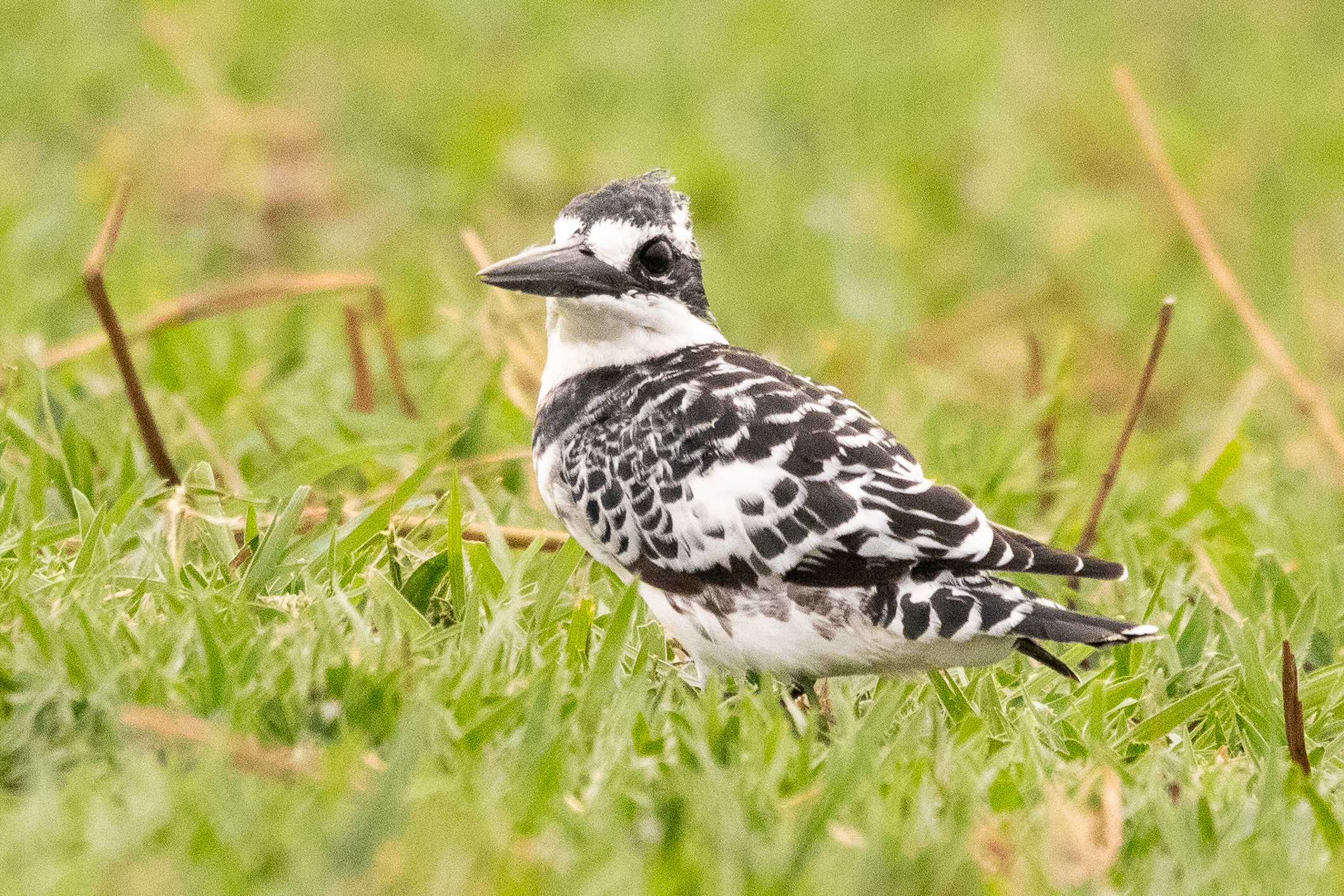
The boat headed further upstream (towards the west, with Namibia just across the water to the north), past Chobe Game Lodge (think Liz Taylor and Richard Burton) looking for interesting birds. One target was Giant Kingfisher but it didn’t show so we had to be content with the many Pied Kingfishers along the banks.

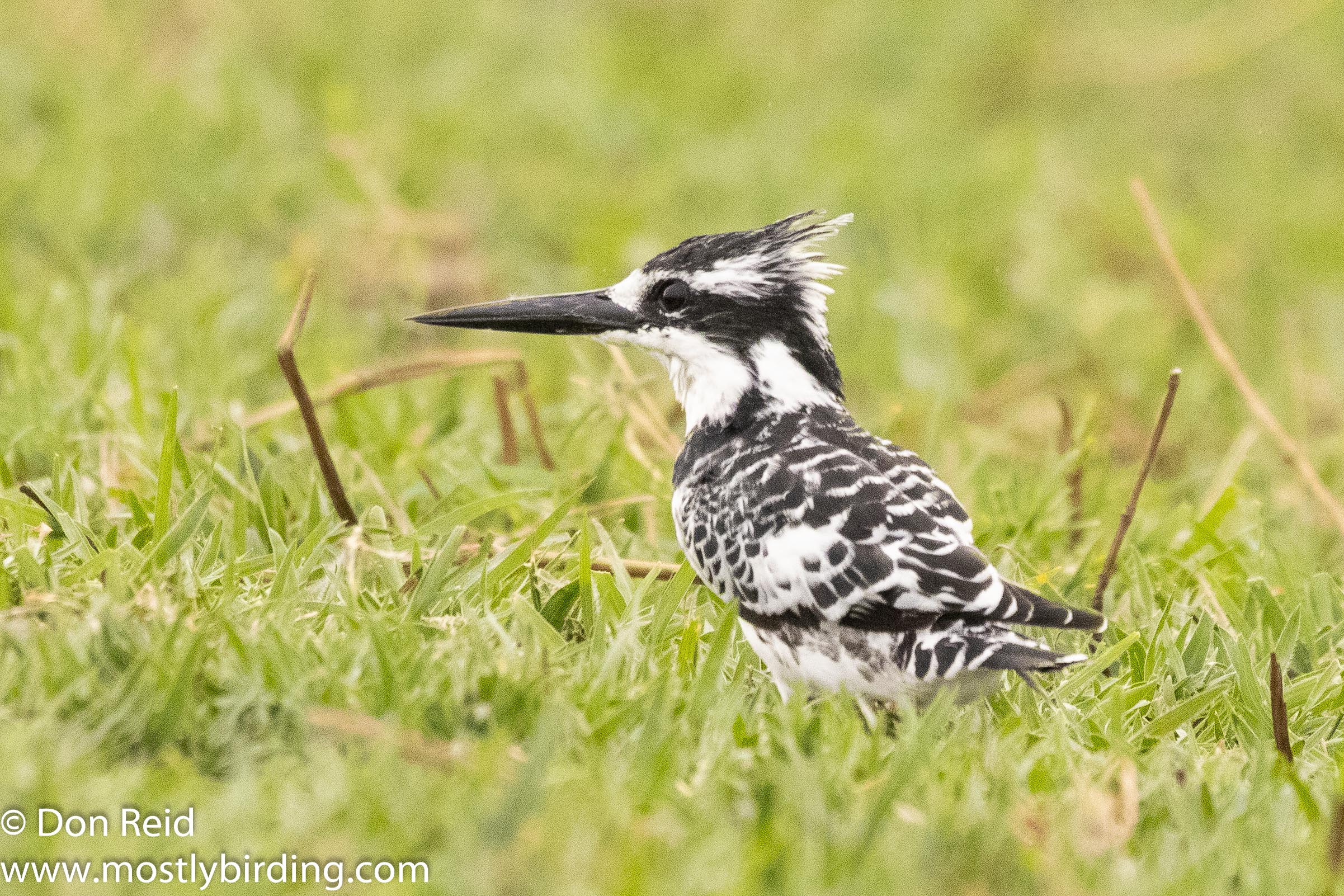
Pied Kingfisher, Chobe River Trip

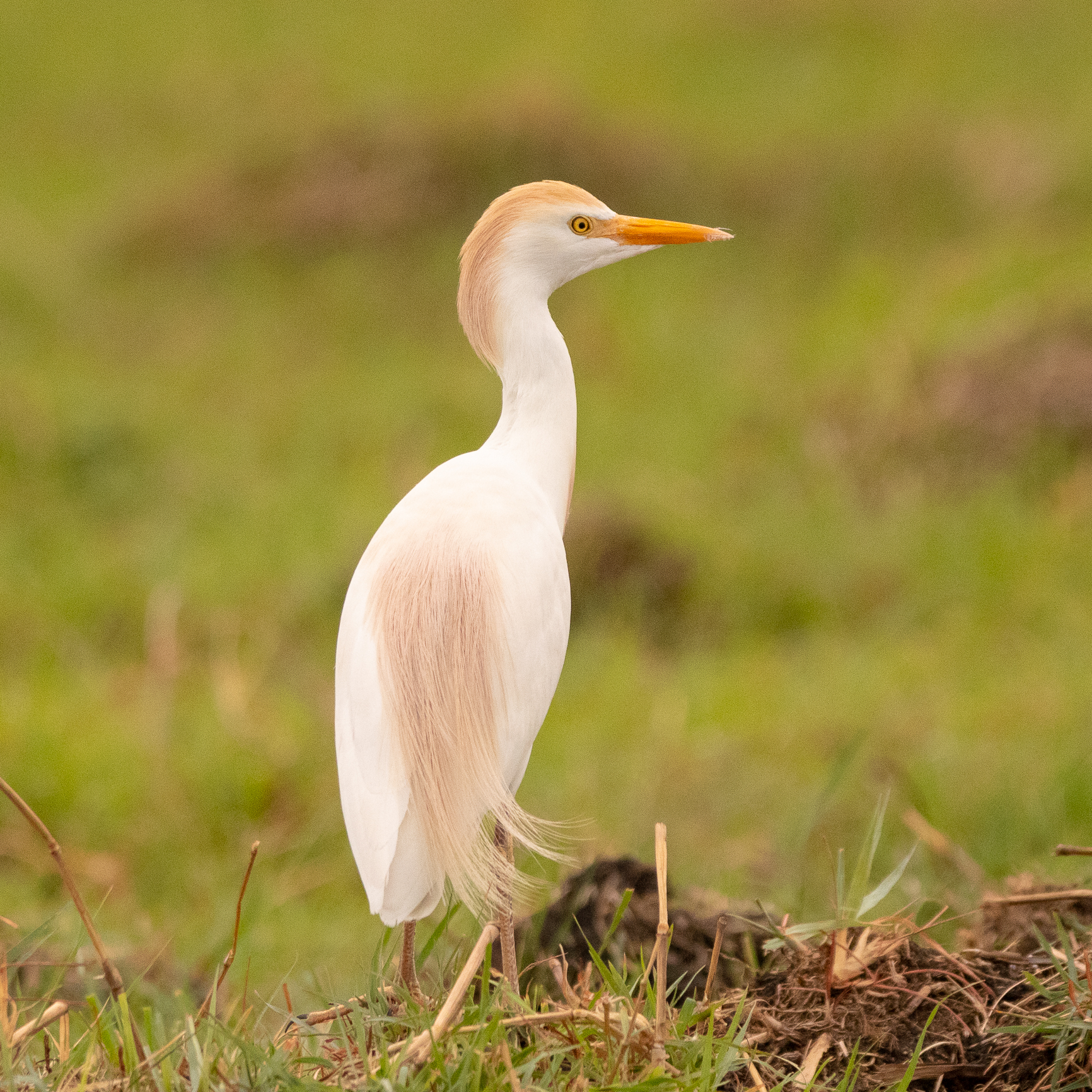
Cattle Egrets take on more colour during breeding season and the plumes on the back appear

Cattle Egret, Chobe River Trip
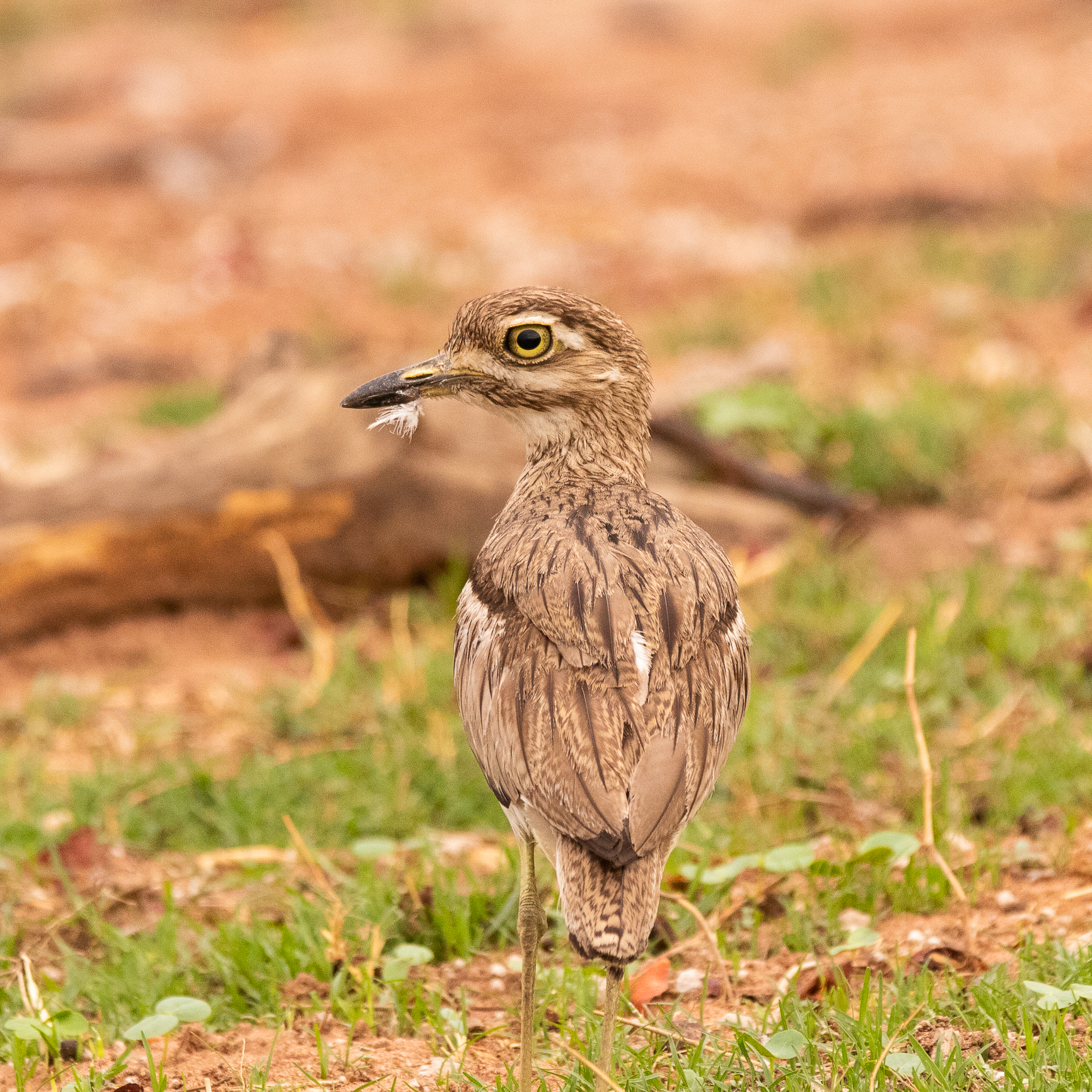
Water Thick-knee, Chobe River Trip

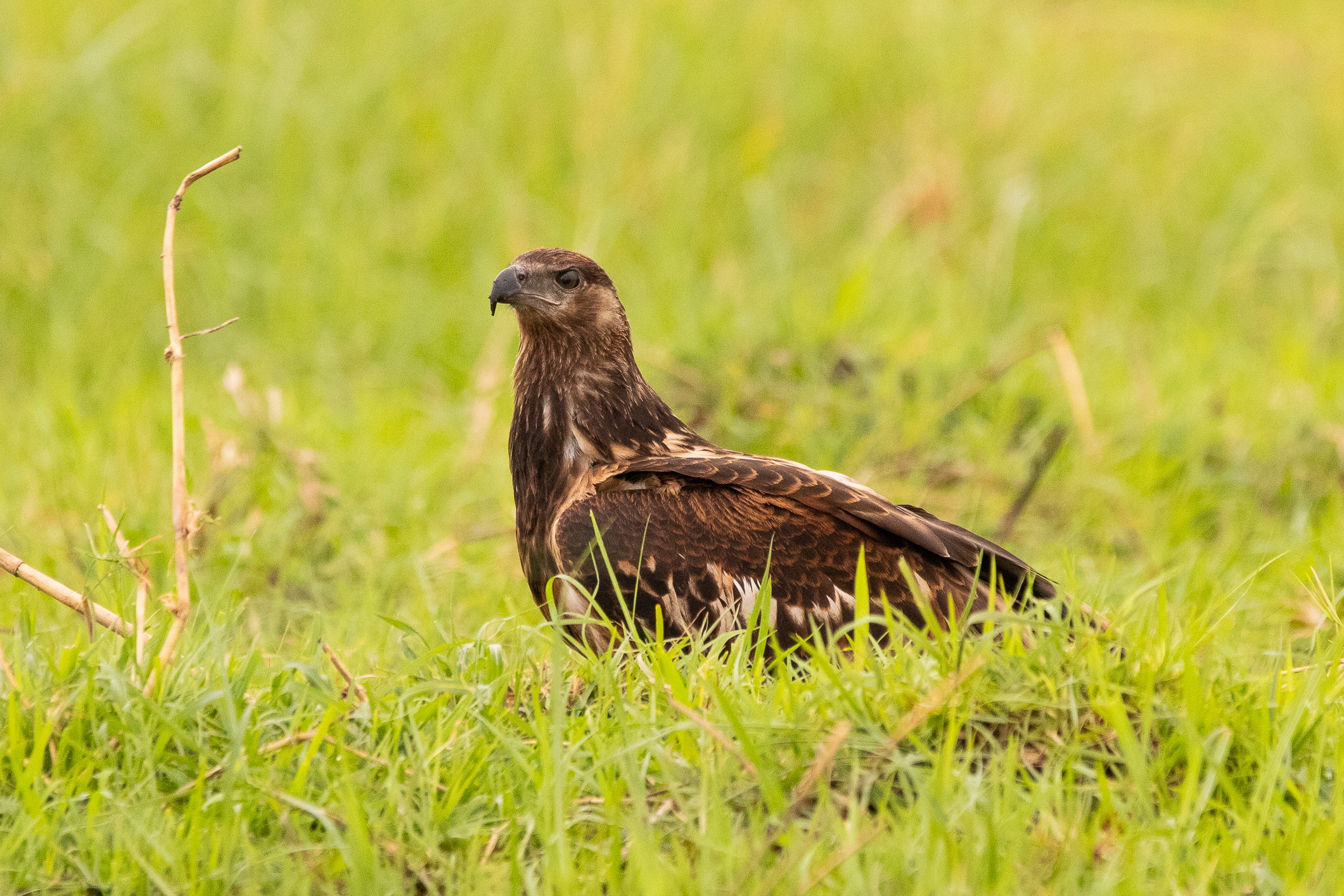
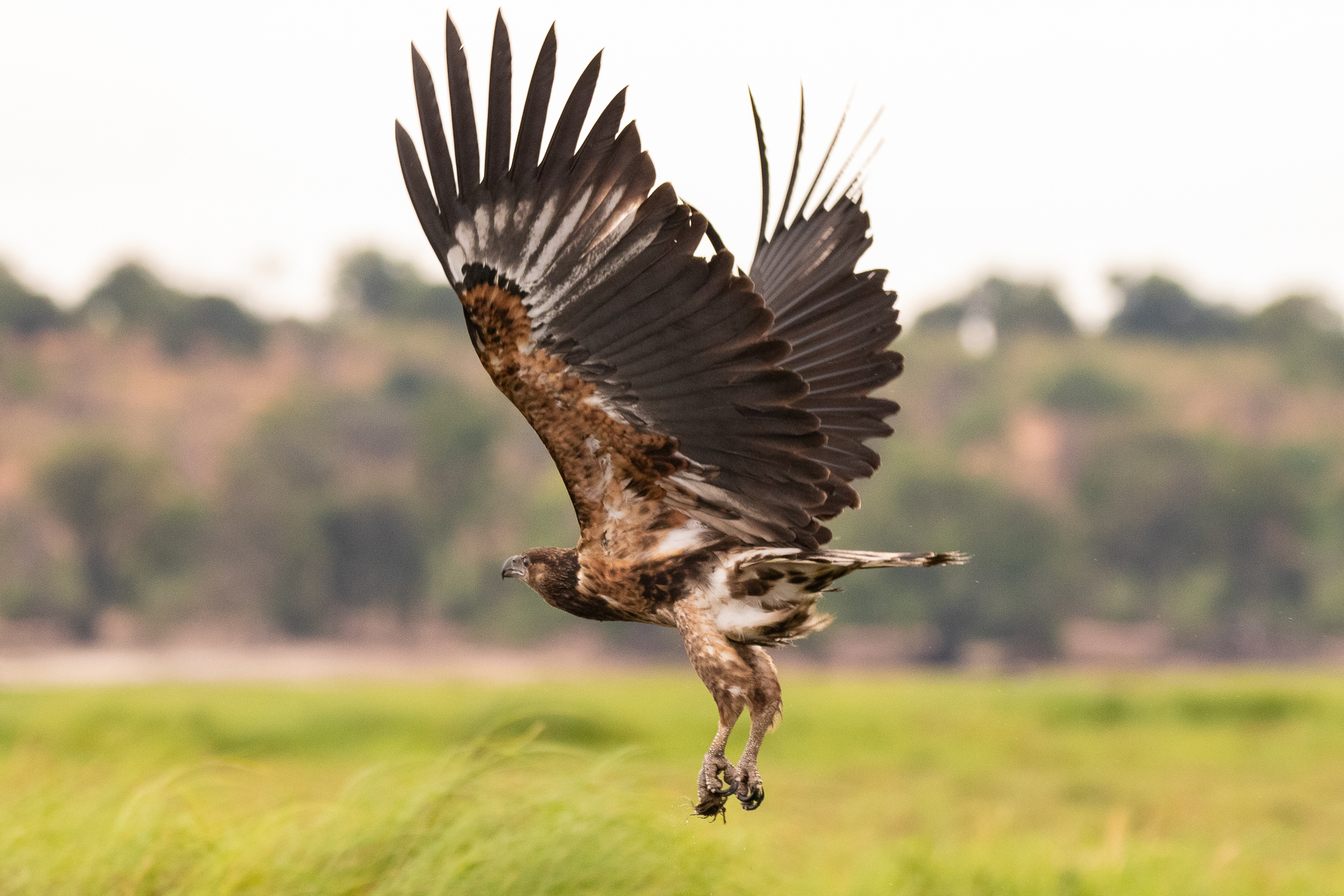
African Fish-Eagles are often prominent along the river, usually perched on a branch with a good view of the water. The juvenile differs markedly from the adult, which has led me to incorrect ID’s on more than one occasion.

African Fish-Eagle (Juvenile), Chobe River Trip

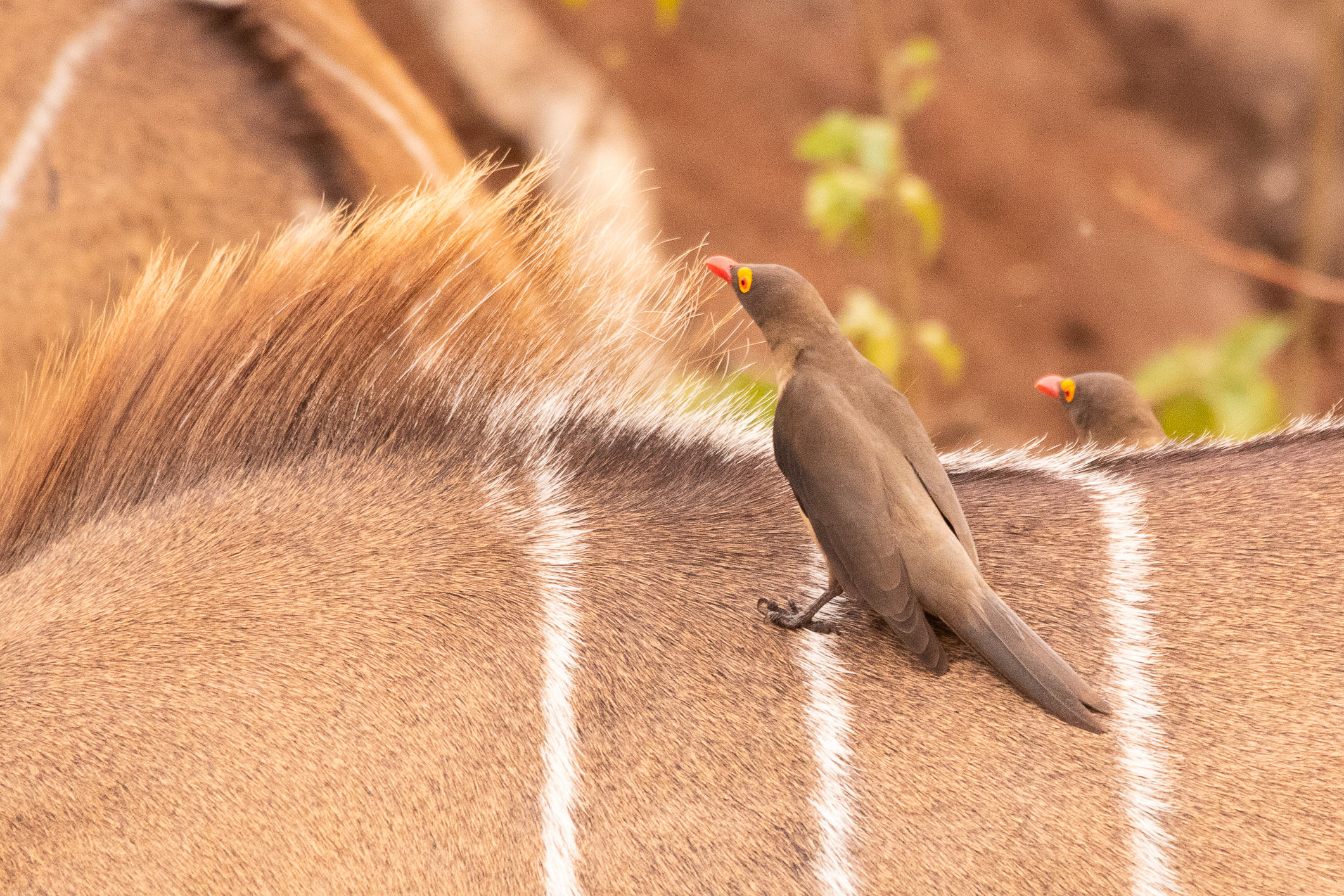
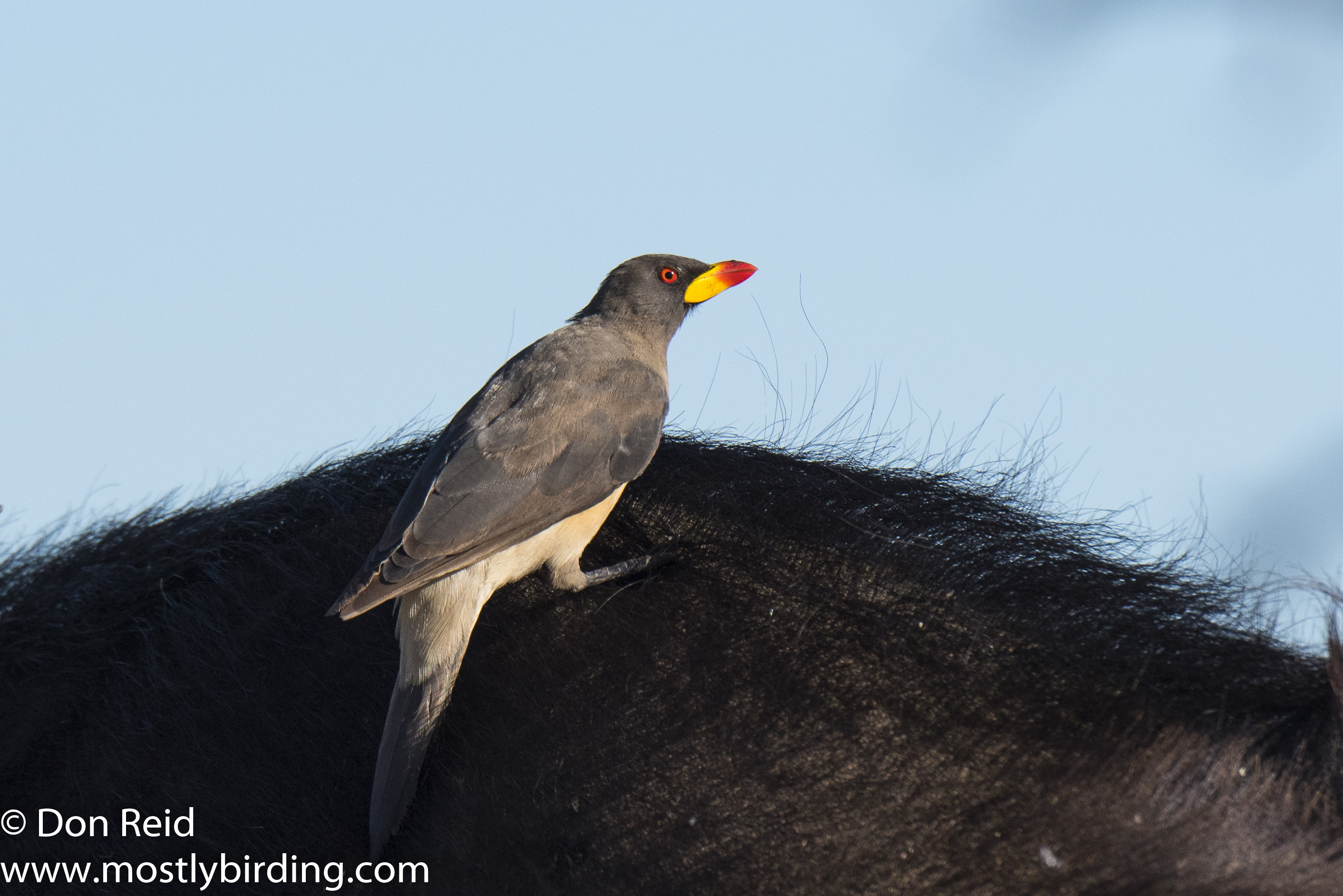
Oxpeckers are a favourite of mine, especially when perched on their host for the moment

Red-billed Oxpecker, Chobe River Trip

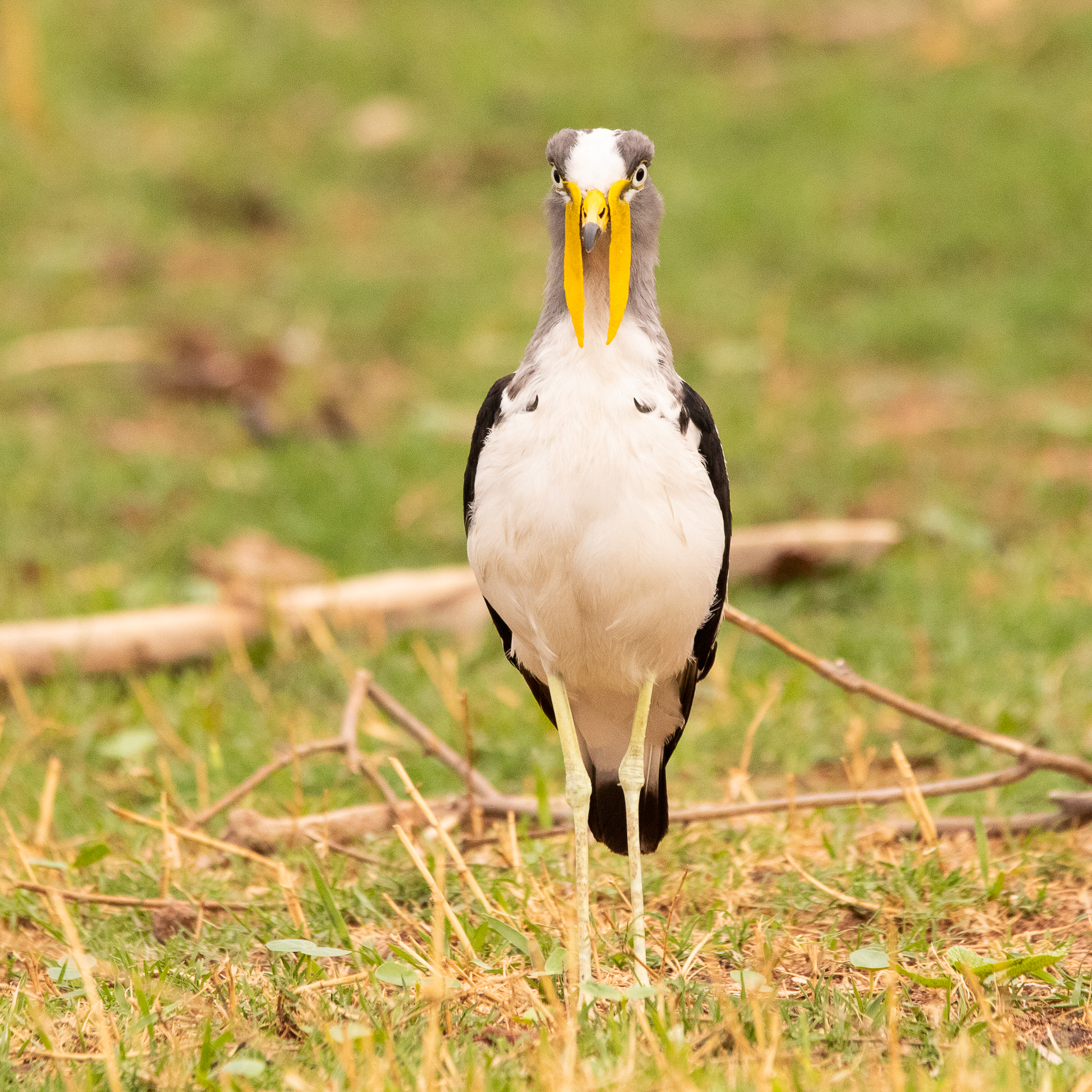
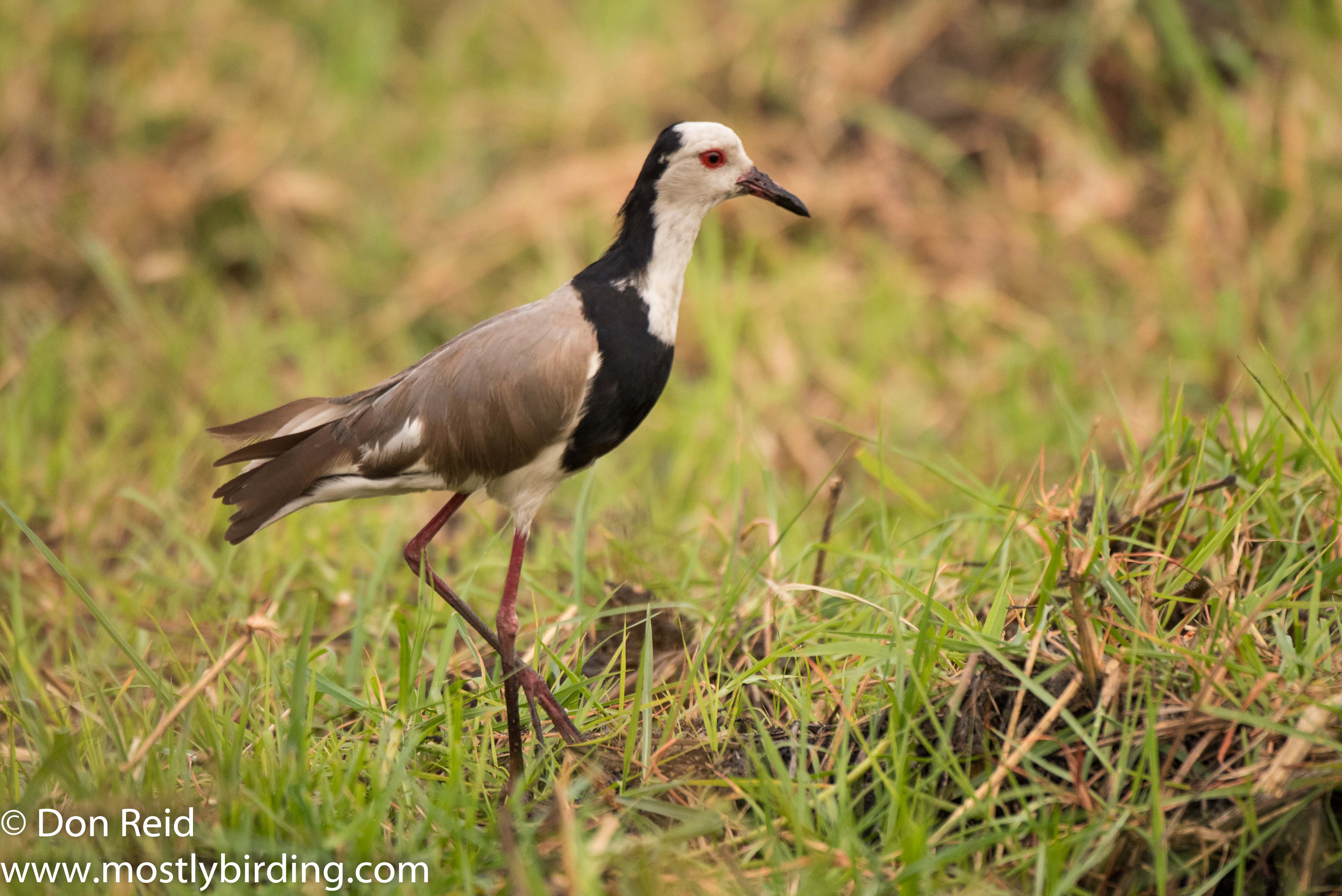
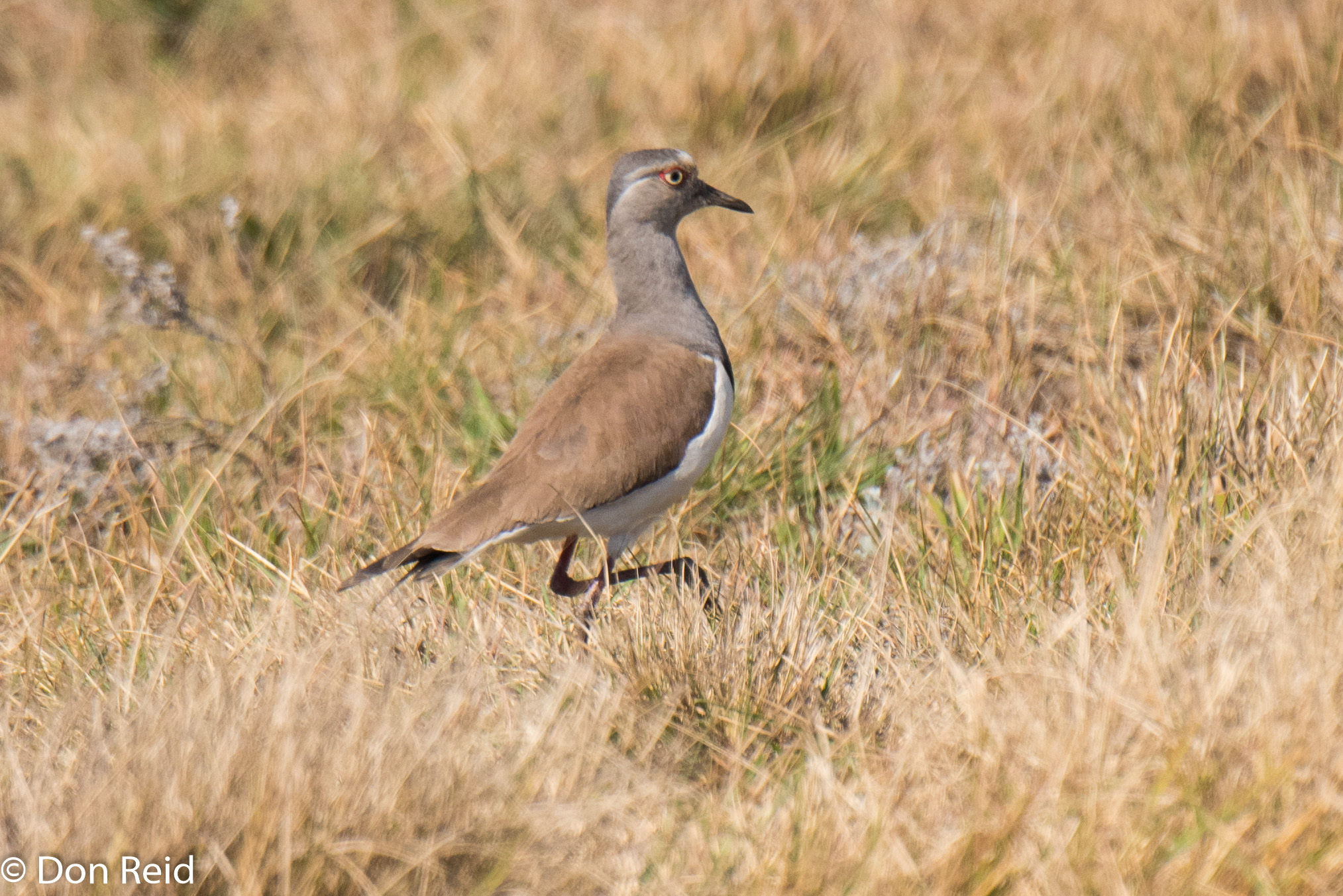
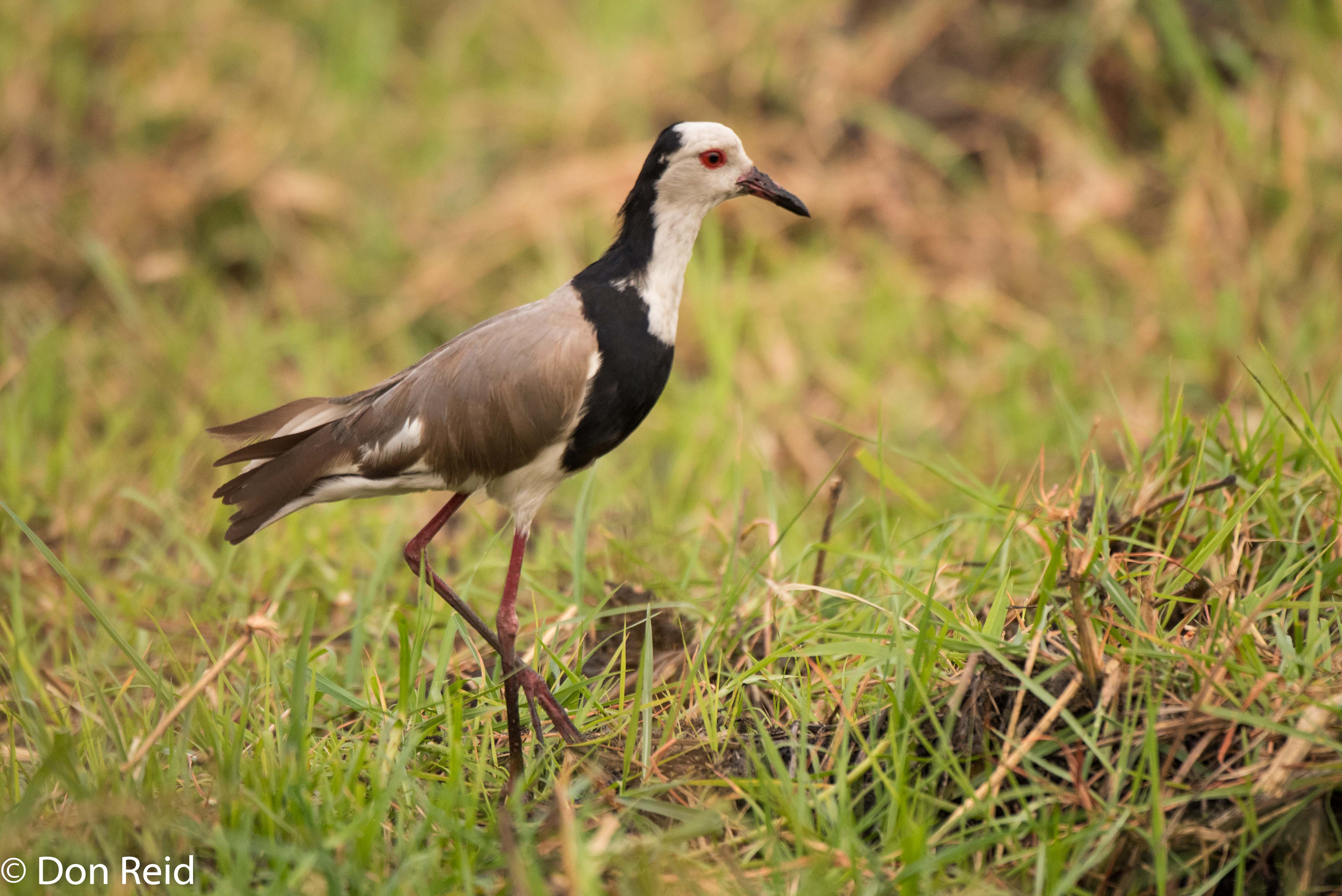
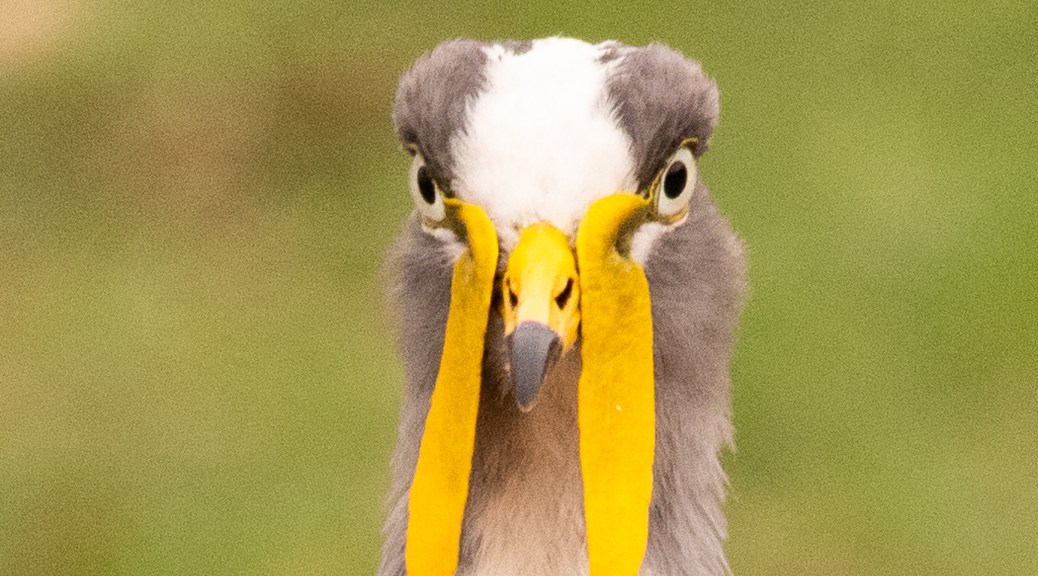
This front-on photo of a White-crowned Lapwing appealed to me – and to Janine who encourages different views of familiar subjects (The heading image is the same photo cropped)

White-crowned Lapwing, Chobe River Trip

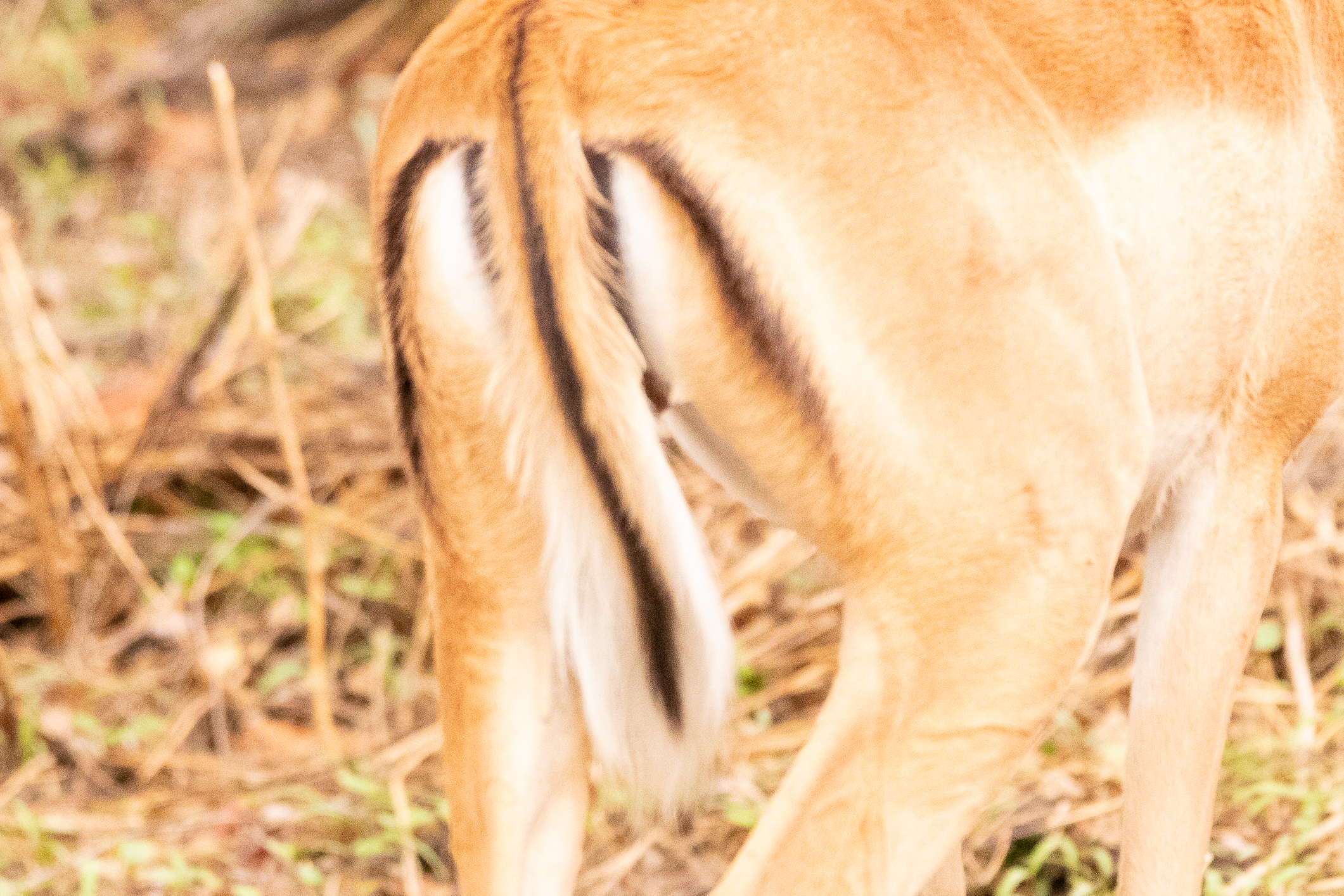
Impala with an M

This is the closest you will come to seeing a famous McDonald’s “M” in wild Botswana

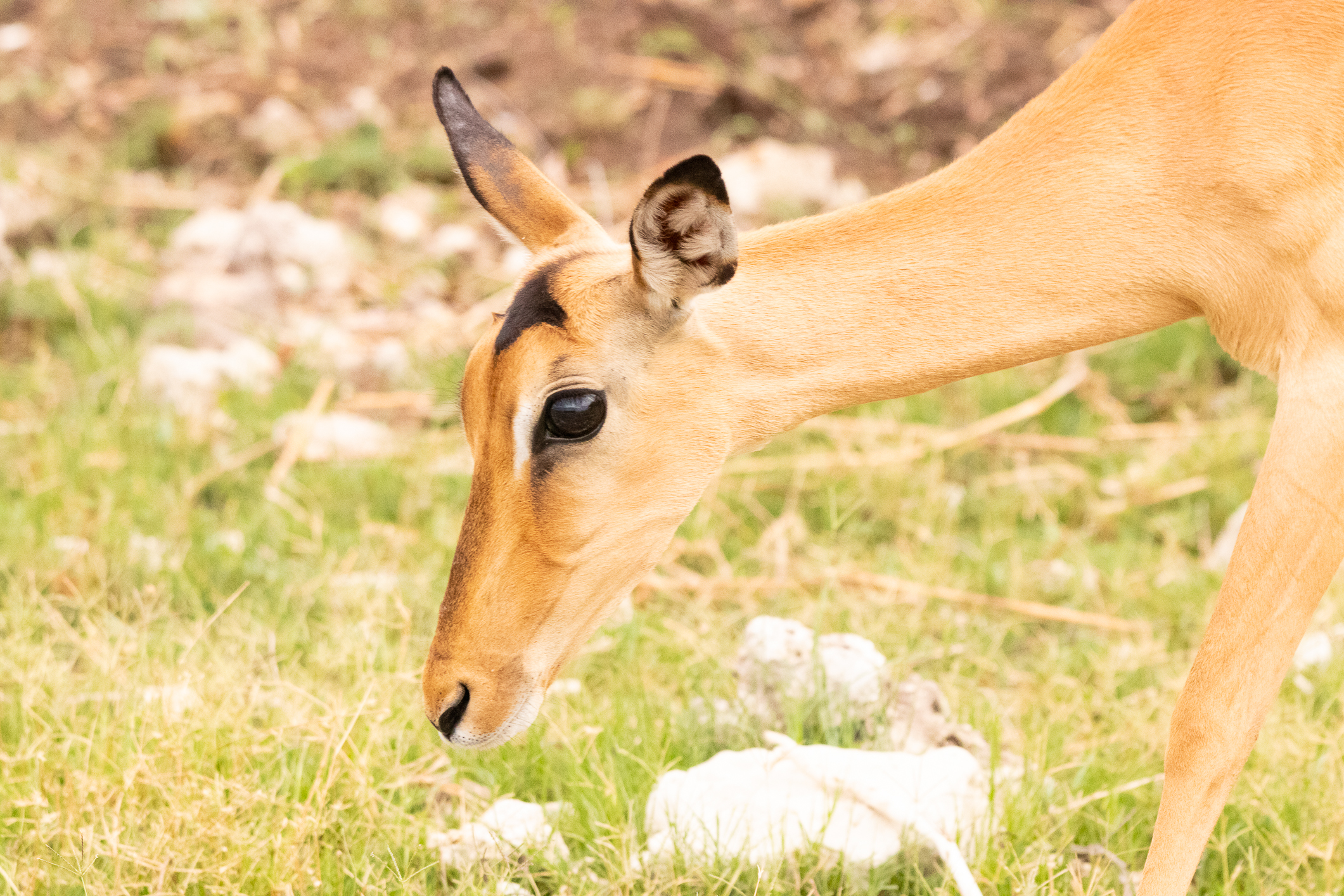
Impala, Chobe River Trip

The end of our trip came all too soon but there was the exciting prospect of going on an early morning game drive through Chobe with the same team – more about that in Part 2

Chobe River Boat Trip

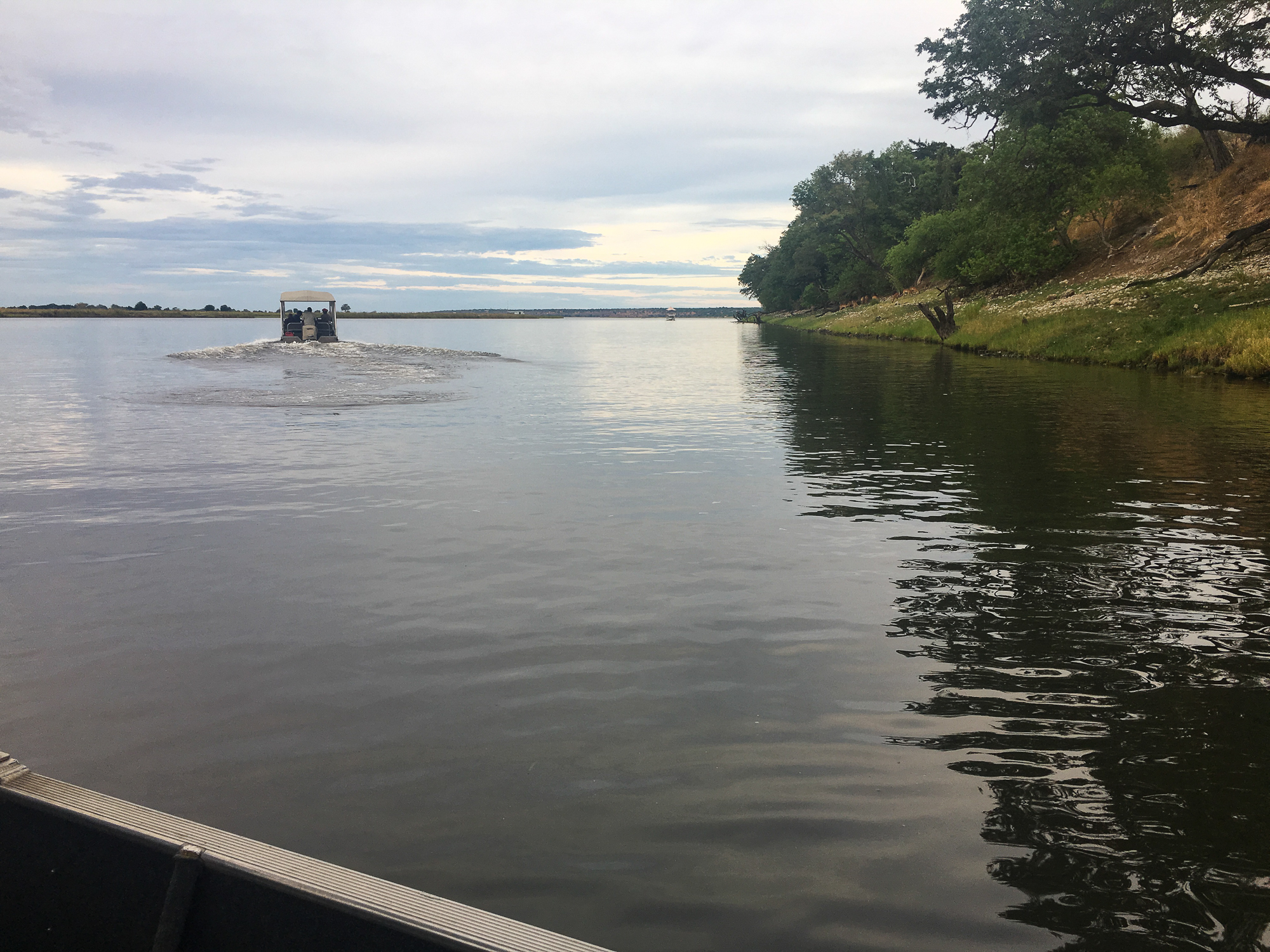
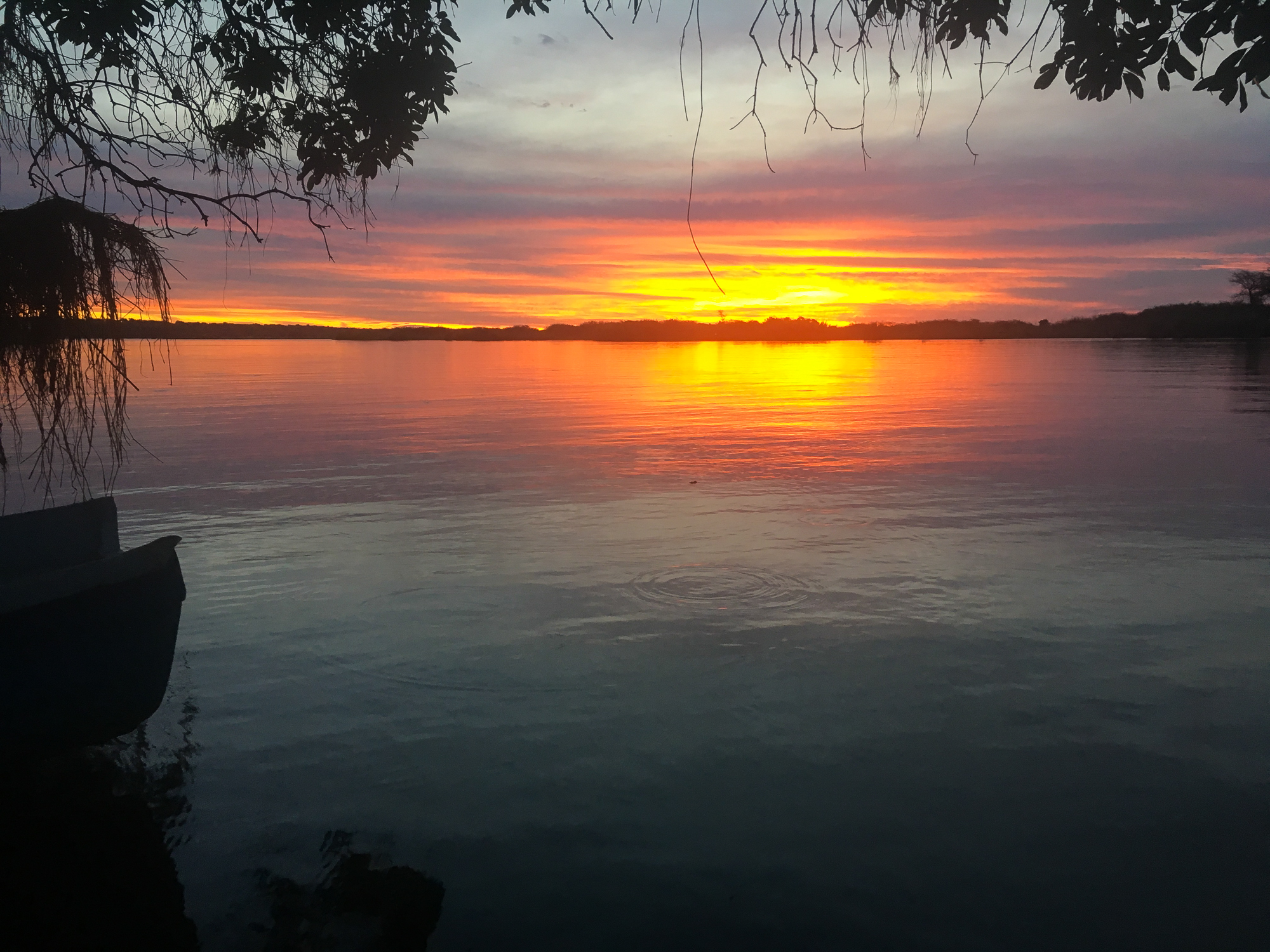
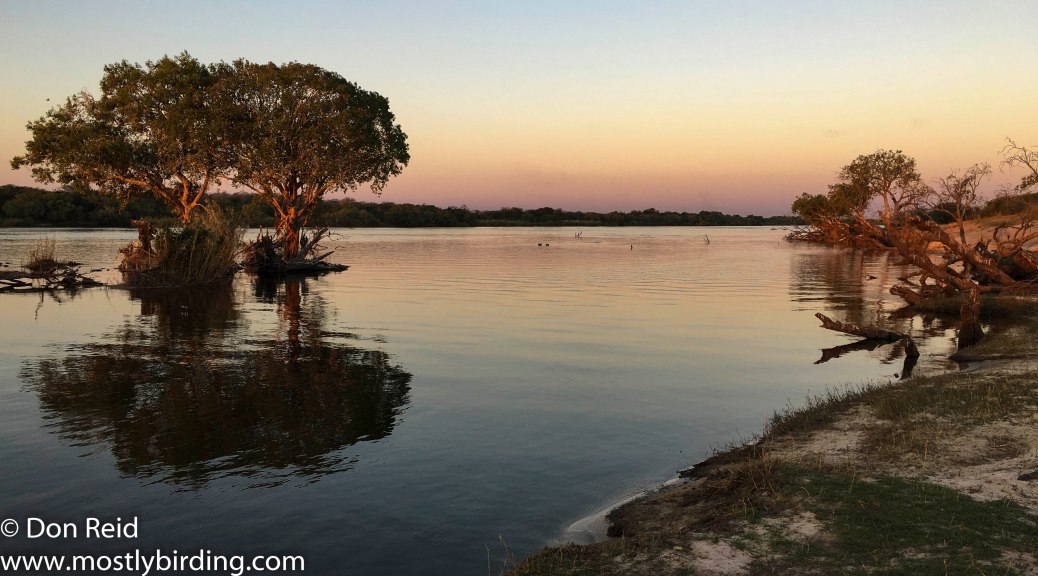
But before that, Chobe River has some of the most glorious sunsets you will find anywhere – best enjoyed with a suitable beverage to hand…

Chobe River Boat Trip

Chobe River and Game Reserve – a Special Place

I have been fortunate during my working career to have been involved in construction projects which have taken me to some interesting, even exciting, parts of the world. Top of that list is Kasane, a small town on the Chobe River in the far north of Botswana, South Africa’s neighbour on its northern side and one of the nicest countries you will find just about anywhere.

Aerial view of the Chobe River while landing at Kasane

Nice because it is one of the most sparsely populated countries in the world, with just 2,3m people at an average density of 3 people per square kilometre, and the vast majority are inherently friendly, decent people. The country is blessed with large tracts of unspoilt wilderness where you will find some of the last vestiges of the Africa that existed before human interference made its mark.

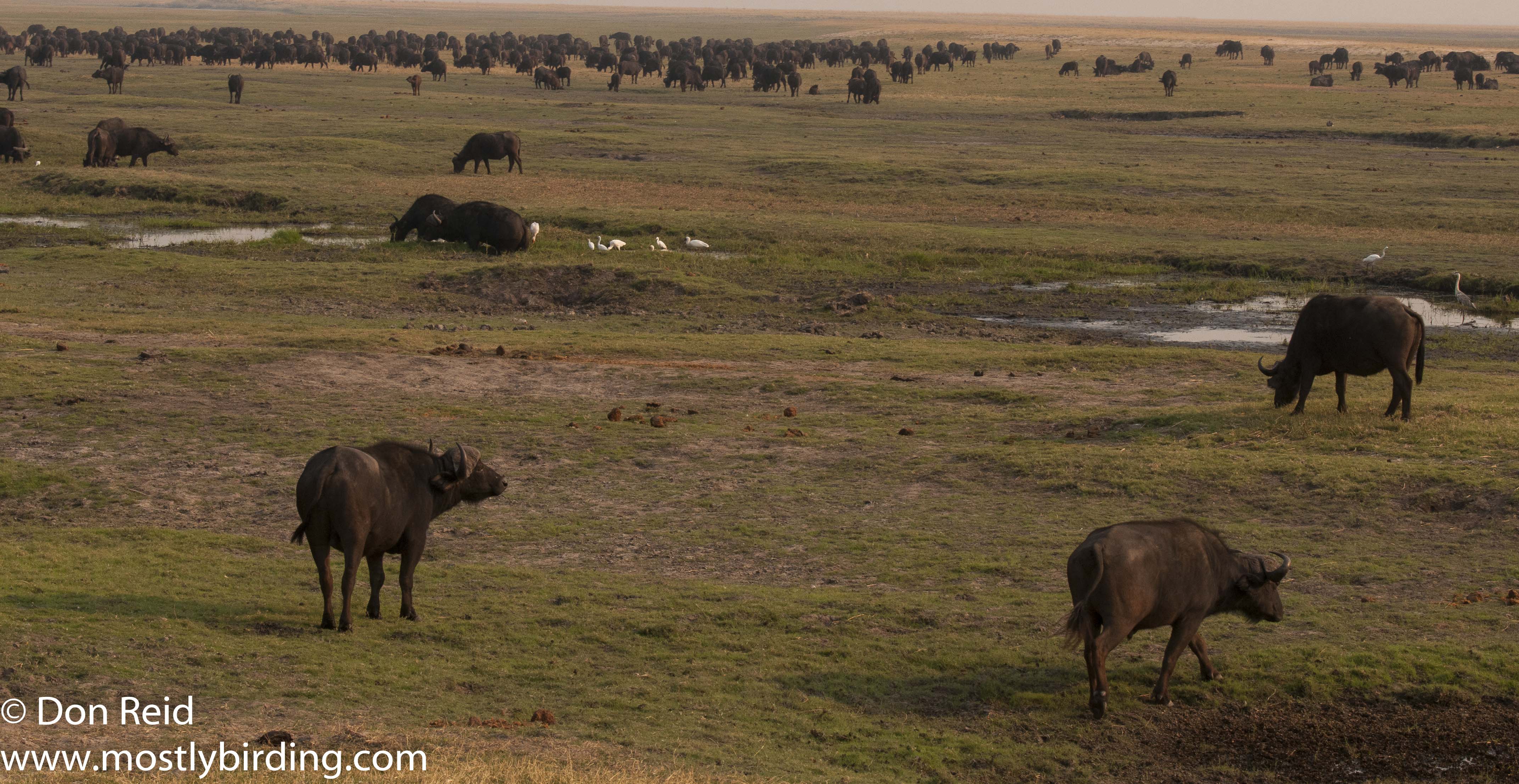
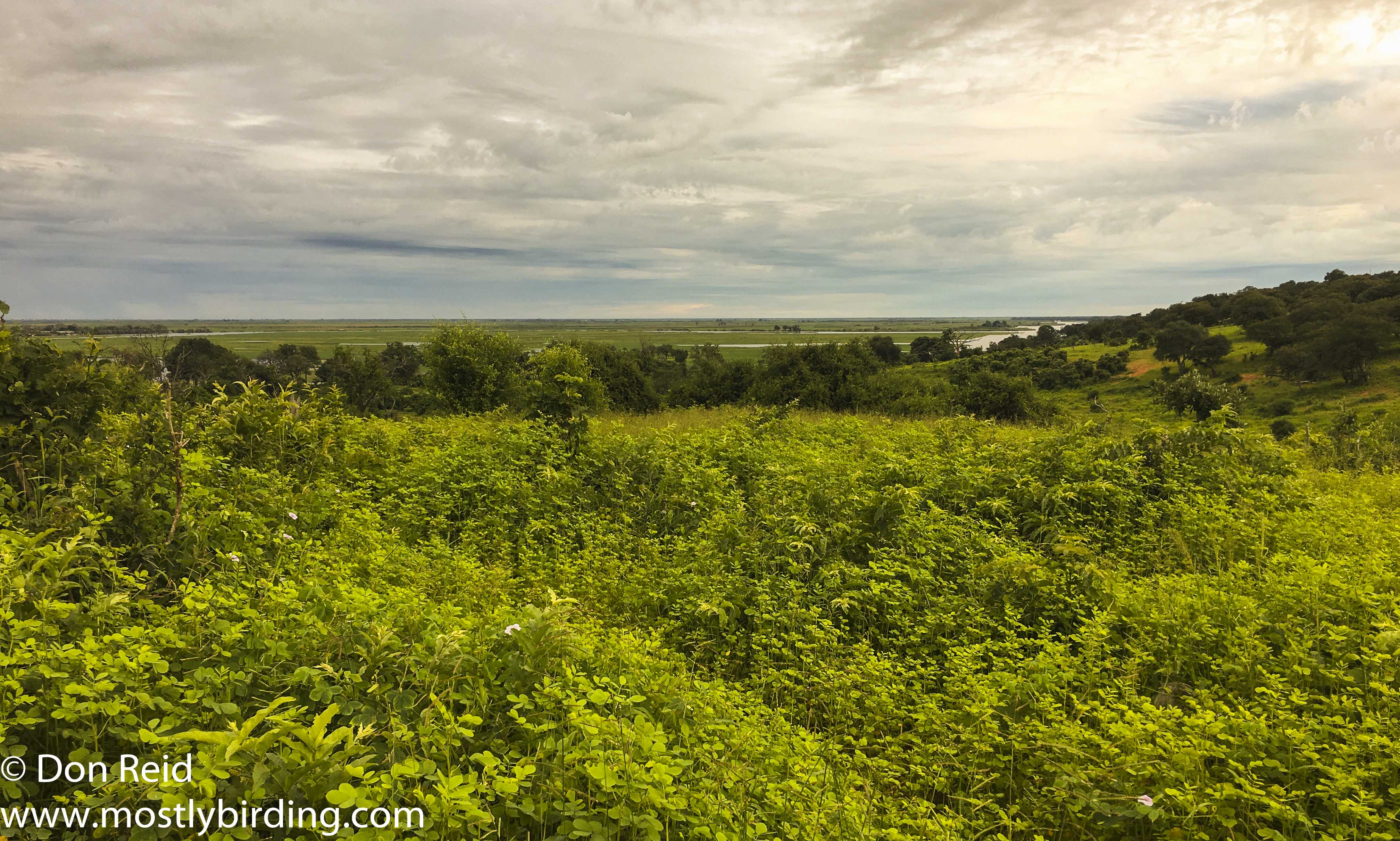
The Flood plain

My involvement in the Kasane Airport project, now complete and functioning well, meant I spent an accumulative 60 days or more in Kasane during monthly visits spread over 3 years and I used every opportunity to spend free time in Chobe Game Reserve and on the Chobe River, soaking up the incomparable African game-viewing and bird-watching on offer.

So where is this leading? Well, I made what is likely to be my last visit to Kasane in November 2018, during which I joined a “farewell” photographic safari both on land and on the river, which left me with a head full of special memories and a memory card full of treasured images.

Pangolin Safaris photographic boat trip

Leaving Chobe Game Reserve after the game drive that morning along the familiar sandy, bumpy track, through the Sedudu gate and out on to the tar road back to Kasane, it momentarily struck me that this was possibly the last time I would see this place and an almost tangible sadness washed over me for a few seconds, only to be replaced with the happy thought of all the memories I had gathered over more than 3 years, memories that I would love to share in the best way I can.

I have written several posts about some outstanding experiences in Chobe over the last few years, but there is so much more to tell, so expect a short-ish series of further posts over the next few weeks -or months featuring some or all of the following :

  • The iconic species, both animal and avian, that call Chobe home, from Elephants to Hornbills, Leopards to Fish Eagles
  • The bird atlasing trips that I squeezed into a busy schedule while in Kasane
  • Stylish photographic safaris with Pangolin Safaris
  • Whatever else pops up in my memory bank (aka my journals)

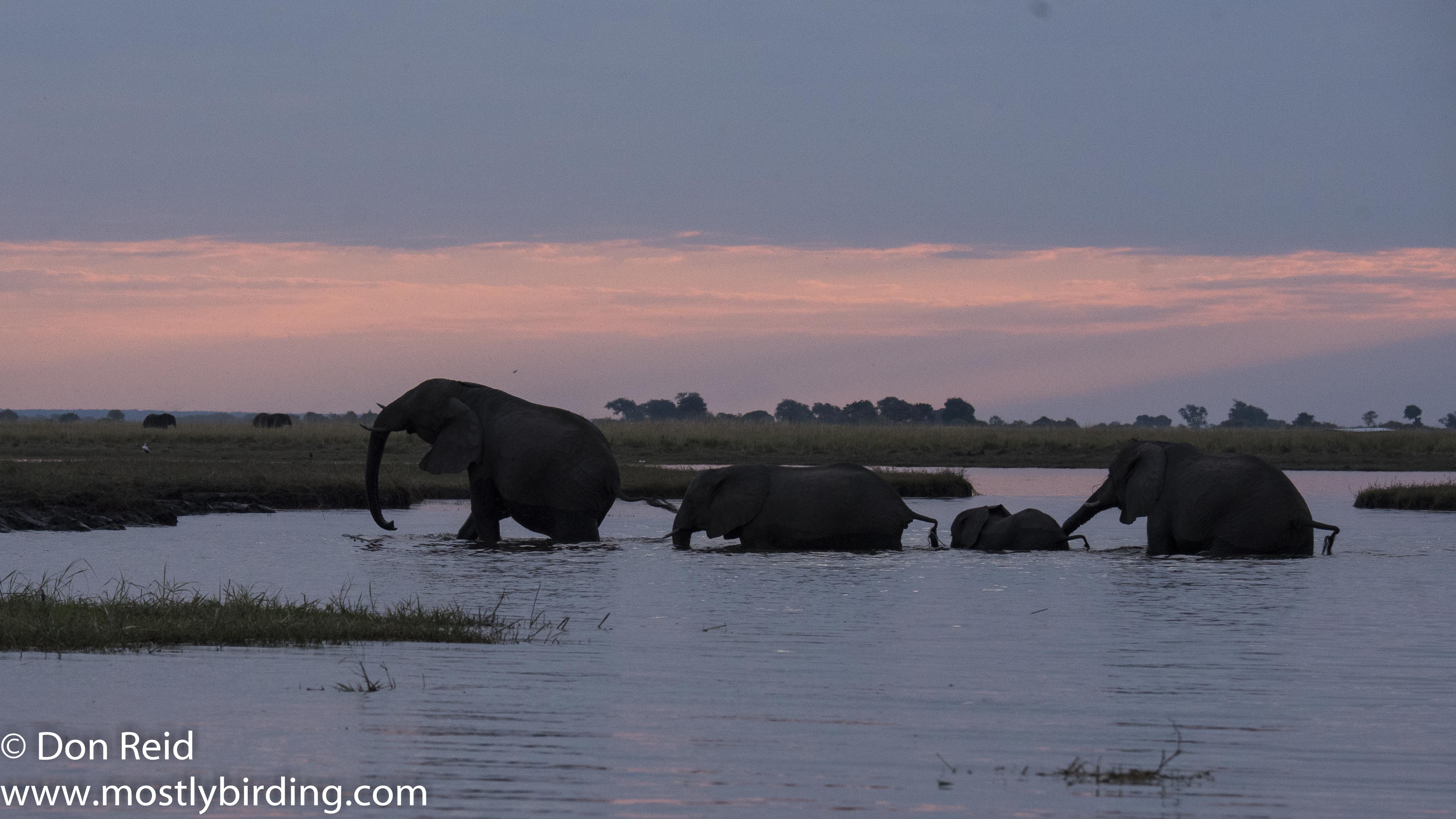
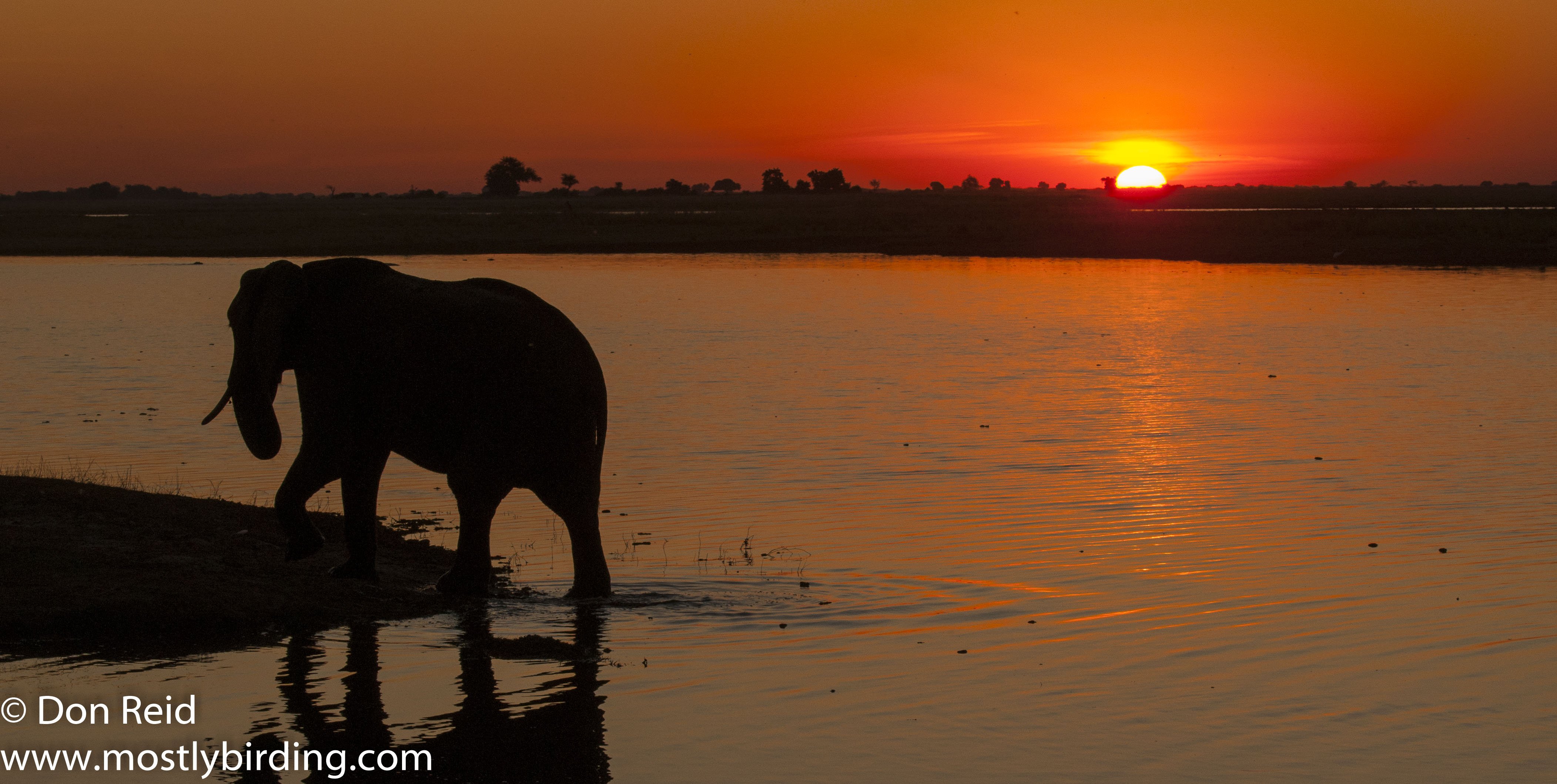
Elephants crossing the river

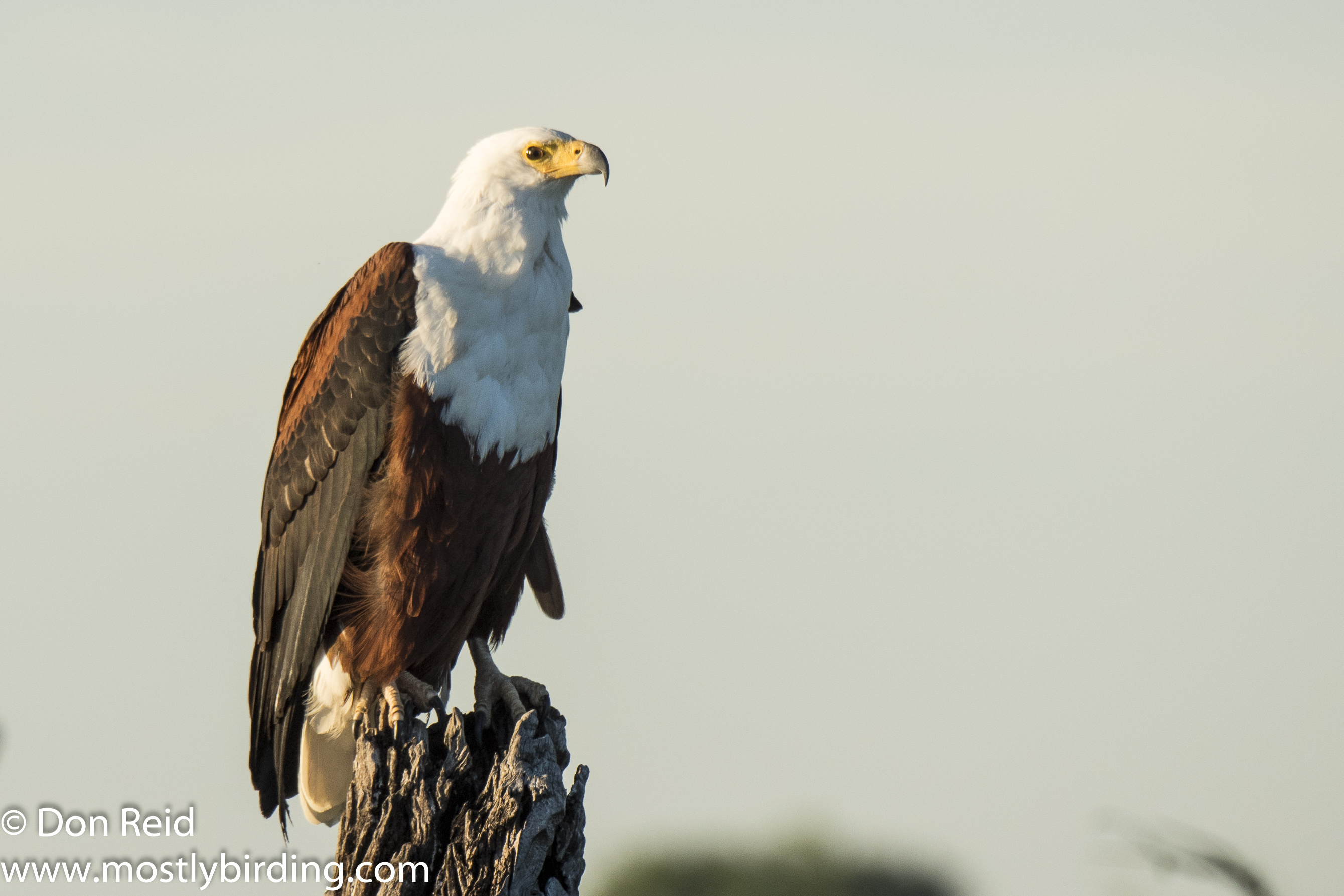
African Fish-Eagles are numerous along the Chobe River

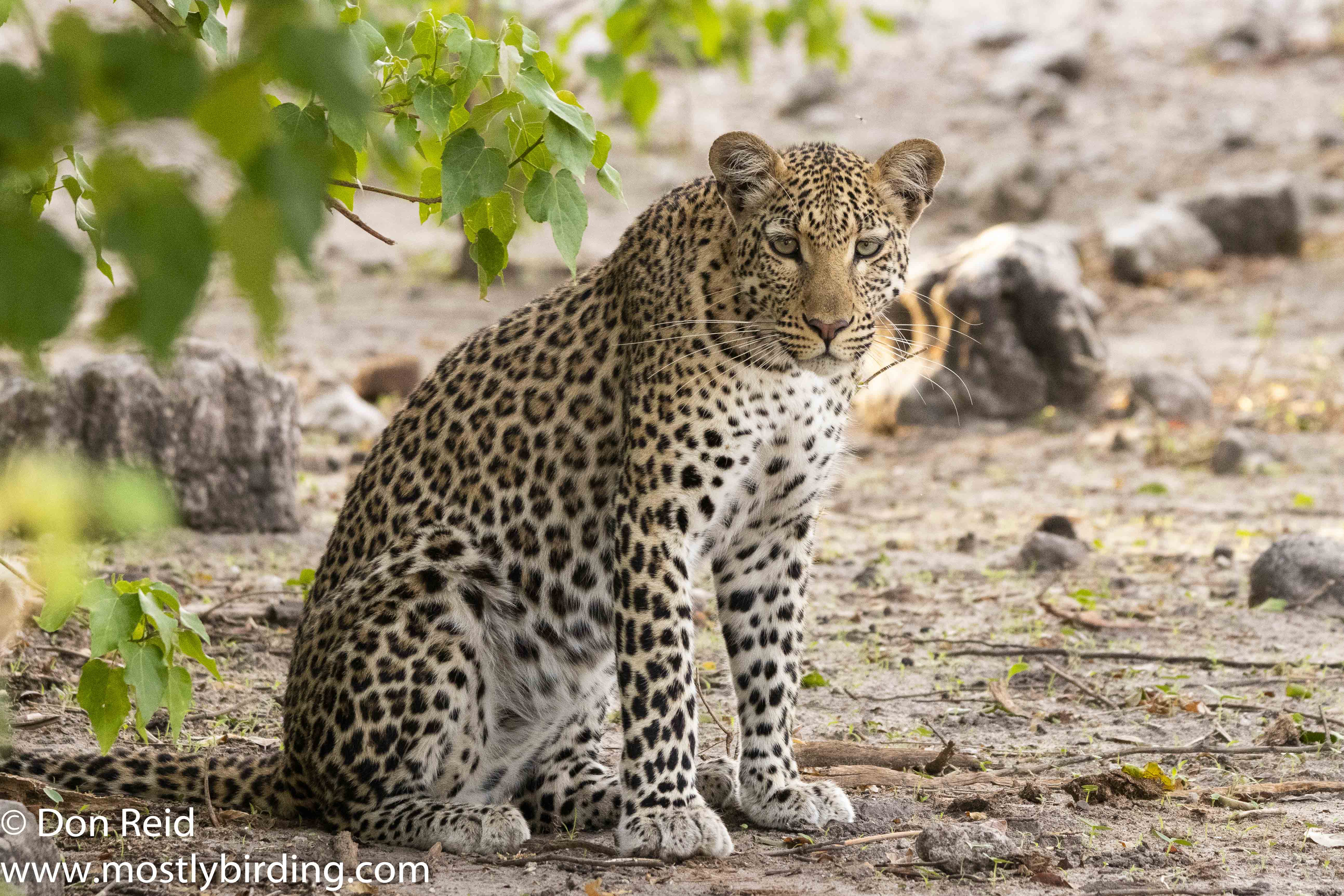
Leopard in Chobe Game Reserve

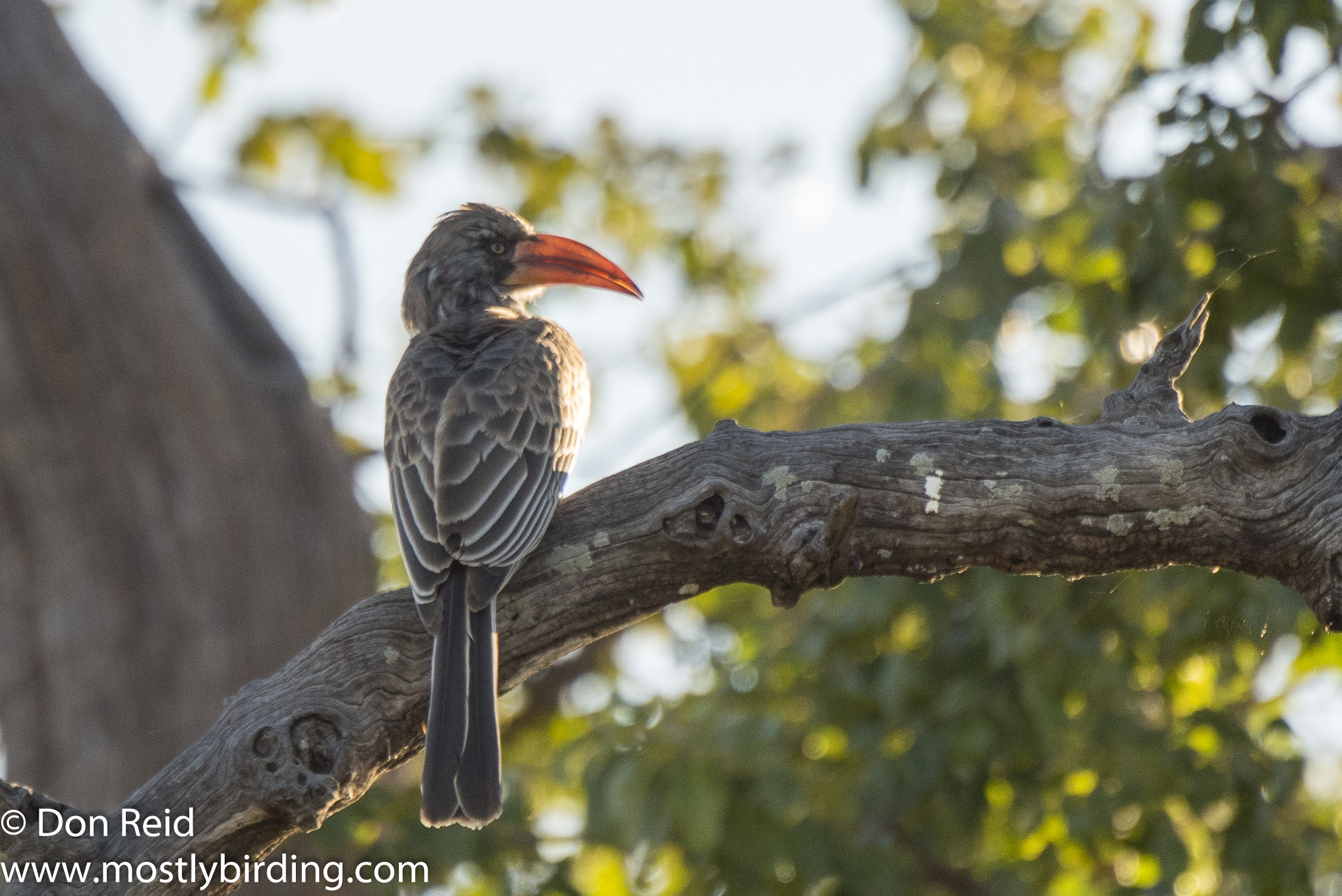
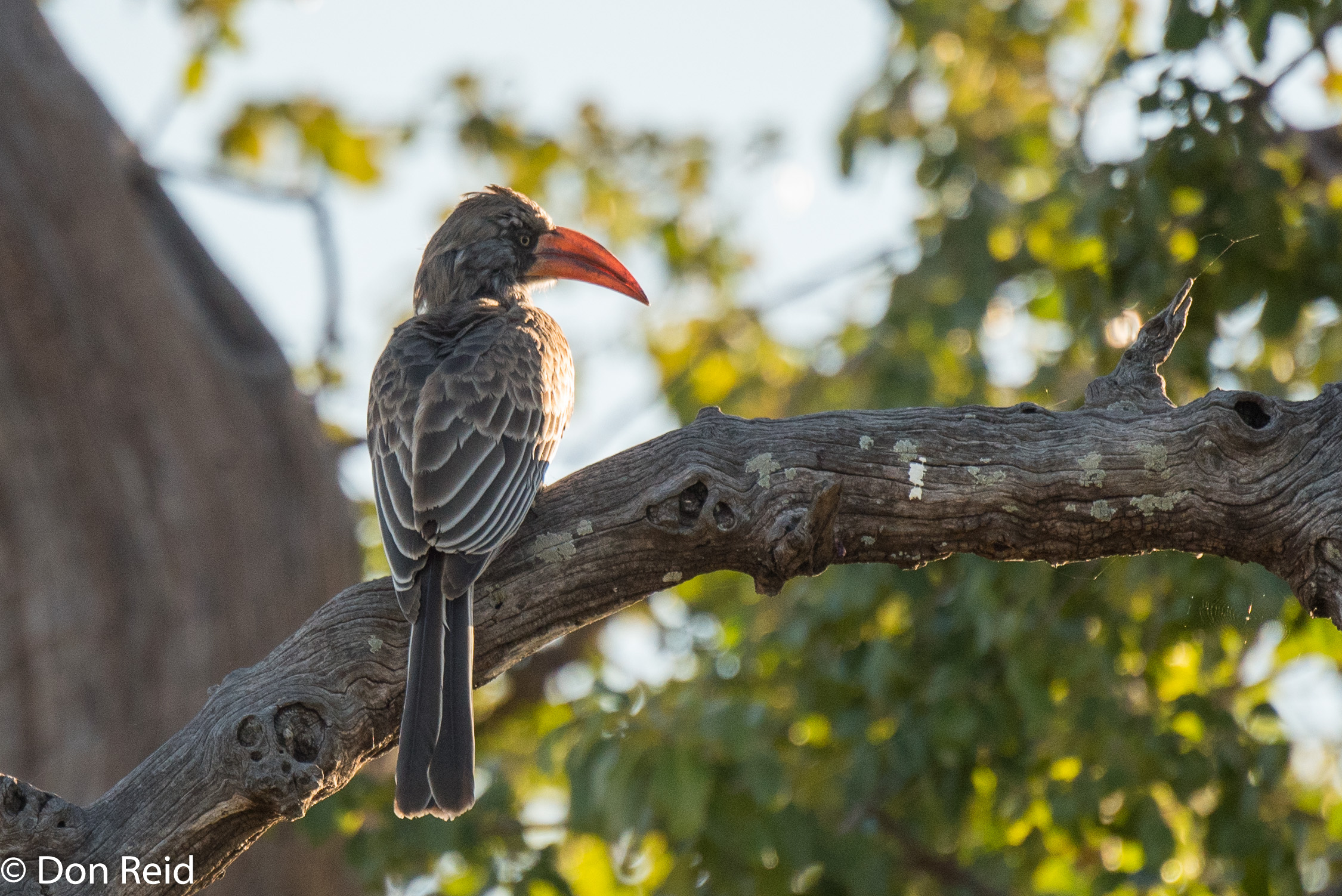
Bradfield’s Hornbill

It’s scenes like this that had me going back for more


My Birding Year 2018


My 2018 Birding Year

So here’s a synopsis of my birding activities during the last year along with photos of a few of the species encountered and places visited. Some of the trips are covered in separate posts in a lot more detail.

January 2018

Mossel Bay is our home over the holiday season up to the third week in January, so I try to use this time to fit in as much atlasing as I can in the beautiful surrounding countryside.

Atlasing trips and the highlight species included :

  • the area beyond Herbertsdale – Black Storks at the Gouritz River
  • the town of George with a visit to the waste water treatment works as well as the forested area at the top of the town – Black Cuckooshrike, Black Sparrowhawk and Knysna Turaco
  • Wilderness and the Woodville Big Tree (covered in a separate post) – Lemon Dove, Chorister Robin
  • Friemersheim area north of Klein Brak – Olive Bushshrike, Swee Waxbill, Narina Trogon, Black-winged Lapwing

Friemersheim area

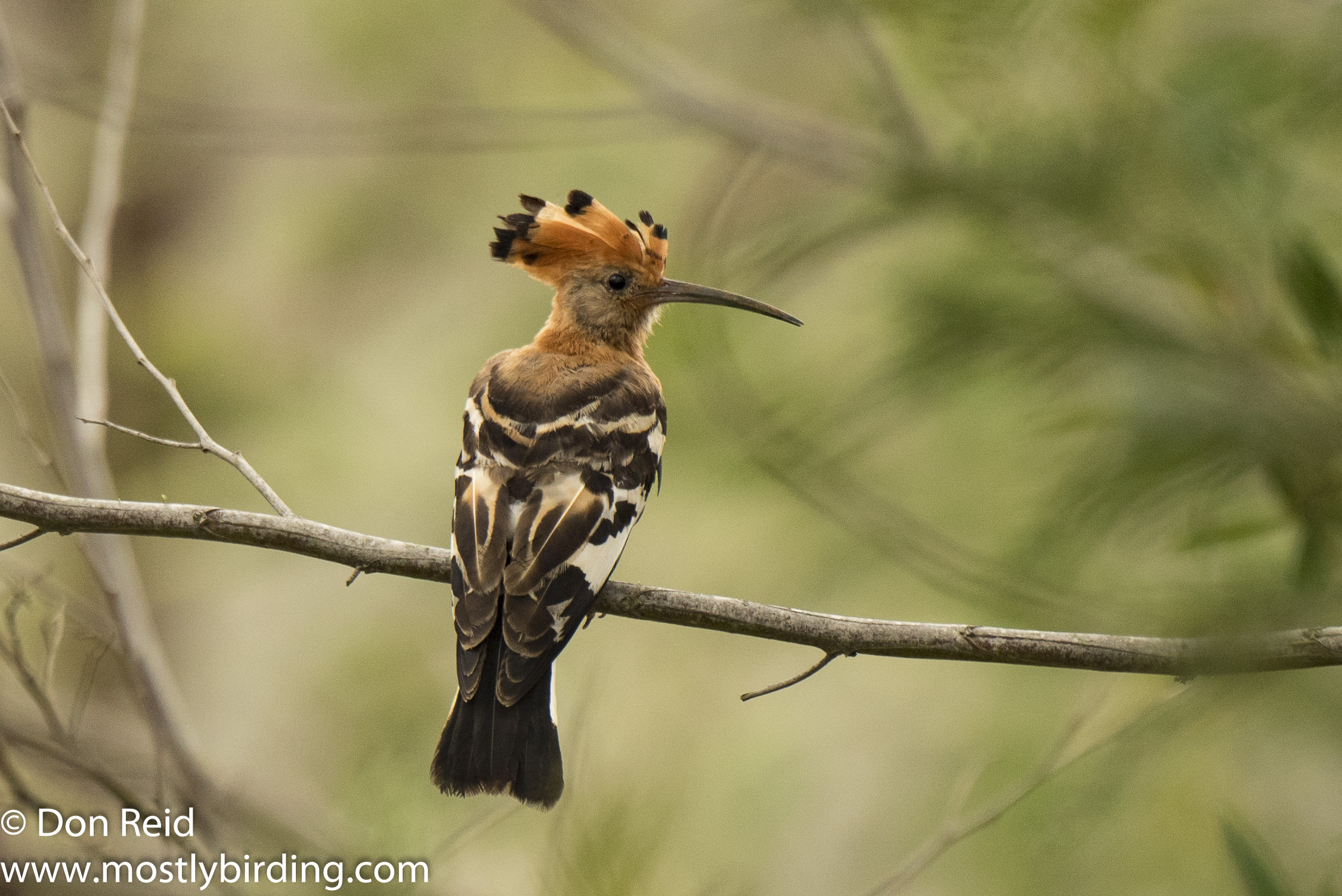
African Hoopoe, Friemersheim area

Black-winged Lapwing, Friemersheim area

A blustery day blew some seabirds inshore – a visit to the Point at Mossel Bay produced White-chinned Petrels, Gannets and Gulls galore, Terns and, amazingly, a Sooty Shearwater


February

Back in Pretoria I could catch up on some highveld atlasing with a visit to Mabusa nature reserve along with Koos Pauw – an outstanding day with both Pallid and Montagu’s Harriers seen and Great Reed Warbler heard.

Pallid Harrier (Juvenile), near Mabusa NR

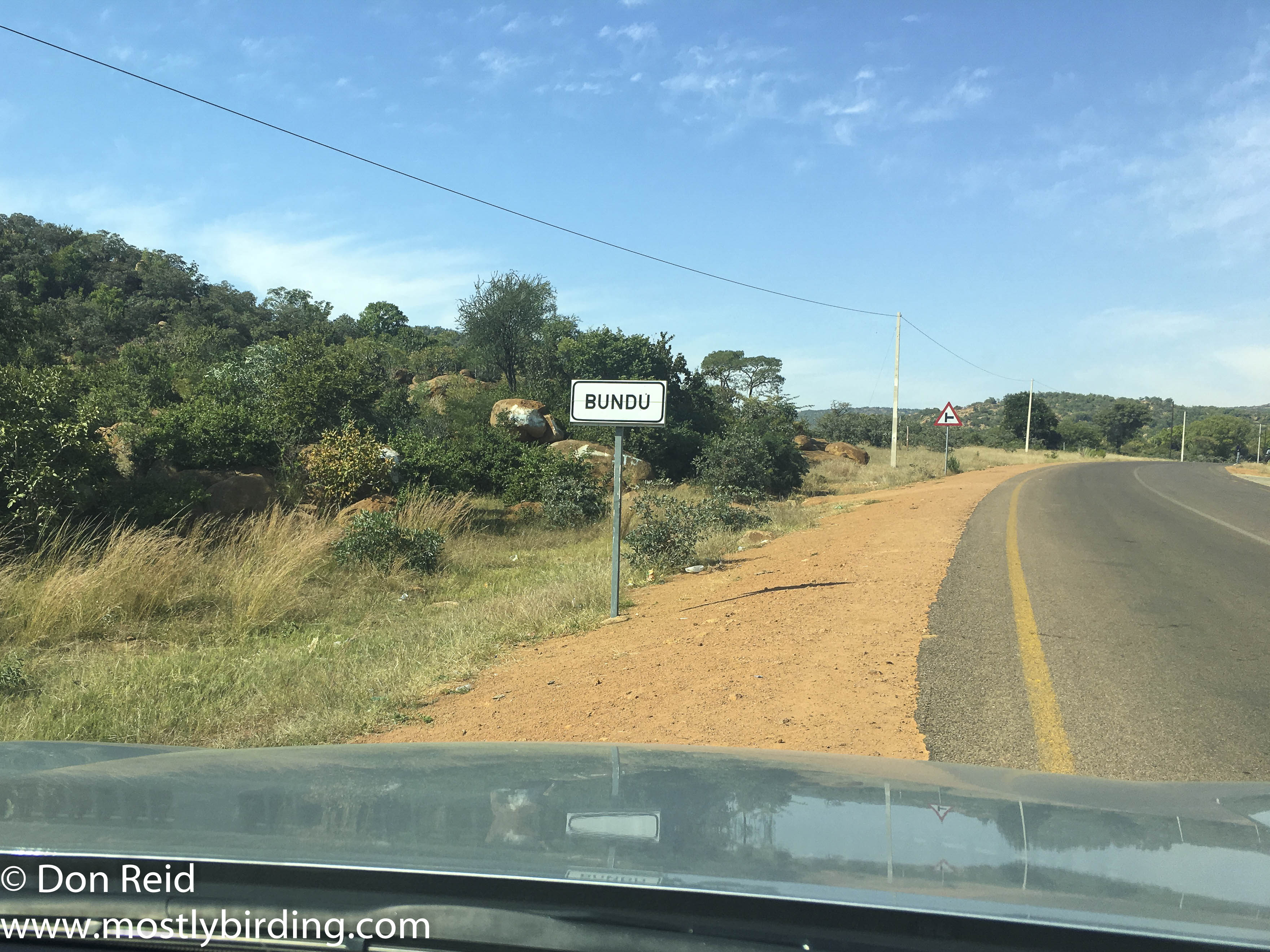
I literally went into the bundu on occasion

Mabusa NR and area

Mid-month we used up some expiring RCI points to spend a weekend at Champagne Valley resort in the southern Drakensberg. Great birding in a magnificently scenic environment – highlights were Cape Vulture, House Martin, Bearded Vulture, Grey Crowned Crane and Long-crested Eagle

Black-backed Puffback (Juvenile), Champagne Valley Drakensberg

Amethyst Sunbird, Champagne Valley Drakensberg

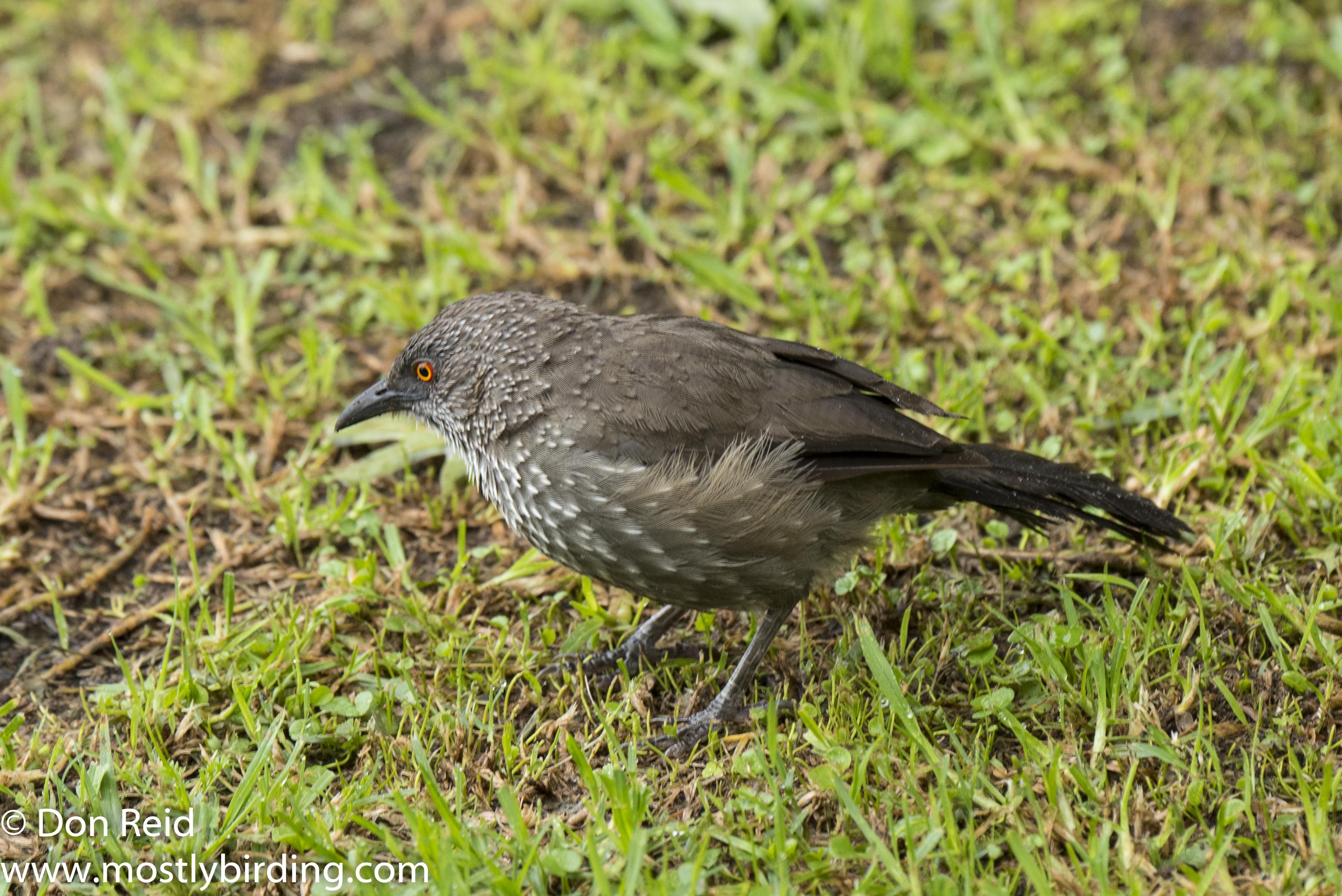
Arrow-marked Babbler, Champagne Valley Drakensberg

March

Back to the Drakensberg, this time with brother Andrew visiting from the UK – some birding, more touring from our base at Drakensberg Sun resort

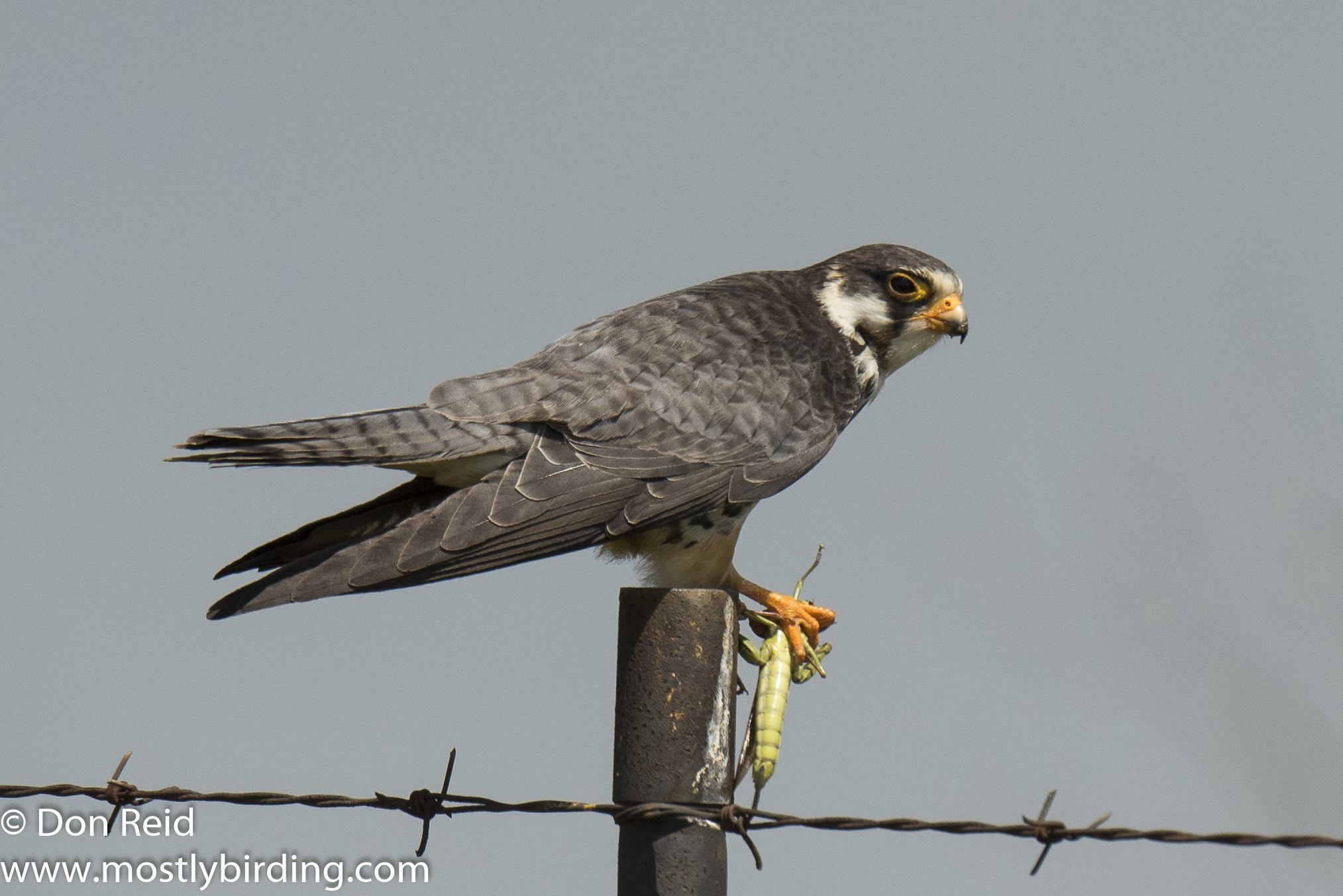
Work pressures meant no time for atlasing although I used the public holiday to do a couple of pentads around Delmas, where an Amur Falcon entertained me with its handling of a locust catch (covered in a separate post)

Amur Falcon feeding on grasshopper, Delmas south

April

For my 500th pentad I decided to atlas the area around Mkhombo Dam which proved to be a good choice (also covered in a separate post)

Marico Flycatcher, Mkhombo dam area

Black-faced Waxbill, Mkhombo dam area

The following weekend we visited family on Annasrust farm in the Free State near Hoopstad – one of the highlights of our year and a superb birding spot in its own right.

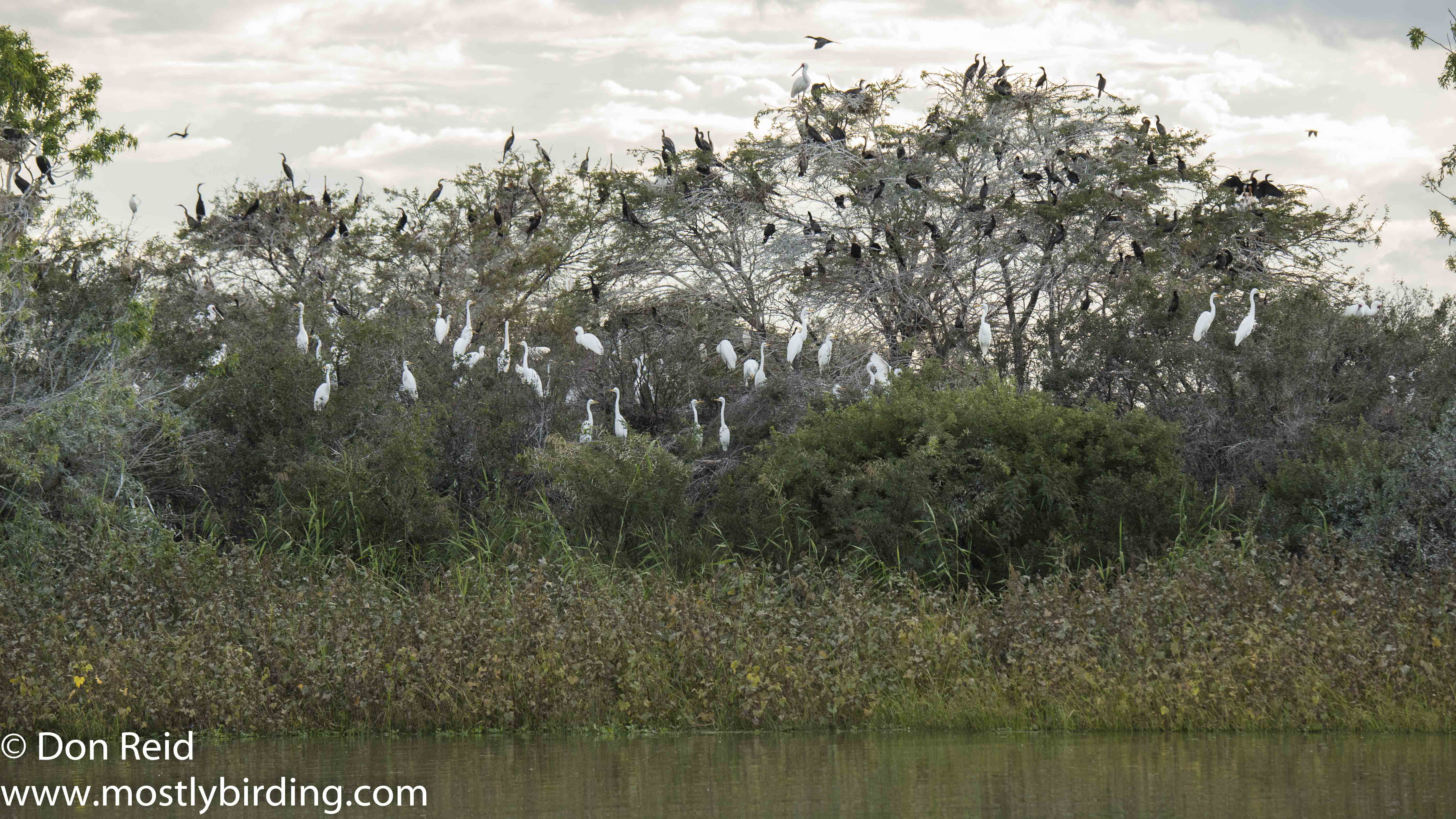
Massed Egrets, Spoonbills and Cormorants made for a spectacular sight on the river

Mixed roost, Annasrust farm Hoopstad

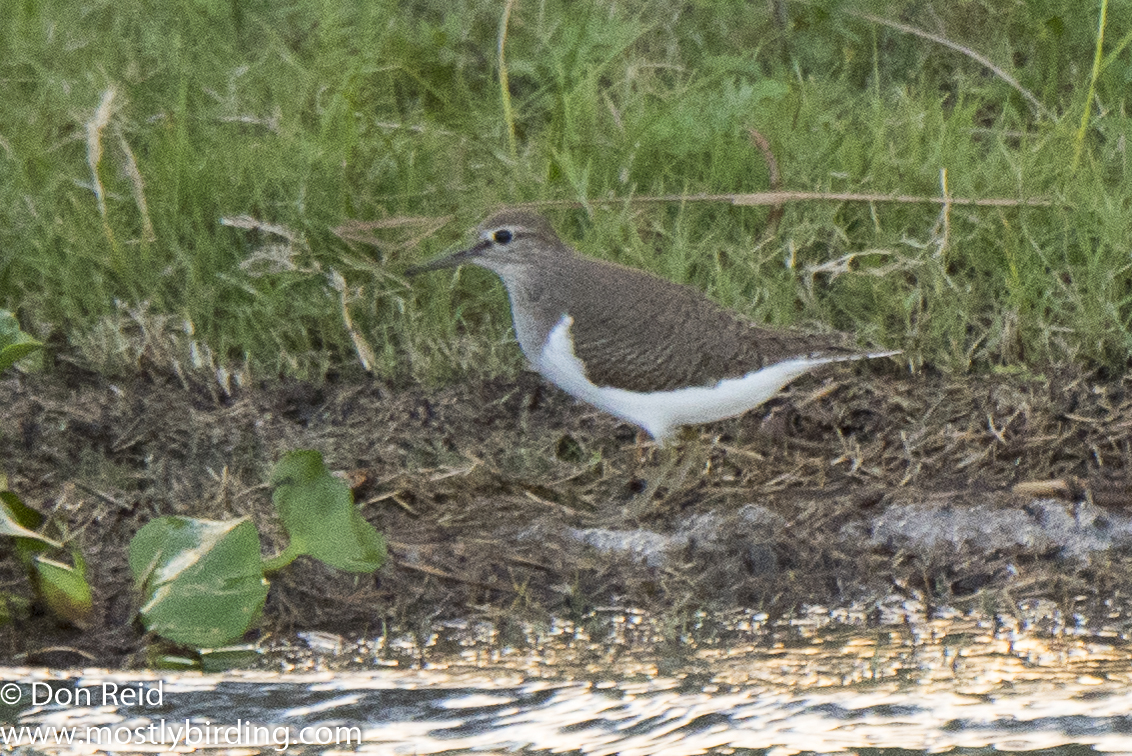
Common Sandpiper, Annasrust farm Hoopstad

Late in April, with some RCI points not fully used and about to expire, we booked a week at Pine Lake Resort near White River, which also included a memorable day visit to Kruger Park

Pine Lake Resort

African Fish Eagle, Kruger Day Visit

Booted Eagle, Kruger Day Visit

White-browed Robin-Chat, Kruger Day Visit

May

My only atlasing trip in May was to Mabusa Nature Reserve and the surrounding area – many highlights including Flappet Lark, Pearl-spotted Owlet, Long-tailed Paradise Whydah and Barred Wren-Warbler

June

Early June saw us in Mossel Bay for a brief visit – just one atlasing trip was squeezed in, covering the area north of Great Brak River

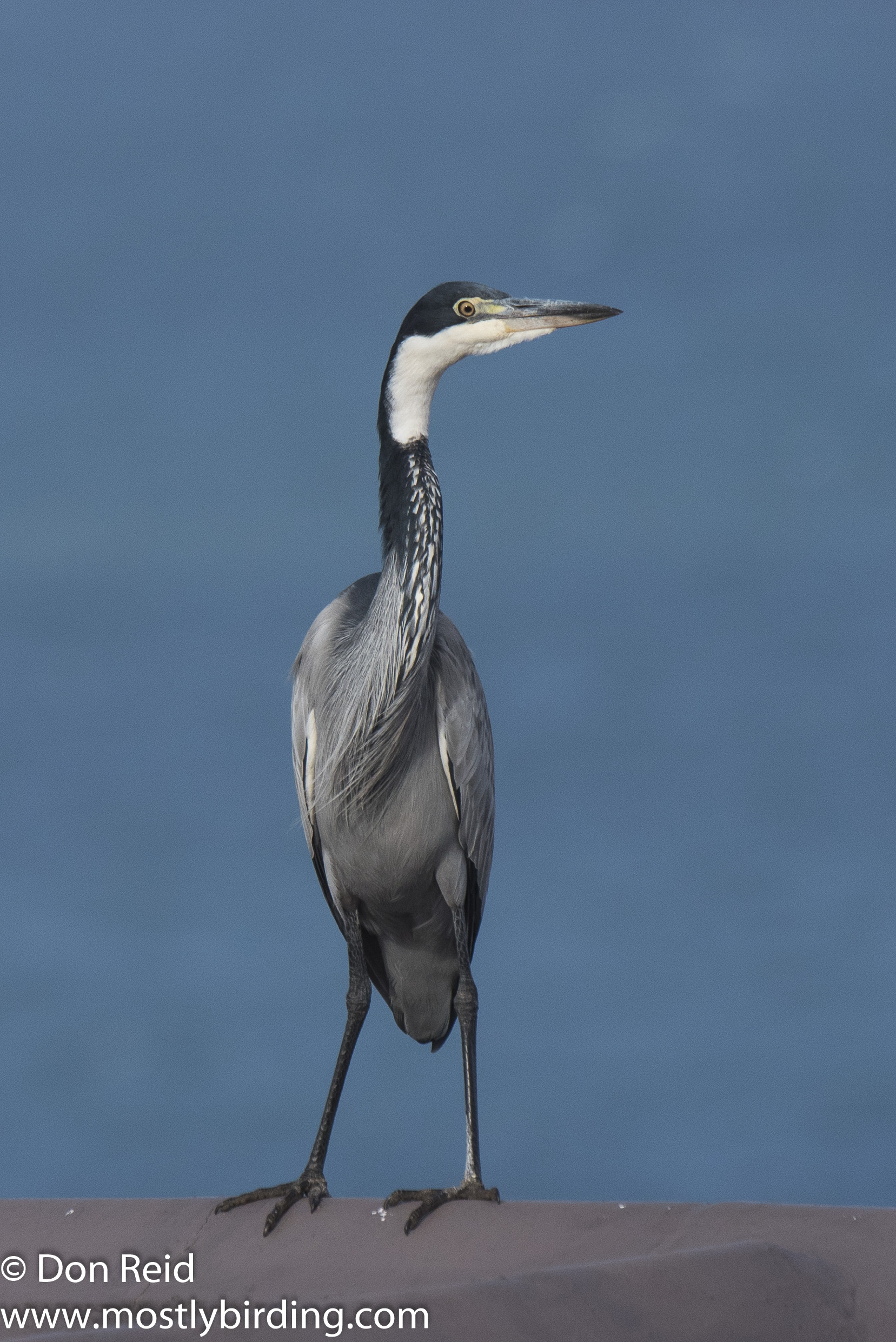
This Black-headed Heron posed on my neighbour’s roof

Black-headed Heron, Mossel Bay Golf Estate

We were hardly back in Pretoria when we set off for our annual visit to La Lucia near Durban where we have a timeshare apartment, with an overnight stay at the beautiful Oaklands Country Manor near Van Reenen

Oaklands Country Manor, near Van ReenenMy early morning walk was a misty affair

Oaklands Country Manor, near Van Reenen

La Lucia was as restful as ever but the World Cup soccer proved to be a distraction, nevertheless I managed to fit in a mix of beach birding walks, a trip to my favourite urban forest – Pigeon Valley – and a visit to Shongweni Nature Reserve

We took up Gerda’s Vryheid family’s invitation to stop over on their farm near the town on our way back – a worthwhile detour if there ever was one! A pair of Crowned Cranes made the visit really special, although Anlia’s breakfast krummelpap (a coarse farm porridge) was a serious competitor for “best reason to visit”.

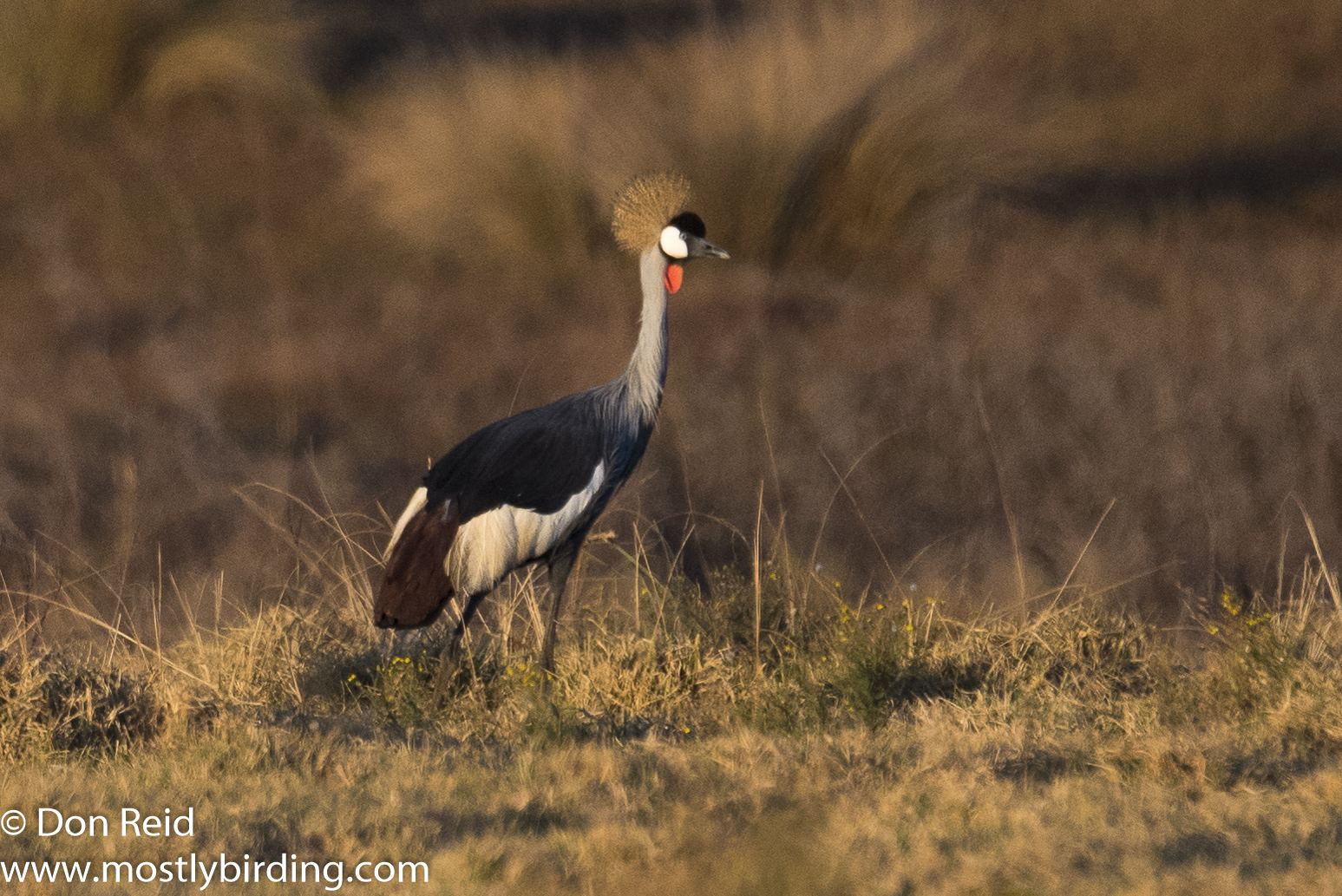
Crowned Crane, Onverwacht farm Vryheid

Southern Bald Ibis, Onverwacht farm Vryheid

July

Mid-month I was in Cape Town for a day and found myself free for the afternoon – so where does a keen birder go on a rainy day in this famous City? Naturally to the Strandfontein Sewage Works – birding was superb with a few hundred Flamingoes amongst many other water birds

August

Mid-winter atlasing trips around Gauteng kept me sharp during August, despite cold (- 3 deg C at one stage), windy conditions that kept me mostly in my car. Spike-heeled Larks were a feature of both trips, while African Harrier-Hawk was an exciting find.

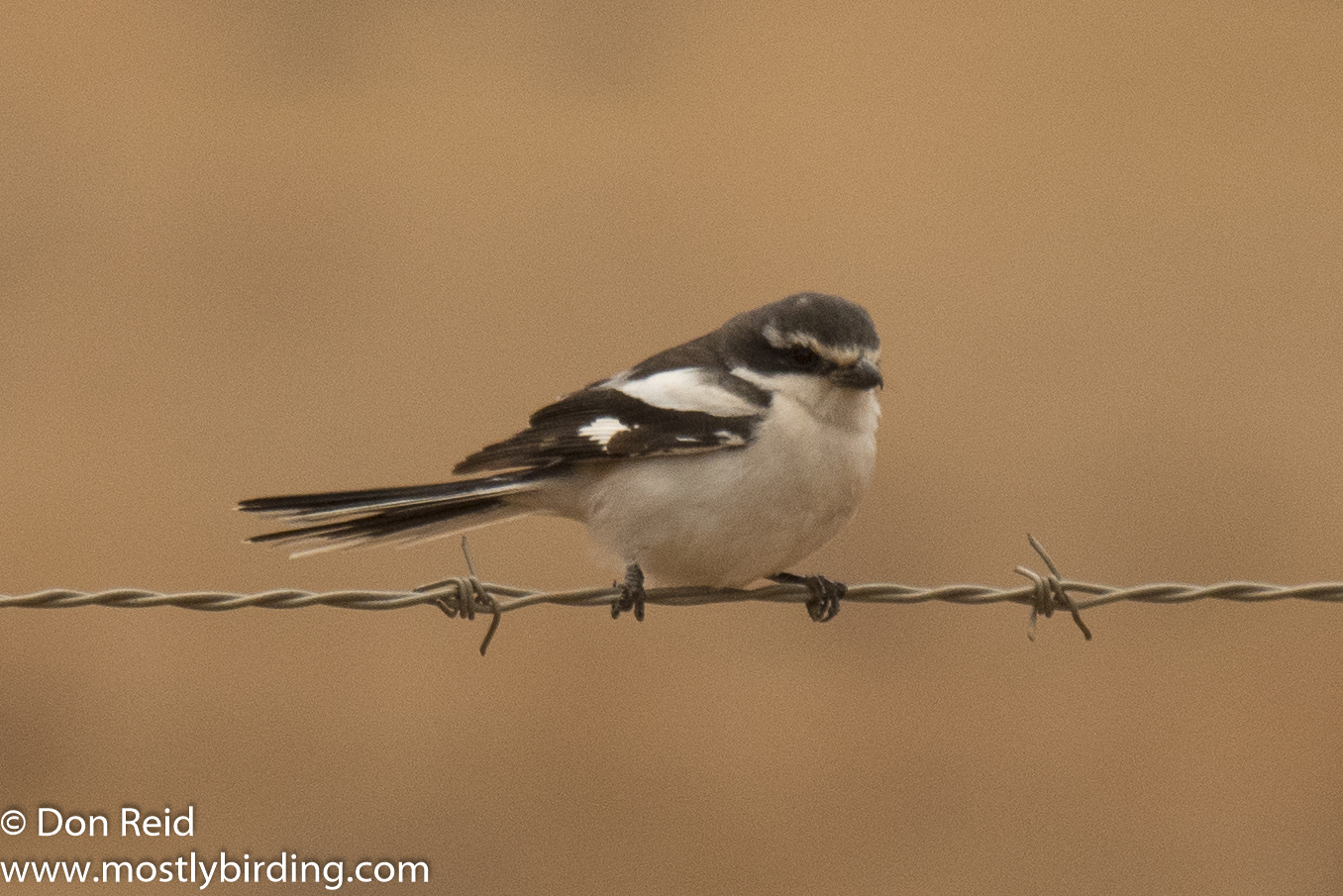
Southern Fiscals are common just about everywhere but this subcoronatus sub-species is quite a special find

Common Fiscal (subcoronatus), Nigel area

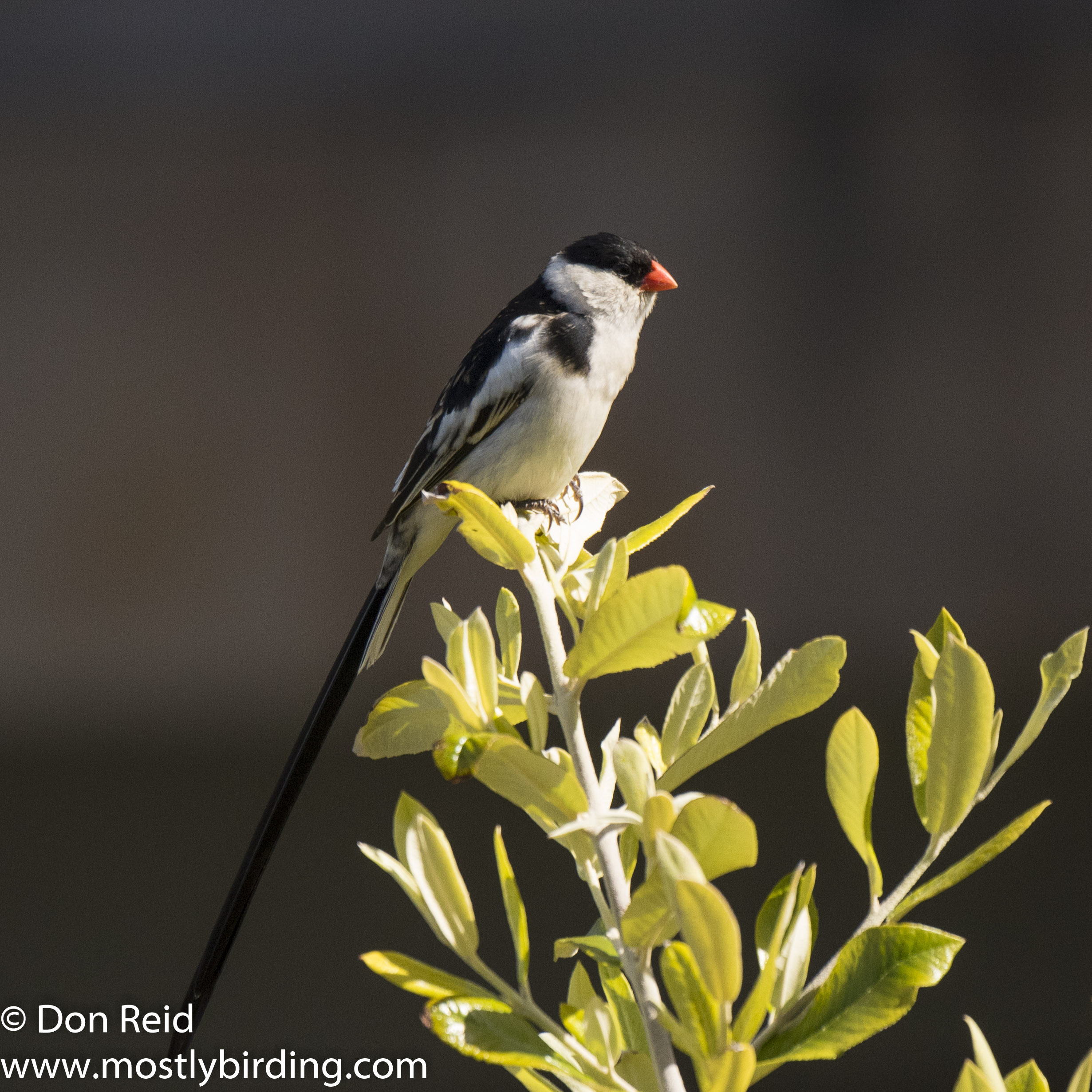
Pin-tailed Whydah (female), Nigel area

September

A last-minute decision to spend a week in Kruger Park turned into a memorable, relaxing trip with plenty of wild life experiences (covered in several posts)

Crested Francolin, Sable Dam, Kruger Park

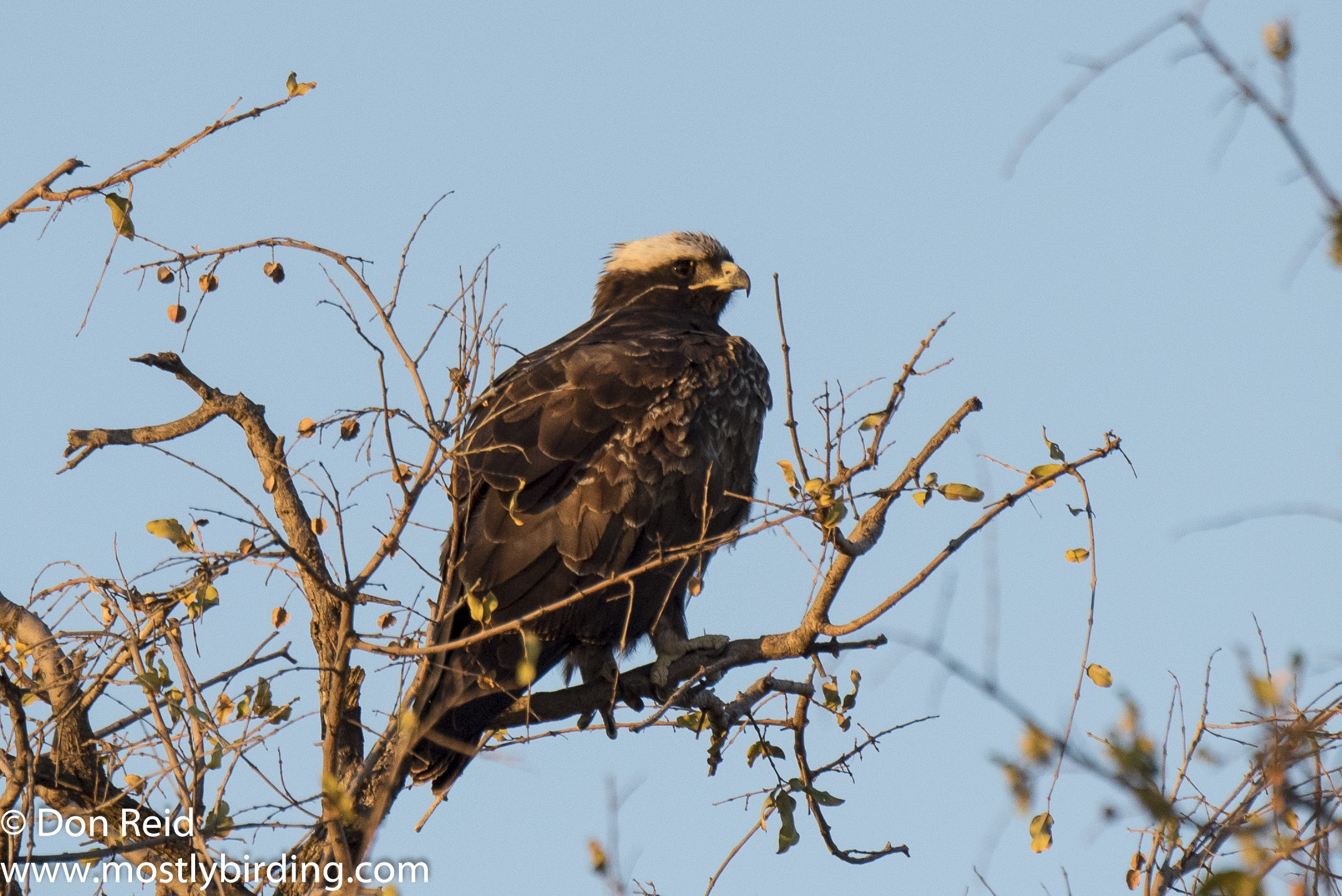
Wahlberg’s Eagle (Juvenile White crowned), Olifants River, Kruger Park

Sabota Lark, Kruger Park

An atlasing trip to the Delmas area later in the month produced a Blue Korhaan, scarce in these parts, as well as a couple of other terrestial species in the form of Orange River Francolin and Northern Black Korhaan

October

Time for our timeshare week at our favourite get away – Verlorenkloof, which produced fine birding once again and some interesting atlasing opportunities in the area.

African Stonechat (Male, Saxicola torquatus), Verlorenkloof

The most exciting sighting at Verlorenkloof was of an immature Crowned Eagle, which apparently was born and raised on the property, the nest still visible on top of a tall tree

African Crowned Eagle (Immature, Stephanoaetus coronatus), Verlorenkloof

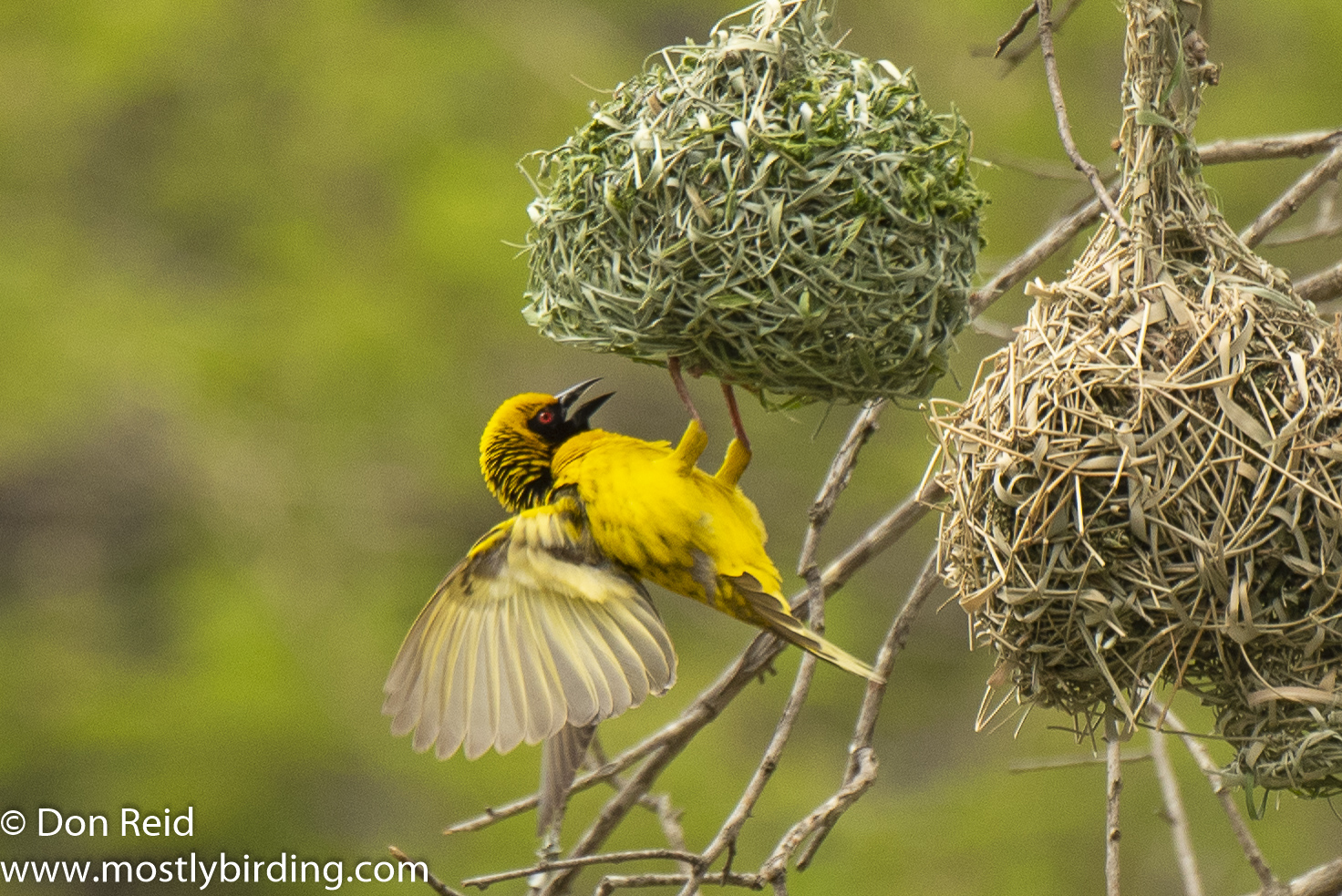
Down at the river the Village Weavers were nest-building in loud and vigorous fashion

Village Weaver (Male, Ploceus cucullatus – spilonotus), Verlorenkloof

The tiny Swee Waxbill visited the undergrowth near our Croft

Swee Waxbill (Female, Estrilda melanotis), Verlorenkloof

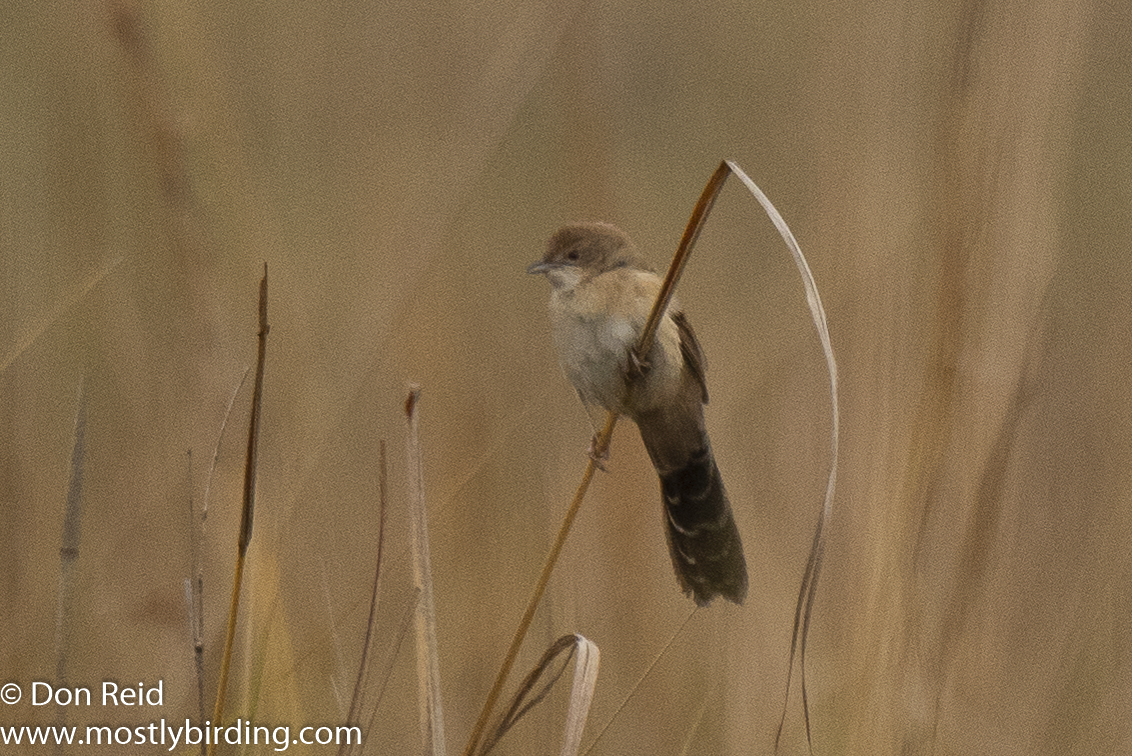
The sought after Broad-tailed Warbler is a regular at Verlorenkloof during the summer months but does its best to frustrate any attempts to get a close photograph

Broad-tailed Warbler (Schoenicola brevirostris), Verlorenkloof

Back to the Cape in the last week of October for a short visit to Mossel Bay, followed by a quick visit to family in the western Cape town of Worcester, where I spent a morning enjoying the surprisingly good birding that was on offer in the adjoining hills.

Quarry road, Worcester

November

Further atlasing in the Mossel Bay area included trips to Herbertsdale and Gouritz River, before returning to Pretoria where we prepared for our return to Mossel Bay for a longer stay over December and January, as has become our custom over the last few years.

The road trip to the southern Cape included an overnight stop at Kuilfontein near Colesberg and a two night stay at Karoo National Park, both places providing some diverse atlasing opportunities

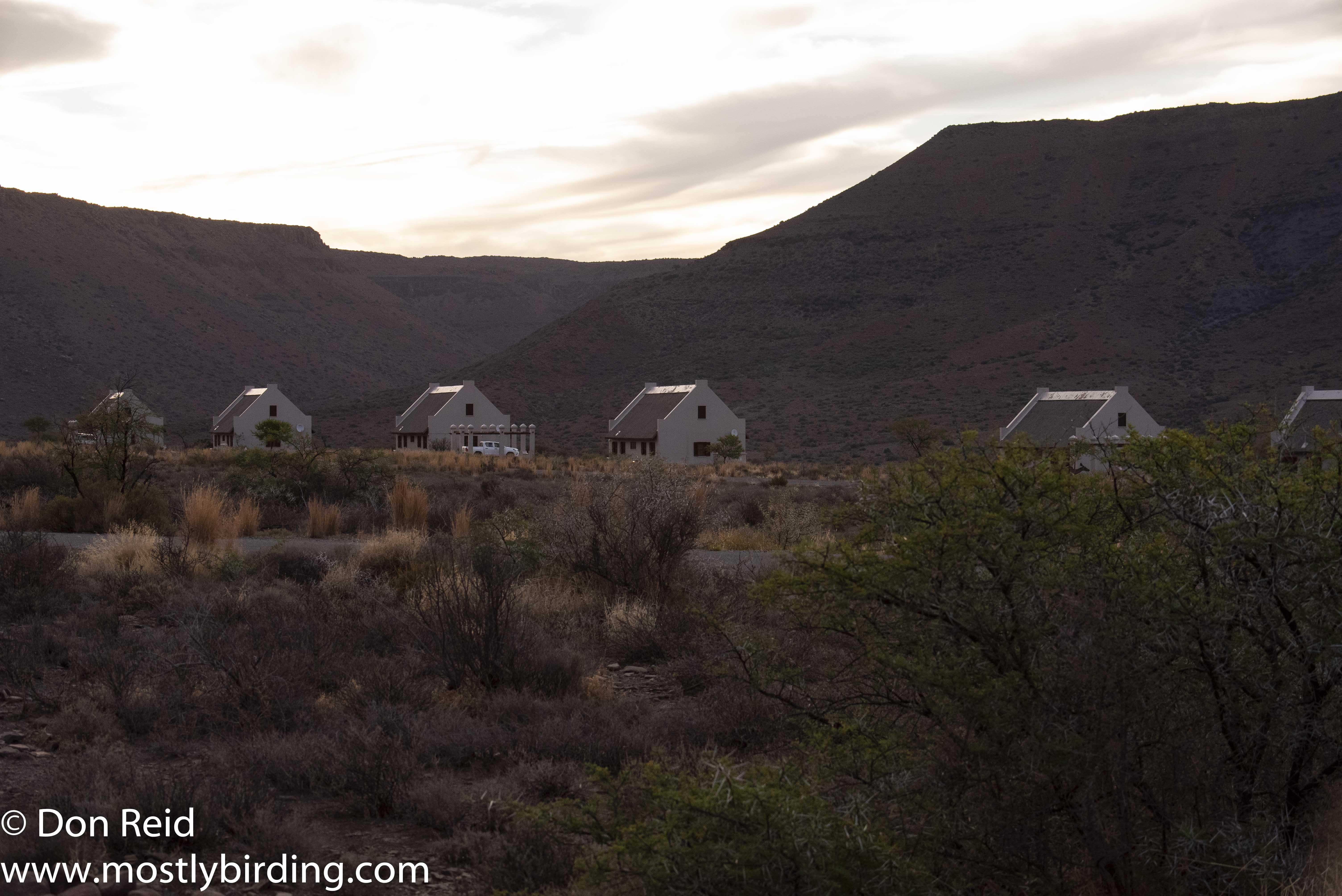
Karoo National Park

Short-toed Rock-Thrush, Karoo National Park

The following week saw me returning by air to Gauteng and onward to Kasane in northern Botswana for a final inspection visit to the airport project that I was involved in. I booked a boat-based and vehicle-based game drive during my stay, in order to make the most of this last visit to Chobe game reserve, both of which provided some amazing sightings and photographic highlights.

Cattle Egret, Chobe River Trip

Pied Kingfisher, Chobe River Trip

Chobe Riverfront Game Drive

Spur-winged Goose, Chobe Riverfront game drive

Hamerkop, Chobe Riverfront game drive

December

Back in Mossel Bay, it was time to get into relaxed mode and I looked forward to some atlasing of the area, including Mossel Bay itself.

Water Thick-knee, Mossel Bay GE

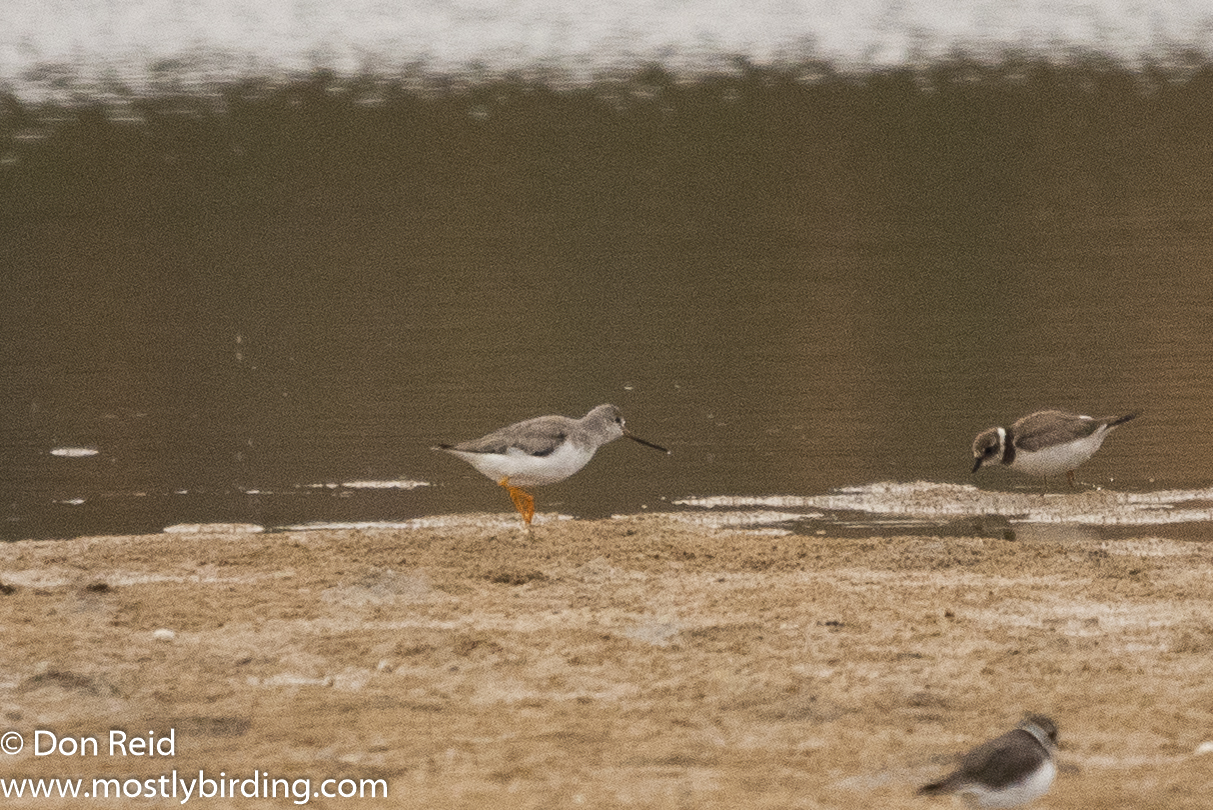
A Terek Sandpiper at Great Brak was a lifer for me

Terek Sandpiper, Great Brak River mouth

Little Egret, Great Brak River mouth

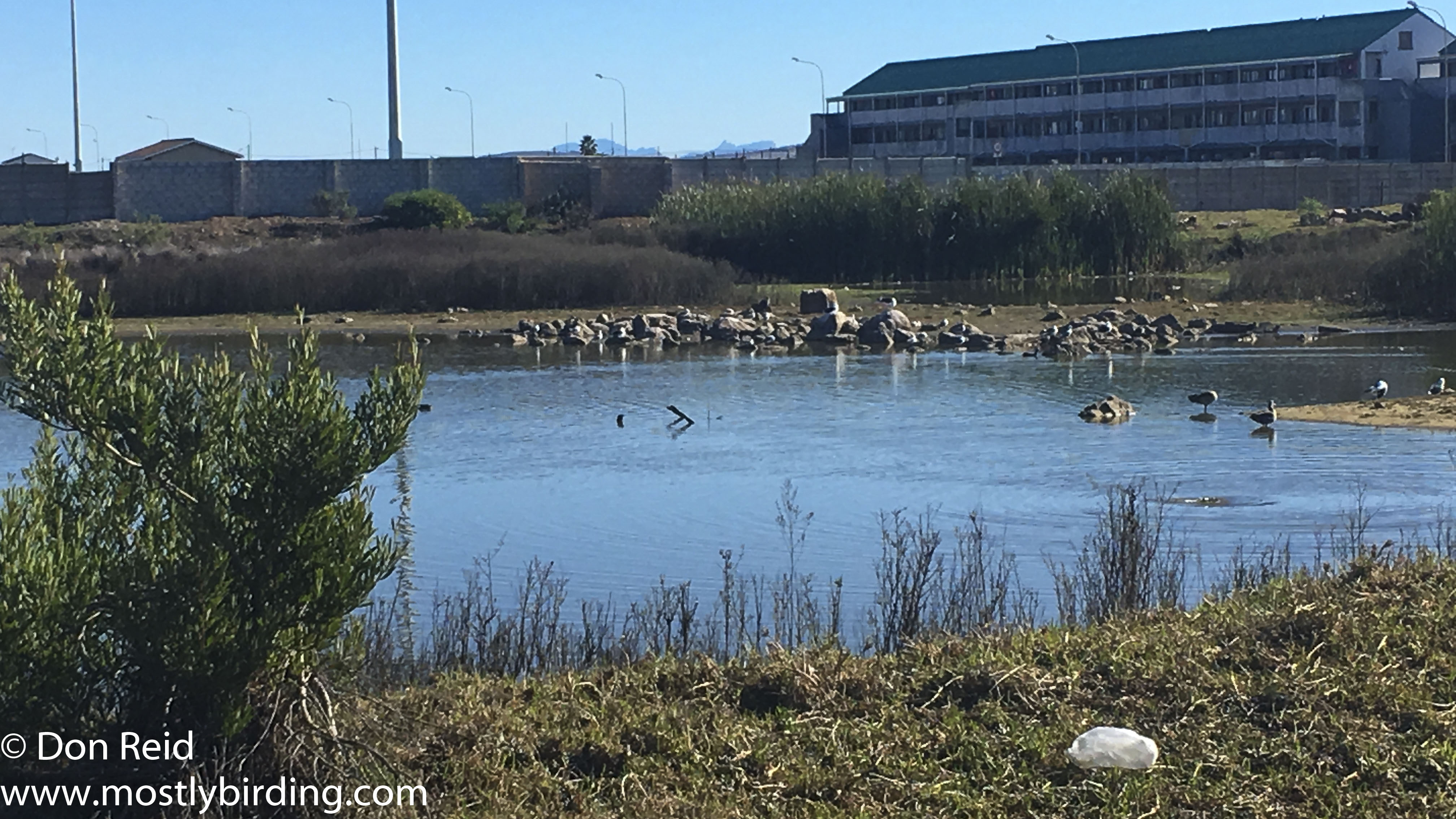
The only body of fresh water in Mossel Bay is a drawcard for numbers of birds

SPCA dam, Mossel Bay

This Cape Weaver decided to use the bird-feeder in our neighbour’s garden as a base frame for its nest – probably an inexperienced juvenile practicing his skills. He never did complete the nest.

Cape Weaver nest-building on feeder, Mossel Bay

My Birding Year 2017 (Part 2) – Atlasing, Twitching, An Island and more


Following on Part 1 of My Birding Year for 2017  ………  guess what, here’s Part 2!

So here’s a synopsis of my birding activities during the second half of 2017 along with photos of a few of the species encountered and places visited.

July

The first week saw me back in Kasane for a project visit and we managed to fit in a memorable drive through Chobe Riverfront where the game viewing took precedence, but the birdlife was hard to ignore, particularly the Carmine Bee-eaters

Southern Carmine Bee-eater, Chobe Riverfront

Greater Blue-eared Starling, Chobe Riverfront

Later on in the month I was back to atlasing in the area south of Bronkhorstspruit, some 50 km east of Pretoria, dominated by the drab midwinter “browns” of the highveld and providing some challenging birding in the form of very similar looking small birds in their winter plumage.

Southern Red Bishop (winter plumage), Bronkhorstspruit area

White-winged Widow (winter plumage), Bronkhorstspruit area

August

Another visit to Kasane, Botswana in the first week included a spectacular boat safari on the Chobe river with Pangolin Safaris in a specially equipped boat kitted out with swivel seats and pliable camera mounts. One of the owners of Pangolin Safaris, who goes by the nickname of “Guts”,  accompanied us and made sure we had some amazing photo opportunities of the wildlife and birds to be found along the river.

Six species in one frame (1 only just) – can you spot them? (see end of post for answer)

Glossy Ibis, Chobe River

Doing it in style with Pangolin Safaris on the Chobe River

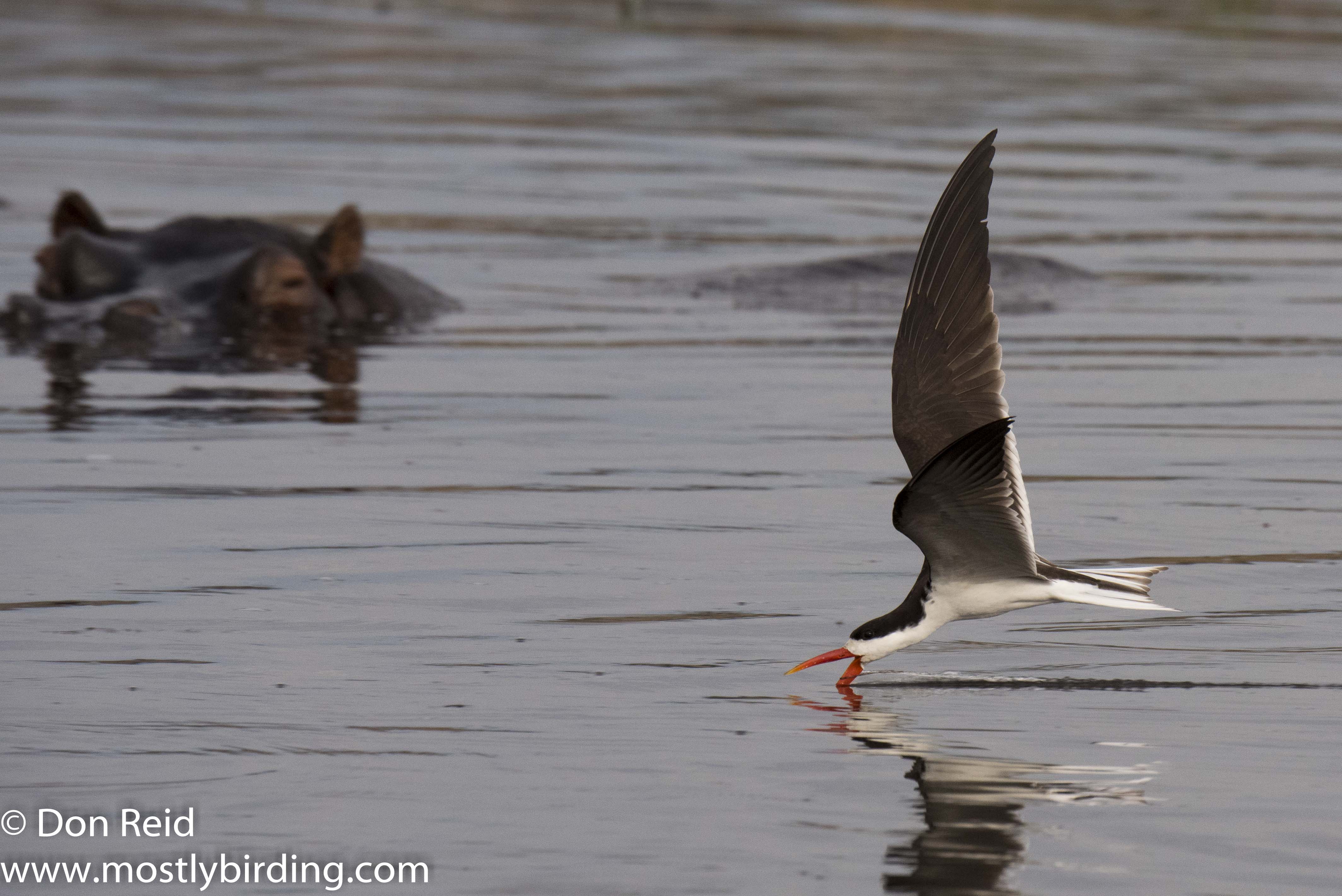
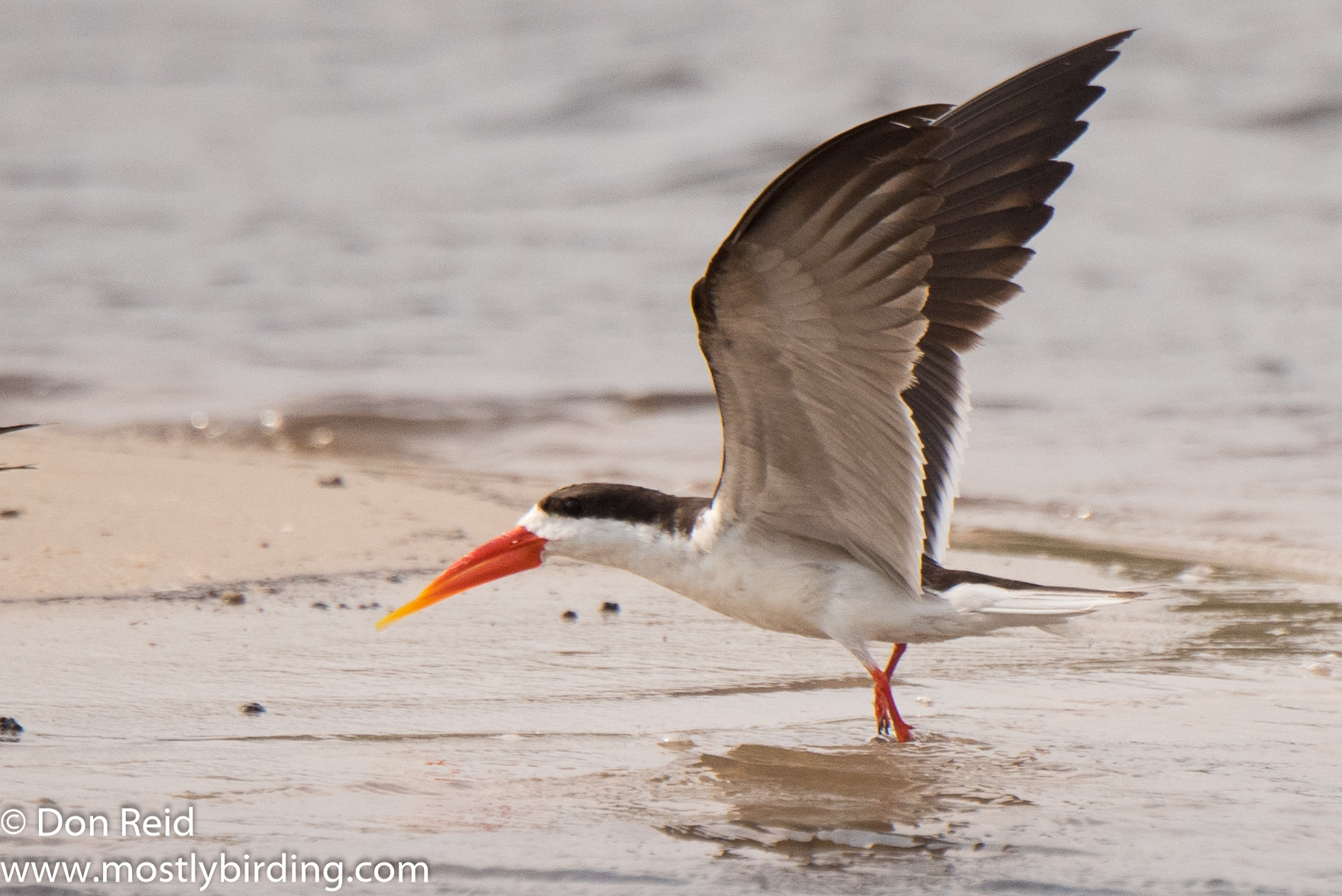
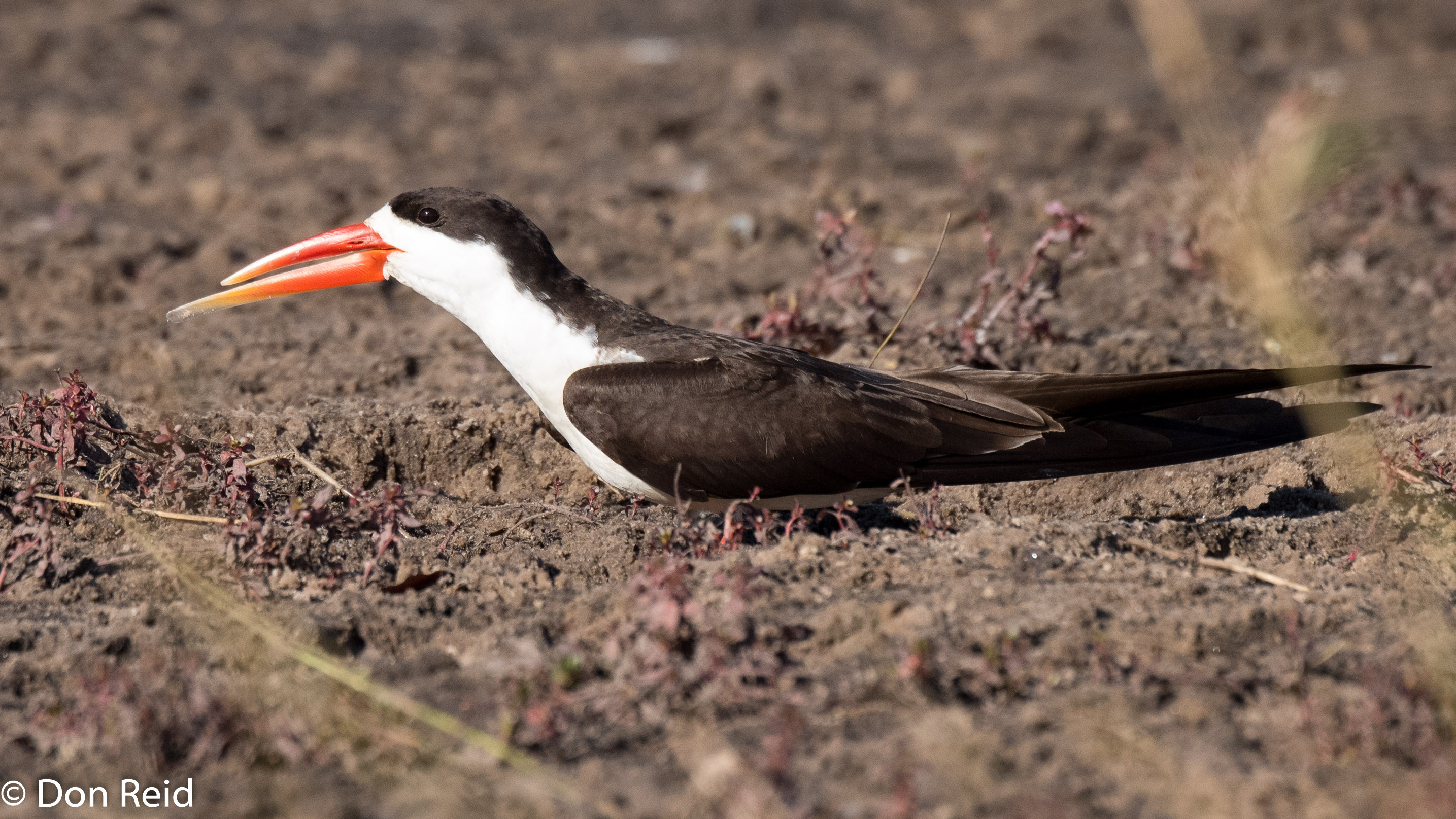
One moment of sheer photographic magic came my way in the form of a lone African Skimmer passing by and showing how it got its name.

African Skimmer, Chobe River

The following weekend saw us visiting family in Potchefstroom once again – I took the two grandkids for a birding outing to nearby Boschkop dam and was again very pleased with the quality of birding at this venue, which is also quiet and safe for the kids to roam about a bit.

White-browed Sparrow-Weaver, Boschkop dam, Potchefstroom

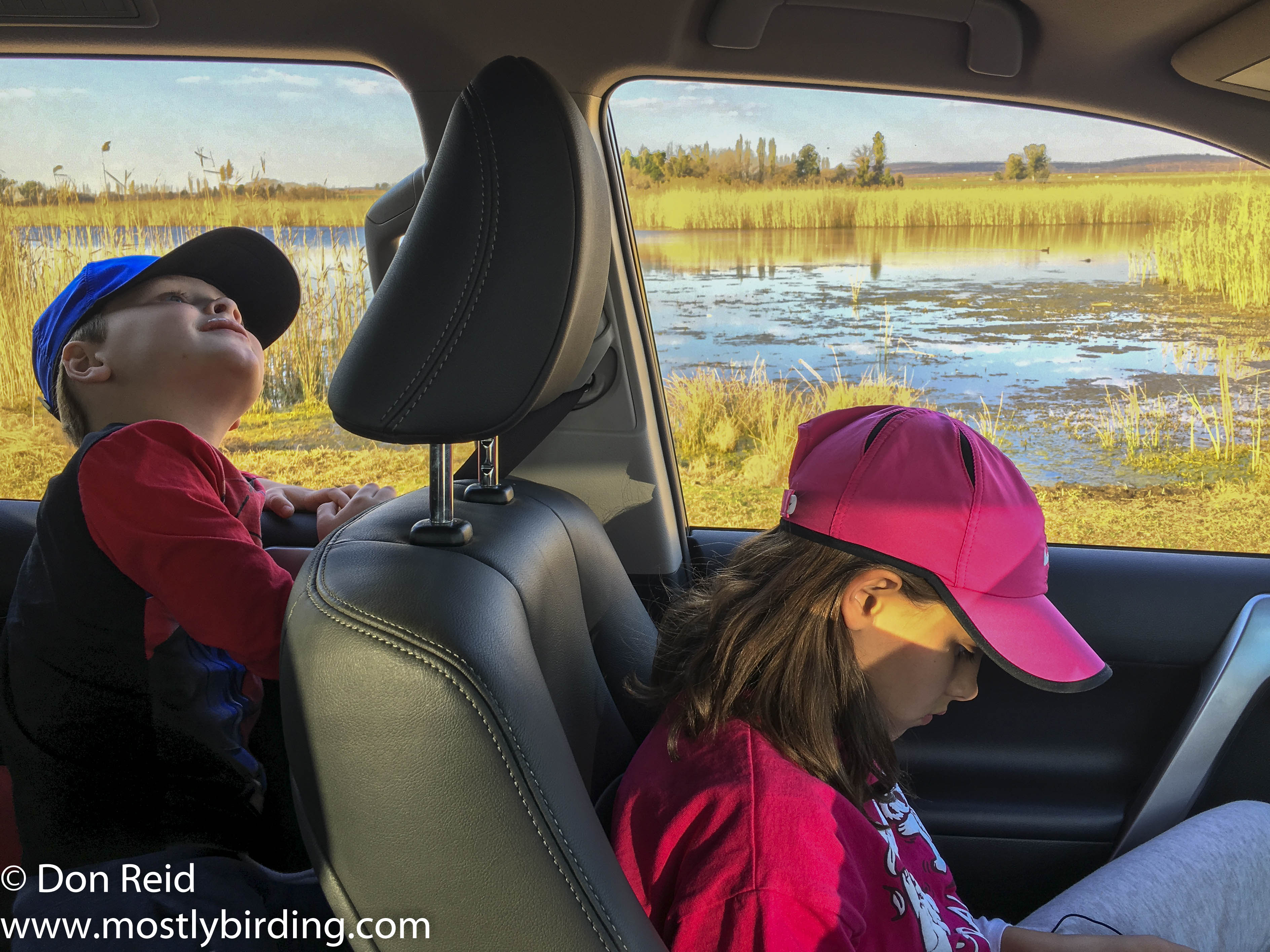
The birding team

Three-banded Plover, Boschkop dam, Potchefstroom

Next up was some atlasing in the grasslands north east of Pretoria – known as Vlaklaagte, which was good for birding but the gravel roads at this time of year are very dusty and the passing mining lorries tend to make it quite difficult to bird in peace – nevertheless a successful day’s atlasing.

Pied Starling, Vlaklaagte area

Dam, Vlaklaagte area

Buffy Pipit, Vlaklaagte area

A short winter visit to Mossel Bay in the second half of August provided the opportunity to explore the Karoo south of Oudtshoorn on a cold day – I added several species to my year list and atlased in areas not regularly covered so well worthwhile.

Cape Weaver, Mossel Bay

Karoo Lark, Oudtshoorn south

White-throated Canary, Oudtshoorn south

On Robinson Pass, my patience was rewarded when a Victorin’s Warbler posed briefly for a photo – a very difficult species to photograph so a nice bonus.

Victorin’s Warbler, Robinson Pass

September

My monthly visit to Kasane was likely to be one of my last as the project was heading to completion, so I made the most of the 3 days there and fitted in birding at every opportunity. The airport precinct and perimeter were particularly lively with up to 200 bee-eaters present along the fences.

Swallow-tailed Bee-eater, Kasane Airport area

An early morning drive through the Chobe Riverfront was as good as ever with some unusual species showing.

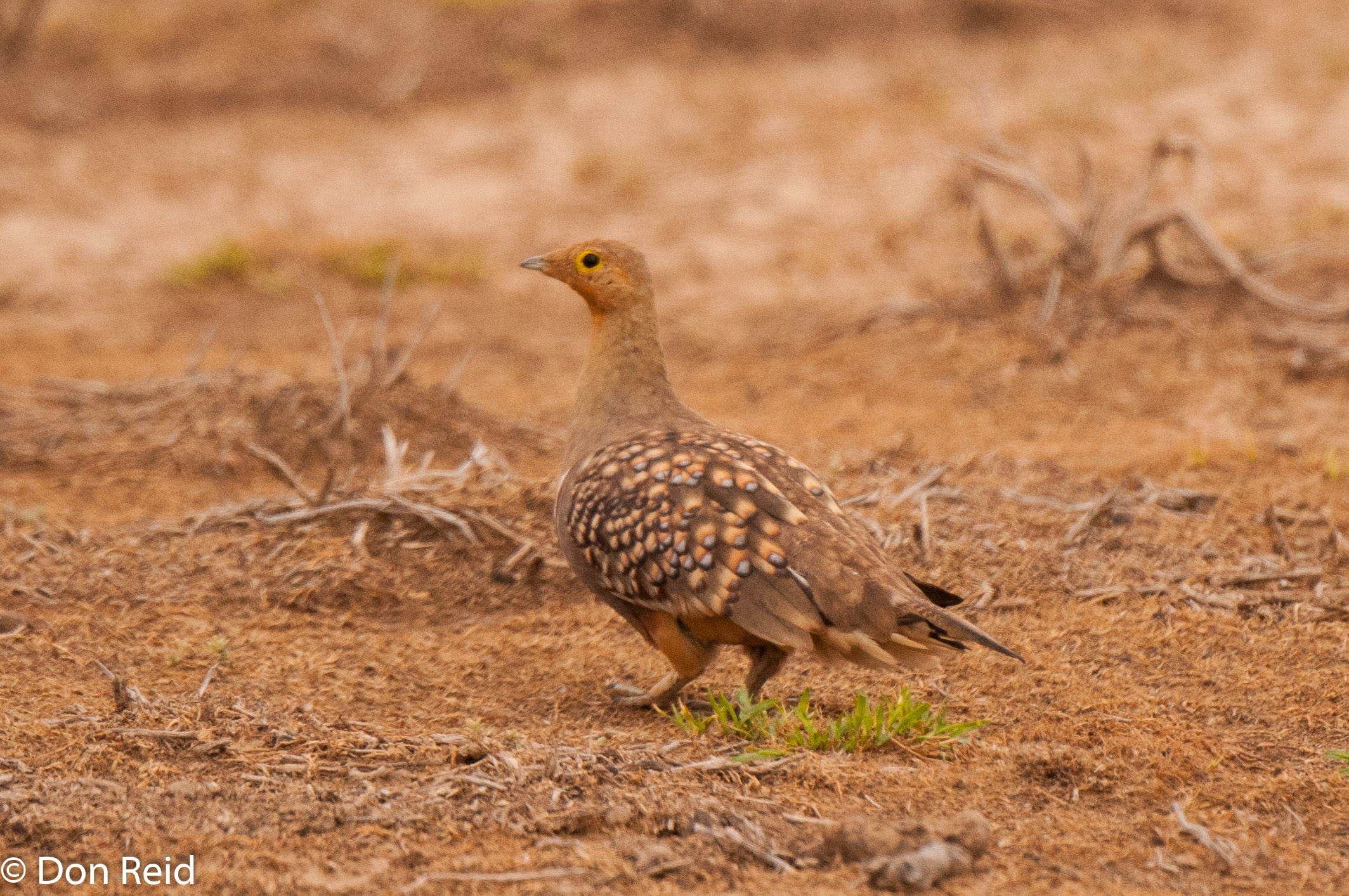
Burchell’s Sandgrouse, Chobe GR

Kori Bustard, Chobe GR

During the rest of the month I targeted some of the more remote areas of north-east Gauteng to do some atlasing, selecting pentads not yet atlased in 2017.

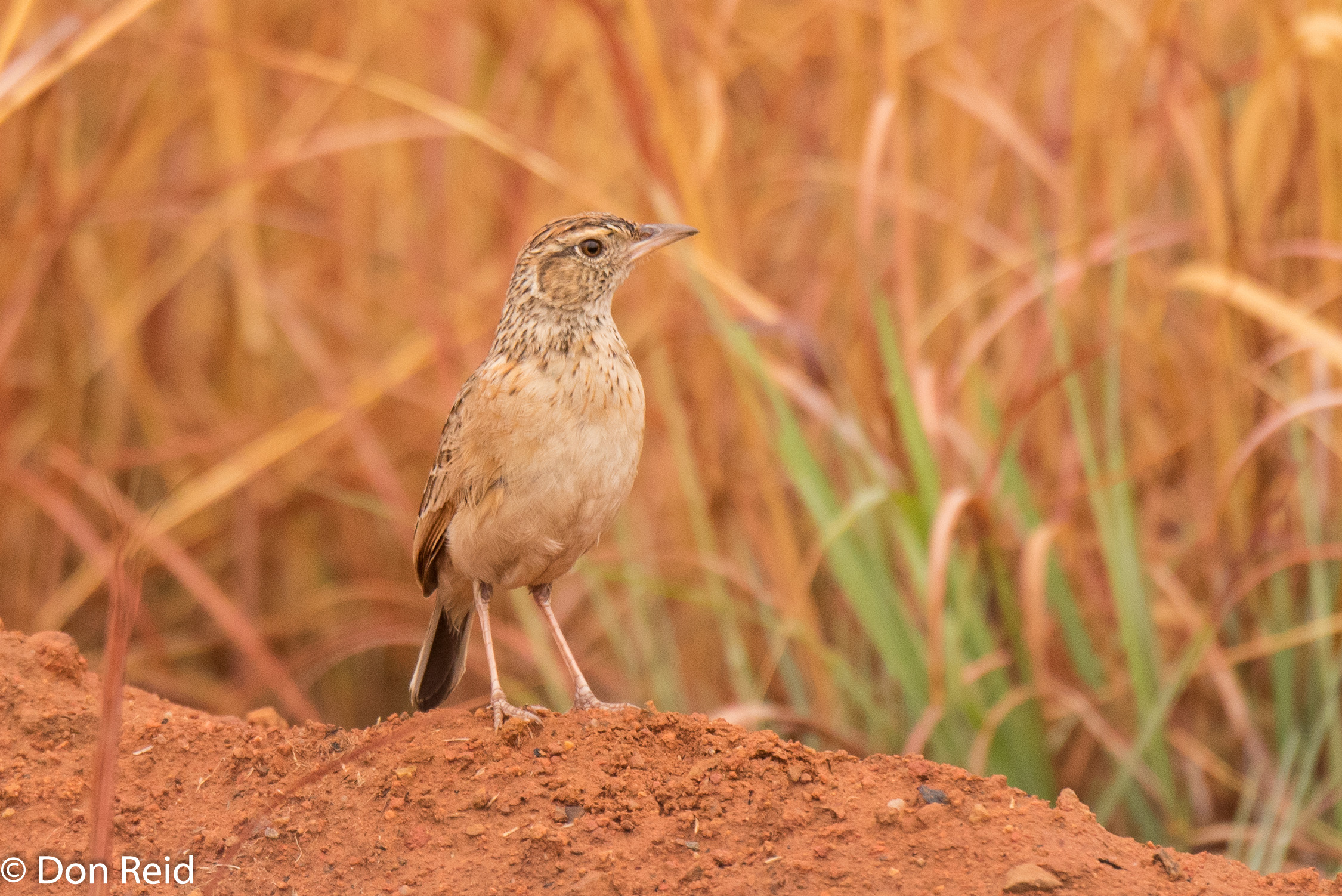
Rufous-naped Lark (Mirafra africana – subspecies transvaalensis, Vlaklaagte area

Spike-heeled Lark, Balmoral area

October

Our much anticipated trip to Mauritius to celebrate our “milestone” birthdays with the family was a highlight of the year from all points of view – the sheer joy of having our 3 children, their spouses and our 7 grandchildren with us in such a beautiful setting for a whole week was awesome (as they say).

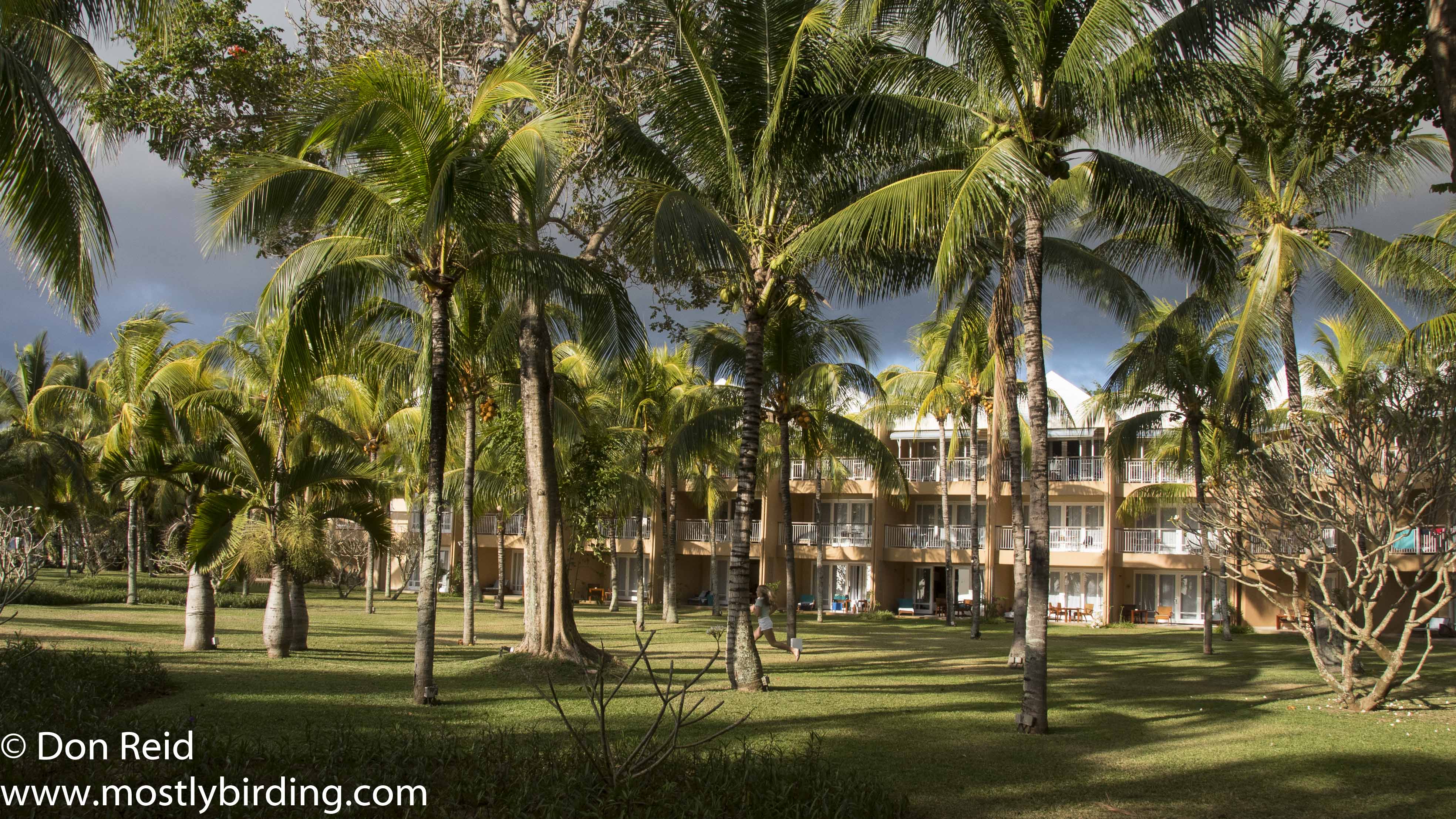
Le Victoria hotel, Mauritius

I didn’t do any serious birding but the hotel gardens were good for a total of just 11 species, of which 6 were lifers to add to my world list (yes I’m a “lister”!)

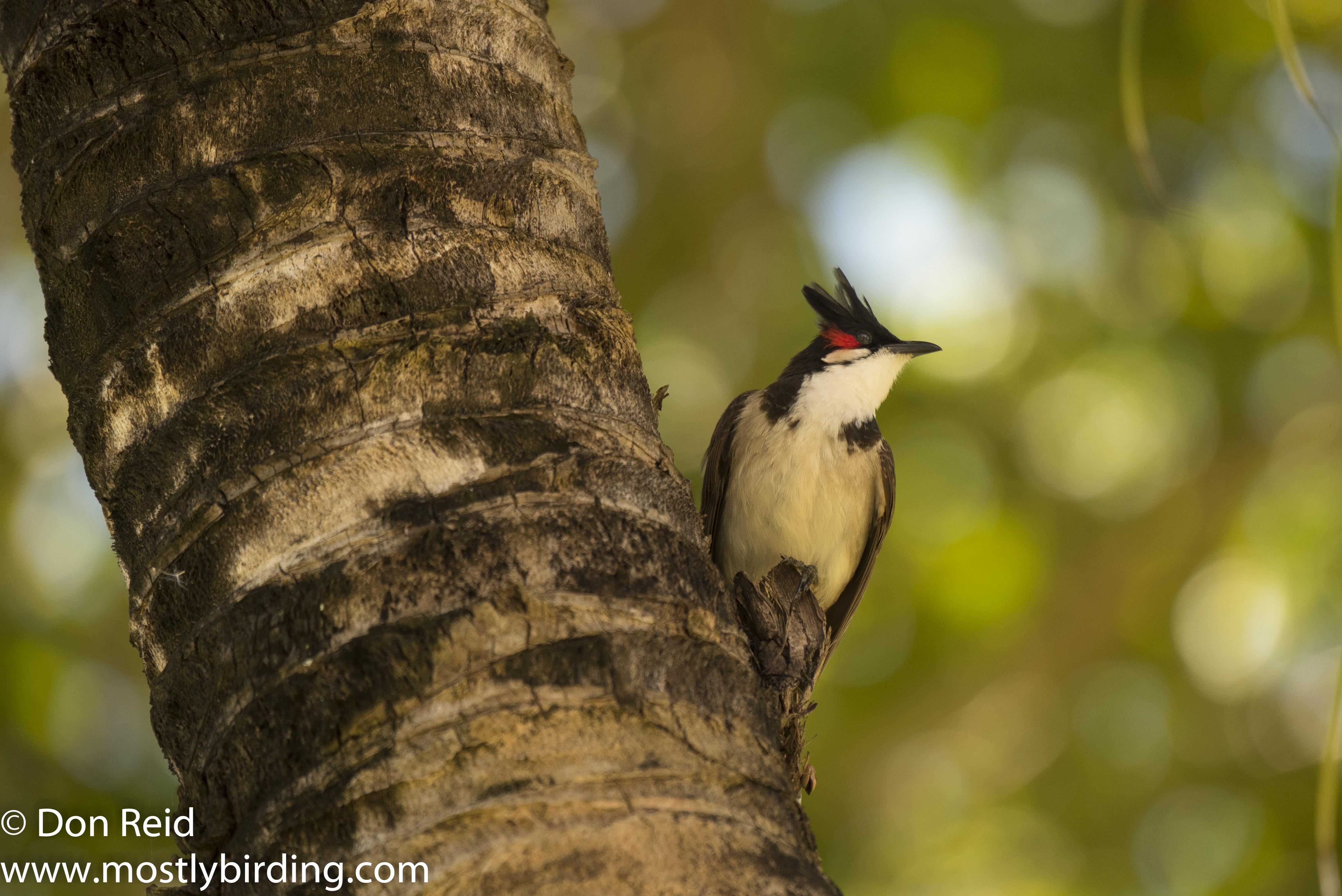
Red-whiskered Bulbul (Pycnonotus jocosus), Le Victoria hotel, Mauritius

Red Fody (Foudia madagascarensis), Le Victoria hotel, Mauritius

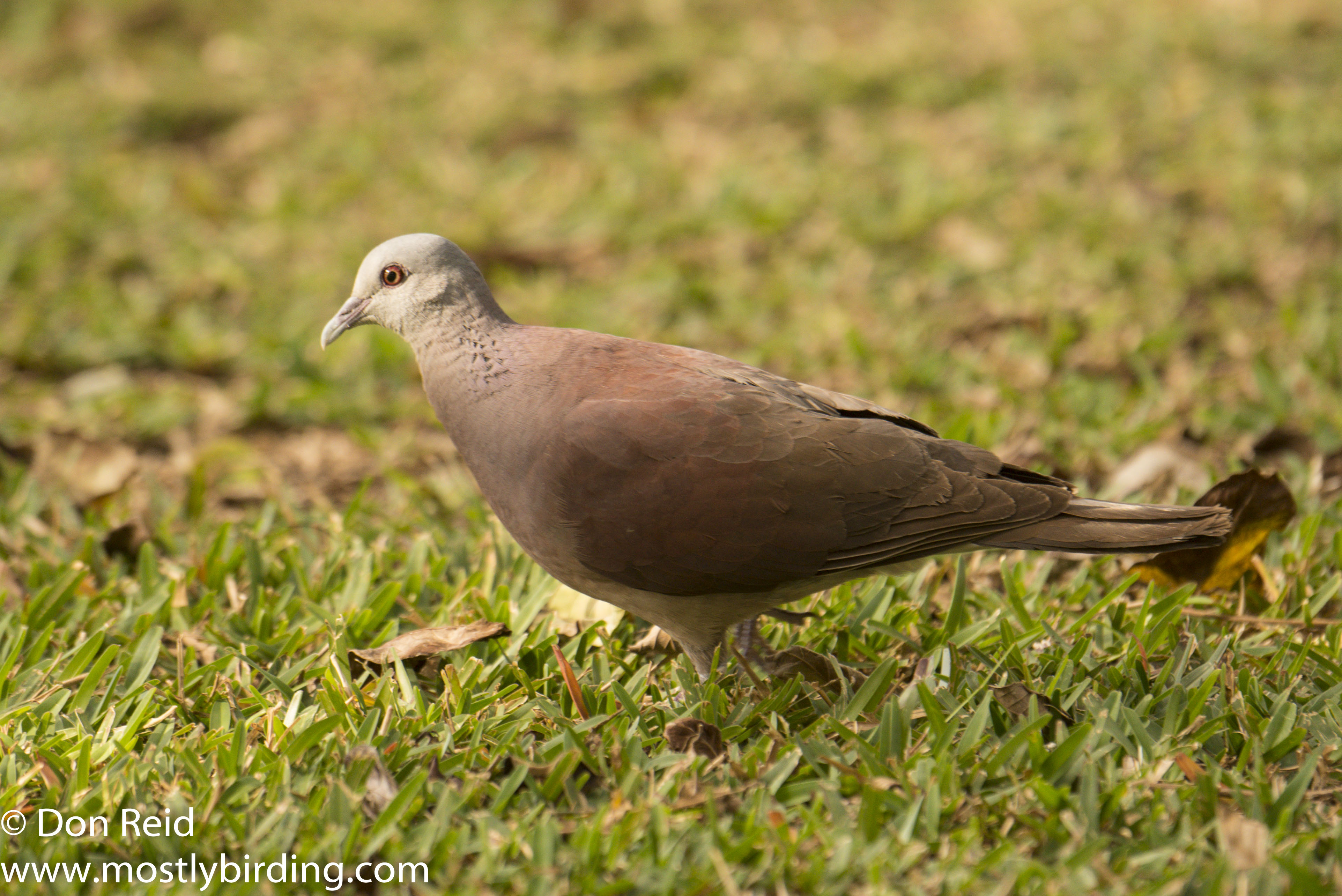
Malagasy Turtle Dove (Nesoenas picturatus), Le Victoria hotel, Mauritius

Zebra Dove / Barred Ground Dove (Geopelia striata), Le Victoria hotel, Mauritius

In any case I was so busy enjoying the ambience, the family, the great meals and the snorkelling that birding was relegated to about 10th place (just for that week, mind)

Later in the month I visited Marievale Bird Sanctuary near Nigel in Gauteng for a superb morning of birding in this prime waterbird location.

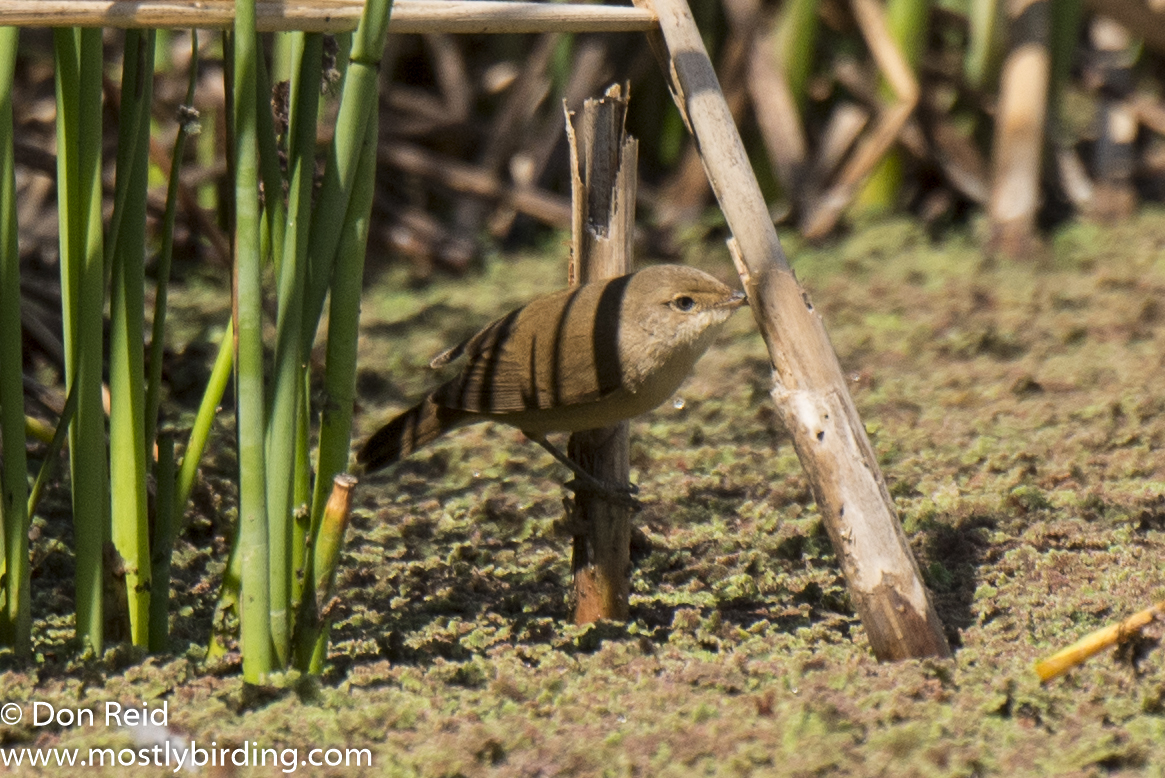
Lesser Swamp-Warbler, Marievale

White-backed Duck, Marievale

An unexpected atlasing trip with Koos on the 21st in the pentad covering the north-east corner of Pretoria was a delight, covering all areas from industrial to country estates.

November

My last visit to Kasane was also a busy one work-wise so not much opportunity for birding other than snatched moments in between other commitments – how I’m going to miss this place!

A weekend in Potchefstroom presented another chance to take Christopher (6) with me for some atlasing at Boschkop dam – plenty of highlights to make it interesting for both of us.

Marievale was my destination for the second time in 4 weeks when reports came through of Baillon’s Crake seen there. I dipped on the crake but still had a wonderful morning’s atlasing.

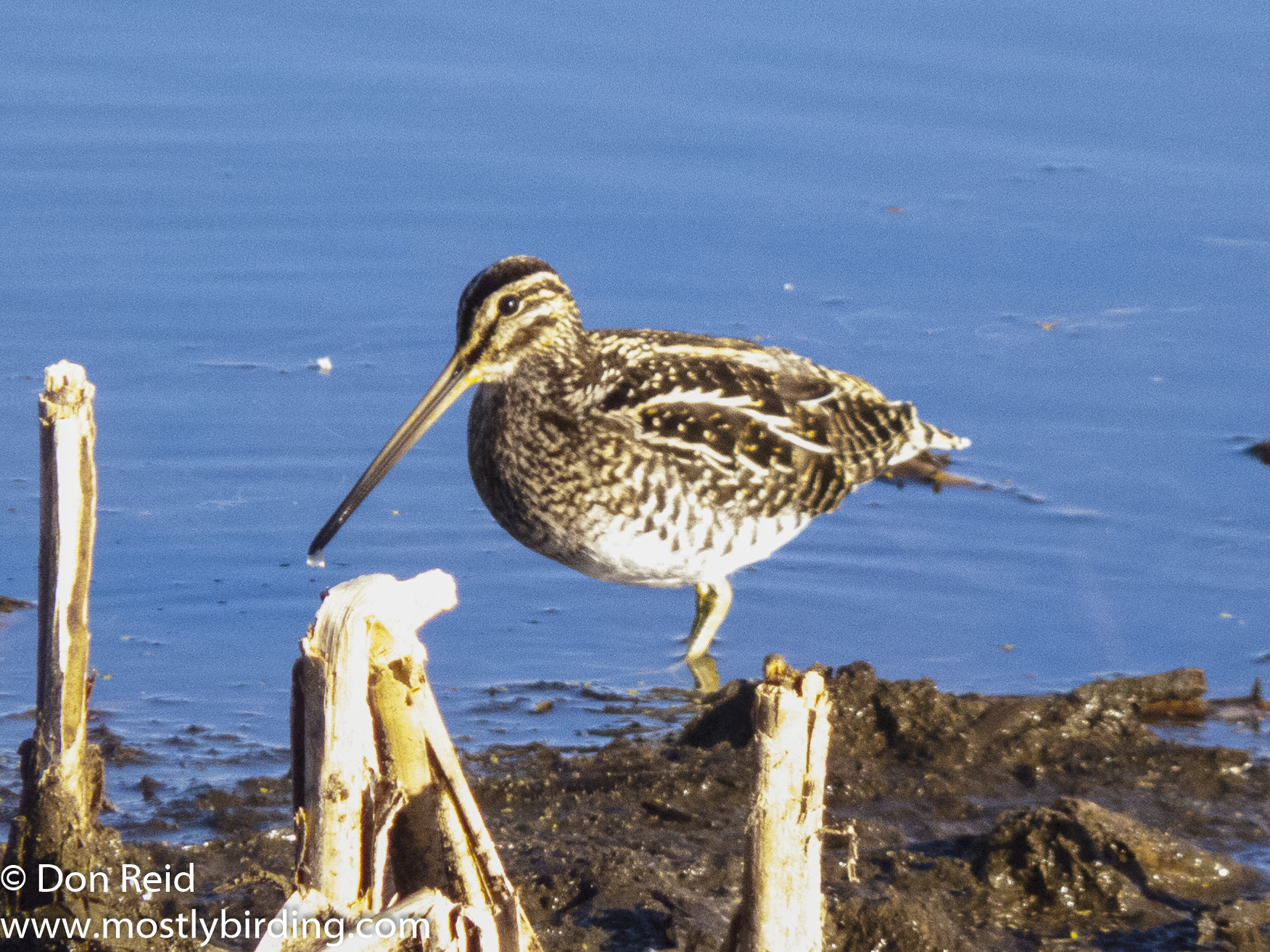
African Snipe, Marievale

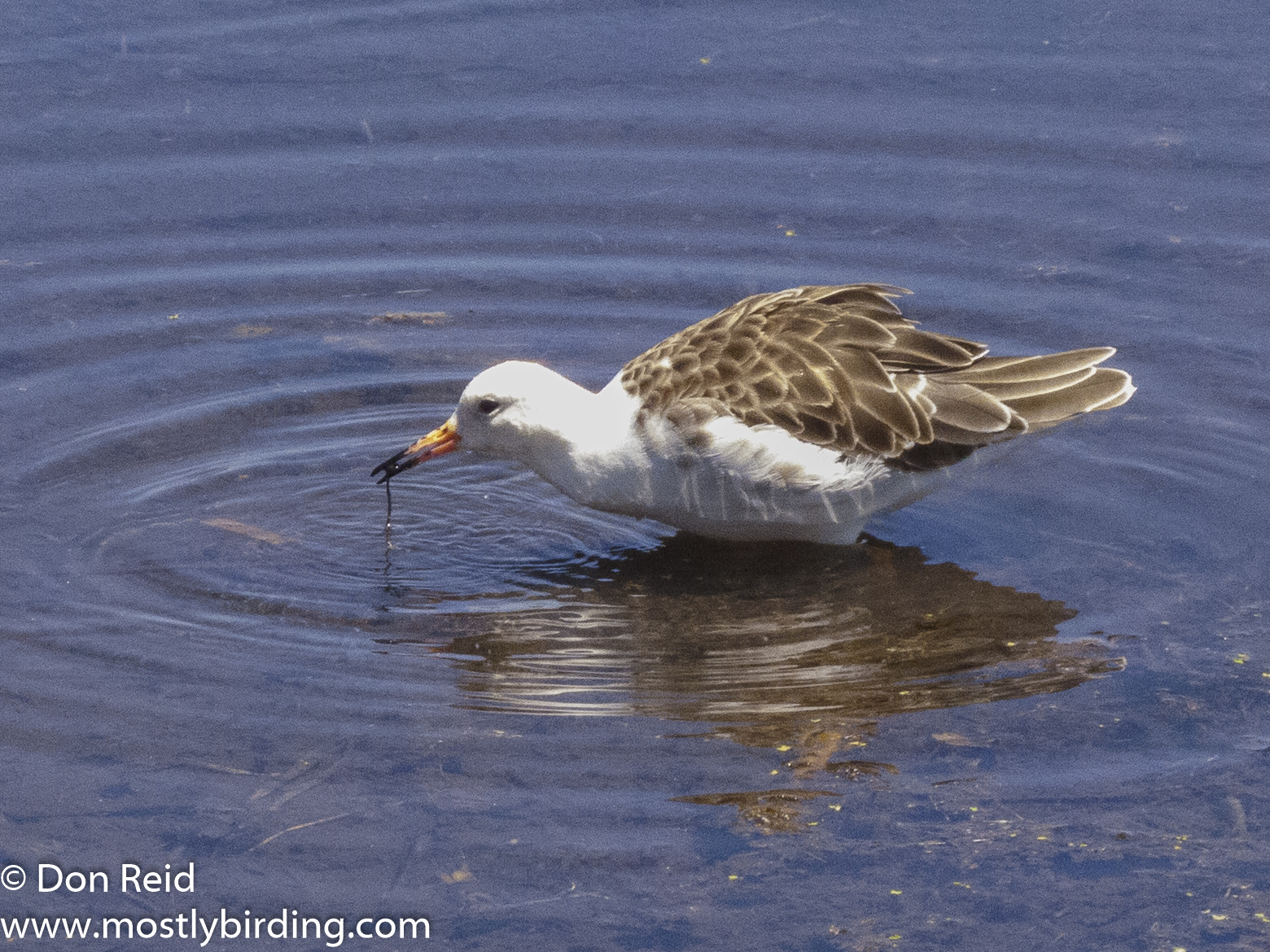
Ruff (white headed form), Marievale

On the 22nd it was time to head south (how time flies!) to our Mossel Bay home – a two day road trip with an overnight stop at Kuilfontein guest farm near Colesberg, which provided some great birding and relief from the long driving sessions.

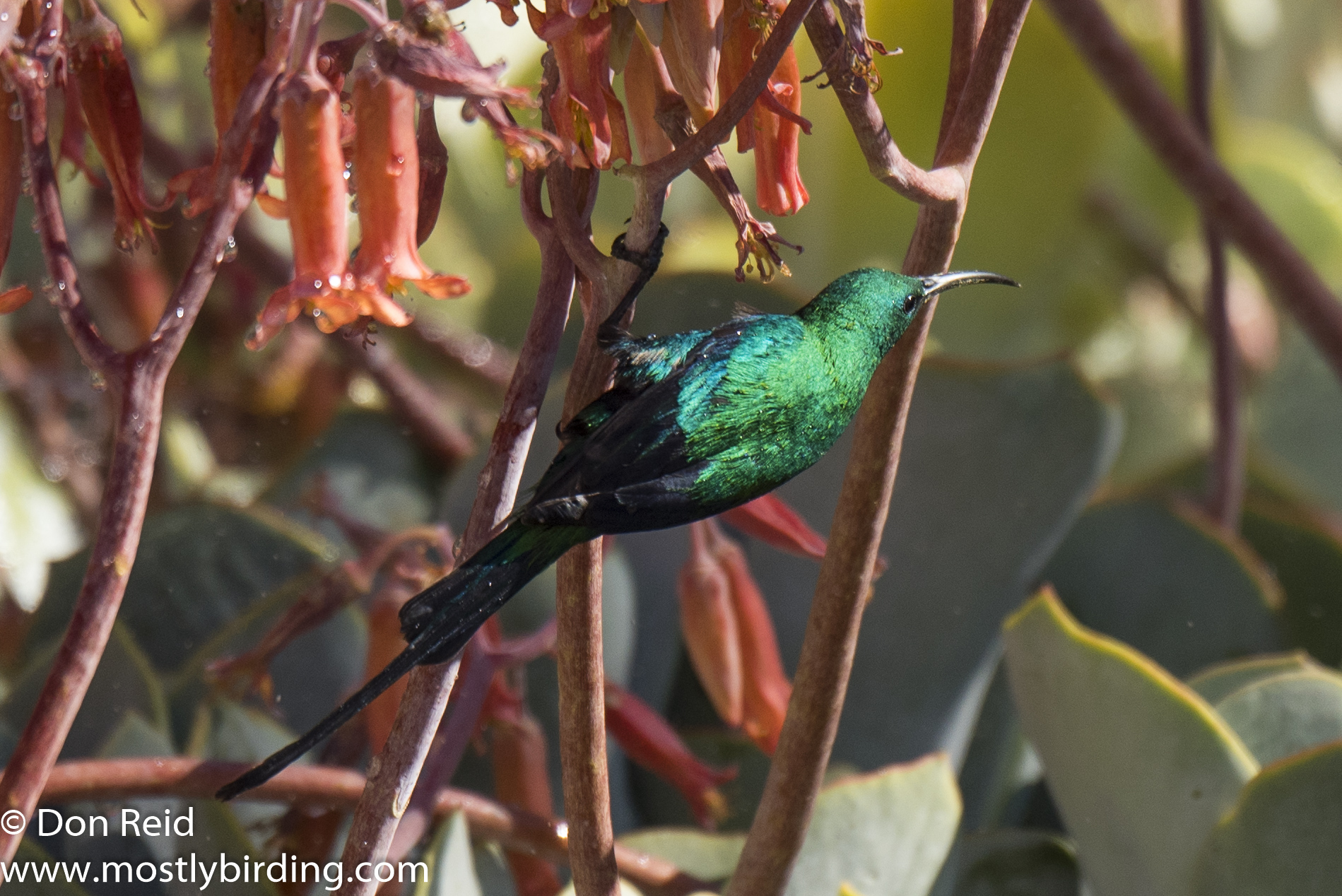
Malachite Sunbird, Kuilfontein near Colesberg

I hardly had time to recover in Mossel Bay when Birding Big Day was upon us and I invited Willie to join me for a long but fruitful day’s birding along some of the back roads of the surrounding countryside. We ended the day quite happy with 124 species and something like 120th place in the national challenge.

Common Ringed Plover, Klein Brak, BBD 2017

Red-necked Spurfowl, Brandwag area, BBD 2017

December

December as usual was given over to family matters with  a bit of atlasing squeezed in here and there. Apart from the good birding that Mossel Bay offers, most of my trips were in the direction of Herbertsdale, some 50 kms north-west of Mossel Bay, where the countryside is attractive and the roads quiet.

Pin-tailed Whydah (Male), Mossel Bay

Booted Eagle, Mossel Bay

White-rumped Swift, Mossel Bay

Steppe (Common) Buzzard, Mossel Bay area

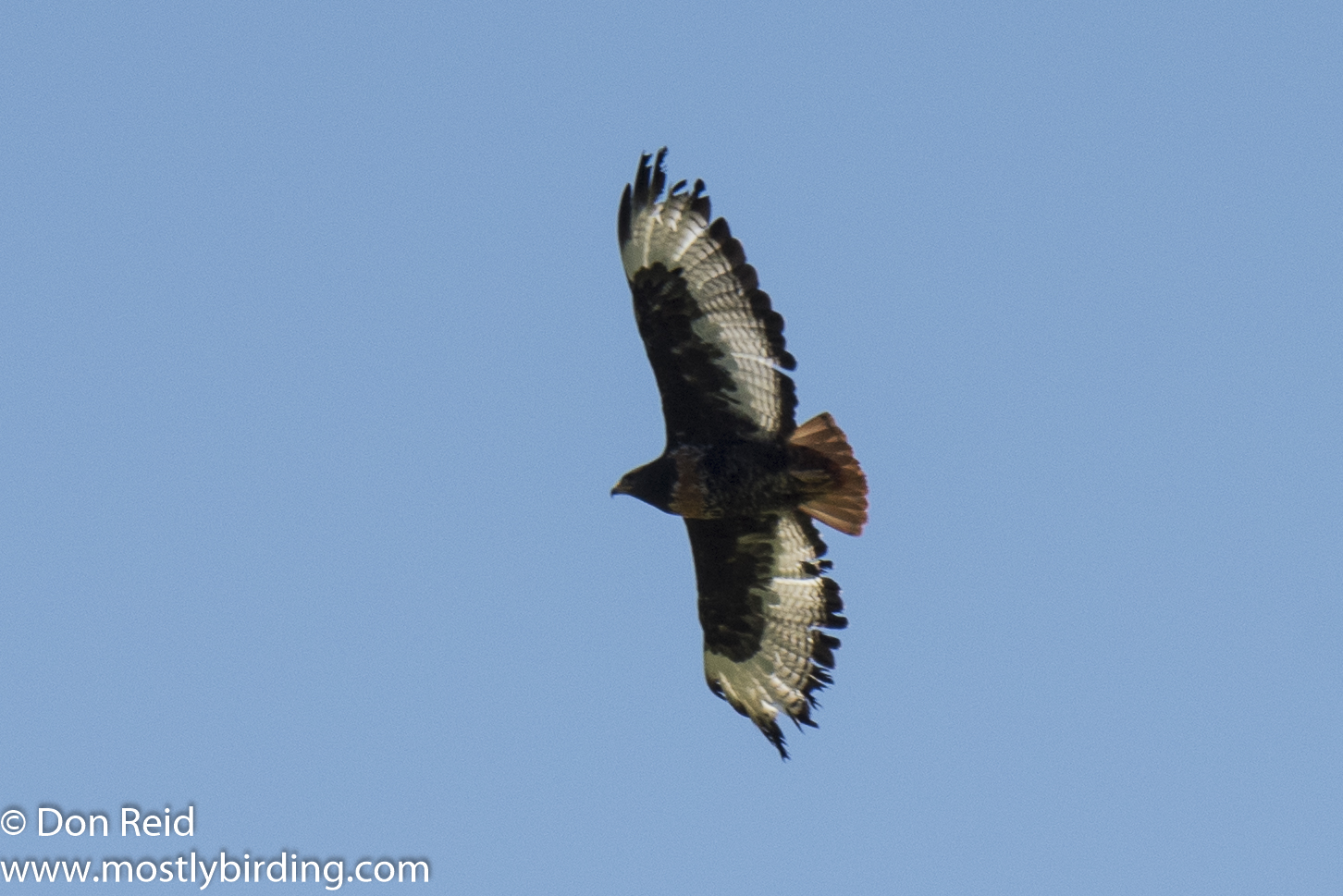
Jackal Buzzard, Mossel Bay

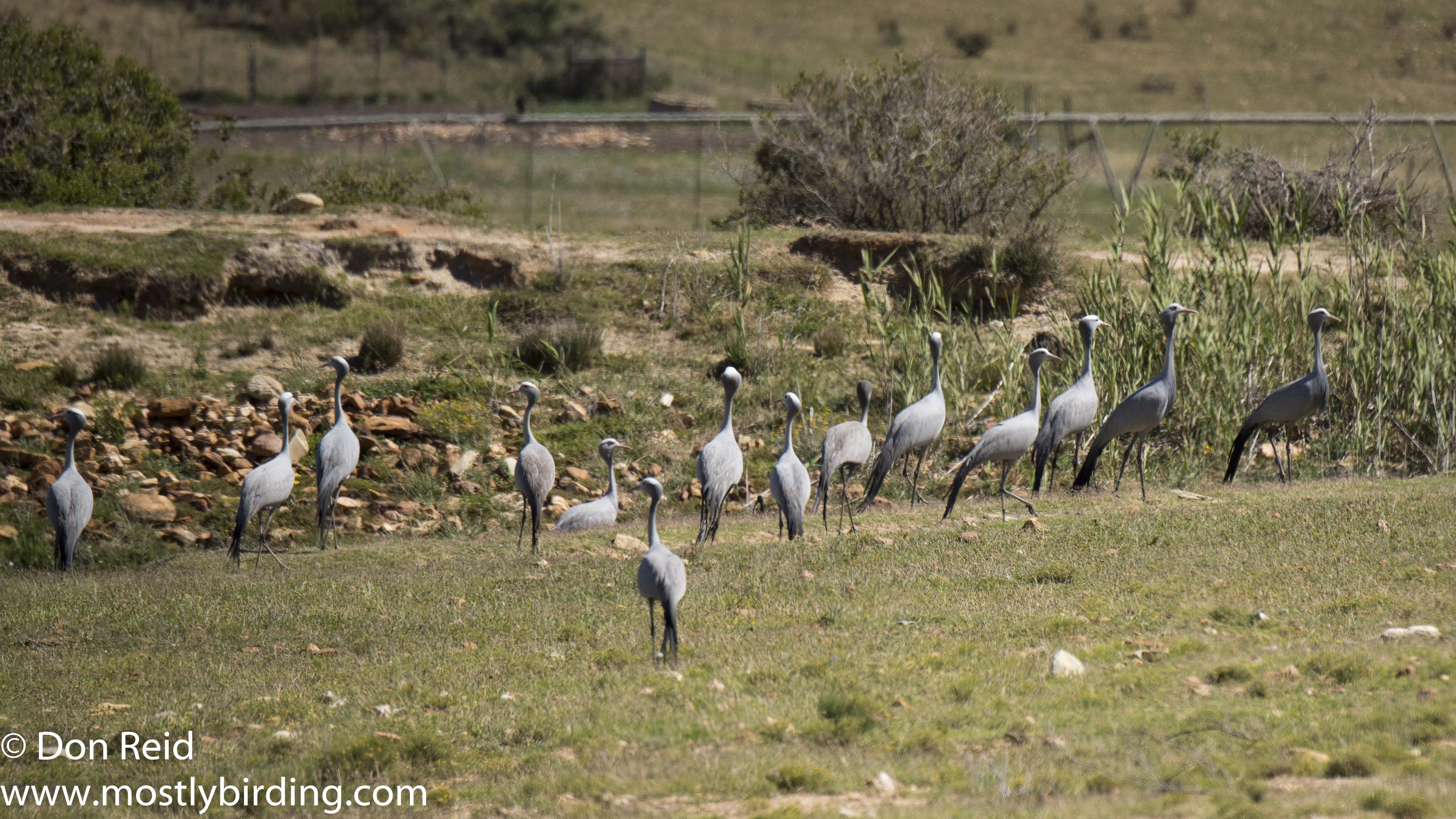
Blue Cranes, north of Herbertsdale

Cape Sugarbird, Mossel Bay

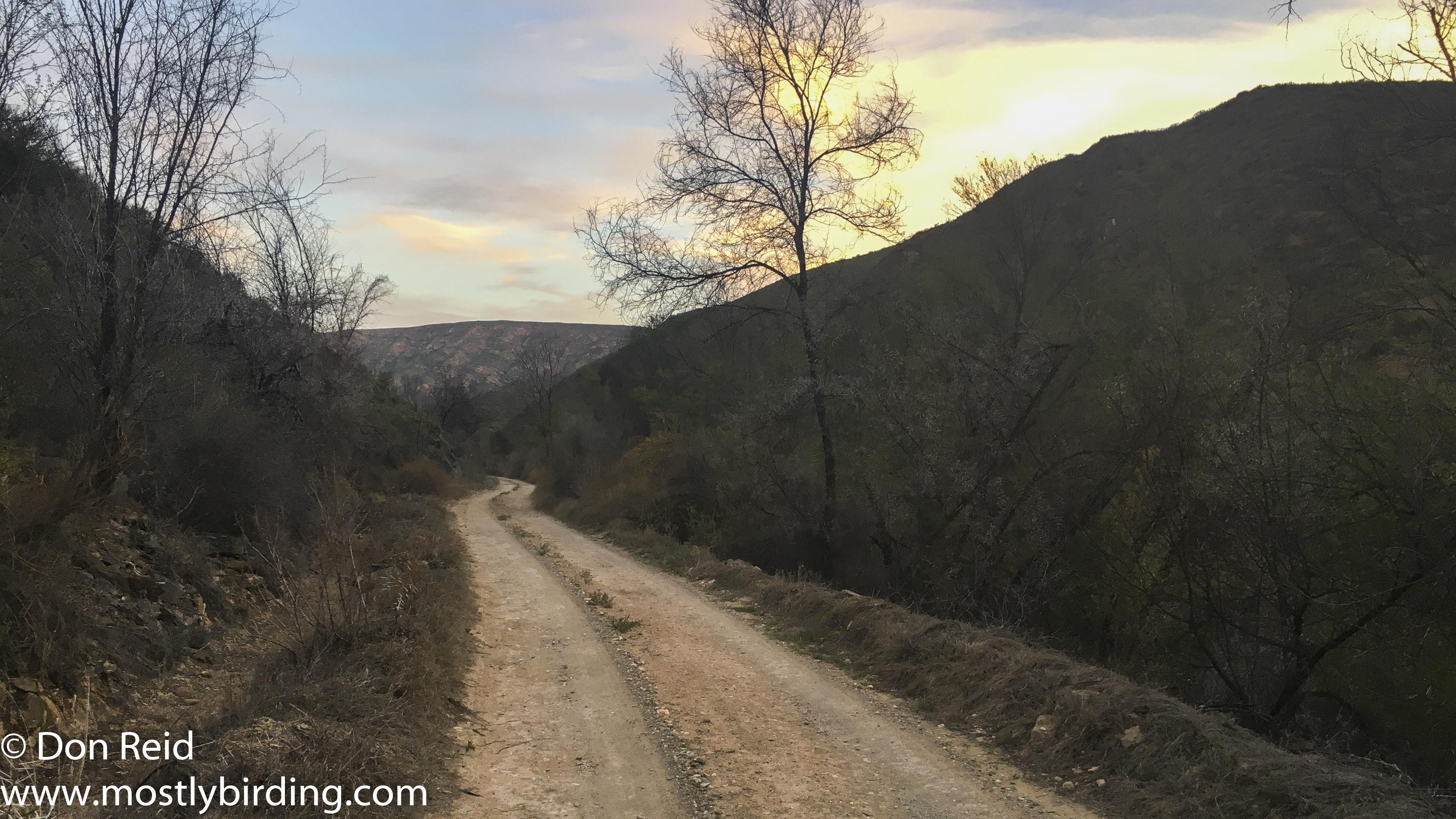
Scenery north of Herbertsdale

The last 3 days of the year were spent at a cottage in the hills beyond Calitzdorp, serious Little Karoo country and good for some of the Karoo specials. The cottage was Andre and Geraldine’s dream that became real, through a lot of hard work on their part.

Evening walk, Calitzdorp

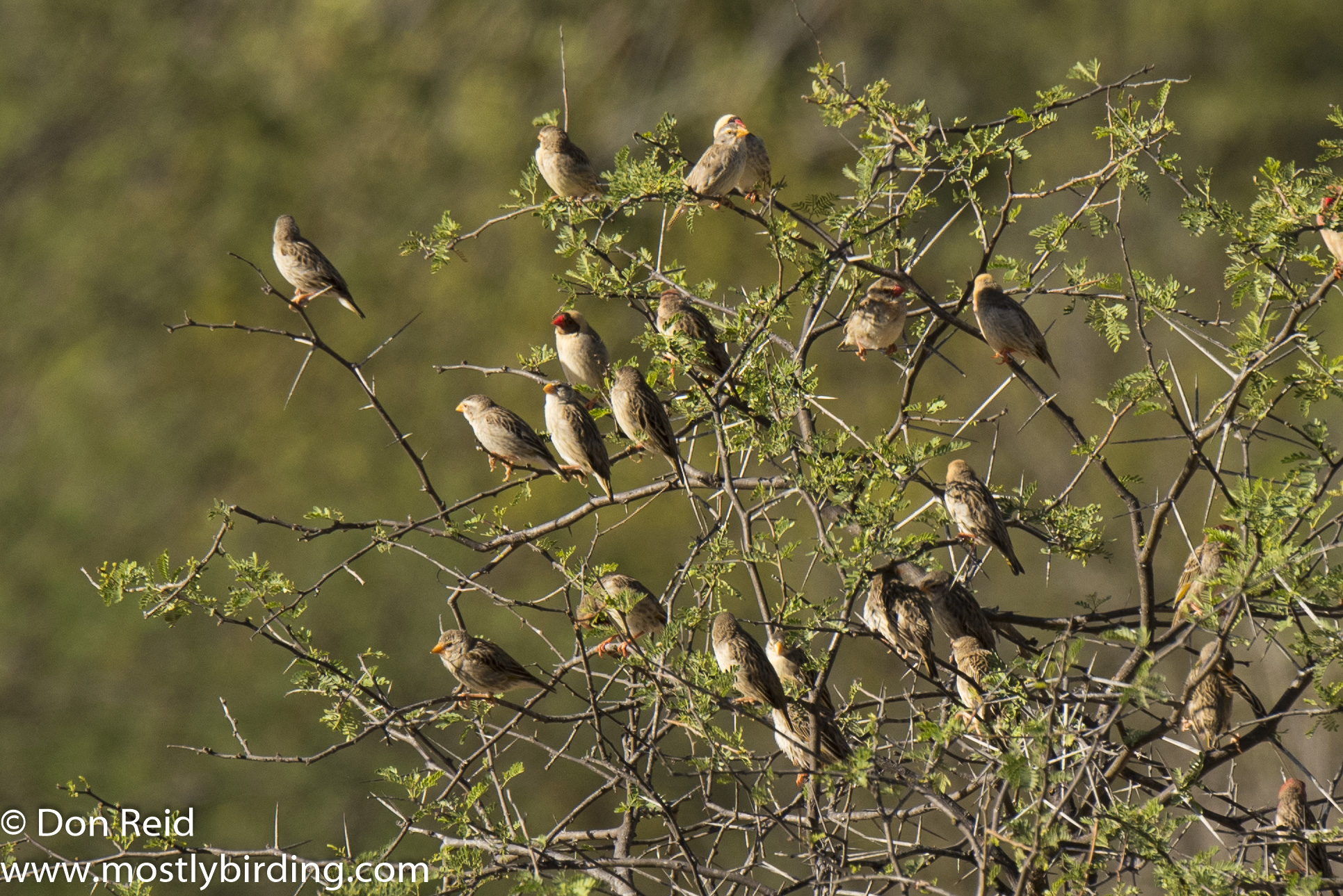
Red-billed Queleas, Calitzdorp

Answer to “6 Species in one frame” – left to right :

Glossy Ibis (left, just in frame), Squacco Heron, African Darter (in front), African Spoonbill (rear, twice), Little Egret, Long-toed Lapwing

Phew glad I got that post out in January (only just) – a Birding Year story is no good whatsoever in February


My Birding Year 2017 (Part 1) – Atlasing, Twitching, Cruising and more


Another memorable Birding Year has come and gone – a year filled once again with travelling to many familiar places and some exciting new ones, atlasing at every opportunity, a number of new birds seen and enough experiences to fill my journal to the brim.

So here’s a synopsis of my birding activities during the year along with photos of a few of the species encountered and places visited. Some of the trips are covered in separate posts in a lot more detail.

January

Our year kicked off in Mossel Bay, our home town for some of the year and I took the opportunity to do some atlasing / birdmapping in the area – Hartenbos and the adjoining inland in particular.

Agulhas Long-billed Lark in full song

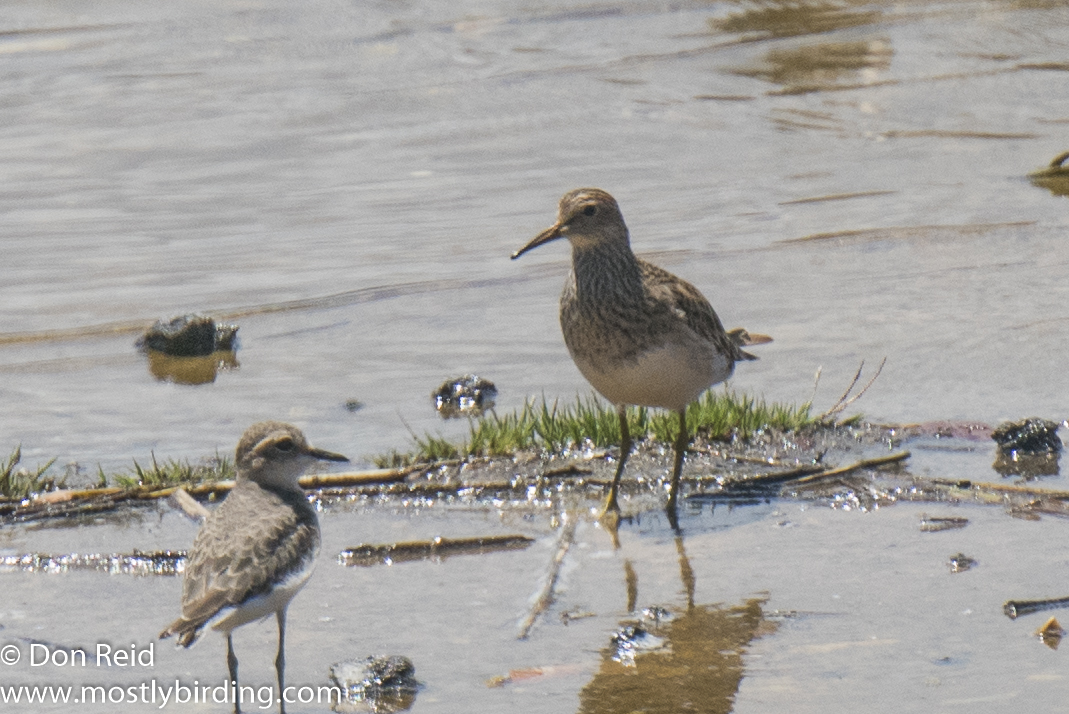
On the 9th I had the unexpected thrill of finding a Pectoral Sandpiper, classed as a national rarity, which I duly reported to Trevor Hardaker who sent out a note to all subscribers to the SA Rare Bird News network – what a memorable day!

Pectoral Sandpiper, Hartenbos River weir

SA Rare Bird News report

We started our journey back to Gauteng on the 13th, first stopping over in charming Prince Albert for two nights. I managed to fit in some atlasing in the area including a pleasant trip along the Damascus road.

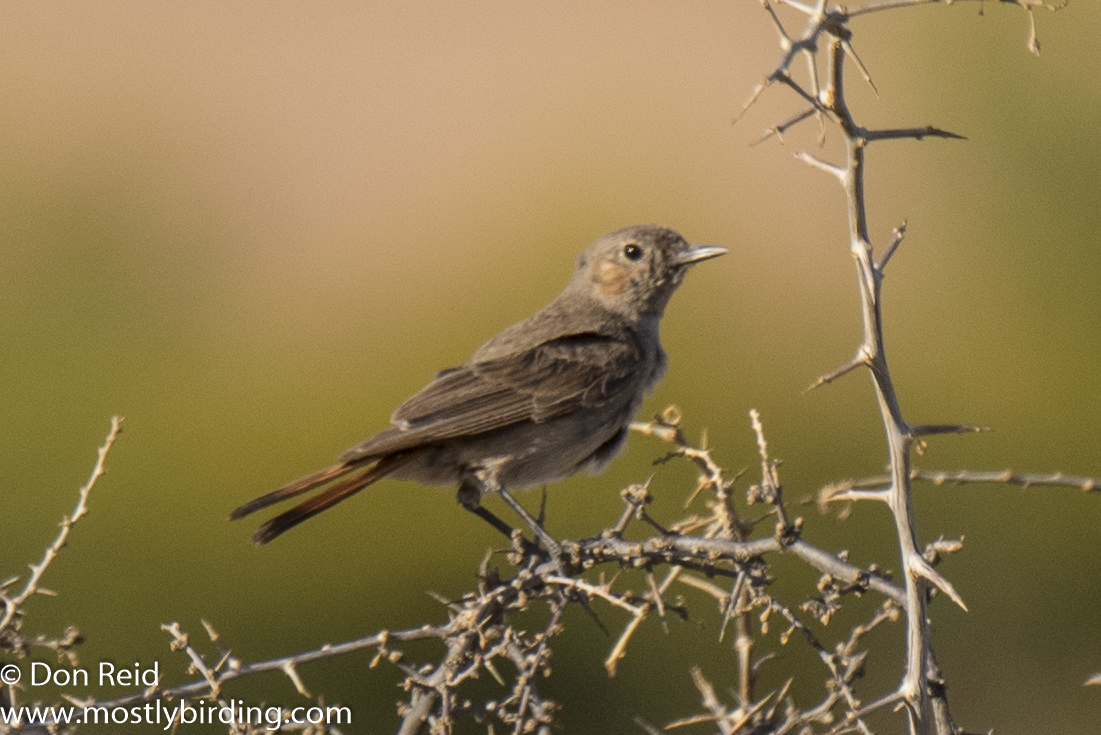
Familiar Chat, Prince Albert (Damascus road)

Our next stop for one night was at Garingboom guest farm near Springfontein in the Free State which also proved to be an interesting birding destination.

Amur Falcon, Garingboom Guest farm, Springfontein

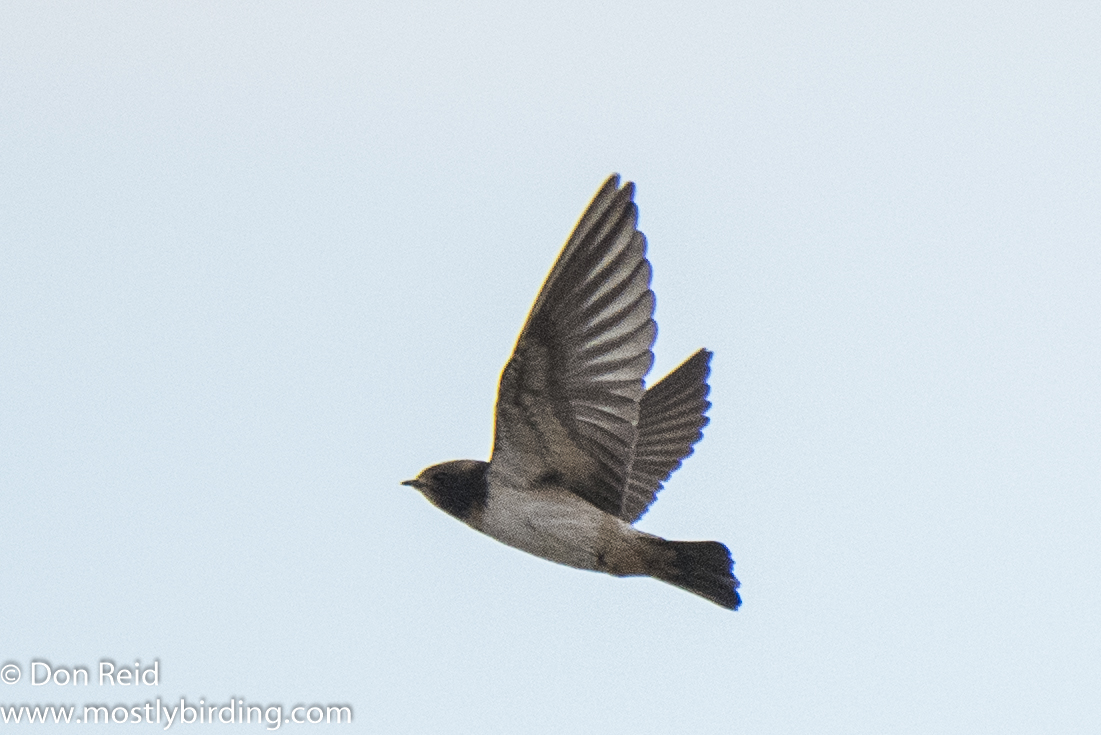
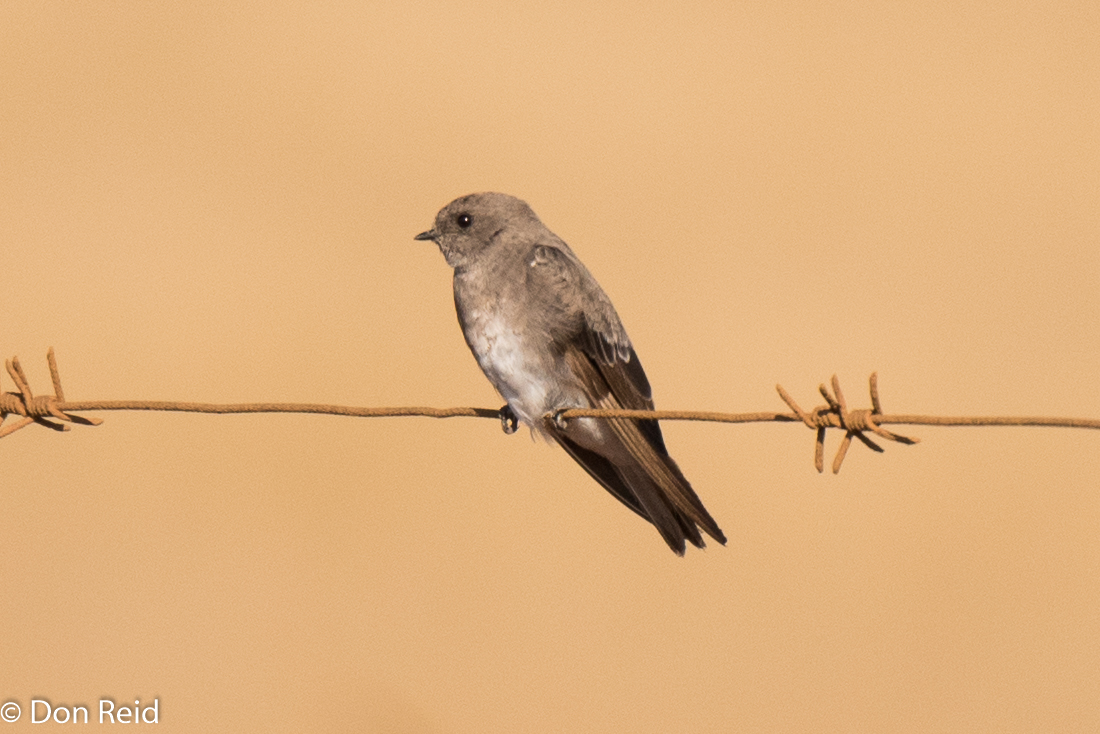
SA Cliff Swallow, Garingboom Guest farm, Springfontein

Back in Pretoria, my first atlasing was centred around Mabusa Nature Reserve some 100 km north east of Pretoria which was a most enjoyable spot with some challenging roads and good birding

Mabusa Nature Reserve

Yellow-fronted Canary, Mabusa Nature Reserve

Bushveld Pipit, Mabusa Nature Reserve

Mabusa Nature Reserve

February

My first trip of the year to Kasane presented some great birding and atlasing opportunities in the summer lushness of Chobe Game Reserve.

Kasane Forest Reserve

White-crowned Lapwing, Chobe Game Reserve

Chobe Game Reserve

Double-banded Sandgrouse, Chobe Game Reserve

Back in Pretoria I did further atlasing in the Delmas area

Brown-throated Martin, Delmas area

We used our timeshare points for a weekend at Champagne Valley in the Drakensberg, which provided an opportunity for some atlasing in the area

Grey-crowned Crane, Drakensberg south

Drakensberg south

Gurney’s Sugarbird, Drakensberg south

March

Our Canadian family arrived on the 6th for a two week visit which included a Kruger Park visit and a trip to Vic Falls and Chobe Game Reserve

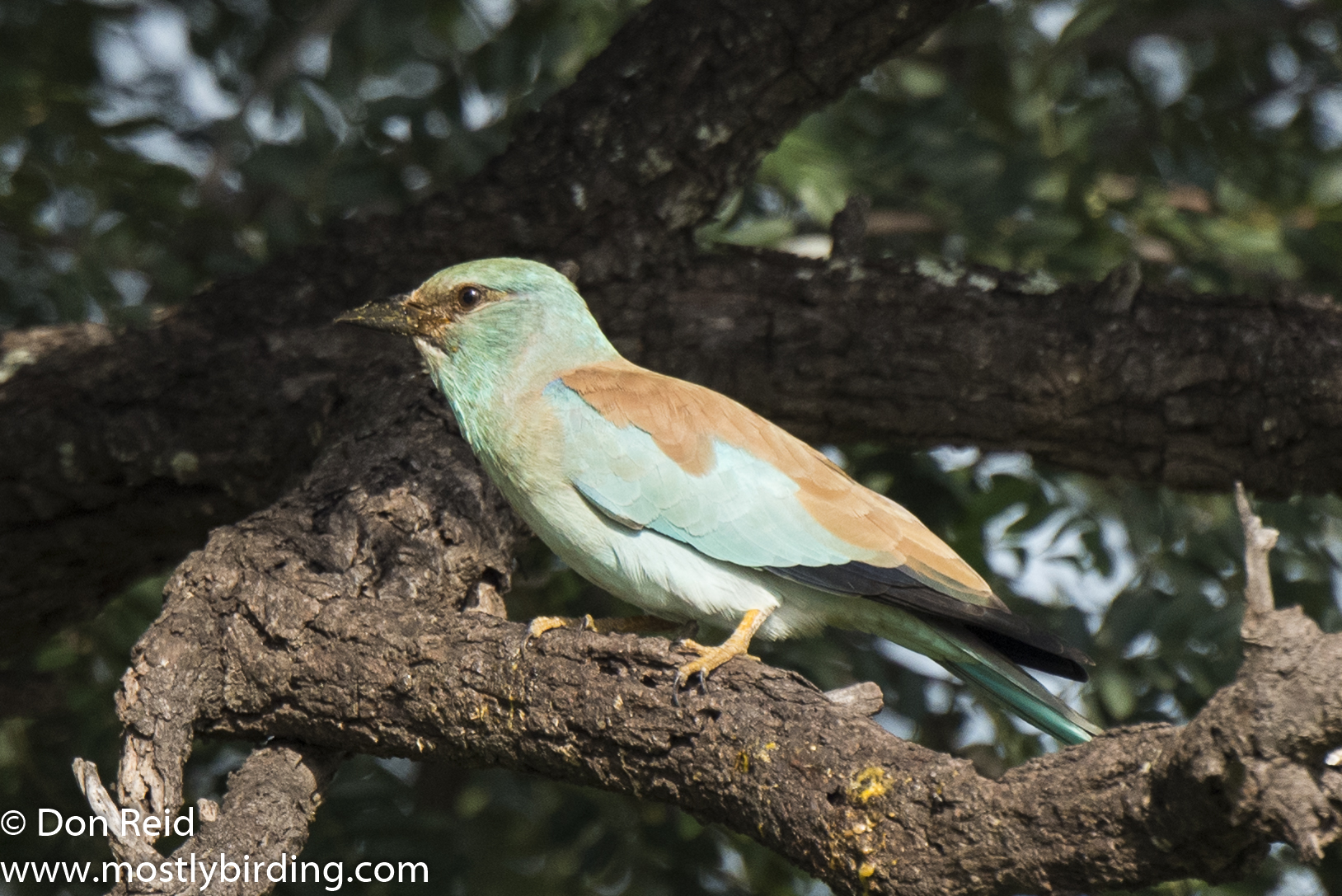
European Roller, Kruger Park

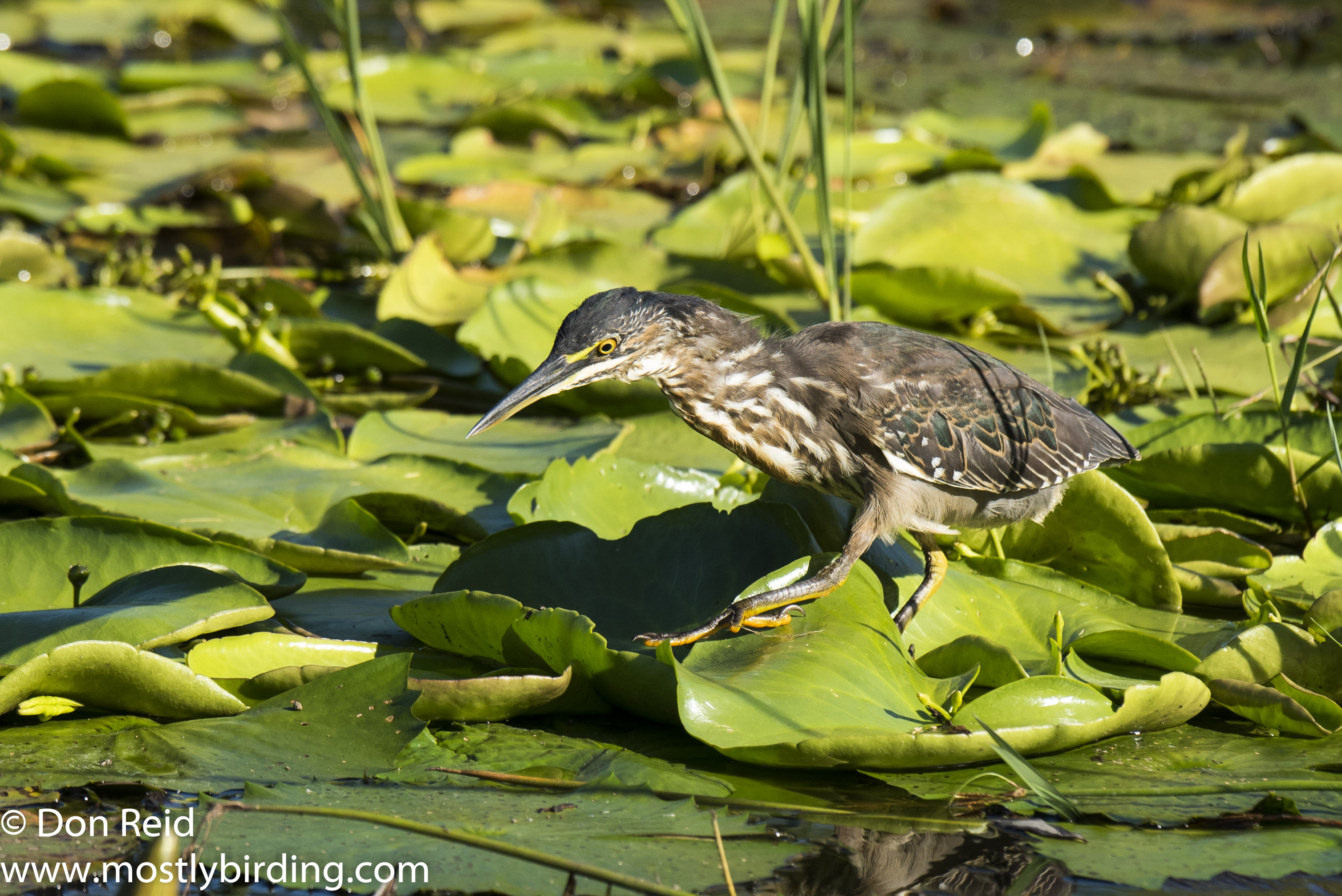
Green-backed Heron (Juvenile), Lake Panic in Kruger Park

White-fronted Bee-eater, Zambezi Cruise

Little Sparrowhawk (Juvenile), Chobe Safari Lodge

Getting back to normal after the excitement of touring with the family, we visited Potchefstroom, and I was happy to take grandson Christopher (6) with me for some birding at the local dam – I think he was more interested in my Prado’s little fridge filled with cold-drinks, but you have to start somewhere!

April

My monthly visit to Kasane, Botswana afforded another opportunity for some birding around Kasane and in Chobe Game Reserve – such a great destination which I try not to spoil with too much work….

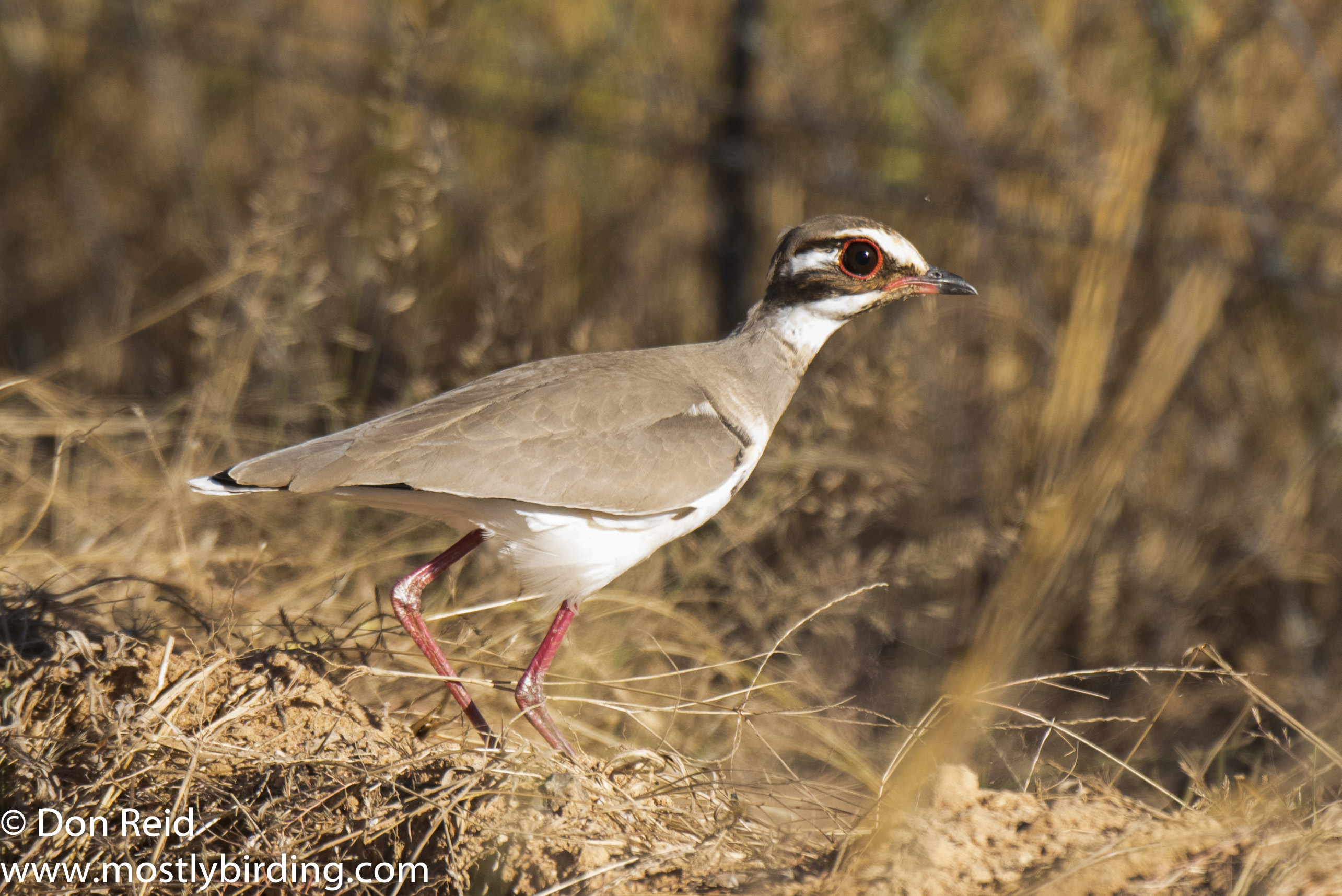
Bronze-winged Courser, Kasane Airport perimeter

Western Yellow Wagtail, Kasane Sewage Works

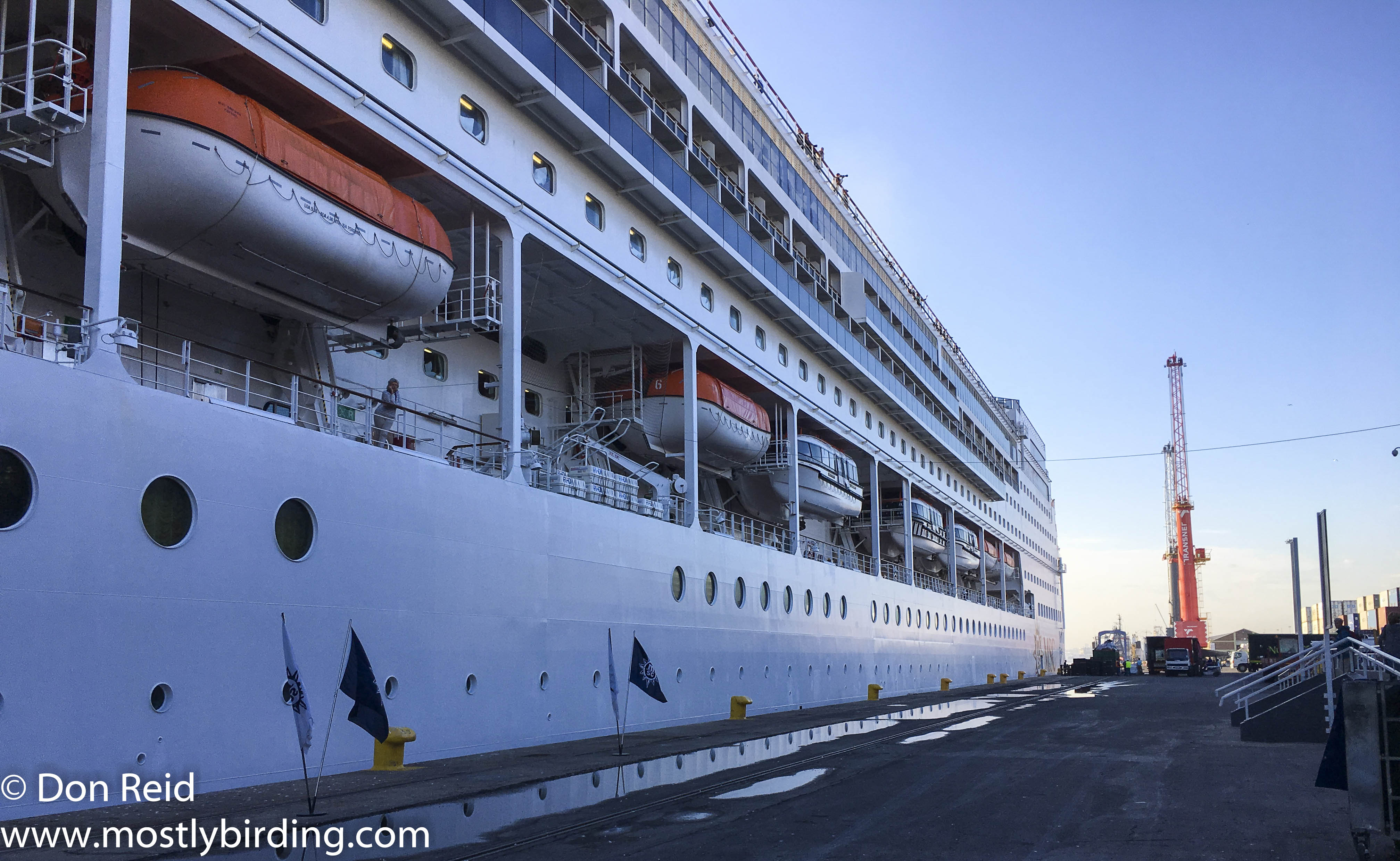
Then it was time for our much anticipated “Flock at Sea” cruise from the 24th to 28th  arranged by Birdlife SA

Flock at Sea Cruise

Flock at Sea Cruise

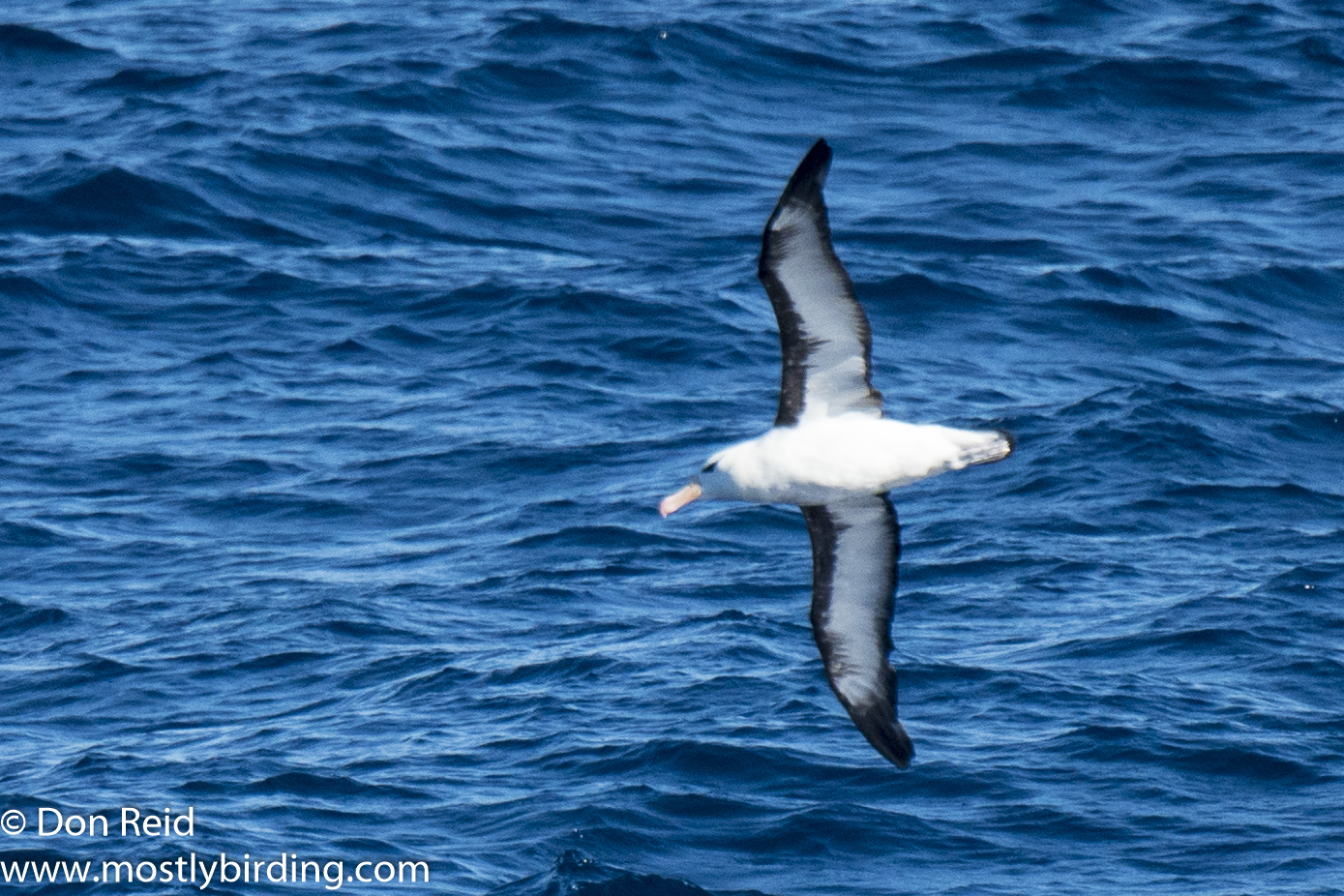
Black-browed Albatross, Flock at Sea Cruise

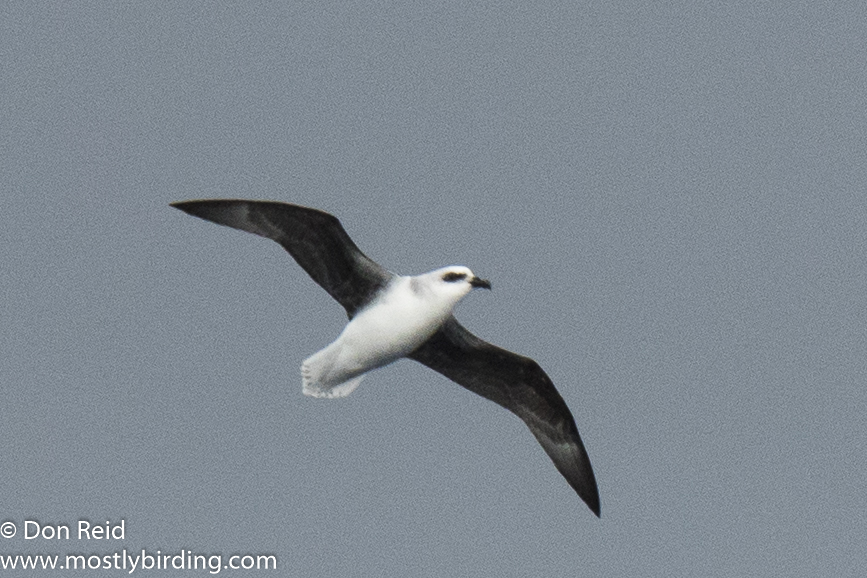
White-headed Petrel, Flock at Sea Cruise

Flock at Sea Cruise

May

Another short autumn visit to Mossel Bay meant I could fit in some further atlasing in the Southern Cape

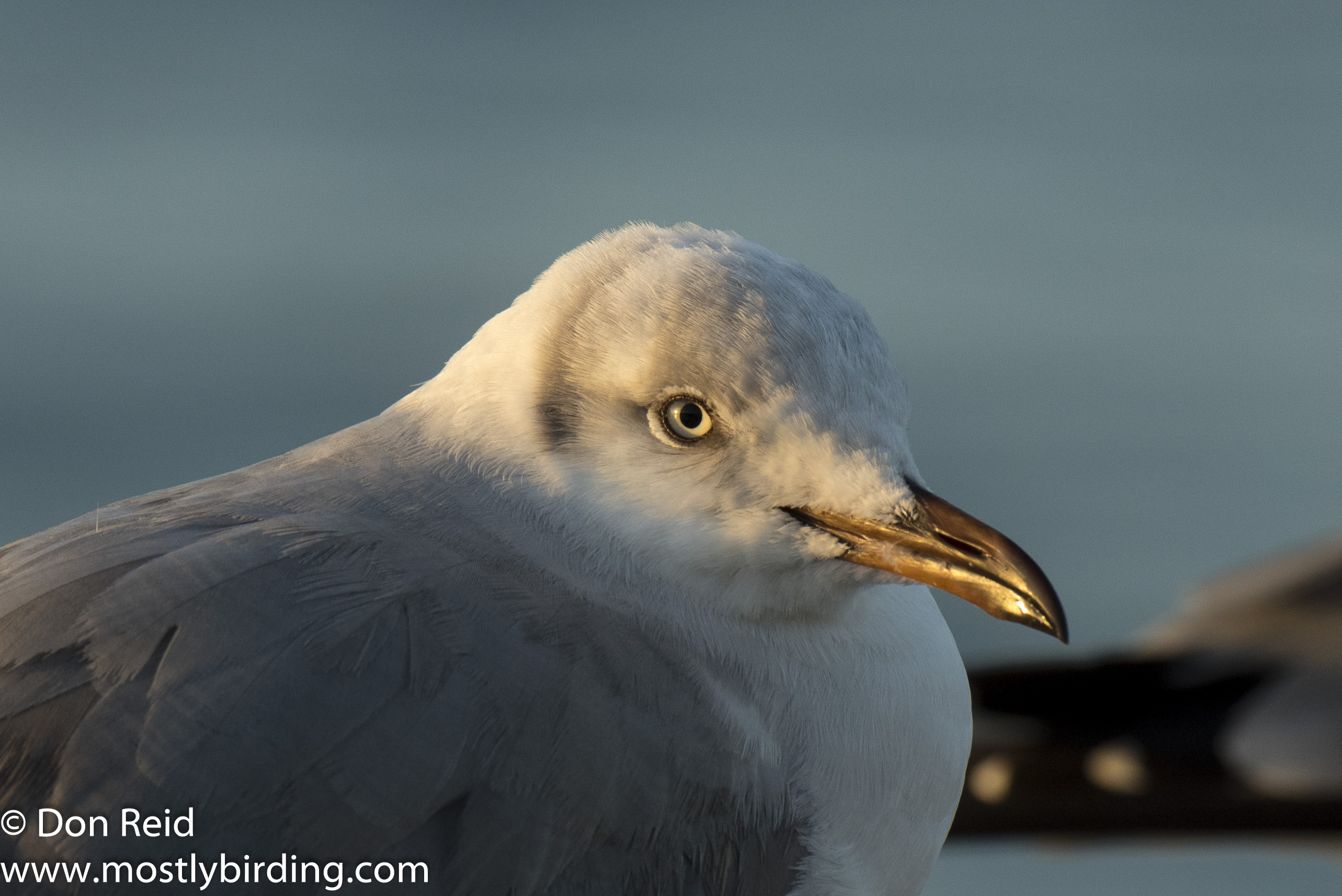
Grey-headed Gull, Mossel Bay

Cape Rock-Thrush (Male), Victoria Bay

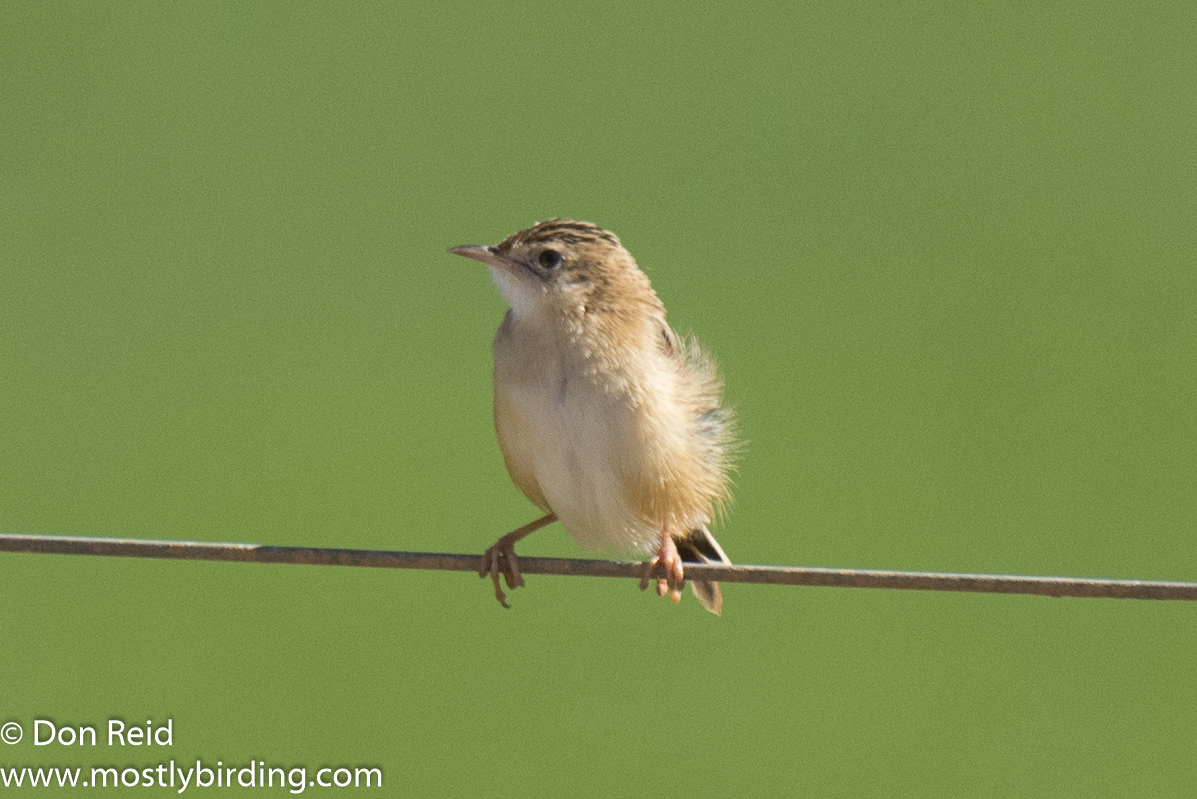
Zitting Cisticola, Herbertsdale area

Later in the month Koos and I headed to Bushfellows Lodge near Marble Hall in Mpumulanga for a day’s atlasing (and some snake watching)

Just a week later we spent 4 days at Verlorenkloof also in Mpumulanga with Koos and Rianda, one of our favourite spots for relaxing and blessed with a variety of birding opportunities

Chinspot Batis, Verlorenkloof

Lower dam, Verlorenkloof

Red-throated Wryneck, Verlorenkloof

June

The month kicked off with a visit to Kasane but this time my birding was limited to a rather hurried morning trip into Chobe Riverfront

Yellow-billed Oxpecker, Chobe Game Reserve

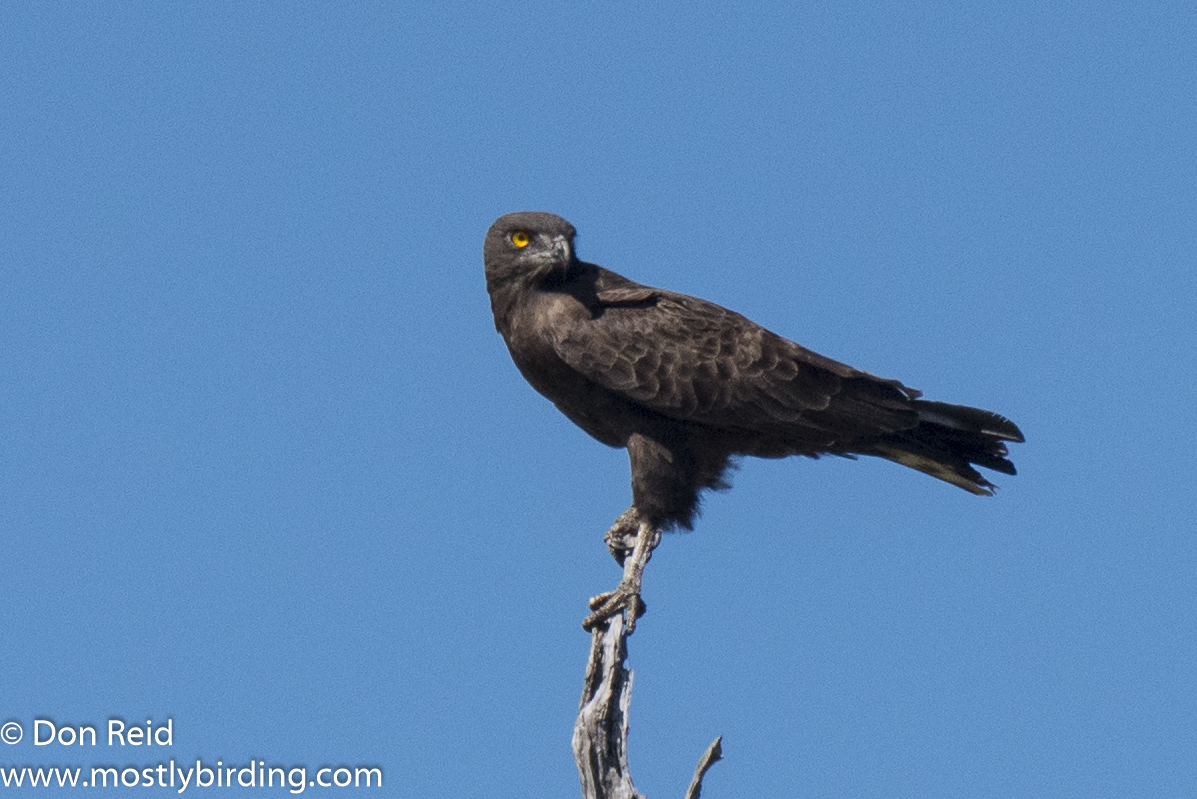
Brown Snake Eagle, Chobe Game Reserve

On the 10th Koos and I braved the mid-winter cold and the notoriously dangerous Moloto road north of Pretoria to do some atlasing in NE Gauteng

Marico Sunbird, far north east 4DG

We closed out the half year with our “get away from it all” break in La Lucia near Durban at our timeshare resort – this was interrupted by a breakaway to northern Zululand to view a Malagasy Pond-Heron that had taken up residence at Phinda Game Reserve.

Phinda North KZN

Malagasy Pond-Heron, Mziki dam, Phinda North KZN

Long-tailed Paradise Whydah, Phinda North KZN

In the latter part of the week I visited Pigeon Valley for some superb forest birding

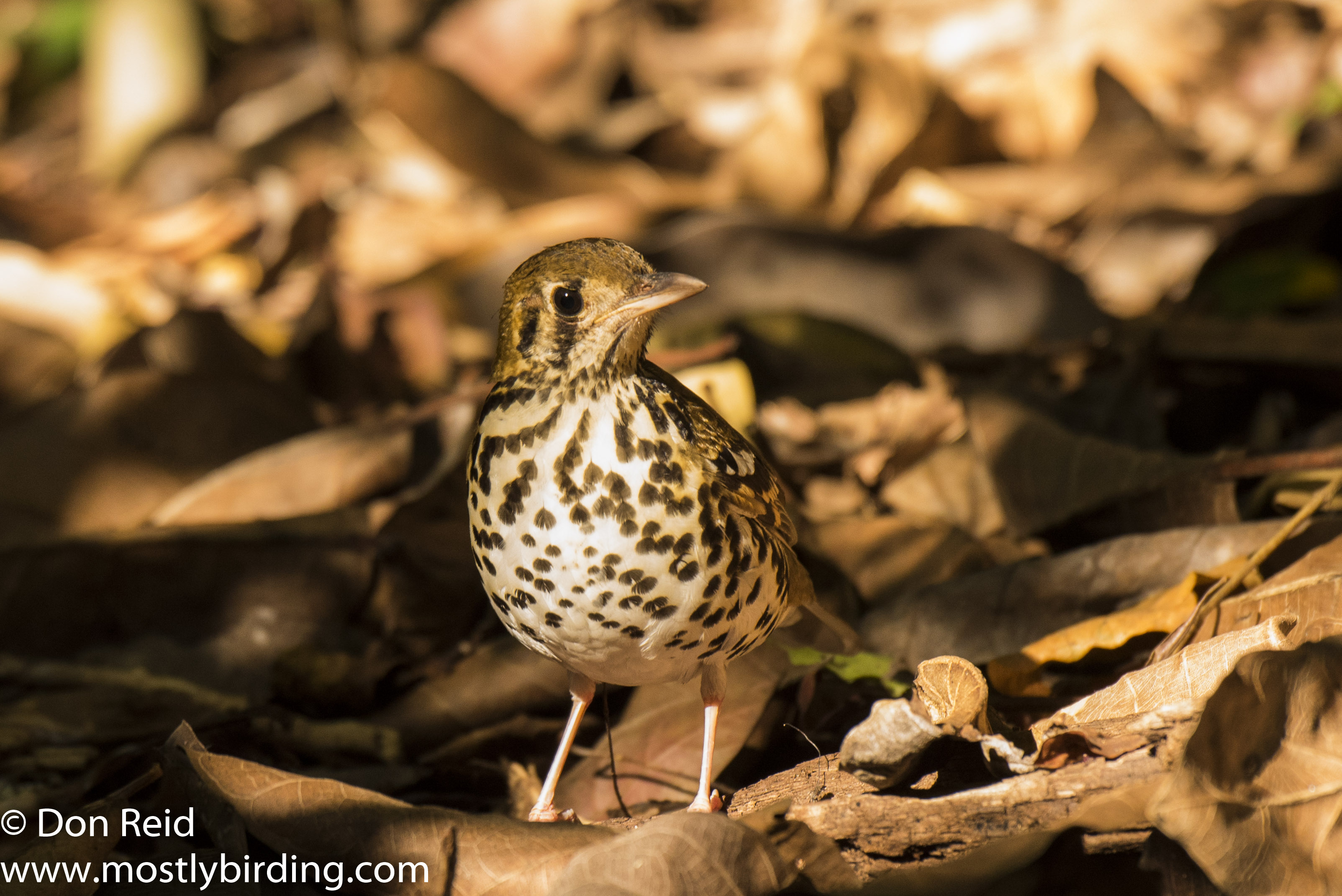
Spotted Ground Thrush, Pigeon Valley Durban

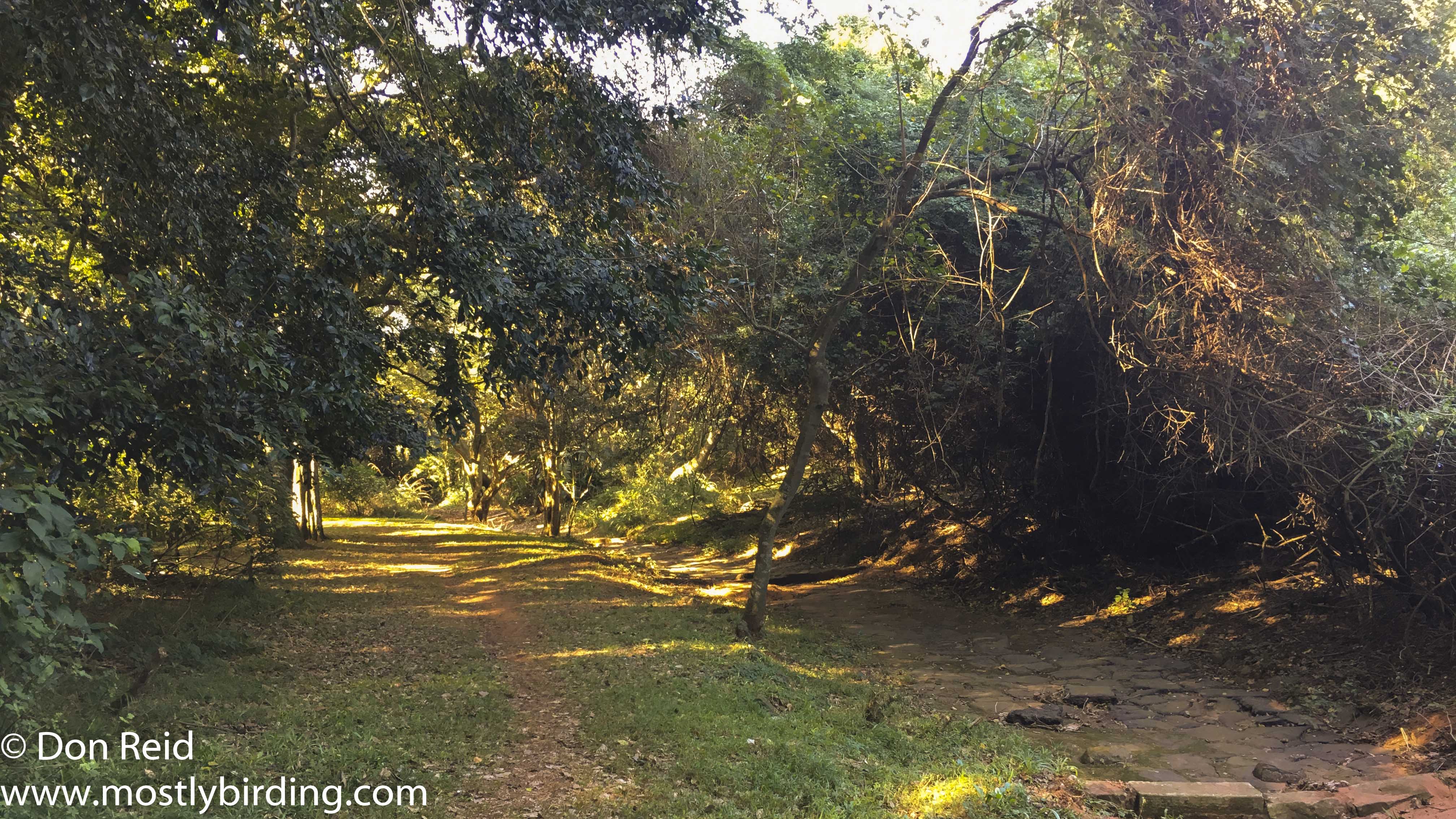
Pigeon Valley Durban

Grey Waxbill, Pigeon Valley Durban

July to December will be covered in the next post – watch this space!


Chobe River Birding – Pratincoles, Storks and other delights

If you ever find yourself in Kasane wondering how to spend the morning, you can’t go far wrong by doing a boat trip on the Chobe River – a small boat is fine if you are alone or up to 3 or 4 people and various tour companies rent out such boats with drivers.

Last November (2016), I found myself in that position and chose to approach one of the local tour companies, based on my previous good experience with Richard as guide and driver – they were able to accommodate me early on the Friday of my visit, having assured me that Richard was available to take myself and colleague Deon out for the morning.

This time around however, the trip did not start well – we waited for almost half an hour for someone to appear at reception and were then told Richard was “not there” and David would take us out. On enquiring about his birding skills I was told “I’m a beginner”, which did not fill me with enthusiasm.

Nevertheless, we set off in the aluminium boat, comfortable and with camera at the ready as we headed in the direction of Seboba Rapids, where I hoped to find Rock Pratincole in particular, being a potential lifer for me. According to information I had gleaned from books and the internet, Rock Pratincoles are Intra-African migrants which typically frequent the rocks at the rapids from September to January, providing the conditions suit them and the river is not in flood.

There are just a handful of possible sites to see this bird in Southern Africa, all of them along the Zambesi and Chobe Rivers, so this would be my first and possibly last chance to “tick” this desirable bird.

Heading downstream towards the rapids, the first part of our trip was about as good as it gets with river-based birding, with constant sightings of birds as we glided along the smooth surface in perfect cool conditions.

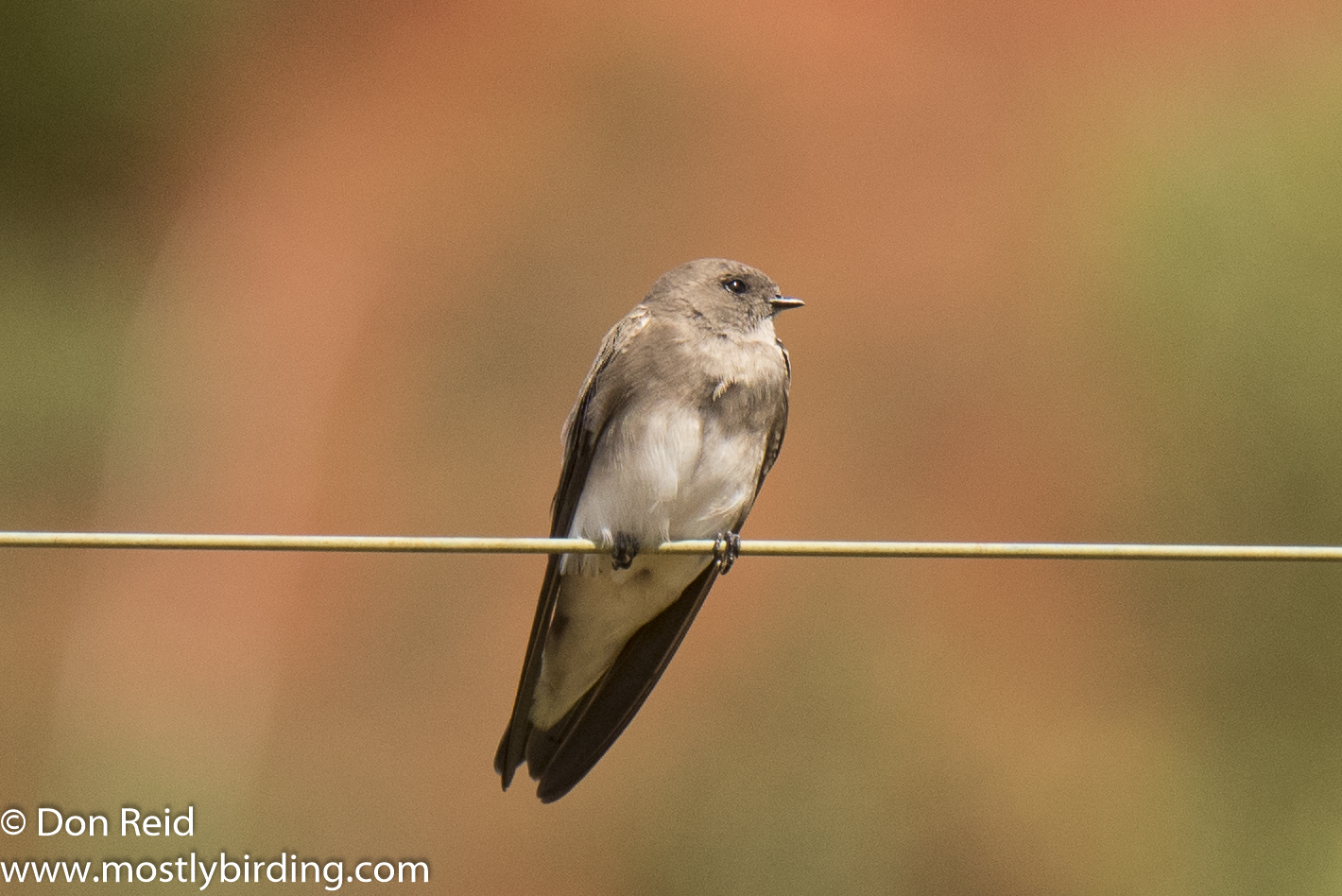
Wire-tailed Swallows (Draadstertswael) and Rock Martins (Kransswael) swooped by as David steered the boat across to the opposite bank, where some large raptors were partially hidden in the long grass. I was puzzled about what they could be as they were not immediately recognisable at all, so I took numerous photos in order to help me confirm an ID later. An adult Long-crested Eagle (Langkuifarend) was nearby, perched in a tall tree, only serving to lead my thoughts in the wrong direction as it turned out.

Chobe River trip
Heading out

Later, using the time on the hour and a half flight back to Jo’burg and at home, I eventually solved the puzzle – Juvenile African Fish-Eagle (Visarend) ! Sometimes a tricky ID can really have you going in the wrong direction.

African Fish-Eagle (Juvenile) Chobe River trip
African Fish-Eagle (Juvenile)

Soon after, we approached the Seboba rapids and almost immediately found what I had been hoping for –  Rock Pratincoles (Withalssprinkaanvoël) , relaxing on the rocks on islets in the middle of the river. A lifer at this stage of my birding career is really special, particularly in such a perfect location, so I may even have let out a subdued whoop! We spent some time with them and getting good photos proved to be quite simple, as they seemed totally undisturbed by our presence, even when the boat bumped up against the islet a couple of metres from where they perched.

Rock Pratincole, Chobe River trip
Rock Pratincole living up to its name

Rock Pratincole, Chobe River trip
Rock Pratincole

Having proved yet again that a “scarce” bird that you have wanted to see for many years is suddenly common when you are in the right place, we continued our trip, checking the nearby bushy shoreline and the other islets, adding Black Crake (Swartriethaan), Pied Kingfisher (Bontvisvanger) and a juvenile Malachite Kingfisher (Kuifkopvisvanger) to the morning’s list. Yellow-billed Kites (Geelbekwou) were doing there usual low-level cruising along the shoreline, turning frequently to show their distinctive deeply forked tails and close enough to make out their yellow bills.

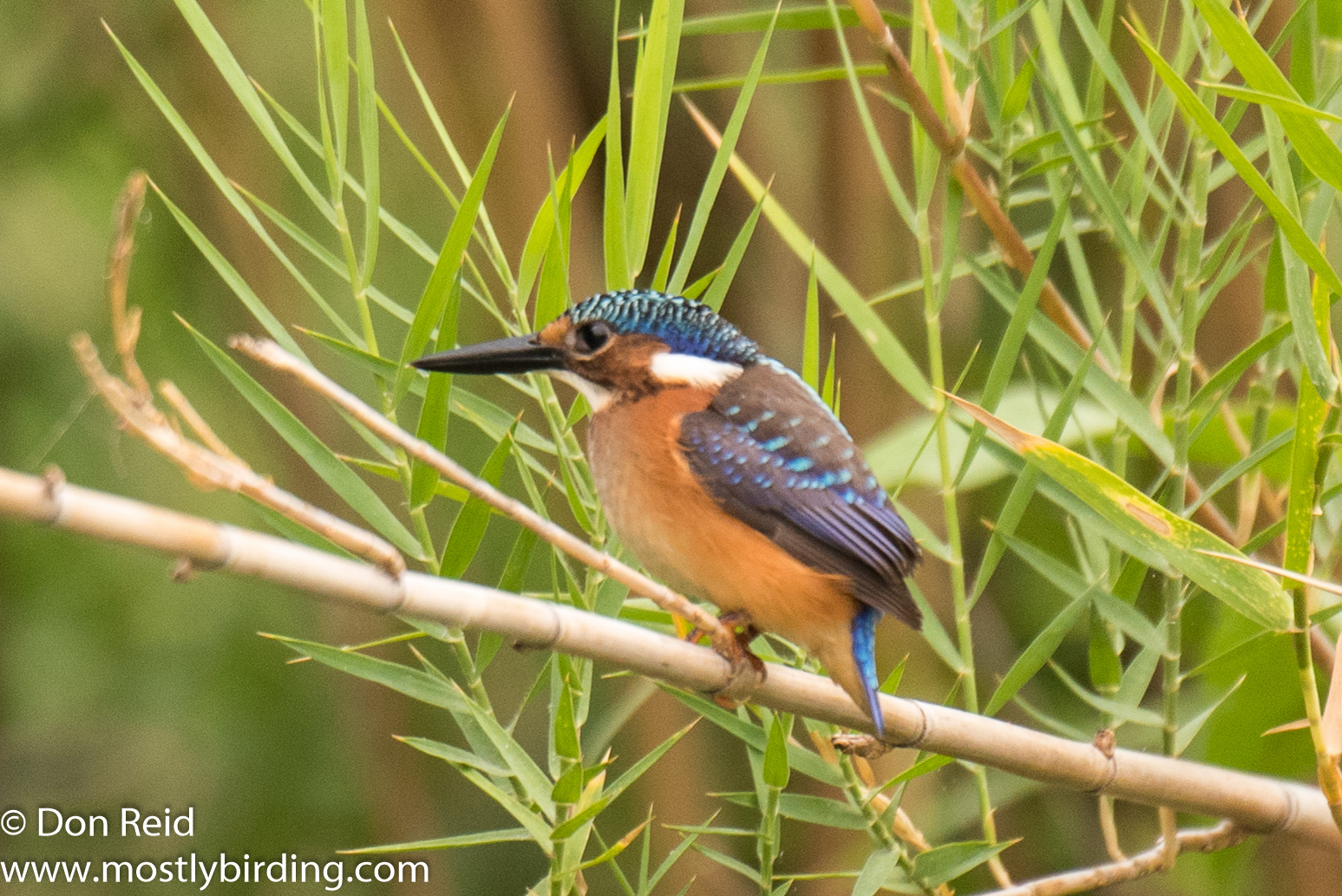
Malachite Kingfisher (Juvenile), Chobe River trip
Malachite Kingfisher (Juvenile)

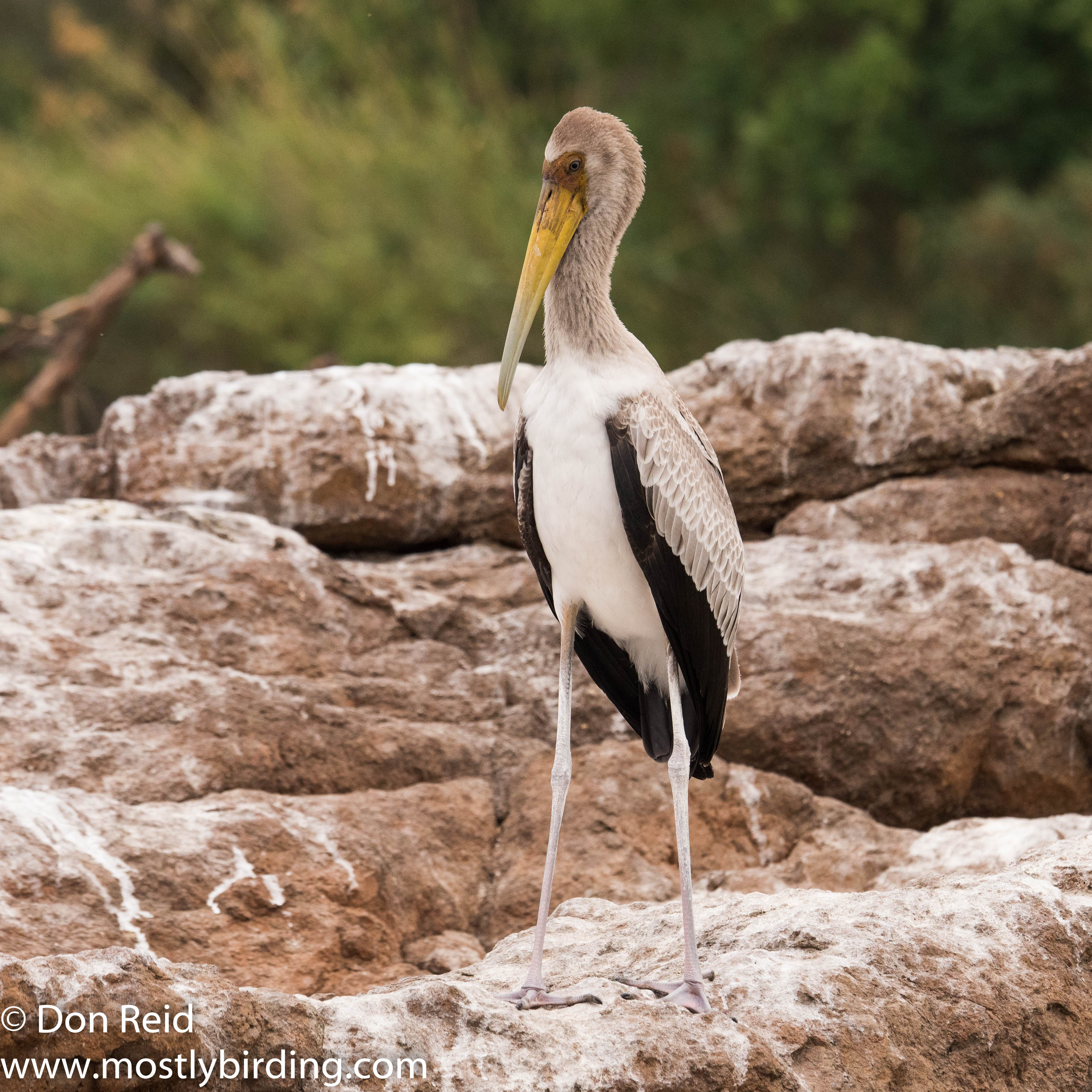
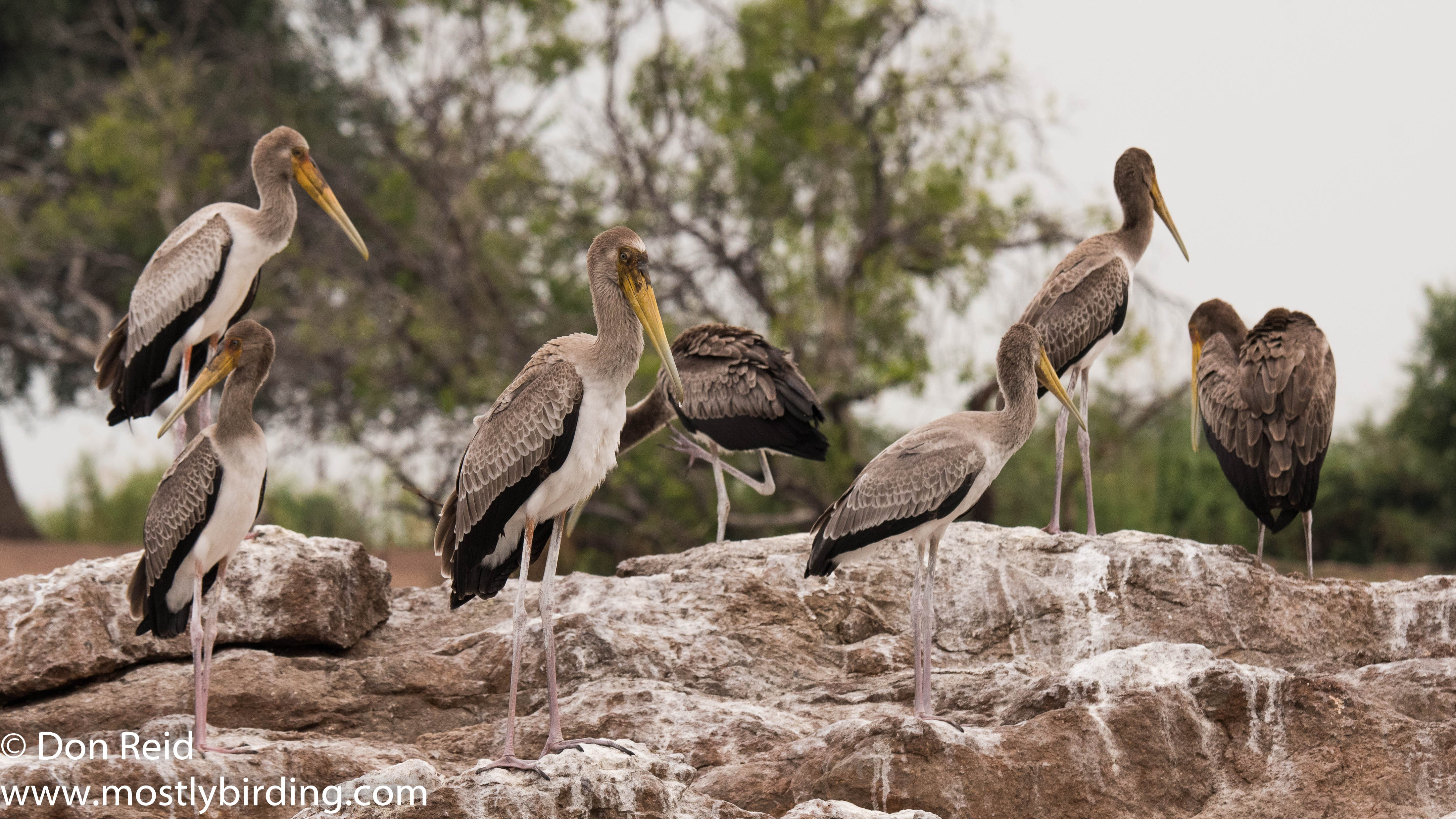
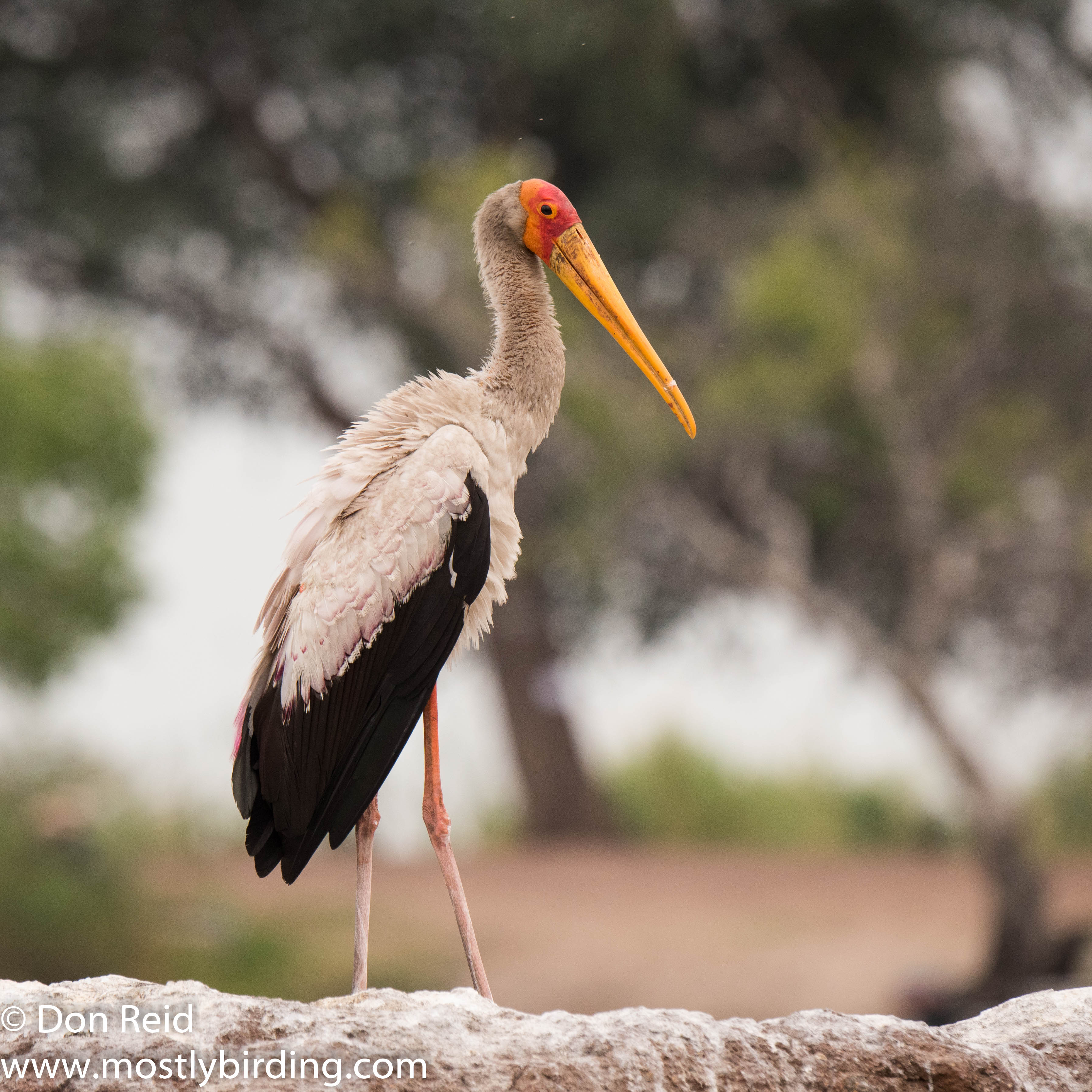
Further along a Yellow-billed Stork (Geelbekooievaar) “crèche” was filled with what I guessed were mostly the “Class of 2016”, with just a single adult keeping watch nearby. The juveniles only obtain adult plumage after some 3 years, so these could have ranged in age from 1 to 3 years. The population in South Africa on its own, according to reference books, is only around 300 (although I find that hard to believe) so this group possibly represented a significant proportion of the overall population, even in southern Africa.

Yellow-billed Stork creche, Chobe River trip
Yellow-billed Stork creche, Chobe River

Yellow-billed Stork creche, Chobe River trip
Yellow-billed Stork creche, Chobe River

Yellow-billed Stork, Chobe River trip
Yellow-billed Stork – adult in charge

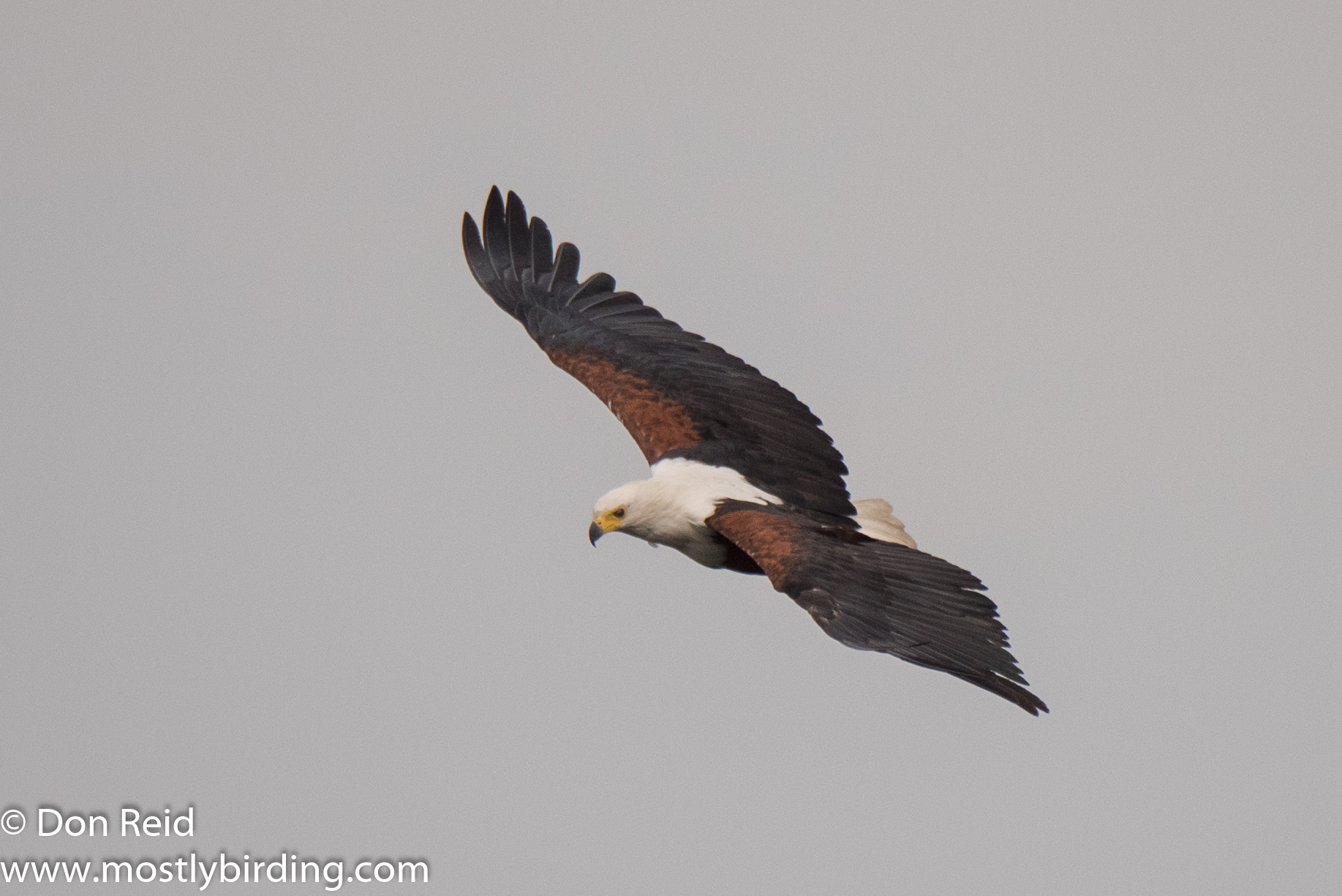
Turning upstream we hugged the river banks along the stretch which is the home of some well-known lodges – Mowana, Chobe Marina and Chobe Safari, all with lush vegetation and large trees, many of which overhang the greasy brown waters of the river. Another African Fish-Eagle, this time an adult, flew majestically overhead.

African Fish-Eagle, Chobe River trip
African Fish-Eagle

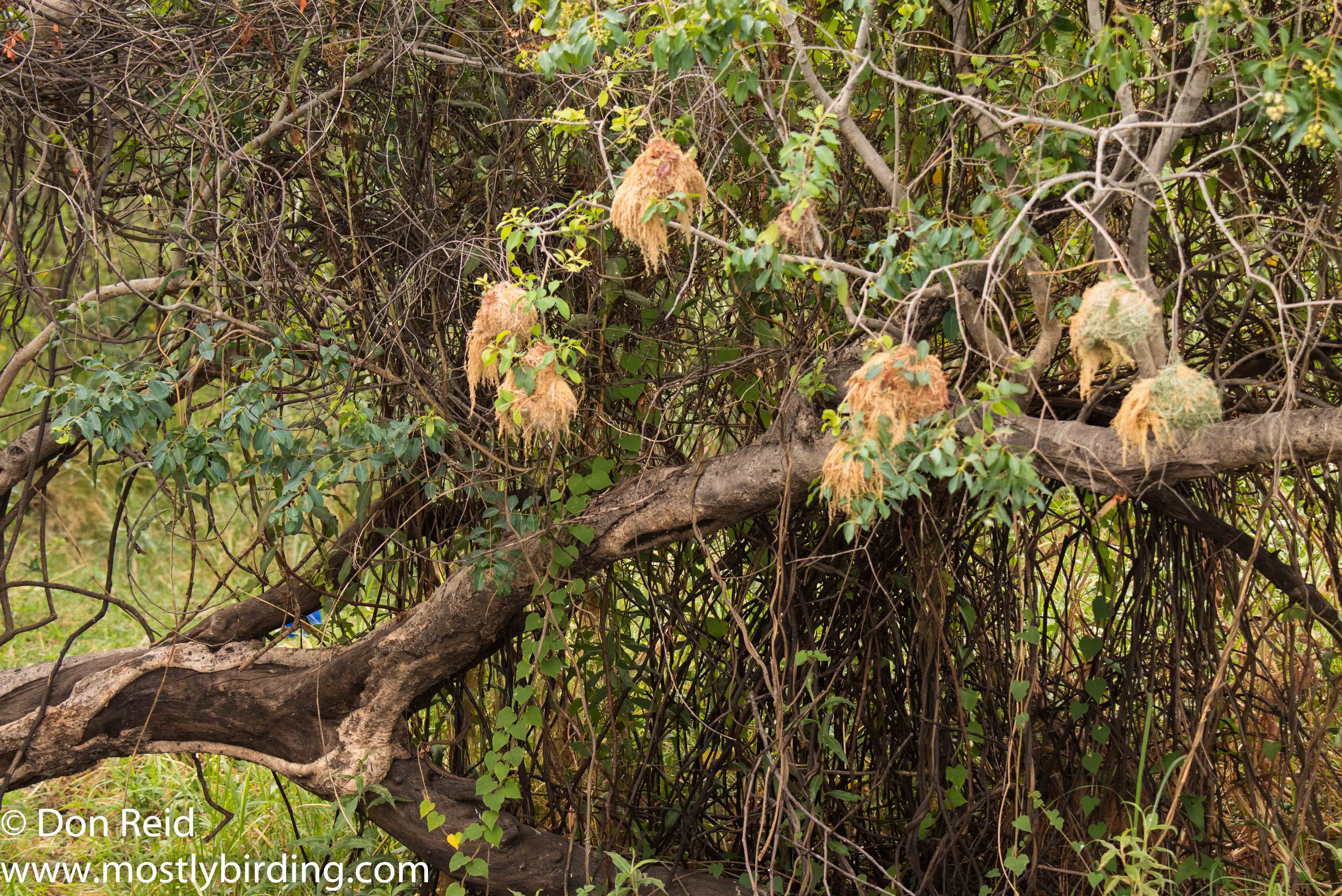
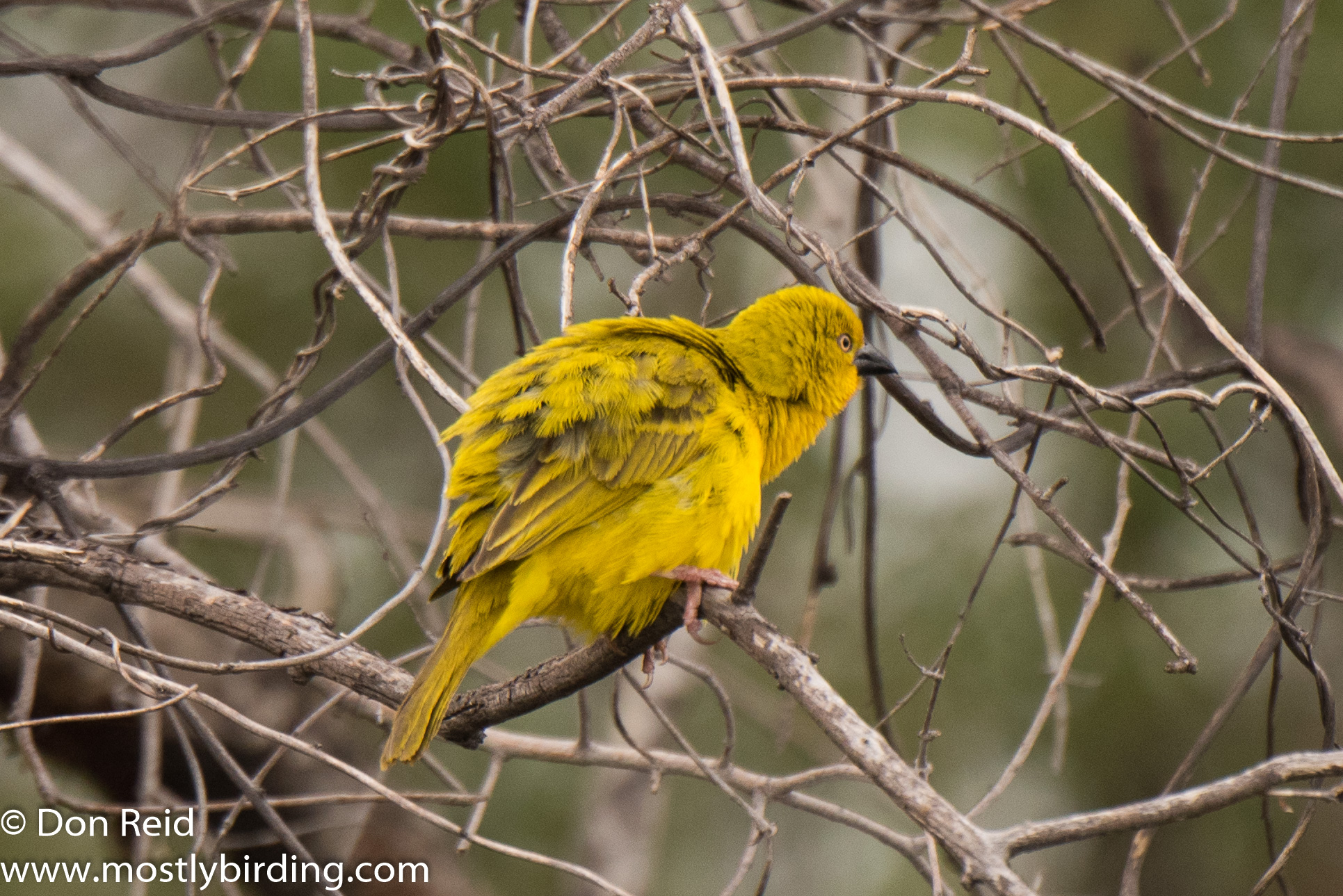
It’s not that easy to see the birds when they are ensconced in the depths of the riverside bush, but we did spot Black-crowned Night-Heron (Gewone Nagreier) , several Malachite Kingfishers and a community of nests with African Golden Weavers (Goudwewer) present. The strident, piercing call of Red-faced Cisticola (Rooiwangtintinkie) added to the birding pleasure.

African Golden Weaver nests, Chobe River trip
African Golden Weaver nests

African Golden Weaver (Male), Chobe River trip
African Golden Weaver (Male), Chobe River

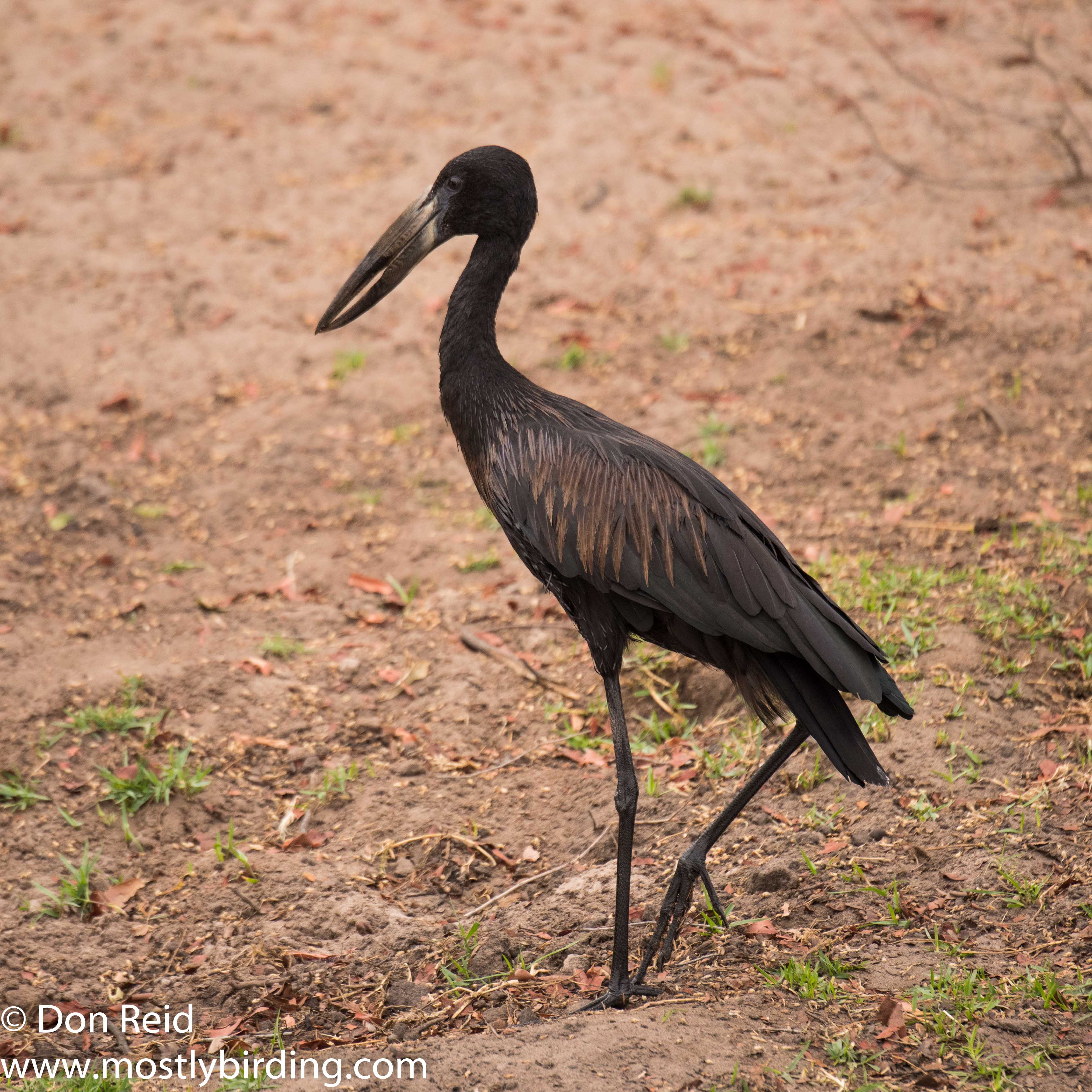
From there the river widened out as we passed our favourite sundowner spot, before stopping briefly at the small cabin on a jetty where our guide signed us into the Chobe Game Reserve, while we watched an African Openbill (Oopbekooievaar) at close quarters nearby

African Openbill, Chobe River trip
African Openbill

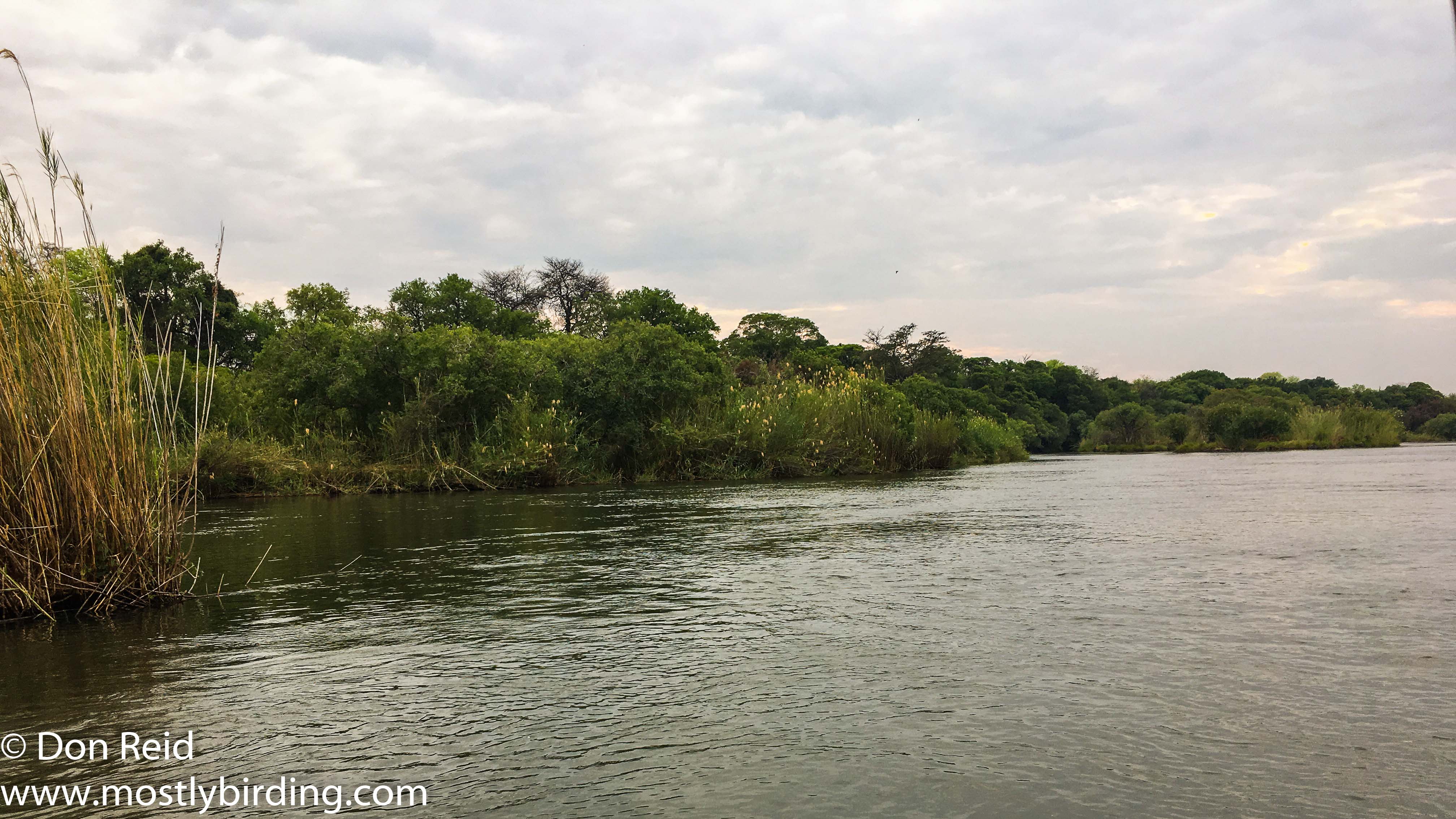
Chobe River trip
Chobe River

Chobe River trip
Chobe River

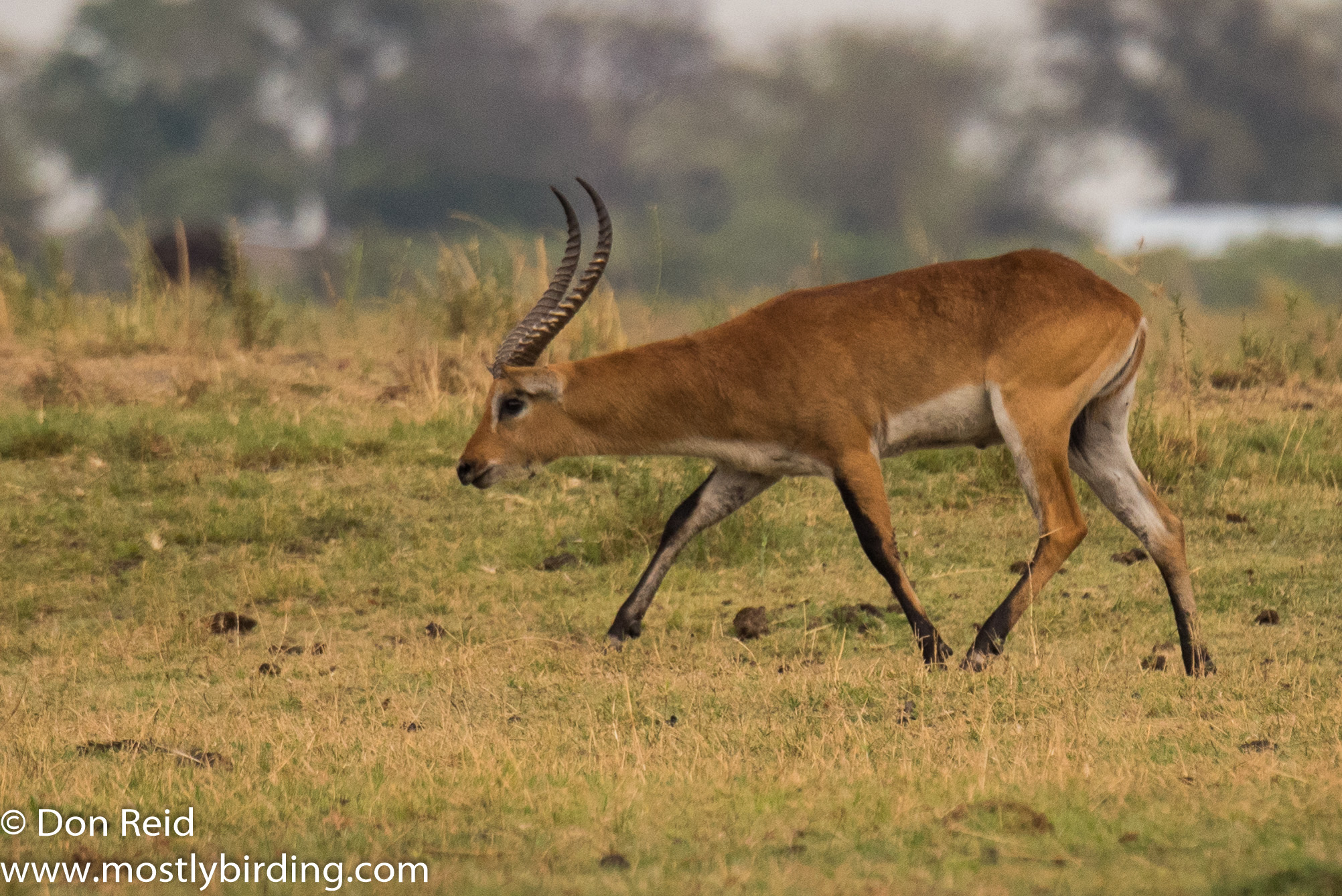
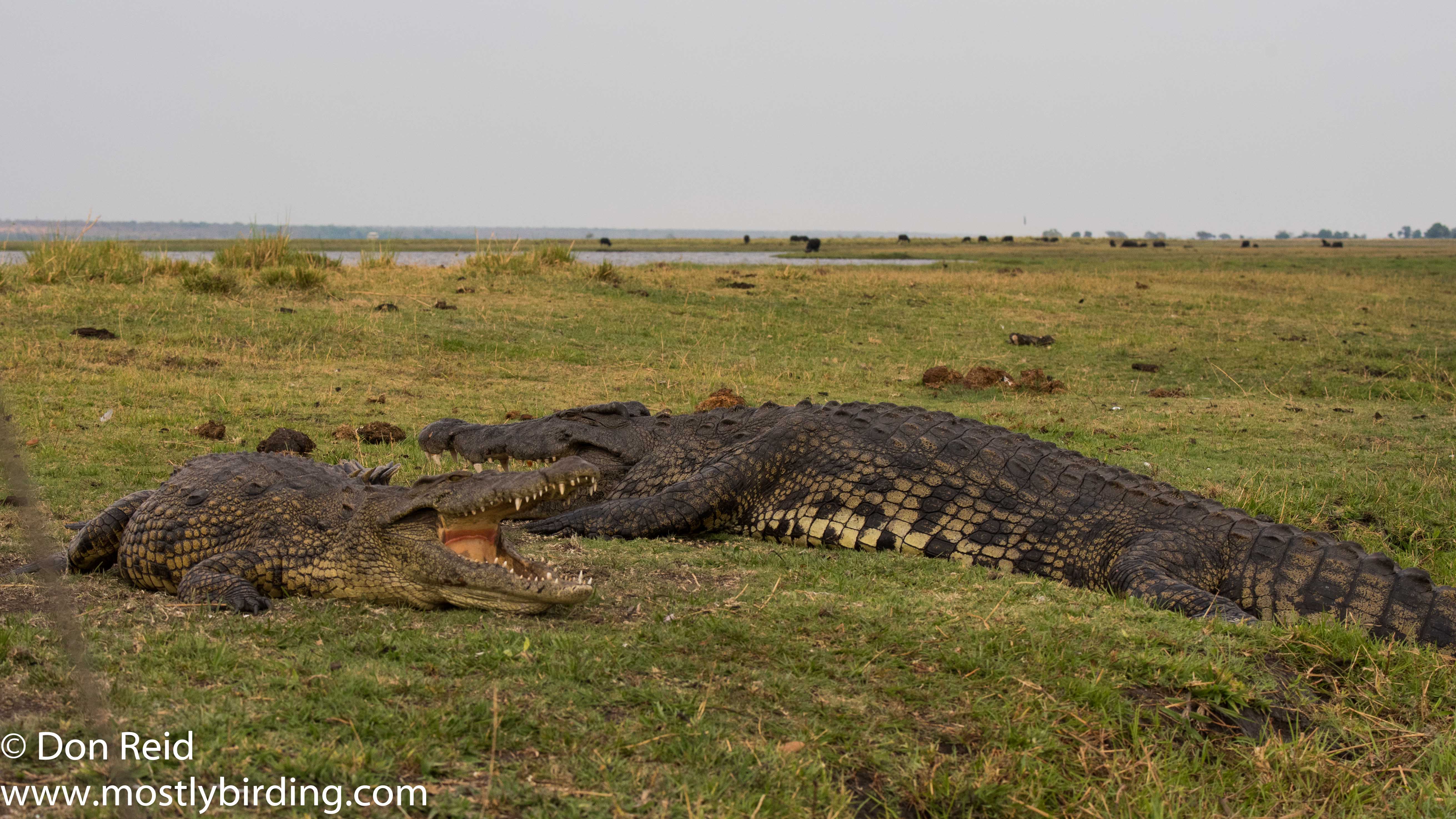
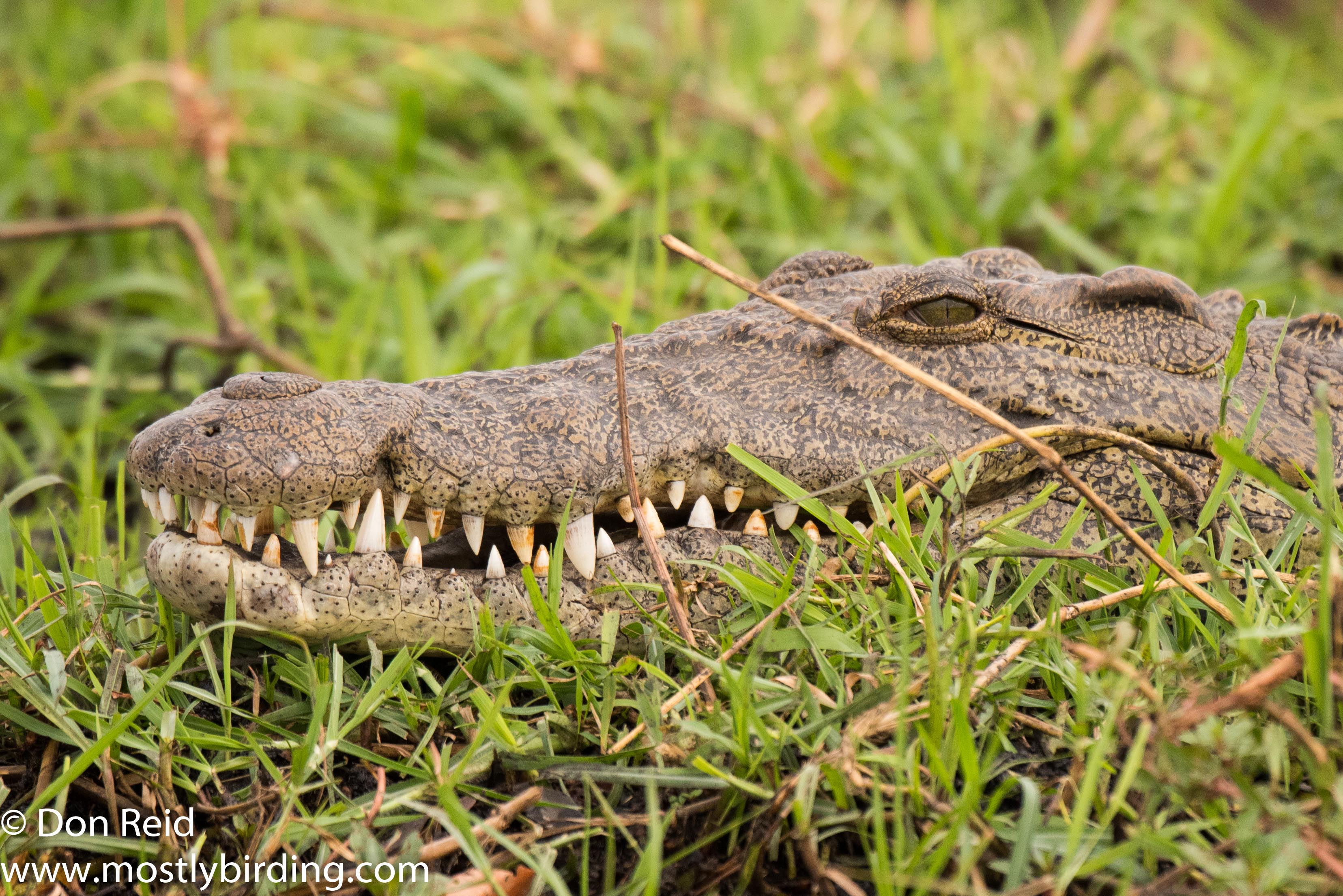
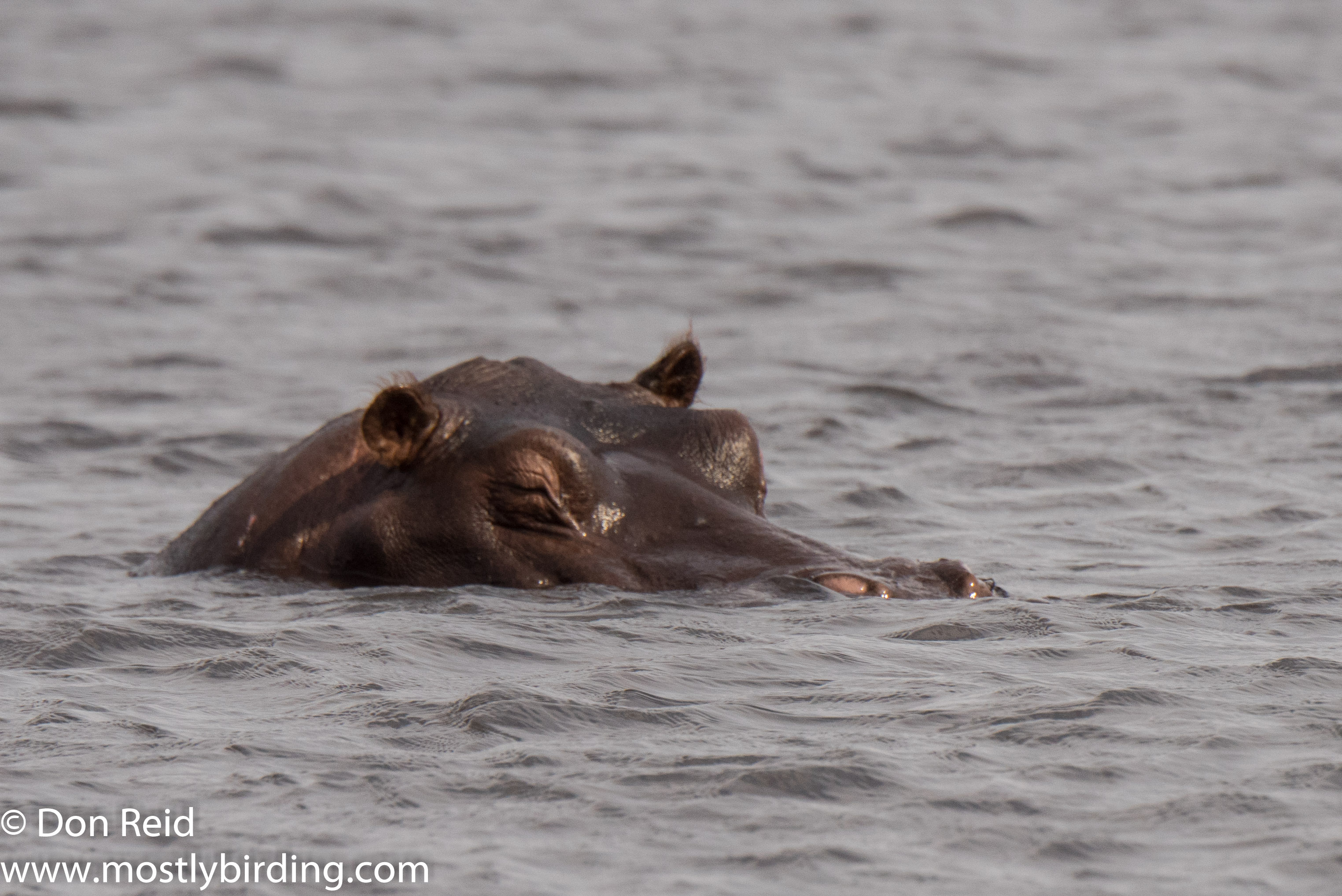
Typical Chobe River habitat followed – flat islands covered in grass and marshy areas, inhabited by Cape Buffalo and Lechwe and in the water along the edge by Hippos and Crocodiles, all giving us the look as we puttered slowly by.

Lechwe, Chobe River trip
Lechwe, Chobe River

Crocodile, Chobe River trip
Crocodile

Crocodile, Chobe River trip
Crocodile

Hippo, Chobe River trip
Hippo, Chobe River

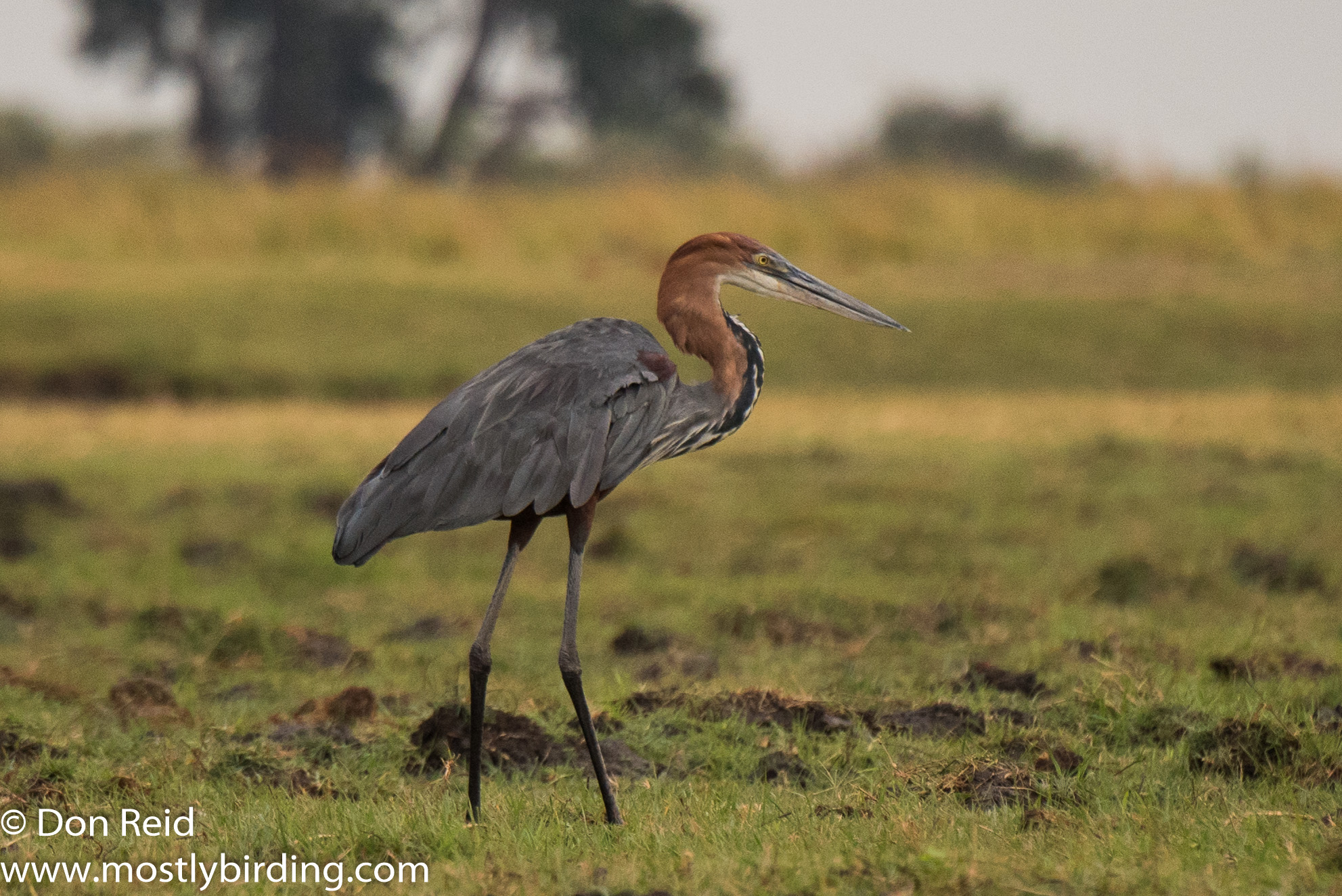
As usual the Egrets and Herons were plentiful, the larger Great Egret (Grootwitreier) and Goliath Heron (Reusereier) standing out above the rest. Long-toed Lapwings (Witvlerkkiewiet) were so numerous they were probably the most populous bird at that point.

Goliath Heron, Chobe River trip
Goliath Heron

Long-toed Lapwing, Chobe River trip
Long-toed Lapwing

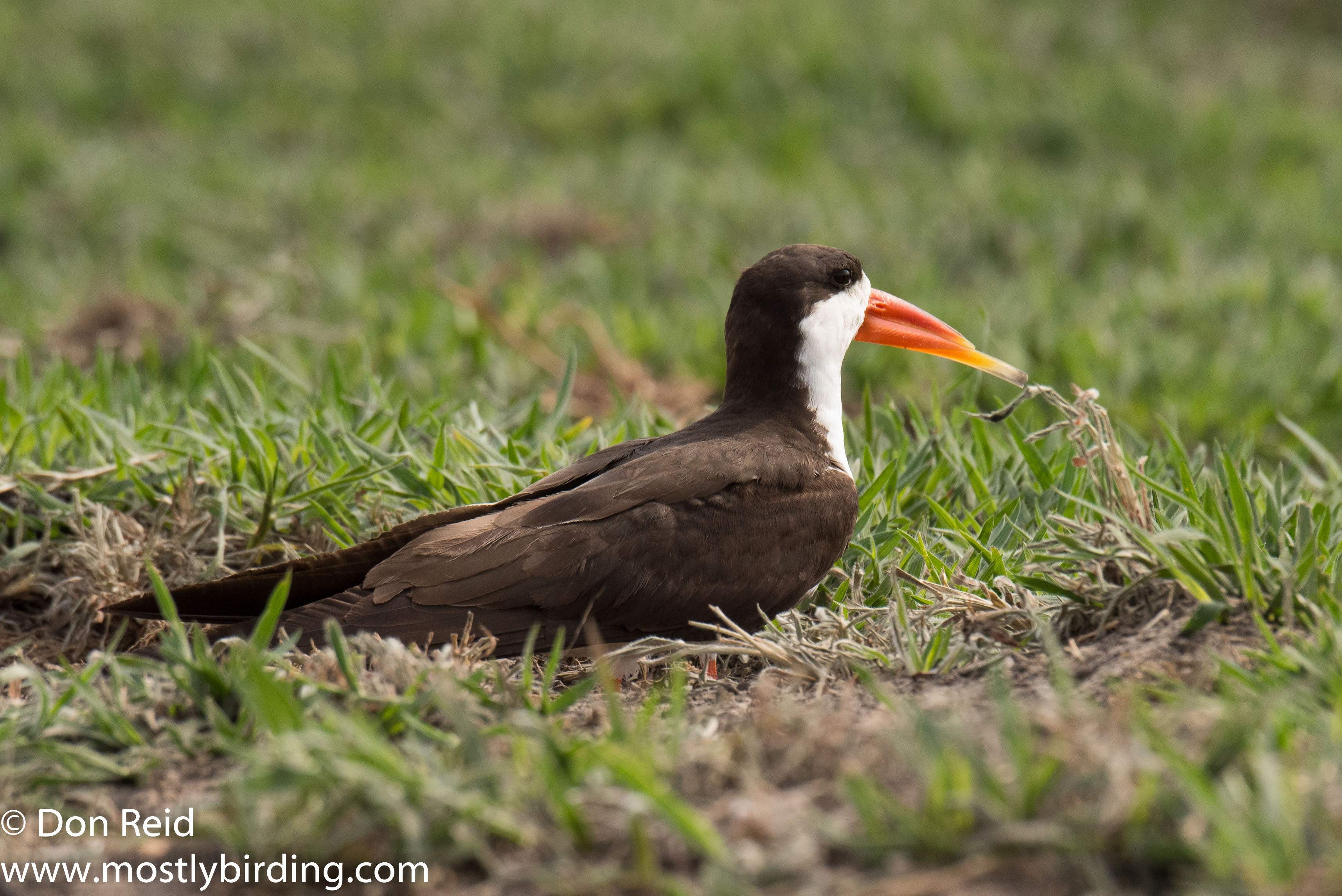
We encountered African Skimmers (Waterploeër) a few times and marveled at their brightly coloured bill with the elongated lower mandible, which allows it to skim the water’s surface in flight and latch onto any small organism that may cross its path.

African Skimmer, Chobe River trip
African Skimmer

African Skimmer, Chobe River trip
African Skimmer, Chobe River

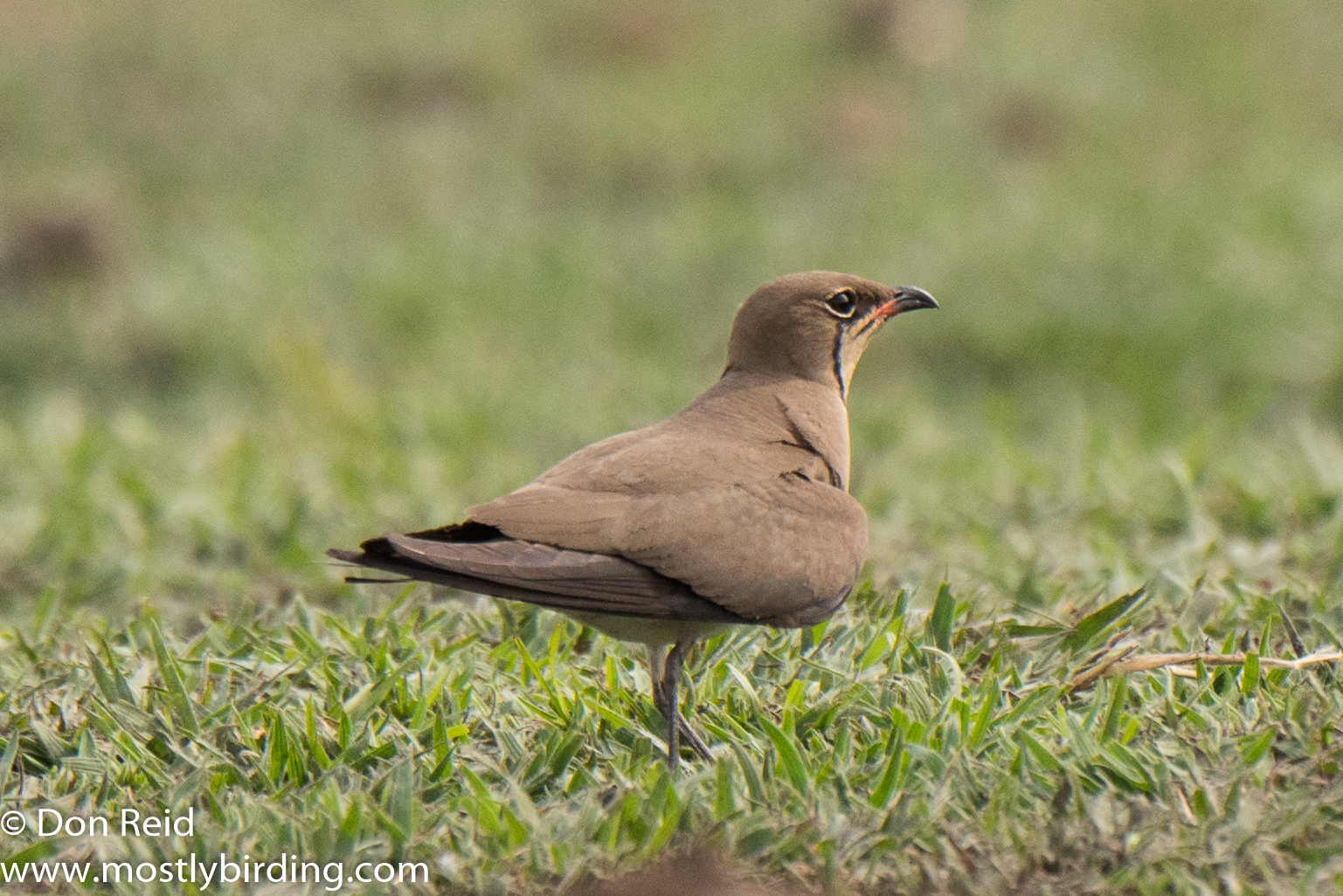
Collared Pratincoles (Rooivlerksprinkaanvoël) flew by, looking very Tern-like, then settled on the grassy flats of the island to join the resident Skimmers. Both of these species seem to have a relaxed attitude towards life as a bird, spending a lot of time resting on the ground with occasional sorties to find their next meal.

Collared Pratincole, Chobe River trip
Collared Pratincole, Chobe River

By this time a fresh wind was blowing upriver, creating ever-increasing wavelets. Suddenly our boatman seemed to have an inspiration as he revved the engine and headed upstream (with the wind) at speed, without telling us what he had in mind.

No problem, we thought, as we assumed he had a special spot with other bird species to show us, but no, it seems he just took us on a “joyride” – which turned out to be just the opposite when he suddenly turned the boat around and raced back. Small wavelets had by now turned into mini swells, enough to cause a bone-jarring, teeth-clenching, kidney-battering ride all the way back.  Climbing out at the jetty, I felt quite shaken and stirred – James Bond would not have approved.

Nevertheless it was a successful morning , which left us with many more memories to savour of this supreme stretch of unspoilt African river.


A family of Bateleurs

During a visit to Chobe Game Reserve in April this year, I saw many of the birds that I have become accustomed to in this special slice of African wilderness. After substantial summer rains Chobe Riverfront was greener and more lush than I have ever seen it, and with the river in flood from the rains in the catchment area in Angola, the “River road” was slightly more river than road….

Road meets river in Chobe

This meant I had to stick to the upper road for most of the way, not that this detracted from the experience in any way.

The highlight of the morning was being treated to a fly past by a family group of Bateleurs – male, female and juvenile – which swooped by in a great circle above my vehicle. They were good enough to repeat this a couple of times, allowing me the opportunity to view them from my vehicle and take a few in flight shots which perfectly showed the differences between them.

What a graceful picture they present when in their element in the air, making small adjustments to their wing’s plane in flight, flying with such precision and elegance that it is like watching a cirque de soleil performance.

This species is one of the delights of visiting the larger game reserves in the northern part of our region, particularly Kruger Park where they are relatively common and often the most numerous raptor in the air.  However in all my years of birding I have never seen a “complete set” in one spot before.

The male is distinguished in flight by the broad, black trailing edge to its wings :

Male Bateleur with broad black leading edge to wings

The female can be told by the much narrower, black trailing edge to its wings :

Female Bateleur with narrow black trailing edge to wings

The juvenile has the same short tail and overall “giss” as the adults, but the plumage is in several shades of brown, seemingly designed to throw you off the track when identifying them, unless you see them in the company of the adults as I was fortunate to do.

Juvenile Bateleur

I left Chobe with the sighting of these elegant birds imprinted on my mind.

My Birding Year 2016 (Part 2) – Twitching, Lifers, Atlasing and more

It was a memorable Birding Year for several reasons – many great places visited in pursuit of new birds, many amazing experiences, often when least expected, atlasing at every opportunity, all of which has left me more than satisfied and (hopefully) has boosted my birding and bird photography skills. It was also sprinkled with enough “Lifers” to make it a special birding year, most of which were not planned but rather just happened along the way.

Part two follows my birding journey from July through to December and is just a brief synopsis of my birding activities along with photos of the species encountered and places visited. Some of my trips are / will be covered in separate posts in a lot more detail.

July

The month kicked off with some mid-winter atlasing on the 2nd, in the Balmoral / Witbank area with Koos Pauw

On the 8th, in Kasane, Botswana for my monthly project visit, I did a spectacular birding trip by rented boat on the Chobe River, which was every bit as good as I had hoped

Chobe River Boat Trip

African Fish-Eagle, Chobe River Boat Trip

African Skimmer, Chobe River Boat Trip

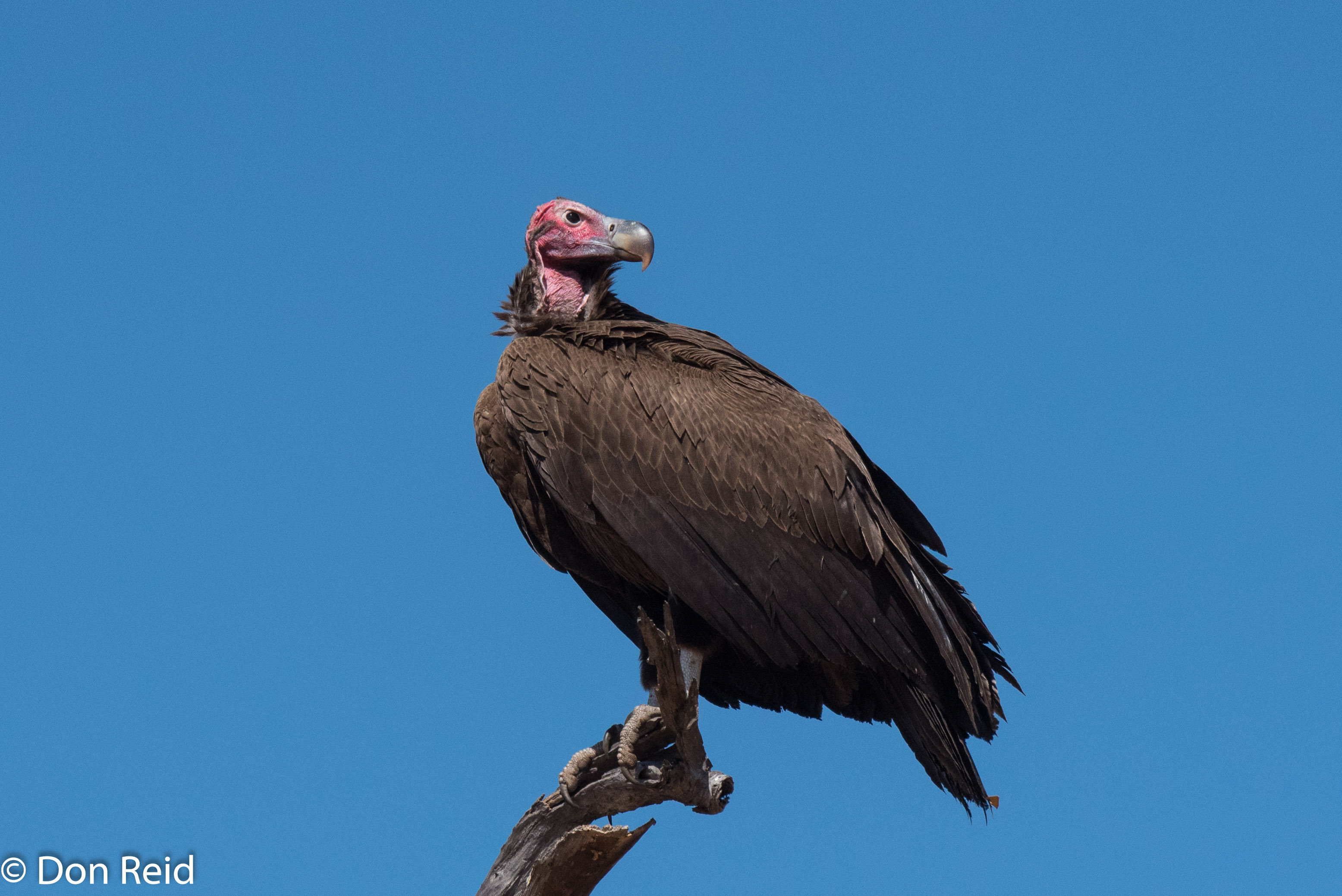
Lappet-faced Vulture, Kasane

Just three days later it was back to more normal birding / atlasing – this time east of Potchefstroom where we had gone to visit Stephan and family

And another two days later it was time for a truly memorable trip to Heilbron in the Free State to ” twitch”  the reported Burchell’s Courser with Koos, which we duly did, finding  along the way two other Coursers (Double-banded, Temminck’s) and a bonus lifer for me in the form of a Pink-billed Lark which Koos spotted

Burchell's Courser, Heilbron area
Burchell’s Courser, Heilbron area

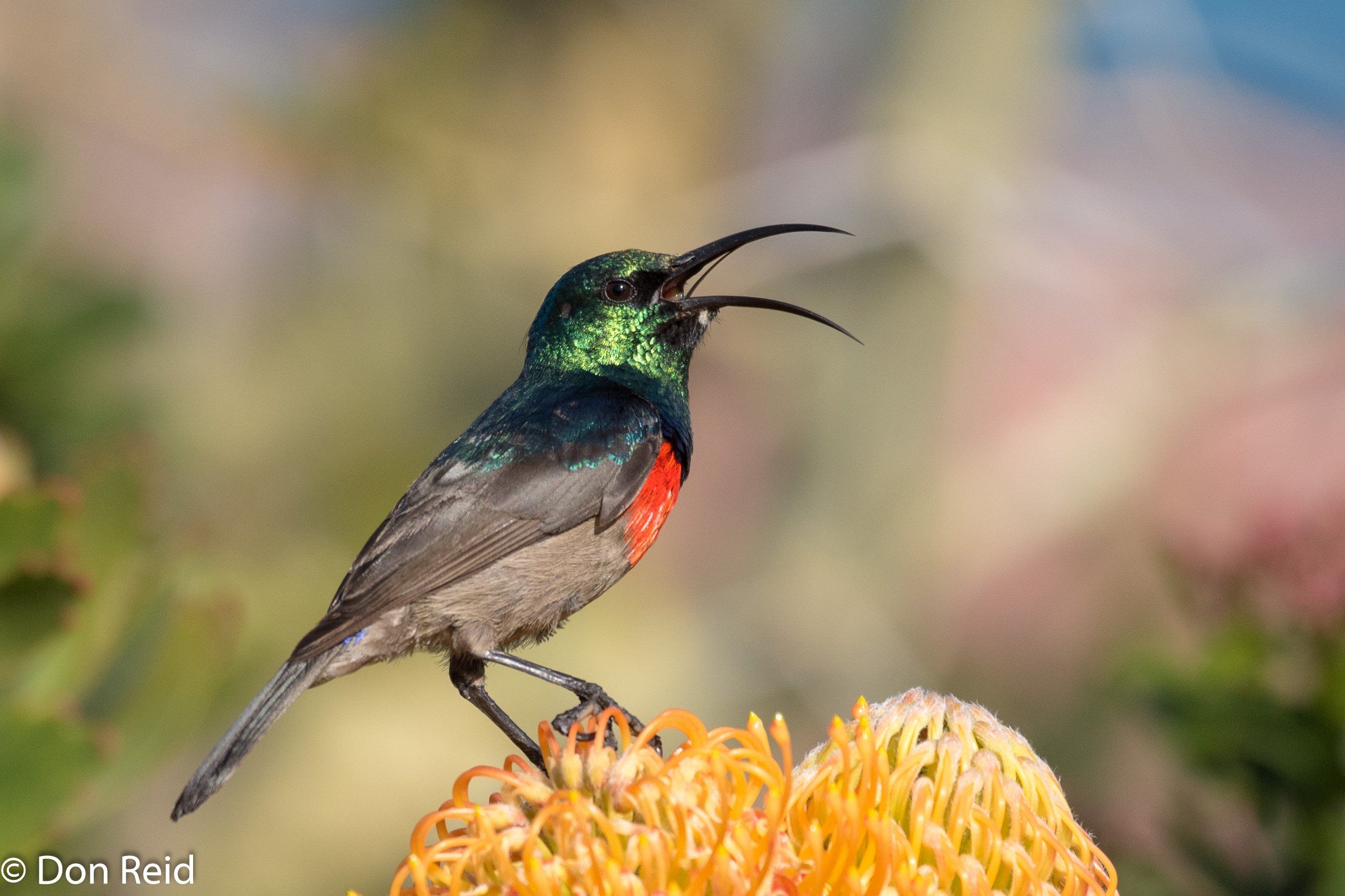
The last week in July was spent in Mossel Bay where the Pincushions were in full bloom and attracting numbers of nectar feeders, which kindly posed for some colourful photos

Greater Double-collared Sunbird, Mossel Bay

Writing this, I realised that I had done birding across 2 countries and 5 of SA’ s provinces during July!

August

My visit to Kasane from the 3rd to 5th allowed for some great birding again, visiting a riverside spot late afternoon where my colleagues went to fish and I took the opportunity to do some atlasing, photographing the Hartlaub’s Babblers and just enjoying the ambience as the sun set and hippos blew bubbles and snorted in the river

On the Friday morning before returning to SA I travelled to the Ngoma gate into Chobe Game Reserve and drove eastwards along the Riverfront road, atlasing all the way. I was rewarded with good views of Openbill, Great White Pelican, Tawny Eagle, Dickinson’s Kestrel and Slaty Egret amongst many others.

Brown-crowned Tchagra, Chobe Game Reserve

Slaty Egret, Chobe Game Reserve
Slaty Egret, Chobe Game Reserve (a very average photo, but my first of this scarce species)

Dickinson's Kestrel, Chobe Game Reserve
Dickinson’s Kestrel, Chobe Game Reserve

Mid August I fitted in some Monday atlasing, this time near Leandra where a farm dam was very productive with a nice range of waterfowl and one Caspian Tern

September

A family wedding took us to Vryheid and the farm of Pieter and Anlia Genis, where I was able to enjoy excellent birding in between the family festivities, with the assistance of Pieter and his rugged Bakkie (Pickup). The drive up to the plateau high above the farmhouse was as spectacular as ever and was good for a number of the area specials such as Black-winged Lapwing, Denham’s Bustard, Ground Woodpecker, Buff-streaked Chat and Eastern Long-billed Lark

Onverwacht farm, Vryheid

Black-winged Lapwing, Onverwacht farm, Vryheid

Another family event saw us in Potchefstroom two weeks later and I was able to squeeze in some atlasing early on the Monday morning before returning home to Pretoria

October

A visit to Kruger National Park in the first week of October with Andre and Geraldine and the girls was a highlight of the year, with the dry conditions limiting the bird numbers somewhat but each day proved to be full of interesting sightings.

Our home for the week was Olifants camp in the northern section of the Park.

African Harrier-Hawk, Afsaal area KNP

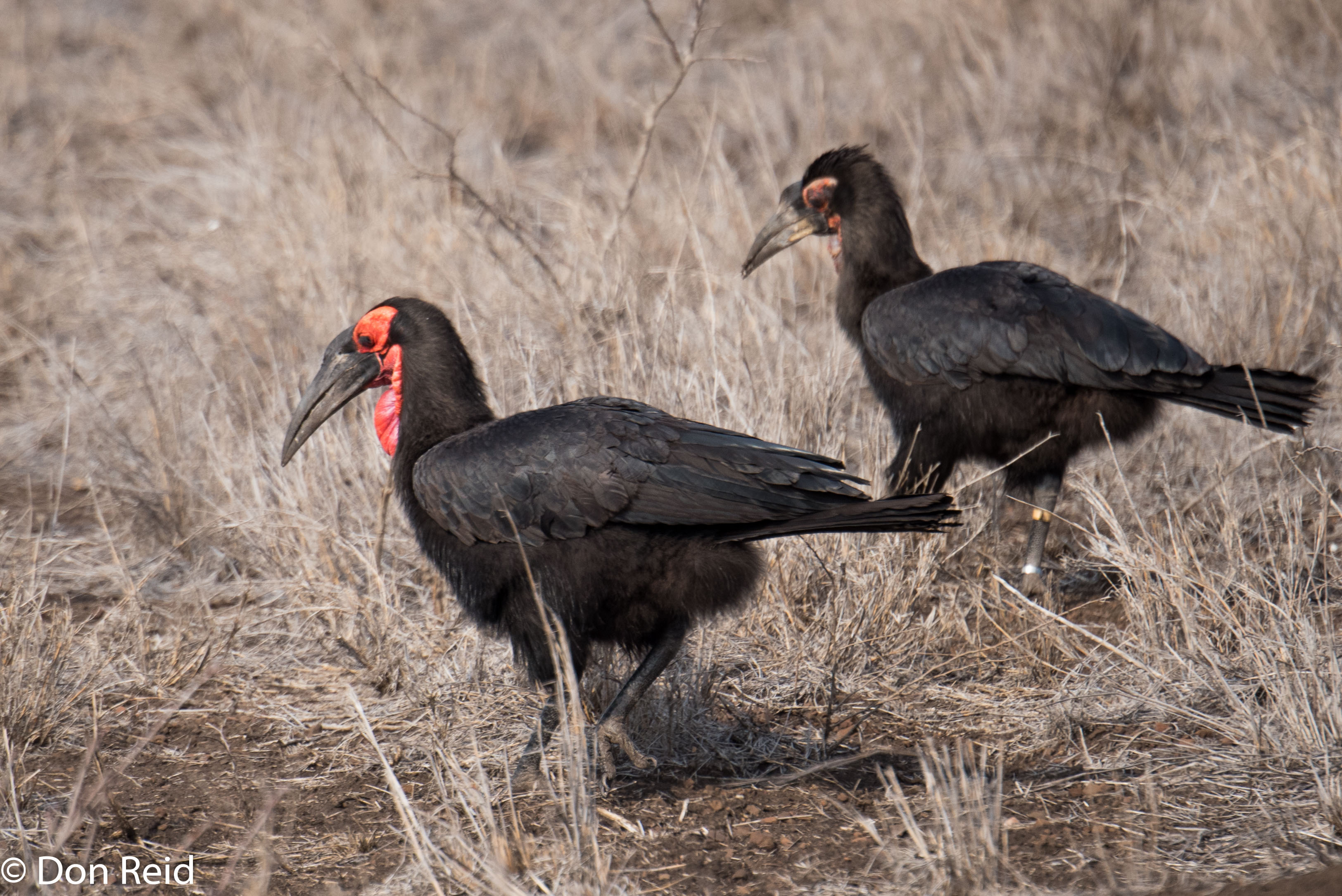
Southern Ground Hornbill, KNP

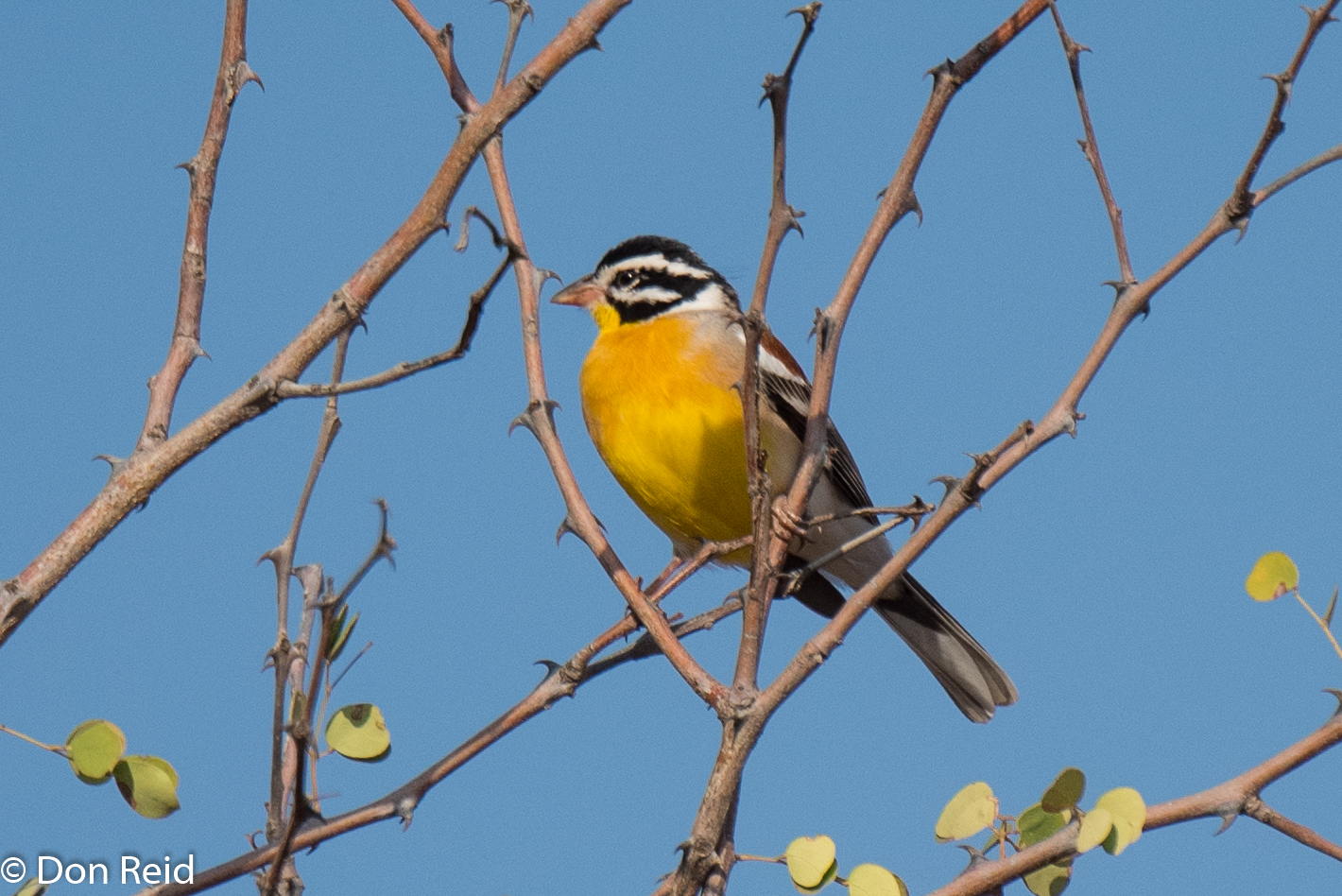
Golden-breasted Bunting,  Olifants Balule road KNP
Golden-breasted Bunting, Olifants Balule road KNP

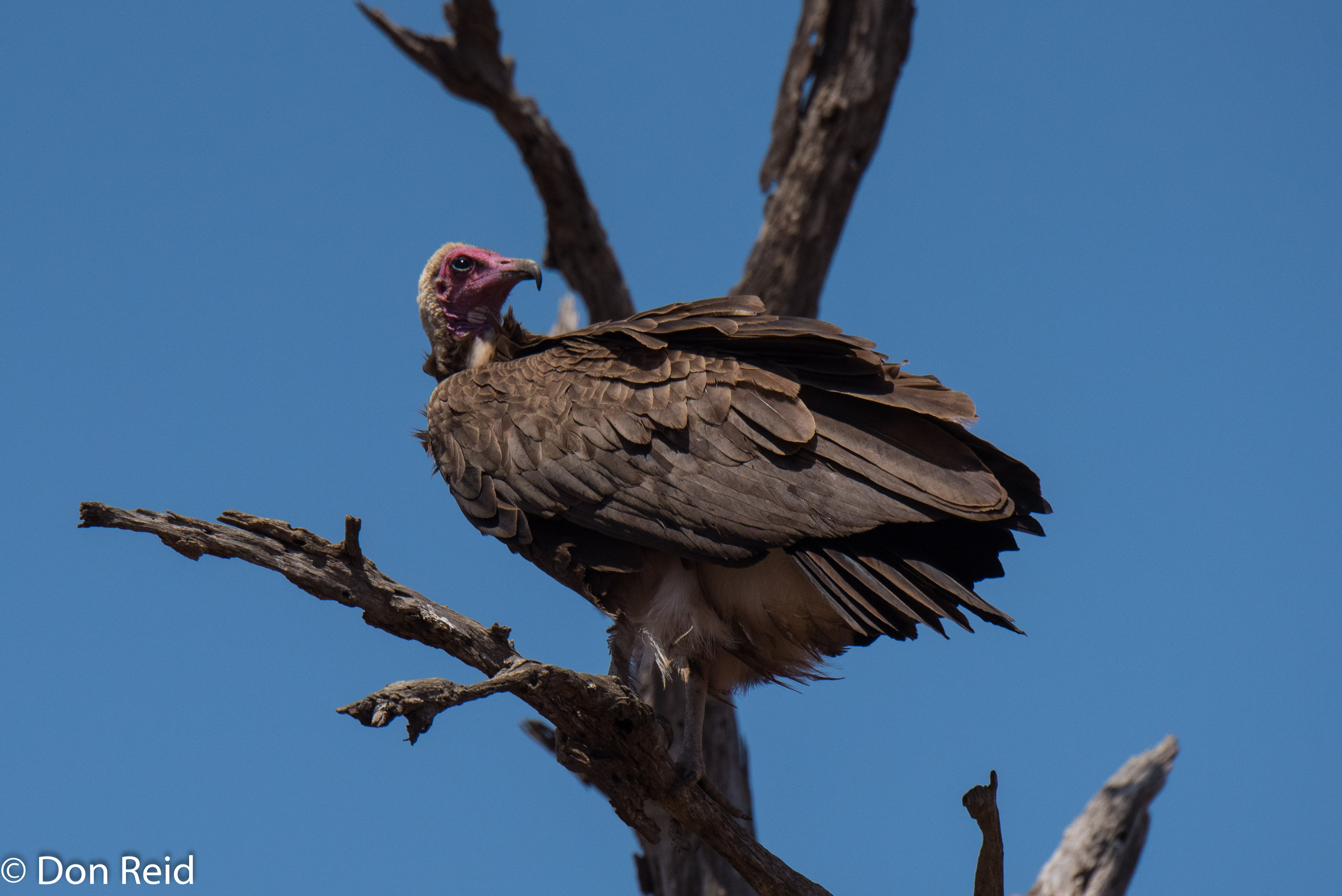
Hooded Vulture, S37 Trichardt road KNP

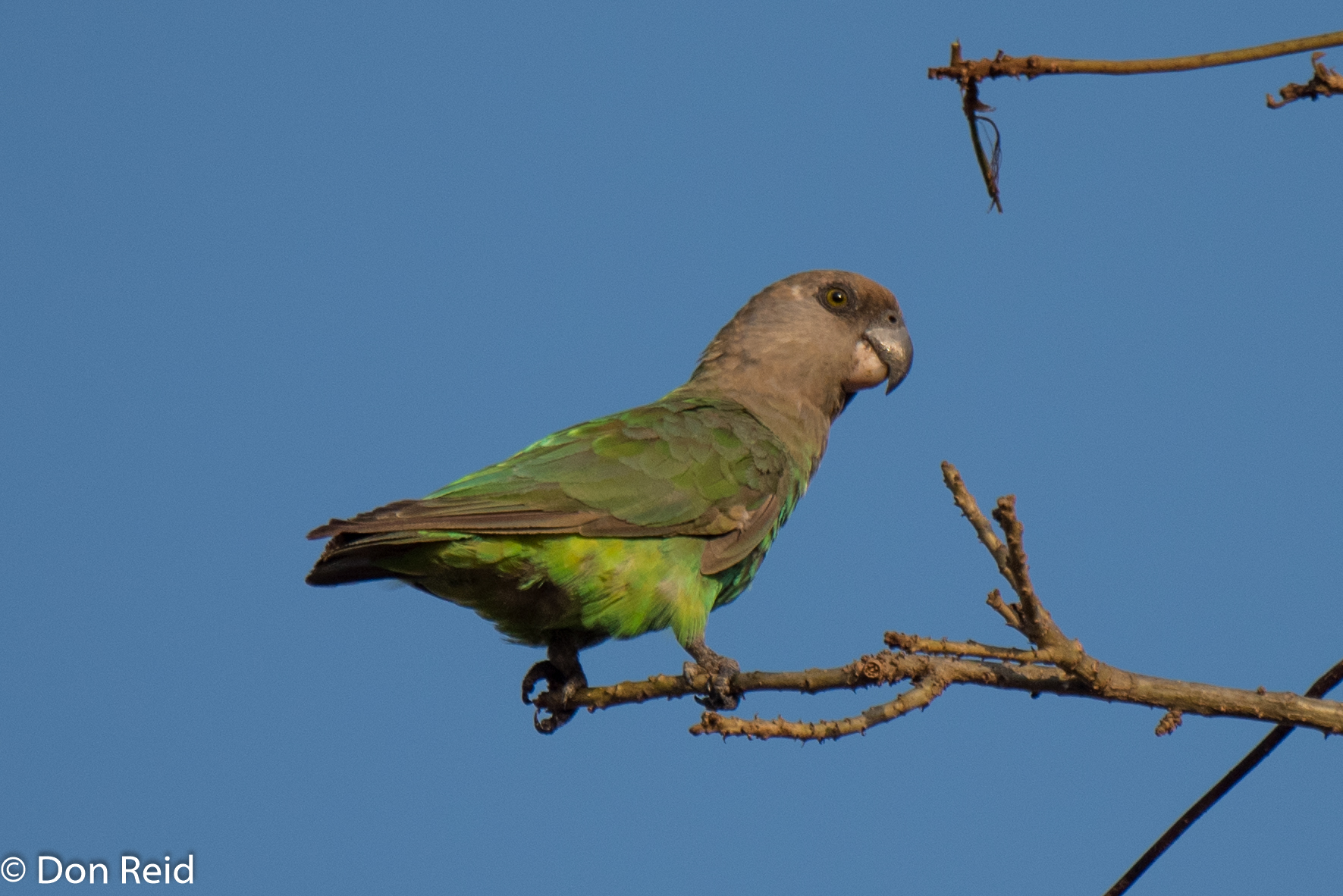
Brownheaded Parrot, Pretoriuskop KNP

The rest of October was devoted to atlasing some of the birding “hotspots” around Pretoria and further afield.

Roodeplaat dam was good for two separate visits on consecutive Saturdays, one with Koos Pauw, both visits proving that this is one of the best spots for a relaxed morning’s birding with good roads and well-kept facilities.  The highlight was the constant calls of Tchagras, Titbabblers, Boubous, Scrub-Robins and others that accompanied the drives. The two birding sessions produced a remarkable 100+ species!

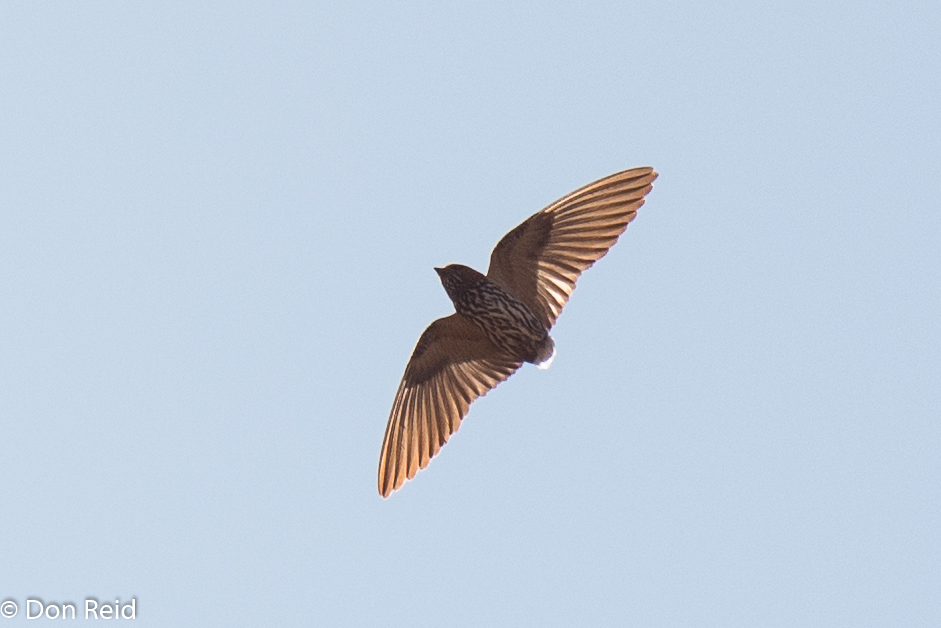
It was also the place where I saw the strangest bird of the year – one that had me completely flummoxed until I realised it was a fairly common Lesser Striped Swallow missing its tail. For a moment or two I thought I had discovered a new species of Spinetail!

Lesser Striped Swallow (tailless), Roodeplaat NR
Lesser Striped Swallow (tailless), Roodeplaat

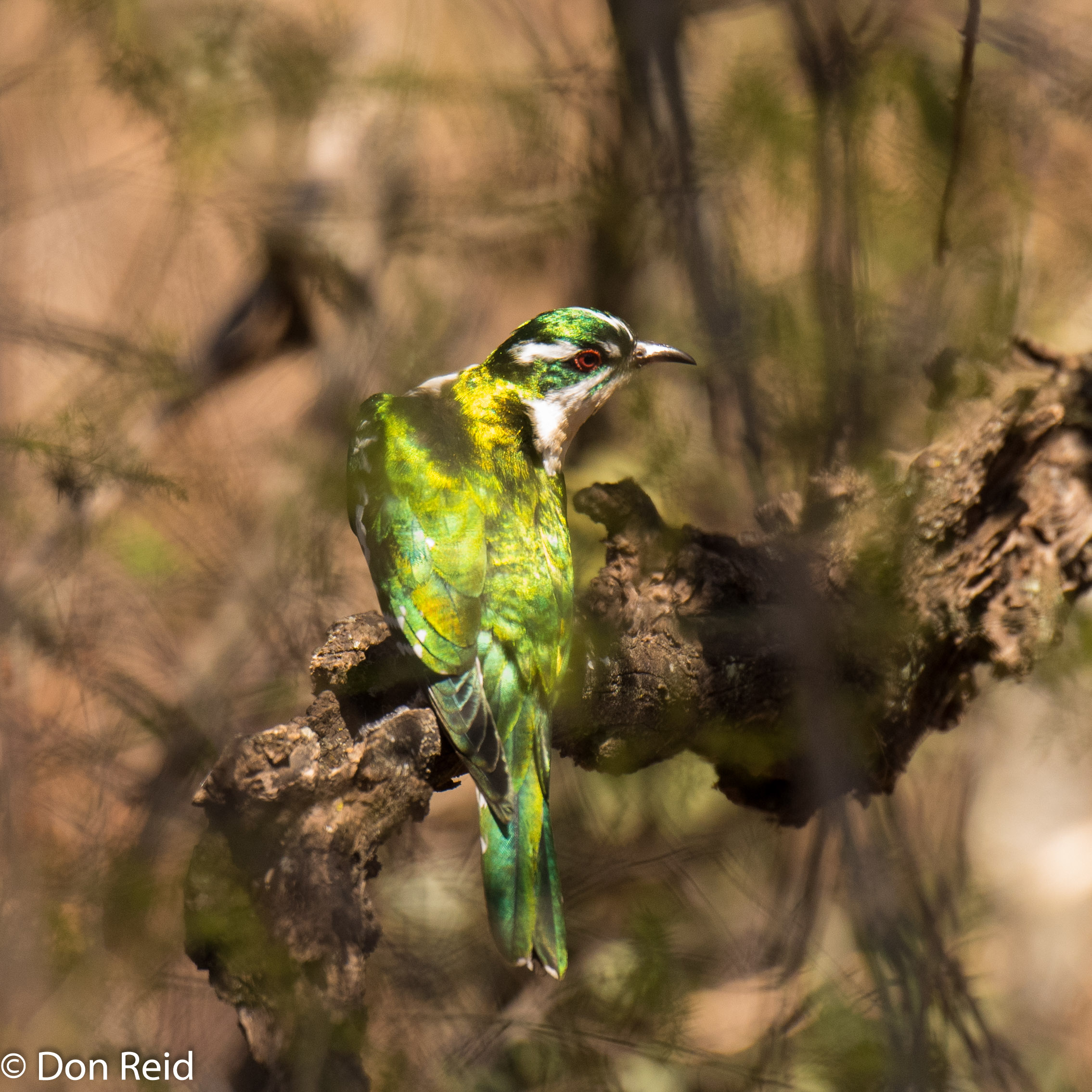
Diederik Cuckoo, Roodeplaat NR
Diederik Cuckoo, Roodeplaat

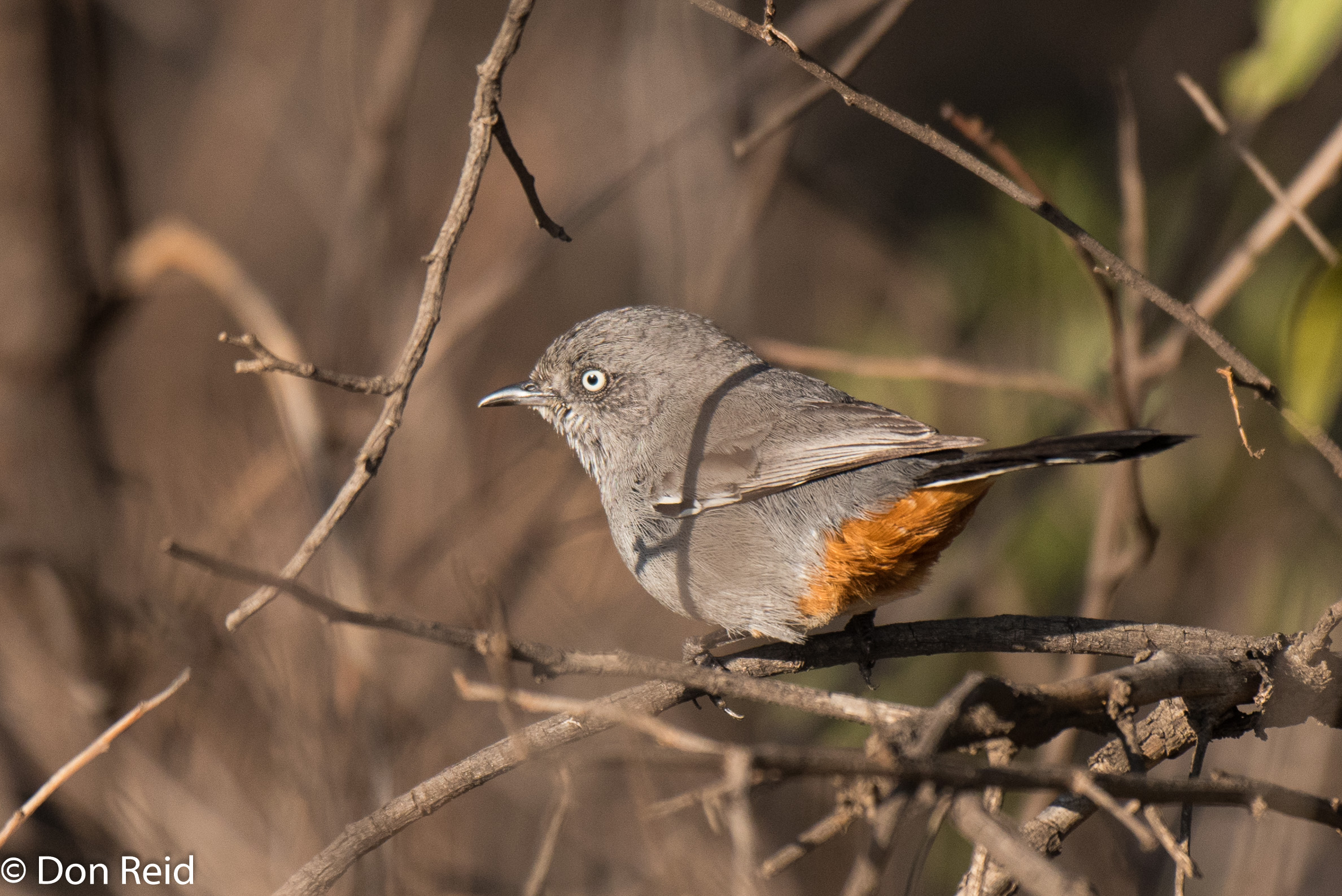
Chestnut-vented Titbabbler, Roodeplaat Dam

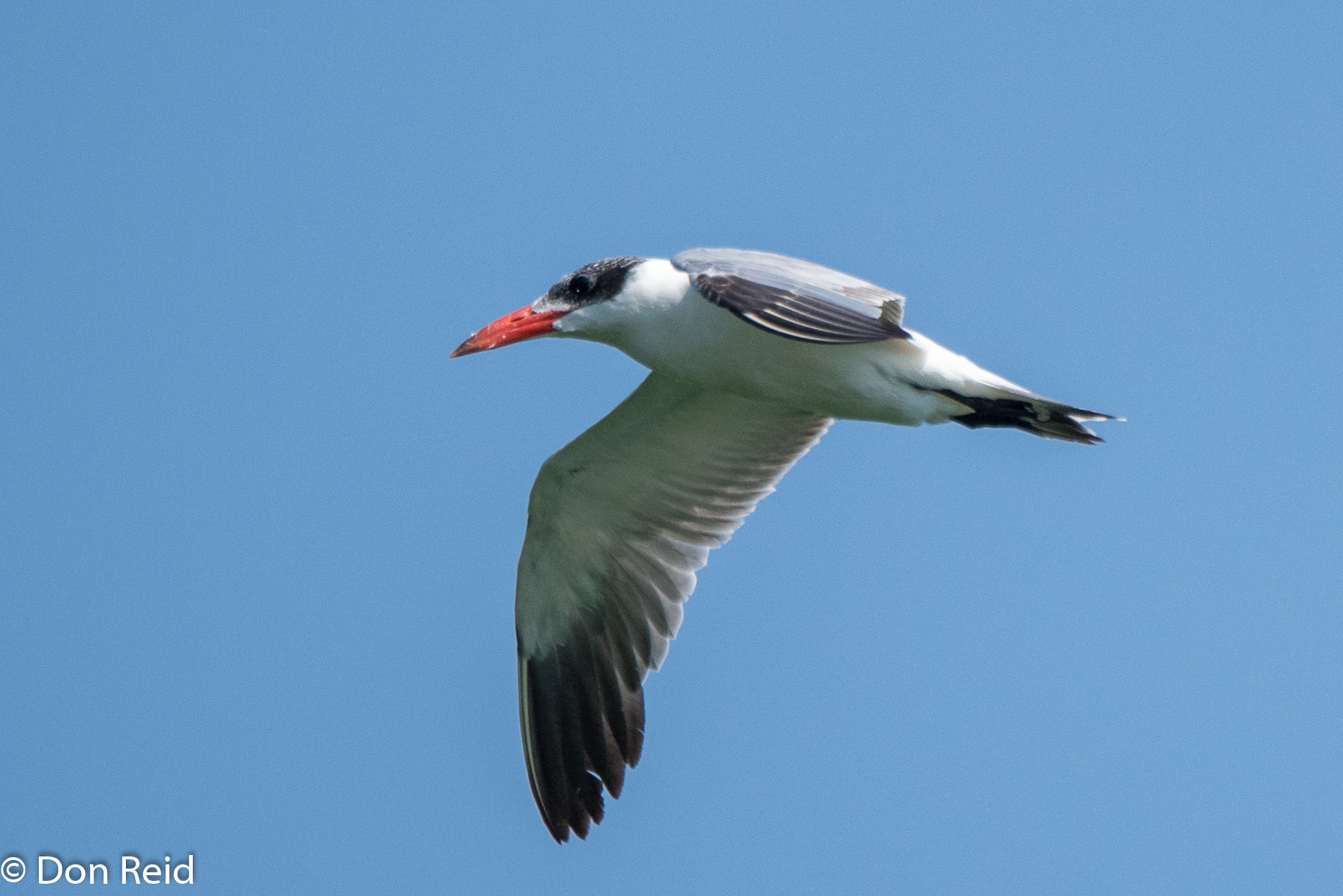
Caspian Tern, Roodeplaat Dam

Another attractive venue was Mabusa Nature Reserve, some 1.5 hours drive from Pretoria, but almost constant light rain put a damper on my visit and the slightly unscheduled arrival of our 7th grandchild had me rushing back to Pretoria a little earlier than planned. Definitely a spot to revisit on a sunny day.

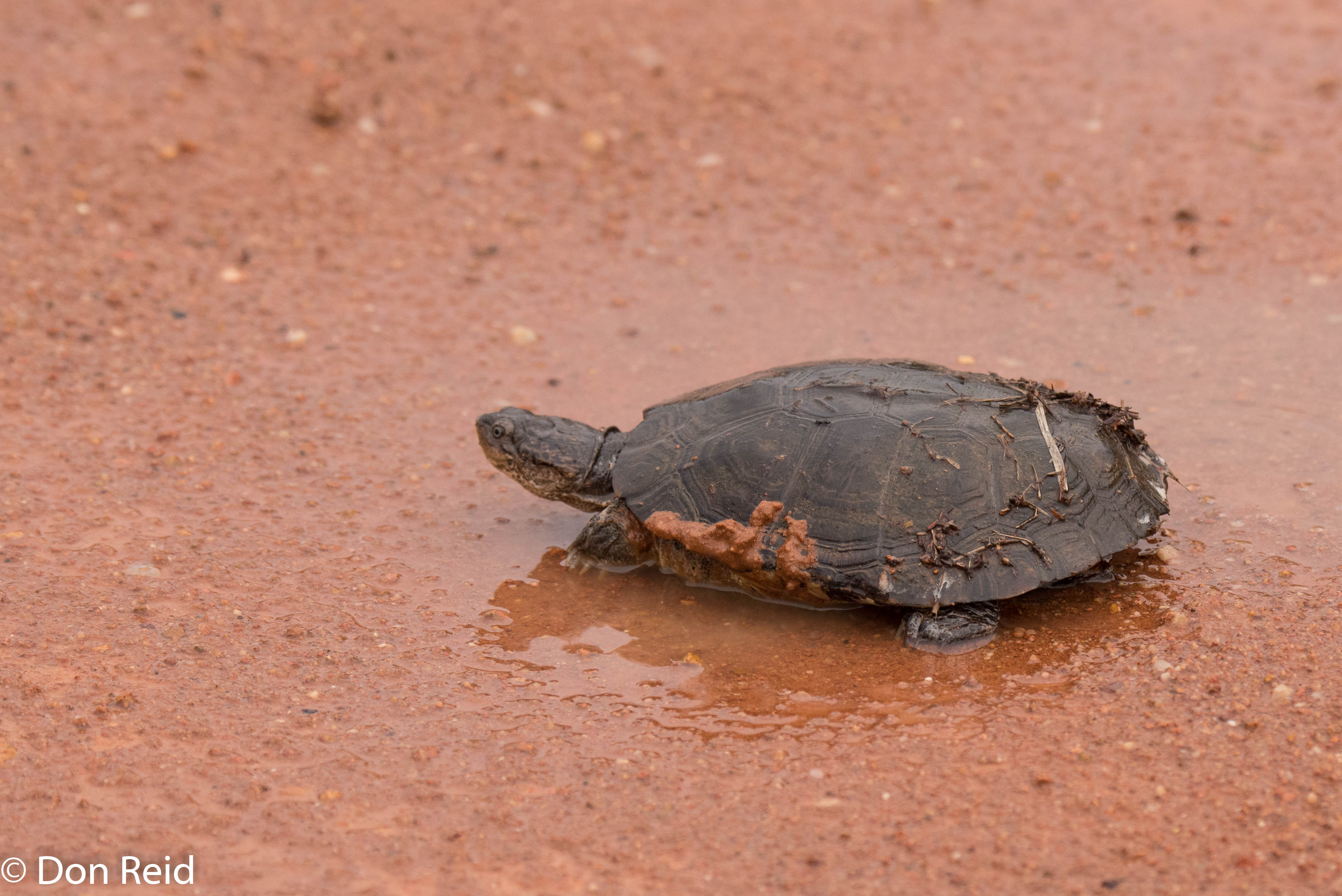
A Terrapin in the middle of the drenched gravel road was proof of how wet it was – I have only ever seen them clinging to a rock in a river or dam

Terrapin, Mabusa NR
Terrapin, Mabusa NR

Mabusa NR
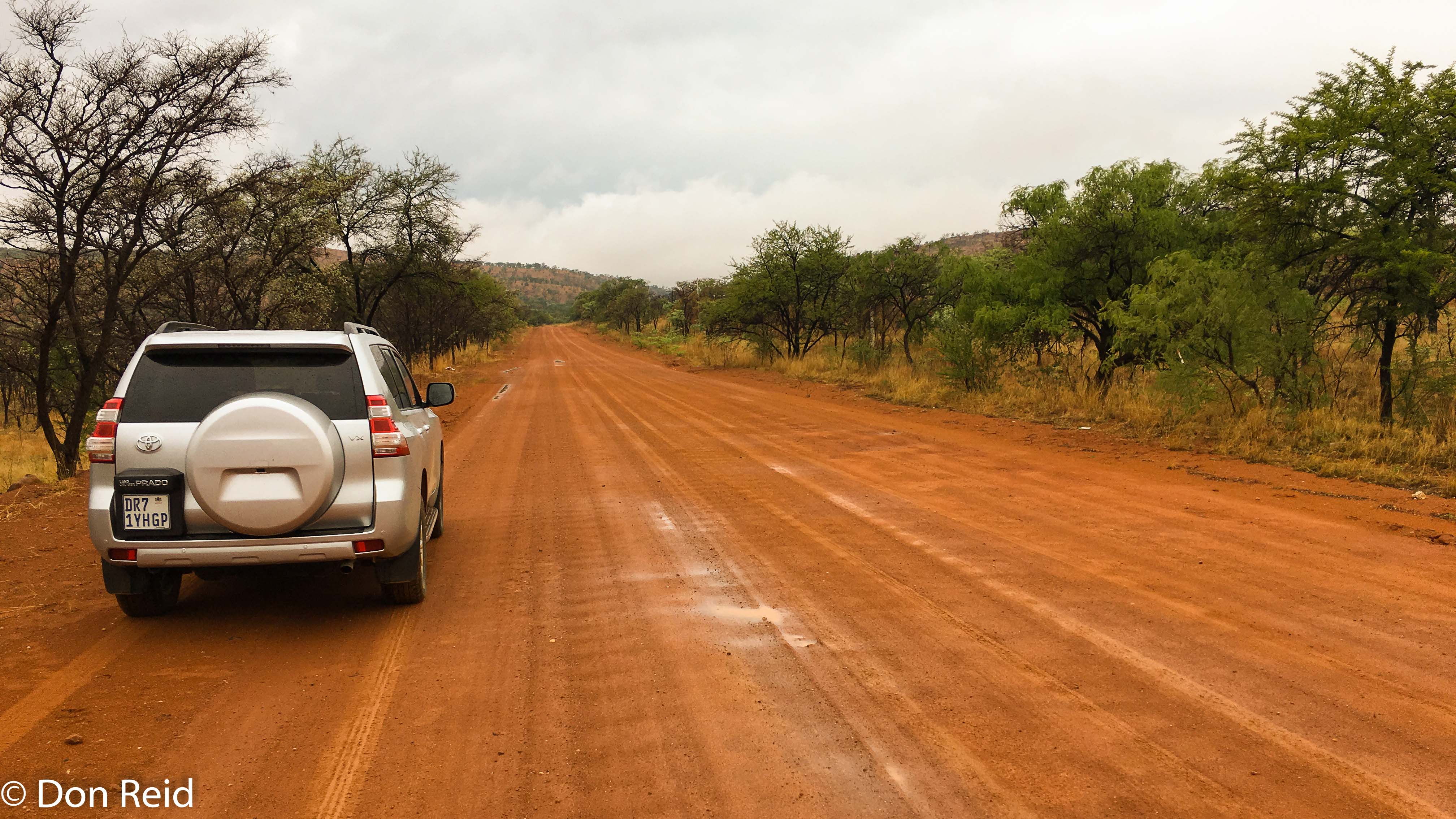
Mabusa NR on a wet day

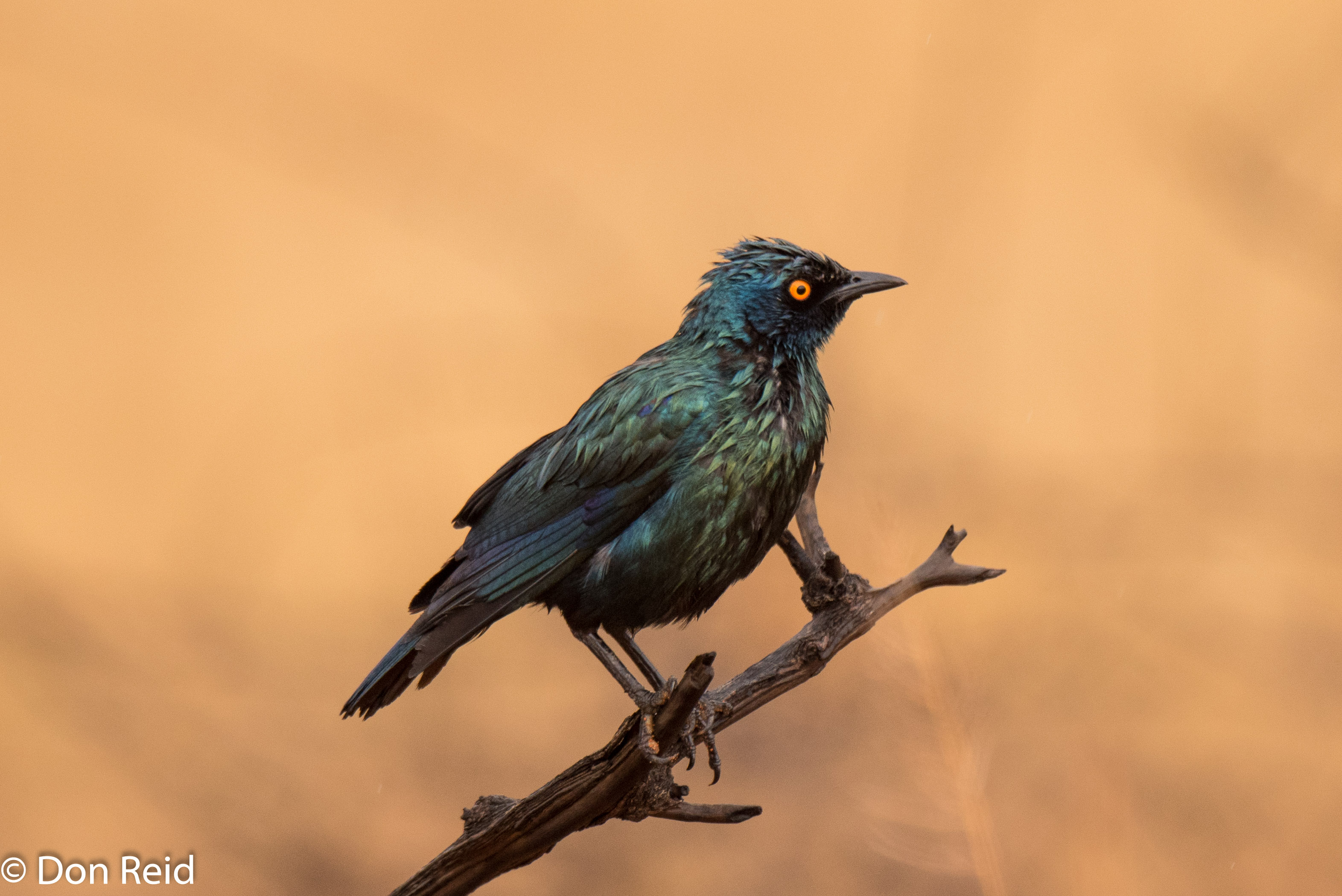
Cape Glossy Starling, Mabusa NR
Cape Glossy Starling, Mabusa NR trying to look happy about the rain

African Pipit, Mabusa NR

Last up was a visit to the area around Settlers in the Bela Bela area of Limpopo province, where the highlight was meeting a farmer that I encountered on the road who invited me to visit the “Vulture restaurant” at a large Pig-farm nearby.

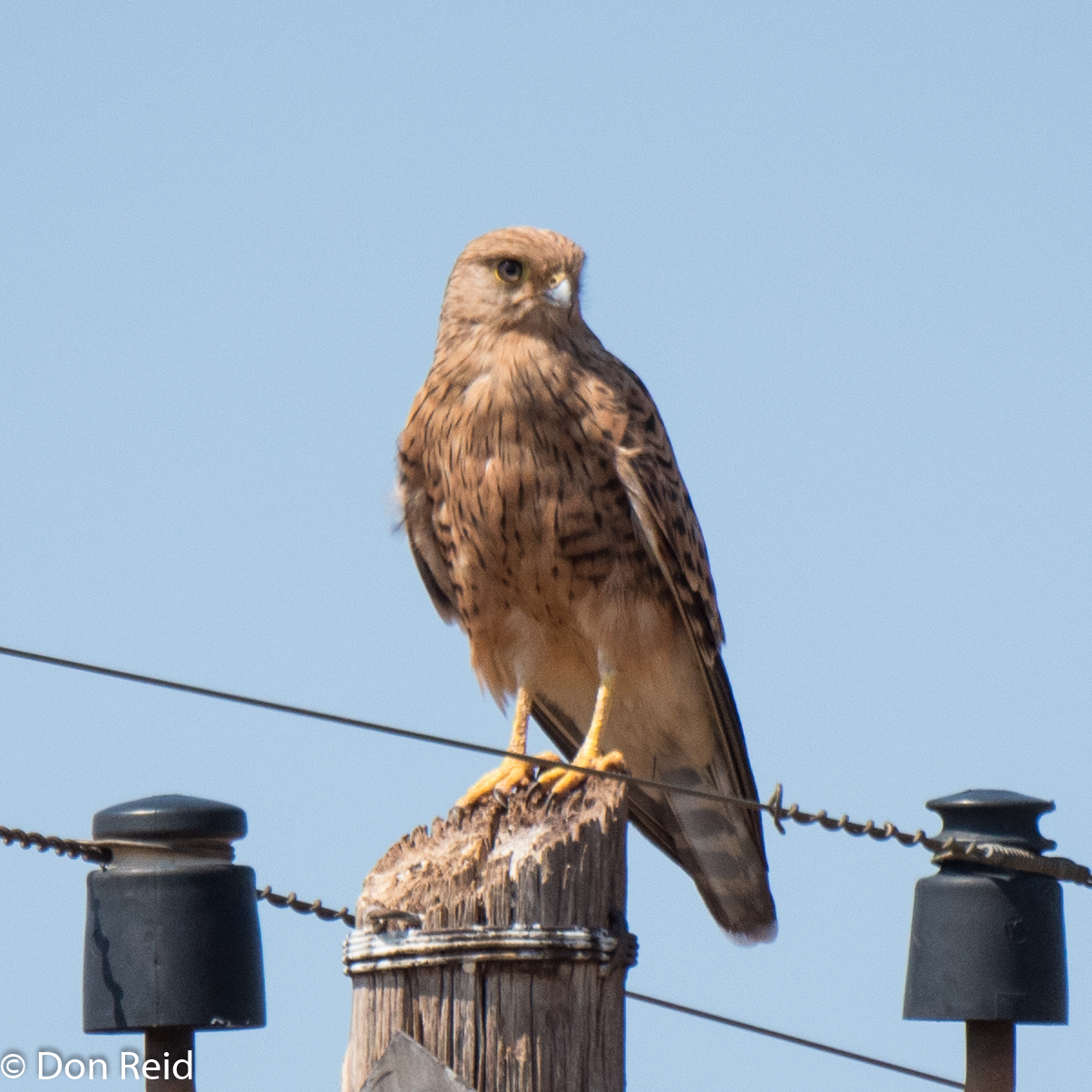
Greater Kestrel, Settlers area, Limpopo

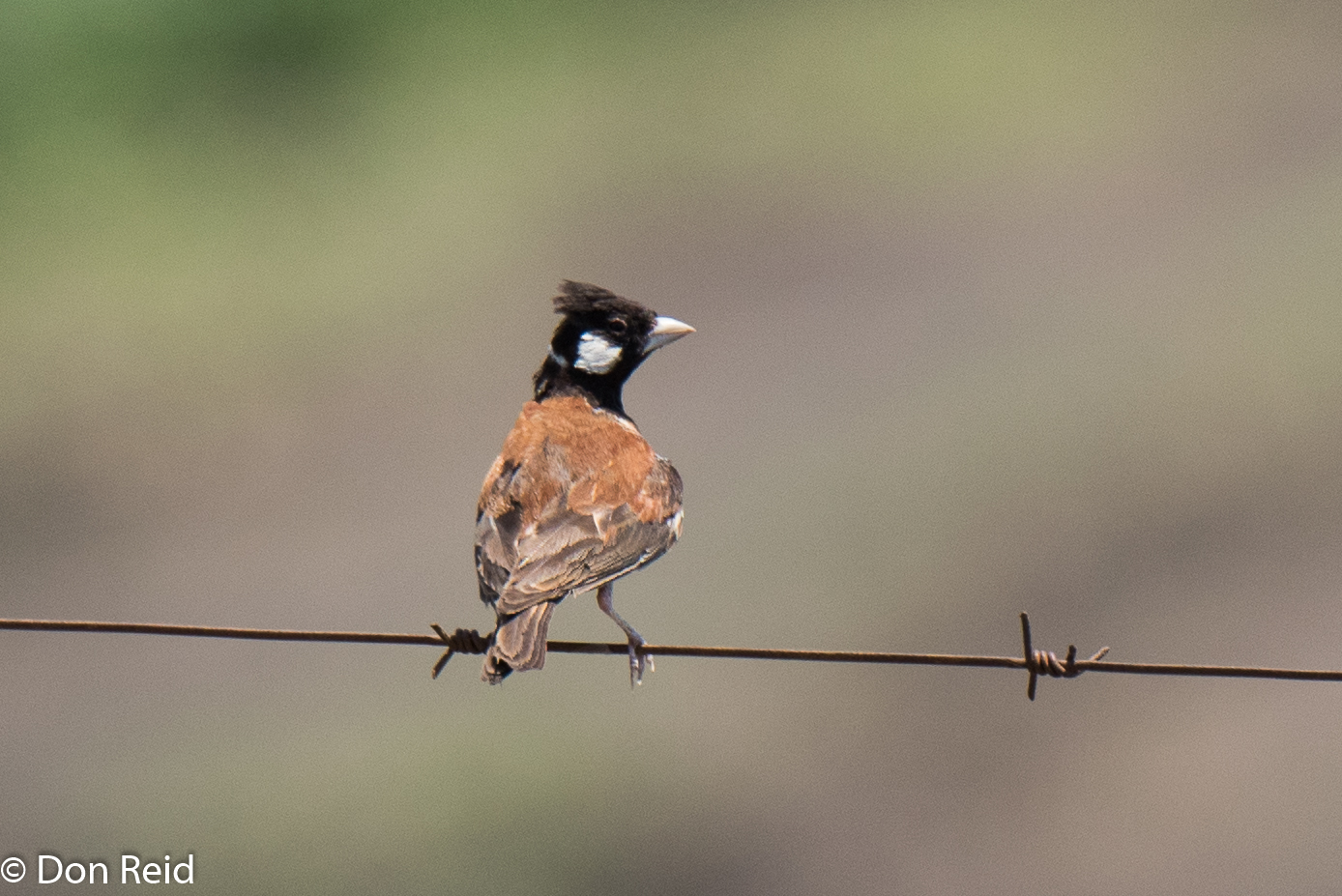
Chestnut-backed Sparrowlark, Settlers area, Limpopo

November

You would think I’d had enough of Chobe by now, but no, once again I arranged a boat trip along with a colleague while in Kasane and once again it was spectacular. My aim was to find Rock Pratincole which we did quite easily and had an up close and personal view to boot. I will do a separate post on this trip but suffice to say it was special.

Rock Pratincole, Chobe River trip

Long-toed Lapwing, Chobe River trip

On the 9th another local hotspot demanded a visit when Green Sandpiper was reported from Rietvlei Nature Reserve near Pretoria (actually part of Pretoria). I did not find the Sandpiper but plenty of others kept me busy and fascinated, including a variety of antelope and other game. I still managed to make it to the office by mid-morning with 62 species counted.

Cape Longclaw, Rietvlei Dam

Our annual “long stay” trip to Mossel Bay came around almost before we were quite ready and an overnight stop at Abbotsbury guest farm near Graaff-Reinet on the way there was my next opportunity for some Karoo birding on this delightful farm.

Red-eyed Bulbul, Abbotsbury near Graaff-Reinet

We were barely settled in Mossel Bay when Birding Big Day came up on the 26th and at the last moment I decided to enter the Birdlasser challenge despite not having a team, planned a route or being even vaguely prepared. As it turned out I had a great day doing a circular route in the surrounding area, with Gerda joining me in the afternoon, and recorded 112 species on the day – not too bad for the area.

December

On the road again – this time on a 5 day trip to the Western Cape mainly to visit family, but naturally I took every opportunity to do birding along the way. News of several rarities at Strandfontein Sewage Works had filtered through in the few days prior to the trip and, prompted by Gerda who knows I can’t resist the temptation of a new bird, we adjusted our itinerary to spend a night nearby the spot, which meant I could spend time there in the hope of finding them. As it turned out I added Temminck’s Stint, Red-necked Phalarope and American Golden Plover to my life list – my only dip was the Pectoral Sandpiper.

Temminck's Stint, Strandfontein Sewage Works
Temminck’s Stint, Strandfontein Sewage Works

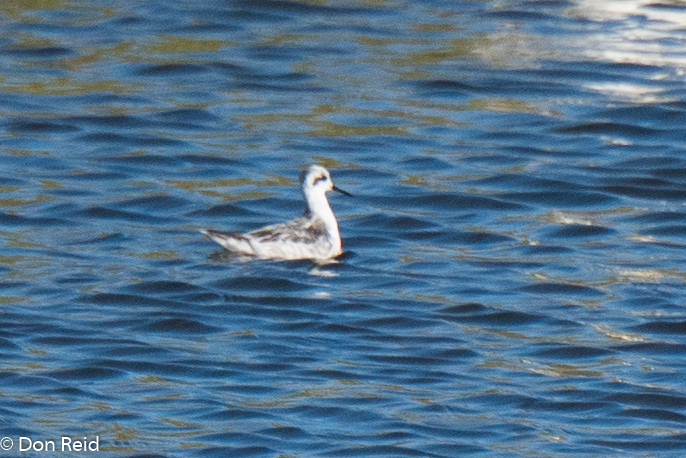
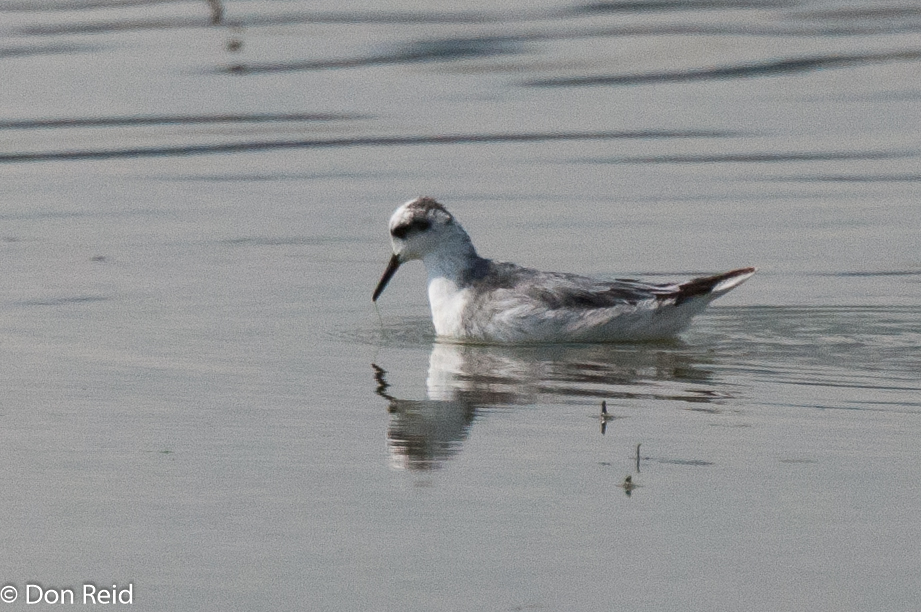
Red-necked Phalarope, Strandfontein Sewage Works

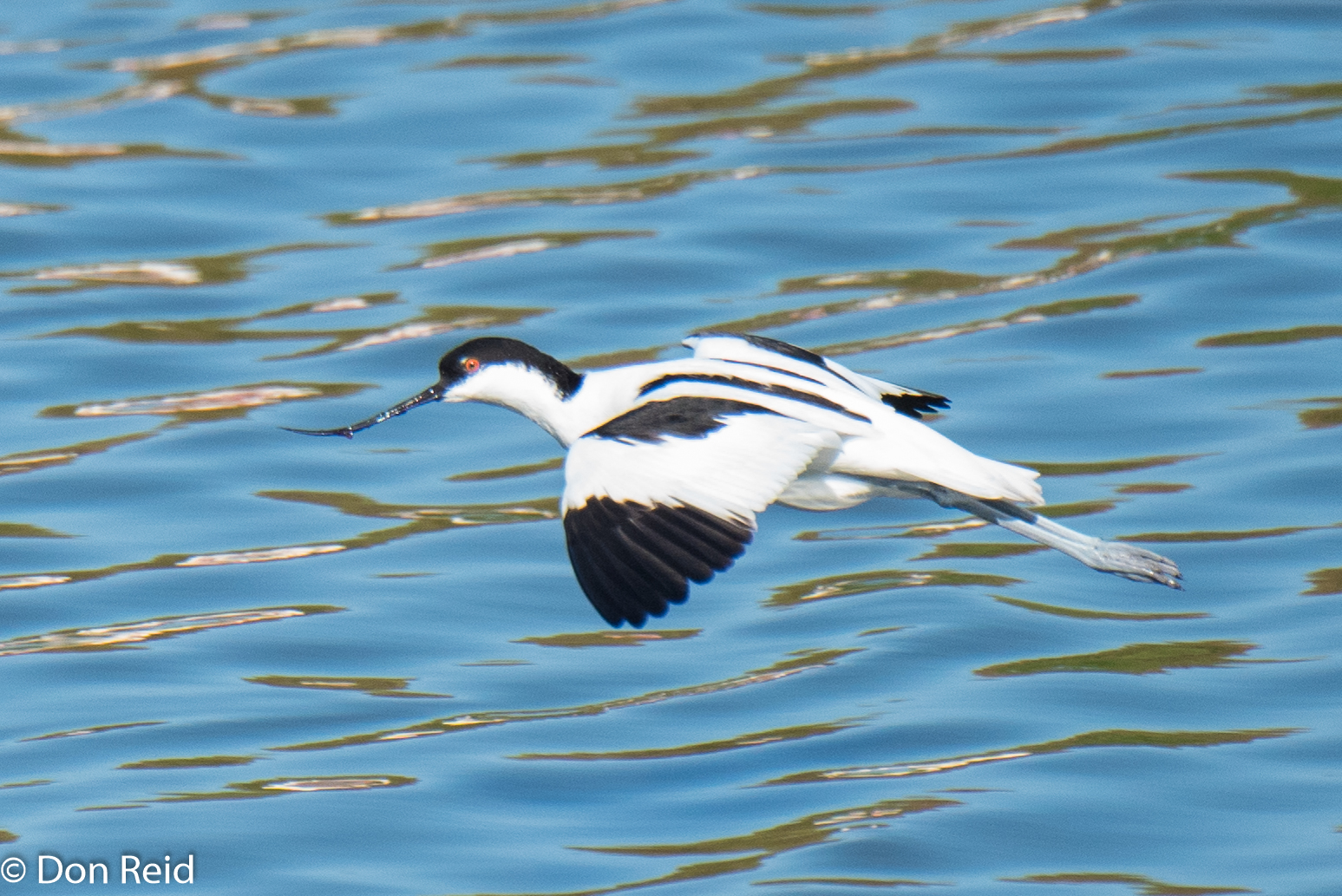
Pied Avocet, Strandfontein Sewage Works

Worcester was our base for 3 nights and on the return trip to Mossel Bay we stopped for an overnight stay at Jan Harmsgat guest farm

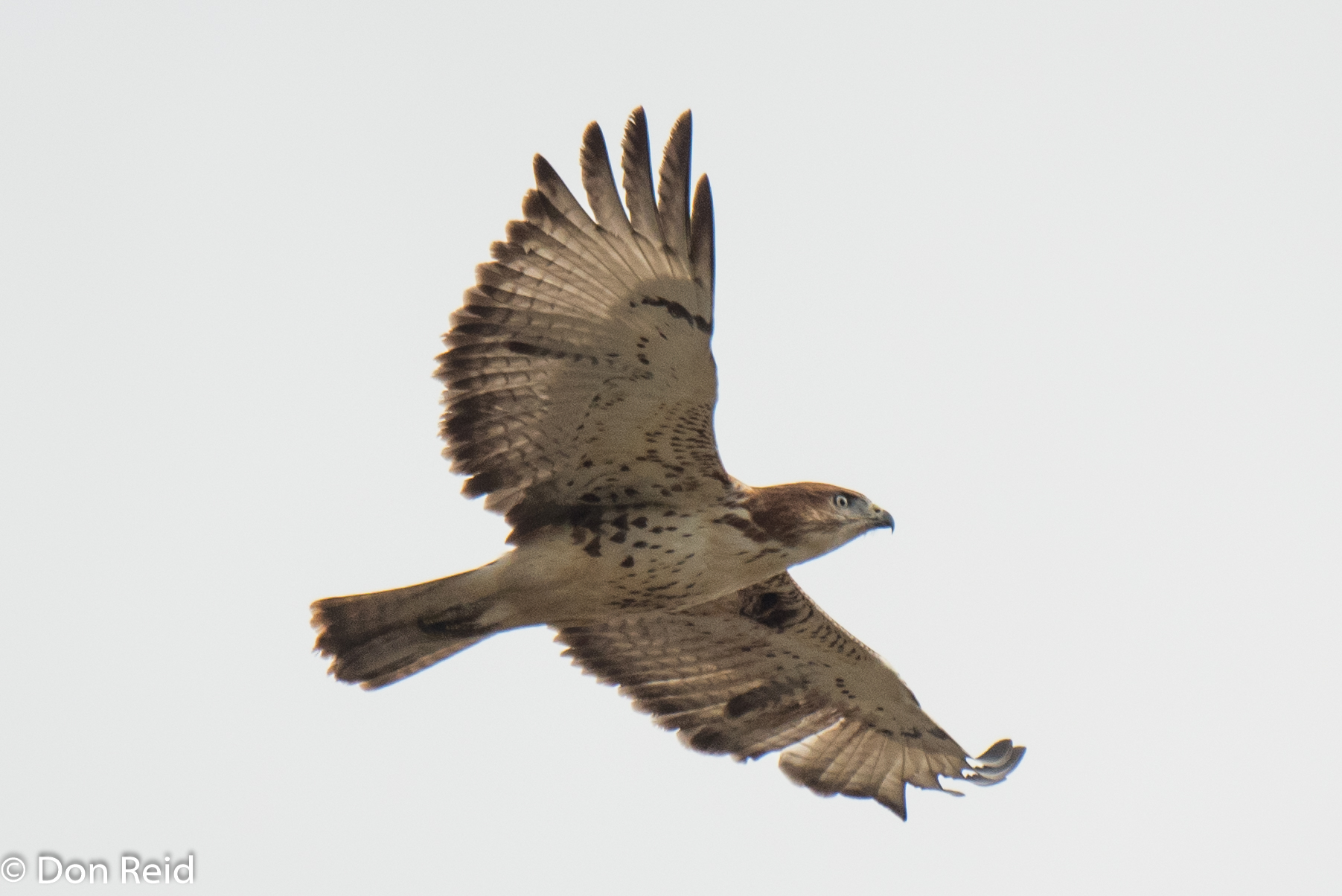
I felt that the rarities were following me when a Red-necked Buzzard was seen in Stilbaai, just and hour or so away from Mossel Bay, so on the 13th I went to look for it and ended up getting great views accompanied by some of the top birders in SA, who had driven a lot further to see this mega-rarity. One of them was the country’s leading seabird expert, Barrie Rose, with whom I had a chat as we were at school together. Barrie was tragically killed just a couple of weeks later  when he fell off rocks at Cape Point while fishing. Just another reminder how tenuous life can be.

Red-necked Buzzard, Stilbaai Twitch

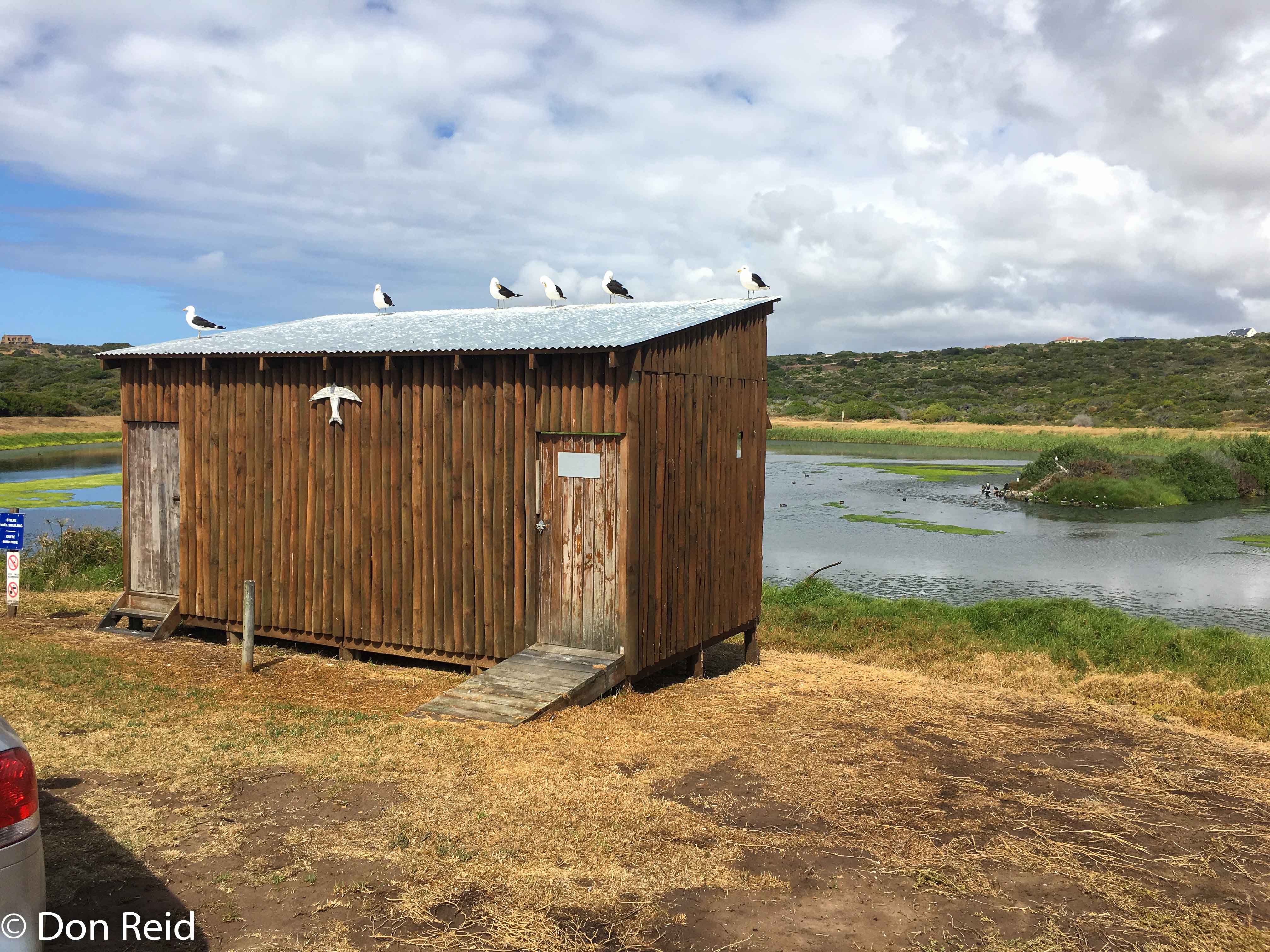
Stilbaai Sewage Works
Stilbaai Sewage Works – a bird hide for the birds

Stilbaai twitch
Stilbaai twitch – RIP Barrie Rose (walking up the hill at the rear)

On the 22nd I atlased two pentads north and south of Herbertsdale, one of my favourite birding areas, which was also my last formal birding trip of the year.

During our lengthy stay in Mossel Bay I did regular atlasing in the Golf Estate, where 30+ species can be seen in an hour’s walk during Summer, as well as around town which has a few reliable birding spots such as the Point and the harbour area for seabirds and the small dam at the SPCA grounds for waterfowl.

Grey-backed Cisticola, Mossel Bay

African Black Swift, Mossel Bay

I am not sure how I will top 2016 as far as birding goes, but I will certainly give it a go!

My Birding Year 2016 (Part 1) – Twitching, Lifers, Atlasing and more

It was a memorable Birding Year for several reasons – many great places visited in pursuit of new birds, many amazing experiences, often when least expected, atlasing at every opportunity, all of which has left me more than satisfied and (hopefully) has boosted my birding and bird photography skills. It was also sprinkled with enough “Lifers” to make it a special birding year, most of which were not planned but rather just happened along the way.

What follows is a brief (remember, brief is relative) synopsis of my birding activities along with photos of the species encountered and places visited. Some of my trips are covered in separate posts in a lot more detail.

January

Our year kicked off in Mossel Bay, our home town for some of the year, including December and half of January, and I took the opportunity to do some atlasing / birdmapping in the area. This included one particularly memorable trip through the mountains on a back road north of Herbertsdale (actually an old wagon route)  where I saw just one other person in two hours and not a single other vehicle. The pentad (a block of 5 x 5 minutes of latitude and longitude) had never been atlased previously so was virgin territory.

Old Wagon route, Herbertsdale north

Jackal Buzzard, Herbertsdale north

Further atlasing on the 14th was limited by almost constant light rain, but was nevertheless interesting, producing some scarcer species such as Little Bittern doing its “sky-gazing” trick and a group of Amur Falcons, unusual in this part of SA. Parts of the gravel road were very slippery and called for close concentration.

Cattle Egret, Herbertsdale south
Cattle Egret, Herbertsdale south (spot the raindrops!)

Our customary “slow and easy” trip back to Pretoria started on the 16th with a short drive to Prince Albert for a two night stay, allowing time for some Karoo birding, then on to Prior Grange guest farm near Springfontein in the Free State, where I was able to fit in some early morning birding before our last push to Pretoria and home.

A report of a Caspian Plover near Hanover persuaded us to deviate for an hour or two to look for it – with the help of the farm owner we found it, as well as some other delights such as Blue Korhaan and Namaqua Sandgrouse

Namaqua Sandgrouse, New Holme Guest Farm, Hanover

Caspian Plover, New Holme Guest Farm, Hanover

Blue Korhaan, New Holme Guest Farm, Hanover

Back in Pretoria I was soon chasing further rarities when reports of a Red Phalarope at Mkhombo dam filtered through and I ended up visiting this exciting birding spot three times before the month was out, once on my own, once with George Skinner and once with Francois Furstenburg, the latter trip including some great birding along the Zaagkuildrift road.

Red Phalarope, Mkhombo Dam

Grey Plover, Mkhombo Dam

123 Long-tailed Paradise Whydah, Mkhombo Dam (925)
Long-tailed Paradise Whydah, Mkhombo Dam

And to round off a memorable month, a Spotted Crake was reported outside the main gate to one of Johannesburg’s largest residential estates. It proved to be one of the easiest twitches ever as more than 1000 birders went to see it.

Spotted Crake, Waterfall Estate

After that exciting start to the year I took a break in February to focus on other life matters and recommenced in…

March

The month started with a bang when I visited Kasane in Botswana for the project I am involved in and took the opportunity to “pop over” to the Caprivi Strip in Namibia to see the Yellow-throated Leaflove reported at a lodge near Katimo Mulilo, along with some of the other area specials and another lifer by way of an accommodating Schalow’s Turaco at the same lodge. The Leaflove was a new species for Southern Africa and created a lot of excitement amongst twitchers.

Yellow-throated Leaflove, Caprivi Houseboat Lodge

Schalow's Turaco, Caprivi Houseboat Lodge
Schalow’s Turaco, Caprivi Houseboat Lodge

While in Kasane I visited Chobe Game Reserve and the Kasane Waste treatment works which both produced some excellent birding.

Chobe NP
Chobe NP

Red-billed Spurfowl, Chobe NP

African Openbill, Chobe NP

Southern Carmine Bee-Eater, Chobe NP

Wood Sandpiper, Kasane Water Treatment
Wood Sandpiper, Kasane Water Treatment works

The following week I fitted in some atlasing, this time in and around Cullinan area east of Pretoria (where the famous Cullinan diamond was found)

The next weekend we visited Potchefstroom and I atlased in the area, focusing on the Boskop dam north-east of Potch which proved to be an excellent spot with a total of 72 species, the highlight being an African Rail walking along the dam edge for 50m or so before disappearing into reeds.

April

Back in Kasane for my monthly visit, the only birding I managed was at Senyati camp, which we visited late one afternoon and viewed the elephants coming to drink at the waterhole, along with a variety of bird life.

Then it was time for our long-planned trip of the year to celebrate 45 years of marriage – two weeks in Europe  , visiting Prague and Passau, with an eight-day Danube River Cruise sandwiched in between. Birding was limited to whatever crossed my path but was still good for a handful of Lifers added to my “World list”

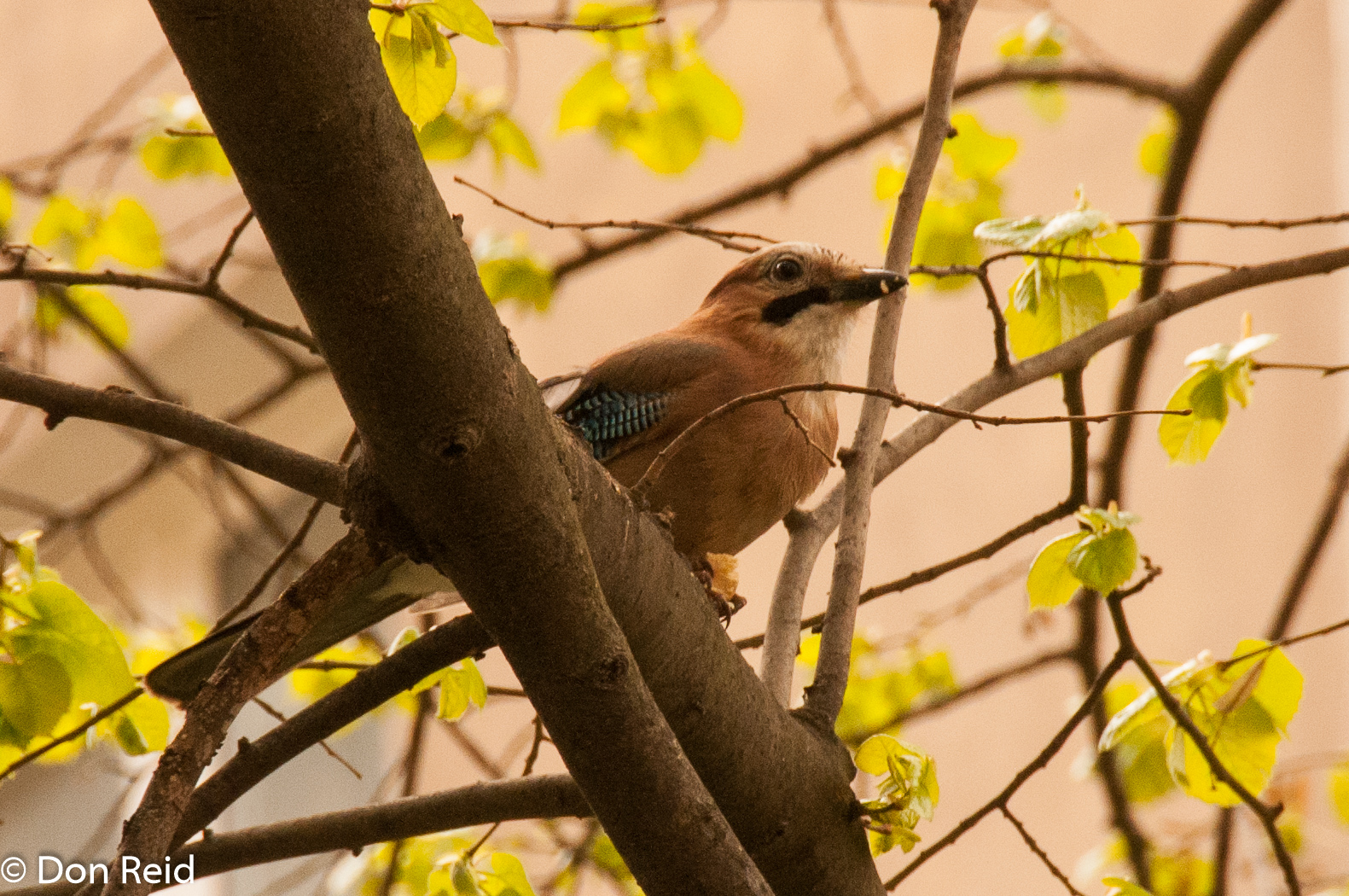
Eurasian Jay, Prague

Black Redstart, Cesky Krumlow

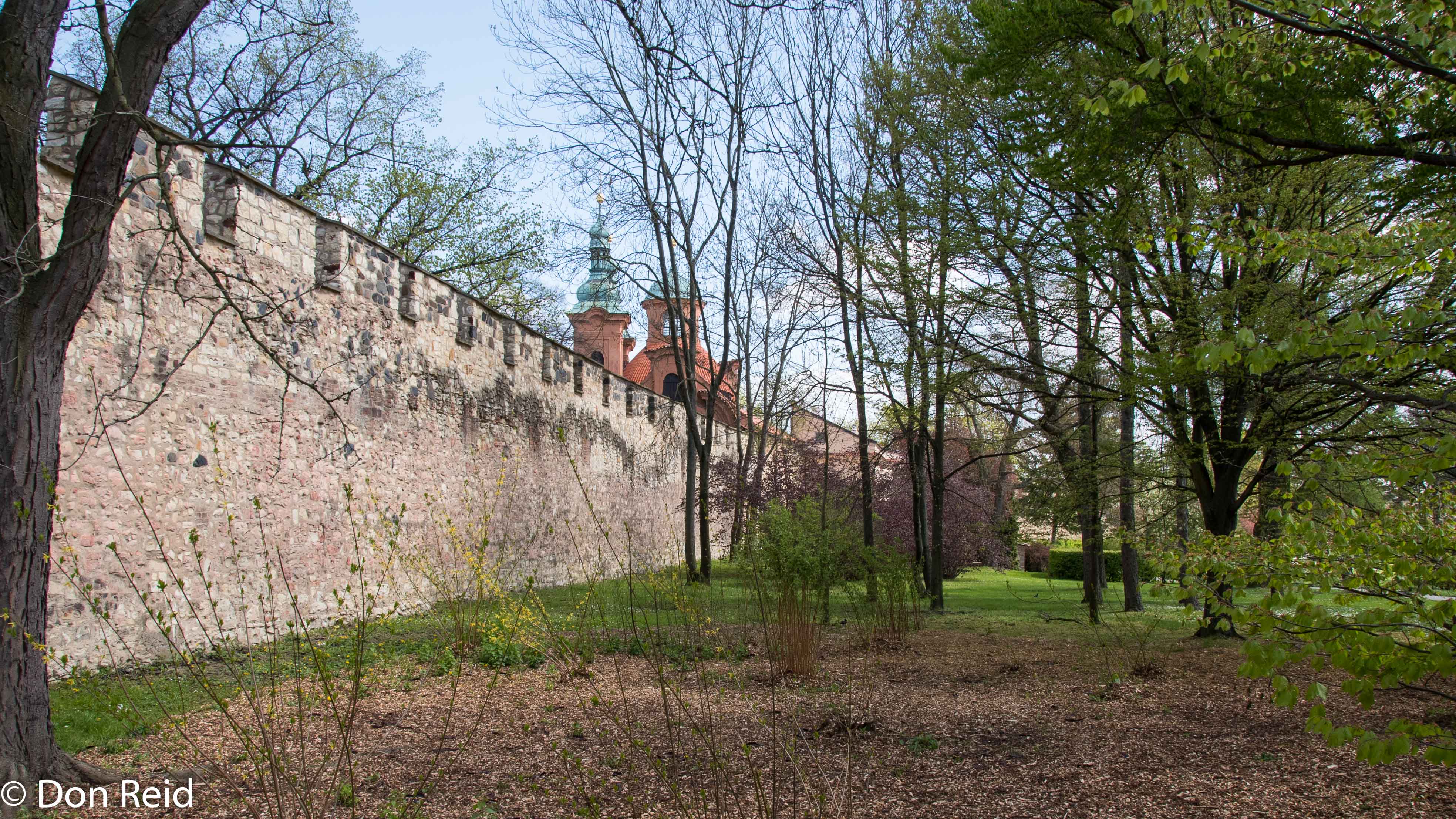
Petrin Hill
Petrin Hill in Prague

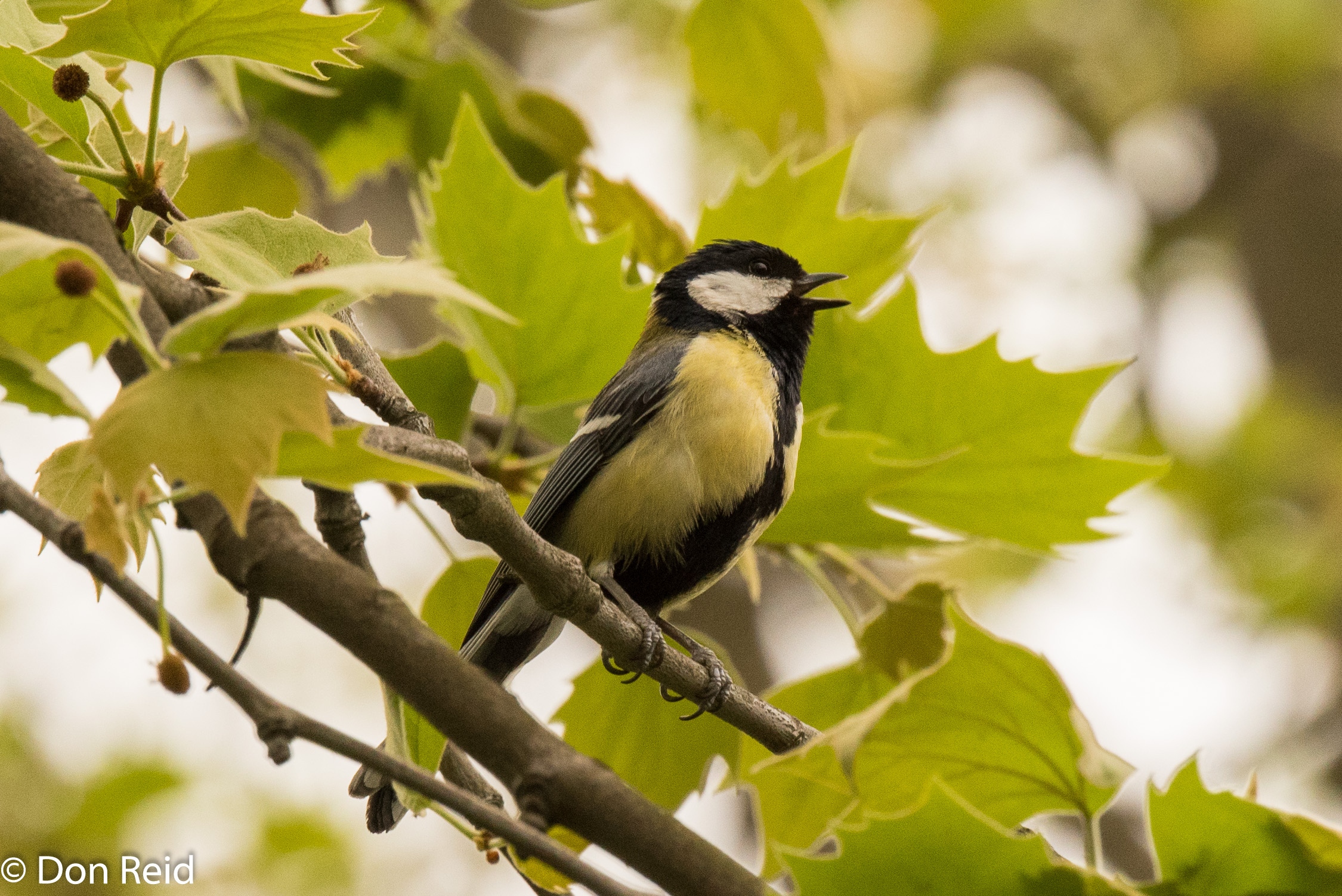
Great Tit, Vienna
Great Tit, Vienna

Red Fox with fish catch
Red Fox with fish catch along the Danube River (OK it’s not a bird but rates as one of my sightings of the year)

Caspian Gull, Danube

Common House Martin, Danube

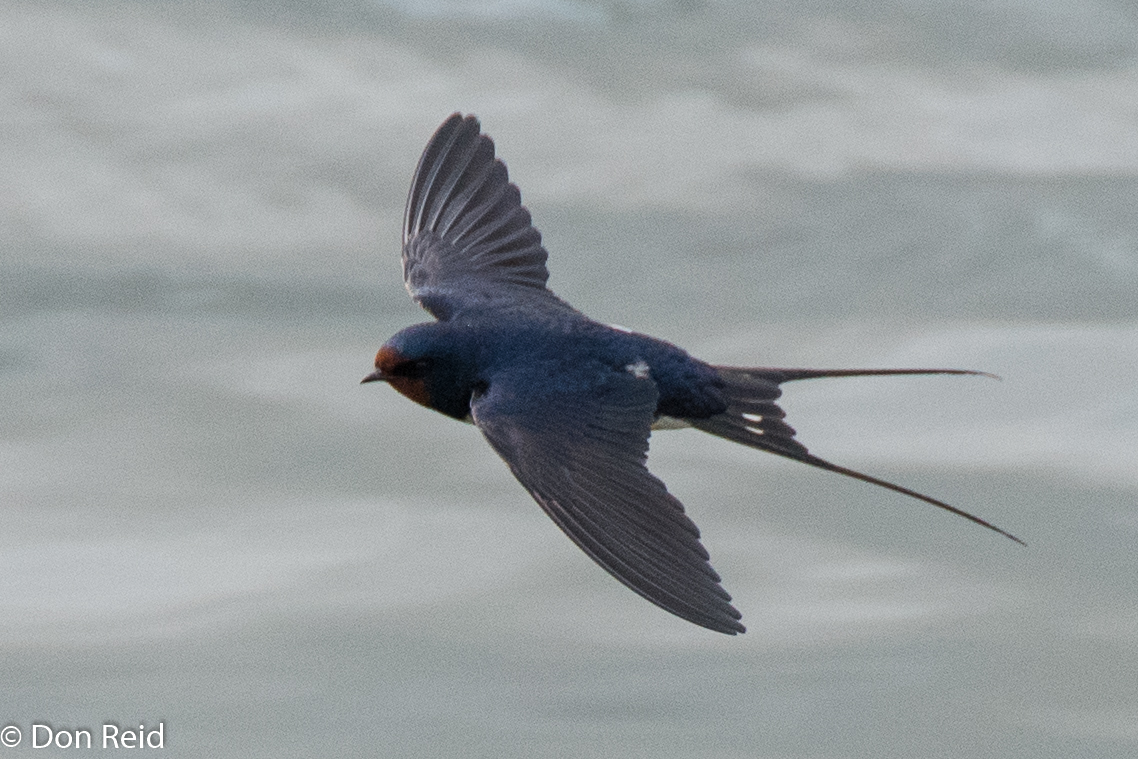
Barn Swallow, Danube

Lesser Kestrel, Passau

Passau - views from the Castle
Passau – views from the Castle

Black-headed Gull, Passau

May

My trip to Kasane Botswana from the 10th to 12th presented few opportunities for focused birding, nevertheless I was able to spend time in three spots that I have got to know fairly well – Kasane Waste Treatment works, Thebe lodge and Seboba Nature Park, all of which are reliable for a variety of species.

113 White-crowned Lapwing, Seboba Nature Park - Kasane (290)
113 White-crowned Lapwing, Seboba Nature Park – Kasane (290)

Marabou Stork, Kasane Water Treatment

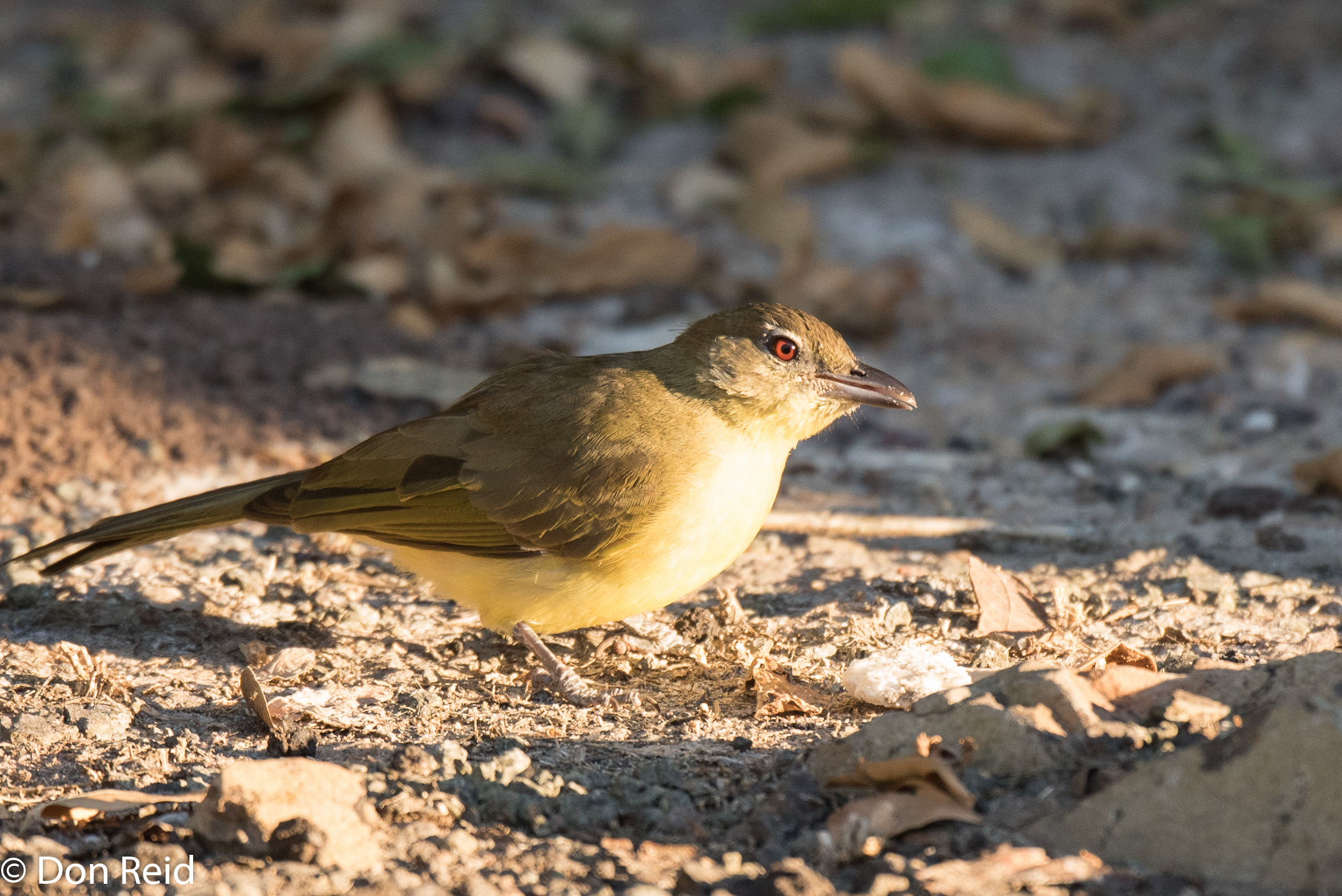
Yellow-bellied Greenbul, Thebe Safari Lodge

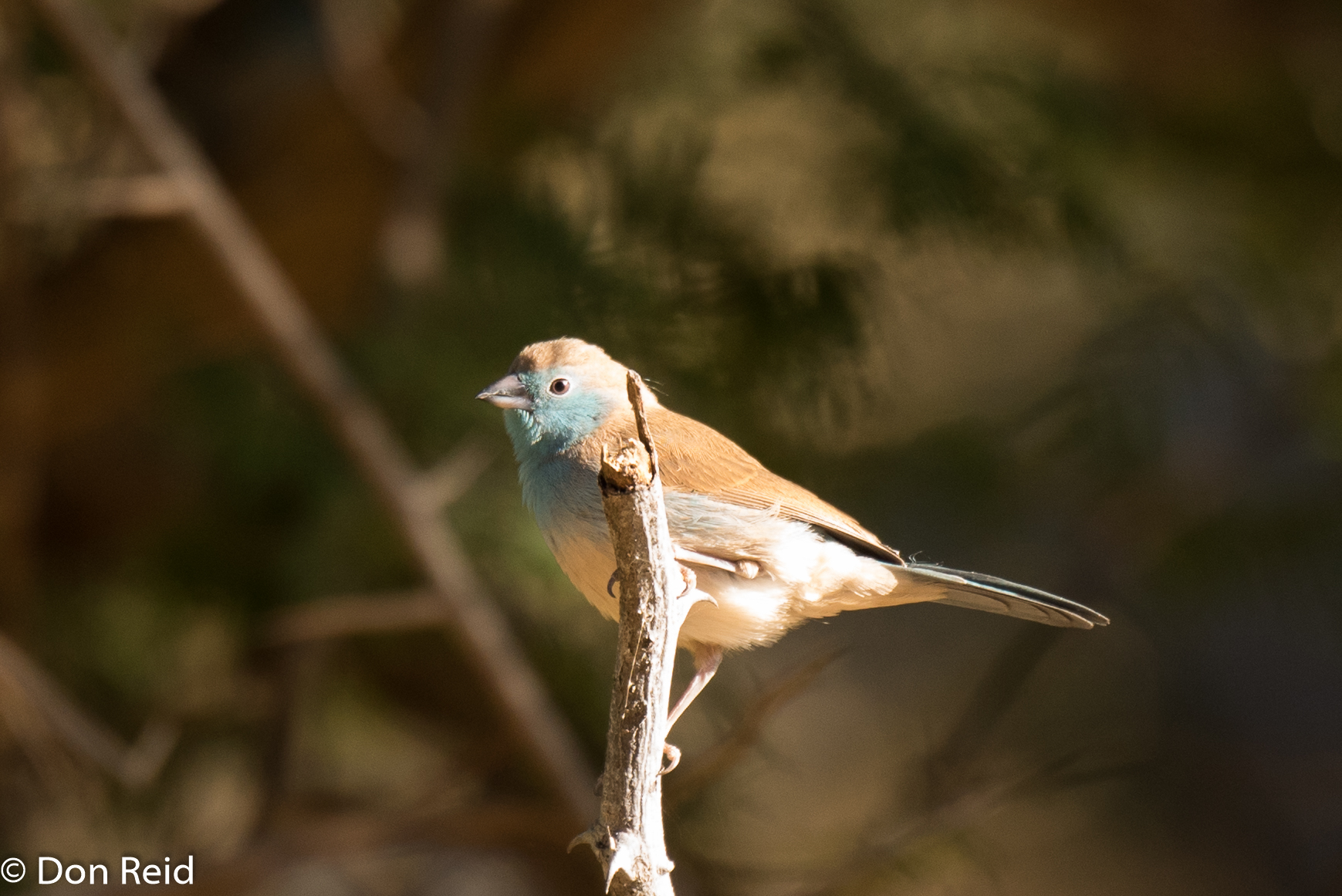
Blue Waxbill, Seboba Nature Park Kasane

On the 16th and again on the 23rd I got back to some “ordinary” atlasing in some of my favourite parts of eastern Gauteng – lying generally in the corridor between Bronkhorstspruit area and Delmas area. Good solid midwinter atlasing in these run-of-the-mill parts of Gauteng can be just as inspiring as birding some of the more recognised birding spots.

Brown-throated Martin, Delmas area

On the 26th and 27th we joined Koos and Rianda at our favourite getaway – Verlorenkloof estate near Machadadorp – which as usual did not disappoint with the quality of the birding

Verlorenkloof
Verlorenkloof

Mocking Cliff-Chat (Female), Verlorenkloof

June

Kasane was the destination once again from the 1st to 3rd with another birding trip along the Riverfront section of Chobe Game Reserve.

Bradfield's Hornbill, Chobe Riverfront
Bradfield’s Hornbill, Chobe Riverfront

Winter atlasing in the Delmas area on the 6th included a visit to a farm dam courtesy of the farm owner who I tracked down – worth the trouble as the dam contributed 21 species to the list including both Flamingoes, Black-necked Grebe and Maccoa Duck

African Marsh-Harrier, Delmas area
Harrier in the mist (African Marsh-Harrier), Delmas area

Next up was our visit to La Lucia near Durban for a week, during which I enjoyed a Fathers Day feast of birding in Ongoye Forest, Mtunzimi and Amatigulu Reserve with local guide Sakhamuzi Mhlongo,  who found the Green Barbet that I had hoped to see. This species is restricted to this one single forest in Southern Africa.

Ongoye Forest
Ongoye Forest

Green Barbet, Ongoye Forest Reserve
Green Barbet, Ongoye Forest Reserve (Not a photo-friendly species at all!)

Ongoye Forest
Ongoye Forest

Square-tailed Drongo, Ongoye Forest Reserve

Yellow-throated Longclaw, Mtunzini

Amitigulu Nature Reserve
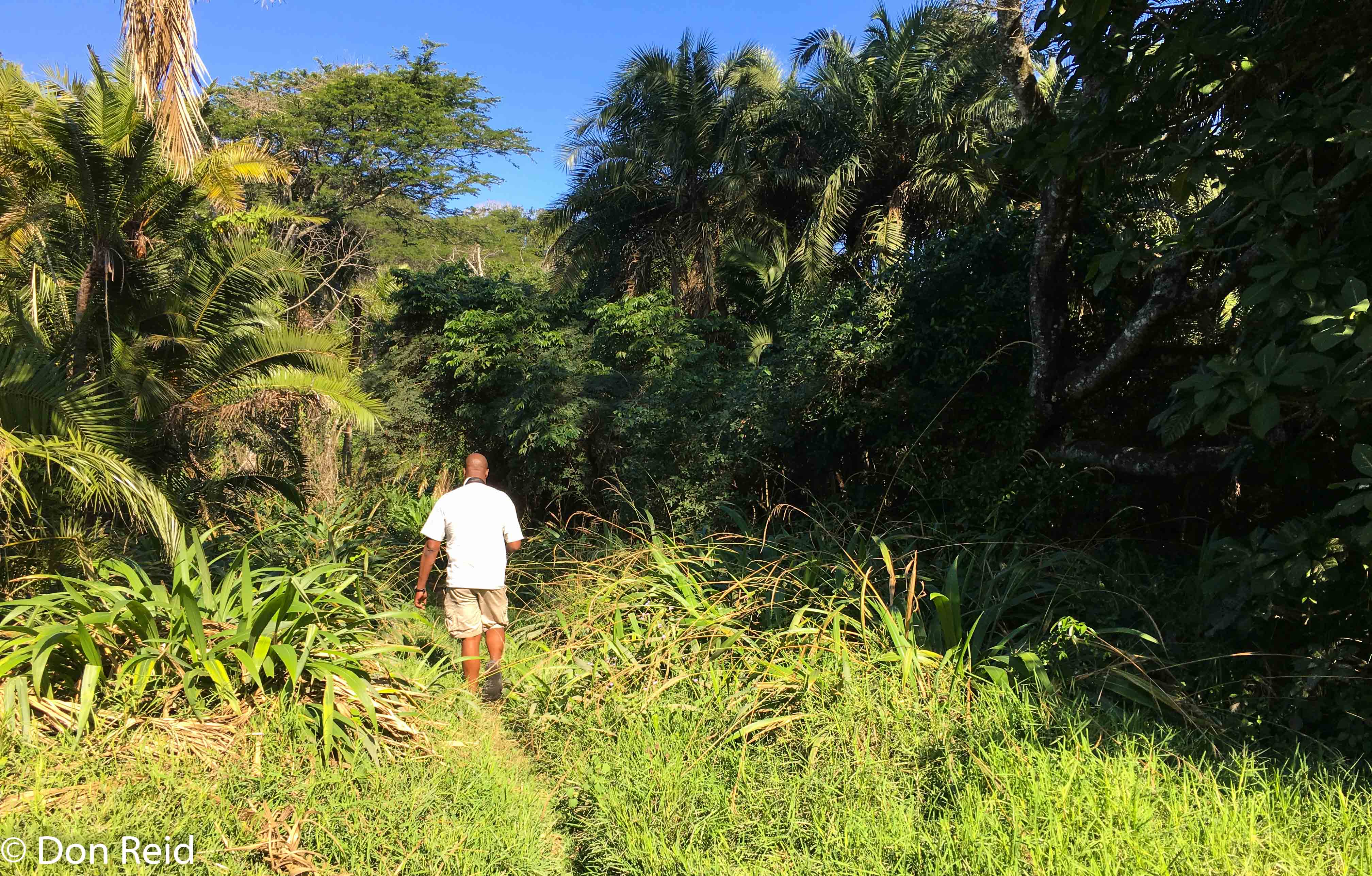
Amitigulu Nature Reserve, Sakhamuzi leading the way

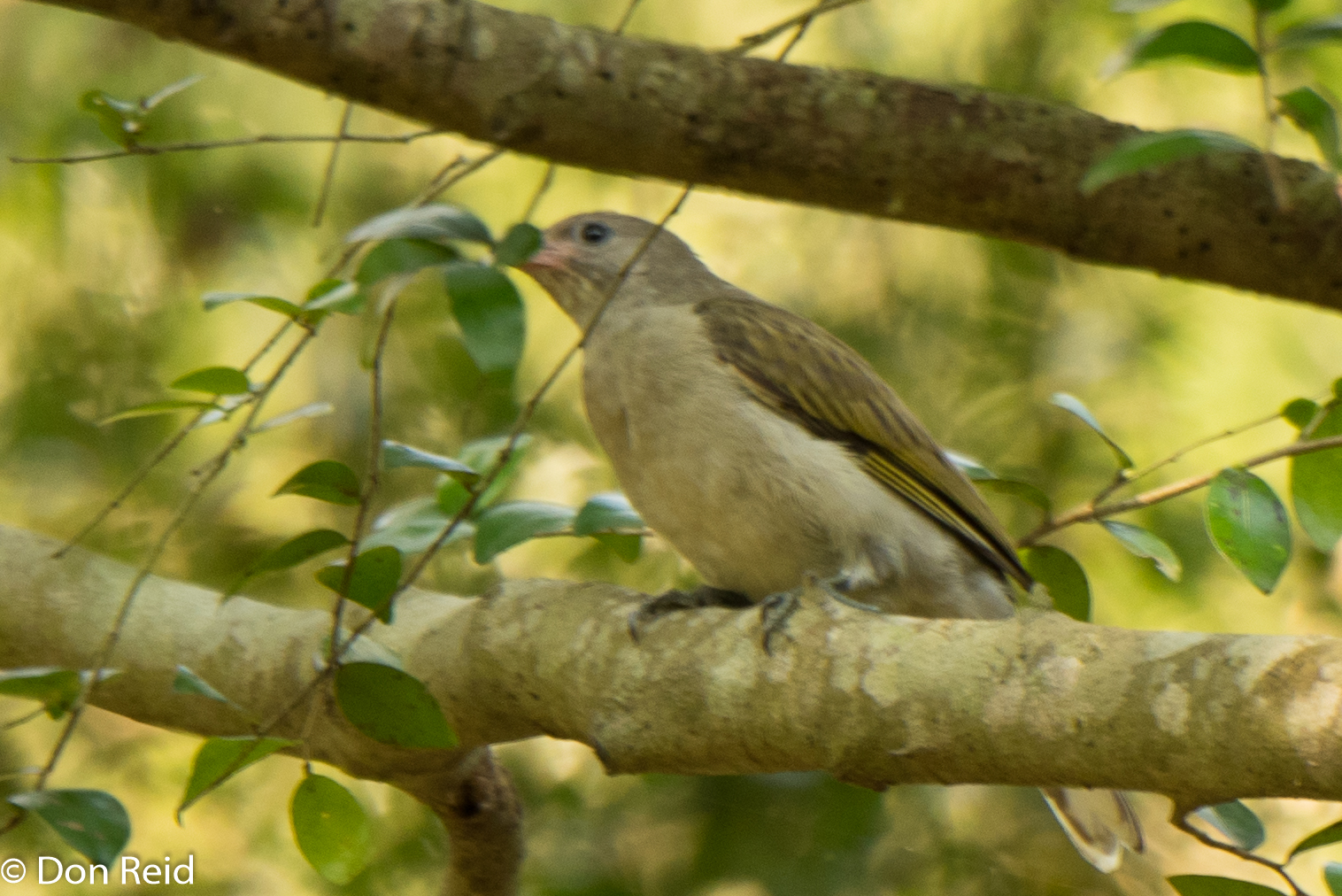
Scaly-throated Honeyguide, Amitigulu Nature Reserve

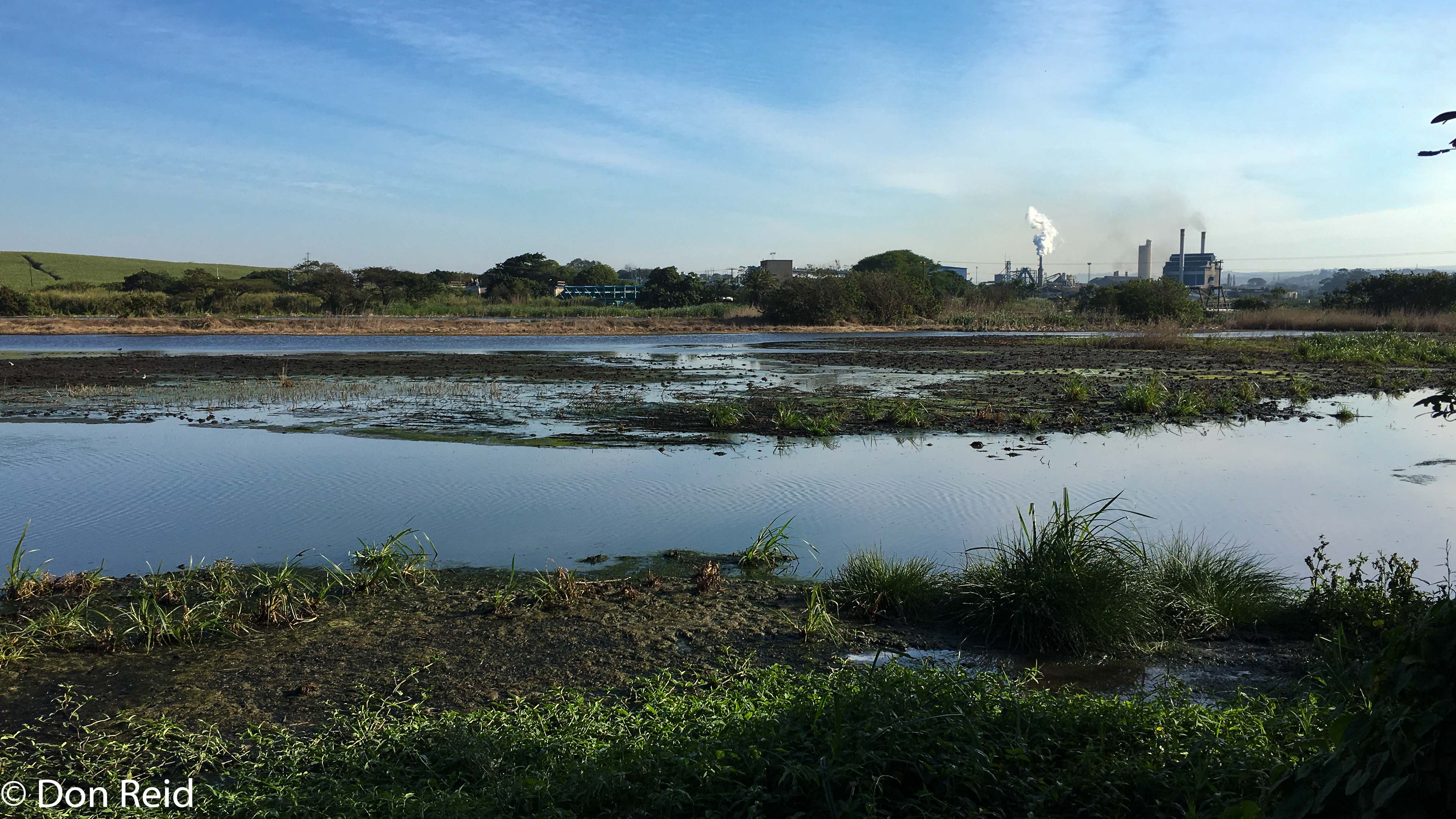
On the way back to La Lucia I popped into the well-known birding spot at Sappi Stanger, which was lively with waterfowl and others

Sappi Mill Stanger / Kwadukuza

Cape and Hottentot Teal, Sappi Mill KwaDakuza

Cape Teal, Sappi Mill KwaDakuza

Before the week was done we did a quick trip to Pigeon Valley in Durban’s suburbs, where a few of the forest species were in evidence.

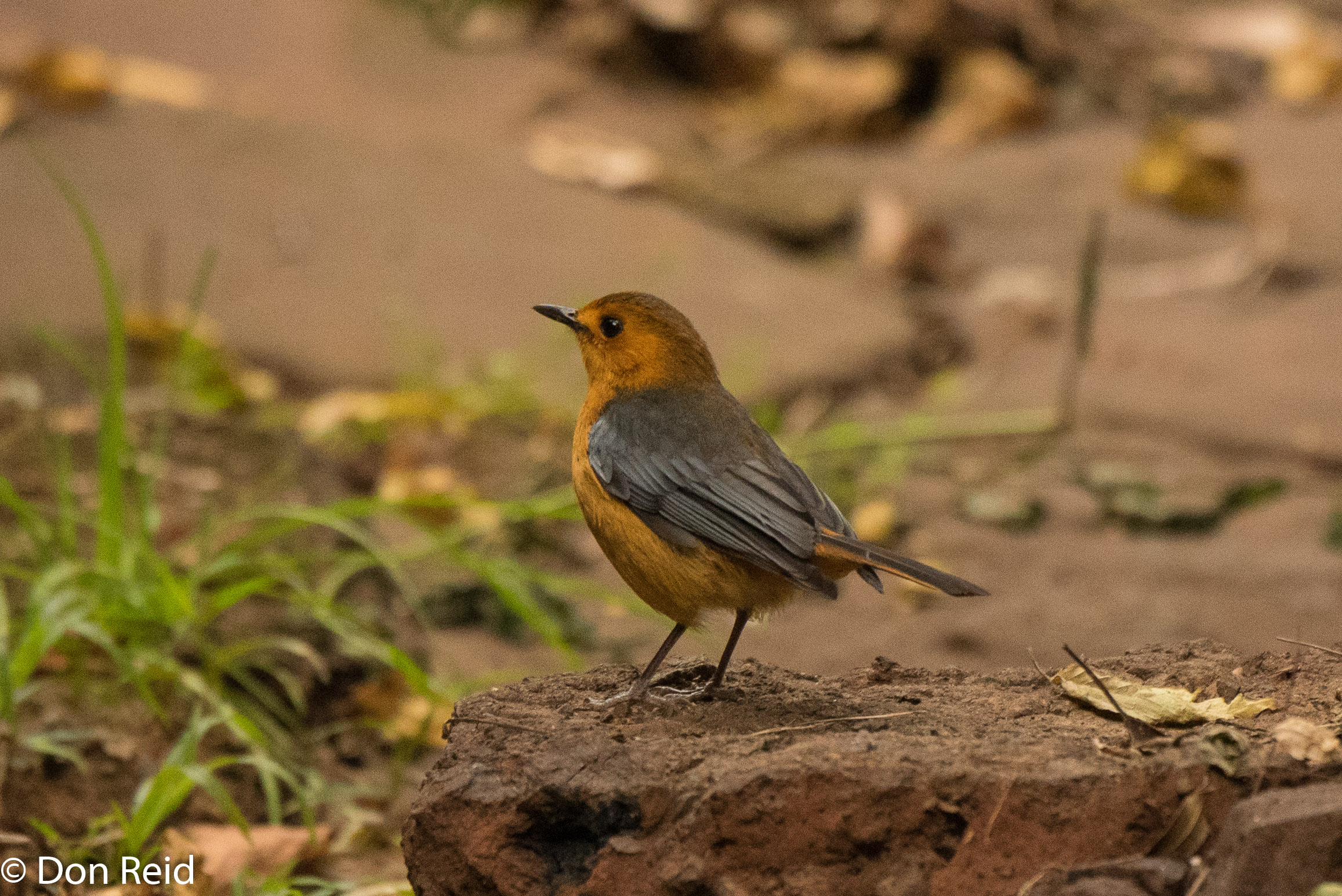
Red-capped Robin-Chat, Pigeon Valley

Atlasing the Delmas area once again on the 27th concluded the month’s diverse birding

July to December are covered in a separate post called ,,,,,,,,  wait for it ………..Part 2.