I submitted this story to the SA Sunday Times “Accidental Tourist” column in early December 2016 and was delighted to have it published in the Sunday Times of 26th February 2017, on top of which they actually paid me as a freelance writer (No, I’m not giving up my day job just yet)
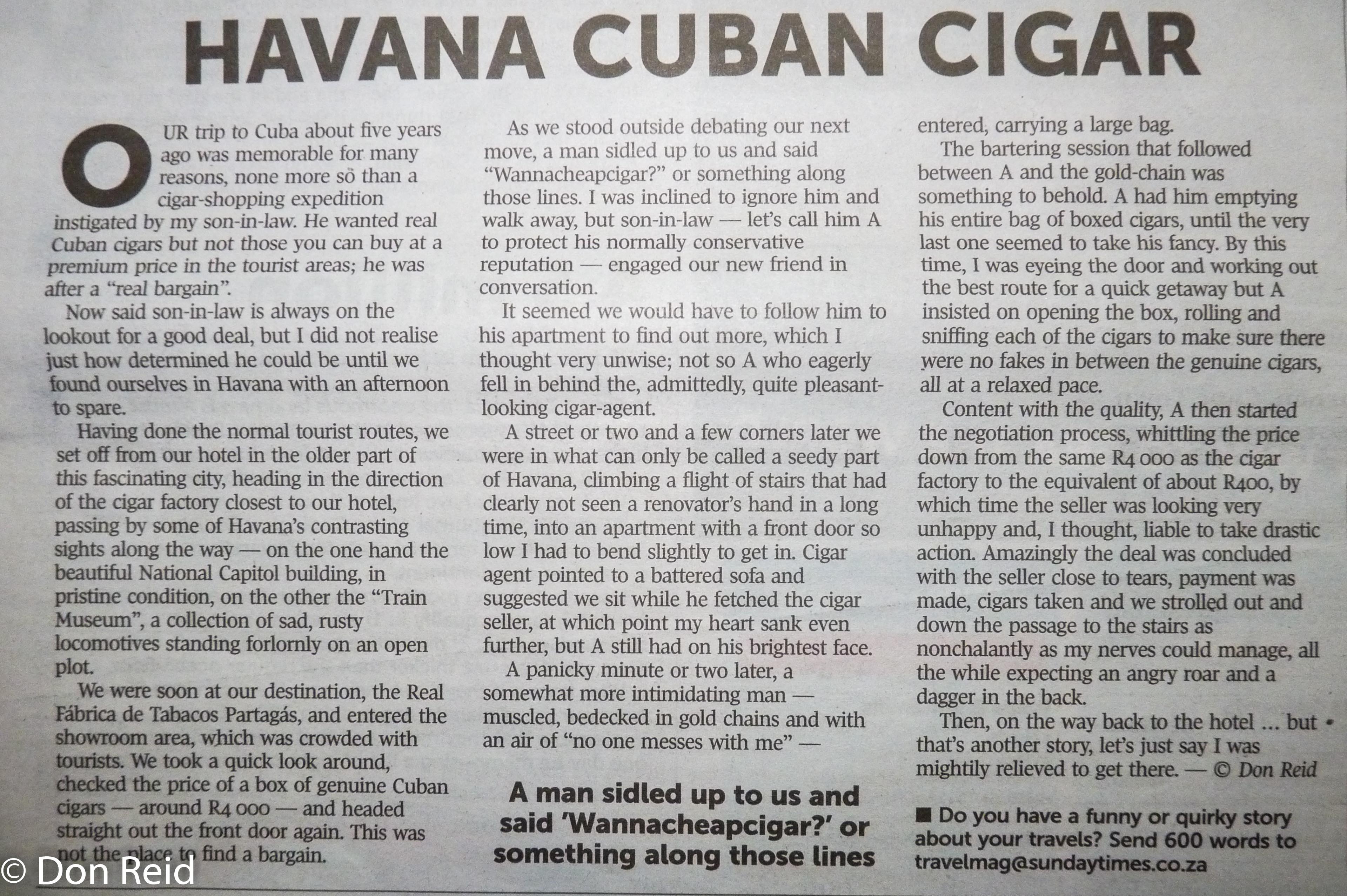
This is the published article along with what I think is a delightful illustration :
And here is the original version with some photos from the trip to illustrate it :
“Our trip to Cuba some 5 years ago, was memorable for many reasons, none more so than a cigar-shopping expedition instigated by my son-in-law, in search of real Cuban cigars, but not those you can buy at a premium price in the tourist areas, he was after a “real bargain”.
Now said son-in-law is always on the lookout for a good deal, but I did not realise just how determined he could be until we found ourselves in Havana with an afternoon to spare.
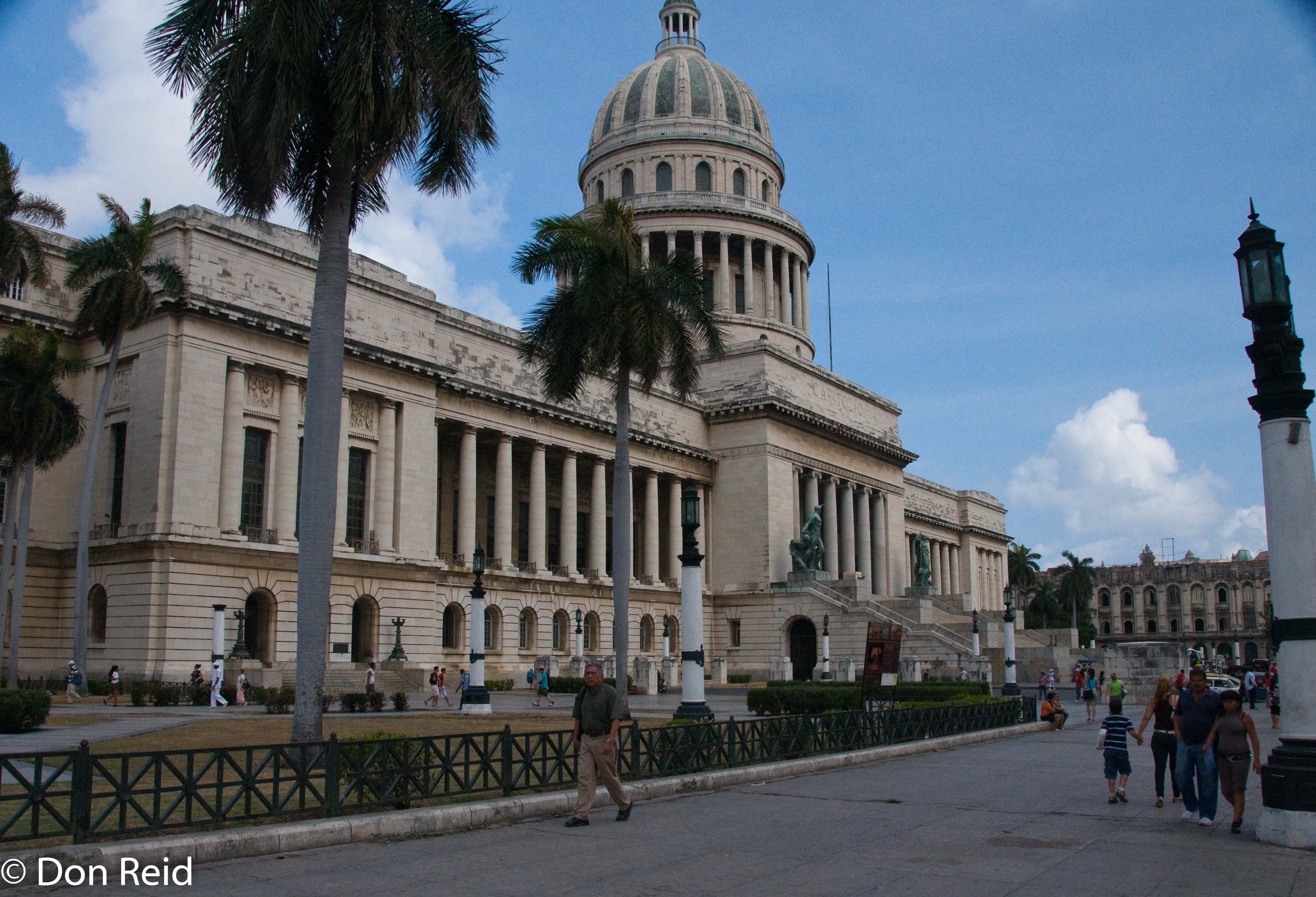
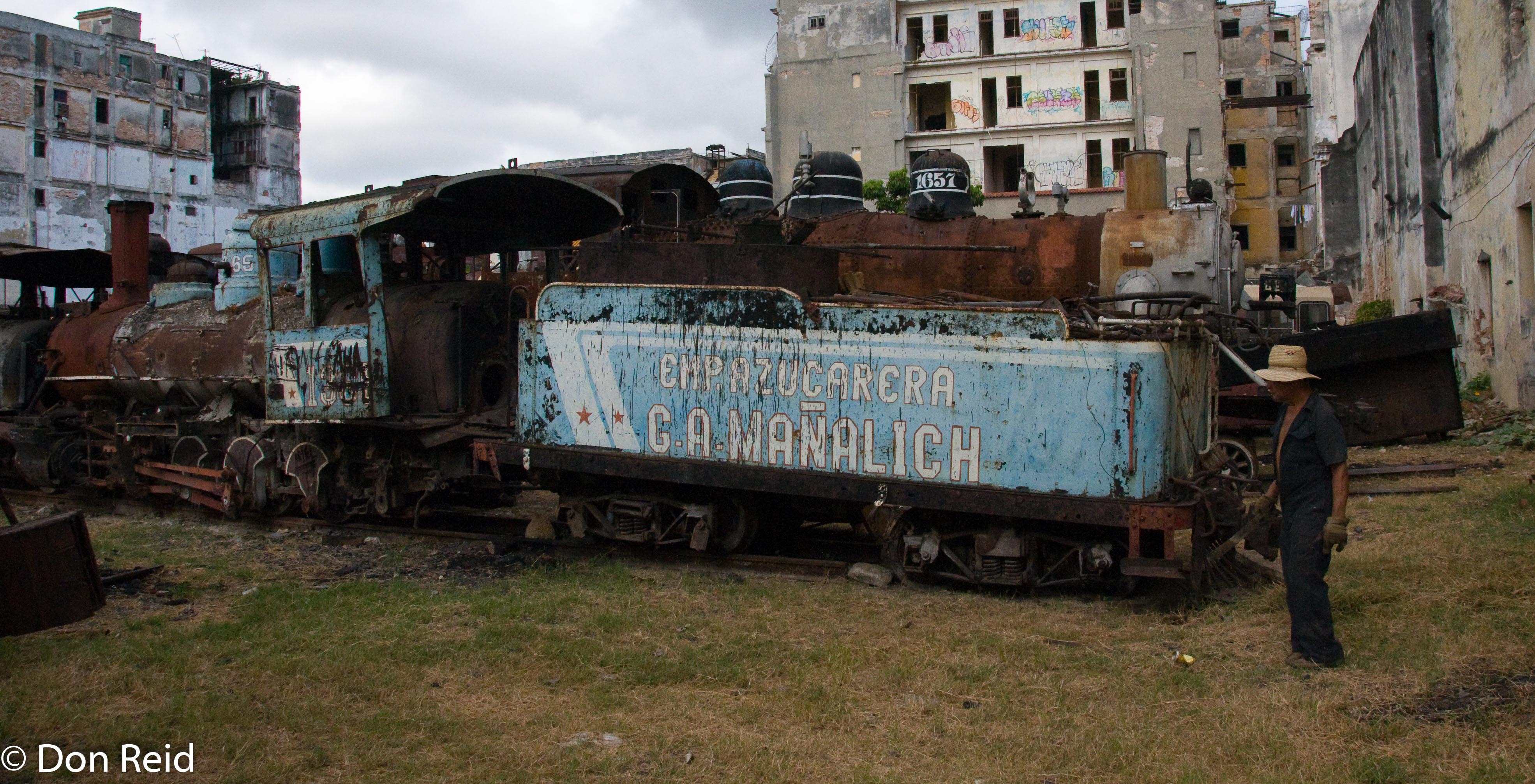
Having done the normal tourist routes of Havana, we set off from our hotel in the older part of this fascinating city, heading in the direction of the Cigar Factory closest to our hotel, passing by some of Havana’s contrasting sights along the way – on the one hand the beautiful National Capitol building, in pristine condition, on the other the “Train Museum”, a collection of sad, rusty locomotives standing forlornly on an open plot.
Capitol building, HavanaTrain “museum” central HavanaTrain “museum” central Havana
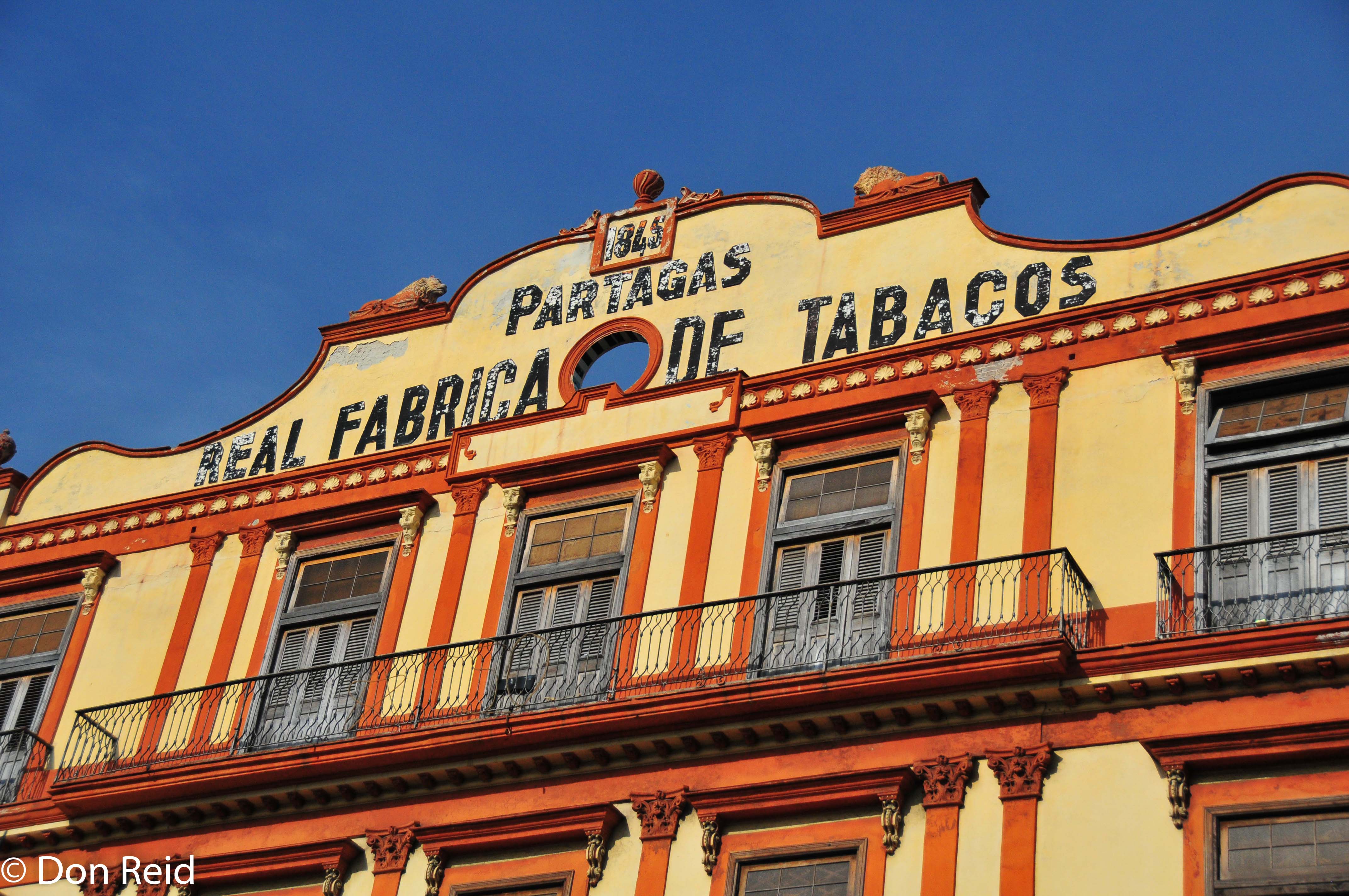
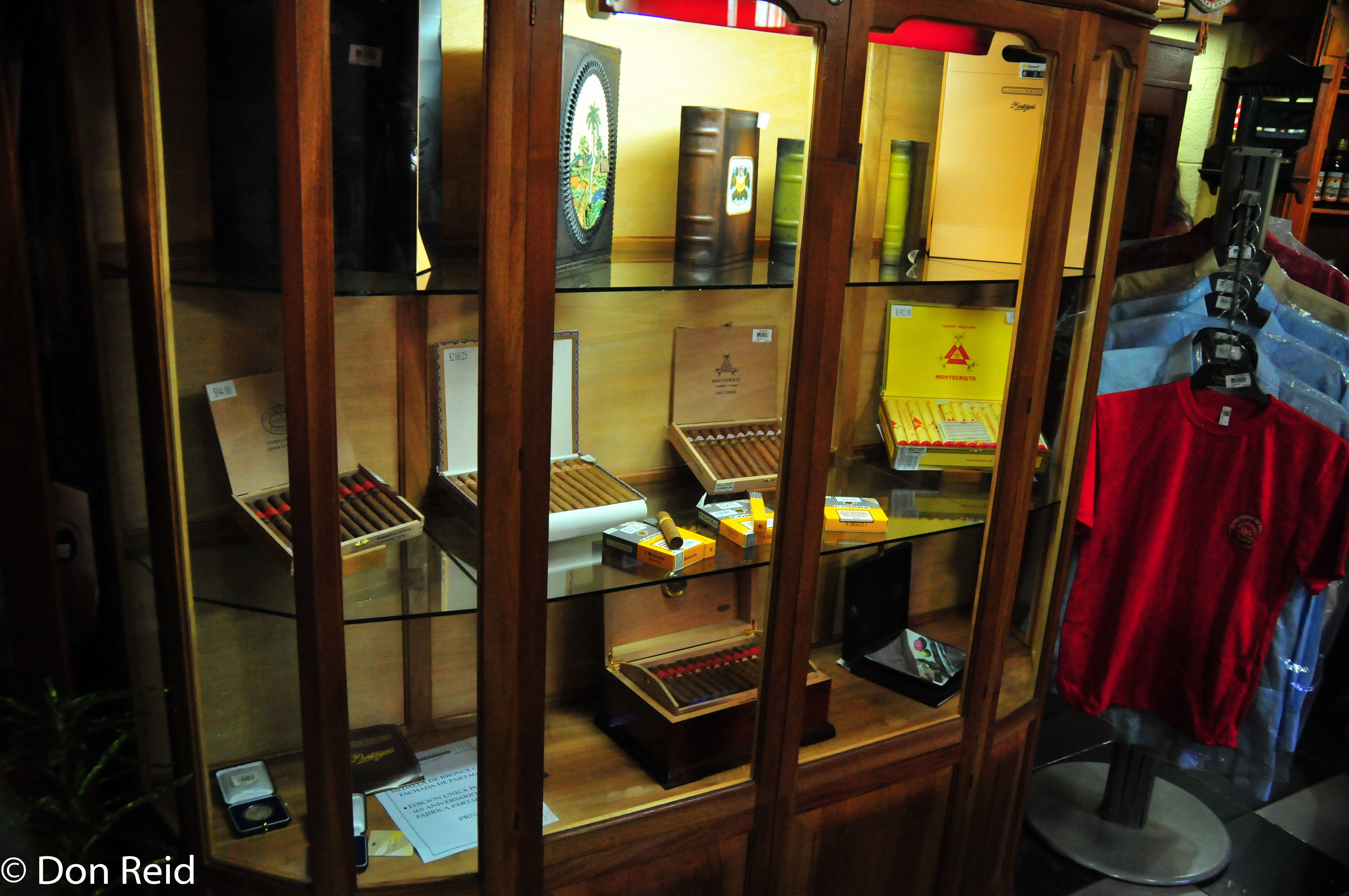
We were soon at our destination, the Partagas Fabrica de Tabacos, and entered the showroom area which was crowded with tourists, took a quick look around, checked the price of a box of genuine Cuban cigars – around R4,000 – and headed straight out the front door again. This was not the place to find a bargain.
As we stood outside debating our next move, a man sidled up to us and said “wannacheapcigar?” or something along those lines. I was inclined to ignore him and walk away, but son-in-law – let’s call him A to protect his normally conservative reputation – decided otherwise and engaged our new friend in conversation. It seemed we would have to follow him to his apartment to find out more, which I thought very unwise, but not so A who eagerly fell in behind the, admittedly, quite pleasant looking cigar-agent.
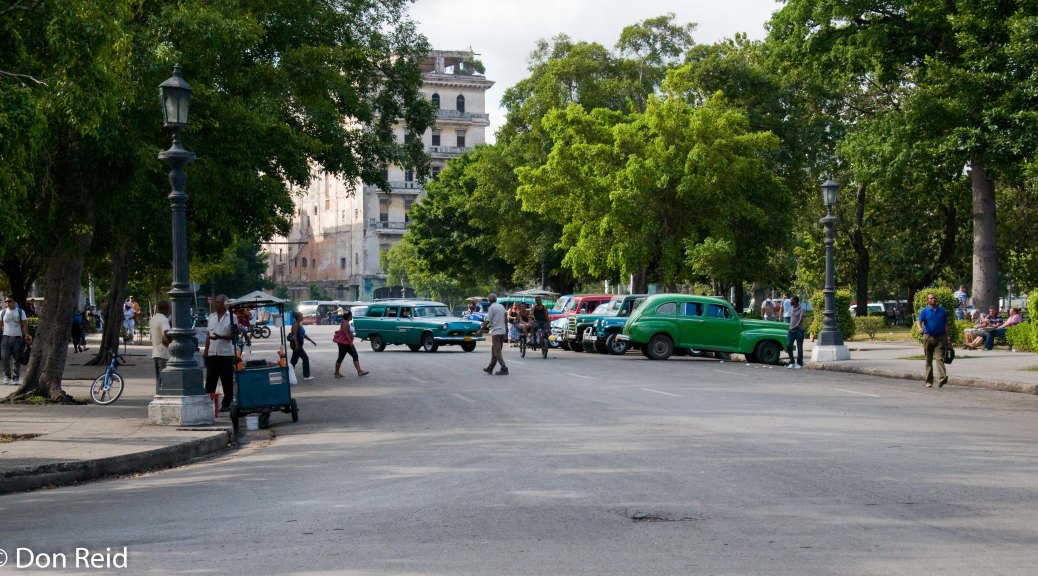
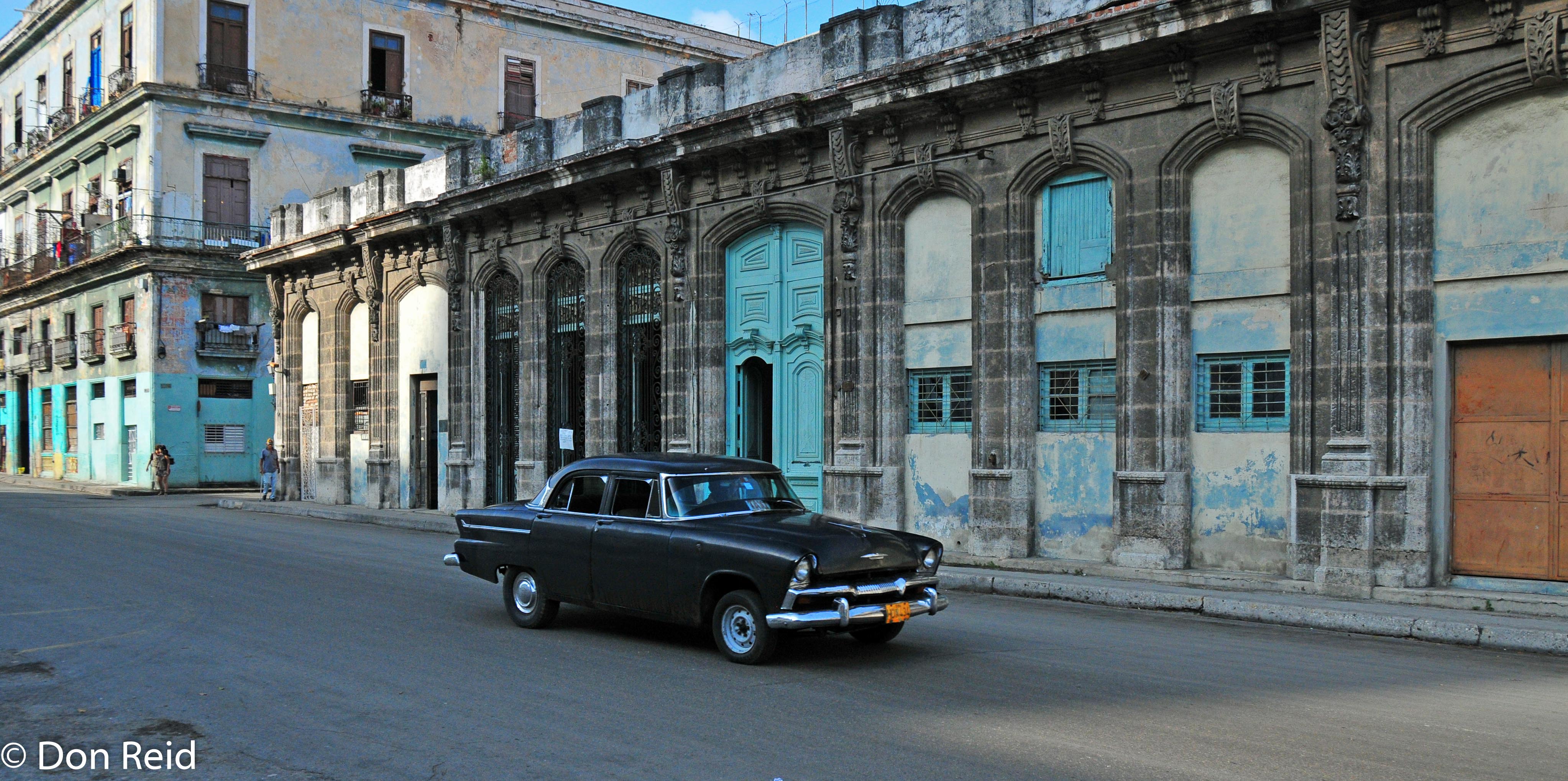
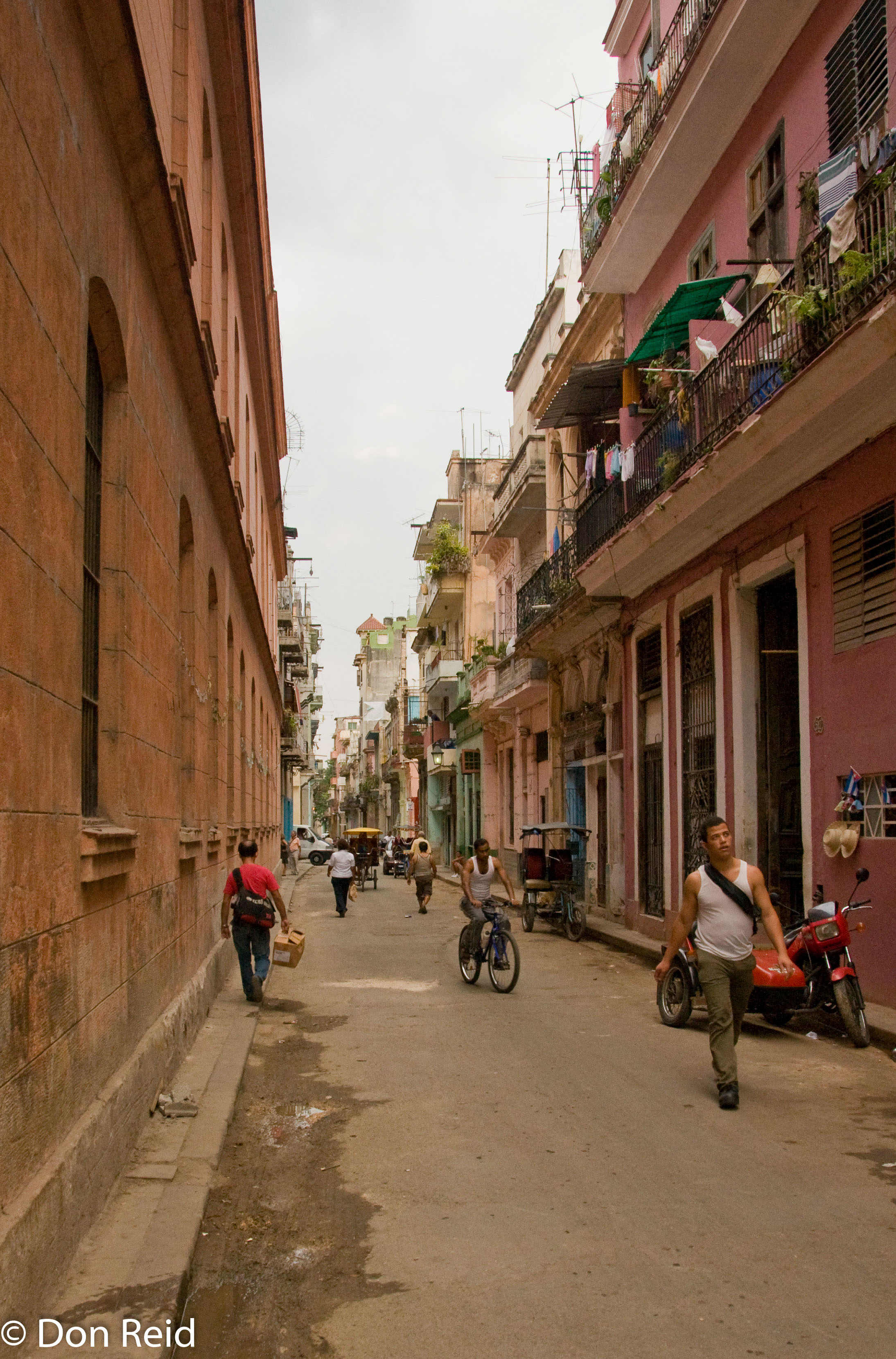
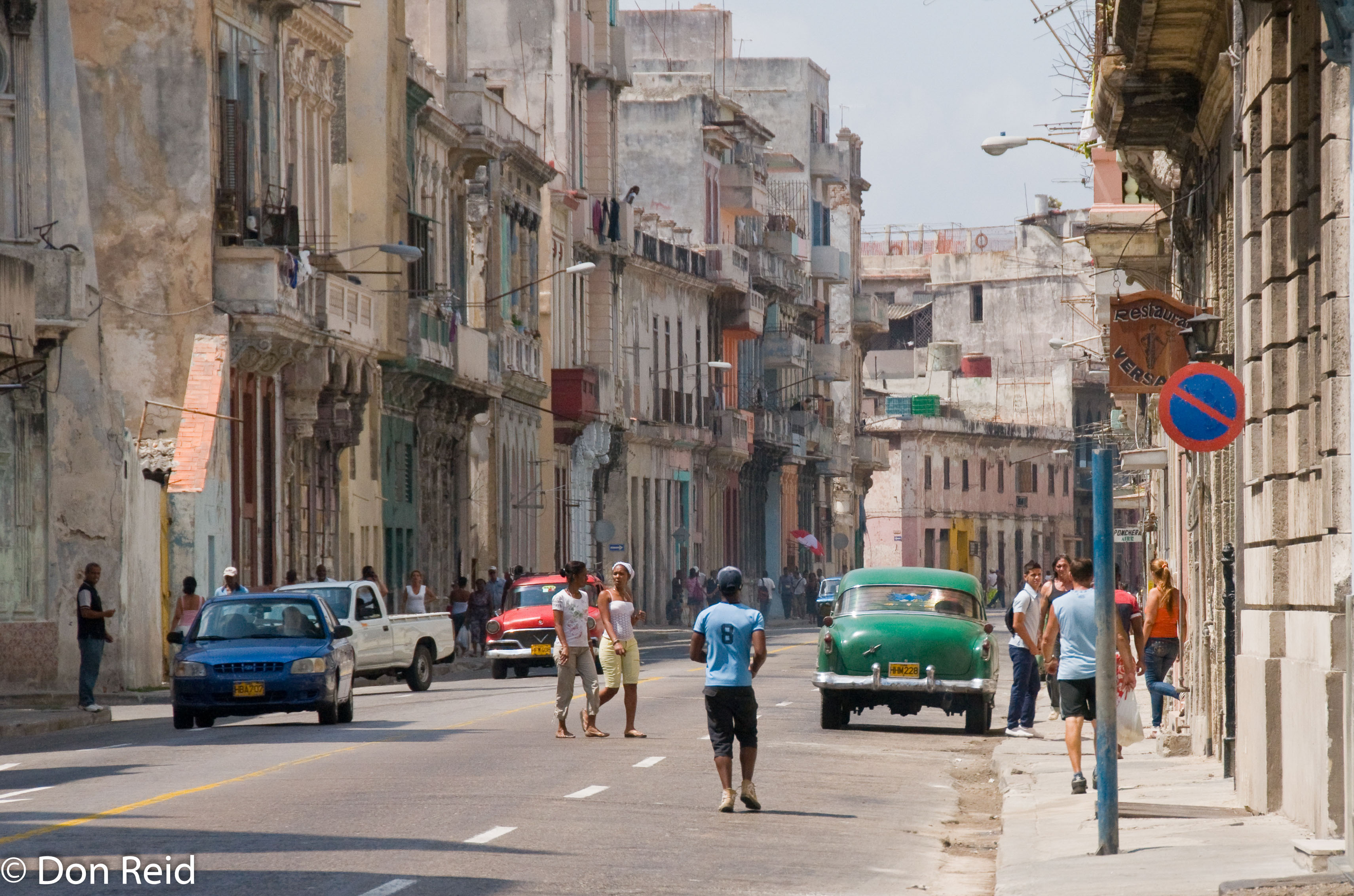
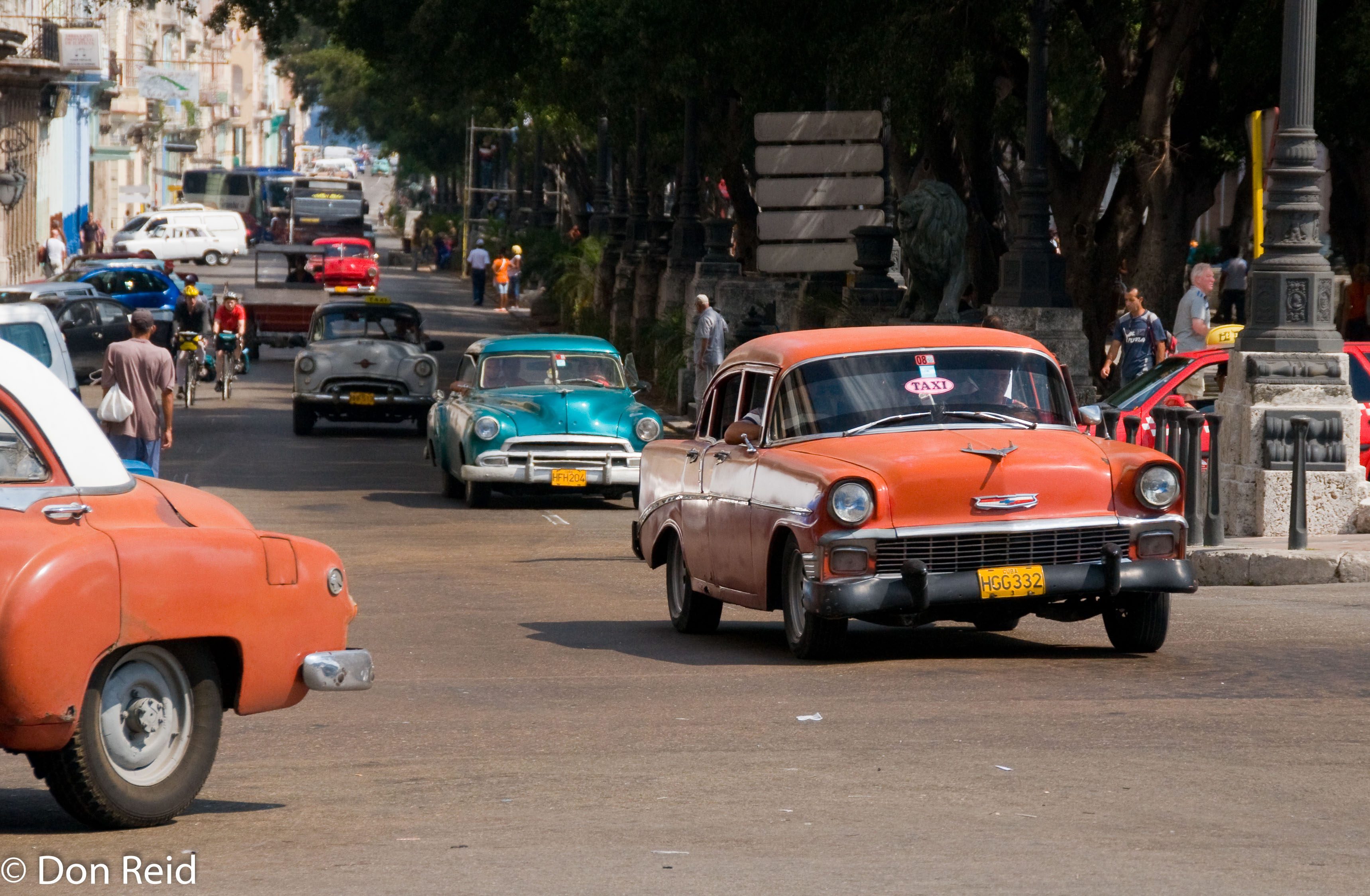
Street scene, HavanaStreet scene, Havana“Classic” American cars, Havana
A street or two and a couple of corners later we were in what can only be called a seedy part of Havana and climbing a flight of stairs which had clearly not seen a renovator’s hand in a long time, into an apartment with a front door so low I had to bend slightly to get in. Cigar-agent pointed to a battered sofa and suggested we sit while he fetched the cigar-seller, at which point my heart sank even further, but A still had his brightest face.
A panicky minute or two later a somewhat more intimidating man entered, muscled, bedecked in gold chains and carrying a large bag with an air of “no one messes with me”. The bartering session that followed between A and the gold-chain one was something to behold – A had him emptying his entire bag of boxed cigars, until the very last one seemed to take his fancy. By this time, I was eyeing the door and working out the best route for a quick getaway, but A insisted on opening the box, rolling and sniffing each of the cigars to make sure there were no fakes in between the genuine cigars, all at a relaxed pace.
Content with the quality, A then started the negotiation process, whittling the price down from the same R4,000 as the cigar factory to the equivalent of about R400, by which time the seller was looking very unhappy and, I thought, liable to take drastic action. Amazingly the deal was concluded with the seller close to tears, payment was made, cigars taken and we strolled out and down the passage to the stairs as nonchalantly as my nerves could manage, all the while expecting an angry roar and a dagger in the back.
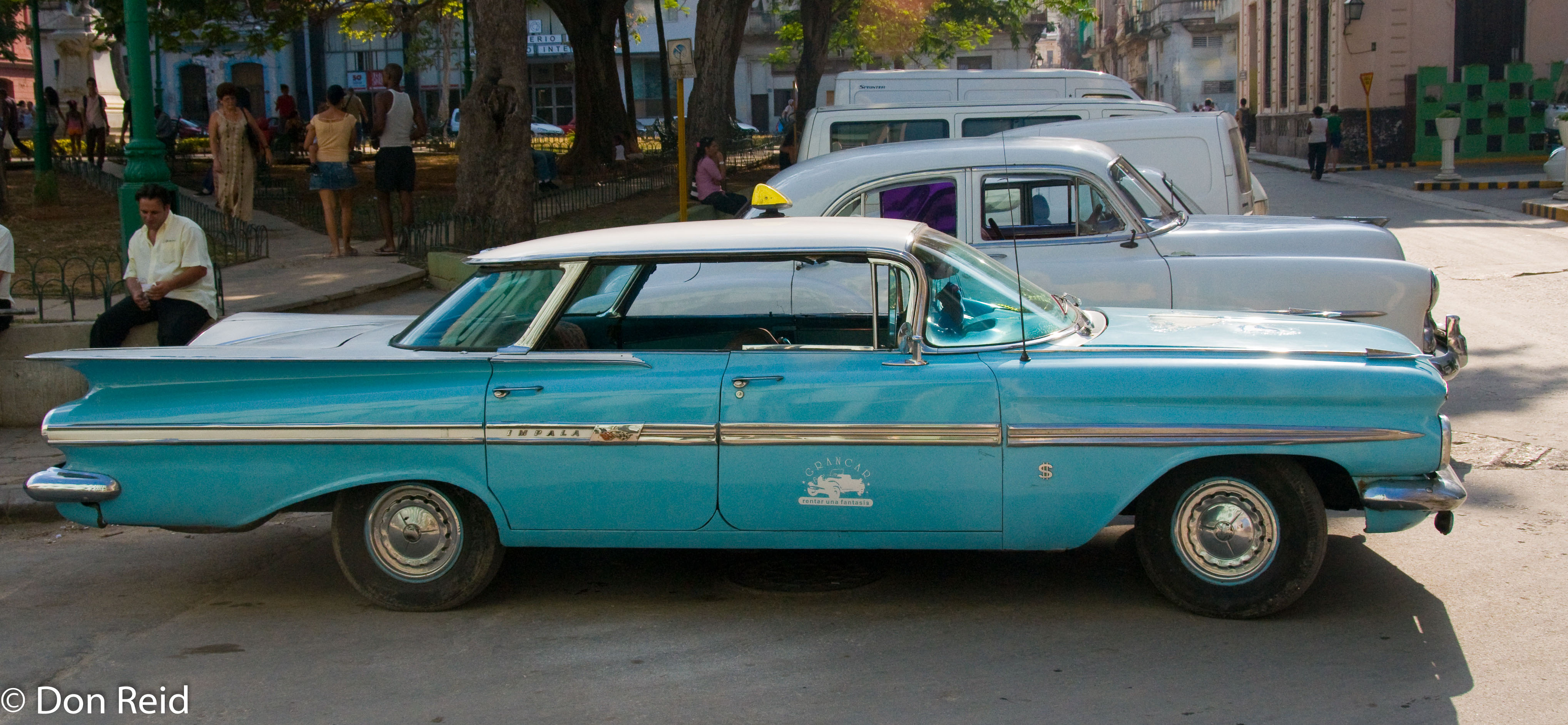
“Classic” American cars, Havana
Then, on the way back to the hotel……… but that’s another story, let’s just say I was mightily relieved to get there.”
For the second year in a row we spent a week in Kruger National Park in October, this time spending 6 nights in Olifants rest camp in the northern part of Kruger, with one night stop-overs at Berg en Dal and Pretoriuskop rest camps on the way there and back respectively.
The Road from Olifants to Timbavati
Timbavati lies south-west of Olifants and is ideal for a morning’s outing from Olifants camp – we chose to do it on the Wednesday of our week-long stay.
Another early start saw us heading along the S92 (in yellow on the map) for 12 kms past Balule, joining the H1-4 tar road towards Satara (red on the map) for 7 kms, then branching off on the S39 Timbavati road (yellow on the map) for a further 27 kms past Roodewal private camp to the popular picnic spot.
This is classic Kruger Park with regular game sightings along the way to keep the spirits up and eyes sharp. Antelope including Kudu, Waterbuck, Impala and Steenbok were plentiful despite the drought-ravaged landscape.
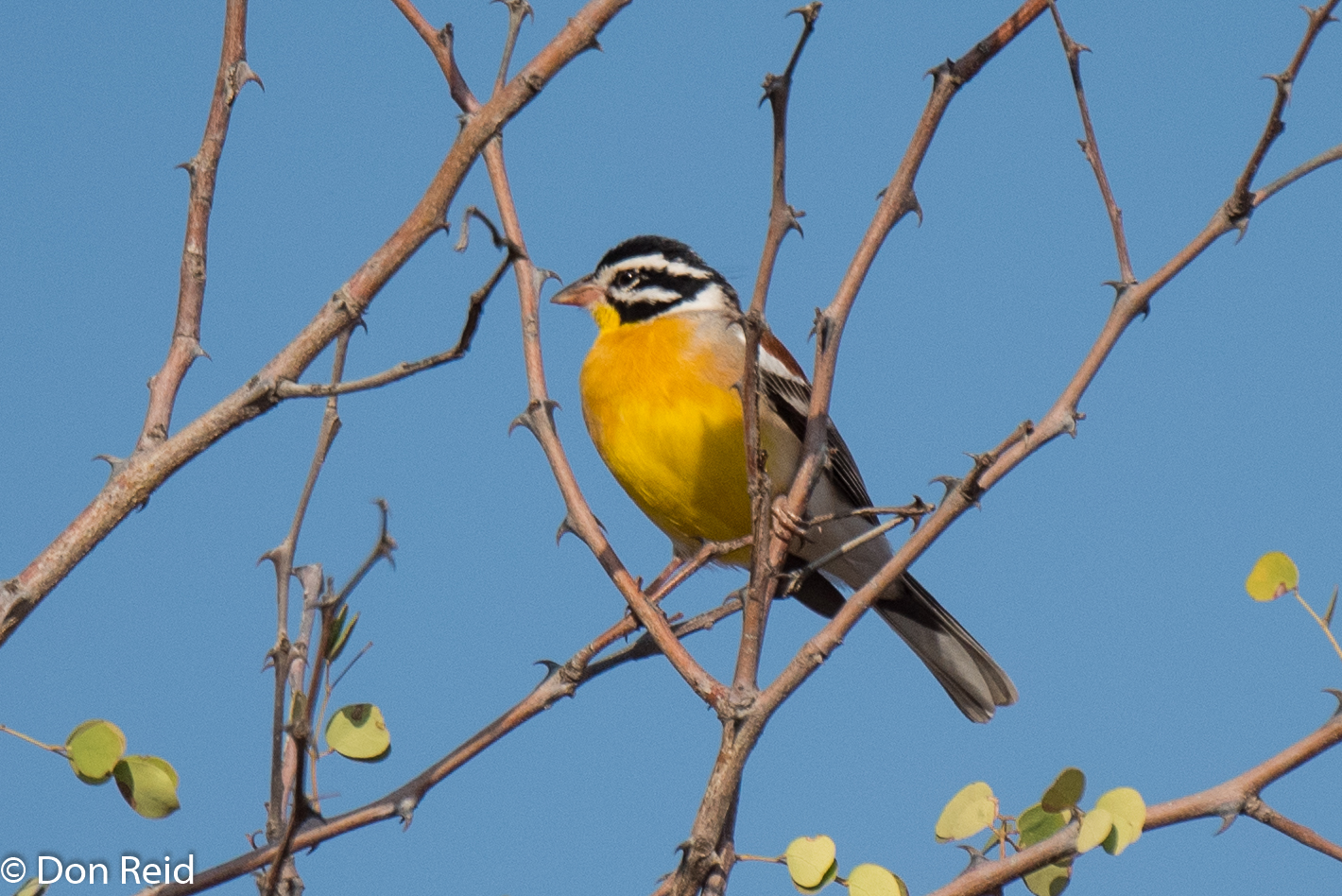
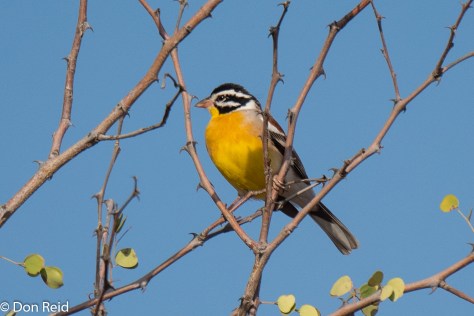
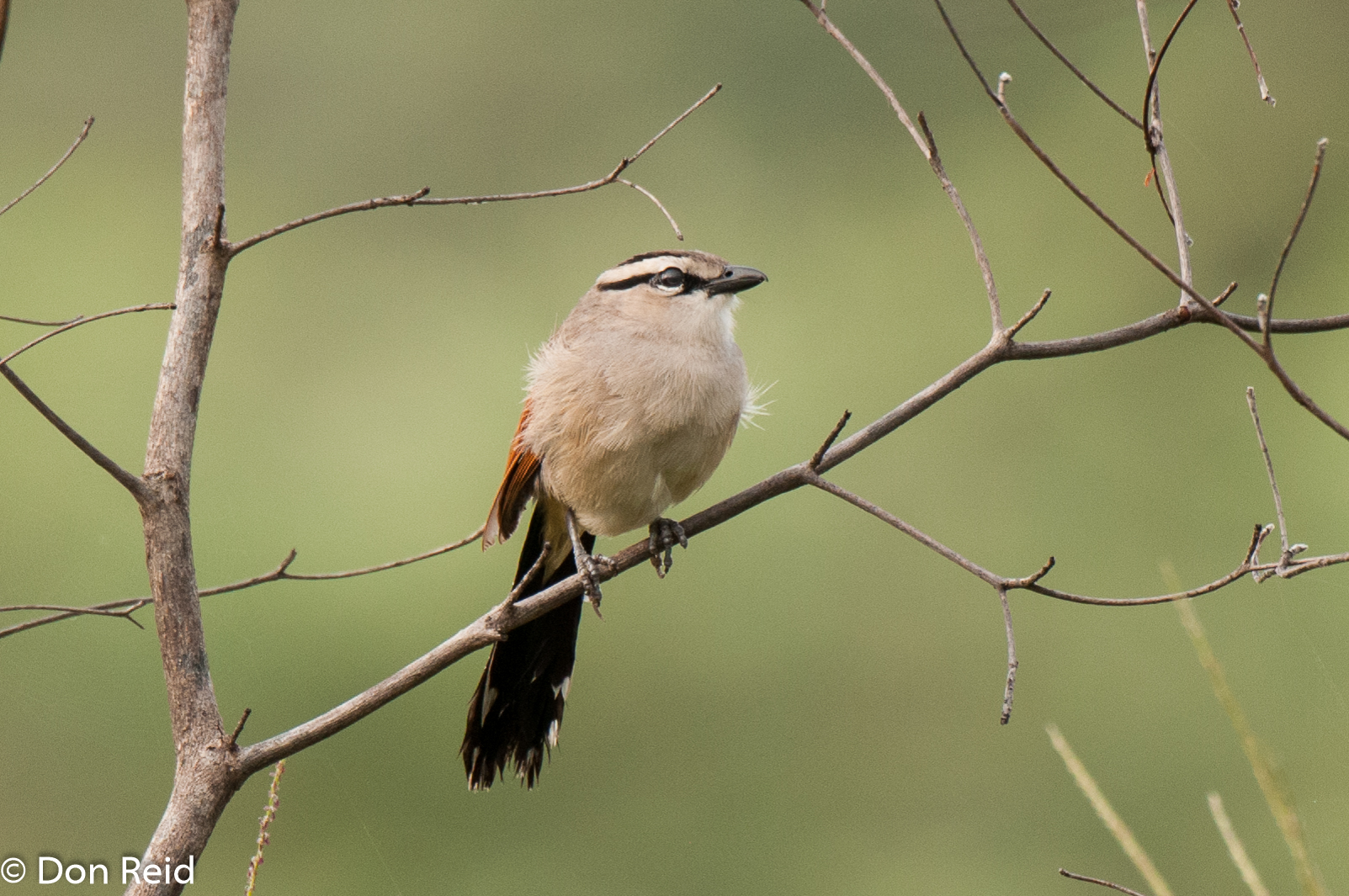
The birding on this route, up to the junction with the H1-4, was influenced by the dry conditions and was subdued until we reached the Olifants river, where there are a few short side roads which take you closer to the river and are worthwhile exploring for game and birds. White-browed Scrub-Robin, Brown-crowned Tchagra, Emerald-spotted Dove and Golden-breasted Bunting were our only significant sightings up to this point.
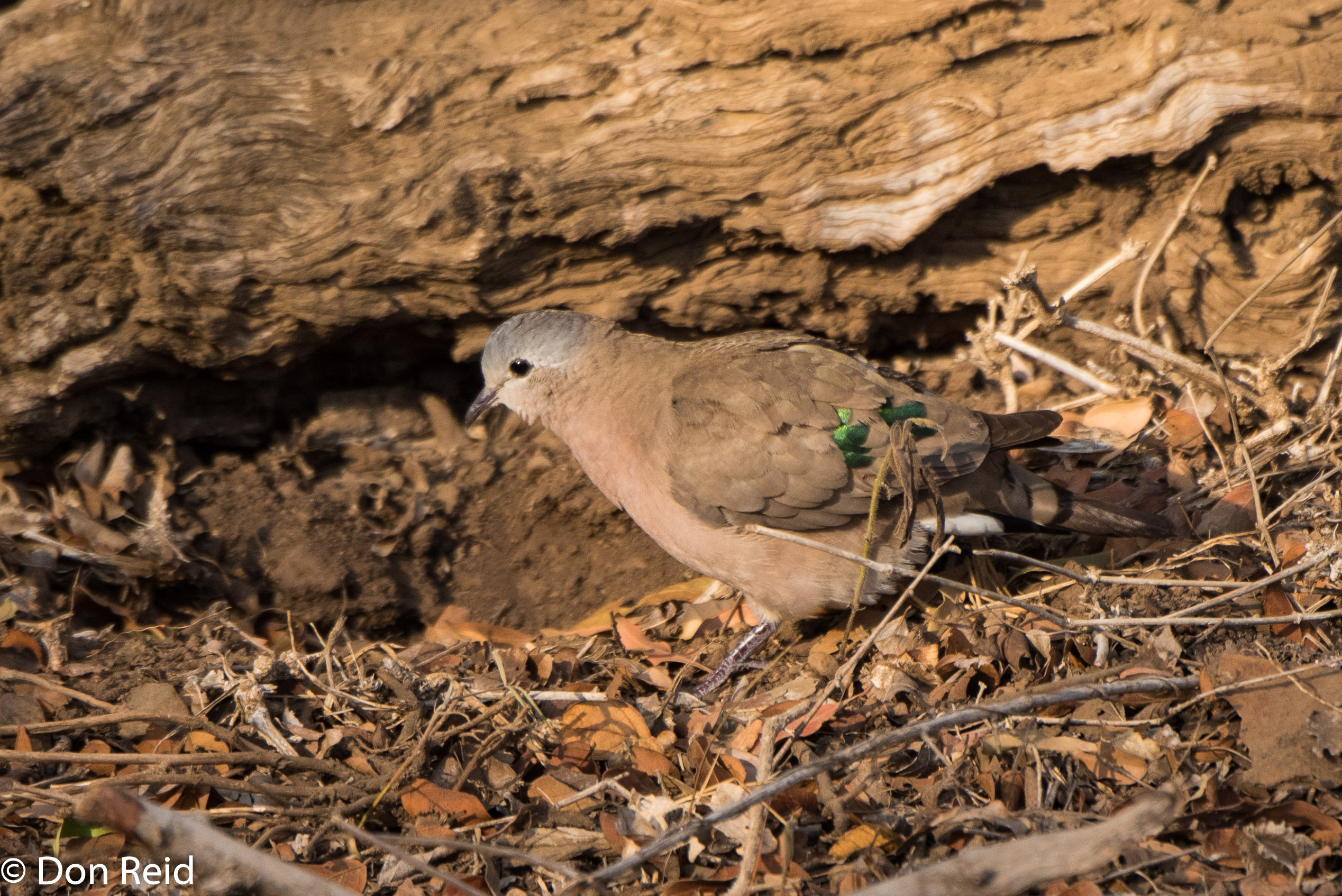
Emerald-spotted Wood Dove (Groenvlekduifie)Golden-breasted Bunting (Rooirugstreepkoppie)
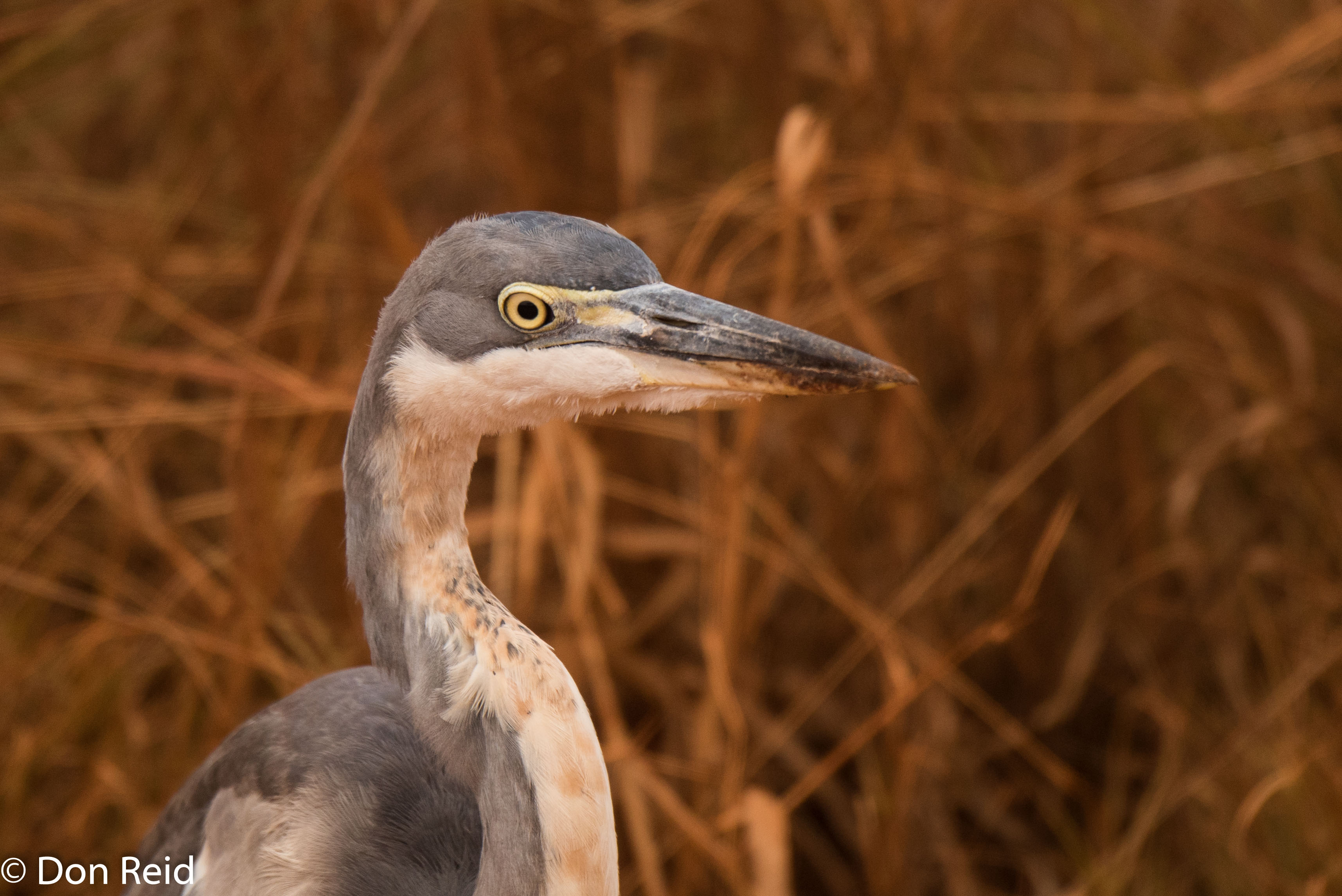
At the river we spent some time on the low-water bridge at Balule, often an excellent spot for water birds and this morning was no exception. The bridge has just a single lane but the designer had enough foresight to include a few wider “bulges” along its length which allow you to park on the bridge without blocking cars crossing over. Woolly-necked Stork, Common Greenshank, Sacred Ibis, White-breasted Cormorant and Grey Heron were all present and enjoying the clear waters and fringing reeds.
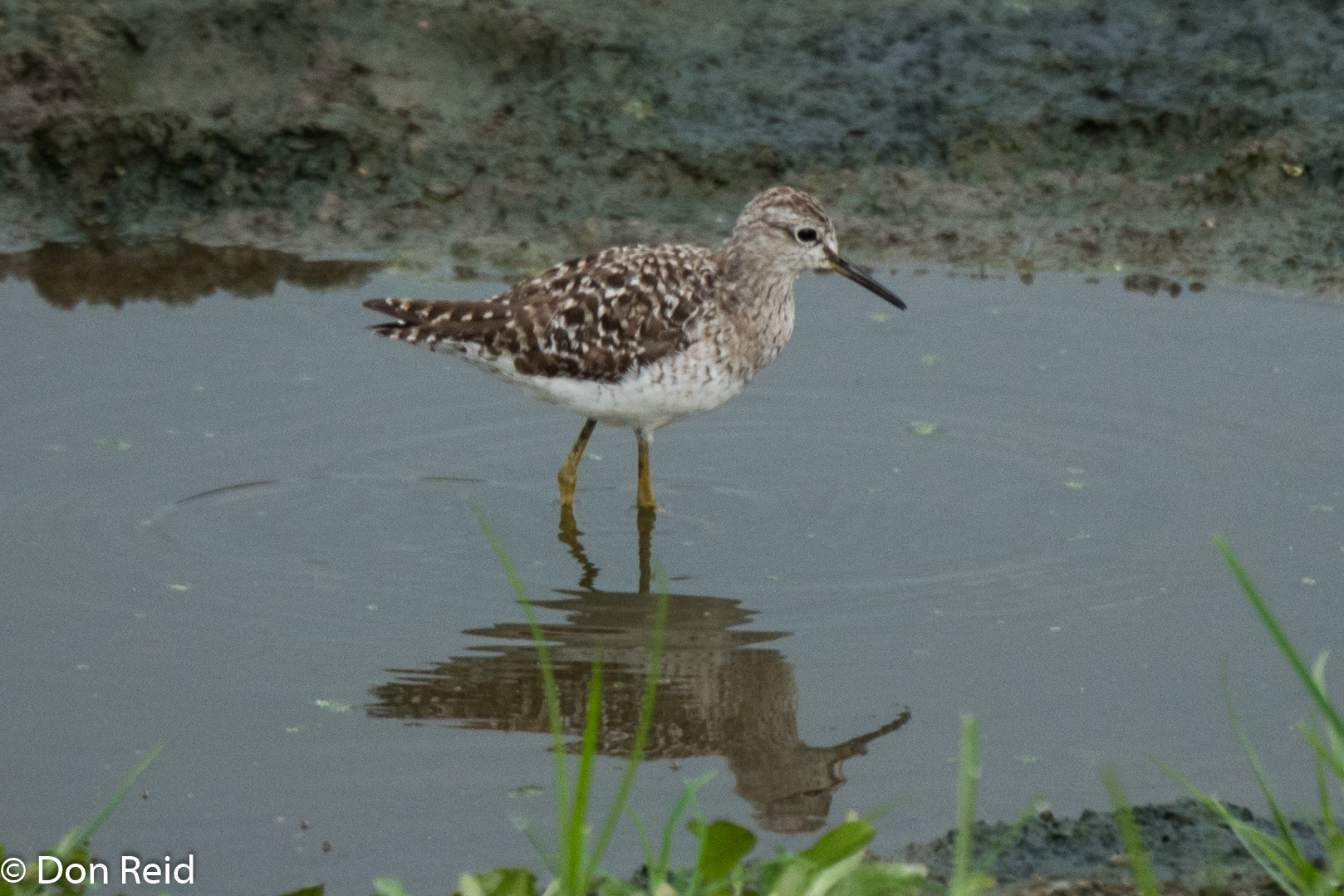
A medium-sized wader not far from the bridge had me perplexed and excited at the same time for a few minutes, until I had to admit it was a (common) Wood Sandpiper. Despite all attempts, I just could not turn it into a rare Green Sandpiper, which was my first thought when I saw it. Blame it on early morning light playing tricks on me, advancing age, hallucinations or whatever. (No, I don’t smoke at all)
Wood Sandpiper (Bosruiter) Balule bridge
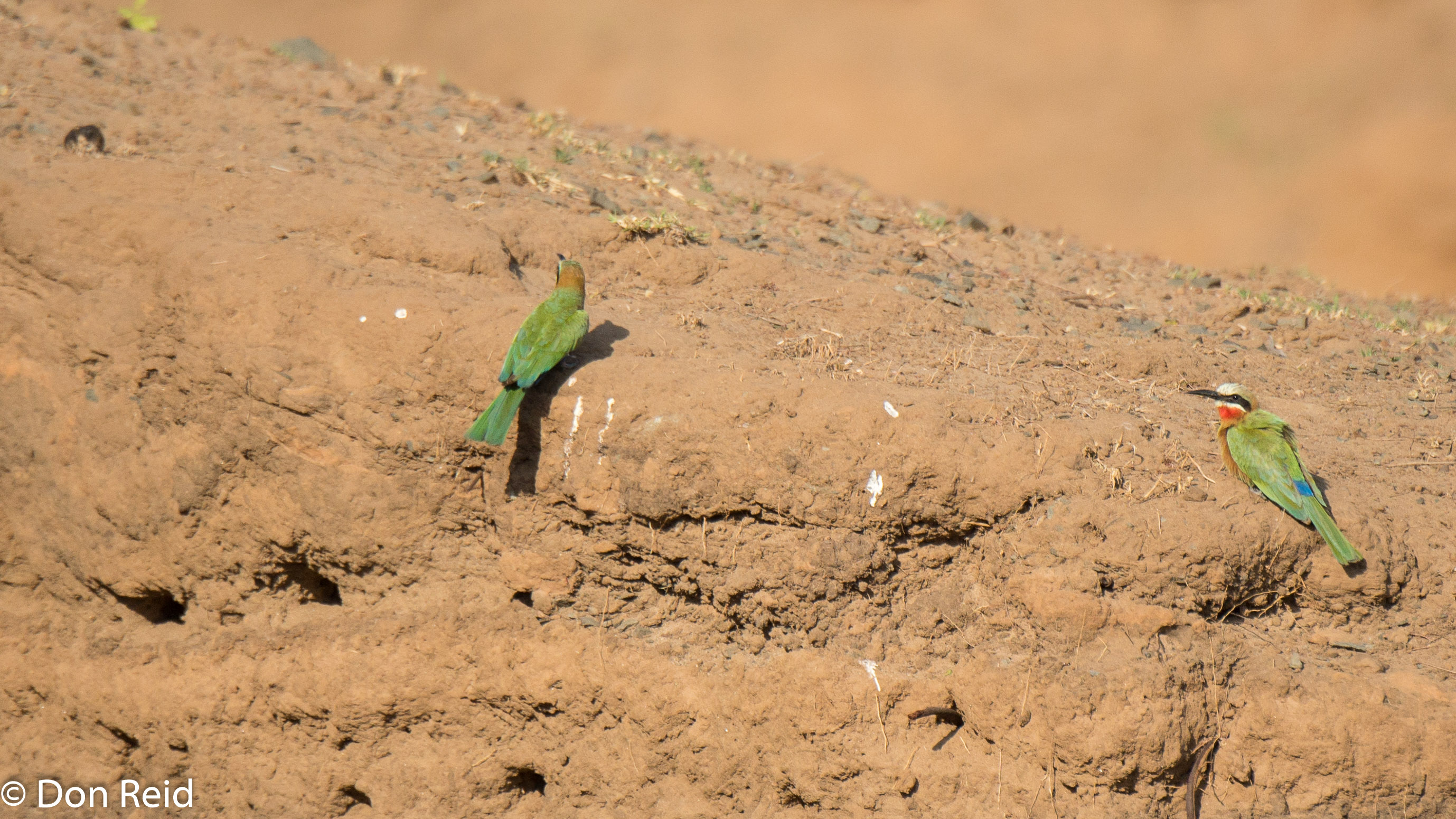
On the other side of the bridge we noticed some White-fronted Bee-eaters on the sandy bank and on closer inspection could see their nesting burrows in the sand, which they excavate by digging with their bill and removing the loosened material with a bicycling action of their feet. Both male and female help to excavate a new burrow each year, which can be up to 1m deep.
White-fronted Bee-eaters (Rooikeelbyvreter) at nesting burrows which are typically 1m deep
The S39 follows the Timbavati river for most of the distance and although bone-dry for most of the way at this time of year (October), the river had tiny patches of water which were enough to still attract game, which do not have many options during the dry season.
Elephant finding edible foliage amongst the dry scrub
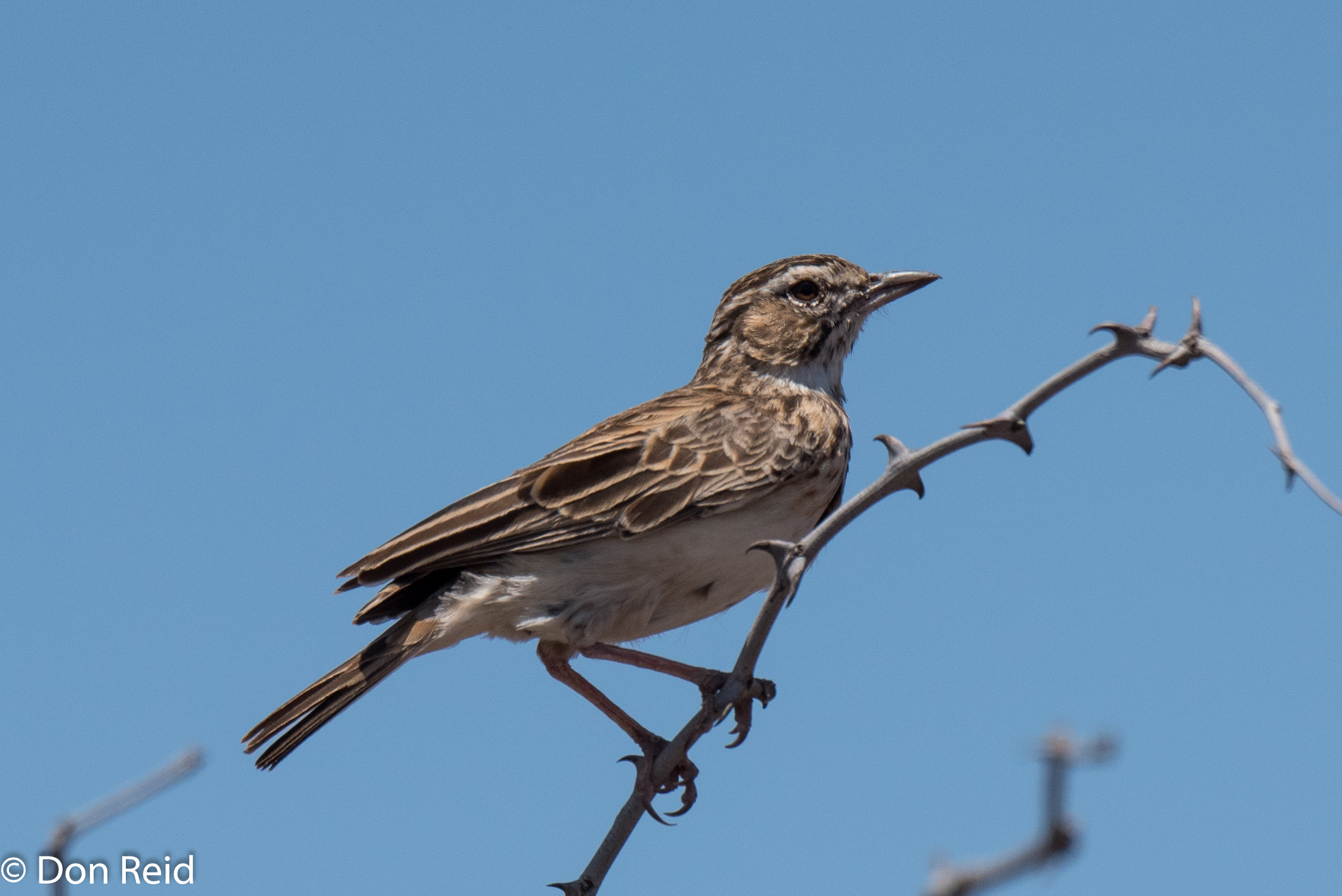
The birding along the S39 picked up with a Bateleur doing its balancing act in the sky and both common species of Spurfowl (Swainson’s and Natal) entertaining us on the ground. Sabota Larks attracted our attention with their cheerful singing from the very top of bare trees.
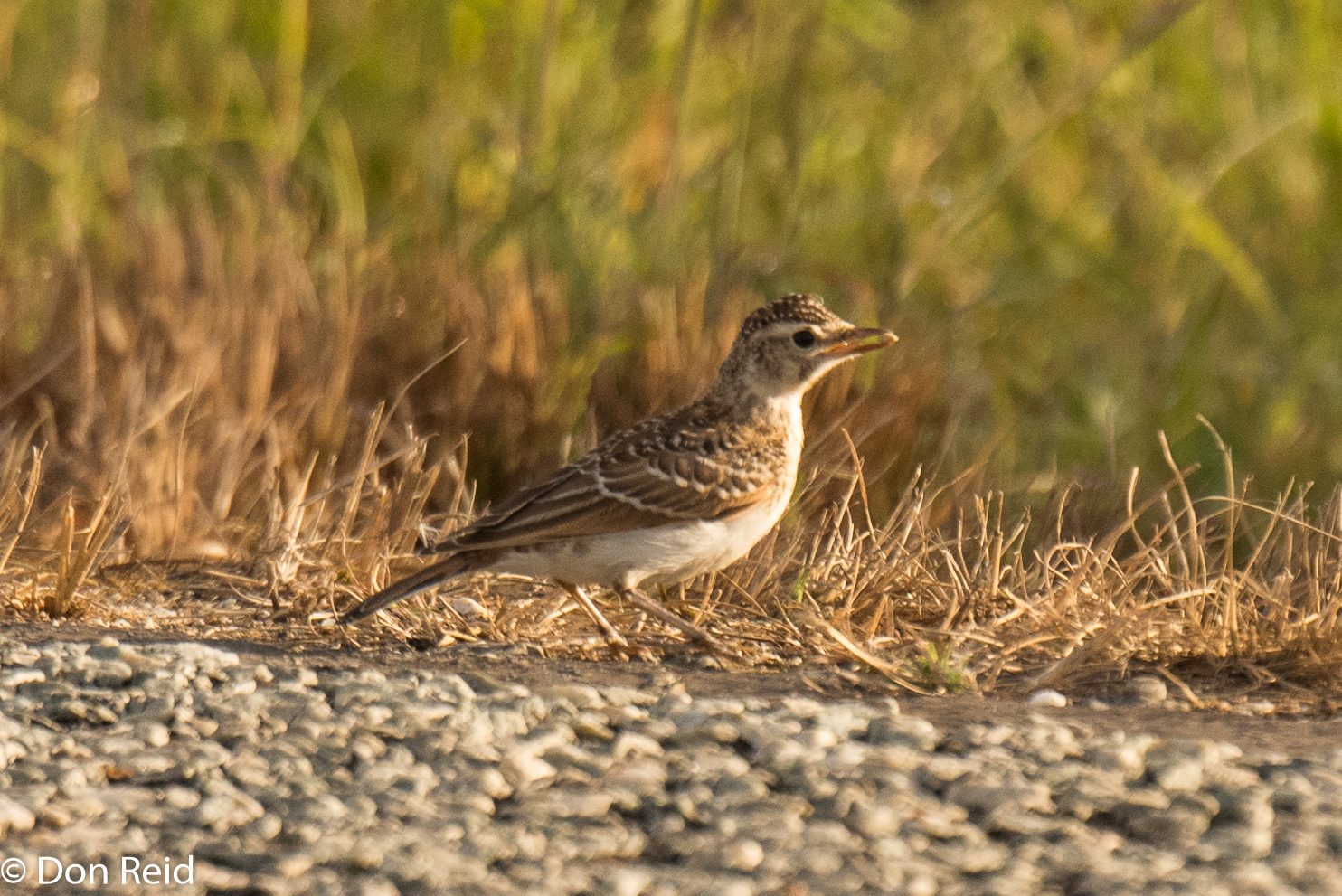
Sabota Lark (Sabotalewerik)
We arrived at the Timbavati picnic spot just in time for a bush breakfast conjured up by our able team. One of the charming aspects of Timbavati is the tables and chairs, some of which are the same ones we have got to know during more than 40 years of visits. They probably would not win any design competitions, but when it comes to durability and nostalgic memories they are still No 1.
The team at Timbavati
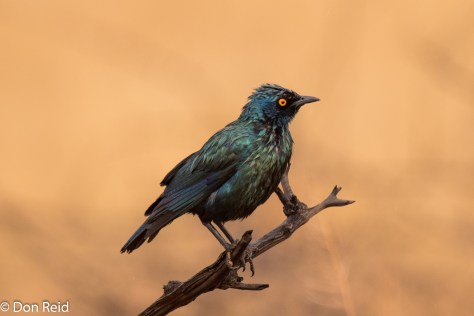
Timbavati is also a fine birding spot in its own right with resident populations of Natal Spurfowl, Greater Blue-eared Starling, Southern Yellow-billed Hornbill, ever-present and on the lookout for food scraps. Other birds vying for attention were White-backed Vulture, Red-billed Oxpecker and a lone Gabar Goshawk.
Eventually we reluctantly decided to head back to Olifants, having absorbed about as much relaxation as our poor bodies could handle.
The return trip was along the S127 road to the H1-4 tar road leading back to Olifants camp. This is a shorter route and makes it an interesting circular drive rather than retracing the route taken to get to Timbavati.
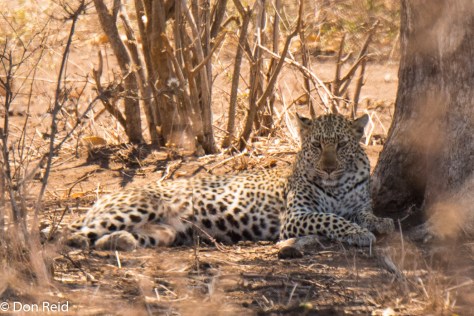
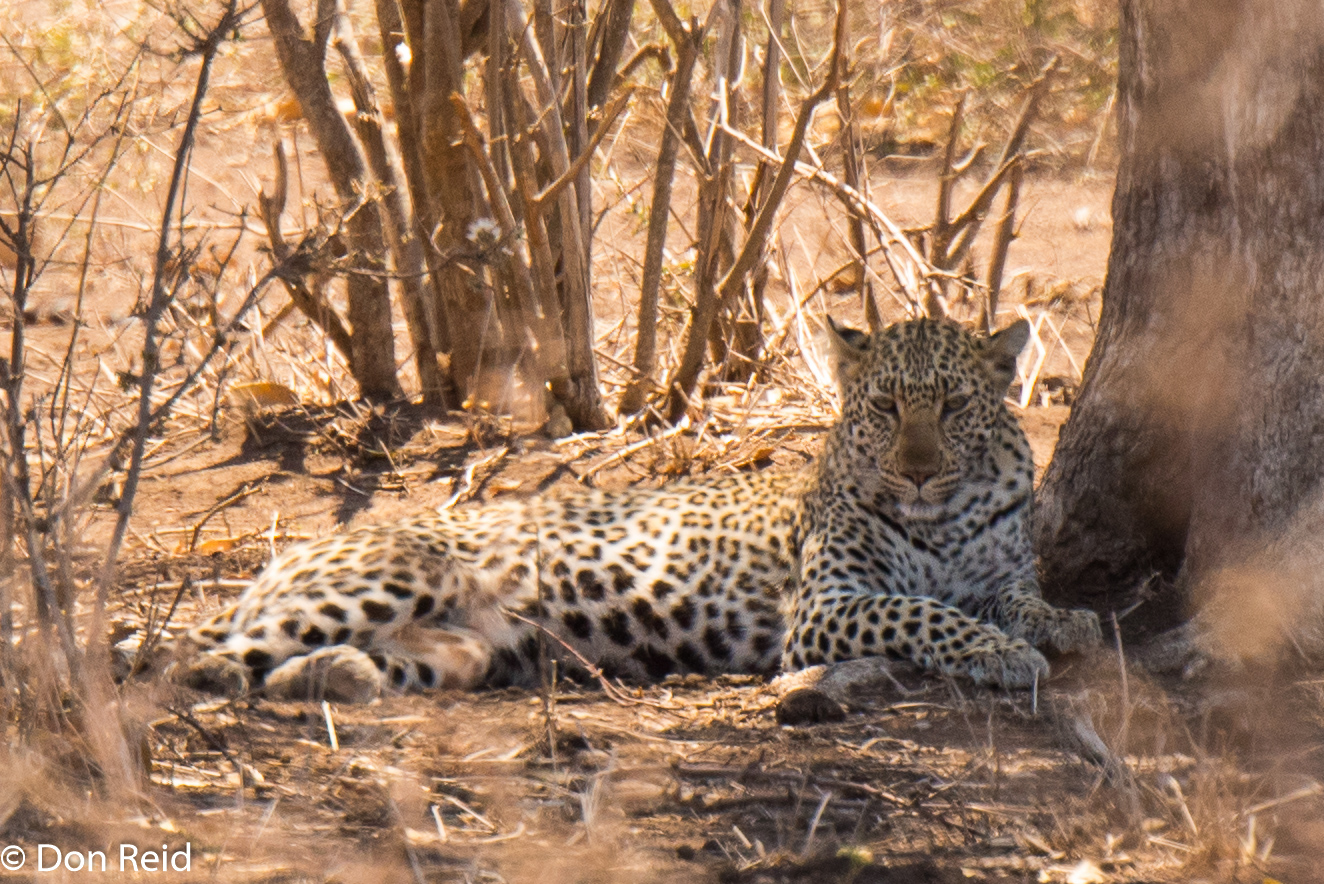
This route added Purple Roller and Grey Hornbill amongst others, but just ahead lay the sighting of the day, if not of the trip. Just before reaching the tar road a knot of cars that had stopped meant only one thing – an exciting sighting nearby. It turned out to be a Leopard lying in the shade of a tree with a dead Impala hanging in the fork of another nearby tree. We later found out that Maia and Geraldine had been the first to spot this most sought after species.
Leopard near TimbavatiLeopard prey
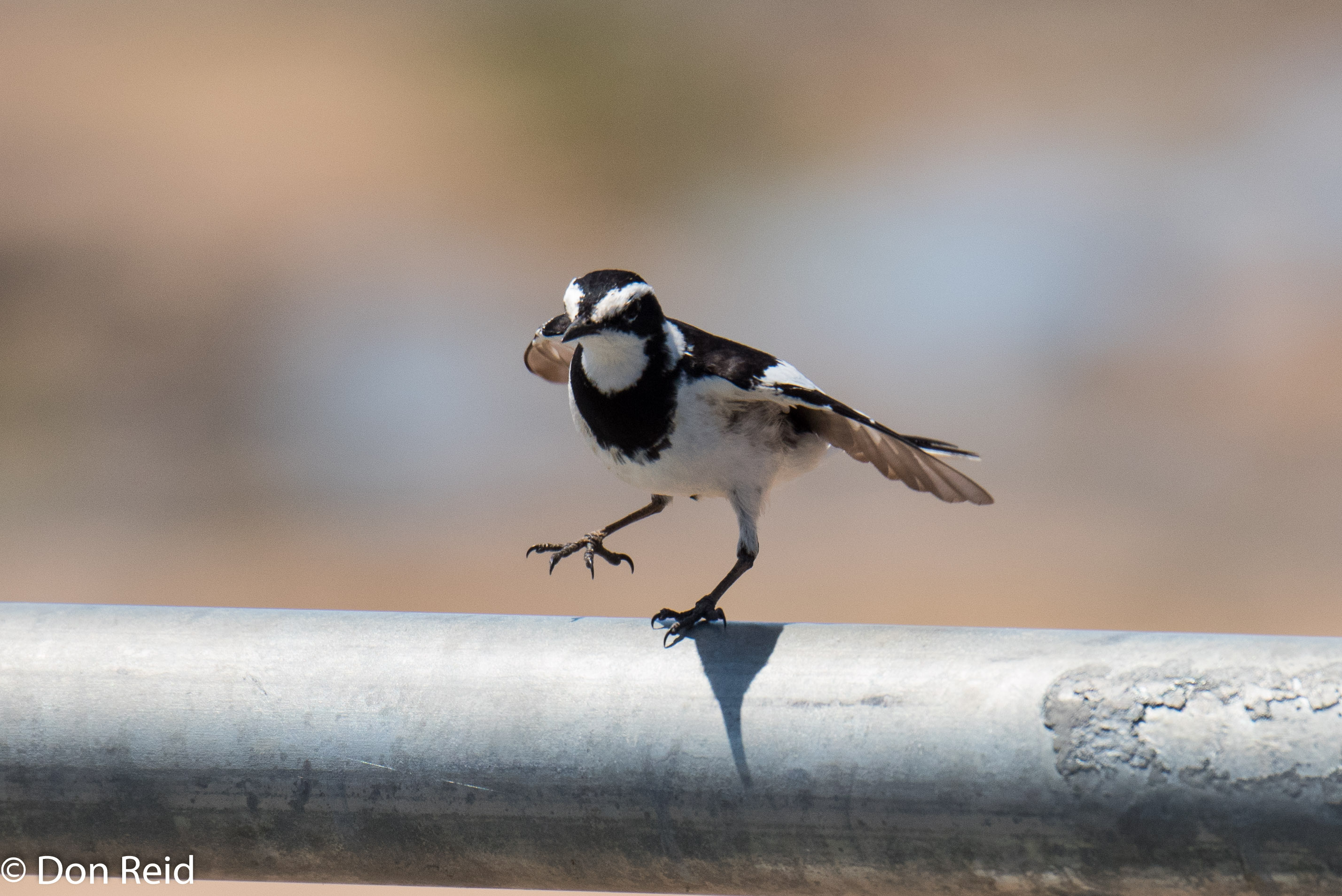
After viewing it for a while we proceeded to the tar road and our next stop was at the bridge over the Olifants river, where you are allowed to get out of the car between marked lines – it’s always a good idea to take advantage of this and other “get out the car” spots throughout Kruger, to stretch the legs and check for any game or birds out of sight of passing cars.
African Pied Wagtail (Bontkwikkie), Olifants river bridge
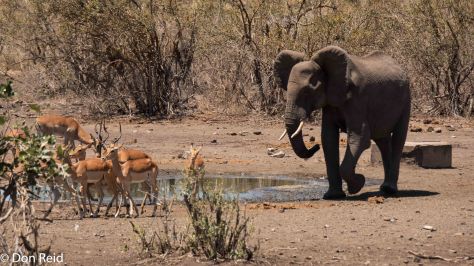
Shortly after the bridge another knot of cars announced a sighting of Lions some way off the road. In between the big cat sightings we enjoyed a delightful scene at a water hole where an indignant young elephant chased the Impala who dared to drink from the water hole at the same time as he did.
Young Elephant at water hole which he decided belonged to him alone
With a full morning’s game and bird viewing under our belts, we returned happily to Olifants camp, where we relaxed for the rest of the day with a bit of swimming thrown in and a bottomless coffee on the deck at the Mugg & Bean restaurant.
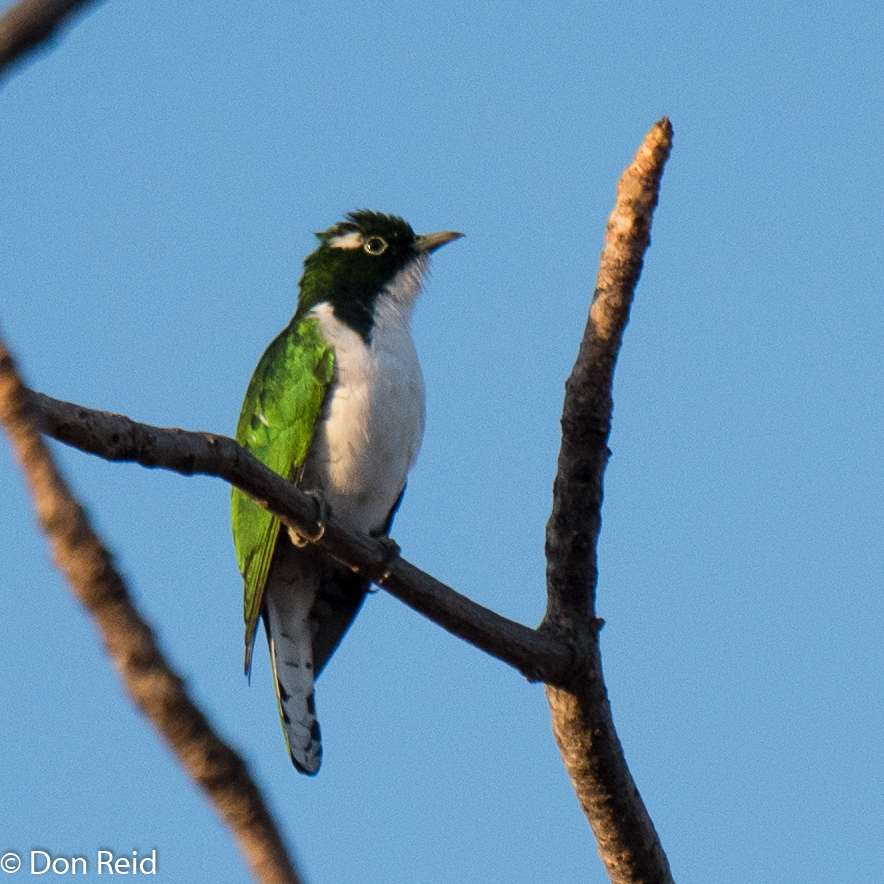
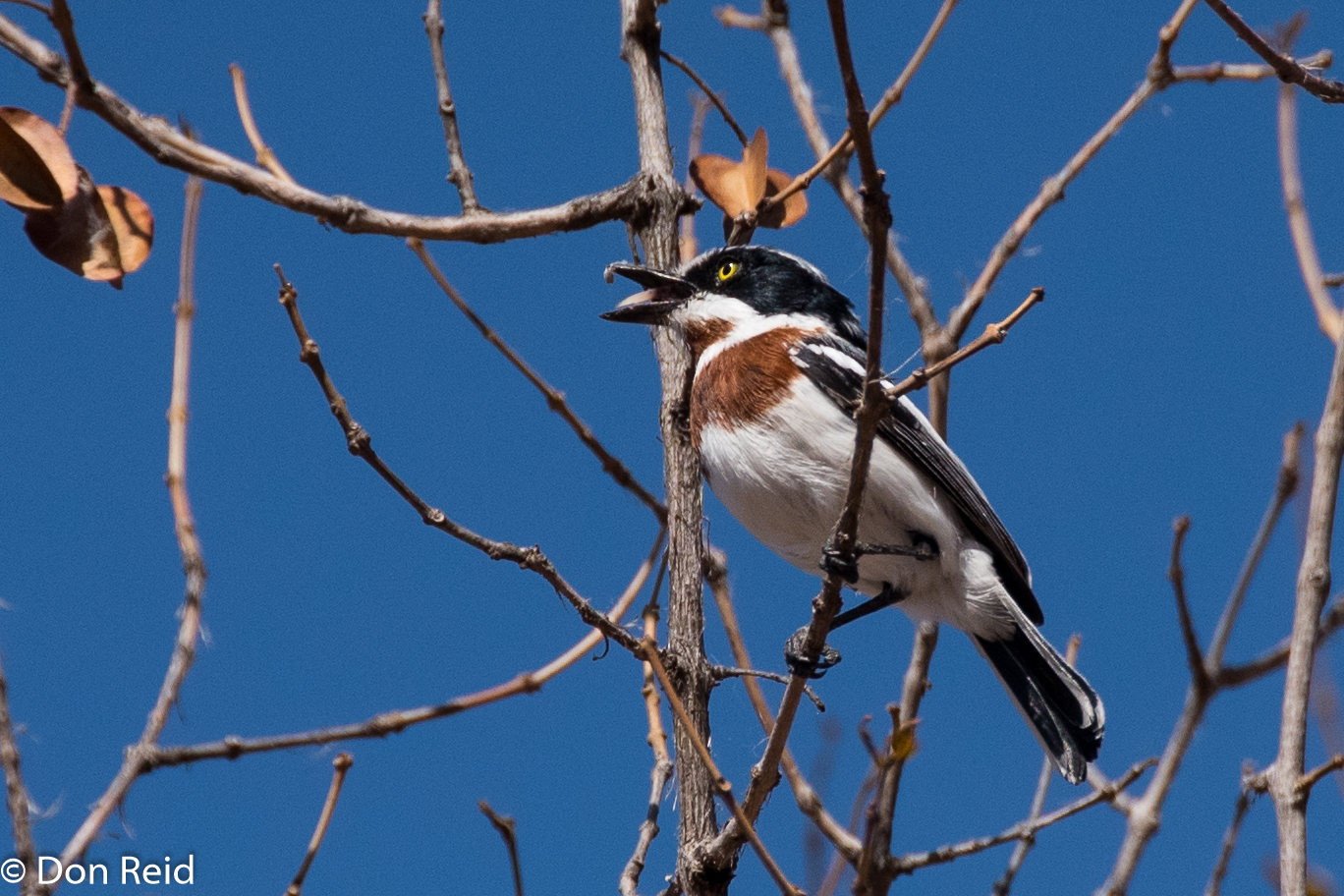
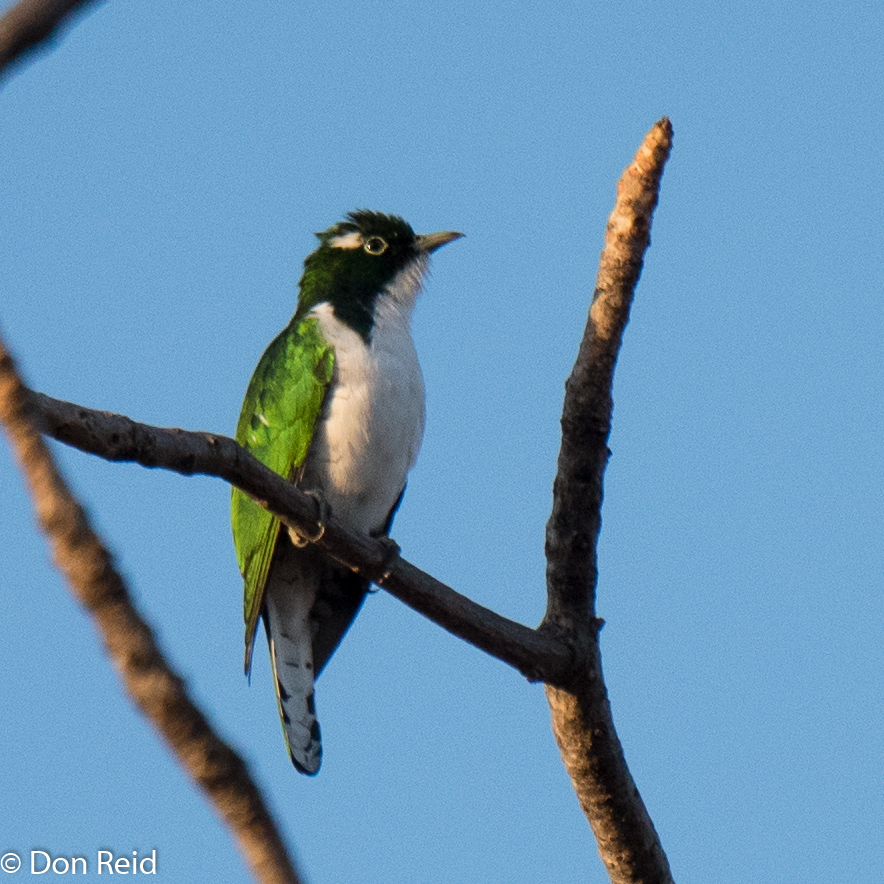
A late afternoon birding walk rounded off the birding for the day with Bennett’s Woodpecker and Klaas’s Cuckoo being the highlights.
Klaas’s Cuckoo (Meitjie), Olifants camp
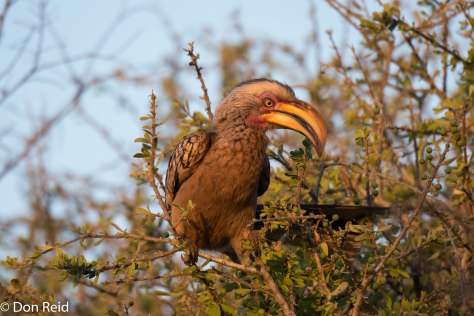
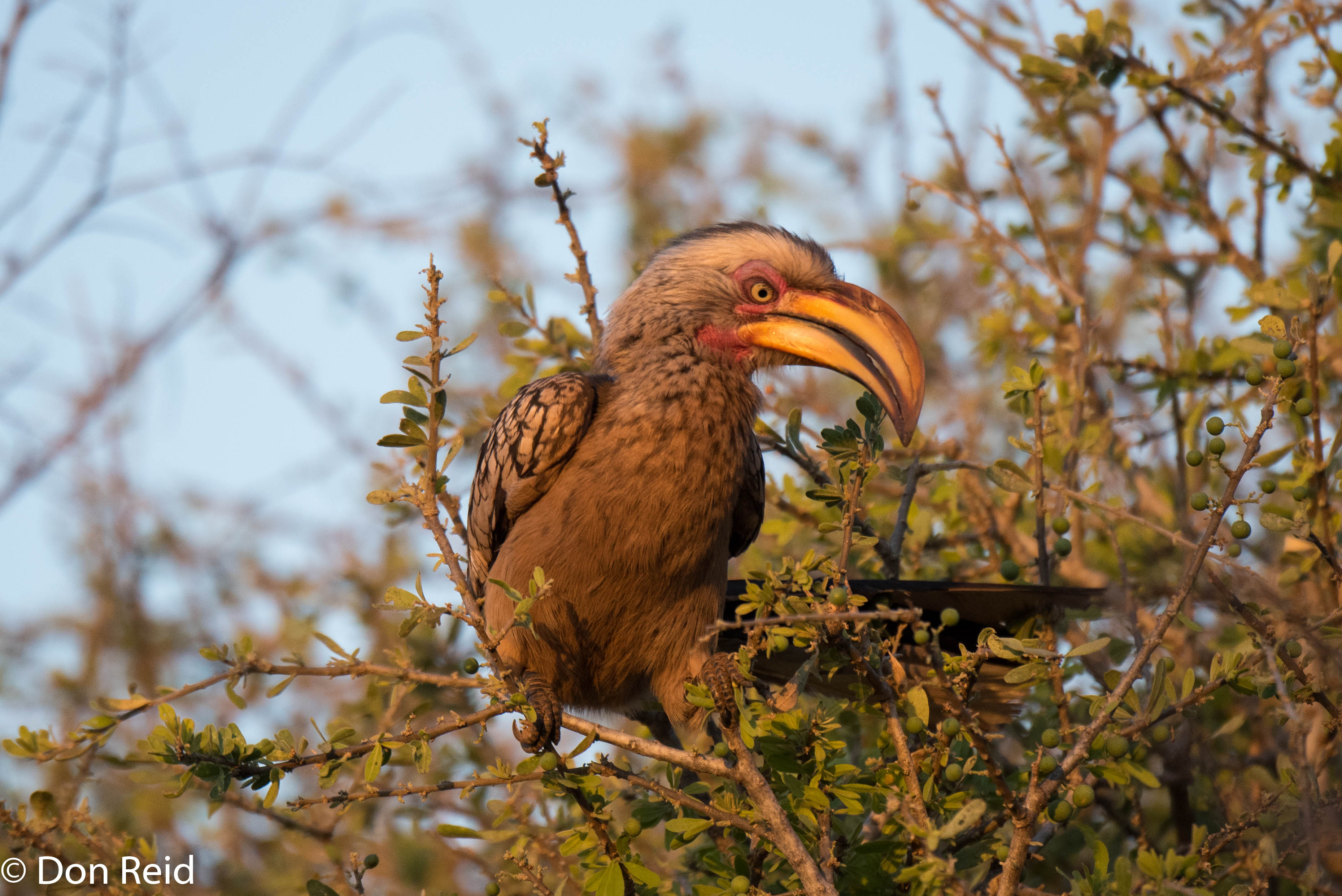
The bird that earned “most confusing” award for the day was a common or garden Yellow-billed Hornbill who, it seemed, had just emerged from a serious dust bath as he was reddish-brown in the places that he would normally be white.
Atlasing? Simply put, it is the regular mapping of bird species in a specific area called a “pentad”. Each pentad has a unique number based on its geographical position according to a 5 minute x 5 minute grid of co-ordinates of latitude and longitude, which translates into a square of our planet roughly 8 x 8 kms in extent.
As a registered observer / Citizen scientist under the SABAP2 program (SA Bird Atlas Project 2), most of my birding includes recording the species I see or hear, for submission to the project database at the ADU (Animal Demography Unit) based in Cape Town. These tales record some of the more memorable experiences while atlasing.
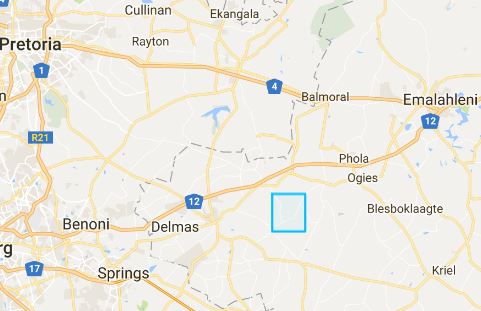
Delmas and surrounds
The Area marked in blue on the map shows where this atlasing took place
Delmas is a busy town, known for many years as a centre of large farming operations and now also on the fringe of the coal mining belt that stretches across a large part of the Mpumulanga province and feeds the several large coal-fired power stations in the area. The habitat varies between stretches of prime grassland – lush and long after the good summer rains, large farming operations with tall green mielies (corn) bordering the gravel road for kilometres at a time and, sadly for the environment, areas that have been substantially altered (even devastated) by extensive strip coal-mining activities. The latter is cause for concern as you can’t help wondering if the mine-owners will go to the expense of properly rehabilitating the landscape, once they have stripped out all the available coal. Yes, there are regulations and laws that oblige them to do so, but as with so many things in our beloved country, these laws are often ignored by unscrupulous people who, it is rumoured, buy their way out of their obligations.
The atlasing
The atlasing reminded me once again why atlasing is such a joy (despite my comments about coal-mining) – this outing had all the elements that make atlasing memorable – interesting birding, a handful of “wow” birds seen, pleasant weather conditions, mostly quiet roads and an unexpected surprise sighting.
Pentad 2605_2850
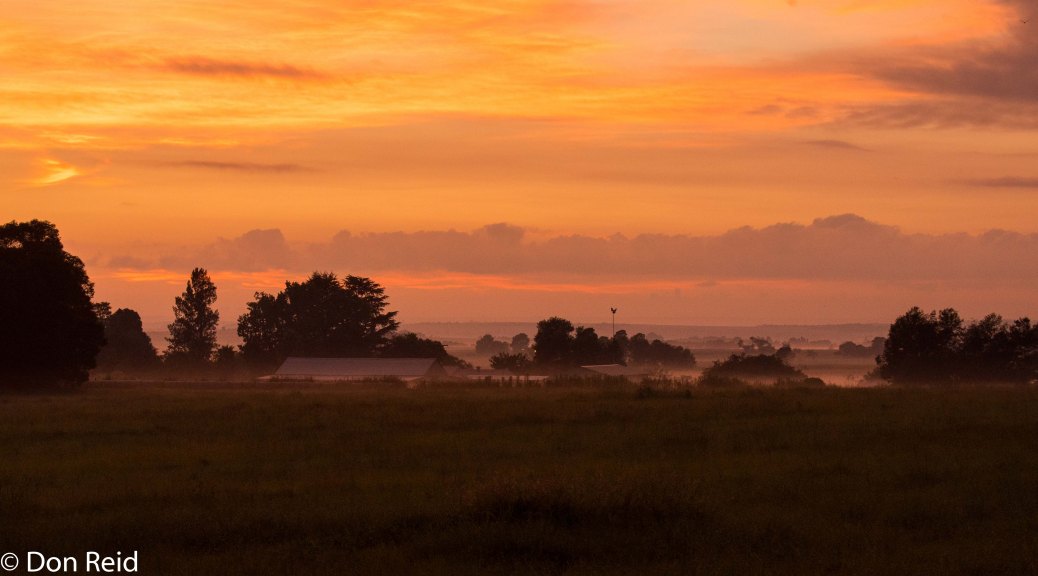
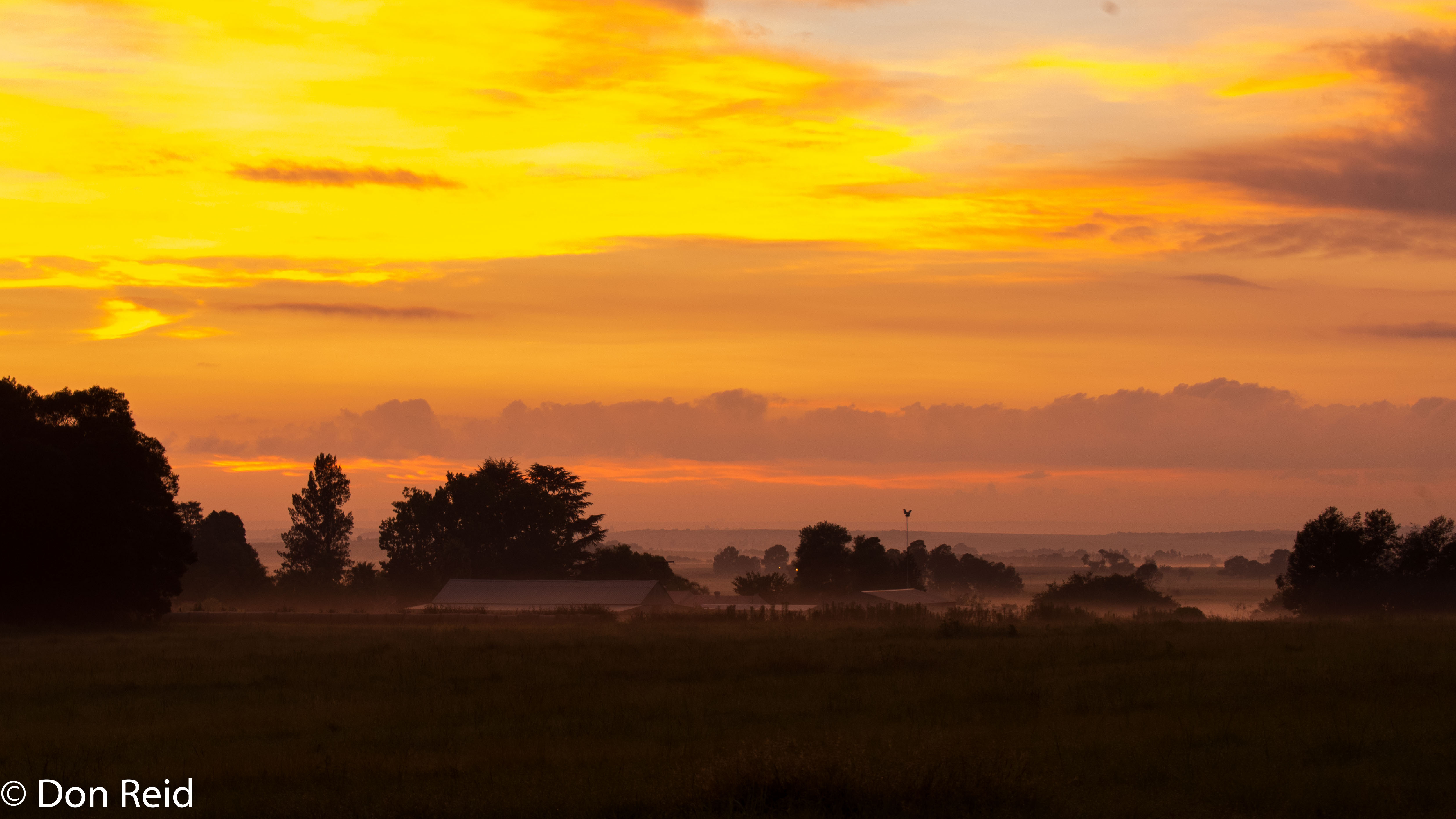
As usual I was on my way before sunrise and made Delmas in good time before traffic had built up too much. At one spot the low mist combined with the soft light of dawn made for a magic scene which I just had to stop and snap with my iPhone.
Early morning, Delmas area
Right on 6.30 am I was into pentad 2605_2850 and my list grew apace with all the usual grassland species on view. Orange River Francolin and Swainson’s Spurfowl were particularly vocal, as they often are early morning.
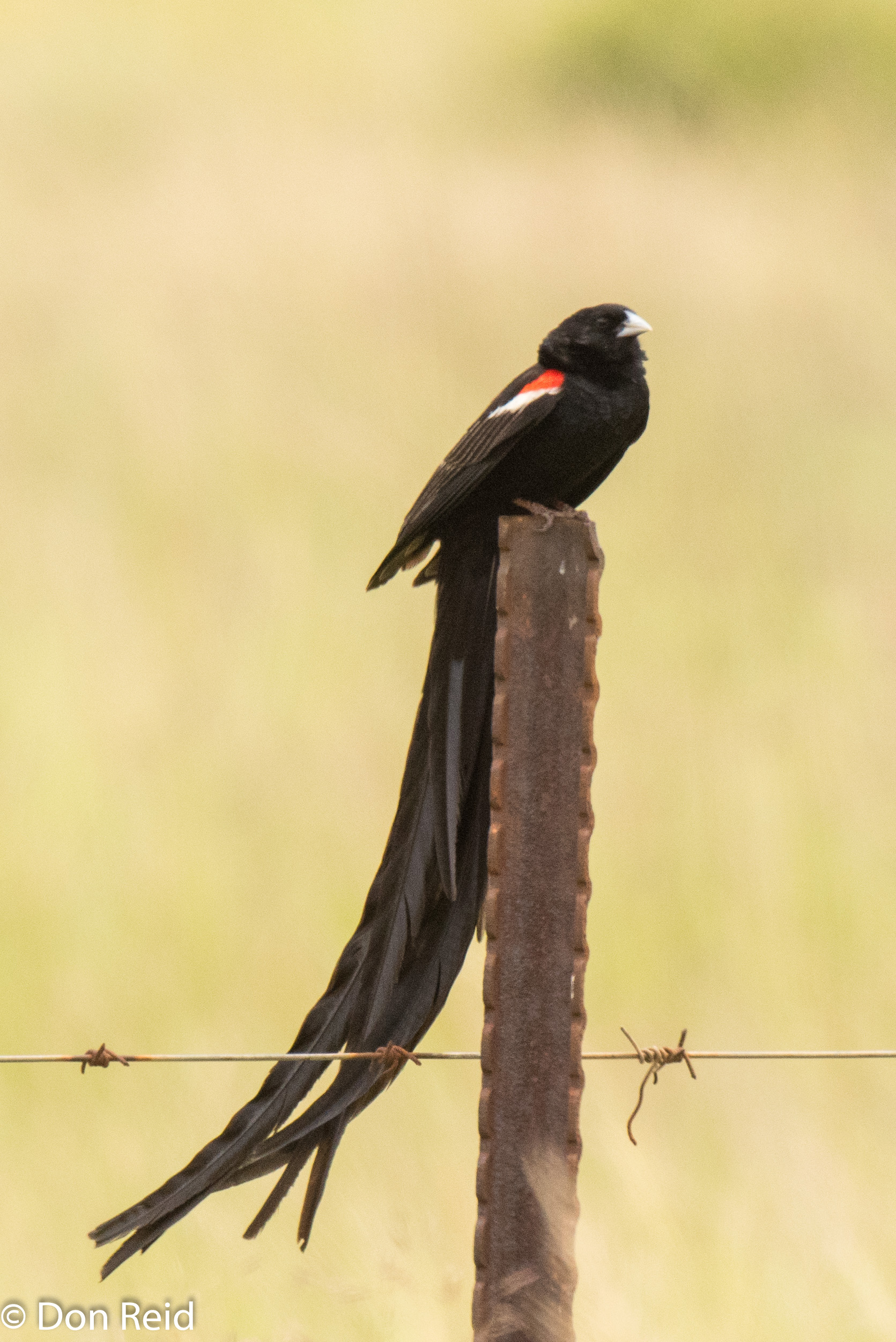
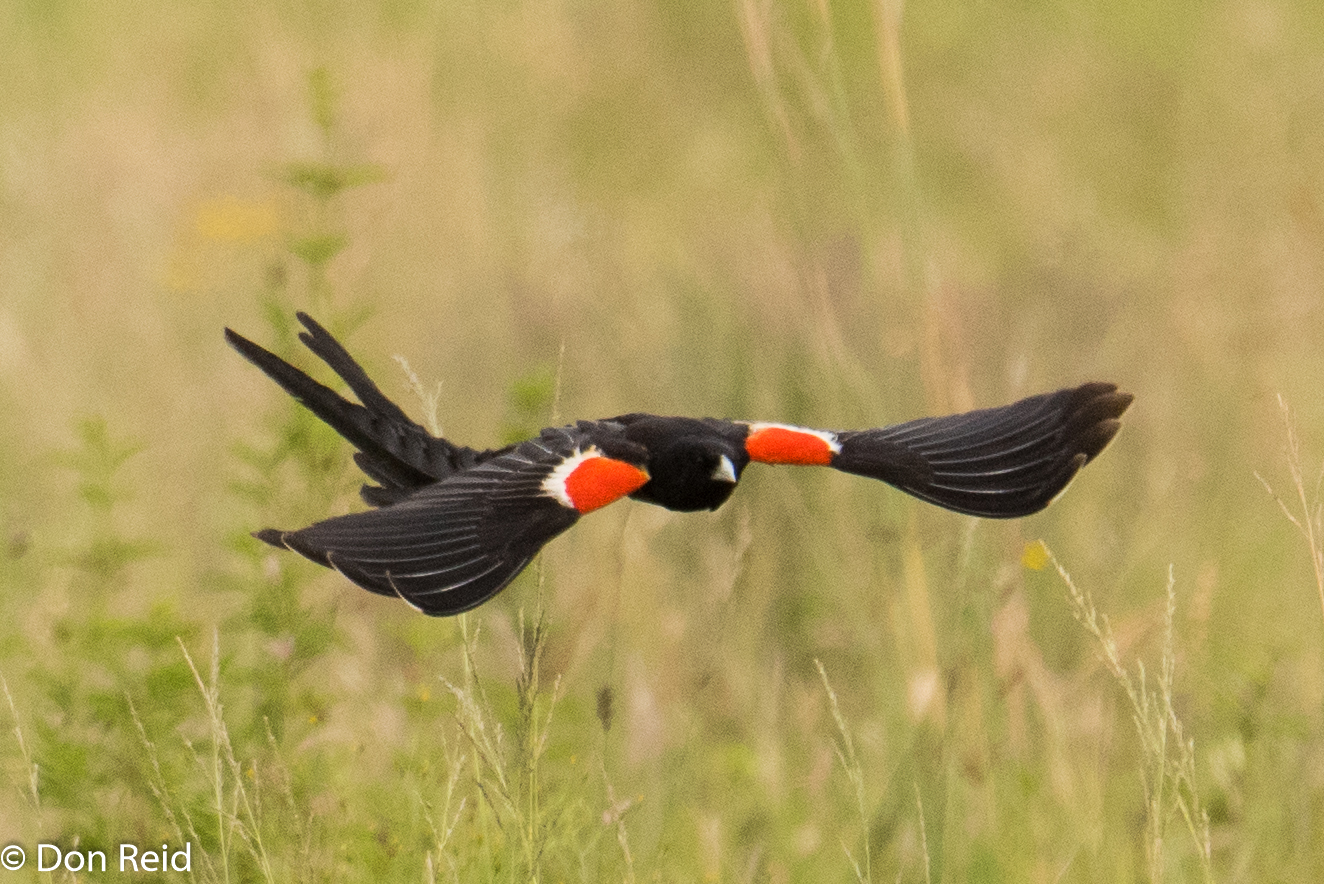
The long grass, stretching as far as the eye could see in places, was dotted with Widowbirds – Long-tailed Widowbirds displaying in their trademark undulating fashion with long tails floating behind them, White-winged Widowbirds fluttering about and Fantailed Widowbirds perched elegantly on longer stalks. Here and there Yellow-crowned Bishops provided a splash of colour in the waving grass.
Long-tailed Widow (Langstertflap) showing why it has that nameLong-tailed Widow in flight – what a beaut!
The road itself was full of action – Doves and Sparrows in abundance and numbers of Red-capped Larks foraging for goodness knows what in the middle of the gravel road (I always wonder why they spend so much time in the road – there can’t be much for them to feed on).
A Marsh Owl over the grassland was cause for the first “wow” of the day, followed shortly after by a Pipit which caught my eye at the roadside – after much deliberation at home and consultation of the wonderful LBJ’s book of Faansie Peacock, I decided it was a Buffy Pipit.
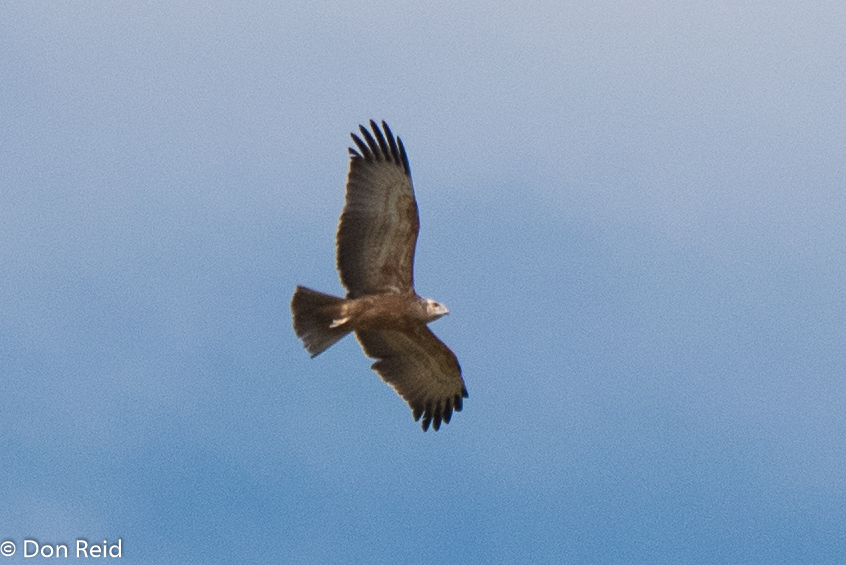
Common (Steppe) Buzzard (Bruinjakkalsvoel)
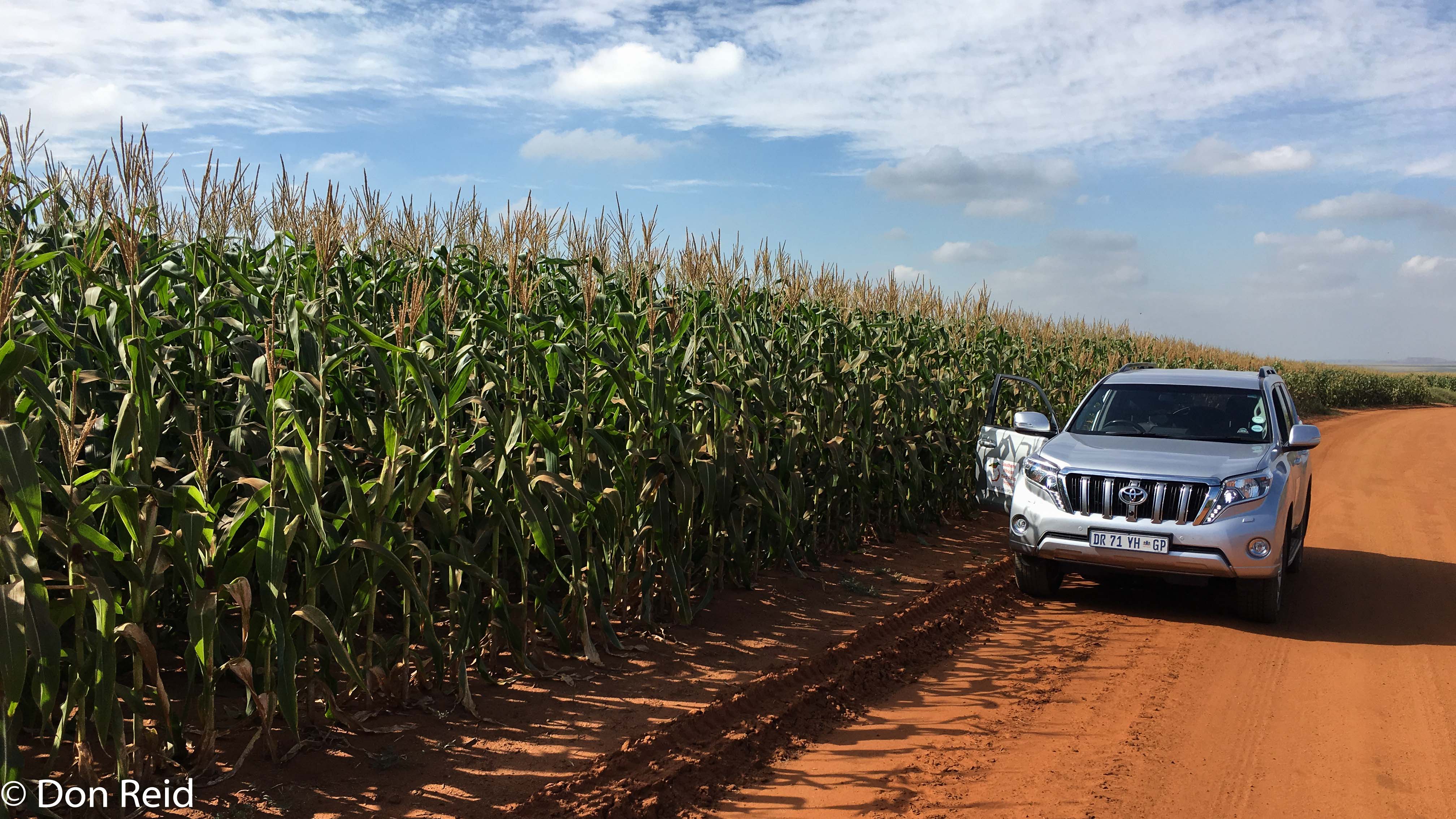
A stop at the Wilgespruit (stream) added African Reed Warbler calling vigorously and out of the many Swallows overhead I could ID White-throated and SA Cliff Swallows. A long stretch of mielies followed, the stalks higher than my Prado – so pleasing to the eye and soul, but not particularly good for birding.
Mielies (corn) near Delmas, looking magnificent after good summer rains
Shortly after I was into coal-mining area where a Black-chested Snake-Eagle surveyed the altered landscape with what I imagined was disdain, but a group of a hundred or so Brown-throated Martins didn’t seem to mind as they were foraging actively amongst the spoil heaps.
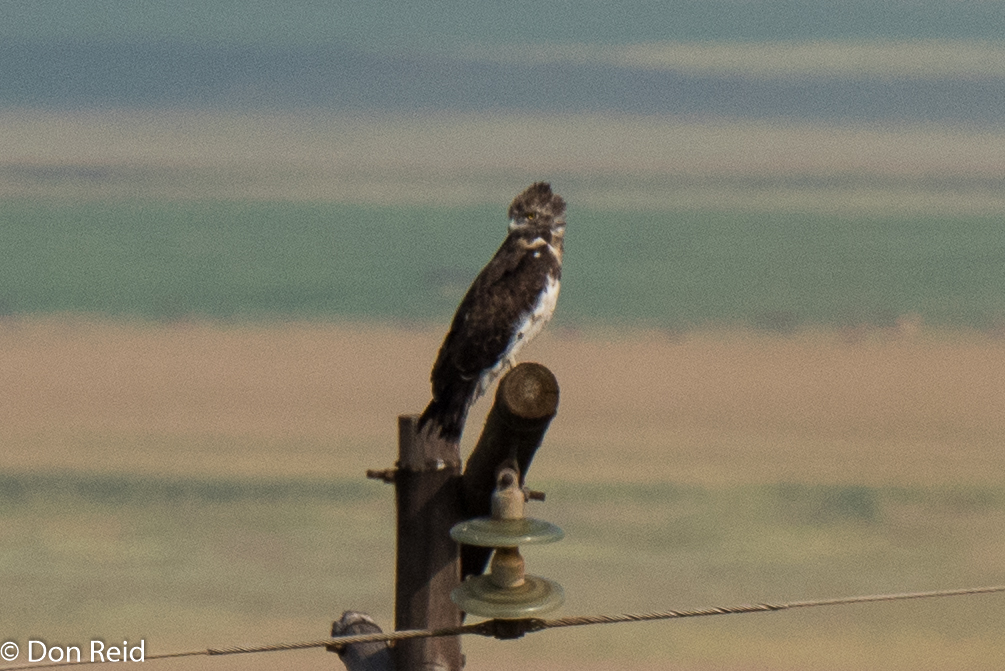
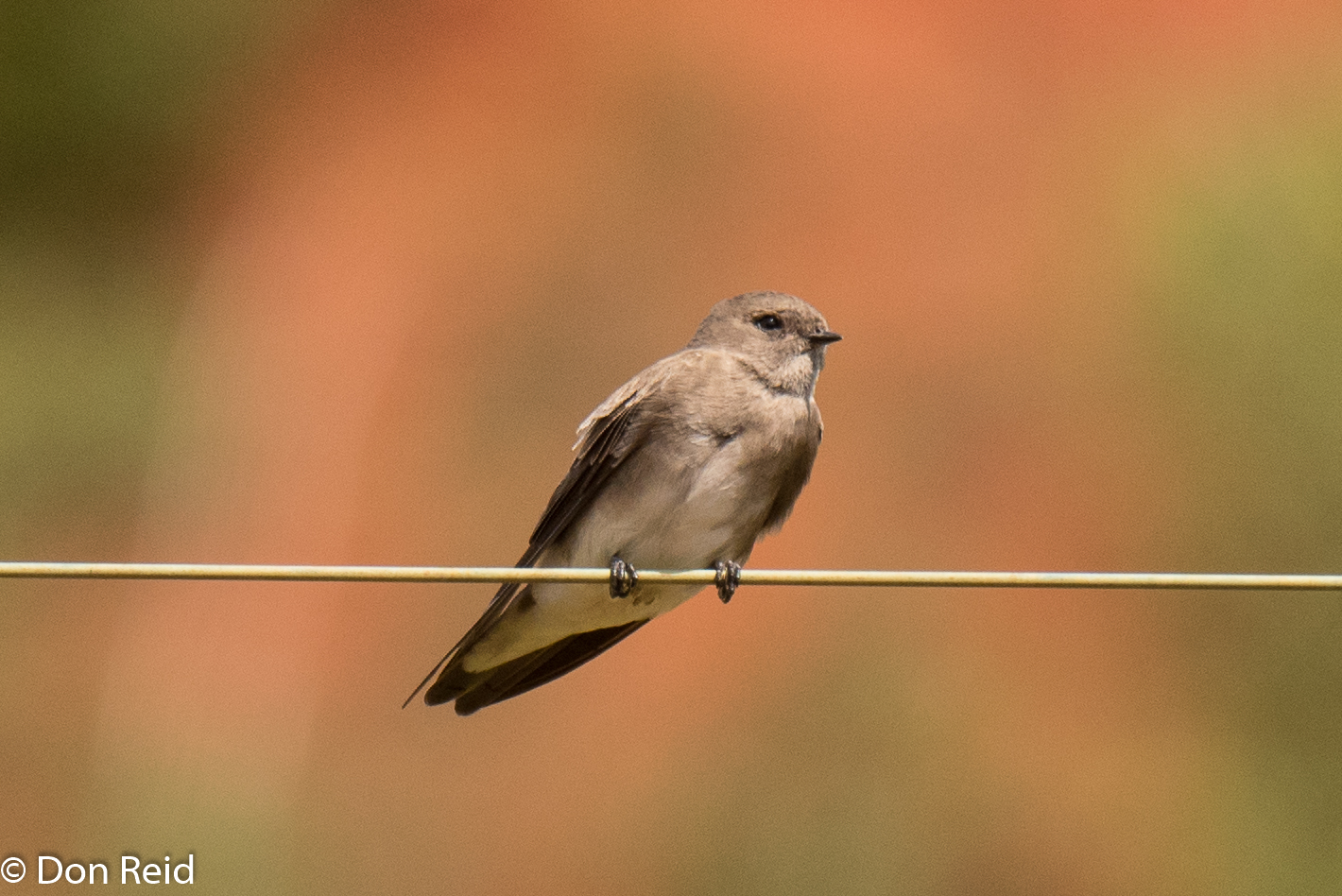
Black-chested Snake-Eagle (Swartborsslangarend) – too far for anything but a record photoBrown-throated Martin (Afrikaanse oewerswael)
With my total on a pleasing 55 species, I turned around and drove back along the same road towards Delmas and the second target pentad for the day.
Pentad 2605_2845
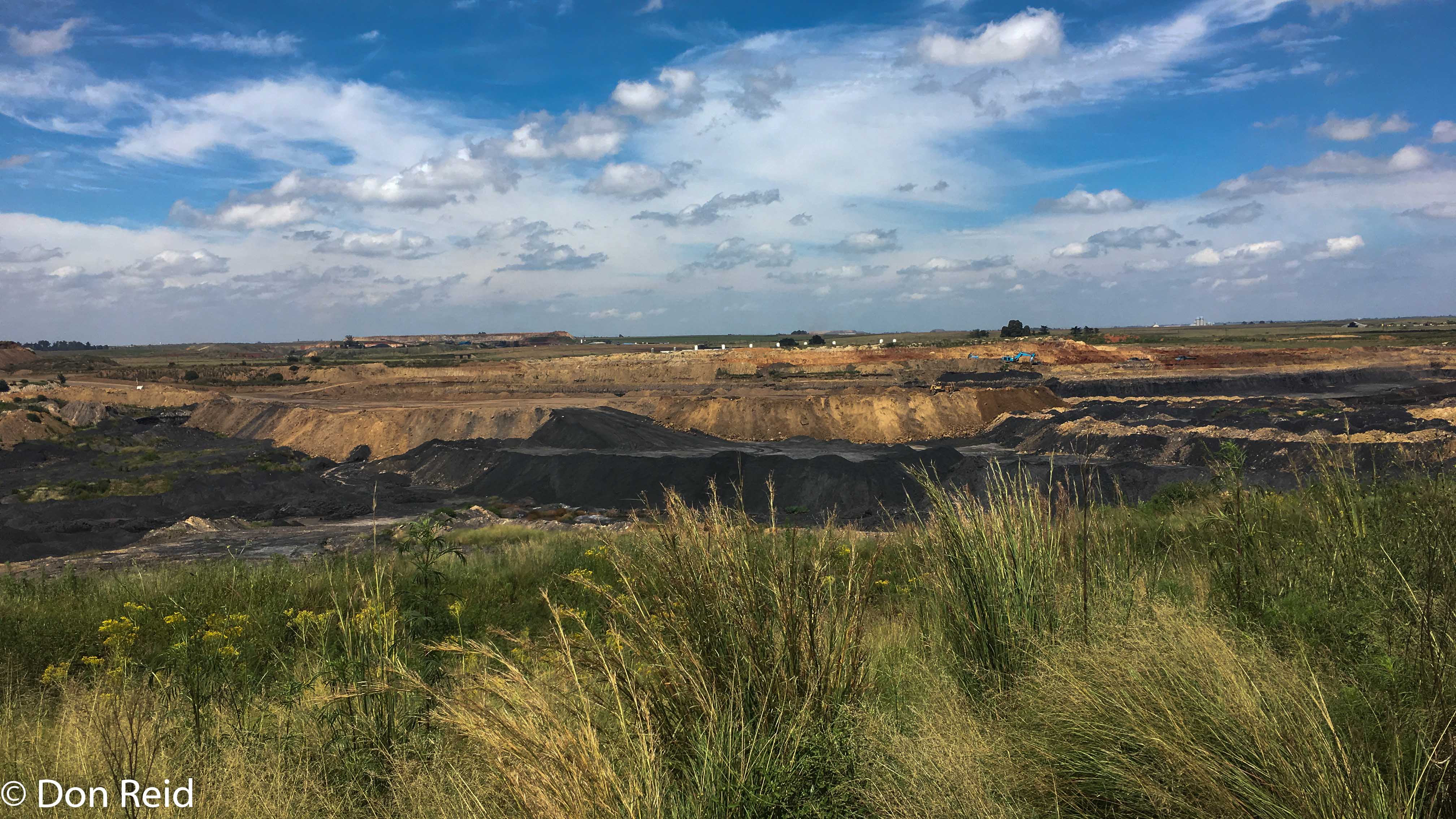
This turned out to be a rather trying pentad, as it largely covered landscape seriously altered by extensive coal-mining activities and I struggled to find an accessible side road to escape from the incessant string of coal trucks rumbling by every time I stopped.
Coal mining area – a depressing sight
After 40 minutes of less than happy birding, I abandoned the pentad – nevertheless with 21 species logged, including one “wow” bird in the form of a soaring Booted Eagle, for which I received an ORF (Out of Range form to be completed and submitted whenever a species outside of its normal known range is recorded).
With some time in hand and wanting to make the most of the morning’s atlasing I took the longer way home via the R42 to Bronkhorstspruit. As I passed the signpost indicating the entrance to Bronkhorstspruit Dam, I decided to explore it and turned off onto a pleasantly quiet stretch of road through grassland. Not far down the road was a bridge over a stream which was just the spot I was hoping for to enjoy some refreshments and view the bird life.
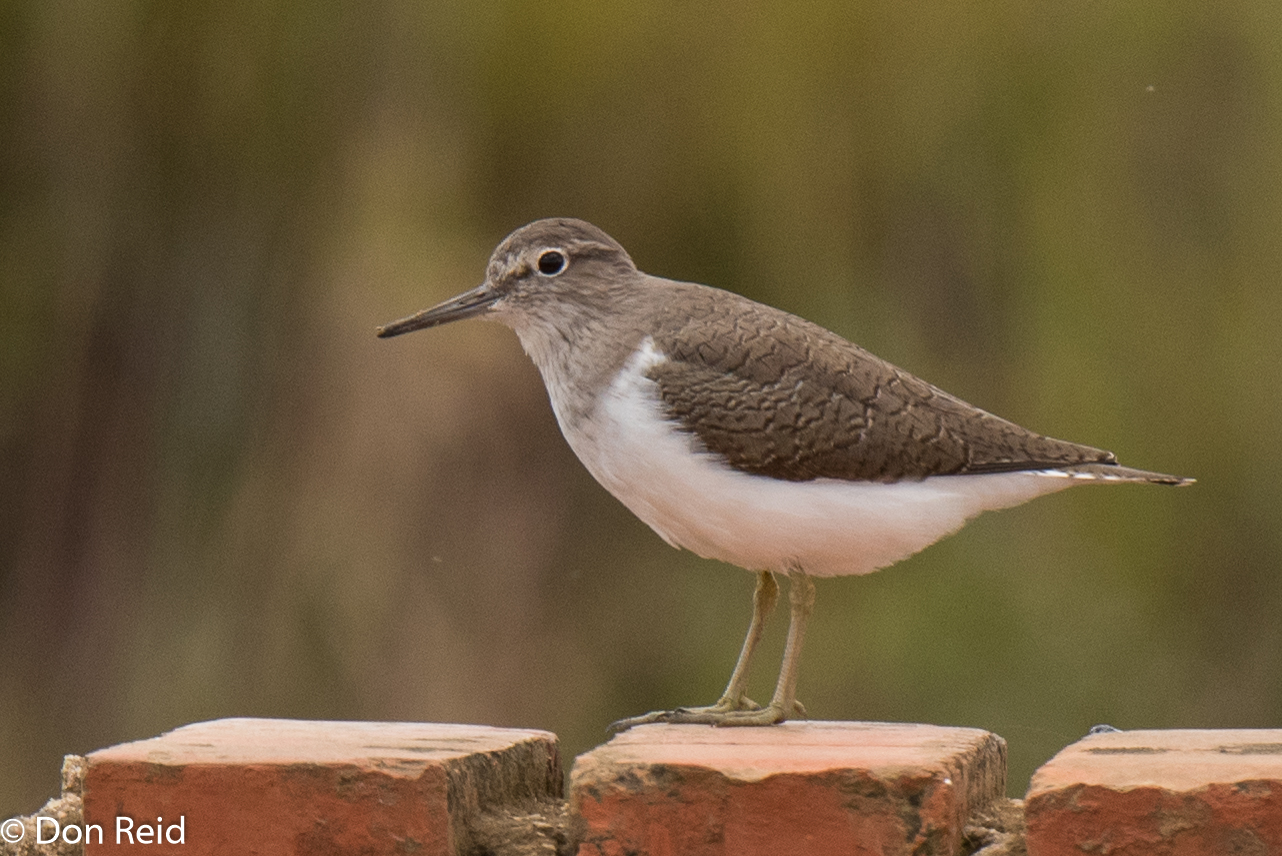
And the birds were plentiful – several Amur Falcons perched on the fence, White-throated Swallows and Brown-throated Martins swooping under and over the bridge, Calling African Reed and Lesser Swamp Warblers, a Giant Kingfisher and a Common Sandpiper bobbing its head on a brick retaining wall while it watched the rushing water below.
Common Sandpiper (Gewone ruiter)
Bird of the day was a Half-collared Kingfisher which unfortunately did not hang around long enough for me to get a photo. But a very pleasant conclusion to a mixed day of atlasing.
Surprise Sighting
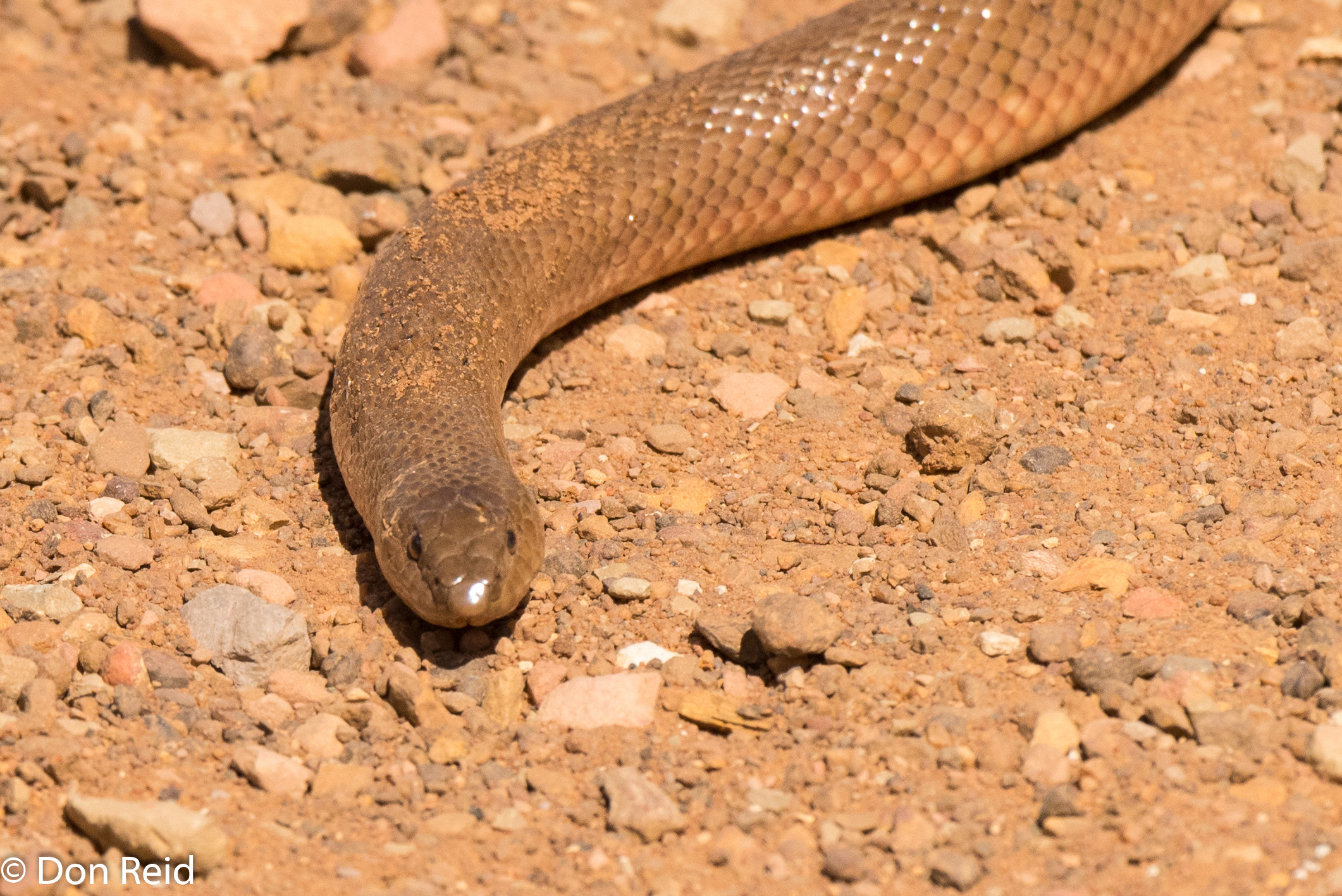
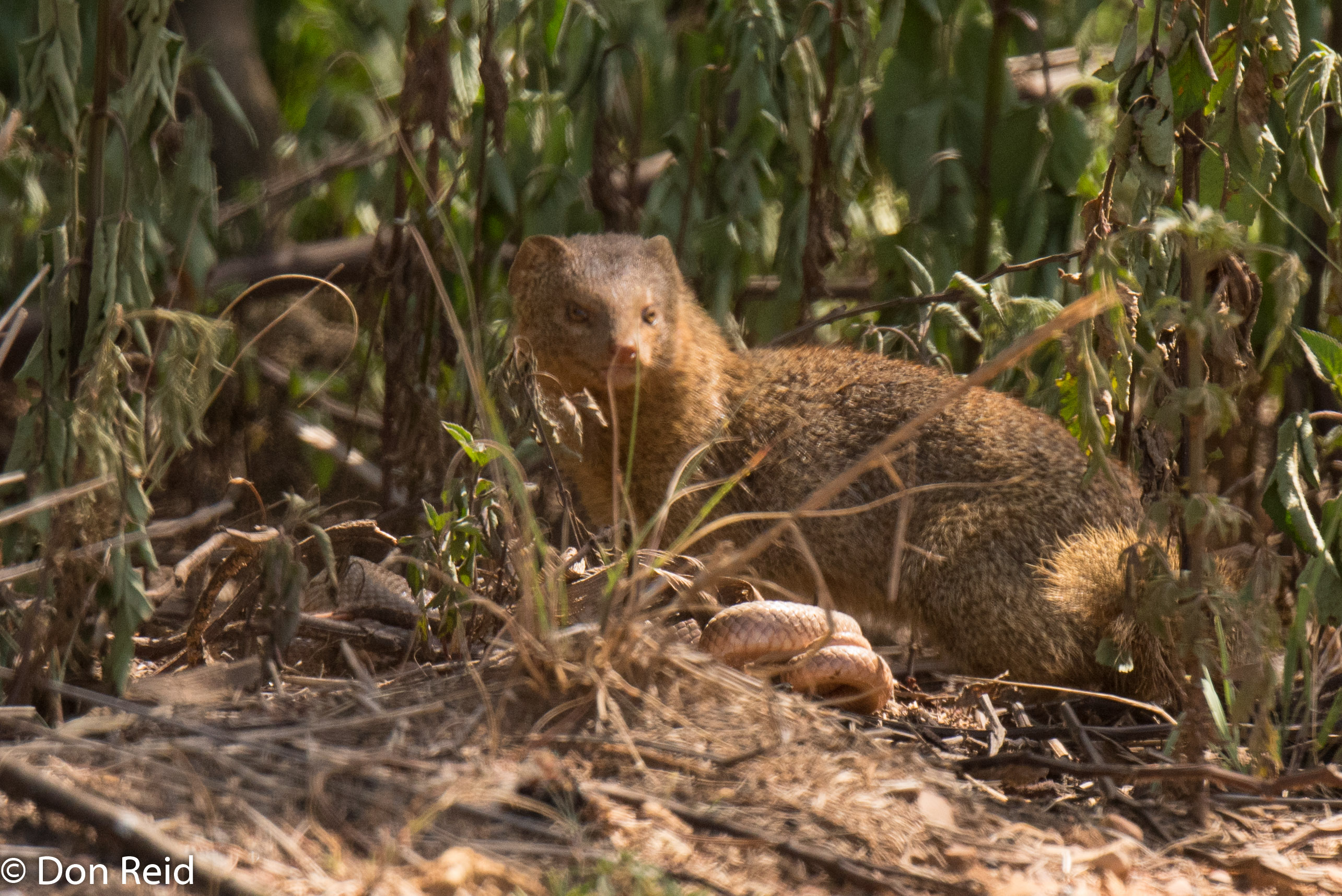
The surprise of the day was not a bird – travelling along a stretch of gravel road, I spotted a mongoose in the middle of the road, not too unusual when birding in the country areas, but as I got closer I realised it was tackling a snake. The metre-long Mole Snake had coiled itself up for protection, while the Slender Mongoose looked for a vulnerable spot to attack.
My approach disturbed it enough to abandon the snake, which uncoiled itself and headed towards my vehicle.
Mole snake approaching my car
I reversed out of the way and as luck would have it, at that moment a car approached from the opposite direction, forcing me to move away to avoid having the snake run over. However the other driver did not appear to see the snake and probably just caught it with a wheel – immediately after the car had passed, the mongoose dashed from its cover, grabbed the injured snake and dragged it into the roadside bush, where it eyed me for a moment before disappearing. A real natural drama on a small scale! Now I believe those stories of Mongoose taking on snakes larger than themselves!
Slender Mongoose vs snake, Delmas area (Swartkwasmuishond)
The Atlasing statistics
Pentad 2605_2850
14th Full Protocol card for the pentad; 3 New species added to the pentad list (Little Egret, Palm Swift, Buffy Pipit) ; Total species for the pentad now 138; Personal total for the pentad 82 from 3 FP cards
Pentad 2605_2845
1st Ad hoc card for the pentad (18 FP cards done) ; 1 New species added to the pentad list (Booted Eagle) ; Total species for the pentad now 145; Personal total for the pentad 61 from 2 FP cards
It was a memorable Birding Year for several reasons – many great places visited in pursuit of new birds, many amazing experiences, often when least expected, atlasing at every opportunity, all of which has left me more than satisfied and (hopefully) has boosted my birding and bird photography skills. It was also sprinkled with enough “Lifers” to make it a special birding year, most of which were not planned but rather just happened along the way.
Part two follows my birding journey from July through to December and is just a brief synopsis of my birding activities along with photos of the species encountered and places visited. Some of my trips are / will be covered in separate posts in a lot more detail.
July
The month kicked off with some mid-winter atlasing on the 2nd, in the Balmoral / Witbank area with Koos Pauw
On the 8th, in Kasane, Botswana for my monthly project visit, I did a spectacular birding trip by rented boat on the Chobe River, which was every bit as good as I had hoped
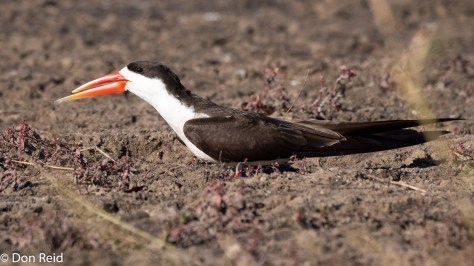
Chobe River Boat TripAfrican Fish-Eagle, Chobe River Boat TripAfrican Skimmer, Chobe River Boat TripLappet-faced Vulture, Kasane
Just three days later it was back to more normal birding / atlasing – this time east of Potchefstroom where we had gone to visit Stephan and family
And another two days later it was time for a truly memorable trip to Heilbron in the Free State to ” twitch” the reported Burchell’s Courser with Koos, which we duly did, finding along the way two other Coursers (Double-banded, Temminck’s) and a bonus lifer for me in the form of a Pink-billed Lark which Koos spotted
Burchell’s Courser, Heilbron area
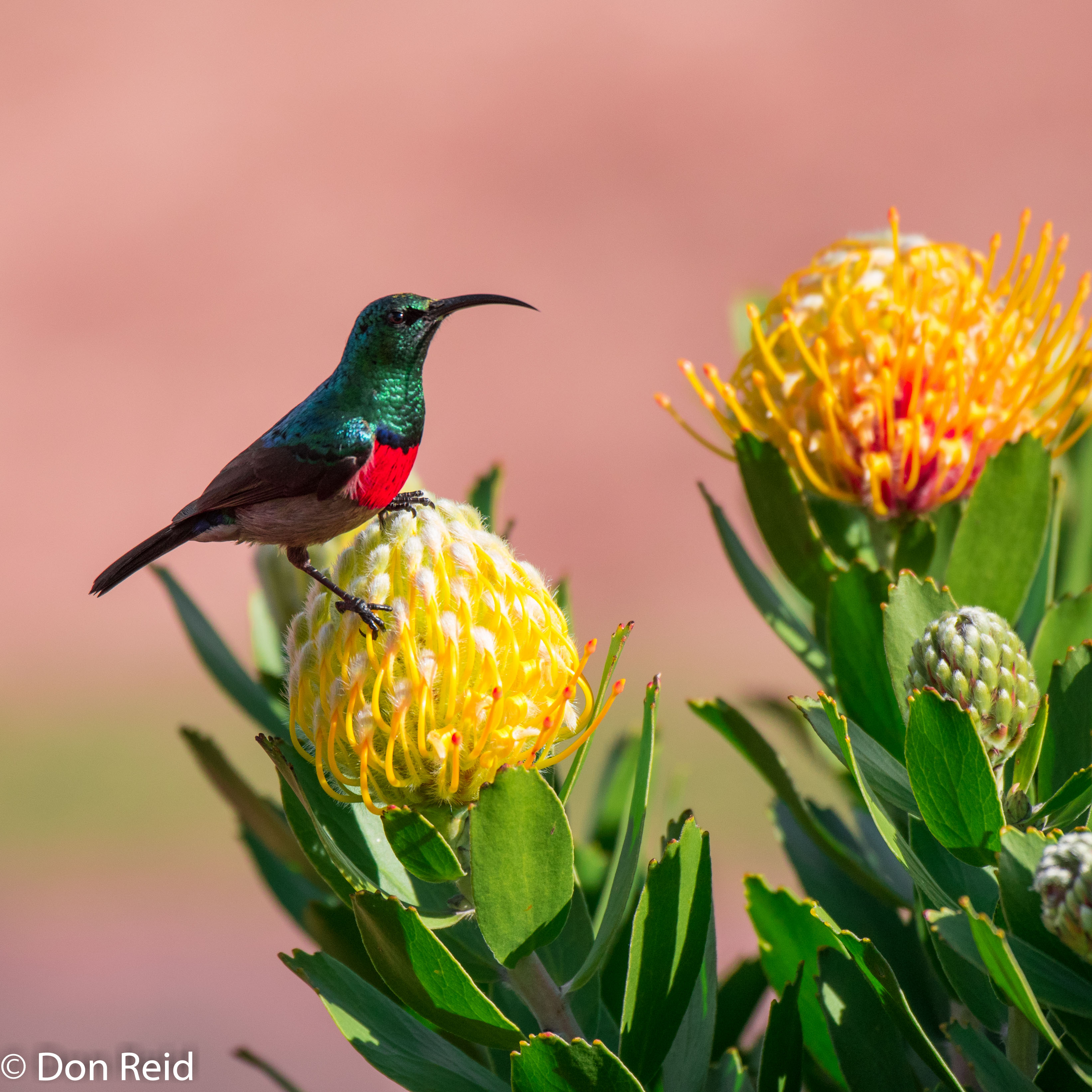
The last week in July was spent in Mossel Bay where the Pincushions were in full bloom and attracting numbers of nectar feeders, which kindly posed for some colourful photos
Greater Double-collared Sunbird, Mossel Bay
Writing this, I realised that I had done birding across 2 countries and 5 of SA’ s provinces during July!
August
My visit to Kasane from the 3rd to 5th allowed for some great birding again, visiting a riverside spot late afternoon where my colleagues went to fish and I took the opportunity to do some atlasing, photographing the Hartlaub’s Babblers and just enjoying the ambience as the sun set and hippos blew bubbles and snorted in the river
On the Friday morning before returning to SA I travelled to the Ngoma gate into Chobe Game Reserve and drove eastwards along the Riverfront road, atlasing all the way. I was rewarded with good views of Openbill, Great White Pelican, Tawny Eagle, Dickinson’s Kestrel and Slaty Egret amongst many others.
Brown-crowned Tchagra, Chobe Game ReserveSlaty Egret, Chobe Game Reserve (a very average photo, but my first of this scarce species)Dickinson’s Kestrel, Chobe Game Reserve
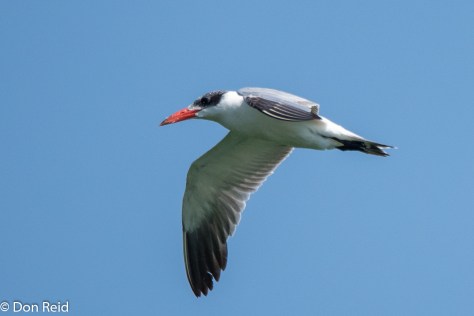
Mid August I fitted in some Monday atlasing, this time near Leandra where a farm dam was very productive with a nice range of waterfowl and one Caspian Tern
September
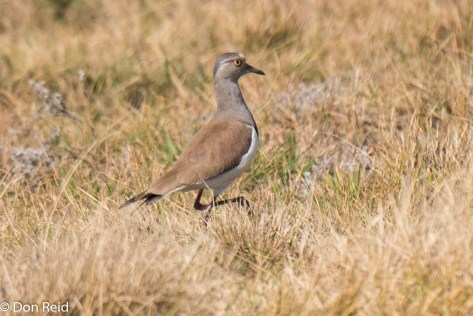
A family wedding took us to Vryheid and the farm of Pieter and Anlia Genis, where I was able to enjoy excellent birding in between the family festivities, with the assistance of Pieter and his rugged Bakkie (Pickup). The drive up to the plateau high above the farmhouse was as spectacular as ever and was good for a number of the area specials such as Black-winged Lapwing, Denham’s Bustard, Ground Woodpecker, Buff-streaked Chat and Eastern Long-billed Lark
Another family event saw us in Potchefstroom two weeks later and I was able to squeeze in some atlasing early on the Monday morning before returning home to Pretoria
October
A visit to Kruger National Park in the first week of October with Andre and Geraldine and the girls was a highlight of the year, with the dry conditions limiting the bird numbers somewhat but each day proved to be full of interesting sightings.
Our home for the week was Olifants camp in the northern section of the Park.
The rest of October was devoted to atlasing some of the birding “hotspots” around Pretoria and further afield.
Roodeplaat dam was good for two separate visits on consecutive Saturdays, one with Koos Pauw, both visits proving that this is one of the best spots for a relaxed morning’s birding with good roads and well-kept facilities. The highlight was the constant calls of Tchagras, Titbabblers, Boubous, Scrub-Robins and others that accompanied the drives. The two birding sessions produced a remarkable 100+ species!
It was also the place where I saw the strangest bird of the year – one that had me completely flummoxed until I realised it was a fairly common Lesser Striped Swallow missing its tail. For a moment or two I thought I had discovered a new species of Spinetail!
Another attractive venue was Mabusa Nature Reserve, some 1.5 hours drive from Pretoria, but almost constant light rain put a damper on my visit and the slightly unscheduled arrival of our 7th grandchild had me rushing back to Pretoria a little earlier than planned. Definitely a spot to revisit on a sunny day.
A Terrapin in the middle of the drenched gravel road was proof of how wet it was – I have only ever seen them clinging to a rock in a river or dam
Terrapin, Mabusa NRMabusa NR on a wet dayCape Glossy Starling, Mabusa NR trying to look happy about the rainAfrican Pipit, Mabusa NR
Last up was a visit to the area around Settlers in the Bela Bela area of Limpopo province, where the highlight was meeting a farmer that I encountered on the road who invited me to visit the “Vulture restaurant” at a large Pig-farm nearby.
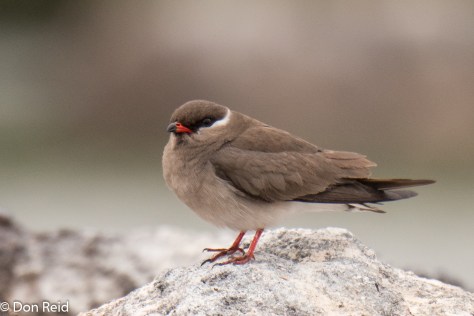
You would think I’d had enough of Chobe by now, but no, once again I arranged a boat trip along with a colleague while in Kasane and once again it was spectacular. My aim was to find Rock Pratincole which we did quite easily and had an up close and personal view to boot. I will do a separate post on this trip but suffice to say it was special.
Rock Pratincole, Chobe River tripLong-toed Lapwing, Chobe River trip
On the 9th another local hotspot demanded a visit when Green Sandpiper was reported from Rietvlei Nature Reserve near Pretoria (actually part of Pretoria). I did not find the Sandpiper but plenty of others kept me busy and fascinated, including a variety of antelope and other game. I still managed to make it to the office by mid-morning with 62 species counted.
Cape Longclaw, Rietvlei Dam
Our annual “long stay” trip to Mossel Bay came around almost before we were quite ready and an overnight stop at Abbotsbury guest farm near Graaff-Reinet on the way there was my next opportunity for some Karoo birding on this delightful farm.
Red-eyed Bulbul, Abbotsbury near Graaff-Reinet
We were barely settled in Mossel Bay when Birding Big Day came up on the 26th and at the last moment I decided to enter the Birdlasser challenge despite not having a team, planned a route or being even vaguely prepared. As it turned out I had a great day doing a circular route in the surrounding area, with Gerda joining me in the afternoon, and recorded 112 species on the day – not too bad for the area.
December
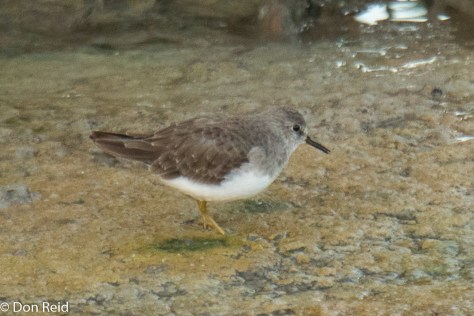
On the road again – this time on a 5 day trip to the Western Cape mainly to visit family, but naturally I took every opportunity to do birding along the way. News of several rarities at Strandfontein Sewage Works had filtered through in the few days prior to the trip and, prompted by Gerda who knows I can’t resist the temptation of a new bird, we adjusted our itinerary to spend a night nearby the spot, which meant I could spend time there in the hope of finding them. As it turned out I added Temminck’s Stint, Red-necked Phalarope and American Golden Plover to my life list – my only dip was the Pectoral Sandpiper.
Worcester was our base for 3 nights and on the return trip to Mossel Bay we stopped for an overnight stay at Jan Harmsgat guest farm
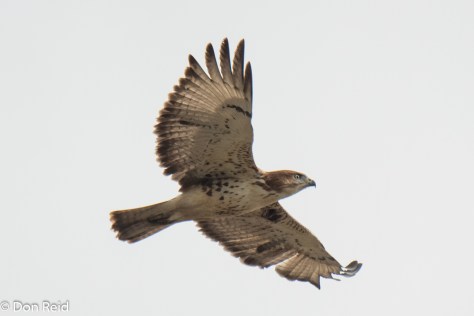
I felt that the rarities were following me when a Red-necked Buzzard was seen in Stilbaai, just and hour or so away from Mossel Bay, so on the 13th I went to look for it and ended up getting great views accompanied by some of the top birders in SA, who had driven a lot further to see this mega-rarity. One of them was the country’s leading seabird expert, Barrie Rose, with whom I had a chat as we were at school together. Barrie was tragically killed just a couple of weeks later when he fell off rocks at Cape Point while fishing. Just another reminder how tenuous life can be.
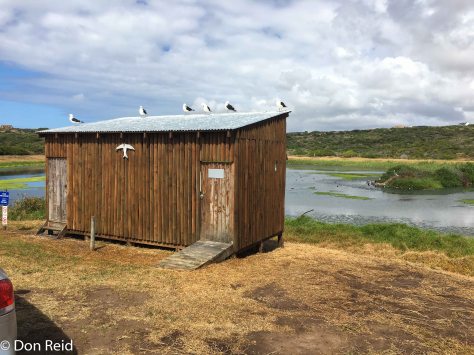
Red-necked Buzzard, Stilbaai TwitchStilbaai Sewage Works – a bird hide for the birdsStilbaai twitch – RIP Barrie Rose (walking up the hill at the rear)
On the 22nd I atlased two pentads north and south of Herbertsdale, one of my favourite birding areas, which was also my last formal birding trip of the year.
During our lengthy stay in Mossel Bay I did regular atlasing in the Golf Estate, where 30+ species can be seen in an hour’s walk during Summer, as well as around town which has a few reliable birding spots such as the Point and the harbour area for seabirds and the small dam at the SPCA grounds for waterfowl.
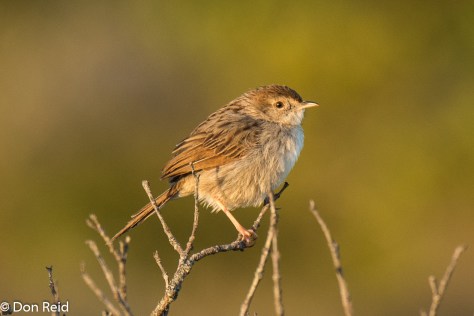
Grey-backed Cisticola, Mossel BayAfrican Black Swift, Mossel Bay
I am not sure how I will top 2016 as far as birding goes, but I will certainly give it a go!
It was a memorable Birding Year for several reasons – many great places visited in pursuit of new birds, many amazing experiences, often when least expected, atlasing at every opportunity, all of which has left me more than satisfied and (hopefully) has boosted my birding and bird photography skills. It was also sprinkled with enough “Lifers” to make it a special birding year, most of which were not planned but rather just happened along the way.
What follows is a brief (remember, brief is relative) synopsis of my birding activities along with photos of the species encountered and places visited. Some of my trips are covered in separate posts in a lot more detail.
January
Our year kicked off in Mossel Bay, our home town for some of the year, including December and half of January, and I took the opportunity to do some atlasing / birdmapping in the area. This included one particularly memorable trip through the mountains on a back road north of Herbertsdale (actually an old wagon route) where I saw just one other person in two hours and not a single other vehicle. The pentad (a block of 5 x 5 minutes of latitude and longitude) had never been atlased previously so was virgin territory.
Old Wagon route, Herbertsdale northJackal Buzzard, Herbertsdale north
Further atlasing on the 14th was limited by almost constant light rain, but was nevertheless interesting, producing some scarcer species such as Little Bittern doing its “sky-gazing” trick and a group of Amur Falcons, unusual in this part of SA. Parts of the gravel road were very slippery and called for close concentration.
Cattle Egret, Herbertsdale south (spot the raindrops!)
Our customary “slow and easy” trip back to Pretoria started on the 16th with a short drive to Prince Albert for a two night stay, allowing time for some Karoo birding, then on to Prior Grange guest farm near Springfontein in the Free State, where I was able to fit in some early morning birding before our last push to Pretoria and home.
A report of a Caspian Plover near Hanover persuaded us to deviate for an hour or two to look for it – with the help of the farm owner we found it, as well as some other delights such as Blue Korhaan and Namaqua Sandgrouse
Namaqua Sandgrouse, New Holme Guest Farm, HanoverCaspian Plover, New Holme Guest Farm, HanoverBlue Korhaan, New Holme Guest Farm, Hanover
Back in Pretoria I was soon chasing further rarities when reports of a Red Phalarope at Mkhombo dam filtered through and I ended up visiting this exciting birding spot three times before the month was out, once on my own, once with George Skinner and once with Francois Furstenburg, the latter trip including some great birding along the Zaagkuildrift road.
Red Phalarope, Mkhombo DamGrey Plover, Mkhombo DamLong-tailed Paradise Whydah, Mkhombo Dam
And to round off a memorable month, a Spotted Crake was reported outside the main gate to one of Johannesburg’s largest residential estates. It proved to be one of the easiest twitches ever as more than 1000 birders went to see it.
Spotted Crake, Waterfall Estate
After that exciting start to the year I took a break in February to focus on other life matters and recommenced in…
March
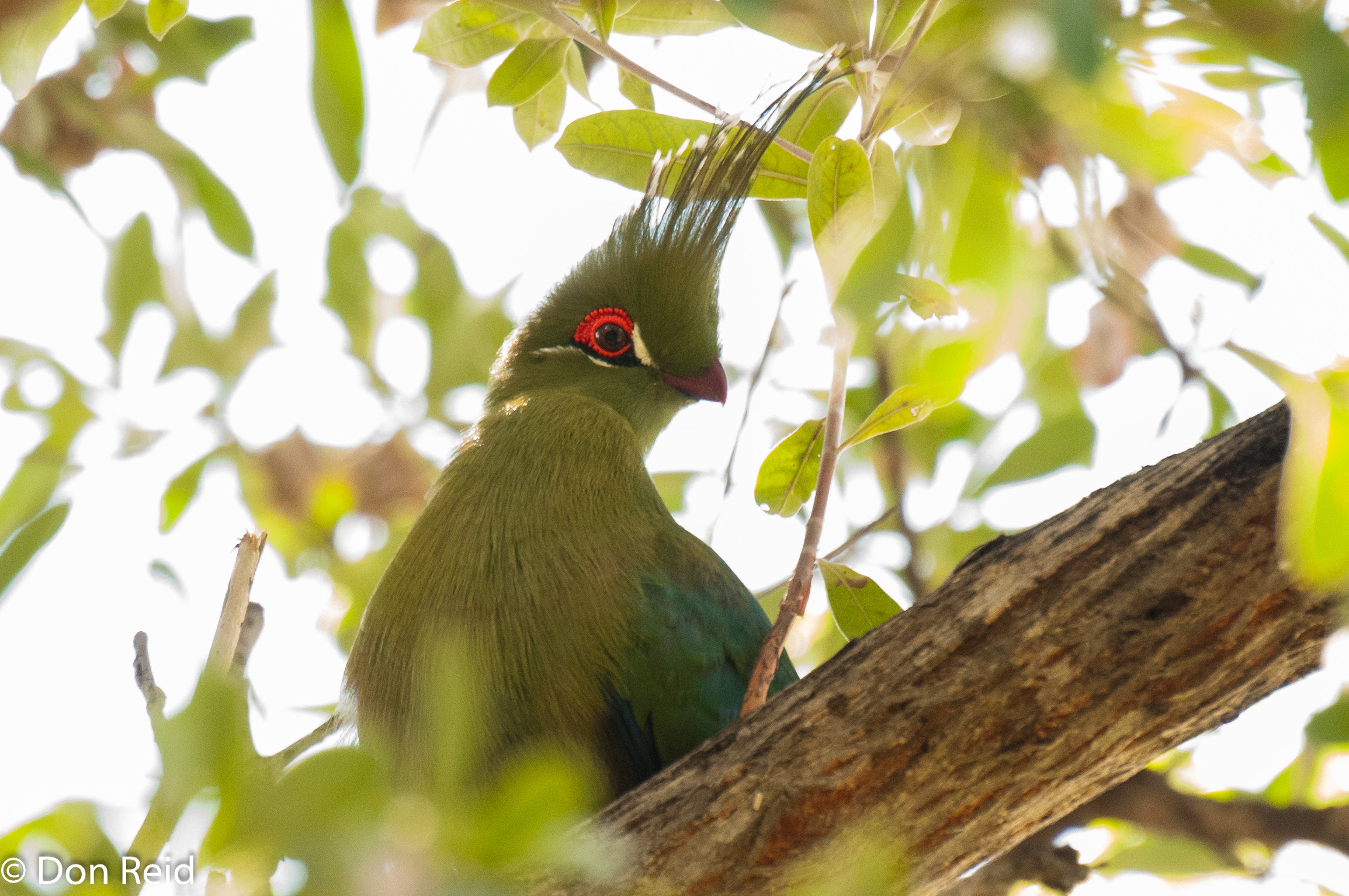
The month started with a bang when I visited Kasane in Botswana for the project I am involved in and took the opportunity to “pop over” to the Caprivi Strip in Namibia to see the Yellow-throated Leaflove reported at a lodge near Katimo Mulilo, along with some of the other area specials and another lifer by way of an accommodating Schalow’s Turaco at the same lodge. The Leaflove was a new species for Southern Africa and created a lot of excitement amongst twitchers.
While in Kasane I visited Chobe Game Reserve and the Kasane Waste treatment works which both produced some excellent birding.
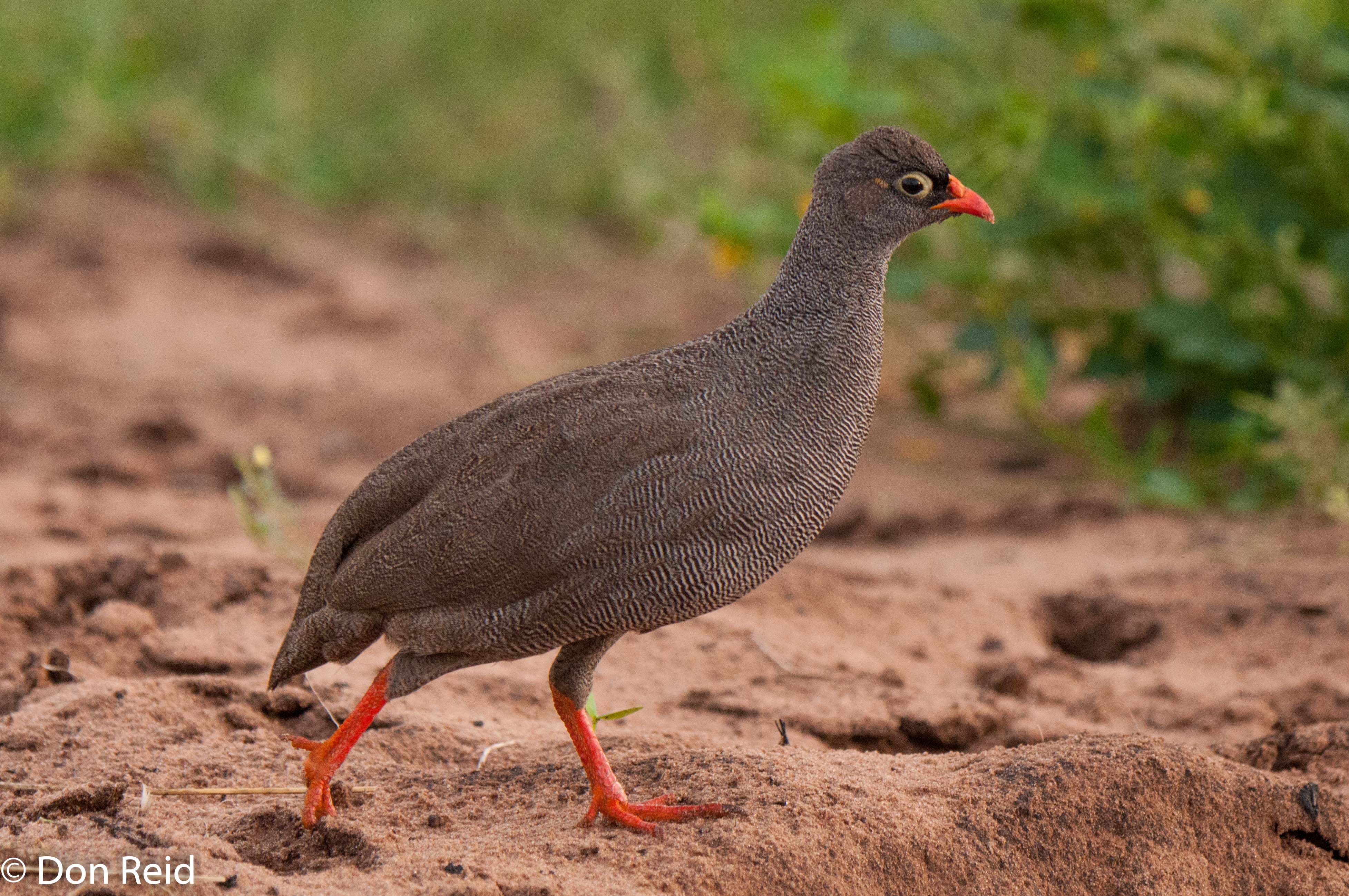
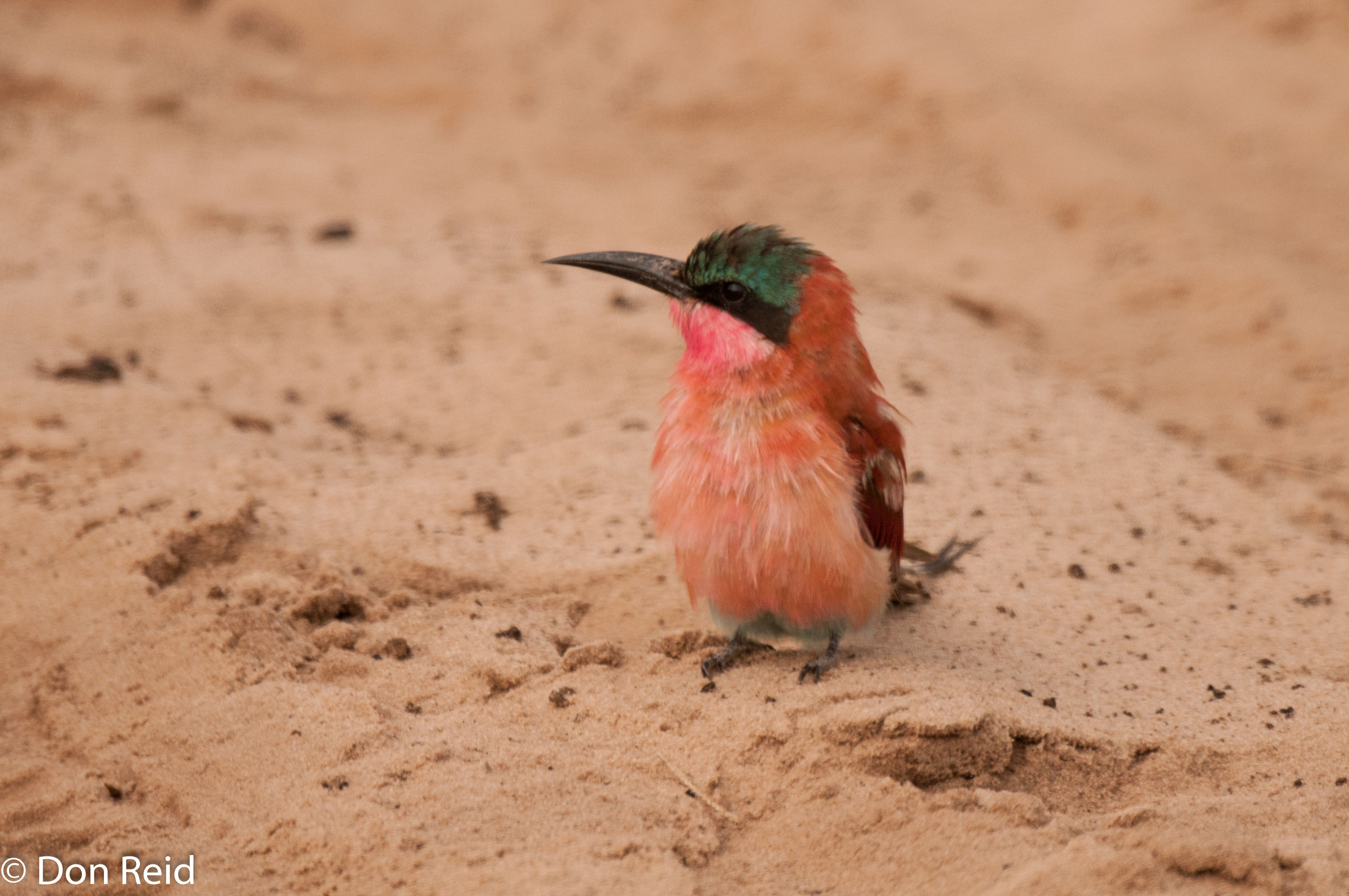
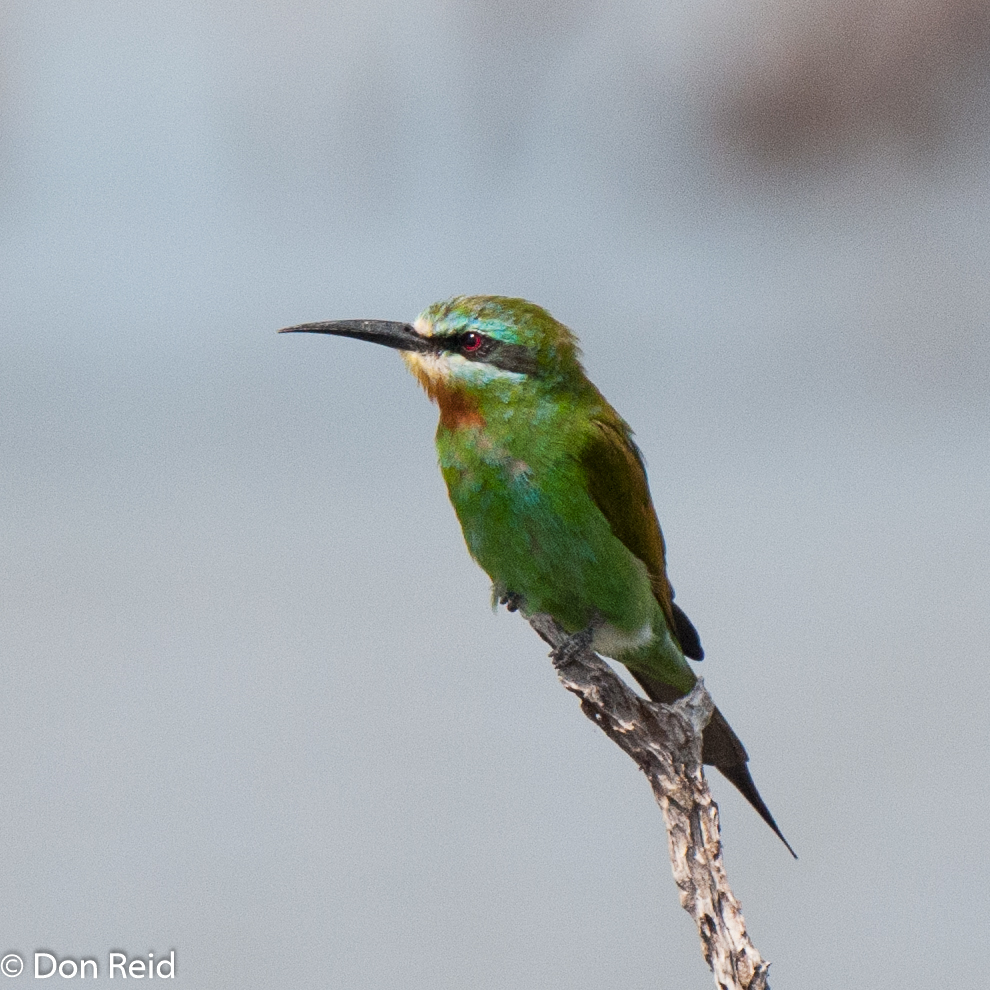
Chobe NPRed-billed Spurfowl, Chobe NPAfrican Openbill, Chobe NPSouthern Carmine Bee-Eater, Chobe NPWood Sandpiper, Kasane Water Treatment works
The following week I fitted in some atlasing, this time in and around Cullinan area east of Pretoria (where the famous Cullinan diamond was found)
The next weekend we visited Potchefstroom and I atlased in the area, focusing on the Boskop dam north-east of Potch which proved to be an excellent spot with a total of 72 species, the highlight being an African Rail walking along the dam edge for 50m or so before disappearing into reeds.
April
Back in Kasane for my monthly visit, the only birding I managed was at Senyati camp, which we visited late one afternoon and viewed the elephants coming to drink at the waterhole, along with a variety of bird life.
Then it was time for our long-planned trip of the year to celebrate 45 years of marriage – two weeks in Europe , visiting Prague and Passau, with an eight-day Danube River Cruise sandwiched in between. Birding was limited to whatever crossed my path but was still good for a handful of Lifers added to my “World list”
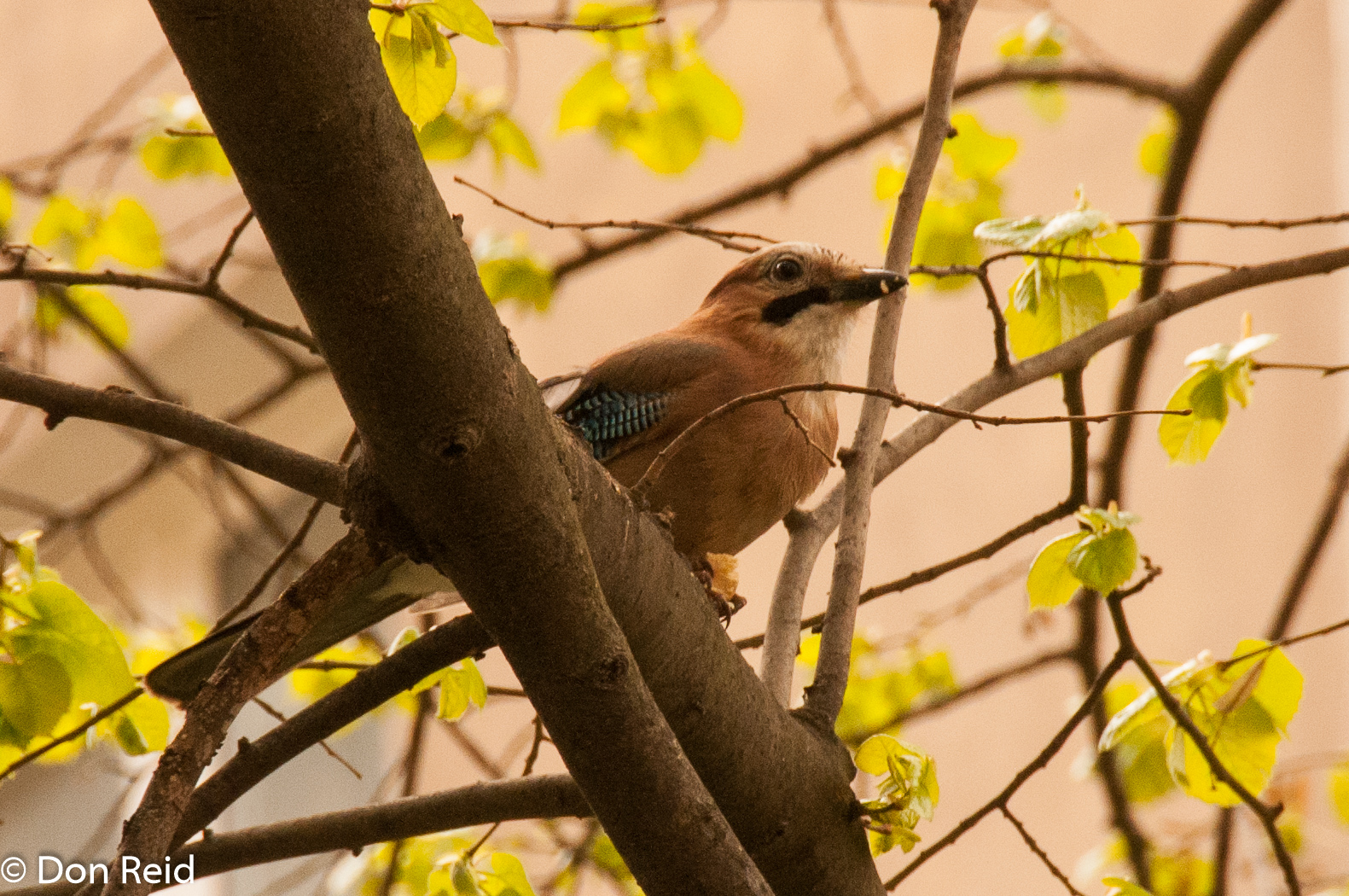
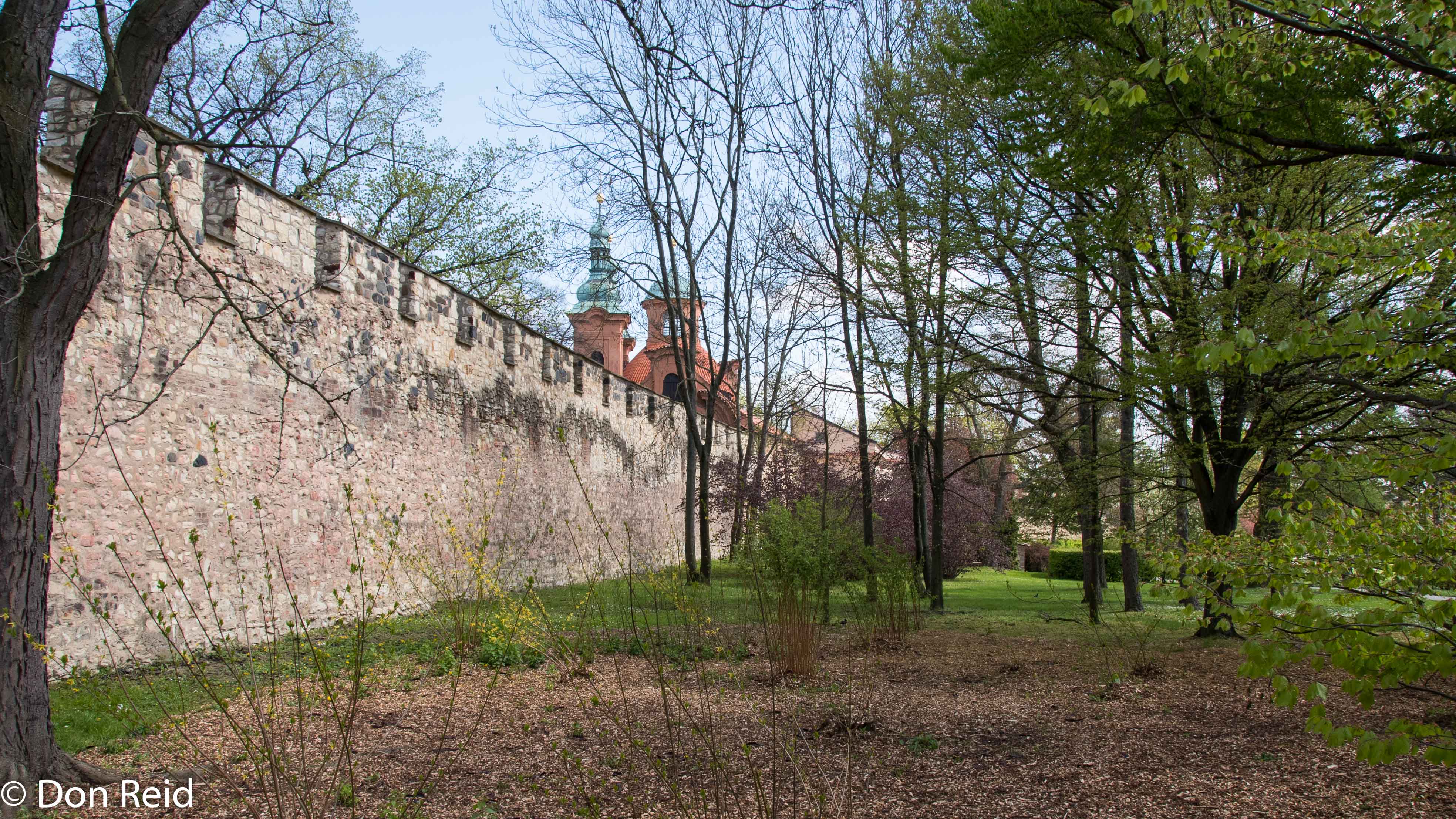
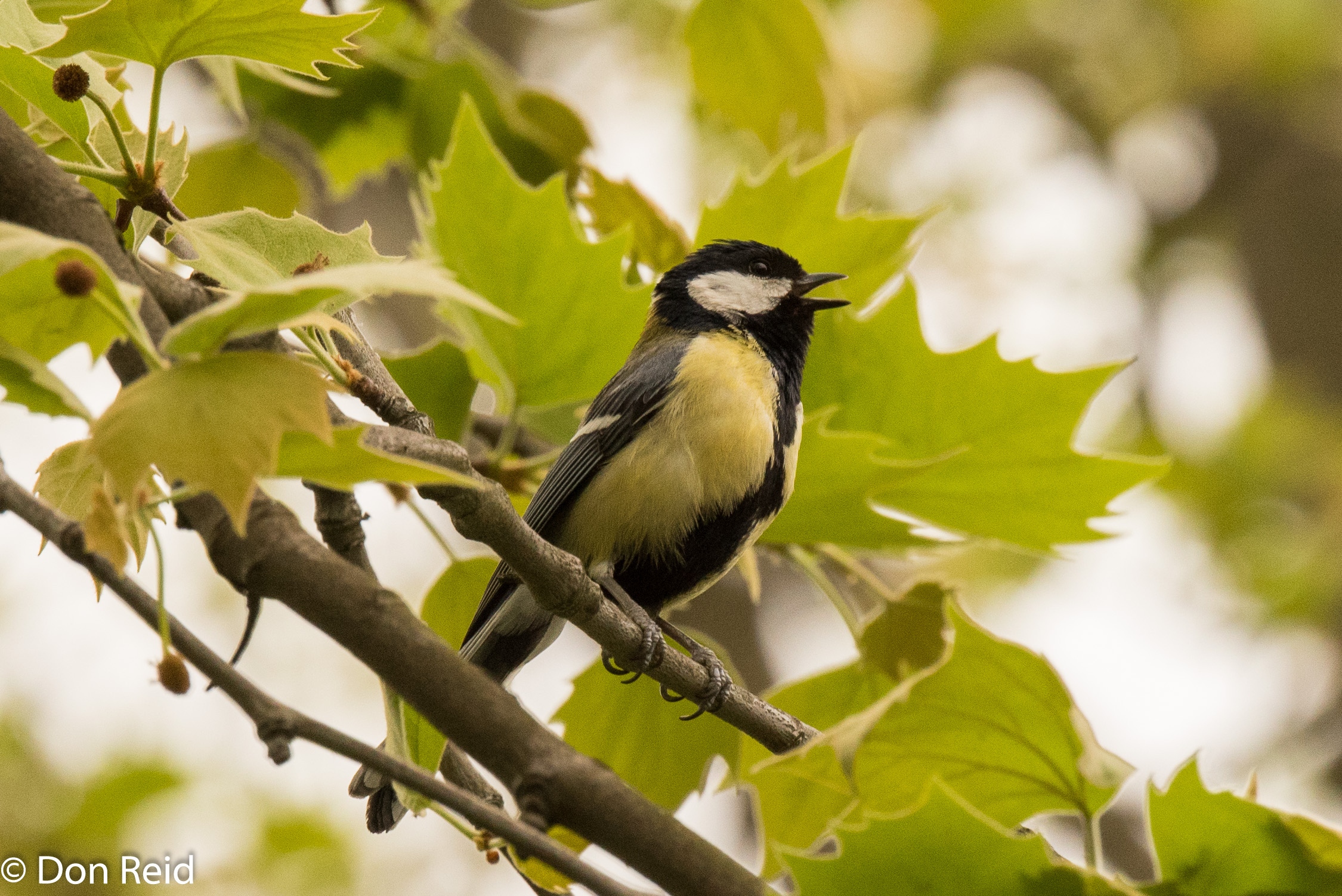
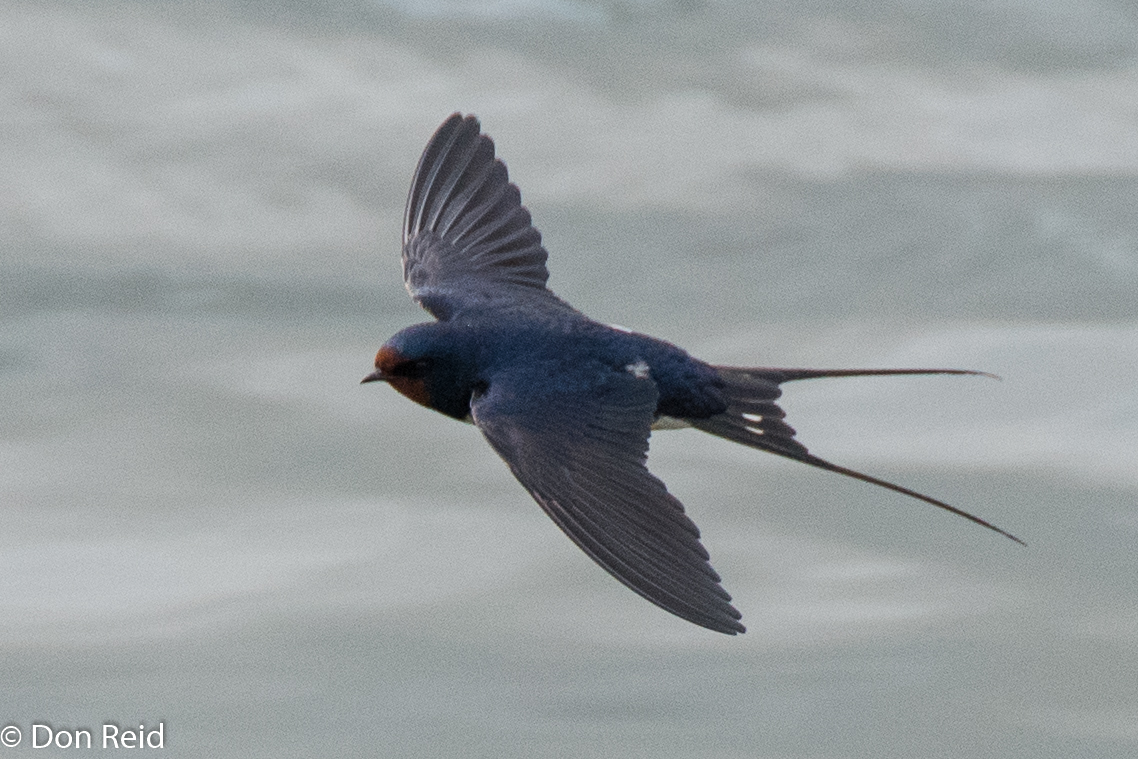
Eurasian Jay, PragueBlack Redstart, Cesky KrumlowPetrin Hill in PragueGreat Tit, ViennaRed Fox with fish catch along the Danube River (OK it’s not a bird but rates as one of my sightings of the year)Caspian Gull, DanubeCommon House Martin, DanubeBarn Swallow, DanubeLesser Kestrel, PassauPassau – views from the CastleBlack-headed Gull, Passau
May
My trip to Kasane Botswana from the 10th to 12th presented few opportunities for focused birding, nevertheless I was able to spend time in three spots that I have got to know fairly well – Kasane Waste Treatment works, Thebe lodge and Seboba Nature Park, all of which are reliable for a variety of species.
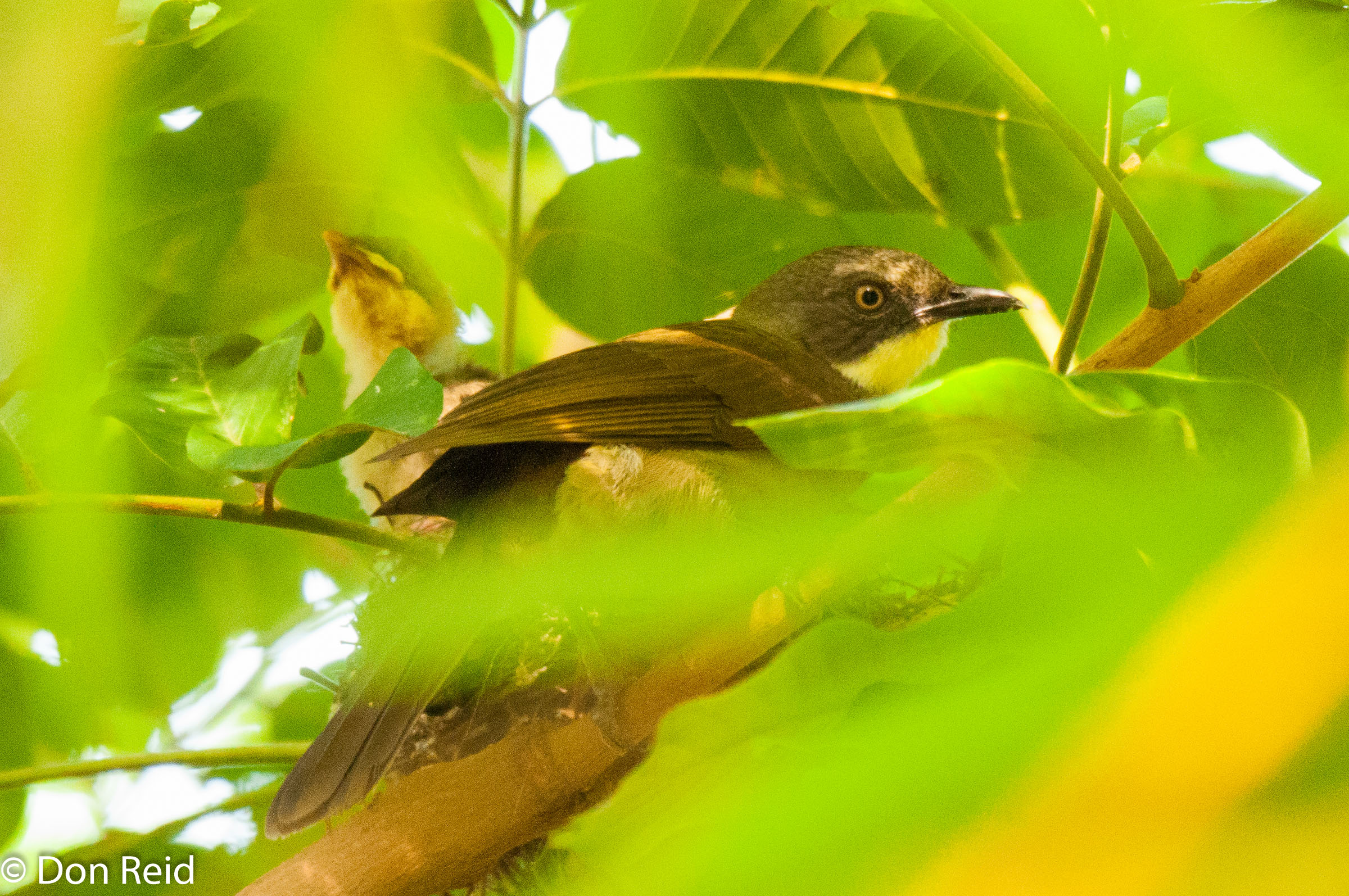
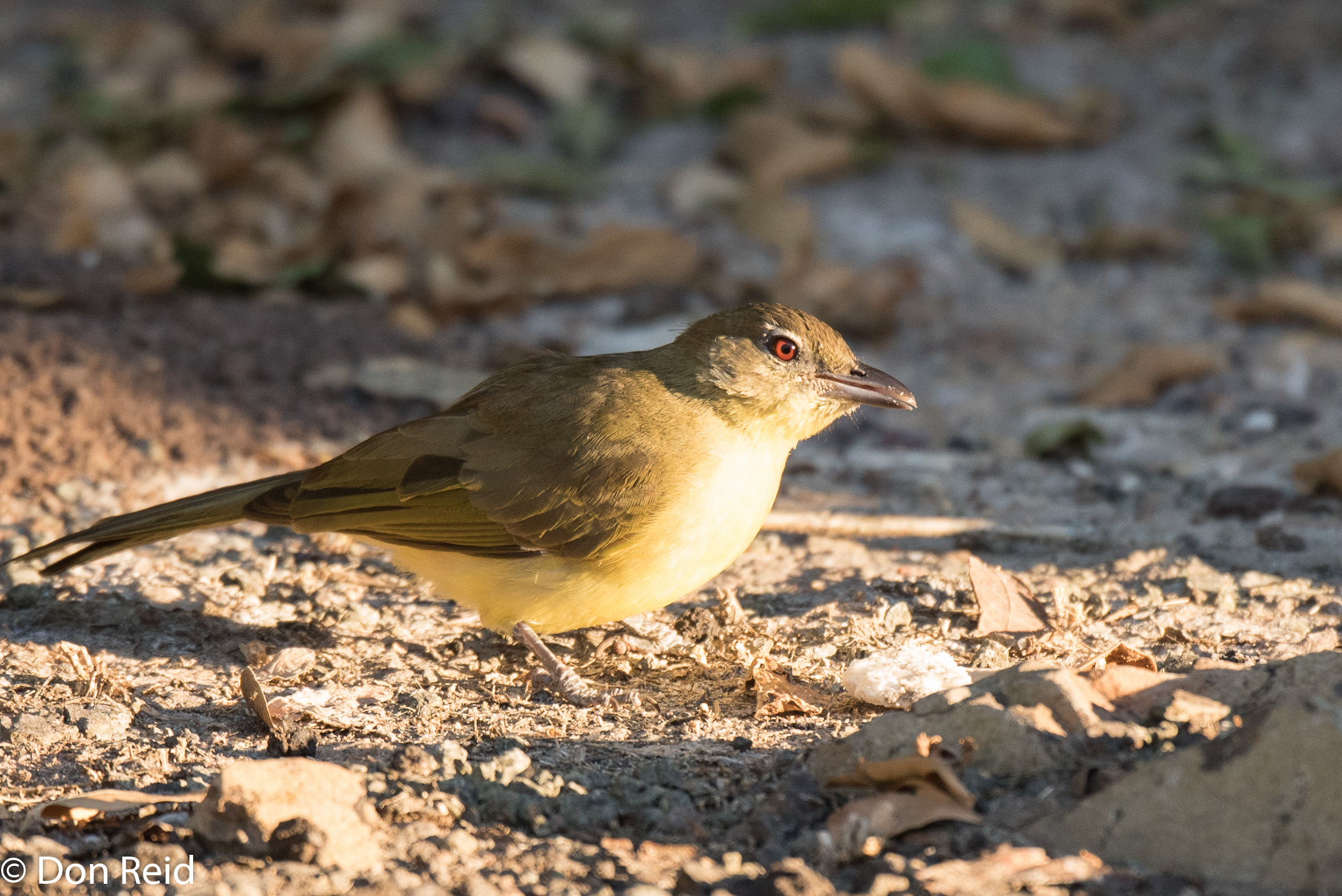
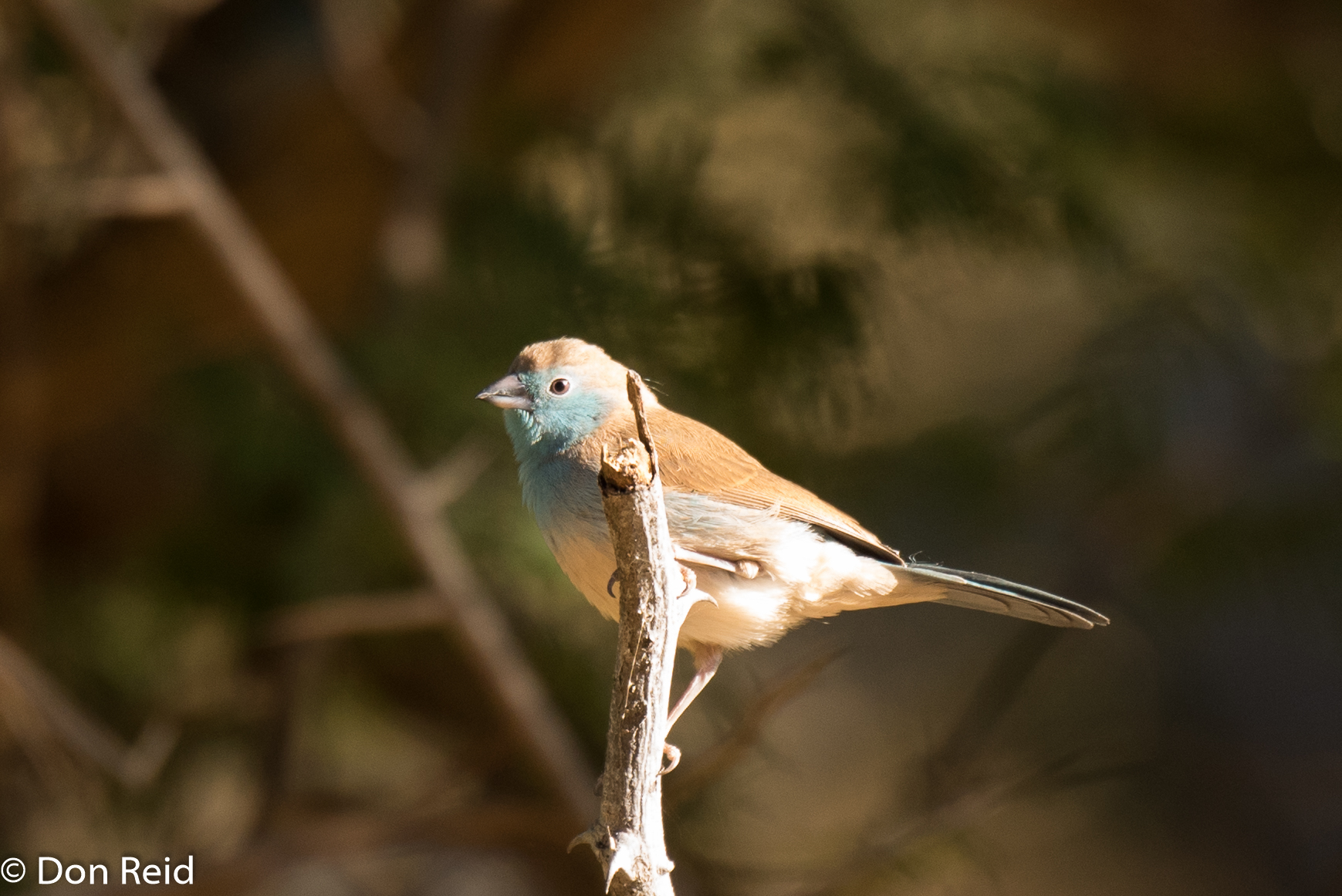
113 White-crowned Lapwing, Seboba Nature Park – Kasane (290)Marabou Stork, Kasane Water TreatmentYellow-bellied Greenbul, Thebe Safari LodgeBlue Waxbill, Seboba Nature Park Kasane
On the 16th and again on the 23rd I got back to some “ordinary” atlasing in some of my favourite parts of eastern Gauteng – lying generally in the corridor between Bronkhorstspruit area and Delmas area. Good solid midwinter atlasing in these run-of-the-mill parts of Gauteng can be just as inspiring as birding some of the more recognised birding spots.
Brown-throated Martin, Delmas area
On the 26th and 27th we joined Koos and Rianda at our favourite getaway – Verlorenkloof estate near Machadadorp – which as usual did not disappoint with the quality of the birding
Kasane was the destination once again from the 1st to 3rd with another birding trip along the Riverfront section of Chobe Game Reserve.
Bradfield’s Hornbill, Chobe Riverfront
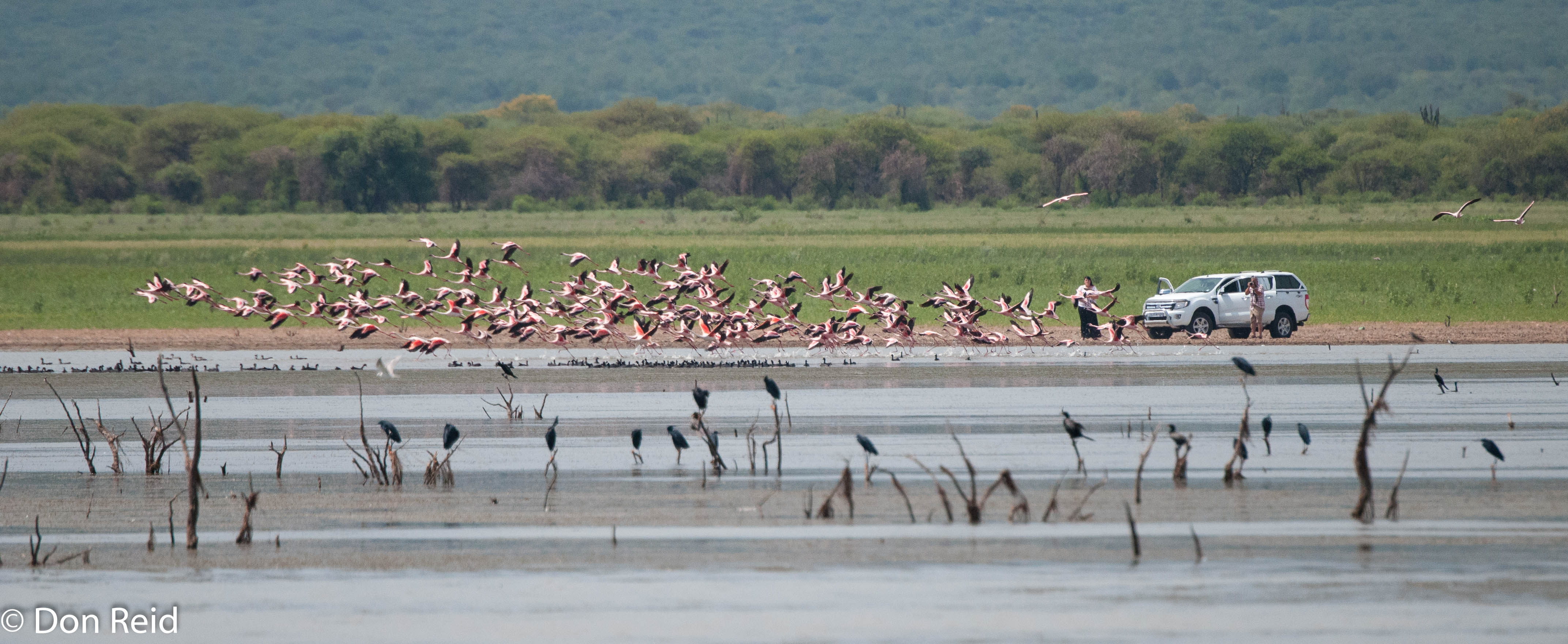
Winter atlasing in the Delmas area on the 6th included a visit to a farm dam courtesy of the farm owner who I tracked down – worth the trouble as the dam contributed 21 species to the list including both Flamingoes, Black-necked Grebe and Maccoa Duck
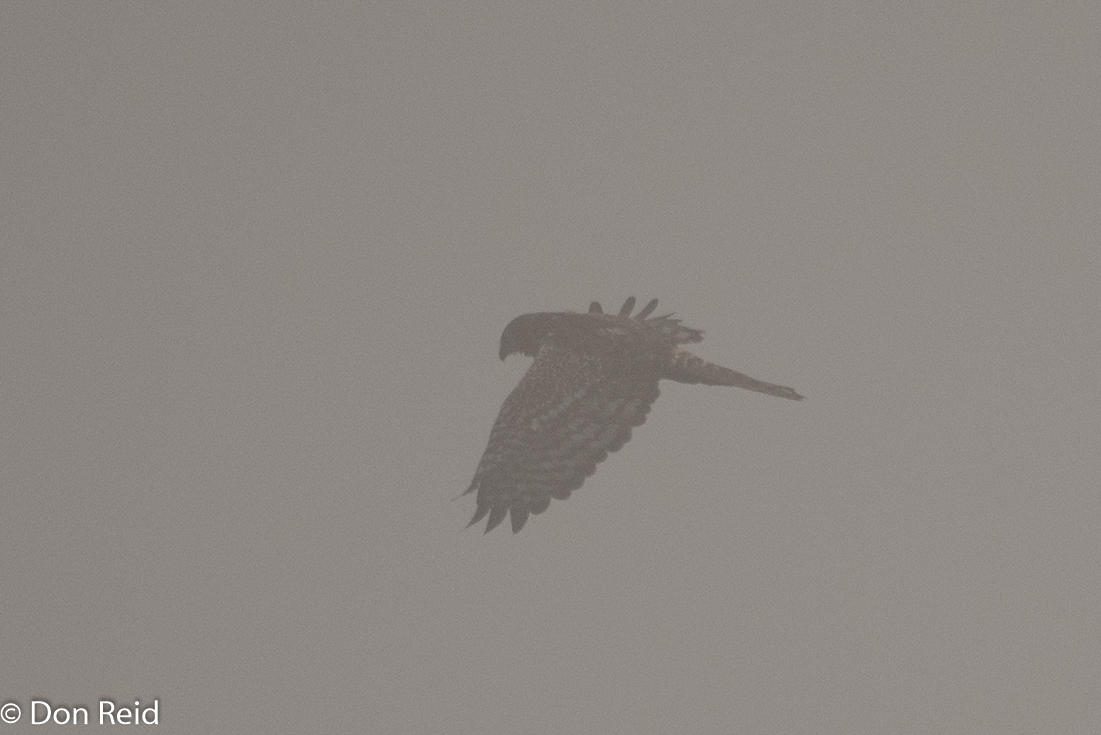
Harrier in the mist (African Marsh-Harrier), Delmas area
Next up was our visit to La Lucia near Durban for a week, during which I enjoyed a Fathers Day feast of birding in Ongoye Forest, Mtunzimi and Amatigulu Reserve with local guide Sakhamuzi Mhlongo, who found the Green Barbet that I had hoped to see. This species is restricted to this one single forest in Southern Africa.
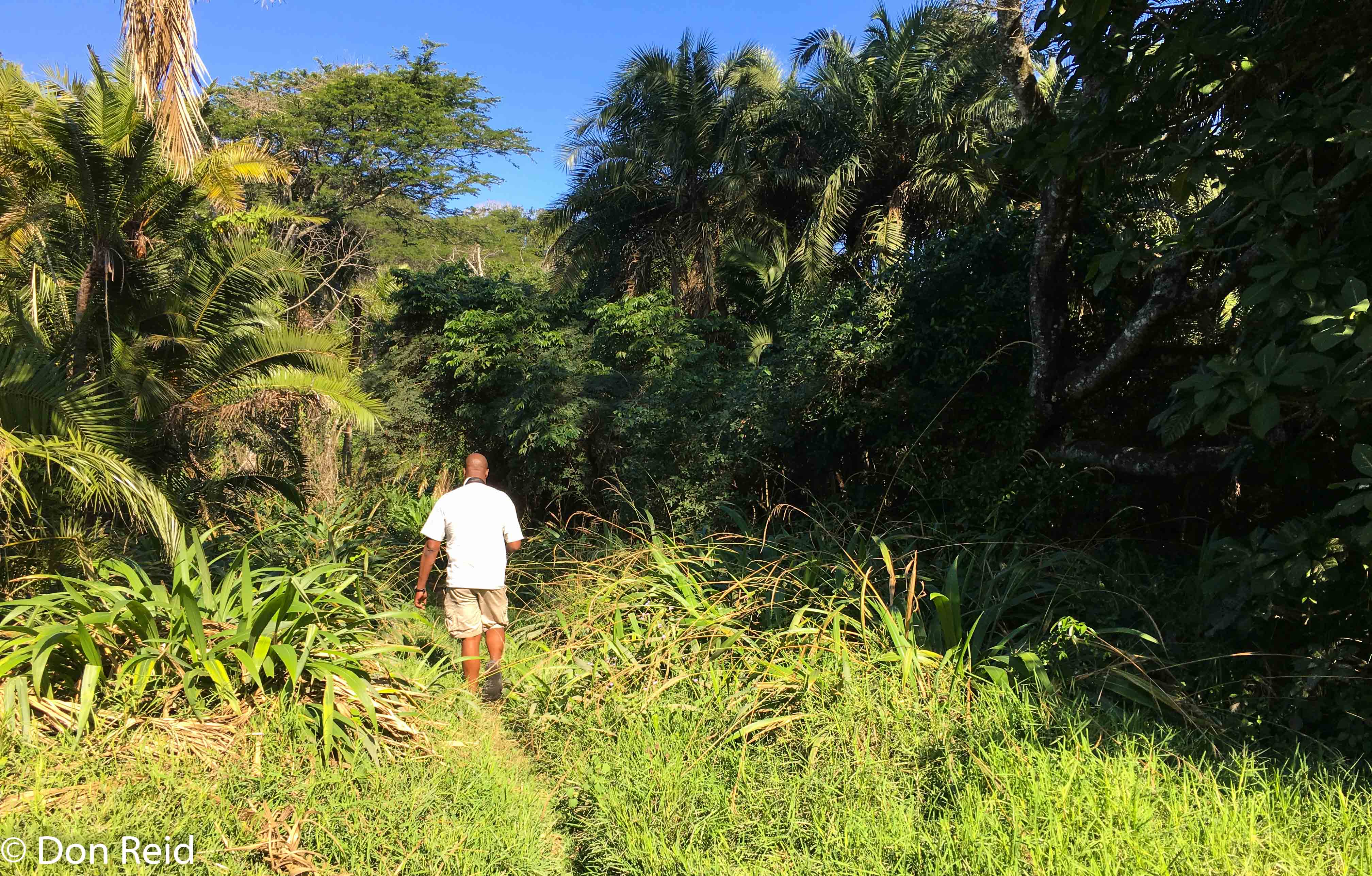
Ongoye ForestGreen Barbet, Ongoye Forest Reserve (Not a photo-friendly species at all!)Ongoye ForestSquare-tailed Drongo, Ongoye Forest ReserveYellow-throated Longclaw, MtunziniAmitigulu Nature Reserve, Sakhamuzi leading the wayScaly-throated Honeyguide, Amitigulu Nature Reserve
On the way back to La Lucia I popped into the well-known birding spot at Sappi Stanger, which was lively with waterfowl and others
Here’s a selection of my favourite photos taken during a busy 2016 – from our travels, holidays and birding trips – chosen from my collection of over 3000 photos for the year. Each one has a story attached which I have tried to capture in a few words………..
If you have a favourite, do let me know by adding your comment!
The Places
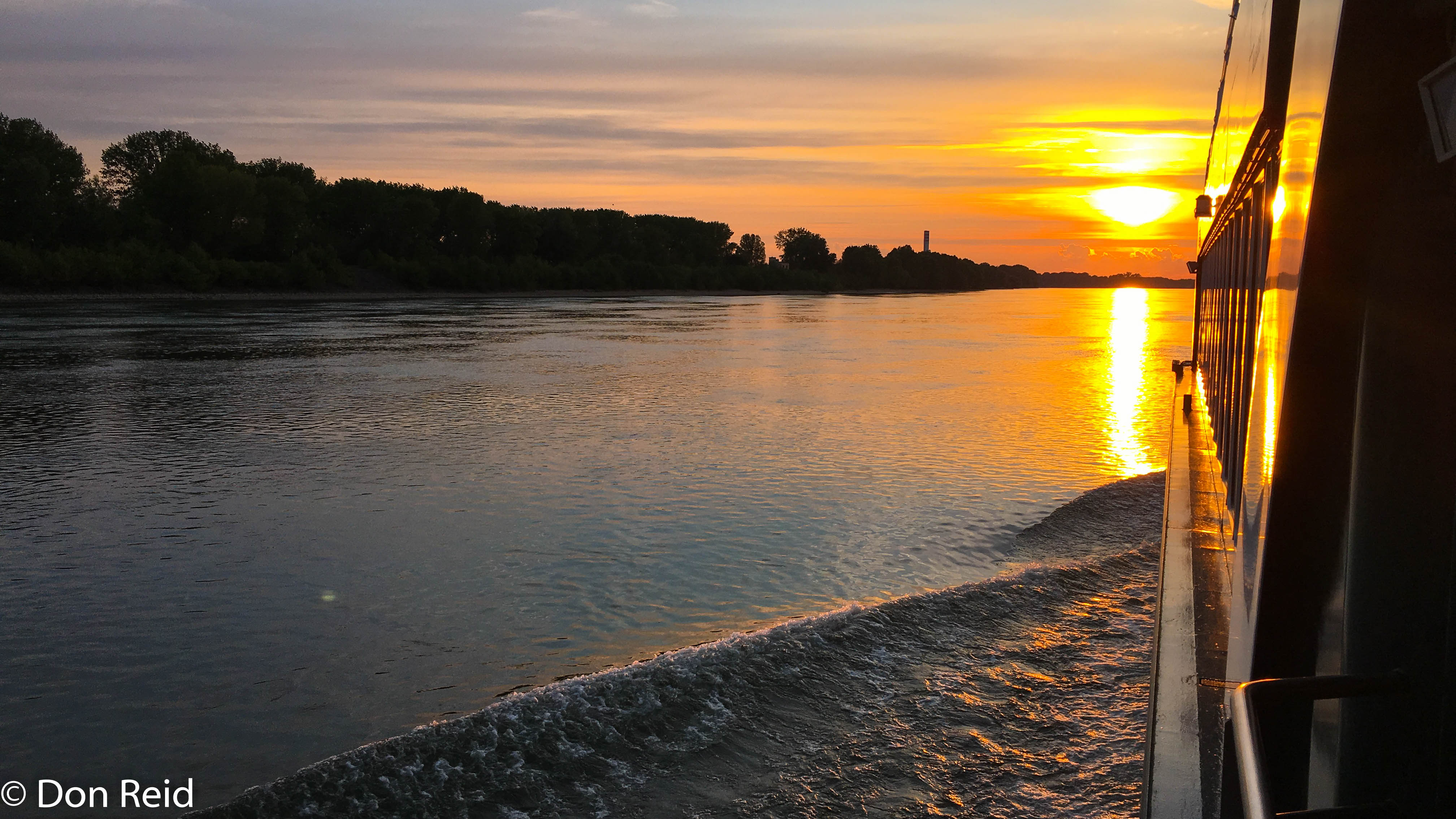
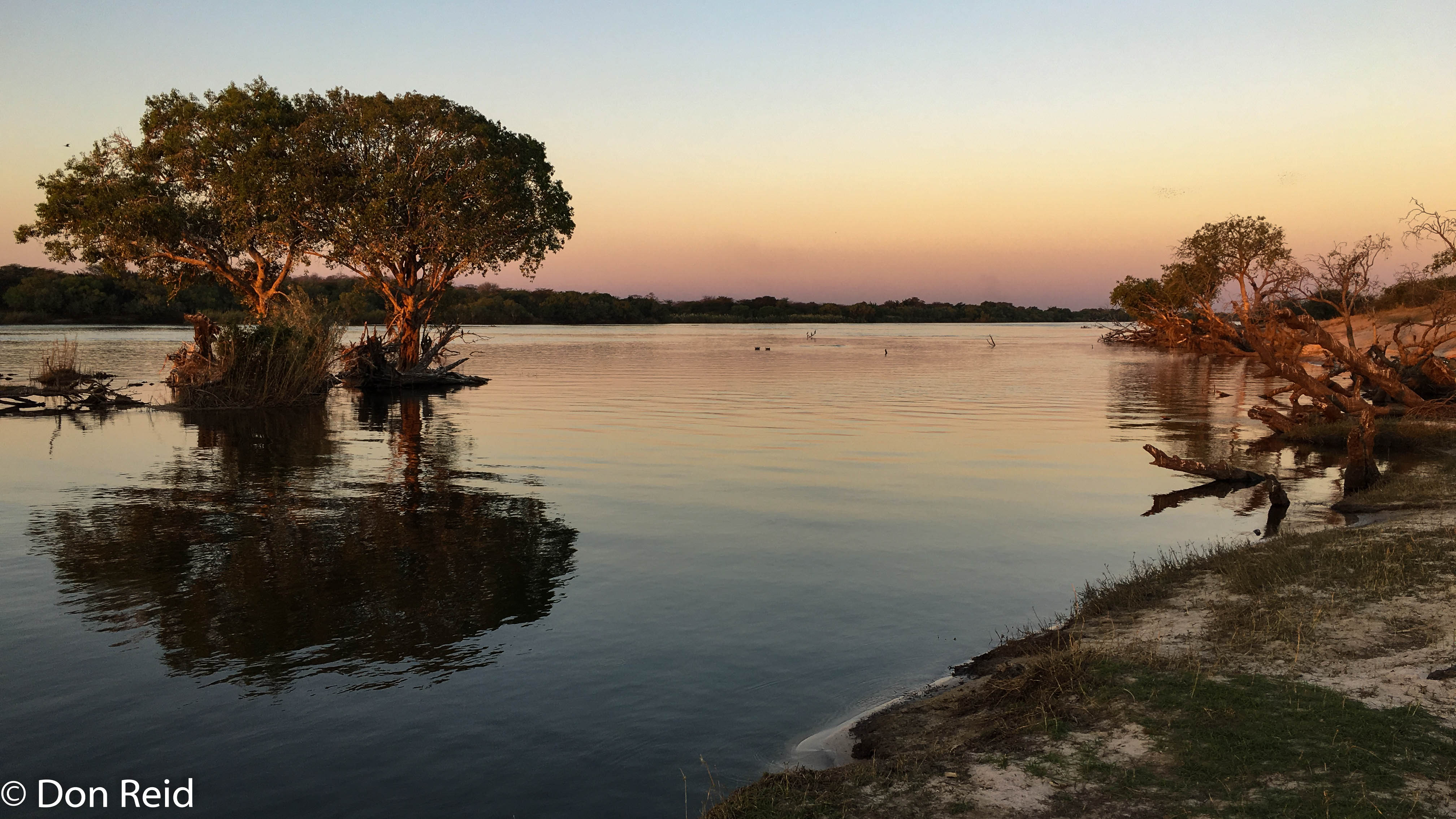
Prince Albert – NG Church with old Model T waiting for brideMkhombo Dam – lush bushveldThe road to Katima Mulilo in Caprivi – on way to twitch Yellow-throated LeafloveVictoria BayPrague – the handsome Old Town Square from hotel windowHistoric town of Cesky Krumlow in Czech Republic – the CastleSunset on Danube CruisePassau in Germany – views from the CastleCloser to home in Gauteng – a highveld landscape while bird atlasingUmhlanga beach – our midwinter breakThe Point, Mossel Bay in winterSundown, Chobe River KasaneChobe Game Reserve – showing the effects of drought
The Wildlife
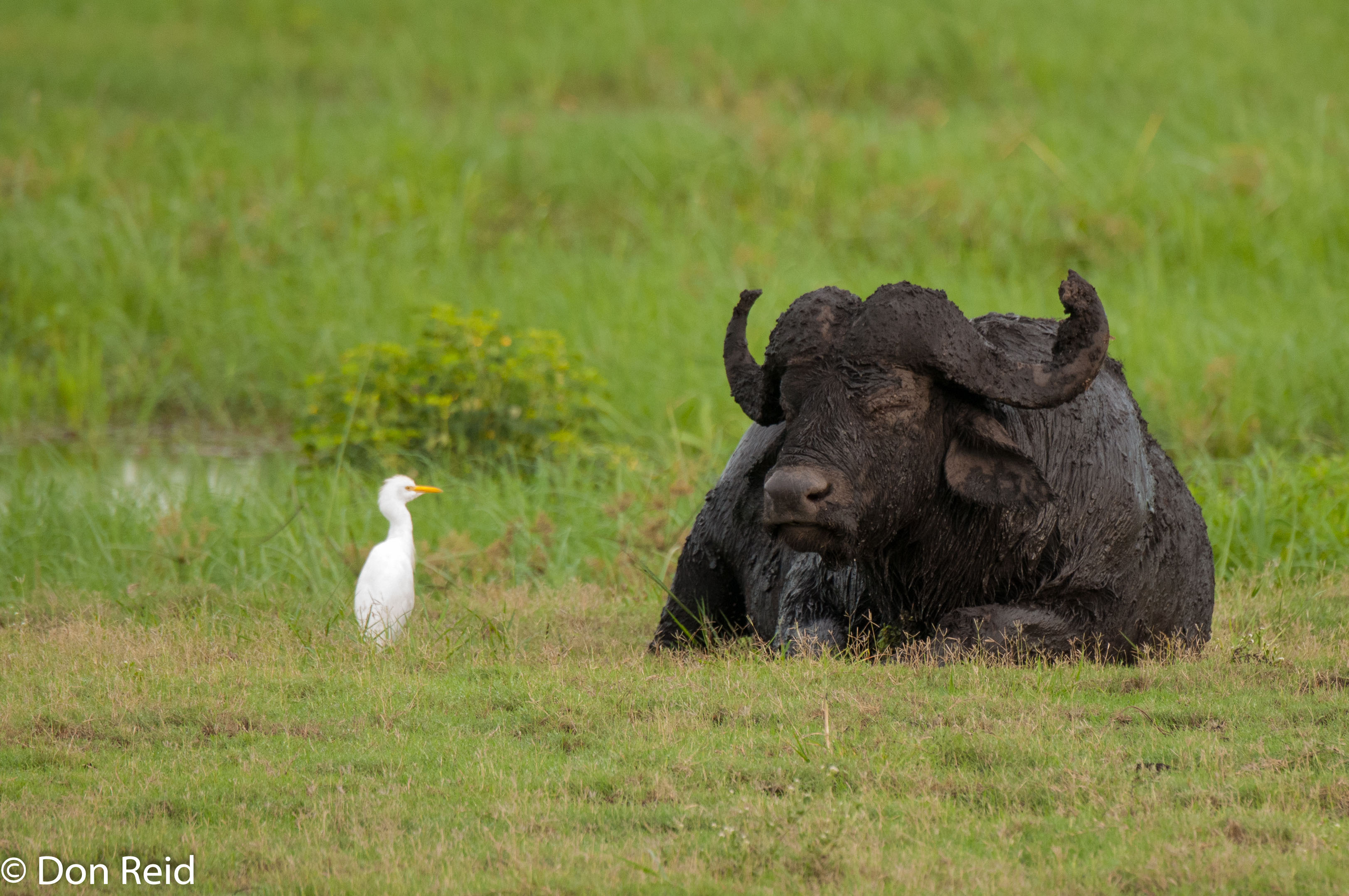
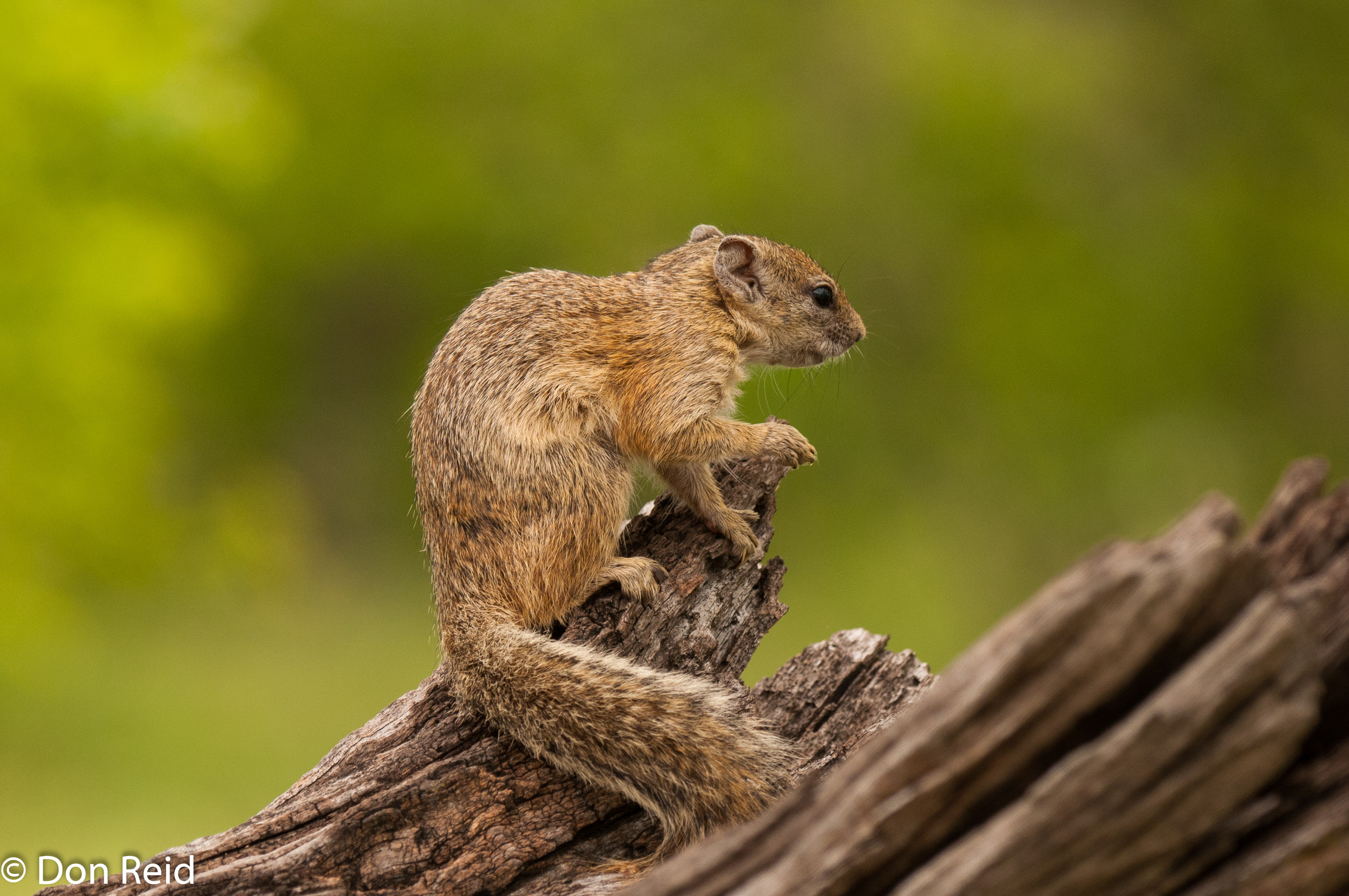
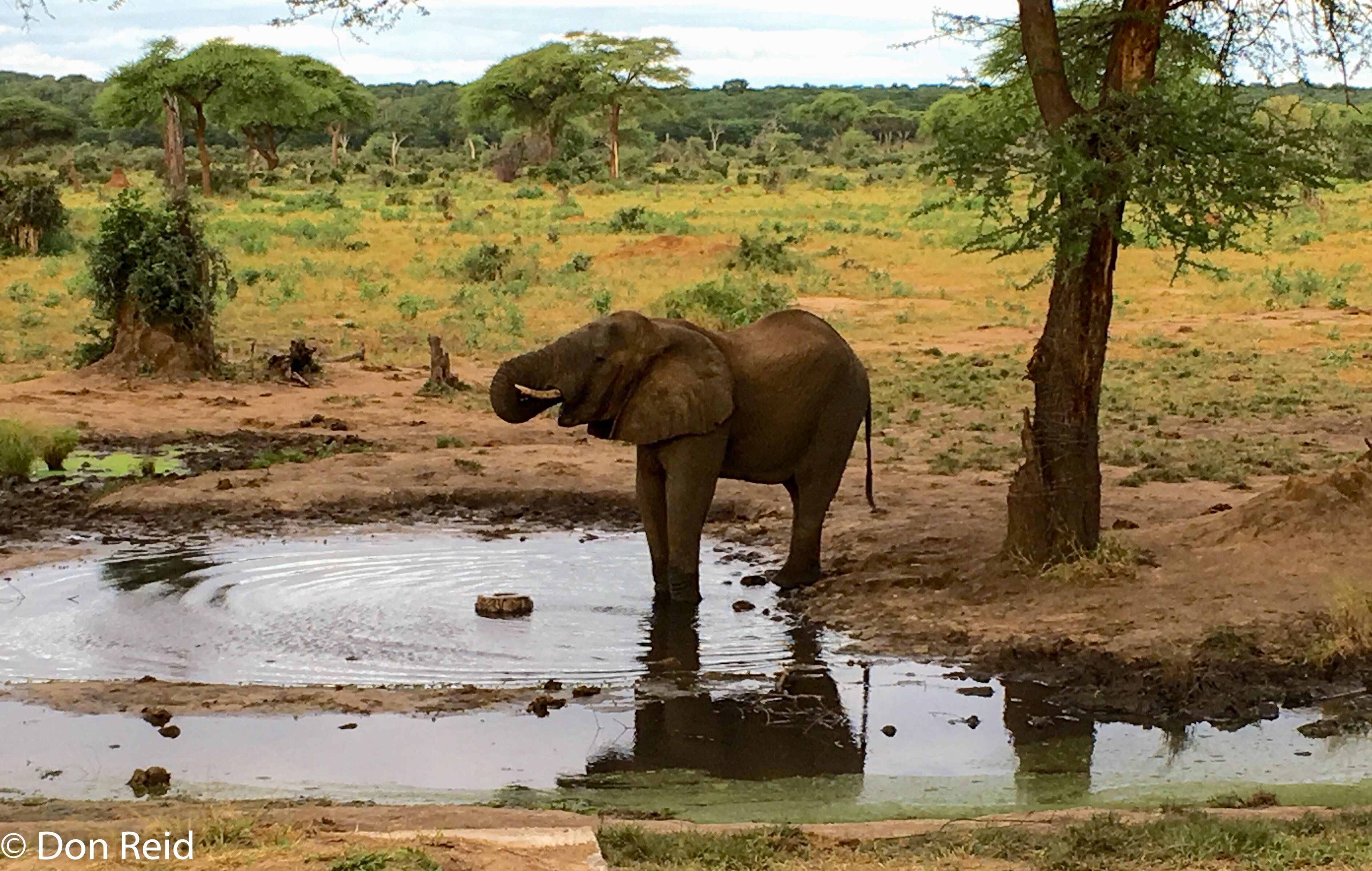
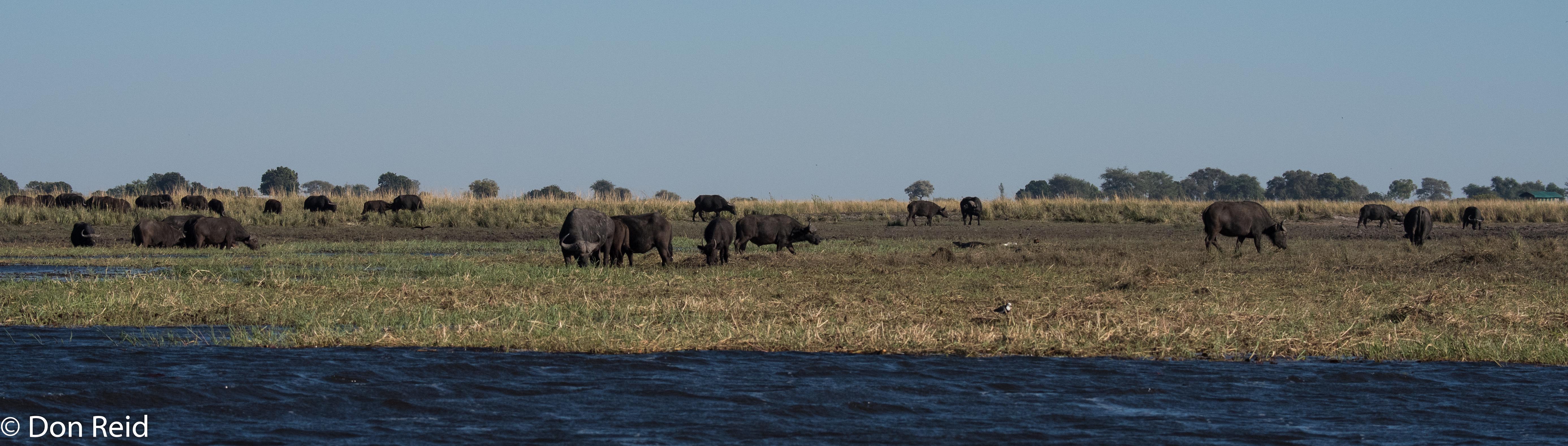
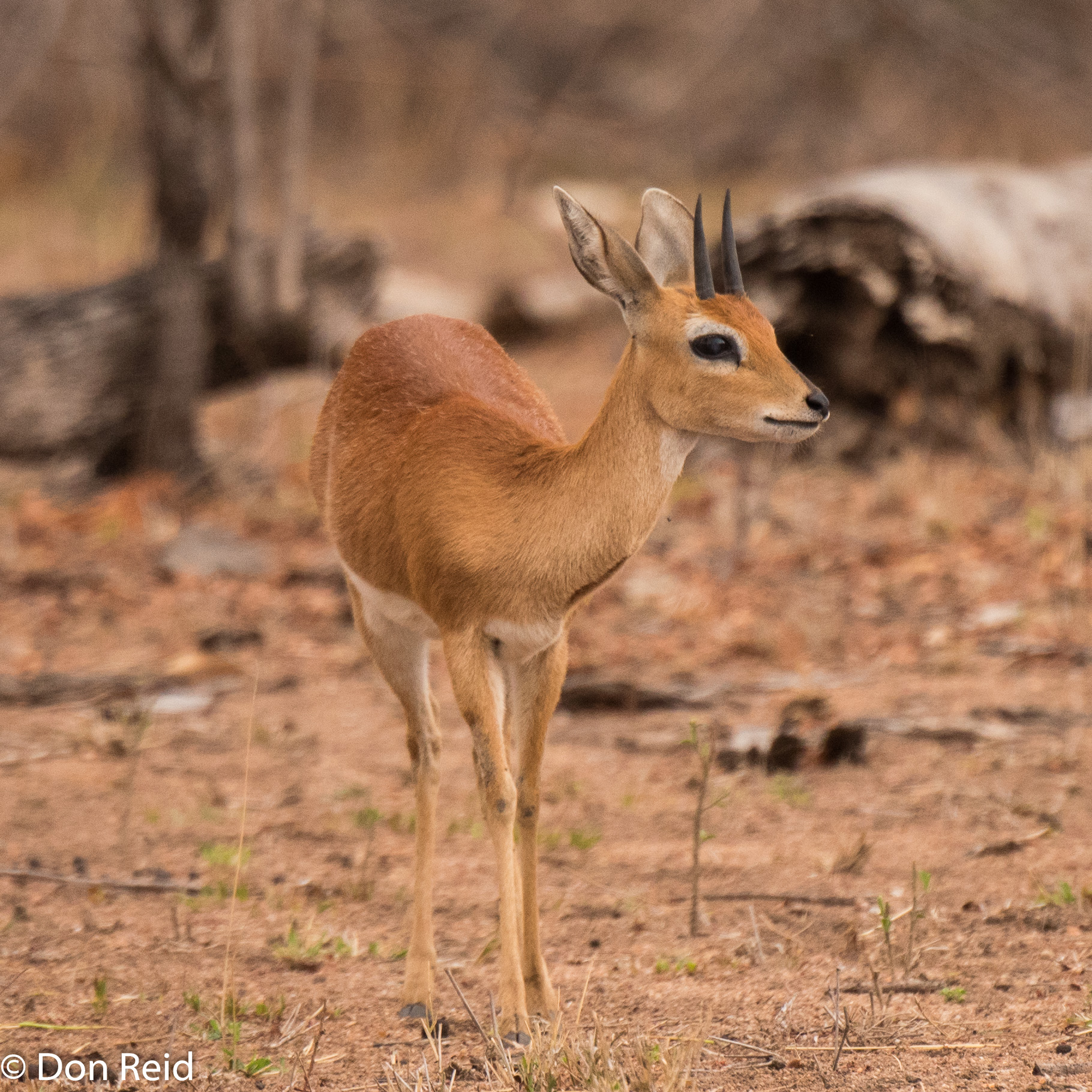
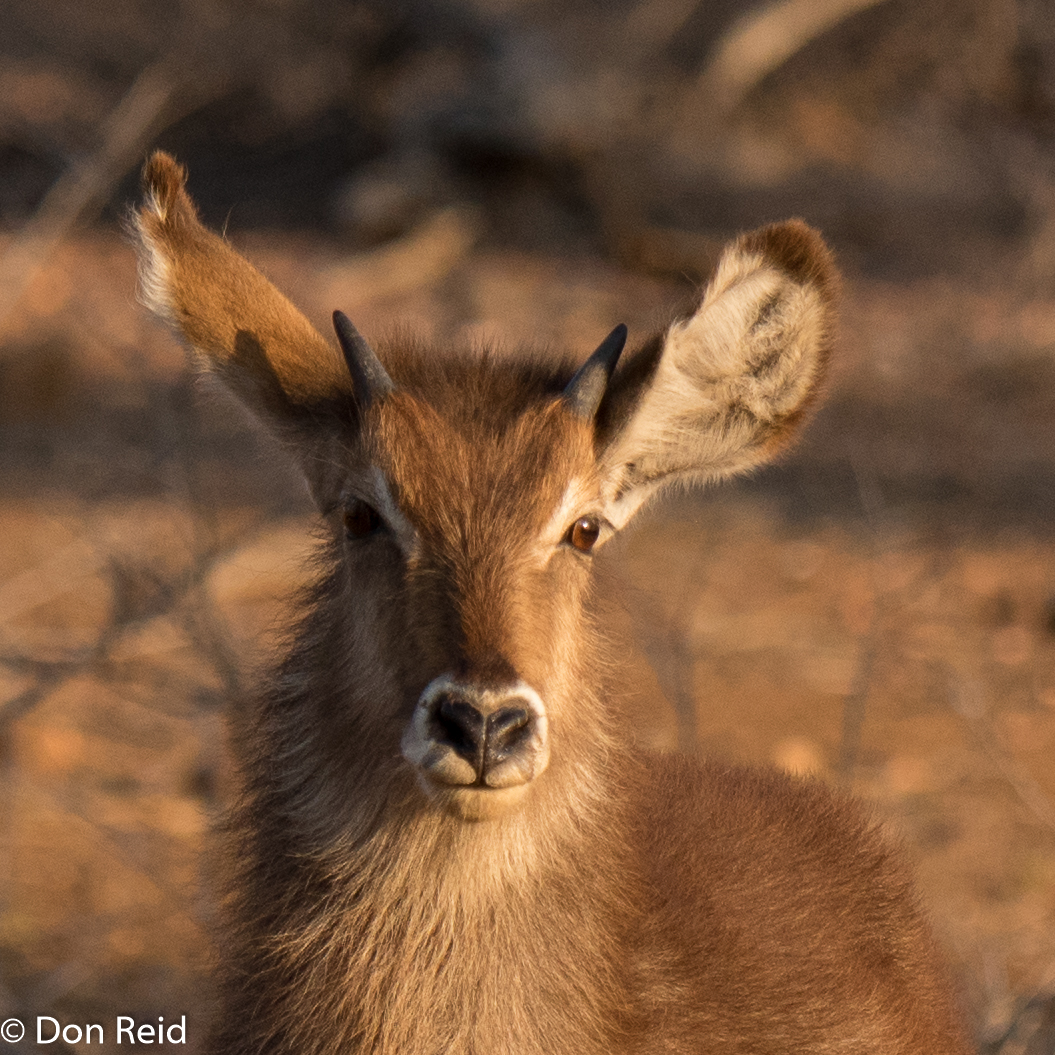
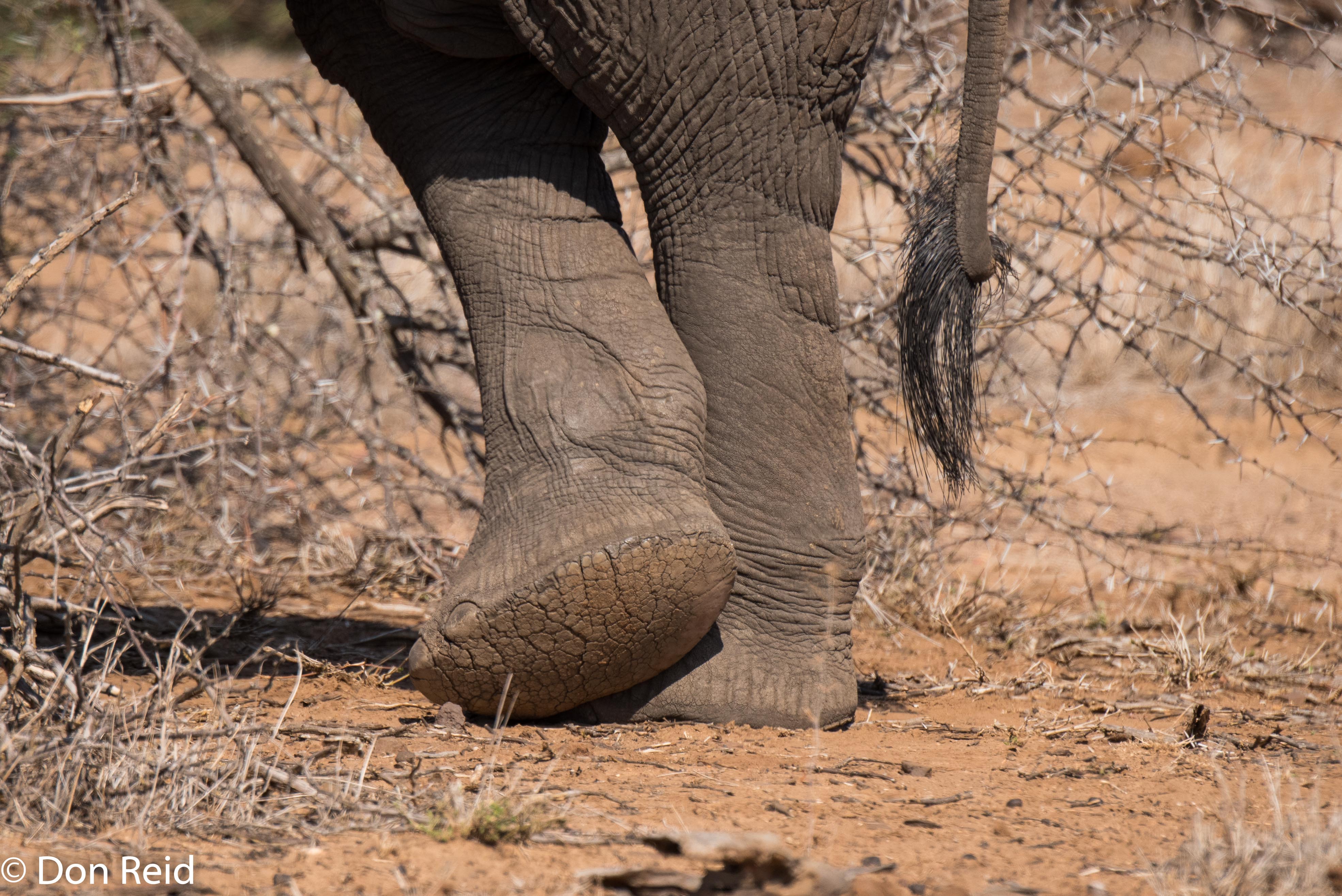
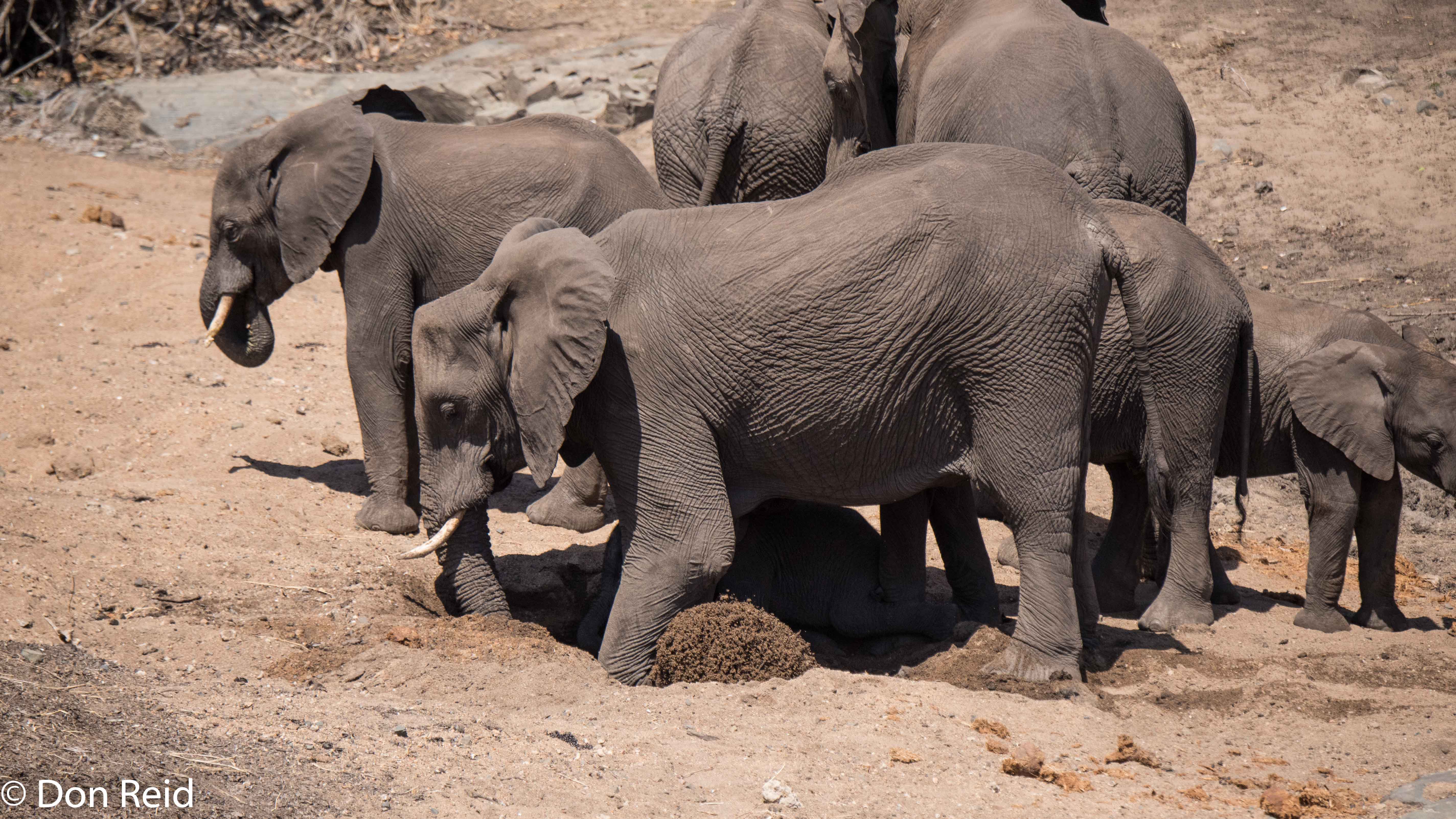
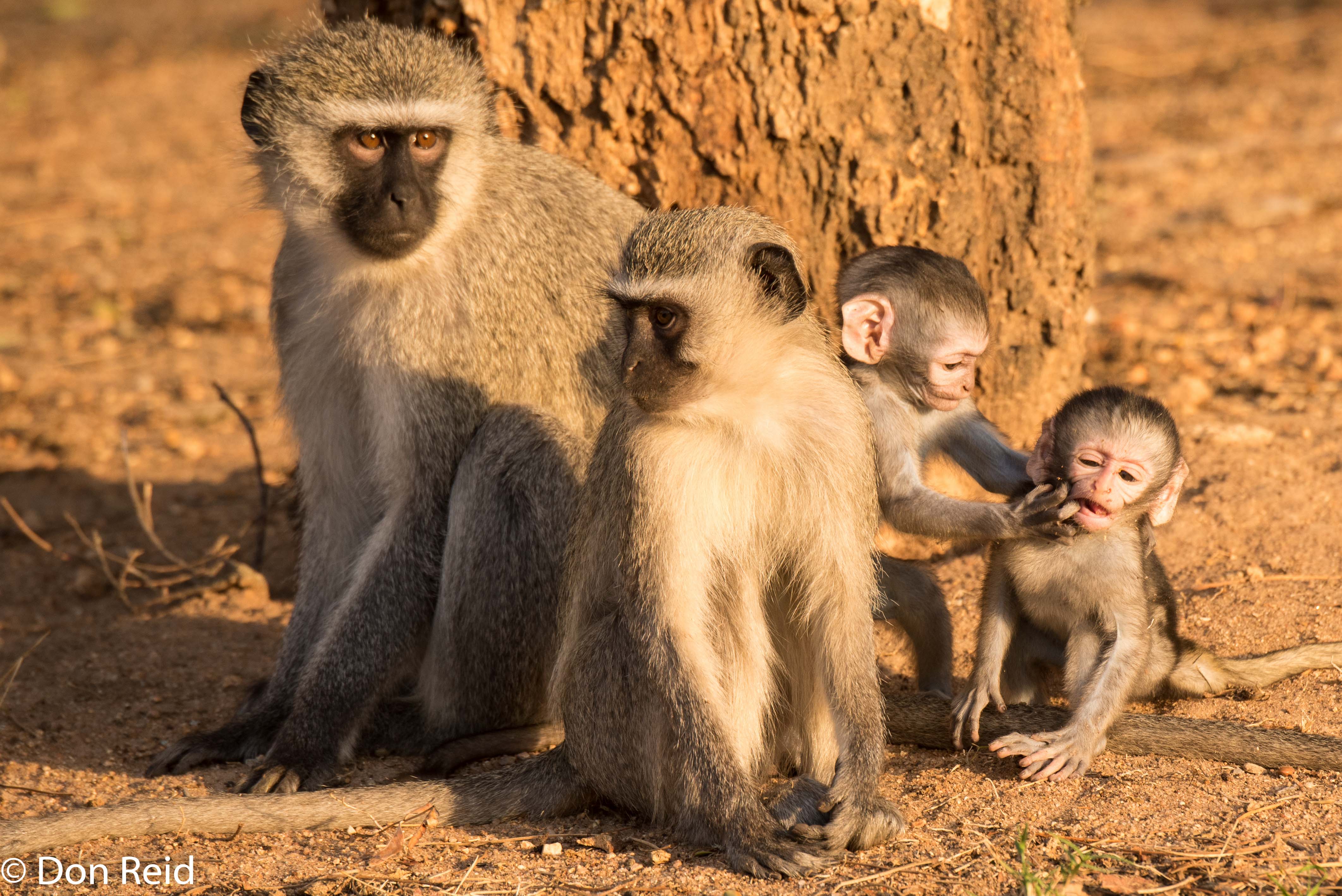
Lone muddy Buffalo with hopeful Cattle Egret, Chobe Game ReserveTree Squirrel, Chobe Game ReserveWaterhole at Senyati camp near Kasane BotswanaPetrin Park in Prague – Eurasian Red Squirrel (in grey winter coat)Warthog, Chobe Riverfront – ugly can also be beautifulAfrican Buffalo, Chobe River Boat TripSteenbok, KNPWaterbuck, KNPRelaxed Elephant, KNPLeopard, Timbavati KNPElephants digging for water in dry river bed, KNPVervet Monkeys, Pretoriuskop KNPZebra, Pretoriuskop KNP
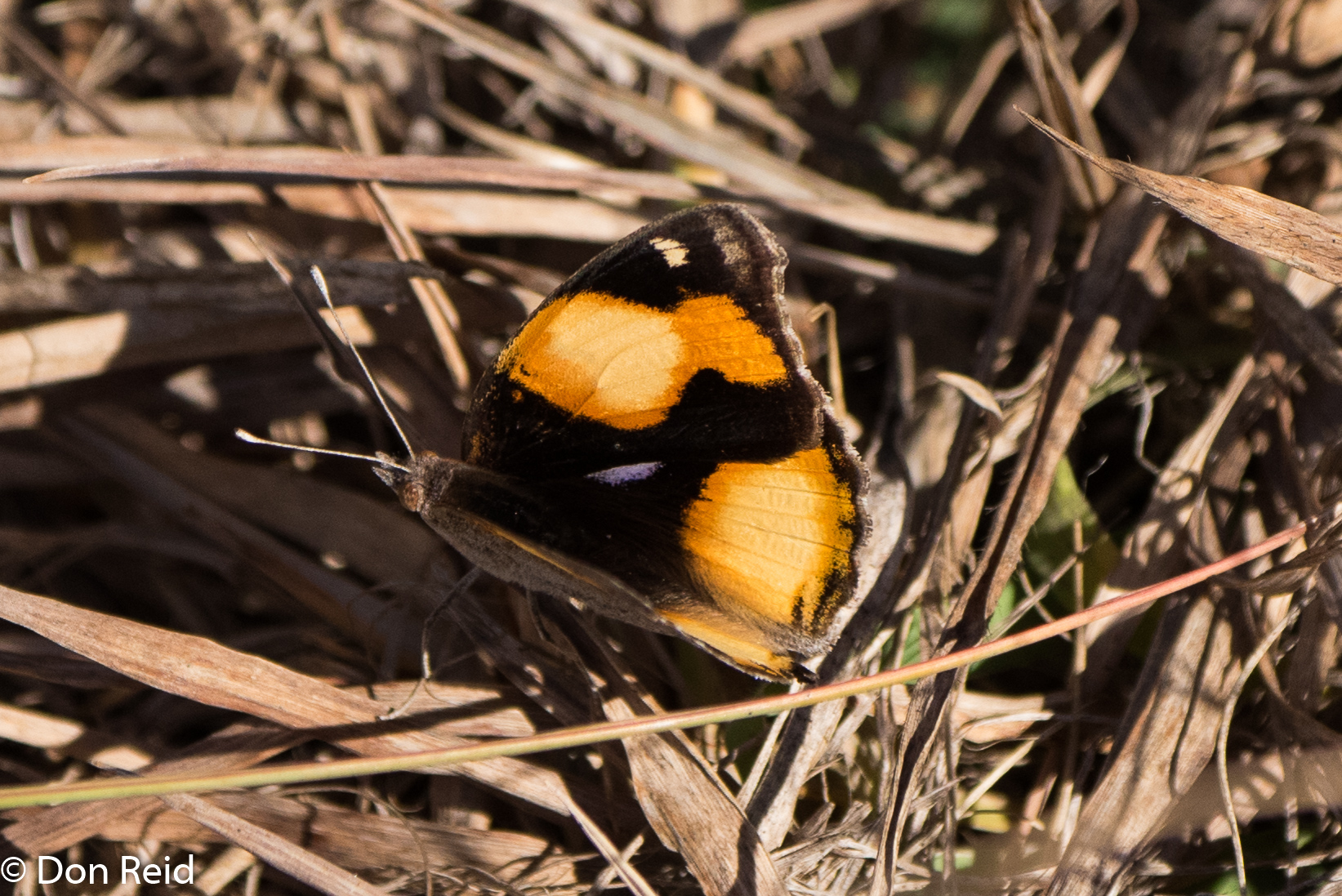
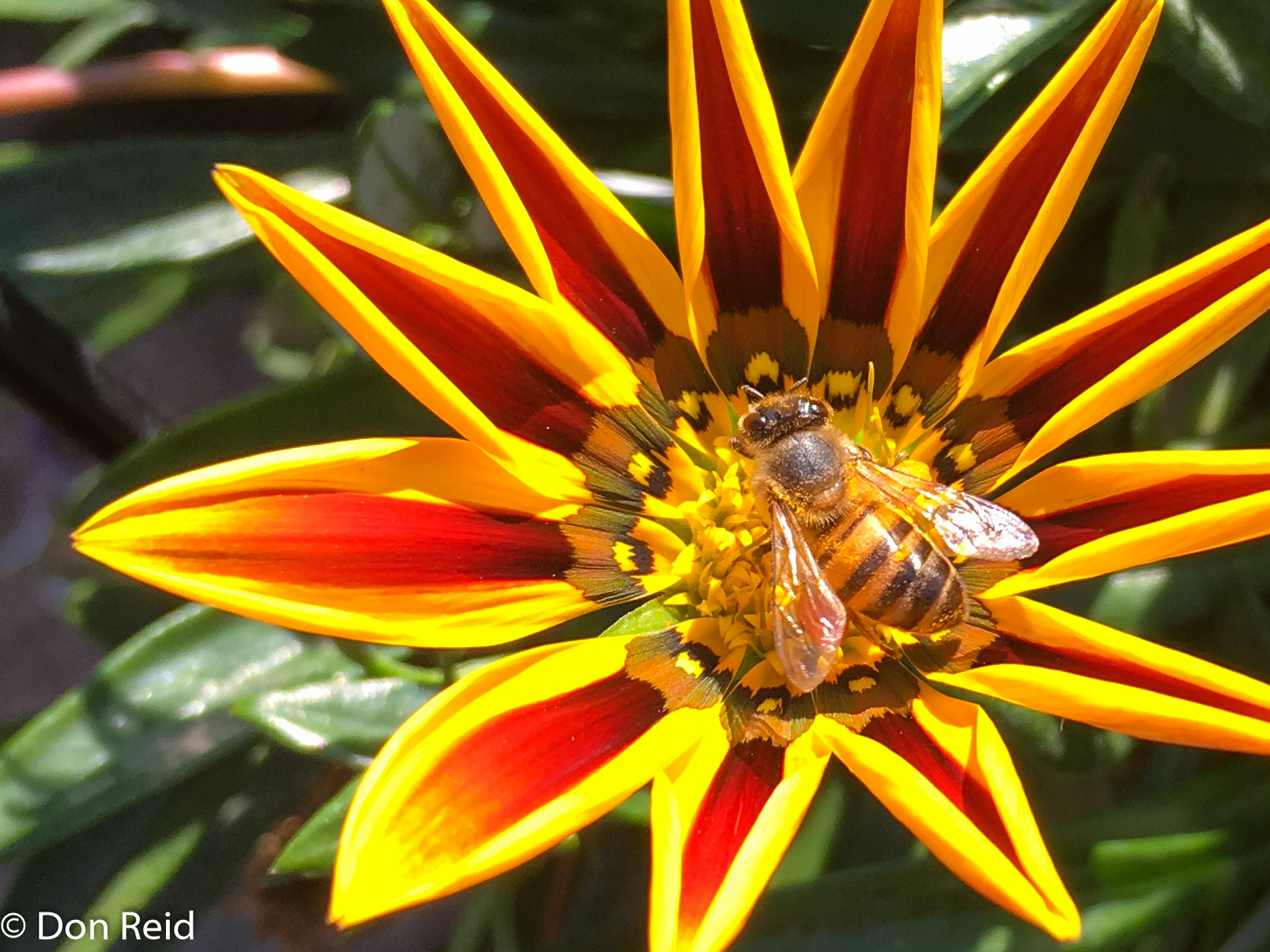
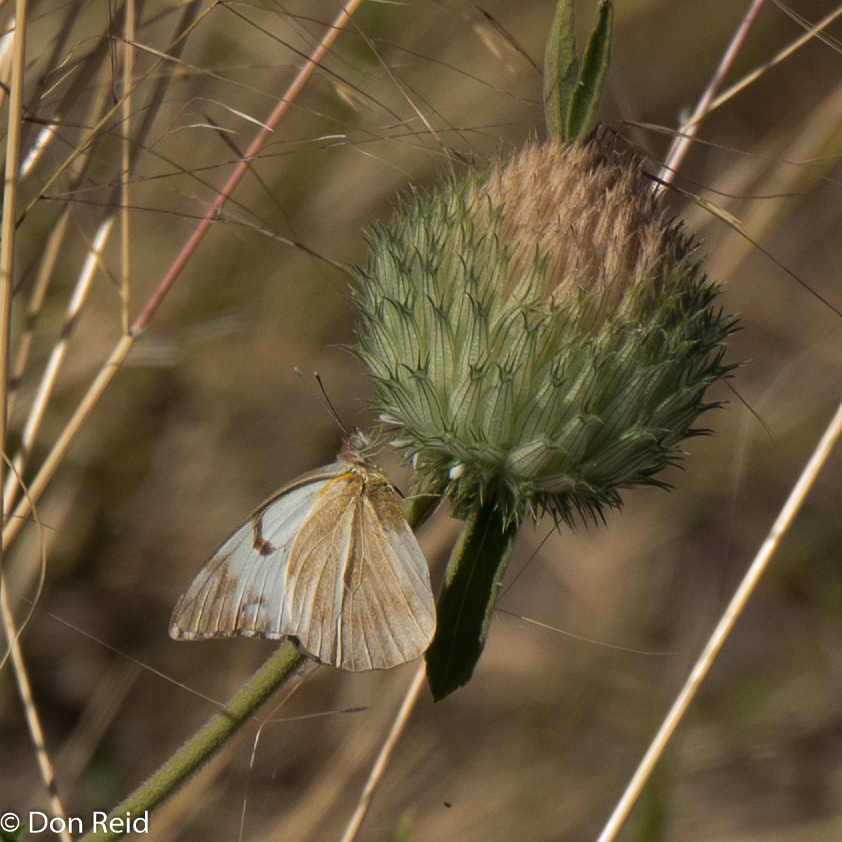
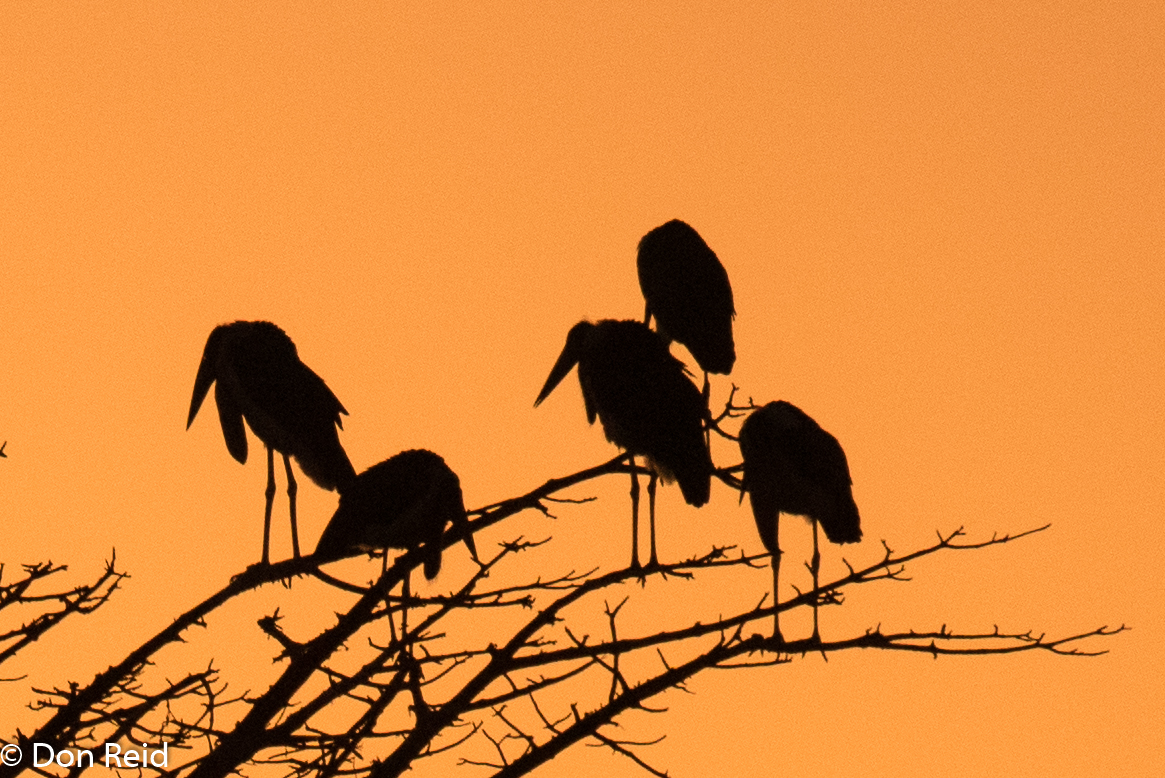
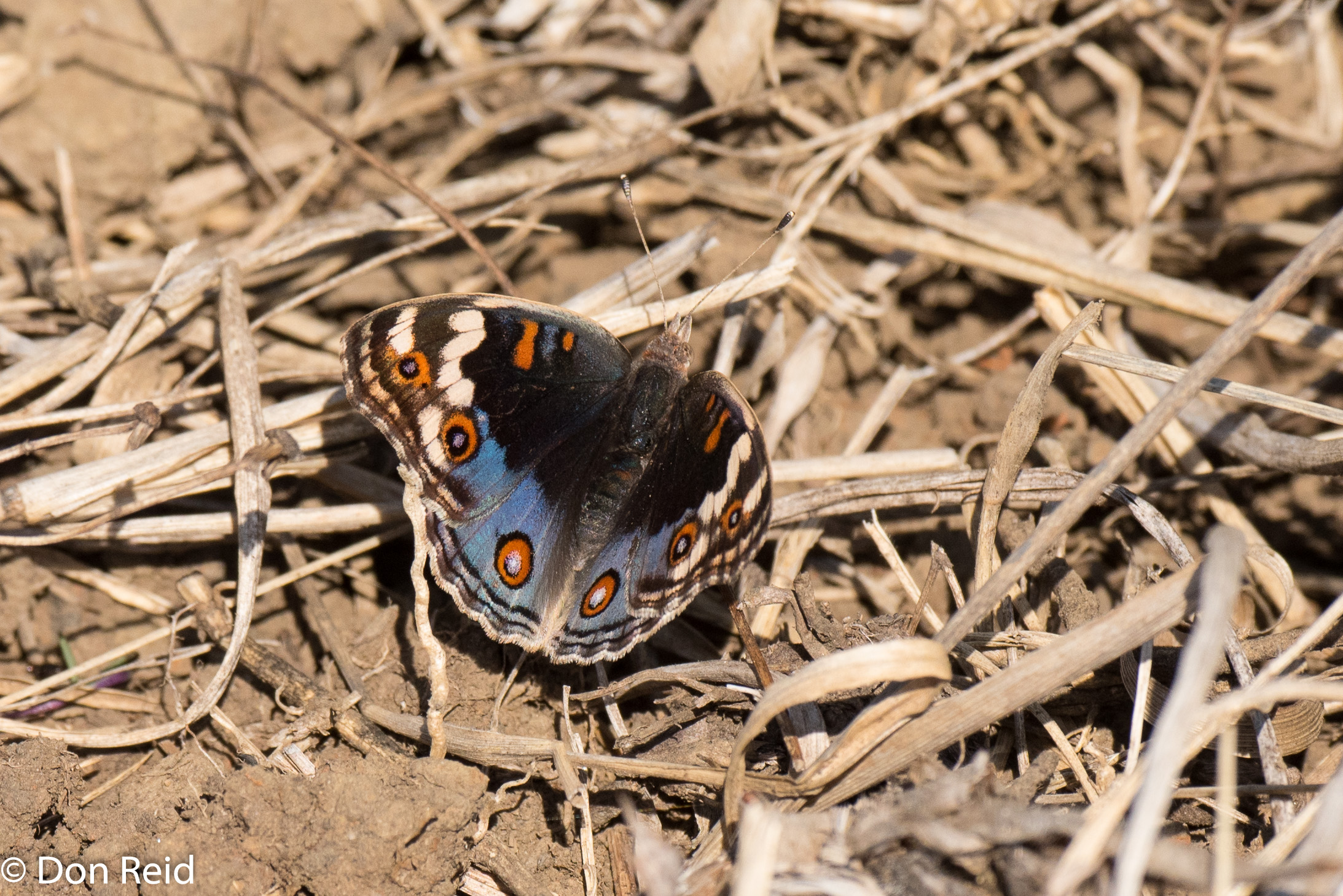
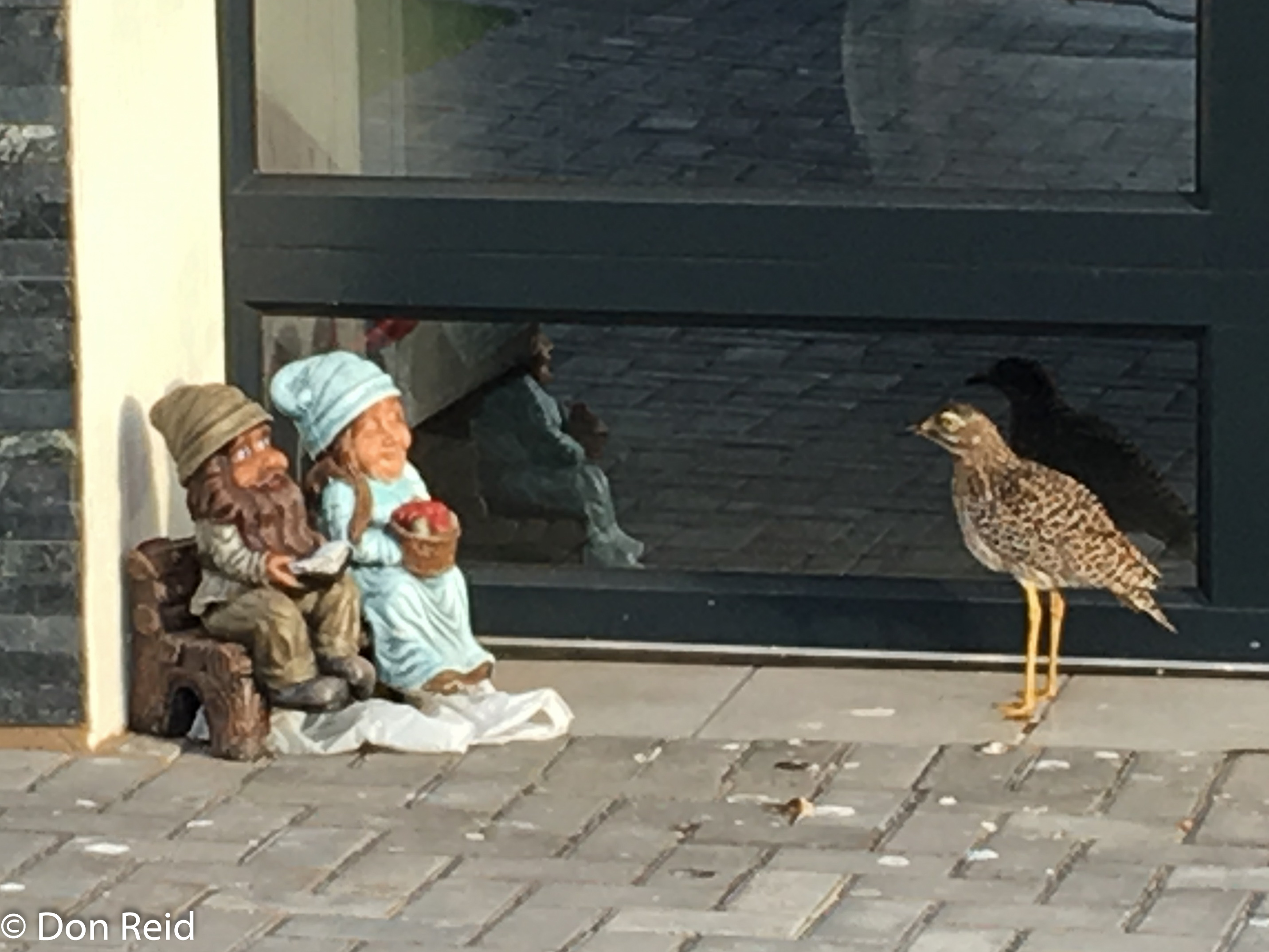
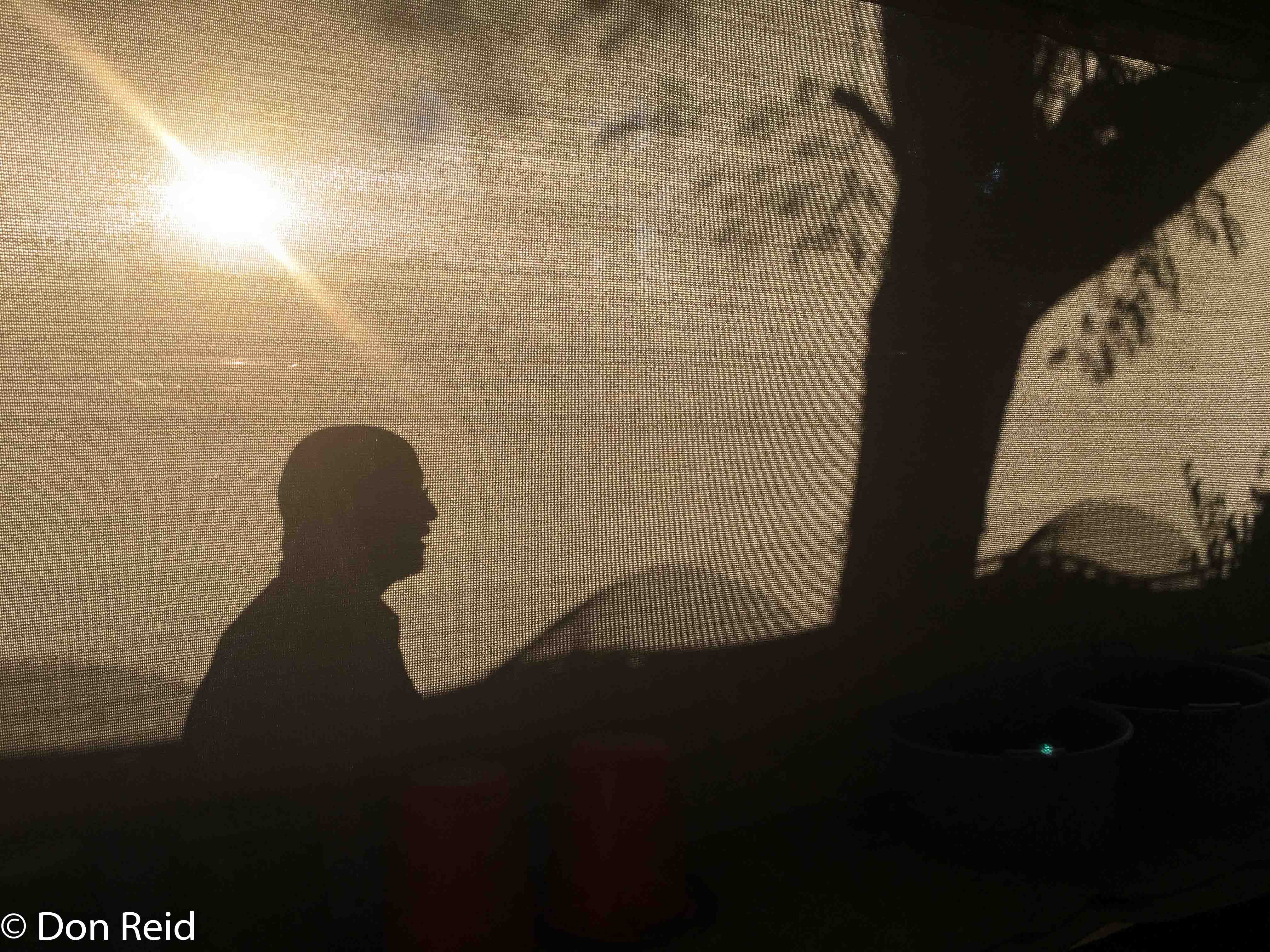
Bullfrog, Zaagkuildrift RoadFlame Lily, Caprivi Houseboat LodgePrague – shop windowMelk Abbey in Austria – the ChurchPassau – shop windowButterfly, VerlorenkloofFlower with bee – Nursery in PretoriaButterfy, Chobe RiverfrontMarabous roost at sunset, KasaneIndustrial sunrise, Leandra areaButterfly , Onverwacht farm, VryheidRolling clouds near OudtshoornHello there! Thick-Knee has spotted some gnomesSilhouette – Swaer Johan attending to their exotic birds
Wishing all who may read this a 2017 that meets all of your expectations!
Birding Big Day (BBD) 2016 was, for me, a mostly unplanned, ad hoc affair – in fact I was not even planning to participate at all until, spurred on by messages on the Facebook birding pages from Ernst Retief, I decided to register at the last moment on the Friday before BBD at around 6 pm.
This left me with no time for any sort of planning for the day ahead and with a one man team – OK, I did include my wife’s name to boost the numbers, but being a non-birder she was there for moral support and a bit of spotting. Thus I had already ignored two of the main requirements for a successful BBD ie – planning the route in advance and doing research on what species to expect along the way.
Added to that, the fact that we had just arrived in Mossel Bay for our end-of-year stay and that the Southern Cape falls some way behind the recognised prime birding areas of SA in terms of numbers of bird species, meant that I was not over-confident about reaching the target of 100 species that I had set myself.
The alarm duly woke me at 4.30 am on the Saturday and I started recording a few species that I could hear – Spotted Thick-Knee, Cape Sparrow and Cape Robin-Chat amongst them – as they greeted the early morning and I got dressed and gathered the all-important provisions to see me through the day. A walk in the garden was good for a few more including the Cape Sugarbirds that are constant visitors to our Pincushions, then I was on my way by 5.30 am – a peek at the leaderboard on Birdlasser showed that the leading team was into the 80’s already!
Cape Sugarbird – loves the Pincushions!
A slow drive through Mossel Bay Golf Estate added several more and I exited the gate with a list nudging 20. A quick detour in and out of the local mall’s parking area added the two Gull species that I had hoped to find there – Kelp and Grey-headed and then I was on the main road heading west to the N2.
From there it was a question of driving at my customary atlasing speed with windows wide open to listen for calls, following the N2 up to the R327 to Herbertsdale, where I turned off onto a long stretch of quiet country road and started birding in earnest, stopping every couple of hundred metres to get out and listen. Two of my favourite Larks were close to the road, seemingly awaiting my arrival – Red-capped and Agulhas Long-billed, while the grassy fields on either side held Stonechat, Cape Longclaw and Zitting and Cloud Cisticolas.
Agulhas Long-billed Lark giving it all with his distinctive call
A call like a squeaky gate opening gave away the presence of Large-billed Lark as I continued to add slowly but steadily to my list.
Large-billed Lark – often heard before being seen, with its “squeaky gate” call
A roadside dam, usually full of waterfowl, had just a few Egyptian Geese and Red-knobbed Coots, nevertheless two more for the list. Further along on a side road a heavy-billed small bird turned out to be Brimstone Canary, after which there was a long stretch without new species, until a large dam some way from the road produced the two regular Cormorants – Reed and White-breasted. Shortly afterwards I turned off on a gravel road signposted Hartebeeskuil Dam and immediately saw the tree where I had found a Jackal Buzzard nest-building 18 months ago. A pair flew out as I approached and a Juvenile was perched nearby so they had clearly been successful.
Jackal Buzzard with nest material (July 2015) – pretty sure it’s the same pair that I saw on BBD 2016 – this time with a juvenile nearby
The road followed the ups and downs of the rolling hills through pretty Southern Cape countryside, almost distracting me from the task at hand, but a coffee-and-rusk stop set me on the right path again and was also the signal for a White-necked Raven to fly overhead. Shortly after, I was thrilled when I spotted a Black Harrier flying low over the fields, wings spread wide for maximum gliding ability.
A short distance further some interesting looking habitat in a valley with a stream running through it seemed worth further investigation and turned up trumps when a Black Stork suddenly flew from its concealed position, while a Blue Crane was also visible and a Little Rush Warbler’s call floated up from the small stream.
Black Stork
Hartebeeskuil dam was my next stop, but was nowhere near as productive as on a previous trip and I carried on somewhat disappointed. The rest of this road was sparse until the last hill before reaching the R328 Hartenbos/Oudtshoorn road when a Booted Eagle soared overhead.
The Geelbeksvlei road which passes through Klein Brak on its way to Hartenbos was my next target, always a pleasant drive and with a variety of birds. The first stream I stopped at produced a Black Saw-wing and Rock Kestrel, while the fallow fields adjoining it had numbers of Cape Crows.
A side road I have never investigated before turned into a worthwhile deviation as I added the 3 common Ducks/Teals (White-faced, Yellow-billed, Red-billed) and Moorhen at a small farm dam.
Yellow-billed DuckWhite-faced Duck on farm dam
My next stop was Mossel Bay Sewage works where the ponds, just visible from outside the normally closed gate, had a variety of waterfowl. I had to be content with distant views, unlike the team of BBD birders inside the fence, who had obviously pre-arranged access to the works (mental note to do the same next year). Nevertheless I was able to ID Cape Teal, Cape Shoveler, Southern Pochard and Little Grebe before continuing to my next stop at Mossel Bay’s Point to pick up some of the seabirds not yet on my list.
By this time it was after midday, my total stood at 88 and I was considering calling it a day, with no one to boost my flagging spirits – there’s a definite advantage in being part of a team rather than one lone birder in these events. After a quick stop at the Point, where I added Cape and White-breasted Cormorant, Swift Tern and Hartlaub’s Gull, I headed home for an extended lunch break and to decide what to do with the rest of the day.
Grey-headed Gull (light eye differentiates it from the similar looking Hartlaub’s Gull) at Mossel Bay’s Point
My wife joined me at this stage and we set off for Great Brak River for an afternoon coffee, without intending to do any further serious birding, but by the time we headed back to Mossel Bay around 4.30 pm and spurred on yet again by the tallies coming through on Birdlasser, my second wind kicked in and we made a couple of stops at bridges over the river near Hartenbos, adding Greenshank, Black-crowned Night-Heron and – hallelujah – my 100th species for the day, a Little Egret.
With my target reached, every bird after that was a bonus and I was curious to see how many more we could add in the few hours of daylight still left. We looked for access to the riverfront, as I could see what looked like Flamingoes in the distance, and duly found a friendly caravan park manager who invited us in to look around. Venturing to the water’s edge we spent a good half hour or so adding Greater Flamingo, Caspian Tern and Lesser Swamp Warbler amongst others and left with 108 as our new total.
Back home again at 6 pm I decided on one last sortie into the fynbos area of our estate for the “fynbos specials” that hang out there and was happy when Cape Bunting, White-throated Canary and Karoo Scrub-Robin all obliged by making an appearance. Our day’s birding ended soon after with a Cape Rock-Thrush perched on a neighbour’s roof to close out at 112 species, earning the Reid Wobblers position 111 in the standings. Not exactly fireworks when compared with the counts of the top teams, but hey, we had a ball!
A selection of some of the other birds encountered :
Fiscal FlycatcherCommon WaxbillSouthern Red BishopYellow BishopWhite-throated SwallowBooted EagleGrey-backed Cisticola
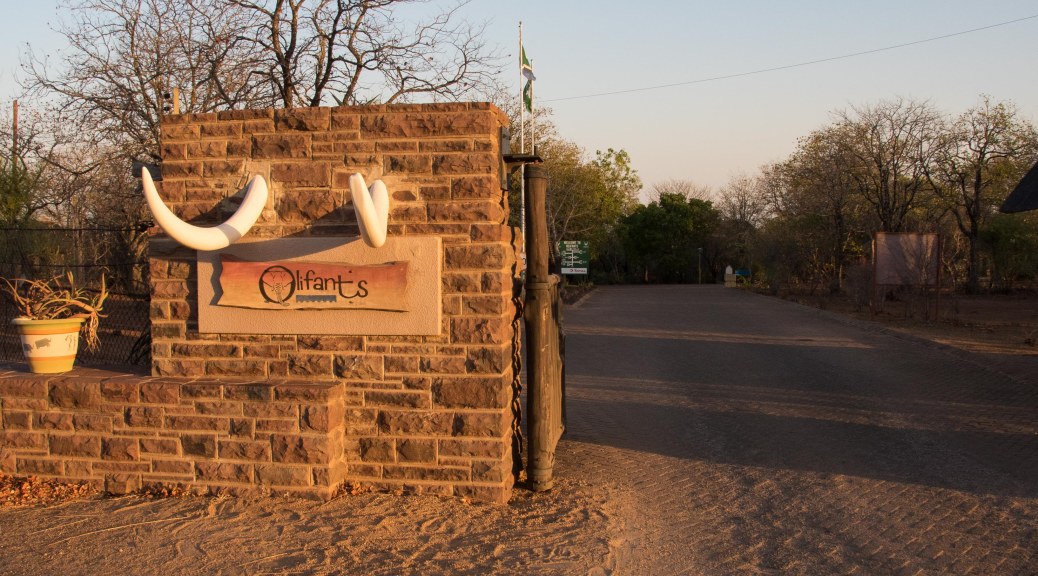
For the second year in a row we spent a week in Kruger National Park in October, this time spending 6 nights in Olifants rest camp in the northern part of Kruger, with one night stop-overs at Berg en Dal and Pretoriuskop rest camps on the way there and back respectively.
The Road to Mopani
Mopani lies north of Olifants with Letaba camp and Mooiplaas picnic spot en route – it’s a great option for a longer outing from Olifants camp and we chose to do it on the Monday of our week-long stay.
Olifants to Letaba
Setting off at around 8.30 am, we initially set our sights on Letaba camp – the first 9 km to the main H1 road was quiet and set the tone for large parts of the day. The veld has taken a severe knock during the past few years of drought or poor rainfall and is non-existent in places, while the trees are mostly bare at this early stage of Summer and the earth is parched to a grey/brown colour.
In these conditions, the rivers which still have small pools of water and the waterholes stand out as oases of life, with concentrations of game and bird life gathering at these spots. The Olifants river is one such oasis and once you reach the H1 road to Letaba, the great river runs alongside it for a few kms, albeit at some distance.
Nevertheless the road was still close enough to make out Yellow-billed Stork (Nimmersat), Goliath Heron (Reusereier), Pied Wagtail (Bontkwikkie) in the river itself and an African Hoopoe (Hoephoep) closer to the road amongst dry leaves which matched its brown colouring.
African Hoopoe, Olifants river
The next 20 kms to Letaba runs through very arid habitat and my atlasing effort in the pentad that it encompasses resulted in just two species in half an hour’s slow driving – a Brubru (Bontlaksman) and a Yellow-billed Kite (Geelbekwou).
By this time Letaba’s Mugg and Bean was beckoning us for a mid-morning coffee which we enhanced with a shared Date and Nut Muffin (M&G’s muffins are formidable so even sharing one means you each get a decent portion). Brown-headed Parrots (Bruinkoppappegaai) made their presence known in the overhanging trees as we relaxed on the Letaba stoep with its wonderful view of the Letaba river.
Letaba to Mooiplaas and Mopani
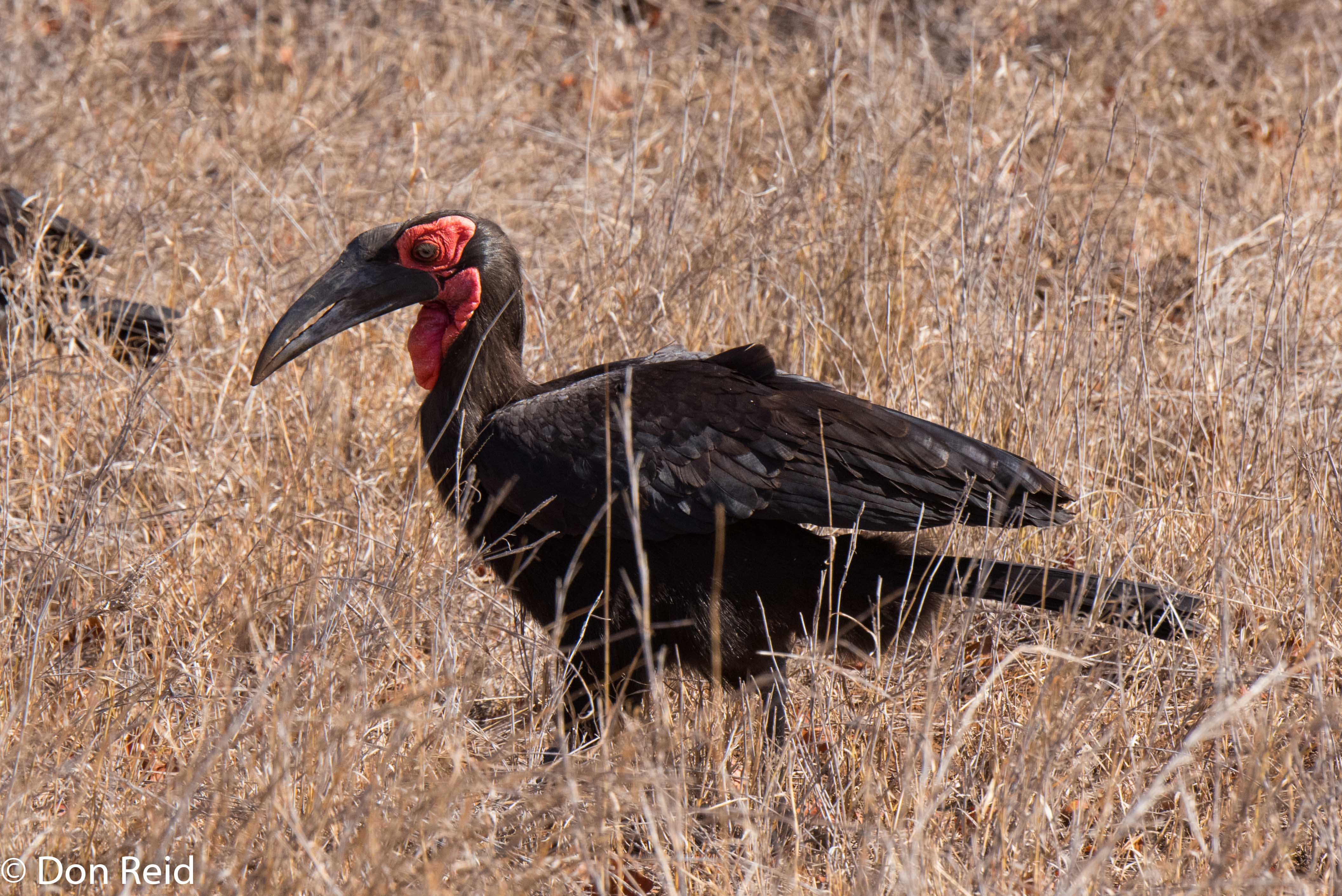
After our coffee break, the next stop was the bridge over the Letaba, where you can alight from your car in the demarcated area and look for game and birds in the river bed. We were rewarded with several birds including Saddle-billed Stork (Saalbekooievaar), Ground Hornbill (Bromvoël), Great White Egret (Grootwitreier) and African Openbill (Oopbekooievaar).
Southern Ground Hornbill
A lone European Bee-eater (Europese Byvreter), clearly a bit earlier to arrive in Southern Africa than the majority of his kind, brightened up our birding and was also the only one we saw during the week.
The next stretch to Mooiplaas picnic spot was a longish one, initially running next to the Letaba river with short approach roads leading to and from the river at regular intervals, well worth investigating each one as the game and bird life often gathers in the river bed, enjoying the relatively lush habitat.
Giraffes in river, LetabaLetaba – Mopani road
Spoonbill (Lepelaar), Great Egret (Grootwitreier), Marabou Stork (Maraboe) were all present and hawking White-fronted Bee-eaters (Rooikeelbyvreter) added their flash of colour to the scene)
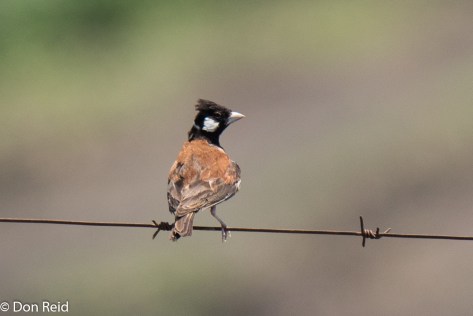
Leaving the river behind, we travelled through bush Mopane habitat all the way to Mooiplaas, with a couple of strategically placed waterholes providing some relief from the rather monotonous, arid landscape. Malopenyana waterhole had attracted flocks of Namaqua Doves (Namakwaduif) and Chestnut-backed Sparrowlarks (Rooiruglewerik), quenching their thirst along the water’s edge.
Chestnut-backed Sparrowlark
Mooiplaas picnic spot is another veritable oasis, surrounded by trees and with a thatched, pinnacle-shaped roof over the central picnic area. Immediately we were entertained by the comings and goings of a variety of bushveld birds, with accompanying song, and our spirits lifted as we enjoyed a simple brunch of tea and buns.
Mooiplaas picnic spot
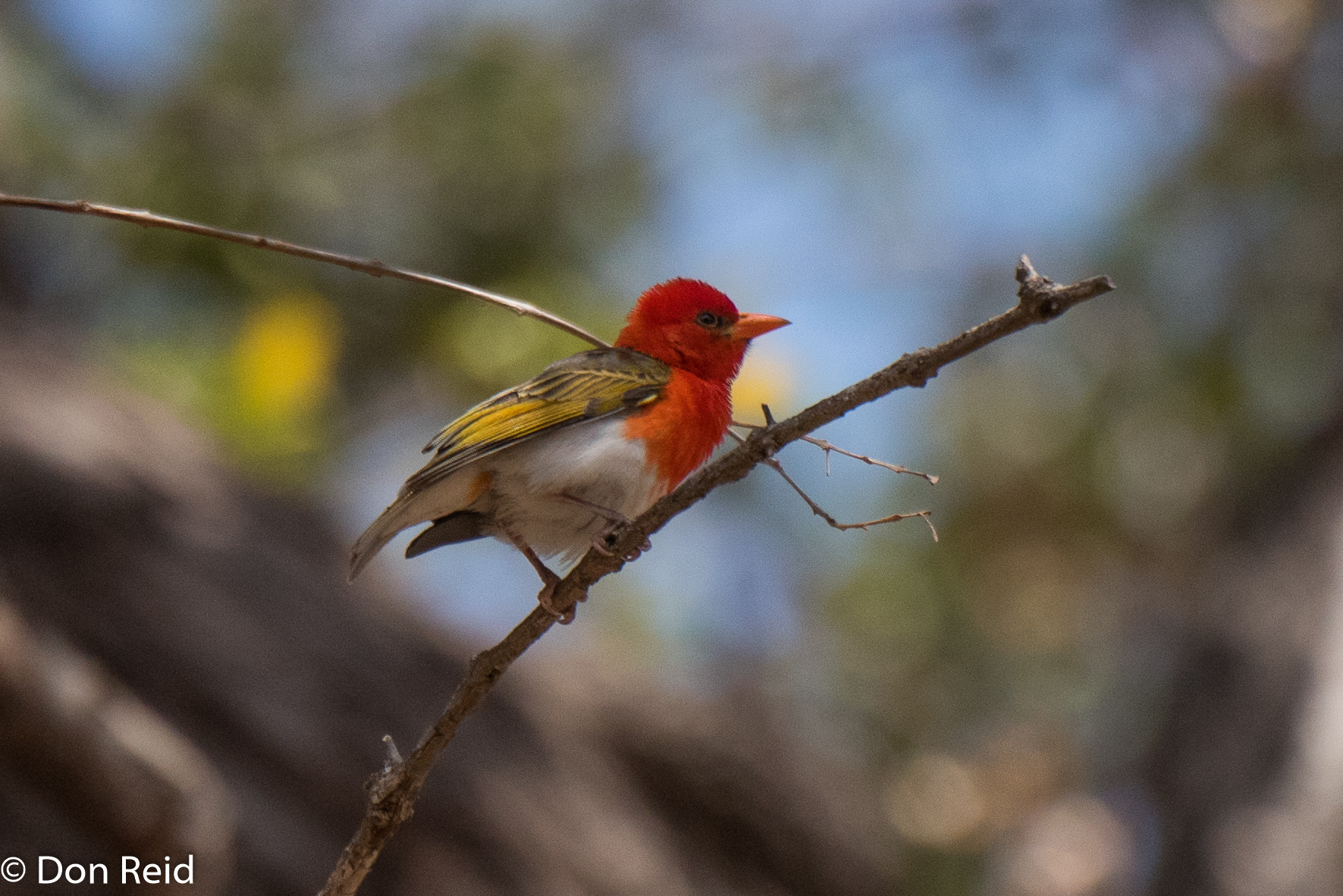
The trees were busy with Orange-breasted Bush Shrike (Oranjeborslaksman), Black-backed Puffback (Sneeubal), Red-headed Weaver (Rooikopvink) and all three common Hornbills – Southern Red-billed, Southern Yellow-billed and Grey (Rooibek- Geelbek- en Grys-neushoringvoëls)
A short drive further took us to Mopani camp for a brief visit and some light Bird atlasing from the deck overlooking the dam which is a feature of this camp. On the opposite shore I could make out Grey-headed Gull (Gryskopmeeu) – a new species for my KNP list, African Jacana (Grootlangtoon), White-faced Duck (Nonnetjieseend), Collared Pratincole (Rooivlerksprinkaanvoël) and Goliath Heron.
On the game side, there was enough to satisfy us outside the extremely arid stretches and the Mopane-dominated parts, with all of the regular animals sighted and as a bonus we had a good sighting of several Tsessebe, one of the rarer antelopes in Kruger, near Mopani camp.
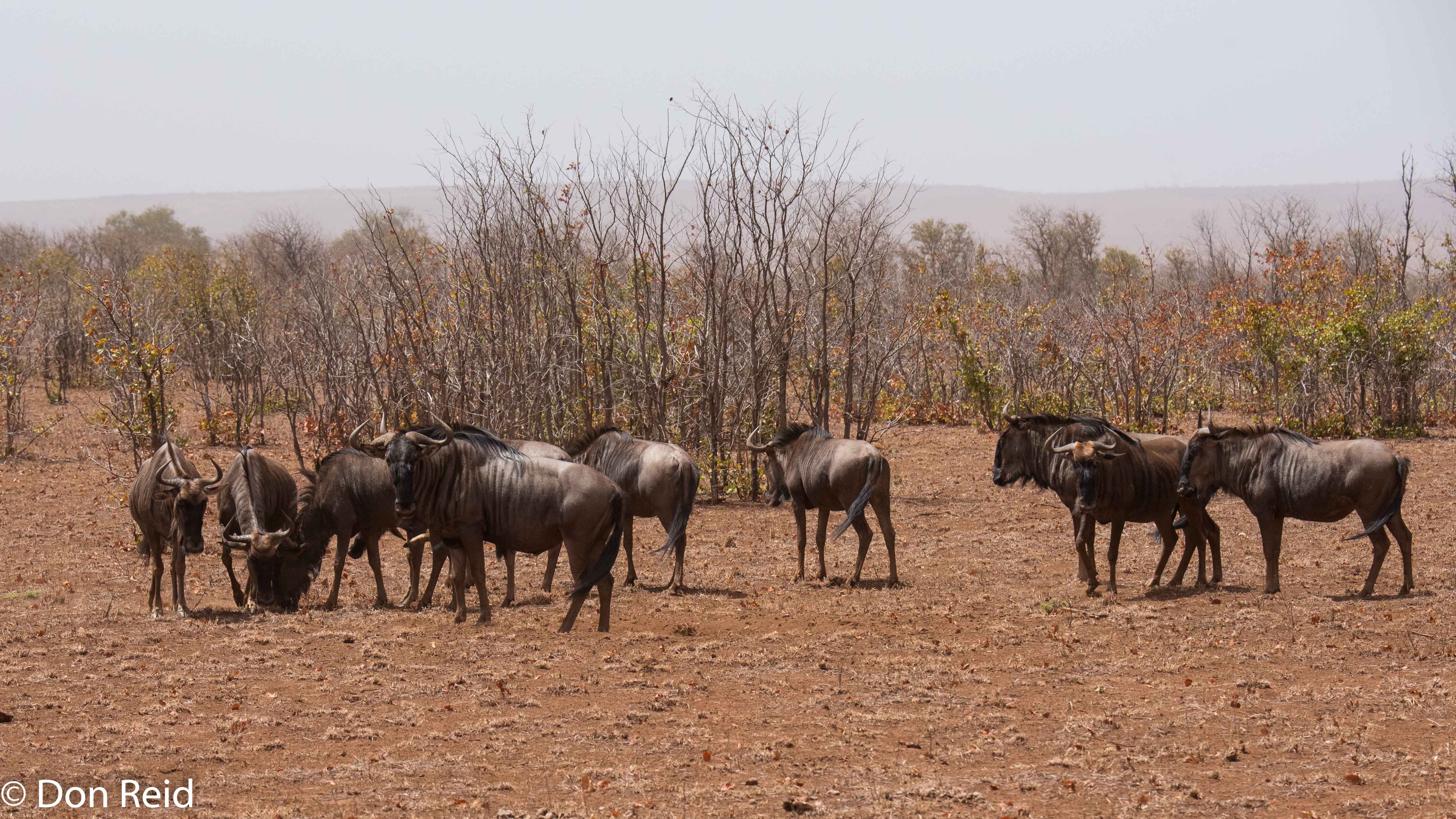
Blue Wildebeest, MopaniTsessebe near MopaniGiraffe, Letaba-Mopani road
Our next short trip was from Olifants to Timbavati picnic spot – more about that in the next post
Nice to be part of such a great day – I will be describing my BBD experience in a forthcoming post.
Birding Big Day 2016
South African birdwatching record smashed!
Johannesburg, 1 December 2016
On 26 November 2016, BirdLife South Africa hosted its 32nd annual Birding Big Day (BBD). During this BBD, teams of birdwatchers attempted to see as many of South Africa’s bird species as possible in a 24-hour-period. This annual event is also used to raise much-needed funds for BirdLife South Africa’s conservation work. BirdLife South Africa is an organisation dedicated to the conservation of our country’s birds, especially the species which are threatened with extinction.
The previous record, during BBD 2015, saw 606 bird species being recorded in South Africa. This record was smashed during BBD 2016 when 654 birds were seen! This is 77.2% of the 847 bird species which have been recorded in South Africa. This amazing achievement is due to the effort of 810 birders who participated in 265 teams. Each team can consist of up to four birders. In total 32 290 bird sightings were recorded during the day. Each team logged the birds seen on BirdLasser, a mobile app, and the sightings were uploaded to an online map where people could view the progress of teams.
Just over 60 additional teams participated in a more informal way, and this means that about 1 000 birders participated in BBD 2016.
The most common species recorded were Hadeda Ibis, Egyptian Goose, Cape Turtle Dove, Blacksmith Lapwing and Laughing Dove.
The team record of 325 species, set in 2008 by team Zonke Inyoni, was equalled by the same team; an amazing achievement! This total was achieved despite some bad weather experienced in the morning. The second team was Team Hamerkop who saw 305 species. Wat-Kyk-Jy recorded 282 species.
Not only was the South African record broken during BBD 2016, but it will also be remembered for many other successes. Awareness was raised about bird conservation, over 300 birders downloaded the BirdLasser app, and it is hoped that many of them will soon contribute valuable data to citizen science projects such as the Southern African Bird Atlas Project. Above all, the day was about celebrating the wonderful bird diversity we have in our country.
For more information about BirdLasser see www.birdlasser.com and to download and install the app search for “birdlasser” on the Google Playstore and the App Store.
For the second year in a row we spent a week in Kruger National Park in October, this time spending 6 nights in Olifants rest camp in the northern part of Kruger, with one night stop-overs at Berg en Dal and Pretoriuskop rest camps on the way there and back respectively.
There are two basic options when you plan a week’s stay in Kruger – spend two nights each in say three of the rest camps or book the whole week in one camp. Both options have pros and cons, but I must say our preference nowadays is the latter which means less travelling and more relaxing. It becomes less urgent to take a game drive every day, particularly when the camp itself offers “add-ons” such as swimming pools, decent coffee shop/restaurant, activities such as bush walks and of course the potential birding on offer in the camp itself.
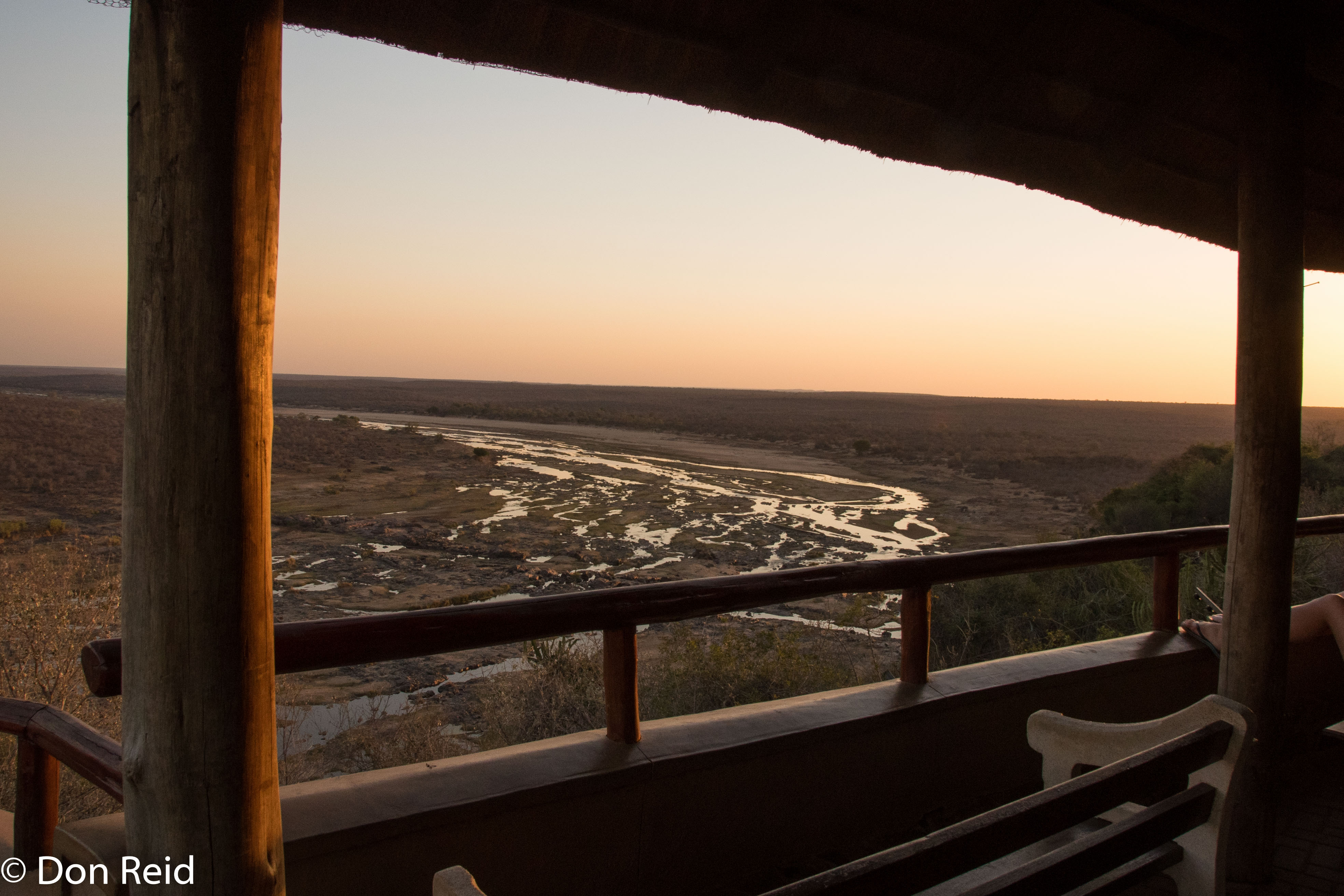
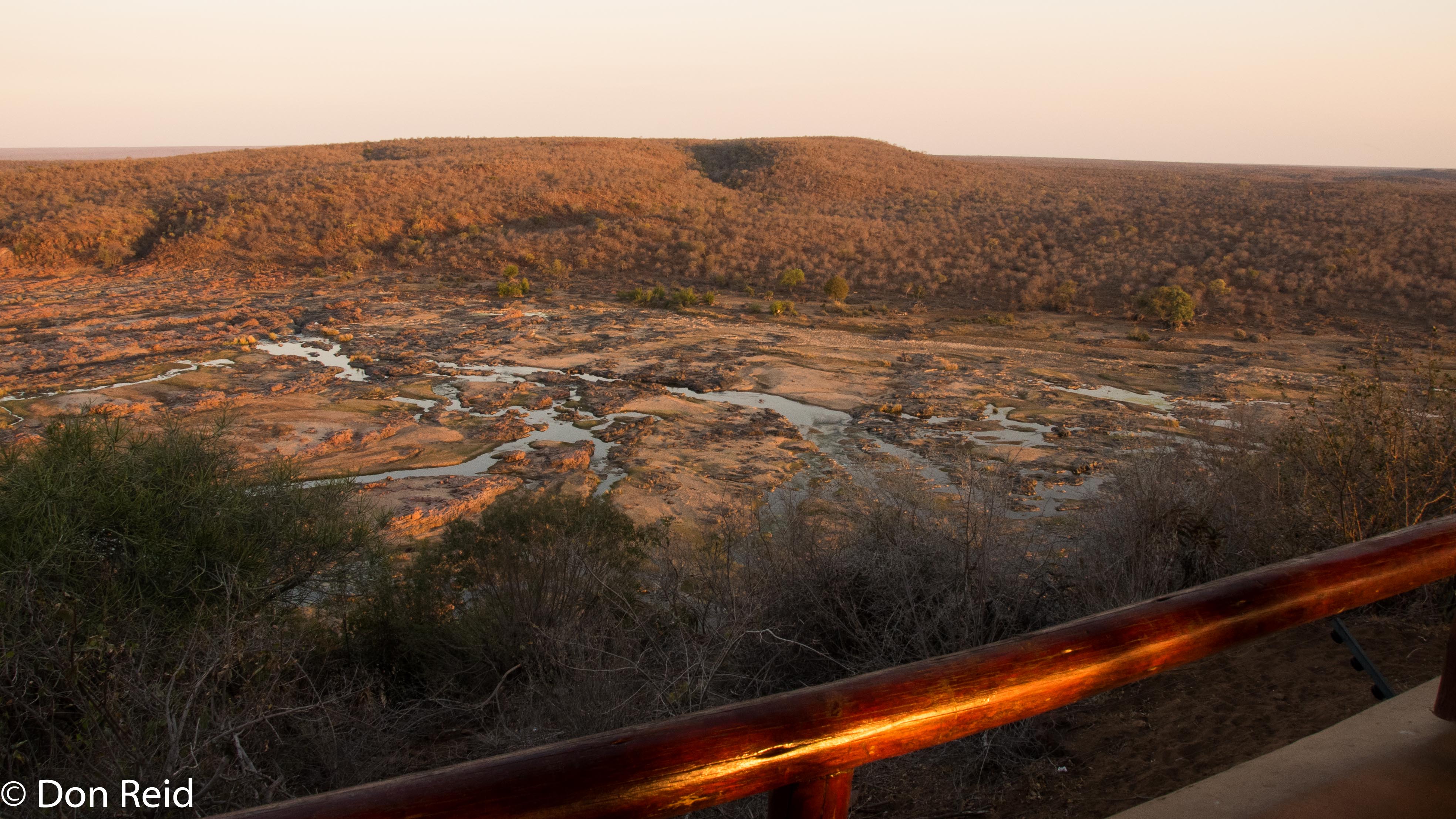
Olifants camp has all of the above and the added advantages of its location on top of a ridge, with its famous viewpoint overlooking the Olifants river far below and stretching to the horizon in an unbroken vista of pristine bushveld, one of the finest spots in Kruger and one that has remained unchanged for the four decades that we have been visiting it.
Olifants rest campThe viewing deckOlifants river far below
Recovery Time
Two full days of driving for Gerda and myself, three for Andre and Geraldine and the girls, meant our first day in Olifants was a recovery day and the unseasonably chilly, very windy conditions were in any case not conducive to pleasant game watching and bird-spotting. So we spent the whole day in camp, alternating between walks, eating and enjoying tea and coffee breaks.
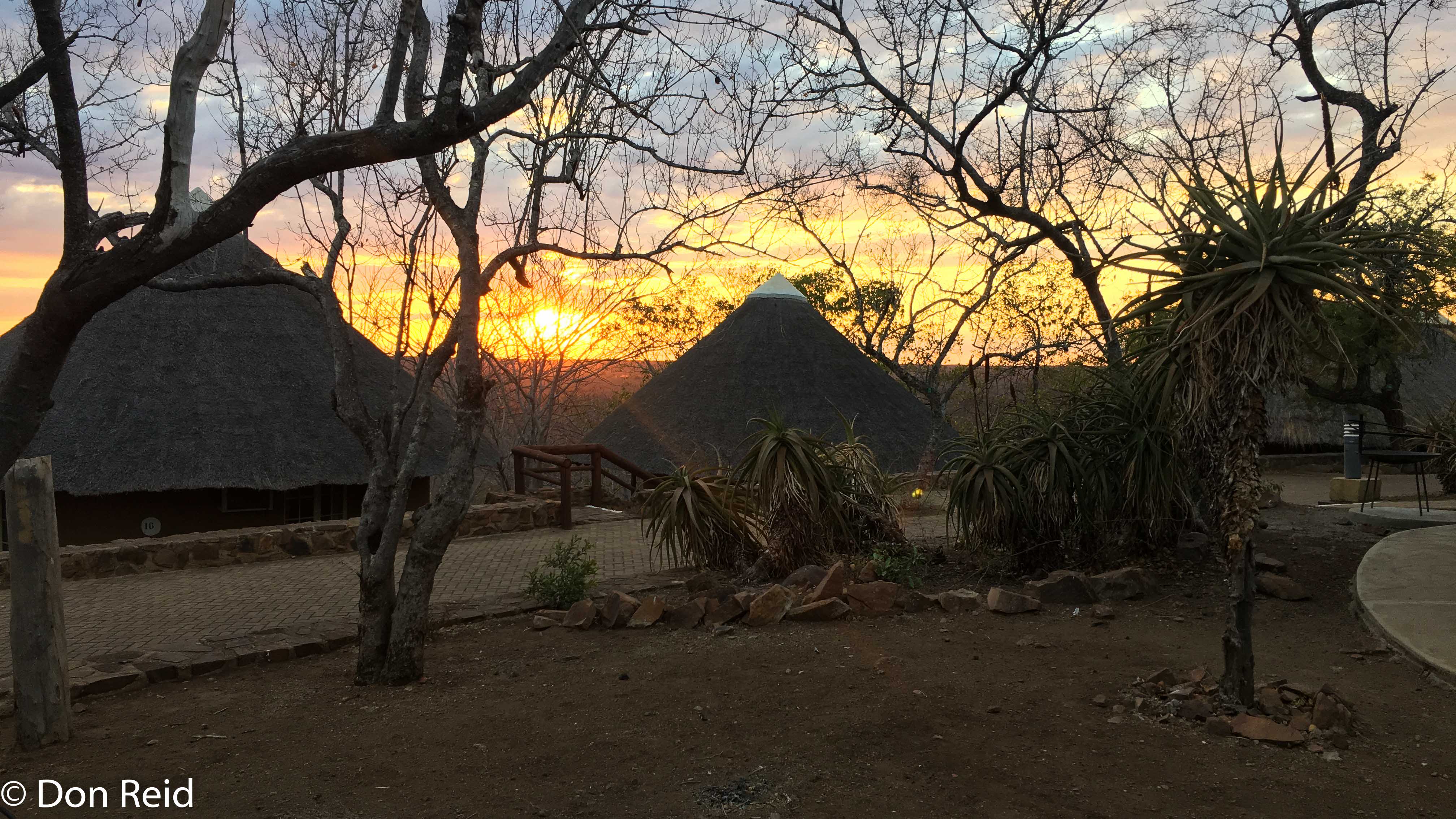
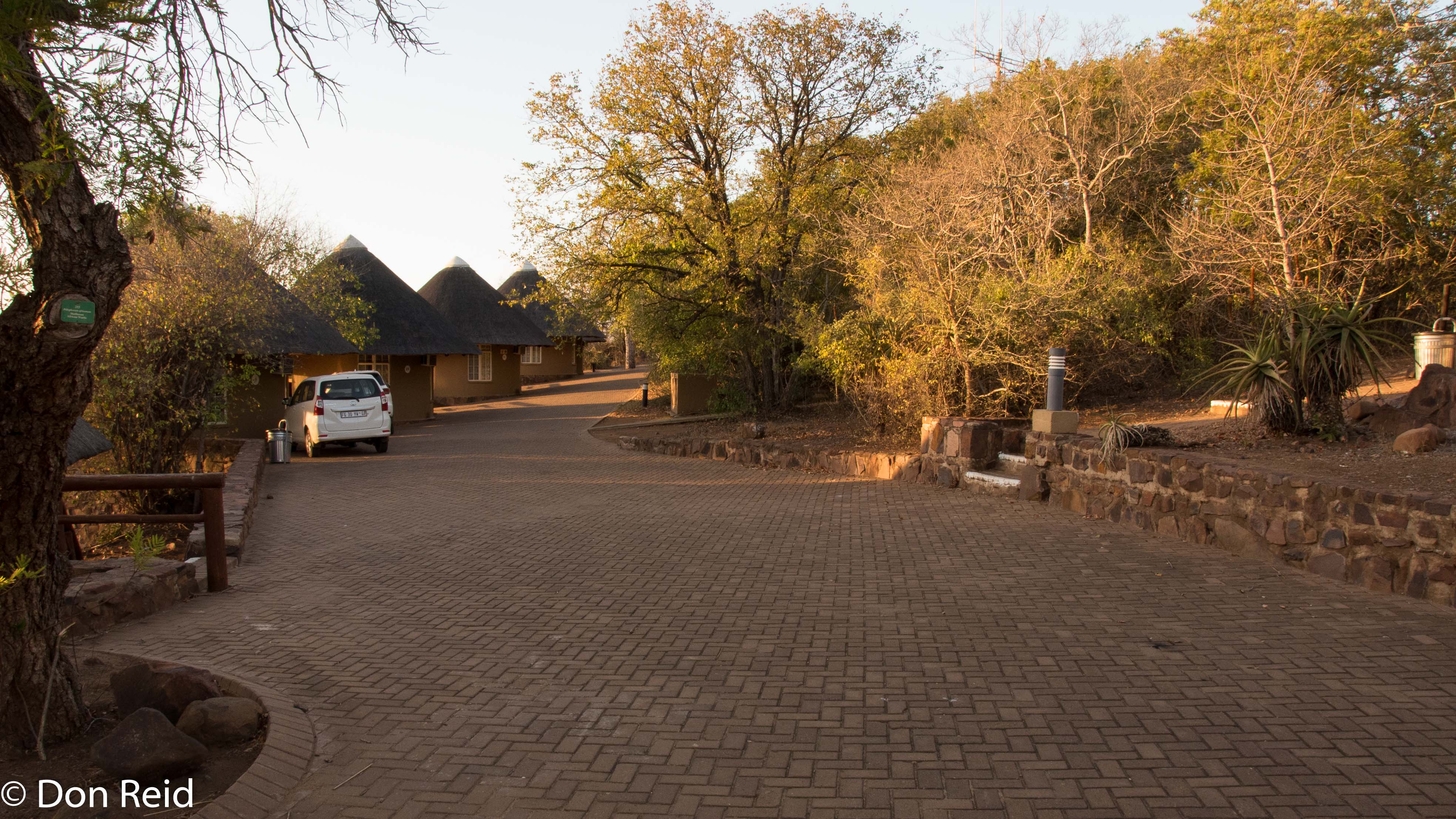
Our Rondavel
A trip to the restaurant for milkshakes was the treat of the day for the kids (young and old ones) followed by an “Ellie-roll” prepared at our rondavels – bacon and egg on a bun with fried onions and avo, plus beans on the side – it has to be prepared in Olifants camp to earn its name, otherwise it’s just a breakfast bun.
OLifants rest campOlifants rest camp
A morning birding walk around the camp added a few new birds to our trip list, among them Yellow-bellied Greenbul, Chinspot Batis, Amethyst Sunbird, White-bellied Sunbird and Crested Barbet, all of which are fairly easy to spot in the camp.
Olifants rest campChinspot BatisKlaas’s CuckooLaughing Dove
Hornbills for Africa
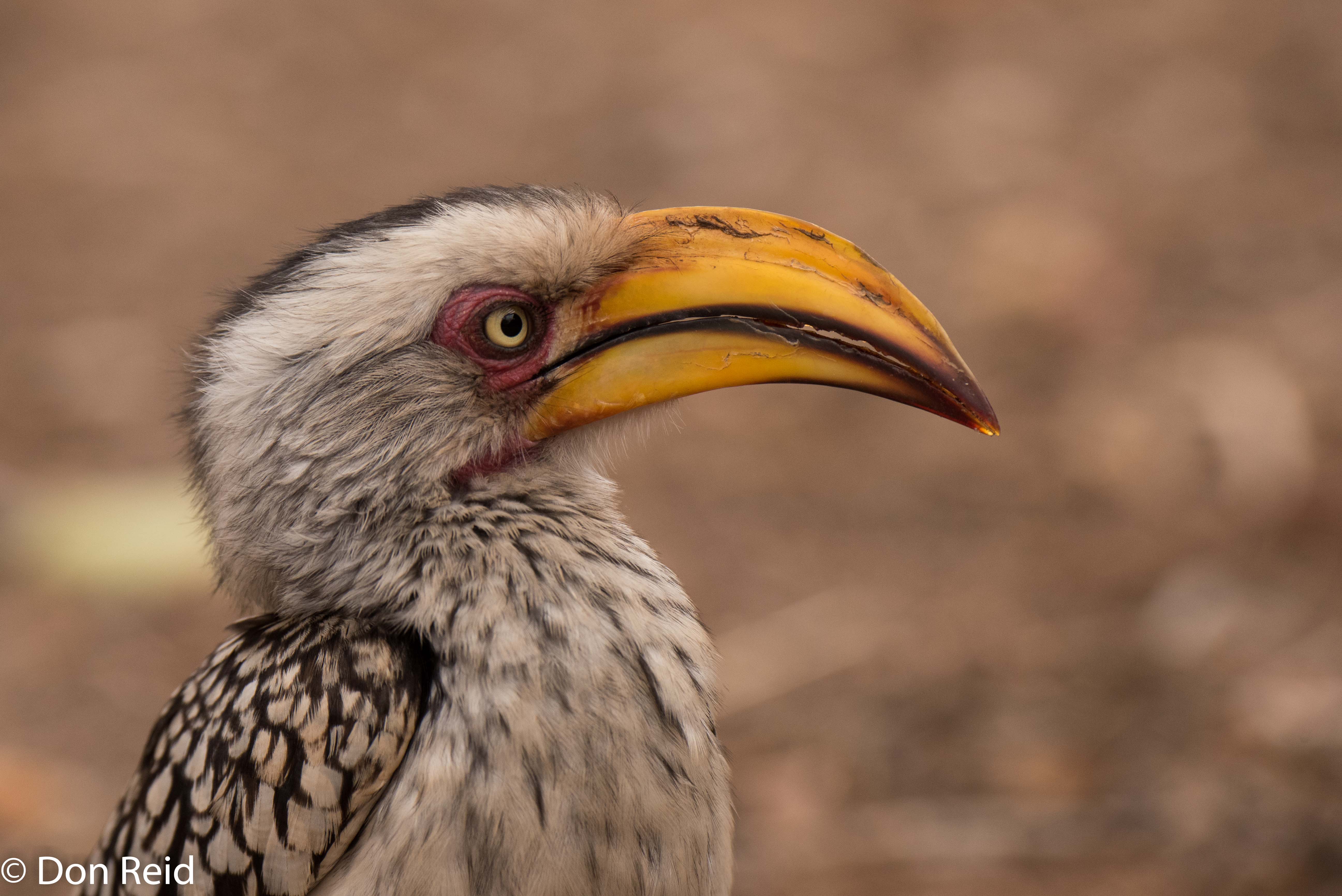
On another morning I had some fun photographing the almost ever-present Hornbills in the trees and on the ground around the rondavels, both Yellow-billed and Red-billed species. They are ridiculously easy to photograph, the only challenge is getting a different view of them and not just settling for the “posing on a branch” shot. I tried getting down to ground level for some of the photos, which worked quite well
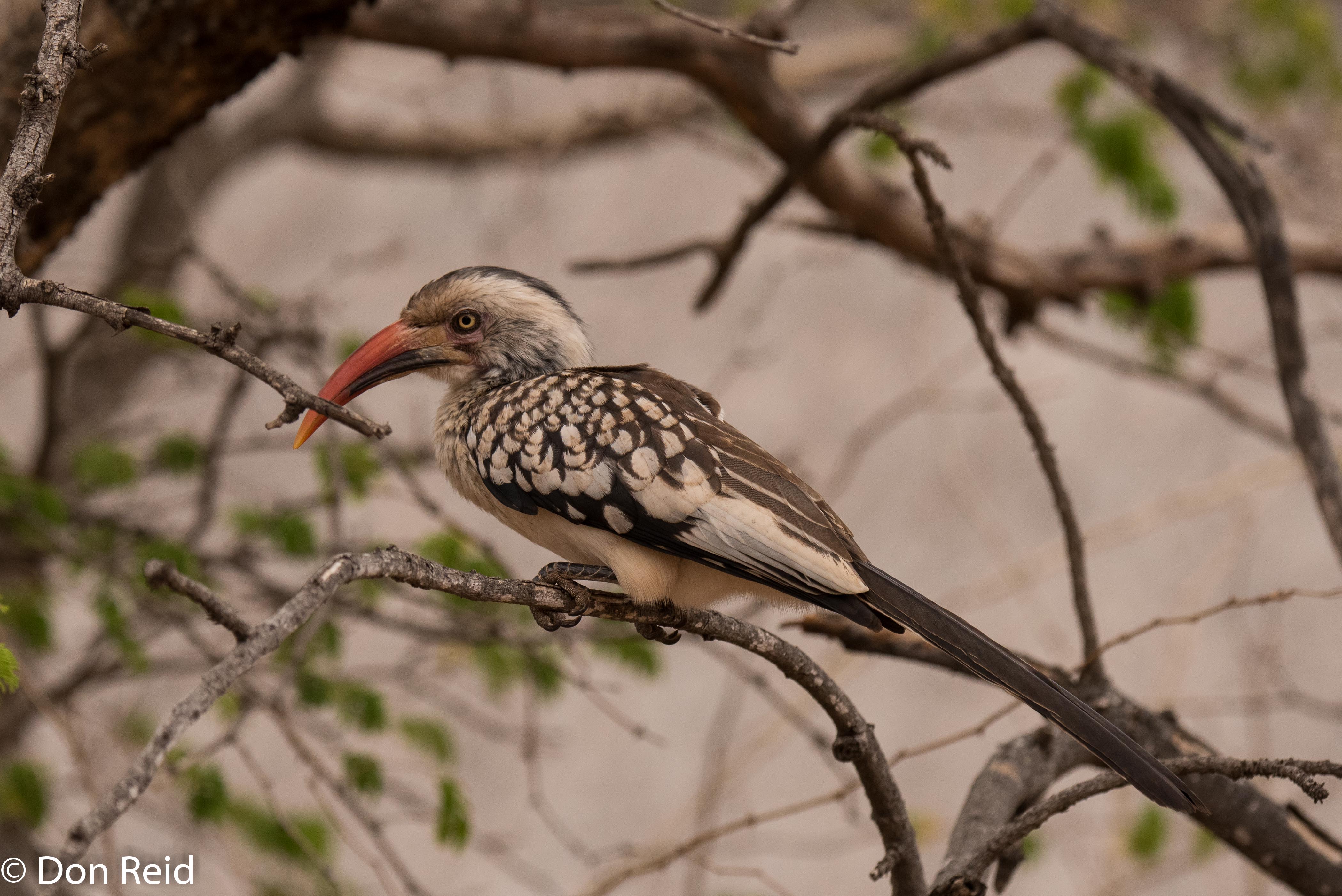
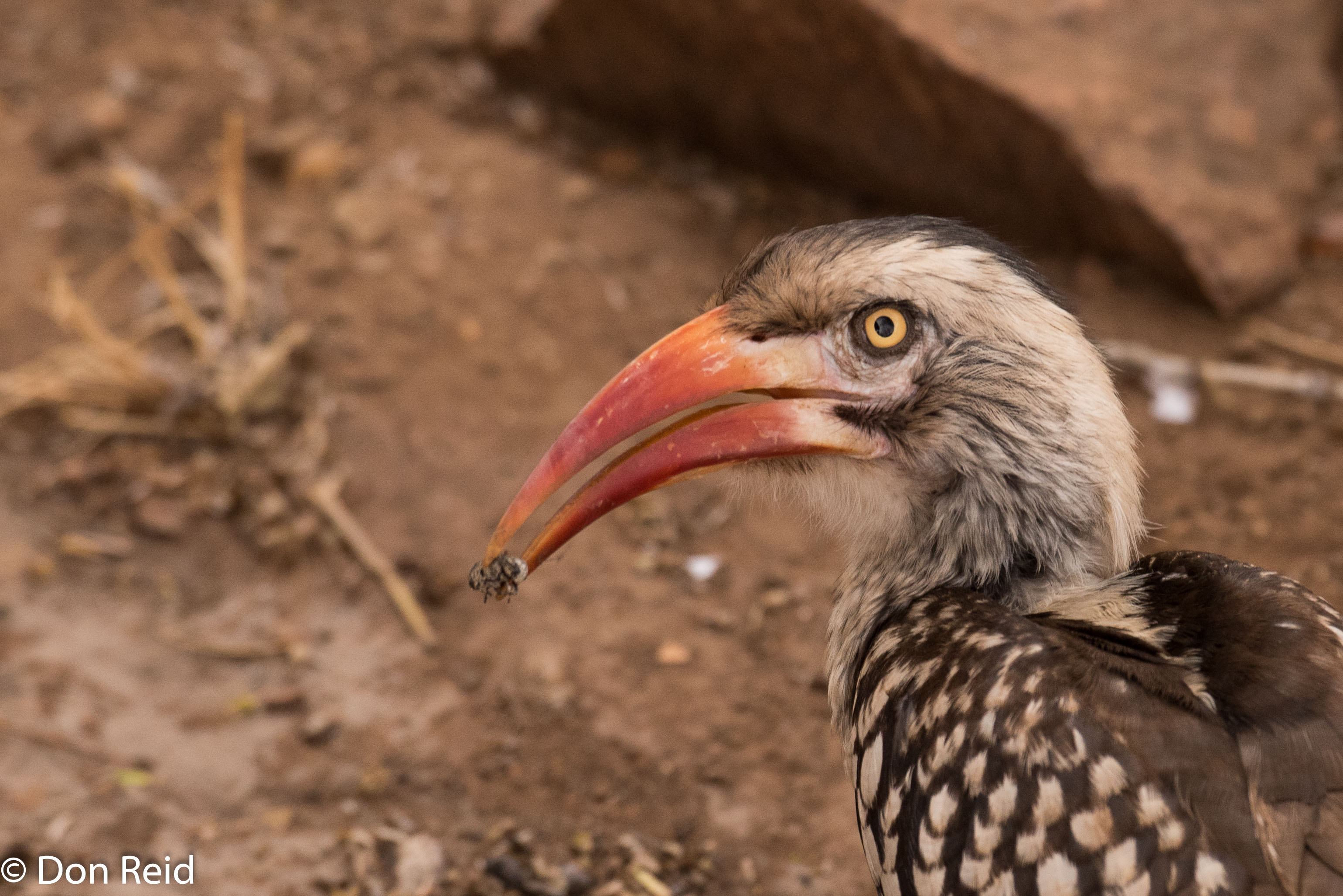
Southern Yellow-billed Hornbill picking up scraps of foodOld “Banana Bill”Southern Red-billed Hornbill – OK so this is the standard shotSouthern Red-billed Hornbill with a bug delicately held in that cumbersome looking bill and a “How dare you” look in his eyes
Late one afternoon I came across this individual who had clearly been taking a dust bath…..
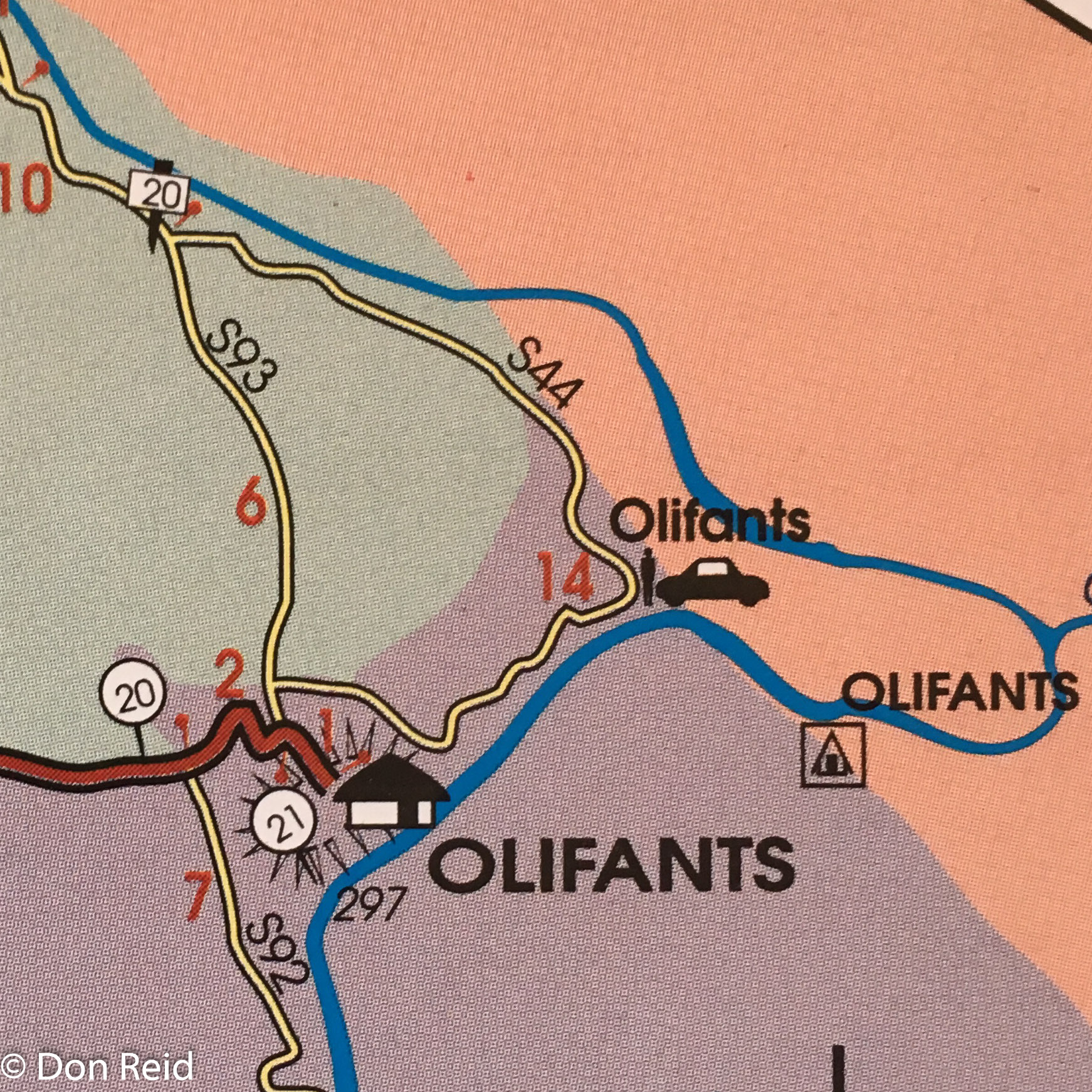
One option for a shorter drive from Olifants is the circular route that follows the S44 outbound and returns on the S93 and this was our chosen route early one morning.
The circular route follows the S44 and S93
The frequent river views had enough game and other interesting sights to keep us alert and the birding proved to be excellent with the likes of Common Scimitarbill, Paradise Flycatcher, Red-headed Weaver, Grey Tit-Flycatcher and Little Bee-eater making their presence known.
A longer stop at the viewpoint, where you can get out of the car (whilst still keeping an eye out for wild animals of course), meant we could enjoy a tea and snacks – the genuine Kruger Park kind being two Provita biscuits with cheese wedges carefully squashed in between – the staple food of hiking trips.
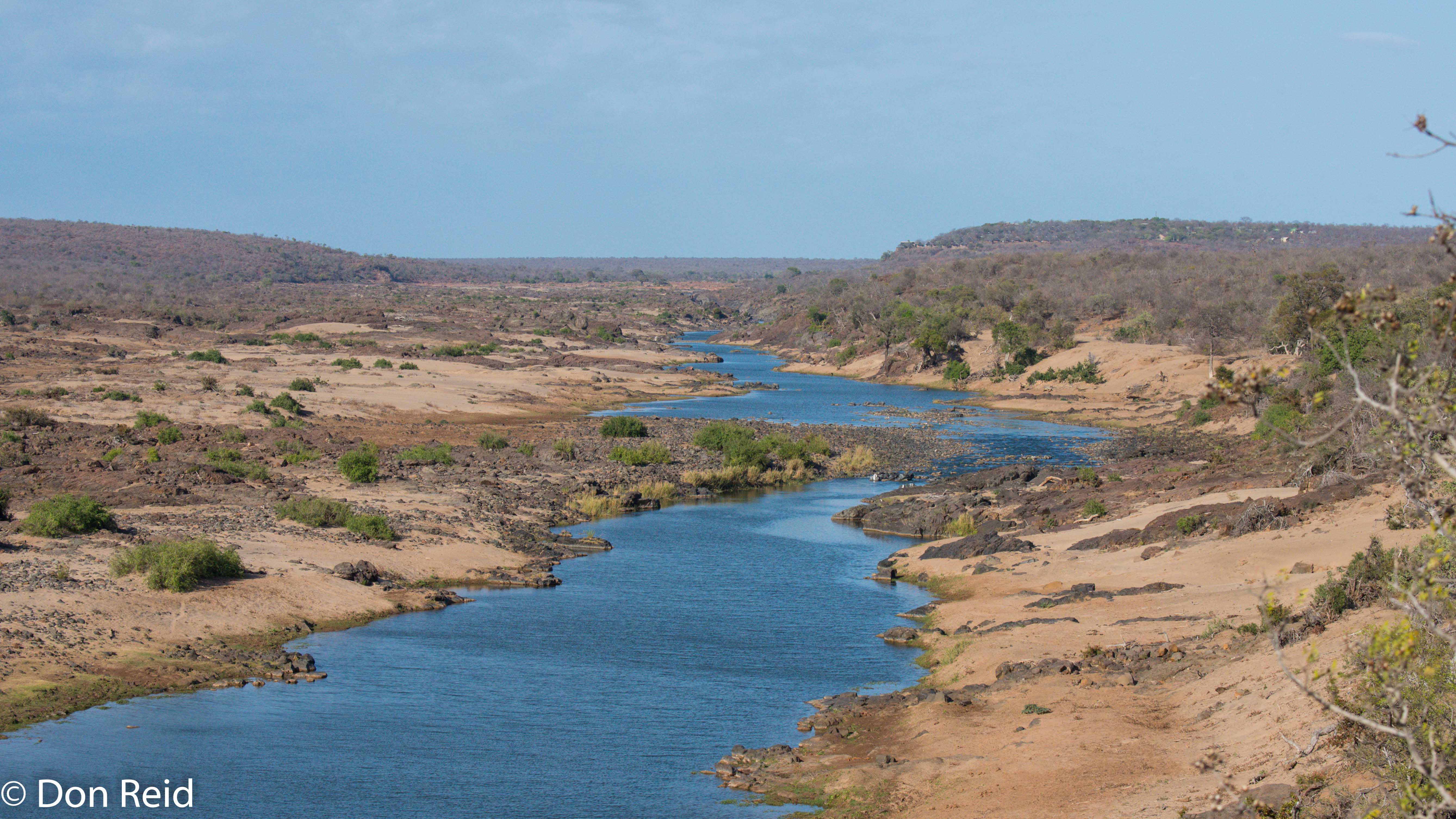
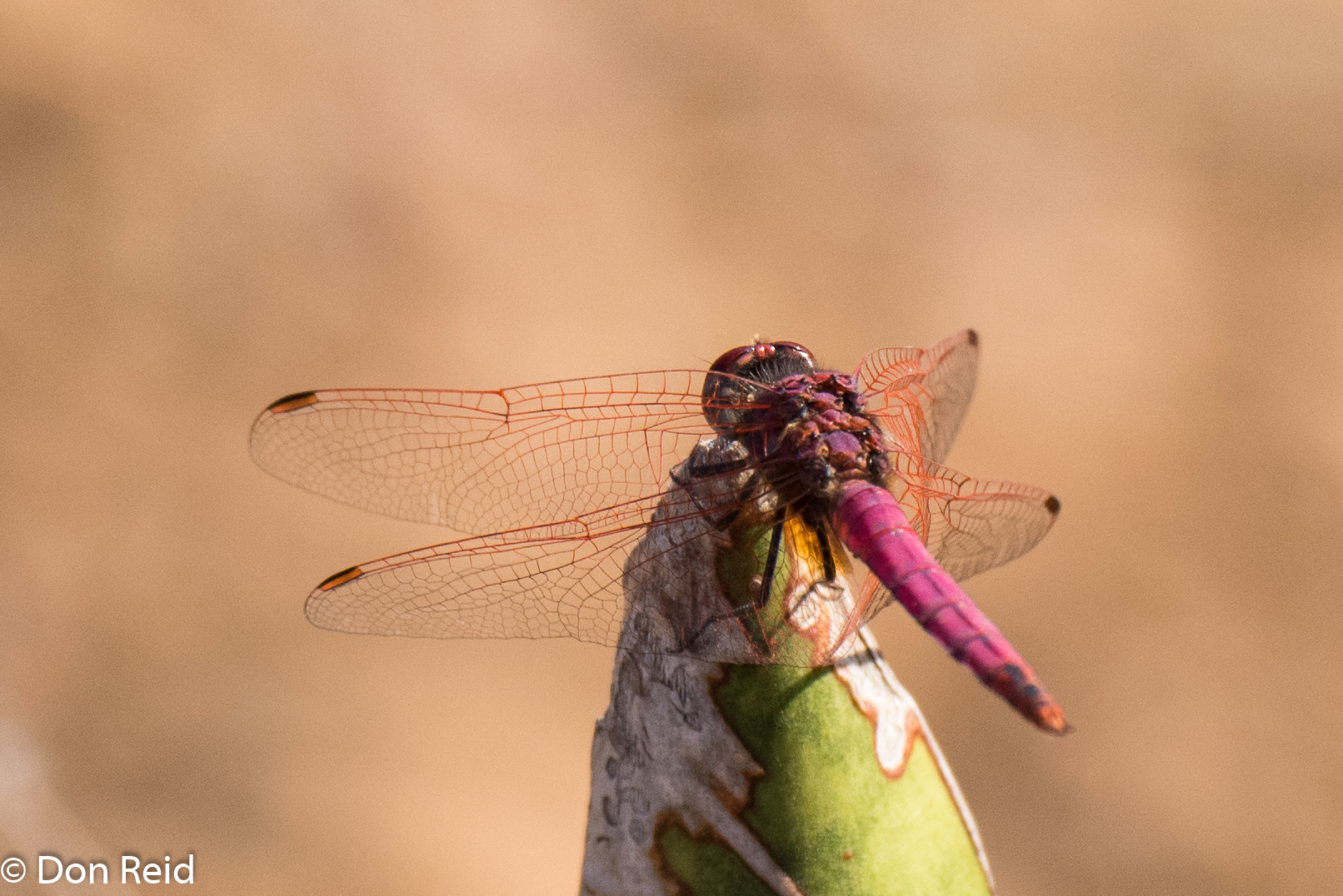
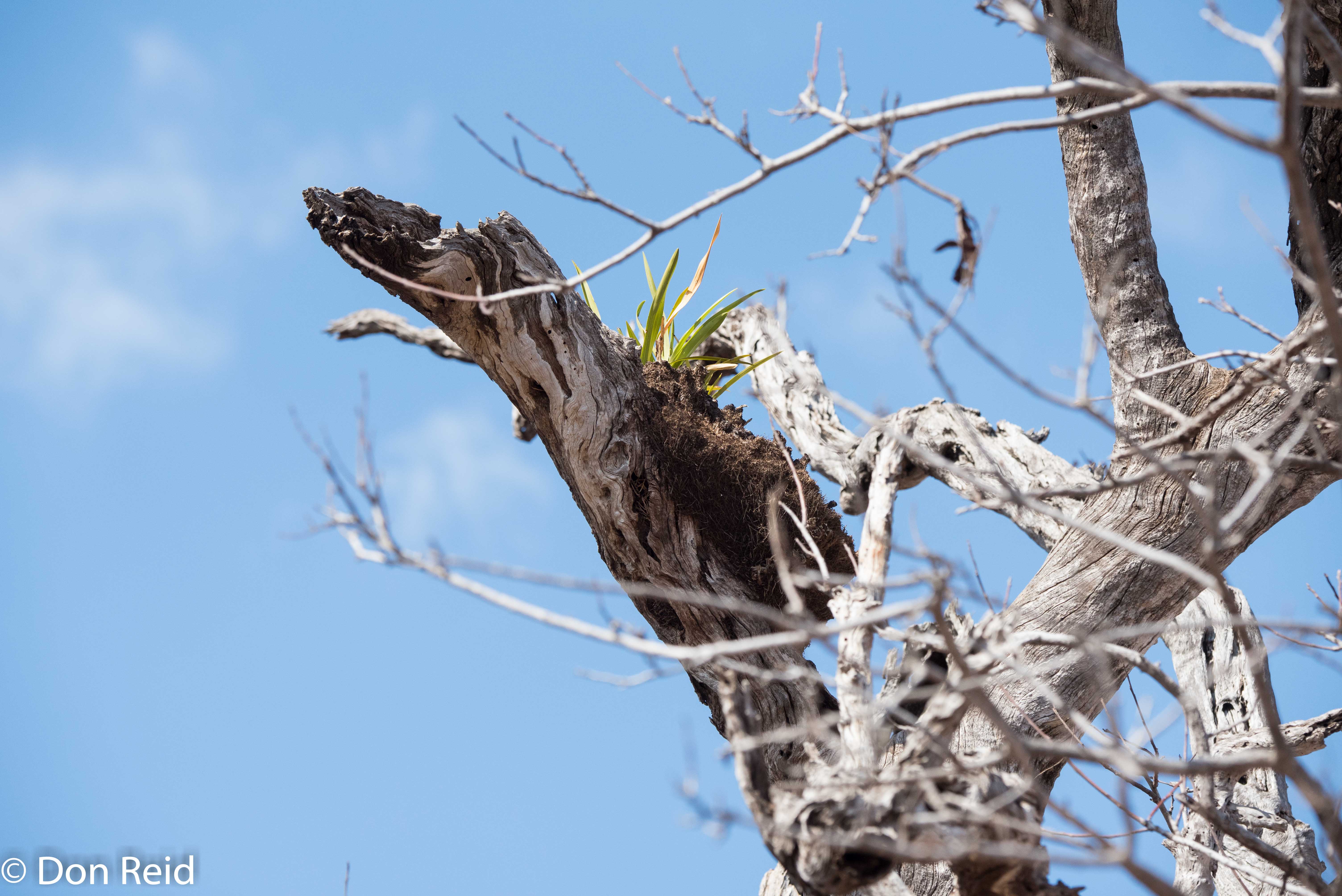
Olifants river from viewpoint on the S44Dragonfly, Olifants riverPlant (Wild Iris?) growing in dead tree, Olifants river
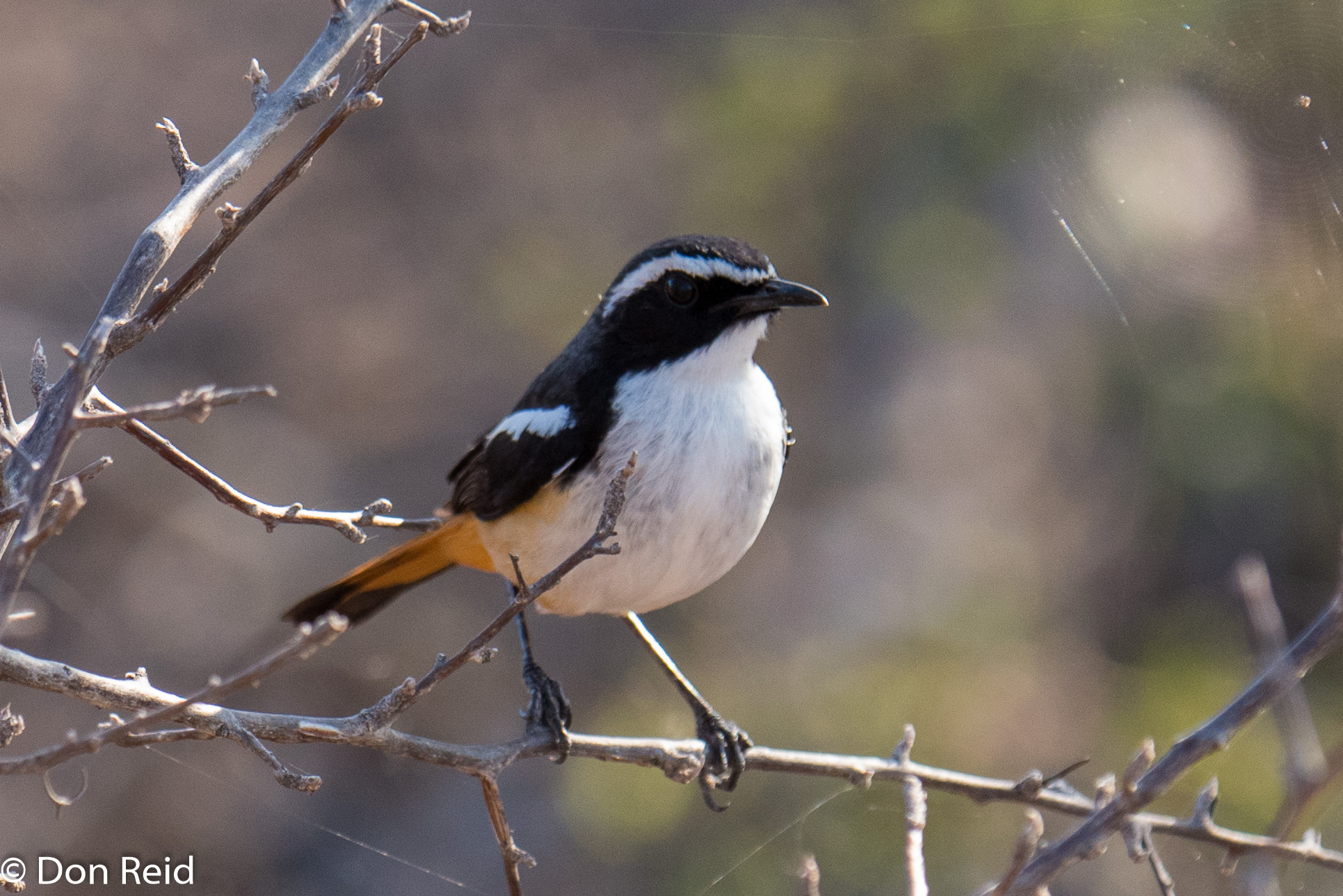
As we were standing around with our mugs of tea, a different looking bird caught my eye – it turned out to be a White-throated Robin-Chat, which sat obligingly still so that I could photograph it from close quarters.
White-throated Robin-Chat, Olifants river
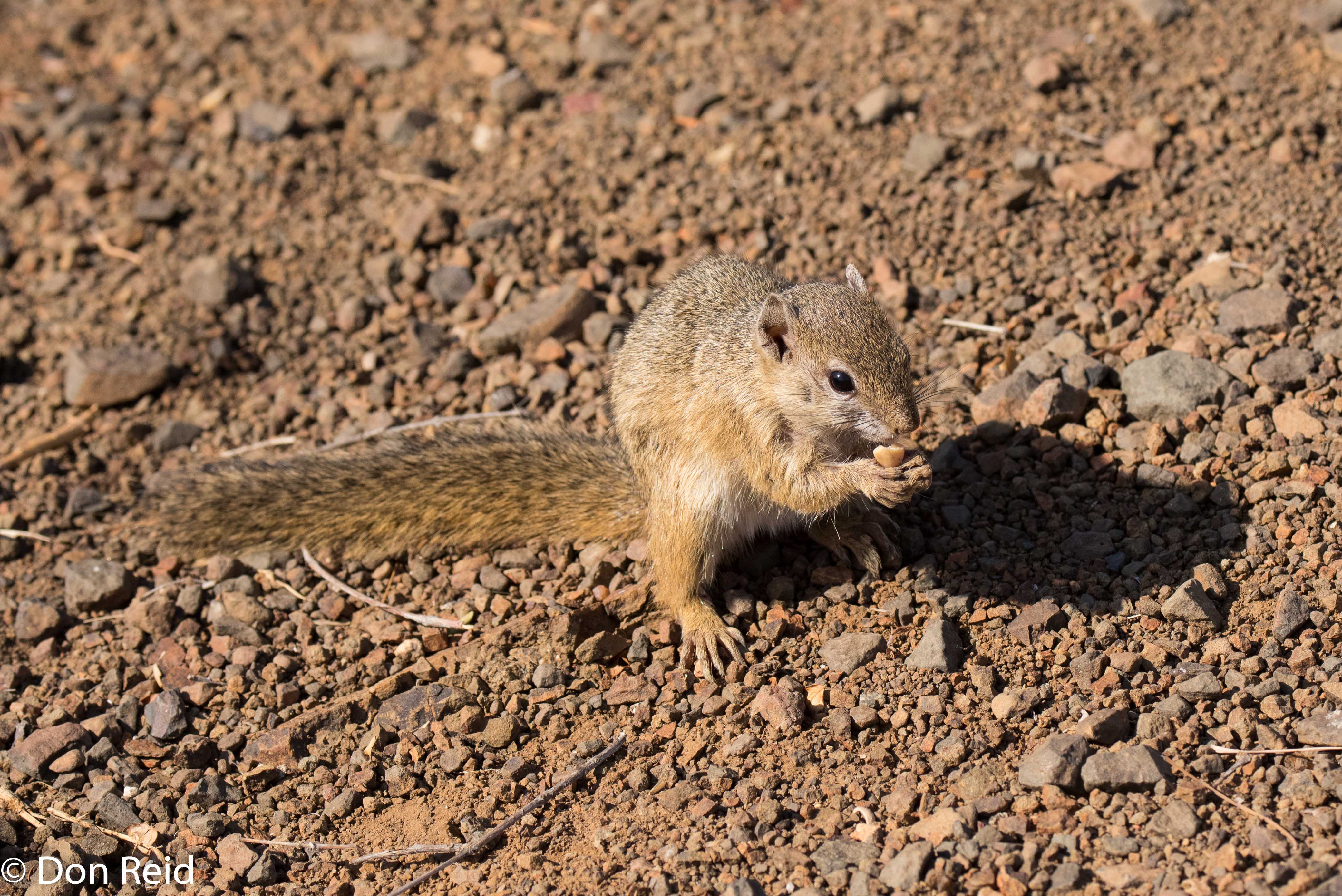
At the same time a very tame squirrel (suspiciously so – had he been drinking?) decided to entertain us, worrying Geraldine and even jumping onto my leg at one stage – no idea what he was thinking, it’s not as if I had some nuts hidden in my shorts.
Tree Squirrel (from hell!)
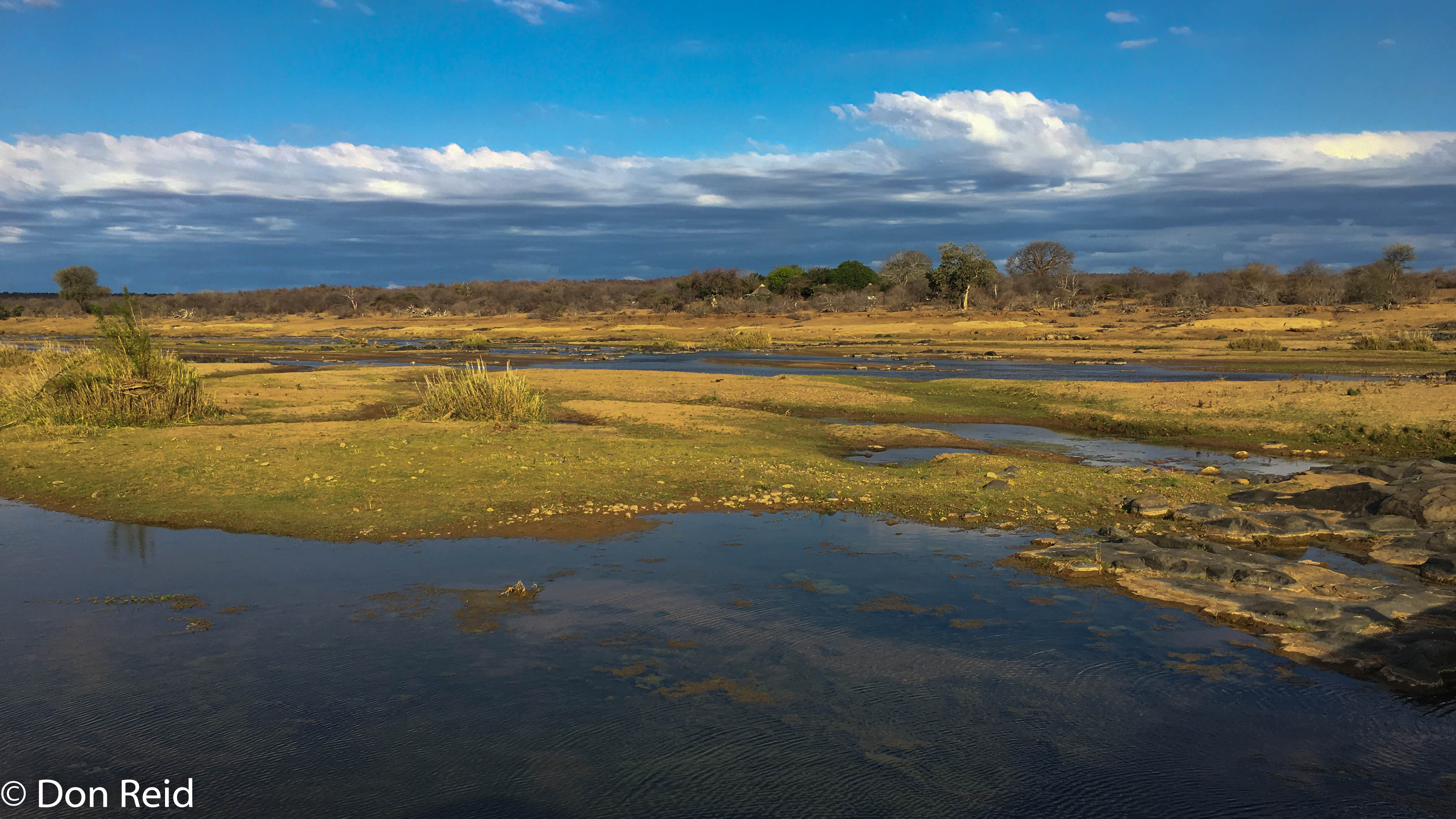
Later on the same day we headed out on a short drive to Balule camp and back, along the S92, spending time at the several river viewpoints and on the low water bridge at Balule, taking in the classic river scenes in the soft late afternoon light – “golden hour” for photographers.
The road to Balule follows the S92View from the low water bridge at Balule
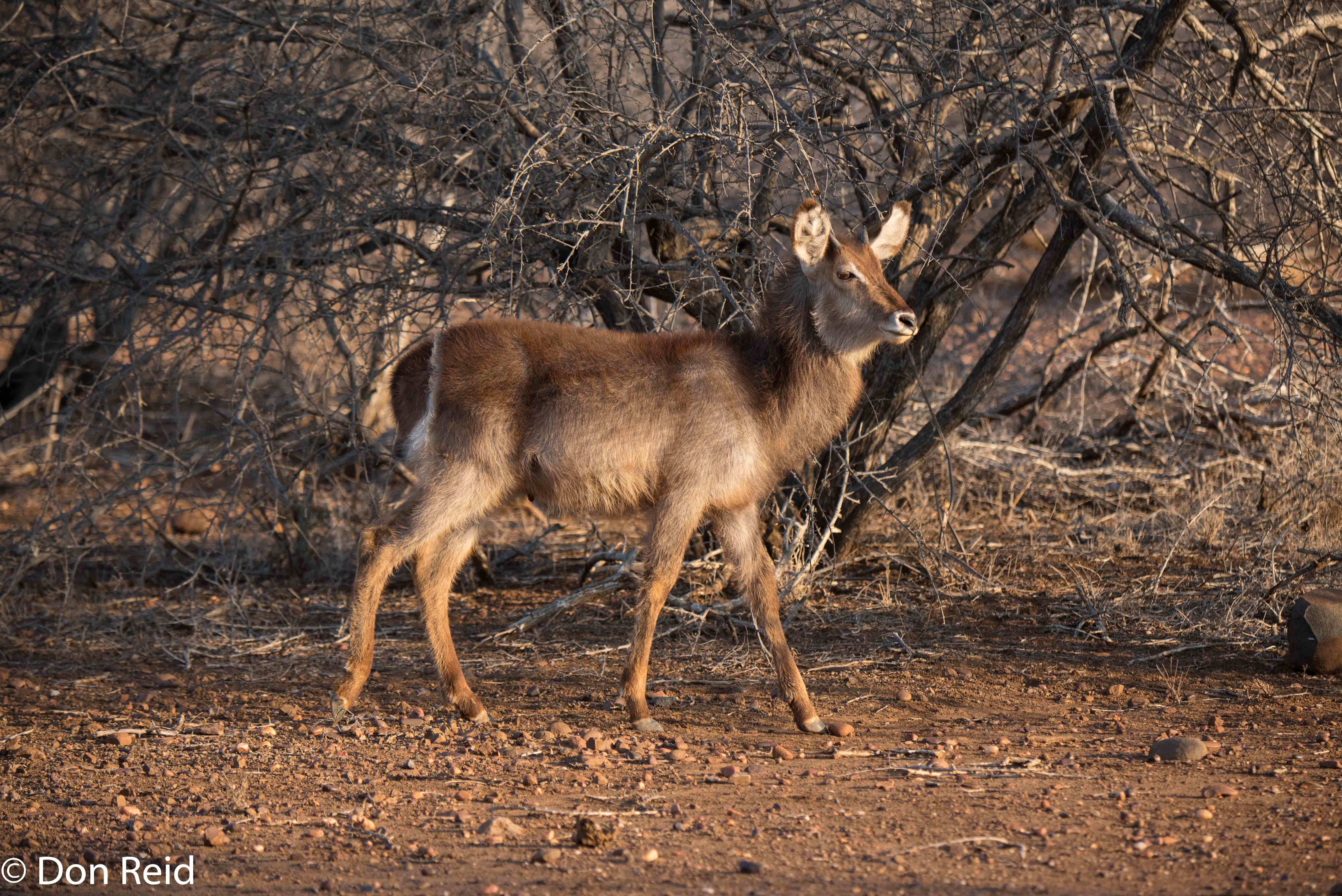
The short route had plenty of interest, from Waterbuck to White-fronted Bee-Eaters. A displaying Red-crested Korhaan entertained us briefly with its vertical flight and tumbling fall back to earth, while a Green-backed Heron put in an appearance at the bridge, moments after Andre predicted seeing one there – with some training this boy will go far!
WaterbuckWhite-fronted Bee-eater
River Walk from Olifants
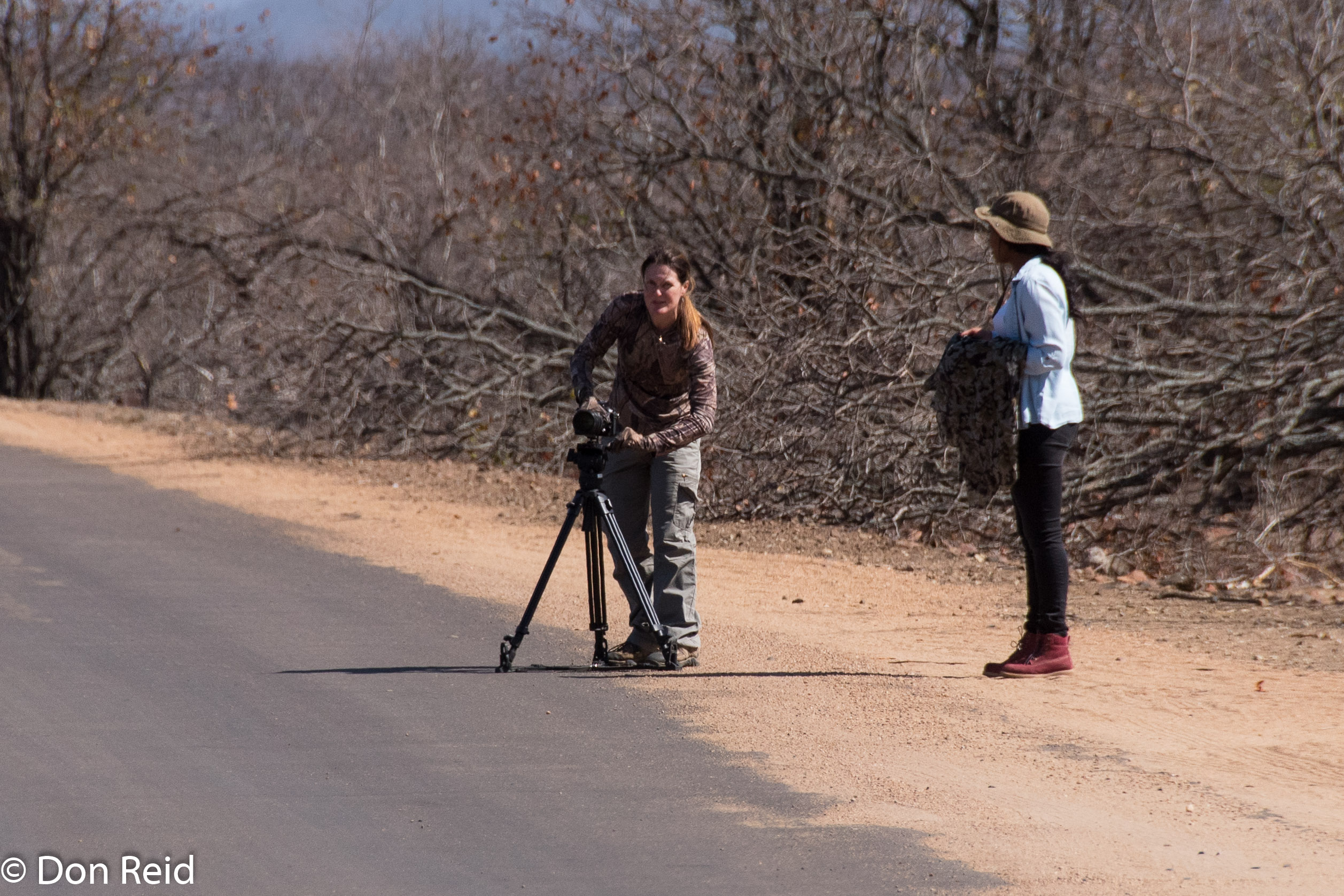
Nowadays there is a selection of activities available from most of Kruger’s camps and we decided to do the mid-morning River walk along a stretch of the Letaba river not far from the camp. On checking in for the walk we discovered we were to be bit-part actors in a promotional video and had to “pose” here and there.
And ACTION
The guides drove to the starting point at a low water bridge accessed via a “no-entry” road. Along the way a pair of African Hawk-Eagles soared overhead and at the bridge we could spot African Jacana, Black Crake, Wire-tailed Swallows and a swooping African Harrier-Hawk.
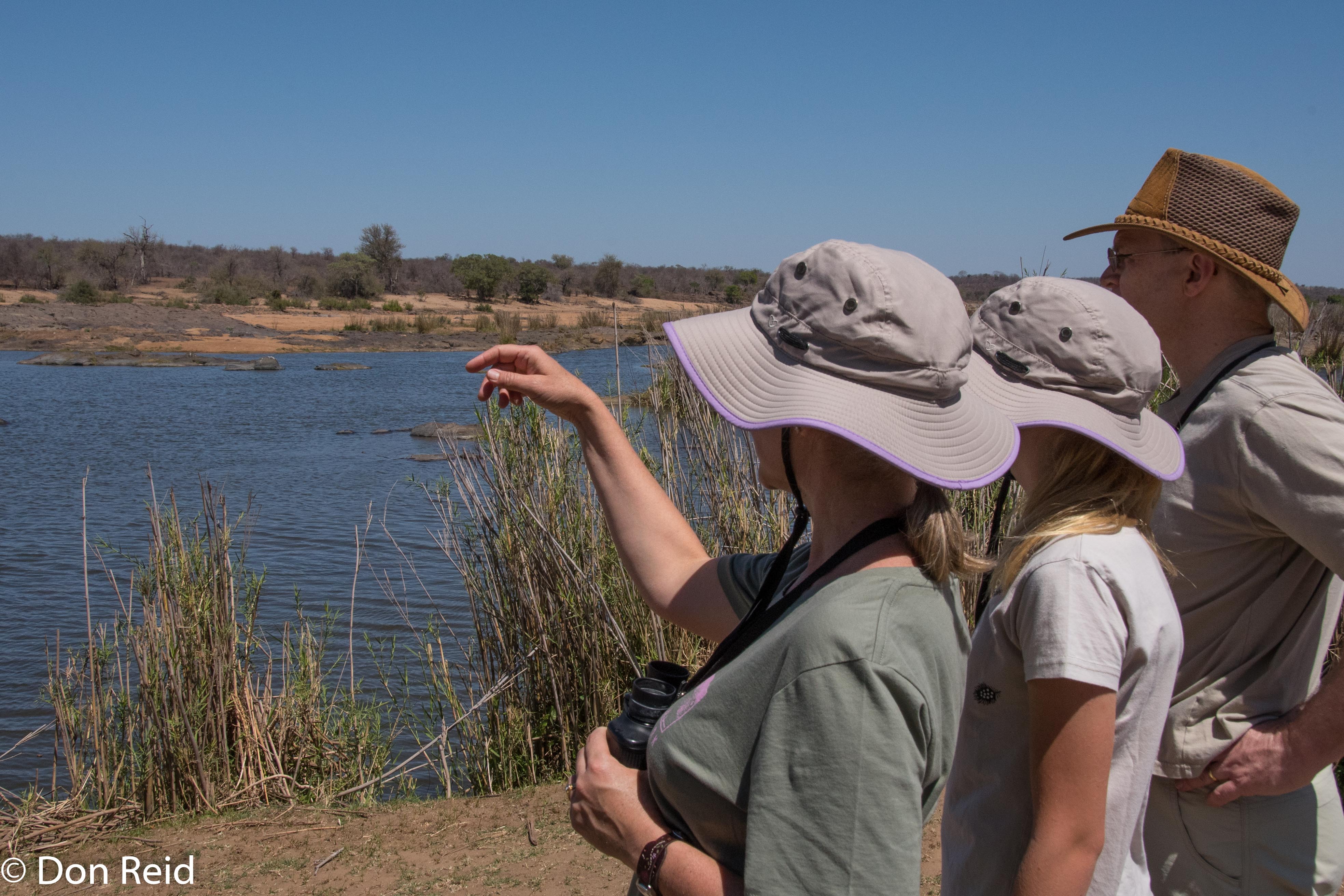
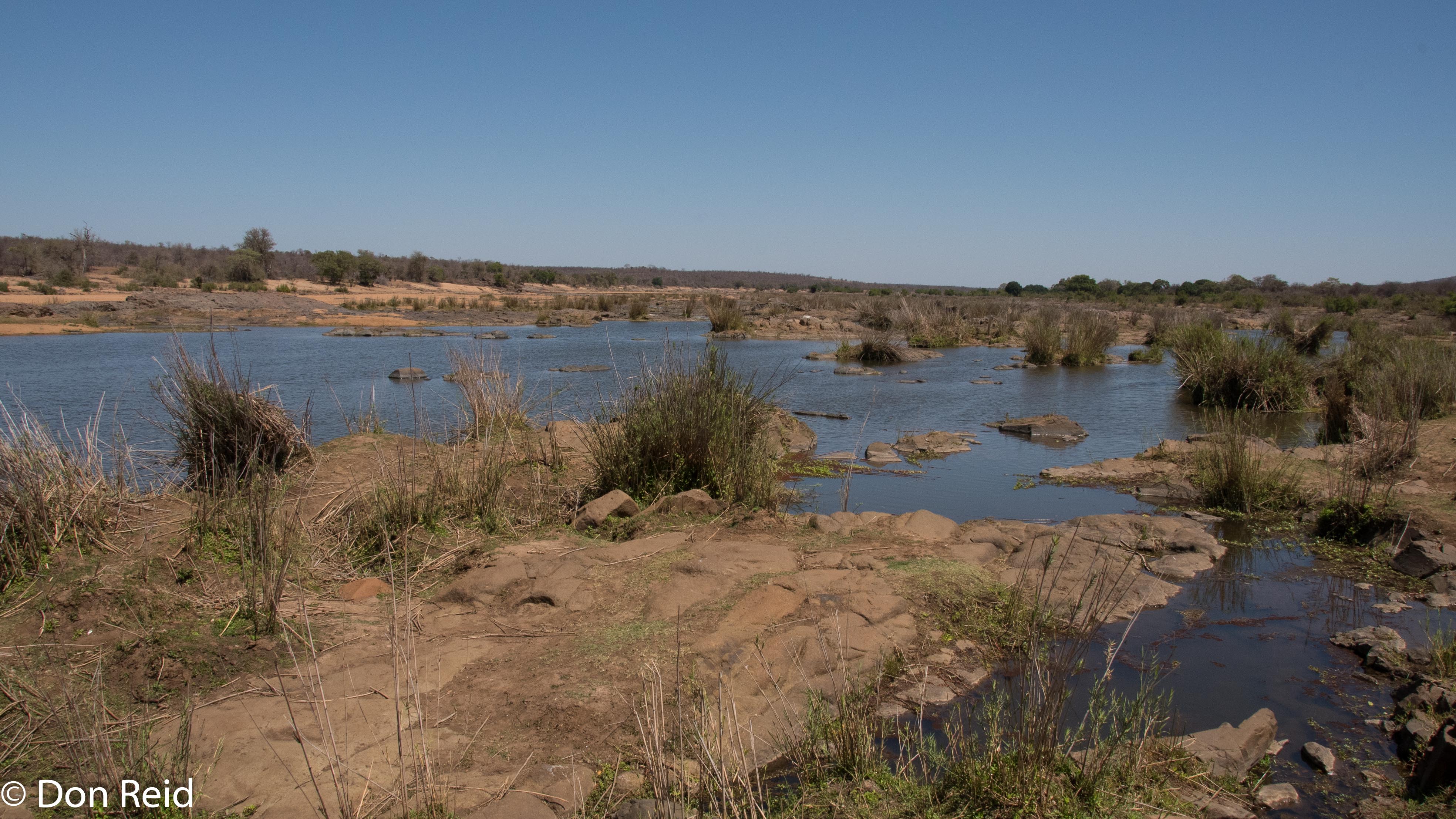
The walk started at the bridge and we headed in single file down the river (or was it up?) our guides in front, stopping frequently for lessons in the various aspects of the surroundings including animal droppings – a science in itself it seems, river vegetation, trees, freshwater mussels and skeletal remains of animals such as Hippo and Buffalo.
Letaba River walkLetaba River walk
Birds along the river included Goliath and Grey Herons, African Openbill, Egyptian Goose (of course) and Spoonbills. Calls emanating from the riverine bush belonged to Grey-headed Bushshrike, Black-headed Oriole and some noisy Tawny-flanked Prinias amongst the longer grasses.
Letaba River walk
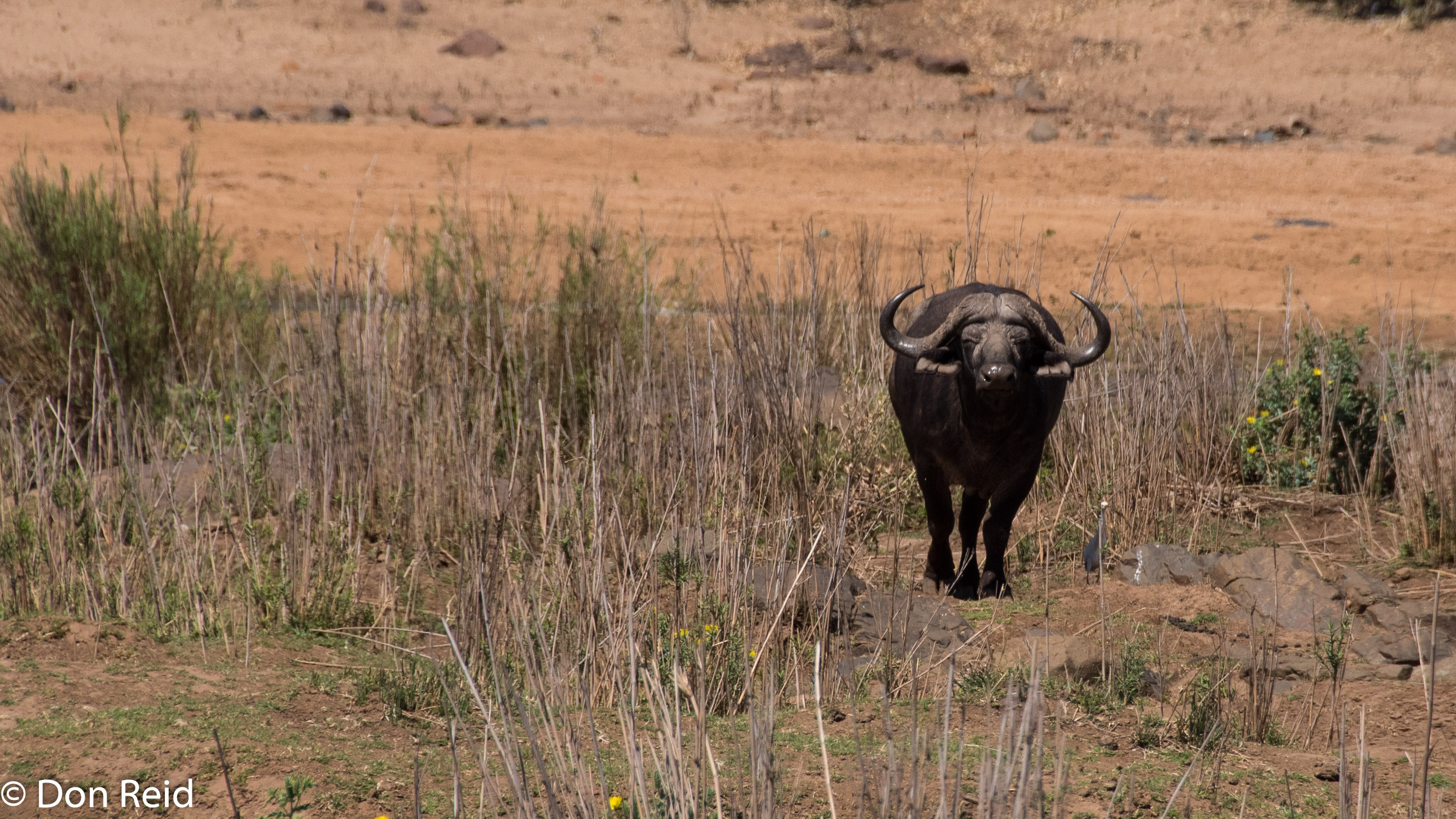
We purposely skirted around two lone Buffaloes – called “dagha-boys” for reasons which guide Patrick explained nicely – one of which watched us curiously as we ambled past. Hippos were seen at a distance and Waterbuck and Impalas scattered at our approach. The walk was not particularly strenuous and it wasn’t long before we turned around and headed back to the vehicle, well pleased that we had booked for this outing.
Buffalo – “dagha-boy”Letaba River
And the Baboons…….
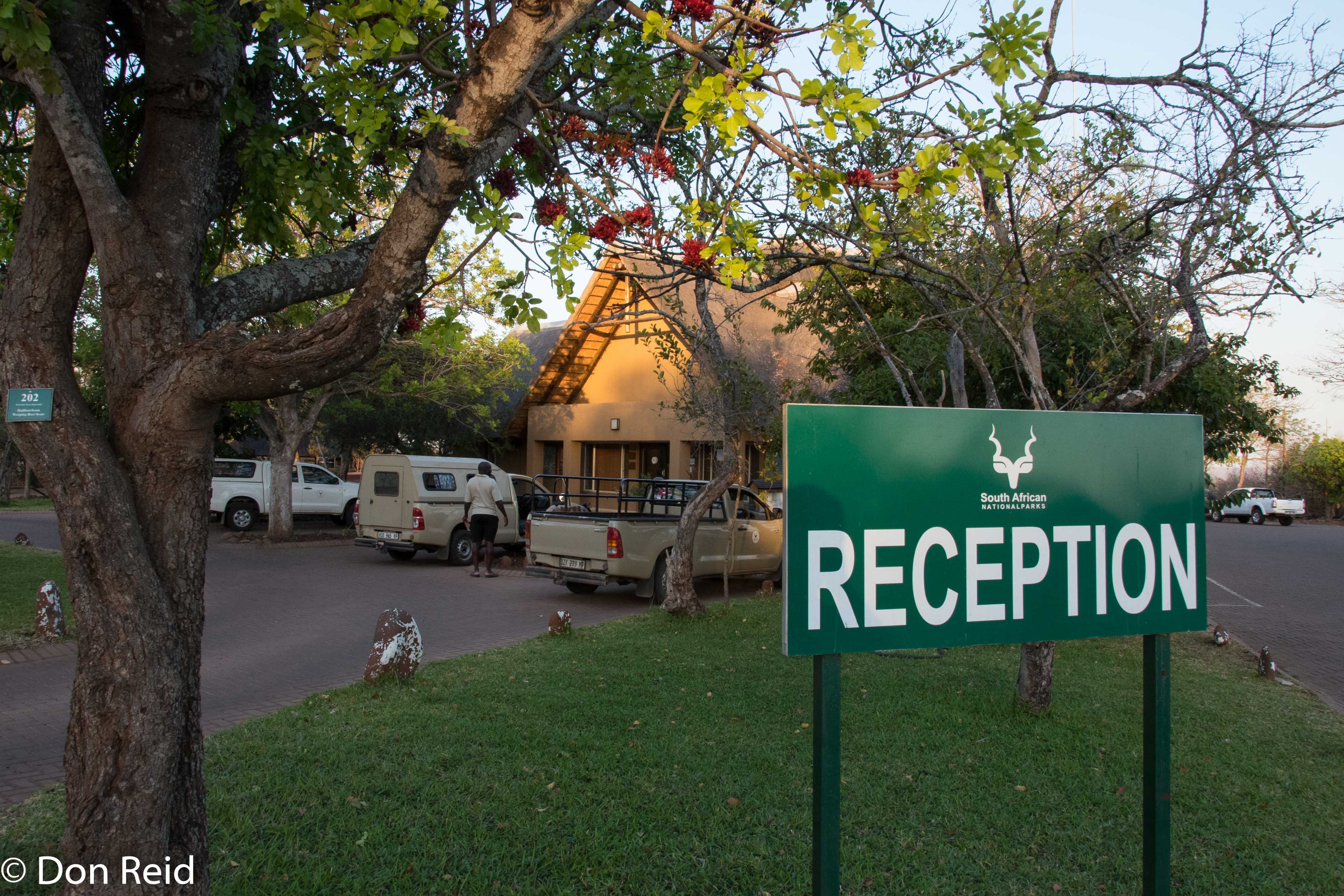
Well they, along with the monkeys, are a real nuisance around the rest camp. On checking in at Reception they do warn you to keep your edibles inside and windows closed when not around, but these crafty animals find ways of getting what they want – grabbing goodies from vehicles while you unpack, opening cupboards on the stoep and even rummaging in the dustbins which are kept in a small enclosure behind a metal gate, which they simply jump over as it is not enclosed on the top.
Baboon nuisance, Olifants camp
They also rate as some of the most aggressive animals I have come across, growling at me when I confronted them as they were busy trashing our neighbouring rondavel’s provisions. The only deterrent is a good old cattie (catapult) – they scatter at the sight of it!









































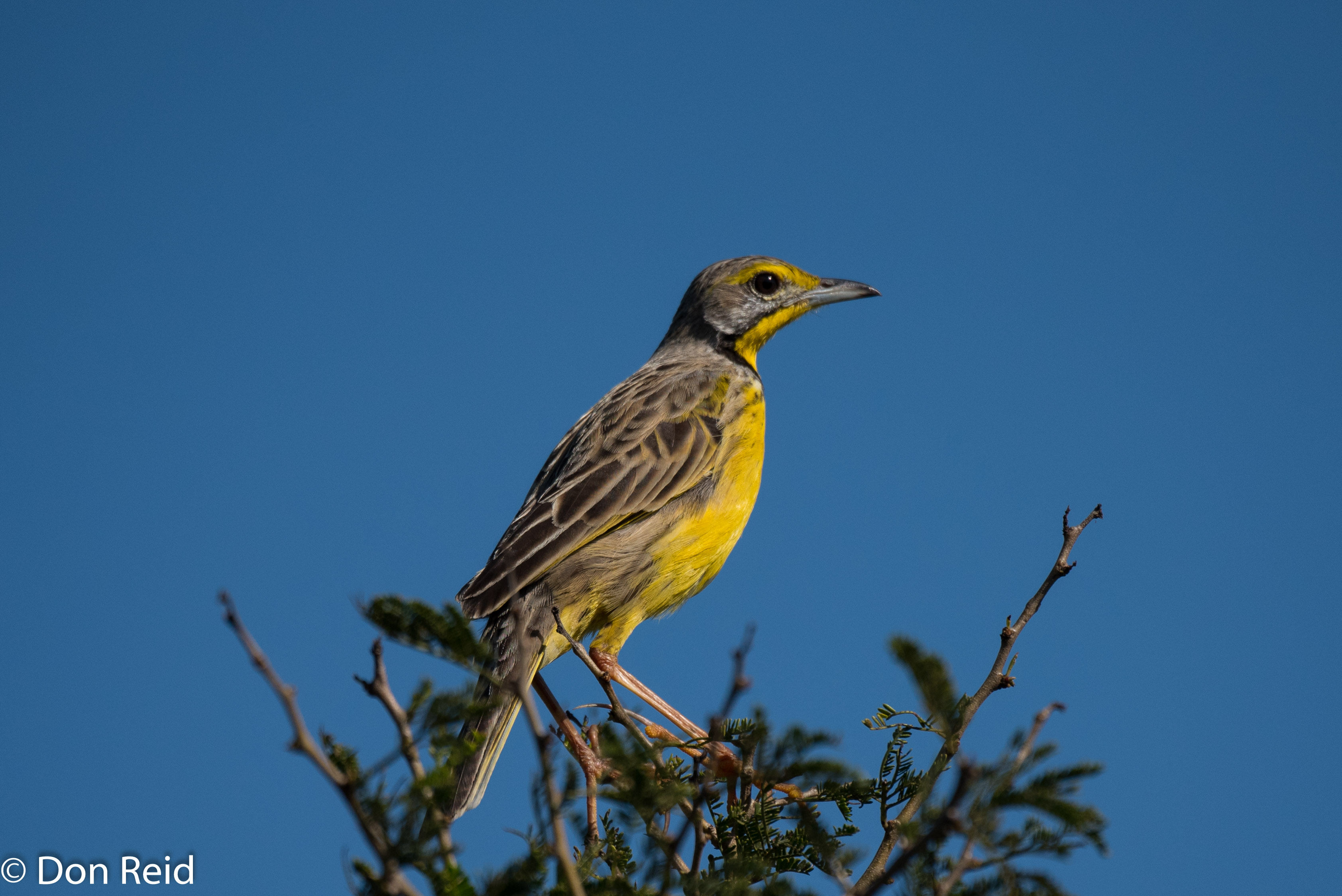
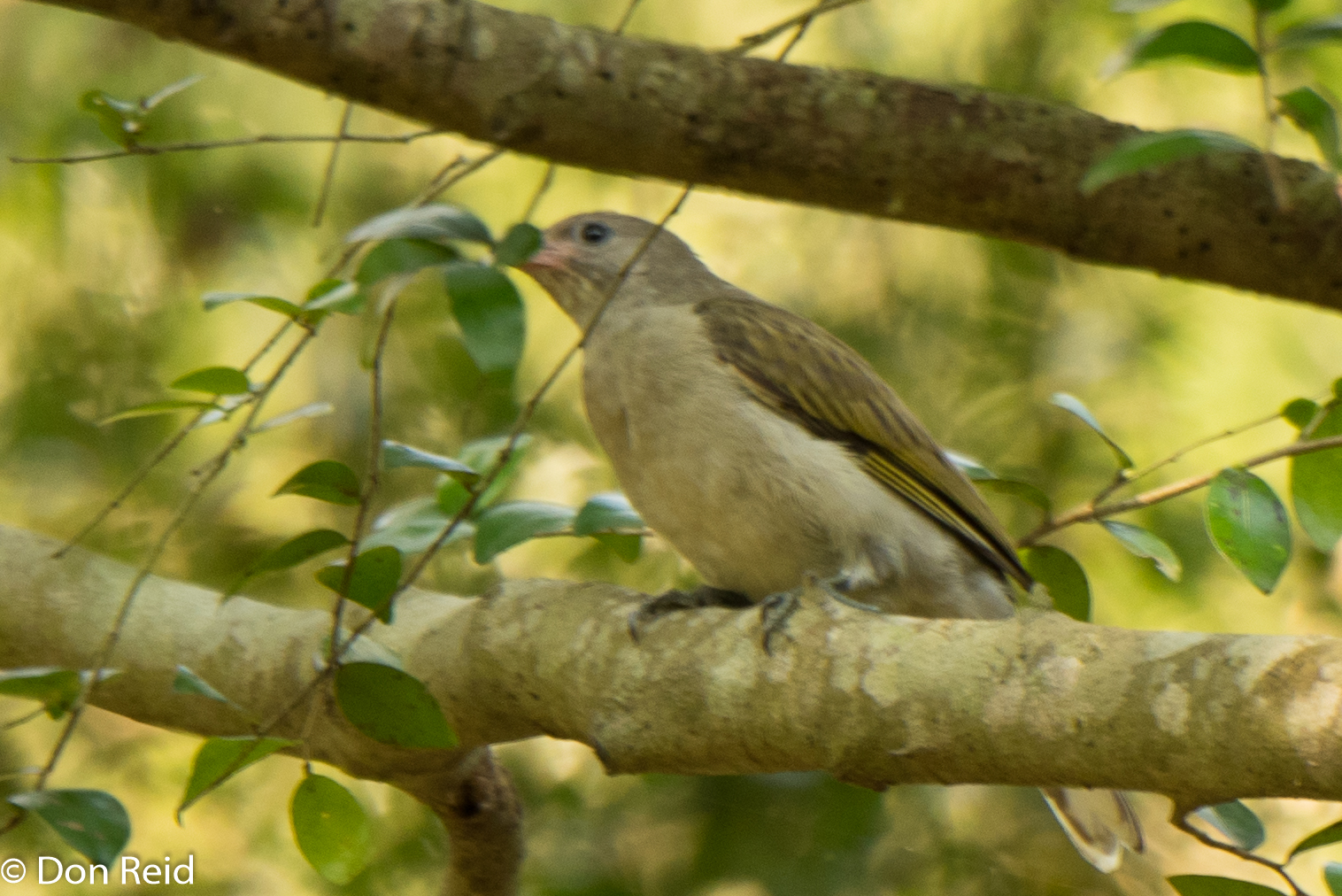
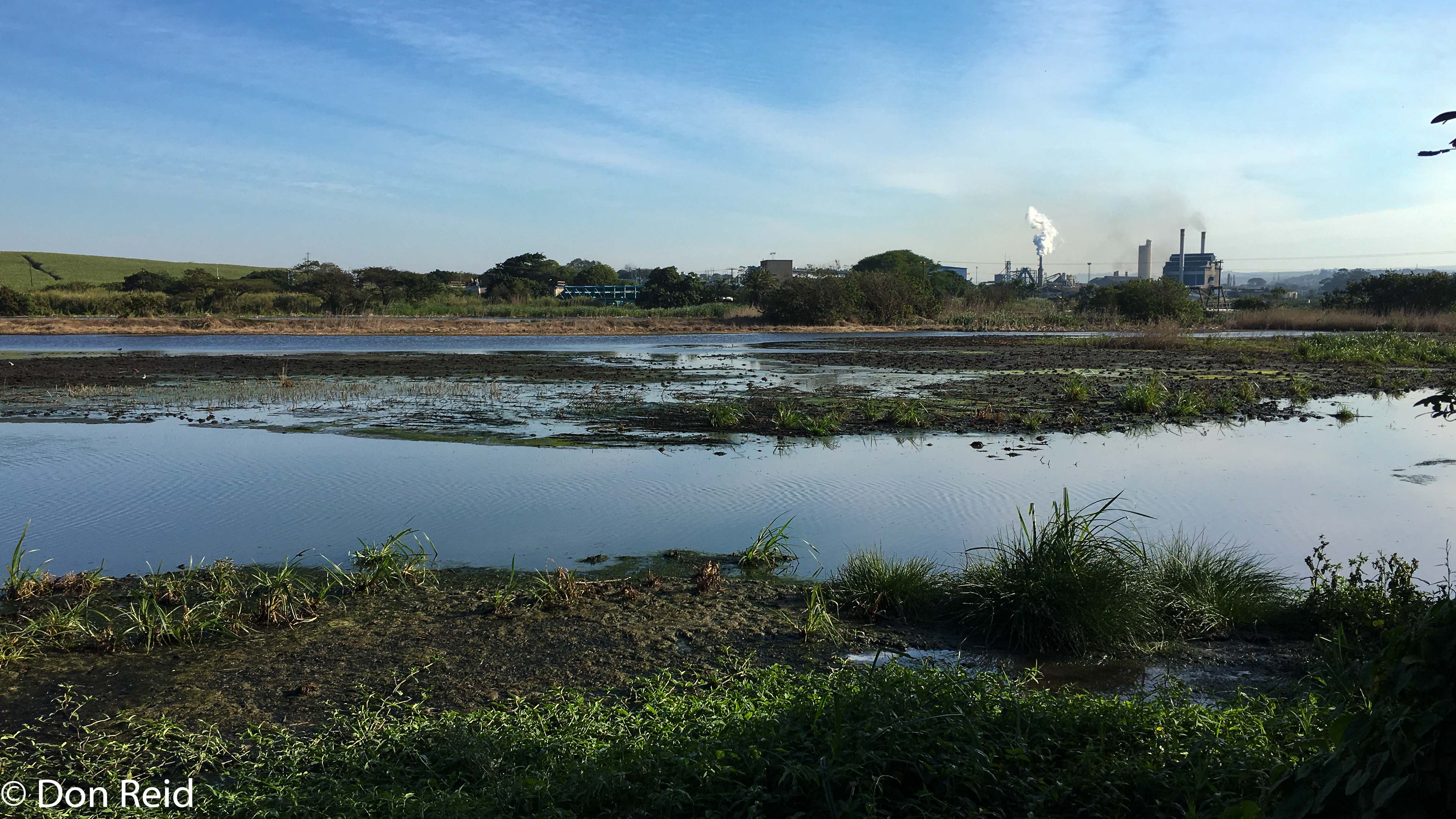















































 Mostly Birding