We are getting back into our Pretoria routine after 3 months in Mossel Bay, and I decided to go out atlasing in Roodeplaat Nature Reserve one morning this week. Heading into summer the weather in Pretoria is already warm with temperatures in the low 30’s and the skies are clear – some rain has fallen but the ‘big’ summer rains accompanied by the typical highveld thunderstorms have not yet arrived – hopefully they are not far off.
It was a good morning’s atlasing with 71 species logged on the Birdlasser app, including one which put on a brief display for me (well that’s what I like to think) ….
I was out of the car listening to a Lesser Honeyguide calling near the nature reserve offices, when I saw what looked like a woodpecker fly from a tree to a bare wooden utility pole. I could not make out what it was as it seemed to be purposely hiding from me so I approached carefully until I had a partial view and took a few record photos.
It then started pecking at the pole in a rhythmic fashion creating a loud drumming sound and I immediately wondered why, as there was no hope of anything edible to be found and the pole was completely unsuitable for nesting or similar purposes.
Here’s the short clip I filmed of the woodpecker, which I later identified as a Bearded Woodpecker, in action – do excuse the shakiness of the images – I had to film it at a distance on full zoom so as not to scare it away and the wind blowing didn’t help matters.
A read through of the species habits on the Roberts app on my phone provided the following insights into this behaviour – nothing to do with food or nesting it seems –
Presence often given away by loud, distinctive call, or by loud tapping (while foraging), or drumming.
Moves out of sight behind a branch in response to danger.
Both sexes drum frequently, mostly early morning; used in territorial advertisement and to establish contact with partner.
Drums in bursts of ca 1 sec at ca 12 strikes/sec, beginning fast, then slowing; usually on a high dead branch (same branch often reused); audible to 1 km.
Roberts VII Multimedia Birds of Southern Africa
It flew off after a while and I continued with my atlasing, pleased at having witnessed this behaviour and at having everything one wants to know about birds available on my iphone.
Top of our list of things to do during our visit to Paternoster in September this year was the trip to West Coast National Park and specifically the Postberg section which is only open during August and September each year and which has a reputation for producing spectacular displays of wild flowers at Spring time.
West Coast National Park
It was our first full day in Paternoster, having arrived the previous afternoon and we had already tasted some of the culinary delights that this small town has to offer – a beautifully prepared Kabeljou with rice and veg at De See Kat restaurant.
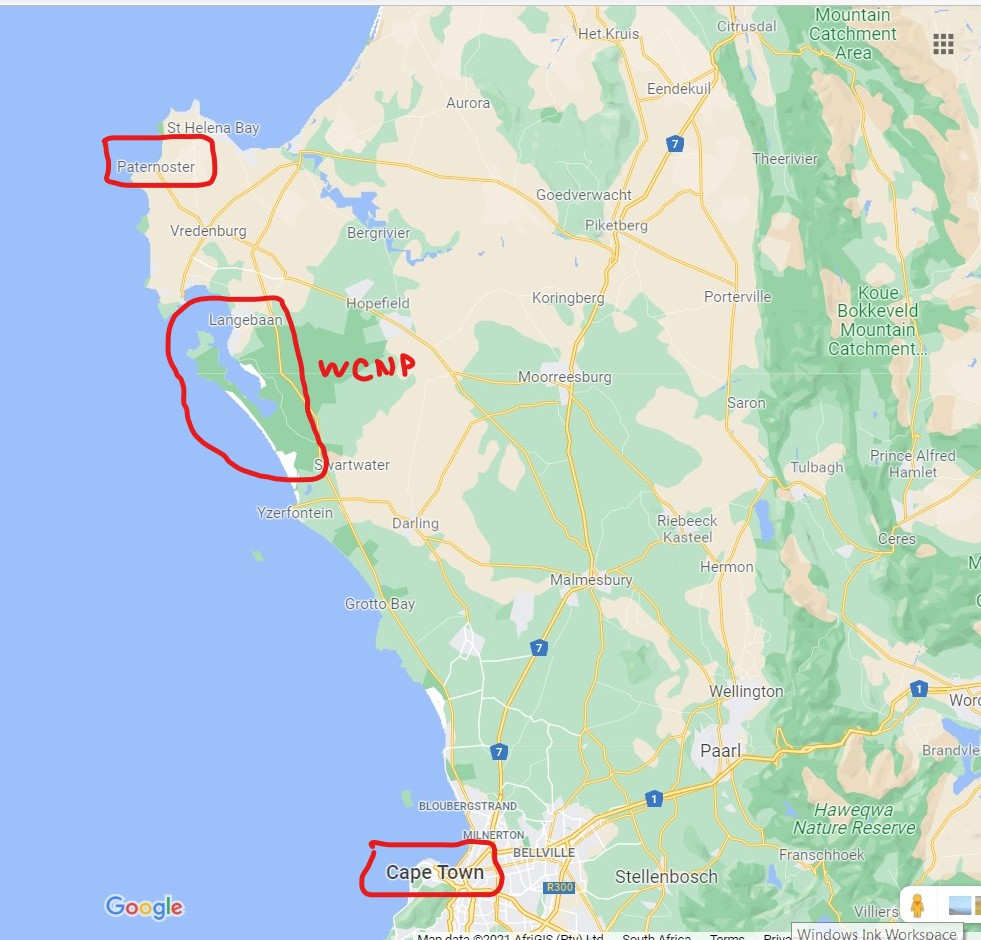
West Coast National Park (WCNP) is around 120 kms from Cape Town – the map shows its position relative to Cape Town and Paternoster –
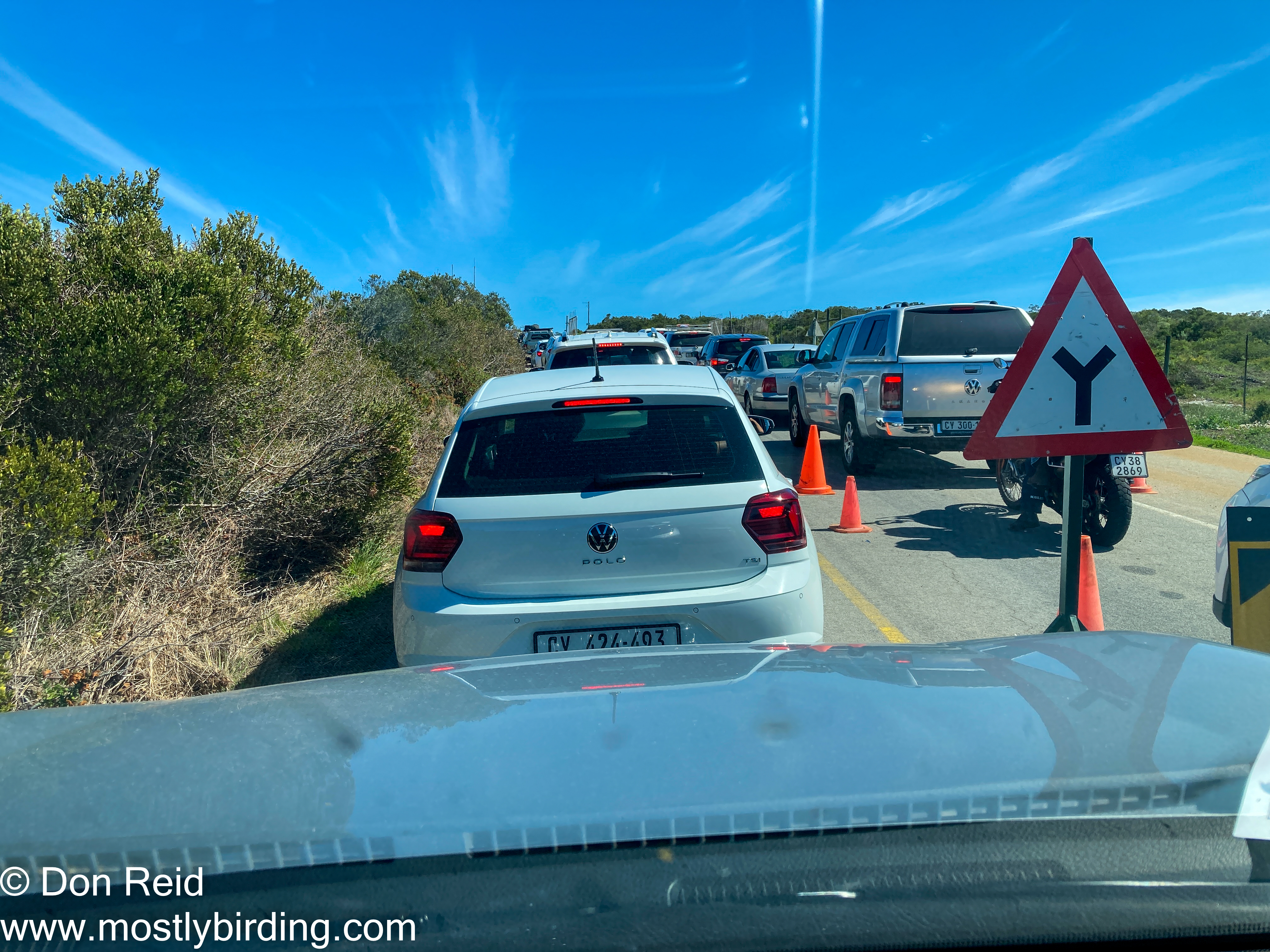
After a superb breakfast at our Paternoster guesthouse, we set off for the West Coast National Park via Vredenburg and the R27, a distance of just over 60 kms to the gate. As we approached the turnoff to the gate, we were amazed to find a queue – two abreast – of cars waiting to enter the Park and joined the back of it. I was very glad we had chosen a weekday for our visit as, judging from the popularity of this park during the wild flower season, the weekend was bound to be a lot more crowded.
West Coast National Park
Fortunately the queue moved along nicely and a half hour later we were into the park and heading in the direction of the Postberg section, along with a string of cars all heading the same way.
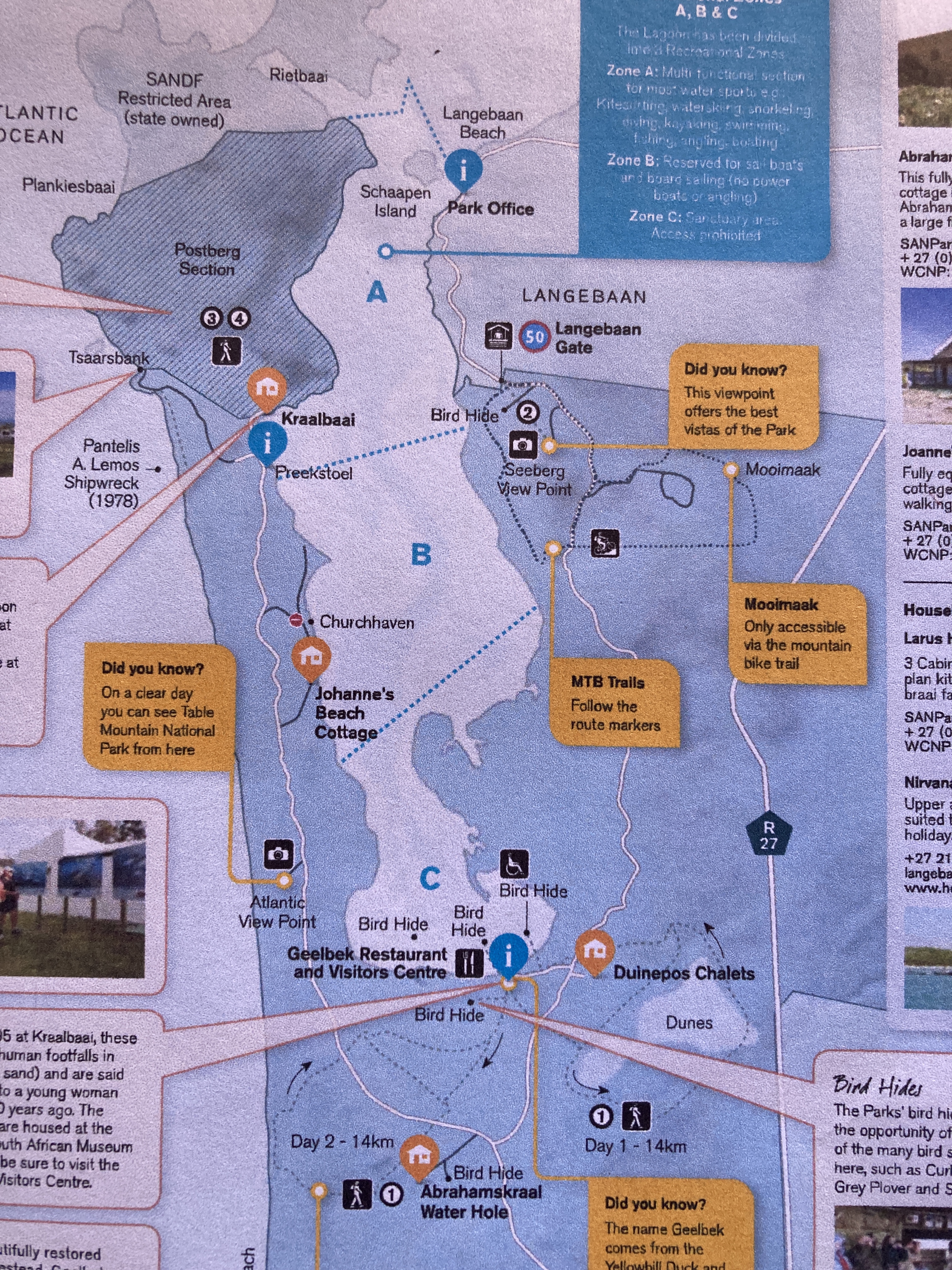
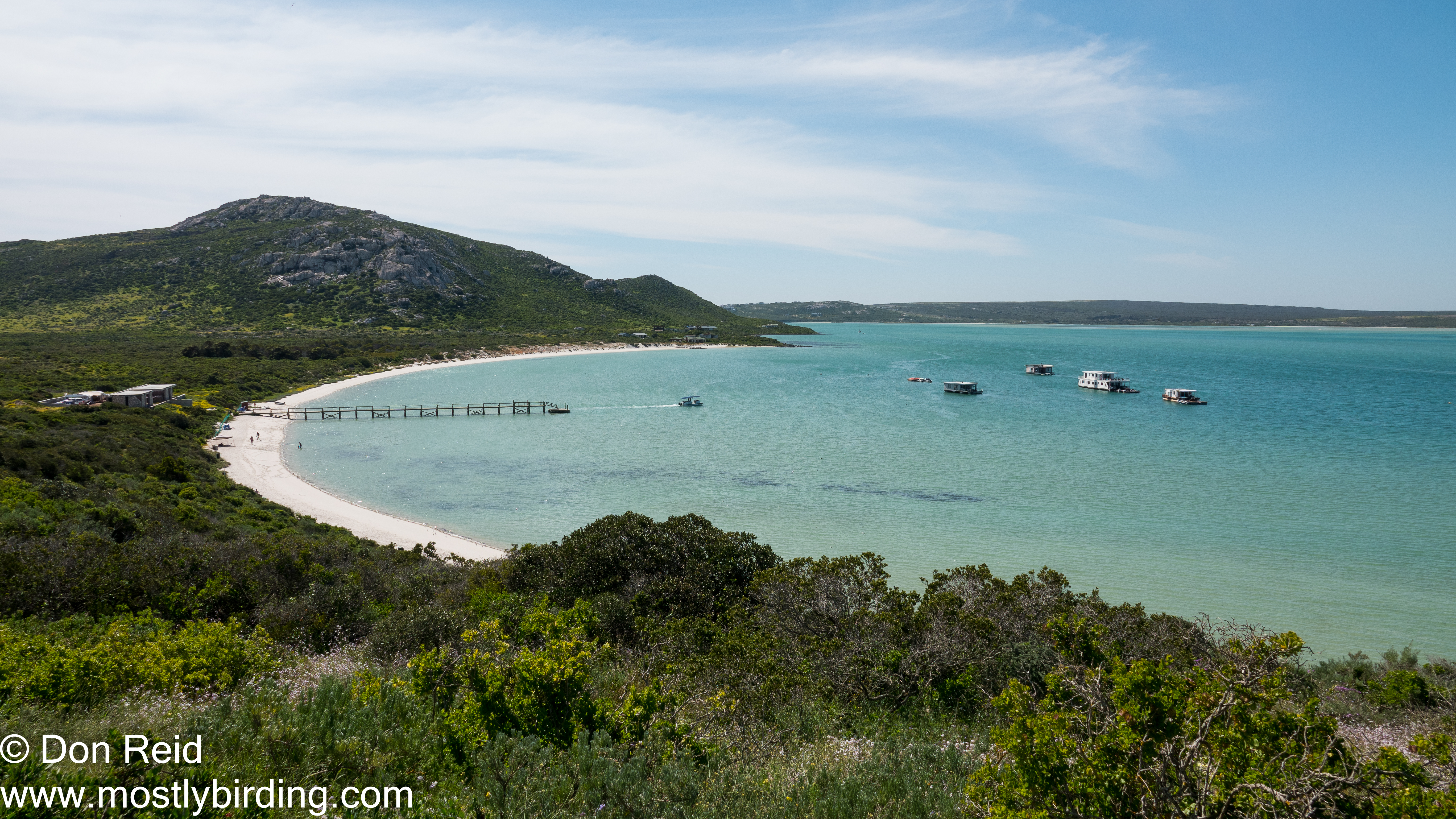
We made a couple of stops along the way to Postberg section, which lies in the northernmost part of the park, mainly to break out of the stream of cars, but also to have a closer look at some of the roadside flowers. One of these stops was at a parking spot overlooking the lagoon.
West Coast National Park
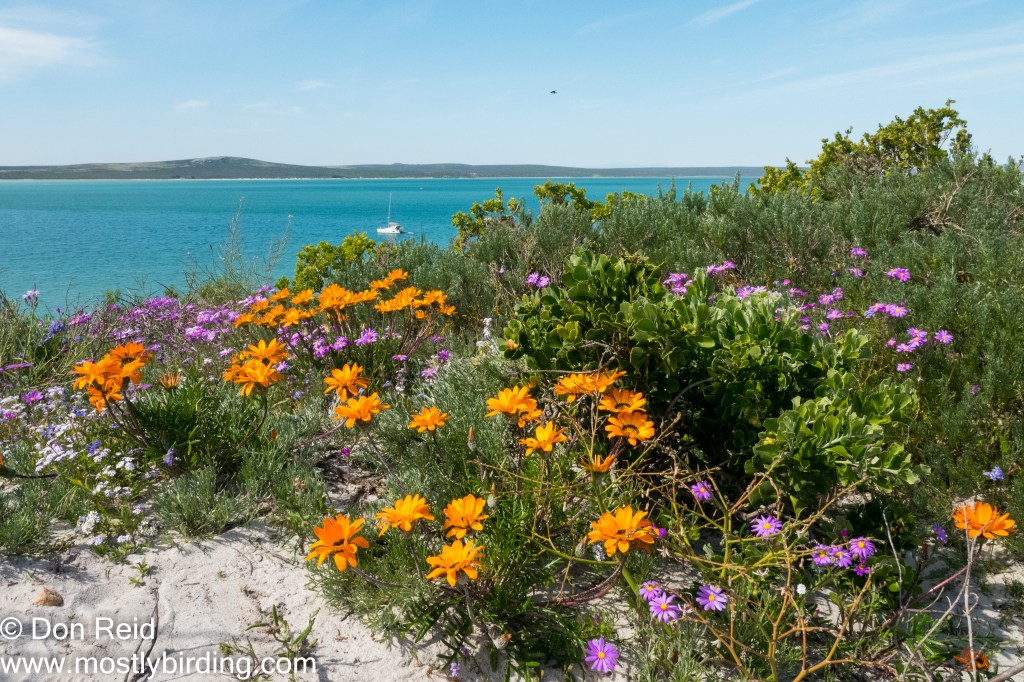
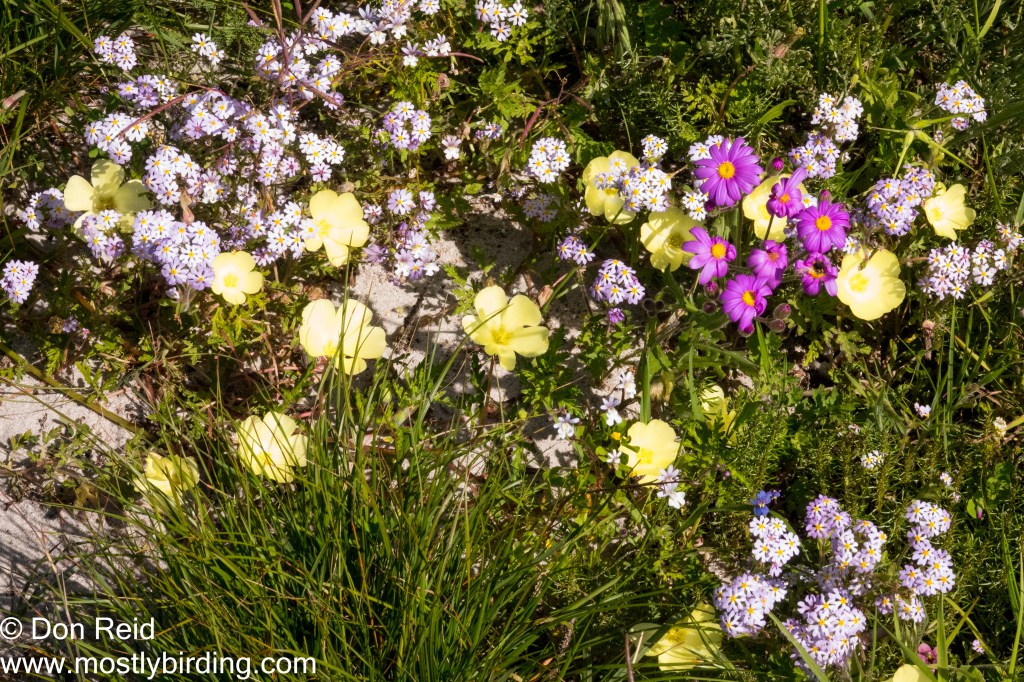
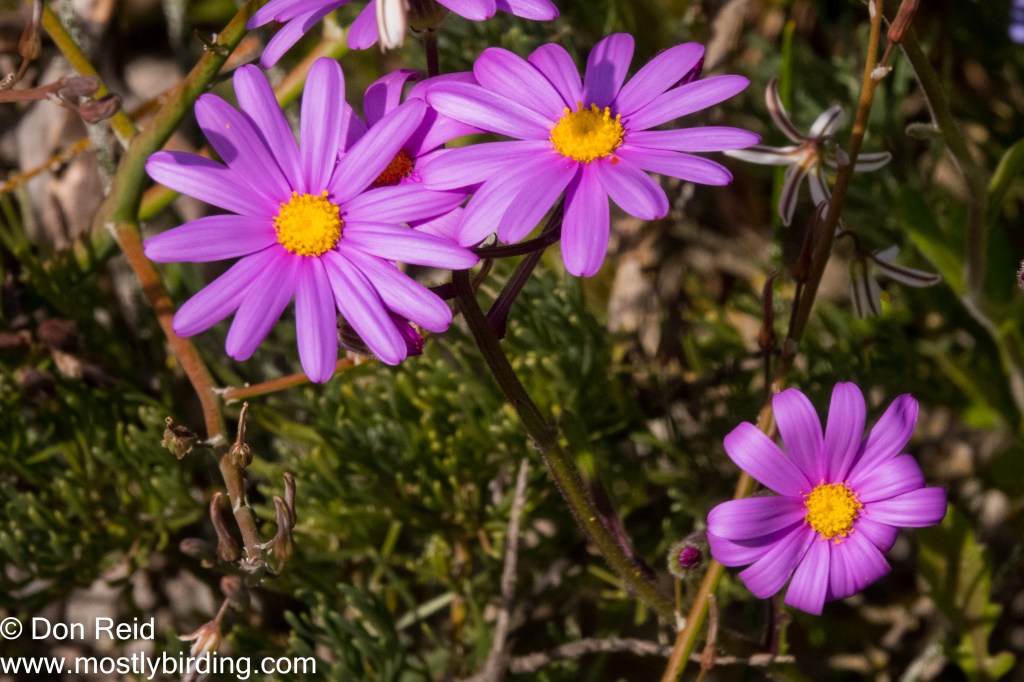
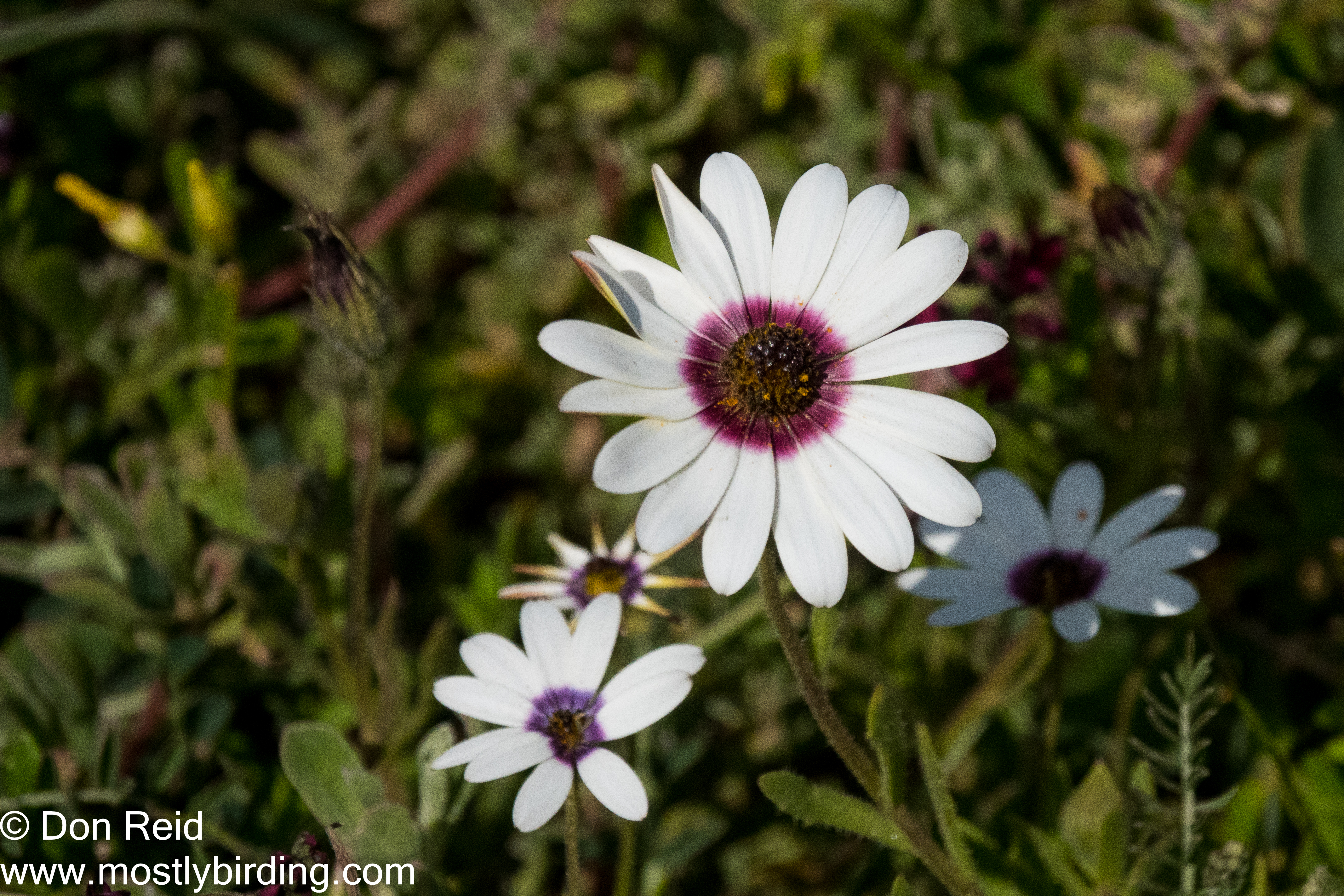
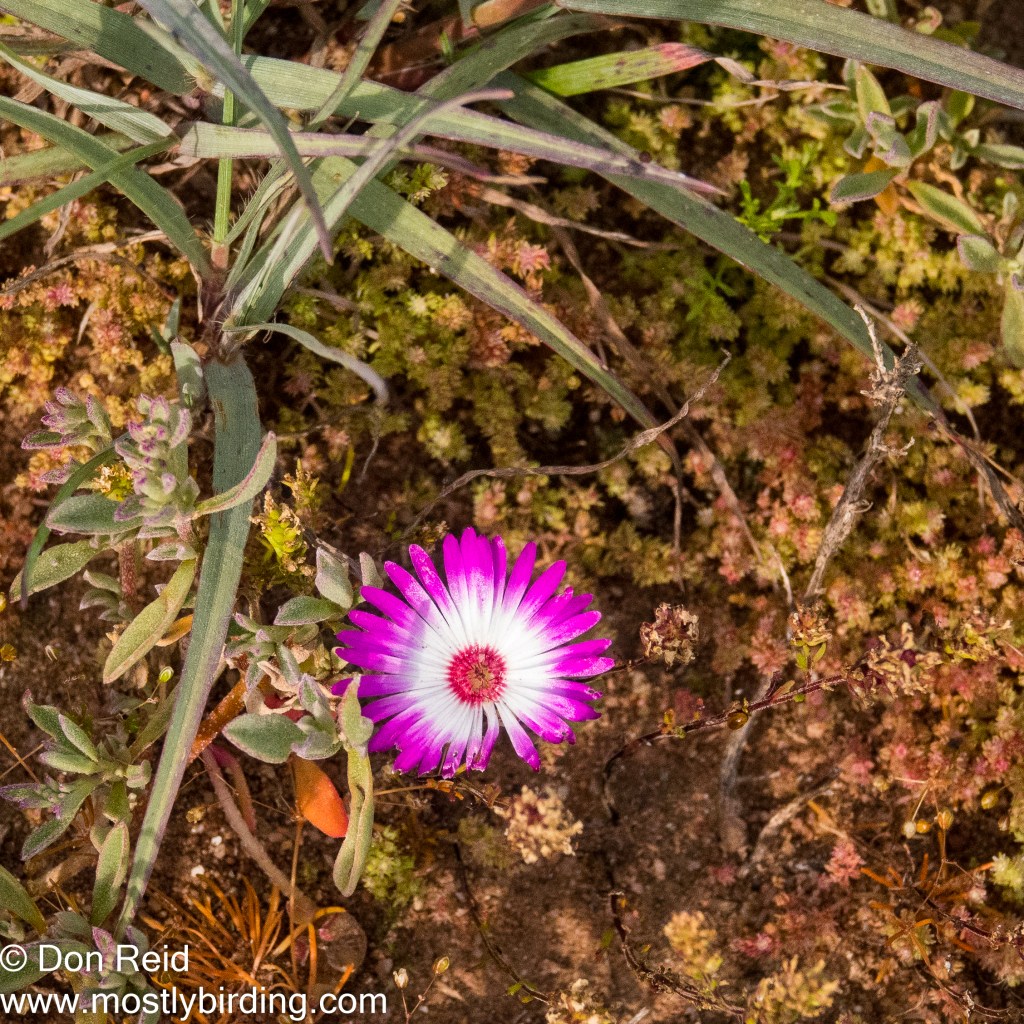
All along the road were patches of flowers which just begged closer inspection and of course a few images
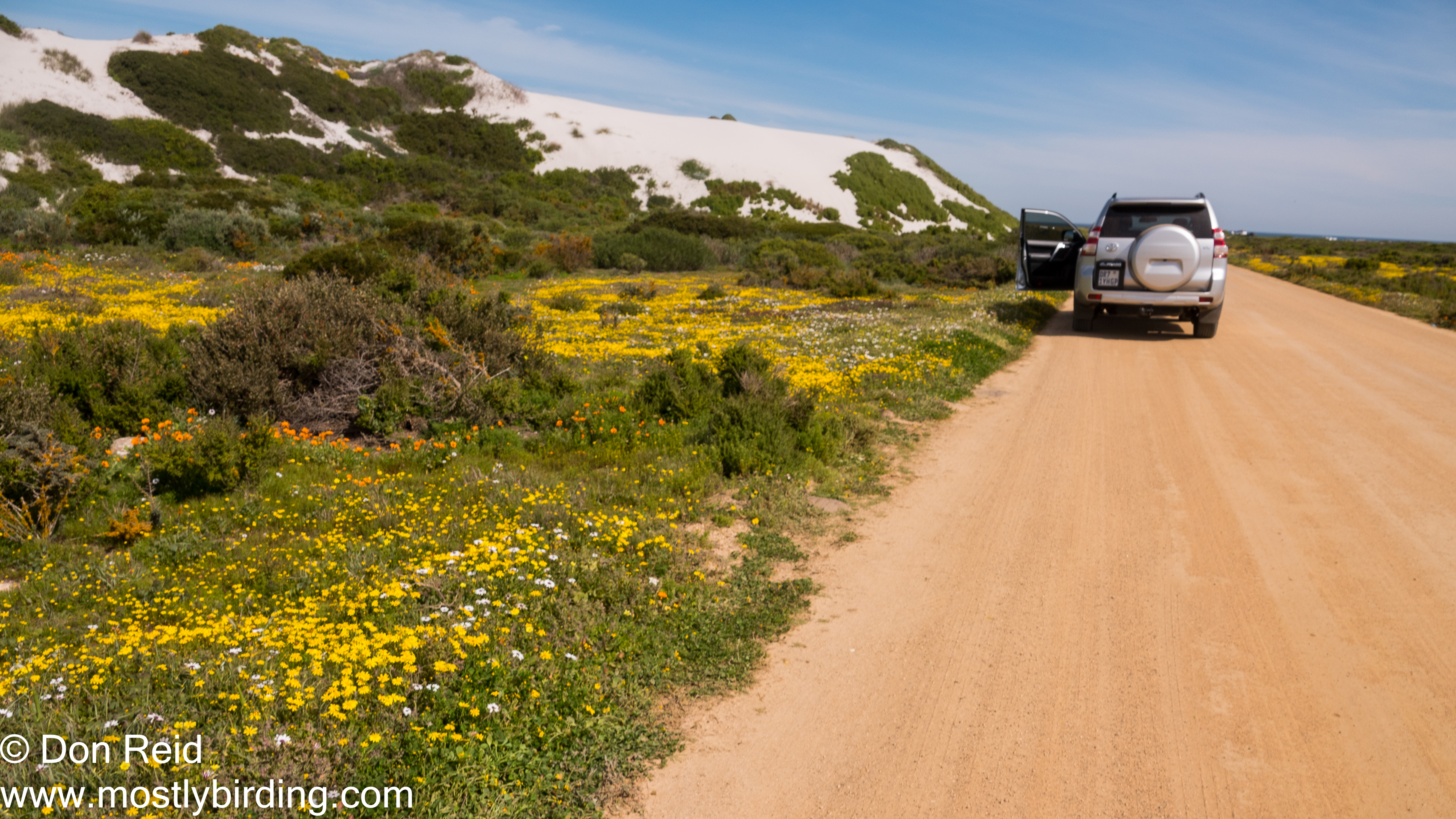
A turn-off from the main road through the park took us towards the sea, the road bordered by masses of flowers
West Coast National Park
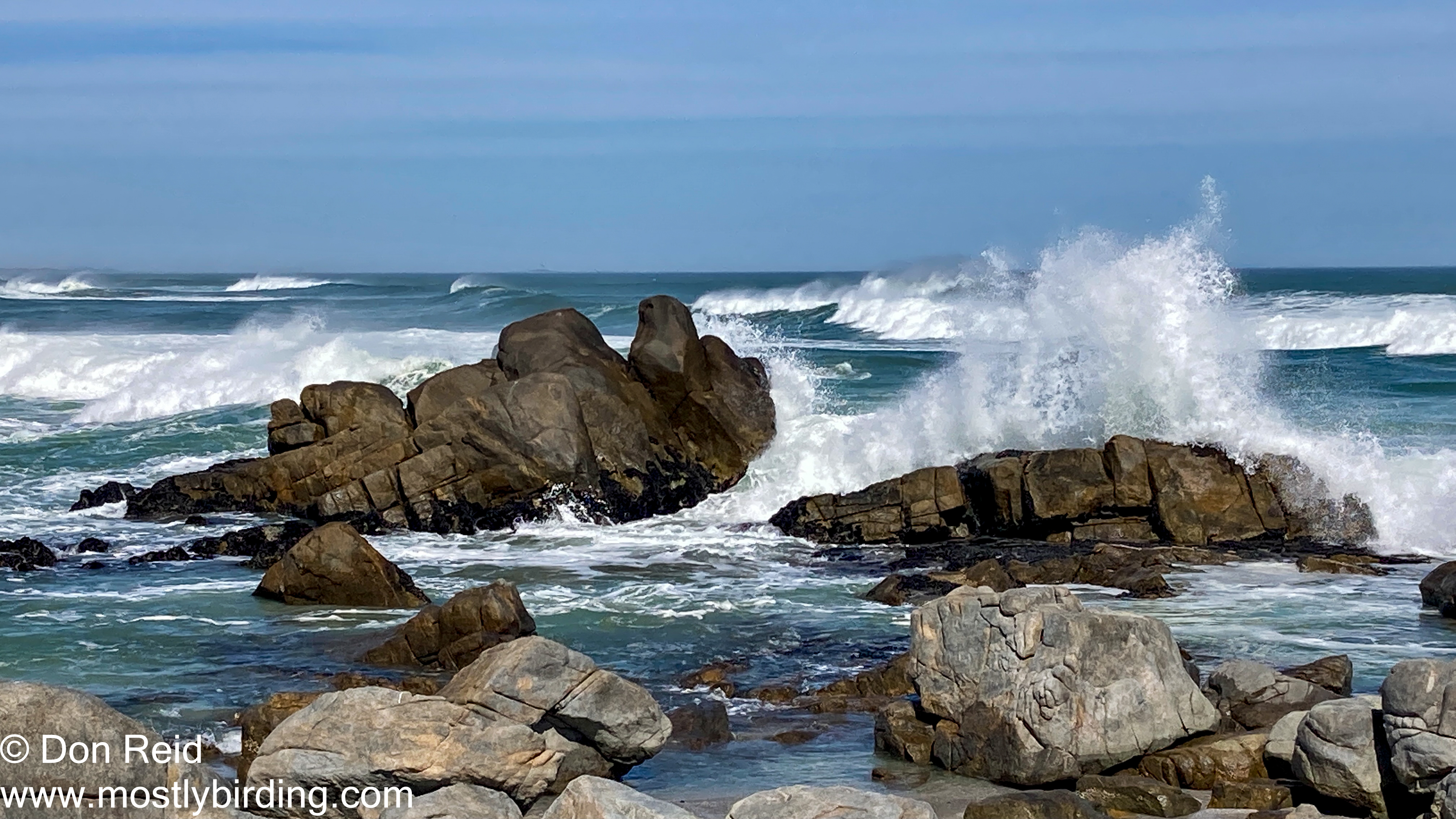
At Tsaarbank picnic spot we lunched on – wait for it – Provita with cheese spread and the tea we’d brought along (talk about fine dining!) and watched wild waves crashing into the rocky shoreline.
Tsaarbank, West Coast National ParkTsaarbank, West Coast National Park
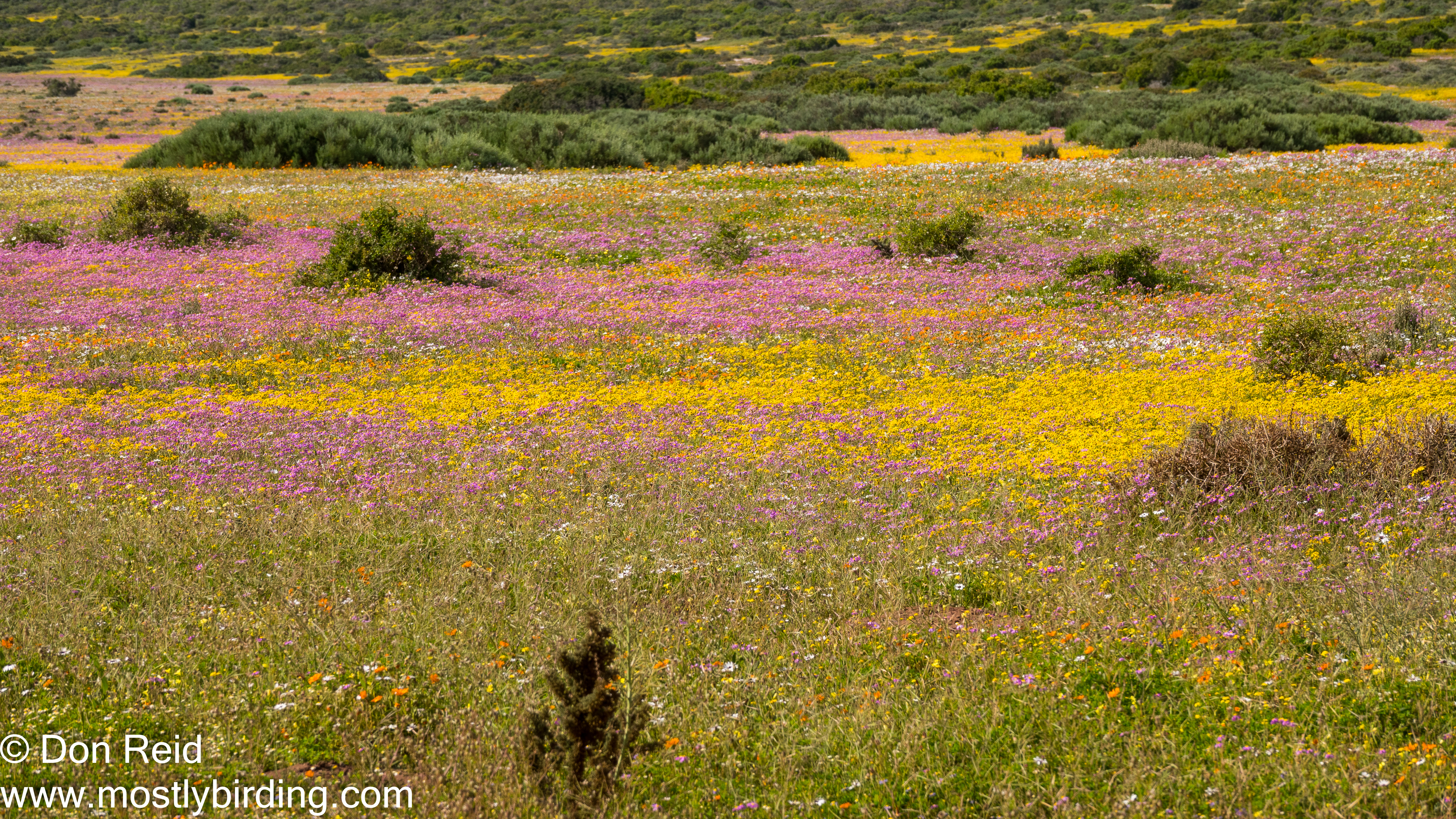
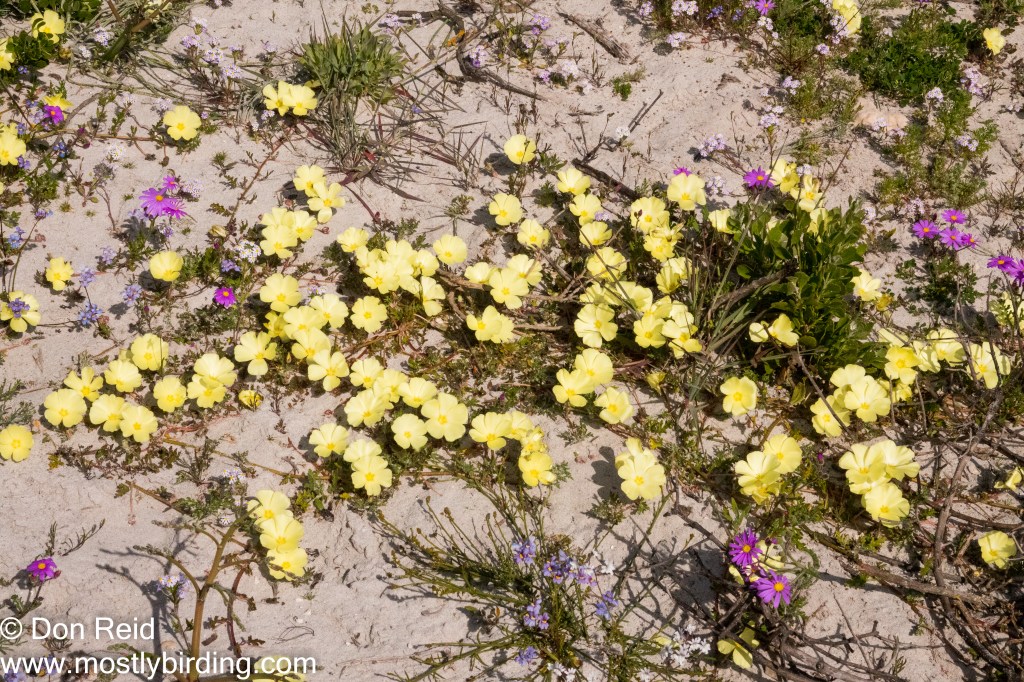
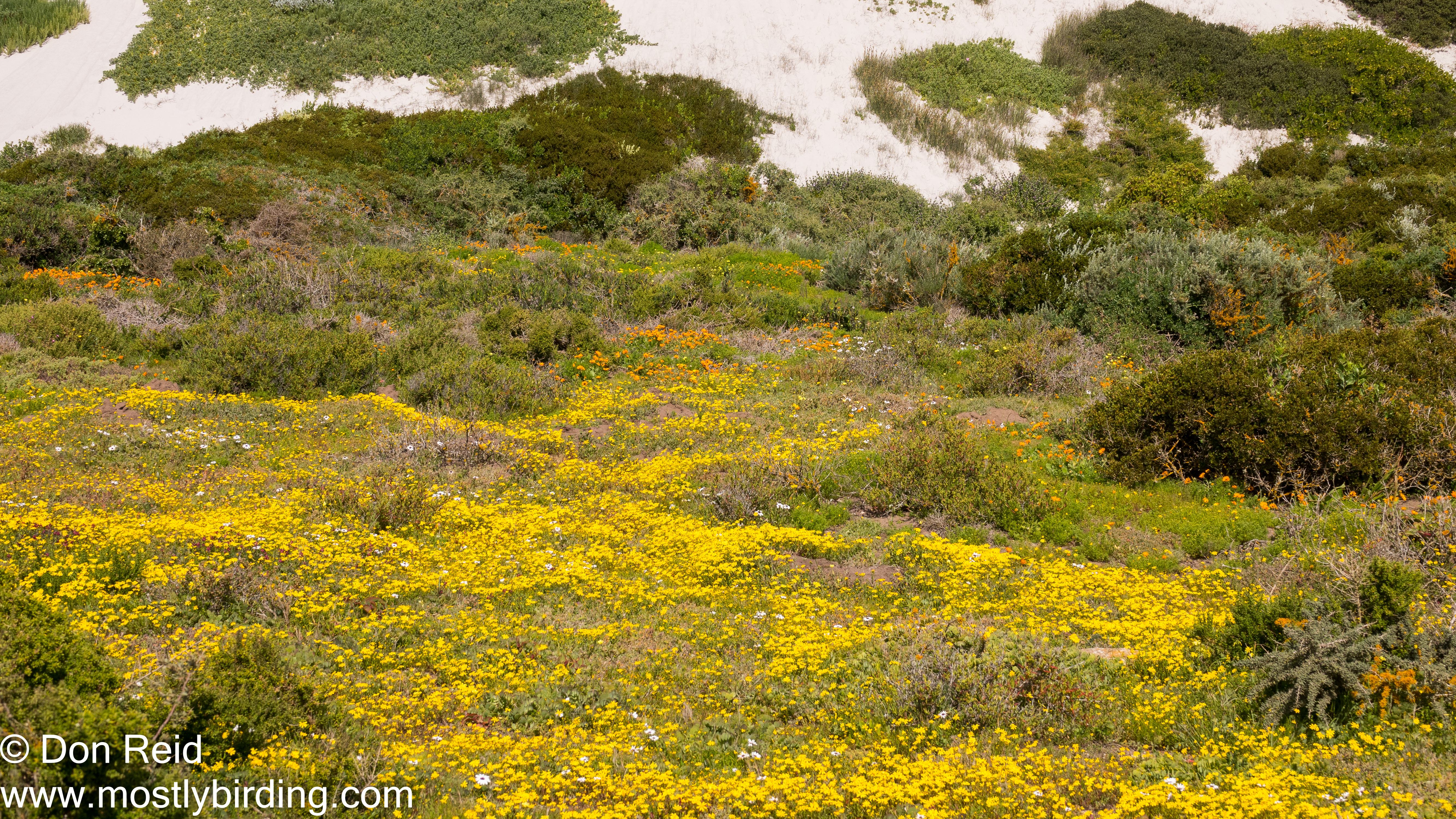
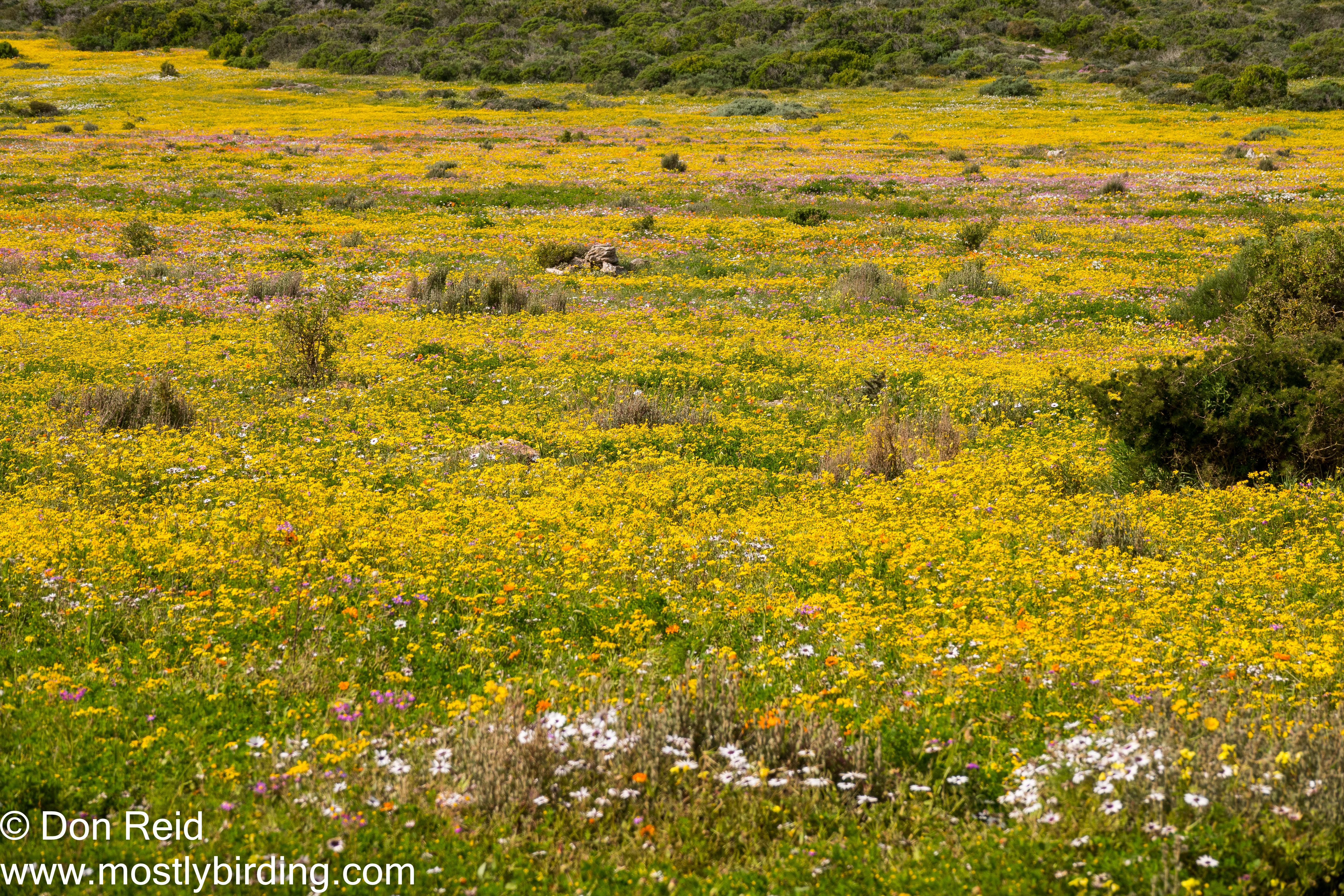
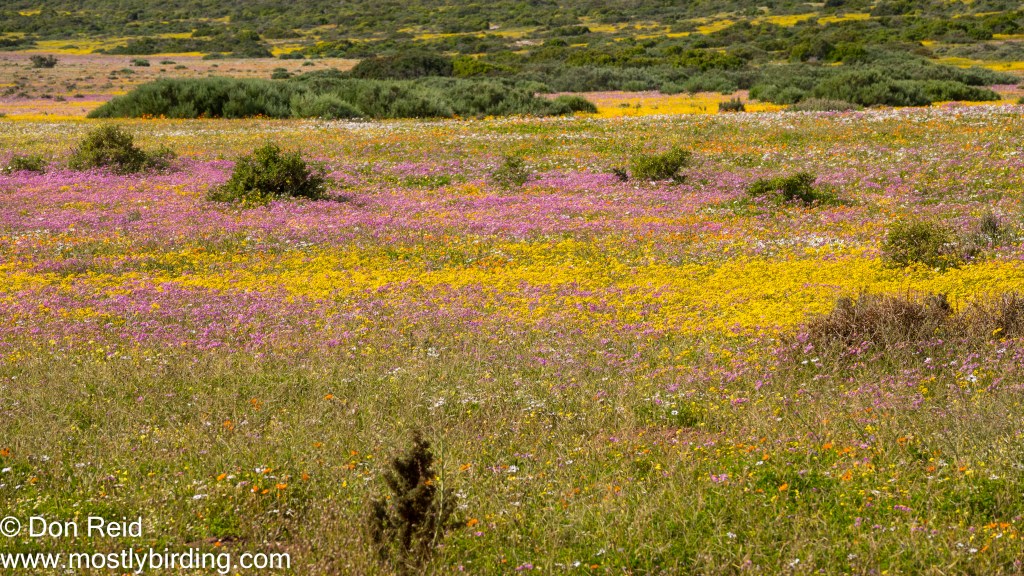
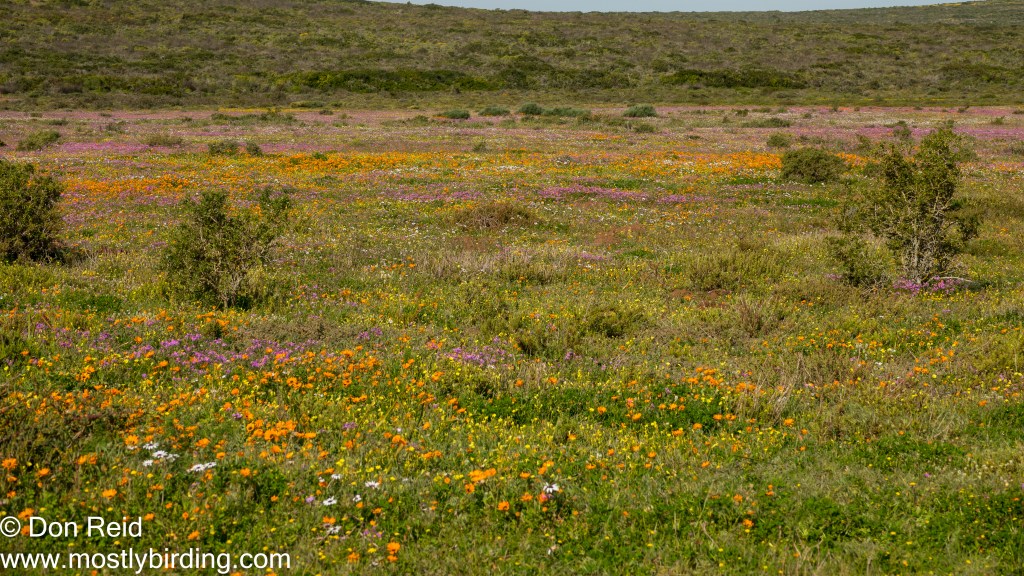
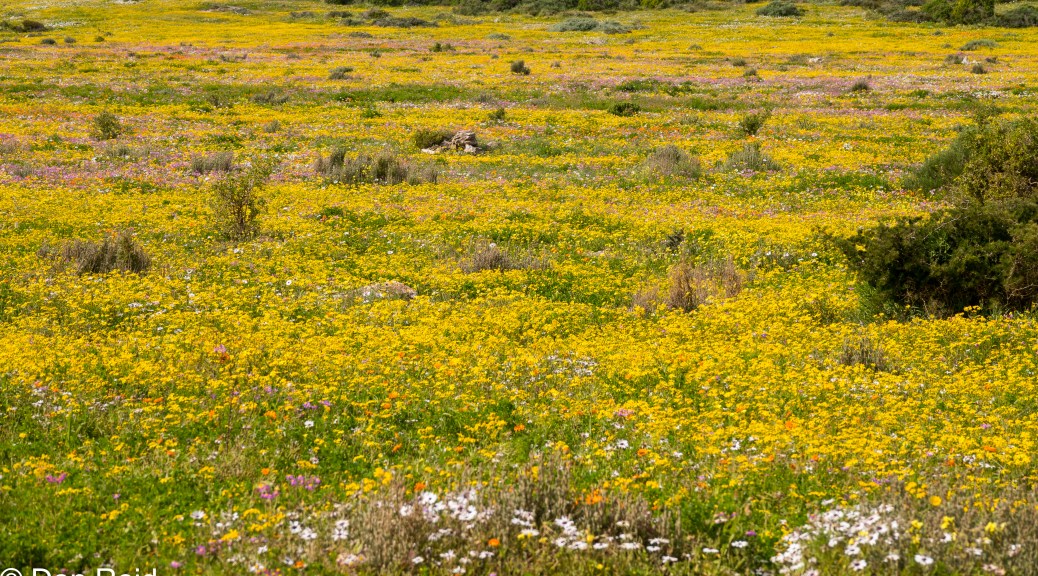
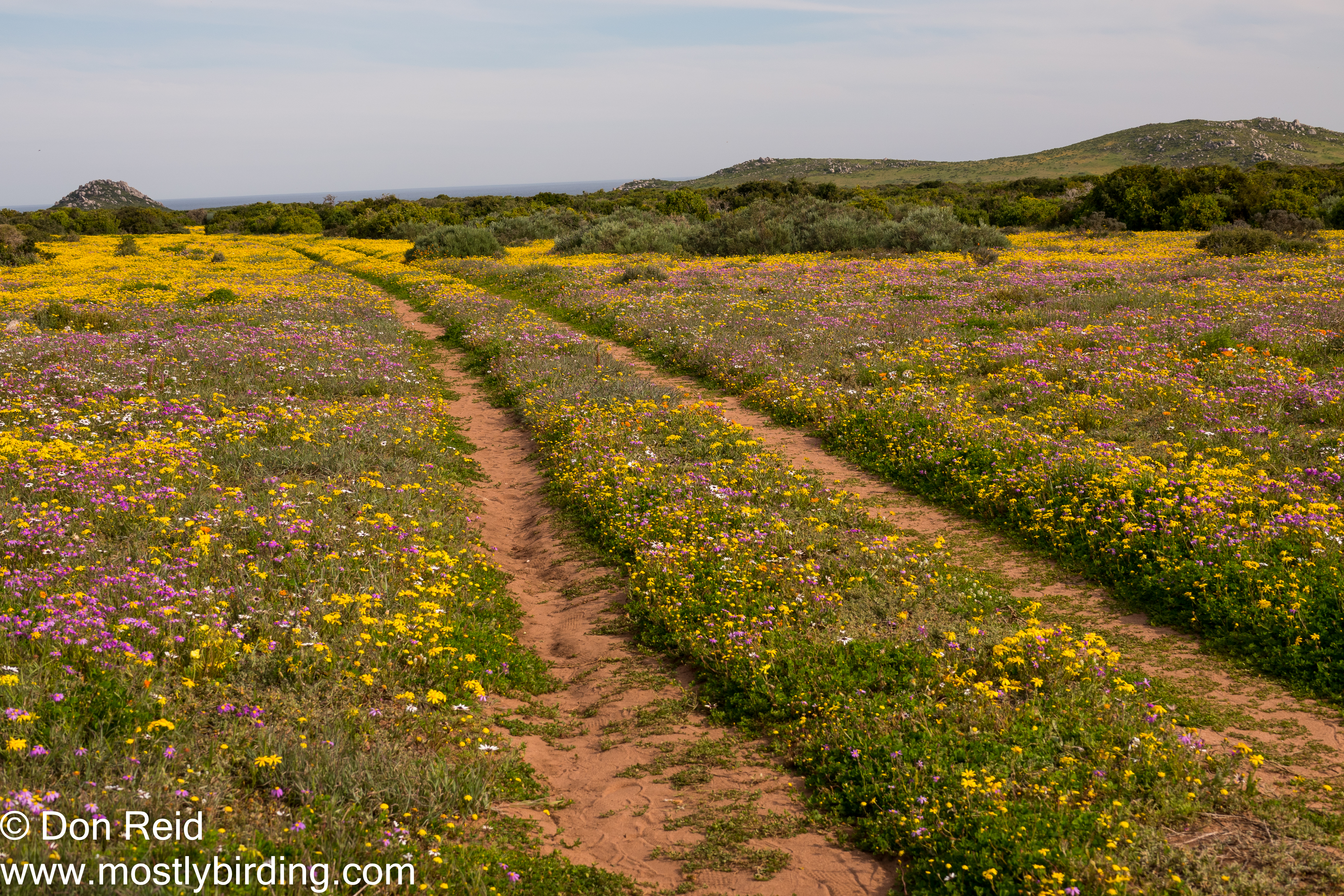
Then we entered Postberg proper and found ourselves surrounded at times by multi-coloured flowers spreading across fields and hills – what a display!
West Coast National Park
Fortunately the many cars had by now dispersed in different directions, giving us and others the freedom to stop and admire the many varieties of flowers and just take it all in.
The road took us on a circular route, eventually joining the exit road, which took us past more magnificent displays of flowers, until we found ourselves back at the entrance to Postberg.
All that remained was to make our way slowly back to the main entrance gate where we had entered earlier and head back to Paternoster along the R27 road, reflecting on a truly memorable day.
Continuing the story of our ‘Wild Flower Season’ trip to the West Coast town of Paternoster…..
Getting there
After breakfast we left Klein Welmoed Farm near Stellenbosch, dropped granddaughter Megan off at her university hostel, then headed to Paternoster via Wellington, Malmesbury and Vredenburg.
The road runs through the wheat belt of South Africa – almost endless fields of dark green wheat with smaller fields of canary yellow canola providing a dramatic contrast.
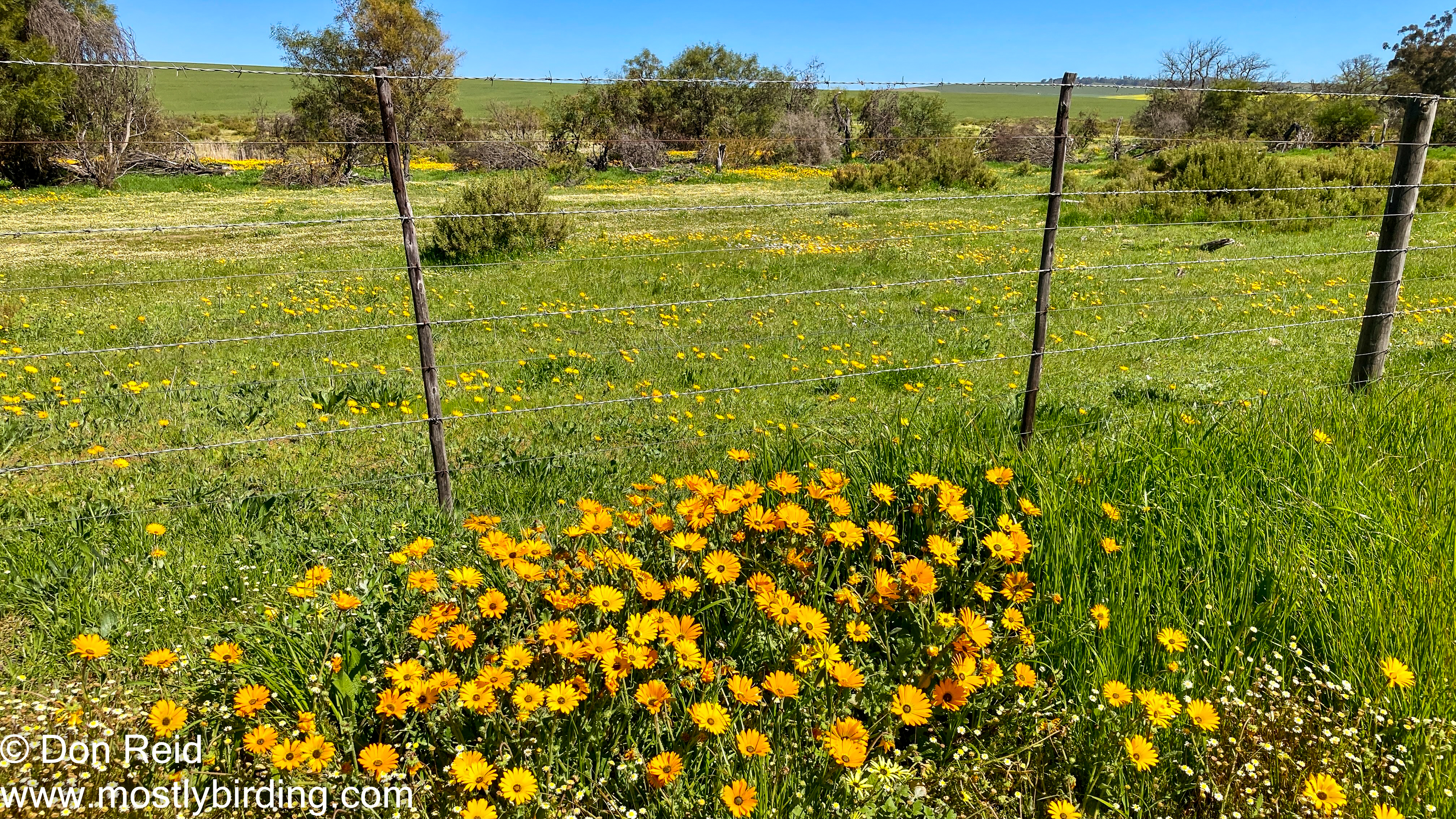
Occasional patches of ‘natural’ veld held colourful sprinklings of wild flowers to break the monotony of the cultivated fields and had me braking and reversing to get some photos.
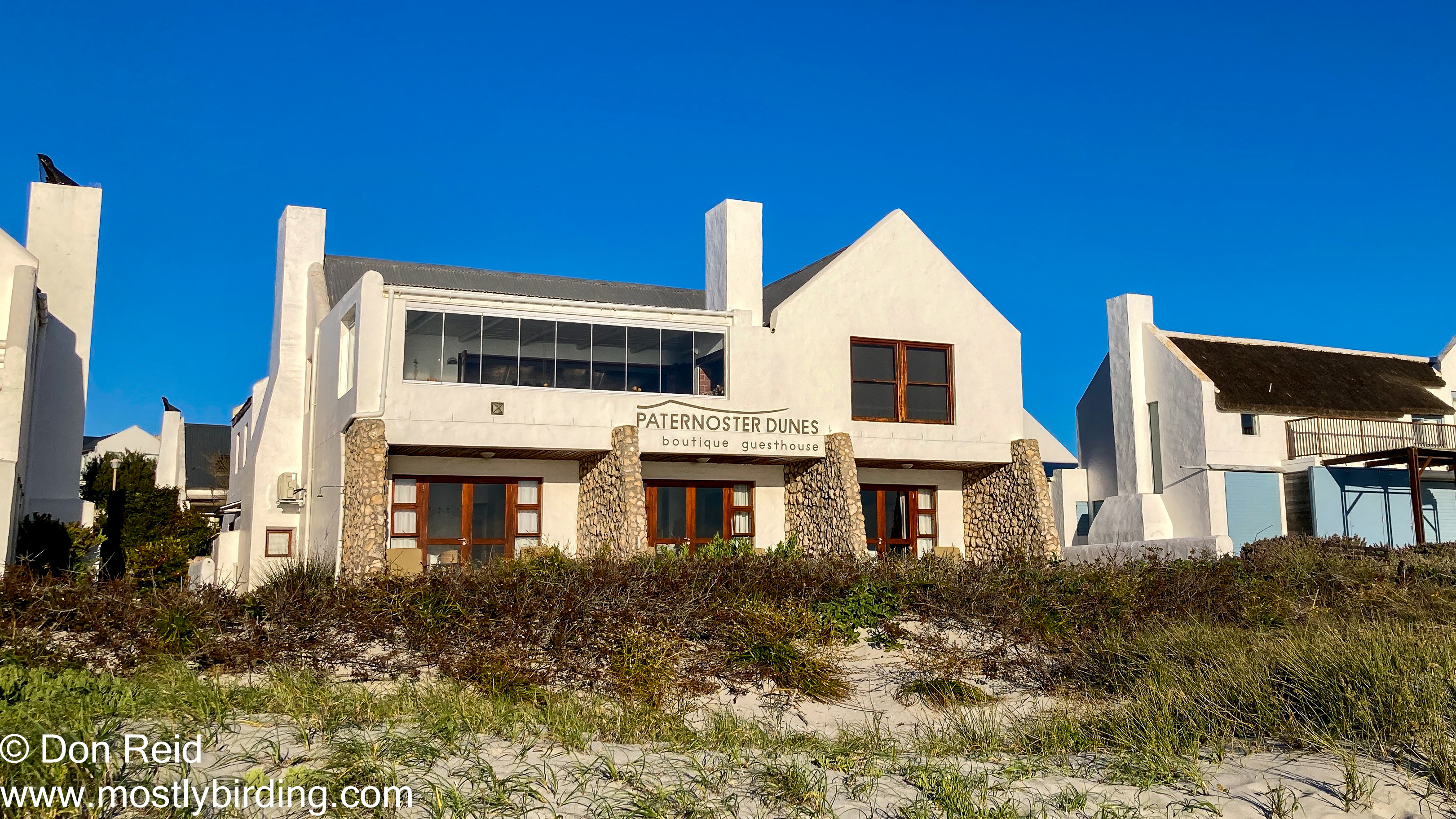
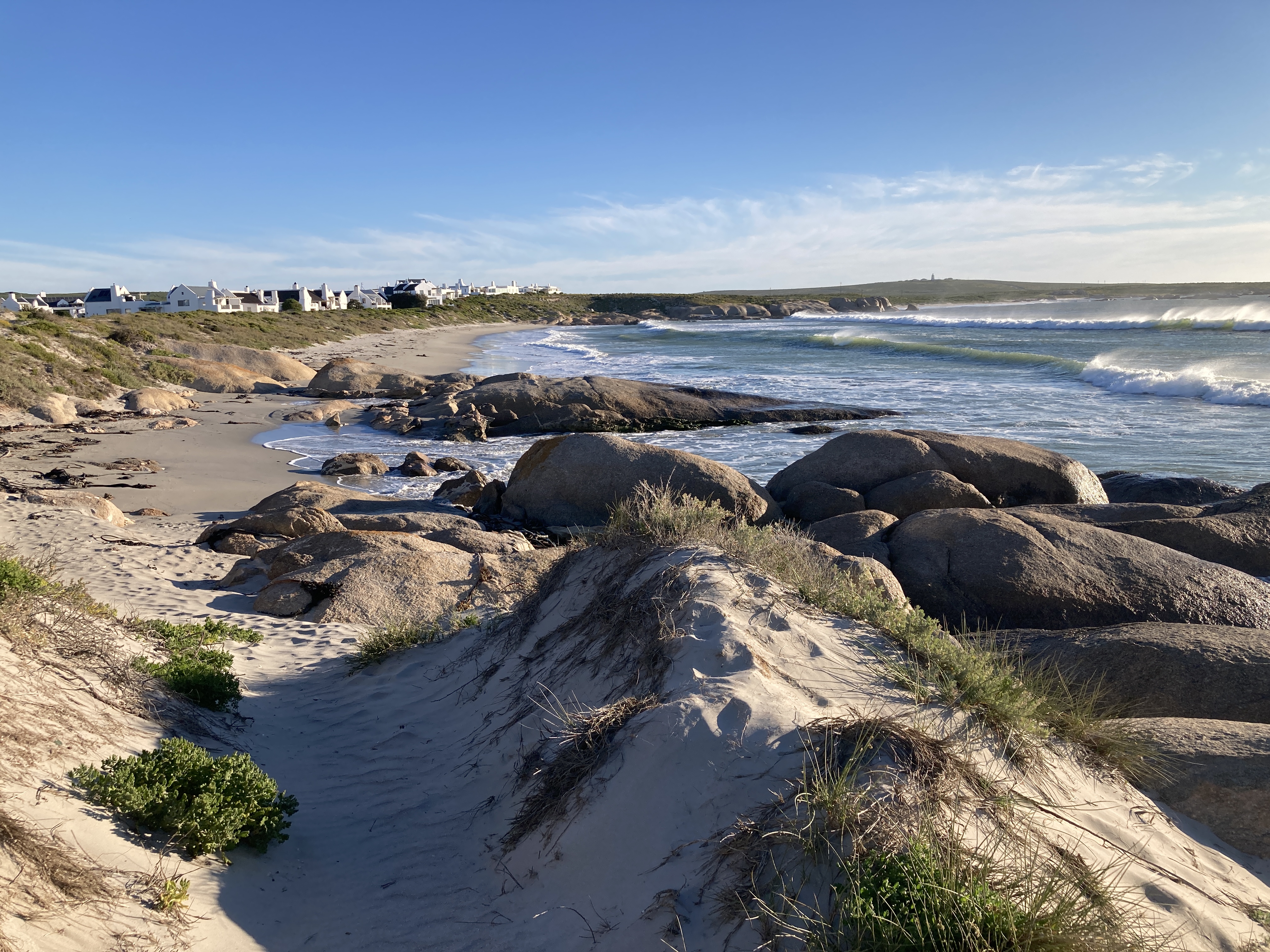
Then we were in Paternoster and soon found Paternoster Dunes Guesthouse which, as the name suggests, lies on the land side of the dunes overlooking a wide expanse of unspoilt beach
The view of the beachThe Guest House
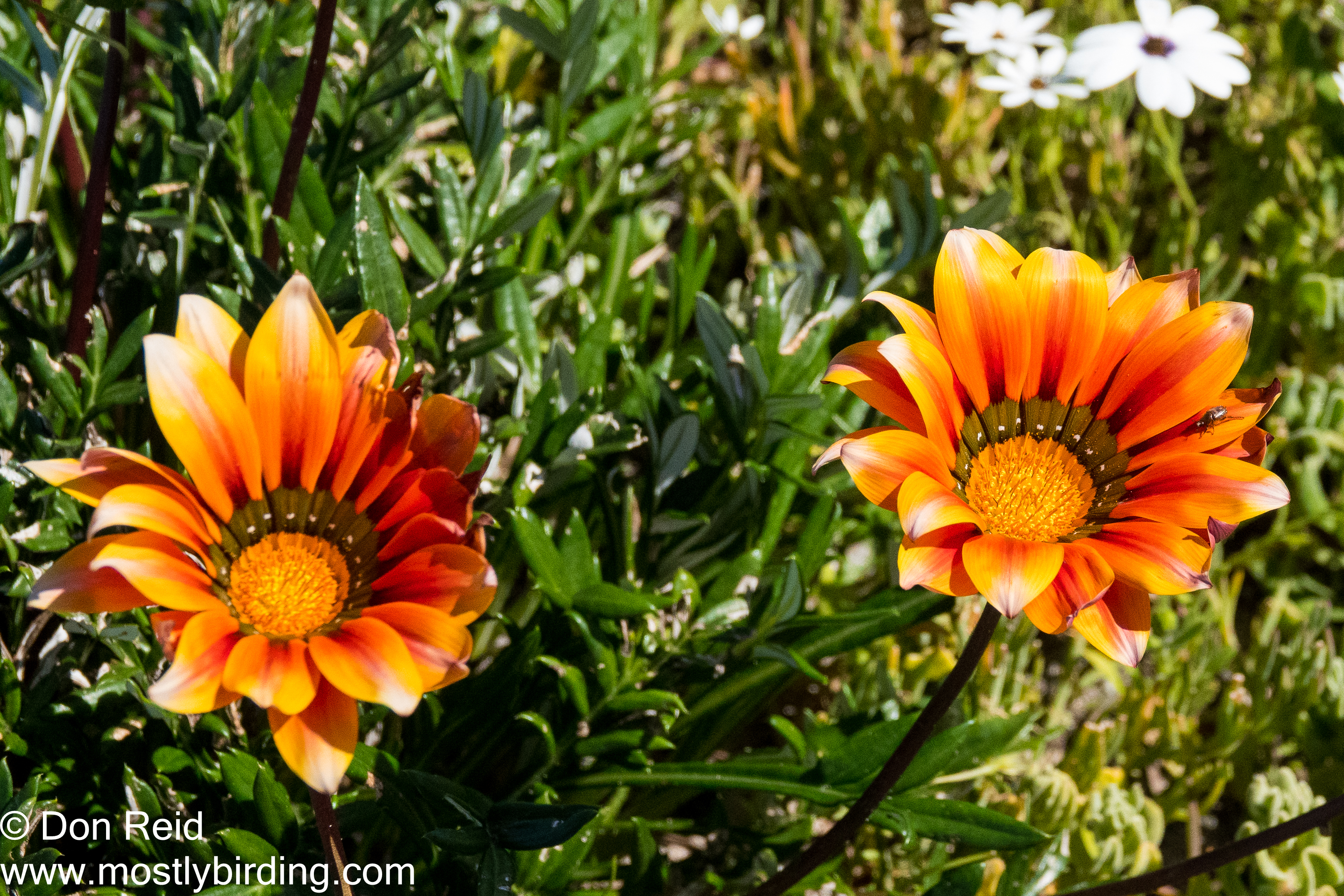
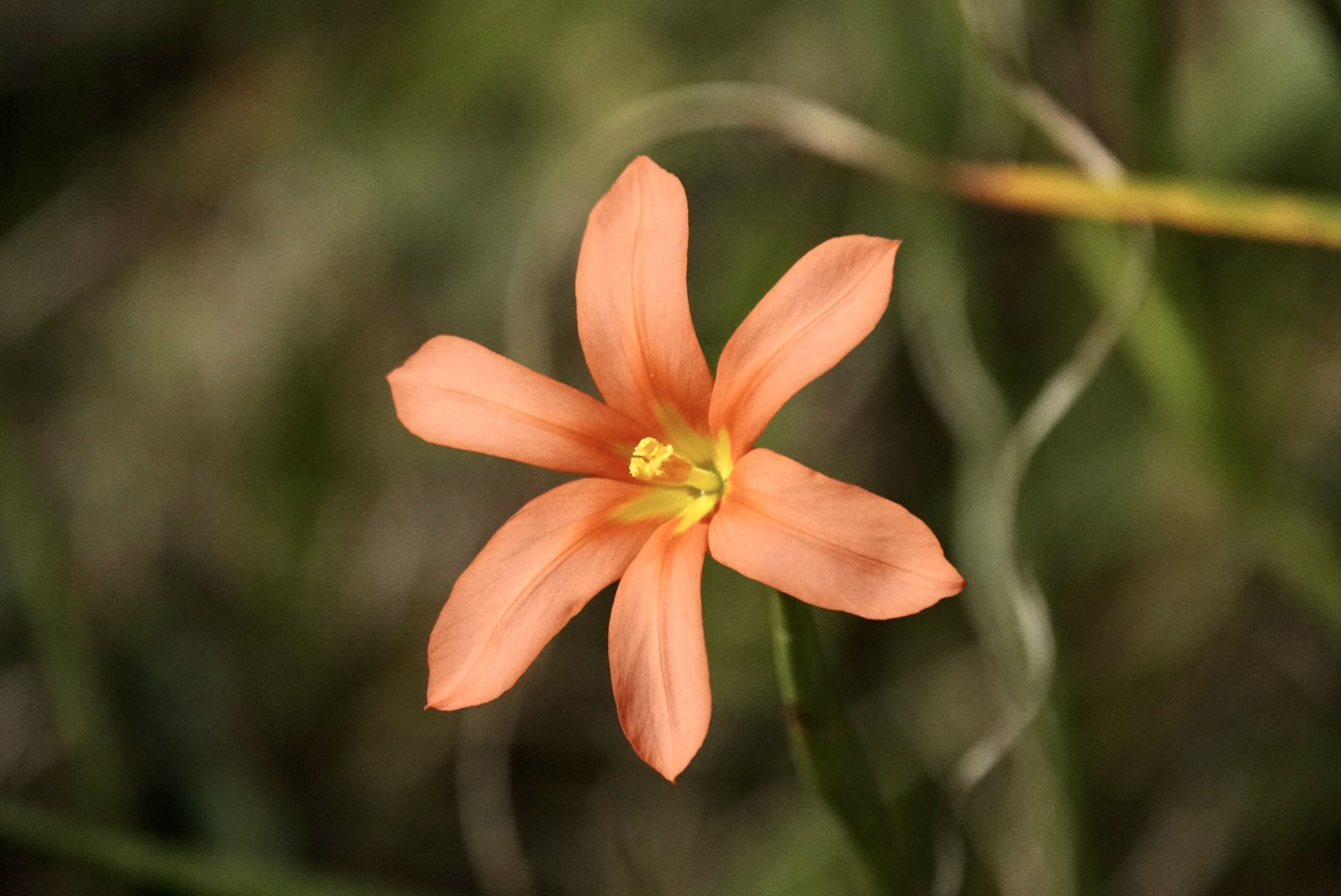
Just to get us further into flower appreciation mood, the patch in front of our room, the middle one in the image above, held some bright orange flowers
After a rest (we are pensioners after all) I took a walk along the beach to the end of the bay and looked up at the dunes which were covered in growth with a mass of yellow flowers
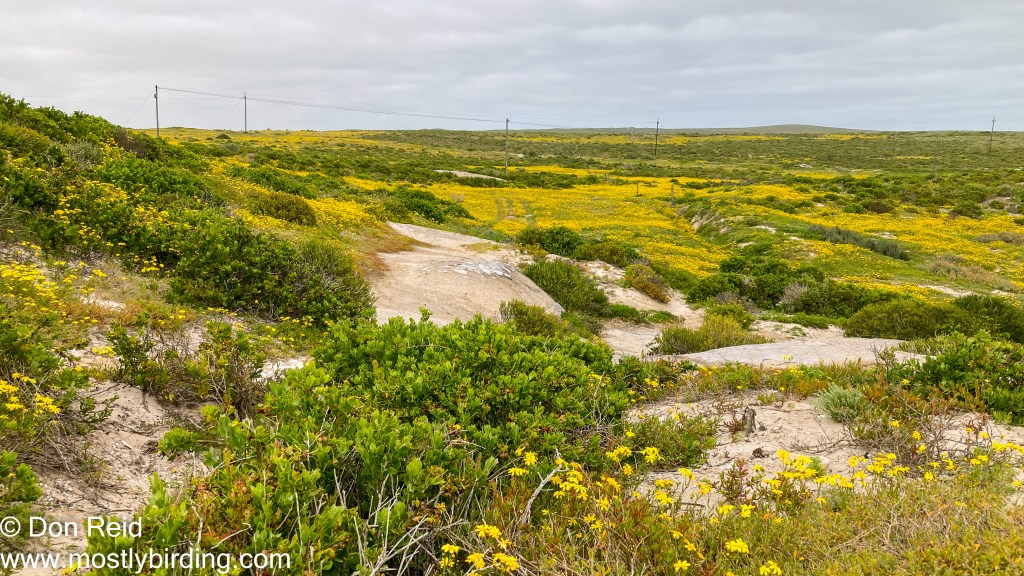
I climbed to the top of the dune and walked to where the houses stopped, finding a view into the distance with more yellow flowers in abundance
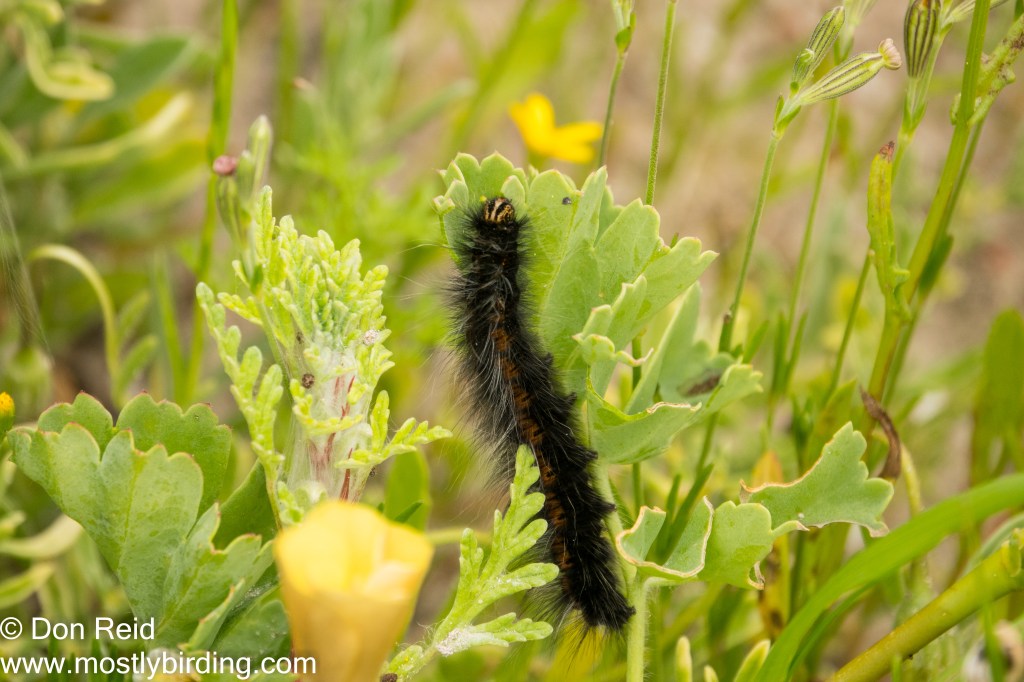
Caterpillar of unknown species, specific to the plant on which I found it by the looks of it as they were only in one small area
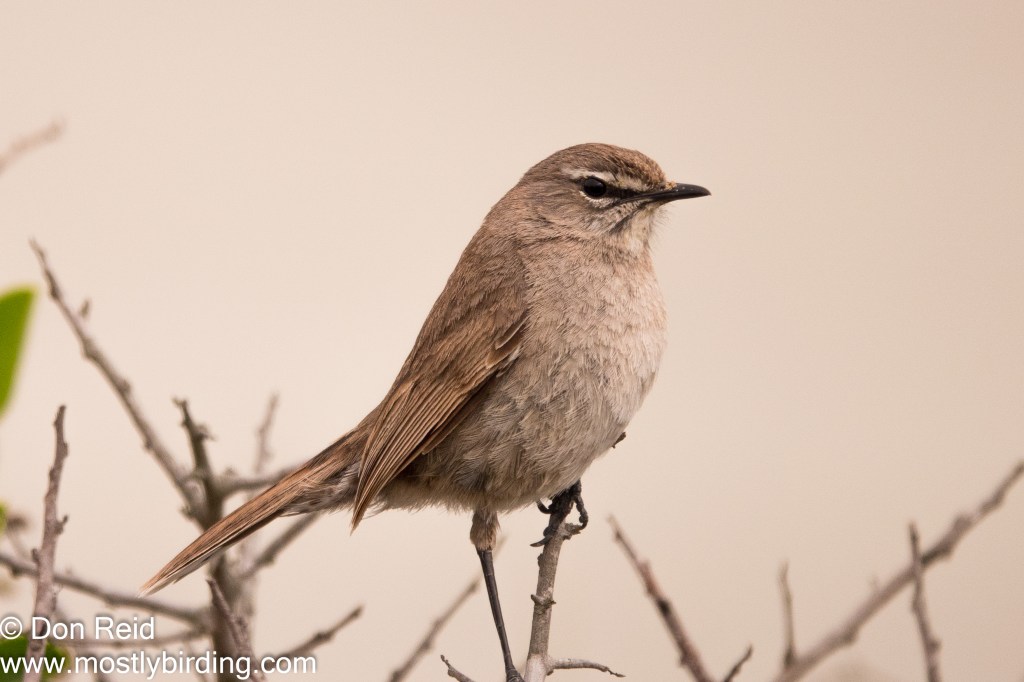
During our visit I discovered that there were a few bird species which found the patch in front of our room to their liking, including the Yellow Canaries and Karoo Scrub-Robin pictured below as well as Cape Bunting, Southern Double-collared Sunbird and many Common (European) Starlings
Yellow Canary (Geelkanarie) Crithagra flaviventris in full songKaroo Scrub-Robin (Slangverklikker) Erythropygia leucophrys scanning the surroundings from its favourite perch on a low bush
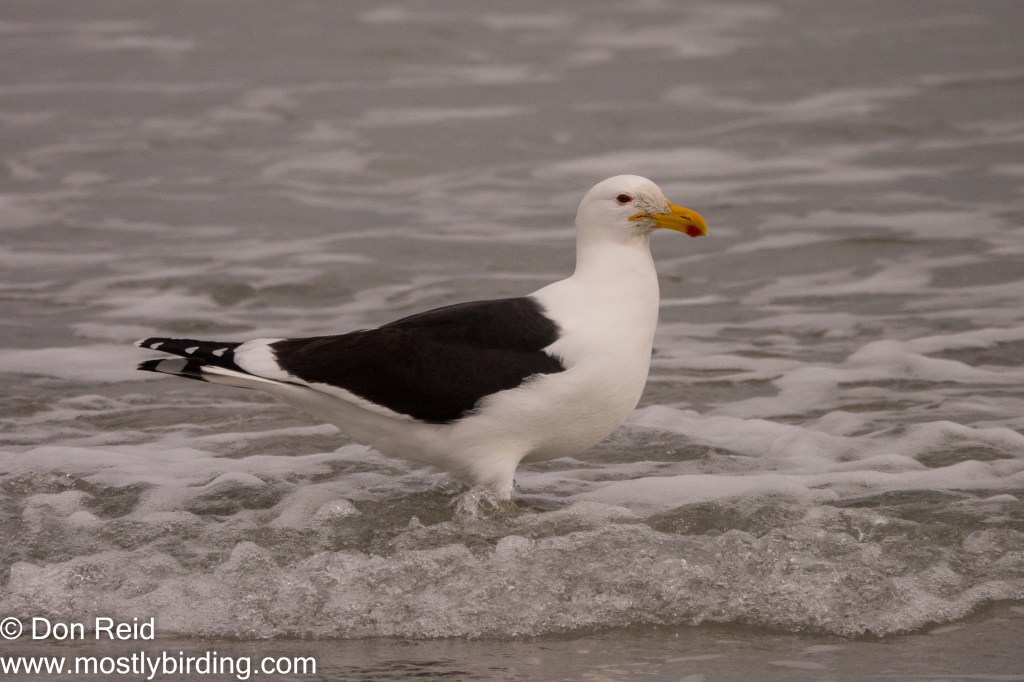
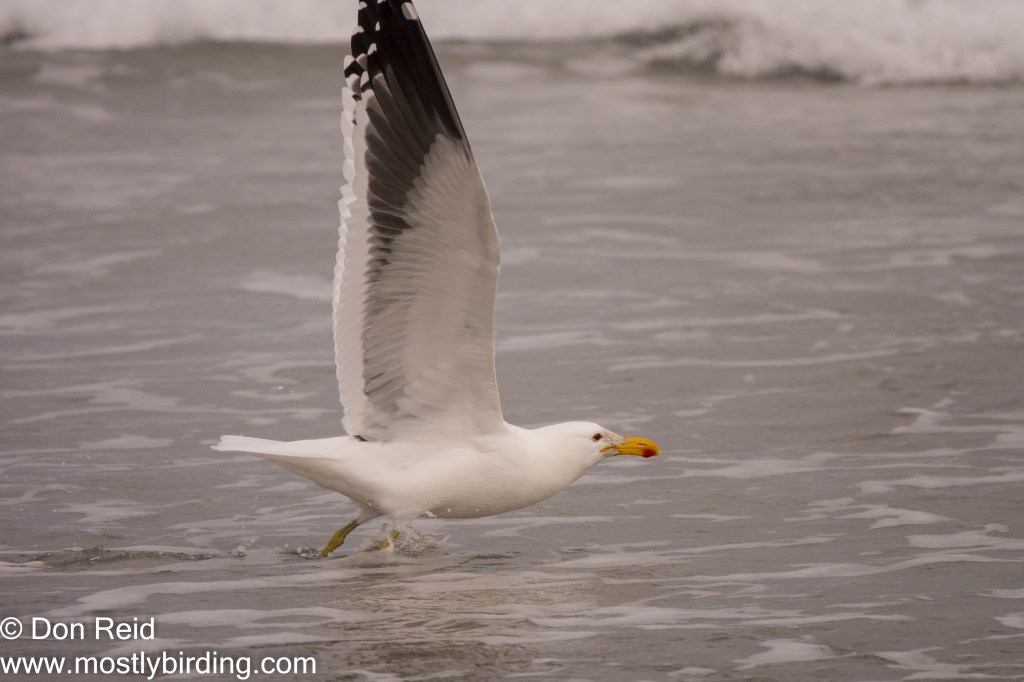
On a morning walk along the beach in front of the guesthouse, camera in hand, with the wind blowing the sea into a frothy jumble and overcast skies, several Kelp and Hartlaub’s Gulls wading in the shallows caught my eye and with some gentle persuasion lifted into the air, providing some nice photo opportunities in the soft, even light
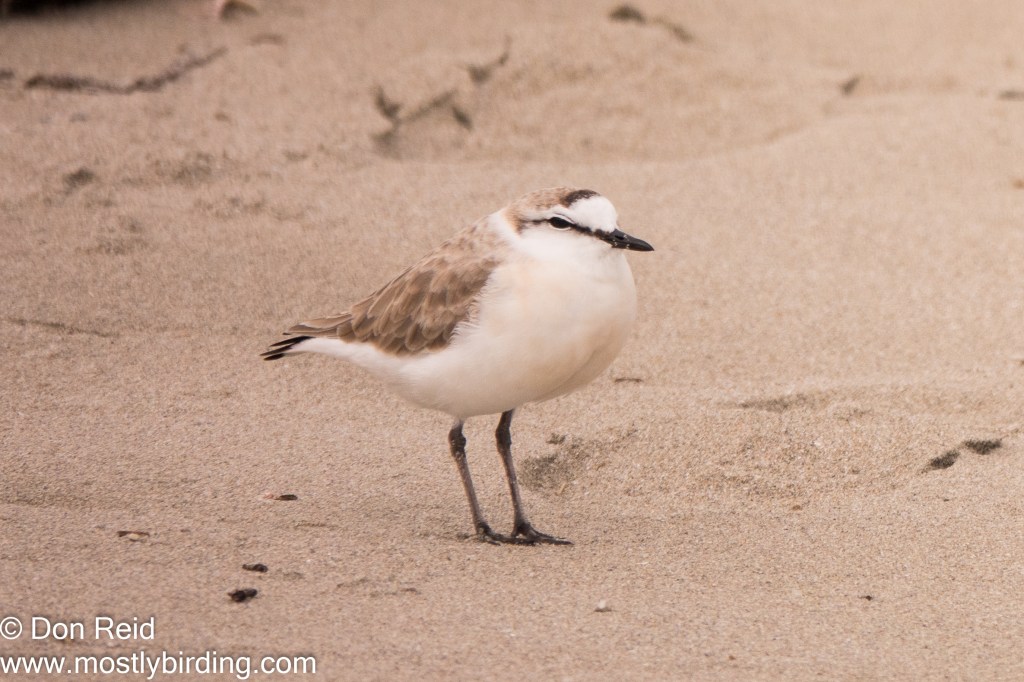
As I walked along the sand I spotted movement on the dry sand ahead and approached cautiously, knowing that the subject matter would race off if I got too near. Sure enough, three tiny White-fronted Plovers watched me carefully as I got closer, initially moving away in slow short bursts, then speeding off like top 100m sprinters, barely touching the sand between strides
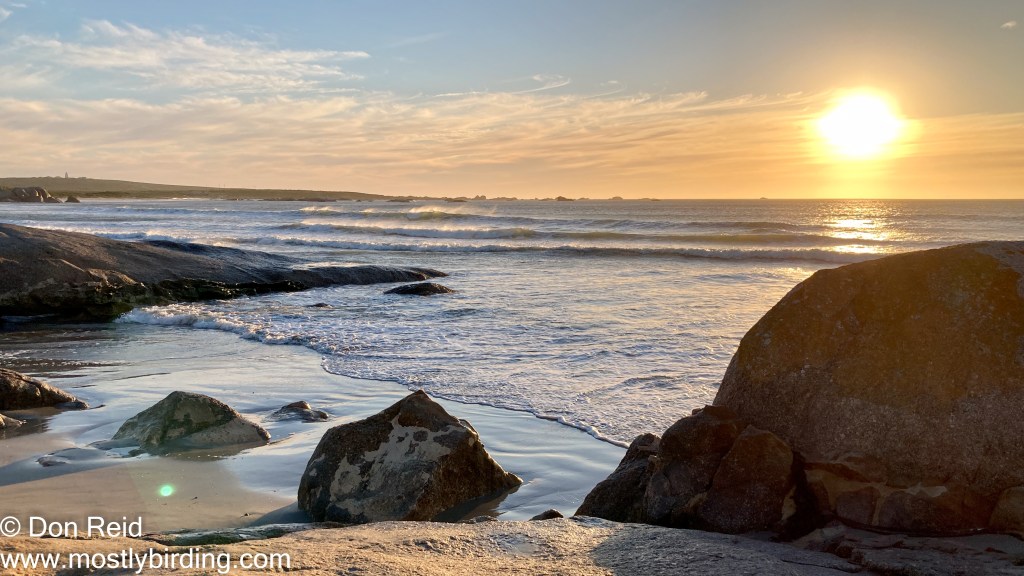
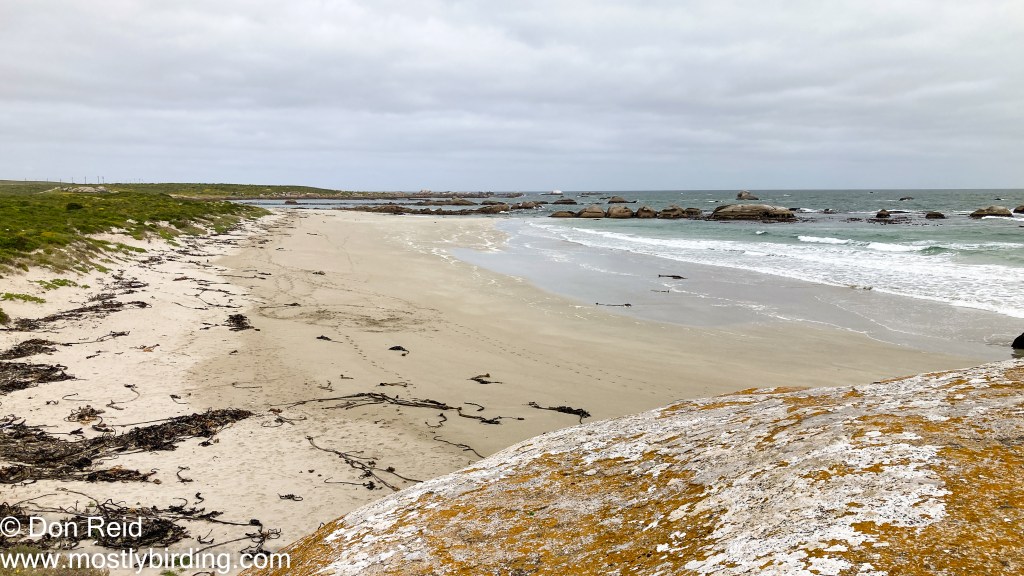
And a few more photos of Bek Bay at different times of the day
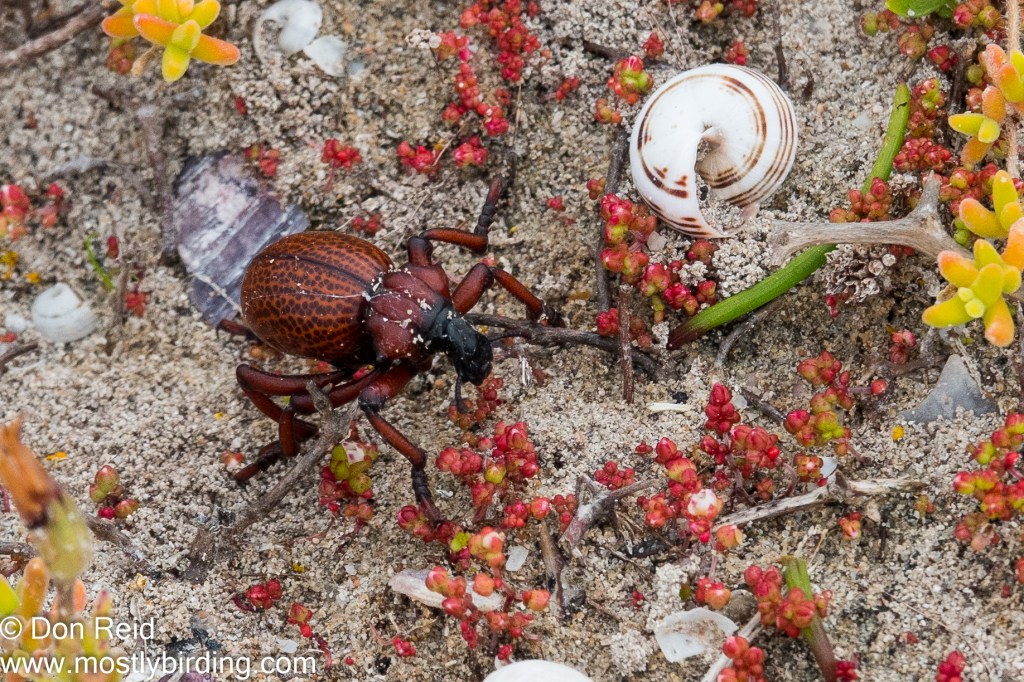
I came across this interesting beetle scavenging among the rocks
The last afternoon produced the most spectacular sunset of all as the cloud-filtered sun cast its rays on the choppy sea. Many Terns were plunging into the sea offshore – too far to differentiate between species until a Common Tern seemingly chased a much larger Caspian Tern so that they passed close to where I was watching from the beach
Paternoster turned out to be an excellent choice as our base for the short stay, being within an hour’s drive from West Coast National Park and literally next door to Cape Columbine Nature Reserve, both of which we visited – more about that in upcoming posts
A couple of my recent posts have had a Flower theme – here’s another of a slightly different bent…
An old municipal building along one of the main arterial roads in Mossel Bay, a substation probably, has the distinction of being the only building I have come across which is adorned with lilac flowers at this time of year, changing it from an invisible utilitarian structure into one that drew my attention as I drove past and brought an immediate smile to my face
While parked at a material shop, waiting for Gerda, I was entertained by a female Cape Sparrow who was “shadow-boxing” a supposed rival she saw in the chrome frame to the grille on my SUV
I have seen several birds doing something similar but usually when they see their reflection in a glass window or door or occasionally the car mirrors, I haven’t seen one doing it in the reflection of the chrome
Just shows there’s always an entertainment potential with birds…..
We don’t like to let an opportunity pass us by and, with the severe travel limitations that the Covid pandemic has brought upon all of us over the past year or so, it was an easy decision to extend our recent essential trip from Mossel Bay to the Western Cape, to include a visit to the West Coast during the ‘flower season’
Our plan was to spend four nights in the Stellenbosch area, conclude the ‘business’ part of the trip, see some of the family and spend some time with our eldest granddaughter Megan who is at University there, then continue to the West Coast town of Paternoster for some flower season touring.
After looking at various options we chose to stay at Klein Welmoed Guest House which is located on a working farm that lies off the main road between Somerset West and Stellenbosch. This turned out to be a good choice as we had a large cottage which comfortably accommodated ourselves and granddaughter Megan (she was only too happy to ‘escape’ from the university hostel for a few days) and the surrounding farm area proved to be ideal for exploratory walks when the opportunity arose.
Getting there
We had to check in by 2.30 pm so we left Mossel Bay earlier than usual and arrived at Klein Welmoed on time, after a drive that was made comfortable and relaxed by the light traffic and good weather, which allowed us to enjoy the picturesque route lined with farmlands and with a constant backdrop of mountains.
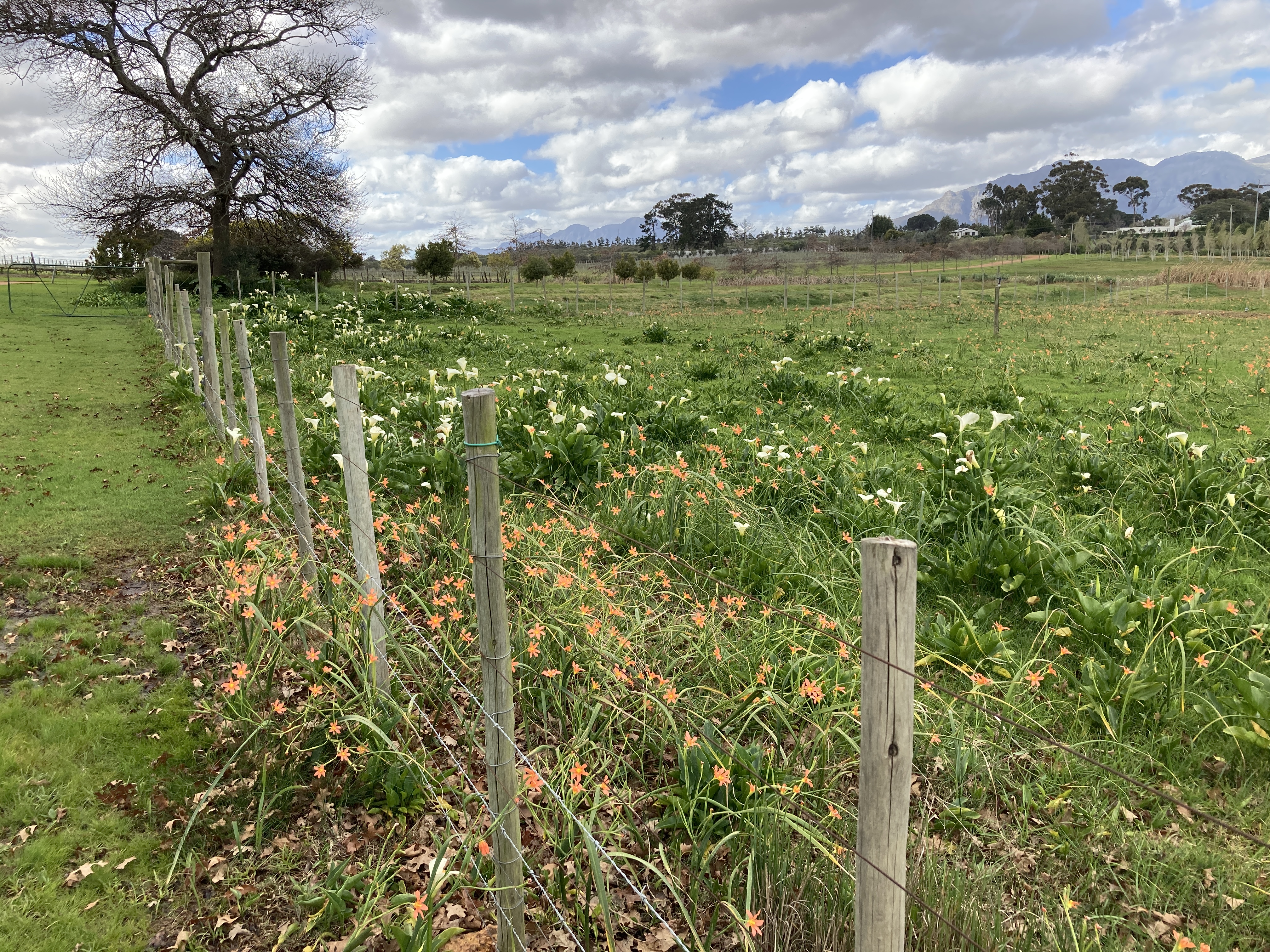
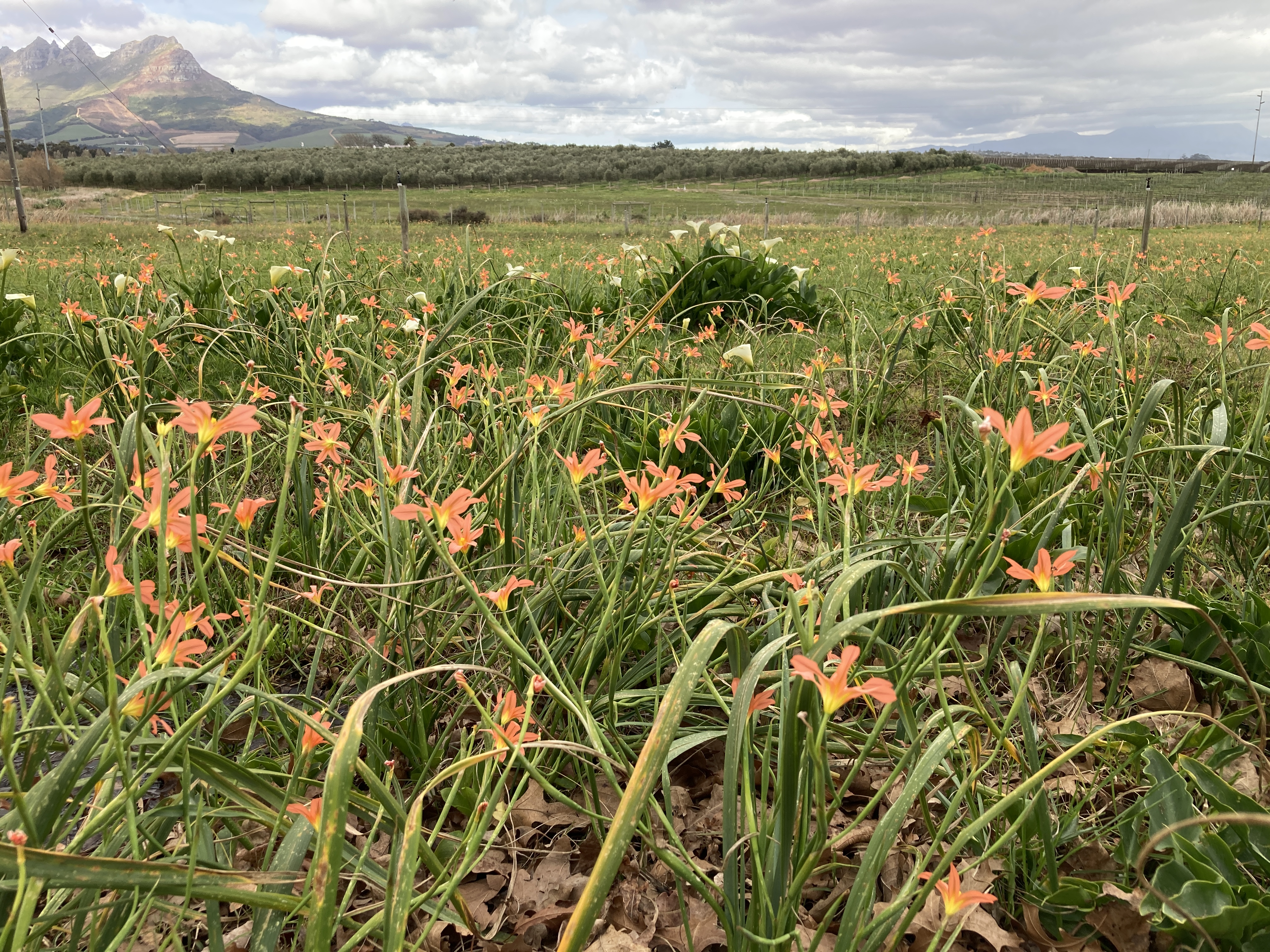
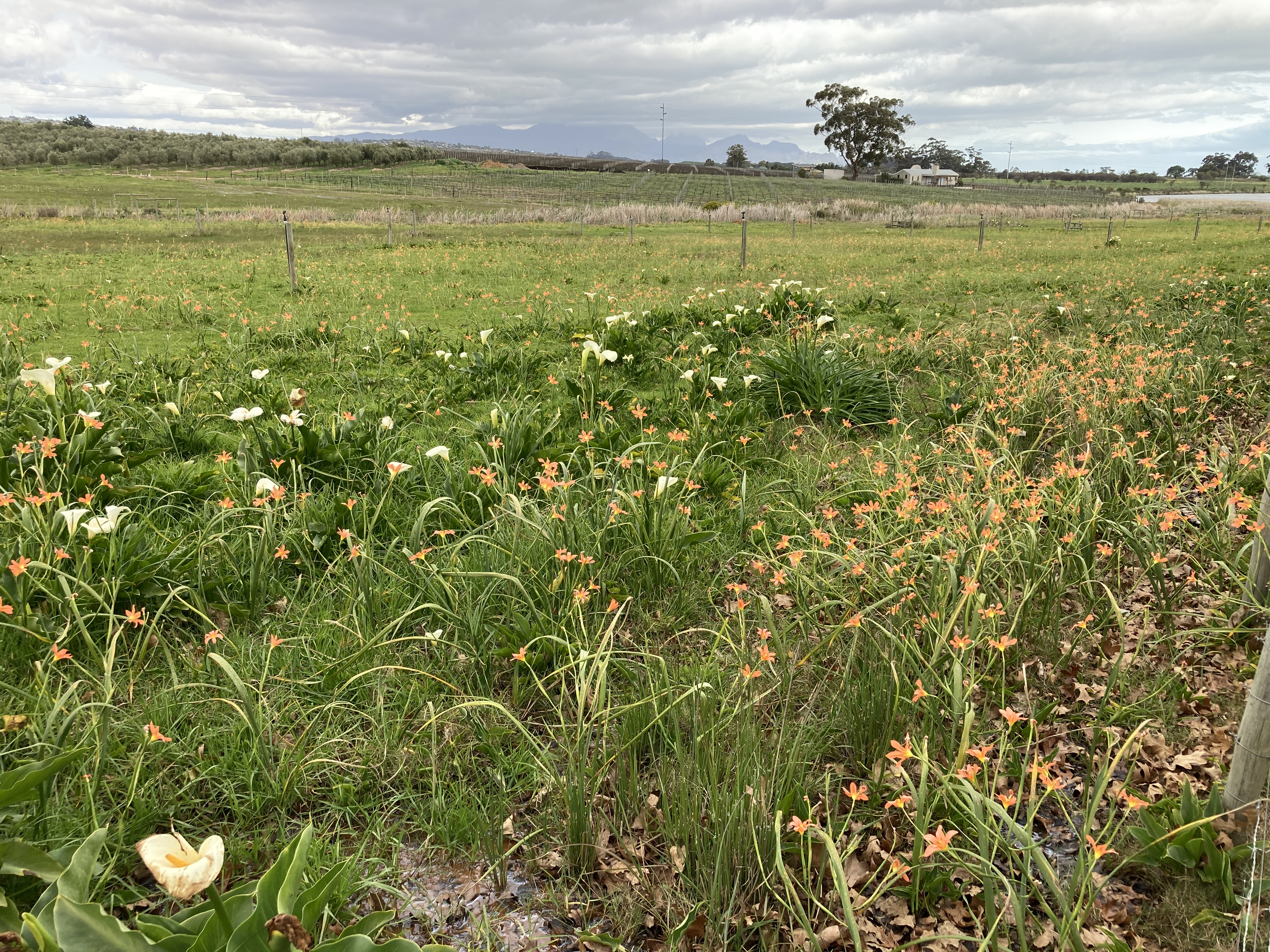
As soon as we were parked at the cottage and before unloading the luggage, I could not resist capturing some images of the beautiful view and the fields filled with arum lilies and other flowers.
The view from Klein WelmoedPastures filled with flowers
The Walks – Flowers, Birds …. and a few sheep
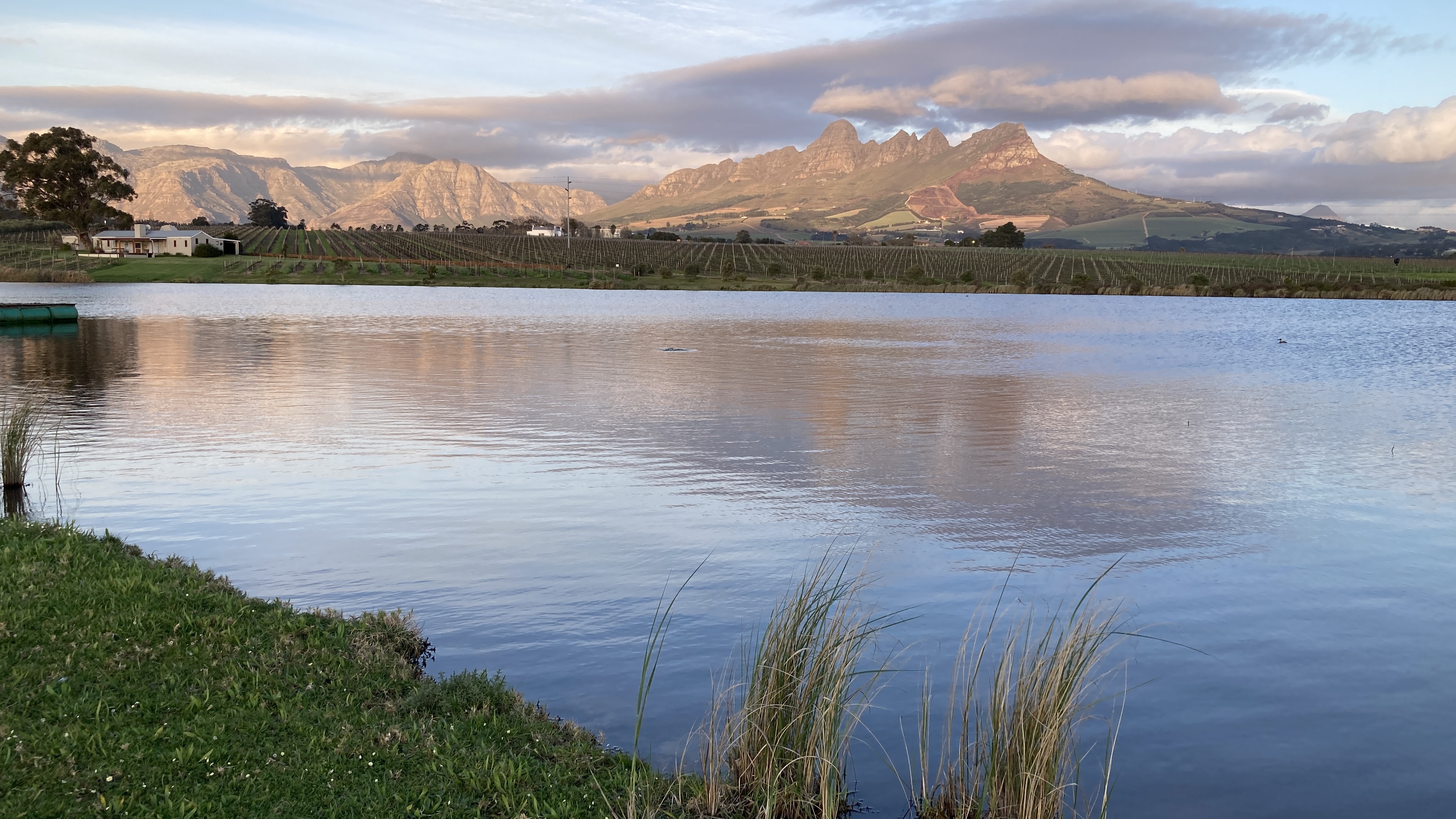
A late afternoon walk took me to the large dam along a pathway that was sodden in places – Cape Canaries were calling non-stop and Red and Yellow Bishops worked their way through the reeds, while on the dam Coots, Little Grebes and Cape Shovelers were busy making the most of the last light.
As I scanned the reeds on the other side a Purple Heron momentarily popped up and Little Rush Warbler called, ending the day on a high birding note
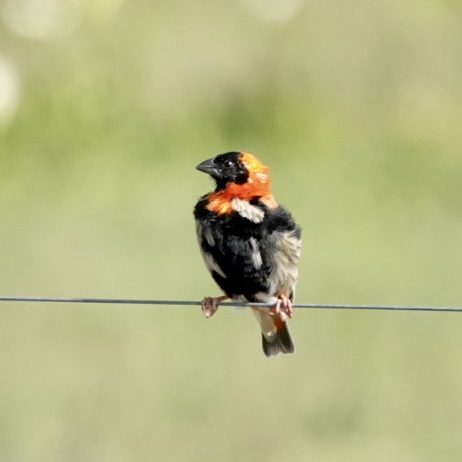
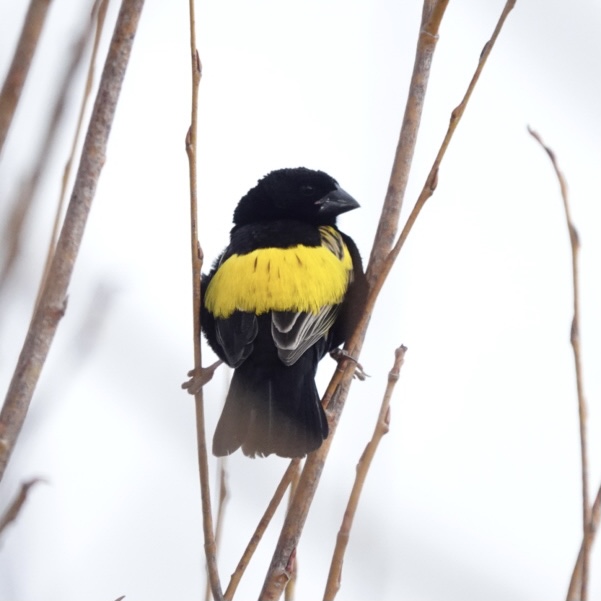
The dam at Klein WelmoedSouthern Red Bishop Euplectes orix RooivinkYellow Bishop Euplectes capensis Kaapse flap
After a filling breakfast, I set off for a lengthy walk with no set plan, just following paths that I came across. This initially took me past marshy areas with reeds, then skirted the orchards and vineyards that make up most of the farm.
View of Klein Welmoed from the pastures
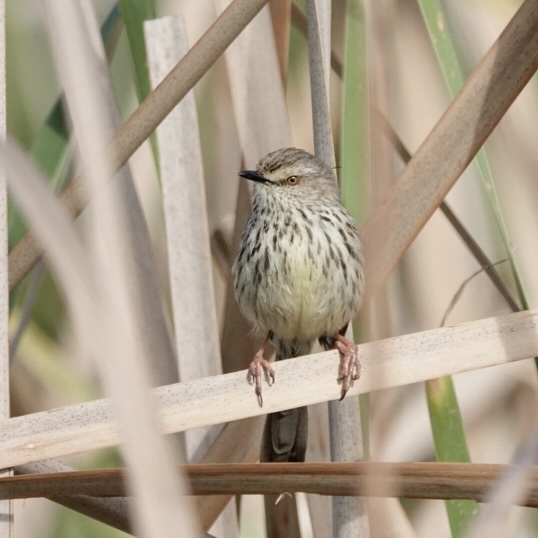
There was plenty of birdlife in the reeds including a Karoo Prinia flitting in and out of the reeds, pausing to look at me for an instant, and Levaillant’s Cisticola calling and popping out briefly, but not long enough to snatch a photo – these birds require a quick draw!
Karoo Prinia Prinia maculosa Karoolangstertjie
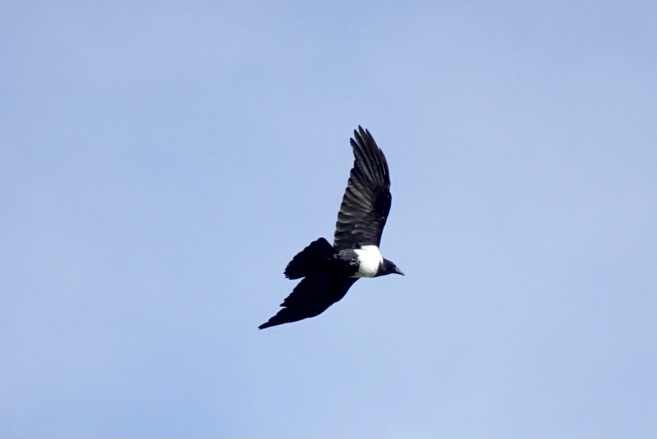
A Pied Crow in flight caught my eye and as it was not too high I attempted an in flight shot which turned out OK
Pied Crow Corvus albus Witborskraai
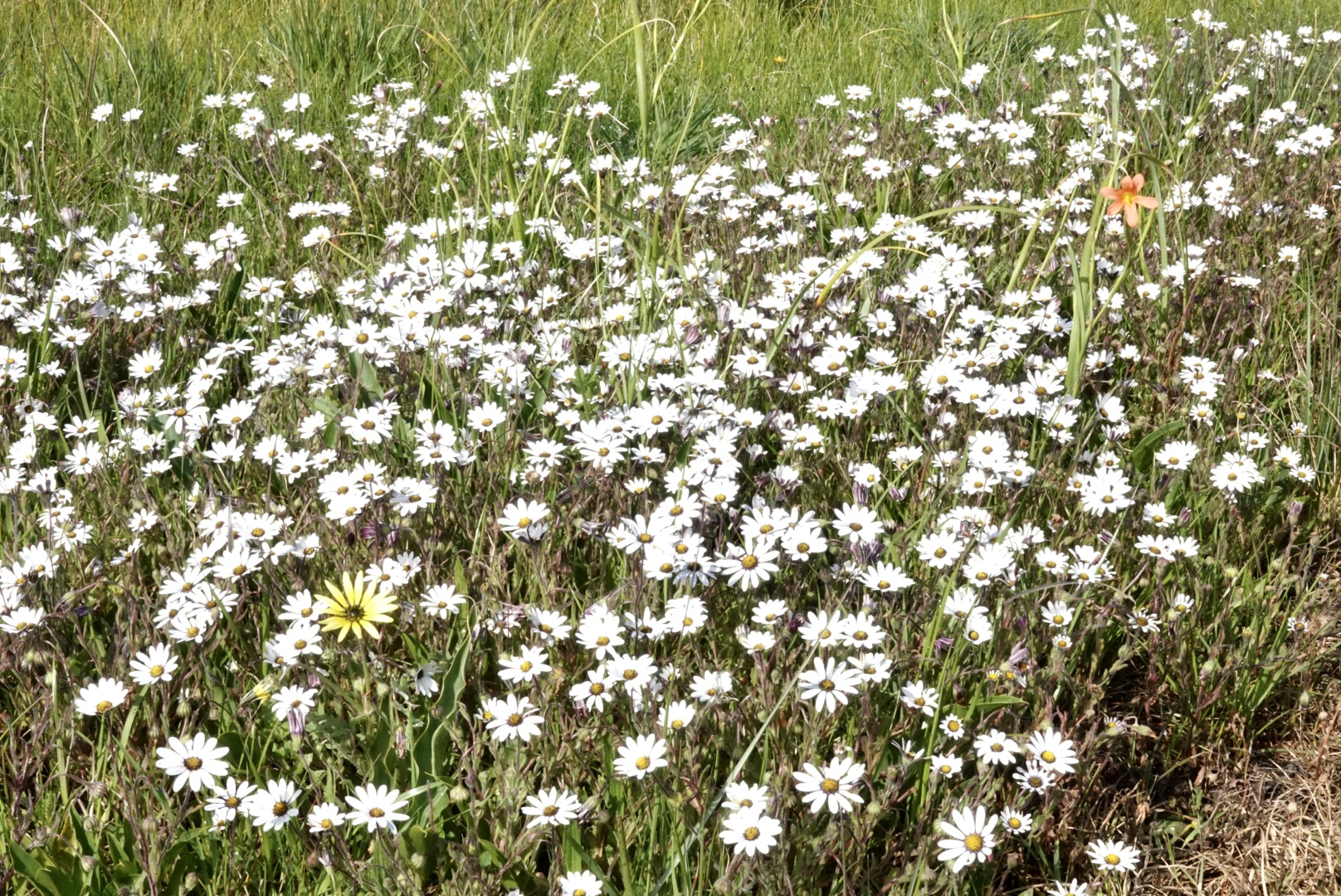
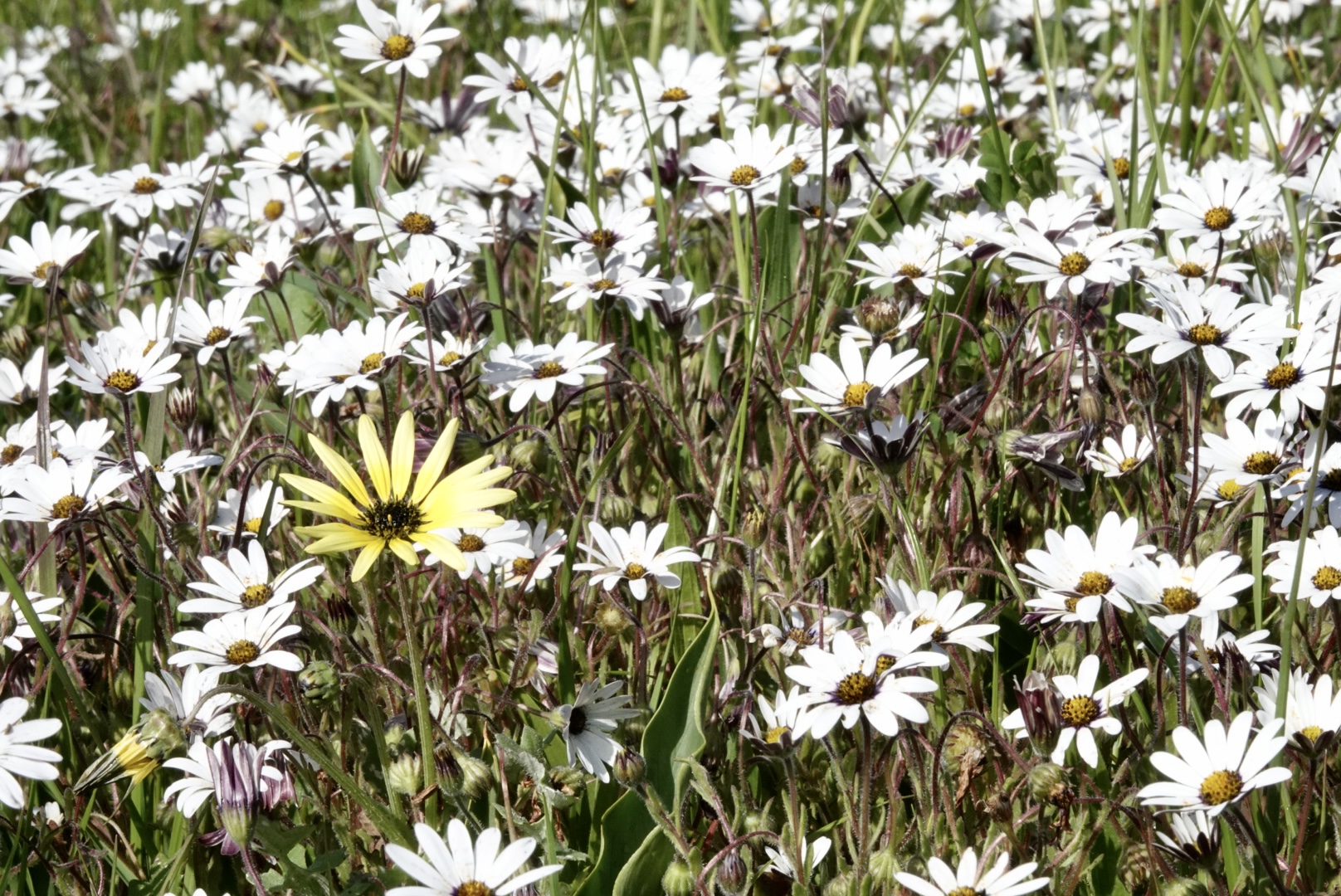
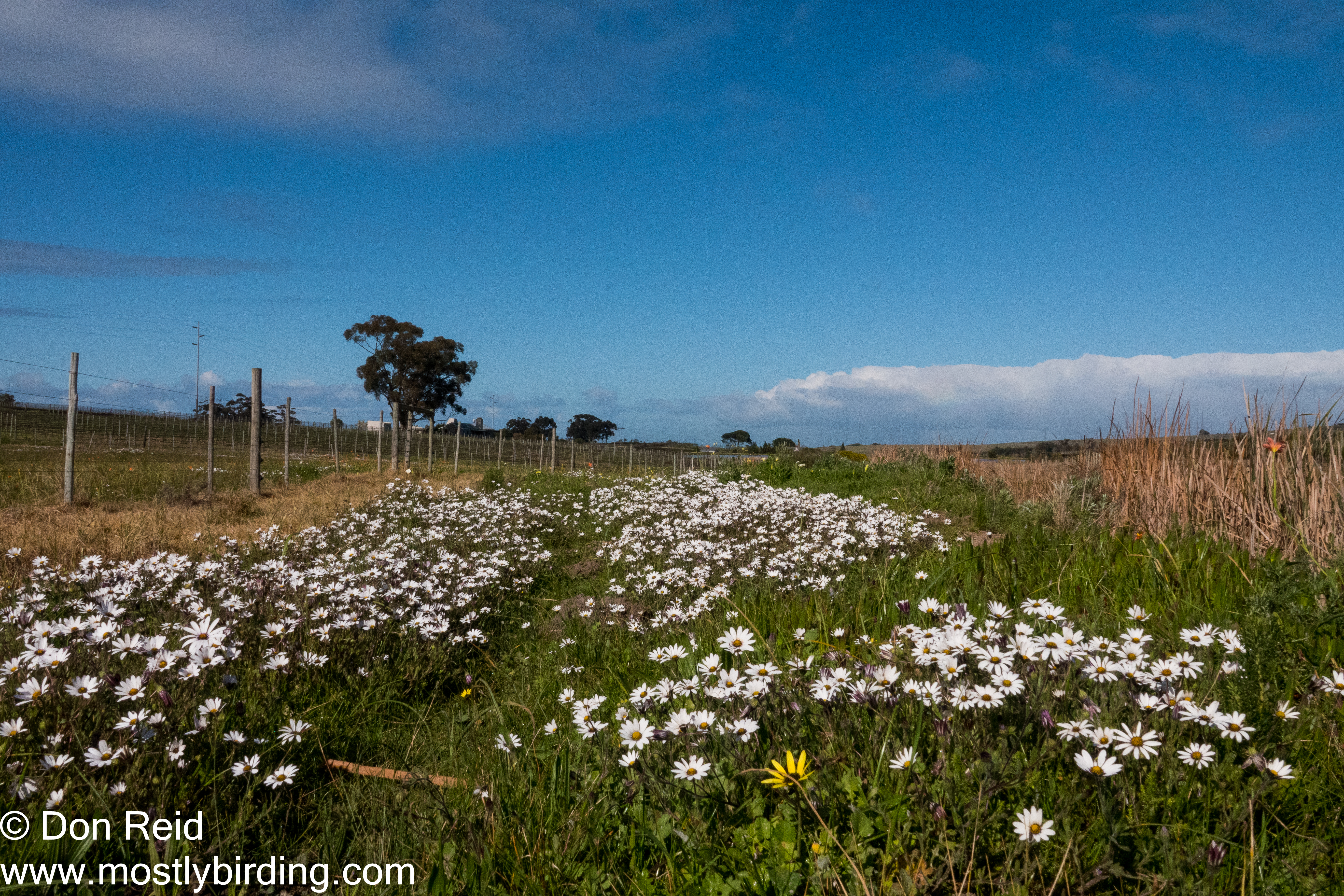
I was pleasantly surprised to find rafts of white and yellow flowers next to the pathways and between the lines of trees in the orchards – this augured well for the ‘real’ flower spots we would be visiting later in the week.
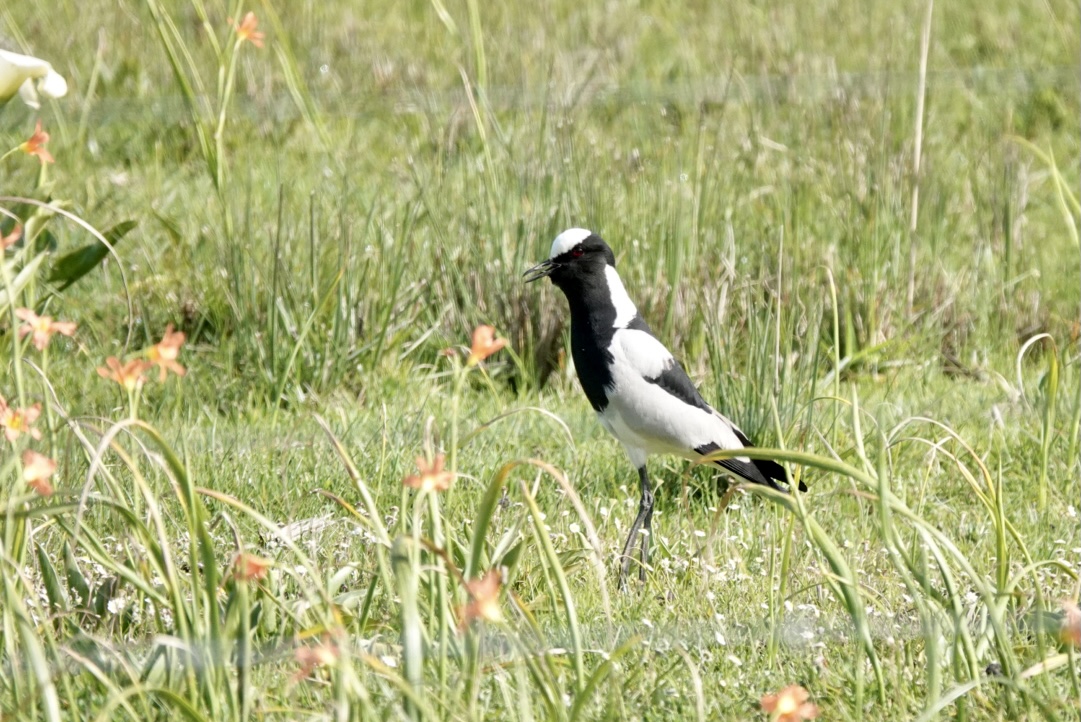
Rafts of flowers in placesBlacksmith Lapwing Vanellus armatus Bontkiewiet
The orchards attracted a different set of birds including Cape White-eyes (pictured below), Fiscal Flycatcher and Fork-tailed Drongo
Flowers between the rows of trees in the orchardsCape White-eye Zosterops capensis Kaapse glasogie
And the sheep ….. returning from my first late afternoon walk I noticed that one ewe had given birth to a lamb, which was still showing signs of the birth and I watched for a few minutes as the ewe prompted it to stand up on very wobbly legs. Just a day or so later the tiny lambs were eagerly following mommy
Dorper sheep (a South African breed developed by crossing Dorset Horn and Blackhead Persian sheep)
We are just back from a week-long trip to the Western Cape where we spent time in Stellenbosch with our granddaughter who is at university there, as well as three days in Paternoster on the West Coast exploring some of the Spring Wild Flower spots in the area
This is just a foretaste of the memorable time we had admiring the spectacle of millions of wild flowers that erupt at this time of year – those in the know are saying this is one of the best flower seasons in many a year.
We did not expect to find many wild flowers in Stellenbosch but the guest farm we stayed on gave us a taste of what was to come
Klein Welmoed Farm Stellenbosch
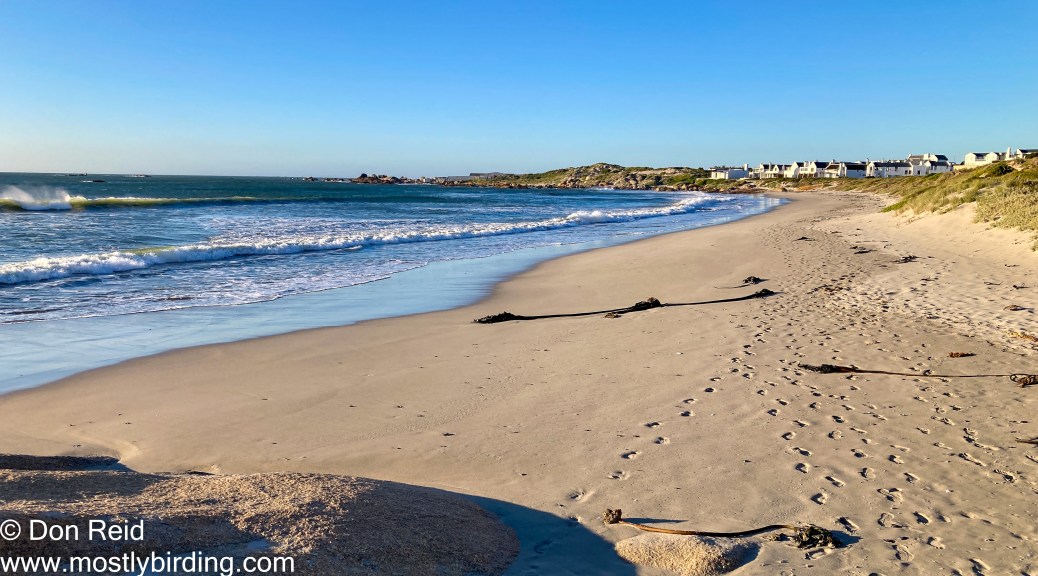
Our stay in Paternoster was a delight as we were right on the beach
Bek Bay Paternoster
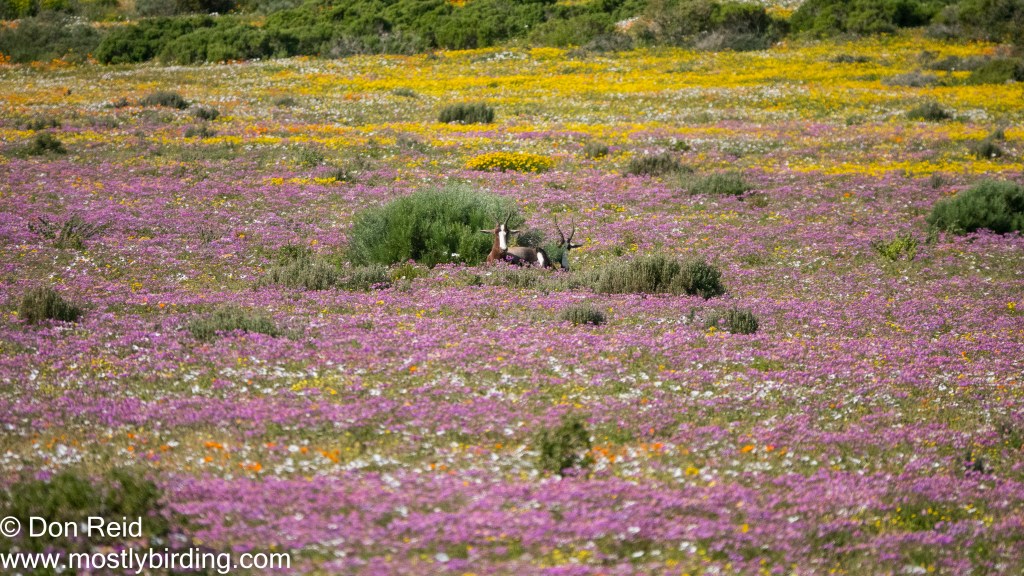
The Postberg section of the West Coast National Park opens for two months over August and September and we spent an enthralling afternoon exploring it
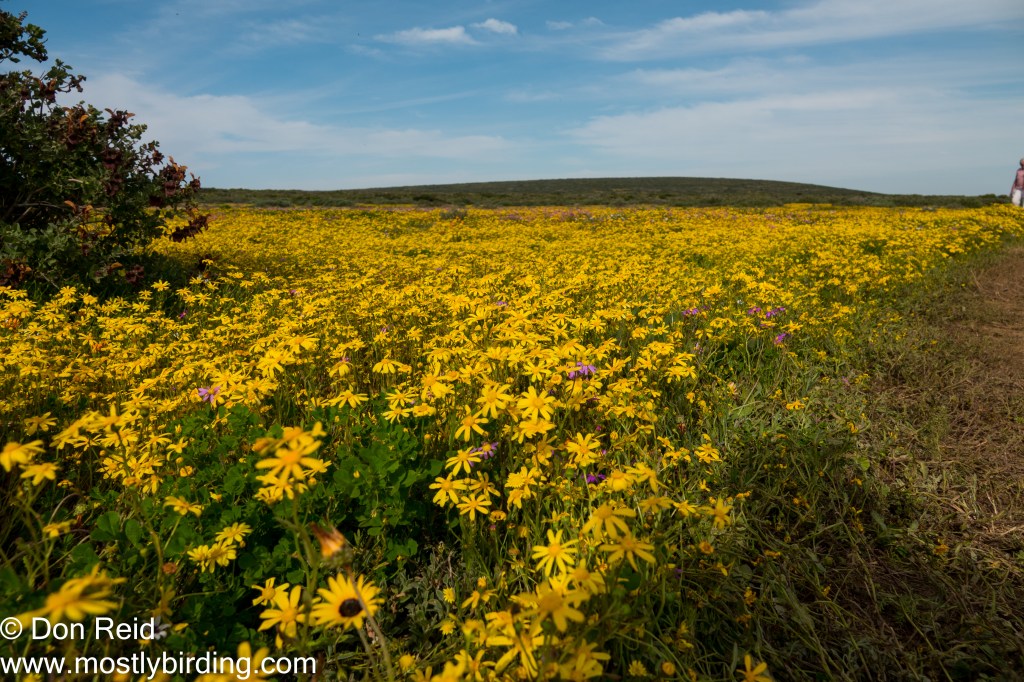
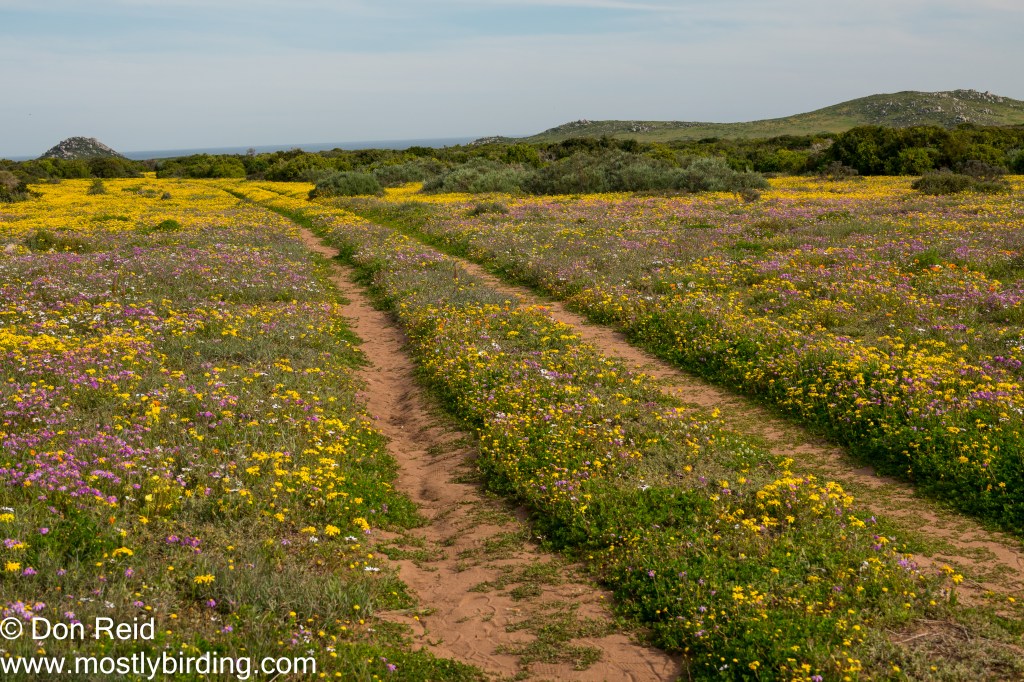
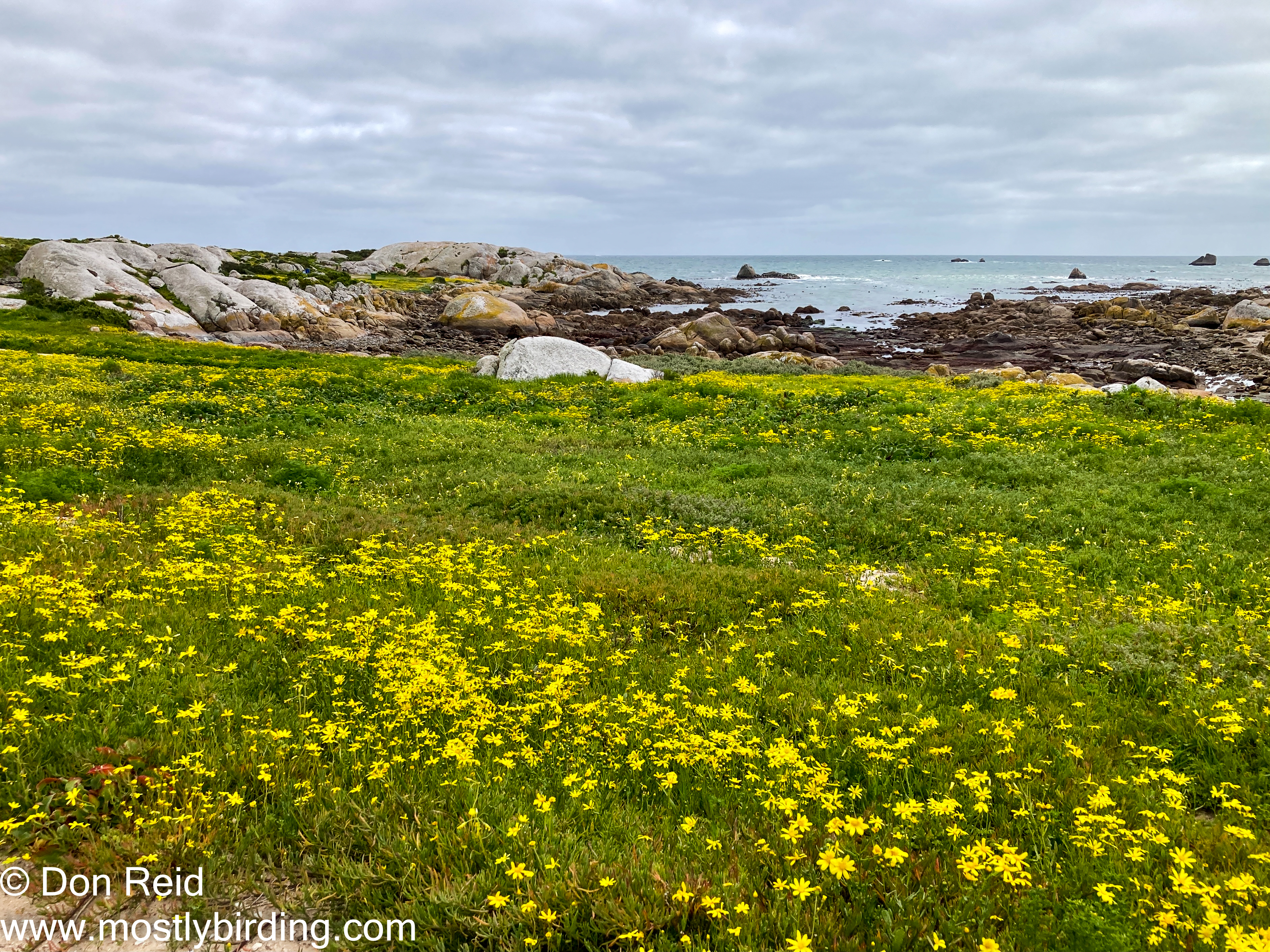
The next day we drove through the Cape Columbine nature reserve to Tietiesbaai enjoying the rugged scenery softened by a multitude of flowers
There’s more to come on each of the four spots highlighted here…..
Our road trip to the Eastern Cape in March this year included a 3 night stay in Mountain Zebra National Park near Cradock, only our second stay in this “off the beaten track” National Park, but enough to cement it as one of our ‘new favourite’ parks to visit. What it lacks in Big Five game, other than some introduced lions which are not easily seen and a small herd of Cape Buffalo, it makes up with other animals not generally seen elsewhere including the Zebra after which the park is named and interesting antelope species.
On the birding front, the park is known for its drier habitat species and I was looking forward to doing some atlasing and adding to my year list without much expectation for anything unusual – but as all birders know – ‘always expect the unexpected’ and a bird that had eluded me for many a year was about to become the highlight of our visit ….
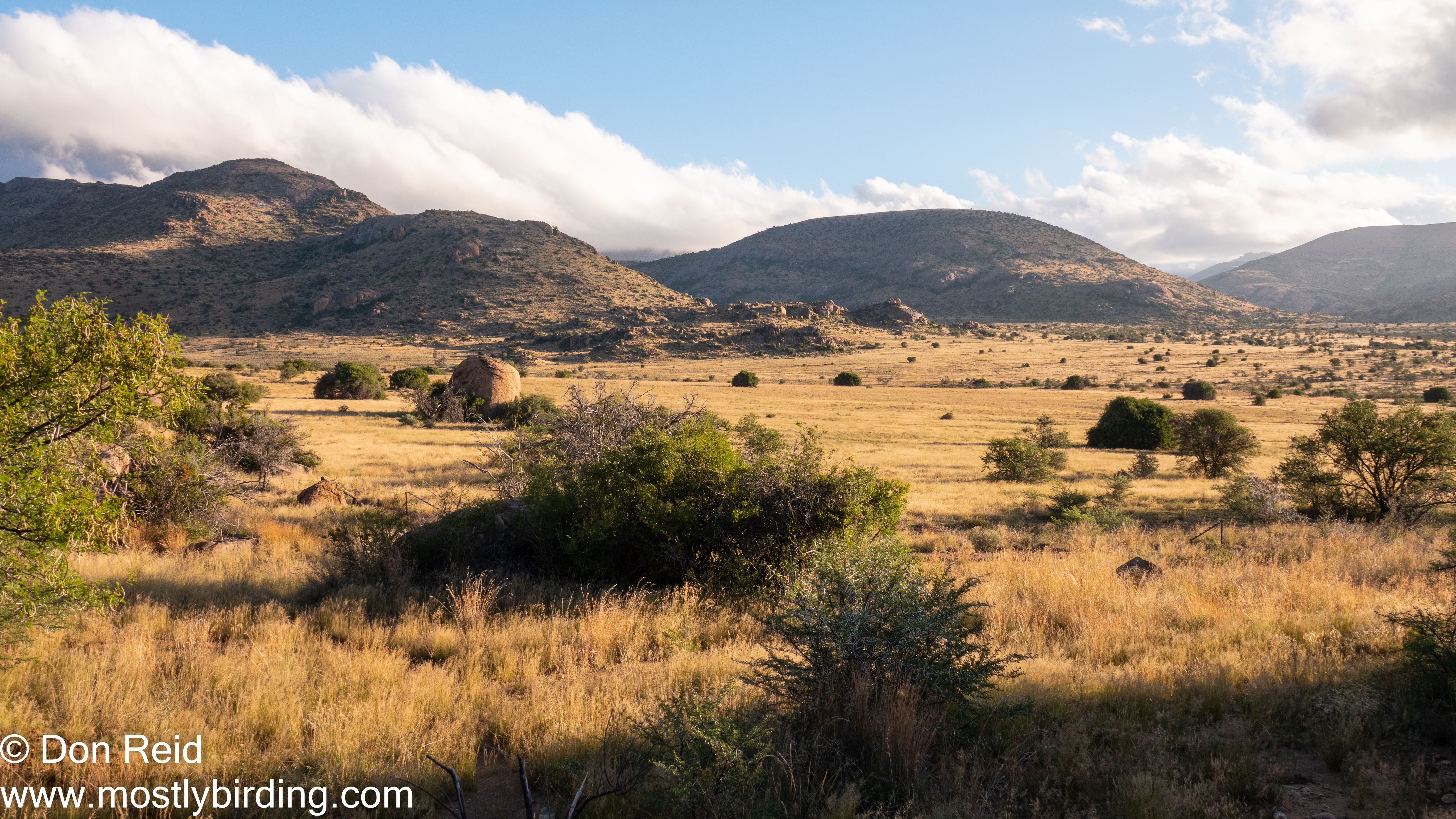
What also sets this park apart is the ambience – peaceful yet wild with panoramic views once you reach the plateau, which is at an altitude of about 1400 m, a couple of hundred metres above the main camp. The camp has around 25 comfortable chalets with patios which overlook the plains and distant hills, an ideal spot for some ‘stoepsitter’ birding.
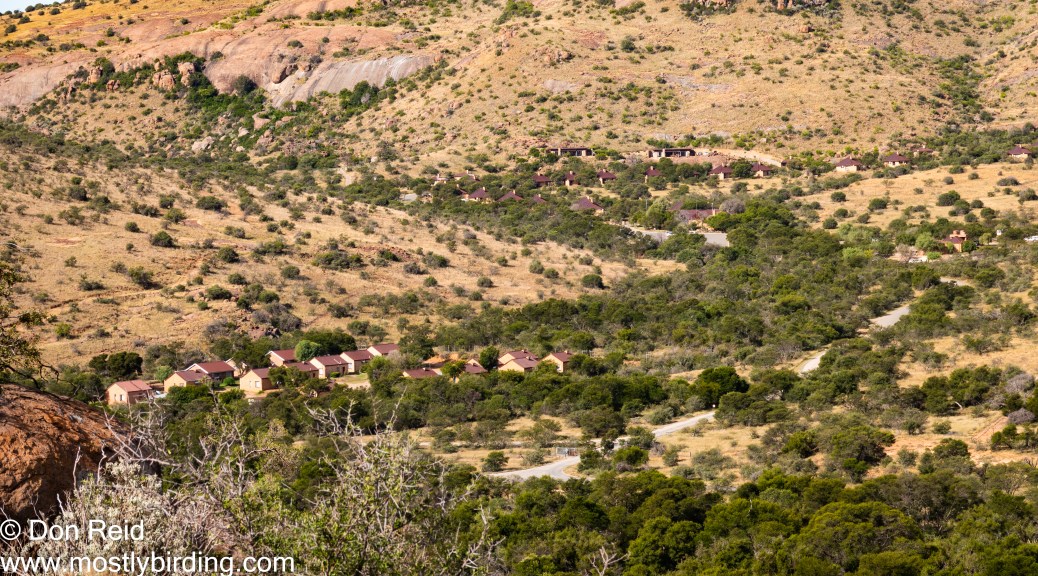
We left Addo mid-morning, initially heading east towards Paterson and joining the N10 National Road heading northwards to Cradock, where we stopped at a coffee shop for a light lunch, then drove the last 12 km to the Mountain Zebra National Park gate. The main camp (pictured in the heading image) is another 12 km along a rather corrugated gravel road which thankfully changed to tarmac for the last stretch.
The reception was efficient and friendly and we soon found our chalet No 20 almost at the top of the gently sloping road that runs through the camp and got ourselves settled in.
After a brisk walk, the air was suddenly chilly with the sun setting behind the surrounding hills, so I donned a jacket and headed to the stoep for a bit of late afternoon birding. The stoep furniture did not match the rest of the chalet in terms of comfort – in fact I’ll go so far as to say the chairs are possibly the heaviest, most uncomfortable ones I have ever come across. However I didn’t let this small detail bother me and carried one of the living room cushioned chairs outside for that all important sundowner time.
Stoep chairs designed to keep you away from them !
The view made up in no uncertain terms for the furniture and with beverage in hand I scanned the surroundings, soon finding a few species typical of the more arid landscape
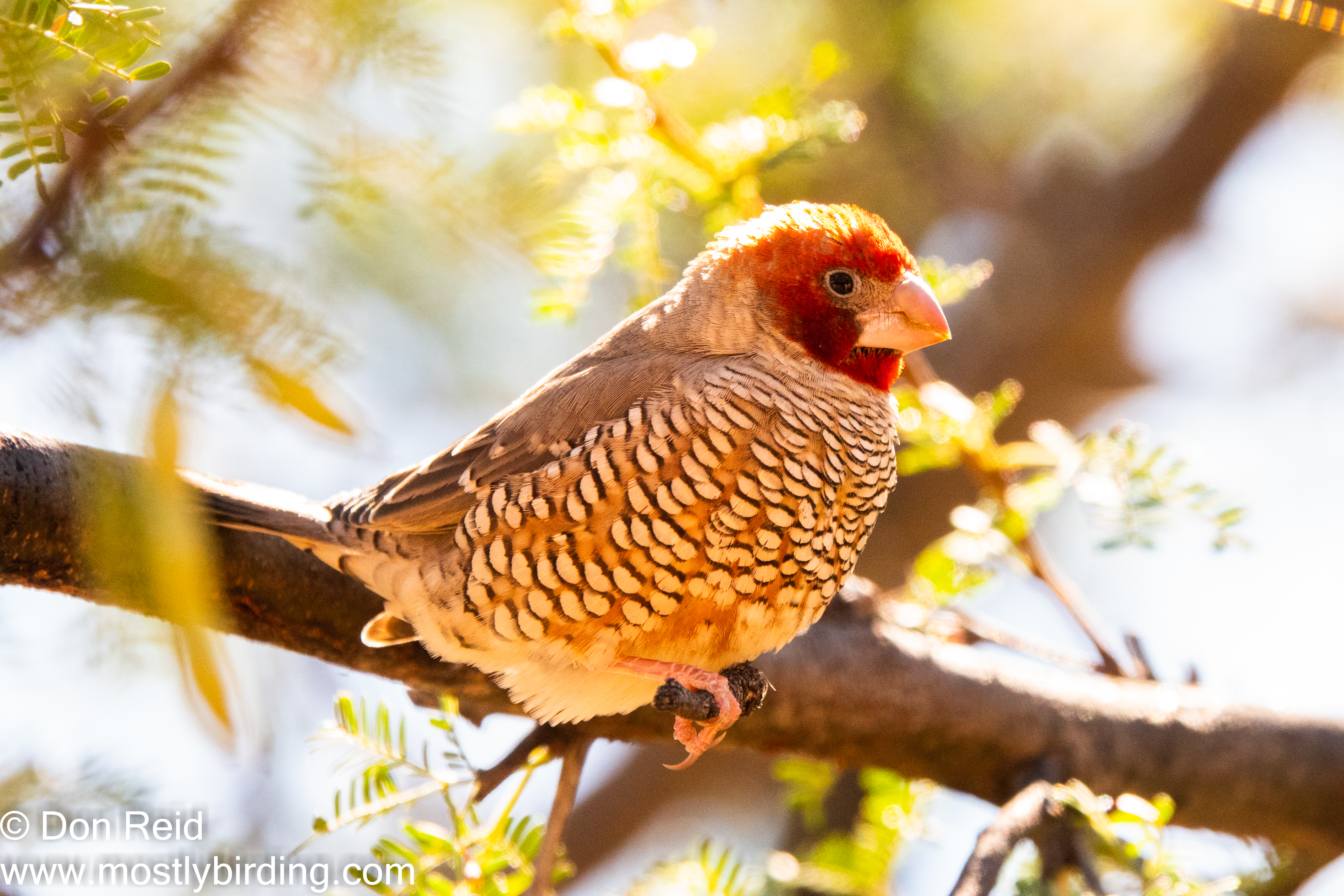
View from the stoep, Mountain Zebra NPRed-headed Finch (Amadina erythrocephala / Rooikopvink) (male race erythrocephala), Mountain Zebra NPWhite-browed Sparrow-Weaver (Plocepasser mahali / Koringvoël), Mountain Zebra NP
Next morning was very relaxed – being Sunday we were up late-ish and most of our morning was spent on the stoep. Apart from the species already shown, other prominent species were Familiar Chat, Red-eyed Bulbul, Red-winged Starling, Acacia Pied Barbet, Bokmakierie and several others.
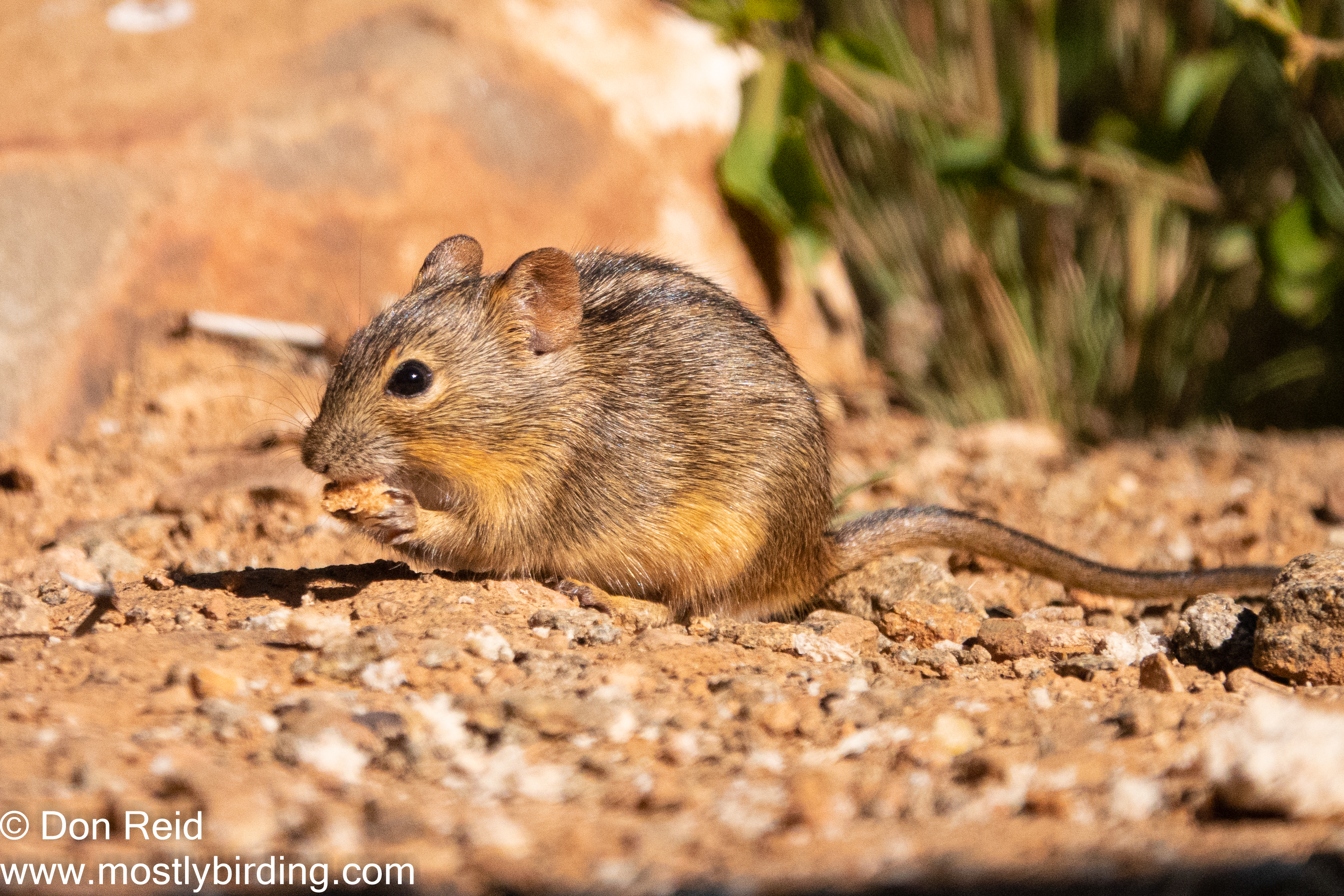
Striped Mice crept cautiously out of the low bushes to grab a morsel in front of the stoep, scurrying back to safety at the slightest movement. Using very slow hand/camera movements I was able to get a few shots of these cute creatures. They are also known as four-striped mice based on the four characteristic black longitudinal stripes down their back.
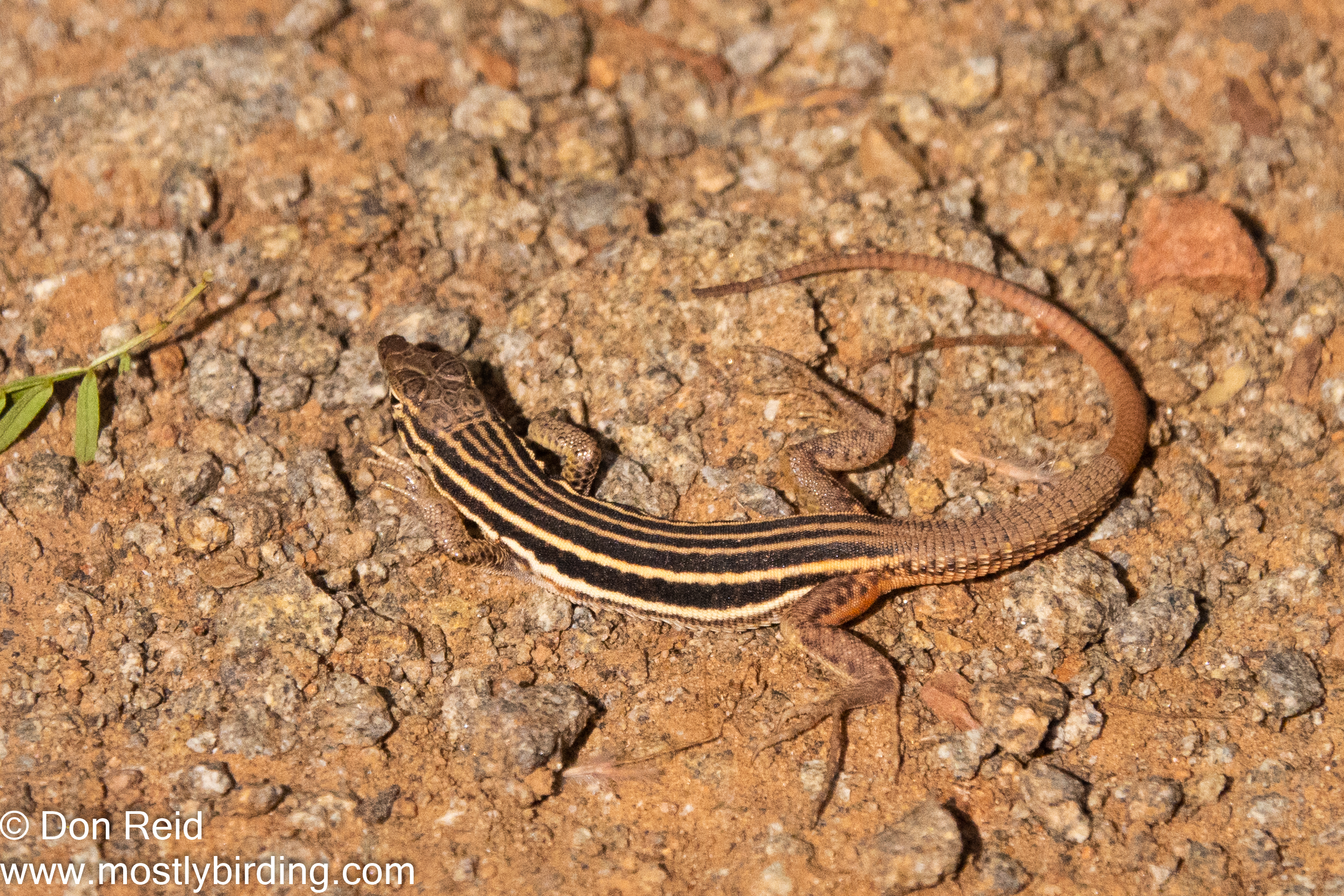
Another striped creature, this time a lizard, put in an appearance alongside the mice, each not taking much notice of the other, probably after small insects that wouldn’t necessarily be on the mice’s menu. With its distinctive stripes, I thought this would be an easy species to identify but the Reptile book I have groups lizards into a few main groups without providing photos of each regional one so I was only able to narrow it down to what I thought was a Mountain Lizard
Lizard – unsure of species but possibly a type of Mountain Lizard
After lunch we set off on a drive on the Rooiplaat Loop, the most popular circular drive and about 25 km out and back. Before ascending to the plateau we spent some time at the picnic spot near the main camp (also mentioned in my earlier post on the Honeythorn Tree) where a few birds were active, including a lone African Hoopoe – such a handsome bird and always a treat to see, even though they are quite common.
A short way further on we came across a group of Vervet Monkeys including a mother and youngster who posed like pros in the lovely shaded light – I am always drawn to their eyes which look so bright and intelligent.
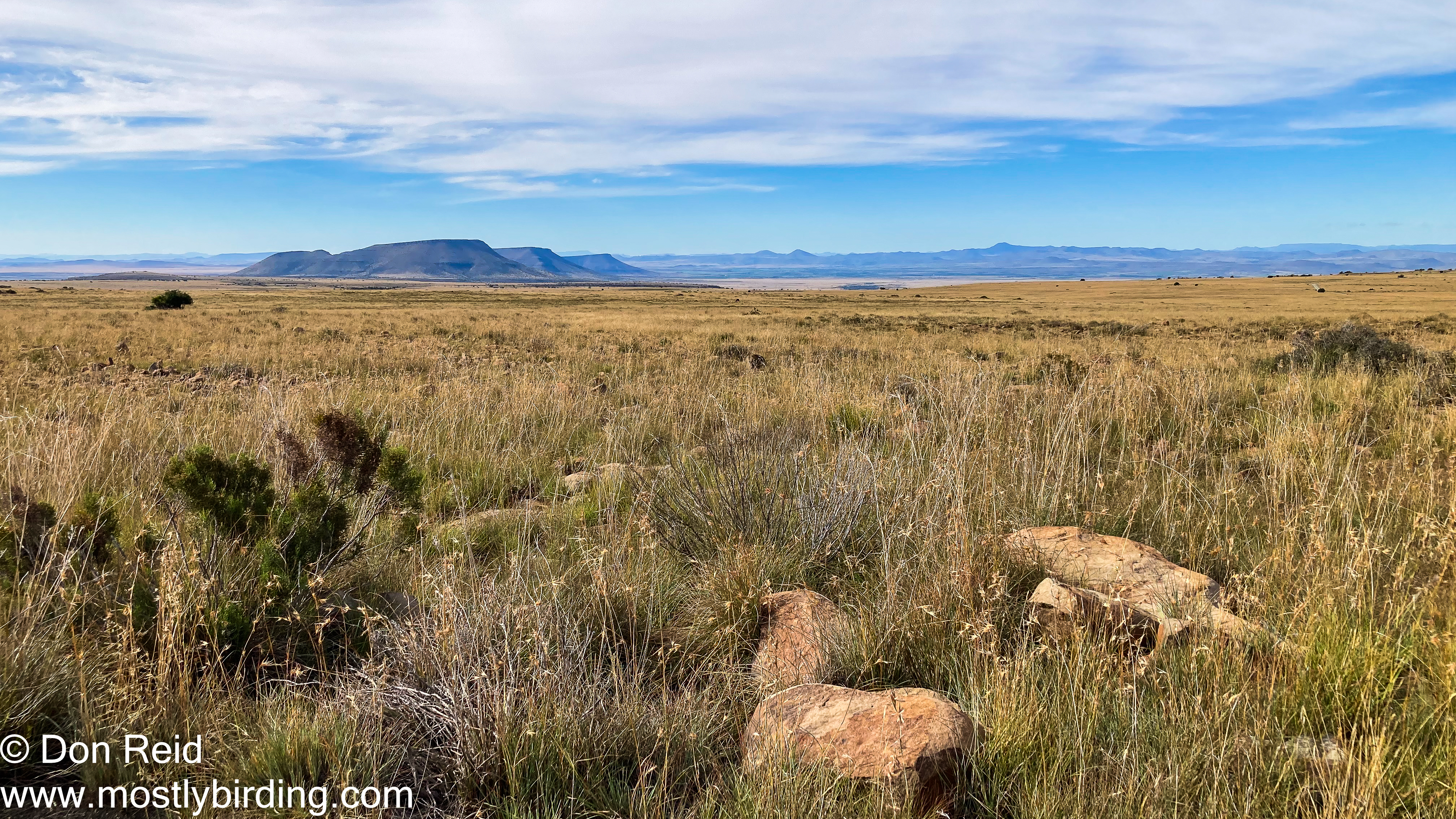
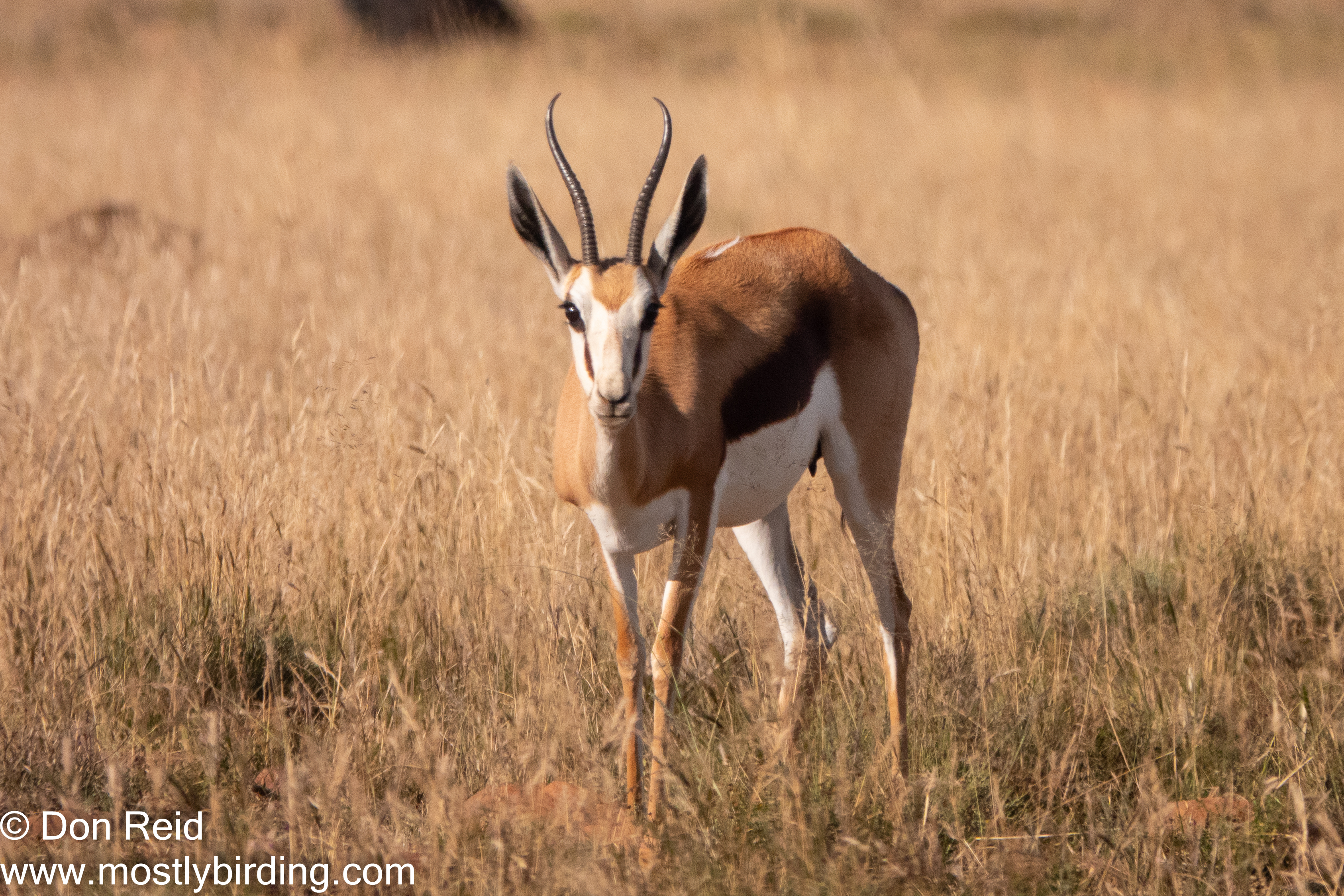
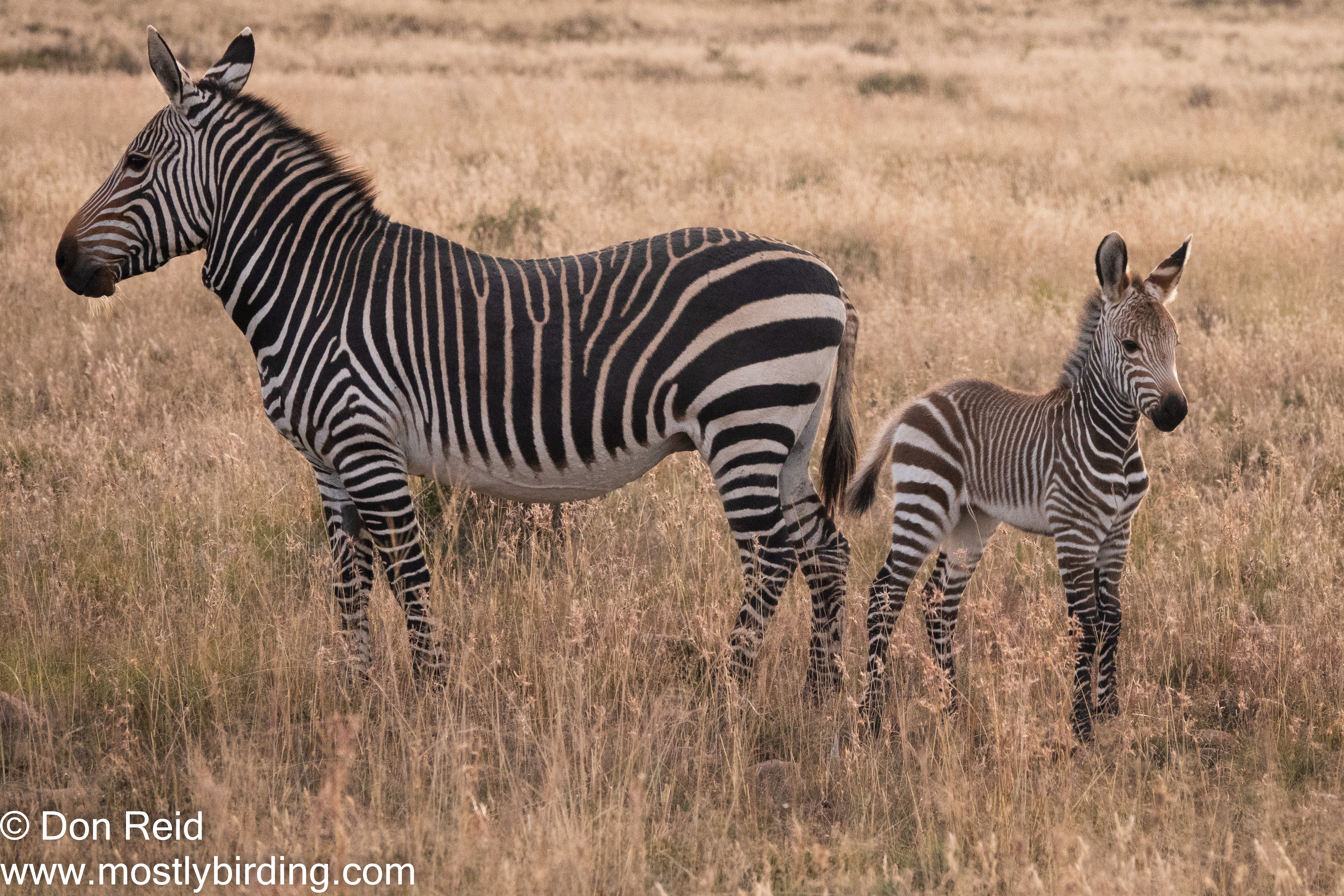
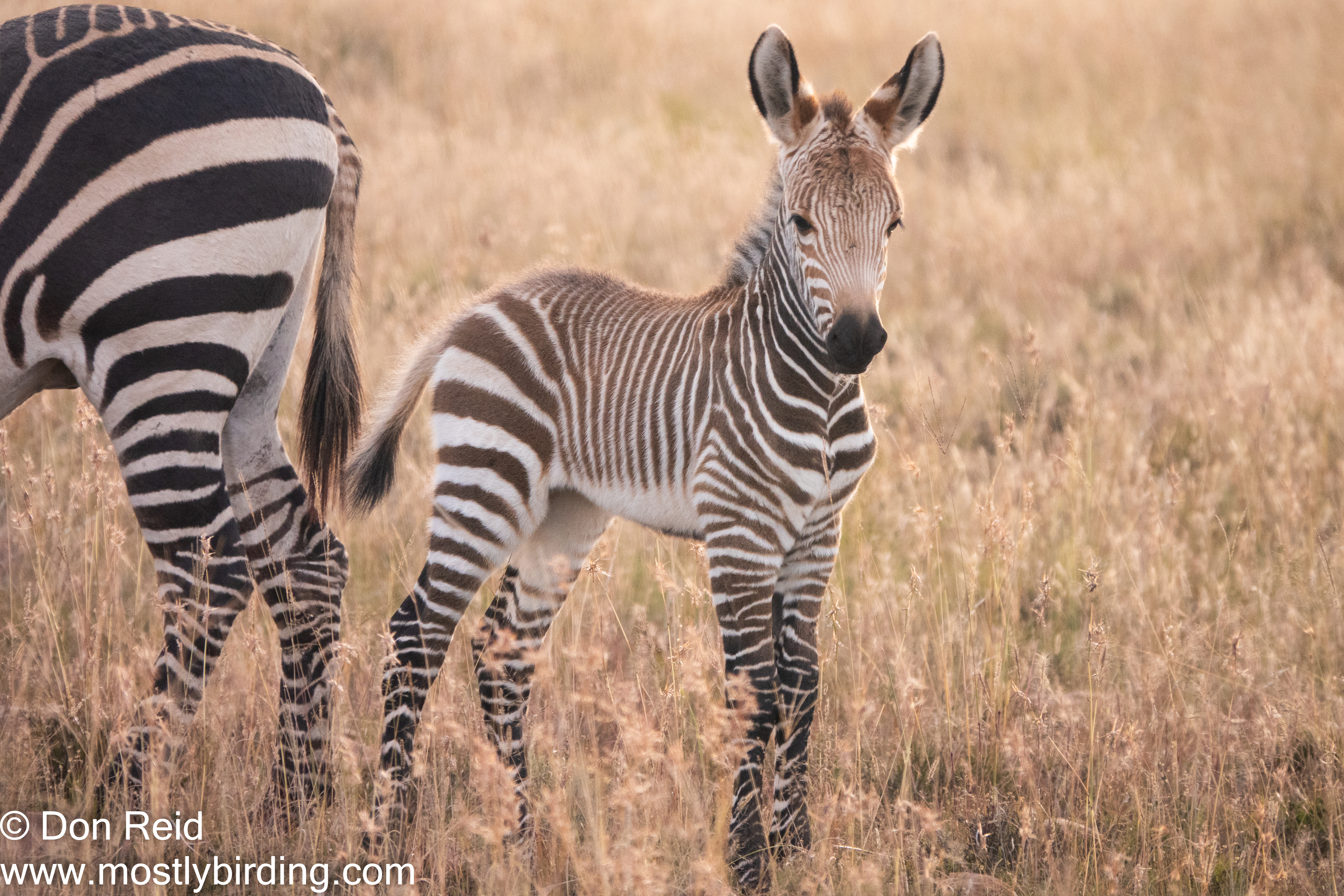
A short climb up the tar road took us to the plateau where the grassland stretched to the horizon, with pockets of game visible in the distance – the return leg took us closer to some of them so I used the opportunity to get some pleasing images, particularly of the Mountain Zebra foal with its parent.
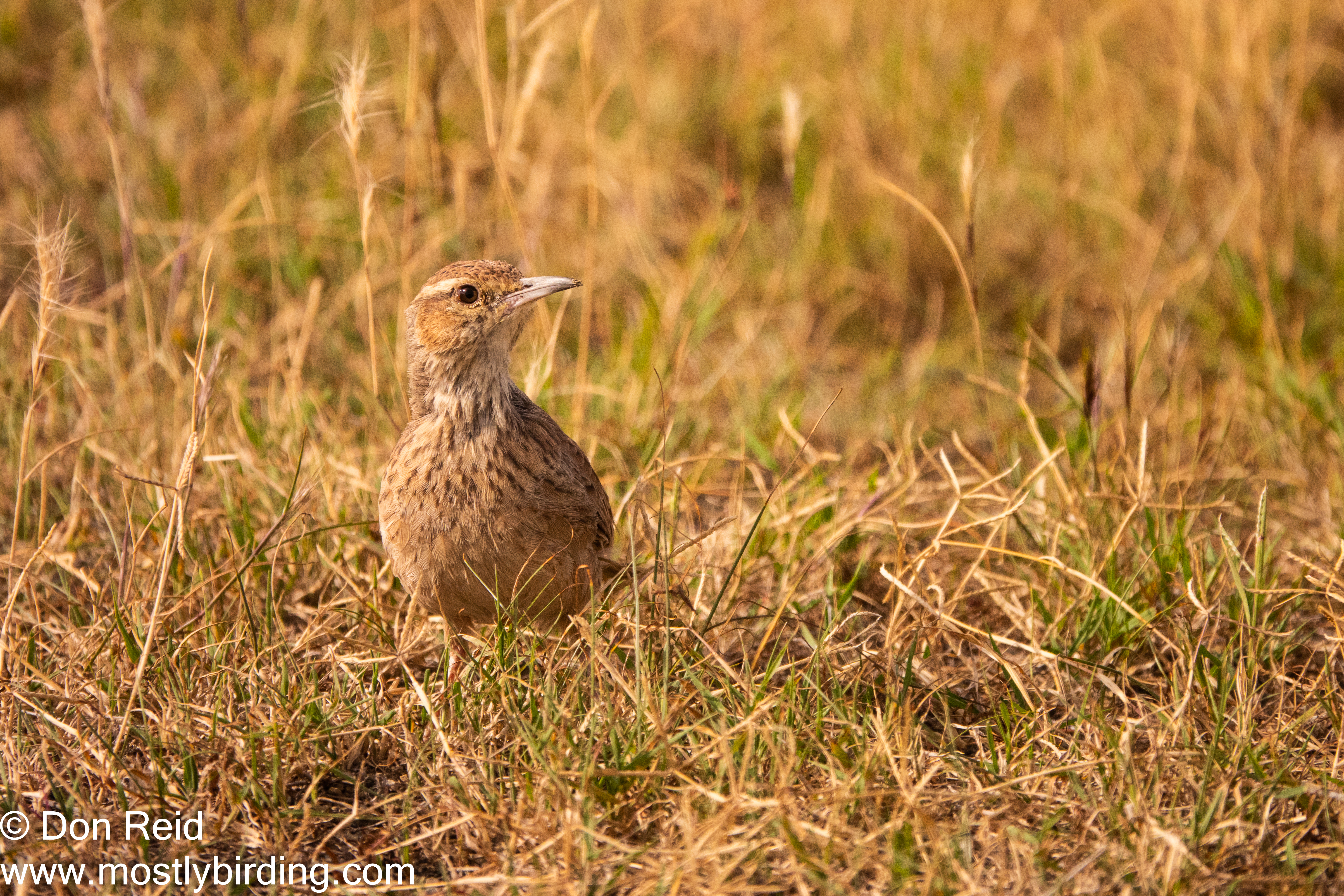
The birds were not plentiful but several of those we came across were species not regularly seen outside of this particular habitat – three species of Lark on the ground (Eastern Long-billed, Spike-heeled and Red-capped Larks), Scaly-feathered Finch and Neddicky in the few trees and a glimpse of Grey-winged Francolin just showing in the long grass.
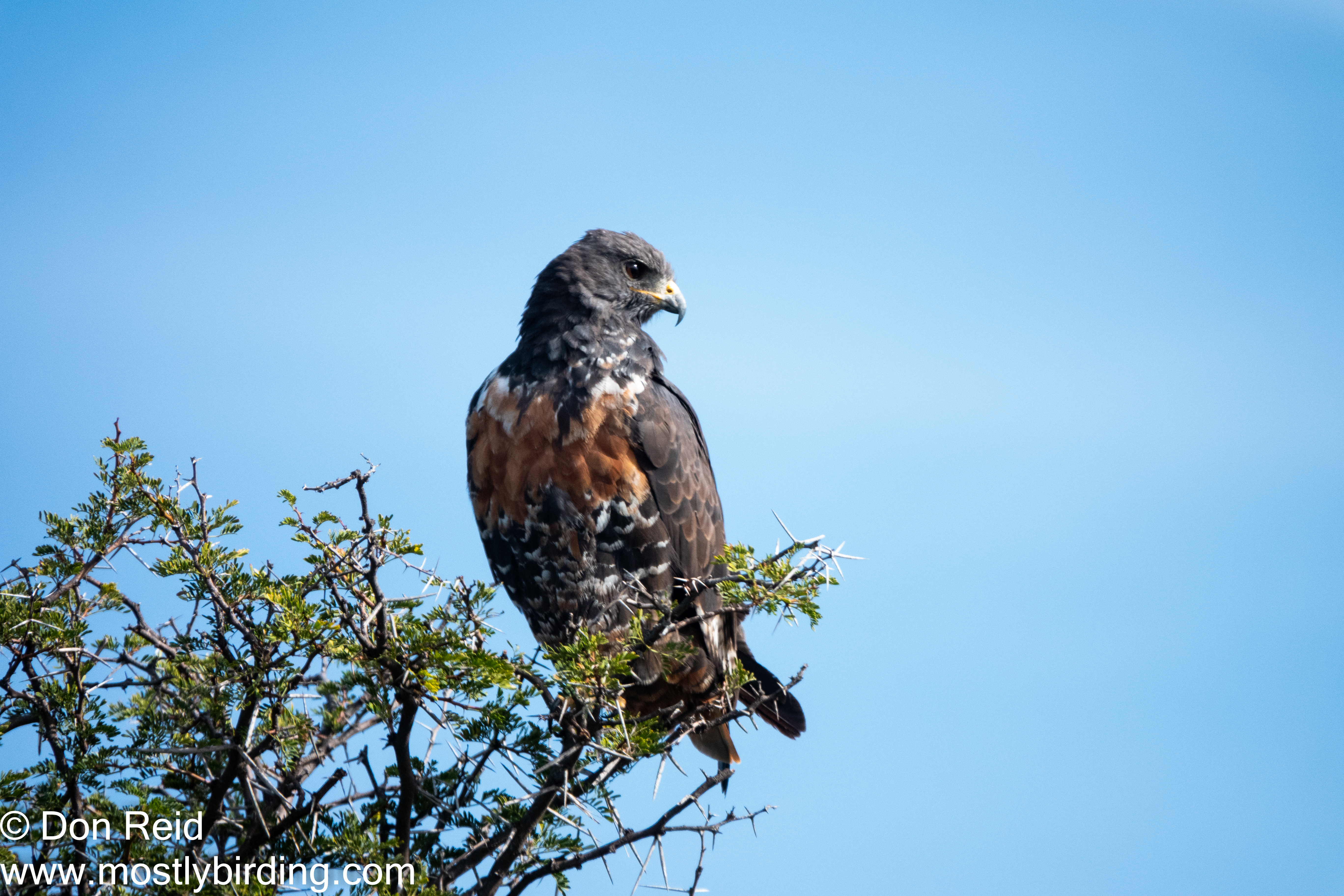
This handsome Jackal Buzzard was no doubt on the lookout for prey –
Larks are a favourite of mine – not the most striking of birds, in fact just the opposite, but that is their attraction and finding them in grassland habitat feels like a real accomplishment, often followed by some serious research to confirm the ID.
We had completed the full circuit of Rooiplaats Loop and started descending the road which winds down from the plateau when I heard a call which caused me to brake sharply – it went like this
Gerda said “what is it, why did you stop so suddenly” – my reply, in an elevated state of excitement, was something like “oh boy, this is a bird I’ve been trying to find for a looooong time”
We were into perfect habitat for what I thought it was – rocky hillsides with large boulders – and after a quick scan I found it on one of the boulders – African Rock Pipit!
Rock Pipit habitat, Mountain Zebra NP
The Pipit. a lifer for me, was perched on the boulder and emitting its distinctive, repetitive call every few seconds and I was doubly pleased to be able to get a few decent photos of it in action
African Rock Pipit (Anthus crenatus / Klipkoester), Mountain Zebra NPAfrican Rock Pipit (Anthus crenatus / Klipkoester), Mountain Zebra NP
To celebrate we went to the park’s restaurant for dinner that evening and, unsure what to expect, were very pleasantly surprised to find brisk service, good food and friendly personnel to round off an outstanding day.
When we spend time in Mossel Bay, such as the during the last two months, we like nothing more than to explore the area around this part of the Southern Cape, driving the main and country roads and taking in the scenery and sights. Nowadays we tend to pack a picnic lunch or tea, which just feels safer, even though we have both had our vaccine shots, but a venue with outside seating and that is not too crowded is always an alternative that we consider.
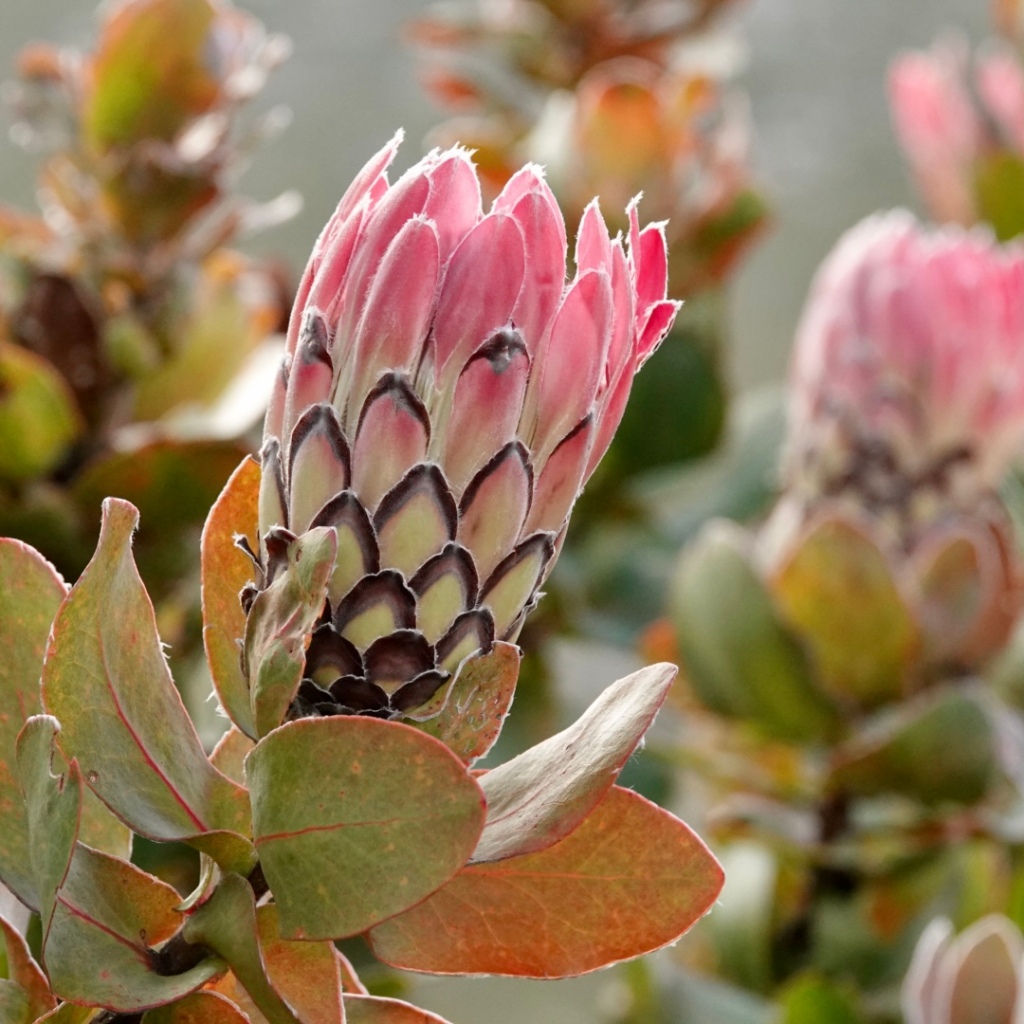
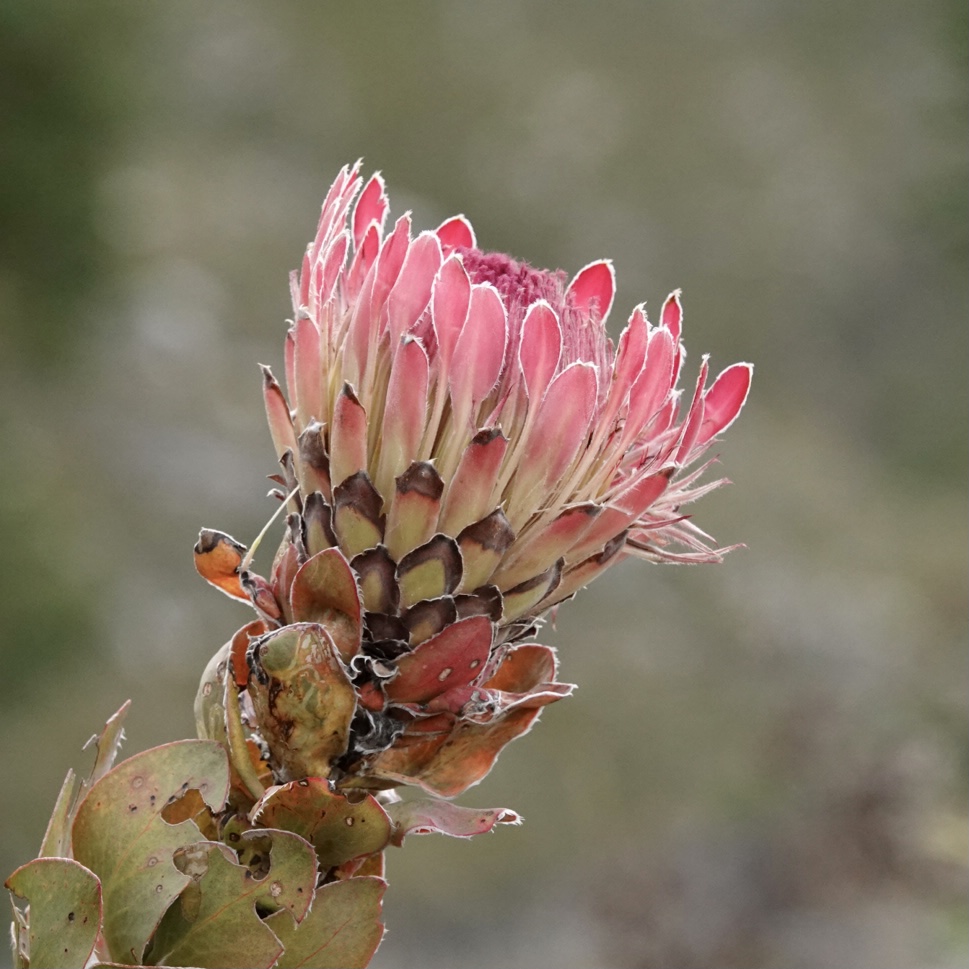
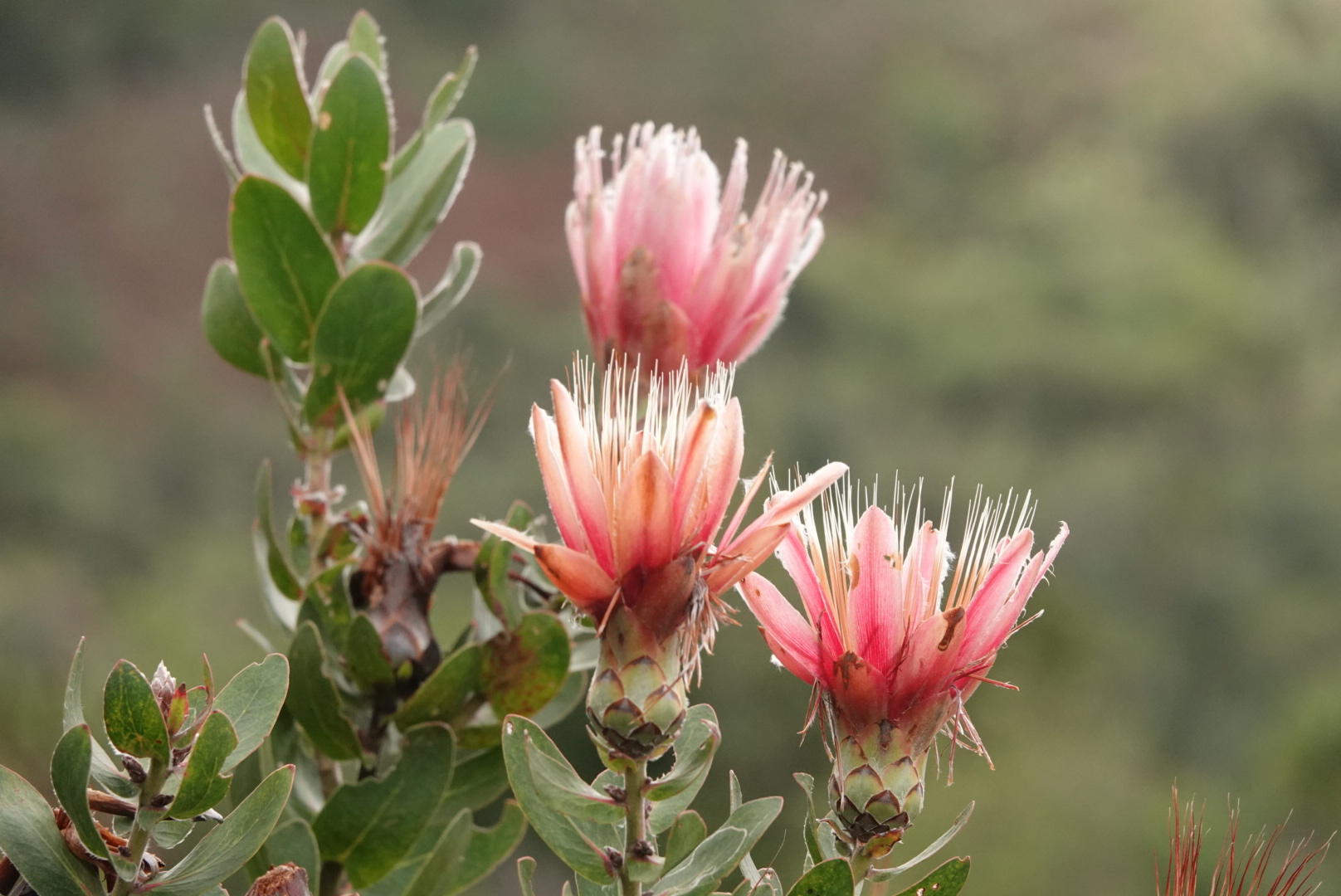
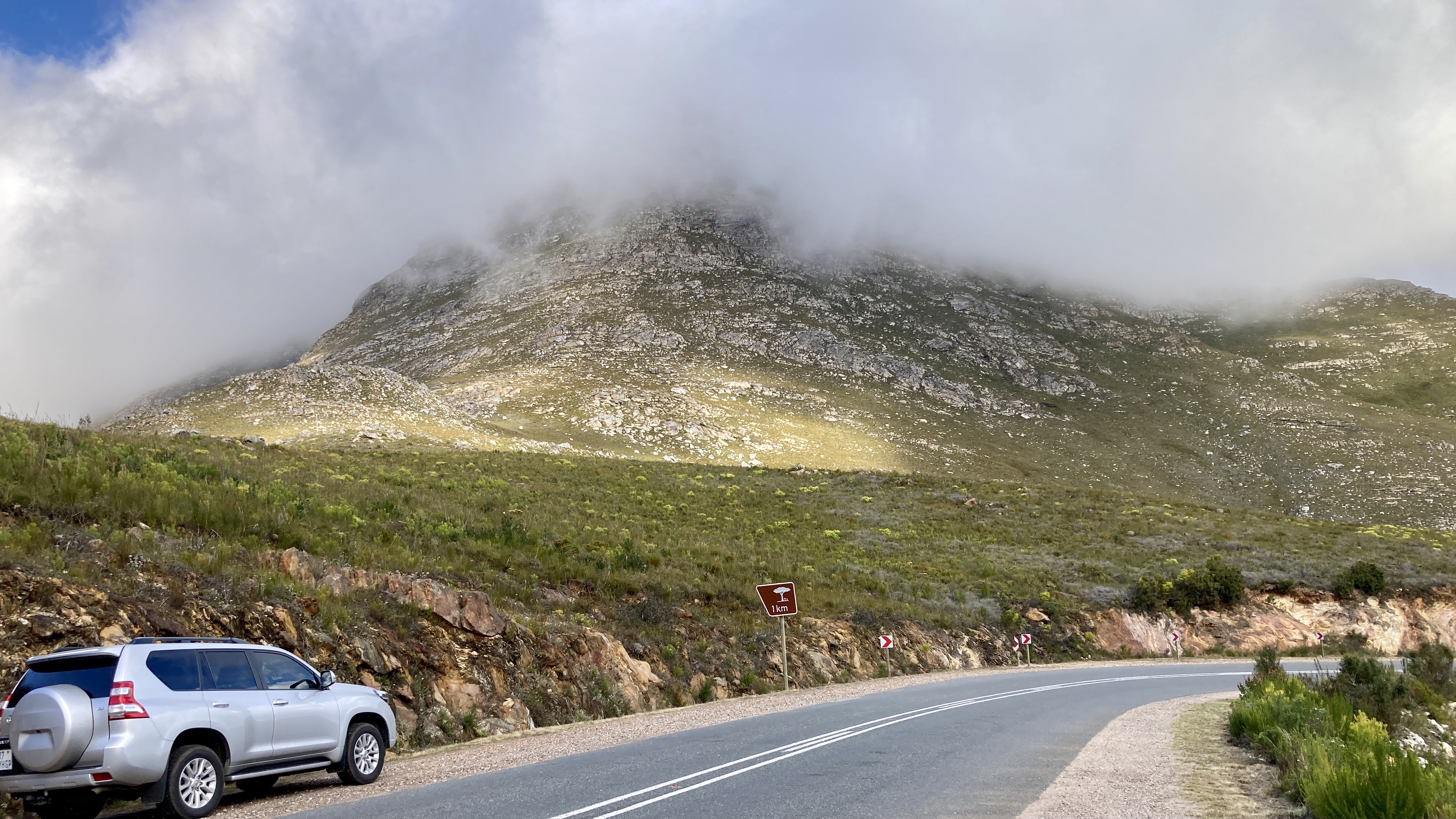
At this time of year many of the Protea and fynbos species come into flower and from past experience we know that there are many places to view them within an easy driving distance from our home, one being the Robinson Pass on the R328 route that connects Mossel Bay with Oudtshoorn, twisting its way through the Outeniqua Mountains and rising to 860 metres before dropping away again.
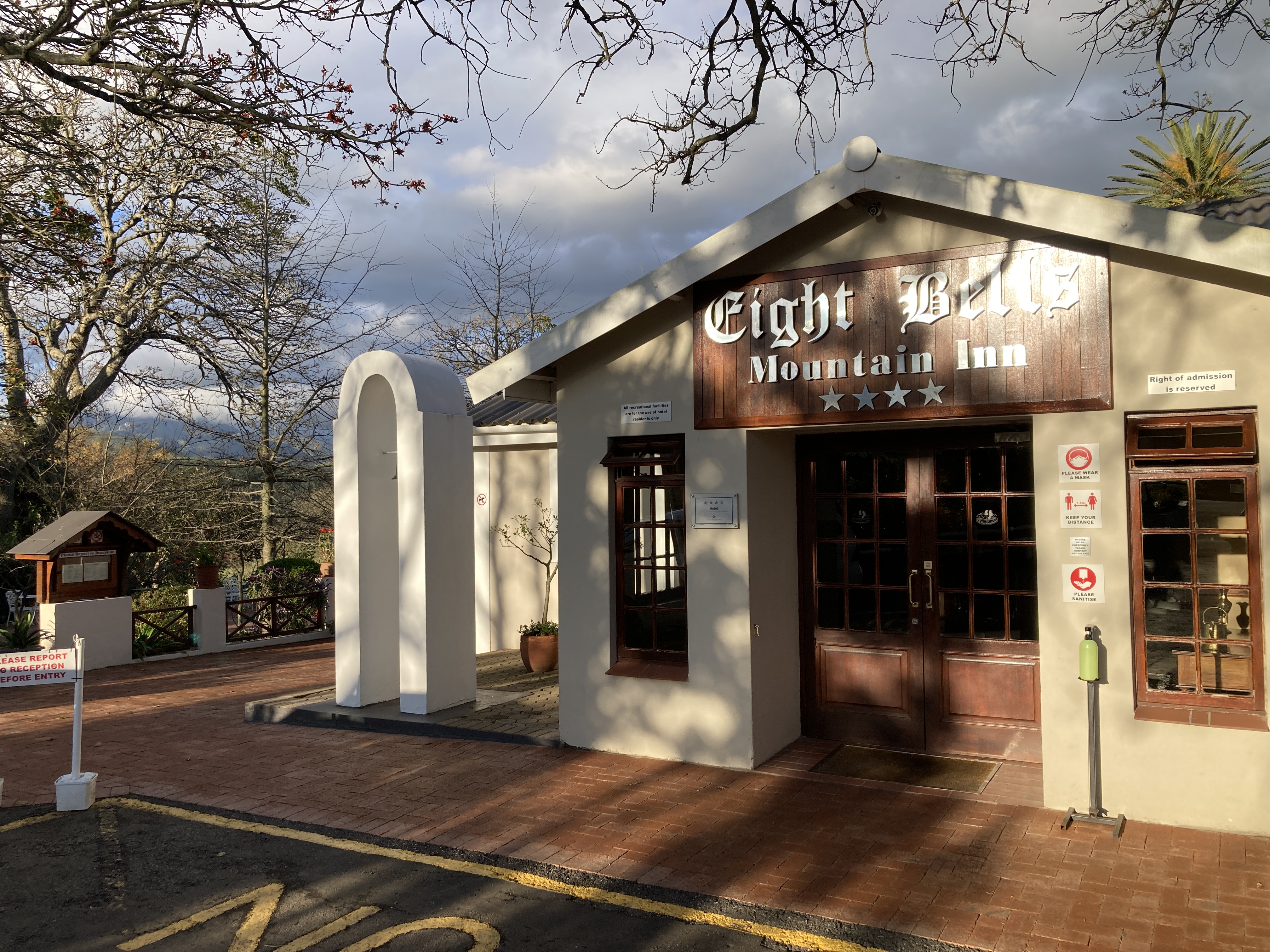
Before getting into the pass proper, the road passes Eight Bells Mountain Inn, one of our favourite spots for lunch or tea (or even both) so this was where we headed to get our trip off to a good start, pulling into the small parking area after a 40 minute drive and stopping under the massive tree that was mostly bare but showing signs of the approaching Spring.
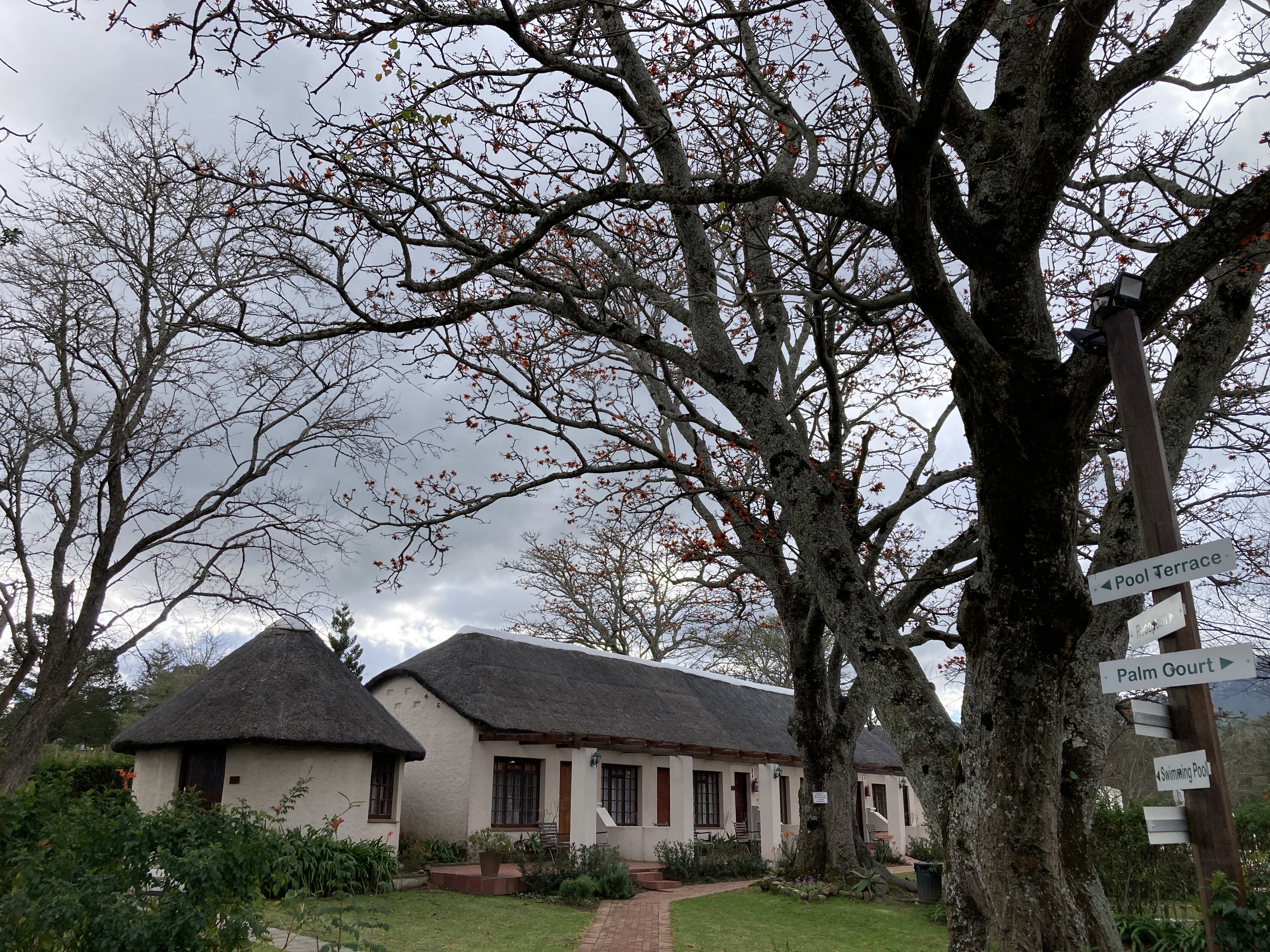
Eight Bells Mountain Inn entranceTrees towering over the rooms
We had left home in light rain, but by the time we got to our lunch stop it had cleared with just enough cloud cover to make the light good for photography. After a tasty lunch (their ostrich burgers are recommended) we ventured further up the pass and were soon into the zone where the Proteas were flowering. Gerda’s photos give an idea of what the roadside looks like at this time of year –
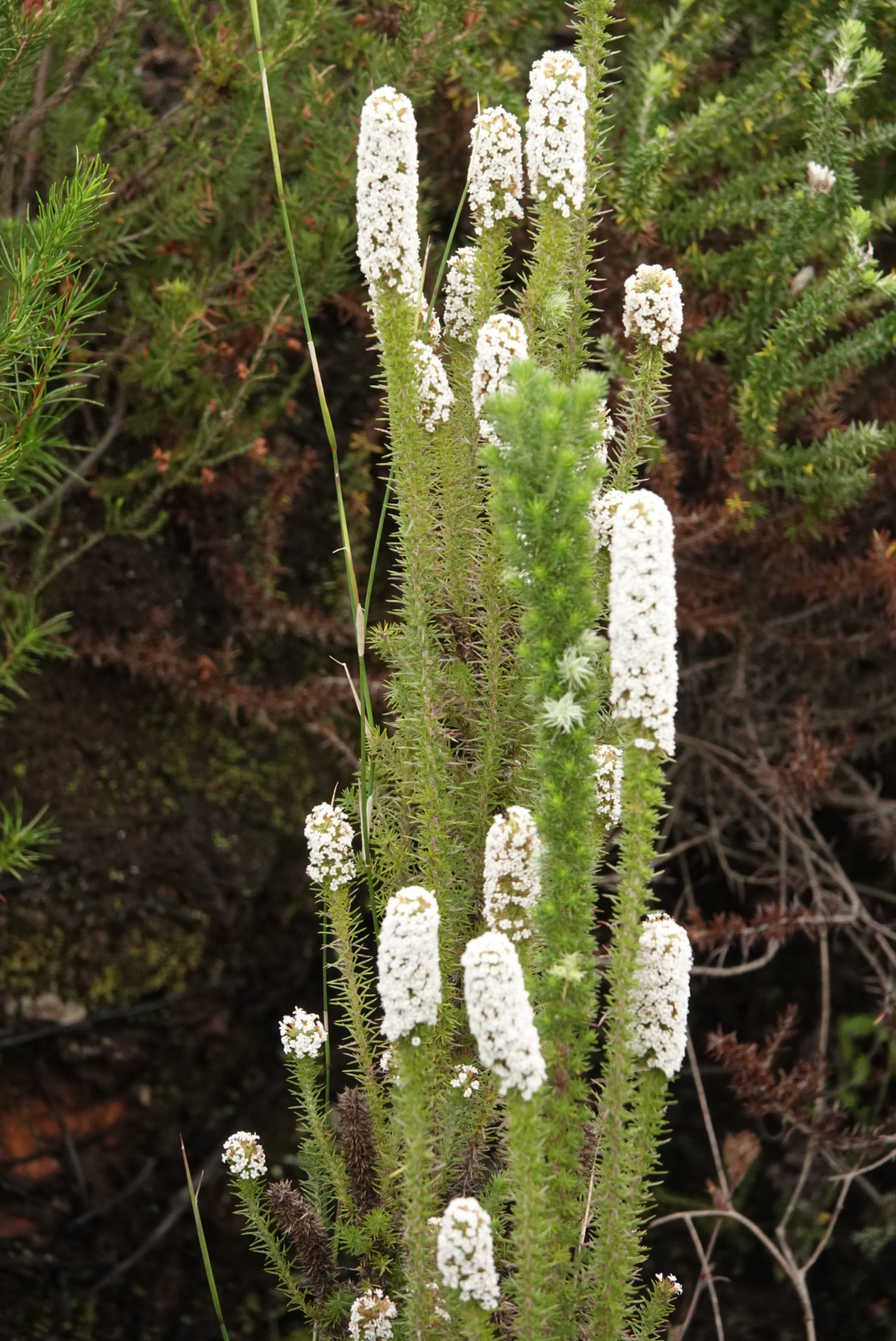
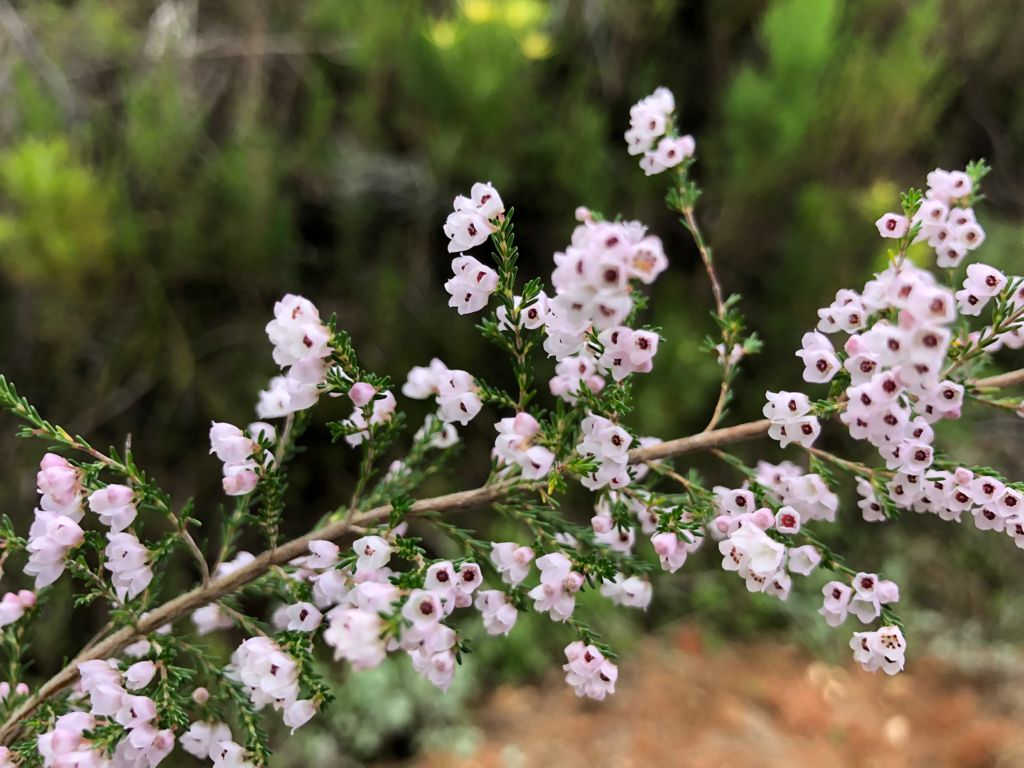
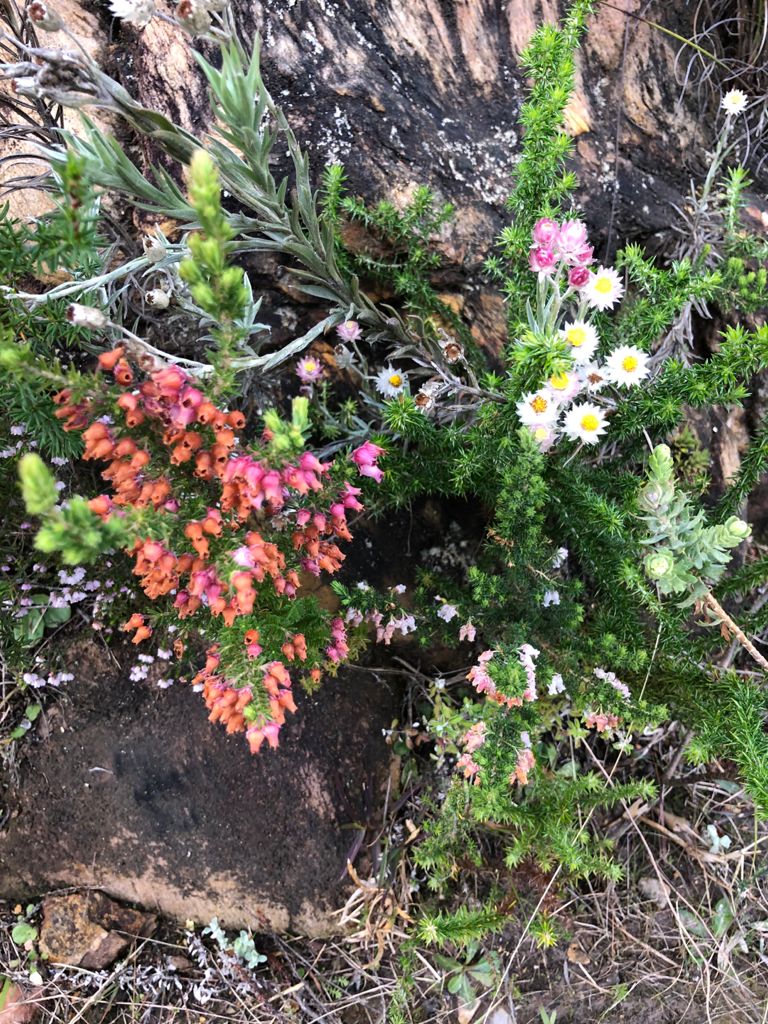
I drove as slowly as possible, keeping an eye on the rear view mirror for approaching vehicles, as the road is narrow with few chances to overtake, pulling off wherever I could safely do so to allow faster vehicles to pass and to give us a chance to have a closer look at the multitude of flowers. That proved to be the right strategy as we noticed some hidden, small flowers among the much bolder Proteas.
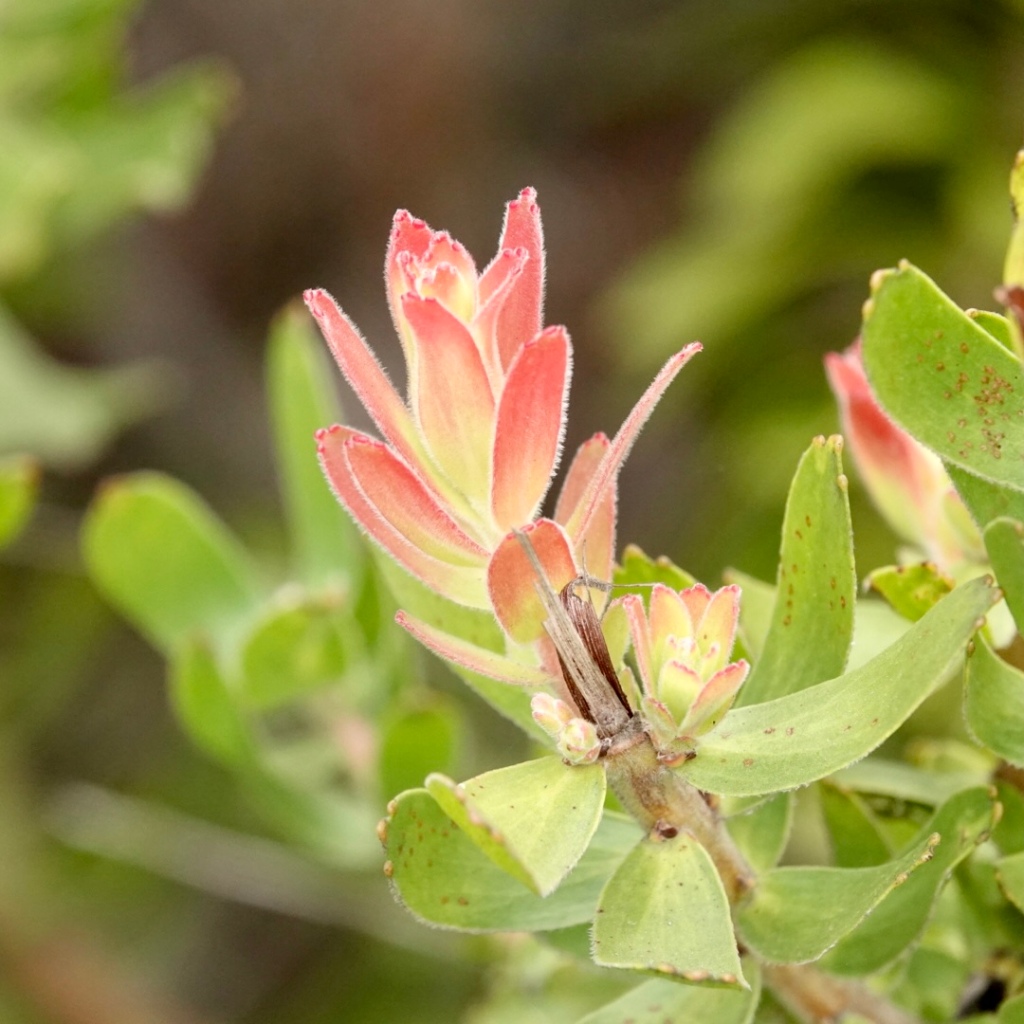
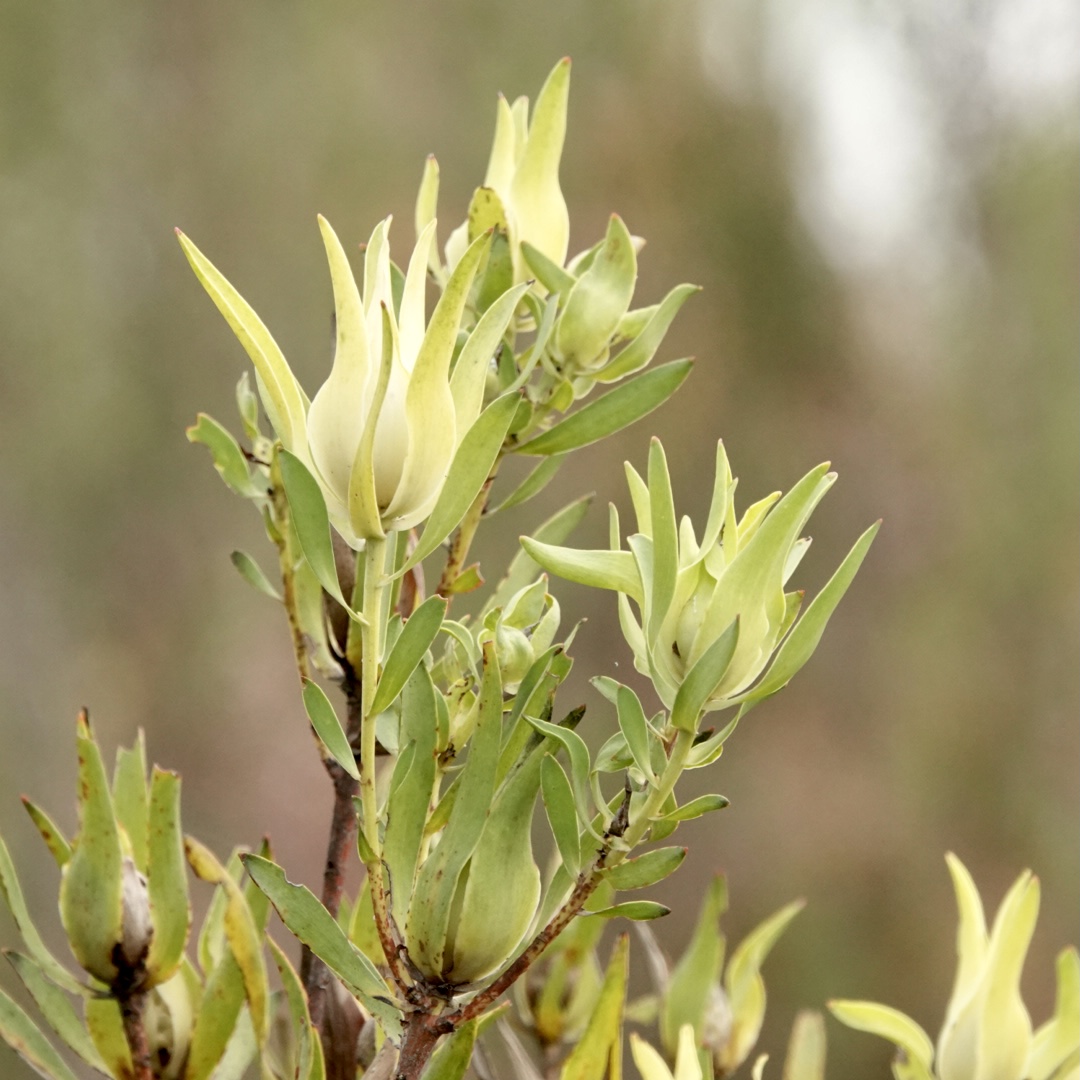
Now my botanical knowledge is not on a par with my birding knowledge but I spent a while paging through our books on Proteas and Fynbos and have hopefully identified them correctly…..
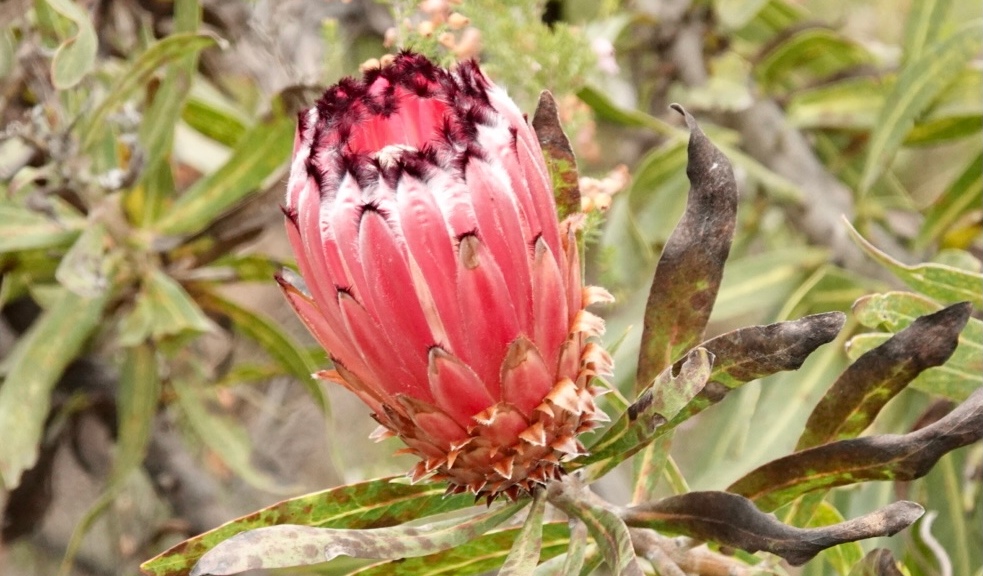
Mimetes fimbriifolius / Tree Pagoda / Maanhaar StompieFairly sure this is a Leucadendron but not sure of species name
Continuing up the pass, we soon reached the top at 860 metres and some way down the other side there was a safe place to pull off and turn around for the return journey. Gerda had spotted a prominent pink Protea on the way down which we soon found – there was enough of a margin to pull off and take a few shots.
Protea aurea / Common Shuttlecock sugarbush / Geelsuikerbos
And those that shall remain unnamed (only because I could not find them in the reference books)
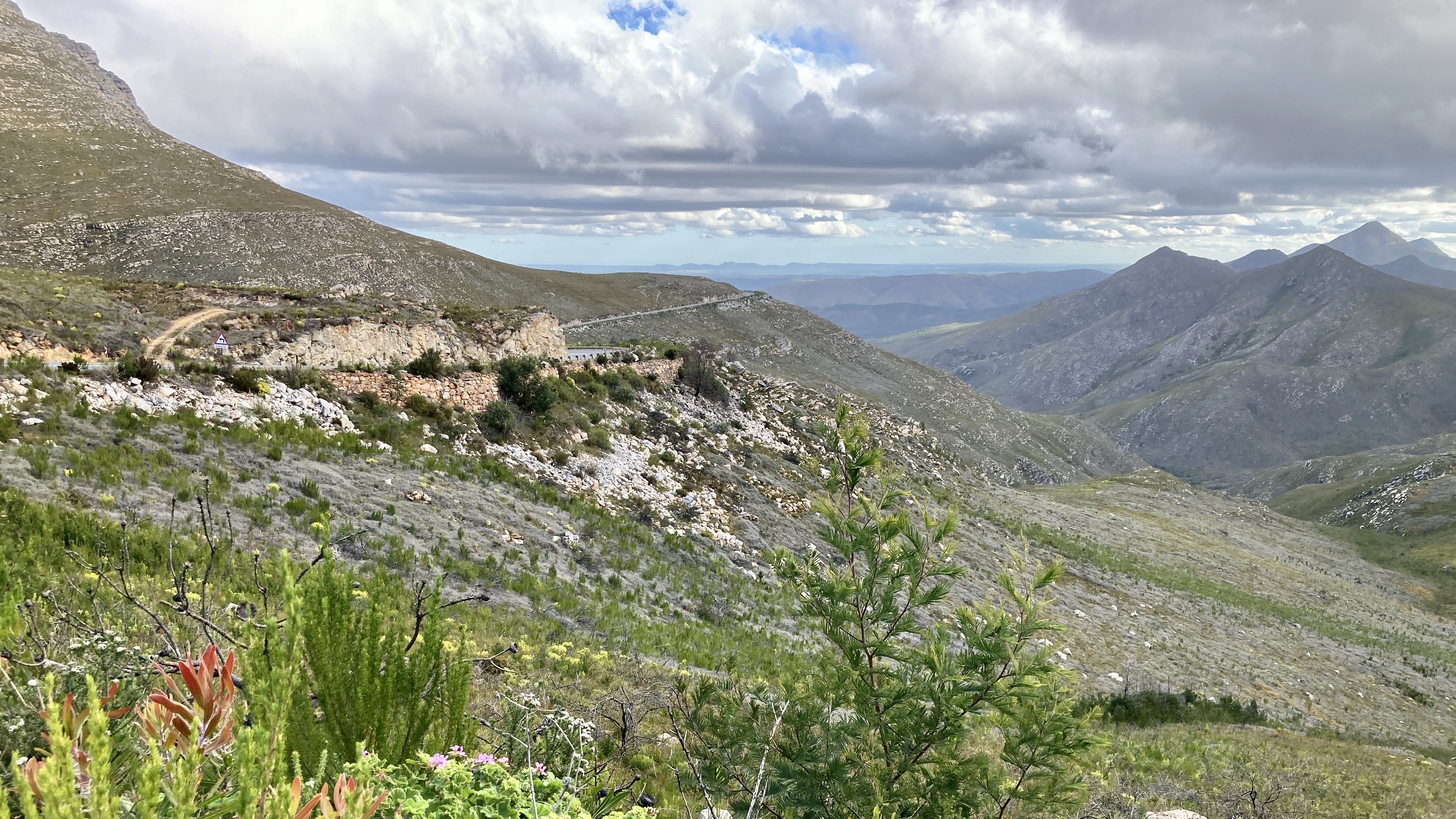
The view down the pass and across the valleys and distant mountains was worth a stop on the way back
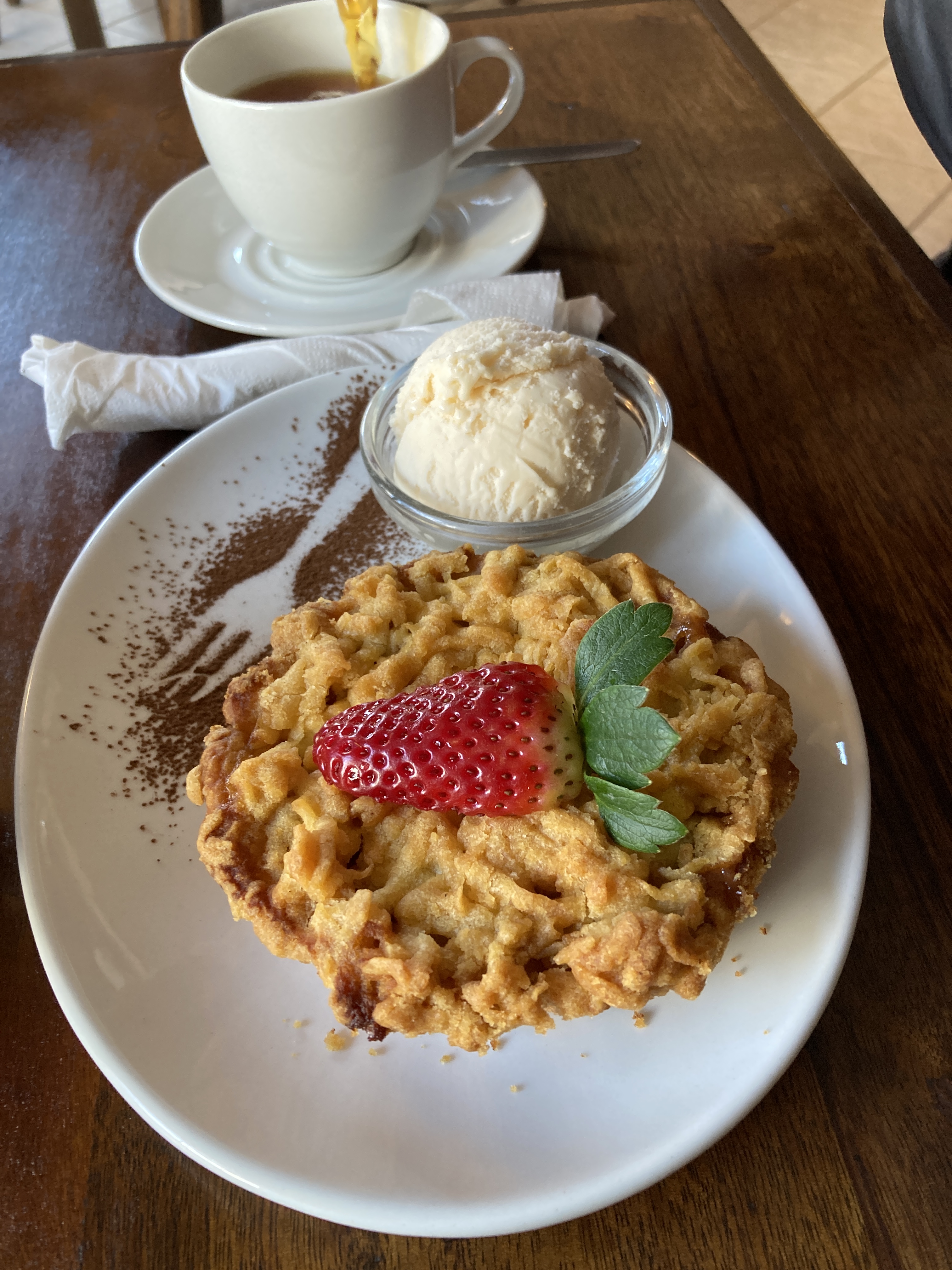
Just to round off the day we returned to Eight Bells in time for afternoon tea and their superb apple pie with ice cream – I mean, why just do it if you can over-do it!
During our visit to Franschhoek a week ago, we spent a very pleasant afternoon on a trip to Tulbagh, about 100 kms drive from Franschhoek, via the towns of Wellington and Paarl. It was a beautiful sunny day and the country scenery in this part of the Western Cape is particularly pleasing, with winter crops of canola and lucerne stretching to the horizon.
It was close to lunchtime and being peckish we stopped at the Grande Provence wine farm and had a light meal in their informal deli restaurant which set us up nicely for the day out.
The vineyards at Grande Provence with the Drakenstein Mountains in the background
On the road again, we soon passed through the outskirts of Paarl and Wellington, after which the landscape changed from vineyards to fields brimming with winter crops.
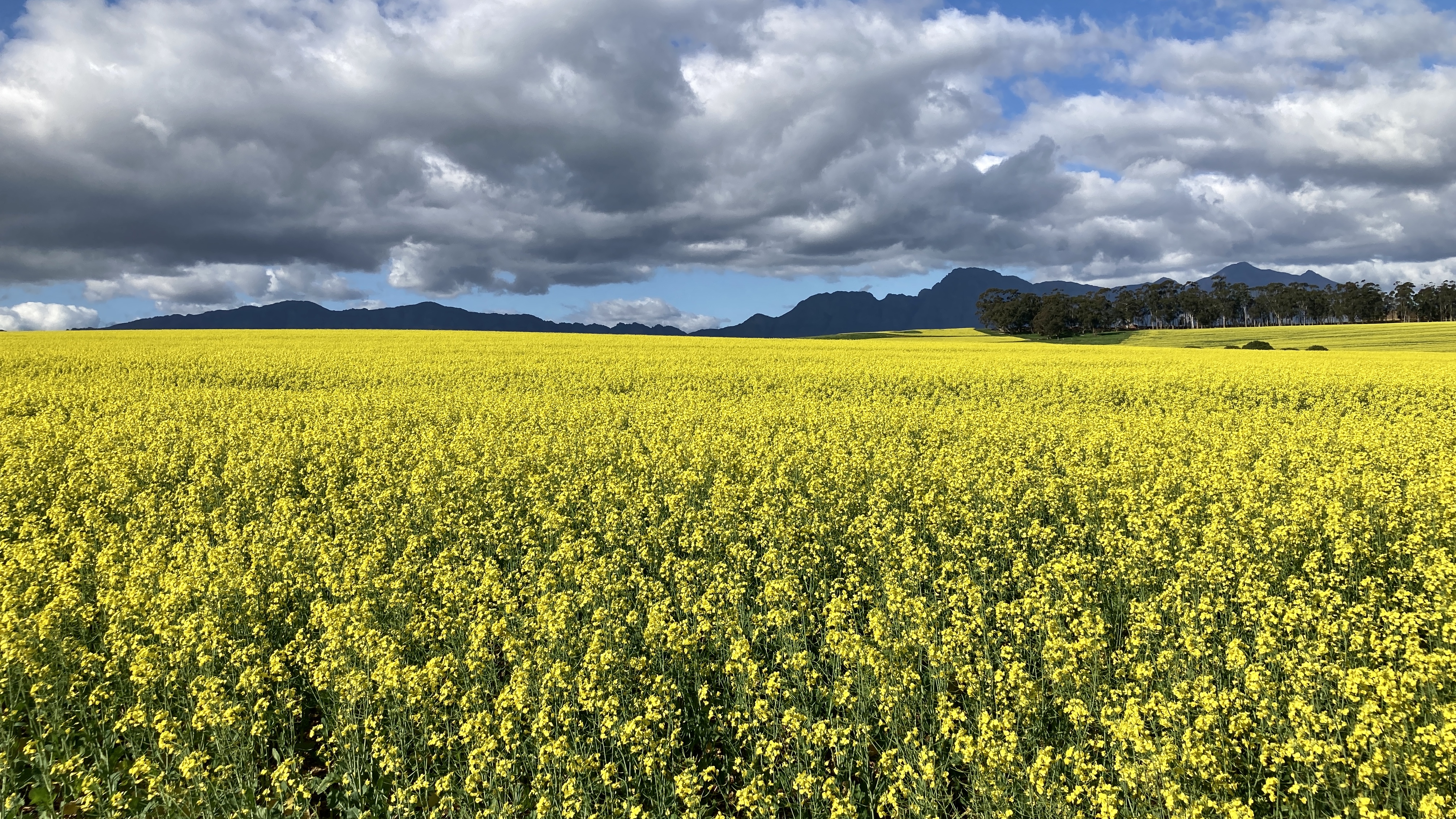
The canola fields are a real drawcard for photographers of all kinds and, like many, I find it hard to resist trying to get that ‘special’ shot but usually end up with the ‘standard’ landscape view of bright yellow canola fields with some contrasting mountains and sky/clouds in the background – still worth sharing I think …
Canola fields outside Wellington, Western Cape
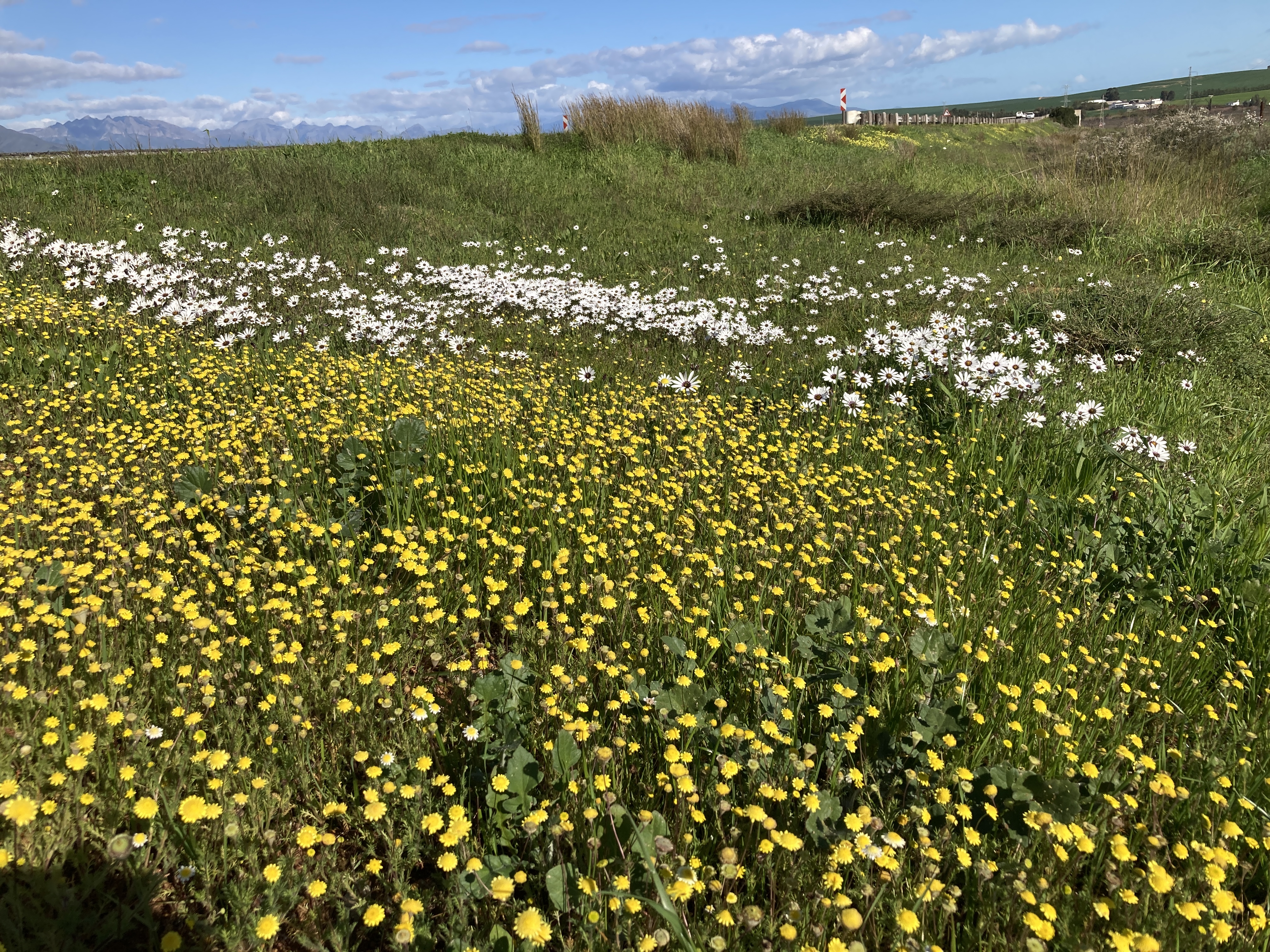
At the spot where this photo was taken, there were also signs of the first Spring flowers at the roadside. It won’t be long before the countryside in parts of the Western and Northern Cape erupt with flowers
Roadside flowers near Wellington
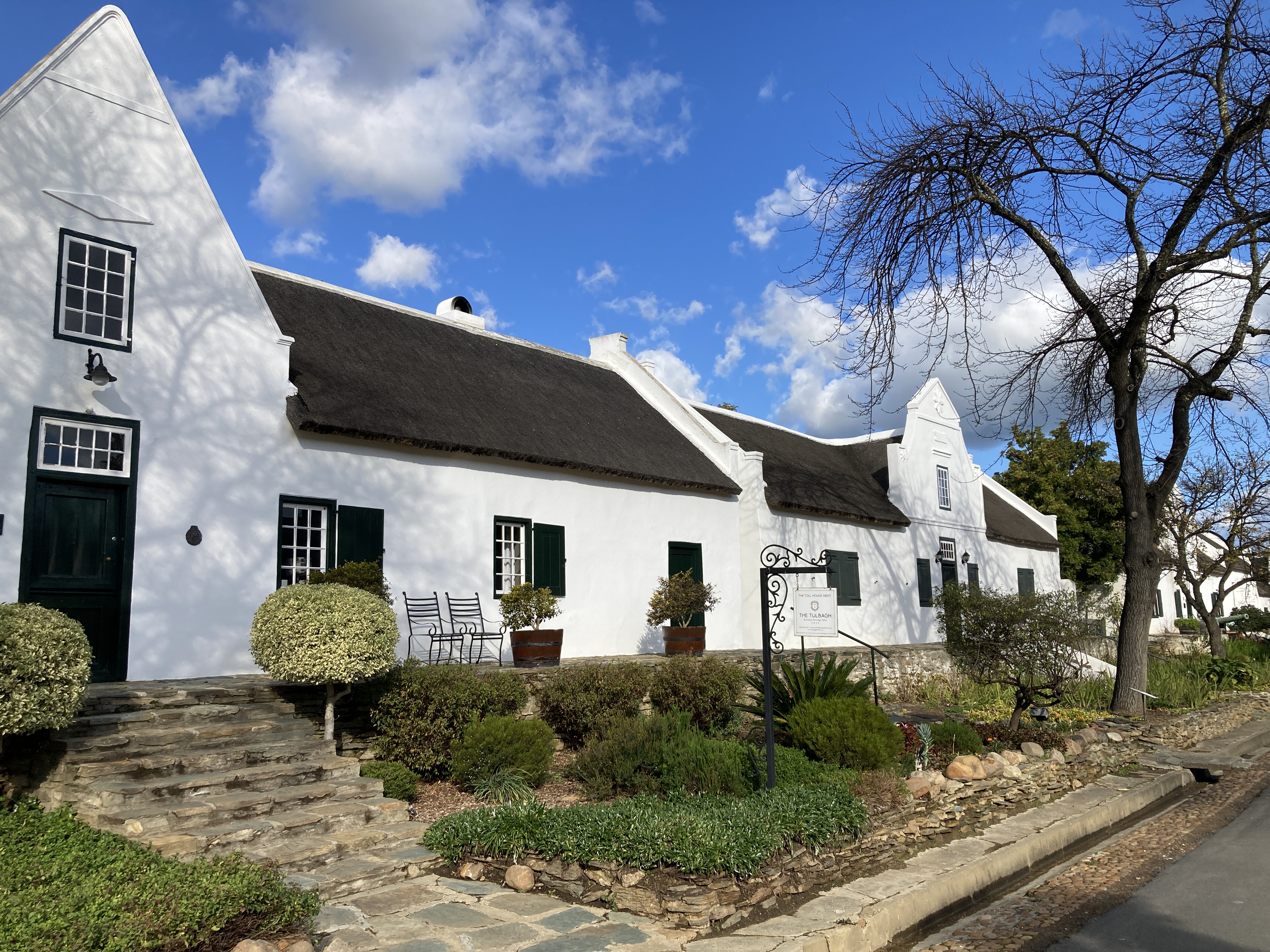
We had not visited Tulbagh for perhaps 25 years, so weren’t sure what to expect, but after driving down the main road, which looks like most other small town main roads, we were absolutely taken with the beauty of the architecture along Church street just a block away. I don’t know of any town in SA which has so many outstanding examples of Cape Dutch architecture in one street. We spent a pleasant half hour or more admiring the houses, some of which are now museums and art galleries, as we drove slowly down the road.
Church Street Tulbagh
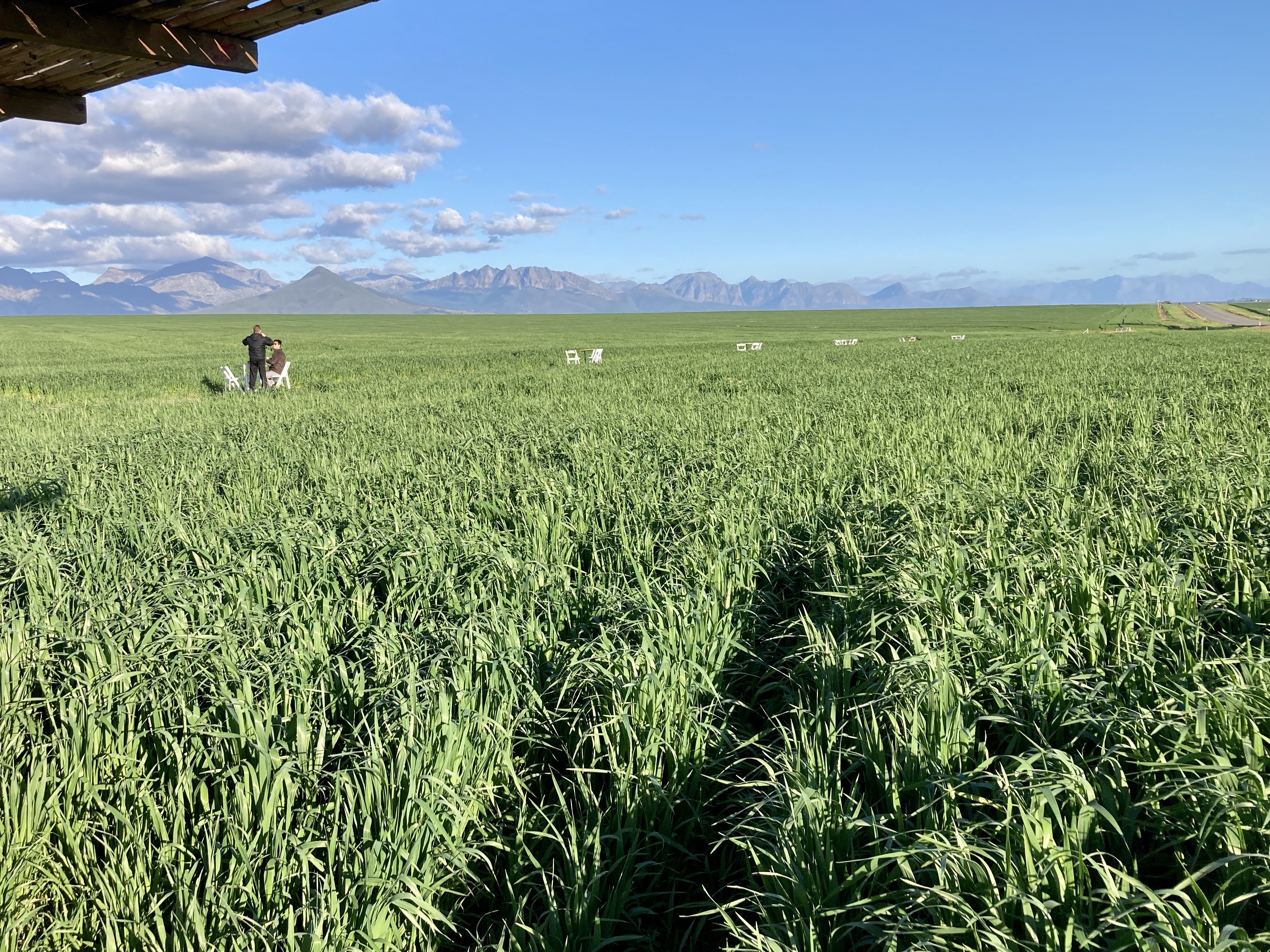
And the coffee ‘shop’ with a difference? Well on the way back, passing Hermon, we spotted a large sign announcing COFFEE and pulled off into a small parking area cut into a lucerne field where, lo and behold, an enterprising farmer had created the most unique coffee spot you could imagine
The Coffee ShopTables set up in the field – now that’s social distancing!






































 Mostly Birding