Time to look back at the 7 months since I started the blog in July 2013 ……
Well, I’m loving it simply because it brings some of my favourite pastimes together – birding, keeping journals of our travels, and photography. I’m also happy to report that “views” passed the 1000 mark last week and are averaging 10 per day, with people from almost 40 countries having visited the blog (some by chance, such as the one looking for a wedding venue at Gosho park in Zimbabwe). These figures are quite unimpressive compared to many blogs, but I’m encouraged that the numbers seem to be growing steadily. Anyway enough of that and on with this fortnight’s episode :
Kruger Park in the winter
Winter is widely acknowledged as the best time for game viewing in Kruger and I wouldn’t disagree, but having made as many summer visits I find each season has its pros and cons. Summer from a birding aspect is tops, as the migrants are present and generally birds are at their most colourful, being in breeding plumage. Winter is often better for game viewing as the animals are more easily seen and are tempted to spend more time near water in the dry season.
Winter is also the time when many of the aloes are flowering, making for attractive displays and, most importantly for birders, attracting a variety of bird life. Some of the best flowering aloe displays are in the camps and at their peak are crowded with birds feeding on the nectar.
When we visited Kruger in August 2011, it seemed to be prime time for flowering aloes and we came across many beautiful flowering specimens, especially in the camps, which were often buzzing with activity as various bird species, bees and other insects made the most of the nectar bonanza. We stayed in 2 camps : Letaba in the middle of the park for 4 days and in Tamboti, which is a tented camp close to the Orpen camp and gate on the western side of Kruger, for a further 7 days. We also visited some of the other camps on our day trips, including Satara, Olifants and Skukuza and we spent time at a couple of the wonderful picnic spots where we made our customary brunch stop, cooking up a storm on the gas-fired “skottels” (a large concave metal frying pan, based on the old plough disks that were used for this purpose in days gone by) that are hired out.
Our little “group” was made up of myself and Gerda, Andre and Geraldine (Son-in-law and daughter), their 2 daughters Megan and Maia and Andre’s parents (and our Brother and Sister-in-law of course) Tienie and Pieta Leonard. We have spent many a pleasant time with them in Kruger over the years we have known each other, Tienie being an Honorary Ranger and all of us being keen “Kruger Park-ers”
Letaba and surrounds
This is one of our favourite camps in Kruger, with its lush gardens and large old trees providing lots of shade, and the added bonus of bordering the Letaba River with views across to the distant bank and a good chance of seeing game as they make their way to and from the river. There is almost always an elephant or two (or more) in view near the river, along with buffalo and various other game.
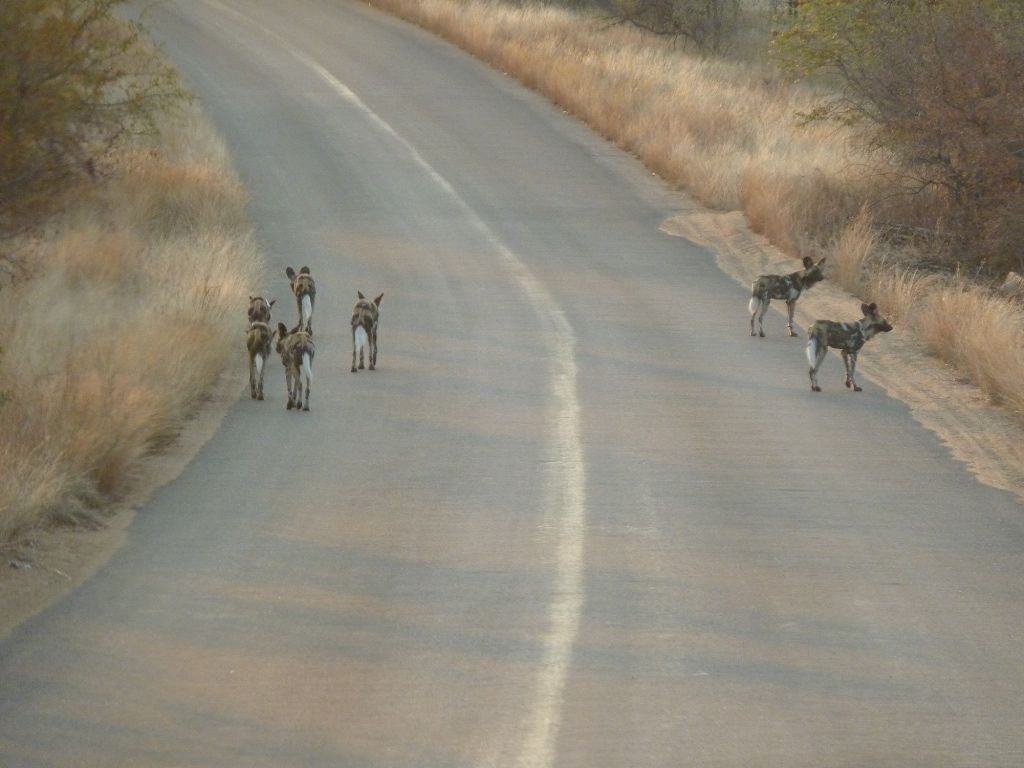
It was mid-afternoon as we entered the park through the Phalaborwa gate and on our way to Letaba we were very lucky to come across a pack of Wild Dogs – seen very infrequently and such special animals.
Wild Dogs on patrol near LetabaWild Dog heads off into the bush
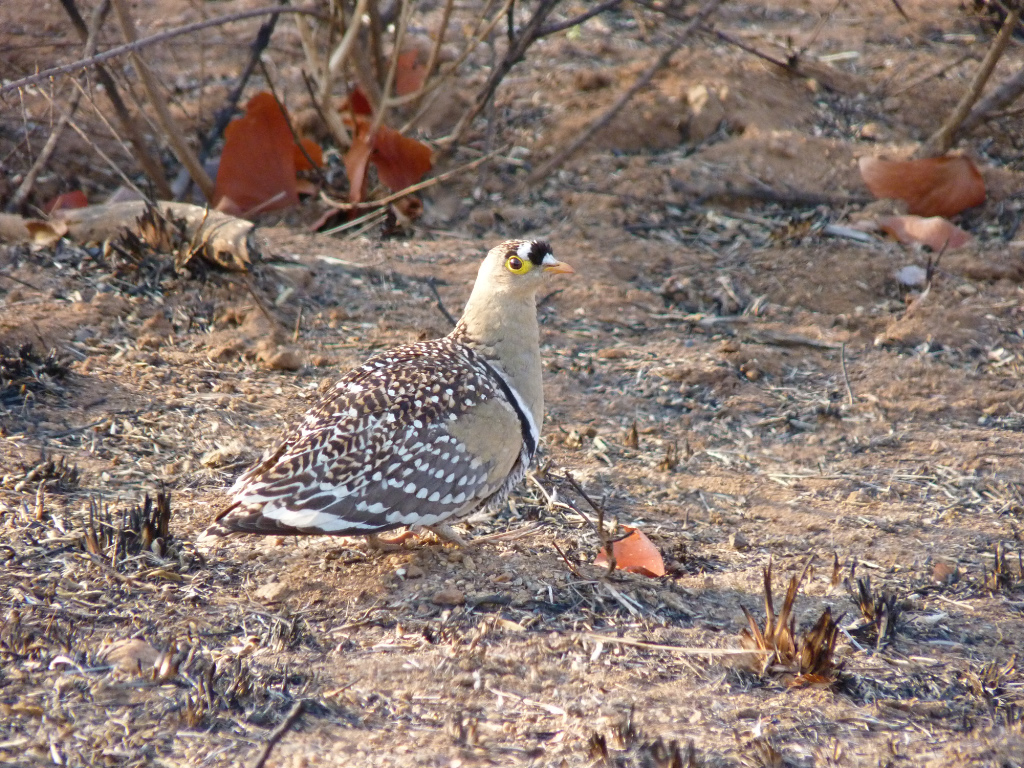
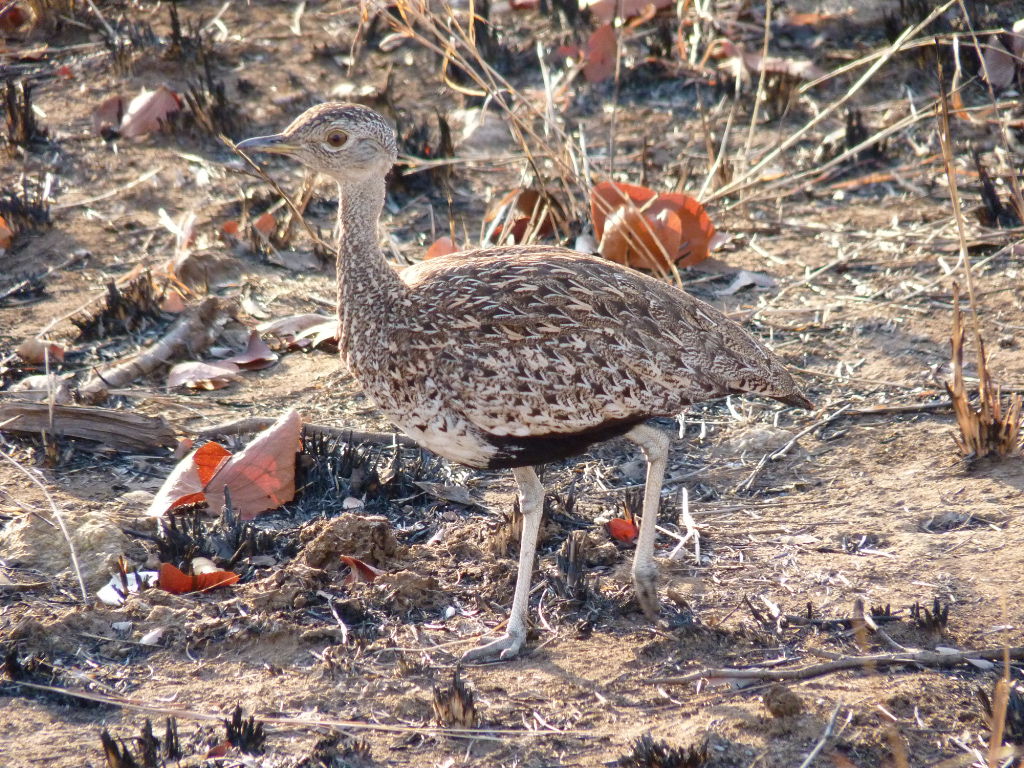
Along the same stretch we spotted two well-camouflaged terrestrial bird species – Double-banded Sandgrouse and a Red-crested Korhaan, both close to the road and quite confiding. Both have colouring that blends in with the surrounding bush and soil, particularly in winter.
Double-banded SandgrouseRed-crested Korhaan
We settled into our bungalow accommodation at Letaba, while the others in our group went for the tented units a short walk from where we were. Over the next few days we followed our usual Kruger Park routine – some mornings we opted for a relaxing day in camp with an optional short game drive later on, other mornings we set out early for a game/birding drive with a brunch stop at one of the picnic spots and a lazy drive back to the camp for an afternoon siesta.
Letaba is well-suited to spending time in the camp, walking the gardens and along the river where many bird species have their own established routines :
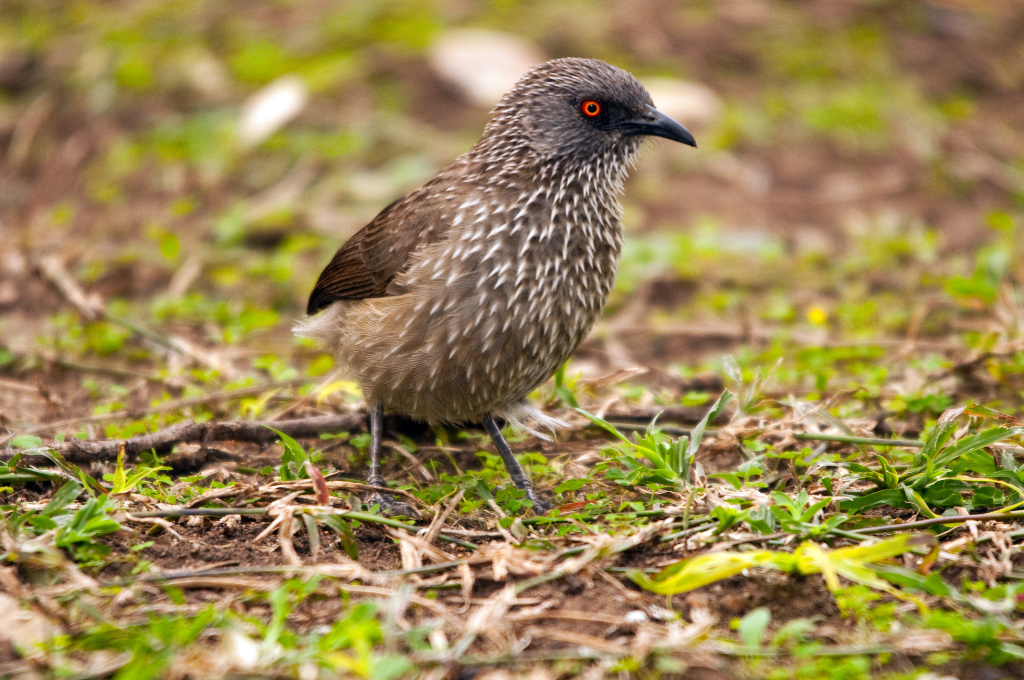
On the lawns and amongst the leaf litter, Arrow-marked Babblers and Kurrichane Thrushes allow a close approach, hardly noticing as I fired away with my camera
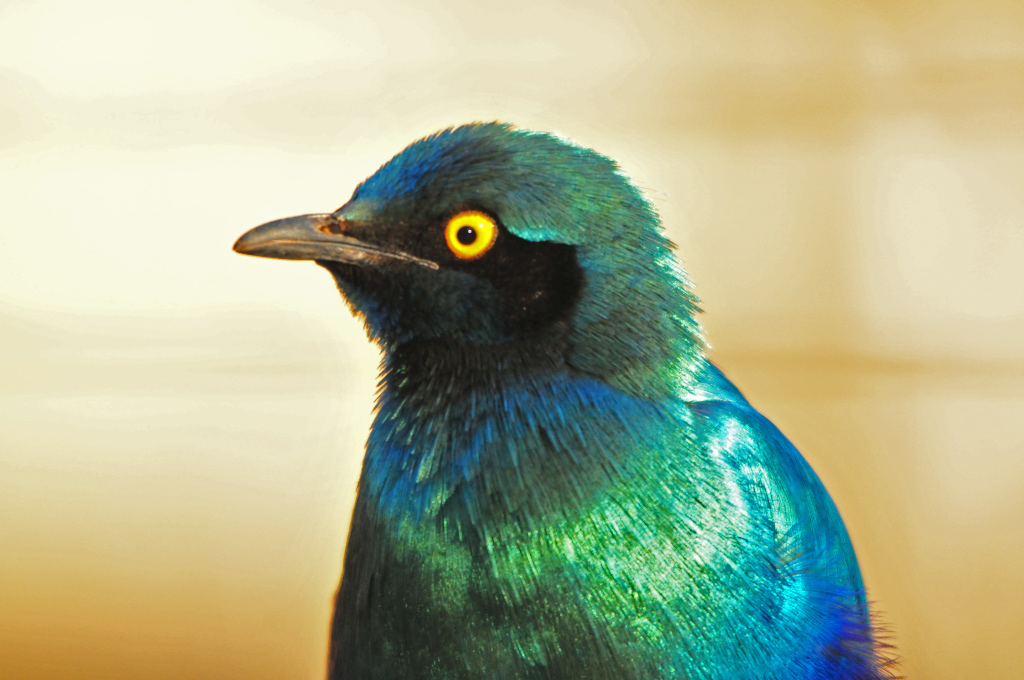
Other birds around the bungalows and tents were Blue Waxbills and the ubiquitous Greater Blue-eared Starlings, found throughout the park and mostly habituated to humans.
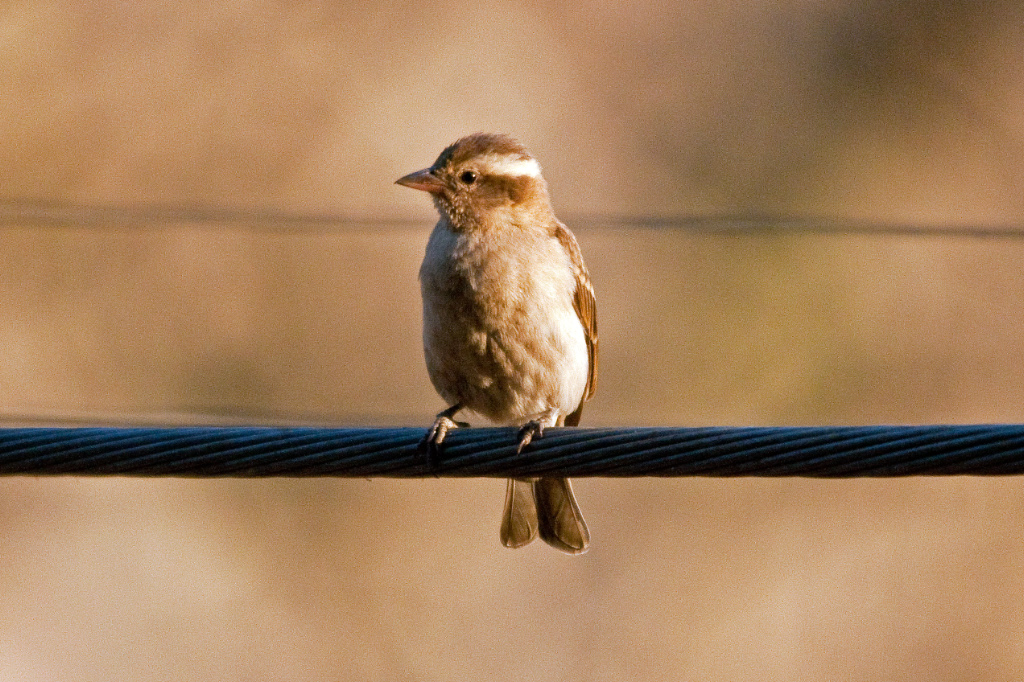
Blue Waxbill, LetabaGreater Blue-eared Starling, LetabaYellow-throated Petronia
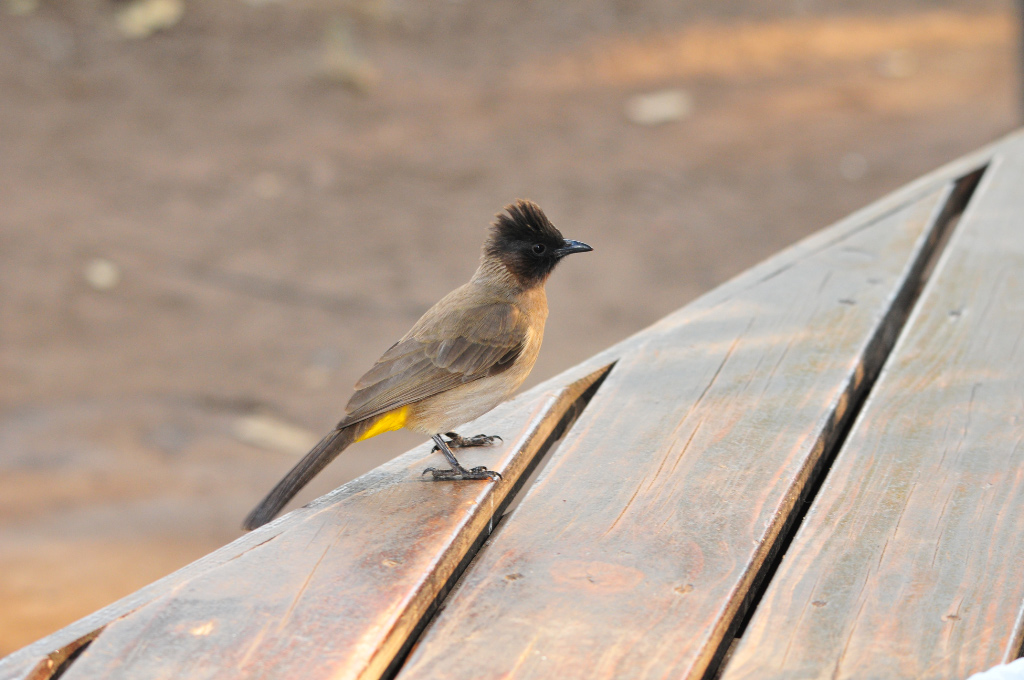
Not to mention the bird with the funky hairstyle –
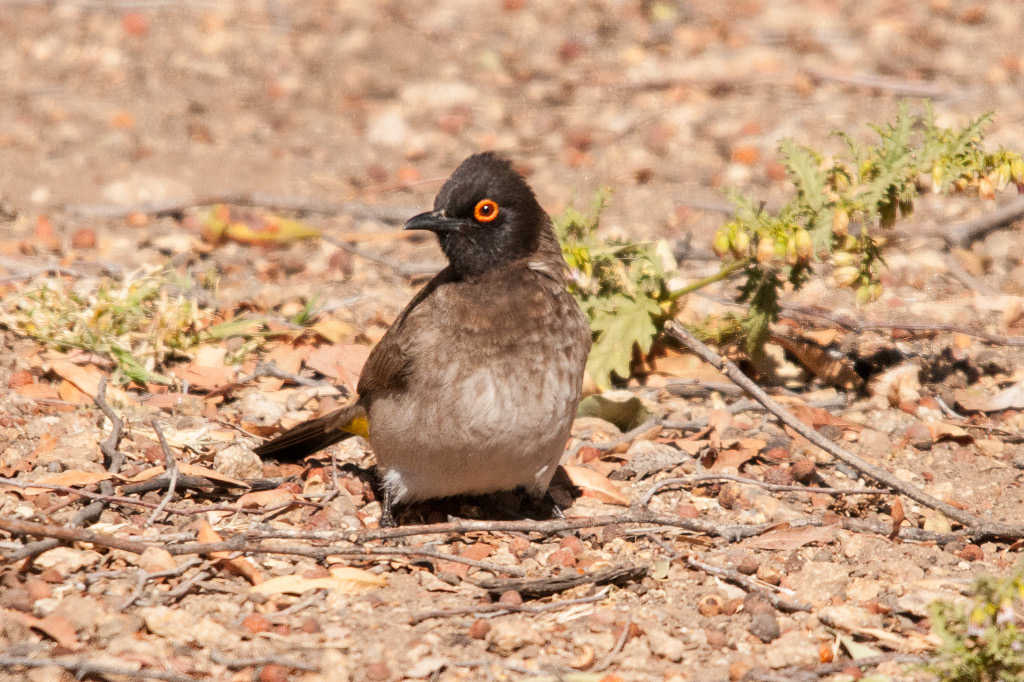
Dark-capped Bulbul, showing off its modern hairstyle
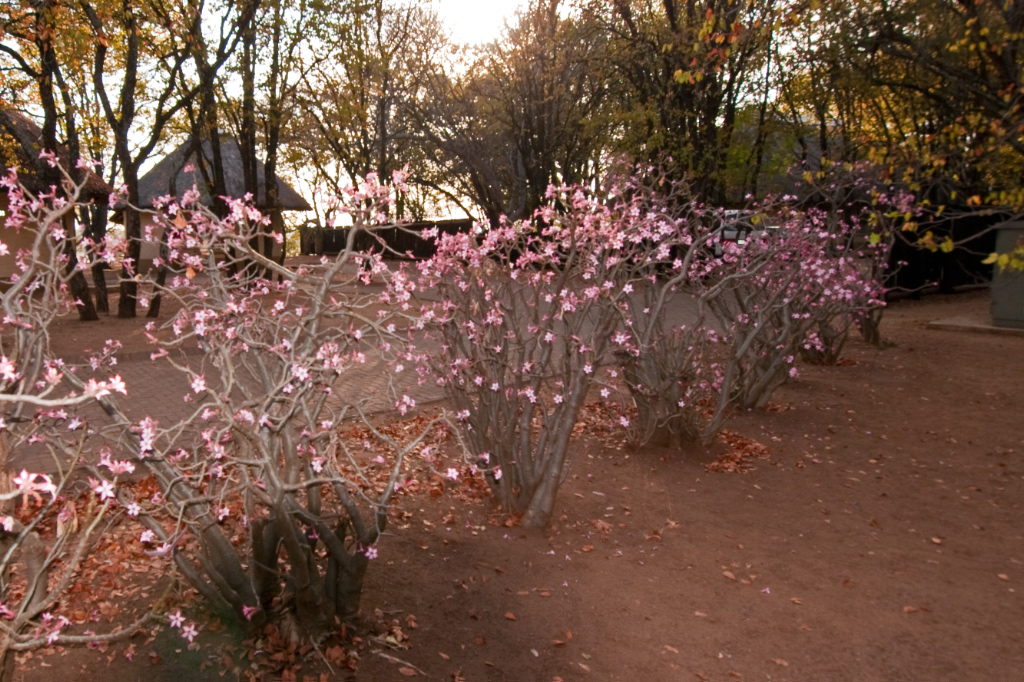
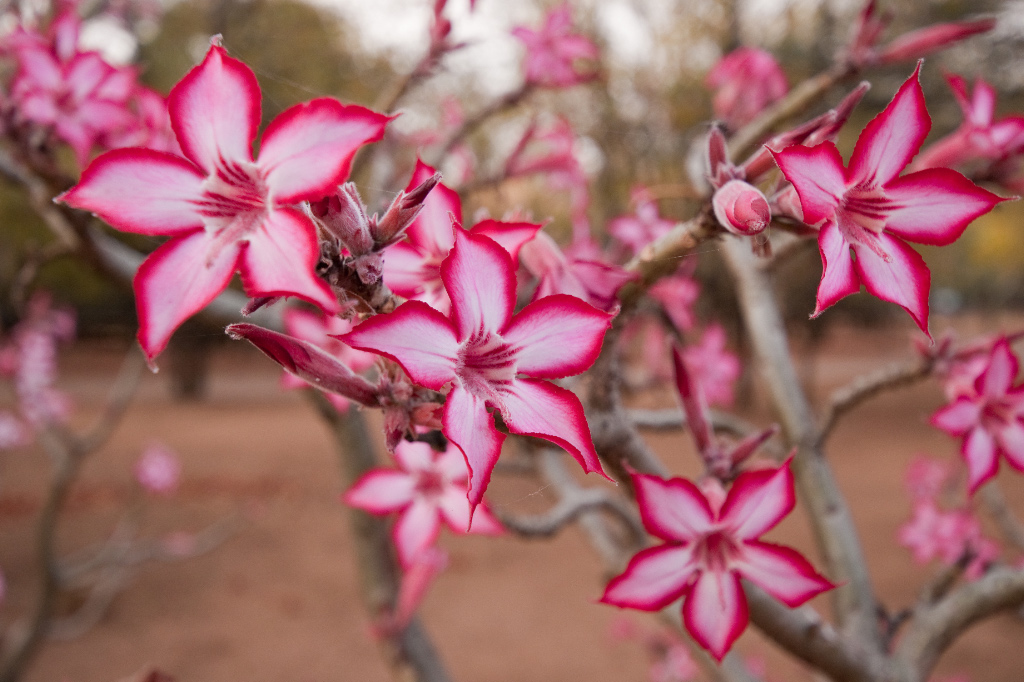
The beautiful Impala Lily is a feature of the northern camps in Kruger in the winter months –
Impala Liliy, LetabaImpala Liliy, Letaba
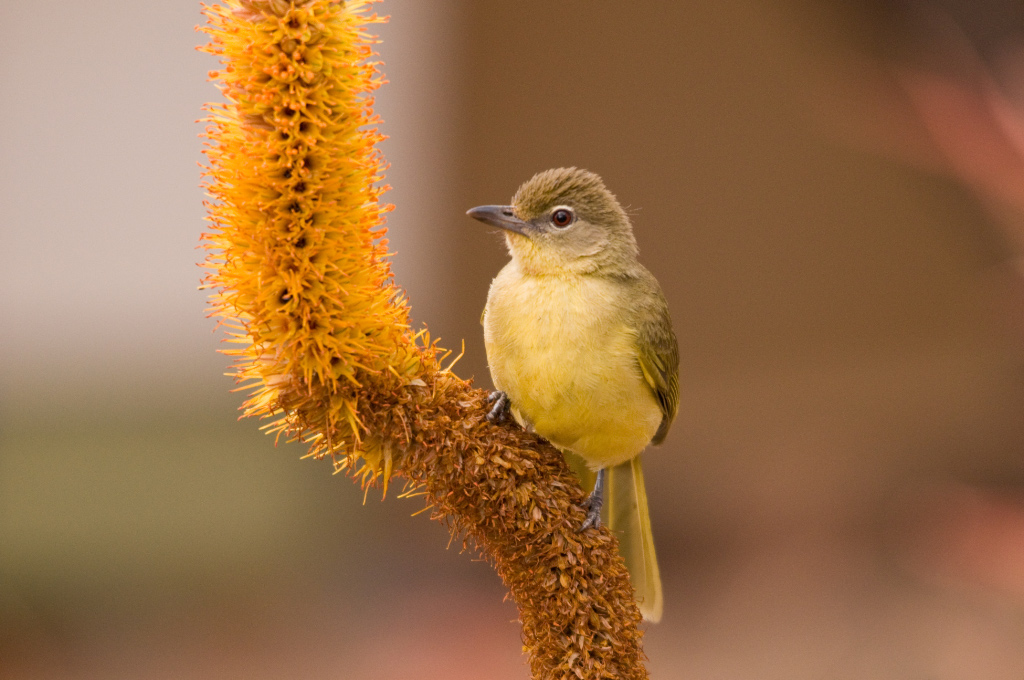
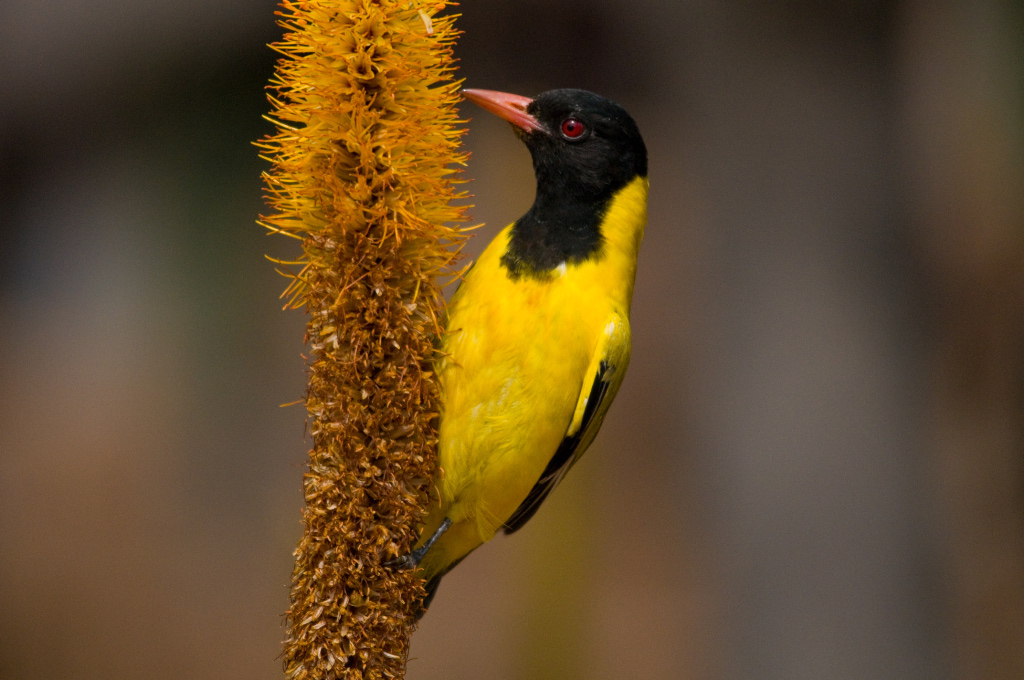
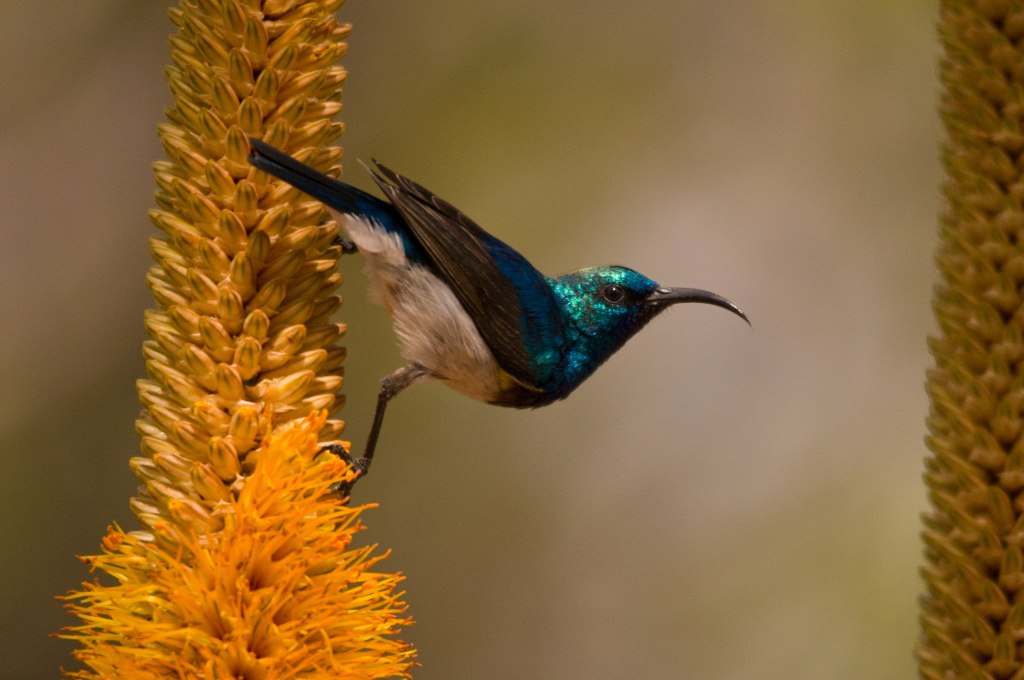
But to get back to the main theme of this post, the array of flowering Aloes is a magnet to many bird species, more than I had imagined, as I thought they would attract only the nectar-loving species such as sunbirds and perhaps a Bulbul or two. The following photos are a selection of the birds I came across enjoying the Aloes, by no means comprehensive :
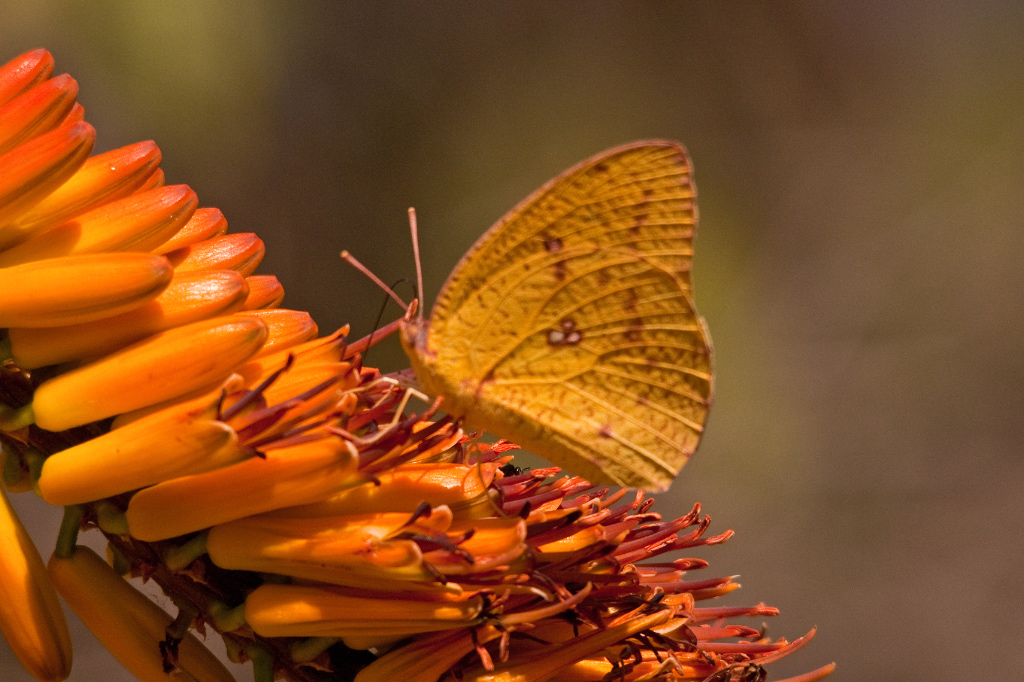
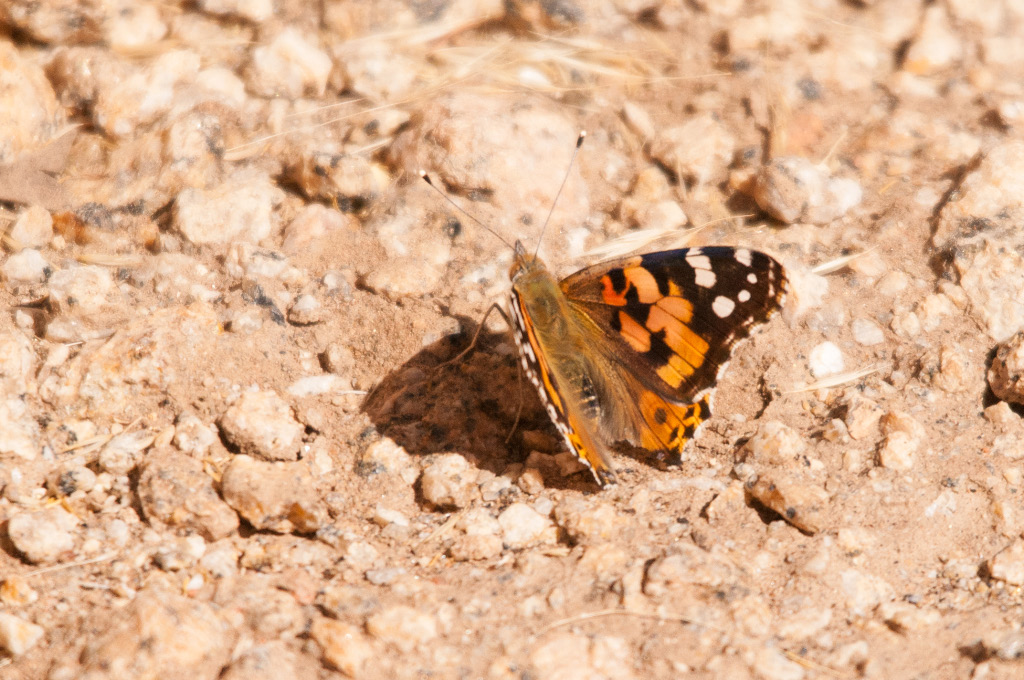
Red-winged Starling, OlifantsYellow-bellied Greenbul, OlifantsRed-headed Weaver, LetabaBlack-headed Oriole, LetabaBlack-headed Oriole, OlifantsWhite-bellied Sunbird, OlifantsButterfly in on the act as well
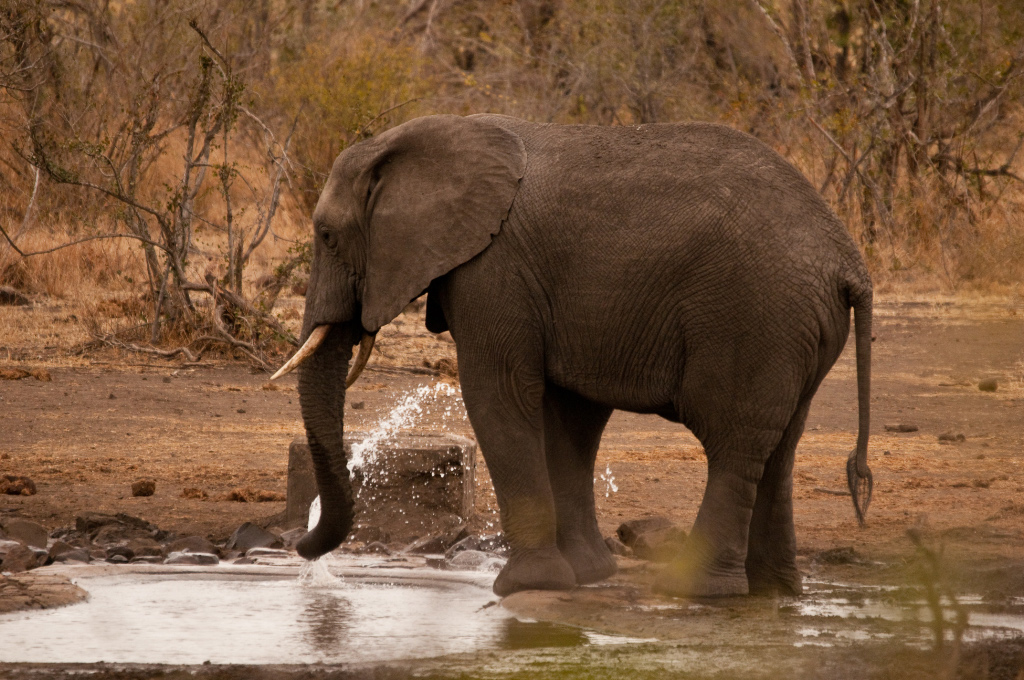
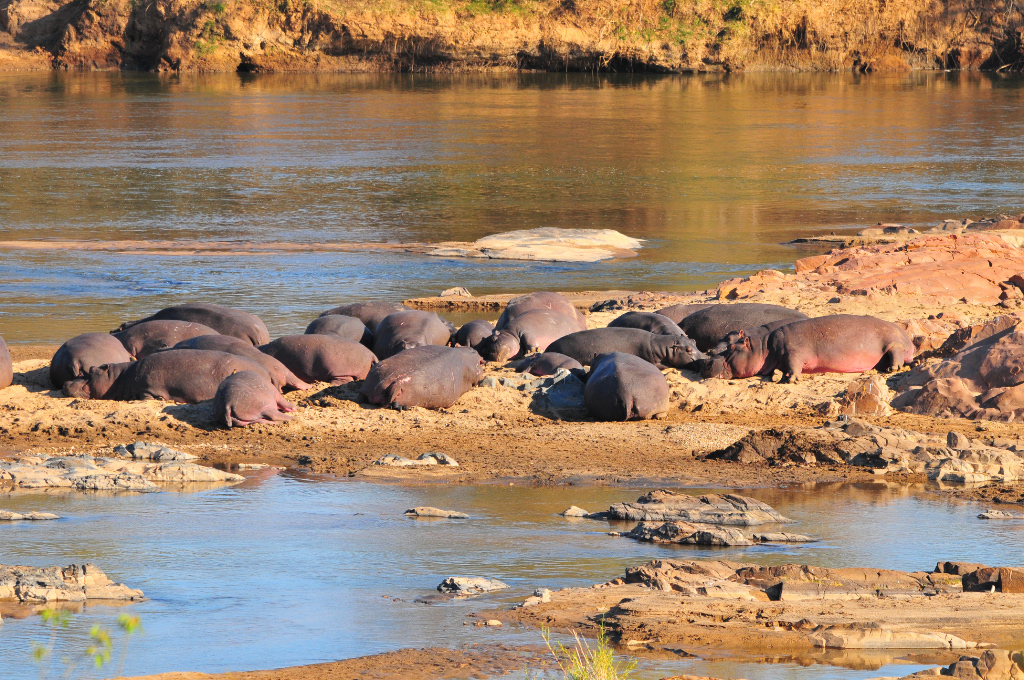
The area around Letaba and up to Olifants camp, where we drove on one of the days, is rich in game with Elephant and Buffalo being regular sightings. The viewpoint from Olifants camp overlooking the River is always a treat and brings home the value of preserving natural areas such as Kruger – the view of the river far below and the open bush beyond, with Elephants, Giraffes and other game making their way slowly to the river, has not changed in the more than 40 years we have been visiting the park.
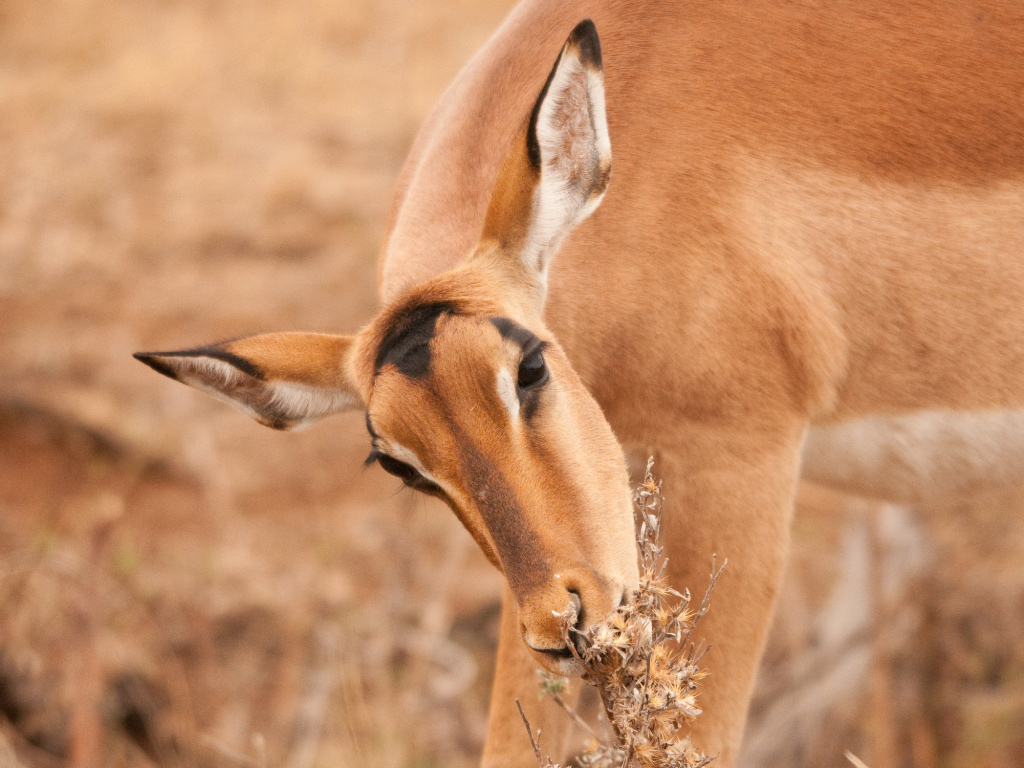
African Buffalo, LetabaElephant at water holeCrocodile, Letaba RiverImpalaLetaba RiverGiraffe, LetabaPod of Hippos on Olifants River
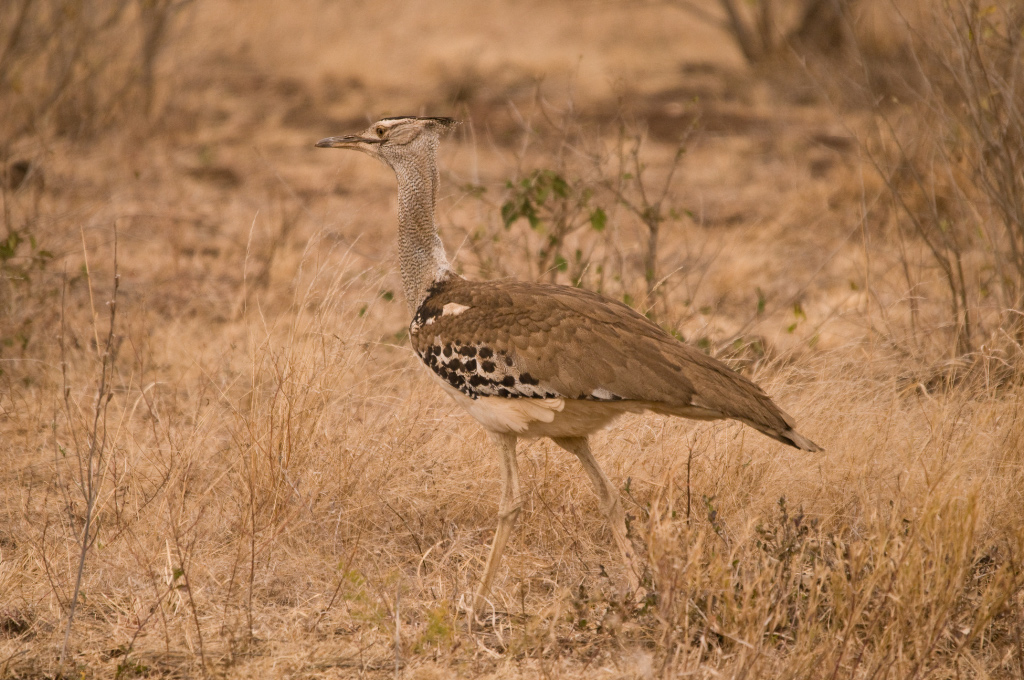
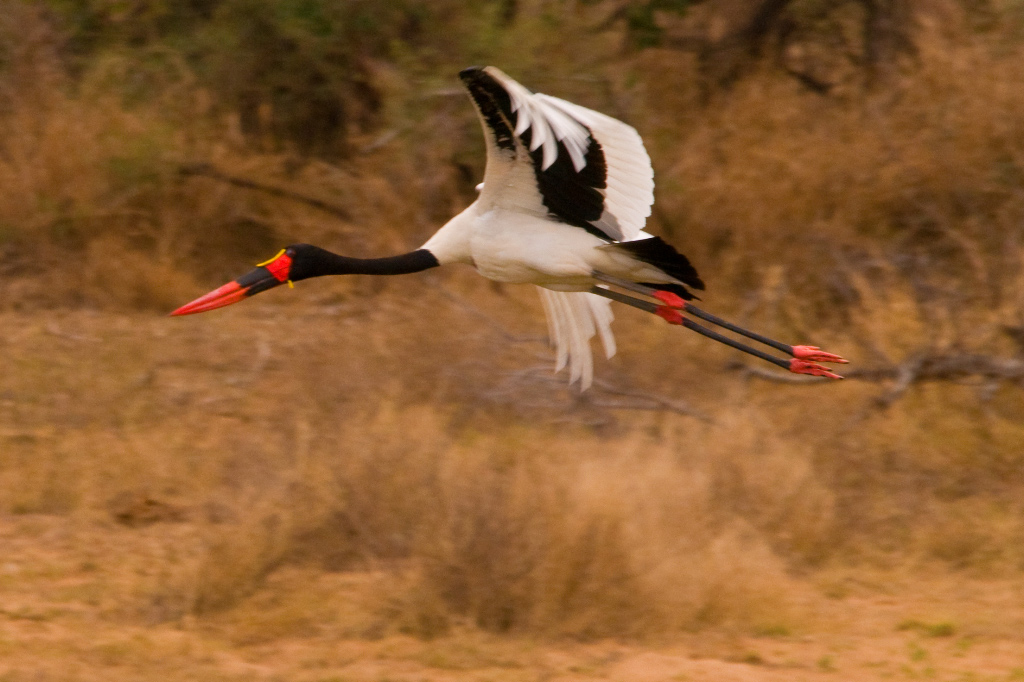
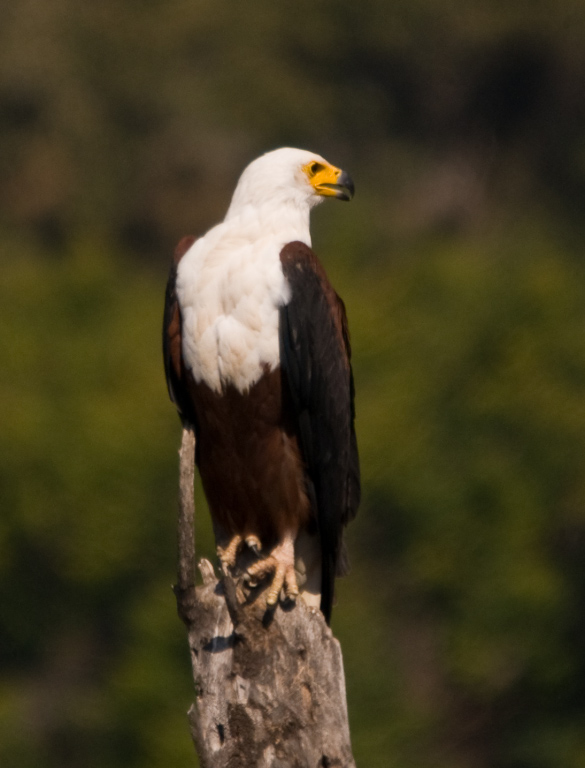
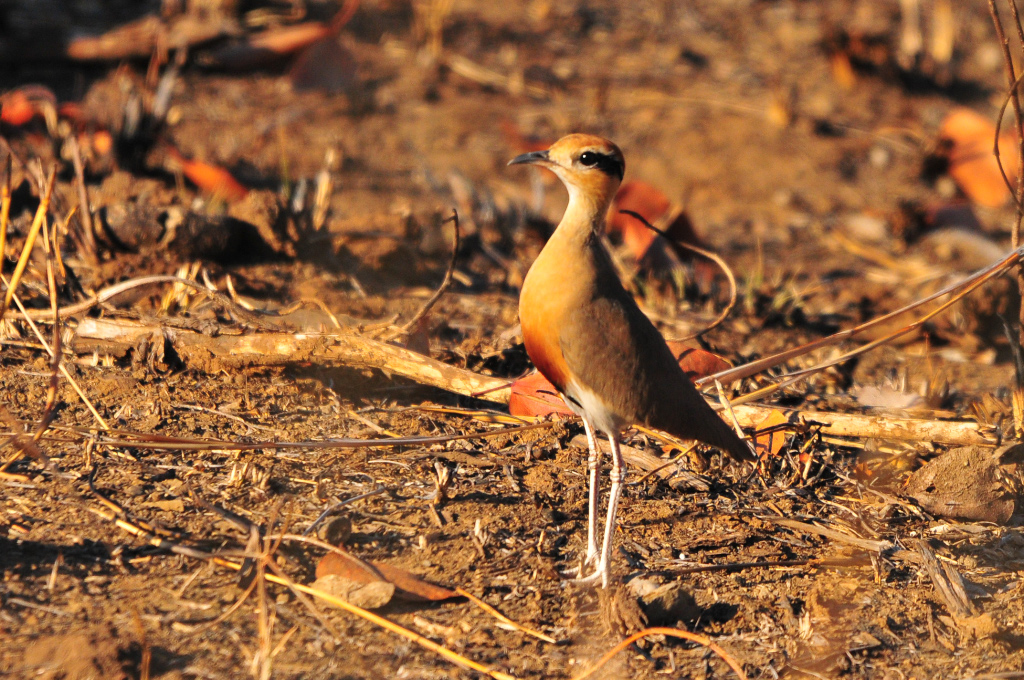
On our drives we came across some of the more spectacular bird species – Kori Bustard, which is a ground-dwelling bird which can fly and is renowned as the largest bird in the world capable of flight, the colourful and lanky Saddle-billed Stork which is usually found in shallow rivers but which we saw in flight, a regal looking Fish Eagle and a Temminck’s Courser, not common and always exciting to see.
Kori Bustard, LetabaSaddle-billed StorkAfrican Fish-Eagle, LetabaTemminck’s Courser, Olifants
At the end of our 4 nights in Letaba, we headed south towards Orpen and the nearby Tamboti Tented camp for the next part of our Kruger Park holiday, but that’s another story….
This is the follow-on to Part 1, which covered the first 5 days of the road trip. In this Part 2, Don and Gerda Reid and Koos and Rianda Pauw continue the next 5 days of their Birding and Flowers trip, taking in the prime flower-spotting areas of Namaqualand and adding to the growing “trip list” of birds seen along the way.
Day 6 (24th August 2013) :
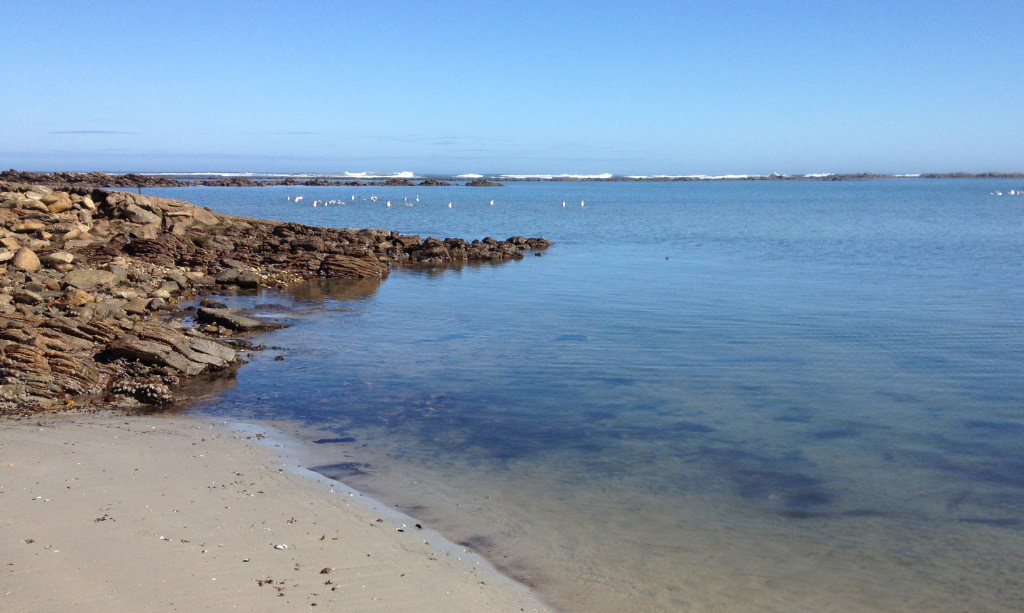
Still in Port Nolloth, we woke up to a beautiful scene, with the lagoon in front of the beach house as smooth as a mirror, reflecting the small groups of Greater Flamingos (Grootflamink) as they showed themselves off to great effect. Mingling with the flamingos were Little Egret (Kleinwitreier), Kelp and Hartlaub’s Gulls (Kelp- en Hartlaubse meeu), Cape and Bank Cormorants (Trek- en Bank-kormorant) and a charming family of South African Shelduck (Kopereend) – Mom & Dad + 2 youngsters following eagerly.
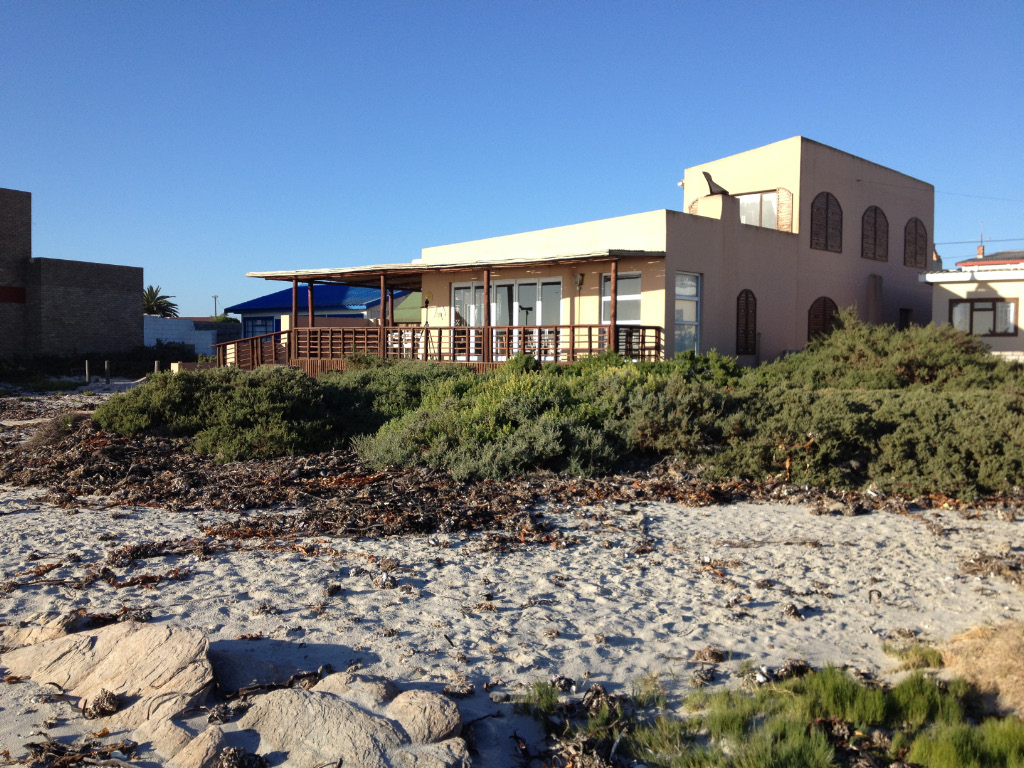
Beach house, Port NollothMcDougall’s Bay, Port Nolloth
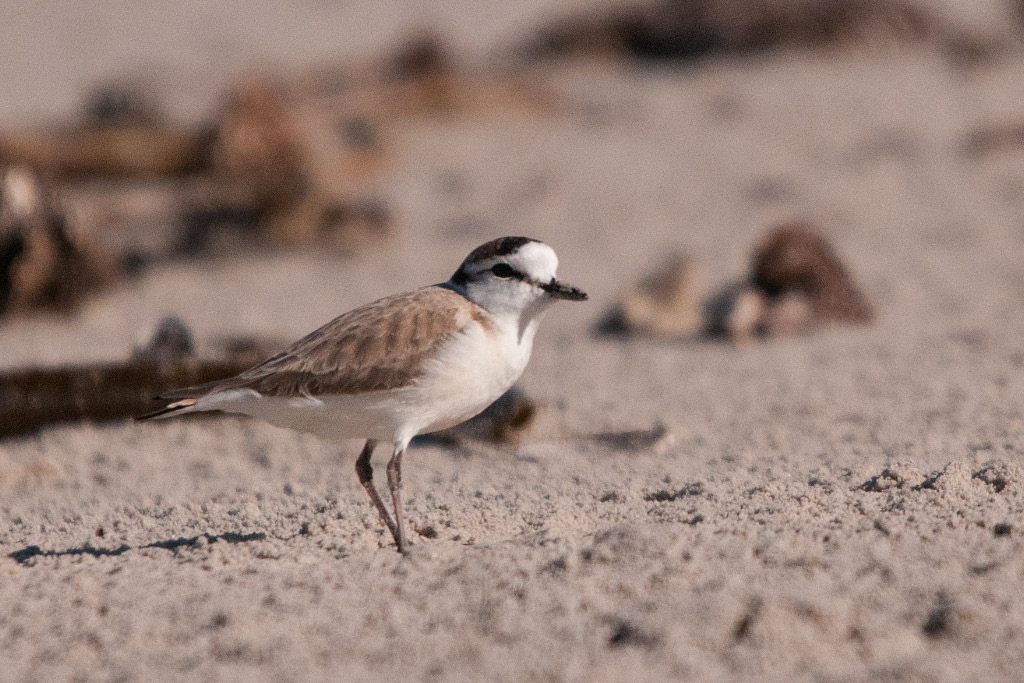
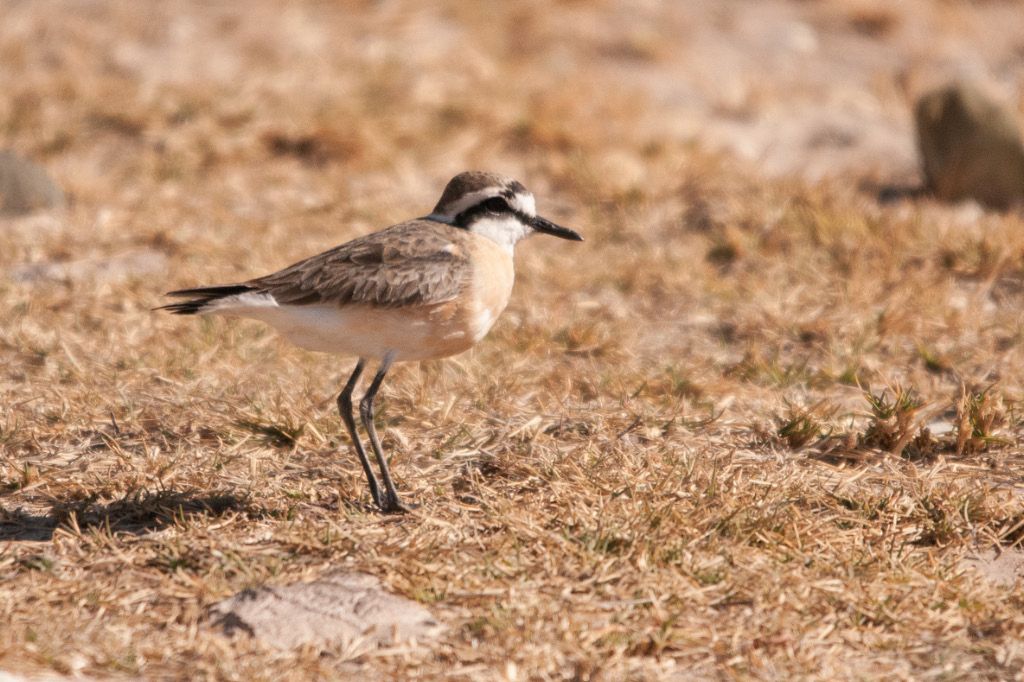
On the sand in front of the house, Common Starlings (Europese spreeu) and Cape Wagtails (Gewone kwikkie) were busy feeding while Swift Terns (Geelbeksterretjie) flew overhead in small flocks and an African Black Oystercatcher (Swarttobie) worked the shoreline for a tasty morsel or two. Not far from them a lone White-fronted Plover (Vaalstrandkiewiet) trotted about after unseen prey and offshore at a distance I was able to pick up a Cape Gannet (Witmalgas) with the help of my newly acquired spotting scope.
White-fronted Plover (Vaalstrandkiewiet), Port Nolloth
Walking along the beach and across the flat rocks, we found ourselves on another beach with a larger lagoon/bay, which held a single Pied Avocet (Bontelsie) and the largest flock of Black-necked Grebes (Swartnekdobbertjie) we have ever seen – probably 60 or more.
McDougall’s Bay, Port Nolloth
Koos and I then set off on a drive to complete the minimum 2 hour atlasing period and to see if we could find the sought-after Barlow’s Lark (Barlowse lewerik) which is a Port Nolloth “special” and said to be found not far from town on the road to Alexander Bay. Well, we followed the lead given by Birdfinder and tried hard for a sighting, but eventually decided we would have a better chance in the early morning, when they were more likely to show themselves and perhaps call. We had some compensation by way of Cape Long-billed Lark (Weskuslangbeklewerik), another lifer for me, which we found in the scrub-covered dunes after hearing its typical descending whistle, a sound we were to hear a number of times in the following days.
Cape Long-billed Lark (Weskuslangbeklewerik)
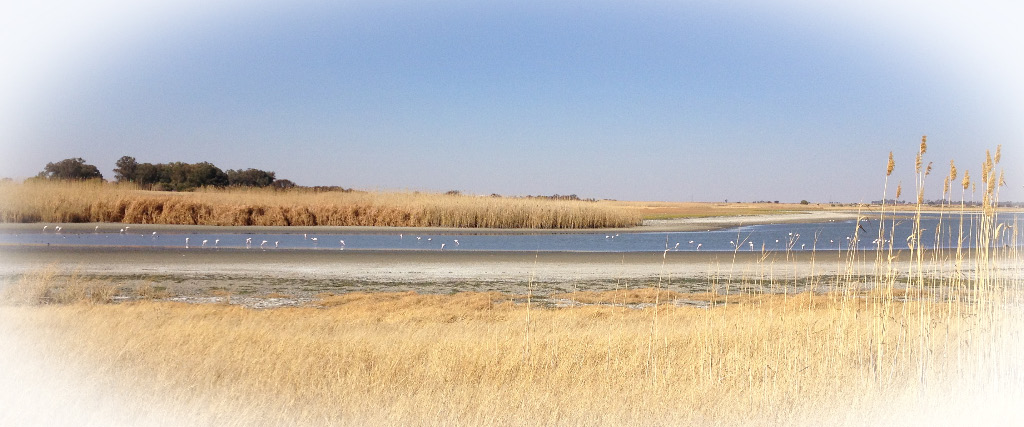
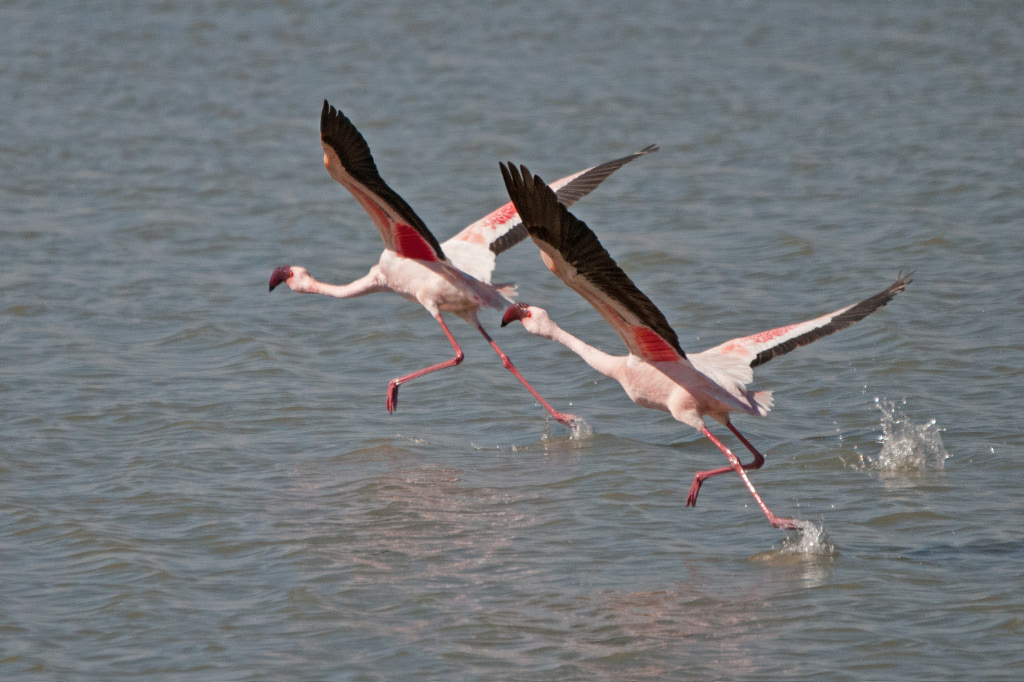
We discovered a small wetland closer to town, signposted Port Nolloth Bird Sanctuary, that held a variety of bird life, dominated by Lesser and Greater Flamingos – possibly the same ones seen earlier feeding in the lagoon – but also holding Cape Teal (Teeleend), Avocets, Cape Shoveler (Kaapse slopeend) and large numbers of Hartlaub’s Gulls. From there we followed the map to the large, mostly bone-dry, pan further north which was home to more Hartlaub’s Gulls (100+) but not much else.
Port Nolloth Bird SanctuaryHartlaub’s Gull (Hartlaubse meeu), Port NollothLesser Flamingo (Kleinflamink), Port Nolloth
Having done our Citizen Scientist (no, it’s not a sect) duties for the day we spent the rest of the day relaxing and enjoying the beach view, ever-changing with the tides and winds. Later we tried the local Italian restaurant “Vespettis” which served up a decent meal after which Koos called up the daily bird list to add to our growing trip list.
Day 7 (25th August 2013) :
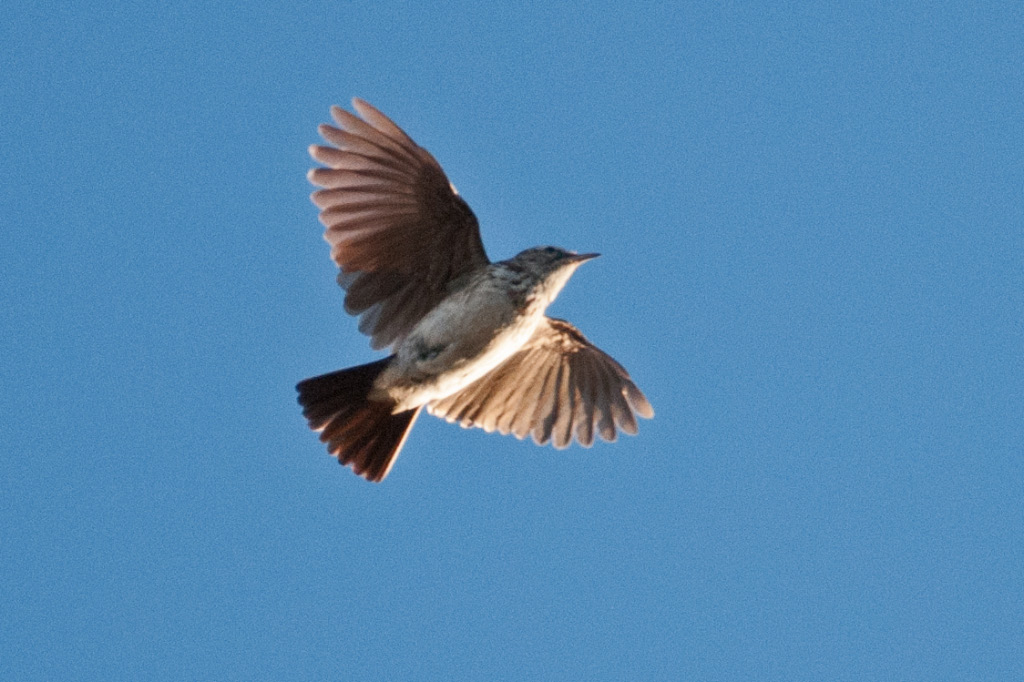
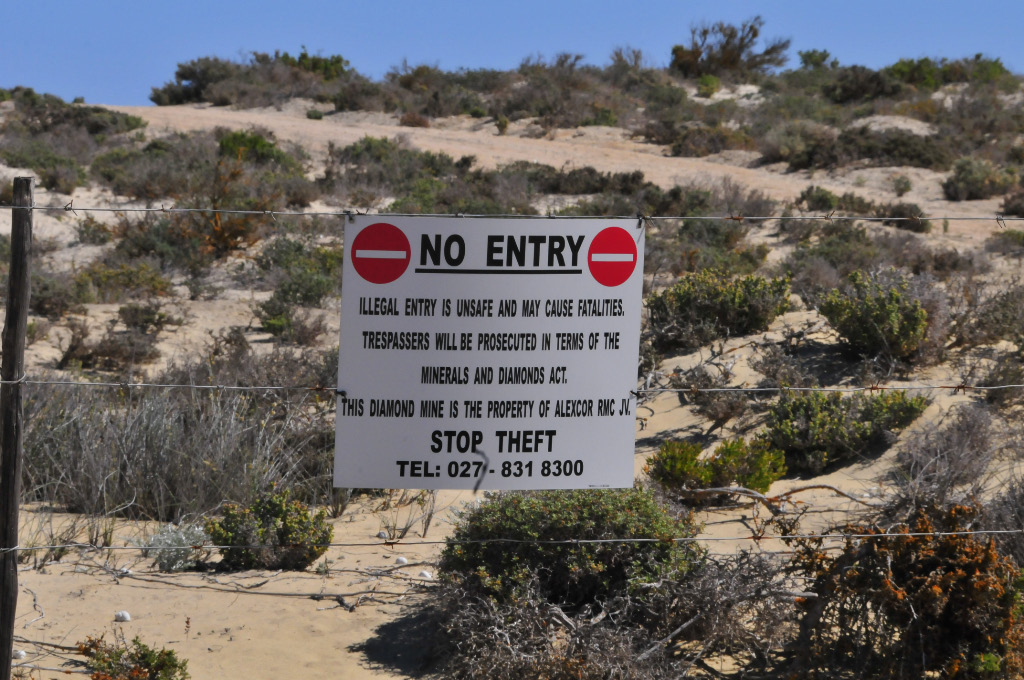
We were due to vacate the beach house by 10am, but first we had an important mission to accomplish – find the Barlow’s Lark. A chilly dawn saw Koos and I in the same area as the day before, stopping frequently and searching for any signs of the Lark amongst the low scrub clinging to the dunes. A rather intimidating sign on the fence reminded us that we were skirting a restricted mining area! We drove slowly for a few Kms northwards but kept coming up with Tractrac Chats and Cape Long-billed Larks whenever movement was spotted – not that these were birds to dismiss, as they were both lifers for me in the preceding days, but we were hoping desperately for a Barlow’s Lark, which was our main reason for choosing Port Nolloth as a stopover in the first place. After an hour or more of searching we decided to turn around and as we did so we heard a different-sounding call and leapt out of the car to find the source – yes, you guessed it, there was a Barlow’s Lark on the telephone wire and he obliged by flying up above our heads and commencing a display flight, which involves a lot of hovering in the air while calling continuously, then descending rapidly to a low bush for a minute or so before repeating the sequence several times, while we watched enthralled. It reminded me of the Melodious Lark’s display that I had seen earlier in the year but without the variety of mimicked calls. Apart from the thrill of adding another lifer, the whole display was a bit of birding magic and we both agreed this was one of those special moments to be treasured.
Dune flowersBarlow’s Lark (Barlowse lewerik), Port NollothBarlow’s Lark displayingFriendly reminder not to trespass, Port Nolloth
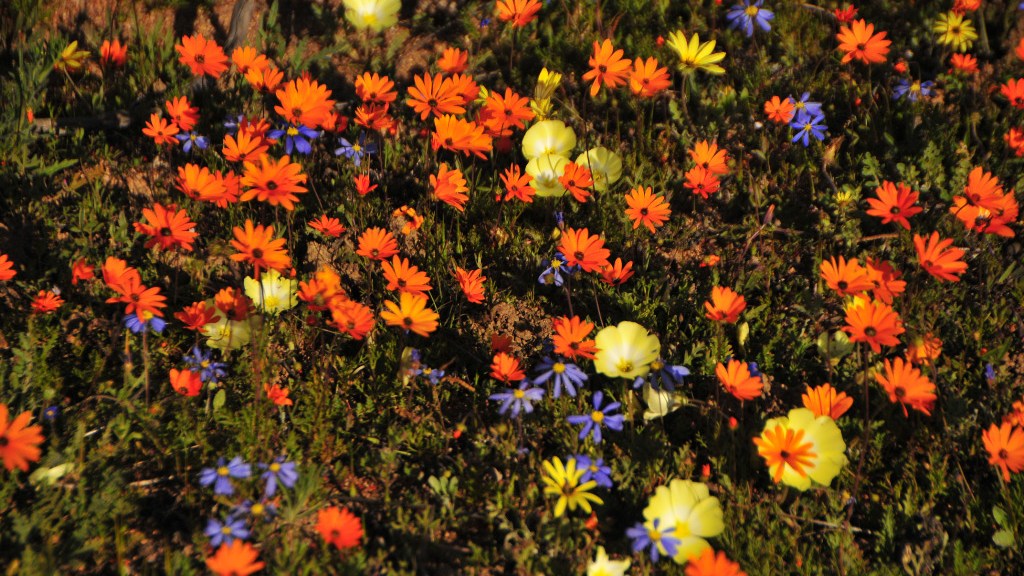
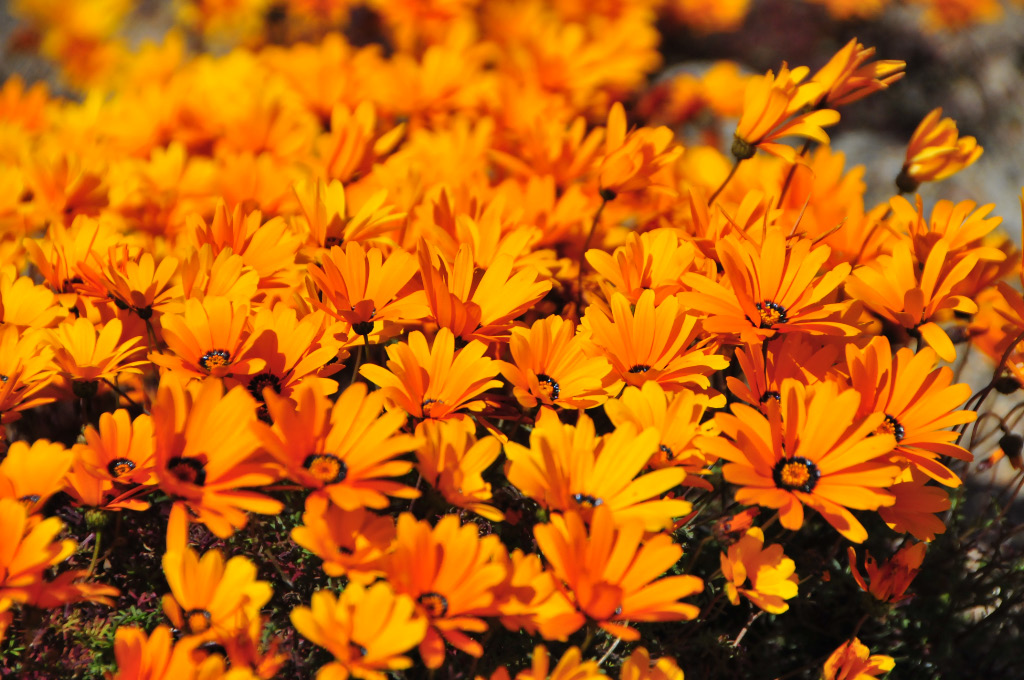
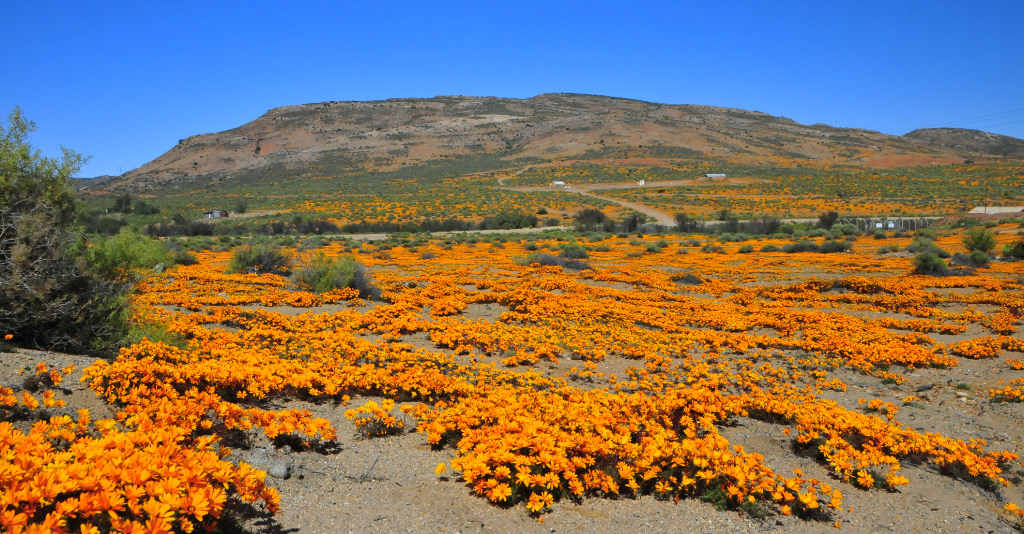
A little later we left Port Nolloth and headed back to Springbok with a good feeling about our short visit to this small coastal town. Before reaching Springbok we branched off to the town with the unusual name – Nababeep (“Rhinoceros place” in the old Khoi language) and stopped to view the spectacular displays of yellow and orange daisies which carpet the roadside and extend up the hillsides.
Near Springbok, Northern CapeNababeep, Northern CapeNababeep, Northern CapeNababeep, Northern Cape
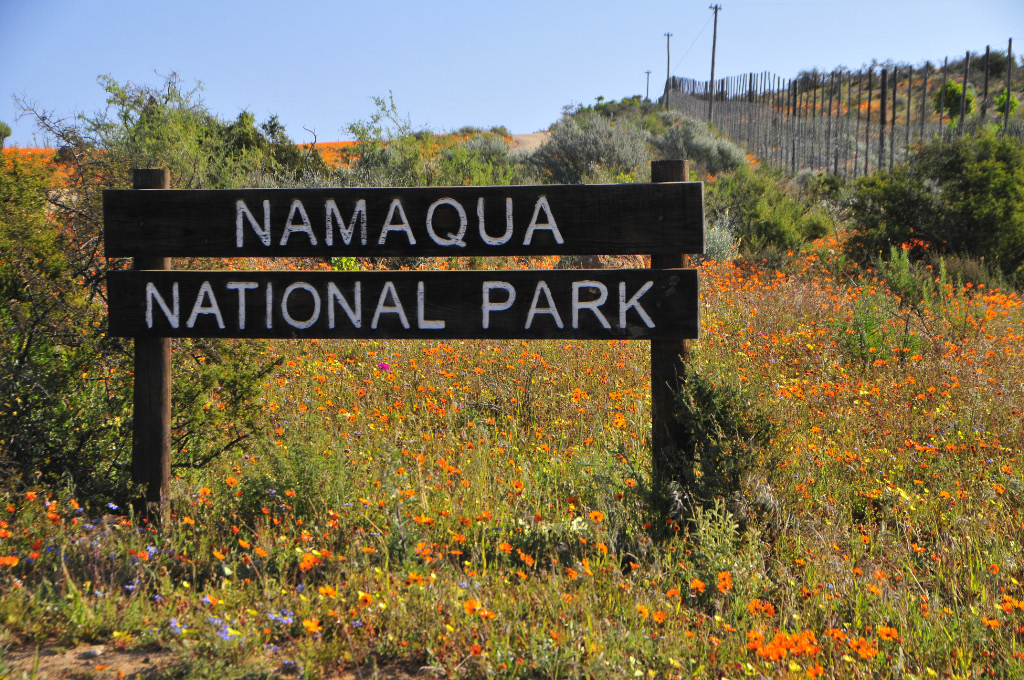
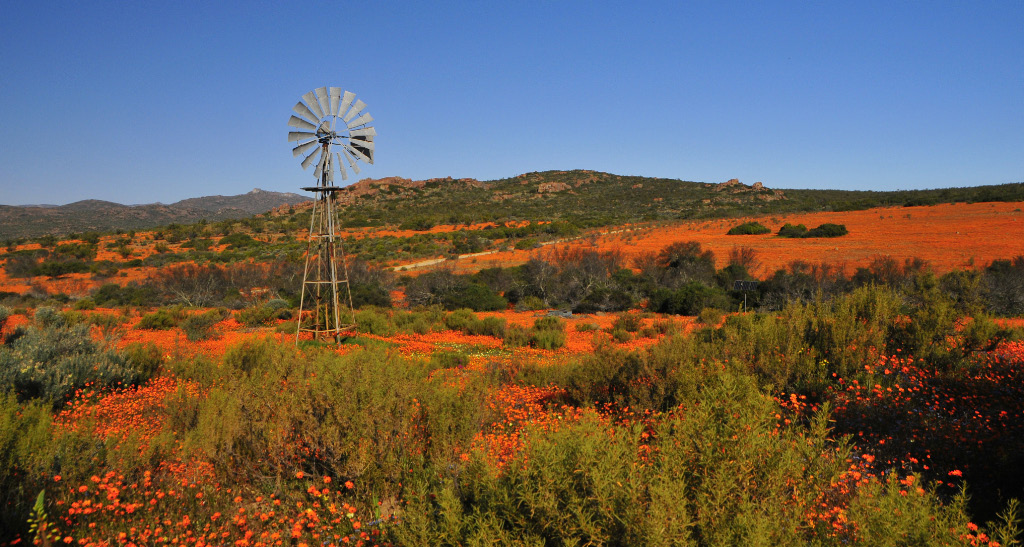
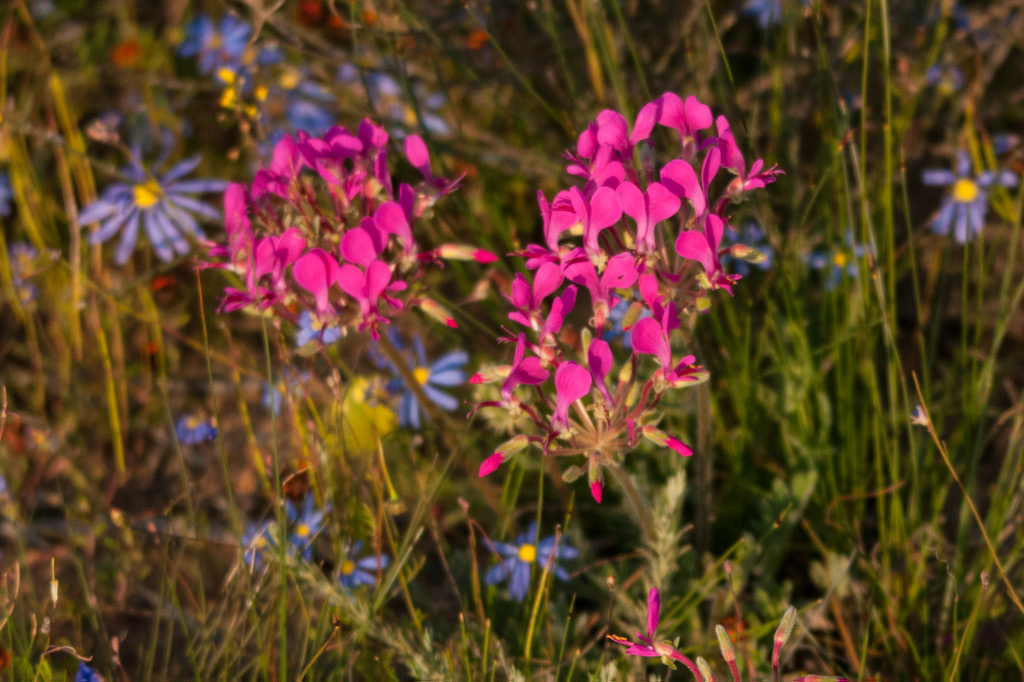
From there it was a short drive to Kamieskroon where we found the road to Namaqua National Park for our next night’s stop. Rock and Greater Kestrels (Kransvalk & Grootrooivalk) and Pale Chanting Goshawks (Bleeksingvalk) are regular occupants of the roadside poles in these parts, in addition to the ubiquitous Crows. Approaching the park we could see the flowers blanketing the landscape from a long way off and as we got closer the beauty of the flower display was almost overwhelming. We tore ourselves away from the scene to check in and let the ladies explore the “Padstal” after which we made our way slowly to the chalet in the “Skilpad” section of the park, admiring the variety of flowers and birding along the way, with Sunbirds and Larks being most prominent.
Namaqua National ParkNamaqua National ParkSouthern Double-collared Sunbird (Klein-rooibandsuikerbekkie), Namaqua NP
On arrival at the chalet a Grey Tit (Piet-tjou-tjou-grysmees) immediately made his presence known with his loud and distinctive call – another lifer added! A short walk produced a busy pair of Layard’s Titbabblers (Grystjeriktik), several Malachite Sunbirds (Jangroentjie) and Karoo Scrub-Robin (Slangverklikker). In no time it was dusk and time to braai, re-live the special day and get some rest.
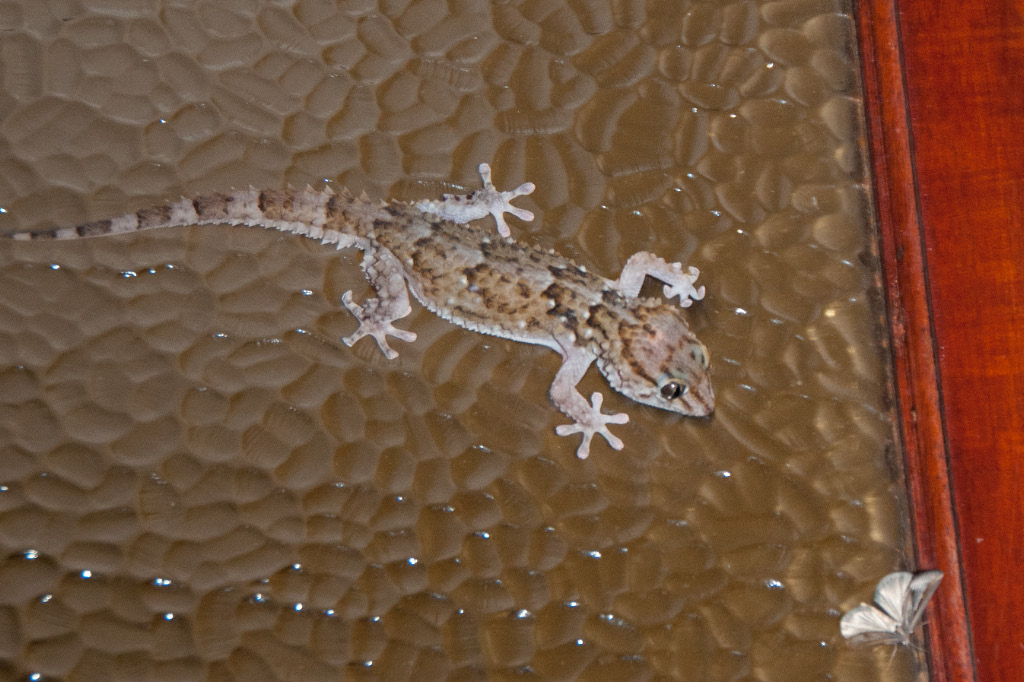
Namaqua National ParkChalet at Namaqua National ParkBe warnedDwarf Leaf-toed Gecko, Namaqua NP
Day 8 (26th August 2013) :
Early morning mist had cleared by the time we left and we enjoyed the circular route through the flowering landscape back to the office to hand in our keys before venturing further. At the office I spotted a Ludwig’s Bustard (Ludwigse pou) doing a fly past allowing me the pleasure of clocking up lifer No 700 for Southern Africa, which earned a few “high-fives”.
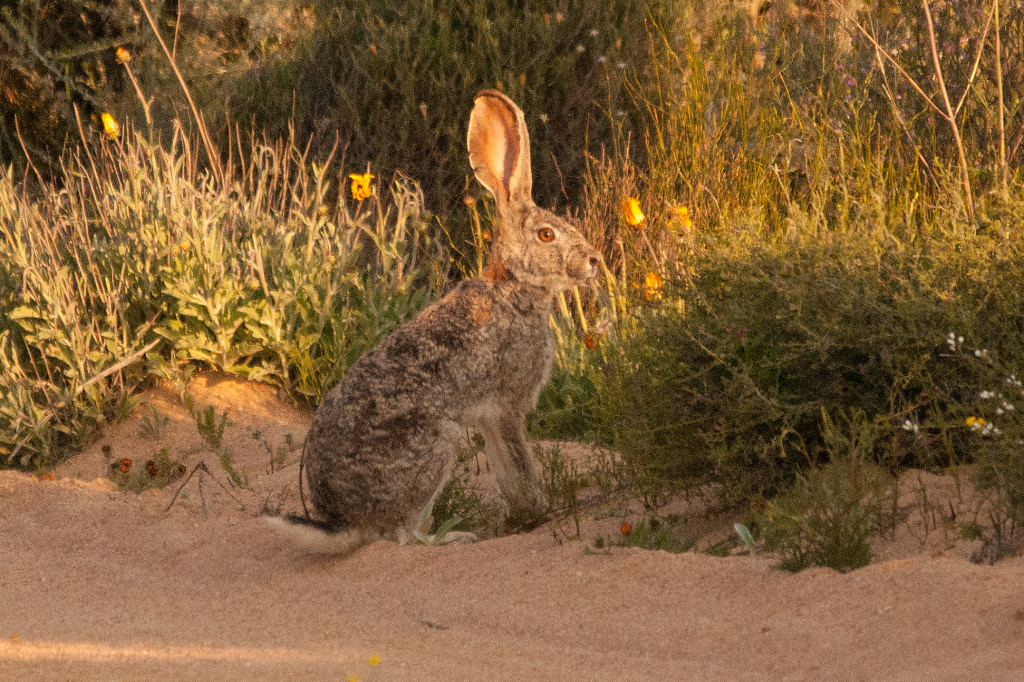
Namaqua National ParkNamaqua National ParkNamaqua National ParkCape Hare, Namaqua NPMisty MorningNamaqua National park
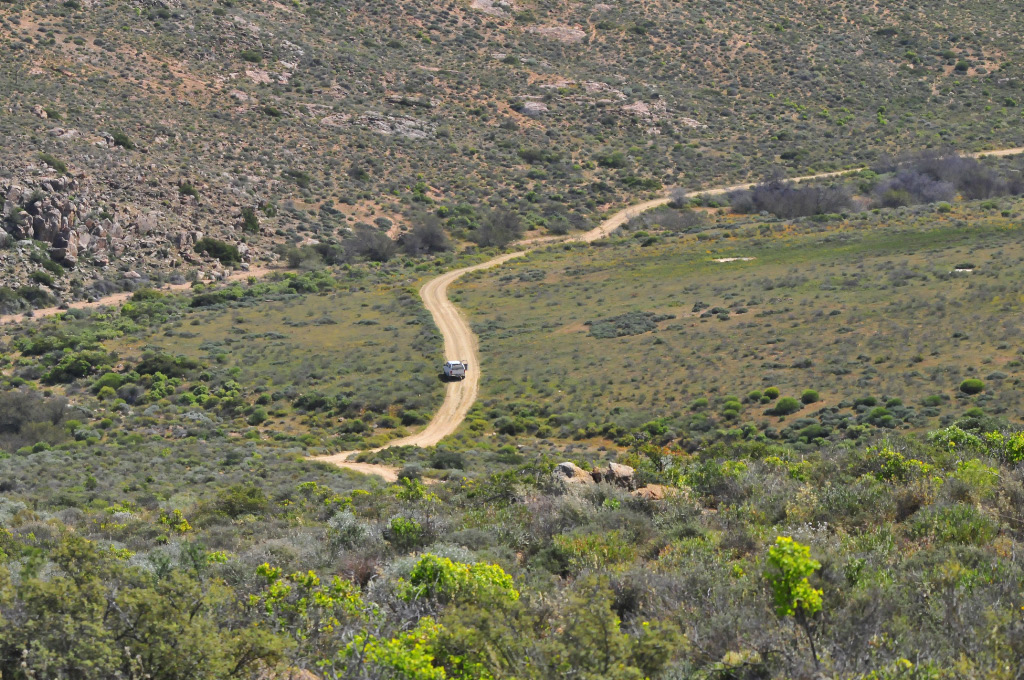
Having made the most of our short stay we had decided to head further into Namaqua park, along the road to Soebatsfontein (Afrikaans for “pleading fountain”), marked as 4 X 4 only but by no means a rough road and well worth doing, as we were to find out. The road to Soebatsfontein winds its way through the mountain ridges, and the wonderful scenery makes it one of the best roads I have driven. Along the way Cape Clapper Larks (Kaapse klappertjie) did their distinctive display flight as did the Karoo Larks. Cape Buntings (Rooivlerkstreepkoppie) were plentiful with a few Black-headed Canaries (Swartkopkanarie) adding to the mix. While we were enjoying roadside coffee and the delicious melktert (custard tart) from the park’s shop we were entertained by yet another displaying Lark, this time Red-capped Lark (Rooikoplewerik), flying up from a termite mound while calling, then plummeting rapidly before repeating a few minutes later.
The road to SoebatsfonteinKlipspringerKaroo Lark in between displaying
Our lunchtime stop was about halfway along the road near the ruins of an old farmstead, which was probably built with mud bricks which by now had partly dissolved giving it a “Timbuktu-like” appearance. During the drive we had seen a good selection of raptors including Jackal Buzzard (Rooiborsjakkalsvoel), Verraux’s Eagle (Witkruisarend), Booted Eagle (Dwergarend) and a Black-chested Snake-Eagle (Swartborsslangarend).
Lunch amongst the ruins of an old farmsteadRuinsSoebatsfontein (pop 276)
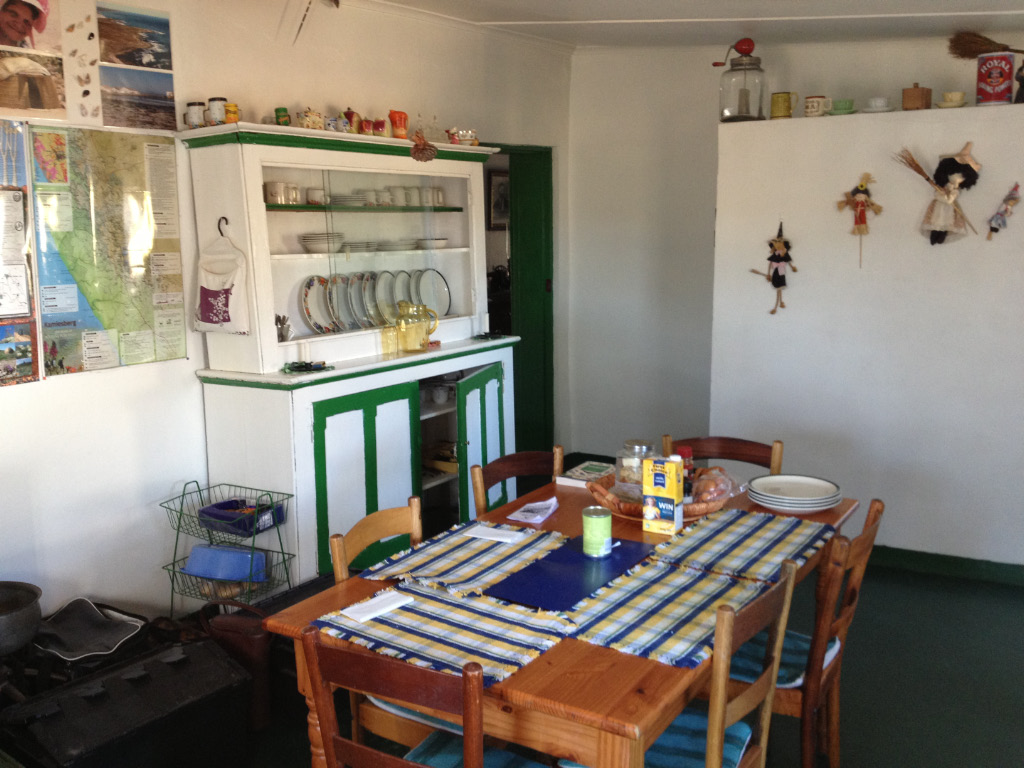
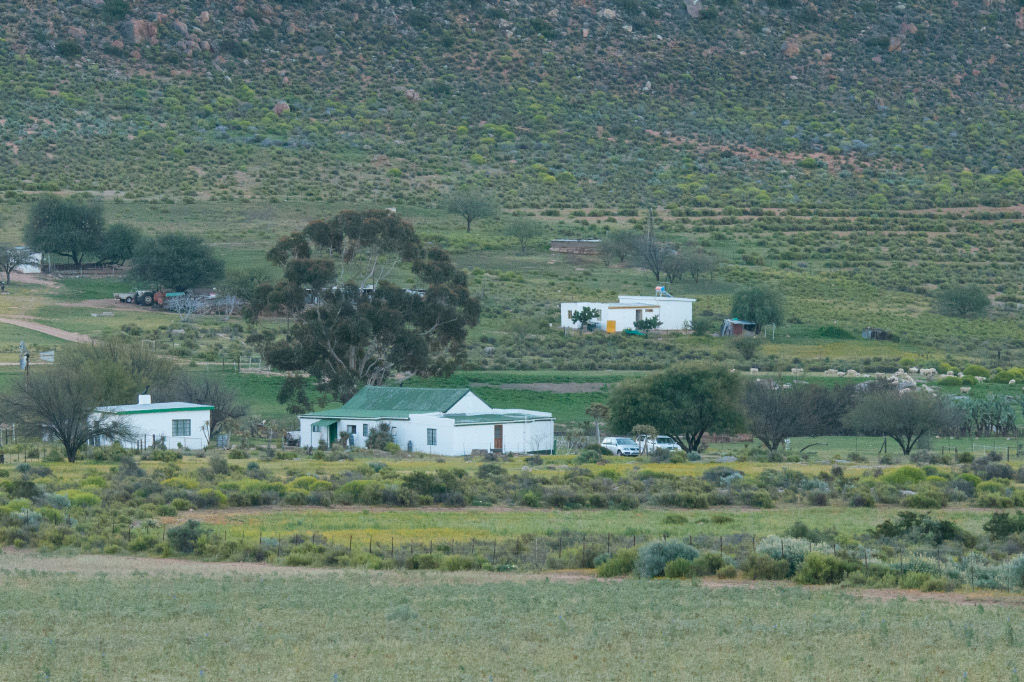
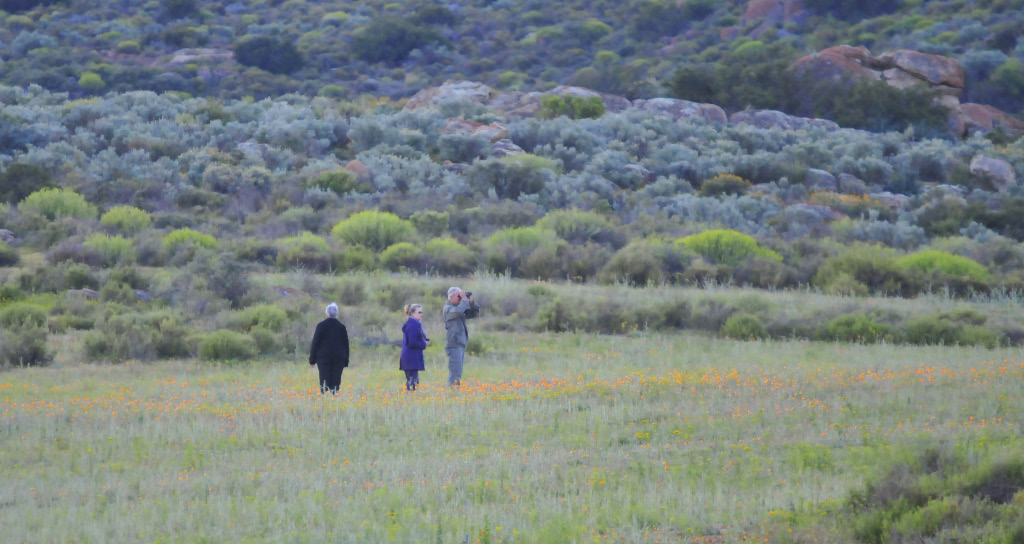
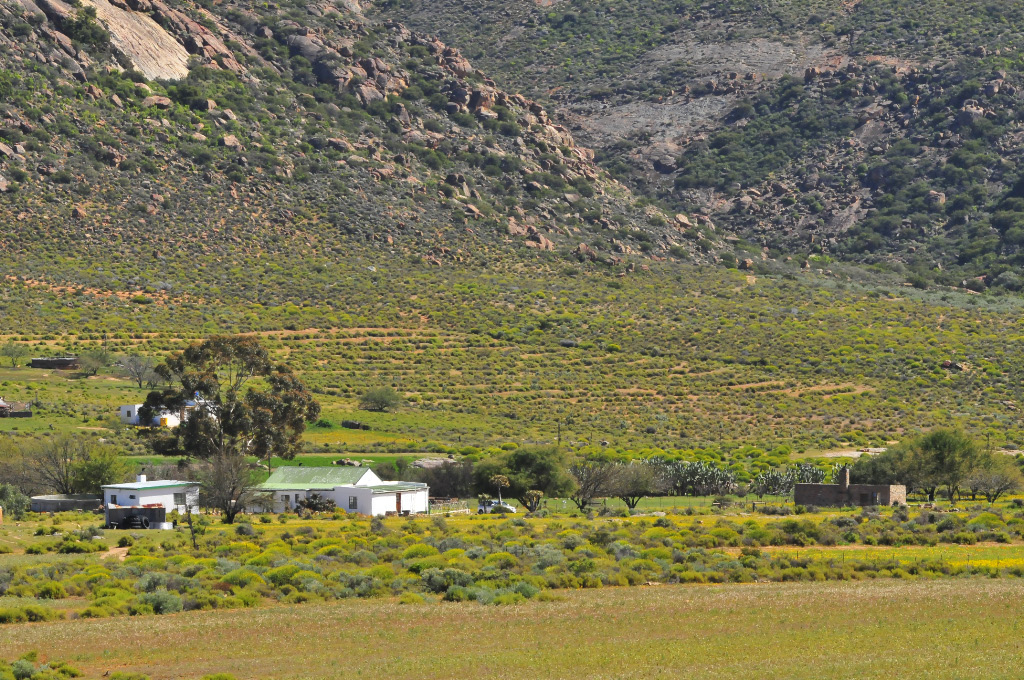
Once we reached the small village of Soebatsfontein we took the dirt road to Kamieskroon, then via the N7 to the turn-off to No-Heep farm where we had booked accommodation for the next 2 nights. On arrival the owners showed us to the charming old farmhouse nearby, with solar-powered lights and gas for cooking, fridge and hot water. There was time for a short walk to explore the surroundings before dusk descended – in the fading light a Verraux’s Eagle and a Booted Eagle were still vying for prime patrolling spot along the nearby mountain ridge.
The old farmhouse – our accommodation at No-HeepThe bathroomNice old-fashioned kitchenNo-Heep farm, near KamieskroonNo-Heep farmFlowers grow everywhere in these parts
Day 9 (27th August 2013) :
After a relaxed breakfast I set off for a lengthy late-morning walk up towards the mountain where the Eagles had been patrolling the previous evening. The morning shift now comprised a handsome Jackal Buzzard and a Rock Kestrel doing patrol duty along the same stretch of mountain ridge, the former coming in quite low to show off his rich rufous and black and white colouring as he cruised past. At ground level, Karoo Larks were displaying energetically, while Cape Buntings and Grey Tits carried on with their daily routines. Common Quail (Afrikaanse kwartel) stuck to the rule “be heard and not seen” as they crept unseen through the grass, given away only by their pip- pip- pip call. Up on the lower slopes of the rocky hillside, a Grey Tit played hide and seek with me – responding to my playing his call but remaining wary and partly hidden in the branches of a tree, making photography difficult.
No Heep Farm, near KamieskroonJackal Buzzard (Rooiborsjakkalsvoel)Grey Tit (Piet-tjou-tjou-grysmees)No-Heep farmMalachite Sunbird (Jangroentjie), No-Heep
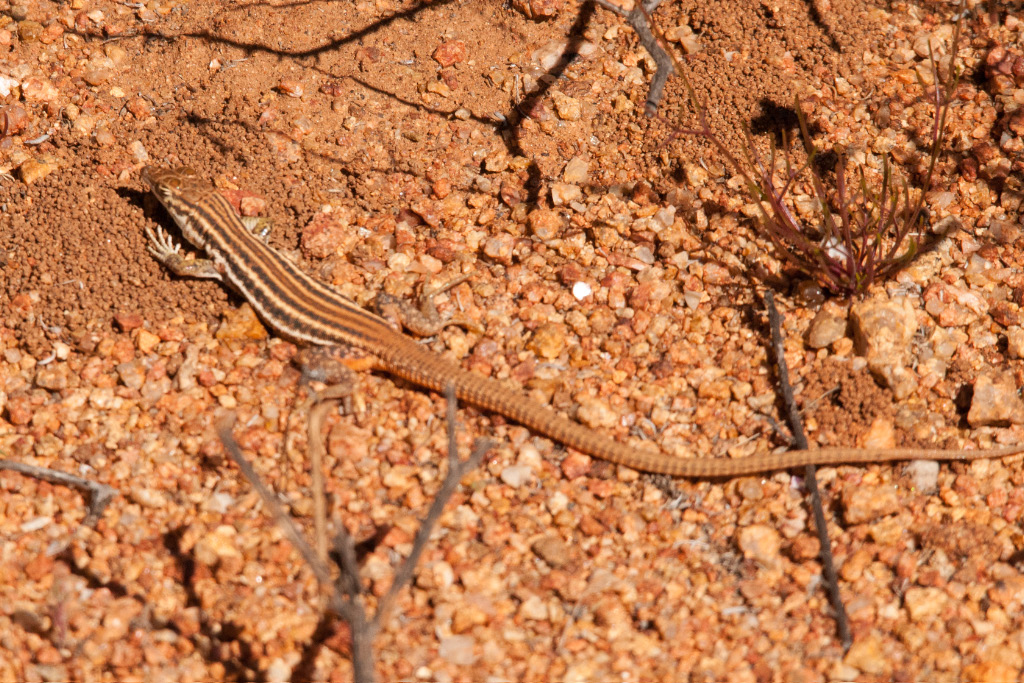
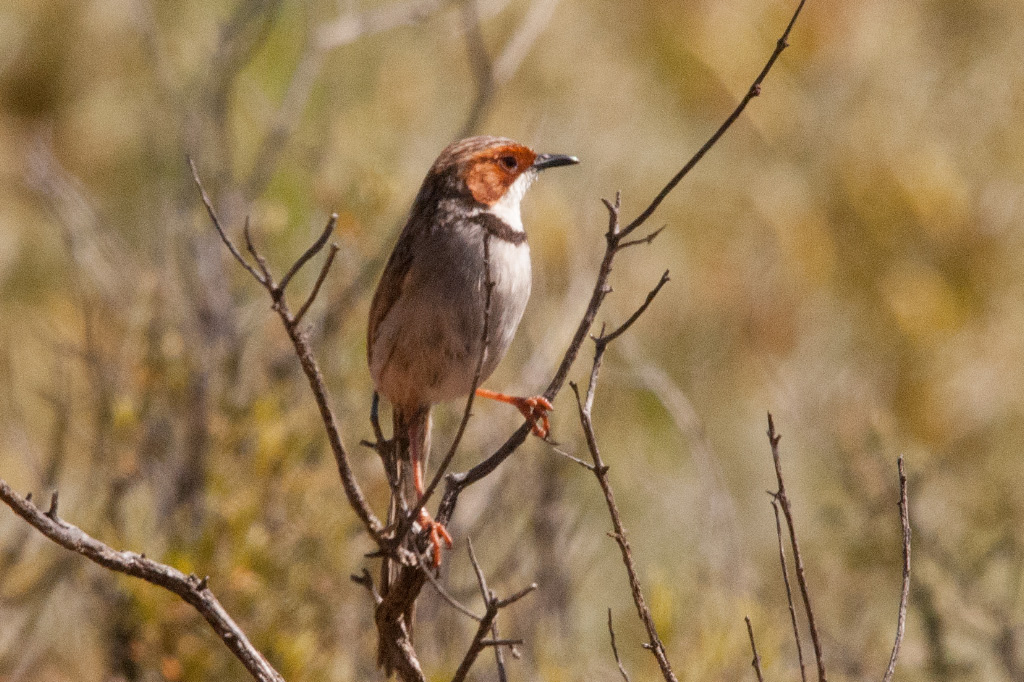
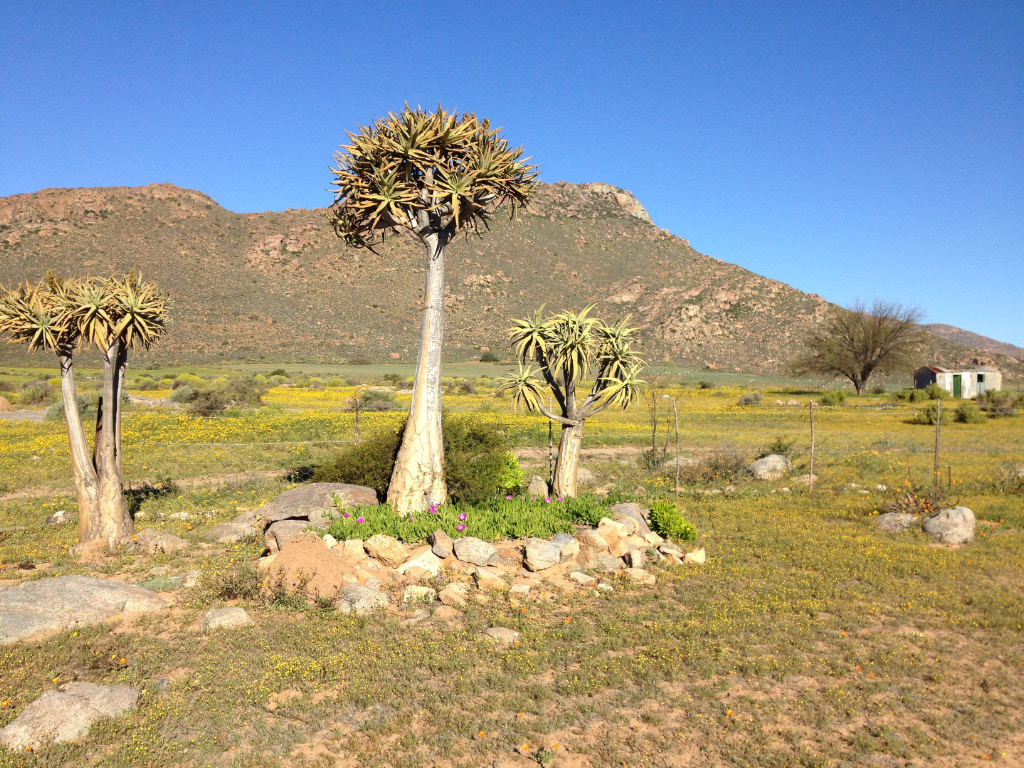
A small lizard with a very long tail attracted my attention and I waited patiently for it to come out into the open – my reference book later confirmed it to be a Sand Lizard. A Karoo Prinia (Karoolangstertjie) on top of a handsome Quiver tree, a feature of the area, made a memorable picture in my mind but he didn’t hang around long enough to turn it into a digital image. Further on, a Rufous-eared Warbler (Rooioorlangstertjie) popped up on a bush nearby and eyed me carefully, then disappeared into the bushes. Our only other activity for the day was a late afternoon drive along the farm roads leading north of No-Heep, with more spectacular scenery to enjoy along the winding road through beautiful mountain landscape.
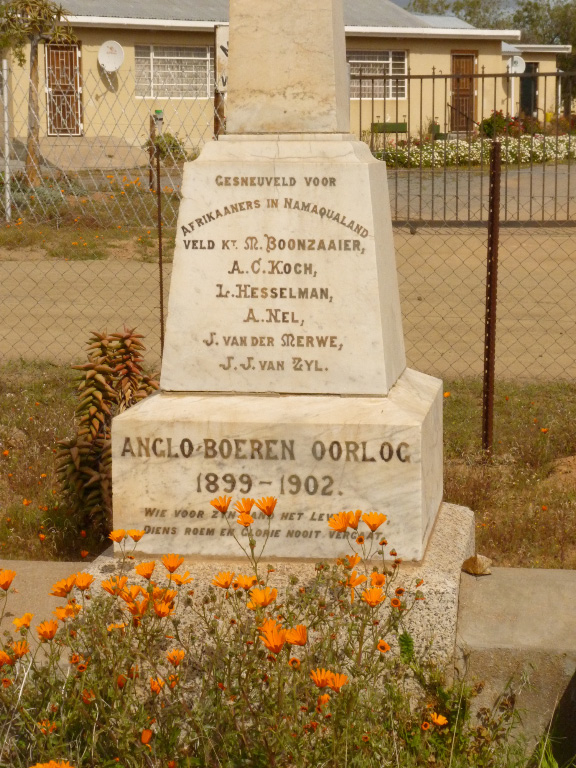
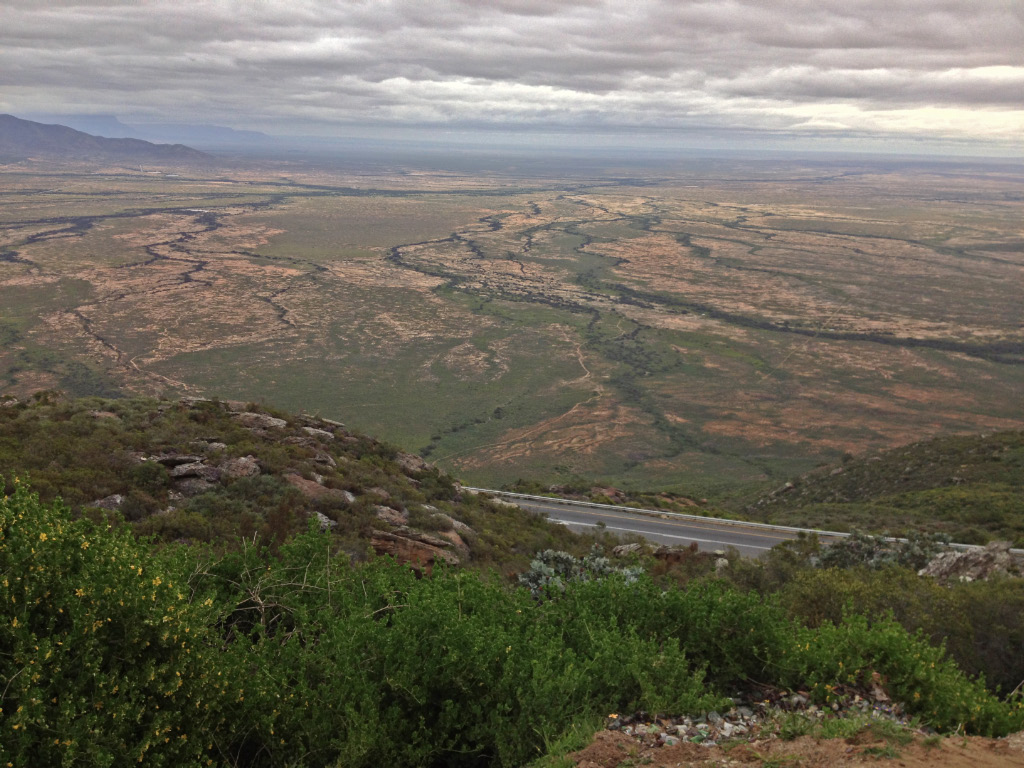
Another travelling day – this time we were headed to a guest farm near Niewoudtville (the locals pronounce it Nee-oat-ville) which is famous for its variety of bulb flowers at this time of year. The route took us back to Kamieskroon where we stopped to find the War monument – as it turned out it was in the church grounds. From there we continued south on the N7 to VanRhynsdorp where we turned east and drove through the flat, almost barren plains known as the “Knersvlakte” (literally the “Grinding flatlands”), so named by the pioneers of this part of South Africa because of the sound of the wagon wheels grinding on the stony, gritty surface.
War memorial, KamieskroonRoad near KamieskroonView from the Vanrhyns Pass – Knersvlakte far below
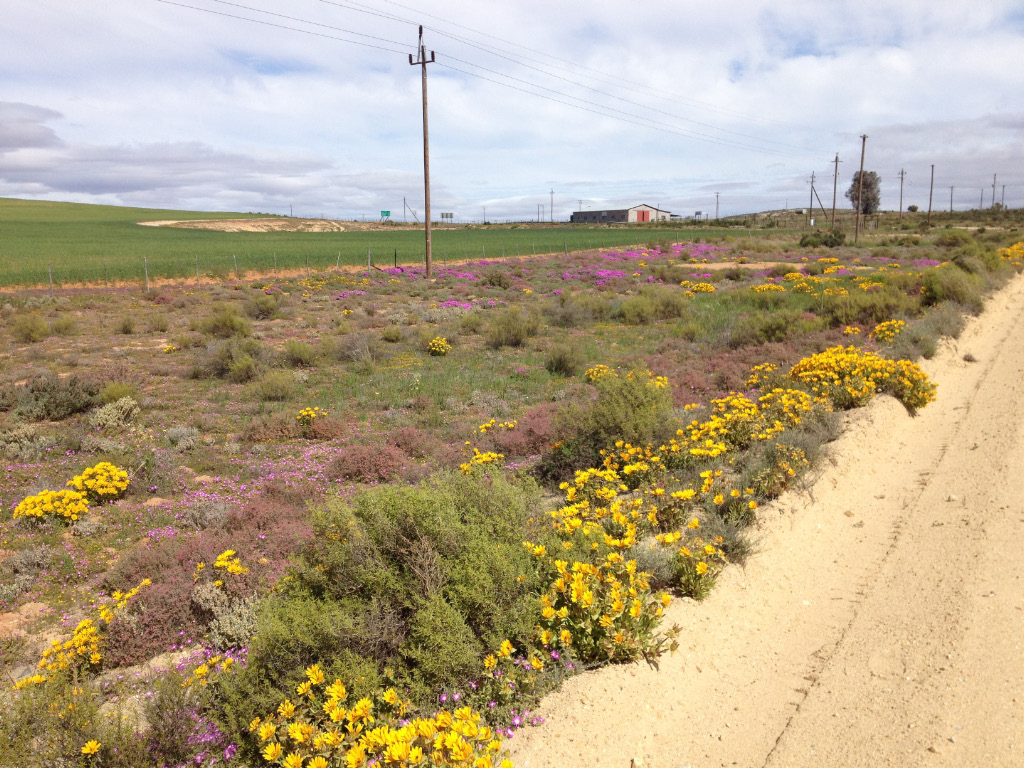
The plains ended in an intimidating mountain escarpment with a diagonal gash up the side which, as we got closer, turned into a steeply angled road with dramatic views back over the Knersvlakte. As we reached the top we found ourselves in quite different countryside at a substantially higher altitude and soon passed through Niewoudtville, with a quick stop to admire the roadside flowers, on our way to De Lande farm some 13 Km further along a dirt road. At this stage the road was still dry and comfortable to drive on, but this was to change over the next couple of days.
Roadside near NiewoudtvilleDe Lande Farm
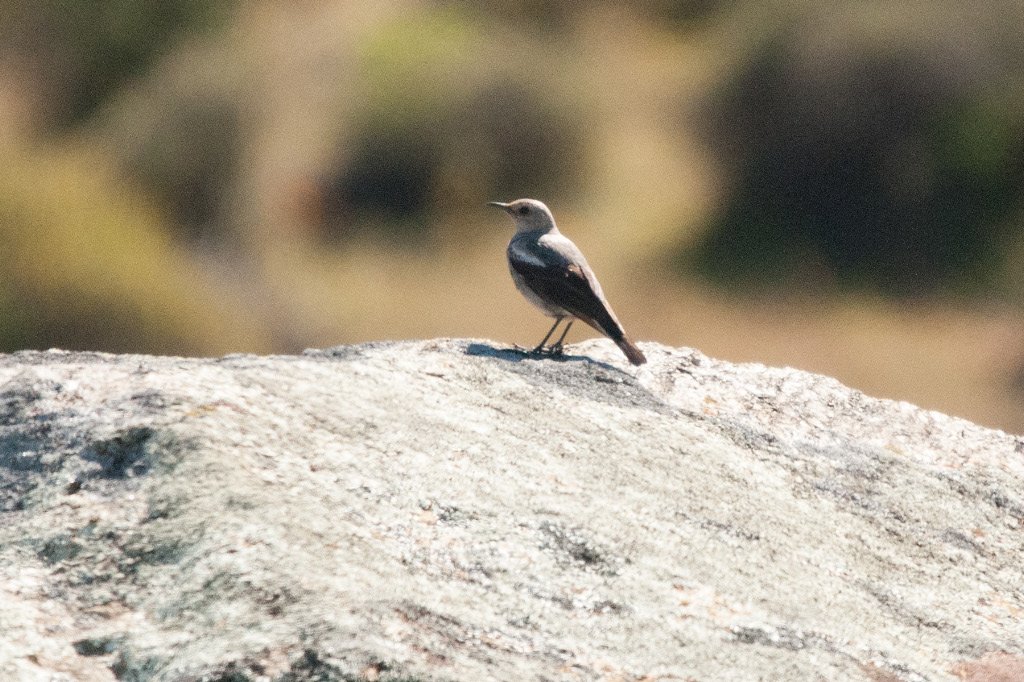
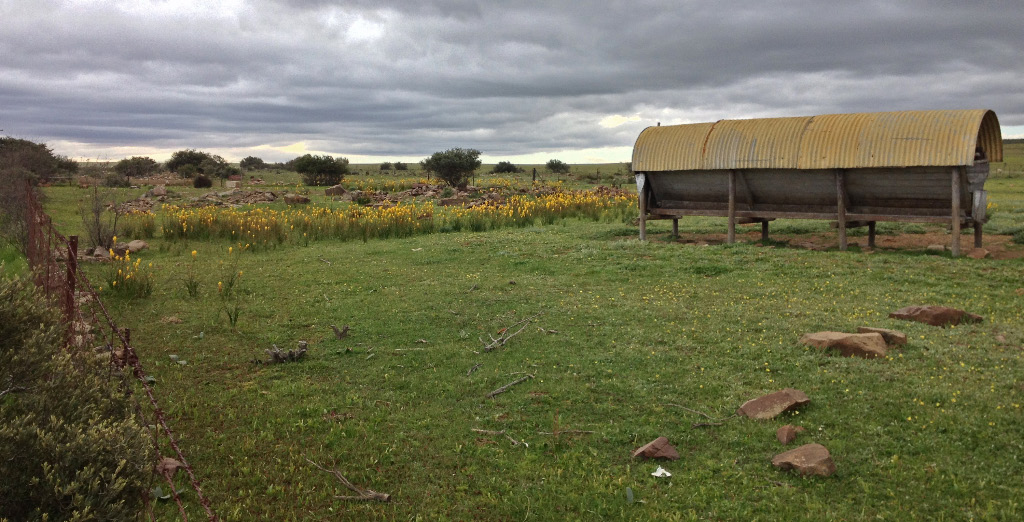
Once settled at De Lande in the “Sinkhuisie” or “Tin House”, we took a walk to stretch the legs and do some initial birding in this new locality. Immediately the presence of Mountain Wheatears was noticeable as they hopped about around and under the car, almost seeming to want to say “hello”. A Black Harrier (Witkruisvleivalk) glided past in his customary low flight over the scrub and disappeared into the distance. Down at the farm dam dusk was approaching and a row of tall blue gums was being populated by growing numbers of Black-headed Herons (Swartkopreier), Sacred Ibises (Skoorsteenveer) and Cape Crows (Swartkraai) as they came in to roost – the trees were altogether quite crowded. The weather had turned and it was by now completely overcast and decidedly cold but this was more than compensated for by the heaters in the house and the warm welcome and superb dinner we enjoyed that evening, served in the main house a stone’s throw away.
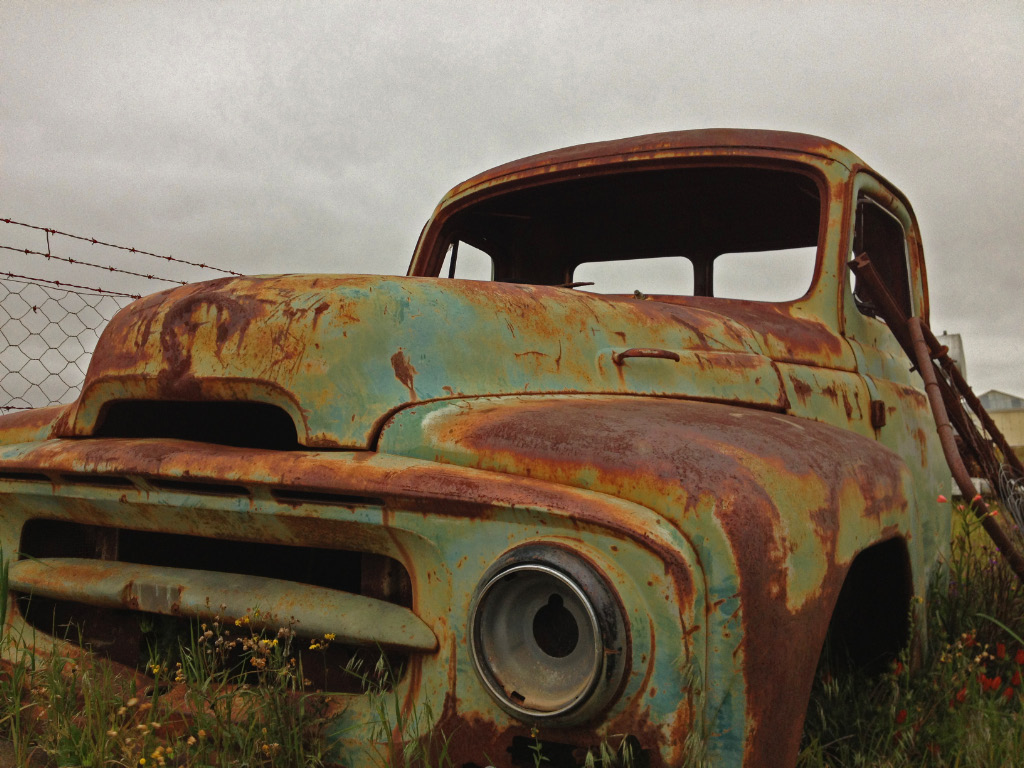
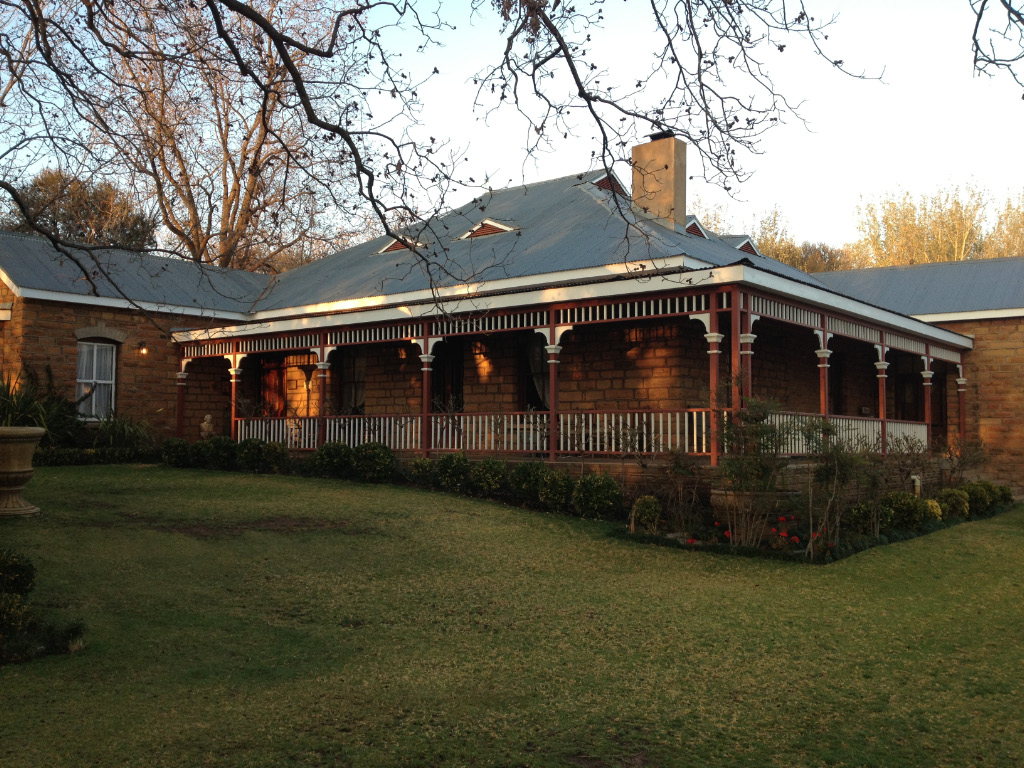
Rust in peace, De LandeSinkhuisie (Tin House) accommodation at De Lande farmRust in peace, De Lande
The next couple of days were to be a test of the vehicles and our tenacity, but more of that in Part 3 – stay tuned…….
One of the enjoyable aspects of planning a trip is the pleasant anticipation that goes with it. A few years ago Gerda and I were intent on doing a birding trip through the Northern parts of South Africa to coincide with the time that the Namaqualand flowers are usually at their best, but circumstances stood in the way and we had to cancel at the last moment. Koos and Rianda Pauw, who we were to join for that trip, did the trip on their own and their stories afterwards only served to make us more determined to do the trip at a future date. When Koos & Rianda suggested “going for it” in 2013, Gerda and I jumped at the chance and immediately started planning the route, accommodation etc in order to make sure we would get bookings at the preferred spots during the popular flower-viewing season which runs from mid-July to mid September.
The anticipation was heightened by the fact that we would be travelling through parts of South Africa that we had not experienced before, with places and towns to see for the first time. The bonus was the prospect of seeing the famed Namaqualand flowers for ourselves, not to mention the possibility of a number of “lifers” (birds not seen before) along the route. Then there is the all-important atlasing of bird species which we intended to do at each overnight stop as a minimum.
Note that this Part 1 of the trip does not include the main Namaqualand flower areas, which will only be included in later Parts – you have been warned!
Afrikaans names of bird species have been added where the bird is first mentioned, because many birders in South Africa know the birds by their Afrikaans names and the names are often charming and more descriptive.
The Trip
Day 1 (19th August 2013) :
After much intense packing and arrangements, we set off just after 2pm and headed west along the N14 National road to our first overnight stop via Krugersdorp, Klerkskraal, (blink and you’ll miss it) Ventersdorp and Coligny, at which point we turned south to the farm Ouplaas near Ottosdal in the North-West Province, arriving late afternoon. Coert and Magdalena welcomed us warmly to their guest house and turned out to be excellent hosts and the accommodation proved comfortable enough. They served a tasty four course dinner that, along with the décor, took me back 30 years – soup starter, then a fish salad followed by the main course with roast lamb and veg, then a rich pudding and coffee in tiny, fancy cups.
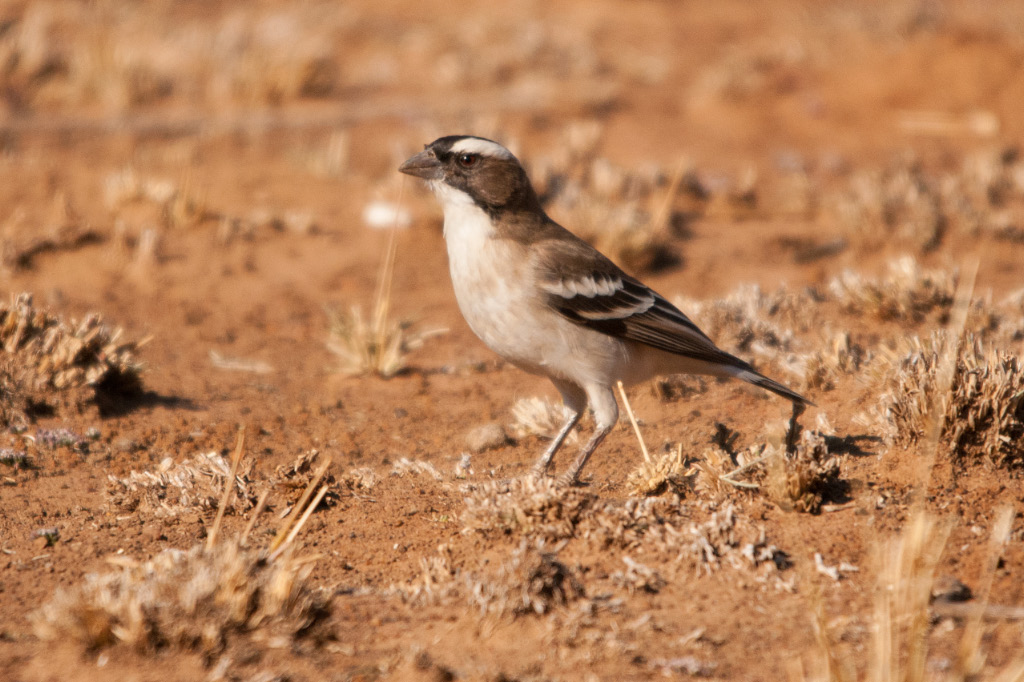
An early morning walk was a good start to the day and an ideal time to do some atlasing of the bird species to be found in the area – the garden was fresh and cool and lush compared to the dry surroundings.White-browed Sparrow-Weavers (Koringvoël) are one of the signature birds of the area and are plentiful everywhere, made evident by the untidy nests in many a tree – some were busy nest-building at the entrance gate closely attended by Crimson-breasted Shrikes (Rooiborslaksman) in their bright red plumage. Bird calls livened up the garden, announcing the presence of Pied Barbets (Bonthoutkapper), Cape Robin-Chats (Gewone janfrederik), Red-throated Wryneck (Draaihals) and Orange River White-eyes (Gariepglasogie) in between the background calls of Laughing, Red-eyed and Cape Turtle-Doves (Lemoen- Grootring- en Gewone Tortelduif).
Crimson-breasted Shrike at Ouplaas (Rooiborslaksman)
The roads near the farmstead produced Bokmakierie, Chestnut-vented Tit-Babbler (Bosveldtjeriktik), Neddicky (Neddikkie) and Kalahari Scrub-Robin (Kalahariwipstert) and on the way back a Brubru (Bontroklaksman) announced himself with his telephone-ring-like call. With atlasing duties done it was time for a leisurely breakfast after which we headed out to Barberspan some 80km away, first stopping at the farm’s own dam, which had looked promising from a distance. It proved to be a worthwhile stop as we added Lesser Flamingo (Kleinflamink) and a Goliath Heron (Reusereier) in the shallows as well as an early Wood Sandpiper (Bosruiter) and Kittlitz’s Plover (Geelborsstrandkiewiet) along the edge.
Kittlitz’s Plover (Geelborsstrandkiewiet)
From there we made our way to Barberspan which we reached just after midday and immediately started atlasing Pentad 2630_2535 covering the north-east quadrant of the very large pan. Birds were plentiful, visible at a distance from the adjoining road – both Greater and Lesser Flamingos were working the shallows along with another Goliath Heron and the usual Geese, Egyptian and Spur-winged (Kolgans, Wildemakou). Once we entered the Bird Sanctuary itself, we added species at a constant pace with a Common Scimitarbill (Swartbekkakelaar) being a highlight, before heading through the low grass surrounding the pan where we encountered Spike-heeled Lark (Vaktelewerik) and African Quail-Finch (Gewone Kwartelvinkie) amongst others.
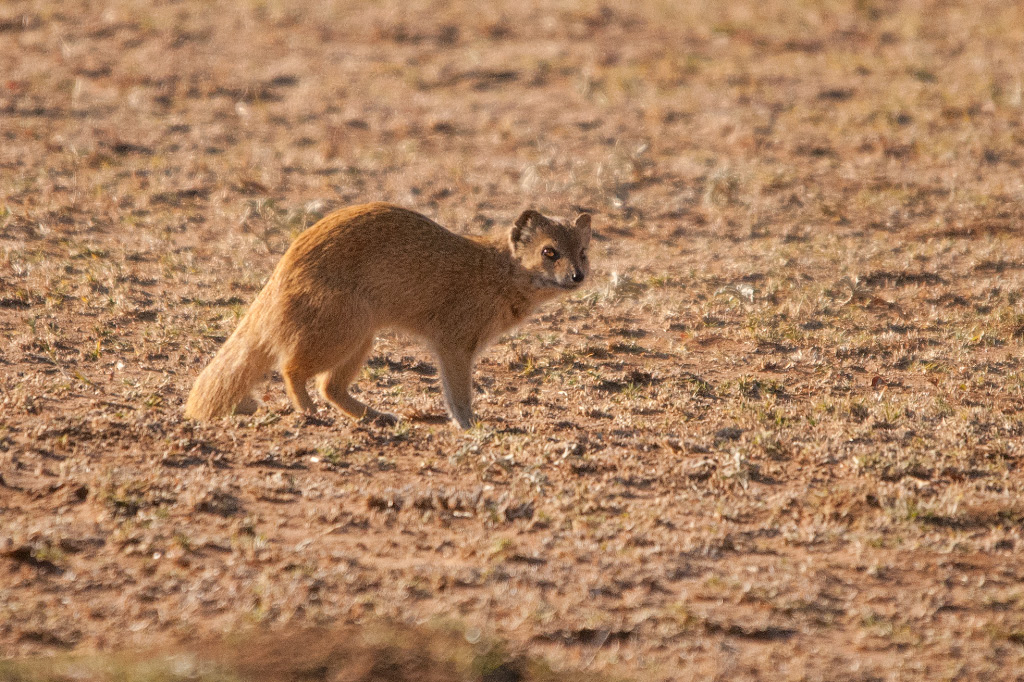
Moving along the shoreline on the roadway skirting the pan, we found Black-winged Stilts (Rooipootelsie), African Snipe (Afrikaanse Snip), African Swamphen (Grootkoningriethaan), Wood Sandpiper and newly-arrived Ruff (Kemphaan), all mixing with the Flamingos. From there we moved to the picnic spot for our traditional “wors-braai” and continued to enjoy the coming and going of the birds that frequent the area, such as Pied Barbet, Tit-Babblers, Cape Glossy Starling (Kleinglansspreeu) and a charming Fairy Flycatcher (Feevlieëvanger) flitting about busily in the upper branches of the shady trees. Sparrow-Weavers were abundant and by far the dominant bird of the area and a pair of Yellow Mongoose skirted the picnic area and eyed us as we braai-ed. Our mid-afternoon meal of boerewors (traditional sausage) on a roll with side salad was simplicity itself but perfect in the peaceful surroundings and with the added pleasure of having the entire spot to ourselves.
Rianda and Gerda busy at Barberspan picnic spotWhite-browed Sparrow-Weaver, Barberspan (Koringvoel)Yellow Mongoose, Barberspan
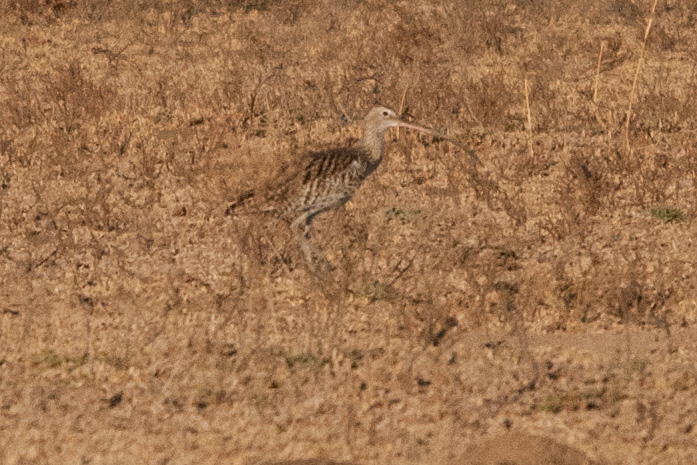
Well satisfied with the birding and our catering efforts, we left Barberspan Bird Sanctuary, but before heading back to our guest farm we decided to have a “quick look” at Leeupan a couple of kms north of Barberspan. By this time the sun was getting low and causing a glare on the pan so not much was visible, but just as we were about to turn around Koos spotted a large bird in the veld on the opposite side of the road and excitedly called us to have a look. It turned out to be a real surprise – an Eurasian Curlew (Grootwulp) in the veld hundreds of metres from the water. I managed to get a few long-distance photos which I later submitted to the SA Rare Bird Report which duly mentioned our find and described it as an “interesting inland sighting”. This exciting find capped an excellent day all round.
Eurasian Curlew, Barberspan (Grootwulp)
Returning to the guest house we came across a Spotted Eagle-Owl (Gevlekte ooruil) silhouetted against the already dark skies.
Spotted Eagle-Owl, Ottosdal (Gevlekte ooruil)
Day 3 (21st August 2013) :
We spent virtually the whole day travelling the 700 Km to Augrabies National Park, via towns such as Delareyville, Vryburg, Kuruman, Olifantshoek, Upington, Keimoes and Kakamas – all towns we had never seen before, but unfortunately we did not have time to stop and explore any of them – maybe next time. This was partly due to the “stop and go” method of road reconstruction now familiar to all South Africans, which is very time-wasting and adds significantly to a day trip when there are 7 or 8 of them to negotiate in one day. We arrived at Augrabies by late afternoon and settled into the lovely chalet, after which we enjoyed a good meal in the park restaurant. By this time we were getting into the swing of packing and un-packing our loaded vehicles and the whole process was much quicker.
Augrabies National Park accommodation
Day 4 (22nd August 2013) :
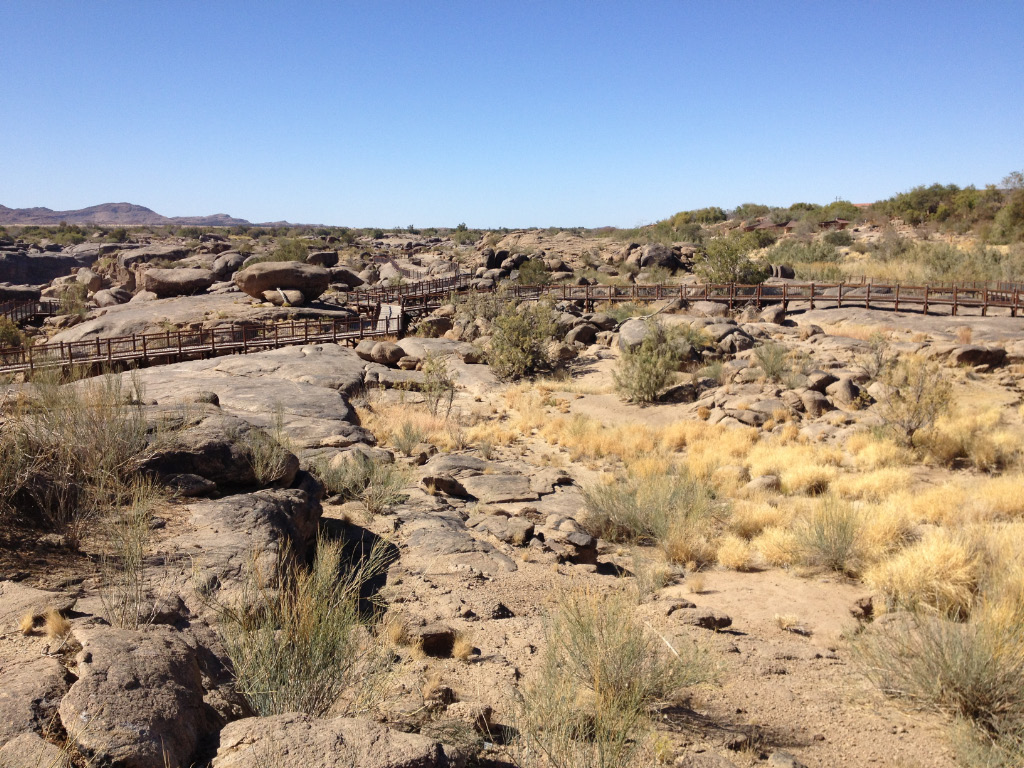
After a good night’s rest we had a leisurely breakfast before taking a walk around the camp and along the extensive network of board walks which lead to the various viewing decks, in the process building up an interesting array of birds for our ongoing daily and trip list, which Koos was keeping up to date in admirable fashion.
Augrabies National Park – the boardwalks
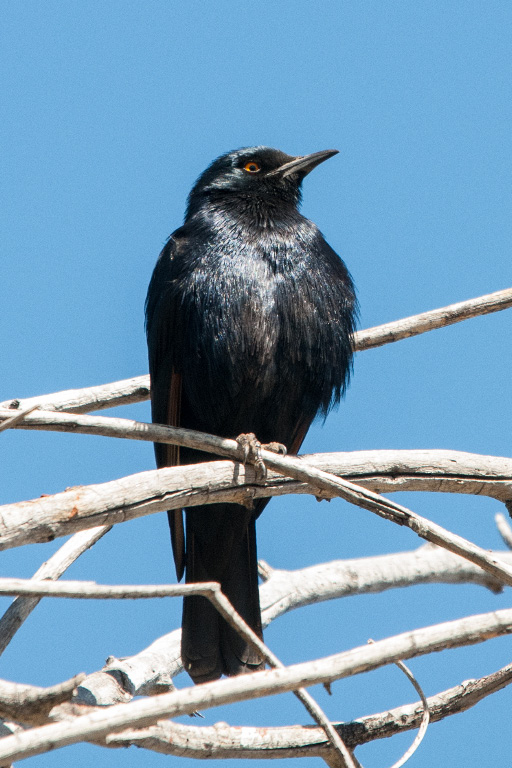
We soon saw that Pale-winged Starlings (Bleekvlerkspreeu) and Pied Wagtails (Bontkwikkie) were the signature birds of the camp with Orange River White-eyes being almost as prominent. Over the gorge below the falls, a short walk from our chalet, many Alpine Swifts (Witpenswindswael) appeared to be reveling in the spray thrown high into the air by the tumbling torrent of water and with some patience I managed to get some photos of these fast-flying Swifts, which look for all the world like miniature jet-fighters as they swoop past. According to Koos, this is one of his favourite birds.
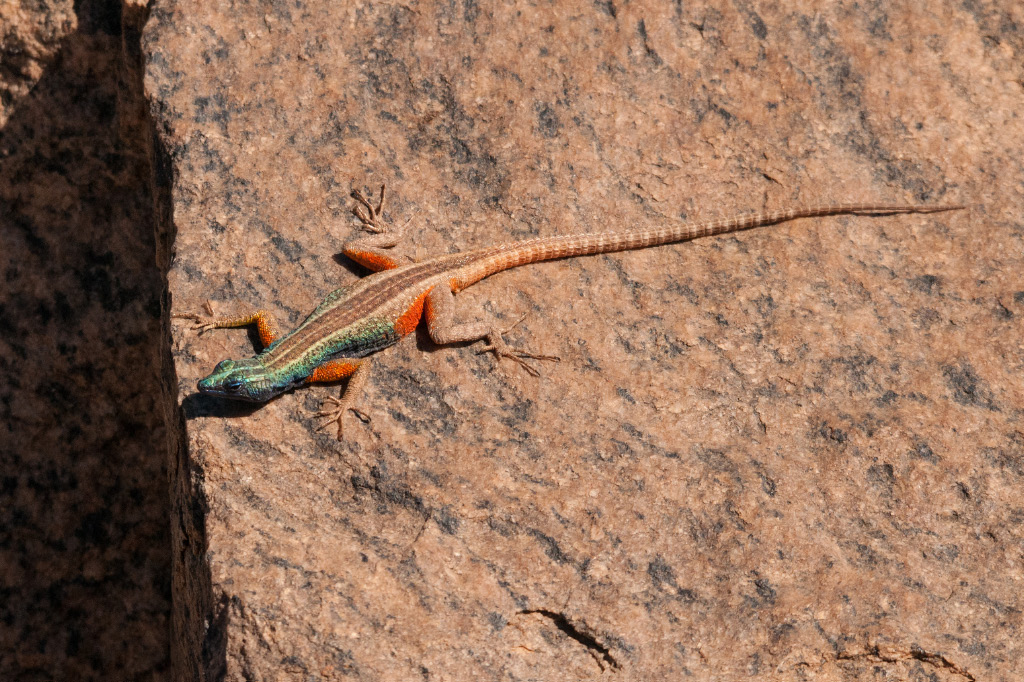
A feature of the viewing areas is the localized Augrabies Flat Lizard (Platysaurus broadleyi – in case you were wondering) with its bright colouring – it apparently depends on the black flies that congregate in their millions along the Orange River and they also feed on the figs from the Namaqua Fig Tree. Dassies were plentiful and in the vegetation that skirts the board walks I heard African Reed and Namaqua Warblers (Kleinrietsanger, Namakwalangstertjie) but both stayed out of sight. The call of an African Fish-Eagle (Visarend) was loud enough to be heard above the constant rumble of the falls.
Rock Hyrax / Dassie, Augrabies NPAugrabies Flat Lizard (Platysaurus broadleyi)
The camping area was alive with Starlings, Thrushes, Scrub-Robins and Bulbuls. At the outdoor section of the well-run restaurant, a Dusky Sunbird (Namakwasuikerbekkie) announced himself loudly as we enjoyed a cappuccino and on the walk back we checked the skies and found other Swallows (Greater-striped / Grootstreepswael), Martins (Brown-throated / Afrikaanse oewerswael)) and Swifts (Little, African Palm- / Kleinwindswael, Palmwindswael) had joined the abundant Alpine Swifts catching flying insects in the air.
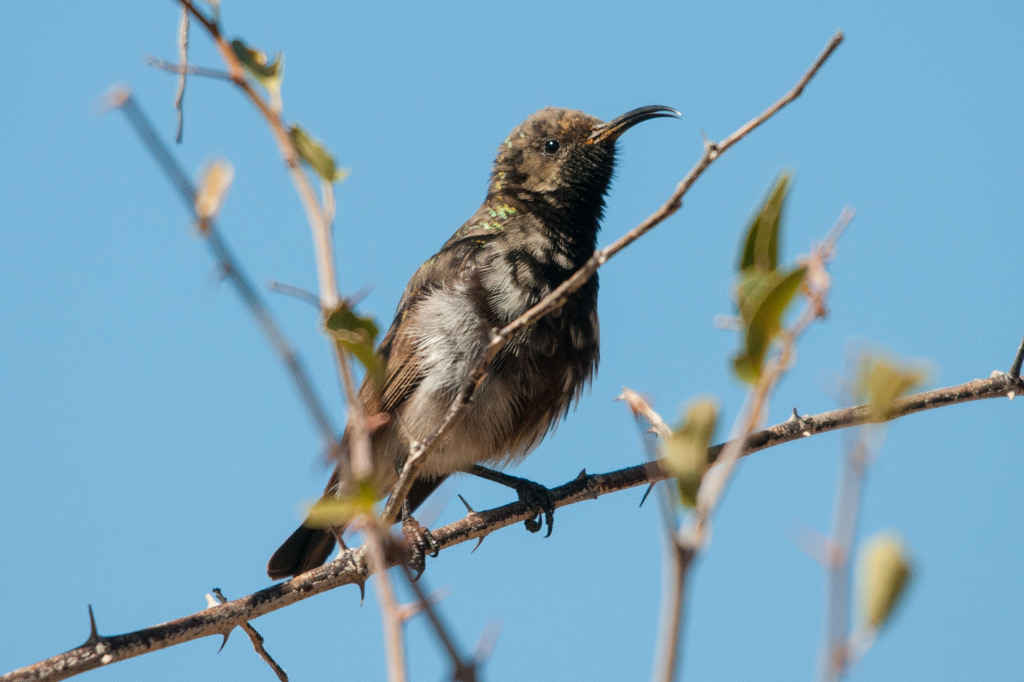
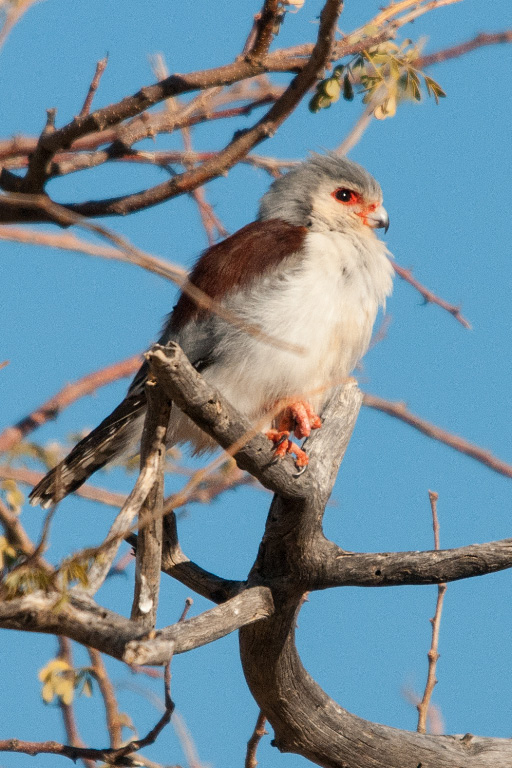
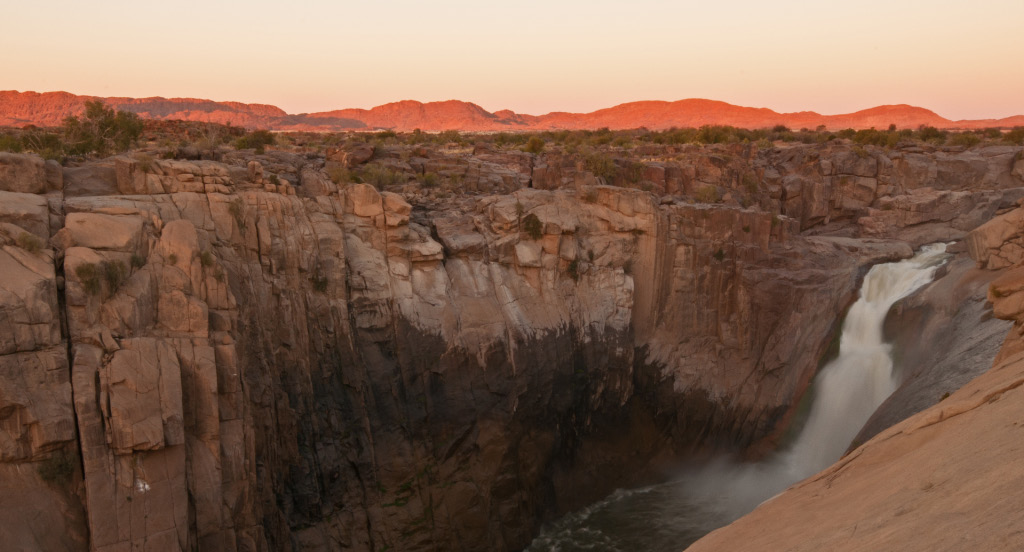
After lunch we went for a drive through the park proper to the viewpoint called Ararat, which has spectacular views up and down the river gorge. Despite the short trip to the viewpoint we managed to spot some good specials including a group of Namaqua Sandgrouse (Kelkiewyn), Swallow-tailed Bee-Eaters (Swaelstertbyvreter) hunting from low branches, numerous Lark-like Buntings (Vaalstreepkoppie), Pied Barbet and then my first lifer for the trip – a lone Pygmy Falcon (Dwergvalk), a raptor so small and un-fierce-looking that it elicited a “shame” from us. At the viewpoint we enjoyed a picnic coffee while enjoying the view and scanning the gorge for birds – a Verraux’s Eagle (Witkruisarend) in the distance and Reed Cormorants (Rietduiker) far down in the river were our reward.
Augrabies National ParkPygmy Falcon, Augrabies NP (Dwergvalk)Augrabies National Park
Back at the chalet it was time to braai the evening meal and prepare for our next long stretch down to the west coast at Port Nolloth
Day 5 (23rd August 2013) :
We had targeted an 8am departure knowing we had another lengthy drive ahead to Port Nolloth and wanting ti fit in some roadside birding along the “back road” between Pofadder and Aggenys, as described so well in the “Southern African Bird Finder” book which many birders use to plan their birding trips. We duly left just after 8am and stopped briefly in Pofadder to fill up our vehicles with diesel, where after we followed the book’s directions to the P2961 secondary road which was to take us through a part of Bushmanland known for some of the sought-after “specials” of the area. Our first stop was just 1,6 Km along the road as directed, where we found Karoo Long-billed Lark (Karoolangbeklewerik) and Tractrac Chat (Woestynspekvreter) (another lifer for me) without too much trouble. Spike-heeled Larks were spotted a couple of times and a group of Namaqua Sandgrouse obligingly waited for us at the roadside to allow close-up views, before scurrying away into the scrub.
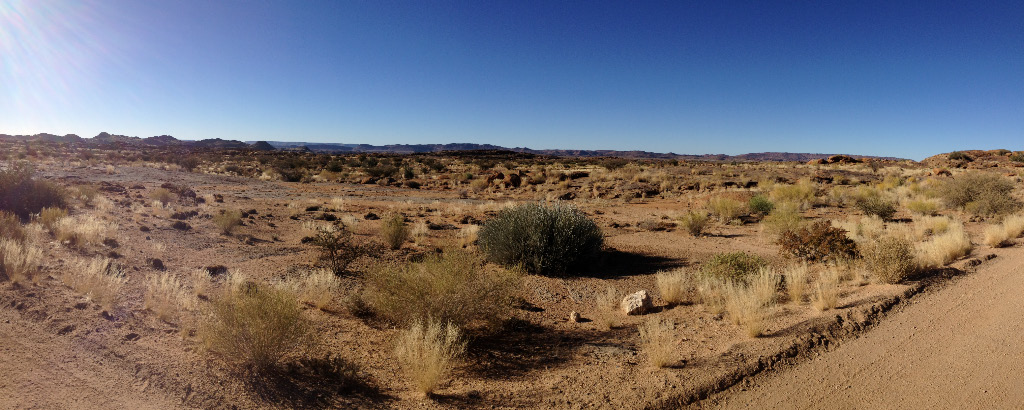
We visited Pofadder – here’s the proof!Tractrac Chat, Pofadder (Woestynspekvreter)Typical landscape near Pofadder, BushmanlandNamaqua Sandgrouse, Pofadder (Kelkiewyn)Spike-heeled Lark, Pofadder (Vlaktelewerik)
We progressed slowly along the dusty road, stopping frequently in search of the special Larks of the area but without much further success as it was by now the middle of the day when birds are less visible. At one point we took what we thought was the turn-off to the Koa dunes where Red Lark is known to be found, but we realized after some time that the landmarks were not as described in the book and retraced our steps back to the “main” road and continued until we came across other Gauteng birders in search of Red Lark who advised us on the correct route. We duly followed their directions and found the Koa dunes close by where we spent a good hour-and-a-half scanning and listening but to no avail as the lark eluded us – perhaps another day? By this time it was getting late so we made haste to Port Nolloth via Springbok and Steinkopf, arriving as the sun was setting over the town and our overnight destination at McDougall’s Bay a few Kms south of the town. The beach house accommodation was right on the beach with a small rock-protected lagoon directly in front of the house, with a variety of birds present to whet our appetites for the following day.
View from the Beach house, Port Nolloth
Just as significantly, we had started seeing scattered patches of flowers in the veld as we approached Springbok, which augured well for the days ahead. So far each day had been an adventure with new places seen, new birds added to our growing trip list and regular roadside stops for coffee and refreshments without the hassle of heavy traffic to disturb the sense of tranquility that we were developing.
Part 2 will cover the rest of our stay in Port Nolloth, including a sighting that was one of the highlights of our trip, and our journey through the Namaqualand flower areas.
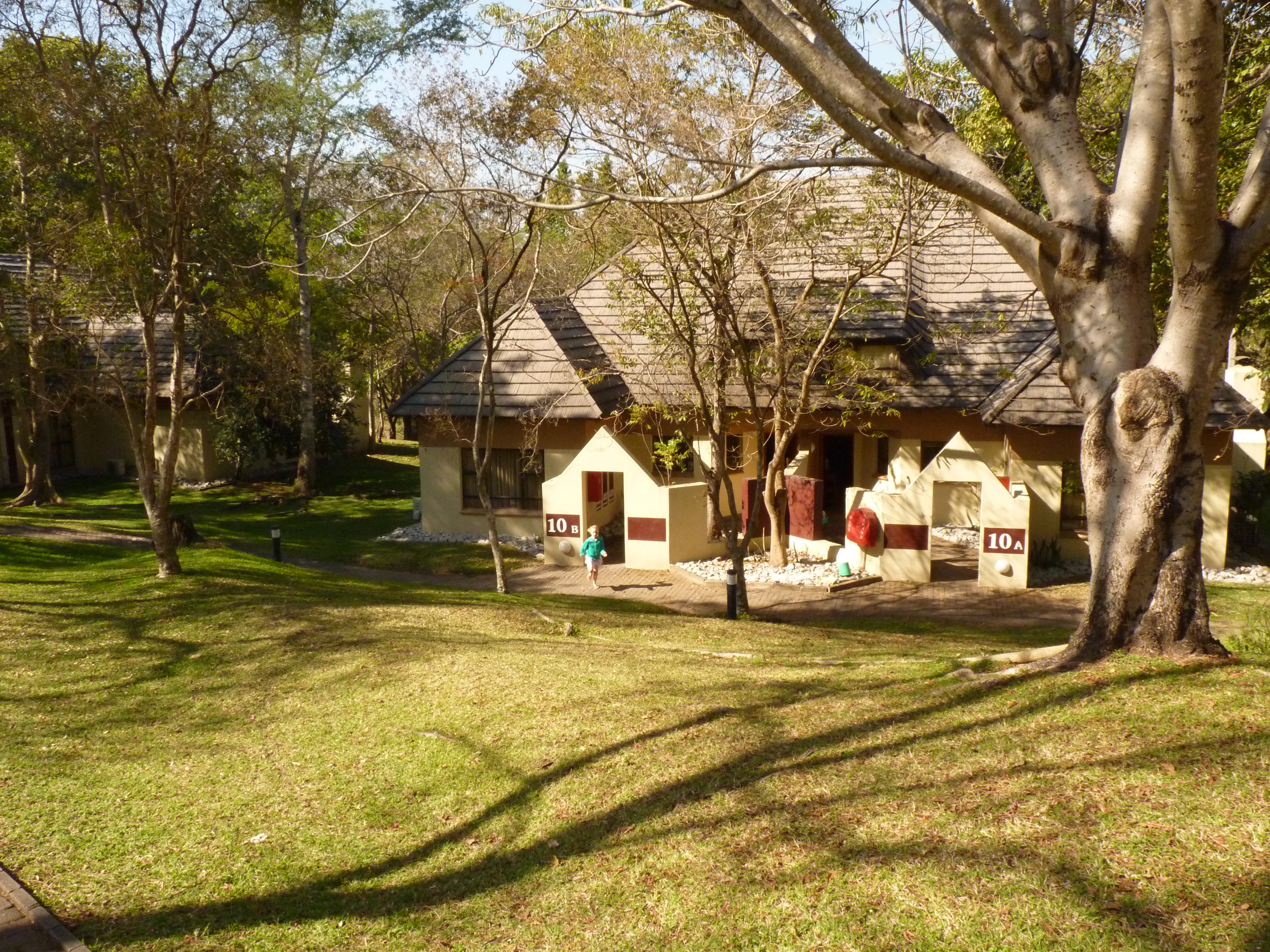
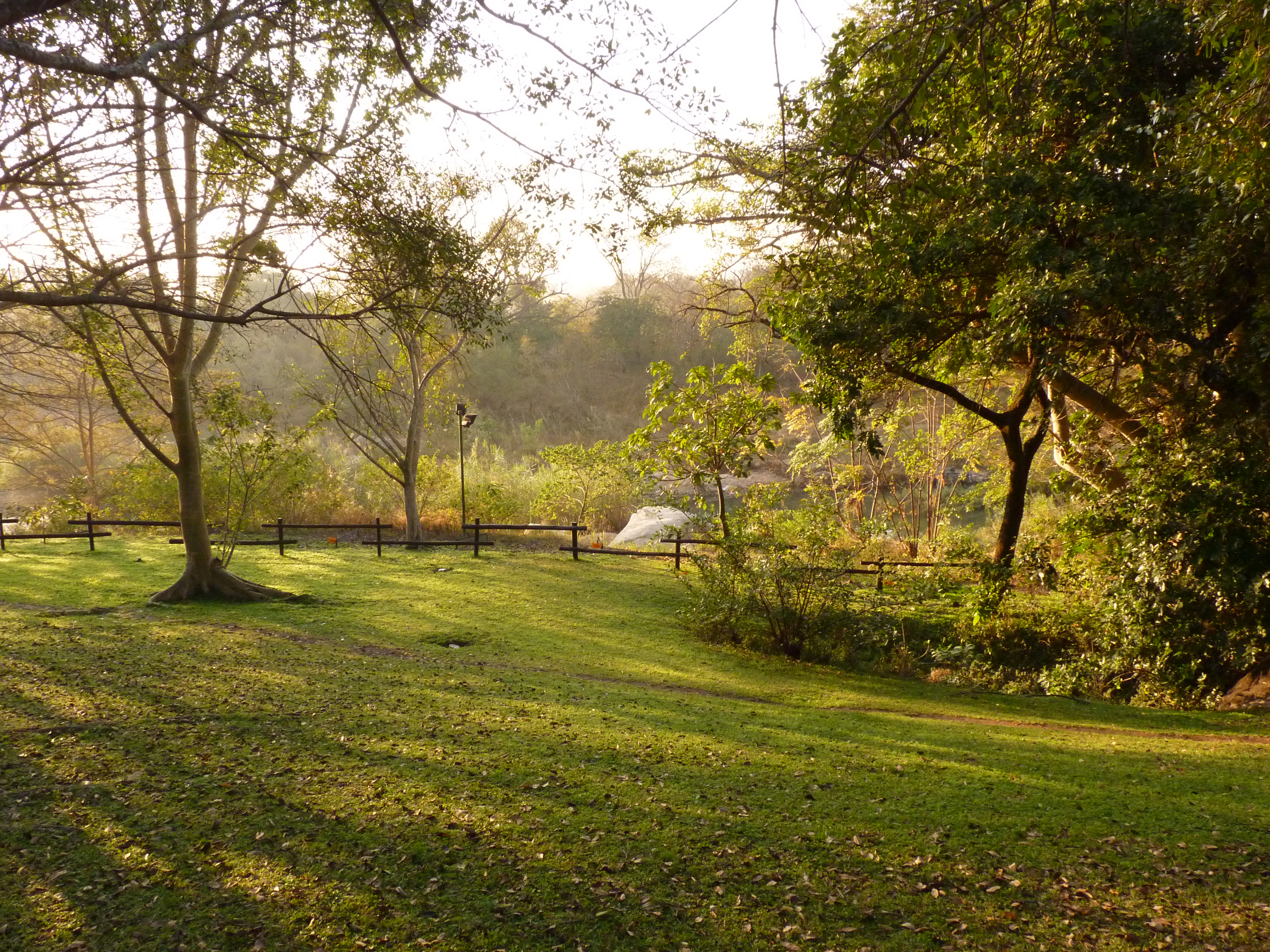
We used our timeshare points from another resort to book a week at Sanbonani near Hazyview, Mpumalanga in the first week of July 2012 – we were joined by our daughter Geraldine, husband Andre and Megan and Maia, 2 of our granddaughters, for what turned out to be a wonderful family week in the warm Lowveld. The resort, which is a short distance from Hazyview and 10 minutes away from the Phabeni Gate into the Kruger Park, lies in a V-shaped property bounded by the Sabie River on the one side and a smaller tributary on the other and boasts spacious grounds and a small forest of trees.
The self-catering units are comfortable and well-appointed and perfect for our needs, with a patio, overlooking the river, which became the ideal spot for our morning coffee, our evening braai and much of the in-between times. A large Wonderboom fig tree (Ficus Salicifolia according to my tree book) overhanging the patio proved to be irresistible for many of the birds in the area and there was a constant to-ing and fro-ing of birds eager to feast on the wild figs which were in abundance on the tree.
View from the patioPlenty of wild figs for the birds to enjoy
This is an ideal spot for relaxed “don’t-have-to-go-anywhere” birding as we built up an extensive list of Bushveld and Riverine forest birds without going beyond the patio – 42 species in all – hey that’s 5% of the total species in South Africa! Highly recommended for birders of all levels of expertise, as the close-up views allow you to really get to grips with and enjoy the variety of species, literally on your doorstep. An added bonus is the proximity of the Kruger Park with Phabeni Gate just 10 to 15 minutes away, however being school holidays it was quite busy when we were there and arriving at the gate just before opening time, we found ourselves at the back of a longish queue – but that’s another story (watch this space).
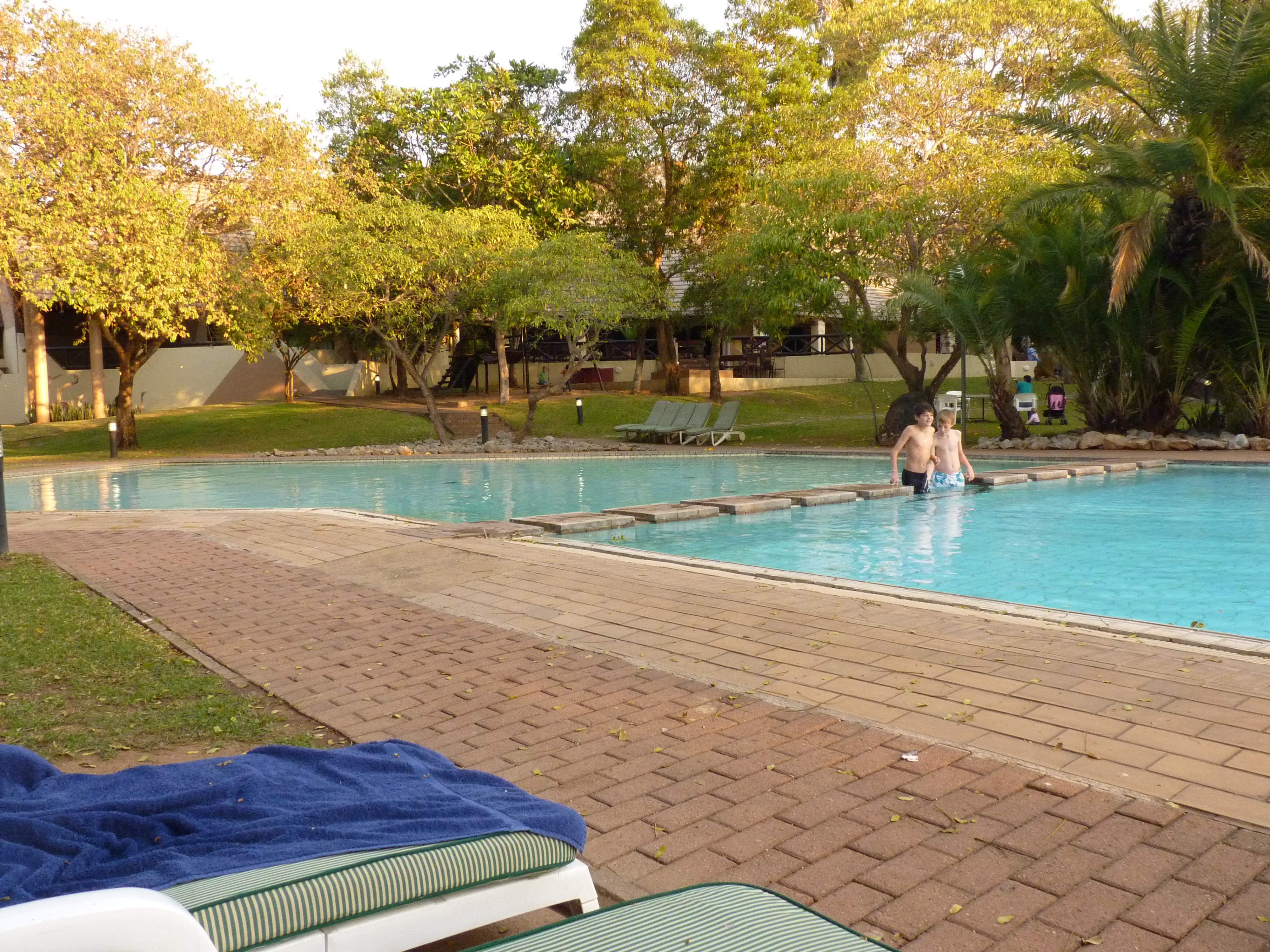
The facilities in the resort, such as the large swimming pools, tennis courts and the putt-putt course mean that there is enough to keep you busy and active besides the birding and we also enjoyed venturing out to Hazyview and in particular the Perry’s Bridge shopping centre, with its interesting array of small boutique-style shops, located on the outskirts. The bakery has some special goodies to enjoy with coffee.
The pool area at SanbonaniMaia and Megan braving the chilly water (in the middle of winter)
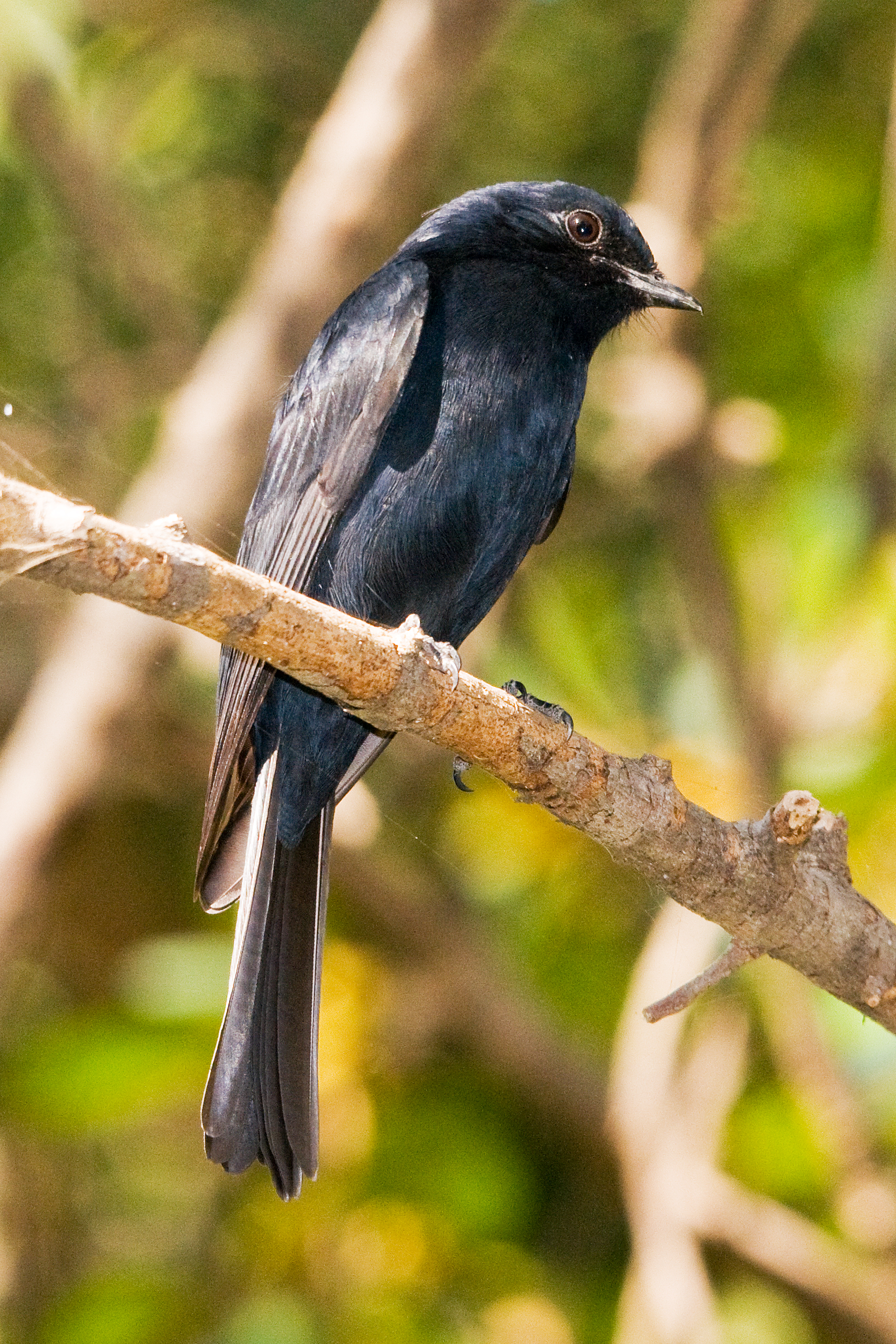
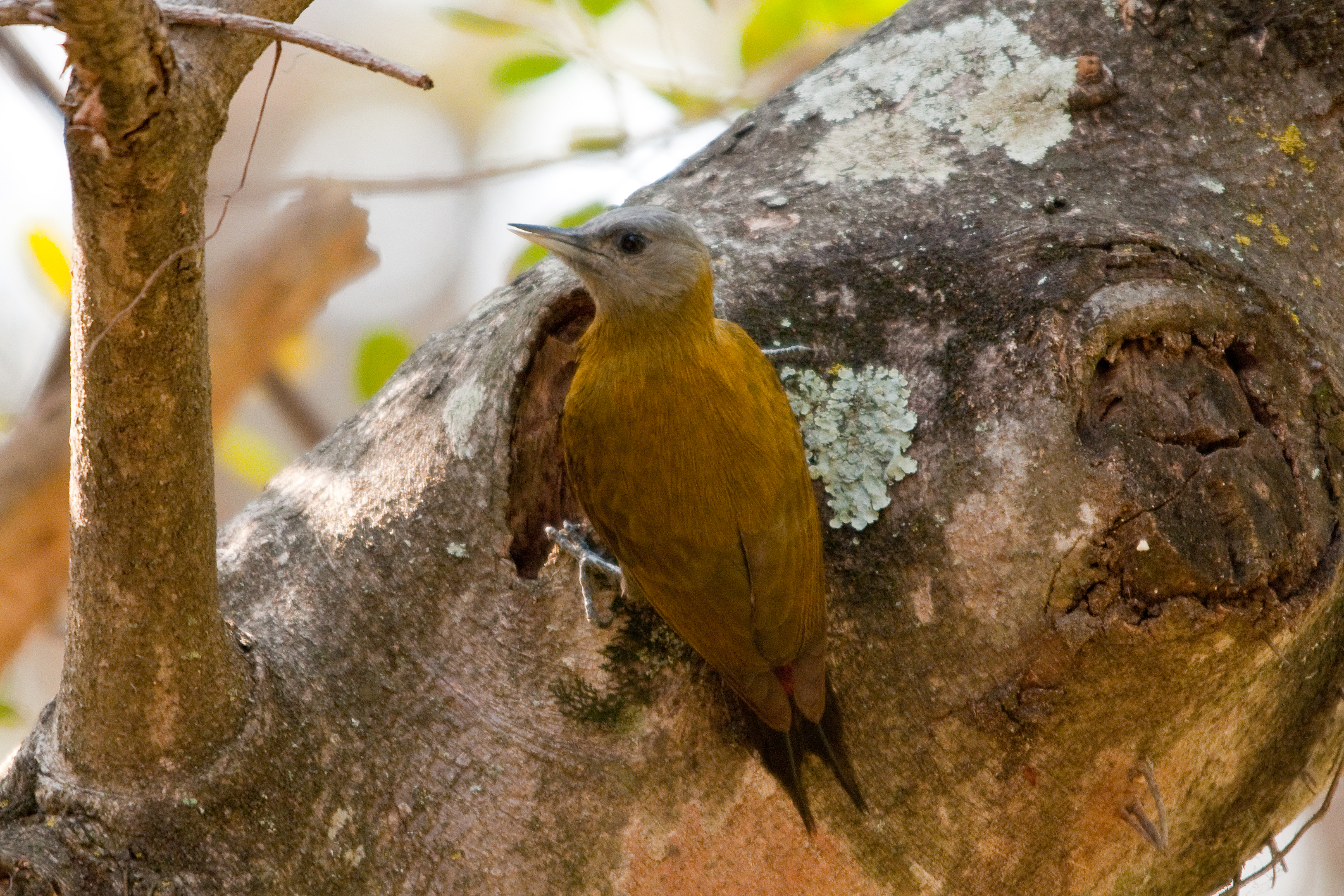
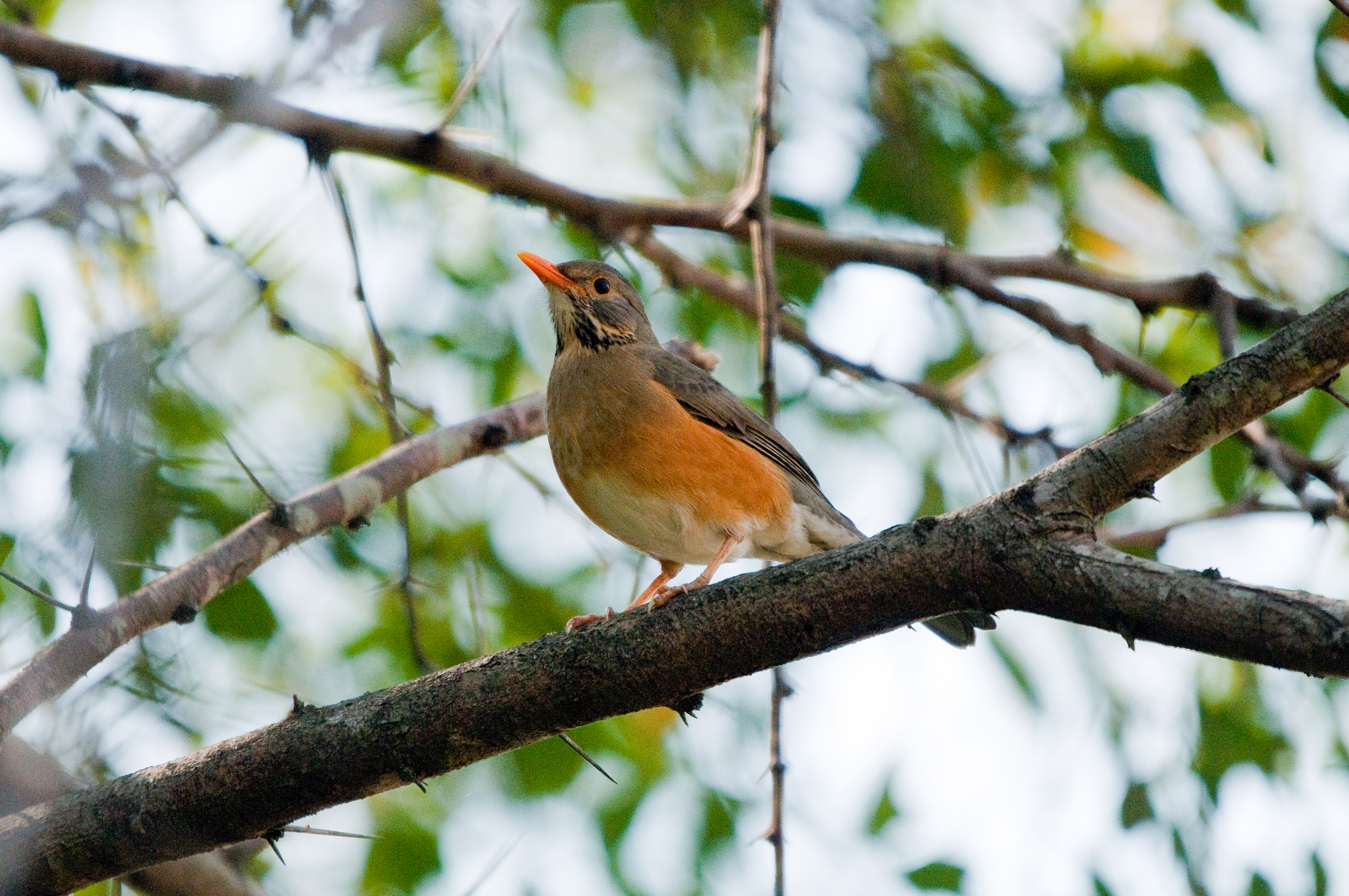
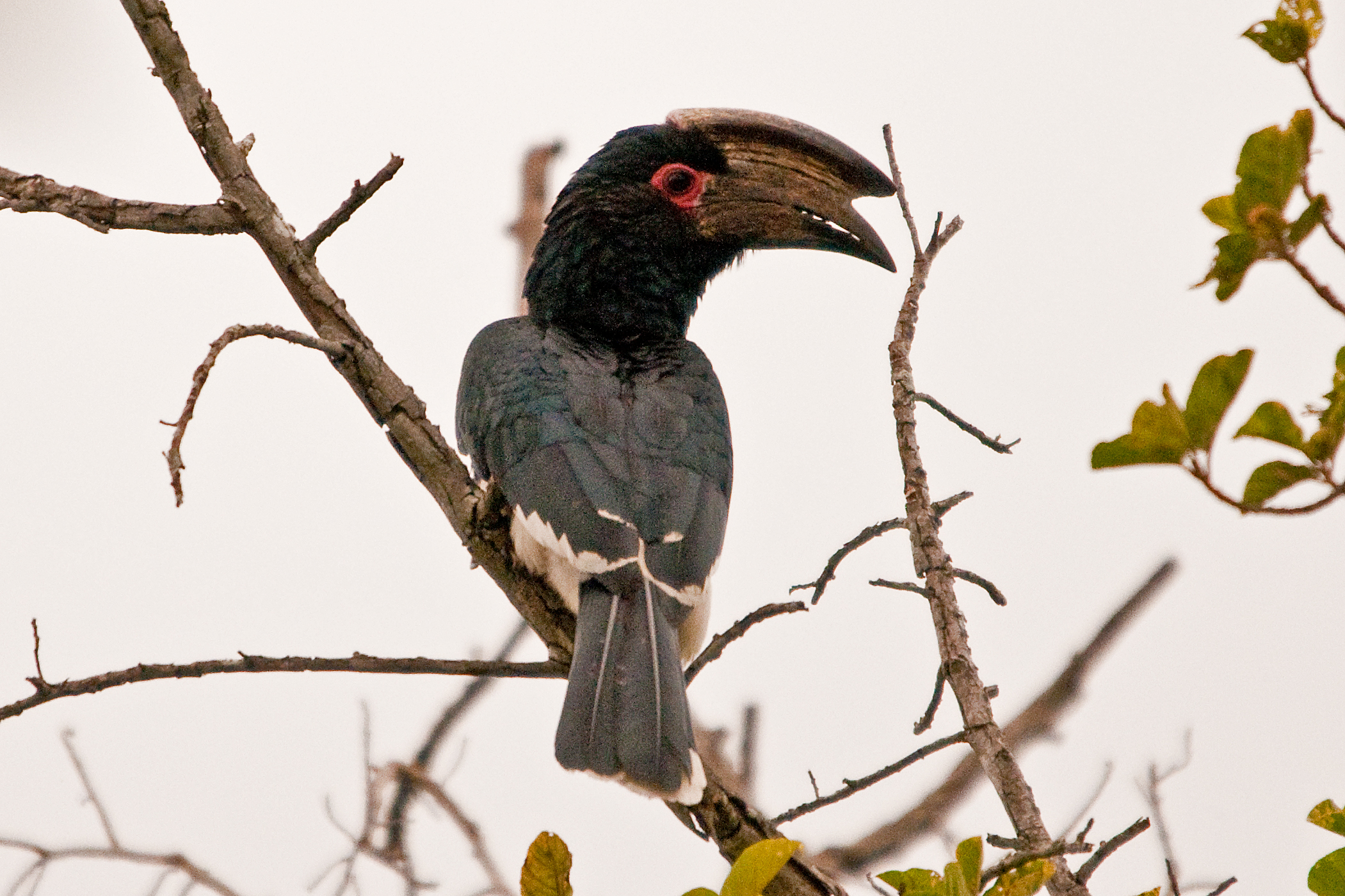
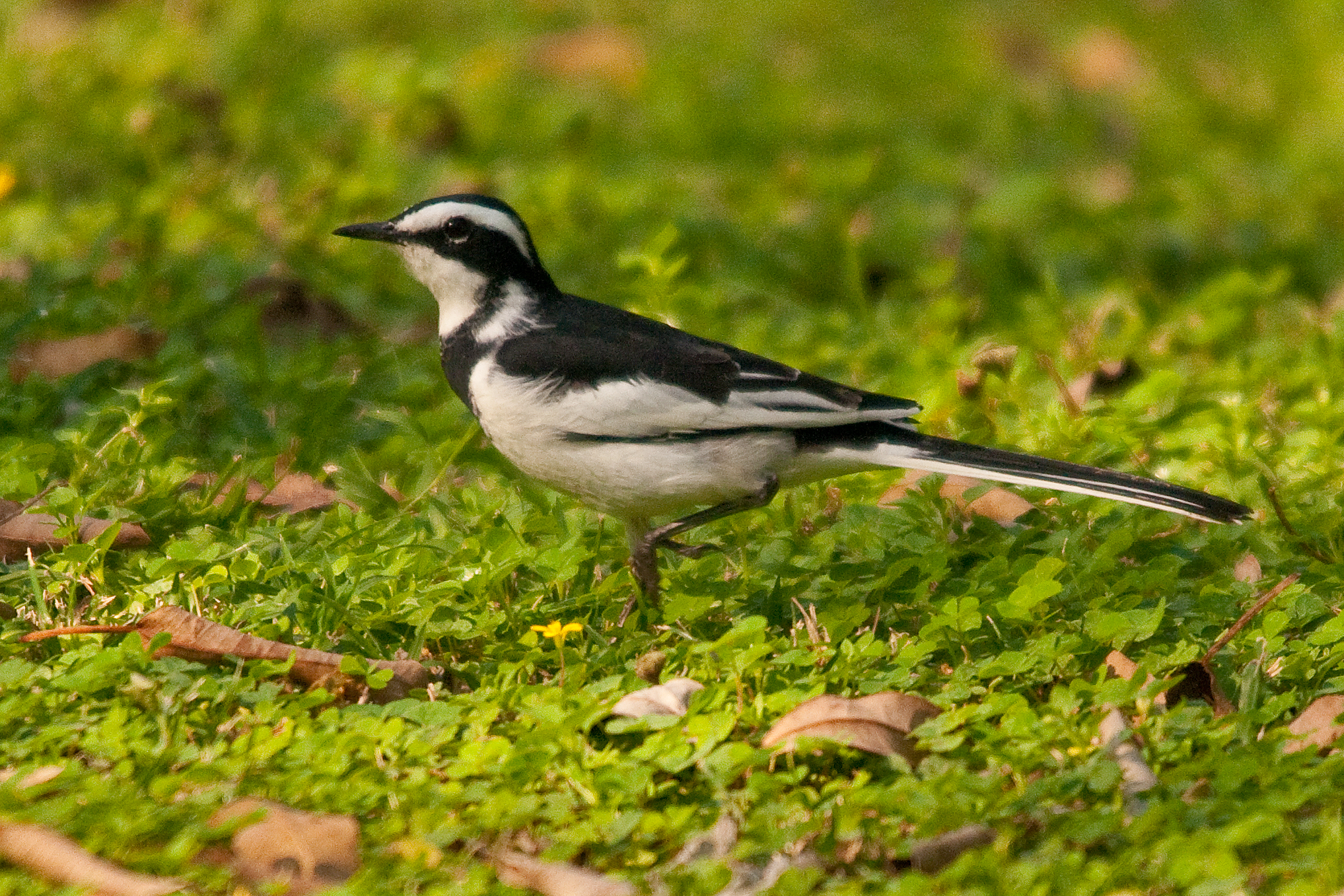
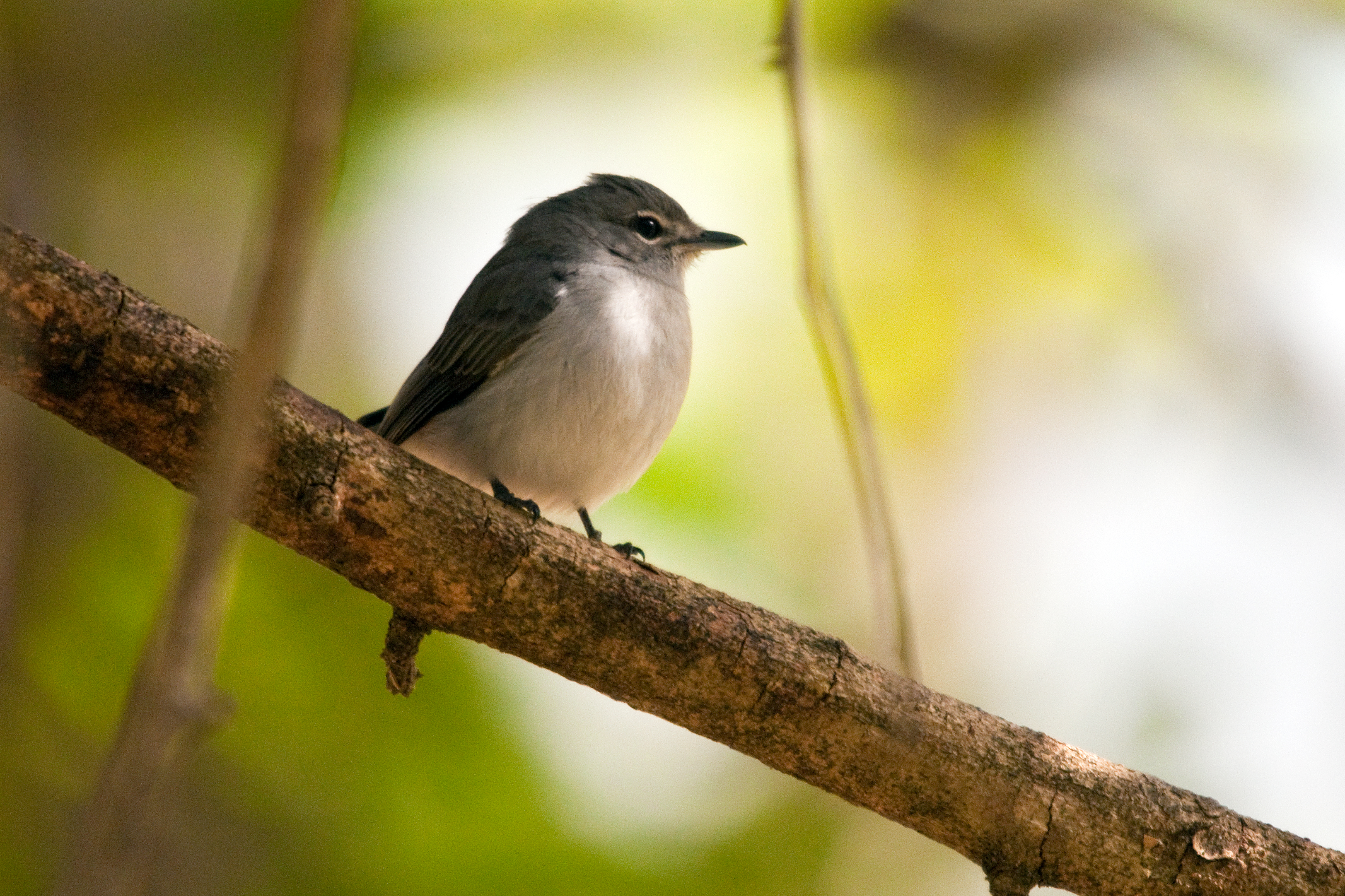
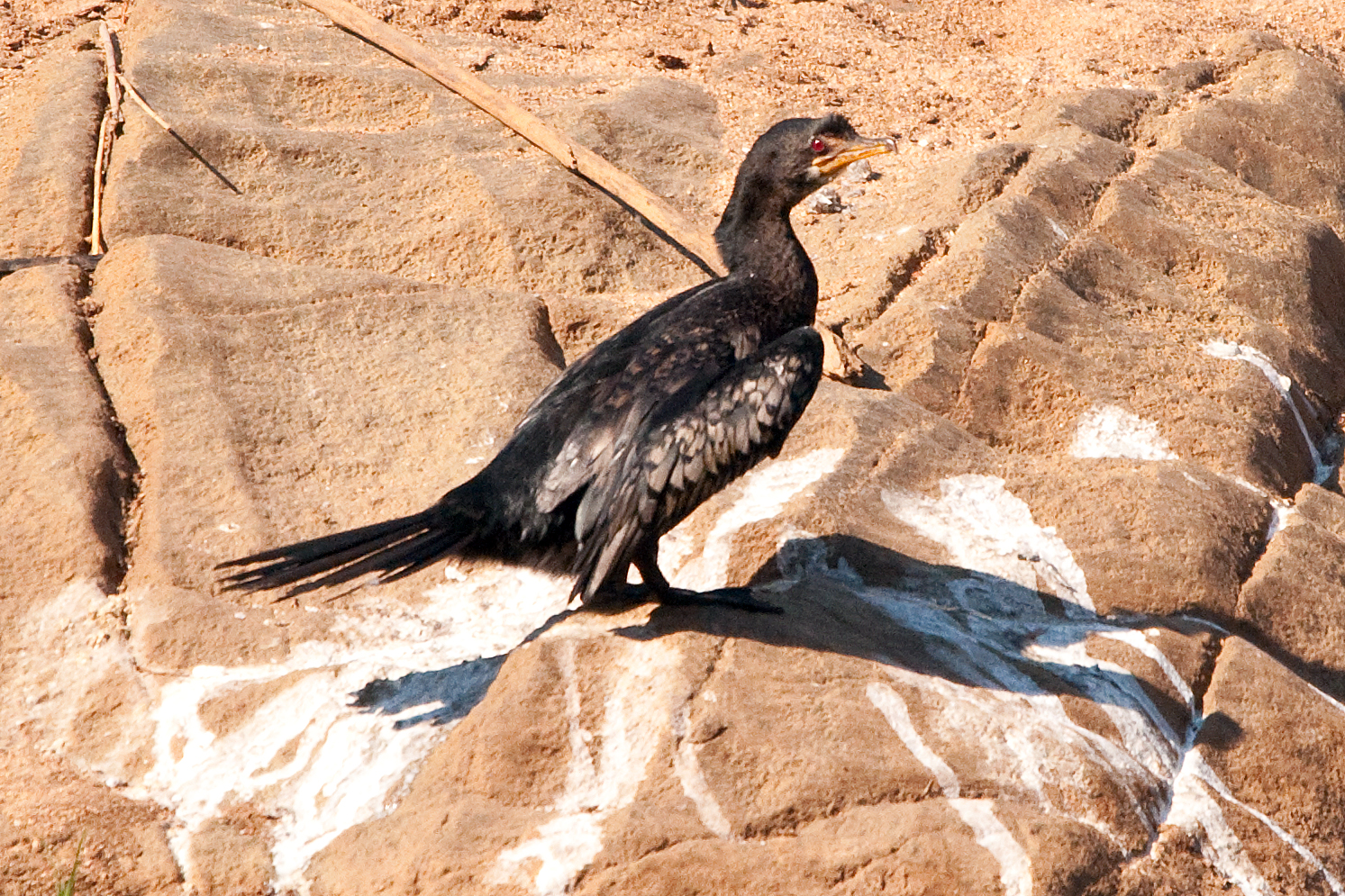
There were plenty of other species in the resort grounds of which I did not get good photos, such as Dark-capped Yellow-Warbler, Green-backed Camaroptera, Golden-tailed and Cardinal Woodpeckers, Dusky Flycatcher, Shikra, Black Saw-wing, Yellow-fronted Tinkerbird, Collared Sunbird and White-browed Robin-Chat. The river held Green-backed Heron and Reed Cormorant, amongst others :
While braai-ing in the evenings we enjoyed the night sounds of the lowveld including the calls of 2 owls – Southern White-faced and Wood Owl. The moon happened to be full on a couple of the evenings which added atmosphere to the experience.
Full moon
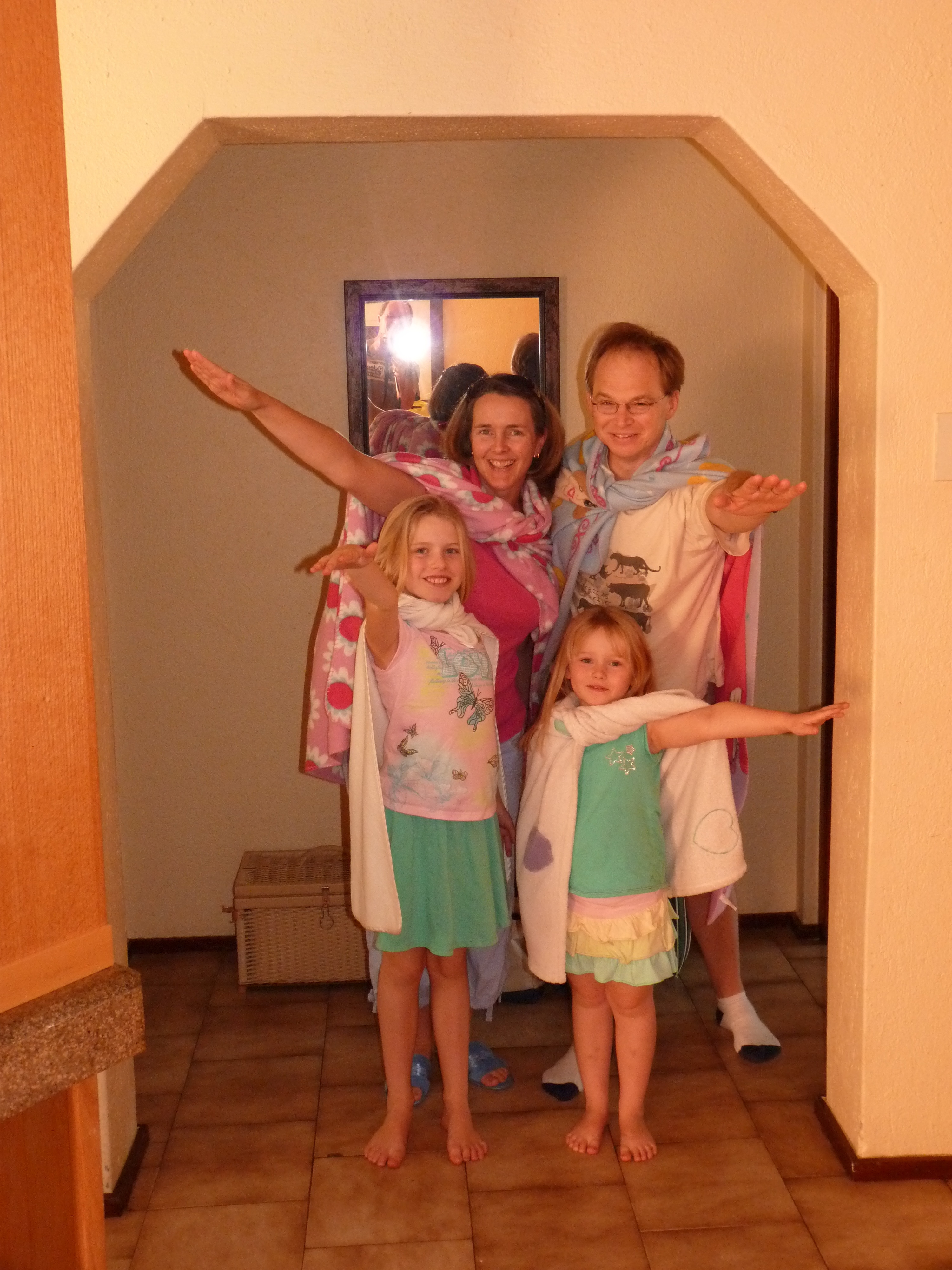
There’s no question that a week in the lowveld in winter is full of delights and leaves you feeling like Superman :

























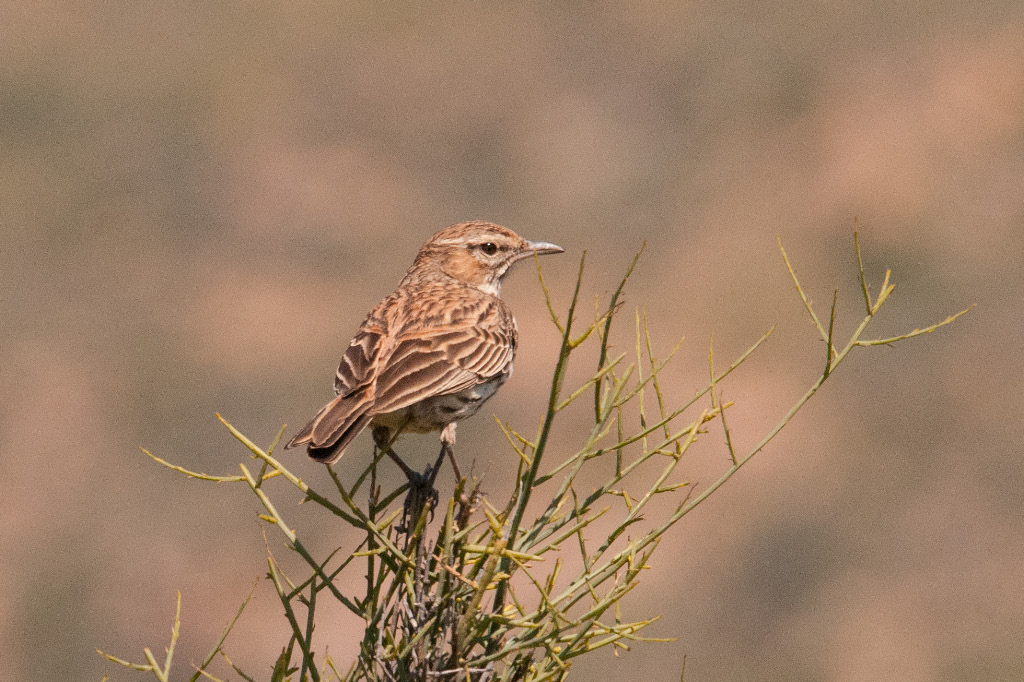


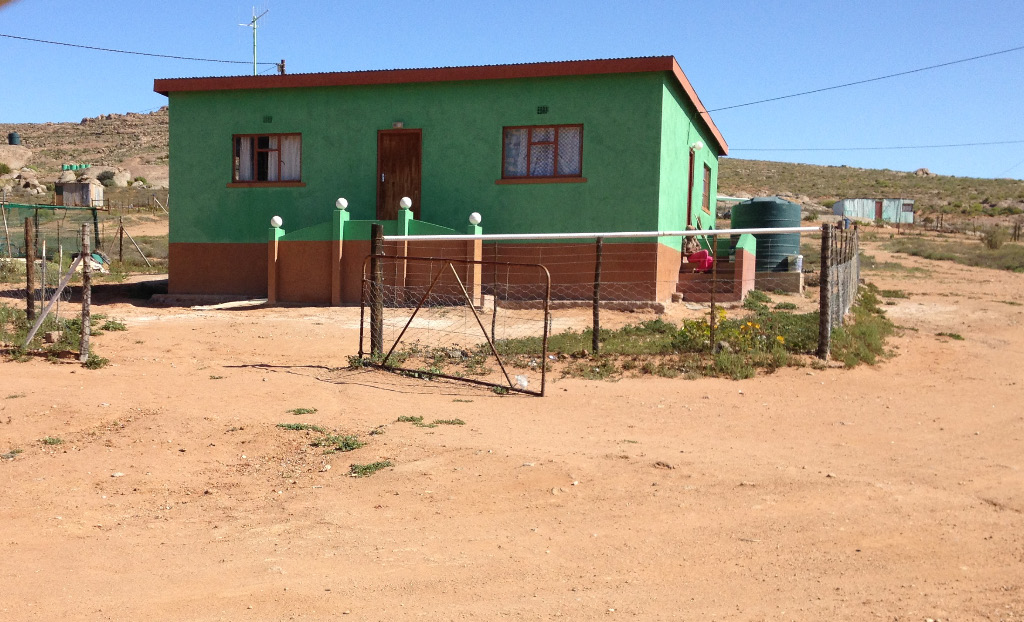
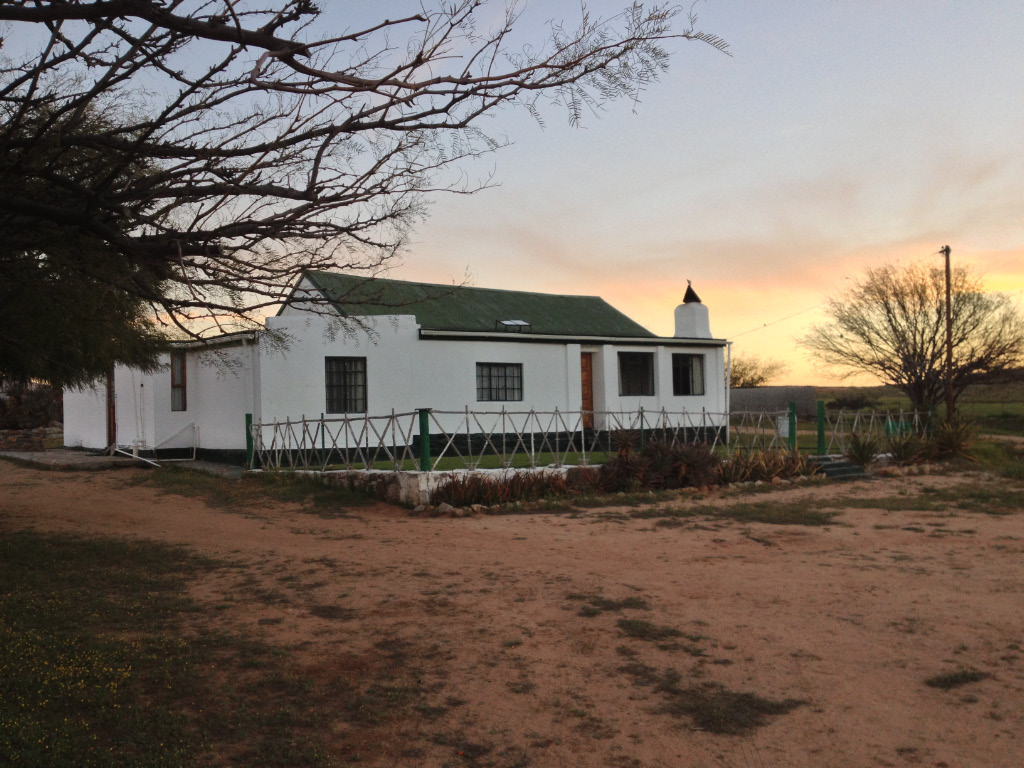
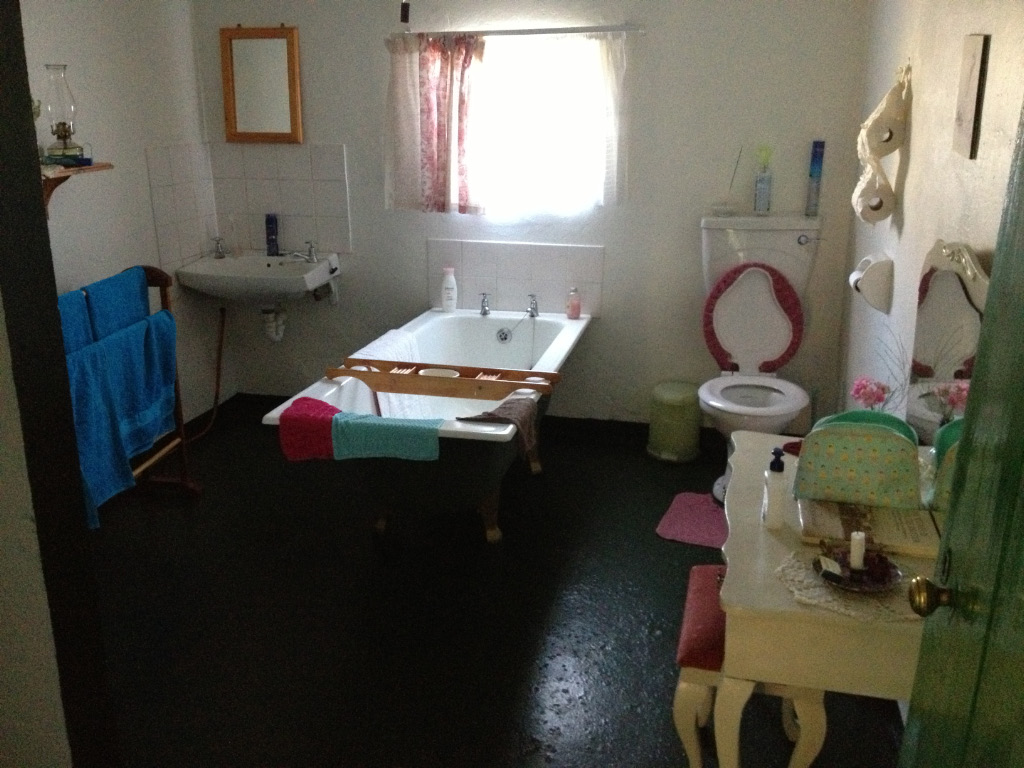

















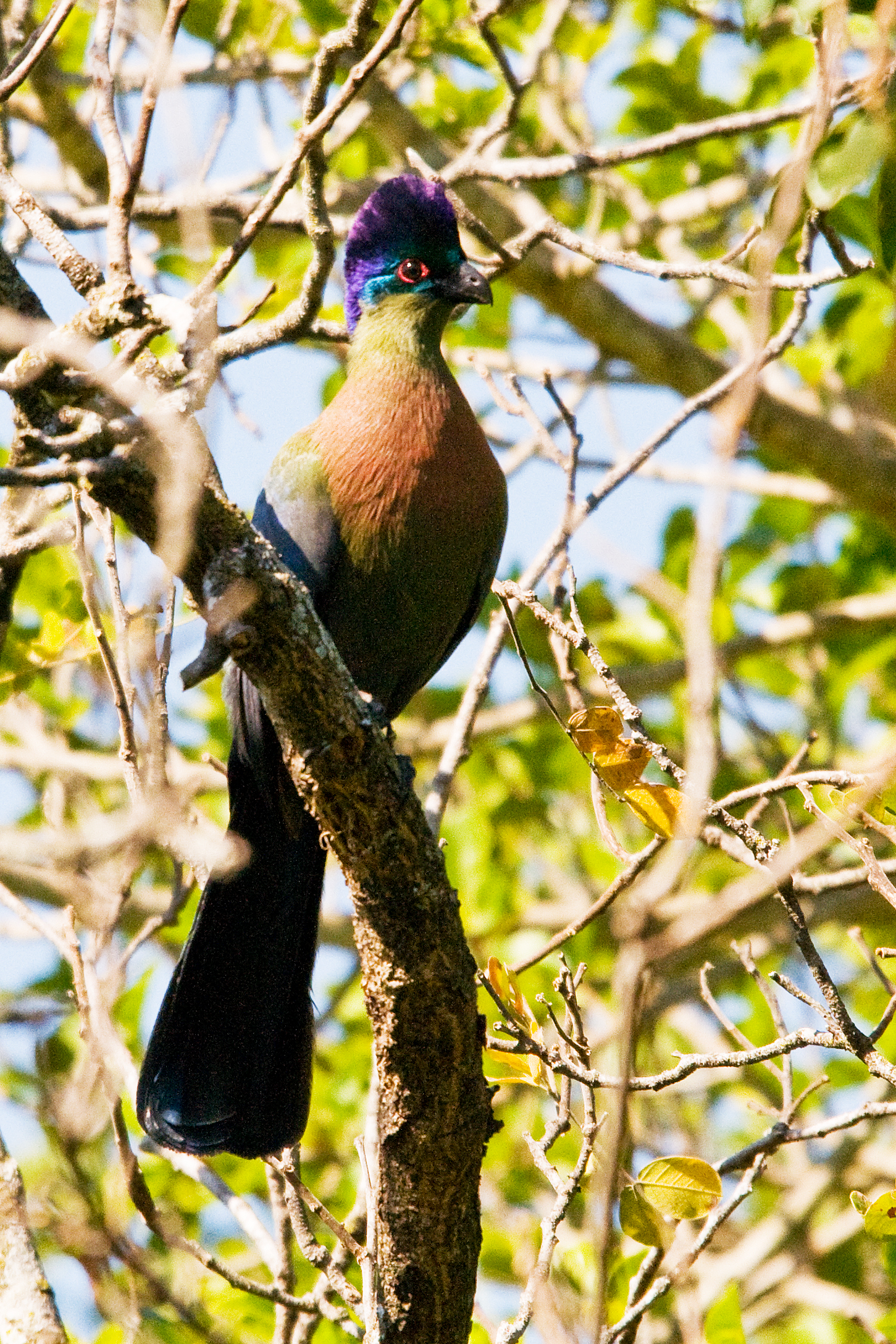




 Mostly Birding