Category Archives: Game Reserves

Chobe River and Game Reserve – the Final Visit …. (Part 2)

Just to repeat the intro from Part 1….. briefly –

I made my last visit to Kasane in November 2018 for the final formal handover of the Kasane Airport project in northern Botswana to the Client. I had made many adhoc visits to Chobe Game Reserve during the course of the project and decided to spoil myself with one last “grande finale” photographic safari, expertly run by Pangolin Photo Safaris, both on land and on the river, soaking up the incomparable African game-viewing and bird-watching on offer.

Aerial view of the Chobe River while landing at Kasane

I have written several posts about some of my memorable experiences in Chobe over the years, but never got around to ‘finishing the story’ as it were, so bear with me as I reminisce about my final visit to Kasane.

Part 1 covered the Boat Trip on the river, Part 2 is all about ….

The Game Drive…

It was Friday morning and my mind was spinning with the memories of the boat trip the previous afternoon, but now it was time to do the land-based version – same guests, same driver (nicknamed ‘Killer’ – I never asked why), same guide and photography expert (Janine), different transport – a game drive vehicle kitted with bean bags to support cameras both sides.

Janine collected me at 5am, drove to the Pangolin Lodge, newly built and overlooking the flood plains of Chobe, picked up the other couple and off we went. The early start was a good idea as we were well ahead of the other game drive vehicles, a crucial advantage which paid off in spades – as you will see…

Janine started by suggesting that the small group, being seasoned game drivers, should look for special sightings and photo opportunities only – Killer asked what we would really like to see and as one we answered “Leopard!”

So we bypassed the “ordinary stuff” initially and bumped along the sandy track that follows the southern shore of the Chobe River, its banks wide and dry at this time of year.

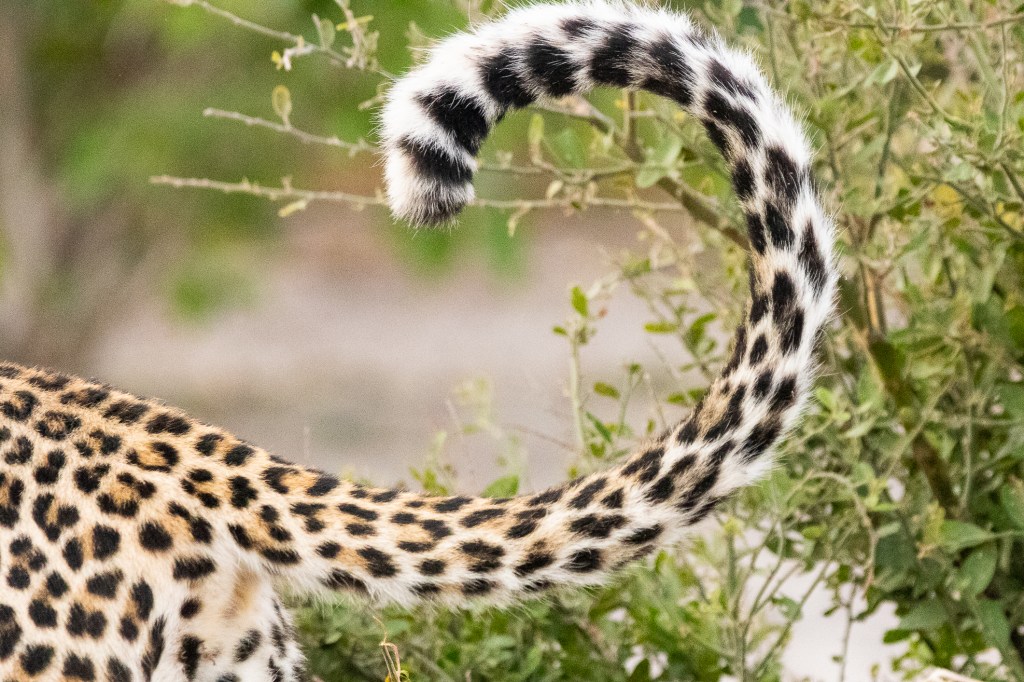
Killer suddenly brought the vehicle to a halt, as he did we saw what he had spotted a split second before – a beautiful female Leopard lying on all fours and ignoring us with a slightly disdainful expression
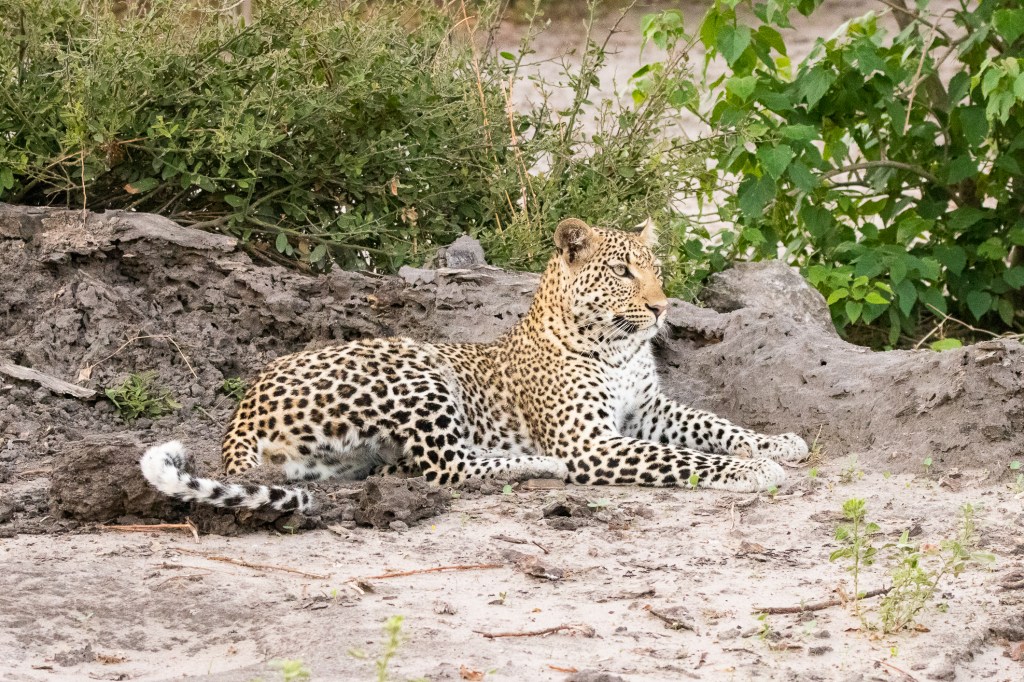
Leopard, Chobe Riverfront game drive

As Janine gave exposure instructions (under expose a tad for the dark background), we all rattled off a number of shots, fearing the leopard would move away.
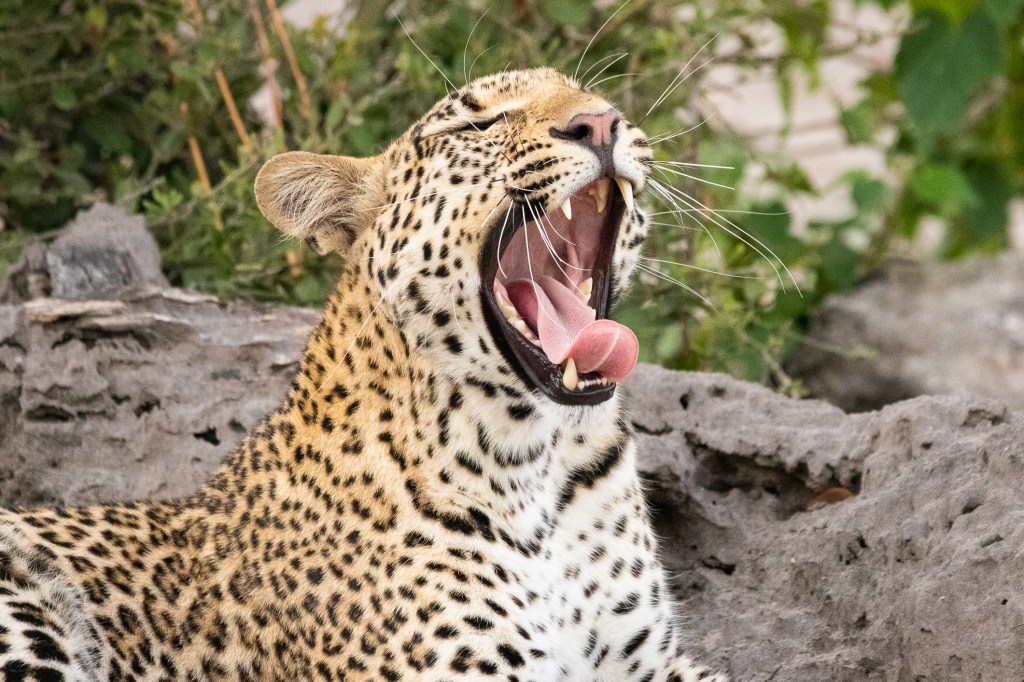
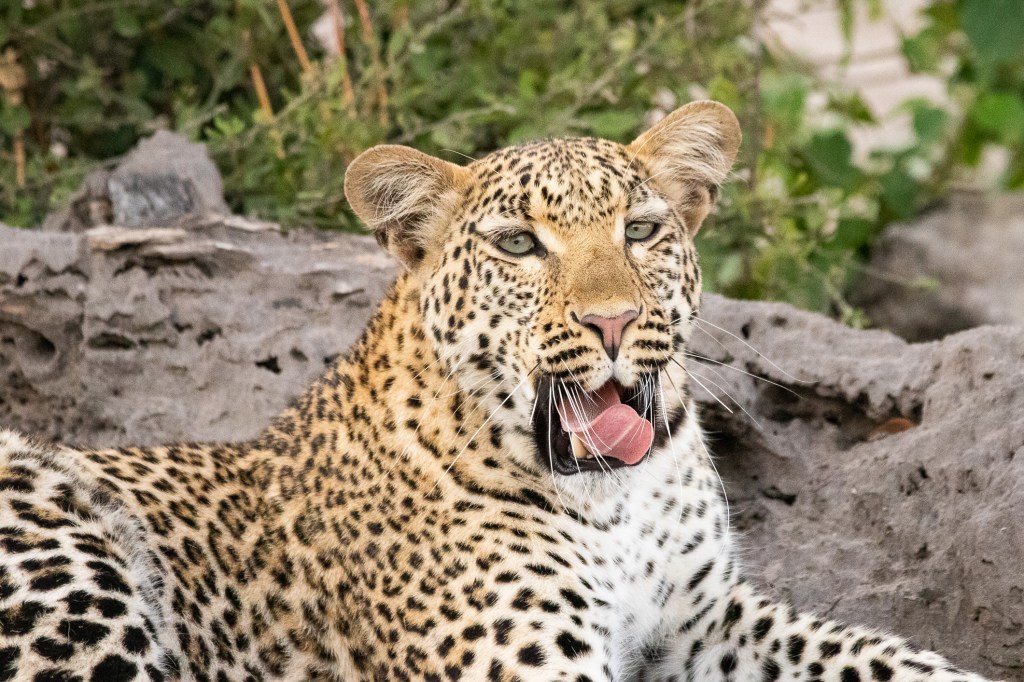
Leopard, Chobe Riverfront game drive

And that’s what she did, moving behind a bushy tree to her right, where we could just make out the Impala kill which she proceeded to drag a little, then lick and eventually chew with some satisfaction.

Once sated, she left the prey and came back to check us out, sitting upright and staring straight at us, with a look that said ‘now they could make a tasty dessert’ .
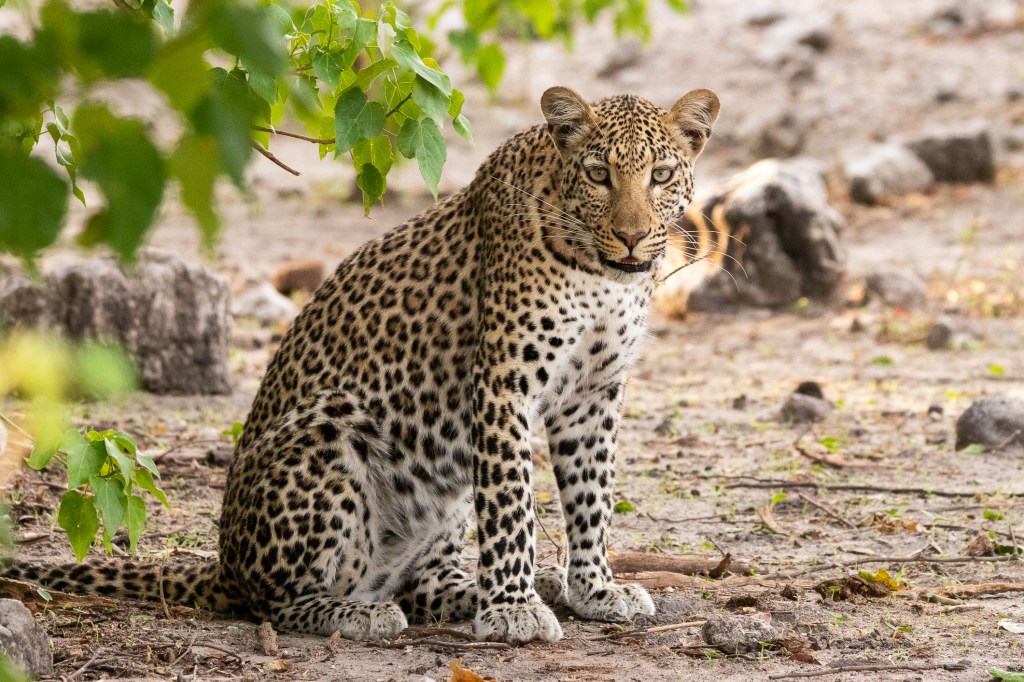
Leopard, Chobe Riverfront game drive

A few minutes later she moved away from her kill and from us and we eventually moved on ourselves, fairly trembling from the excitement of such a magnificent sighting.

Anything after that was bound to be tame by comparison, but we pushed on, just enjoying the feel of the bush and its multitude of wildlife, including, as we were soon to discover, one of the most dangerous of all.

A Black-backed Jackal drew our attention and although quite far off, we tried a few shots – it too was looking at us but with none of the charisma of the leopard, more of a ‘nice doggy’ sort.
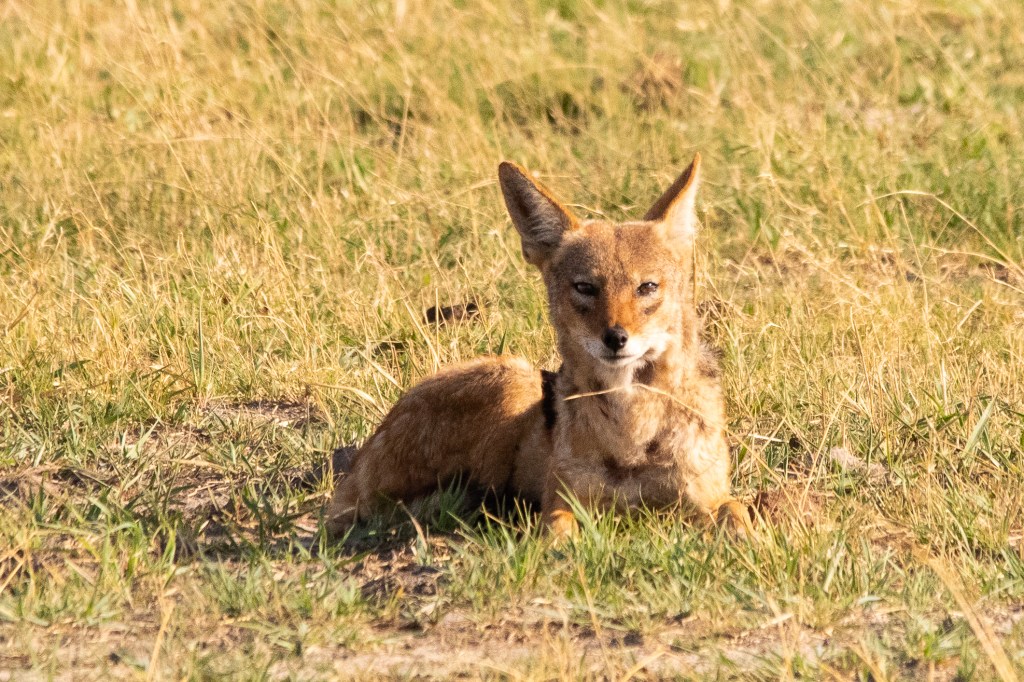
Black-backed Jackal, Chobe Riverfront game drive

A group of Warthogs approached and some of them got into mock fighting mode, meeting each other head on. This one continued grazing in peace
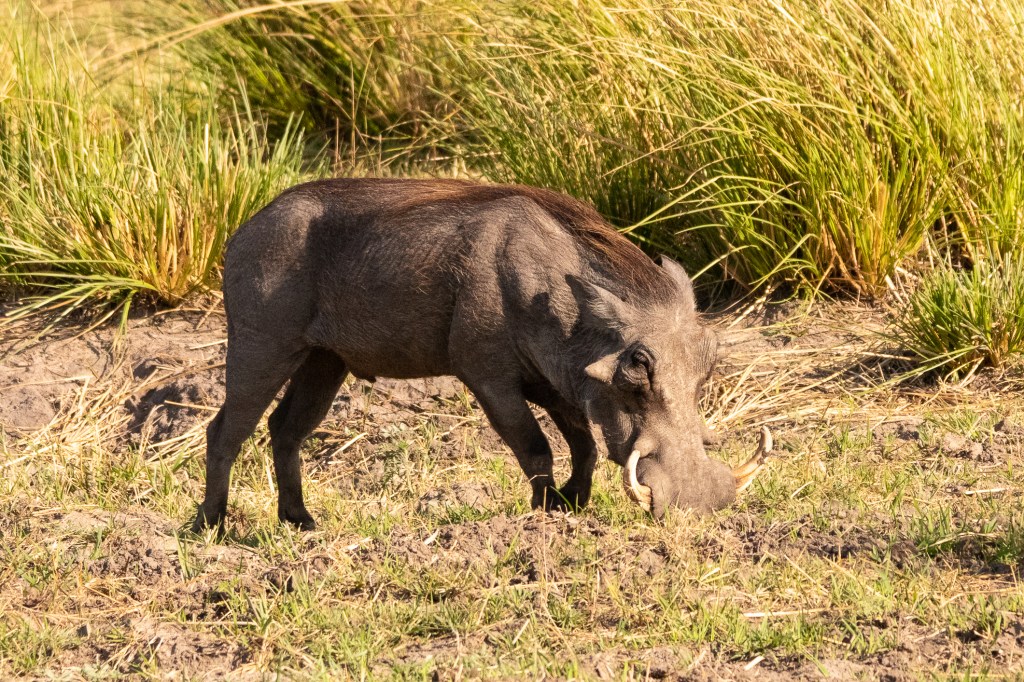
Warthog, Chobe Riverfront game drive

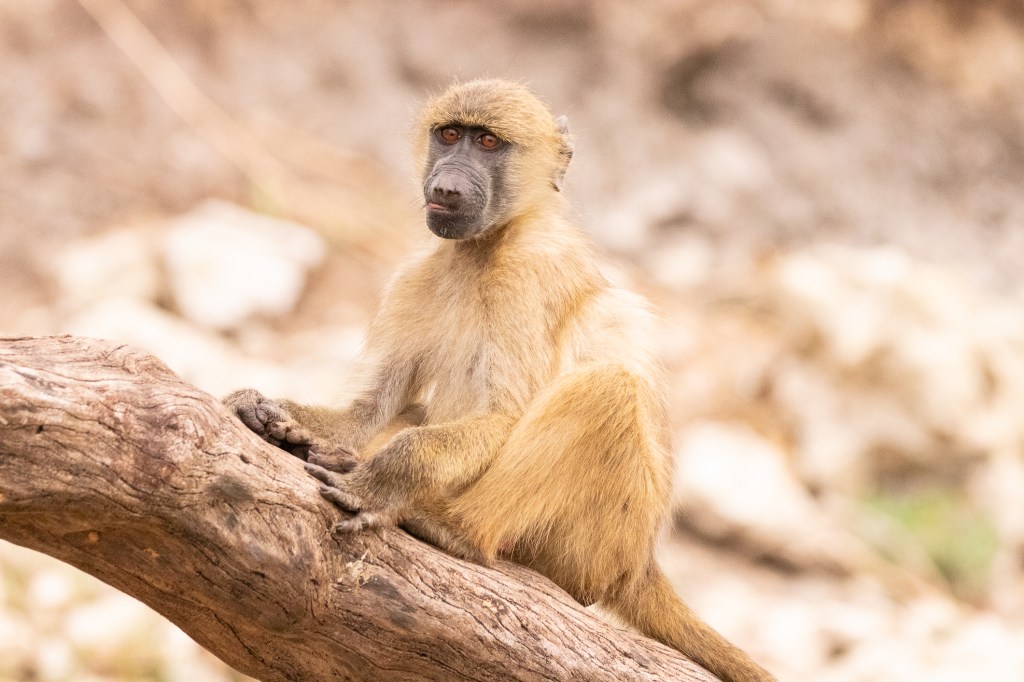
Chacma Baboons are always a delight to watch, such as this youngster riding like a jockey on Mother’s back
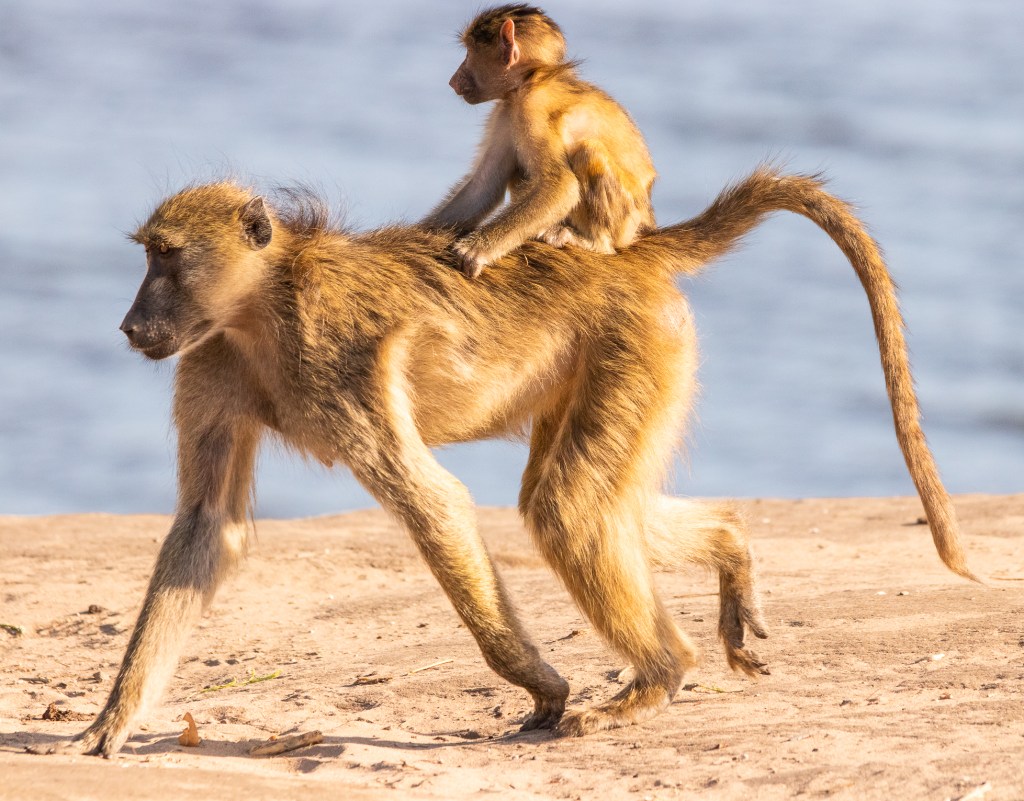
Chacma Baboon, Chobe Riverfront game drive

Moving along the track, which gets inundated in the rainy season, there was a sudden call of ‘Snake!’ and we shouted ‘Stop!’ in unison.

Killer knew better and only came to a halt at a safe distance, knowing the snake to be one of the most dangerous and venomous around and capable of raising itself to two-thirds of its length to strike – not a comfortable thought when you are in an open safari vehicle.

The driver of an open safari vehicle is particularly vulnerable, being at an ideal strike level with a convenient (for the snake) forearm often resting on the open sill of the door….

It was of course a large Black Mamba, most feared of snakes, and it was already raised about 1 metre high and looking mean.
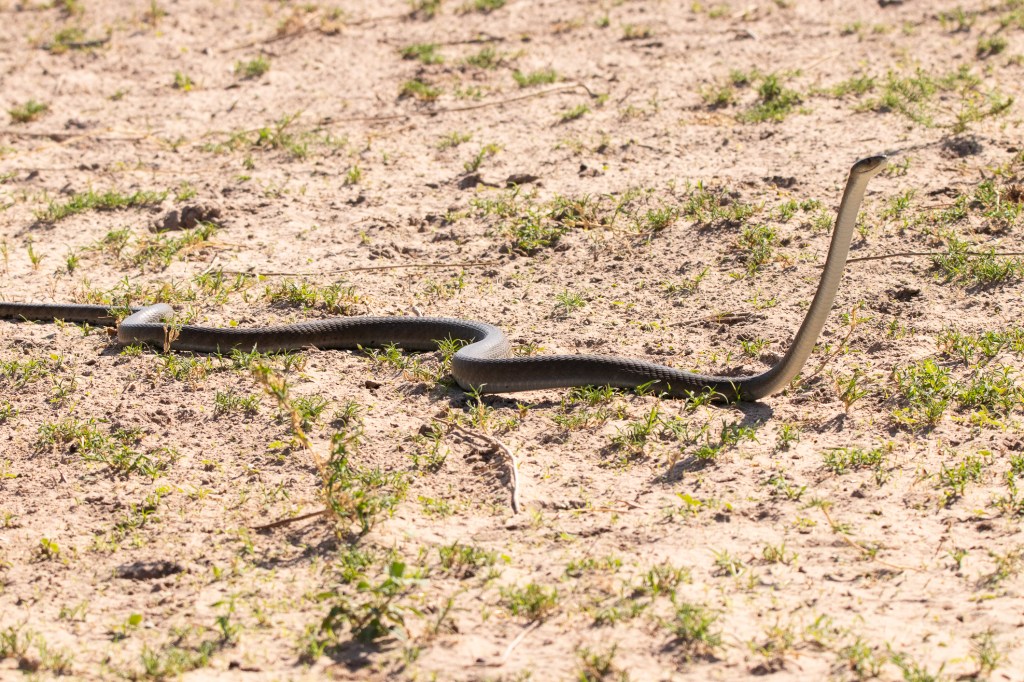
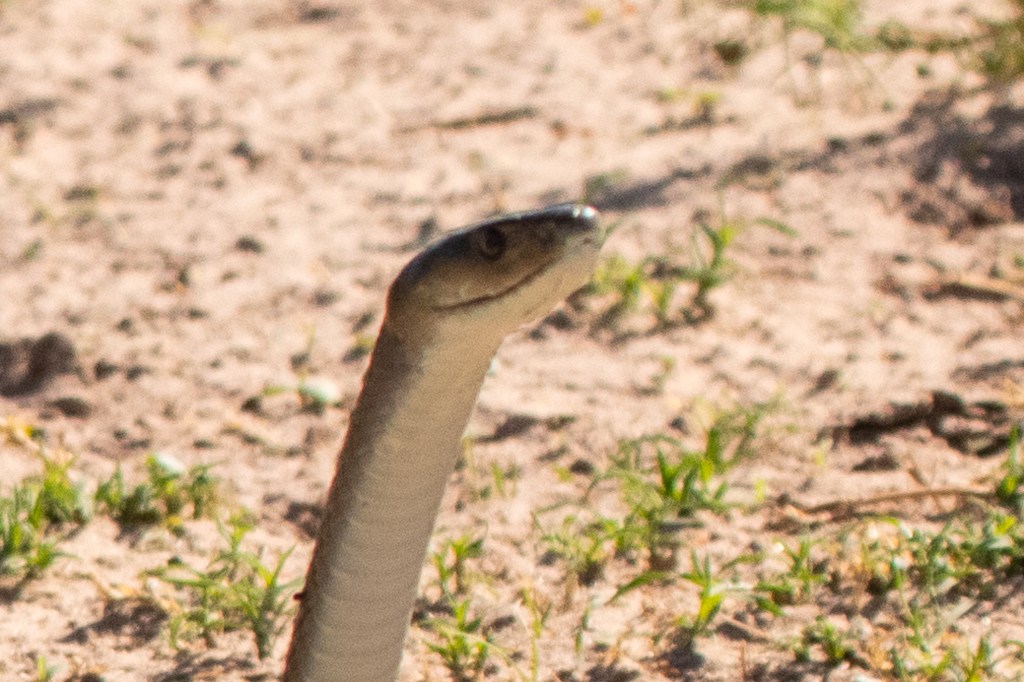
Black Mamba, Chobe Riverfront game drive

There was just time for one snatched shot before it lowered to the ground and slid off into the bush, leaving us once again in an elevated state of excitement.

Not long after another reptile crossed our path, this time a non-threatening Water Monitor, looking quite prehistoric
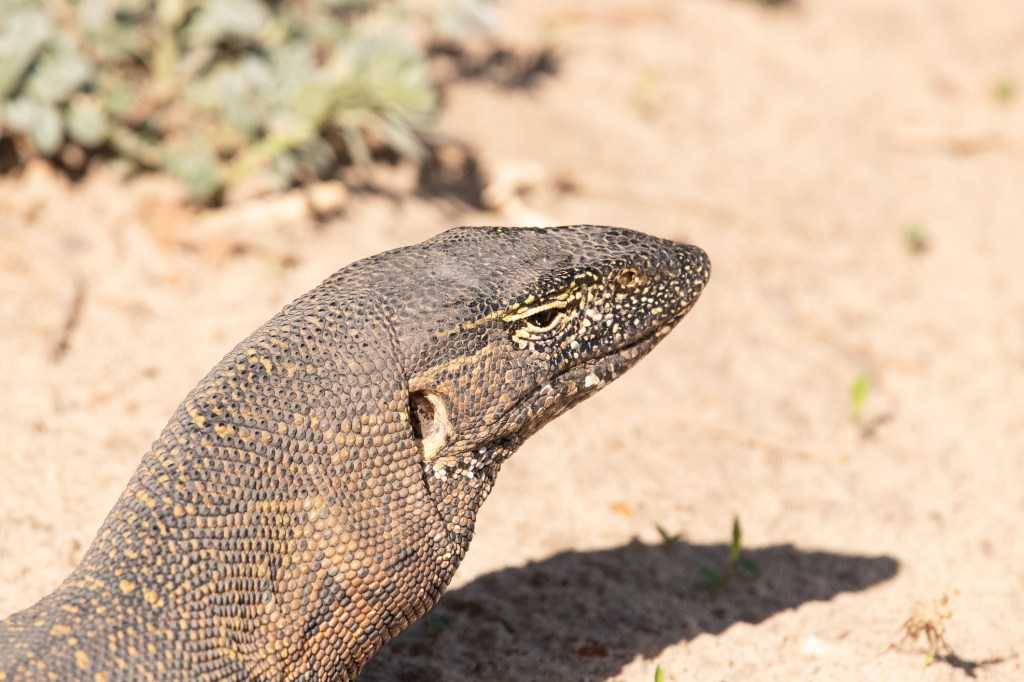
Water Monitor, Chobe Riverfront game drive

By now we had gone well past the usual picnic spot, so Killer stopped at a ‘Stretch point’ where we had coffee and biscuits before heading back along the upper road.
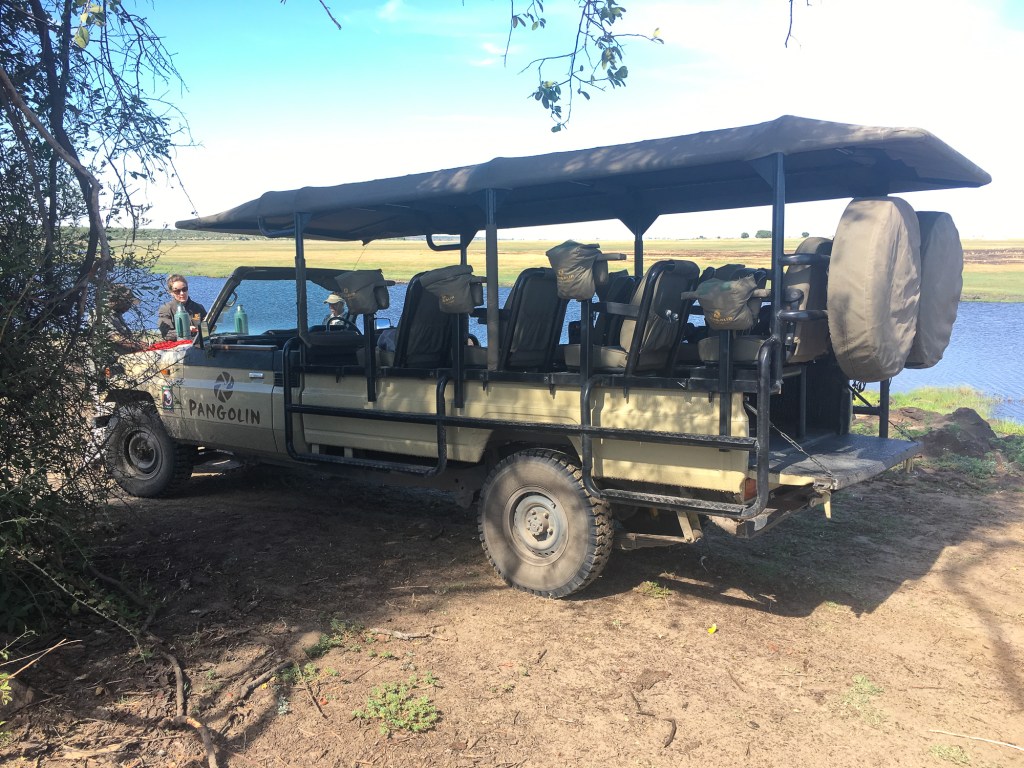
Stretch point on Chobe Riverfront Game Drive

On the way back various wildlife presented some further photo opportunities
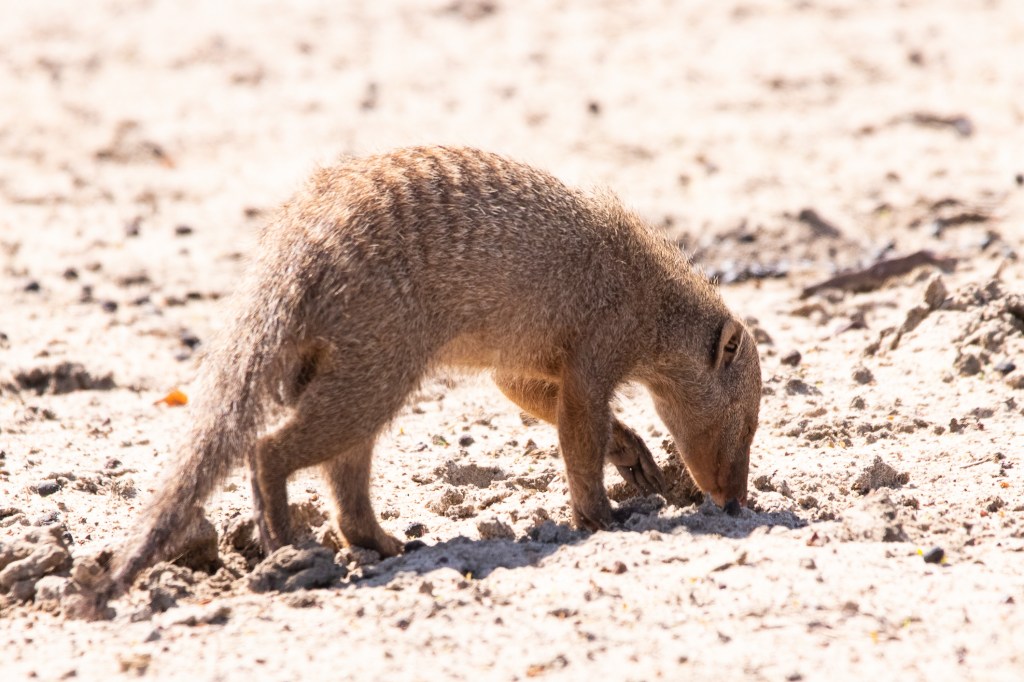
Banded Mongoose, Chobe Riverfront game drive

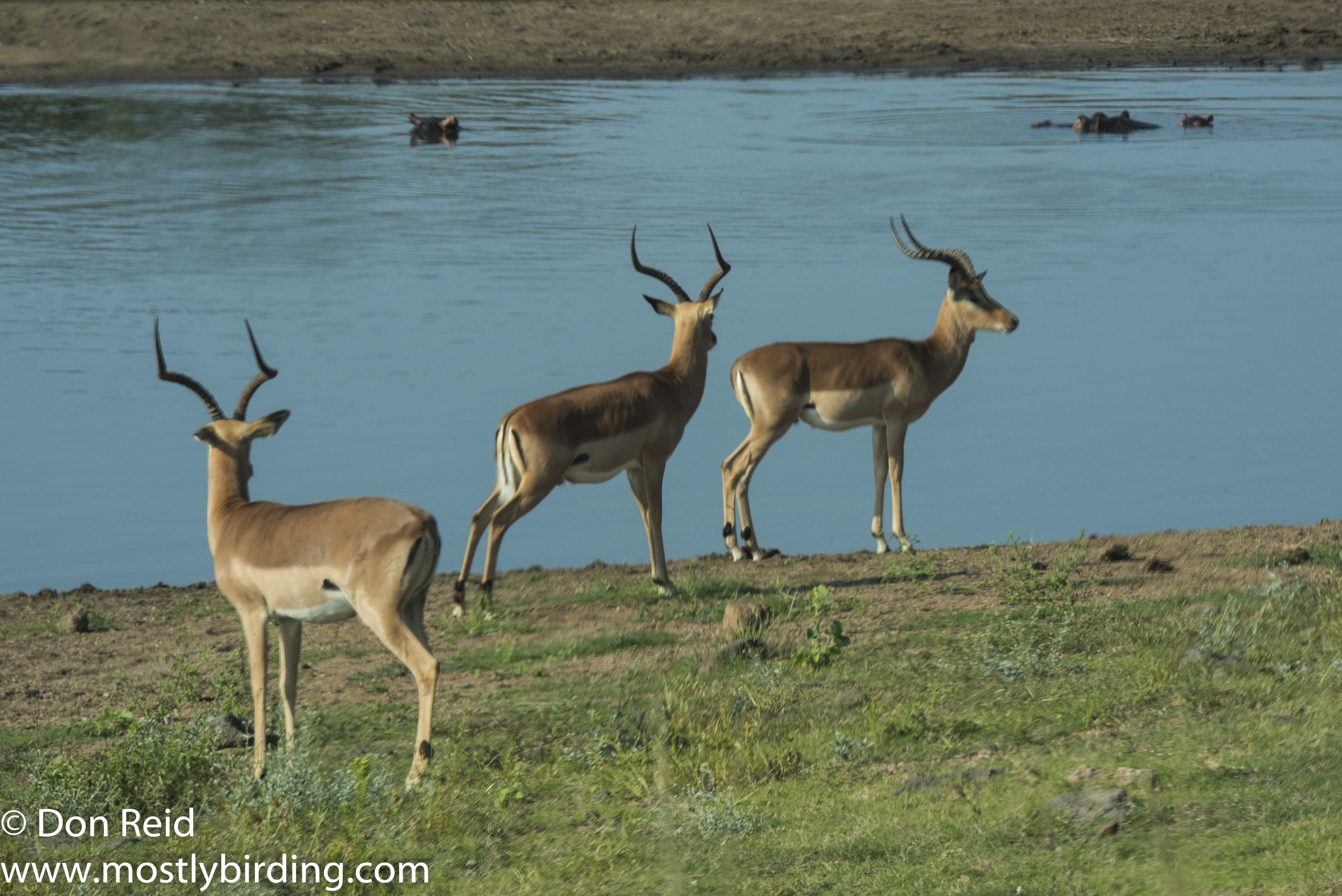
Three young Impala, still in ‘Nursery school’, made for a charming sight with their oversized ears alert to our presence
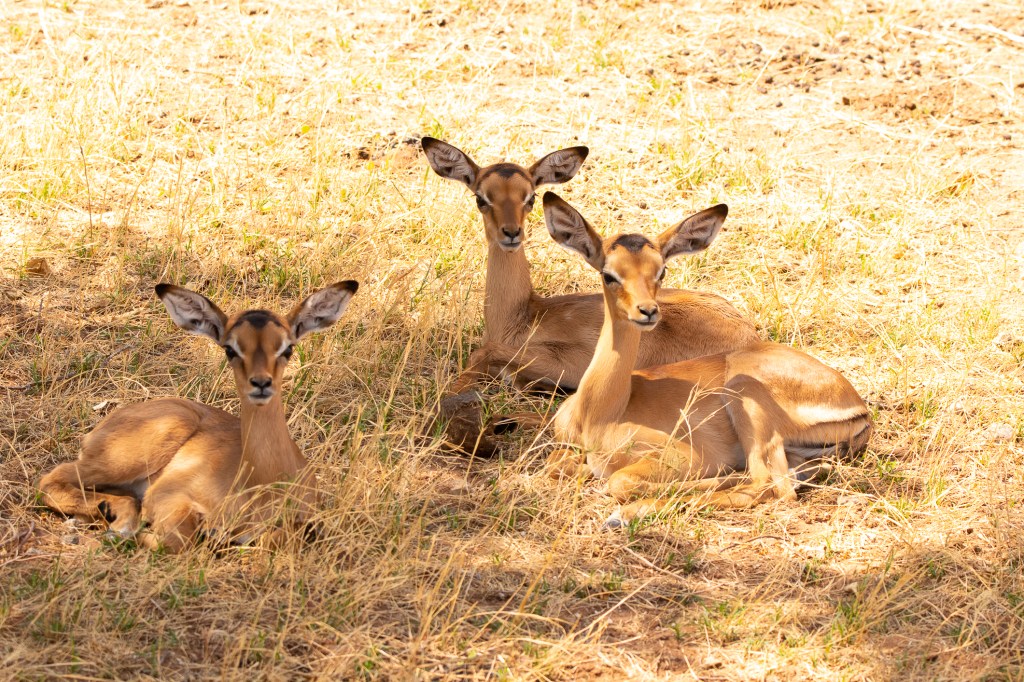
Impala nursery school, Chobe Riverfront game drive

Puku are not found in South Africa, occurring mostly in the wet grasslands and floodplains of central Africa, so are a particular pleasure to see as they graze, often ankle deep in the water
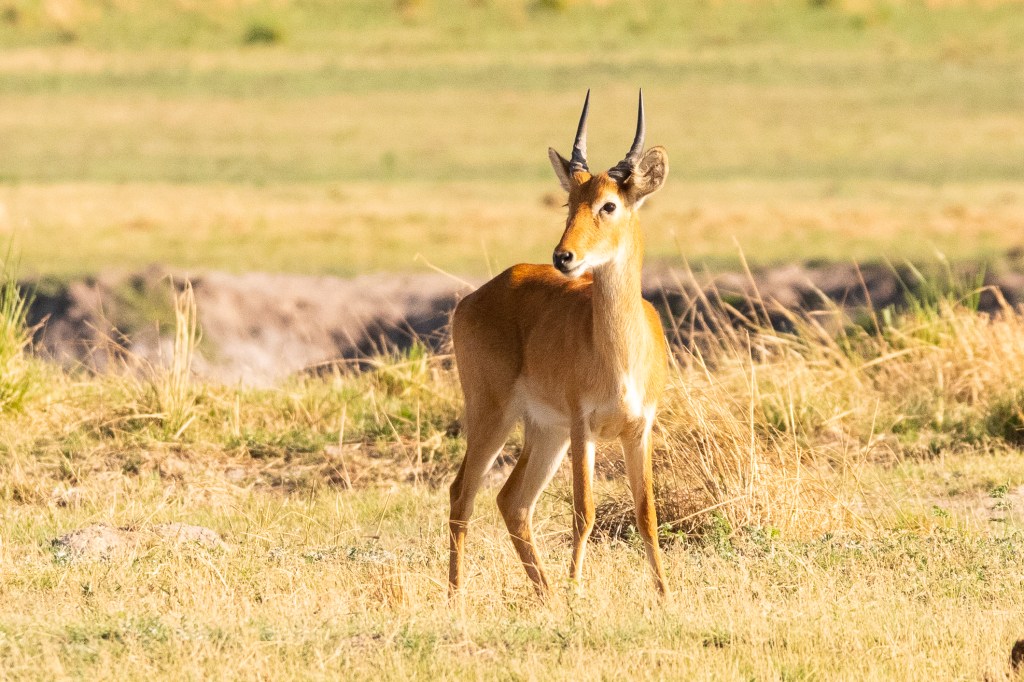
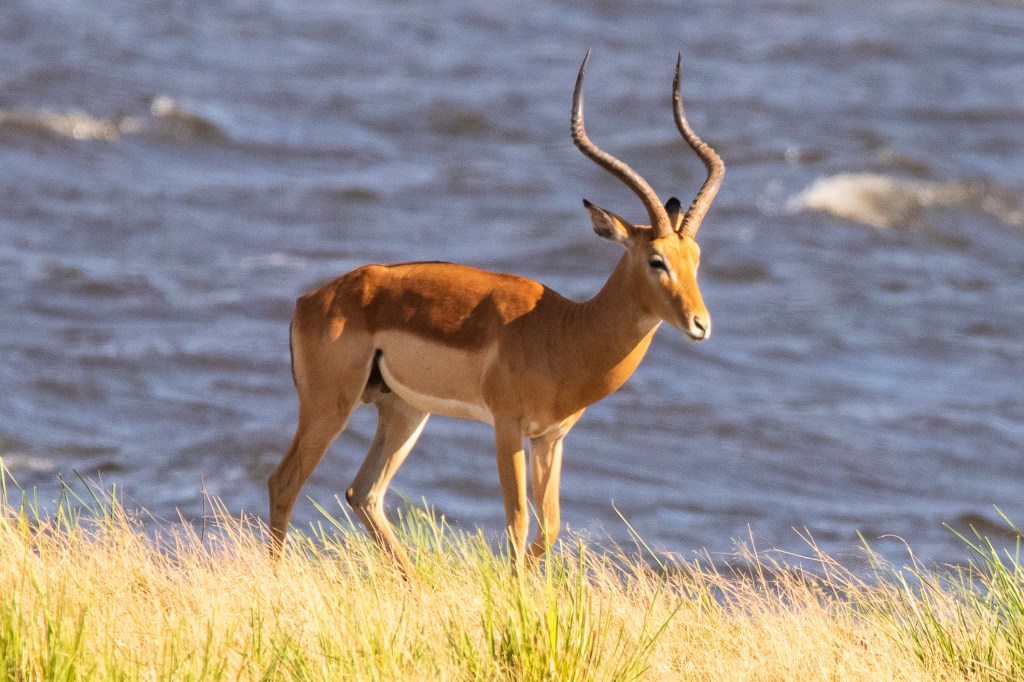
Puku, Chobe Riverfront game drive

The Birds

Birding was secondary to game-chasing on this trip, nevertheless I was able to spot a broad selection of the birds that I have become accustomed to when traversing the Chobe Waterfront

This Hamerkop posed nicely in the early morning light, giving it a handsome golden appearance
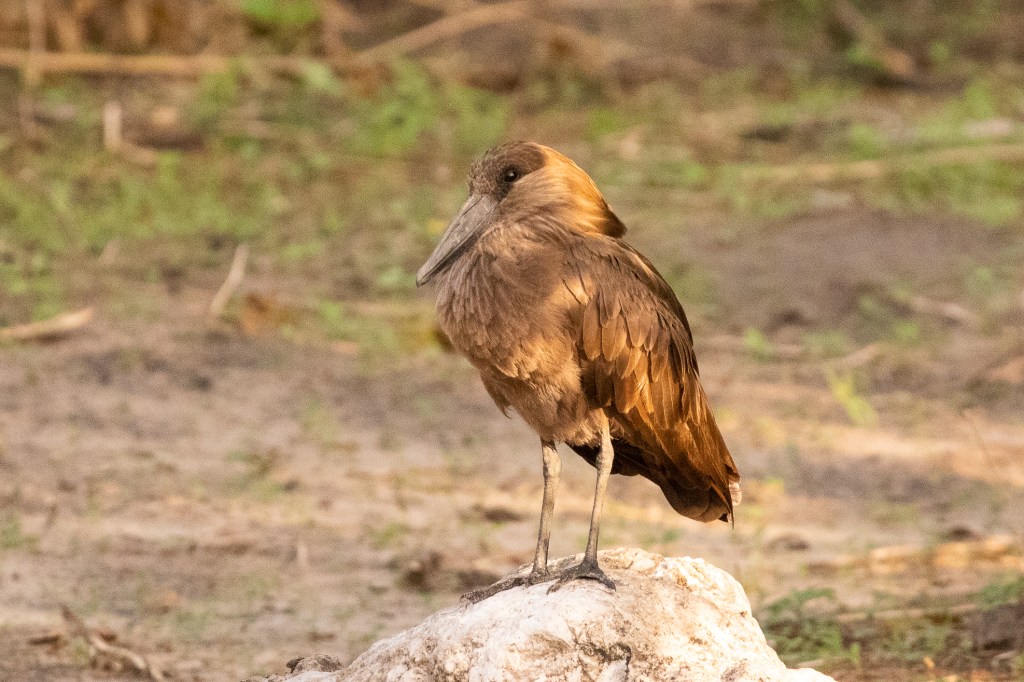
Hamerkop, Chobe Riverfront game drive
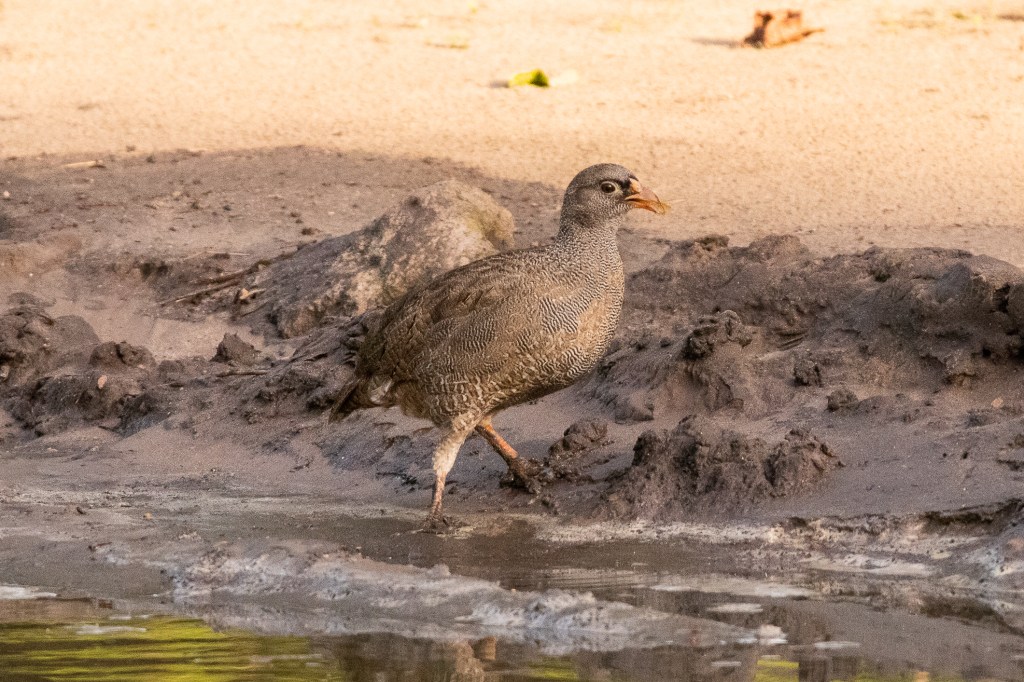
Red-billed Spurfowl, Chobe Riverfront game drive

Spur-winged Geese are often seen in the distance, but this one gave us close up views as it swam along the river’s edge
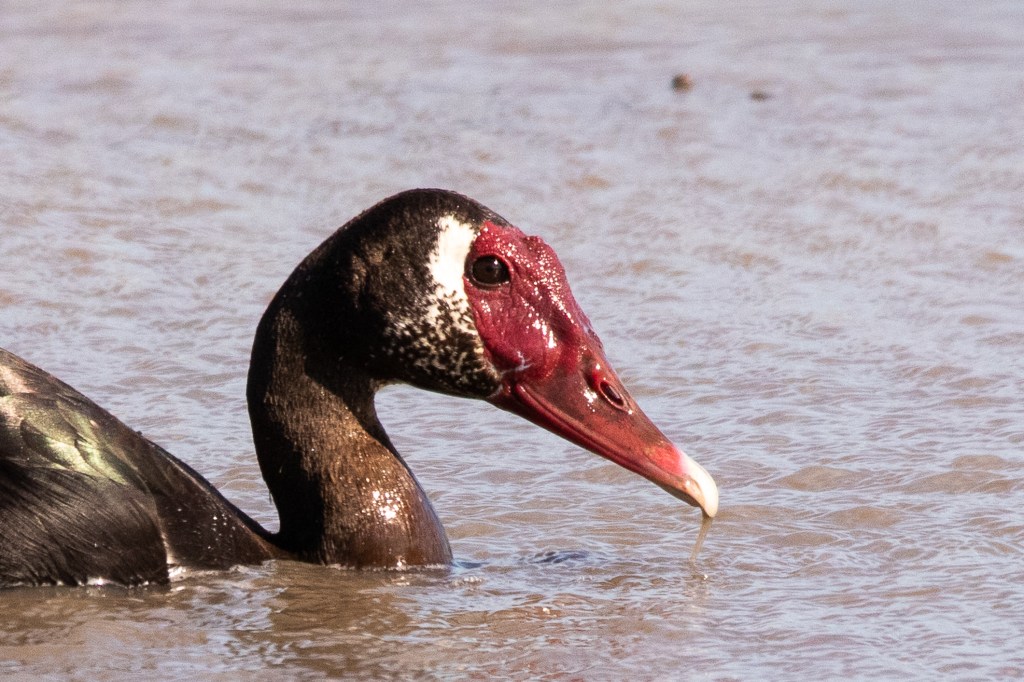
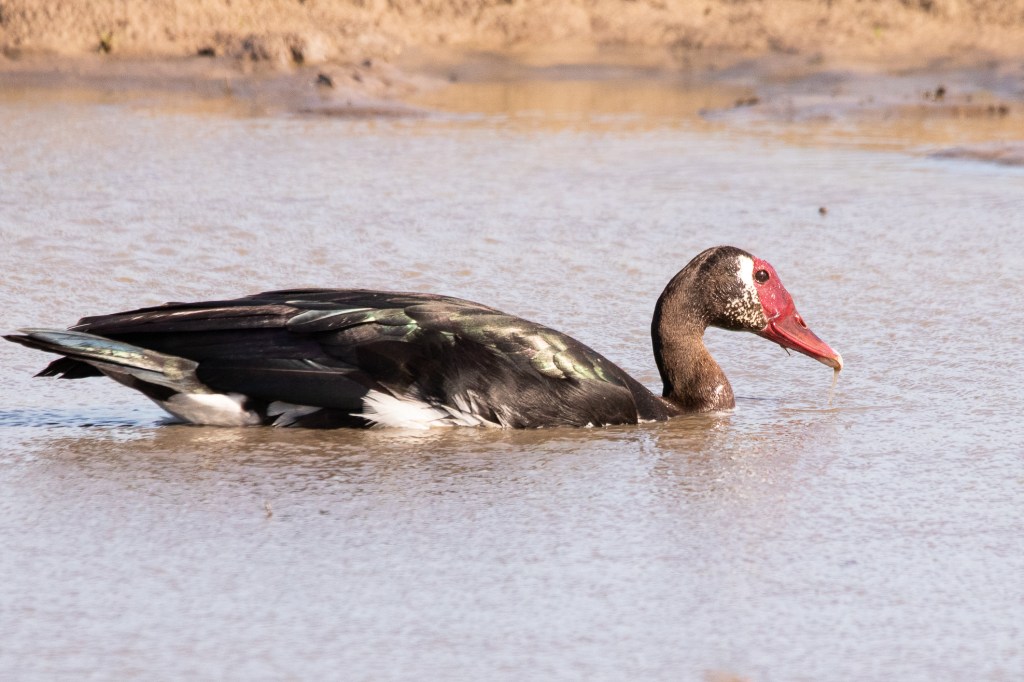
Spur-winged Goose, Chobe Riverfront game drive

Yellow-billed Kites visit southern Africa in our summer and are widespread across the region, usually seen singly in the air as they cruise not far above the ground. What we encountered was very unique, with upwards of 30 Kites gathered in one small area along the river bank, some just resting, others making short flights and returning to the same spot.
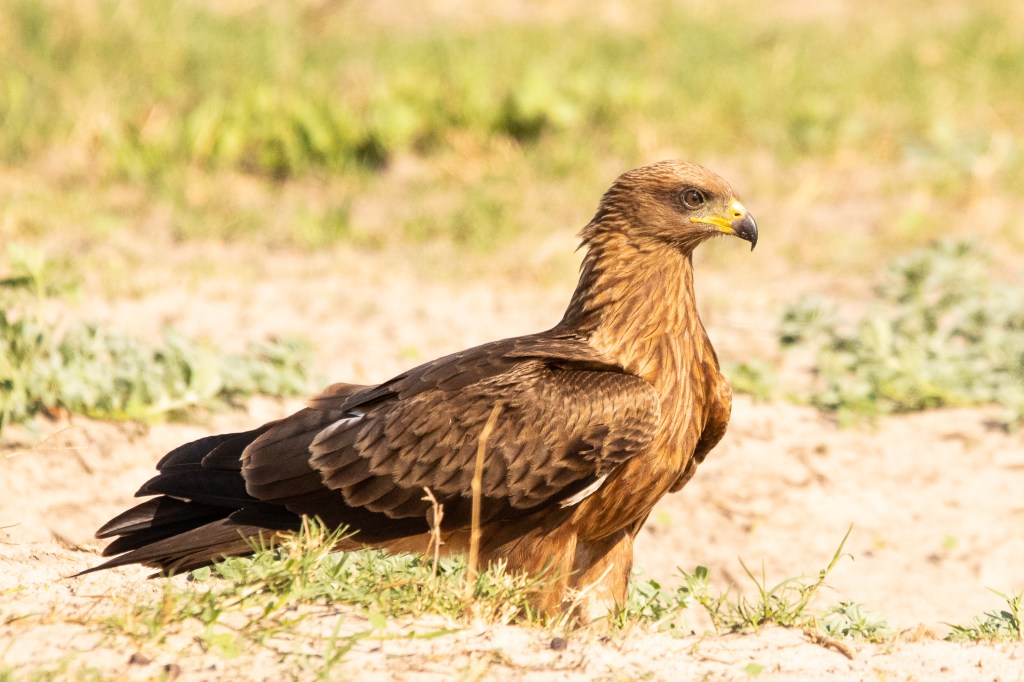
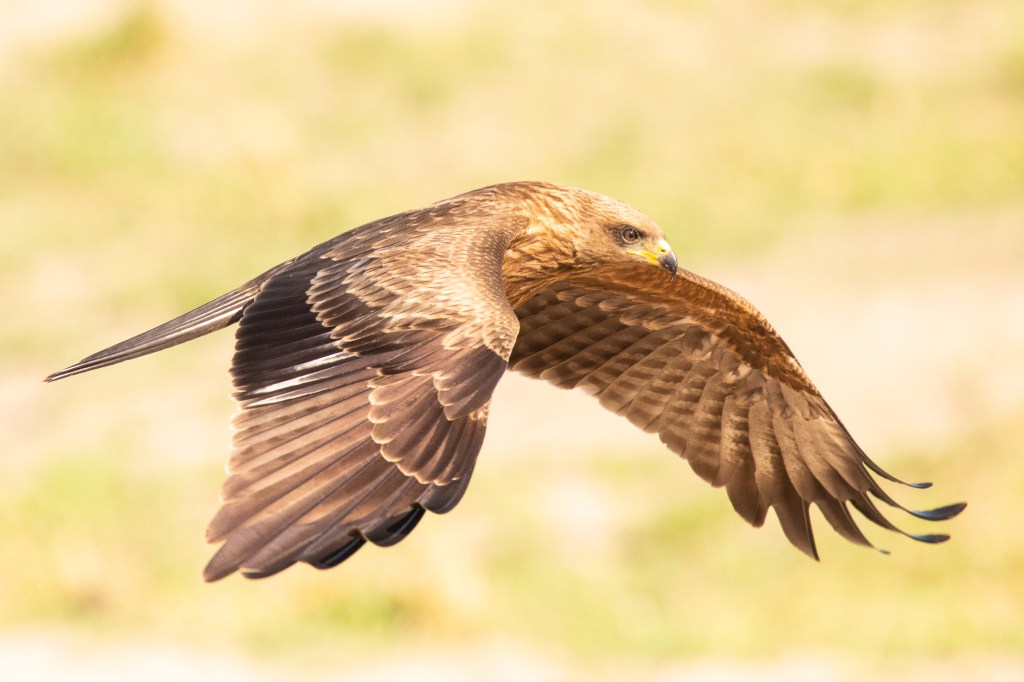
Yellow-billed Kite, Chobe Riverfront game drive
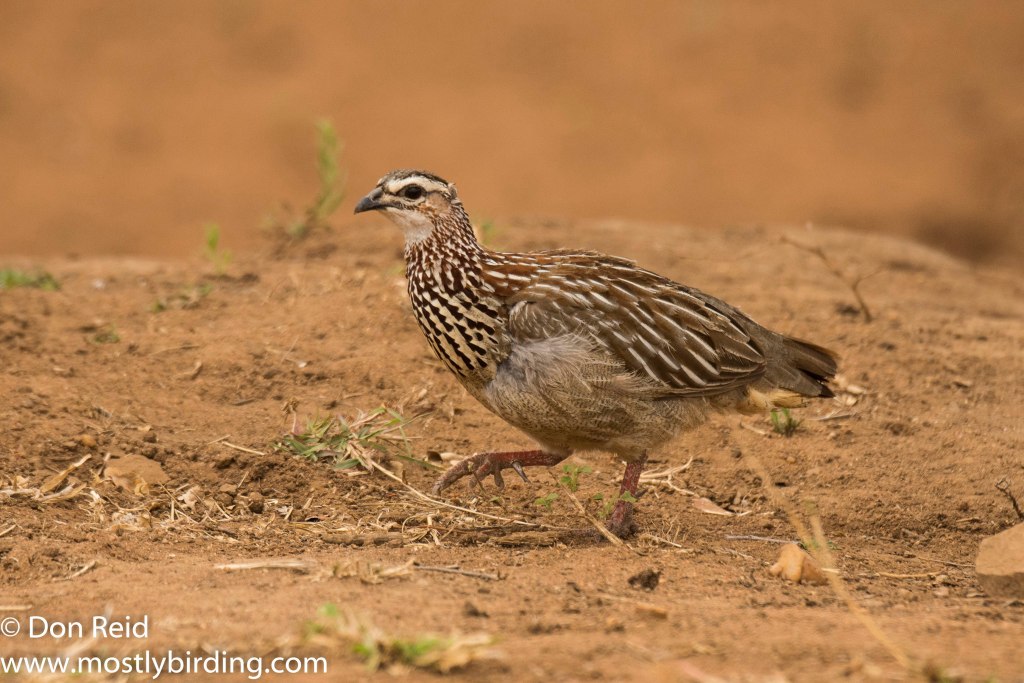
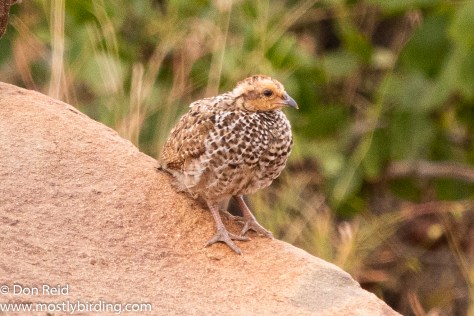
Crested Francolin, (photo taken in Kruger Park)

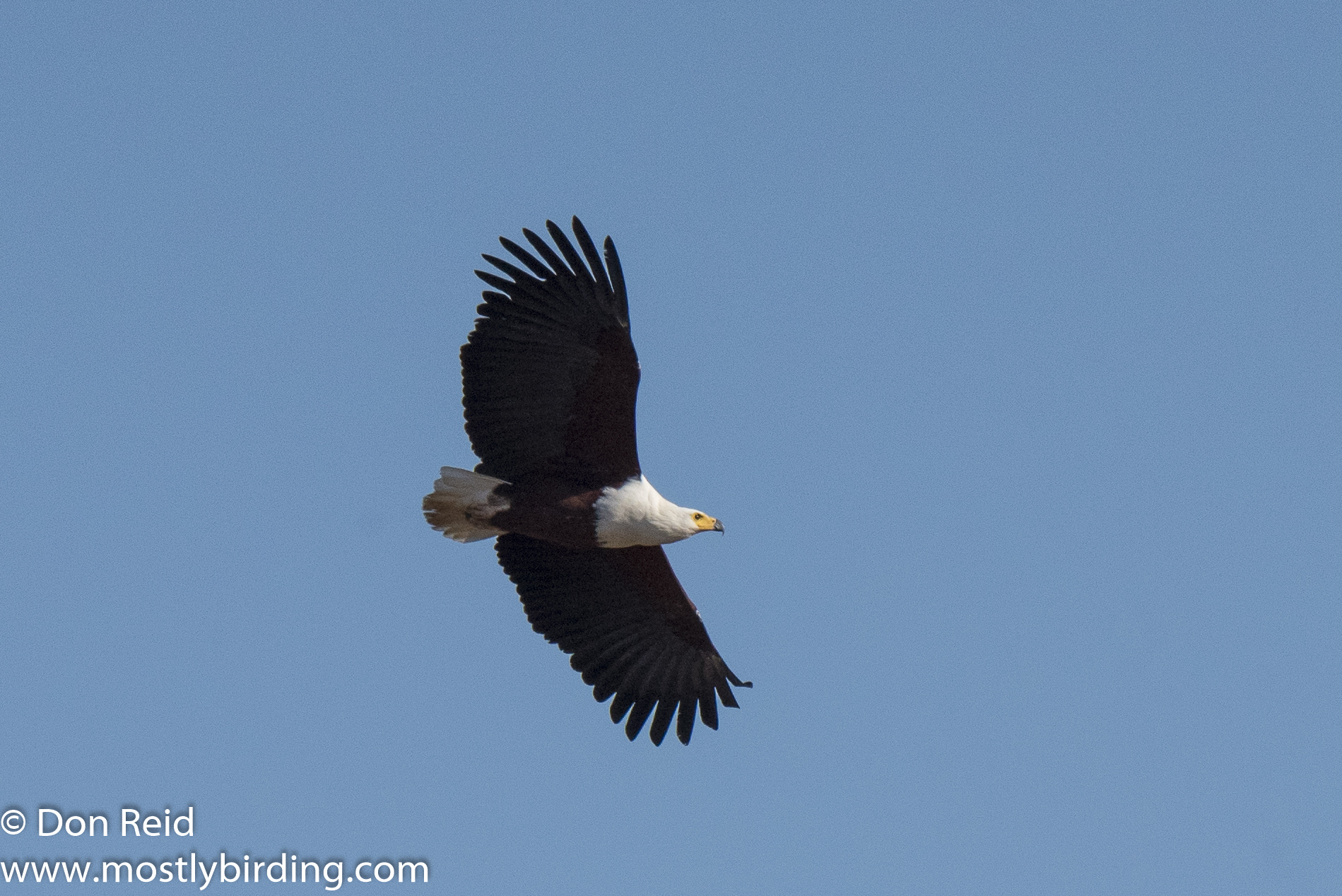
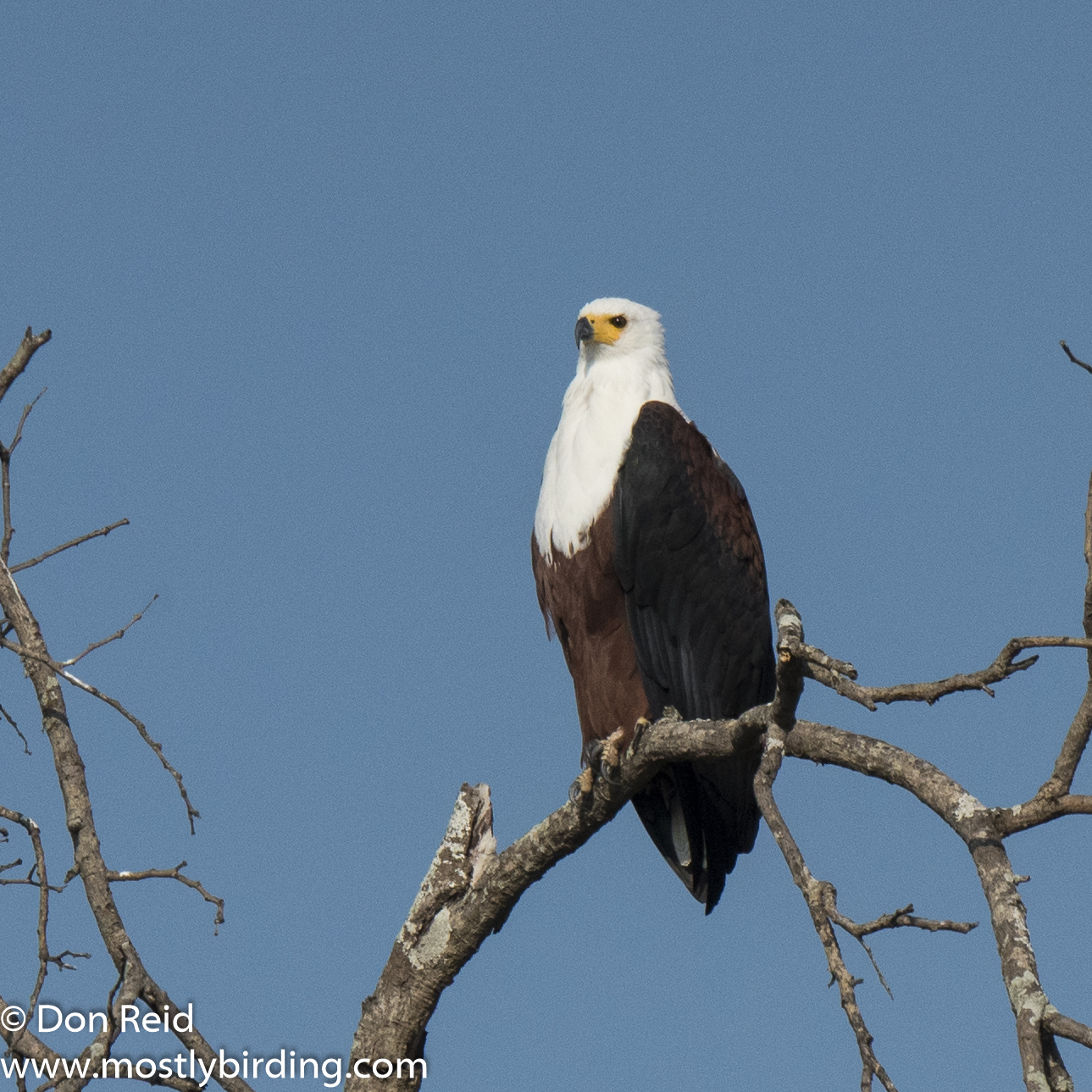
The African Fish-Eagle occurs all along the river at intervals which allow each one enough territory in which to hunt for their fish prey, which are abundant
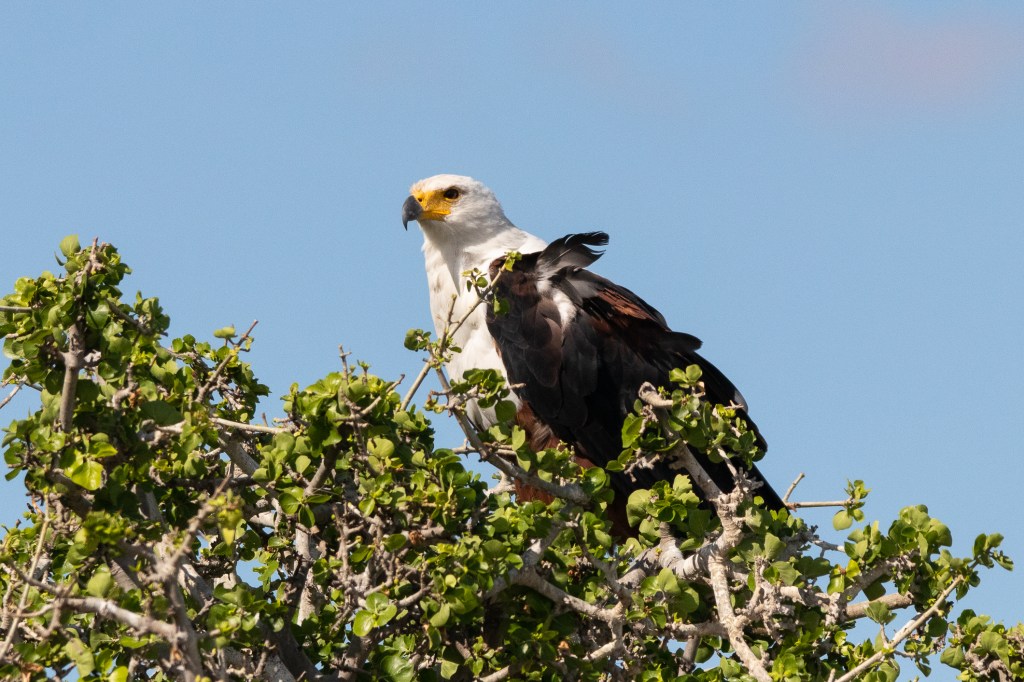
African Fish-Eagle, Chobe Riverfront game drive

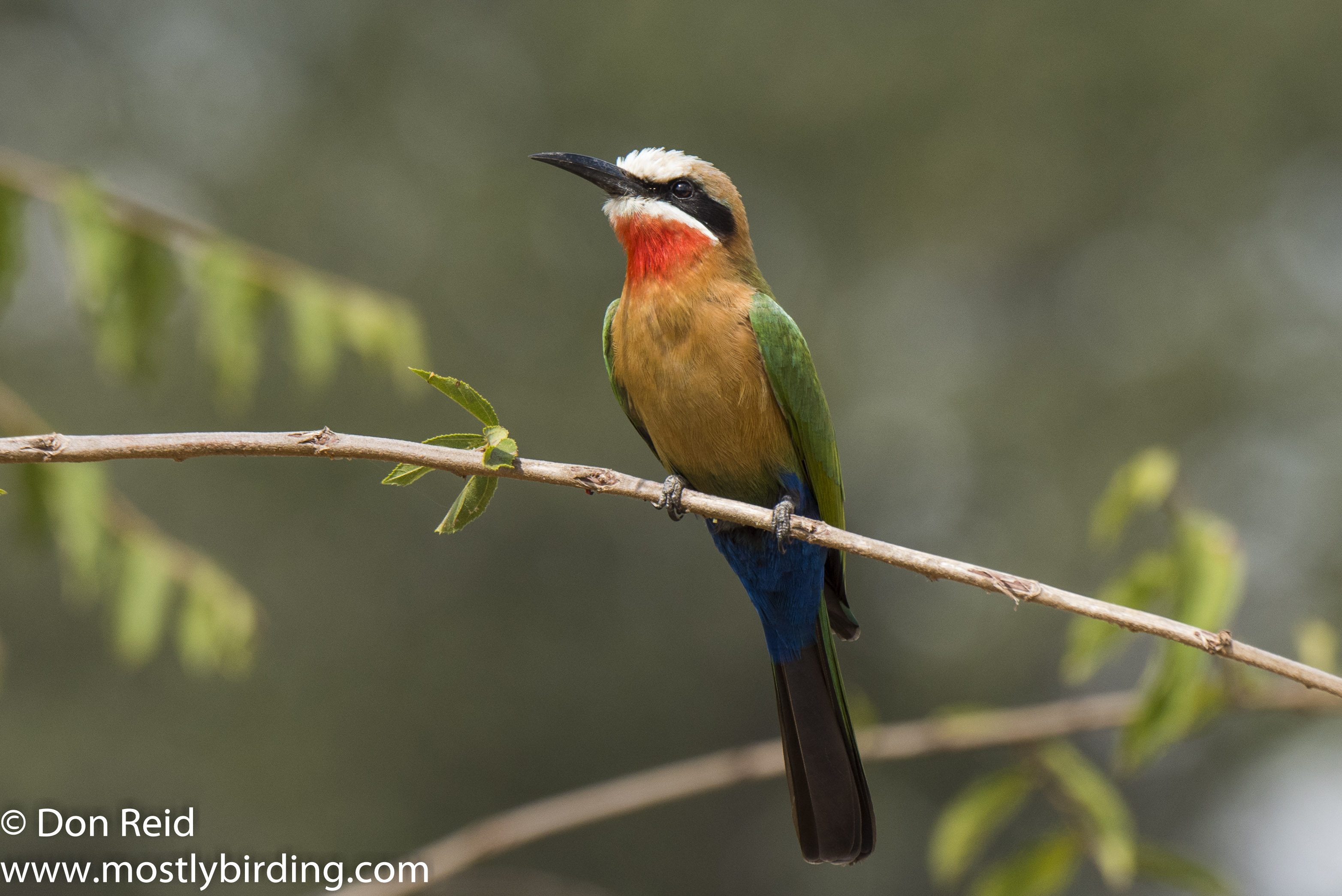
And then it was the turn of …… BEAUTY
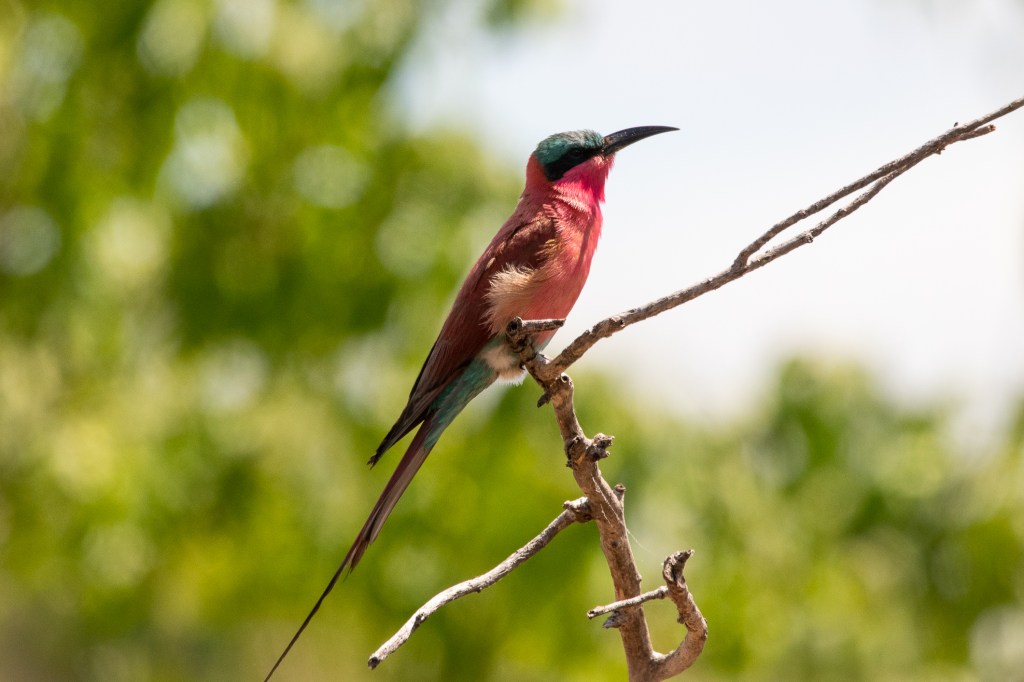
Southern Carmine Bee-eater, Chobe Riverfront game drive

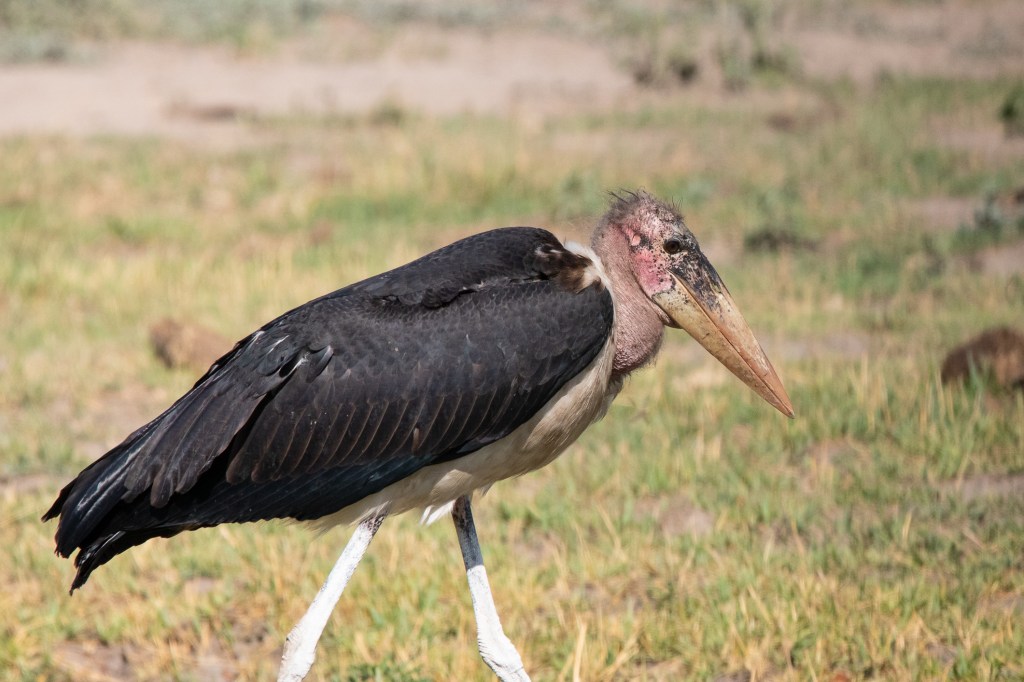
And the …… BEAST

Marabou Stork, Chobe Riverfront game drive
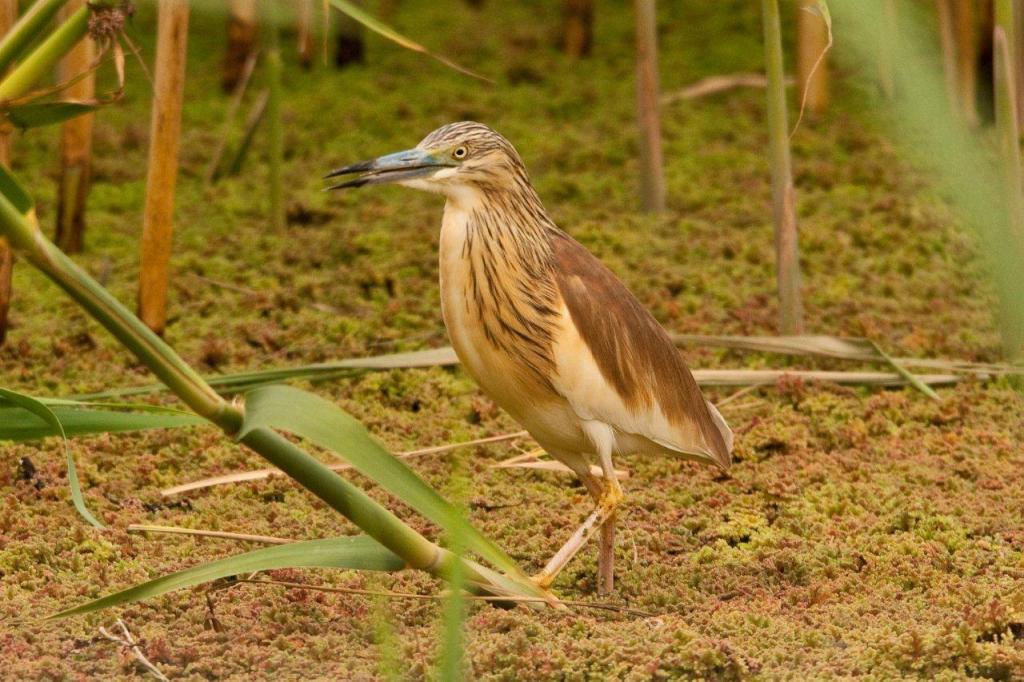
Squacco Heron (photo taken elsewhere)
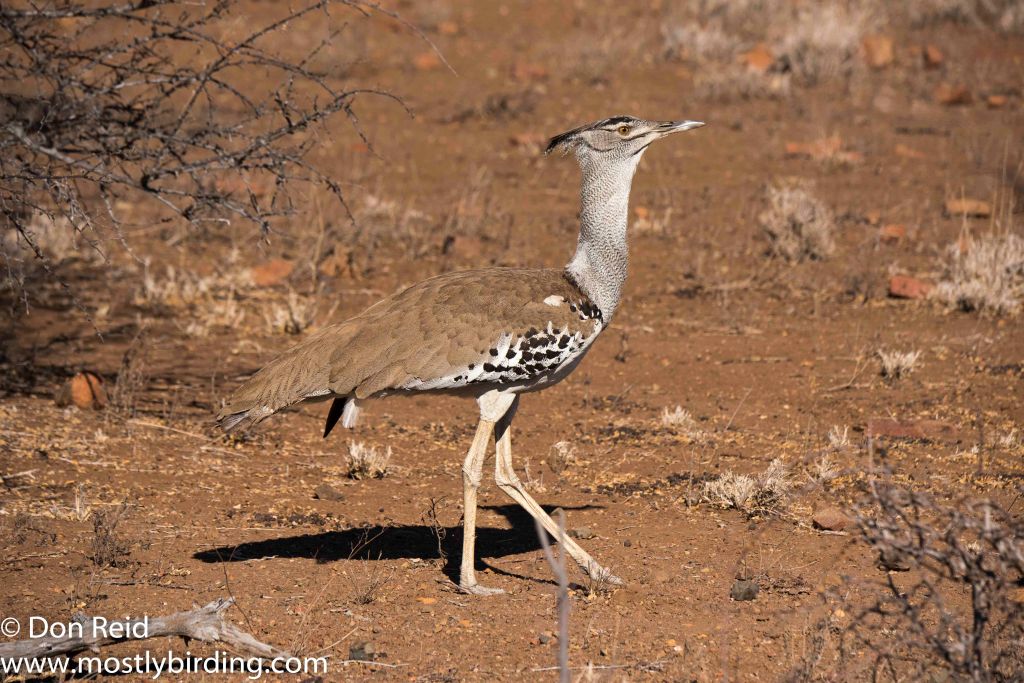
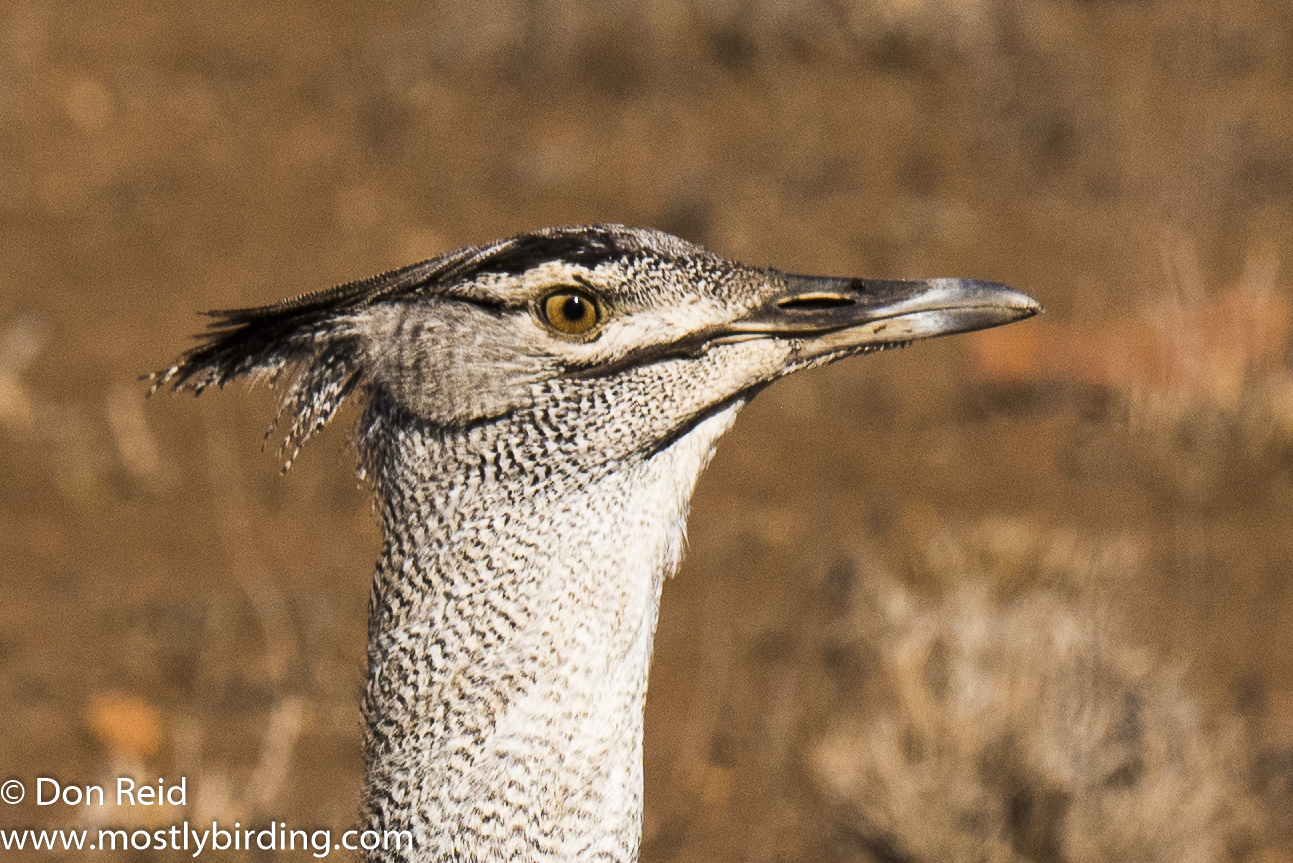
Kori Bustard, (photo taken in Kruger Park)
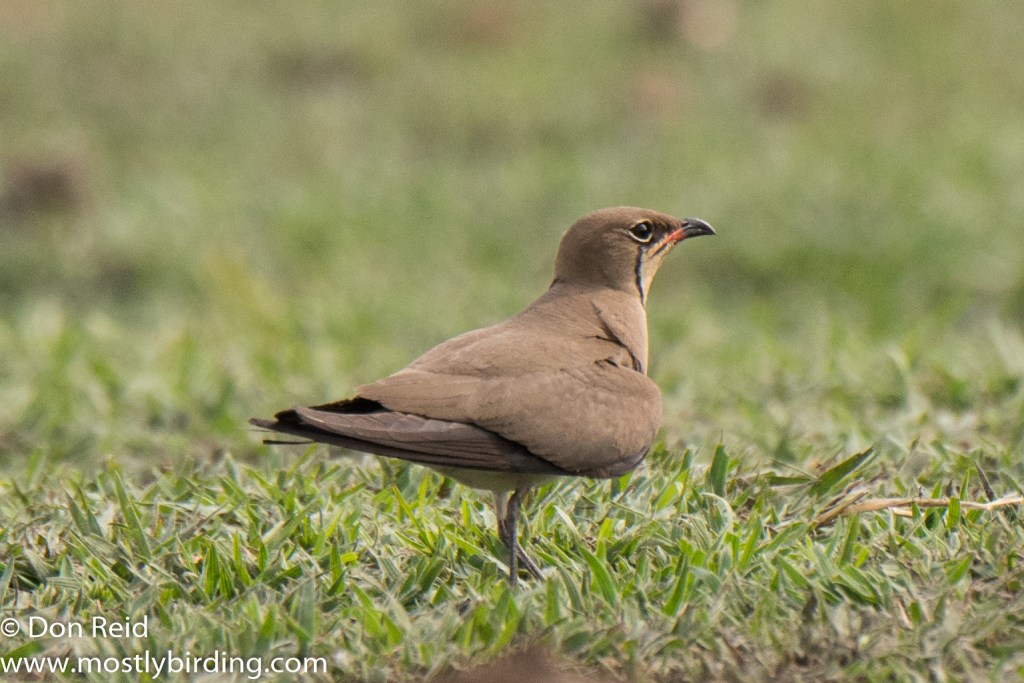
Collared Pratincole, Chobe River trip

And that’s the end of this tail … er tale
Time to go ……

 Leaving Chobe Game Reserve after the game drive on my last morning along the familiar sandy, bumpy track, through the Sedudu gate and out on to the tar road back to Kasane, it momentarily struck me that this was possibly the last time I would see this place and an almost tangible sadness washed over me for a few seconds, only to be replaced with the happy thought of all the memories I had gathered over more than 3 years. Maybe one day I’ll return …..
 

Chobe River and Game Reserve – the Final Visit …. (Part 1)

The last major project that I was involved in before finally retiring from Quantity Surveying in 2019, was the Kasane Airport project in northern Botswana. Monthly visits spread over 3 years meant I spent an accumulative 60 days or more in Kasane, which is the gateway to the Chobe Game Reserve, and I used every free moment to spend time exploring this special place and on the Chobe River, soaking up the incomparable African game-viewing and bird-watching on offer.

So where is this leading? Well, I made my last visit to Kasane in November 2018 for the final formal handover of the airport terminal buildings to the Client. During the visit I found time to join a photographic safari, expertly run by Pangolin Photo Safaris, both on land and on the river, which left me with a head full of special memories and a memory card full of treasured images.

Aerial view of the Chobe River while landing at Kasane

I have written several posts about some of my memorable experiences in Chobe over the years, but never got around to ‘finishing the story’ as it were, so bear with me as I reminisce about my final visit to Kasane

The Occasional Birding

Before getting to the organised safaris, I found other opportunities to wander…… and wonder at the birdlife

While trying to check in at my booked accommodation, a Trumpeter Hornbill wailed nearby, sounding like a baby crying – perhaps it already knew my booking had somehow been mysteriously cancelled and there were no rooms available.

Trumpeter Hornbill (Male) (Photo taken inKruger Park)

Undaunted, I headed to Thebe Lodge, which I had frequented before and which lies on the Chobe River. The extensive grounds had previously proved to be a compact yet lively birding destination in their own right, so I was more than happy to find comfortable accommodation for my three-night stay.

I didn’t waste a moment and paid a quick visit to the nearby sewage works ponds (as one does) which produced Ruff and Lesser Grey Shrike amongst others, then followed that with a walk around the lush Thebe Lodge grounds in light rain, which was a relief from the oppressive summer heat.

The Thebe Lodge grounds were alive with birdlife, feasting on the flying ants which were emerging all over. The strident calls of the ‘frontline’ songsters such as White-browed Robin-Chat and Tropical Boubou were backed up by a further layer of quieter calls of Dark-capped Bulbuls, Grey Go-away Birds, Mourning Doves and Water Thick-Knees.

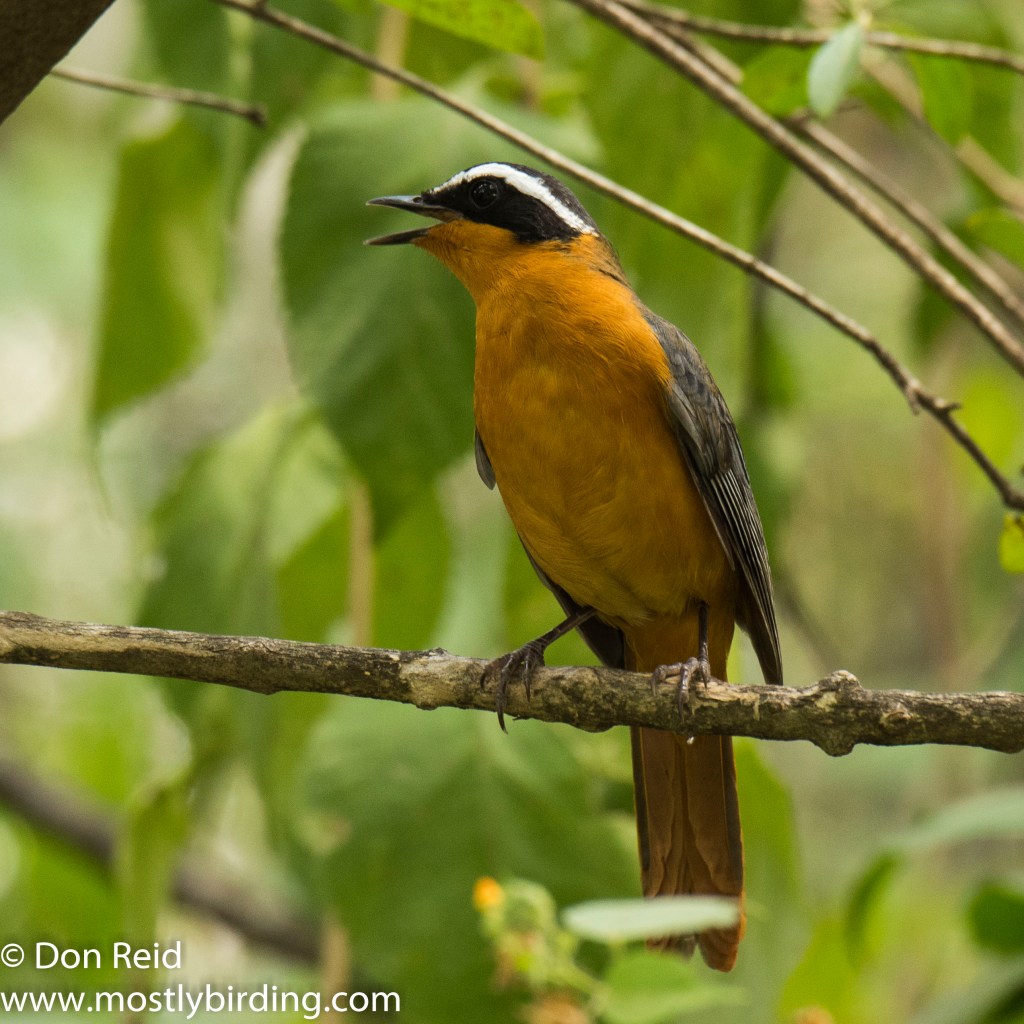
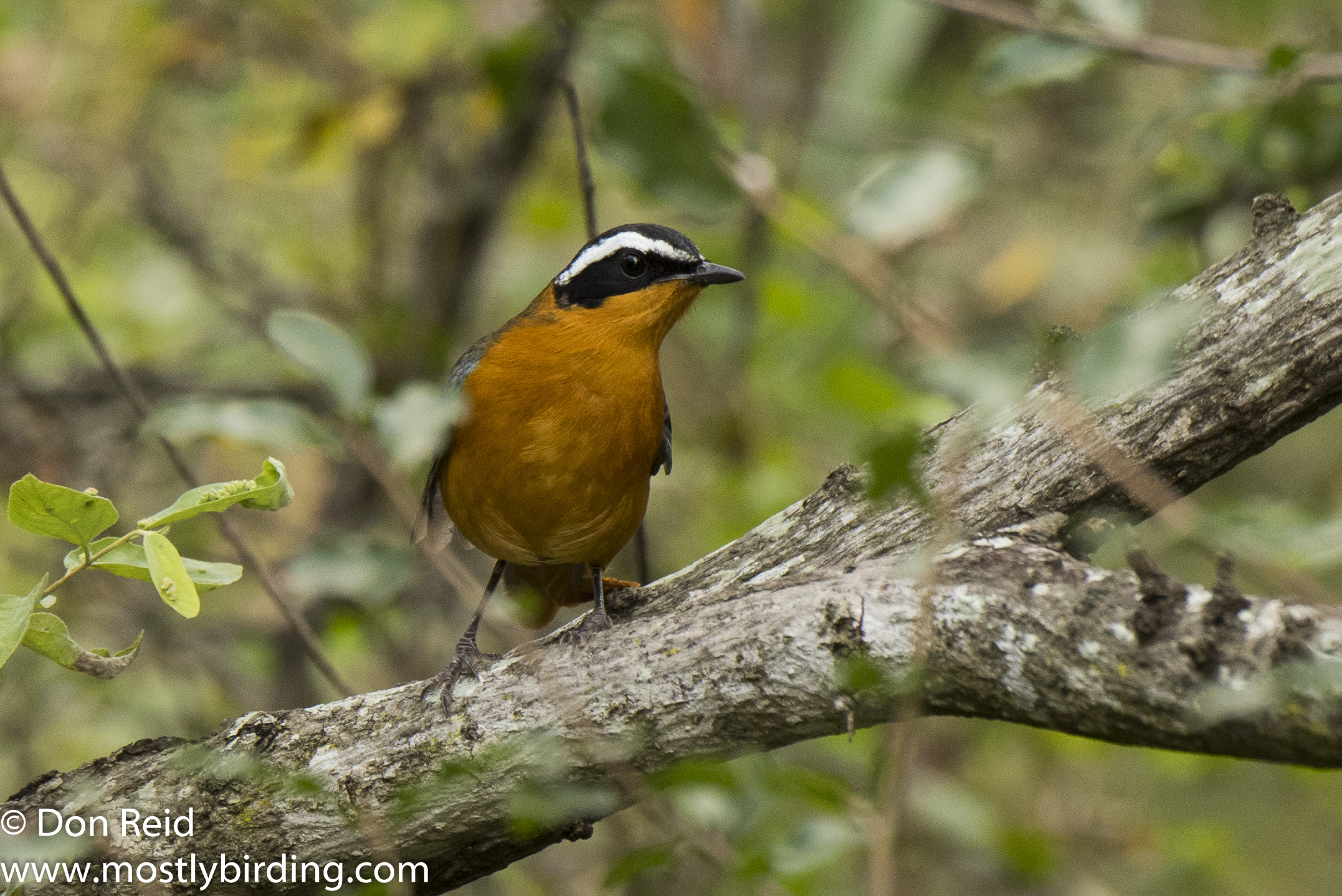
White-browed Robin-Chat (Photo taken in Kruger Park)

In the rapidly fading light I made out Violet-backed Starlings and Fork-tailed Drongos participating in the flying ant frenzy

The next morning, before breakfast and my project commitments, another walk around the lodge grounds produced about 20 species with two Kingfishers prominent – Brown-hooded and Woodland Kingfishers.

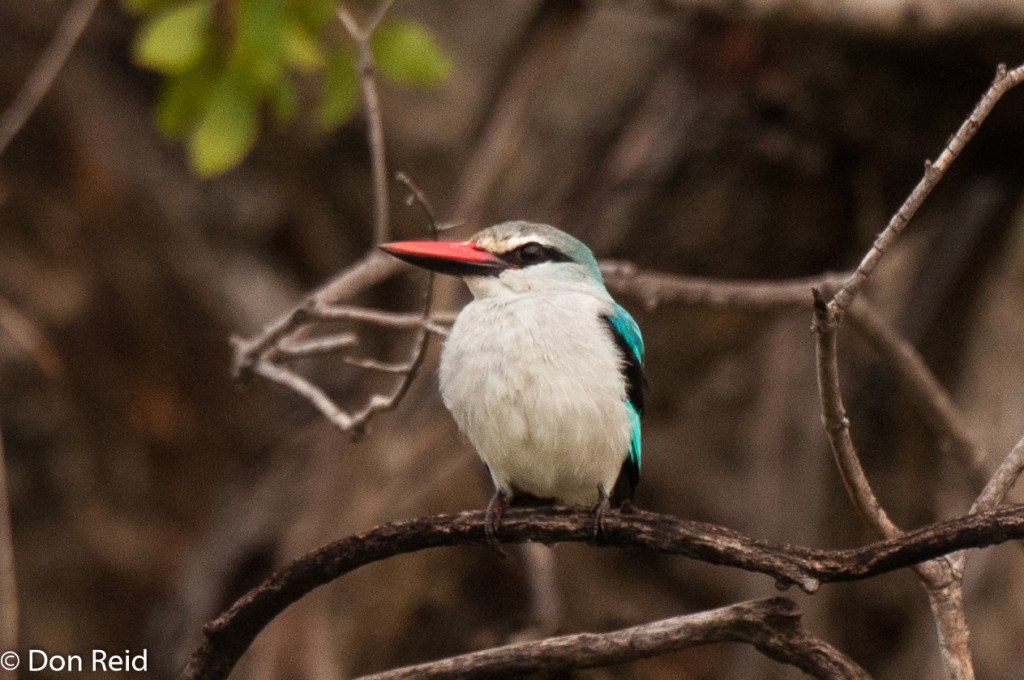
Woodland Kingfisher, Kasane

Common Scimitarbill and Green Woodhoopoe were active and at the riverside Broad-billed Rollers were harassing a Woodlands Kingfisher.

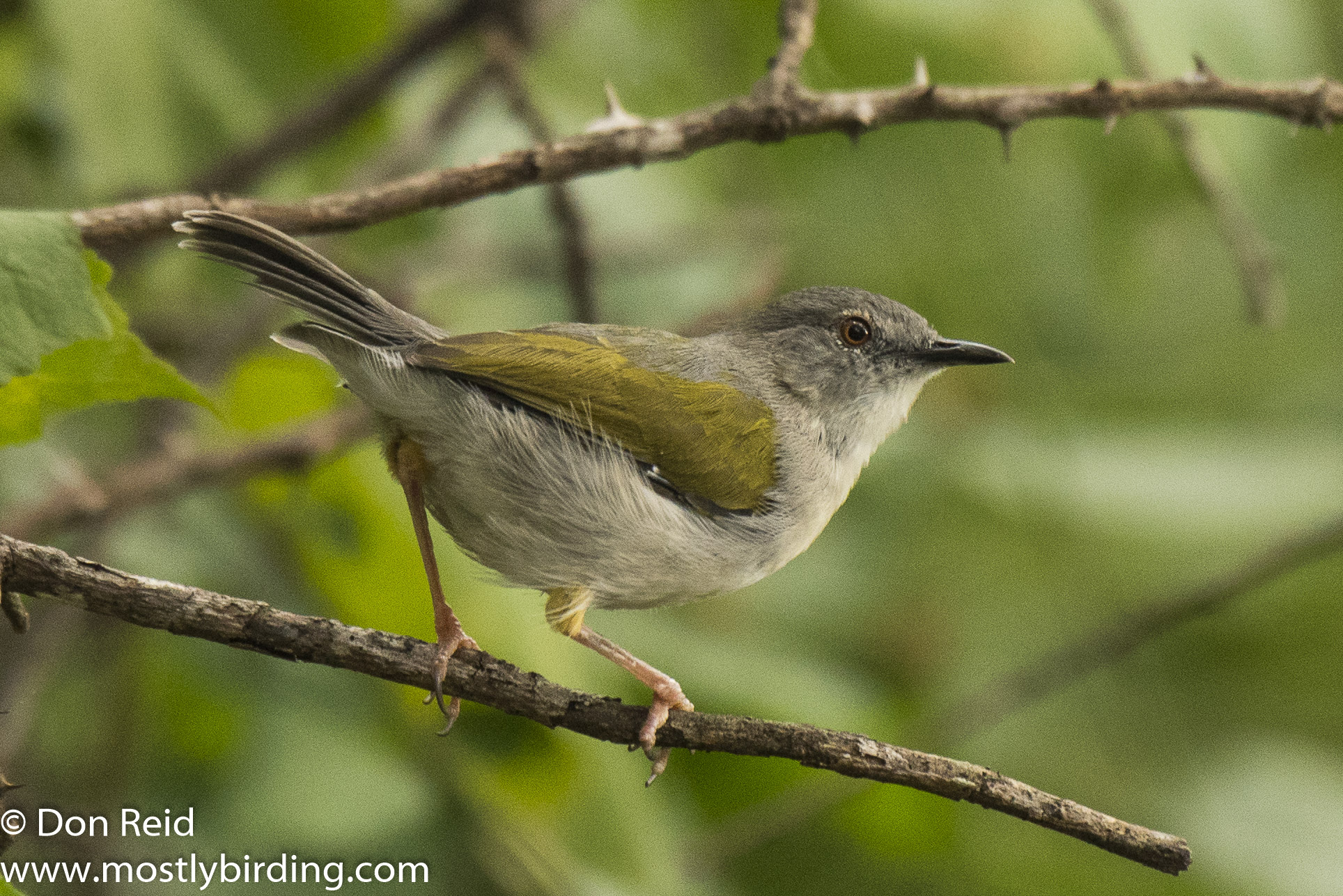
There was no shortage of birdlife in the verdant garden bush of the lodge grounds with Terrestrial Brownbul, Southern Brown-throated Weaver and Grey-backed Camaroptera all showing nicely.

Boat Trip

During previous trips I had done a couple of boat outings on the river, fairly basic ones in a small boat but nevertheless exciting and memorable.

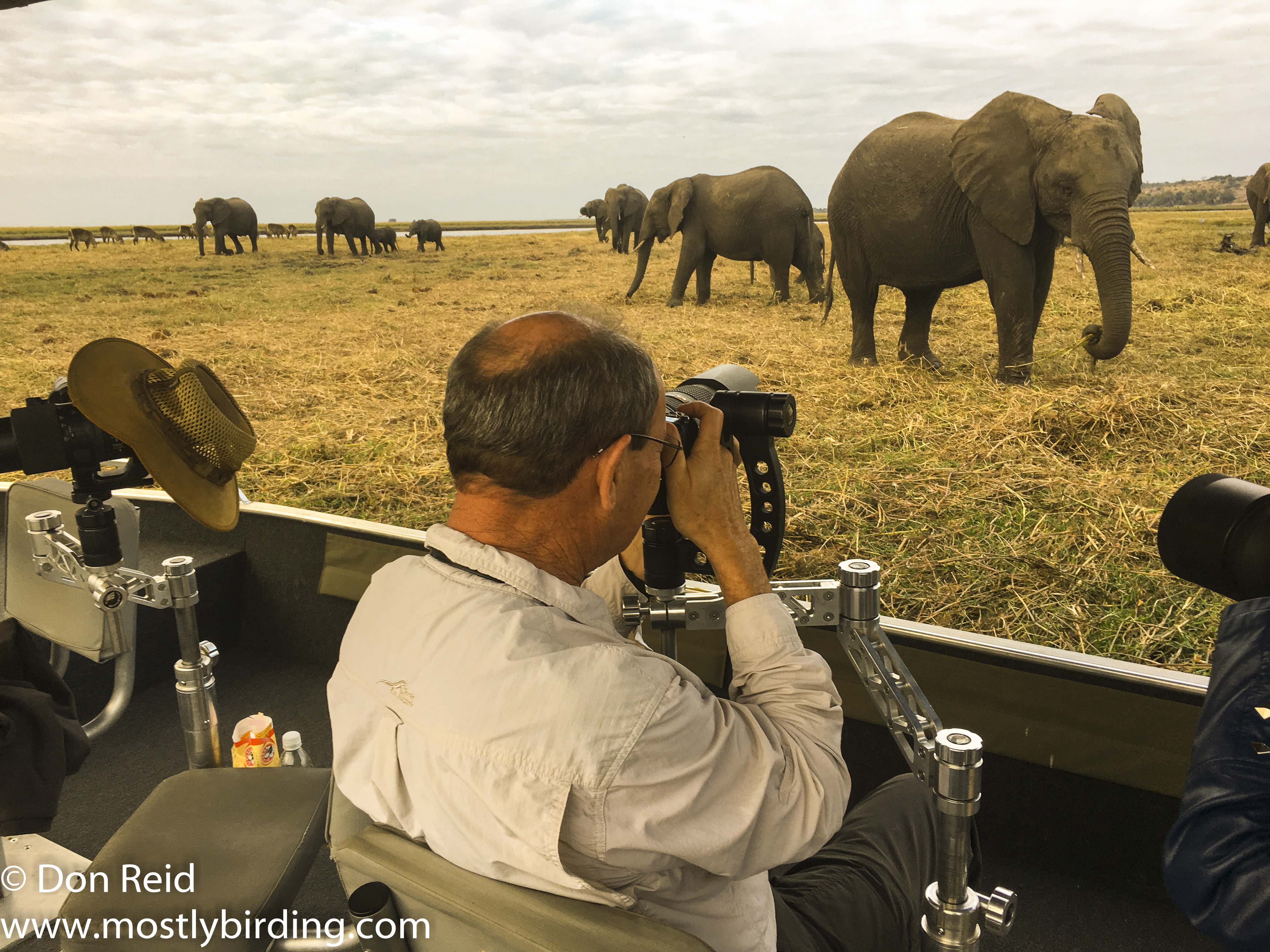
However, the Pangolin Photo Safaris trip from 3.30 to 6.30pm in the afternoon was a whole different experience, being transported on a purpose-built aluminium boat with swivel chairs and special camera mounts for each of the 6 or so passengers and an expert photographer guide to show us how.

Our guide, Janine, started by explaining that we would be looking for more than pretty photos and would be exploring various techniques while looking for unusual angles and actions. Canon cameras with telephoto Sigma lenses were provided for the trip as part of the deal for those who had not brought their own camera. I had my Nikon camera but decided to use the Canon along with the others on the boat, which would allow me to follow Janine’s guidance

I struggled with the settings at first, being used to my then Nikon camera, but as we headed out I started getting used to the Canon buttons and dials while Janine gave us running advice on exposures, speeds, etc – a lot to take in and utmost concentration was needed!

Janine’s exposure advice, particularly relevant to bird photography, which I took away with me and have used ever since was –

  • Background darker than subject : reduce exposure; ie dial exposure compensation to negative side. This avoids an over-exposed subject and creates an even darker background for better contrast
  • Background lighter than subject : increase exposure; ie dial exposure compensation to positive side. This avoids an under-exposed subject and although it also increases the exposure of the background this can be adjusted while editing in eg Lightroom.

Janine and Killer (his nickname!) the boatman proved to be an amazing team on the boat, taking us on a route along the river and its side channels, seeking and finding many photo opportunities for the super-keen group of photographers on the boat.

Let’s take a look at what they came up with and how we progressed :

Jacana Magic

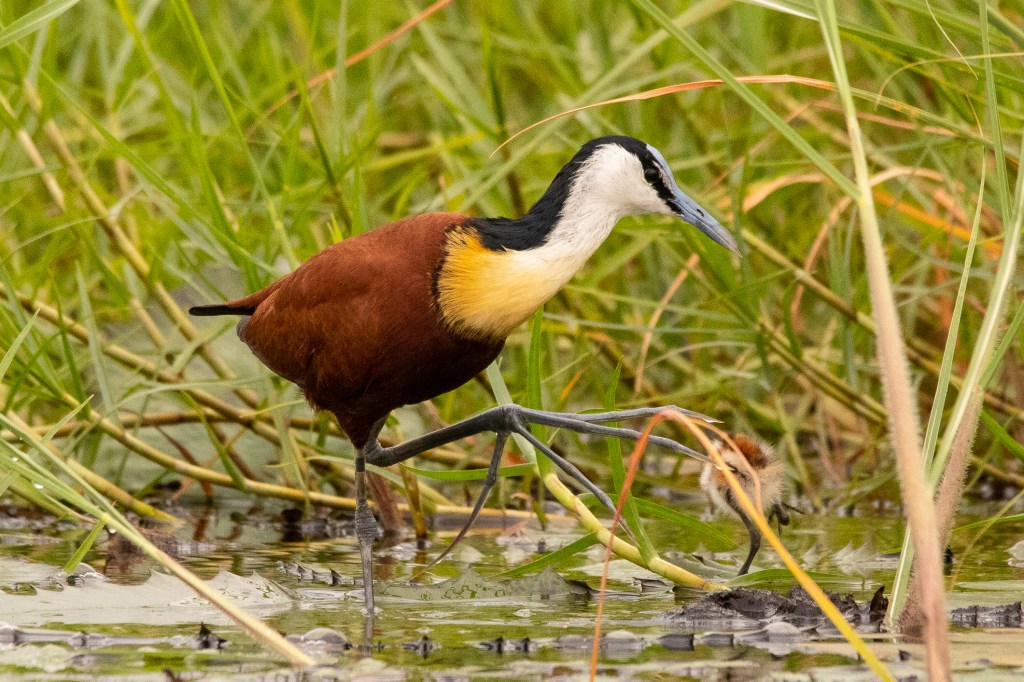
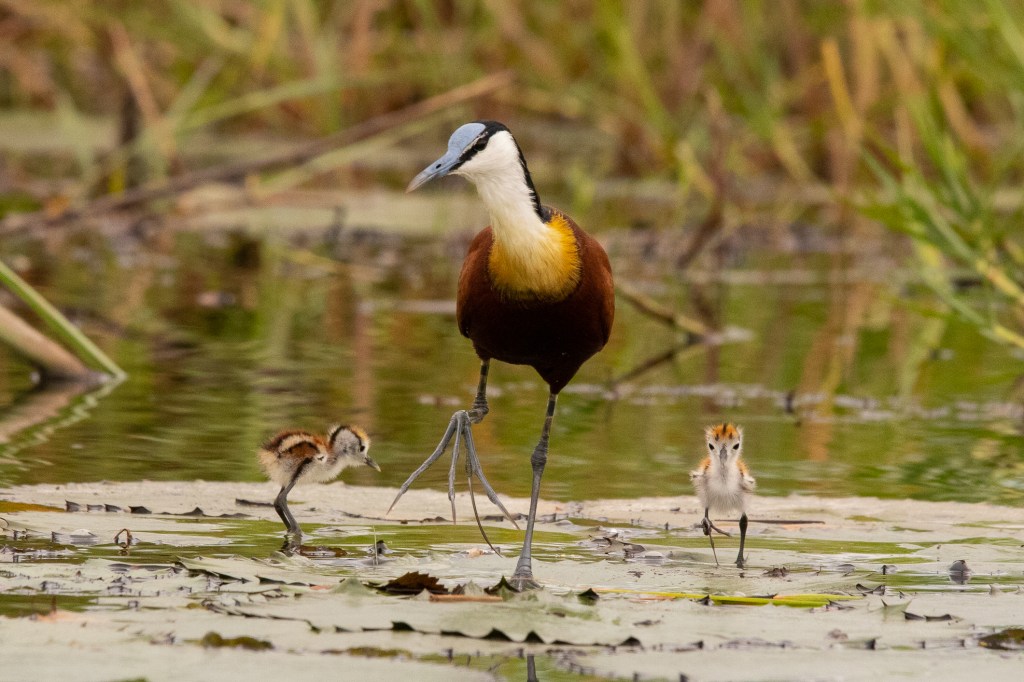
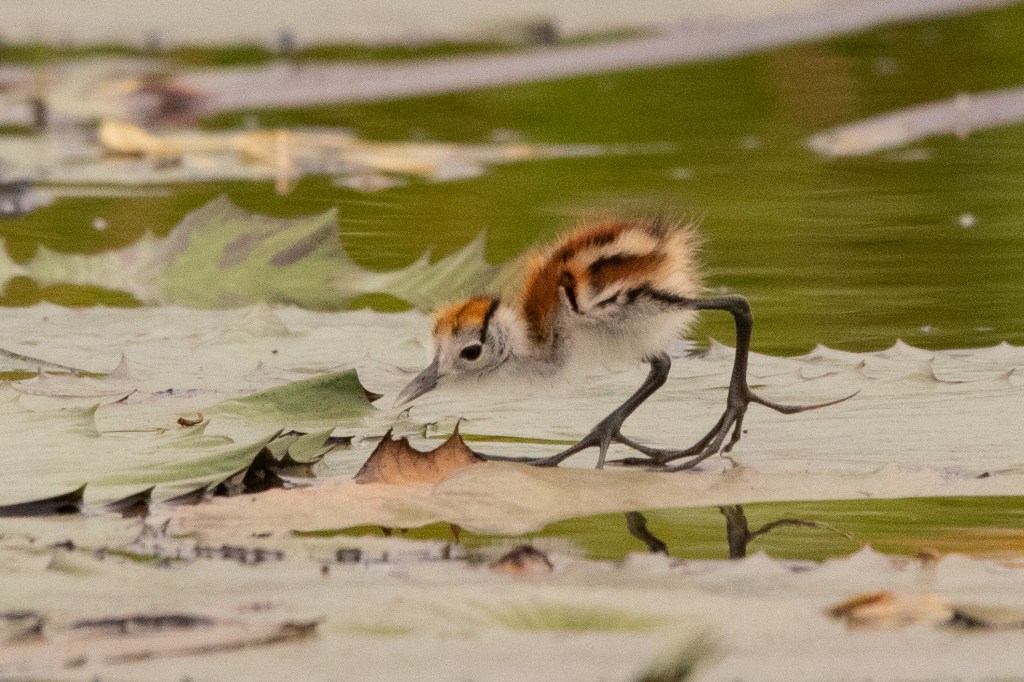
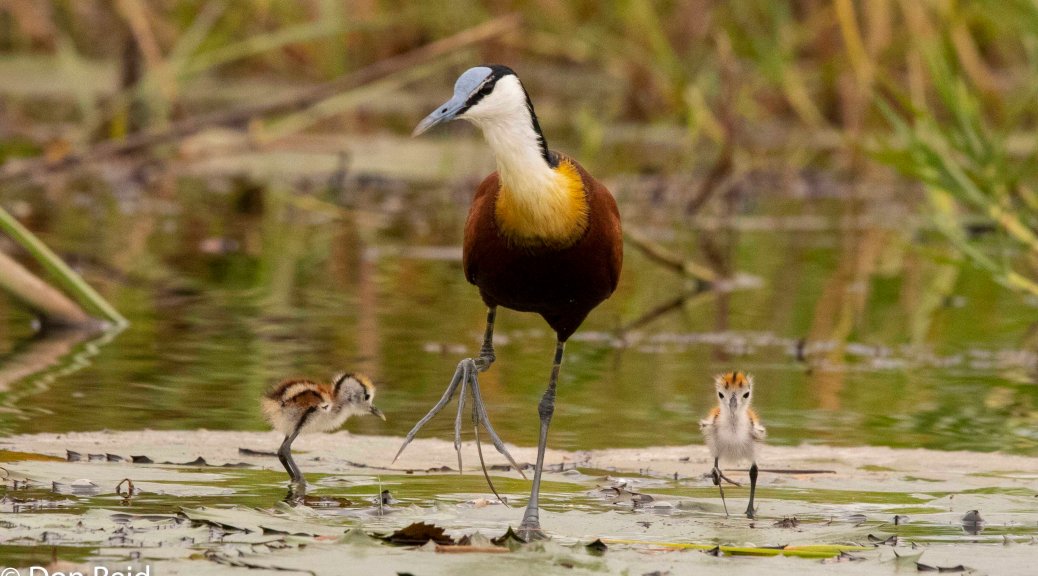
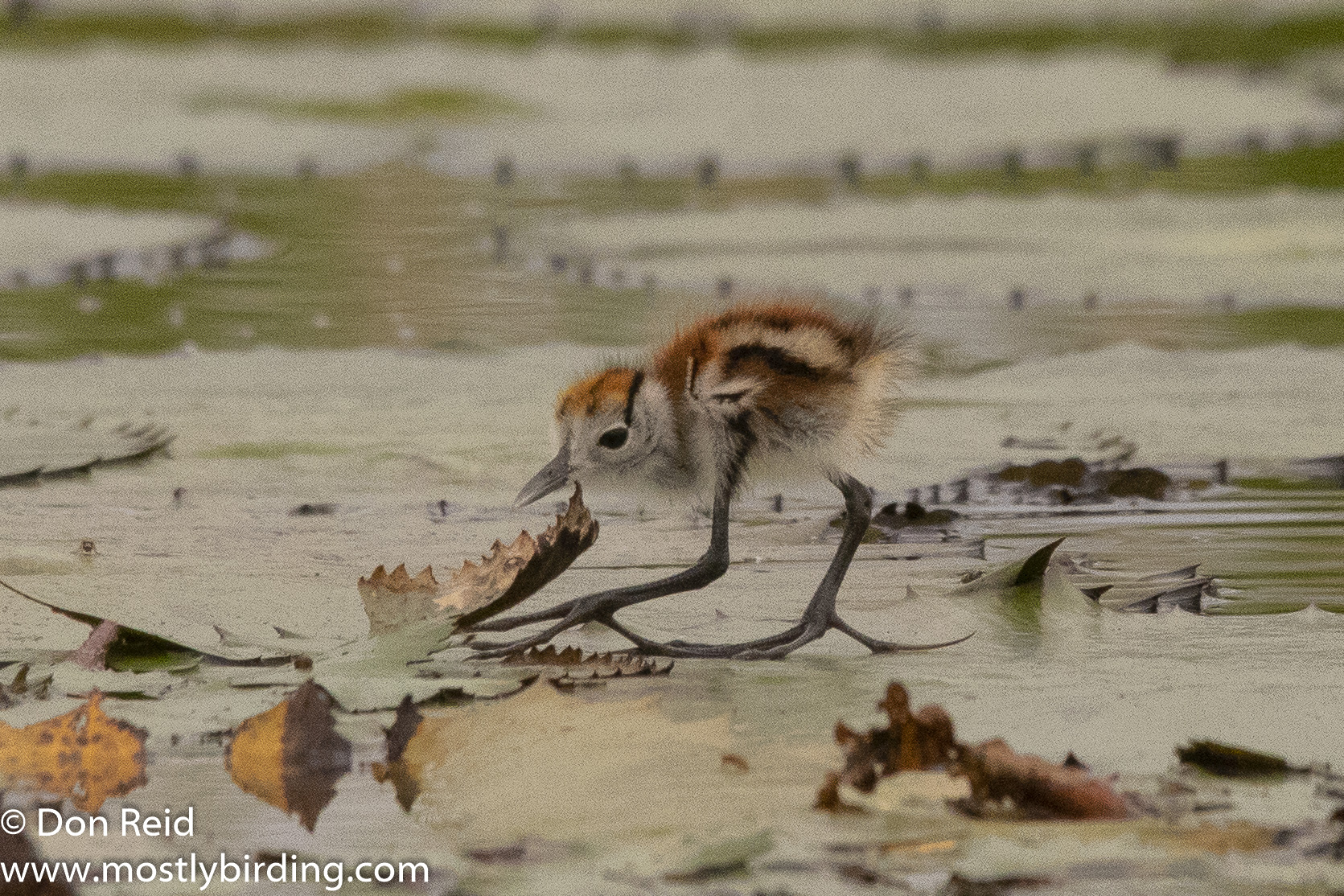
The first side channel produced one of those special moments you never forget – an African Jacana with two tiny juveniles with outsized feet, walking about on the surface of the lily covered water. Janine encouraged us to get off the swivel chairs and crouch low in the boat so as to get level with the subject. Beyond cute!

African Jacana, Chobe River Trip

Darters and Cormorants

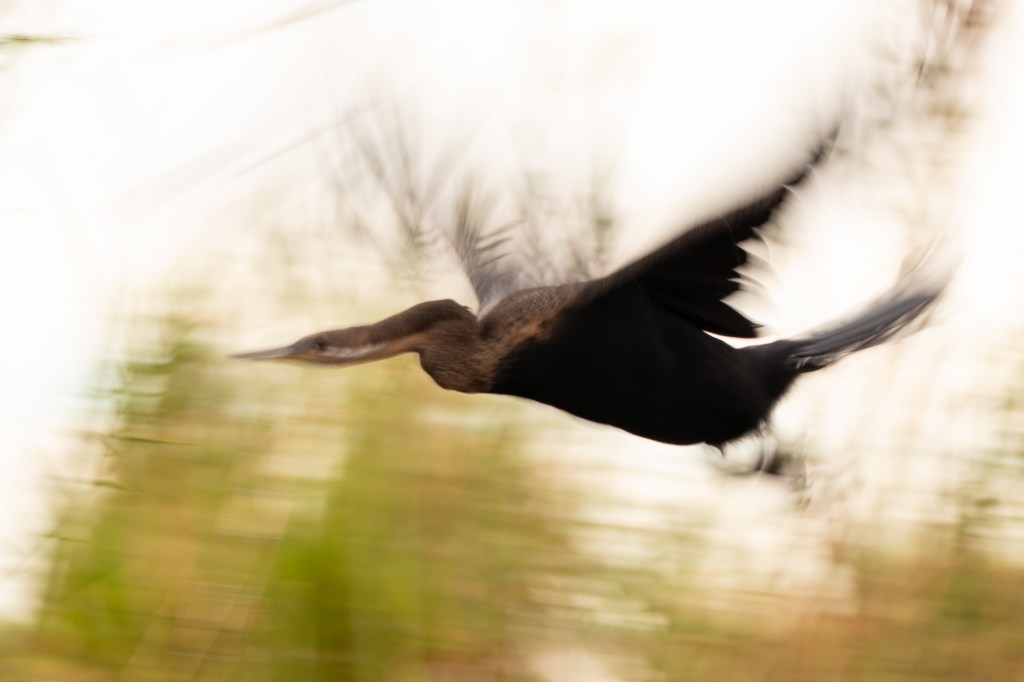
Stopping near a dead tree in the river which was being used by African Darters and White-breasted Cormorants, Janine talked us through the technique used to blur the subject in flight while retaining focus on This which involved setting the shutter to a very slow speed, waiting for the bird to take off, finger poised on the shutter button, then panning smoothly while locking on to the bird in flight and releasing the shutter.

Darter, Chobe River Trip

This was a lot more difficult than it sounds and my attempts turned out too blurry, as the photo shows. Ideally part of the bird should be in focus, contrasting with the rest of the body which is blurred. But that’s what makes photography an ongoing challenge – there’s always a chance of doing it better next time….

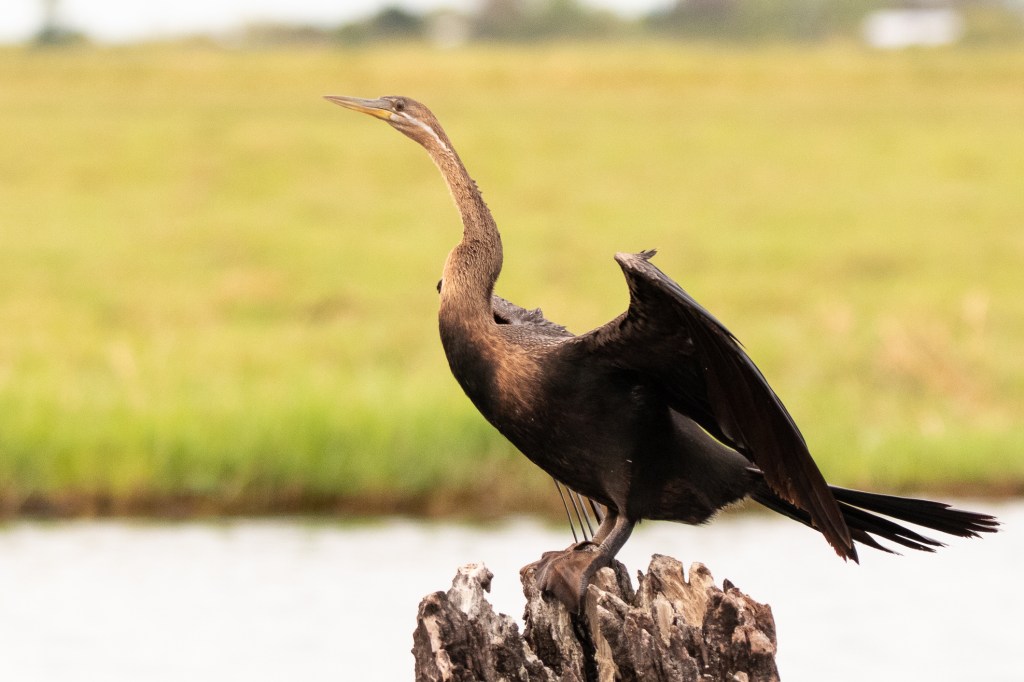
It’s a lot easier taking a conventional perched photo of the birds…

Darter, Chobe River Trip
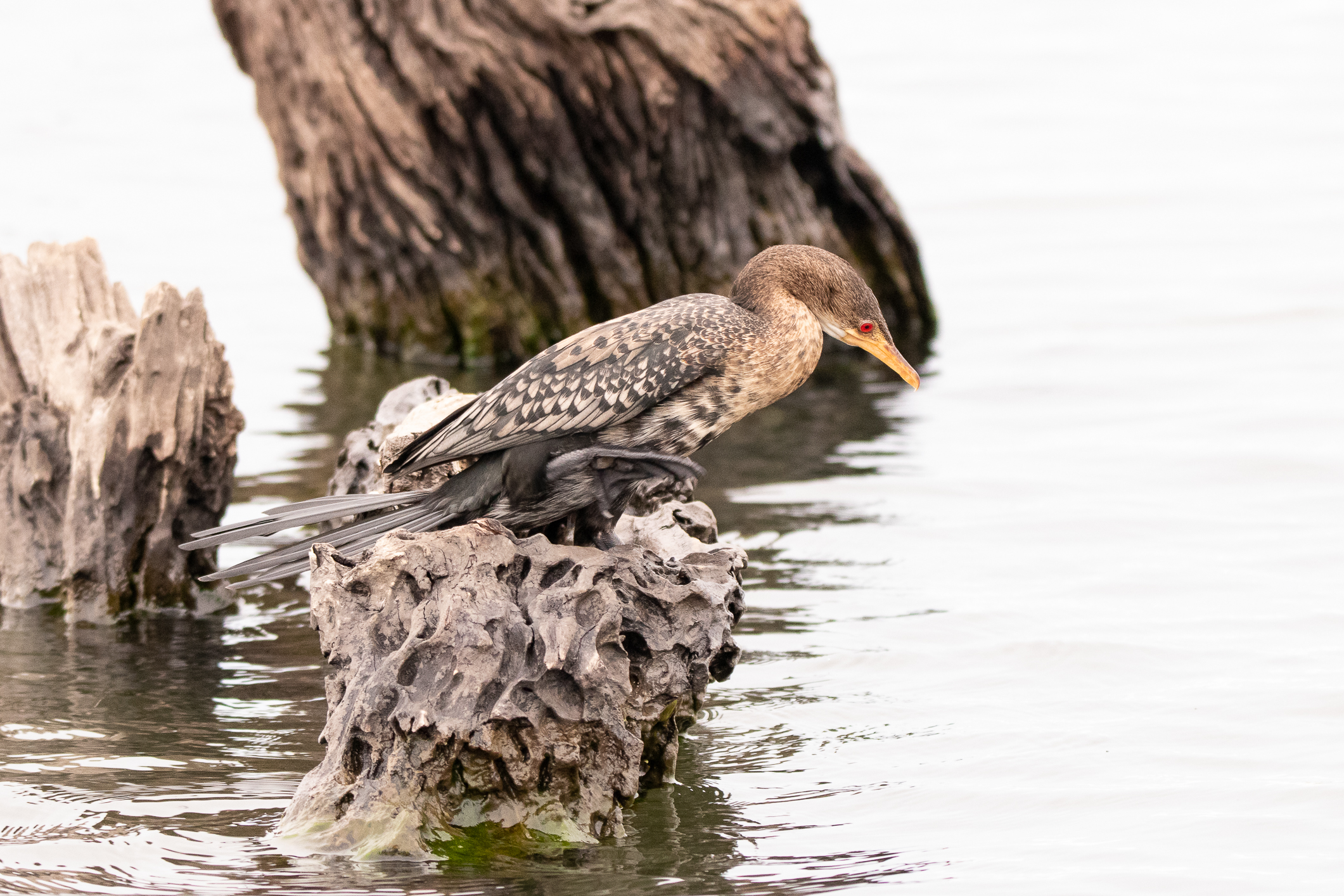
Reed Cormorant, Chobe River Trip

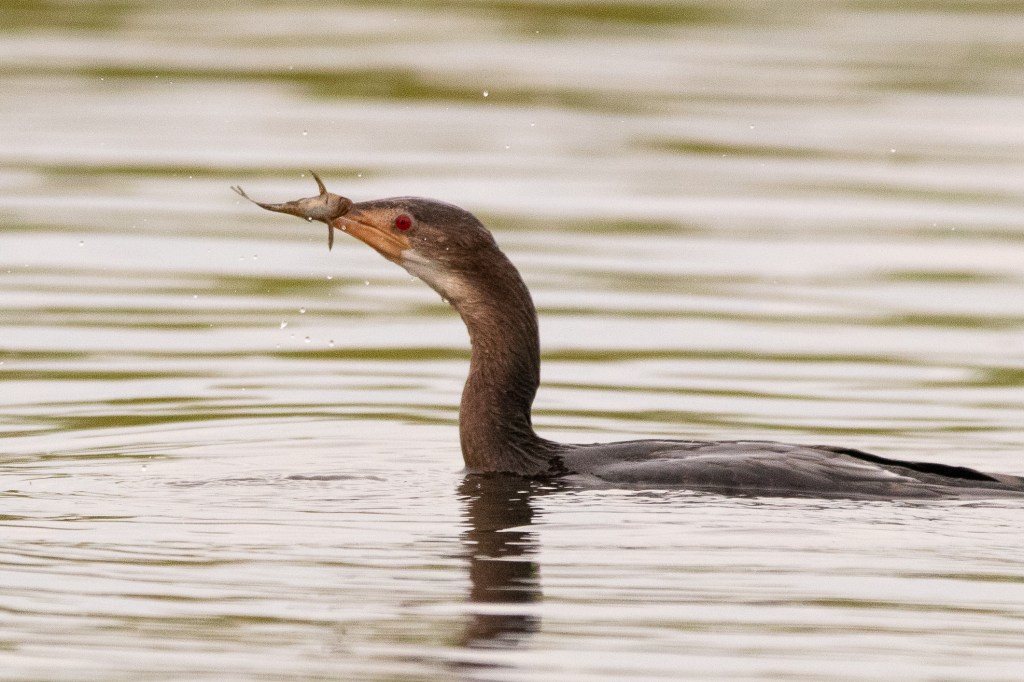
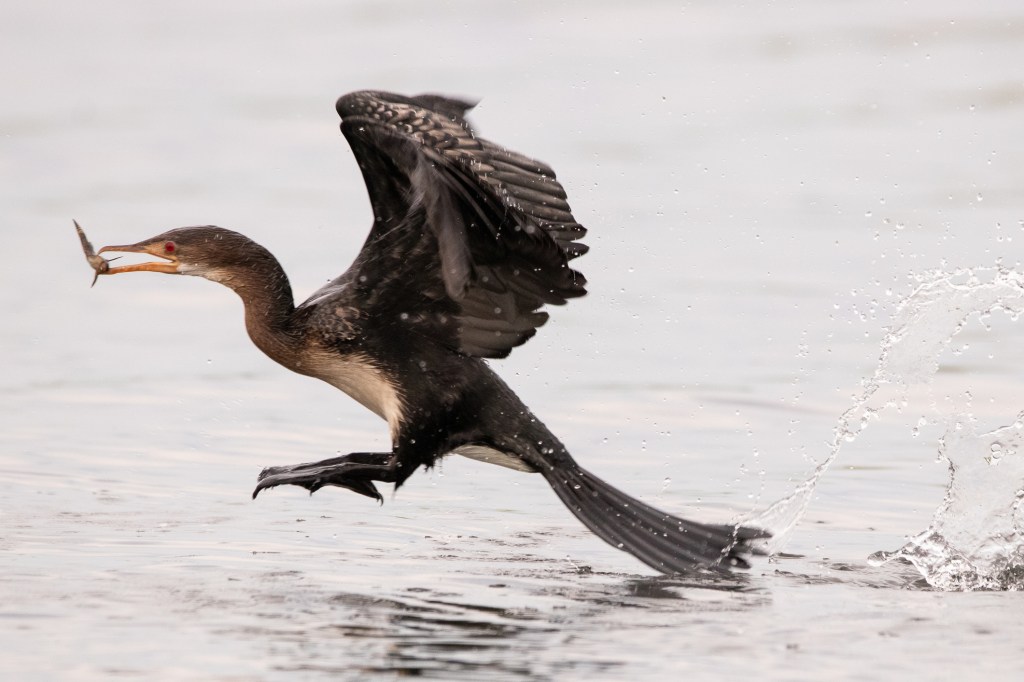
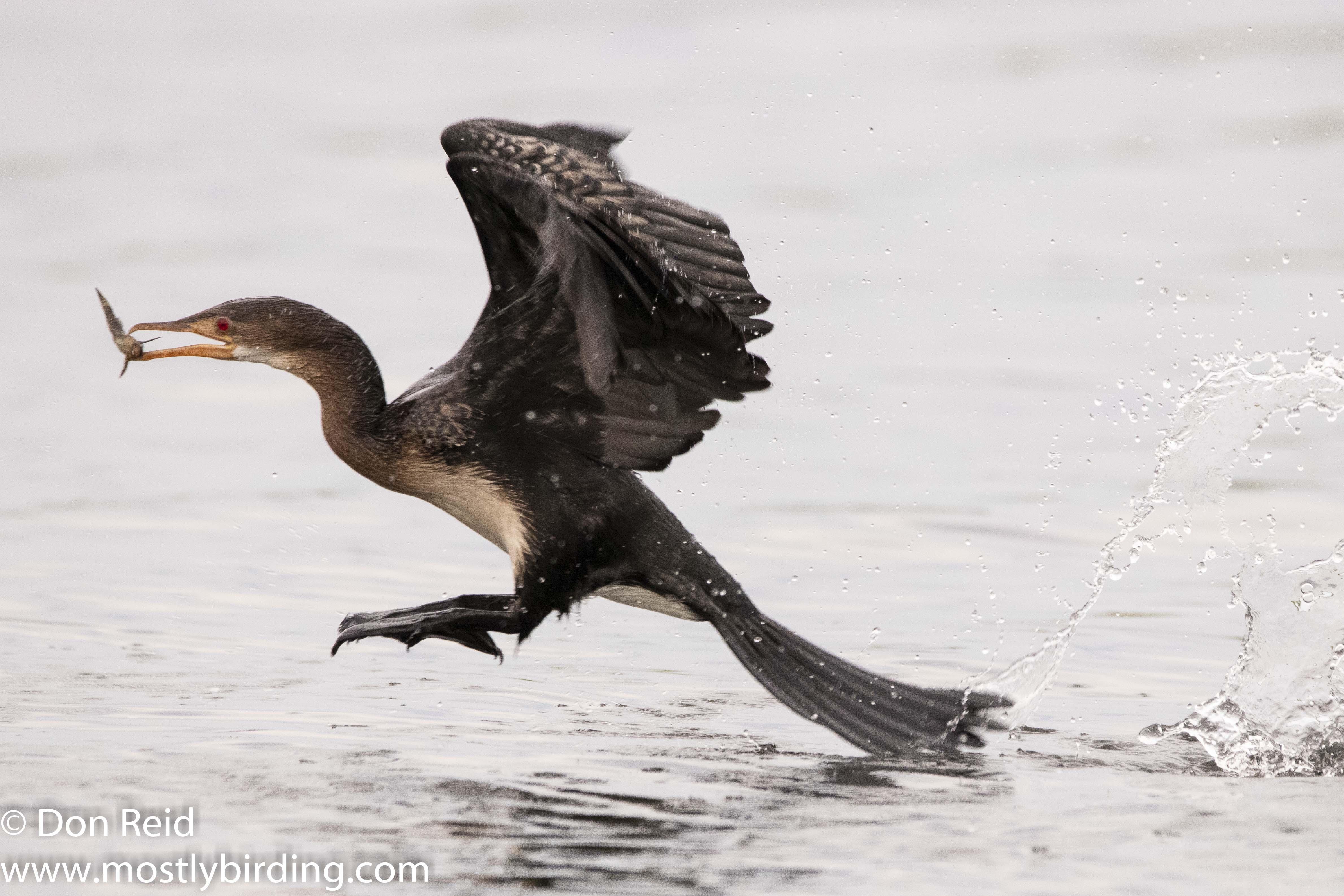
A Reed Cormorant with a small fish catch then caught our attention as it landed not far from the boat

Reed Cormorant, Chobe River Trip

I was quite pleased with this “landing“ shot of the cormorant, with just a hint of splash from the tail feathers

Reed Cormorant, Chobe River Trip

Pods of Hippos

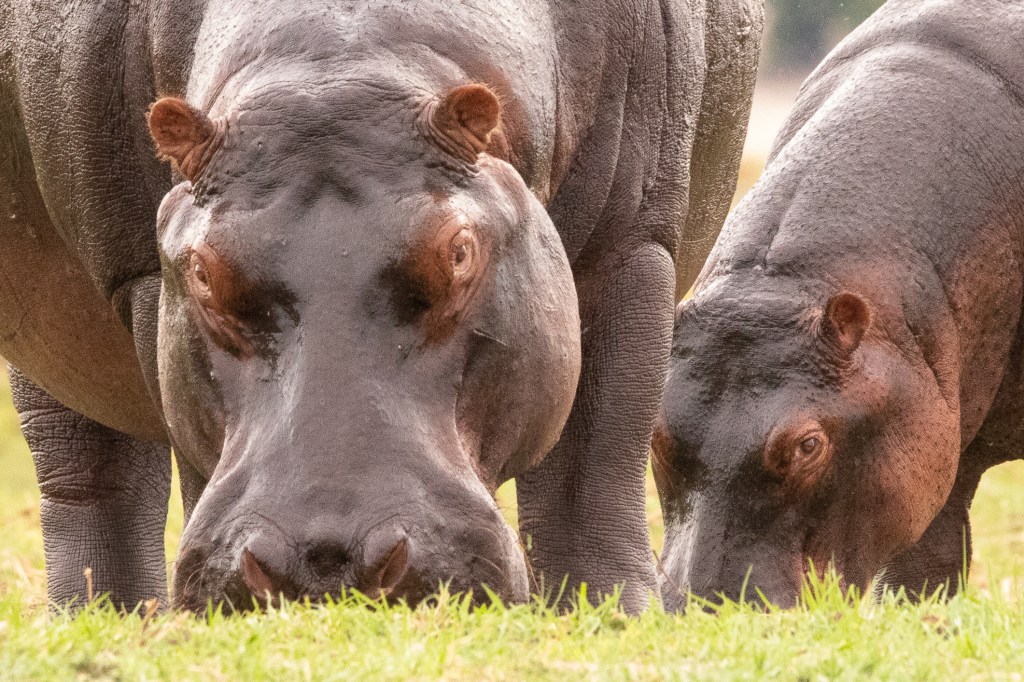
Approaching a pod of Hippos grazing on the bank, we waited at a distance – Hippos can be very intimidating, even dangerous so are best given enough space. These two kept an eye on us while munching away at the yummy grass.

Hippo, Chobe River Trip

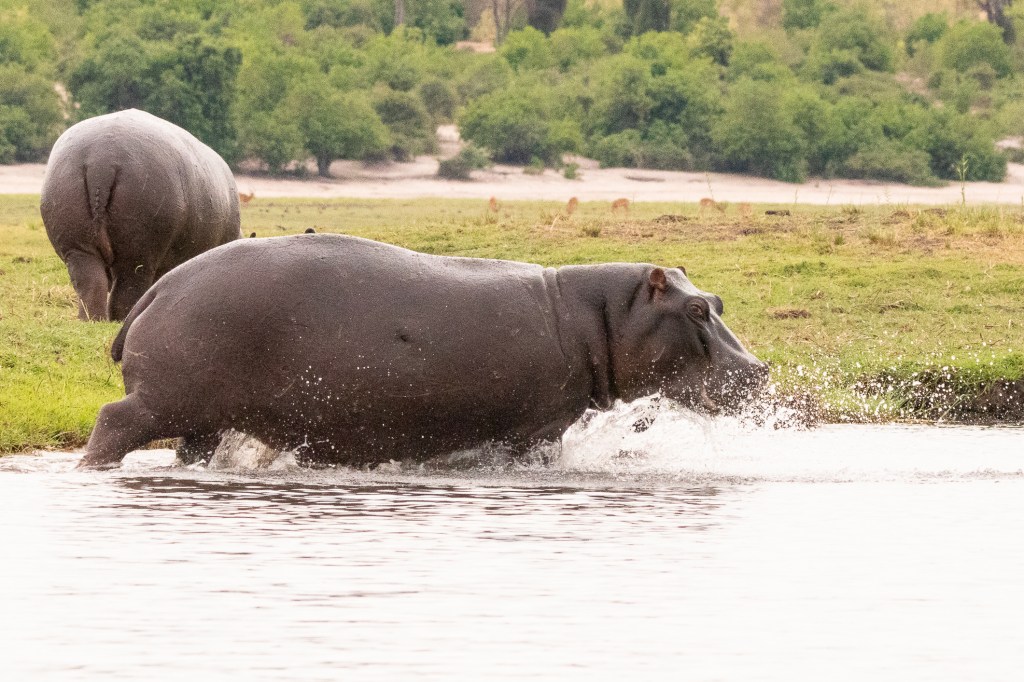
As Killer slowly edged the boat closer, some of the hippos decided to seek the safety of the water – as we had hoped – creating some “splash” to liven up the photo.

Hippo, Chobe River Trip

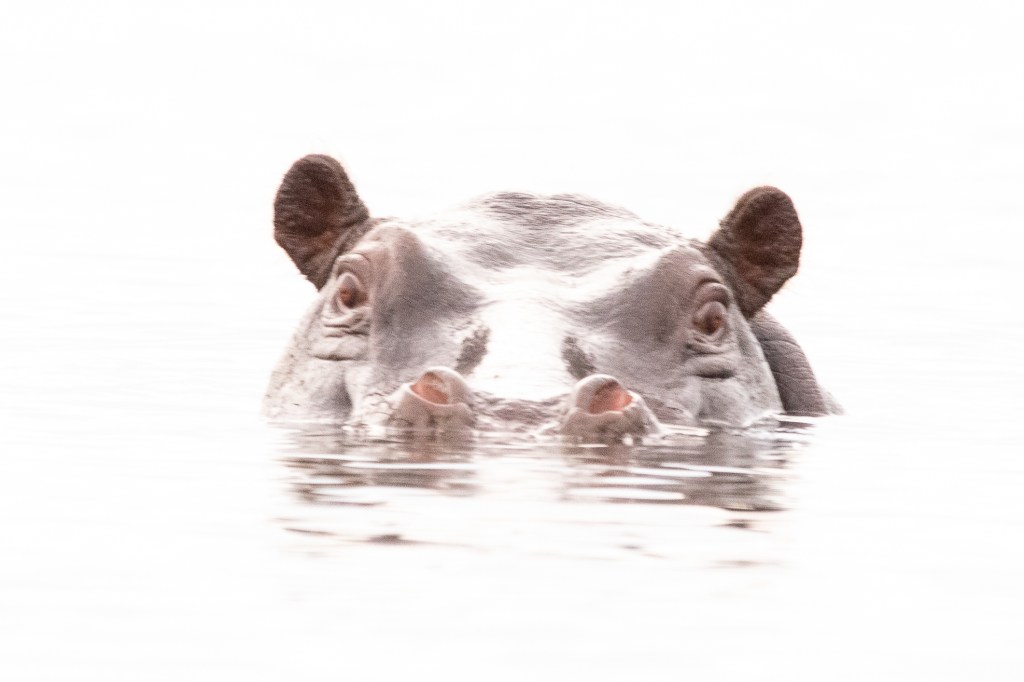
Further on, Janine guided us through the technique used to create those “High-Key” photos of a hippo almost submerged in the water – achieved by over-exposing by up to 3 steps so that subject and water come out bright and light.

Hippo, Chobe River Trip

Baboons doing their thing

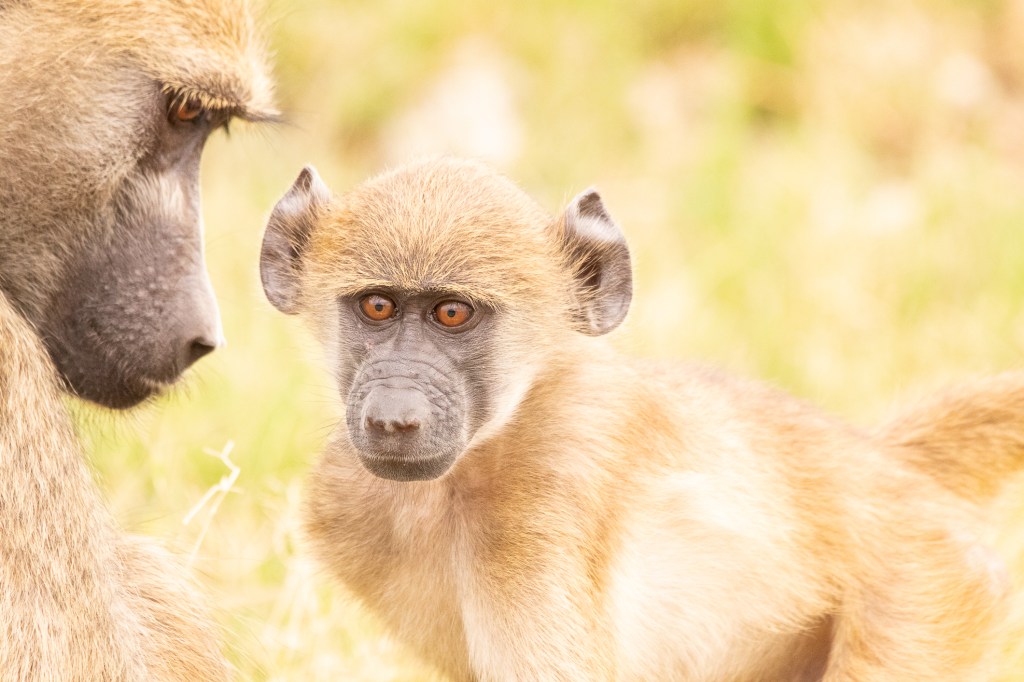
By now we were well up the river and heading to the sloping shoreline where a troop of baboons were active, which promised a few interesting photos of these photogenic animals – they didn’t disappoint and provided plenty of entertainment and kodak moments for the group.

Chacma Baboon, Chobe River Trip

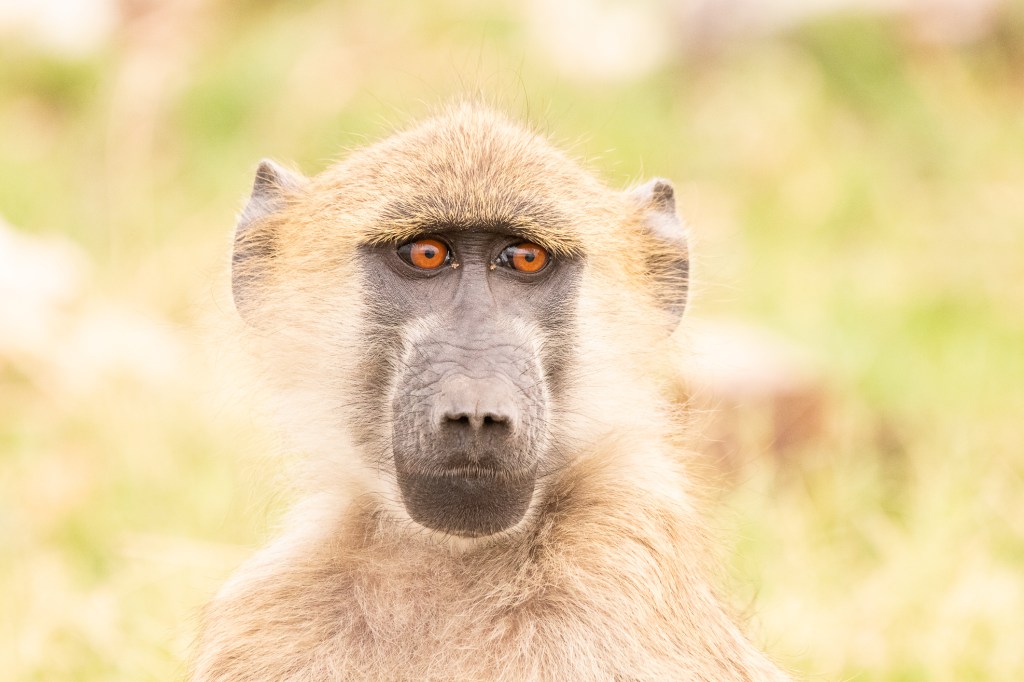
Further experiments with over-exposed portraits produced good results as Janine had forecast, bringing out the orange-brown eye colour as the baboon watched us intently.

Chacma Baboon, Chobe River Trip

More Birds

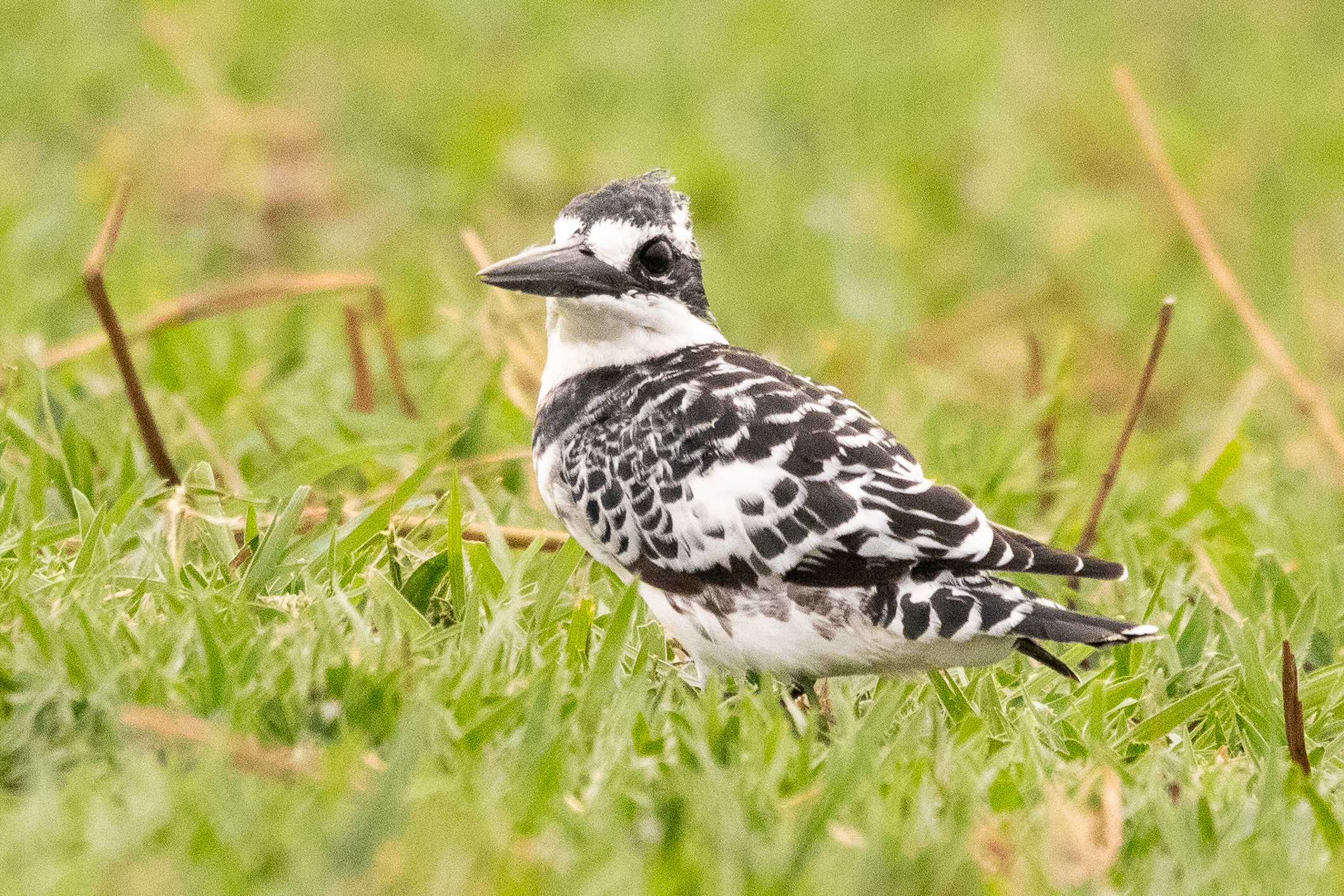
The boat headed further upstream (towards the west, with Namibia just across the water to the north), past Chobe Game Lodge (think Liz Taylor and Richard Burton) looking for interesting birds. One target was Giant Kingfisher but it didn’t show so we had to be content with the many Pied Kingfishers along the banks.

Pied Kingfisher, Chobe River Trip

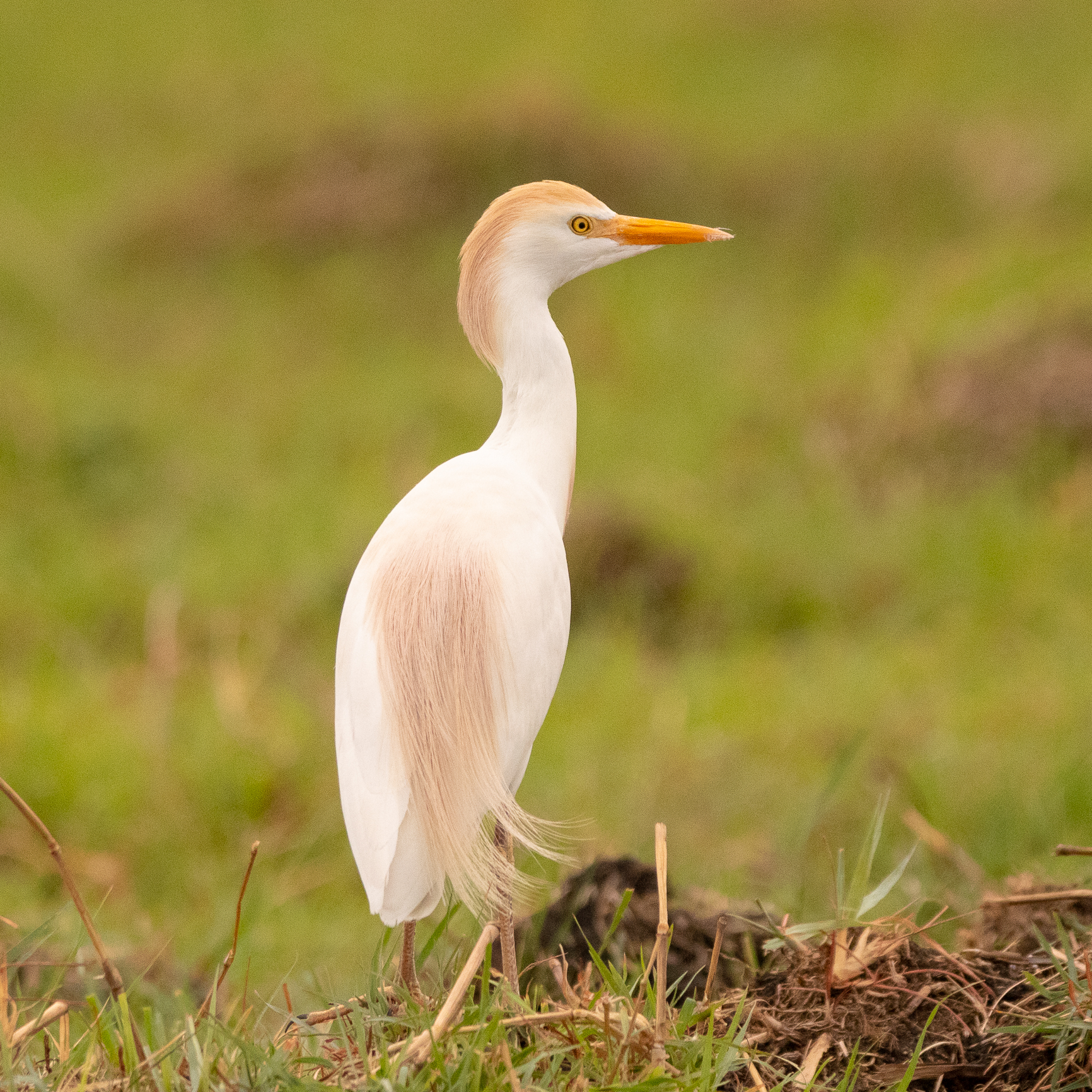
Cattle Egrets take on more colour during breeding season and the plumes on the back appear

Cattle Egret, Chobe River Trip
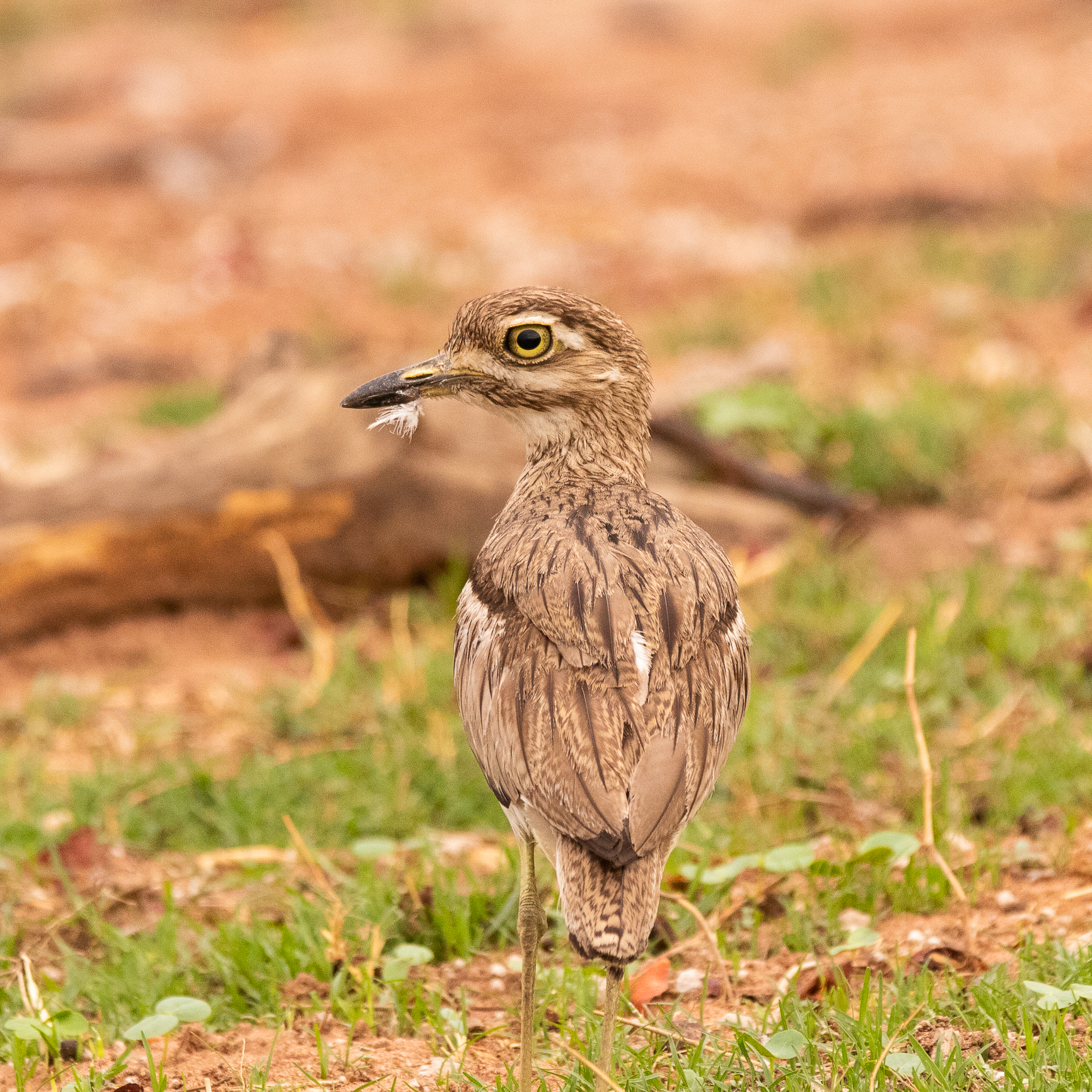
Water Thick-knee, Chobe River Trip

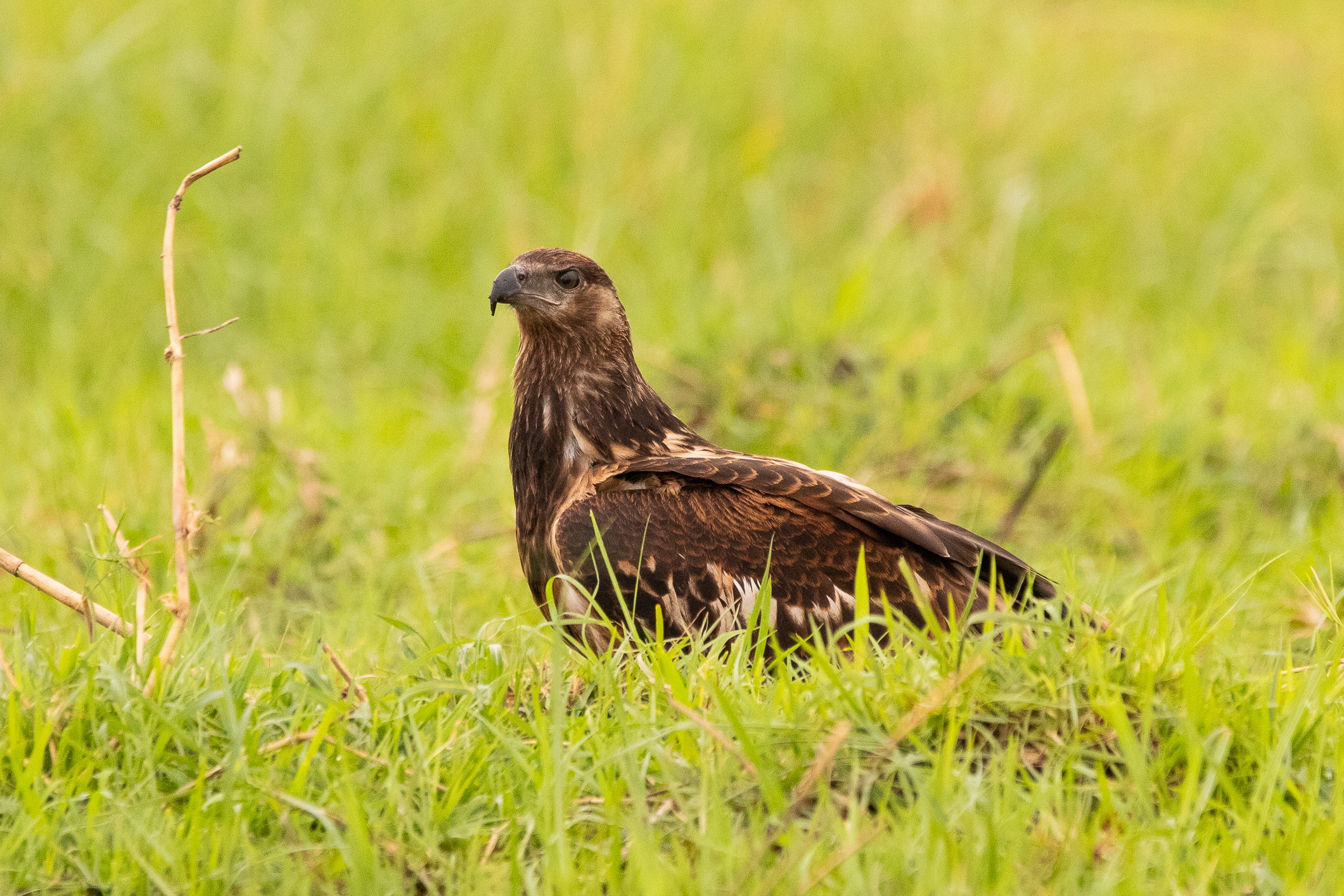
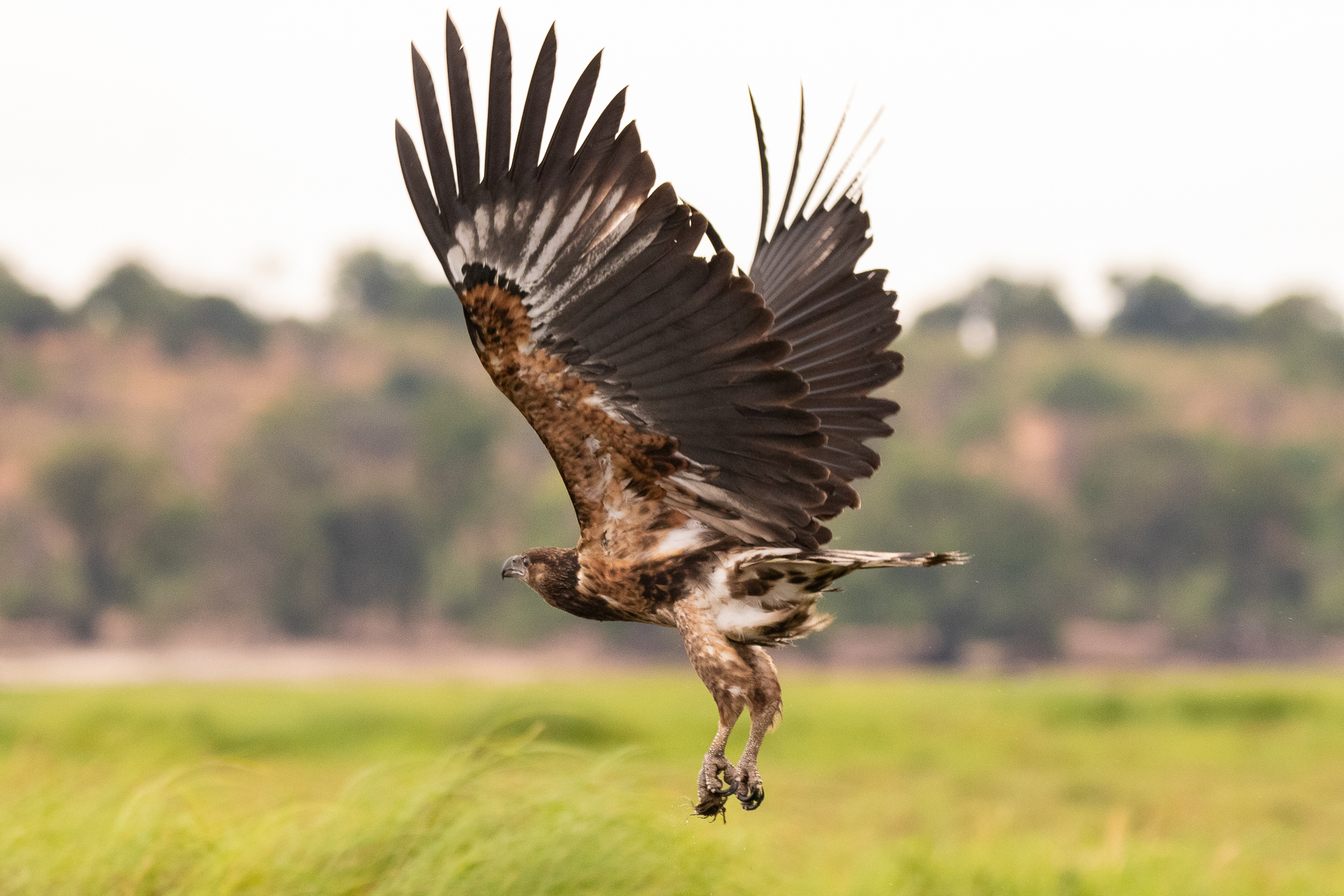
African Fish-Eagles are often prominent along the river, usually perched on a branch with a good view of the water. The juvenile differs markedly from the adult, which has led me to incorrect ID’s on more than one occasion.

African Fish-Eagle (Juvenile), Chobe River Trip

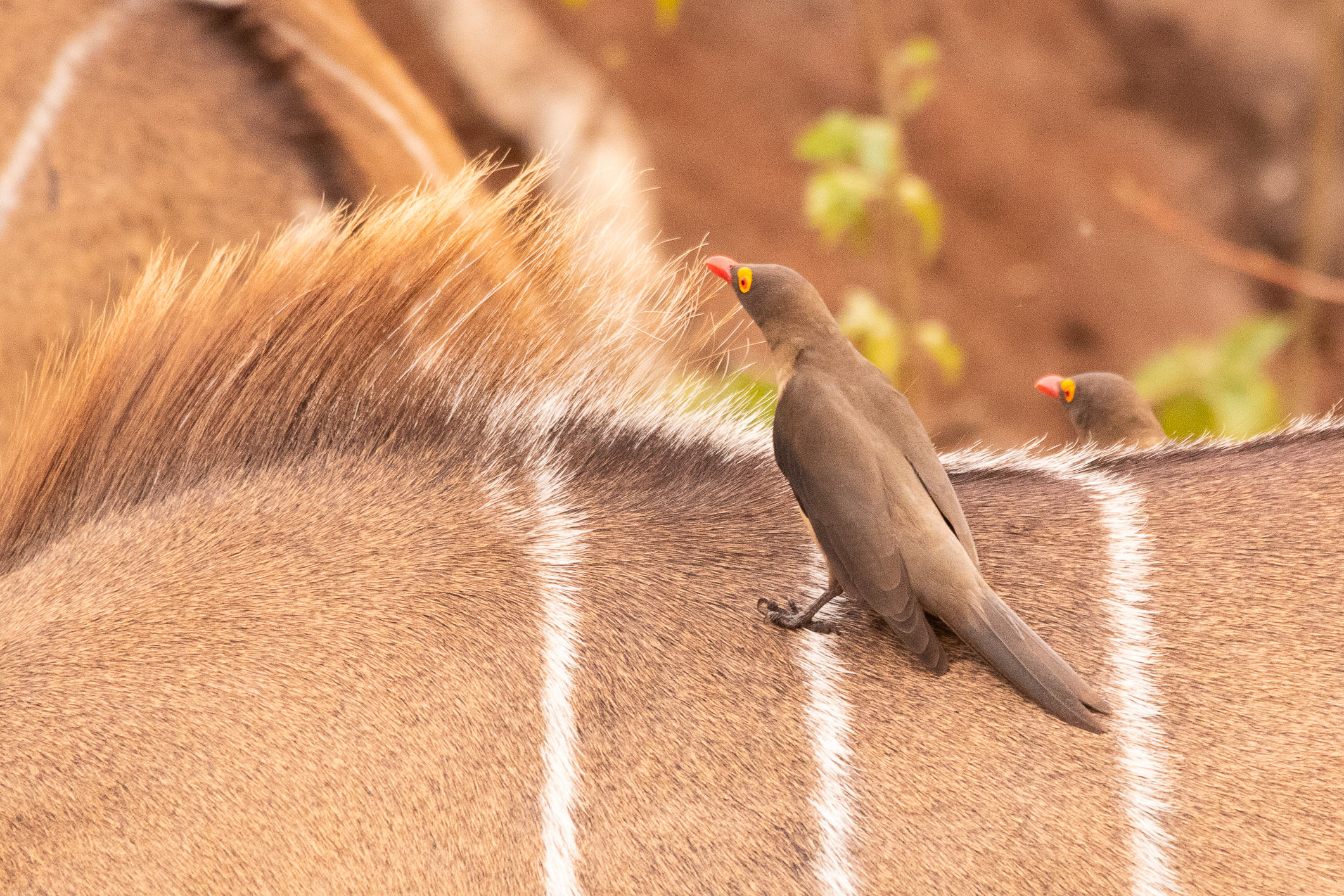
Oxpeckers are a favourite of mine, especially when perched on their host for the moment

Red-billed Oxpecker, Chobe River Trip

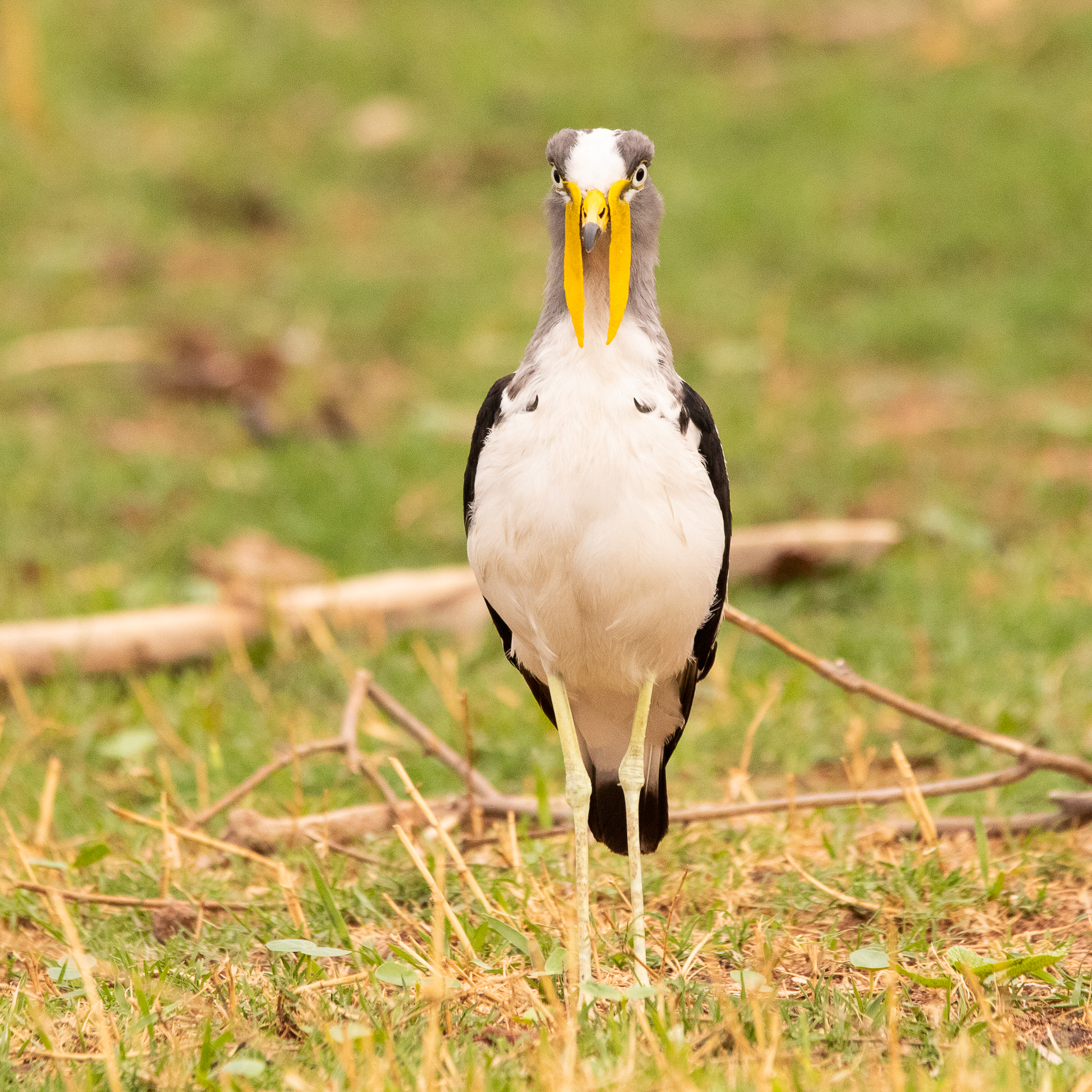
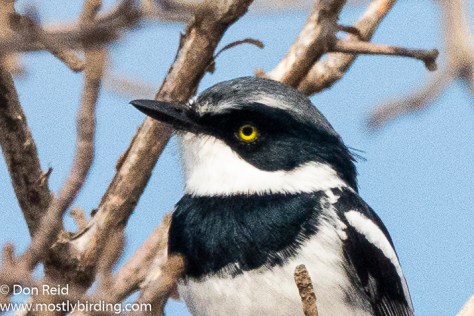
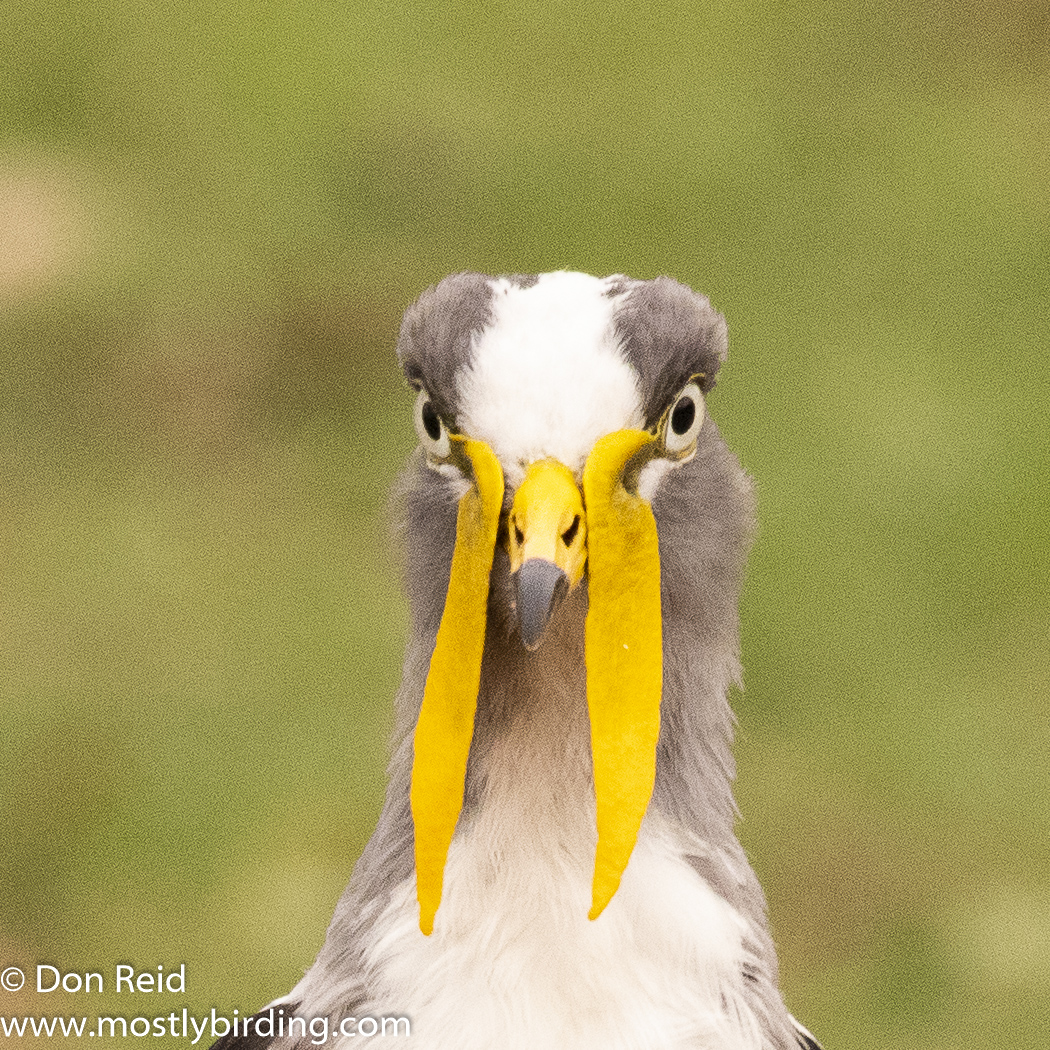
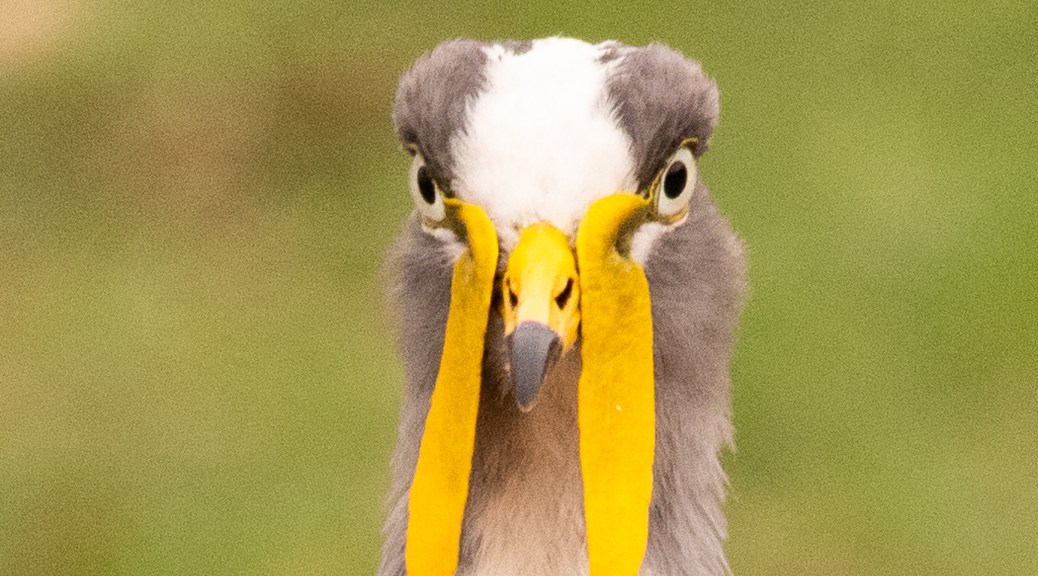
This front-on photo of a White-crowned Lapwing appealed to me – and to Janine who encourages different views of familiar subjects (The heading image is the same photo cropped)

White-crowned Lapwing, Chobe River Trip

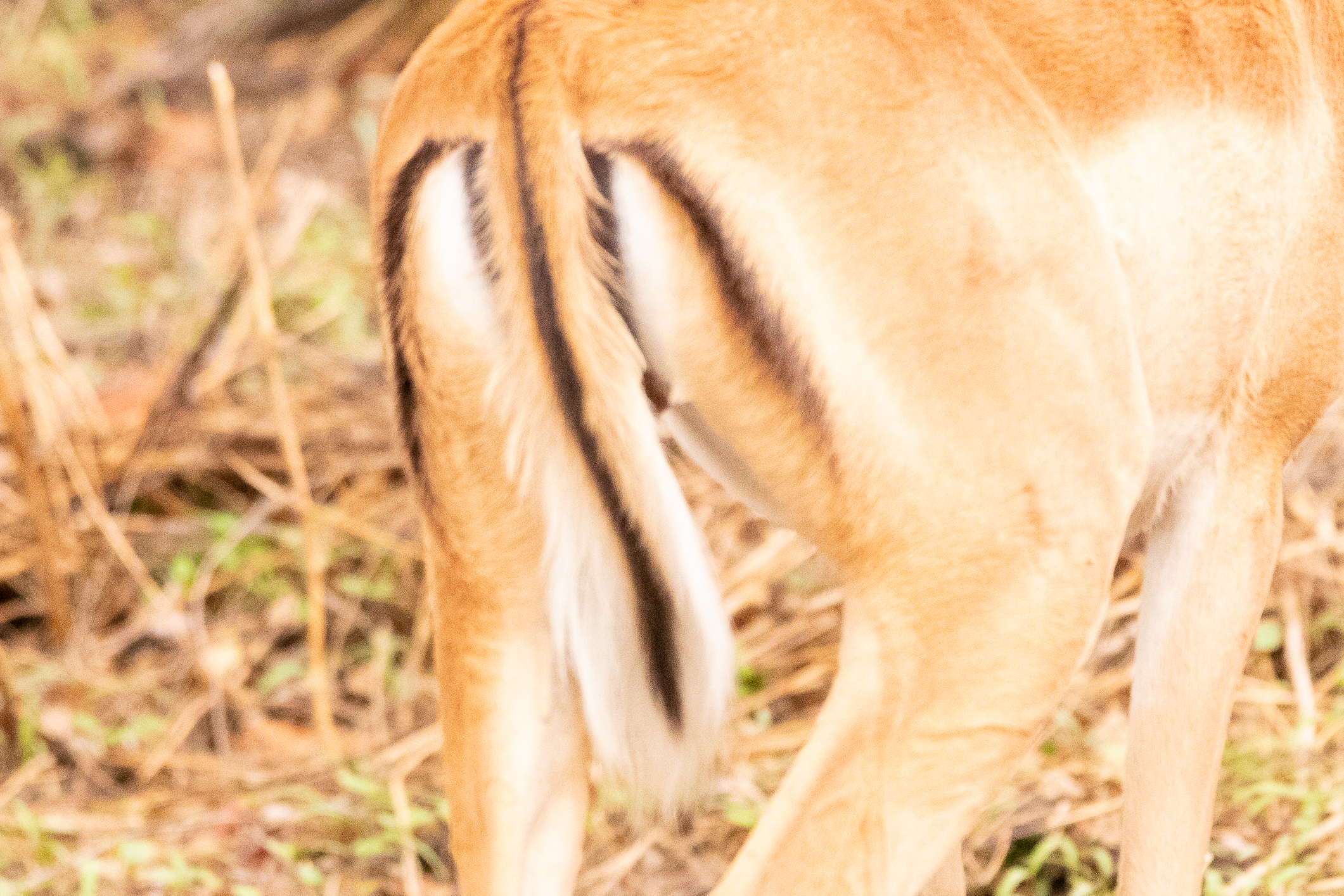
Impala with an M

This is the closest you will come to seeing a famous McDonald’s “M” in wild Botswana

Impala, Chobe River Trip

The end of our trip came all too soon but there was the exciting prospect of going on an early morning game drive through Chobe with the same team – more about that in Part 2

Chobe River Boat Trip

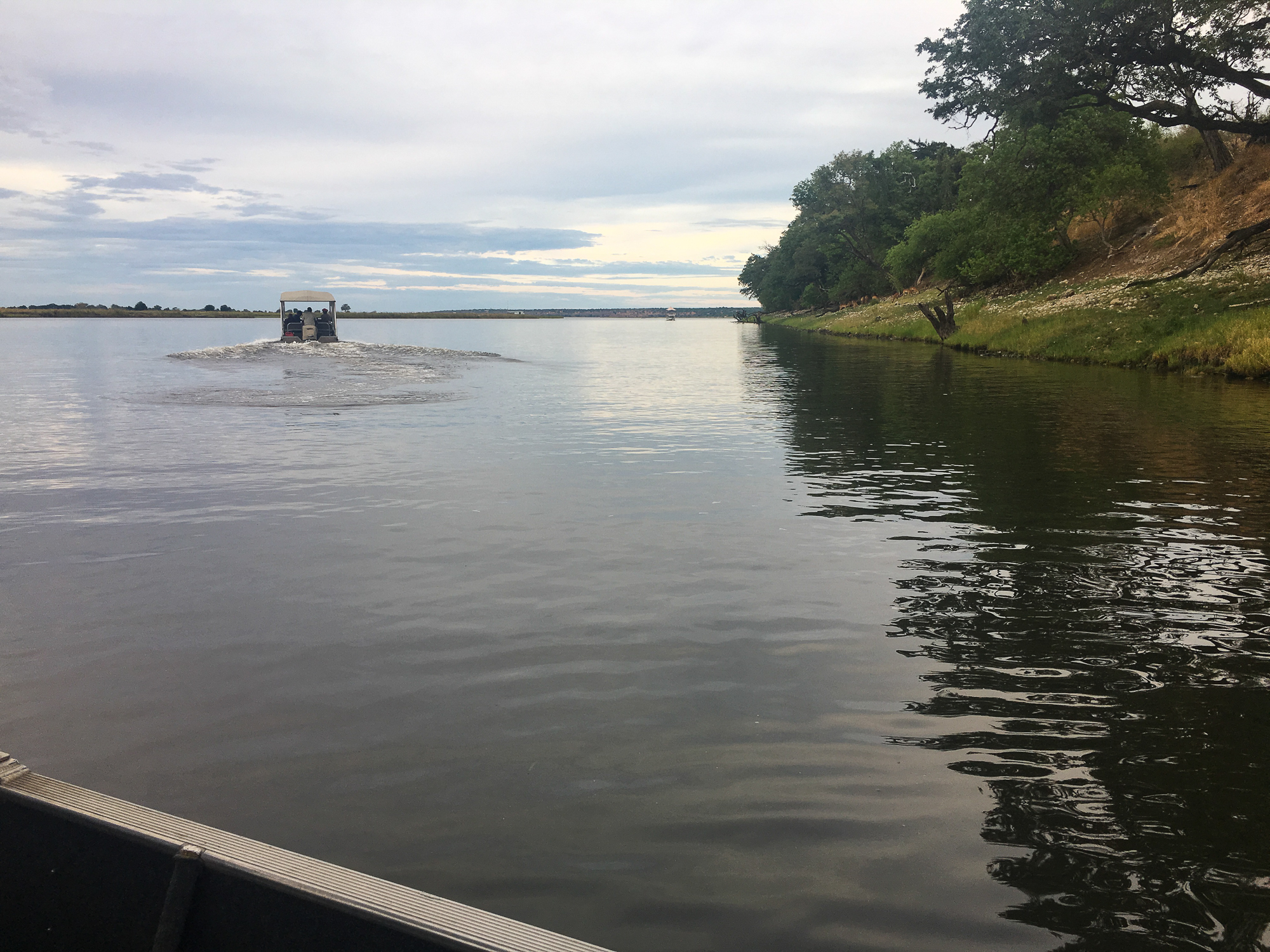
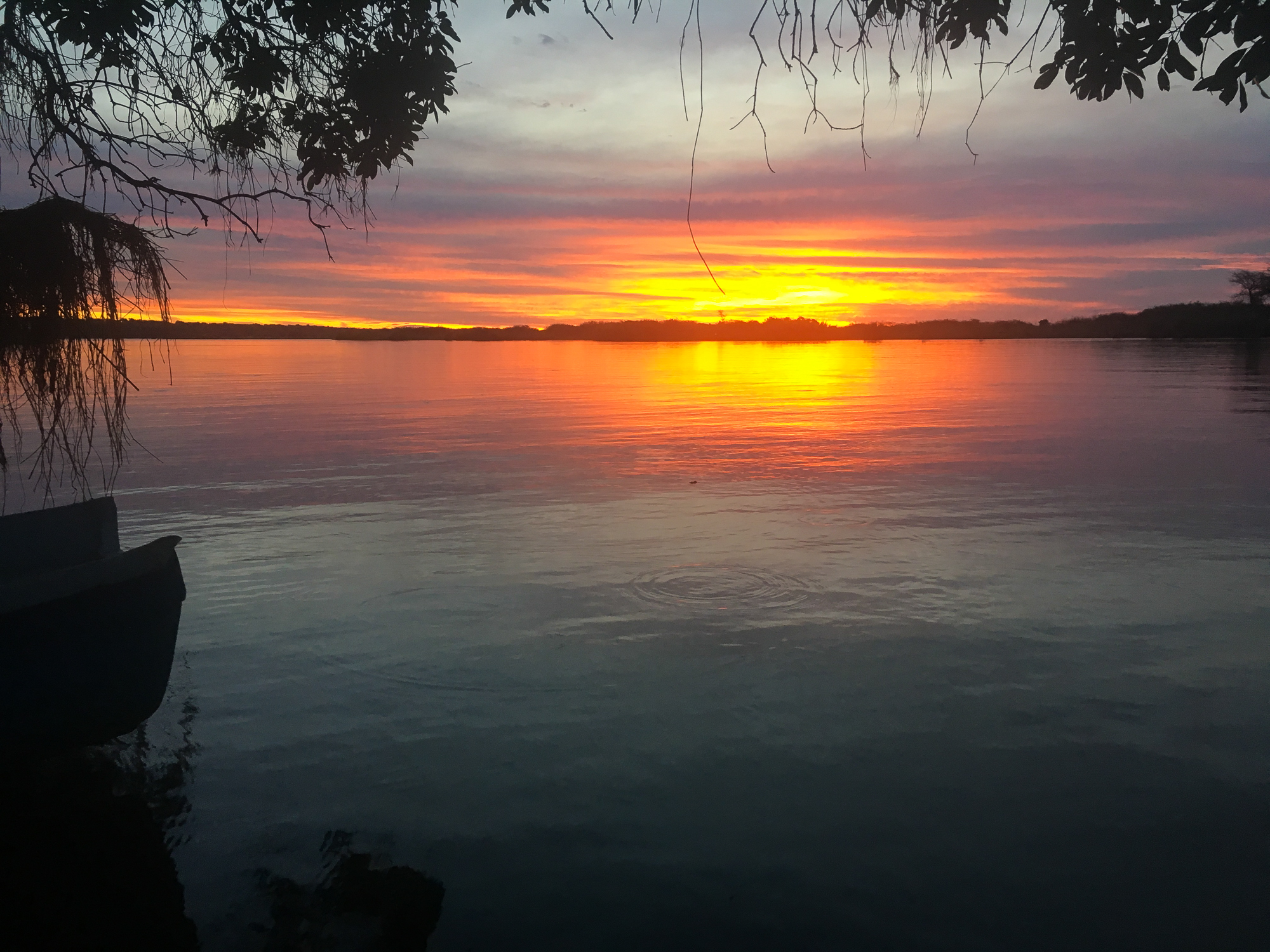
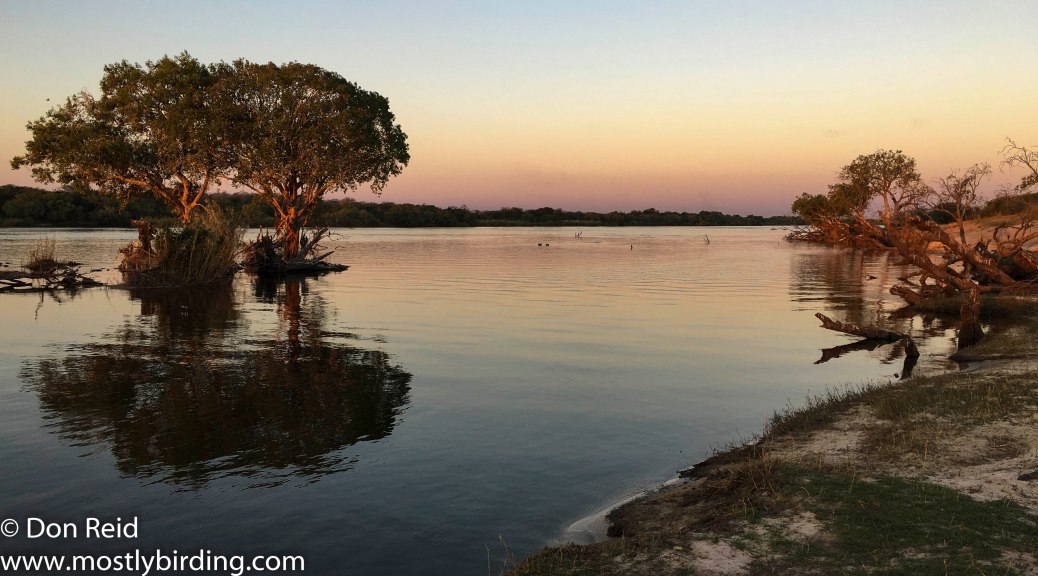
But before that, Chobe River has some of the most glorious sunsets you will find anywhere – best enjoyed with a suitable beverage to hand…

Chobe River Boat Trip

Addo Elephant National Park – Stoepsitting

Stoepsitter Birding – again!

A couple of my recent longer posts have highlighted what I like to call “Stoepsitter birding” – which is the relaxed kind conducted mostly from a comfortable seat, preferably accompanied by suitable snacks and beverages to make sure the energy and spirit remains at a high level. Both were in favourite locations, one in Satara Camp in Kruger National Park, the other at Verlorenkloof Resort not far from Macahadodorp in Mpumulanga Province.

Addo Elephant National Park in the Eastern Cape has the honour of completing a trio of outstanding locations and places where Stoepsitter birding comes into its own.

The criteria are simple – suitable habitat to attract a variety of birdlife, a comfortable spot from which to observe the comings and goings of the birdlife, without disturbing them too much and the time and patience to devote yourself to this activity. It also helps if the birdlife and small wildlife is habituated to humans and happy to share their world with us, which for the most part is certainly the case in Addo.

Addo Elephant National Park

Our road trip in March this year included a three night stay in Addo, in a comfortable chalet with a view over a part of the Main Camp and a raised deck where we could spend a large part of the day (depicted in the heading image), while reserving the afternoons to venture out on game/birding drives.

The variety of birdlife that came to visit was exceptional, many of them drawn by the surrounding trees and shrubs which held a cornucopia of edible avian delights – nectar filled flowers, berries, small insects and suchlike.

The Weavers

Weavers were the most prominent and numerous birds that visited, represented by no less than three different species, all belonging to the Ploceus genus. Weavers can be difficult to ID in their winter non-breeding plumage, but there are still enough clues to narrow the identification down when faced with similar looking yellow birds.

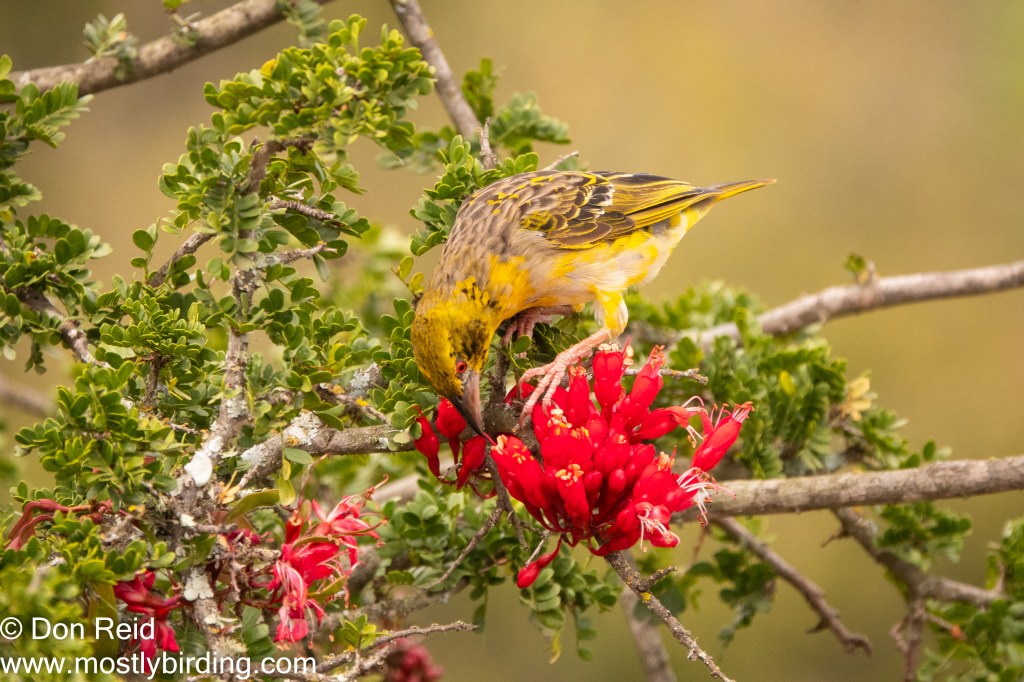
Village Weaver (Bontrugwewer / Ploceus cucullatus)

The Village Weavers outnumbered the other two weaver species and were frequent visitors to the flowering trees right in front of our chalet. My limited botanical knowledge would make this a type of Coral Tree (Erythrina genus) with its bright scarlet flowers but I’m open to correction….. which I have received (see comments below) and I now know this is in fact a Weeping boer-bean (Schotia brachypetala / Huilboerboon) so called, apparently, due to the copious amounts of nectar during flowering which overflow and ‘weep’

In breeding plumage the Village Weaver is fairly easy to distinguish from other masked Weavers, but this male was in eclipse plumage, the “in-between” stage when they are in the process of transitioning to their duller non-breeding plumage. The red eye and spotted-backed appearance confirmed the ID

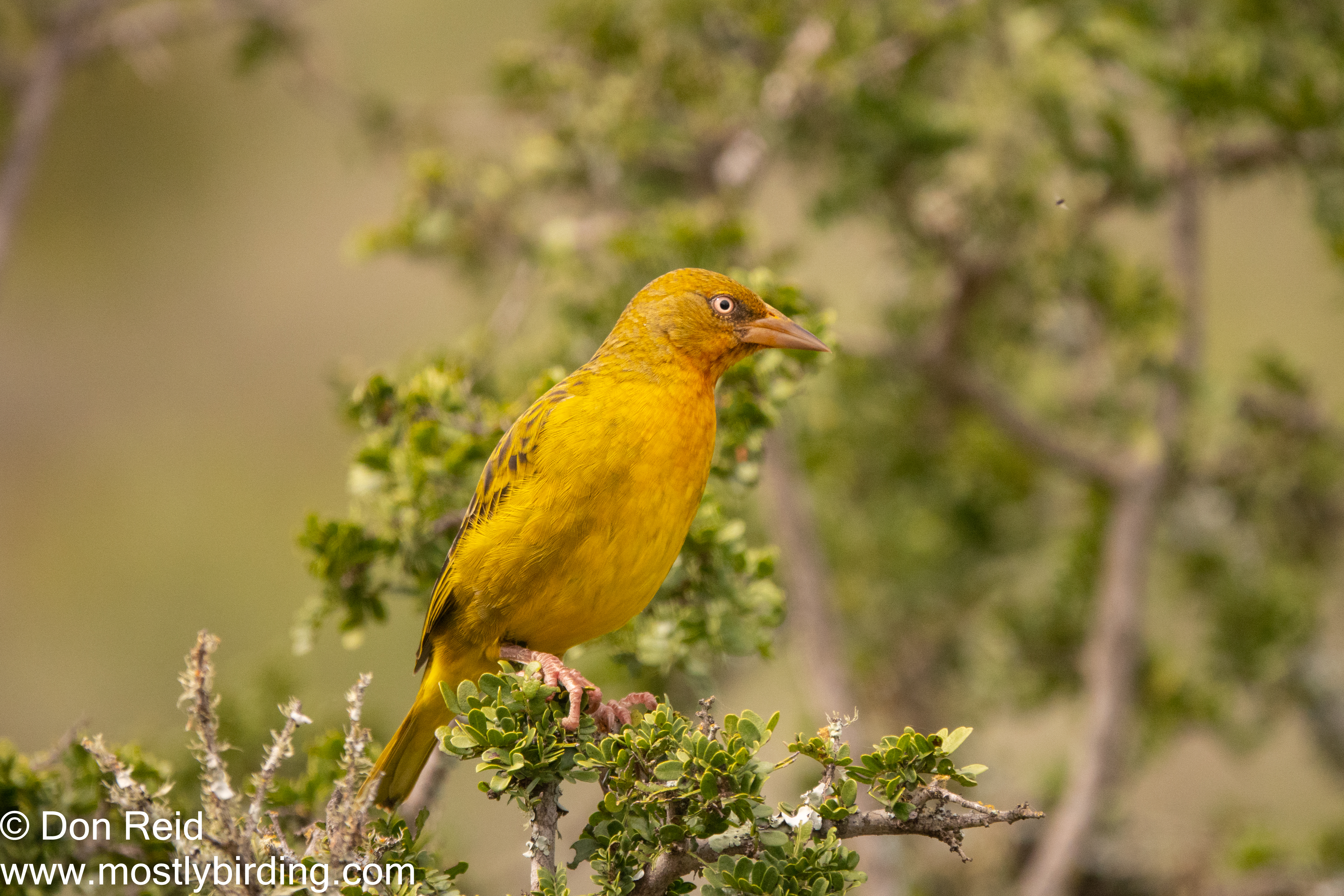
Cape Weaver (Kaapse wewer / Ploceus capensis)

In non-breeding plumage the Cape Weaver male is still fairly easy to identify with its white eye colour and heavy bill, although lacking the chestnut brown wash over the face and neck which it shows during the summer breeding months. This is also the largest of the yellow weavers, by length and mass, but size is not always a dependable way to ID a bird unless the other candidate is sitting right next to it.

Cape Weaver male in partial non-breeding plumage, Addo Elephant Park

The female is less distinctive with brown eyes but the heavy bill helps to separate it from other non-breeding female weavers.

Spectacled Weaver (Brilwewer / Ploceus ocularis)

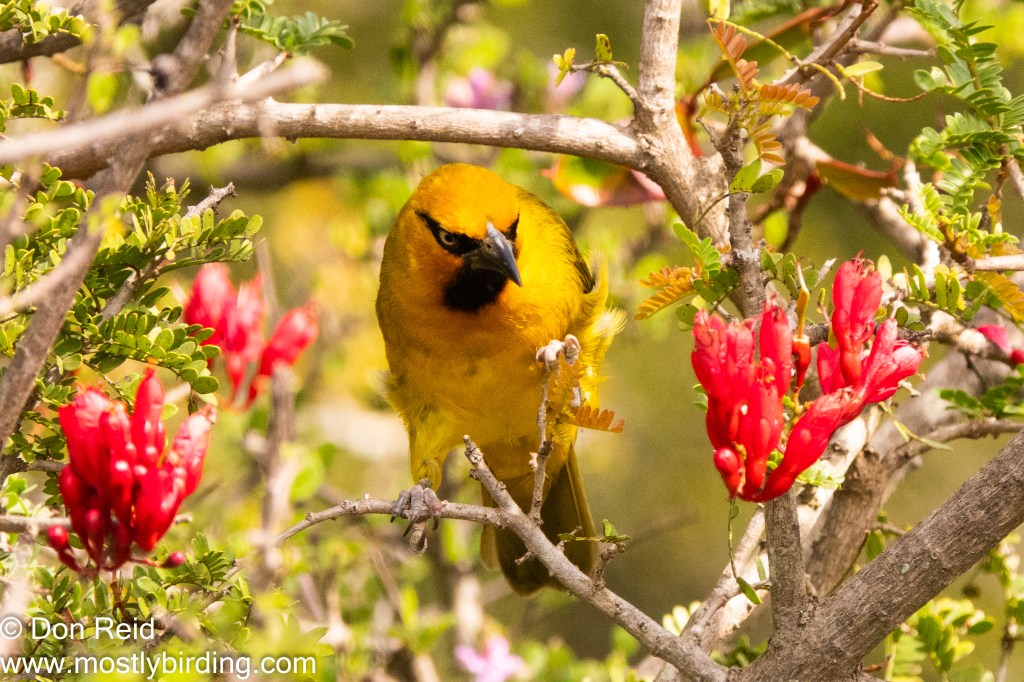
The Spectacled Weavers are easily distinguishable with their black ‘spectacles’ and black bill, while the black bib says this is a male.

The Sunbirds

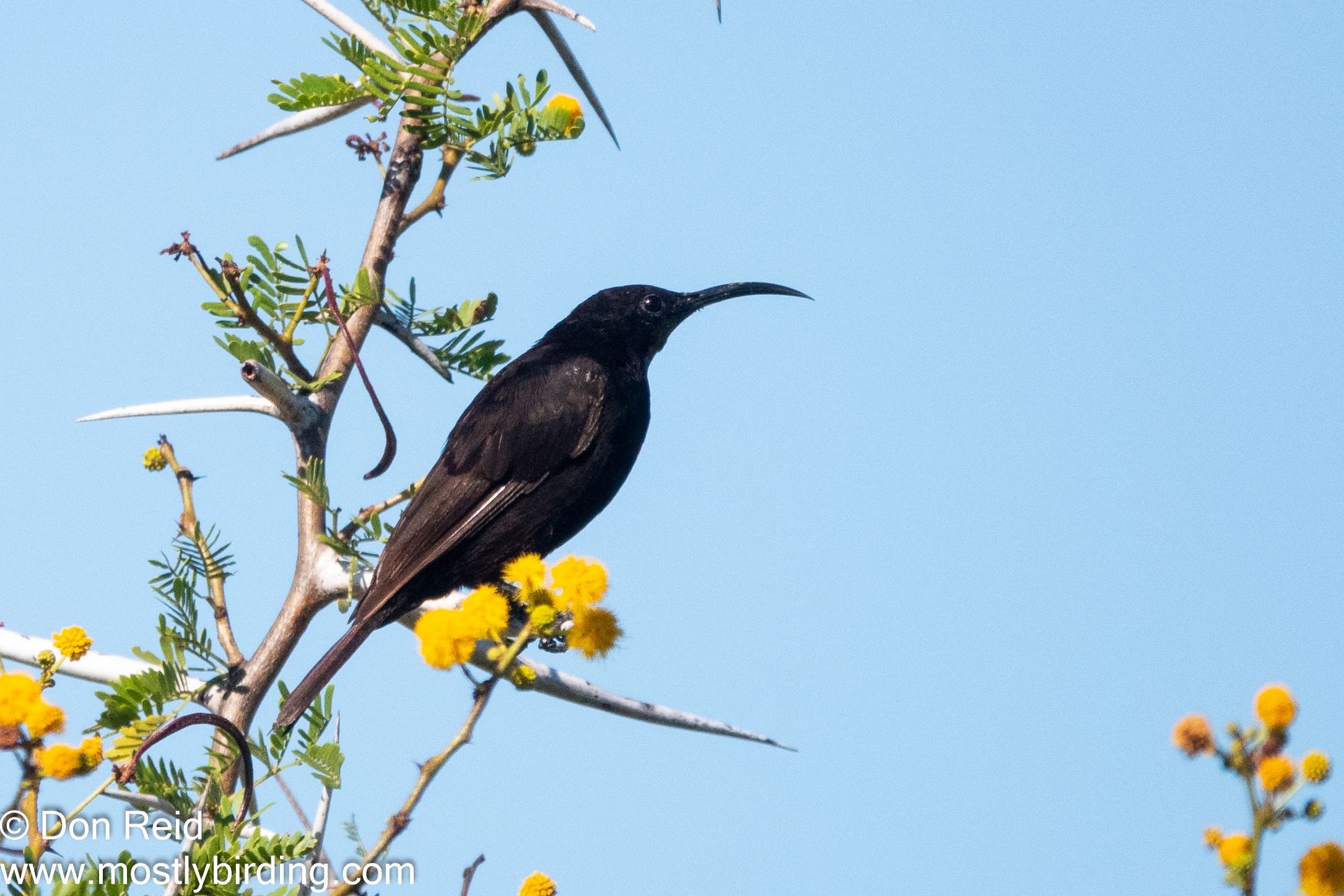
Two species of Sunbird were drawn to the nectar produced by the flowering trees, very different in appearance but equally striking as they went about the business of extracting the nectar with long down-curved bills and even longer tongues to probe the flowers.

Amethyst Sunbird (Swartsuikerbekkie / Chalcomitra amethystina)

Amethyst Sunbird, Addo Elephant Park

Greater Double-collared Sunbird (Groot-rooibandsuikerbekkie / Cinnyris afer)

Greater Double-collared Sunbird, Addo Elephant Park

Other Species

There were several other species that visited the chalet surrounds, not all of which chose to pose for a photo, but those that did seemed quite happy to be ‘in the picture’. Here are the species that spend most time in the trees and shrubs –

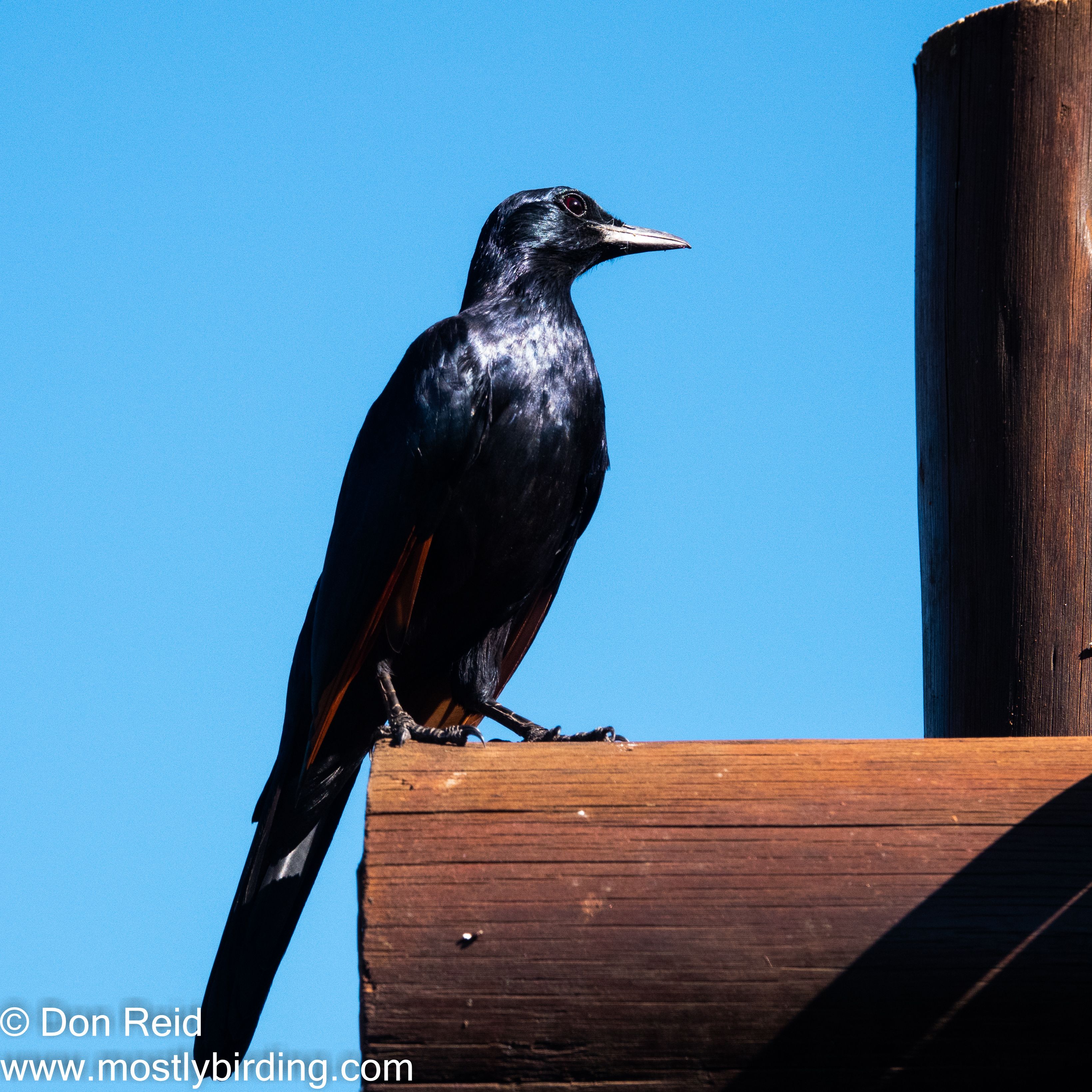
Red-winged Starling (Rooivlerkspreeu / Onychognathus morio)

Red-winged Starling, Addo Elephant Park

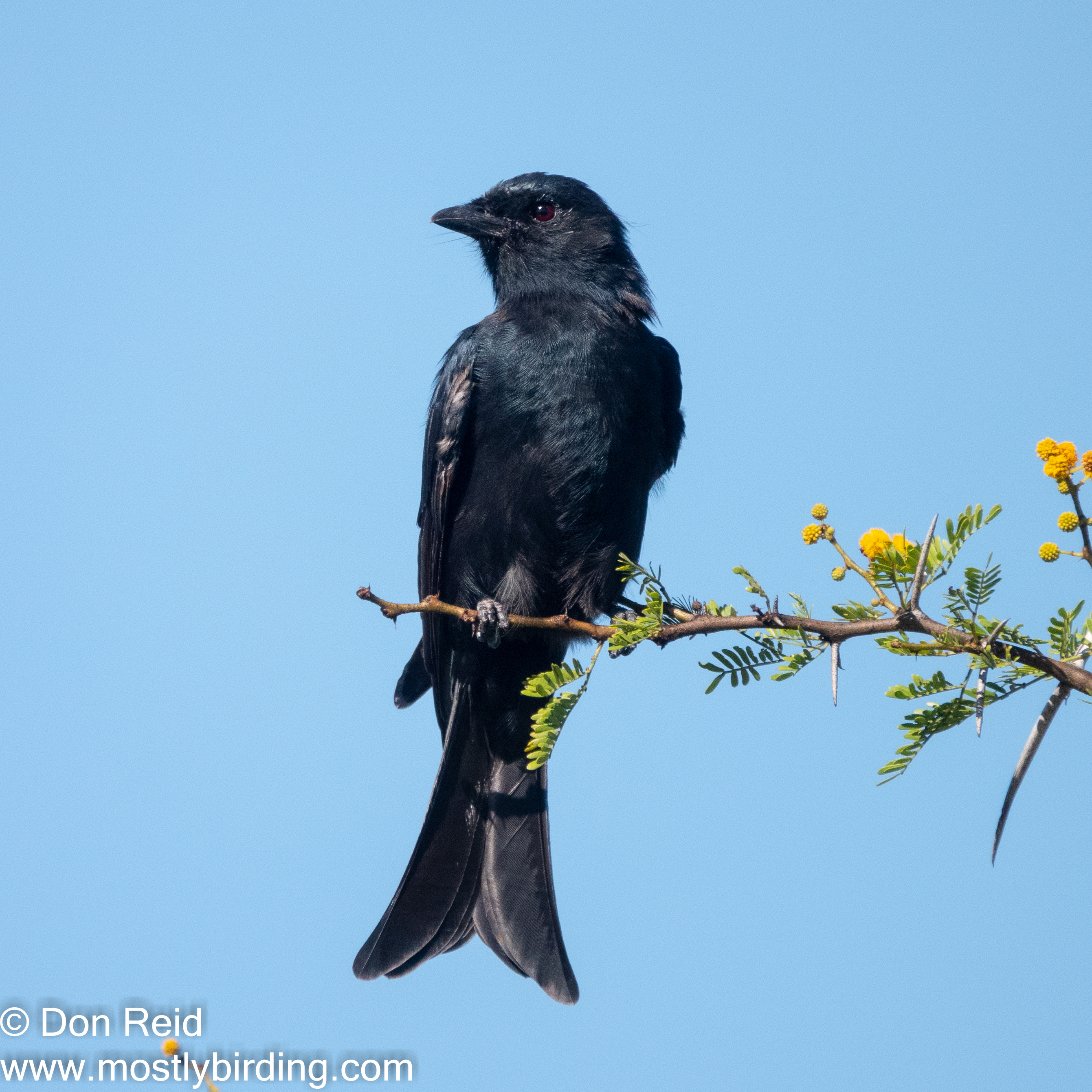
Fork-tailed Drongo (Mikstertbyvanger / Dicrurus adsimilis)

Fork-tailed Drongo, Addo Elephant Park

Streaky-headed Seedeater (Streepkopkanarie / Crithagra gularis)

This member of the Canary family (The Afrikaans name confirms it) is a great singer and fond of sitting in an exposed position, so is hard to miss, but can be confused with the similar looking White-throated Canary

Streaky-headed Seedeater (race humilis), Addo Elephant Park

Black-collared Barbet (Rooikophoutkapper / Lybius torquatus)

The Black-collared Barbet tends to be a tad shier than other species, keeping its distance in a bush and not venturing close to the chalet

Black-collared Barbet (race torquatus), Addo Elephant Park

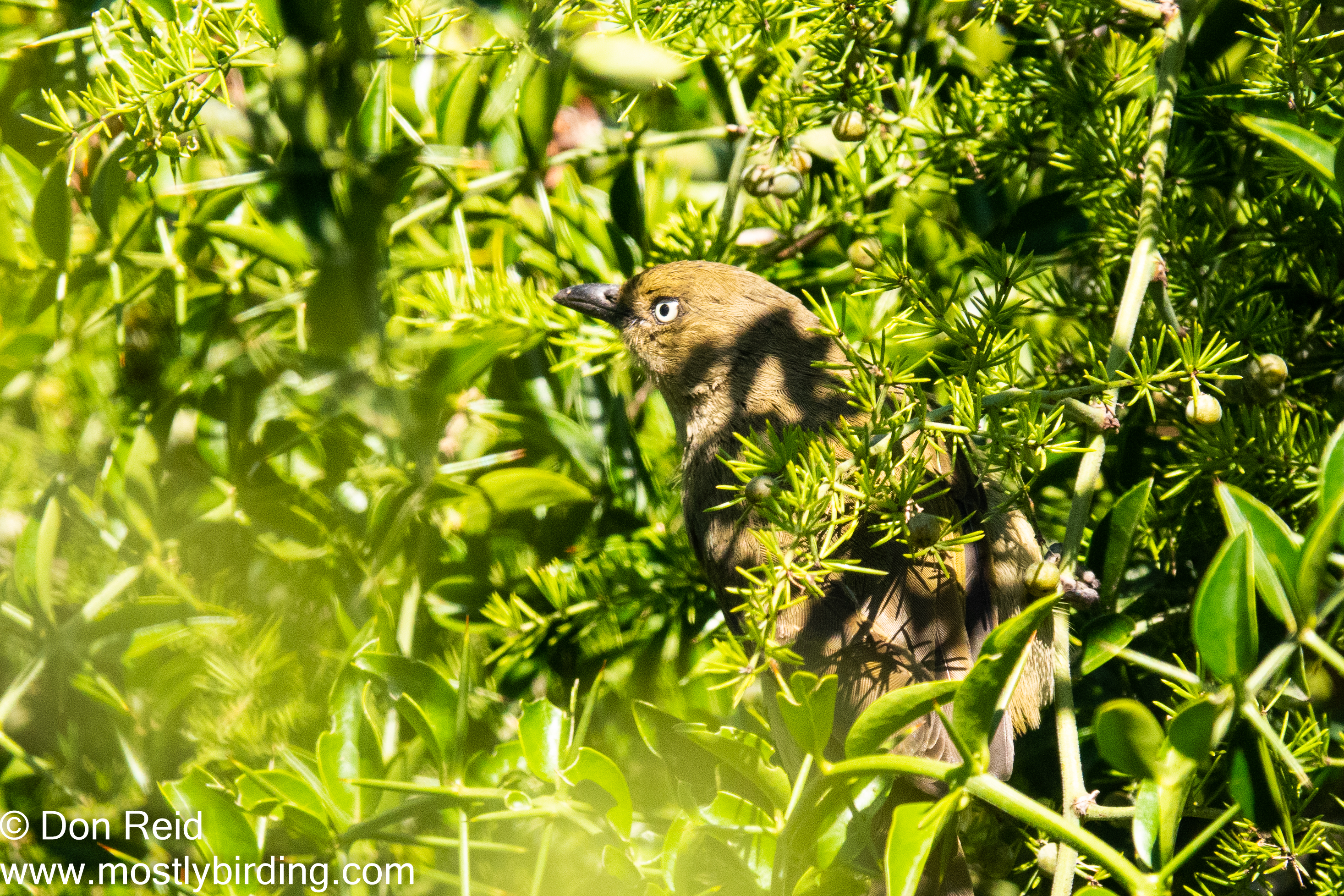
Sombre Greenbul (Gewone willie / Andropadus importunus)

Then there’s the Sombre Greenbul, always heard, seldom seen – I managed to capture an image of this one as it made its way through dense shrubs

Sombre Greenbul (Andropadus importunus / Gewone willie), Addo Elephant Park

The species that spend more time on the ground also ‘popped by’ as they searched for grubs and insects in the gravelly ground around the chalet

Cape Robin-Chat (Gewone janfrederik / Cossypha caffra)

Cape Robin-Chat, Addo Elephant Park

The Cape Robin-Chat is not averse to hopping up onto a branch to survey the area

Cape Robin-Chat, Addo Elephant Park

Emerald-spotted Wood Dove (Groenvlekduifie / Turtur chalcospilos)

Easy to see where it gets its name from….

Emerald-spotted Wood Dove (race chalcospilis), Addo Elephant Park

Olive Thrush (Olyflyster / Turdus olivaceus)

Olive Thrush (race oliveaceous), Addo Elephant Park

Other Creatures

And here’s a couple of non-avian visitors to end off with…

Flightless Dung Beetle, Addo Elephant Park
Cape Grey Mongoose (Herpestes pulverulentus / Kaapse grysmuishond), Addo Elephant Park

How about a spectacular sunset, viewed from the stoep, to close out the day

Sunset, Addo Elephant Park

My Photo Picks for 2019

With the new year in its infancy, it’s time to select a few photos which best represent our 2019. In some cases, selection is based on the memory created, in others I just like how the photo turned out, technically and creatively.

If you have any favourites, do let me know by adding your comment!

The Places

The highlight of our travels during the past year was without doubt our trip to Australia to visit our son and family and to do a bit of touring through the State of Victoria. Other than that we did not venture far afield but managed to tame our travel itch with several local trips and extended visits to our second home town of Mossel Bay in the Southern Cape.

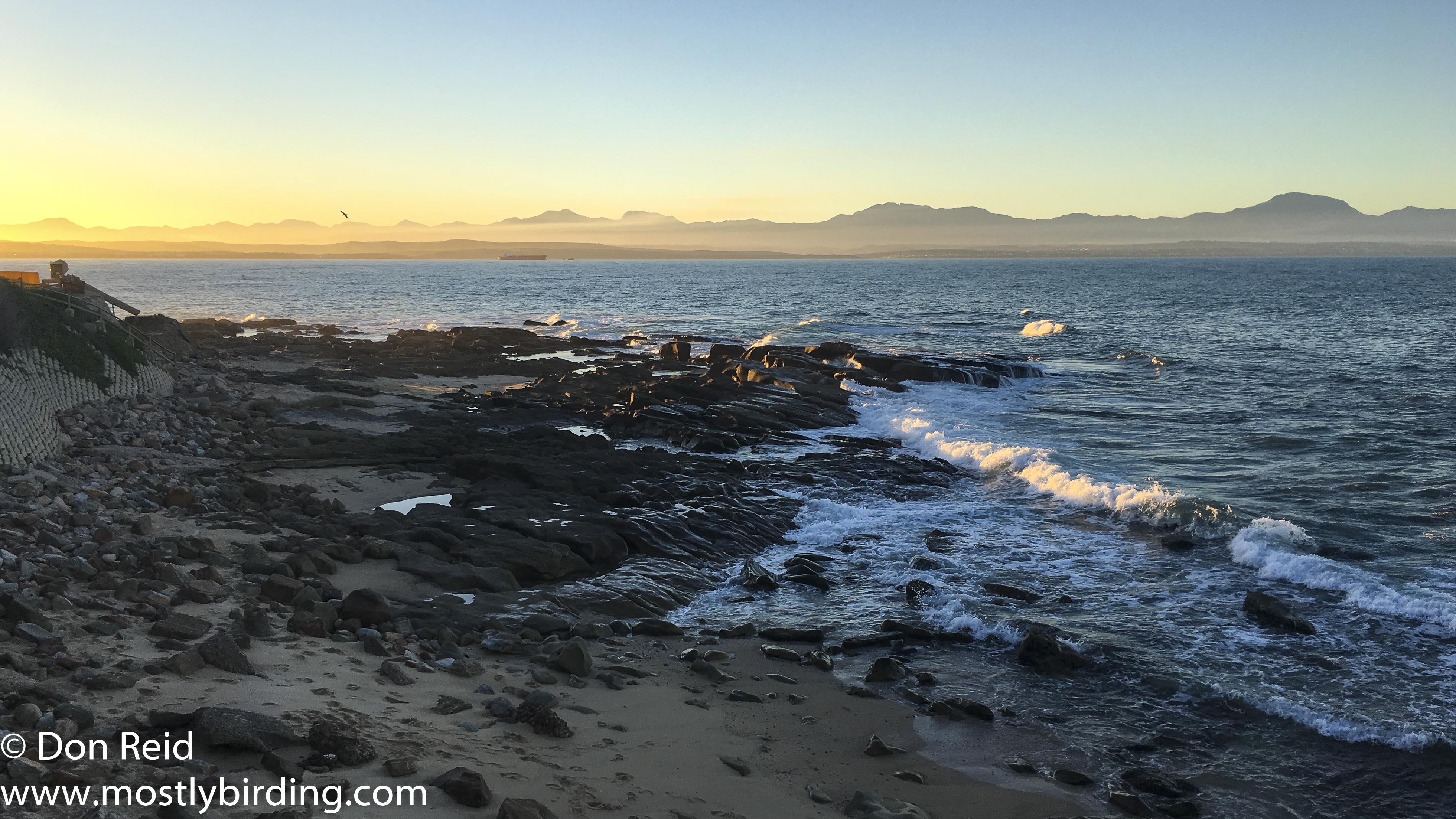
The year started and ended in our second home town of Mossel Bay. Walks along the seafront boardwalk are always a highlight with scenes like this to enrich the soul

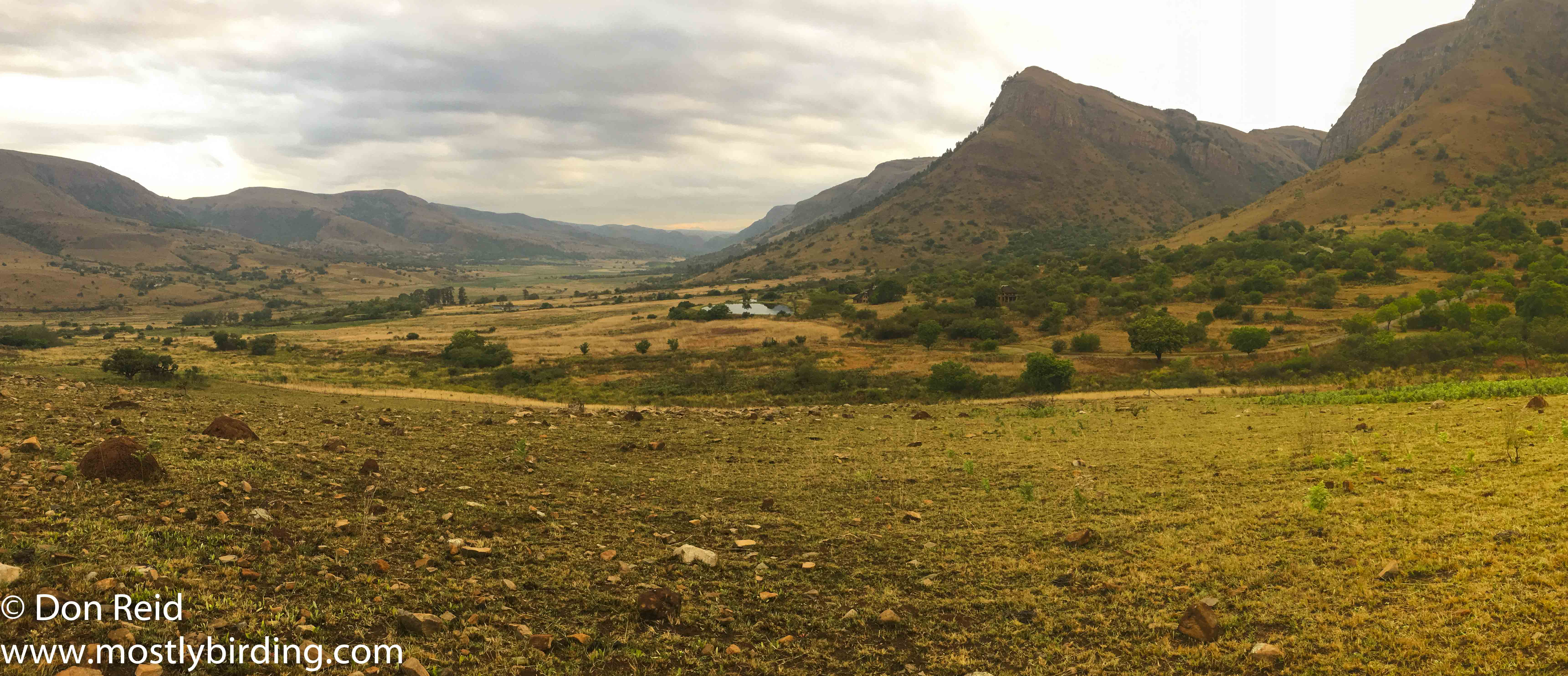
The Wilge River Valley, about an hour’s drive from Pretoria, is a popular birding spot amongst Gautengers and delivers many species in summer as well as attractive landscapes

The Vlakfontein grasslands north-east of Pretoria are a favourite atlasing area for me – away from the hectic traffic of Gauteng

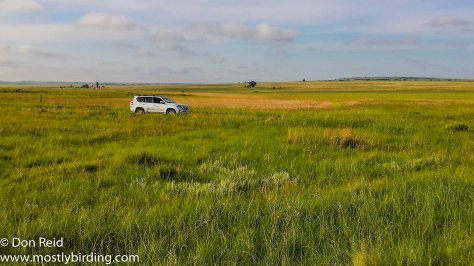
The Delmas area south-east of Pretoria is another favourite atlasing area, however traffic is a challenge – this early morning shot was taken in winter when the skies are a lot smokier – good for dense colour but nothing else

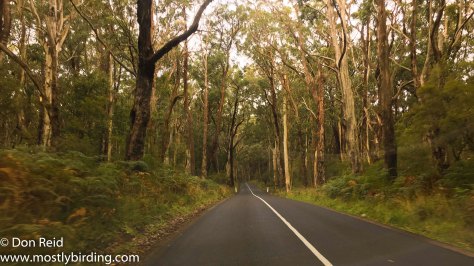
The road to Cape Otway Lighthouse in Victoria, Australia – we did not realise just how much forest Australia has – well the bit of Victoria that we saw anyway

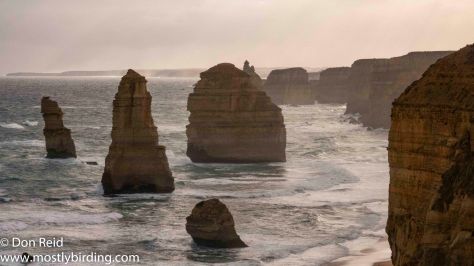
The very popular tourist spot called the Twelve Apostles along the Great Ocean Road to the west of Melbourne, Australia certainly lived up to its reputation as a “must see and photograph” – quite a dramatic scene created by weathered columns of rock

The beautiful beach at Cowes, Philip Island, just south of Melbourne

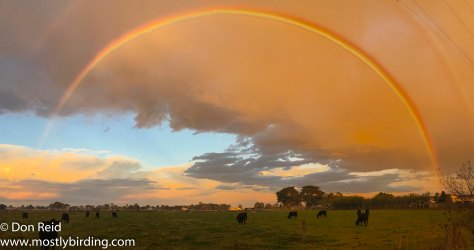
A special rainbow while walking in Sale, Victoria Australia

The early morning train approaches in mist to take us from Sale to Melbourne

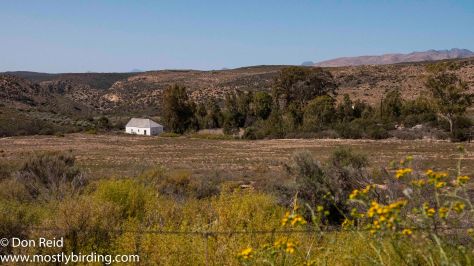
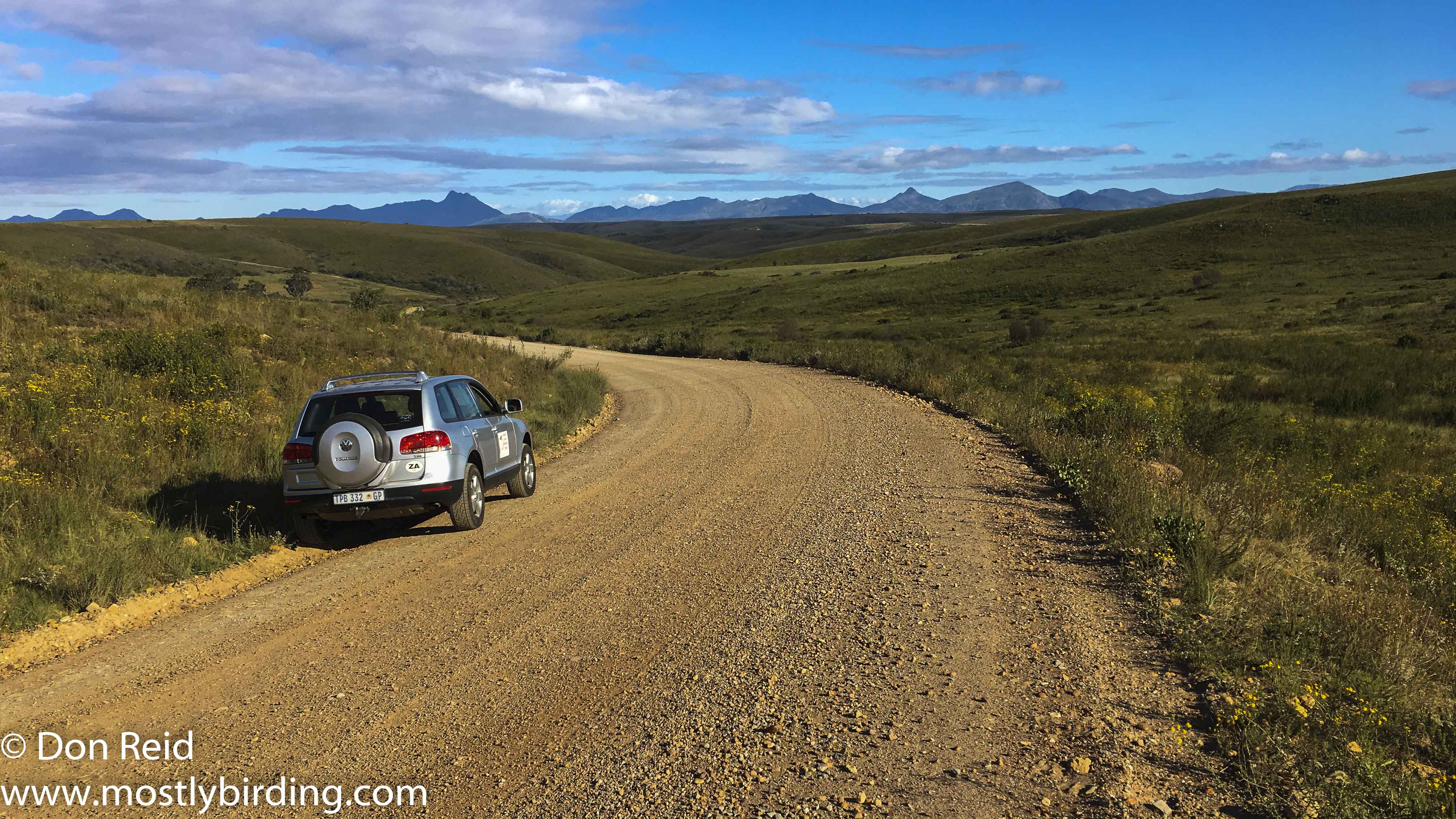
The Klein Karoo is another favourite atlasing area despite low bird numbers – it has a special attraction of its own. This photo was taken south of Oudtshoorn, Western Cape

The Wildlife

With visits to Kruger National Park and Karoo National Park, as well as our time in Australia, we enjoyed some usual and unusual wildlife sightings

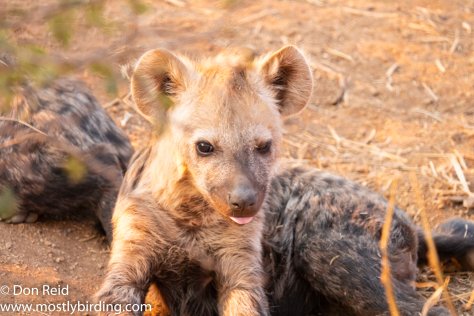
Spotted Hyena pups, Tshokwane area, Kruger Park
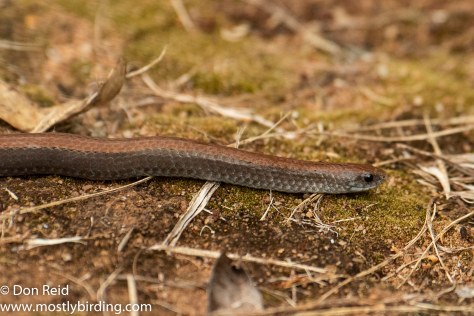
Common Slug-eater / Tabakrolletjie (Duberria lutrix), Pine Lake Resort, White River
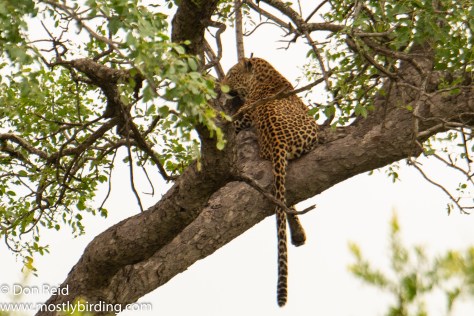
Leopard, Kruger NATIONAL PARK
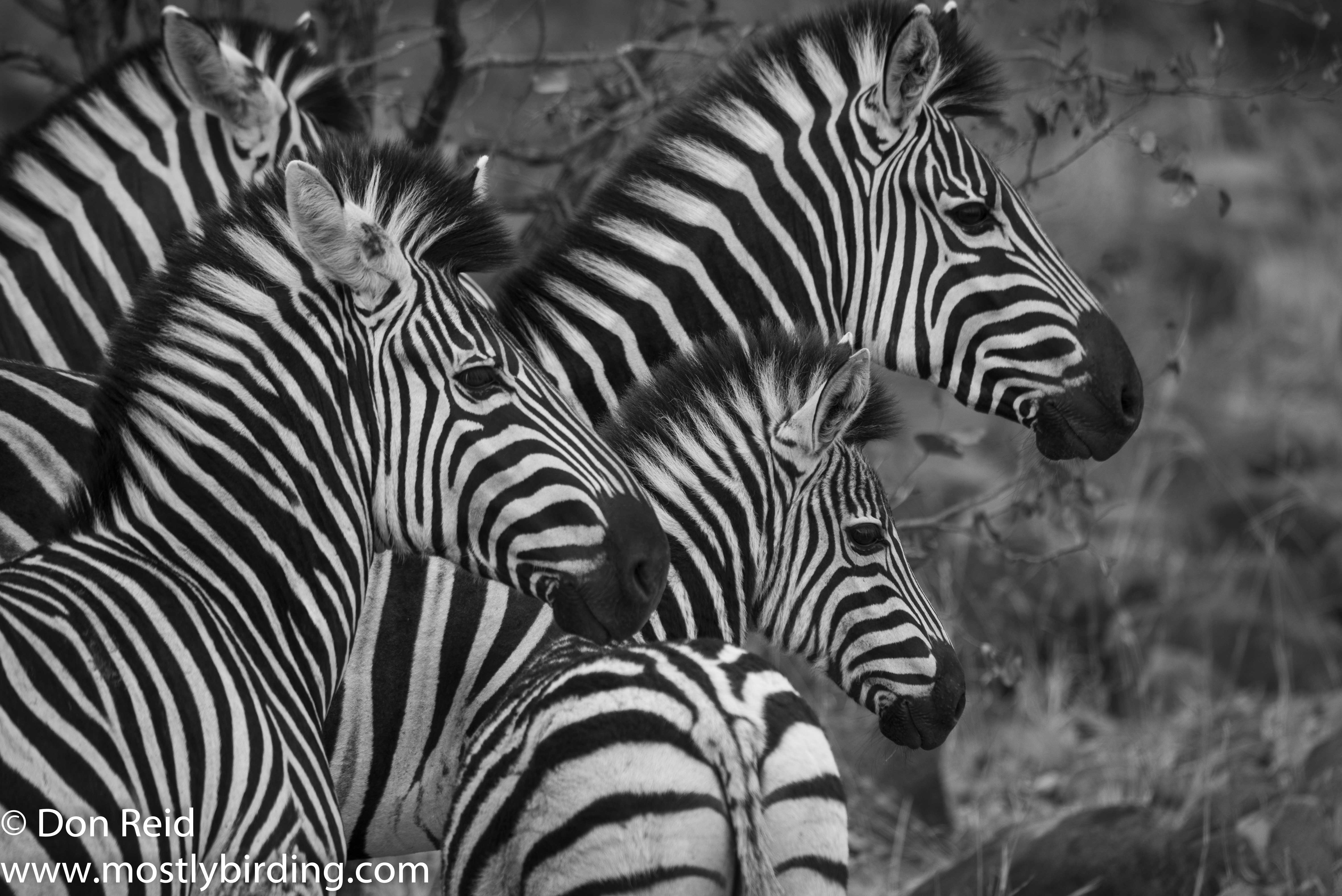
Plains Zebra (equus burchelli), Olifants area, Kruger Park
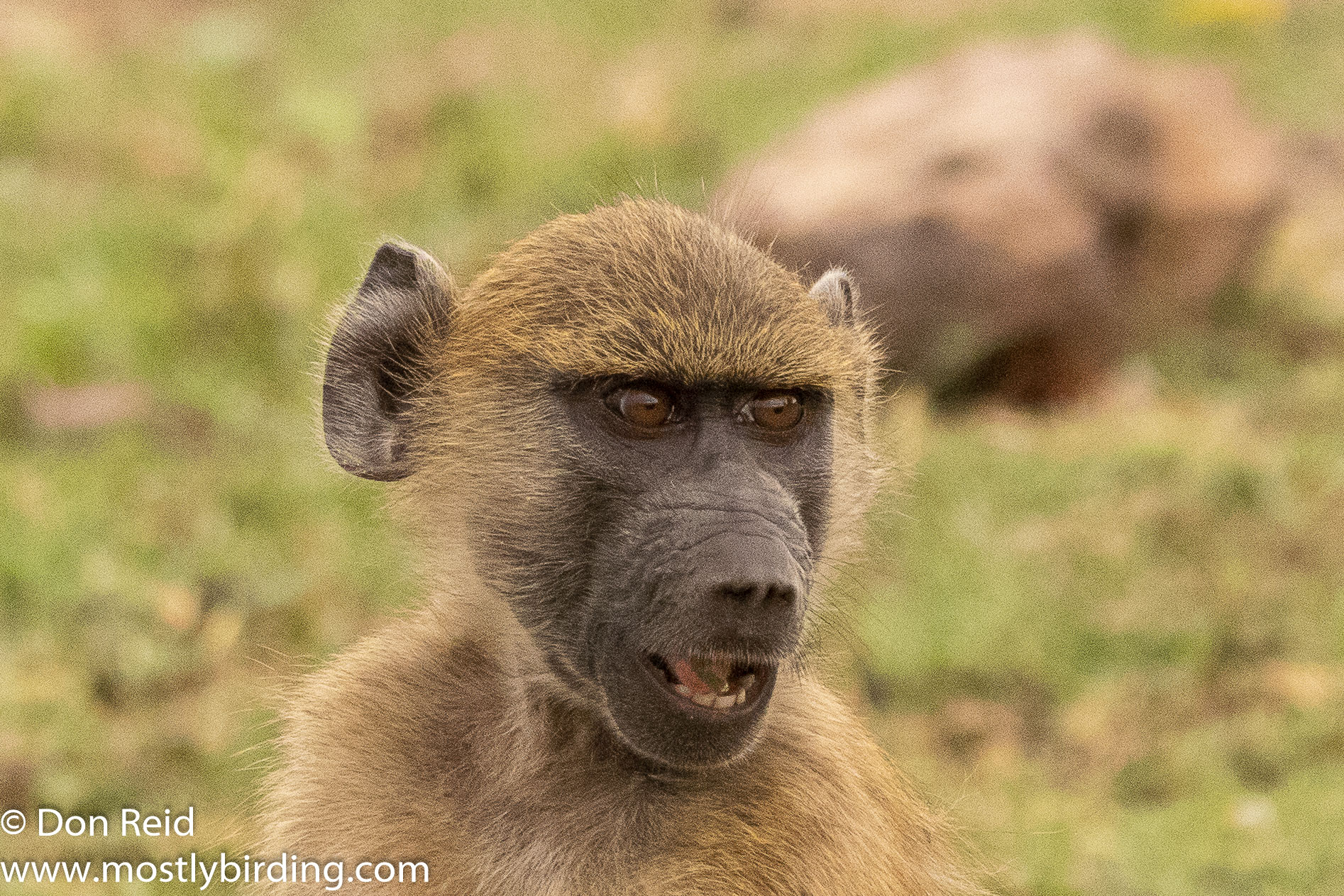
Baboon, Olifants area, Kruger Park
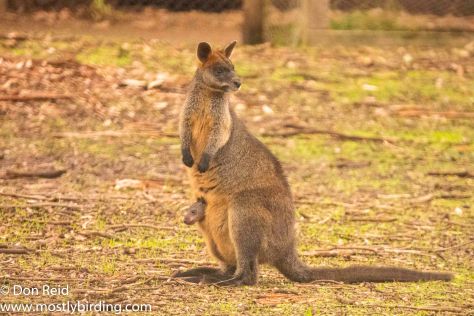
Swamp Wallaby, Philip Island, AUSTRALIA
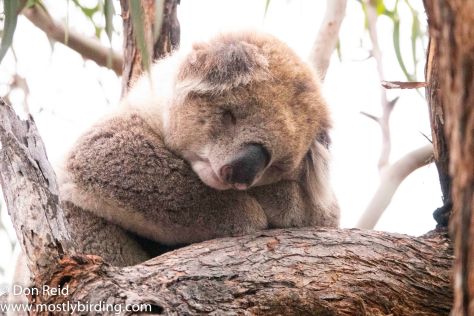
Koala, Raymond Island, Victoria, AUSTRALIA
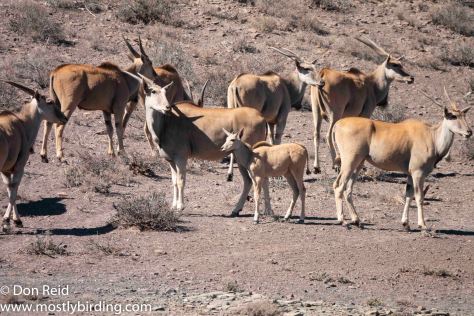
ELAND, KAROO NATIONAL PARK
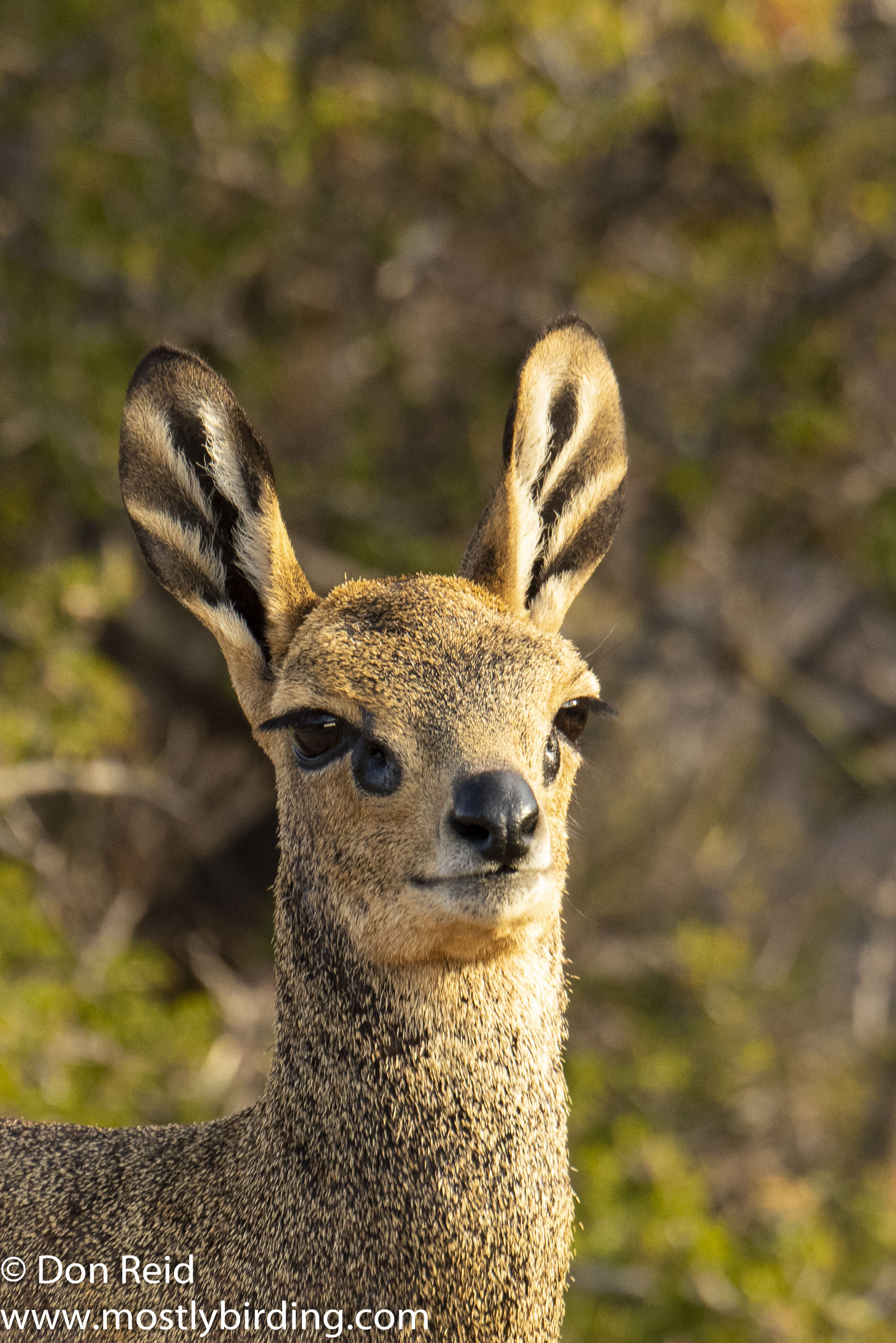
KLIPSPRINGER, KAROO NATIONAL PARK
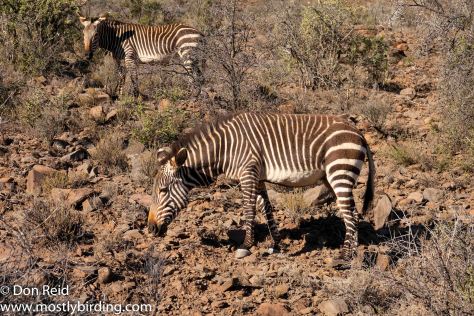
MOUNTAIN ZEBRA, KAROO NATIONAL PARK

The Other Stuff

I love to photograph just about anything that moves, within nature and outside it occasionally. Here’s a few examples

Colourful fly
Butterfly: Yellow Pansy (Junonia hierta cebrene / Geelgesiggie), Mossel Bay
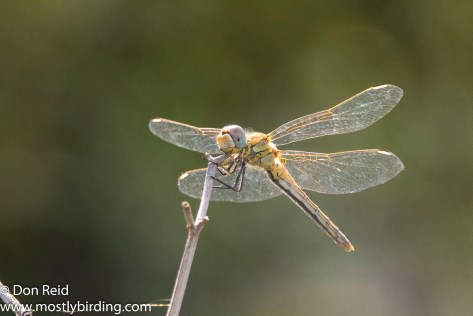
Dragonfly: Common Thorntail (Ceratogomphus pictus), Calitzdorp
Dragonfly : (NOT ID’D YET) Mabusa Nature Reserve
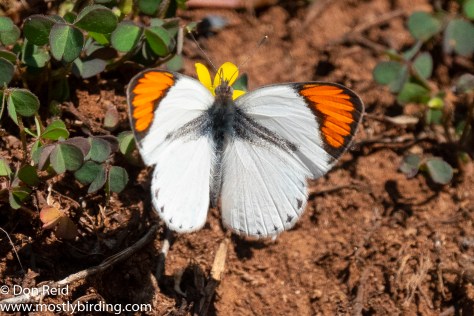
Butterfly: Common Orange Tip (Colotis evenina evenina), Verlorenkloof
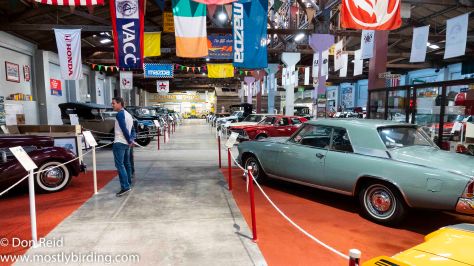
Gippsland Vehicle Collection Maffra, Victoria Australia

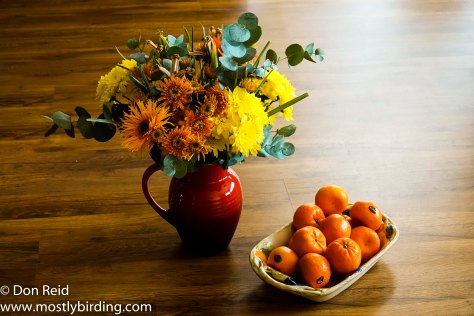
And just for fun, a non-moving subject …..

Flowers and fruit

I have not included any of the many bird photos that I took during the year – they will be included in a separate “My Birding Year 2019” post

Kruger in Winter – Looking at Wildlife

It’s a strange thing, this love of Kruger National Park – come the winter months with the highveld air getting drier and colder as we move into June and July, my thoughts involuntarily turn toward the bushveld wilderness where we have spent so many relaxing times.

Gerda knows by now to expect me to express my longing, sometimes subtly, other times more direct – “ooh, I wish we were in Kruger” or “did you hear so and so are in Kruger, lucky devils” or words to that effect. Then when she says “don’t you want to book a week for us?”, I naturally react with surprise and reply “what a good idea”.

And that’s how we found ourselves on the road to Olifants camp in early July this year. Surprisingly, we had found space in a standard Olifants camp rondavel in the last week of the school holidays, after finding the rest of July all but fully booked up in our preferred camps. We were lucky to get 5 nights in Olifants and another 3 nights in Lower Sabie and Pretoriuskop.

We go to Kruger to relax ……. and to look at wildlife, This time around I had this odd feeling they were looking at us – animals and birds alike – what do you think?

The Horned Animals

Buffalo, Olifants area, Kruger Park
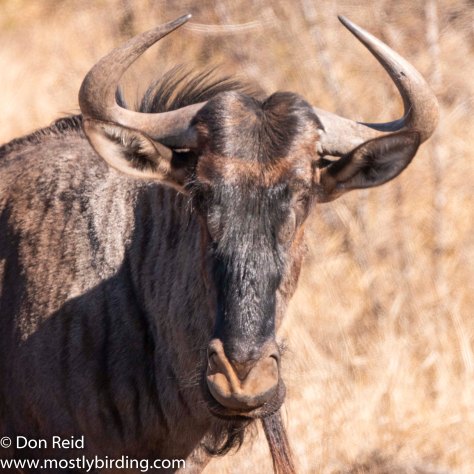
Blue Wildebeest (Connochaetes taurinus), Olifants area, Kruger Park
Waterbuck, Olifants area, Kruger Park

Unhorned and harmless

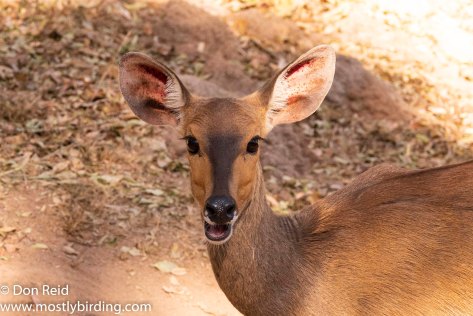
Bushbuck, Pretoriuskop, Kruger Park
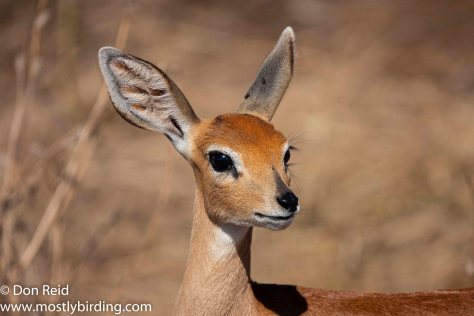
Steenbok (Raphicerus campestris), Olifants area, Kruger Park

The Cute Youngsters

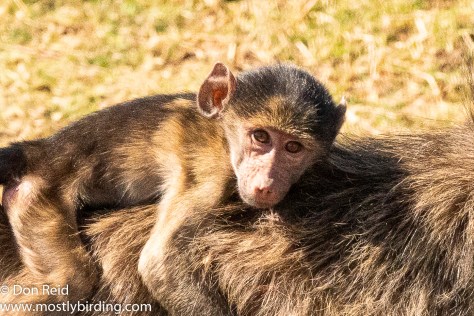
Baboon, Olifants area, Kruger Park
Spotted Hyena pup, Tshokwane area, Kruger Park

The Smaller Animals

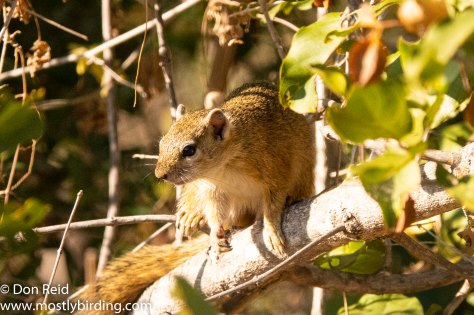
Tree Squirrel, Olifants area, Kruger Park
Dwarf Mongoose, Pretoriuskop, Kruger Park

A Predator

Cheetah, Lower Sabie area, Kruger Park

The only Disinterested Animal

White Rhino, Lower Sabie area, Kruger Park

Even a Reptile

Water Monitor, Olifants area, Kruger Park

And Birds, of Course

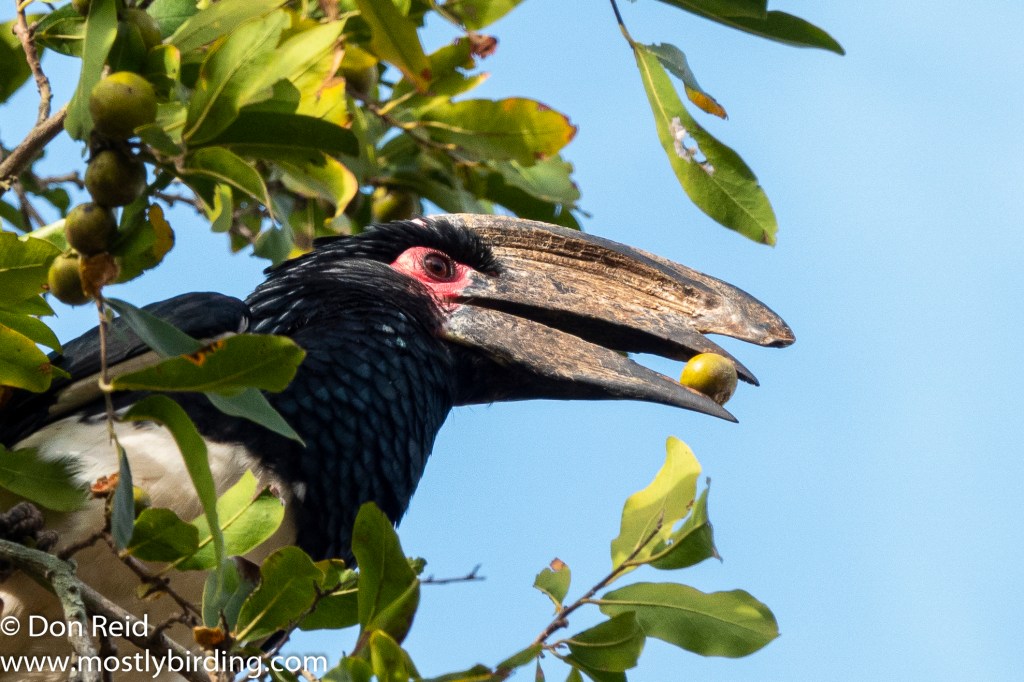
Trumpeter Hornbill (Male) (Bycanistes bucinator / Gewone boskraai), Lower Sabie camp, Kruger Park
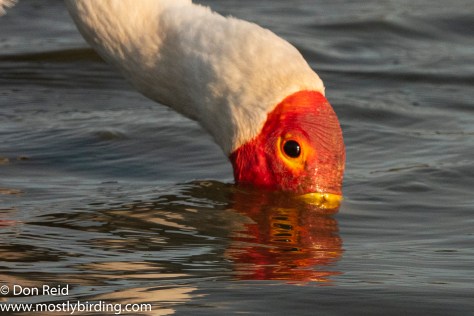
Yellow-billed Stork (Mycteria ibis / Geelbekooievaar), Lower Sabie area, Kruger Park
Burchell’s Coucal (Centropus burchellii / Gewone vleiloerie), Lower Sabie area, Kruger Park
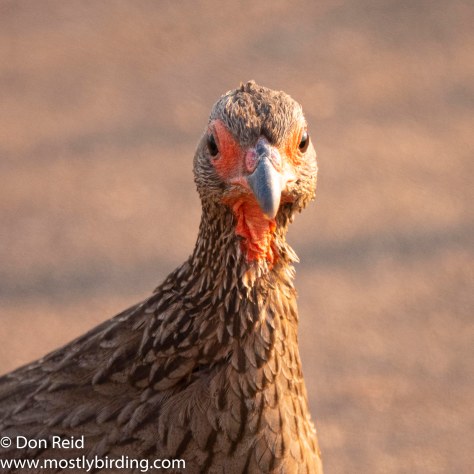
Swainson’s Spurfowl (Pternistis swainsonii / Bosveldfisant), Lower Sabie area, Kruger Park
Greater Blue-eared Starling (Lamprotornis chalybaeus / Groot-blouoorglansspreeu), Tshokwane, Kruger Park
Tawny-flanked Prinia (Prinia subflava / Bruinsylangstertjie), Olifants area, Kruger Park
Chinspot Batis (Male) (Batis molitor), Olifants area, Kruger Park
Swainson’s Spurfowl (Juvenile) (Pternistis swainsonii), Olifants area, Kruger Park

And a tree knot looking like an Owl, looking at us

Owl-faced tree, Olifants area, Kruger Park

So if you find yourself in Kruger, or any other Park, looking at wildlife, I’m sure you will find them looking at you as well

Chobe River and Game Reserve – a Special Place

I have been fortunate during my working career to have been involved in construction projects which have taken me to some interesting, even exciting, parts of the world. Top of that list is Kasane, a small town on the Chobe River in the far north of Botswana, South Africa’s neighbour on its northern side and one of the nicest countries you will find just about anywhere.

Aerial view of the Chobe River while landing at Kasane

Nice because it is one of the most sparsely populated countries in the world, with just 2,3m people at an average density of 3 people per square kilometre, and the vast majority are inherently friendly, decent people. The country is blessed with large tracts of unspoilt wilderness where you will find some of the last vestiges of the Africa that existed before human interference made its mark.

The Flood plain

My involvement in the Kasane Airport project, now complete and functioning well, meant I spent an accumulative 60 days or more in Kasane during monthly visits spread over 3 years and I used every opportunity to spend free time in Chobe Game Reserve and on the Chobe River, soaking up the incomparable African game-viewing and bird-watching on offer.

So where is this leading? Well, I made what is likely to be my last visit to Kasane in November 2018, during which I joined a “farewell” photographic safari both on land and on the river, which left me with a head full of special memories and a memory card full of treasured images.

Pangolin Safaris photographic boat trip

Leaving Chobe Game Reserve after the game drive that morning along the familiar sandy, bumpy track, through the Sedudu gate and out on to the tar road back to Kasane, it momentarily struck me that this was possibly the last time I would see this place and an almost tangible sadness washed over me for a few seconds, only to be replaced with the happy thought of all the memories I had gathered over more than 3 years, memories that I would love to share in the best way I can.

I have written several posts about some outstanding experiences in Chobe over the last few years, but there is so much more to tell, so expect a short-ish series of further posts over the next few weeks -or months featuring some or all of the following :

  • The iconic species, both animal and avian, that call Chobe home, from Elephants to Hornbills, Leopards to Fish Eagles
  • The bird atlasing trips that I squeezed into a busy schedule while in Kasane
  • Stylish photographic safaris with Pangolin Safaris
  • Whatever else pops up in my memory bank (aka my journals)

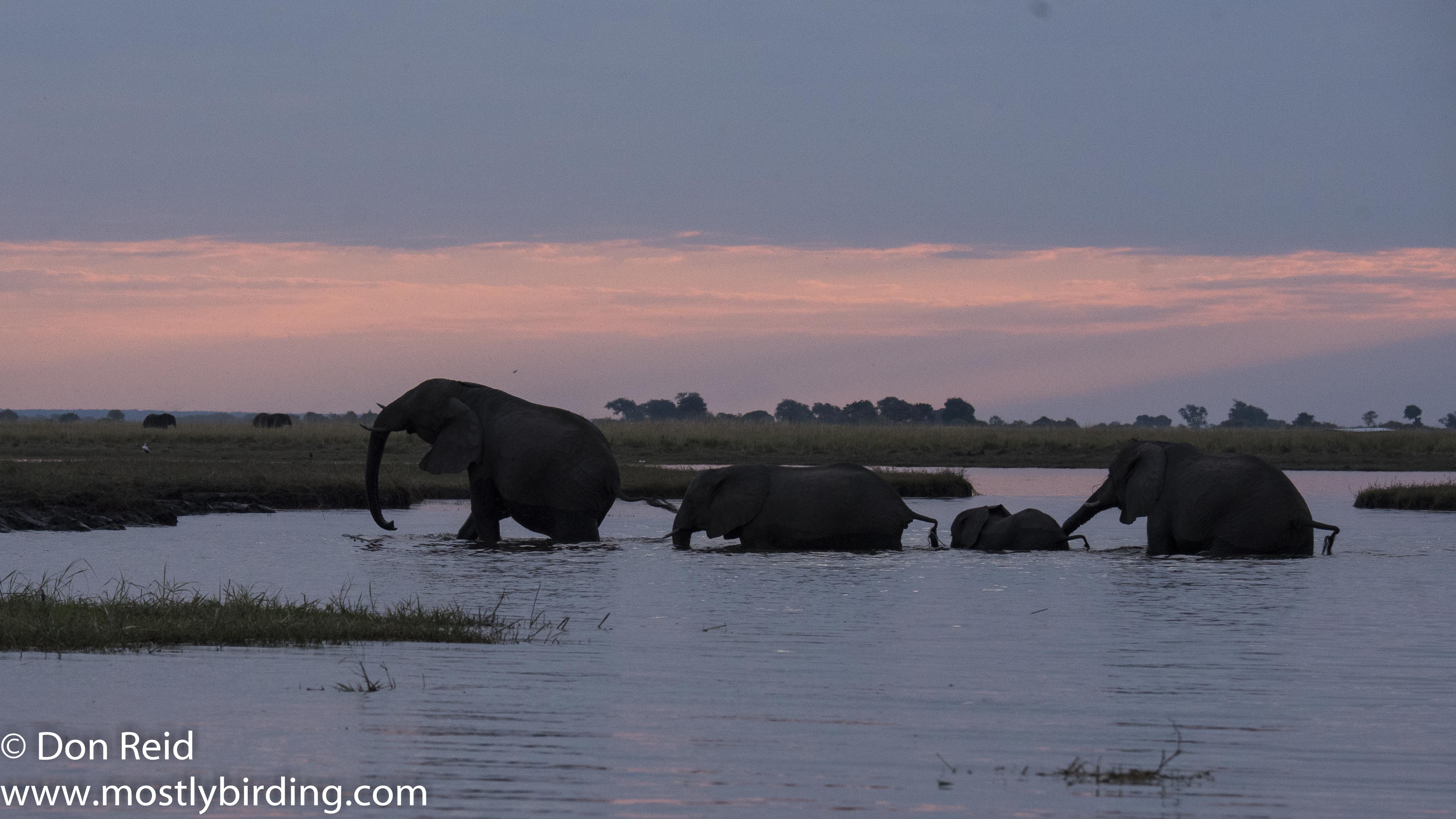
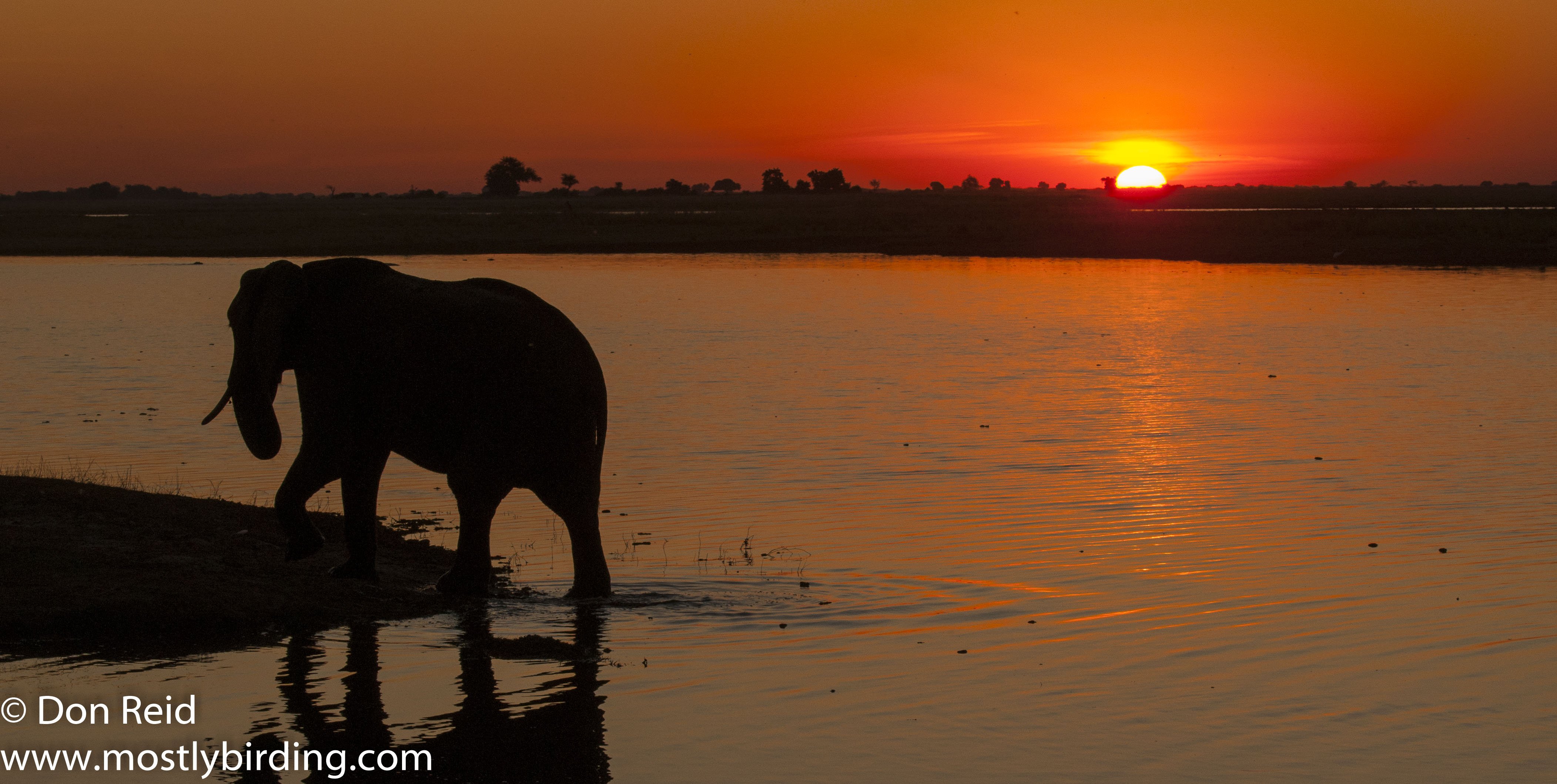
Elephants crossing the river

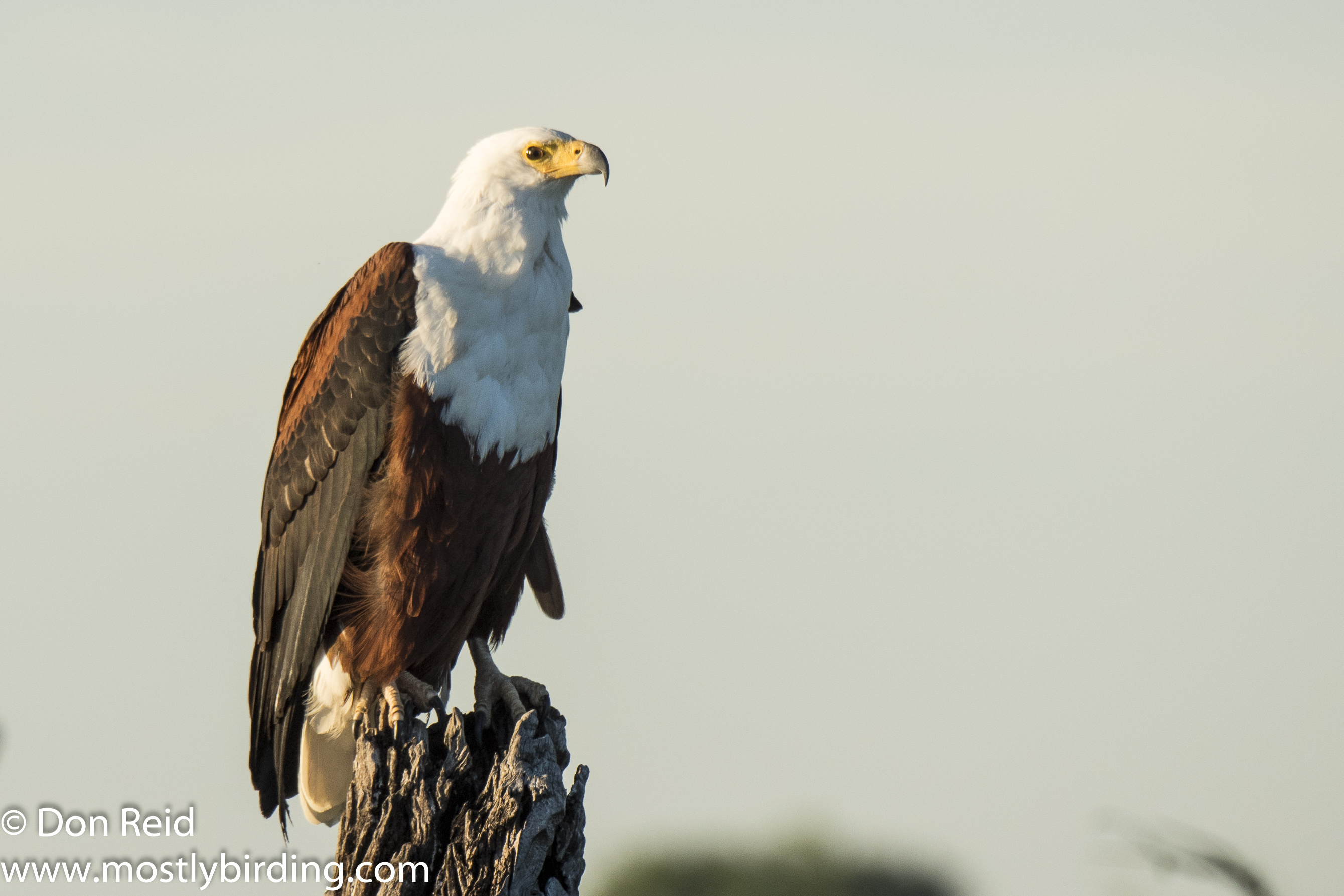
African Fish-Eagles are numerous along the Chobe River

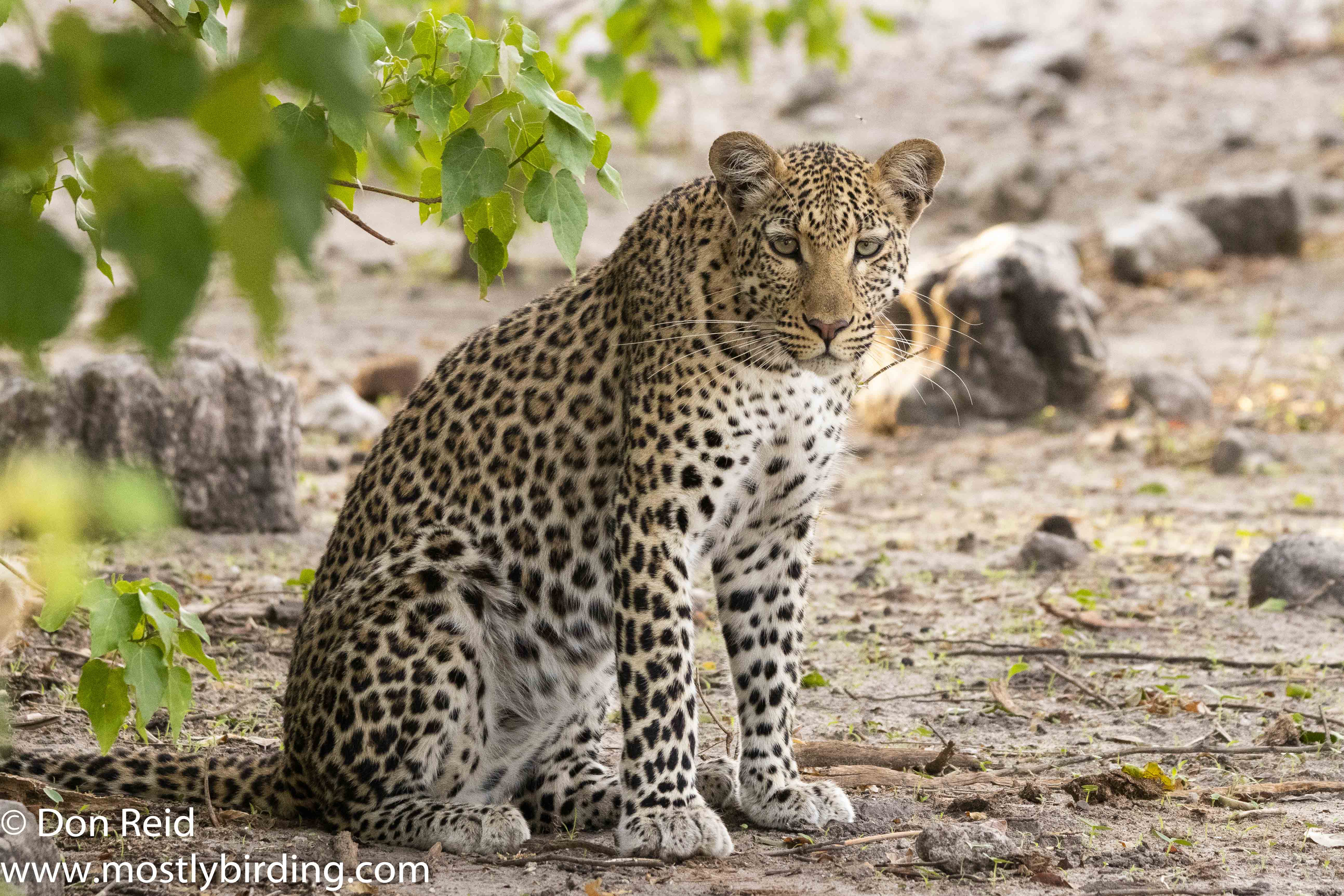
Leopard in Chobe Game Reserve

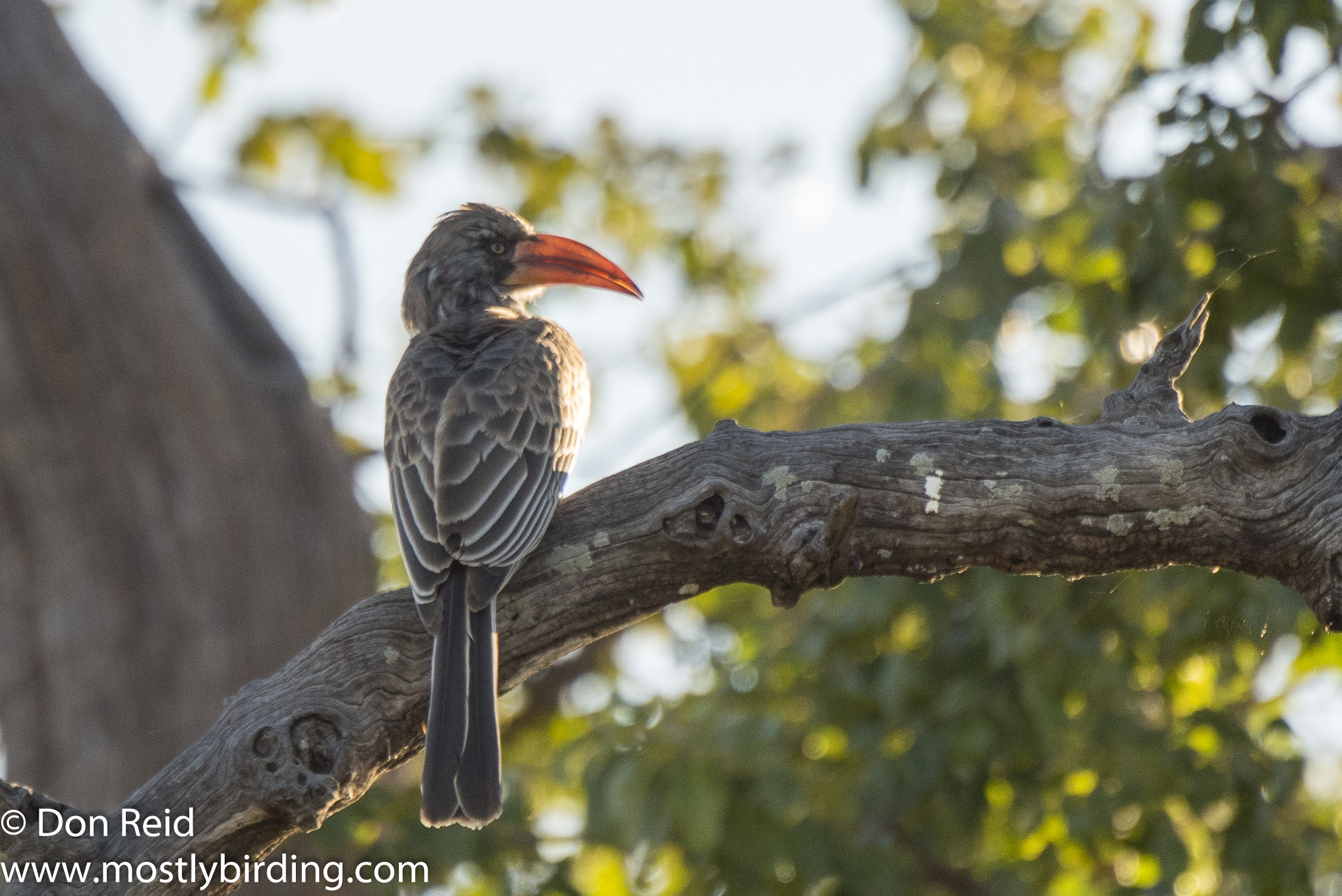
Bradfield’s Hornbill

It’s scenes like this that had me going back for more


My Photo Picks for 2018

With the new year in its first week, it’s time to select a few photos which best represent our 2018. In some cases, selection is based on the memory created, in others I just like how the photo turned out, technically and creatively  

If you have any favourites, do let me know by adding your comment!

The Places

This was an unusual year for us, in that for the first time in several years we did not journey outside Southern Africa once during the year.  But we made up for that with plenty of local trips, such as –

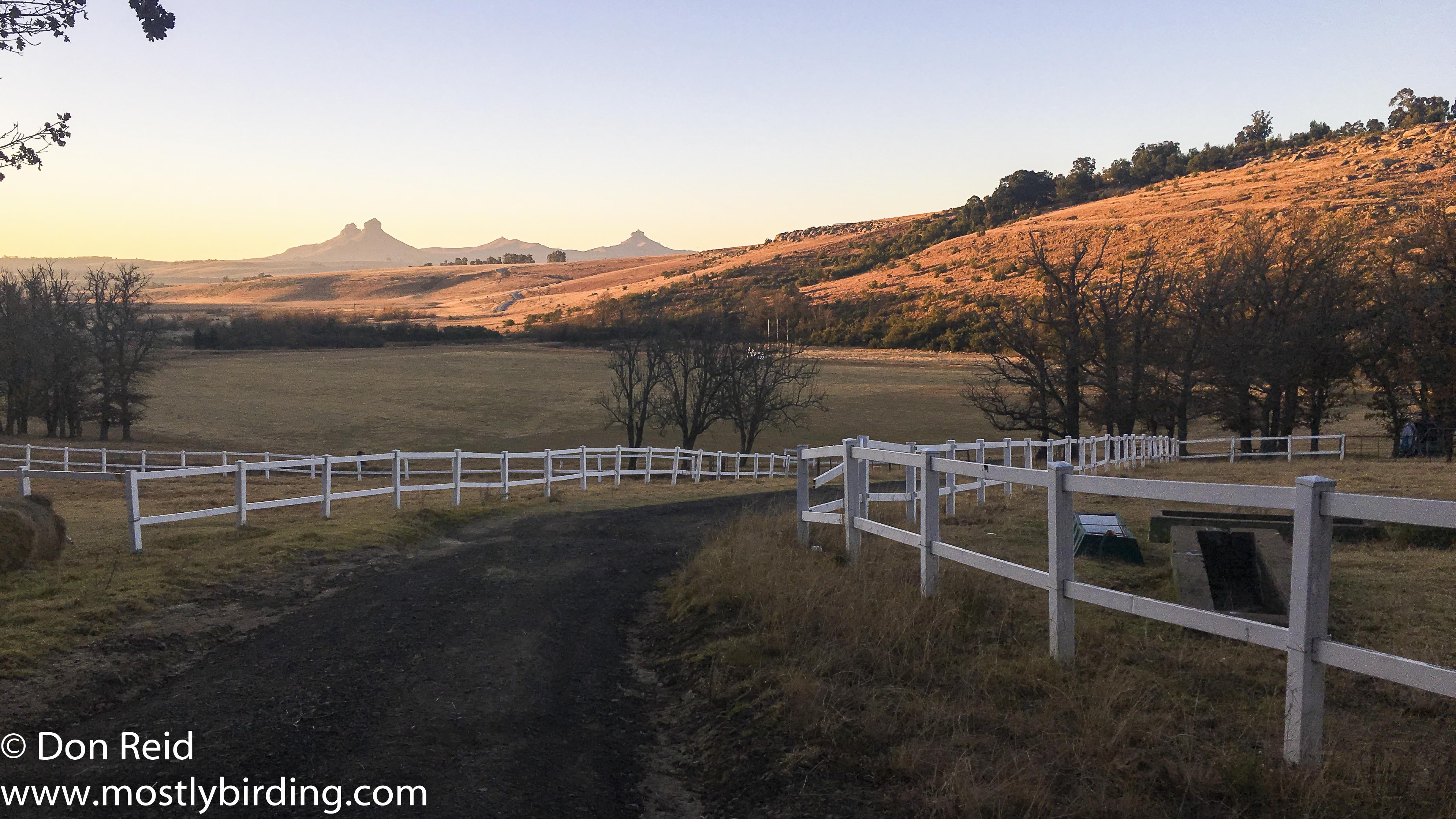
Champagne Valley resort in the Drakensberg

Champagne Valley Drakensberg

Annasrust Farm Hoopstad (Free State)

Sunset, Annasrust farm Hoopstad

Pine Lake Resort near White River (Mpumulanga Province)

Pine Lake Resort

Mossel Bay – our second “Home” town

Mossel Bay coastline

Oaklands Country Manor near Van Reenen (Kwa-Zulu Natal)

Oaklands Country Manor, near Van Reenen

La Lucia near Durban (Kwa-Zulu Natal)

La Lucia beach

Shongweni Dam (Kwa-Zulu Natal)

Shongweni Dam

Onverwacht Farm near Vryheid (Kwa-Zulu Natal)

Controlled burn on Onverwacht Farm

Kruger Park Olifants camp

Bungalow roof, Kruger Park

Herbertsdale area (Western Cape) – atlasing

Herbertsdale area

Karoo National Park near Beaufort West (Western Cape)

Karoo National Park

Kuilfontein Guest Farm near Colesberg (Northern Cape)

Kuilfontein, Colesberg – the drought has hit this area badly

Verlorenkloof (Mpumulanga)

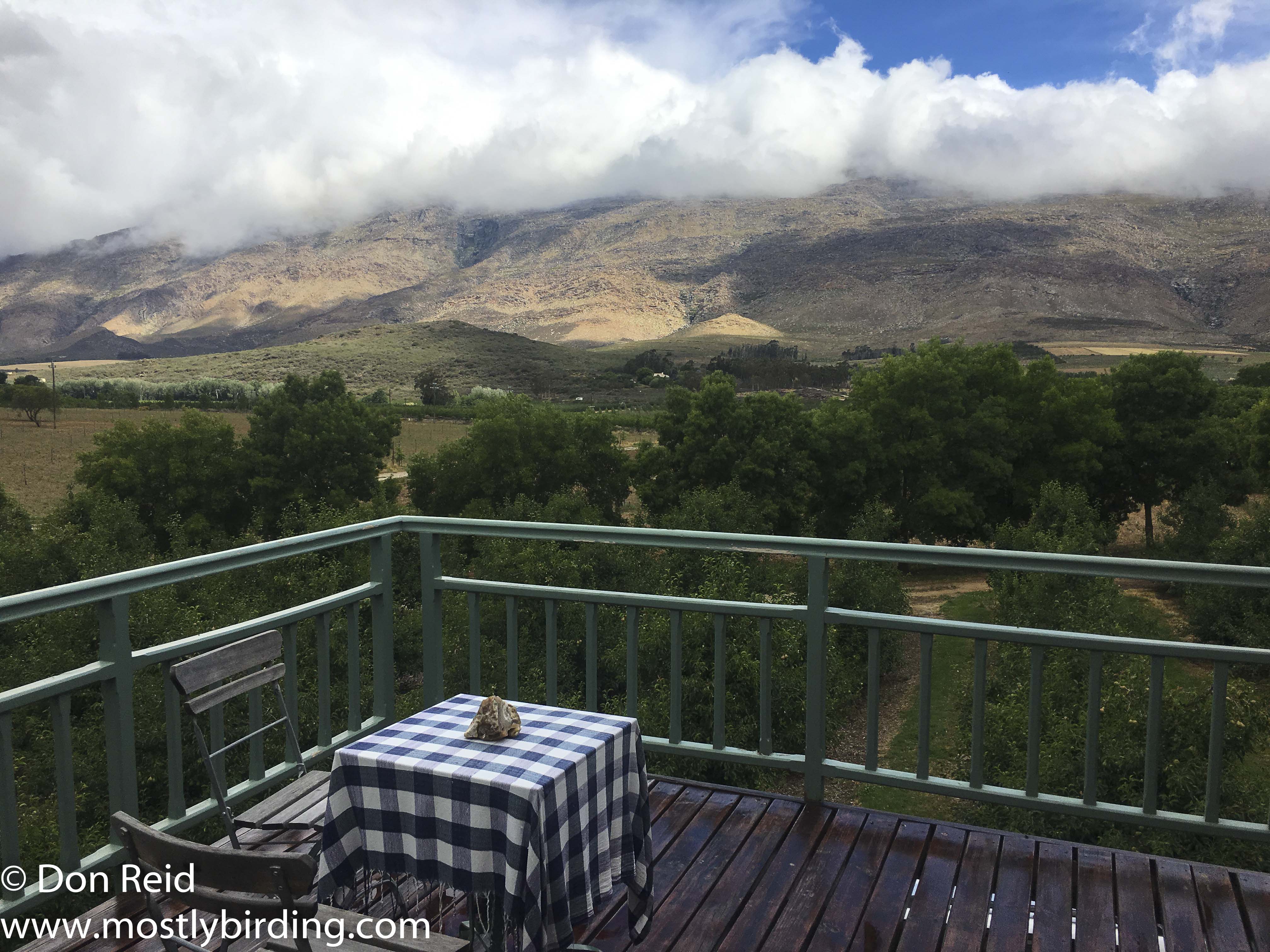
Verlorenkloof – view from upper path

Lentelus Farm near Barrydale (Western Cape)

Lentelus Farm near Barrydale

The Wildlife

With visits to Kruger National Park, Karoo National Park and Chobe Game Reserve in Botswana, there was no shortage of game viewing opportunities and it turned out to be a great year for Leopards

Kruger National Park

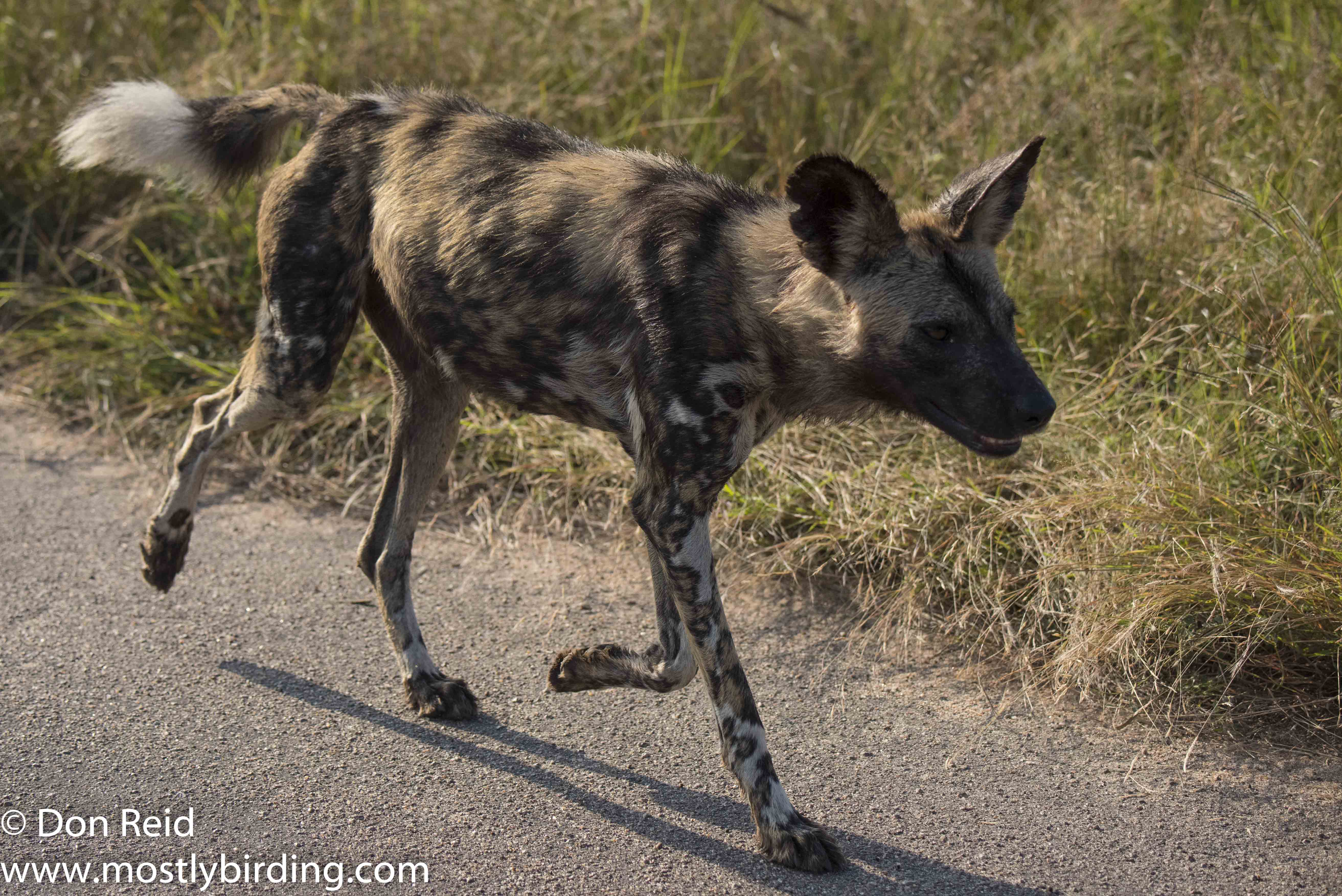
African Wild Dog, Kruger National Park

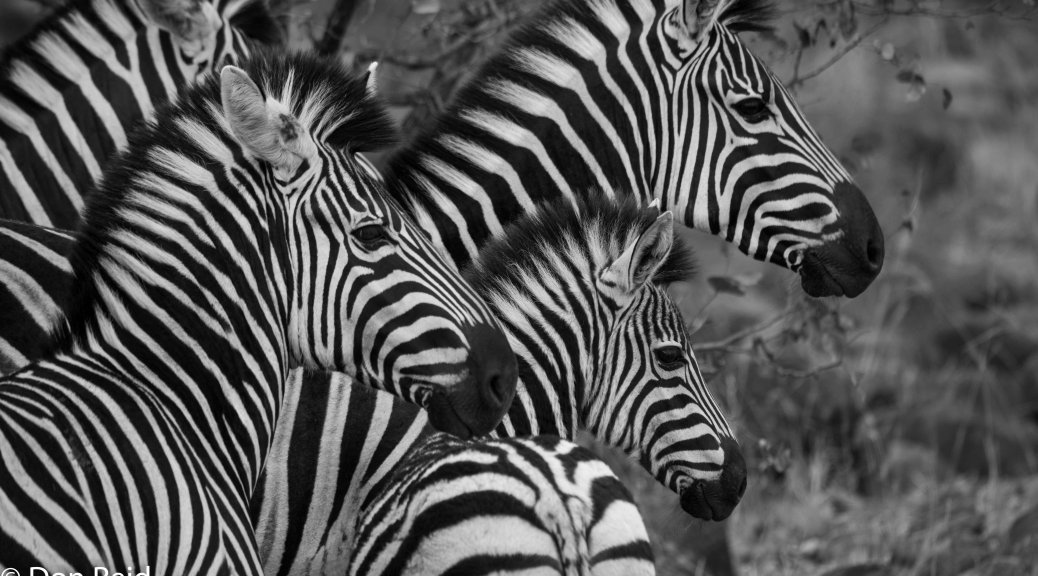
Zebra, Kruger Park

Leopard, Phabeni road, Kruger Park

Karoo National Park

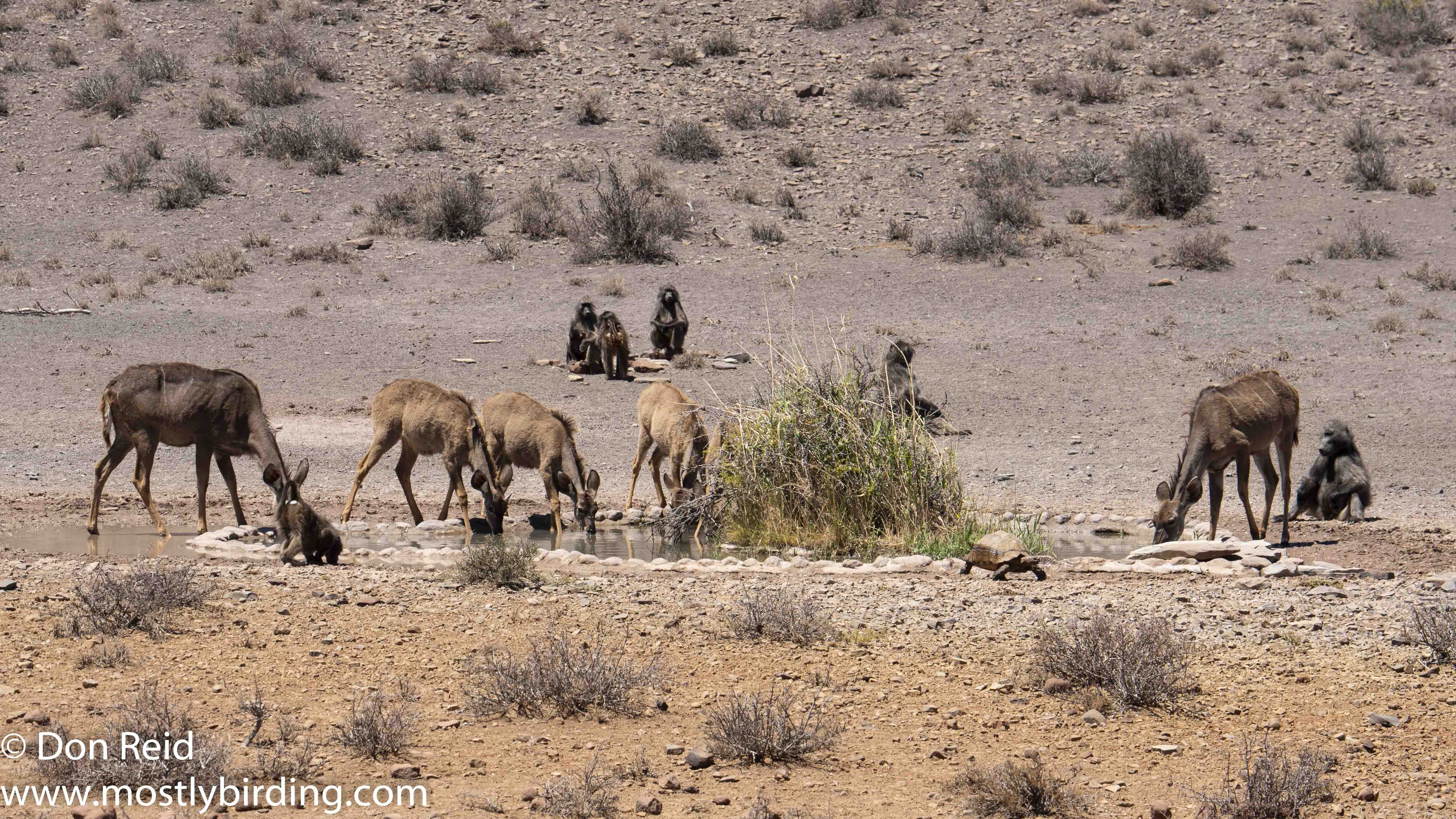
Waterhole scene, Karoo National Park

Klipspringer, Karoo National Park

Chobe Game Reserve

The eyes have it

Chacma Baboon, Chobe River Trip

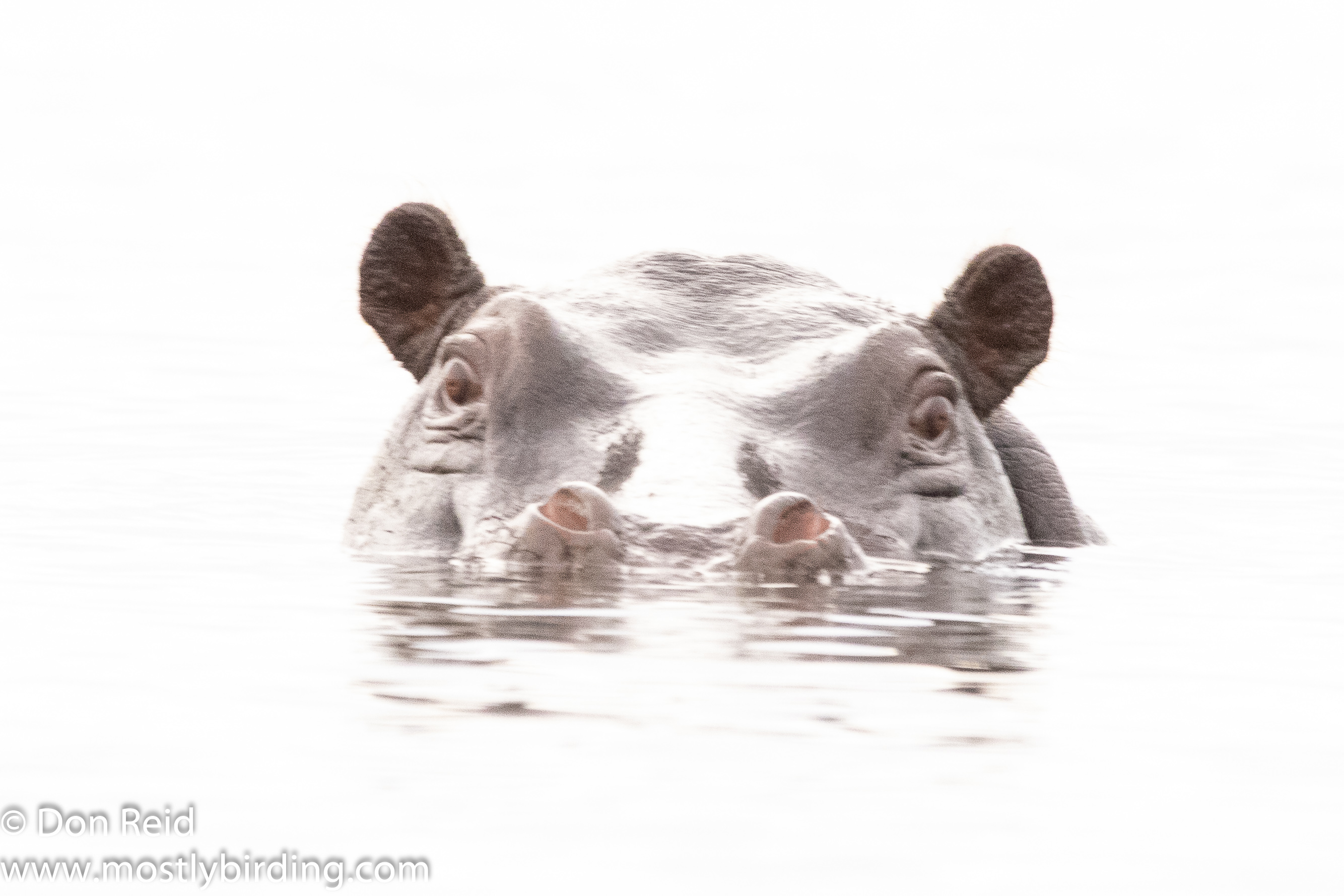
Hippo, Chobe River Trip

Wild but beautiful

Leopard, Chobe Riverfront game drive

Leopard, Chobe Riverfront game drive

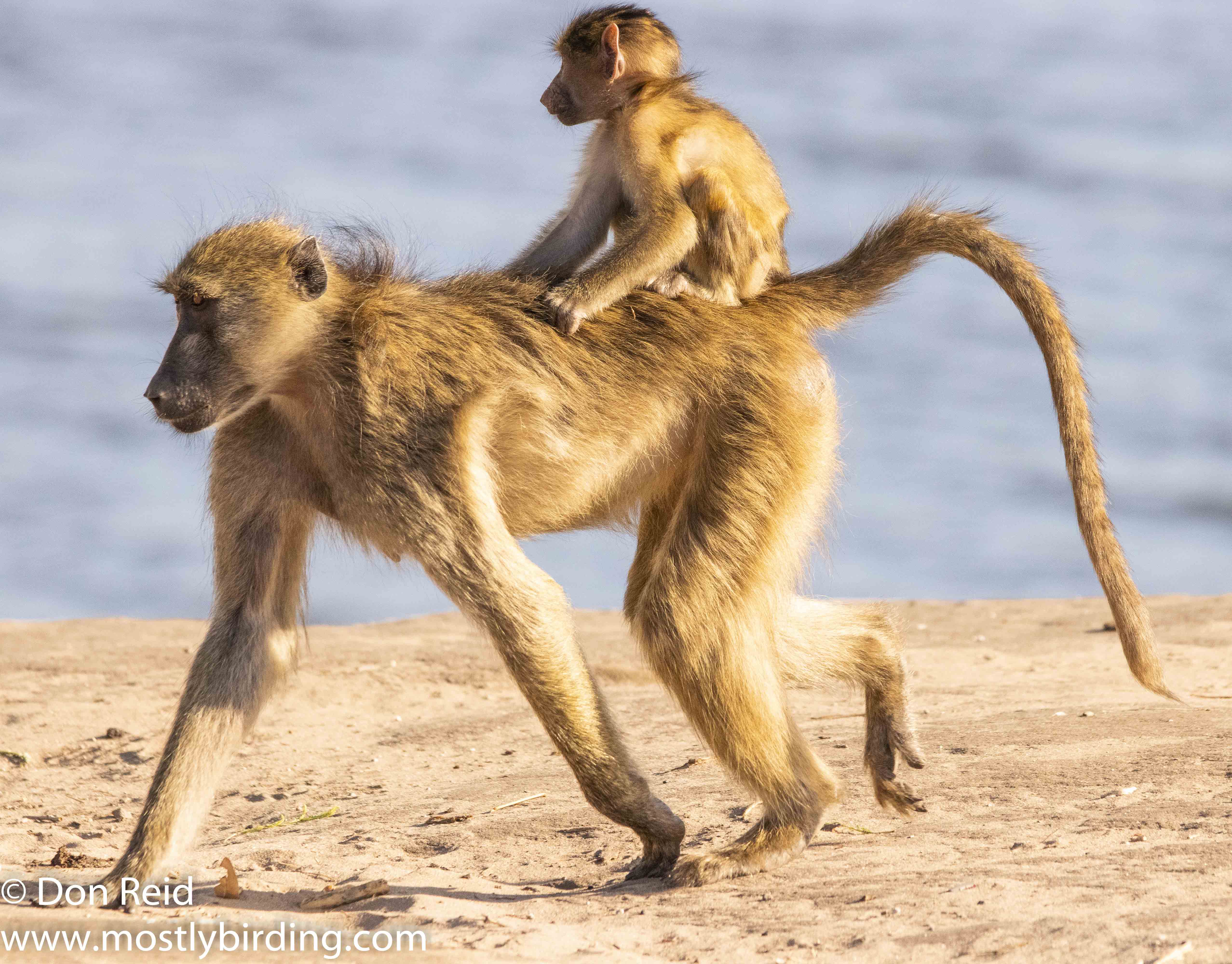
Who needs a horse when you have a mom to ride on

Chacma Baboon, Chobe Riverfront game drive

Oh, and the news is hippos can do the heart shape with their jaws – they don’t have fingers you see

Hippo, Chobe River Trip

The Birds

Bird photography remains the greatest challenge – I am thrilled when it all comes together and I have captured some of the essence of the bird

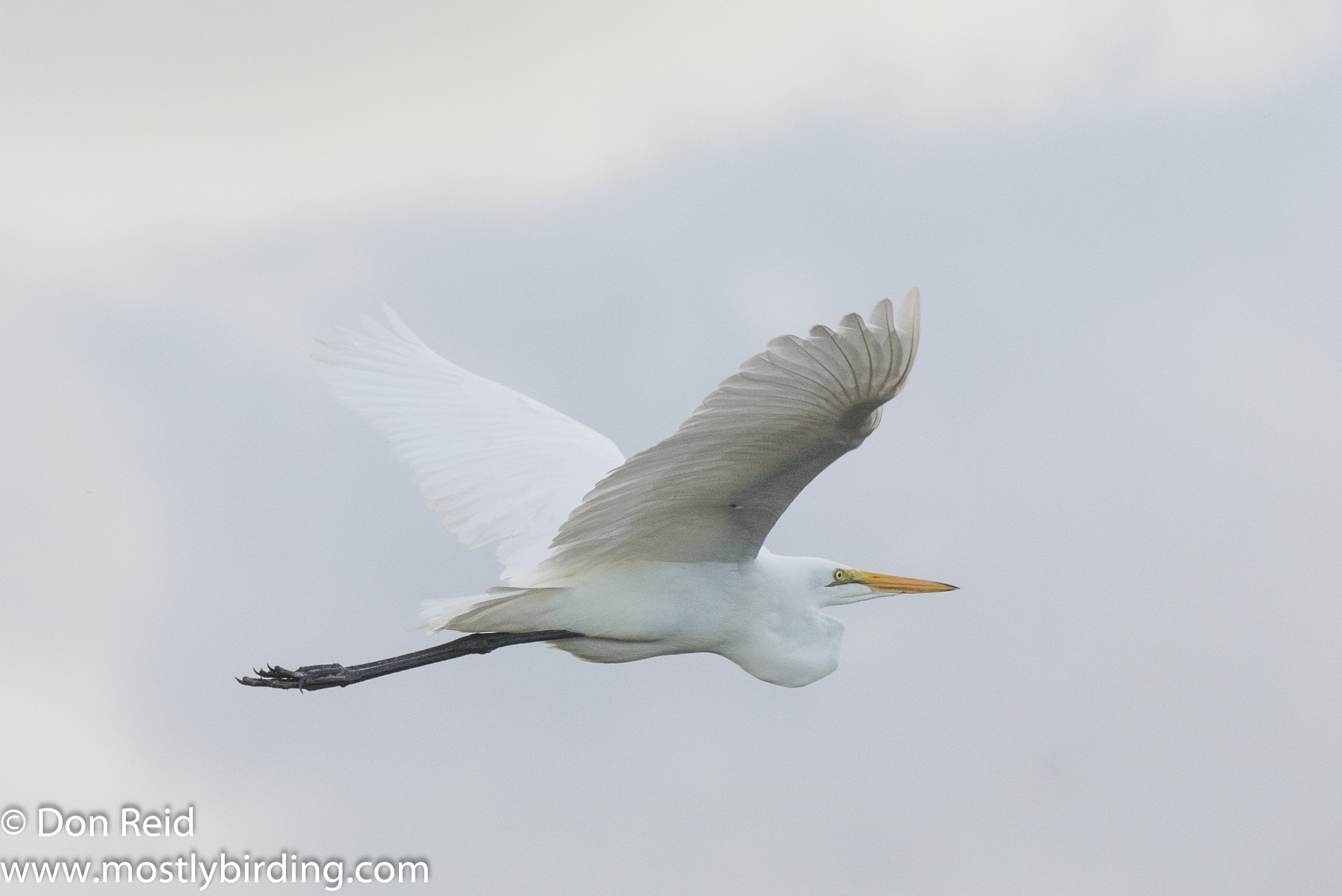
Great Egret flying to its roost

Great Egret, Annasrust farm Hoopstad

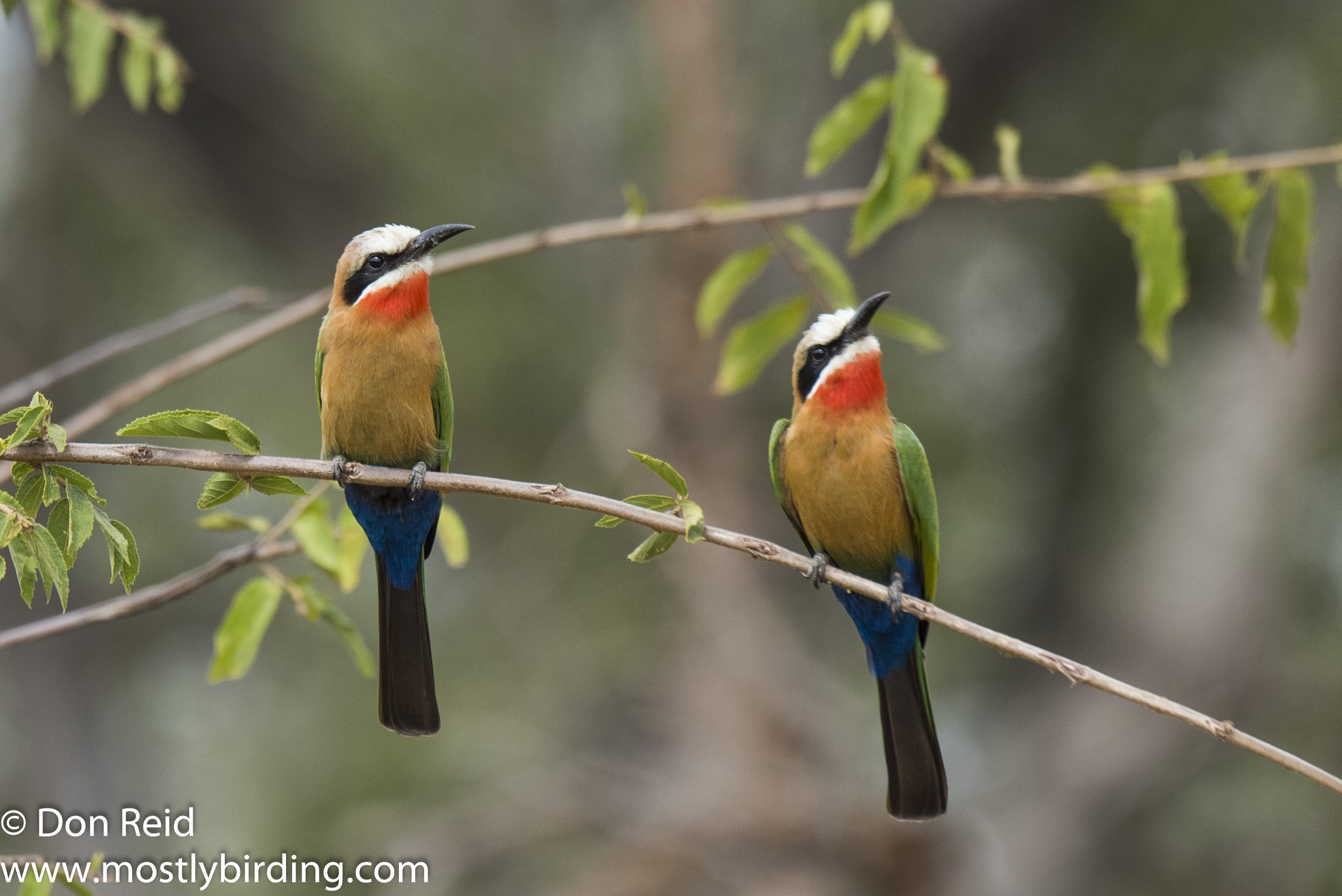
White-fronted Bee-eaters doing what they do best – looking handsome

White-fronted Bee-eater, Kruger Day Visit

White-browed Robin-Chat

White-browed Robin-Chat, Kruger Day Visit

The usually secretive Green-backed Camaroptera popping out momentarily for a unique photo

Green-backed Camaroptera, Kruger Day Visit

African Fish-Eagle – aerial king of the waters

African Fish Eagle, Kruger Park

Kori Bustard – heaviest flying bird

Kori Bustard, Kruger Park

Little Bee-eater

Little Bee-eater, Olifants, Kruger Park

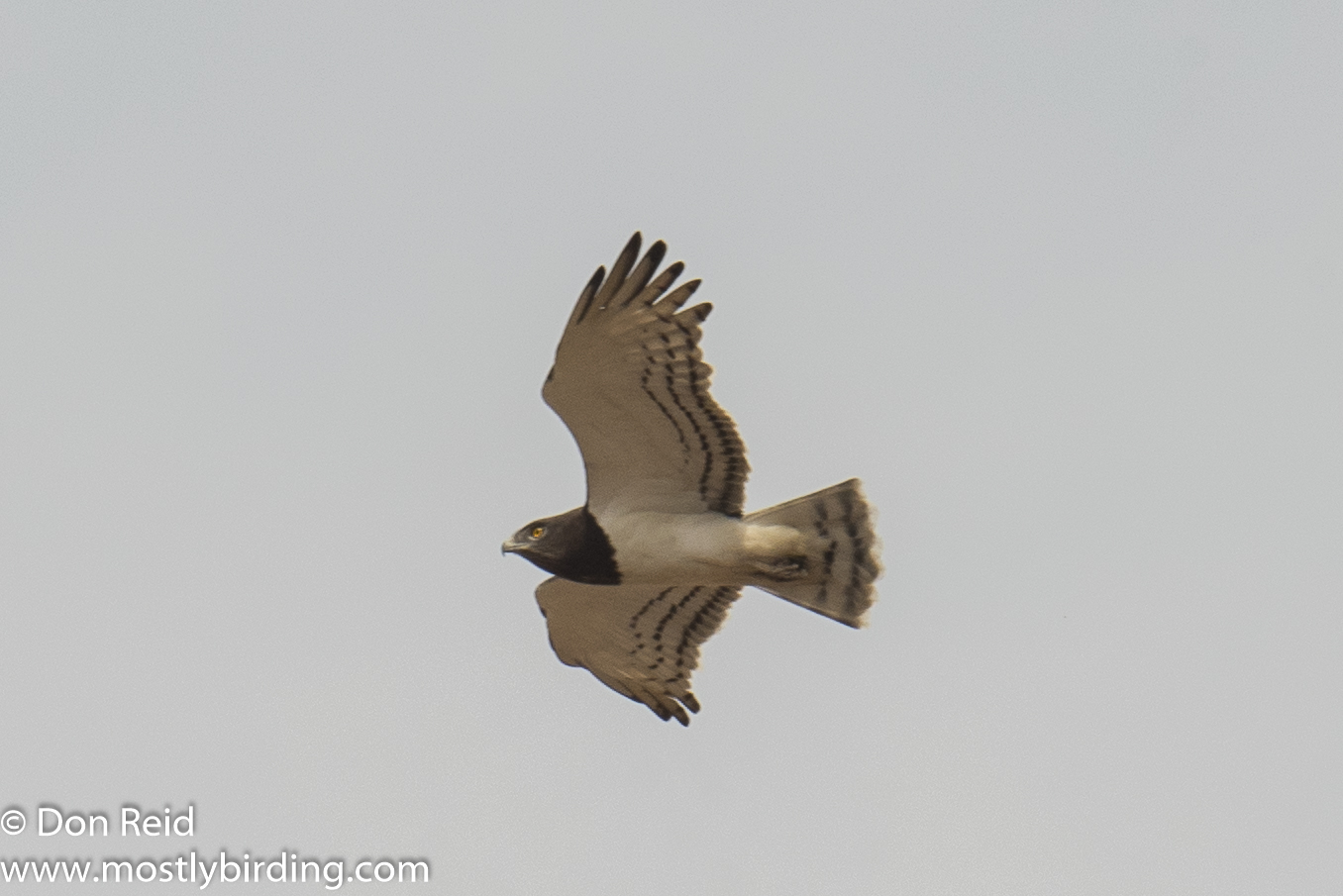
Black-chested Snake-Eagle

Black-chested Snake=Eagle, Kruger Park

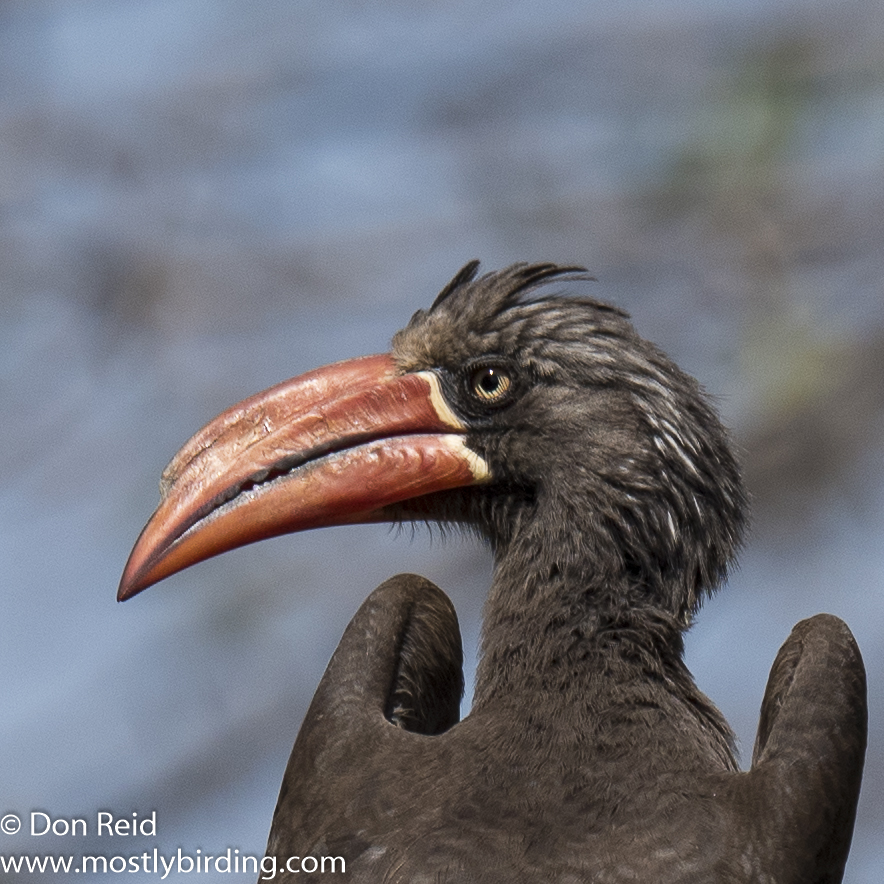
Crowned Hornbill – he’ll stare you down any day

Crowned Hornbill, Mkhulu, Kruger Park

Kittlitz’s Plover

Kittlitz’s Plover, Gouritzmond

Large-billed Lark in full song

Large-billed Lark, Herbertsdale area

Village Weaver – busy as a bee

Village Weaver, Verlorenkloof

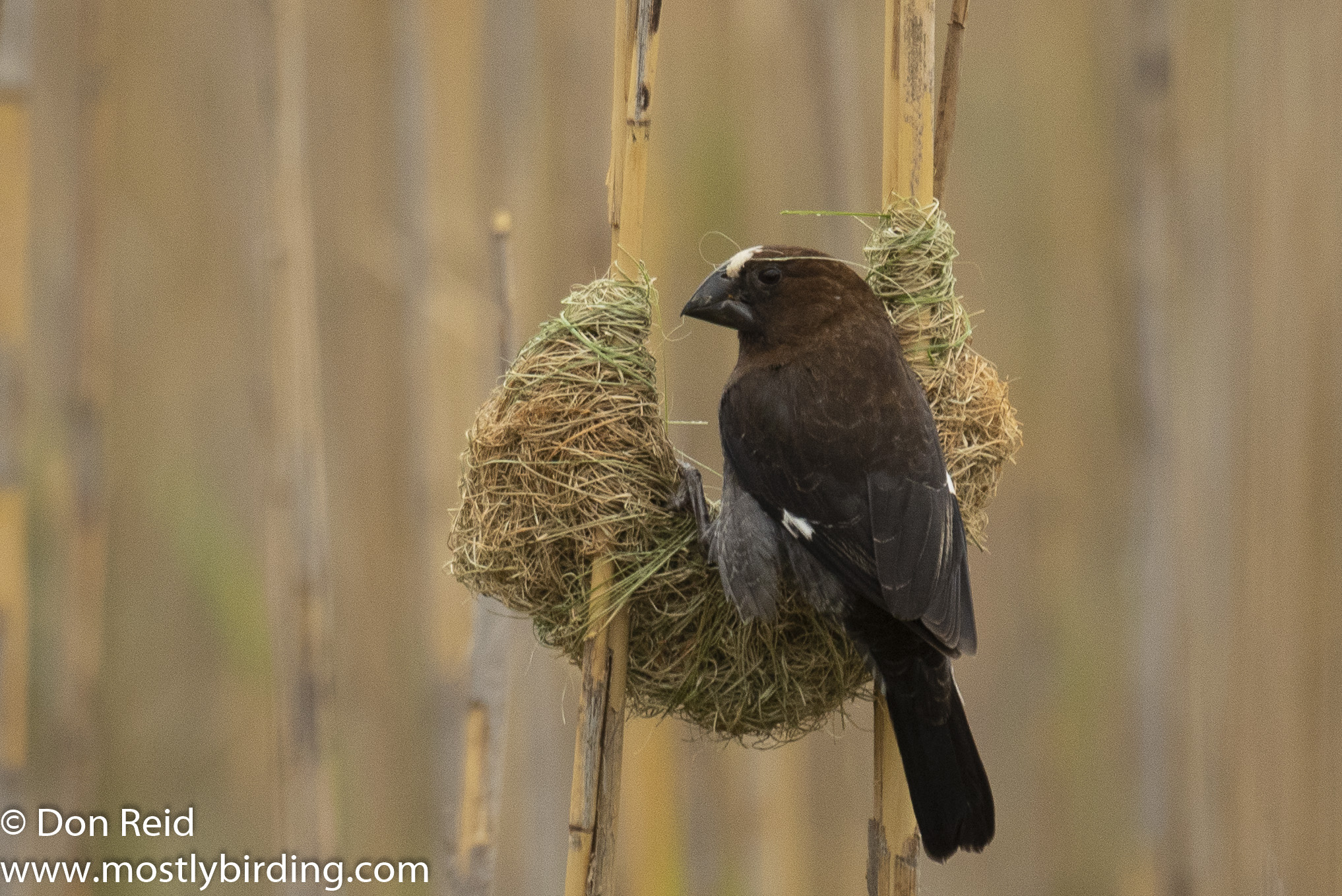
Thick-billed Weaver – less frenetic, more particular about its nest-weaving

Thick-billed Weaver, Verlorenkloof

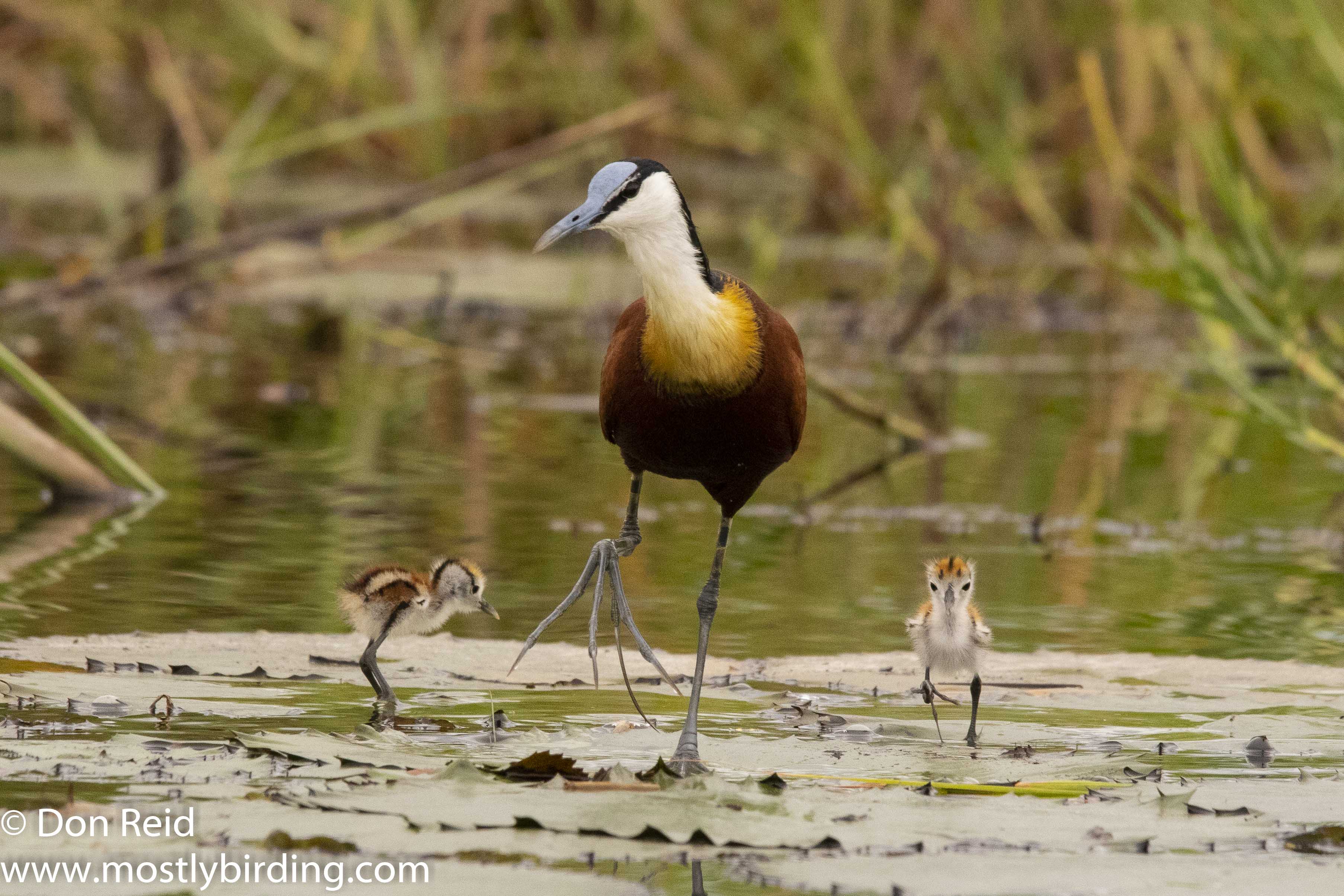
African Jacana with juveniles

African Jacana, Chobe River Trip

Juvenile African Jacana – a cute ball of fluff with legs longer than its body

African Jacana, Chobe River Trip

Reed Cormorant with catch

Reed Cormorant, Chobe River Trip

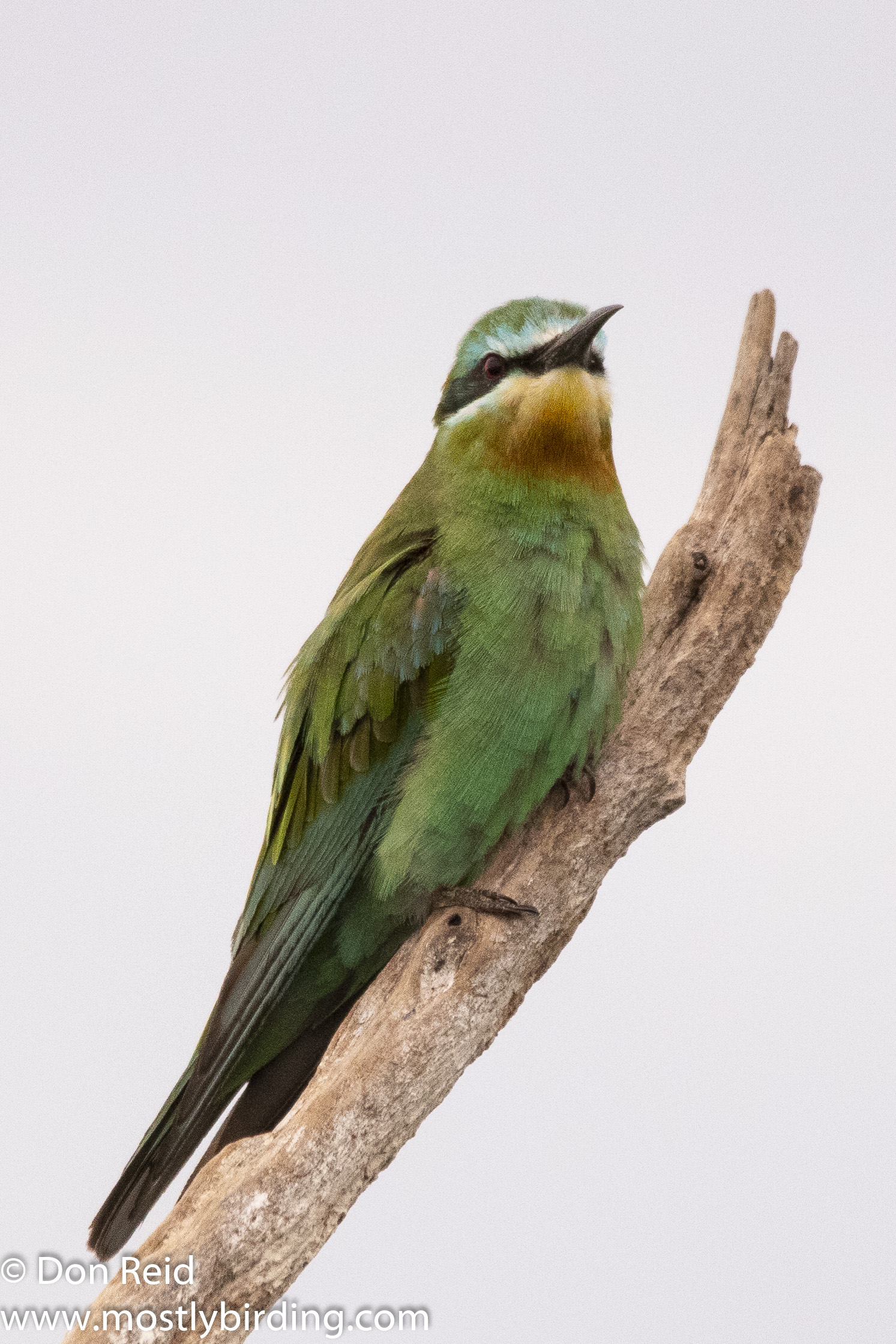
Blue-cheeked Bee-eater

Blue-cheeked Bee-eater, Chobe River Trip

White-crowned Lapwing

White-crowned Lapwing, Chobe River Trip


Wishing all who may read this a 2019 that meets all of your expectations!

Kruger unplanned – The Journey

It was a different Kruger trip in several ways …….  

(Yep, here come the bullets – I can’t help it, I’m a QS, we like things to be ordered) –

  • The booking was a last-minute one instead of the usual micro-planned, 6 to 12 months ahead booking we have always stuck to – I suddenly had this desire to wake up in Kruger on my birthday and scanned the availability of the camps, ending up with 5 nights in Olifants and a further 2 in Skukuza, starting in the last week of August this year
  • It was just Gerda and myself – the first time we have been on our own in Kruger, going back to our first visit with Gerda’s parents as newly weds in 1972. Since then we have made umpteen visits with our kids, with friends, with birding groups, even with clients and latterly with our grandkids adding to the delight.
  • We had no fixed plans other than to enjoy ourselves and take it at a relaxed pace
  • Ummmm that’s it with the bullet points……..

So what is it about a visit to Kruger National Park that makes it so special to ordinary South Africans like us, who keep going back for more, year after year, literally for decades?

With time to think about it during our week in Kruger, I can put it down to the several parts that make up the quintessential Kruger trip, starting with –

Getting There

For us, any holiday starts with the road trip which, if you tackle it in the way that we prefer, becomes an integral part of the holiday. We could have travelled to our Kruger destination, Olifants camp, in one day, but including an overnight stop at Phalaborwa, close to the entrance gate, meant we had a full day to get organised and travel at a relaxed pace.

It also means there is time to stop for coffee and lunch and to slowly ease into holiday mode. At our first stop at Kranskop on the road north, Gerda’s enthusiasm in identifying the weavers we spotted there helped to shift the focus from the “must do’s” that dominate life to the ” do what you feel like’s”. They were Village Weavers and for the next half hour on the road Gerda grilled me on the main differences between the most common genus Ploceus  Weavers, covering Southern Masked, Village, Lesser Masked and Cape Weavers.

There is also enough time to take in the character of the surroundings and the road being travelled on, which changed as we progressed –

N1 highway all the way to Polokwane – predictably smooth and comfortable, not requiring much effort beyond maintaining concentration

Polokwane east to Moria and beyond – busy double road through end to end built up area, the road requiring utmost concentration even at low speeds with a stream of pedestrians crossing, taxis stopping unexpectedly (although we have long learnt to expect it), wandering dogs and goats. Beyond Moria, which accommodates an estimated 1 million people during the Easter pilgrimage, the road enters rolling countryside for some relief

Through Magoebaskloof and down to the lowveld, the road twists and turns and drops all at the same time for perhaps half an hour until it flattens out as you approach Tzaneen

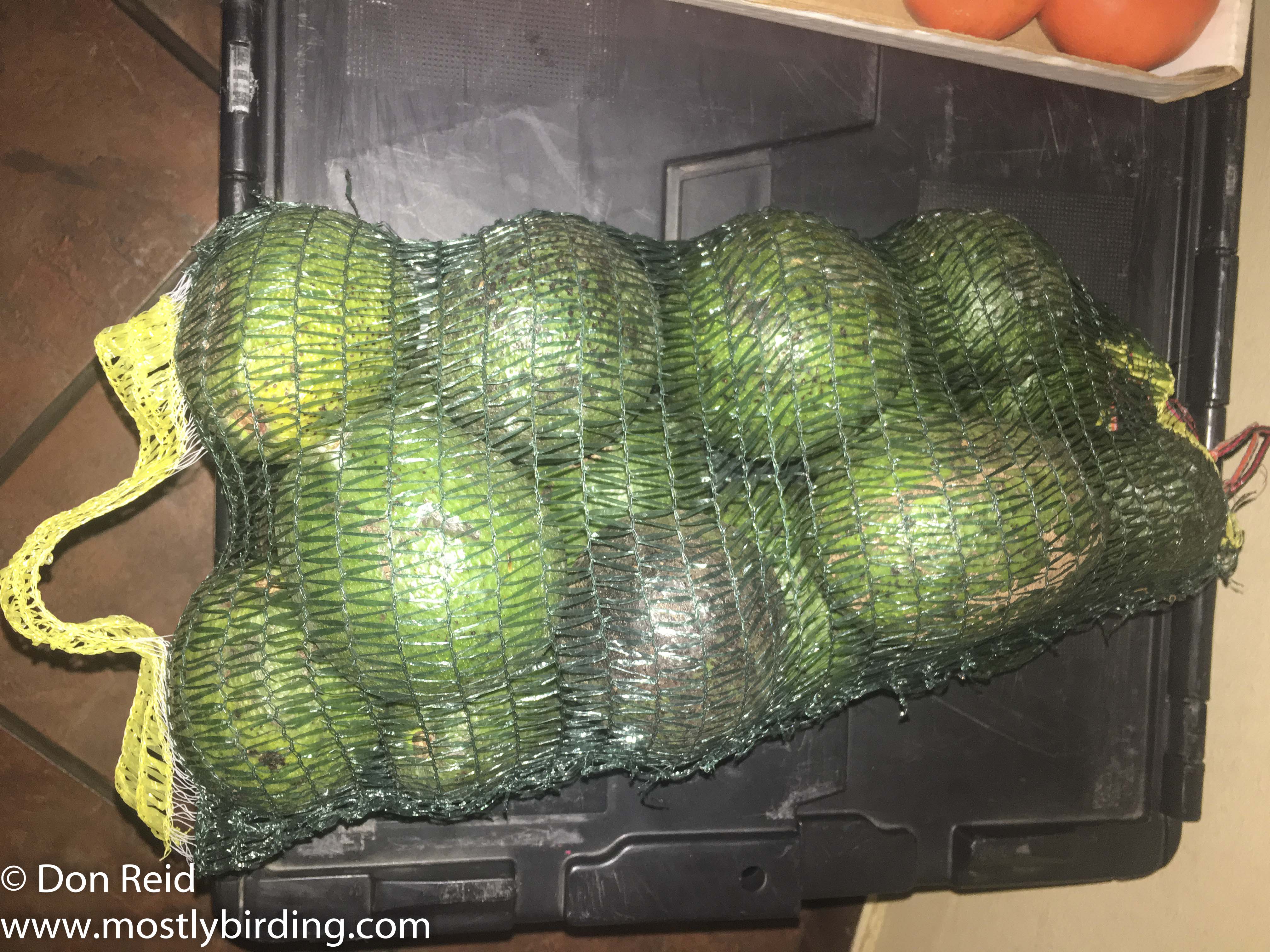
Suddenly it is fruit and veg growing area with roadside stalls offering produce at prices way below the city supermarkets – avos galore (bag for R50 / $3.50 ), sack of potatoes (R30 / $2 ), tray of tangerines (R30 / $2 )

The last stretch to Phalaborwa gradually changes to game farms and bushveld, the road down to a single lane with no shoulders.

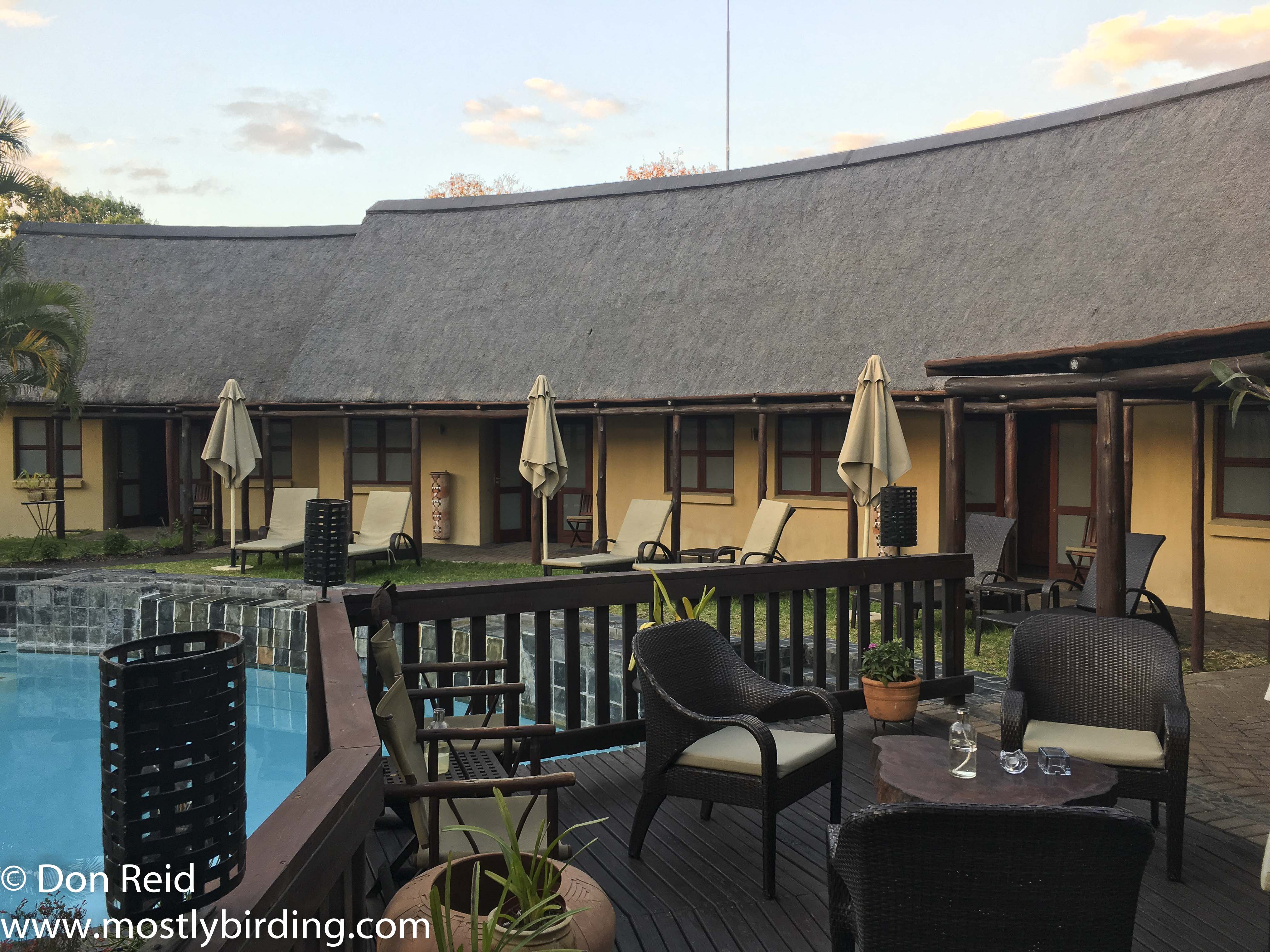
The overnight stop in Phalaborwa was at La Lechere guest house in the suburbs – a good choice with neat, comfortable rooms and a full English breakfast to set us on our way the next morning.

La Lechere guest house Phalaborwa

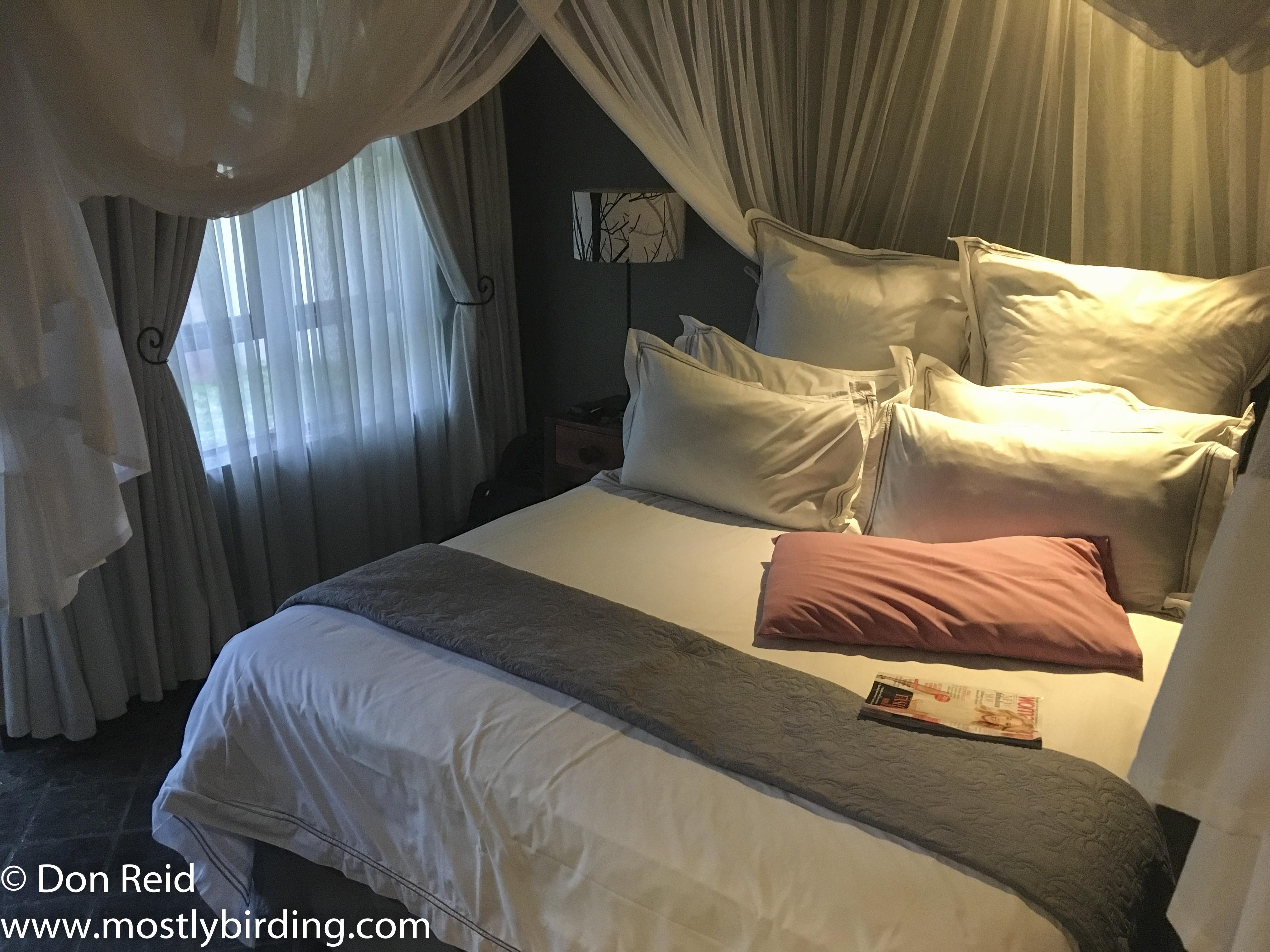
The cosy room

Entering Kruger

We entered Kruger before 11 am and made our way slowly to Letaba camp, where we planned to lunch.

Phalaborwa gate

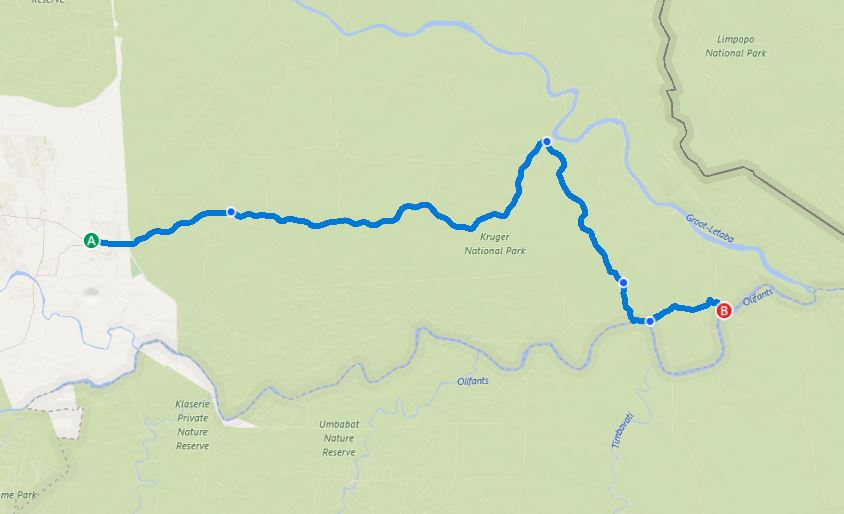
The route from Phalaborwa to Olifants camp

Kruger route

I tried to think what entering Kruger means to me and the only comparison I could come up with was that of entering one of the great cathedrals of Europe – the sudden calmness that spreads over you, the splendid surroundings that seem to envelope you, the happy thought that it’s been like this for a long time and is not likely to change.

We explored the side roads around Masorini on the way, stopping for a while at Sable Dam, which has a bird hide that can be booked for overnight stays.

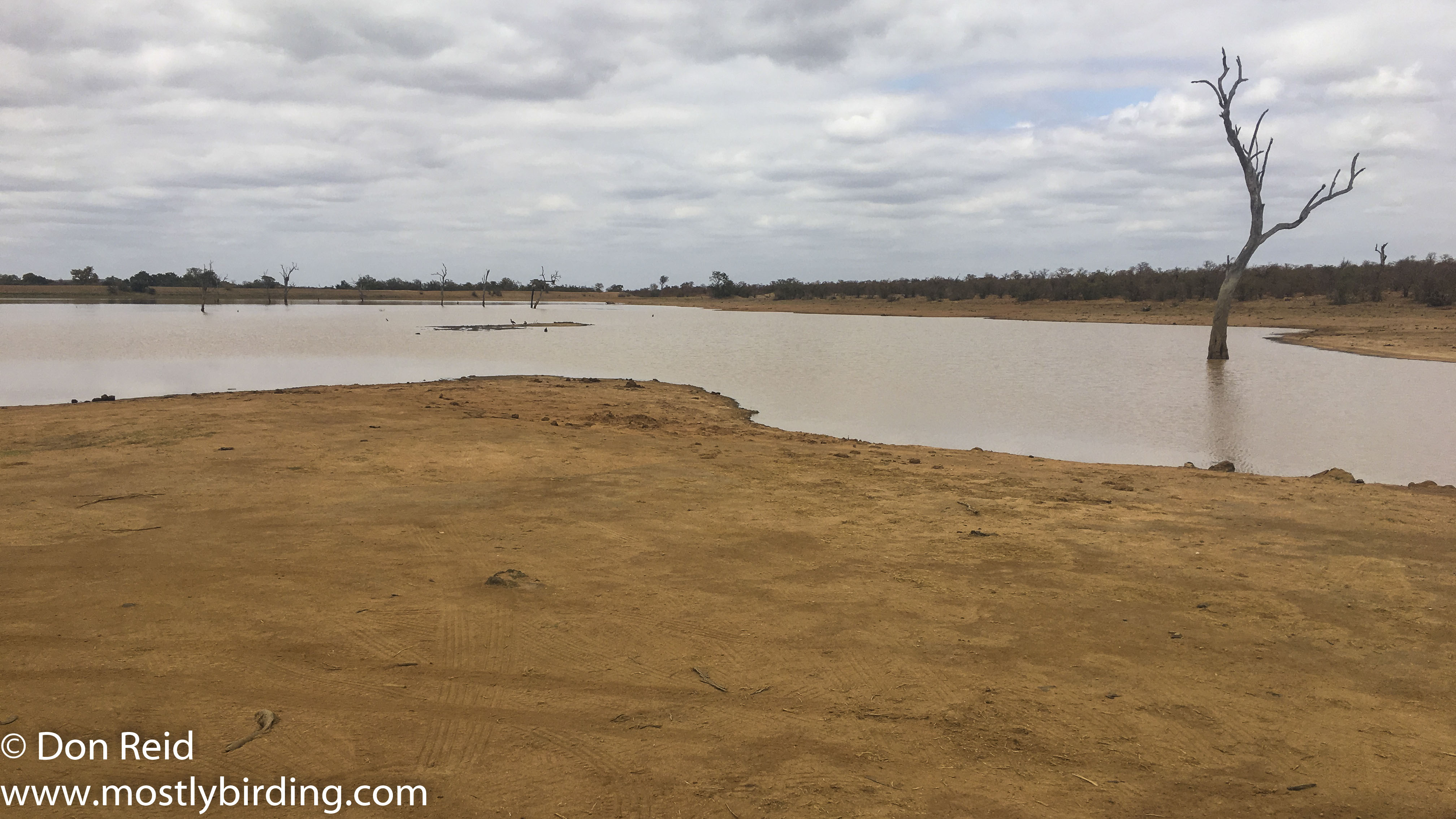
Sable Dam, Kruger Park

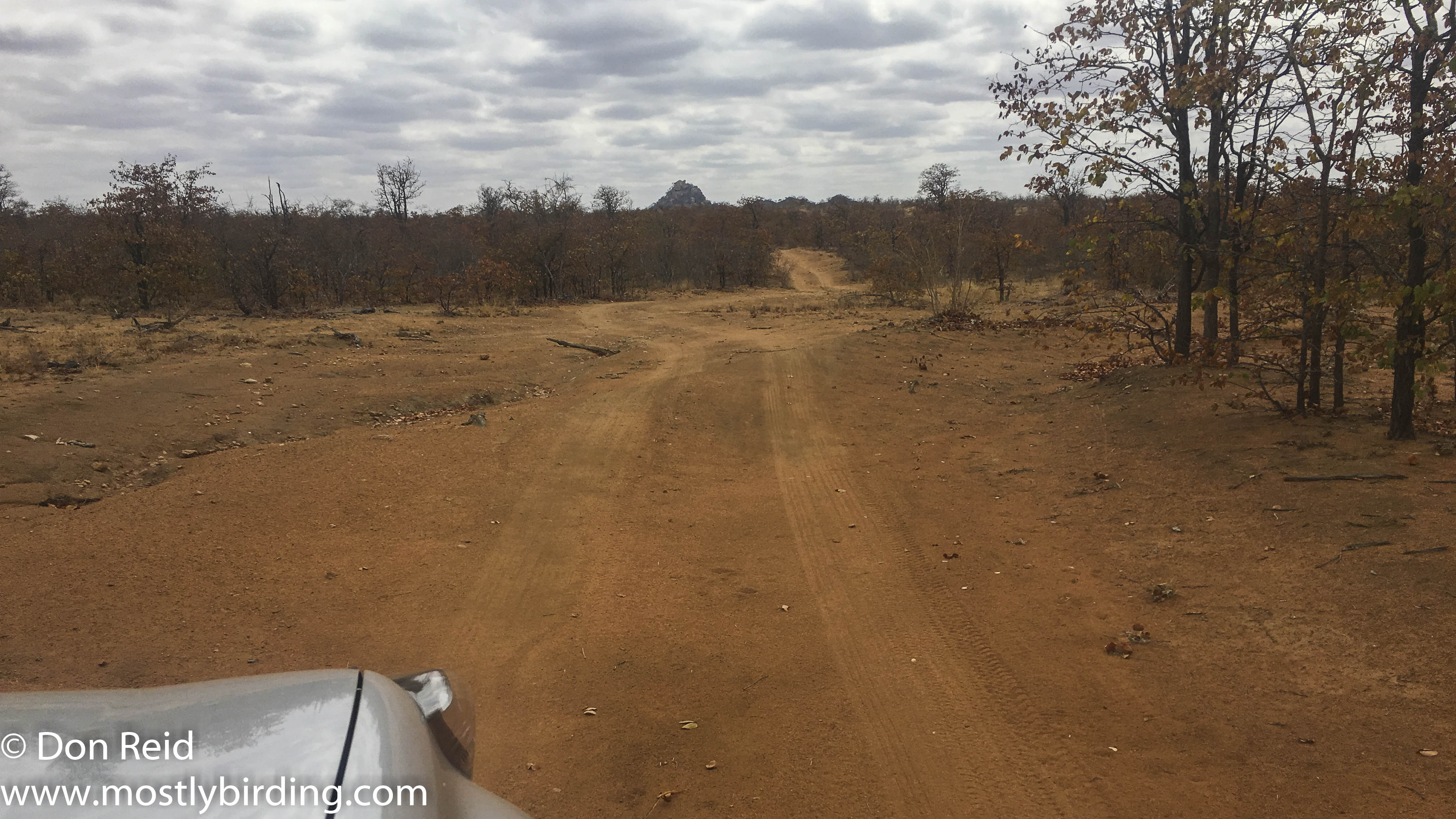
On the way back we could not resist a “short cut” road signposted Track for high clearance vehicles only, low maintenance , which was true to its word – a unique experience, not having driven on a proper 4 x 4 track in Kruger before, except with rangers in their vehicles.

4×4 Track near Sable Dam

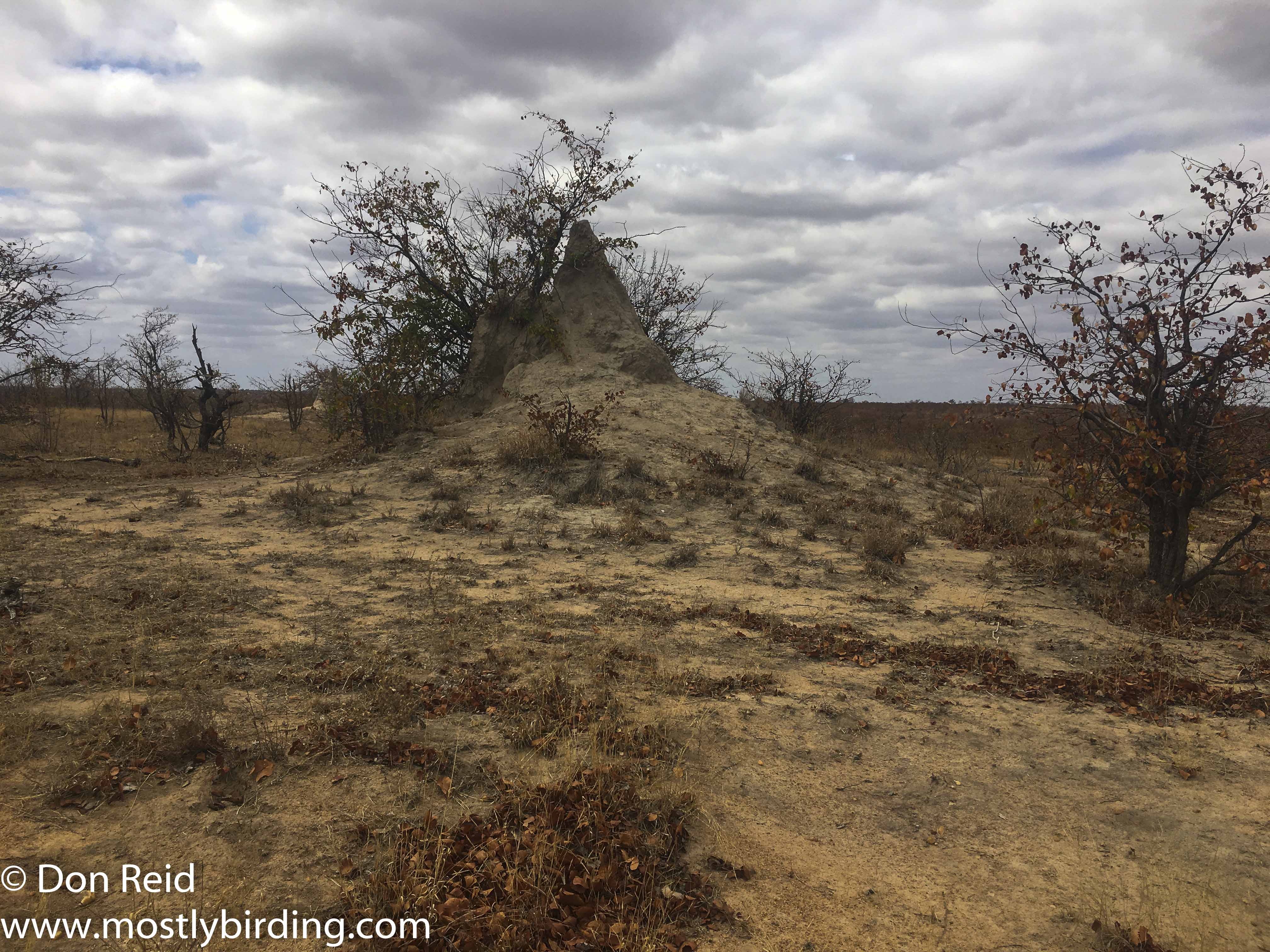
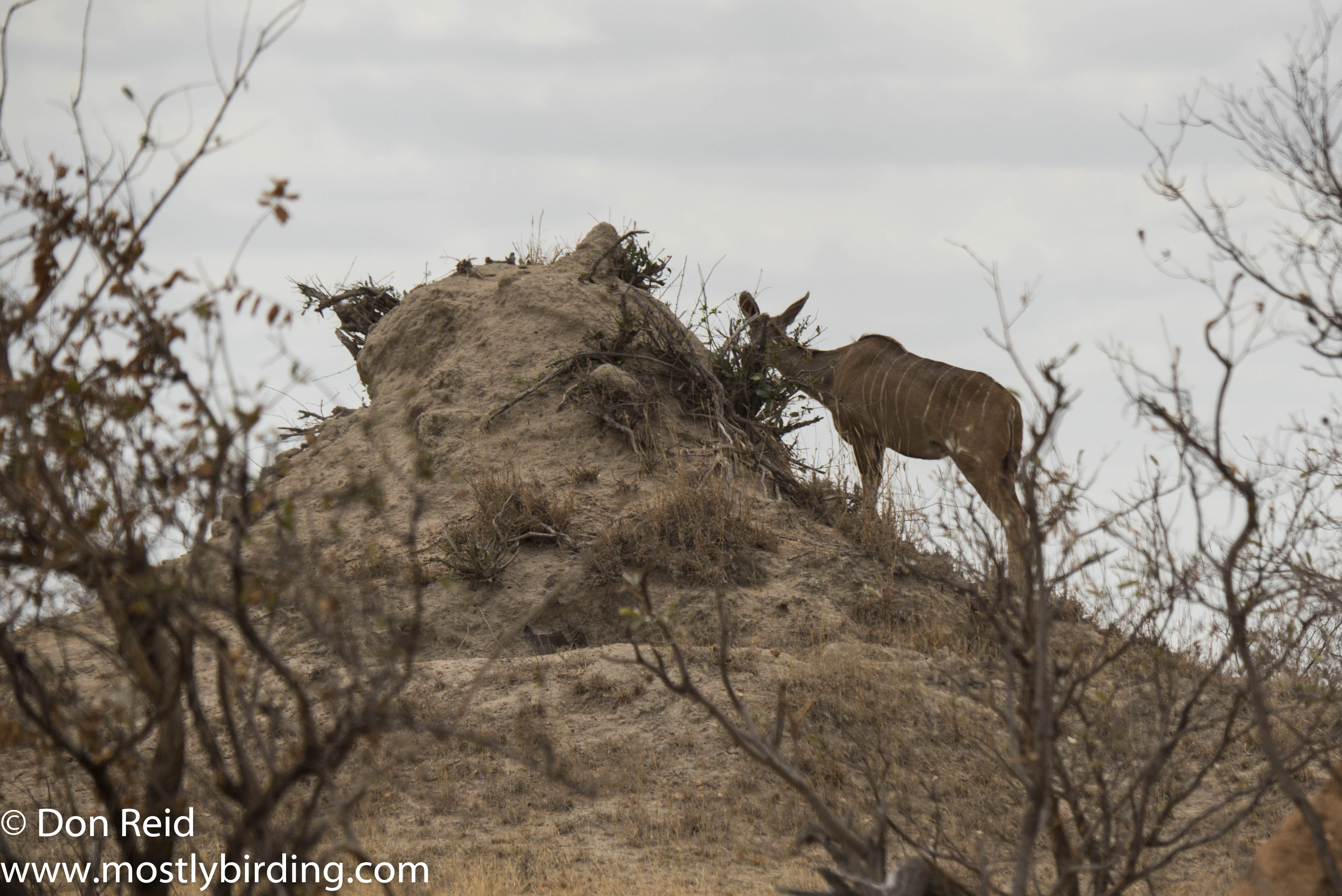
The track ran for 5 km and took us through an area dotted with exceptionally large termite mounds, some as tall as a double-storey house, with a pointy top giving them the appearance of rondawel roofs from a distance. I suspected the large size of these mounds – certainly larger than I have ever encountered – had something to do with the type of soil – white/grey in colour and very sandy.

Termite mound along 4×4 track, Kruger Park

Another termite mound, this time with a Kudu to provide some scale

Our route did not produce much in the way of special animal sightings, but as usual the bird life made up for it with several interesting encounters –

  • African Hawk-Eagle spotted by Gerda in a far-off tree
  • Yellow-fronted Canaries in a group, flitting from tree to tree
  • Various Swallows in one spot – Lesser-striped, Red-breasted and White-throated Swallows
  • Crested Francolin scurrying off when we stopped nearby
  • Groundscraper Thrush rather unexpectedly in the middle of the bush (you get used to seeing them on lawns in Suburbia so it comes as a surprise when they choose a more barren natural habitat)
  • A soaring African Fish-Eagle patrolling a dam

African Fish Eagle

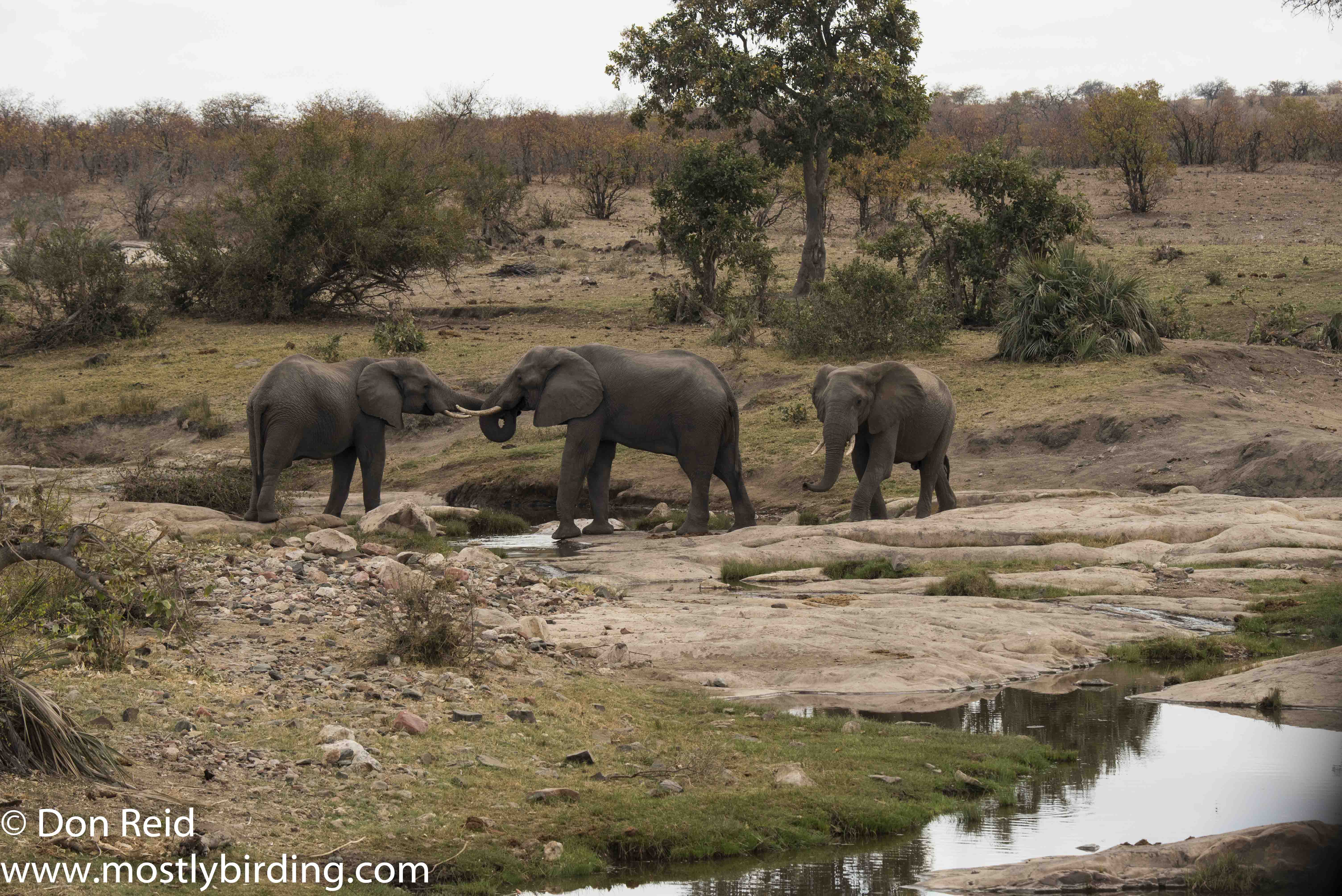
Elephants made an appearance as we crossed a bridge near Letaba, heading to small pools of water for a refreshing drink. They have a way of looking like they are enjoying every sip of water.

Elephants near Letaba, Kruger Park

Elephant drinking

Lunch at Letaba was fish and chips (there goes our credibility) and ahead lay the last stretch before Olifants, which went quite quickly.

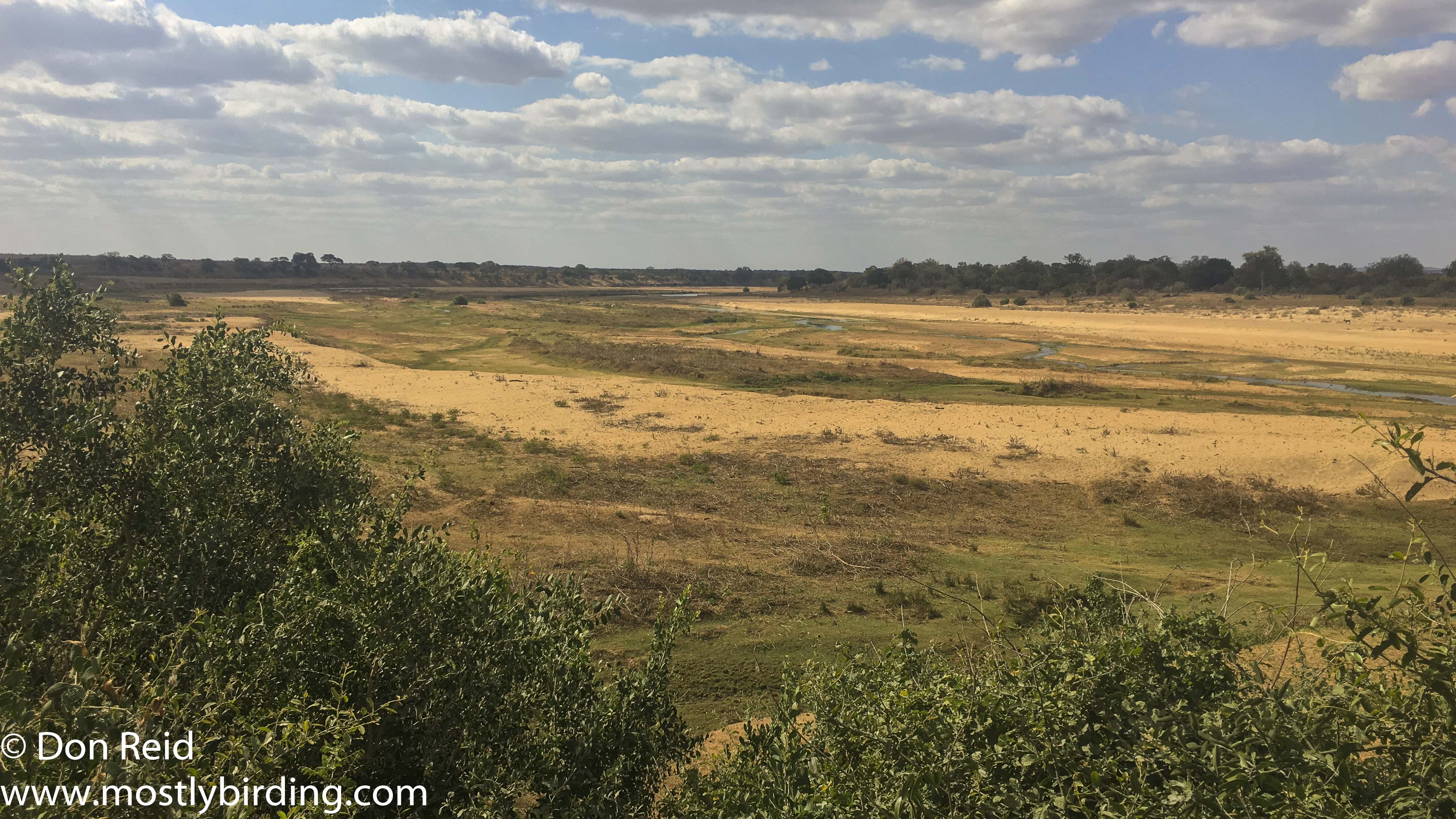
The state of the Letaba River was a bit of a shock as we could not recall having seen it so dry, even after the normal dry winter months – another sign of the severe drought that most of Kruger has experienced for the last few years.

Letaba River – end of winter, Kruger Park

The Accommodation

By 5 pm we were settled in our pleasant rondawel – we were prepared for the lack of kitchen facilities in the rondawel, knowing there would be a communal kitchen nearby, however we had not thought of bringing a kettle, so resorted to buying a cheap stove-top model that worked well, albeit slowly, on the communal hot plate.

We enjoyed tea while taking in the incomparable view from our small stoep – I patted myself on the back for choosing a perimeter rondawel which looks over the Olifants river far below.

Tea with a view, Olifants, Kruger Park

The rondawel is typical of the accommodation in many Kruger camps – hardly luxurious, in fact the kindest description would be basic, but I had already decided that this was part of the charm of Kruger, almost like camping but with solid walls around you, comfortable beds and a small bathroom at hand.

With no kitchen (I probably would have booked a rondawel with a kitchen if one had been available) cooking happens on the braai, washing up is done in the communal kitchen and the simple task of making tea and coffee becomes a drawn-out ritual of sorts, all at a much slower pace than home and in the pleasant surroundings of a well looked after camp.

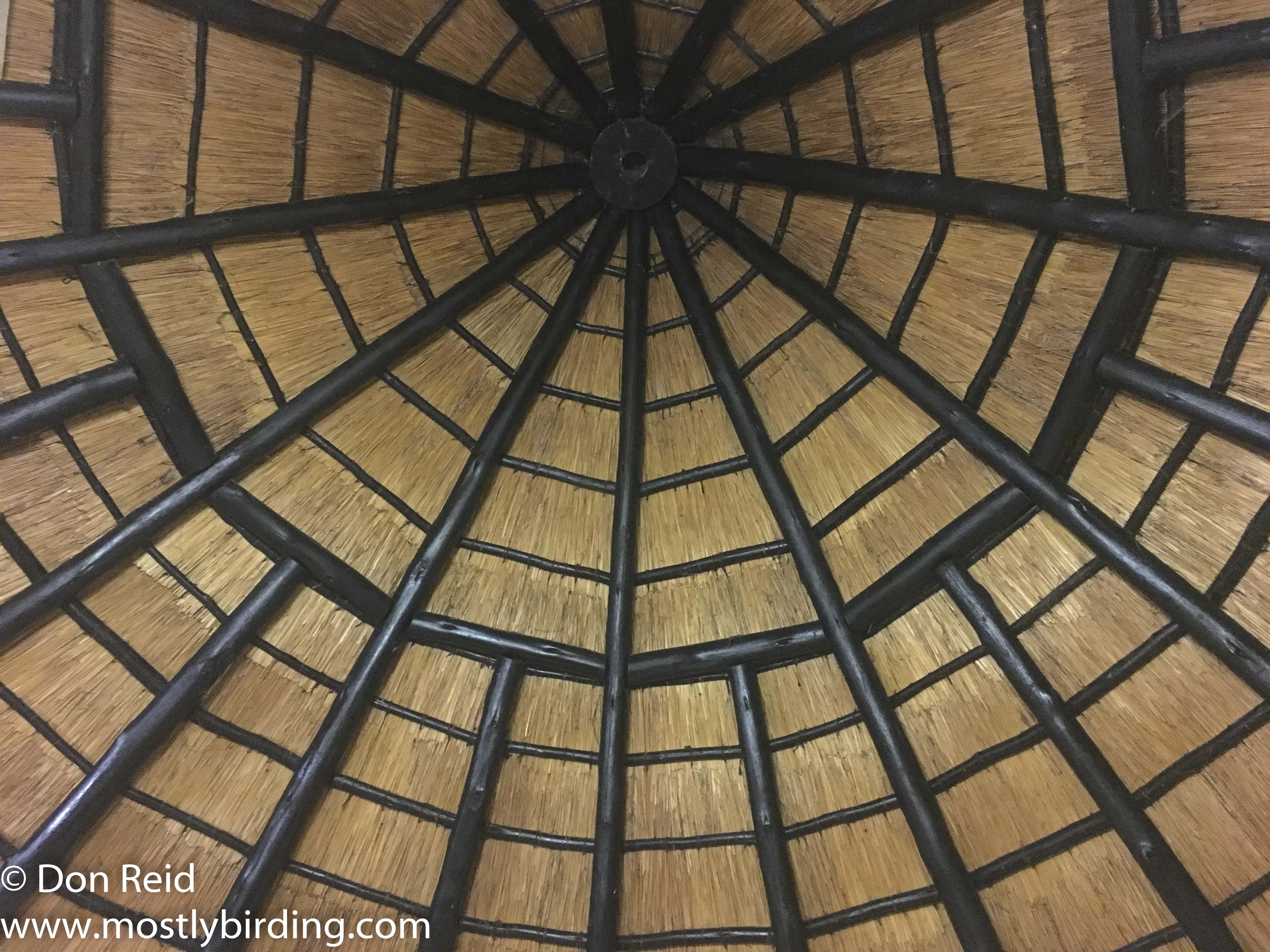
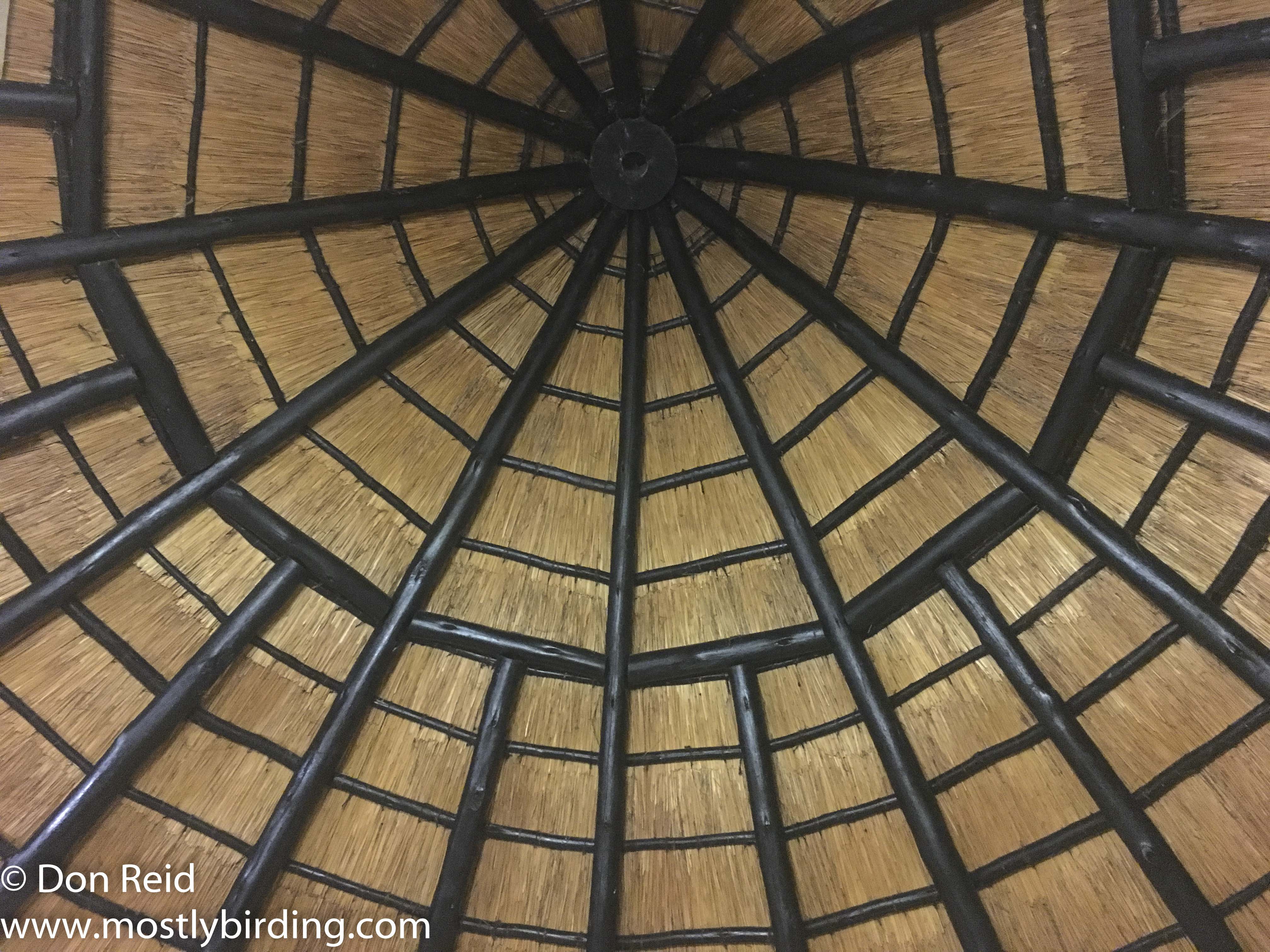
Even the view as you lie down to sleep is quite soothing (before the lights are off of course) …

Bungalow roof

Still to come in “Kruger Unplanned” – more about the drives, the wildlife encounters, the birding highlights and just chilling


Kruger for a day – Painted wolves and a weary Lion

Kruger National Park …………   just writing those words brings an immediate sense of anticipation ……

especially when you have made as many visits as we have and enjoyed such a diversity of wonderful bush experiences.

It was in April this year, while spending a week at Pine lake Resort near White River, that we decided to visit Kruger for one of the days. And as usual there were unexpected sightings, both on the animal front as well as the birds ……..
We started the day early, hoping to be at Phabeni gate as close to the 6.00 am opening time as possible – as it turned out we were a tad slow in leaving the resort and the drive there took longer than anticipated due to the nature of the road and some slow traffic. When we arrived at Phabeni we were met by a longish queue of vehicles and were told apologetically that “the computers are down and we are processing visitors manually” by the gate staff. This resulted in a long wait before we could at last enter Kruger and make our way along the Doispane road (S1).
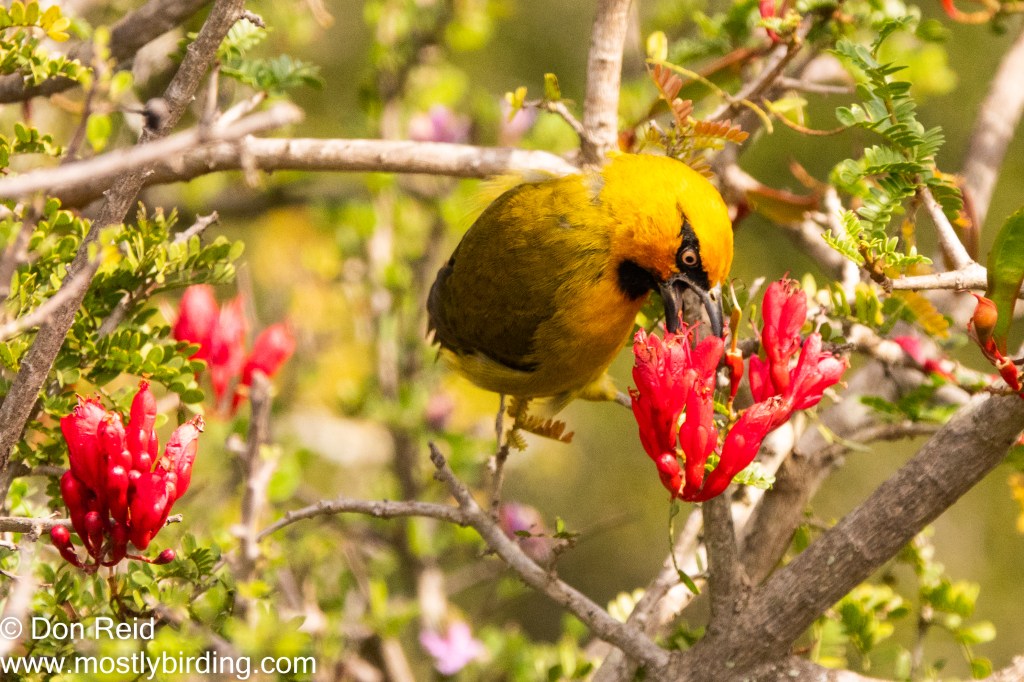
We took all of four hours to travel the 40 or so Kms to Skukuza camp and then onwards to the day visitors picnic area just beyond the camp. There were lots of stops along the way to admire the wildlife and ID the birds seen and heard.

An early sighting was Retz’s Helmetshrike, always in a group of several and handsome as ever in their all black plumage and contrasting bright red bill and eye ring.

The usual Lilac-breasted Rollers, Magpie Shrikes and Red-billed Hornbills showed prominently at regular intervals to keep our spirits high. Raptors we saw included Bateleurs in numbers, Brown Snake-Eagles, African Fish-Eagles (5) and a pale form Booted Eagle.

African Fish Eagle, Kruger Day Visit
African Fish Eagle

About halfway along the road we stopped to have a look at the Nyaundwa Dam just off the road – this is always a good spot for the classic Kruger scene of animals coming to drink while keeping alert for the predators. Several shorebirds patrolled the dam edges – amongst them Wood Sandpipers, Black-winged Stilts, Common Greenshanks and Three-banded Plovers – while the resident Hippos had a few Red-billed Oxpeckers in attendance. Several Water Thick-knees viewed the proceedings from the sandy banks with what seemed to be disdain.

Kruger Day Visit
Nyaundwa dam

Kruger Day Visit
Nyaundwa dam

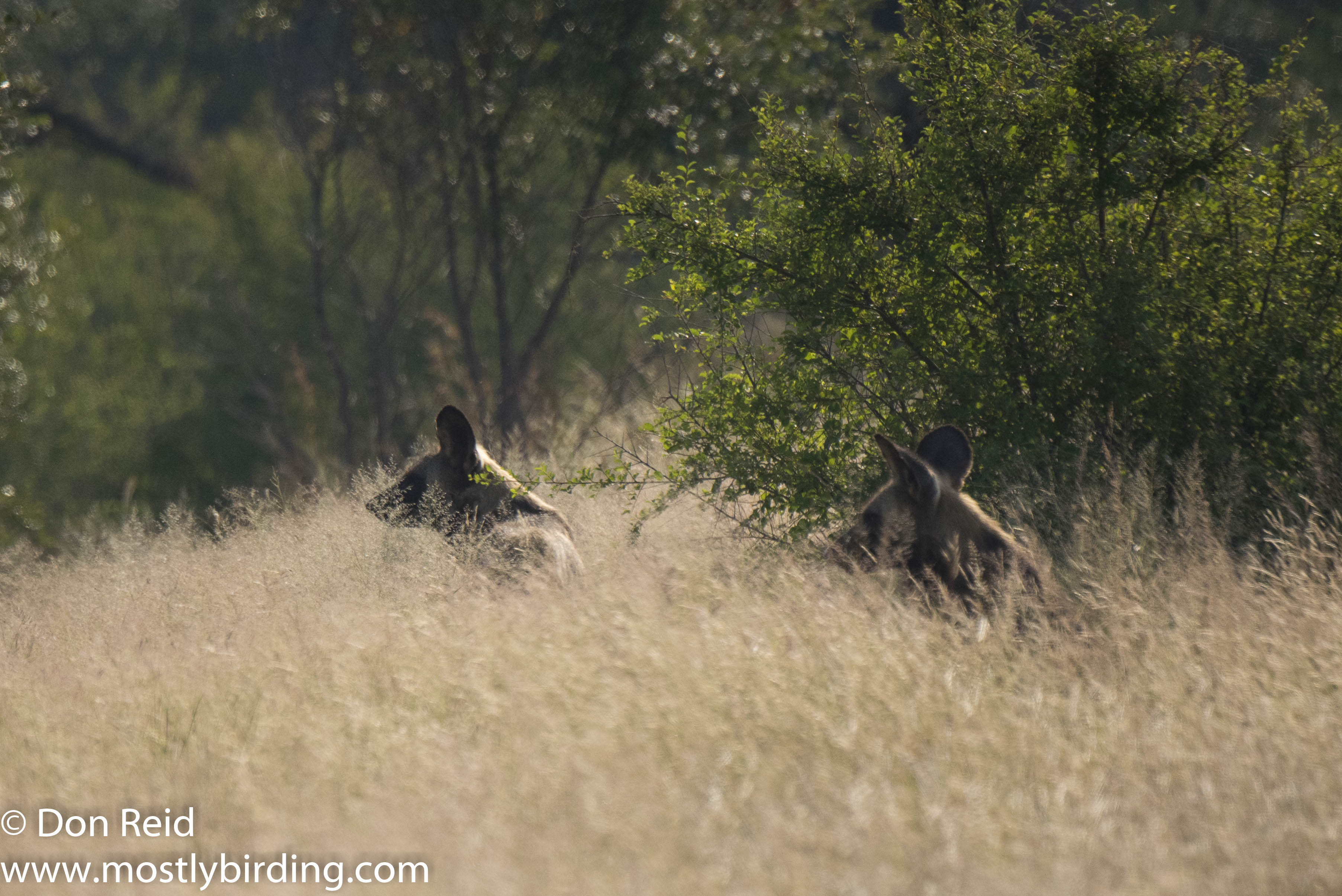
Shortly after we enjoyed one of the game highlights of the day when we came across a small pack of Wild Dogs, or “Painted Wolves” as they are sometimes known. One gave a display of territorial marking that we have not witnessed before, when he came right up to our vehicle and proceeded to urinate profusely several times while turning a full circle, so close I could have touched him with a broomstick – if I had such a thing handy. It crossed my mind that he may be just another Land Rover fan fed up with the superiority that us Toyota Land Cruiser owners tend to display …….. who knows.
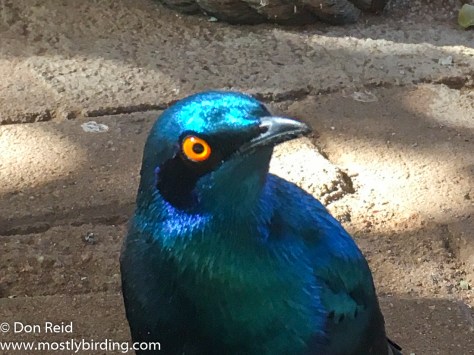
Kruger Day Visit
African Wild Dogs in the long grass

African Wild Dog, Kruger Day Visit
African Wild Dog

African Wild Dog, Kruger Day Visit
African Wild Dog 

Our next sighting was a little further down the road where a knot of vehicles surrounded something lying at the edge of the road. It was an old Lion, looking as if he was on his last legs, his hips showing under his aged, battered looking skin. When he lifted his head to look at us, it seemed to be an effort and his eyes were dull with none of the fierce glint that he would have shown in his youth. I could have taken a photo but decided against it, simply out of respect for an old timer with not many days to live, at a guess.

We arrived at the Skukuza Day Visitors picnic area which is a few kms beyond Skukuza itself and has a number of pleasant picnic sites set amongst the bushes. It was quiet, being a Monday out of peak season and we had the place to ourselves except for one other small group so we found a nice shady spot and enjoyed leftovers from the previous night’s braai, reheated on the skottel (like an old ploughshare and heated by gas)

In between I scouted around the area and found some very photogenic White-fronted Bee-eaters perched on some low branches – many bird photographer’s favourite because of their bright colouring and their habit of posing openly, without being too skittish.

I was very happy with the results ….

White-fronted Bee-eater, Kruger Day Visit
White-fronted Bee-eaters

White-fronted Bee-eater, Kruger Day Visit
White-fronted Bee-eater

The birding highlight of the day came my way as were packing up to leave the picnic area, when I spotted some movement in the bushes nearby – more about the incredible photographic opportunity in a follow up post (how’s that for keeping you in suspense?)

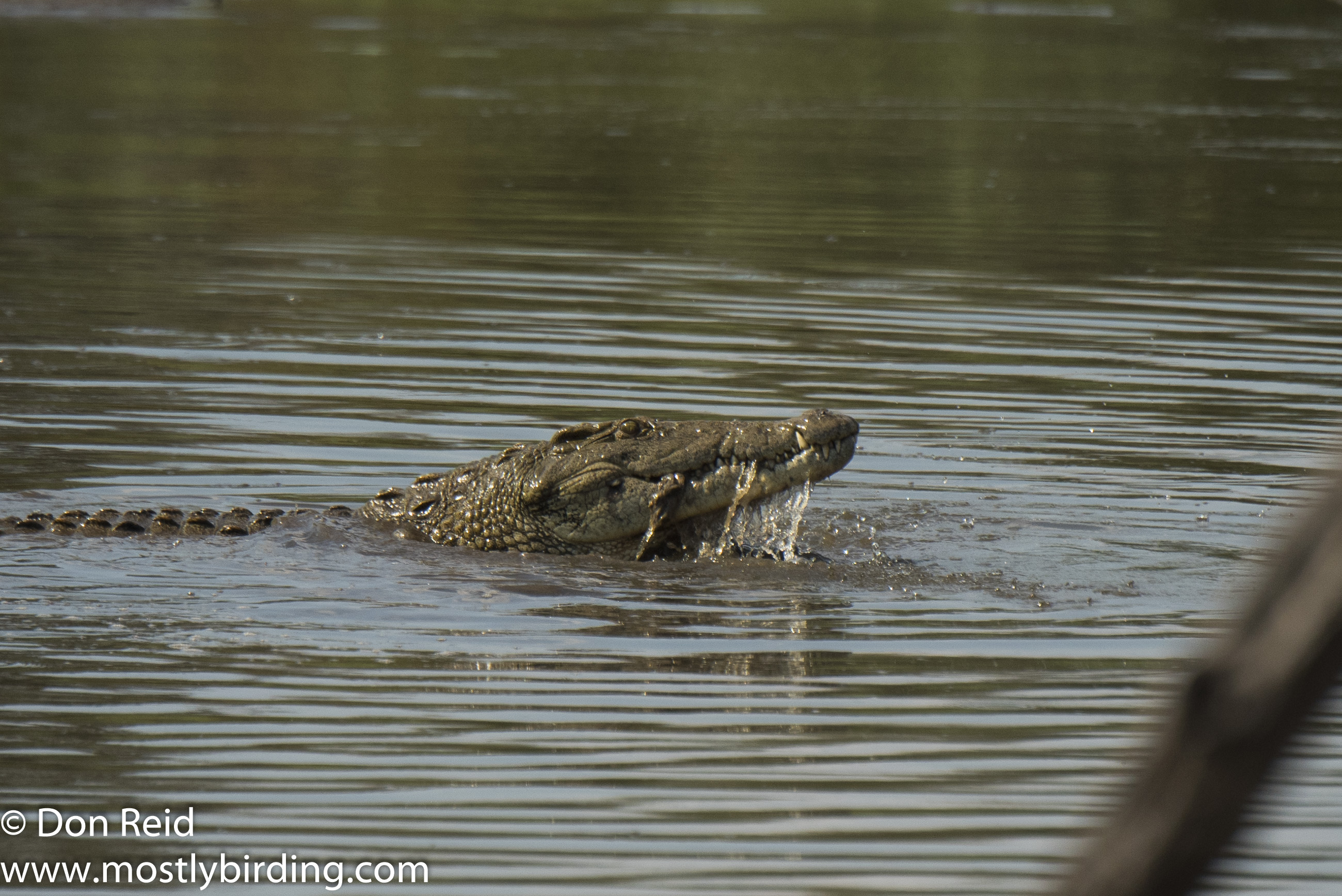
Our last stop before heading towards the Numbi gate was at the well known (amongst birders) Lake Panic hide overlooking the lake of that name, not far from Skukuza. Initially it looked quiet but we found out from the few people already there that we had missed the earlier drama of a crocodile taking an Impala which had ventured too close to the water as it came to drink. Two large crocs were still wrestling with the unfortunate Impala, presumably already dead, its horns projecting above the water every now and then as the crocs twisted and turned in the water.

Crocodiles after kill at Lake Panic, Kruger Day Visit
Crocodiles after kill at Lake Panic

Crocodiles after kill at Lake Panic, Kruger Day Visit

The water level was the lowest I have ever seen it at this spot, not even reaching the hide – bird life was limited to a couple of Pied Kingfishers, a Black Crake and a Burchell’s Coucal.

Our exit route was via Numbi gate then through busy rural villages for some 20 kms before reaching White River and the road back to Pine Lake Resort (which is also worth a post – watch this space)

World Lion Day

I would not have known it if National Geographic hadn’t sent an email notice, but it’s worth mentioning that today is World Lion Day!

In their words…….

“Today is World Lion Day, a day of celebrating the fearsome roars, handsome manes, and adorable cubs of one of the most iconic animals in the world. Lions are incredible creatures: athletic powerhouses and apex predators.

They’re also facing dizzying declines in their population that they are powerless to stop.

Even one lion killed can destabilize an entire region’s prides. And these days, poaching, retaliatory killings, and habitat loss are killing off lion after lion.”

So in our brittle world even the king of beasts is under threat.

Time to go out and hug your local lion……

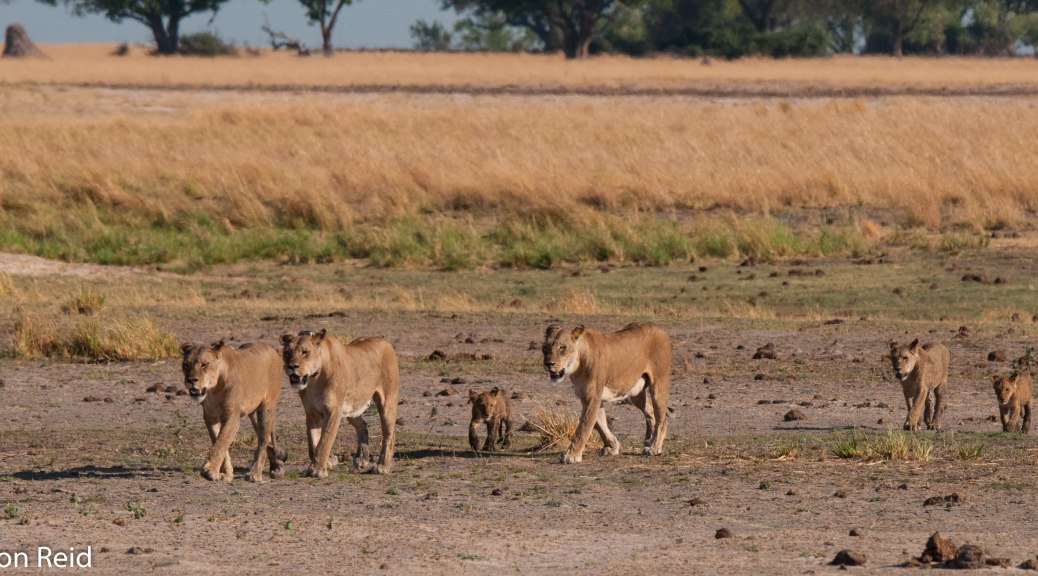
Chobe Riverfront

Chobe Riverfront

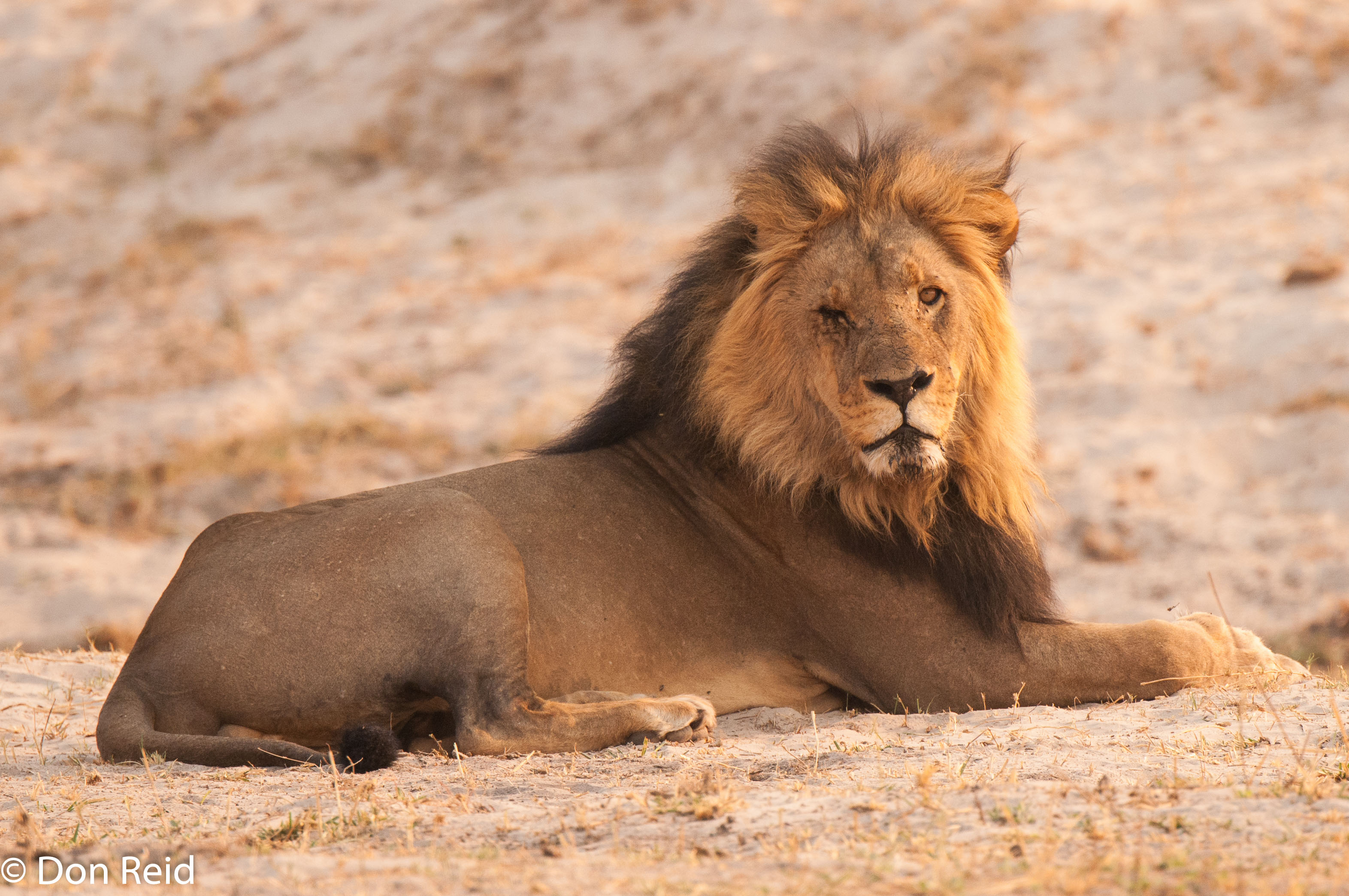
Kruger Park

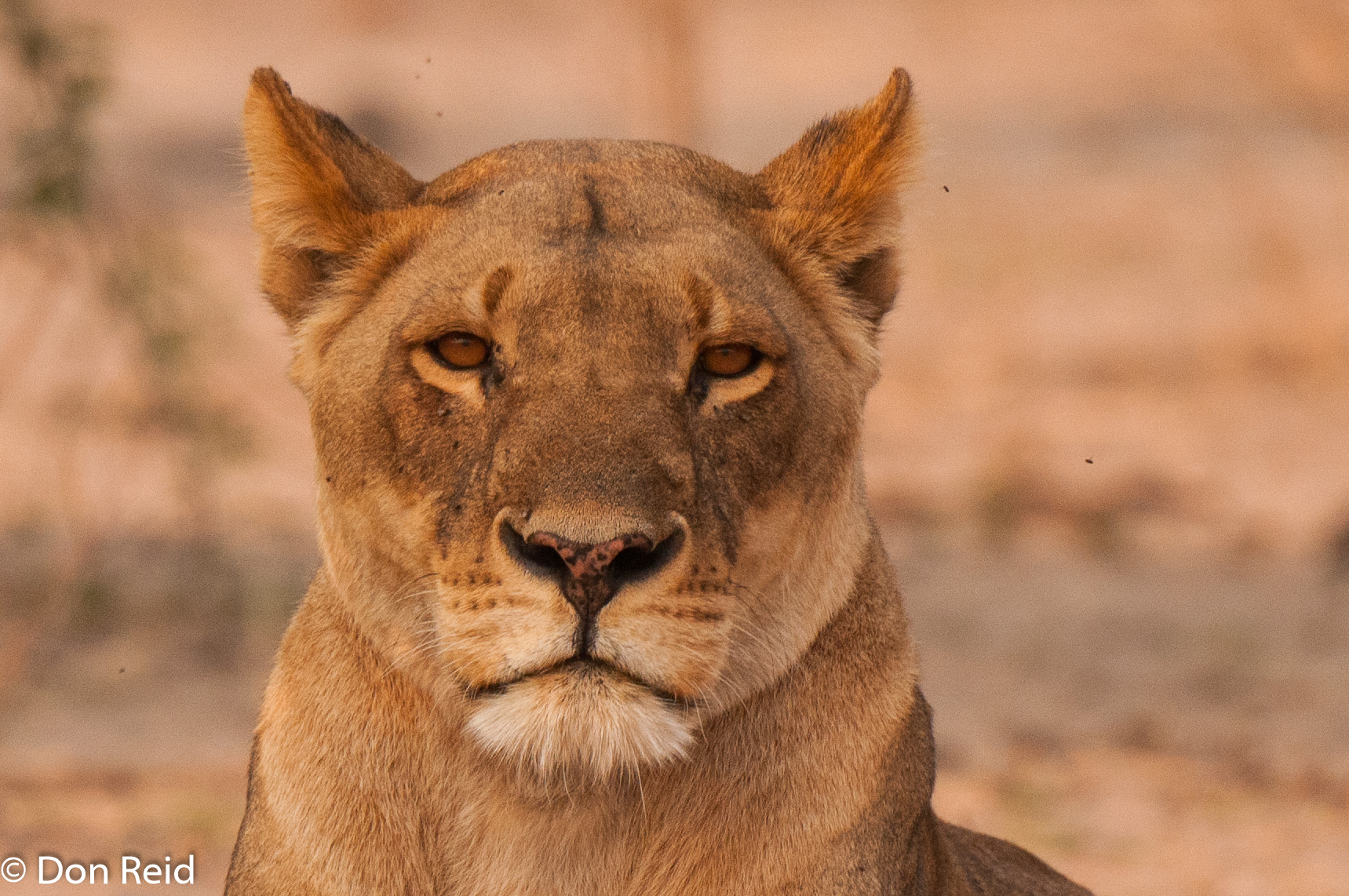
Chobe Riverfront

Chobe Riverfront