Category Archives: Bird Photography

My Photo Pick for 2024 – the Birds

This is the second part of my photo pick for 2024 – a selection of bird photos that appealed to me for various reasons, not just the quality of the photo but also for the memory it left with me. I hope you enjoy scrolling through them as much as I have enjoyed taking, editing and selecting them.

If you have already glanced at the ‘categories’ I have placed them under and are wondering how I arrived at these – well, I didn’t but I did ‘borrow’ them from Firefinch which is the excellent birding app produced by Faansie Peacock (his real name!) and his team.

Faansie has a way of making birding interesting and fun and the way he categorises bird species in his app is a good example of his practical approach.

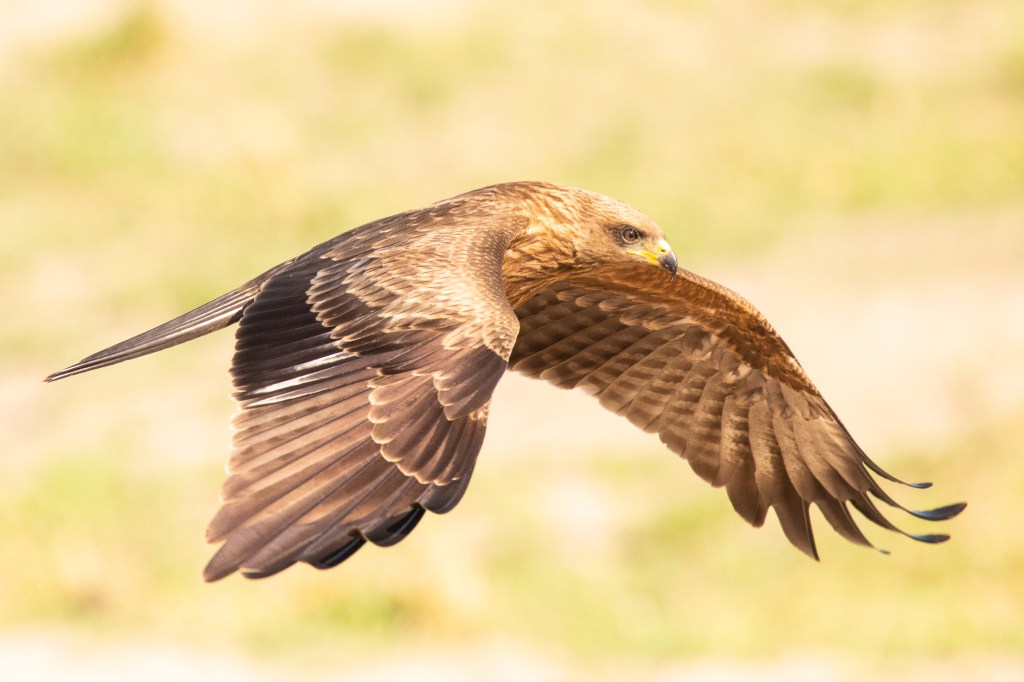
Raptors

Seeing a raptor at the roadside is always exciting and a reason to stop and have a better look – most will fly off the moment you stop, so it requires a bit of stealth to keep the car moving slowly while approaching the target and to have the camera at the ready for the moment you come to a standstill

Long-crested Eagle Lophaetus occipitalis Langkuifarend, Kleinberg area
African Cuckoo Hawk Aviceda cuculoides Koekoekvalk (Juvenile), Friemersheim area

Black-winged Kites are widespread in SA but finding this one about to feed on its prey was a first for me

Black-winged Kite Elanus caeruleus Blouvalk, Vleesbaai inland

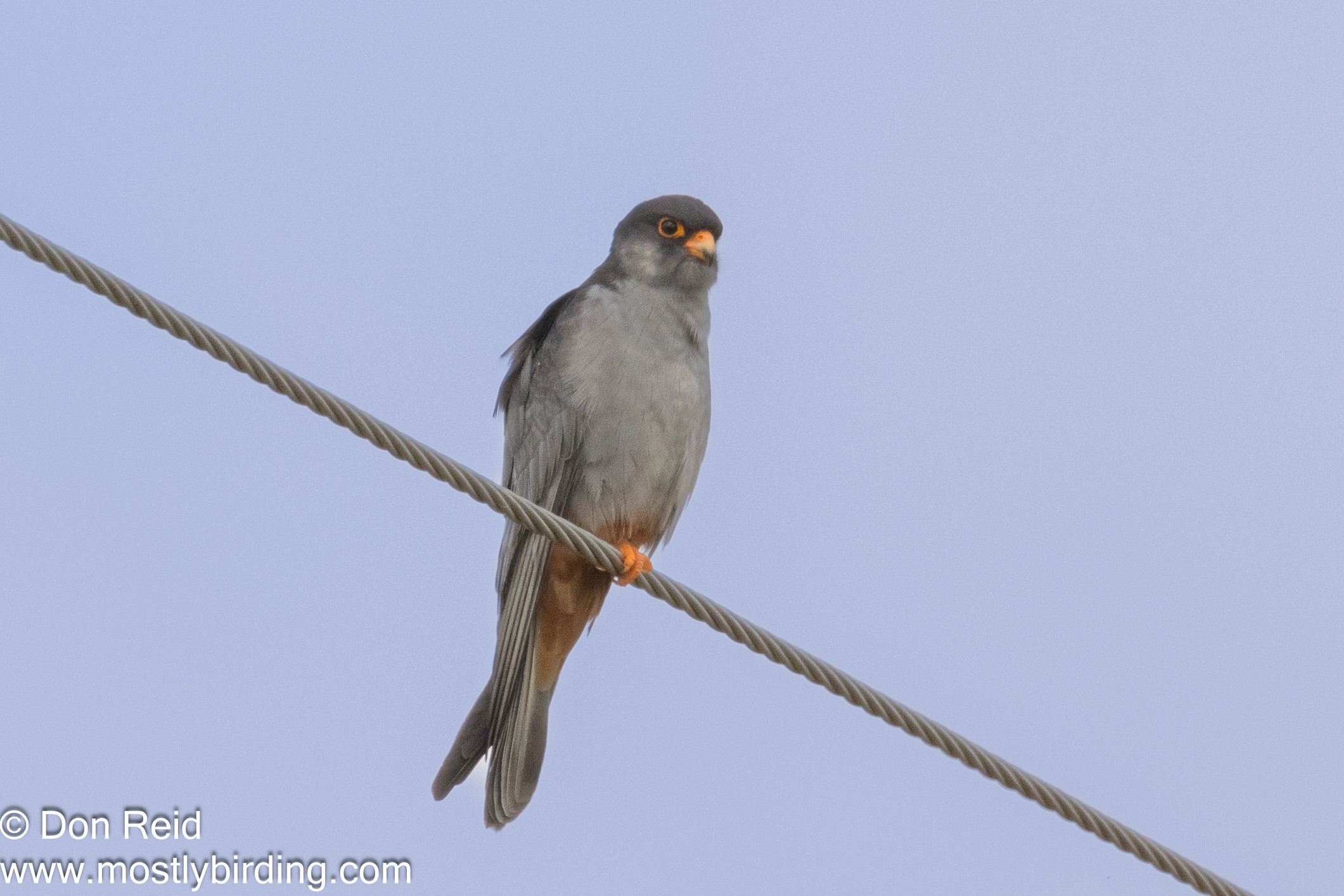
This is not a particularly good photo of an Amur Falcon that I came across but I include it only because it is a scarce sighting in the Southern Cape

Amur Falcon Falco amurensis Oostelike rooipootvalk (male), Kleinberg area

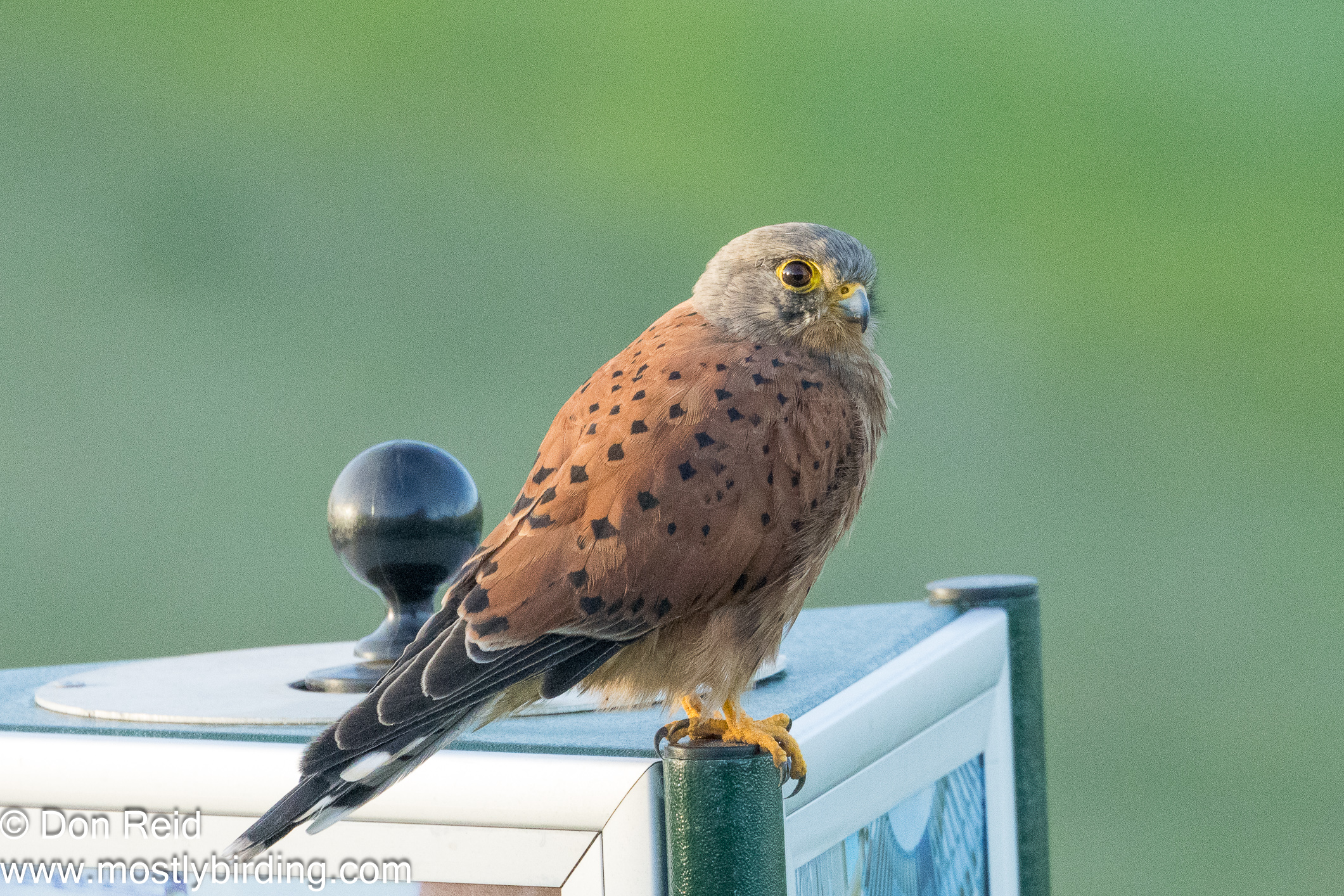
Rock Kestrel is a regular species in the estate where we live. This one chose the 15th tee, just 100m from our house, as a convenient spot for some hunting one morning

Rock Kestrel Falco rupicolus Kransvalk, Mossel Bay Golf Estate

Perchers

This category covers a variety of birds normally seen perched on a tree or bush or other suitable spot

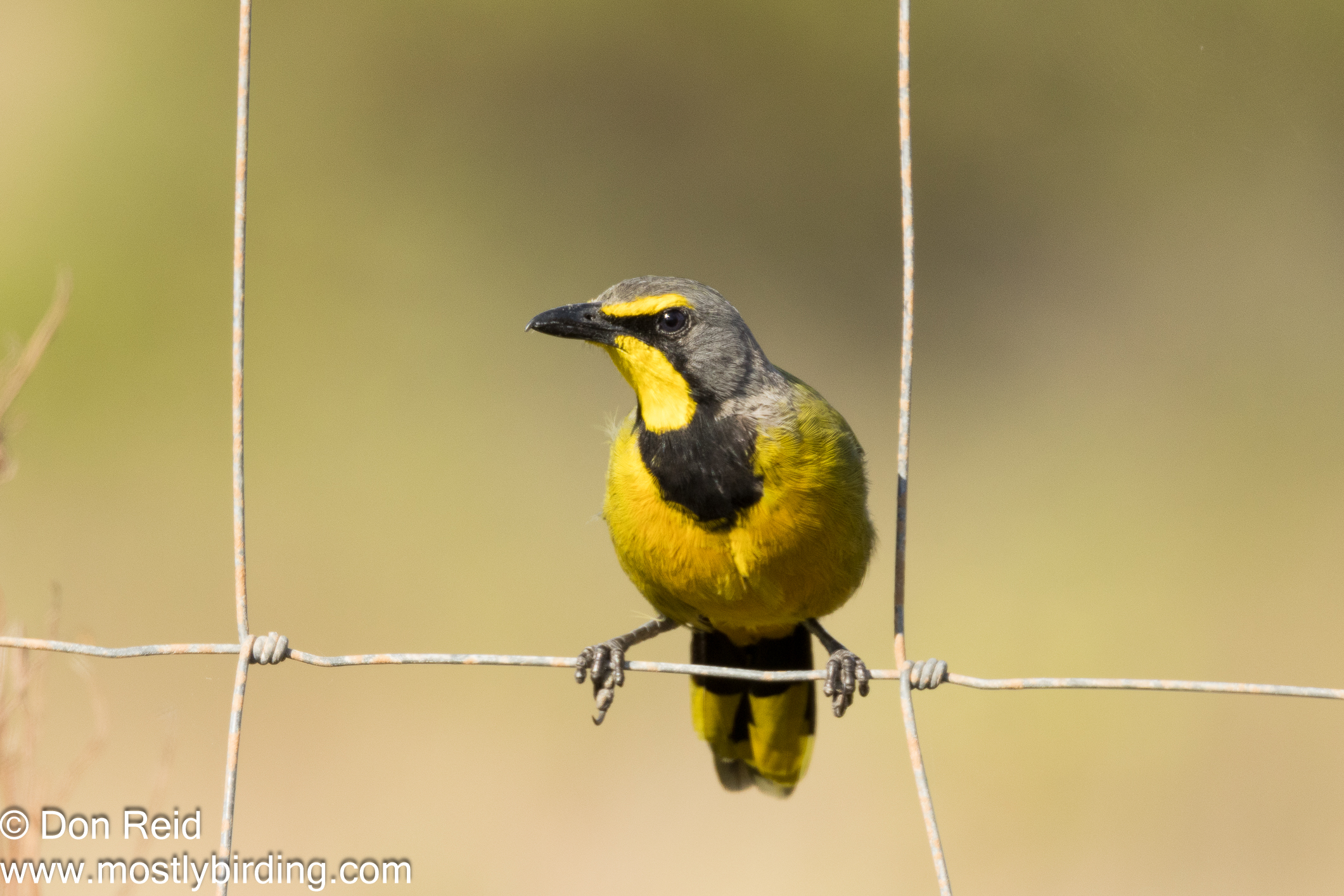
Bokmakieries are often one of the first species to be encountered when atlasing in the Southern Cape, as they greet the new day with vigourous calls. Getting them to pose is not always easy but this one eyed me from a wire fence, inviting me to take its photo

Bokmakierie Telophorus zeylonus Bokmakierie, Brandwag south

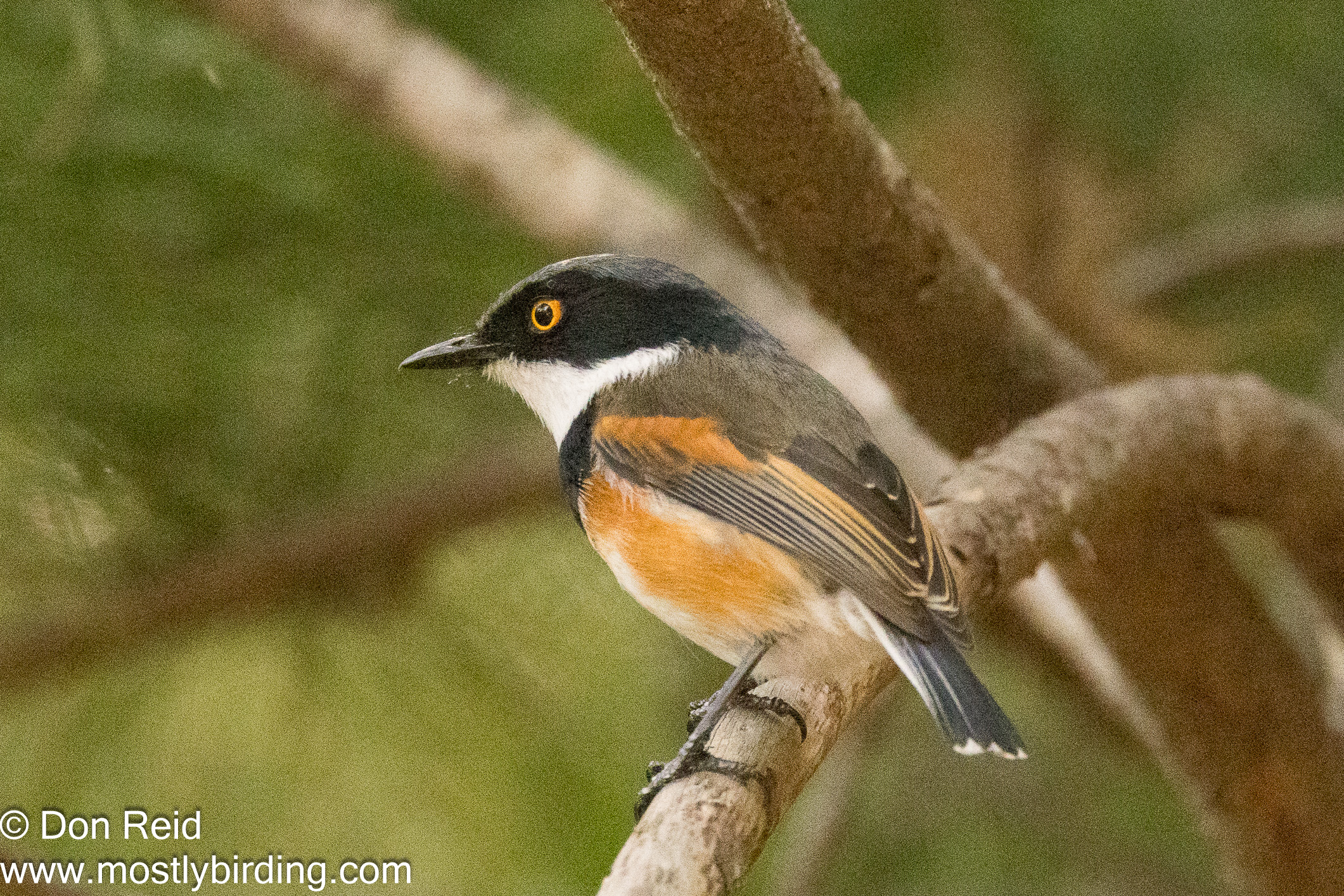
Cape Batis is a common forest bird – parts of the Bonniedale road heading west from the R328 are heavily forested and that’s where I found this one

Cape Batis Batis capensis Kaapse bosbontrokkie (male), Bonniedale road

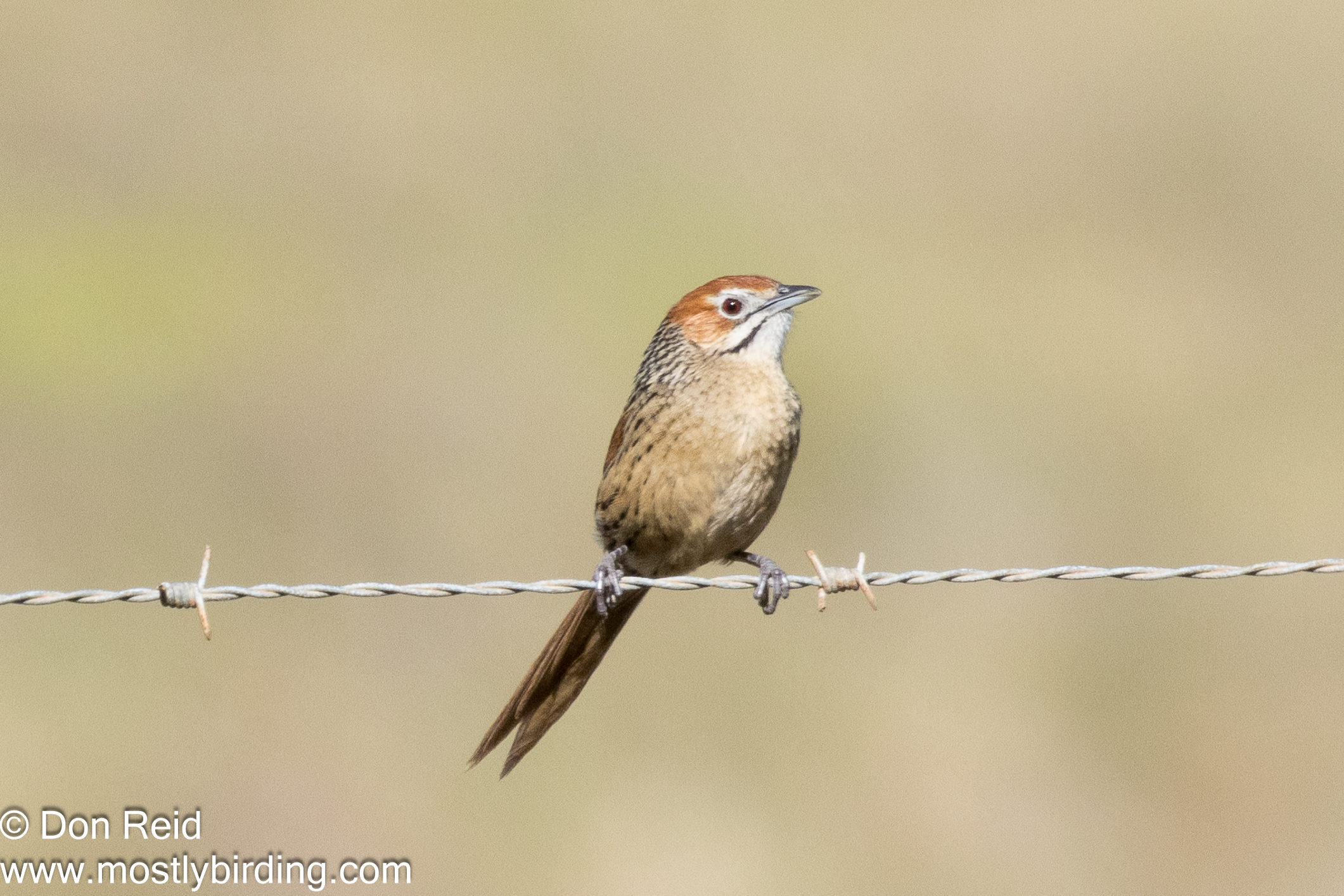
I had stopped in the mountains beyond Herbertsdale to check for birds when this Grassbird – or perhaps it’s better to call it a Fencebird in this case – drew my attention with its familiar trilling call

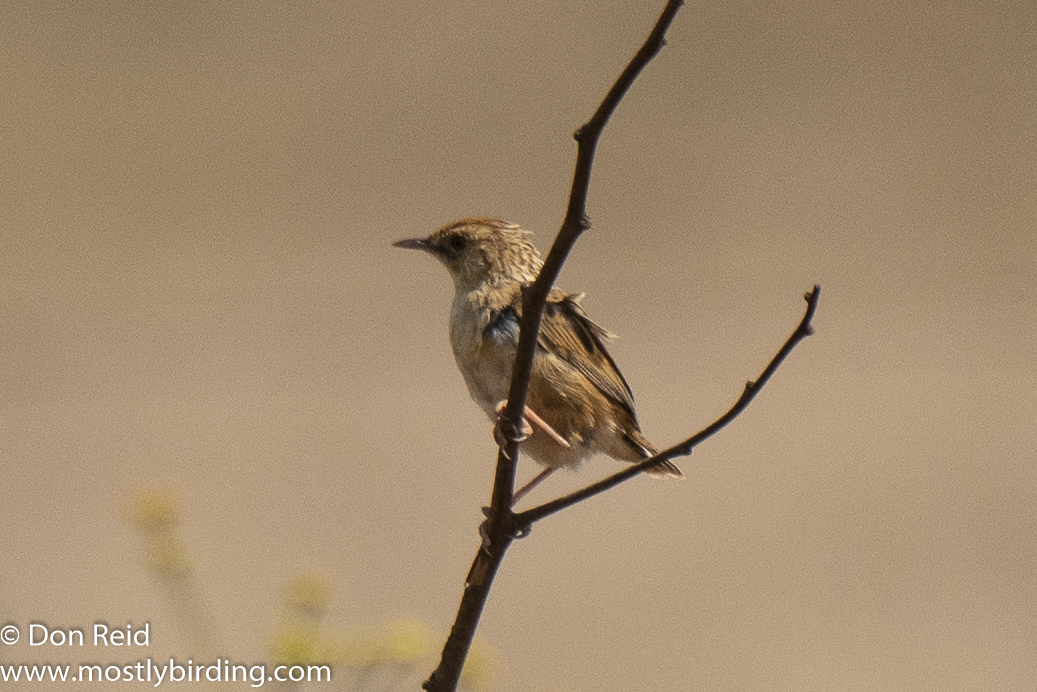
Cape Grassbird Sphenoeacus afer Grasvoël, Herbertsdale north

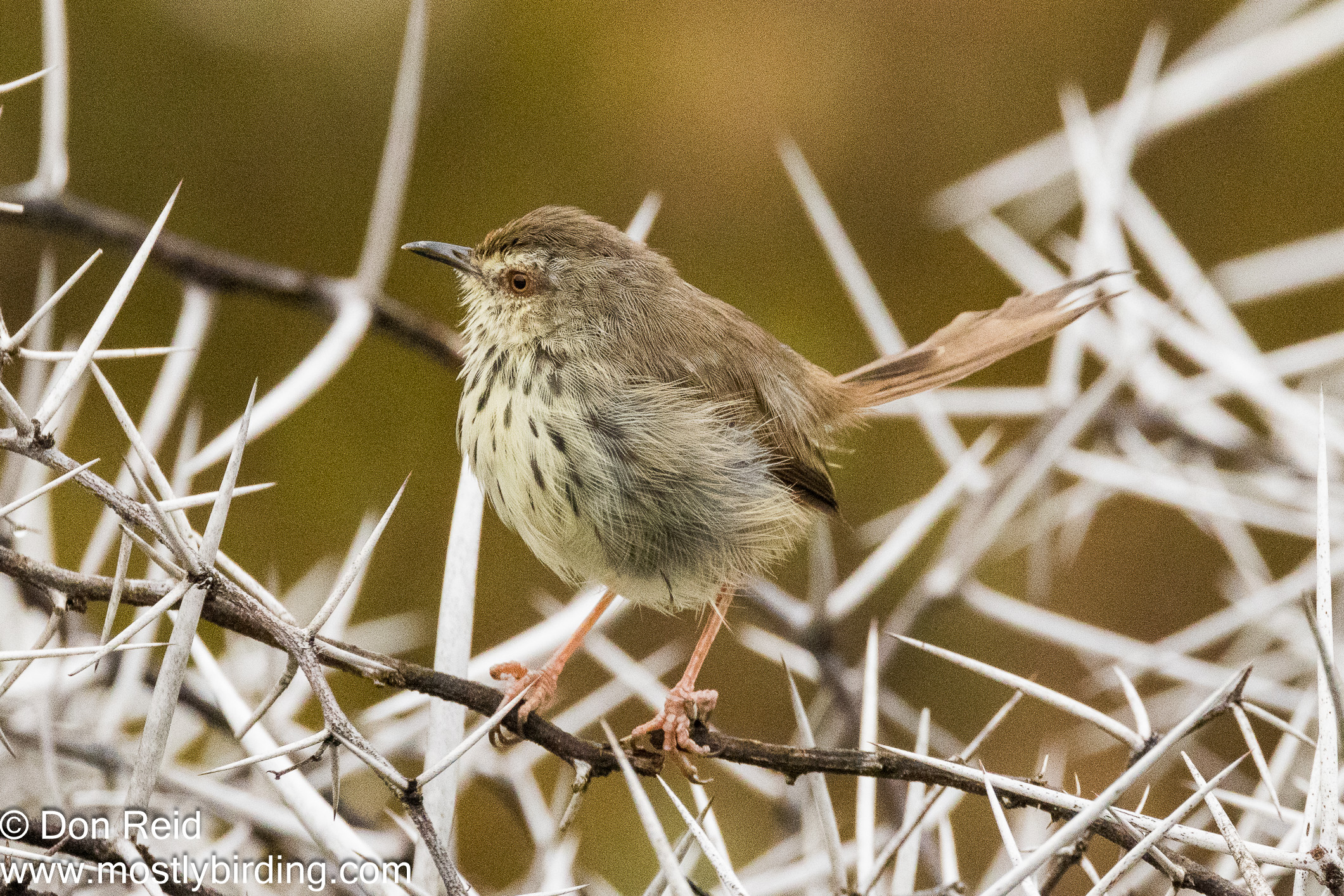
Karoo Prinia is common in suitable habitat across its distribution range. I saw one while stoepsitting in the Addo NP and stalked it until it settled in a thorny bush for long enough to get this image

Karoo Prinia Prinia maculosa Karoolangstertjie (race exultans), Addo Elephant NP

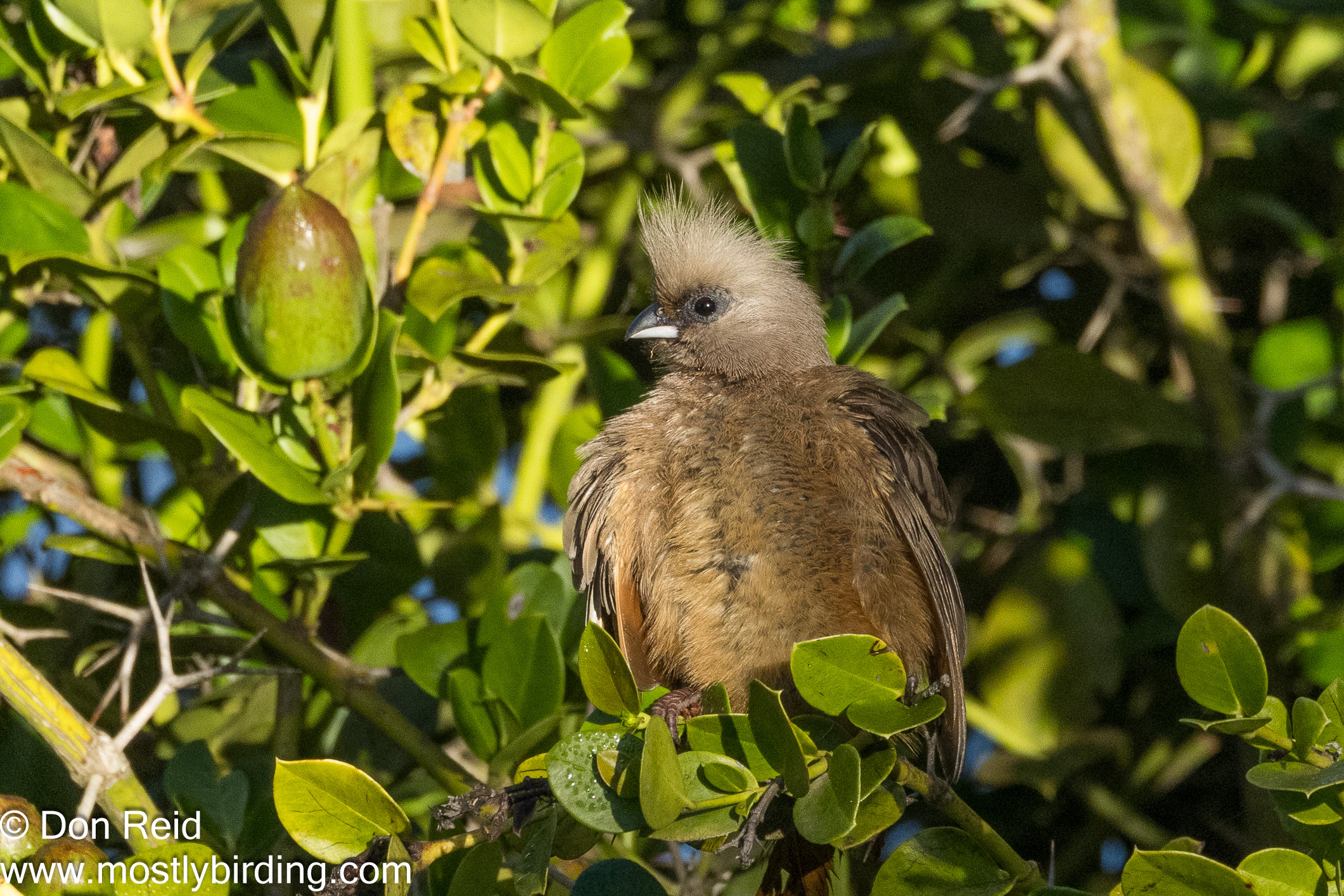
The familiar Speckled Mousebird is fond of disappearing into foliage but will usually pop up to check out the surroundings, which is what this one did

Speckled Mousebird Colius striatus Gevlekte muisvoël, Wilderness

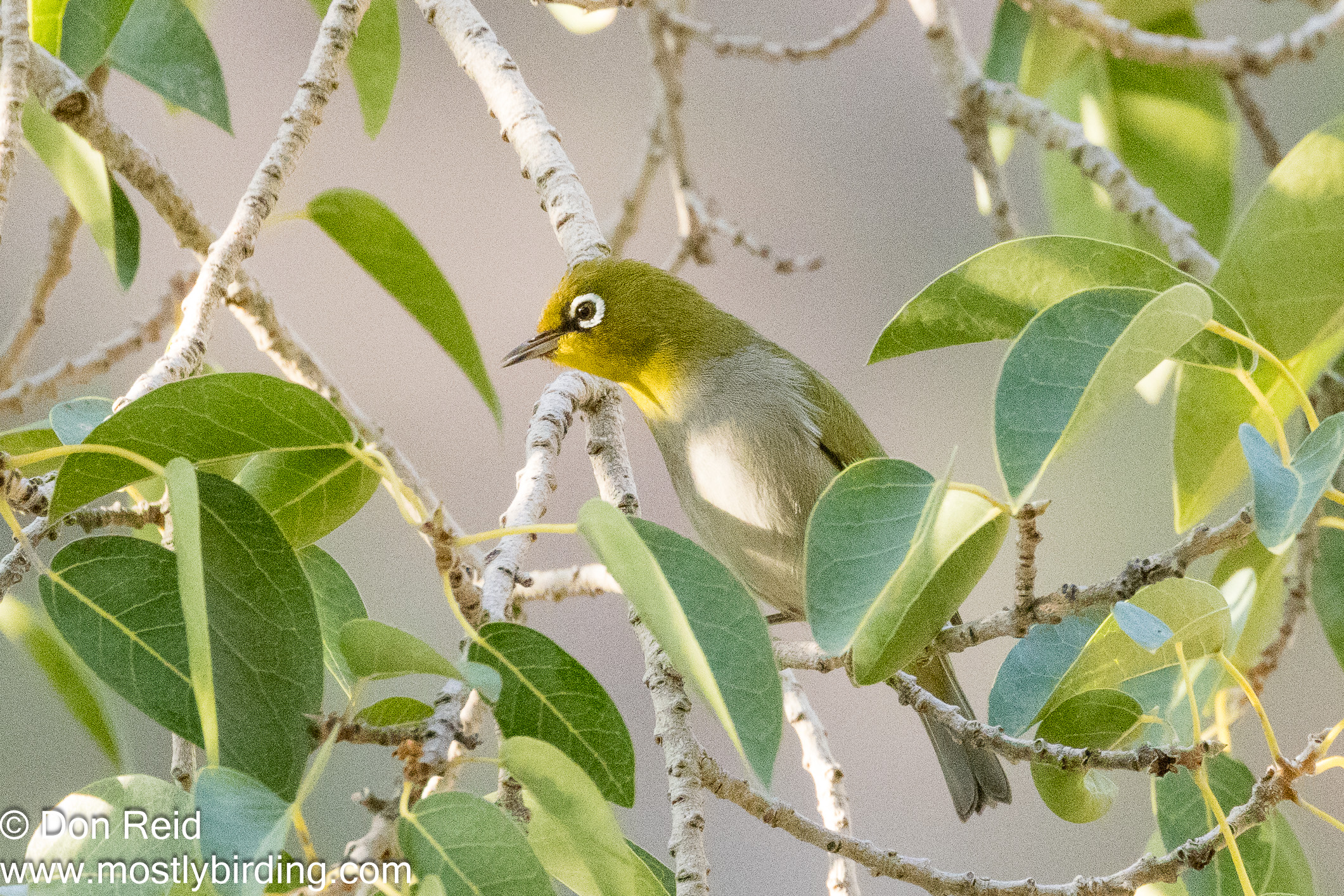
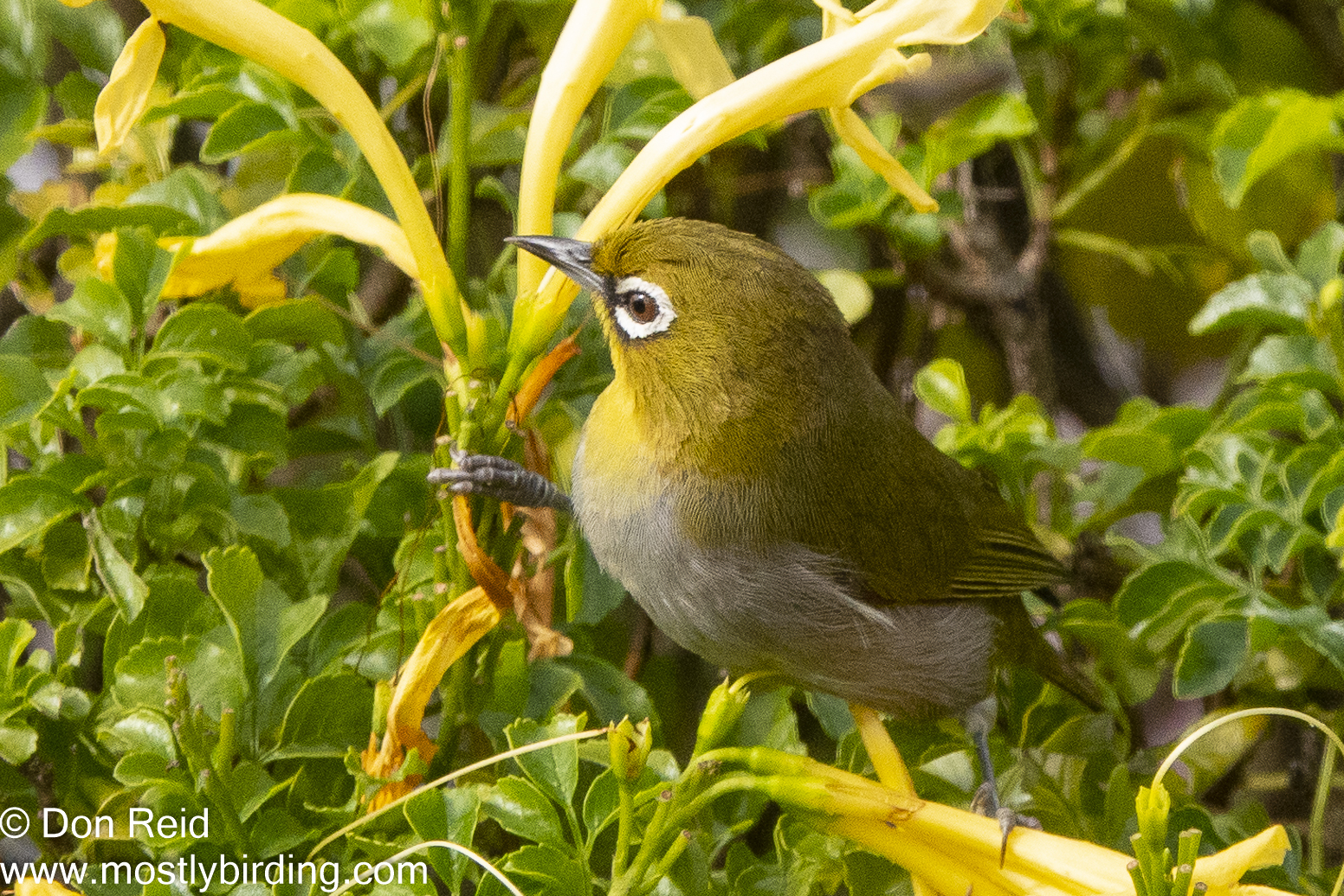
Another very familiar bird, the Cape White-eye, visited us frequently during our stay at The Baths near Citrusdal

Cape White-eye Zosterops capensis Kaapse glasogie, (race capensis), The Baths Citrusdal

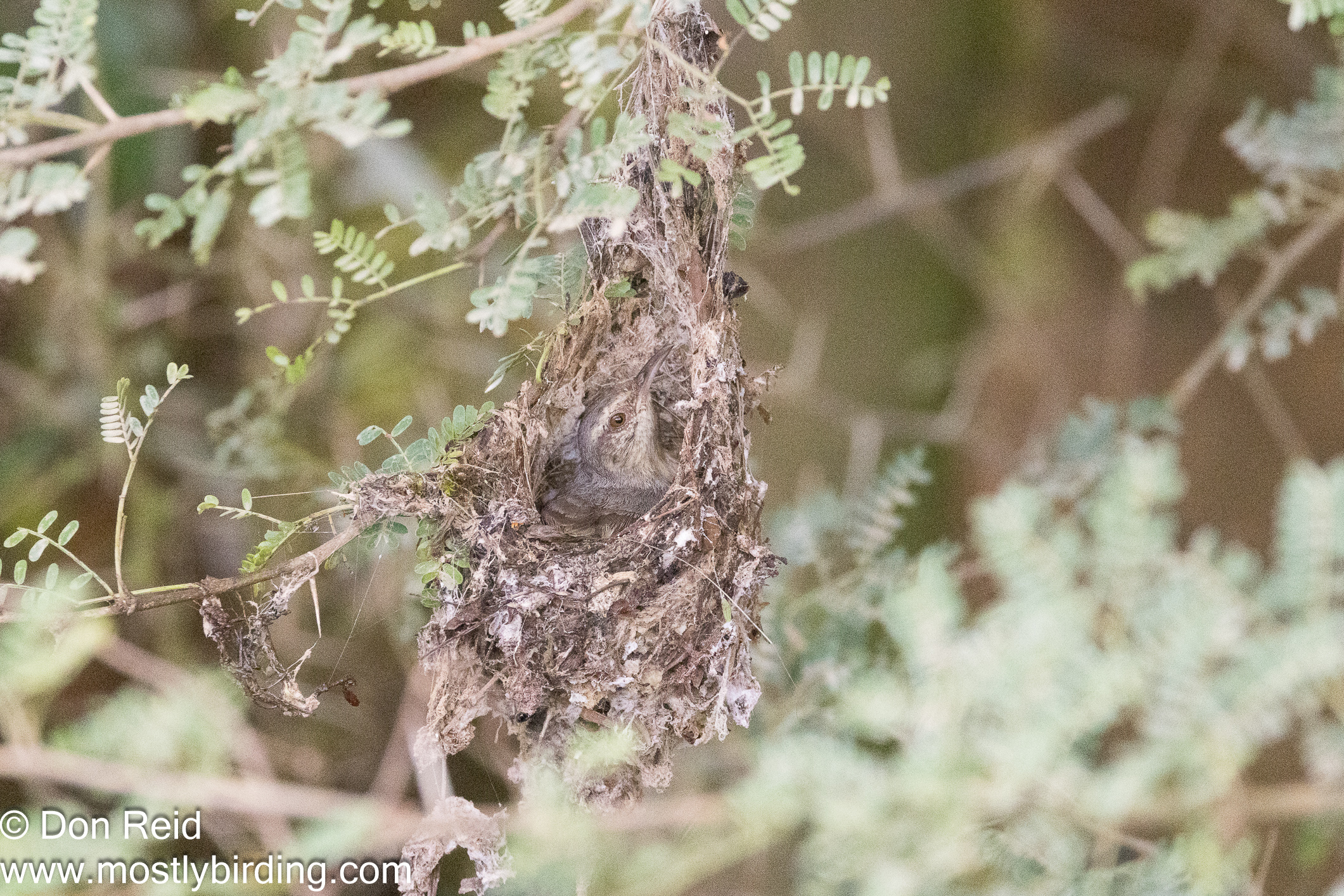
One of my favourite photos of the year, I came across this Long-billed-Crombec while atlasing and was thrilled to see it drop down and take up position in the mouth of the nest low in the tree, which I had not noticed

Long-billed Crombec Sylvietta rufescens Bosveldstompstert (race diverga), Herbertsdale north east

Suckers

The curve-billed nectar-suckers

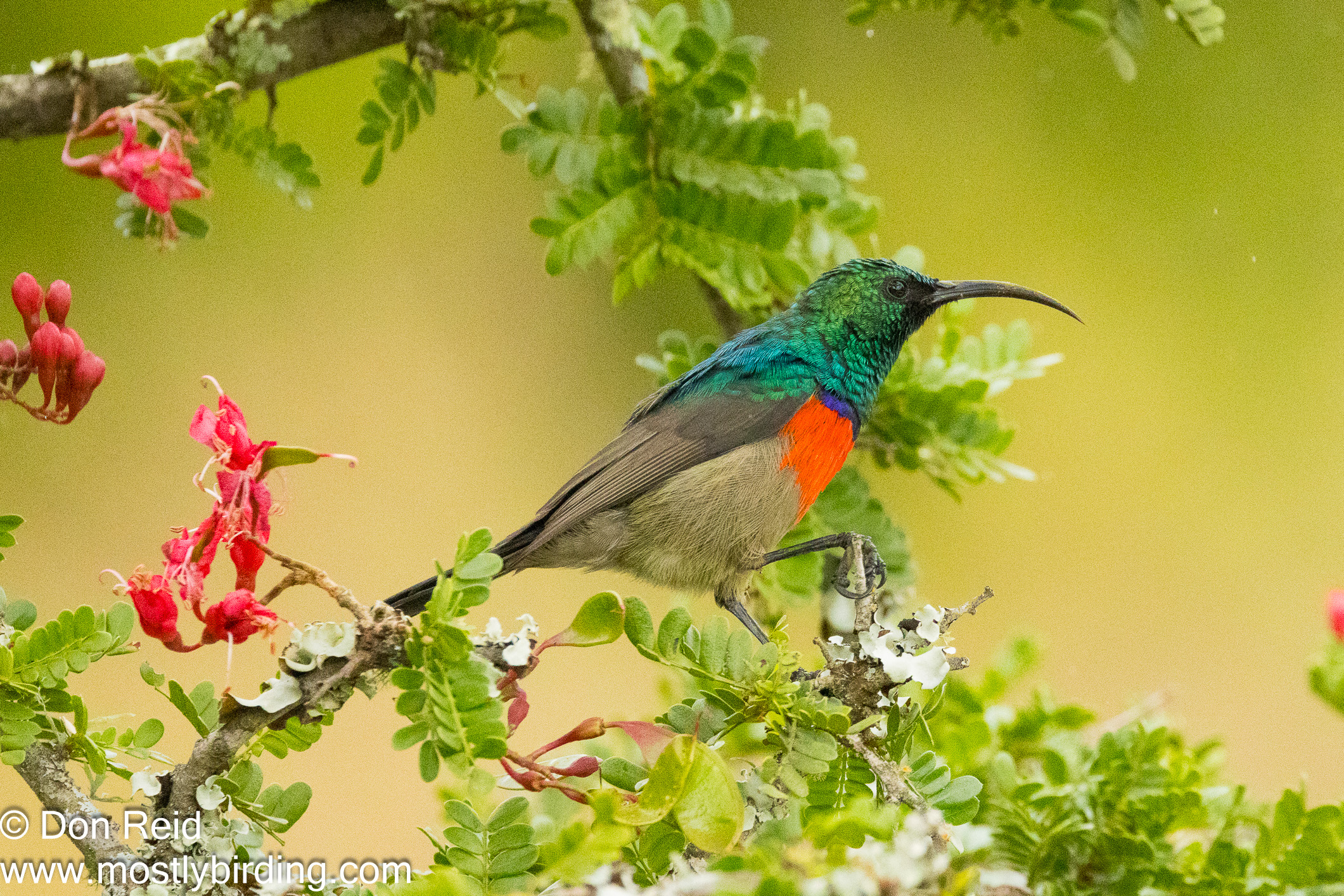
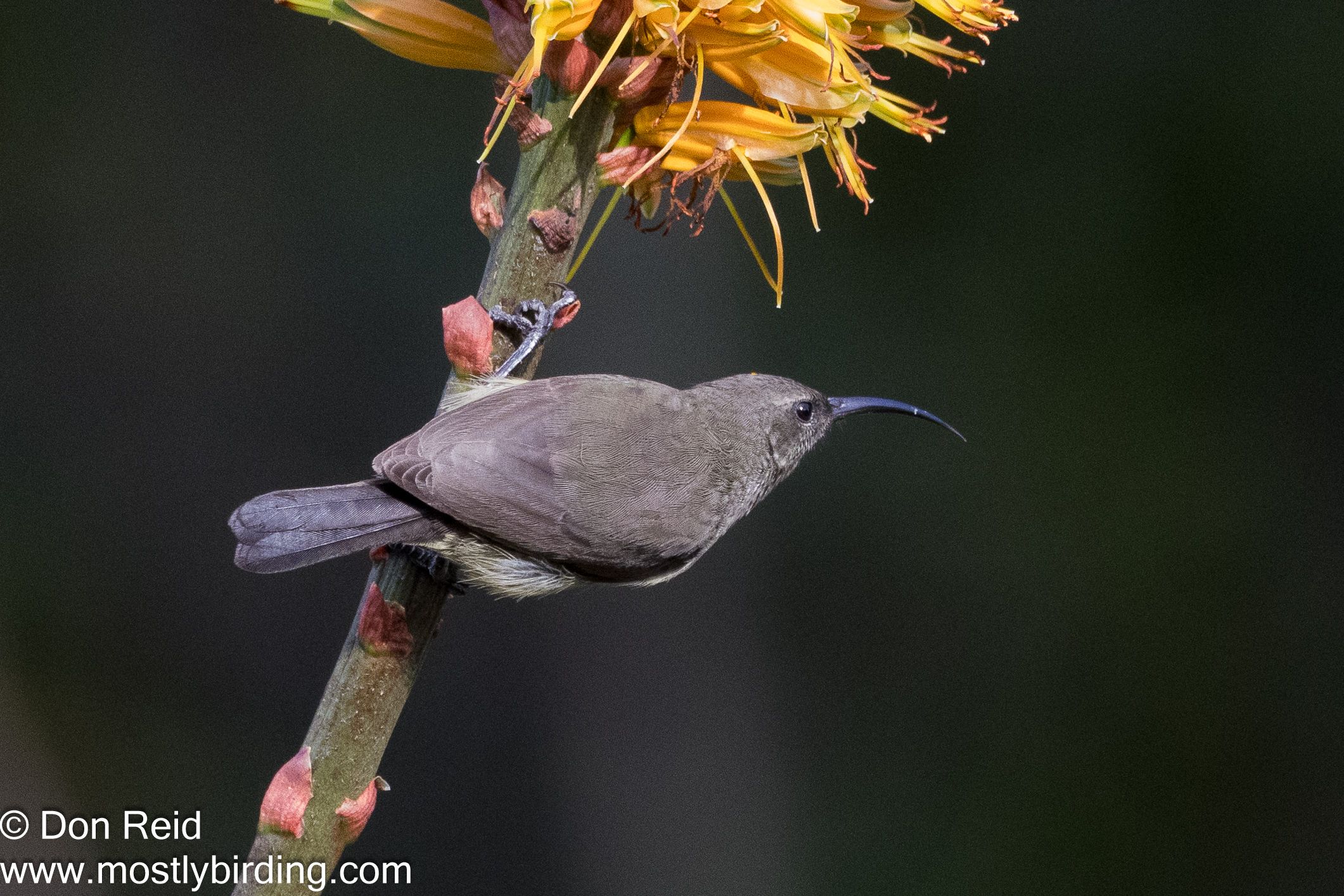
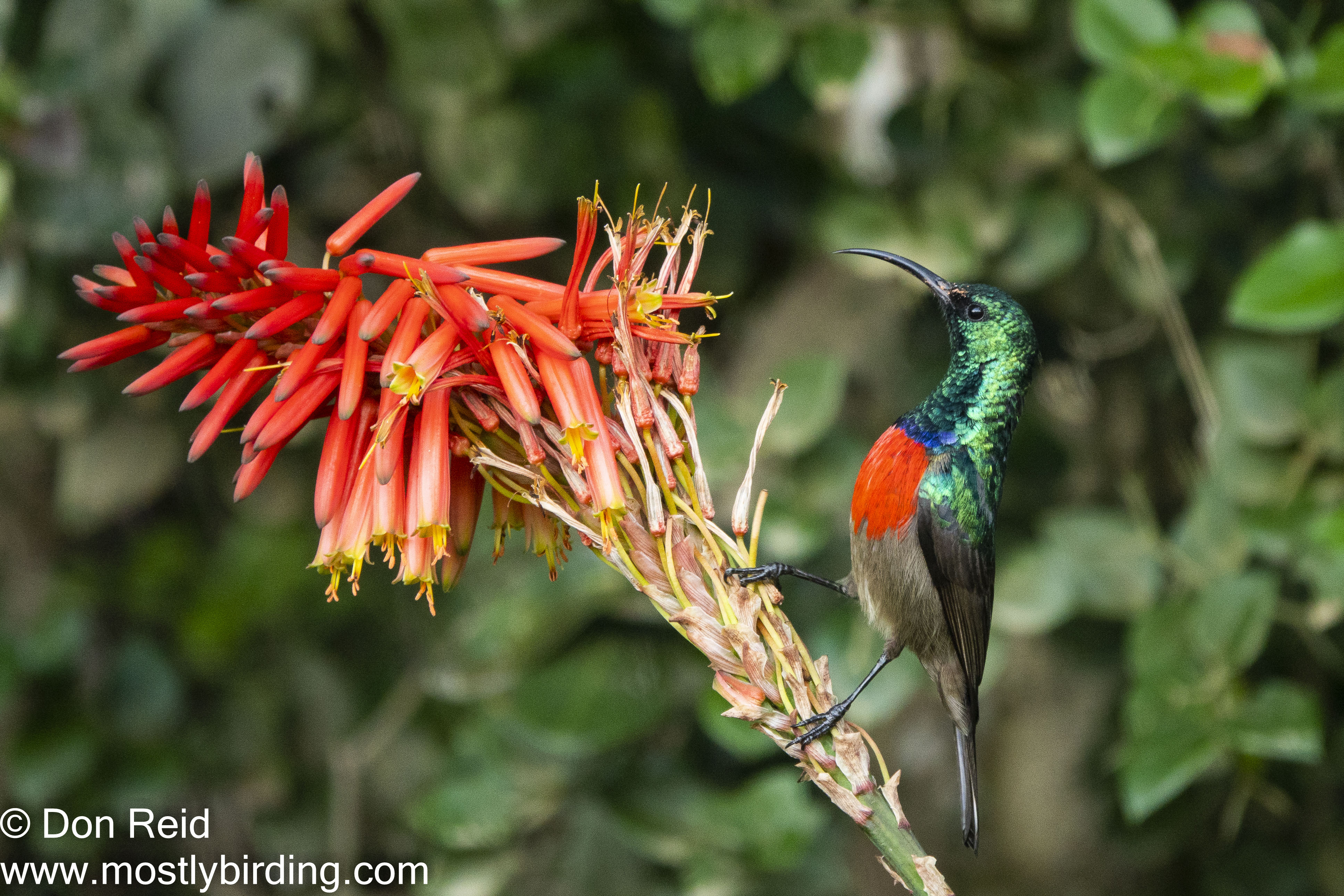
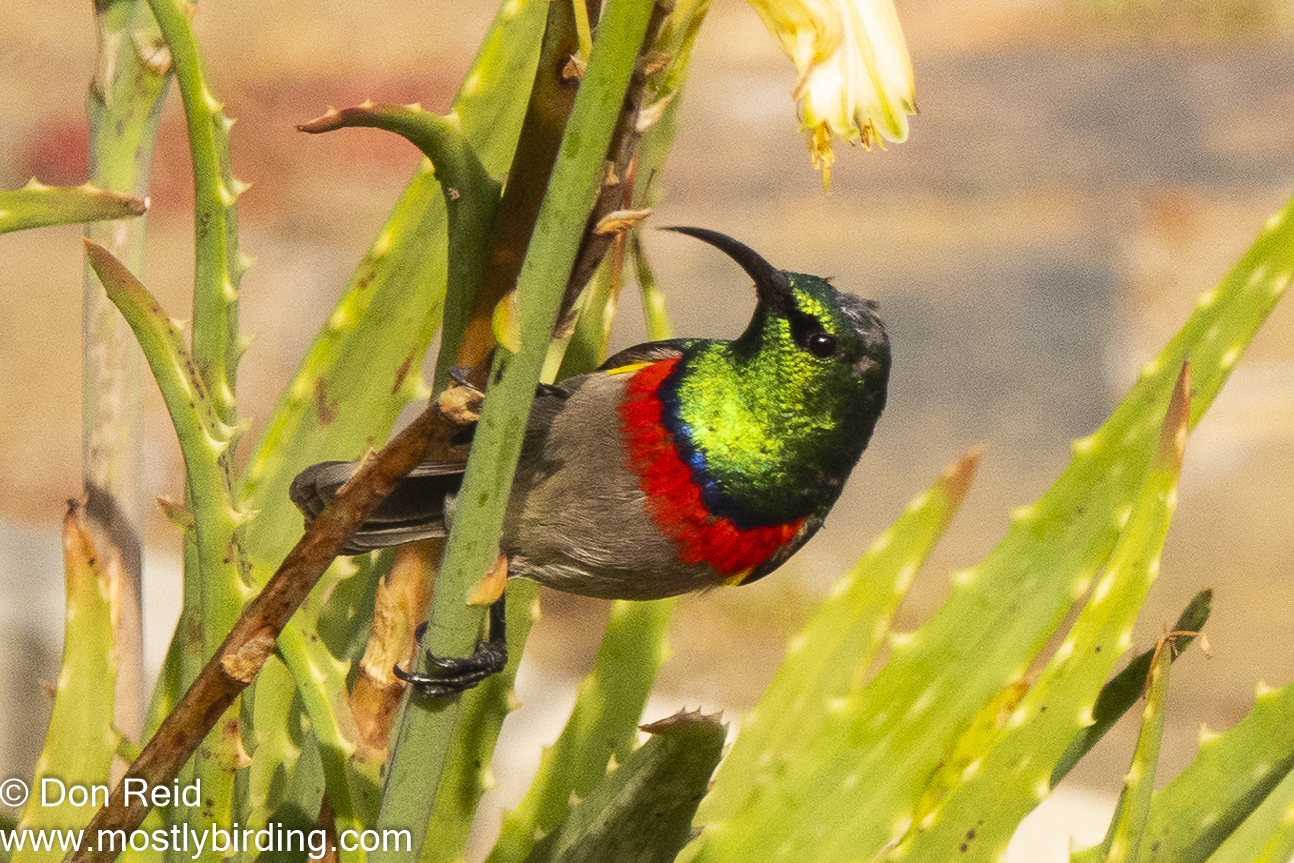
The photos illustrate the colourful male and the rather drab female of the species that I often come across while atlasing, and at home

Greater Double-collared Sunbird Cinnyris afer Groot-rooibandsuikerbekkie, Addo Elephant NP
Greater Double-collared Sunbird Cinnyris afer Groot-rooibandsuikerbekkie (female), Friemersheim area

Seed-eaters

All have short, strong triangular bills suited to their main diet of seeds.

The Bishops were both photographed in winter non-breeding plumage.

Yellow Bishop Euplectes capensis Kaapse flap (non-breeding male), Klein Brak area
Southern Red Bishop Euplectes orix Rooivink (non-breeding), Bland’s Drift
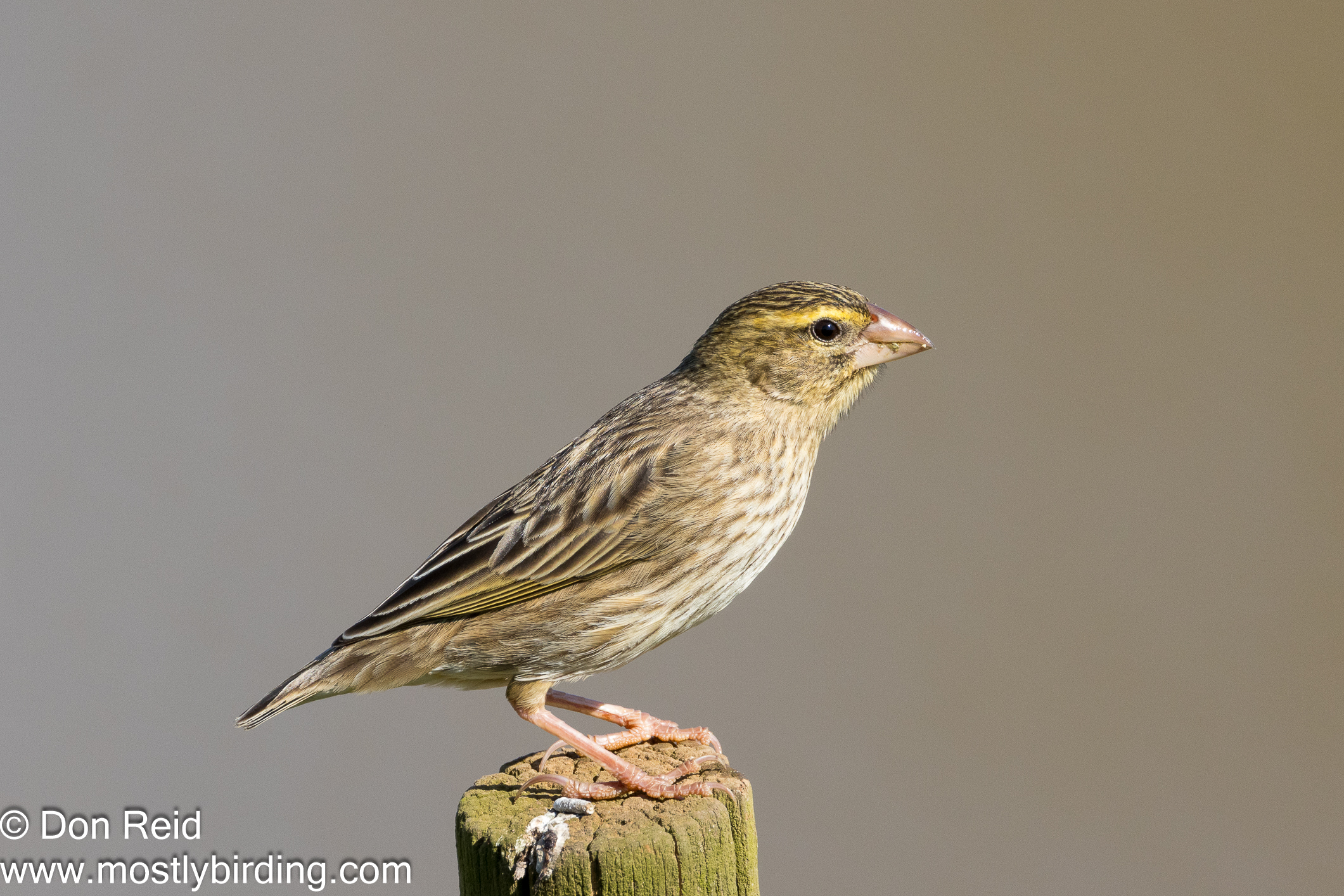
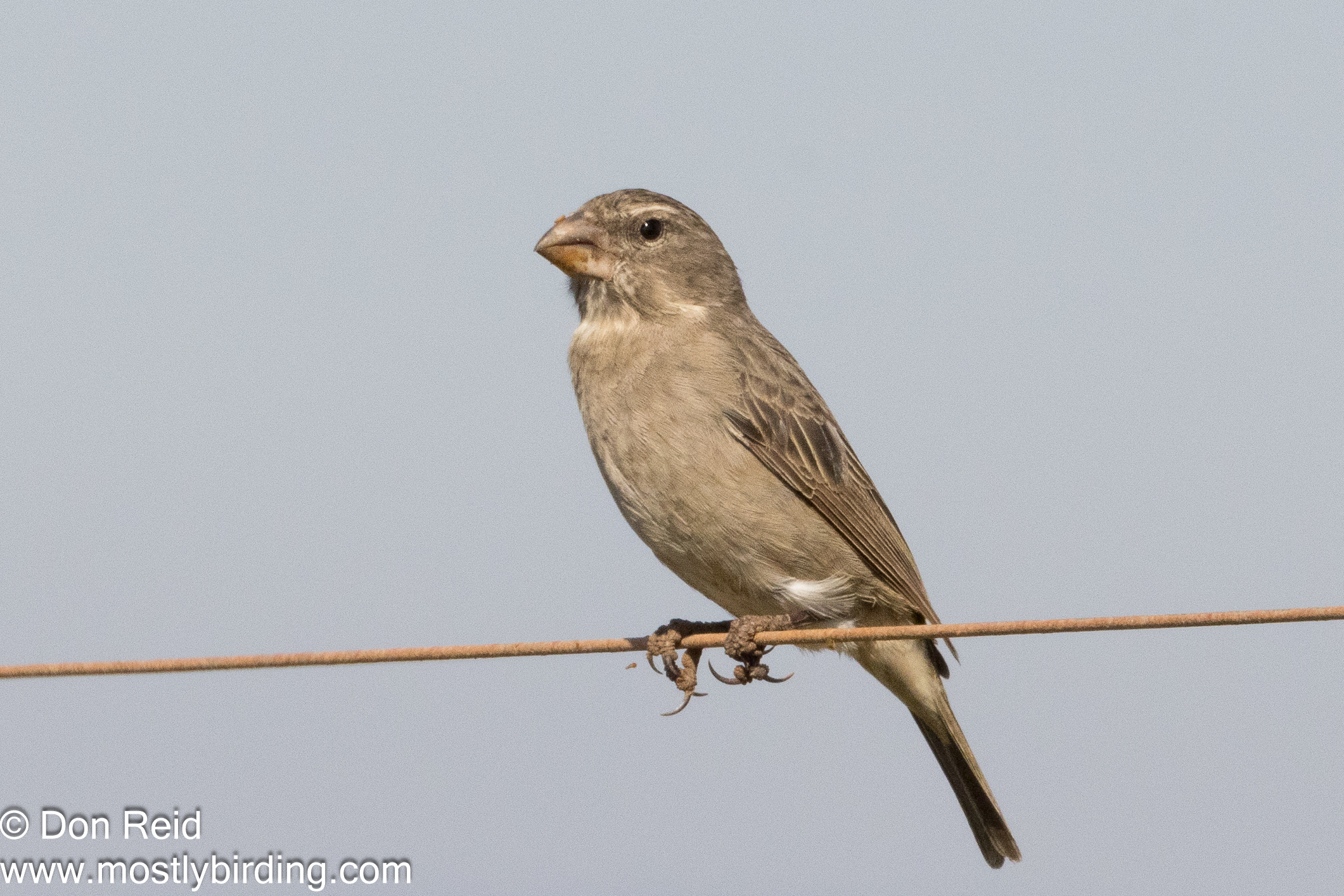
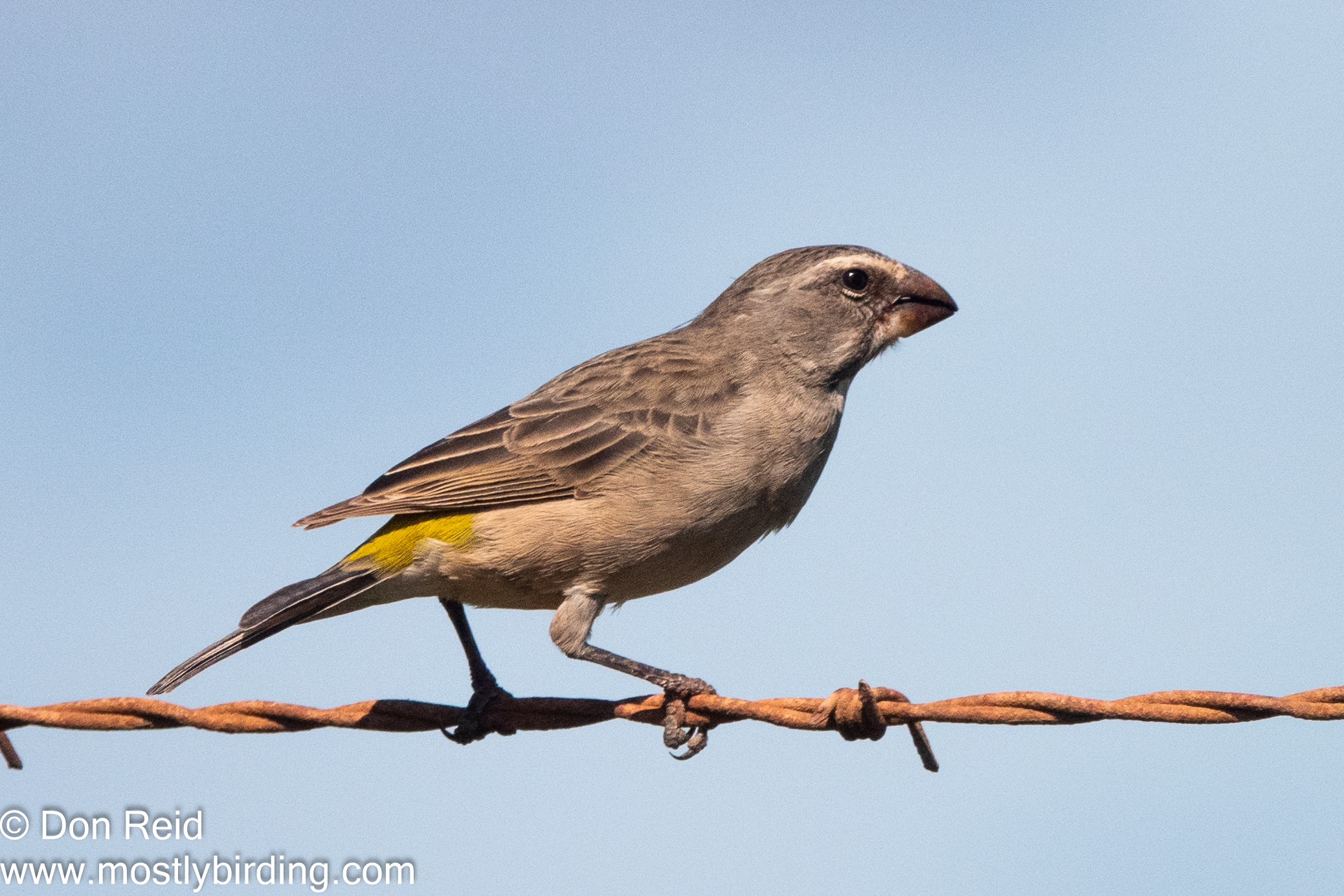
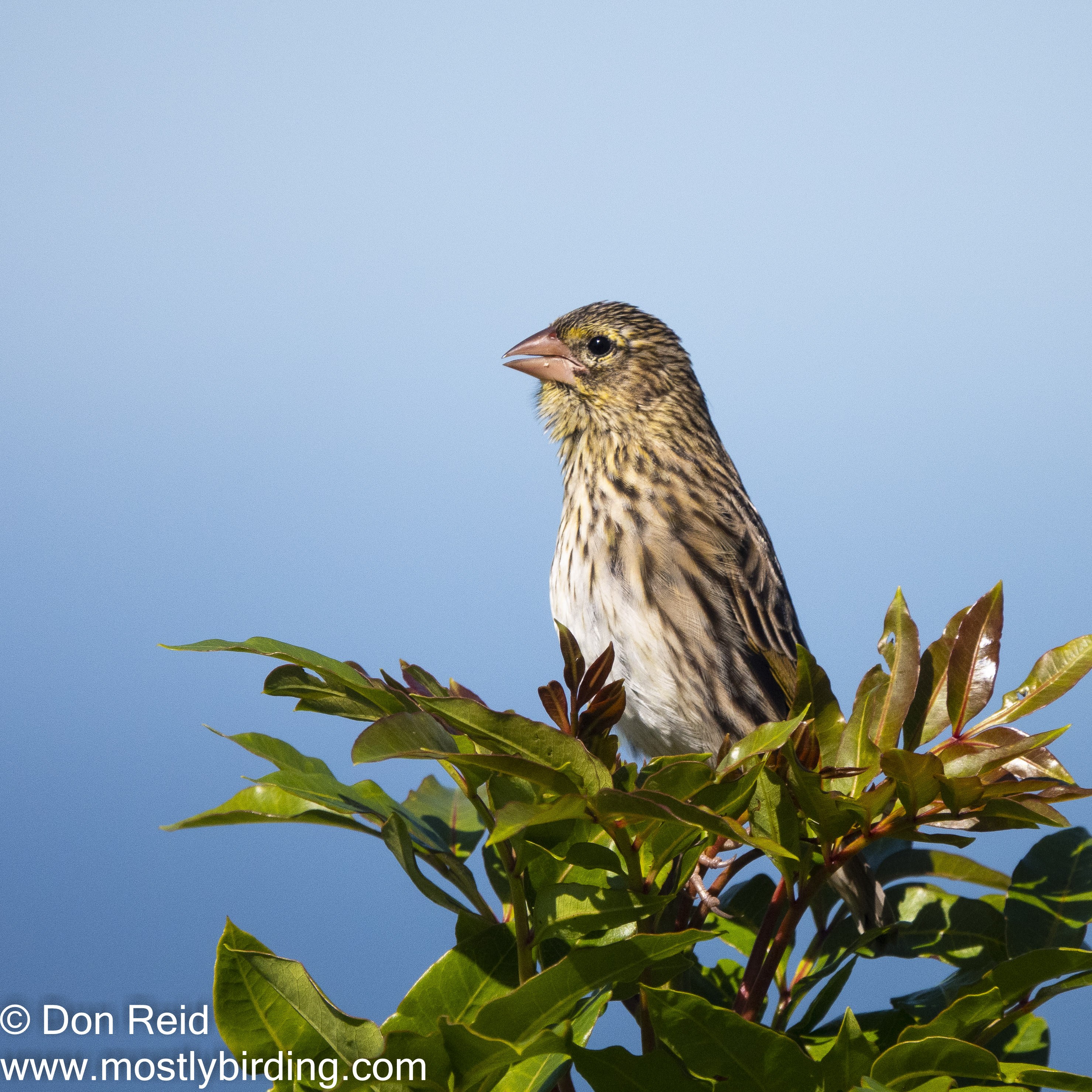
White-throated Canary Crithagra albogularis Witkeelkanarie, Herbertsdale area

Cape Canaries always seem to be on the go, not waiting for an anxious bird photographer to get his act together, so I was happy that this one hung around a bit.

Cape Canary Serinus canicollis Kaapse kanarie (race canicollis), Herbertsdale north
Cape Bunting Emberiza capensis Rooivlerkstreepkoppie (race capensis), Herbertsdale north

Favourites

A random mix of familiar birds, often colourful and with well-known calls

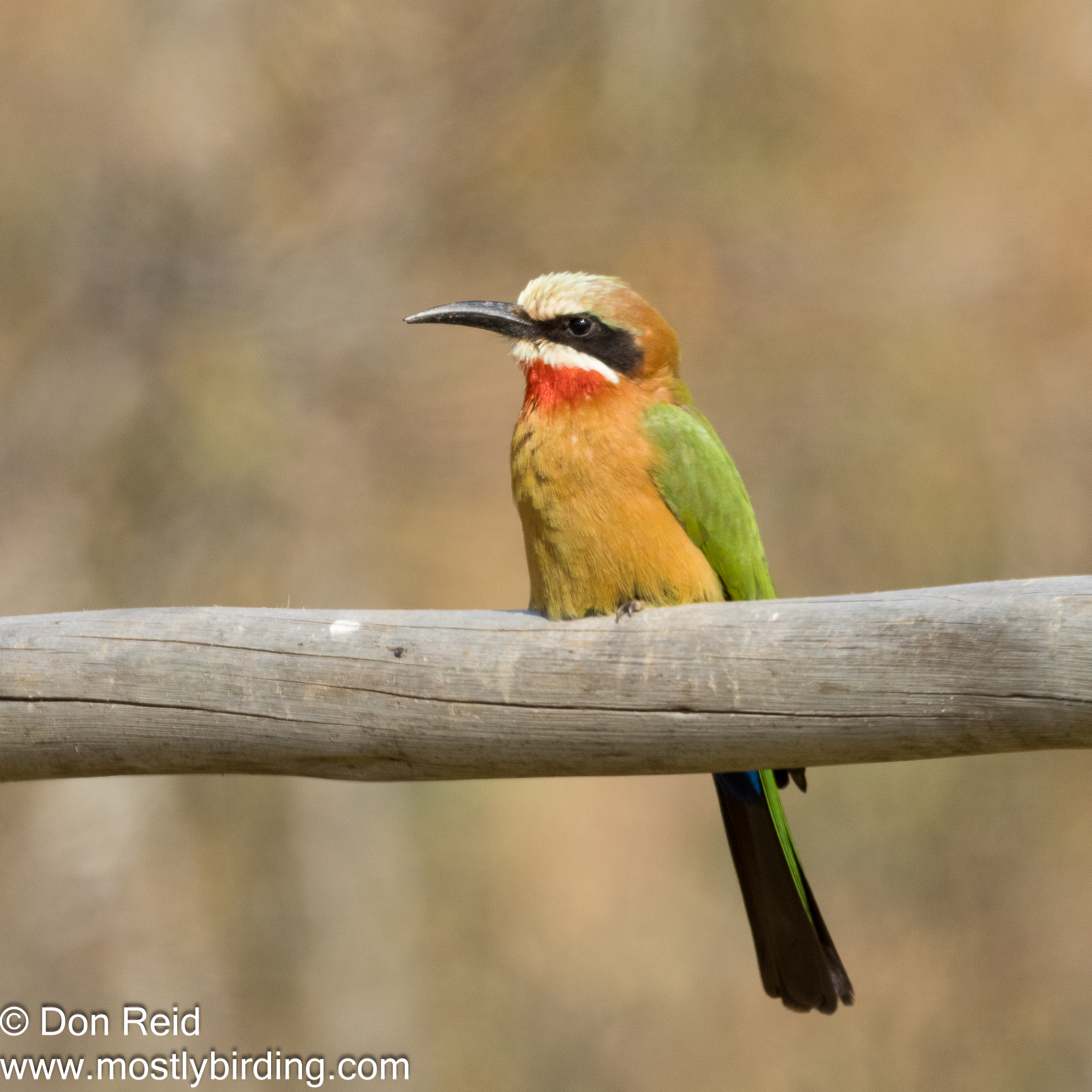
White-fronted Bee-eater Merops bullockoides Rooikeelbyvreter, Verlorenkloof

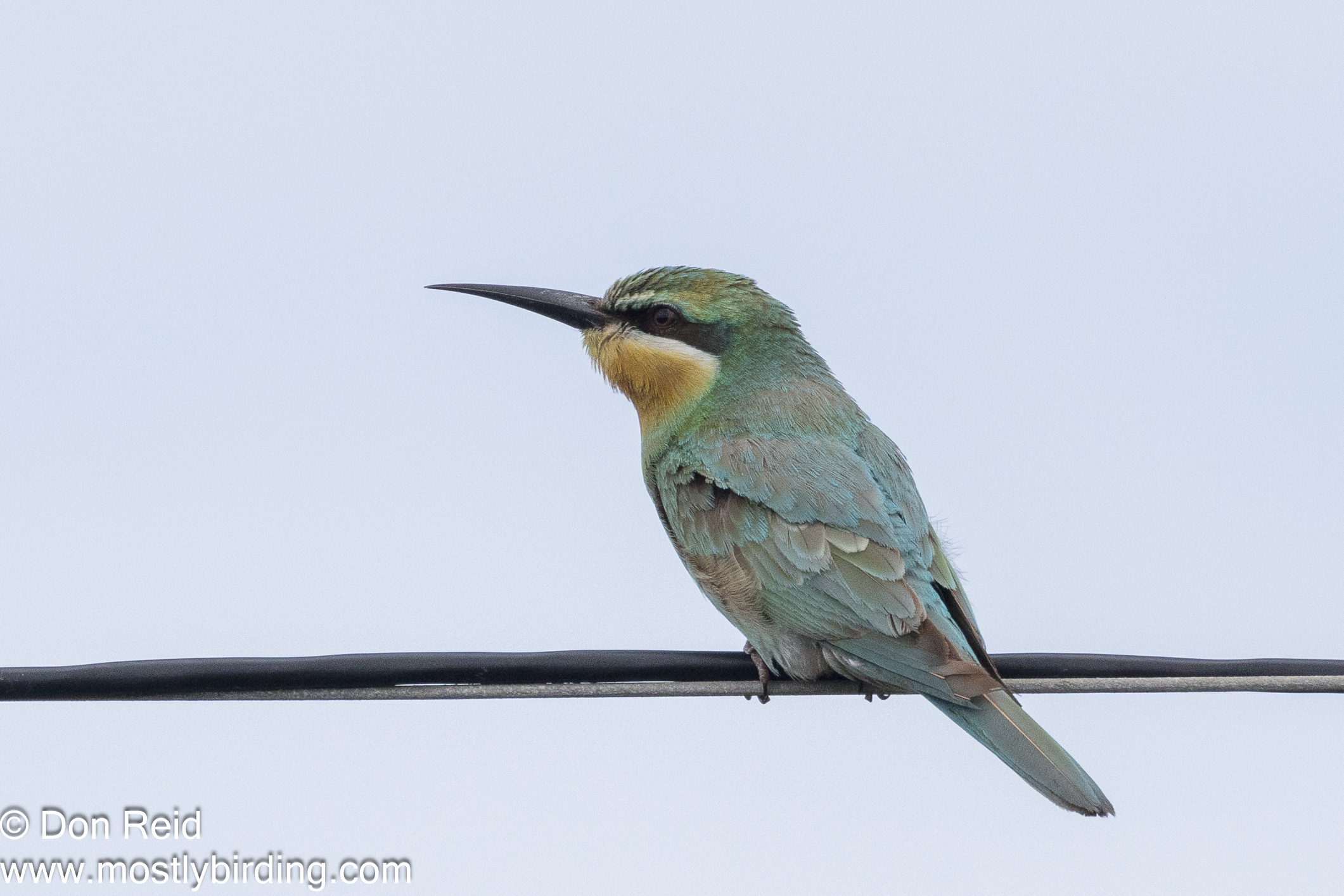
The Blue-cheeked Bee-eater is a Palearctic migrant, regarded as a rarity in the Western Cape, which is why I have included it in my pick. However they have been seen during summer near Gouritzmond for a few years now.

Blue-cheeked Bee-eater Merops persicus Blouwangbyvreter (Juvenile), Gouritzmond road
African Hoopoe Upupa africana Hoephoep, Brandwag area
Brown-hooded Kingfisher Halcyon albiventris Bruinkopvisvanger (race vociferans), Verlorenkloof

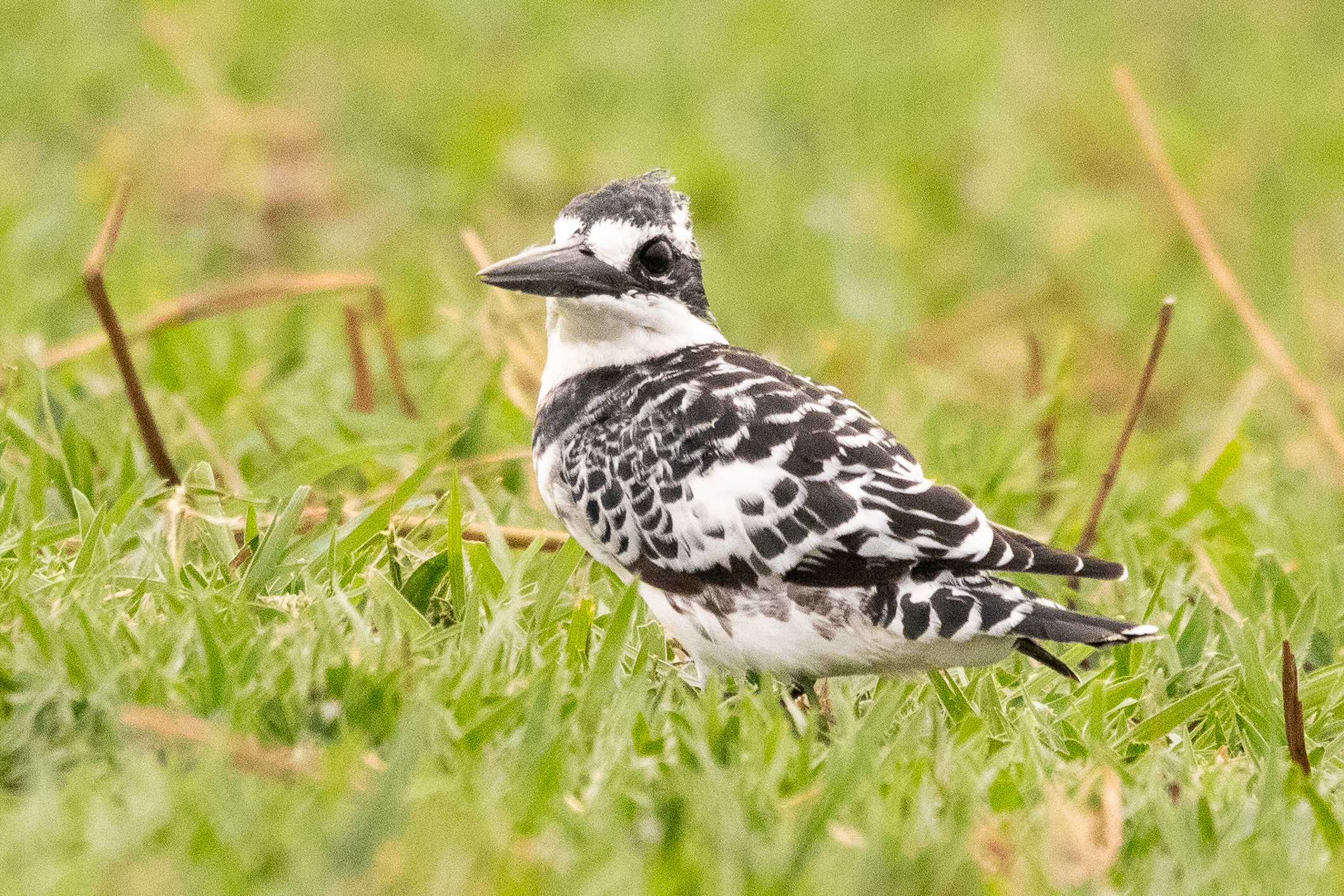
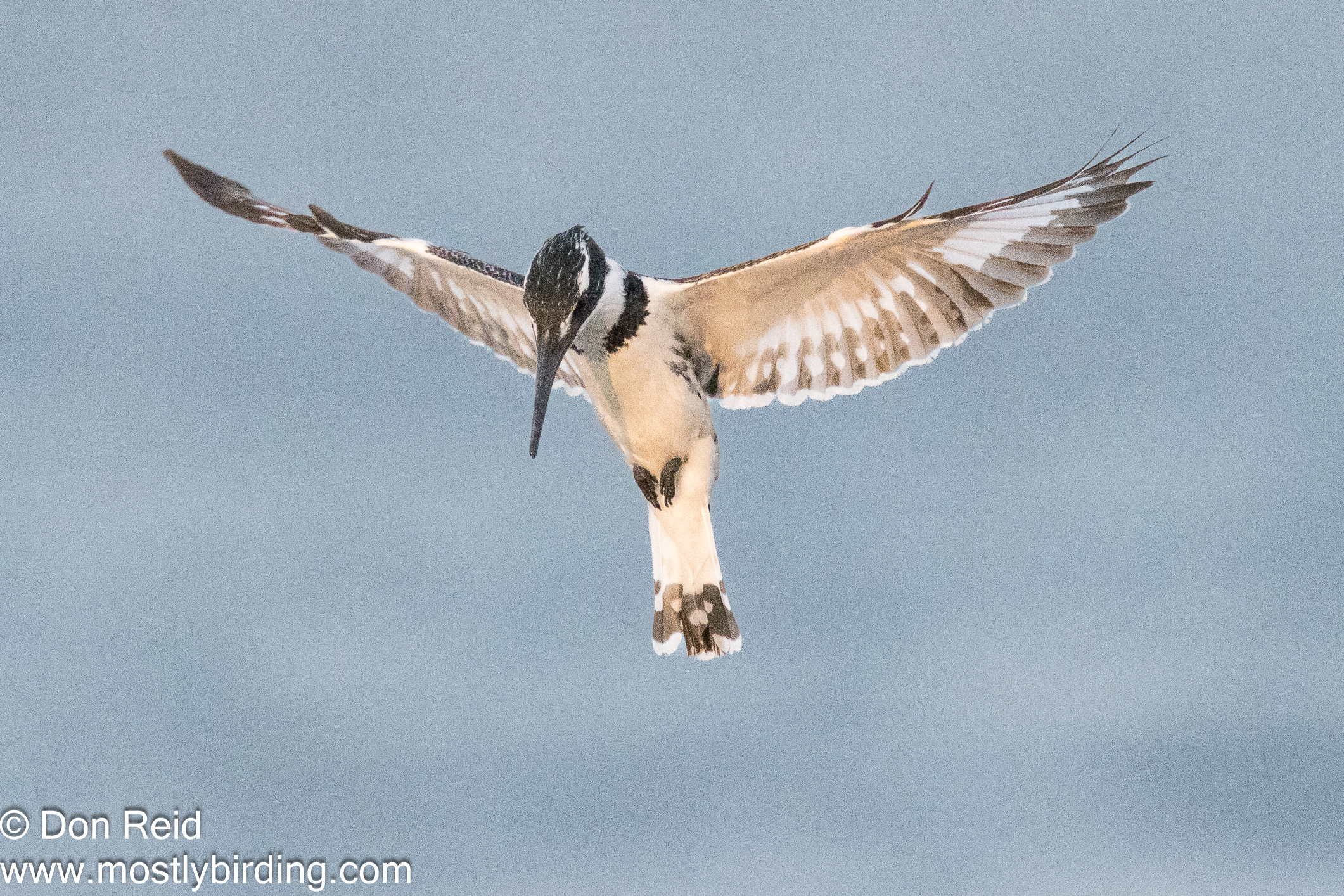
Pied Kingfishers are known for their habit of hover-hunting – this one did so at The Point in Mossel Bay while we were parked there enjoying our customary coffee one late afternoon just before sunset, with perfect lighting to enhance the beauty of the bird.

Pied Kingfisher Ceryle rudis Bontvisvanger (female), Mossel Bay Point

Flyers

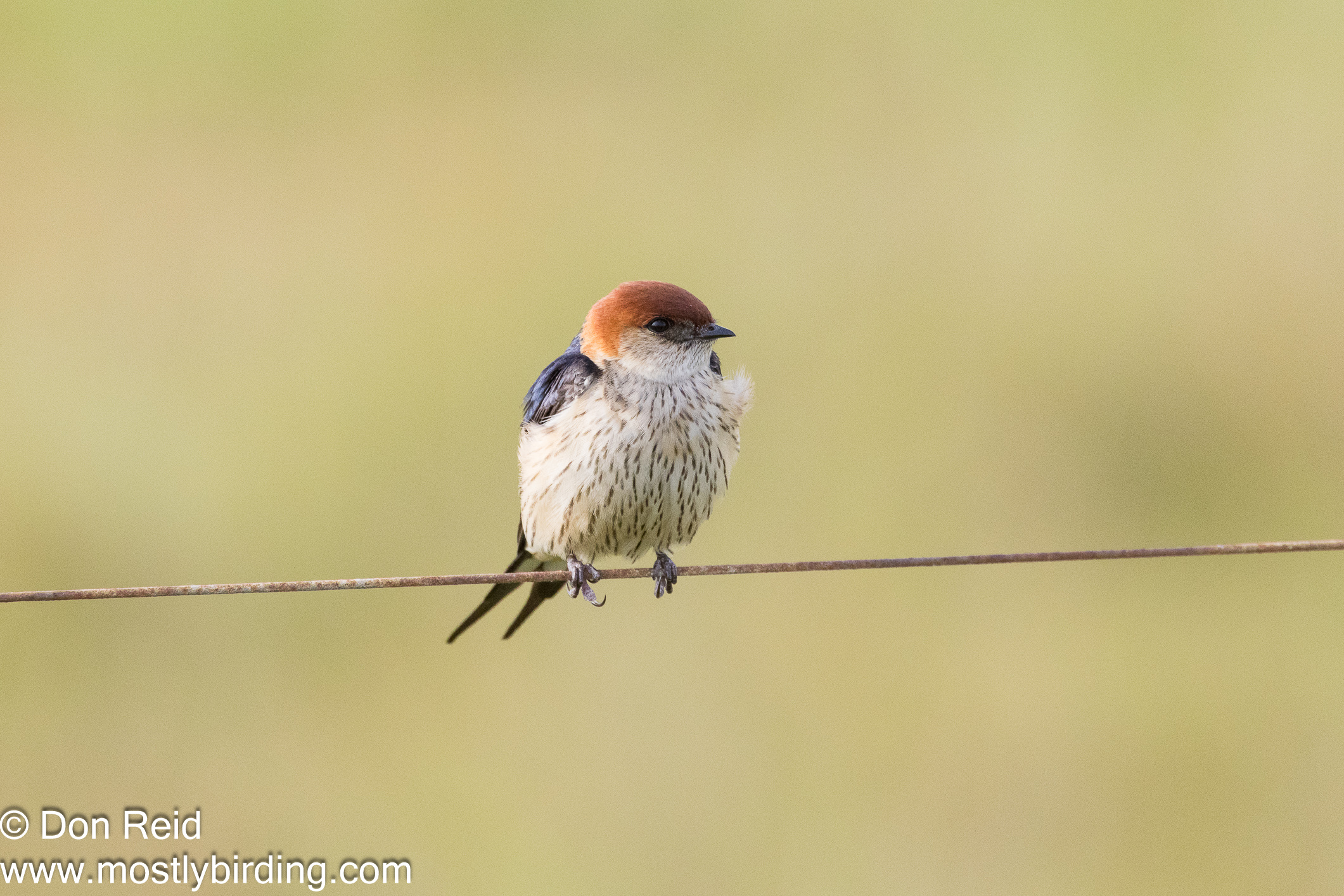
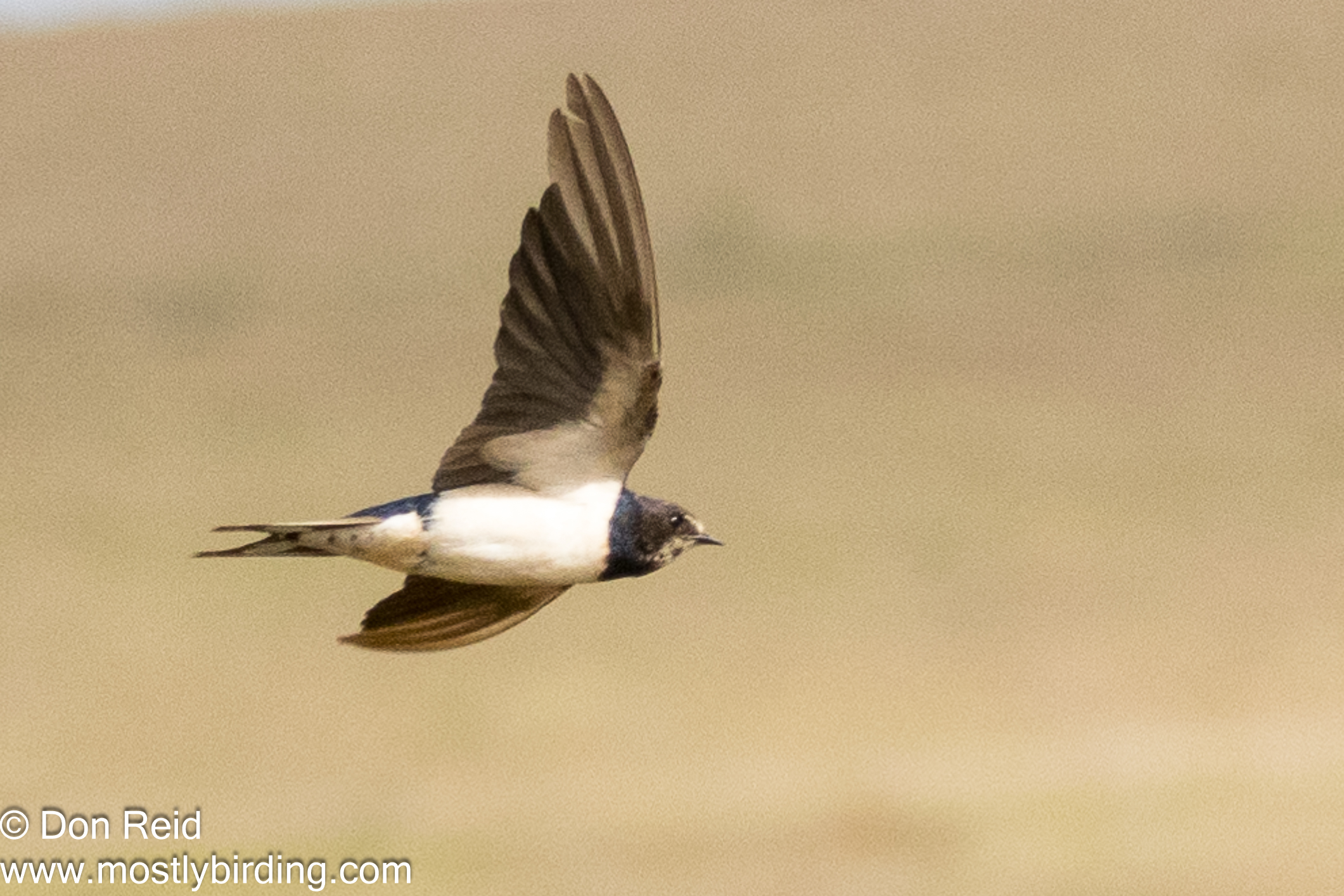
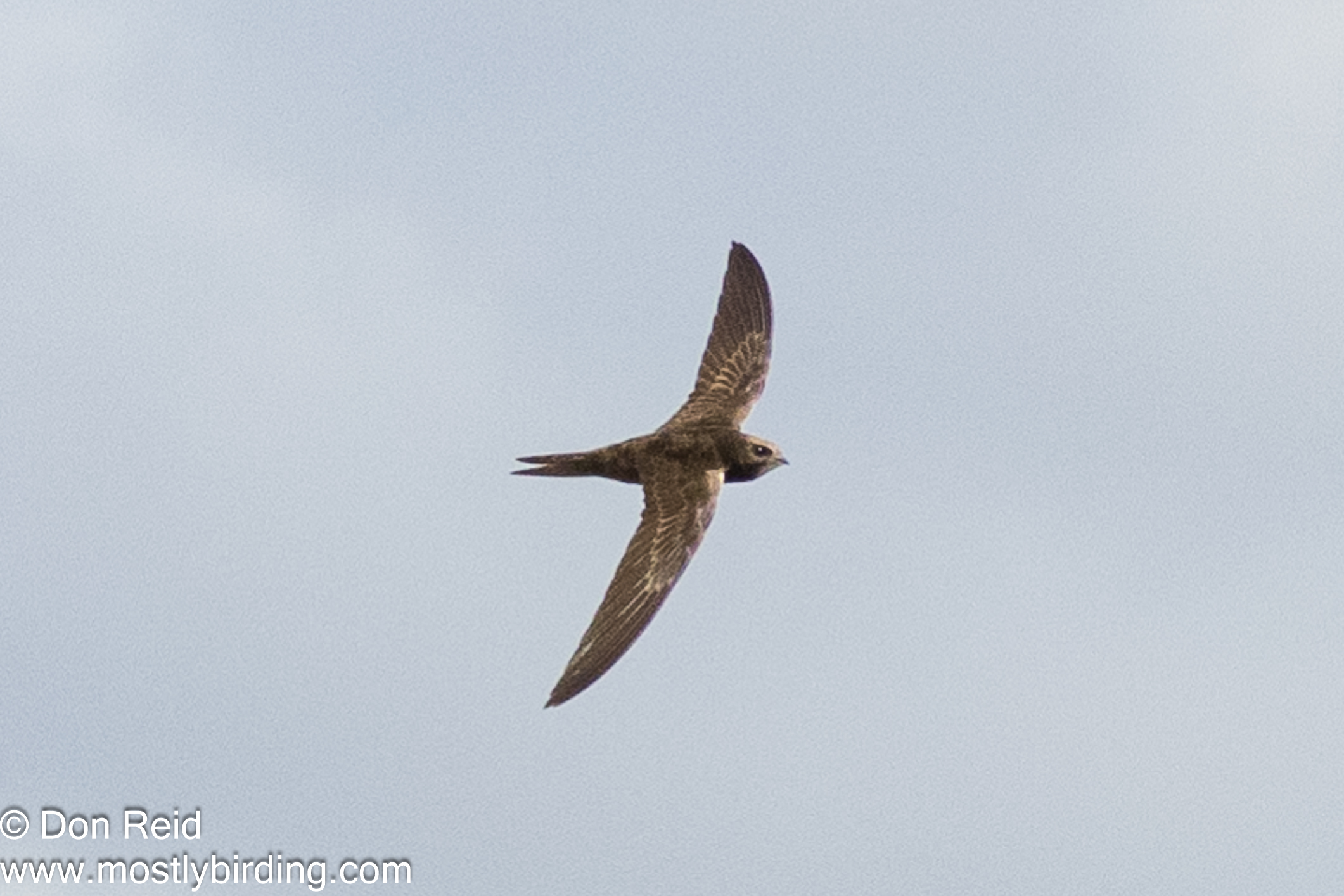
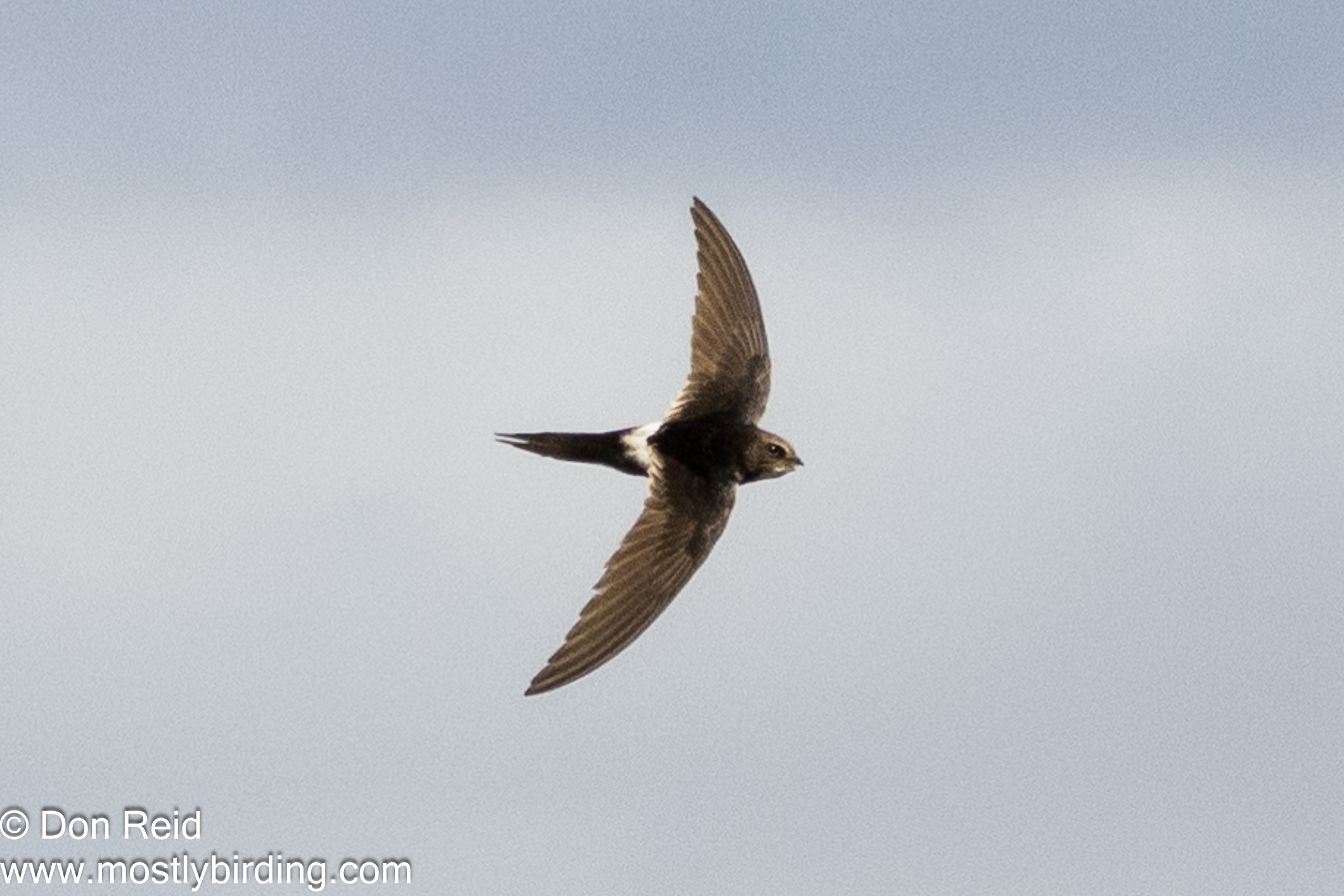
Swifts and swallows – the aerial feeders – also the most challenging to photograph unless they are resting between sorties

Greater Striped Swallow Cecropis cucullata Grootstreepswael, Kleinberg area
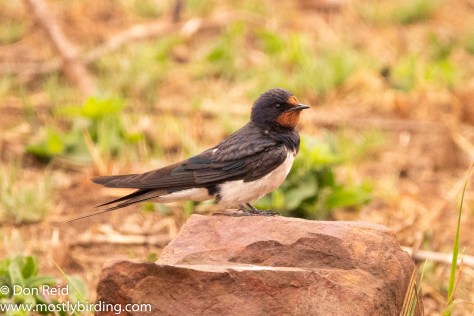
Barn Swallow Hirundo rustica Europese swael, Kleinberg area
Common Swift Apus apus Europese windswael (race pekinensis), Kleinberg area
White-rumped Swift Apus caffer Witkruiswindswael, Kleinberg area
Brown-throated Martin Riparia paludicola Afrikaanse oewerswael, at nest burrow, Maalgate area

Plungers

Mainly seabirds that forage over water – and under water

At irregular times during the year terns roost in numbers at The Point in Mossel Bay, providing good photo opportunities as the rocks are relatively close to the viewing area

Sandwich Tern Thalasseus sandvicensis Grootsterretjie, Mossel Bay Point

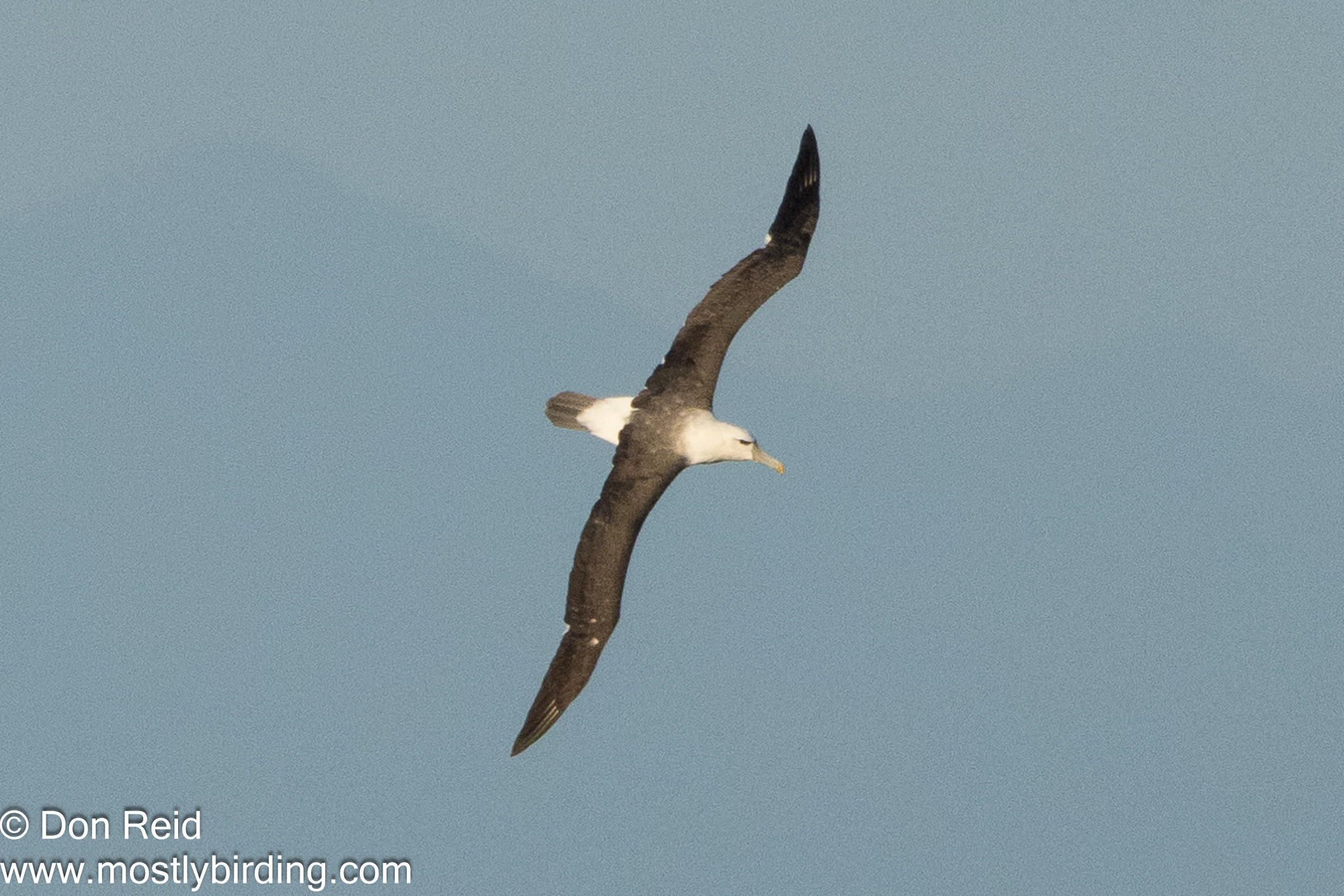
The Point is also a great spot for seabird watching when the winds are strong and in the right direction. One such day I was fortunate to be there when the seabirds were closer than usual and I was able to capture this image of a magnificent Shy Albatross – one of more than a dozen that passed by while we were there.

Shy Albatross Thalassarche cauta Bloubekalbatros, Mossel Bay Point

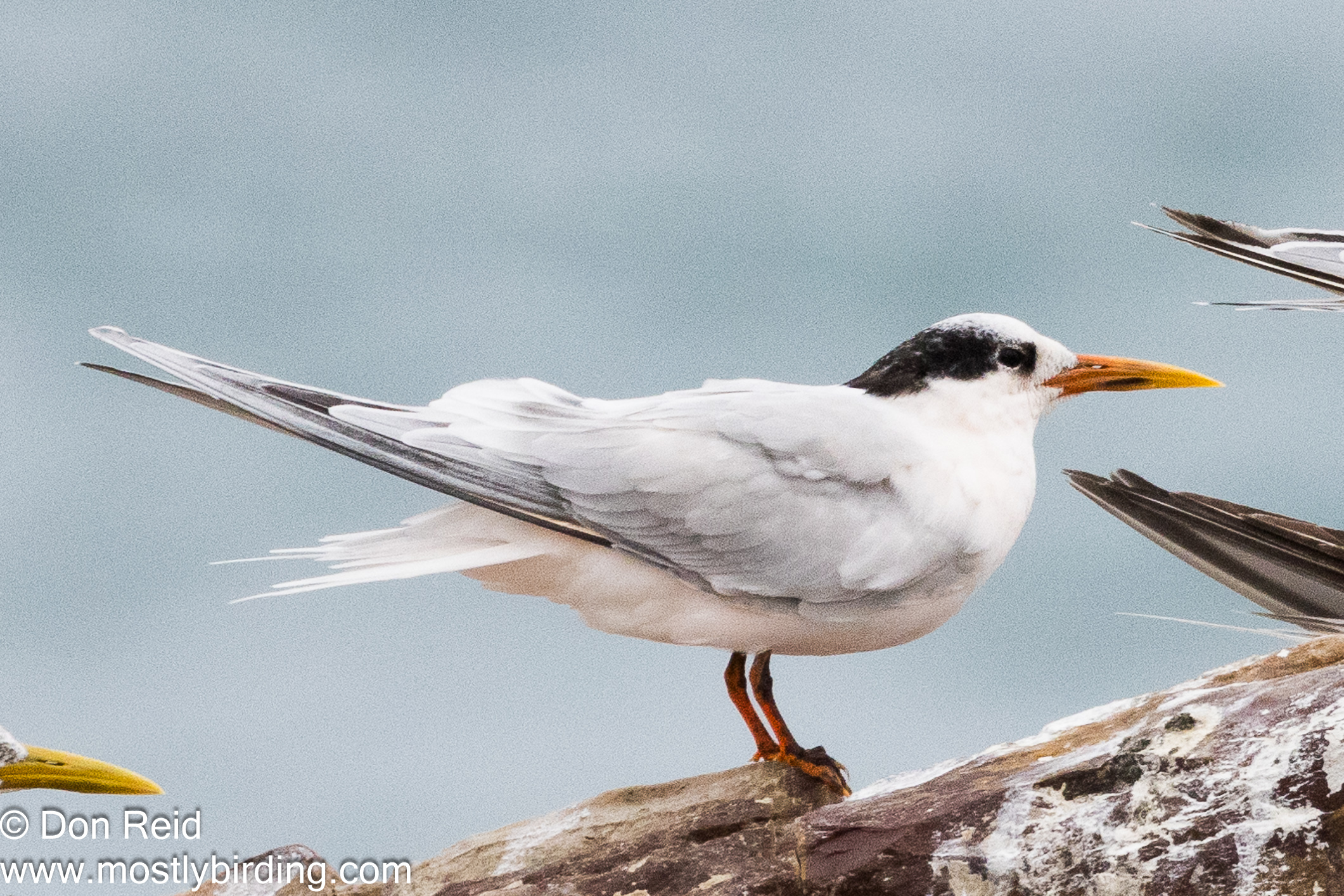
Another Tern that visited The Point was this rare hybrid – not a separately countable species but interesting nevertheless

Hybrid Elegant / Sandwich Tern, Mossel Bay Point

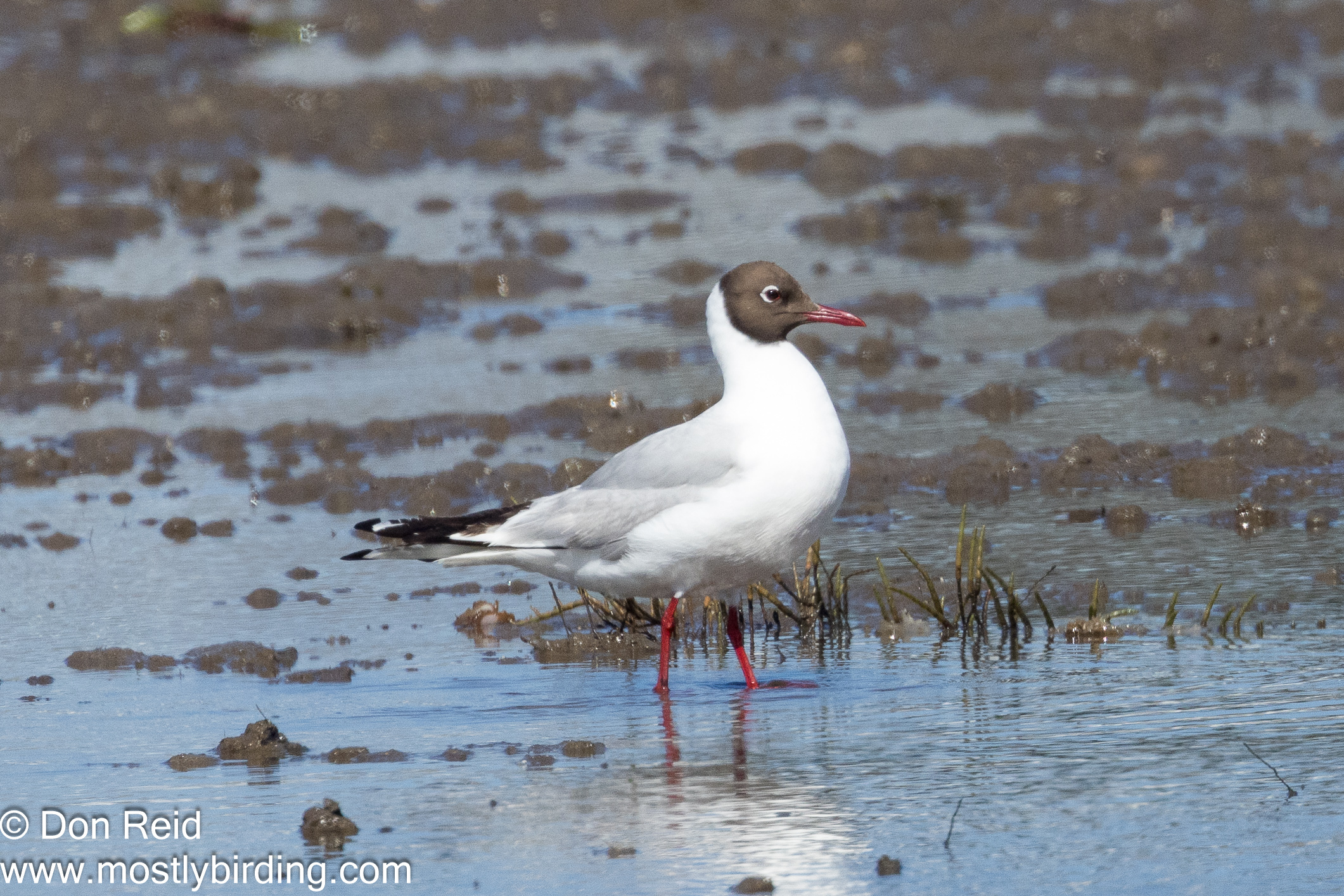
I was pleased when keen birder Estelle called me from Klein Brak to inform me about a Black-headed Gull that was present. I couldn’t resist heading out and was lucky enough to capture some images of this rarity, which I have seen in Europe and elsewhere but never in Southern Africa

Black-headed Gull Chroicocephalus ridibundus Swartkopmeeu (Breeding plumage), Klein Brak estuary

Runners

Small to medium-sized birds that forage on the ground

Cape Robin-Chat Cossypha caffra Gewone janfrederik, Addo Elephant NP
Wattled Starling Creatophora cinerea Lelspreeu (non-breeding), Herbertsdale area
Olive Thrush Turdus olivaceus Olyflyster, The Baths Citrusdal
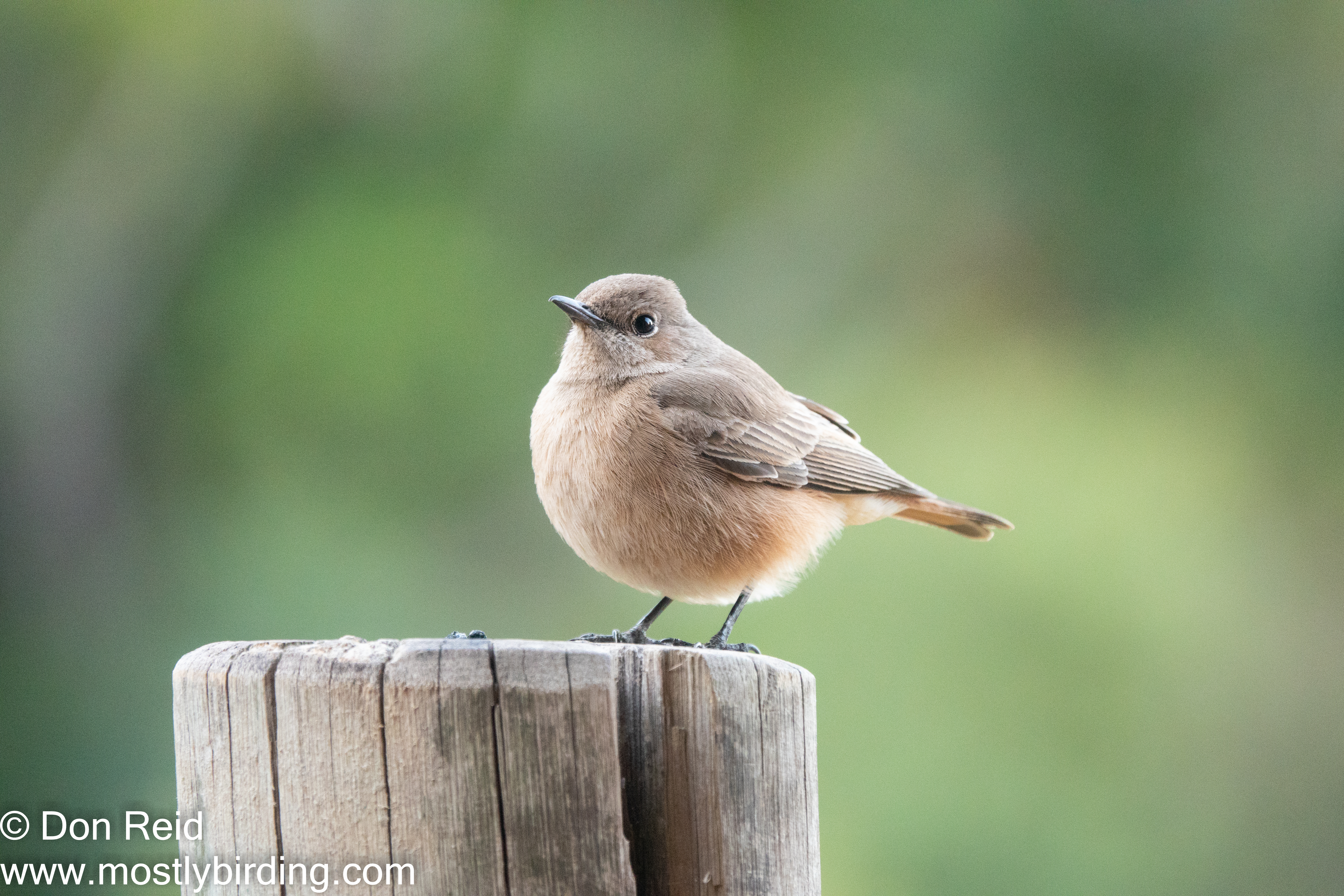
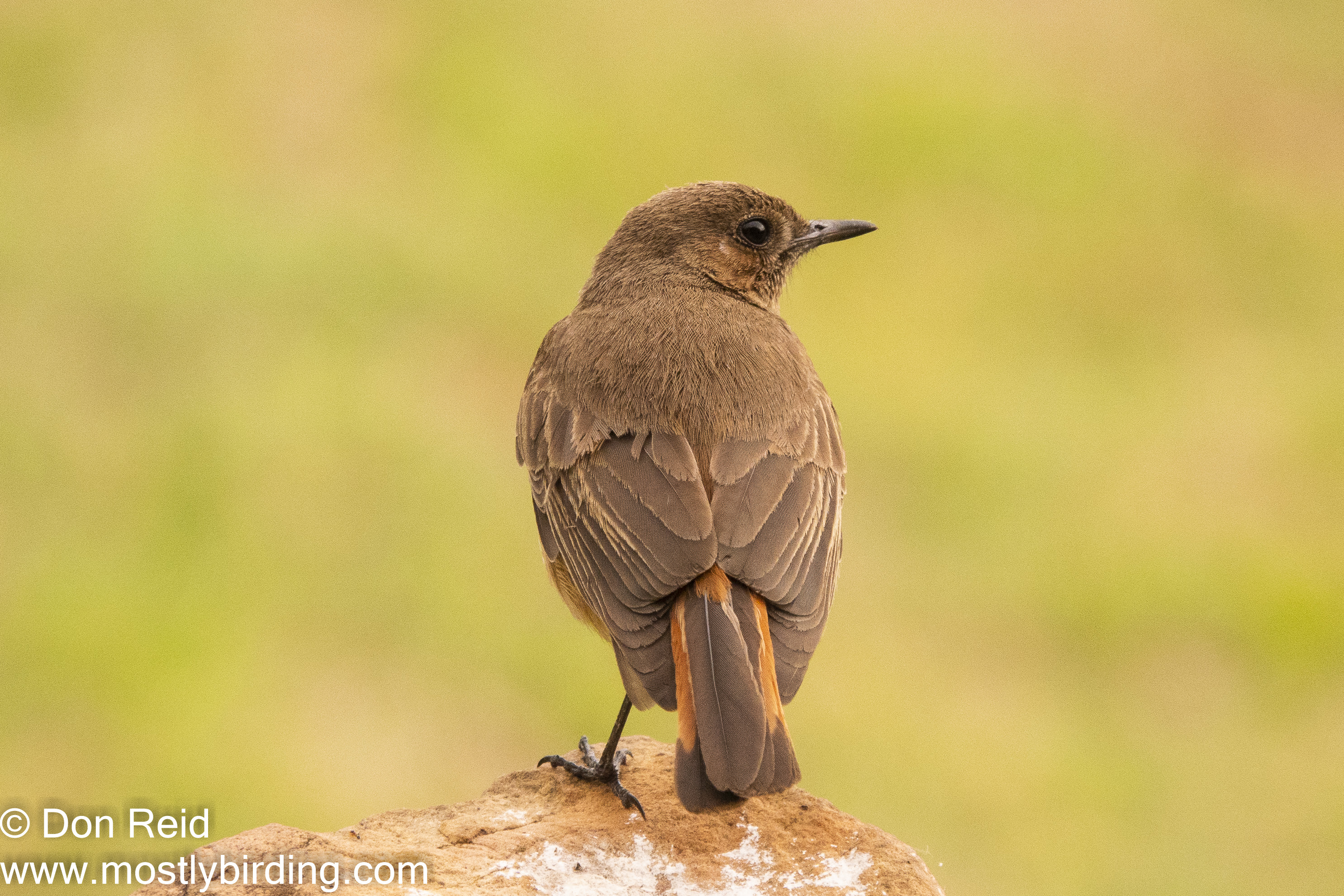
Familiar Chat Cercomela familiaris Gewone spekvreter, The Baths Citrusdal
Capped Wheatear Oenanthe pileata Hoëveldskaapwagter, Voelvlei
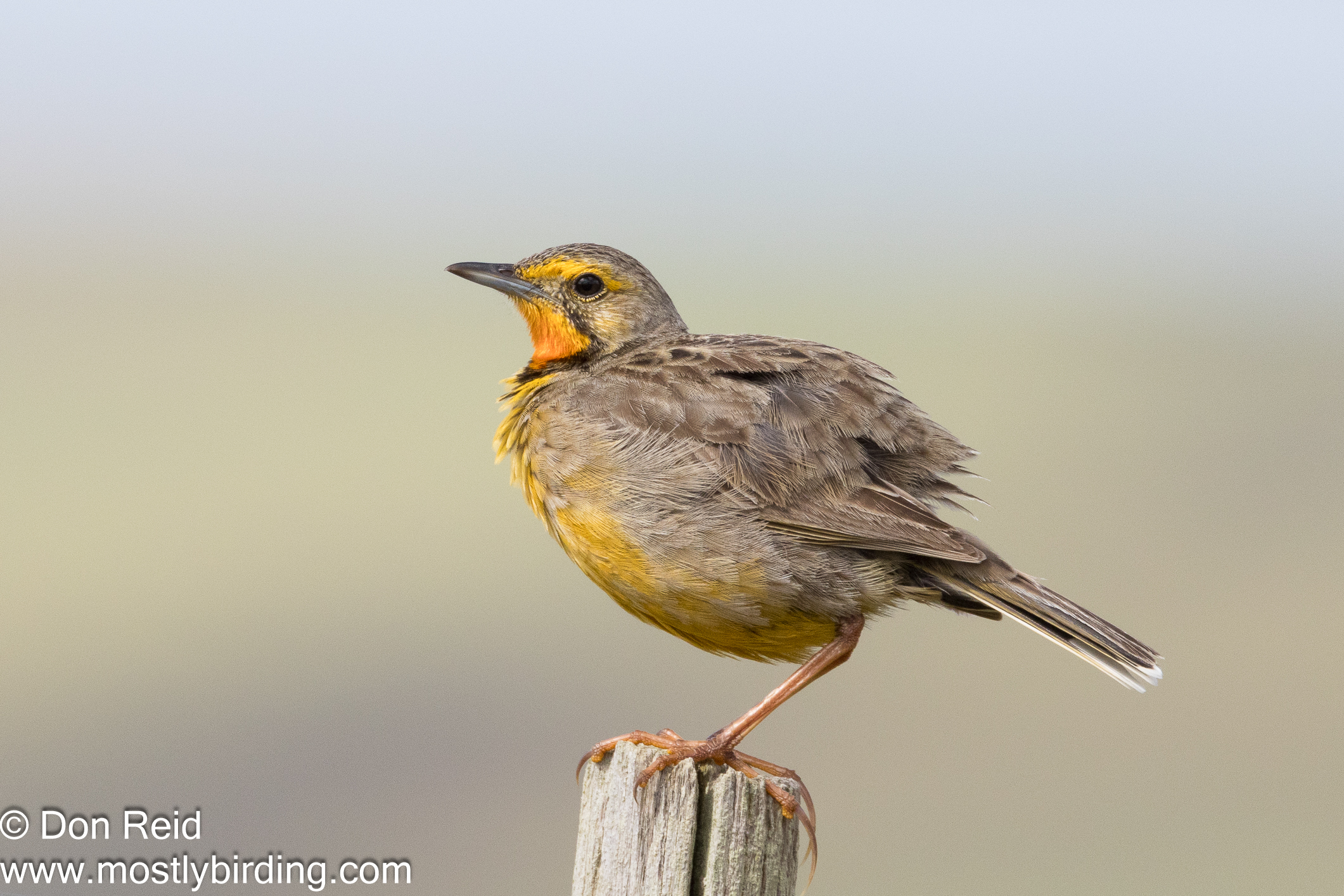
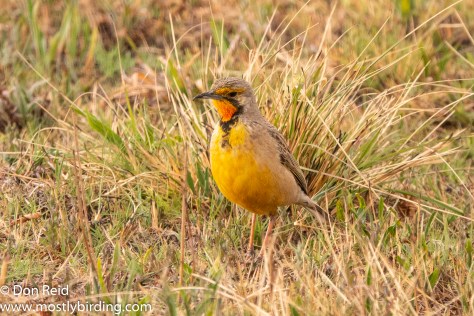
Cape Longclaw Macronyx capensis Oranjekeelkalkoentjie, Jakkalsvlei area
Cape Longclaw Macronyx capensis Oranjekeelkalkoentjie, Herbertsdale north east

Swimmers

Birds with webbed or lobed toes for swimming

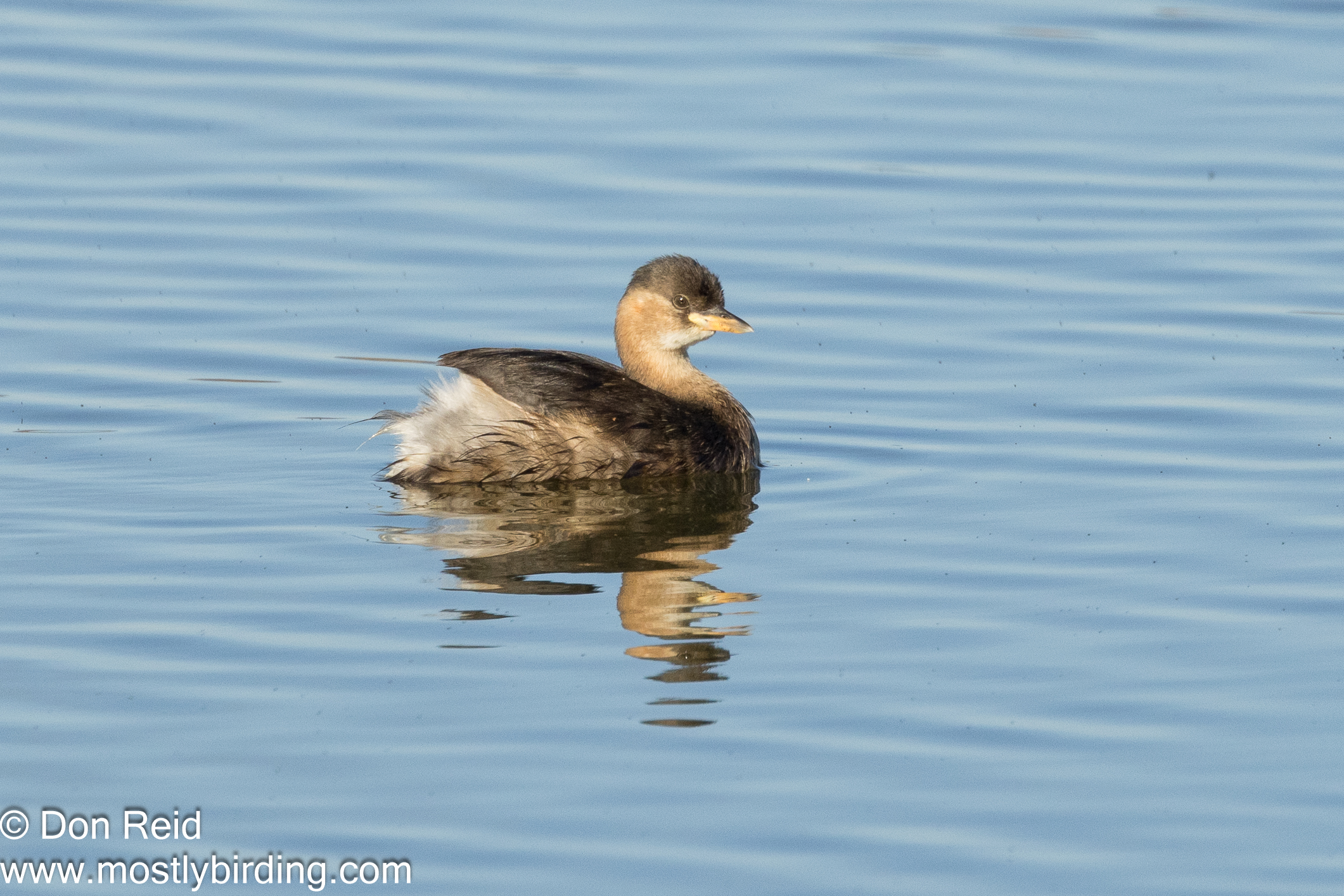
Little Grebe Tachybaptus ruficollis Kleindobbertjie, Voelvlei
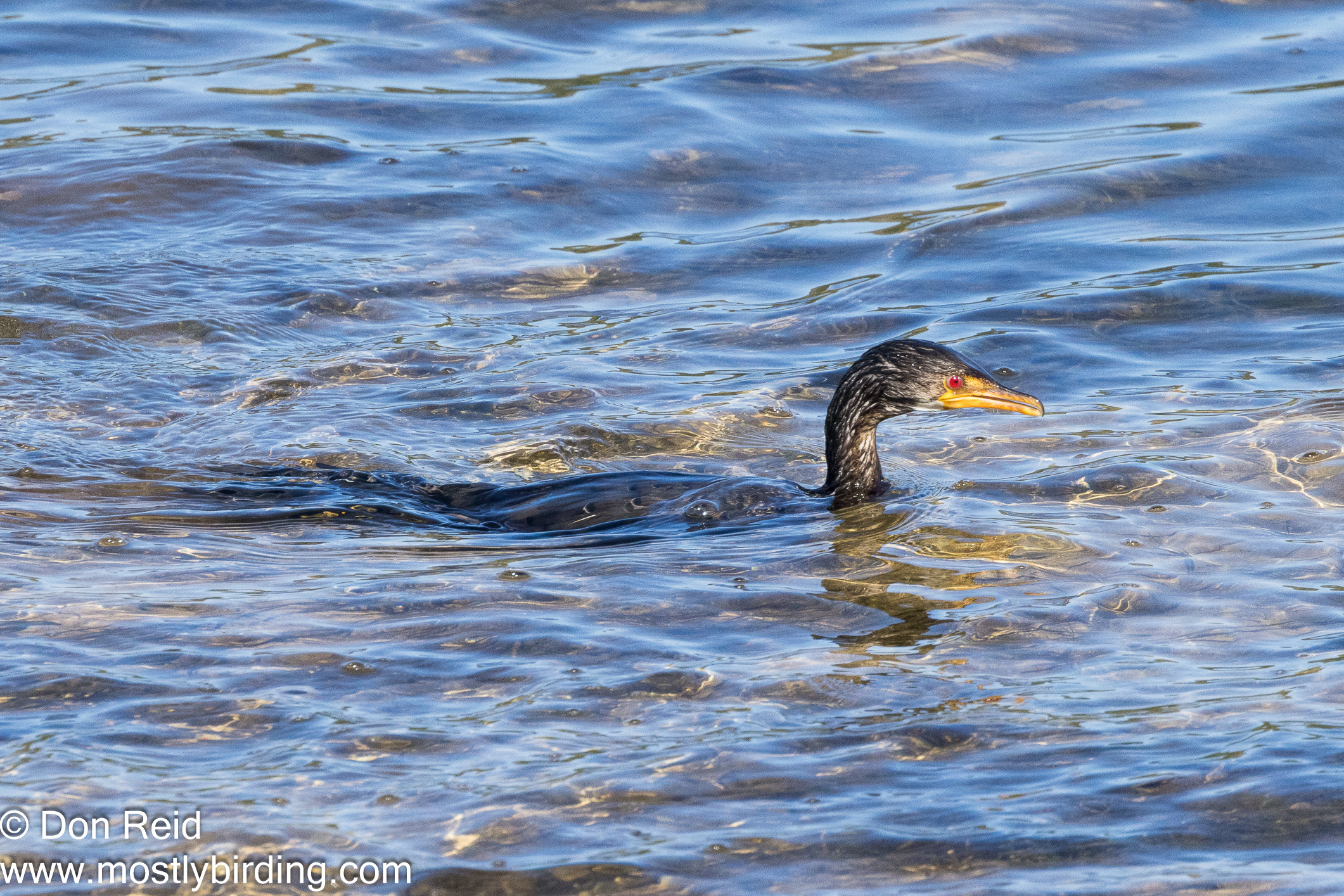
Reed Cormorant Microcarbo africanus Rietkormorant, Sedgefield
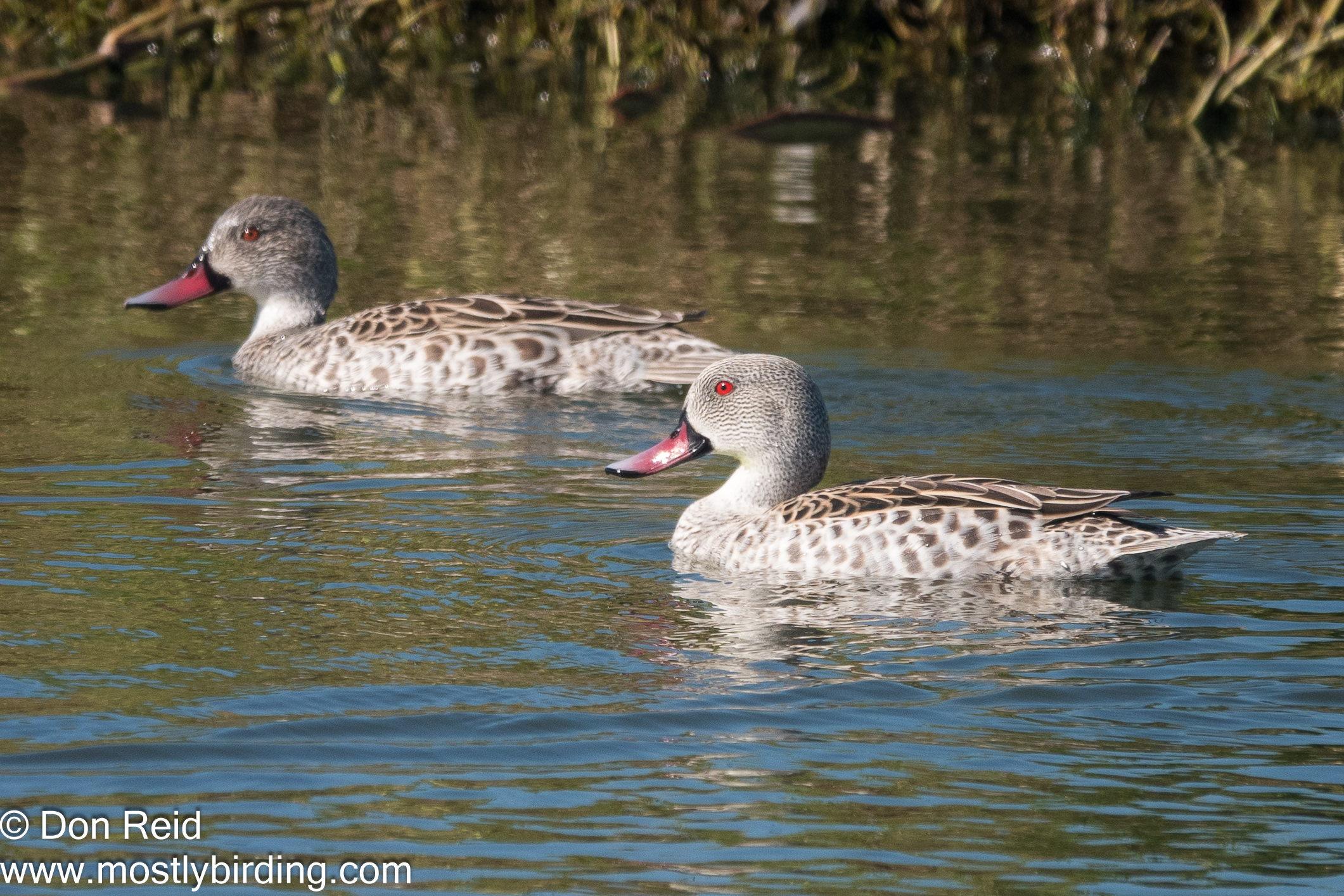
Cape Teal Anas capensis Teeleend, Strandfontein sewage works

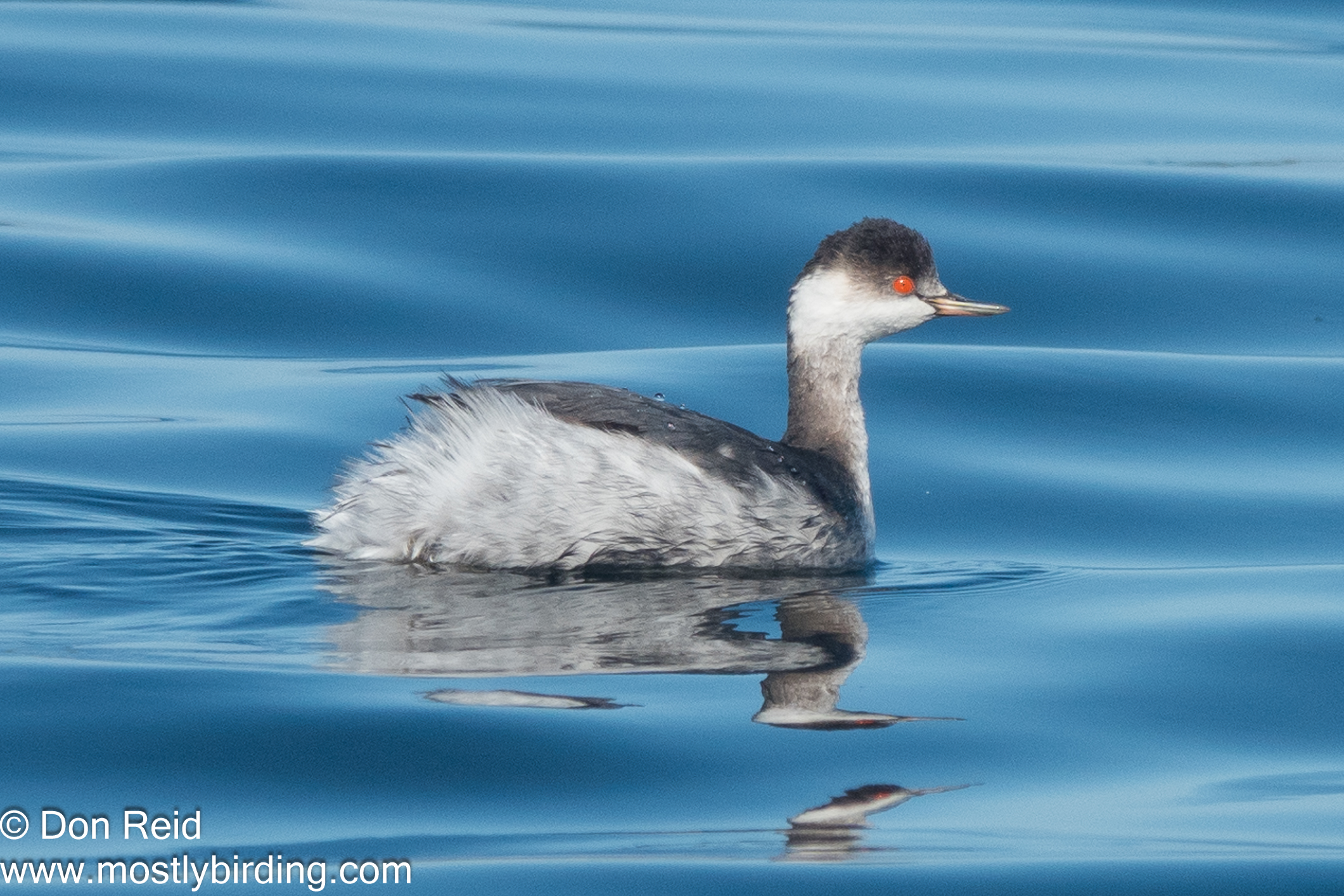
I was particularly pleased to photograph this Black-necked Grebe at reasonably close quarters during a visit to Strandfontein sewage works as my previous photos were all too far off to achieve any sort of detail of this striking swimmer

Black-necked Grebe Podiceps nigricollis Swartnekdobbertjie, Strandfontein sewage works

Waders

Those attractive waterbirds that don’t dive or swim but forage by wading in suitable shallow water

Also challenging to photograph at the best of times – often moving constantly, hiding behind vegetation, dipping into the mud and generally frustrating attempts to get a clear shot

Sanderling Calidris alba Drietoonstrandloper, Hartenbos River Estuary
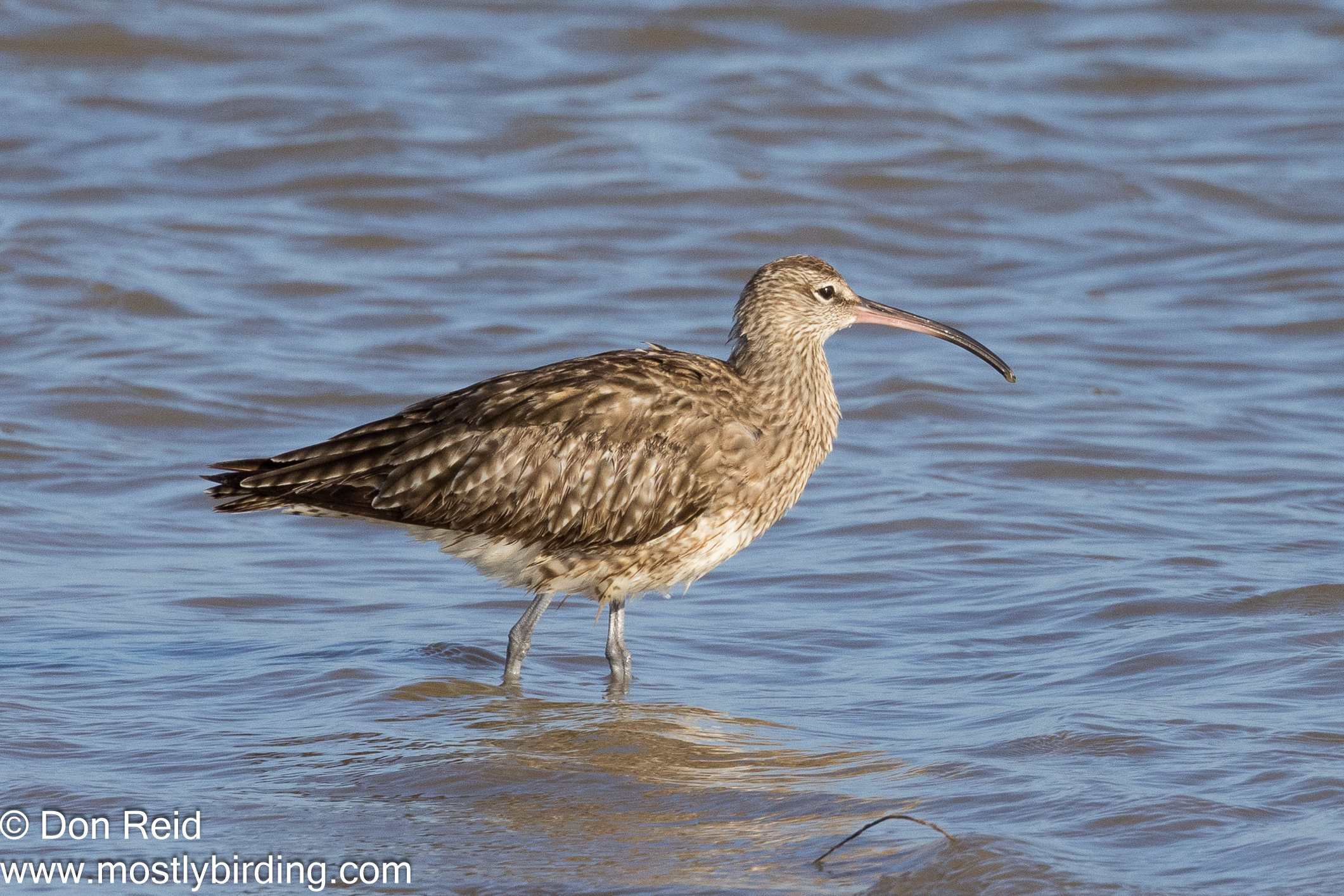
Whimbrel Numenius phaeopus Kleinwulp, Gouritsmond
Black-winged Stilt Himantopus himantopus Rooipootelsie, Hartenbos vleis
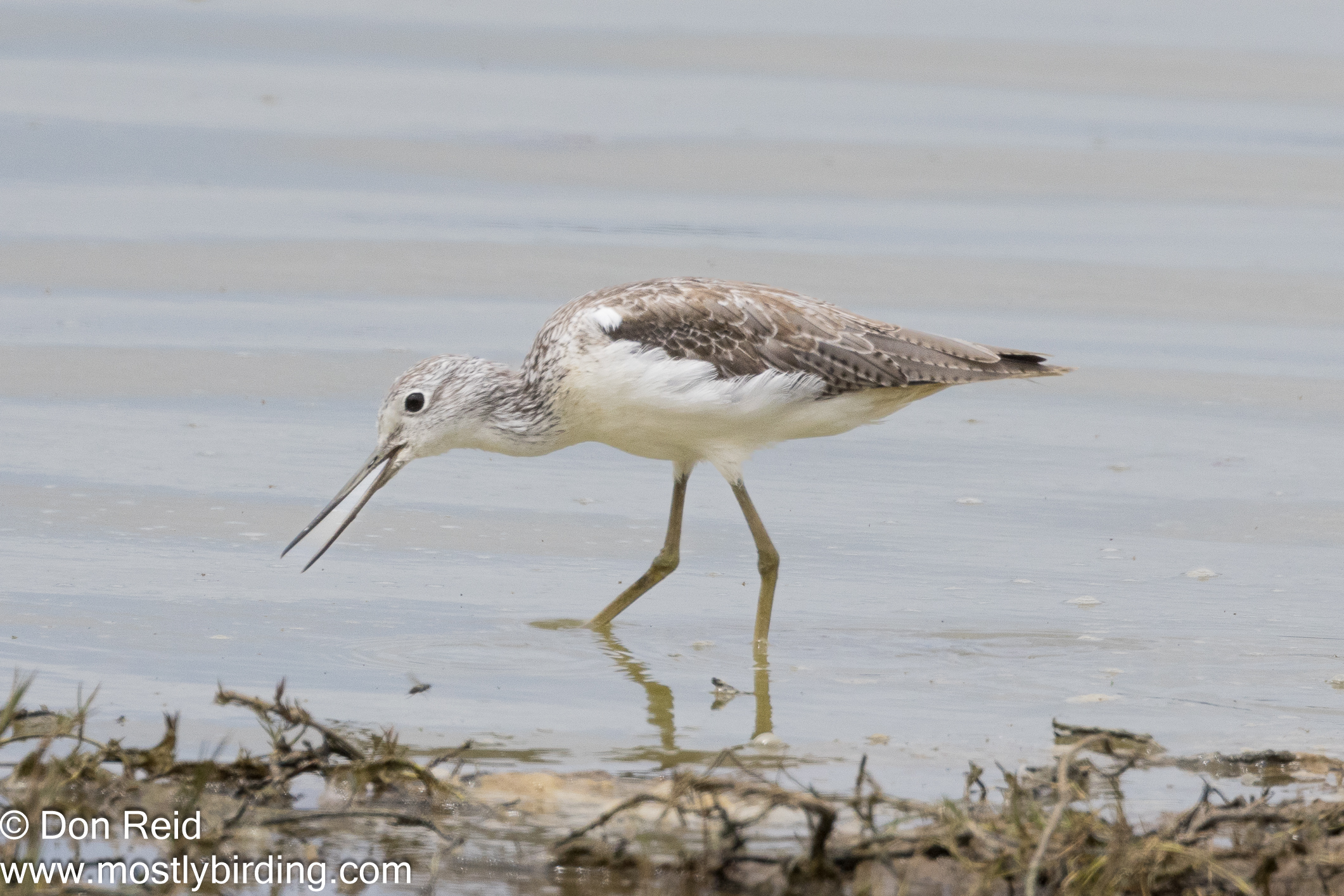
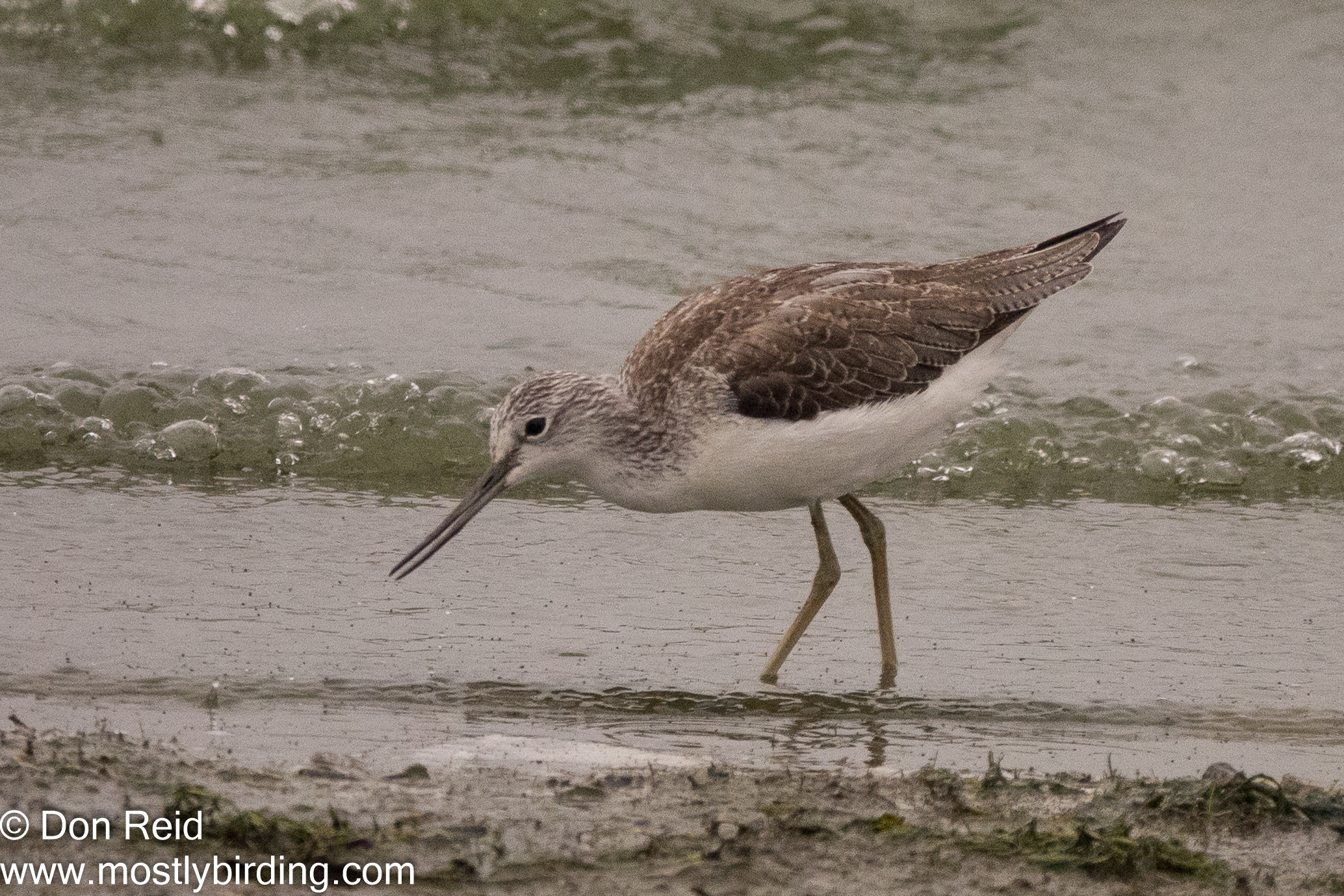
Common Greenshank Tringa nebularia Groenpootruiter, Voelvlei

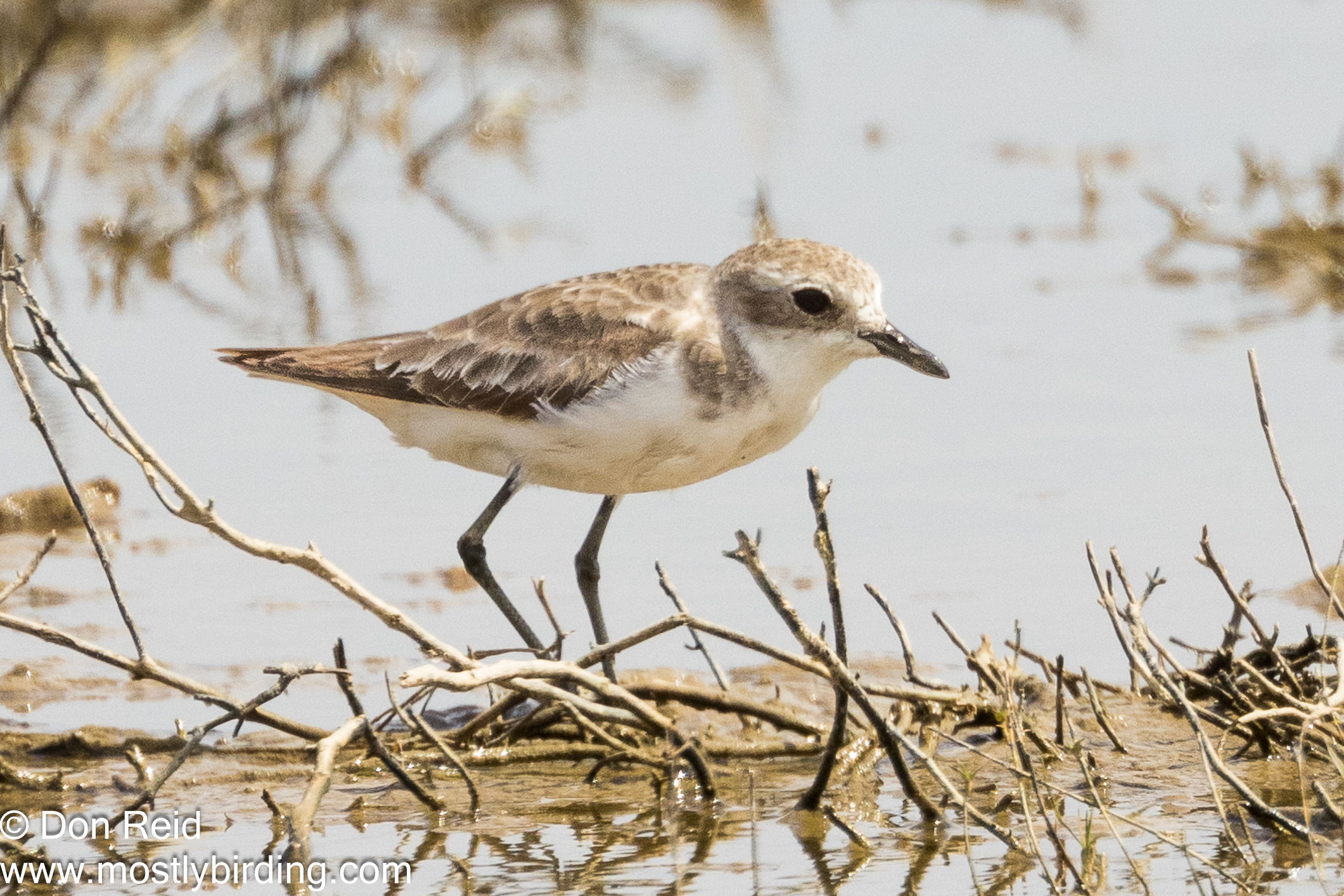
One of the rarities that visited Voëlvlei near Vleesbaai during the summer of 2023/24 was this Greater Sand Plover.

Greater Sand Plover Charadrius leschenaultii Grootstrandkiewiet, Voelvlei

Walkers

And to end off – the largest bird in the world with its offspring made for a lovely sight in Addo Elephant National Park

Common Ostrich Struthio camelus Volstruis (female with juveniles), Addo Elephant NP

My Photo Picks for 2021 – The Birds and a Bee

With the new year barely out of the starting blocks, it’s once again time to select the photos which best represent our travels and nature experiences during 2021, plus a few others that appeal to me for various reasons.  Despite the ongoing restrictions brought upon all of us by Covid 19, we still managed to travel fairly extensively, although it was limited to the borders of South Africa. 

I’m hoping you will find some of my favourite images to your liking – if you do, please take a moment to mention them in the comments at the end of the post. 

The Birds

During a normal birding year, I take a couple of thousand images of birds – this past year, for various reasons, I did not get out in the field birding and atlasing as much as I would normally have done, nevertheless when it came to choosing images I was happy to find that it was as challenging as ever.

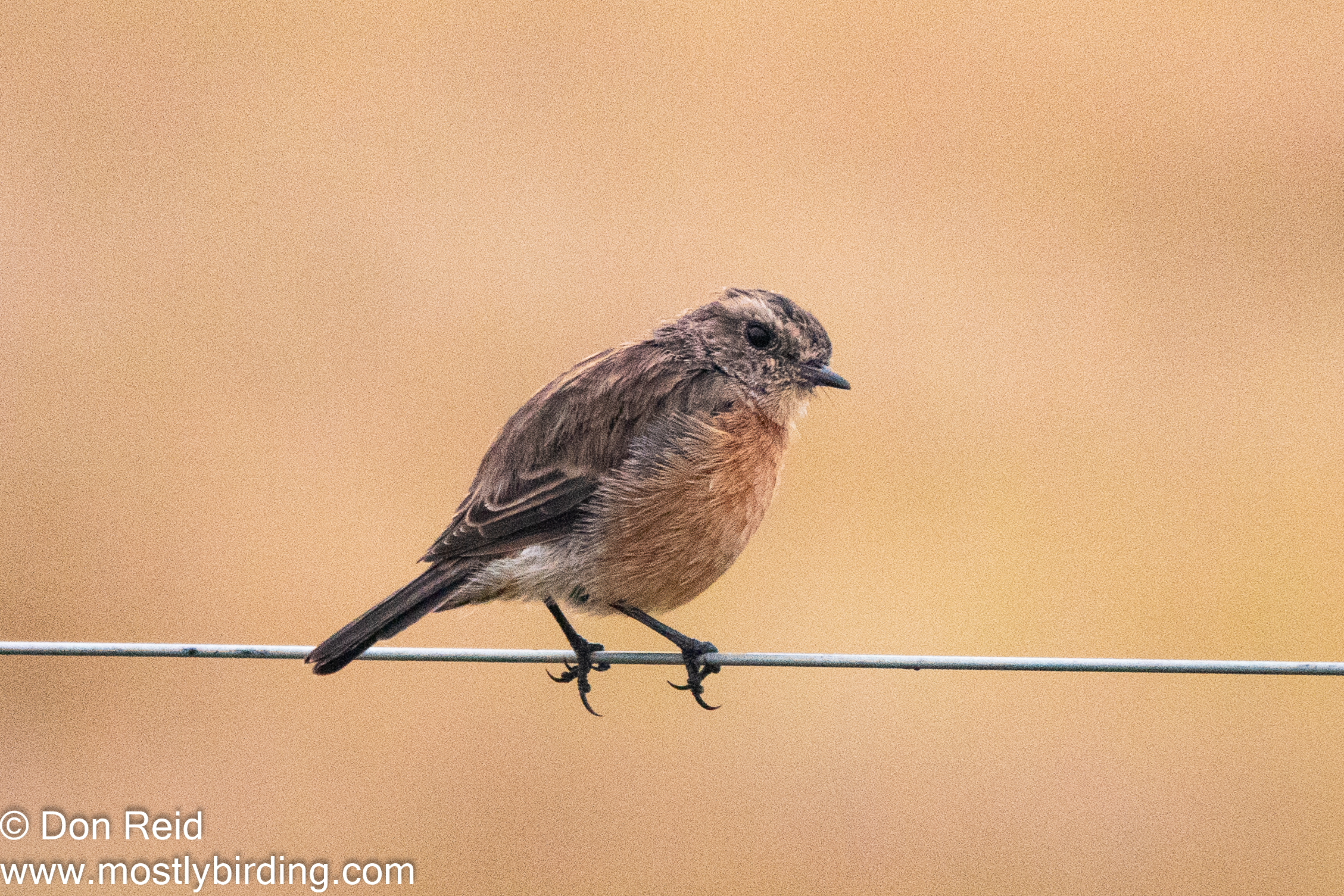
African Stonechat Saxicola torquatus (Gewone bontrokkie) (Female) , Herbertsdale Area
Common Buzzard Buteo buteo (Bruinjakkalsvoël), Herbertsdale Area
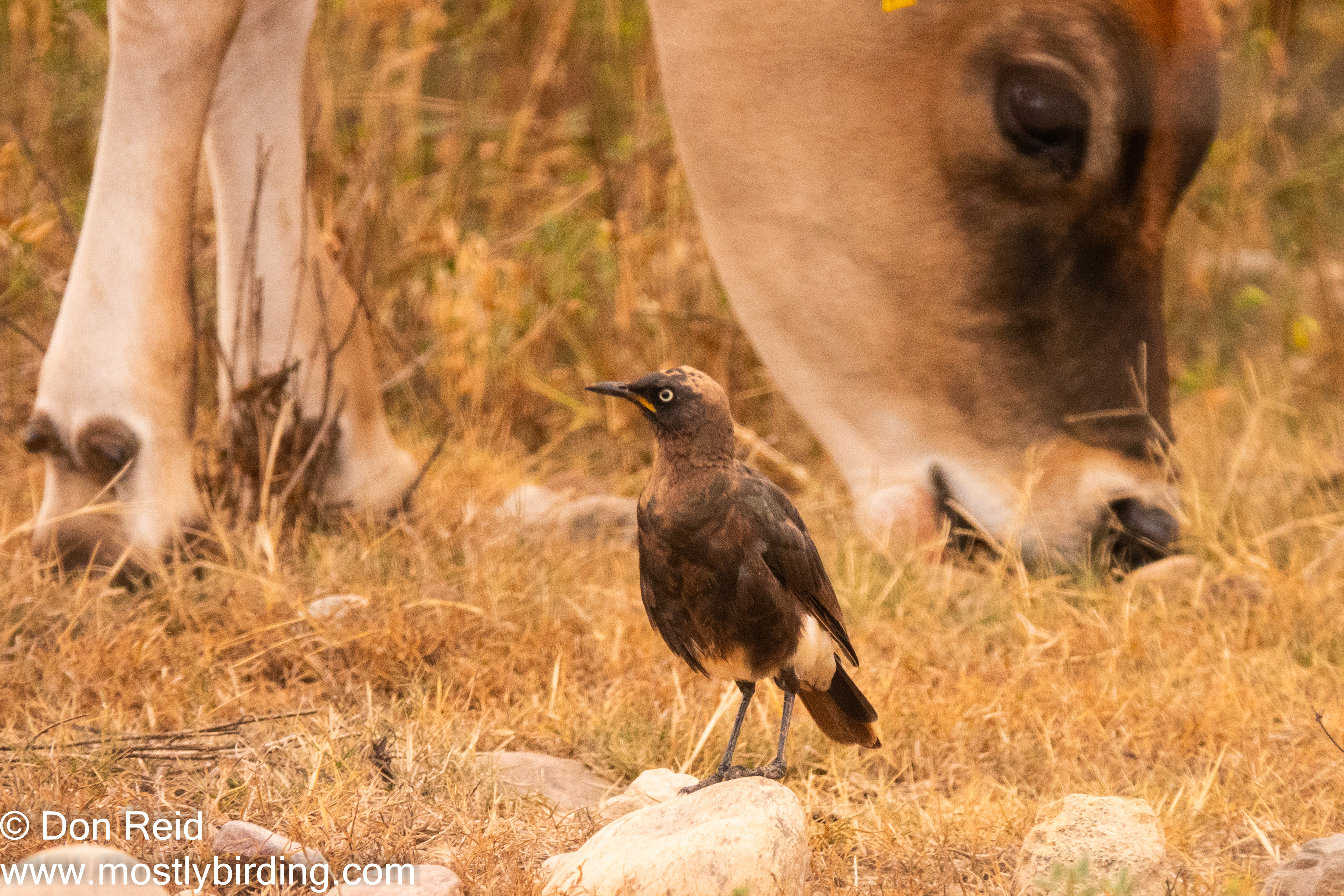
Pied Starling Lamprotornis bicolor (Witgatspreeu), Herbertsdale Area
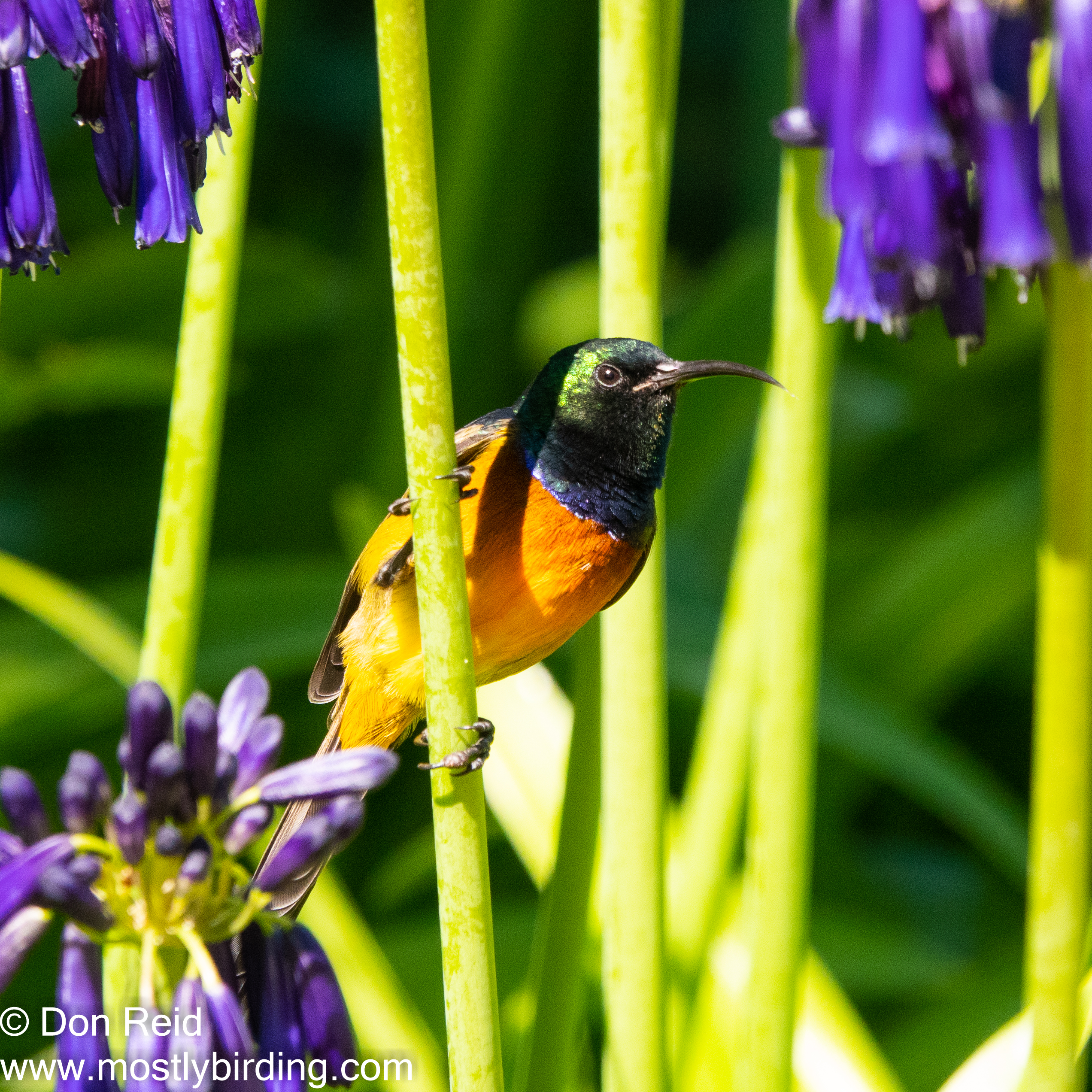
Orange-breasted Sunbird Anthobaphes violacea (Oranjeborssuikerbekkie), Kirstenbosch
Rock Kestrel Falco rupicolus (Kransvalk), Vleesbaai area
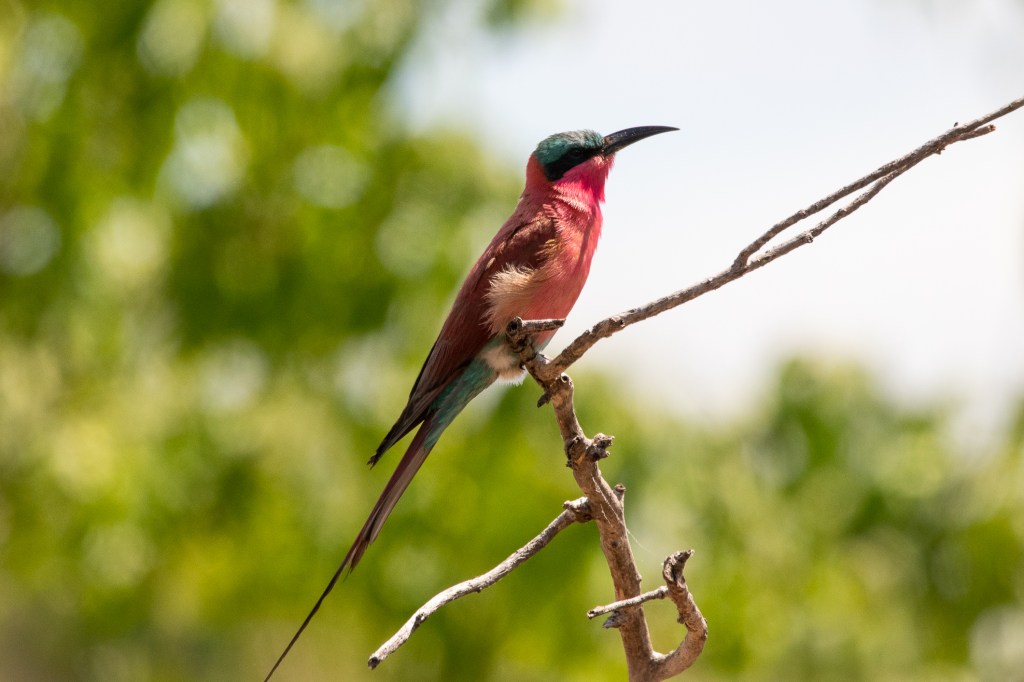
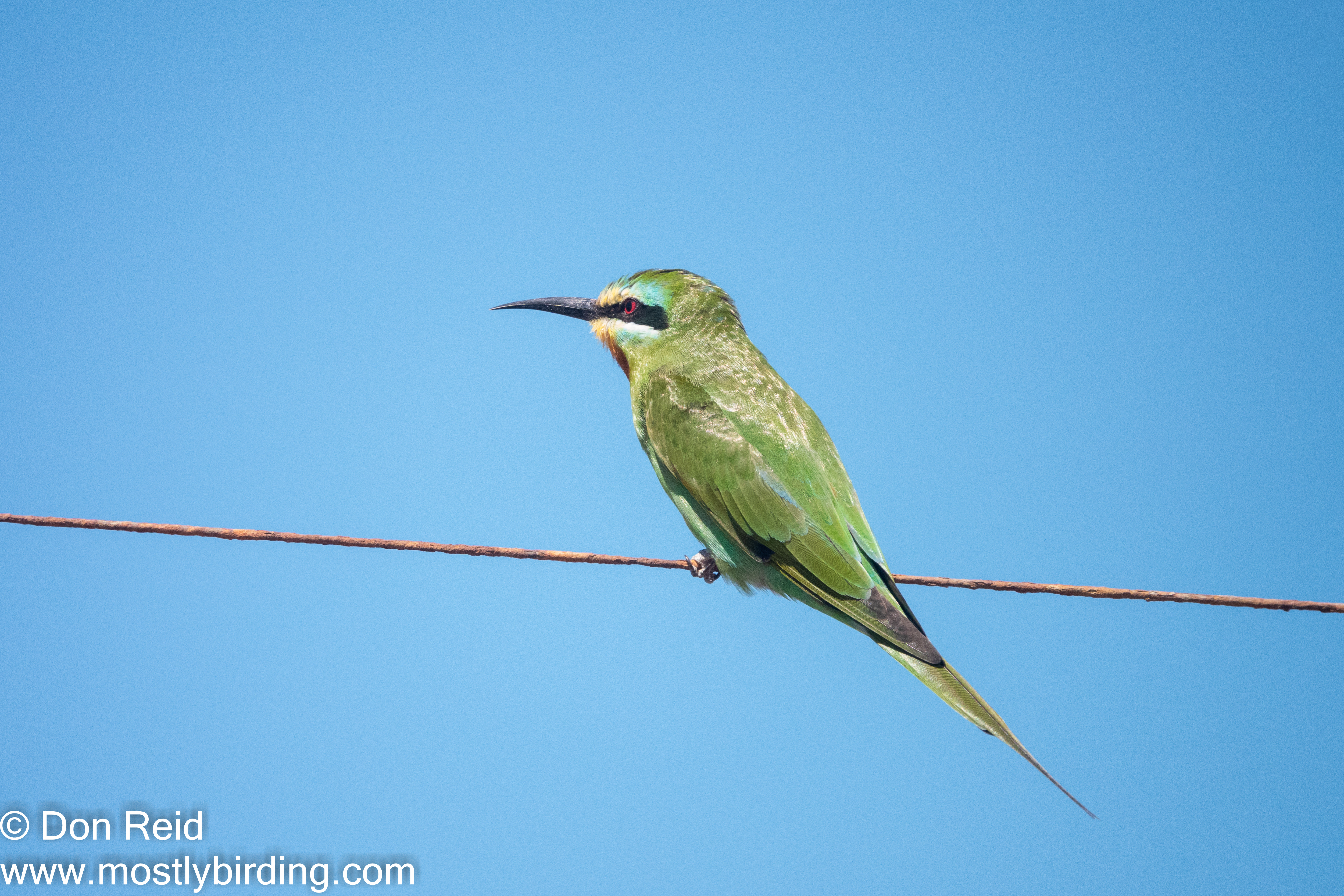
Blue-cheeked Bee-eater Merops persicus (Blouwangbyvreter) (Western Cape rarity), Gouritzmond Area
Large-billed Lark Galerida magnirostris (Dikbeklewerik), Herbertsdale Area
White-throated Canary Crithagra albogularis (Witkeelkanarie), Herbertsdale Area, Western Cape
White-bellied Sunbird Cinnyris talatala (Witpenssuikerbekkie), Donkerhoek / Boschkop Area, Gauteng
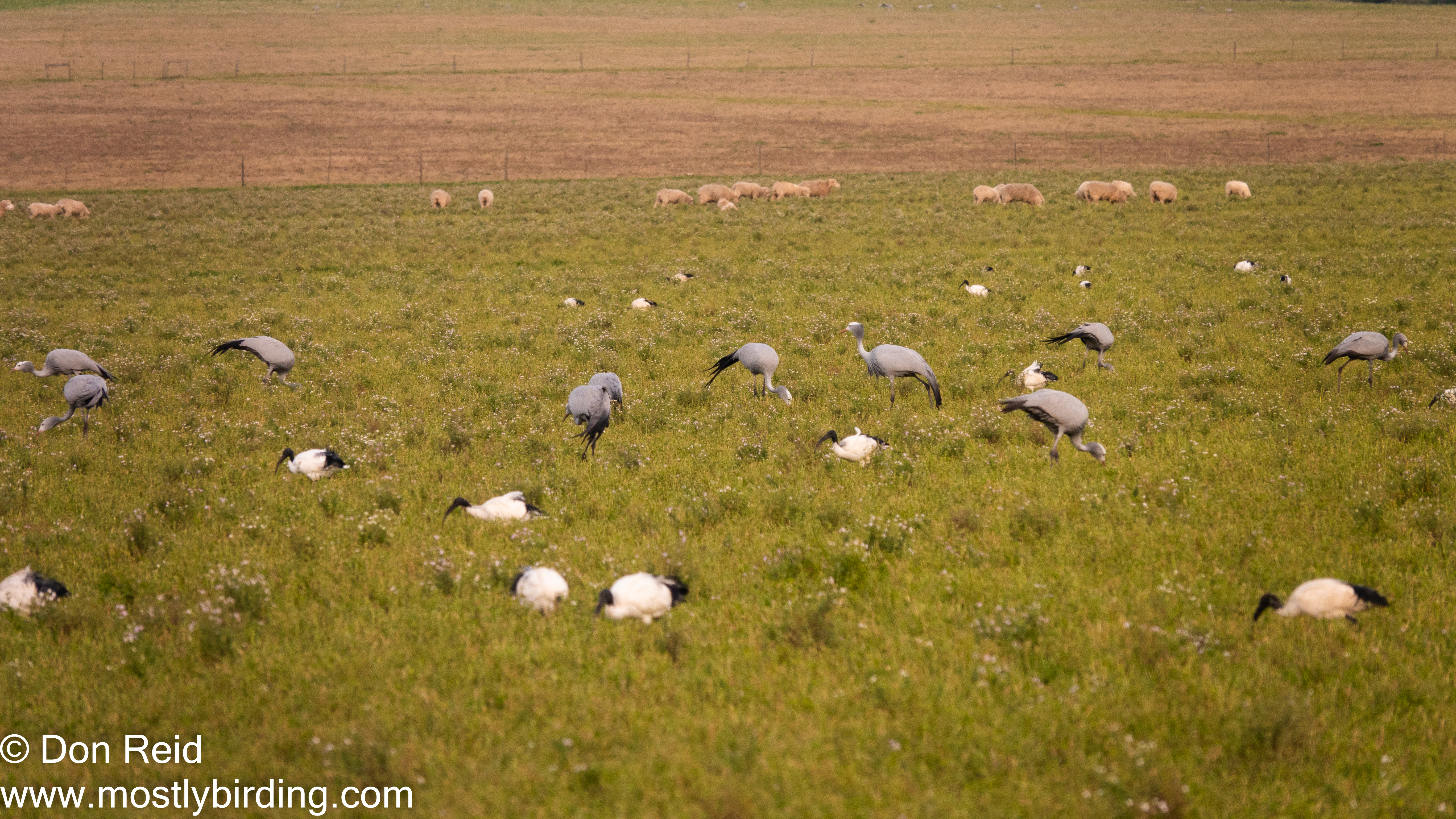
Blue Cranes, Sacred Ibises and sheep, Vleesbaai area, Western Cape
Zitting Cisticola Cisticola juncidis (Landeryklopkloppie), Vleesbaai area
Sacred Ibis, Vleesbaai Area
White-throated Swallow Hirundo albigularis (Witkeelswael) Bronkhorstspruit Area, Gauteng
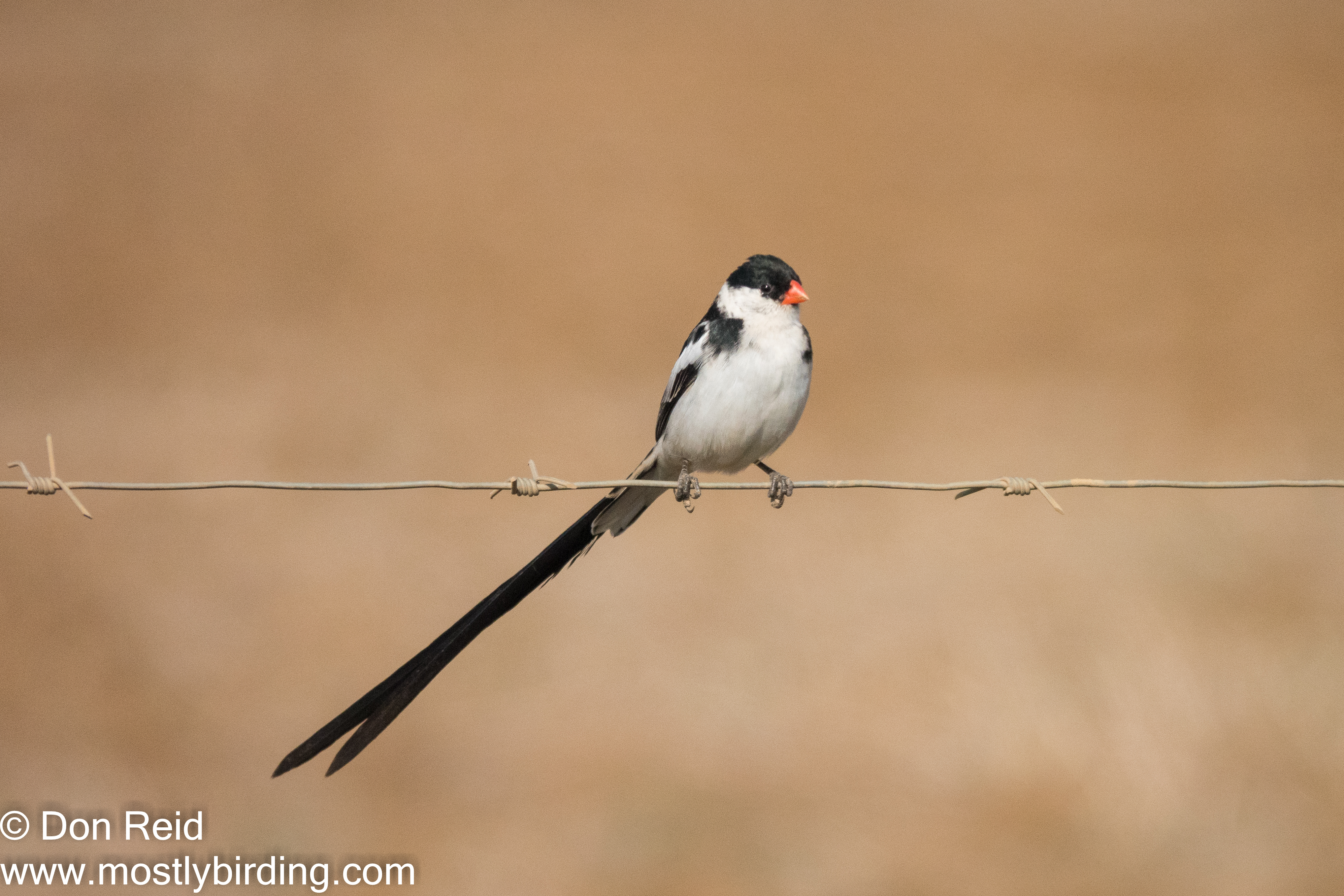
Pin-tailed Whydah Vidua macroura (Koningrooibekkie) Bronkhorstspruit Dam, Gauteng
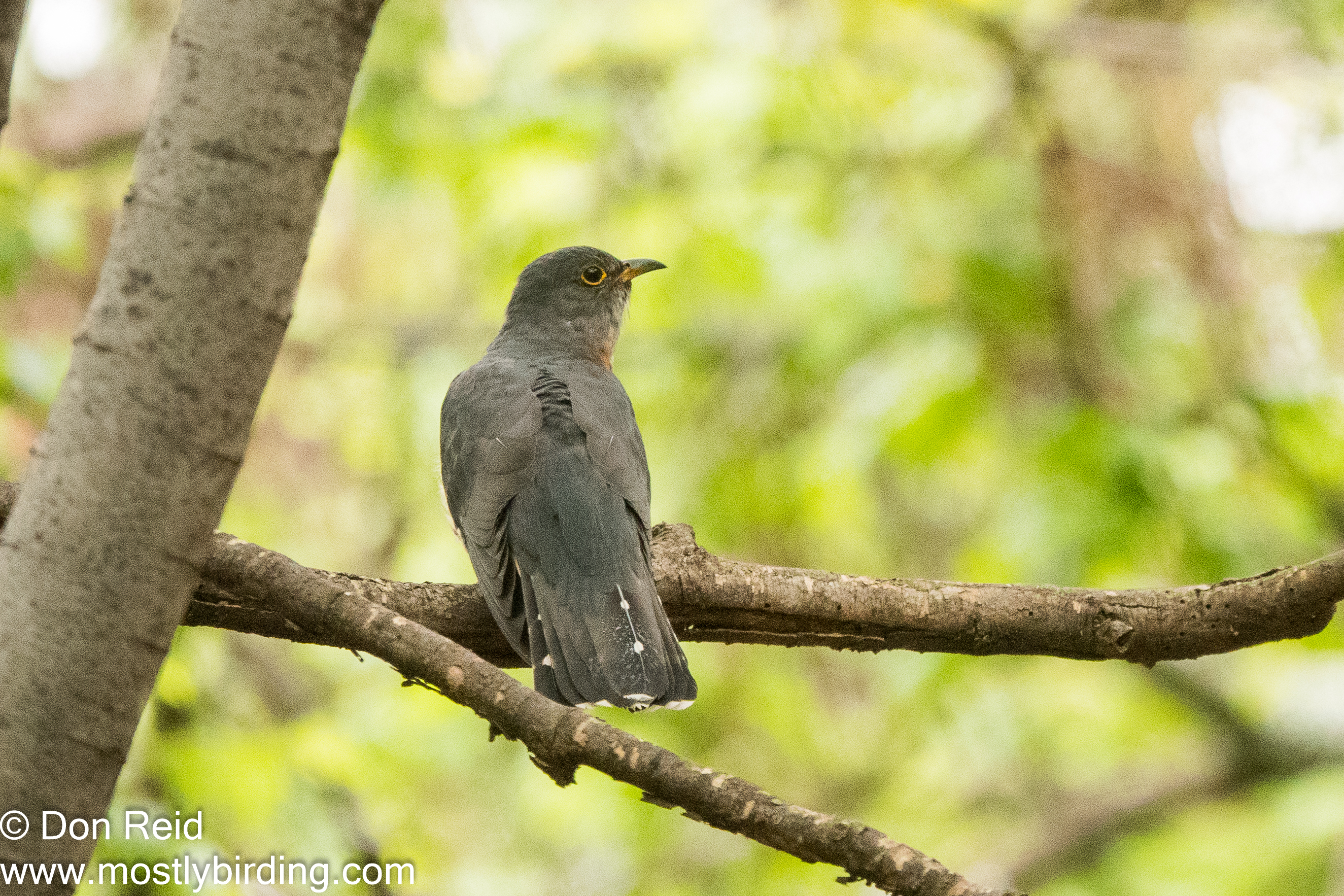
Red-chested Cuckoo Cucula solitarius (Piet-my-vrou), Ezemvelo Nature Reserve, Gauteng
Baird’s Sandpiper Calidris bairdii (Bairdse strandloper), (National Rarity), Bronkhorstspruit Nature Reserve, Gauteng
Red-capped Lark Calandrella cinerea (Rooikoplewerik), Bronkhorstspruit Nature Reserve, Gauteng
Common Greenshank Tringa nebularia (Groenpootruiter), Bronkhorstspruit Nature Reserve
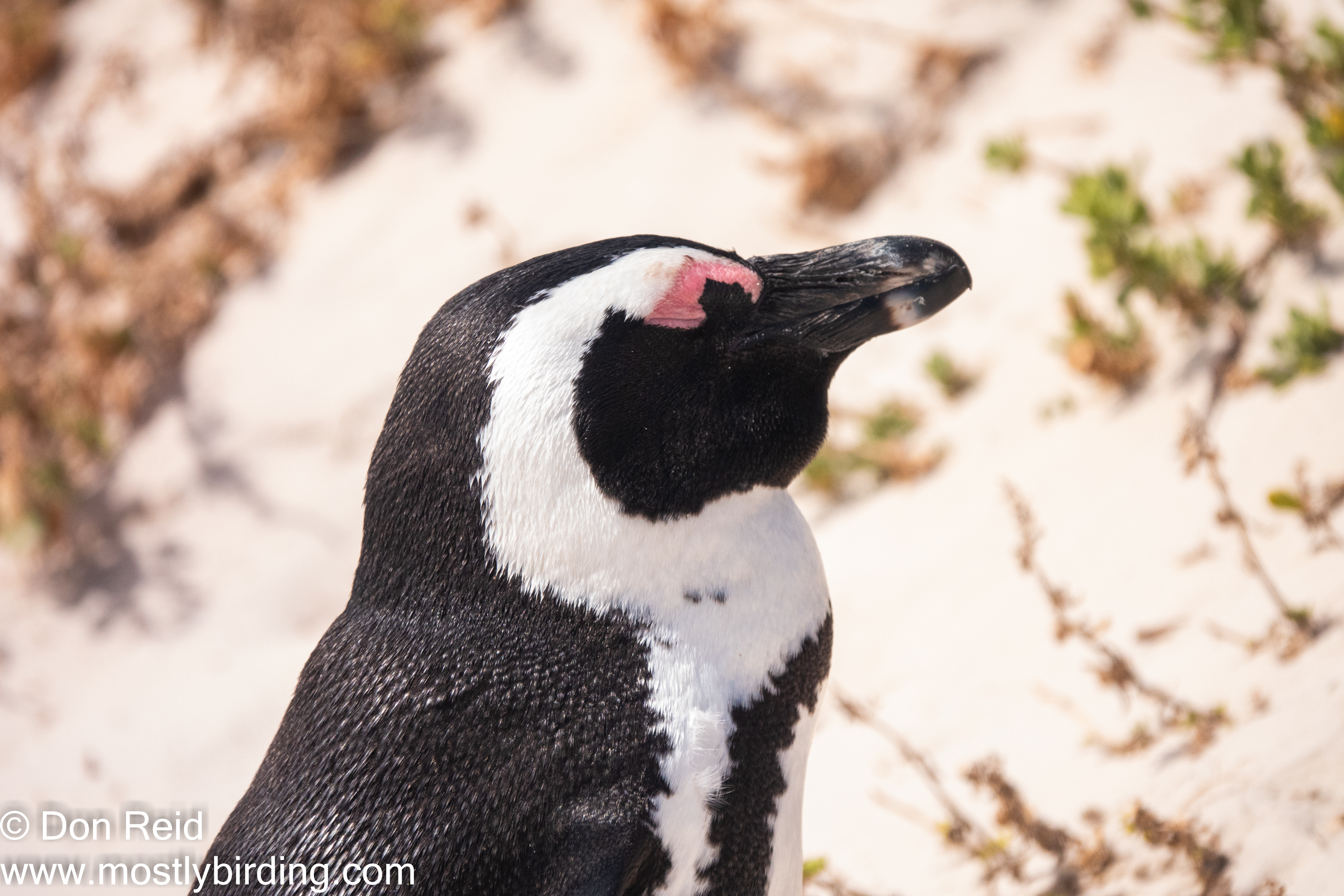
African Penguin Spheniscus demersus (Brilpikkewyn), Boulders beach Simon’s Town
Sooty Gull Ichthyaetus hemprichii (National Rarity), Sunday’s River Mouth. Eastern Cape
Cape Robin-Chat Cossypha caffra (Gewone janfrederik), Addo Elephant Park, Eastern Cape
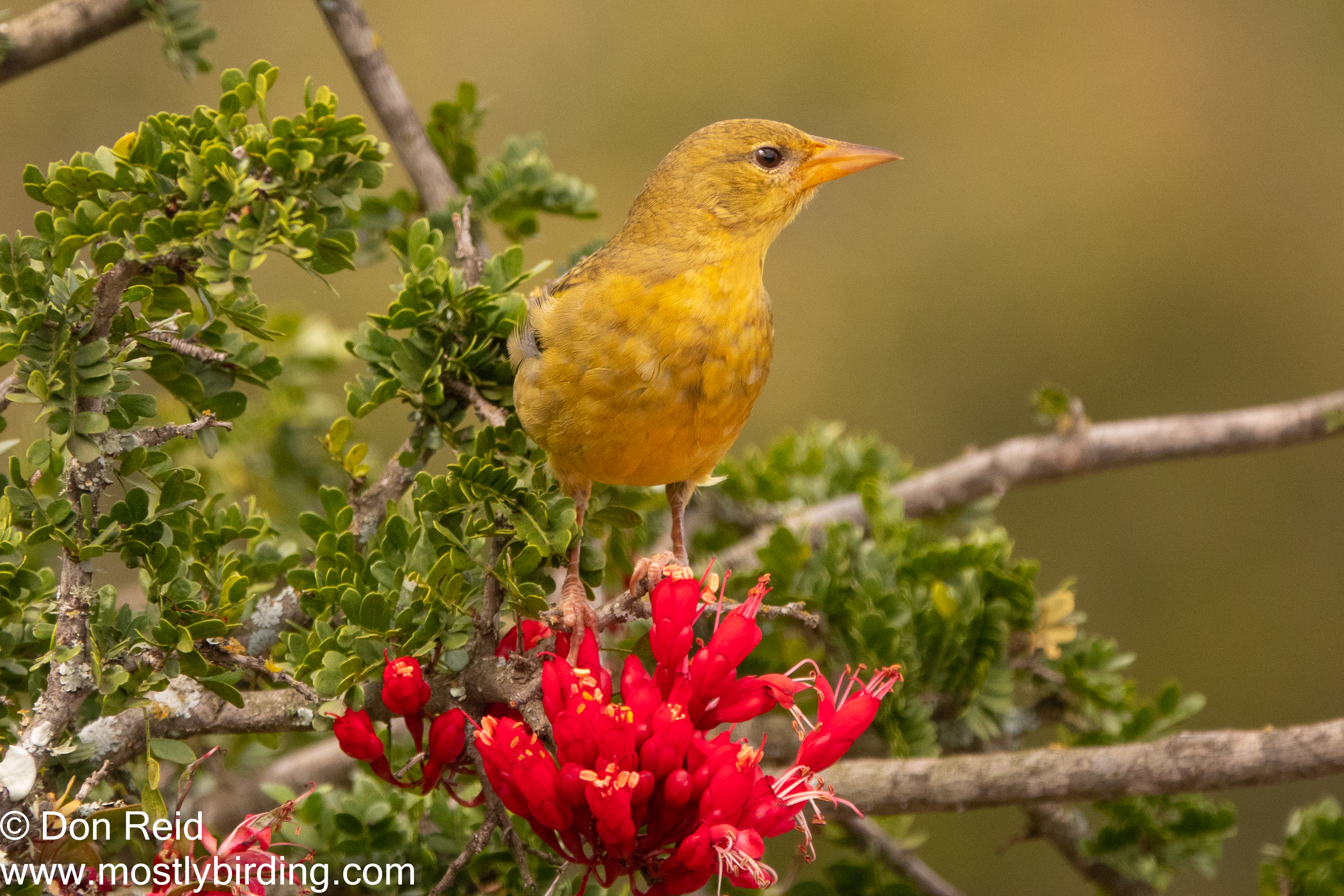
Cape Weaver Ploceus capensis (Kaapse wewer) (female), Addo Elephant Park, Eastern Cape
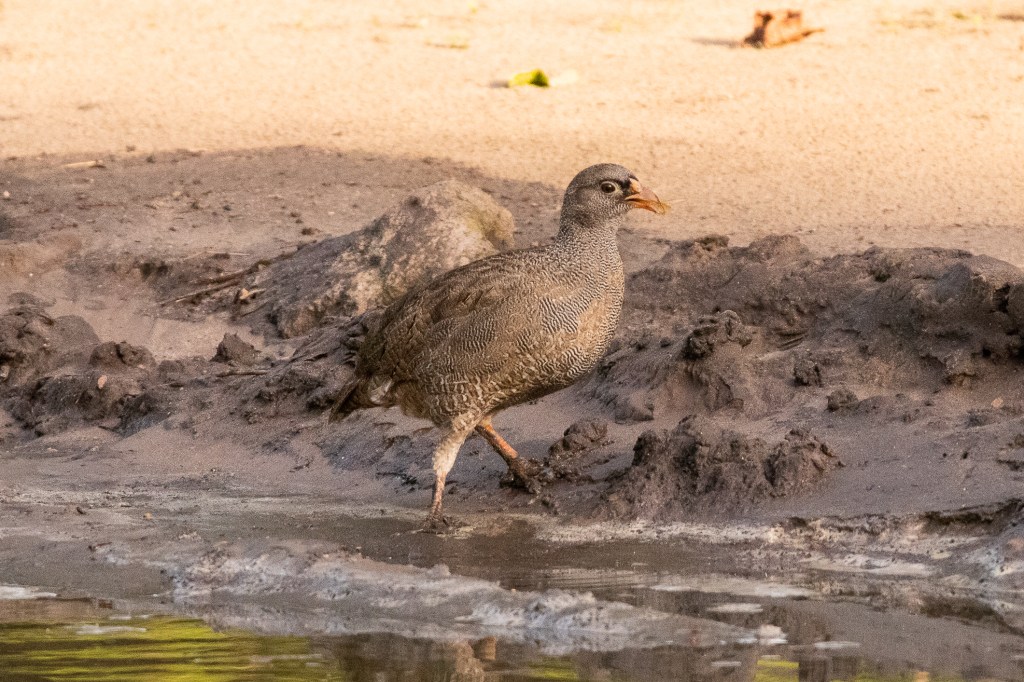
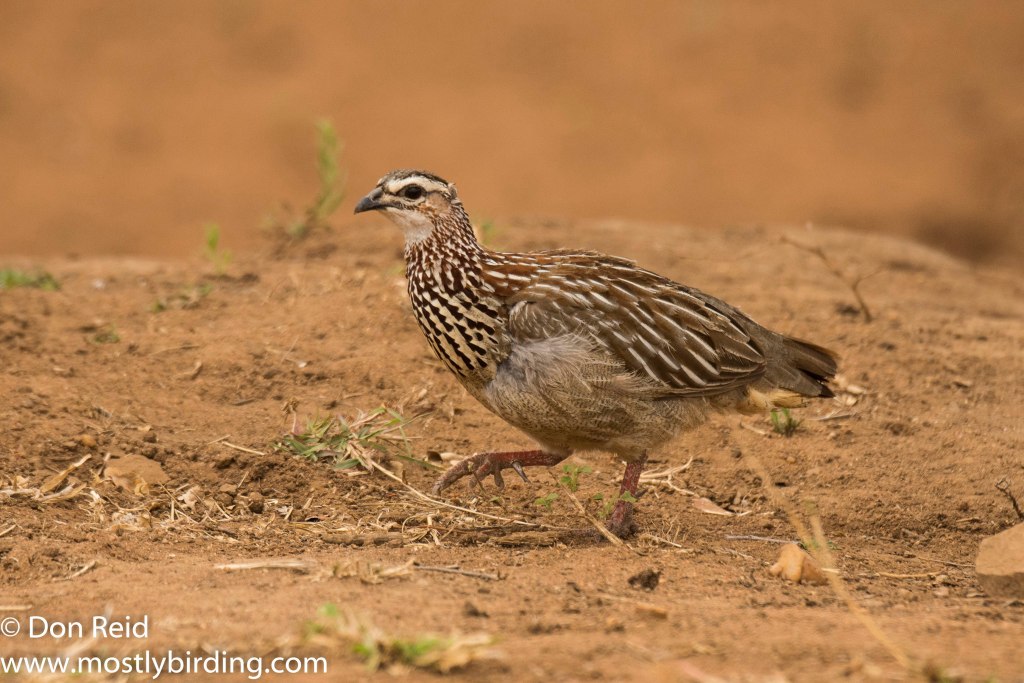
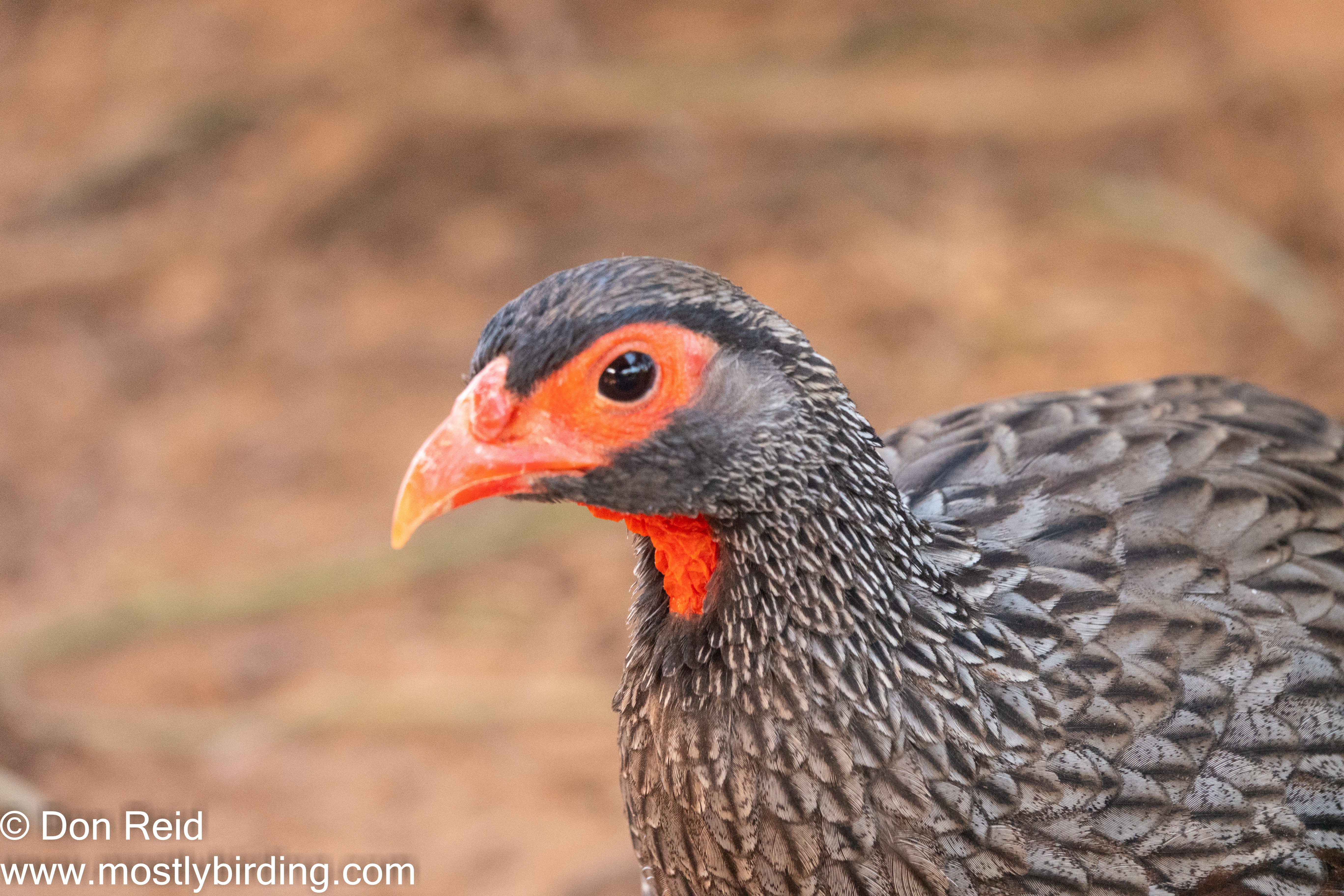
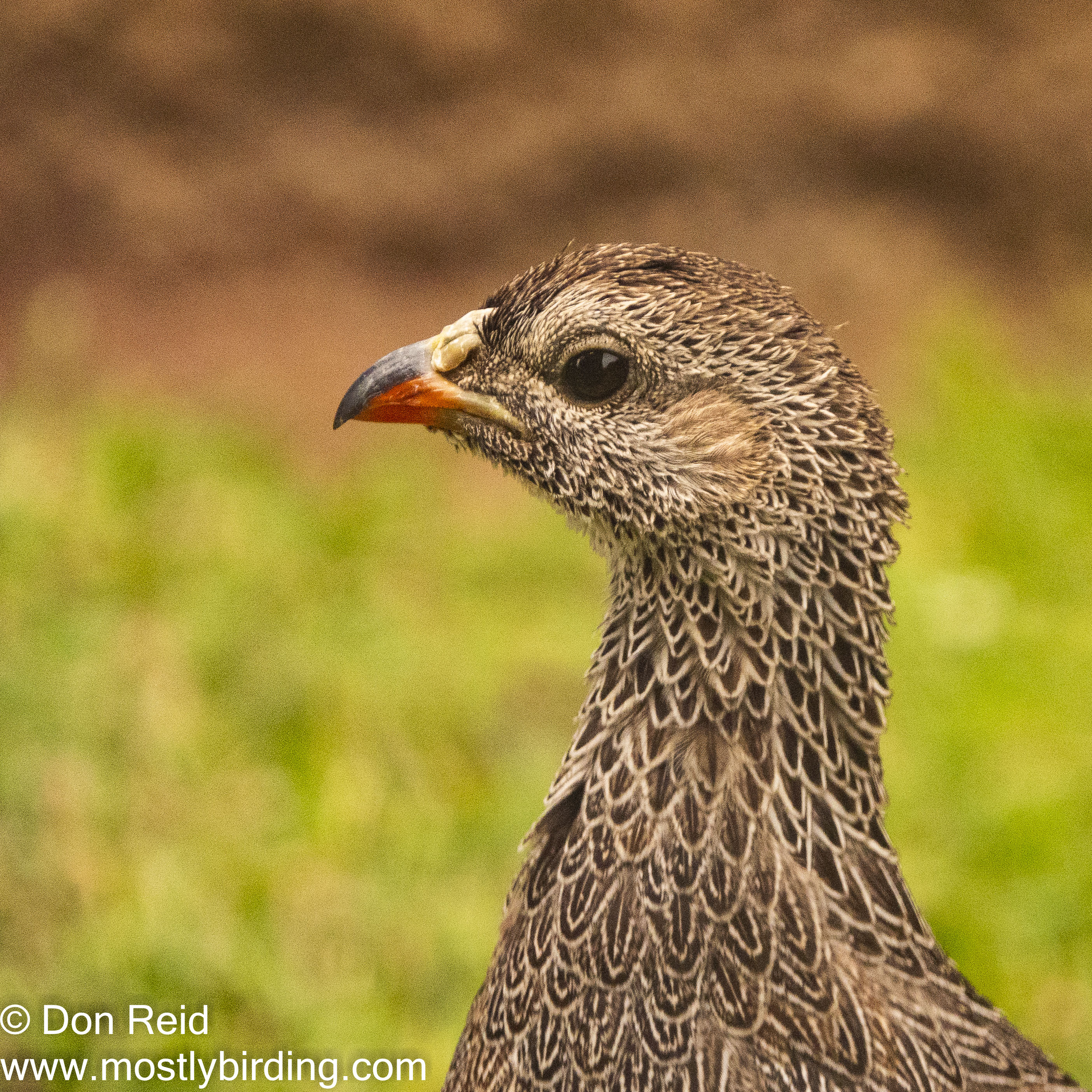
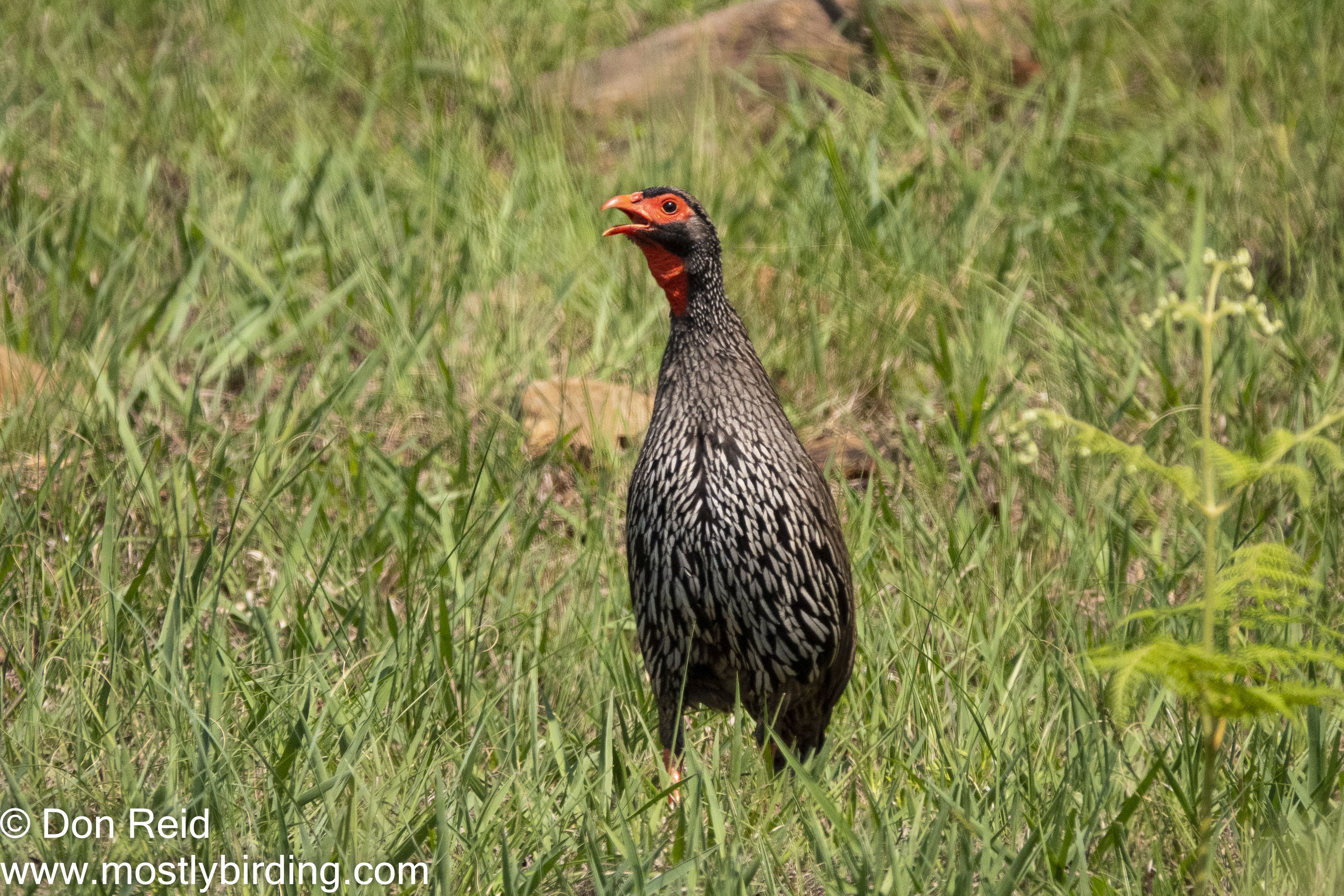
Red-necked Spurfowl Pternistis afer (Rooikeelfisant), Addo Elephant Park
The usually extremely shy Sombre Greenbul Andropadus importunus (Gewone willie), Addo Elephant Park
Cape Turtle-Dove Streptopelia capicola (Gewone tortelduif), Addo Elephant Park
African Rock Pipit Anthus crenatus (Klipkoester), Mountain Zebra National Park
Familiar Chat Cercomela familiaris (Gewone spekvreter), Verlorenkloof
Cape Rock Thrush Monticola rupestris (Kaapse kliplyster), Verlorenkloof
Nest building Cape Weaver Ploceus capensis (Kaapse wewer), Mossel Bay
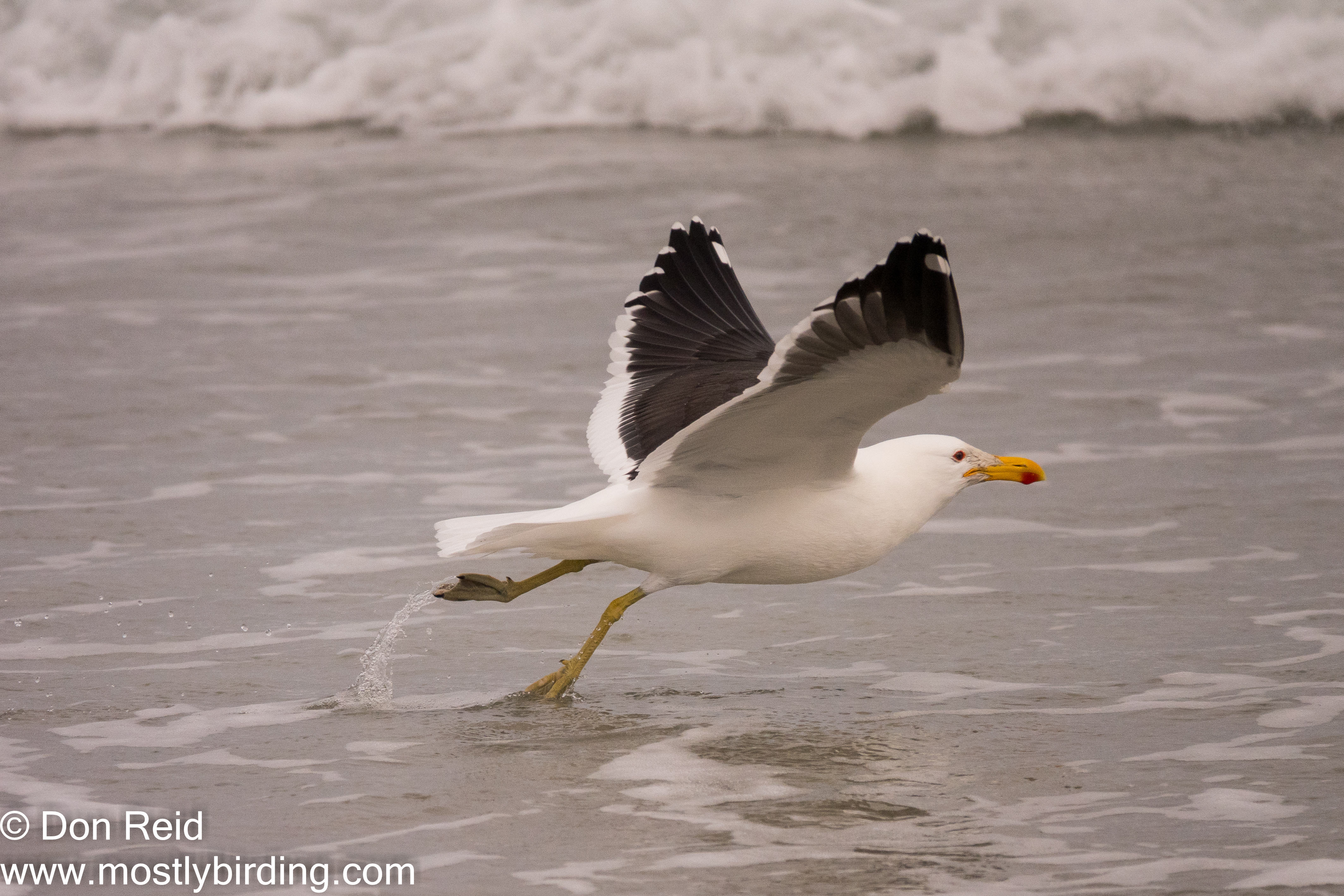
Kelp Gull Larus dominicanus (Kelpmeeu), Paternoster, Western Cape

And the Bee….

Busy Bee, Mossel Bay

Have a wonderful 2022!

My Photo Picks for 2020

With the new year in its infancy, it’s time to select a few photos which best represent our 2020. In some cases, selection is based on the memory created, in others I just like how the photo turned out, technically and creatively. Despite the restrictions brought upon all of us by Covid 19, we still managed to travel, although it was limited to the borders of South Africa. 

The Places

Birding and bird atlasing takes me to many places that would not otherwise feature on our travel map – here’s a selection ….

Balmoral area – The new Kusile Power Station early morning

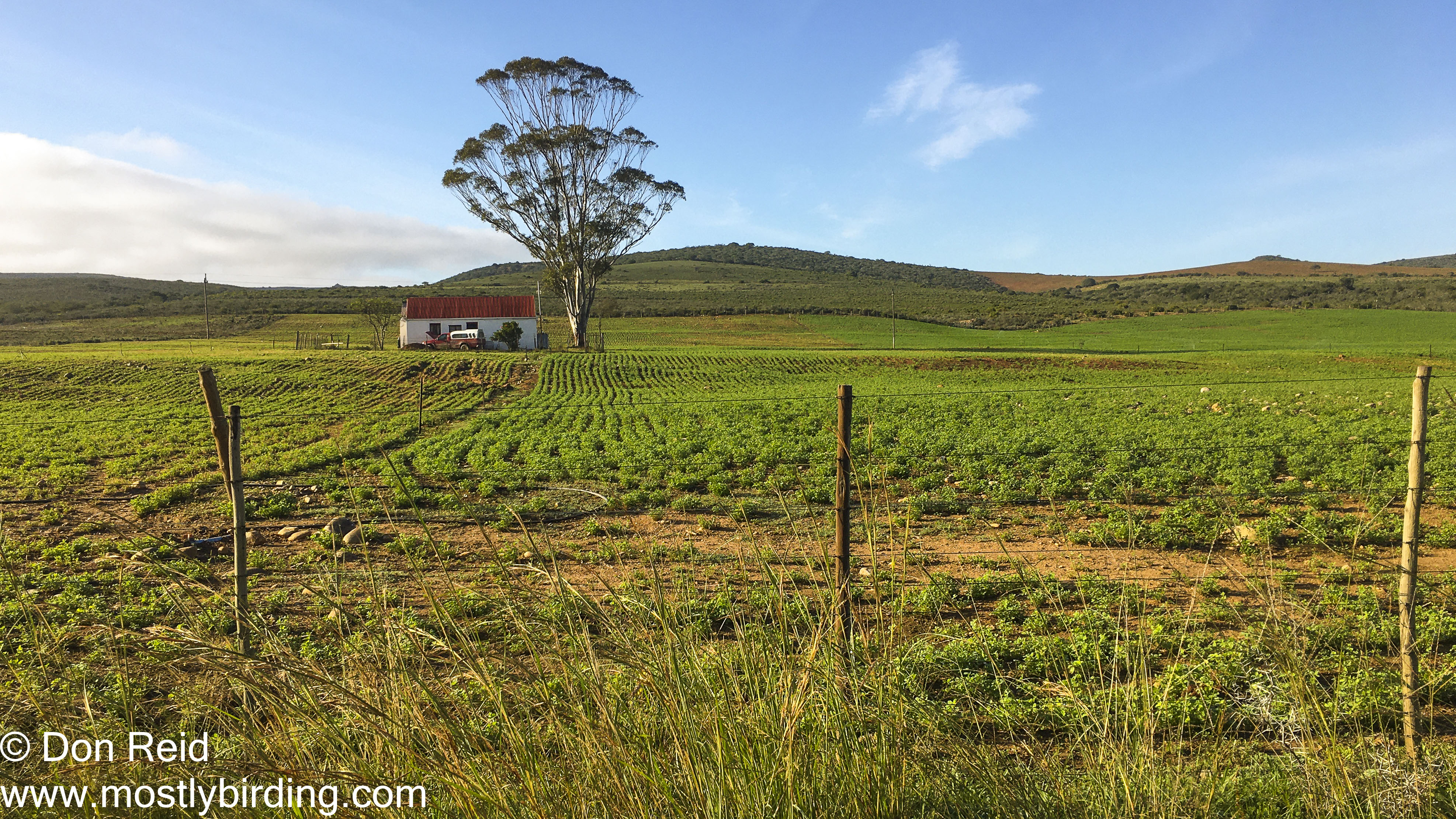
Herbertsdale area near Mossel Bay

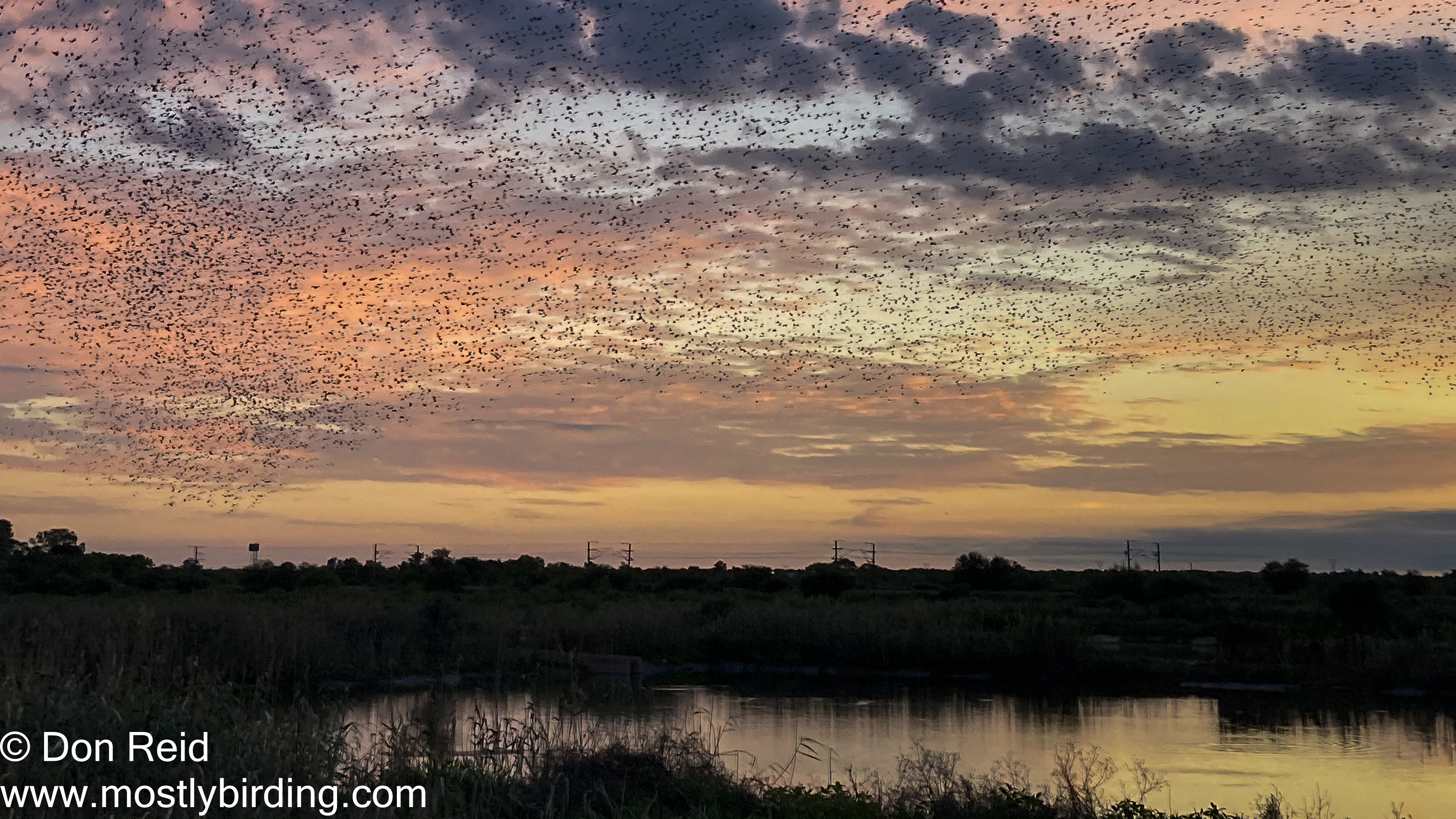
Irrigation Dams near Pienaarsrivier, Birding Big Day 2020 – thousands of Queleas rising into the air

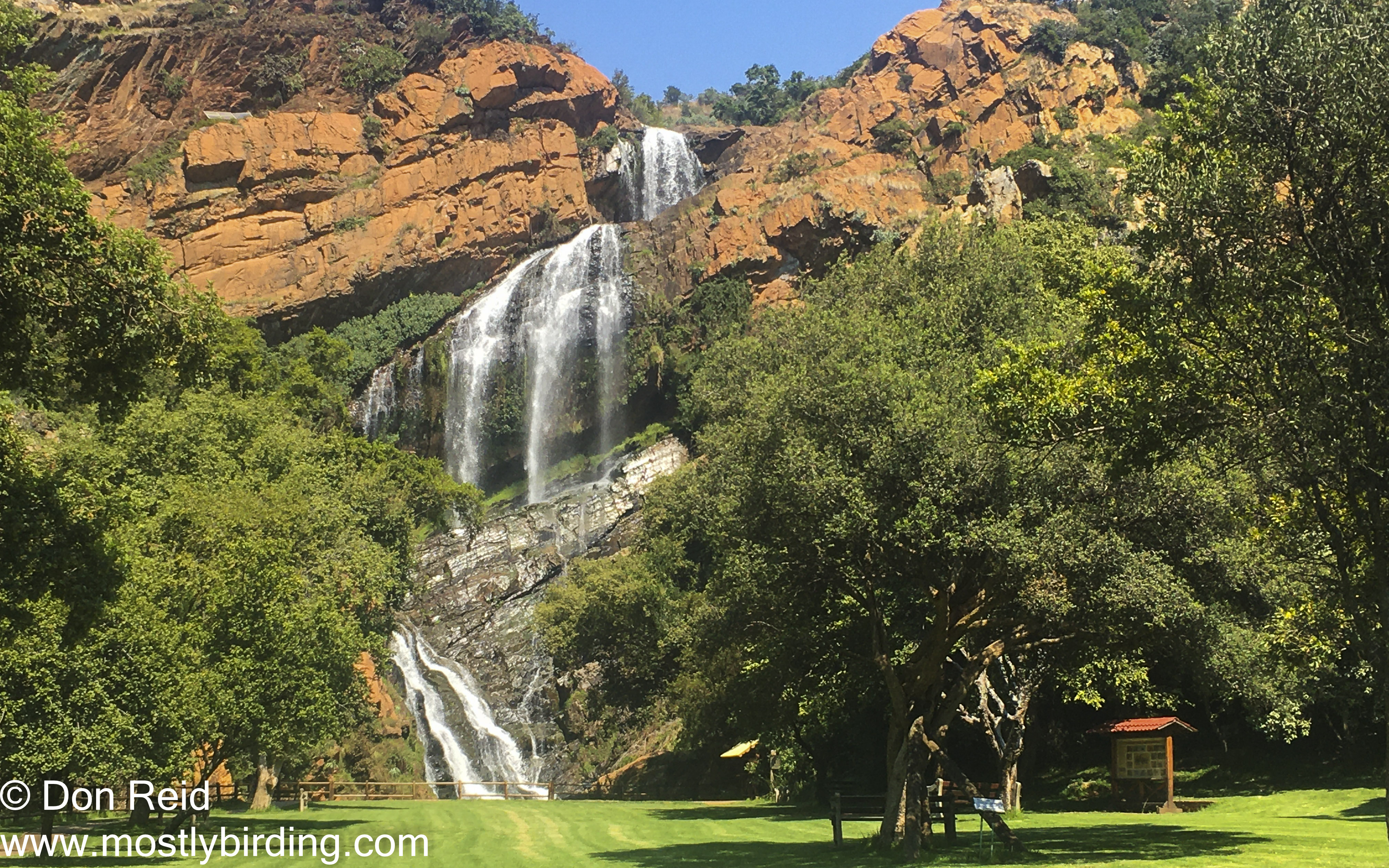
Walter Sisulu Botanical Gardens, Johannesburg – I fitted in a visit while Gerda was attending a class nearby

Voelklip beach, Hermanus on an overcast, rainy day

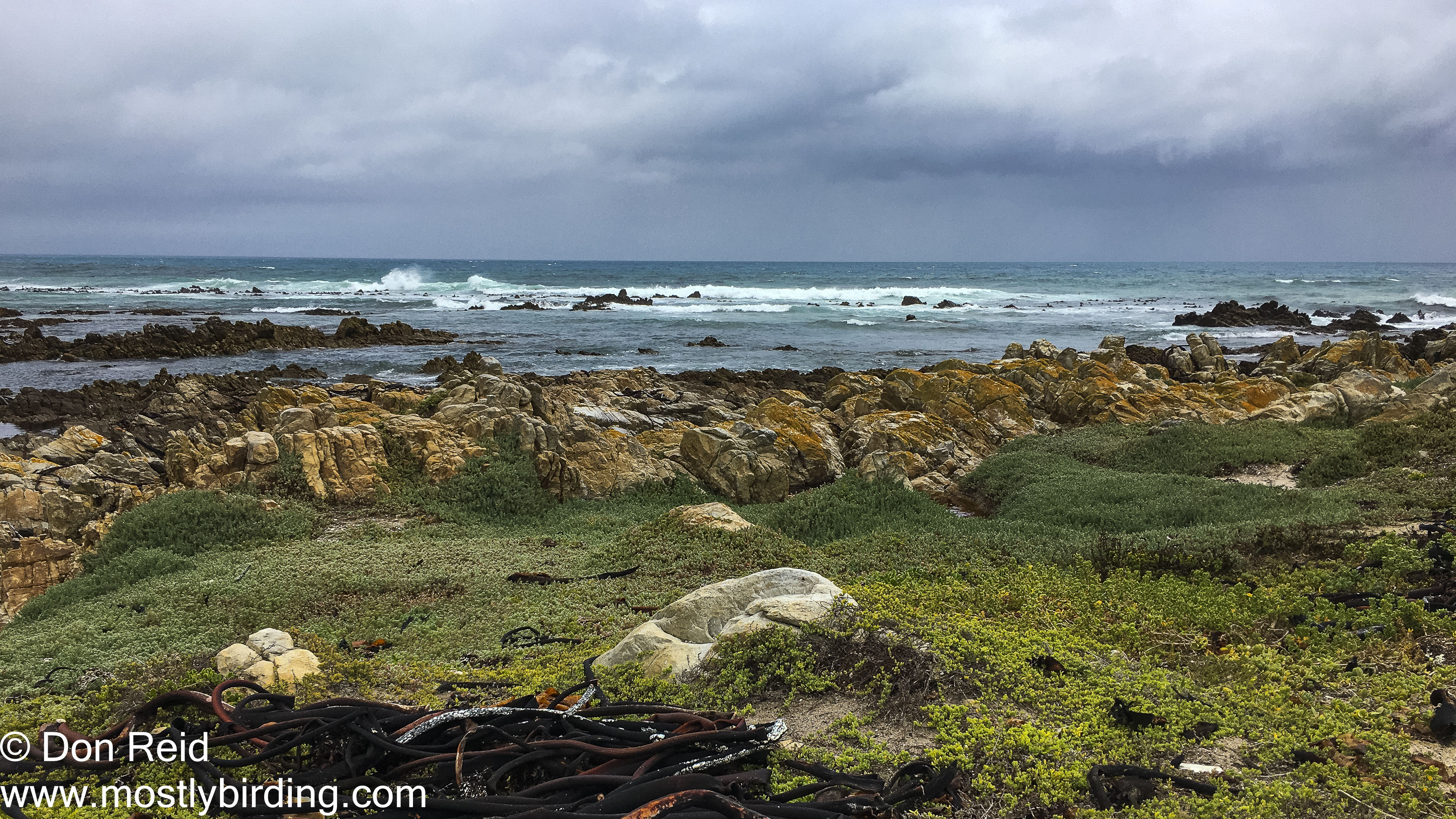
Pearly Beach, beyond Gansbaai

The Point, Mossel Bay on a moody winter’s day

Early morning walk to a secluded cliffside spot for coffee on the rocks, Mossel Bay

Mossel Bay at dusk – from the boardwalk

Onverwacht farm Vryheid

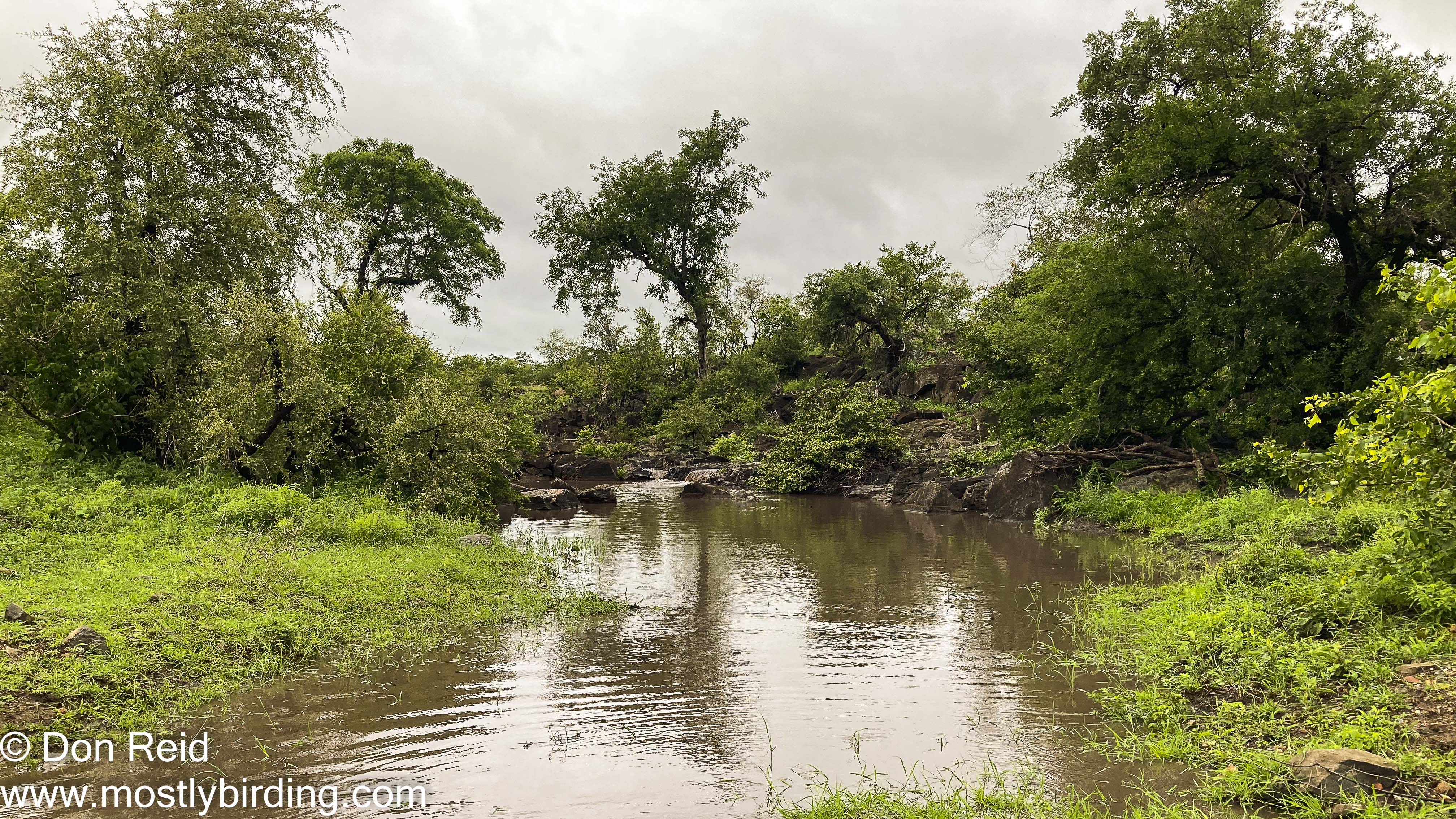
Crocodile River, Verlorenkloof

Magoebaskloof

Kruger National Park – Mopani (Shongololo Loop)

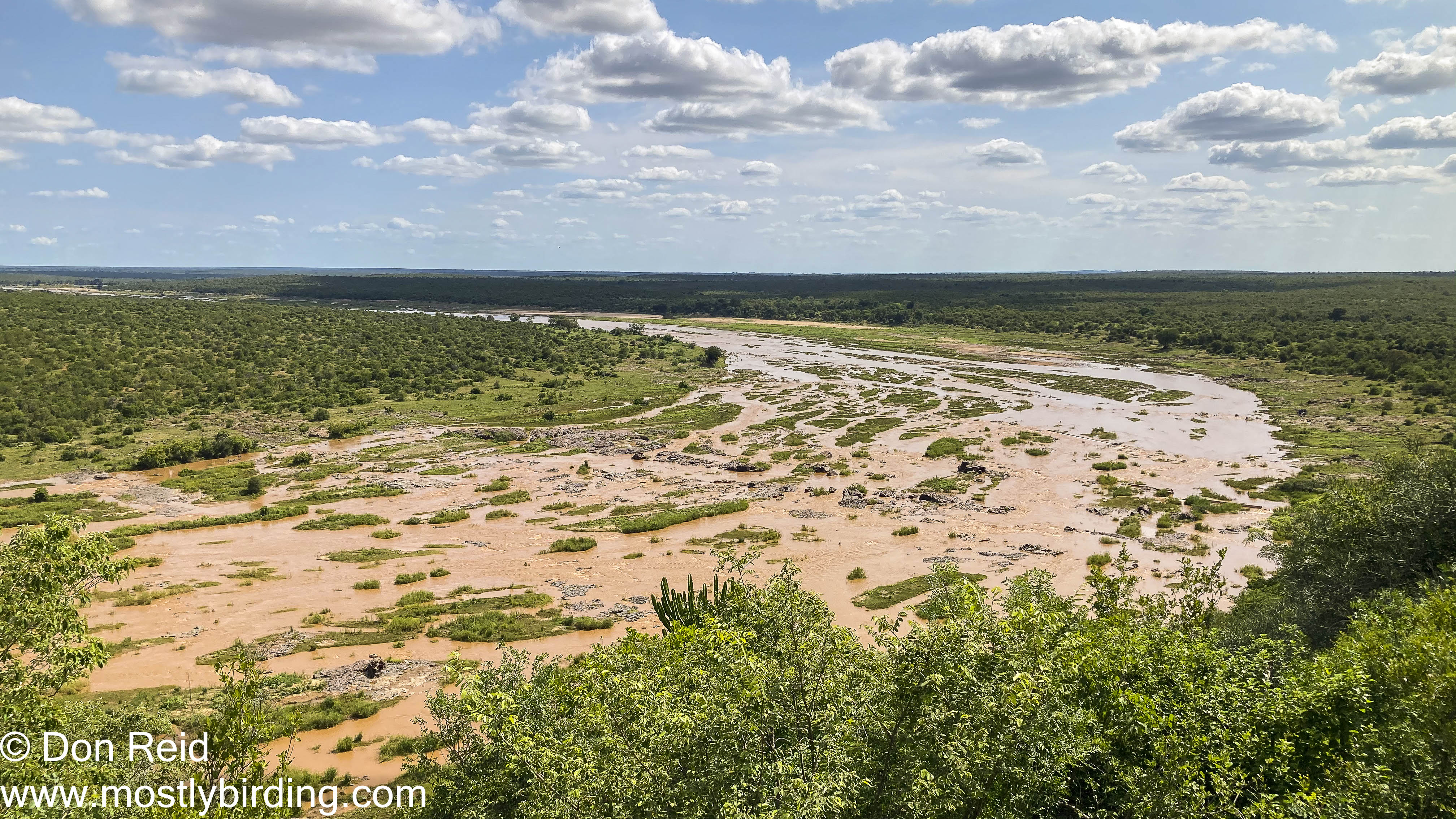
Kruger National Park – Olifants River

The Birds

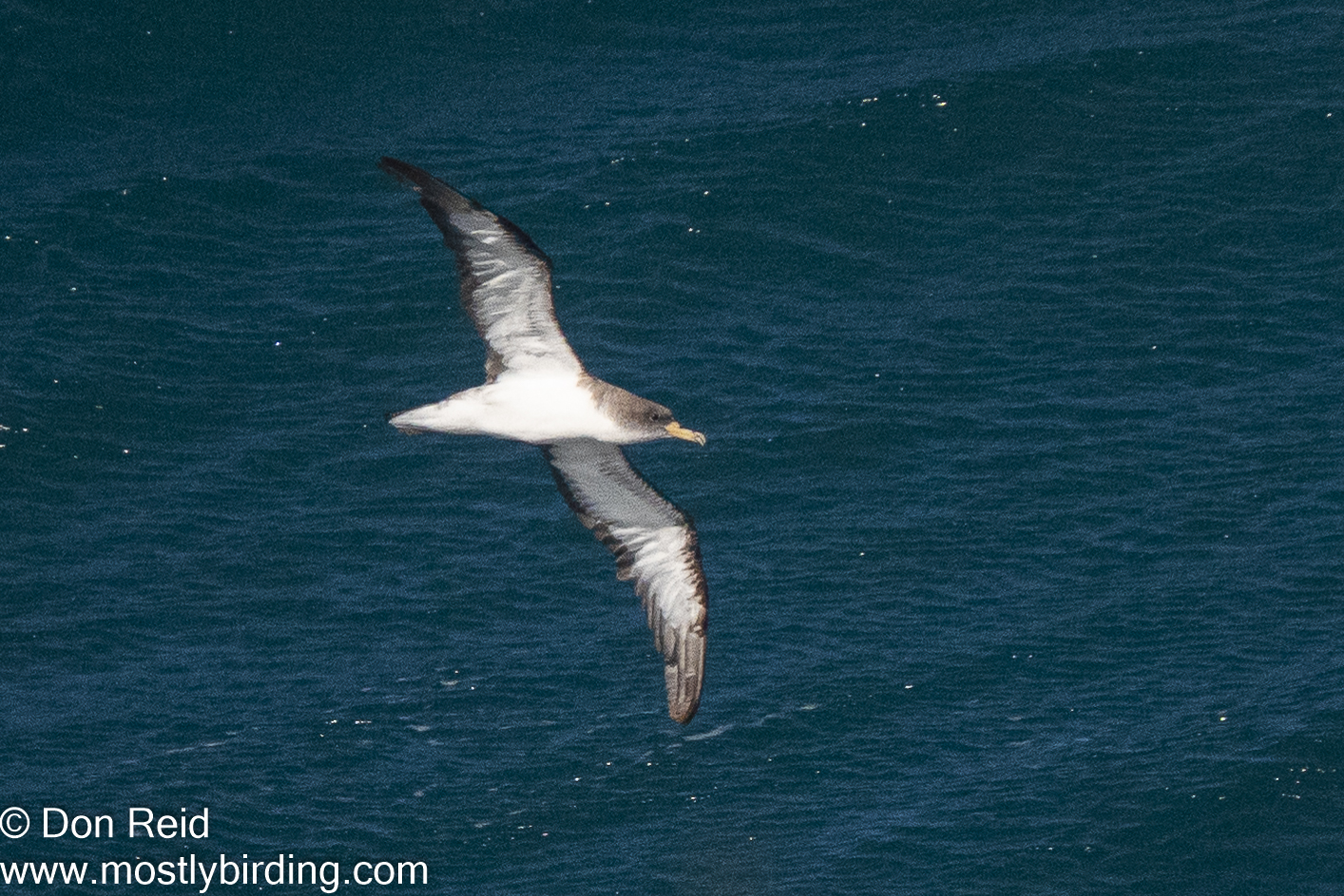
Cory’s Shearwater / Calonectris diomedea / Geelbekpylstormvoël, Mossel Bay Point

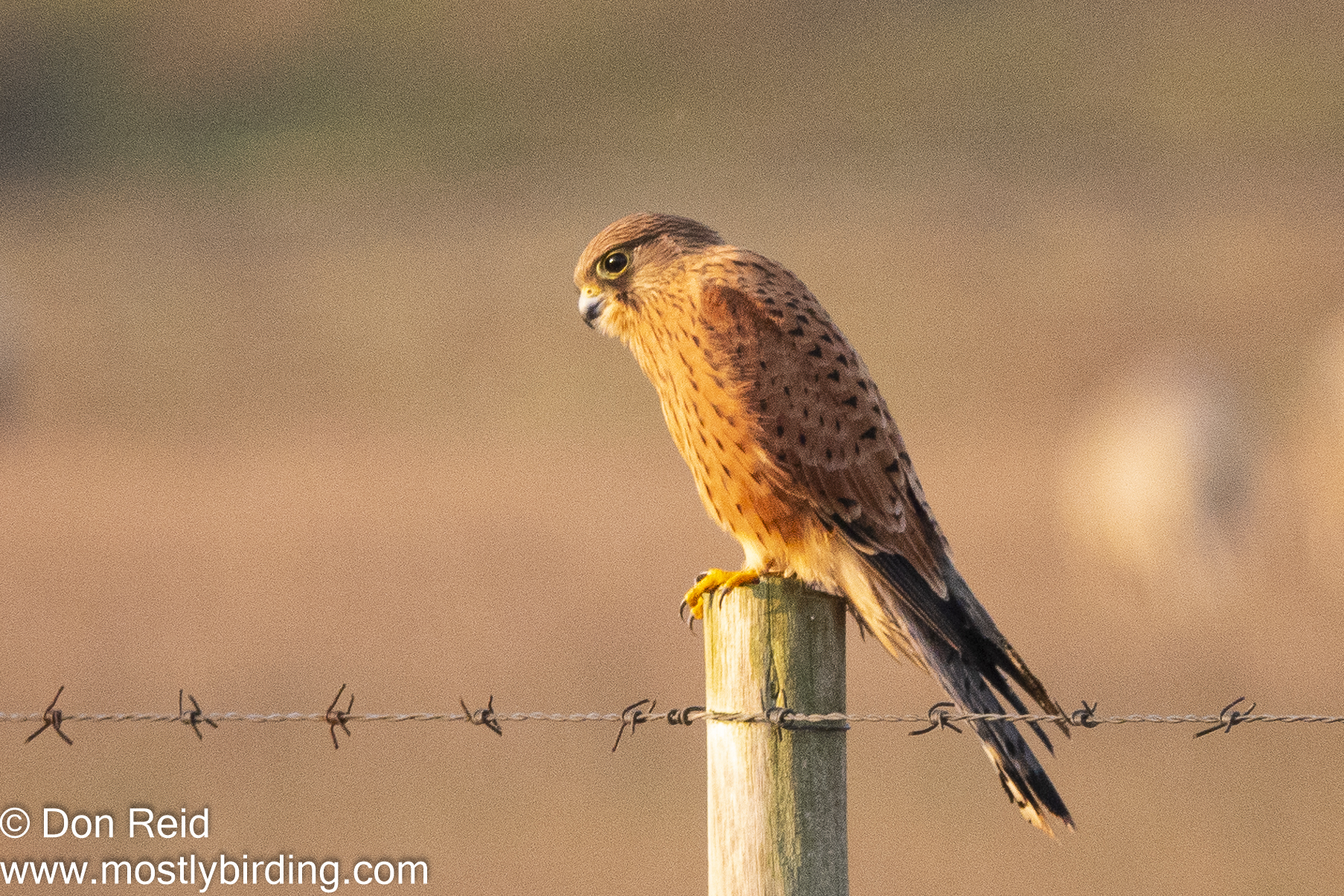
Rock Kestrel / Falco rupicolus / Kransvalk, Gouritsmond

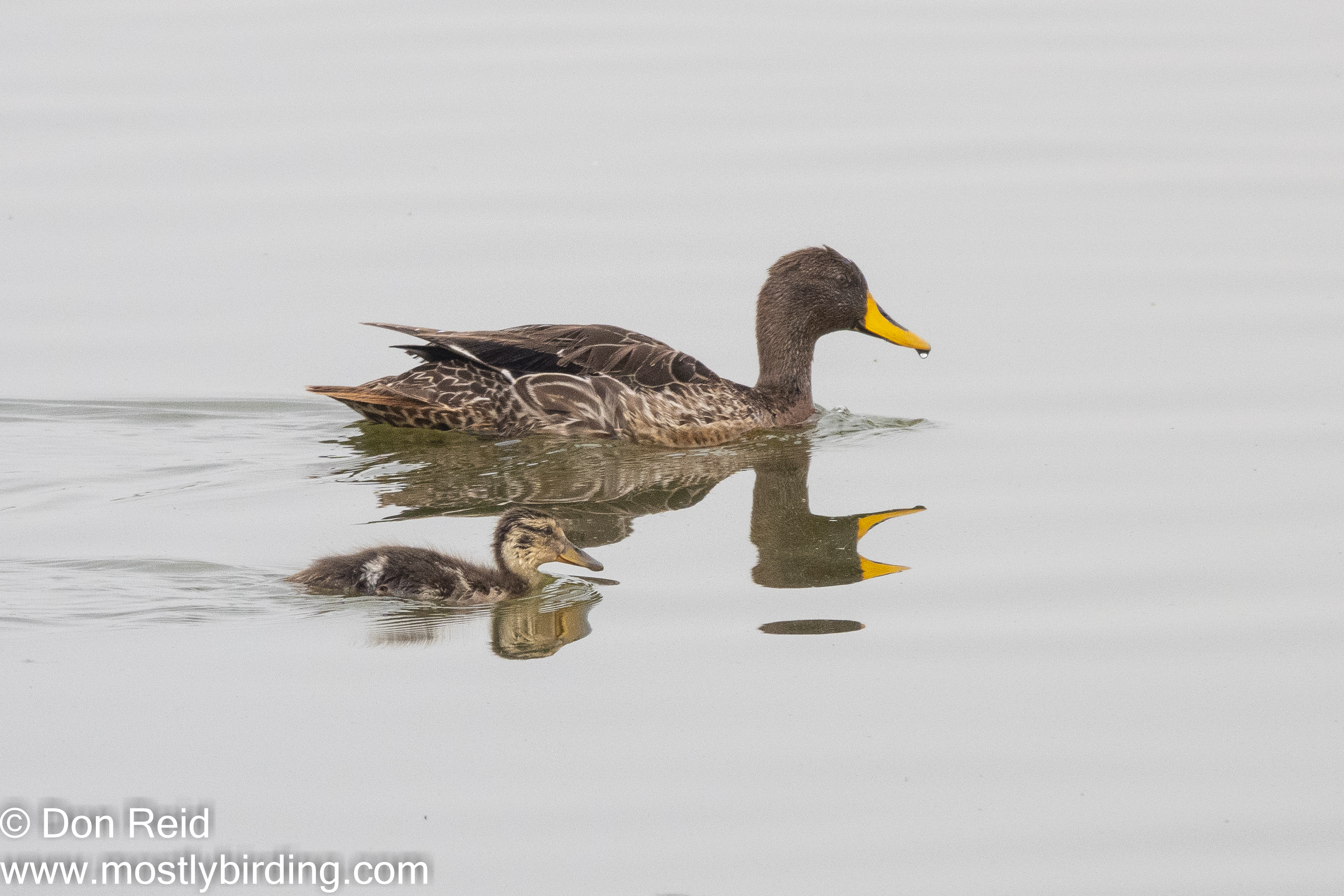
Yellow-billed Duck (Anas undulata / Geelbekeend) (Adult with Juvenile), Bronkhorstspruit Dam

Greater Double-collared Sunbird (Cinnyris afer / Groot-rooibandsuikerbekkie), Great Brak River

Fork-tailed Drongo (Dicrurus adsimilis / Mikstertbyvanger), Albertinia

Reed Cormorant (Microcarbo africanus / Rietkormorant), Rondevlei Wilderness

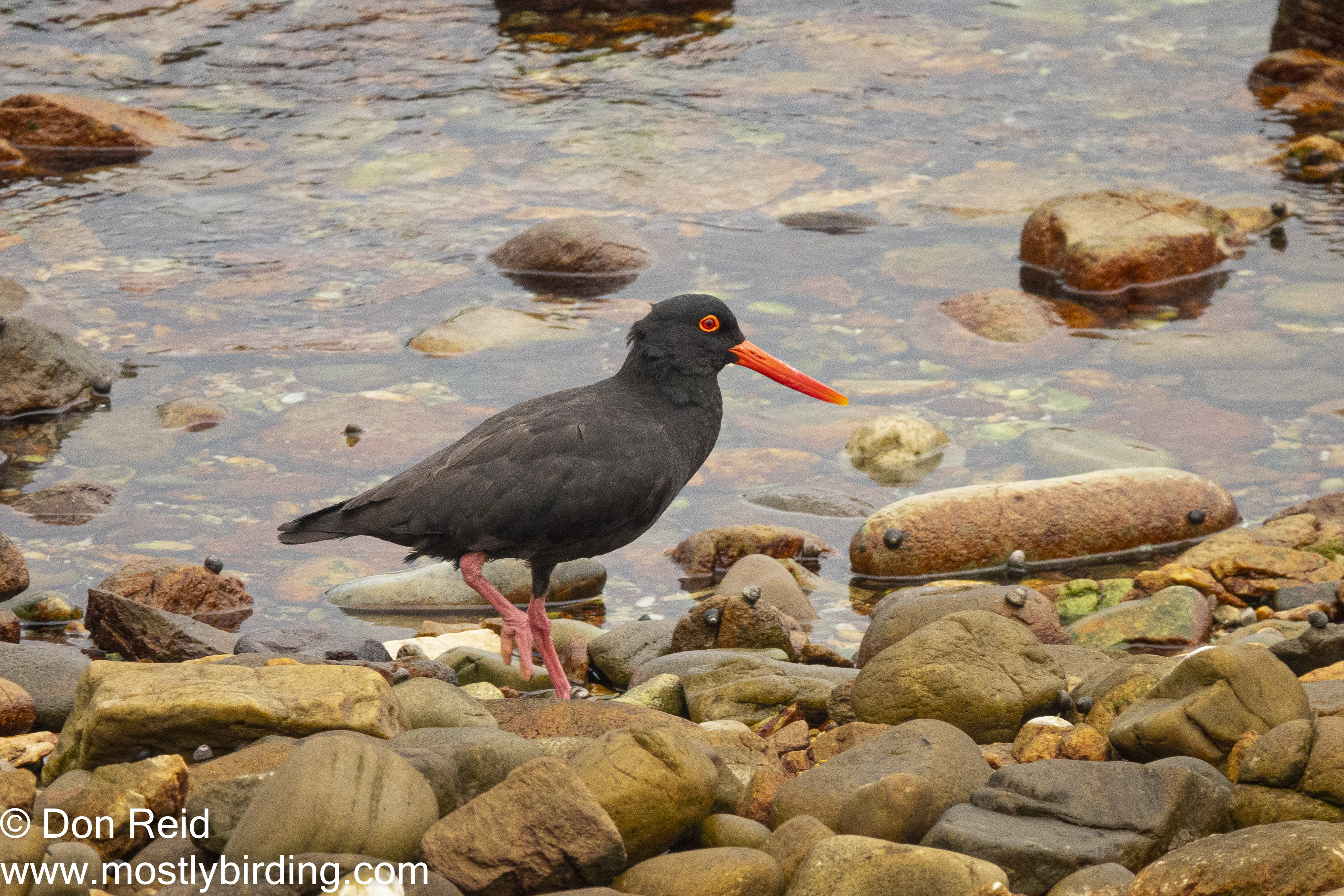
African Oystercatcher / Haematopus moquini / Swarttobie, Franskraal

Cape Spurfowl ( Pternistis capensis / Kaapse fisant), Mossel Bay

Yellow Bishop (Euplectes capensis / Kaapse flap) (Female), Mossel Bay

Cape White-eye (Zosterops capensis / Kaapse glasogie) (Race virens capensis), Mossel Bay

Common Starling (Sturnus vulgaris / Europese spreeu), Mossel Bay

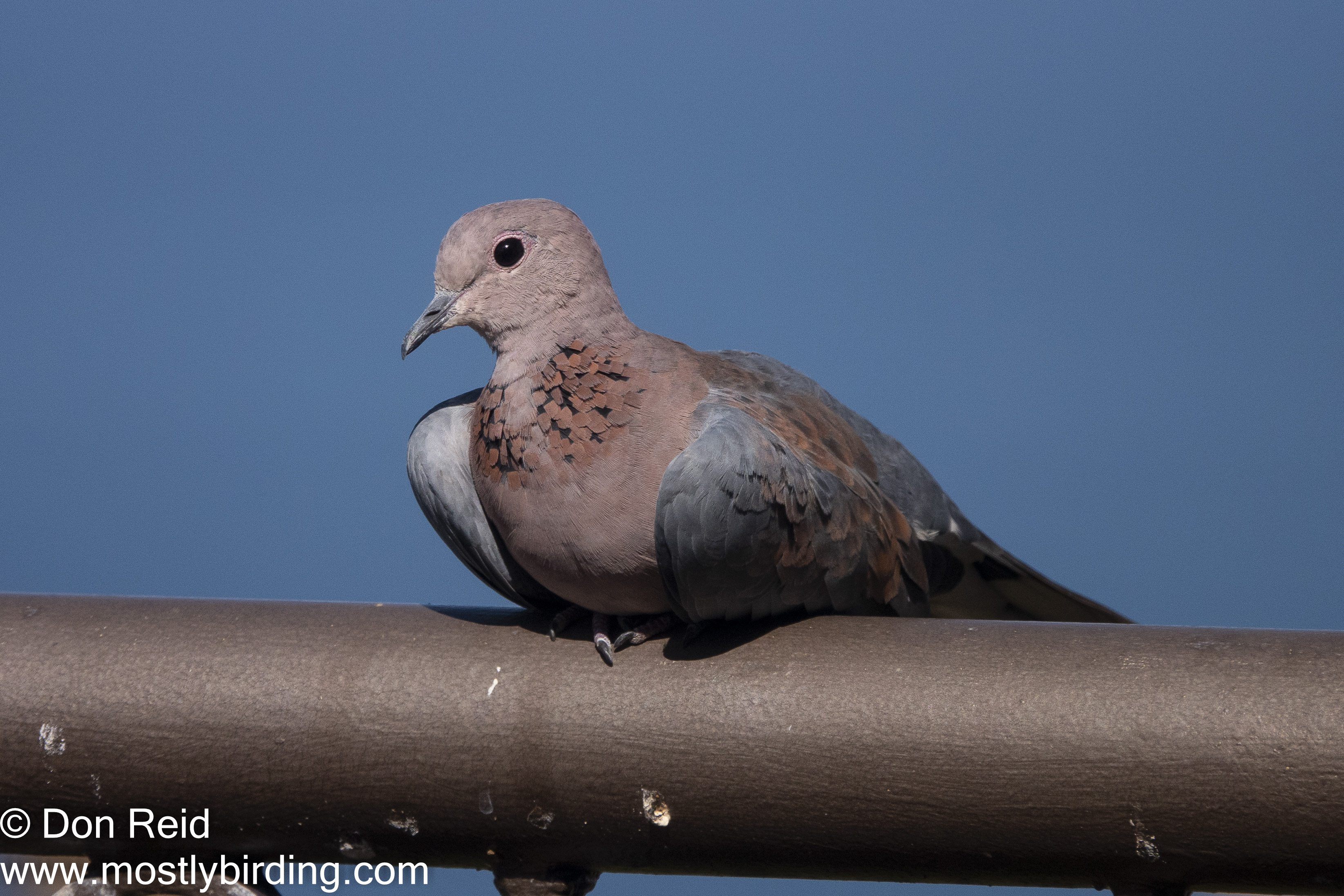
Laughing Dove Spilopelia senegalensis Lemoenduif, Mossel Bay

Southern Double-collared Sunbird Cinnyris chalybeus Klein-rooibandsuikerbekkie (Male), Mossel Bay

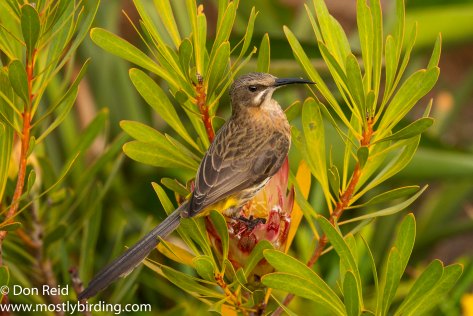
Cape Sugarbird (Promerops cafer / Kaapse suikervoël), Mossel Bay

Red-necked Spurfowl (Pternistis afer / Rooikeelfisant) (race castaneiventer), Verlorenkloof

Olive Bushshrike (Chlorophoneus olivaceus / Olyfboslaksman), Verlorenkloof

White-throated Swallow (Hirundo albigularis / Witkeelswael), Verlorenkloof

Familiar Chat (Cercomela familiaris / Gewone spekvreter) (race hellmayri), Verlorenkloof

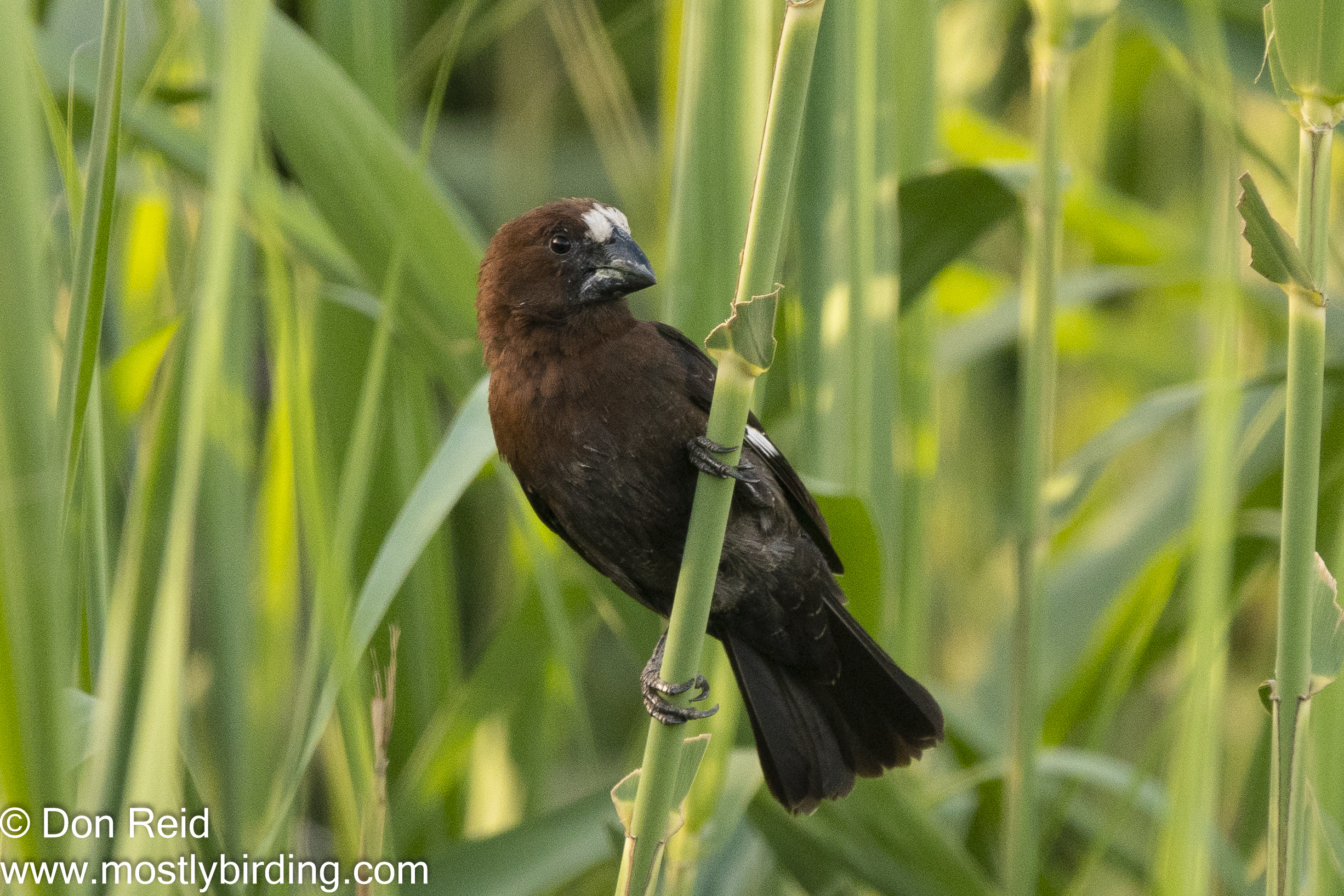
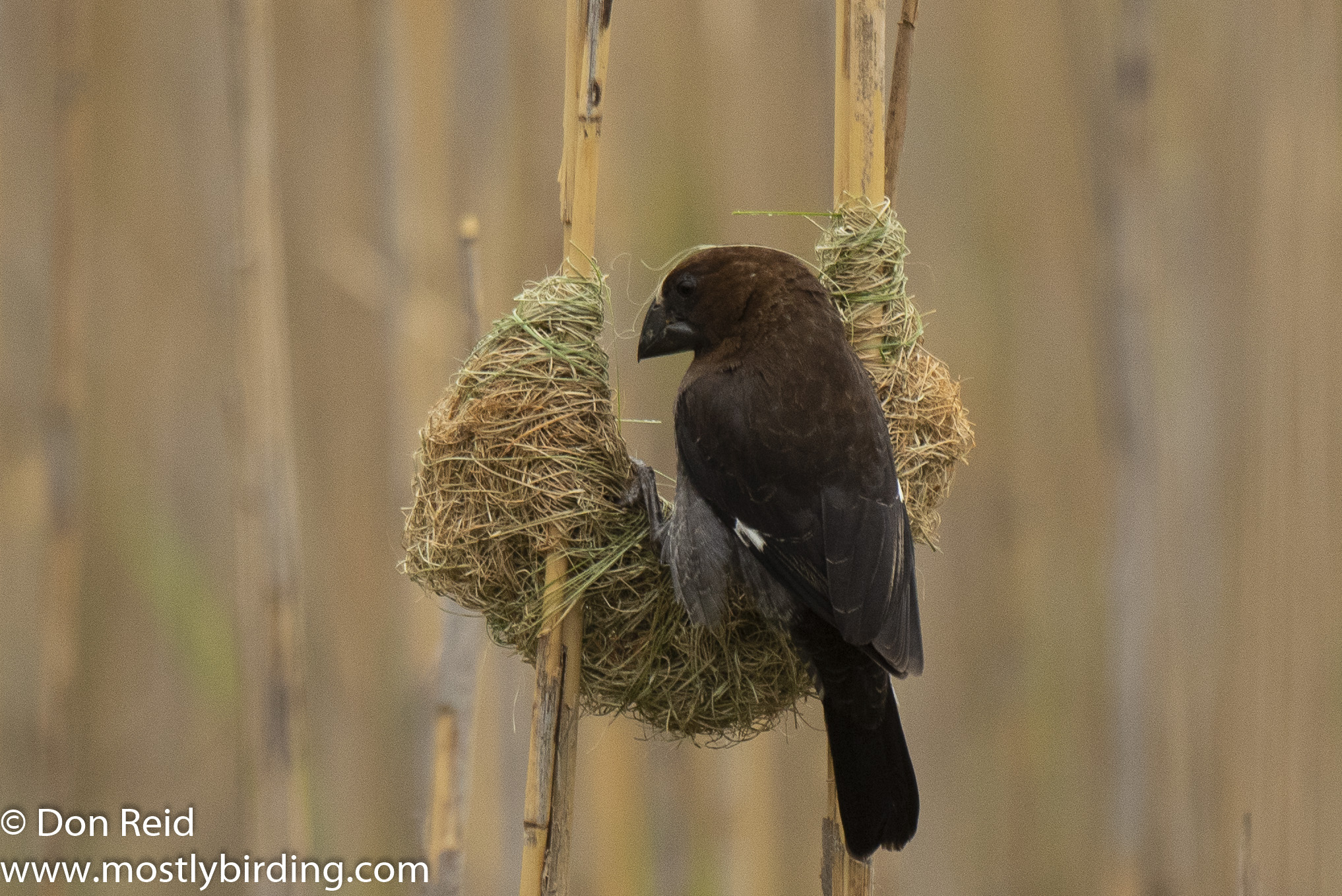
Thick-billed Weaver (Amblyospiza albifrons / Dikbekwewer) (Male) (race woltersi), Pretoria

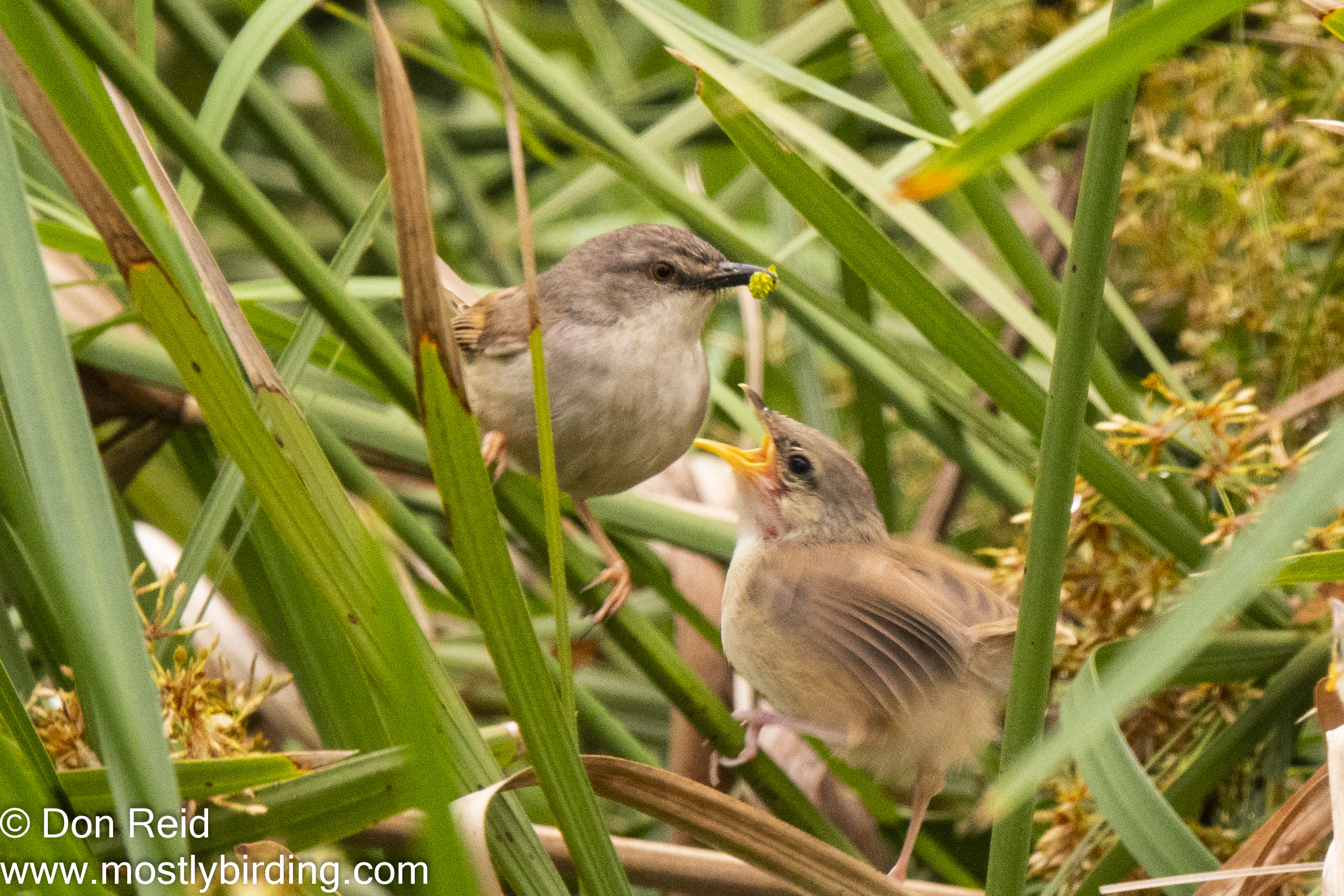
Tawny-flanked Prinia (Prinia subflava / Bruinsylangstertjie) (Adult feeding Juveniles), Pretoria

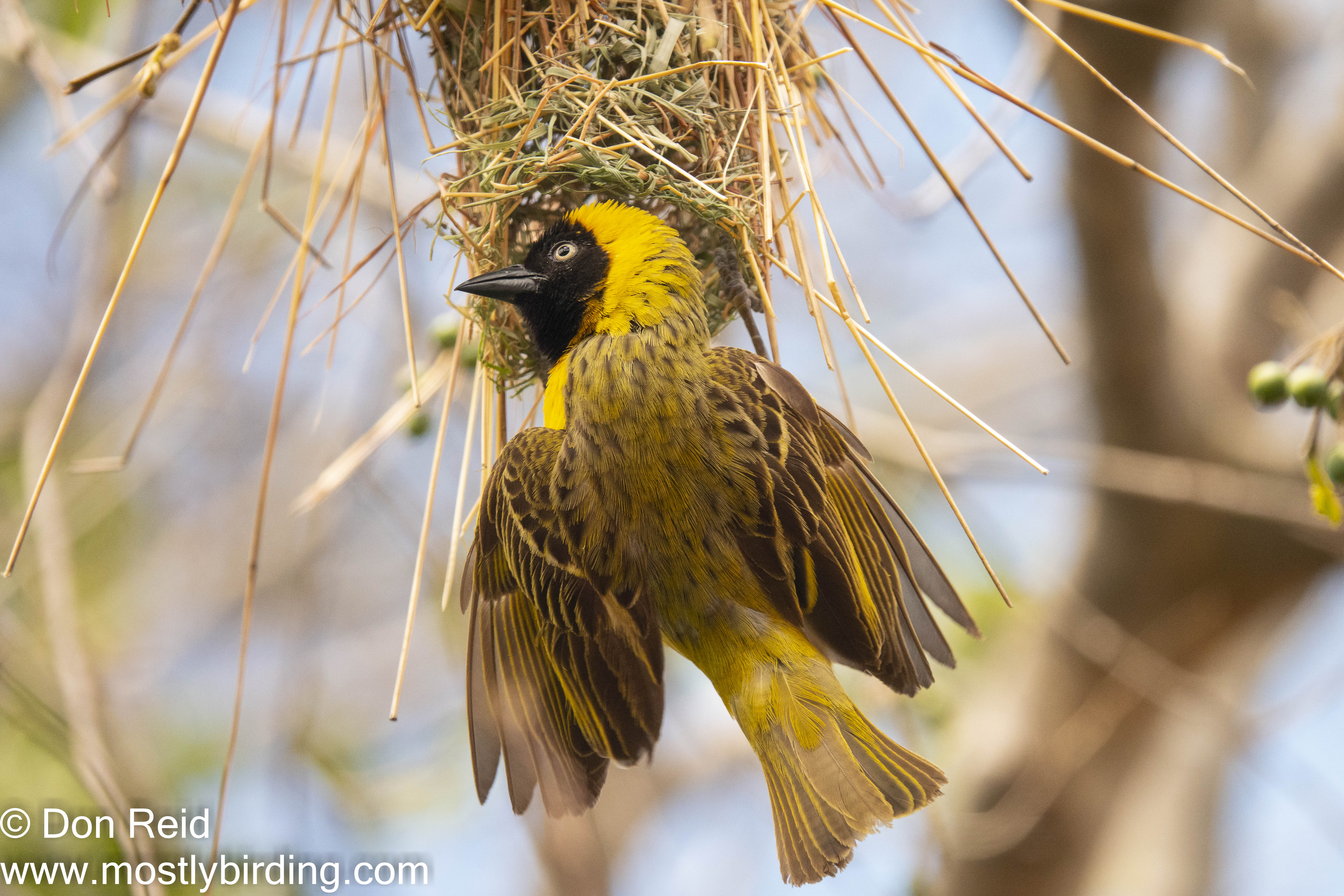
Lesser Masked Weaver, Limpopo

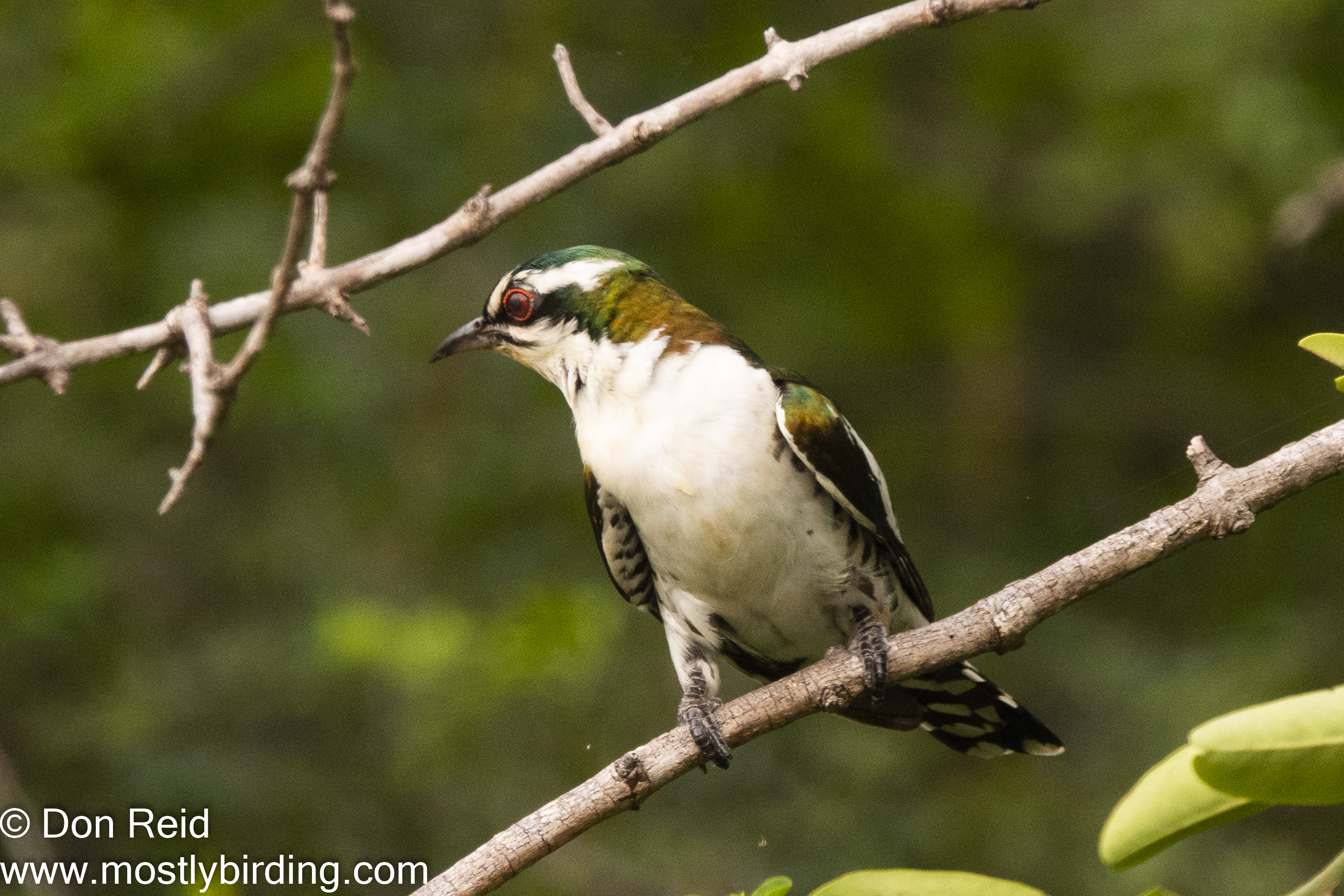
Diderick Cuckoo, Kruger – Mopani

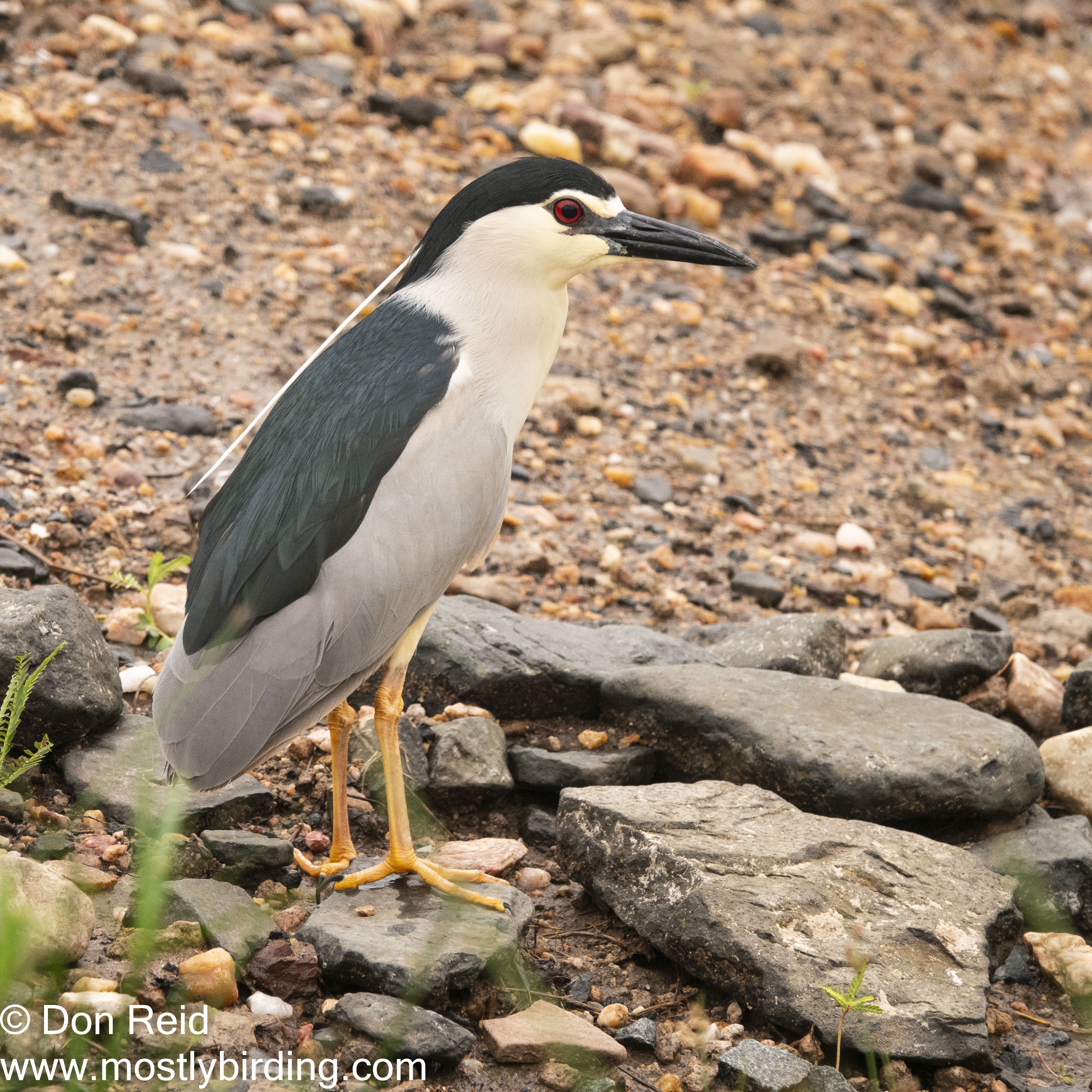
Black-crowned Night-Heron, Kruger – Mopani area

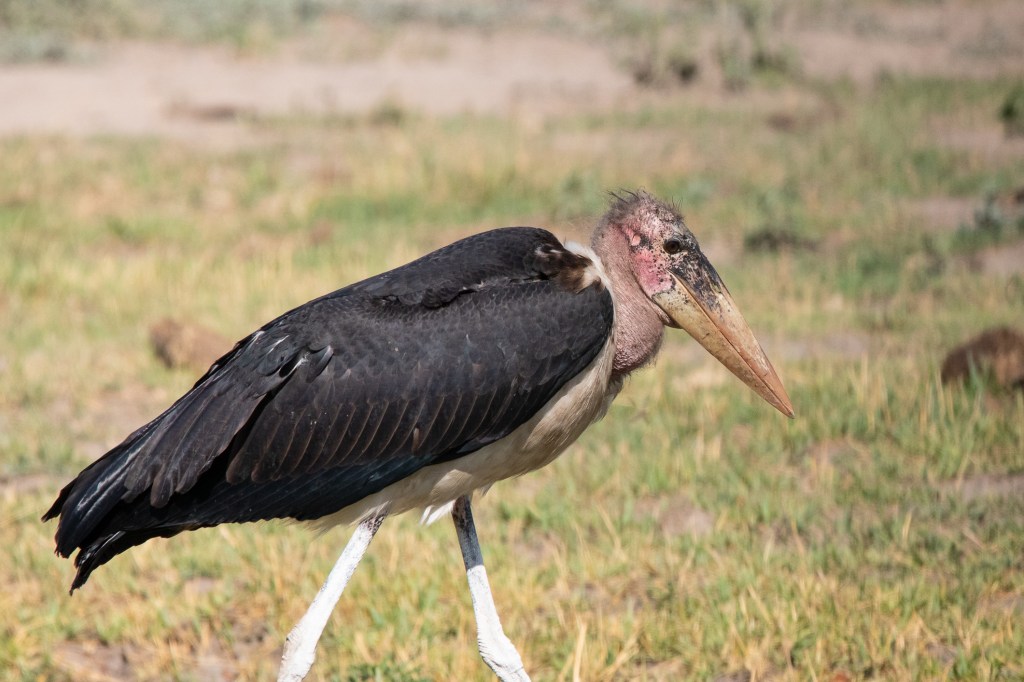
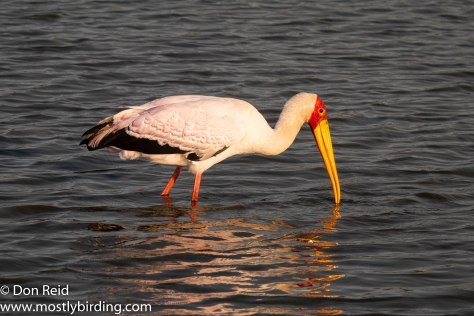
Yellow-billed Stork, Kruger – Mopani area

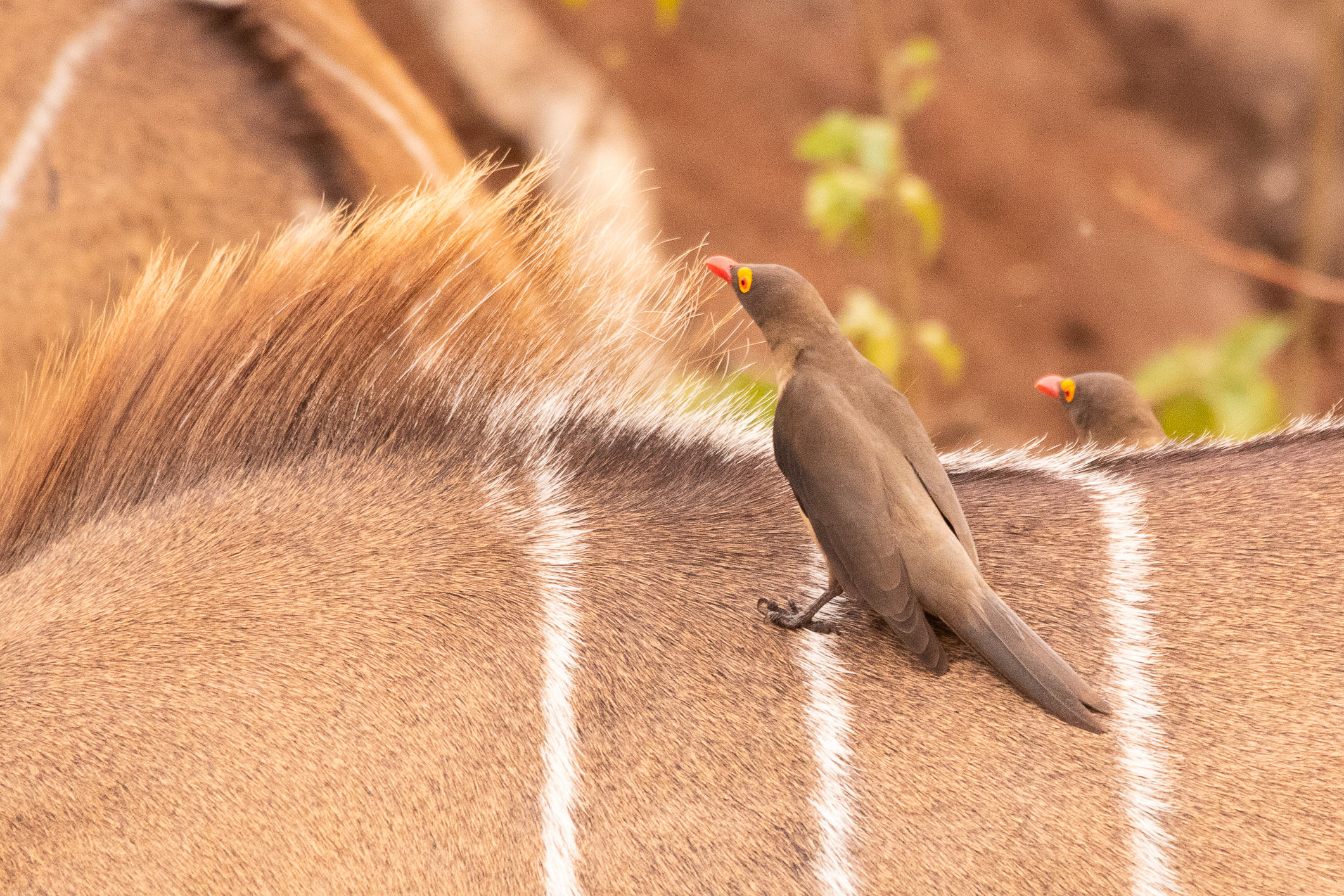
Red-billed Oxpecker, Kruger – Mopani area

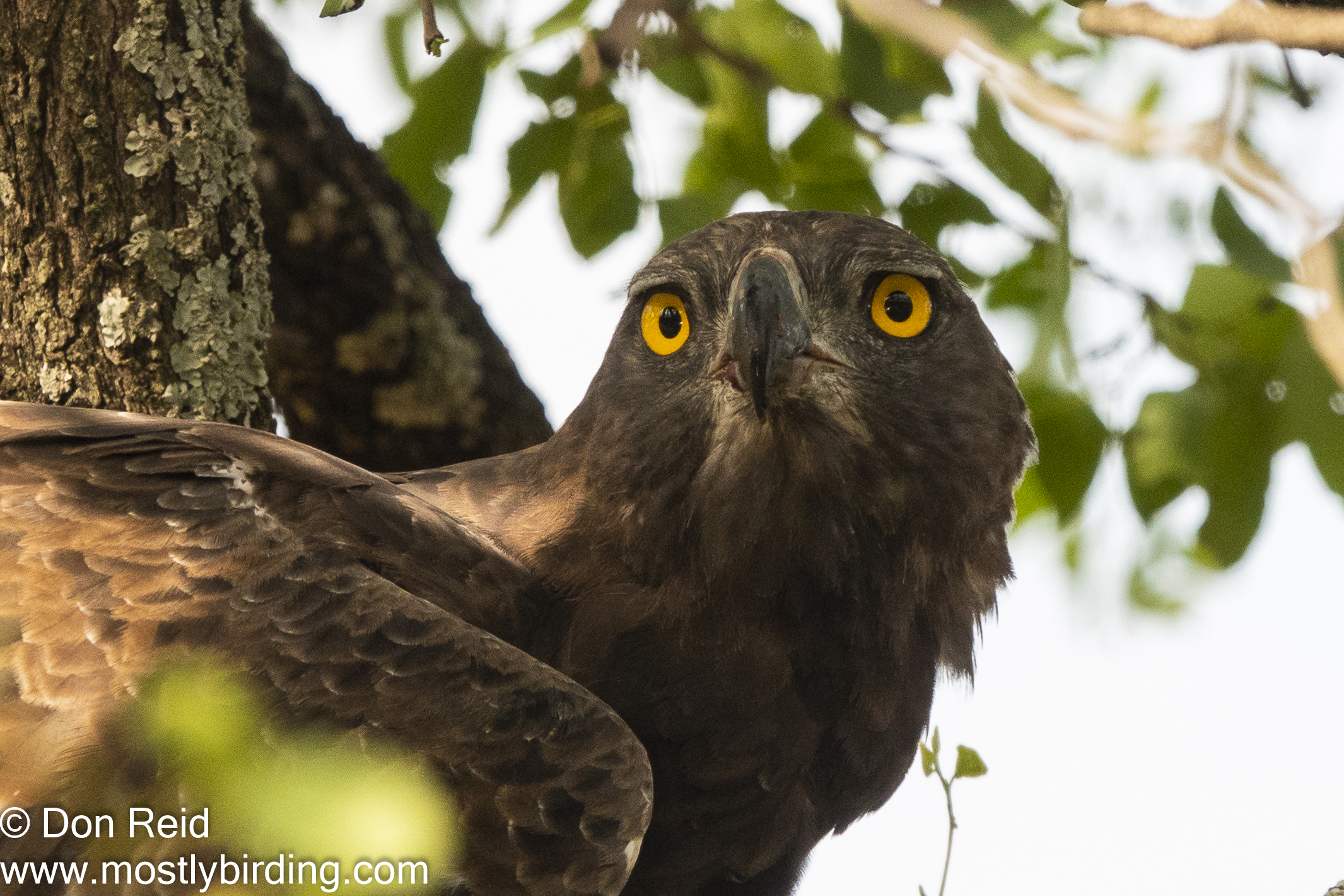
Martial Eagle, Kruger – Shingwedzi River

Dwarf Bittern, Kruger – Pan outside Letaba

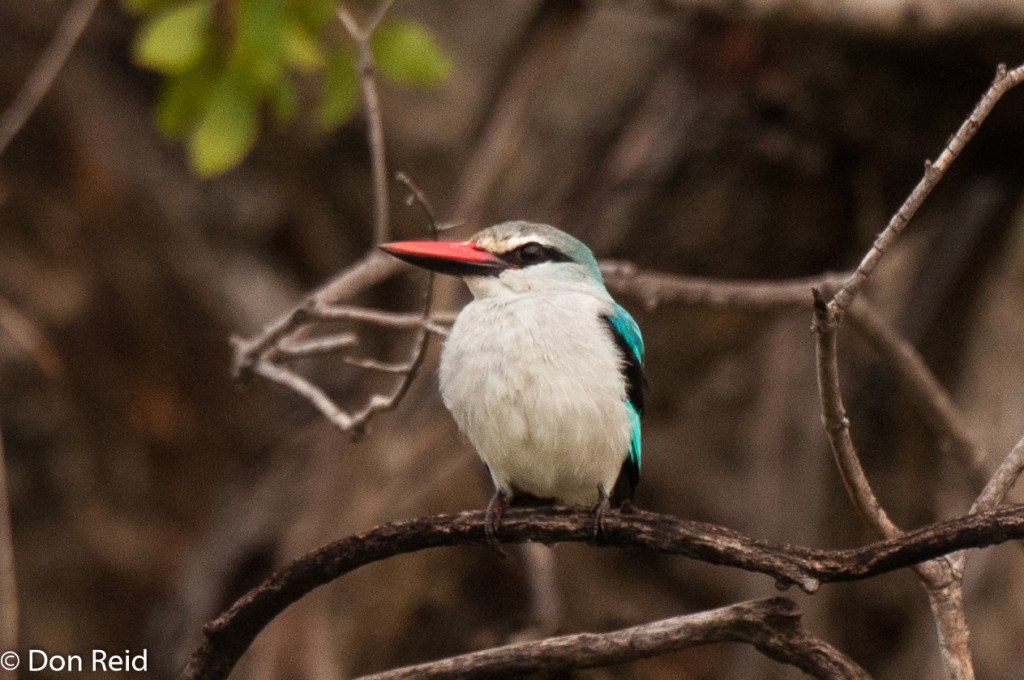
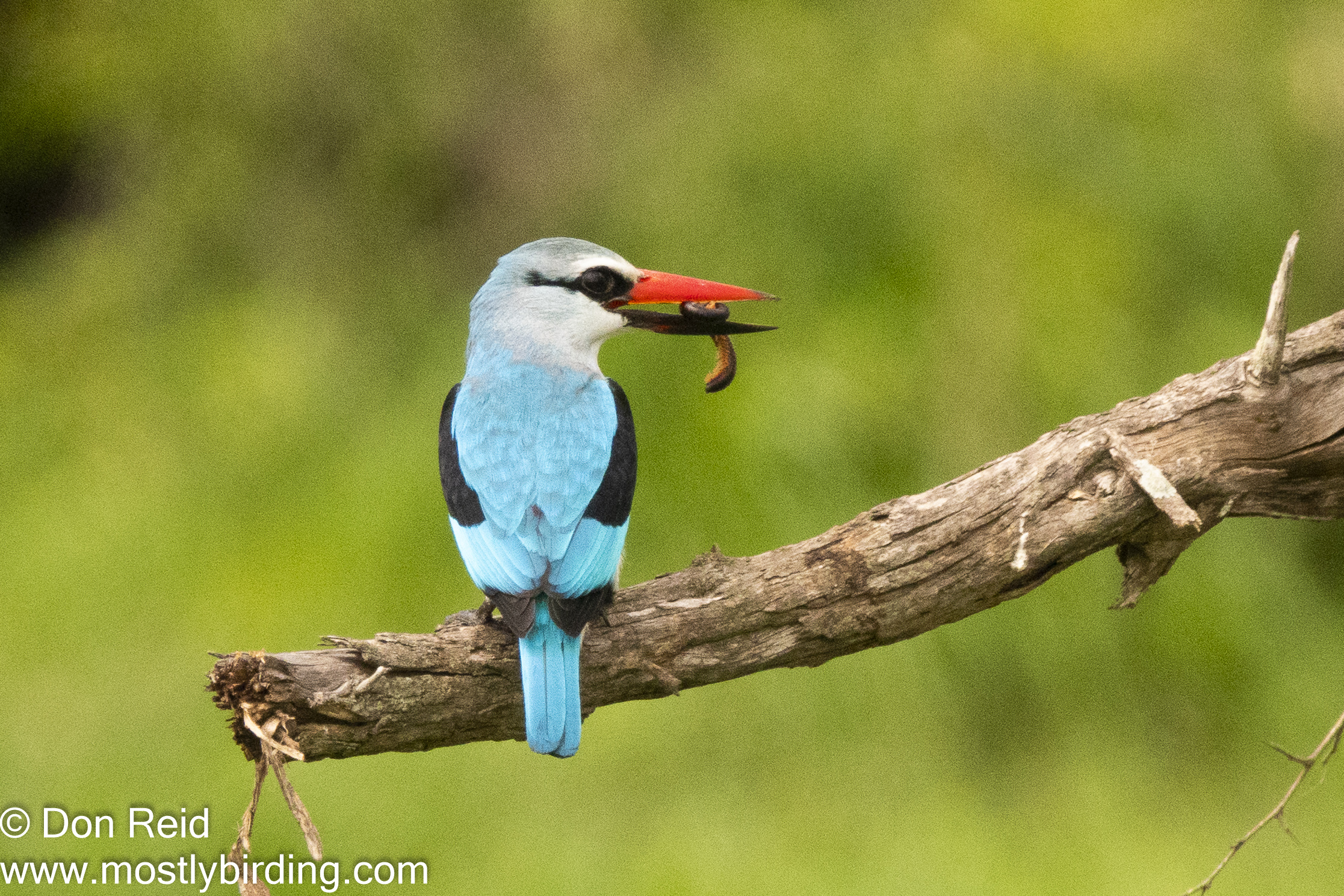
Woodland KIngfisher, Kruger – Muzandzeni

The Wildlife

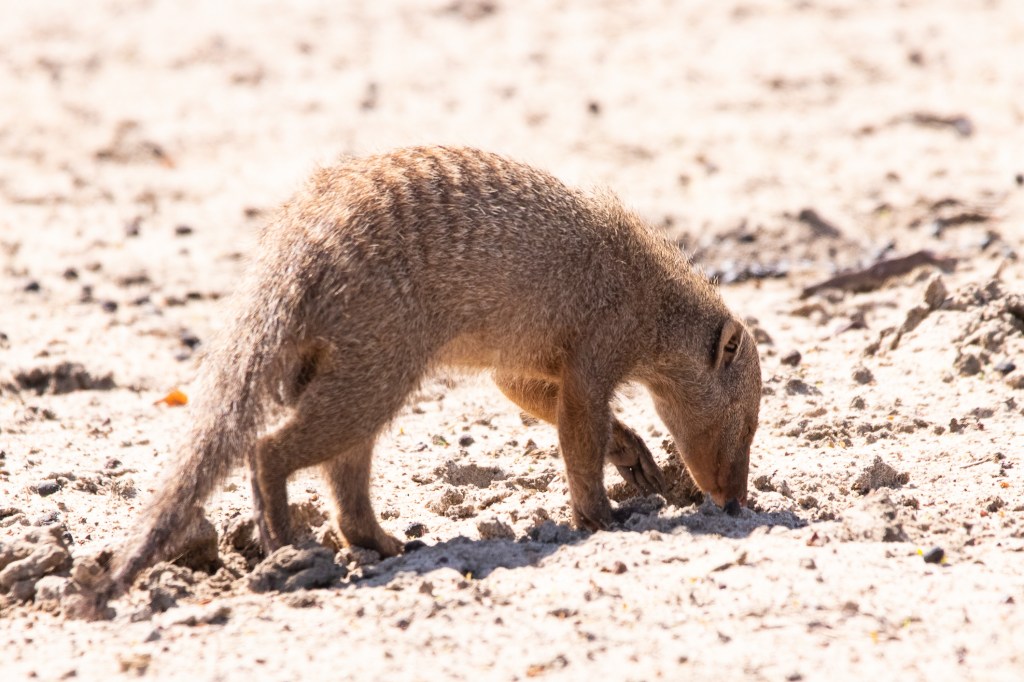
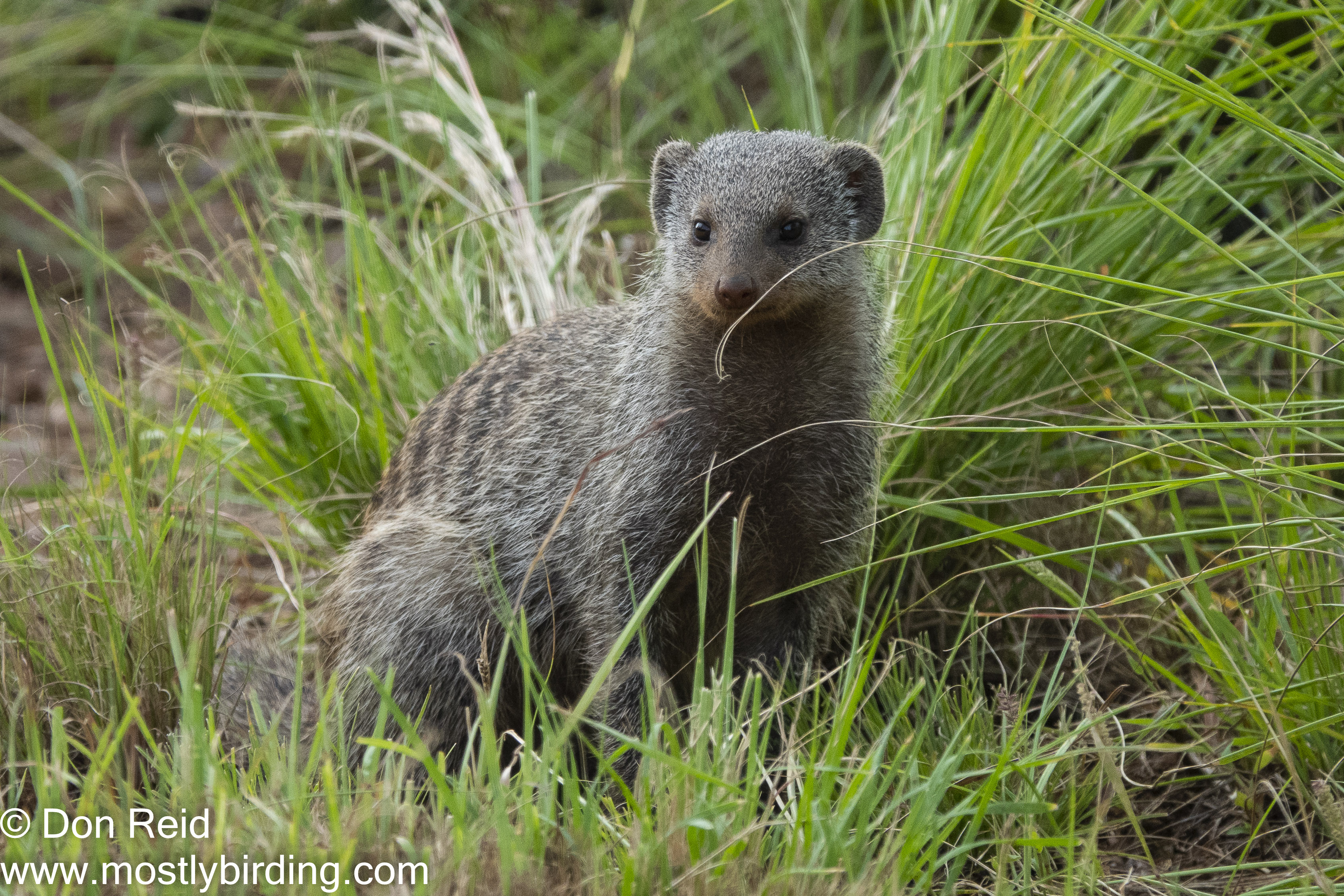
Banded Mongoose, Roodeplaat dam Nature Reserve

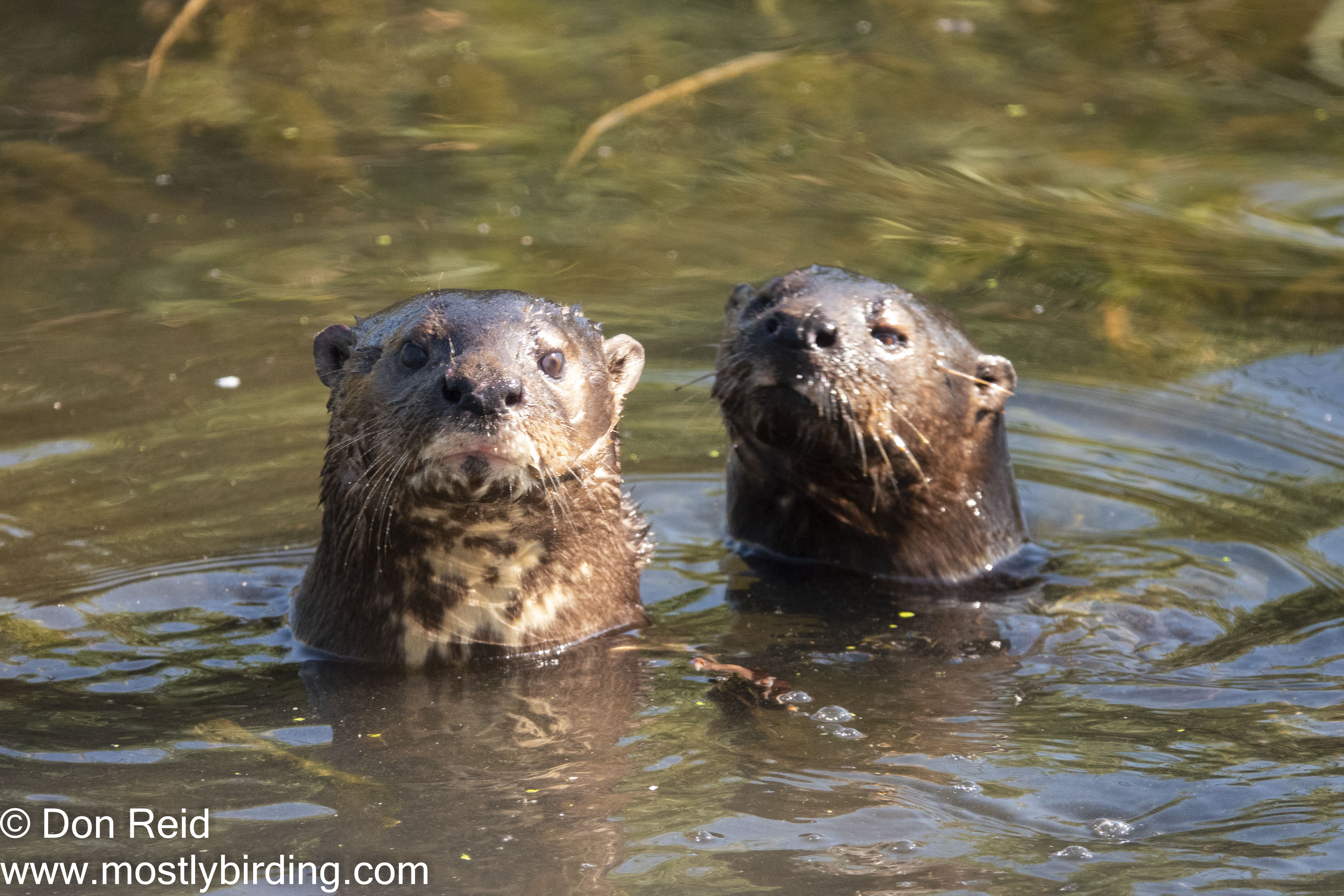
Spotted-necked Otter (Hydrictis maculicollis) , Marievale Bird Sanctuary

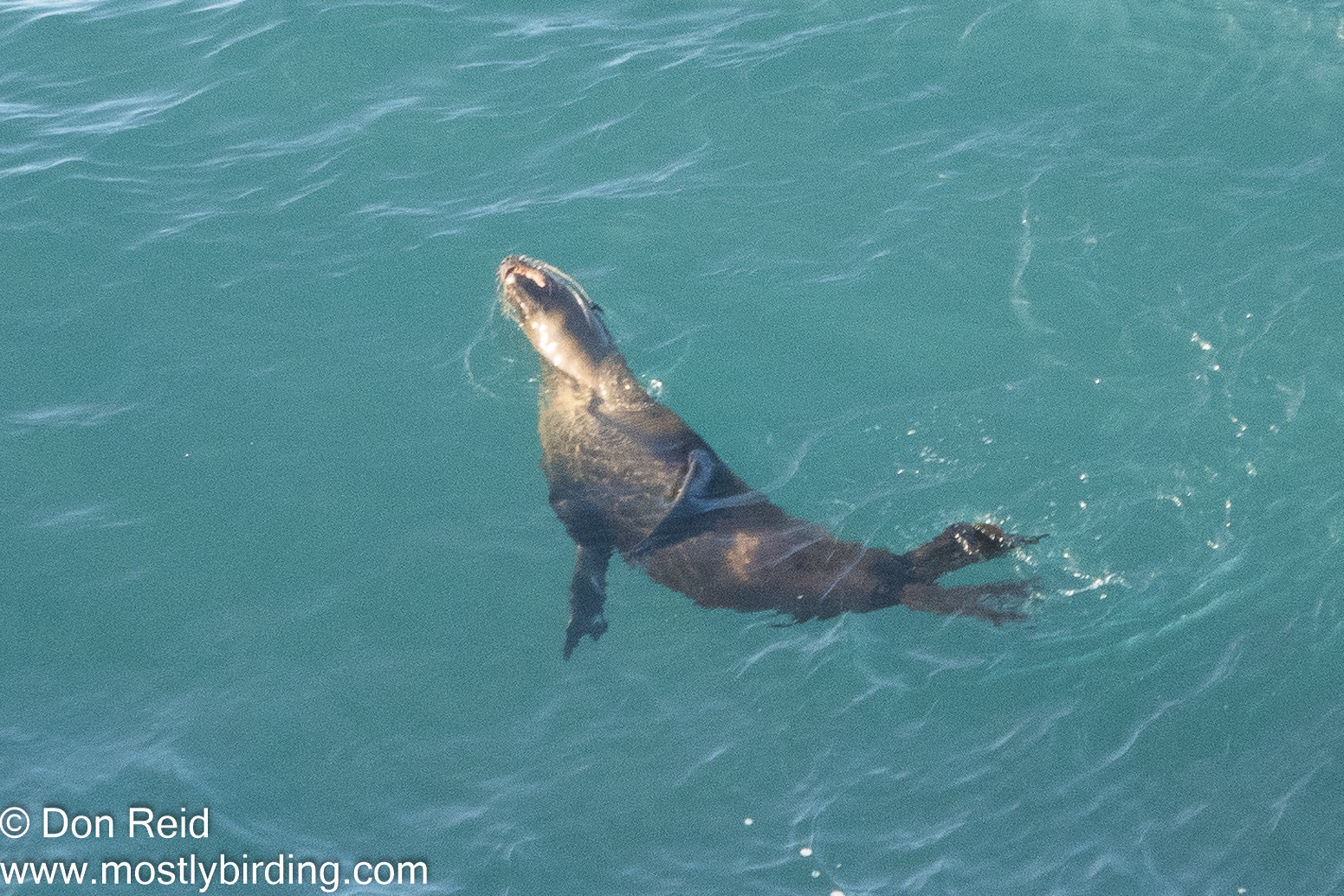
Cape Fur Seal, Cliffside walk, Mossel Bay

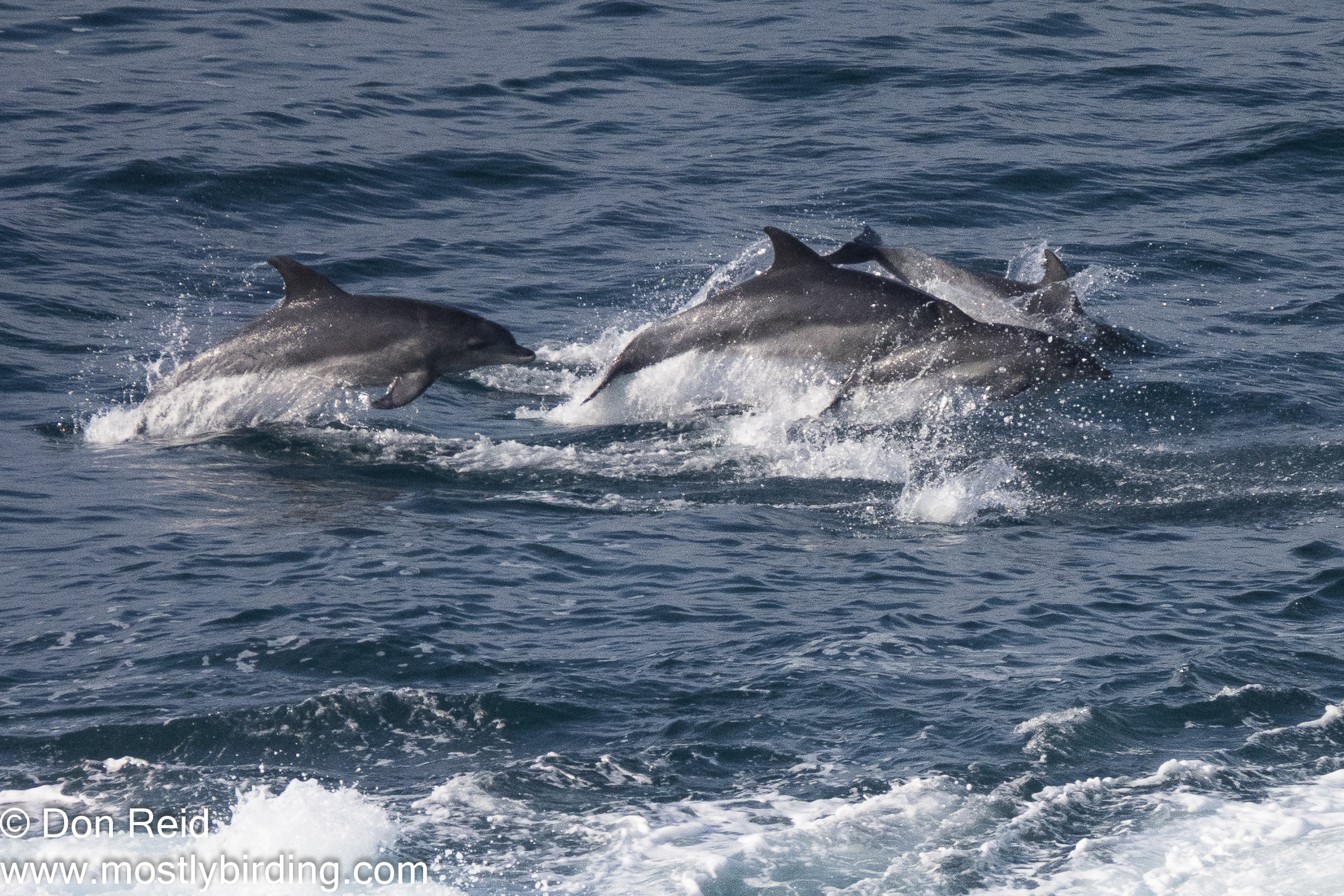
Bottlenose Dolphin, Cliffside walk, Mossel Bay

Rock Hyrax, Cliffside walk, Mossel Bay

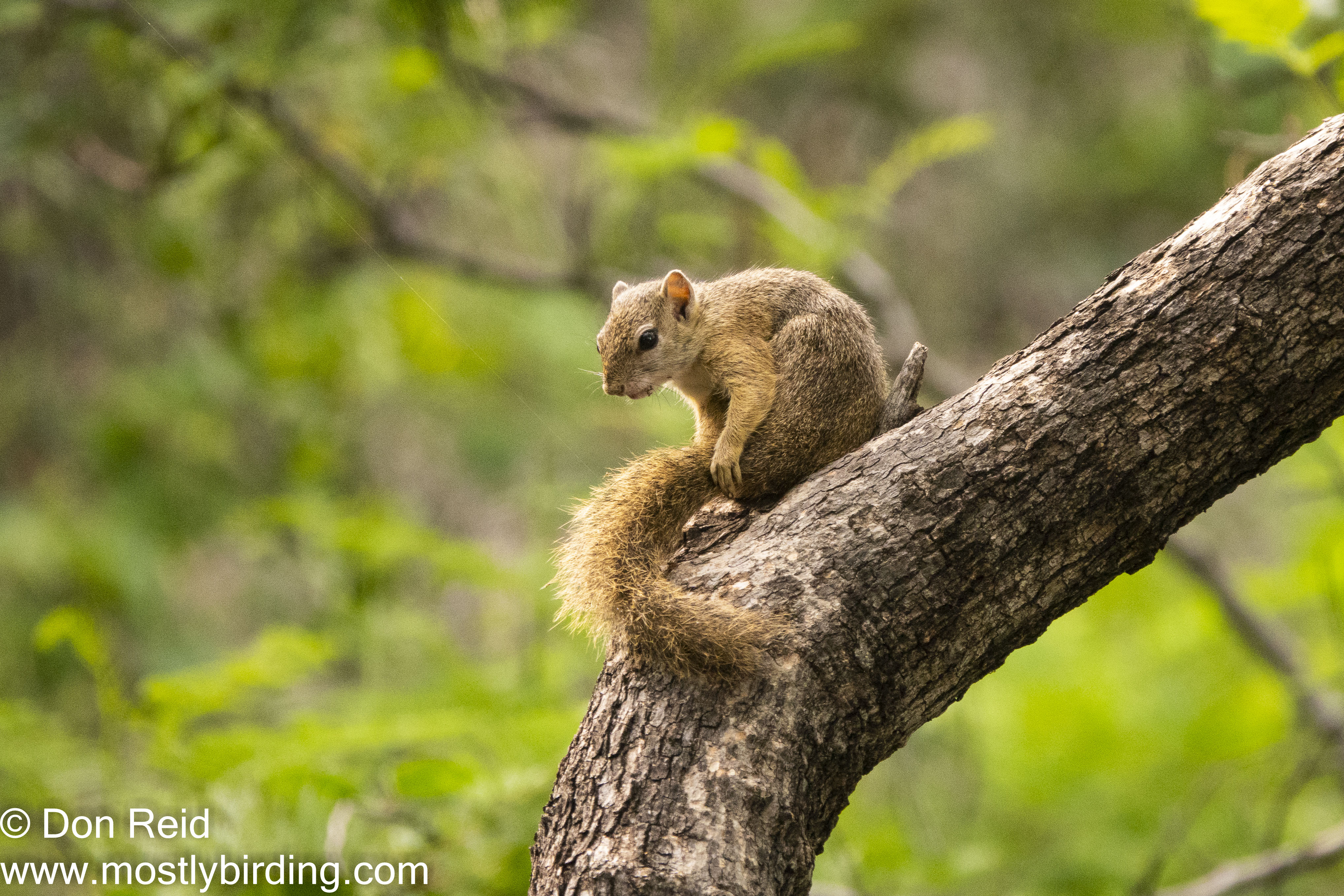
Tree Squirrel, Kruger – Mopani

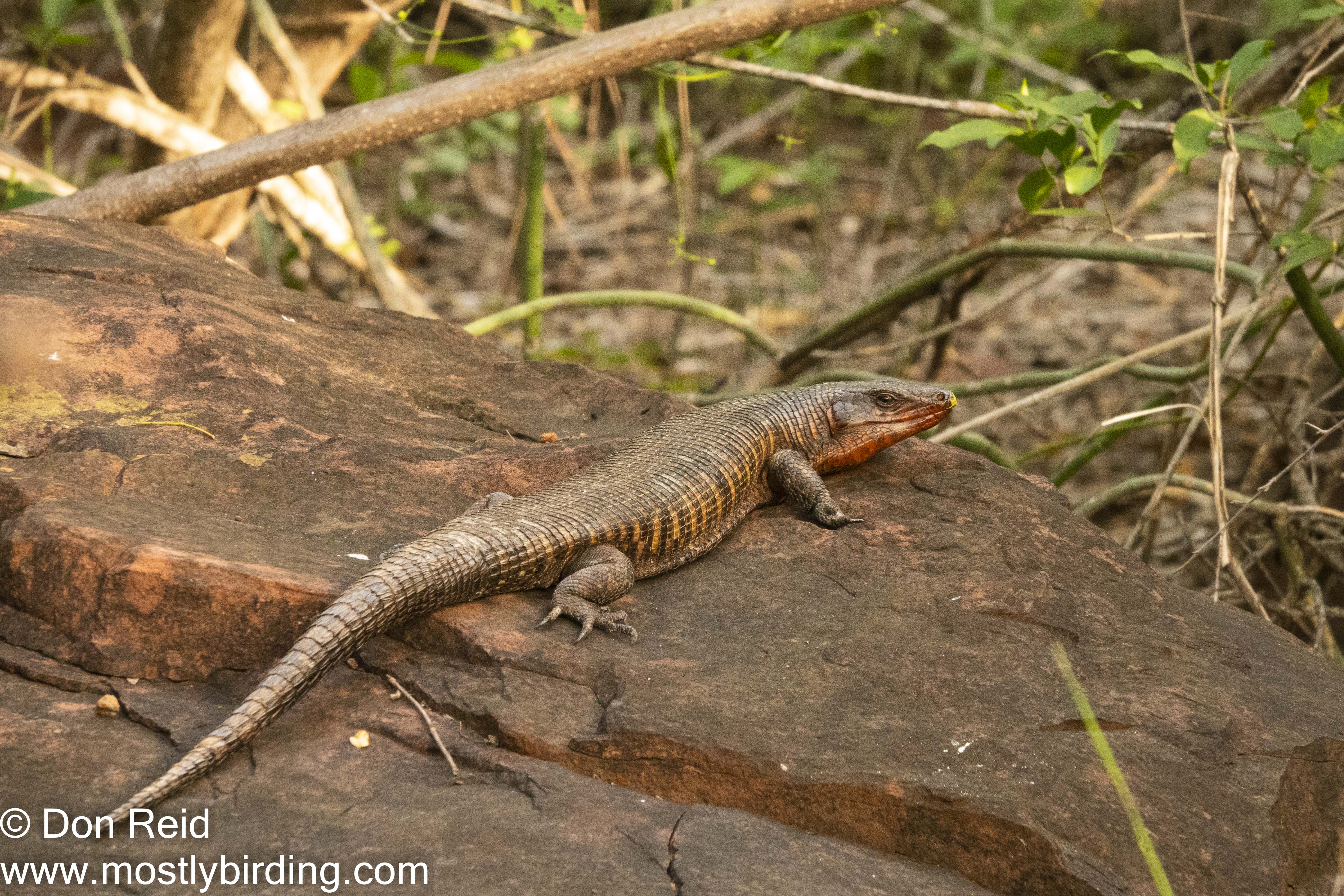
Giant Plated Lizard, Kruger – Mopani (the photo does not give an idea of scale – this lizard is a veritable giant at over 1m long!)

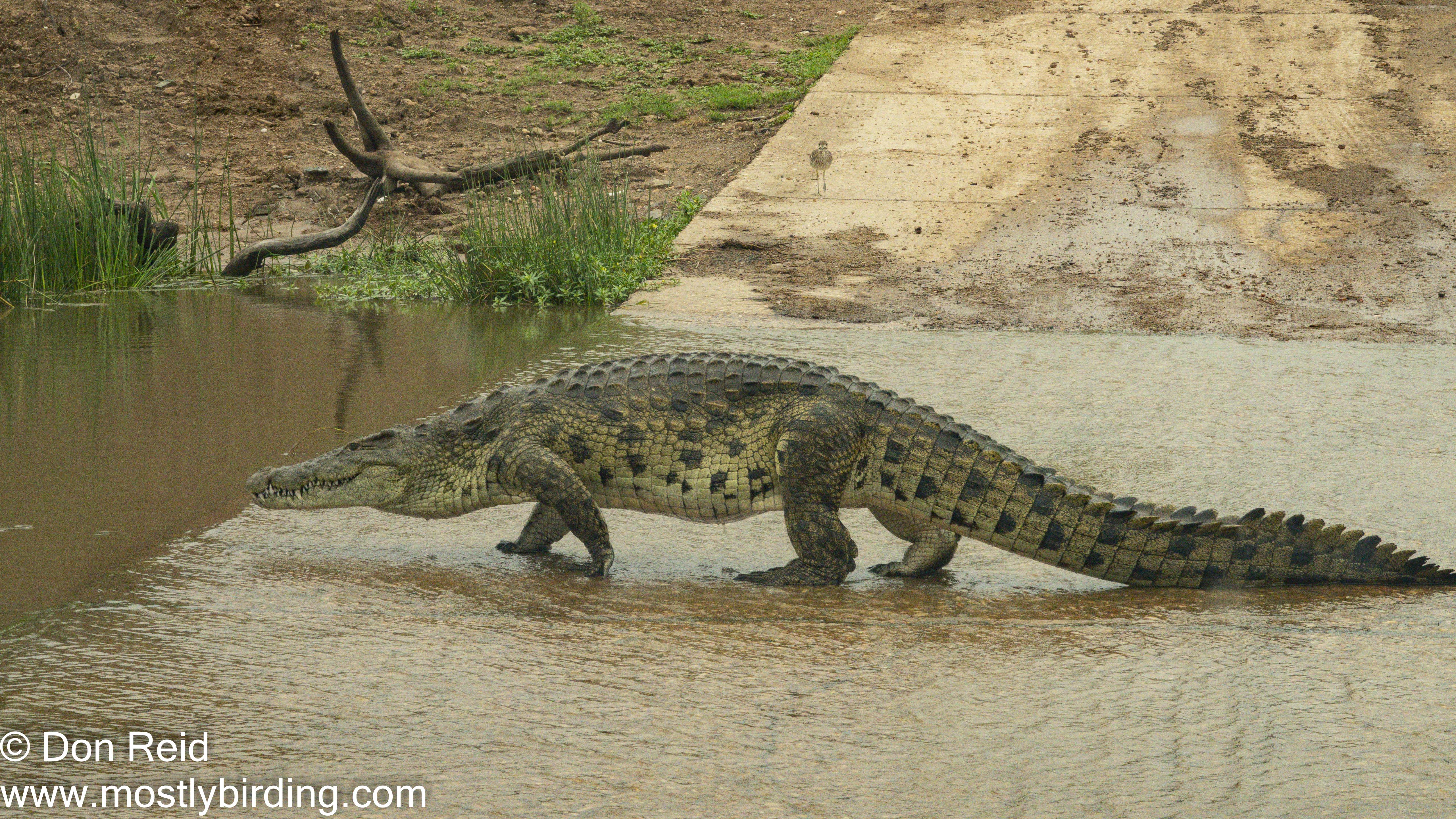
Crocodile, Kruger – Mopani (Shongololo Loop)

Wildebeest adult with youngsters, Kruger – Nwanetsi Road

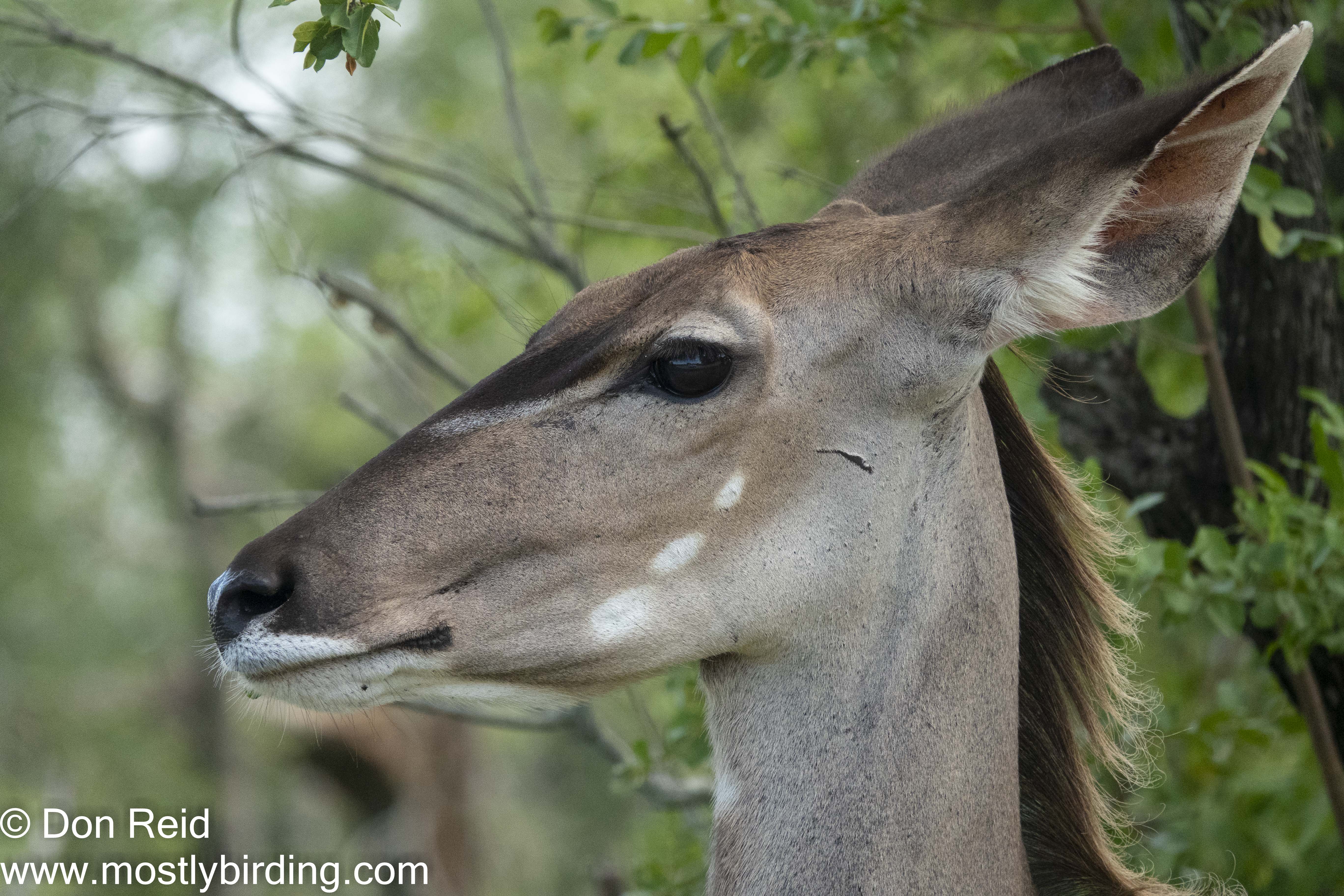
Kudu, Kruger – Satara area

The Other Stuff

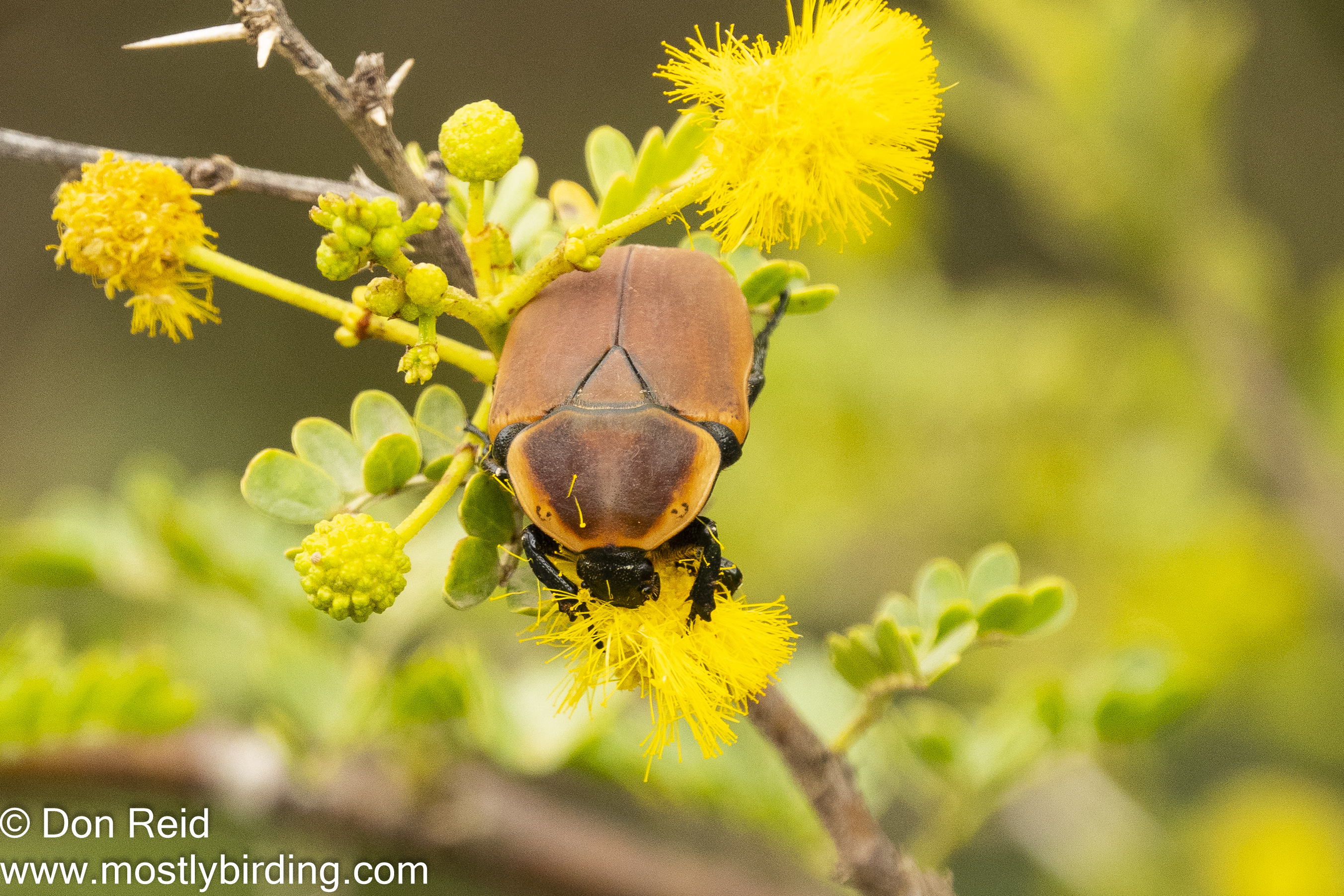
Monkey beetle, Mossel Bay

Butterfly : Garden Inspector (Junonia archesia / rotsblaarvlerk), ,Langvlei Wilderness

Tree Agama, Rooiwal area near Pretoria

Moon over Verlorenkloof (image taken with Iphone magnified through Swarovski scope)

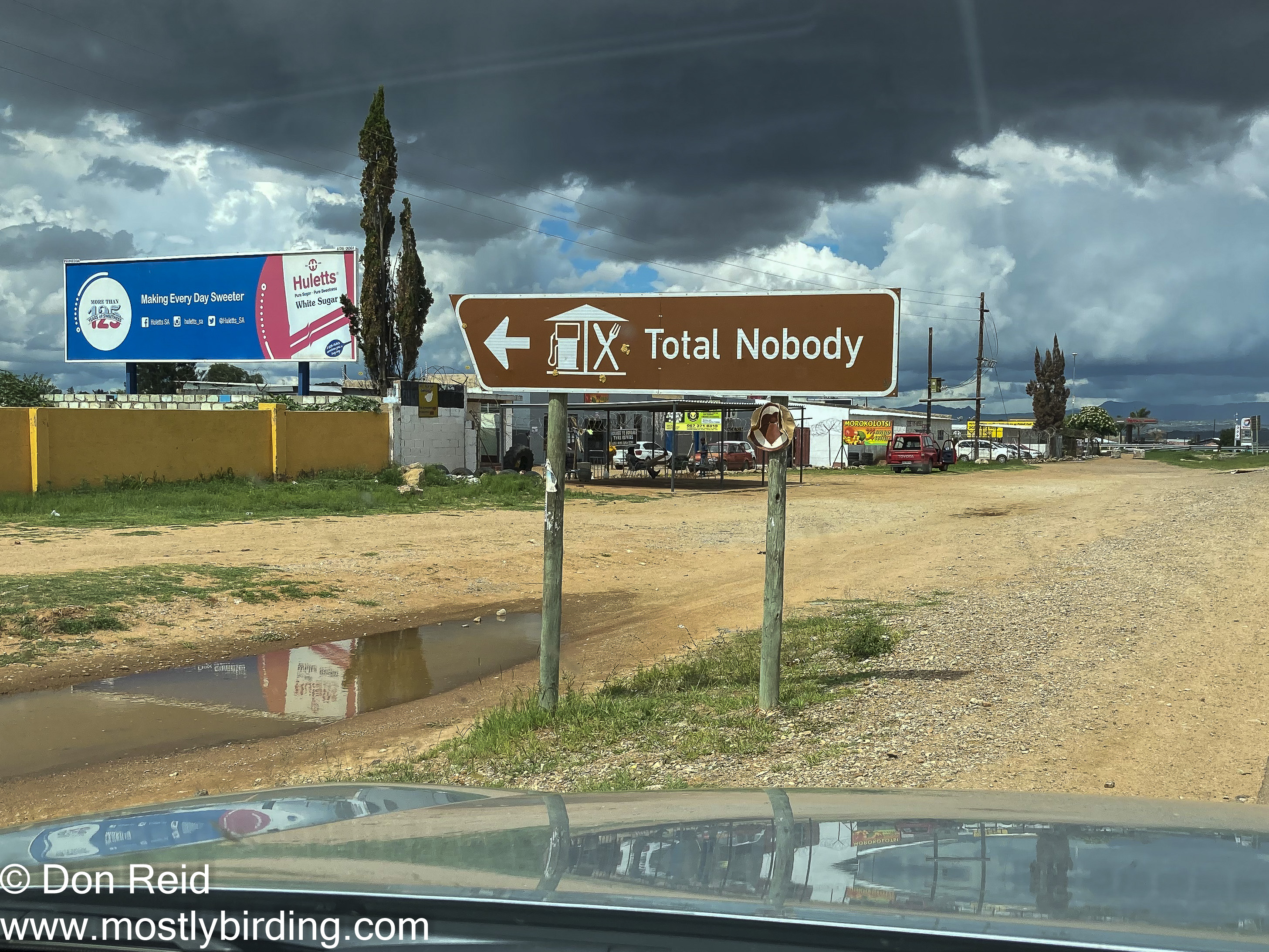
Confusing, provocative road sign – until you realise the village’s name is Nobody and the sign is directing to the Total filling station!

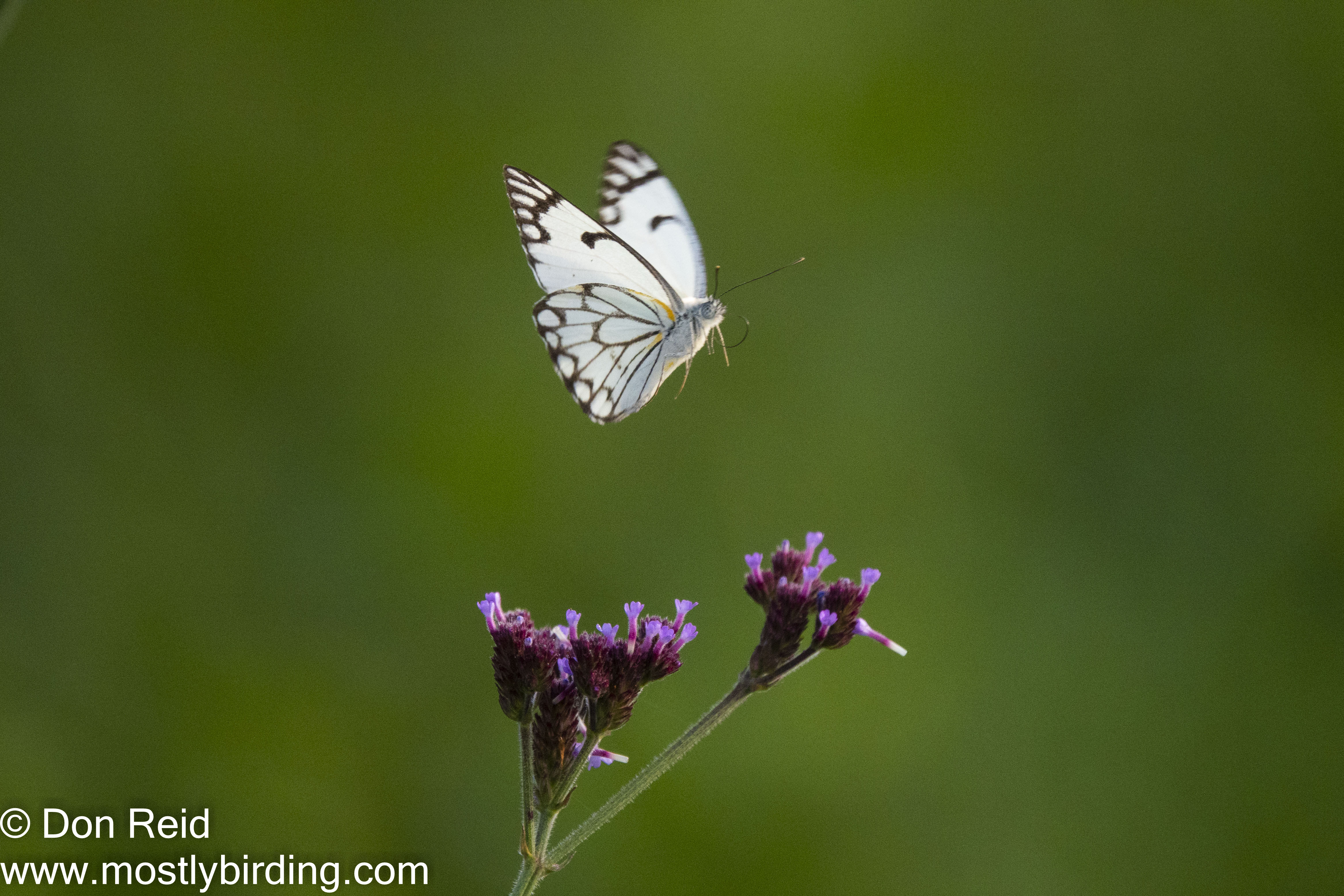
Butterfly in flight – Magoebaskloof

And to end off …… me and my pal Saartjie (who belongs to the Leonards but I get to borrow her now and again)

Mossel Bay Cliffside walk

Here’s a close-up of the better looking one….

Cliffside walk, Mossel Bay

My Birding Year 2019

Ahhh, 2020 is already moving ahead apace and I am just finalising my “My Birding Year” post for the past year …. how time flies as you get older!

Before getting into a summary of my birding exploits for 2019, I asked myself – what were my birding expectations at the beginning of the year and how far did I go in achieving what I set out to do? I decided that they were …..

  • Atlasing – my first priority nowadays and I aim to atlas one day per week – I generally managed to do so and my species list atlased for the year reached 426 spread across southern Africa, a more than satisfactory outcome in my book – not for personal glory but rather an indicator that my atlasing efforts were well spread across many parts of the country
  • Birding outside southern Africa – knowing we would be visiting Australia for the first time in April and May was an exciting prospect and the country and its bird life were an absolute treat
  • Lifers – most birders are driven by the desire to add new lifers to their lists and I am no different, however I have found that this aspect of birding is becoming less important with my focus shifting to citizen science activities such as atlasing. Nevertheless I cannot deny being thrilled each time I added a lifer – I saw just one lifer in southern Africa during the year but made up for that with 68 new birds added to my “world list” from our Australia trip
  • Photography – I find bird photography in particular to be an ongoing challenge and am always on the lookout for that special one (photograph, not Jose Mourinho the manager of my favourite football team).

Rather than get into a lengthy month by month description as per previous years I thought I would let the photos do most of the talking with a short note here and there to add some background

As with recent years, it all started in the Southern Cape, around Mossel Bay and further afield

Grey Heron, Mossel BAY
Bokmakierie, Gondwana area
Gondwana area – an inviting path through fynbos

Marievale Bird Sanctuary remains one of the best and most pleasant places to bird in Gauteng with its well-kept hides and fluctuating water levels

The powerline track, Marievale
Wood Sandpiper, Marievale
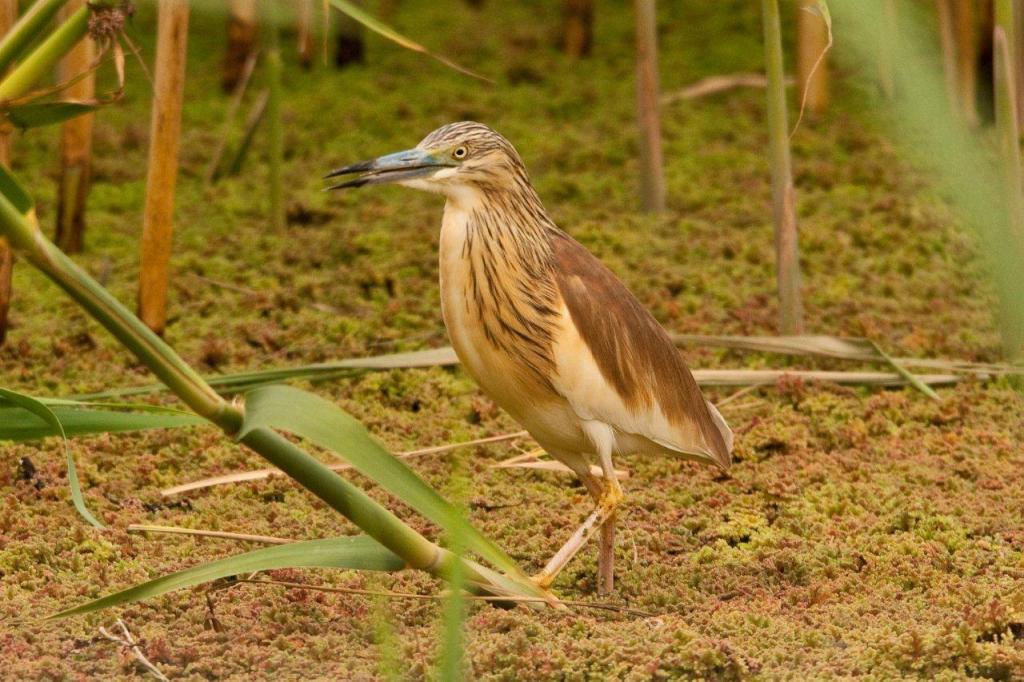
Squacco Heron, Marievale
Yellow-crowned Bishop, Marievale

A short stay at Pine Lake Resort near White River was an opportunity to bird the resort itself and to do a day trip to nearby Kruger Park

Pine Lake Resort, White River
Dusky Lark, Kruger Day Visit – this is one of the scarcer Lark species so it was athrill to find it near one of the dams
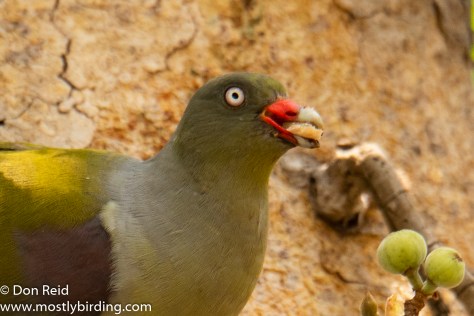
Green Pigeon, Kruger Day Visit

Mabusa Nature Reserve is a quiet, less visited reserve some 100 kms from home and I love spending time atlasing there

Spike-heeled Lark, Mabusa Nature Reserve, Mpumulanga

Then in April came our first trip to Australia, covered in some detail in earlier posts so I don’t want to repeat myself – suffice to say we had an exciting time discovering what this fine country is all about and finding many new, often spectacular, birds. This is a selection of some of the standout birds that I found (or they found me, I’m never sure) …

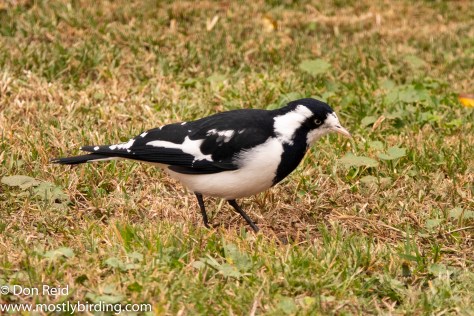
Magpie-lark, Sale, Victoria
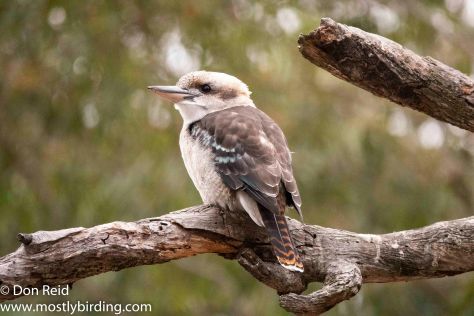
Laughing Kookaburra, Raymond Island, Victoria
Australian Grebe, Sale, Victoria
Masked Lapwing, Sale
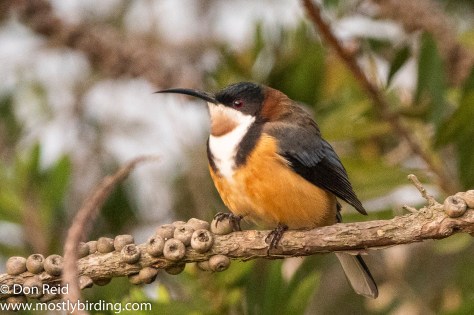
Eastern Spinebill, Lake Guyatt Sale
Dandenong Ranges – forest path
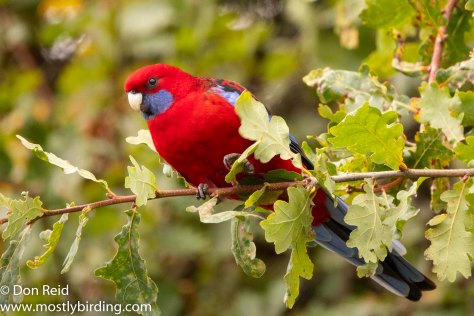
Crimson Rosella, Sassafras
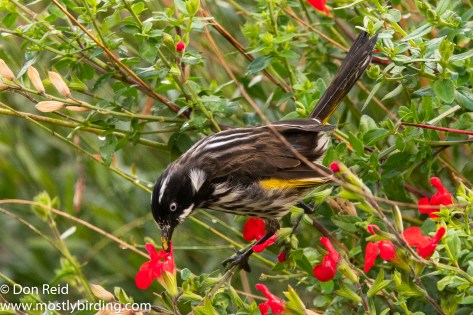
New Holland Honeyeater, Apollo Bay
Crested Tern, Great Ocean Road
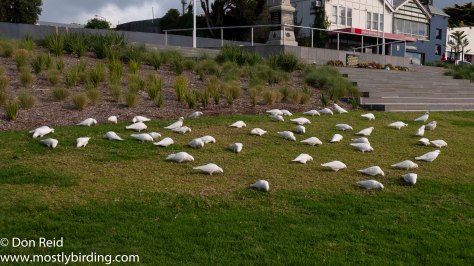
Little Corella, Philip Island
Australian Pelican, Lake Guyatt Sale

Back home over the winter months, I focused on atlasing an area north-east of Pretoria, which proved to be challenging at times, having to contend with the traffic on tar roads and the dust on the gravel back roads

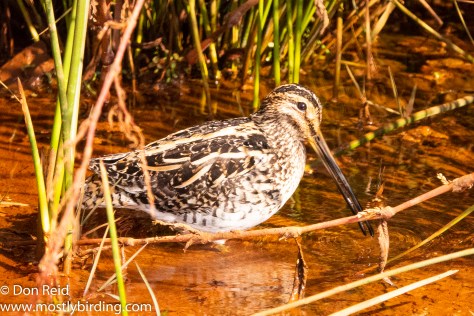
African Snipe (Gallinago nigripennis), Kusile area
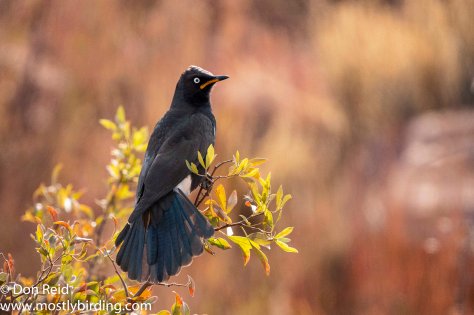
Pied Starling (Lamprotornis bicolor), Bronkhorstspruit area
White-bellied Sunbird (Cynnyris talatala), Bronkhorstspruit area
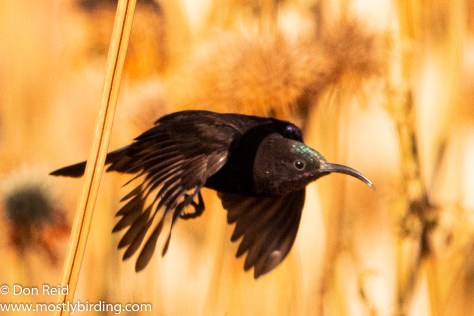
Amethyst Sunbird (Chalcomitra amethystina), Bronkhorstspruit area

A last-minute booking saw us spending a week in Kruger Park – the best place to do some quality birding

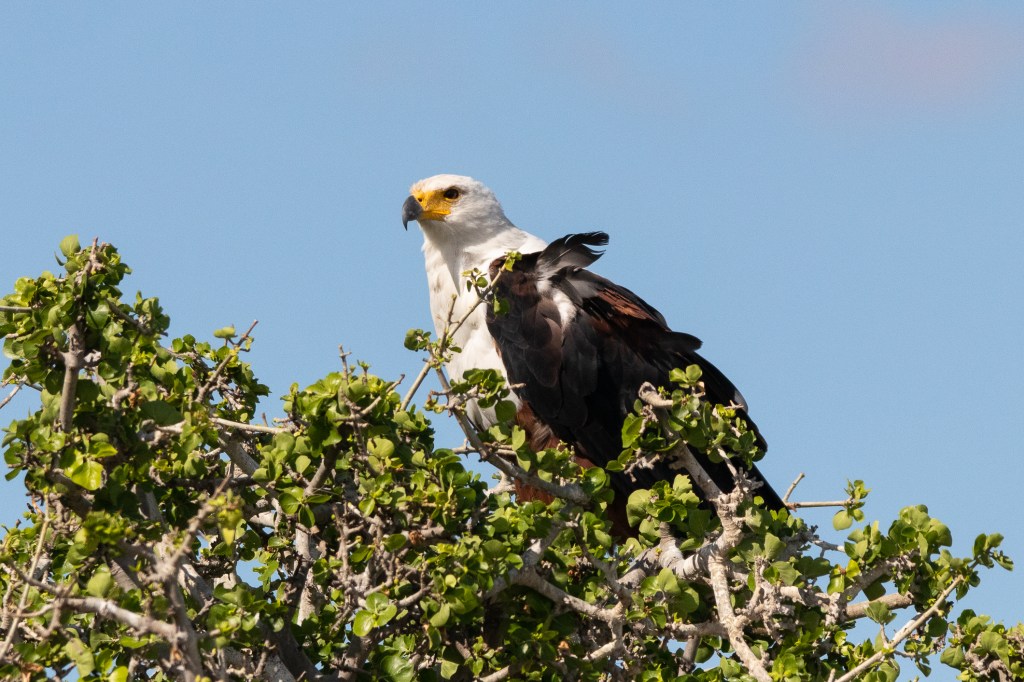
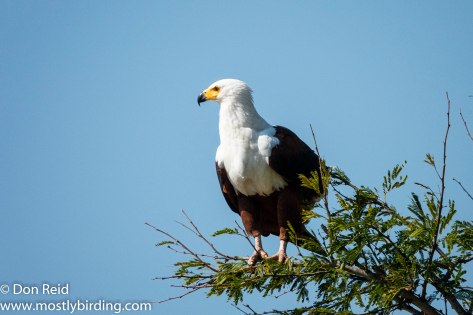
African Fish Eagle (Haliaeetus vocifer), Olifants area, Kruger Park
Yellow-billed Stork (Mycteria ibis / Geelbekooievaar), Lower Sabie area, Kruger Park
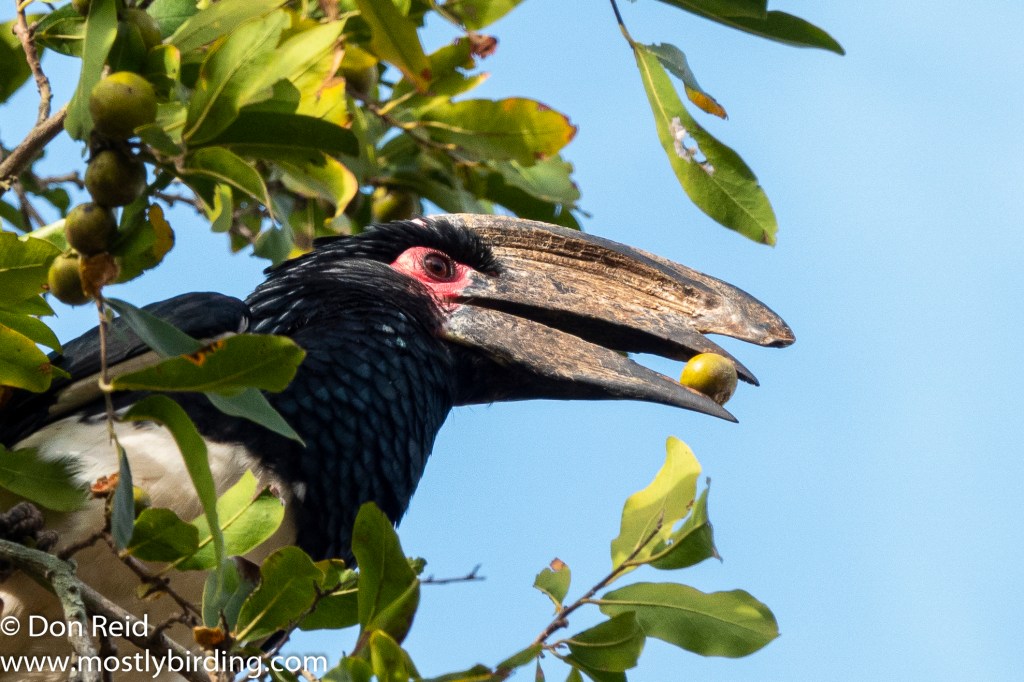
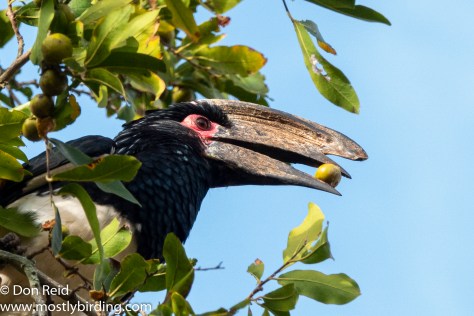
Trumpeter Hornbill (Male) (Bycanistes bucinator / Gewone boskraai), Lower Sabie camp, Kruger Park

More Gauteng atlasing followed during the winter months

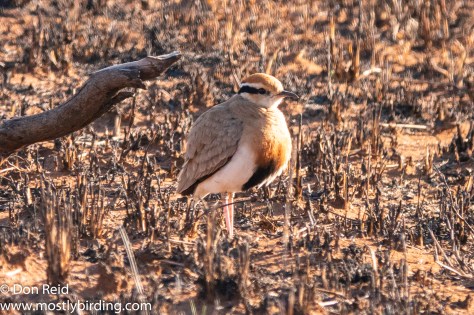
Temminck’s Courser (Cursorius temminckii / Trekdrawwertjie), Cullinan area
Capped Wheatear (Oenanthe pileata / Hoëveldskaapwagter), Delmas area
Cape Longclaw (Macronyx capensis / Oranjekeelkalkoentjie) (Subspecies colletti), Suikerbosrand

We do look forward to our week at the Verlorenkloof resort in Mpumulanga, and with reason – it’s a perfect place to combine relaxation with some excellent birding

Purple-crested Turaco (Tauraco porphyreolophus / Bloukuifloerie). Verlorenkloof
Verlorenkloof
Cape Rock Thrush (Female) (Monticola rupestris / Kaapse kliplyster), Verlorenkloof
Lazy Cisticola (Cisticola aberrans / Luitinktinkie), Verlorenkloof

On one of my atlasing outings, I spent a pleasant morning at Rietvlei Nature Reserve, not far from home

Barn Swallow (Hirundo rustica / Europese swael), Rietvlei NR
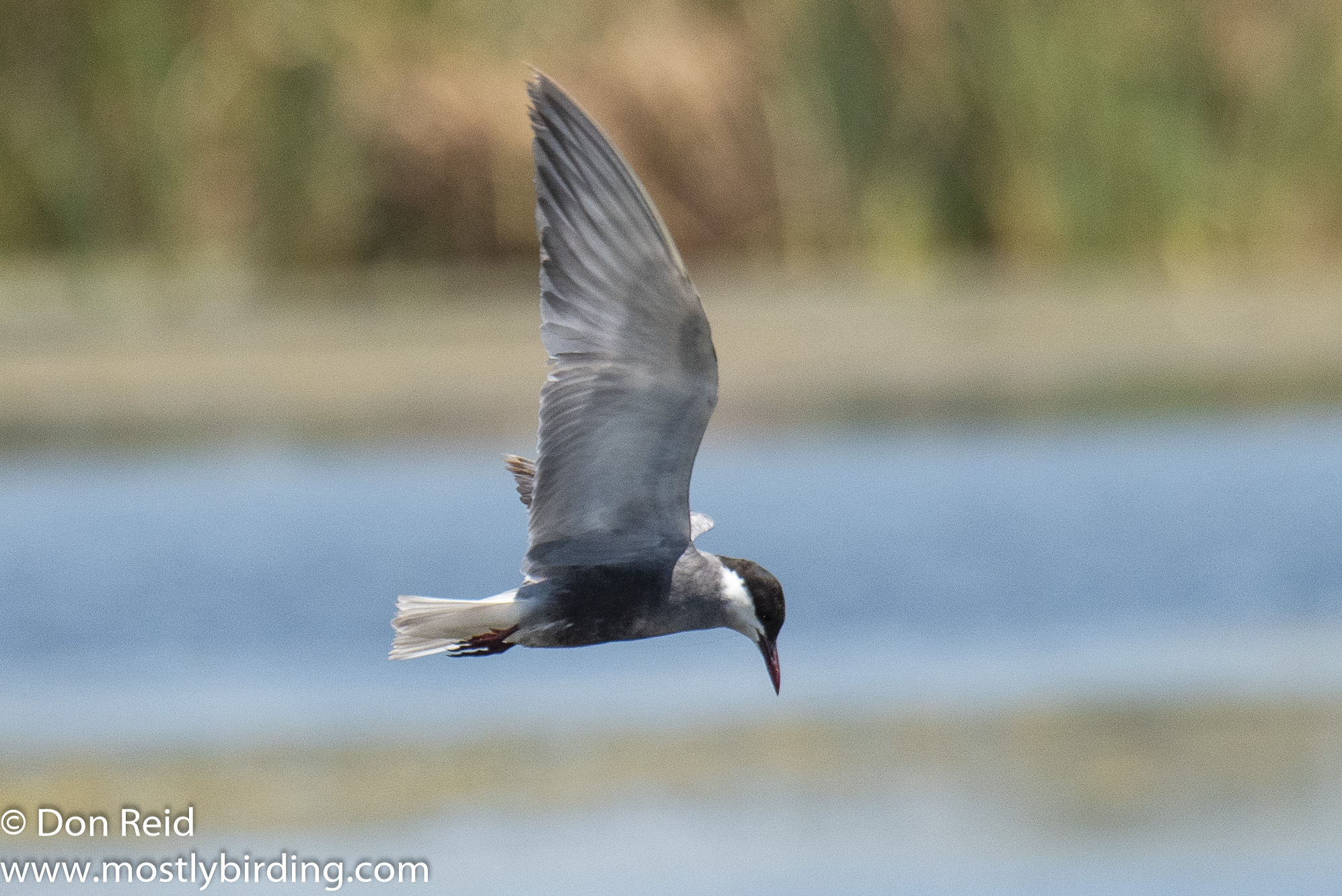
Whiskered Tern (Chlidonias hybrida / Witbaardsterretjie), Rietvlei NR

I joined a team of 3 other keen birders for the annual Birding Big Day at the end of November. We ended up with 184 species for the day and a pleasing 50th place countrywide. There was only time for a quick snatched photo of the team heading through bush at one of our many stops

Birding Big Day

We closed out the year in Mossel Bay, where Sugarbirds visit our garden

Cape Sugarbird, Mossel Bay
Oudtshoorn south

My Photo Picks for 2019

With the new year in its infancy, it’s time to select a few photos which best represent our 2019. In some cases, selection is based on the memory created, in others I just like how the photo turned out, technically and creatively.

If you have any favourites, do let me know by adding your comment!

The Places

The highlight of our travels during the past year was without doubt our trip to Australia to visit our son and family and to do a bit of touring through the State of Victoria. Other than that we did not venture far afield but managed to tame our travel itch with several local trips and extended visits to our second home town of Mossel Bay in the Southern Cape.

The year started and ended in our second home town of Mossel Bay. Walks along the seafront boardwalk are always a highlight with scenes like this to enrich the soul

The Wilge River Valley, about an hour’s drive from Pretoria, is a popular birding spot amongst Gautengers and delivers many species in summer as well as attractive landscapes

The Vlakfontein grasslands north-east of Pretoria are a favourite atlasing area for me – away from the hectic traffic of Gauteng

The Delmas area south-east of Pretoria is another favourite atlasing area, however traffic is a challenge – this early morning shot was taken in winter when the skies are a lot smokier – good for dense colour but nothing else

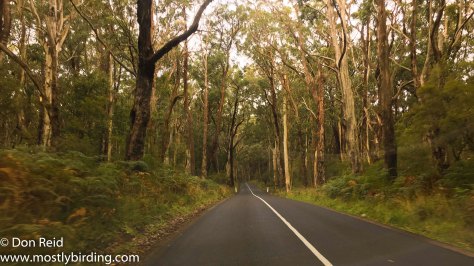
The road to Cape Otway Lighthouse in Victoria, Australia – we did not realise just how much forest Australia has – well the bit of Victoria that we saw anyway

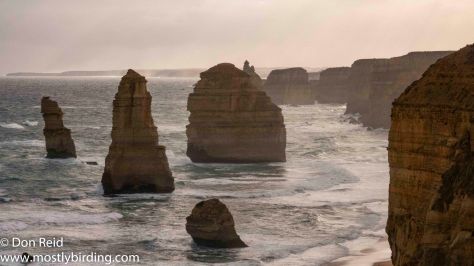
The very popular tourist spot called the Twelve Apostles along the Great Ocean Road to the west of Melbourne, Australia certainly lived up to its reputation as a “must see and photograph” – quite a dramatic scene created by weathered columns of rock

The beautiful beach at Cowes, Philip Island, just south of Melbourne

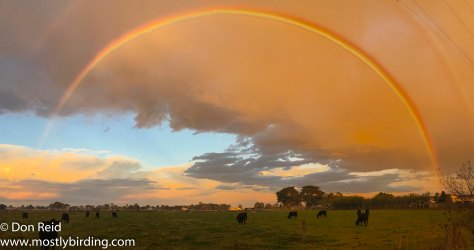
A special rainbow while walking in Sale, Victoria Australia

The early morning train approaches in mist to take us from Sale to Melbourne

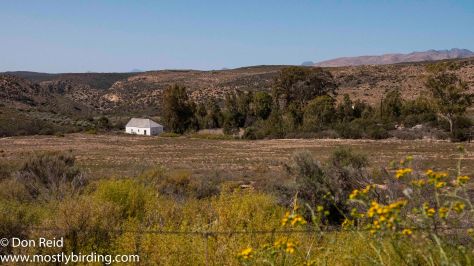
The Klein Karoo is another favourite atlasing area despite low bird numbers – it has a special attraction of its own. This photo was taken south of Oudtshoorn, Western Cape

The Wildlife

With visits to Kruger National Park and Karoo National Park, as well as our time in Australia, we enjoyed some usual and unusual wildlife sightings

Spotted Hyena pups, Tshokwane area, Kruger Park
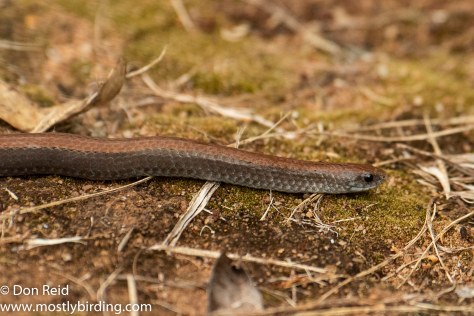
Common Slug-eater / Tabakrolletjie (Duberria lutrix), Pine Lake Resort, White River
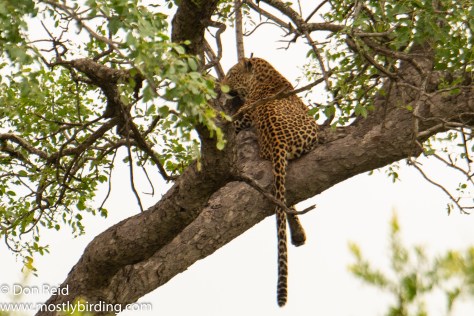
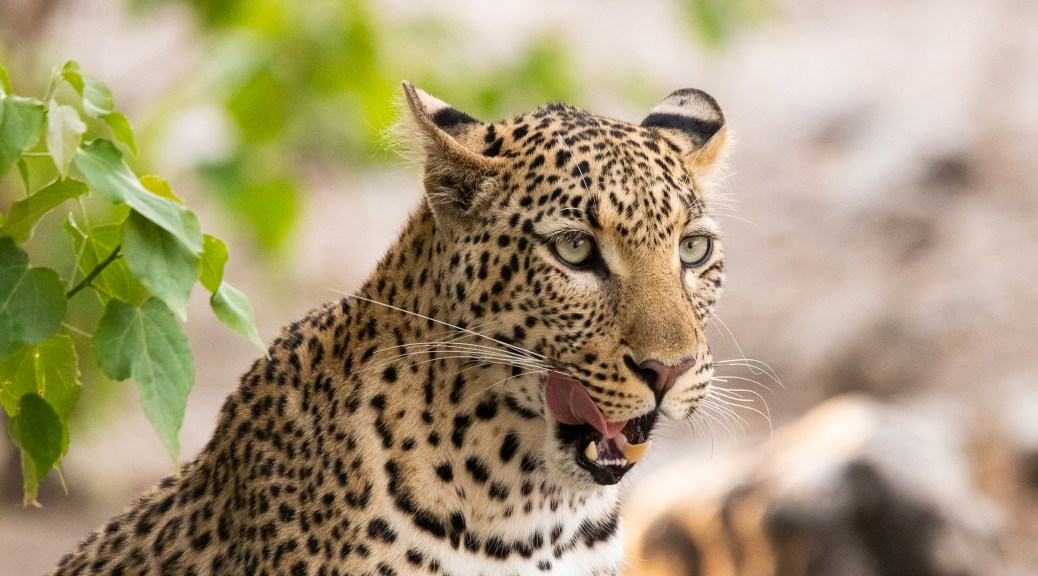
Leopard, Kruger NATIONAL PARK
Plains Zebra (equus burchelli), Olifants area, Kruger Park
Baboon, Olifants area, Kruger Park
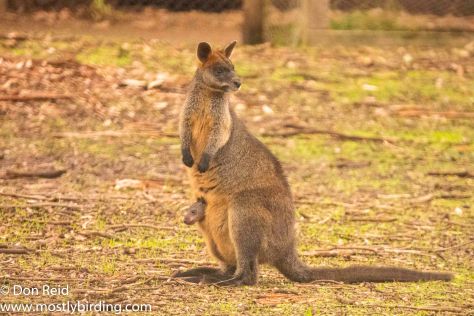
Swamp Wallaby, Philip Island, AUSTRALIA
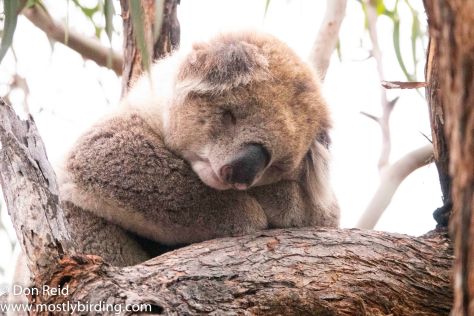
Koala, Raymond Island, Victoria, AUSTRALIA
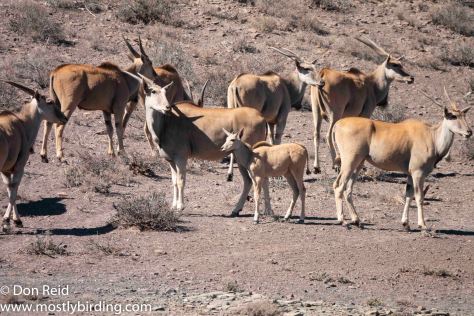
ELAND, KAROO NATIONAL PARK
KLIPSPRINGER, KAROO NATIONAL PARK
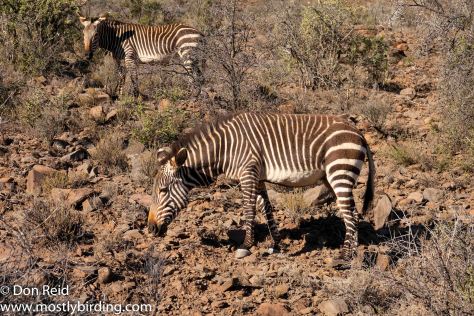
MOUNTAIN ZEBRA, KAROO NATIONAL PARK

The Other Stuff

I love to photograph just about anything that moves, within nature and outside it occasionally. Here’s a few examples

Colourful fly
Butterfly: Yellow Pansy (Junonia hierta cebrene / Geelgesiggie), Mossel Bay
Dragonfly: Common Thorntail (Ceratogomphus pictus), Calitzdorp
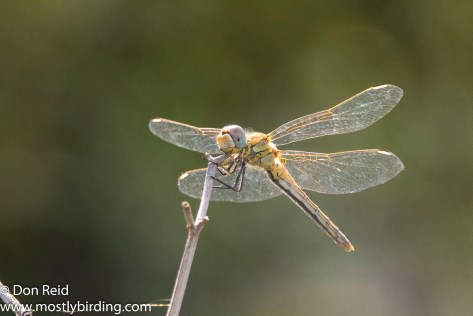
Dragonfly : (NOT ID’D YET) Mabusa Nature Reserve
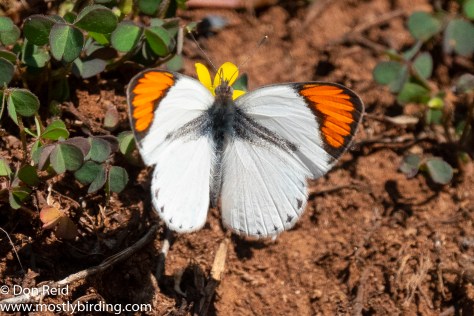
Butterfly: Common Orange Tip (Colotis evenina evenina), Verlorenkloof
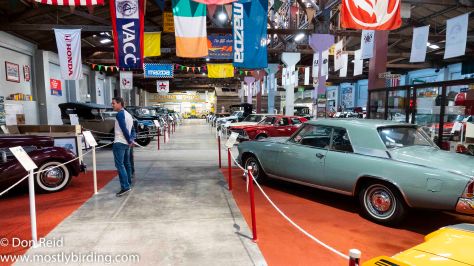
Gippsland Vehicle Collection Maffra, Victoria Australia

And just for fun, a non-moving subject …..

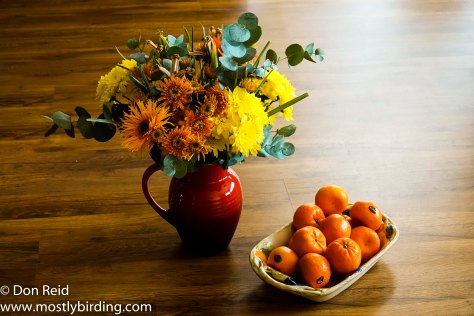
Flowers and fruit

I have not included any of the many bird photos that I took during the year – they will be included in a separate “My Birding Year 2019” post

Birds of Verlorenkloof (October 2018)

Verlorenkloof, as regular readers will know, is our favourite spot for a really relaxing getaway and we look forward to our annual timeshare week in October each year immensely. October 2018 was no different with lazy days, some walking, some birding and atlasing and just enjoying the company of old friends …. errrr,  friends of long standing that is. (At our age one can get sensitive about 3-letter words such as “old”).

The croft (the fancy name for the house-like accommodation at Verlorenkloof) sleeps 10. although 6 is more comfortable, so it is a great opportunity to invite some close friends along for the week.

Perhaps the best part is the time spent on the patio, where we take breakfast and lunch and enjoy regular doses of tea, coffee or cold drinks to while away the hours. The patio overlooks a sloping lawn which merges with the natural grass and shrubs stretching across the hill and down to the stream, which is flanked by luxuriant reeds and ferns.

Beyond the grass and the stream, the lower grassy slopes of the mountain begin and continue up to a height where the rocky, almost vertical face of the mountain proper takes over, soaring to the escarpment edge a few hundred metres above. Oh, and to add to the variety of habitats, the mountain face is cleaved into densely forested kloofs at its intersections.

All of this provides the opportunity for a multitude of bird species to be attracted to the area and to take up residence. Many of them announce their presence at various times of the day, peaking in the early morning as the sun rises to welcome a new day. The mountain seems to act as an amplifier and the scene before you is reminiscent of a natural amphitheatre, with some of nature’s best songsters providing an aural experience that is hard to beat.

Verlorenkloof – view from upper path

Verlorenkloof lower dam

The selection of photos that follows is from our October 2018 week and is just a sampling of the rich bird life at Verlorenkloof, limited to those species which I was able to get close enough to for a reasonable photo or which, by chance, crossed my path while I had my camera close by.

English,  Afrikaans and scientific names are given with the gender and subspecies added where applicable …….

Familiar Chat / Gewone spekvreter (Cercomela familiaris – hellmayri subspecies) is a regular visitor to the area around the croft where it hawks insects from a vantage point such as a small rock or low branch, returning to the same spot with a flick or two of the tail as it lands, in its “familiar” way


Yellow Bishop (Male, non-breeding) / Kaapse flap (Euplectes capensis – approximans subspecies) – later in the summer the male acquires its breeding plumage of overall black with yellow shoulders and rump


African Stonechat (Male) / Gewone bontrokkie (saxicola torquatus – stoneii subspecies) – another conspicuous, widespread species which favours grasslands and perches prominently on tall bushes and plants.


African Crowned Eagle (Immature) / Kroonarend (Stephanoaetus coronatus ) – it was a thrill to find this impressive raptor at Verlorenkloof. This immature eagle is probably the same one that was seen by Koos Pauw earlier in the year when it was still in the nest, which he pointed out to me on top of a large tree part of the way up the mountain slope


Cape Grassbird / Grasvoël (Sphenoaecus afer – natalensis subspecies) – singing its heart out in its customary fashion, just a little shy for a full monty photo


Village Weaver (Male) / Bontrugwewer (Ploceus cucullatus – spilonotus subspecies) – it’s a treat to see this species in action, doing its best to attract a female for some “breeding” with much vigour, swaying its body and fanning its wings.  A flock had taken over a tree alongside the river and filled it with nests


Kurrichane Thrush / Rooibeklyster (Turdus libonyanus) – a shy, solitary bird that likes to forage quietly amongst the shrubs


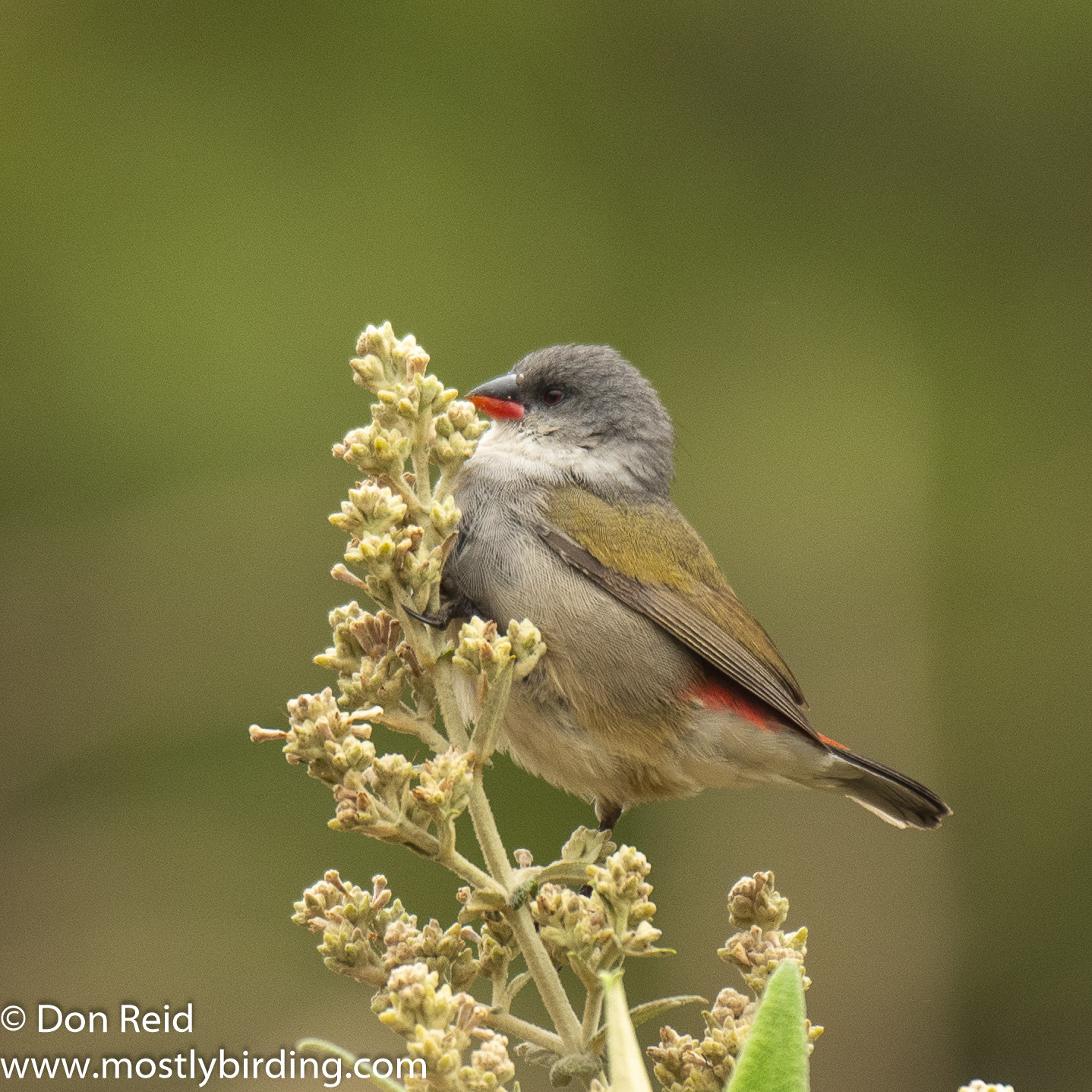
Swee Waxbill (Female) / Suidelike swie (Estrilda melanotis– cute species that moves in small groups through the bushes


Thick-billed Weaver (Male) / Dikbekwewer (Amblyospiza albifrons – woltersi subspecies) – busy building a nest in the reeds alongside the bridge over the river. Unlike other weavers which start with a ring as a basis, this species starts with a cup and builds up from it, using thin strips gleaned from bulrush leaves to construct the fine, tightly woven nest


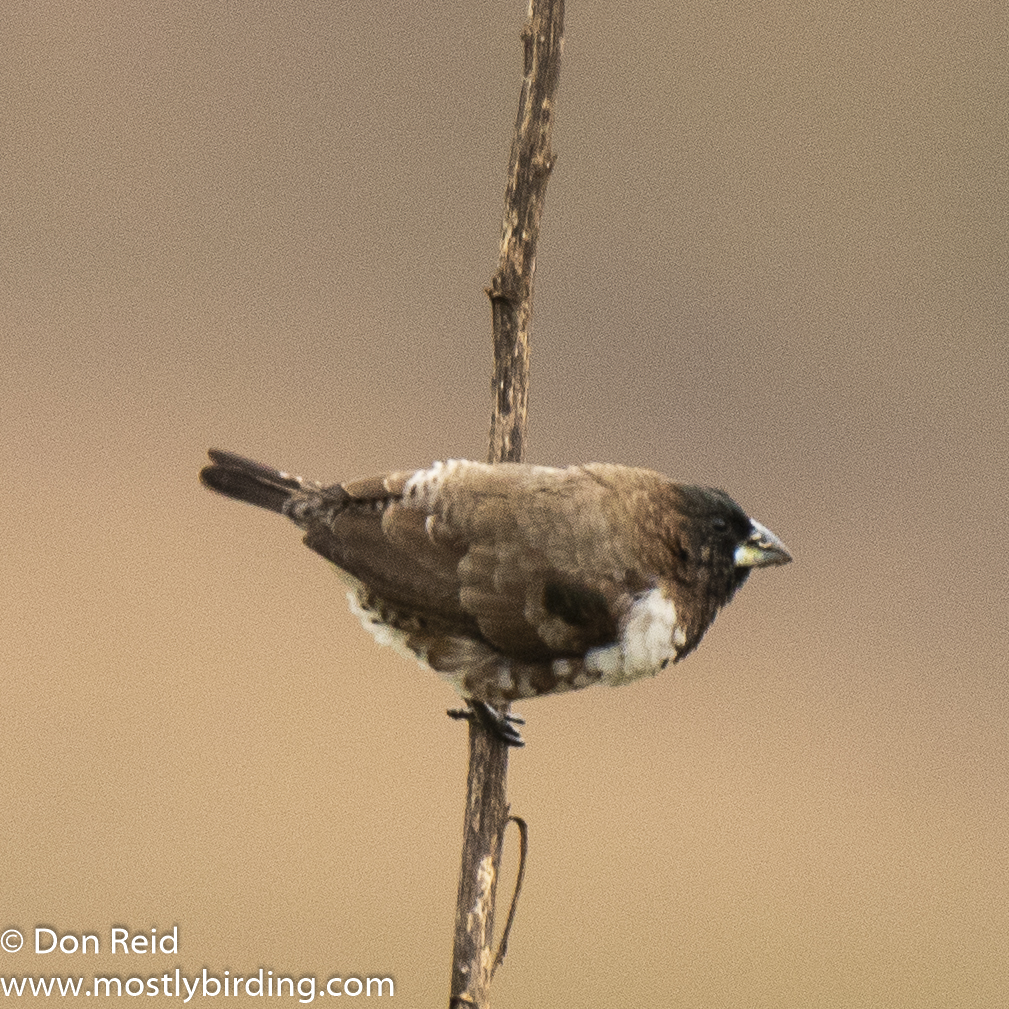
Bronze Mannikin / Gewone fret (Lonchura cucullata– fairly common in the bushes and reeds near the croft


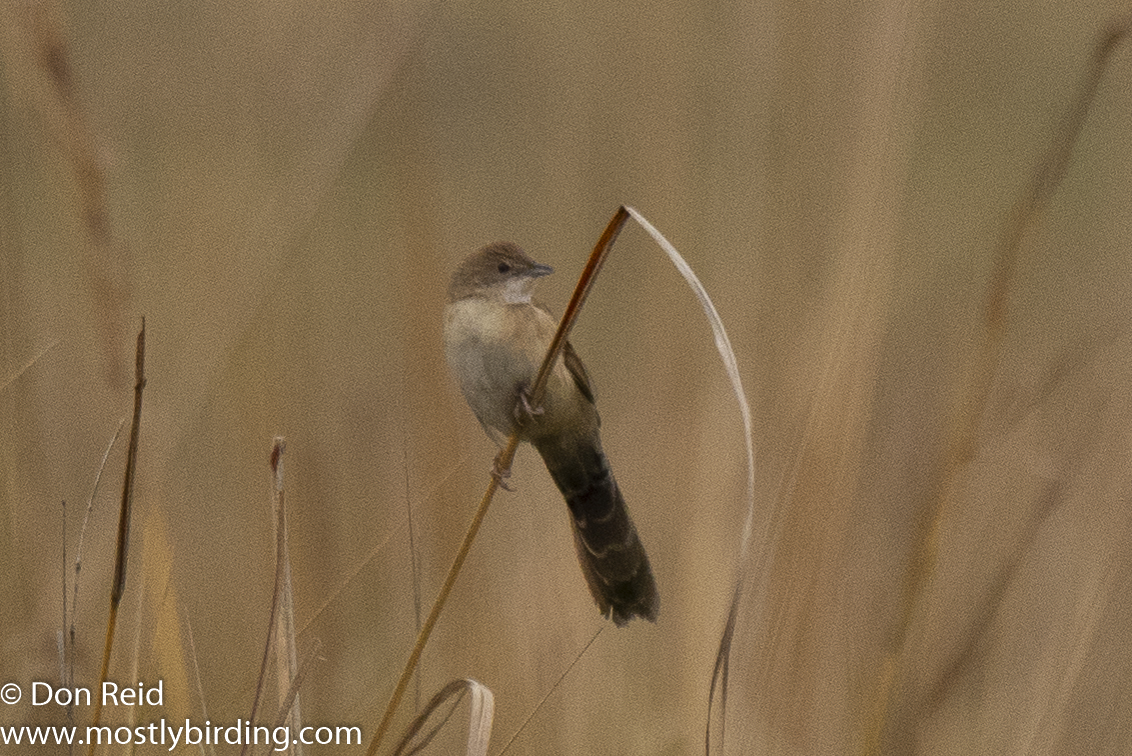
Broad-tailed Warbler / Breëstertsanger (Schoenicola brevirostris) – An uncommon species that I have not seen anywhere other than at Verlorenkloof – it prefers rank grass and has a distinctive  sharp metallic call which tells you it is nearby, but is an expert at concealing itself from view, so getting a photo requires a mix of patience and luck


Fan-tailed Widowbird (Male in breeding plumage) / Kortstertflap (Euplectes axillaris– also a “fan” of tall moist grassland which Verlorenkloof has in abundance


Wing-snapping Cisticola / Kleinste klopkloppie (Cisticola ayresii– not seen at Verlorenkloof itself but in an adjoining pentad while atlasing – my first photographic record of this species

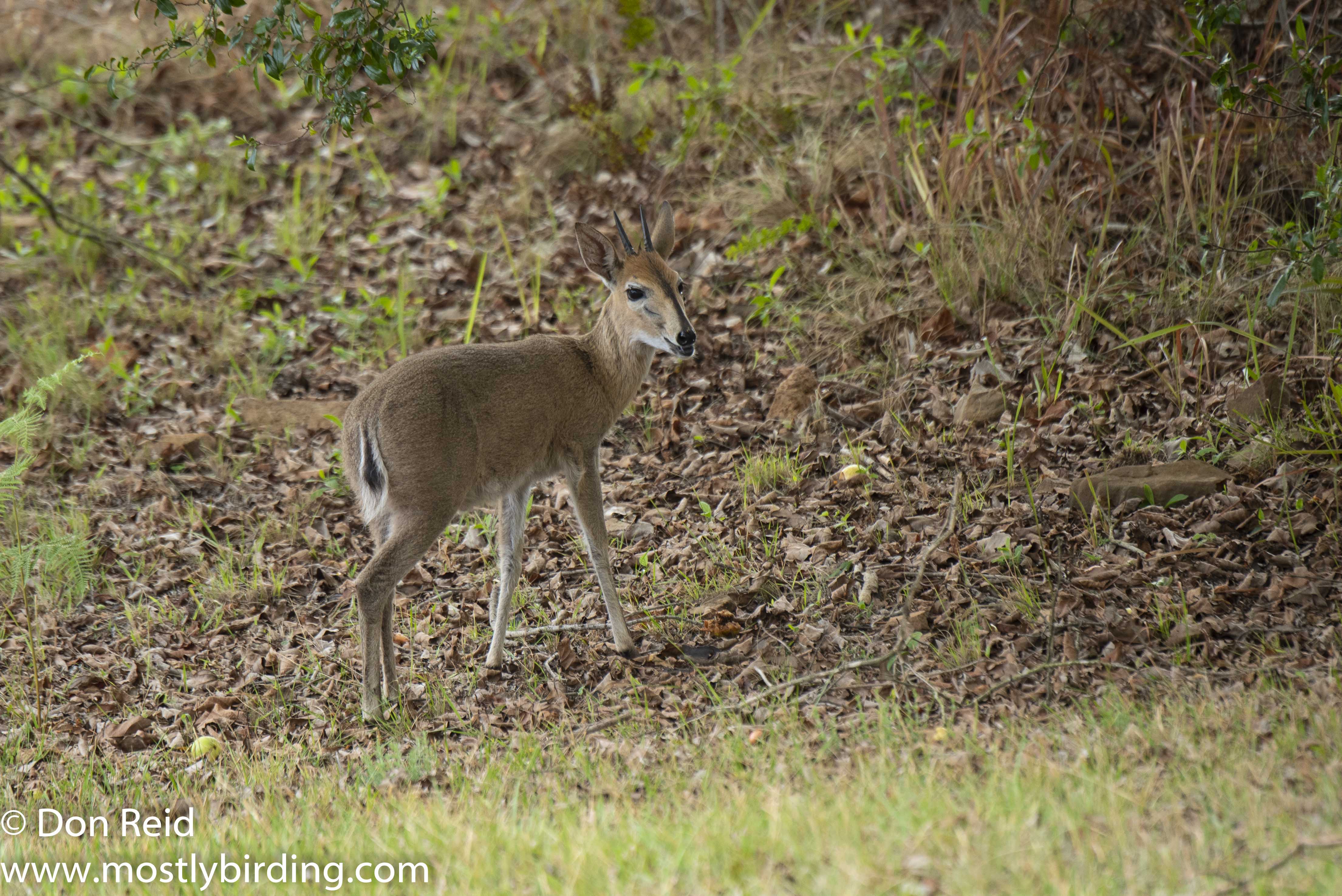
There are a few shy animals as well, such as this Grey Duiker

Grey Duiker


I’m already looking forward to our October 2019 week!


My Birding Companion

Niki, my trusted birding companion, accompanies me on all my birding trips and I have to admit I just cannot get along without her – she has eyes like a hawk which can help to identify those distant birds in a trice with just one quick glance and is content to endure hours of travel on sometimes bumpy, dusty roads with nary a complaint.

So I was deeply concerned when Niki started showing signs of weariness and a distinct lack of focus towards the end of 2018 and I resolved to book her into a clinic as soon as we were back in Gauteng in January 2019. Niki went to the clinic without complaint and I booked her in on a Monday, hoping that her stay would not be long – they sent a message later setting out the proposed treatment and estimated that she would have to stay for at least a week for the treatment to have the desired effect, which I replied was acceptable.

The week without Niki was difficult and my birding outing was just not the same without her on the seat beside me, but I knew it was something that had done. I resisted the temptation to visit Niki in the clinic, being so far from our house and patiently waited for the message to tell me I could come and fetch her.

At last the message came to my phone – she was ready to go home! Next morning I drove to the clinic and fetched Niki – what a relief to hold her in my arms again!

I could hardly wait for my next birding outing with Niki once again at my side and planned a trip to one of Gauteng’s prime birding destinations – Marievale Bird Sanctuary to put our combined skills to the test again.

Niki, also known as my Nikon D750 DLSR camera with Nikon 80-400mm lens, performed admirably – but I will leave you with a few photos from the morning at Marievale, so you can judge for yourself.

Spotted Thick-Knee / Gewone Dikkop (Burhinus capensis) in the reception parking area before getting into the Nature Reserve itself – bright-eyed and bushy-tailed (OK just bright-eyed)


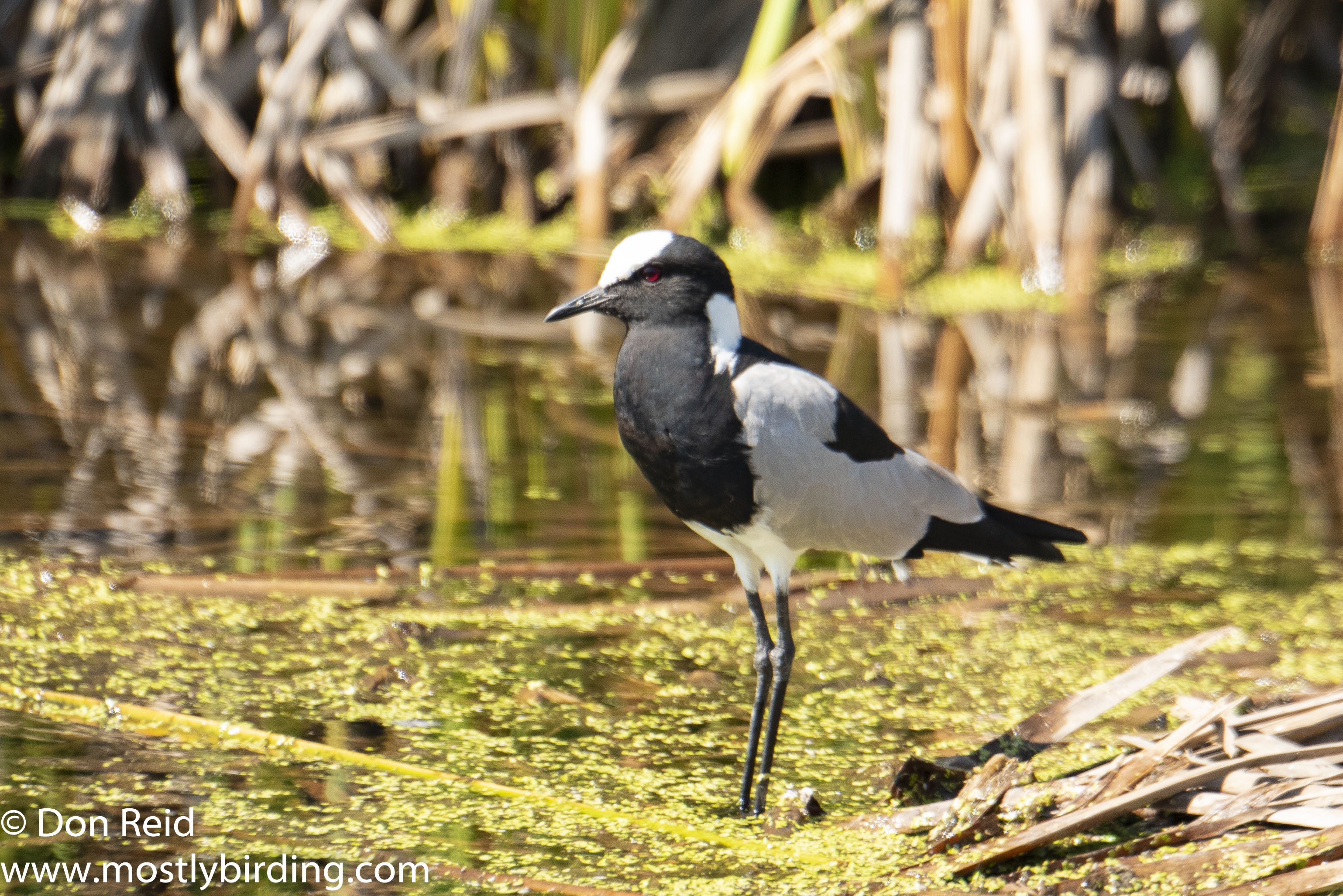
Blacksmith Lapwing / Bontkiewiet (Vanellus armatus)– despite its name suggesting a somewhat rougher individual, this is one bird that looks as if it could be an avian James Bond – elegant, formally attired, ready to order a martini “shaken, not stirred”


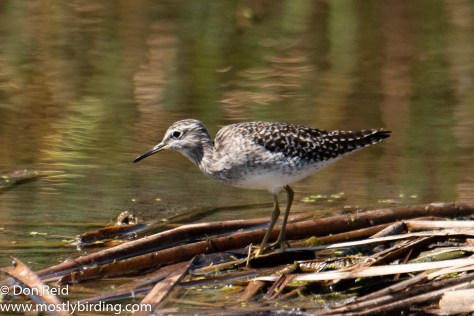
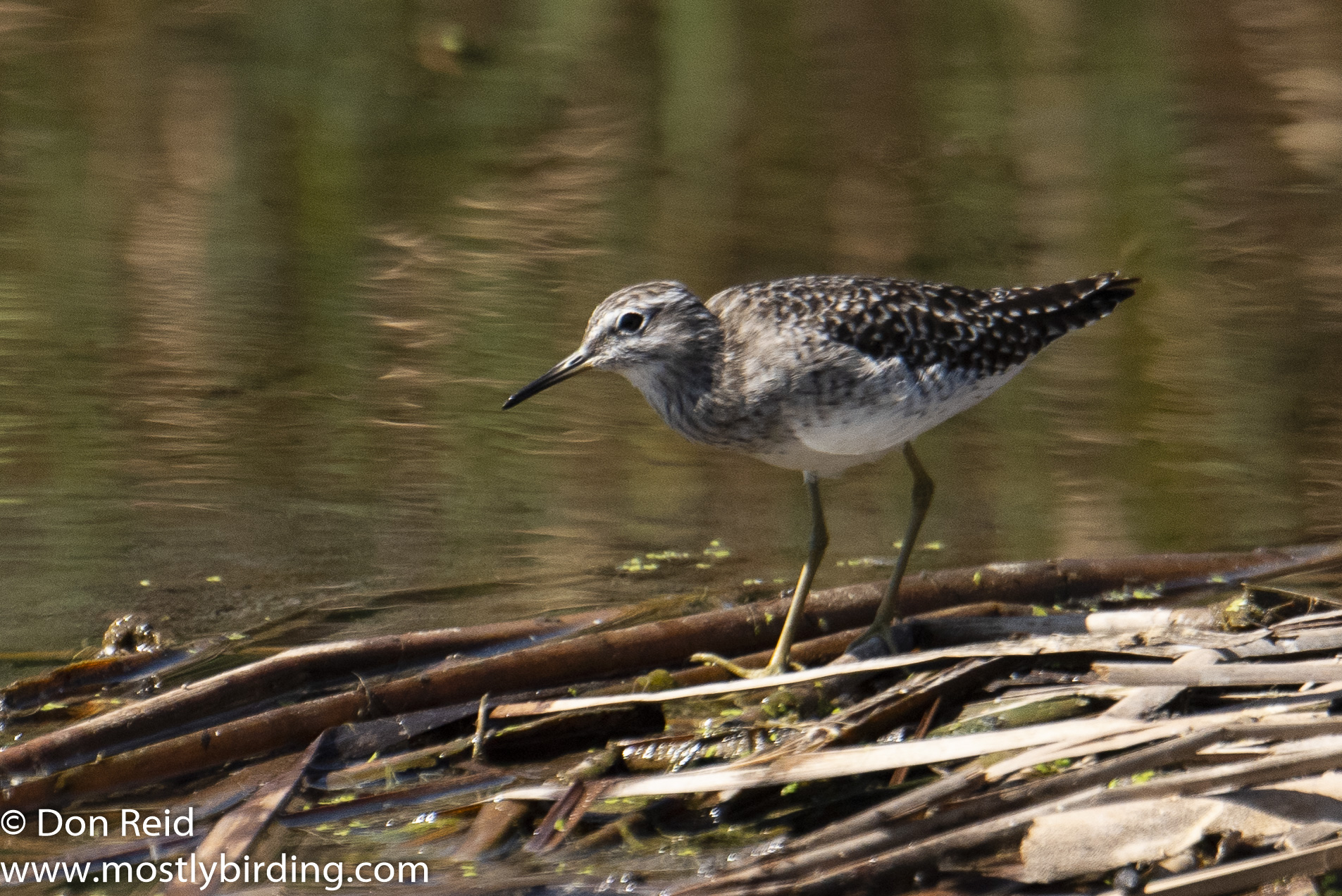
Wood Sandpiper / Bosruiter (Tringa glareola) – the only wader I came across during my visit – water levels were high after good summer rains so the hundreds of waders usually present were somewhere else


African Reed-Warbler / Kleinrietsanger (Acrocephalus baeticatus) – at one spot along the power-line track which has wetlands on both sides (shown in the featured image at the top of the post) I seemed to be surrounded by calling Warblers, with this species most prominent, calling vigorously and showing briefly amongst the reeds.


Red-knobbed Coot / Bleshoender (Fulica cristata) – the hides at Marievale are well looked after and afford great views of the comings and goings of several species, including this very common one


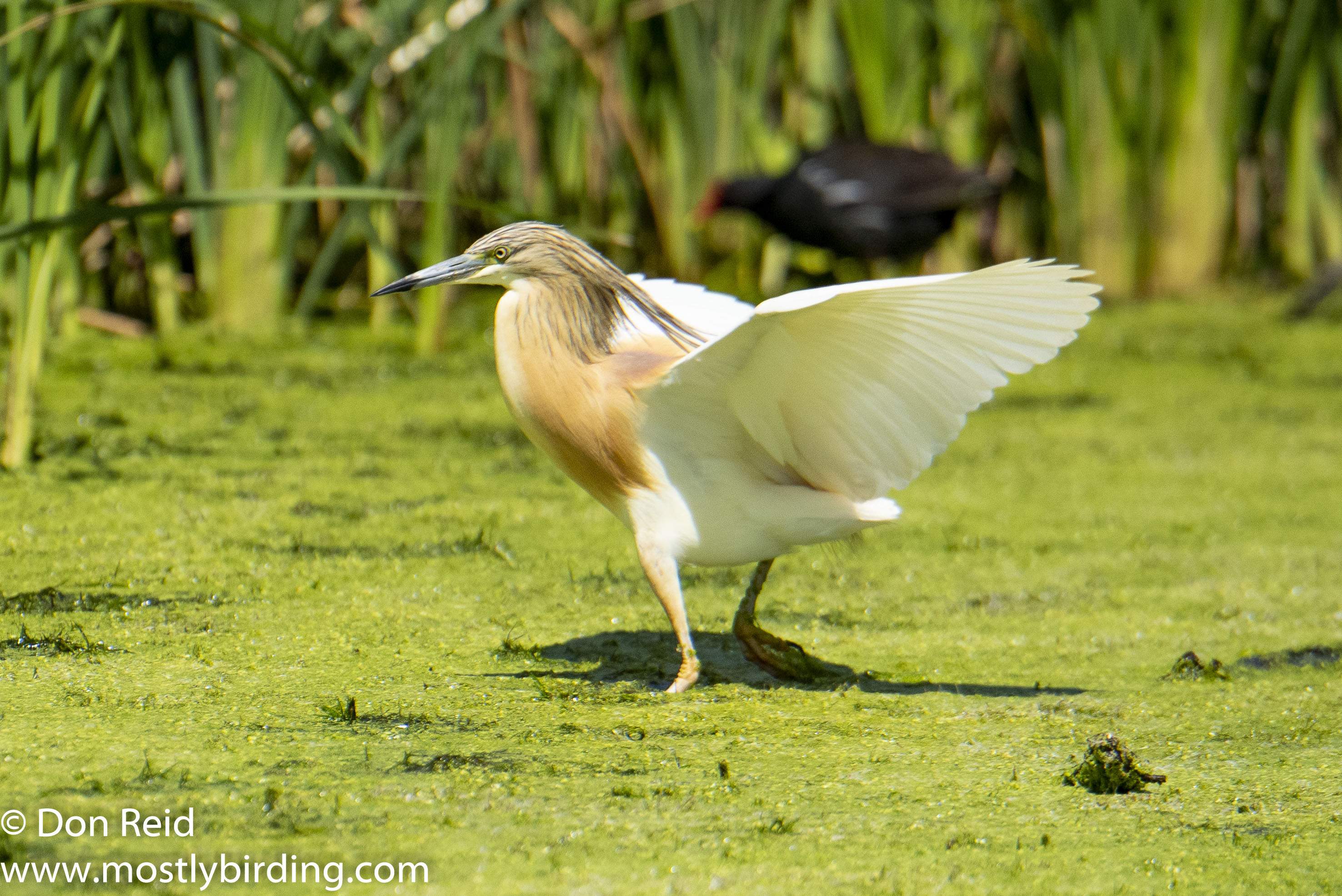
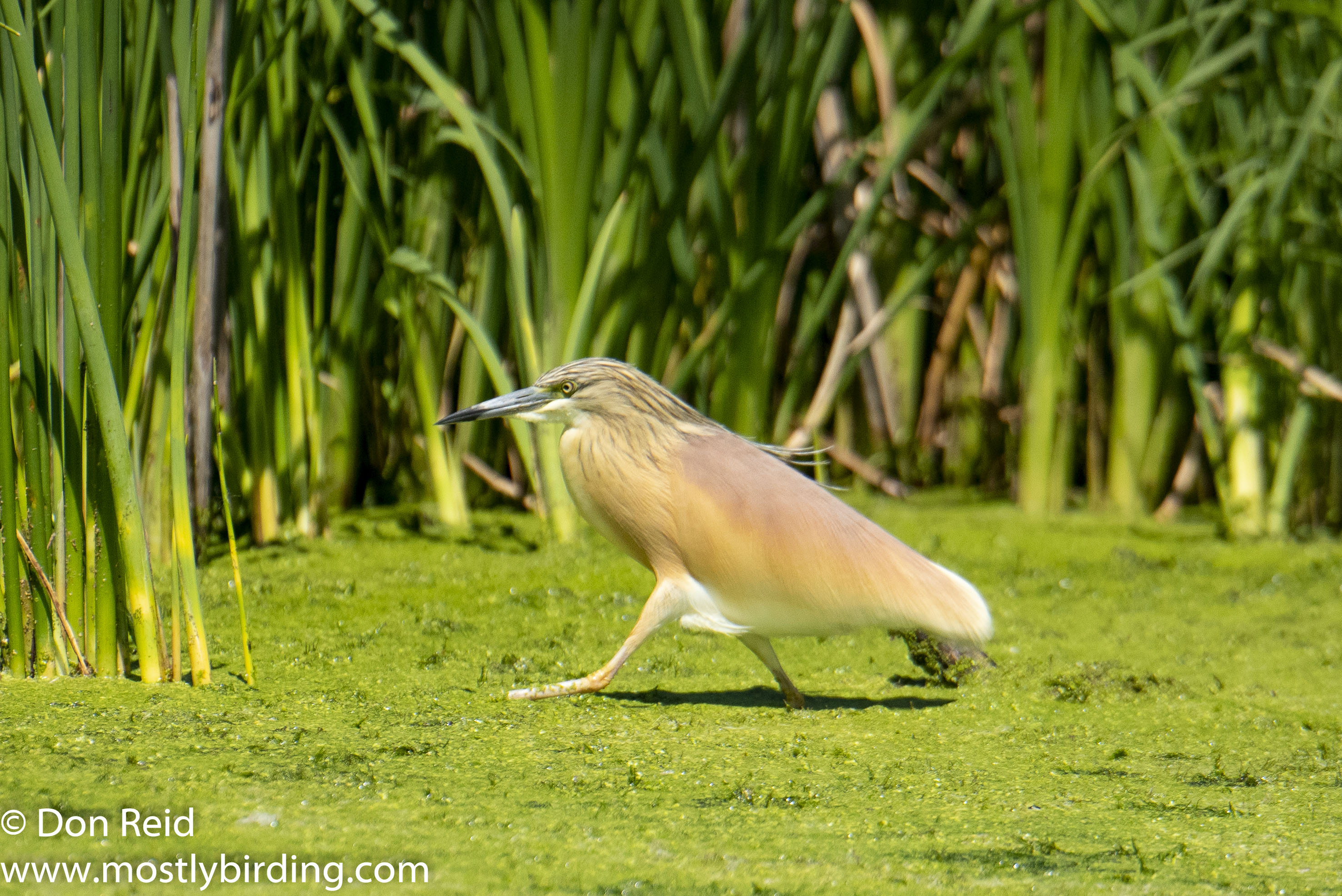
Squacco Heron / Ralreier (Ardeola ralloides) – demonstrating why it can be a difficult bird for beginners to identify, particularly in flight when it appears to be all-white and can easily be taken for a Cattle Egret. Once settled though it is an obvious species and in breeding plumage as it is here it shows the elongated feathers on the crest and neck, giving it an even more distinctive look


Common Moorhen / Grootwaterhoender (Gallinula chloropus) – another common water bird seen from the hide


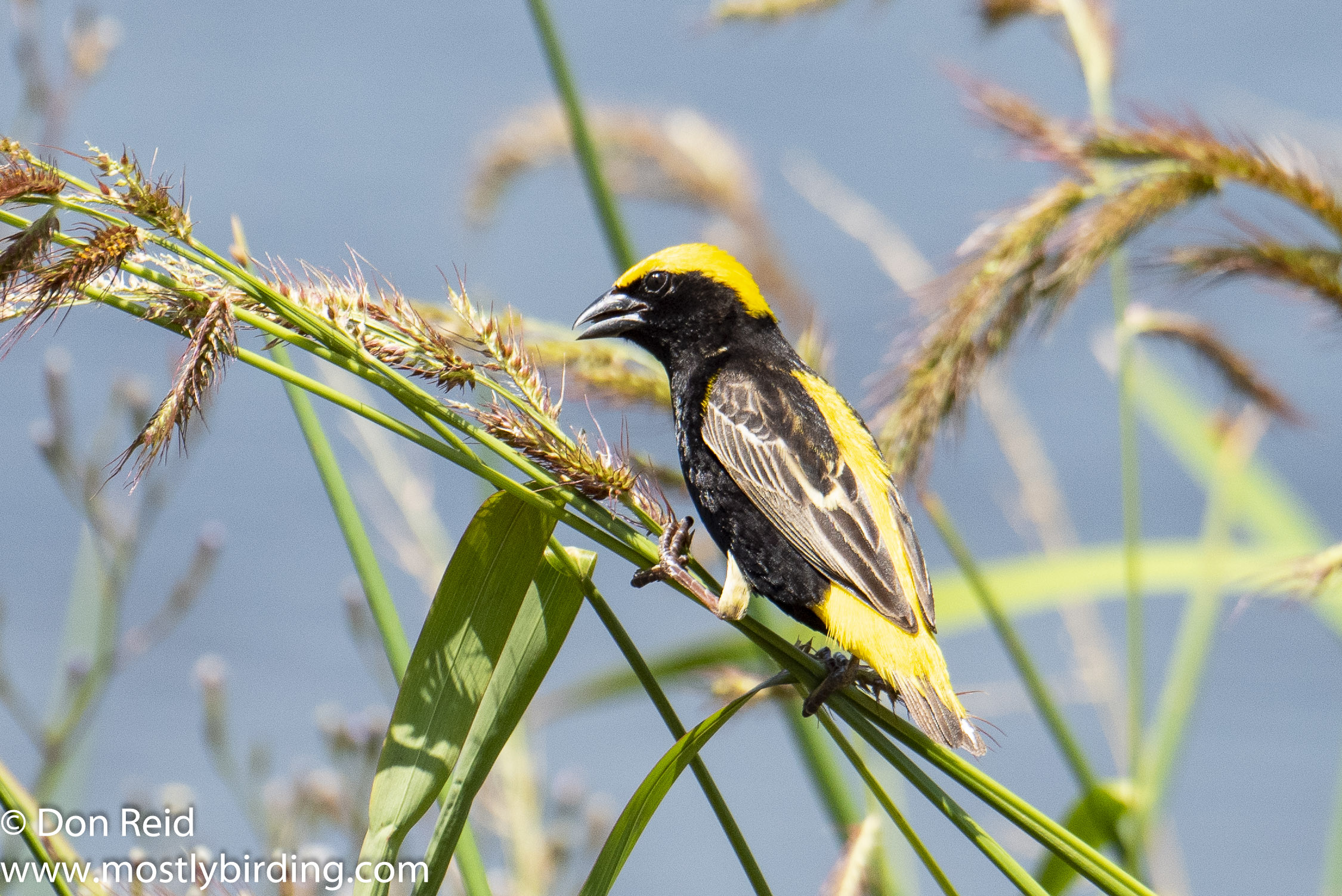
Yellow-crowned Bishop / Goudgeelvink (Euplectes afer) – resembles a very large bumble-bee in flight display as it fluffs up its yellow back feathers and flies slowly and ponderously amongst tall reeds


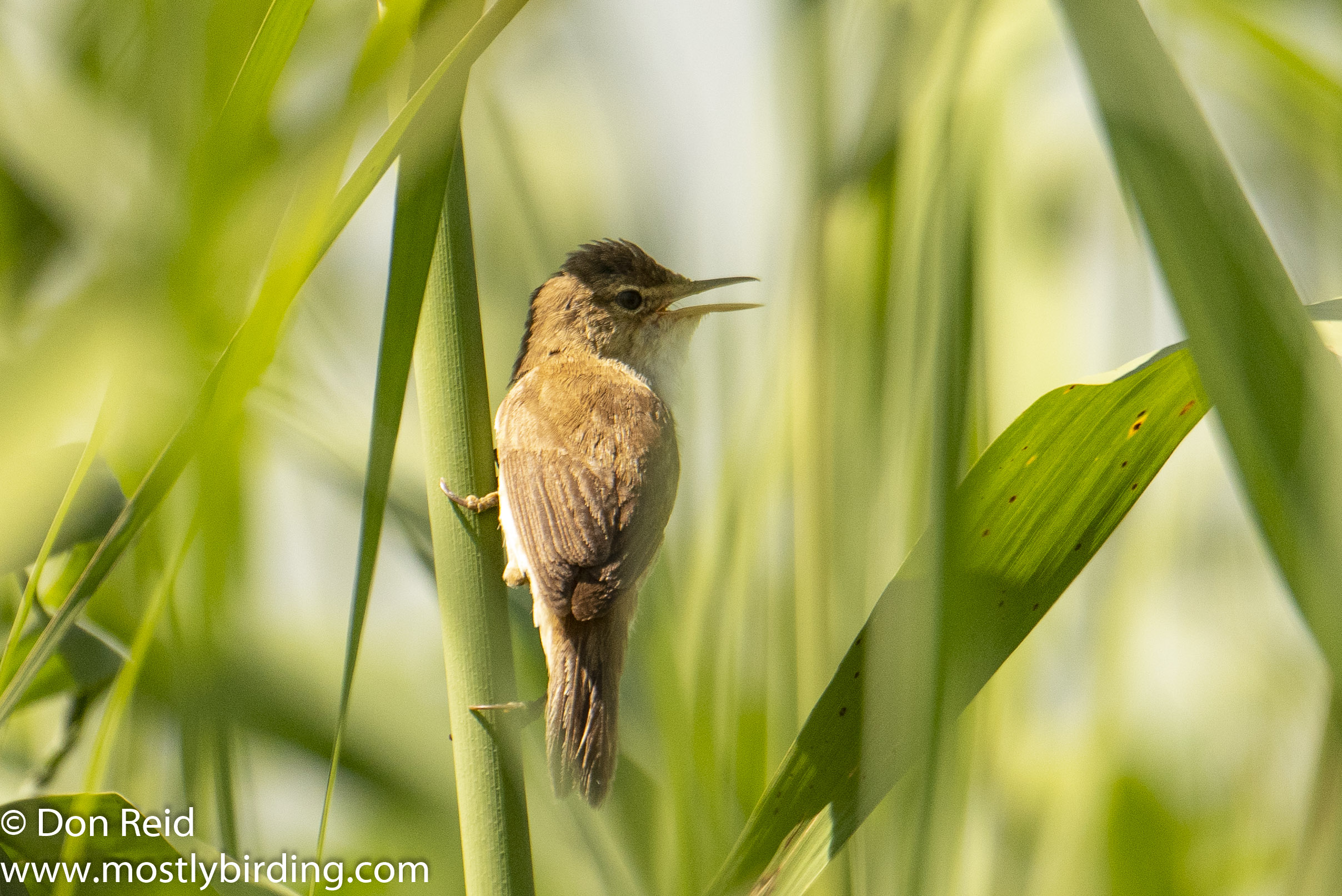
Lesser Swamp Warbler Kaapse rietsanger (Acrocephalus gracilirostris) – one of the bolder warblers but more often heard rather than seen. This one popped onto a perch right in front of the picnic spot hide as I was chatting to a visitor from Scotland


Whiskered Tern / Witbaardsterretjie (Chlidonias hybrida) – almost always present at Marievale, this tern in breeding plumage (losing the black belly and much of the black crown when non-breeding) was hovering and plunge-diving in front of the hide, constantly on the search for food


Chobe River and Game Reserve – a Special Place

I have been fortunate during my working career to have been involved in construction projects which have taken me to some interesting, even exciting, parts of the world. Top of that list is Kasane, a small town on the Chobe River in the far north of Botswana, South Africa’s neighbour on its northern side and one of the nicest countries you will find just about anywhere.

Aerial view of the Chobe River while landing at Kasane

Nice because it is one of the most sparsely populated countries in the world, with just 2,3m people at an average density of 3 people per square kilometre, and the vast majority are inherently friendly, decent people. The country is blessed with large tracts of unspoilt wilderness where you will find some of the last vestiges of the Africa that existed before human interference made its mark.
The Flood plain

My involvement in the Kasane Airport project, now complete and functioning well, meant I spent an accumulative 60 days or more in Kasane during monthly visits spread over 3 years and I used every opportunity to spend free time in Chobe Game Reserve and on the Chobe River, soaking up the incomparable African game-viewing and bird-watching on offer.

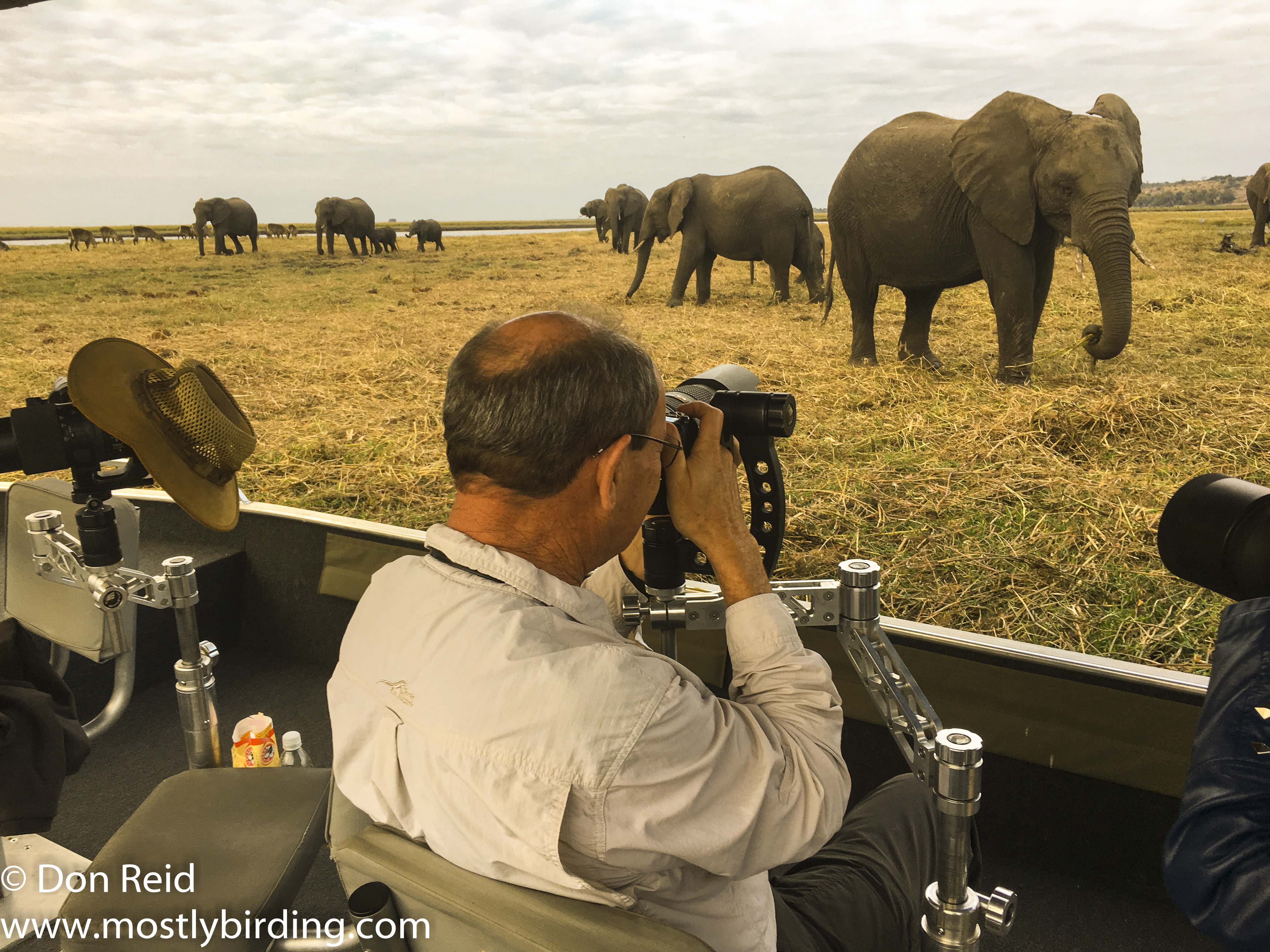
So where is this leading? Well, I made what is likely to be my last visit to Kasane in November 2018, during which I joined a “farewell” photographic safari both on land and on the river, which left me with a head full of special memories and a memory card full of treasured images.

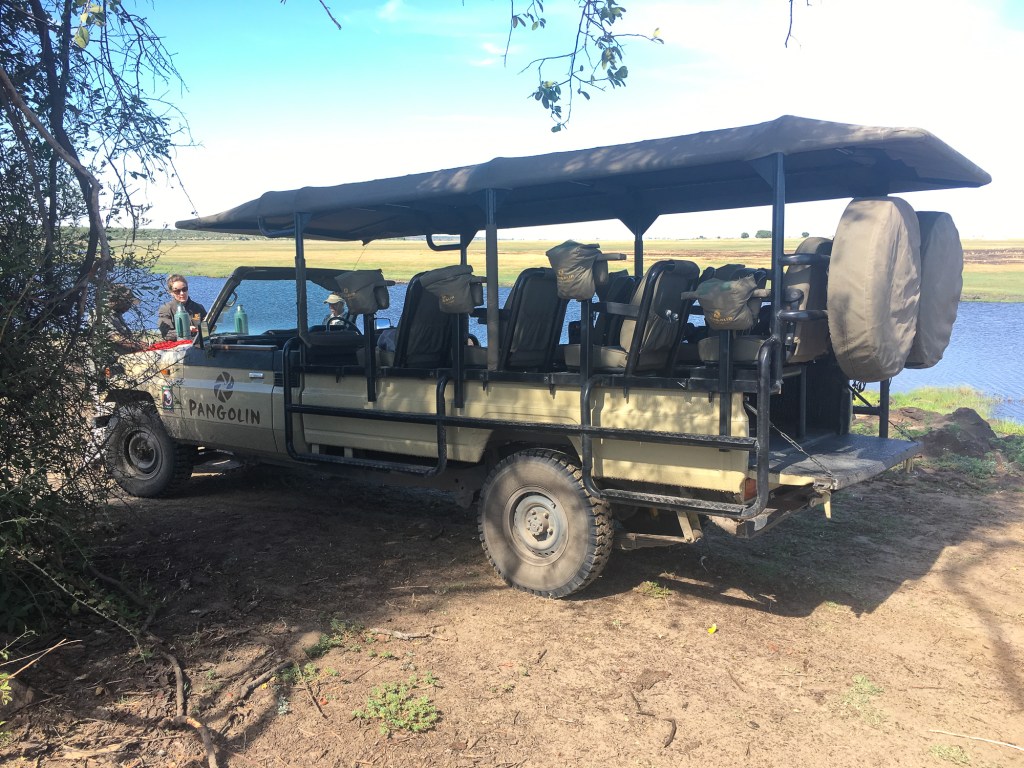
Pangolin Safaris photographic boat trip

Leaving Chobe Game Reserve after the game drive that morning along the familiar sandy, bumpy track, through the Sedudu gate and out on to the tar road back to Kasane, it momentarily struck me that this was possibly the last time I would see this place and an almost tangible sadness washed over me for a few seconds, only to be replaced with the happy thought of all the memories I had gathered over more than 3 years, memories that I would love to share in the best way I can.

I have written several posts about some outstanding experiences in Chobe over the last few years, but there is so much more to tell, so expect a short-ish series of further posts over the next few weeks -or months featuring some or all of the following :

  • The iconic species, both animal and avian, that call Chobe home, from Elephants to Hornbills, Leopards to Fish Eagles
  • The bird atlasing trips that I squeezed into a busy schedule while in Kasane
  • Stylish photographic safaris with Pangolin Safaris
  • Whatever else pops up in my memory bank (aka my journals)

Elephants crossing the river

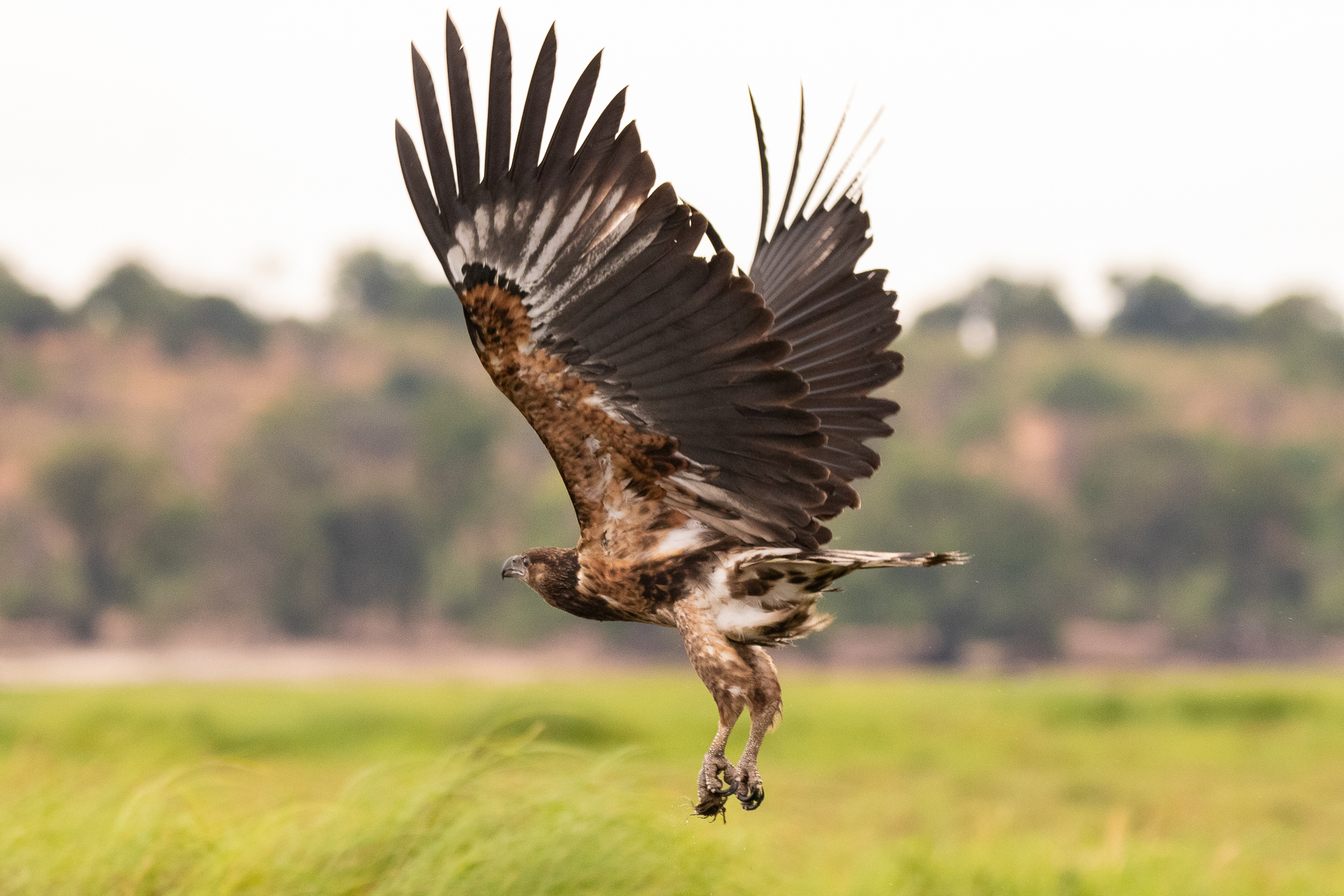
African Fish-Eagles are numerous along the Chobe River

Leopard in Chobe Game Reserve

Bradfield’s Hornbill

It’s scenes like this that had me going back for more


My Photo Picks for 2018

With the new year in its first week, it’s time to select a few photos which best represent our 2018. In some cases, selection is based on the memory created, in others I just like how the photo turned out, technically and creatively  

If you have any favourites, do let me know by adding your comment!

The Places

This was an unusual year for us, in that for the first time in several years we did not journey outside Southern Africa once during the year.  But we made up for that with plenty of local trips, such as –

Champagne Valley resort in the Drakensberg

Champagne Valley Drakensberg

Annasrust Farm Hoopstad (Free State)

Sunset, Annasrust farm Hoopstad

Pine Lake Resort near White River (Mpumulanga Province)

Pine Lake Resort

Mossel Bay – our second “Home” town

Mossel Bay coastline

Oaklands Country Manor near Van Reenen (Kwa-Zulu Natal)

Oaklands Country Manor, near Van Reenen

La Lucia near Durban (Kwa-Zulu Natal)

La Lucia beach

Shongweni Dam (Kwa-Zulu Natal)

Shongweni Dam

Onverwacht Farm near Vryheid (Kwa-Zulu Natal)

Controlled burn on Onverwacht Farm

Kruger Park Olifants camp

Bungalow roof, Kruger Park

Herbertsdale area (Western Cape) – atlasing

Herbertsdale area

Karoo National Park near Beaufort West (Western Cape)

Karoo National Park

Kuilfontein Guest Farm near Colesberg (Northern Cape)

Kuilfontein, Colesberg – the drought has hit this area badly

Verlorenkloof (Mpumulanga)

Verlorenkloof – view from upper path

Lentelus Farm near Barrydale (Western Cape)

Lentelus Farm near Barrydale

The Wildlife

With visits to Kruger National Park, Karoo National Park and Chobe Game Reserve in Botswana, there was no shortage of game viewing opportunities and it turned out to be a great year for Leopards

Kruger National Park

African Wild Dog, Kruger National Park

Zebra, Kruger Park

Leopard, Phabeni road, Kruger Park

Karoo National Park

Waterhole scene, Karoo National Park

Klipspringer, Karoo National Park

Chobe Game Reserve

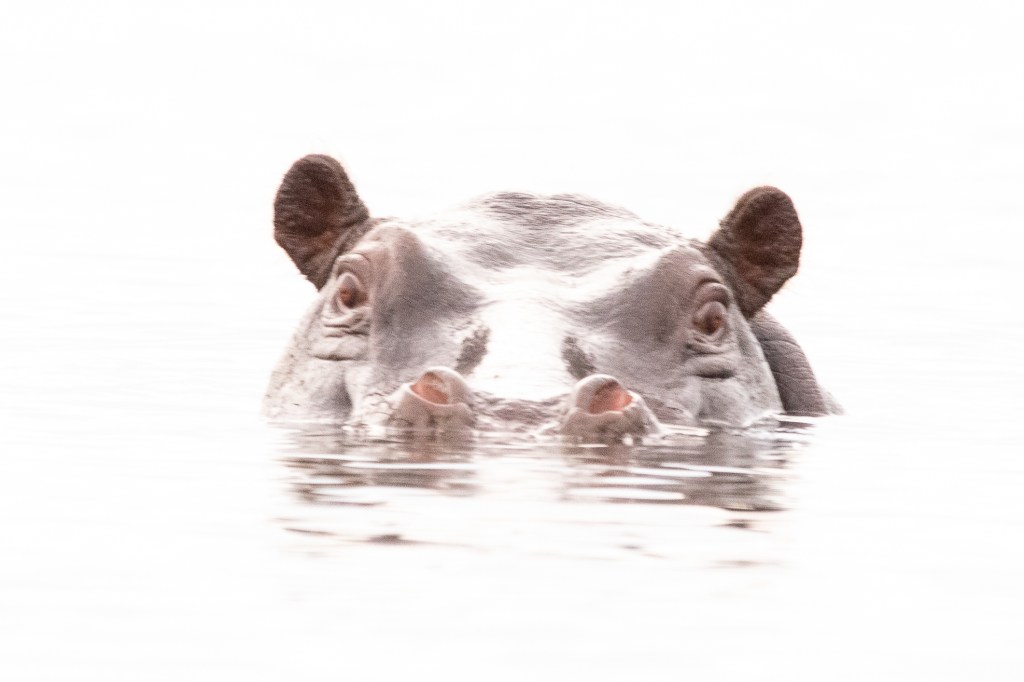
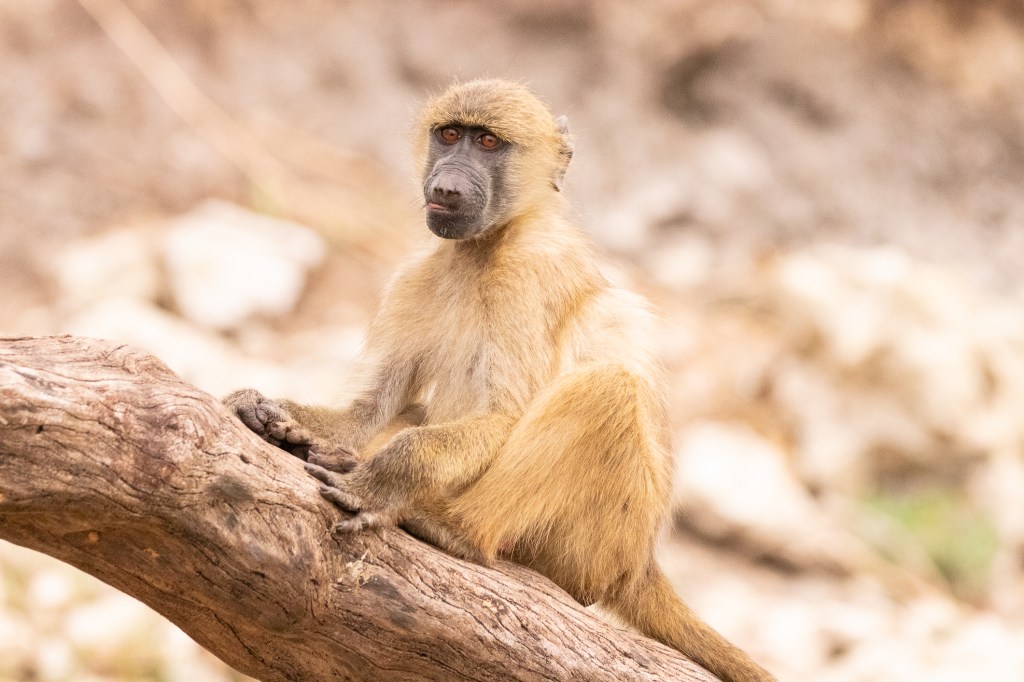
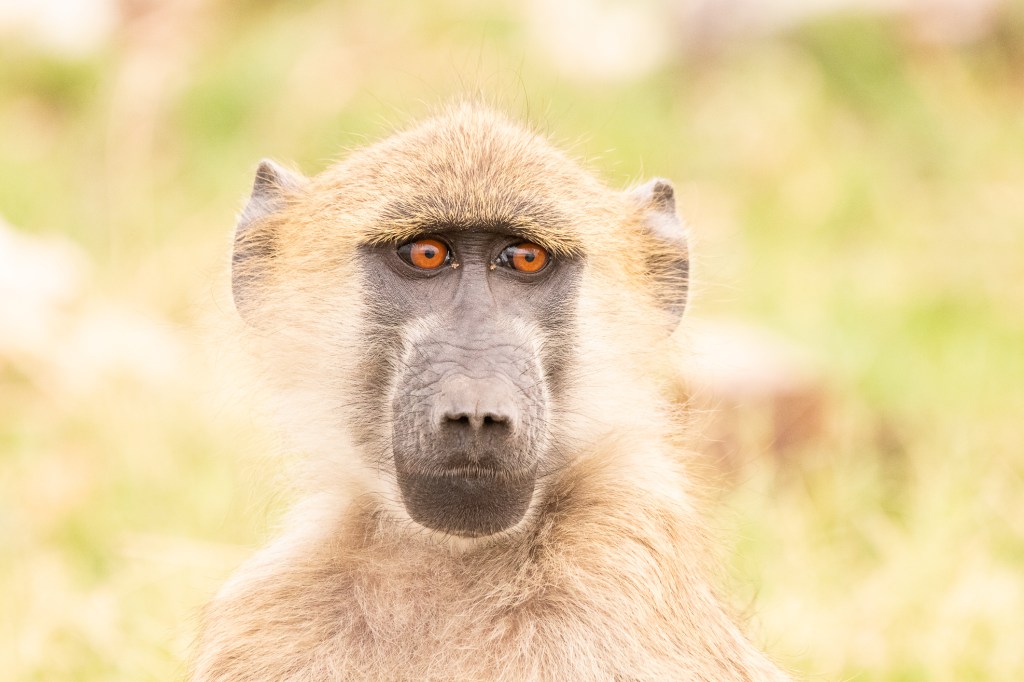
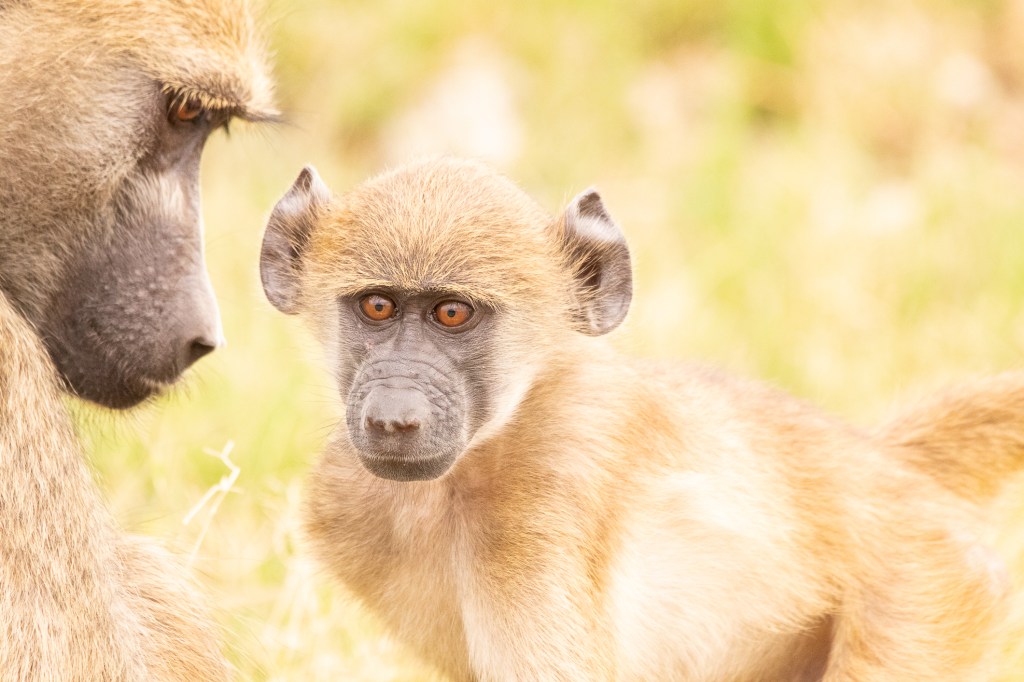
The eyes have it

Chacma Baboon, Chobe River Trip

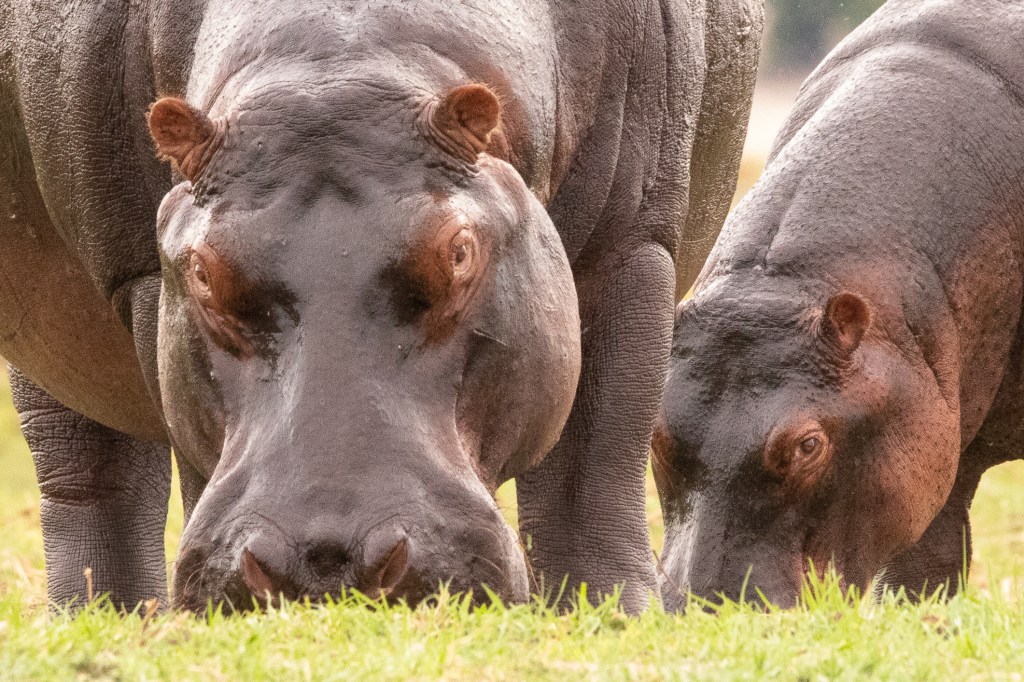
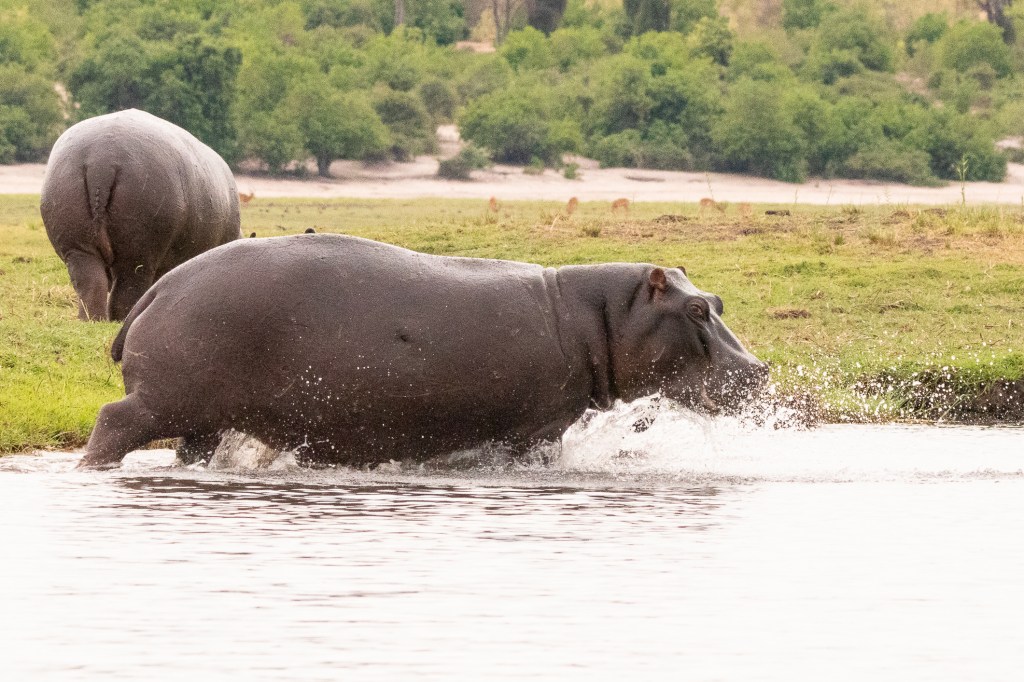
Hippo, Chobe River Trip

Wild but beautiful

Leopard, Chobe Riverfront game drive

Leopard, Chobe Riverfront game drive

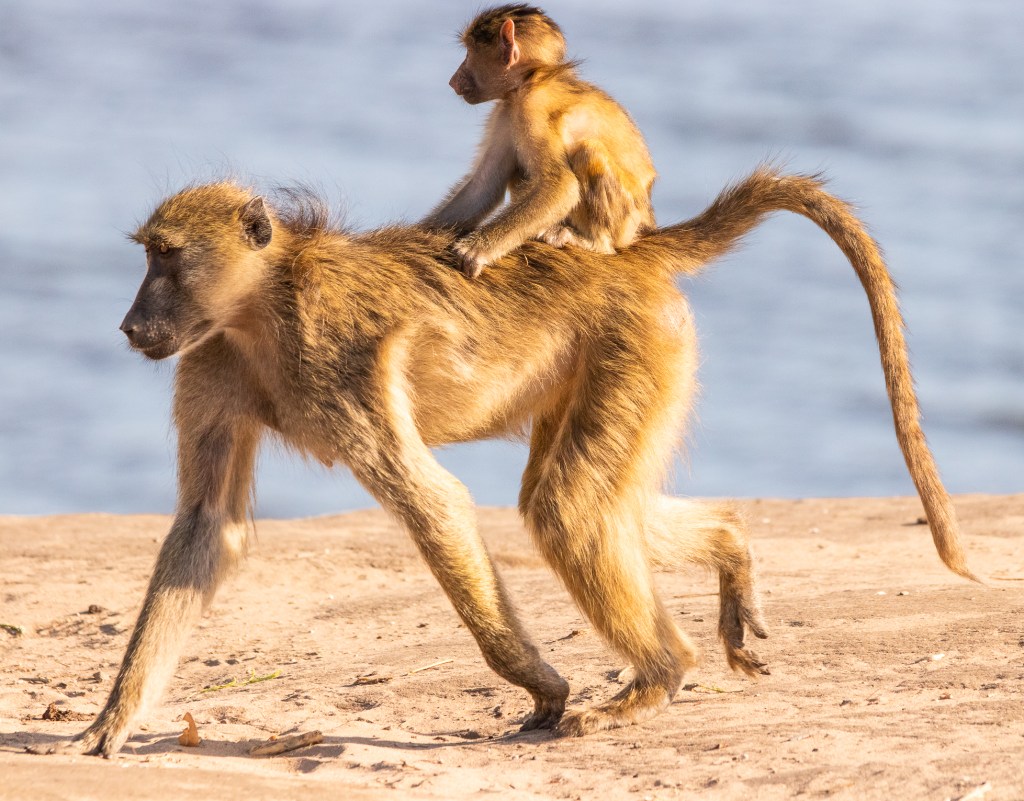
Who needs a horse when you have a mom to ride on

Chacma Baboon, Chobe Riverfront game drive

Oh, and the news is hippos can do the heart shape with their jaws – they don’t have fingers you see

Hippo, Chobe River Trip

The Birds

Bird photography remains the greatest challenge – I am thrilled when it all comes together and I have captured some of the essence of the bird

Great Egret flying to its roost

Great Egret, Annasrust farm Hoopstad

White-fronted Bee-eaters doing what they do best – looking handsome

White-fronted Bee-eater, Kruger Day Visit

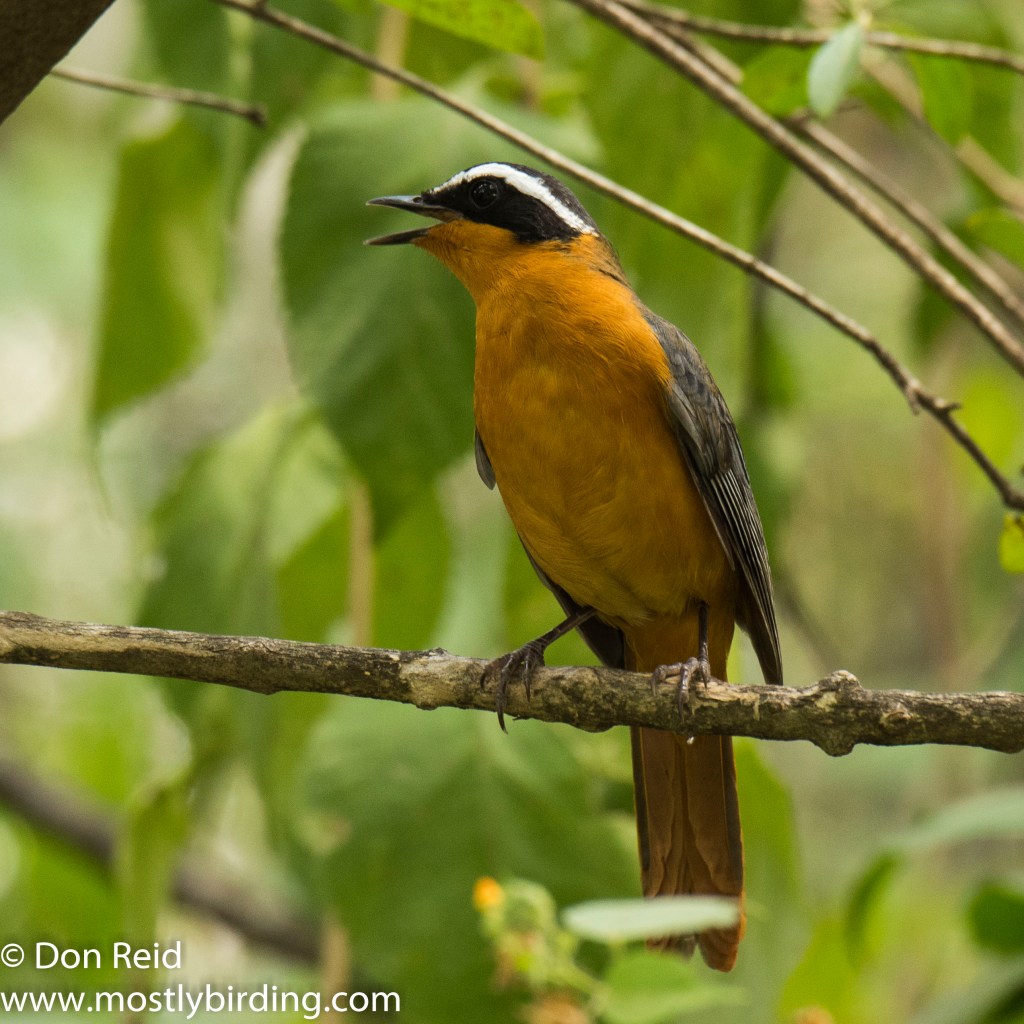
White-browed Robin-Chat

White-browed Robin-Chat, Kruger Day Visit

The usually secretive Green-backed Camaroptera popping out momentarily for a unique photo

Green-backed Camaroptera, Kruger Day Visit

African Fish-Eagle – aerial king of the waters

African Fish Eagle, Kruger Park

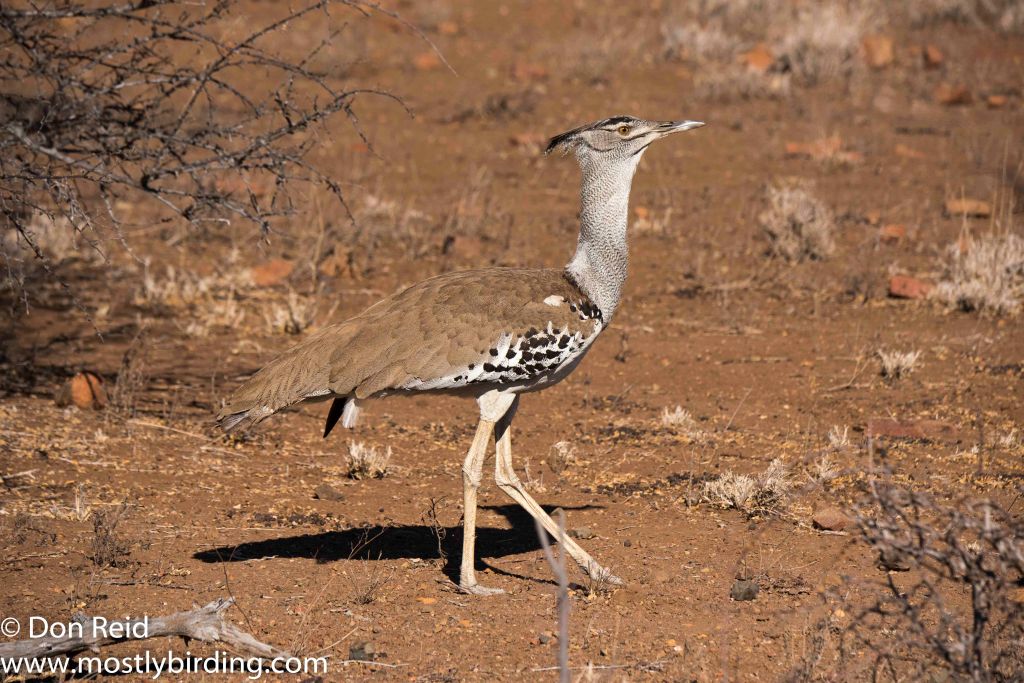
Kori Bustard – heaviest flying bird

Kori Bustard, Kruger Park

Little Bee-eater

Little Bee-eater, Olifants, Kruger Park

Black-chested Snake-Eagle

Black-chested Snake=Eagle, Kruger Park

Crowned Hornbill – he’ll stare you down any day

Crowned Hornbill, Mkhulu, Kruger Park

Kittlitz’s Plover

Kittlitz’s Plover, Gouritzmond

Large-billed Lark in full song

Large-billed Lark, Herbertsdale area

Village Weaver – busy as a bee

Village Weaver, Verlorenkloof

Thick-billed Weaver – less frenetic, more particular about its nest-weaving

Thick-billed Weaver, Verlorenkloof

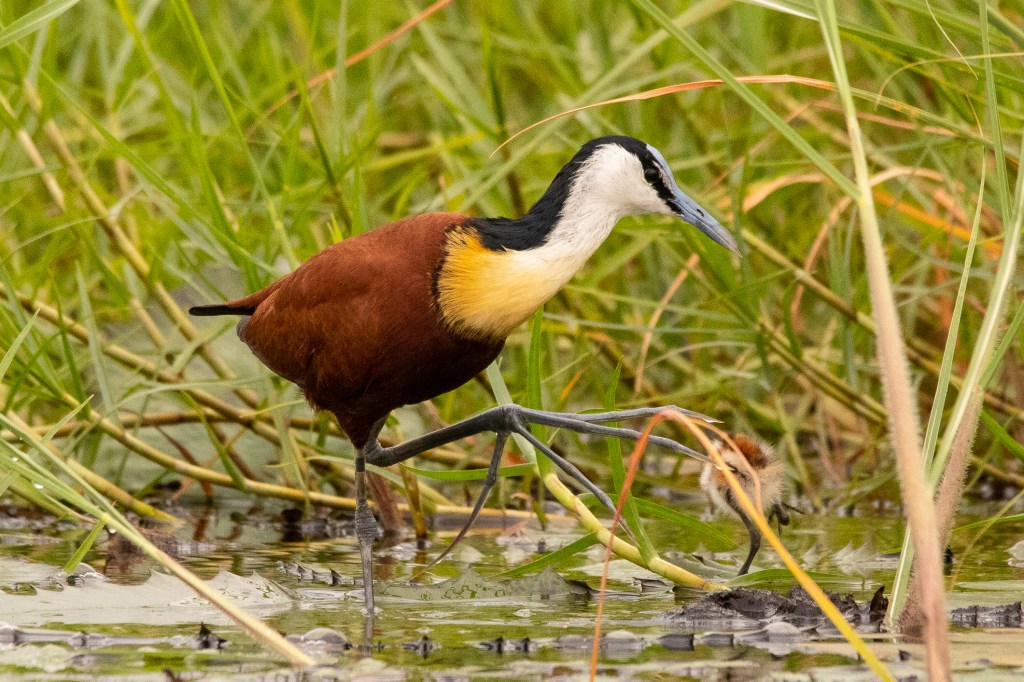
African Jacana with juveniles

African Jacana, Chobe River Trip

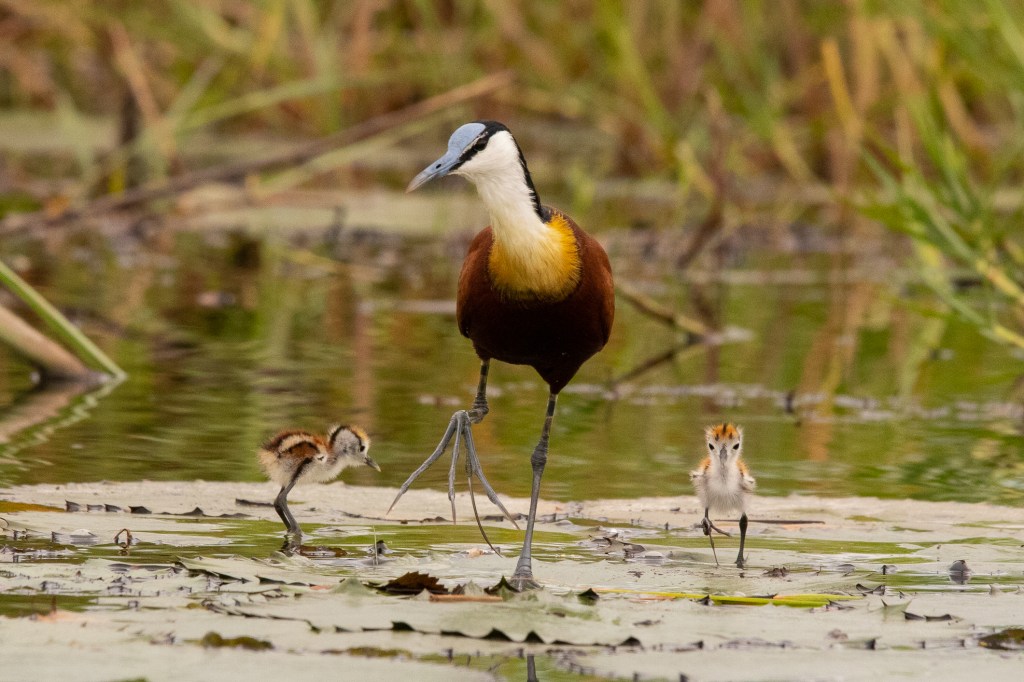
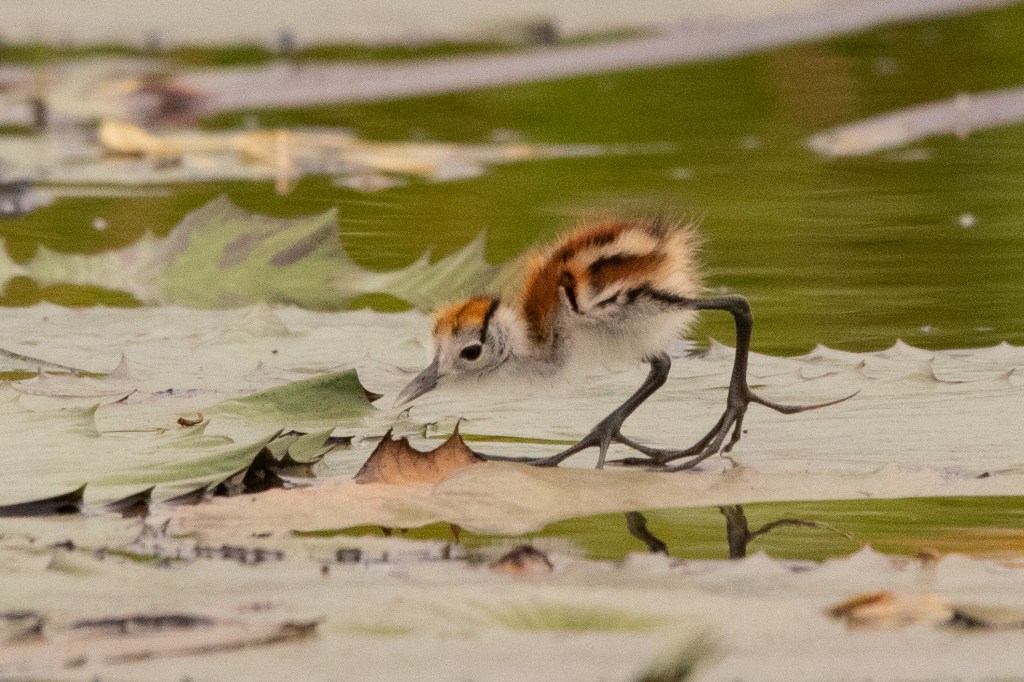
Juvenile African Jacana – a cute ball of fluff with legs longer than its body

African Jacana, Chobe River Trip

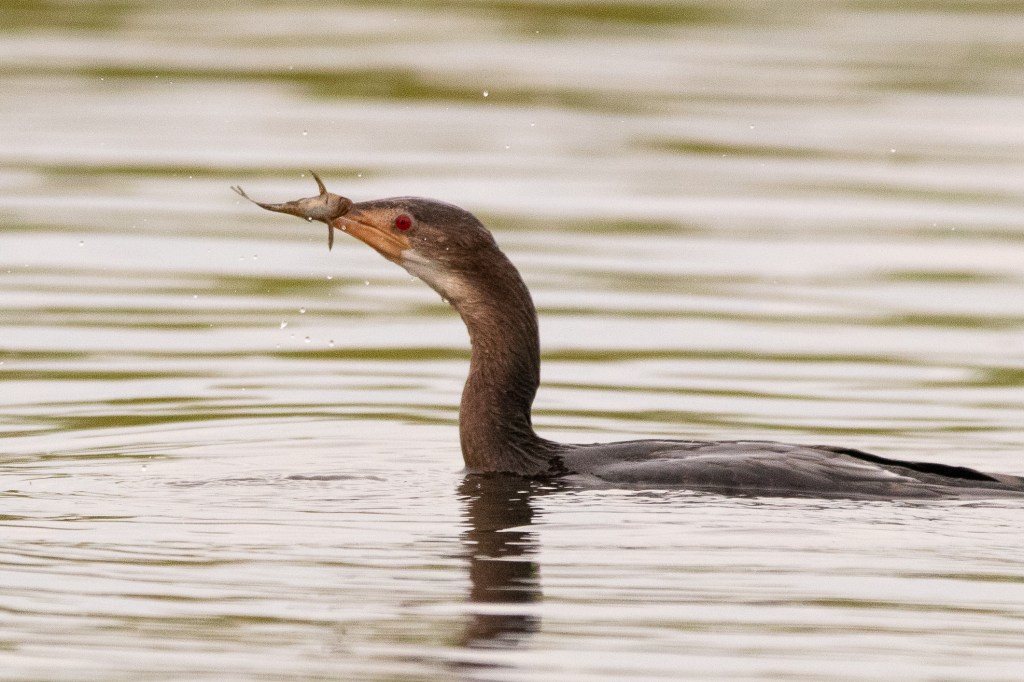
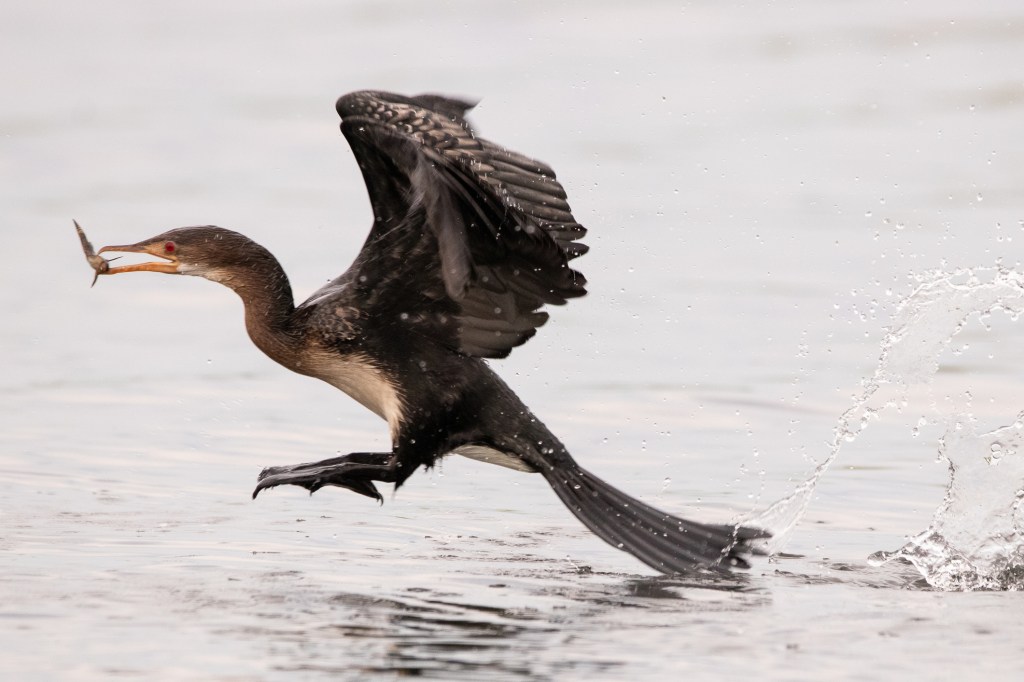
Reed Cormorant with catch

Reed Cormorant, Chobe River Trip

Blue-cheeked Bee-eater

Blue-cheeked Bee-eater, Chobe River Trip

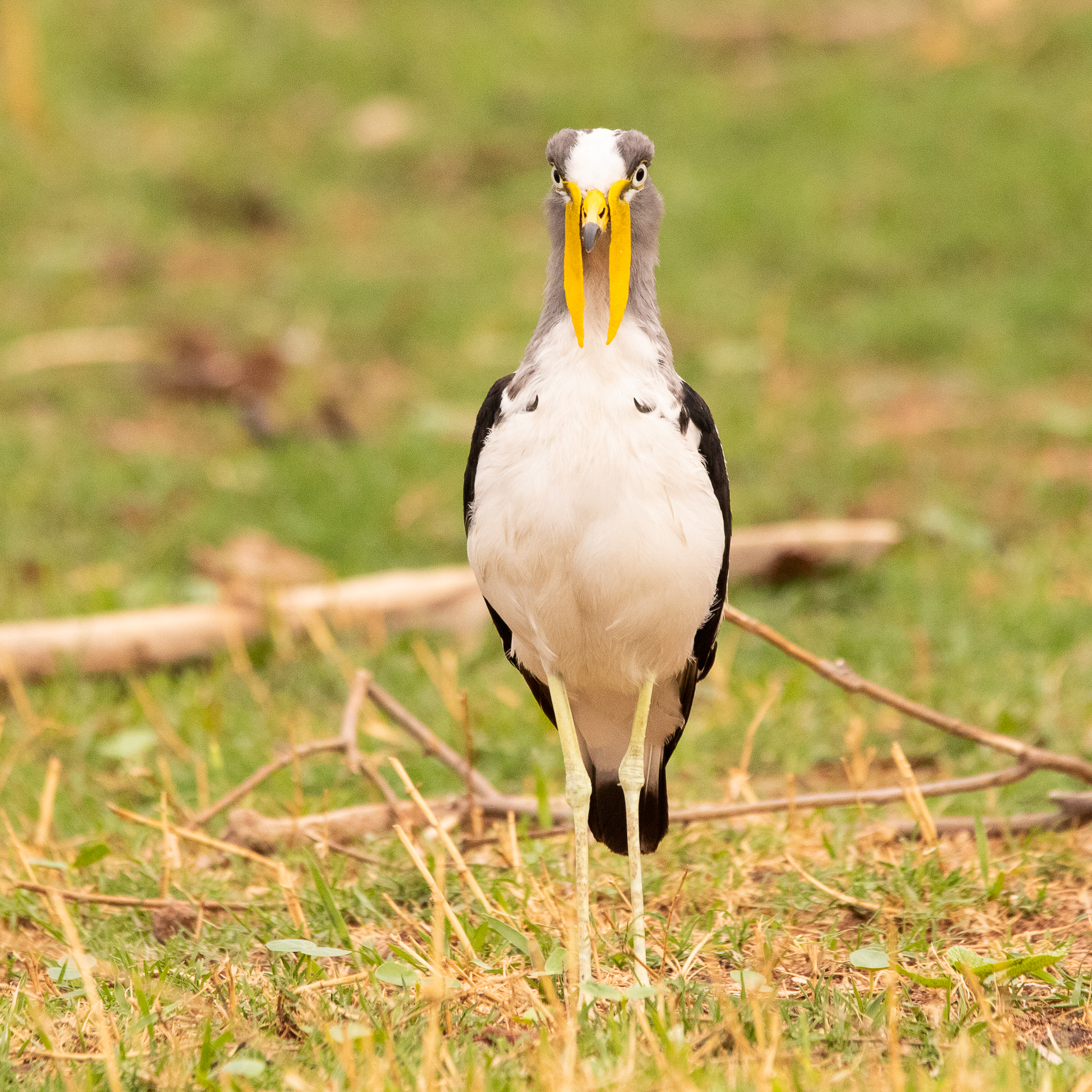
White-crowned Lapwing

White-crowned Lapwing, Chobe River Trip


Wishing all who may read this a 2019 that meets all of your expectations!

Kruger for a Day – Five minutes of Bird Photography heaven

“Skulking and inconspicuous”

“Shy and inconspicuous, keeping to dense cover”

“Fairly secretive”

Despite what some people close to me may suggest, none of these descriptions refer to me –

they are in fact extracts from Roberts Birds of Southern Africa, describing the habits of three bird species which are more often heard rather than seen. So, to be presented with an opportunity to photograph all three of them in quick succession, with another more conspicuous species thrown in for good luck, is a chance in a thousand and I took it with open arms……… and an open lens.

As is often the case, the opportunity arose unexpectedly – we were on a day trip through Kruger in April this year, wending our way slowly on a circular route from Phabeni gate via Skukuza to Numbi gate, and decided to stop at the Skukuza Day Visitors area for a picnic lunch. (See my previous post on “Painted Wolves and a Weary Lion” for more on the trip). The morning had gone well with a variety of birds seen and a rare sighting of a pack of Wild Dogs as the highlight, but by now we were looking forward to a break.

We chose a shady table in a bushy section and greeted the only other group using the area as we passed their equally secluded spot.

Skukuza day visitors area

While the provisions were being laid out, I pottered about to see what bird life was around at this time of day, usually a quieter time for birding. At the swimming pool several Barn Swallows, Rock Martins and Greater Striped Swallows were swooping about enthusiastically and I heard an African Fish Eagle call from the river – not seeing much else I was content to join the others for lunch. The refried boerewors from last night’s braai accompanied by traditional braaibroodjies went down a treat along with coffee.

Skukuza day visitors picnic spot

When it came time to pack up, I wandered off to investigate some rustling and faint bird sounds that seemed to be coming from  nearby bushes and did a quick recce of the surrounding area. By this time our picnic neighbours – the only other people in the area – had left and as I passed their spot I saw some movement in the bushes close to their table.

Using the concrete table as a rather inadequate concealment, I crept closer and sat crouched on the bench, with my camera on the table and checked that it was set up for the shady conditions – aperture priority, high ISO setting for adequate shutter speed, white balance on shade.

Almost immediately a Sombre Greenbul (Gewone Willie / Andropadus importunes) hopped onto an exposed branch and looked straight at me, while I whipped my camera into position and rattled off 3 or 4 shots before it moved on and out of sight – the time as recorded in the photo metadata was 12:24:47.

Sombre Greenbul

Sombre Greenbul

A minute later a White-browed Robin-Chat (Heuglinse janfrederik / Cossypha heuglini) popped out into view and I followed its progress through the foliage for the next two minutes, snapping it in different poses.

White-browed Robin-Chat

White-browed Robin-Chat

By now my adrenaline level was rocketing and I could not believe my luck when yet another skulker appeared in the form of a Terrestial Bulbul (Boskrapper / Phyllastrephus terrestris), a species that usually spends a lot of time scratching around in the leaf litter, but had now decided to pose in full view on a small branch – time 12:29:08.

Terrestial Brownbul

Terrestial Brownbul

By this time I was battling to hold the camera steady as my hands were shaking from the excitement but the photography gods were really out to test my mettle when less than a minute later a Green-backed Cameroptera (Groenrugkwekwevoel / Camaroptera brachyuran) suddenly appeared from nowhere and did the same branch-walking act for my pleasure – time 12:29:50.

Green-backed Camaroptera

Green-backed Camaroptera

So in the space of 5 minutes and 3 seconds I had bagged pleasing photos of 3 skulkers and one other desirable bird and left me with a life-long memory of a very special birding moment.