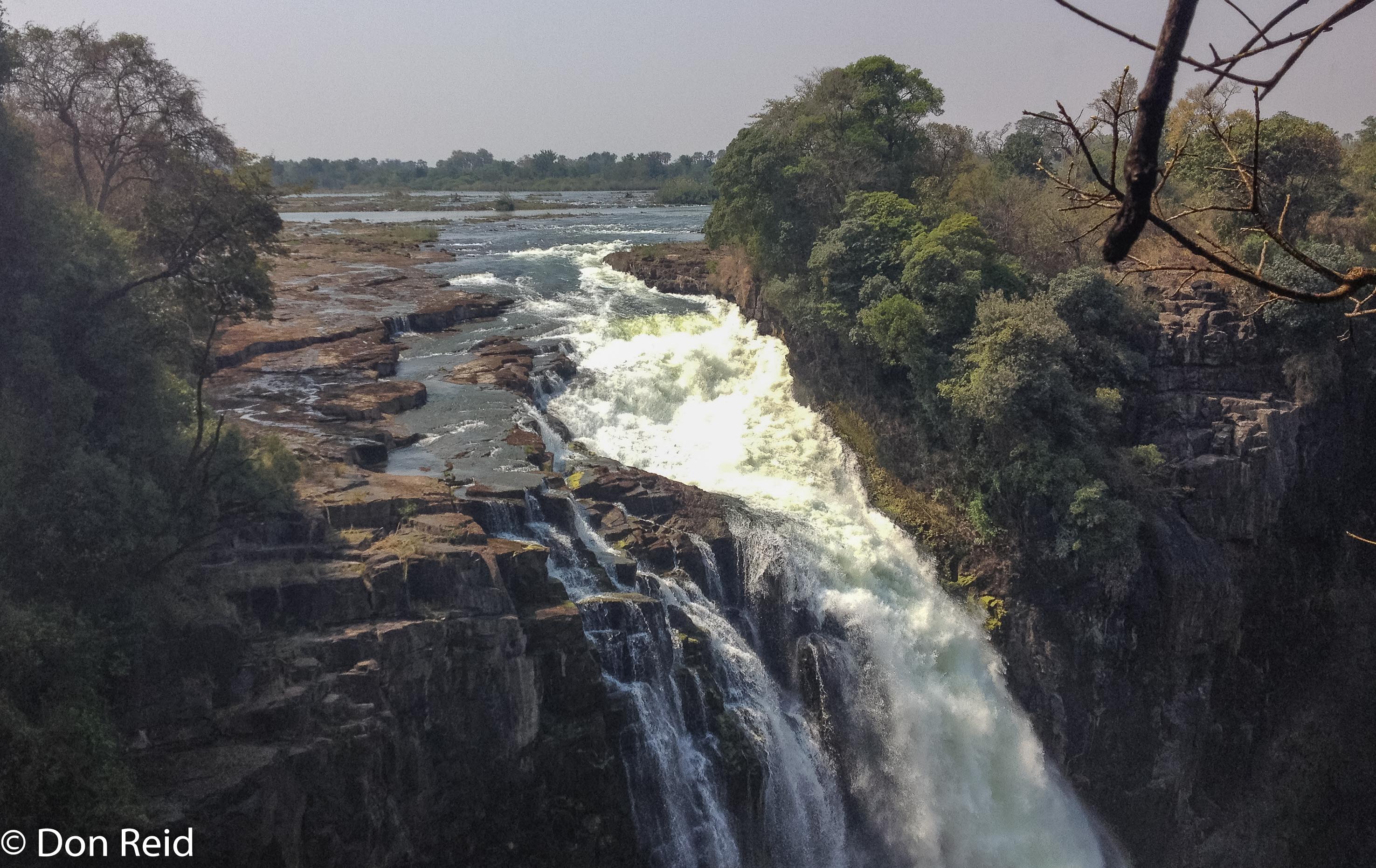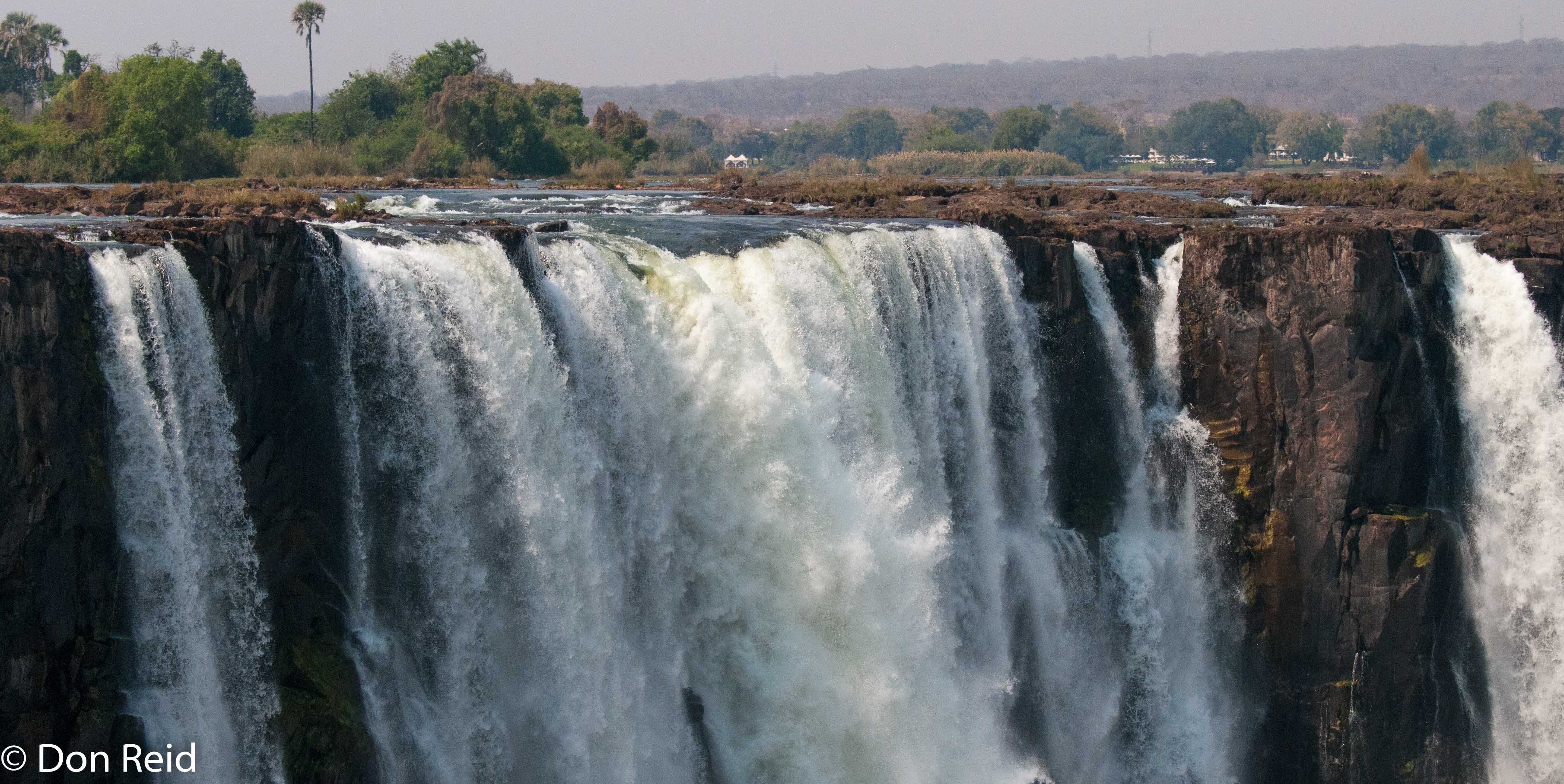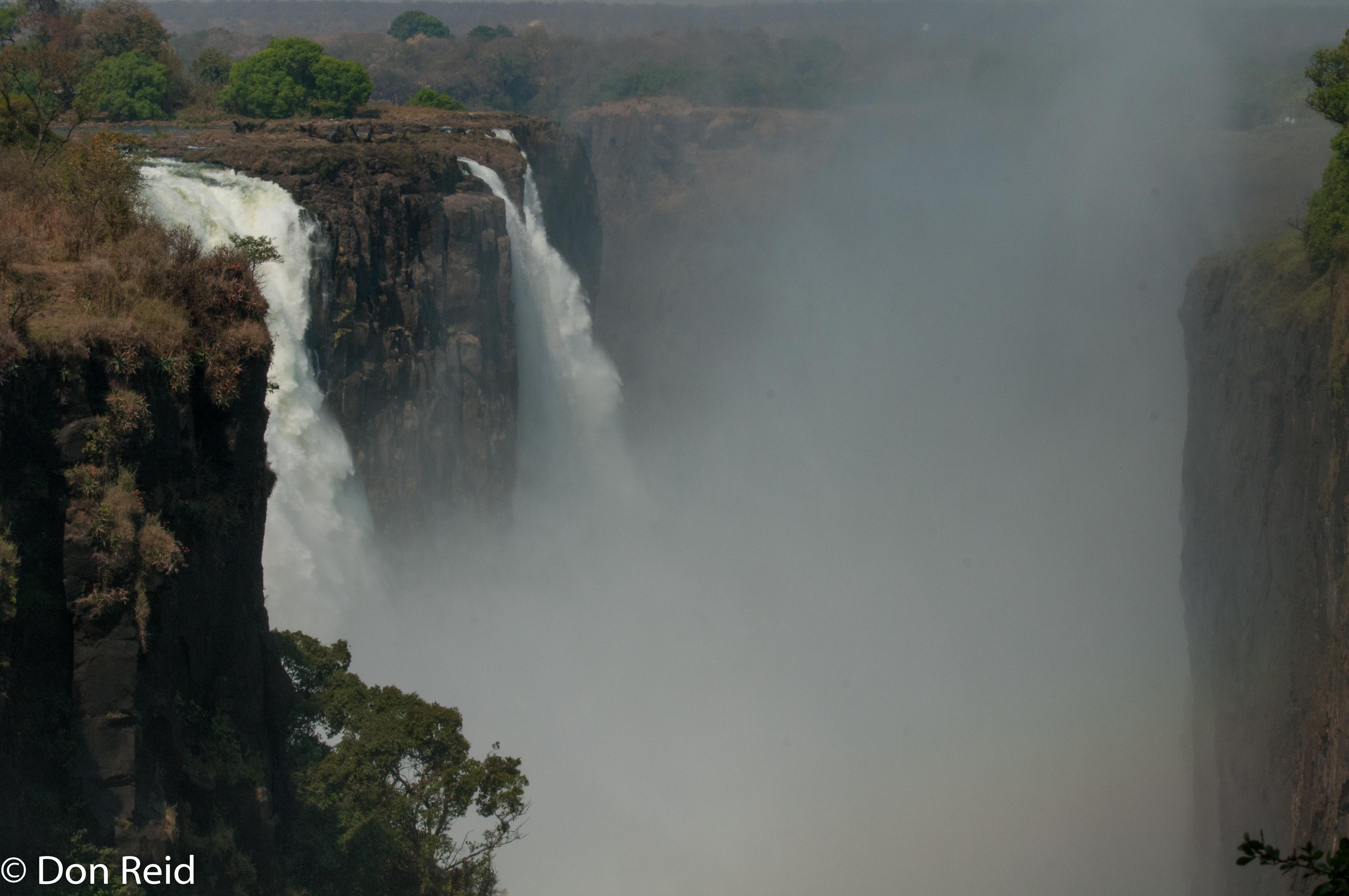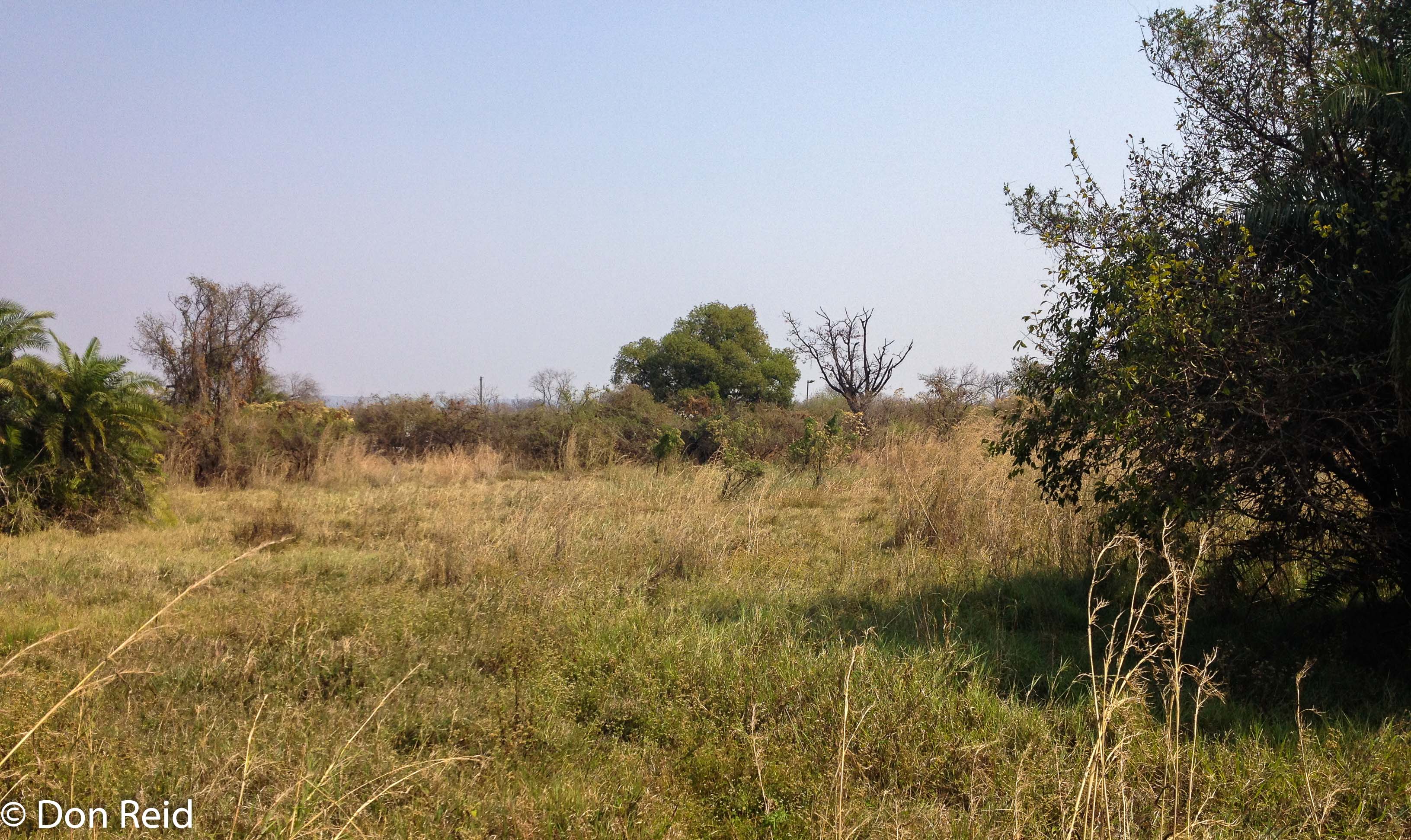
All posts by Don Reid

South African nature enthusiast with a passion for Birding, Photography and Travelling to interesting places to discover more about Southern Africa and the World

A Week in Kruger – Satara to Timbavati

Timbavati  x 3

With part of our family group otherwise engaged (Andre and Megan had returned to Joburg for a schools competition) and the remainder taking the opportunity to spend some quality time in Satara, I used the opportunity on two mornings to do some birdmapping (that’s the new terminology for “atlasing”) at my own pace ie driving at an ultra-slow pace and stopping frequently, which is the best way to birdmap / atlas effectively but can be frustrating for those not involved in the process.

Both birdmapping  drives took me to Timbavati picnic spot for a coffee and rusks break and when Andre and Megan returned it was the destination of choice once again, making it three visits in all during the week.

The Routes

There are a few options when heading to Timbavati, which lies north-west of Satara, and the choice of route will depend on how much time you wish to spend driving and whether you prefer tar or gravel roads, the latter being a lot slower but often more productive.

One option is to take the H7 tarred road west towards Orpen, then turn off northwards onto the S40 gravel road at the Nsemani dam about 7 kms from Satara and follow this road to Timbavati.

Travelling further along the H7 will take you to turn-off to the S39 gravel road, which meanders along the Timbavati River for much of the way – a longer route but well worthwhile.

The other option is to head north from Satara towards Olifants along the H1-4, then take a left at the S127 which winds through arid bushveld for about 9 kms to the picnic spot. This route means less driving on gravel but is not as productive game-wise (and birding-wise) as the first options

Whichever route you choose it makes sense to take one of the other routes back to Satara so that you cover the greatest area and increase your chances of interesting sightings along the way.

Habitat

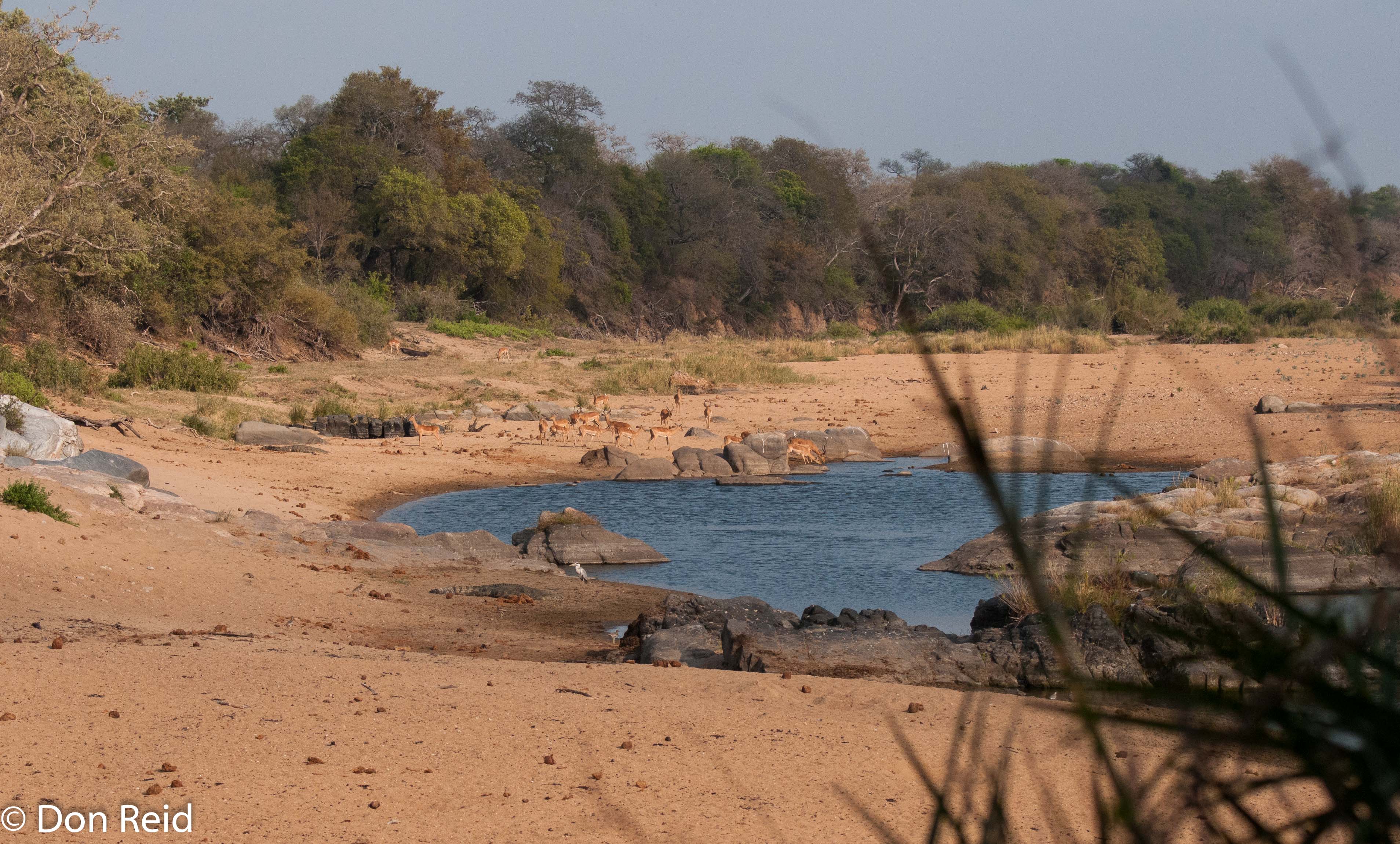
The S39 and S40 roads take you through mixed woodland with the S39 staying close to the Timbavati river, although during the dry season the river will be dry for most of the way other than a few pools left after the long dry winter

River Scene, Timbavati Road
River Pool, Timbavati Road

The open plains are generally better for game while the mixed woodland provides good birding opportunities as well as the chance for some close encounters with game.

An extract from the Kruger Park map book shows the routes :

Satara to Timbavati routes

The Game

Game is not as abundant along the S39 and S40 as it is on the open plains east of Satara, however small groups of game are often encountered grazing or pursuing some other activity quite close to the road, affording good close-up views

On my first trip I came across two Lions at the Giravana water hole, just chilling as they are wont to do.

Lion, Girivana, Timbavati Road S40

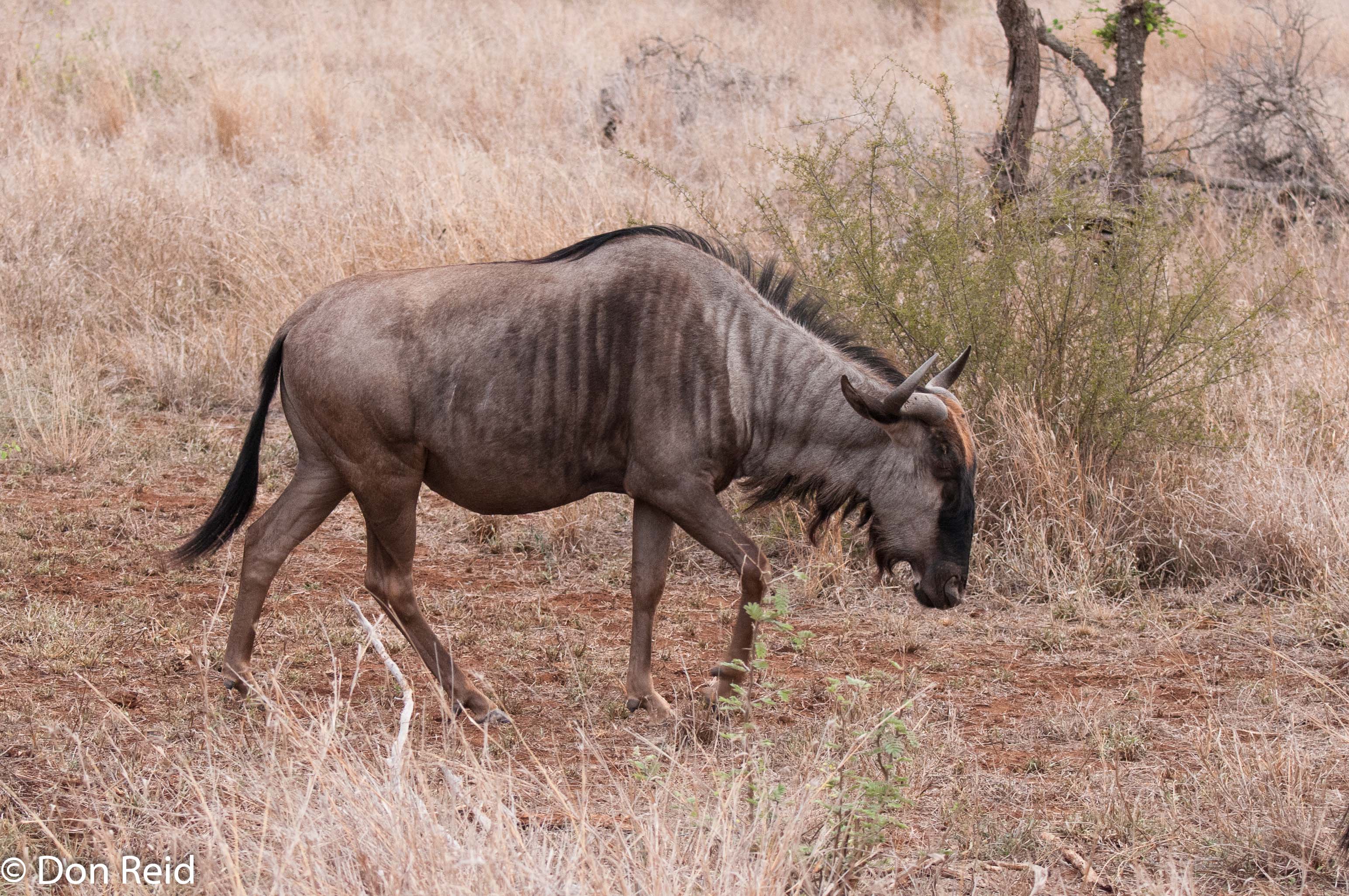
Regular sightings of some of my favourites kept things interesting – Giraffe, Kudu and Blue Wildebeest amongst others

Giraffe
Giraffe
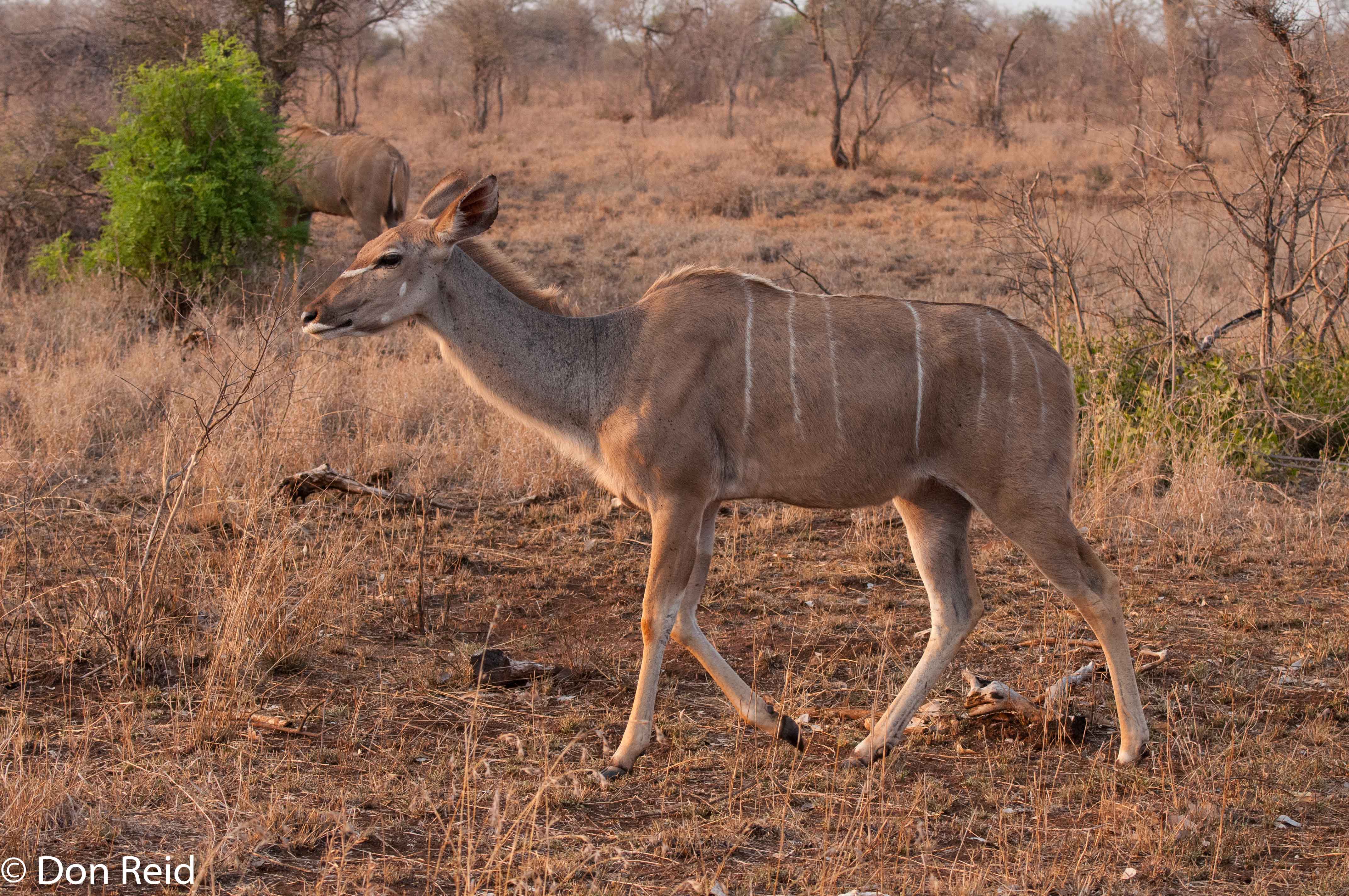
Kudu
Kudu
Kudu
Kudu
Blue Wildebees
Blue wildebeest

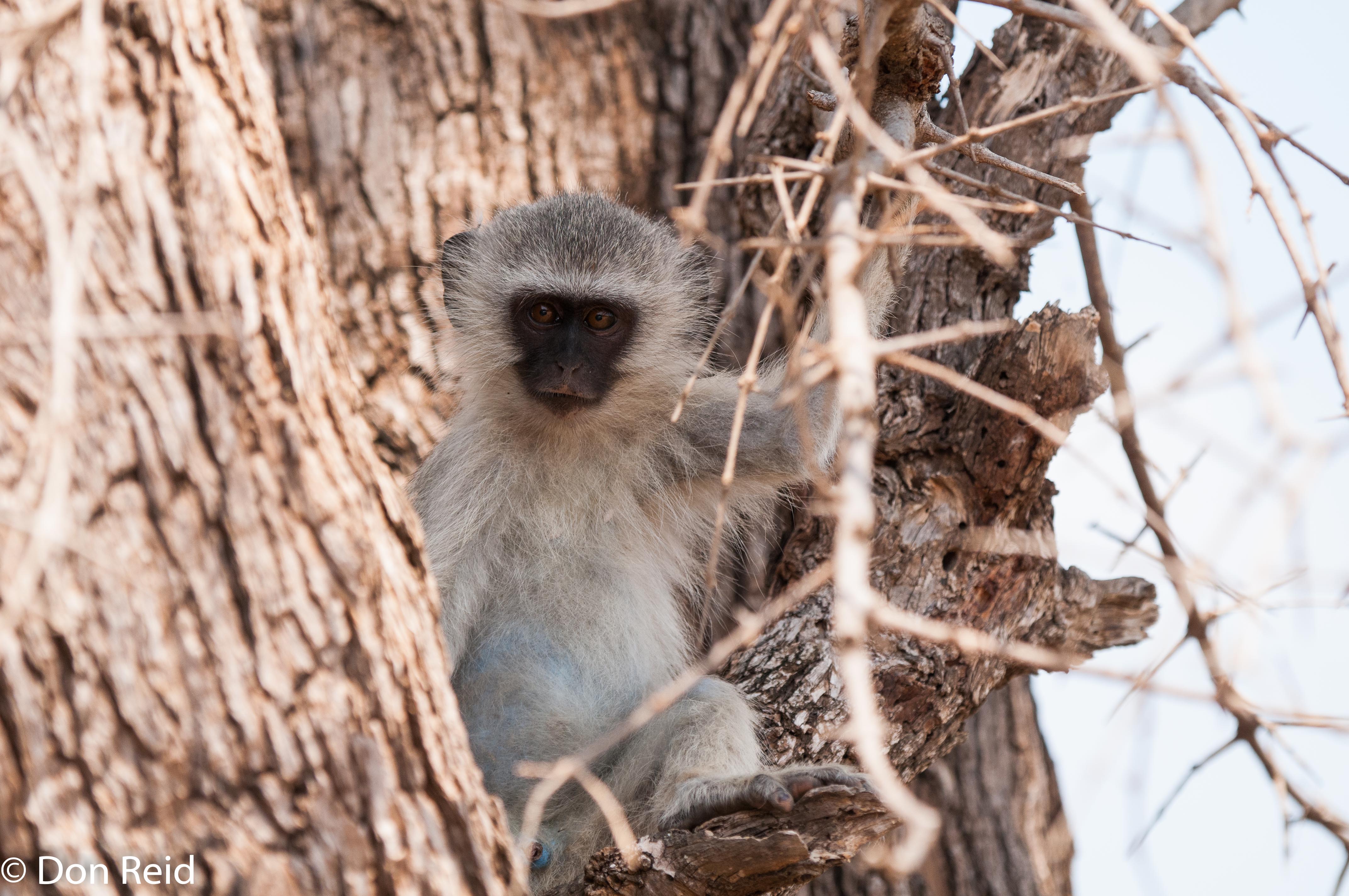
No drive would be complete without coming across a monkey or two……

Vervet Monkey
Vervet Monkey, always so alert

Surprise of the one trip was a brief Leopard sighting, seen crossing the river and disappearing into the thick bush before I could get a camera focused on him.

The Birding / Birdmapping

Taking it slow and easy to make the most of the available birds, I built up some healthy lists as I passed through the various pentads (roughly 8 x 8 kms square) on the way to Timbavati, spending a bit more time in some of the pentads which I had identified earlier as lacking some birdmap attention in 2015.

Highlights were many :

  • Gabar Goshawk swooping across the road and “attacking” a spider’s nest and apparently feeding on the contents
Gabar Goshawk
Gabar Goshawk
  • Black- and Brown-crowned Tchagras in quick succession in the roadside bushes
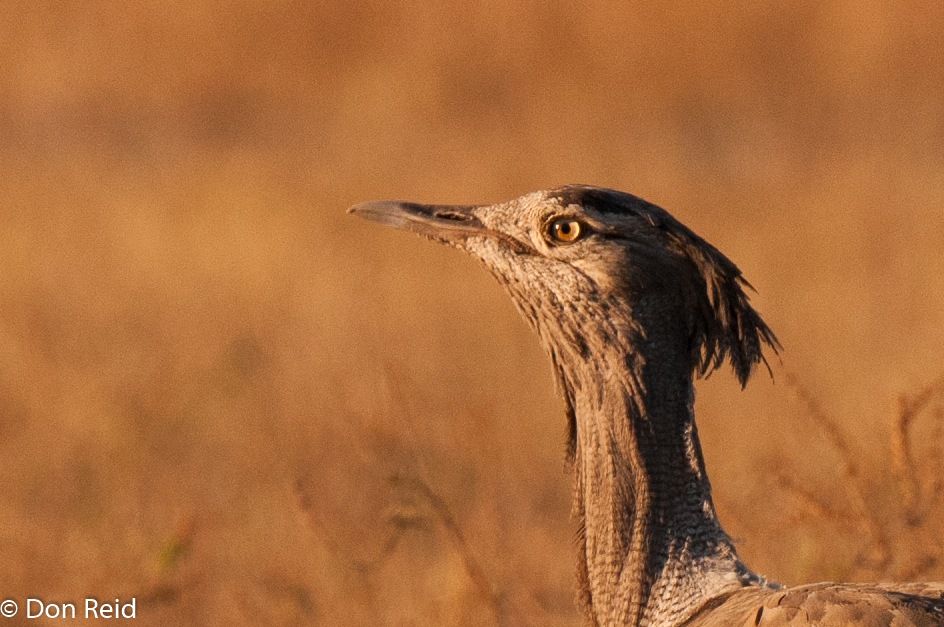
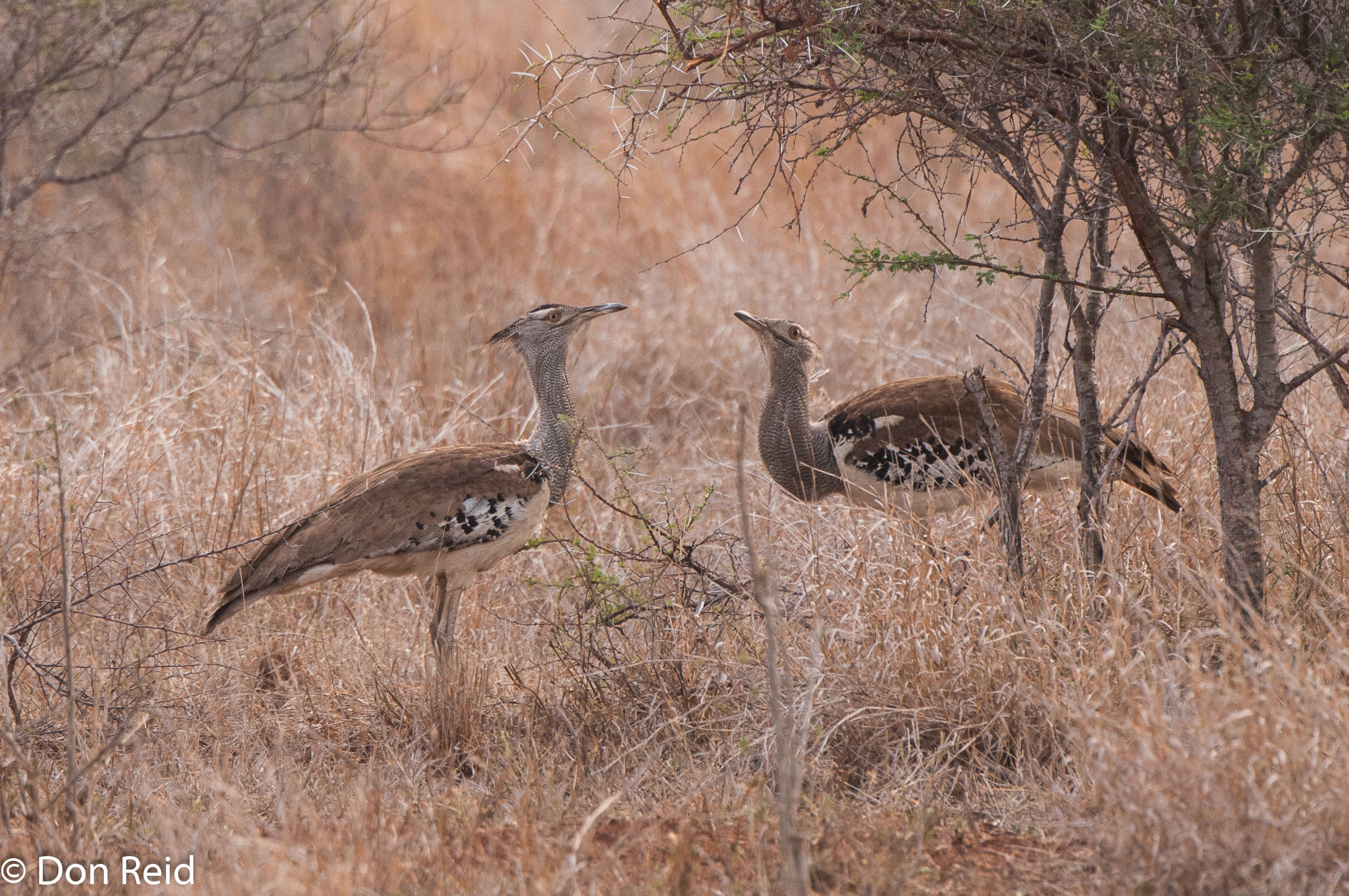
  • Kori Bustard pair in the long grass
Kori Bustard, Timbavati Road
  • Flock of White-winged Widowbirds still in their winter plumage
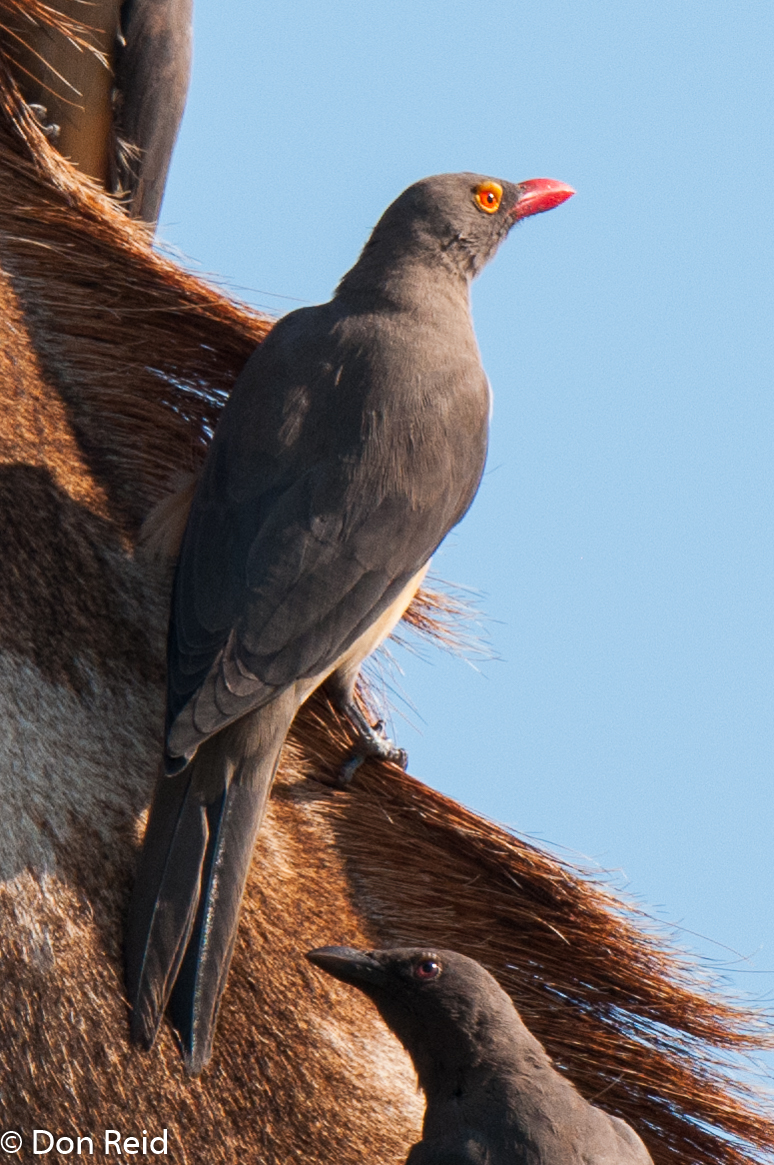
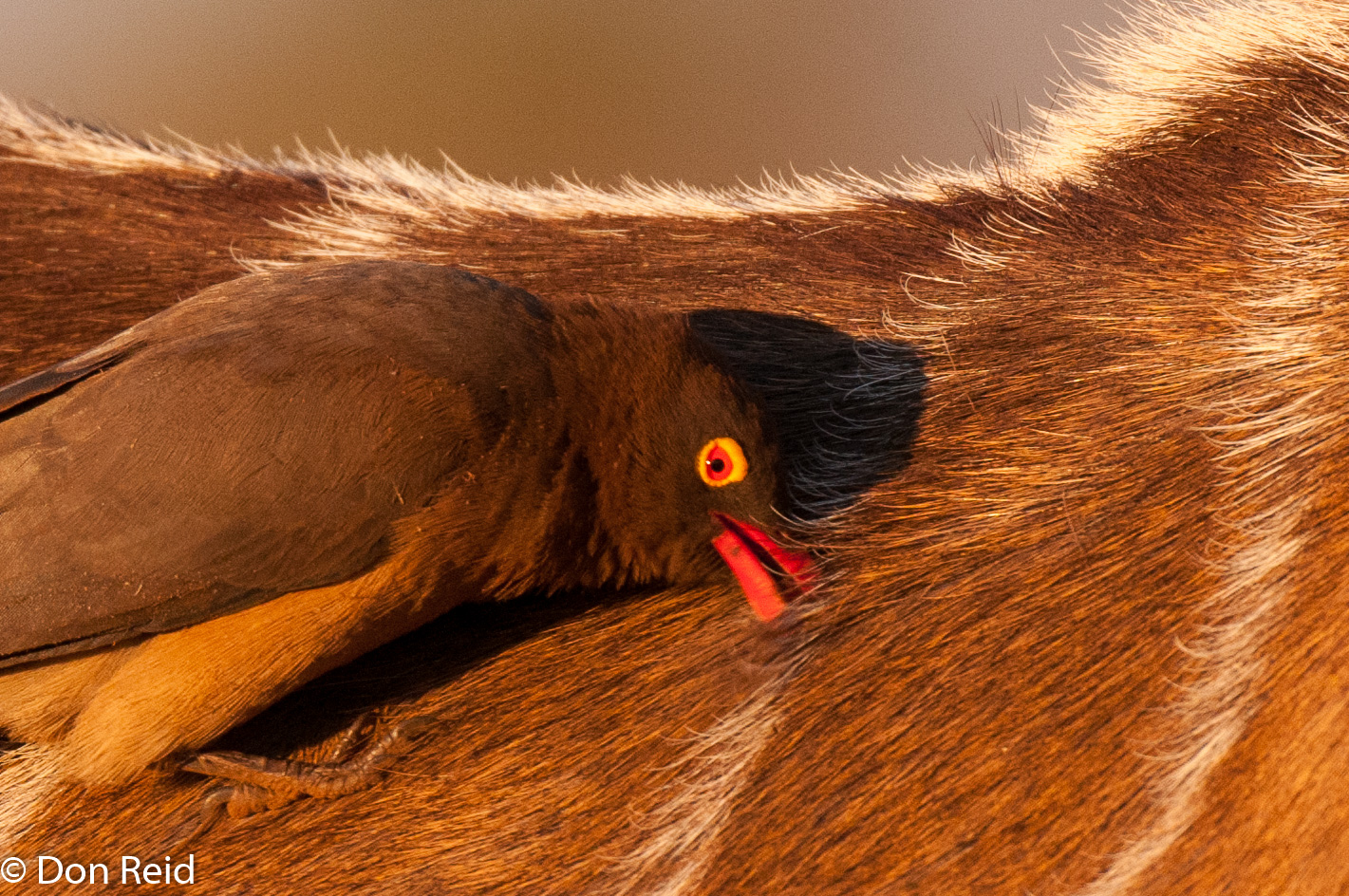
  •  Red-billed Oxpeckers on a Zebra
Red-billed Oxpecker
Red-billed Oxpecker
  • Sabota Larks perched on top of trees and singing cheerfully
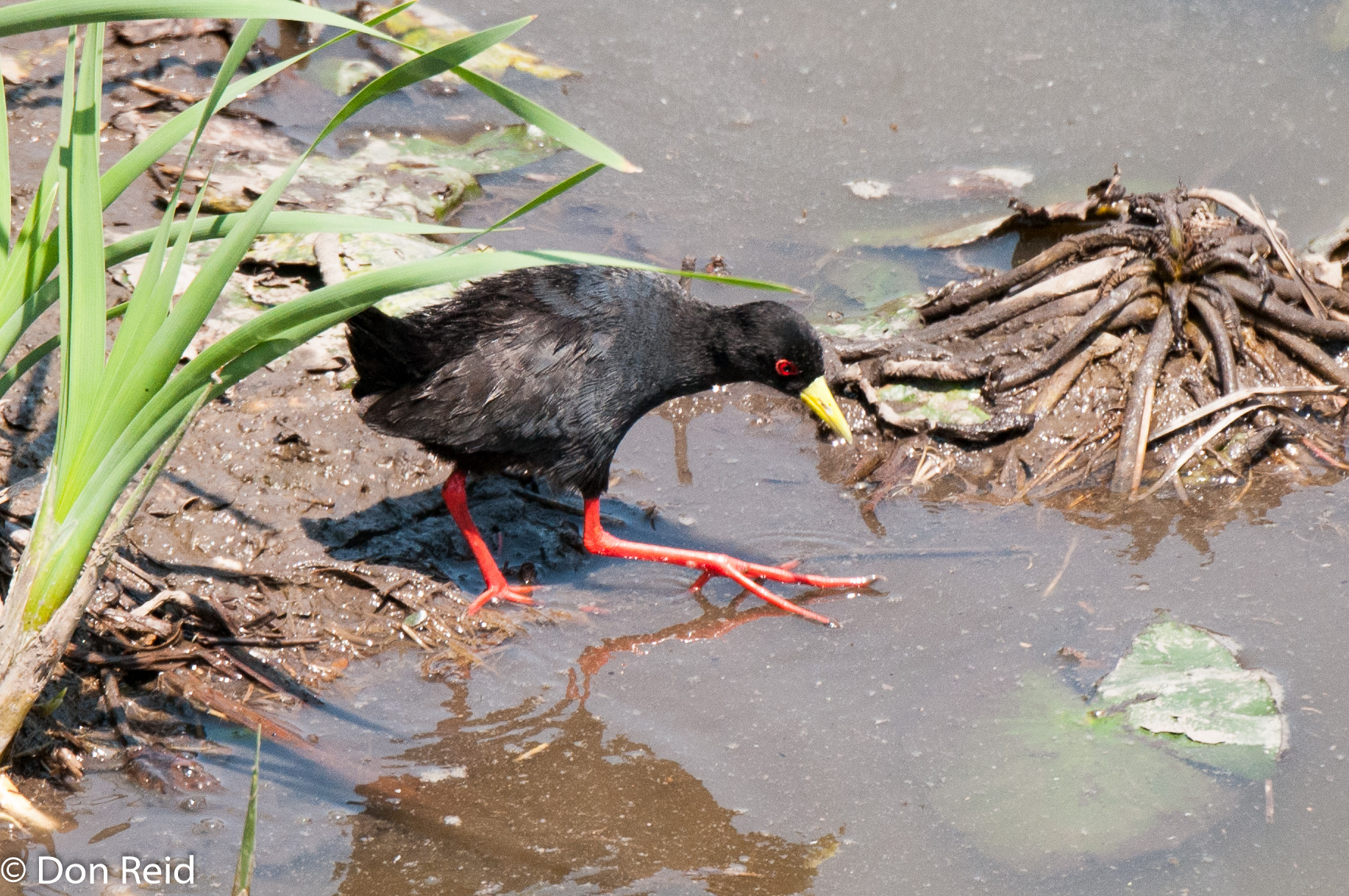
  •  Black Crake patrolling a small pool
Black Crake
Black Crake
  • A handsome Tawny Eagle perched high up in a tall tree
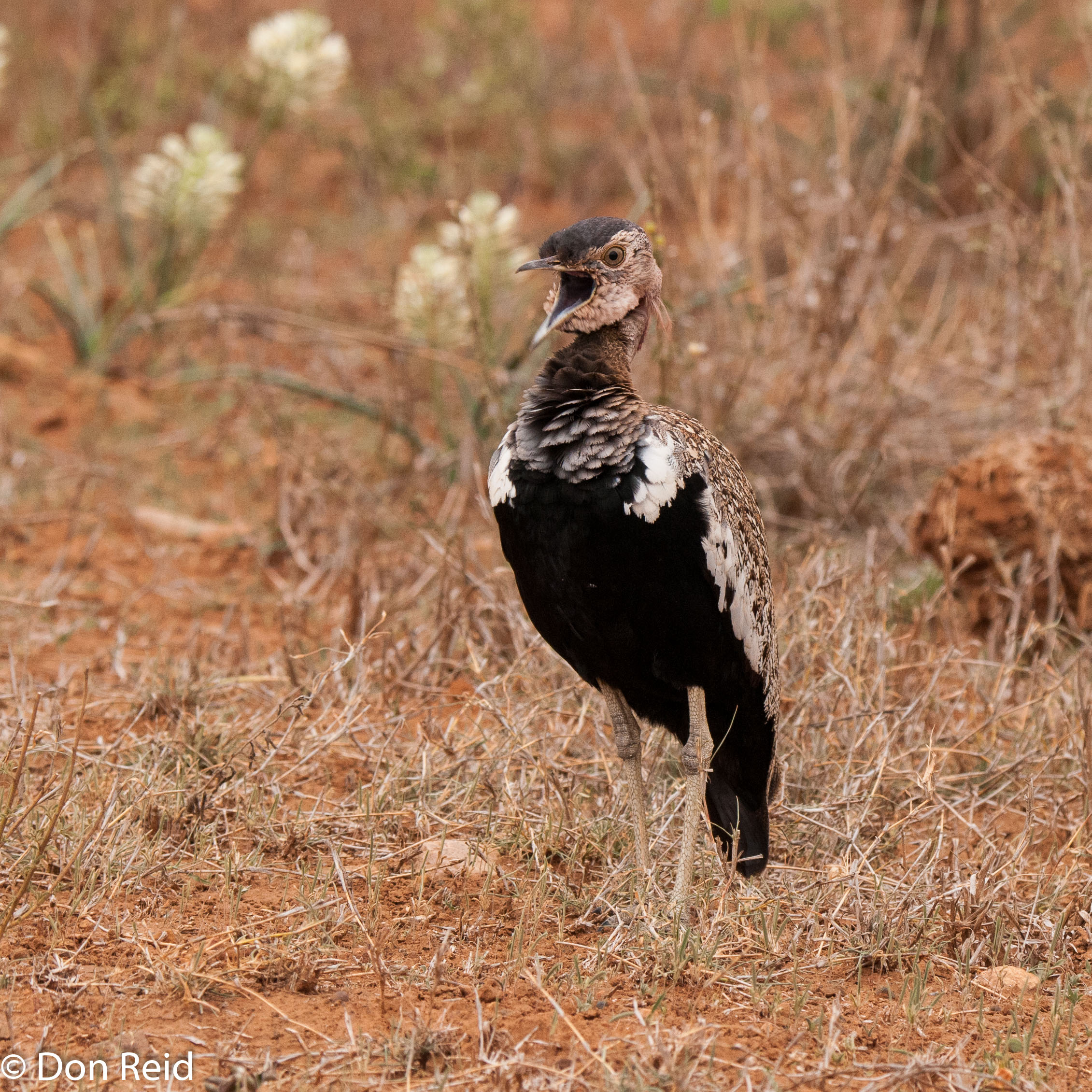
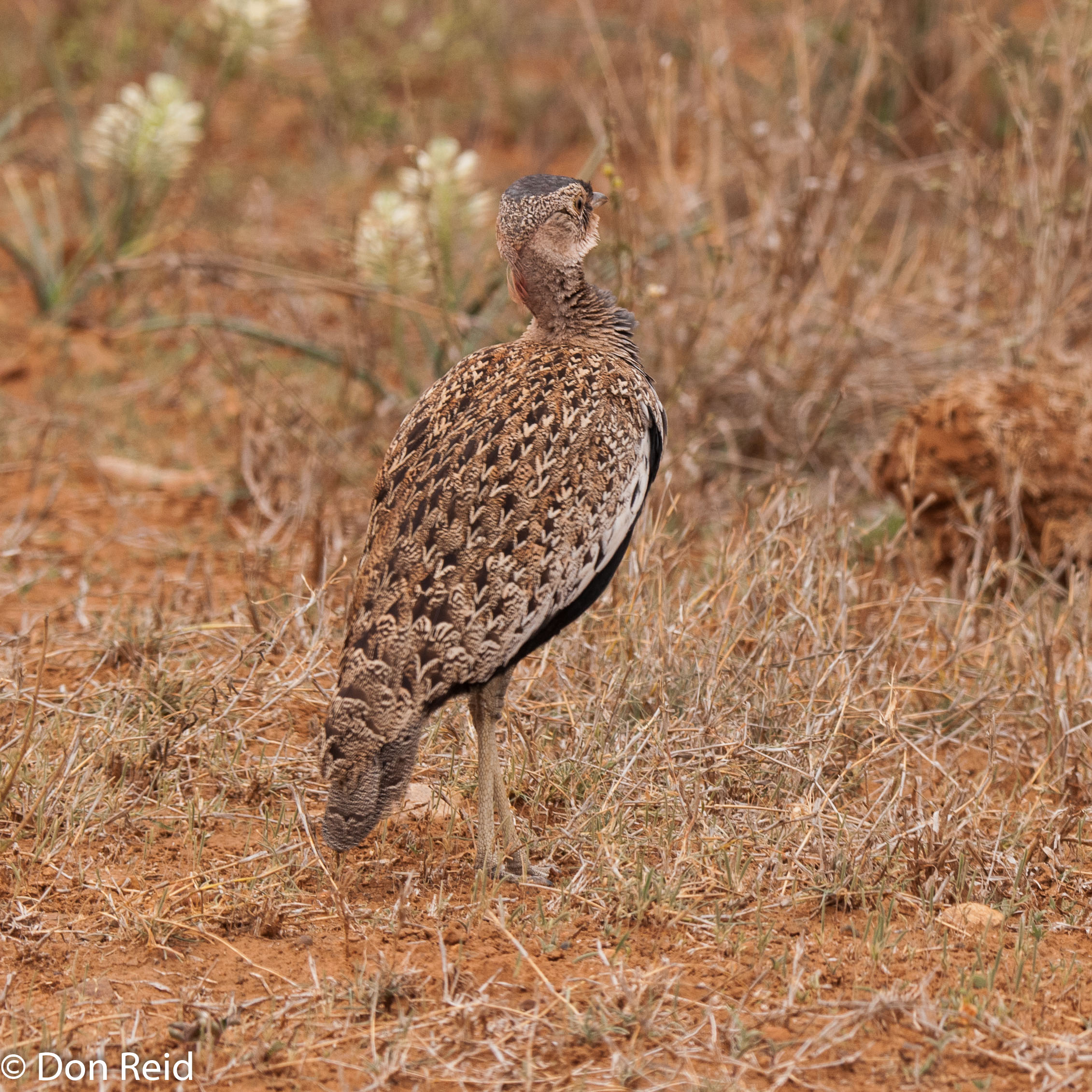
  • Red-crested Korhaan calling in its distinctive fashion right next to the road, boldly showing its black front then turning to show just how well camouflaged it can be in the dry grass
Red-crested Korhaan - front view while calling - can hardly miss him
Red-crested Korhaan – front view while calling – can hardly miss him
Red-crested Korhaan - viewed from the back - now he is well camouflaged
Red-crested Korhaan – viewed from the back – now he is well camouflaged
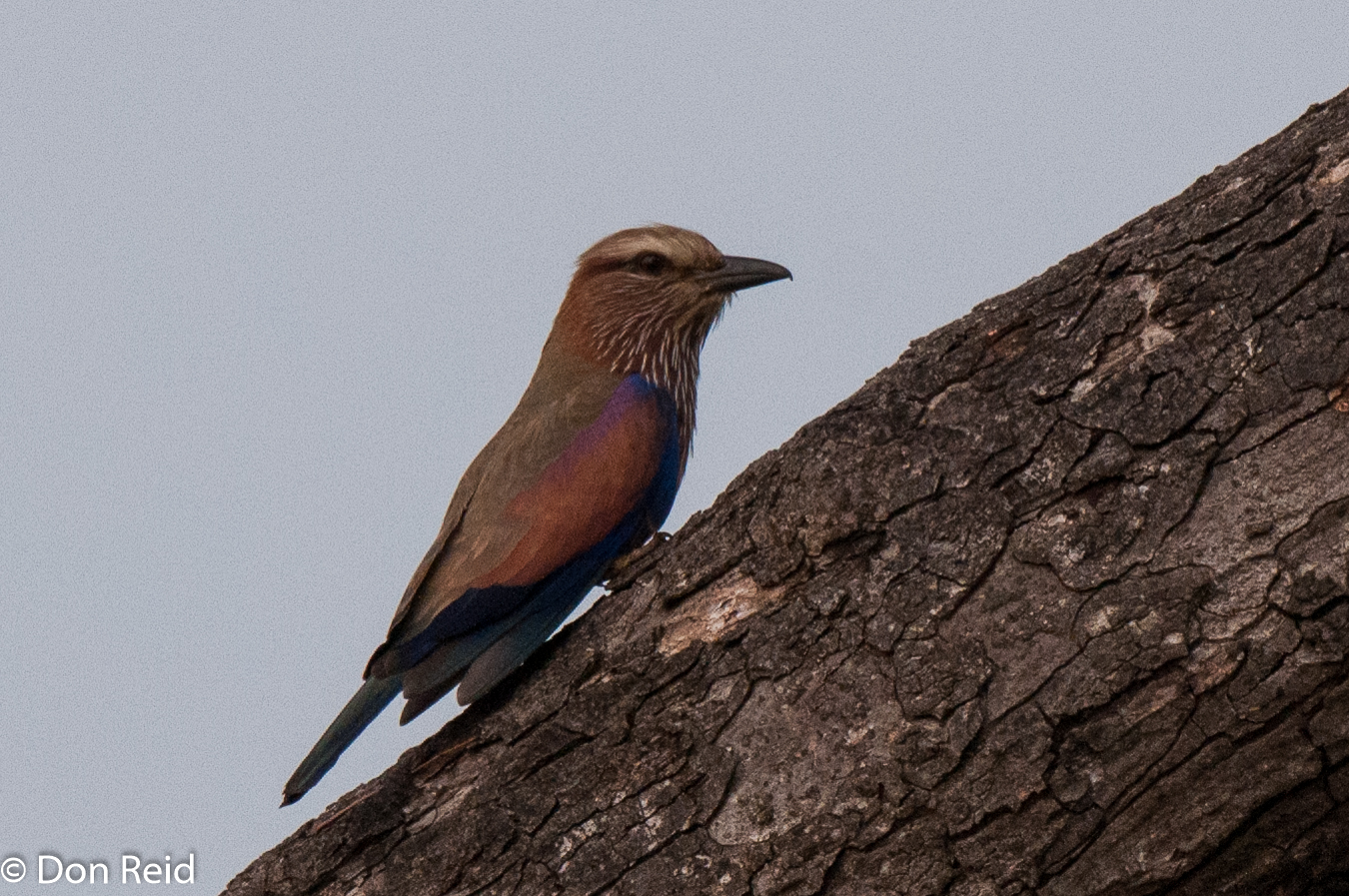
  • Purple Roller
Purple Roller
Purple Roller

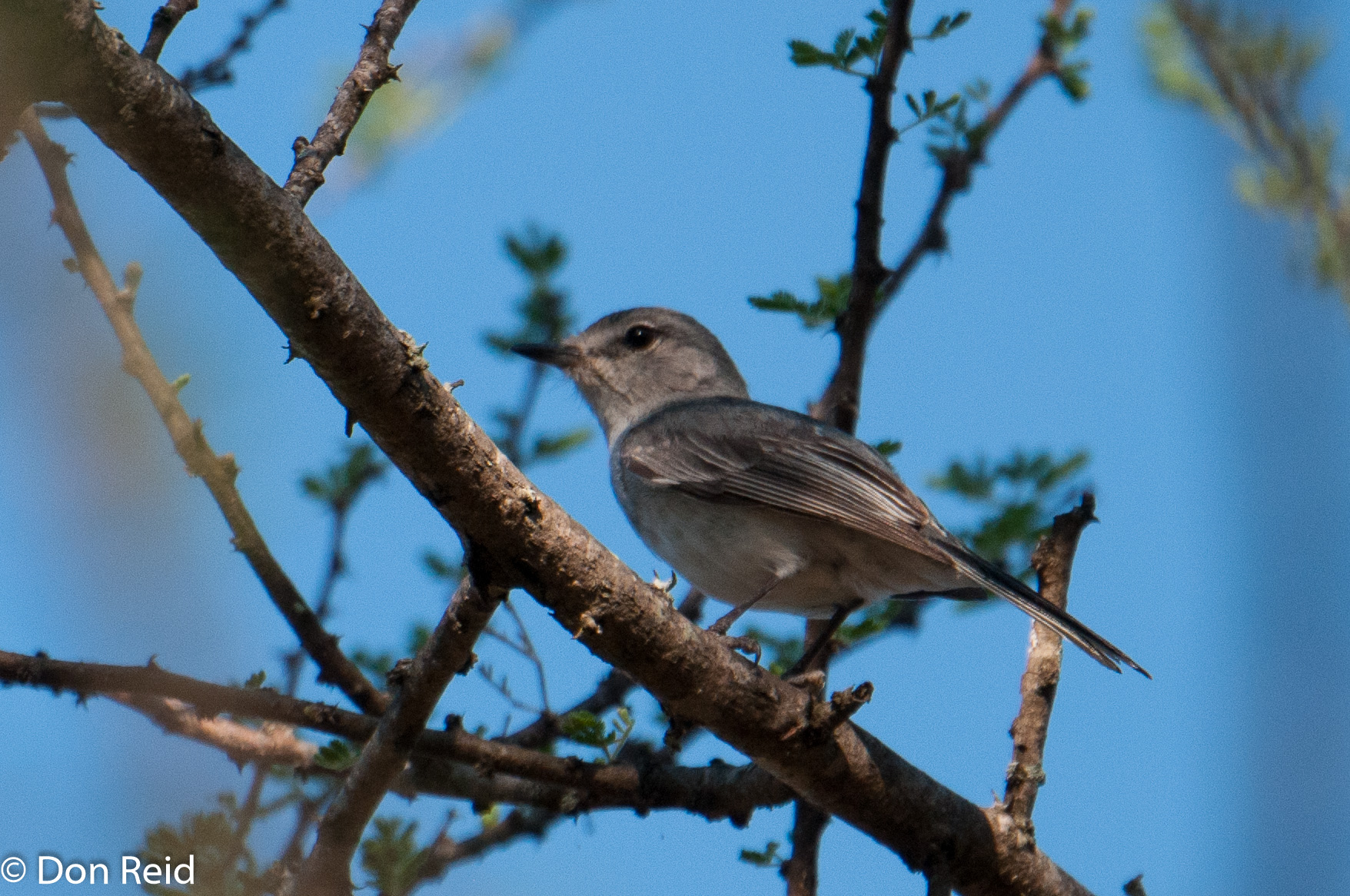
Closer to Timbavati a Grey-Tit Flycatcher was moving through the canopy, emitting its typical high-pitched trilling call which I had only just got to grips with on this trip, having heard it several times in Satara as well.

Grey-Tit Flycatcher
Grey-Tit Flycatcher

More proof that many birds are extremely habitat specific was the numbers of European Bee-Eaters in one spot but nowhere else to be seen.

Timbavati Picnic Spot

The two mornings that I spent birdmapping, I arrived at Timbavati when it was quite busy – full of happy groups of visitors enjoying a brunch in this special setting overlooking the river, albeit dry at this time of year.

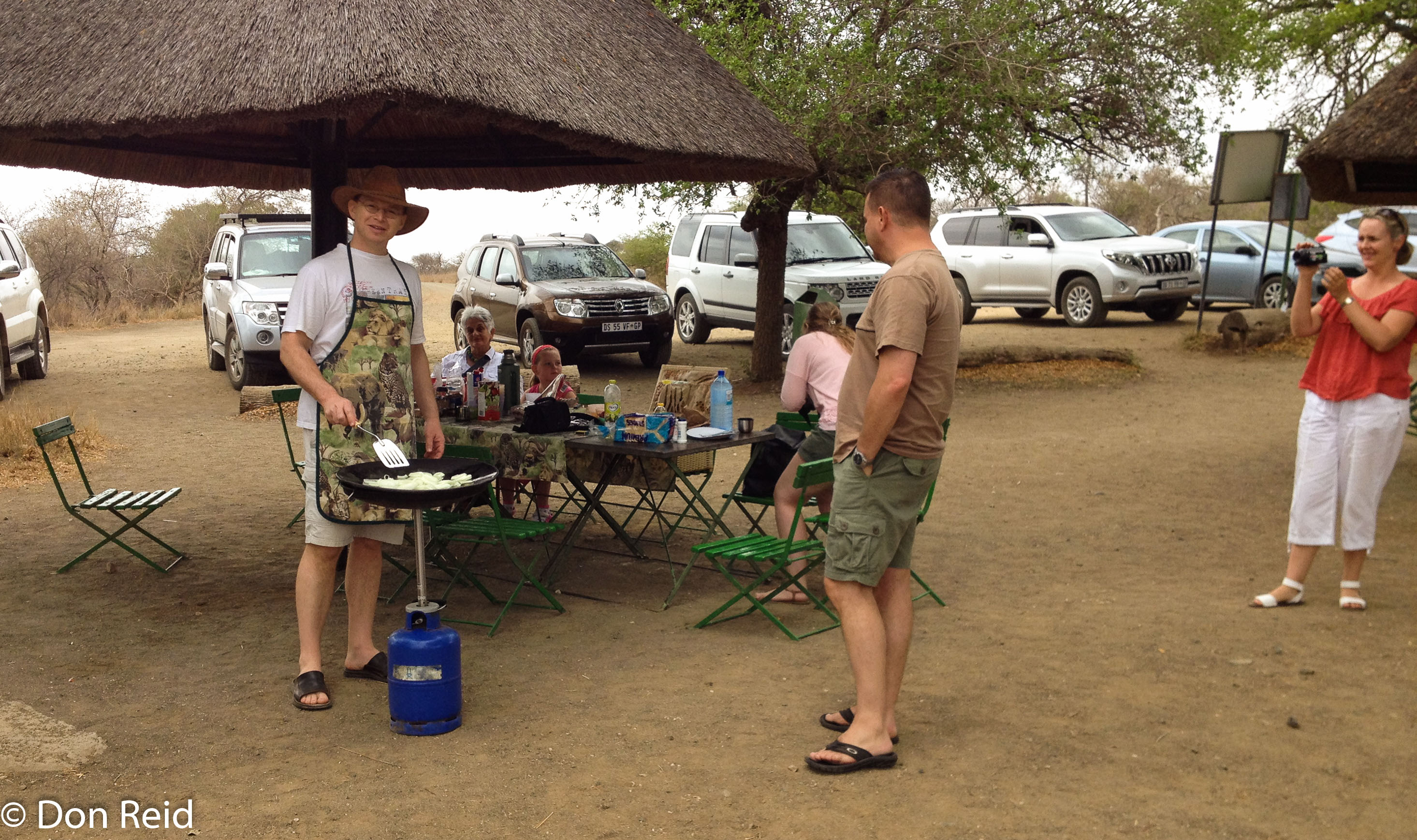
On the morning that we visited as a family we arrived a little earlier and had the place to ourselves for a while. Andre and Geraldine  soon had the gas going and the skottel frying merrily and it wasn’t too long before we were tucking into another delicious brunch.

Timbavati picnic spot
Timbavati picnic spot, before the visitors descend on it for brunch
Timbavati brunch in preparation
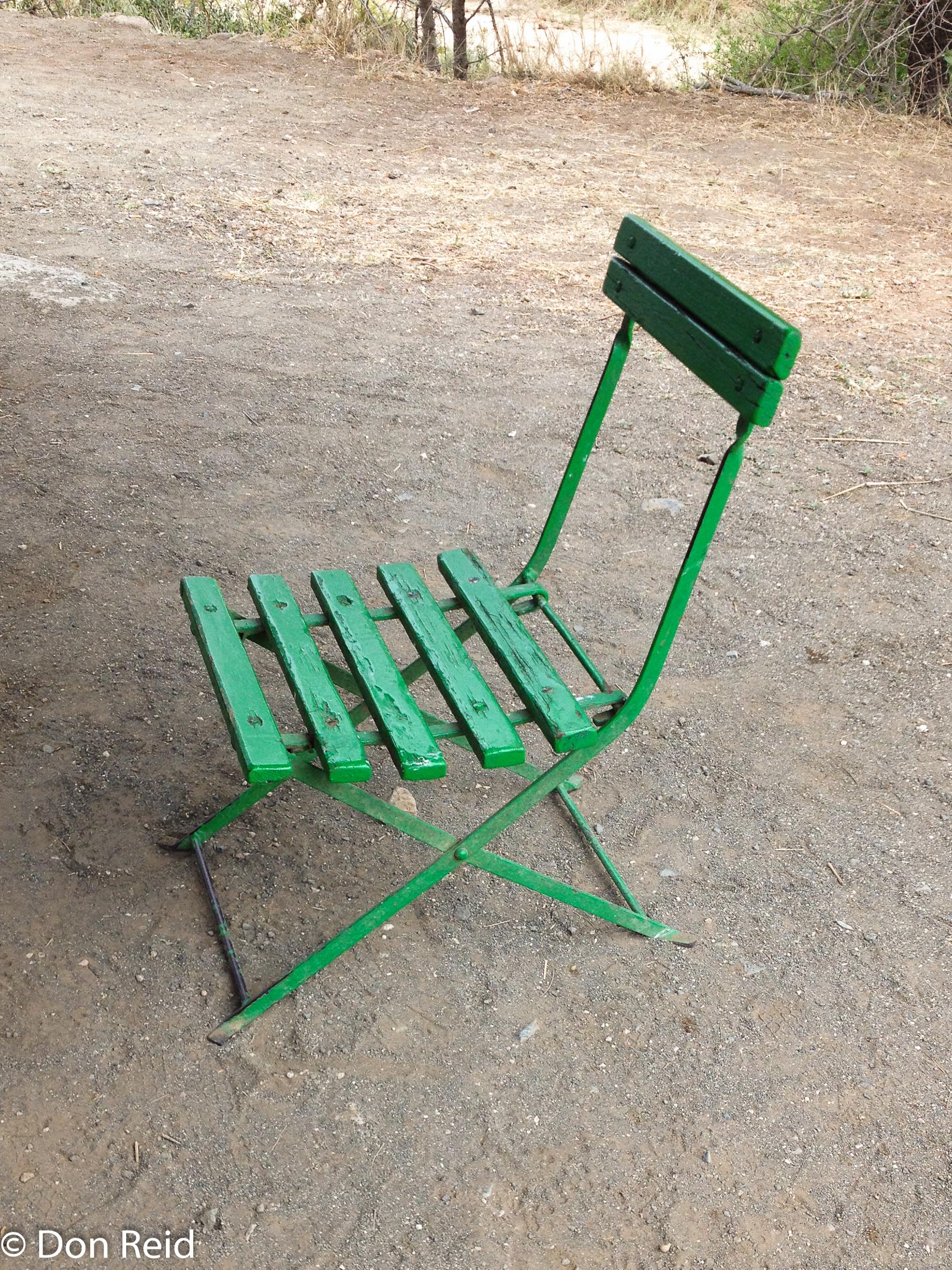
Timbavati still has the same chairs I remember from our first visits more than 40 years ago!

On the way to Timbavati we had taken the Olifants road then turned left onto the S127 – not much game was encountered but one lone, large elephant had us reversing a short way until he started feeding on the road verge and we grabbed the chance to get past safely. Interesting was the way he pulled out green bushes using his trunk and front leg in a sideways kicking motion to dislodge them from the hard dry ground.

Birding was slow that morning until we reached the picnic spot where several birds were vying for “loudest call” honours. Orange-breasted Bush-Shrike was a clear winner with its piercing but tuneful call from a nearby tree, but others were almost as active especially Crested Francolin and Natal Spurfowl trying to outdo each other with their equally raucous calls as they wandered around amongst the tables.

Back to Satara

On the return trip to Satara along the S127, a flock of Chestnut-backed Sparrowlarks made for an unusual sighting, as did a pair of tiny, colourful Quailfinches quenching their thirst at a small pool below a bridge on the tar road.

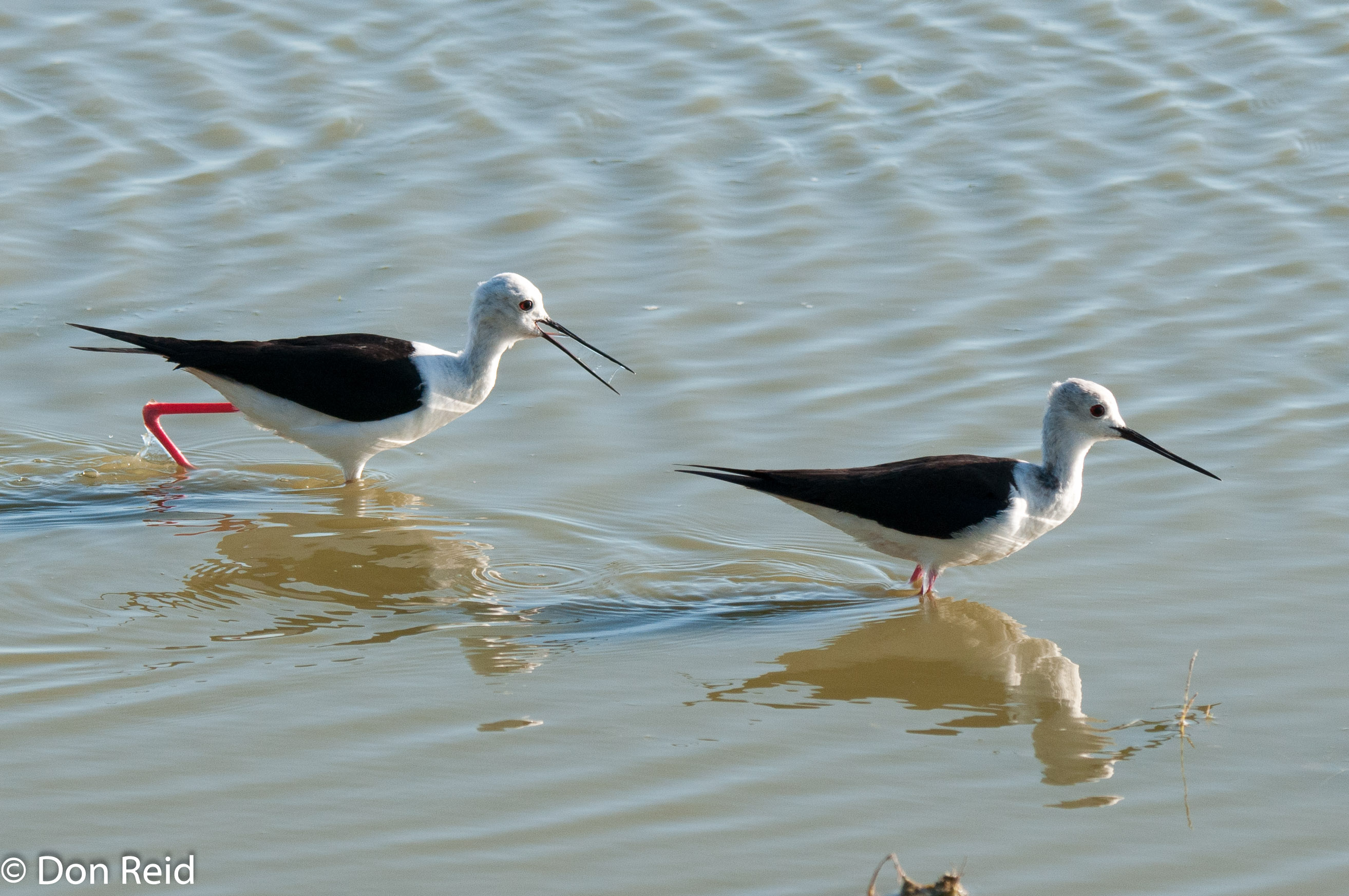
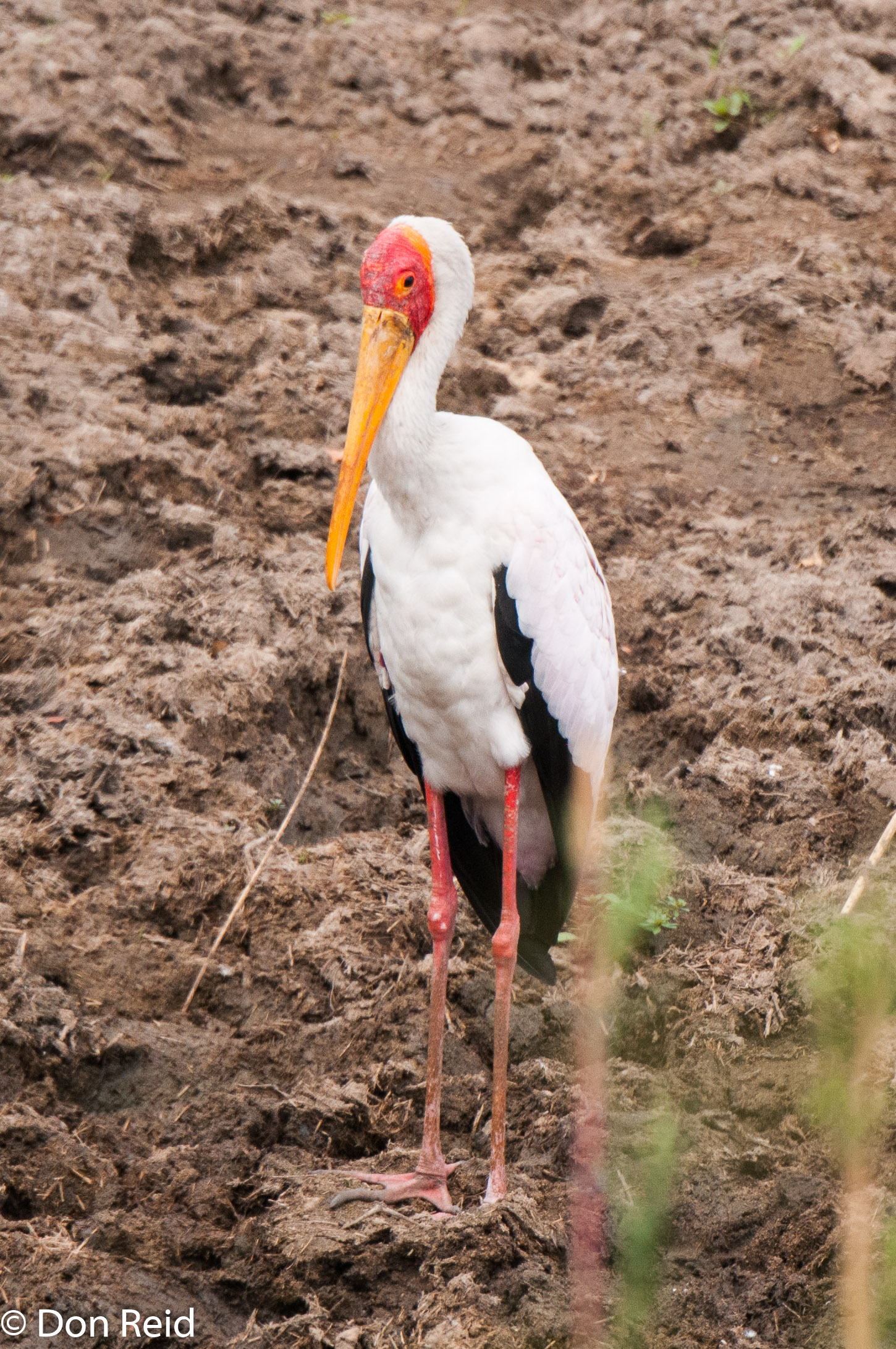
We had briefly diverted to Piet Grobler dam not far from the picnic spot, where a lone Yellow-billed Stork and Black-winged Stilt were new additions to the trip list, taking it to 126 species.

Yellow-billed Stork, Timbavati Road
Timbavati Road
Timbavati Road

Back at Satara it was time for a snooze and some relaxation to get us through the hot afternoon, with the temperature heading to the mid 30’s again.

Sources :

Krugerpark.co.za

Sanparks Guide to Kruger National Park

A Week in Kruger – Satara to Nwanetsi

The Route

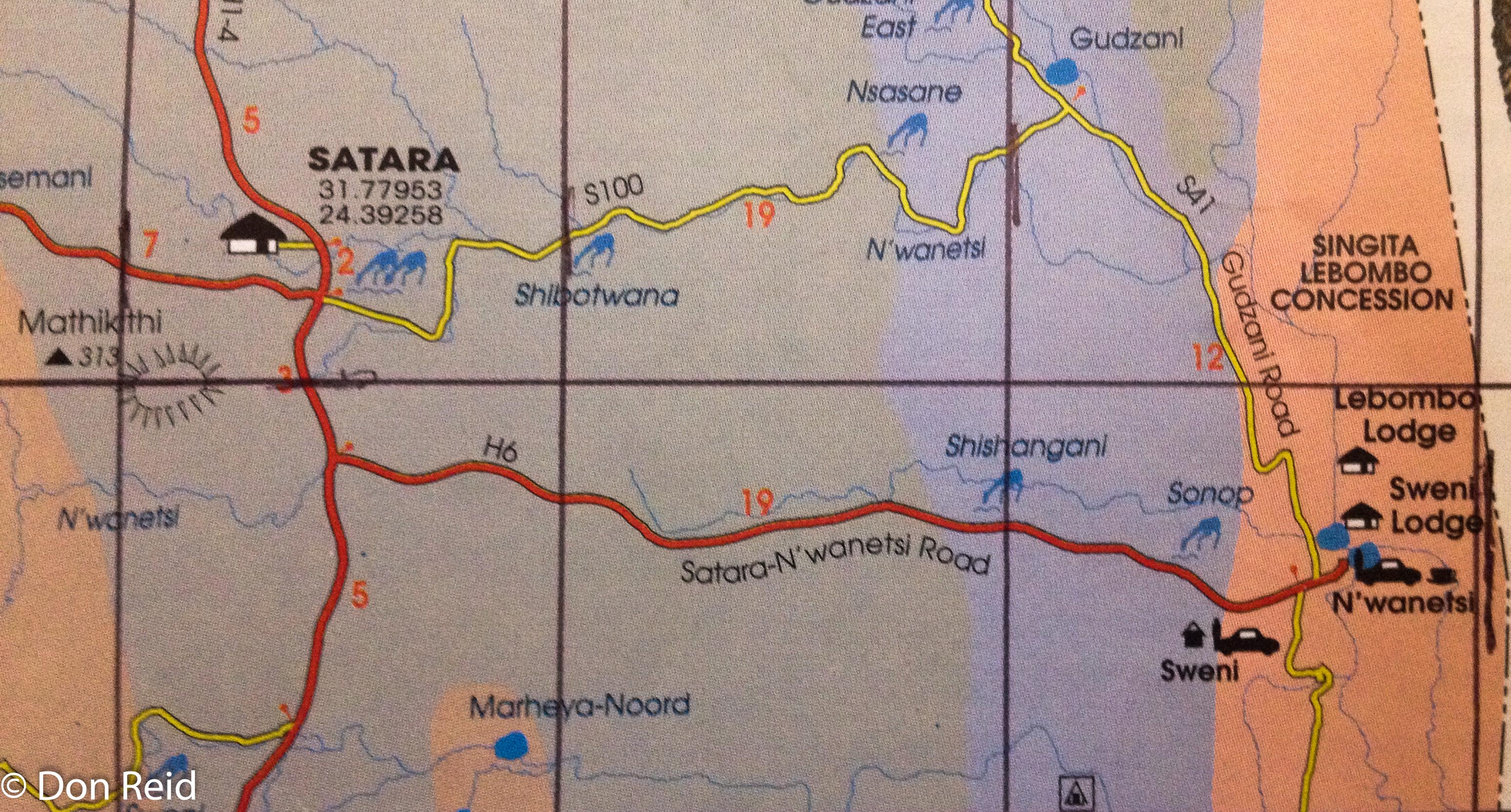
The next drive during our stay in Satara was also one of my Kruger favourites – the drive eastwards from Satara to Nwanetsi picnic spot which lies close to the border with Mozambique.

We had planned to do a circuit, first taking the S100 gravel road eastwards, which branches off the H1-4 tarred road just south of Satara camp. This becomes the S41 to Nwanetsi and we would return via the H6 tarred road back to Satara.

At Nwanetsi there is a dam which can be viewed from a roofed viewpoint on the ridge overlooking it. The Sweni hide, overlooking a small dam, and the low water bridge can be accessed on the return trip by taking the branch left at the S37 and travelling for a few kms

Habitat

The S100 meanders through open tree savanna with mostly Marula, Knob-thorn acacia, Leadwood, Sickle-bush and Russet bushwillow trees. The H6 tarred road is more direct but passes through similar habitat

An extract from the Kruger Park map book shows the route :

Best to go out on the yellow S 100 road and return on the H5 red road
Best to go out on the yellow S 100 road and return on the red H6 road

The Drive

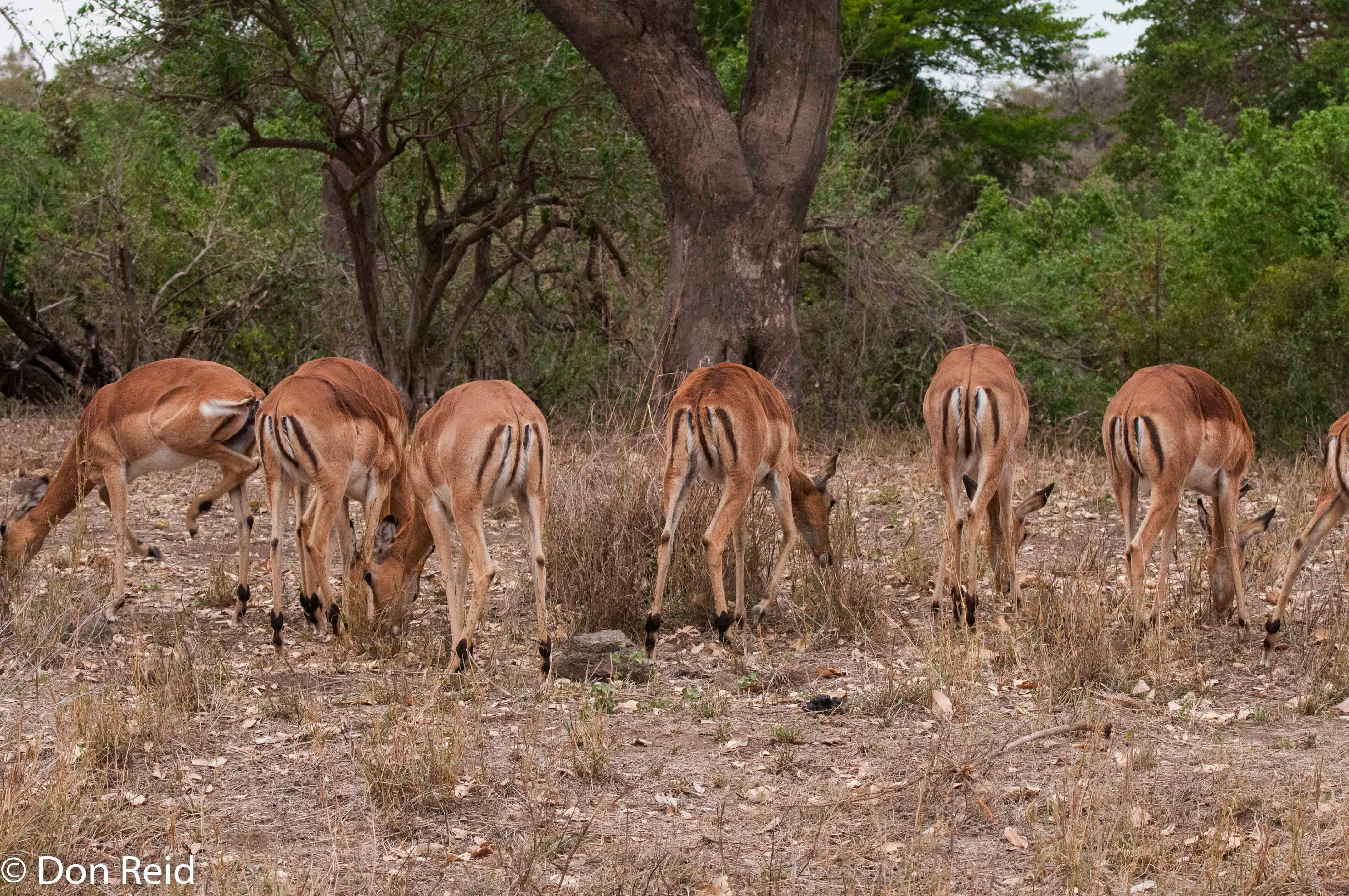
An early start saw us driving the S100 – always good for plains game and today was no exception as we came across a selection of game in quick succession.

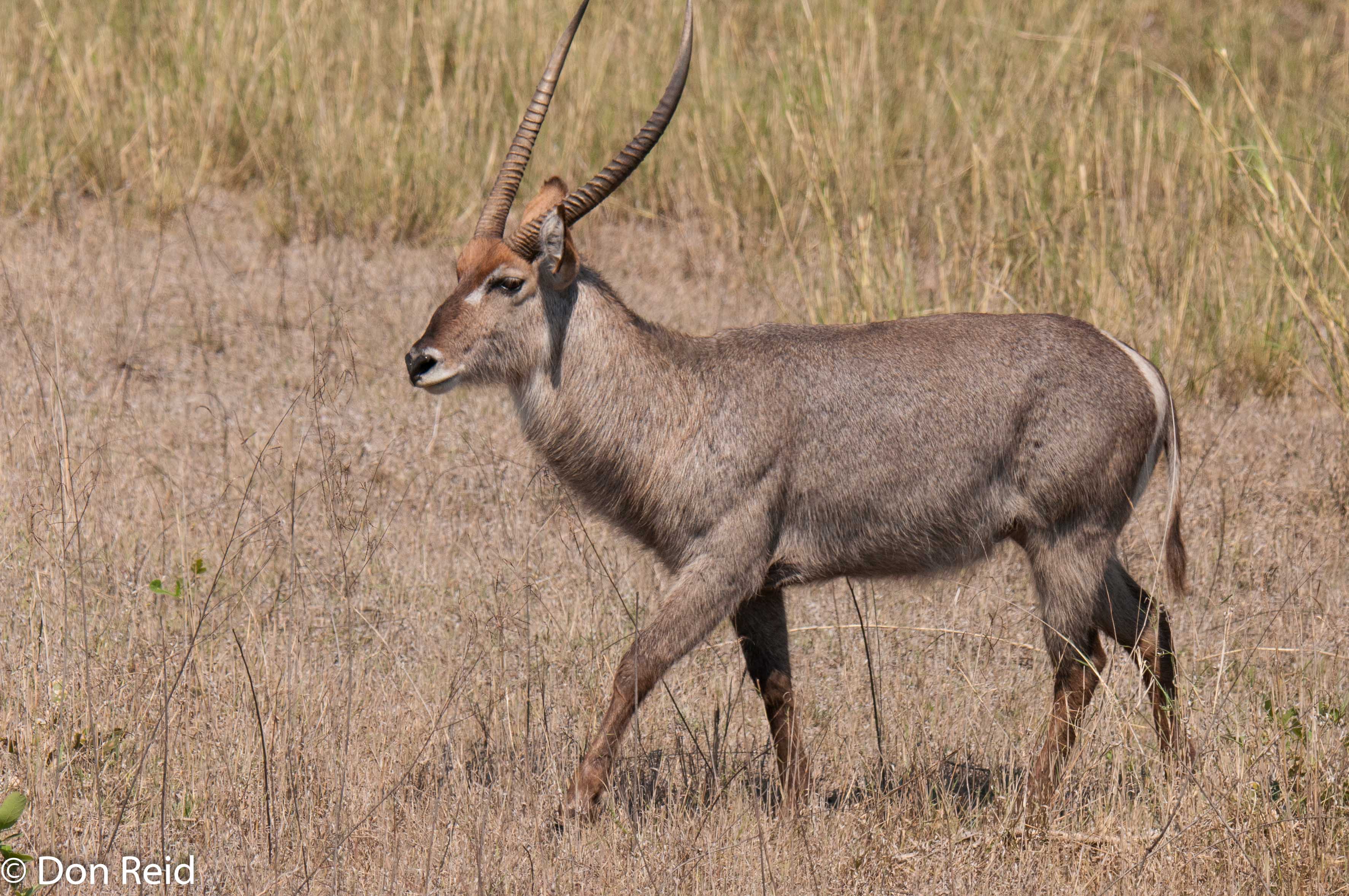
Waterbuck, Satara - Nwanetsi S100
Waterbuck, Satara – Nwanetsi S100
Impala, Satara - Nwanetsi S100
Impala, Satara – Nwanetsi S100
Black-backed Jackal, Satara - Nwanetsi S100
Black-backed Jackal, Satara – Nwanetsi S100
Blue Wildebeest, Satara - Nwanetsi S100
Blue Wildebeest, Satara – Nwanetsi S100

Signs of battles for dominance amongst the game were present – both Impala and Waterbuck were clashing horns. Nothing serious – more like a playful enactment of an ancient ritual as they butted each other lightly and tried to twist the opponent’s horns so that they would “bow” in submission.

Impala males
Impala males
Waterbuck males
Waterbuck males

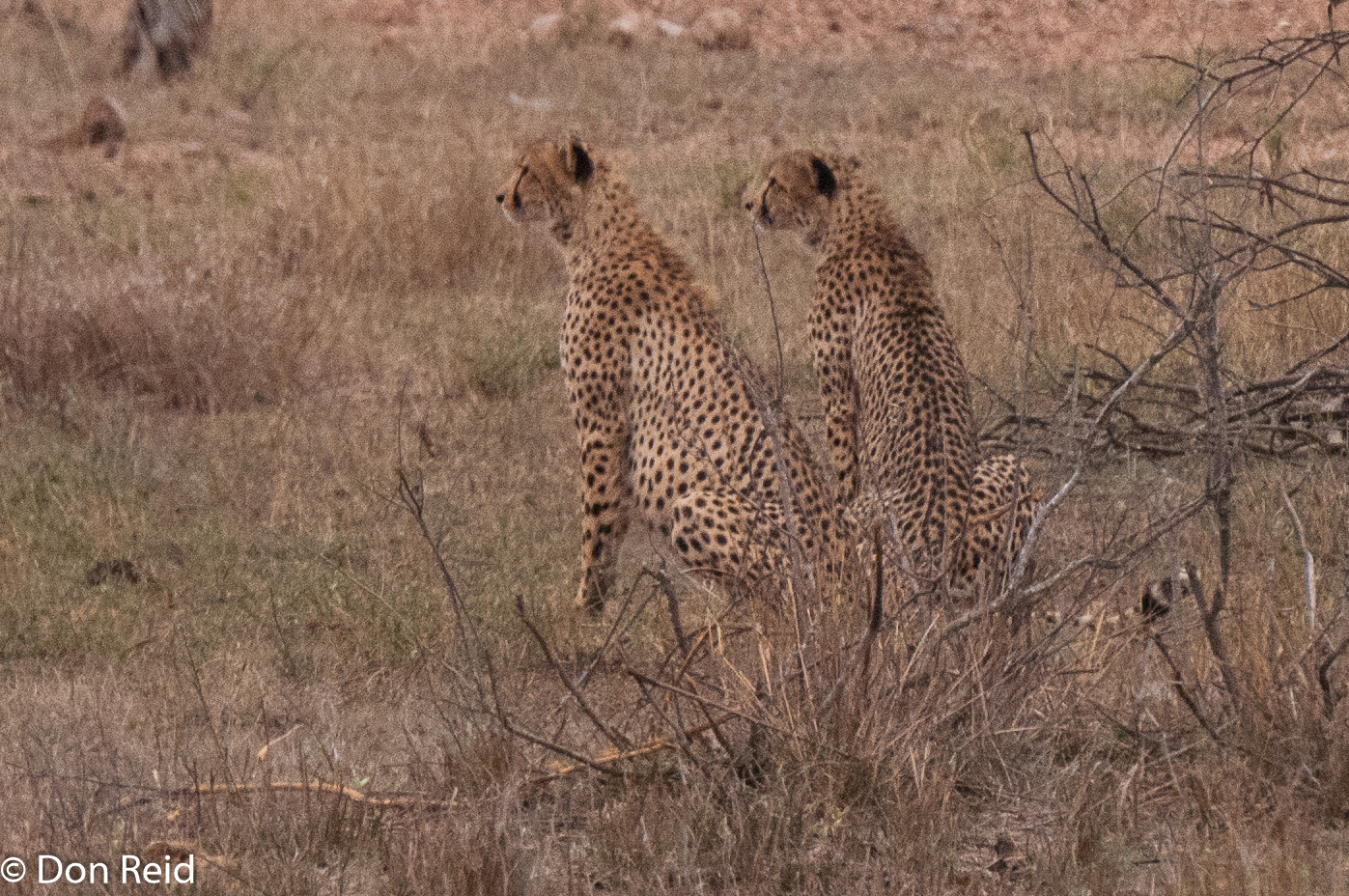
As we watched this we noticed a few cars gathered up ahead and immediately knew it was a “cat” sighting as no other event attracts so many cars in a short space of time. It turned out to be two Cheetahs some 150m from the road, lying and then standing, the one clearly pregnant judging by the heavy-looking belly.

Cheetah, Satara - Nwanetsi S100
Cheetah, Satara – Nwanetsi S100

Cheetahs are probably the most sought after sighting so we were really pleased to have been in the right spot for them.

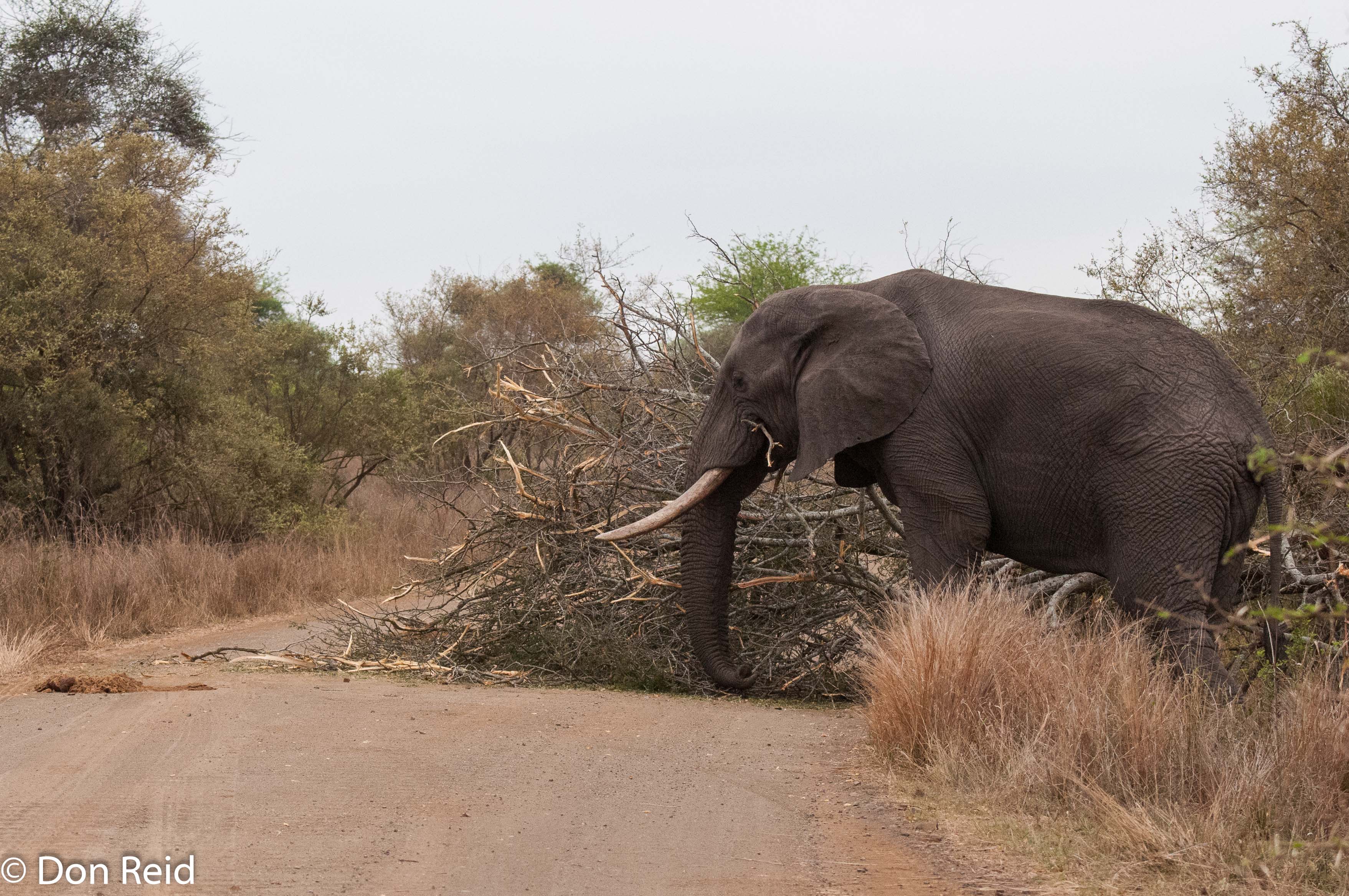
Further along more excitement awaited, this time tinged with some tension as we rounded a bend and came across a fallen tree partly blocking the road, with the remaining opening  ominously guarded by a large tusker. To add to the tension another large bull elephant was eyeing us from the bush to one side.

Elephant road block, Satara - Nwanetsi S100
Elephant road block, Satara – Nwanetsi S100

With no way through we waited …….  and waited, but the two elephant guards showed no inkling to move along as they fed on the fallen tree. Eventually one motorist behind us braved the bush and looked for a way past without disturbing the ellies. They emerged on the other side and waved, so we followed suit and found a well-trodden game path running through the bush which they had used – we were soon speeding along to Nwanetsi for a much-needed toilet break!

All the while I was continuing to atlas the bird species we came across – so easy with the Birdlasser App which uses gps to automatically pinpoint the position of each sighting and allocate it to the correct pentad (5 x 5 minute block of co-ordinates which is about 8 x 8 km in size)

Bateleur
Bateleur
Crested Francolin
Crested Francolin
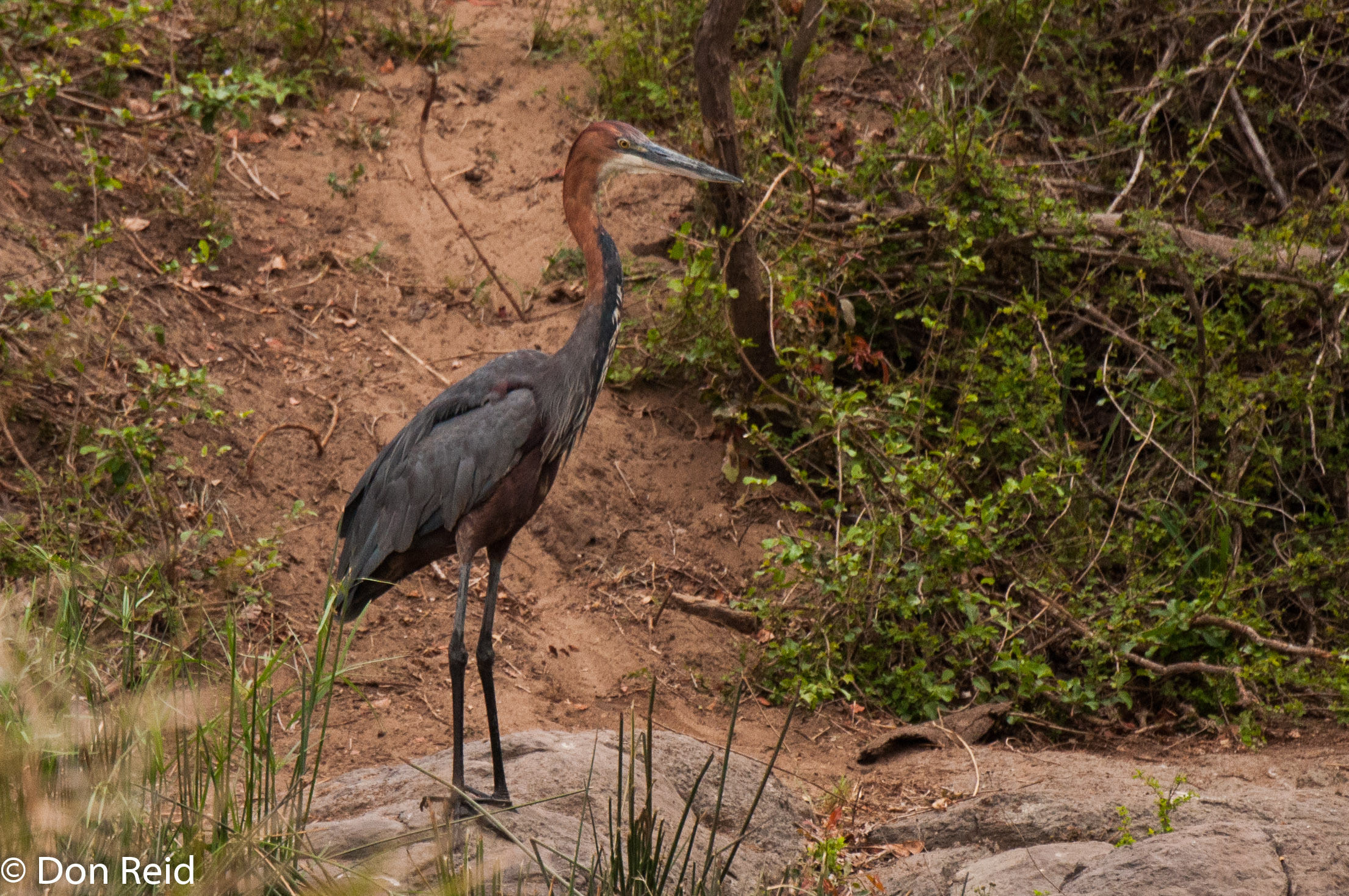
Goliath Heron
Goliath Heron

Nwanetsi

Time for a brunch and some birding around the picnic spot. I walked up the small hill to the viewpoint over the dam below and the bush stretching into the distance and found a number of species

  • Pied Kingfisher
  • Pied Wagtail amongst the rocks on the river
  • Great Egret flying between the ponds looking for the best fishing spot
  • Spectacled Weavers moving about busily and calling their sharp call
  • Green=backed Cameroptera calling from the bush
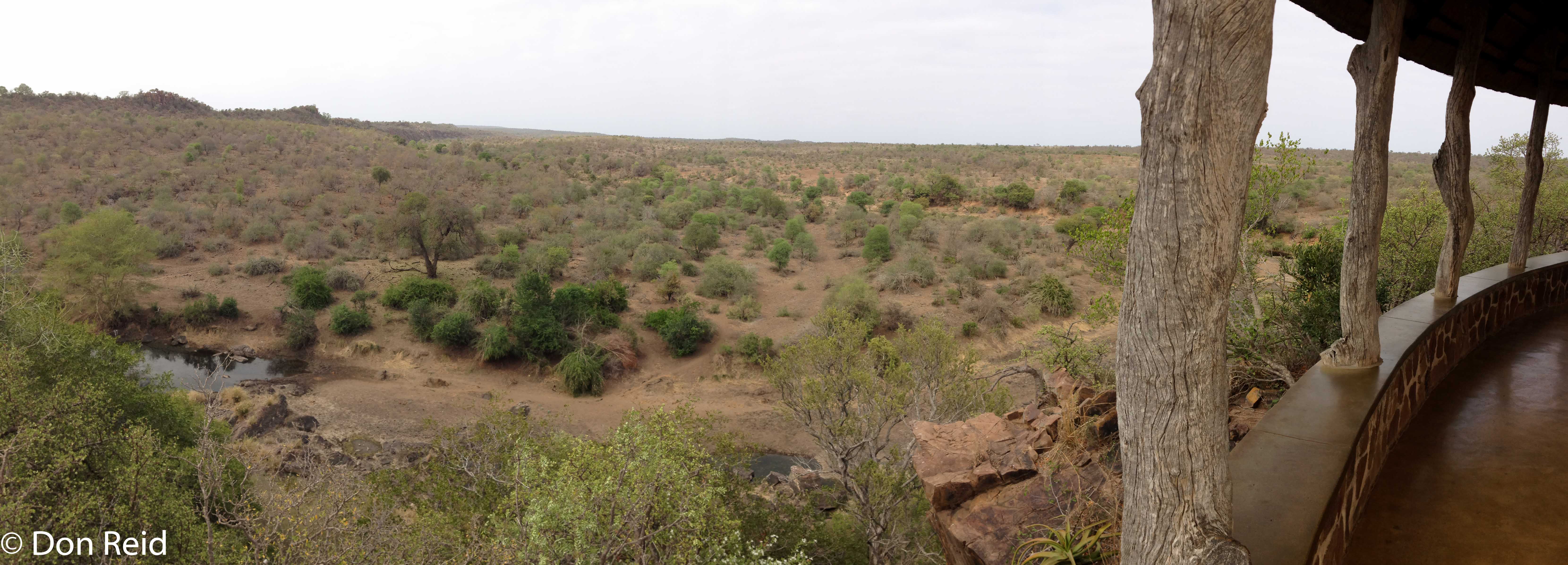
Nwanetsi Viewpoint
Nwanetsi Viewpoint
Nwanetsi Viewpoint
Nwanetsi Viewpoint
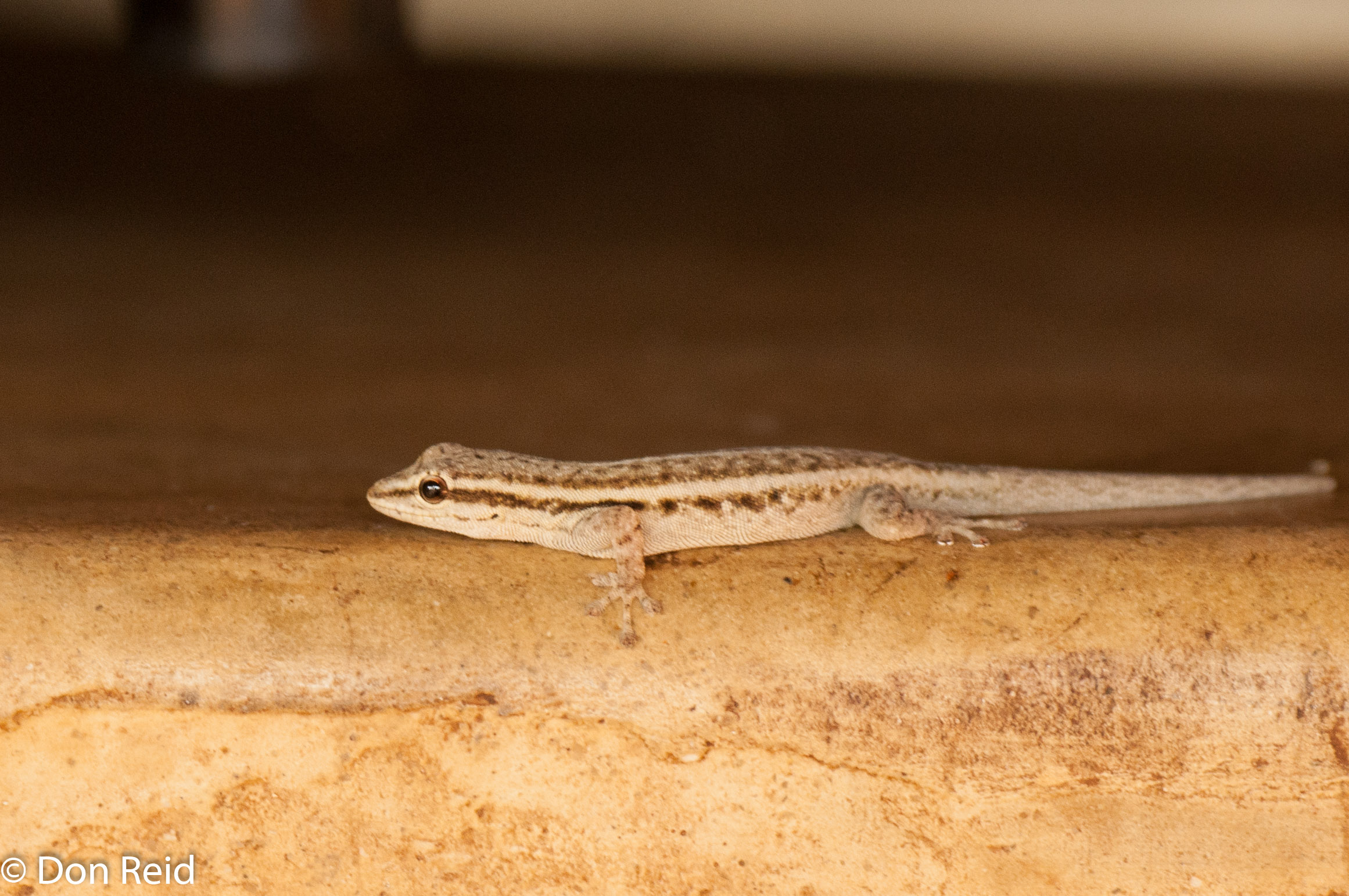
Lizard, Nwanetsi Viewpoint

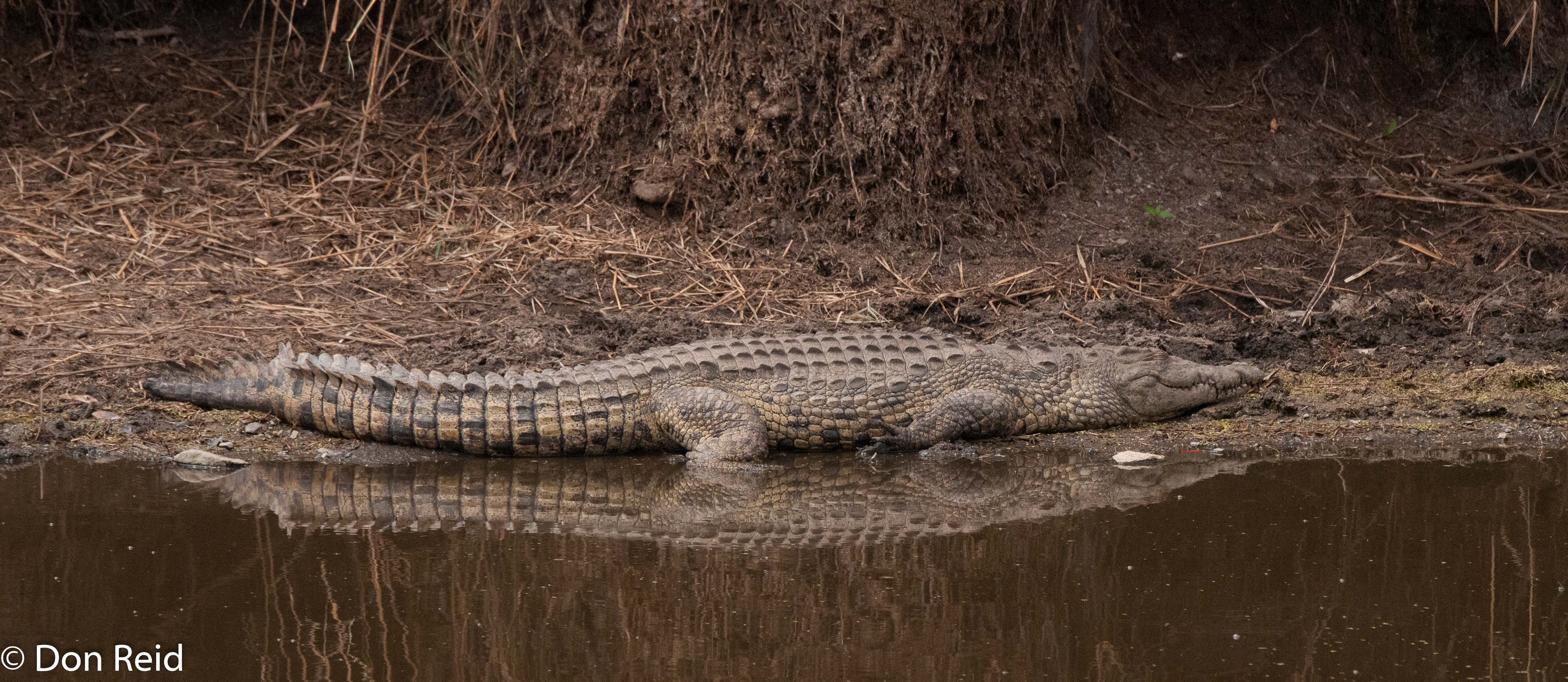
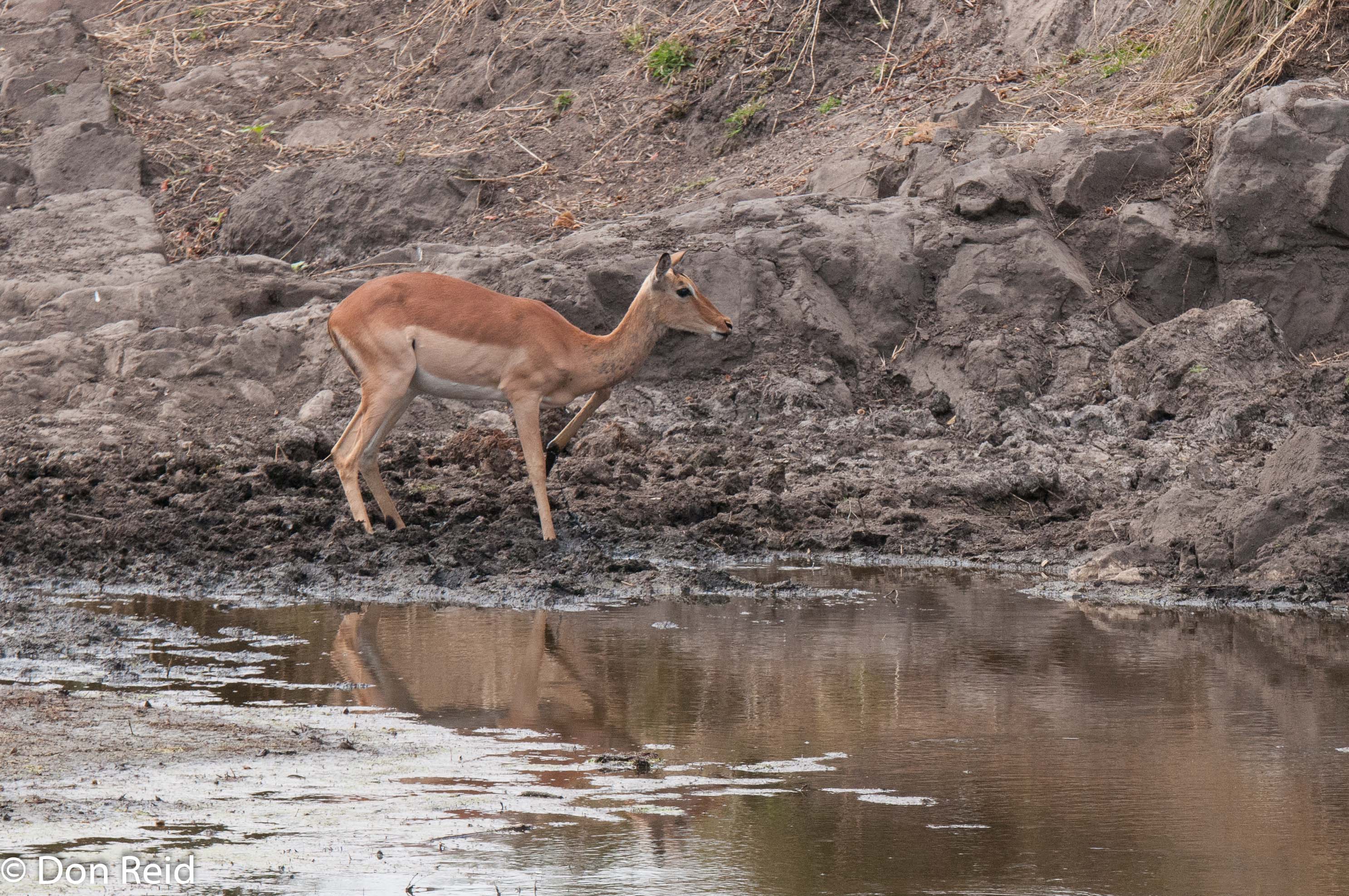
After brunch we left the picnic spot and headed firstly to the low water bridge on the S37 but found it dry and returned to the Sweni bird hide along the same road for a better view  of the dam. There we found some Impala, warily approaching the water where a large crocodile was resident.

Crocodile, Sweni Hide
Wary Impala, Sweni Hide

The resident bird population were going about their business while we watched from the comfortable hide

  • White-faced Ducks
White-faced Duck, Sweni Hide
  • Black Crake
  • Water Thick-Knee
  • Red-capped Robin-Chat (unusual in this habitat)
Red-capped Robin-Chat, Sweni Hide
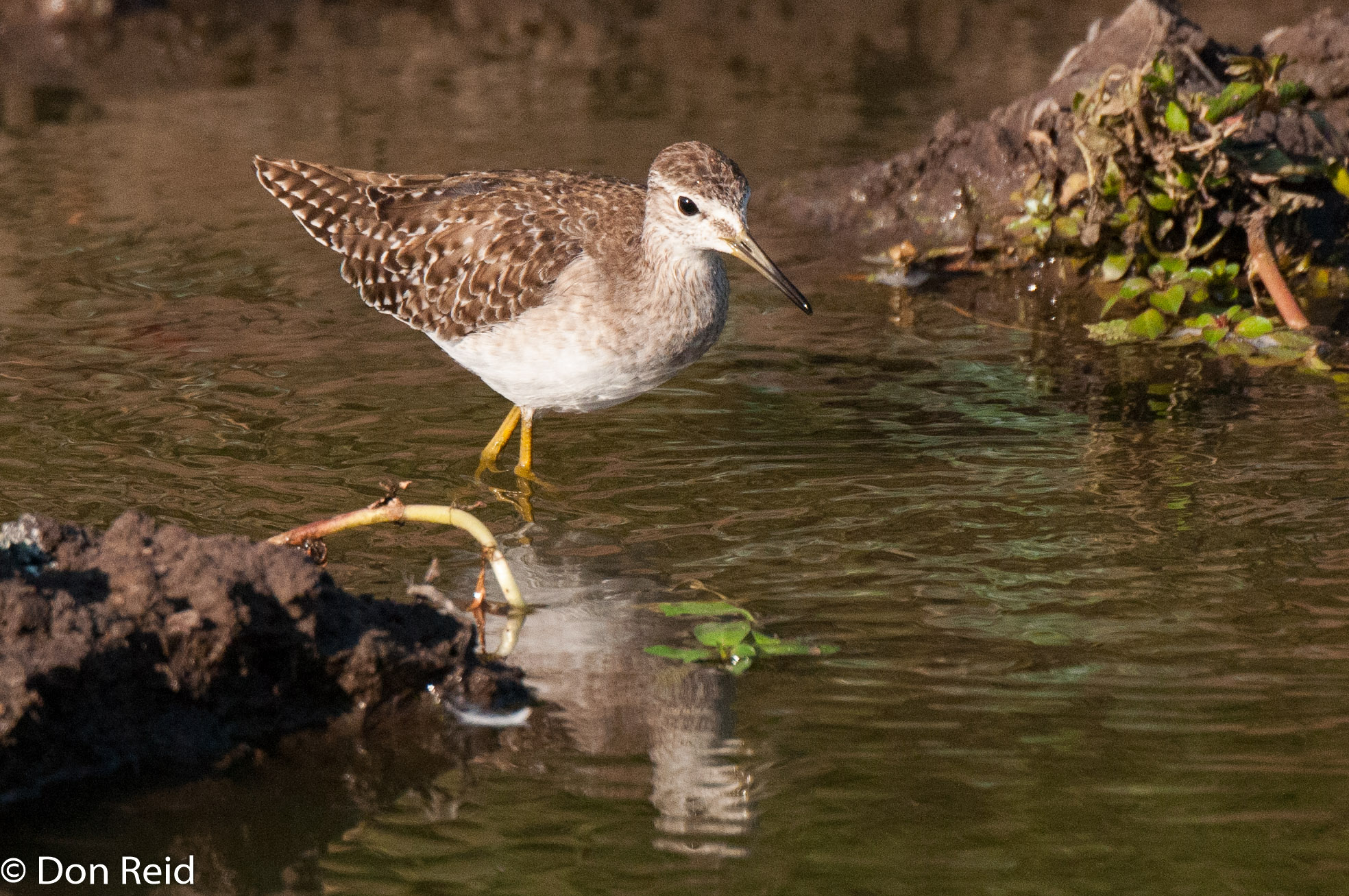
  • Waders such as Wood Sandpiper and Three-banded Plover
  •  The ubiquitous Egyptian Goose
Egyptian Goose, Sweni Hide

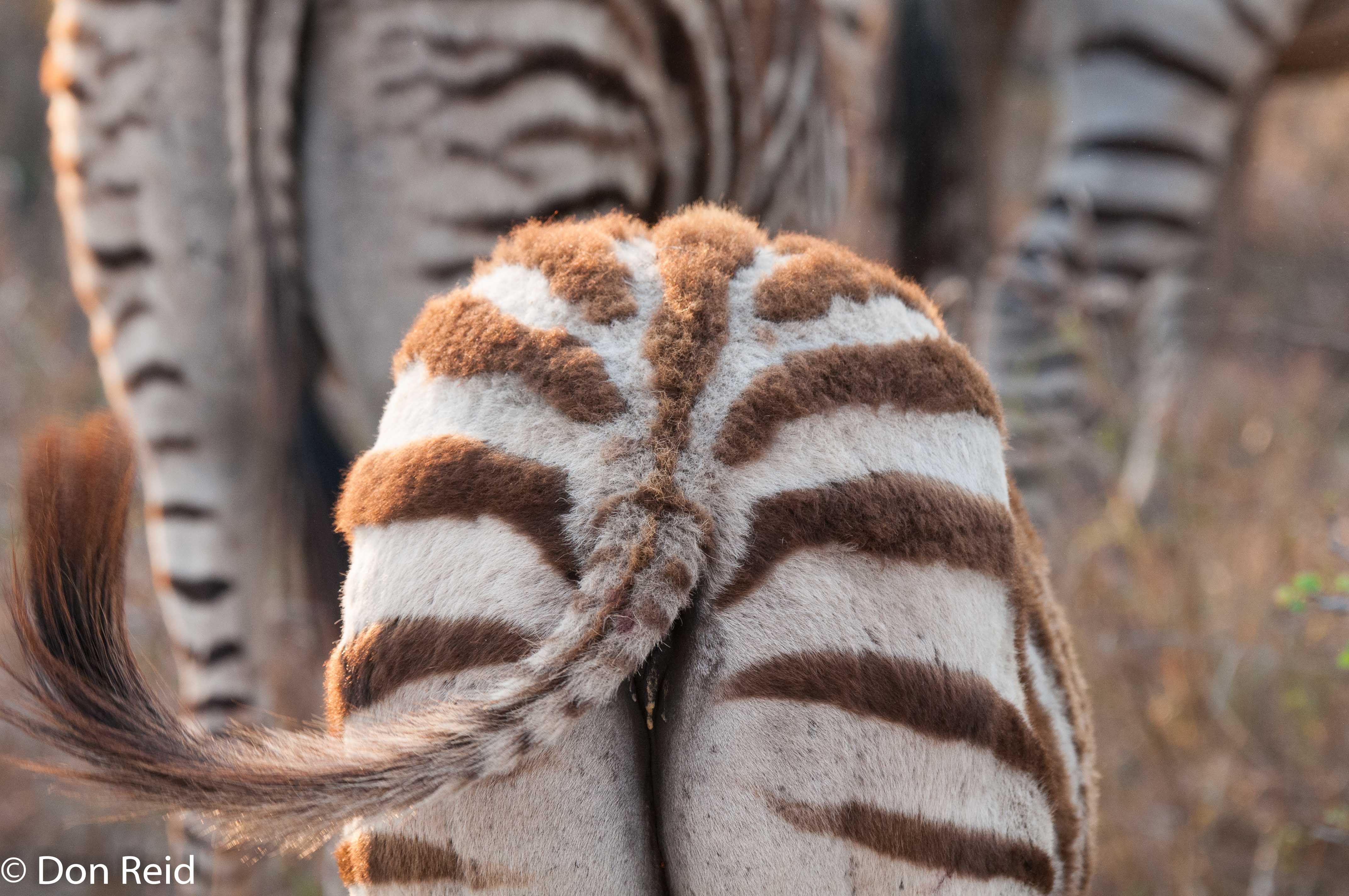
The rest of the journey back to Satara was on tar and with less game visible so we did not dawdle too much, nevertheless we enjoyed seeing Zebra close up with a juvenile whose stripes were still fluffy and brown – looking cute enough to want to pat him.

Burchell's Zebra, Satara - Nwanetsi S100

On the birding side we did spot a Brown Snake-Eagle and Red-crested Korhaan not far from the road

The rest of the day was a relaxing mix of our typical Kruger activities – some resting, enjoying the quiet of the camp, a swim late afternoon and closing out the day with a braai with the family.

Sources :

Sanparks Guide to Kruger National Park

A Week in Kruger – Satara to Olifants

The Route

Kicking off our stay in Satara we decided our first drive would follow the H1-4 main tarred road which heads north, branching off onto the Olifants camp road after crossing the river

After the previous day’s long drive from Pretoria, we enjoyed a good night’s rest, only surfacing after 7.30 am for coffee and rusks on the stoep before packing the brunch goodies and setting off for Olifants camp after 9.30 am.

Habitat

The drive initially takes you through open savanna grassland, changing to more rocky landscape closer to Olifants, where the habitat is known as Olifants rugged veld and is the transition between the woodlands of the south and the mopaneveld of the north.

Most common trees are Knob-thorn Acacia, Umbrella Acacia, Marula, Ebony Jackalberry and Red Bushwillow. The open savanna is favoured by the grazers such as antelope, zebra and their predators, with plenty of Vultures gathered at carcasses

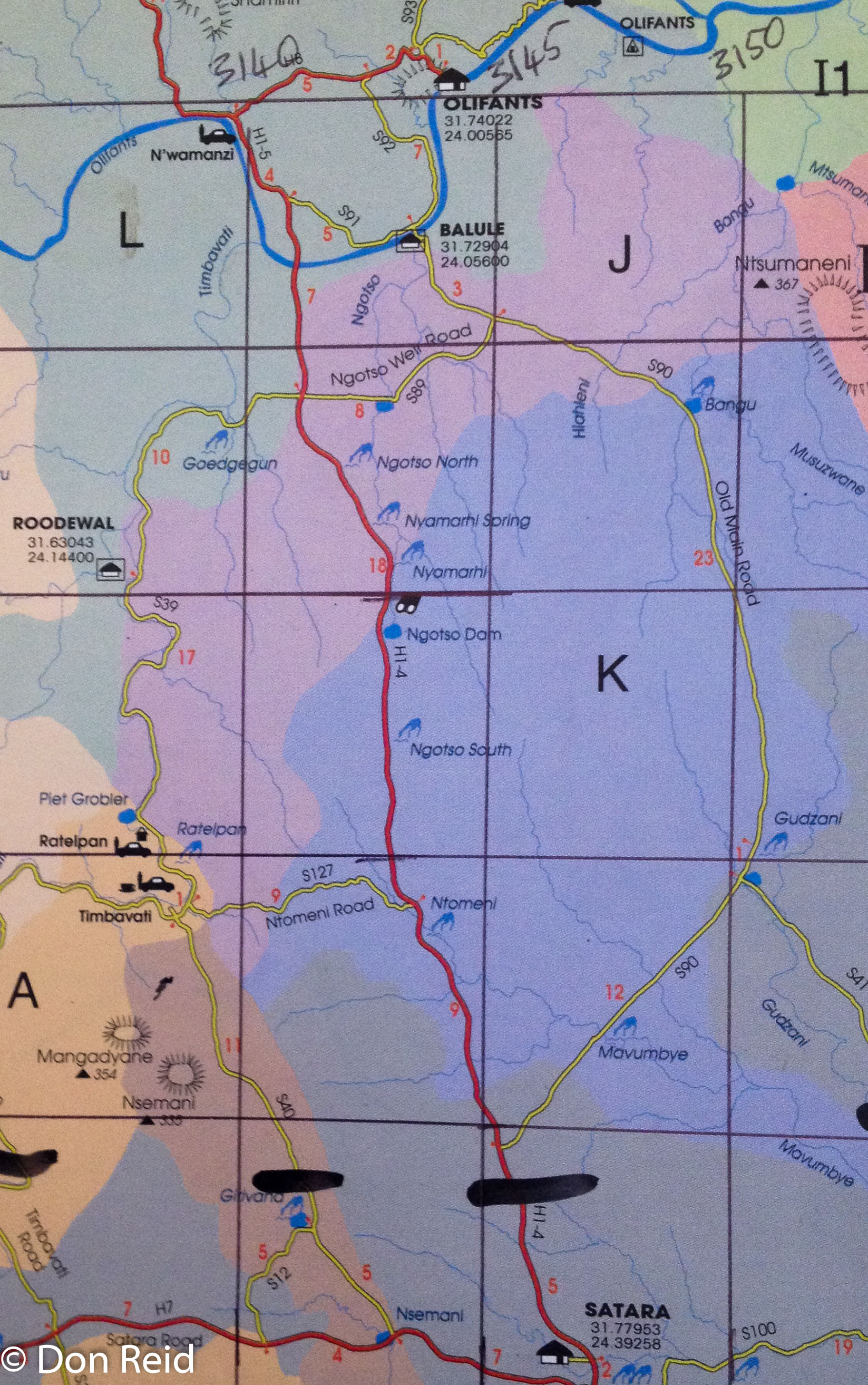
An extract from the Kruger Park map book shows the route :

Map of route from Satara to Olifants (the grid is my hand-drawn guideline for atlasing)

The Drive

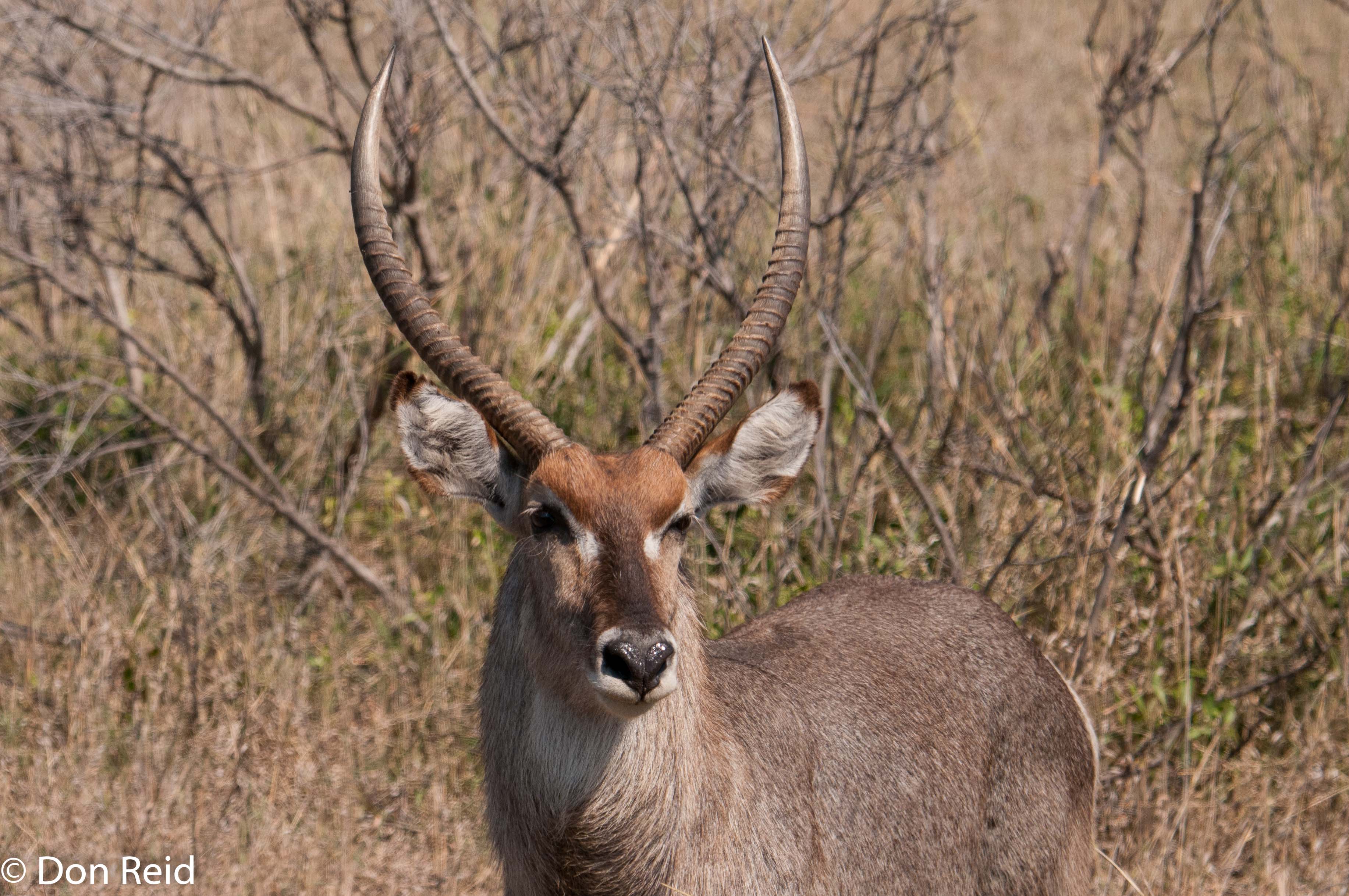
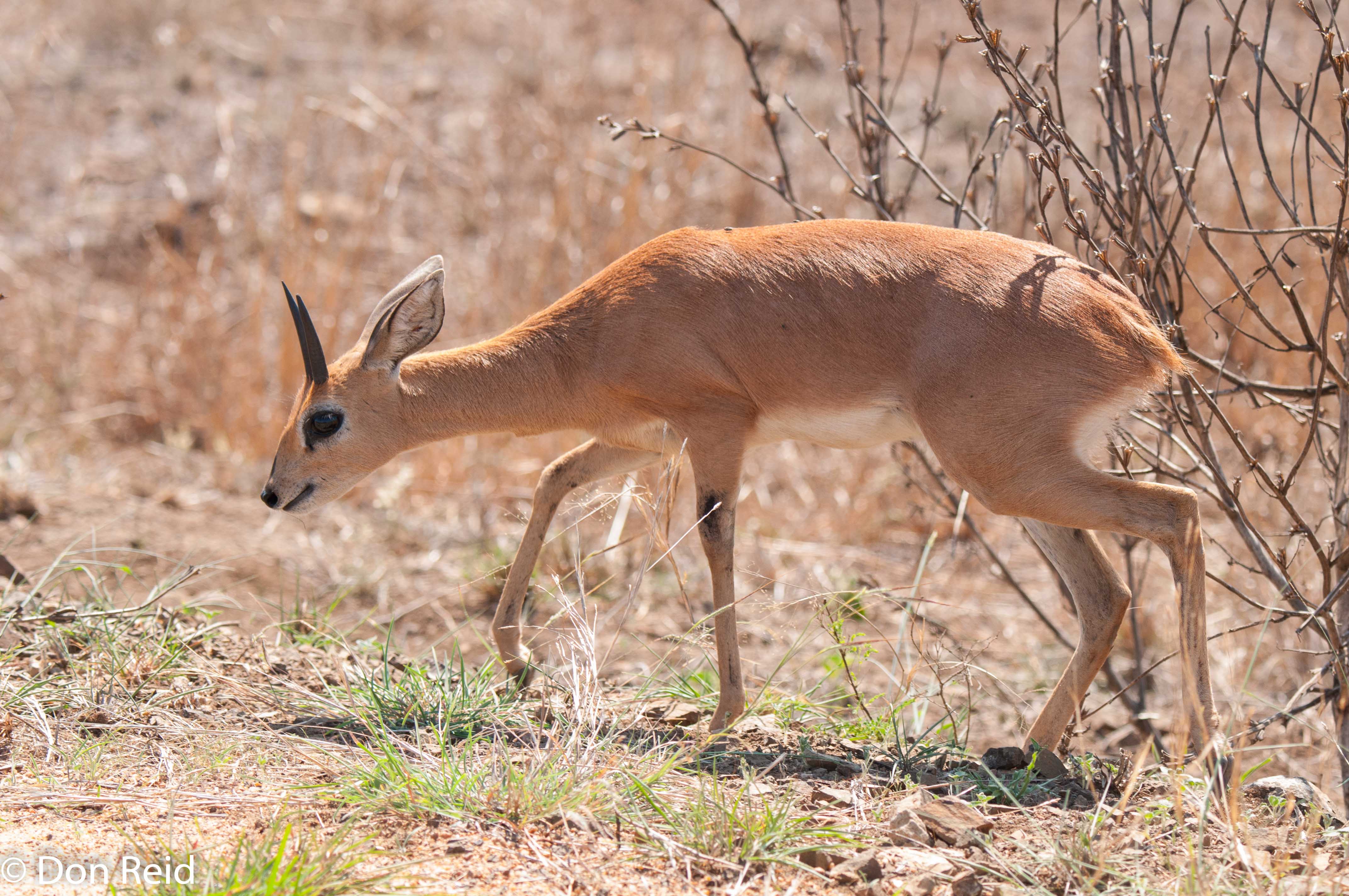
The savanna grassland was particularly dry and barren after the winter, but the few waterholes and dams which still had some water kept things interesting , with plenty of Elephant, Giraffe, Waterbuck, Kudu and Impala plus a few Steenbok here and there, looking so small and defenceless in this environment.

Waterbuck
Waterbuck
Waterbuck
Waterbuck
Kudu
Kudu
Impala early morning
Steenbok
Steenbok

On the birding side we started with a juvenile Black-chested Snake-Eagle and added regularly to the list, particularly when we stopped at Ngotso Water Hole some 20 kms north of Satara where we found Sabota Lark, Blue Waxbills, Ostrich, Lesser Striped Swallow, amongst others. This is the main water hole in the area, man-made and fed by the vlei area surrounding it.

Black-chested Snake-Eagle (juvenile)
Blue Waxbill
Blue Waxbill

At the Olifants Bridge you can get out of the vehicle in the designated zone to enjoy the scenes on both sides and the bird life(Little Swifts by the 100’s, African Spoonbill, Yellow-billed Kite, Green-backed Heron).

Scene from Olifants river bridge
Little Swift
Little Swift
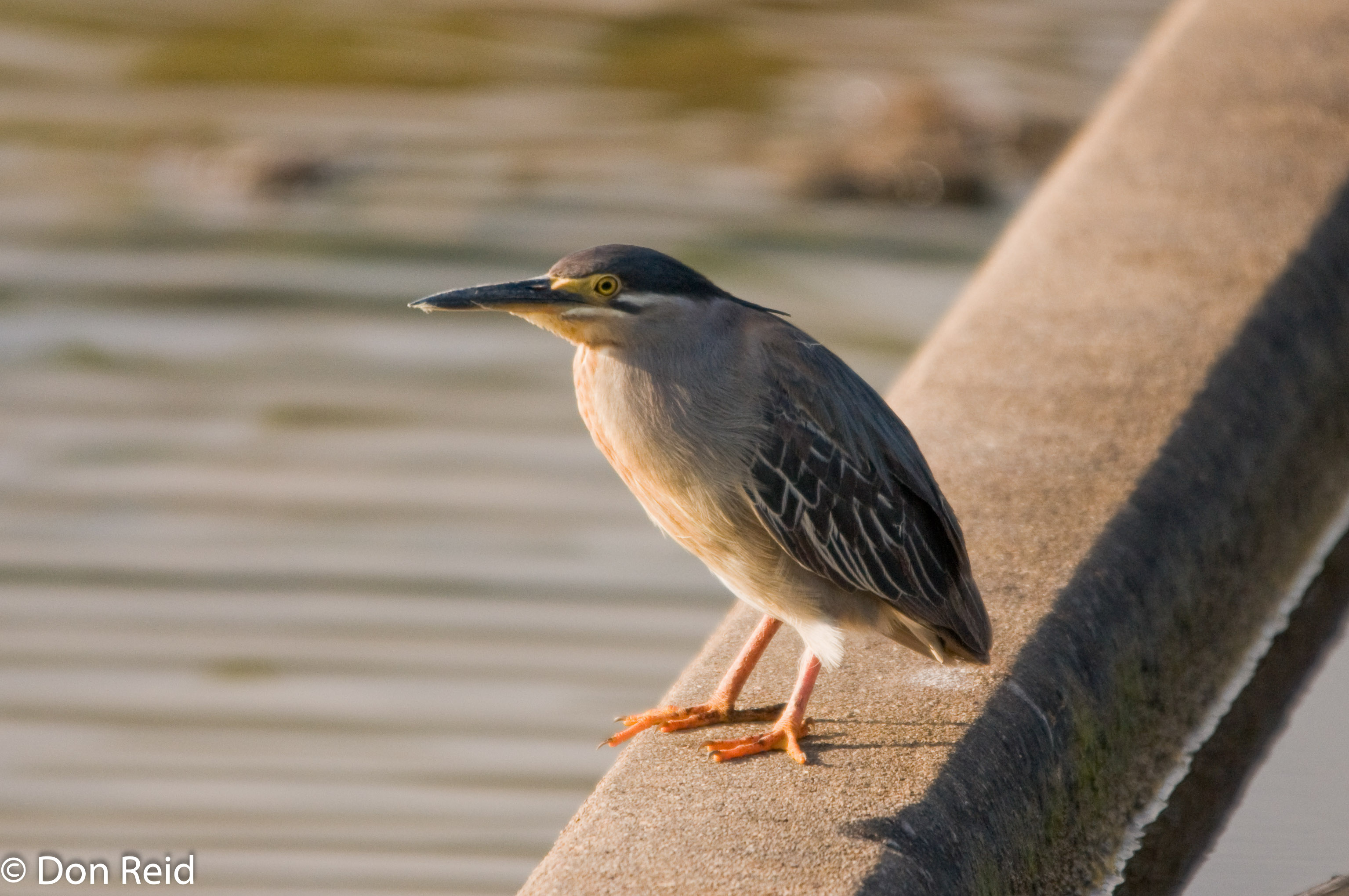
Green-backed Heron
Green-backed Heron

Further along, the road stays close to the river for a few km’s before turning off to Olifants camp. A lone elephant was making his way slowly across the mostly dry river bed to where a few Impalas were drinking at a pool – such a classic scene I just had to stop and let it soak into my memory. It’s these simple scenes that are what Kruger is all about and why we keep coming back after 40 + years of visiting our national treasure.

Olifants Camp

At Olifants camp we went straight to the picnic area where Andre and Geraldine were already parked and Megan and Maia were in the swimming pool. By now it was 35 deg C and the heat felt tangible, but as Geraldine reminded us, this is exactly what you expect in Kruger in summer – best embrace it and don’t try to be too active.

Andre conjured up a “brunch sandwich” on the skottelbraai (like an old ploughshare used for frying on a gas cylinder) with scrambled egg, fried lean bacon, fried onions and avo – delicious! Not that we were ravenous by then or anything. All part of the Kruger traditions/must-do’s!

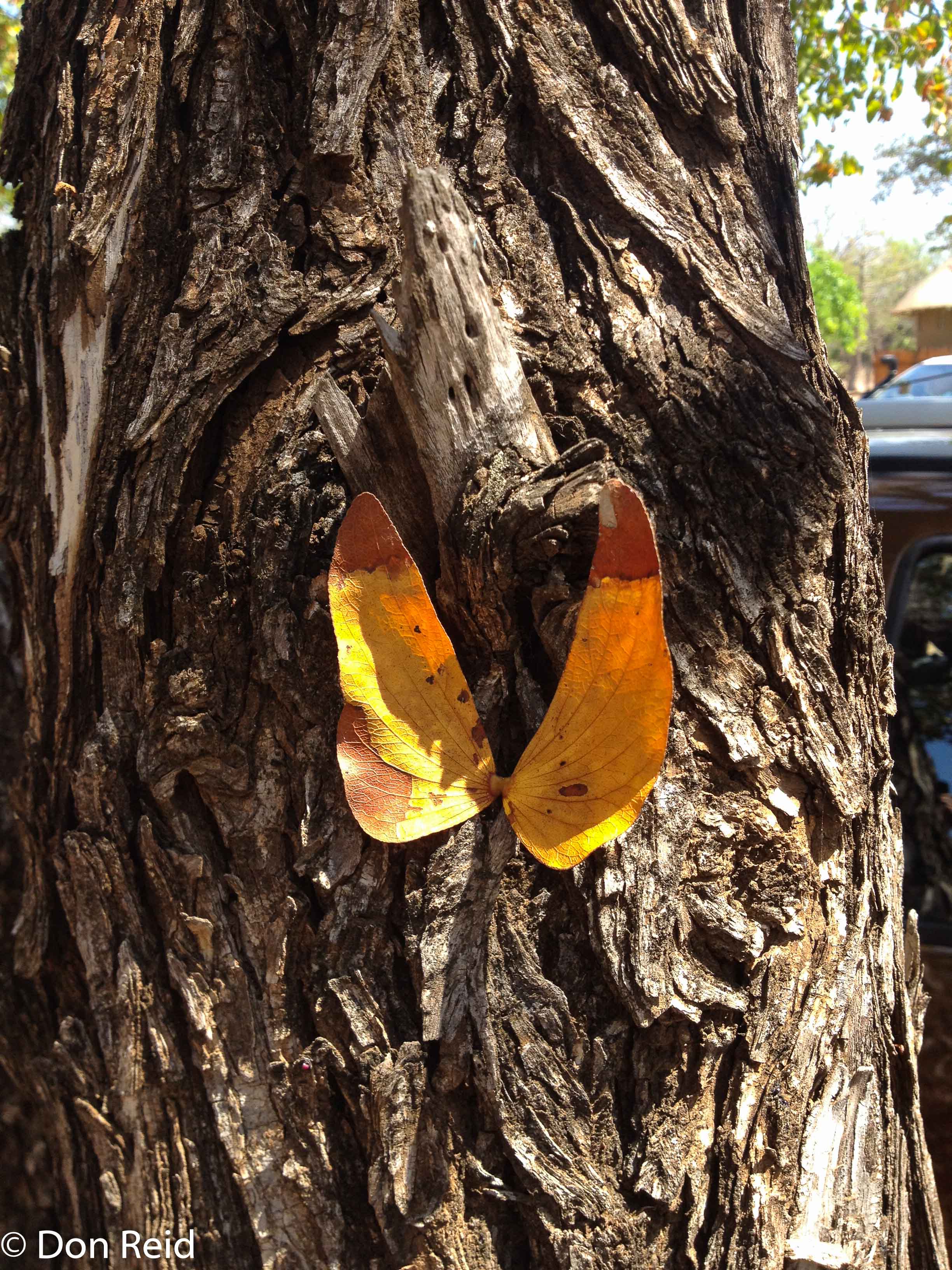
While he was busy I couldn’t help noticing that the fallen Mopane tree leaves looked uncannily like a butterfly, so I positioned one on the tree trunk ……

Mopane leaf "Butterfly", Olifants camp
Mopane leaf “Butterfly”, Olifants camp

After brunch it was  time for the next must-do – as we walked slowly down to the restaurant area and viewpoint (Gerda and I cheated and drove – the extreme heat you know) below the restaurant to enjoy the timeless landscape below and stretching to the horizon in a 180 degree sweep. In all the years we have been visiting Kruger the view has not altered one bit – other than the effects of the different seasons – a testament to the foresight of the founders of the Park and those charged with looking after it.

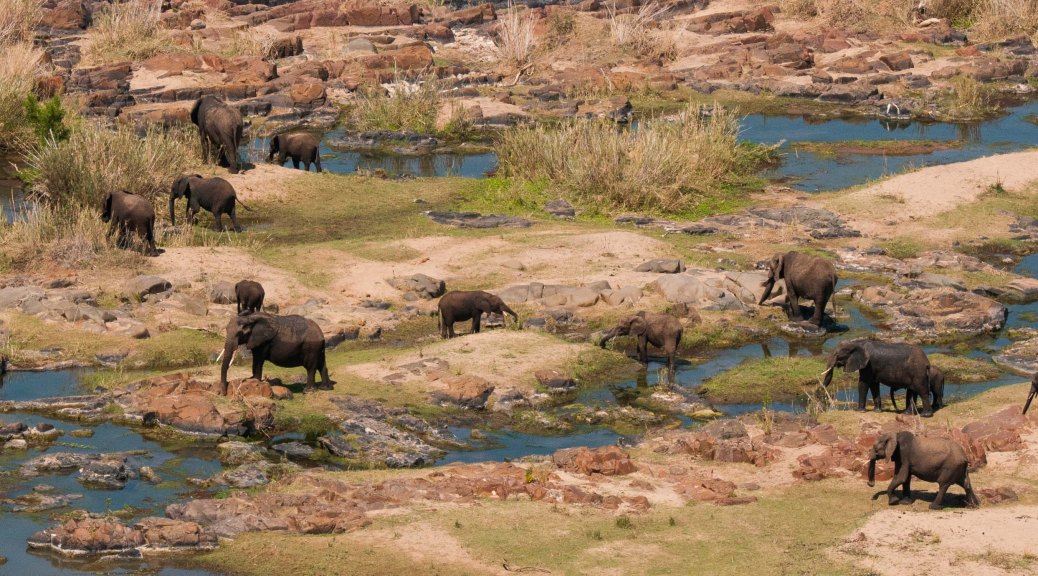
In the river far below, some 30 to 40 Elephants of various ages were enjoying the pools of water as they moved slowly across the wide Olifants River, which flowed in several streams interspersed with rocky islands and stretches of sand and reeds.

Olifants camp viewpoint

Olifants camp viewpoint Olifants camp viewpoint Olifants camp viewpoint Olifants camp viewpoint Olifants camp viewpoint

Numbers of birds were visible – lots of Egyptian Geese but also plenty of white egrets (Great, Yellow-billed and Cattle were all represented), Marabou Storks, Hamerkop, Grey Heron, African Openbill and Saddle-billed Stork.

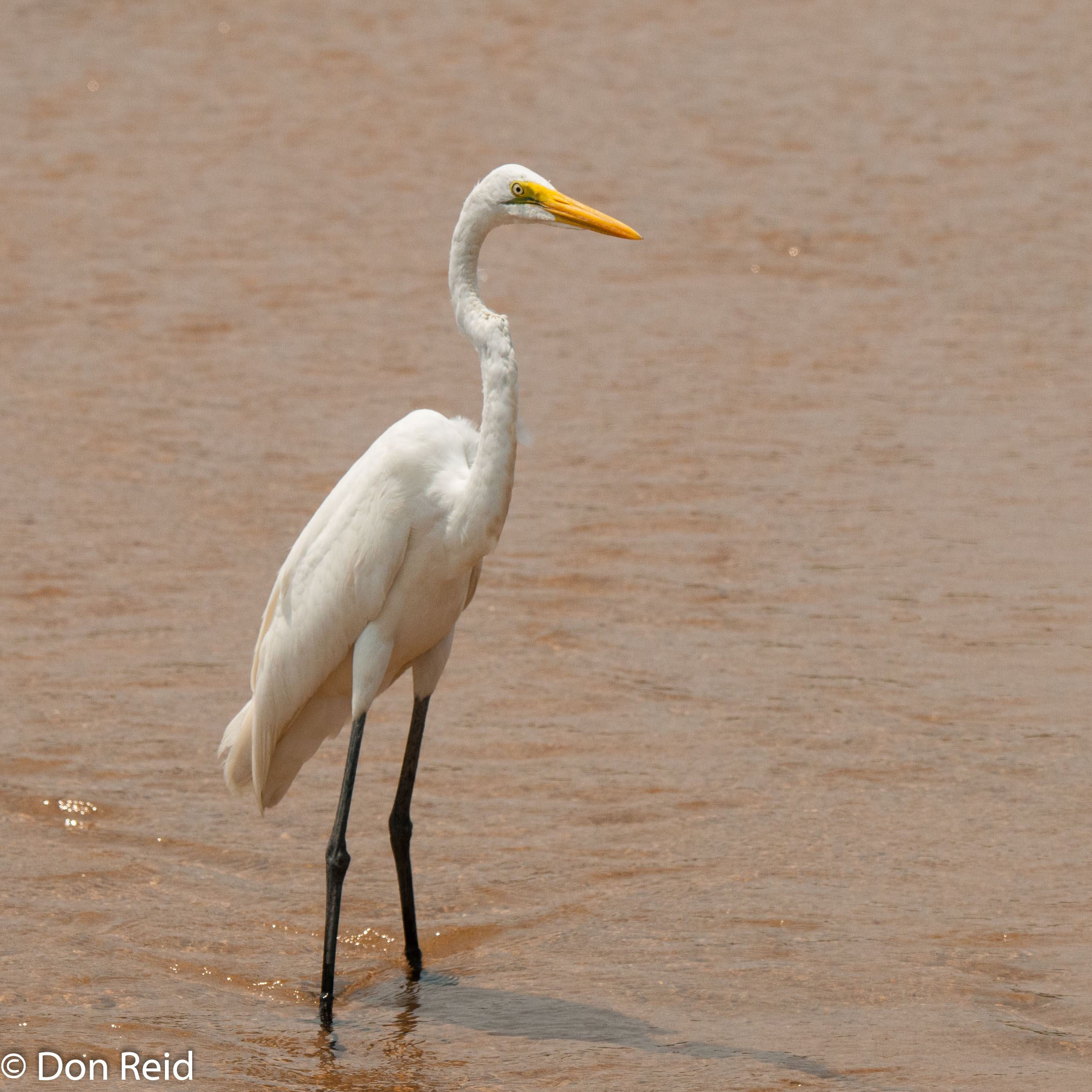
Great Egret
Great Egret

Tearing myself away from what has become one of my favourite spots in all of Kruger, I went off to find the rest of the family, who were busy with that other traditional pursuit – shopping. And who can blame the girls (old and young), with some pocket-money and nowhere else to spend it but in the tempting Kruger Park shops.

The road back to Satara was quiet, with birds rather than animals being the only reason for stopping – Red-billed Oxpeckers using Kudu as a feeding station, Kori Bustard some way from the road and a Yellow-throated Longclaw perched near the road.

Yellow-throated Longclaw

The rest of the day was dedicated to camp activities – swimming in the large pool, and a late afternoon braai

Sources :

Krugerpark.co.za

Sanparks Guide to Kruger National Park

A Week in Satara – The Journey

Anticipation

We had been looking forward to a week in Satara in the Kruger National Park for some time, in fact ever since our daughter Geraldine had booked accommodation a year in advance for a week in October 2015, school holiday time and usually totally over-subscribed.

Route

And so Saturday 3 October 2015 saw us packed and departing early morning from Pretoria for the long drive to Satara. The route we had decided on would take us to Machadadorp in Mpumulanga, then via the N4 through Schoemanskloof after which we took the Sudwala Caves turn-off and made our way through Sabie and Hazyview to the Phabeni Gate into Kruger – we estimated this would be at least a five-hour drive with comfort stops. From Phabeni it is some 140 kms mostly northwards to Satara which, at Kruger speeds of maximum 50 km/h and including a few stops for game sightings, was likely to take 3 to 4 hours. So we had the prospect of around 9 hours on the road, eased by the fact that the last part would be in the Park and devoid of the stress of driving the highways.

Why Kruger?

Kruger holidays are like no other and in our family (and many other South African families I suspect) there are a few things to be attended to before departure – you could call them rituals :

  • buying the biltong, the boerewors (farmer’s sausages) and the braai chops – if you live in Pretoria east there is a good chance that, like us, you will have visited Uitkyk or Groenkloof butchery for these all-important items.
  • packing all the bush clothes you possess – every khaki shirt, shorts to go with them and a pair of longs for the evening (only to keep the mozzies away of course). There’s nothing wrong with “civvies”but proper bush clothing just adds to the feeling of escaping from the general routine for a while
  • stocking up on lots of fruit – always a bit scarce in Kruger’s camps. Some of this can often be purchased at roadside stalls along the way but this depends on the time of year and season.
  • making sure all the important stuff is ready and in good nick – camera, binos, birding books, scope, reptile book, mammal book, butterfly book, frog book (you never know), portable fridge, kitchen sink (just joking) and all.

The Journey

Then there’s the journey itself, where you have the chance to transition from city slicker to game ranger persona – a gradual process until you get to Kruger’s entrance gate. That’s when it really kicks in – slow down to 50 km/h or less, open the windows to let the bush smells and sounds drift in, binos around the neck, eyes tuned to the bush and on the lookout for movement – ahhhhhh we’re back!

Our trip from Pretoria took the time we expected, with a first stop for an early lunch at Milly’s near Machadadorp, a must on any journey involving the N4 towards Nelspruit. Here you can fill up with fuel, have a sit-down or take-away meal of excellent quality, stock up on all sorts of goodies and just enjoy a welcome break from the highway. We chose take-away trout pies (did I mention they do a great one?) and a coffee from the Seattle Coffee kiosk. The pie we ate at an outside picnic table and the coffee was taken in the car and sipped over the next 30 kms or so.

Once on the road to Sabie I enjoyed the “real” driving as the road twisted, turned and ascended/descended in quick succession – so much so that it brought to mind the old Chubby Checker* hit “Let’s twist again, like we did last Summer”.

*Trivia alert : what do Fats Domino and Chubby Checker have in common? Think about those names – wonder which came first and who copied the other?

The last stretch between Sabie and Hazyview was quite badly pot-holed in places and required extra care to avoid tyre and suspension damage – by the time we reached Phabeni I was quite tired, but it was only 1pm leaving plenty of time for a relaxing drive in Kruger for the next 130 kms.

Phabeni gate
Phabeni gate
Phabeni gate
Phabeni gate reception

The drive provided a good spread of sightings to whet our appetite for the week ahead – from tiny Duikers to big daddy Elephants and a Lion and Lioness that were pairing not far from the road.

We made a comfort stop at Tshokwane picnic spot, which was unusually quiet, except for a group of baboons looking for scraps left by the visitors that morning

Tshokwane - quiet in the afternoon
Tshokwane – quiet in the afternoon
Baboons have Tshokwane almost to themselves
Baboons had Tshokwane almost to themselves

After a full day’s driving, Satara camp was a welcome sight and a chance to relax,  loving the feel of the warm air pressing into our pores after being cocooned in an air-conditioned car for most of the day.

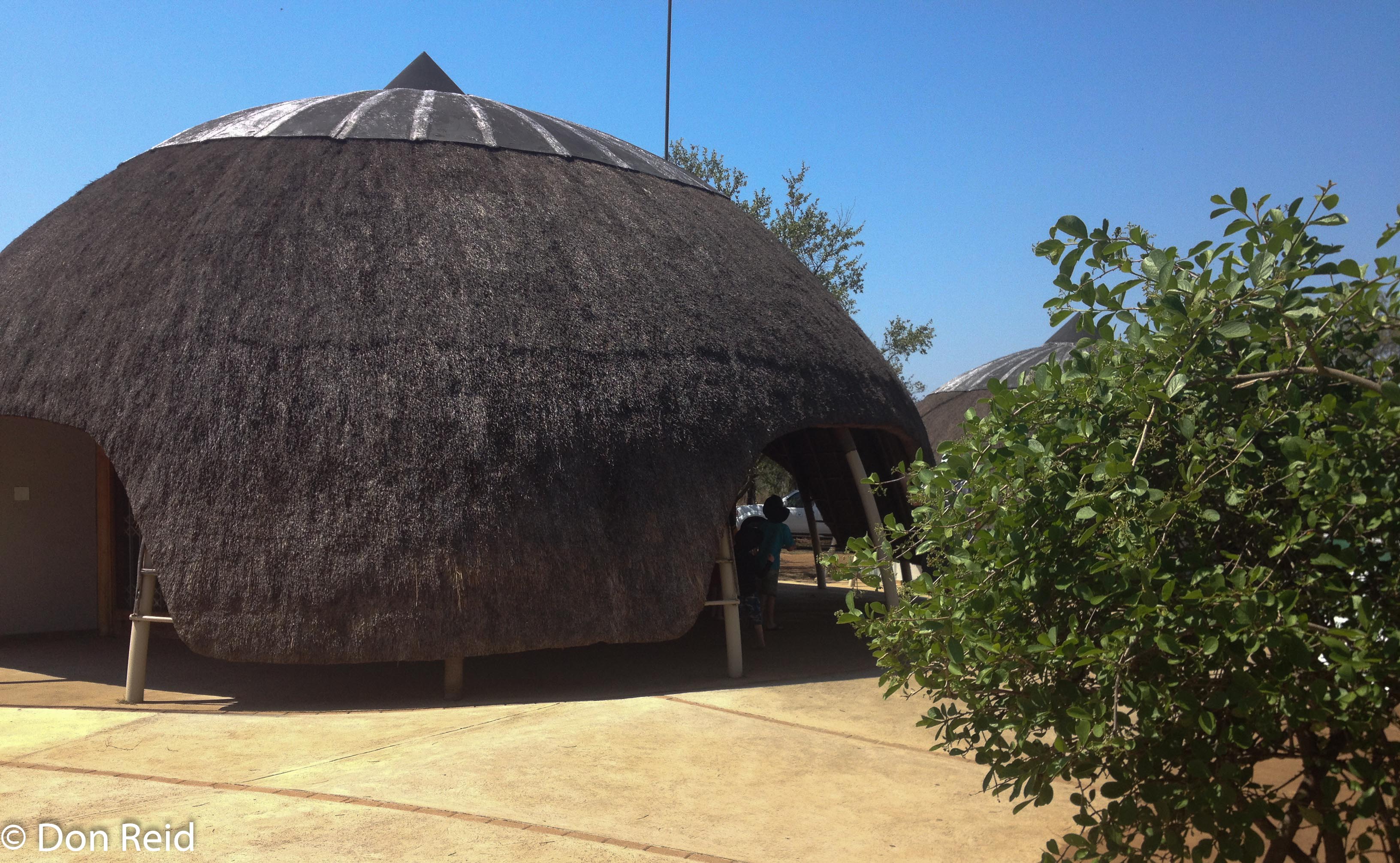
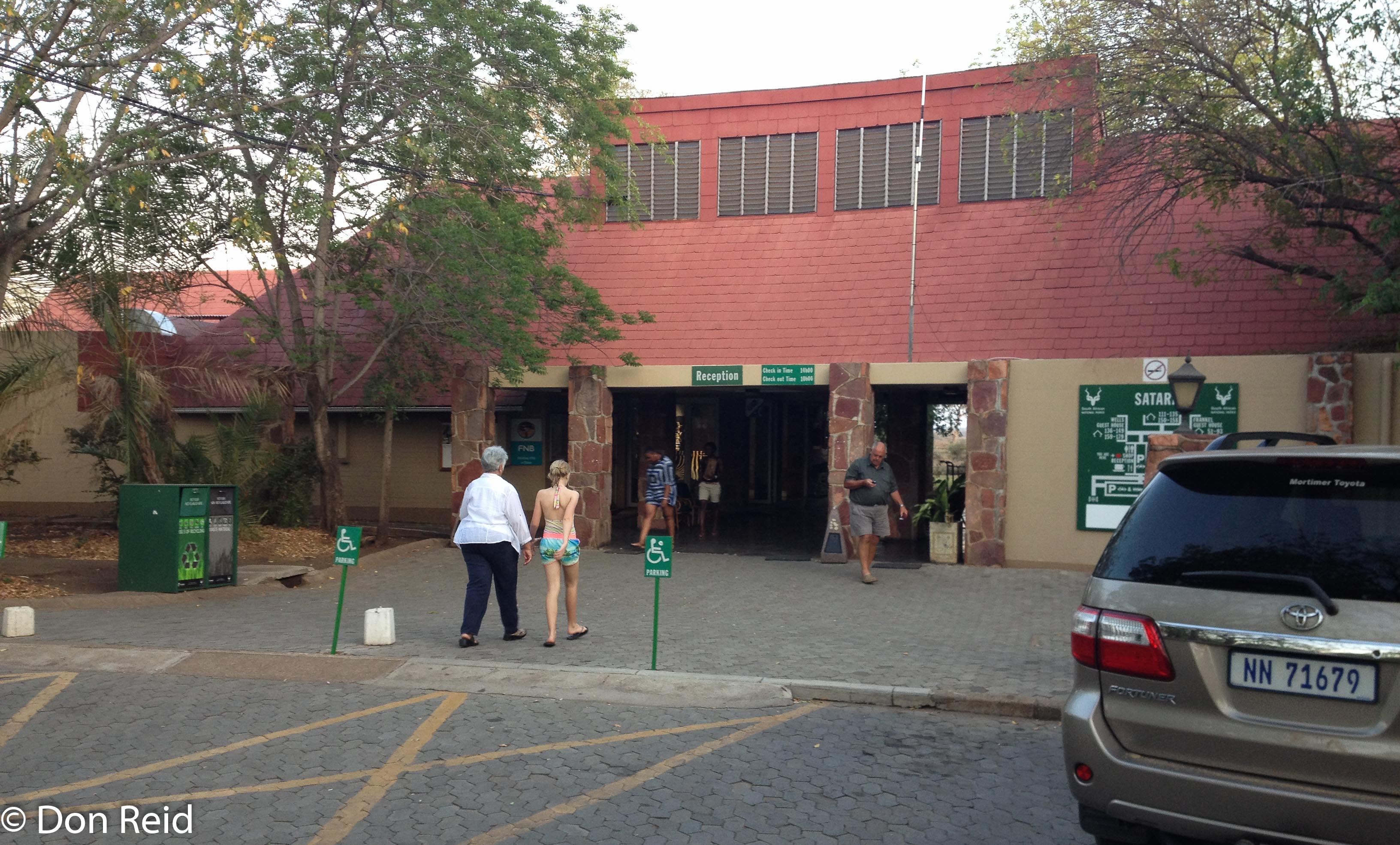
Satara main complex
Satara main complex
The restaurant from the garden
Fever Tree roots in the garden
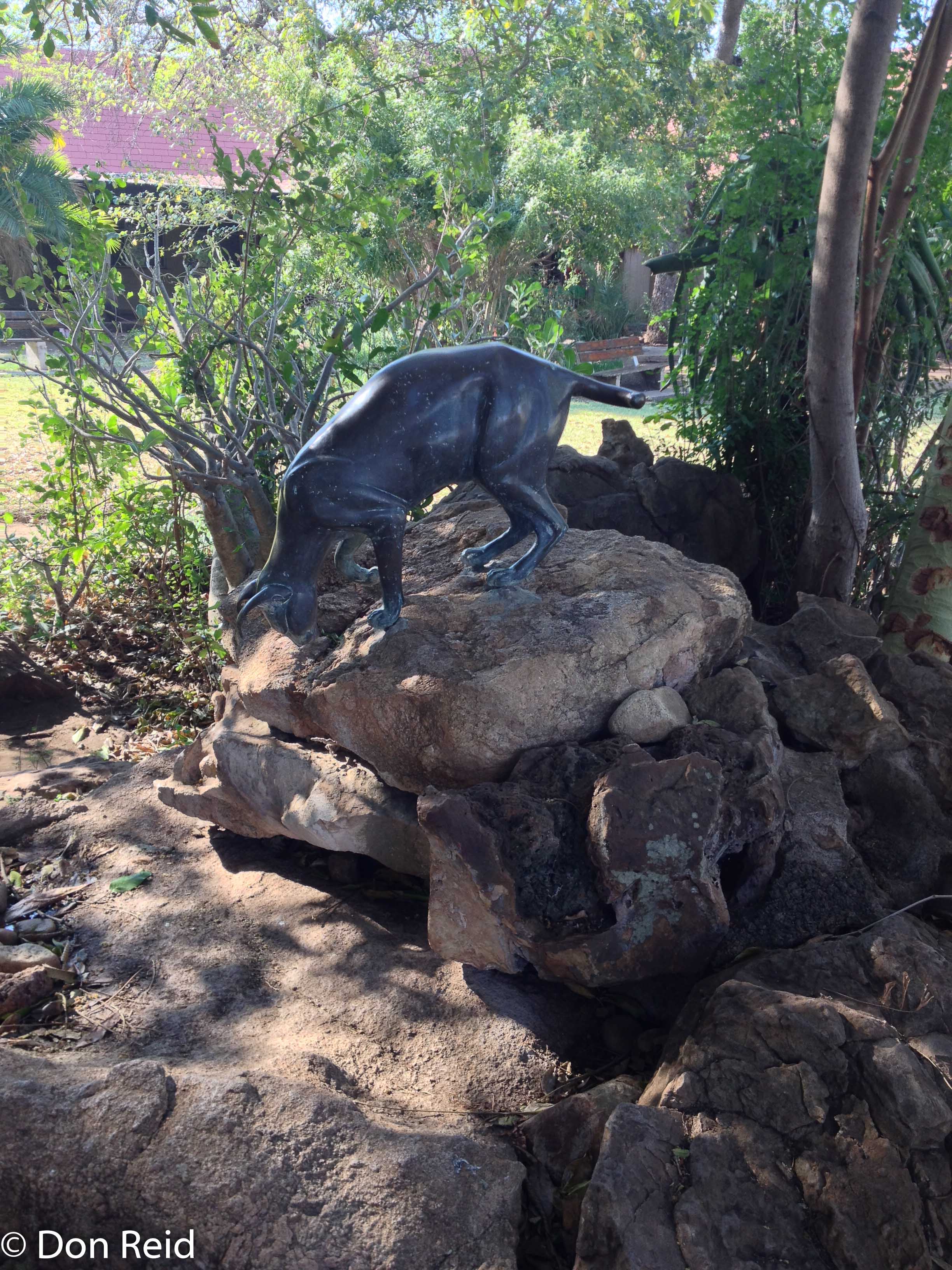
Statue in the garden

Some of the game along the way :

Kudu
Kudu
Impala
Impala
Zebra
Zebra
Waterbuck
Waterbuck

Any Birds?

Without spending too much time on birding, we nevertheless started the trip with some nice sightings :

  • Hamerkop at the first bridge after Phabeni – exactly where I had photographed one a year or so before
  • Dam at Nyamundwa – White-breasted Cormorant, Gyppo (Egyptian Goose)
  • Tshokwane picnic spot – Crested Francolin, Mourning Dove, Greater Blue-eared Glossy Starling, Saddle-billed Stork
  • Mazithi Dam – Another Saddle-billed Stork, Purple Heron, Three-banded Plover, Fish Eagle, Wood Sandpiper
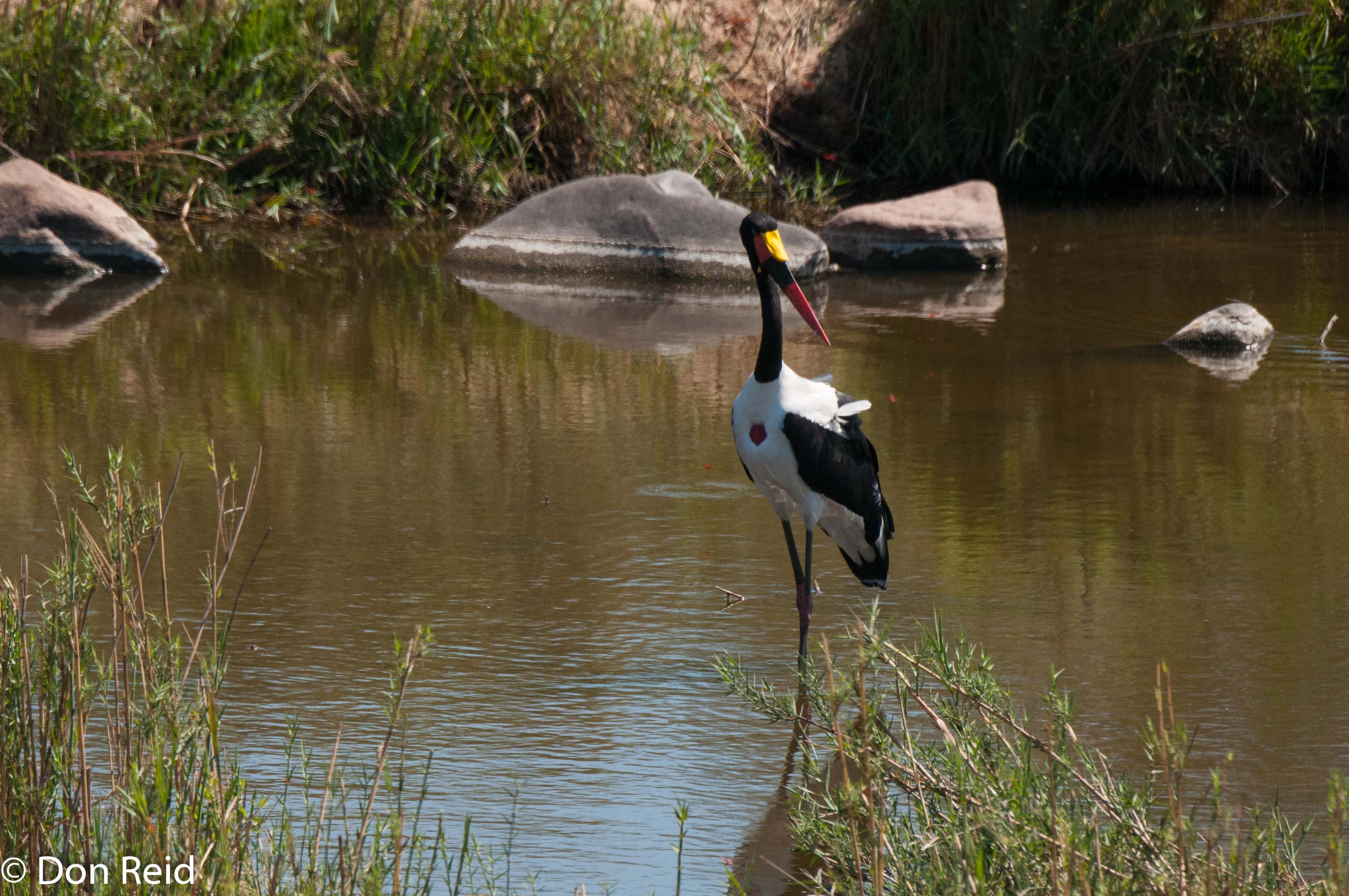
Saddle-billed Stork
Saddle-billed Stork

The Satara Experience

In Satara camp itself, the familiar sounds were present and remained throughout the week –

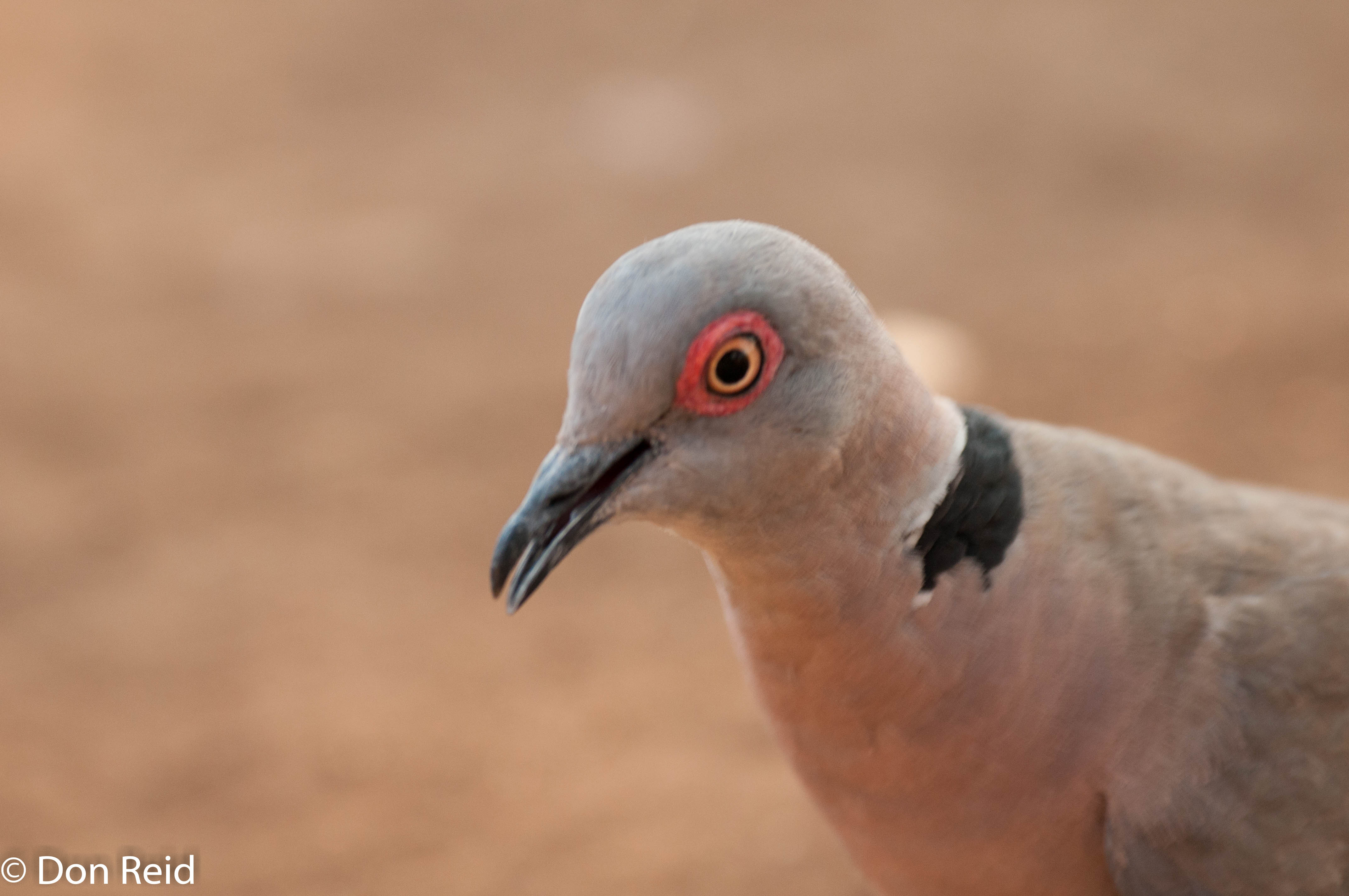
  • soft calling of the Mourning Dove – often first on the scene when the crumbs are sprinkled on the ground

, Satara

African Mourning Dove
  • Long-billed Crombec with its cricket-like call
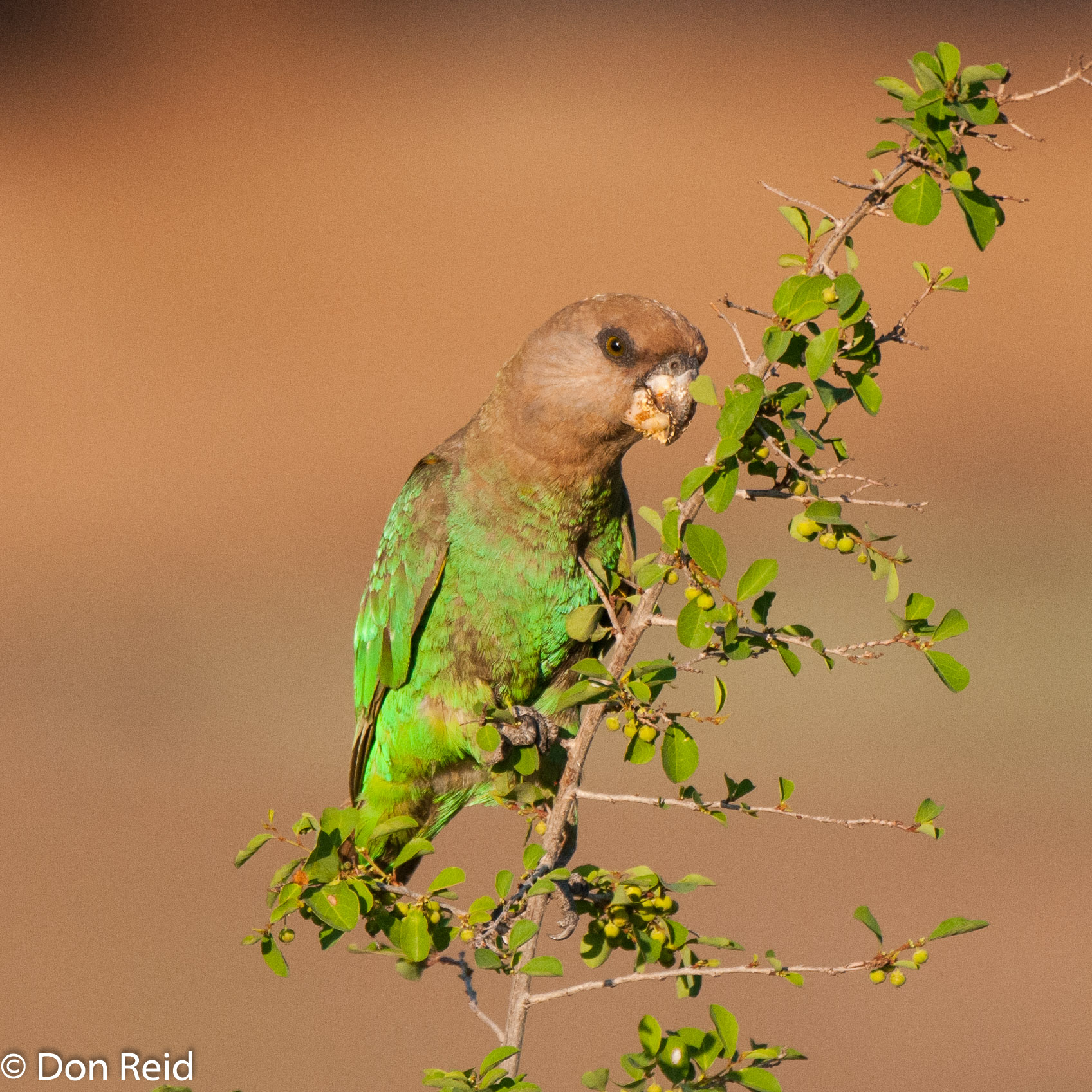
  • Screeching of Brown-headed Parrots
  • the almost constant melodious call of the Orange-breasted Bush-Shrike, not too difficult to track down and photograph
Orange-breasted Bush-Shrike
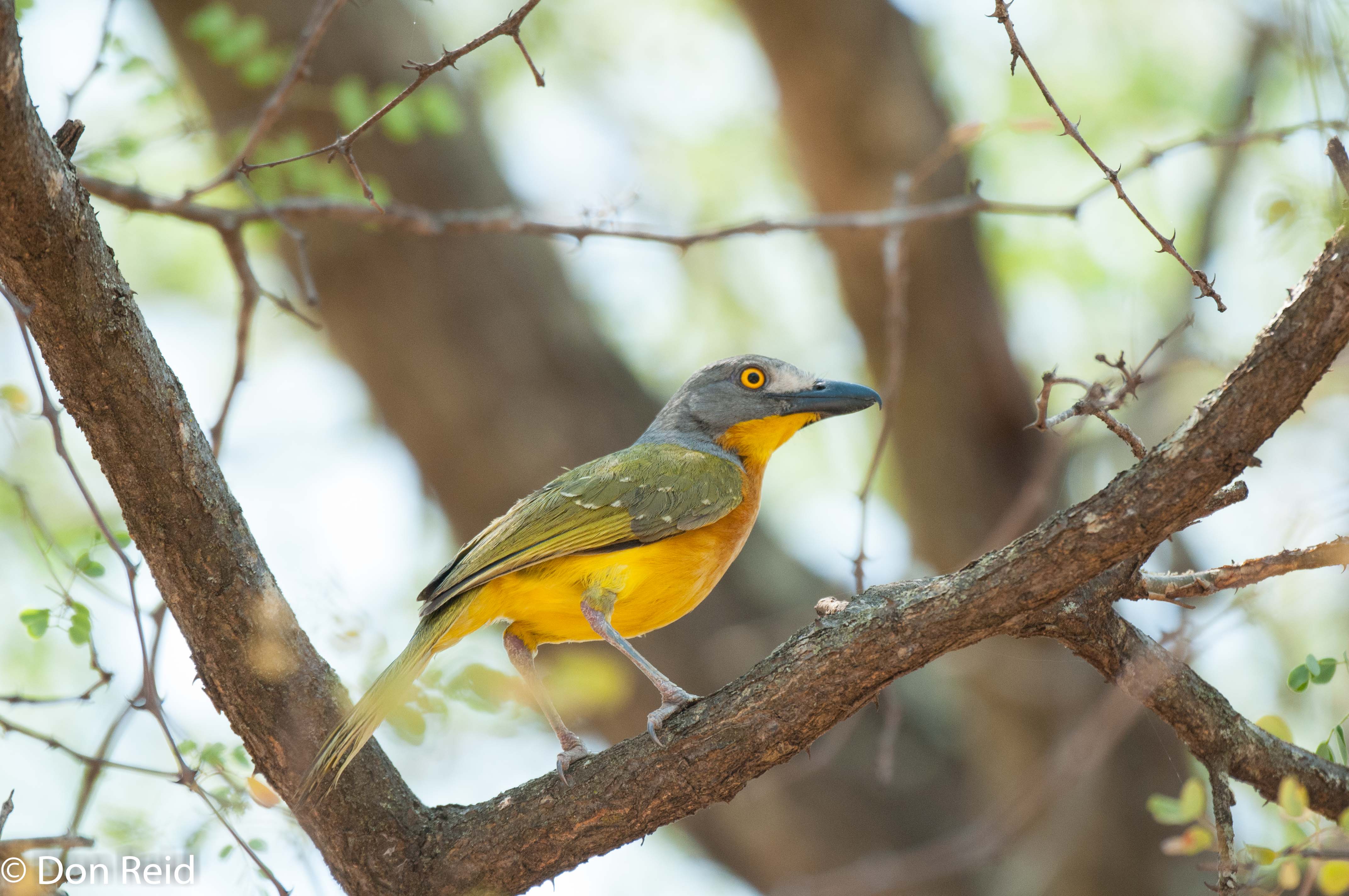
  • occasional haunting call from the “Ghost bird” – Grey-headed Bush-Shrike, which perched for a while in the tree right in front of our rondawel
Grey-headed Bush-Shrike
  • Overhead a Yellow-billed Kite flew low over the trees, swooping lower every now and then in search of prey.

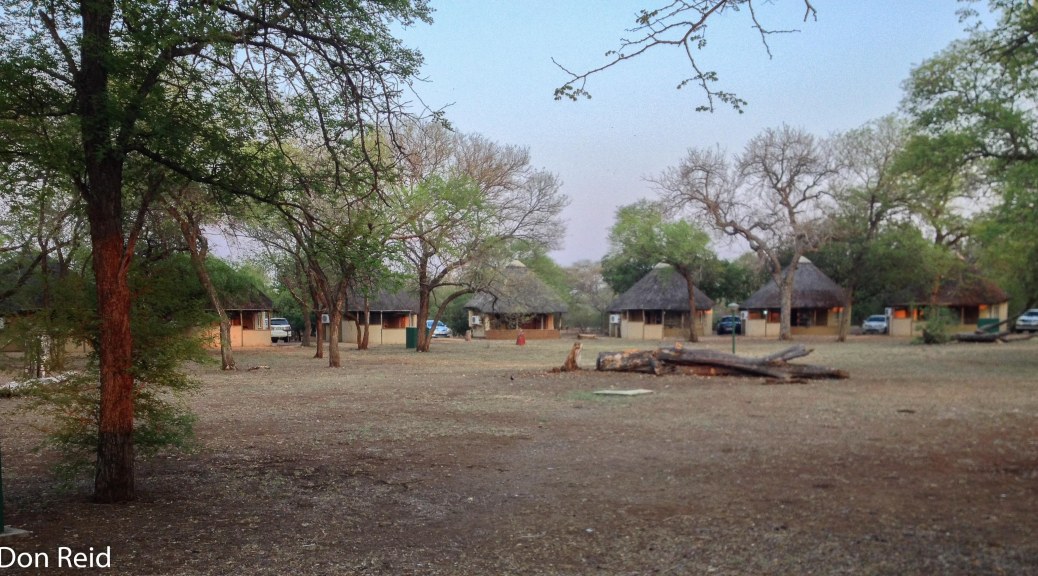
Satara is the second largest camp in Kruger and quite busy at this time of year, also attracting busloads of tourists from SA and overseas. The chalets are fairly simple and haven’t changed much over the years other than a small boma which has been added.

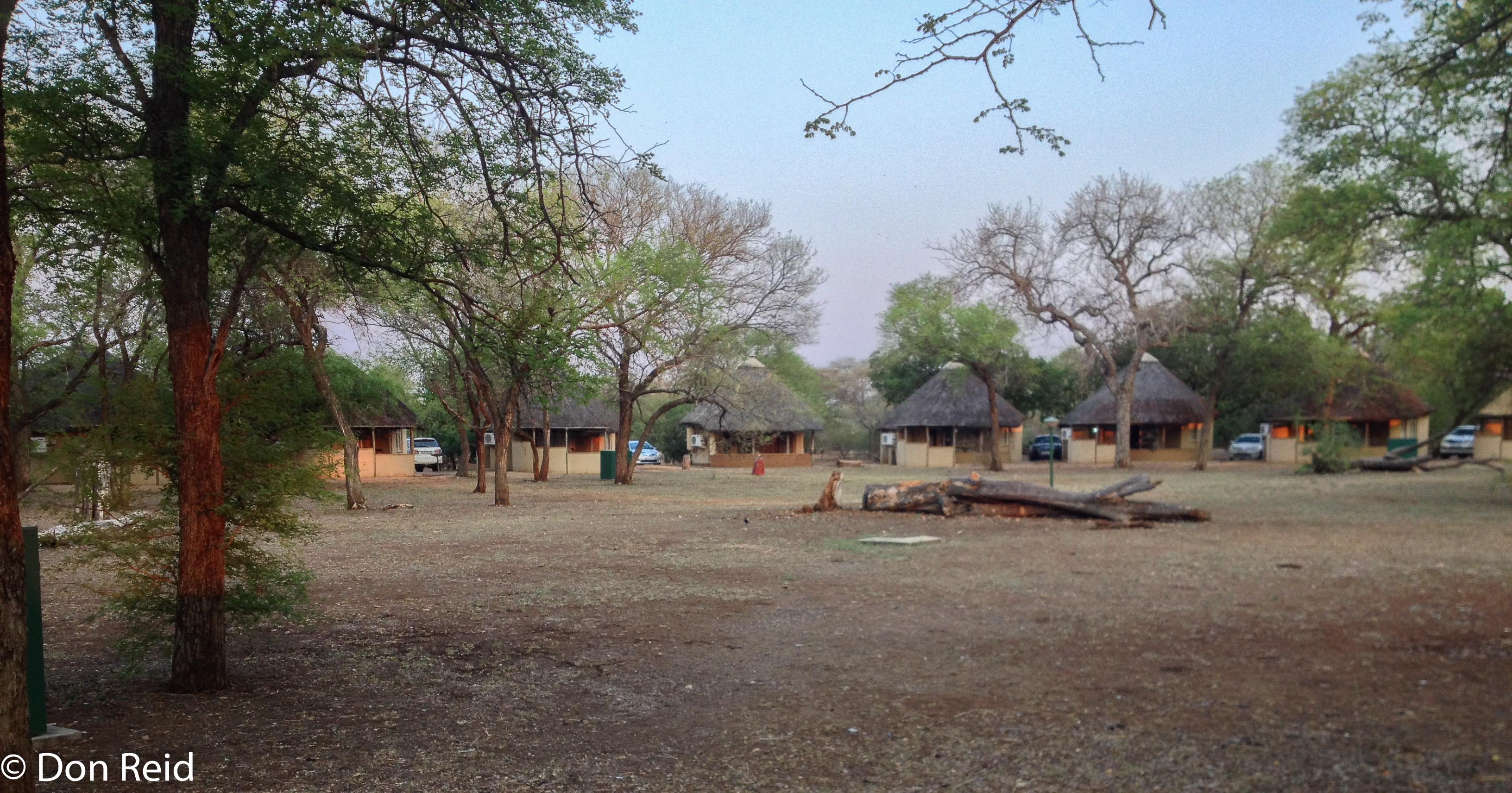
Satara - circle of chalets
Satara – circle of chalets
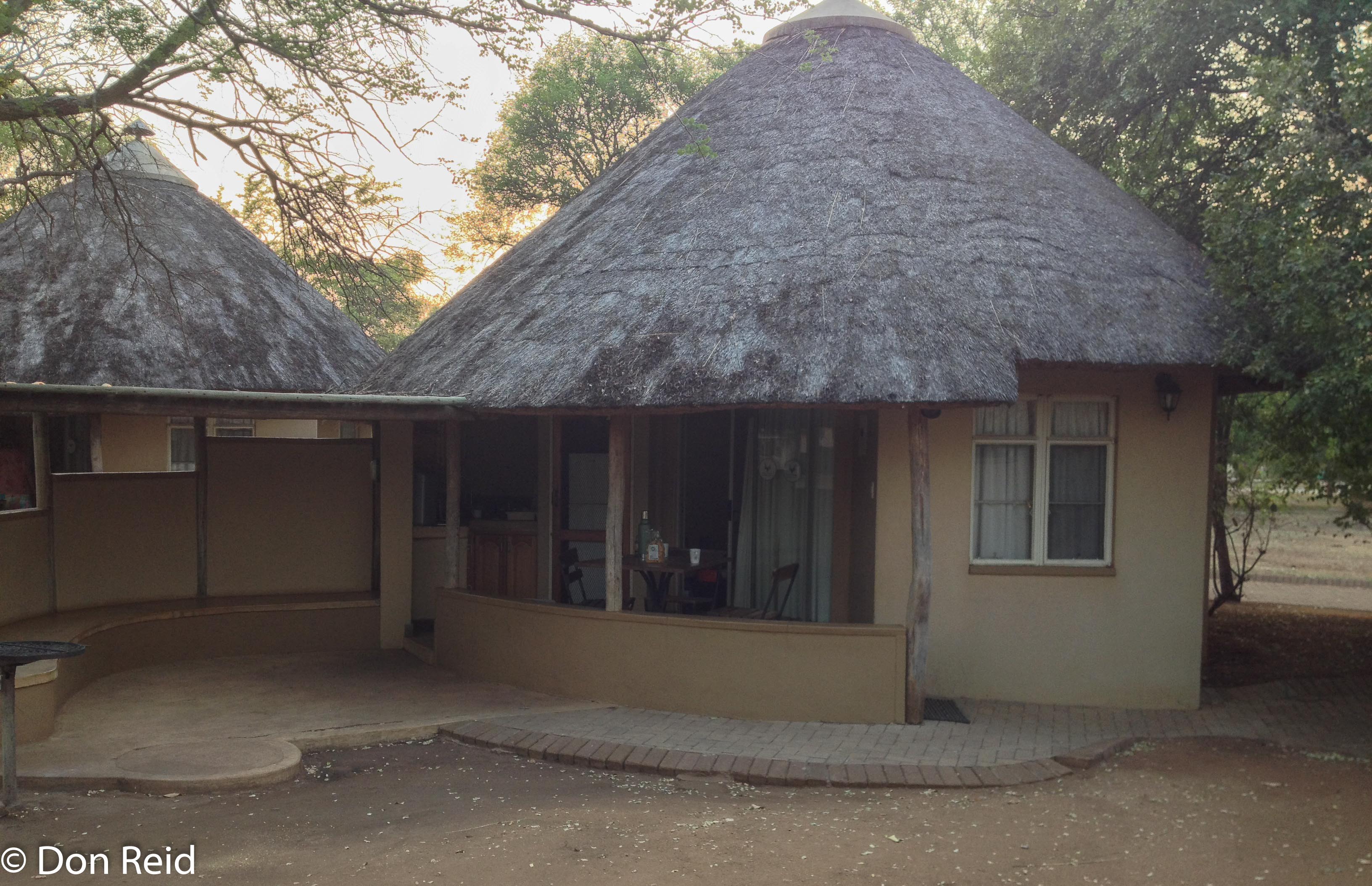
Our chalet
Our chalet
Enjoying the boma
Enjoying the boma

Most Kruger camps have their “residents” and Satara is no different – evening visitors to the chalets included African Wild Cat, Honey Badger and a cute troop of Banded Mongooses, while during the day you always have to be on the lookout for monkeys looking for a snatched snack.

African Wild Cat doing the rounds of the chalets

Other smaller residents use the chalets as sleeping quarters or hunting grounds

Fruit Bat - just "hanging around" until dusk
Fruit Bat – just “hanging around” until dusk
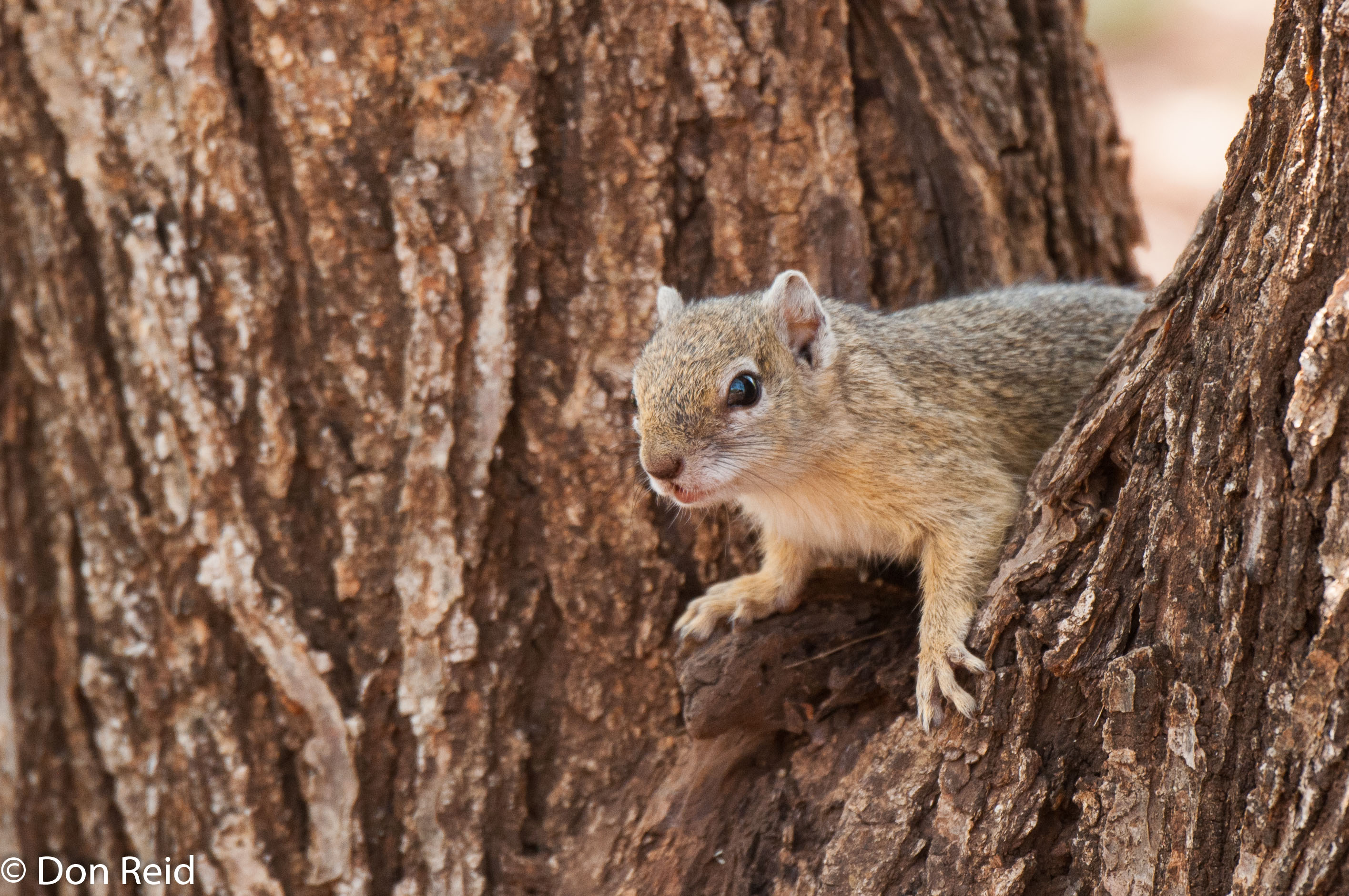
Tree Squirrel scouting around
Striped Skink on the hunt for small insects
Typical Skink on the hunt for small insects

The Drives

Once settled in our chalet our thoughts turned to what drives we would be doing. Satara has wonderful routes that take you in all four directions and a week provides the time to try them all without “rushing about” too much.

The next few posts will cover the drives we chose to do and some of the great sightings and experiences we had

Victoria Falls – the Smoke that Thunders

David Livingstone wrote after seeing the falls for the first time –

“No one can imagine the beauty of the view from anything witnessed in England. It had never been seen before by European eyes, but scenes so lovely must have been gazed upon by angels in their flight”

Sounds a bit melodramatic you may say, but having seen the falls myself again after 17 years, I can’t help thinking he was spot on.

It was back in 1998 that we first visited Victoria Falls during a driving tour of Zimbabwe and the intervening years had made my memories somewhat fuzzy, so it was like seeing the Falls for the first time and the experience was truly breath-taking.

This time around, I was part of a  group of professionals that had come to visit the new Vic Falls airport under construction, accompanied by our client, and with the business side taken care of in the morning, we ventured into Victoria Falls National Park in the afternoon before returning to Kasane in Botswana.

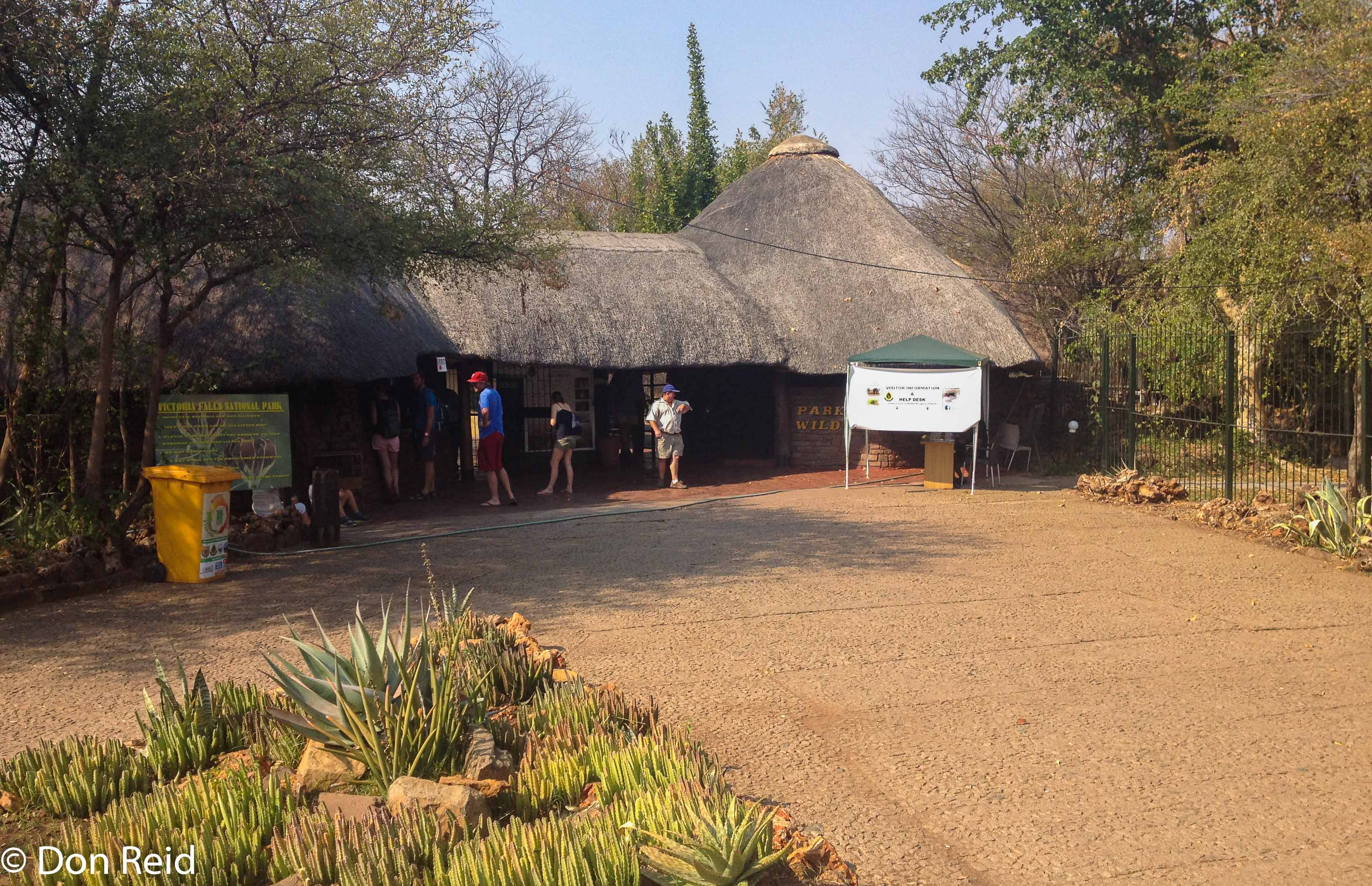
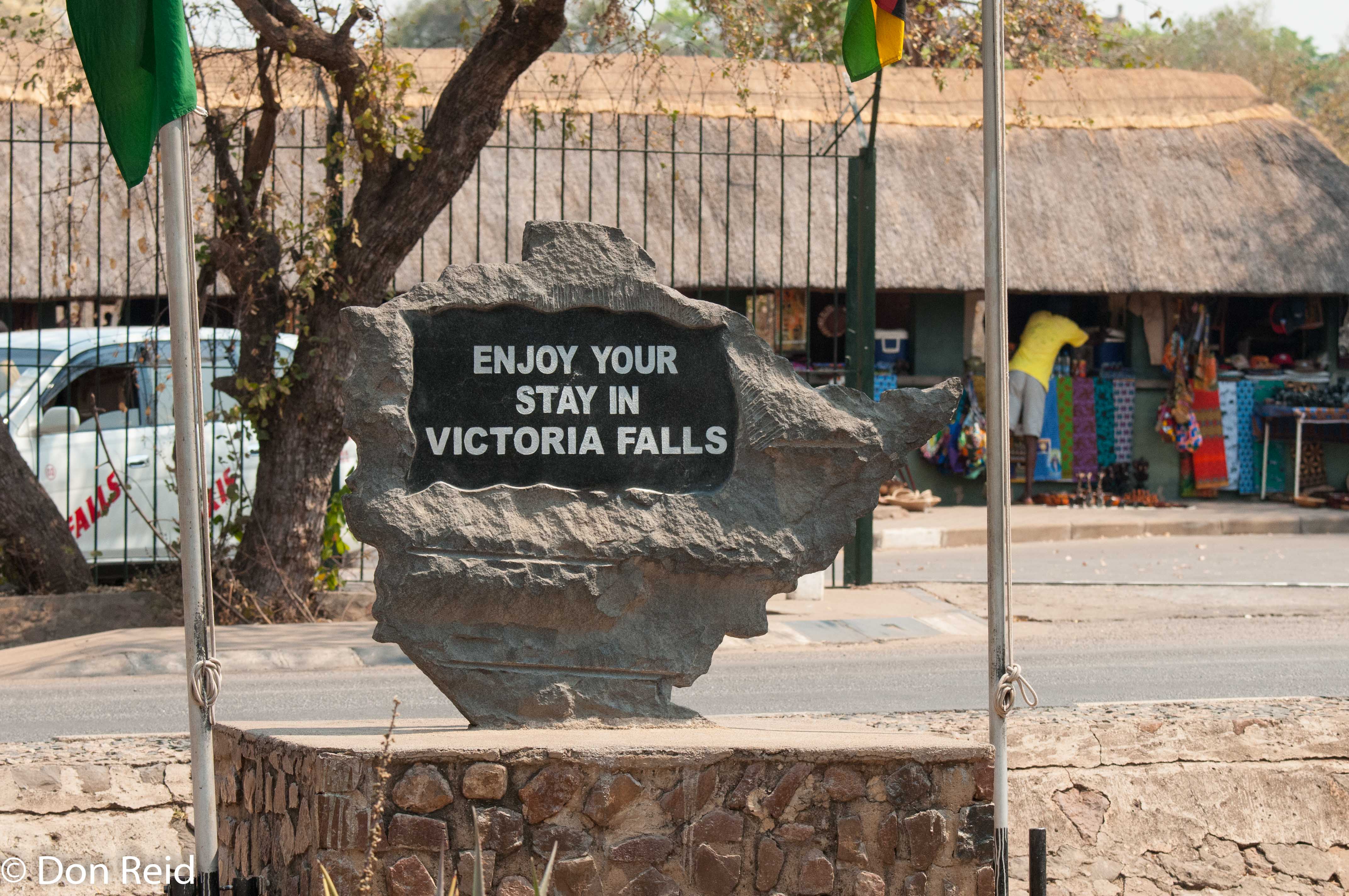
The entrance to the National Park at Victoria Falls is quite unimposing and does not prepare you for the experience that lies ahead.

Victoria Falls National Park main entrance

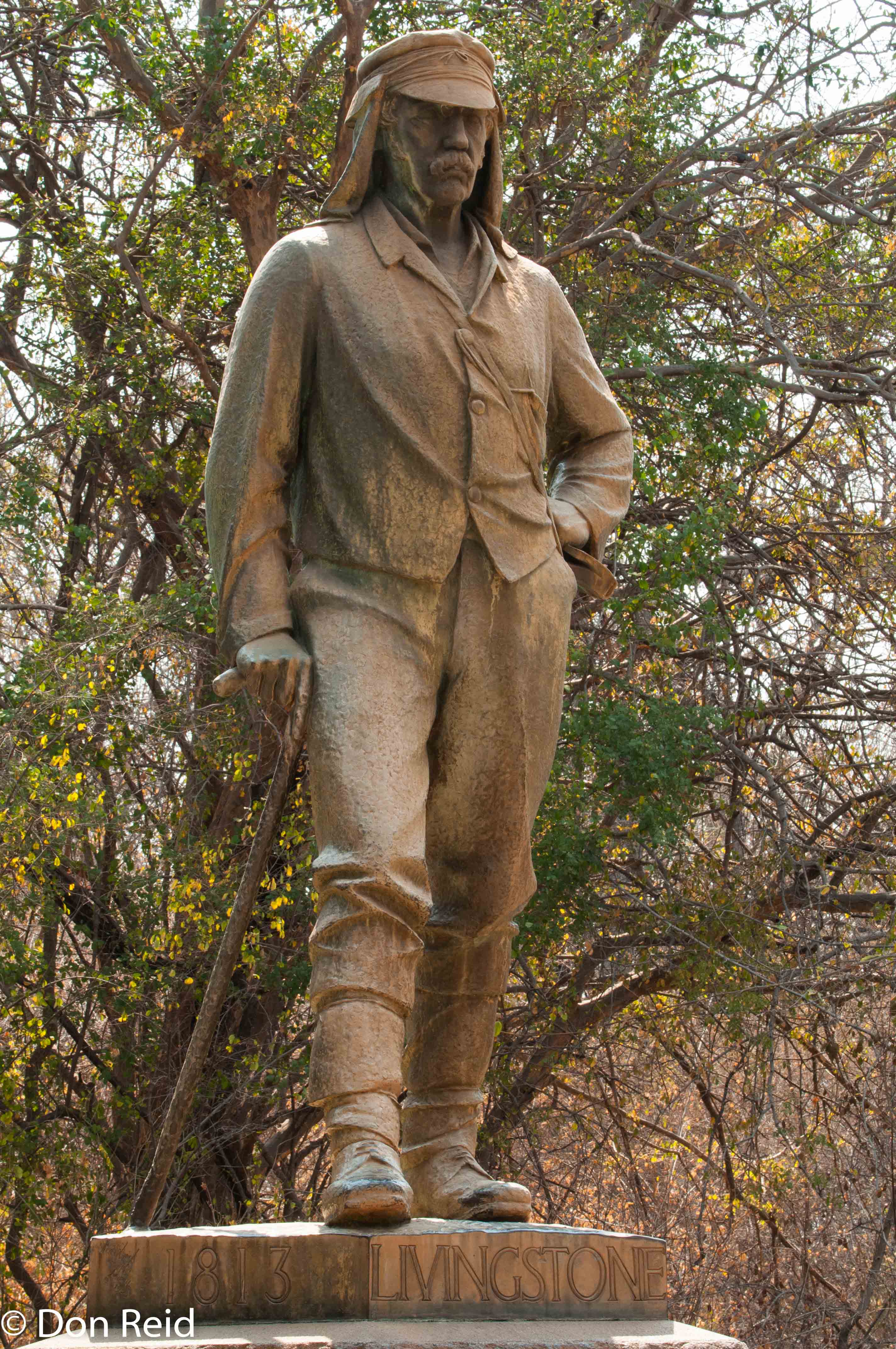
Once we had paid our $20 entrance fee, we took the pathway which initially winds its way to the David Livingstone statue – this famous Scottish missionary “discovered” the falls (they were always there and known to generations of African inhabitants, of course) on 17 November 1855, so the 160th anniversary is coming up next month.

Livingstone statue
Livingstone statue
Livingstone statue
Livingstone statue
Livingstone statue
Livingstone statue

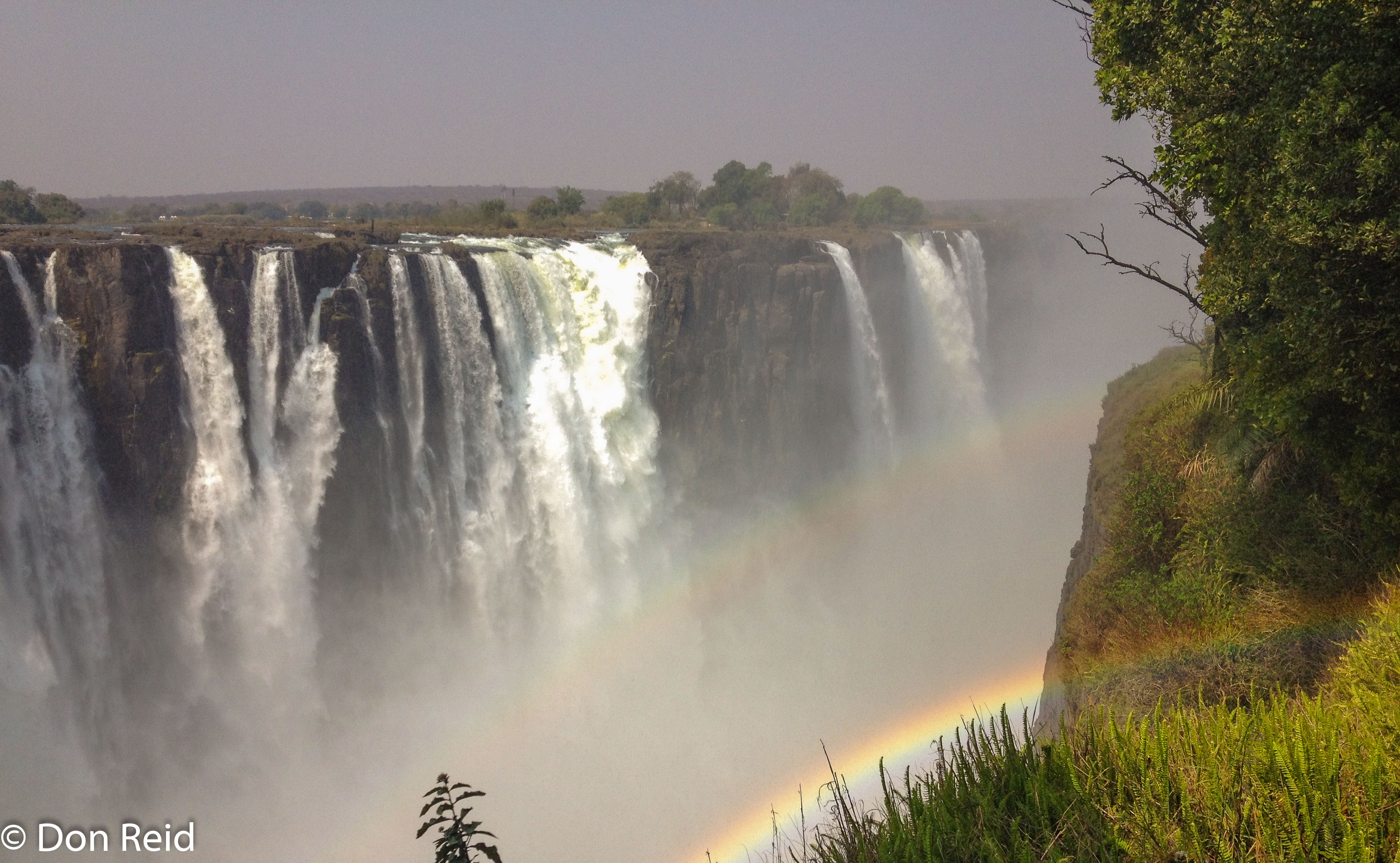
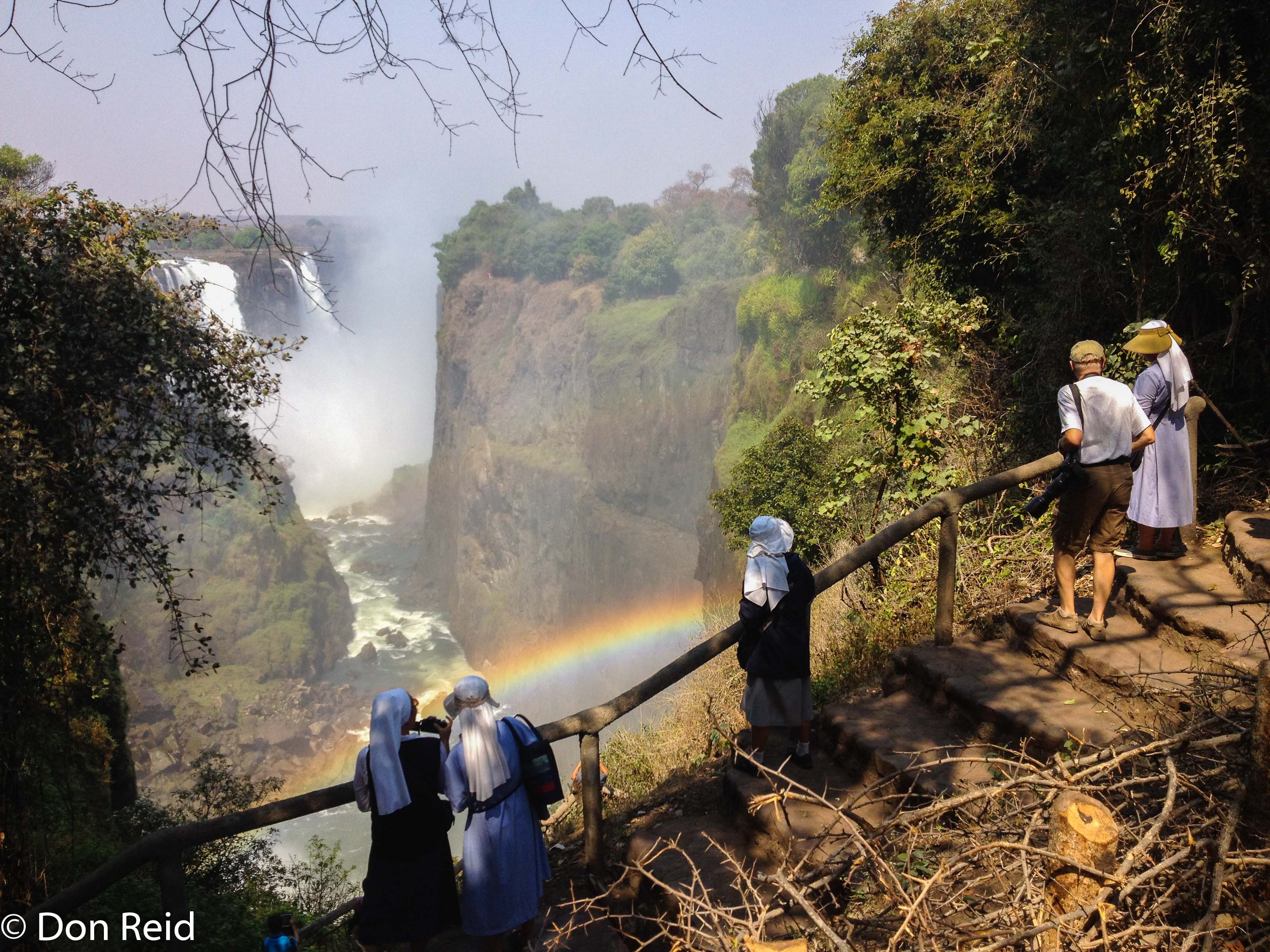
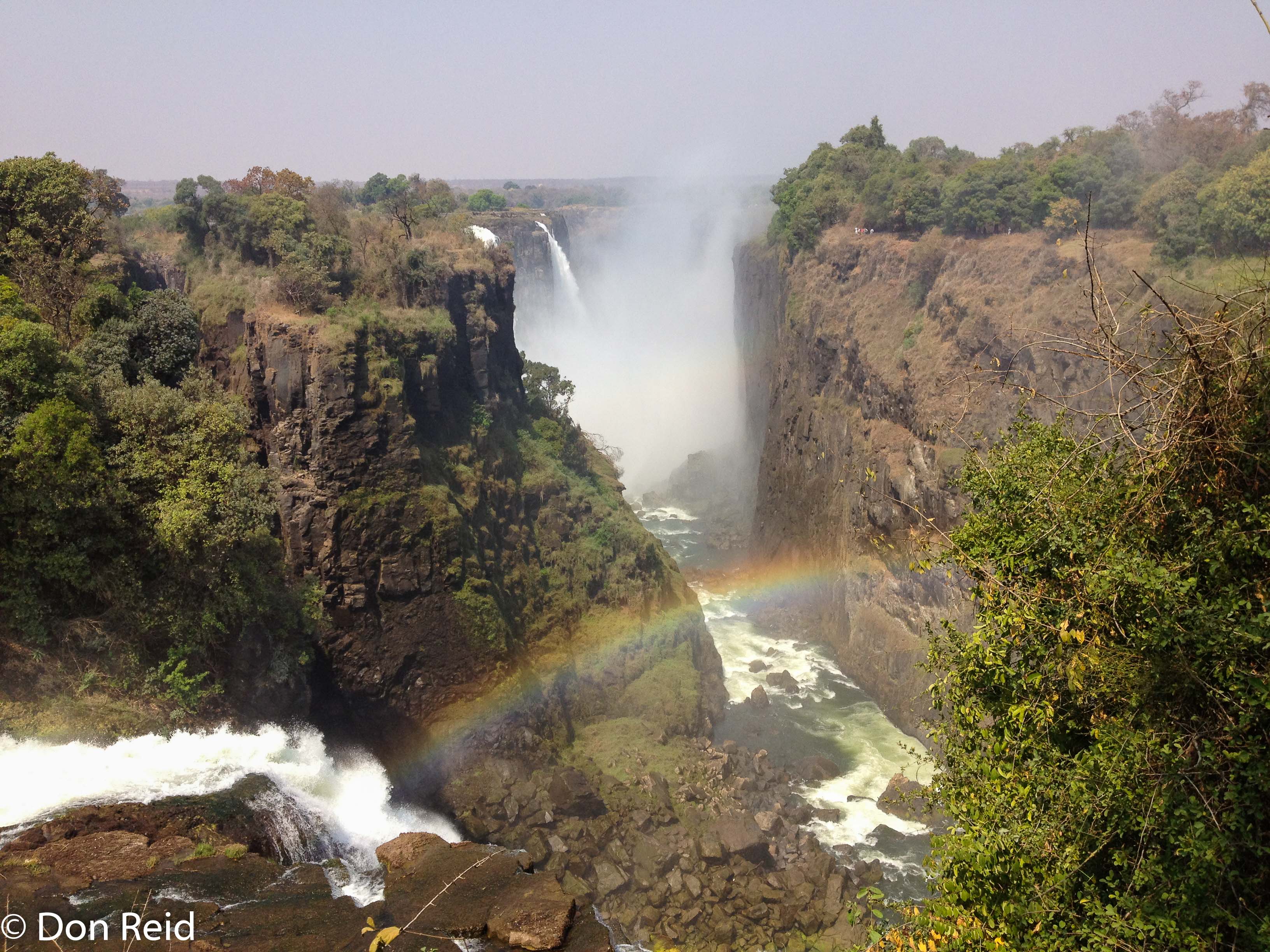
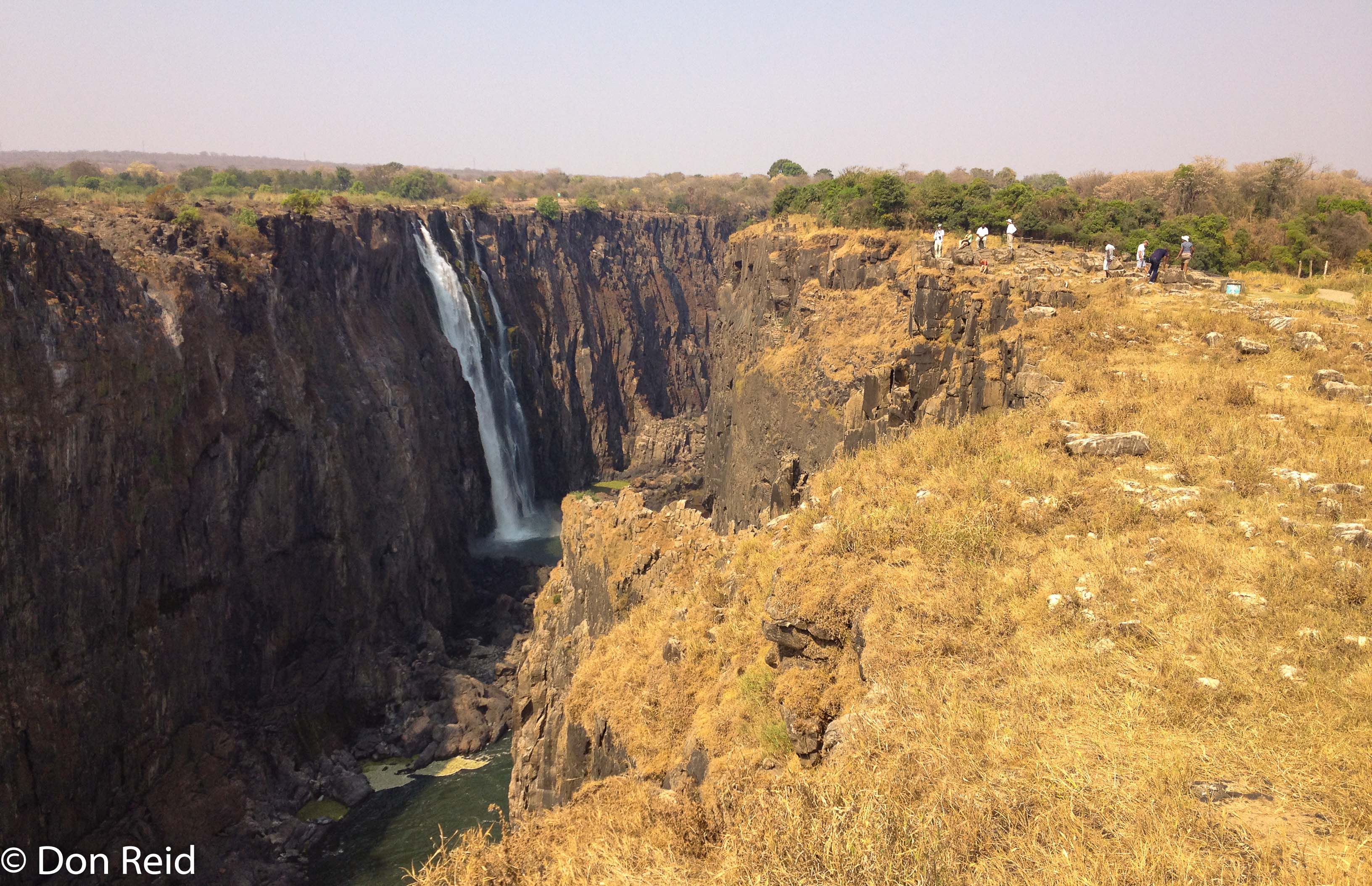
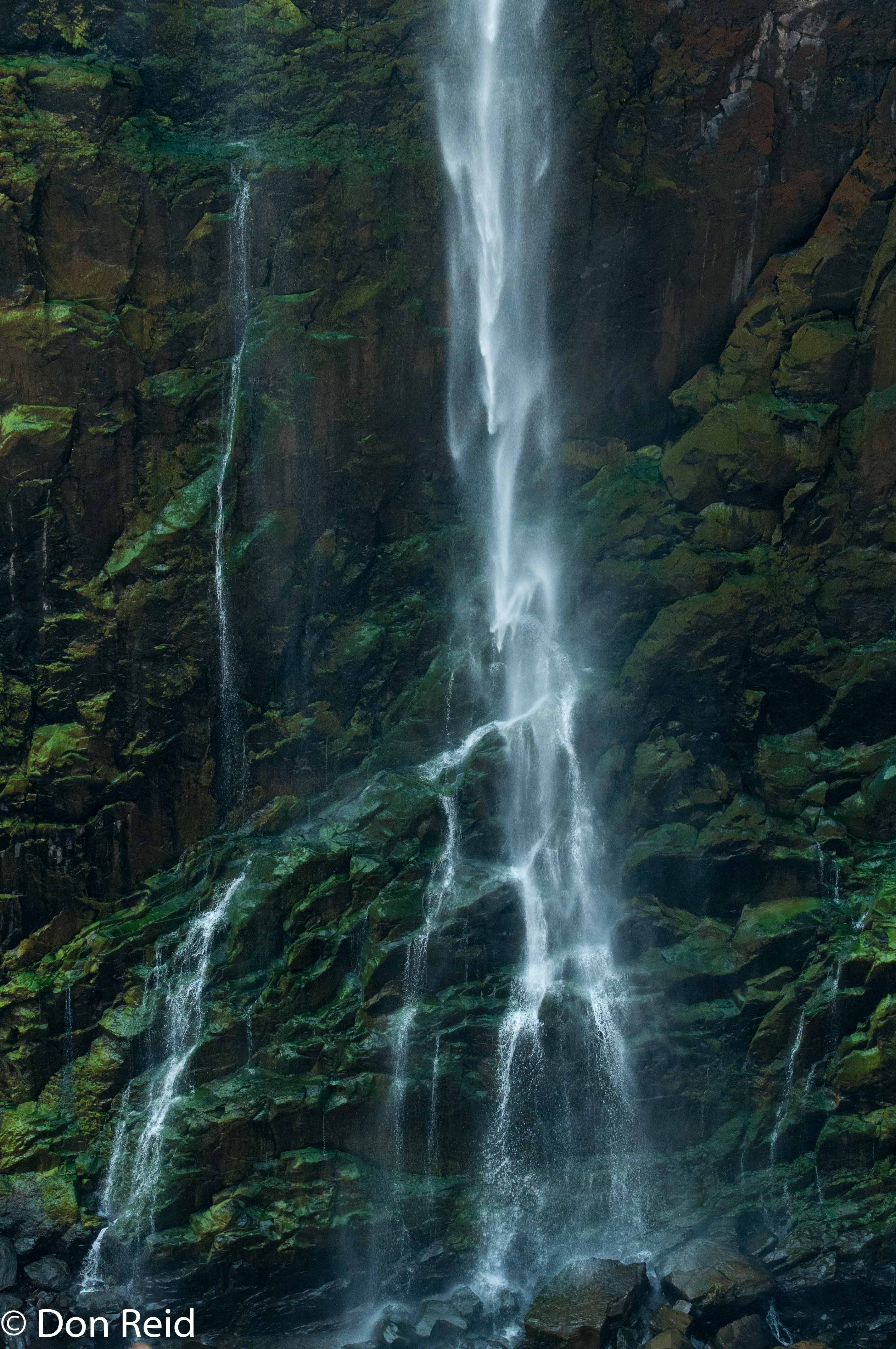
After the statue you get to the first viewpoint with breath-taking views of the thundering waters, veiled in a thick spray which caused rainbows to form at the time of day we were there. The spray shoots up vertically in massive columns and you realize why the indigenous name is Mosi-oa Tunya or the “Smoke that Thunders”. Apparently the Zimbabwean government intends to rename the falls to Mosi-oa Tunya, hardly surprising I suppose.

Victoria Falls
Victoria Falls
Victoria Falls
Victoria Falls

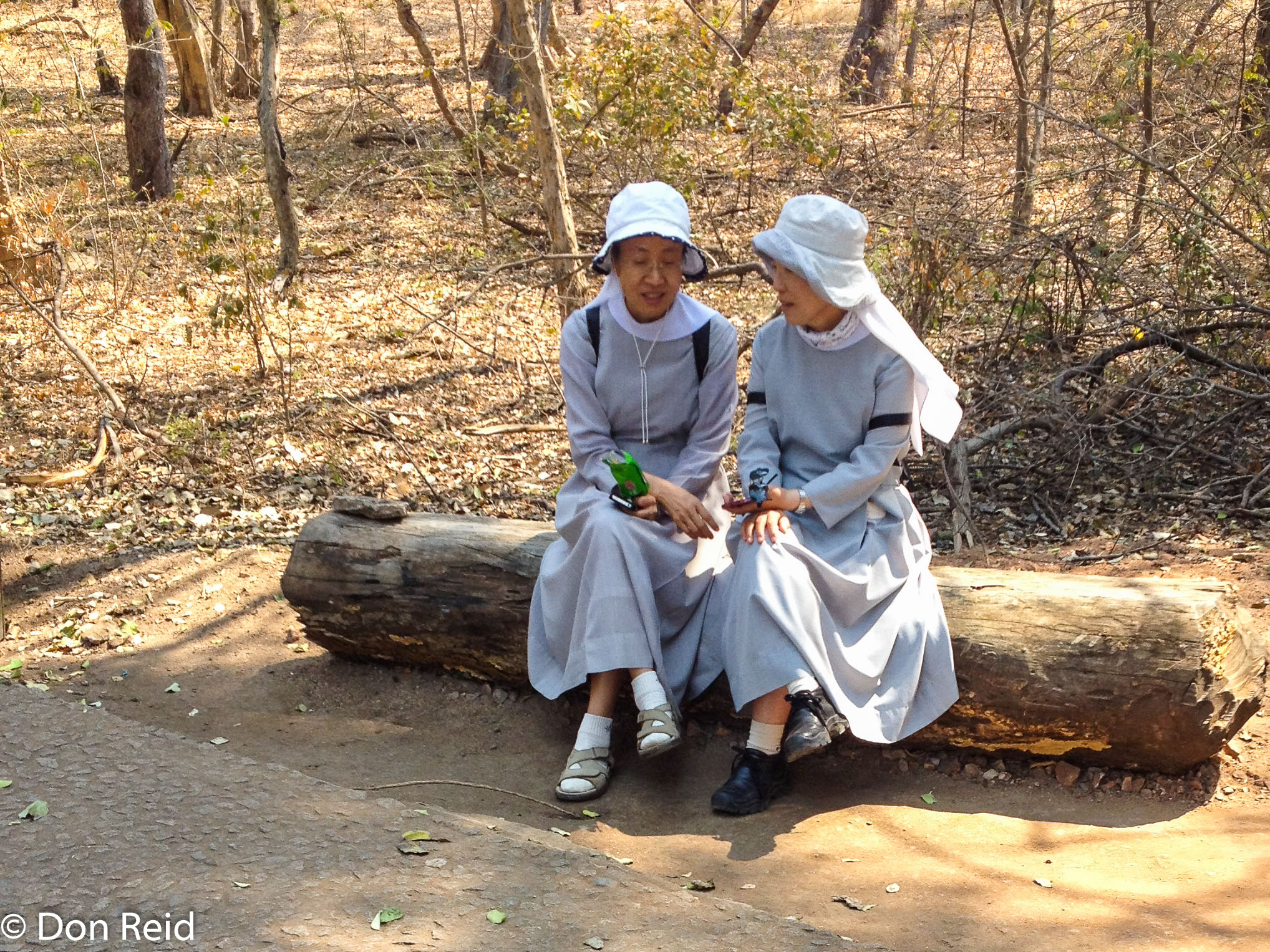
A group of Asian nuns (Korean?) were enjoying the experience and I couldn’t resist asking them if I could take a photo, as they looked quite charming in their habits with floppy sun hats and petite stature – they did not object.

Asian Nuns enjoying Victoria Falls

As you walk the designated pathways there are regular viewpoints where you can admire the different sections of the falls, which is the largest sheet of falling water in the world (although not the highest or widest) and twice the height of Niagara Falls at 108m. The mass of water, which averages over 1000 m3 per second, drops into a transverse chasm or gorge which is 1708m wide, then continues its way down the Batoka gorge (which my son Stephan and I rafted back in 1998 when I still had the desire for such things) through some spectacular rapids before becoming calmer and forming the mighty Zambesi River once more as it makes its way to Lake Kariba and beyond Kariba through Mozambique to the Indian Ocean.

Victoria Falls
Victoria Falls
Victoria Falls
Victoria Falls
Victoria Falls
Victoria Falls
Victoria Falls
Victoria Falls

The main streams of the falls have names –

  • Devil’s Cataract
  • Main Falls
  • Rainbow Falls
  • Eastern Cataract

We continued our meander along the path which follows the Zimbabwe side of the gorge for a Km or more, stopping at the regular viewpoints which allow views from strategically placed points.

Where the spray up flow is at its heaviest there is a constant “rainfall”, which wasn’t too heavy during our visit as the falls are at their lowest flow in October/November, but at other times requires a raincoat to prevent a drenching. It is along this stretch that a permanent rainforest has formed and it was a welcome relief from the sun’s heat while it also afforded the best views of the widest section of falling water.

The Rainforest, Victoria Falls
1998 Photo
1998 Photo

Further along where the spray does not reach, the rainforest petered out and suddenly we were in grassy savannah with good views back along the length of the gorge and across at the strands of water cascading down the sheer face of the rocks.

Victoria Falls
Victoria Falls
1998 Photo
1998 Photo
Victoria Falls
Victoria Falls
Victoria Falls
Victoria Falls
Victoria Falls
Victoria Falls
Victoria Falls
Victoria Falls

Some brave tourists (or foolish perhaps?) out for adventure on the Zambian side, were bathing in a pool on the edge of the falls – this can only be attempted in the low-water season for obvious reasons. This activity has claimed a few lives over the years.

Bathing on the edge, Victoria Falls

The pathway ends at the point where the gorge does a 90 degree turn and from there we made our way slowly back to the main entrance.

And the Birding?

This was not a birding outing but I had my binos and camera handy as usual and encountered a few worthwhile species

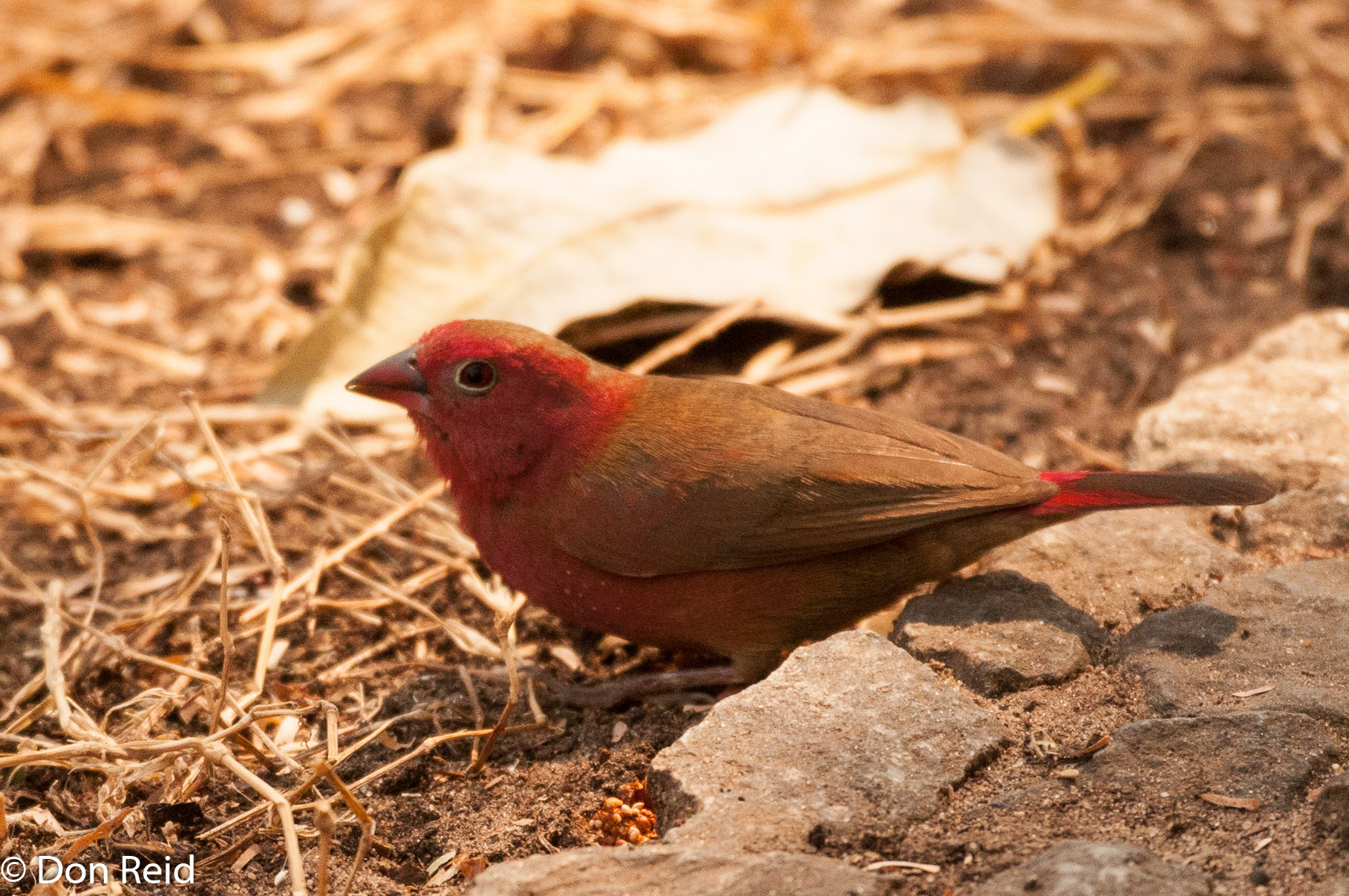
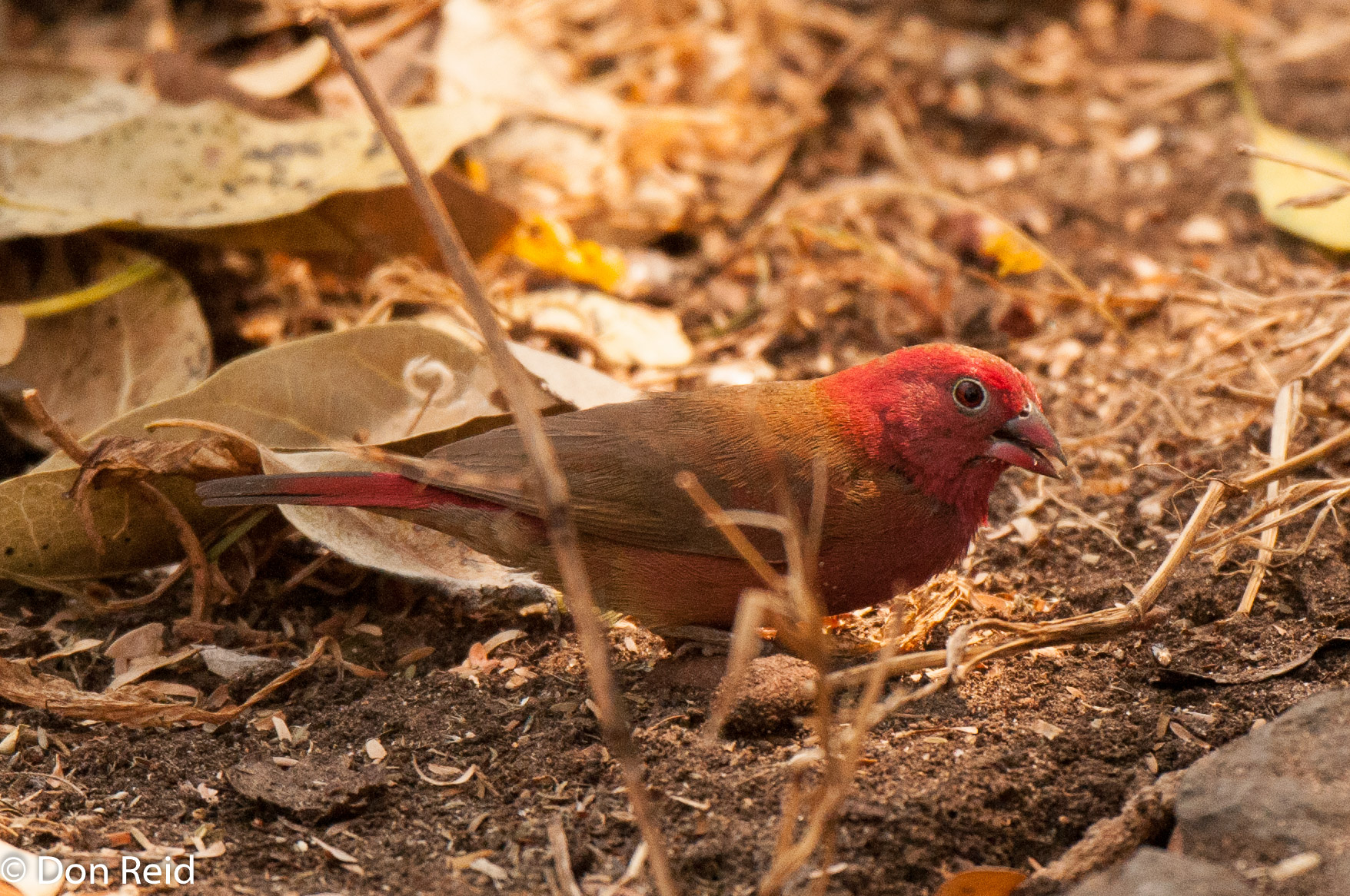
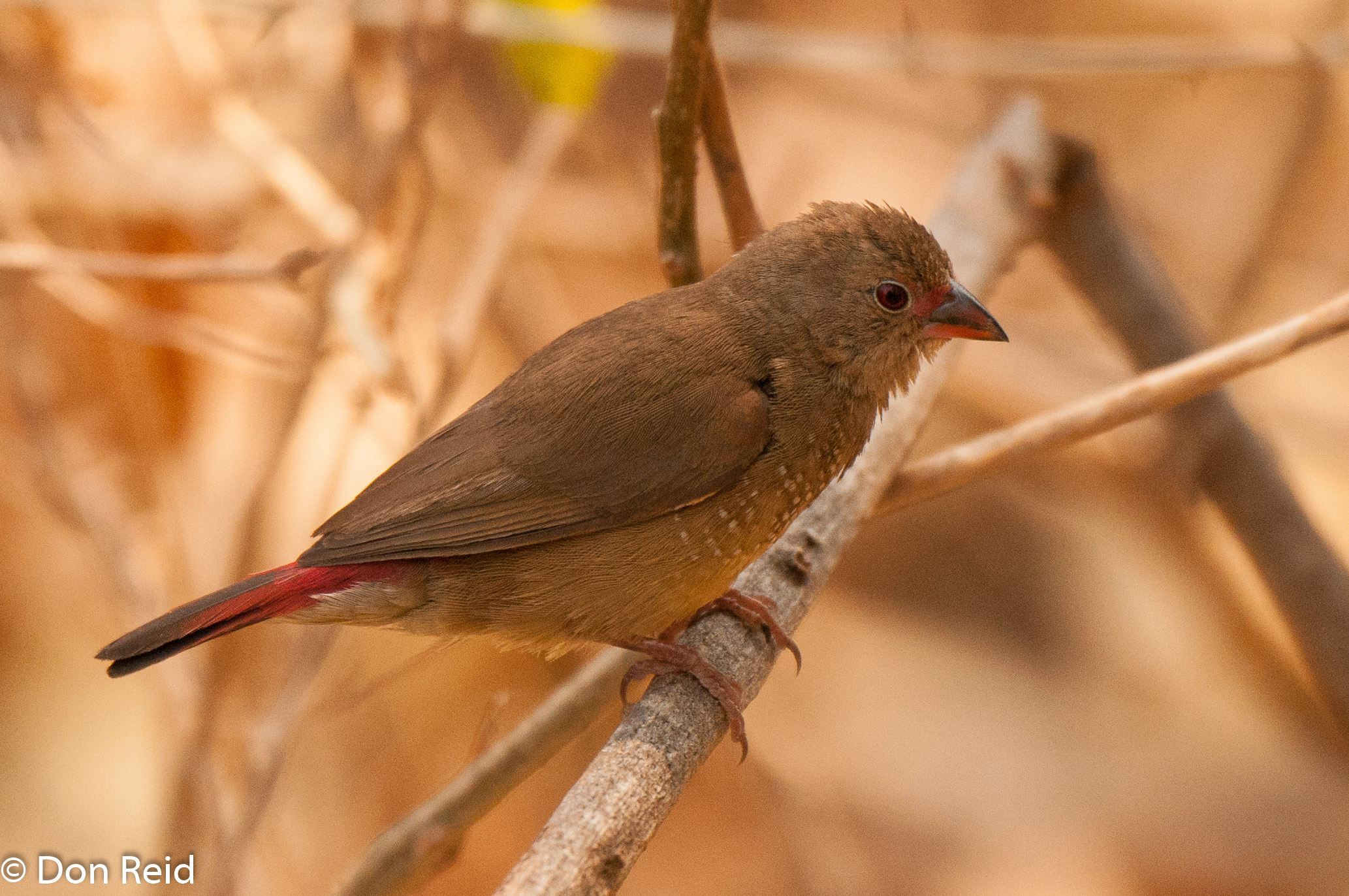
  • Red-billed Firefinch
Red-billed Firefinch (Male), Victoria Falls
Red-billed Firefinch (Female), Victoria Falls
  • Trumpeter Hornbill which played hide-and-seek with me in the rainforest
Trumpeter Hornbill, Victoria Falls
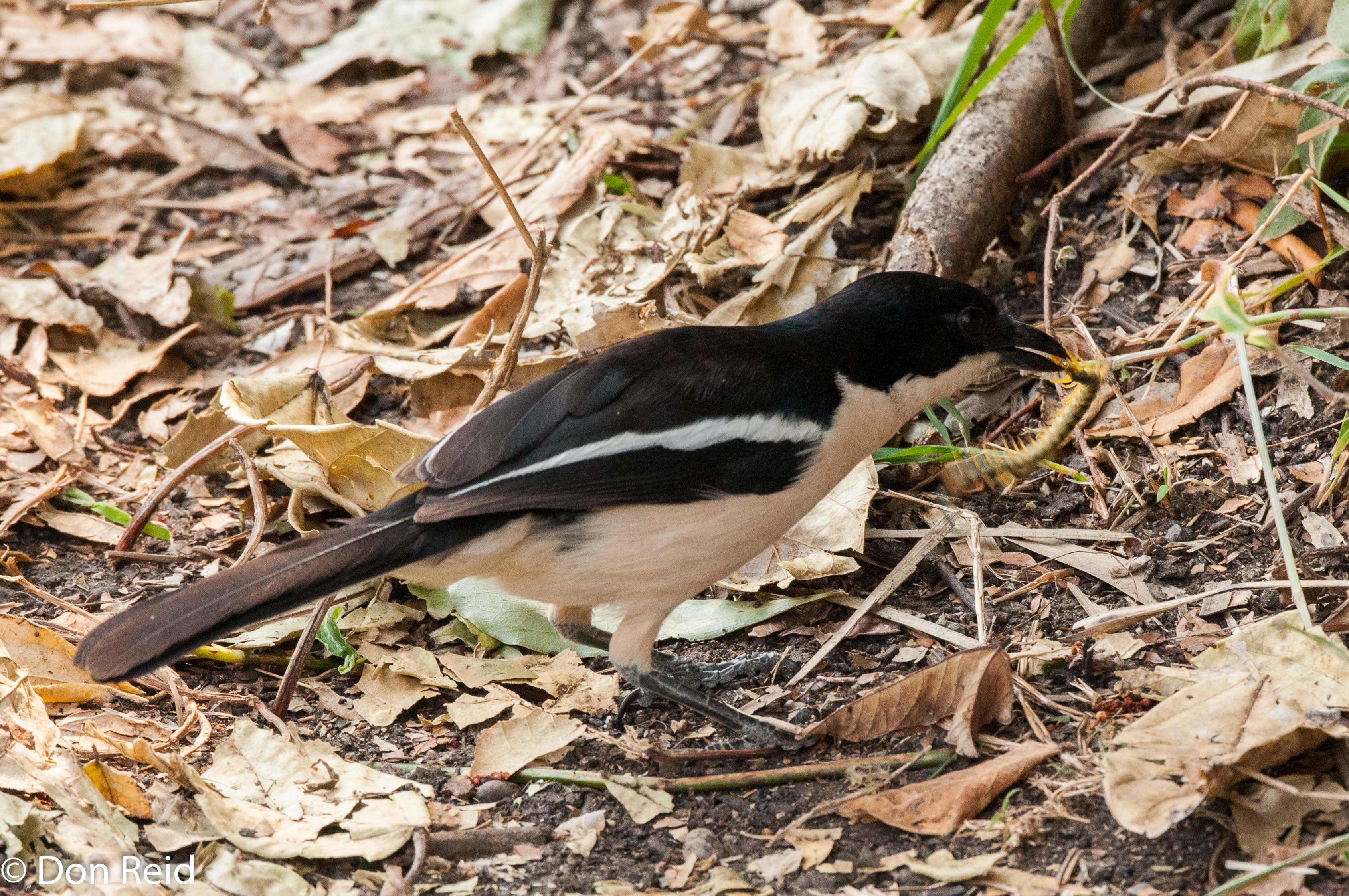
  • Tropical Boubou busy catching and eating an insect of sorts – my first photo of this species
Tropical Boubou, Victoria Falls

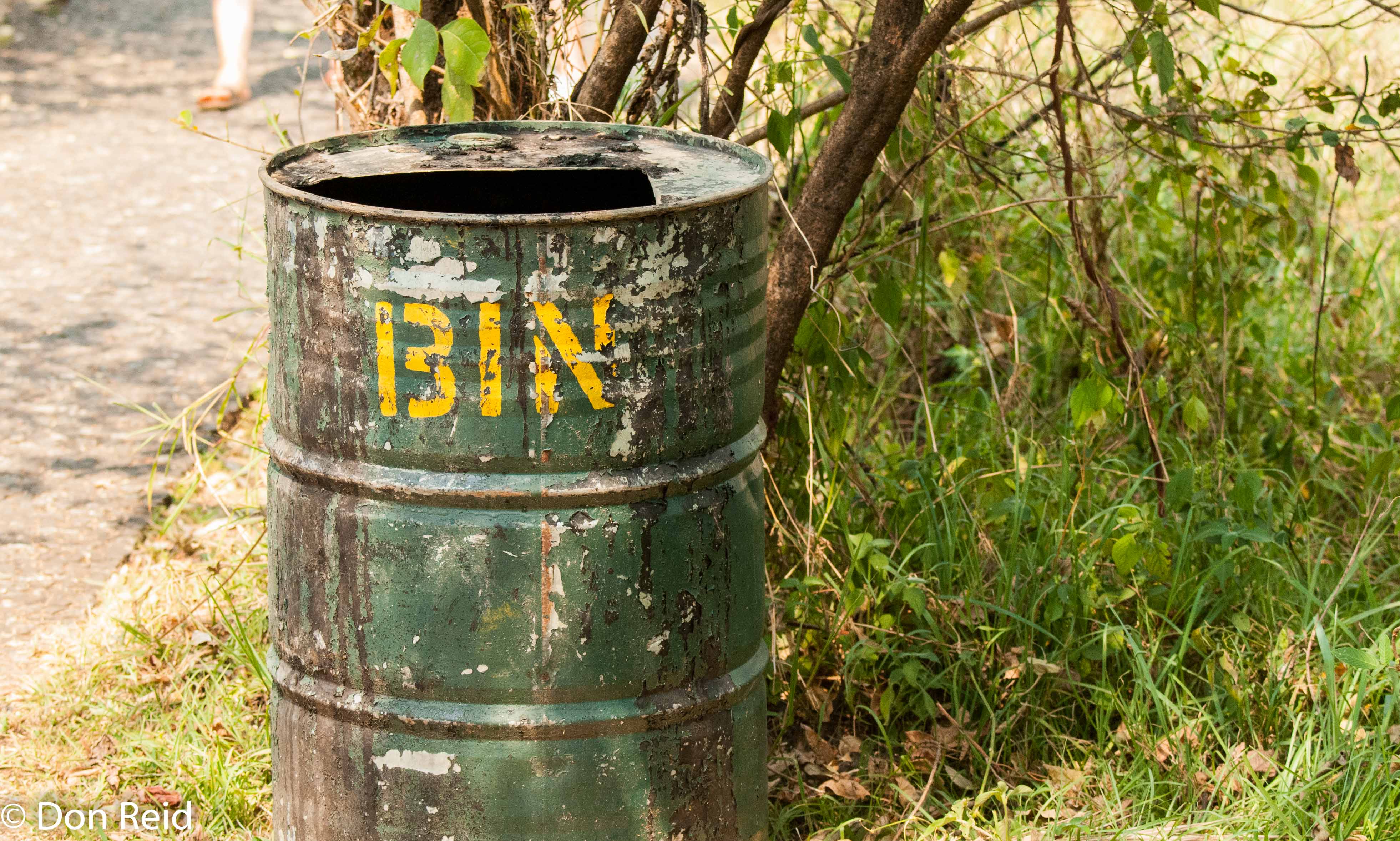
All that remained was to leave this wonderful spot and say “Bin there, Done that”

Bin there, done that, Victoria Falls

Victoria Falls

Bird in the Lens – Southern Ground-Hornbill

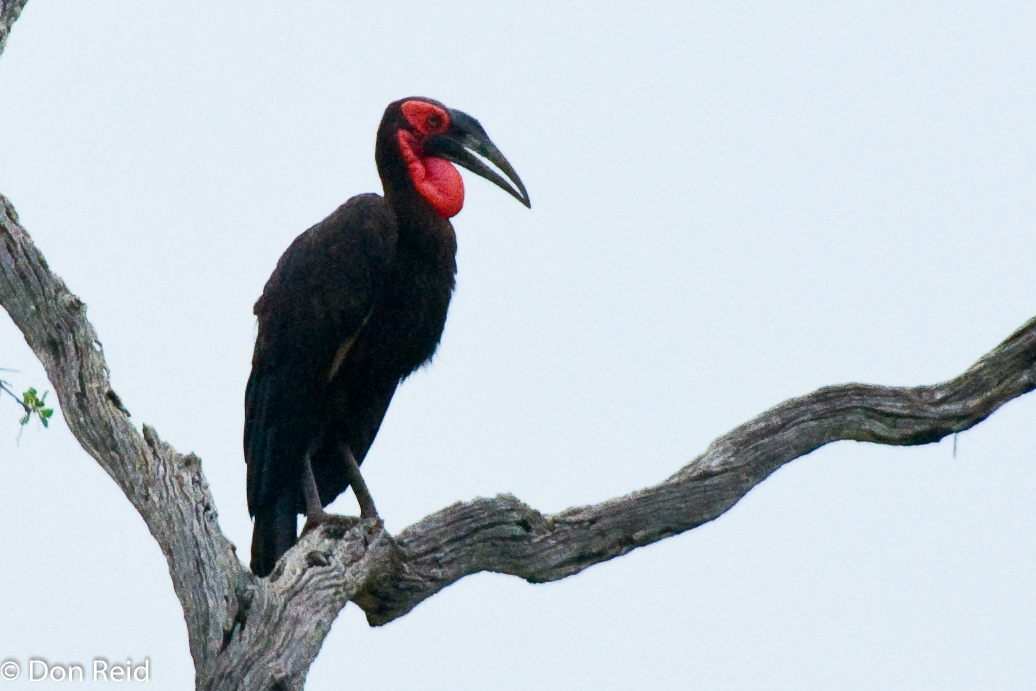
SOUTHERN GROUND-HORNBILL

Species Names

  • Southern Ground-Hornbill                                                                                     (the name includes “Southern” only because there is a related “Northern Ground-Hornbill” which occurs further north in Africa as per the extract from Birds of Africa below)

Ground Hornbill-15

  • Bromvoël (Afrikaans)                                                                                                as with many Afrikaans names this one is most appropriate, “Brom” translating directly as “drone” , “grumble” or “grunt” which describes their early morning call
  • Ingududu, Intsikizi (Indigenous)
  • Hornrabe (German)
  • Bucorve du Sud (French)
  • Zuidelijke Hoornraaf  (Dutch)
  • Bucorvus Leadbeteri  (Scientific)                                                                         The beauty of scientific names is that they are common throughout the world no matter what country or the language spoken. The first part – Bucorvus – is the Genus which  is derived from the Greek Bu- meaning ox and Latin Corvus being the fairly well known term for Crow – so literally “large crow”. The second part – Leadbeteri – is the species name which in this case is named after the British taxidermist and ornithologist Benjamin Leadbeater
Southern Ground-Hornbill, Tamboti KNP
Tamboti KNP

Ground Hornbill-4

Where to find it

This is another species that is easier to find in protected areas such as the National Parks in the north-eastern parts of Southern Africa. Most likely place in South Africa would be in Kruger Park.

My first sighting was during my first visit to Kruger in the early 1970’s and I still recall my surprise when we came across a small group of Ground-Hornbills on the first stretch of road as you leave Skukuza camp and head towards the Lower Sabie road. They were right next to the road and, it seemed, accustomed to the attention of passing visitors and clicking cameras (they still clicked in those days)

The distribution map below is from SABAP2

Ground Hornbill-14

Look ……..  and Listen

There is absolutely no chance of confusing this species with any other, except if you mistake it for an escaped turkey, which it does resemble up to a point with its black colouring and vivid red throat patch. In fact, it has in the past been referred to as a Turkey Buzzard. (Not to be confused with the Turkey Vulture which we encountered in Cuba)

Ground Hornbill-5

Southern Ground-Hornbill, Tamboti KNP

This is a large bird, up to 120cm long and weighing up to 6 kg and largest of all the world’s Hornbills by a long way.

They move around in small family groups, waddling slowly as they search for food – anything from reptiles, frogs, snails, even small mammals such as hares.

The call is a low-pitched booming sound, not typically bird-like at all. My first encounter with calling Ground-Hornbills was early one morning in Kruger – a group was perched in a tree, silhouetted by the morning sunlight, sounding every bit like a rock-band warming up as they called in varying tones in a rhythmic fashion. Males and females call in different tones (much like humans)

Ground Hornbill, KNP
Early morning calling from tree

Ground Hornbill-6

Ground Hornbill, Punda Maria
Punda Maria
Ground Hornbill, Chobe Game Reserve
Chobe Game Reserve

Photography

Probably one of the easiest birds you will get to photograph, because of its large size, vivid colouring and the fact that they are often found not too far from the road in places such as Kruger National Park

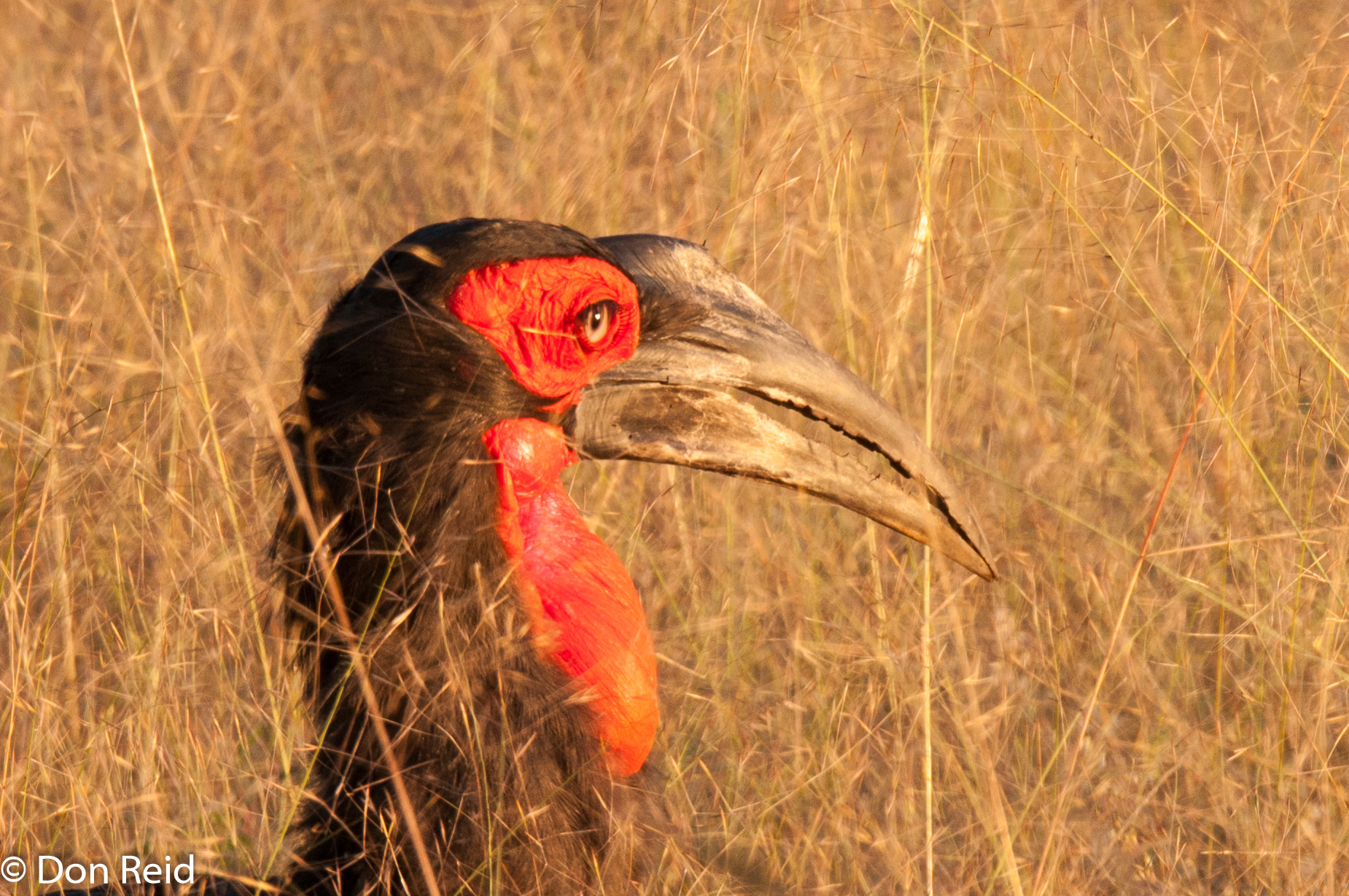
It is always pleasing if you can get close enough for a detail shot of the head with the long eyelashes often prominent and the bright red throat pouch

Ground Hornbill, Chobe Game Reserve
Chobe Game Reserve

Other Stuff

Conservation status is listed as “Vulnerable” on the Red Data list – in SA it is considered “Endangered” and may soon meet the Red Data criteria as being “Critically Endangered”. Loss of habitat is the reason for their decline coupled with the fact that on average one chick is raised to adulthood every nine years by an adult pair.

Lifespan is 30 years or more and in captivity some have lived to 70 years

Nesting is generally in deep hollows in large trees or occasionally in clefts in rock faces

In Africa it has been a focal point of some traditional cultures and is a symbol of the arrival of the rainy season, thus the taboo against killing of the species.

An older version of Roberts mentions the indigenous interpretations of the booming calls, such as the female saying “I’m going, I’m going, I’m going home to my relations”, and the male responding “You can go, you can go, you can go home to your relations!”

References

Roberts Birds of Southern Africa

Birdlife International

Birds of Africa South of the Sahara

SABAP2 (Maps)

Latin for BIrdwatchers (Roger Lederer and Carol Burr)

One Morning in Chobe ……..

Kasane – A Wild Place

We came across Elephant, Buffalo, Jackal, Sable Antelope and a pack of Wild Dogs ……..  and that was before we entered Chobe National Park!

Kasane is a small town on the far northern border of Botswana, its claim to fame being that it is the gateway to Chobe, one of the great African game reserves. It is also an unpredictably wild town – elephants and other wild animals occasionally wander through the residential area, often at night and the locals are in the habit of setting off thunderflashes to scare them off.

Another visit this month to Kasane  to visit the project in which I am involved, meant another opportunity to squeeze in a visit to Chobe – this time we set out to do an early morning drive through the Riverfront section, before the day’s business began.

Chobe Riverfront

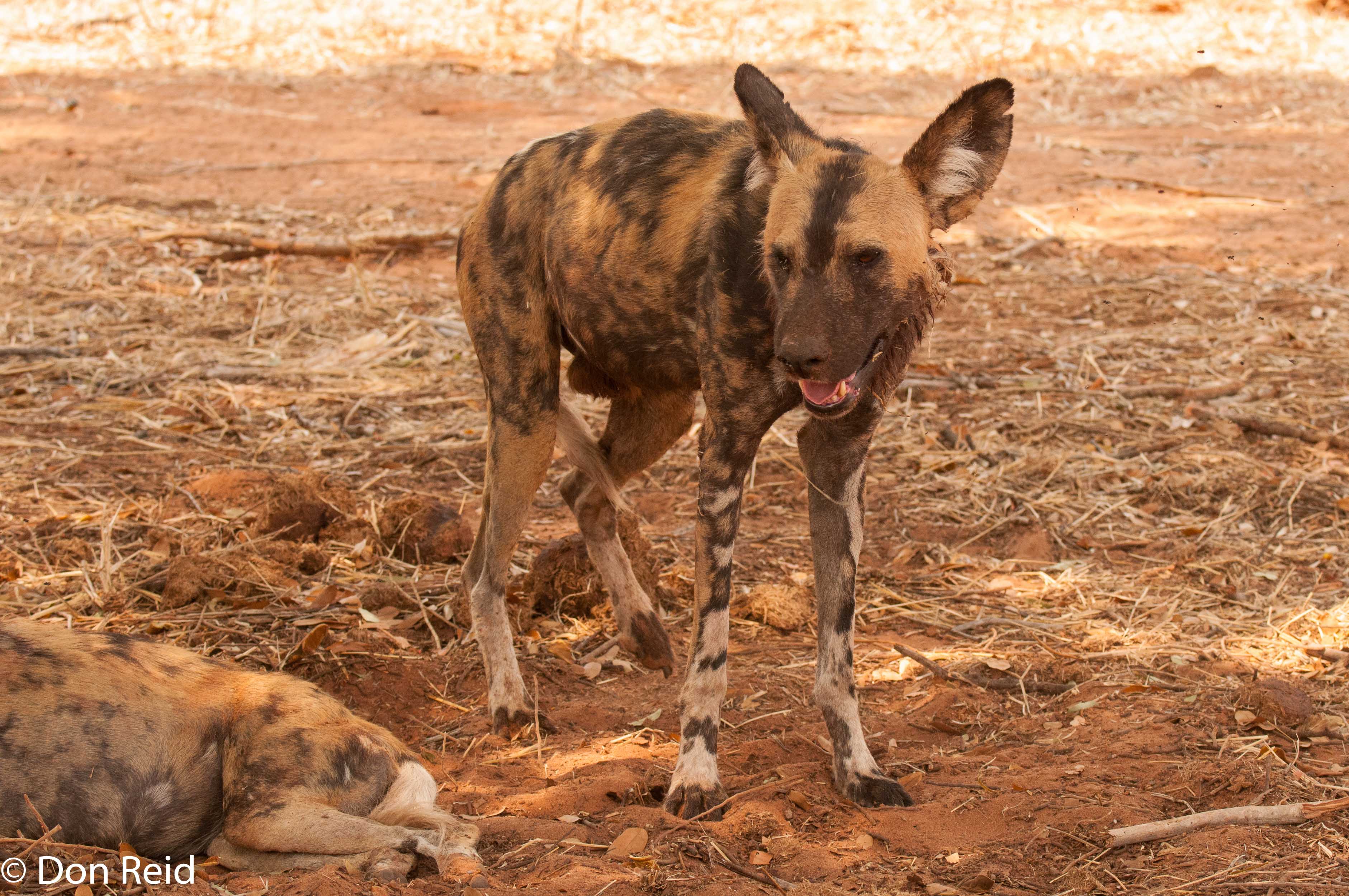
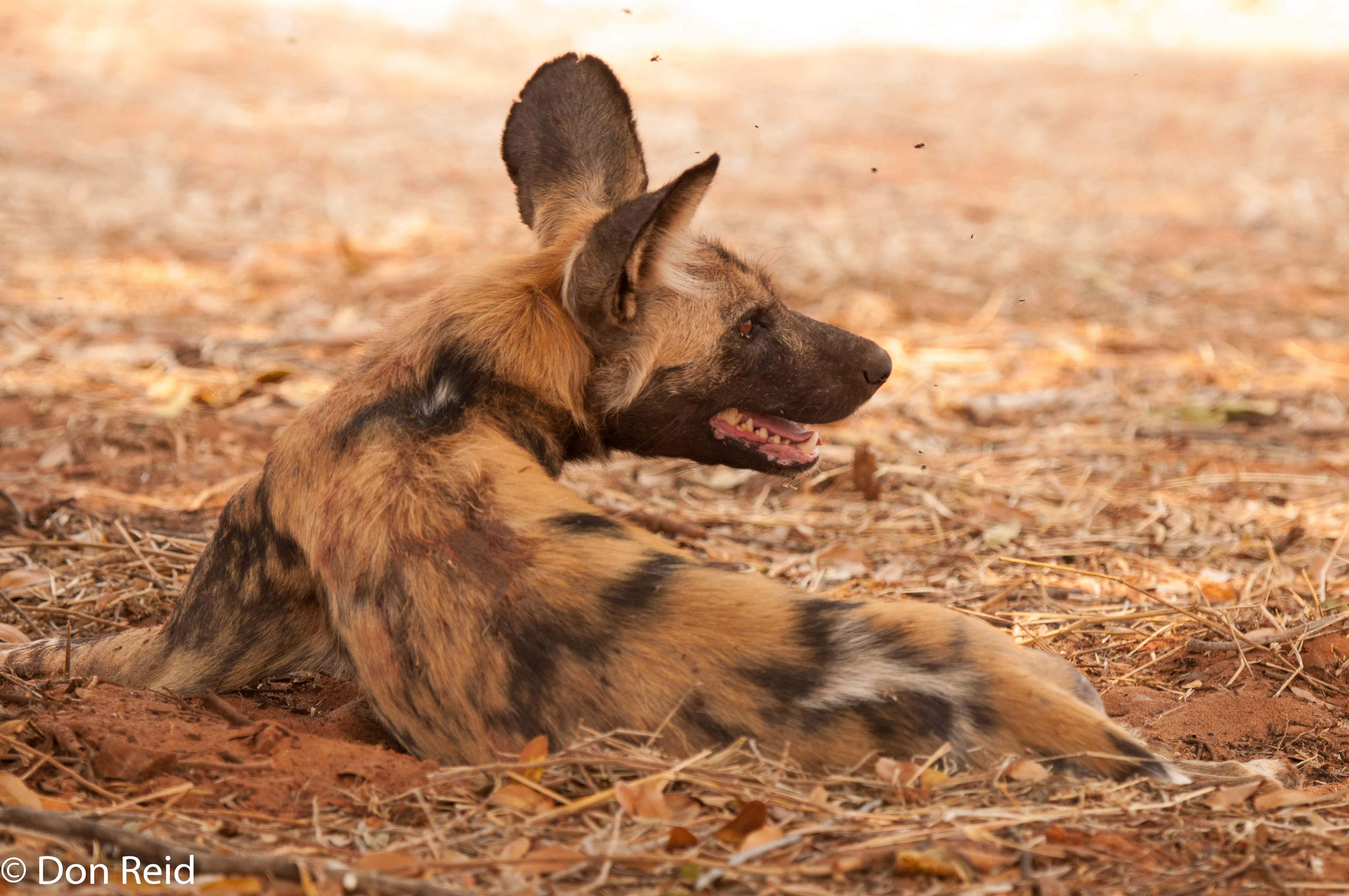
We set off as the sky was starting to lighten and on the short drive to the entrance gate we came across a pack of Wild Dogs, who were seemingly on a mission as they trotted along the road. Being pack hunters they would be looking for prey that they could pursue in their relentless fashion, wearing it down until the prey becomes exhausted and vulnerable to the attacks of the pack. We had seen the same pack the previous afternoon, not far from the airport and were able to get really close to them as they lazed the afternoon away in the shade of a large roadside tree, which provided some relief from the hot sun but not from the many flies that were buzzing around their heads.

Cute? They may look it but these are expert predators when hunting in a pack

African Wild Dog, Kasane area African Wild Dog, Kasane area African Wild Dog, Kasane area African Wild Dog, Kasane area

Entering Chobe, we proceeded along the sandy, bumpy track with regular sightings of the animals we have become accustomed to finding –

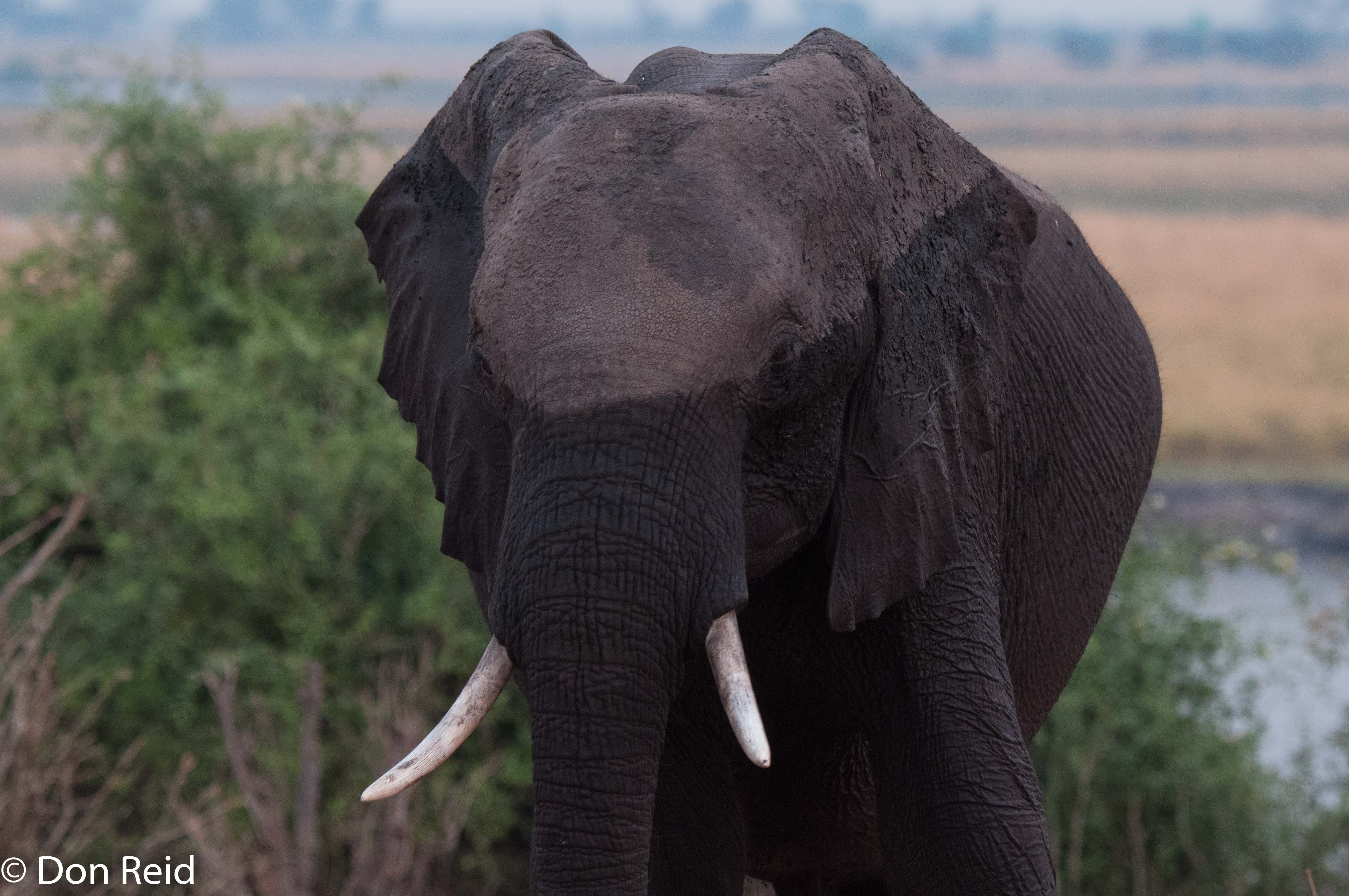
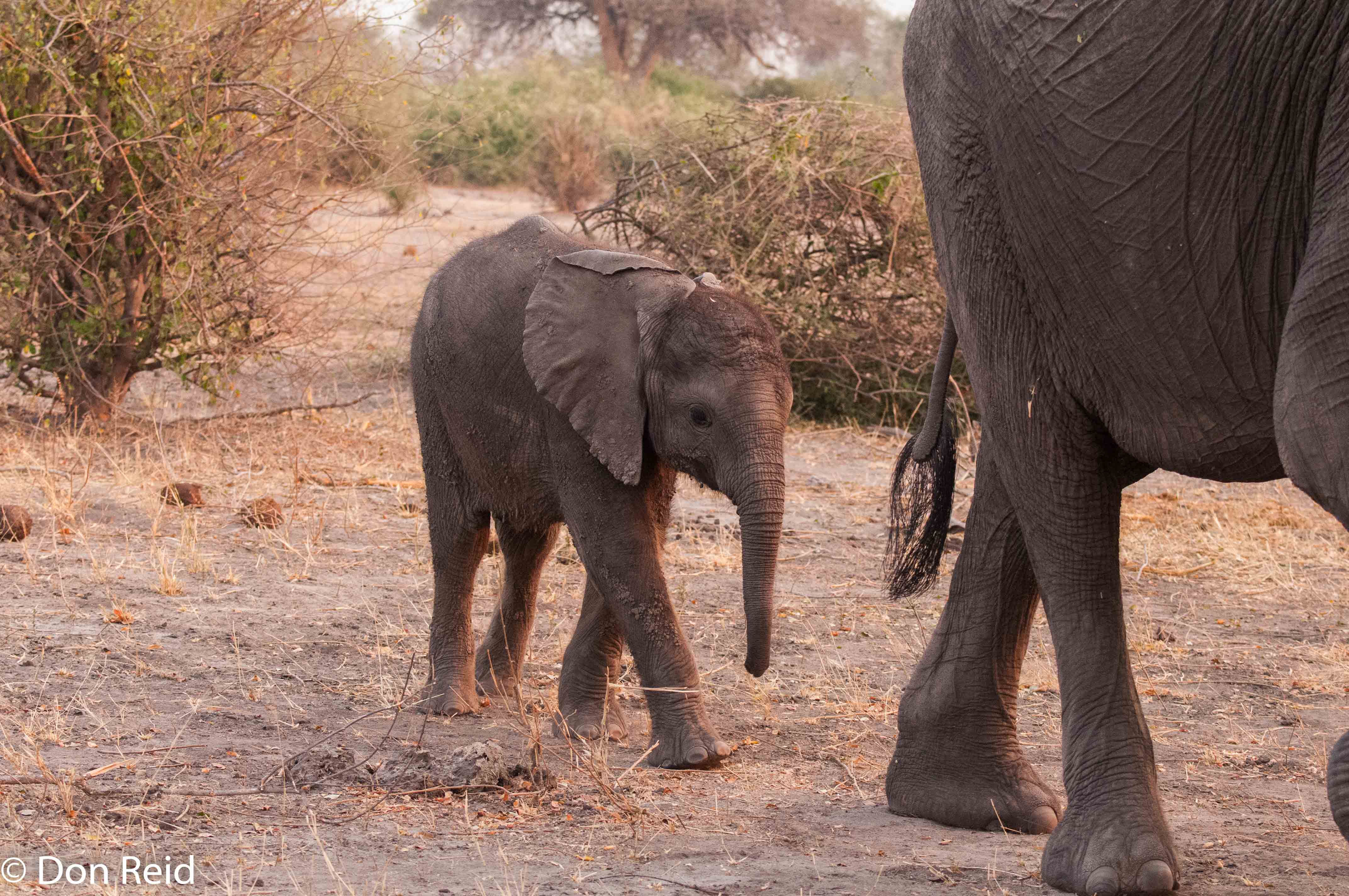
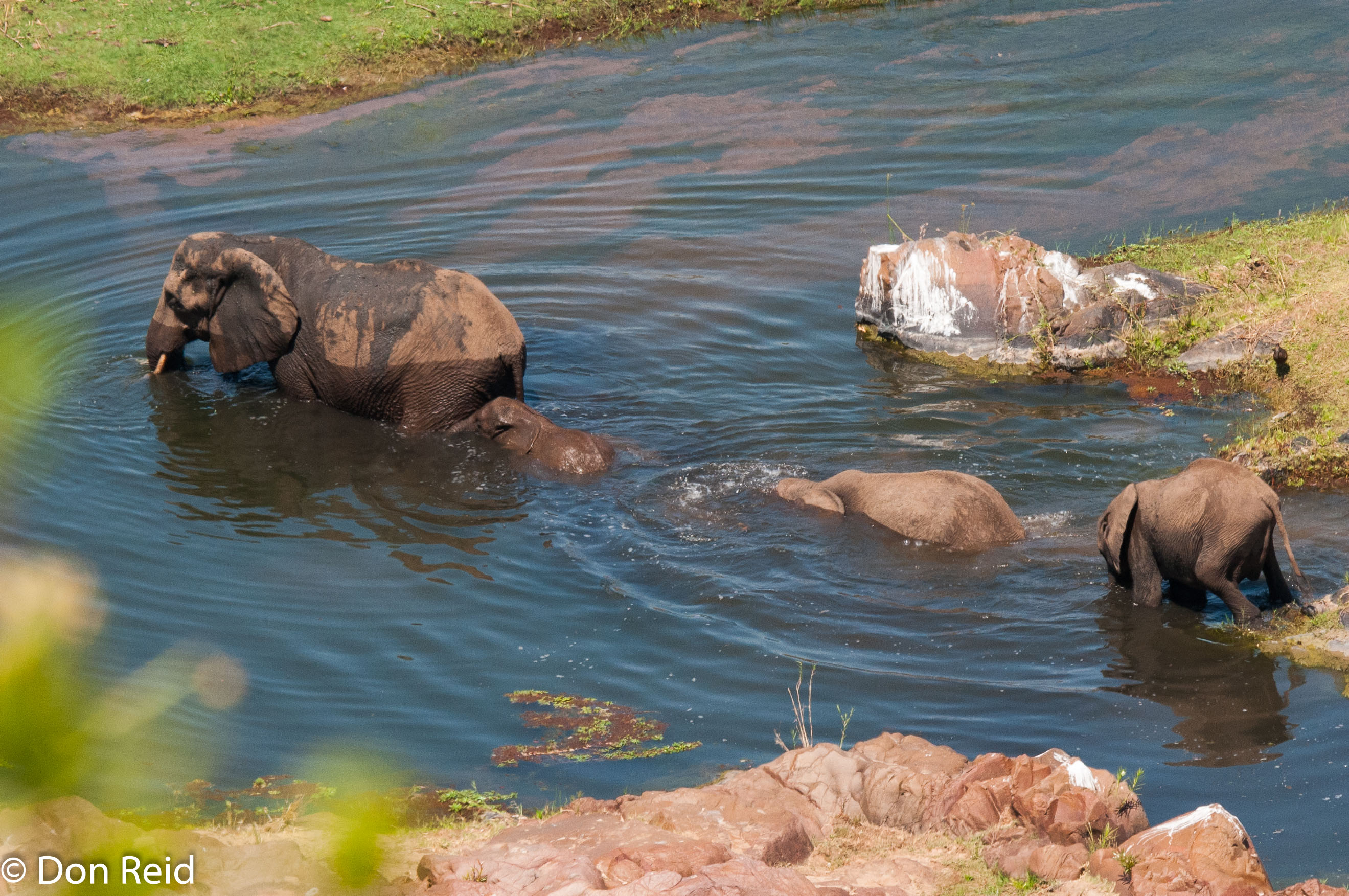
  • Elephants aplenty, including quite a few youngsters, not wandering far from Mom
Fresh from a dunking in the Chobe river
Young elephant sticking close to Mom
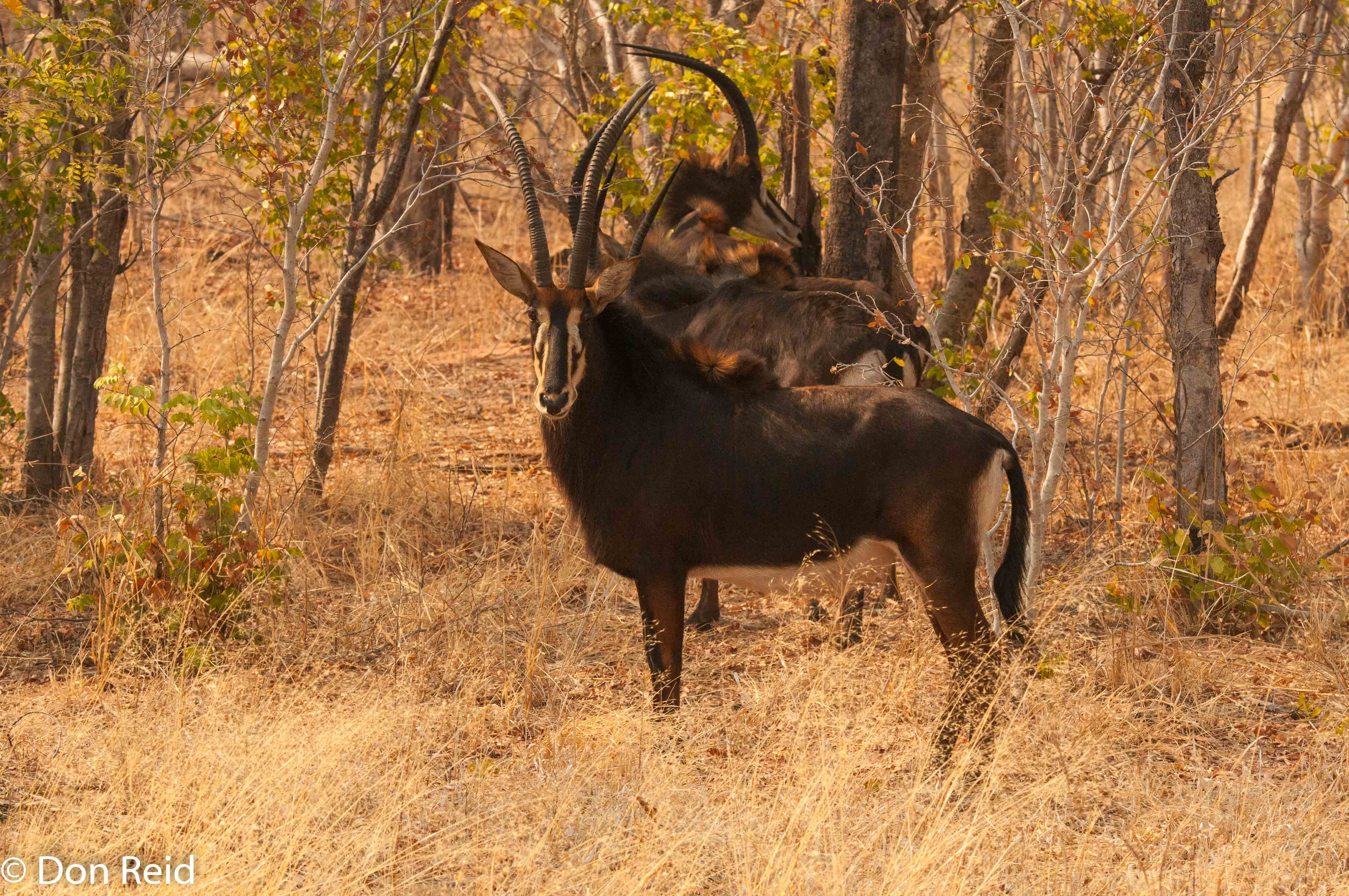
  • Sable Antelope
Sable Antelope
Sable Antelope
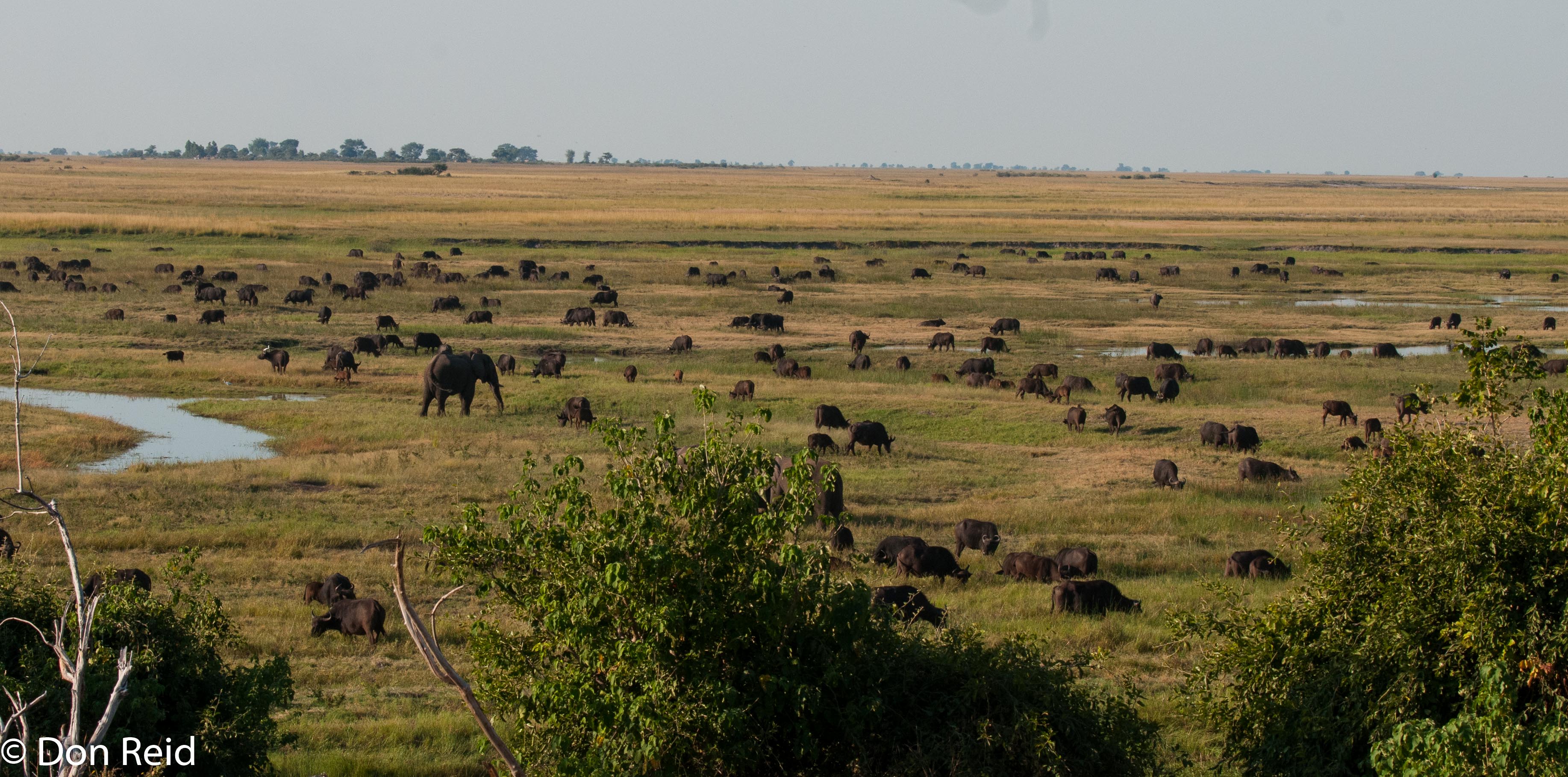
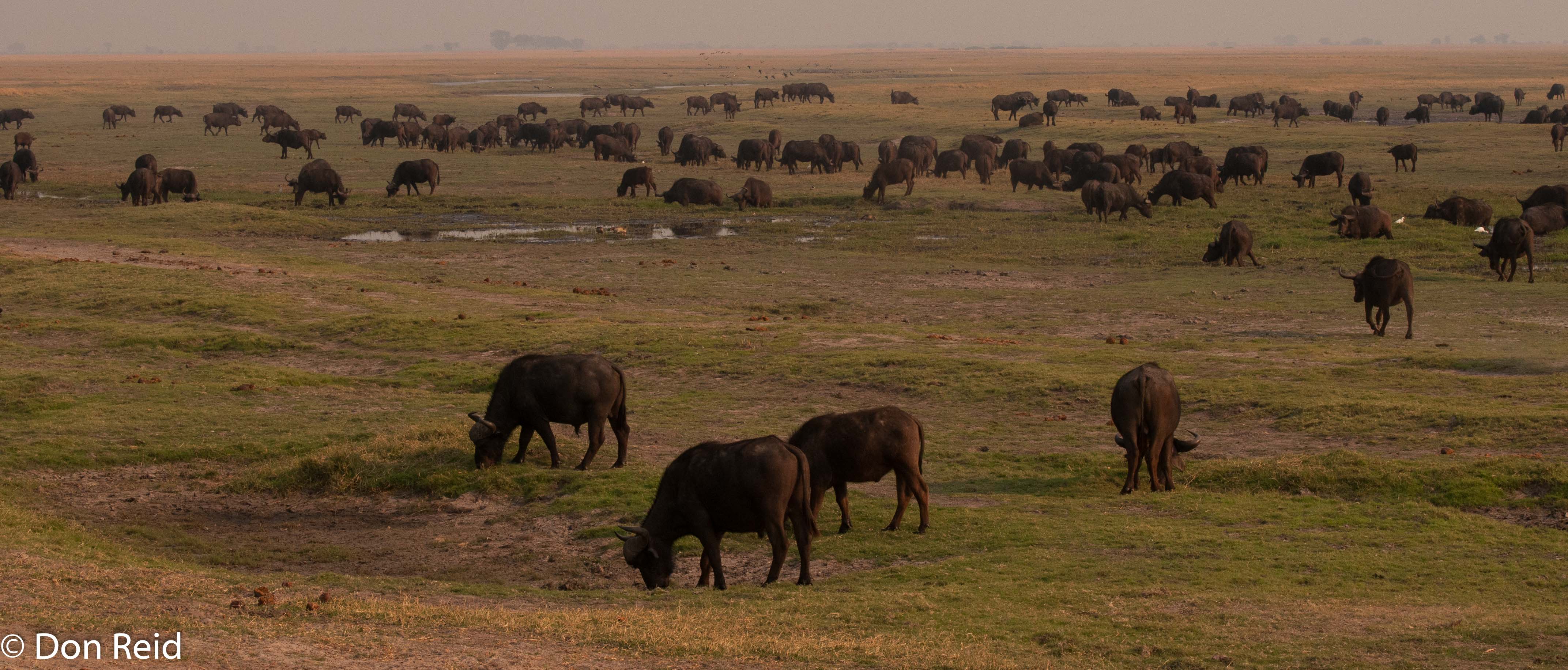
  • Buffalo – circa 500+ on the Lechwe Flats

African Buffalo on Lechwe Plain, Chobe Game Reserve

  • Waterbuck
  • Jackal
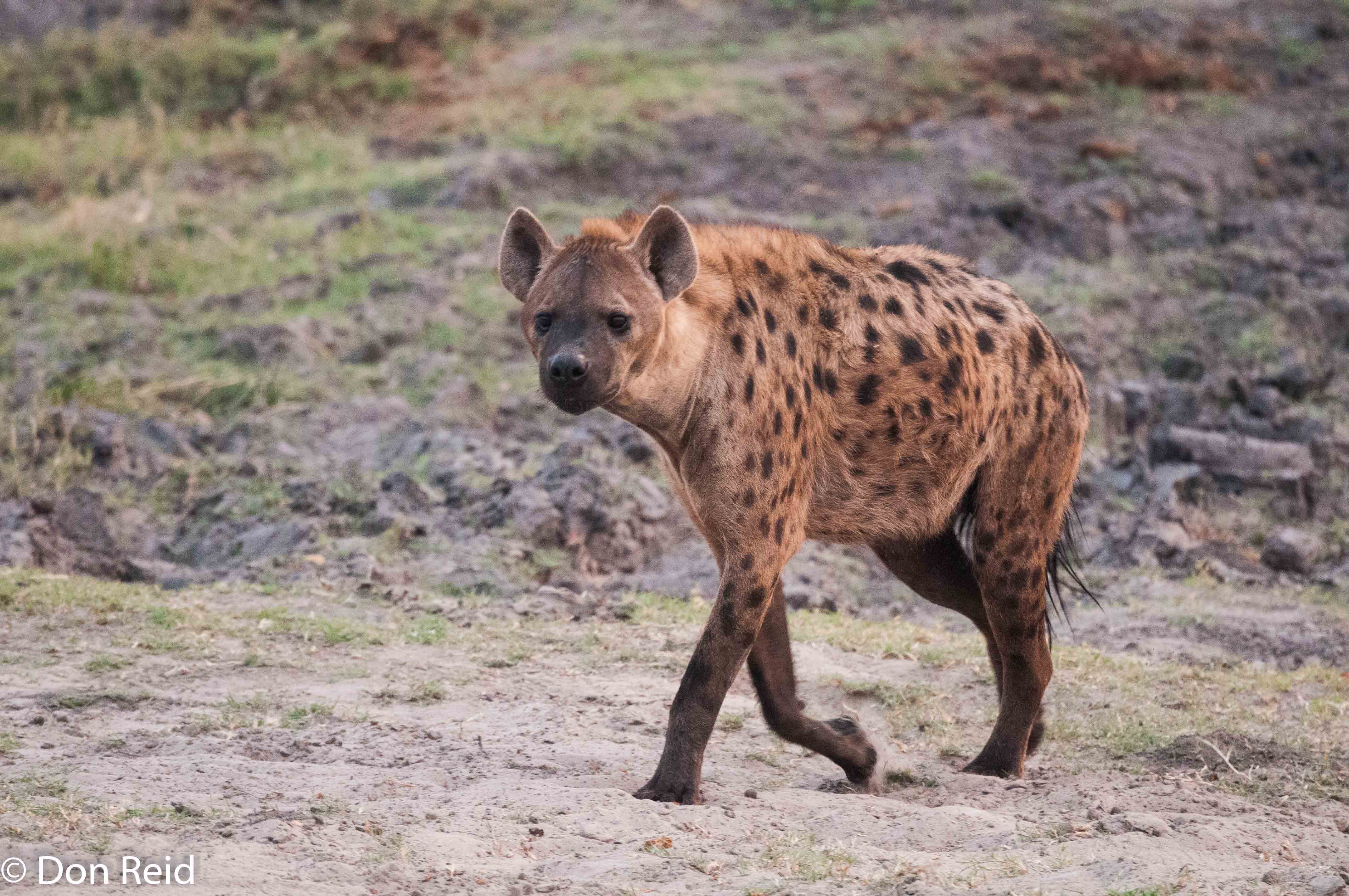
  • Hyenas – a pair were making their way back from the river into the bush as we passed by
Spotted Hyena
Spotted Hyena

Lions!

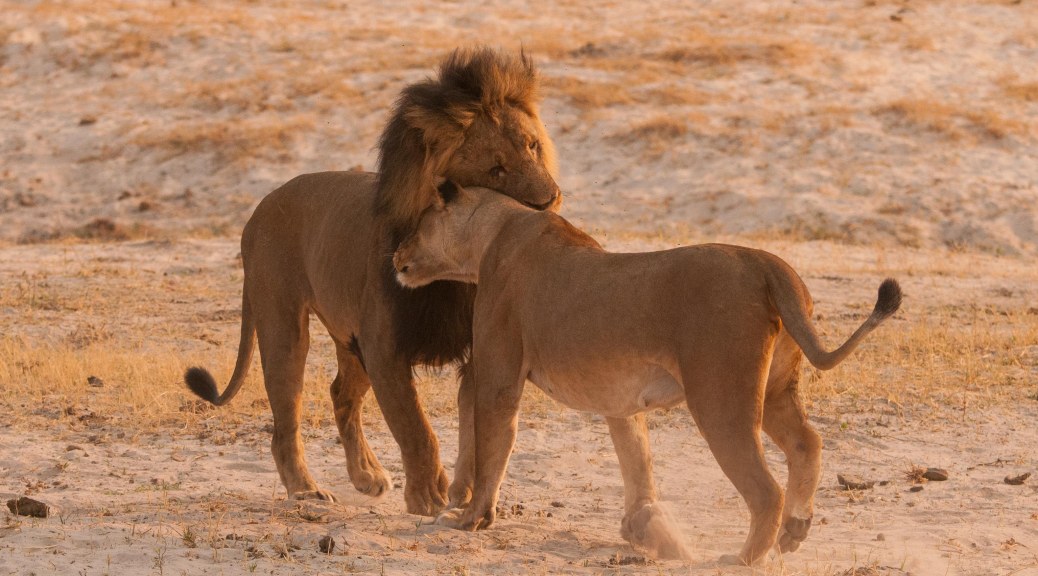
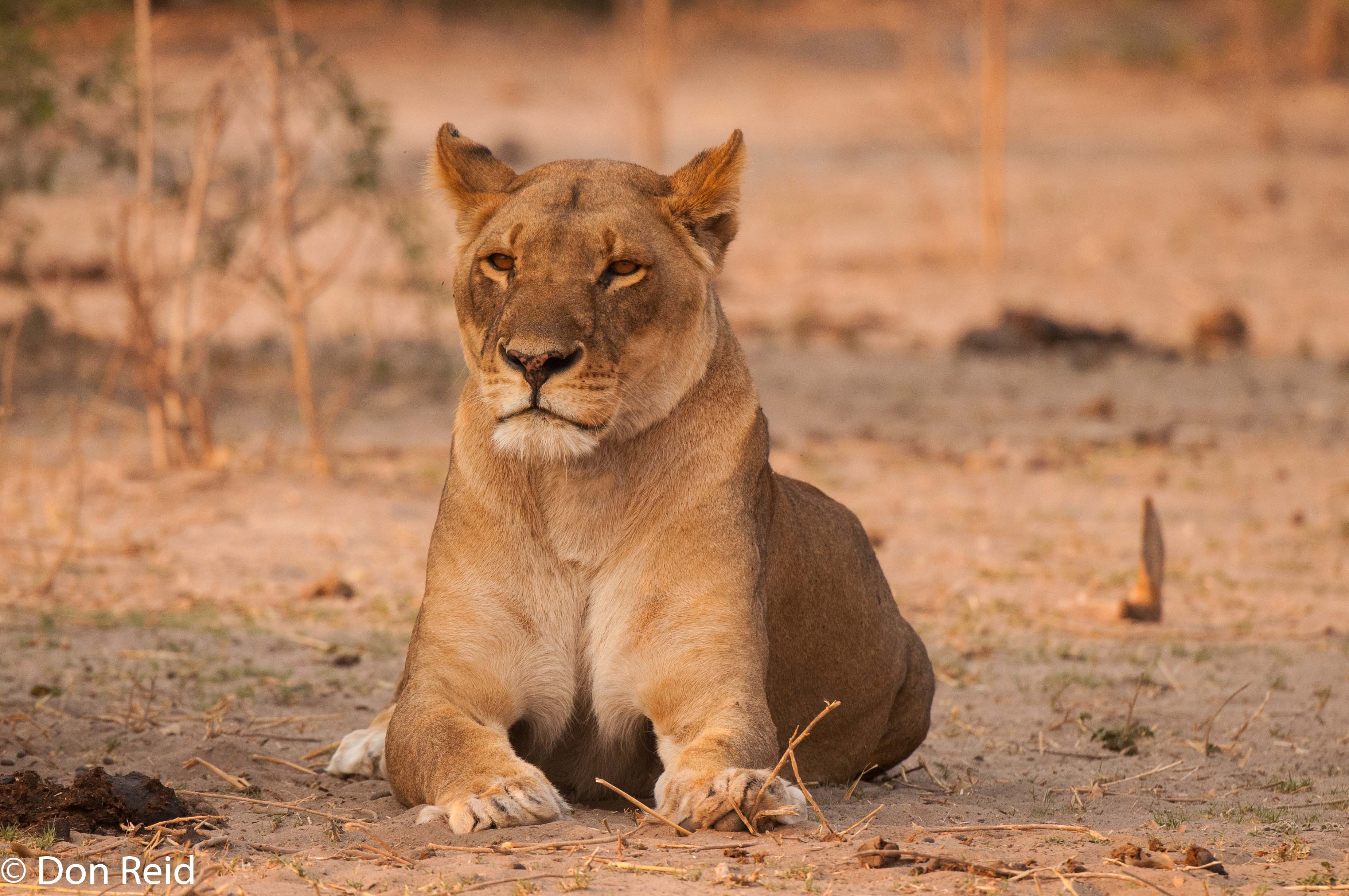
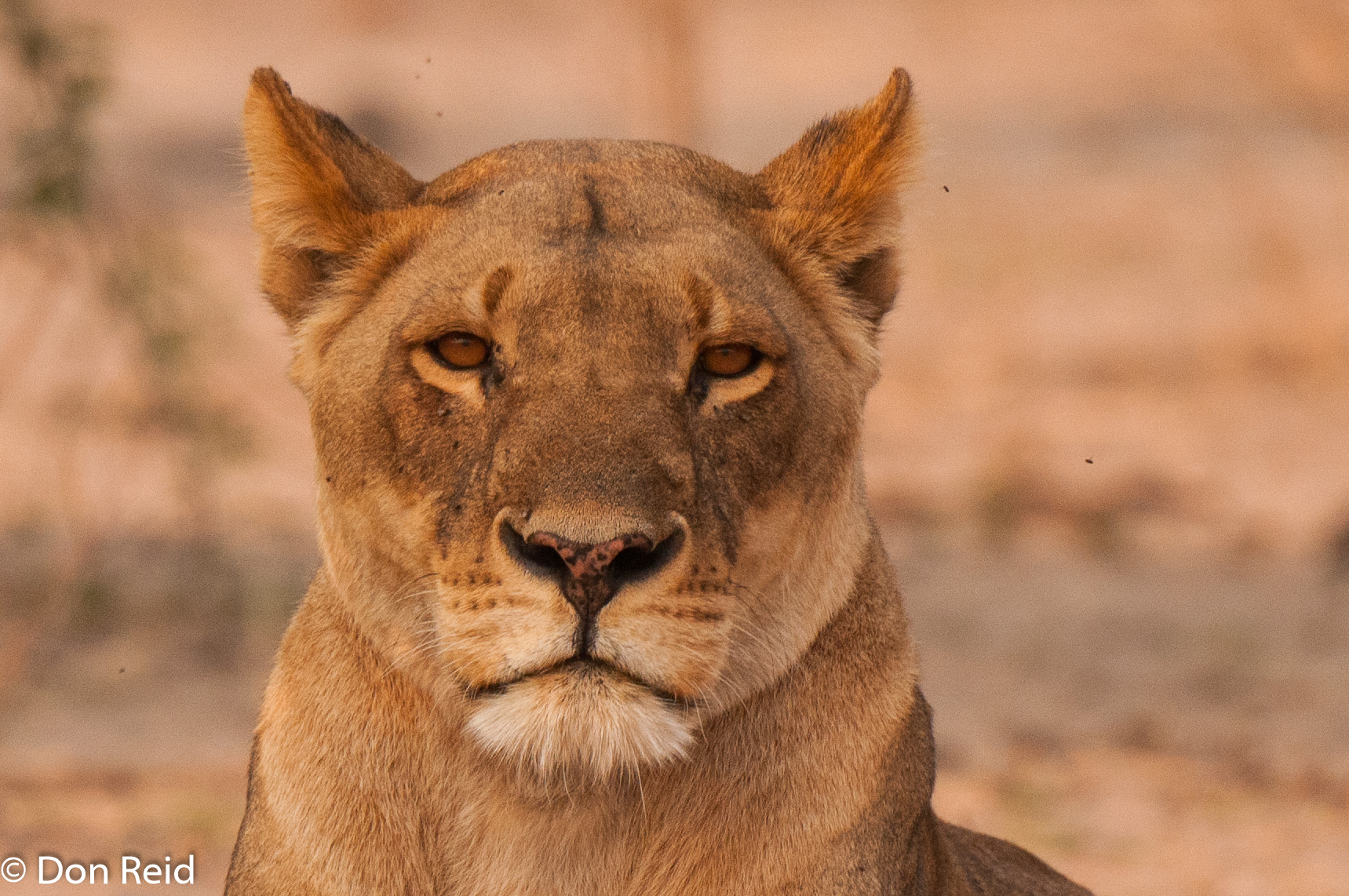
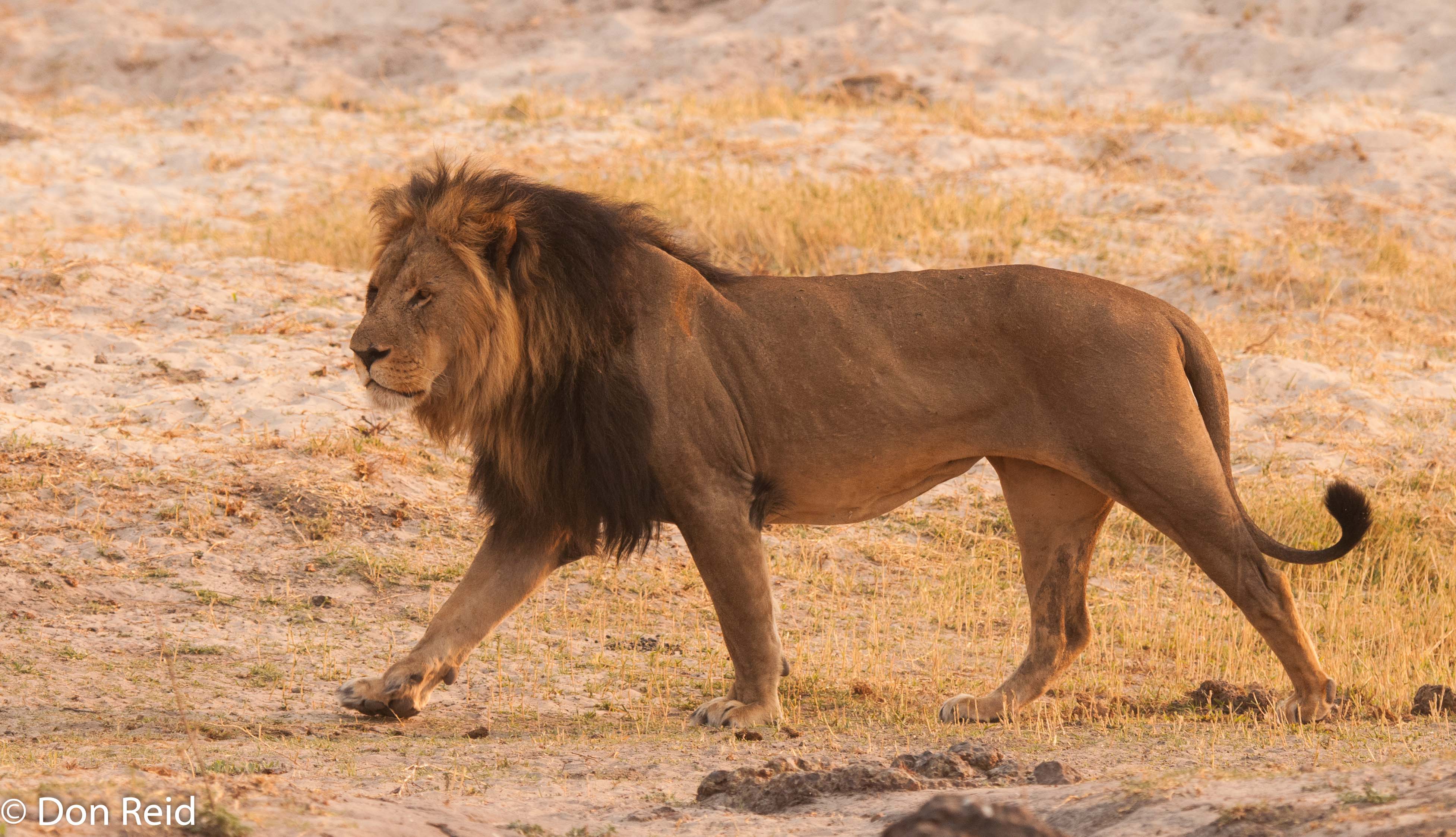
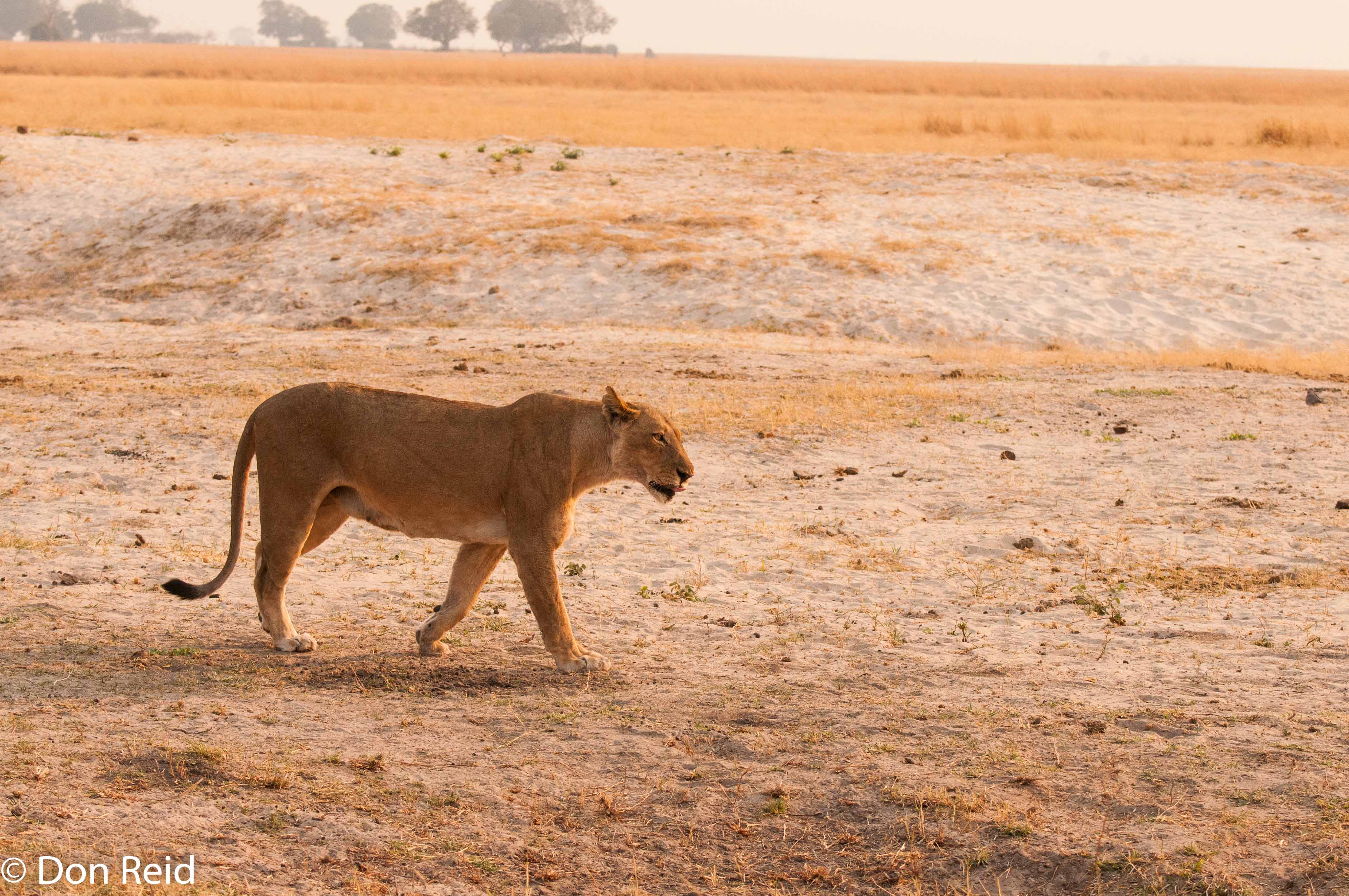
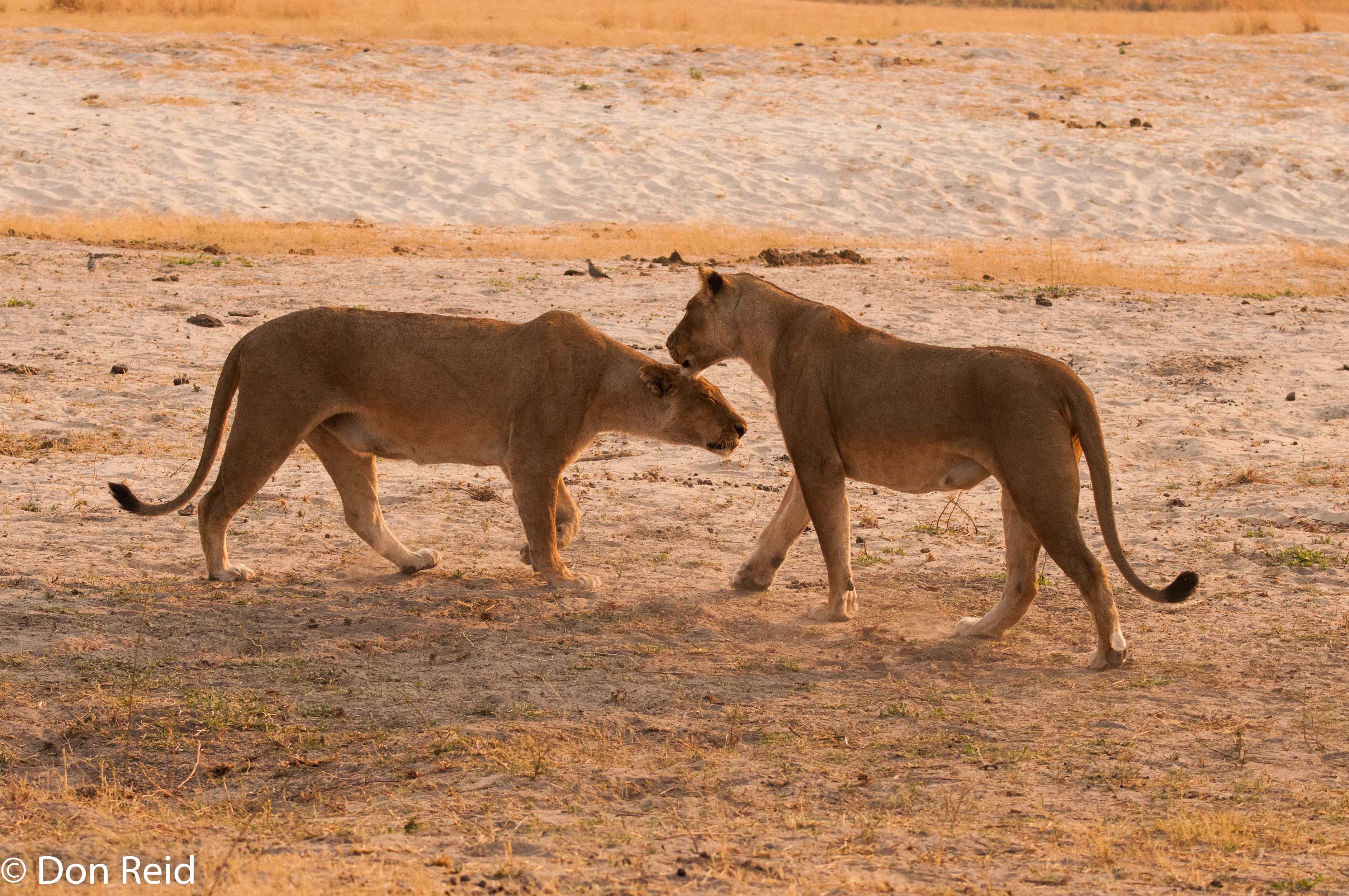
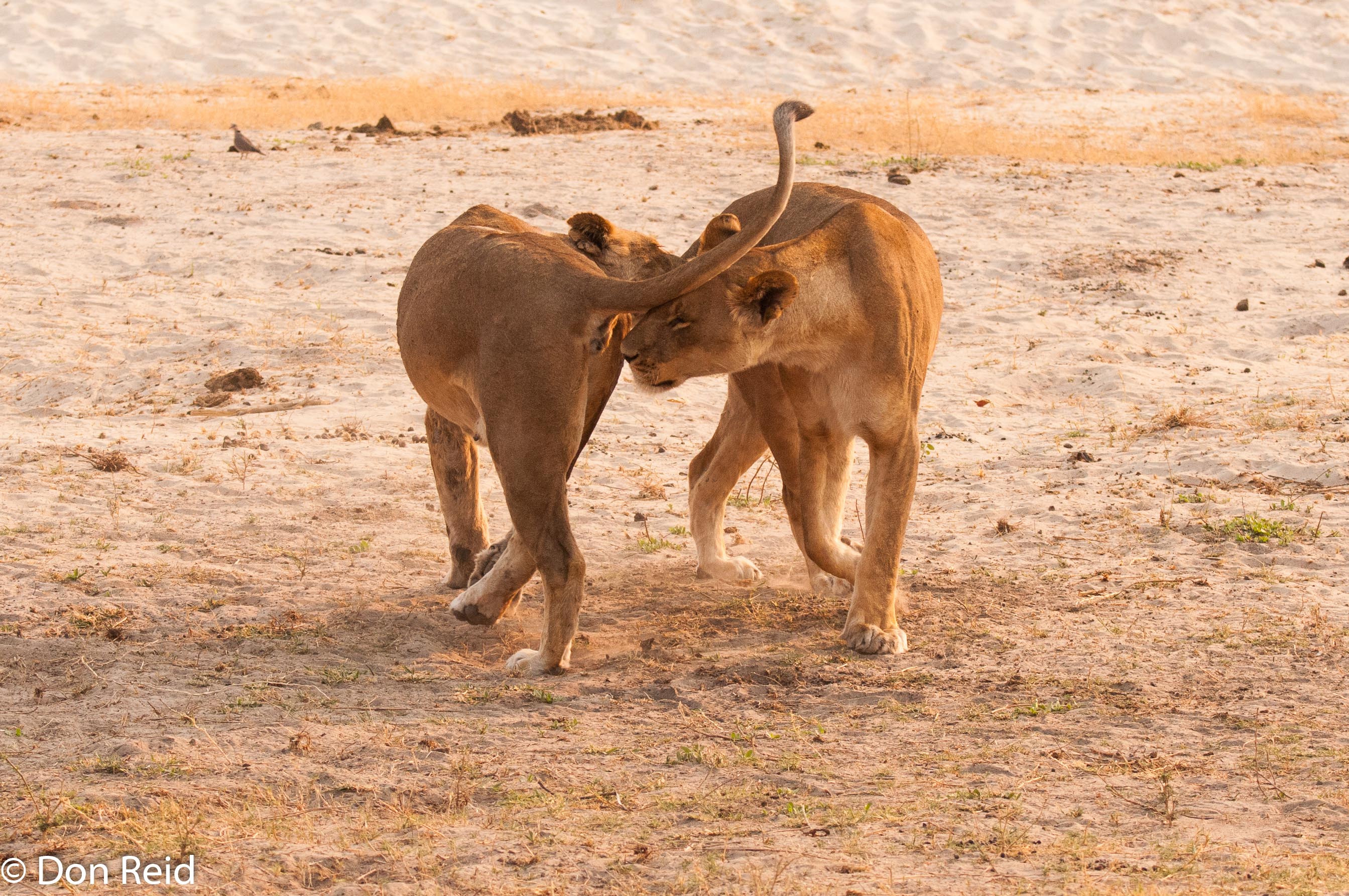
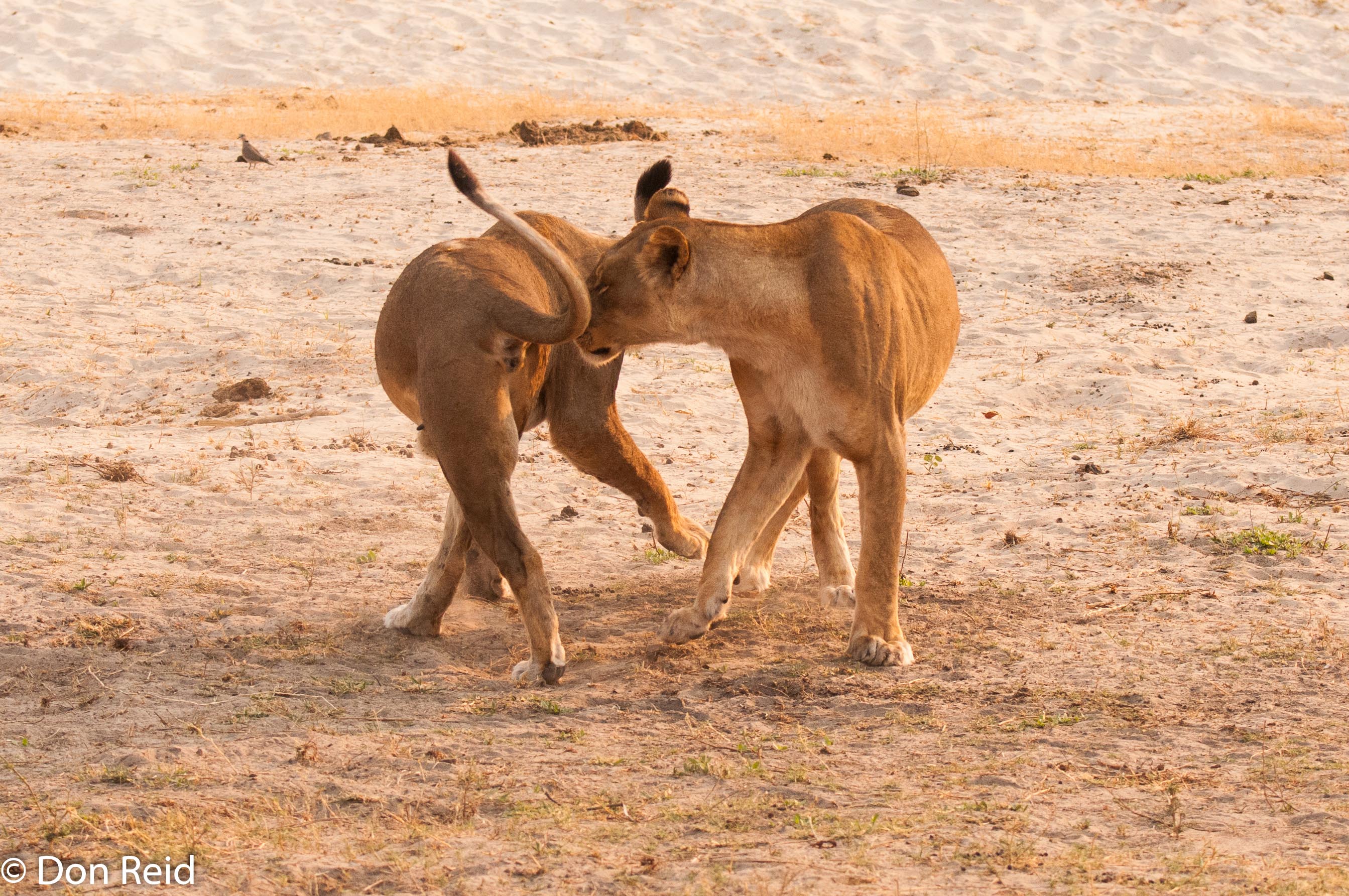
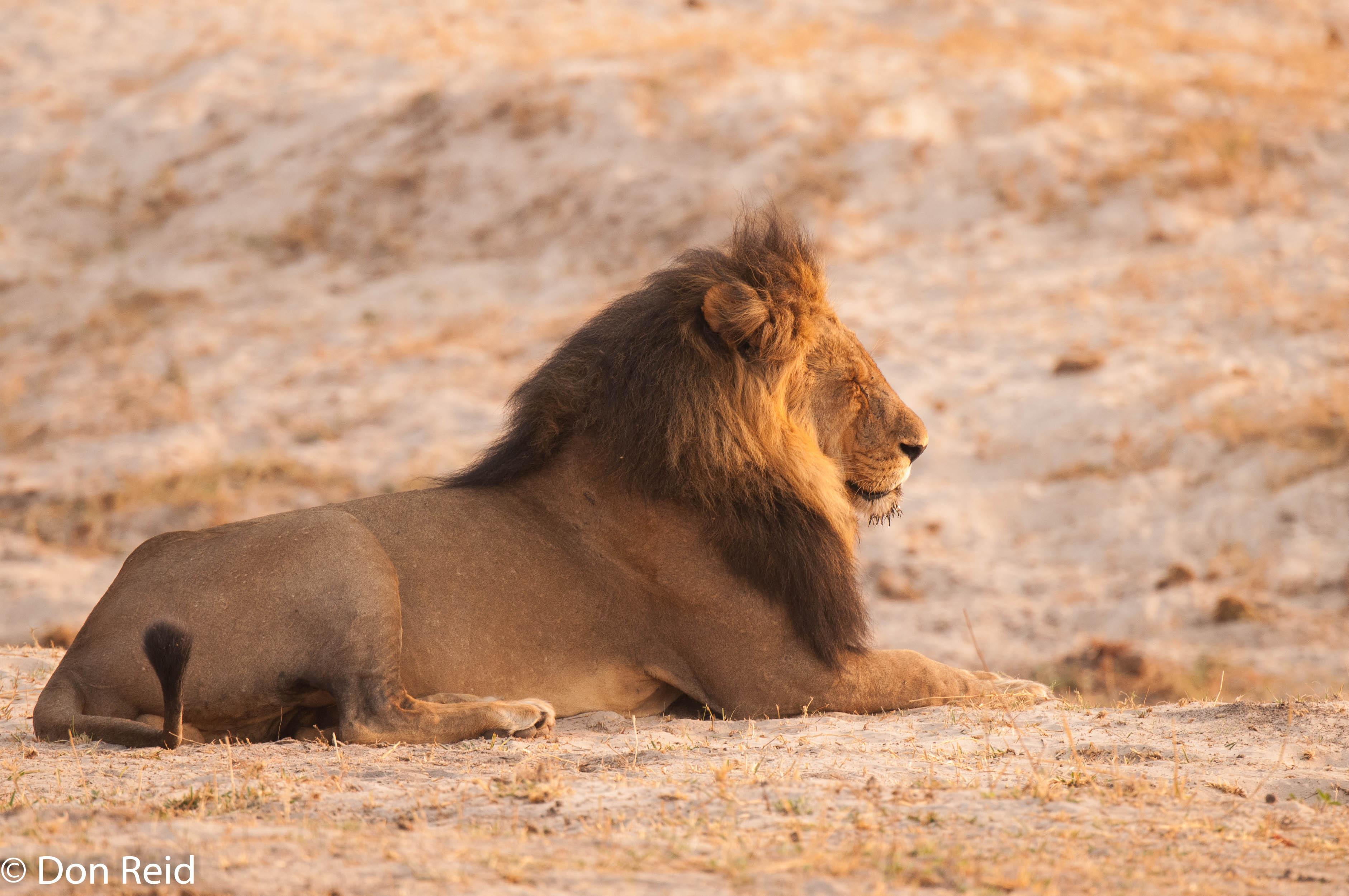
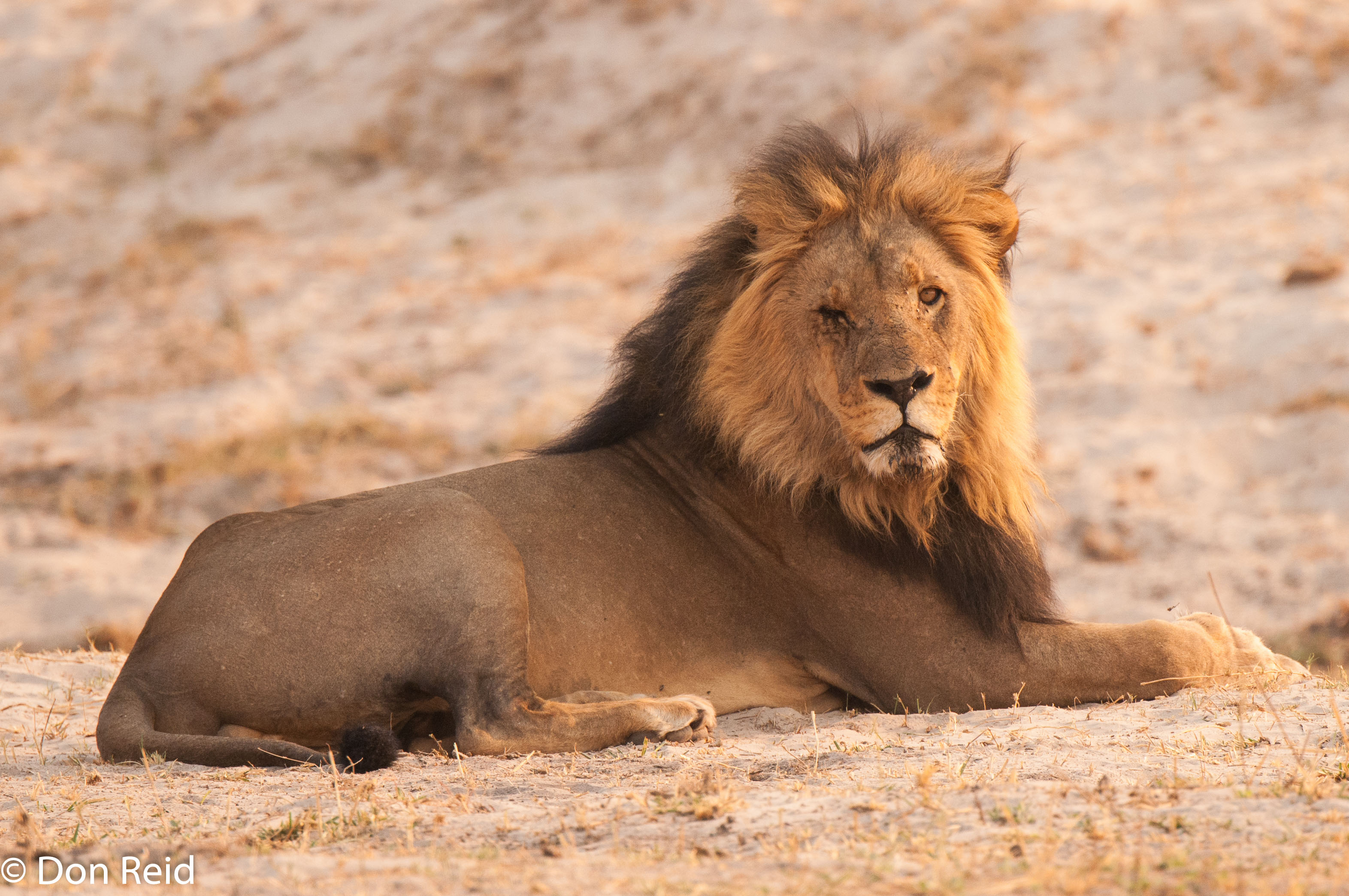
The best sighting of the morning was reserved till last. We encountered two Lionesses, strong and healthy looking individuals, as they made their way to a pool to drink (although we could not see the pool which was concealed by a deep donga) and moments after discussing the possibility of a male being nearby, a handsome male with a full mane of hair appeared and also headed towards the donga.

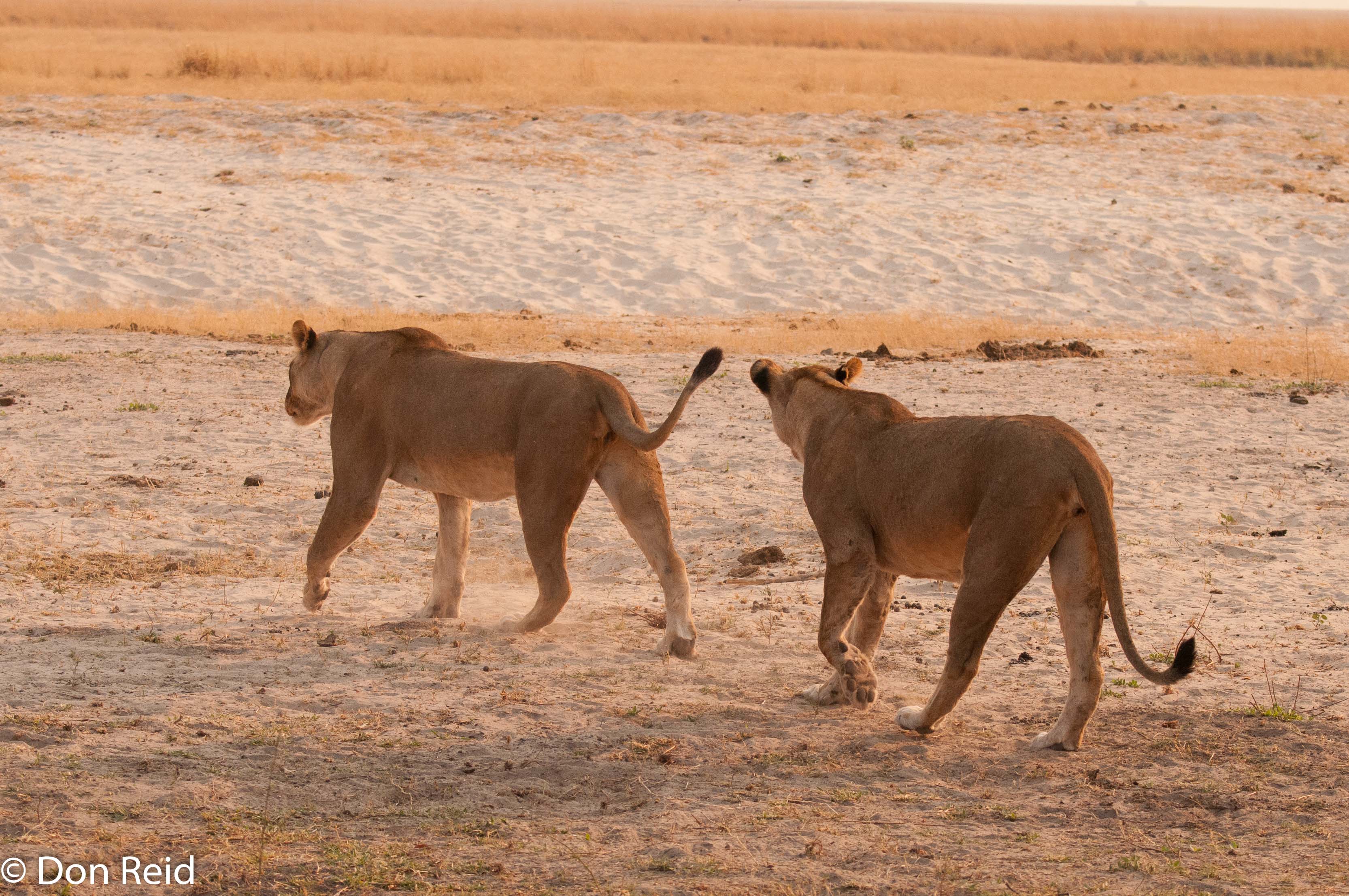
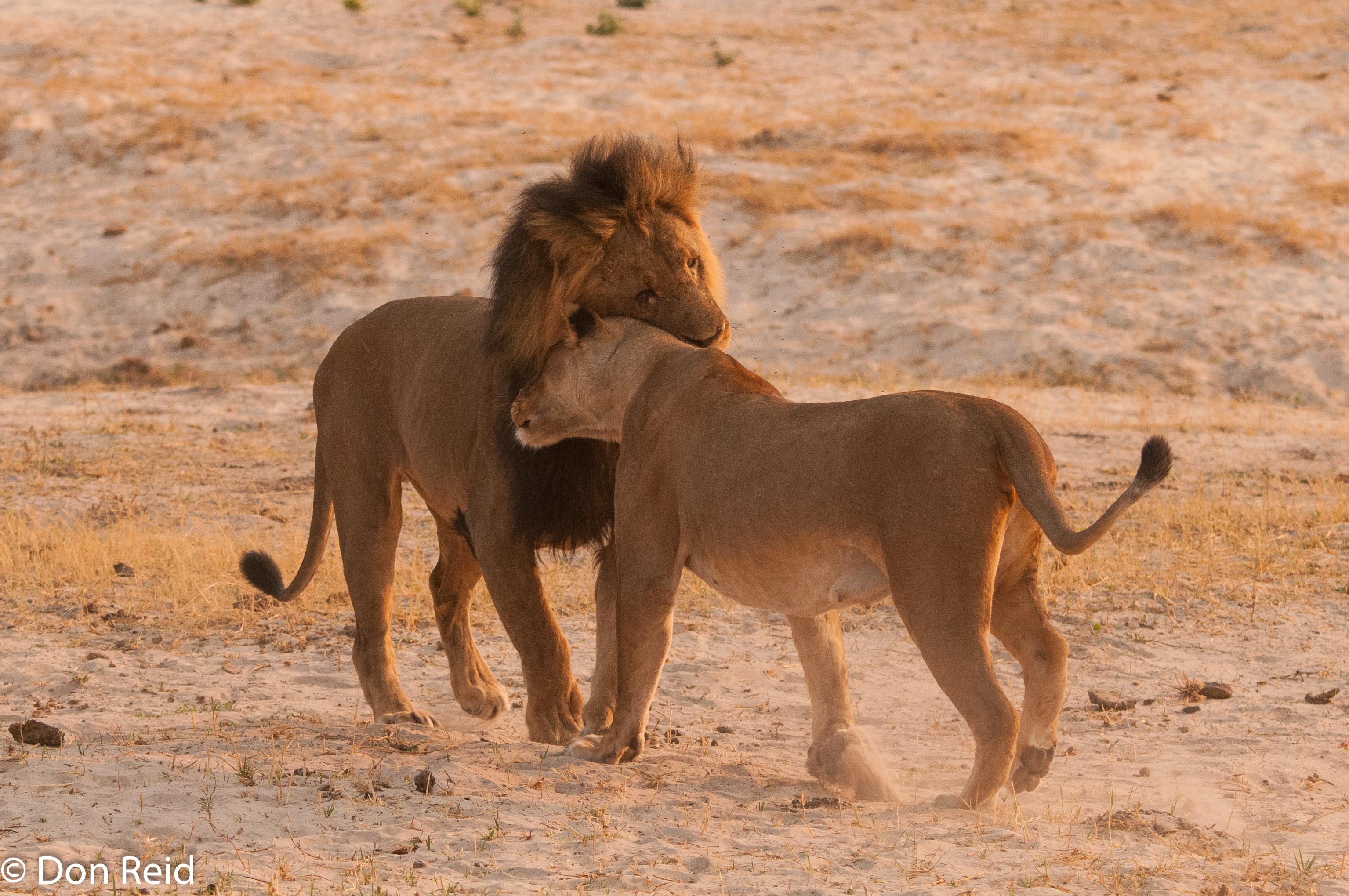
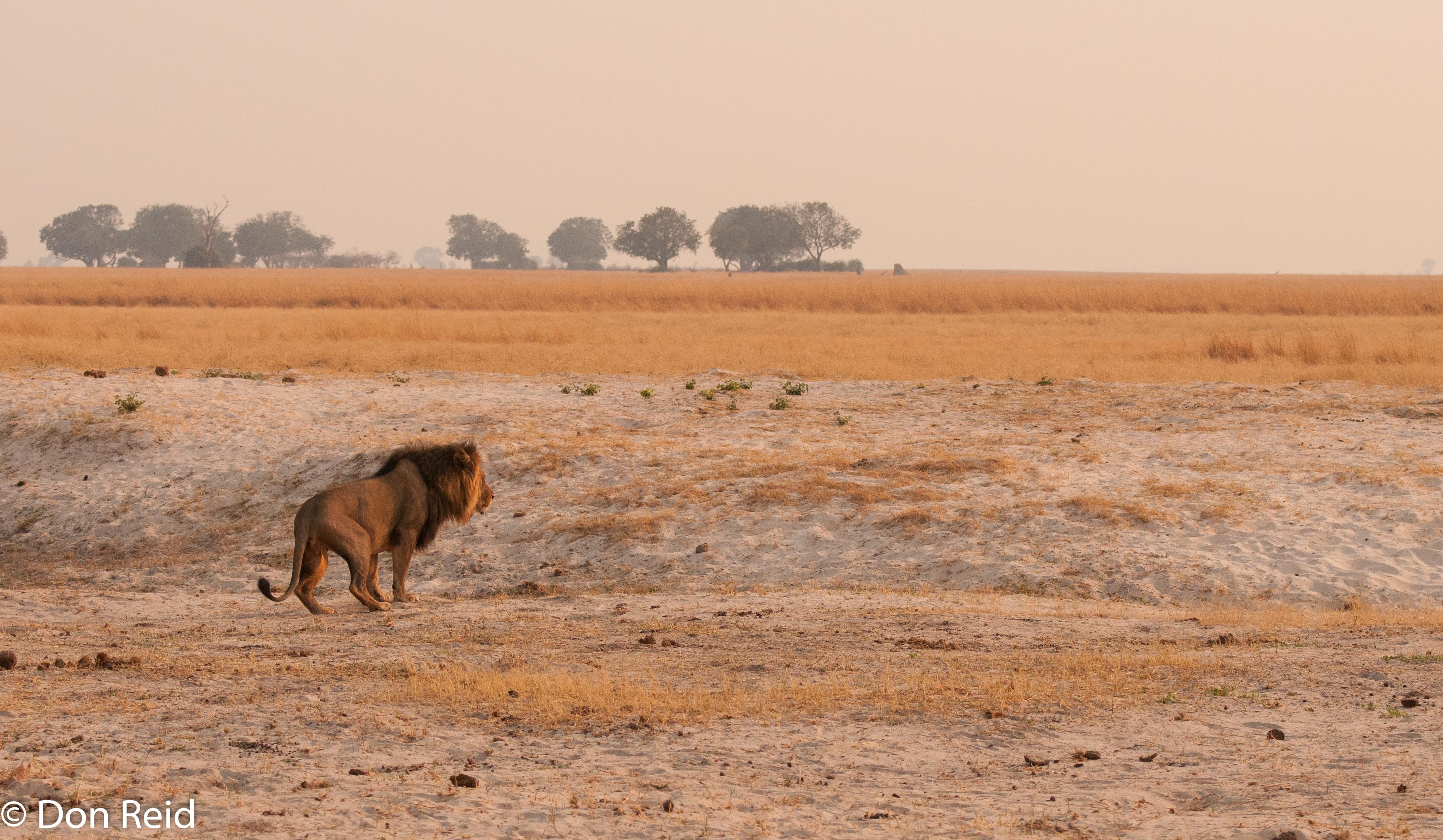
What followed was without doubt one of the more interesting Lion encounters I have had the privilege of experiencing, as the two Lionesses and the Lion played out a brief but fascinating series of moves. Initially the two Lionesses did a circular dance-like move in unison, as if sizing each other up, then one of them walked off slowly to the water and disappeared into the donga, The remaining Lioness and the Lion seemed to greet and gently caress each other before she too moved off towards the water, leaving the male to rest on the sandy ground and regally take in his surroundings.

Both Lionesses eventually returned and settled in different spots a distance from the male, who studiously ignored both of them as if in a huff.

The morning light lent a pleasant glow to the scene and created perfect conditions for photography as the Lions performed, oblivious to their excited audience, which by now had grown to 5 or 6 safari vehicles which arrived a short while after we spotted the first one. The photos are in the sequence taken –

African Lion, Chobe Game Reserve African Lion, Chobe Game Reserve


African Lion, Chobe Game Reserve African Lion, Chobe Game Reserve African Lion, Chobe Game Reserve African Lion, Chobe Game Reserve African Lion, Chobe Game Reserve African Lion, Chobe Game Reserve African Lion, Chobe Game Reserve


African Lion, Chobe Game Reserve African Lion, Chobe Game Reserve African Lion, Chobe Game Reserve African Lion, Chobe Game Reserve African Lion, Chobe Game Reserve African Lion, Chobe Game Reserve African Lion, Chobe Game Reserve African Lion, Chobe Game Reserve African Lion, Chobe Game Reserve African Lion, Chobe Game Reserve

Birding

The birding was limited to the “large and obvious” species for the most part –

  • Plenty of Guineafowl
  • Francolins and Spurfowl – Crested, Swainson’s and Red-billed were present in numbers
  • Hornbills – Red-billed, Yellow-billed, Bradfield’s and Ground all well represented
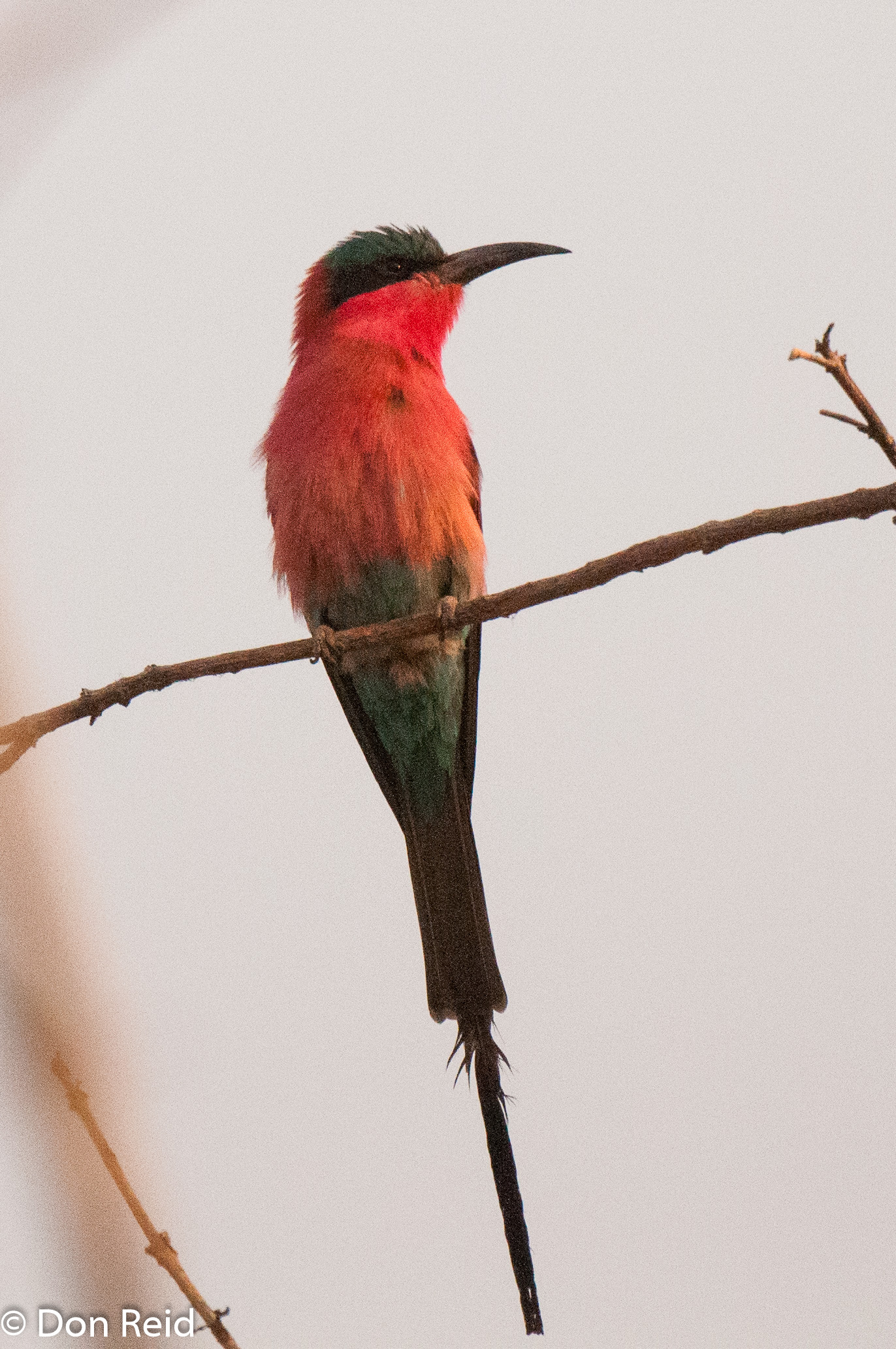
  • Carmine Bee-eaters are back in numbers and prominent in the sky or perching in bare trees at a few spots
Carmine Bee-eater
Carmine Bee-eater
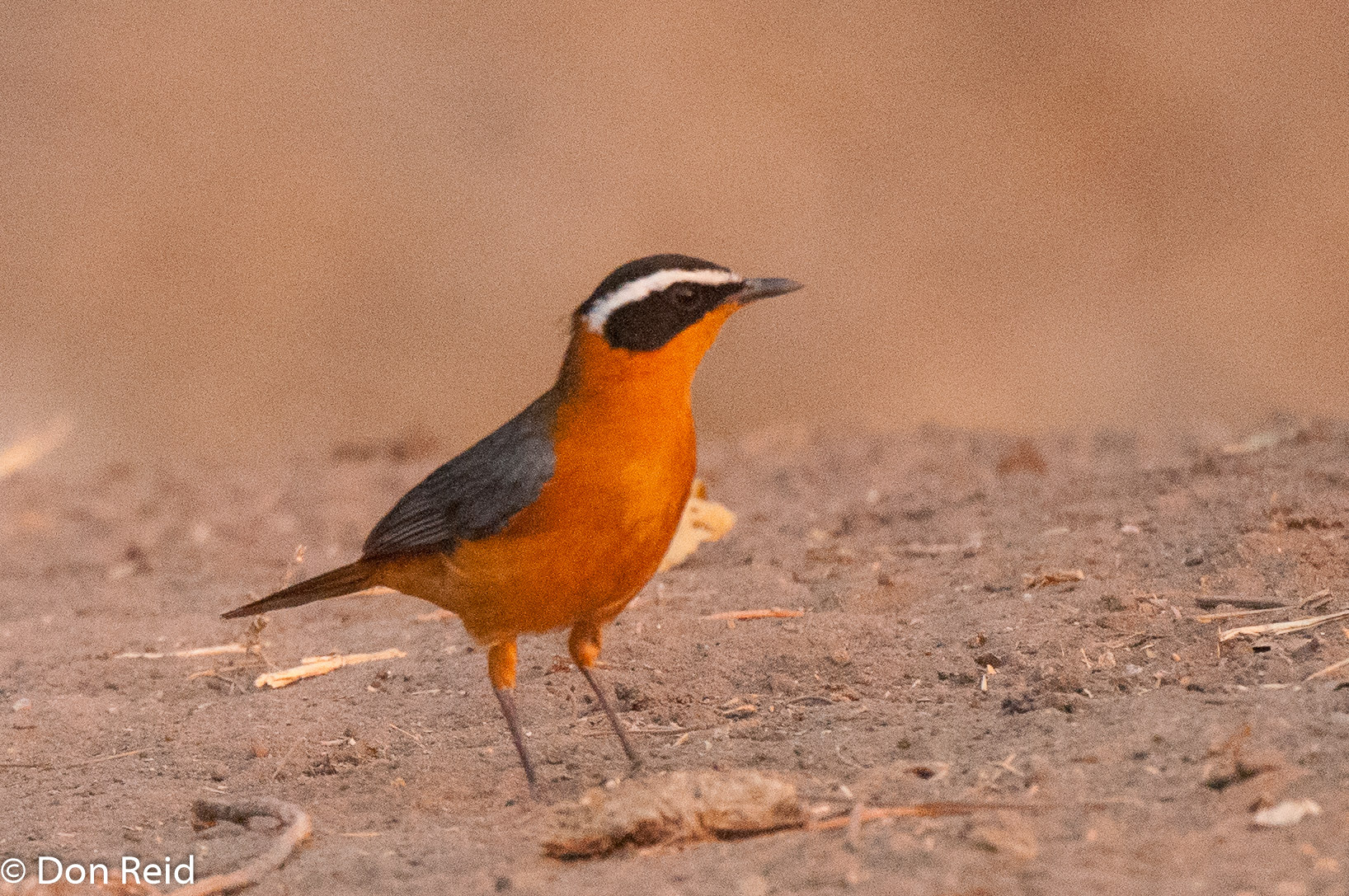
  • White-browed Robin Chat, extra bright in the golden early morning light
White-browed Robin-Chat
  • A family of Orange River Francolins was a pleasant surprise and I was able to get my first photos of the mostly secretive species before they scuttled off into the bush
Orange River Francolin, well camouflaged in the dry grass

A truly wonderful morning’s game and bird viewing in this magical part of Southern Africa!


Bird in the Lens – Saddle-billed Stork

What Now?

For the last 2 years my blogging has been about birding trips, birding spots, holidays etc which has been very rewarding for me – I love recalling some of the great moments and places we have been. Now I believe it’s time to broaden the scope of my ramblings to include my take on particular birds that I have become familiar with over the years.

There are plenty of birding books out there and a number of Apps that make it simple to access a mountain of detail information on every species in your locality, so I will be taking a more informal, down-to-earth look at a random selection of birds, on a regular basis. A sobering thought is that, if I manage to do one species per week, it will take me 16 years to cover the 850-odd “regular” species in Southern Africa (excluding the vagrants that drive twitchers crazy every now and then). By that time I will have had my 84th birthday – if I’m lucky enough to still be around – talk about long-term planning!
Where to start?

I wasn’t sure what species to kick off with, then I had a moment of clarity (happens infrequently when you reach pensioner age) and decided that I would start at the beginning ……………  of my birding career. So I went back to my very first records, written into my first copy of Roberts Birds of South Africa, which I purchased during one of our early visits to Kruger National Park. This was around 1978 and it was only about 10 years later that I started listing birds with any regularity – 3 kids growing up and a busy professional career tend to keep you busy and don’t leave time for much else.

The very first bird recorded was noted in the margin of my Roberts : “Woodland Kingfisher, 27 August 1978, seen KNP”. Well it seems I managed to start with an incorrect ID, as the Woodland Kingfishers are migrants that only arrive in Southern Africa from October…… so it was probably a Brown-hooded Kingfisher that I saw that August.

The next one was more likely to be a correct ID, particularly in Kruger, and hard to confuse with any other bird –  the note in the margin says “Saddle-billed Stork, 28 August 1978, seen KNP” – so that’s where I am going to start.

SADDLE-BILLED STORK

Species Names

  • Saddle-billed Stork
  • Saalbekooievaar (Afrikaans)
  • Kandjendje, Hukuinihlanga (Indigenous)
  • Sattelstorch (German)
  • Jabiru d’Afrique (French)
  • Zadelbekooievaar (Dutch)
  • Ephippiorhynchus senegalensis (Scientific)

That scientific name is very long-winded but if you break it down it starts to make sense : the first part is the Genus which  is derived from the Greek words “ephippos”  for “Saddle”  and “rhyncos”  for “bill” and refers to the frontal shield which “saddles”  the bill. The second part is the species name which in this case is based on where it was discovered

Photography

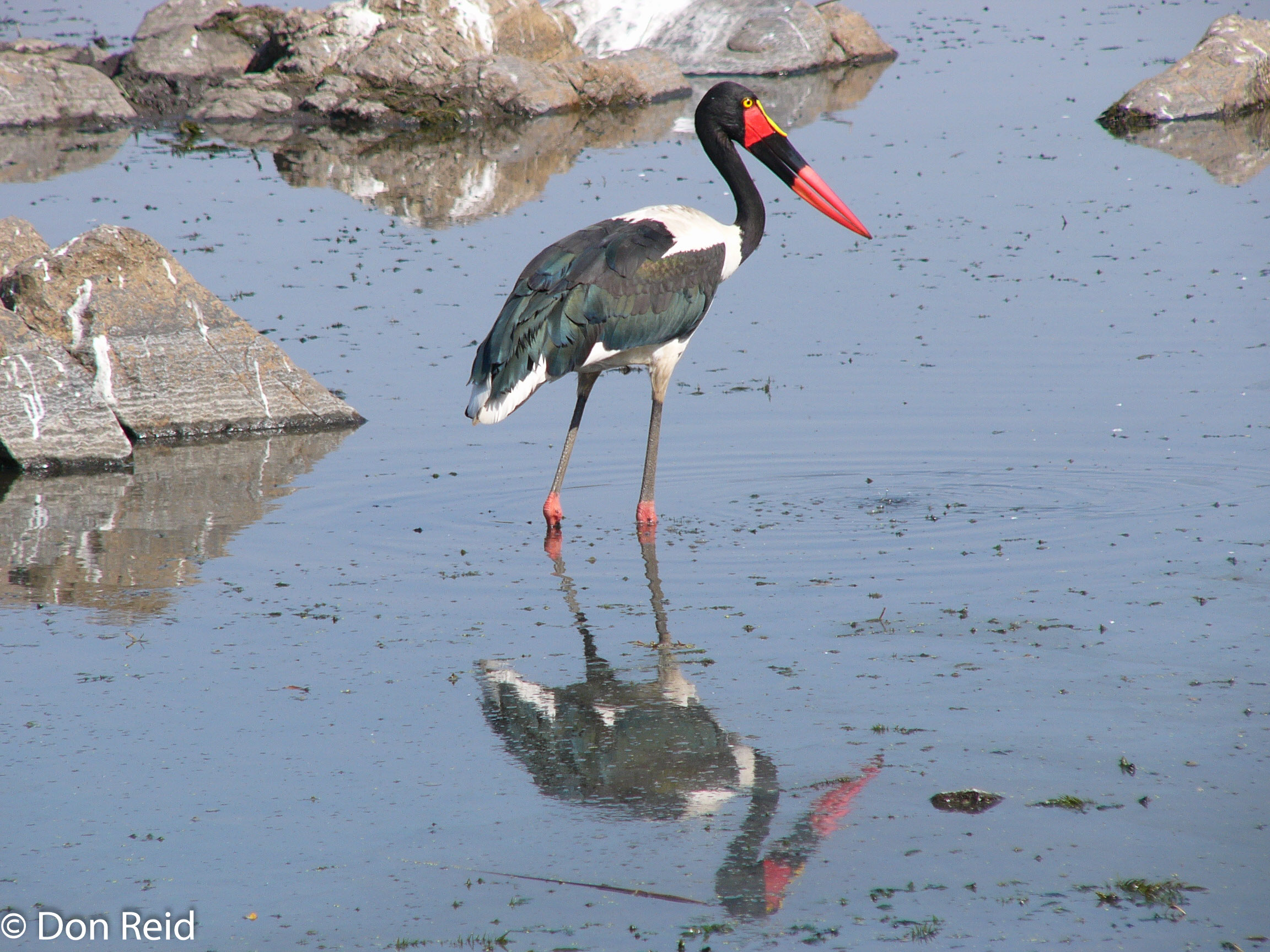
Despite their large size, they are seldom close enough for a finely detailed photo, unless you are lucky enough to come across one near a hide.

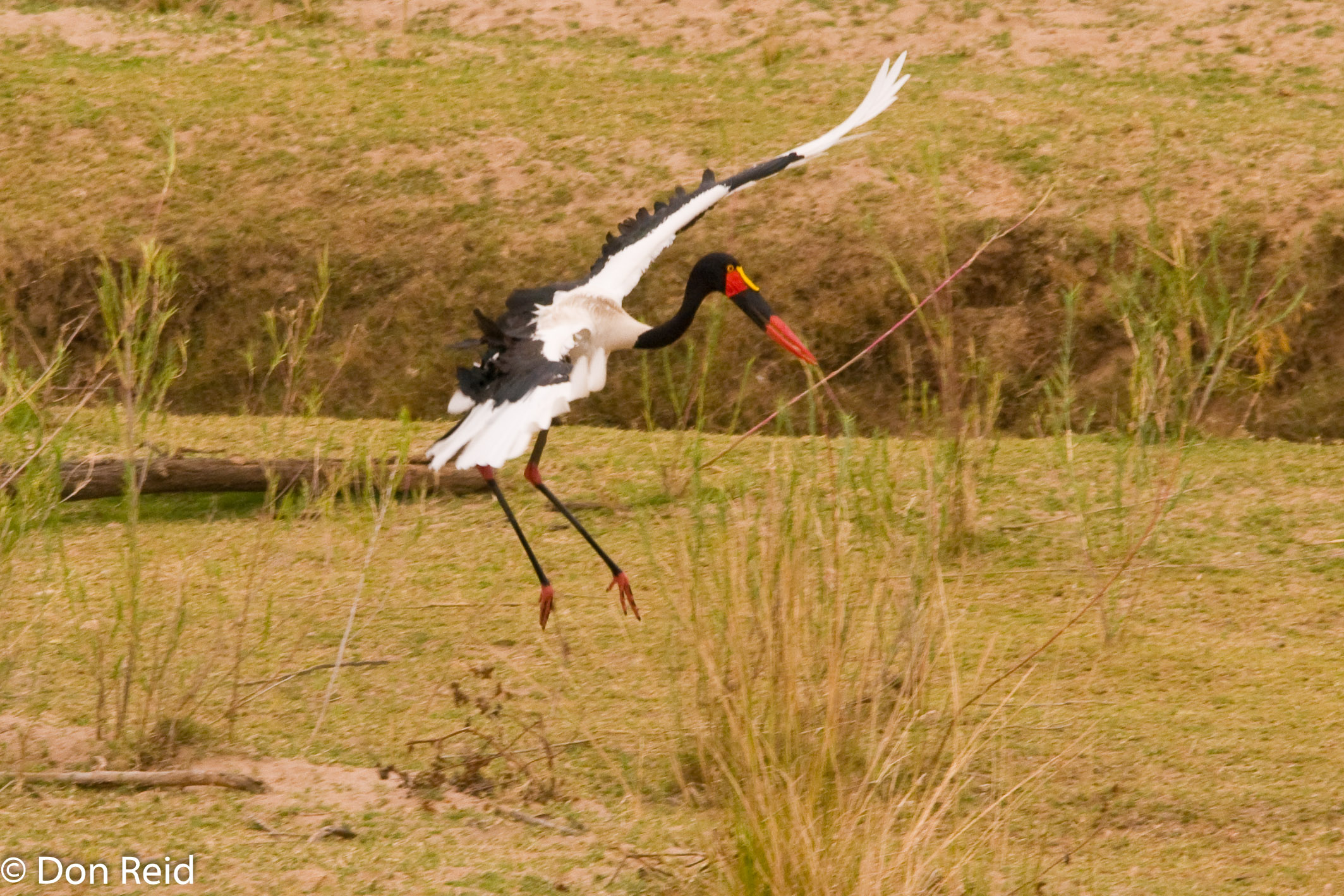
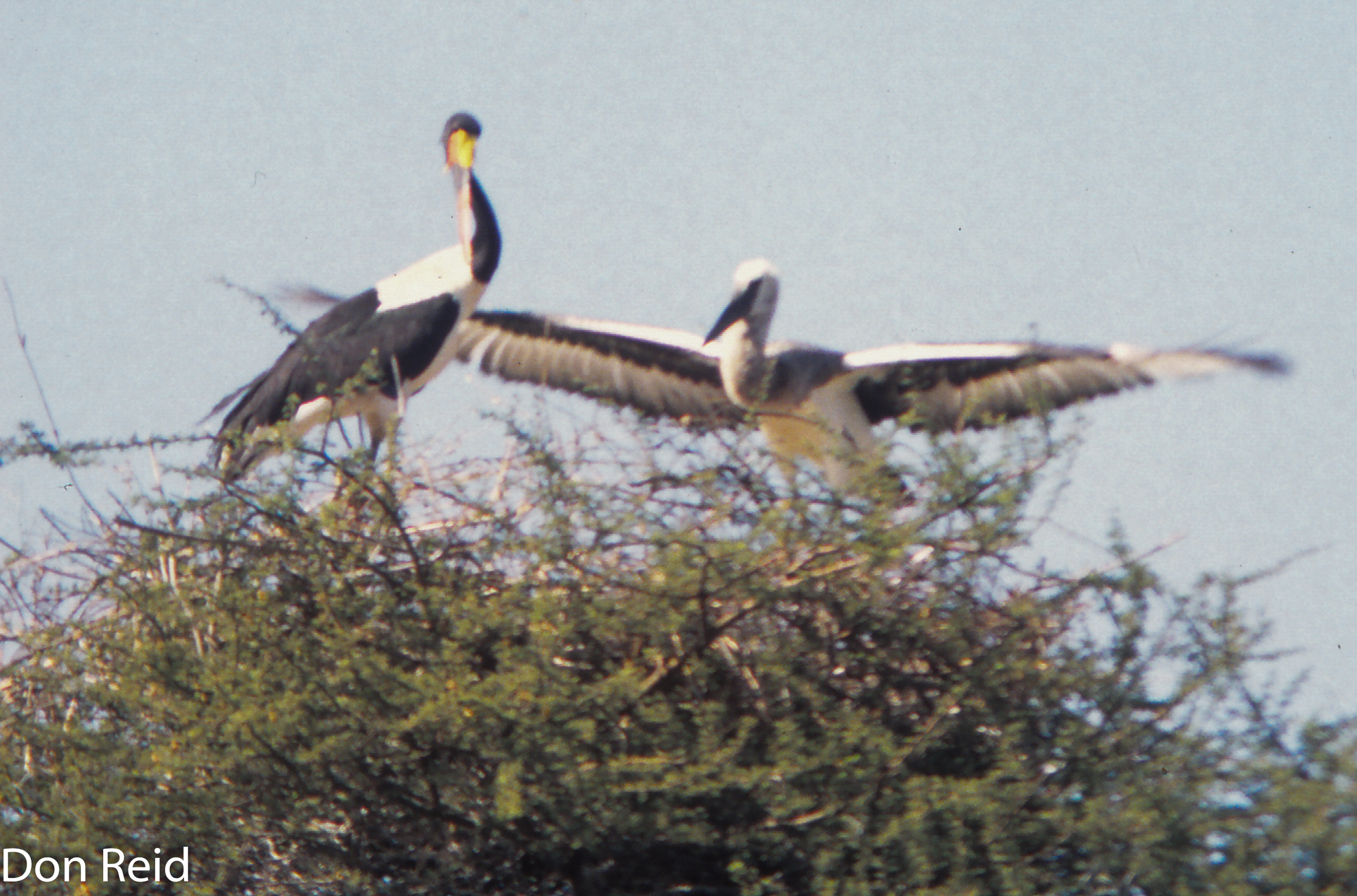
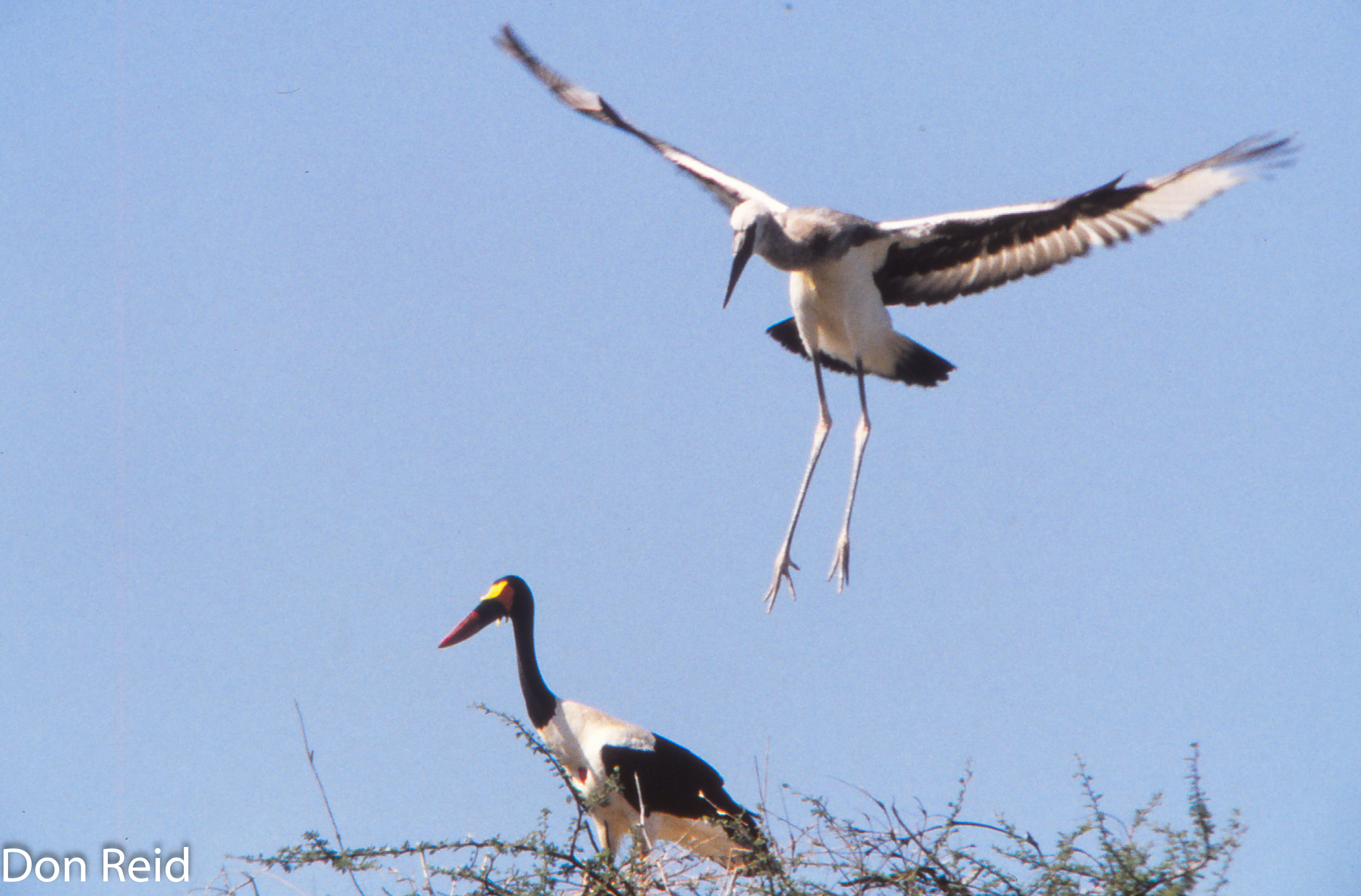
Most of my photos have been taken at a fair distance, but I did once get some shots of a pair in flight as they came into land on the river bed just below where we had stopped, near Letaba in Kruger National Park.

Saddle-billed Stork, KNP Saddle-billed Stork, KNP Saddle-billed Stork-3

Where to find it

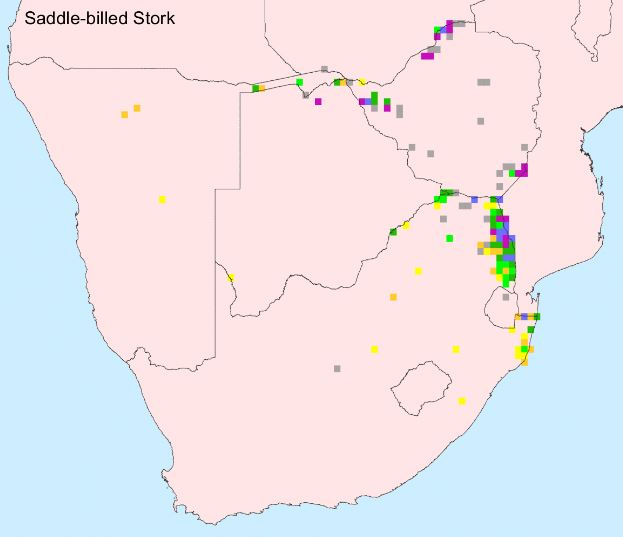
This is one species that is almost exclusively found in protected areas such as the National Parks and then only those in the northern parts of Southern Africa. Most likely place to find this species is in Kruger Park, along the larger rivers, such as the Shingwedzi, Letaba and Sabie Rivers. They may also be found in wetlands in savannah areas.

The didtribution map below is from SABAP2

Saddle-bill map

Look ……..  and Listen

This is such a stand-out bird that it is unlikely to be confused with any other.

It will be standing on its own or with a partner on the river bed or in the shallows. It stands about 1,2m tall so a 7 year old child is going to be looking it straight in the eye, although it won’t compete on weight, being just 6kgs or so (it’s those long thin legs, you see). Adults have a wingspan of some 2,5m which is as wide as a Smart Car is long. In flight they fly with neck outstretched, like all Storks, compared to Herons which fly with necks drawn in

Most noticeable feature is the massive bill, from which it gets its name and which is bright red with a black “saddle” in the middle. Other than that they are, like most storks, a combination of black and white. Oh, and they have red knees (actually their ankles) and feet , just to make them look really cool

The Saddle-billed Stork is not known to call so don’t bother trying to listen for it!

Saddle-billed Stork, Letaba KNP Saddle-billed Stork, Letaba KNP Saddle-billed Stork, Letaba KNP

Other Stuff

Conservation status is listed as “Least Concern” on the Red Data list – it is reducing in numbers gradually due to loss of wetland habitat (which affects a lot of species) but is still widespread over most of tropical Africa

Nesting is done on the top of a tall tree – we once came across a nest in Kruger with a young Saddlebill doing short jumps on top of a nest of large twigs, seemingly testing its wings before taking the big plunge – quite comical but very serious if you are a young Stork about to head into the world.

The following photos are of that event but please forgive the poor quality – scanned from negatives taken 25 years ago!

1998 to 1993 KNP_0001 1998 to 1993 KNP_0002

References :

Roberts Birds of Southern Africa

Birdlife International

SABAP2


What’s New?

New, Brighter, Cleaner, Washes everything Better!!

Well, if the washing powders can do it, so can I.

I recently realized I have been doing this blogging thing for two years already – how time flies when you’re having fun! It seemed like the right time to have a look at where this is going and how sustainable it is.

One suggestion is that some of what I have written needs a more permanent “home” and not be buried amongst past posts – those who blog will know the principal of blogging is that they are shown in reverse chronological order ie latest one is at the top and you scroll down to see the earlier ones (or you use the archives if you know when a particular one was published).

This is fine but something like a trip report to a special place needs to be more easily accessible.  So a separate page on the site for “Birding Trips” may be the way to go, plus pages for things like Butterflies, Mammals and some of the other interesting stuff out there.

I have already started revamping the blog into a Website format and have changed the theme (ie appearance) plus added some tentative new “Pages” to the headings at the top. One of them is “Birding by Habitat” which I have had in mind for some time – could be useful for beginners to know what birds they can expect to encounter in a particular habitat.

The site address has been shortened to “mostlybirding.com” eliminating the “wordpress” that was there before so it is very easy to get to the site by simply googling “mostly birding”

Hit the “Like” or the Comment Box if you like where I am going!

Chobe National Park – The Riverfront

The Riverfront section of  Chobe National Park – one of the finest Game Reserve experiences in Southern Africa, if not the whole of Africa.

Map of the Riverfront section of Chobe

I count myself fortunate to still have a part-time consultancy job as a QS, and doubly fortunate to be involved in a sizeable building project at Kasane in the far north of Botswana, on the doorstep of Chobe National Park. The project requires monthly site visits and during the few days we – that’s the professional team – spend there, we have managed to squeeze in a quick trip through the Riverfront section of the Park – all part of team building, you understand.

Prior to these recent visits, I was last in Chobe (pronounced Cho-bee) in 2000 and had good memories of this unique Park, although the intervening years had rendered my memories a bit fuzzy. So I was more than eager to renew my acquaintance with this part of Botswana and the first trip through the Riverfront section in May 2015 brought those memories from 15 years ago flooding back.

Chobe Background (courtesy of Wikipedia)

Chobe National Park, in northern Botswana, has one of the largest concentrations of game in Africa. By size, it is the third largest park in the country, after the Central Kalahari Game Reserve and the Gemsbok National Park, and is the most biologically diverse. It is also Botswana’s first national park.

One of four main areas in Chobe,The Serondela area (or Chobe riverfront), situated in the extreme Northeast of the park, has as its main geographical features lush floodplains and dense woodland of mahogany, teak and other hardwoods now largely reduced by heavy elephant pressure. The Chobe River, which flows along the Northeast border of the park, is a major watering spot, especially in the dry season (May through October) for large breeding herds of elephants, as well as families of giraffe, sable and cape buffalo. The flood plains are the only place in Botswana where the puku antelope can be seen. Birding is also excellent here.

Flying in

The flight from Jo’burg is about an hour and a half and takes you over the Mkgadikgadi pans, an amazing sight from the air.

Makgadikgadi Pans from the air

Approaching Kasane, there is usually a good view of the Chobe River and it’s quite possible to spot Elephant even before you have landed.

Chobe River from the air

So How much Game is there?

Chobe tends to exceed all your expectations – yes there are patches with not much going on, not visible anyway, but there are parts that take your breath away, like the lush floodplains filled with game almost as far as the eye can see – dominated by Elephant and Buffalo. Elephants occur here in such numbers that there are real concerns about the survival of the woodland, but Botswana has a strict anti-culling policy and so Elephant herds grow and spread unabated. Perhaps nature will intervene as it often does.

Mostly Elephant and Buffalo on the floodplain

Apart from the frequent Elephant sightings, there are some other very special animals to be seen – (some of the snippets of information are from the excellent maps/brochures on Botswana by Veronica Roodt which I originally obtained for my 2000 visit)

  • Sable Antelope, one of the most beautiful antelope in Africa with their perfectly curved horns, which are used to defend themselves. Glossy black colouring means it is a bull, while cows and juveniles are brown
Sable Antelope
Sable Antelope


  • Leopard – we have been very fortunate in finding a young Leopard on two of our three visits so far, quite possibly the same individual which, on our last visit, had dragged its Impala meal into a tree. This is to prevent Hyena and other predators reaching it.
Leopard
Leopard


  • Kudu – males have those impressive twisted horns, females are hornless so the ears are more prominent
Kudu
Kudu


  • Puku – Chobe is the only place in Southern Africa where this uncommon species occurs, in small herds. Mostly found near water
Lechwe
Puku – unique to Chobe


  • Giraffe – tallest animal in the world at 5,5m. Valves in the jugular vein help to control blood pressure when they bend down to drink water. The oxpeckers love them, gathering in numbers on their long elegant necks
Giraffe at waterhole
Red-billed and Yellow-billed Oxpeckers taking a ride


  • Zebra – no African Game Reserve would be complete without them – our kids loved to call them pyjama-donkeys when they were small, now the grandkids do it
Zebra on the plains
Zebra on the plains


  • Black-backed Jackal – Pairs form long-term bonds, as these two seem to have done
Black-backed Jackal
Black-backed Jackal


  • Wild Dog – if you are very lucky you may encounter one as we did, crossing the tar road in front of us, then dashing off as we slowed down. They usually move around and hunt in packs.
Wild Dog dashing across the road

And the Birding?

For anyone starting birding, this must rate as one of the best places to visit – there are many larger species that are easy to see and even photograph if that is your thing. Identifying them is also fairly straightforward if you have one of the birding Apps or one of the many birding books available.

The short trips through Chobe that I have done so far have been exciting but too short and rushed to do any in-depth birding and I look forward to getting to grips with some of the more difficult to see species during future visits. Nevertheless there have been some very good sightings and photo opportunities of some of the “obvious” species – here’s a selection :

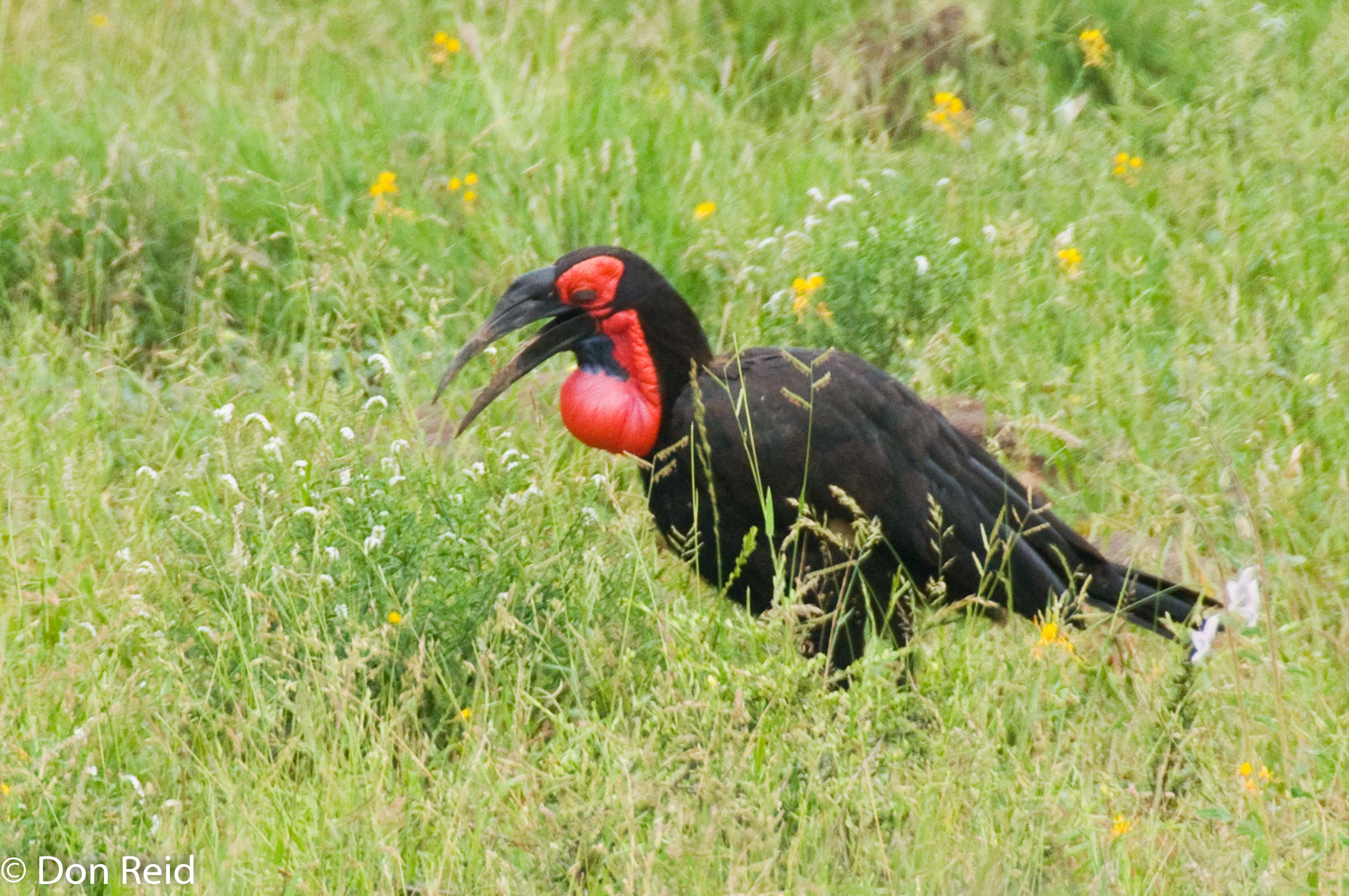
Ground Hornbill – no other reserve I have visited can boast as many of this iconic species

Ground Hornbill
Ground Hornbill


Red-billed Hornbill – there is a good chance you will encounter five Hornbill species during a visit – the one above plus the four smaller species being Red-billed as this one below, Yellow-billed, African Grey and Bradfield’s.

Red-billed Hornbill
Red-billed Hornbill


Yellow-billed Stork – occur regularly among the myriad birds that frequent the pools of the Chobe floodplain

Yellow-billed Stork
Yellow-billed Stork


Yellow-throated Petronia – an uncommon and not at all obvious species, this one happened to be perched near the Leopard with its half-eaten Impala

Yellow-throated Petronia


Kori Bustard – another species with a more than good chance of being spotted in the open areas with grass

Kori Bustard, said to be the heaviest flying bird in the world (5,5kg)


Bateleur – often seen soaring high in the air, this juvenile was perched in a dry tree near the track. One unique feature is their short tail which allows it to walk backwards – useful when trying to catch a snake!

Bateleur (Juvenile)
Bateleur (Juvenile)


African Jacana – this one had a few youngsters in tow, cute little fluffy chicks with outsize legs

African Jacana with little ones


African Fish-Eagle – no great river in Africa is worthy of the name unless it is frequented by  these magnificent birds of prey and Chobe has its fair share of them

African Fish-Eagle
African Fish-Eagle


Oxpeckers – the giraffes seem to attract the most oxpeckers but they are just as likely to be found on buffalo, kudu, impala

Red-billed and Yellow-billed Oxpeckers


Green Woodhoopoe – often heard before they are seen, this species is less common

Green Woodhoopoe
Green Woodhoopoe


The Close of Day – Sunsets for Africa

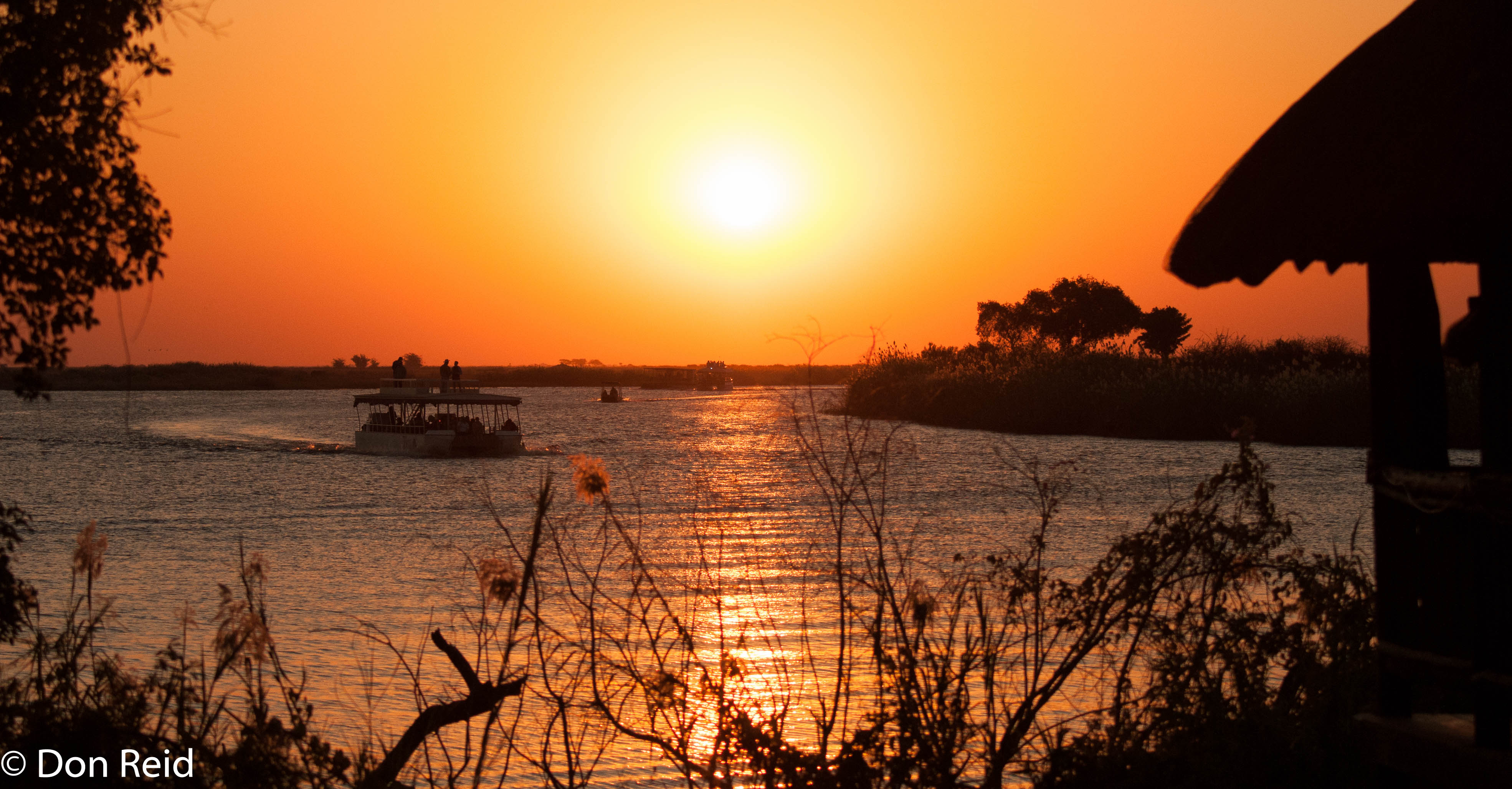
I don’t think I have seen sunsets anywhere in the world that can compete with those over the Chobe river – tell me if you agree!

Sundowners at the river


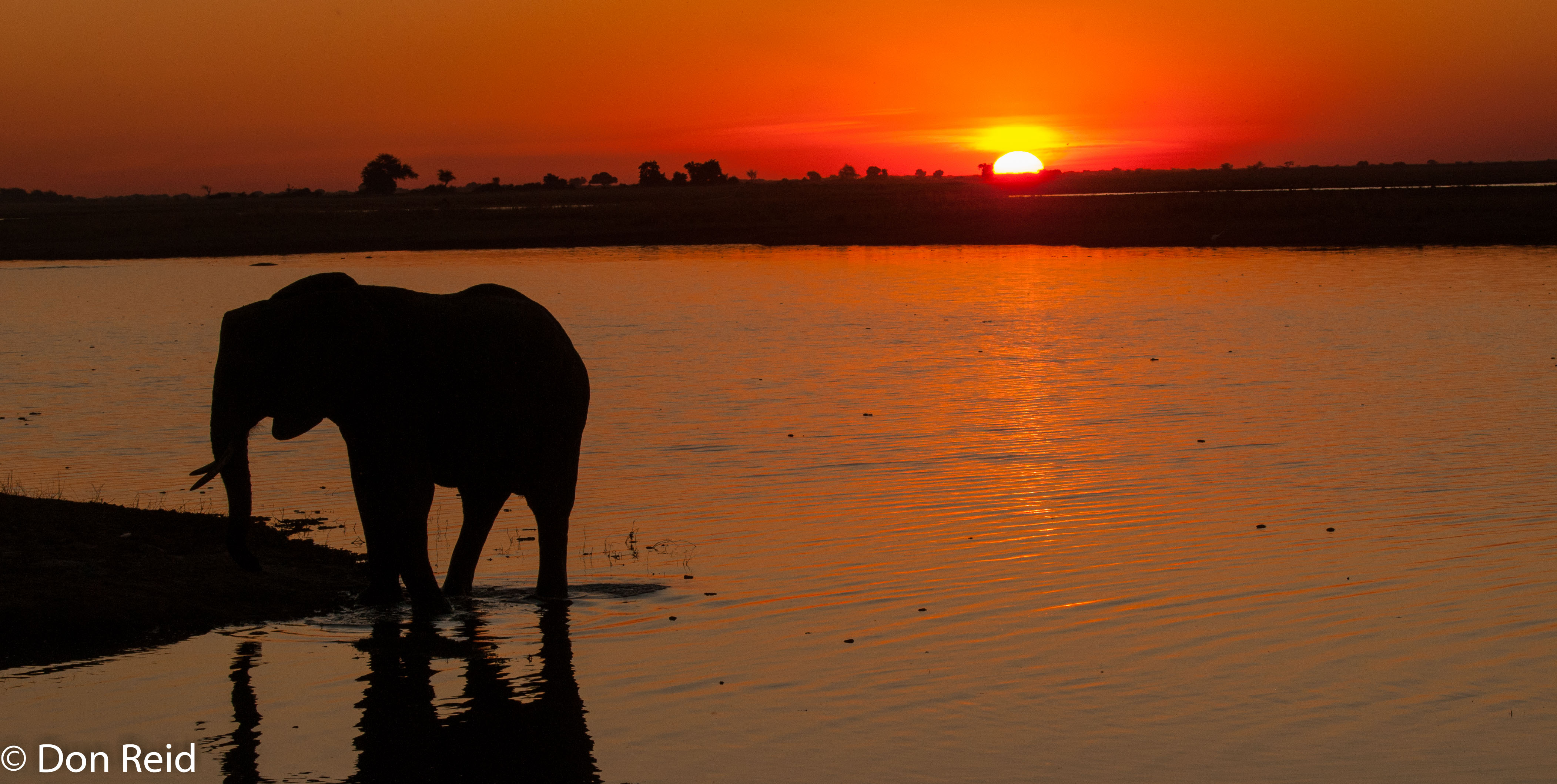
Elephant at sunset

Can’t wait for next time!