
These tales record some of the more memorable experiences while atlasing – in this case during January 2023 while we were at our ‘other’ home in Mossel Bay. (which we now call our only home after moving permanently in October 2023)
Continuing where I left off in Part 1 ….
Great Brak and Glentana 21 January 2023
Another Saturday ‘off duty’ from patient care (thanks to daughter Geraldine) meant I could plan an atlasing trip and decided to atlas a favourite area – Great Brak River and the adjoining Glentana.
I use the outstanding Birdlasser app for recording the species as I go, as most atlasers do, one of its features being a record of each sighting’s coordinates, among other details. The map below is the result, with each ‘balloon’ representing a species recorded as I criss-crossed the pentads along the available roads.
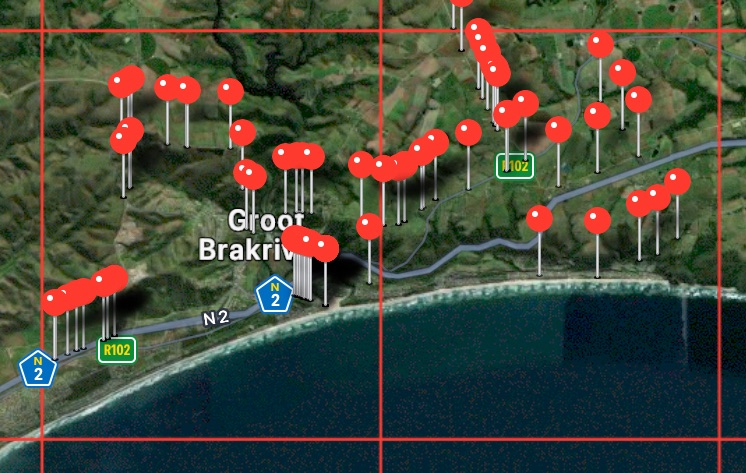
Pentad 3400_2210
So, to put the map into words, I started at 6.45 am along the N2 heading to Great Brak, pulling off the already busy National road at a spot which gave me a view of the fields and dams to the north. After 30 minutes I had 22 species logged which is par for a ‘good’ pentad.
Next stop after taking the Great Brak turnoff was the Suiderkruis road which adjoins the estuary all the way to the river mouth and is a great vantage point for viewing waterbirds.
During summer, when the water level in the estuary is favourable, it’s a magnet for waders and that was the case today with the ‘usual suspects’ present – White-fronted and Common Ringed Plovers, Greenshank, Little Stint and Oystercatchers.

Near the mouth the tern roost was busy with terns coming and going constantly – the three regular species were all there – Swift, Sandwich and Common Terns
That took me to 41 species and it was looking good for a high total (which is not the main point of atlasing but does inspire you to give it your best).
Inevitably the birding slowed from there as I headed inland towards the village, then up into the hills to complete a circular route through the countryside and back into town.

Next up was a road I had not explored before – Voorbrug Way which heads uphill again but eastwards and I soon found myself passing homes (mansions in some cases) on large properties built on “the heights”. It was not long before I reached the boundary of the pentad, as indicated on the car’s GPS, with a total of 62 species recorded after some two and a half hours.
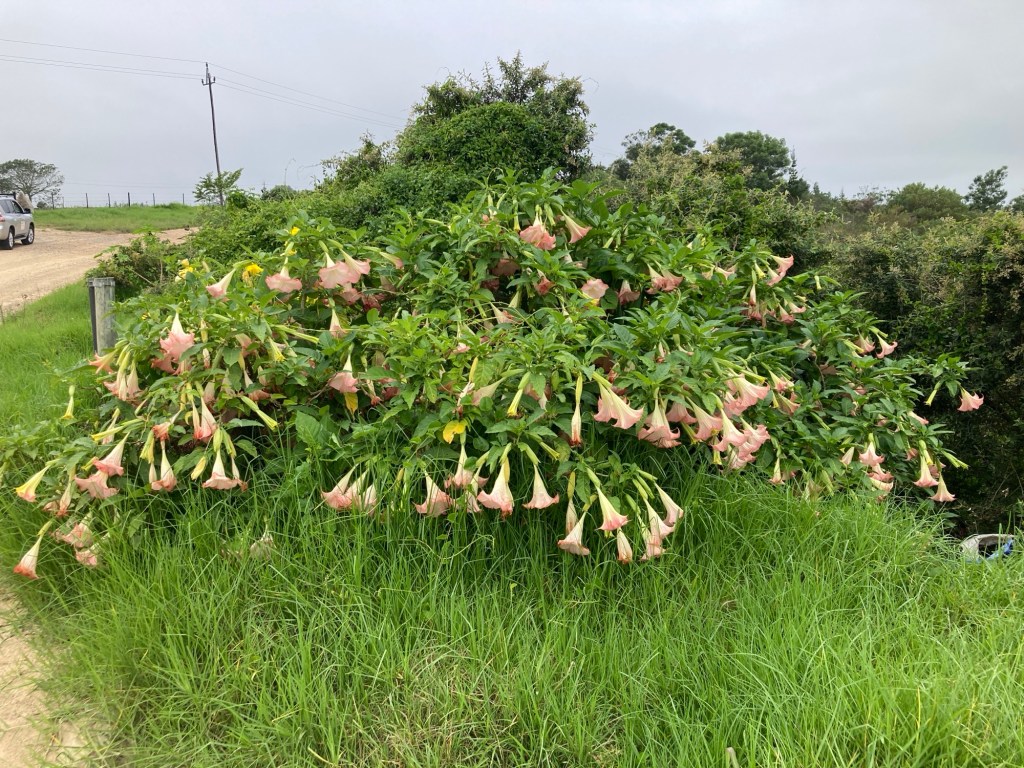
Driving along the back roads I just had to stop and inspect this spectacular flowering plant with flowers the size of dinner plates – turns out it is an introduced garden species native to certain South American countries and has a reputation for being poisonous although the sources say it is no more poisonous than the humble tomato plant

Pentad 3400_2215
I carried on along Voorbrug Way, which took me back to the R102 main road before heading northwards on the Jonkersberg Road. This road passes several farms and small dams – ideal countryside for a good variety of species as it serves the needs of both terrestial and water-based birds. The latter included Red-billed and Cape Teals, Cape Shovelers, White-faced and Yellow-billed Ducks and Little Grebe, in addition to the usual Coots, Moorhens and Cormorants – standard fare for the southern Cape but not often all seen in a pentad without a significant vlei or two.
Returning on the same road I then turned back to the coast and drove the length of the seaside town of Glentana, which did not add much to my list, but I managed a total of 49 species for the pentad.
Other highlights of the pentad were several –
- Four raptors in all – Black-winged Kite, Yellow-billed Kite (migrant), African Harrier-Hawk and Forest Buzzard

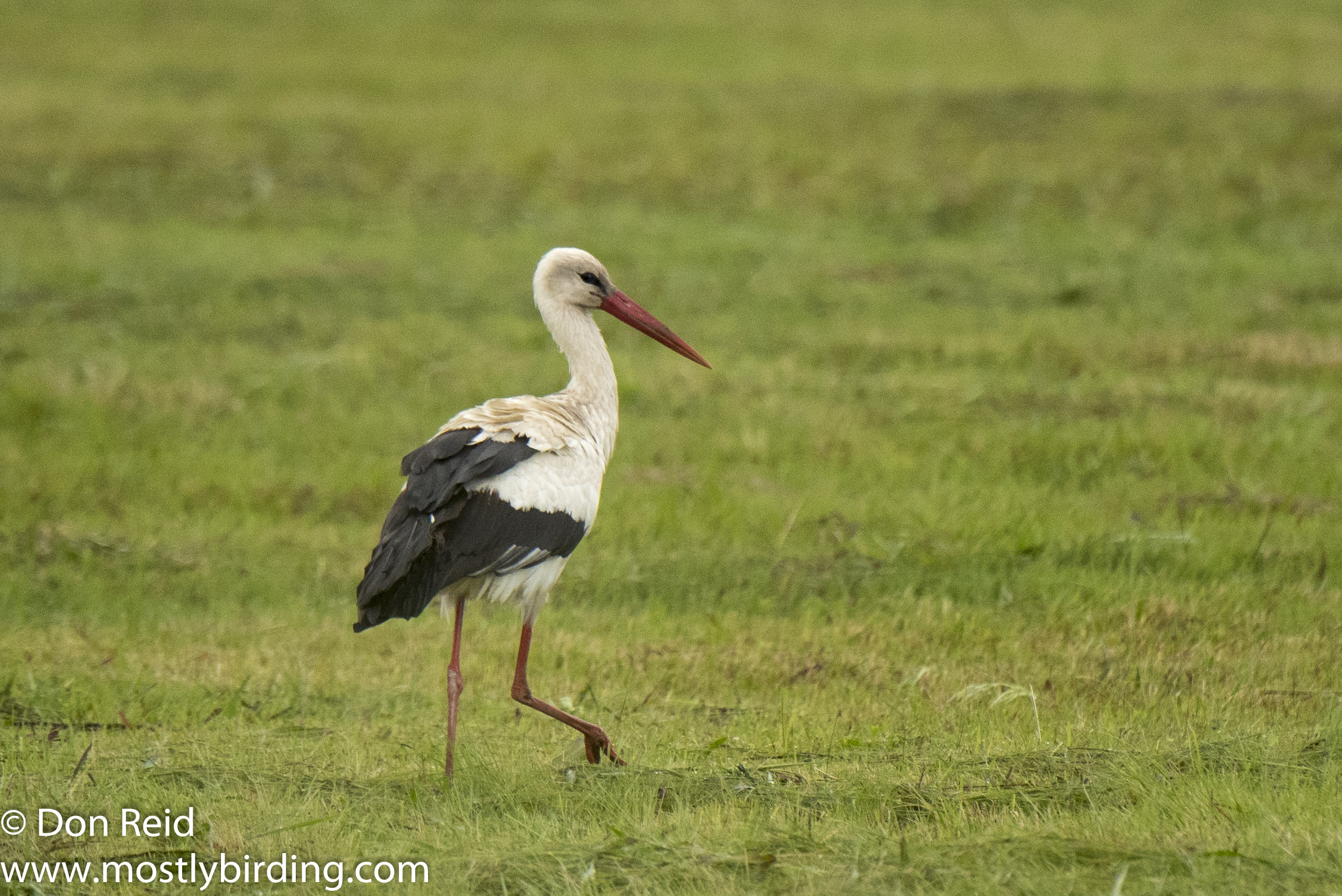
- White Storks sharing a field with many Egrets and Ibises
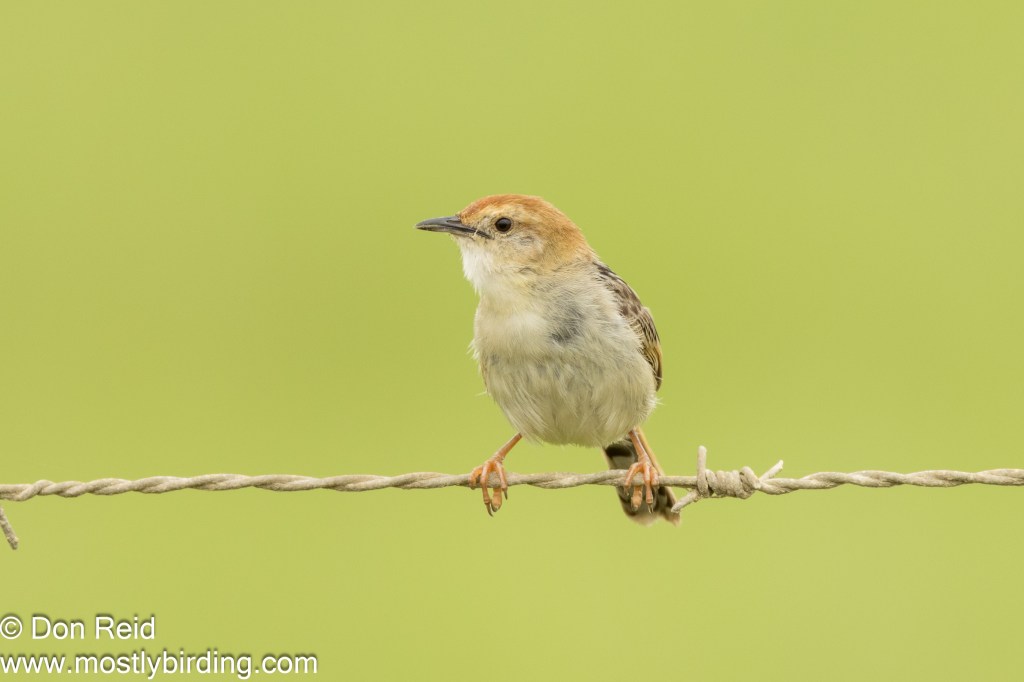
- Common Quail calling from longish grass but as usual remaining hidden
Hoekwil 30 January 2024
My last atlasing outing for the month was a short one while Gerda was having her next treatment in George.
After some essential shopping I headed to the pentad which incorporates the “Big Tree” forest near Hoekwil village. Starting in Waterside Road in Wilderness I proceeded east to Bo-Langvlei road then up the Hoekwil road.
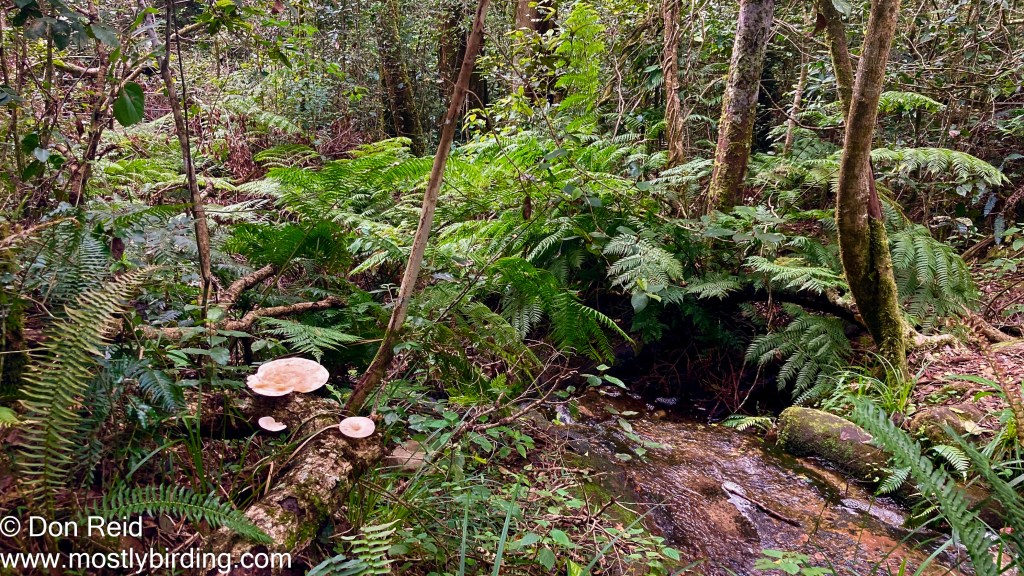
A windy day meant birds were few and far between, so I made my way to the forest parking area for a quick picnic lunch and spent the next hour walking the quiet trail where birds are more often heard than seen and lovely forest scenes lie around every bend in the trail.
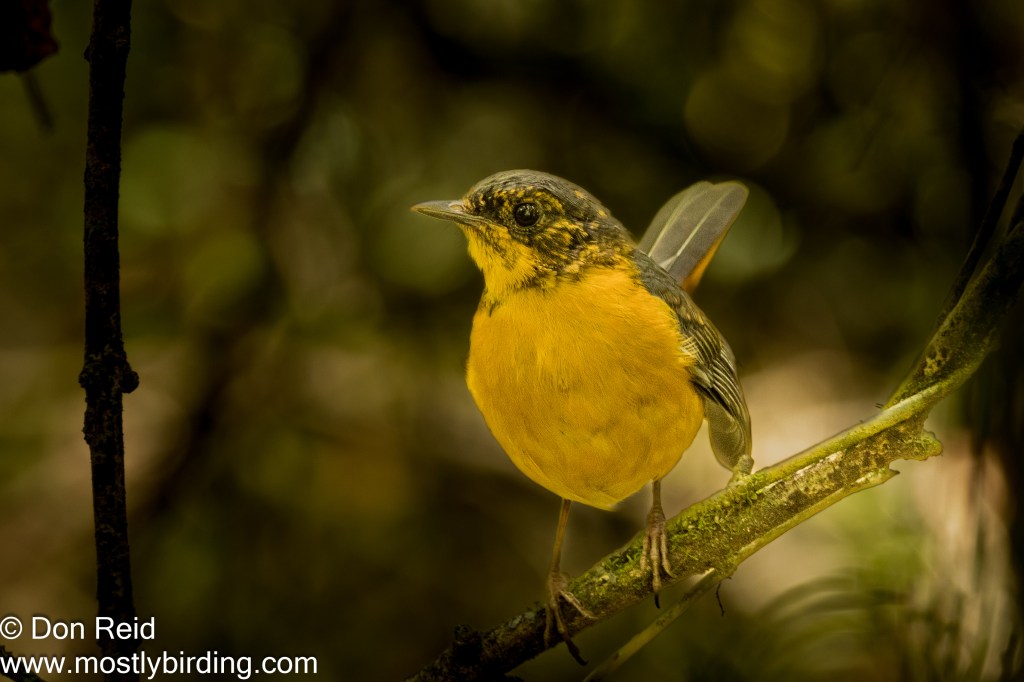
This juvenile Chorister Robin-Chat was curious enough to allow for a photo in the dark forest
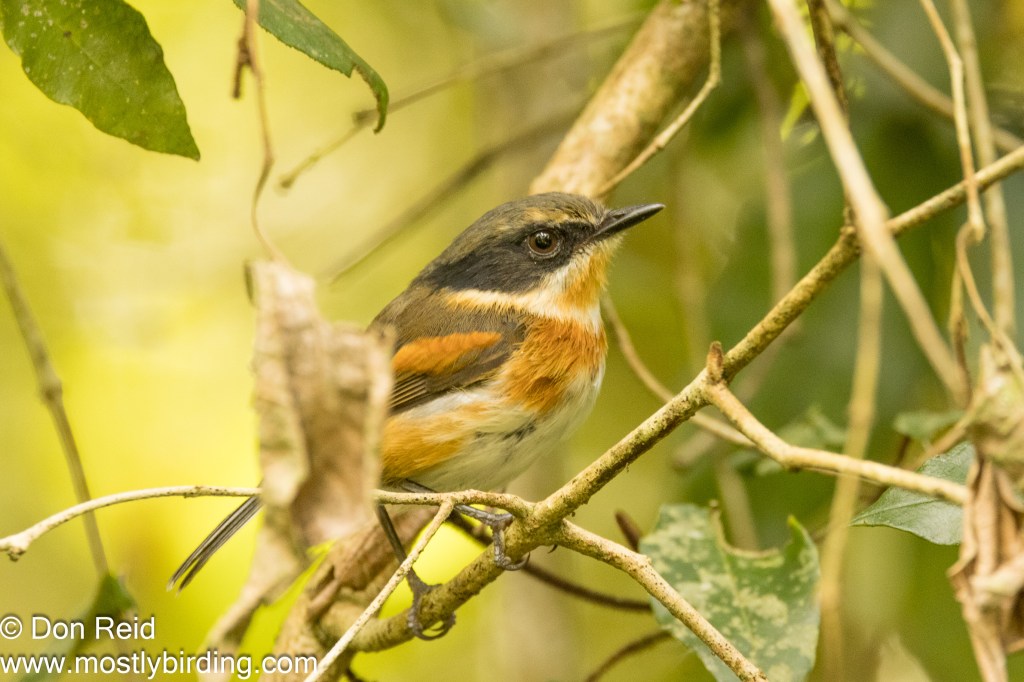
Cape Batis are quite common in the forest although not always easy to see – this was one of several sightings during my walk
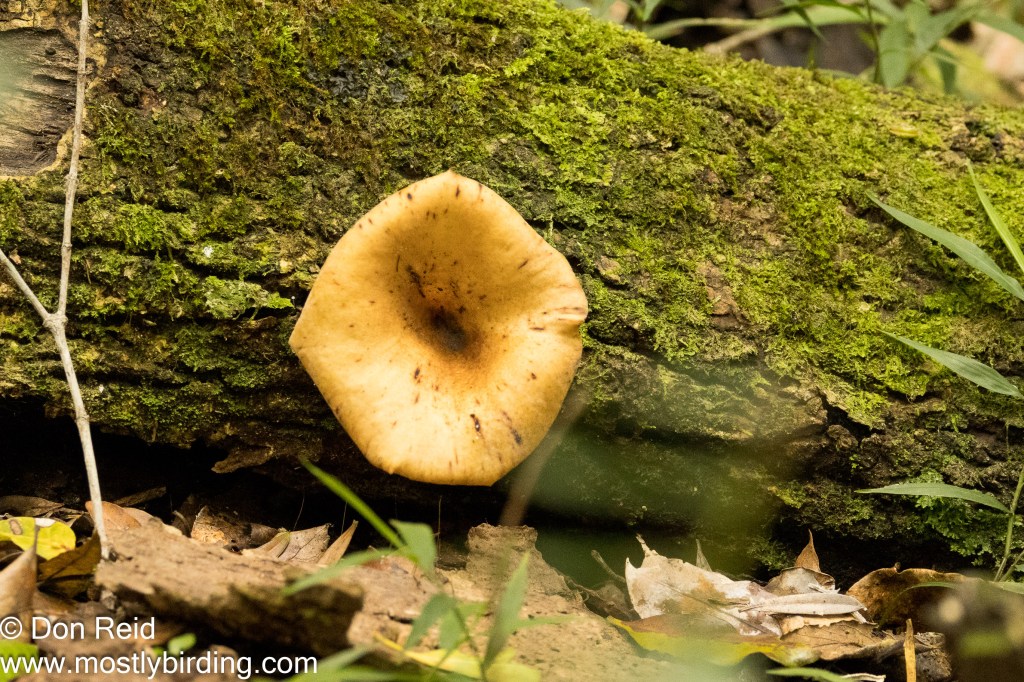
As with most forests, Hoekwil has many natural delights, apart from the birdlife, which tend to distract you from the task at hand and I found myself stopping to admire the bounty


Bird of the day was a charming little Yellow-throated Woodland-Warbler – not having seen one for a few years it was a special sighting
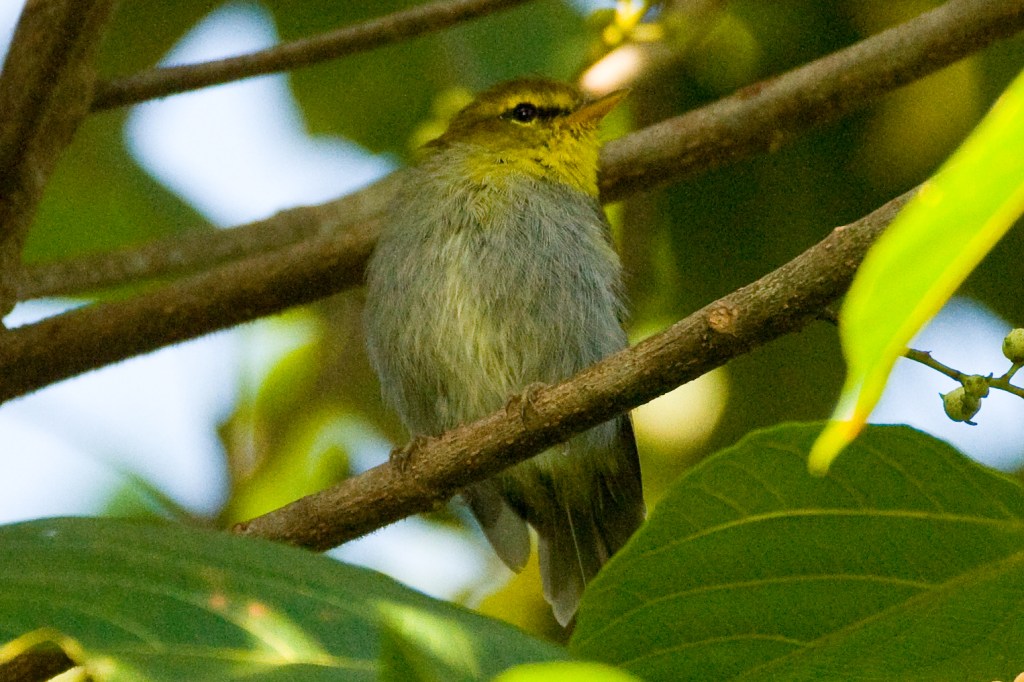
It had been a good month with a total of 167 species atlased and many special sightings among them
 Mostly Birding
Another treat from you! About the moonflower: as beautiful as they are, they can be toxic indeed. Having read about its toxic qualities and heard of some illnesses related to the handling of these plants, my father eradicated them from our garden and from others on the mine where we lived. I have since shaken my head at anyone who grows them in their gardens. Back to birds: I love the photograph of the Yellow-throated Woodland-Warbler for I have not seen one before.
That’s interesting – seems as if Moonflowers don’t belong in gardens, much like Oleanders (Selonsroos). As a child our parents told us not to touch the Oleander bush in the garden, although it seemed to attract chameleons which were fascinating to watch.
Oleanders .. we were taught the same 🙂
always special to do armchair travel with you Don. Thanks for sharing . Luckily I too can pop out (when I have a carer)to a birding spot/dam alongside Cresta. Over 100 E. Geese have been sitting there throughout winter. Zoo Lake must be depleted 😊
Lovely to hear from you Helen – and glad you can still get out to a local birding spot. We had many Gyppos in the estate in Pretoria where they took full advantage of the small dams and the food put out by the estate staff – became a bit of a nuisance in fact as they tend to be noisy and aggressive.
Such a lovely part of the world, Don. Your photos are stunning.
Quite a change from Gauteng but loving every moment, even the ‘4 seasons in one day’ weather