Kasane Botswana – Birding Spots in and around town

Kasane is a small town in northern Botswana, close to the Sududo Gate into Chobe National Park.

I would guess that most birders passing through Kasane are on their way from or to Chobe Game Reserve or further afield to Namibia, Zimbabwe and Zambia, the borders of which are all in close proximity.

As you drive around the town and the surrounding area, you realize that this is very much “Wild Africa”, a feeling which is reinforced by the signs on the main road past town that declare it a wildlife corridor. It is not unusual to encounter, as we did, Elephant, Wild Dogs, Hyena and Buffalo close to Kasane as we were on our way for a drive through the Riverfront section of Chobe (covered in my earlier blog) and before getting to the entrance gate!

The project in Kasane that I am involved in requires monthly visits to this small but interesting town and in the process I have discovered a few birding spots, with the assistance of my colleagues who know the town better, that are easy to visit for an hour or two in between other commitments.

I try to visit one of the birding spots during every visit and have built up a very basic knowledge of what to expect – the following notes are based on my limited knowledge and are not meant to be comprehensive, but can hopefully provide a starting point for the birder spending time in this special corner of Botswana.

Kasane Water Treatment Works

Location : On the eastern side of Kasane, off the intersection of the main road from town and the road to Zimbabwe

Description : The Treatment Works have the customary treatment ponds in a fenced off area – ask permission at the small office  just inside the gate if you want to walk around, but some of the ponds are visible from the tar road that runs alongside, so that you don’t necessarily have to enter the site. As always, the quality of birding varies with the level of the ponds.

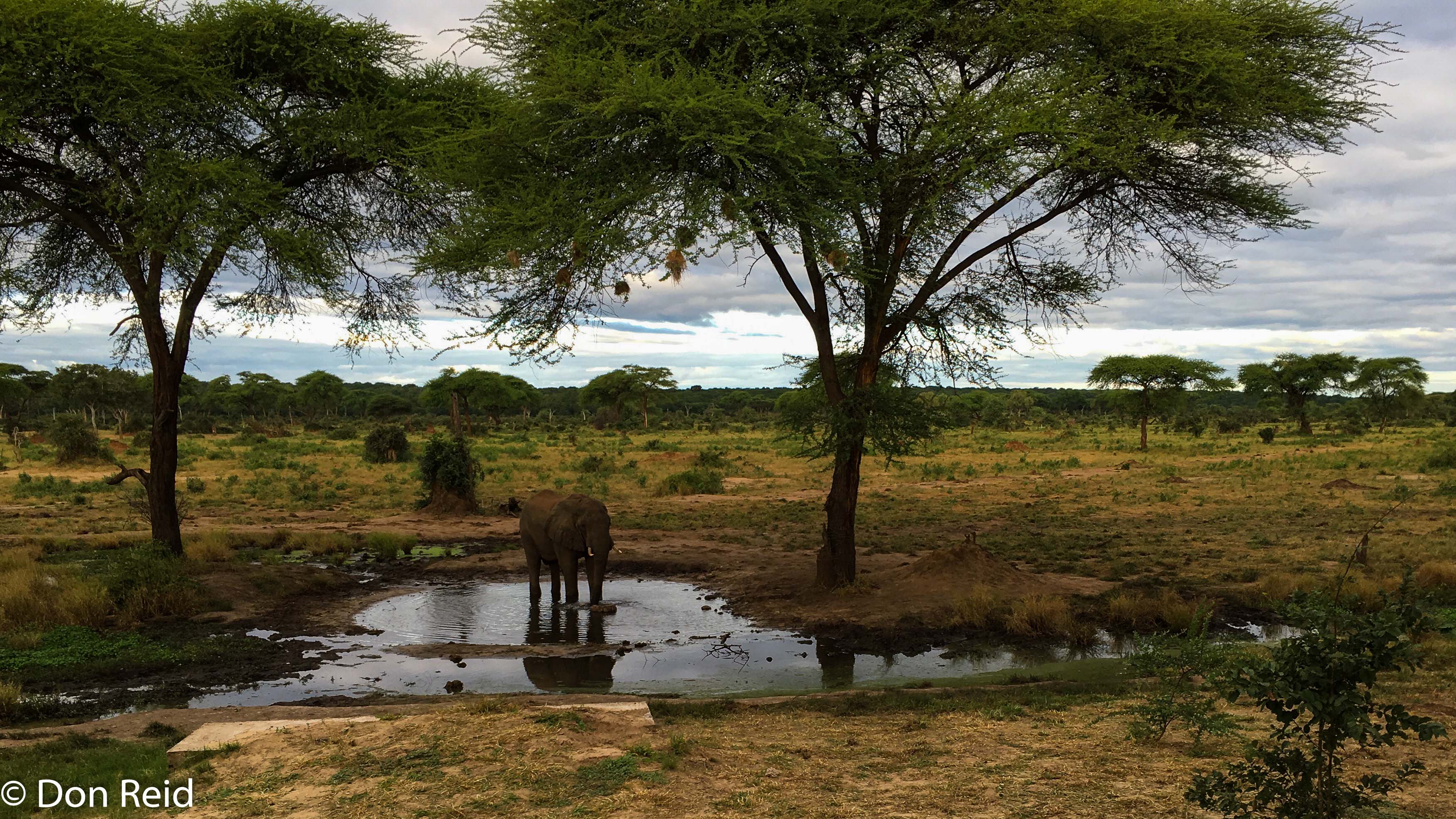
In addition there is a fair-sized dam alongside the works and being outside the fenced off area, you can approach it by taking the track that leads off to the left as you approach the Treatment Works. Do be aware however, that elephants use the dam as a watering spot so keep an eye out for them.
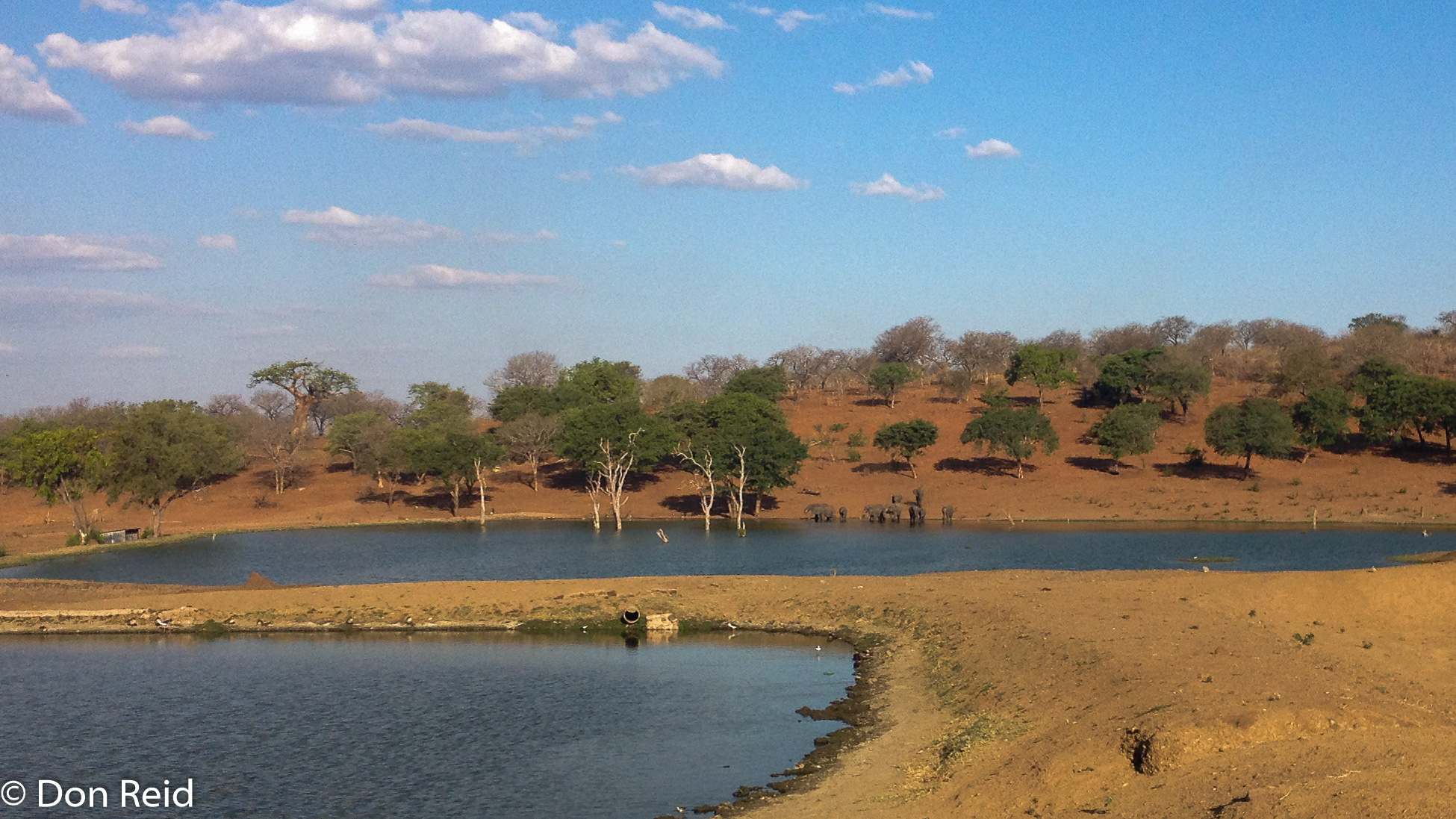
Kasane water treatment works - elephants drinking in the distance!
Dam at Kasane water treatment works – elephants drinking in the distance!
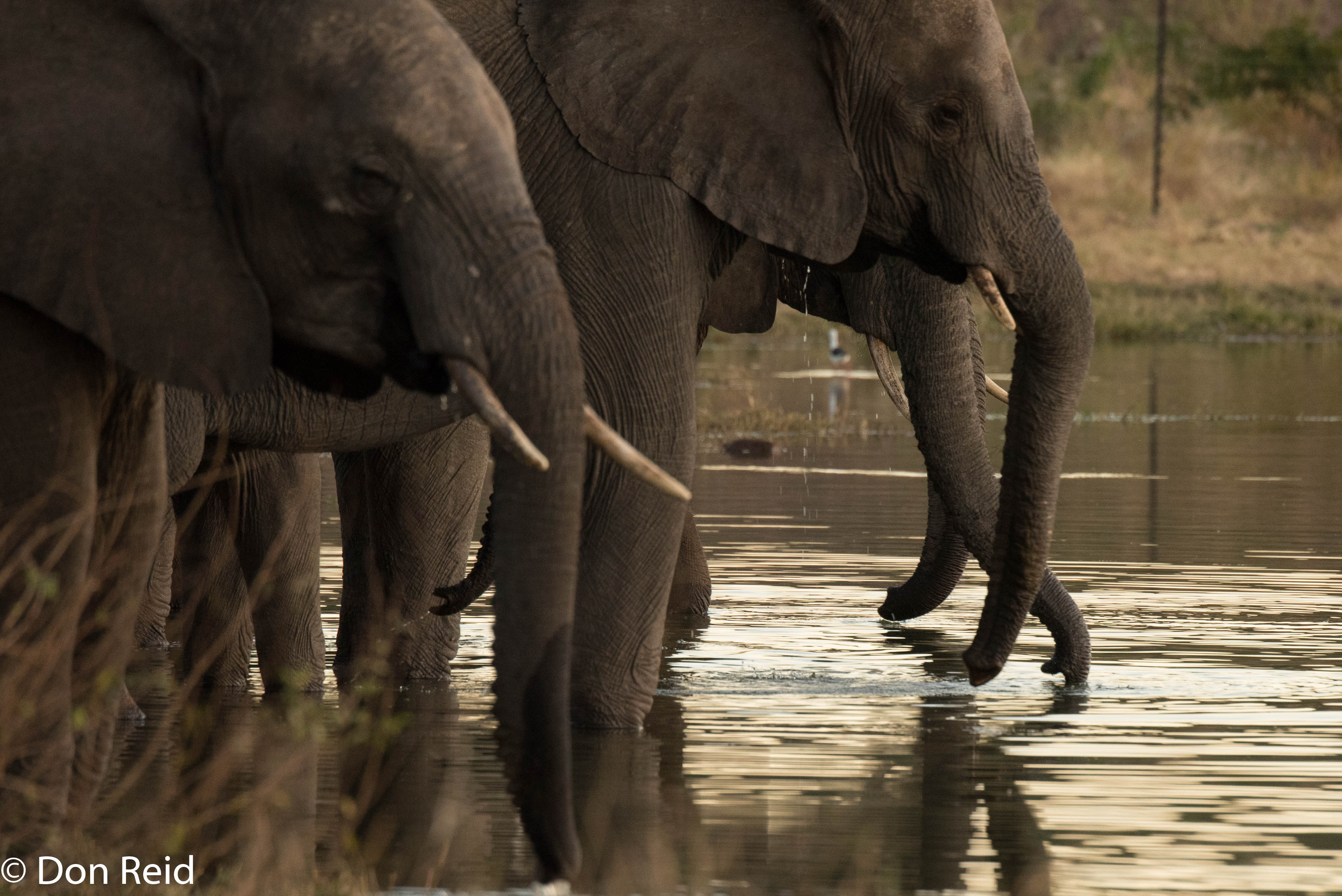
Elephants drinking, Kasane Water Treatment
Elephants drinking, Kasane Water Treatment works dam

Bird life : Many water birds are attracted by the ponds and adjoining dam – all the usual ones such as Cormorants, Herons, Egrets and Ducks and depending on the time of year and water levels you can expect numbers of waders including African Jacana, Ruff, Black-winged Stilts and Wood Sandpipers. Smaller waders such as Three-banded Plover, Kittlitz’s Plover and Little Stint are common here.
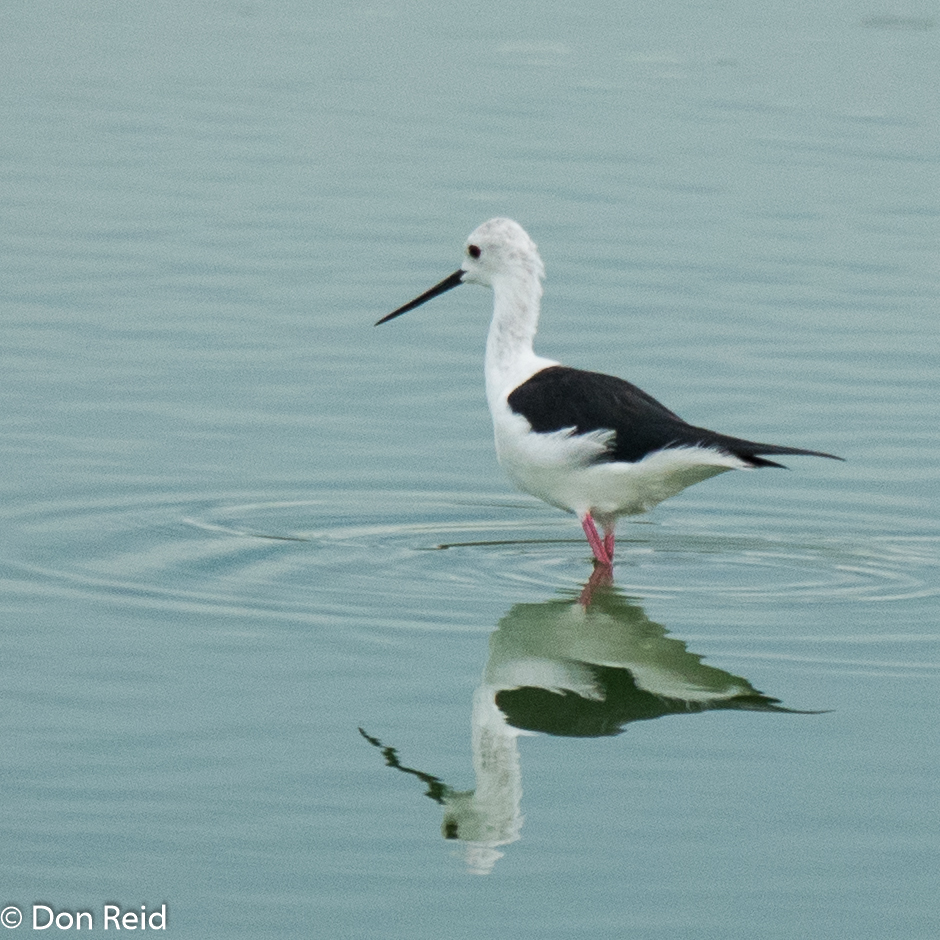
Black-winged Stilt, Kasane Water Treatment
Black-winged Stilt
Egyptian Goose, Kasane Water Treatment
Egyptian Goose
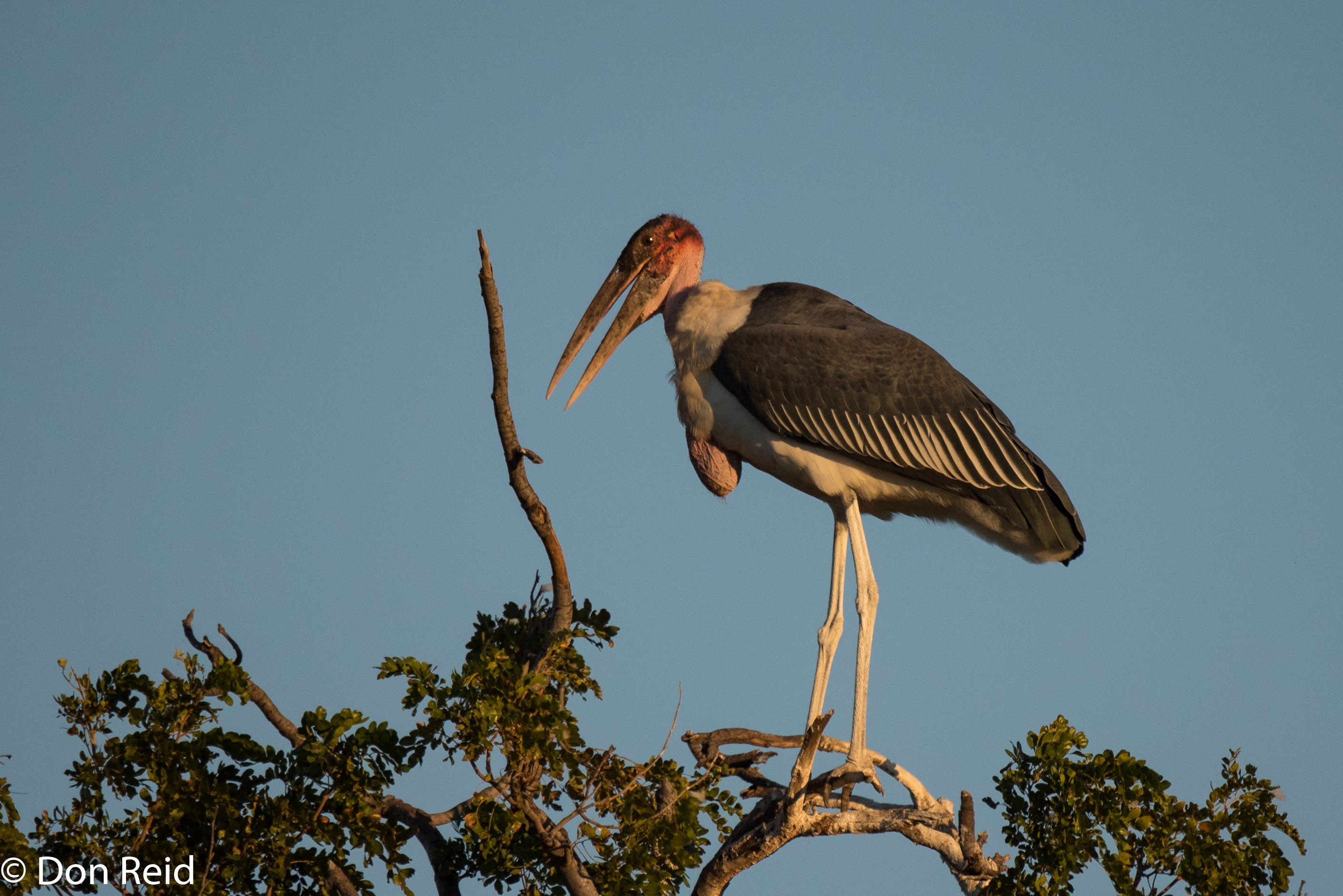
Marabou Stork, Kasane Water Treatment
Marabou Stork – they congregate in the trees around the Treatment works at dusk
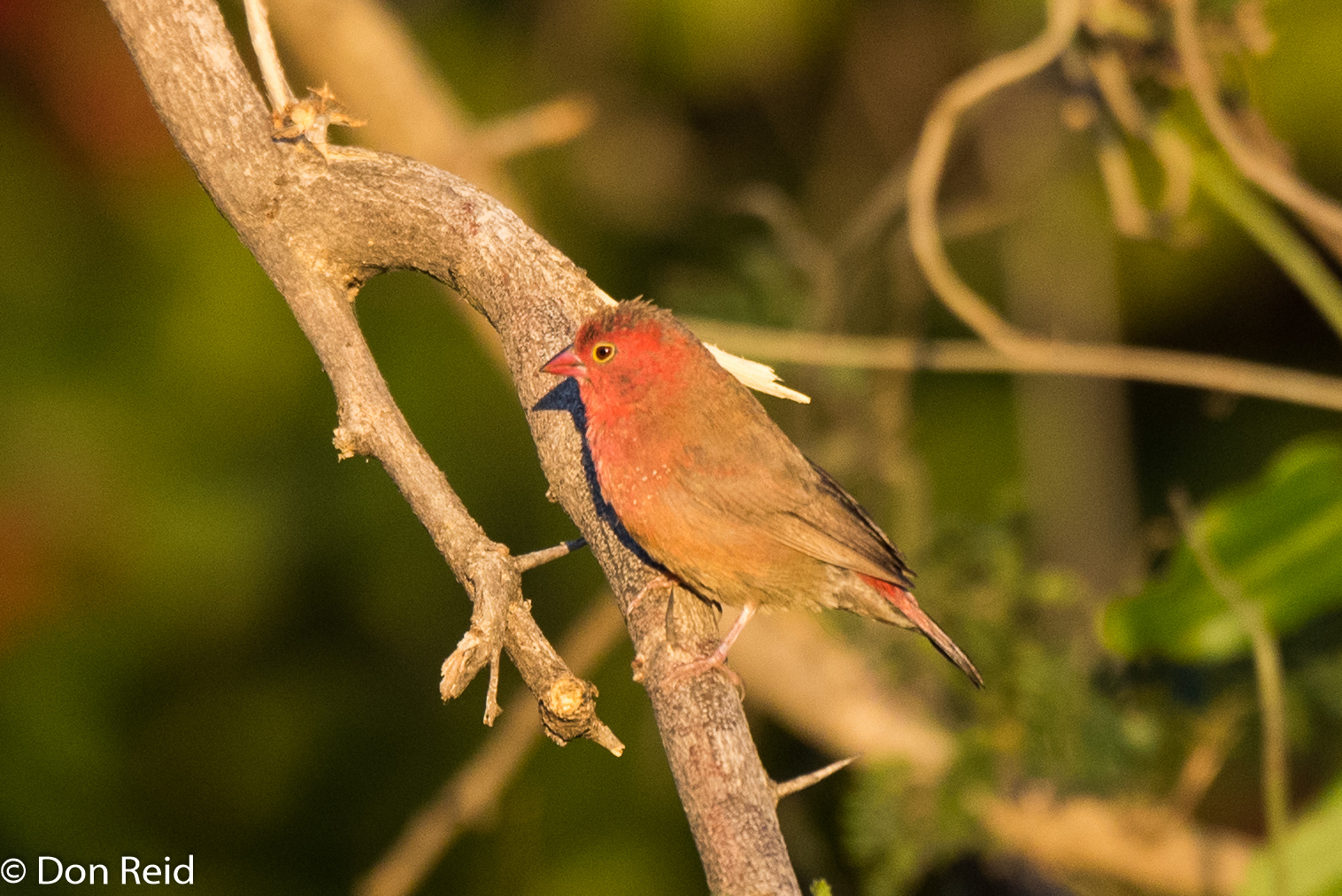
Red-billed Firefinch, Kasane Water Treatment
Red-billed Firefinch

Seboba Nature and Recreation Park

Location :This is a real gem which I covered in more detail in a separate post – suffice to say it is well worth a visit.

The small park lies along the river at the spot known as the Seboba rapids and has a nice mix of habitats and a variety of bird life.

I have covered this spot in a separate post : Kasane, Botswana –  Seboba Nature Park

Camping Site and Sundowner Spot

Location : Chobe Safari Lodge camping site on the outskirts of town on the western side

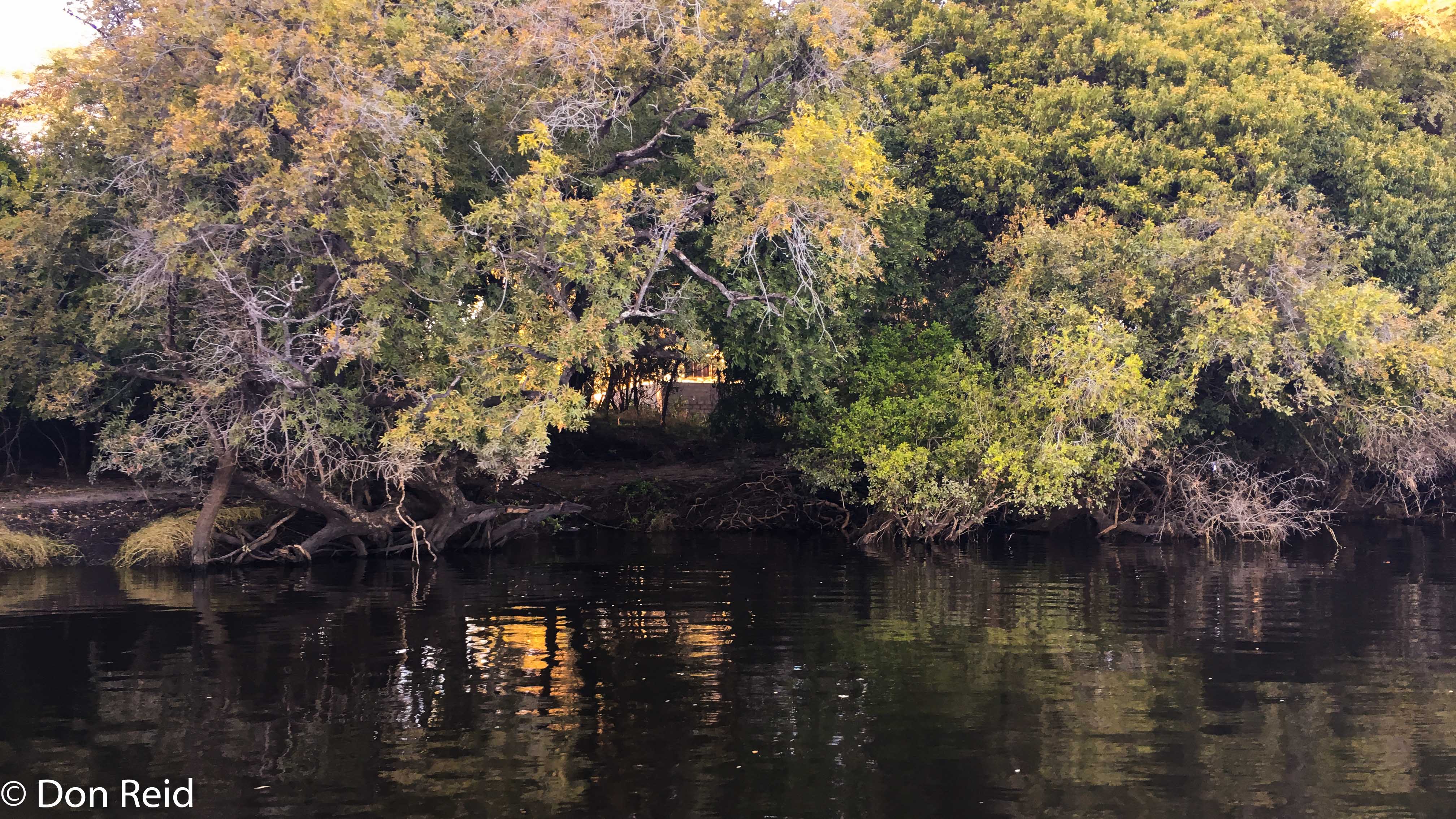
Description : The main attraction of this spot is the deck overlooking the Chobe river – treat yourself to one of the most spectacular African sunsets you are likely to see, as you enjoy a drink on the deck late afternoon. The channel in front of the deck gets quite crowded with boats in season, all loaded with tourists enjoying the sunset and its reflection, which transforms the Chobe waters into a deep red as you watch.

Sunset, Chobe Game Reserve
Sunset viewed from the deck at Chobe Safari Lodge camping area

Chobe Game Reserve

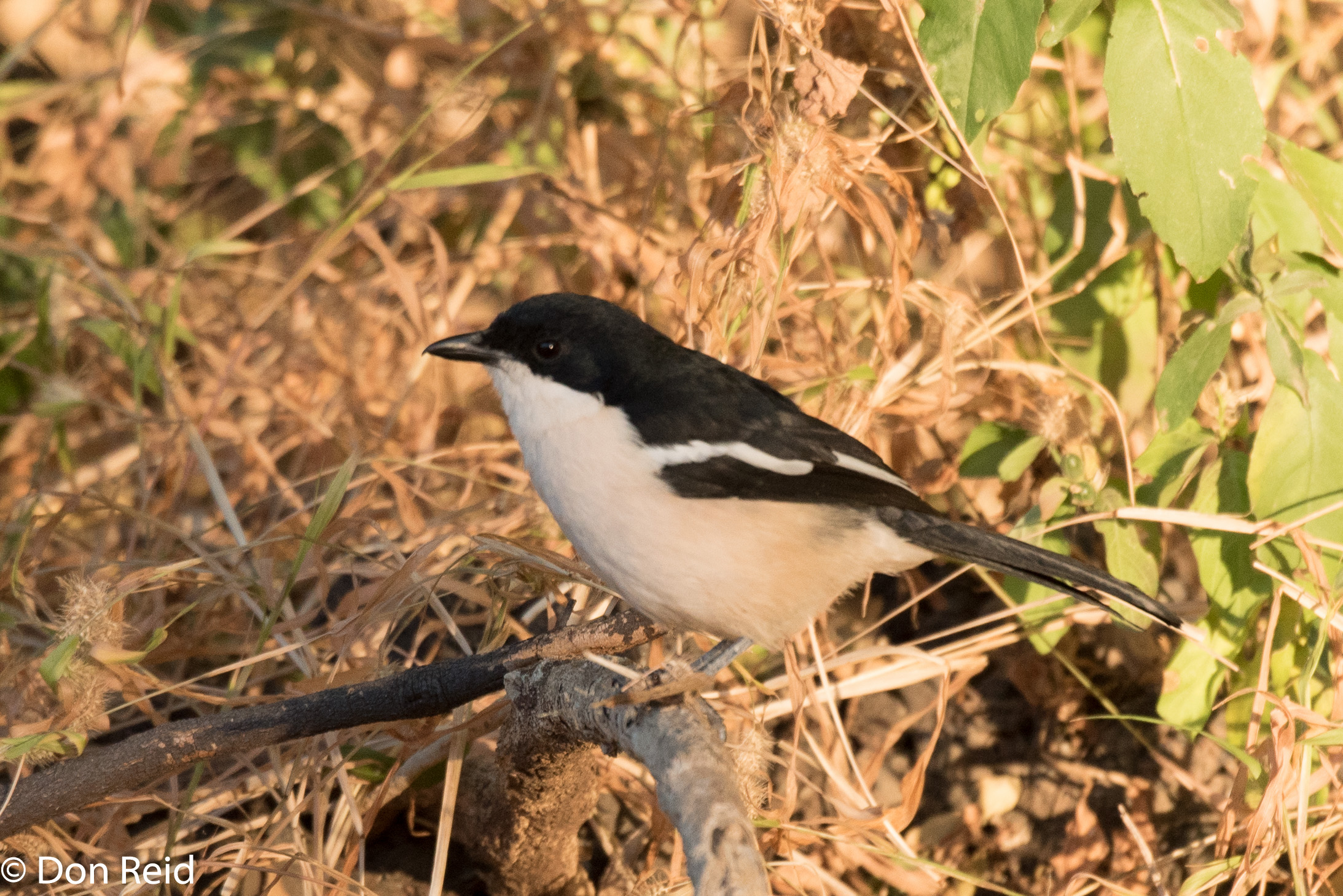
Bird life : while waiting for the sun to set and after it has disappeared beyond the horizon, listen for the bird life in the adjoining bushes which are favoured by the likes of White-browed Robin-Chat and Tropical Boubou, while the rank vegetation adjacent to the deck is home to Red-faced Cisticola whose ringing call is quite distinctive. There will more than likely be a Kingfisher or two in the vicinity and the floodplain on the opposite banks of the river is often occupied by tens if not hundreds of birds – Cormorants, Ibises, Openbills and the like. At certain times African Skimmers may be around flying in their unique way close to the water.

Glossy Ibis, Chobe Game Reserve
Glossy Ibises making their way down river at dusk
Afrcan Skimmer, Chobe Game Reserve
Afrcan Skimmers at sunset

Thebe Safari Lodge

Location : Compared to some of the well-known lodges in Kasane, Thebe caters mostly for more economical tour groups and particularly the large safari trucks full of younger tourists wanting an adventurous trip through Southern Africa’s wilder spots.

I have stayed there a few times and found the rooms comfortable and clean and, importantly, not “over-the-top” expensive as some of the more upmarket lodges tend to be

Description : The lodge grounds boast a variety of trees and shrubs which attract many birds and are a delight for the birder who chooses to take an early morning or late afternoon walk.

Bird Life : Birding around the grounds and gardens is excellent and best done by walking the property as thoroughly as time allows and covering all the habitats. Even before sunrise the bird calls will have you up and eager to get outside as the birds compete for “best call in garden”. Expect to hear and see Mourning Dove, Tropical Boubou, Orange-breasted Bush-Shrike, White-browed Robin and  Spectacled Weaver without too much trouble.

White-browed Robin-Chat, Thebe Safari Lodge
Tropical Boubou, Thebe Safari Lodge

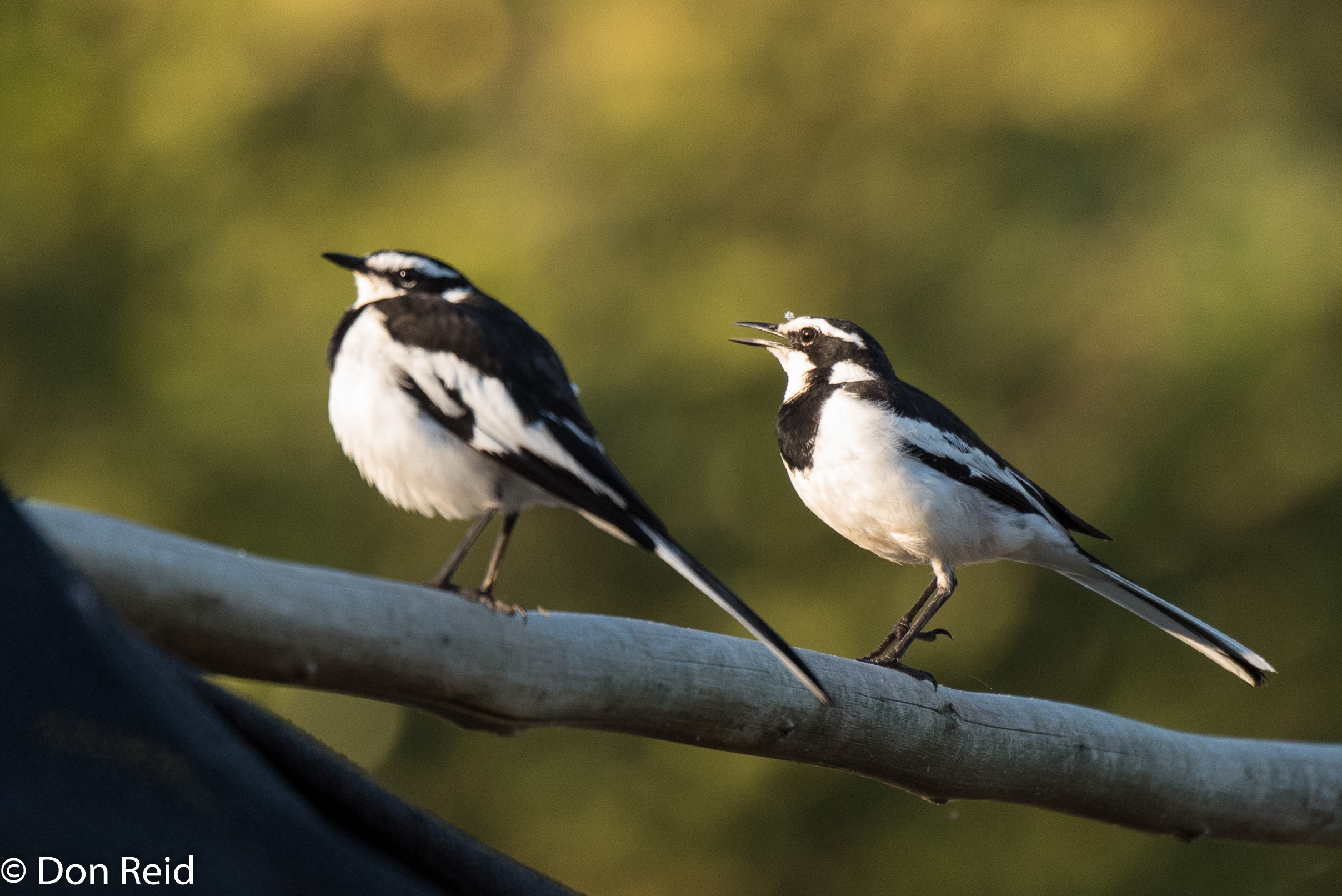
Bush lovers such as Yellow-bellied Greenbul, Grey-backed Camaroptera, Red-billed Firefinch and Blue Waxbill are not difficult to find, while closer to and over the river there is a chance for various water birds doing a fly past and perhaps an African Pied Wagtail …. or two.

Yellow-bellied Greenbul, Thebe Safari Lodge
African Pied Wagtail, Thebe Safari Lodge
African Pied Wagtail, Thebe Safari Lodge (could that be the female on the right I wonder?)

Senyati Safari Camp

Location : This spot is not as close to Kasane as the spots described above, nevertheless it is close enough (20Km) to make it an easy place to visit even if time is limited. Take the road from Kasane to Kazangulu, some 10 Km away, then turn off on the A33 towards Pandamatenga and look for the camp turn-off after about 7 Km. Best time for birding is probably late afternoon but if you use their accommodation (self-catering) you can spend more time there in the morning.

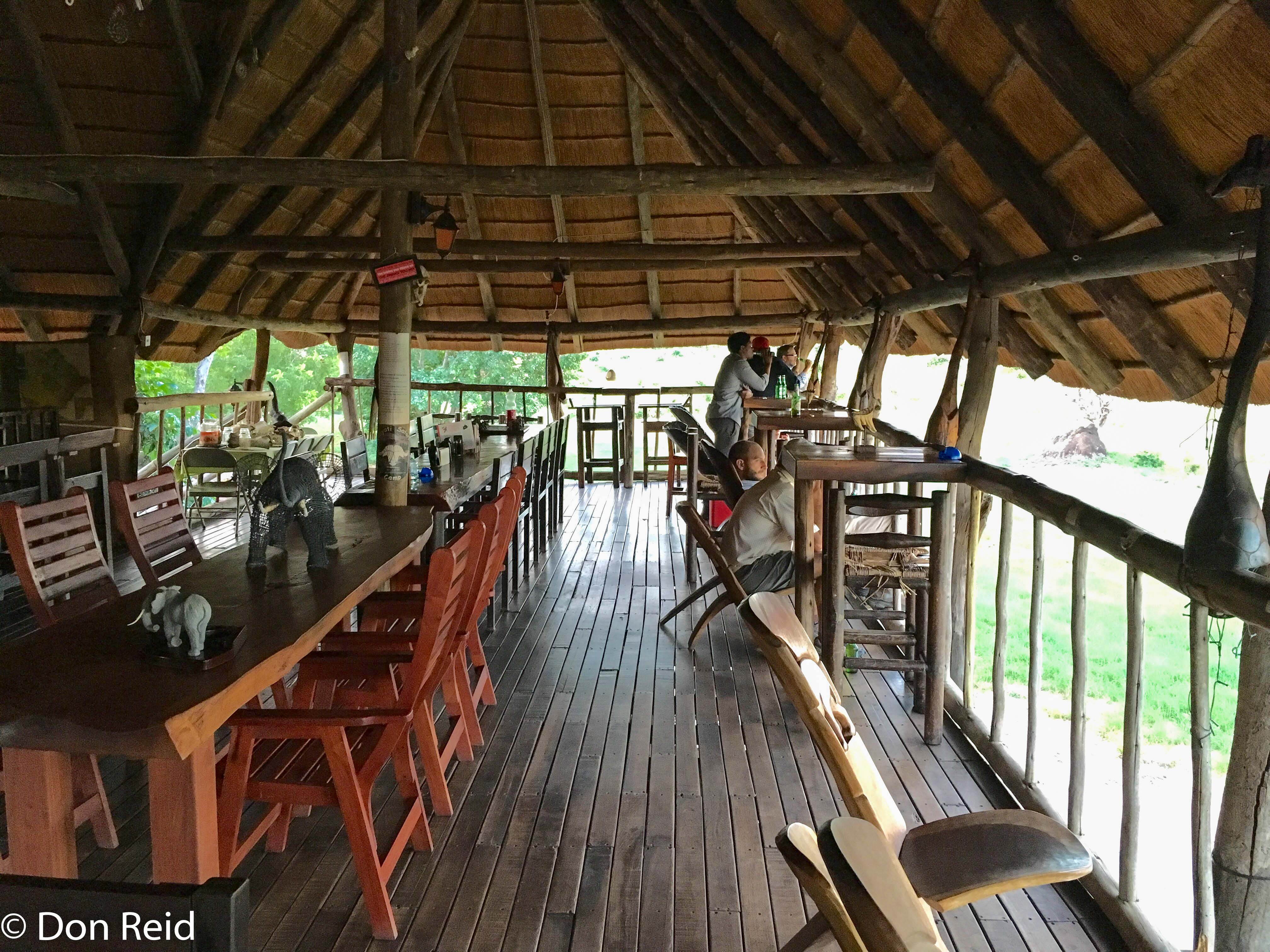
Description : The main feature is the deck with a cash bar and seating overlooking the plains in front of the camp, stretching to the distant Zambesi River, with the focus point being an artificial waterhole which is frequented during the day by a variety of game and, of course, birds.
Senyati camp
Senyati camp
Senyati camp
Senyati viewing deck
Senyati camp
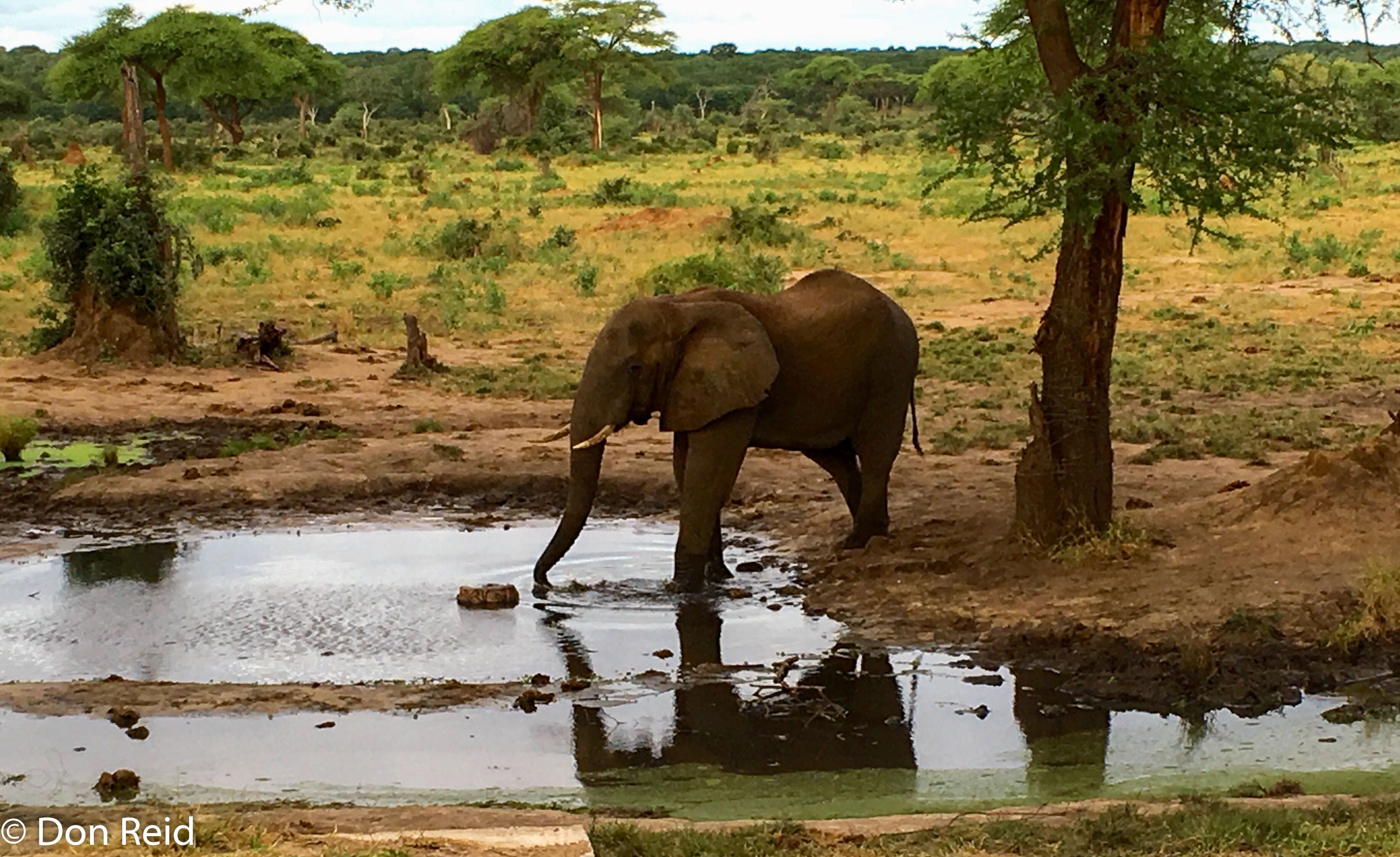
View of the waterhole and plains

There is also an underground tunnel which you can walk along to a ground level hide right next to the waterhole – quite exciting if there are elephants present as you are literally metres away from them!

Senyati camp
View from the ground level hide
Senyati camp
Senyati camp – view from the deck

Bird Life : My one visit so far produced a good list of species in a short time, including Arrow-marked Babbler, Red-billed Hornbill, Wood Sandpiper, Grey-headed Bush-Shrike, Knob-billed (Comb) Duck and Red-billed Spurfowl. The potential for some excellent birding at this spot seems good. Unfortunately I had left my camera at the guest house so had to make do with non-digital memories other than the above taken with my pocket camera (which I also occasionally use to phone)


Kasane, Botswana : Chobe River Birding


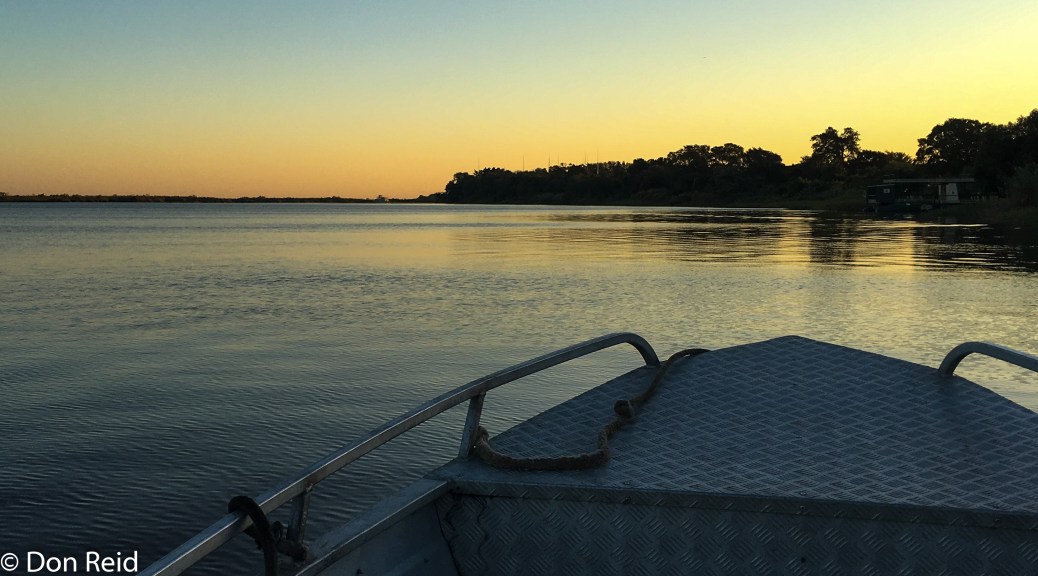
Of all the birding experiences you can have, the water-based ones seem to be the most memorable. I had been looking for an opportunity to do a boat trip on the Chobe River in northern Botswana for a year or more and in July this year I decided to make it happen.

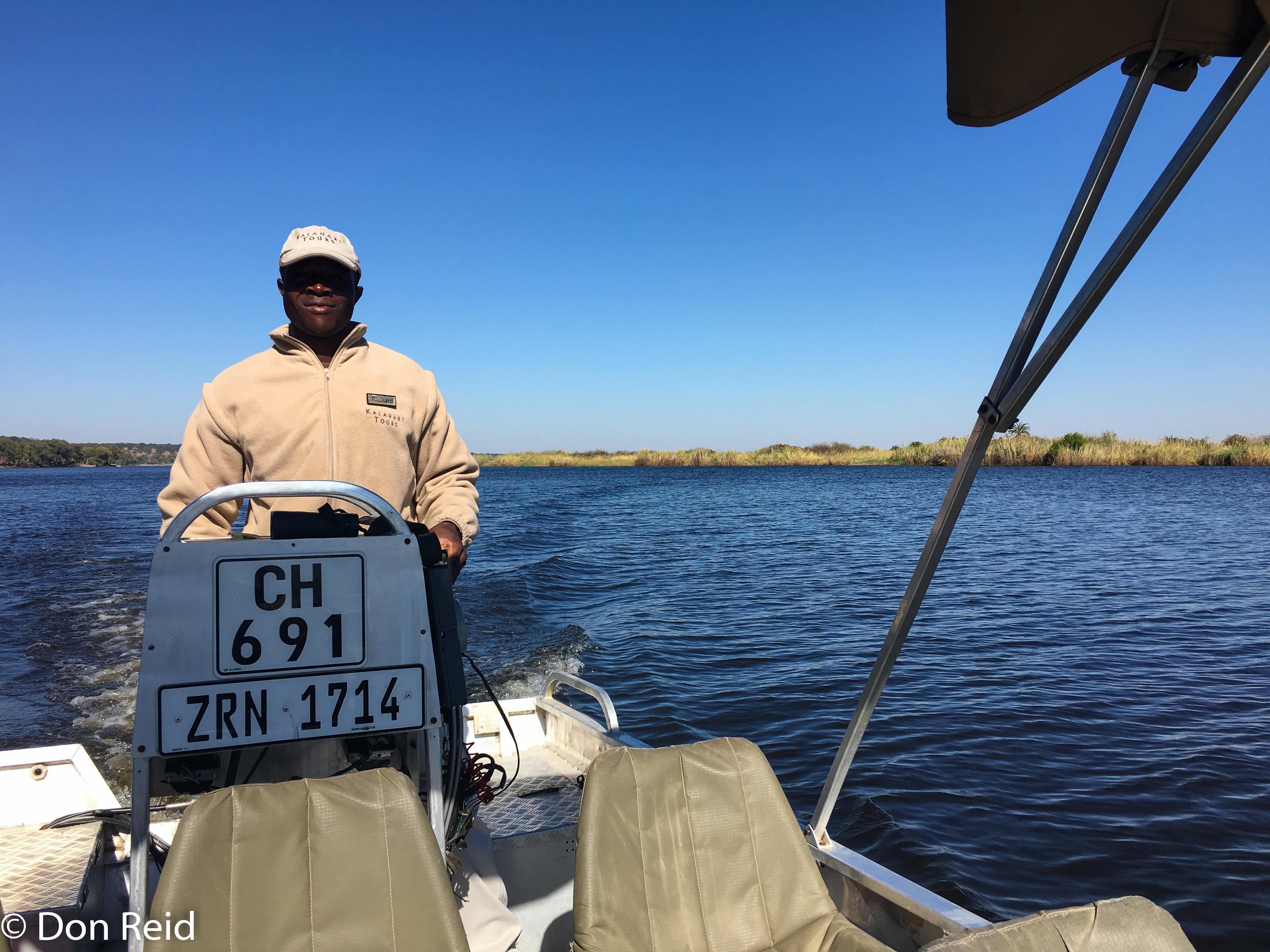
There are a few boat rental companies in Kasane and I chose Kalahari Tours based on a colleague’s recommendation – they were able to accommodate me early on the Friday of my monthly visit and I arrived at the reception on the stroke of 7 am, armed with my binos, camera, snacks and a warm jacket to ward off the cool wind that was coming up.

The boat was of aluminium construction, sturdy looking, hopefully Hippo-proof and fitted with 2 rows of three comfy seats with a fold-down canopy over. I took up position in the middle seat of the front row, being the only guest that morning, doing my best to look as if this was my customary position in all boats I travelled in, and spread my gear on the adjoining seats.

Richard, Chobe River Boat Trip
Richard, boatman and bird guide extraordinaire

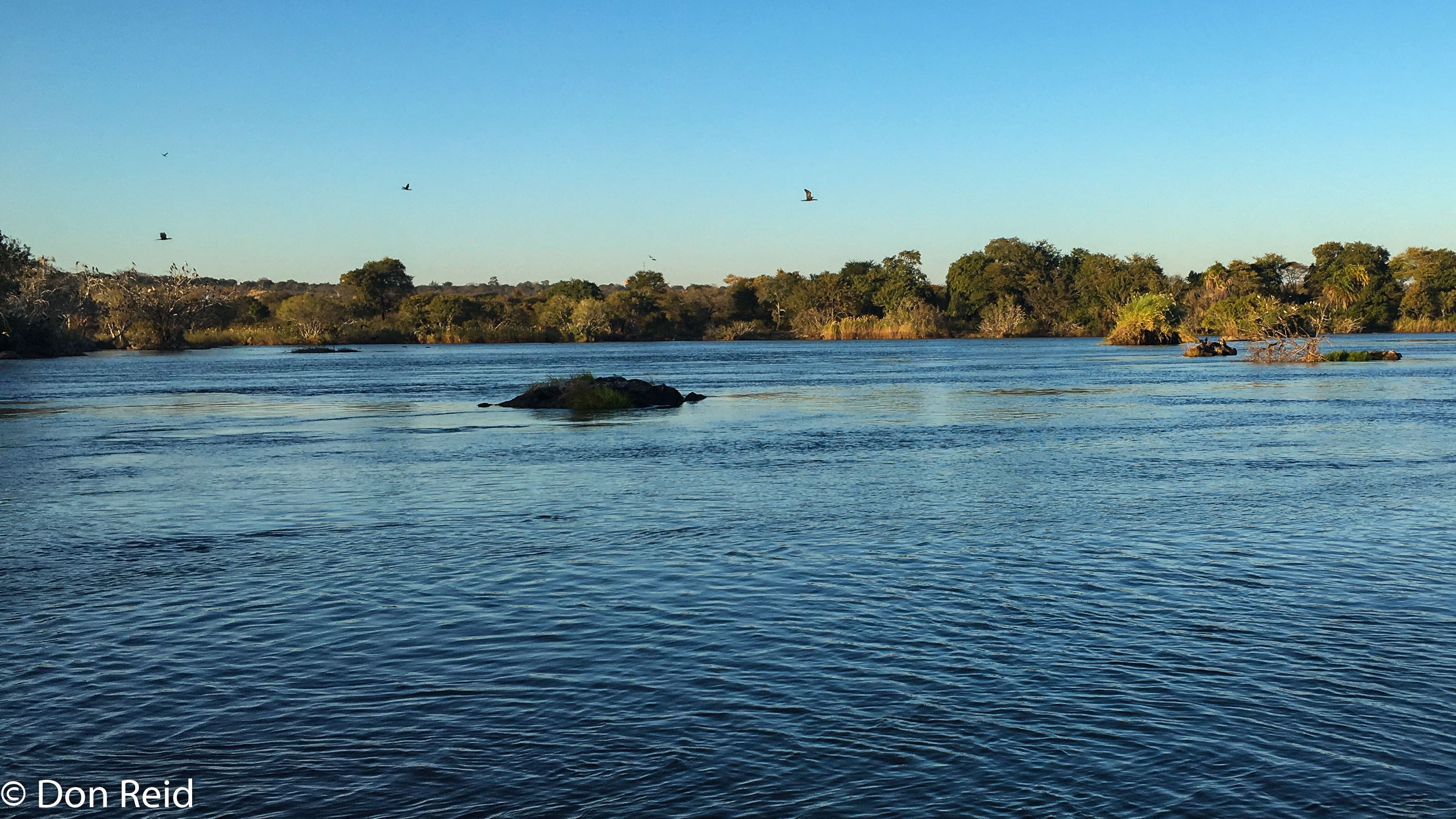
The boatman, Richard, took us out smoothly, initially downstream and around a wide bend in the majestic river, to the Seboba rapids where the river runs faster over unseen obstacles below the water. As we approached the rapids hundreds of Cormorants, Gulls and other large water birds were heading out from their roosts to feeding areas upstream.

Seboba rapids
Seboba rapids

There were still many birds roosting in the trees at the rapids, on the banks and on small islands in the middle of the river and Richard carefully approached as close as possible to allow intimate views of the birds and their youngsters.

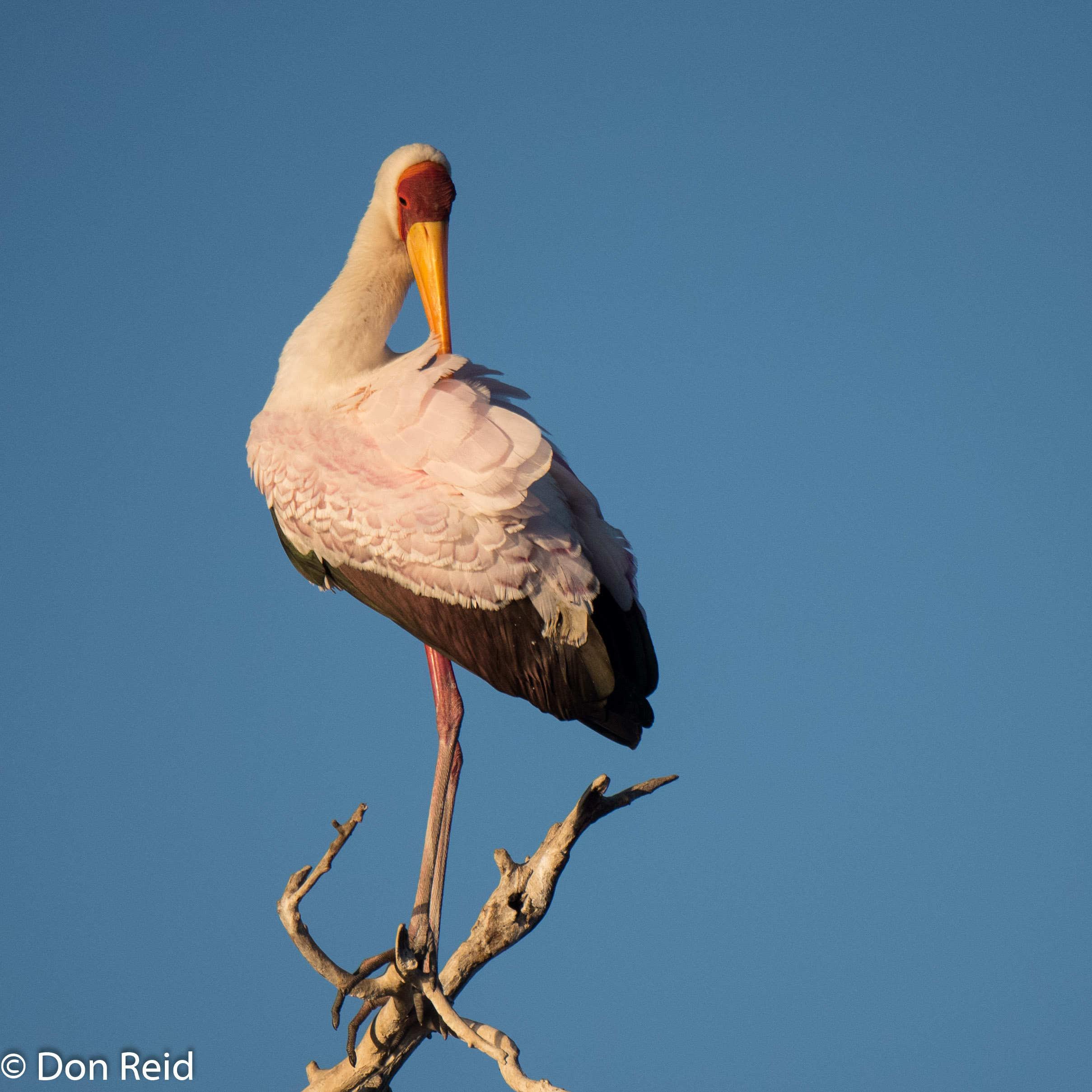
Yellow-billed Stork, Chobe River Boat Trip
Yellow-billed Stork
Yellow-billed Stork, Chobe River Boat Trip
Yellow-billed Stork family
Yellow-billed Stork, Chobe River Boat Trip
Yellow-billed Stork

Most visible were many Yellow-billed Storks with their fluffy grey and white youngsters crowded into one part of a tree. White-breasted Cormorants were numerous, some tending to nests in the tops of trees. My neck was already feeling the effects of trying to keep up with the action and the constant movement of the birds in and out of the trees, and up, down and across the river. We were literally surrounded by birds, in numbers second only to the masses that gather at trawlers on pelagic trips.

White-breasted Cormorant, Chobe River Boat Trip
White-breasted Cormorant

Amongst the massed Storks and Cormorants were many other species such as Purple Heron, African Spoonbill, Great Egret and Green-backed Heron.

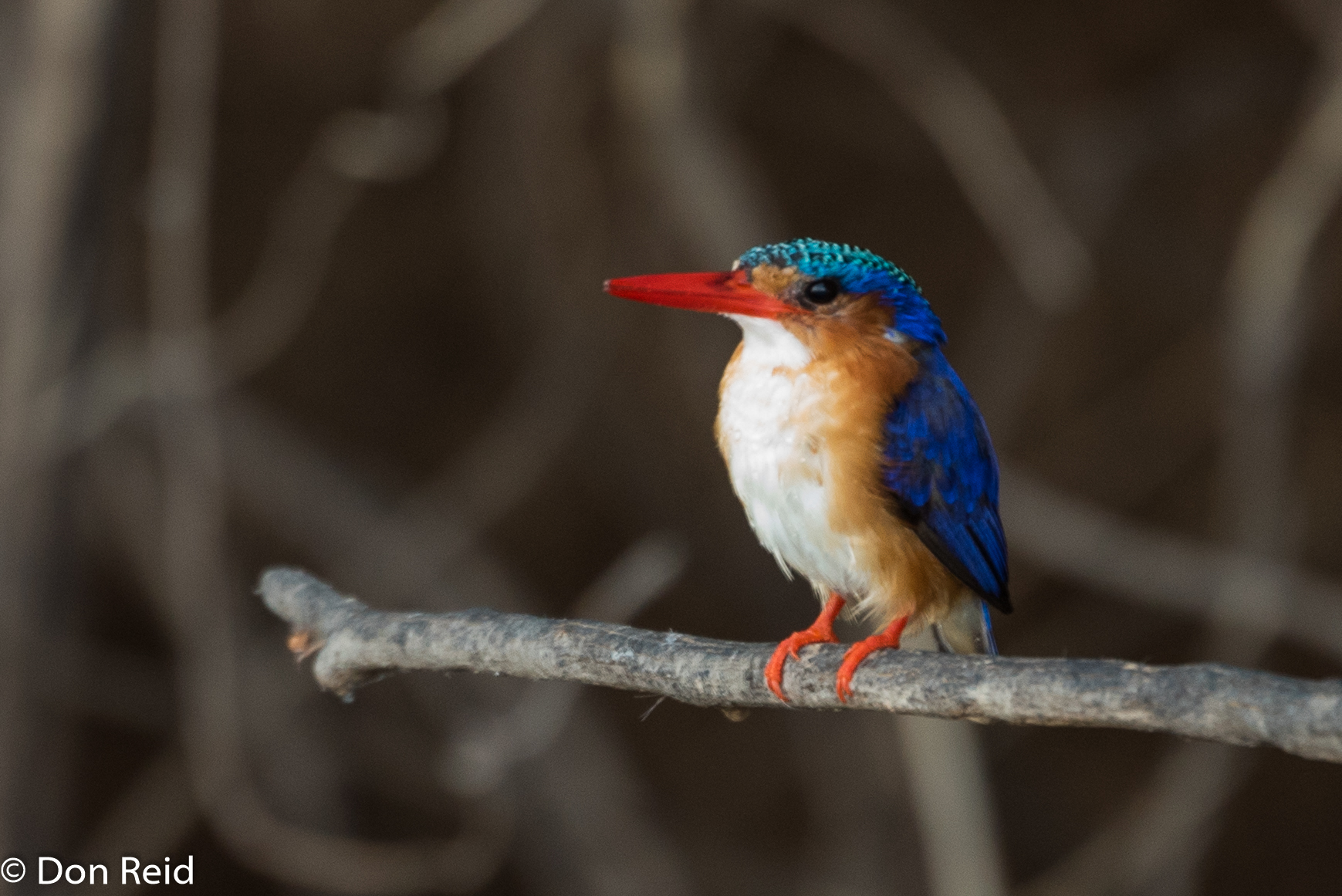
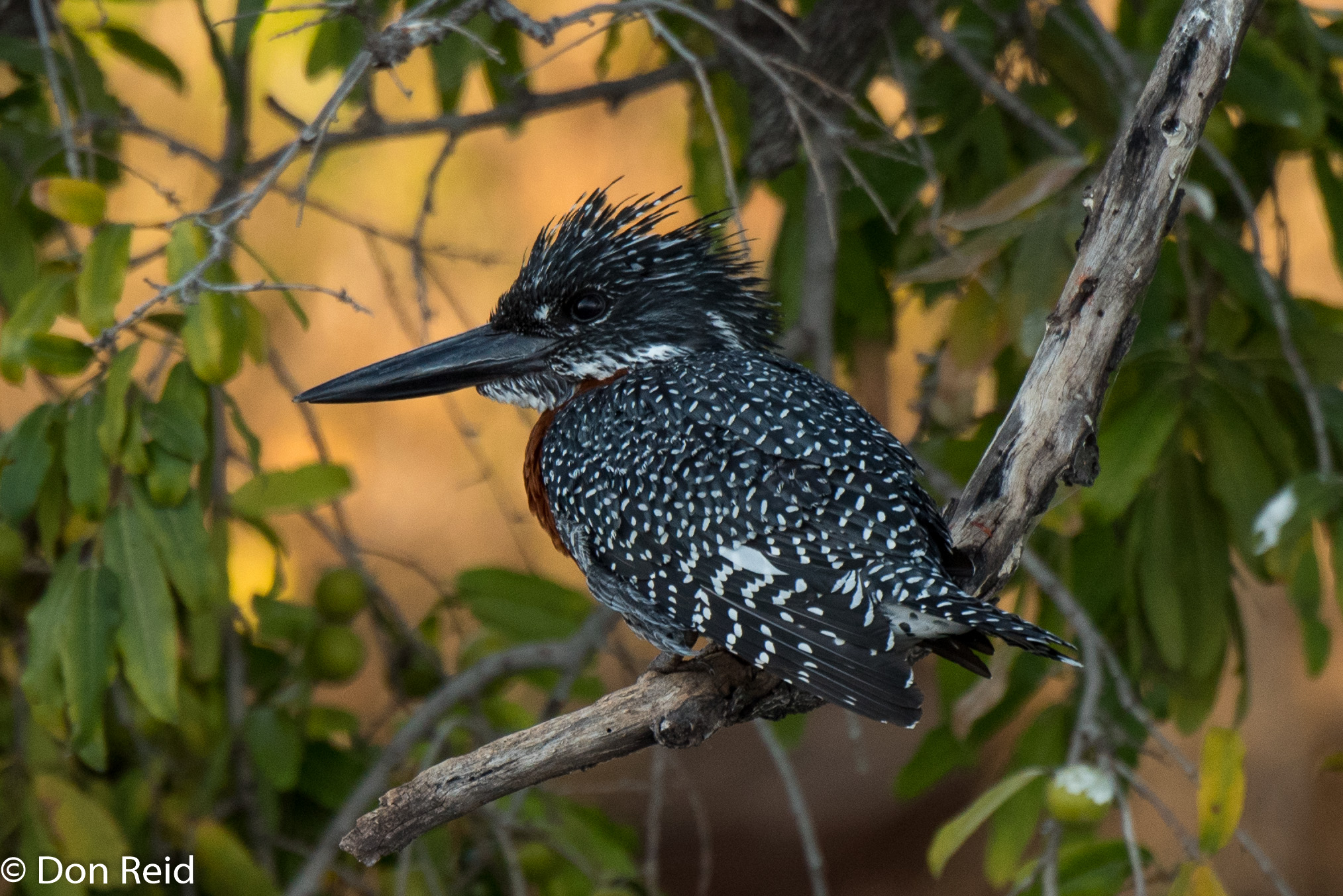
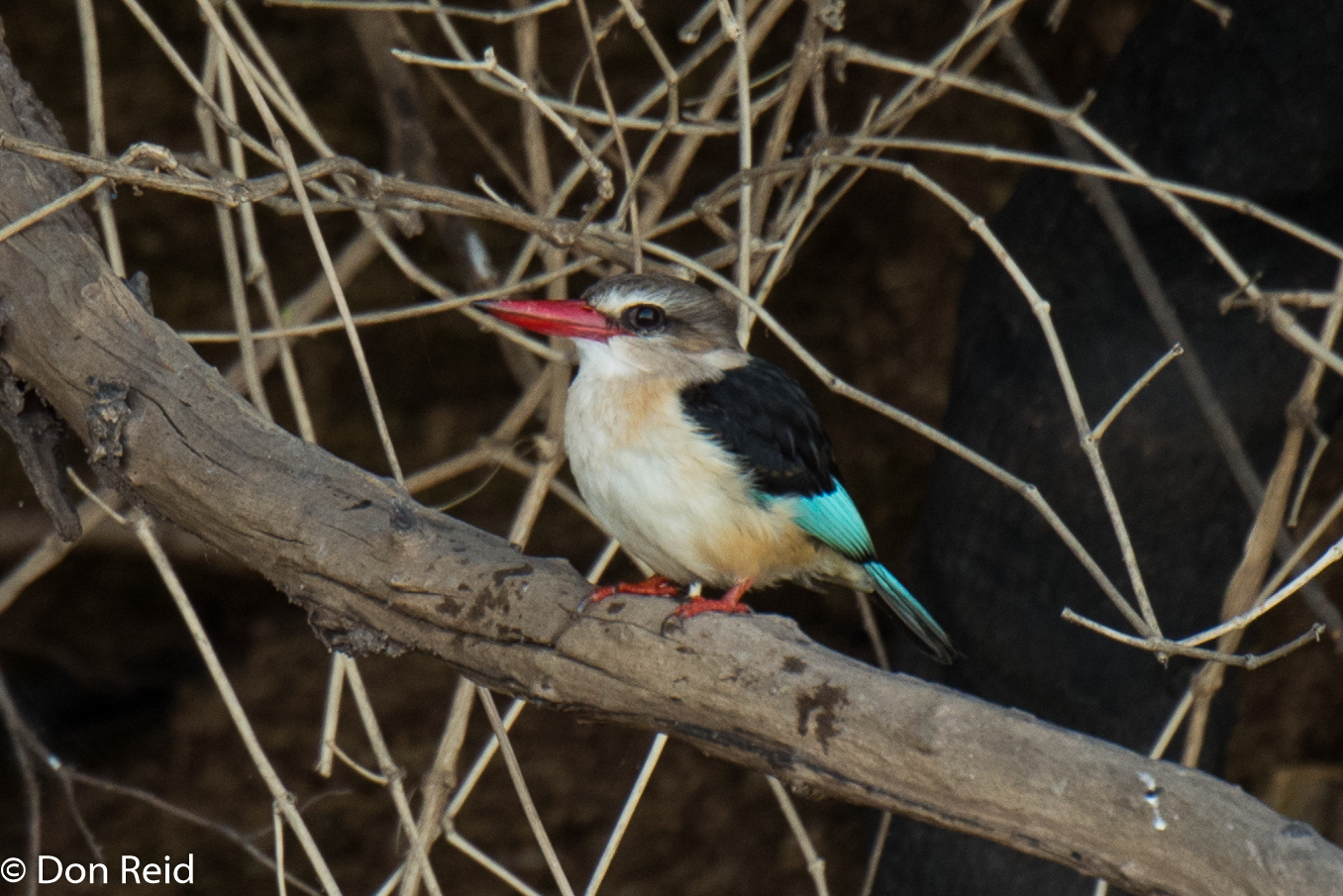
Once I was sated with the spectacular bird life at the rapids, I indicated to Richard that we could proceed and he headed upstream, staying close enough to the banks to spot birds in the overhanging reeds, bushes and trees. His eyes proved sharper than mine as he spotted and pointed out everything from the tiny Malachite Kingfishers to their larger cousin the Giant Kingfisher, not to mention Brown-hooded Kingfishers.

Malachite Kingfisher, Chobe River Boat Trip
Malachite Kingfisher
Giant Kingfisher, Chobe River Boat Trip
Giant Kingfisher
Brown-hooded Kingfisher, Chobe River Boat Trip
Brown-hooded Kingfisher

Water Thick-knees skulking in the shade of the riverside bush are particularly difficult to spot but Richard’s sharp eyes found them easily. On our way upstream we passed by some of the well-known lodges with their decks overlooking the great river.

Chobe River Boat Trip

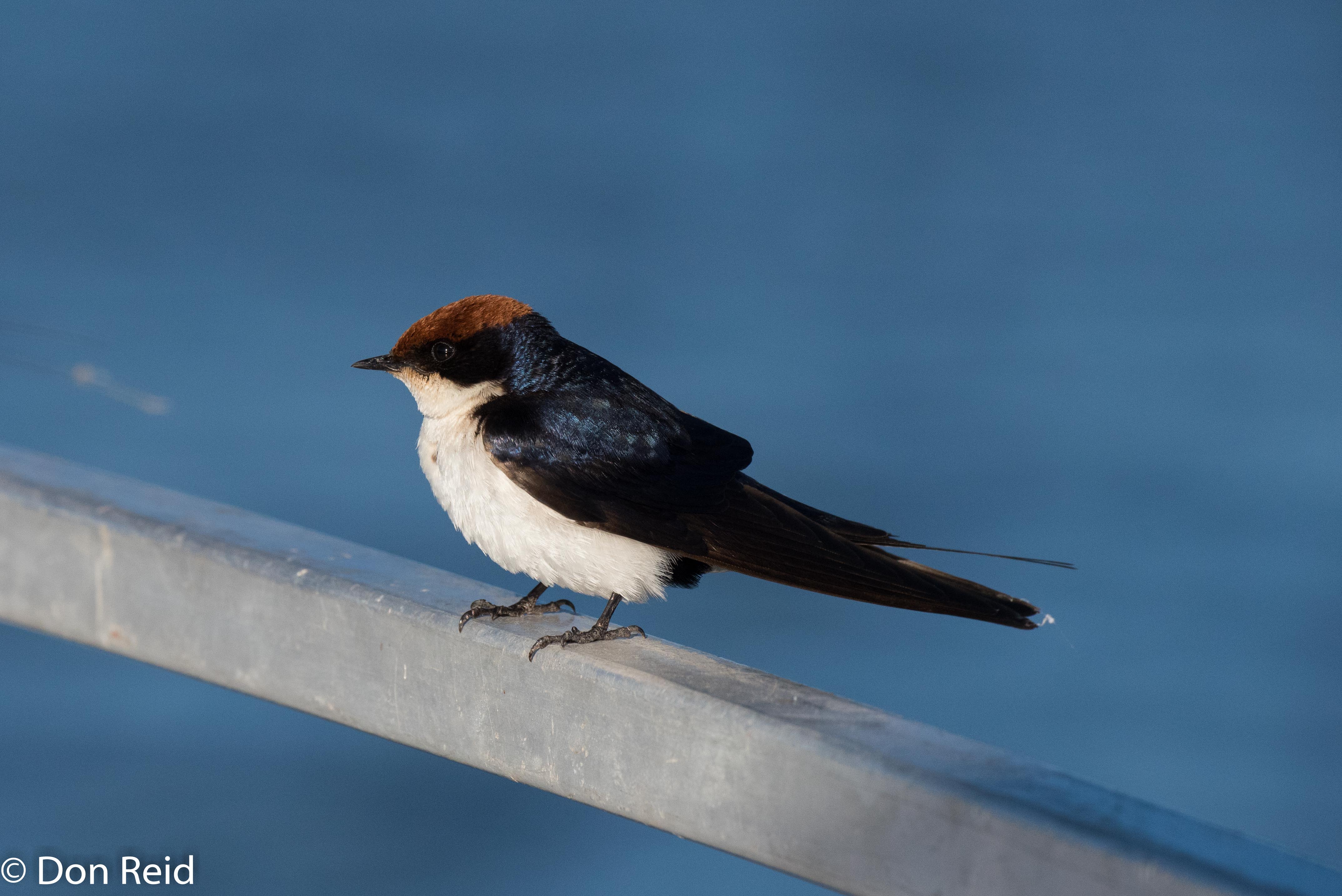
Wire-tailed Swallows swooped over our boat continuously and  a pair even decided that our boat would be a good vantage point as we glided along the smooth waters.

Wire-tailed Swallow, Chobe River Boat Trip
Wire-tailed Swallow gets a lift

Further upstream we entered the Chobe National Park and Richard docked briefly at a small hut to sign us in. From there we made our way slowly along the side channels with the Park on our left and the large mass of Impalila Island on our right.

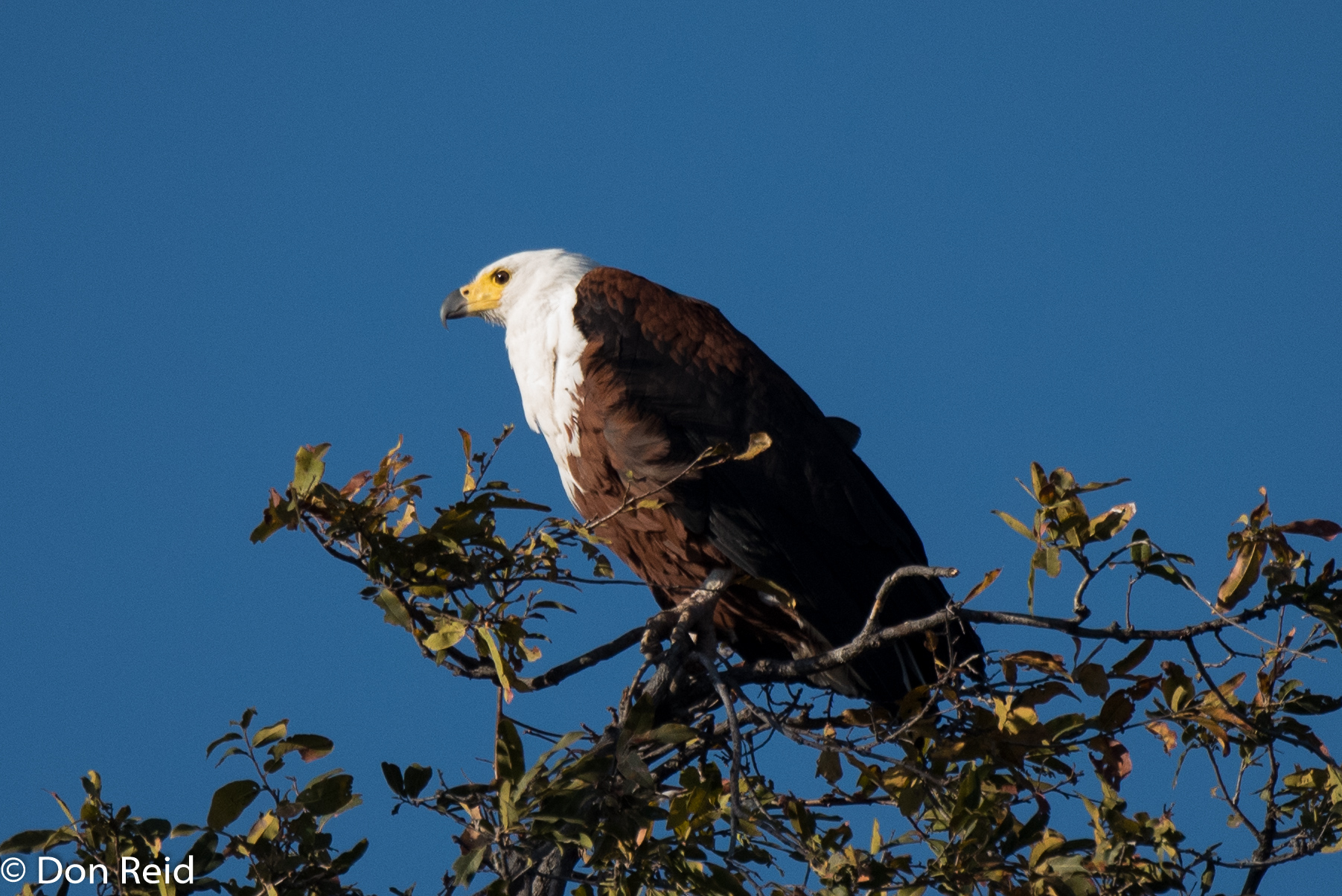
African Fish-Eagle, Chobe River Boat Trip
African Fish-Eagle
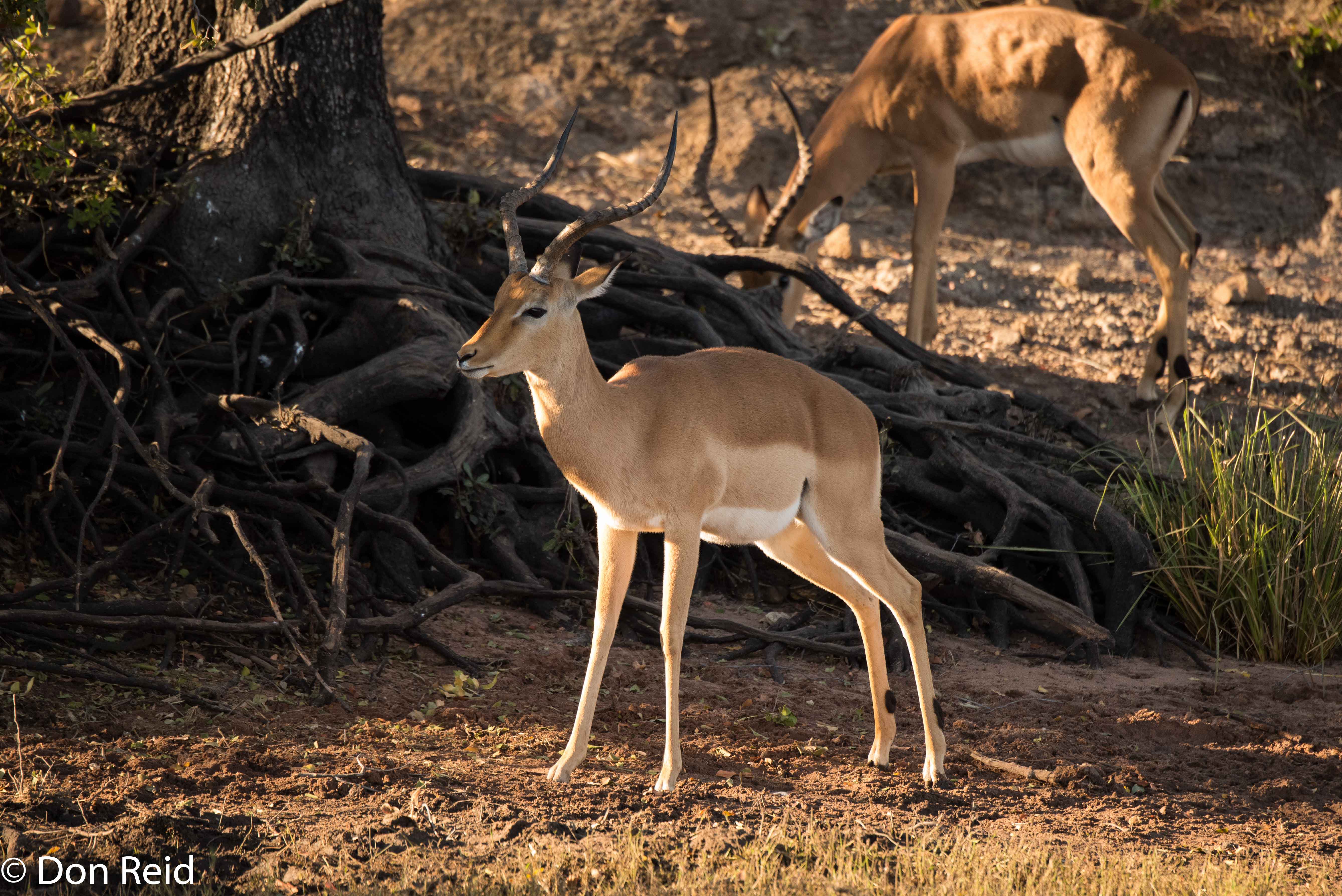
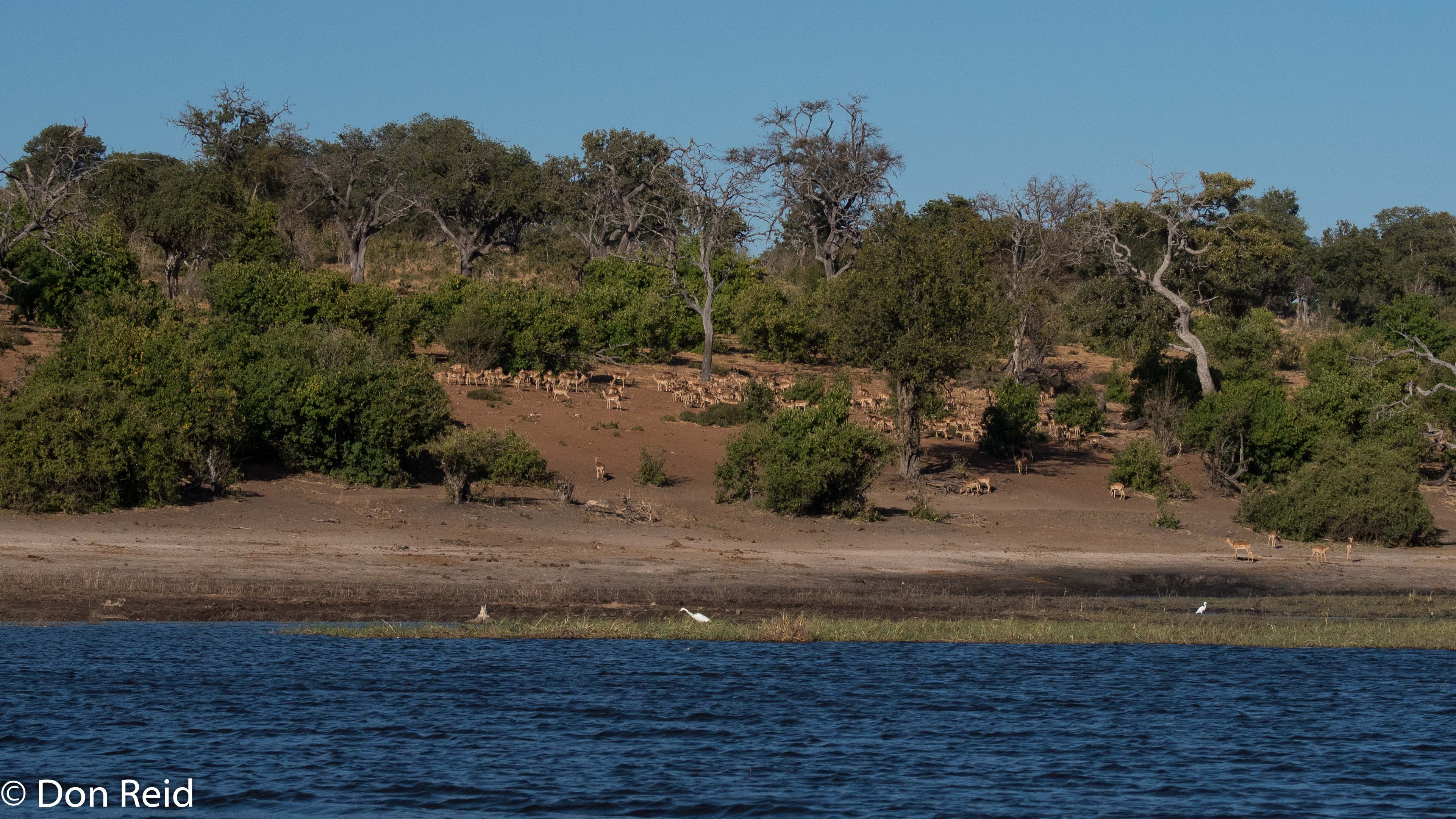
Impala, Chobe River Boat Trip
Impala

With the water having subsided from its post-summer highs, the island was now occupied by many Buffalos – a safe haven for them away from the big cats.

African Buffalo, Chobe River Boat Trip
African Buffalo

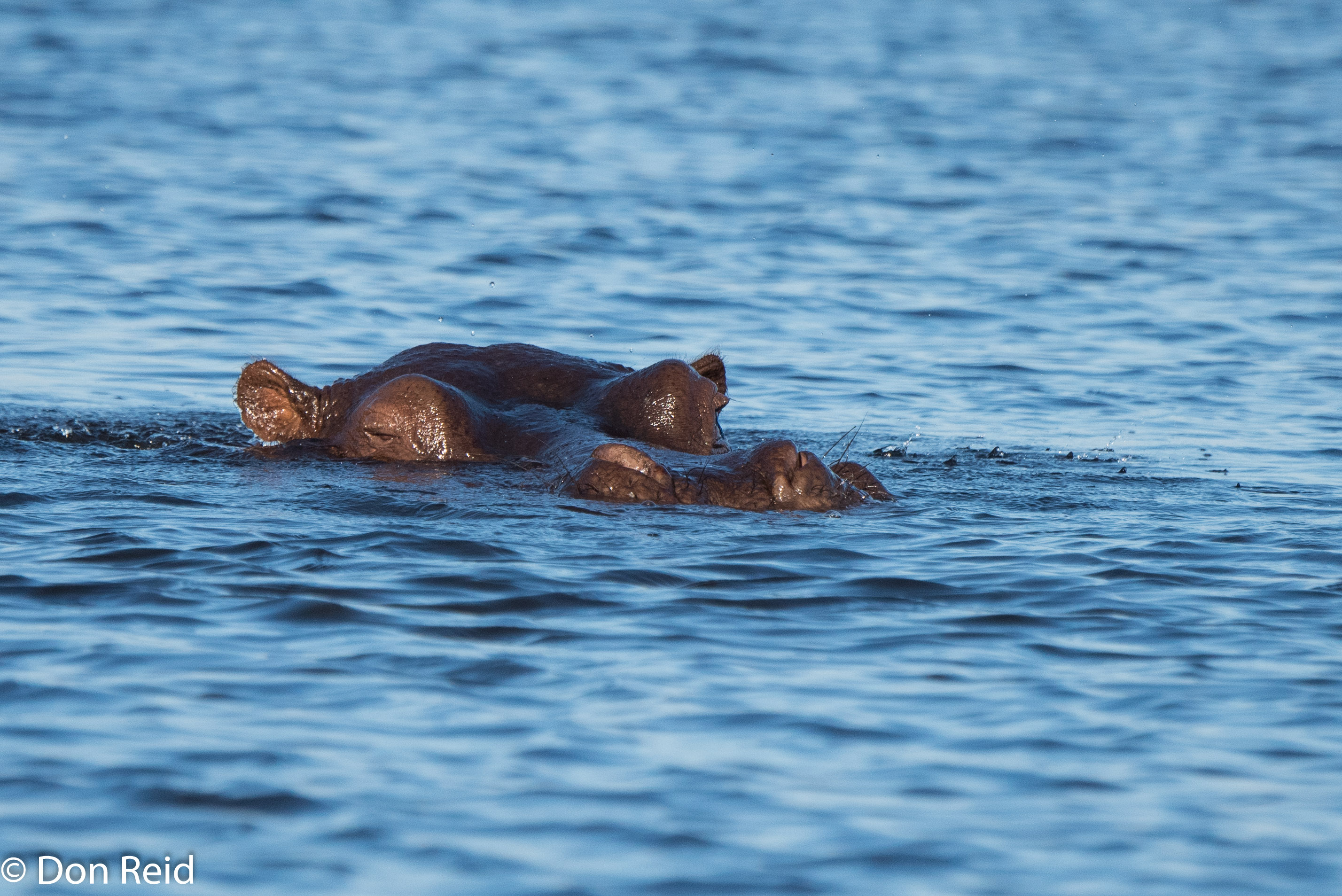
Here and there we saw Hippos and a couple appeared in the river just ahead of us, causing Richard to give them a wide berth – Hippos are one animal you do not mess with in the river, or on land for that matter.

Hippo, Chobe River Boat Trip
Hippo – best avoided

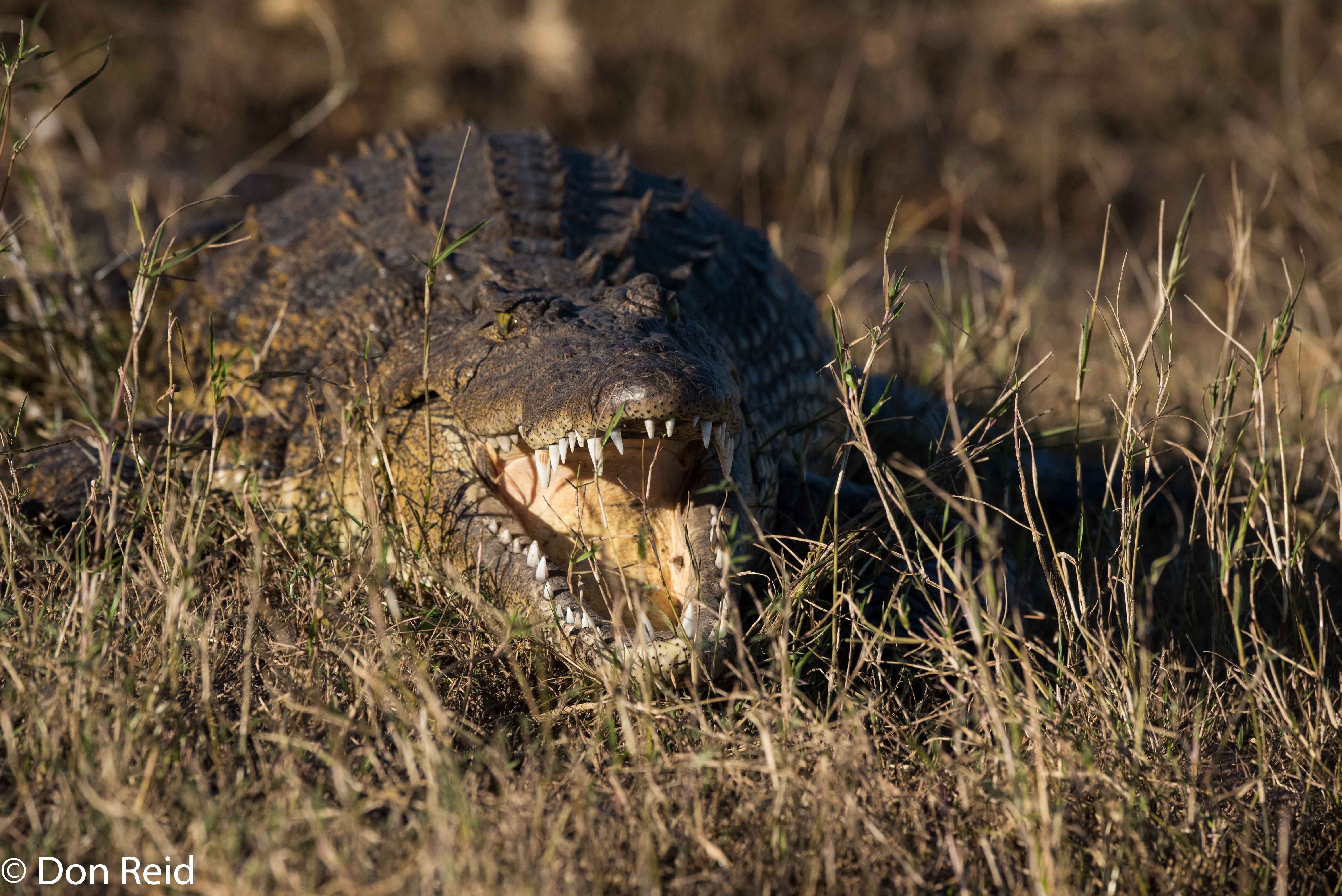
A mid-sized Crocodile on the bank drew us nearer to have a look and we literally peered down its throat as the bow of the boat bumped up against the bank just in front of it. While admiring its rows of teeth and taking photos I was looking for any signs of movement as, by my calculations, one lunge would have seen it land in our boat, but fortunately crocs are content to just lie there (most of the time) and regulate their body temperature by opening their jaws wide. Must remember to take dental floss next time.

Crocodile, Chobe River Boat Trip
Crocodile up close and personal

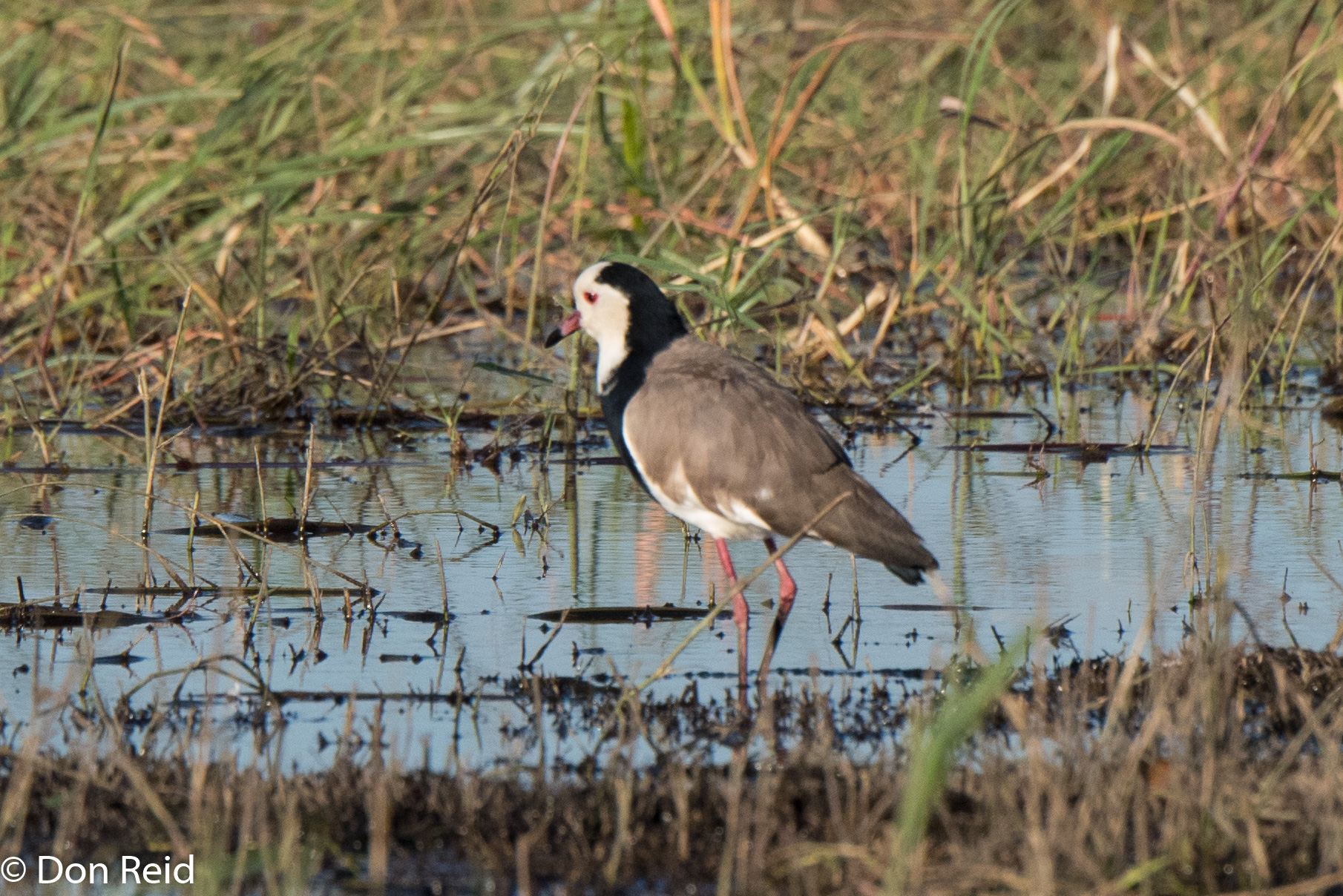
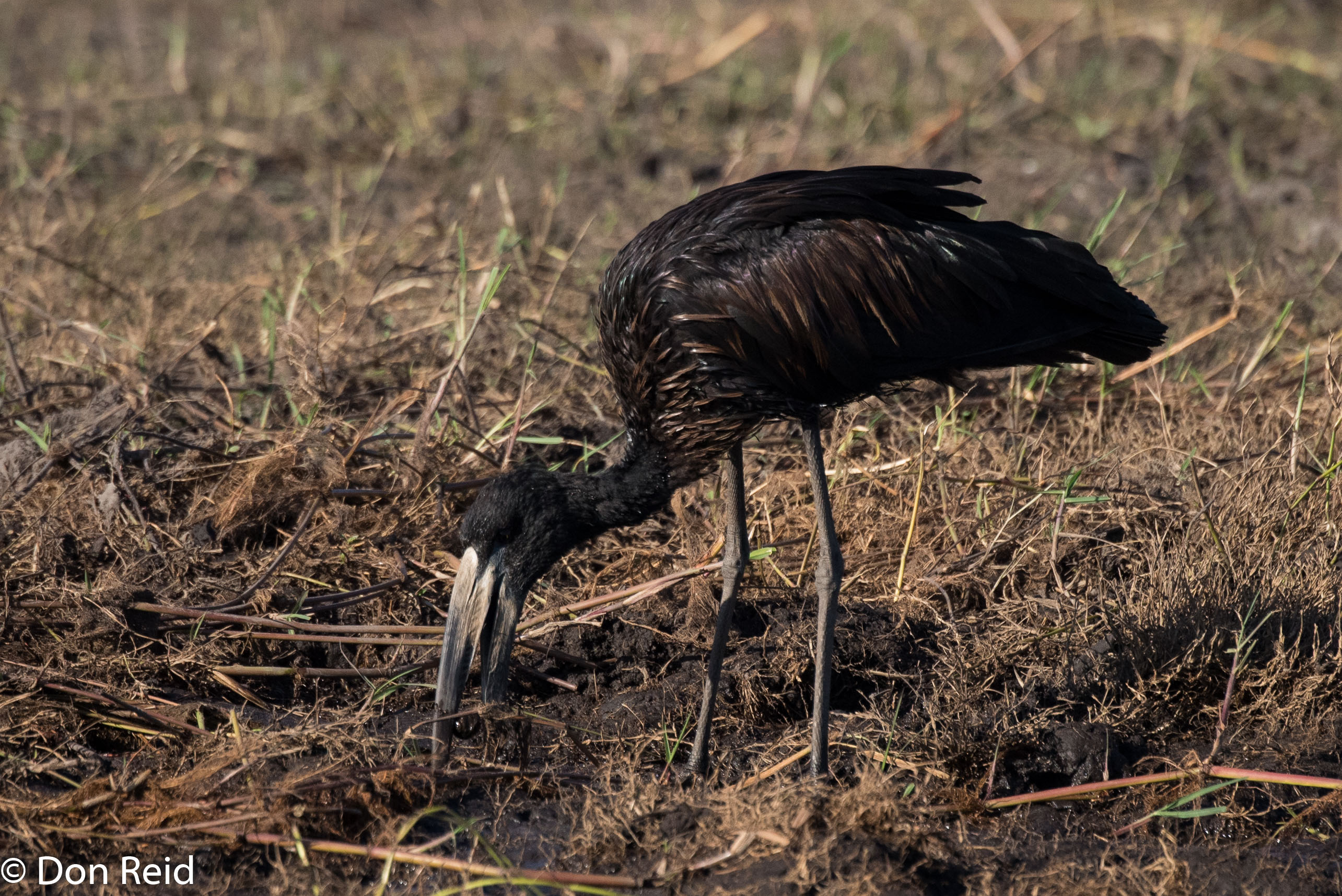
The island was home to many bird species – Lapwings (White-crowned and Long-toed), Squacco Herons, Geese in large numbers (Spur-winged and Egyptian) African Openbills, all the “White” Egrets except Cattle Egret (Great, Yellow-billed and Little), Ibis’s galore (Glossy, Sacred), many White-faced Ducks and larger waders such as African Jacana and Black-winged Stilt. A veritable feast of birding.

Chobe River Boat Trip
Chobe Game Park
Long-toed Lapwing, Chobe River Boat Trip
Long-toed Lapwing
African Openbill, Chobe River Boat Trip
African Openbill
Red-billed Firefinch, Chobe River Boat Trip
Red-billed Firefinch

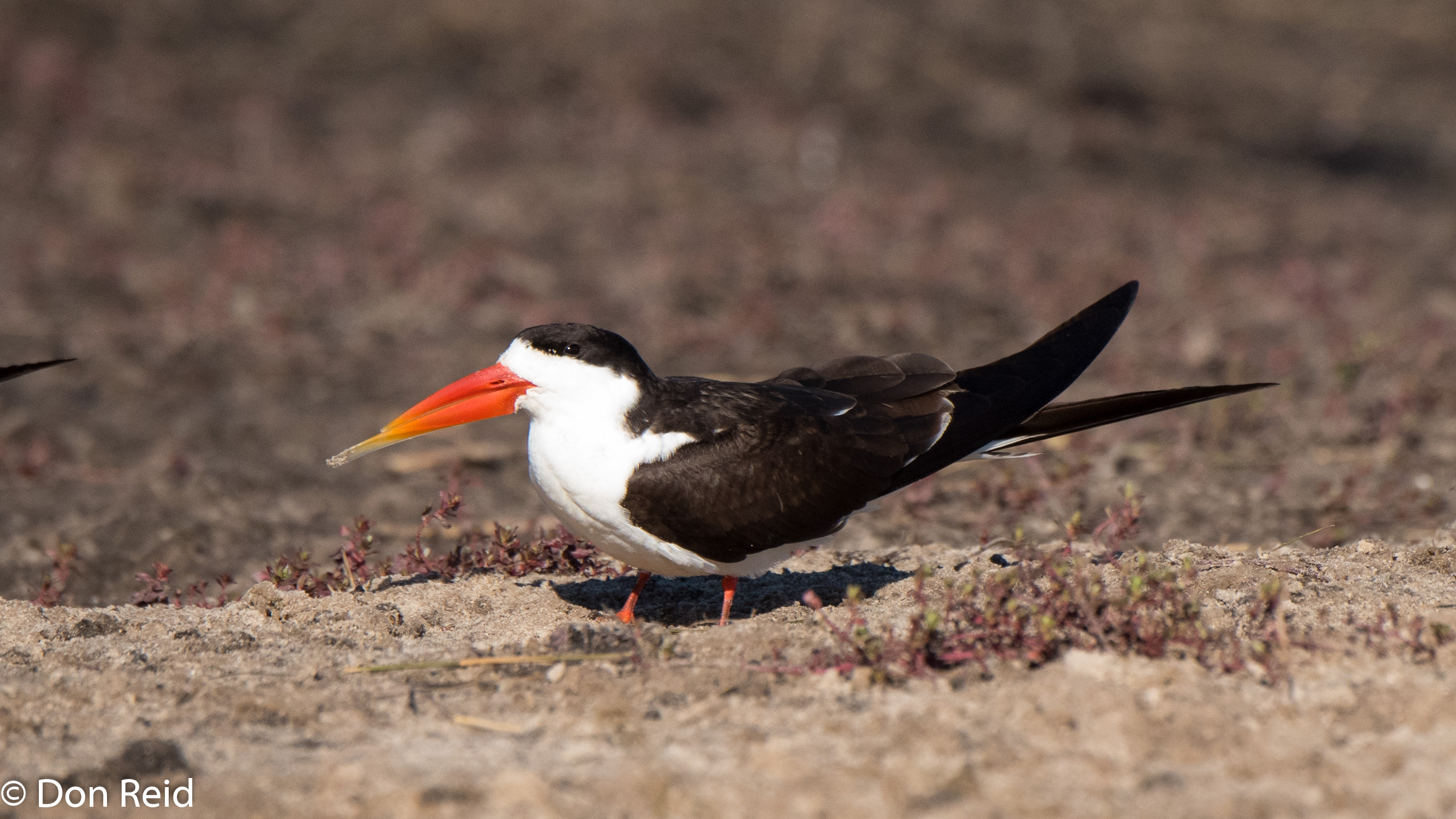
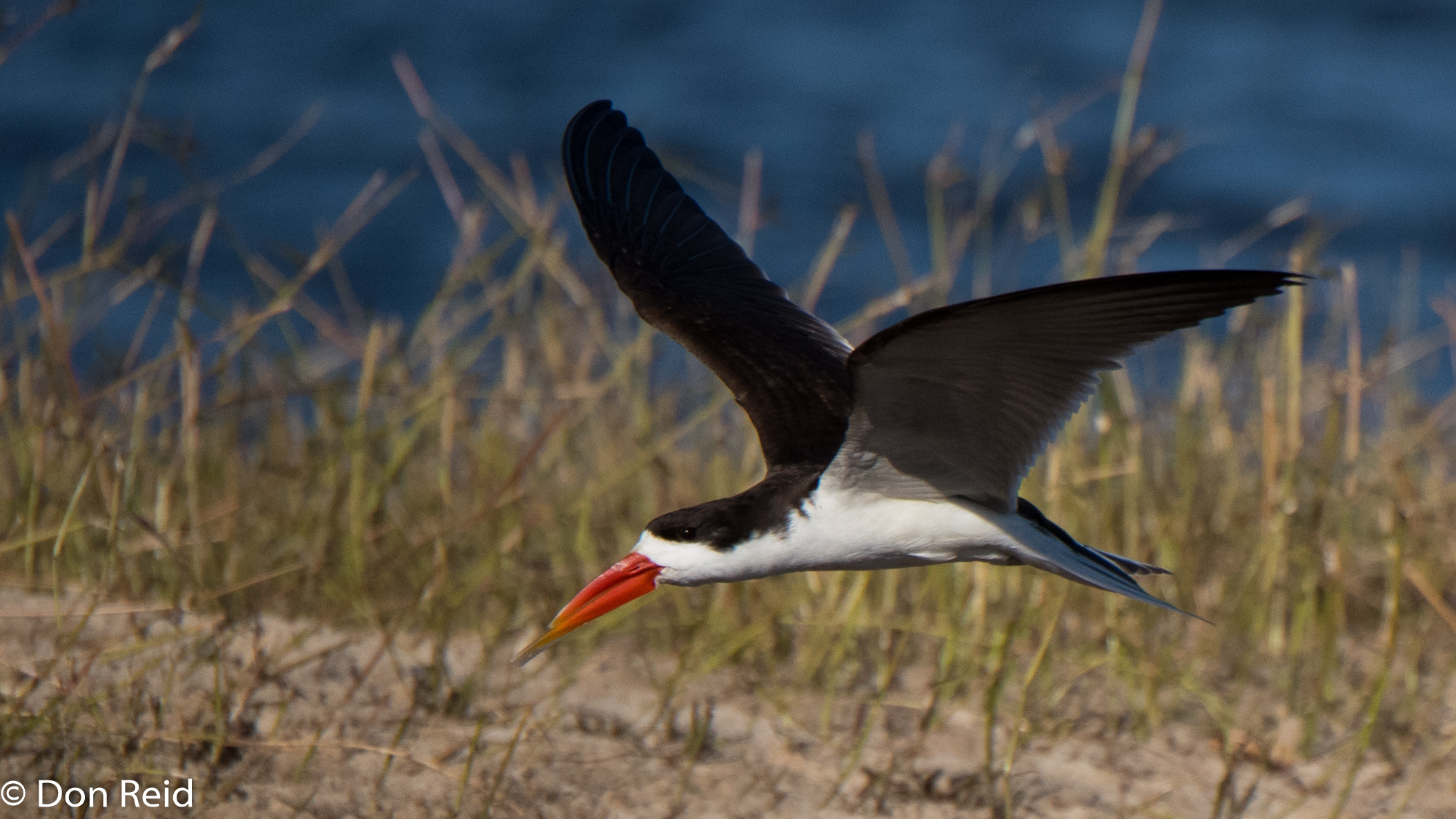
A smallish sandbar pretending to be an island was home to the bird highlight of the day – 50 or so African Skimmers using it as a roost in between sorties over the river, allowing a close approach to view these unique birds with their vivid colours. Their black and white plumage contrasts with their bright red bills, which look out of proportion but are perfectly designed for their function of skimming the surface of the water in search of small prey.

African Skimmer, Chobe River Boat Trip
African Skimmer
African Skimmer, Chobe River Boat Trip
African Skimmer

African Skimmer, Chobe River Boat Trip

African Skimmer, Chobe River Boat Trip

Pied Kingfishers are common throughout Southern Africa but never in numbers as we came across them along the river. I would guess we saw more than 100 during the trip and there were signs of them nesting in the sandy banks, where they occurred at a rate of one every 5m or so.

Pied Kingfisher, Chobe River Boat Trip
Pied Kingfisher

The return trip was along the main channel, by now rippled by the fresh wind which had come up, but not enough to cause any discomfort. Along the way we added Red-billed Teal and Knob-billed Ducks to our sightings as well as a lone Red Lechwe in long grass on a waterlogged plain.

Red Lechwe, Chobe River Boat Trip
Red Lechwe

Amazingly, three hours had passed without me noticing and we returned to the jetty where we had started – what an outing!