Mozambique Birding Trip : Mostly Magical (Part 1)

The Planning

This trip was a long time coming – George Skinner, my longstanding friend, with whom I have enjoyed some memorable birding trips and moments, had been nudging me in the direction of Mozambique for a couple of years, but circumstances had not allowed me to join him on one of these trips. Then in late 2014, George passed on details of a trip on offer in early February 2015 by Indicator Birding, which would cover some of the best summer birding spots of southern Mozambique – it looked very tempting and after “clearance for take off” from my dear wife Gerda, it was game on.

The trip was due to start on Thursday 29th January 2015, so we returned from our annual long stay in Mossel Bay a little earlier than planned, to allow time to see to some work commitments (yes, I actually do some consulting work in between birding and blogging) and make the necessary preparations for the trip, which included making sure my vehicle was in good shape for approximately 5000 kms of driving in conditions which at that stage were unknown to me, but bound to be challenging in places (little did I know what was in store).

And so the day arrived for departure, the VW Touareg was loaded with the necessities for a road trip of 15 days – an all-important  fridge for cold water and other drinks, a crate full of breakfast, lunch and in-between snacks and  goodies, a nifty little gas stove for preparing boiling water for tea and coffee, a few bottles of good wine stuck into various available corners of the load space and, of course, a bag full of bush clothes and all the other paraphernalia that goes with a trip dedicated to birding – books, cameras, spotting scope, etc. Dinners were planned to be taken at restaurants at or near our overnight stops, which was a good way to avoid having to take even more self-catering equipment and food and gave us more time for bird watching until dusk, without having to rush back and prepare meals.

I had a “Dr Livingstone goes into darkest Africa” feeling about the trip prior to departure – a country I had not visited before, news headlines of the recent flooding in parts of Moz (although we were assured it was all north of the Zambezi where we would not be going), the stories of corrupt and aggressive border officials that constantly do the rounds, etc – but nothing was going to put me off at this stage.

Etienne Marais (Indicator Birding : http://birding.co.za ), our group leader and guide for the trip, had proposed meeting at Milly’s near Machadadorp, for breakfast and introductions to the other group members, which we duly did, reaching this popular roadside stop at 7 am. There we met the group which was spread over four vehicles – Etienne with his passengers Corné Rautenbach, Edith Oosthuizen and Bruce Dyer who had all flown up from Cape Town for the trip, Owen and Sue Oertli from Johannesburg, Neithard and Katharina Graf von Durkheim from Pretoria, Myself (also Pretoria) and George Skinner (Johannesburg, but at the time I write this has “emigrated” to Dullstroom).

In describing the trip I have borrowed from the itinerary which Etienne had drawn up and distributed prior to the trip and which sets it out nicely on a day by day basis ……….

Day 1 RSA to Xai-Xai

“After meeting early morning we drive up to Xai-Xai and stay at Honeypot camp. This gives us easy access to the superb Limpopo floodplain nearby”

After breakfast at Milly’s we headed off in convoy towards the Lebombo border post, stopping just short of it to fill up with fuel and change some of our Rands to Meticals. We approached the Moz side of the border with some apprehension, having heard so many stories, but in the end it all went smoothly and we studiously ignored the many “helpers” and touts who pester you from the moment you enter the border post area.

We had made good time and were through the border formalities by 12 noon, but from there it was slower going, especially once we got to the “bypass” (a euphemism if there ever was one) around Maputo which is still under construction and only partly complete, so we had to negotiate the incomplete sections along atrocious dirt roads clogged with traffic. The rest of the trip was through beautiful countryside interrupted only by small typically African towns.
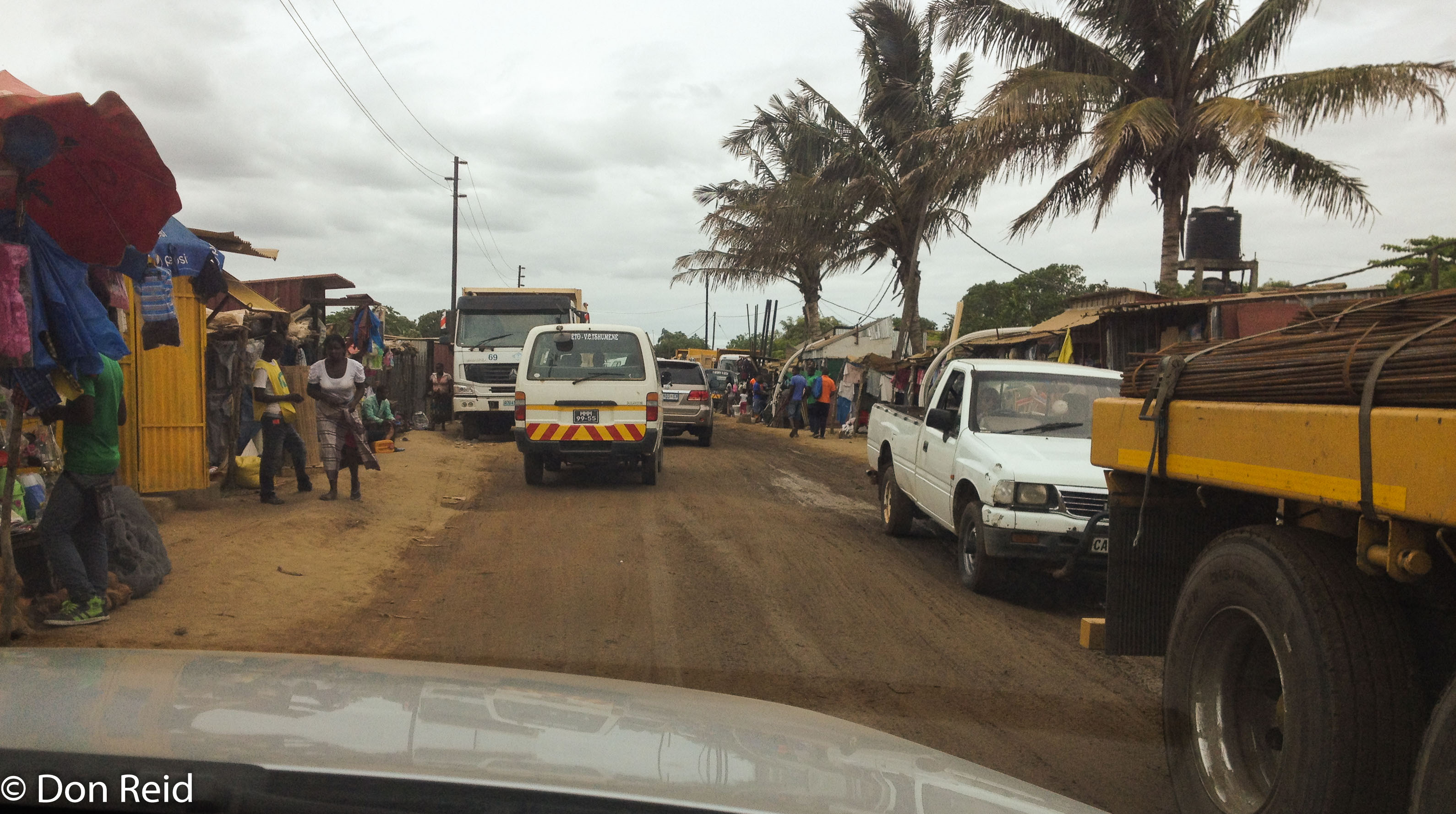
Outskirts of Maputo - on the way to Xai-Xai
Outskirts of Maputo – on the way to Xai-Xai

Not much birding was done, but we did stop to view both European and African Hobby in the same trees, just outside the town of Macia.
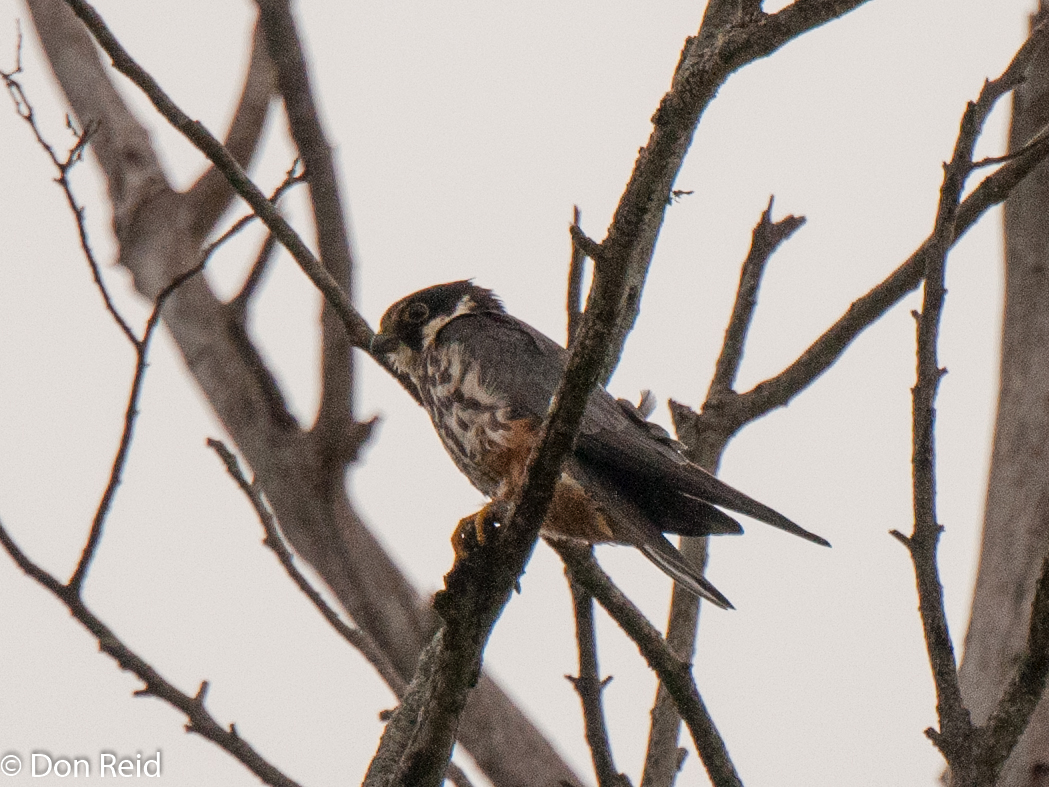
Eurasian Hobby, Macia

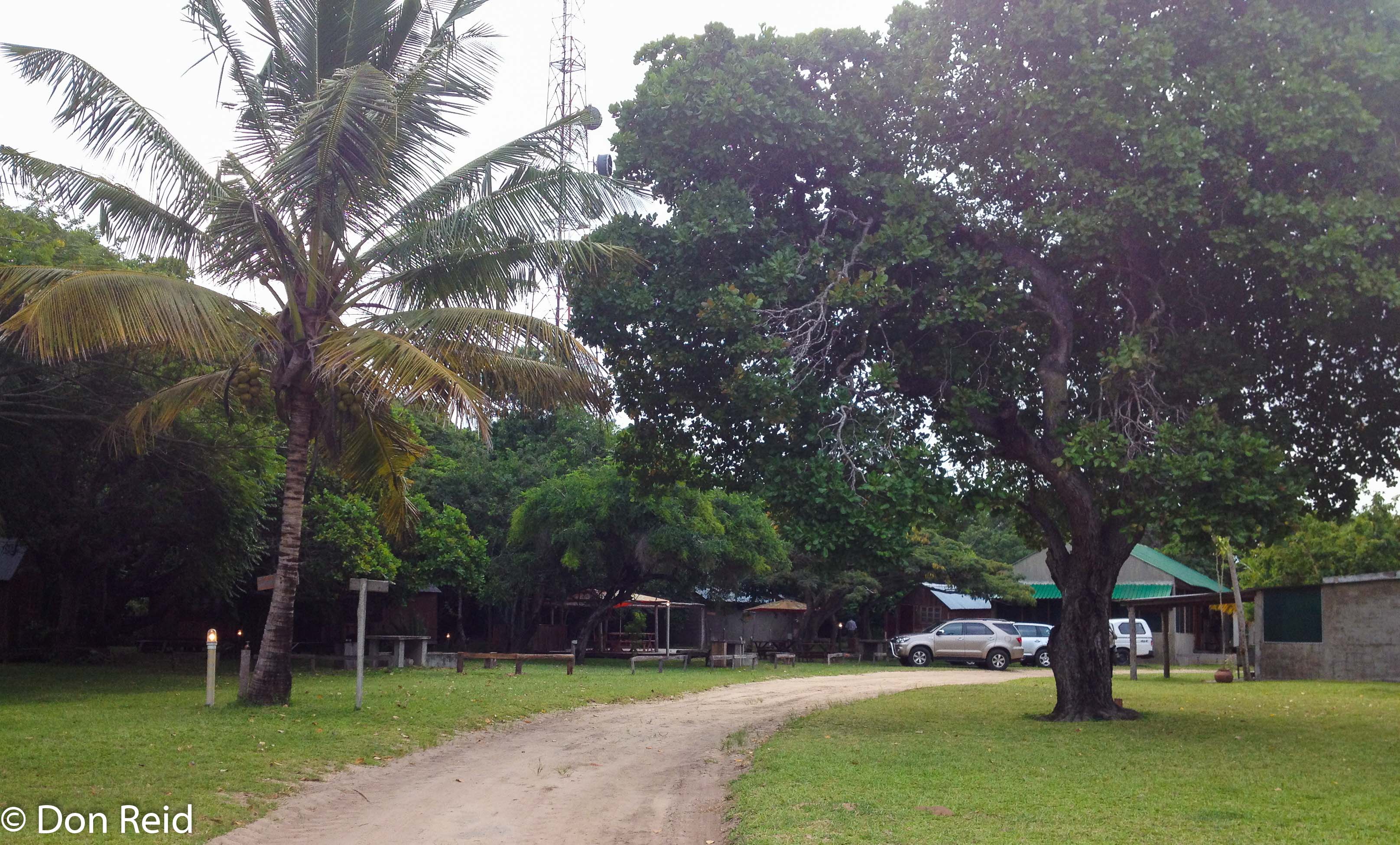
We reached Honeypot camp just outside Xai-Xai (non-SA readers note it’s pronounced shy-shy) at 5 pm after 12 hours on the road and celebrated with a cold local beer, which tasted especially good. A short spell of birding the camp produced the first Olive Sunbird and a Peregrine Falcon sitting high up on a radio mast, then it was supper time in the camp’s restaurant and early to bed to prepare for our first serious birding the next day.
Honeypot lodge Xai-Xai

Honeypot lodge Xai-Xai
Honeypot lodge Xai-Xai - fair warning (they had nets)
Honeypot lodge Xai-Xai – fair warning (they had nets)

Day 2 Xai-Xai to Imhambane via Panda Woodland

“Today we do a long circular route (370km) which will ensure an excellent variety of birds. Our first stop is on the wetlands of the Limpopo Floodplain. We then head across the floodplain and inland towards the Panda area. Once we have finished our woodland birding we head north to Imhambane. Overnight : Areia Branca Lodge, Barra Peninsula.”

Etienne had us up early for departure (which became the pattern for the trip) by 5am and we headed for our first stop in rainy weather at the wetlands of the Limpopo floodplain, very close to our overnight stop.
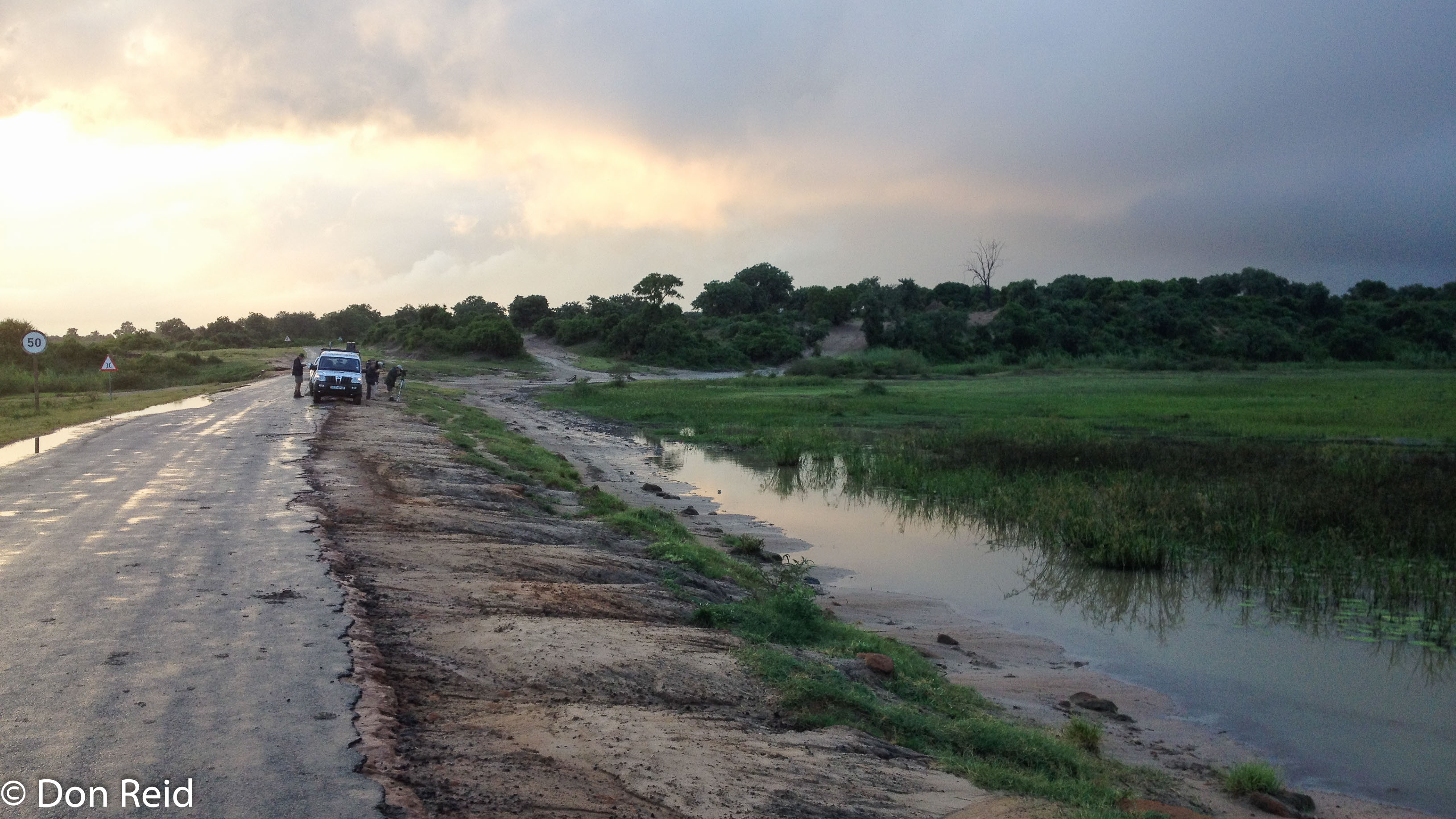
Limpopo floodplain near Xai-Xai
Early morning on the Limpopo floodplain near Xai-Xai

Very soon we were adding our first water birds of the trip, from the road that skirts the floodplain. African Openbill, African Jacana, Little Egret and Little Stint were immediately obvious in the reed-lined ponds not far from the road, while several Squacco Herons and Black-crowned Night-Herons flew by overhead in the soft, cloud-filtered morning light. A Sedge Warbler (my first lifer of the day) was heard by Etienne and made a brief appearance among the reeds, raising excitement levels as much as the early hour allowed (considering we were still coffee-deprived at that point). Fan-tailed Widowbirds flew nervously back and forth while the group scanned the wetlands and the skies for further species.

Excitement increased another notch when a Rufous-winged Cisticola was spotted and became my second lifer for the day, as it was for several of our group. Further into the wetland Common Greenshank, African Spoonbill and the colourful flash of a Malachite Kingfisher were spotted. The rain was moving in and getting increasingly heavy so we moved on to the next spot some distance along the road where we got out for a walk along a pathway that led into the wetlands and between the ponds.

We soon discovered the path was designed to attach the maximum amount of sticky cotton mud to the soles and sides of our shoes and, as the layers grew, our feet became progressively heavier and we became a little taller – no amount of shaking could get rid of it until we got back to the road and washed most of it off, using the puddles formed by the rain. The feeling was a bit like being a 4-year-old kid who tries on daddy’s shoes and clumps down the passage.
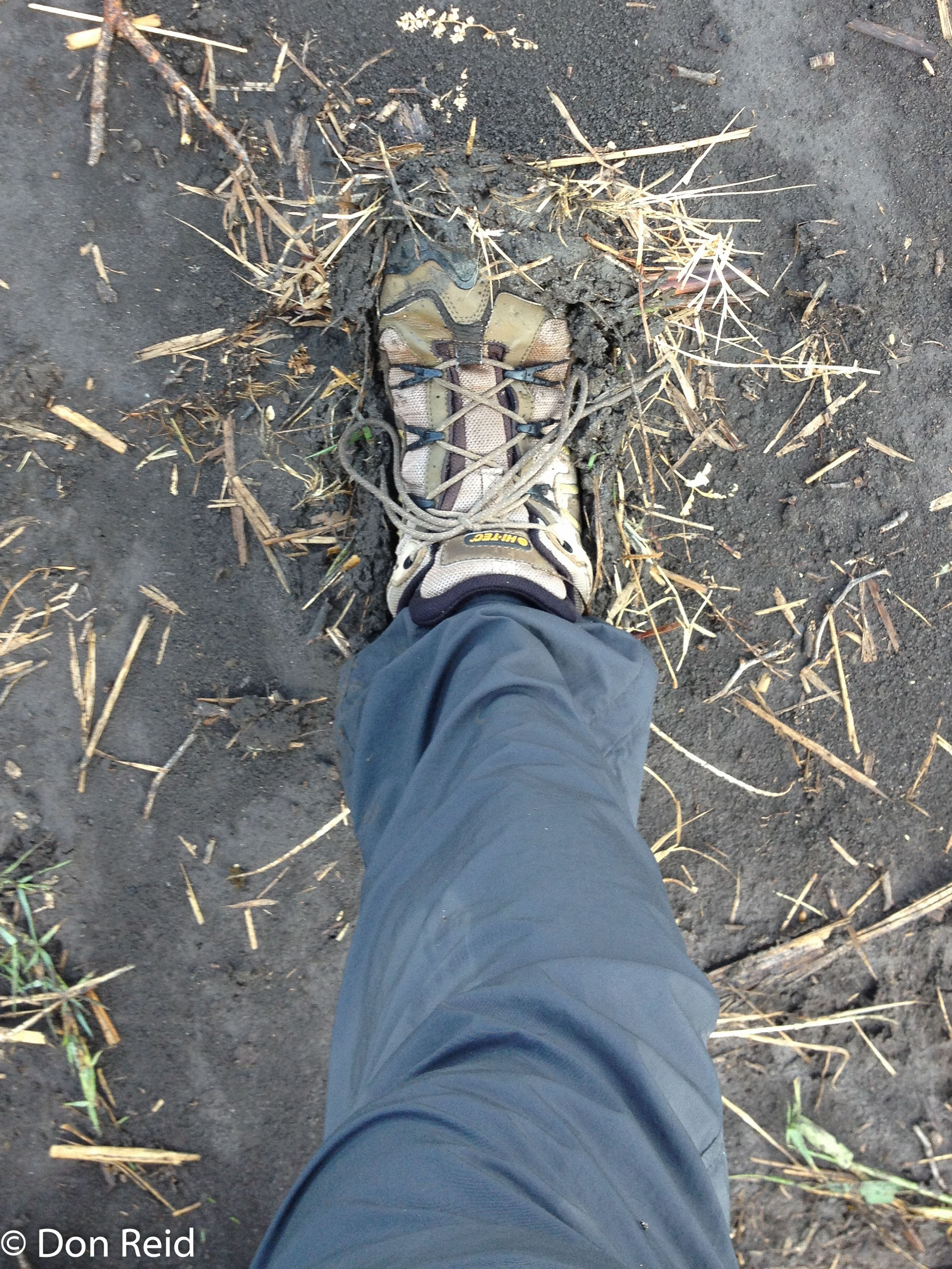
Sticky mud problem!
Sticky mud problem!

However, the muddy walk was well worthwhile, as we added several desirable species, including Hottentot Teal, White-backed Duck, African Pygmy Goose and Whiskered Tern.

The next 280kms or so was all on sandy roads and tracks, traversing “real Mozambique” – lovely green countryside with regular wetlands and stretches of Miombo woodland – parts of Mozambique that the casual tourist to this country will probably never experience, so we were pleased to be able to do so.

Our first stop after the floodplains was alongside the road to enjoy breakfast and coffee in typical bush.
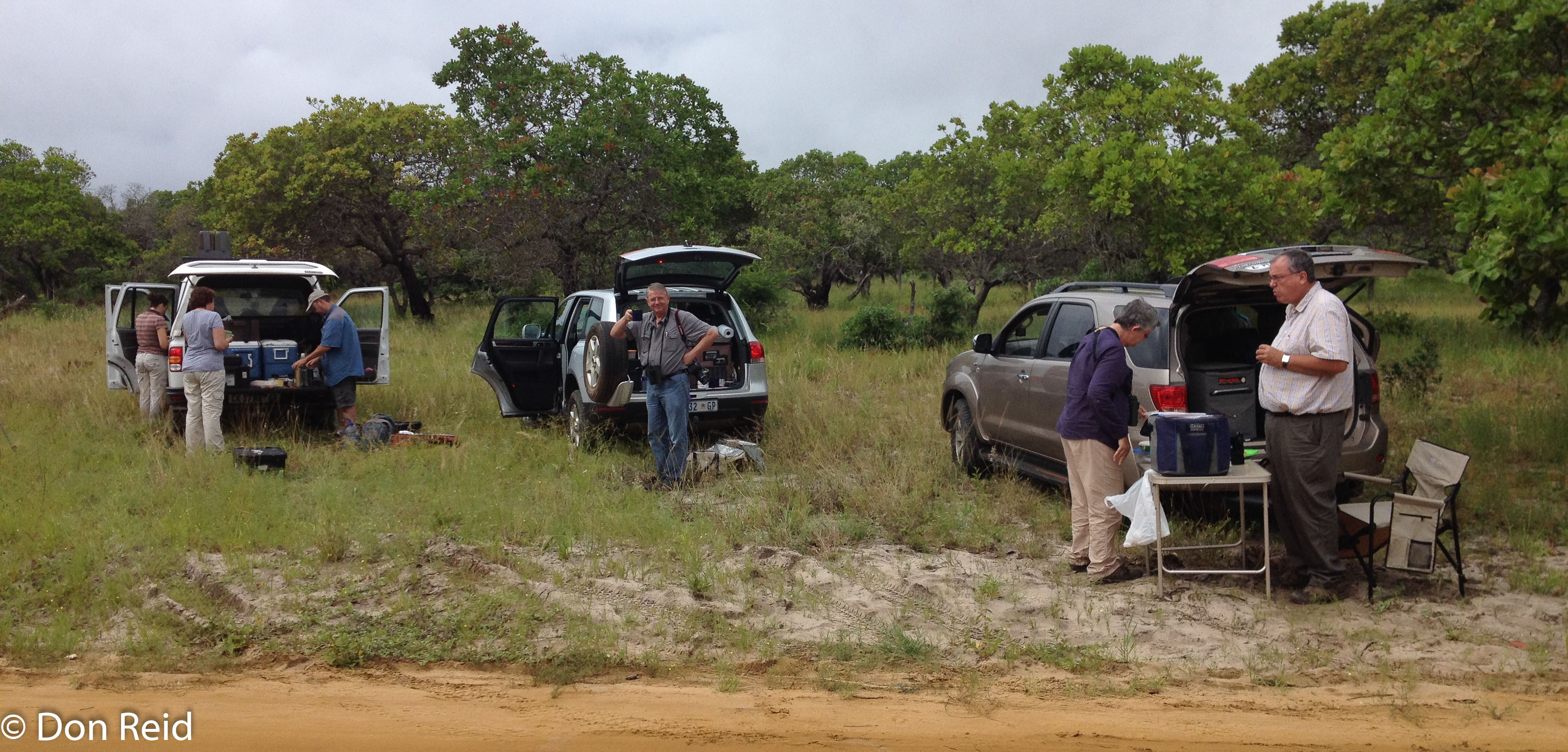
Breakfast stop on the way to Panda Woodland
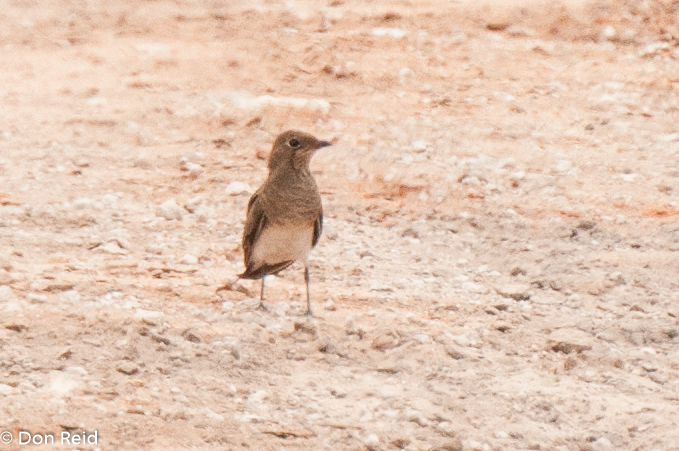
Collared Pratincole was a welcome sighting along the road

Setting off again, it was soon time for the major excitement of the day, when Etienne stopped at a bird party amongst Acacia trees with a sprinkling of lichen (aka “Old Man’s Beard”) and we were immediately rewarded with a mega-tick  and lifer for most of us, in the form of Olive-headed Weaver, which only occurs in an isolated patch near Panda.

Olive-headed Weaver, Panda Woodland

In the excitement we almost missed the rest of the bird party but soon caught up with most of them, including delights such as Neergard’s Sunbird and Red-faced Crombec. Further on we stopped in the road to view a Flappet Lark displaying energetically and a Lemon-breasted Canary was seen by some but my view was too brief and poor to make out any detail so I did not tick it at that stage.

Panda Woodland

Crowned Hornbill, Panda Woodland

A vlei alongside the road was an opportunity for a brief stop, but it turned out to be bone dry – this didn’t stop Bruce and Corné from finding a Reed Frog clinging to a reed, unperturbed by the sudden attention and bevy of cameras.

Dry Vlei, Panda - Inhambane road
Dry Vlei, Panda – Inhambane road
Reed Frog
Reed Frog

Our lunchtime stop was off the road along a rough track, after which we set our sights to complete the long run to Barra Peninsula, arriving after a total of almost 9 hours driving at our overnight stop at Areia Branca Lodge right on the estuary.
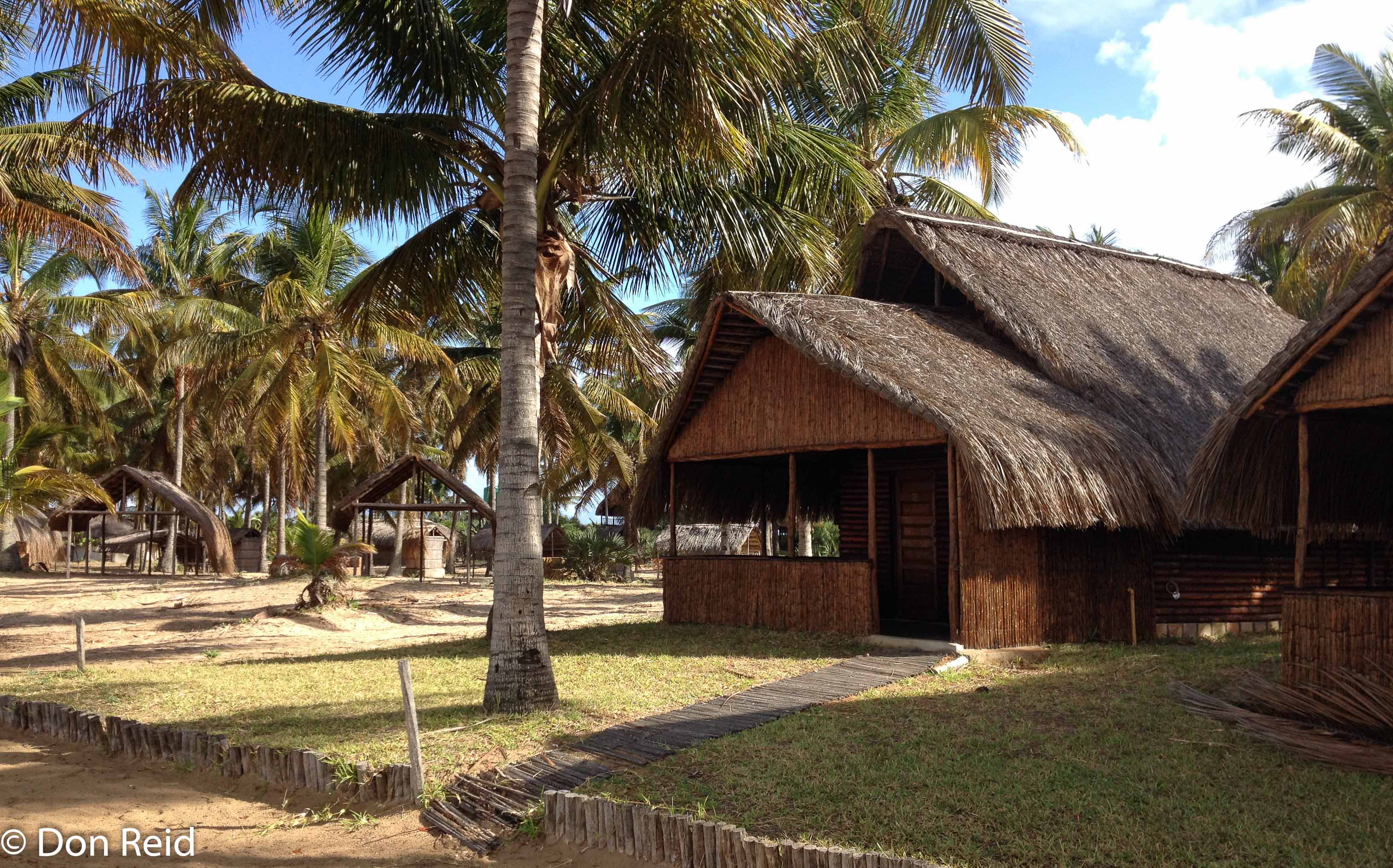
Barra Peninsula

Areia Branca Lodge
Areia Branca Lodge

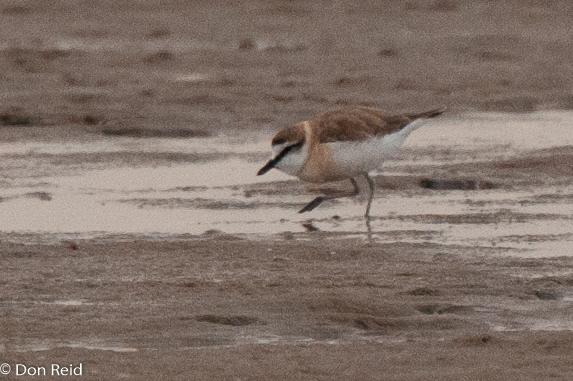
Before settling in, we walked across the wide expanse of mudflats to view the waders present near the water’s edge and found several such as Greater Sand Plover, Ruddy Turnstone, Grey Plover, Whimbrel,  and plenty of the smaller Plovers – Common Ringed -, Kittlitz’s –  and White-fronted Plover, Sanderling and others. Our timing was a bit late for greater numbers of waders so we hoped the next day would bring more.
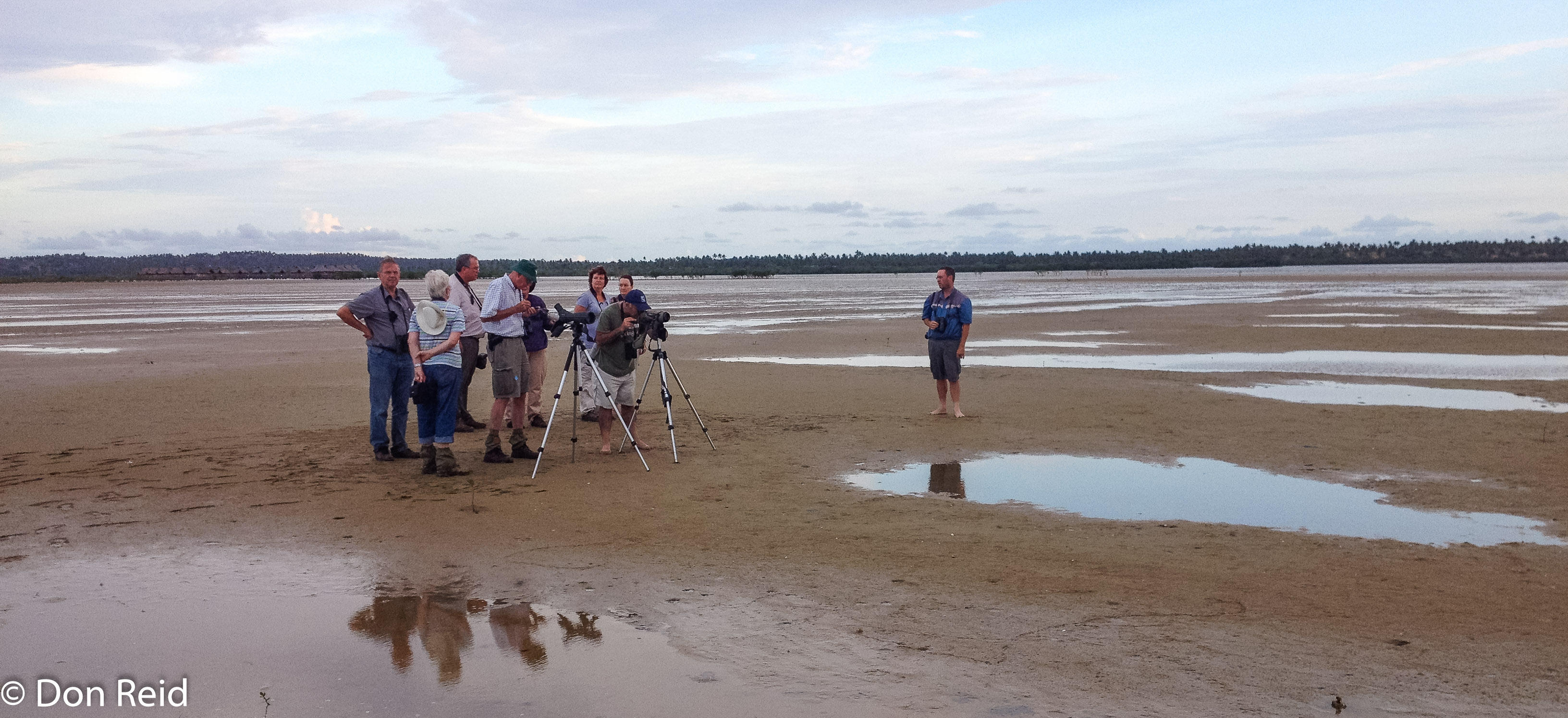
The mudflats, Inhambane
White-fronted Plover
Sunset, Inhambane
Sunset, Inhambane

The evening meal was at a nearby beach restaurant – no fish available (!), but the limited choice of other dishes did the trick and the beers were good, so we left satisfied.

A feature of the trip was the “calling up” of the day’s bird list at the dinner table every evening, while we waited for our orders – a practical arrangement and one which adds greatly to the camaraderie of the group.

Day 3 Imhambane Area

“The area is best known for the numbers of shorebirds which are present in summer. We aim to bird the end of Barra Peninsula in the middle of the day. Birding is usually best at high tide (roosting sites) or in the receding tides. Fresh water wetlands may host some rarities, while bush and swamp edge birding is not too shabby. In the afternoon we take a short drive up to Morrongulo Lodge – which will serve as the springboard for a visit to the habitat where Green Tinkerbird occurs. Overnight : Morrongulo Beach Resort”

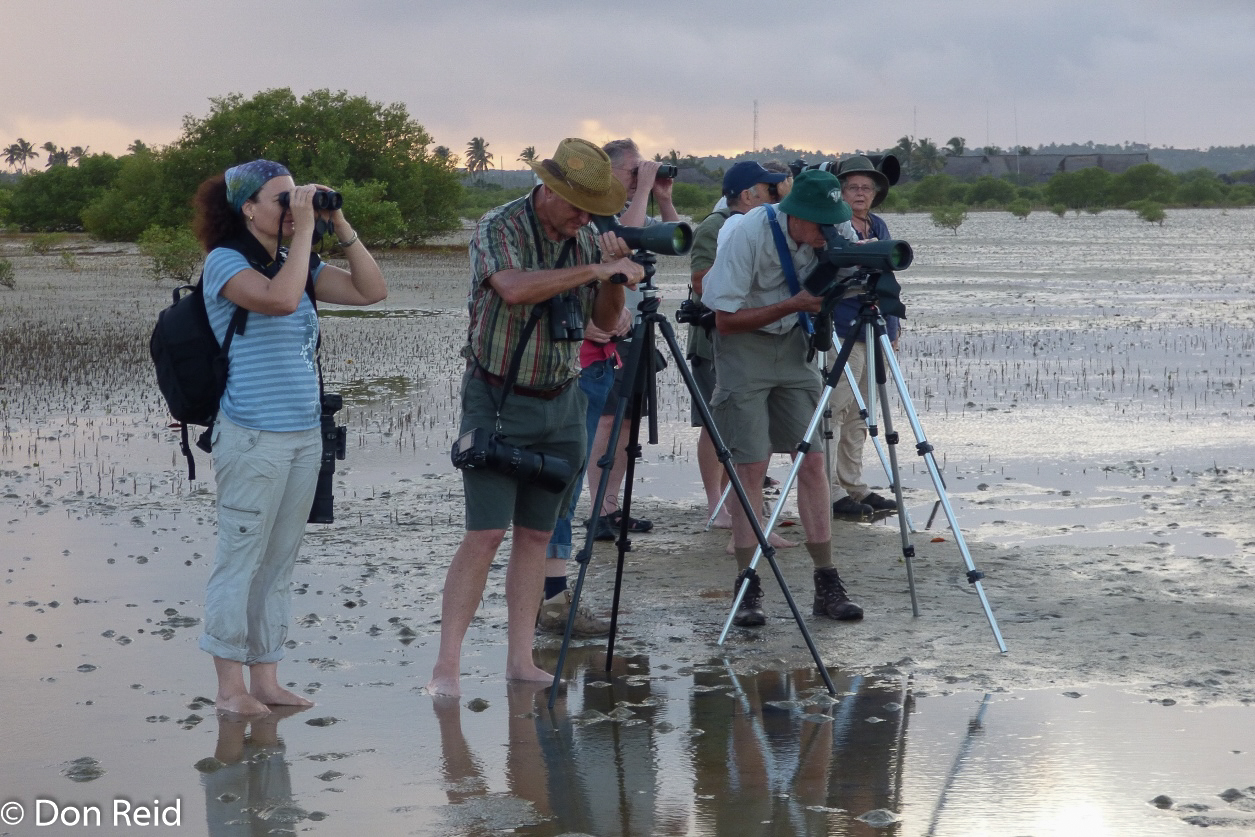
Up at 4.30am and on the mudflats of the estuary right in front of the lodge just a half hour later as it grew lighter.
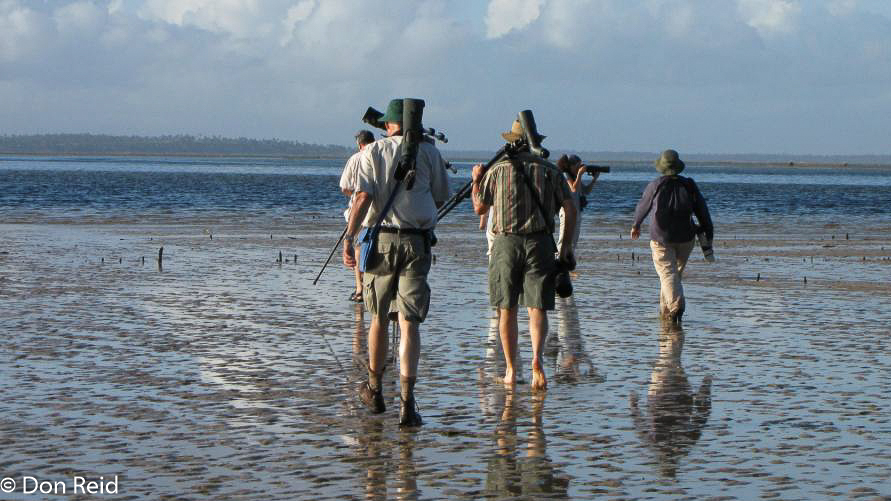
Heading to the Barra mudflats (Photo : Katherina Grafin von Durkheim)
Heading to the Barra mudflats – armed but not dangerous (Photo : Katherina Grafin von Durkheim)
Checking the waders on Barra mudflats (Photo : Corne Rautenbach)

There was plenty of action in the shallows near the water’s edge – Lesser Crested Tern were prominent, accompanied by the waders seen yesterday afternoon, plus the likes of Curlew Sandpiper and Lesser Sand (Mongolian) Plover, a lifer for me and some of the group.

Lesser Sand Plover
Lesser Sand Plover
Ruddy Turnstone, Barra mudflats

After an hour or two of superb birding we were sated and on the verge of leaving when I spotted a (very) distant Crab Plover on the far side of the estuary through the scope, which caused some excitement amongst the group as it was a lifer for most of us.

By 7 am we were done and made our way back to the lodge for breakfast and to get ready to leave, which we managed to do by 8.30am but not before viewing a Lemon-breasted Canary in the palm trees in the lodge gardens, spotted by Etienne – my third lifer for the morning and very pleasing after yesterday’s non-view plus all the times I have hoped to find one in the Pafuri area of Kruger, without success.

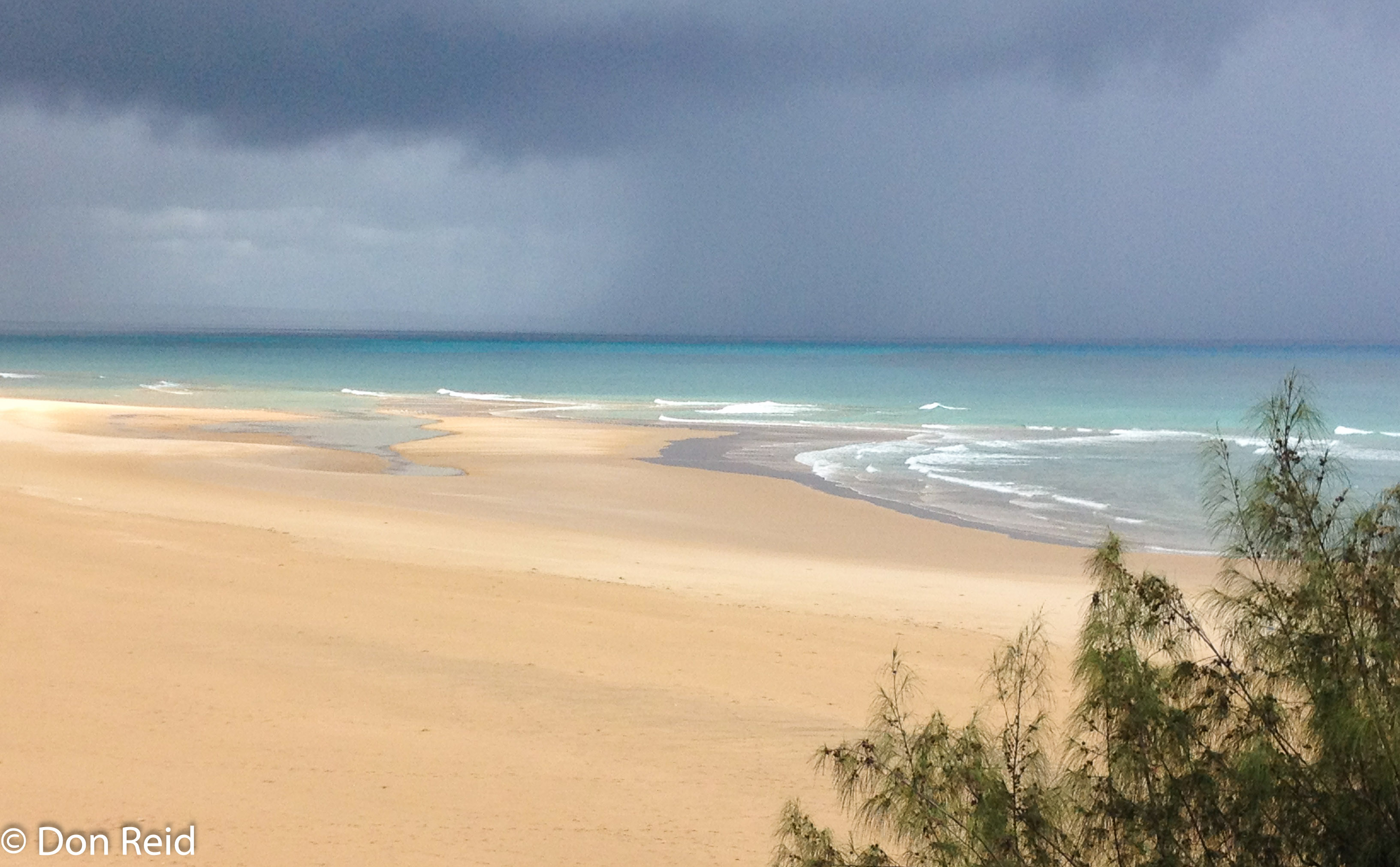
Before leaving the Barra Peninsula, we ventured along a track with thick sand in places, to the lighthouse and the beach below, where we encountered not a single other soul but an interesting looking Tern roost near the water’s edge a couple of hundred metres away.
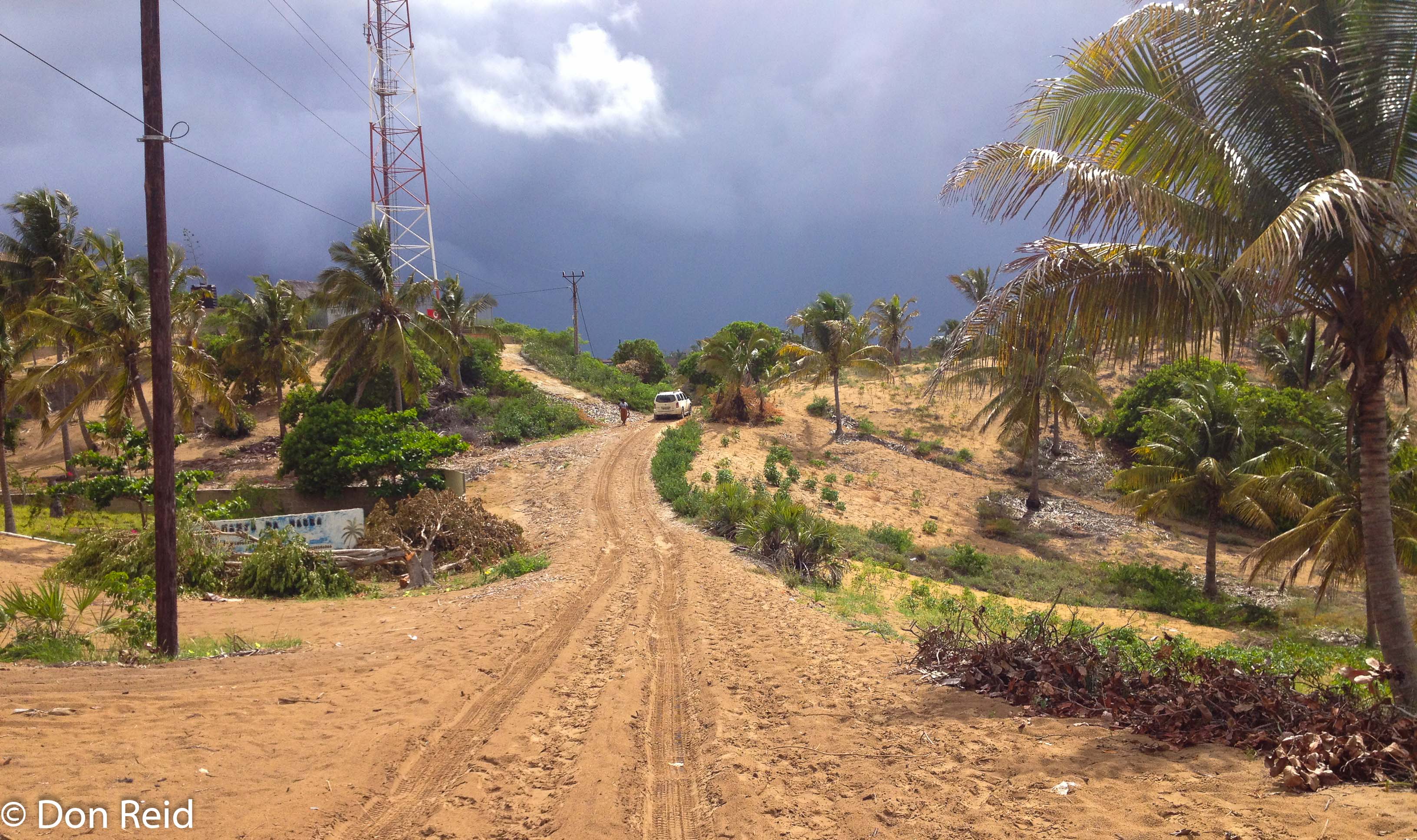
Taking on thick sand on the road to the lighthouse at Barra
The wide expanse of sand on Lighthouse beach Barra

It had been raining lightly on and off, while the temperature and humidity remained high as we approached the Terns, standing and preening in a long line 2 or 3 abreast.

Four species of Tern were evident – from small to large :

  • the cute Little Tern, looking like the baby sibling of the other Terns
  • Common Terns with black bill (some in breeding plumage with red bill and legs)
  • Lesser Crested Terns, handsome birds in their clean white and black plumage, prominent crest and orange bill
  • Swift Tern, noticeably larger than the others (Etienne called them Greater Crested Tern) with large yellow bill.

Mingling with them were Sanderling and White-fronted Plover.
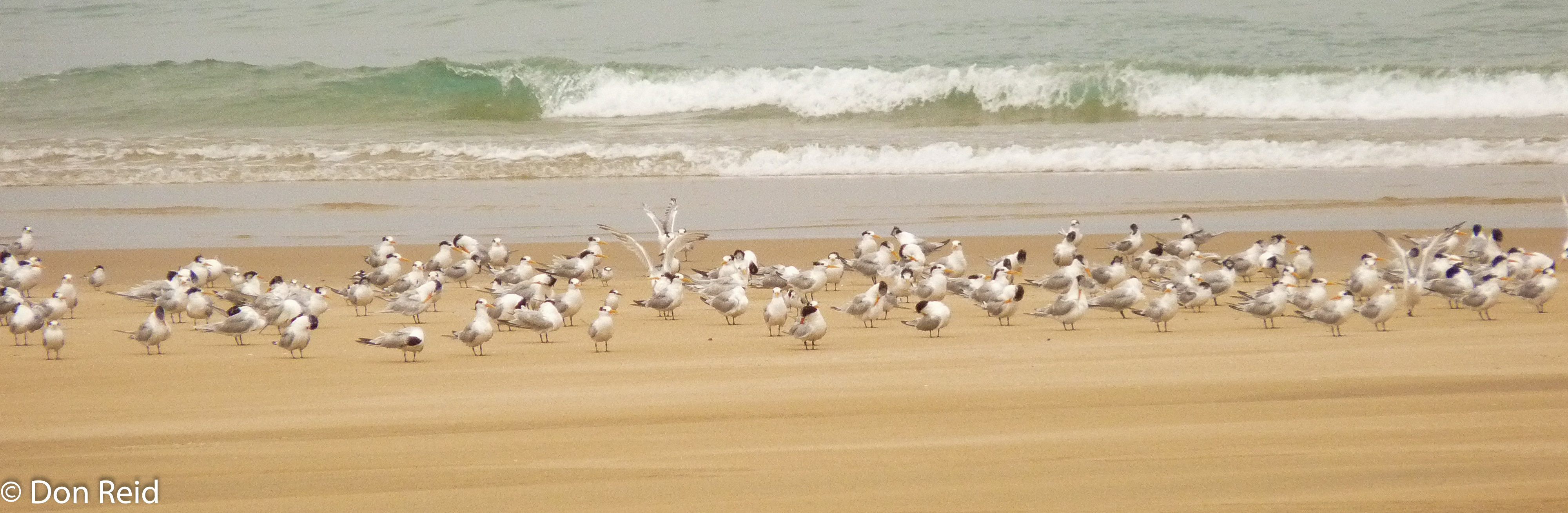
Mixed Terns, Lighthouse beach Barra

Moving on, we headed back to the EN 1 and northwards, past the turn-off to our overnight stop at Morrenguro, towards the area known for the last 2 years for Green Tinkerbird. The last 10 kms were along a sandy track through bush and woodland which at times narrowed so much that the foliage brushed the car on both sides, raising a few grimaces, but after the first few squealing sounds of branch against paintwork, I resigned myself to the fact that some damage was inevitable and in any case “dis aardse goed”.
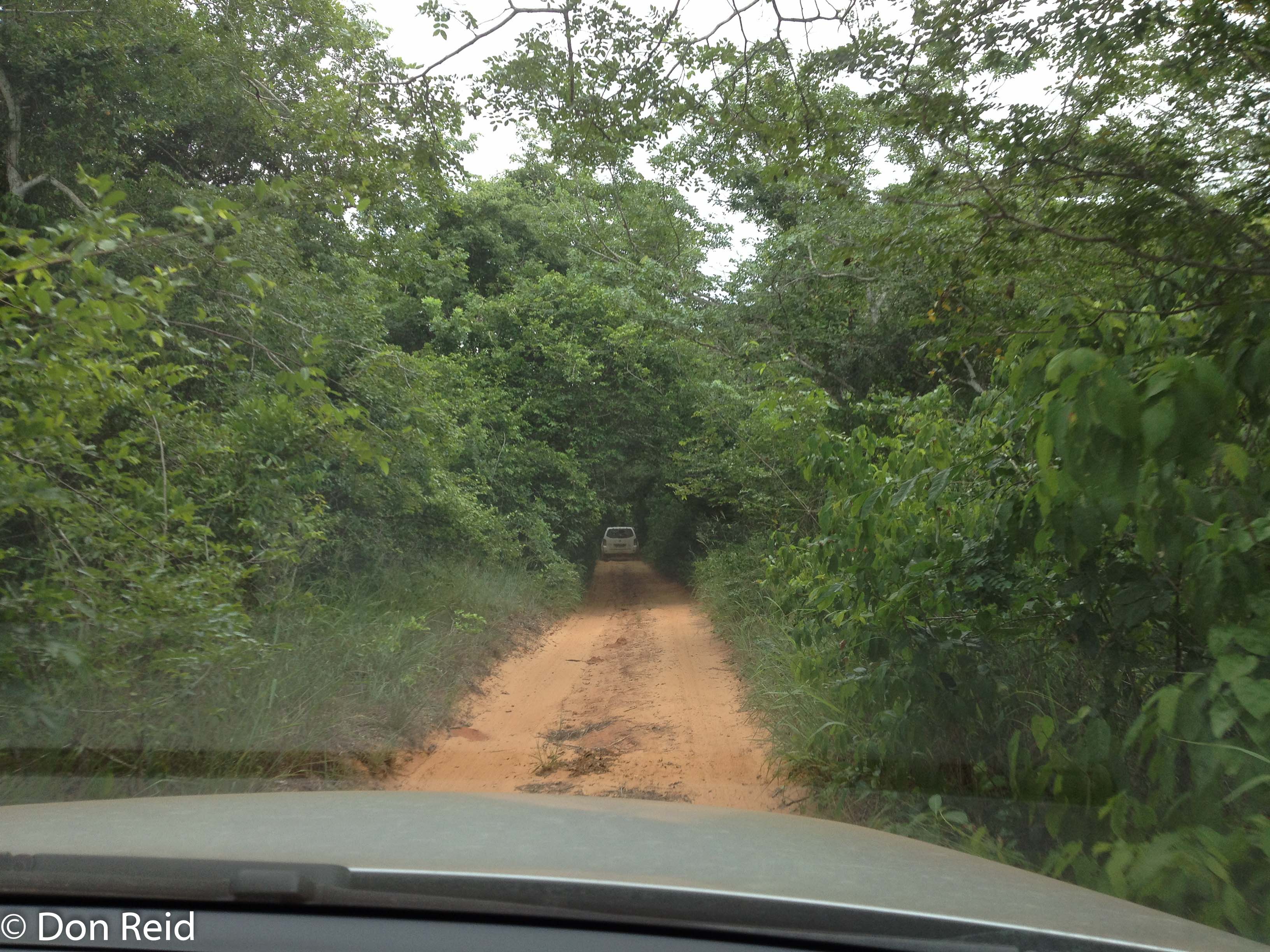
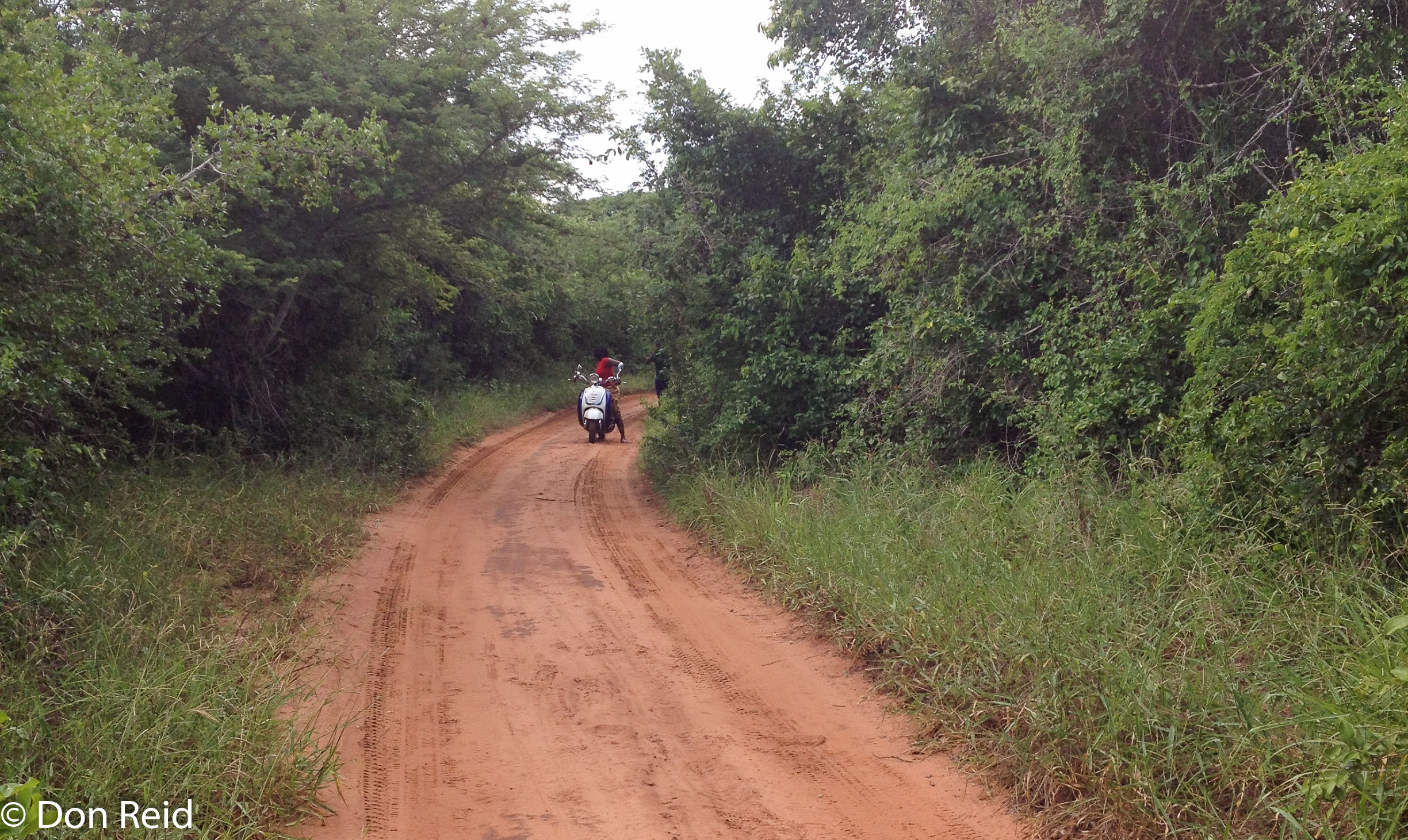
Driving a narrow track through Panda Woodland

A road through Panda Woodland
A local learns to drive a scooter
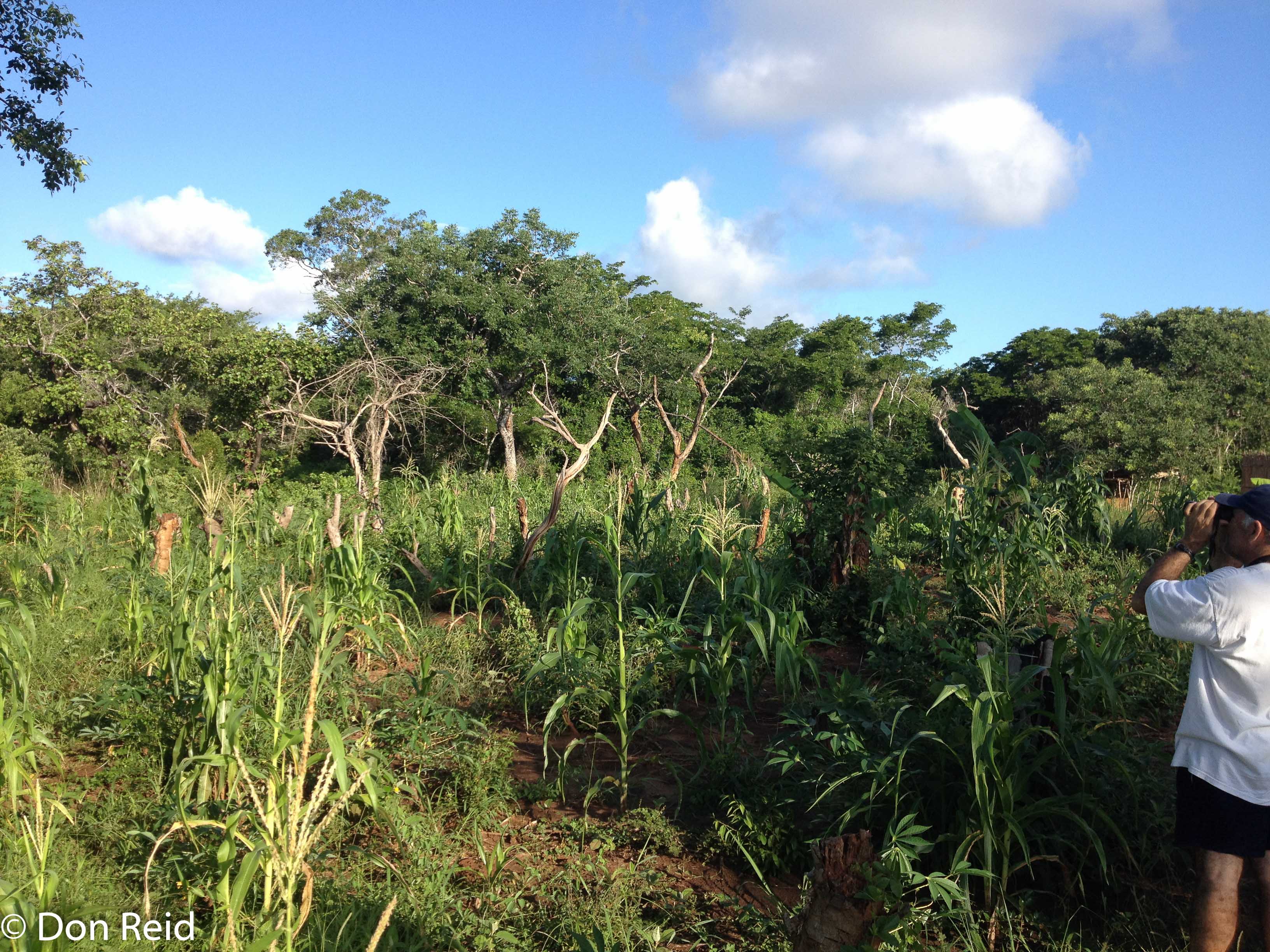
Panda Woodland
Panda Woodland

The rest of the afternoon, after a quick “in the bush” lunch, was spent trying to find, by hearing or sight, said Green Tinkerbird and we came close, having heard it at a distance, but eventually had to call it a day and head back along the track to the EN1. From there we backtracked to Morrengulo Beach Resort for supper and our overnight accommodation right on the beach – real beachcomber style with no windows and the sound of the sea to send you to sleep.
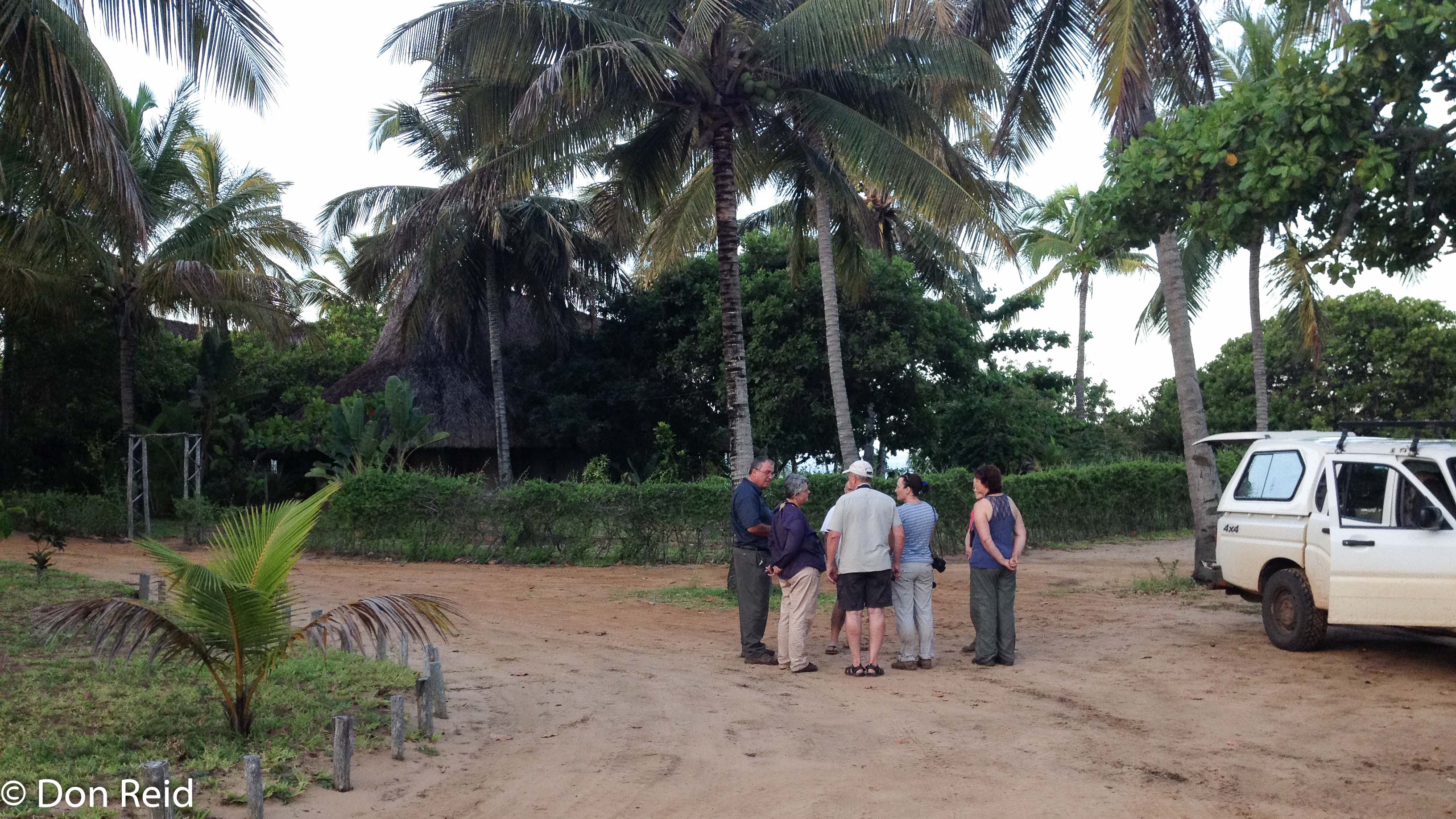
Morrongulo Beach Resort

Dinner was crayfish, bought from vendors at Imhambane and prepared by the resort kitchen – served with chips! Not bad but rather tasteless – I think they overcooked the delicacy we entrusted to them.

Crayfish for dinner
Crayfish for dinner

Tomorrow we resume the search for Green Tinkerbird – more about that in Part 2. (This is a bit of suspense-building, just like those short films they used to show before the main feature on a Saturday morning at Scala cinema in Claremont in my distant youth – the hero is on a runaway train approaching a bridge destroyed by the baddies – will he escape in time? – come back next Saturday and find out!!)

Map of the route
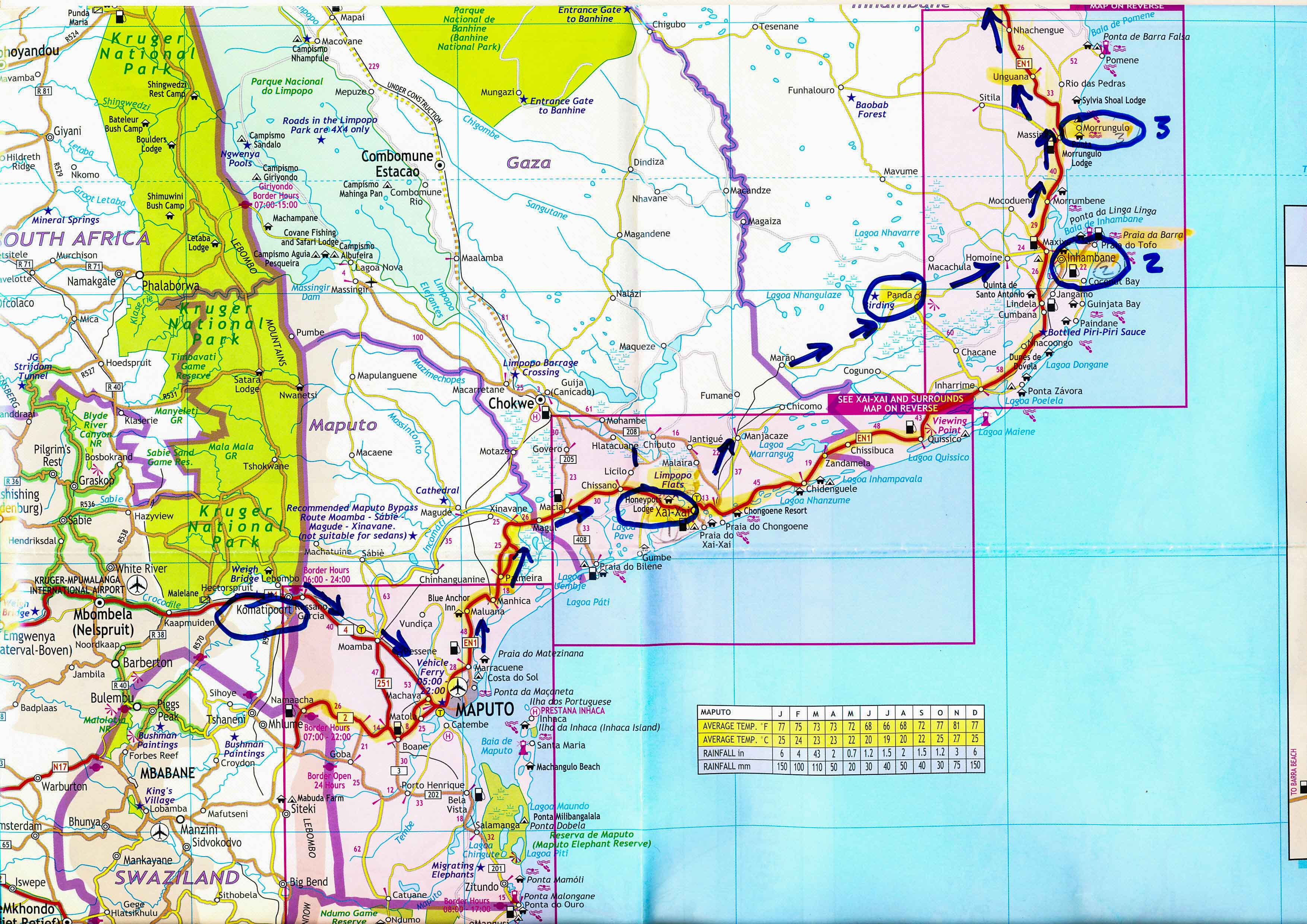
IMG_0001


Kruger Park Birding – Pafuri and Punda Maria


Destination : Far Northern Kruger Park

We had made our usual booking for the birding weekend in Kruger Park at the end of January 2014 and were lucky to be allocated the very popular and over-subscribed Punda Maria camp event. This time we added the “Pel’s Pursuit” event, which was to be presented immediately before the birding weekend and promised to be an exciting addition to the itinerary, involving a search for the elusive Pel’s Fishing Owl, which is one of the most sought after birds in Southern Africa and one which I still wanted to add to my “Life List”.

Both events were presented by the West Rand Honorary Rangers who have made these weekends extremely popular over the years.

Joining me on this trip were George Skinner, Nick Royce and Karl Rohrs, while we also connected with Vos and Veronica Vosloo who travelled independently from Kwazulu-Natal.

Birding on the Way

After travelling the familiar route to Polokwane and Makhado, with a breakfast stop at our usual spot, we turned off towards Punda Maria and made a brief detour to Muirhead dams (turn off is at the signboard “Royal Macadamia“), a good site for Pygmy Goose – instead we found a few White-backed Ducks, almost as scarce and always a pleasing sighting.

Muirhead Dam
Muirhead Dam
White-backed Duck, Muirhead dam

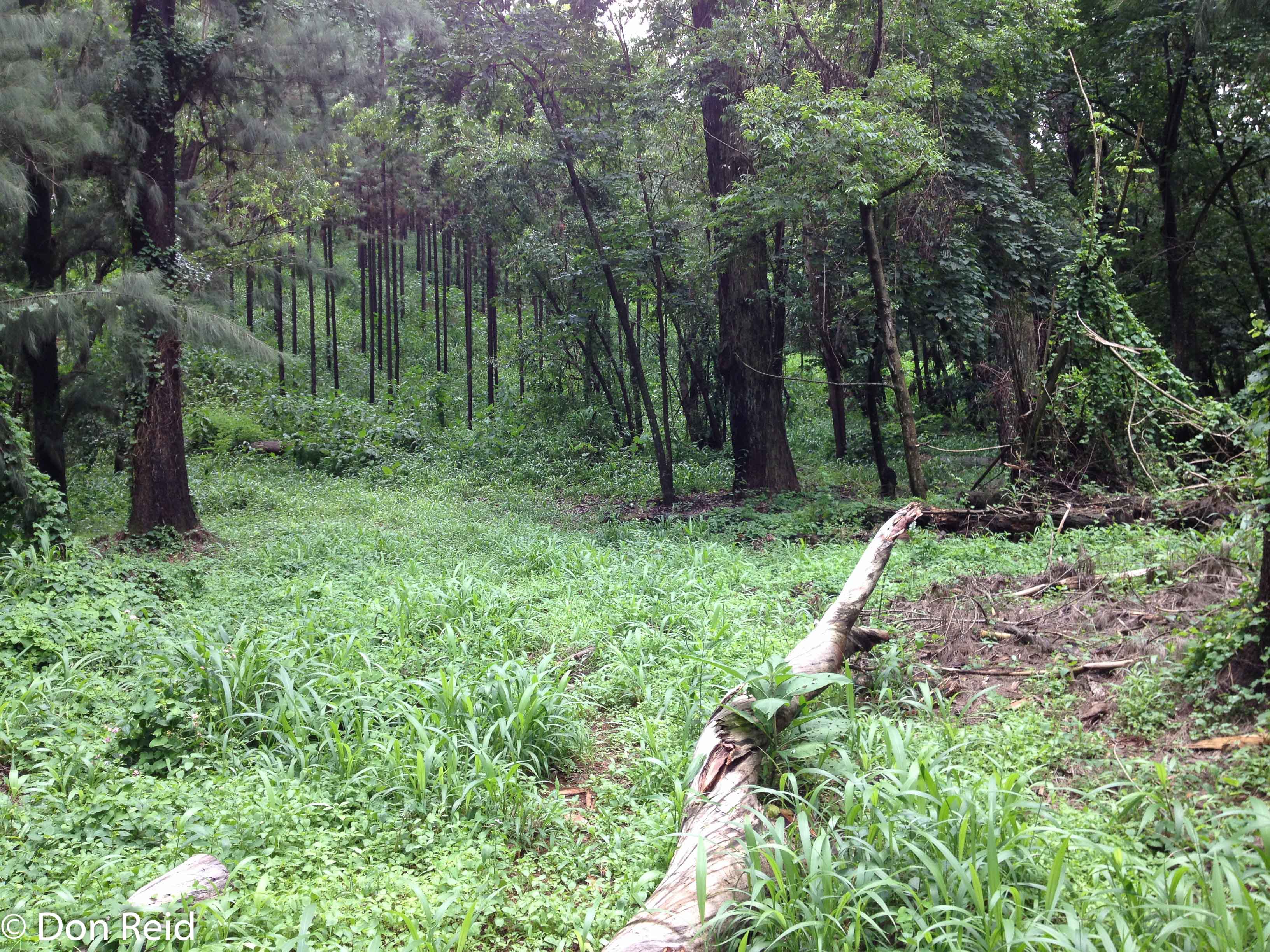
Next stop was Entabeni forest a short distance from the main road (turn off at Entabeni signboard and follow the “Picnic Spot/Hikers Hut” signs), where we hoped to spot the resident Bat Hawk with the help of bird guide Samson, but this species once again eluded me, possibly being in hiding after the heavy rainstorms that preceded our visit. Nevertheless, Red-backed Mannikin was a special sighting and worth the effort. A walk through the cool forest was a welcome but brief relief from the oppressive heat and humidity we had experienced so far.

Entabeni forest - lush after good rains
Entabeni forest – lush after good rains
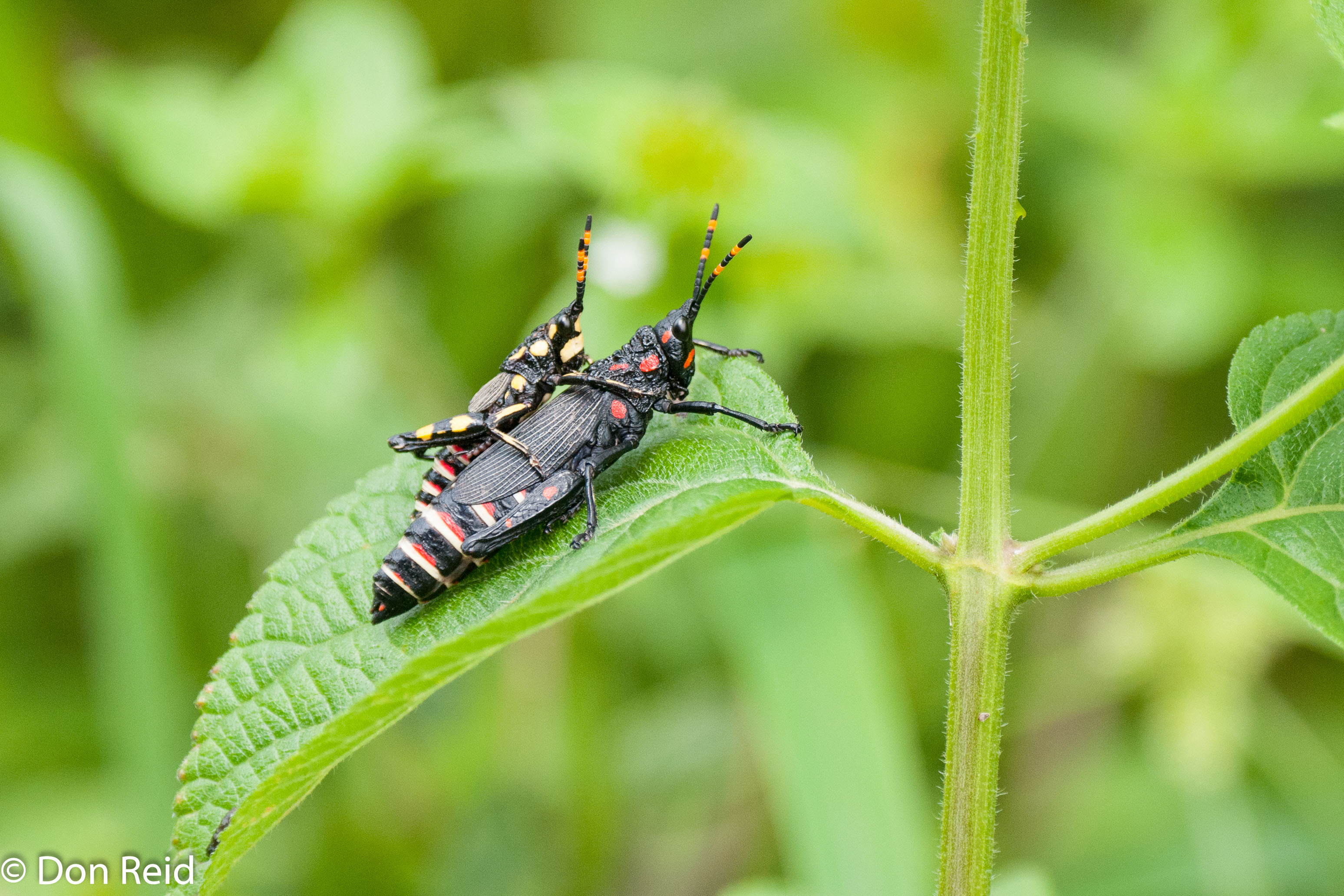
Insect and offspring, Entabeni forest

An hour or so later we arrived at Punda Maria gate which marked the official start of the extended weekend events. Entering Kruger Park we were soon rewarded with a soaring Tawny Eagle and the familiar summer calls of Rattling Cisticola and White-browed Scrub-Robin. High above a Martial Eagle and White-backed Vultures patrolled the skies in majestic fashion.

Little Bee-Eaters hawking insects from low branches tried to outdo their larger European Bee-Eater cousins, while a Ground Hornbill went solemnly about his business, looking like a well-dressed undertaker as he plodded through the long grass. Soon we reached Punda Maria camp, our base for the weekend, and with a couple of hours remaining before the gates closed, we drove a section of the Mahonie Loop, which produced nice sightings of Wahlberg’s Eagle, Hamerkop, Carmine Bee-Eater and three species of Flycatcher  (Pale -, Southern Black- and Marico).

Pel’s Pursuit Event – Meeting the team

Next morning started with an introduction to the Pel’s Pursuit team and short talks by Witness on Community outreach programmes, Chris Patton on “Feathers of the North” – the special birds of the Northern Kruger and Tertius Gous on bird photography techniques, all of which were interesting and informative.

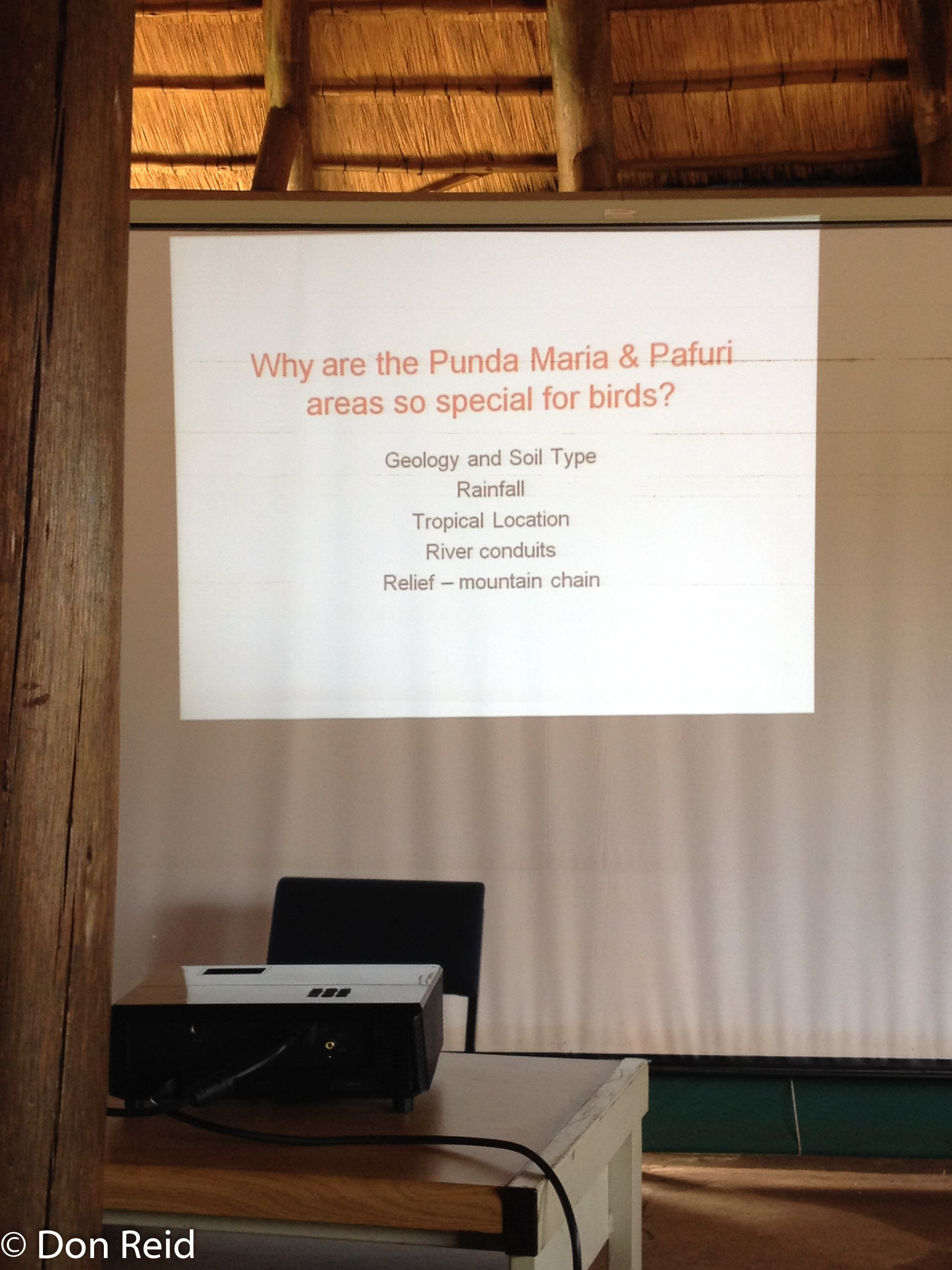
The facts
The facts

The rest of the day was at leisure so we decided to do a game and birding drive to Klopperfontein followed later by an afternoon drive around the Mahonie Loop.

The Park was very lush and green and the grass extra-long following the good rains in these parts – good to see but not conducive to easy game spotting. However our priority remained seeing as many bird species as possible, which is also affected by the lush landscapes as food is readily available at all levels of the food chain in these conditions. Nevertheless there were many highlights of the day’s drives, including :

  • 2 sightings of the scarce Grey-headed Parrot and hearing their metallic-sounding calls where they had gathered in a large Baobab tree
  • Several sightings of Dusky Indigobird
  • Tropical Boubou calling not far from the camp
  • A couple of encounters with Crowned Hornbill
  • A glimpse of Arnot’s Chat in the Mopane woodland
  • Grey-hooded Kingfisher spotted twice
  • A lone African Cuckoo seen just before returning to camp
Driving the Mahonie Loop near Punda Maria
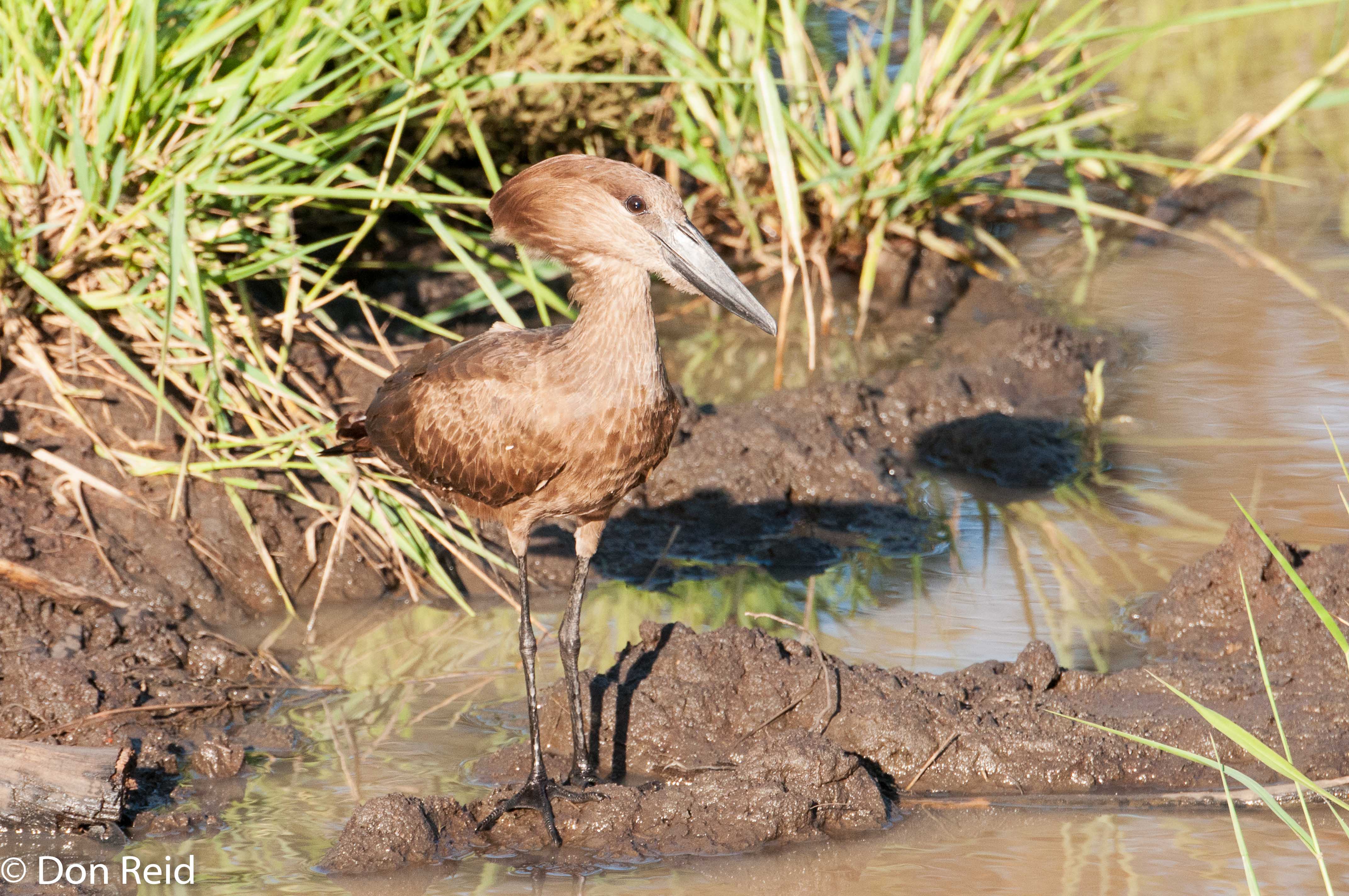
Hamerkop patiently waiting for prey - frogs etc
Hamerkop patiently waiting for prey – frogs etc
Lesser Spotted Eagle (Probable)
Red-backed Shrike, Summer visitor to Southern Africa from Europe

Time to Pursue Pel’s

Friday morning saw us up at crack of dawn for a 5.30 am departure, only to find rain coming down heavily, which delayed our departure until 7 am in overcast weather. Our destination was the Levuvhu River and specifically some of the places along the river known for Pel’s Fishing Owl sightings. The drive was long and bumpy in parts, getting hotter and more humid as the clouds thinned out, until we reached a spot close to the river where our walk would begin.

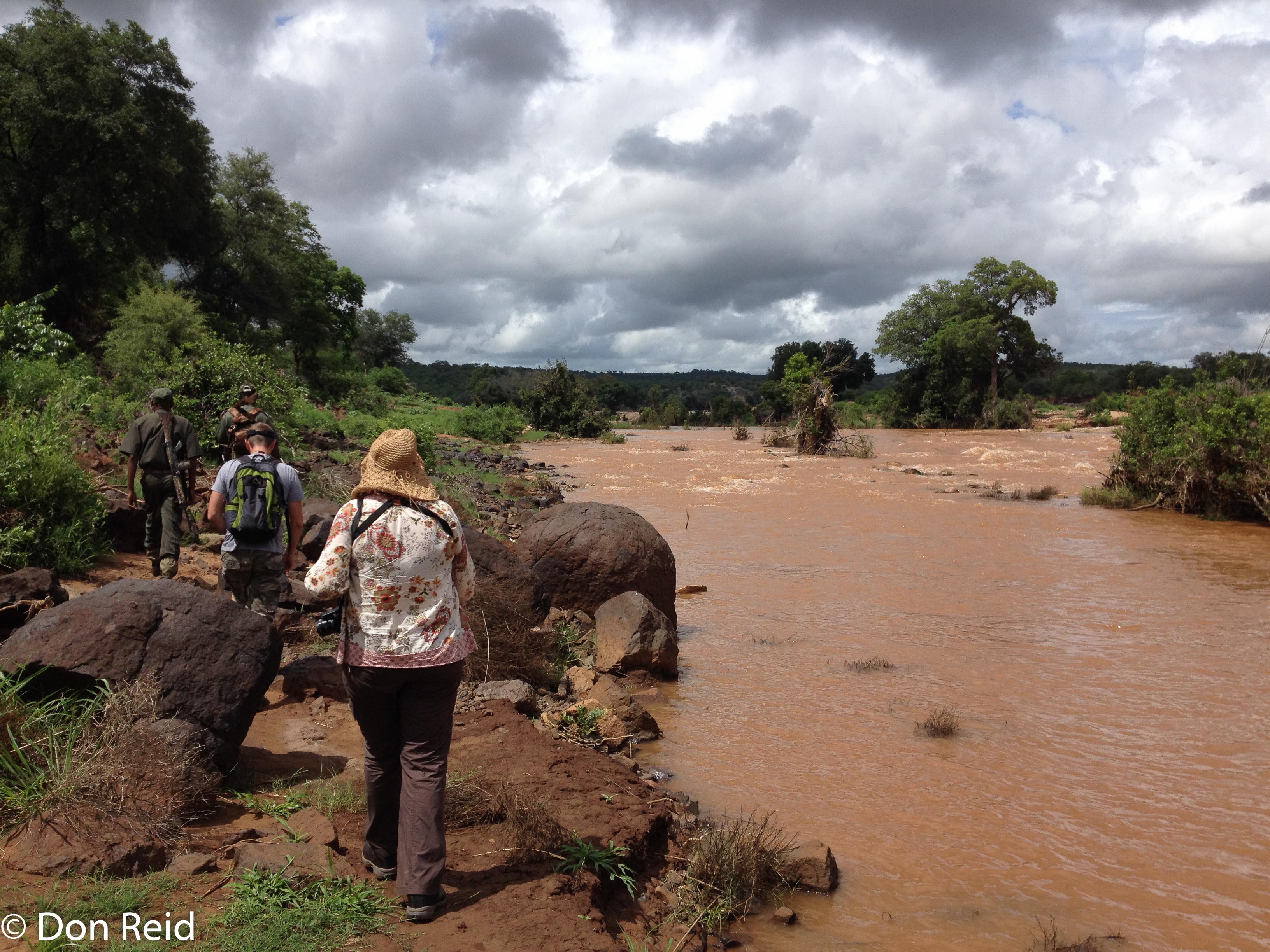
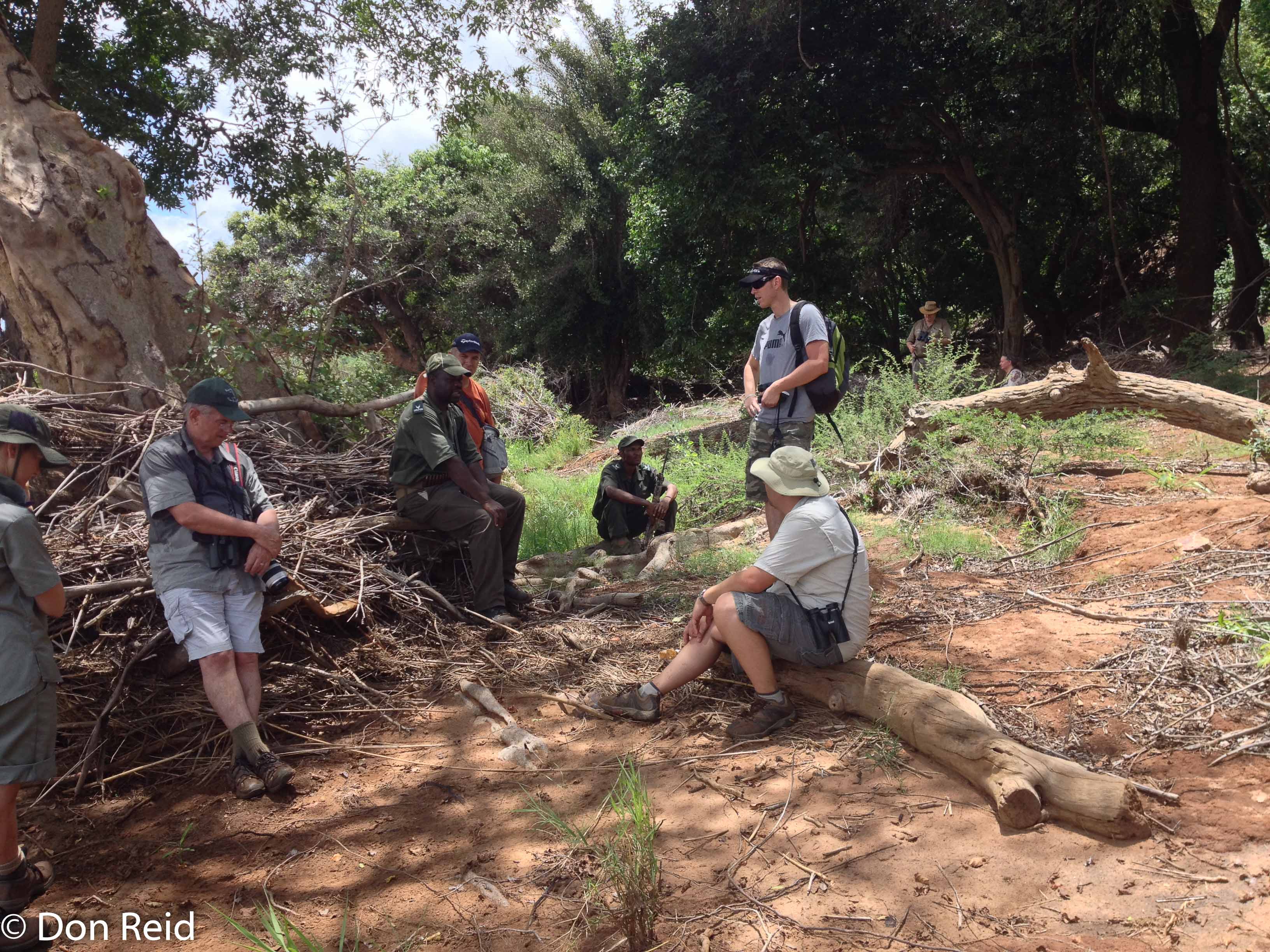
We set off on the walk, sticking close to the river bank where we could, diverting upwards and over koppies where the river bank petered out, sweating profusely in the oppressive heat and extreme humidity, without any sign of the Pel’s. I was atlasing as we went, relying on our ranger David’s skills at ID-ing calls when they were unfamiliar to me. Some of our group were already struggling in the hot, uncomfortable conditions, so regular stops were made for refreshments and water. All in all, we did close to 4 hours walking, which in these conditions really tested our fitness levels – thank goodness for the beautiful, dense riverine forest in places, which provided some relief from the unrelenting sun.

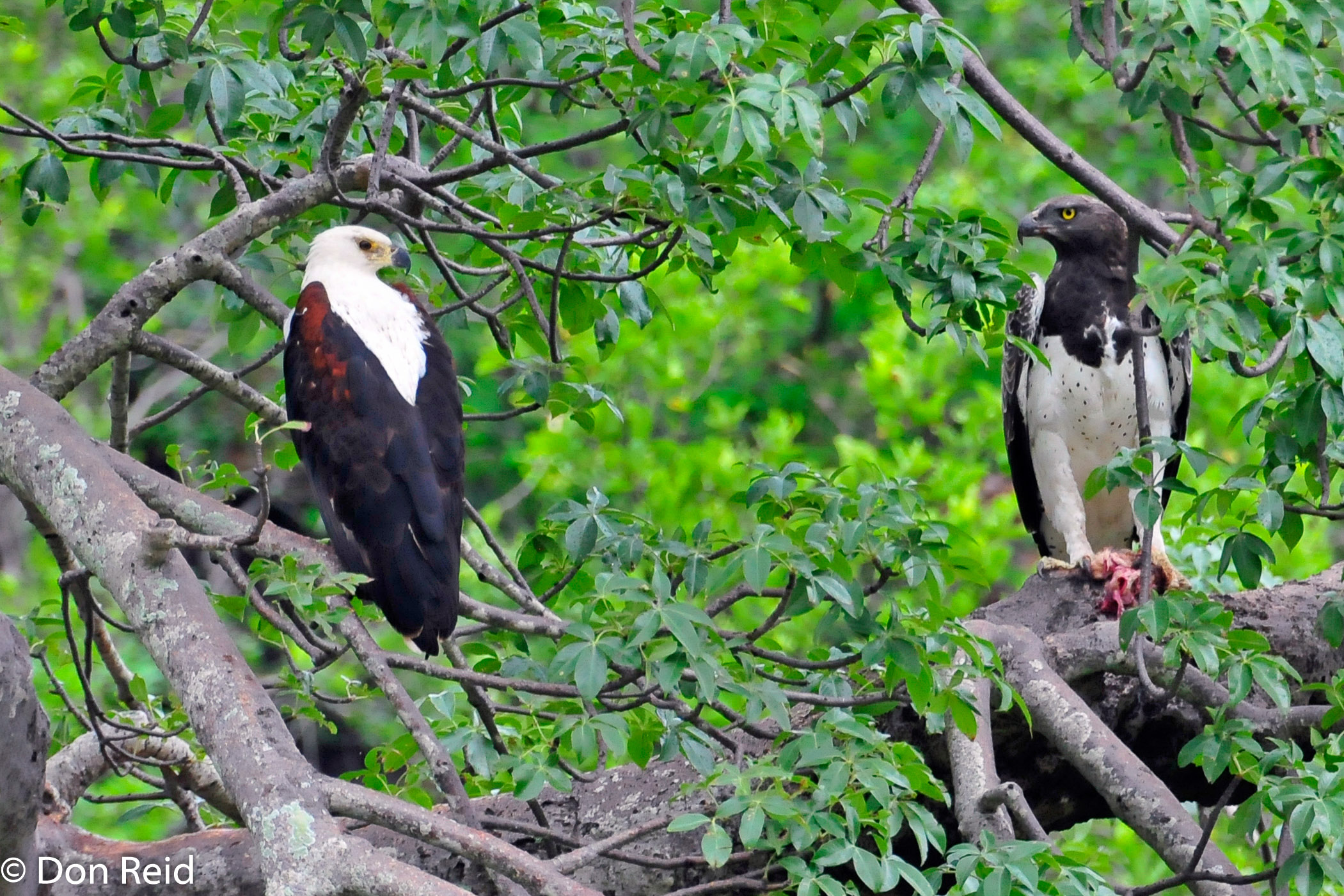
Fish-Eagle and Martial Eagle eye each other
The walk
The walk
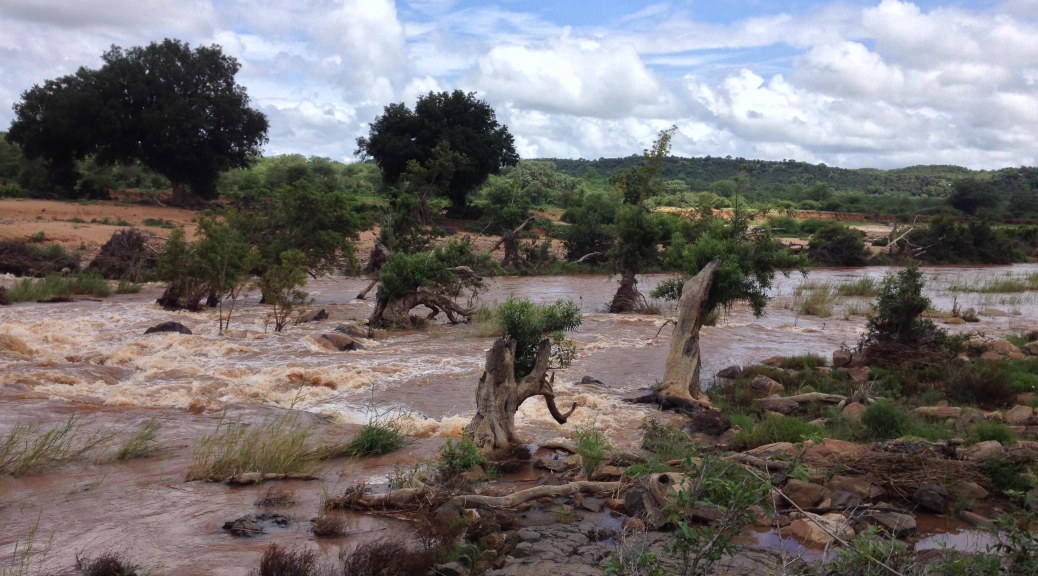
Luvuvhu River flowing strongly
The long walk in hot humid conditions tapped our energy

The birding was good with some memorable sightings :

  • White-throated Robin calling in the dense bush
  • Meve’s Starling showing nicely in the tops of trees
  • Good sightings of Grey-hooded Kingfisher again
  • Colourful Collared Sunbirds in the canopy of the Riverine forest
  • Tropical Boubou in the canopy
  • Black-throated Wattle-Eye responding to taped calls
  • African Harrier-Hawk circling and jousting above the river
African Harrier-Hawk cruising above the Luvuvhu River
Brown Snake-Eagle
Brown Snake-Eagle

The river was flowing fast from the rains and was a caramel colour from the stirred-up mud and silt.

The drive back to the camp was a relief for all, as we enjoyed ice-cold drinks to lessen the heat strain from the long walk. Rain started falling which brought further relief, with no complaints about getting a bit wet in the open sided vehicle.

A pity that we did not encounter the Pel’s Fishing Owl after all the effort put in – that’s how it goes with birding – nothing is guaranteed, but fortunately there is always the probability of a next time to try again.

The Birding Weekend Starts

With the Pel’s Pursuit event done and dusted, it was time to meet the rest of the participants for the “Birding Weekend” starting with a relaxed late afternoon drive, during which several species were added to our weekend list, including a European Nightjar, followed by a braai to close out the day.

Next morning, Saturday, was a complete contrast from the hot and humid conditions of Friday – we awoke to rain at 2h30 (early starts are the order of the day with these events) and were ready to leave camp by 3h15 in the relentless rain, which accompanied us all the way to the Pafuri area an hour and a quarter later. The last stretch was particularly heavy and we were all quite damp by this time, only partly protected from the weather by the leaky canvas top and sides of the safari truck.

We parked and waited under the largest tree near the bridge over the Luvuvhu River for another hour in pitch darkness, wondering what had brought us to this place at this hour in these conditions – the simple answer is a passion for birding.

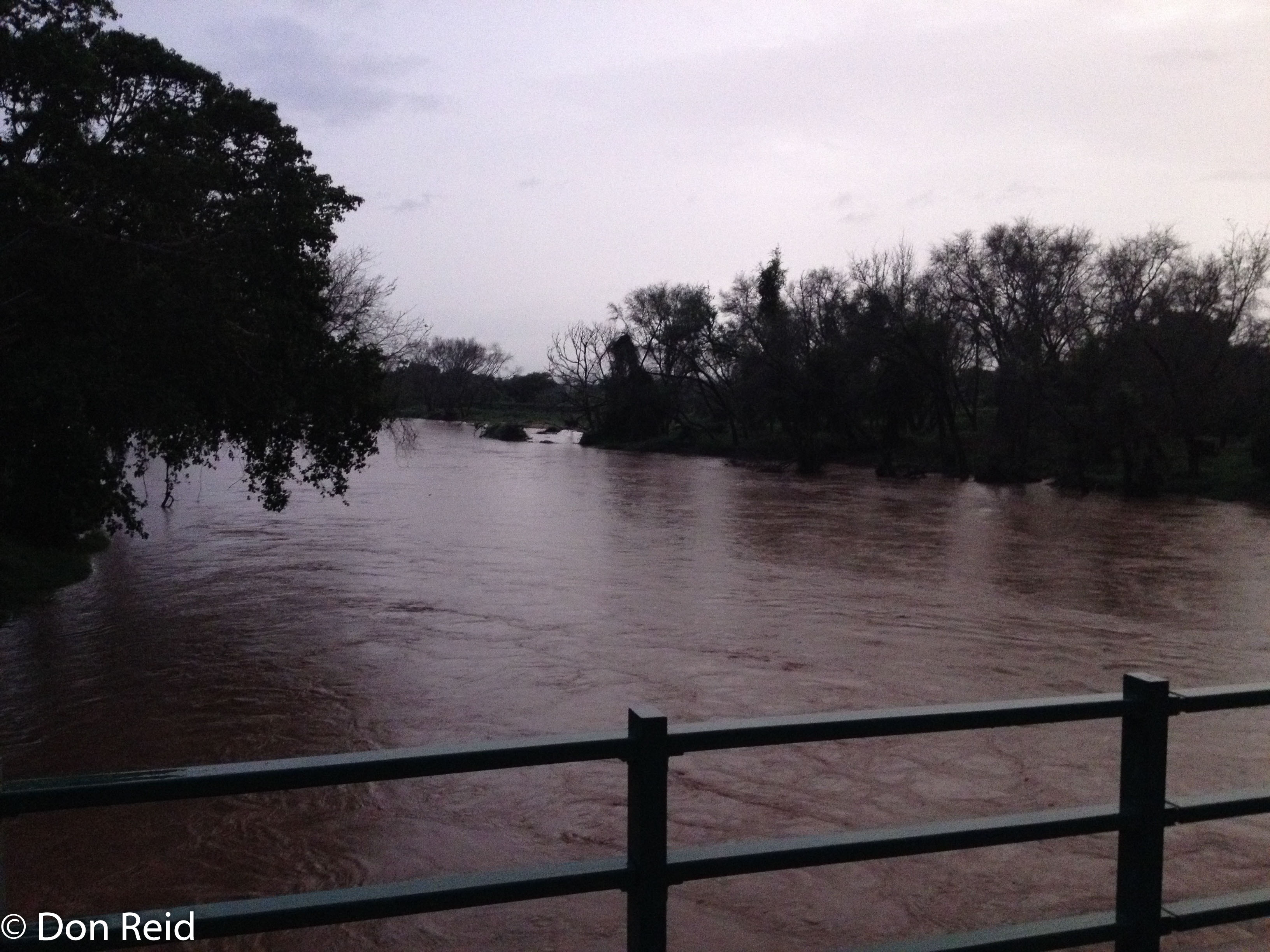
Once dawn broke, we could see how strongly the river was flowing – an impressive and slightly worrying sight, knowing the extent of previous flooding.

Dawn on Luvuvhu River after heavy rain

We spent some time on the bridge, checking the bird life as best we could and making an impromptu cup of coffee to raise the spirits (ours not others) then made our way slowly to Pafuri Picnic spot, fording the deep pools of water that had formed in the dirt road.

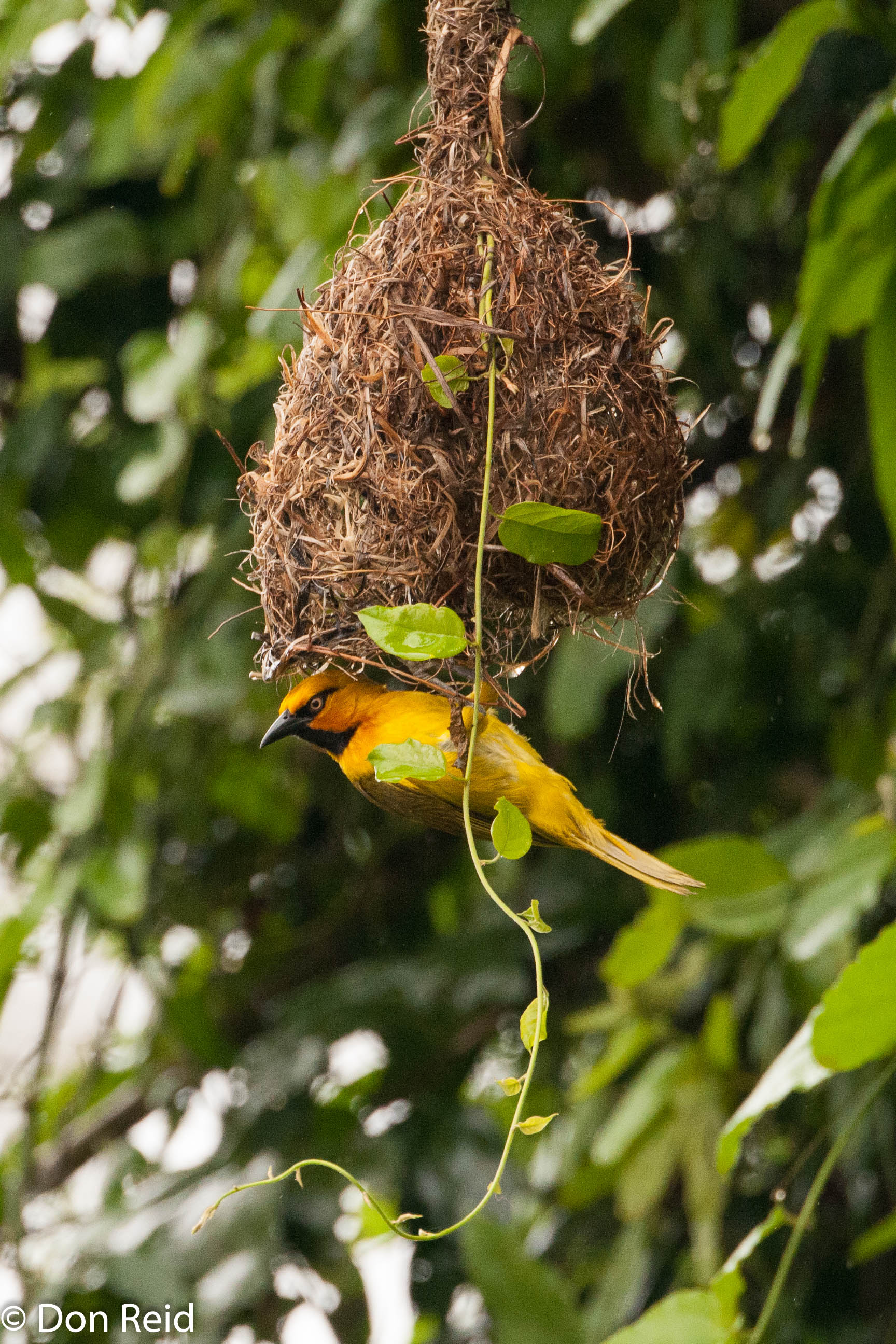
Spectacled Weaver at his nest over the Levuvhu River
White-fronted Bee-Eater

Highlights of the Pafuri area were :

  • Eurasian Hobby perched high in a tree
  • Yellow White-Eyes moving about busily
  • Greenshank working a large puddle in the road
  • Pytilias and Firefinches in the lower stratum
Green-winged Pytilia - fairly common in the Pafuri area
Green-winged Pytilia – fairly common in the Pafuri area
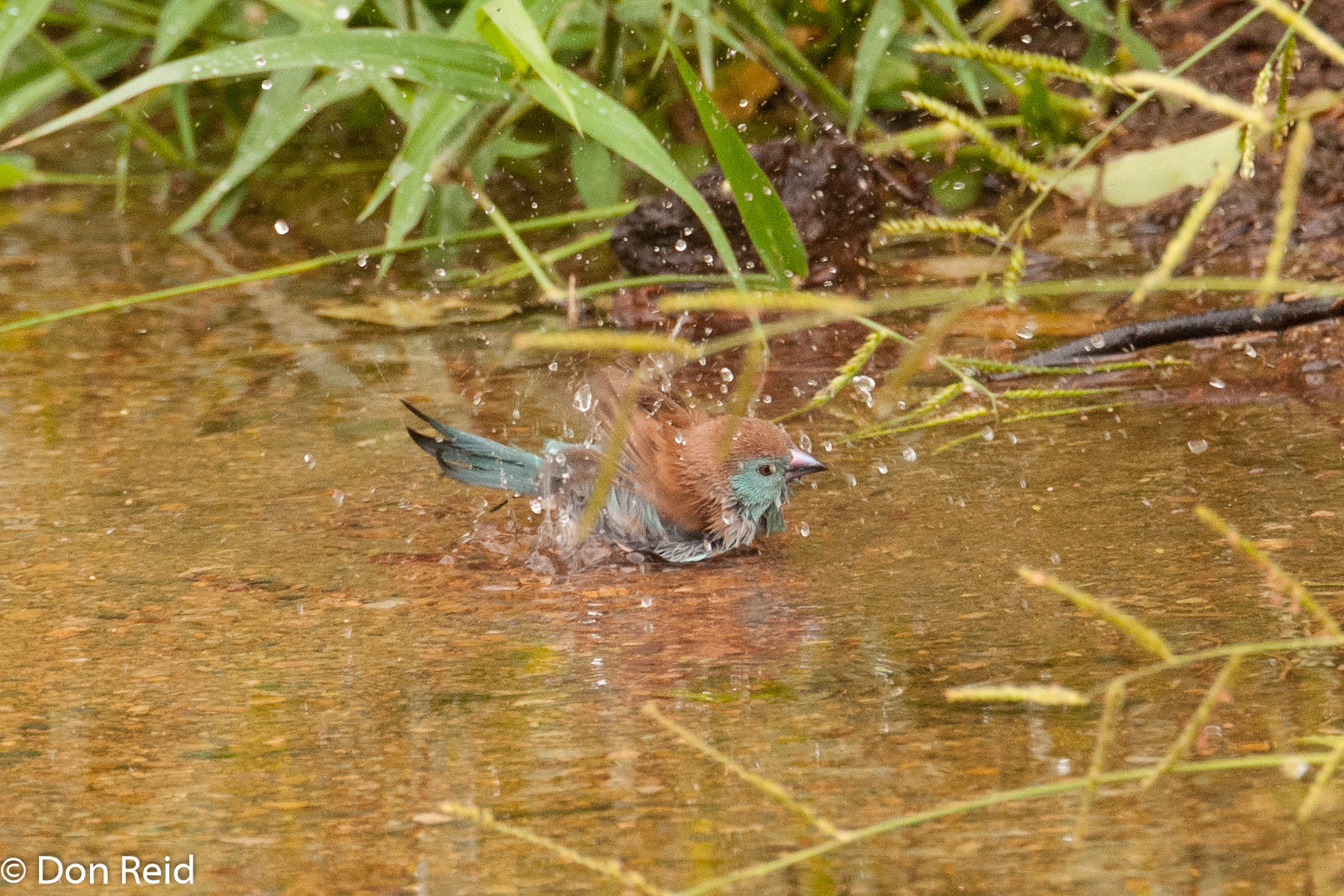
Blue Waxbill bathing
Natal Spurfowl
Natal Spurfowl

From the picnic spot it was a short but wet drive to Crook’s Corner where the Limpopo was flowing powerfully, evidenced by the large tree stumps being carried along swiftly by the swollen river. We spent time there enjoying several Bee-Eaters (Blue-cheeked-, White-fronted- and Little) as well as the many birds frequenting the adjoining bush – Red-faced Cisticola looking indignant at being disturbed, Common Scimitarbill, Meve’s Starling, Village Indigobird and African Harrier-Hawk overhead.

Spider Alley

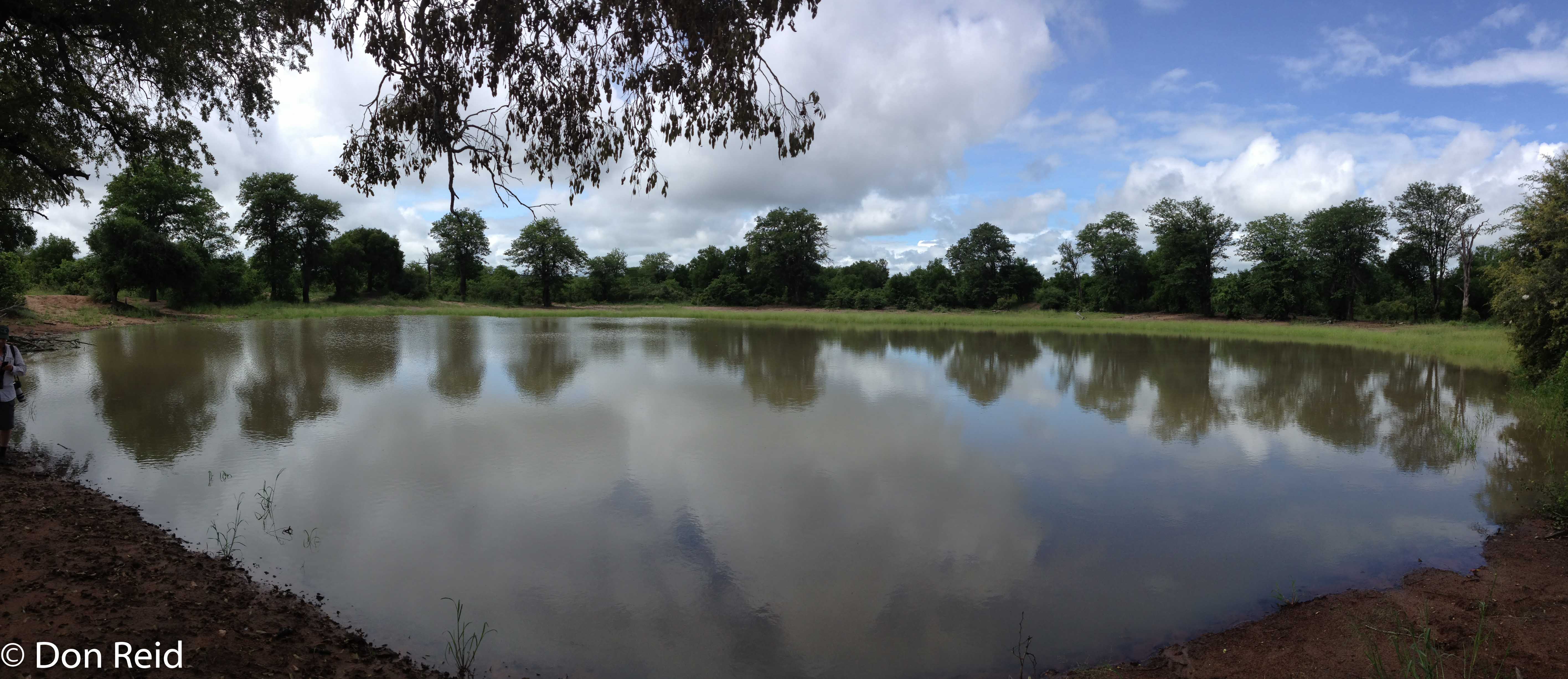
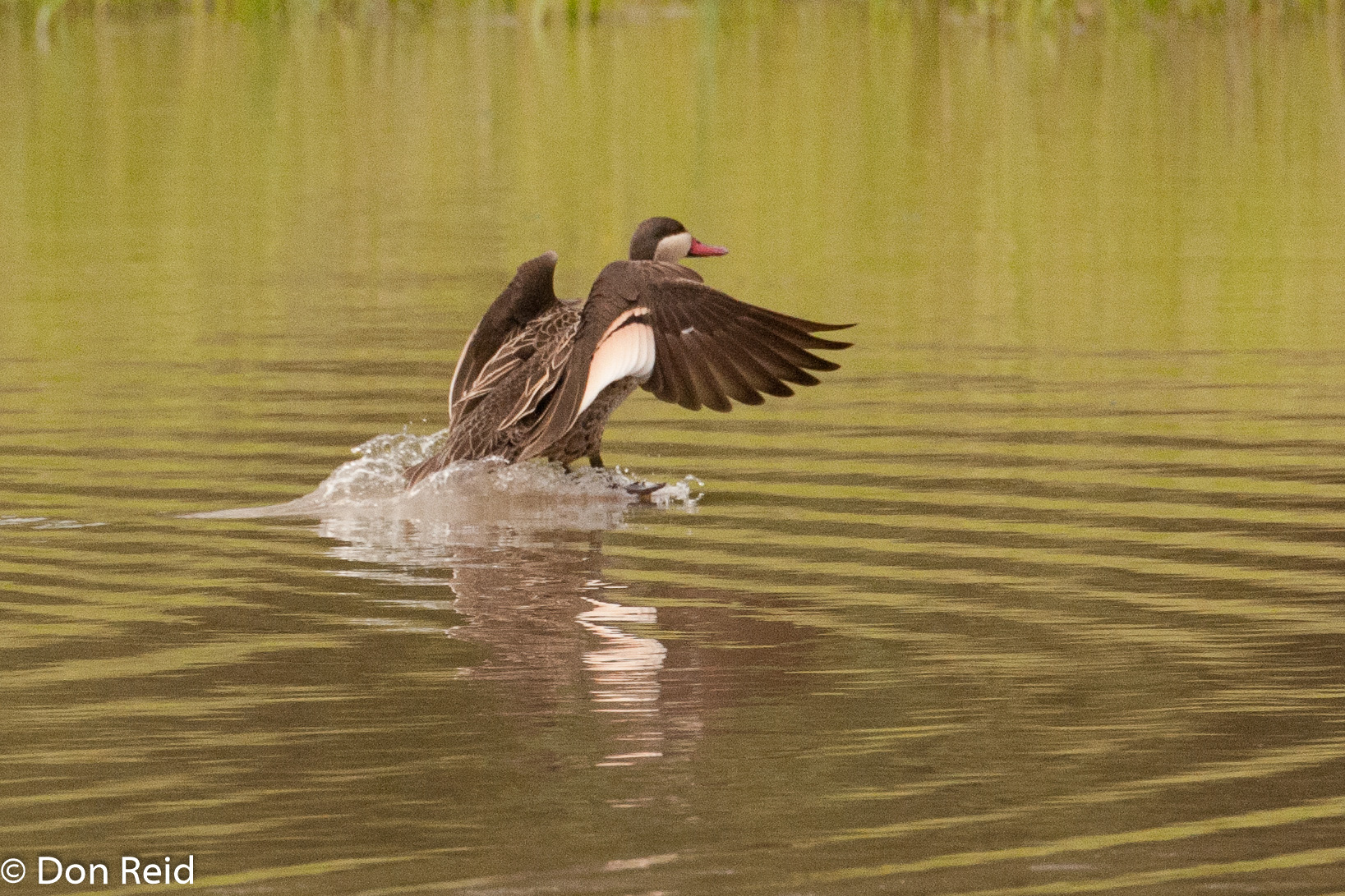
Our Ranger, Richard, then took us on the long drive to an area east of Babalala, by which time the rain had abated and our spirits were a lot higher. The lunch stop alongside a pan with Little Grebe and Red-billed Teal in residence, was made special by the knowledge that very few have the privilege of visiting this area, which is not open to the public.

Nwambiya pan
Nwambiya pan
Red-billed Teal, Nwambiya
Richard capturing the beauty of the wild flowers
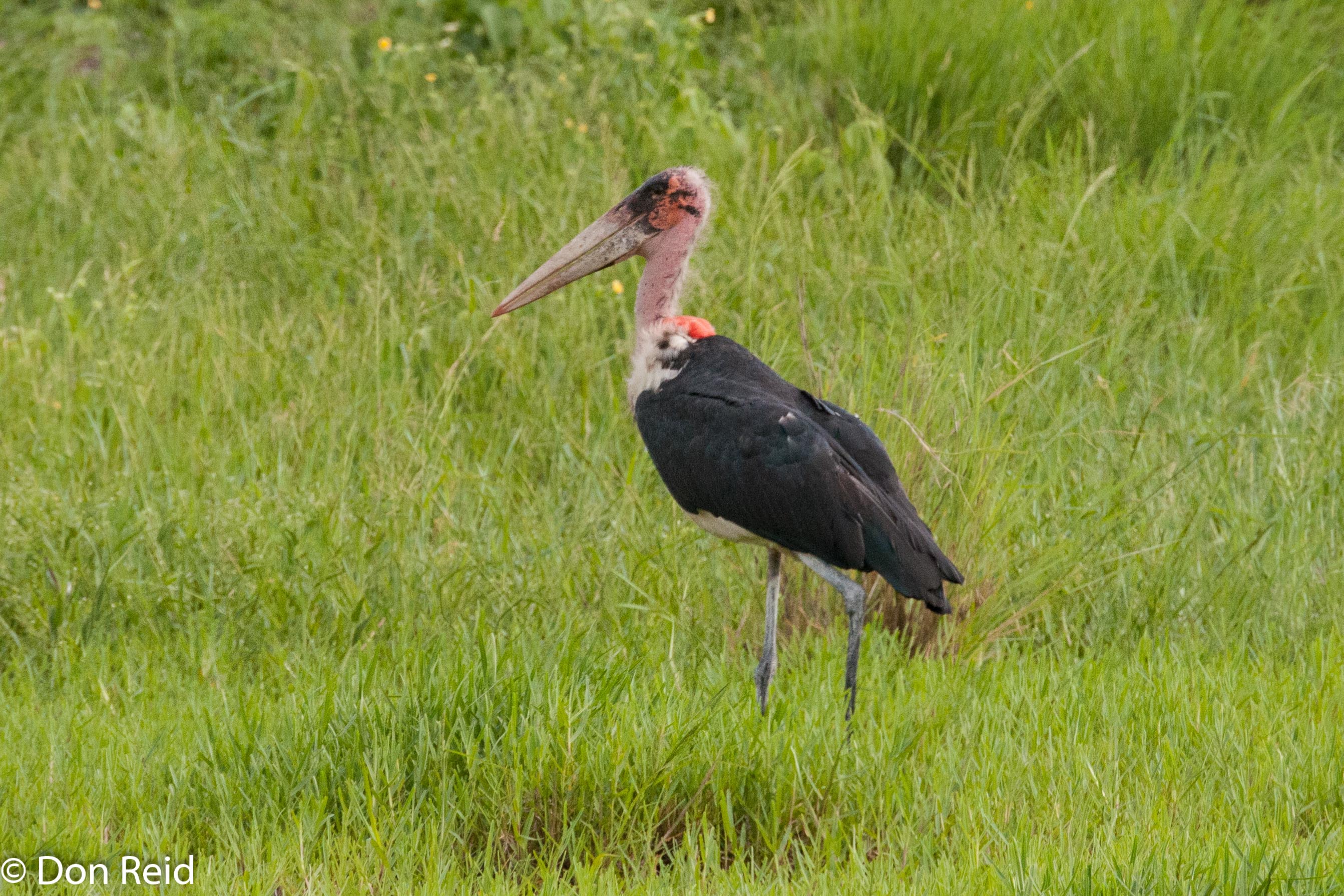
Marabou Stork, KNP
Marabou Stork, KNP
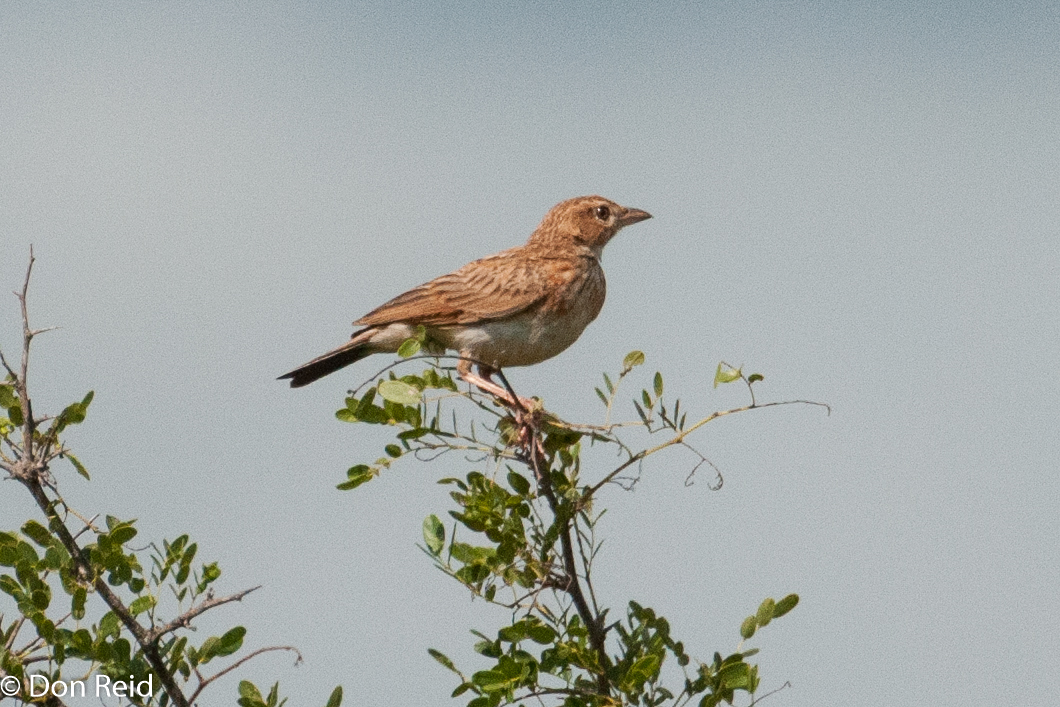
Fawn-coloured Lark
Fawn-coloured Lark

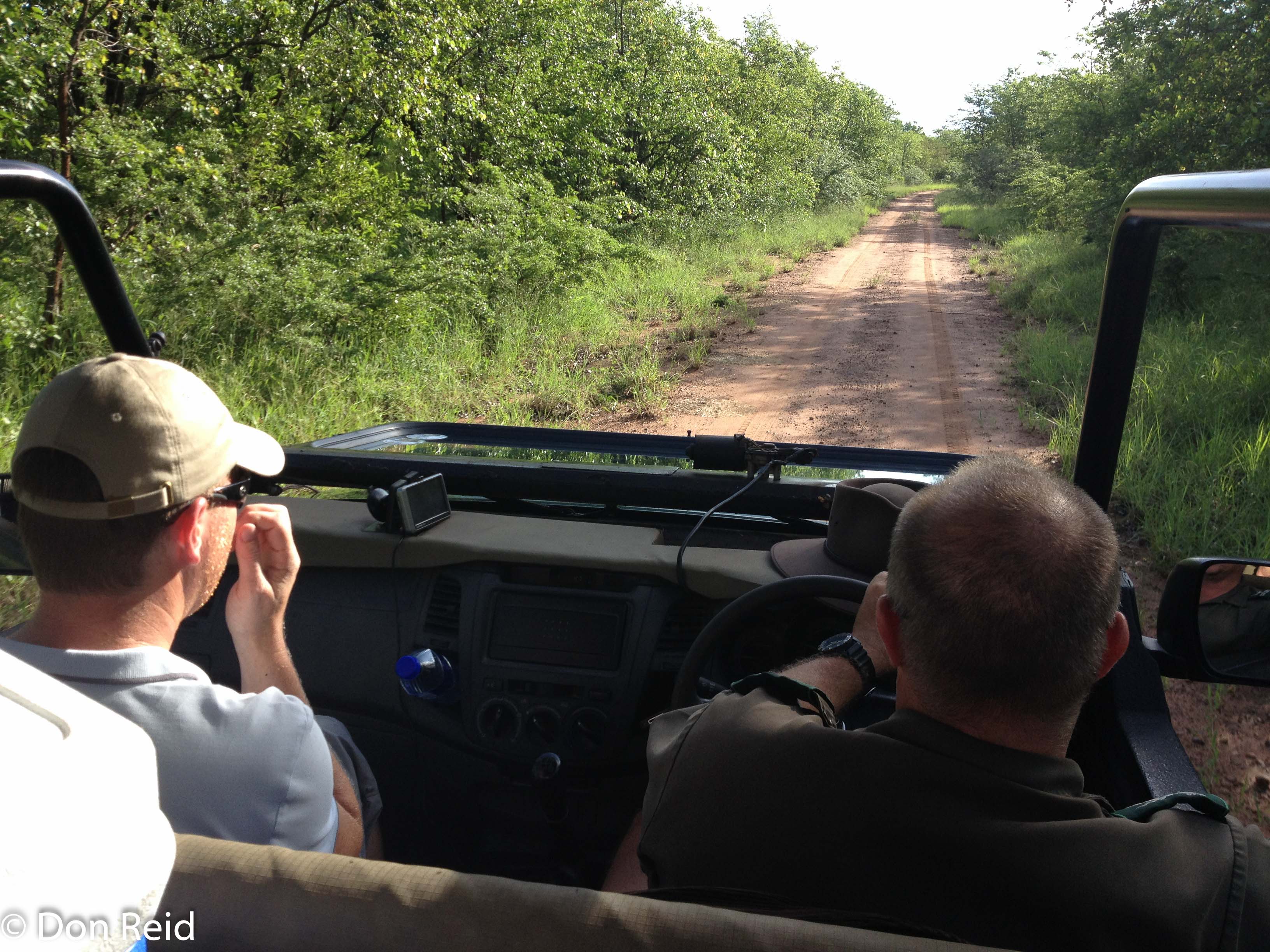
On the way there we had some “fun” traversing a stretch which could easily be called “Golden Orb Alley” – a narrow track through the dense bush which is favoured by Golden Orb Spiders to span their webs across at regular intervals. Every few hundred metres the open safari vehicle drove right through one of these massive webs and the resident spider, caught by the canvas roof edge, would descend into the vehicle right in front of the driver and our bird expert in the passenger seat, who happened to have a “thing” about large spiders. This caused some pandemonium a few times in the front of the vehicle, but our Ranger calmly collected them as they were dangling and deposited each one outside the vehicle without even slowing down.

Driving along "Golden Orb Alley"
Driving along “Golden Orb Alley”

Soon after, we all had a turn at jumping around in our seats as swarms of thousands of “miggies” (midges) hit the open vehicle as we drove at about 40 km/h – one swarm in particular brought us to a standstill as we tumbled out of the vehicle trying to get them out of eyes, nose and ears and to brush them off our clothes, turning it into a chaotic couple of minutes. No wonder this event is billed as “extreme birding”!

However all this discomfort proved to be worthwhile when, travelling along the border with Mozambique, our guides found Rudd’s Apalis and Pink-throated Twinspot in quick succession – both much sought after birds.

Pink-throated Twinspot, Moz border KNP

Bull Elephant vs Richard

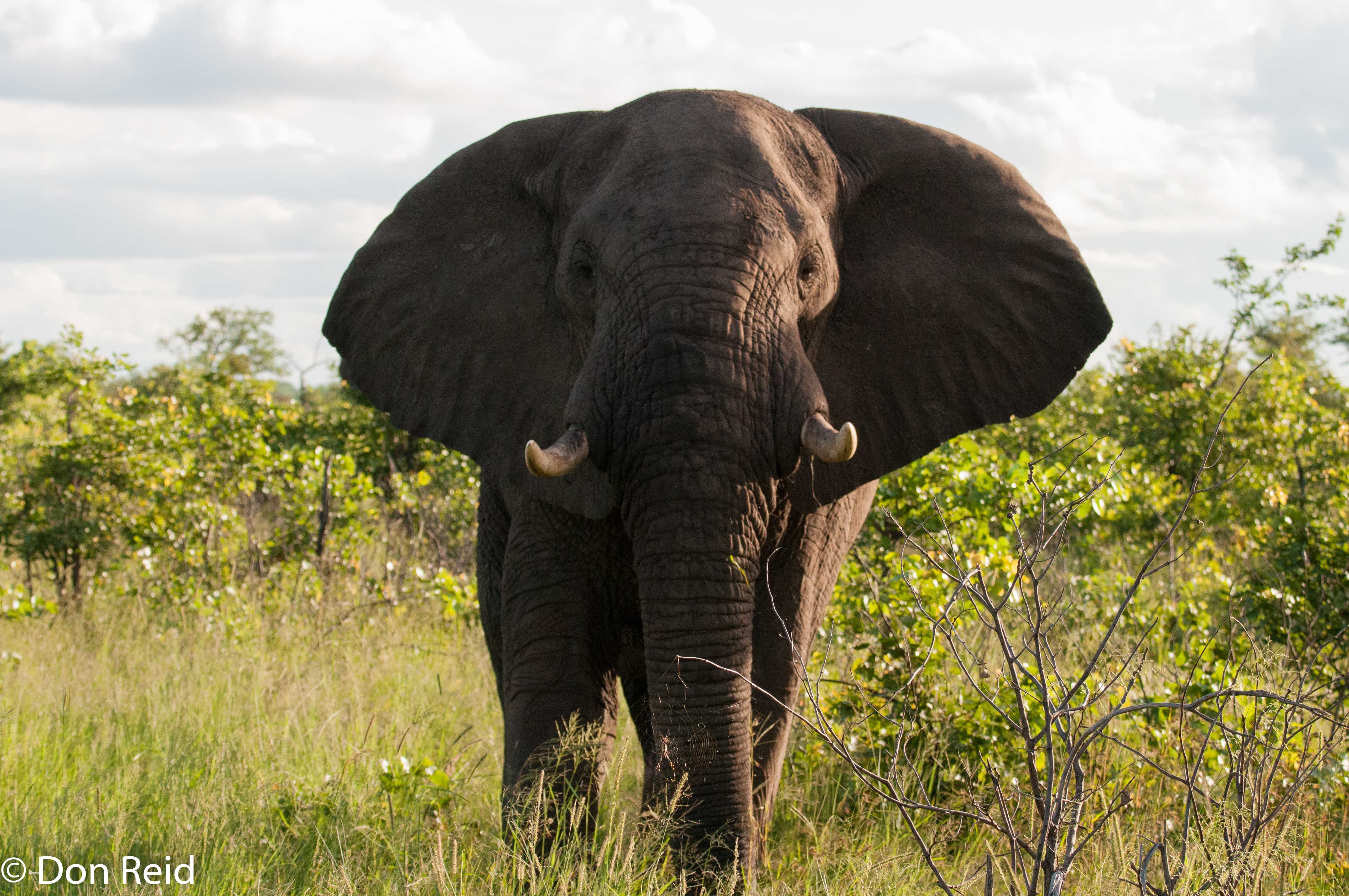
From there we headed west back to the main Kruger road to Punda Maria camp through pristine grassland, stopping to enjoy close up views of Elephants along the way, for which, it became evident, Richard had a particular respect. One lone Bull got a bit shirty (correct spelling) and showed some aggression to the metal intruder but Richard had his match, revving the engine and advancing slowly and we were happy to see the elephant back off with ears flapping.

African Elephant daring us to come closer
African Elephant - eyeing us
African Elephant – eyeing us

The evening braai was the chance to relax after a long day’s birding – G&T never tasted so good.

Sunday morning we returned to Pretoria with good memories of a superb weekend of birding one of the top spots in Southern Africa.

And just to round off this longish post…….

Stop me if you’ve heard this one

A joke my dad used to tell came back to me today – it is a gentle Scottish one told by a gentle Scottish man :

A Glaswegian named Jock, who is not feeling well, goes to see his doctor, one Dr McIntosh, who gives him a good check and prescribes some pills which he dispenses himself and hands to the patient with the instruction to “finish the course and bring me a urine sample in the same bottle”. Jock is a little puzzled by this request because he was complaining of a severe headache, but he follows the instruction and brings the urine sample when he next visits the doctor. The doctor has another look at him and prescribes further pills, with the same instruction to bring a urine sample in the same bottle.

When Jock visits Dr McIntosh a third time he is declared fit and well. Jock is curious and asks the doctor why he asked for urine samples when he didn’t seem to refer to them at all – Dr McIntosh replied in his broad Scottish accent “Well laddie, that way you get your bottles back!”