When “Overseas Family” come to visit us in South Africa, it is always a big occasion which is eagerly anticipated, so we were thrilled when niece Sarah announced more than a year ago that she was bringing their family from Canada over to Southern Africa for a “Trip of a Lifetime” in March 2017. Even better was the news that my sister Sheila (Sam to them) would be joining them for the trip and brother Andrew would join them for the southern leg.
Our task was to organise the northern leg of the trip, which had to include Kruger National Park with Victoria Falls and Botswana being high on their wish list. We soon had a Kruger booking pinned down, together with a short stay on the Panorama route in Mpumulanga, which took care of most of week 1 of the two-week northern leg. A while later we secured a travel package which included a couple of nights each in Victoria Falls and Kasane Botswana which filled week 2, so we were all set.
The Highlights – Places, Sights, Food
The following is a brief diary of the two weeks, which I will no doubt expand on in further posts.
Monday 6th – Pretoria
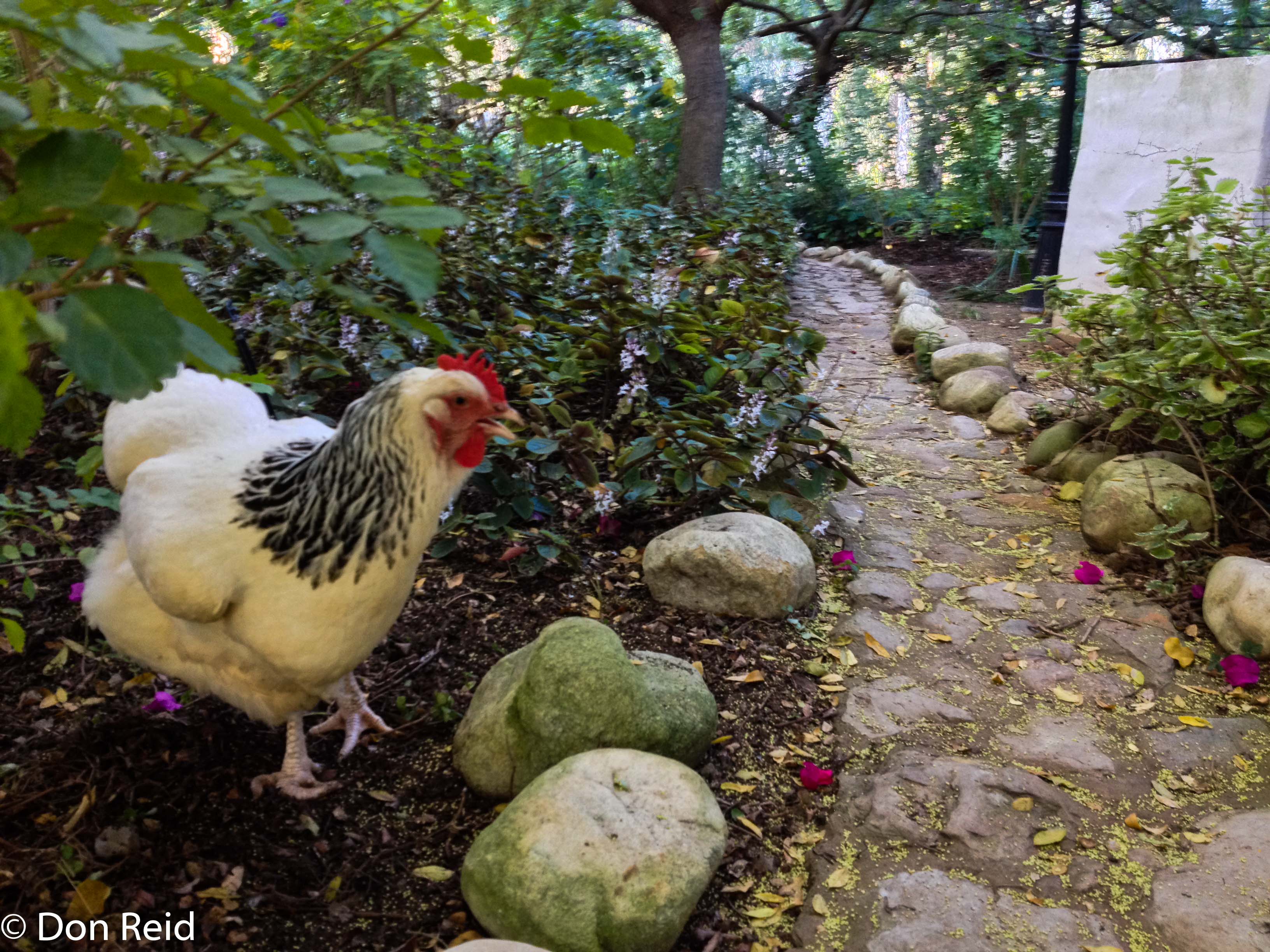
The family arrived on Sunday evening (Alex, Sarah, Cassie and Rio) and Monday morning (Sheila) so Monday was a day of recovery and orientation for their travel-befuddled and time-zoned brains. Gerda prepared a nice supper with “just enough chicken” to go around (3 whole chickens with one in the wings just in case!)
Tuesday 7th – Pretoria to Satara Camp in Kruger
We set off for Kruger in the morning, loaded to capacity in our SUV plus luggage trailer. Mid-morning we stopped at Milly’s for the customary brunch and a good coffee, which set us up nicely for the rest of the day.
The journey took more or less the whole day and included an unexpected deviation in Kruger so we arrived at Satara just as the gate was closing at 6.05 pm (more on that story in another post!)
The evening braai allowed us time to reflect on the long day’s travelling and sights seen on the way to Satara, albeit a bit rushed!
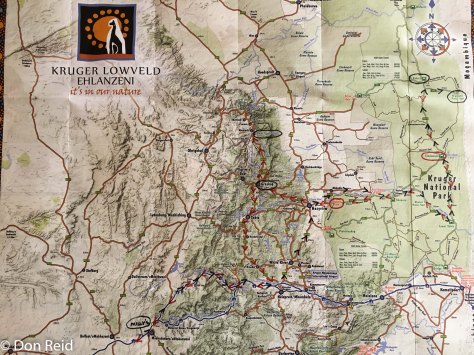
Route map MpumulangaMillys
Wednesday 8th – Satara to Nwanetsi
We had just two nights in Satara camp in Kruger so made the most of it with a long morning game drive on the Wednesday to Nwanetsi, where we prepared a genuine Kruger brunch. The afternoon nap time allowed everyone to rekindle their energy.
The route to from Satara to Phabeni Gate took almost the entire day, travelling at a slower and far more respectable pace, with stops at Tshokwane, Lower Sabie and the Lake Panic hide along the way. From Phabeni it was a short drive to Graskop and onwards to Thaba Tsweni Lodge for a two-night stay. The day was filled with interesting and exciting sightings with Kruger in superb condition after the good summer rains.
The evening meal was not in a restaurant as planned (we just could not face the trip to Graskop and back at night having seen the state of the road) , but a Chef’s Table conjured up by Gerda and Sarah with all the goodies packed by Gerda “just in case”.
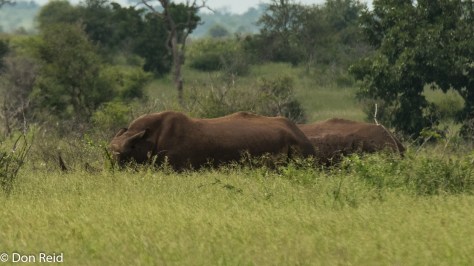
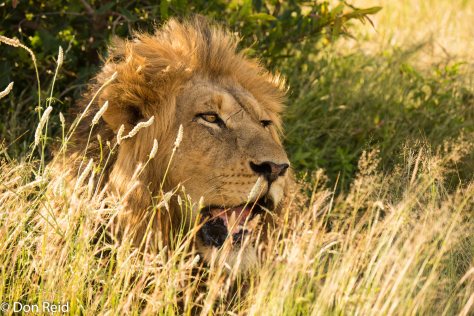
White Rhino, Satara-Lower SabieLionesses, Satara-Lower SabieLion, Phabeni area
Friday 10th – Panorama Route (Lite)
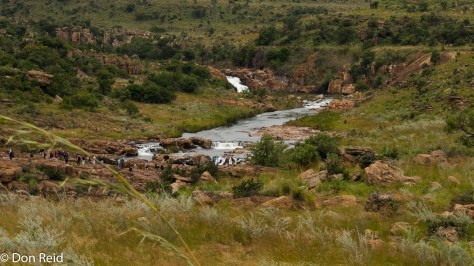
Sarah’s birthday was celebrated at Harrie’s Pancakes in Graskop, after a late start and a visit to Bourke Luck Potholes (the kind formed by eons of water and grit action on soft rocks) and a section of the Panorama Route. A cabbage bought for R5 from a farmer was turned into a delicious fried dish that evening by inventive Sarah.
Our first stop after breakfast at the lodge was God’s Window for a walk to the viewpoints and up the path to the rain forest.
From there we headed homewards to a “meeting of the cousins” , only stopping for lunch at Milly’s.
God’s Window
Sunday 12th – Pretoria
More family time as the cousins and their progeny got to know each other, interspersed with some of Gerda’s home cooking and much excitement amongst the youngsters.
Monday 13th – Pretoria to Victoria Falls
Off to OR Tambo for the flight to Victoria Falls, where we landed just after 1 pm and we were soon at the Kingdom Hotel.
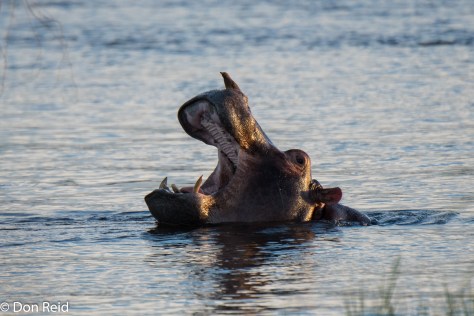
We did the “Sunset Cruise” (Luxury version) which was “super-cool” in Sarah’s words, seeing Hippos and Crocs up close, followed by a meal in the local Spur.
Kingdom Hotel Vic FallsHippo, Zambezi Cruise
Tuesday 14th – Victoria Falls
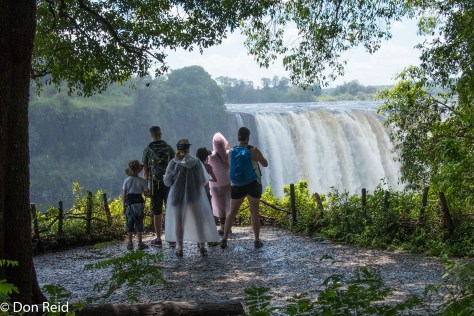
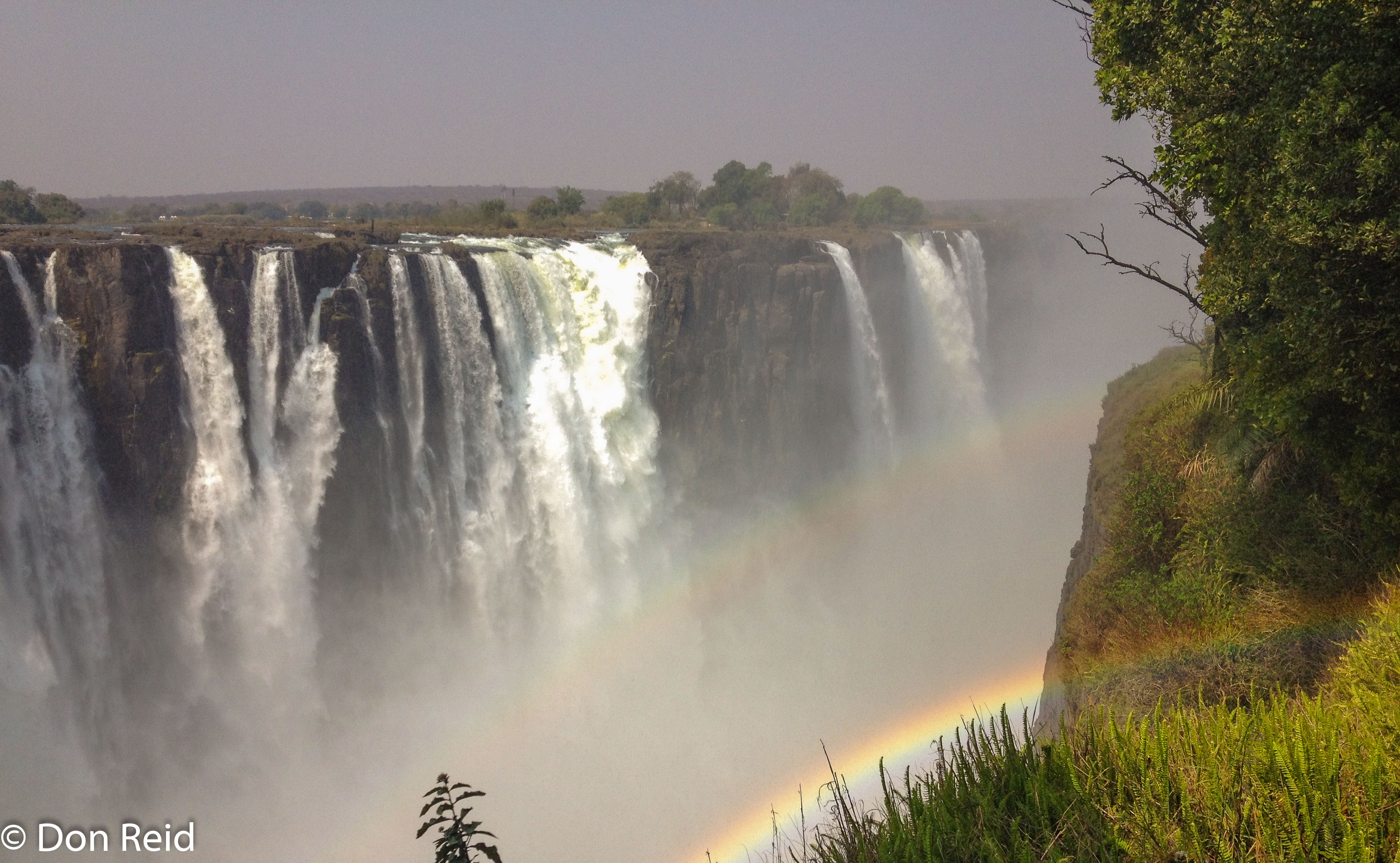
After a good buffet breakfast we walked down to the Falls and meandered along the path with heavy spray drenching us in parts but not enough to spoil the views.
We whiled away the afternoon at the poolside and dinner was at Mama Afrika restaurant with a genuine African flavour.
Vic Falls NationalParkVic Falls NationalPark
Wednesday 15th – Victoria Falls to Kasane
Another sumptuous breakfast and a short visit to the adjoining historical Victoria Falls Hotel, then it was time for our transfer to Kasane by small bus. There we checked into the Chobe Safari Lodge and relaxed over a light lunch and swimming at the pool.
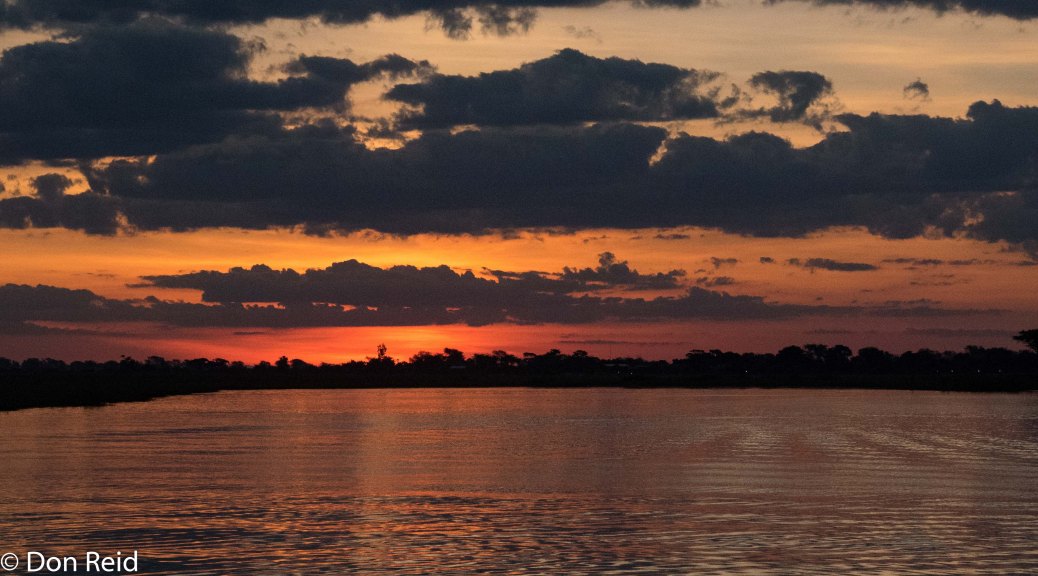
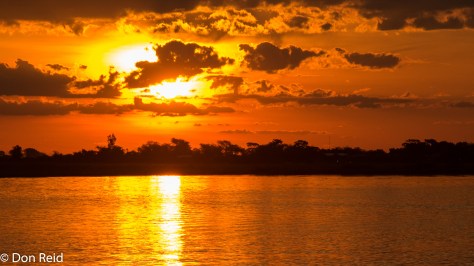
A walk to the riverside “Sundowner Spot” was the opportunity for G&T’s and a spectacular sunset, followed by the Lodge’s Buffet Dinner to round off the day.
View from the Sundowner spotChobe Safari Lodge
Thursday 16th – Chobe National Park
An early morning game drive into Chobe and an afternoon boat cruise on the river took up most of the day, with enough time for relaxing in between.
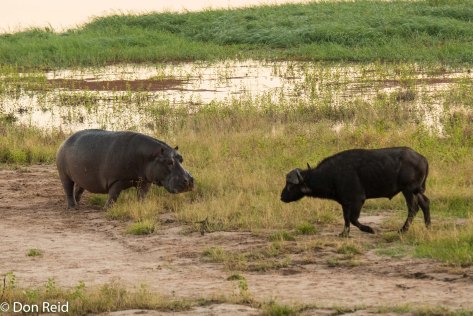
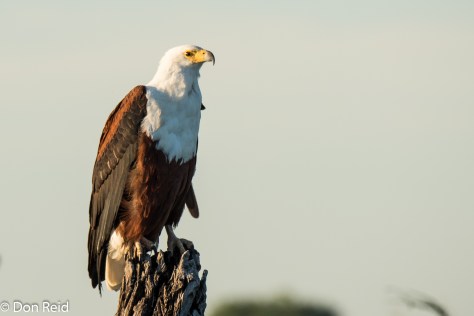
Game cruise ChobeHippo meets Buffalo, Chobe game driveCrocodile, Game cruise ChobeAfrican Elephant, Game cruise ChobeAfrican Fish-Eagle, Game cruise Chobe
Friday 17th – Kasane to Pretoria
Today was all about getting back to Pretoria, where Gerda had a special dinner planned to end the northern leg of the Canadian’s visit.
Tomorrow they fly to PE to meet up with Andrew, their “tour guide” for the southern leg.
For the second year in a row we spent a week in Kruger National Park in October, this time spending 6 nights in Olifants rest camp in the northern part of Kruger, with one night stop-overs at Berg en Dal and Pretoriuskop rest camps on the way there and back respectively.
The Road from Olifants to Timbavati
Timbavati lies south-west of Olifants and is ideal for a morning’s outing from Olifants camp – we chose to do it on the Wednesday of our week-long stay.
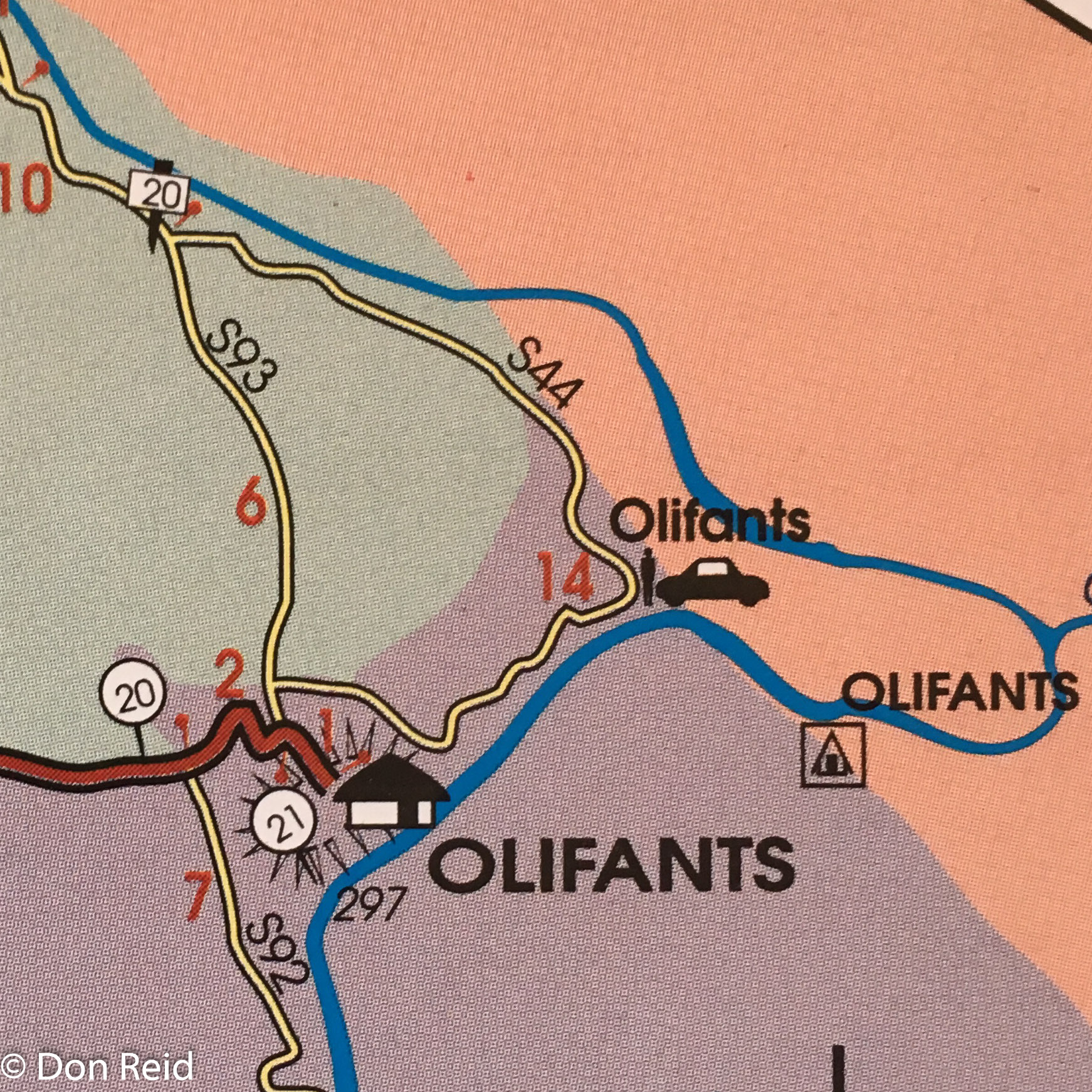
Another early start saw us heading along the S92 (in yellow on the map) for 12 kms past Balule, joining the H1-4 tar road towards Satara (red on the map) for 7 kms, then branching off on the S39 Timbavati road (yellow on the map) for a further 27 kms past Roodewal private camp to the popular picnic spot.
This is classic Kruger Park with regular game sightings along the way to keep the spirits up and eyes sharp. Antelope including Kudu, Waterbuck, Impala and Steenbok were plentiful despite the drought-ravaged landscape.
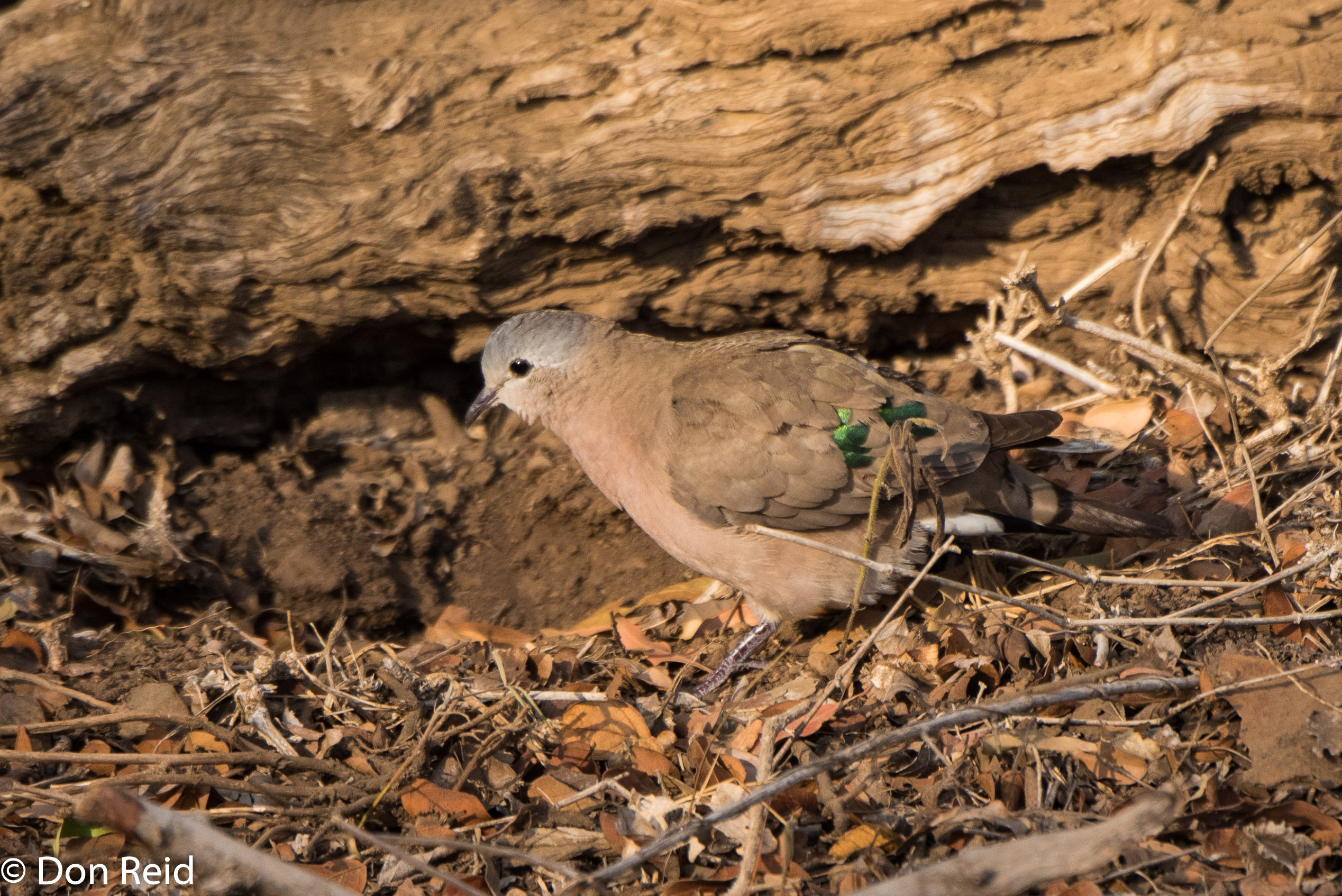
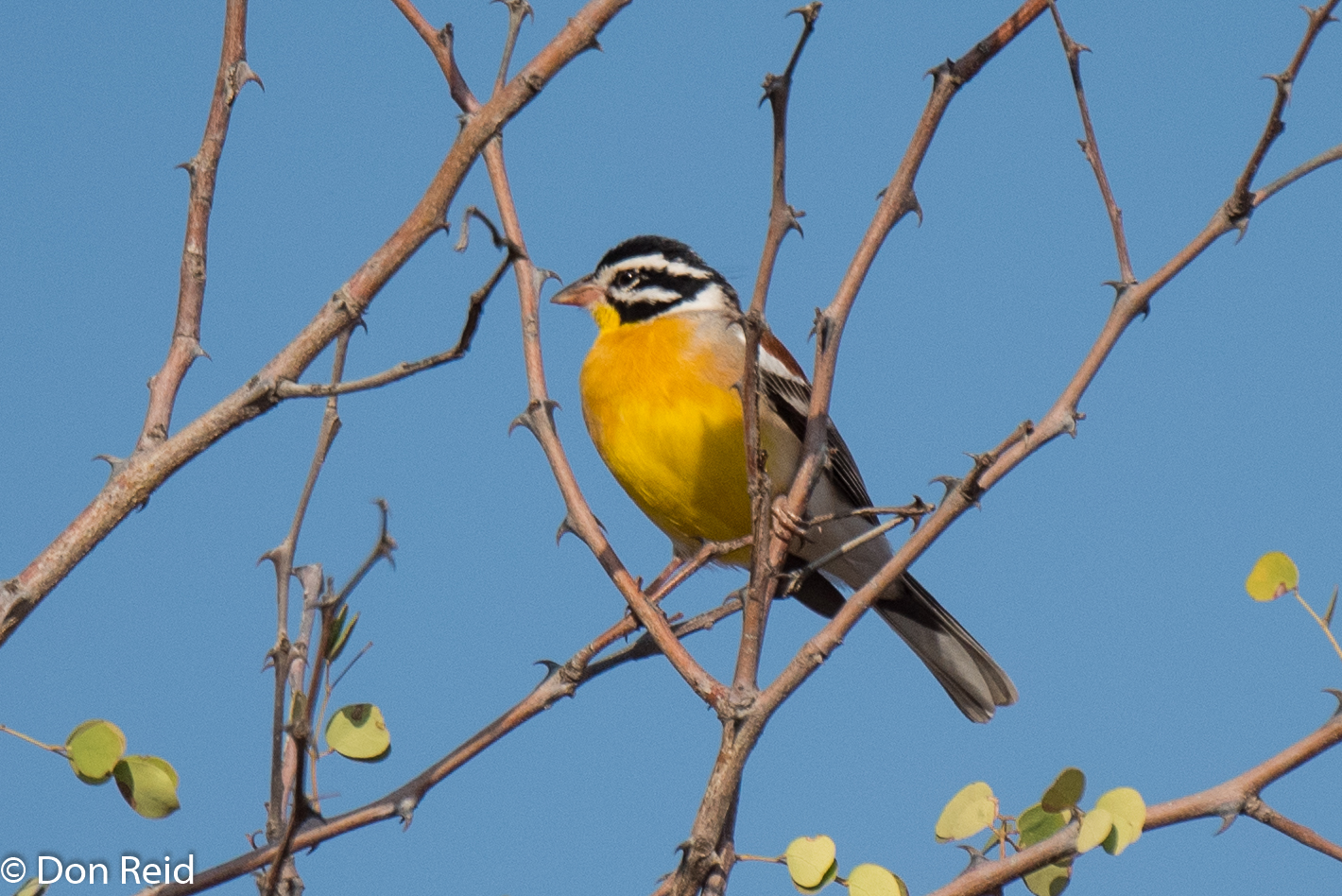
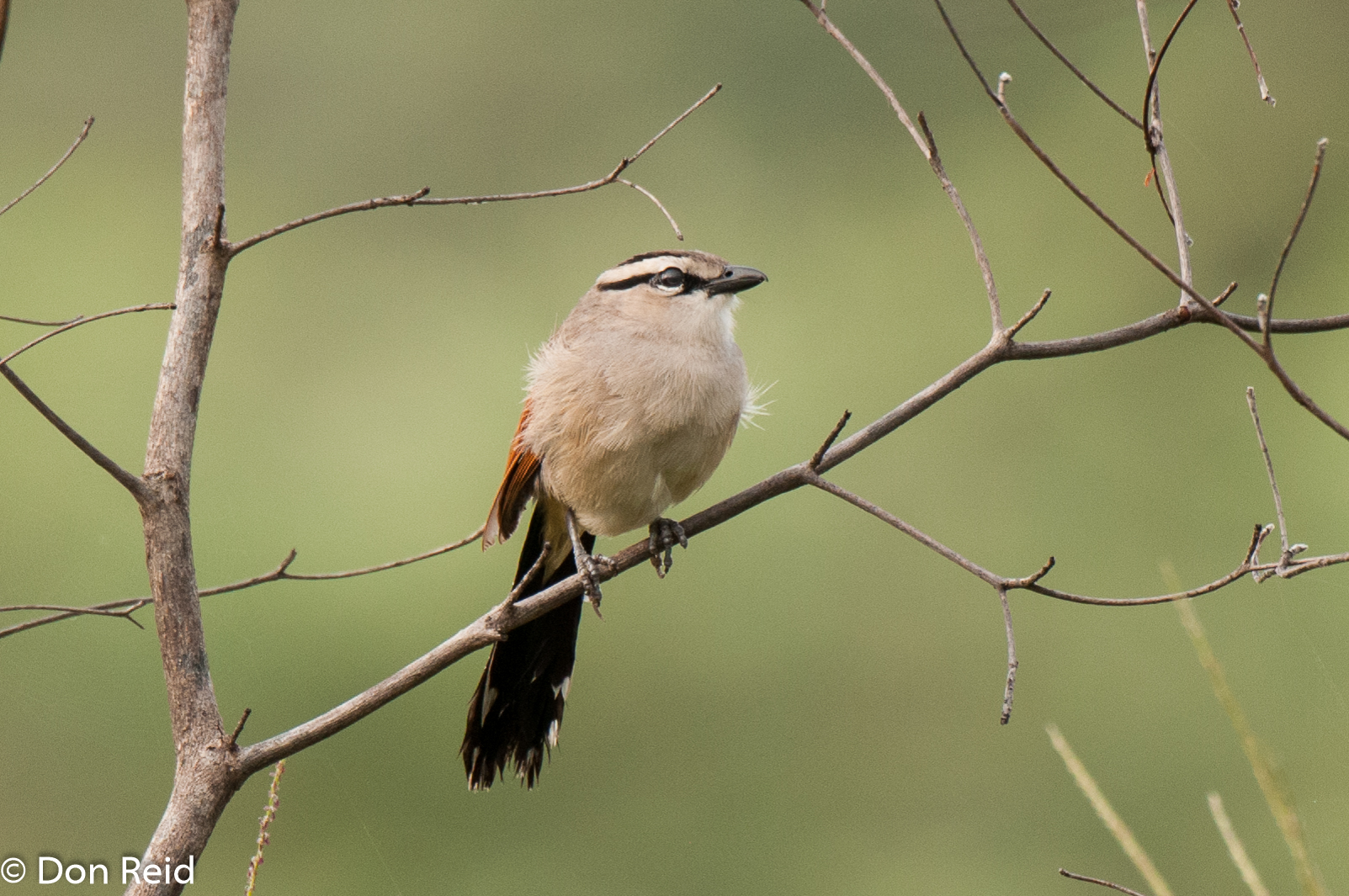
The birding on this route, up to the junction with the H1-4, was influenced by the dry conditions and was subdued until we reached the Olifants river, where there are a few short side roads which take you closer to the river and are worthwhile exploring for game and birds. White-browed Scrub-Robin, Brown-crowned Tchagra, Emerald-spotted Dove and Golden-breasted Bunting were our only significant sightings up to this point.
Emerald-spotted Wood Dove (Groenvlekduifie)Golden-breasted Bunting (Rooirugstreepkoppie)
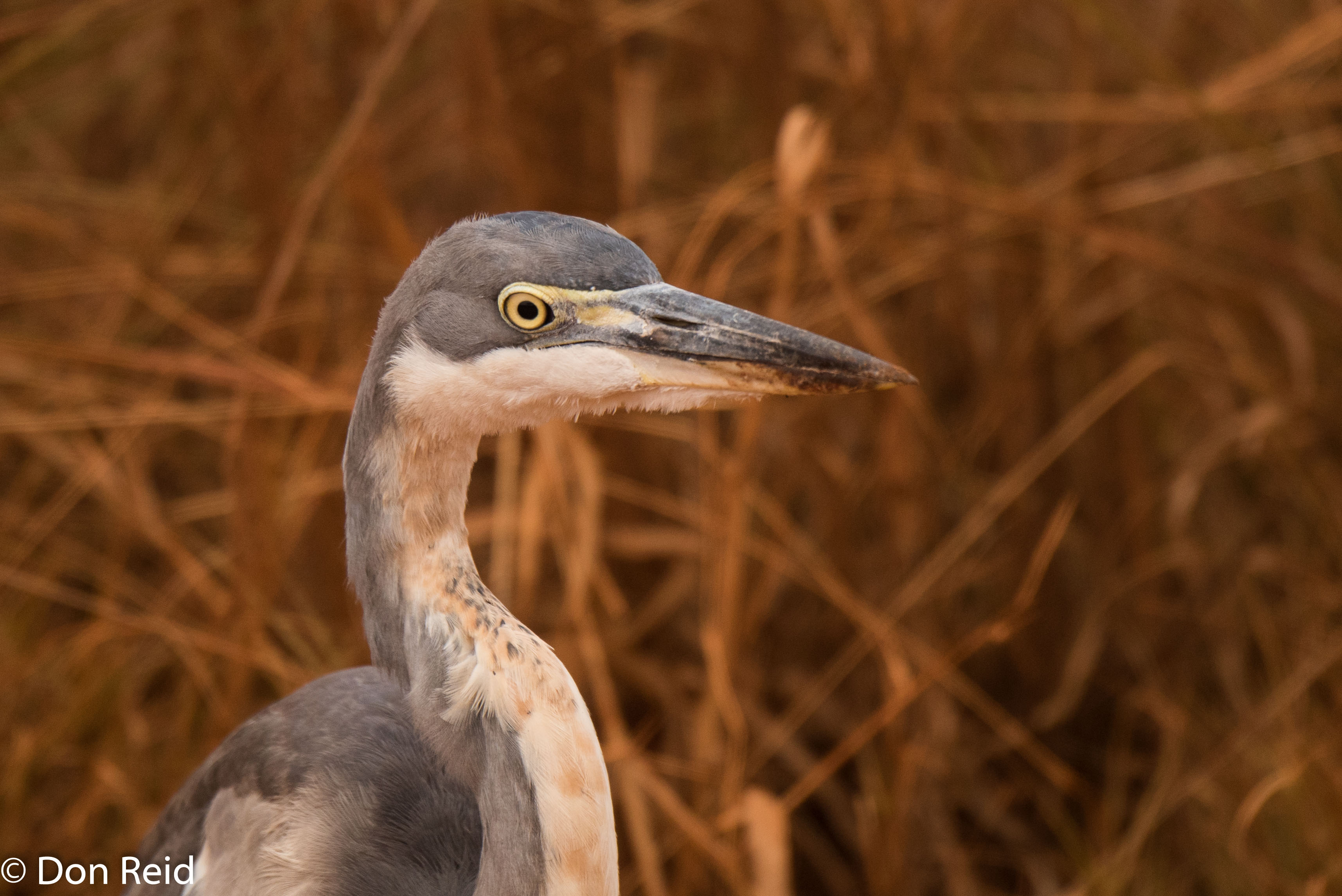
At the river we spent some time on the low-water bridge at Balule, often an excellent spot for water birds and this morning was no exception. The bridge has just a single lane but the designer had enough foresight to include a few wider “bulges” along its length which allow you to park on the bridge without blocking cars crossing over. Woolly-necked Stork, Common Greenshank, Sacred Ibis, White-breasted Cormorant and Grey Heron were all present and enjoying the clear waters and fringing reeds.
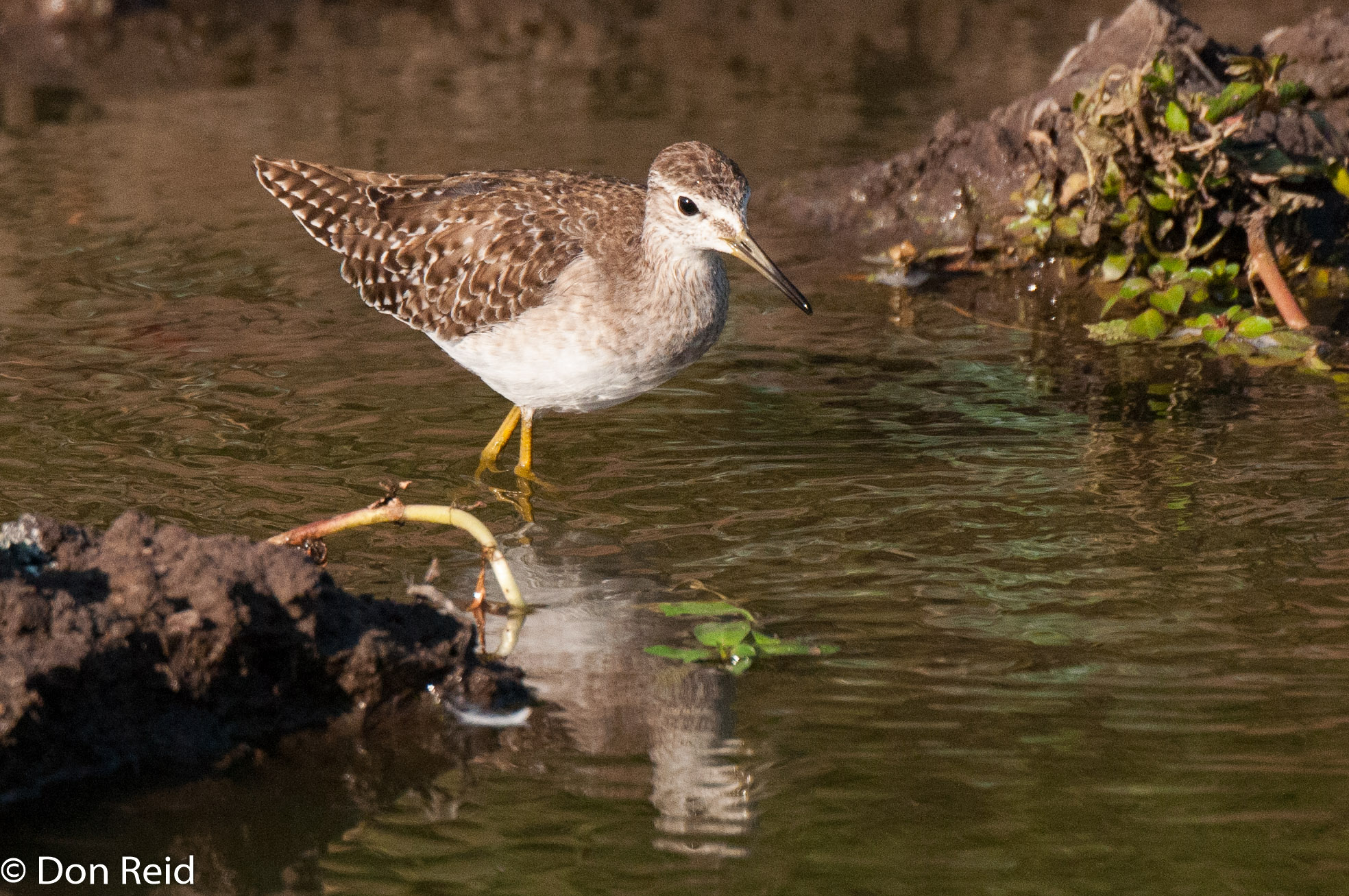
A medium-sized wader not far from the bridge had me perplexed and excited at the same time for a few minutes, until I had to admit it was a (common) Wood Sandpiper. Despite all attempts, I just could not turn it into a rare Green Sandpiper, which was my first thought when I saw it. Blame it on early morning light playing tricks on me, advancing age, hallucinations or whatever. (No, I don’t smoke at all)
Wood Sandpiper (Bosruiter) Balule bridge
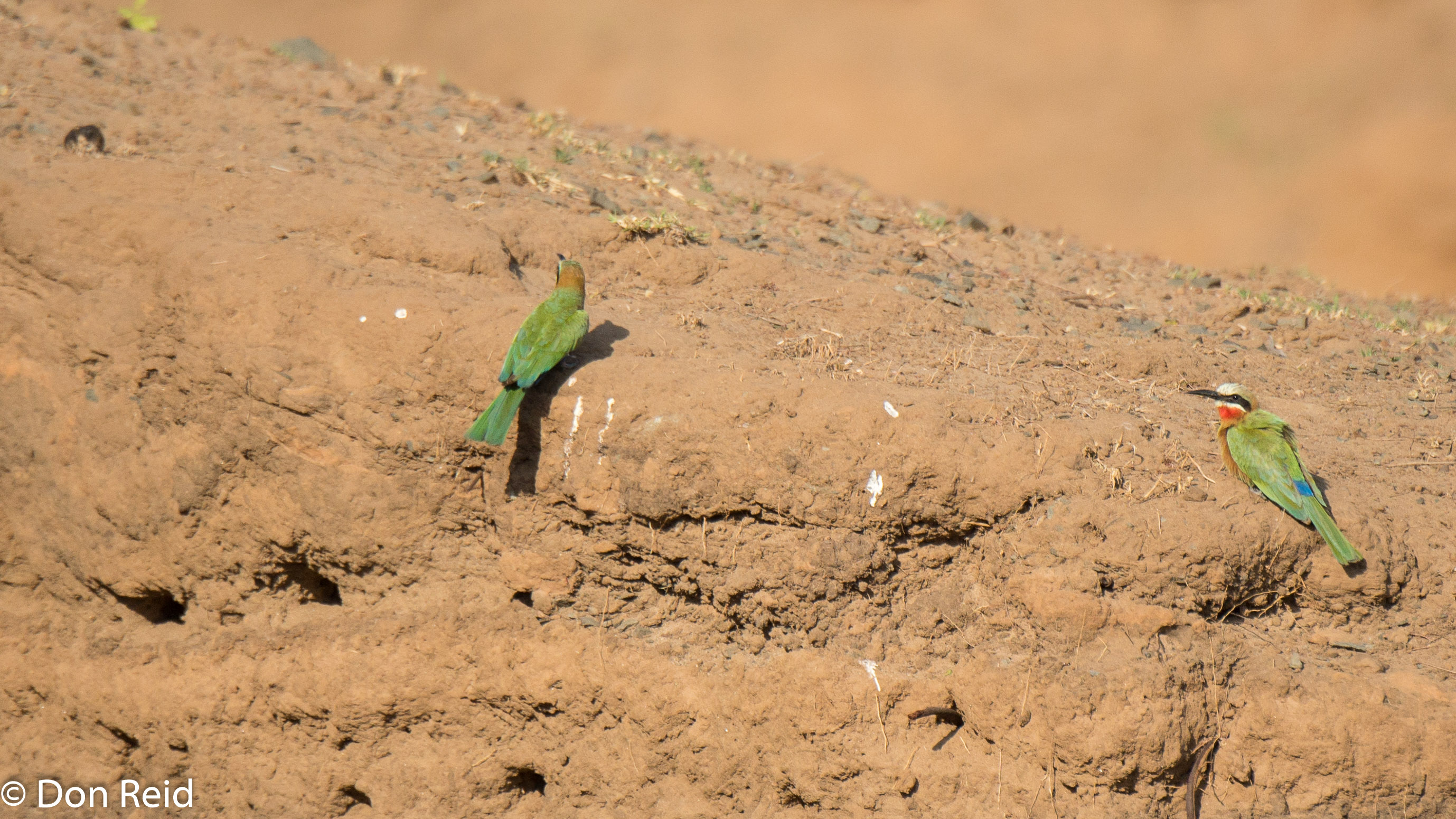
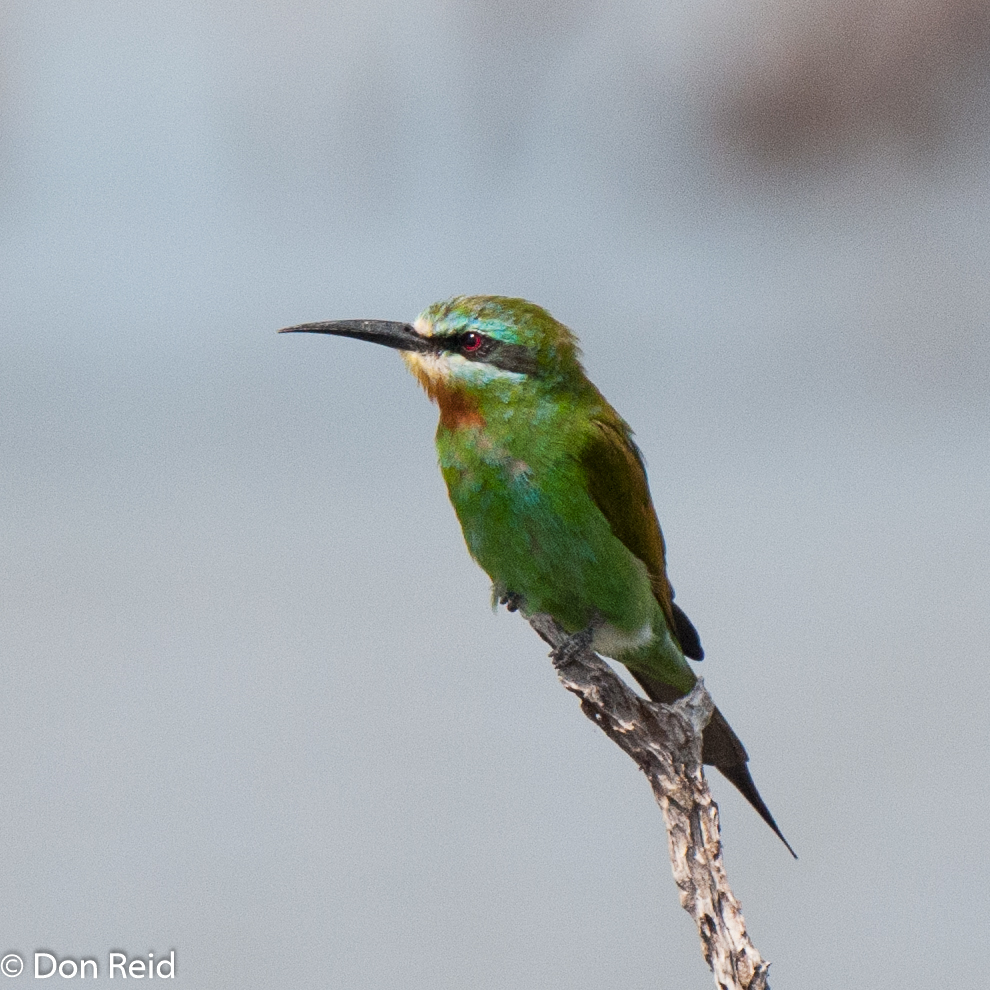
On the other side of the bridge we noticed some White-fronted Bee-eaters on the sandy bank and on closer inspection could see their nesting burrows in the sand, which they excavate by digging with their bill and removing the loosened material with a bicycling action of their feet. Both male and female help to excavate a new burrow each year, which can be up to 1m deep.
White-fronted Bee-eaters (Rooikeelbyvreter) at nesting burrows which are typically 1m deep
The S39 follows the Timbavati river for most of the distance and although bone-dry for most of the way at this time of year (October), the river had tiny patches of water which were enough to still attract game, which do not have many options during the dry season.
Elephant finding edible foliage amongst the dry scrub
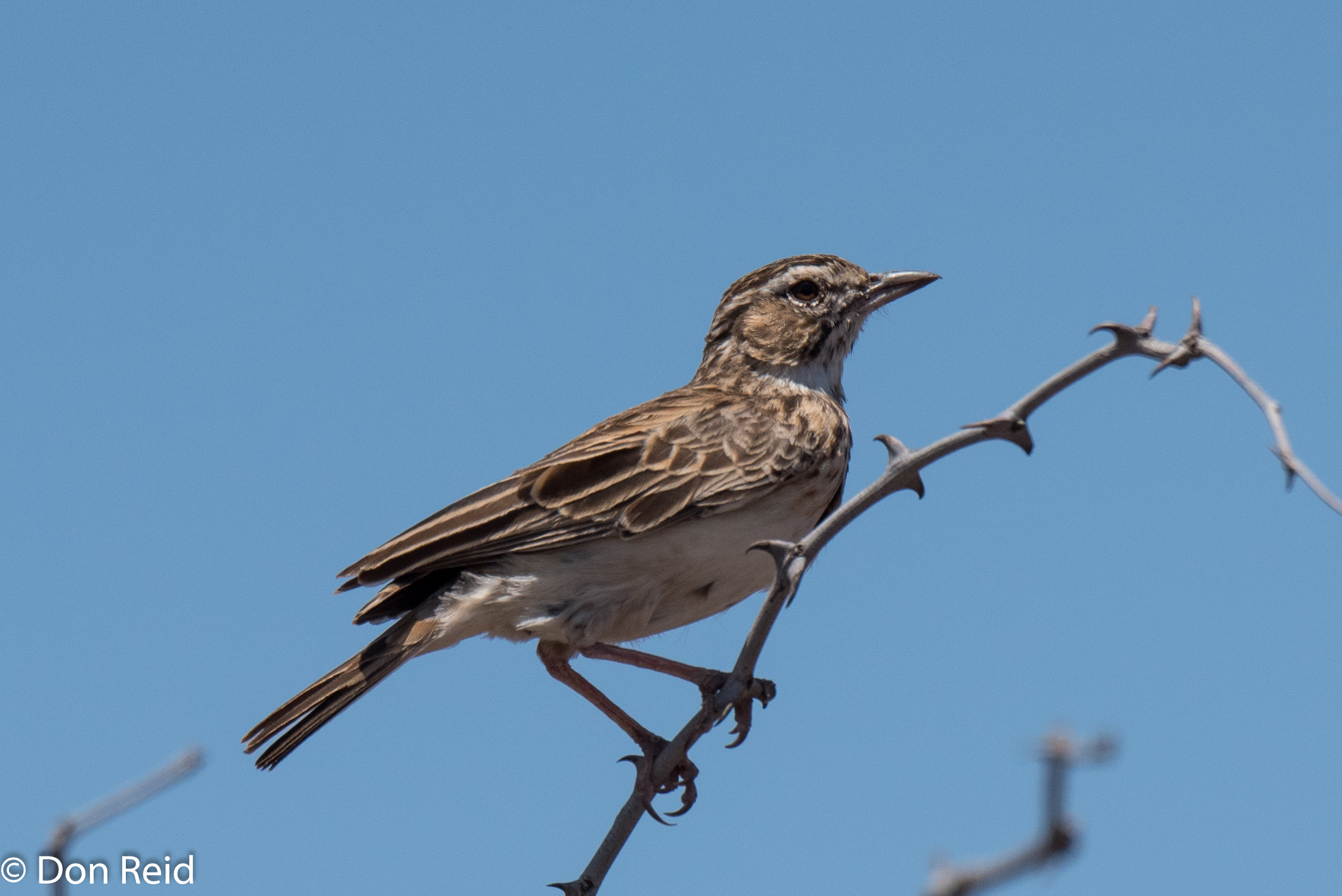
The birding along the S39 picked up with a Bateleur doing its balancing act in the sky and both common species of Spurfowl (Swainson’s and Natal) entertaining us on the ground. Sabota Larks attracted our attention with their cheerful singing from the very top of bare trees.
Sabota Lark (Sabotalewerik)
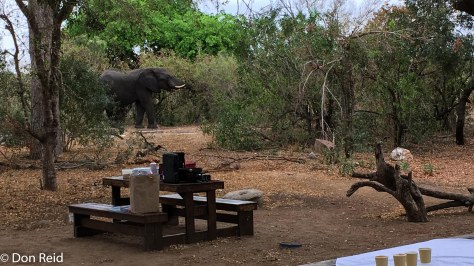
We arrived at the Timbavati picnic spot just in time for a bush breakfast conjured up by our able team. One of the charming aspects of Timbavati is the tables and chairs, some of which are the same ones we have got to know during more than 40 years of visits. They probably would not win any design competitions, but when it comes to durability and nostalgic memories they are still No 1.
The team at Timbavati
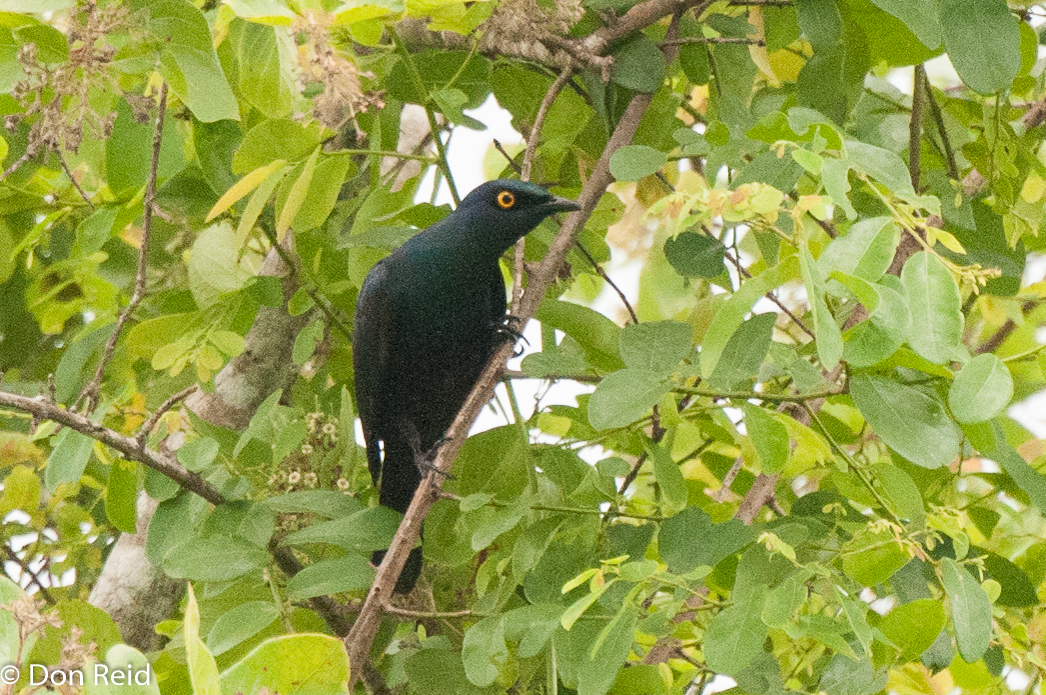
Timbavati is also a fine birding spot in its own right with resident populations of Natal Spurfowl, Greater Blue-eared Starling, Southern Yellow-billed Hornbill, ever-present and on the lookout for food scraps. Other birds vying for attention were White-backed Vulture, Red-billed Oxpecker and a lone Gabar Goshawk.
Eventually we reluctantly decided to head back to Olifants, having absorbed about as much relaxation as our poor bodies could handle.
The return trip was along the S127 road to the H1-4 tar road leading back to Olifants camp. This is a shorter route and makes it an interesting circular drive rather than retracing the route taken to get to Timbavati.
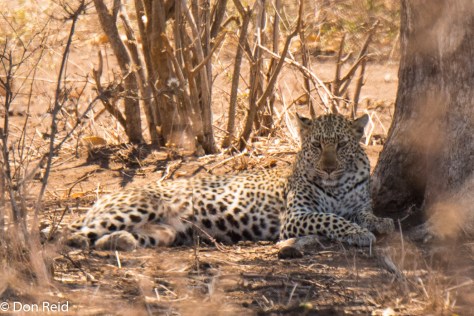
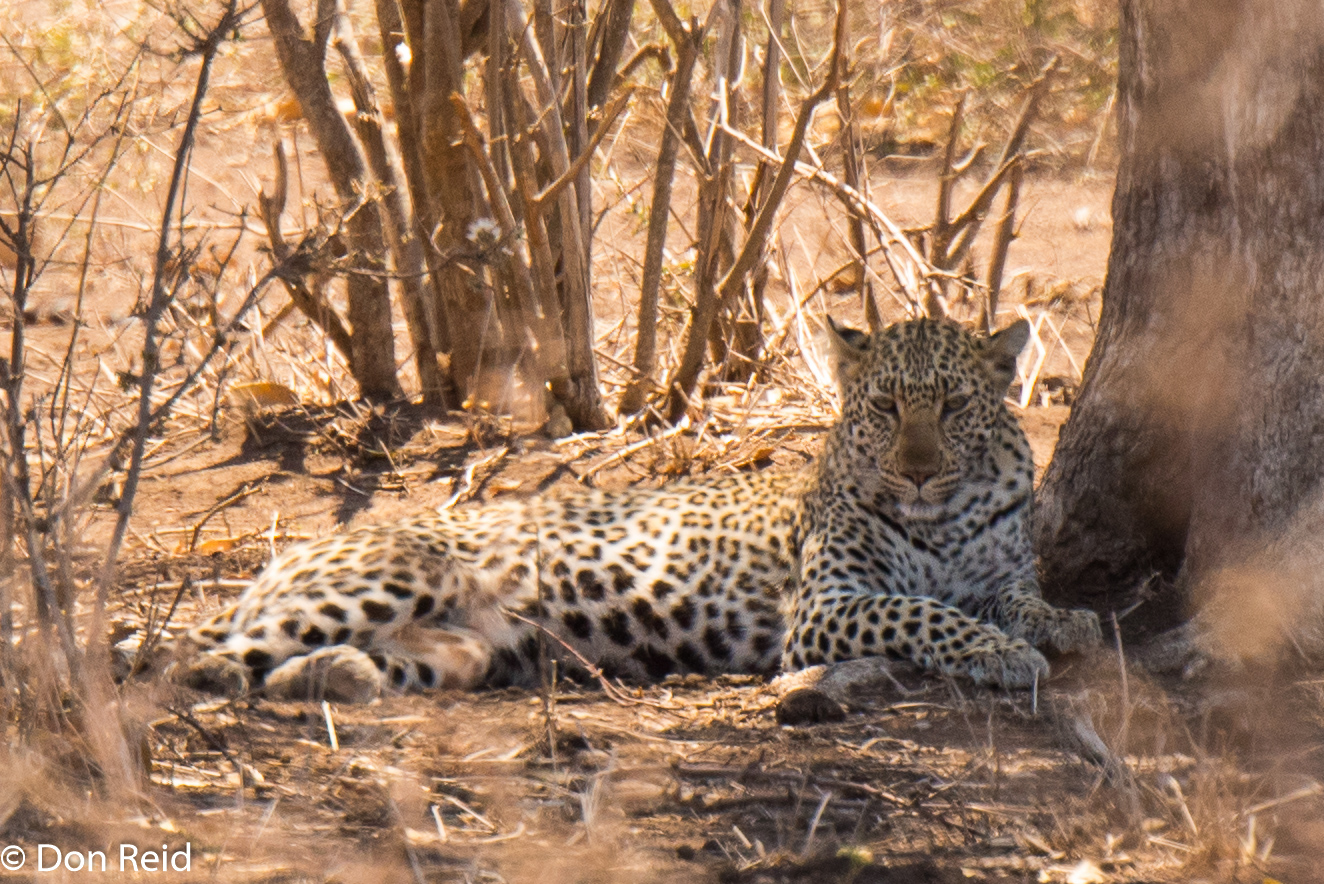
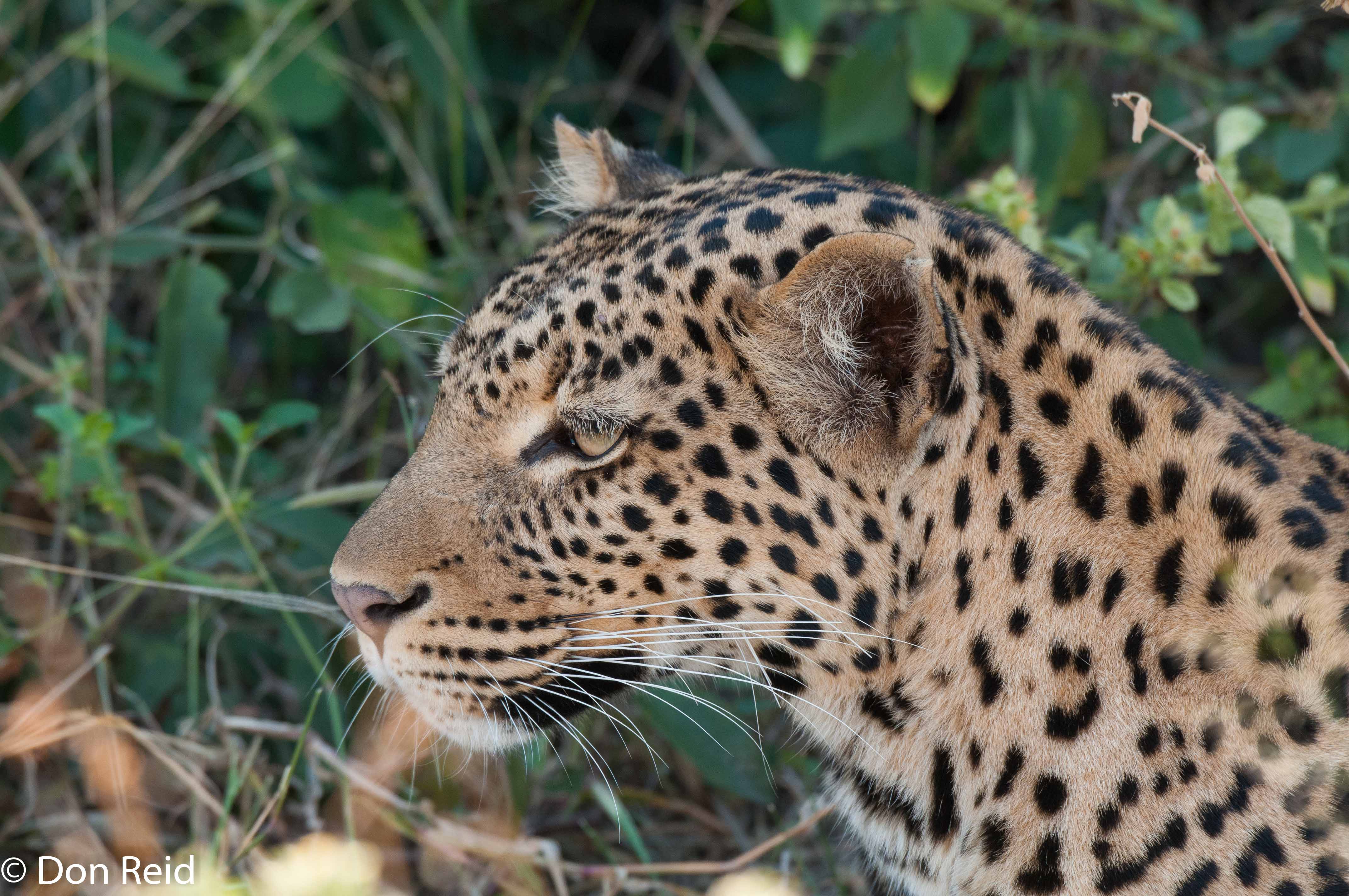
This route added Purple Roller and Grey Hornbill amongst others, but just ahead lay the sighting of the day, if not of the trip. Just before reaching the tar road a knot of cars that had stopped meant only one thing – an exciting sighting nearby. It turned out to be a Leopard lying in the shade of a tree with a dead Impala hanging in the fork of another nearby tree. We later found out that Maia and Geraldine had been the first to spot this most sought after species.
Leopard near TimbavatiLeopard prey
After viewing it for a while we proceeded to the tar road and our next stop was at the bridge over the Olifants river, where you are allowed to get out of the car between marked lines – it’s always a good idea to take advantage of this and other “get out the car” spots throughout Kruger, to stretch the legs and check for any game or birds out of sight of passing cars.
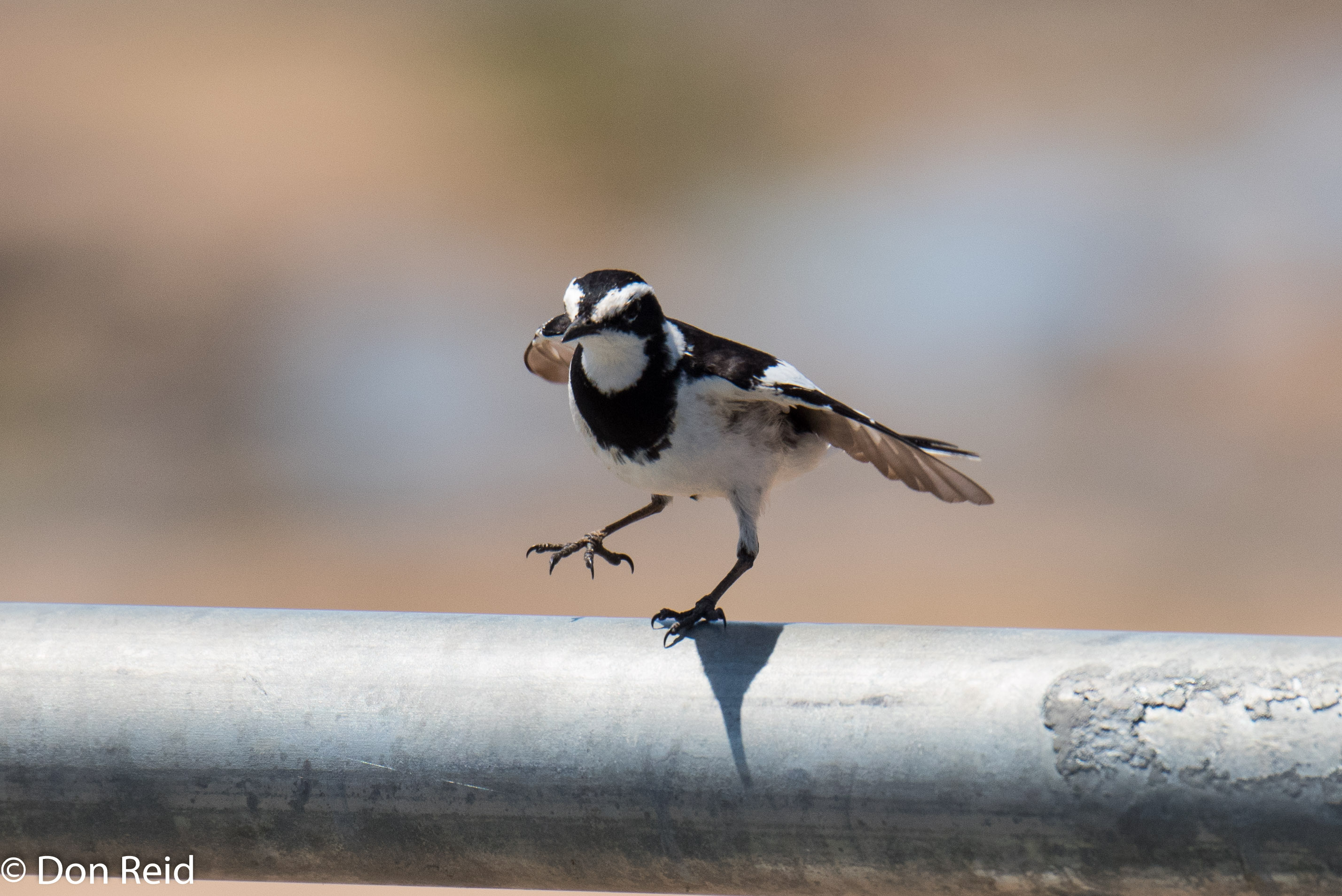
African Pied Wagtail (Bontkwikkie), Olifants river bridge
Shortly after the bridge another knot of cars announced a sighting of Lions some way off the road. In between the big cat sightings we enjoyed a delightful scene at a water hole where an indignant young elephant chased the Impala who dared to drink from the water hole at the same time as he did.
Young Elephant at water hole which he decided belonged to him alone
With a full morning’s game and bird viewing under our belts, we returned happily to Olifants camp, where we relaxed for the rest of the day with a bit of swimming thrown in and a bottomless coffee on the deck at the Mugg & Bean restaurant.
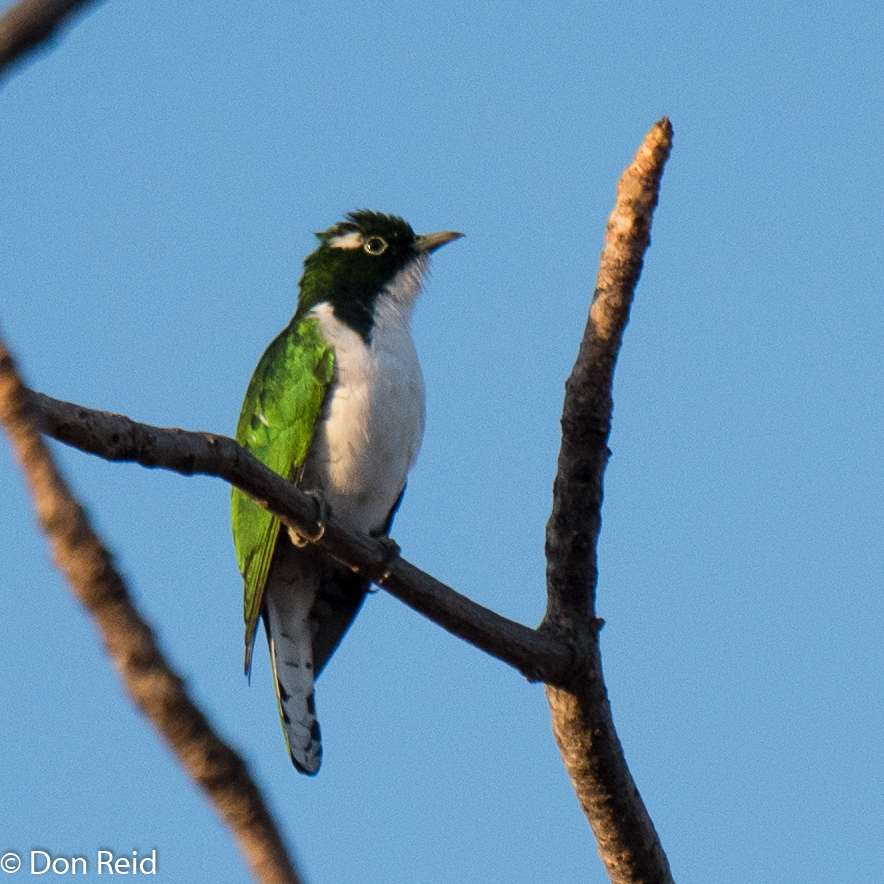
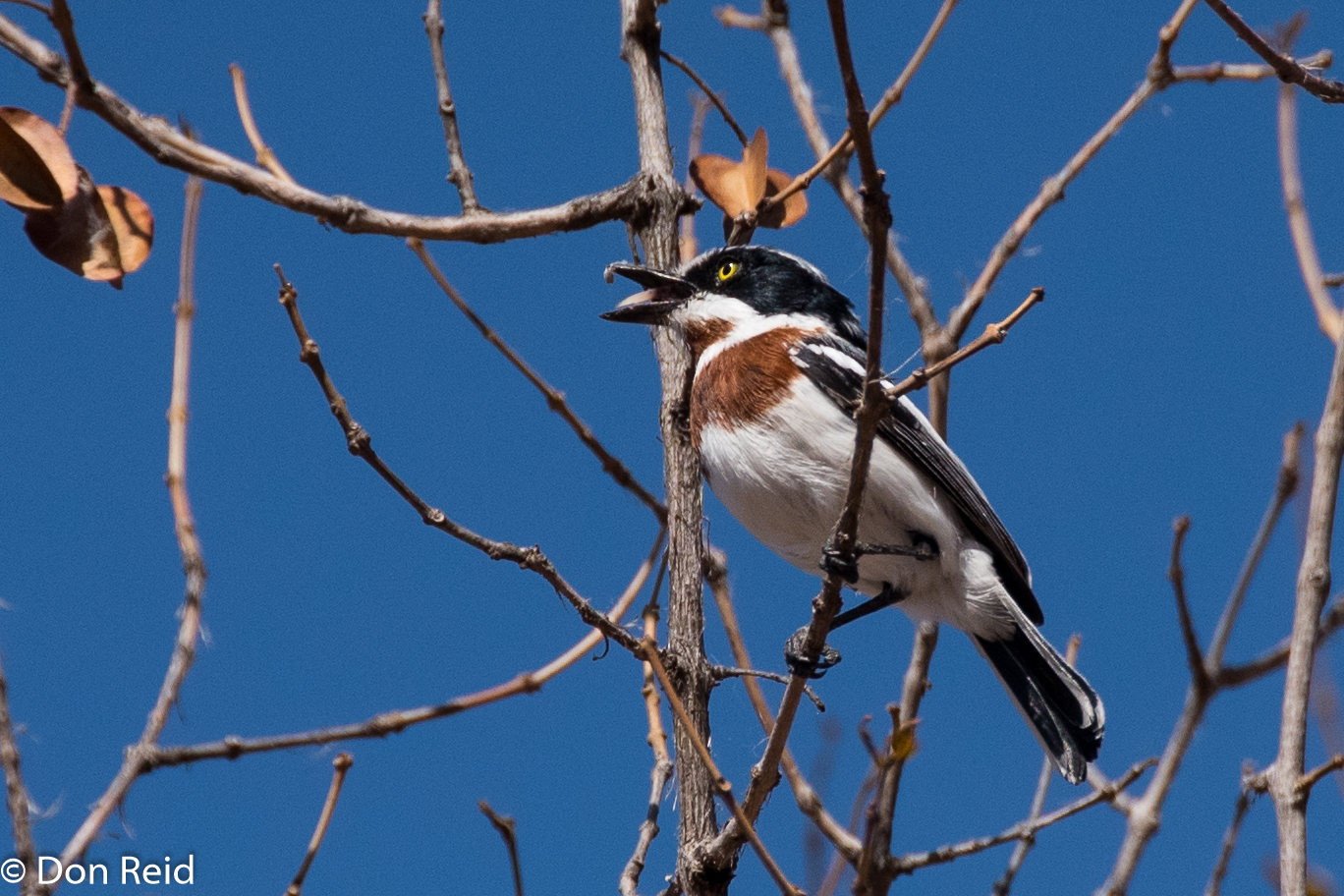
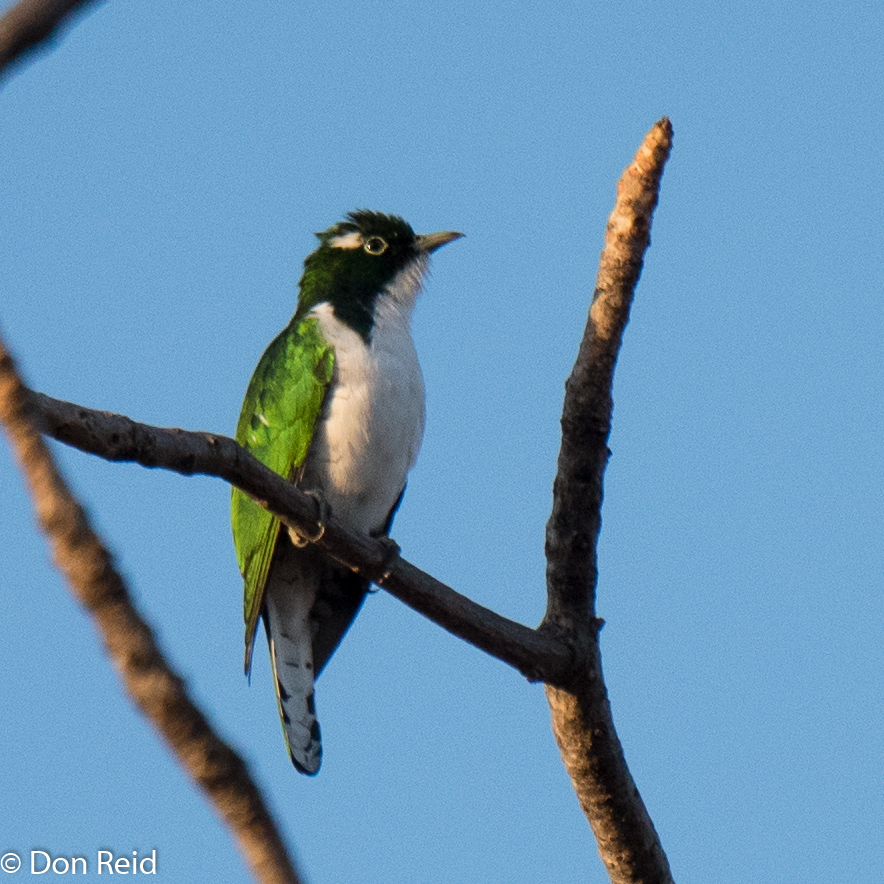
A late afternoon birding walk rounded off the birding for the day with Bennett’s Woodpecker and Klaas’s Cuckoo being the highlights.
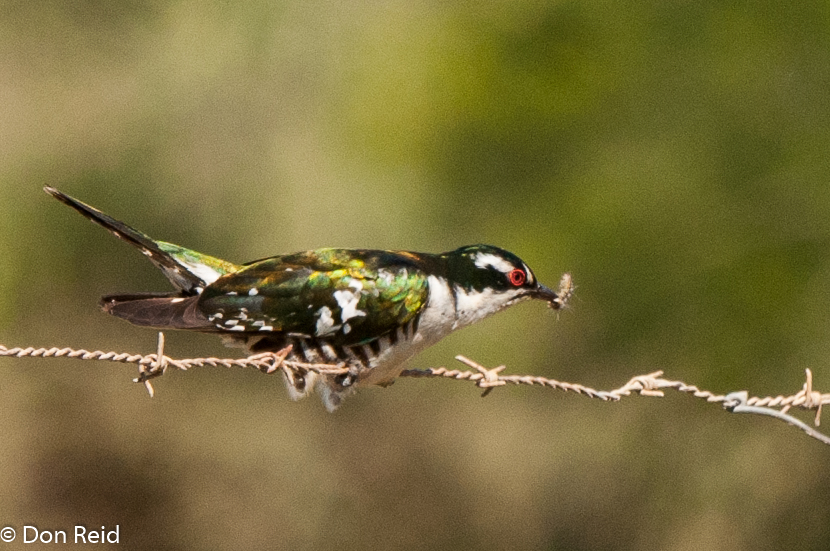
Klaas’s Cuckoo (Meitjie), Olifants camp
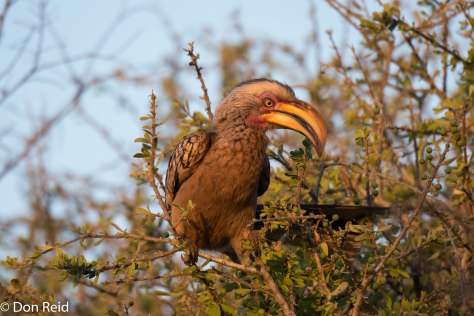
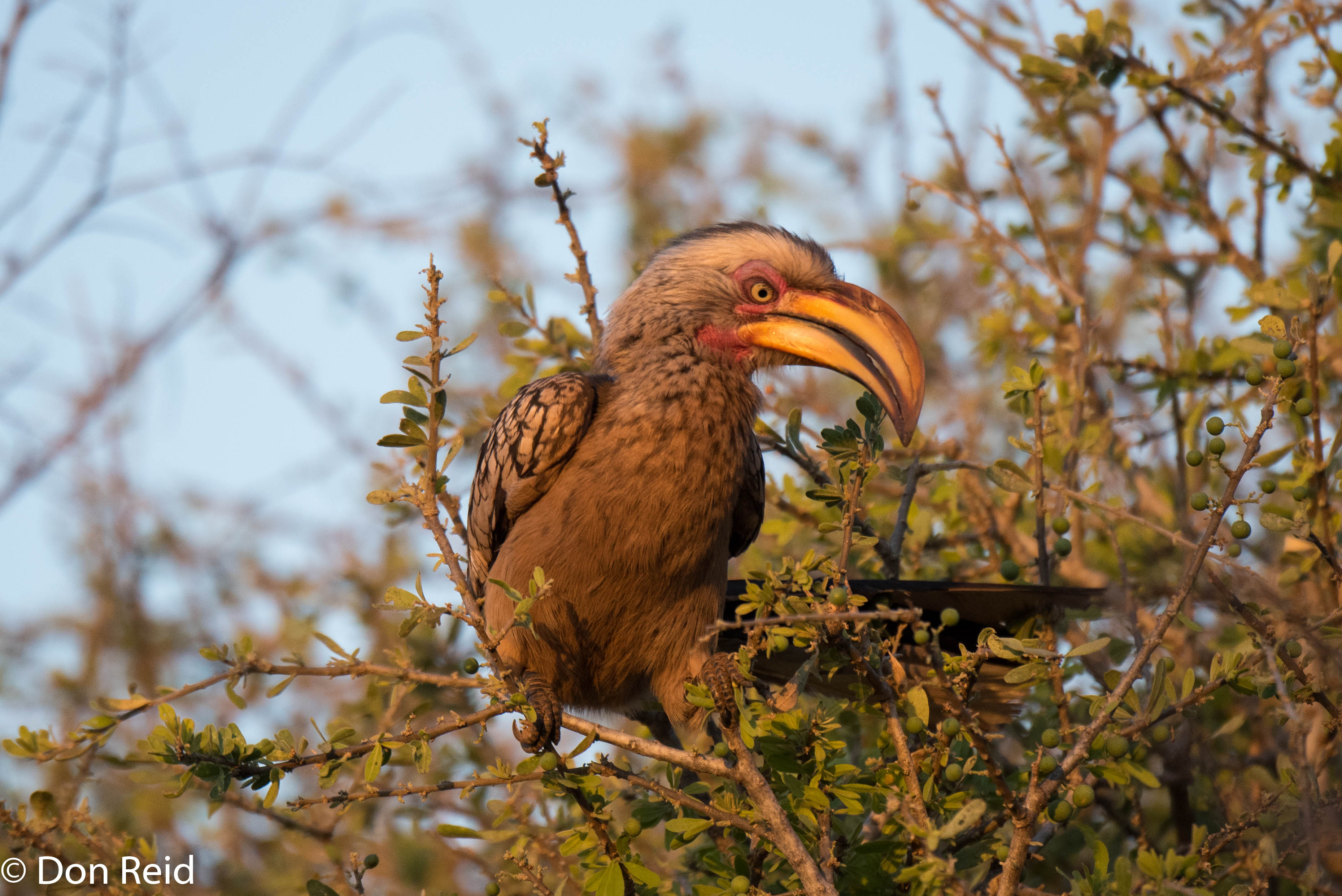
The bird that earned “most confusing” award for the day was a common or garden Yellow-billed Hornbill who, it seemed, had just emerged from a serious dust bath as he was reddish-brown in the places that he would normally be white.
Here’s a selection of my favourite photos taken during a busy 2016 – from our travels, holidays and birding trips – chosen from my collection of over 3000 photos for the year. Each one has a story attached which I have tried to capture in a few words………..
If you have a favourite, do let me know by adding your comment!
The Places
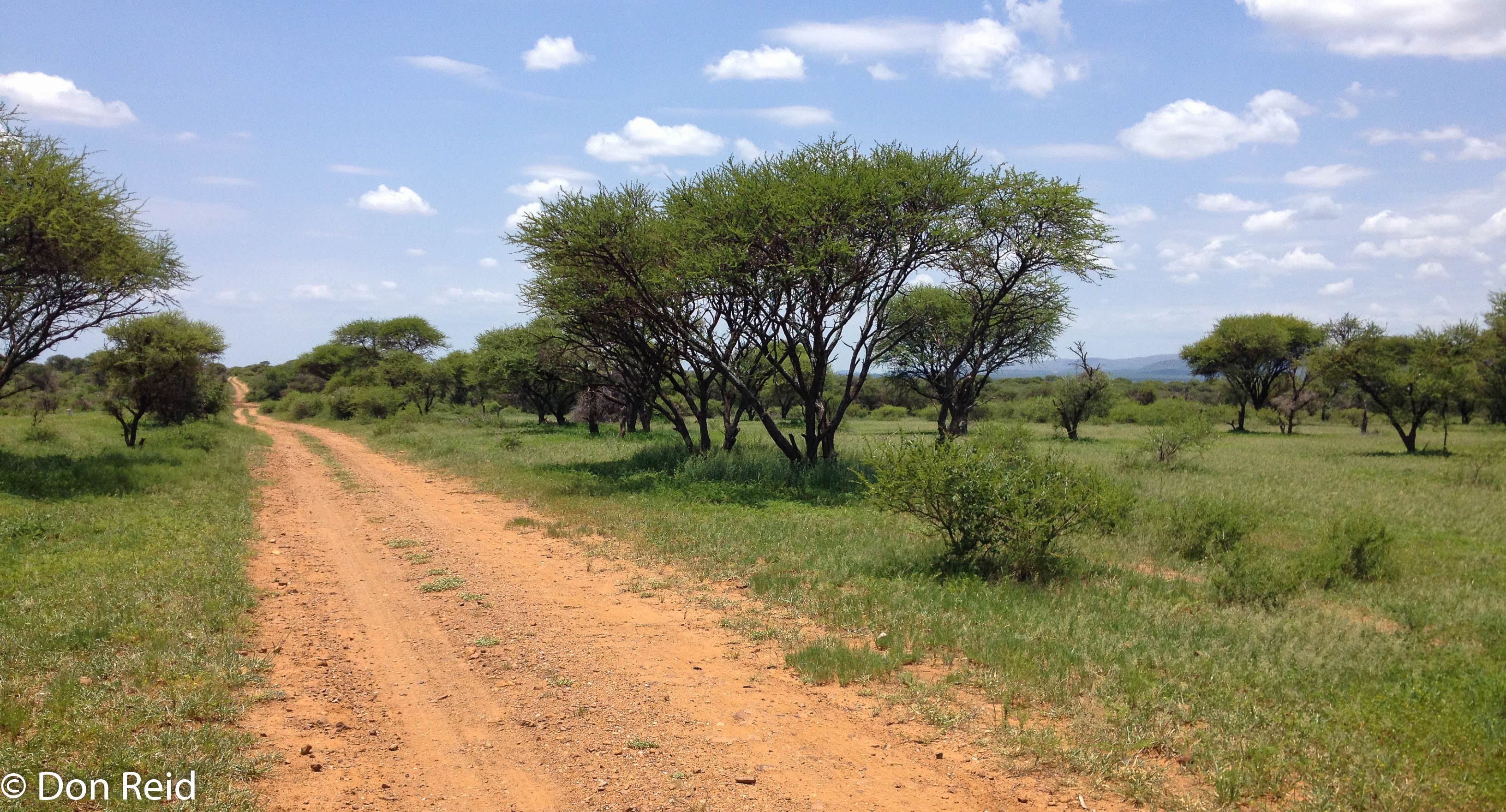
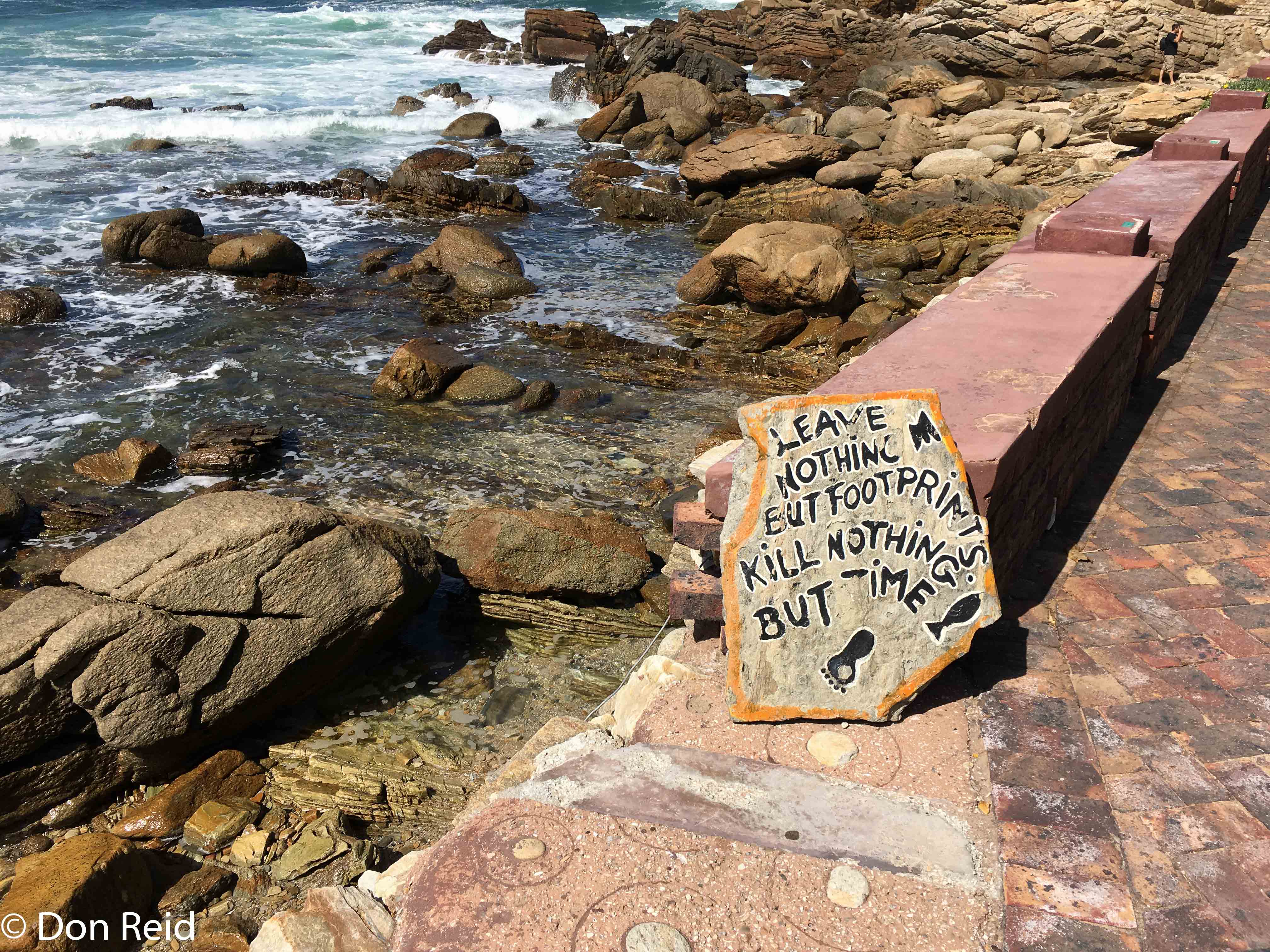
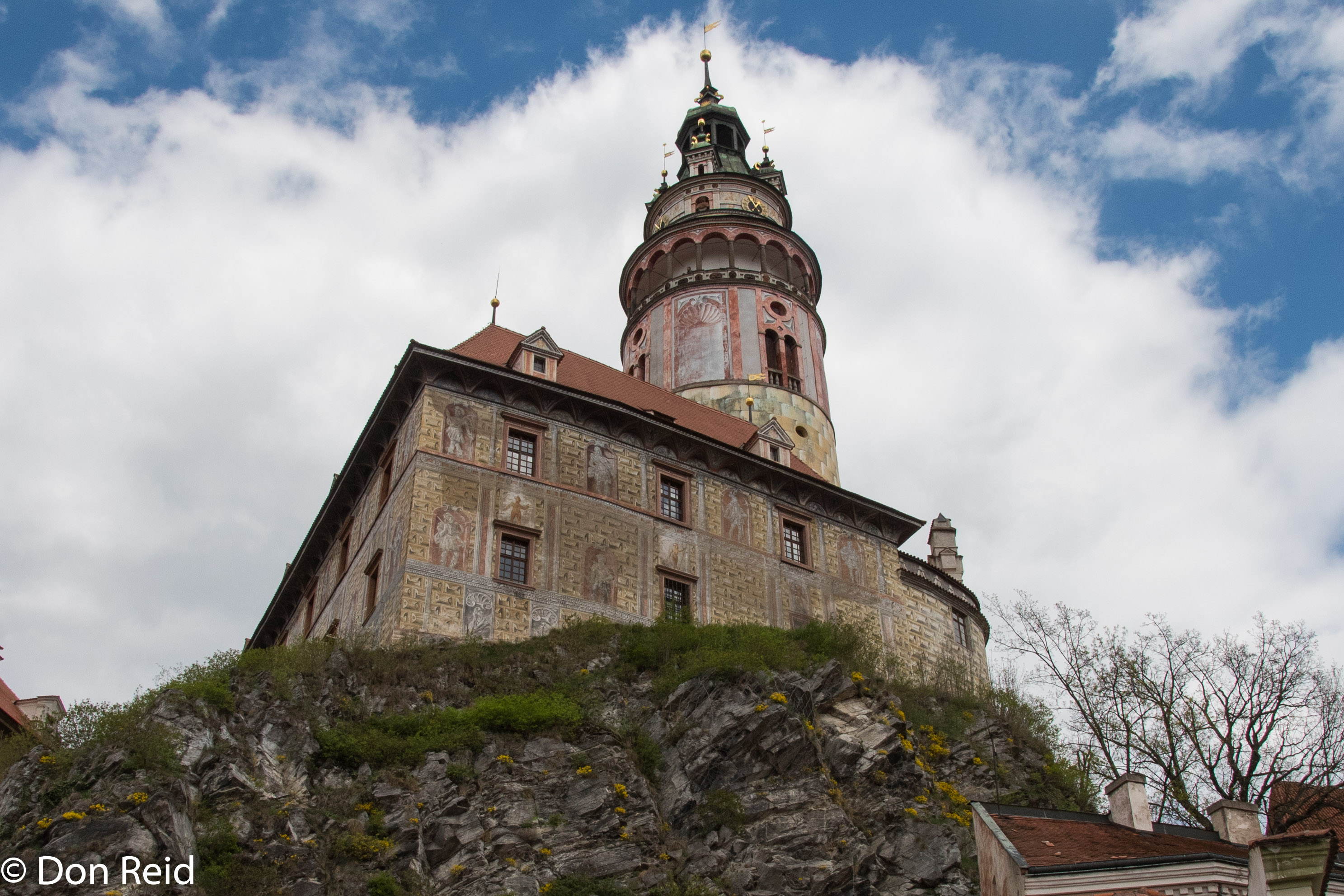
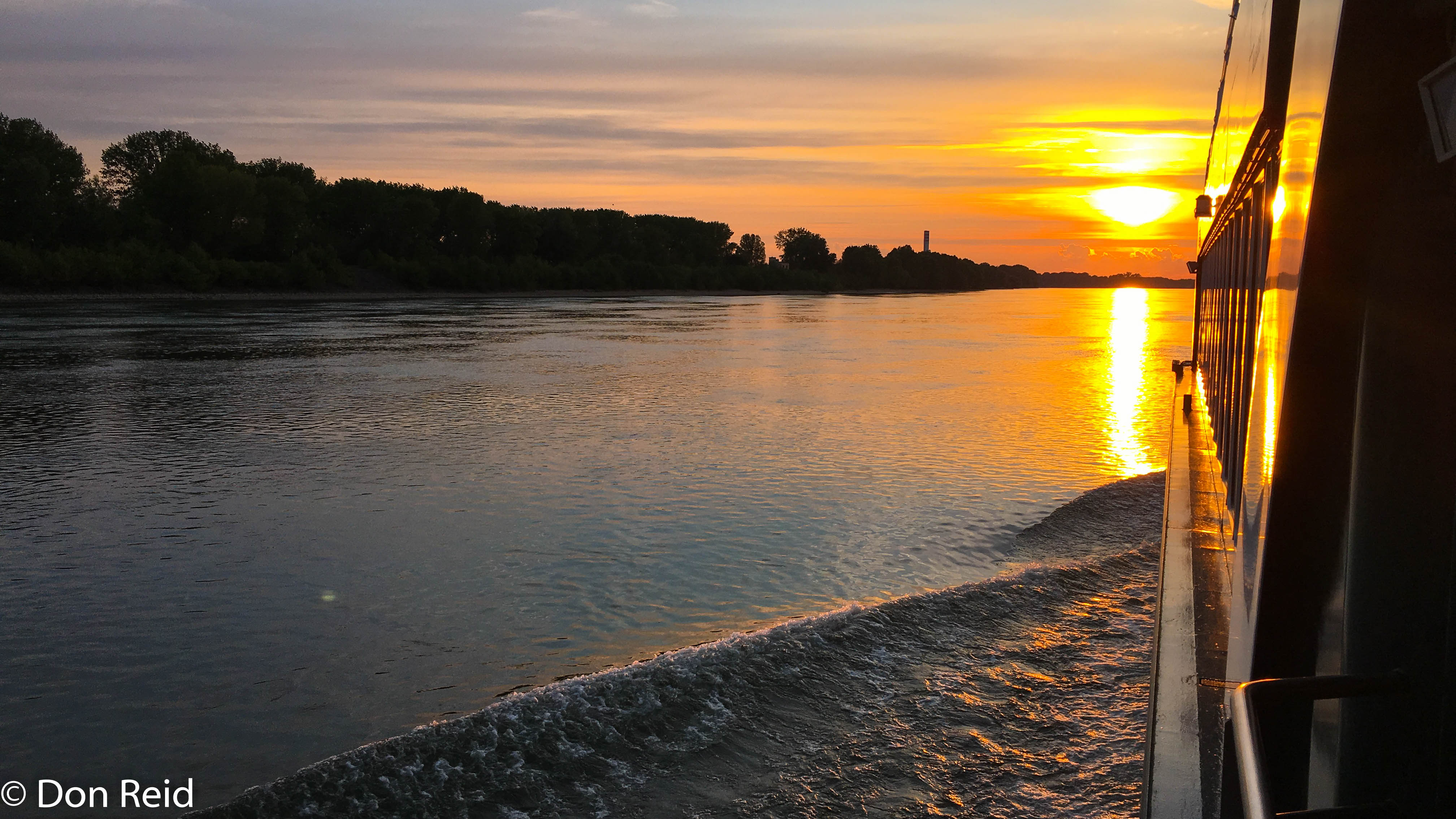
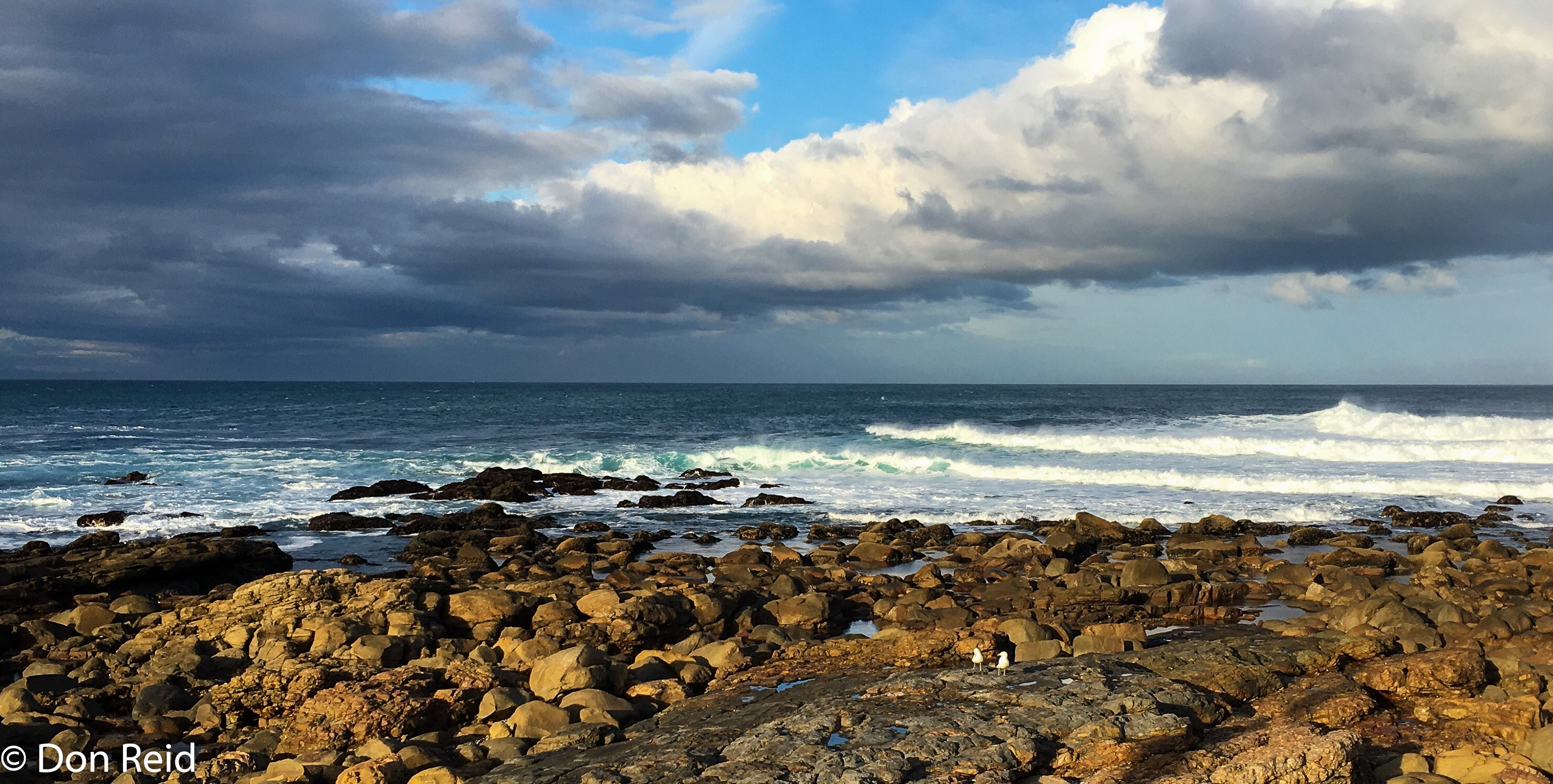
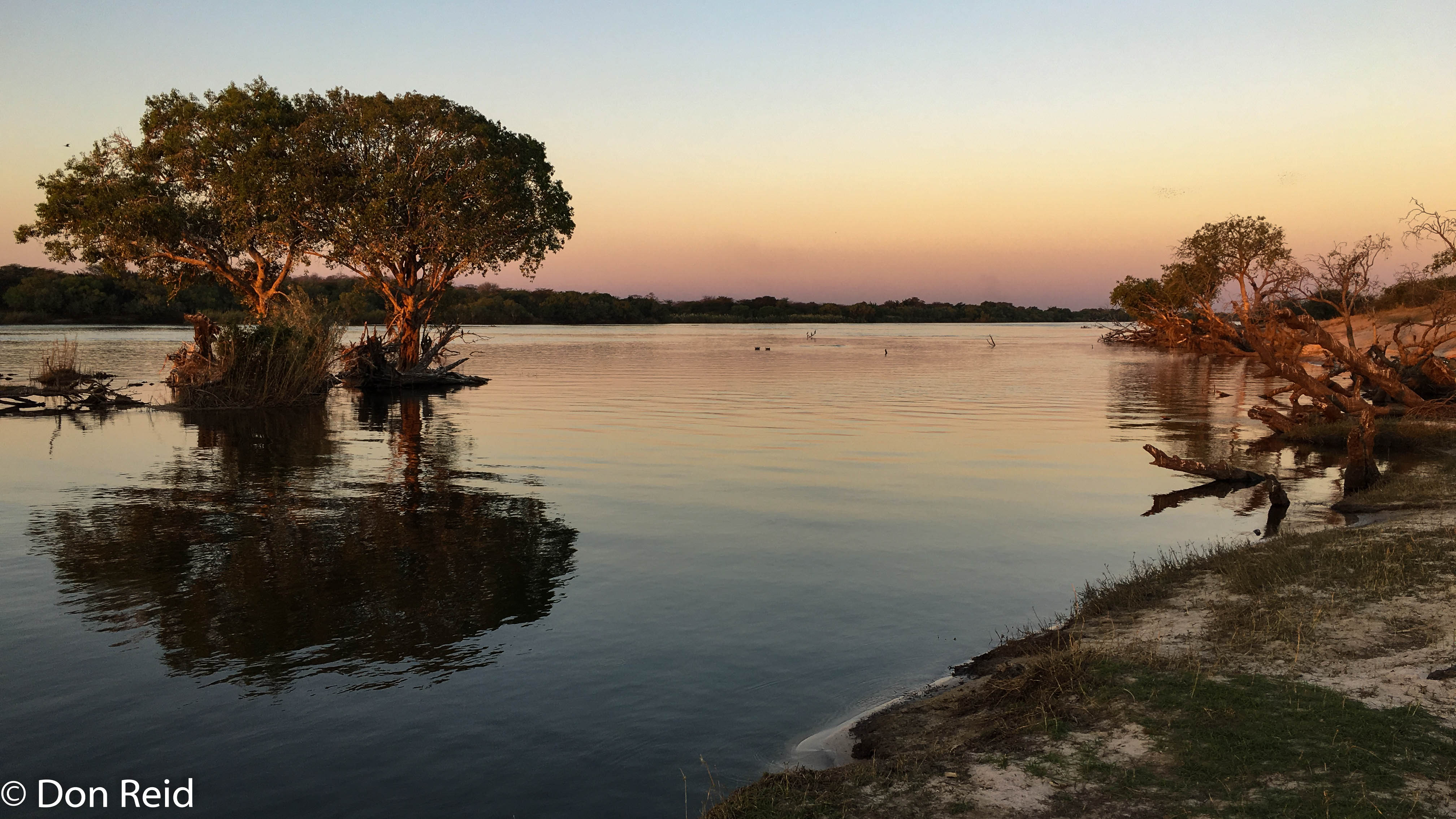
Prince Albert – NG Church with old Model T waiting for brideMkhombo Dam – lush bushveldThe road to Katima Mulilo in Caprivi – on way to twitch Yellow-throated LeafloveVictoria BayPrague – the handsome Old Town Square from hotel windowHistoric town of Cesky Krumlow in Czech Republic – the CastleSunset on Danube CruisePassau in Germany – views from the CastleCloser to home in Gauteng – a highveld landscape while bird atlasingUmhlanga beach – our midwinter breakThe Point, Mossel Bay in winterSundown, Chobe River KasaneChobe Game Reserve – showing the effects of drought
The Wildlife
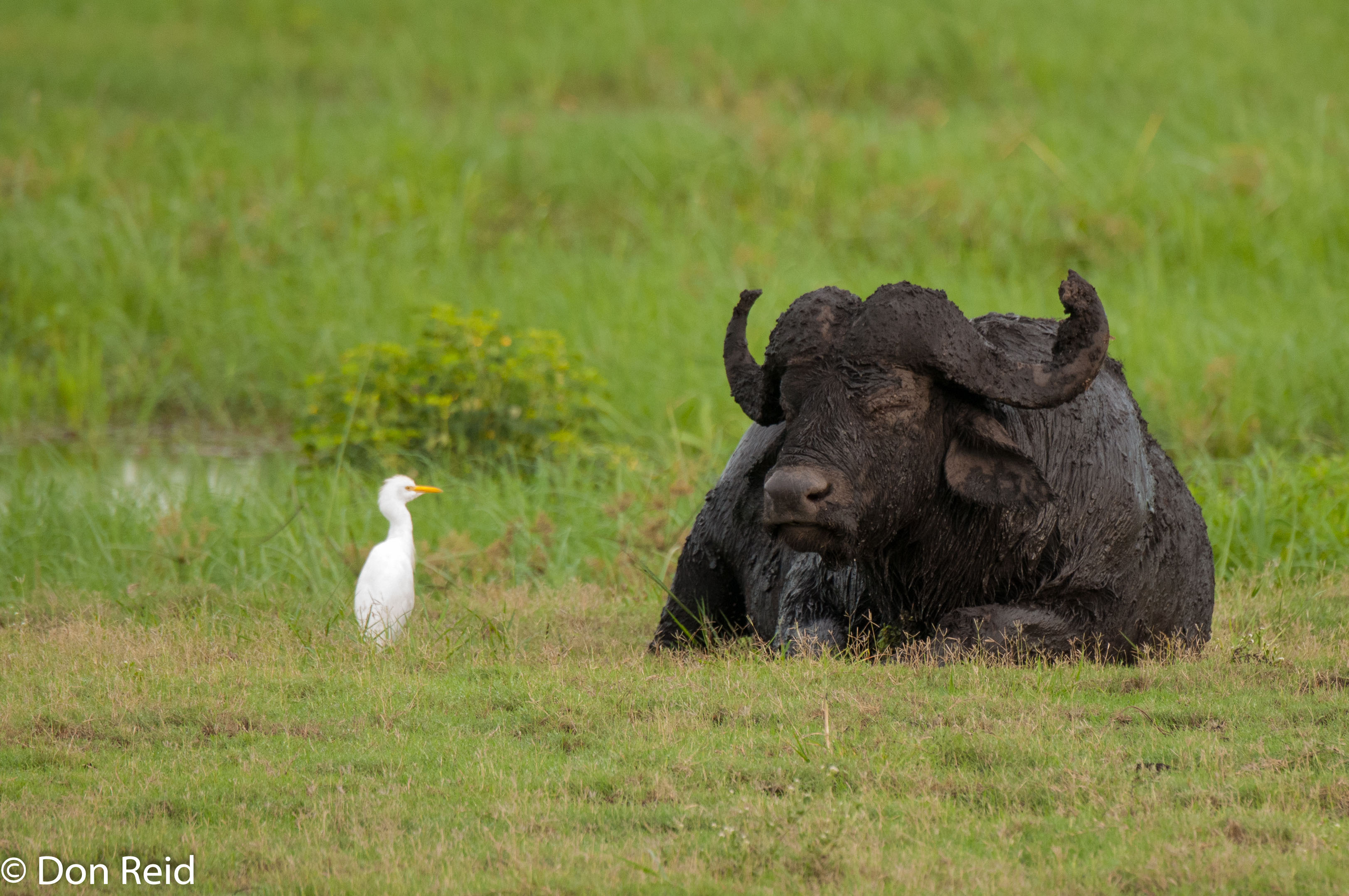
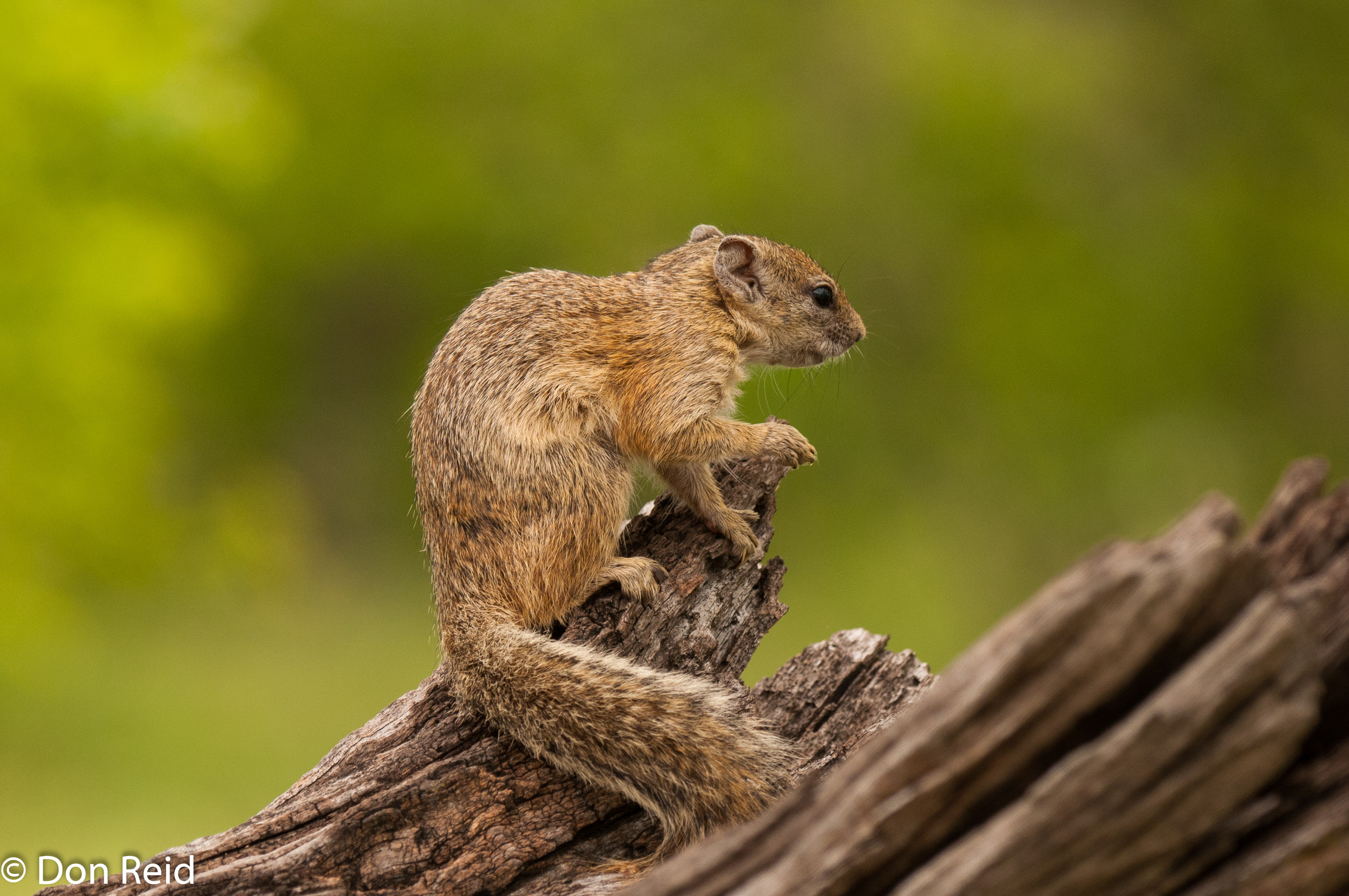
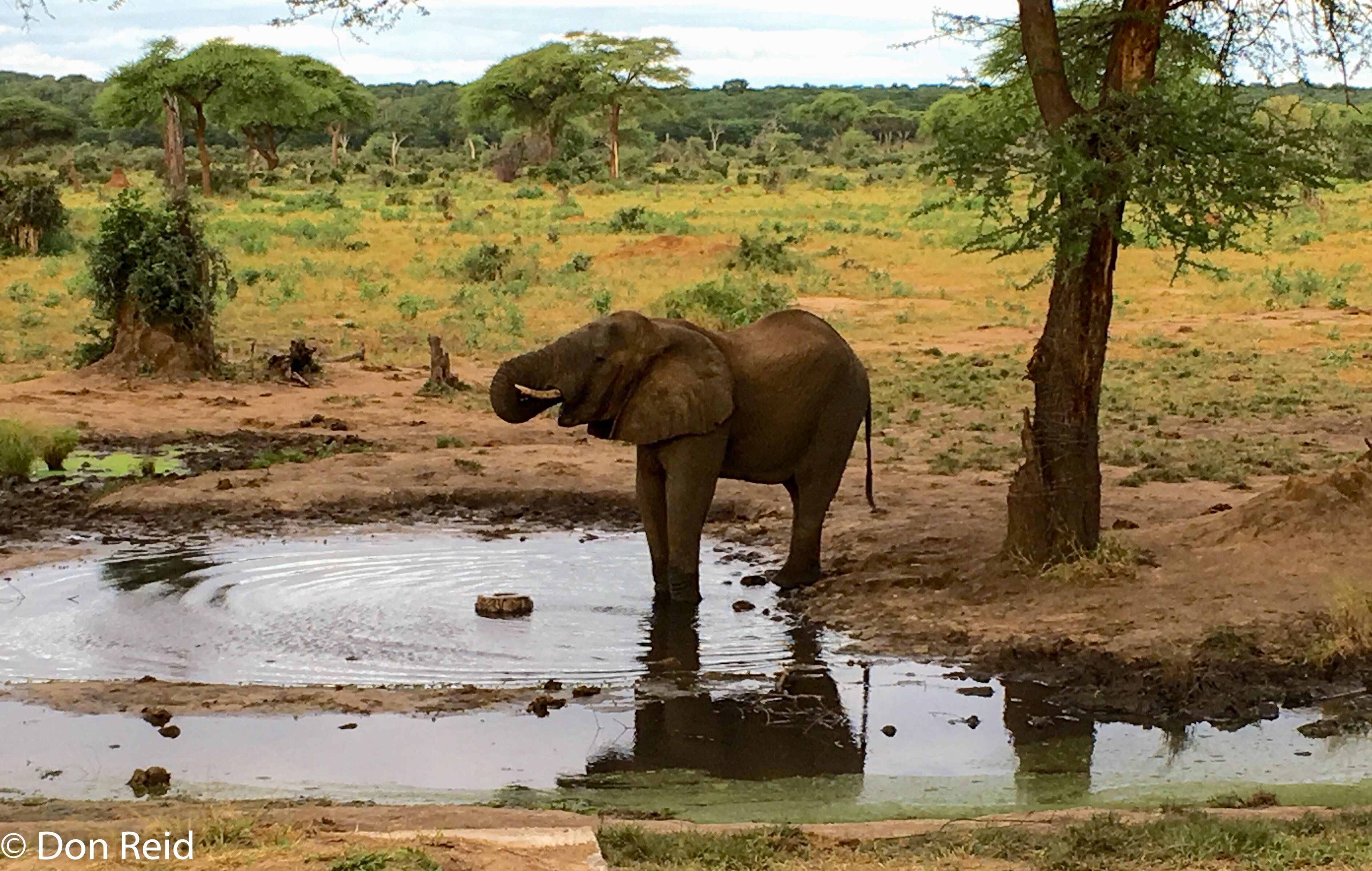
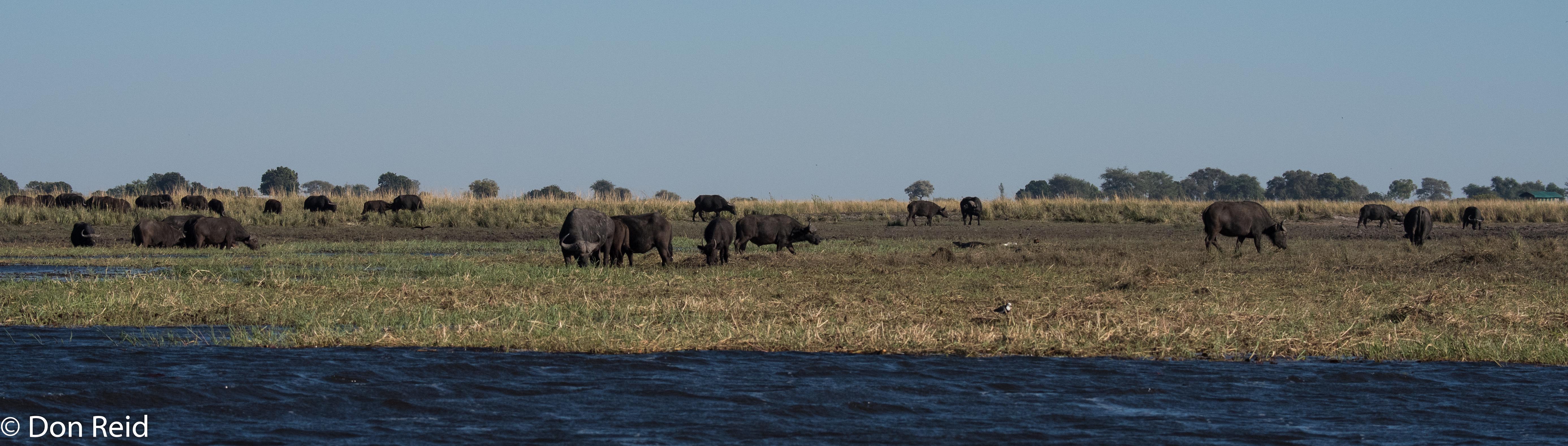
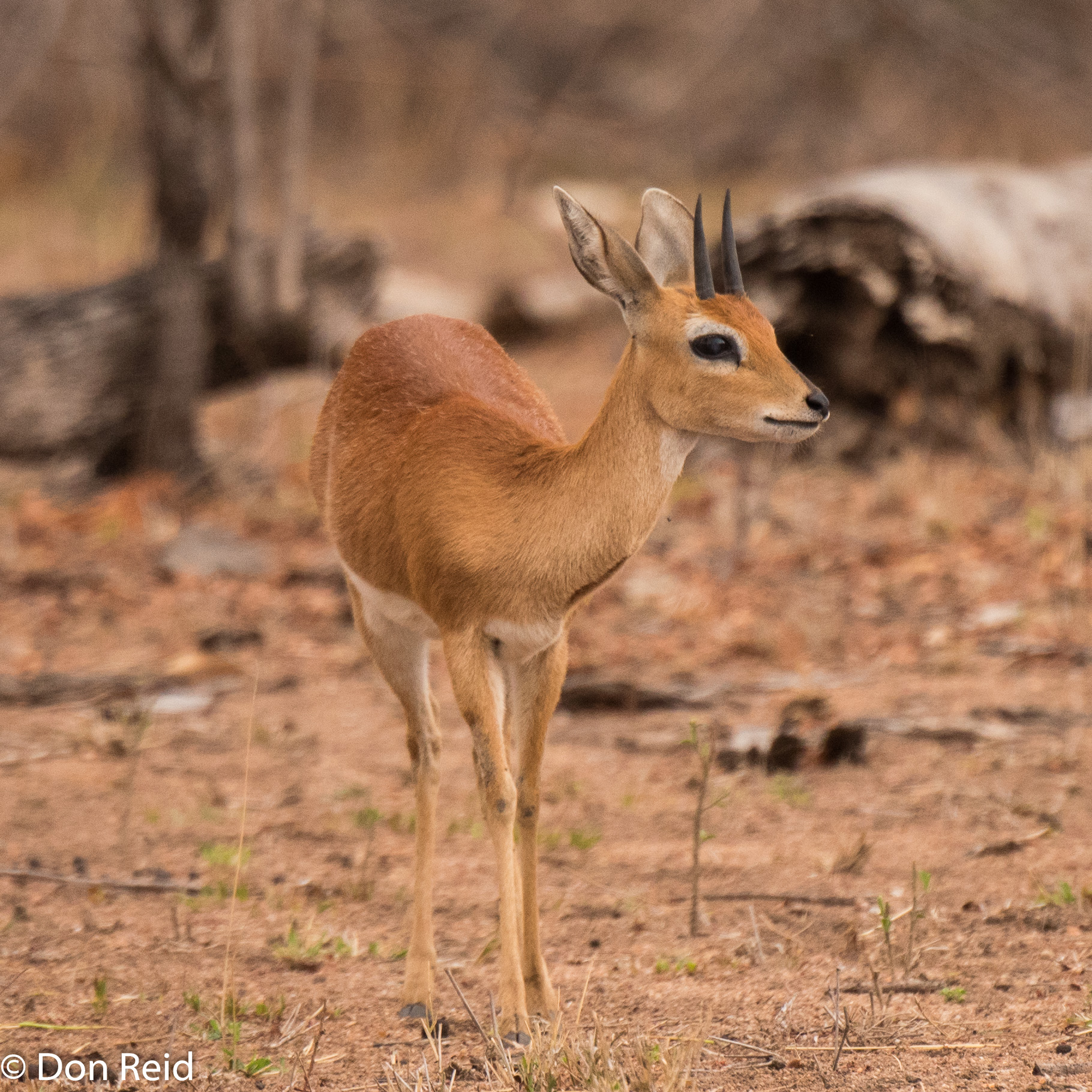
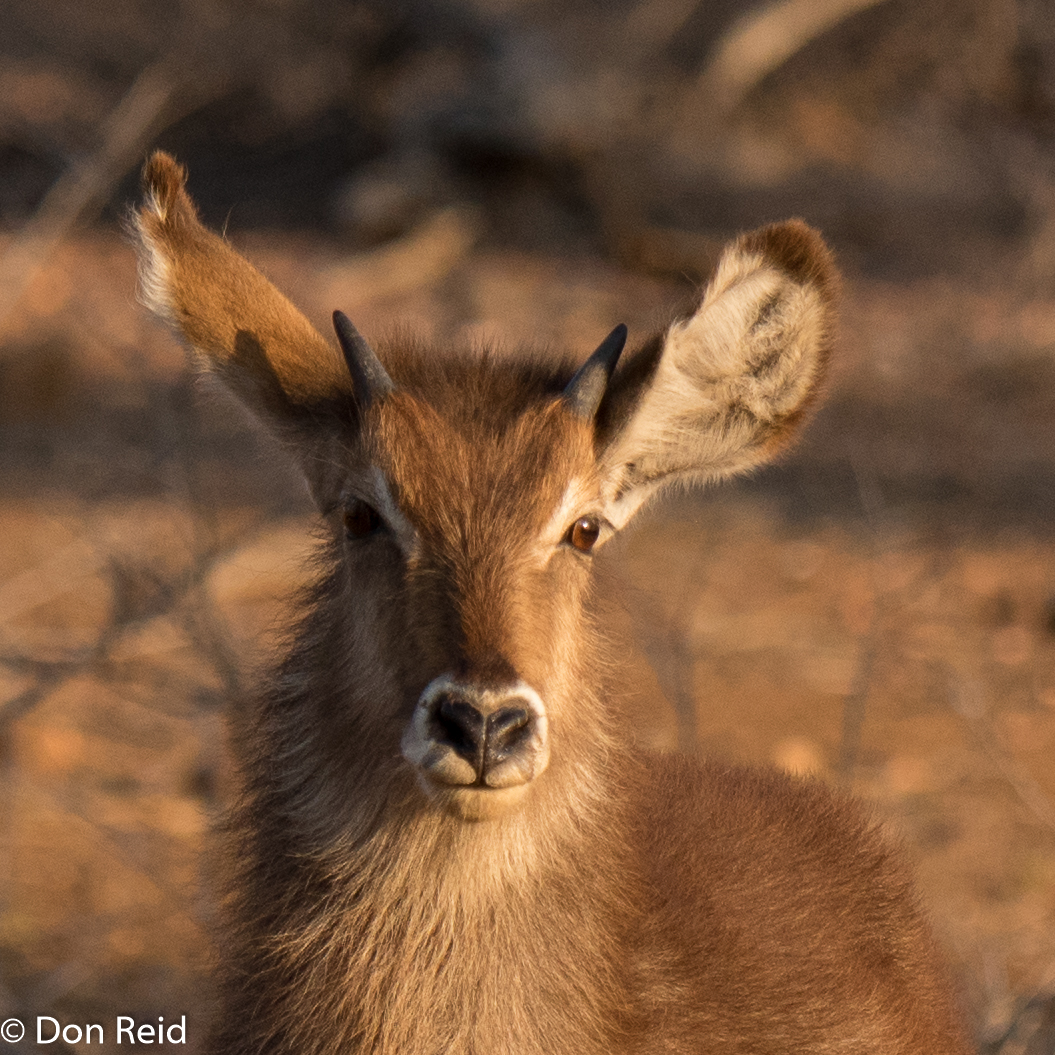
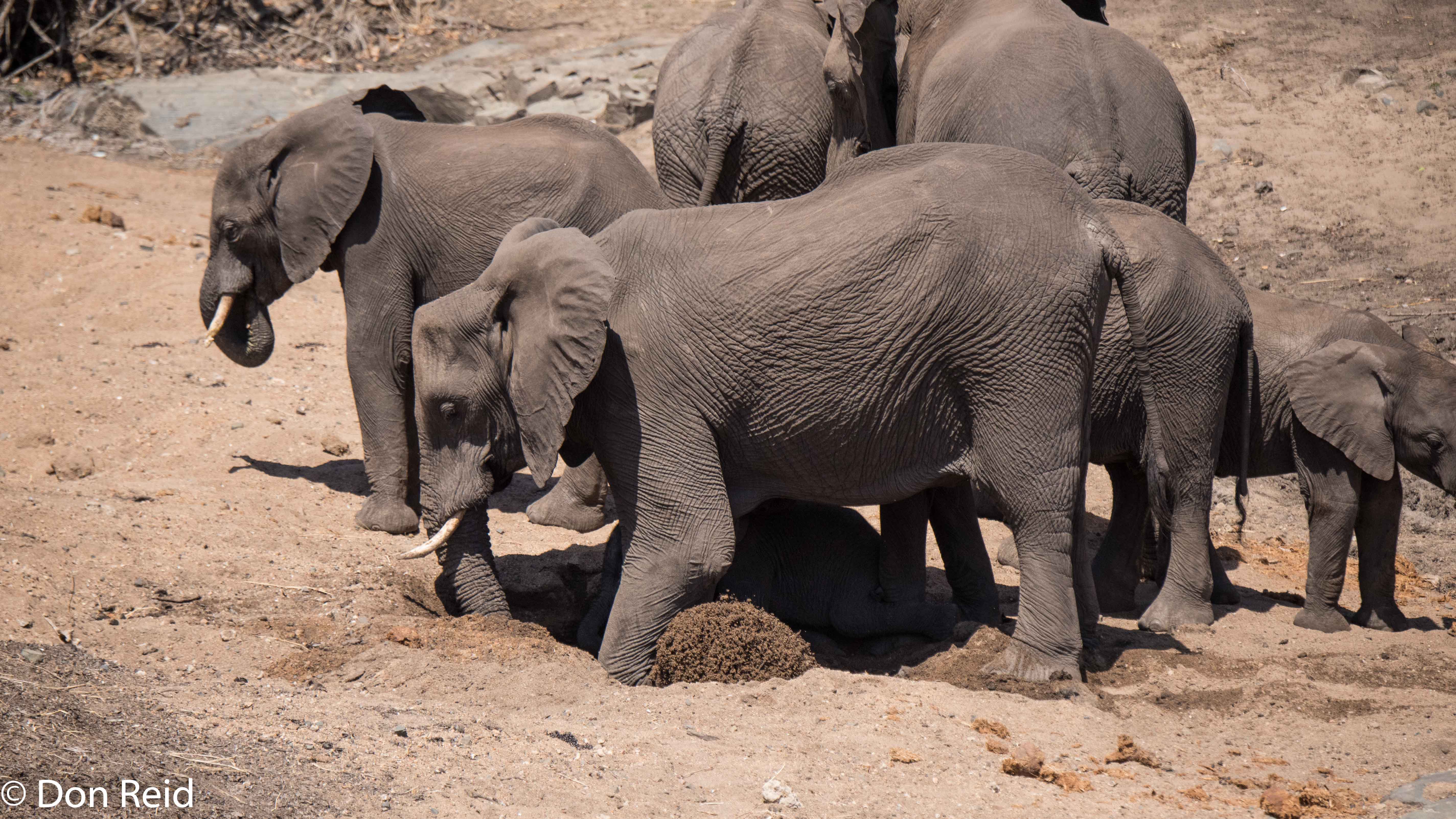
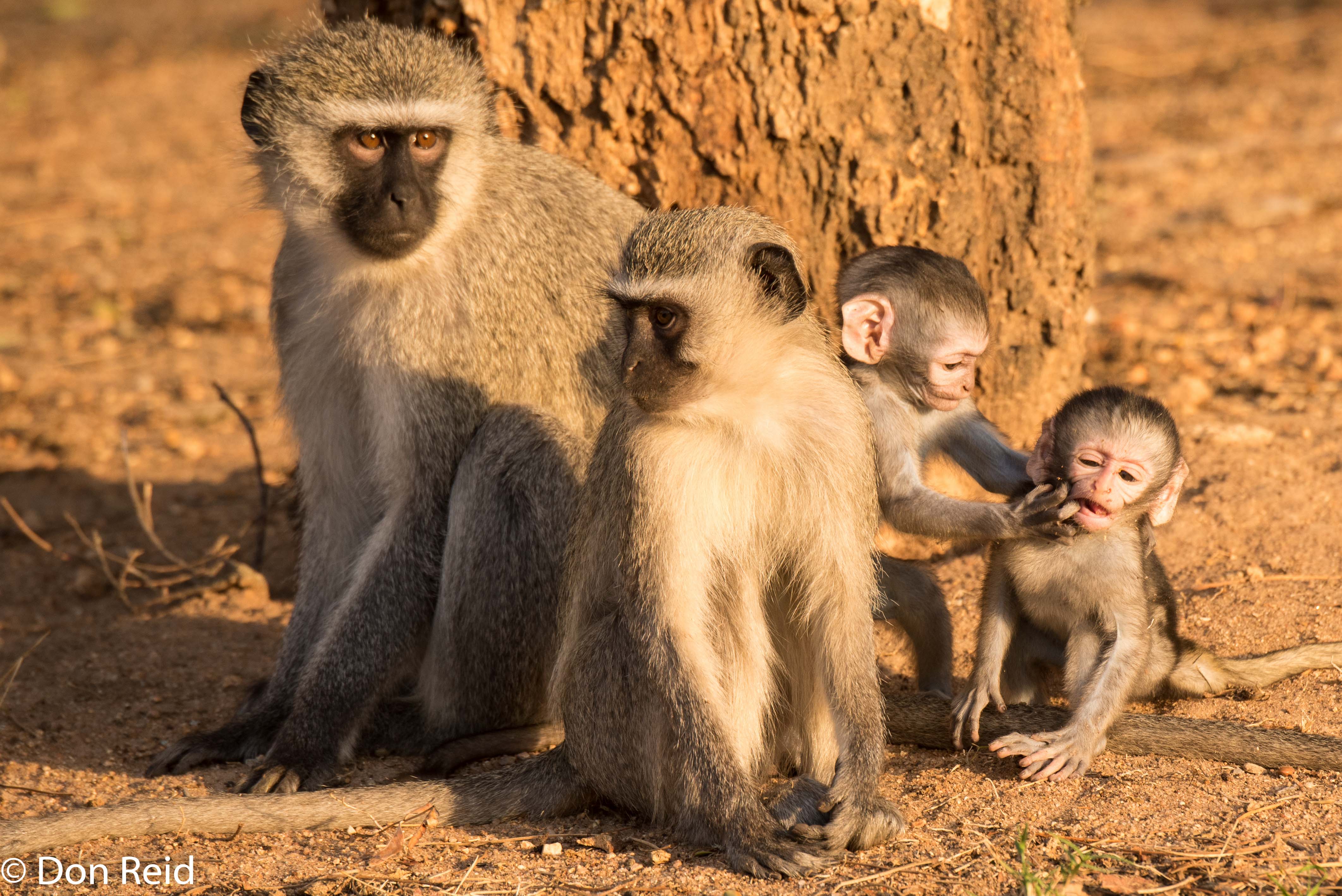
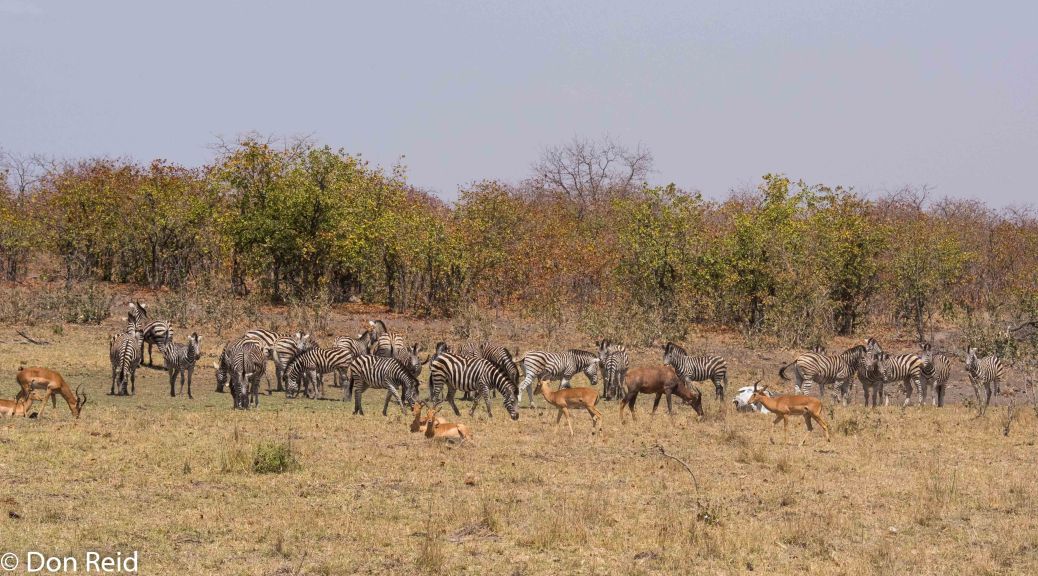
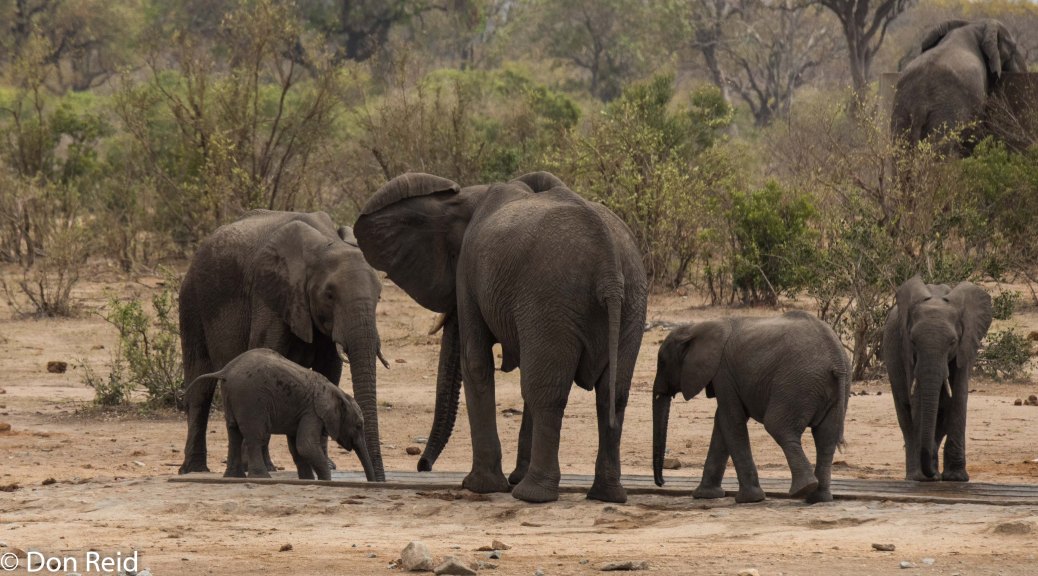
Lone muddy Buffalo with hopeful Cattle Egret, Chobe Game ReserveTree Squirrel, Chobe Game ReserveWaterhole at Senyati camp near Kasane BotswanaPetrin Park in Prague – Eurasian Red Squirrel (in grey winter coat)Warthog, Chobe Riverfront – ugly can also be beautifulAfrican Buffalo, Chobe River Boat TripSteenbok, KNPWaterbuck, KNPRelaxed Elephant, KNPLeopard, Timbavati KNPElephants digging for water in dry river bed, KNPVervet Monkeys, Pretoriuskop KNPZebra, Pretoriuskop KNP
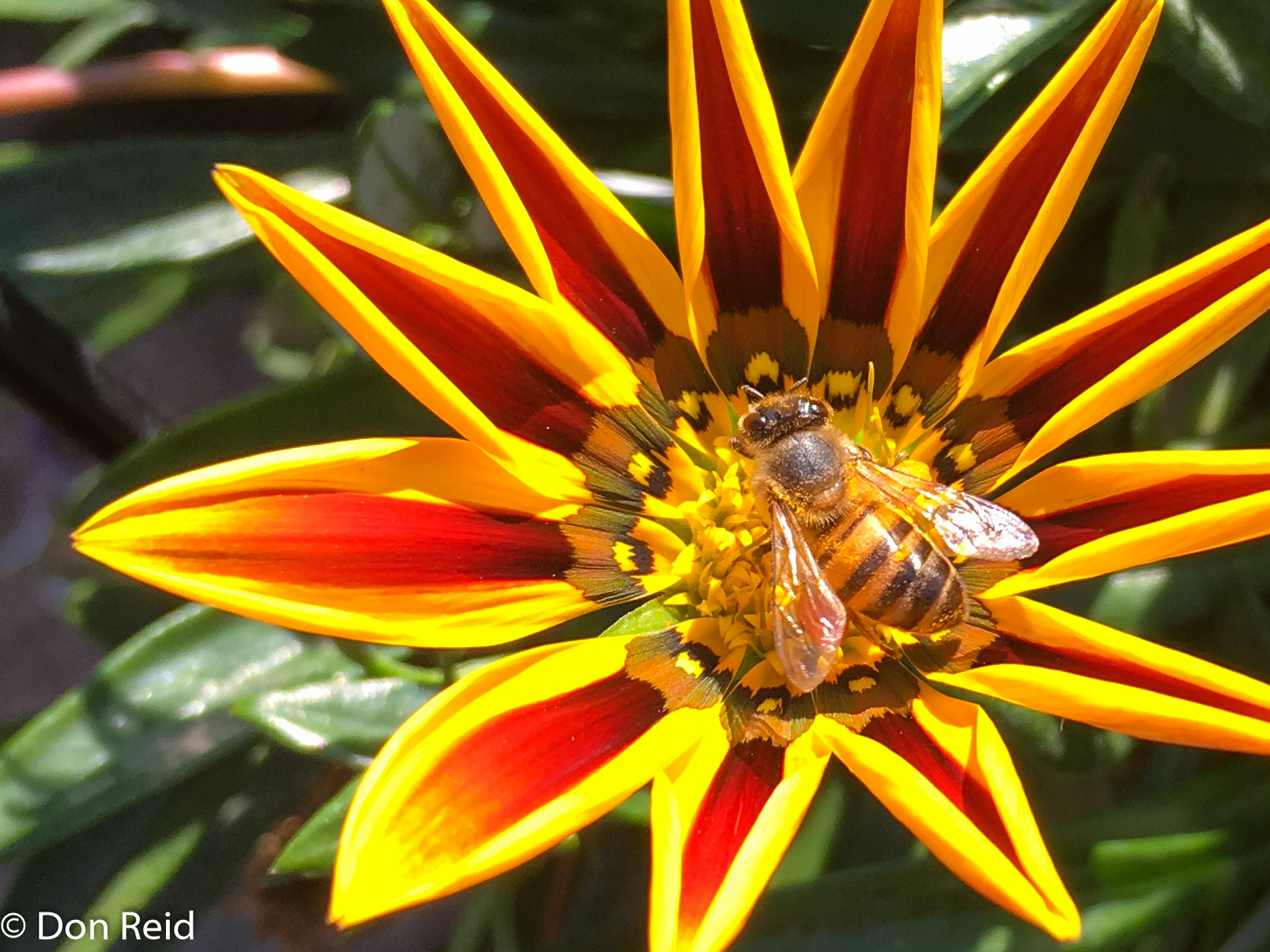
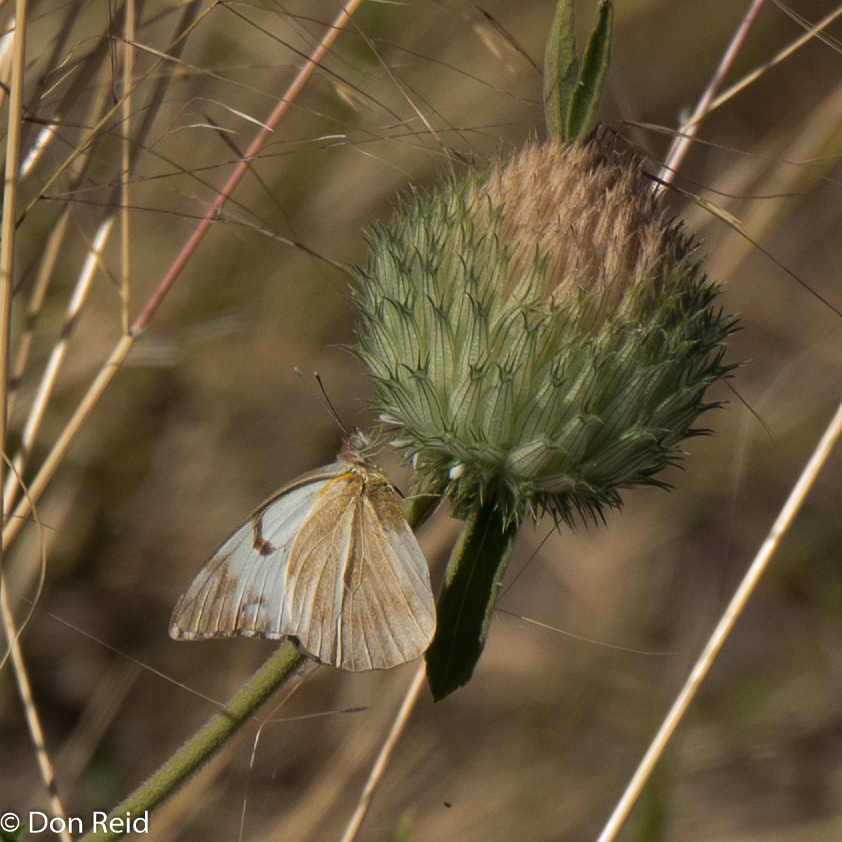
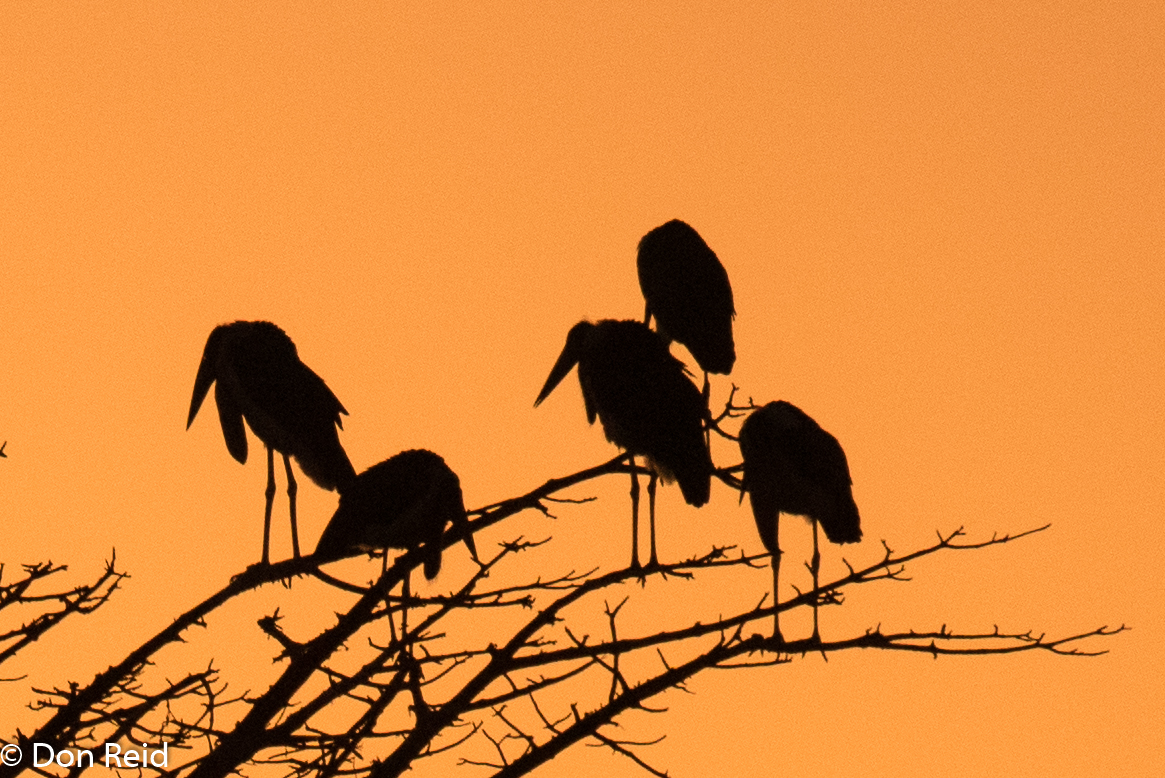
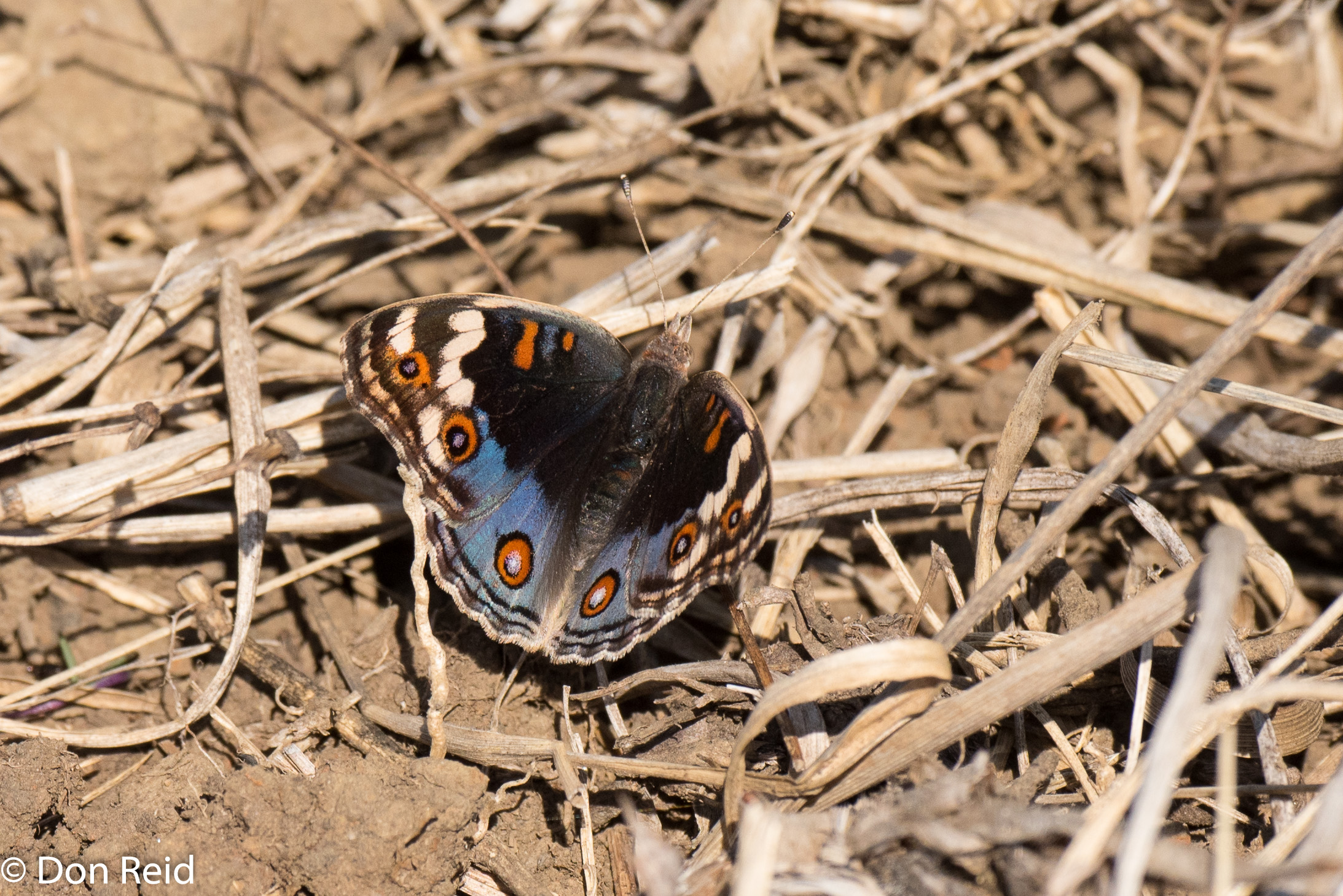
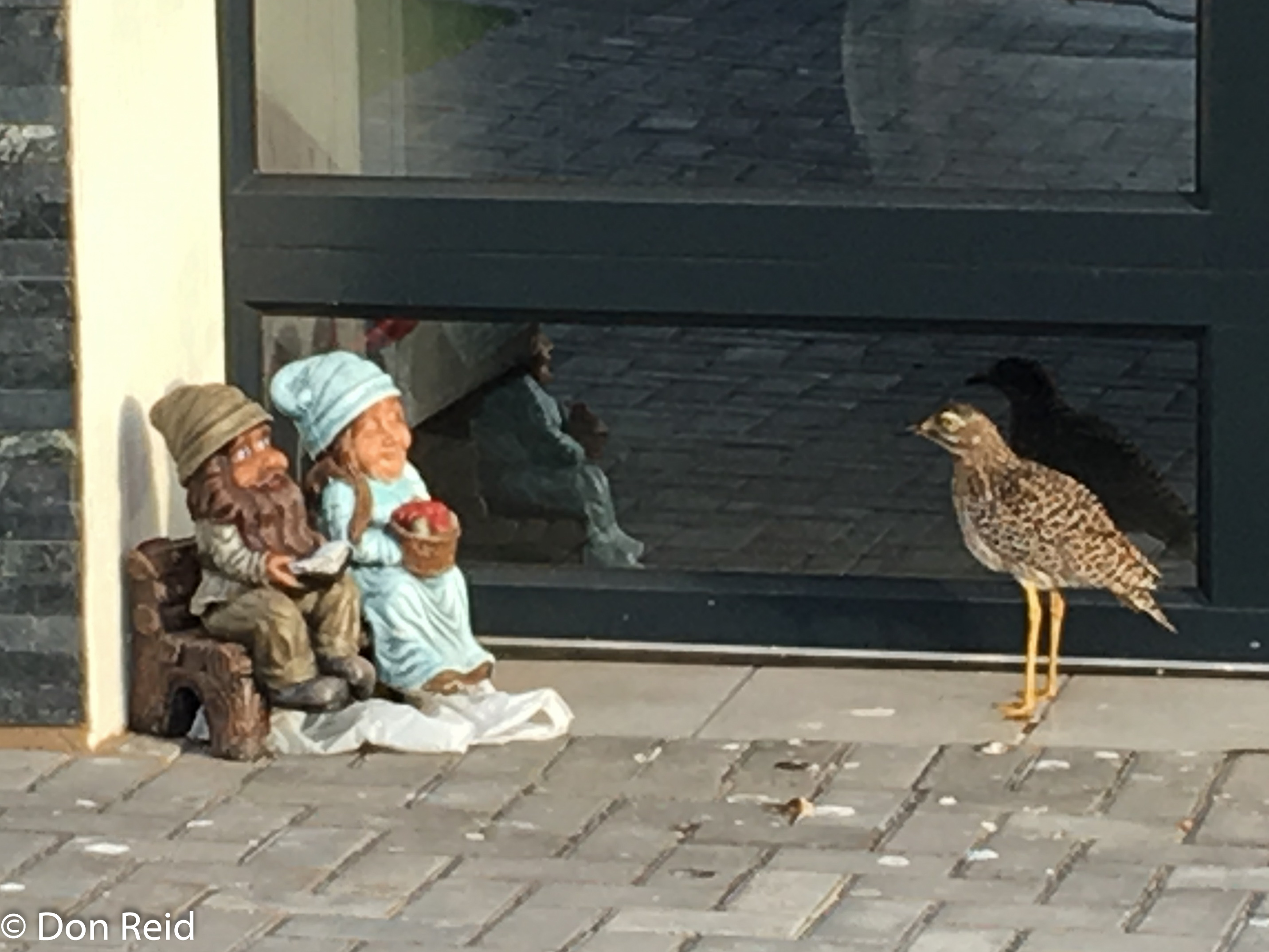
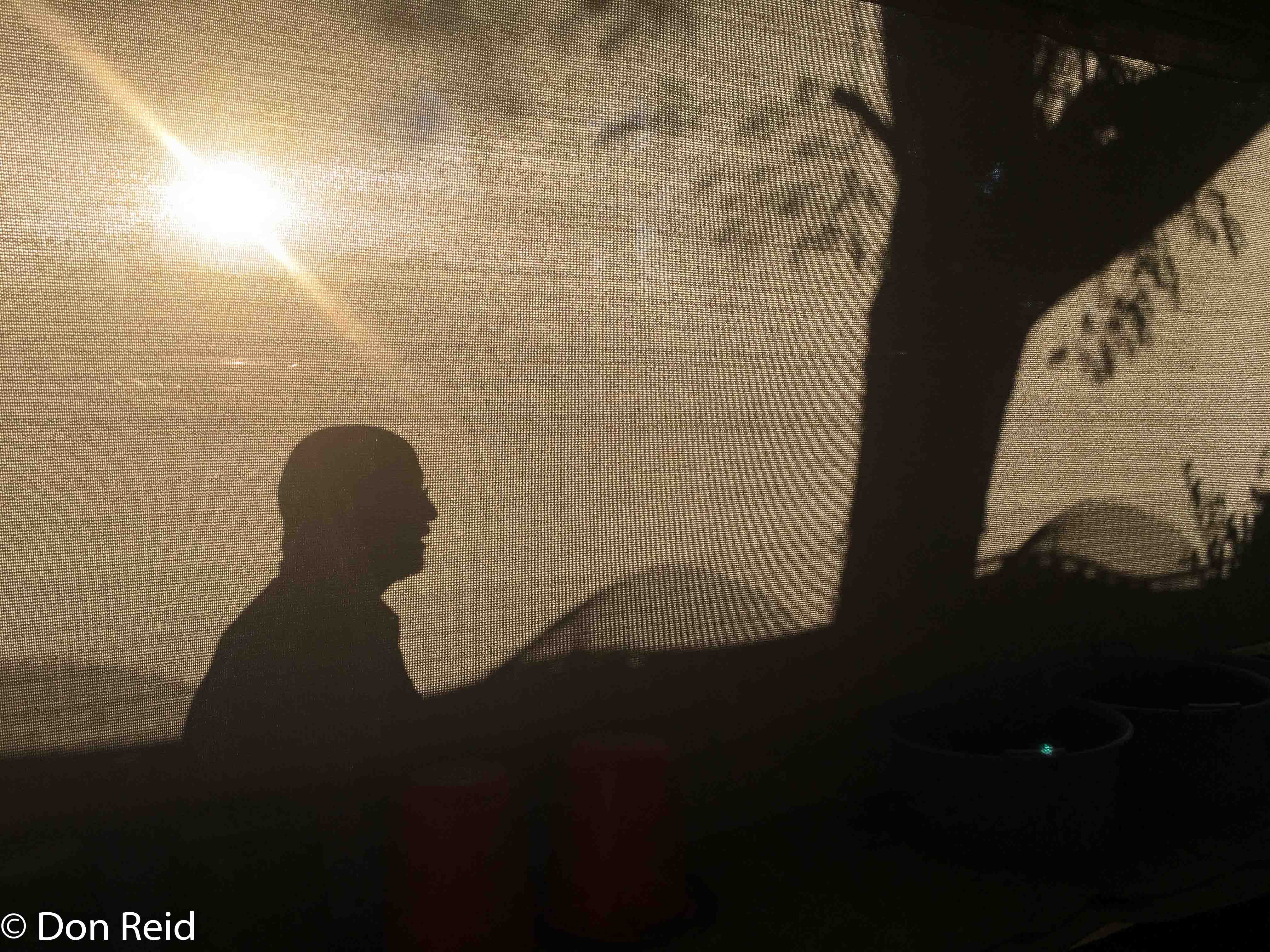
Bullfrog, Zaagkuildrift RoadFlame Lily, Caprivi Houseboat LodgePrague – shop windowMelk Abbey in Austria – the ChurchPassau – shop windowButterfly, VerlorenkloofFlower with bee – Nursery in PretoriaButterfy, Chobe RiverfrontMarabous roost at sunset, KasaneIndustrial sunrise, Leandra areaButterfly , Onverwacht farm, VryheidRolling clouds near OudtshoornHello there! Thick-Knee has spotted some gnomesSilhouette – Swaer Johan attending to their exotic birds
Wishing all who may read this a 2017 that meets all of your expectations!
For the second year in a row we spent a week in Kruger National Park in October, this time spending 6 nights in Olifants rest camp in the northern part of Kruger, with one night stop-overs at Berg en Dal and Pretoriuskop rest camps on the way there and back respectively.
The Road to Mopani
Mopani lies north of Olifants with Letaba camp and Mooiplaas picnic spot en route – it’s a great option for a longer outing from Olifants camp and we chose to do it on the Monday of our week-long stay.
Olifants to Letaba
Setting off at around 8.30 am, we initially set our sights on Letaba camp – the first 9 km to the main H1 road was quiet and set the tone for large parts of the day. The veld has taken a severe knock during the past few years of drought or poor rainfall and is non-existent in places, while the trees are mostly bare at this early stage of Summer and the earth is parched to a grey/brown colour.
In these conditions, the rivers which still have small pools of water and the waterholes stand out as oases of life, with concentrations of game and bird life gathering at these spots. The Olifants river is one such oasis and once you reach the H1 road to Letaba, the great river runs alongside it for a few kms, albeit at some distance.
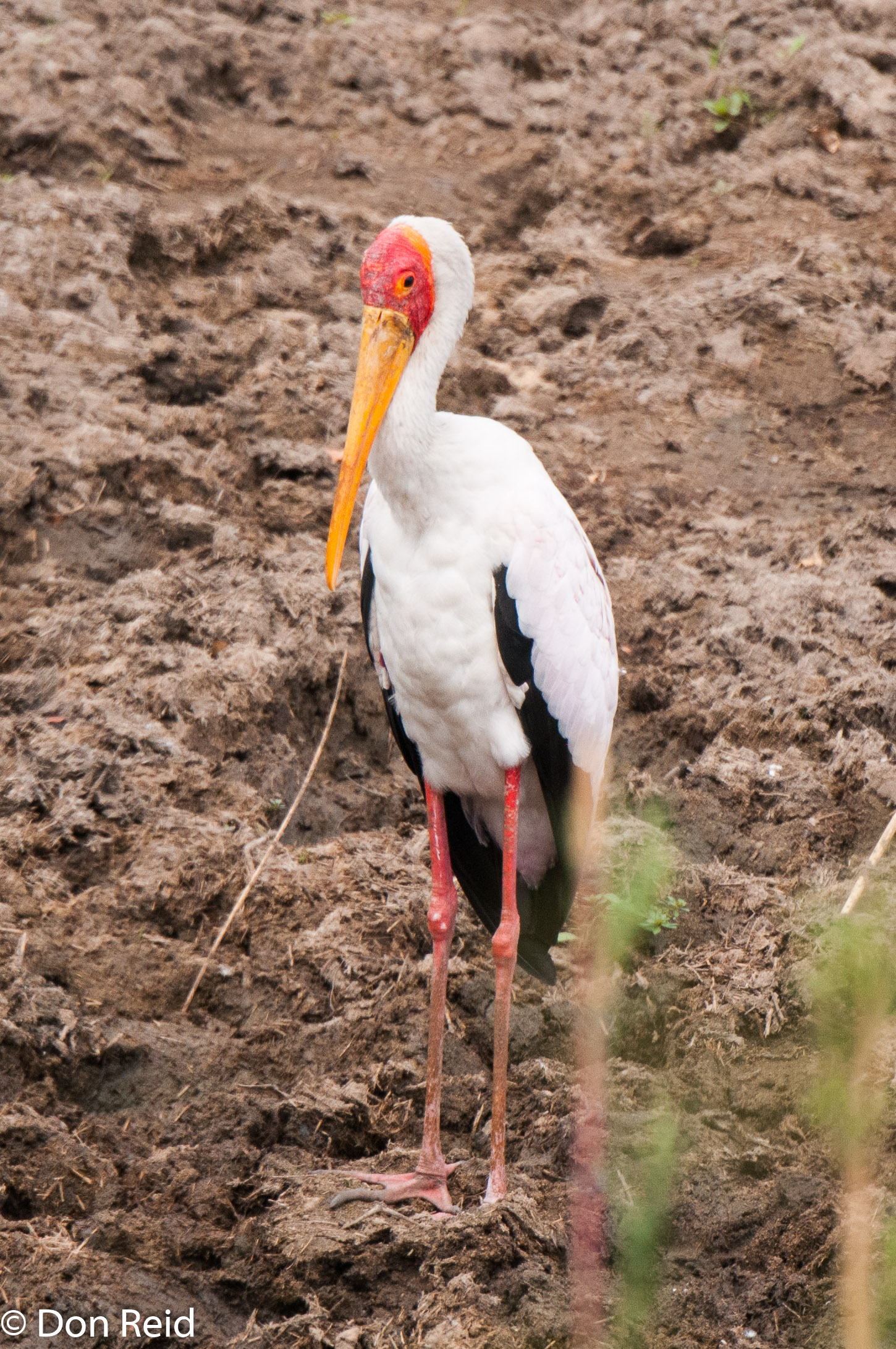
Nevertheless the road was still close enough to make out Yellow-billed Stork (Nimmersat), Goliath Heron (Reusereier), Pied Wagtail (Bontkwikkie) in the river itself and an African Hoopoe (Hoephoep) closer to the road amongst dry leaves which matched its brown colouring.
African Hoopoe, Olifants river
The next 20 kms to Letaba runs through very arid habitat and my atlasing effort in the pentad that it encompasses resulted in just two species in half an hour’s slow driving – a Brubru (Bontlaksman) and a Yellow-billed Kite (Geelbekwou).
By this time Letaba’s Mugg and Bean was beckoning us for a mid-morning coffee which we enhanced with a shared Date and Nut Muffin (M&G’s muffins are formidable so even sharing one means you each get a decent portion). Brown-headed Parrots (Bruinkoppappegaai) made their presence known in the overhanging trees as we relaxed on the Letaba stoep with its wonderful view of the Letaba river.
Letaba to Mooiplaas and Mopani
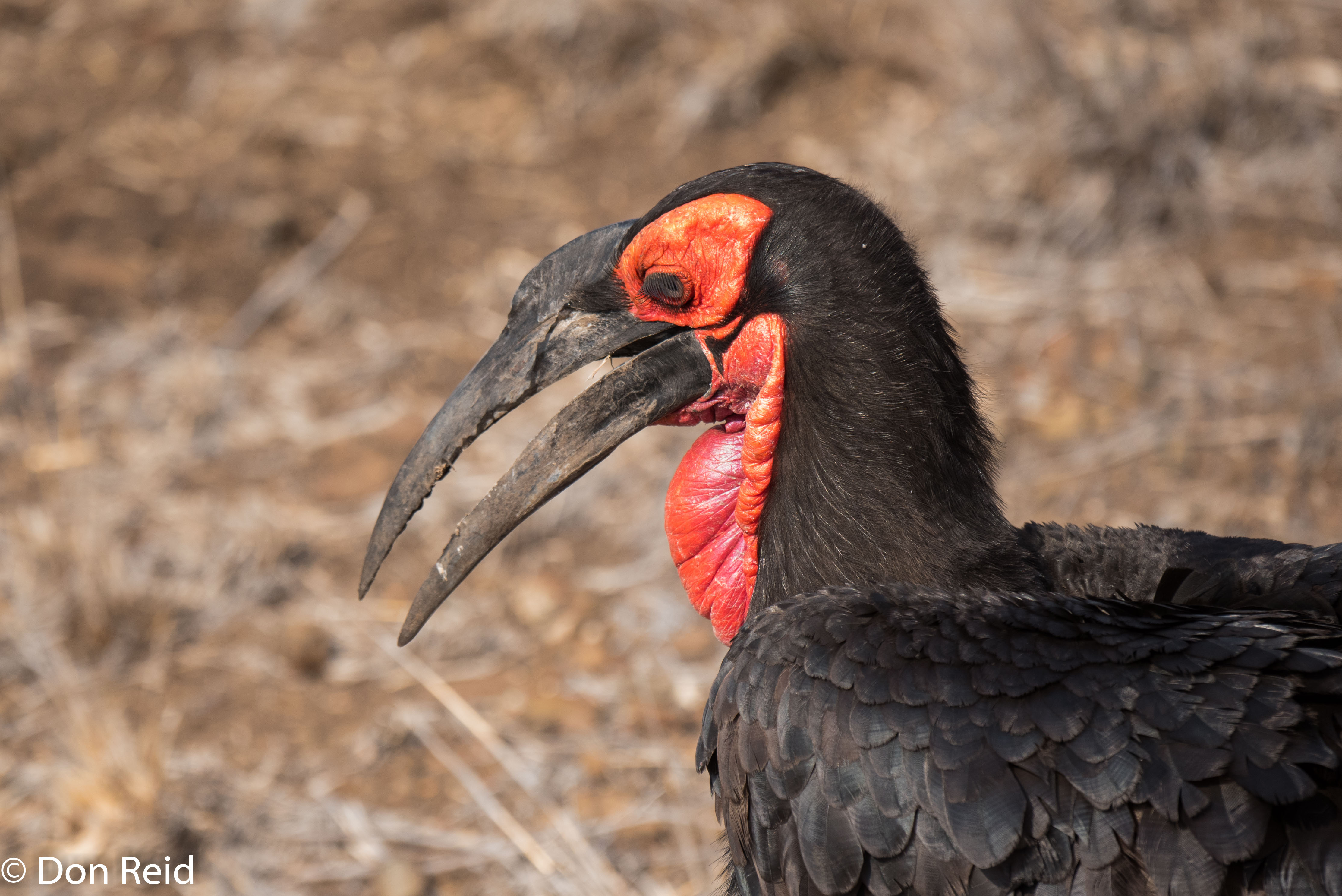
After our coffee break, the next stop was the bridge over the Letaba, where you can alight from your car in the demarcated area and look for game and birds in the river bed. We were rewarded with several birds including Saddle-billed Stork (Saalbekooievaar), Ground Hornbill (Bromvoël), Great White Egret (Grootwitreier) and African Openbill (Oopbekooievaar).
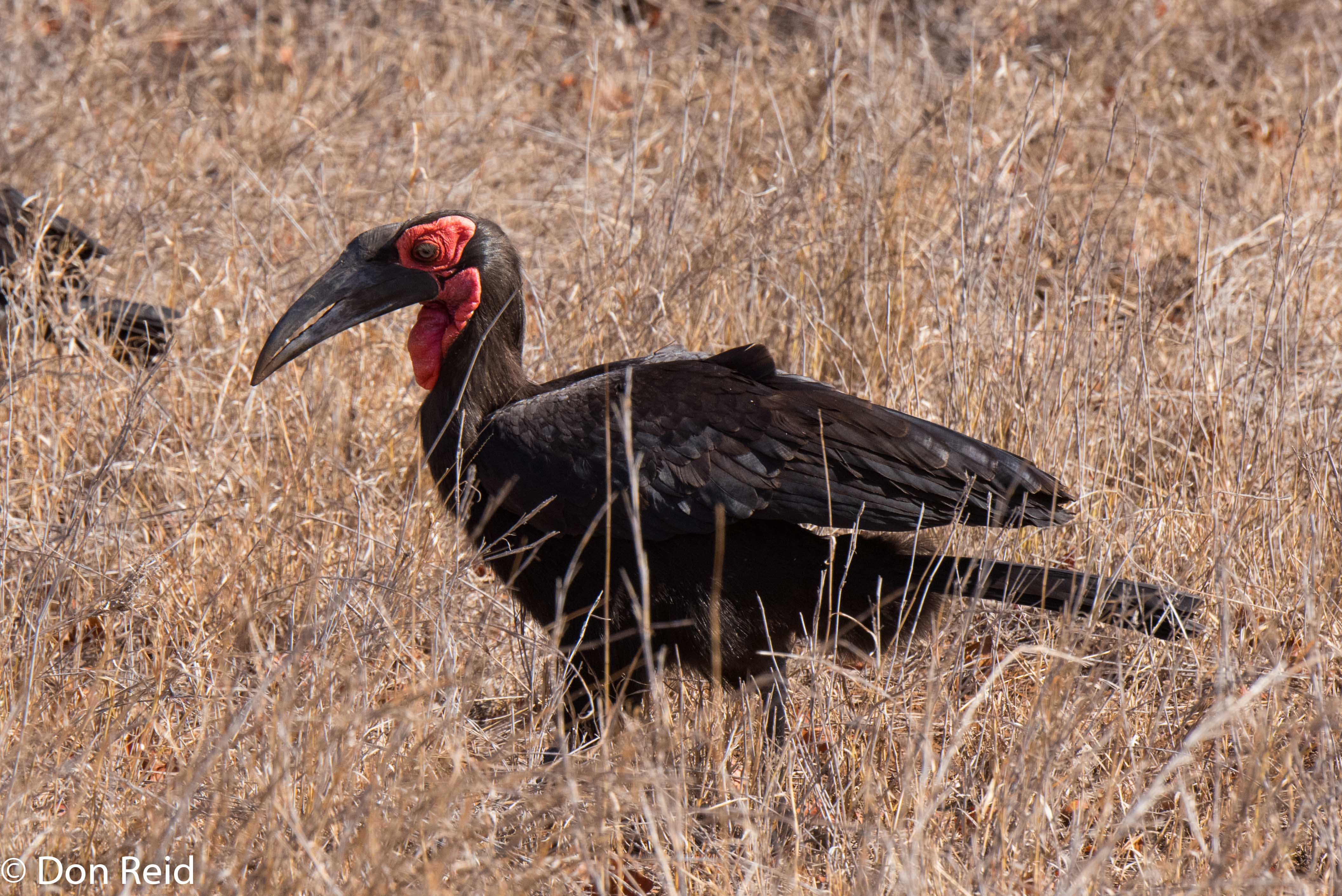
Southern Ground Hornbill
A lone European Bee-eater (Europese Byvreter), clearly a bit earlier to arrive in Southern Africa than the majority of his kind, brightened up our birding and was also the only one we saw during the week.
The next stretch to Mooiplaas picnic spot was a longish one, initially running next to the Letaba river with short approach roads leading to and from the river at regular intervals, well worth investigating each one as the game and bird life often gathers in the river bed, enjoying the relatively lush habitat.
Giraffes in river, LetabaLetaba – Mopani road
Spoonbill (Lepelaar), Great Egret (Grootwitreier), Marabou Stork (Maraboe) were all present and hawking White-fronted Bee-eaters (Rooikeelbyvreter) added their flash of colour to the scene)
Leaving the river behind, we travelled through bush Mopane habitat all the way to Mooiplaas, with a couple of strategically placed waterholes providing some relief from the rather monotonous, arid landscape. Malopenyana waterhole had attracted flocks of Namaqua Doves (Namakwaduif) and Chestnut-backed Sparrowlarks (Rooiruglewerik), quenching their thirst along the water’s edge.
Chestnut-backed Sparrowlark
Mooiplaas picnic spot is another veritable oasis, surrounded by trees and with a thatched, pinnacle-shaped roof over the central picnic area. Immediately we were entertained by the comings and goings of a variety of bushveld birds, with accompanying song, and our spirits lifted as we enjoyed a simple brunch of tea and buns.
Mooiplaas picnic spot
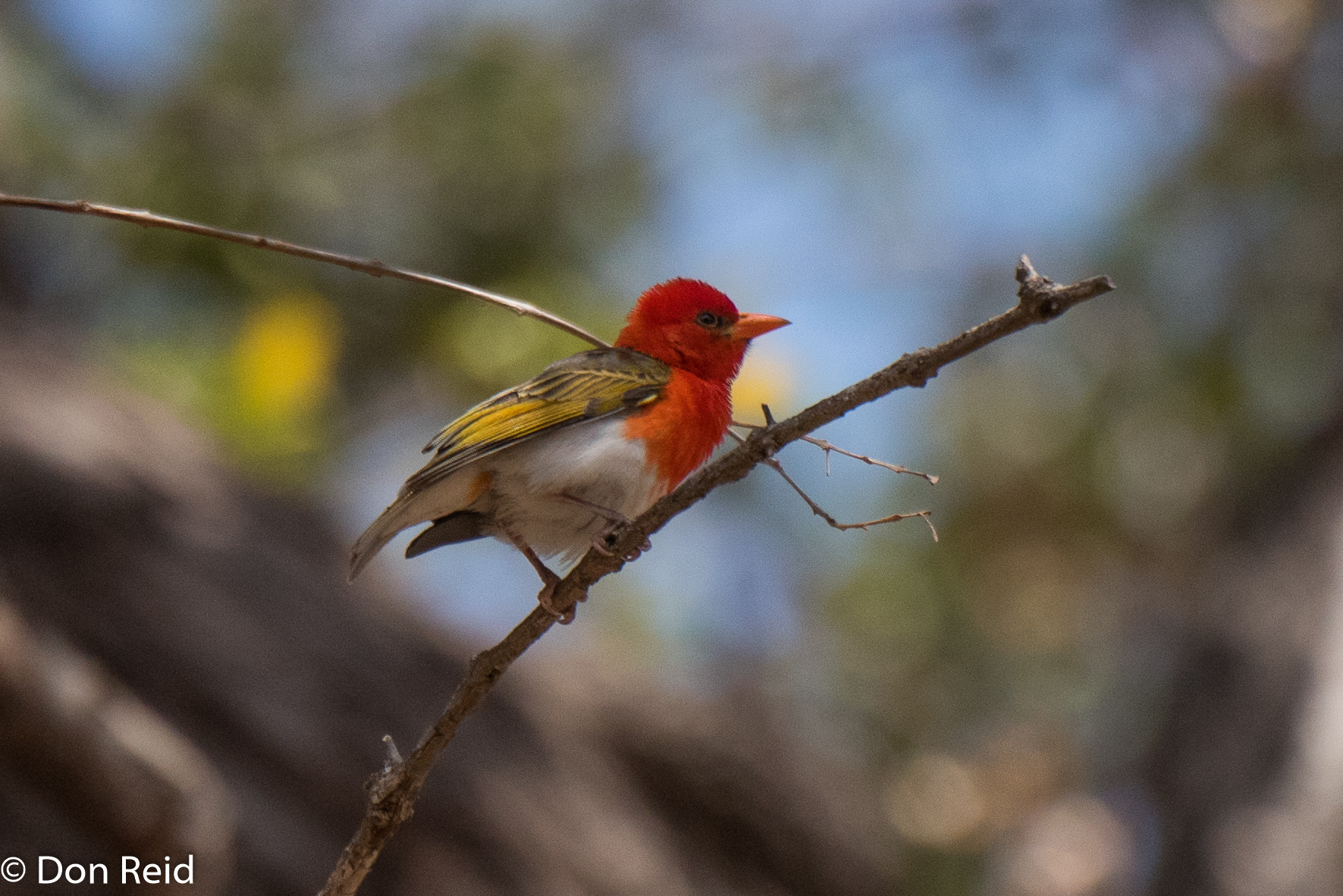
The trees were busy with Orange-breasted Bush Shrike (Oranjeborslaksman), Black-backed Puffback (Sneeubal), Red-headed Weaver (Rooikopvink) and all three common Hornbills – Southern Red-billed, Southern Yellow-billed and Grey (Rooibek- Geelbek- en Grys-neushoringvoëls)
A short drive further took us to Mopani camp for a brief visit and some light Bird atlasing from the deck overlooking the dam which is a feature of this camp. On the opposite shore I could make out Grey-headed Gull (Gryskopmeeu) – a new species for my KNP list, African Jacana (Grootlangtoon), White-faced Duck (Nonnetjieseend), Collared Pratincole (Rooivlerksprinkaanvoël) and Goliath Heron.
On the game side, there was enough to satisfy us outside the extremely arid stretches and the Mopane-dominated parts, with all of the regular animals sighted and as a bonus we had a good sighting of several Tsessebe, one of the rarer antelopes in Kruger, near Mopani camp.
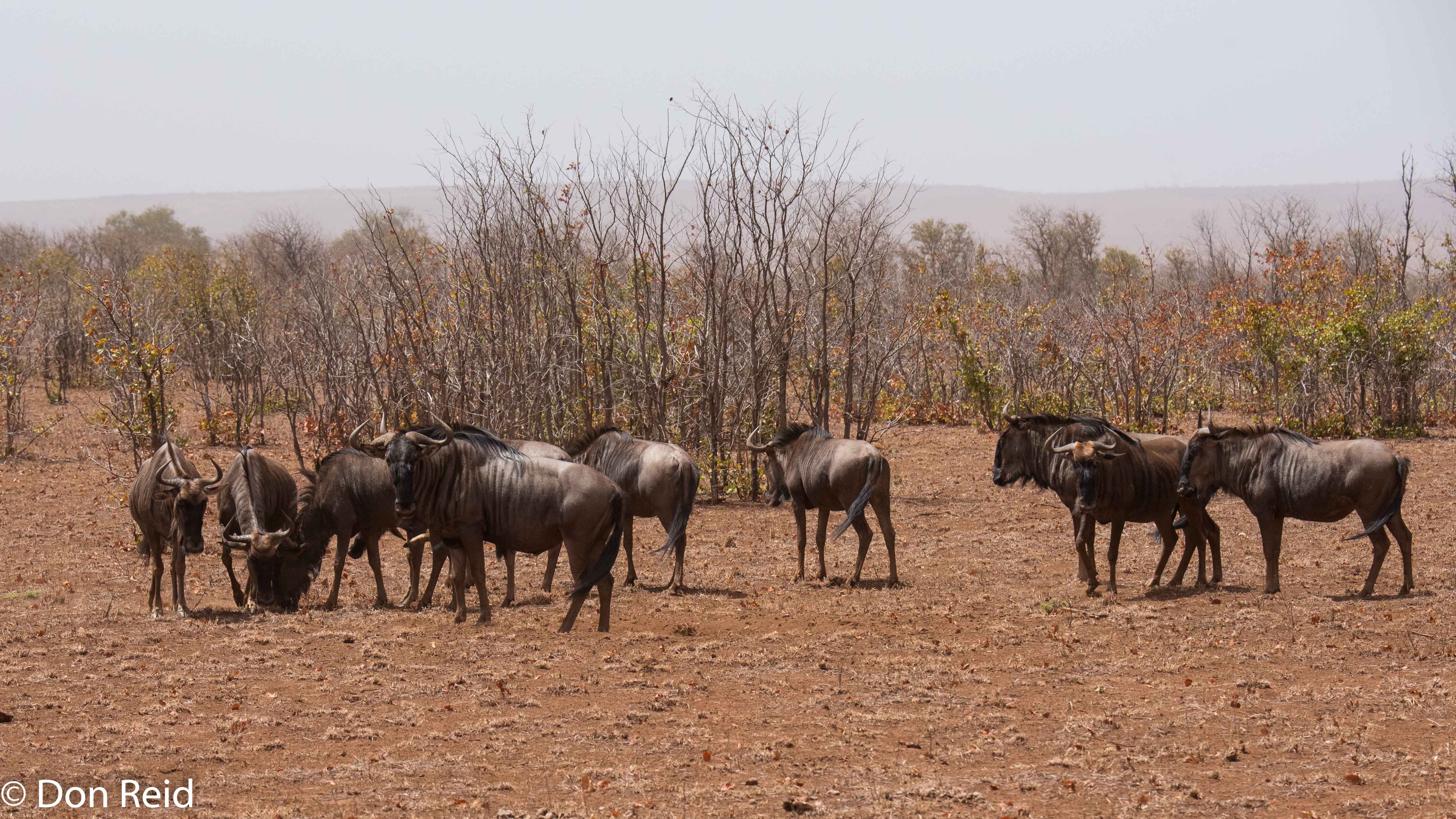
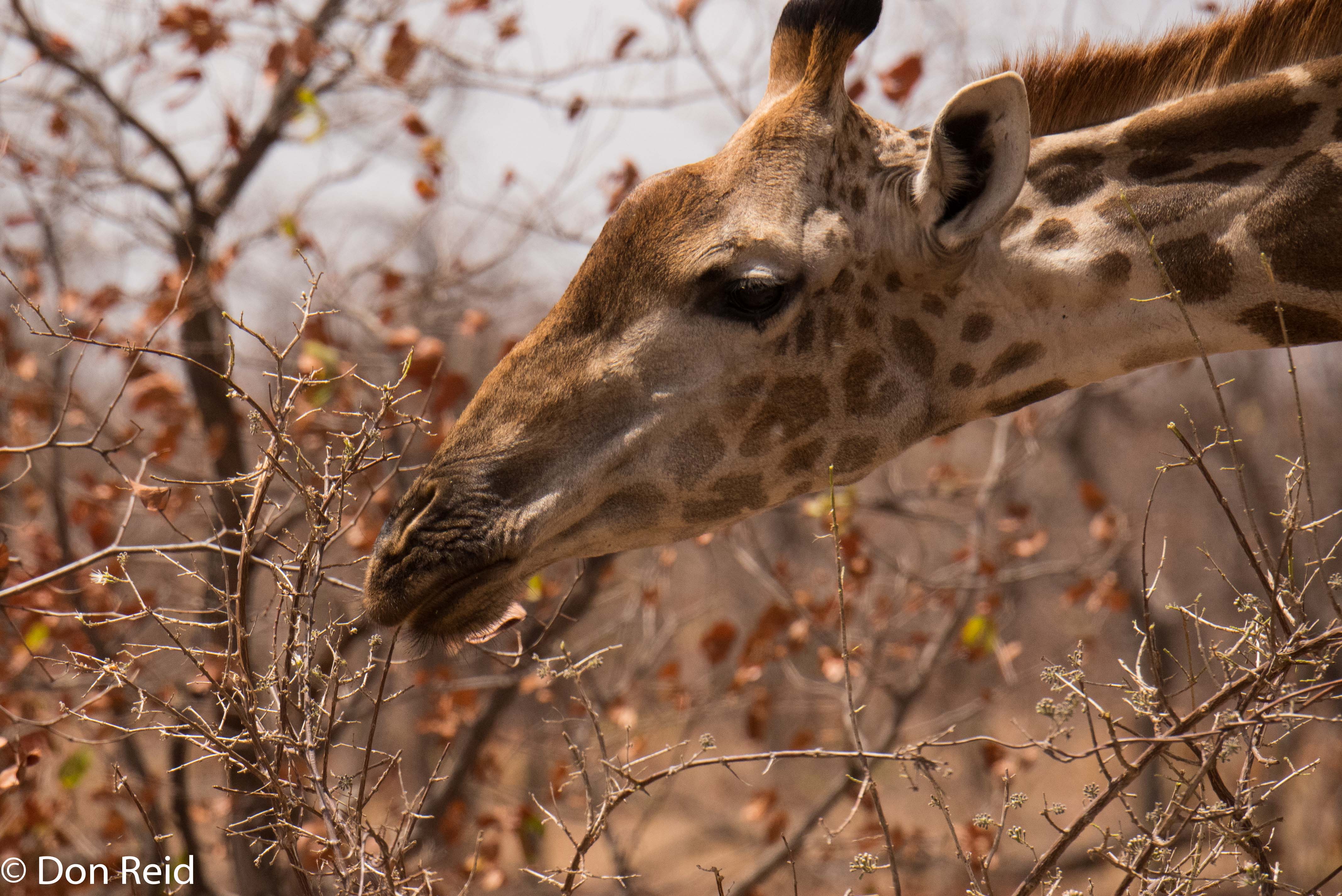
Blue Wildebeest, MopaniTsessebe near MopaniGiraffe, Letaba-Mopani road
Our next short trip was from Olifants to Timbavati picnic spot – more about that in the next post
For the second year in a row we spent a week in Kruger National Park in October, this time spending 6 nights in Olifants rest camp in the northern part of Kruger, with one night stop-overs at Berg en Dal and Pretoriuskop rest camps on the way there and back respectively.
There are two basic options when you plan a week’s stay in Kruger – spend two nights each in say three of the rest camps or book the whole week in one camp. Both options have pros and cons, but I must say our preference nowadays is the latter which means less travelling and more relaxing. It becomes less urgent to take a game drive every day, particularly when the camp itself offers “add-ons” such as swimming pools, decent coffee shop/restaurant, activities such as bush walks and of course the potential birding on offer in the camp itself.
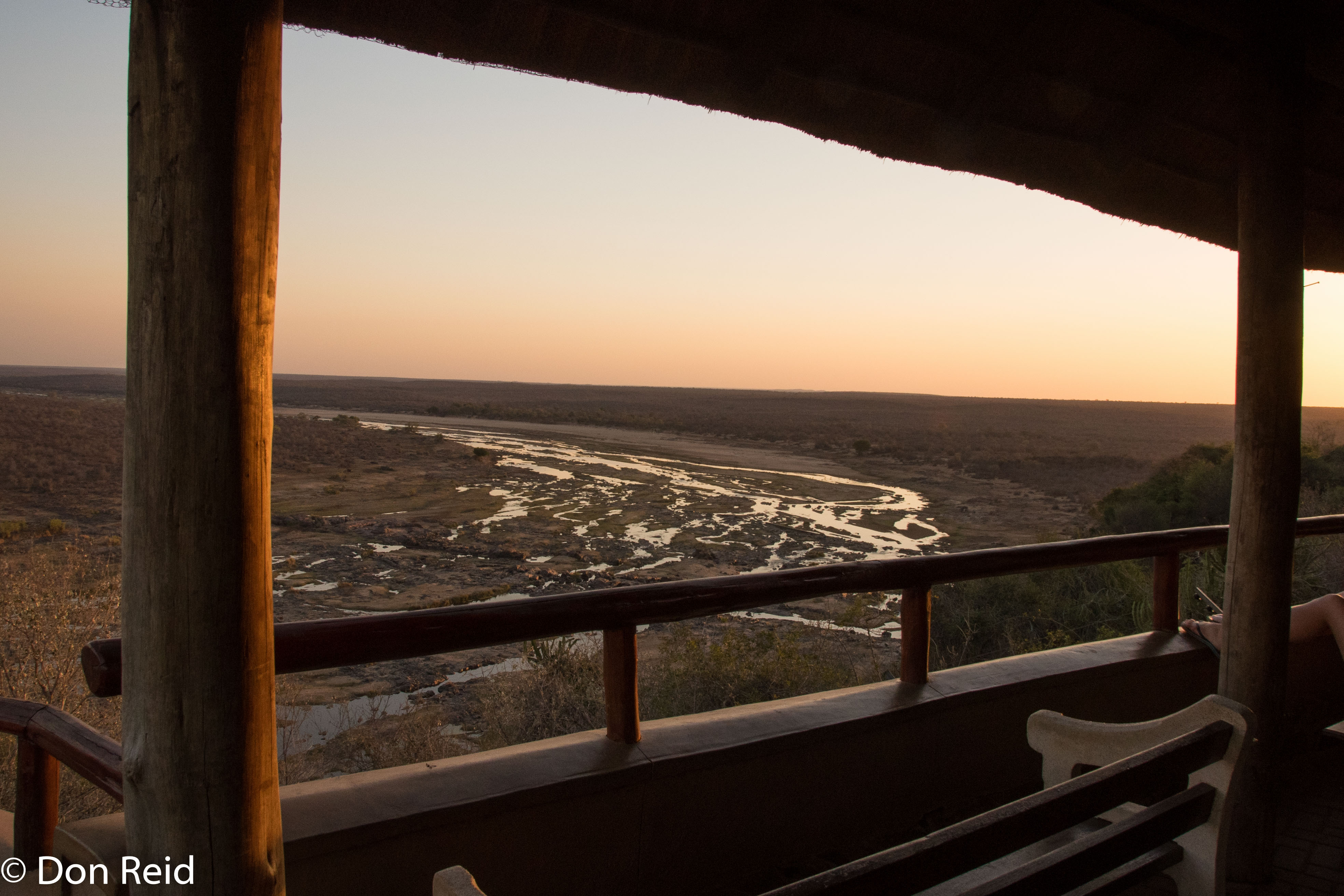
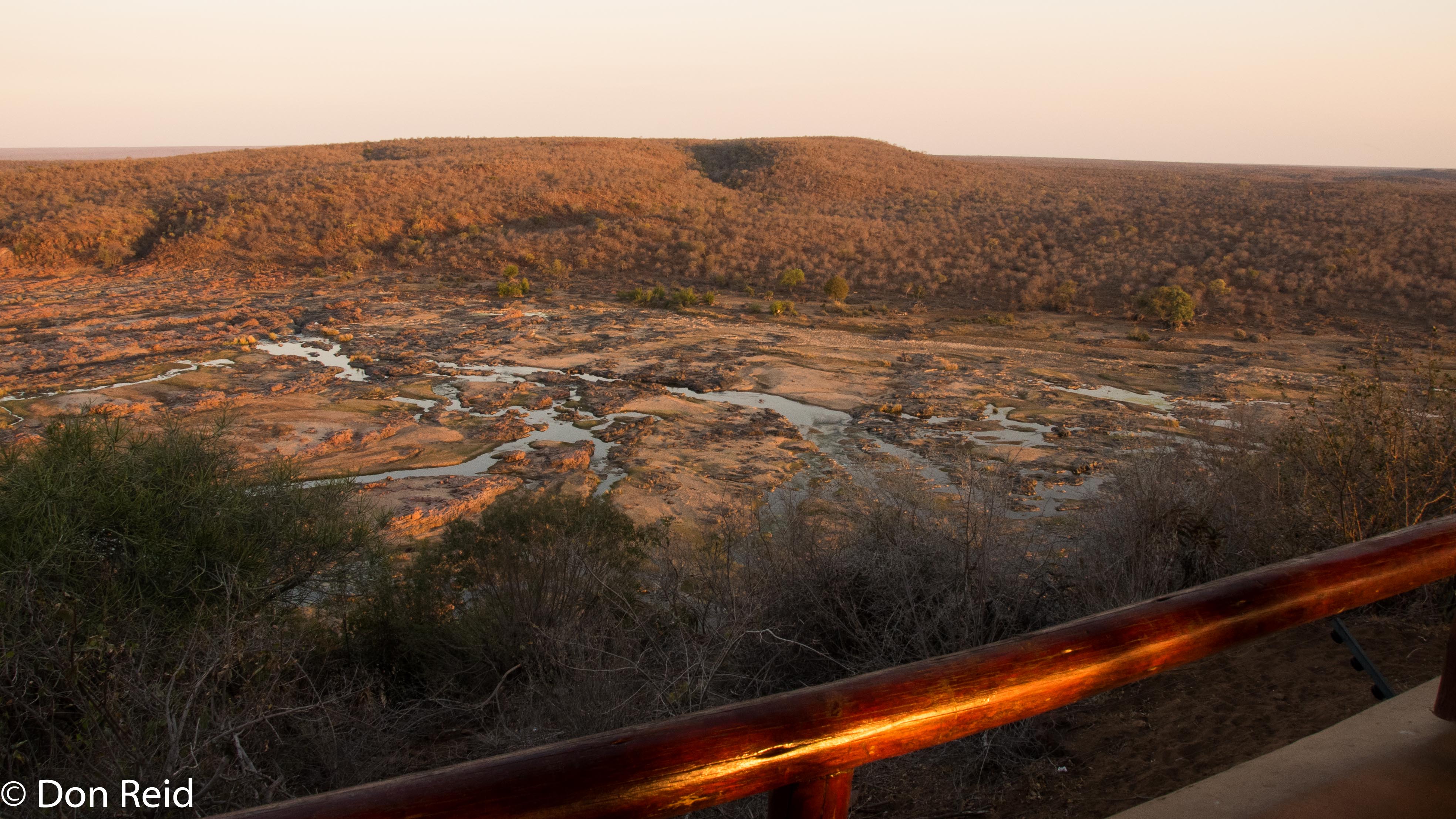
Olifants camp has all of the above and the added advantages of its location on top of a ridge, with its famous viewpoint overlooking the Olifants river far below and stretching to the horizon in an unbroken vista of pristine bushveld, one of the finest spots in Kruger and one that has remained unchanged for the four decades that we have been visiting it.
Olifants rest campThe viewing deckOlifants river far below
Recovery Time
Two full days of driving for Gerda and myself, three for Andre and Geraldine and the girls, meant our first day in Olifants was a recovery day and the unseasonably chilly, very windy conditions were in any case not conducive to pleasant game watching and bird-spotting. So we spent the whole day in camp, alternating between walks, eating and enjoying tea and coffee breaks.
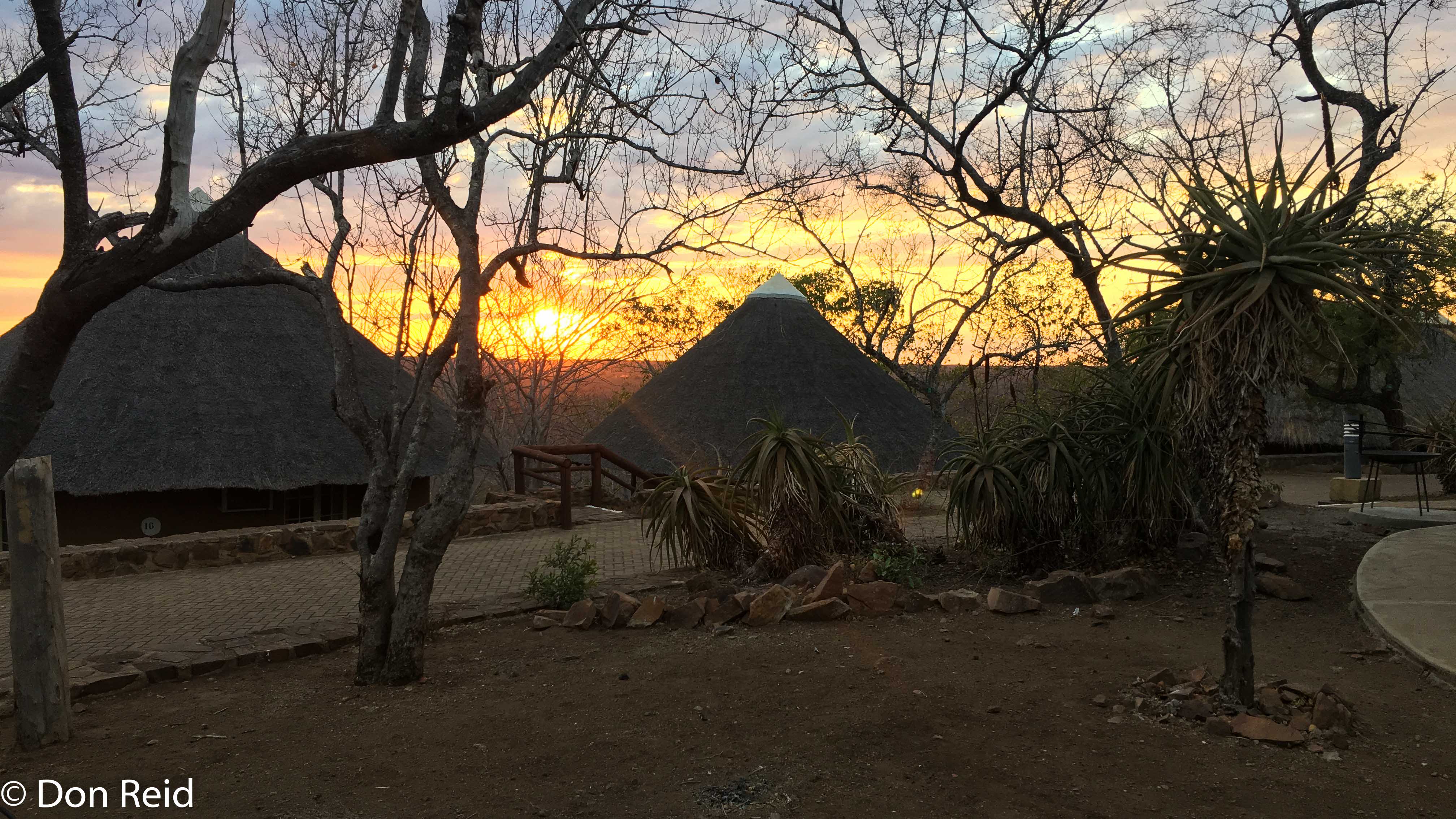
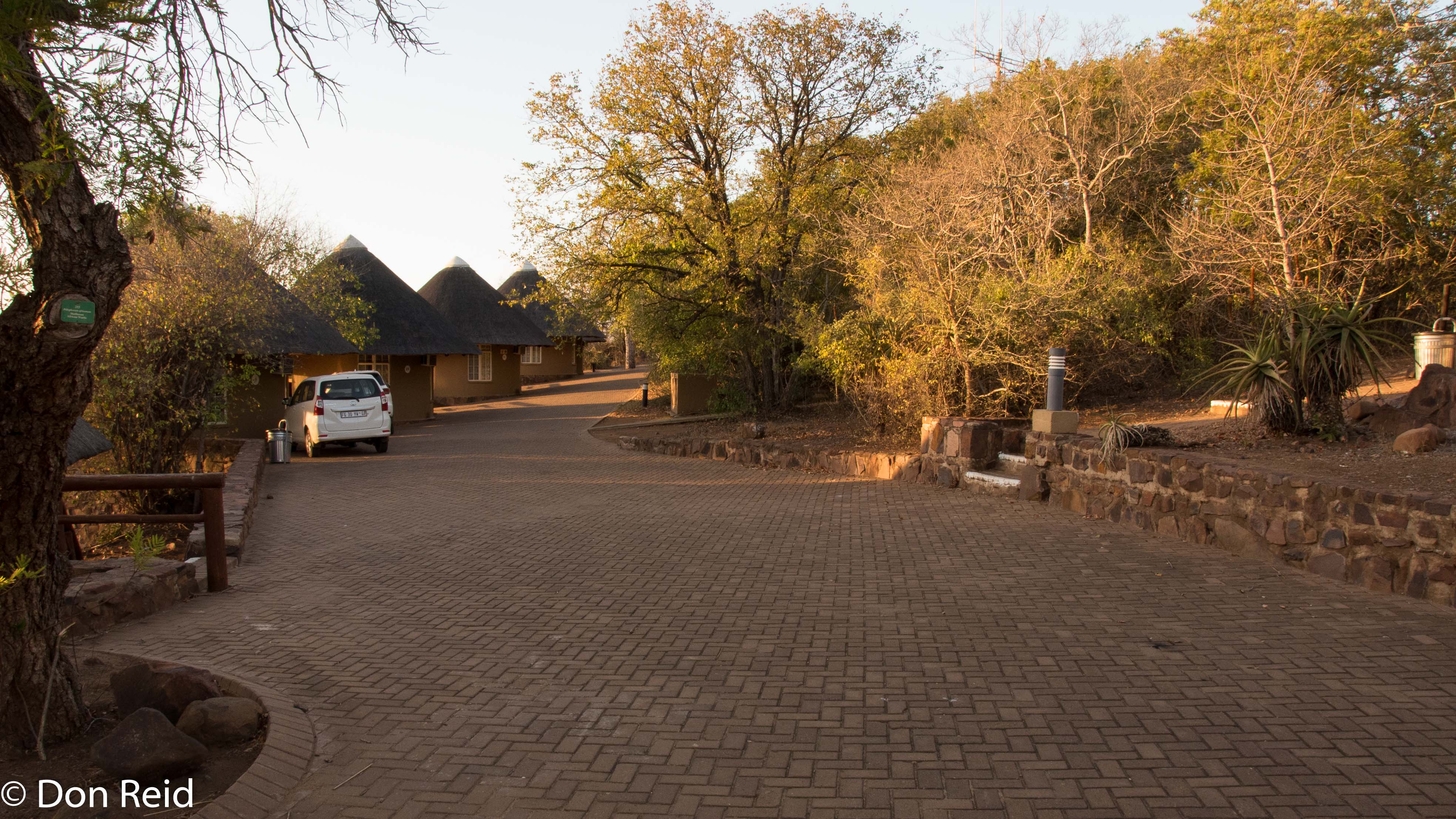
Our Rondavel
A trip to the restaurant for milkshakes was the treat of the day for the kids (young and old ones) followed by an “Ellie-roll” prepared at our rondavels – bacon and egg on a bun with fried onions and avo, plus beans on the side – it has to be prepared in Olifants camp to earn its name, otherwise it’s just a breakfast bun.
OLifants rest campOlifants rest camp
A morning birding walk around the camp added a few new birds to our trip list, among them Yellow-bellied Greenbul, Chinspot Batis, Amethyst Sunbird, White-bellied Sunbird and Crested Barbet, all of which are fairly easy to spot in the camp.
Olifants rest campChinspot BatisKlaas’s CuckooLaughing Dove
Hornbills for Africa
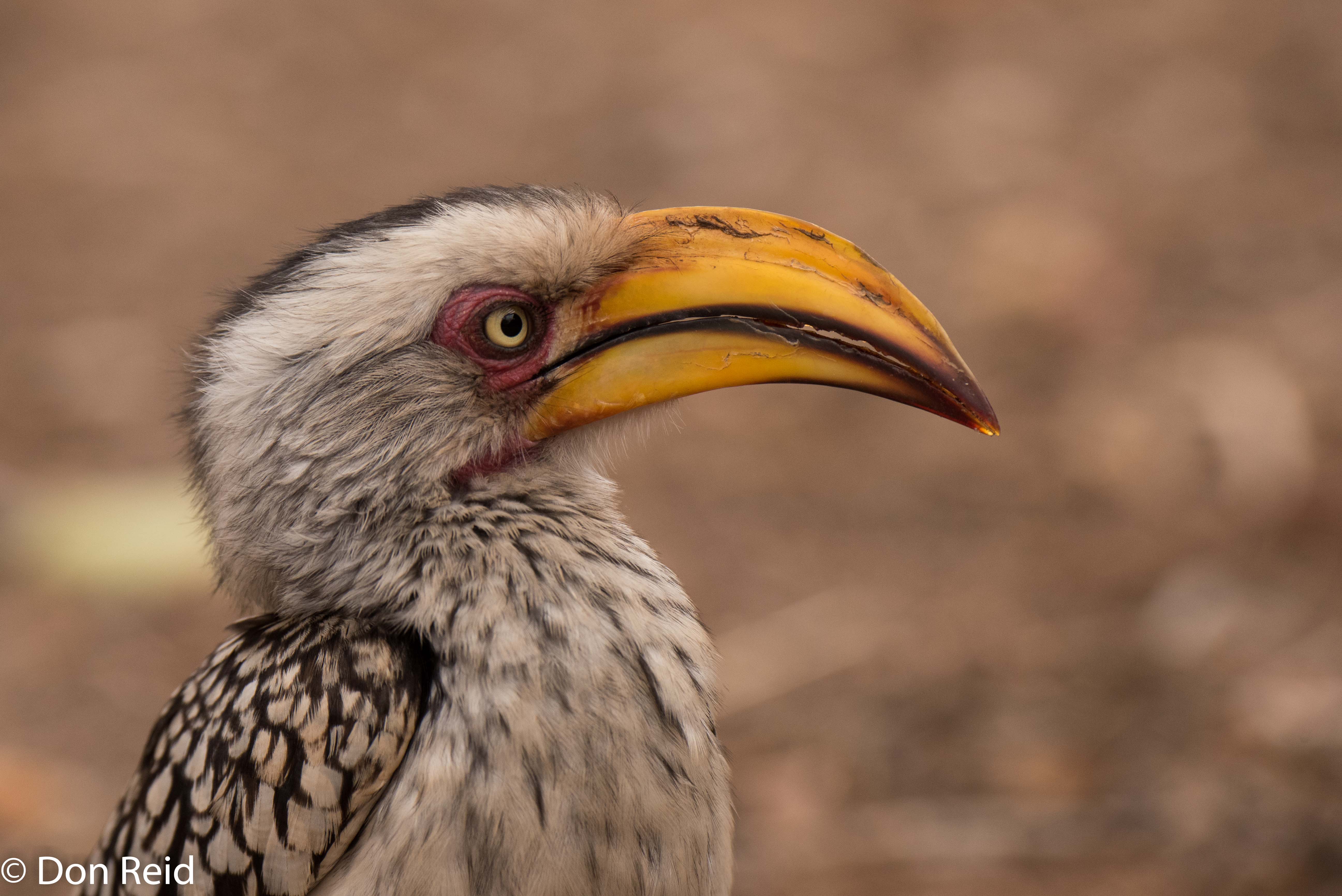
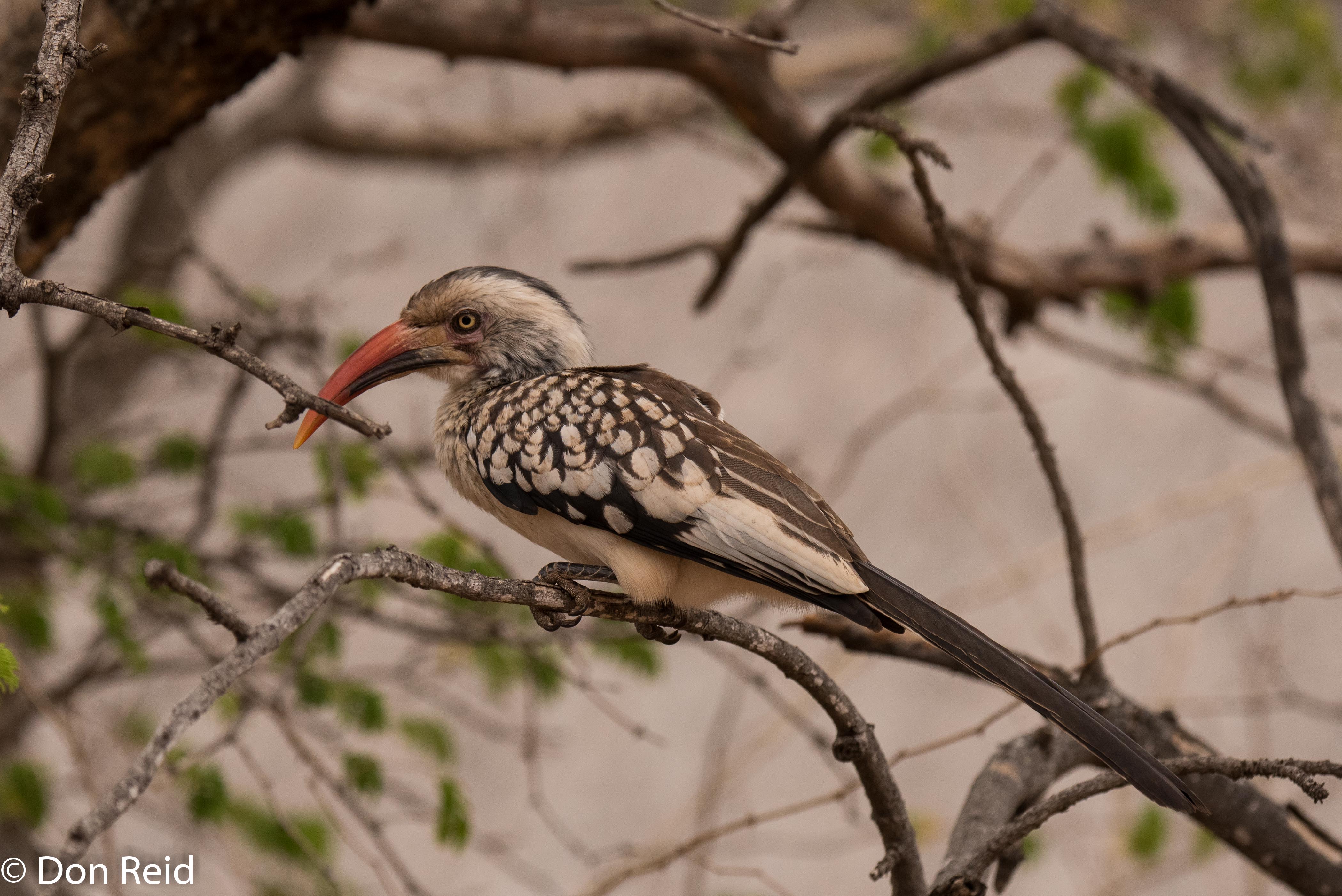
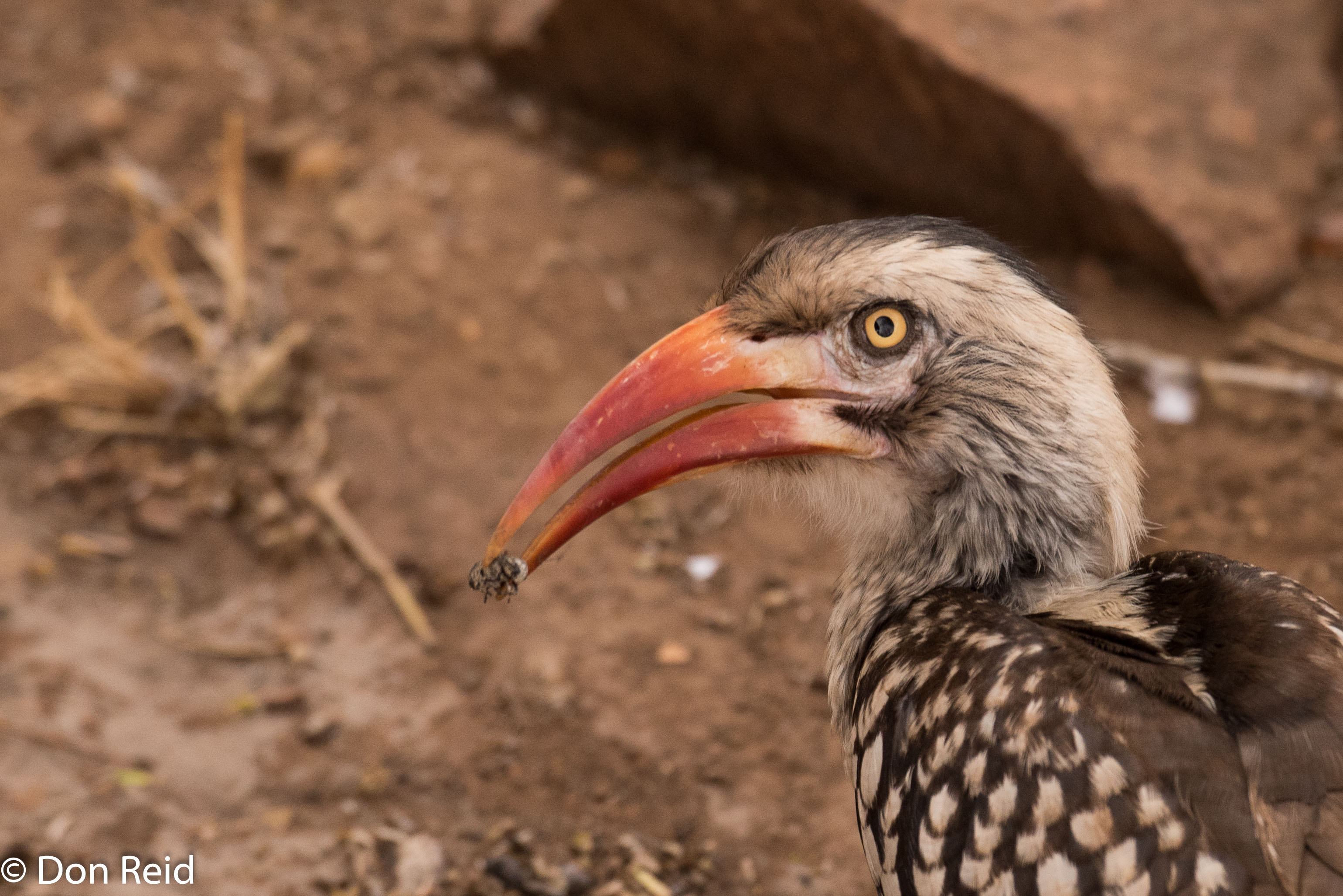
On another morning I had some fun photographing the almost ever-present Hornbills in the trees and on the ground around the rondavels, both Yellow-billed and Red-billed species. They are ridiculously easy to photograph, the only challenge is getting a different view of them and not just settling for the “posing on a branch” shot. I tried getting down to ground level for some of the photos, which worked quite well
Southern Yellow-billed Hornbill picking up scraps of foodOld “Banana Bill”Southern Red-billed Hornbill – OK so this is the standard shotSouthern Red-billed Hornbill with a bug delicately held in that cumbersome looking bill and a “How dare you” look in his eyes
Late one afternoon I came across this individual who had clearly been taking a dust bath…..
One option for a shorter drive from Olifants is the circular route that follows the S44 outbound and returns on the S93 and this was our chosen route early one morning.
The circular route follows the S44 and S93
The frequent river views had enough game and other interesting sights to keep us alert and the birding proved to be excellent with the likes of Common Scimitarbill, Paradise Flycatcher, Red-headed Weaver, Grey Tit-Flycatcher and Little Bee-eater making their presence known.
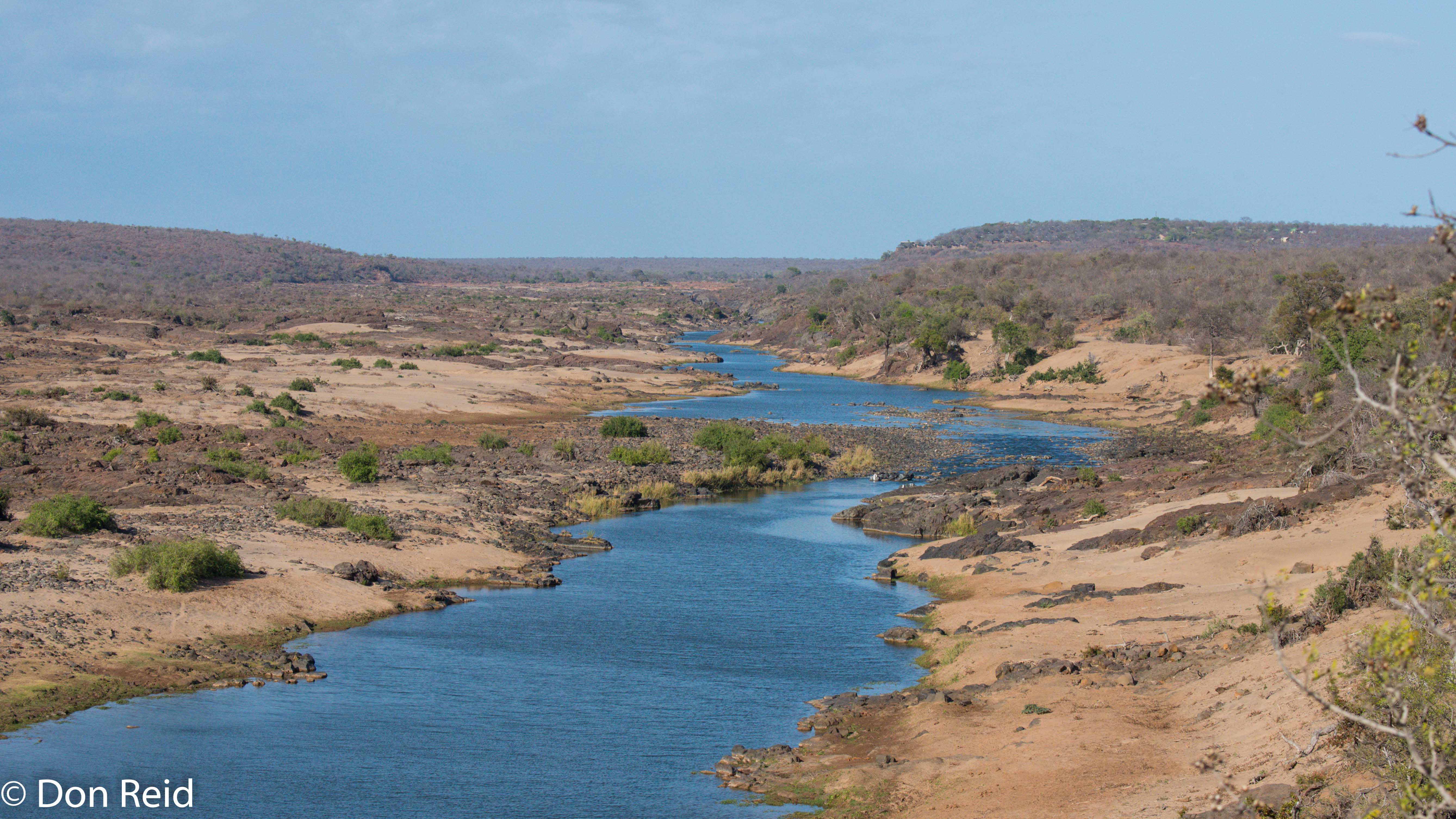
A longer stop at the viewpoint, where you can get out of the car (whilst still keeping an eye out for wild animals of course), meant we could enjoy a tea and snacks – the genuine Kruger Park kind being two Provita biscuits with cheese wedges carefully squashed in between – the staple food of hiking trips.
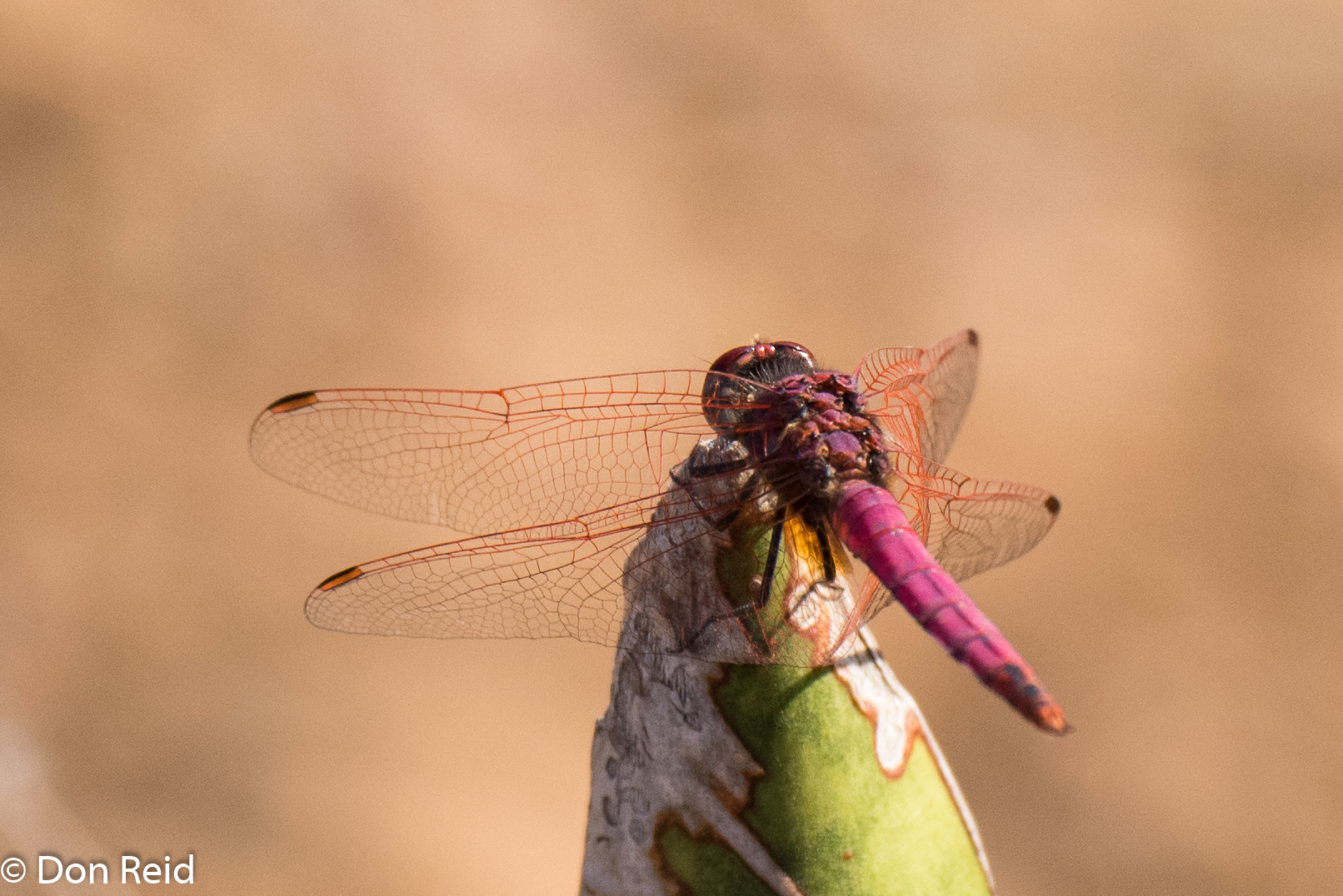
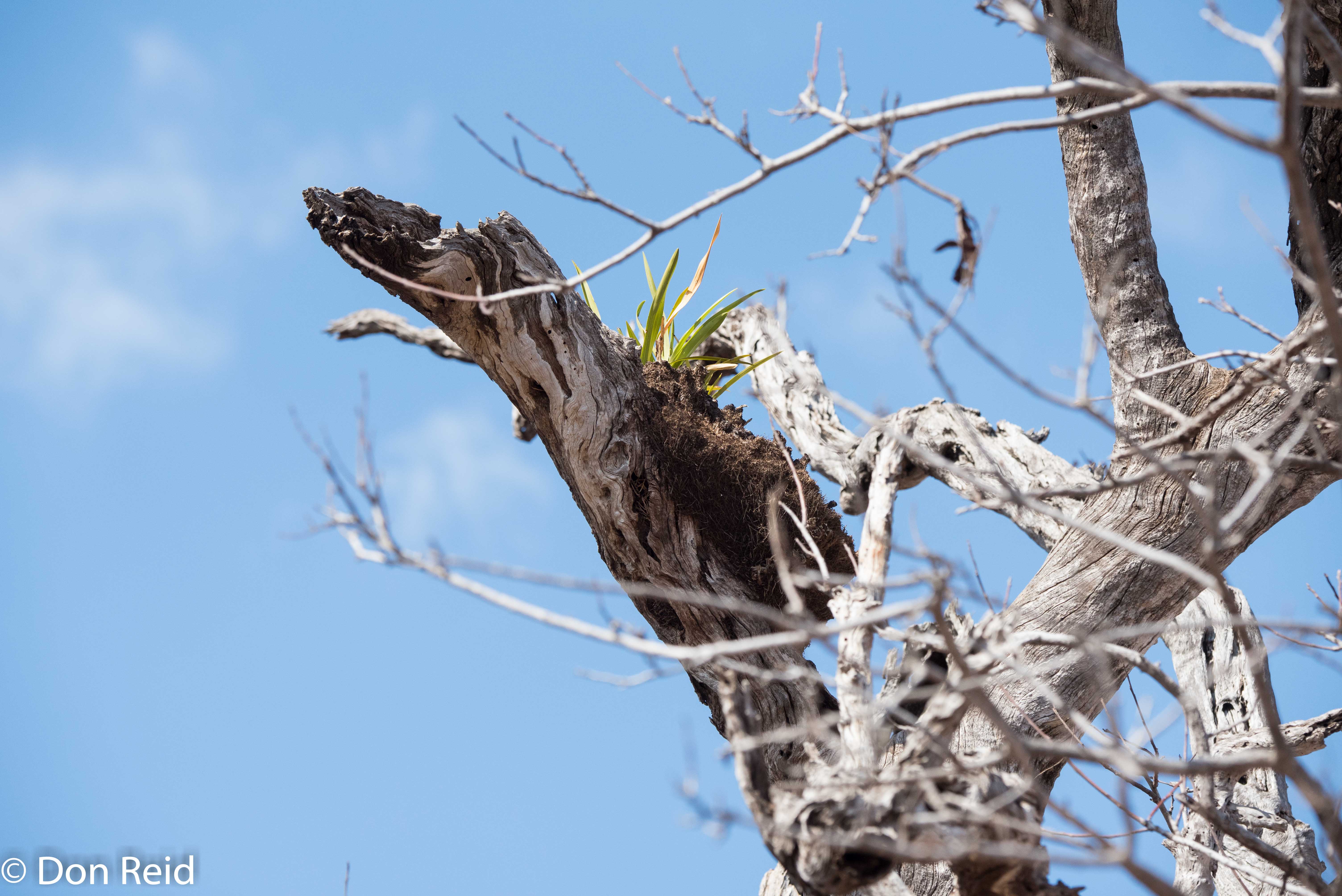
Olifants river from viewpoint on the S44Dragonfly, Olifants riverPlant (Wild Iris?) growing in dead tree, Olifants river
As we were standing around with our mugs of tea, a different looking bird caught my eye – it turned out to be a White-throated Robin-Chat, which sat obligingly still so that I could photograph it from close quarters.
White-throated Robin-Chat, Olifants river
At the same time a very tame squirrel (suspiciously so – had he been drinking?) decided to entertain us, worrying Geraldine and even jumping onto my leg at one stage – no idea what he was thinking, it’s not as if I had some nuts hidden in my shorts.
Tree Squirrel (from hell!)
Later on the same day we headed out on a short drive to Balule camp and back, along the S92, spending time at the several river viewpoints and on the low water bridge at Balule, taking in the classic river scenes in the soft late afternoon light – “golden hour” for photographers.
The road to Balule follows the S92View from the low water bridge at Balule
The short route had plenty of interest, from Waterbuck to White-fronted Bee-Eaters. A displaying Red-crested Korhaan entertained us briefly with its vertical flight and tumbling fall back to earth, while a Green-backed Heron put in an appearance at the bridge, moments after Andre predicted seeing one there – with some training this boy will go far!
WaterbuckWhite-fronted Bee-eater
River Walk from Olifants
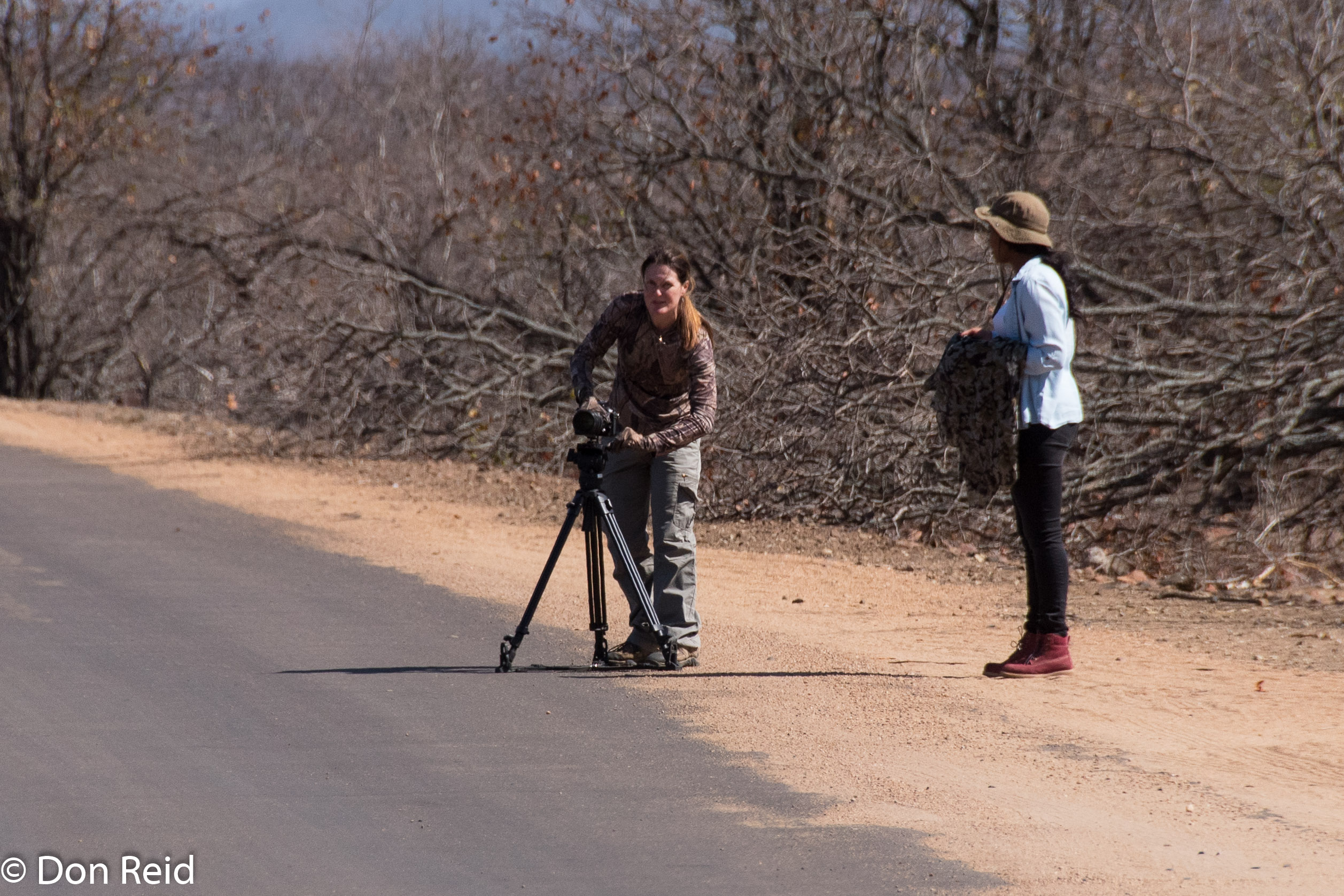
Nowadays there is a selection of activities available from most of Kruger’s camps and we decided to do the mid-morning River walk along a stretch of the Letaba river not far from the camp. On checking in for the walk we discovered we were to be bit-part actors in a promotional video and had to “pose” here and there.
And ACTION
The guides drove to the starting point at a low water bridge accessed via a “no-entry” road. Along the way a pair of African Hawk-Eagles soared overhead and at the bridge we could spot African Jacana, Black Crake, Wire-tailed Swallows and a swooping African Harrier-Hawk.
The walk started at the bridge and we headed in single file down the river (or was it up?) our guides in front, stopping frequently for lessons in the various aspects of the surroundings including animal droppings – a science in itself it seems, river vegetation, trees, freshwater mussels and skeletal remains of animals such as Hippo and Buffalo.
Letaba River walkLetaba River walk
Birds along the river included Goliath and Grey Herons, African Openbill, Egyptian Goose (of course) and Spoonbills. Calls emanating from the riverine bush belonged to Grey-headed Bushshrike, Black-headed Oriole and some noisy Tawny-flanked Prinias amongst the longer grasses.
Letaba River walk
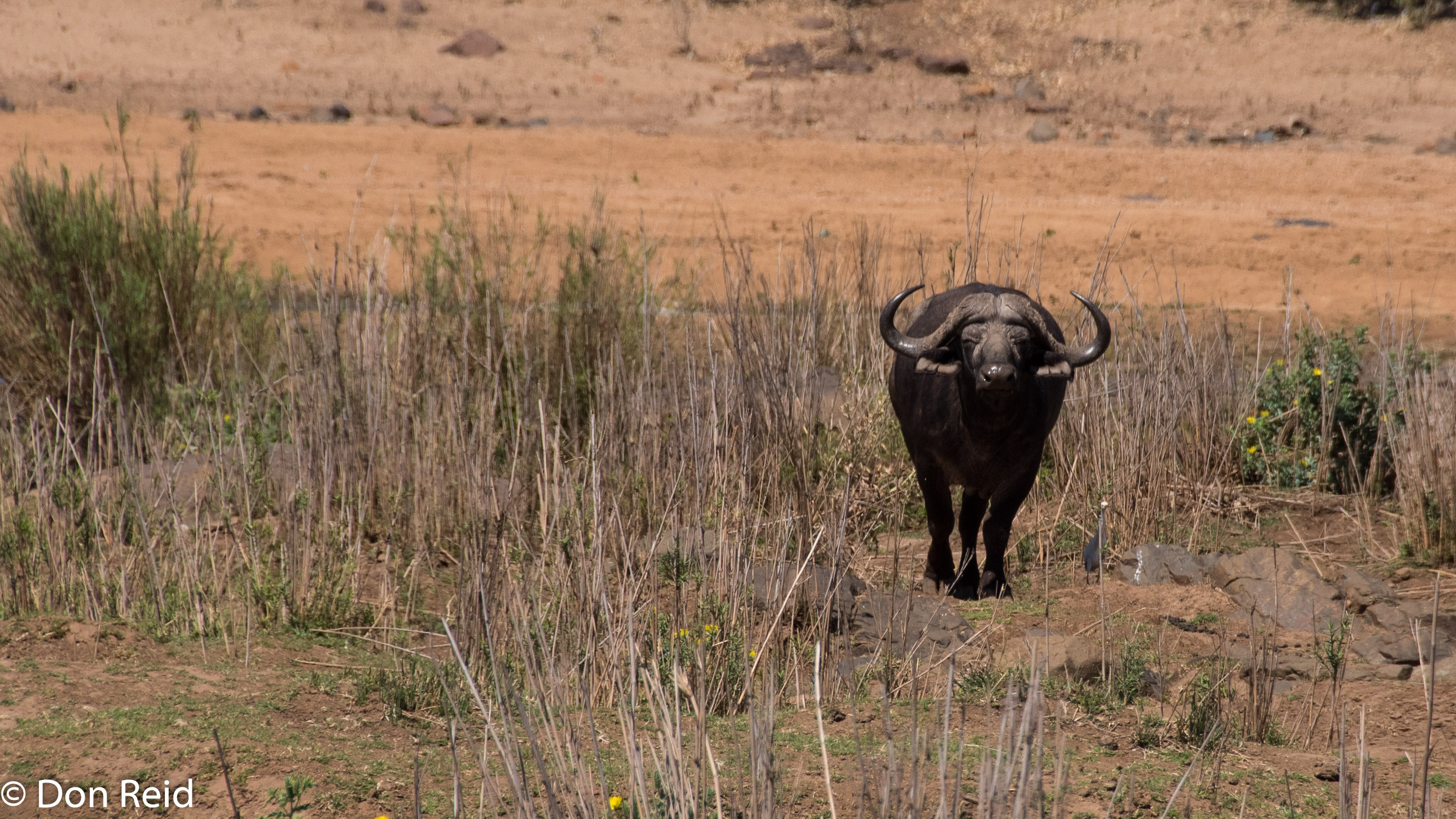
We purposely skirted around two lone Buffaloes – called “dagha-boys” for reasons which guide Patrick explained nicely – one of which watched us curiously as we ambled past. Hippos were seen at a distance and Waterbuck and Impalas scattered at our approach. The walk was not particularly strenuous and it wasn’t long before we turned around and headed back to the vehicle, well pleased that we had booked for this outing.
Buffalo – “dagha-boy”Letaba River
And the Baboons…….
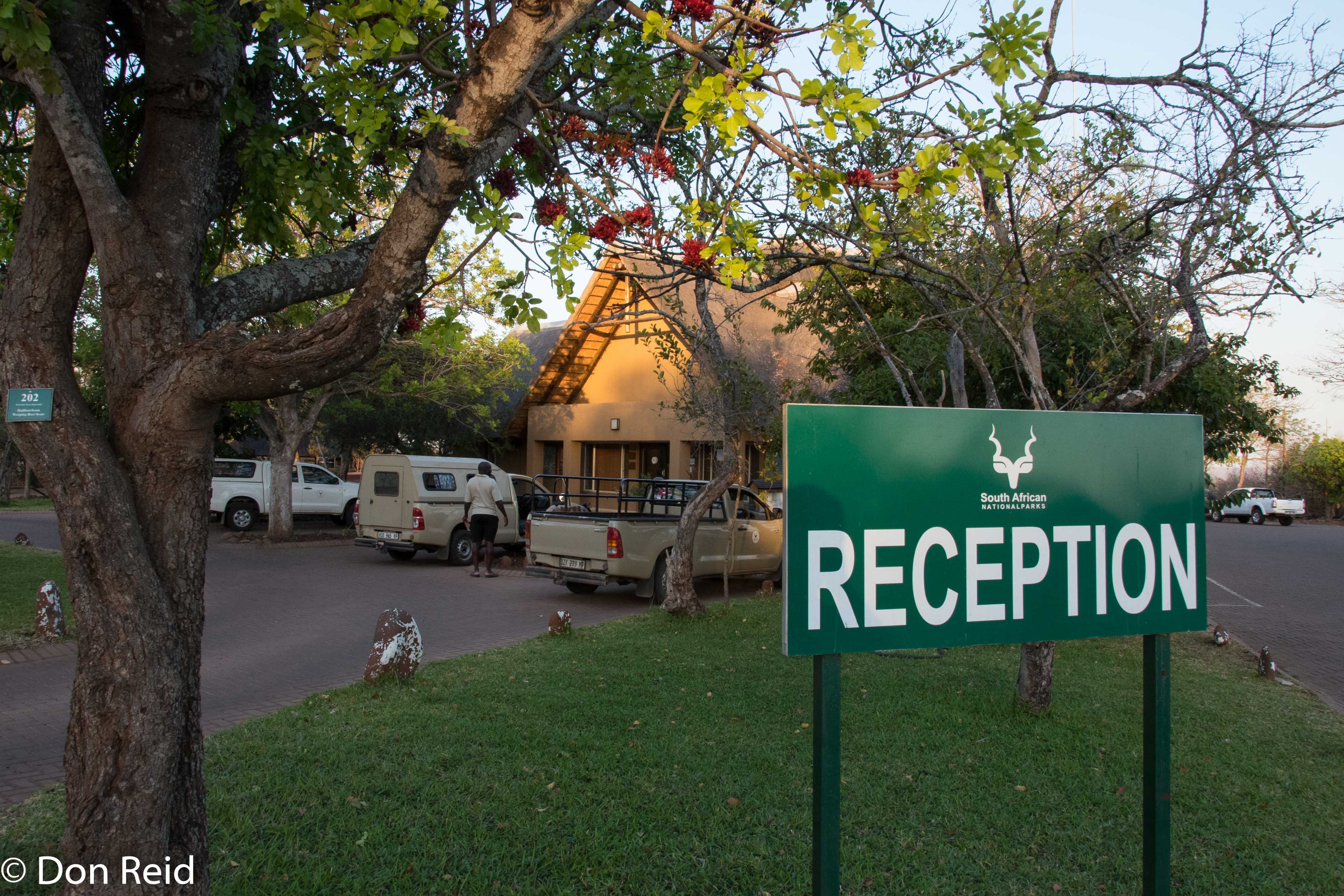
Well they, along with the monkeys, are a real nuisance around the rest camp. On checking in at Reception they do warn you to keep your edibles inside and windows closed when not around, but these crafty animals find ways of getting what they want – grabbing goodies from vehicles while you unpack, opening cupboards on the stoep and even rummaging in the dustbins which are kept in a small enclosure behind a metal gate, which they simply jump over as it is not enclosed on the top.
Baboon nuisance, Olifants camp
They also rate as some of the most aggressive animals I have come across, growling at me when I confronted them as they were busy trashing our neighbouring rondavel’s provisions. The only deterrent is a good old cattie (catapult) – they scatter at the sight of it!
For the second year in a row we spent a week in Kruger National Park in October, this time spending 6 nights in Olifants rest camp in the northern part of Kruger, with one night stop-overs at Berg en Dal and Pretoriuskop rest camps on the way in and out respectively.
Once again our visit was inspired by Andre and Geraldine who came all the way from Mossel Bay with their two daughters (our grandkids) to visit what is probably their favourite place on earth for the umpteenth time.
Writer Samuel Johnson once said “when a man is tired of London, he is tired of life” which can equally be said of Kruger National Park, especially if you are a lover of nature and the unique beauty of unspoilt Africa, but it may be as well to change “a man” to “a person” so that no one feels left out.
Friday : The trip to Berg en Dal
We were packed and ready to go by mid-morning and caught up with the Leonards, who had left earlier, at Milly’s near Machadadorp, where we had the customary Trout pie with salad, as delicious as ever. After Milly’s the road narrows and traffic got heavier so it was slow going all the way through Schoemanskloof and past Nelspruit to Malelane gate into Kruger.
As we crossed the Crocodile river just before the gate, Kruger performed its magic trick yet again, changing our mood in an instant from rather stressed concentration to one of relaxation and eager anticipation. Never mind that the first stretch showed signs of the severe drought and veld fires, just being in Kruger creates a state of mind like no other, as the stresses that modern life brings seem to physically drain away.
The 10 kms to Berg en Dal rest camp were uneventful with game and birds quite scarce – just a few Giraffe, Kudu and Impala in the greener parts and the bird life mostly confined to the hardier species such as Magpie Shrikes (Langstertlaksman), Fork-tailed Drongoes (Mikstertbyvanger) and Cape Glossy Starlings (Kleinglansspreeu).
Berg en Dal rest camp
Just before 4 pm we arrived at Berg en Dal, which we last visited several years ago and we were soon settled in No 73, enjoying tea with the sounds of Purple-crested Turaco (Bloukuifloerie), Grey-headed Bushshrike (Spookvoël) and Black-headed Oriole (Swartkopwieliewaal), each with its own very distinctive call, in the background.
Berg en Dal rest camp
A group of Retz’s Helmet-Shrikes (Swarthelmlaksman) put in a surprise appearance, not staying for long as they moved through the tree canopy in ragged unison. Later a few other calls demanded my attention – Greater Honeyguide (Grootheuningwyser) with its “Victorrrrr”, Arrow-marked Babblers (Pylvlekkatlagter) as raucous as ever, good old Hadeda Ibises (Hadeda) outdoing the others in sheer volume and the shrill call of a Water Thick-knee (Waterdikkop) near the Reception. After dark it was the turn of the African Scops Owl (Skopsuil) to take over night duty with its soft “prrrtt” call carrying far through the camp gardens.
Saturday : The Long Drive to Olifants
I was up early for a walk through Berg en Dal camp in welcome soft rain, adding several species on call alone, including Grey Tit-Flycatcher (Waaierstertvlieëvanger), whose soft trilling call has become a familiar one to me, Orange-breasted Bushshrike (Oranjeborslaksman) whose call is known to many birders as “coffee, tea or me?”, Sombre Greenbul (Gewone willie), Green-backed Camaroptera (Groenrugkwêkwêvoël) and Black-backed Puffback (Sneeubal).
After my walk I joined the rest of the family in loading the cars – a surprise awaited when I picked up our suitcase to take to the car – hiding beneath it was a scorpion with tail raised threateningly. Turned out it was a relatively harmless type, so I was glad I ignored the calls to destroy it and carefully transported it outside.
Scorpion, Bergendal rest camp – the large claws point to a more harmless species but still capable of a painful sting
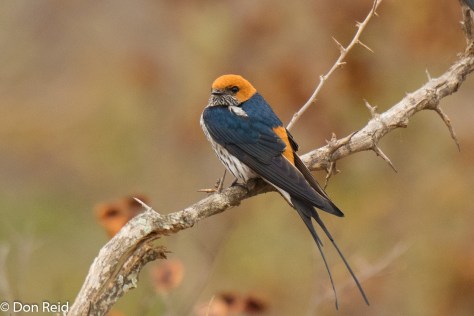
On the drive back to the main road to Skukuza, we added Golden-breasted Bunting (Rooirugstreepkoppie), Lesser Striped Swallows (Kleinstreepswael) – colourful in the soft cloud-filtered light – and White-backed Vultures (Witrugaasvoël) to close out the Berg en Dal pentad at 37 species.
Lesser Striped Swallow, near Berg en Dal
The long trek to Olifants lay ahead – 210 kms does not normally present a challenge but at Kruger Park speeds of 50 km/h maximum and stops along the way it meant a minimum 7 hour drive was on the cards.
No shortage of game and birds…..
Regular sightings of game and birds and comfort / snack breaks at Afsaal and Tshokwane picnic spots meant the journey was never boring. Afsaal was also the place where we had a brief rendezvous with Andre’s brother Eddie and while enjoying a coffee an elephant close to the picnic spot caused some excitement and had us seeking the relative safety of the undercover area.
Afsaal picnic spot – picnickers scatter as an Elephant approachesThe Elephant got uncomfortably close before ambling off
Game sightings kicked off with a roadside sighting of an adult White Rhino with a youngster, followed by more distant but regular sightings of Kudu, Elephant, Giraffe and more Steenbok that I can recall seeing on any previous trip.
White RhinoSteenbok – one of many seen mostly alone and vulnerable-looking
A lone antelope near a waterhole looked different and turned out to be a Grey / Common Duiker, despite its name not an everyday sighting in Kruger.
Common Duiker
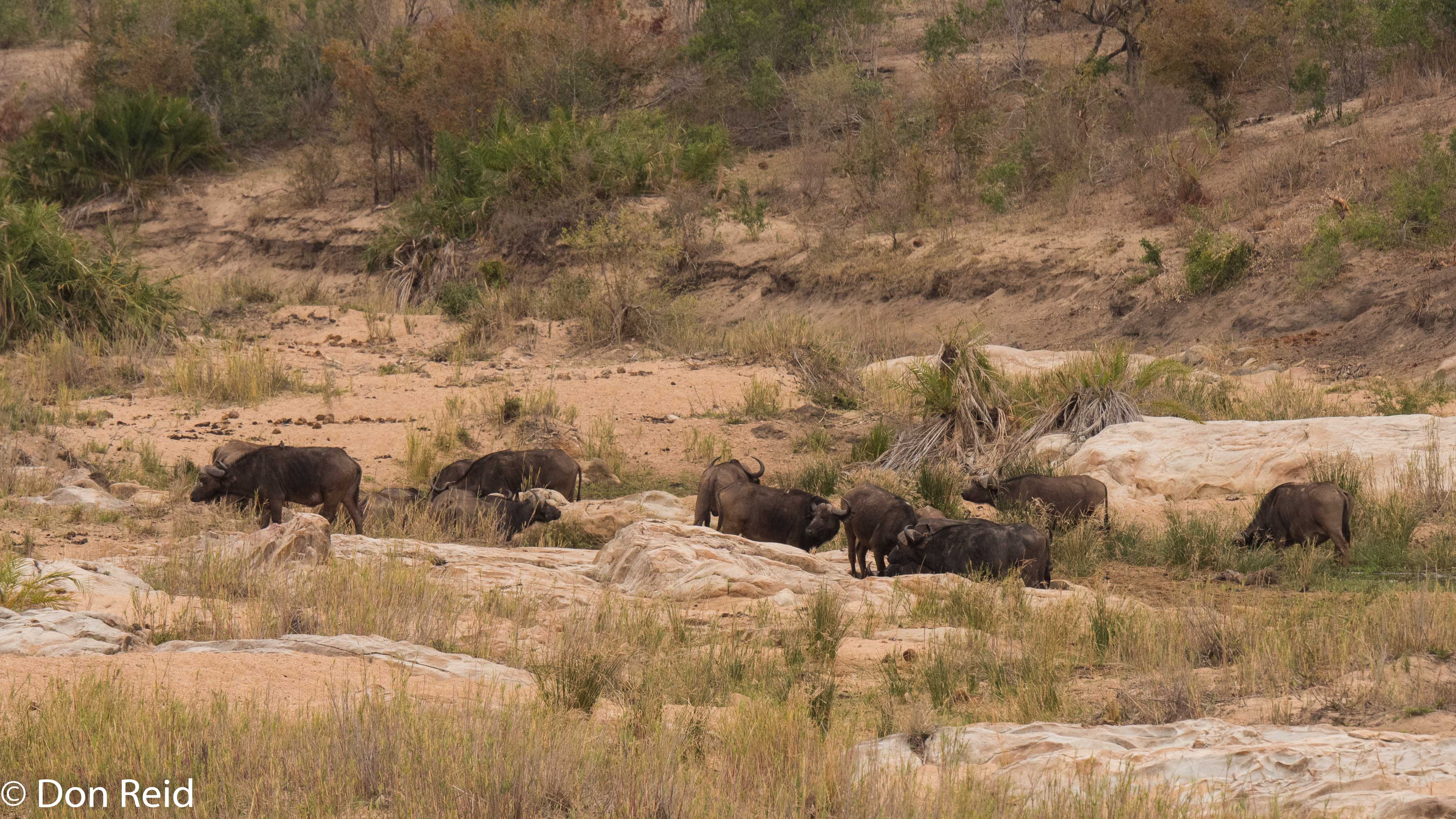
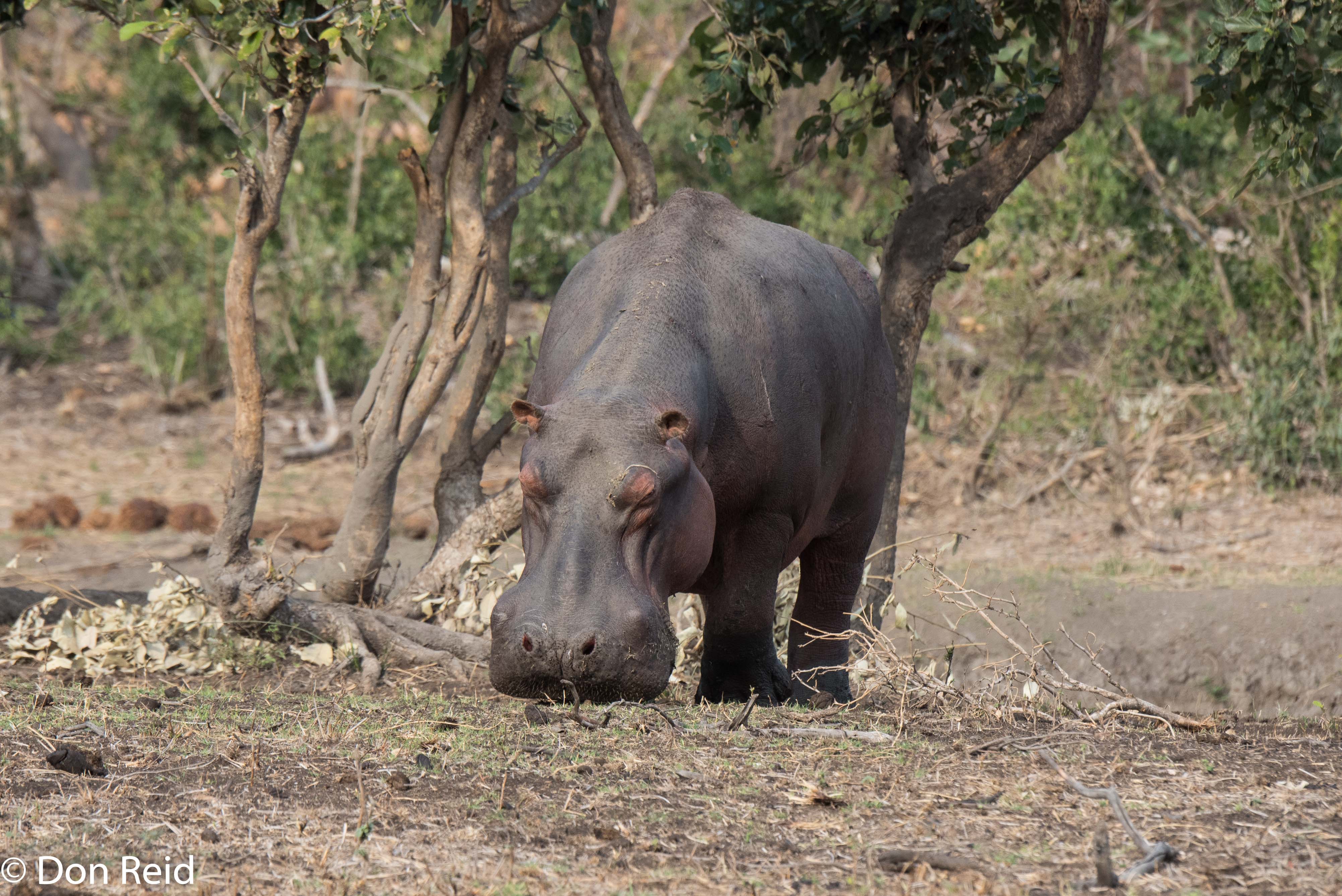
A large herd of Buffalo crossing the road at their usual slow pace caused a minor traffic jam, and a Hippo out of the water presented an unusual sight as it grazed in a grassy spot near the river.
BuffaloHippo, Ngotso
“Big cat” sightings were limited to a pair of lazy Lions lolling under a shady tree, while near Skukuza a crowd of vehicles had gathered near a tree with a dead Impala in the fork – clearly a Leopard kill stored in the “pantry” to mature, but there was no sign of the butcher and we did not have the time to hang around and see if it returned.
Lazy LionLeopard prey
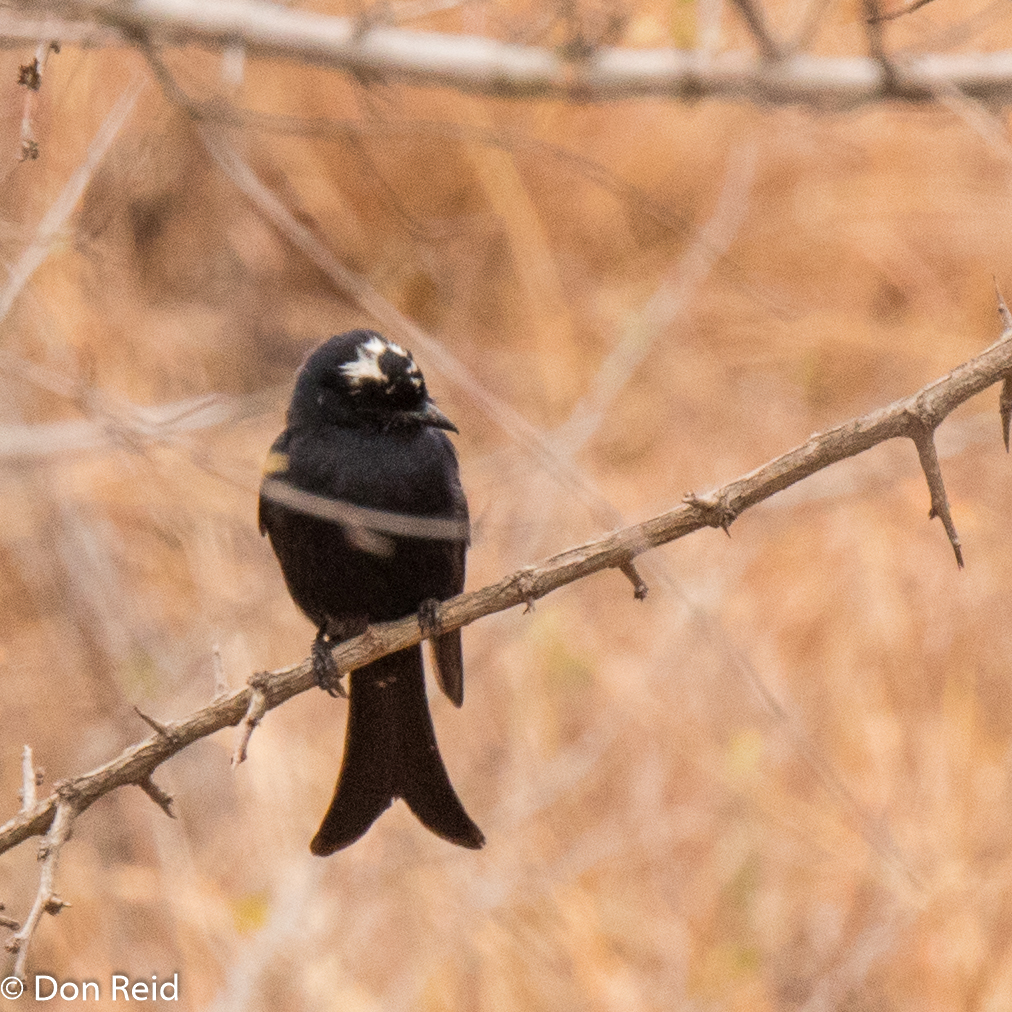
The birding was equally up to expectations with regular new species added to the trip list. Bird sighting of the day was an African Harrier-Hawk / Gymnogene (Kaalwangvalk) moving through the bush, being mobbed by Fork-tailed Drongoes (Mikstertbyvanger) at every turn. One Drongo displayed partial leucism with some white on the top of its head.
African Harrier-Hawk, near AfsaalFork-tailed Drongo (the white blotch on its head is probably partial leucism in this normally all-black bird)Brown Snake-Eagle, Satara – Tshokwane road
Just after passing Skukuza, a flock of 100+ Marabou Storks (Maraboe) circled in a massive column – just as a plane took off from Skukuza’s airport and seemingly flew right through the middle of the column, fortunately without striking any.
Mazithi dam just after Tshokwane had a bevy of waders exploring the very shallow waters, including Common Greenshank (Groenpootruiter), Little Stint (kleinstrandloper), Common Sandpiper (Gewone ruiter) and Ruff (Kemphaan), and a lone Cattle Egret (Veereier).
Common Greenshank, Mazithi dam (Satara – Tshokwane road)
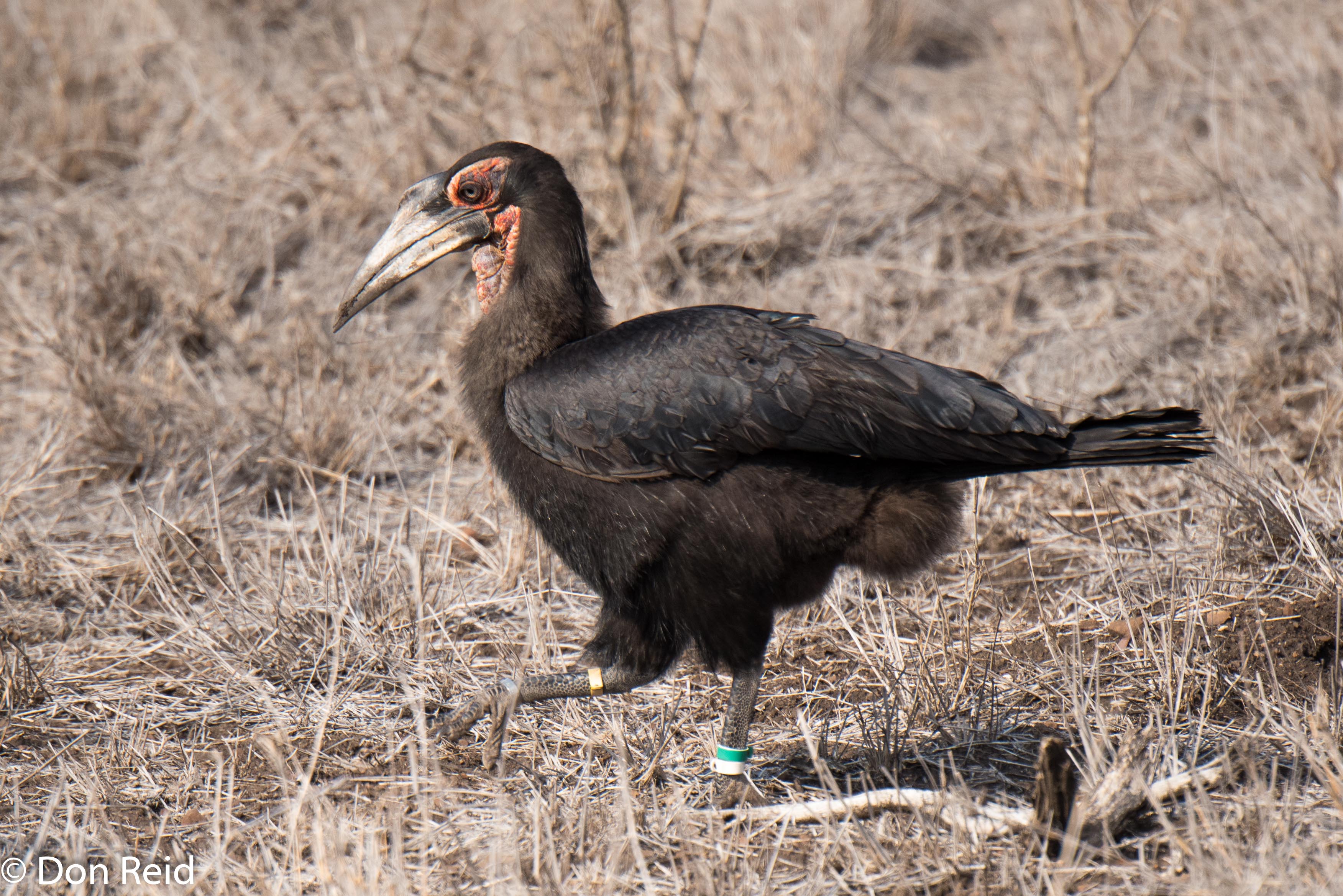
Closer to Olifants we came across 3 Ground Hornbills Bromvoël), one of which was a juvenile which had been ringed and which I photographed for submission to the research team doing a study of Ground Hornbills in Kruger.
Adult Southern Ground HornbillJuvenile Southern Ground Hornbill, ringed for ID by a research groupSaddle-billed Stork
A lone Saddle-billed Stork (Saalbekooievaar) at Nyamarhi waterhole was one of our last sightings before arriving at Olifants rest camp around 4.30 pm, quite tired after the long day on the road, and settling into Rondavel No 37 for the week’s stay, in good condition after restoration work (the rondavel that is)
More about Olifants rest camp and the routes taken on our game and birding drives in forthcoming posts……..
This lesser known route is not renowned for its big five sightings but there is every chance of seeing a variety of game, with the added pleasure of getting off the beaten track for a while and enjoying a picnic spot that you will often have all to yourselves.
The route starts by heading south from Satara camp for about 10 kms where you turn right (west) on to the S 126 which marks the start of the gravel road to Muzandzeni picnic spot, a drive of about 22 kms which should take an hour or more, including stops to view game and birds as you come across them.
This stretch winds along the Sweni river for much of the way, but don’t expect there to be water during the winter months and early summer before the rains set in. The roadside scenery is dominated by many large trees, interspersed with open areas which look ideal for the big cats to use as hunting grounds.
After a break at Muzandzeni, whether for coffee/tea, or a full-blown brunch, the best way back to Satara is to complete the circle by heading north along the S 36 gravel road which joins up with the H7 Orpen-Satara tar road after about 10 kms and from there it’s an easy 20 km run along the H7 back to Satara, with a recommended stop at the Nsemani dam which usually has something of interest.
Habitat
This description from the krugerpark.co.za website sums up nicely what to expect along the Sweni river road (S 126):
“The Sweni River Road is a surprisingly tropical landscape given that it is so far south of the Tropic of Capricorn. Many old Kruger hands insist that it is the Sweni that marks the start of the north rather than the Olifants River. Southern Lala-palms and combretums dominate the grassy floodplains between the river and the road, giving the bush a distinctly Zimbabwean feel”
An extract from the Kruger Park map book shows the route :
The Drive
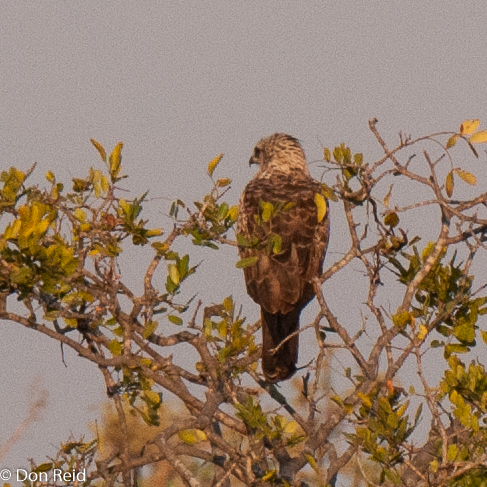
We made our way slowly along the S 126 to Muzandzeni, stopping for a number of raptors, including a pair of preening Bateleurs close to the road, which we sat and observed for some time, and a pale form of Wahlberg’s Eagle perched in a tall tree.
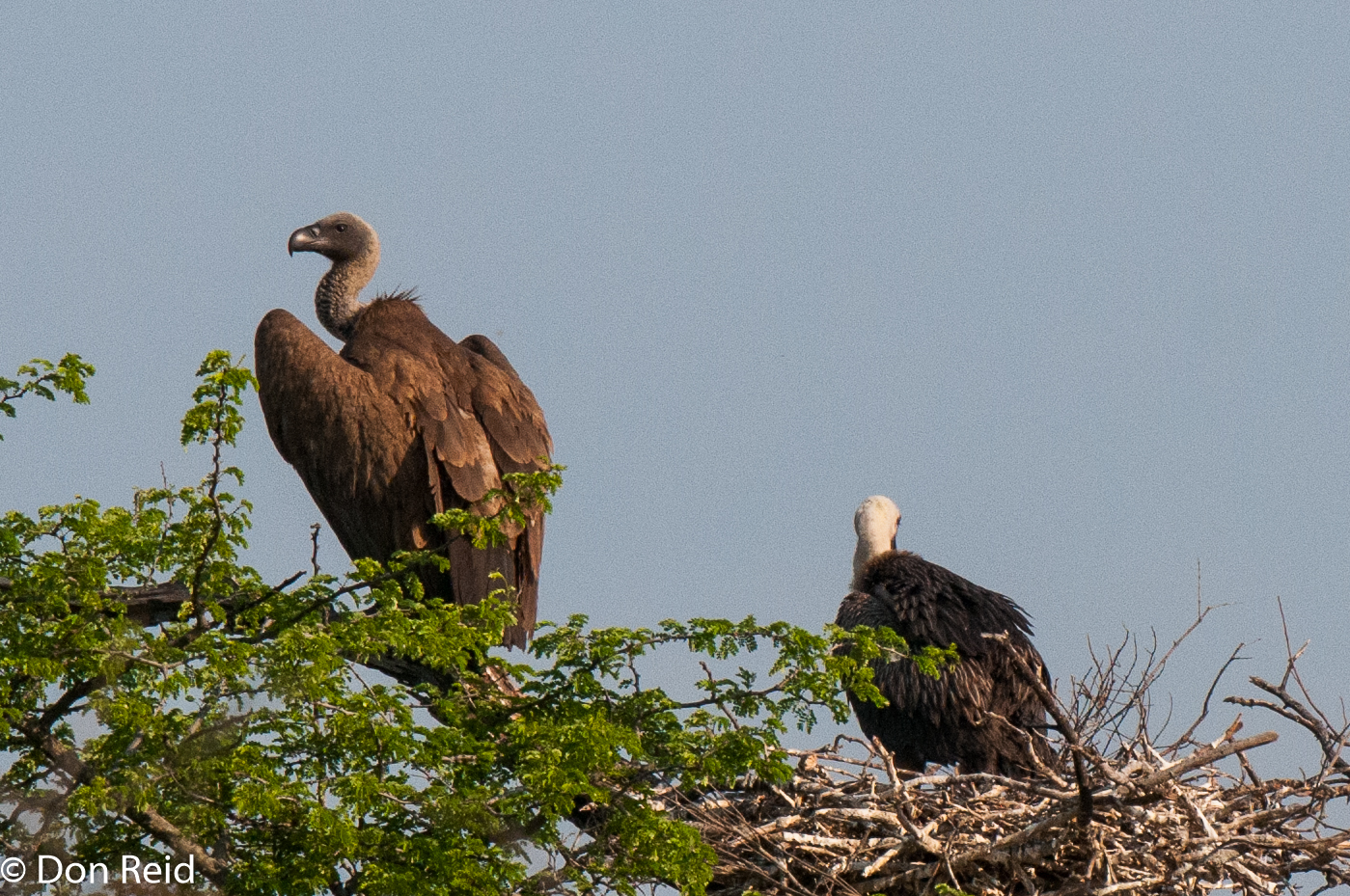
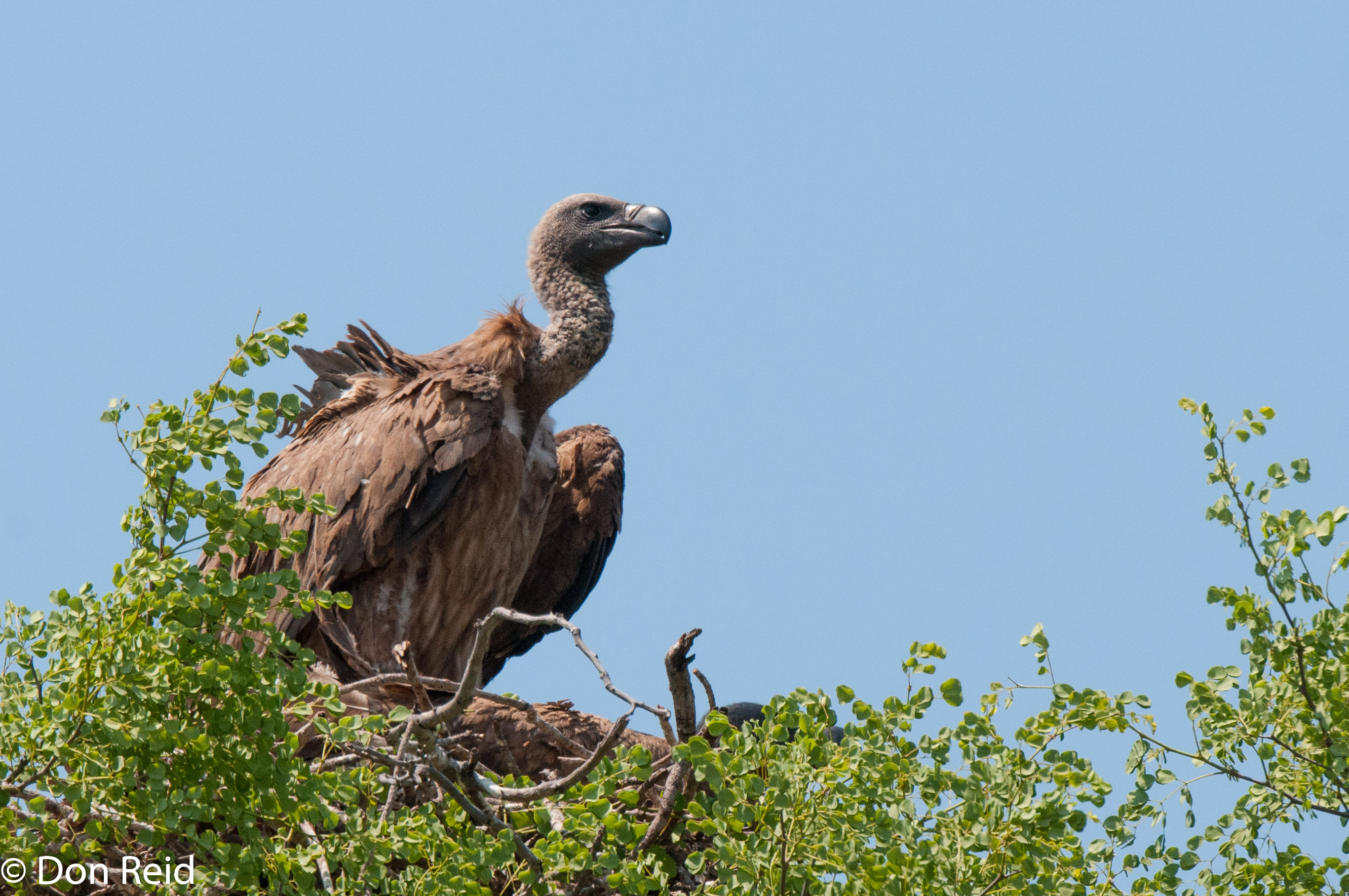
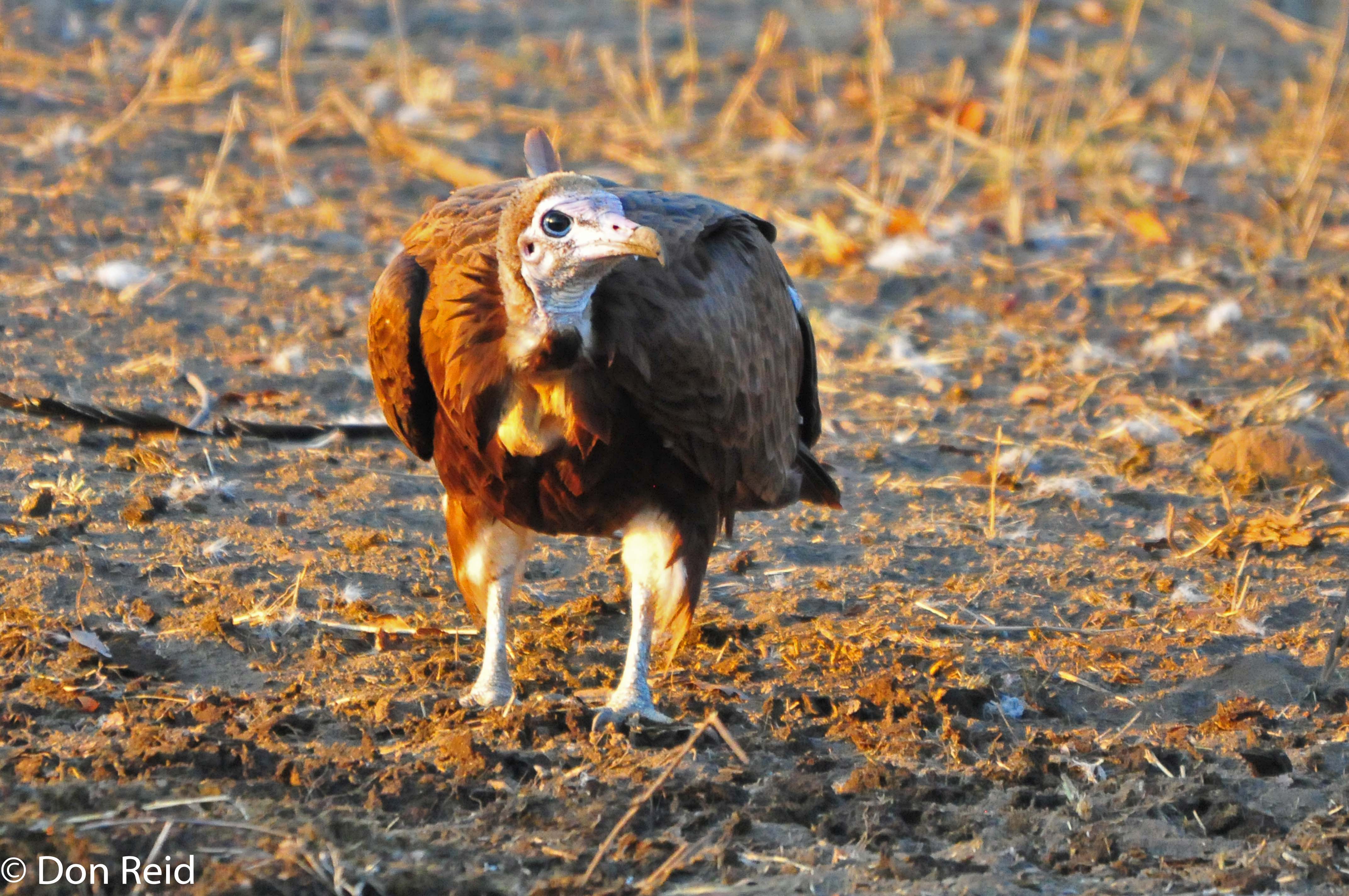
Vultures and particularly nesting Vultures were a feature of this drive as we encountered at least 4 different nests with Vultures in attendance. Vultures that we identified included the common White-backed Vultures, of which there were many, as well as the scarcer Lappet-faced, Hooded and White-headed Vultures.
The average visitor to Kruger probably won’t spend much time looking at vultures, other than to see if they are near a kill, but the chances of seeing four Vulture species on one drive are slim, so I for one was very appreciative of these sightings.
Rounding off the raptor feast was a large Tawny Eagle, always impressive to look at and ruggedly good-looking.
Tawny Eagle
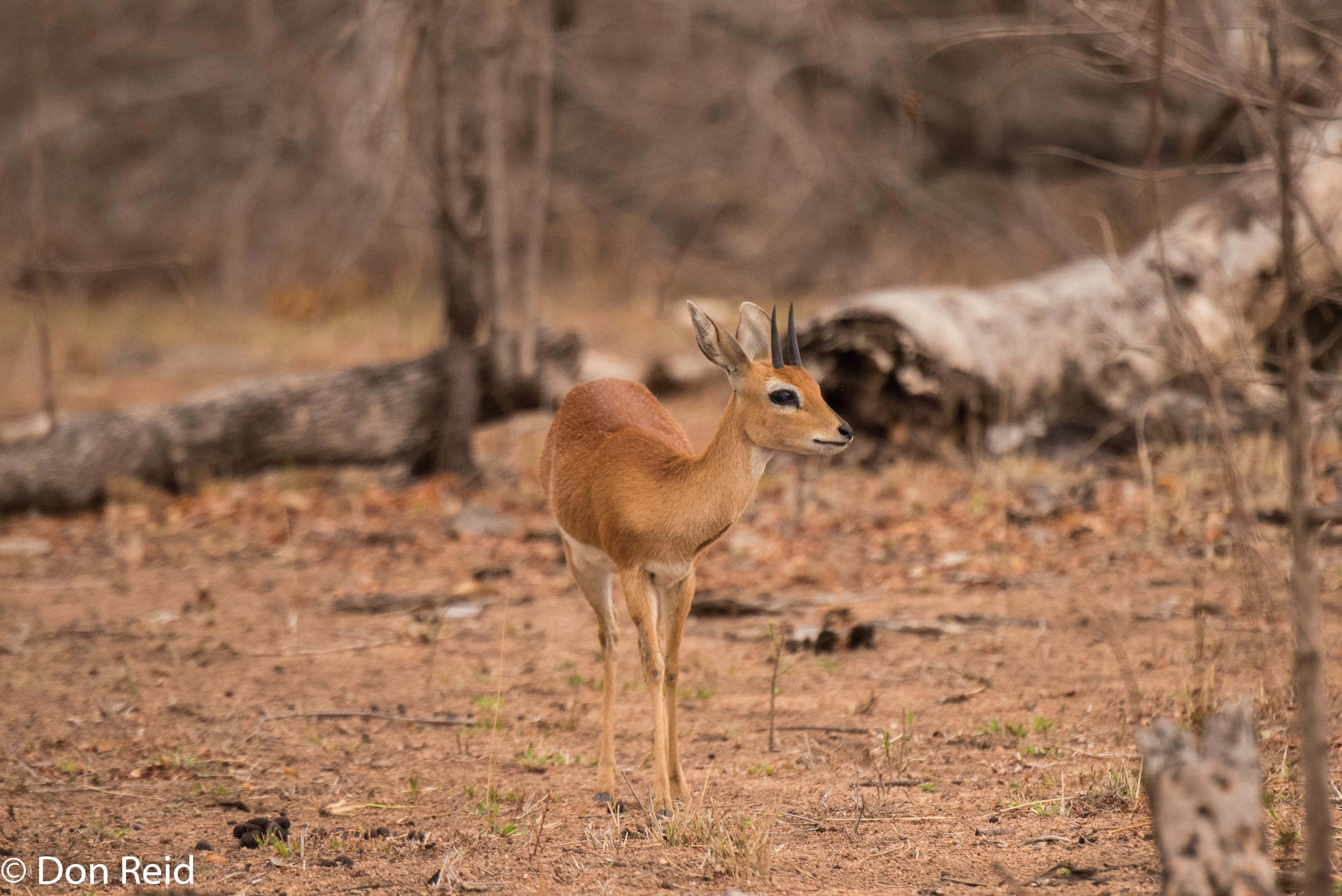
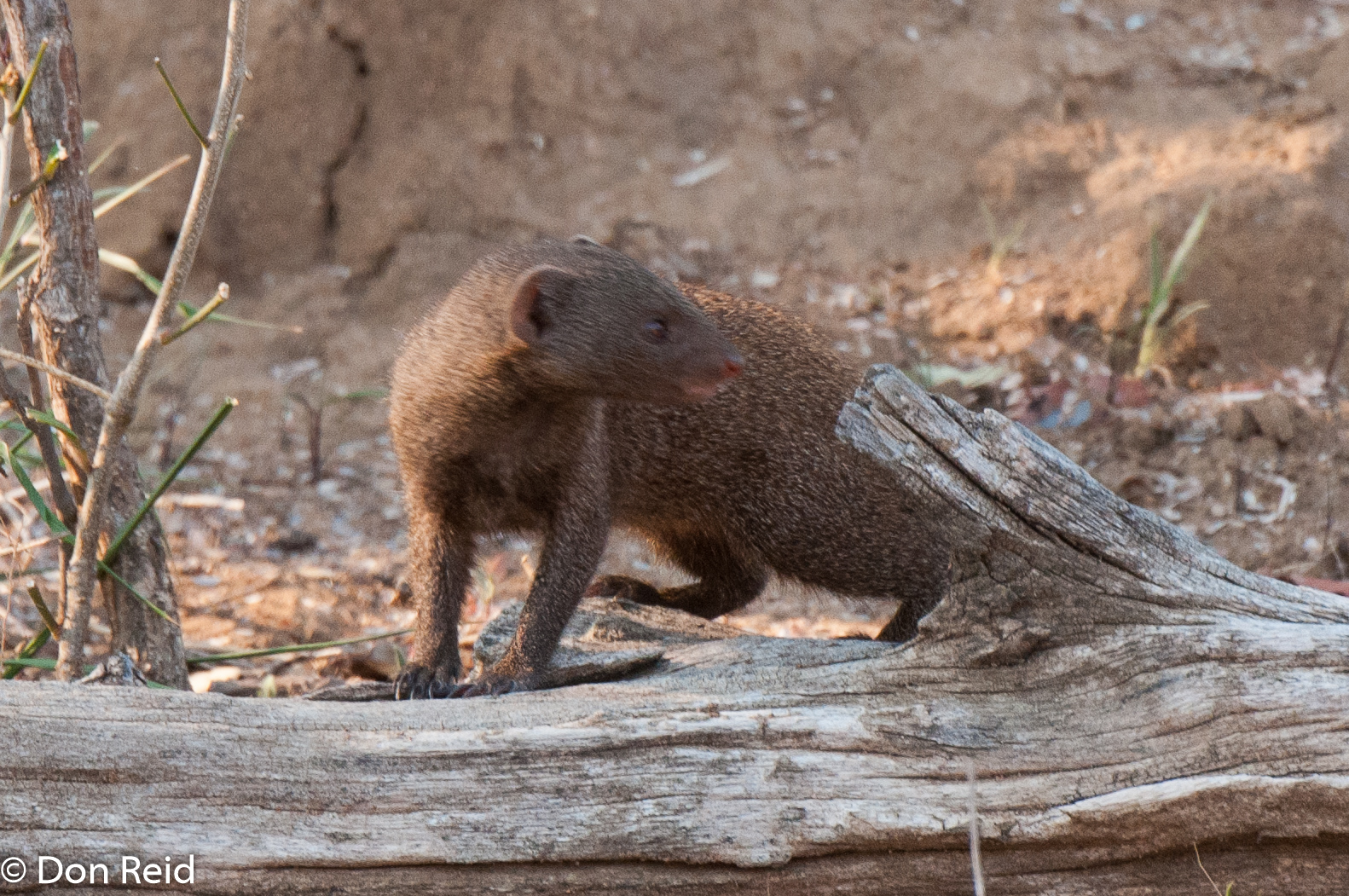
Game was a bit sparse compared to some of the other drives we had done around Satara but we nevertheless enjoyed some good sightings of small groups of the more common species, including Kudus backlit by the early morning light, a lone Steenbok resting in the grass and a few Dwarf Mongeese (oh-oh should have seen that coming, now I’ve got to figure out the plural of Mongoose – it’s actually Mongooses!)
Kudu beautifully backlit by early morning sonDwarf Mongoose
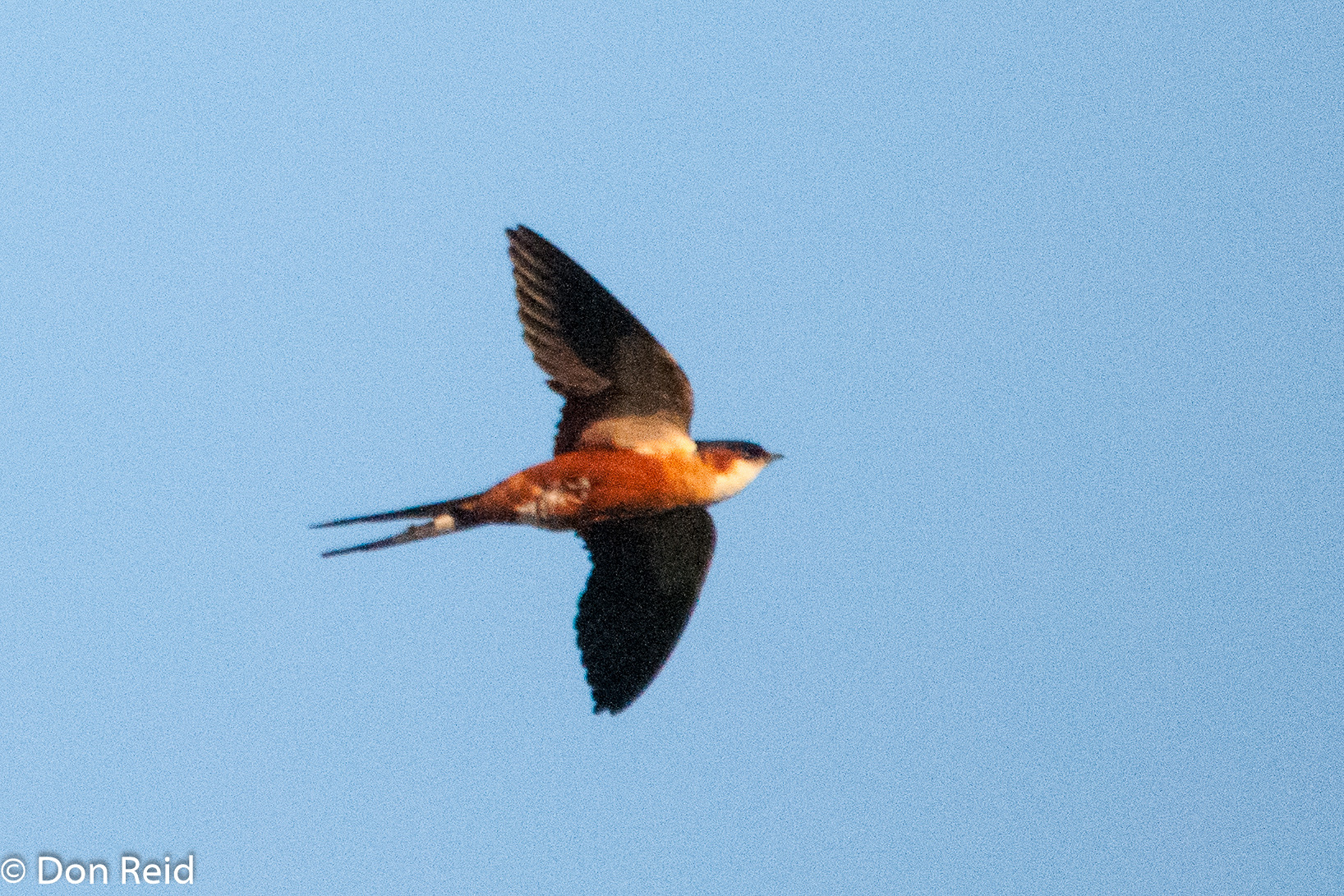
Mosque Swallows were a nice surprise – in my experience they are usually only seen a lot further north in Baobab country.
Mosque Swallow
Muzandzeni Picnic spot
The picnic spot has a remote feeling to it – like being in the “middle of nowhere” – don’t be surprised if an Ellie or two passes by on the way to the nearby waterhole, also favoured by Zebra amongst others.
MuzandzeniZebra, MuzandzeniZebra juvenile, fluffy stripes and all
Our brunch was leftover steak from the previous night’s braai, cut into strips and fried on the skottel with onions and tomato, then plied onto a hamburger bun – delicious!
Muzandzeni brunch – leftovers never tasted so good!
Back to Satara
Heading back we were on the lookout for the lions at a buffalo kill that we had heard about from Andre’s brother Eddie, visiting from Holland, and sure enough they were at the spot he had described, near an almost bare buffalo carcass.
With the temperature nudging 38 degrees C, we were happy to head back to Satara for a relaxing rest of the day, having extracted the maximum enjoyment from yet another Kruger drive.
Steenbok taking to the shade
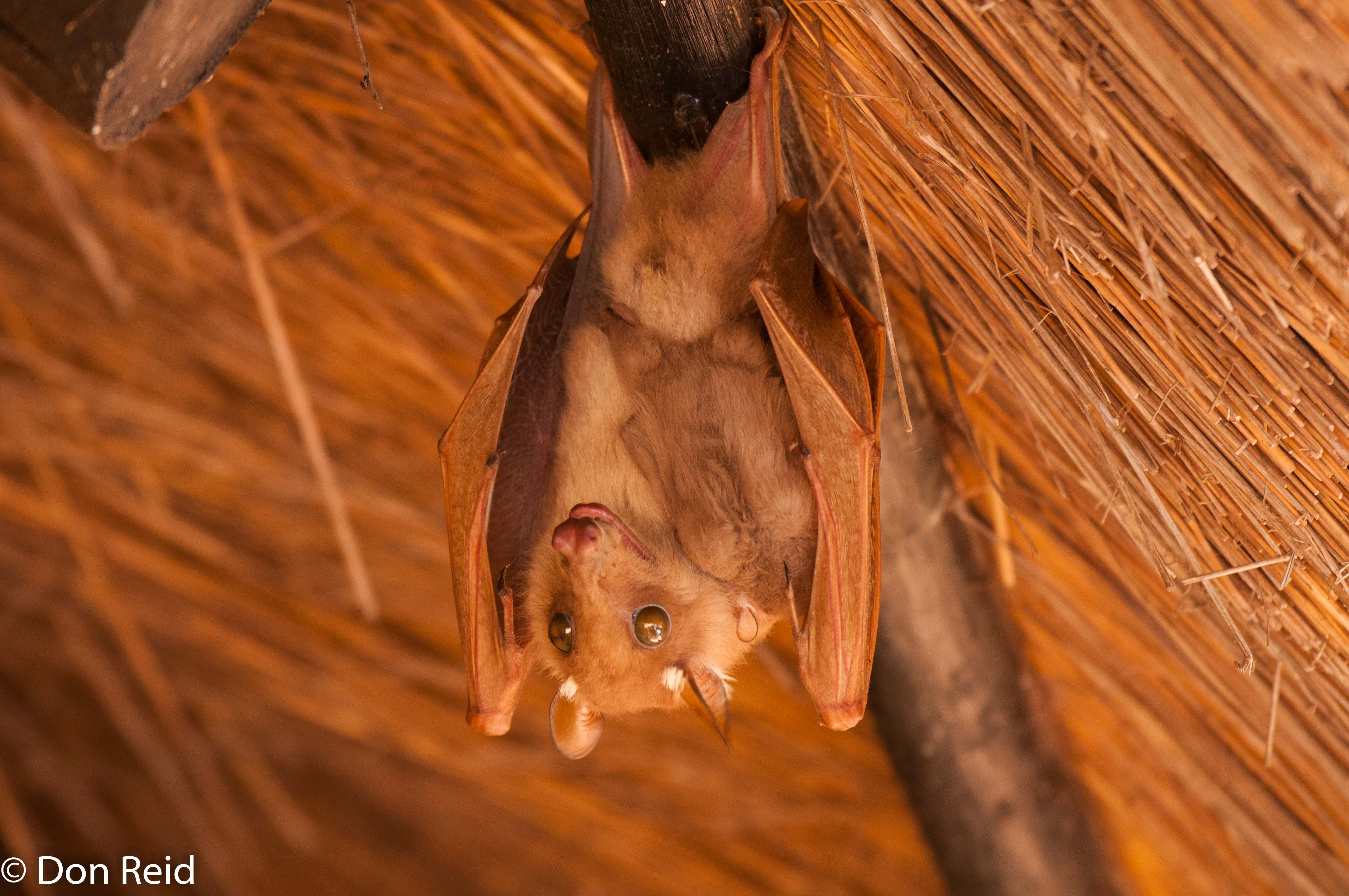
A surprise awaited us at the rondavel, in the form of a Fruit Bat , hanging under the thatched overhang – quite a cute looking bat don’t you think? Like a teddy bear with wings.
Just when you thought it was safe to go into 2016, here is another of those pesky “looking back at 2015” stories. Apologies but I just have to do it – so here is my review of my birding year, for what it is worth.
It has been another busy year of travel for Gerda and myself, in between maintaining our normal home routines, however this time around we did not do any “overseas” trips but confined ourselves to travel within South Africa. In addition my birding took me to Mozambique for a dedicated 2 week birding extravaganza and work-related trips took me to northern Botswana, where I was able to fit in some wonderful birding and game viewing – all in all it made for another interesting year…….
January
The year started, as it has over the past couple of years, in Mossel Bay where we have a second home and I used the opportunity to do some atlasing in the Golf Estate where our house is located and in the surrounding area. (reminder : “atlasing” is the recording of bird species in an area called a Pentad, defined by coordinates, about 8 x 8 kms in extent, with the data collected going to a database at the University of Cape Town)
Gerda joined me for a morning of atlasing near Albertinia, with breakfast and coffee stops to make it a pleasant outing for both of us.
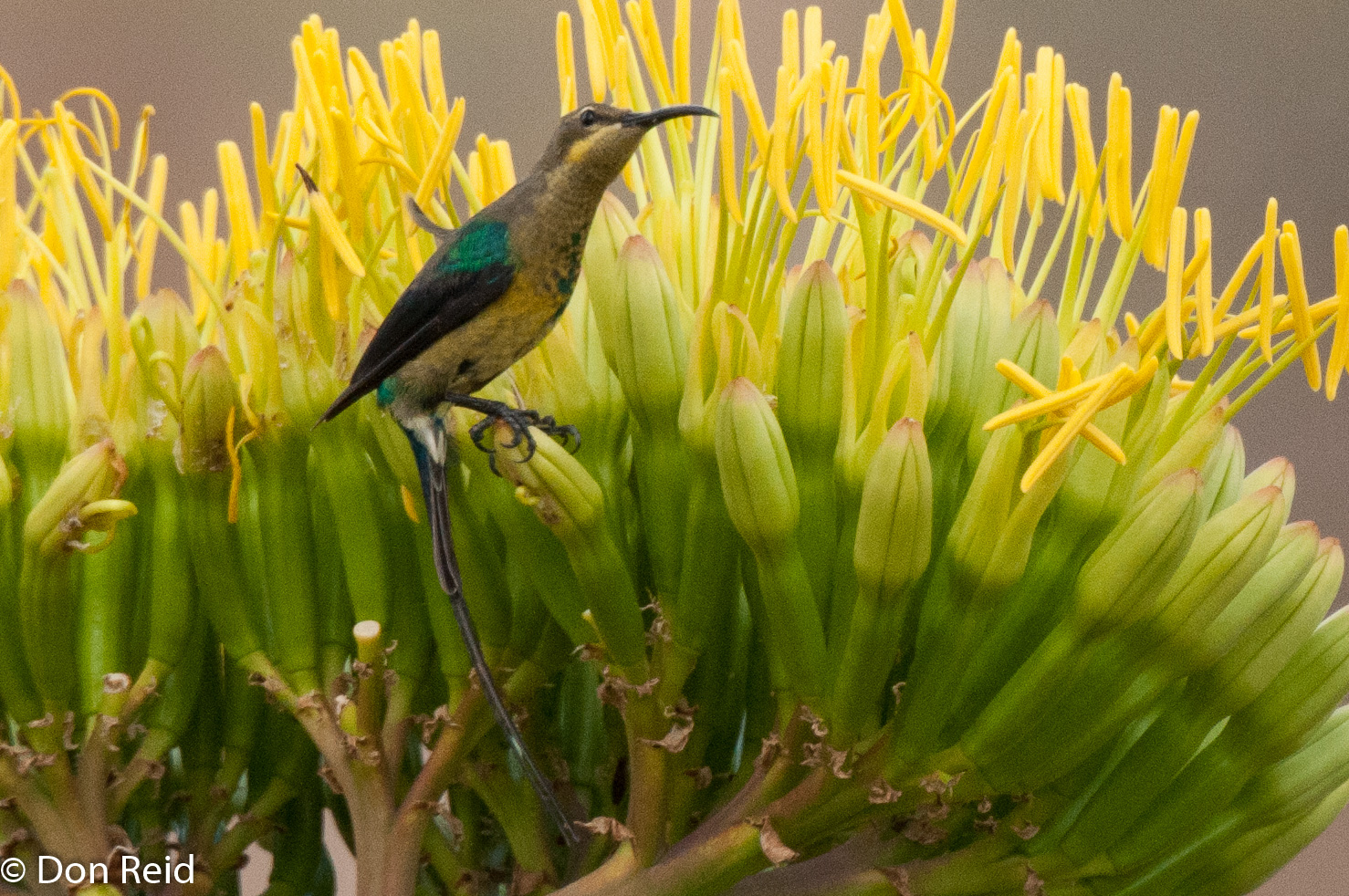
Malachite Sunbird on flowering sisal trees, near Albertinia
From the 9th to 12th we did a short trip through the Western Cape, spending one night in Swellendam and two more visiting Johan and Rosa in Worcester. I managed to sneak in some atlasing as we went without turning up anything of note.
On the 16th it was time to leave Mossel Bay and return to Gauteng but not without making the most of the journey – two nights in Prince Albert in the Karoo and one in Hoopstad in the Free State made sure of that.
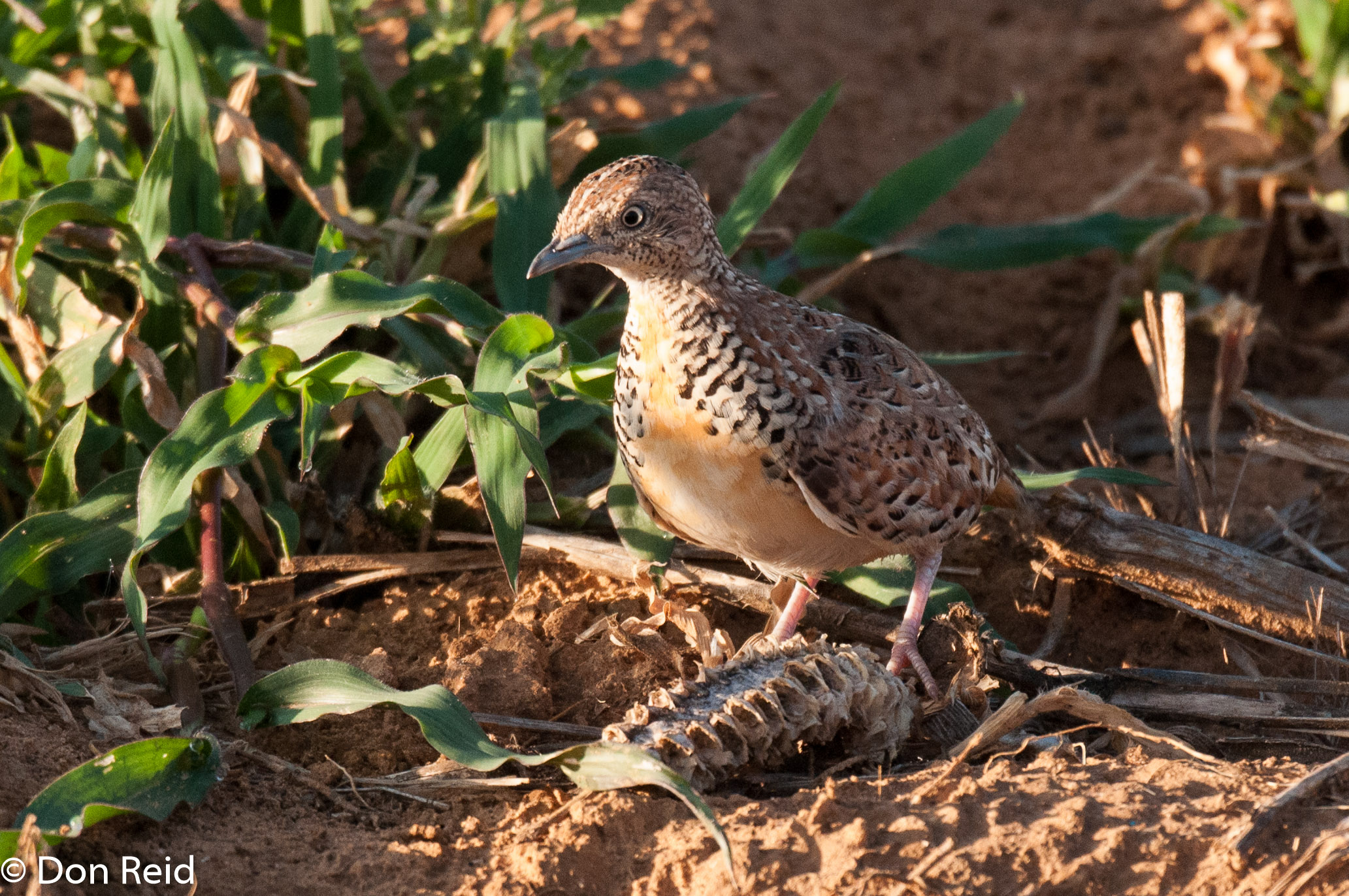
Karoo Chat (Juvenile), Prince AlbertKurrichane Buttonquail in mielie (corn) fields, Hoopstad
February
Undoubtedly the highlight of my birding year started on 29th January with a two week birding trip through Mozambique as part of a group of 10 in four vehicles. The full report appears in my posts from earlier in 2015 and it is difficult to isolate the highlights as every day was full of them, but here are a few that were really special and the “Lifers” that went with them :
Early morning on the Limpopo floodplain with Sedge Warblers and Rufous-winged Cisticolas
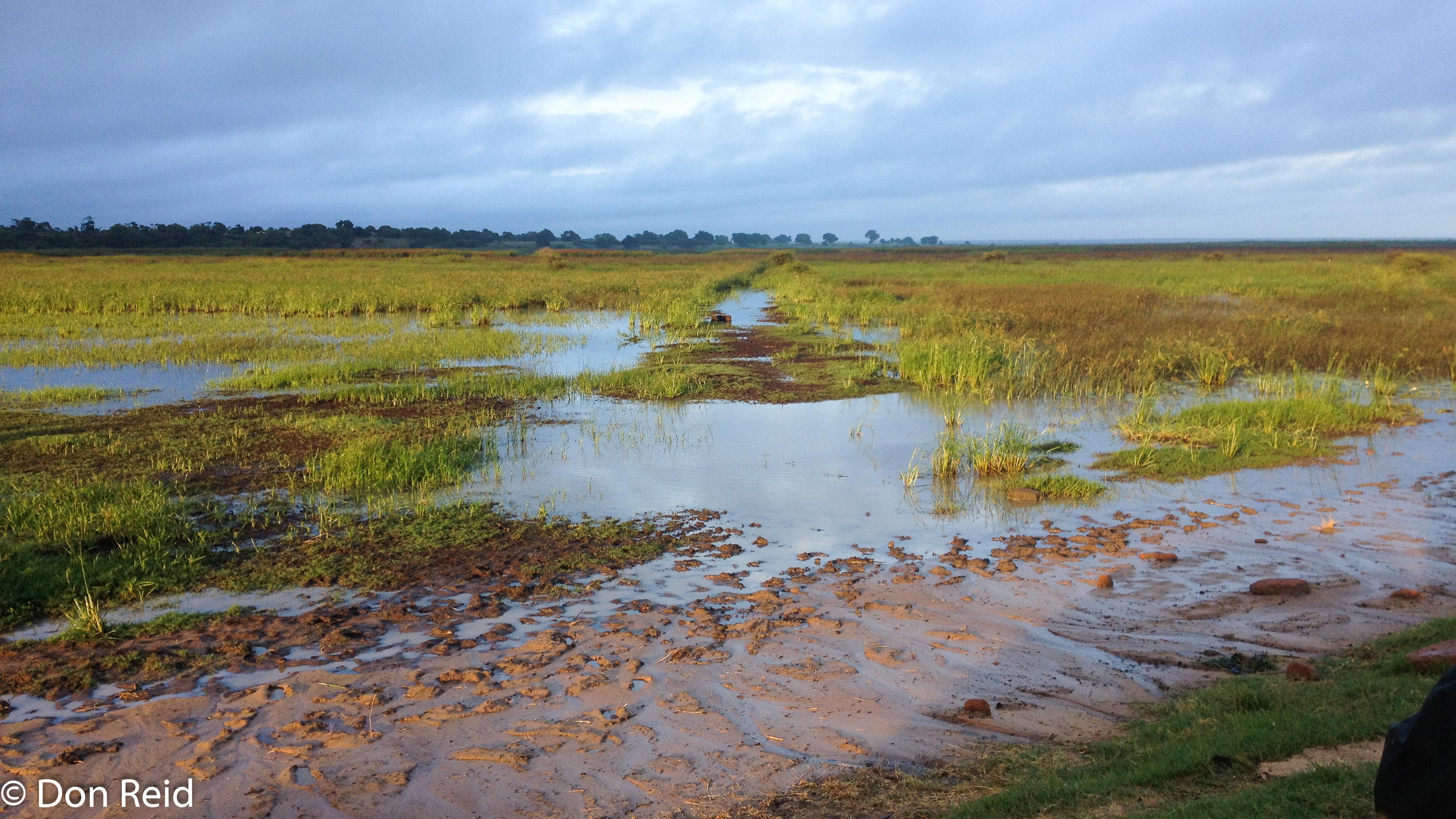
Limpopo floodplain near Xai-Xai
Birding on the mudflats at Imhambane and Lighthouse beach nearby – Lesser Sand Plover, Lesser Crested Tern and Crab Plover
The mudflats, InhambaneLesser Sand Plover, InhambaneMixed Terns, Lighthouse beach Barra
Driving through dense woodland to the Panda area to view Olive-headed Weaver, Green Tinkerbird, Woodward’s Batis and Livingstone’s Flycatcher, amongst a plethora of other desirable species
Panda WoodlandOlive-headed Weaver, Panda Woodland
Lunch stop in more dense woodland which was alive with bird life, adding Red-winged Warbler
Dragging a rope across pristine floodplains of the Rio Savane near Beira in hot, humid weather, hoping to flush some of the specials – Great Snipe was one reward
Rio SavaneRio Savane (Photo ; George Skinner)
Photographing a warbler in the Rio Maria area, which turned out to be Basra Reed Warbler, a southern Africa megatick
Basra Reed Warbler, Rio Maria Beira
Mphingwe camp and the surrounding pristine forests of the Catapu area which produced a multitude of magnificent lifers – Ayre’s Hawk-Eagle, Barred Long-tailed Cuckoo, Mangrove Kingfisher, Tiny Greenbul, White-crested Alethe, East Coast Akalat, Black-headed Apalis, Plain-becked Sunbird, and Broad-taled Paradise Whydah
Black-bellied Starling, Mphingwe campMangrove Kingfisher, Coutada 12 area
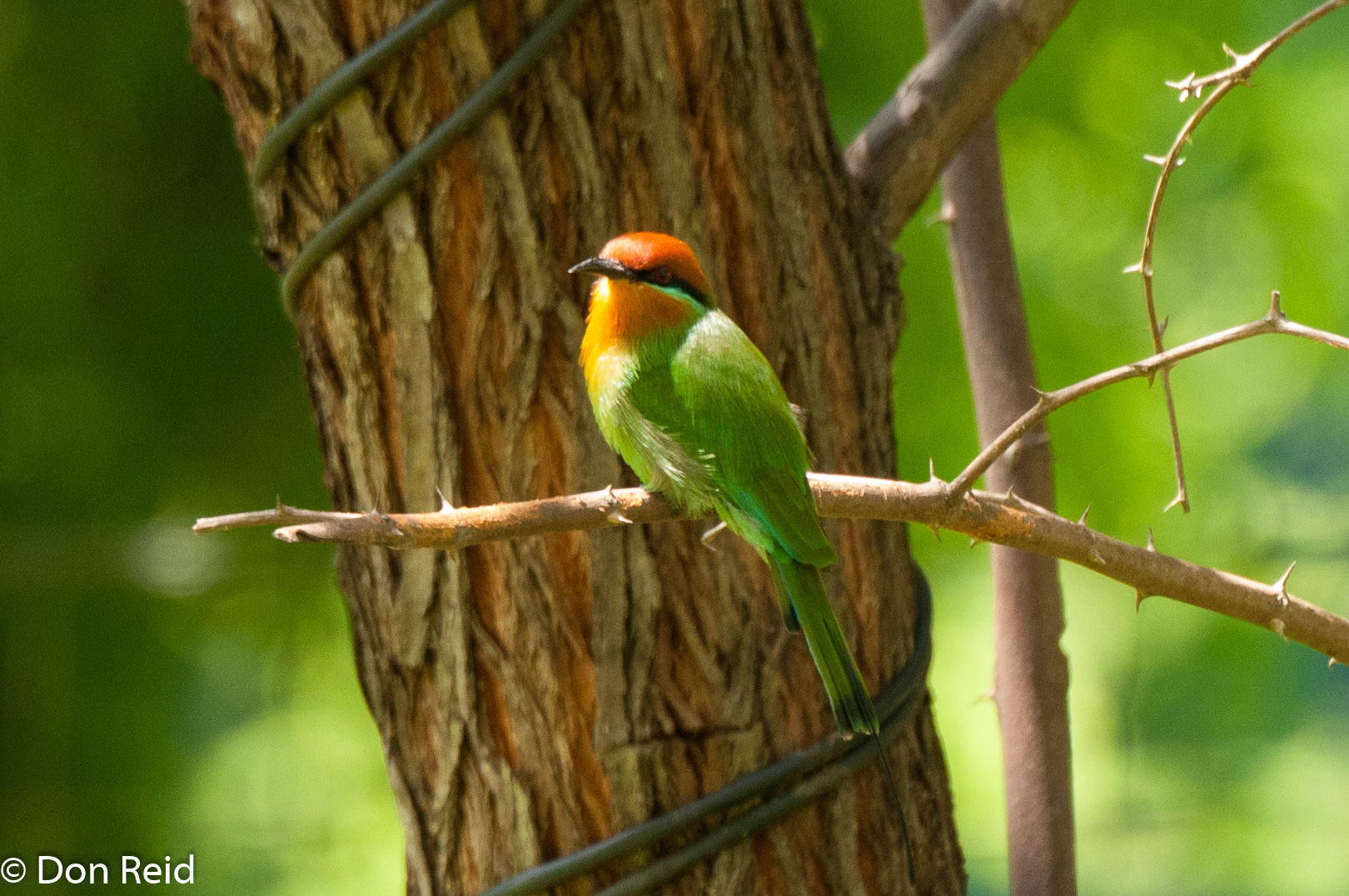
A memorable trip to the Zambezi to view Bohm’s Bee-eater and several other special birds (not to mention the atrocious road and the failed propshaft bearing of my vehicle)
Collared Palm-Thrush, in palm grove on the Road to SenaSouthern Banded Snake-Eagle, Road to SenaBohm’s Bee-Eater, Rademan’s Farm on Zambezi River
Chestnut-fronted Helmetshrike, Coutada 12 areaBush driving (Photo ; George Skinner)
Mphingwe camp – enforced longer stay due to car repairs but also time to explore the surrounds and home in on some beautiful butterflies
March
A weekend in Cape Town revolved around the Cape Town Cycle Tour which I had entered – no time for any intensive birding but we did enjoy a walk through Kirstenbosch Botanical Gardens and some lightweight birding in Stellenbosch where we stayed in the Devon Valley Hotel
On the 14th I joined Koos Pauw for some interesting atlasing at the Baviaanspoort Water Treatment works (ie Sewage farm) where a pale form Steppe Buzzard had us postulating for some time.
Common (Steppe) Buzzard (Pale), Baviaanspoort
27th saw us heading to Mossel Bay for the Easter holidays, with a stop over at Prior Grange near Springfontein – a favourite overnight spot in the Free State with some excellent birding on the farm and the surrounds
April
During our stay in Mossel Bay I confined my birding to the immediate area with one atlasing trip to Albertinia.
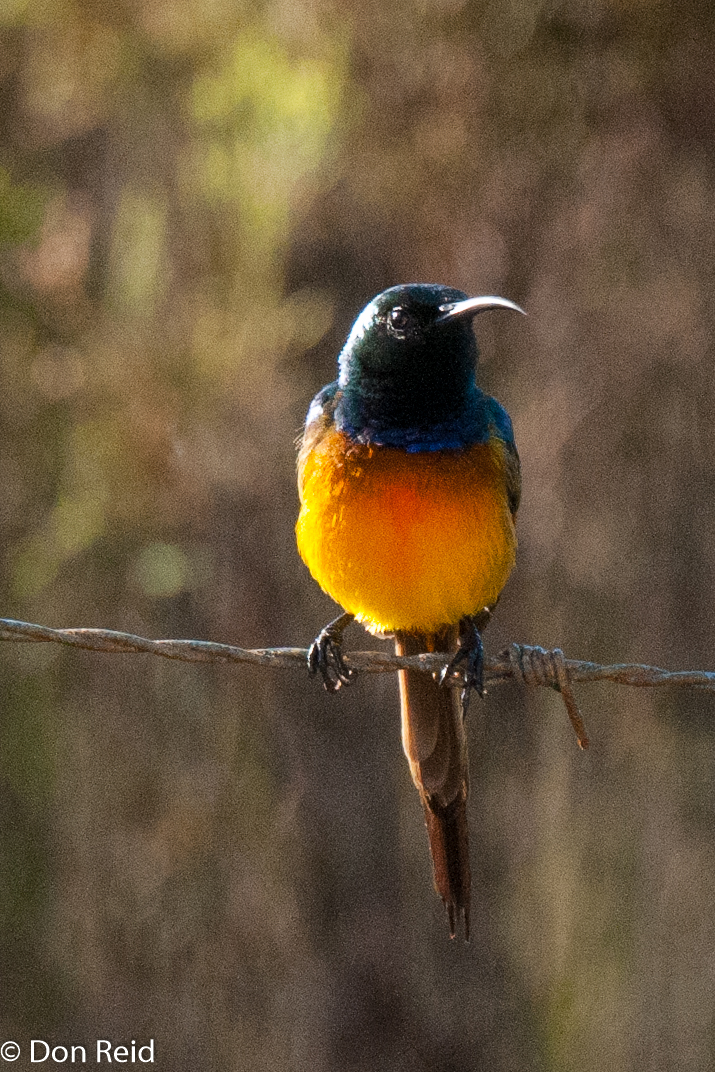
Orange-breasted Sunbird, near Albertinia
A short trip to the Western Cape included a stay in McGregor on the 12th and some exploration of the Robertson area and Greyton – I squeezed in some atlasing as we went
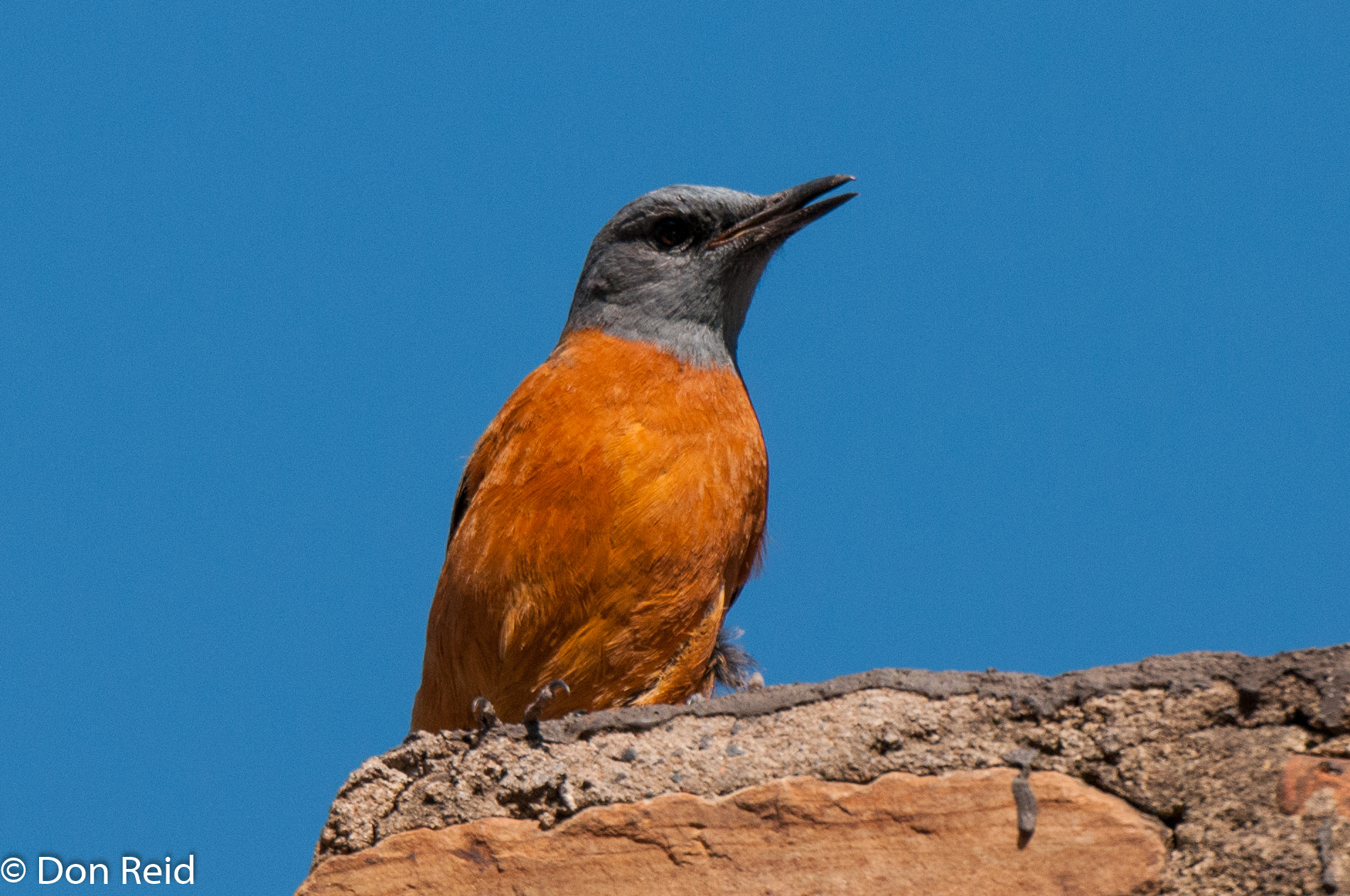
Back in Pretoria Koos and I atlased in the Kwamhlanga area on the 25th, which produced some surprisingly good birding – near a vlei we saw Lanner Falcon, African Quail-Finch and heard African Rail in quick succession. Soon after, in a hilly, rocky area along a side road, I was thrilled to find Short-toed Rock-Thrush posing beautifully in a dry tree, a lifer for me.
Short-toed Rock-Thrush, Kwamhlanga
May
My first trip to Kasane in northern Botswana from 5th to 7th for a project I am involved in, was the first of many for the year and a chance to explore the natural delights of Chobe National Park in between work commitments. This trip was all about excellent game viewing experiences with enough birding to whet my appetite for later visits.
Bateleur (Juvenile), Chobe Game ReserveRed-billed Oxpecker, Chobe Game Reserve
More atlasing on the 16th (Kwamhlanga area) and 25th (Delmas area) and 30th (Coalfields around Ogies), produced some memorable species.
Ogies AreaCape Longclaw. Ogies area CoalfieldsLevaillant’s Cisticola, Delmas area
June
Winter atlasing in the dry grasslands near Bronkhorstspruit on 6th was followed two days later by atlasing near Balfour after a two hour drive through early morning traffic.
The same day I visited Marievale Bird Sanctuary for some relaxed birding and photography at this wonderful venue, which I had all to myself, it being a Monday.
18th to 25th was Koos and Rianda’s timeshare week at Verlorenkloof, which we were once again invited to share with them, unquestionably our favourite place for superb birding and relaxation and it produced many highlights as usual.
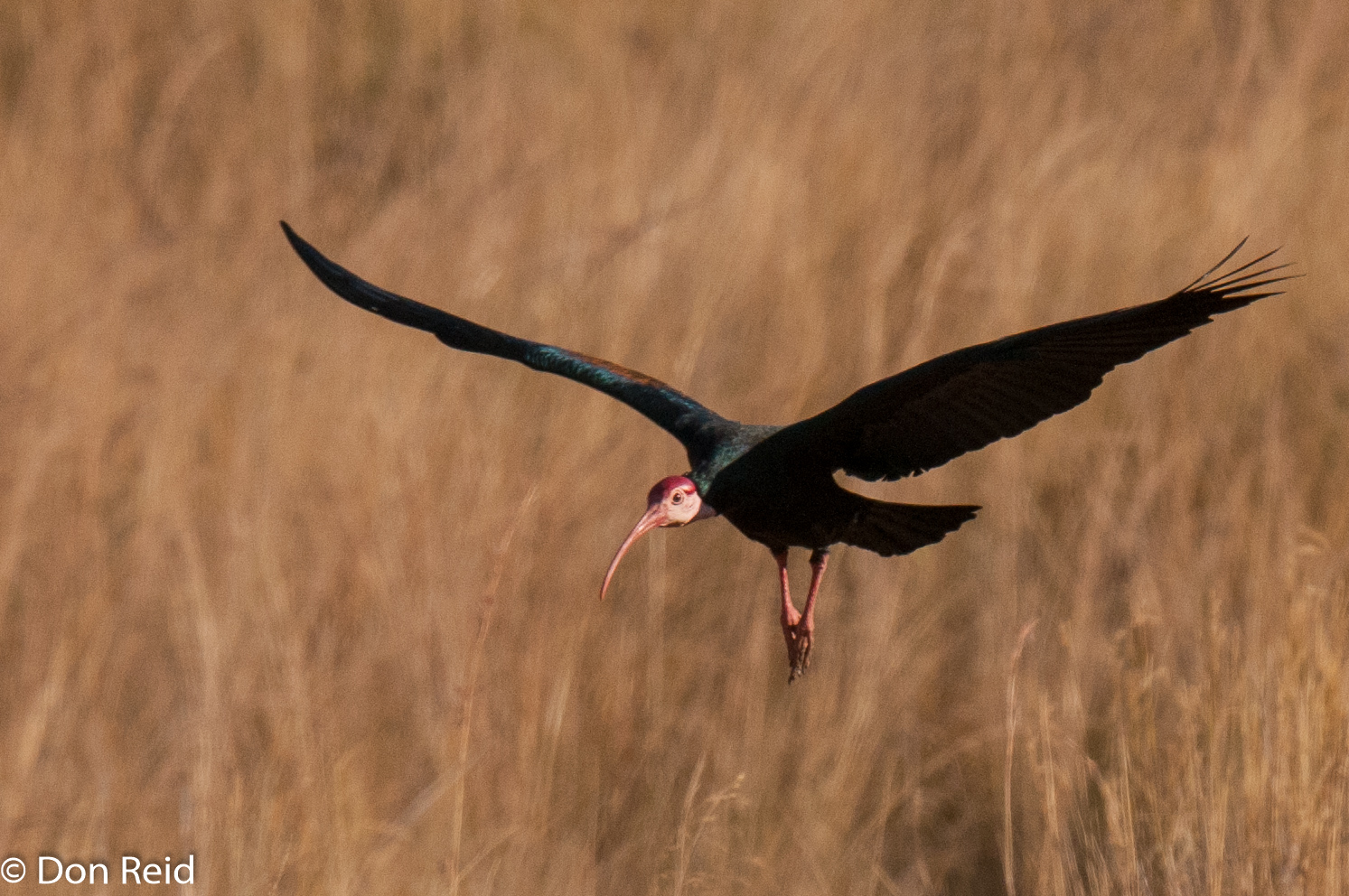
Bald Ibis, VerlorenkloofBlack-winged Lapwing, VerlorenkloofCape Rock-Thrush, VerlorenkloofChorister Robin-Chat, VerlorenkloofAfrican Golden Weaver, Verlorenkloof
July
Saturday 4th was time for more winter atlasing, this time south of Balmoral with the challenge being ID’ing the seed eating species in their drab winter plumage – the watchword is definitely “practice makes perfect”.
Orange-breastsed Waxbill, Balmoral area
Another trip to Kasane, another chance to visit Chobe, followed on the 7th to 9th.
Yellow-billed Stork, Chobe Game ReserveSenegal Coucal, Chobe Game Reserve
Our winter trip to Mossel Bay started on the 12th and we only returned on the 1st of August. Birding was confined to Mossel Bay for the first 10 days due to cold, wet weather which gave me the chance to atlas the Golf Estate thoroughly and watch the birds coming to our feeder.
Gerda joined me for a short trip to Klein Brak and the beautiful countryside, green and lush after the substantial rains
My only specific atlasing trip was along the Herbertsdale road with some good birding in the two pentads.
Cape Robin-Chat, Mossel Bay-Herbertsdale
Our trip to Robertson to taste the culinary and birding delights followed – see my separate post on this trip.
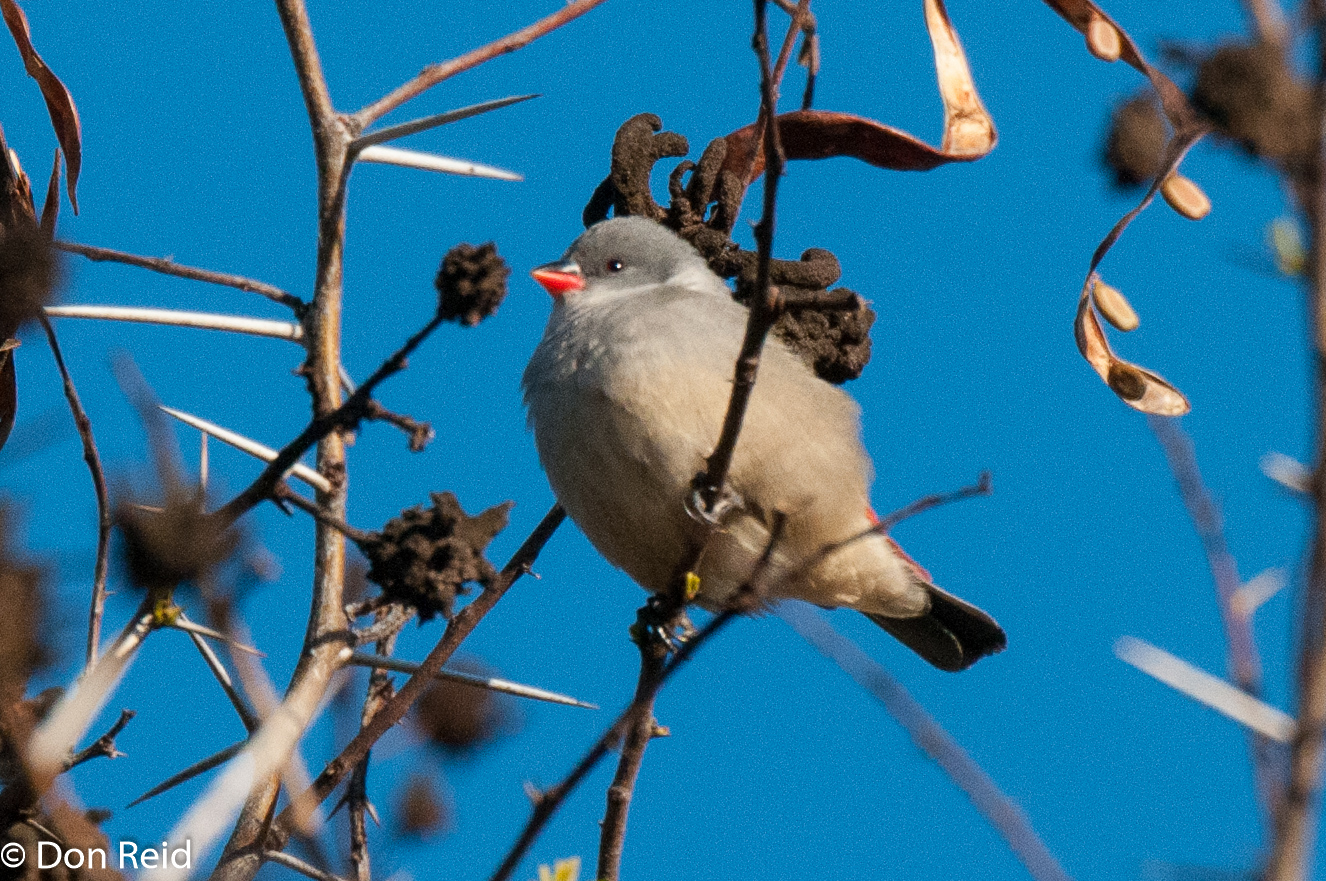
Swee Waxbill, Orange Grove Guest farm near Robertson
August
A late winter trip to Kasane on the 4th to 6th produced some memorable game and bird sightings once again.
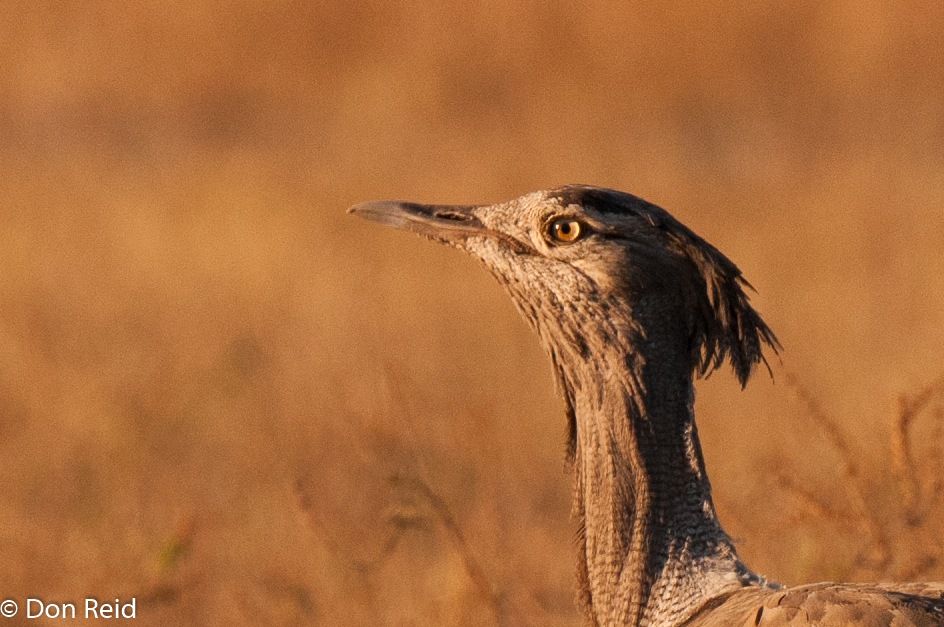
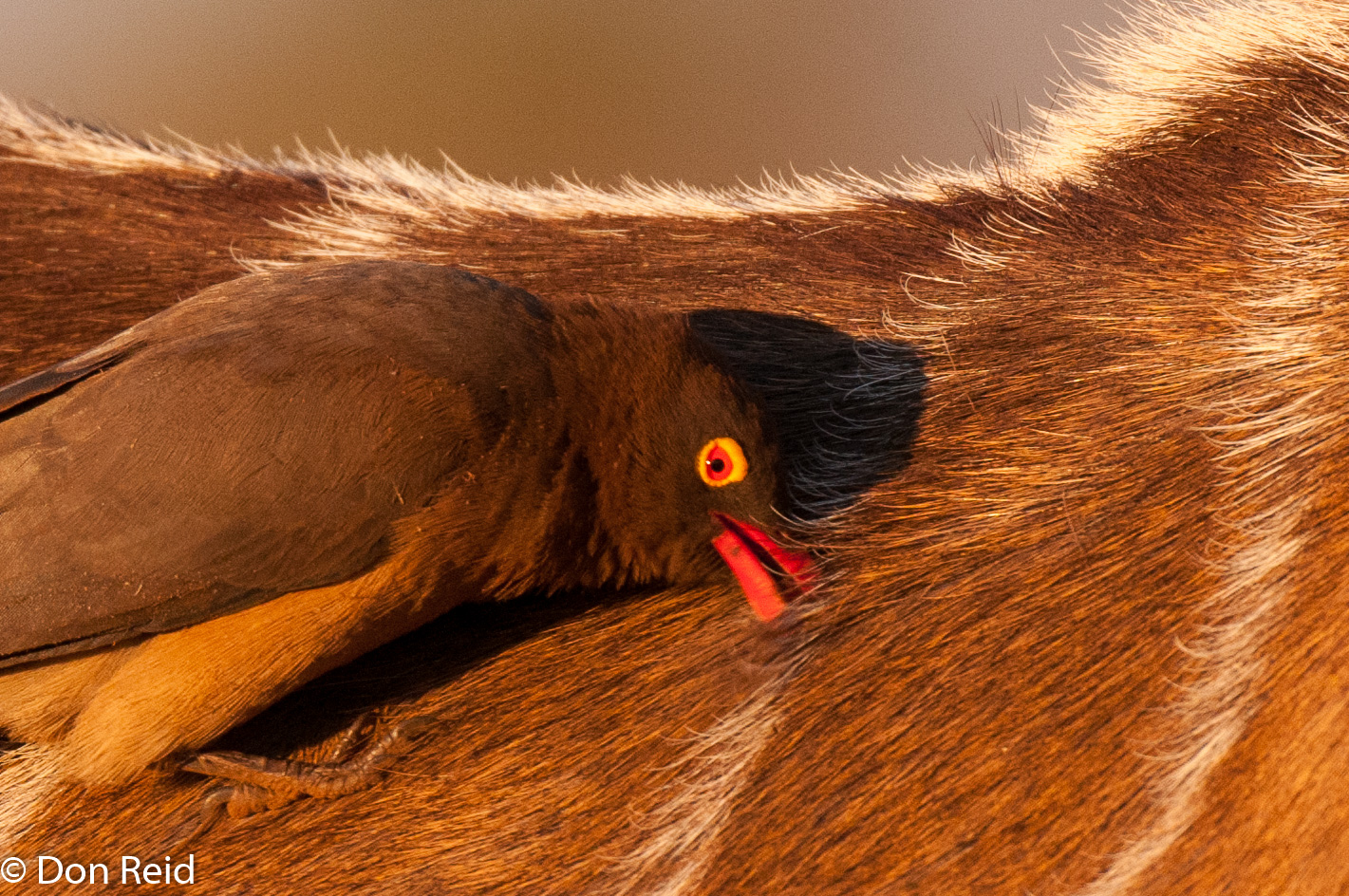
Marabou Stork, Chobe Game ReserveKori Bustard, Chobe Game ReserveRed-billed Oxpecker, Chobe Game Reserve
Koos and I atlased the De Wildt area on the 8th with some interesting sightings
September
Another Kasane trip on the 8th to 11th included a day trip to Victoria Falls to view the new airport under construction and an afternoon visit to the Falls
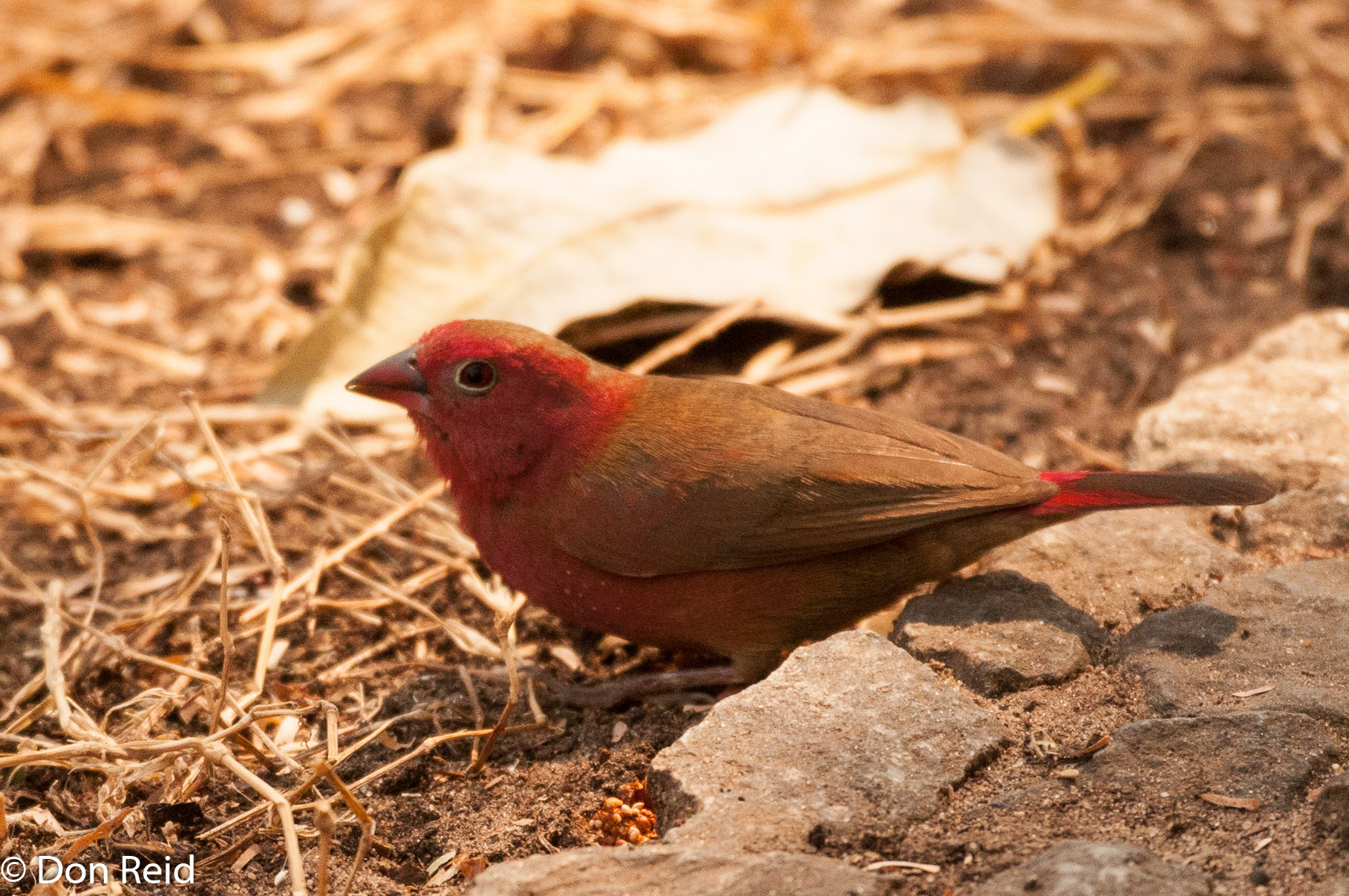
Red-billed Firefinch (Male), Victoria Falls
We managed to squeeze in a Chobe Riverfront drive with some stunning sightings being the reward
An atlasing trip on the 19th to dusty, sprawling Garankuwa north of Pretoria produced more than expected with lovely sightings of Fairy Flycatcher, Striped Kingfisher and others
Golden-breasted Bunting, Lethlabile North WestFairy Flycatcher, Lethlabile North West
October
One of the year’s highlights came up in October with a week long visit to Satara camp in Kruger, documented in several separate posts, followed by another highlight when our timeshare week at Verlorenkloof came up just afterwards from 16th to 20th, producing some of the best birding ever in this superb locality
Back to Kasane on 6th to 8th and more of Chobe Riverfront, but this time, accompanied by another keen birder – Derek Thomas, we did some proper atlasing in this amazing slice of Africa and in a new (for us) location – Kasane Water Treatment Works
The 13th saw me heading to Mkhombo dam area for an atlasing session, with a visit to the dam to see if some of the special birds seen during the preceding weeks were still around.
Before we knew it, we found the year was rapidly running out as we packed once again for the trip down to Mossel Bay for our end-of-year long visit. On the way we stopped over in Hoopstad for two nights, one on the farm where I was able to fit in some good birding walks and drives.
Our second stopover was at Karoo National Park where we enjoyed the quiet Karoo atmosphere and some good birding.
Southern Masked-Weaver, Karoo National ParkSouthern Red Bishop, Karoo National Park
In Mossel Bay my first atlasing trip was to the area west of the village Ruiterbos in beautiful rolling countryside
December
The last visit to Kasane on 2nd to 4th was another opportunity to atlas in Chobe and in Kasane itself at some spots located by Derek
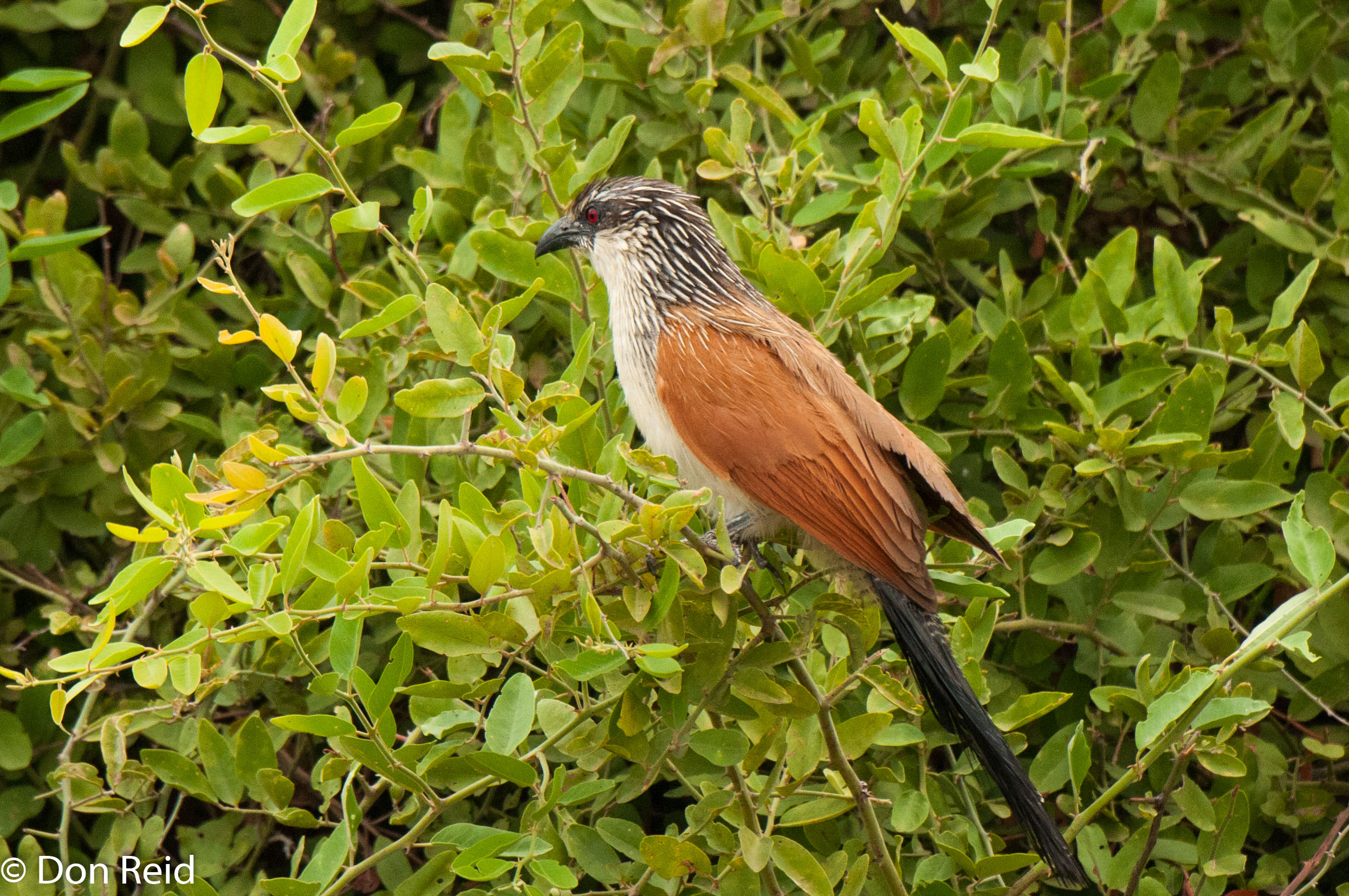
Broad-billed Roller, Seboba Nature Park KasaneAfrican Golden Oriole, Seboba Nature Park KasaneCommon Sandpiper, Chobe RiverfrontWhite-browed Coucal, Chobe Riverfront
Back in Mossel Bay I saw the year out with some fine atlasing around Herbertsdale, Vöelvlei and Gouritzmond
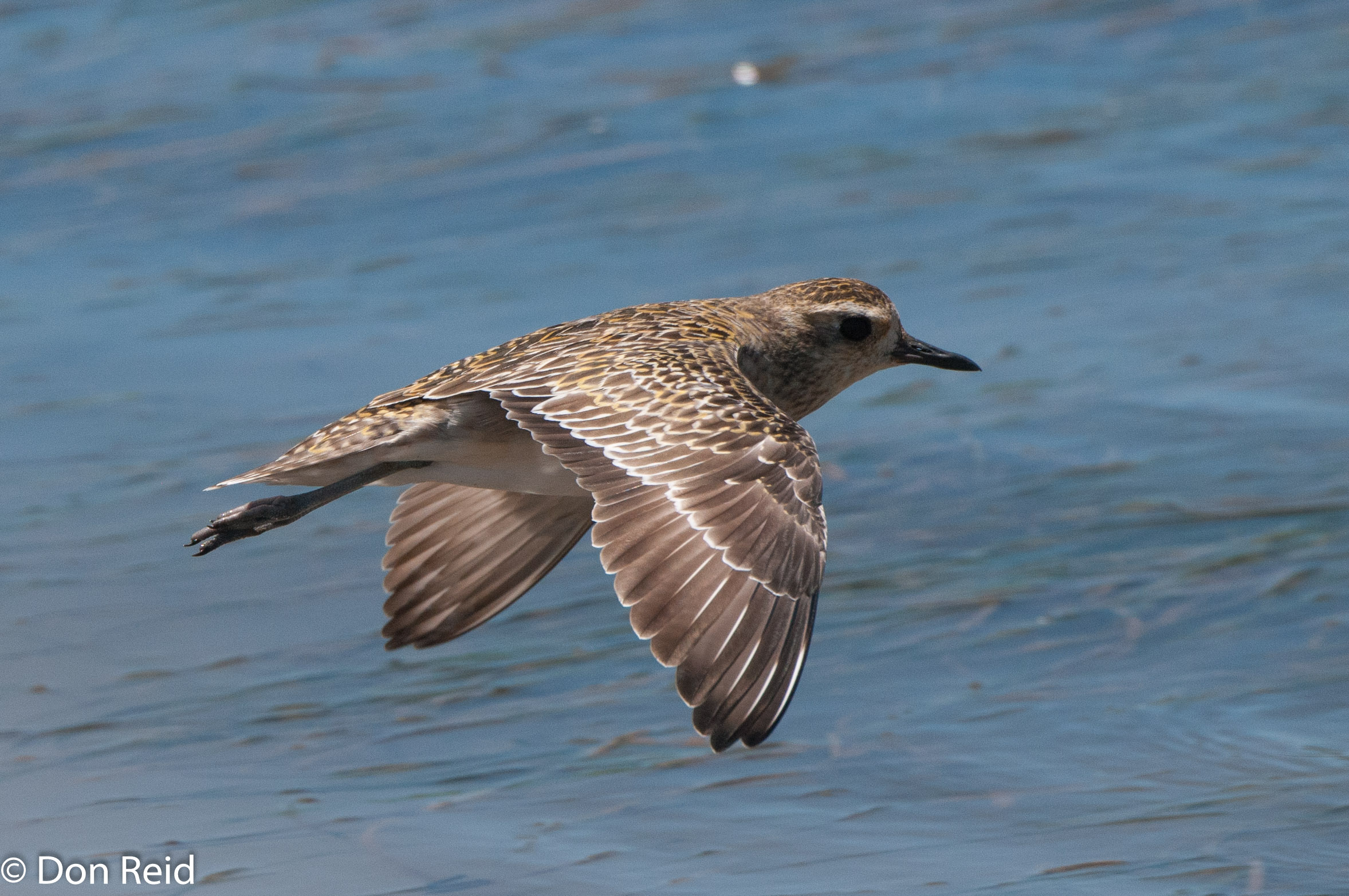
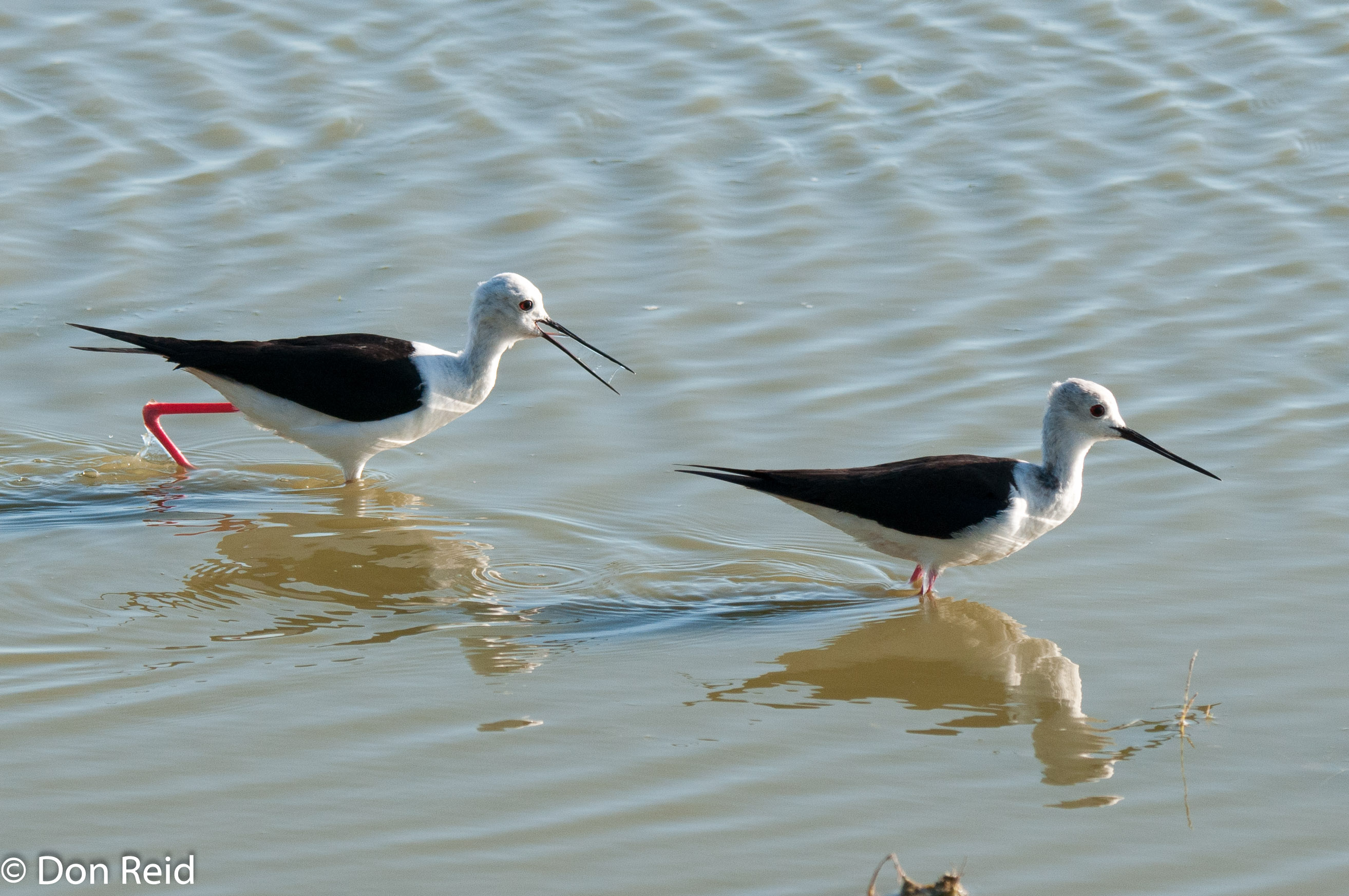
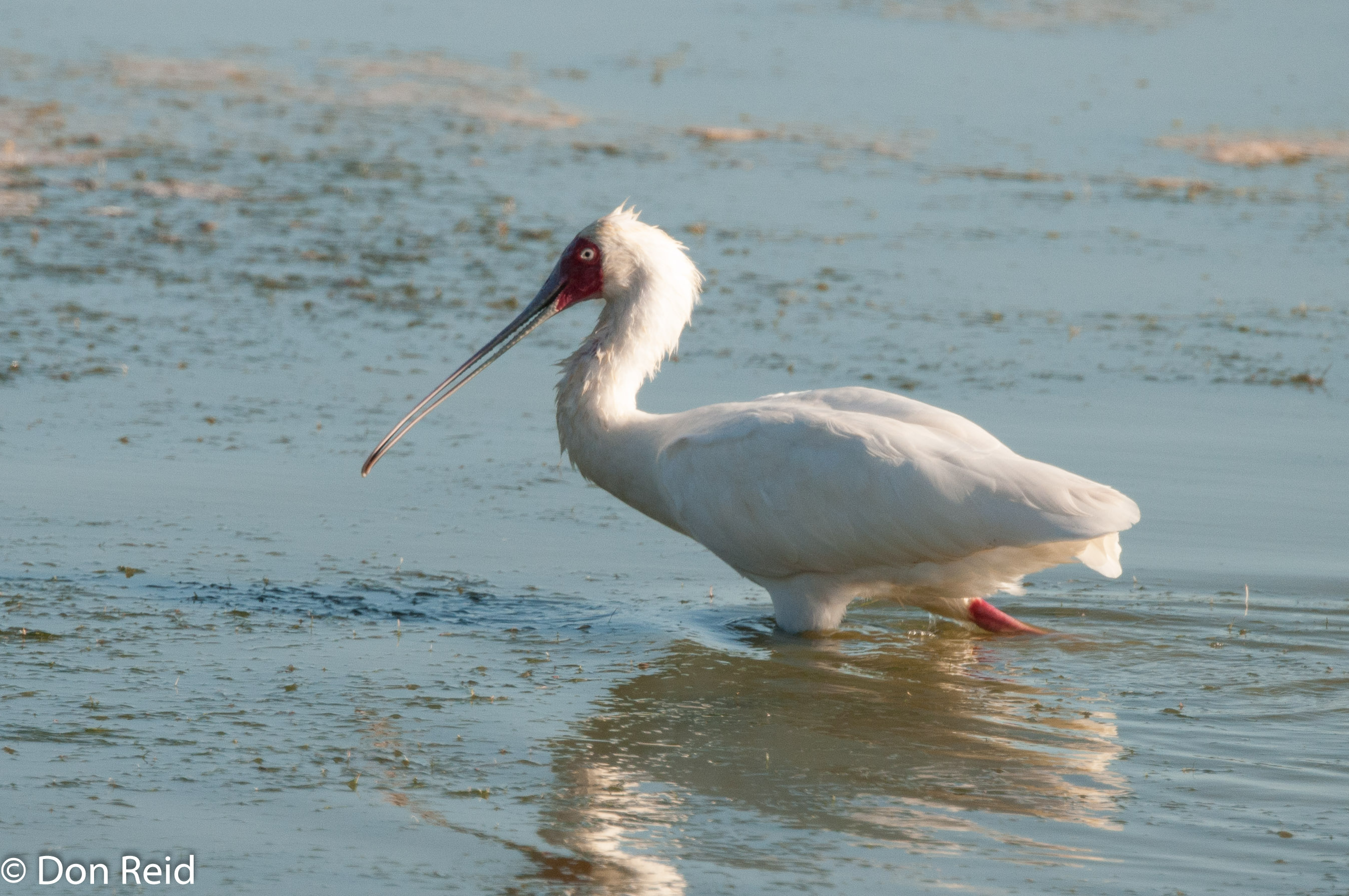
Pacific Golden Plover, GouritzmondBlack-winged Stilt, Voëlvlei near GouritzmondAfrican Spoonbill, Voëlvlei near GouritzmondDiderik Cuckoo, Herbertsdale south
Here’s a selection of my photos from places visited in 2015 – mostly from places that support my favourite pastime of birding.
The Places
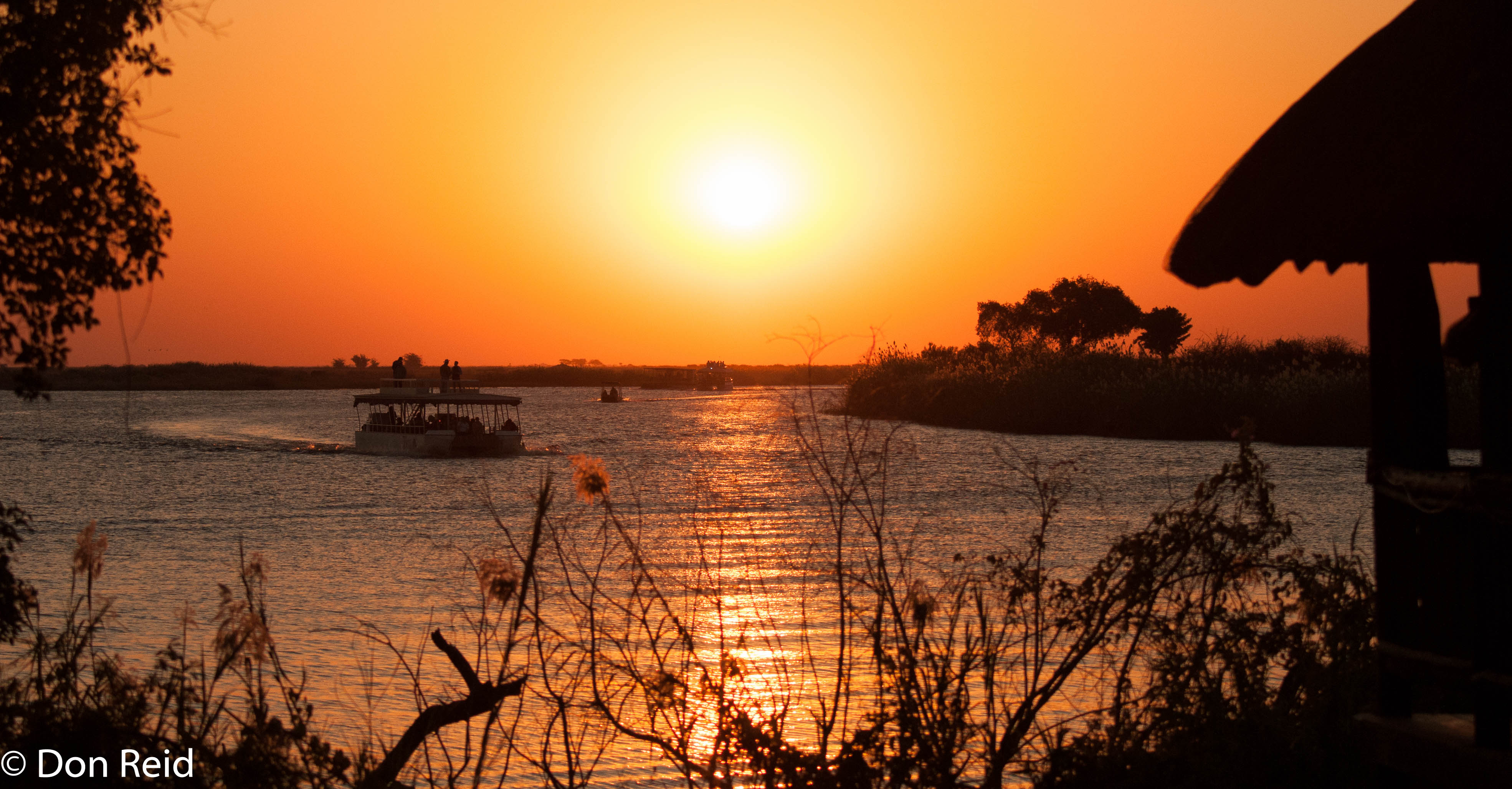
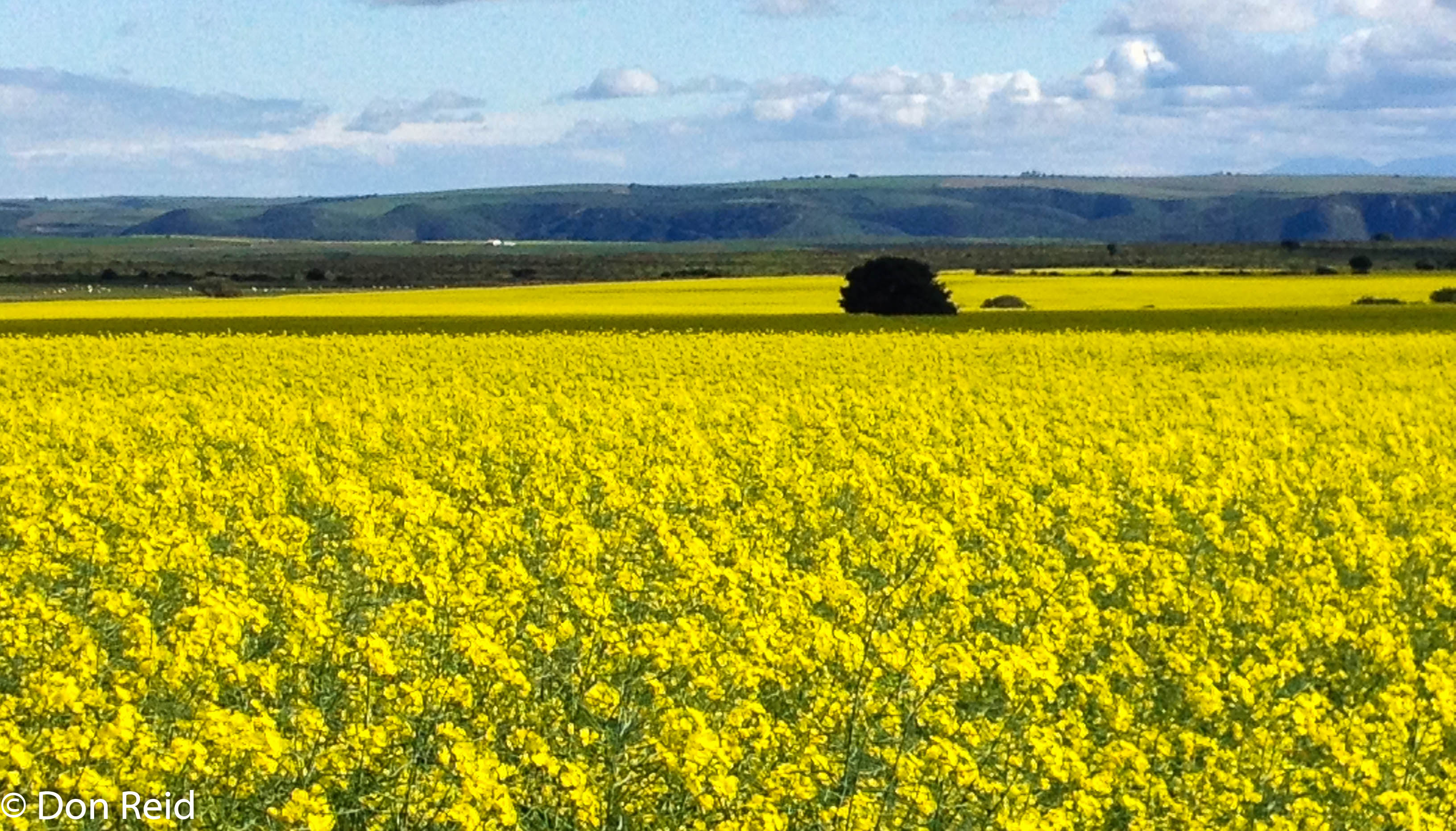
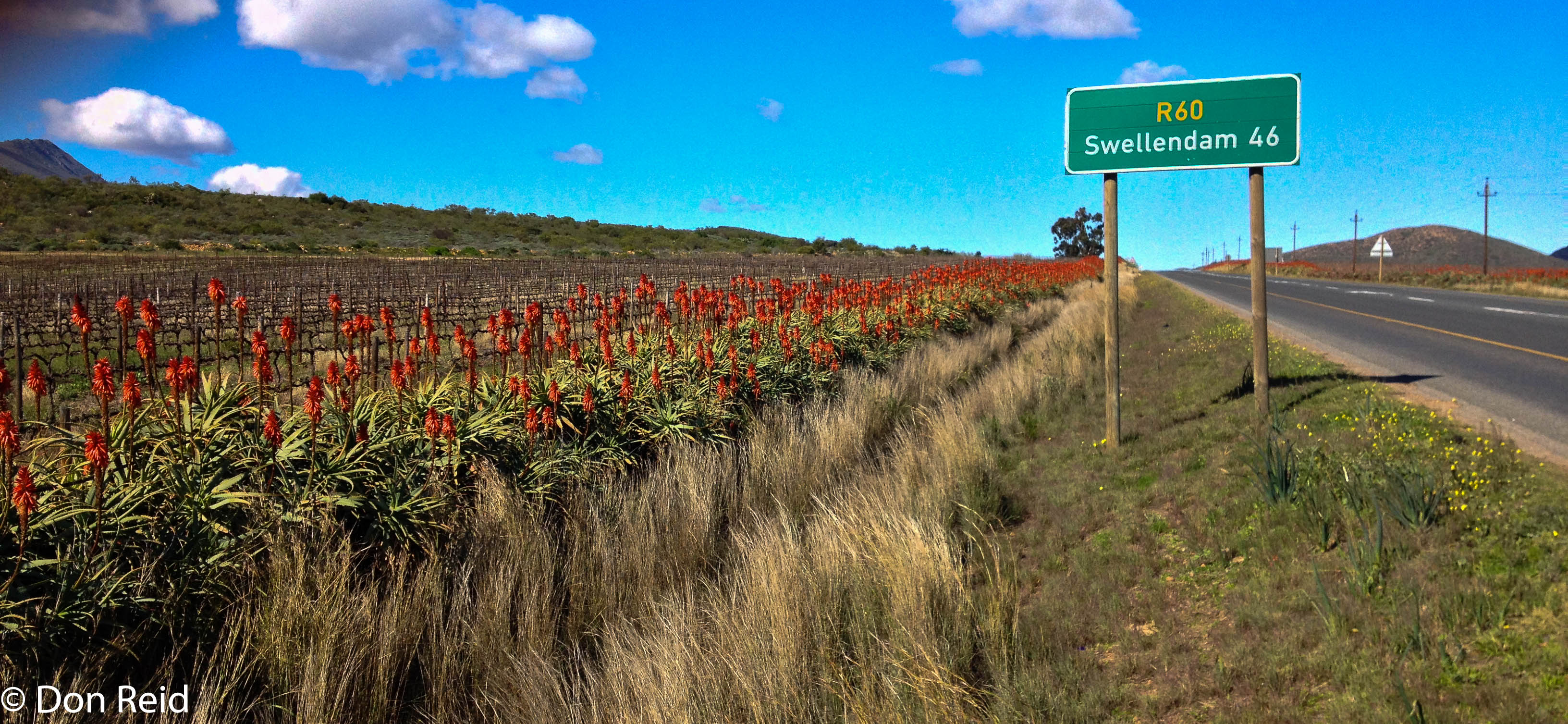
Sunset, Inhambane – MozambiqueNear Springfontein Free StateMcGregor, Western CapeSunset, Chobe RiverCanola fields along Herbertsdale road near Mossel BayAloes along the Ashton-Swellendam roadVictoria Falls, ZimbabweRuiterbos area near Mossel Bay
The Animals
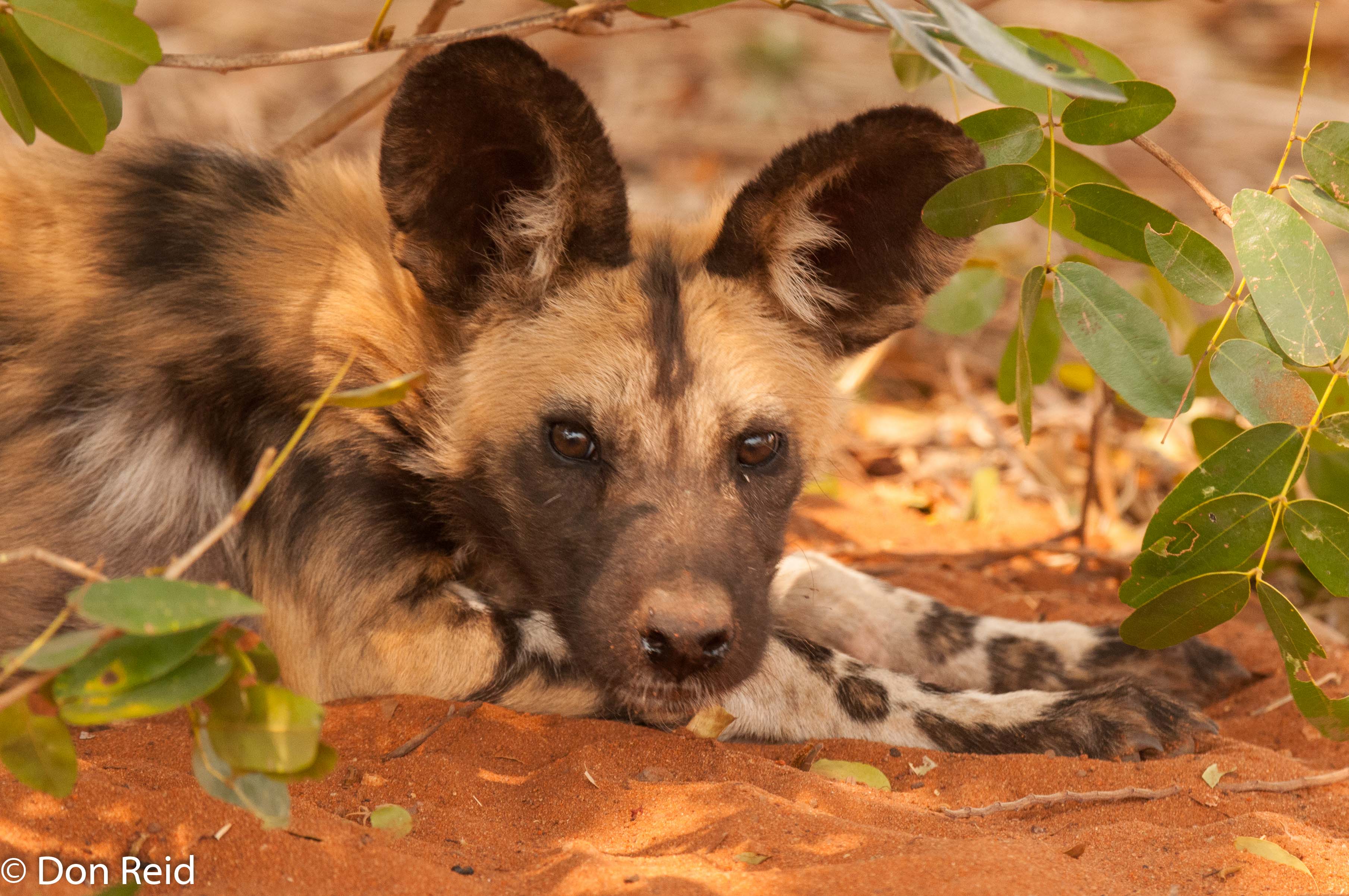
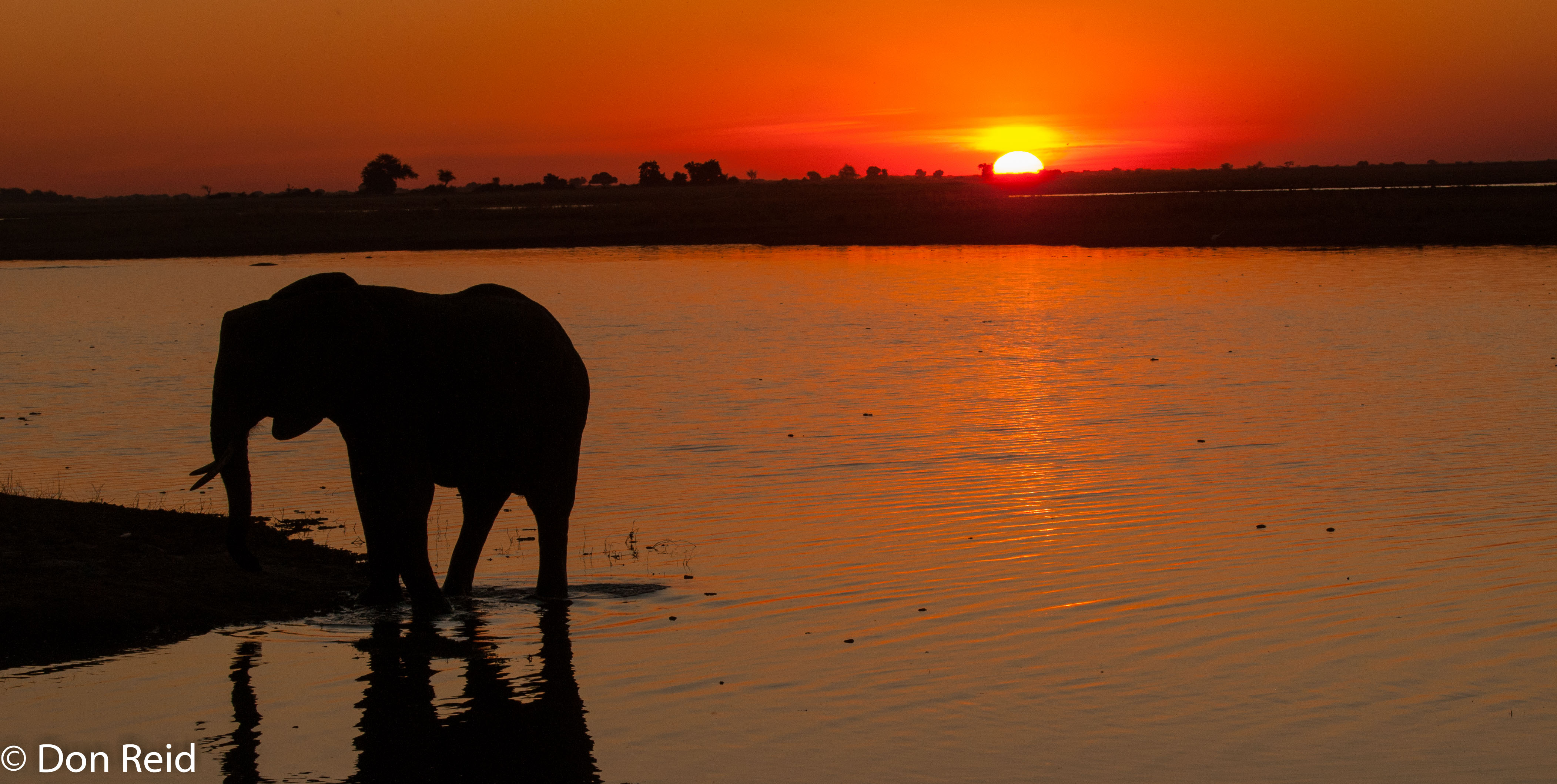
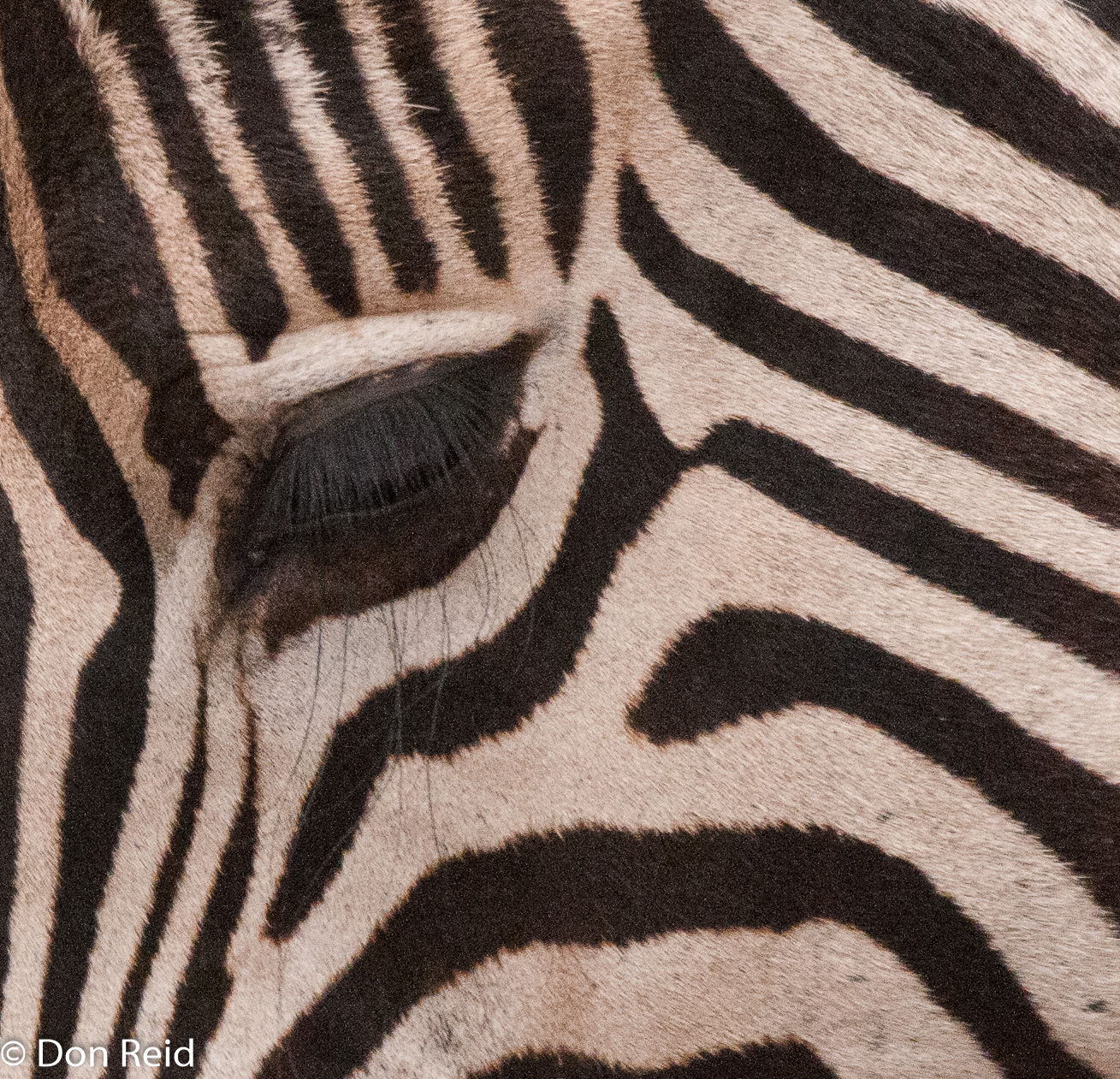
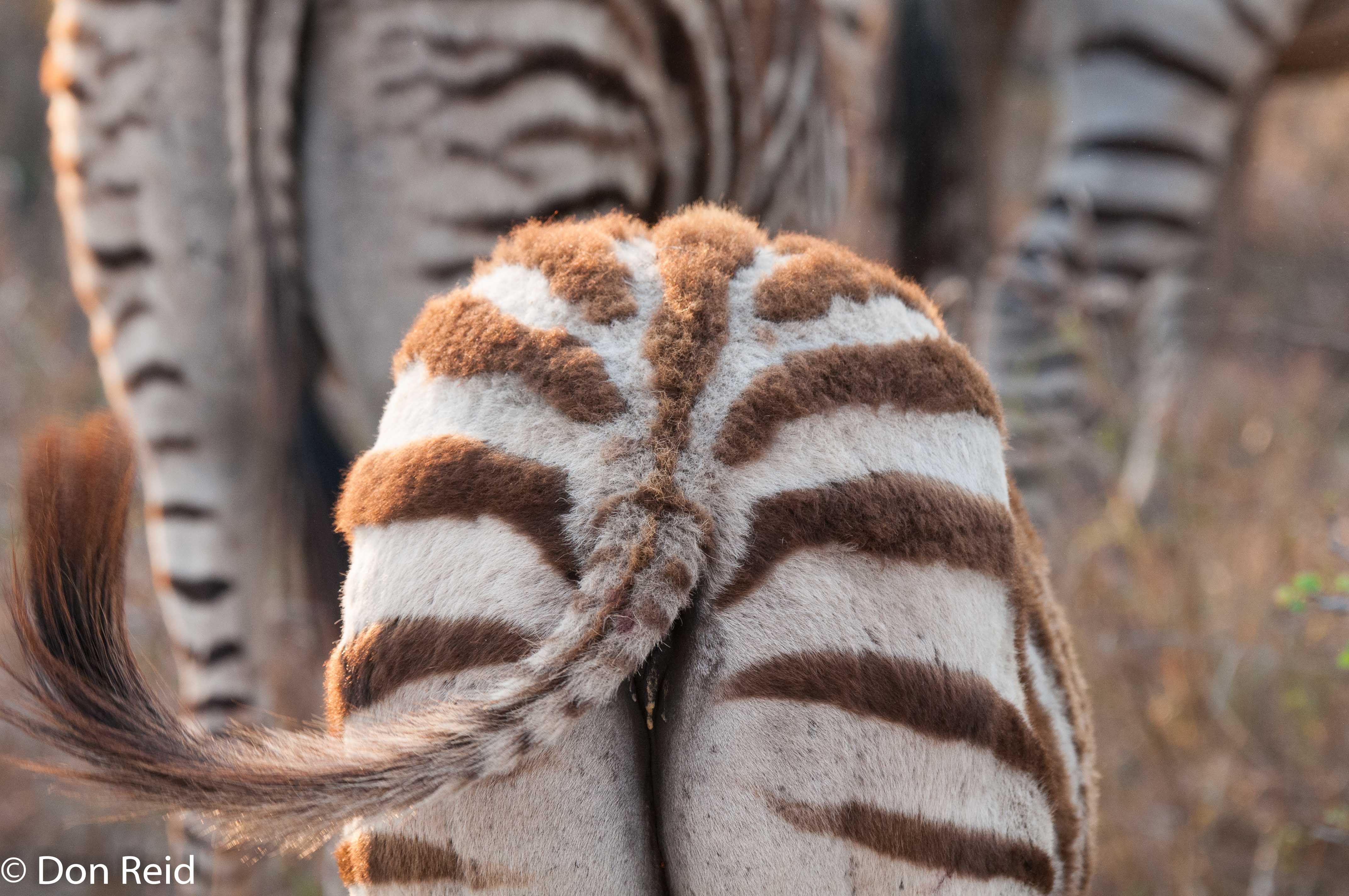
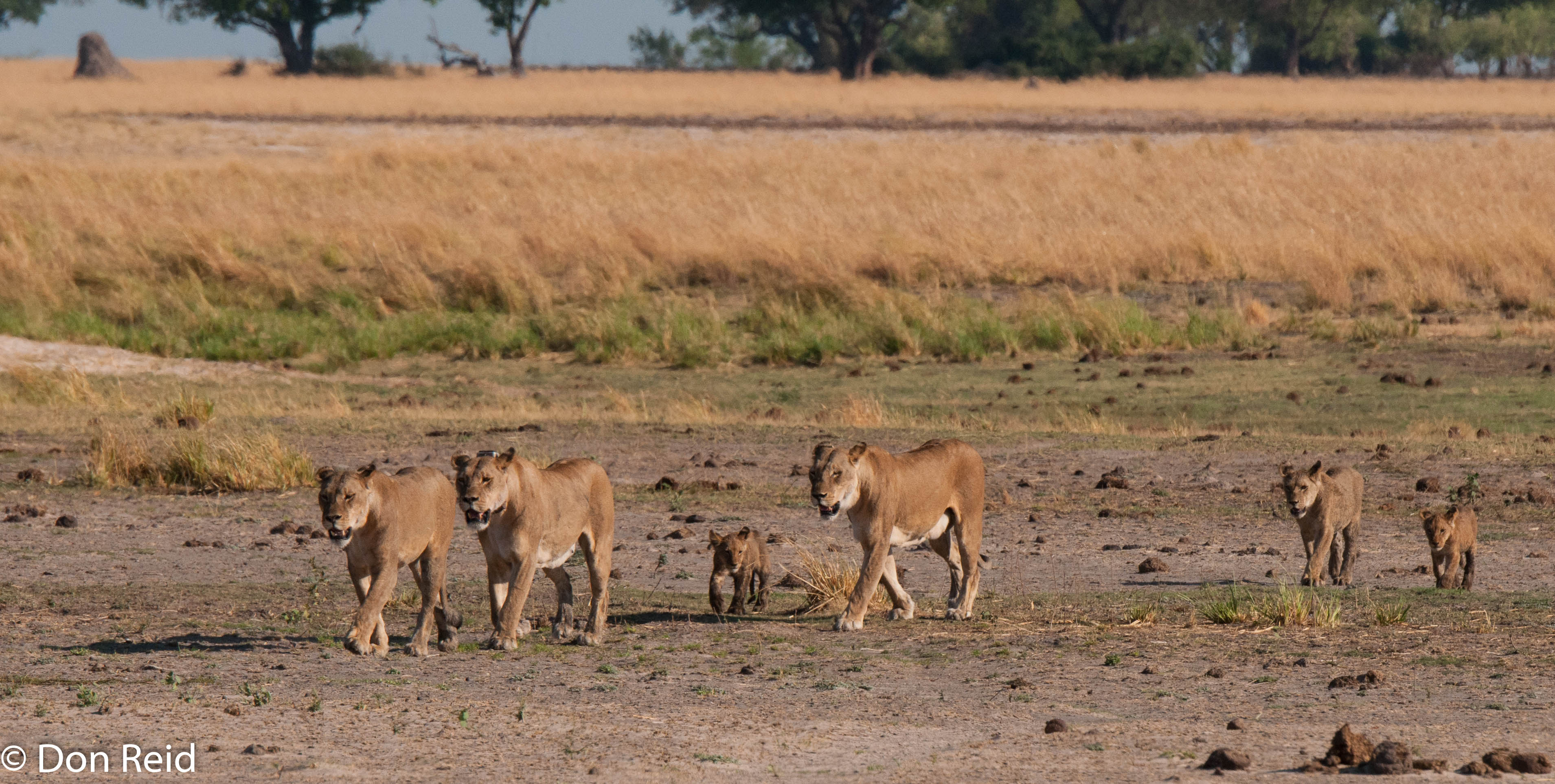
Leopard, Chobe Game ReserveGiraffe at waterhole, Chobe Game ReserveAfrican Wild Dog, Kasane areaElephant at sunset, Chobe Game ReserveAfrican Lion, Chobe Game ReserveOlifants camp viewpointBurchell’s Zebra, Satara – Nwanetsi S100Zebra juvenile, SataraPride of Lions, Chobe Riverfront
The Birds
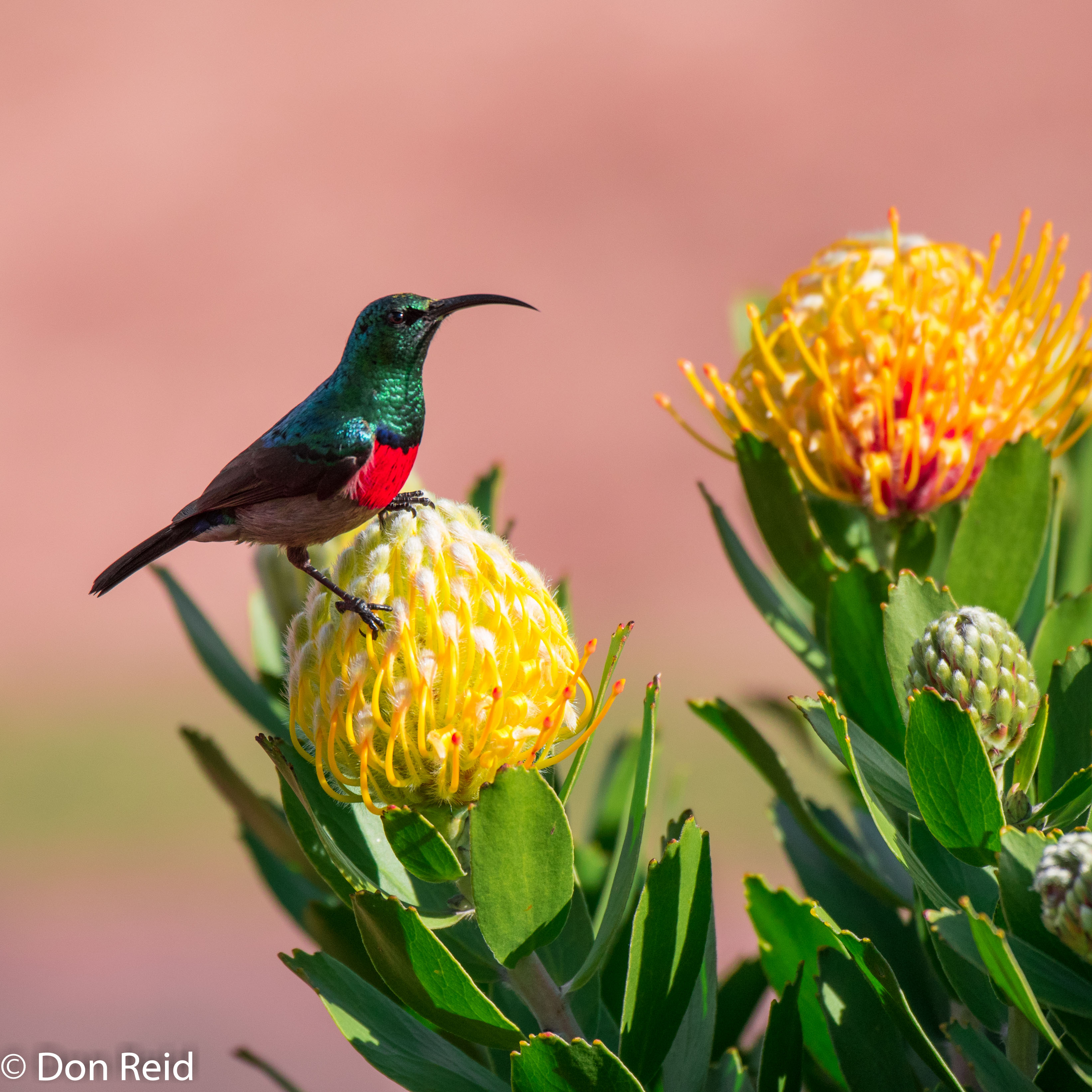
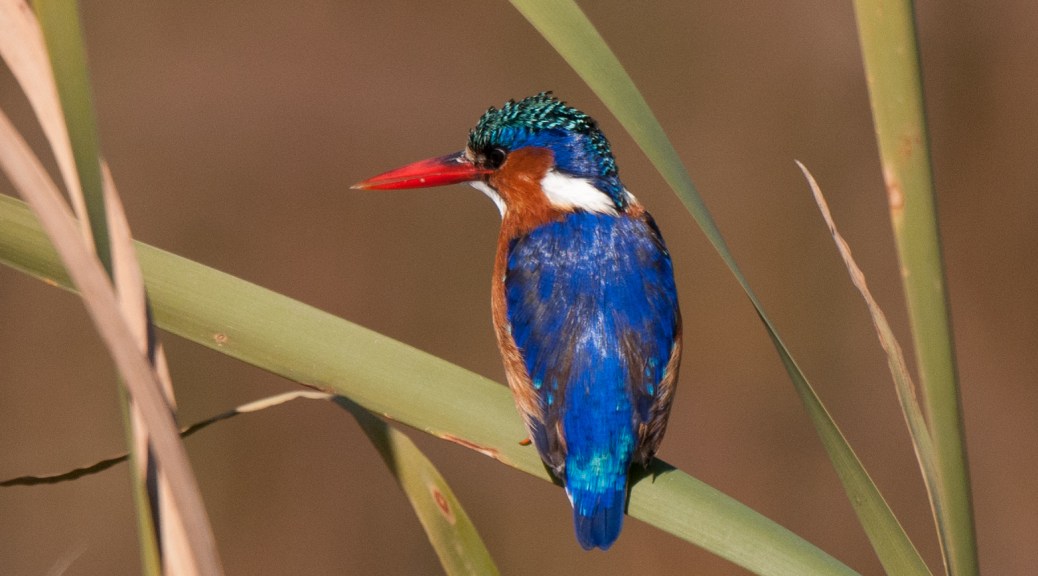
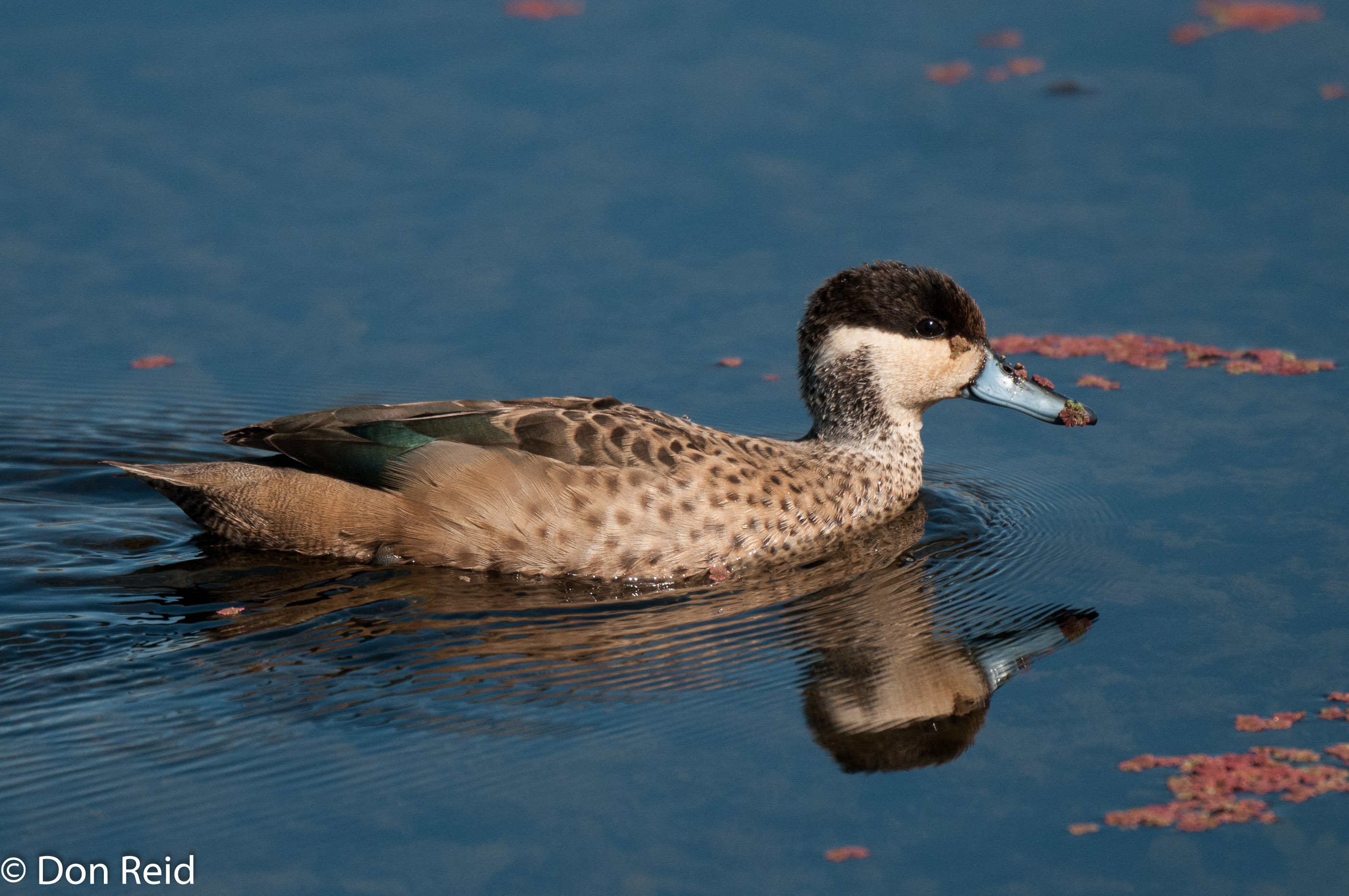
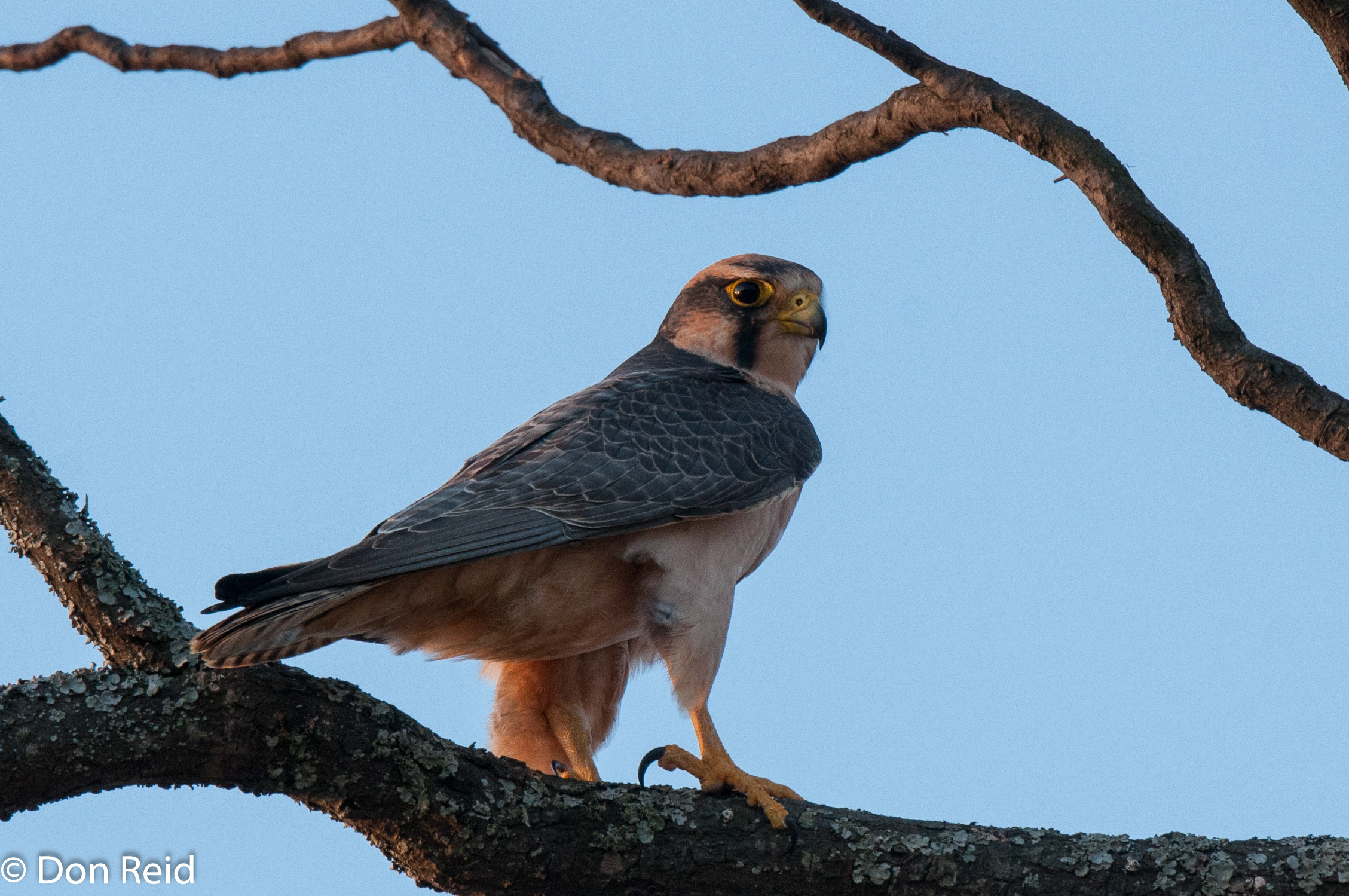
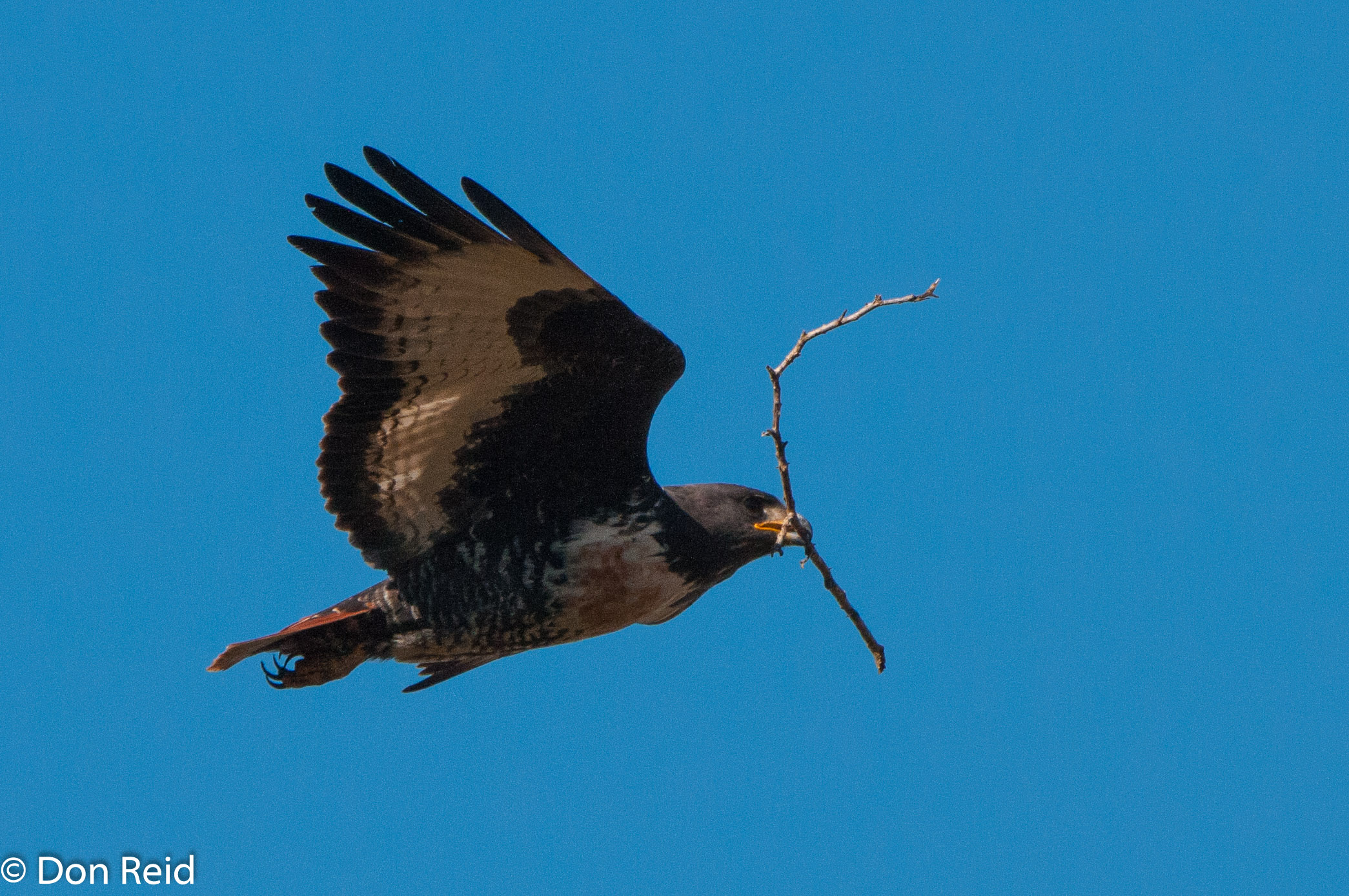
Hottentot Teal, MarievaleMalachite Kingfisher, MarievaleLanner Falcon, VerlorenkloofJackal Buzzard with nest material, Mossel Bay-HerbertsdaleGlossy Ibis, Chobe Game ReserveRed-billed Oxpecker, Chobe Game ReserveTrumpeter Hornbill, Victoria FallsBrown-headed Parrot, Satara – Orpen H7Orange-breasted Bush-Shrike, SataraDrakensberg Prinia, VerlorenkloofMalachite Sunbird, Valsriviermond
Others
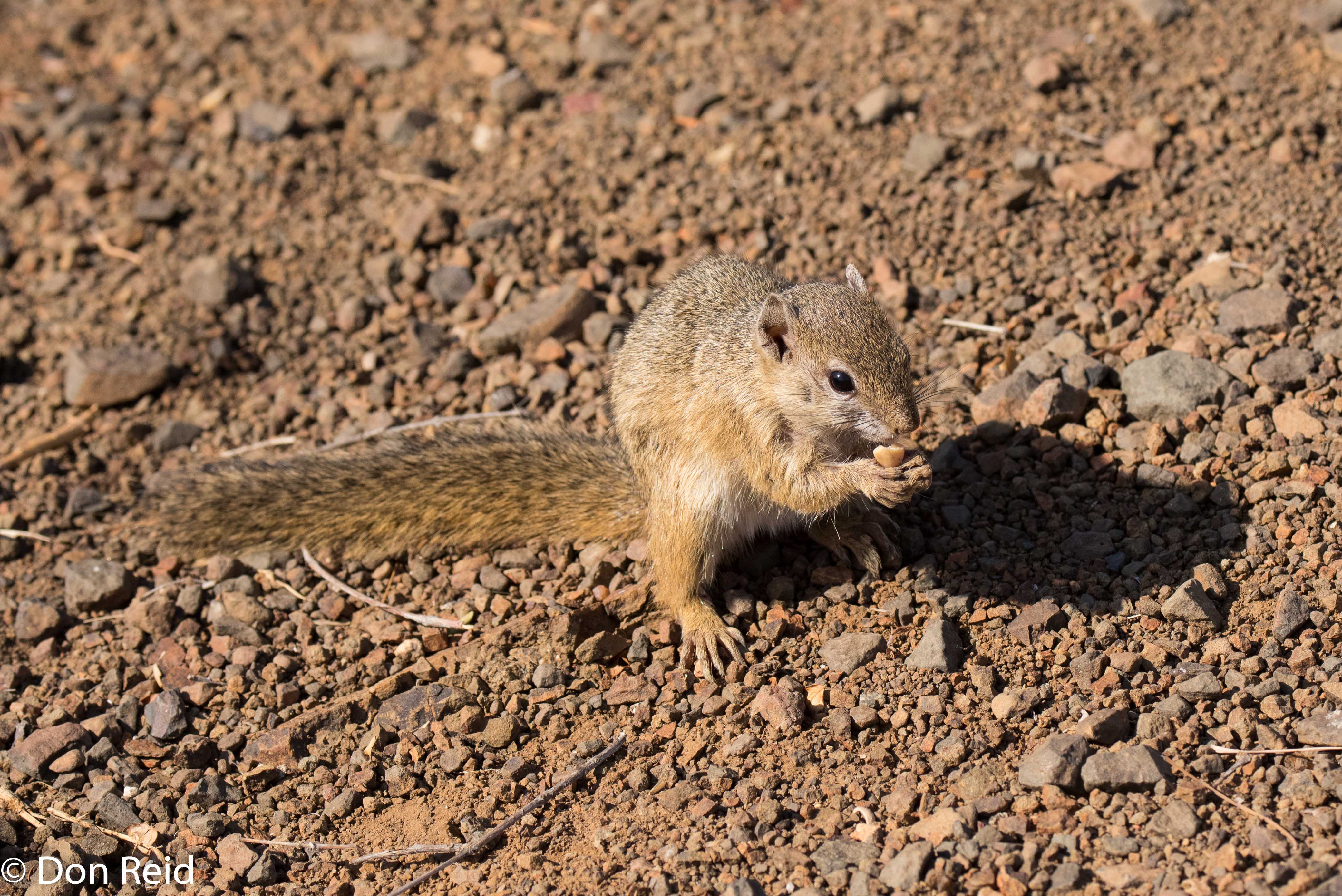
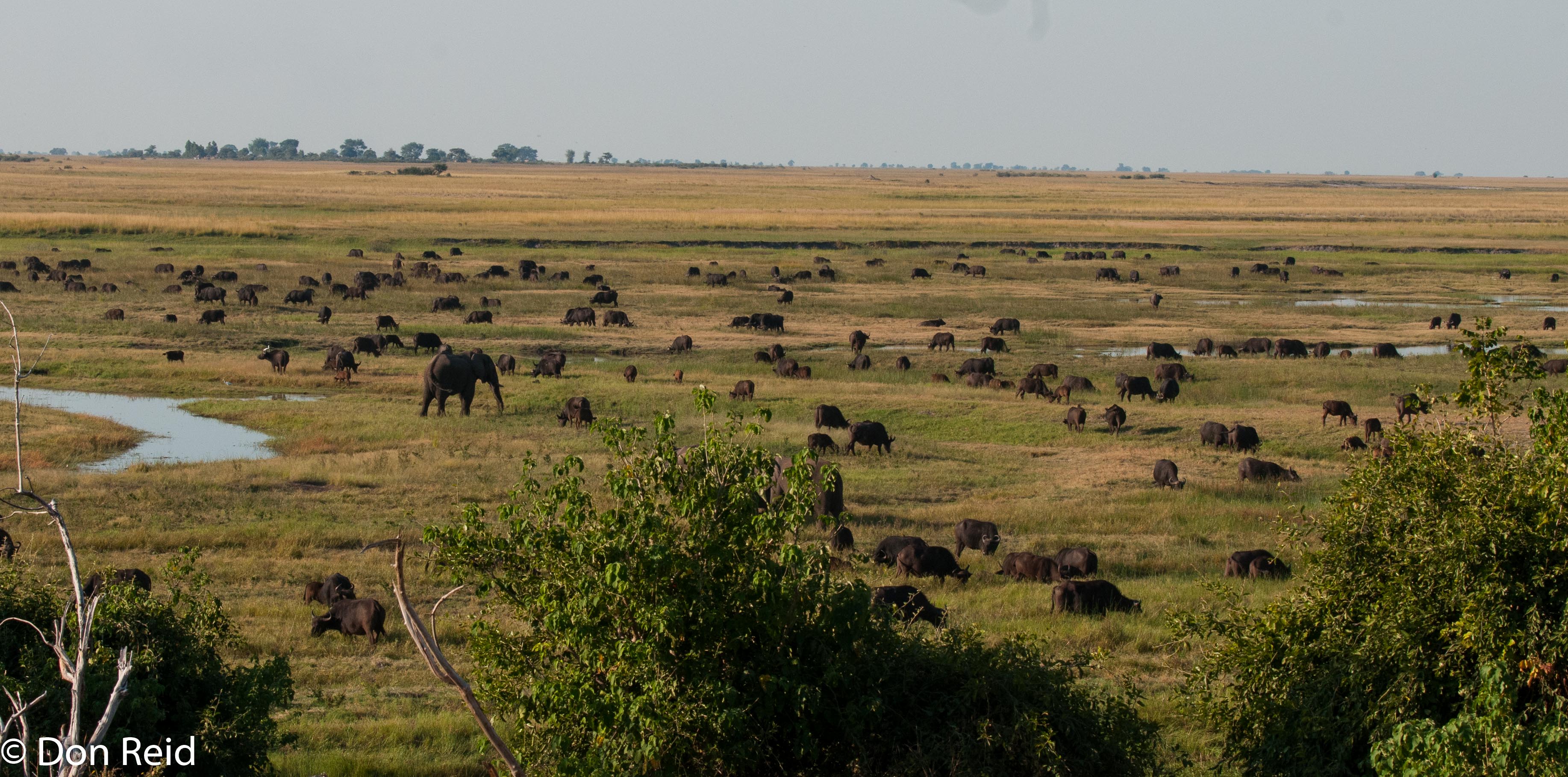
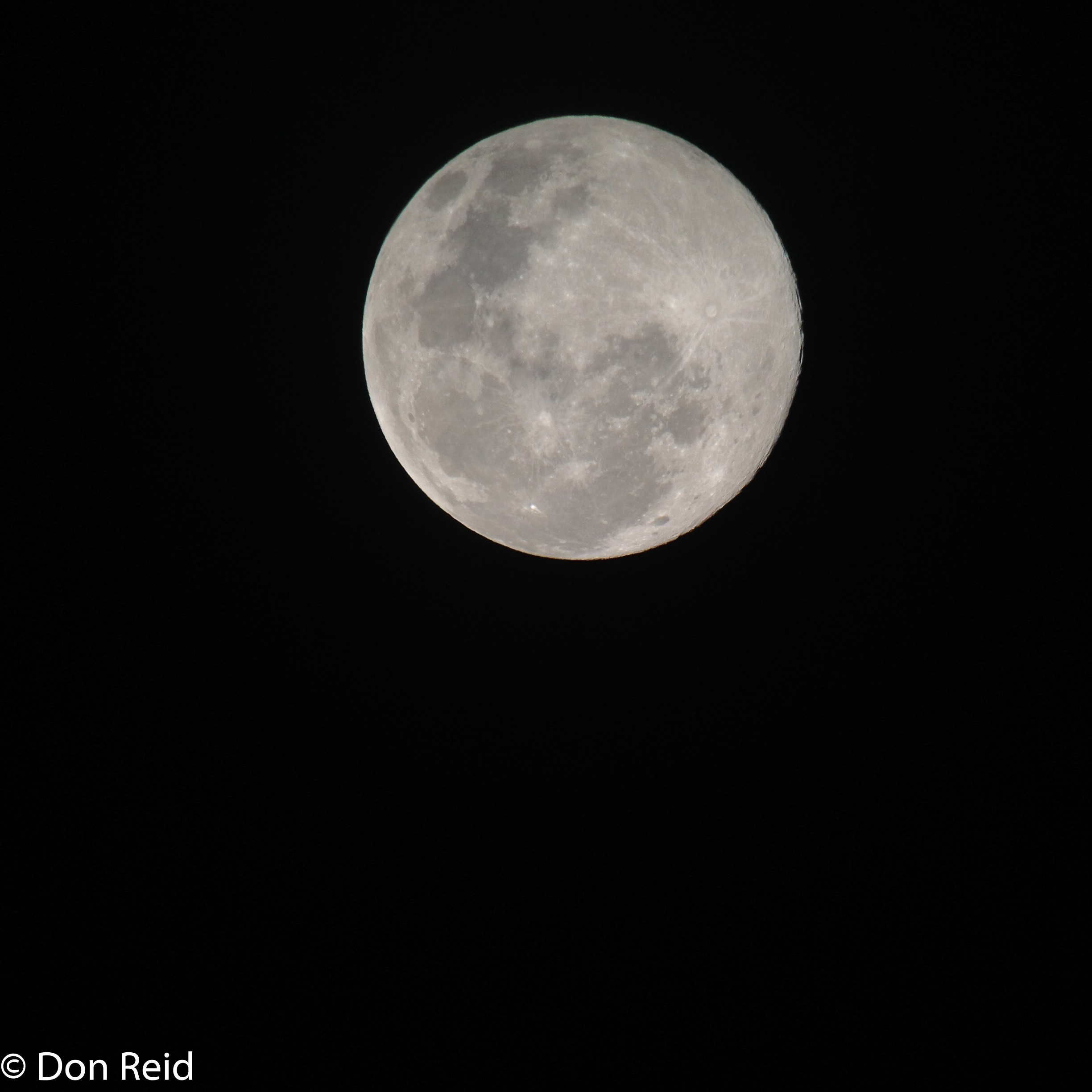
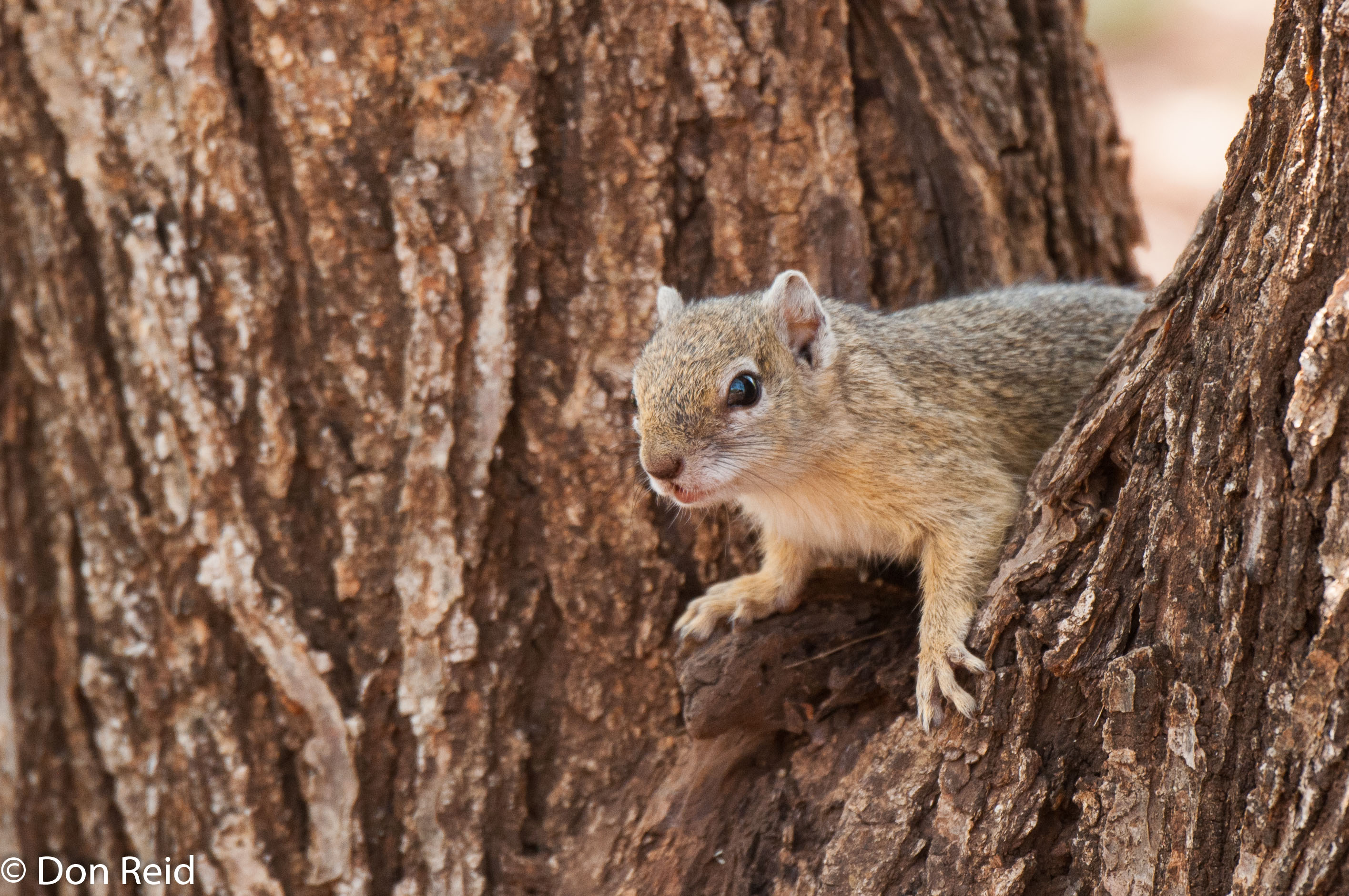
Painted Reed Frog, MozambiqueGold-banded forester, MozambiqueMostly Buffalo, Chobe Game ReserveMoon shot with I-phoneTree Squirrel, Satara
Best wishes to all for 2016 and hope you enjoy my ramblings as much as I enjoy recording them in words and photos!
With part of our family group otherwise engaged (Andre and Megan had returned to Joburg for a schools competition) and the remainder taking the opportunity to spend some quality time in Satara, I used the opportunity on two mornings to do some birdmapping (that’s the new terminology for “atlasing”) at my own pace ie driving at an ultra-slow pace and stopping frequently, which is the best way to birdmap / atlas effectively but can be frustrating for those not involved in the process.
Both birdmapping drives took me to Timbavati picnic spot for a coffee and rusks break and when Andre and Megan returned it was the destination of choice once again, making it three visits in all during the week.
The Routes
There are a few options when heading to Timbavati, which lies north-west of Satara, and the choice of route will depend on how much time you wish to spend driving and whether you prefer tar or gravel roads, the latter being a lot slower but often more productive.
One option is to take the H7 tarred road west towards Orpen, then turn off northwards onto the S40 gravel road at the Nsemani dam about 7 kms from Satara and follow this road to Timbavati.
Travelling further along the H7 will take you to turn-off to the S39 gravel road, which meanders along the Timbavati River for much of the way – a longer route but well worthwhile.
The other option is to head north from Satara towards Olifants along the H1-4, then take a left at the S127 which winds through arid bushveld for about 9 kms to the picnic spot. This route means less driving on gravel but is not as productive game-wise (and birding-wise) as the first options
Whichever route you choose it makes sense to take one of the other routes back to Satara so that you cover the greatest area and increase your chances of interesting sightings along the way.
Habitat
The S39 and S40 roads take you through mixed woodland with the S39 staying close to the Timbavati river, although during the dry season the river will be dry for most of the way other than a few pools left after the long dry winter
River Pool, Timbavati Road
The open plains are generally better for game while the mixed woodland provides good birding opportunities as well as the chance for some close encounters with game.
An extract from the Kruger Park map book shows the routes :
Satara to Timbavati routes
The Game
Game is not as abundant along the S39 and S40 as it is on the open plains east of Satara, however small groups of game are often encountered grazing or pursuing some other activity quite close to the road, affording good close-up views
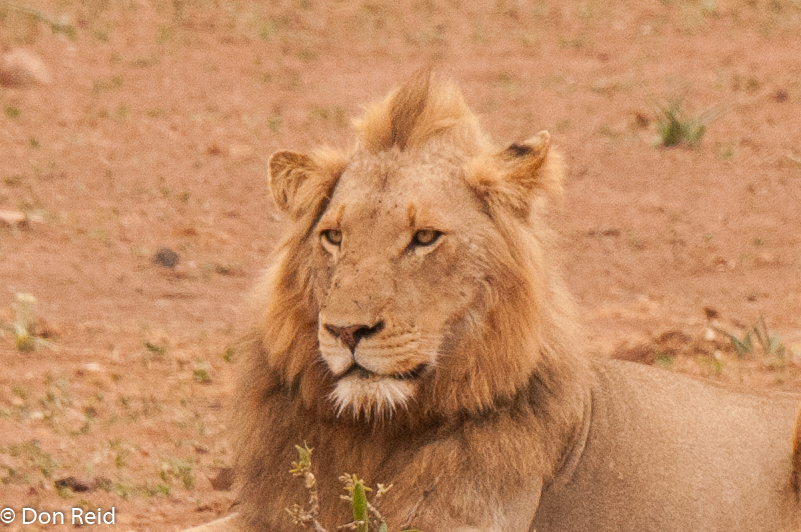
On my first trip I came across two Lions at the Giravana water hole, just chilling as they are wont to do.
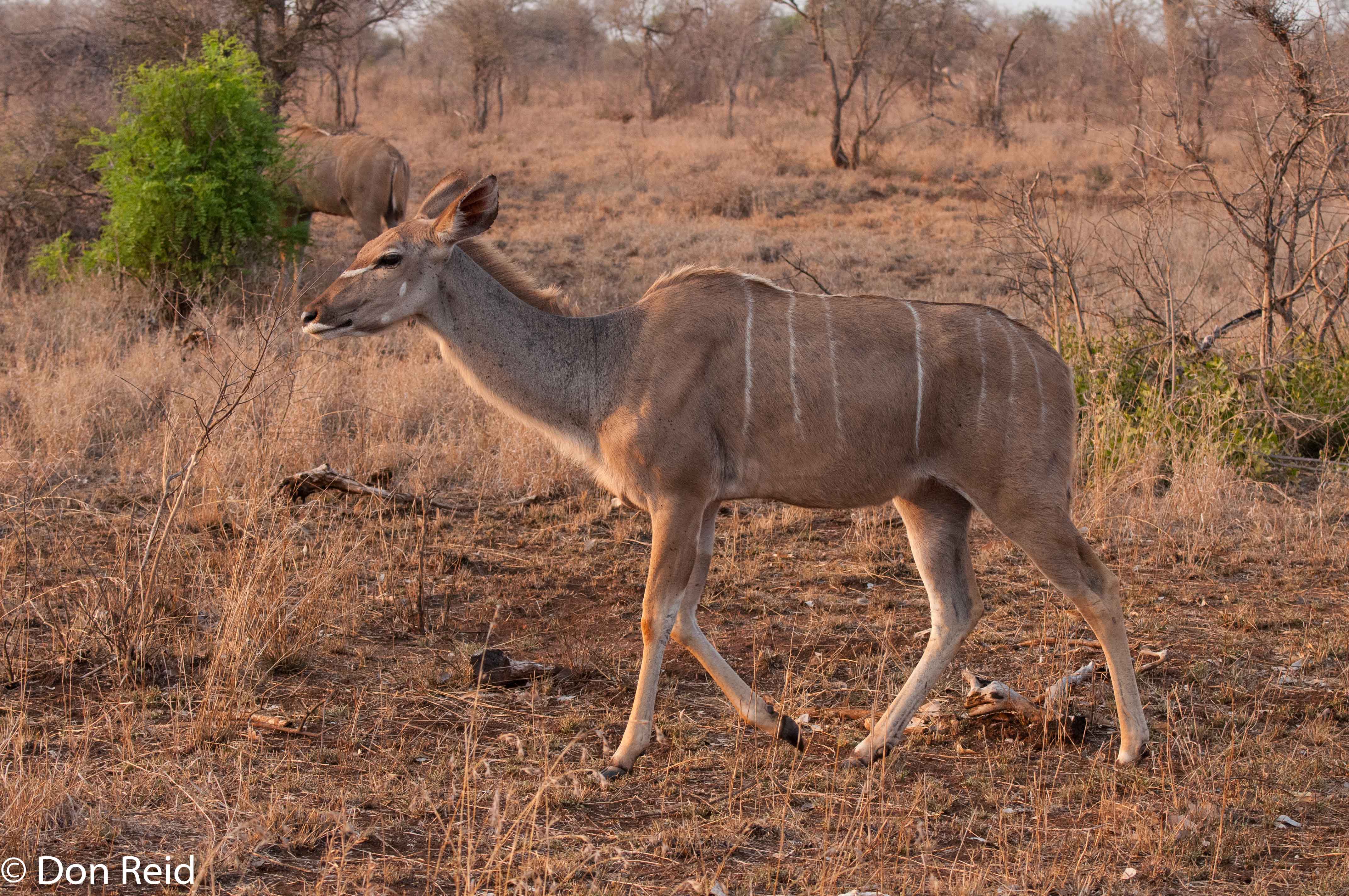
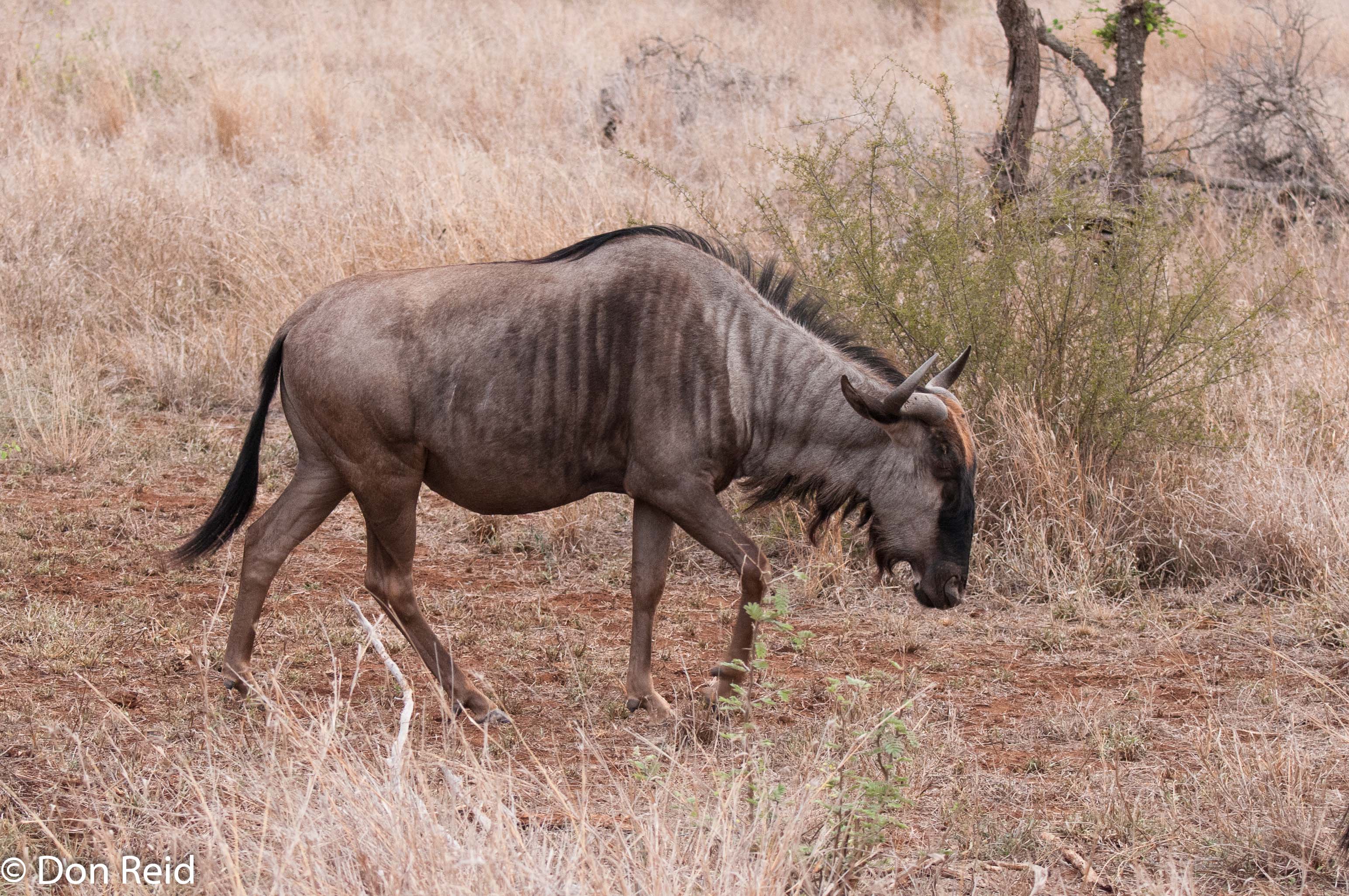
Regular sightings of some of my favourites kept things interesting – Giraffe, Kudu and Blue Wildebeest amongst others
GiraffeKuduKuduBlue wildebeest
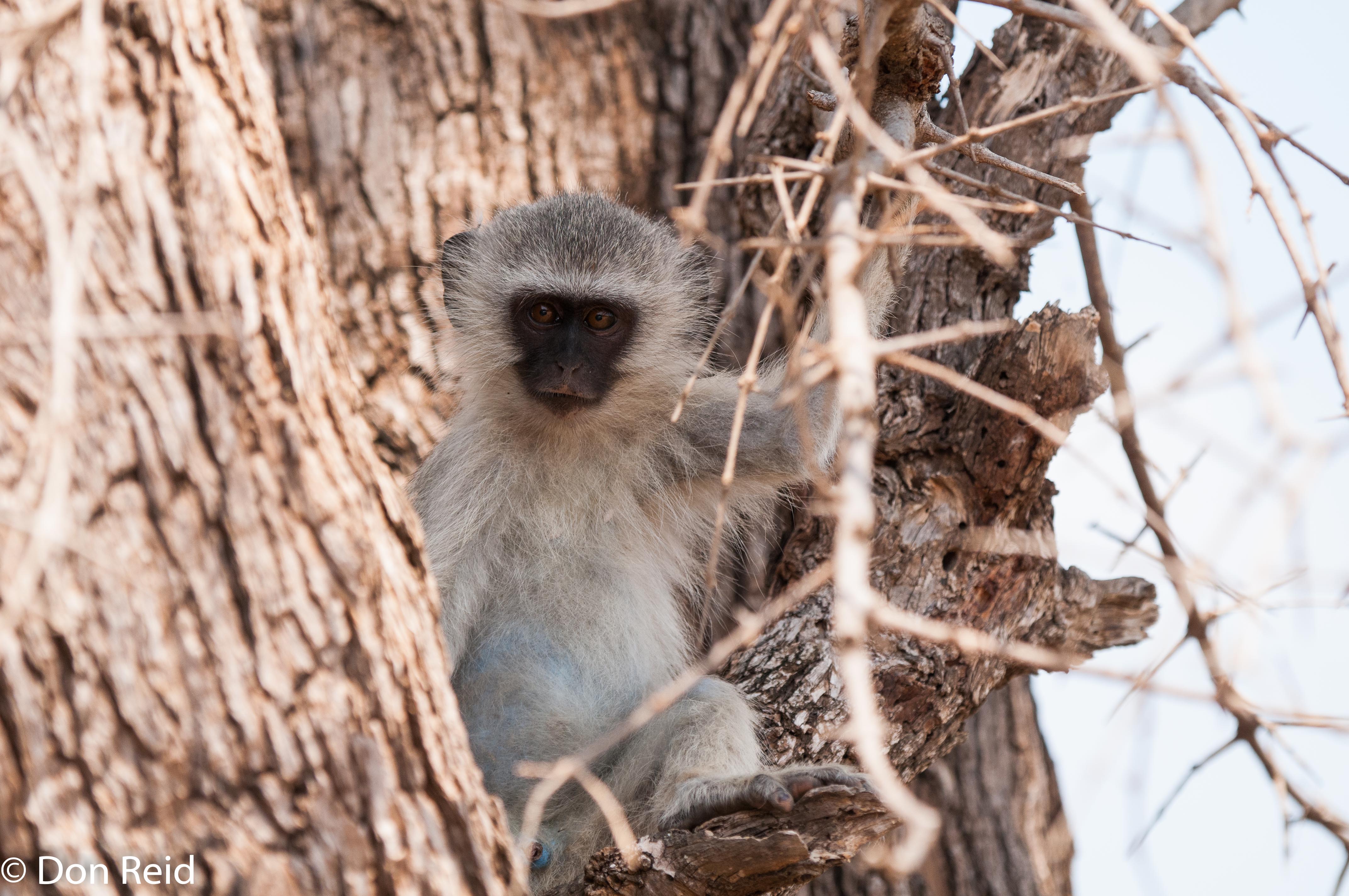
No drive would be complete without coming across a monkey or two……
Vervet Monkey, always so alert
Surprise of the one trip was a brief Leopard sighting, seen crossing the river and disappearing into the thick bush before I could get a camera focused on him.
The Birding / Birdmapping
Taking it slow and easy to make the most of the available birds, I built up some healthy lists as I passed through the various pentads (roughly 8 x 8 kms square) on the way to Timbavati, spending a bit more time in some of the pentads which I had identified earlier as lacking some birdmap attention in 2015.
Highlights were many :
Gabar Goshawk swooping across the road and “attacking” a spider’s nest and apparently feeding on the contents
Gabar Goshawk
Black- and Brown-crowned Tchagras in quick succession in the roadside bushes
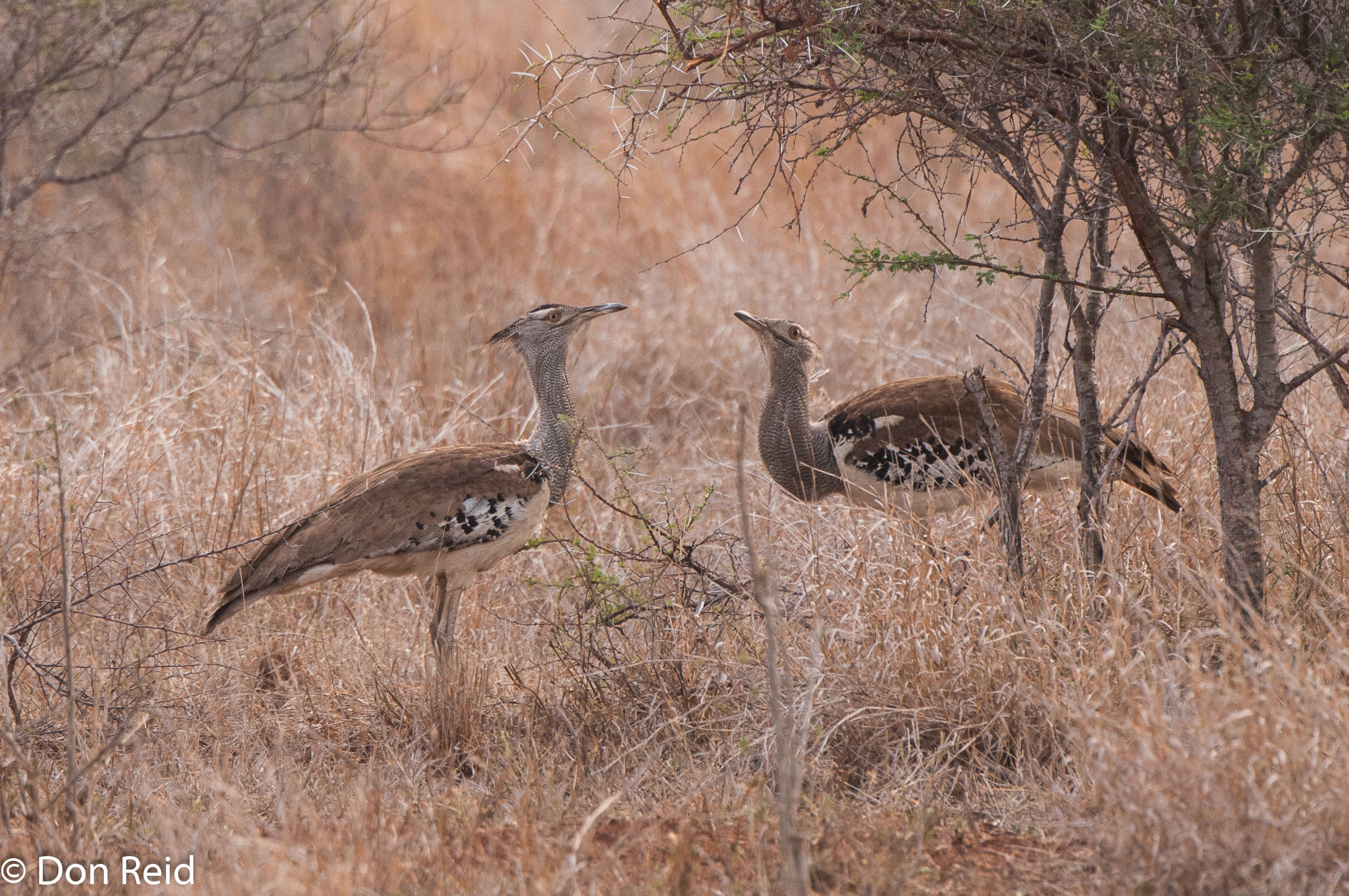
Kori Bustard pair in the long grass
Kori Bustard, Timbavati Road
Flock of White-winged Widowbirds still in their winter plumage
Red-billed Oxpeckers on a Zebra
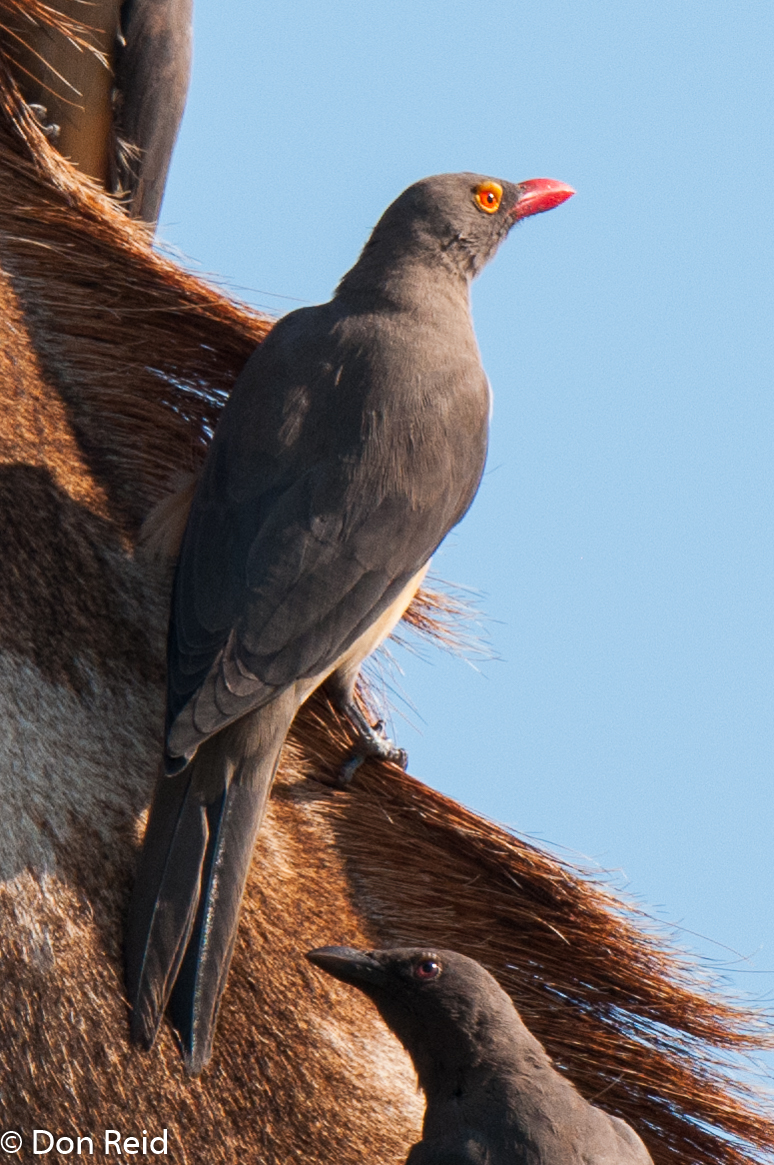
Red-billed Oxpecker
Sabota Larks perched on top of trees and singing cheerfully
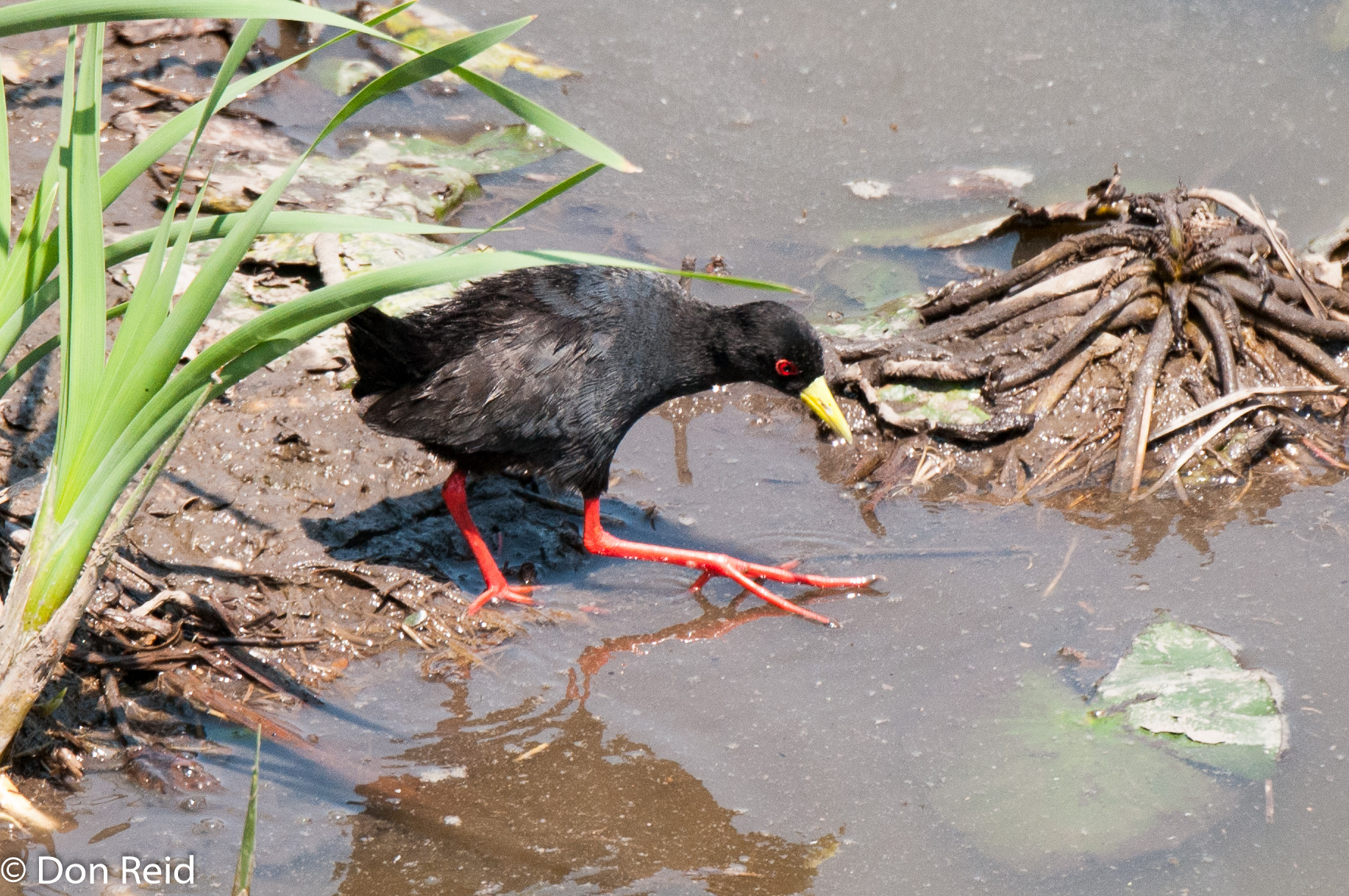
Black Crake patrolling a small pool
Black Crake
A handsome Tawny Eagle perched high up in a tall tree
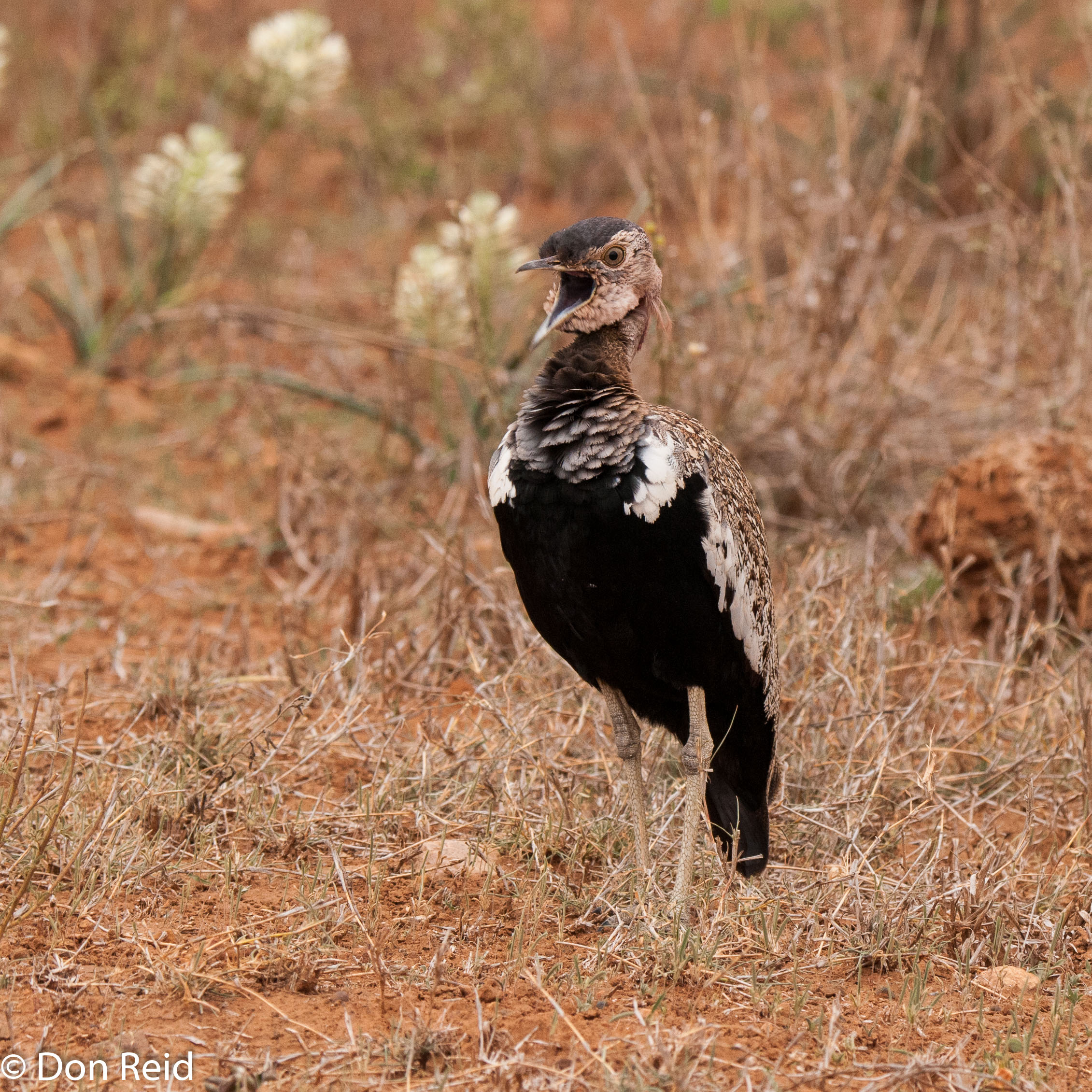
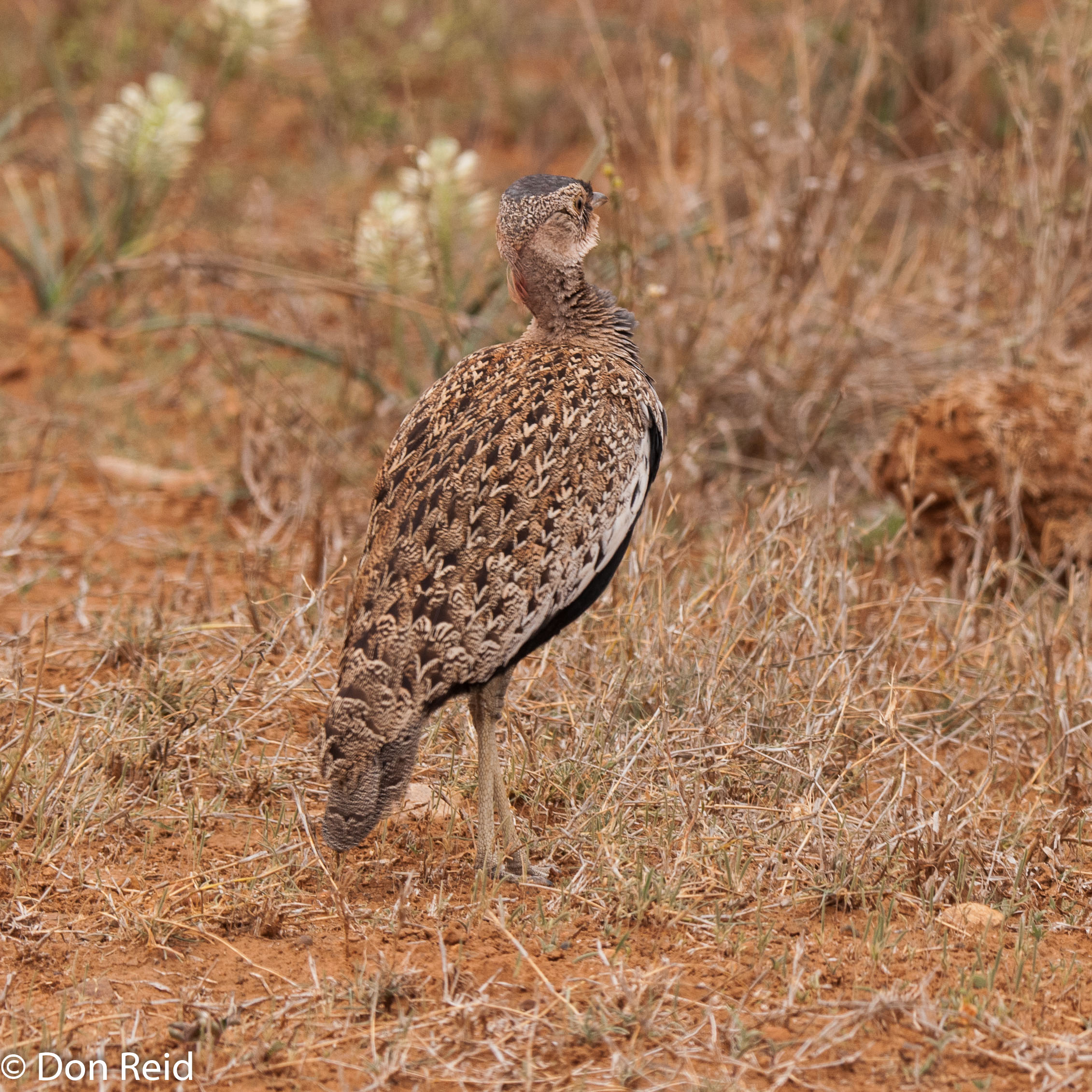
Red-crested Korhaan calling in its distinctive fashion right next to the road, boldly showing its black front then turning to show just how well camouflaged it can be in the dry grass
Red-crested Korhaan – front view while calling – can hardly miss himRed-crested Korhaan – viewed from the back – now he is well camouflaged
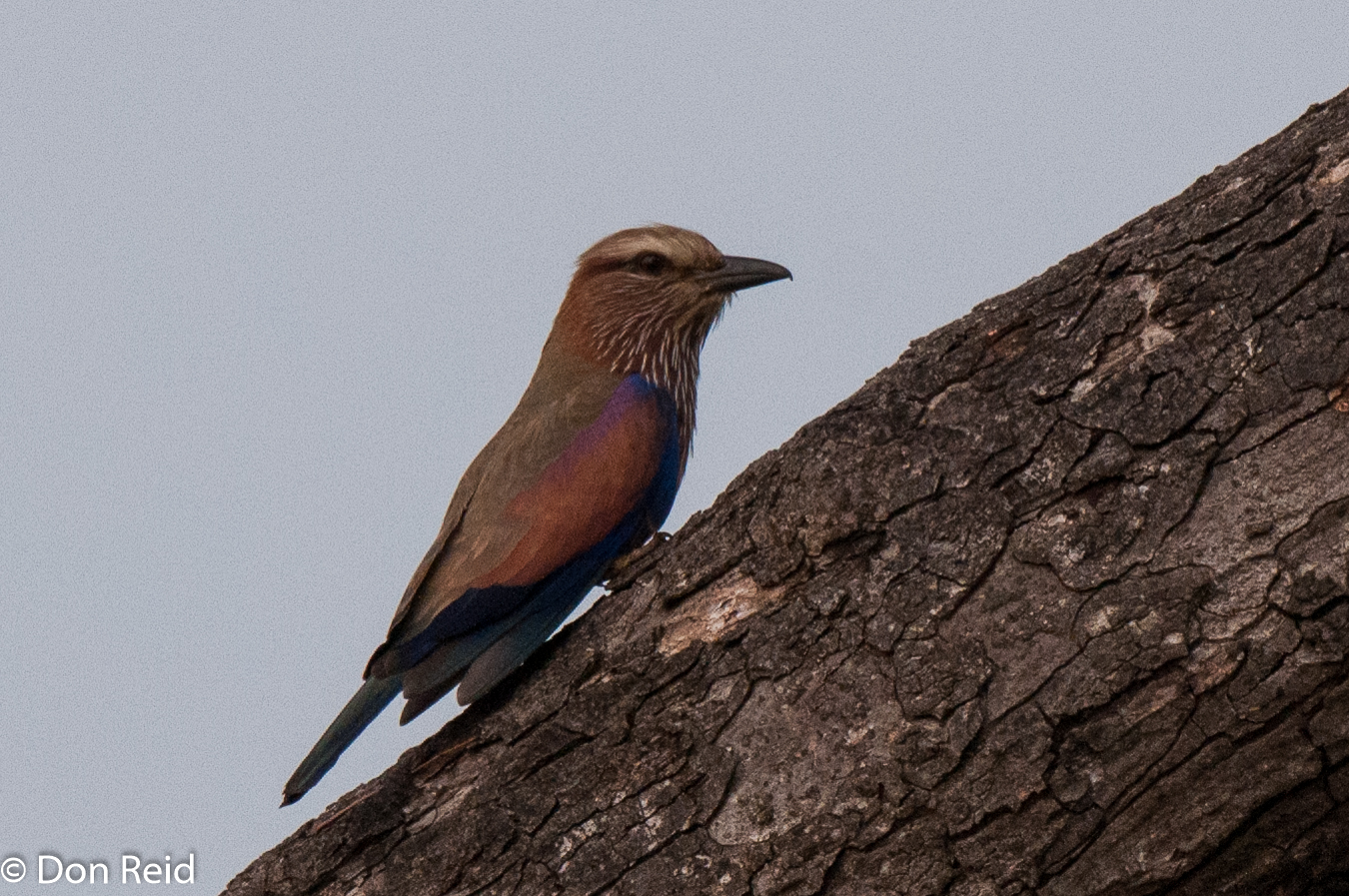
Purple Roller
Purple Roller
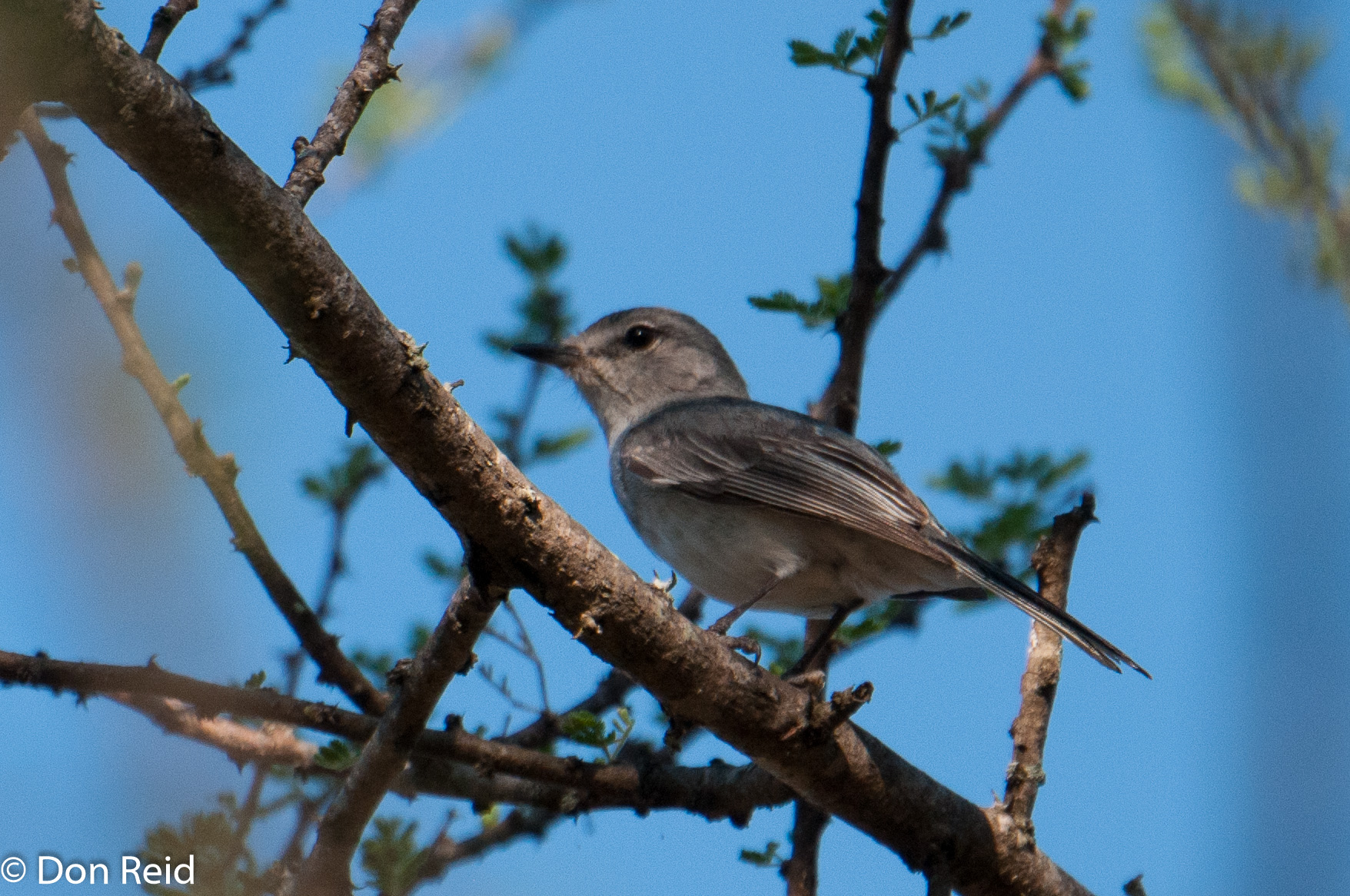
Closer to Timbavati a Grey-Tit Flycatcher was moving through the canopy, emitting its typical high-pitched trilling call which I had only just got to grips with on this trip, having heard it several times in Satara as well.
Grey-Tit Flycatcher
More proof that many birds are extremely habitat specific was the numbers of European Bee-Eaters in one spot but nowhere else to be seen.
Timbavati Picnic Spot
The two mornings that I spent birdmapping, I arrived at Timbavati when it was quite busy – full of happy groups of visitors enjoying a brunch in this special setting overlooking the river, albeit dry at this time of year.
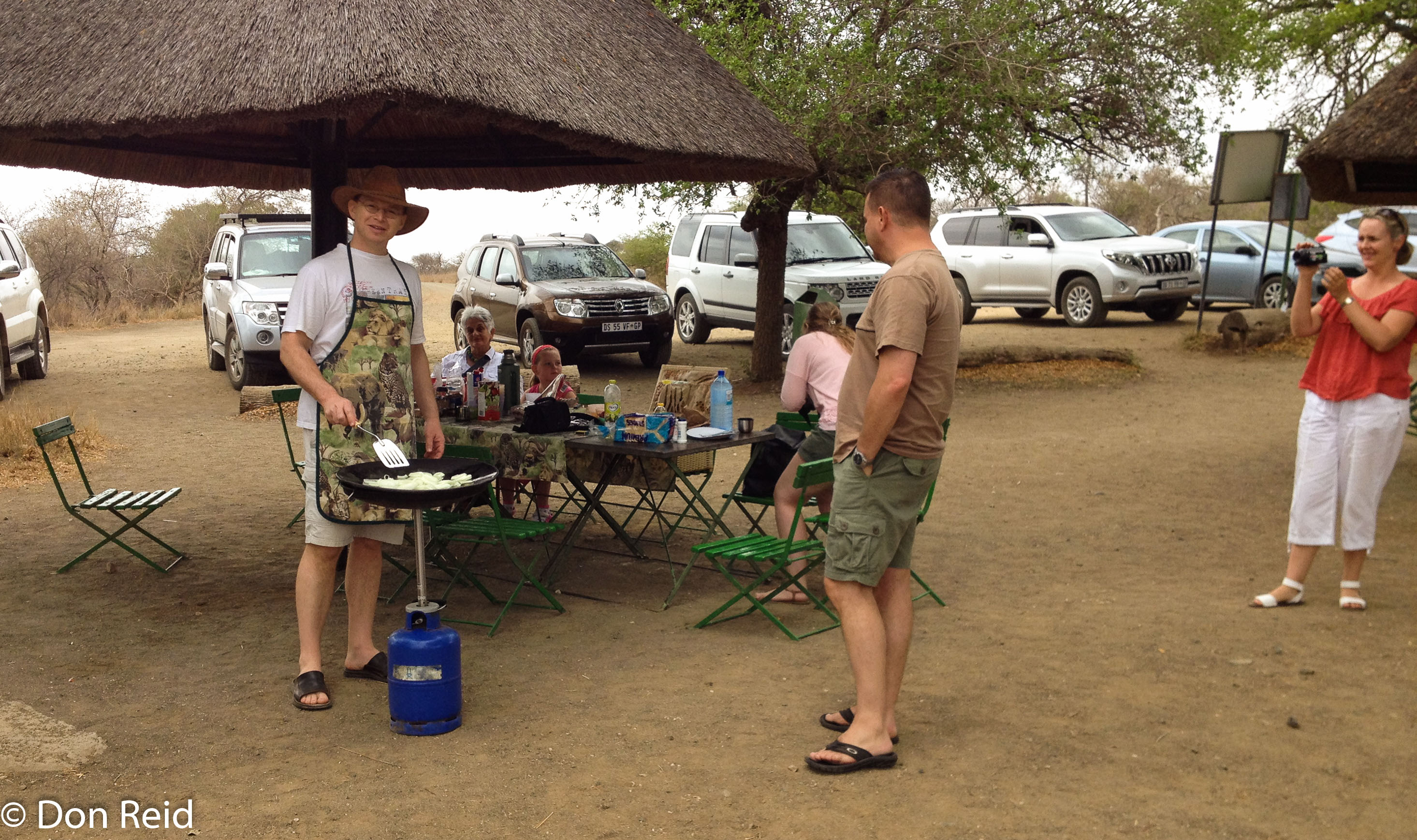
On the morning that we visited as a family we arrived a little earlier and had the place to ourselves for a while. Andre and Geraldine soon had the gas going and the skottel frying merrily and it wasn’t too long before we were tucking into another delicious brunch.
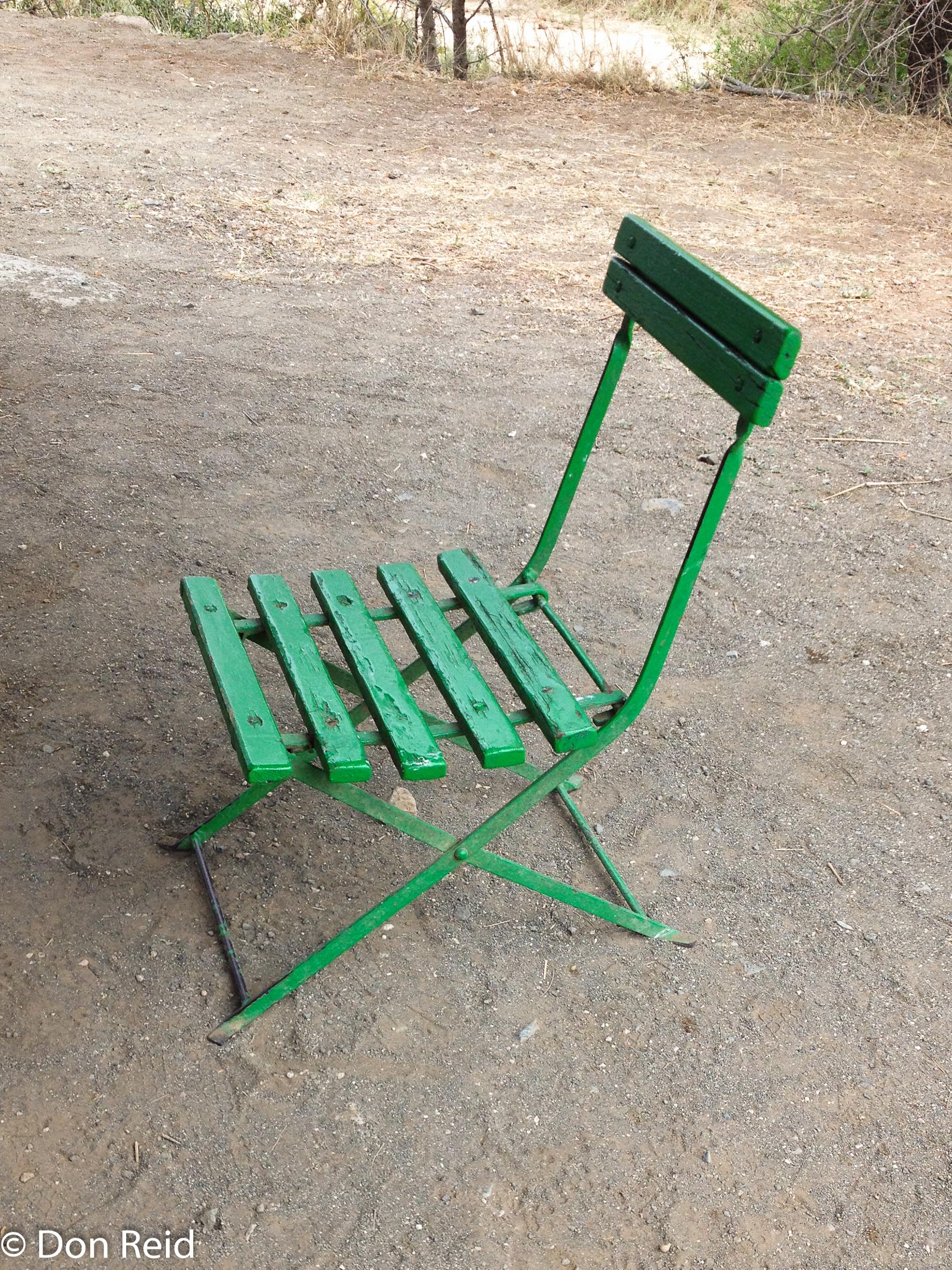
Timbavati picnic spot, before the visitors descend on it for brunchTimbavati brunch in preparationTimbavati still has the same chairs I remember from our first visits more than 40 years ago!
On the way to Timbavati we had taken the Olifants road then turned left onto the S127 – not much game was encountered but one lone, large elephant had us reversing a short way until he started feeding on the road verge and we grabbed the chance to get past safely. Interesting was the way he pulled out green bushes using his trunk and front leg in a sideways kicking motion to dislodge them from the hard dry ground.
Birding was slow that morning until we reached the picnic spot where several birds were vying for “loudest call” honours. Orange-breasted Bush-Shrike was a clear winner with its piercing but tuneful call from a nearby tree, but others were almost as active especially Crested Francolin and Natal Spurfowl trying to outdo each other with their equally raucous calls as they wandered around amongst the tables.
Back to Satara
On the return trip to Satara along the S127, a flock of Chestnut-backed Sparrowlarks made for an unusual sighting, as did a pair of tiny, colourful Quailfinches quenching their thirst at a small pool below a bridge on the tar road.
We had briefly diverted to Piet Grobler dam not far from the picnic spot, where a lone Yellow-billed Stork and Black-winged Stilt were new additions to the trip list, taking it to 126 species.
Yellow-billed Stork, Timbavati RoadTimbavati Road
Back at Satara it was time for a snooze and some relaxation to get us through the hot afternoon, with the temperature heading to the mid 30’s again.































































































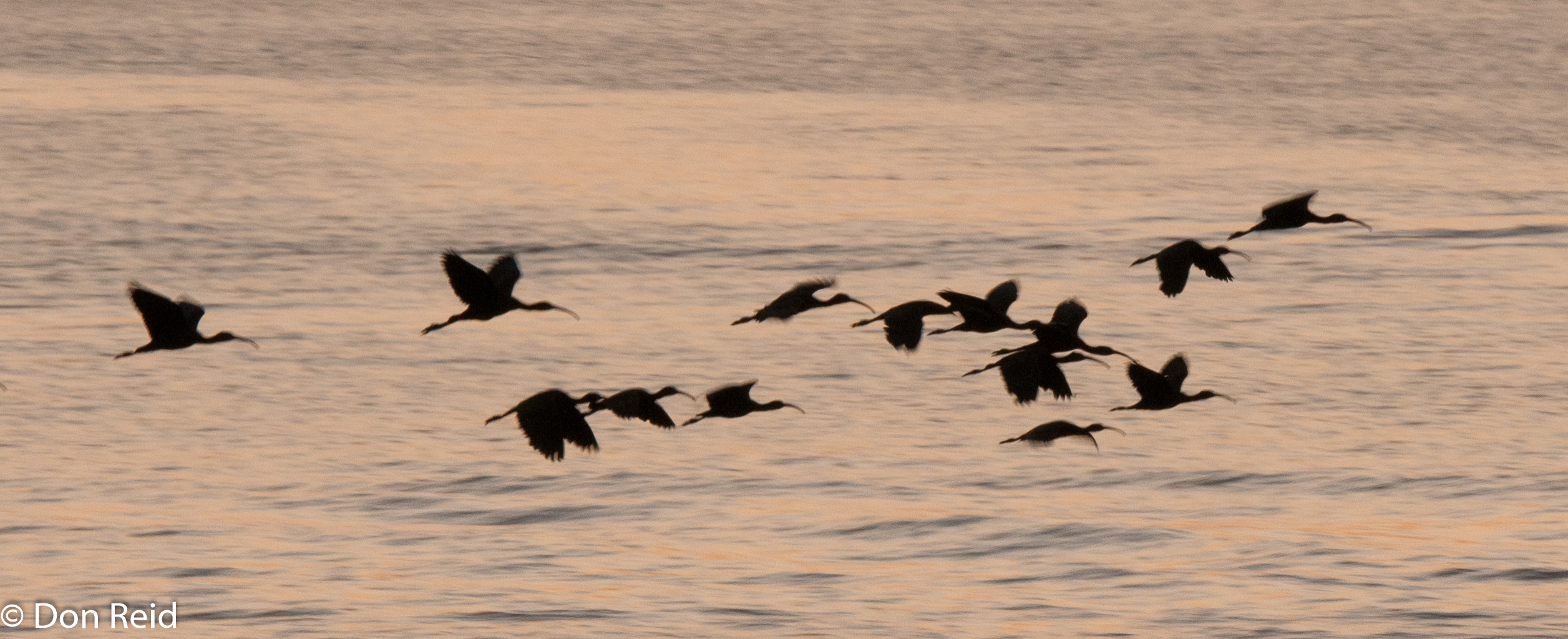


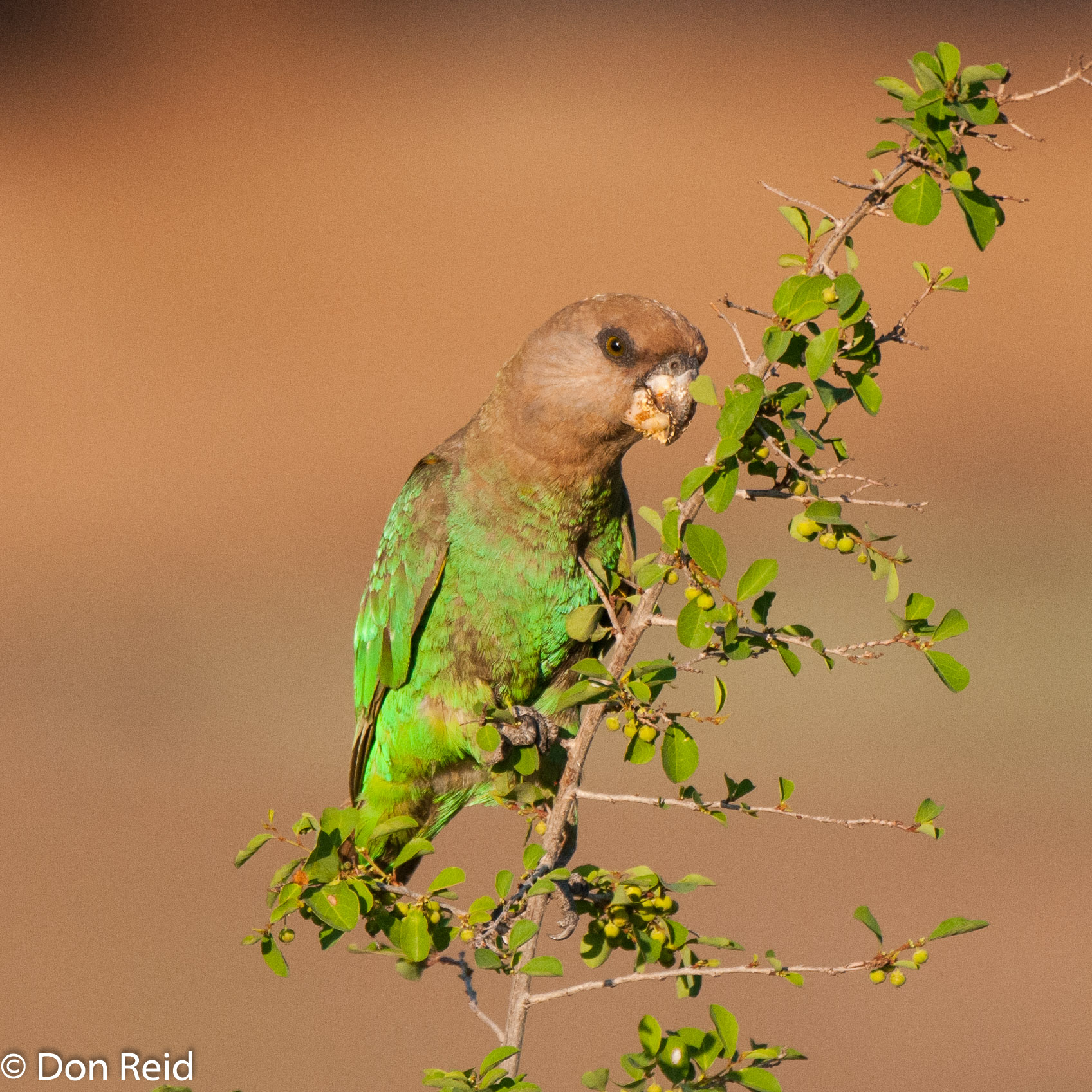

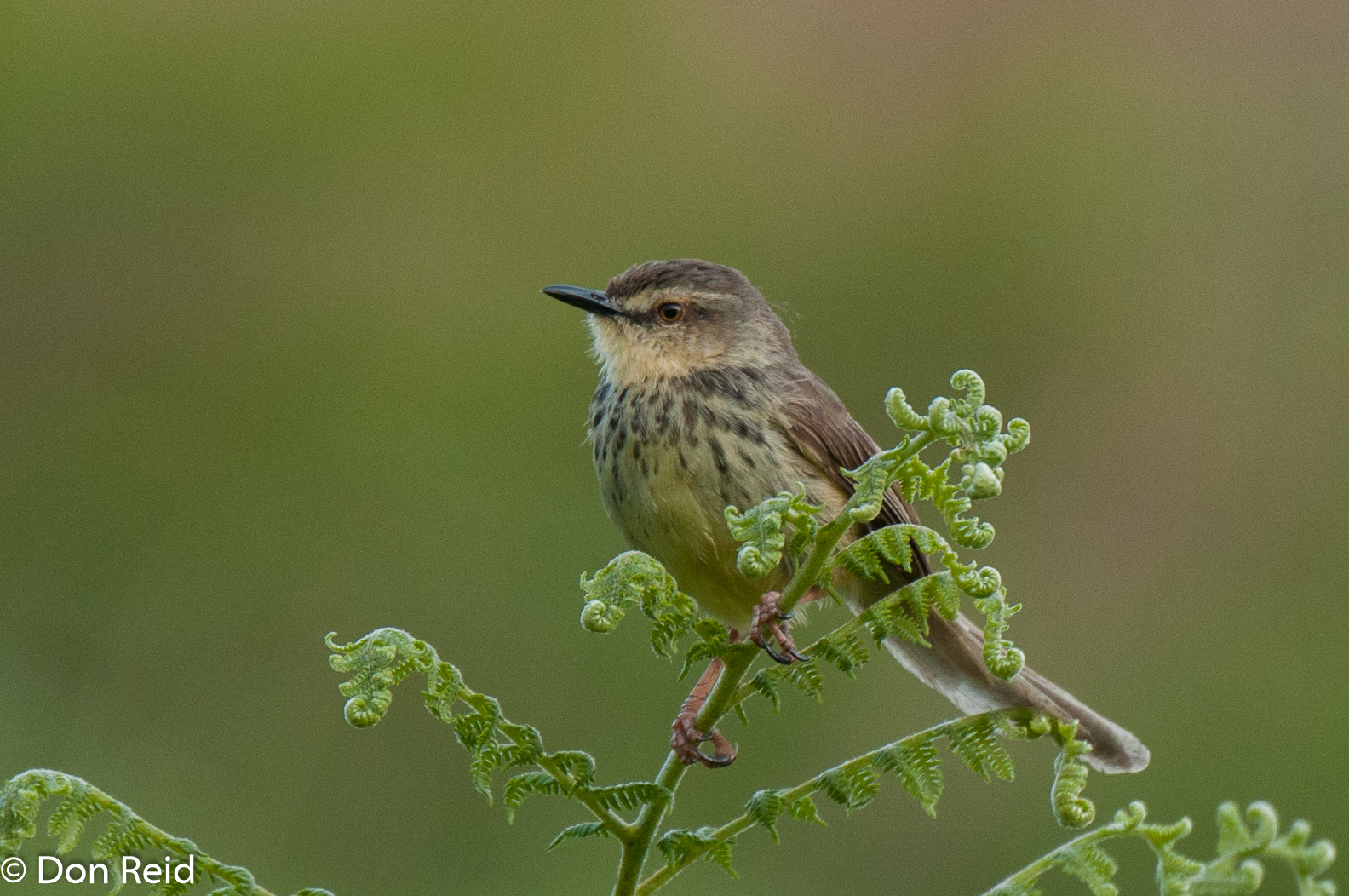

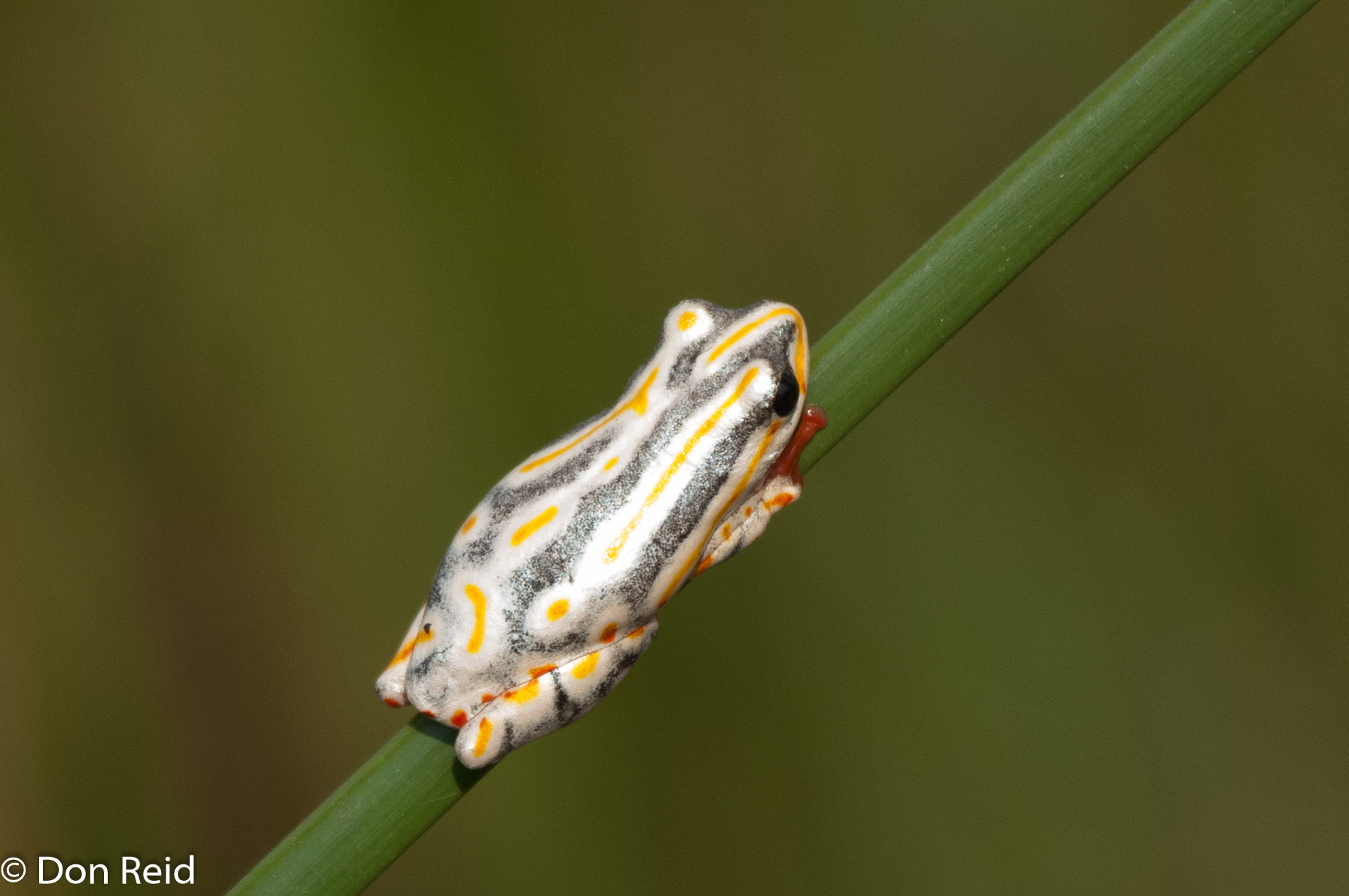









 Mostly Birding