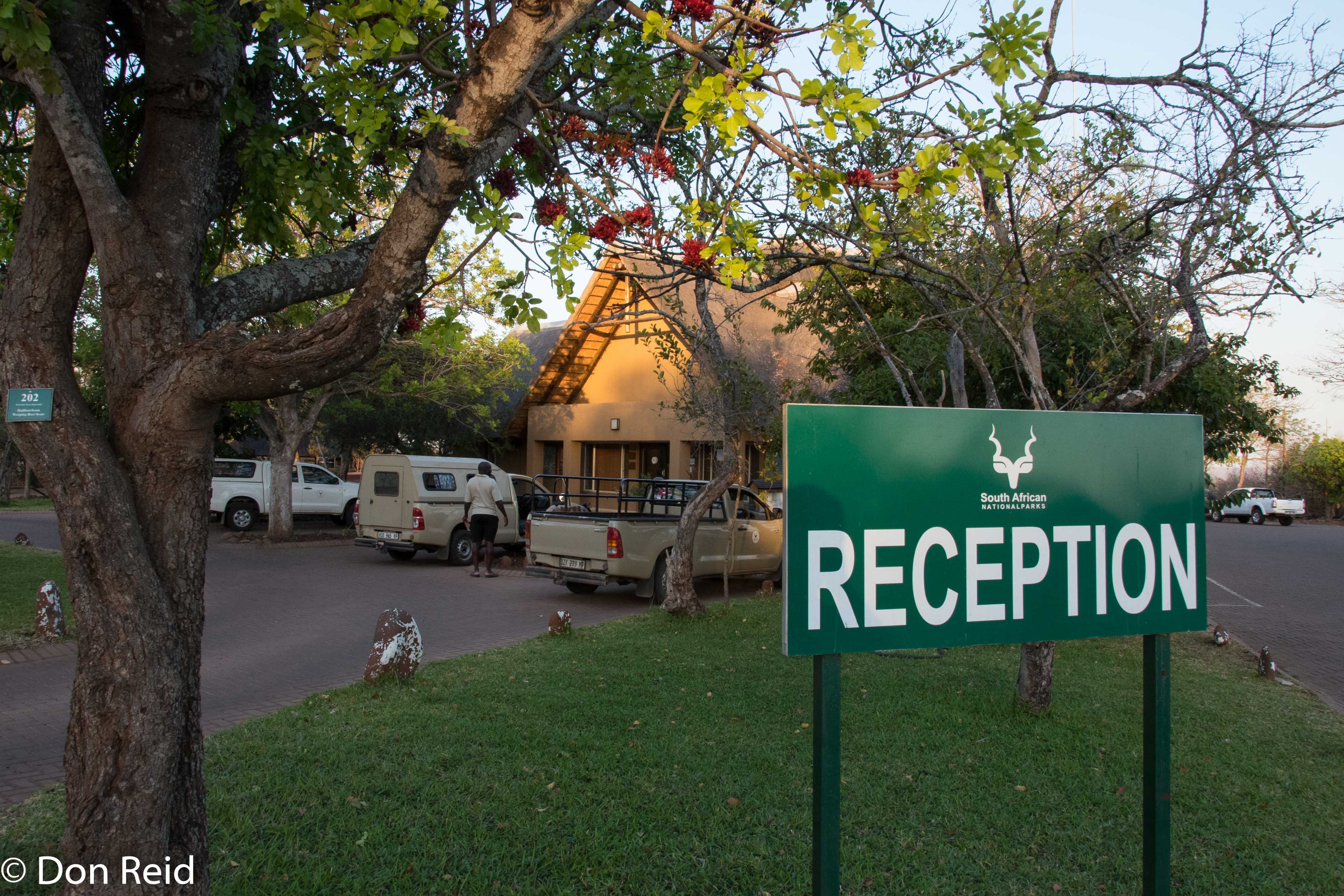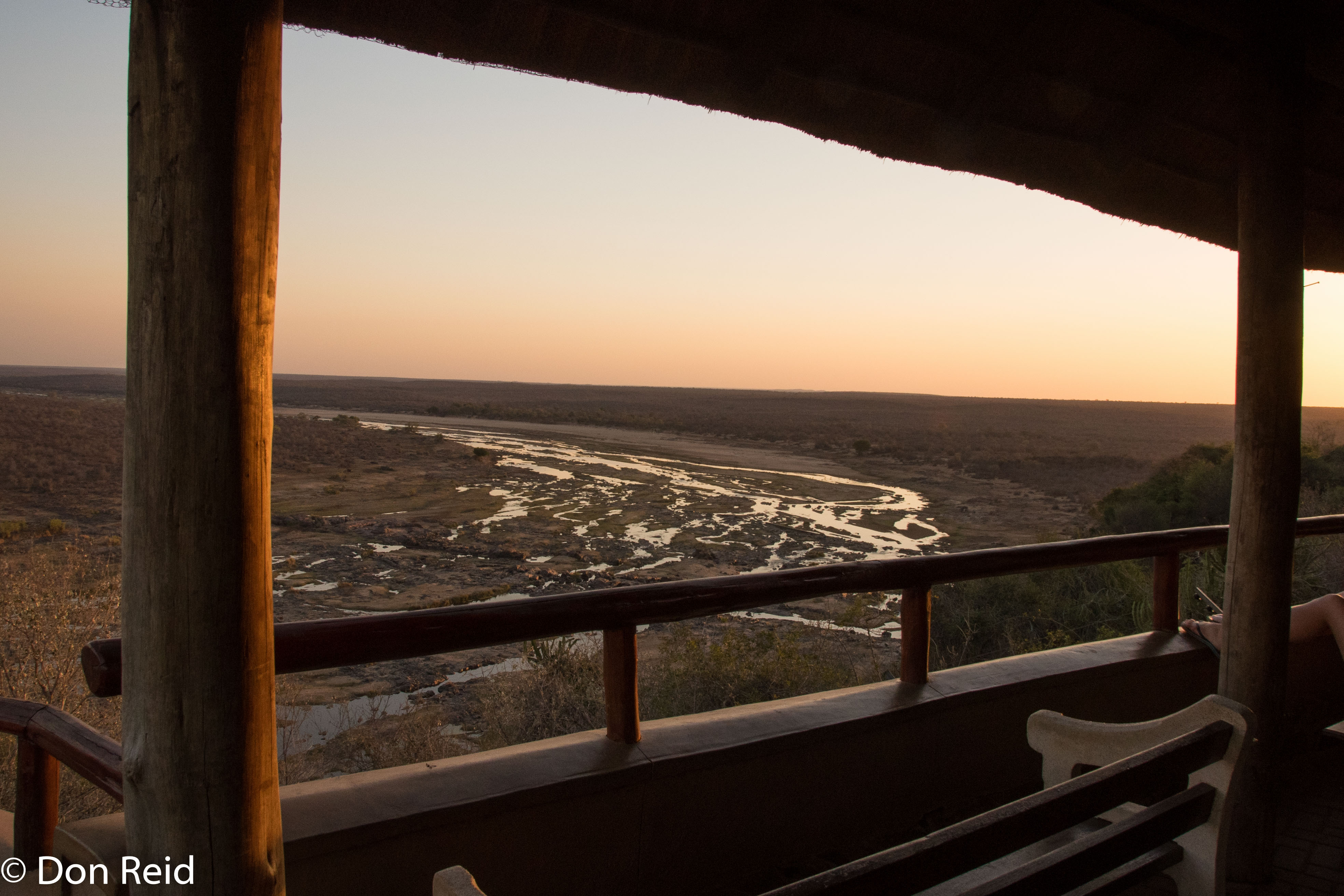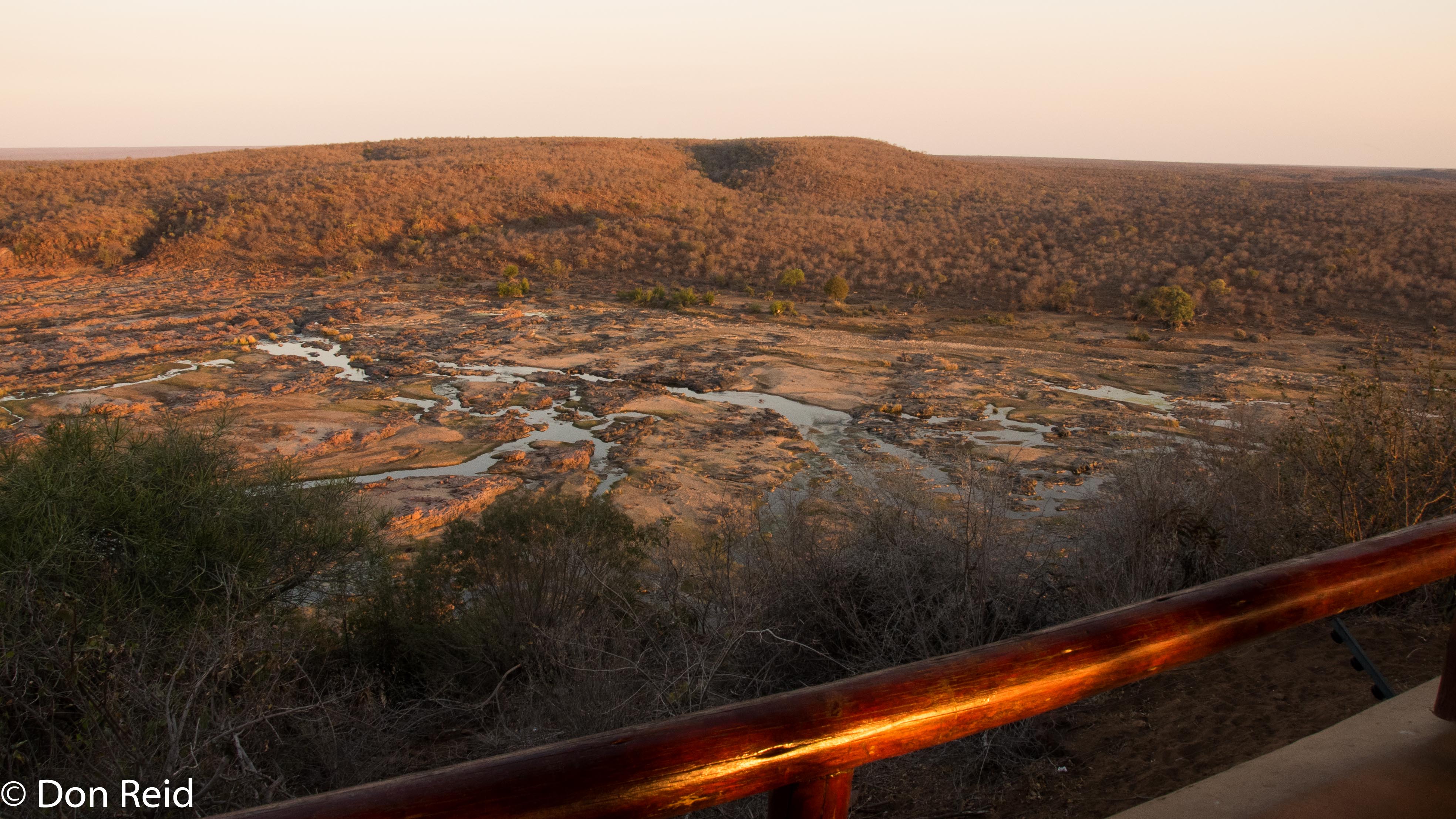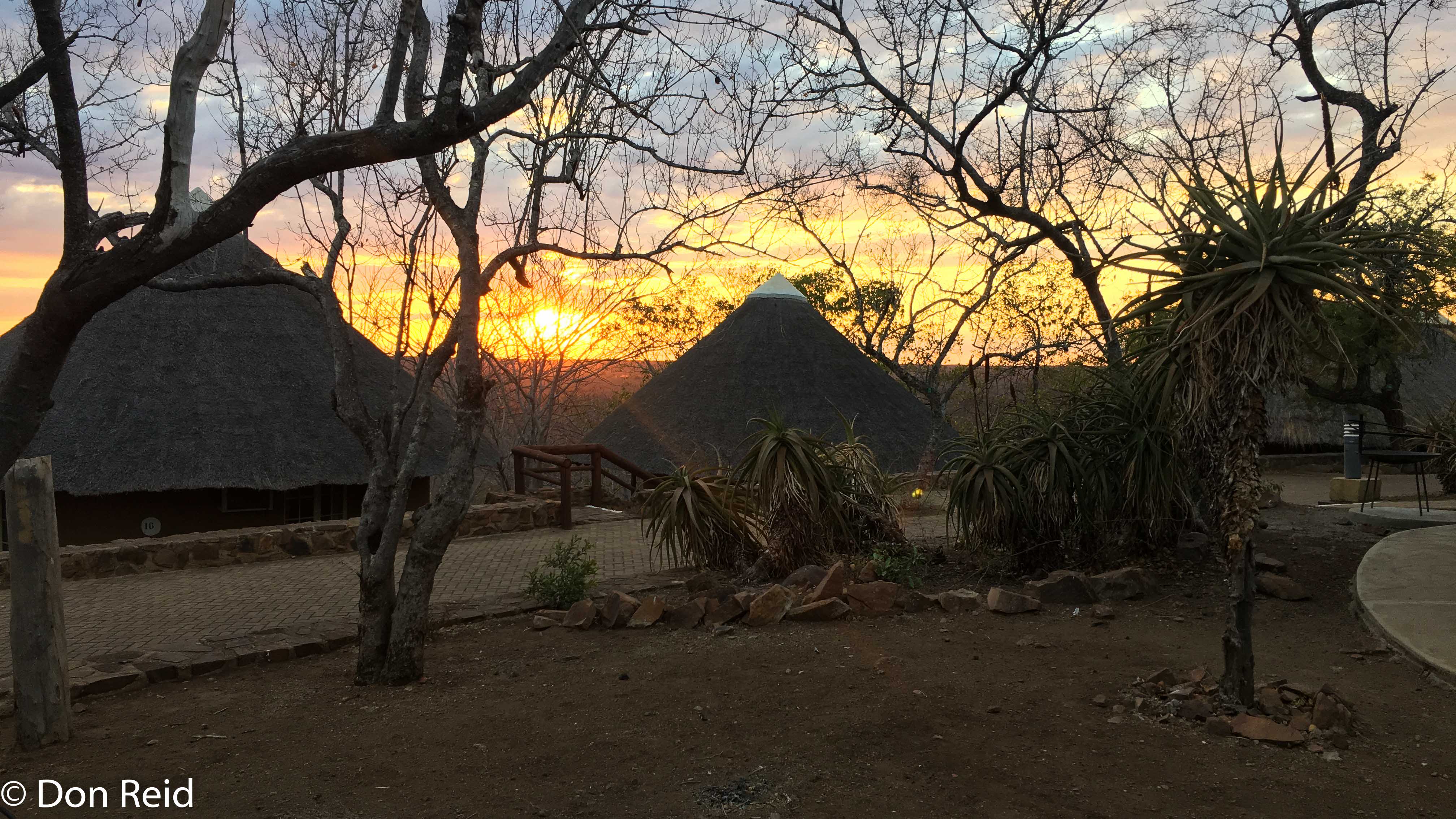
Tag Archives: Birding South Africa

A Sudden Twitch – Malagasy Pond-Heron

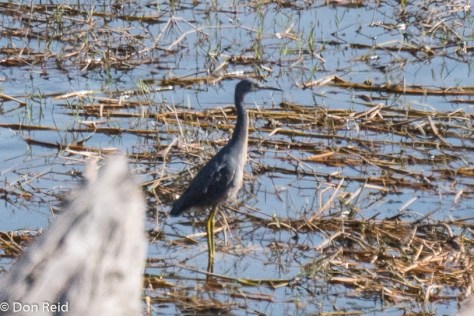
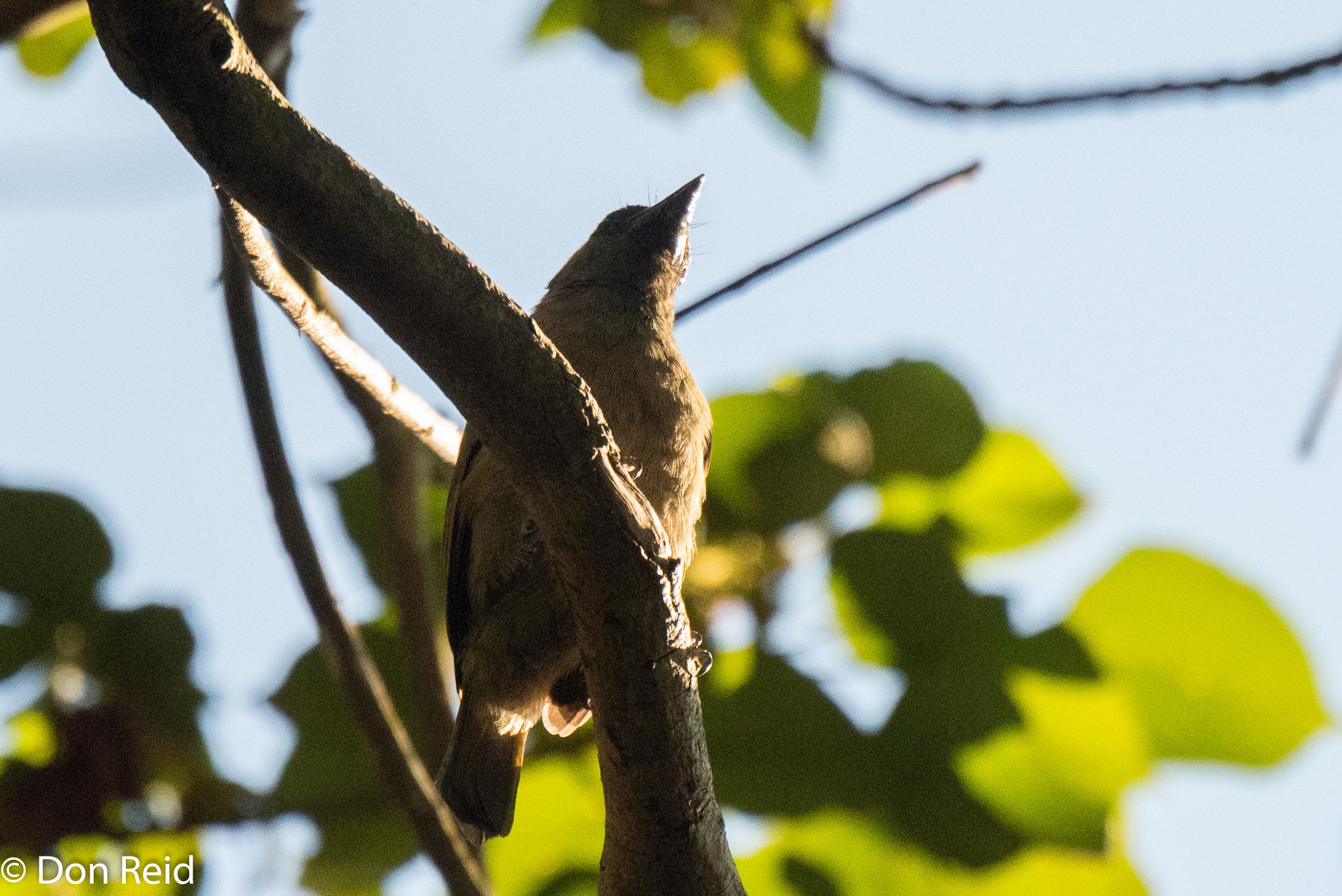
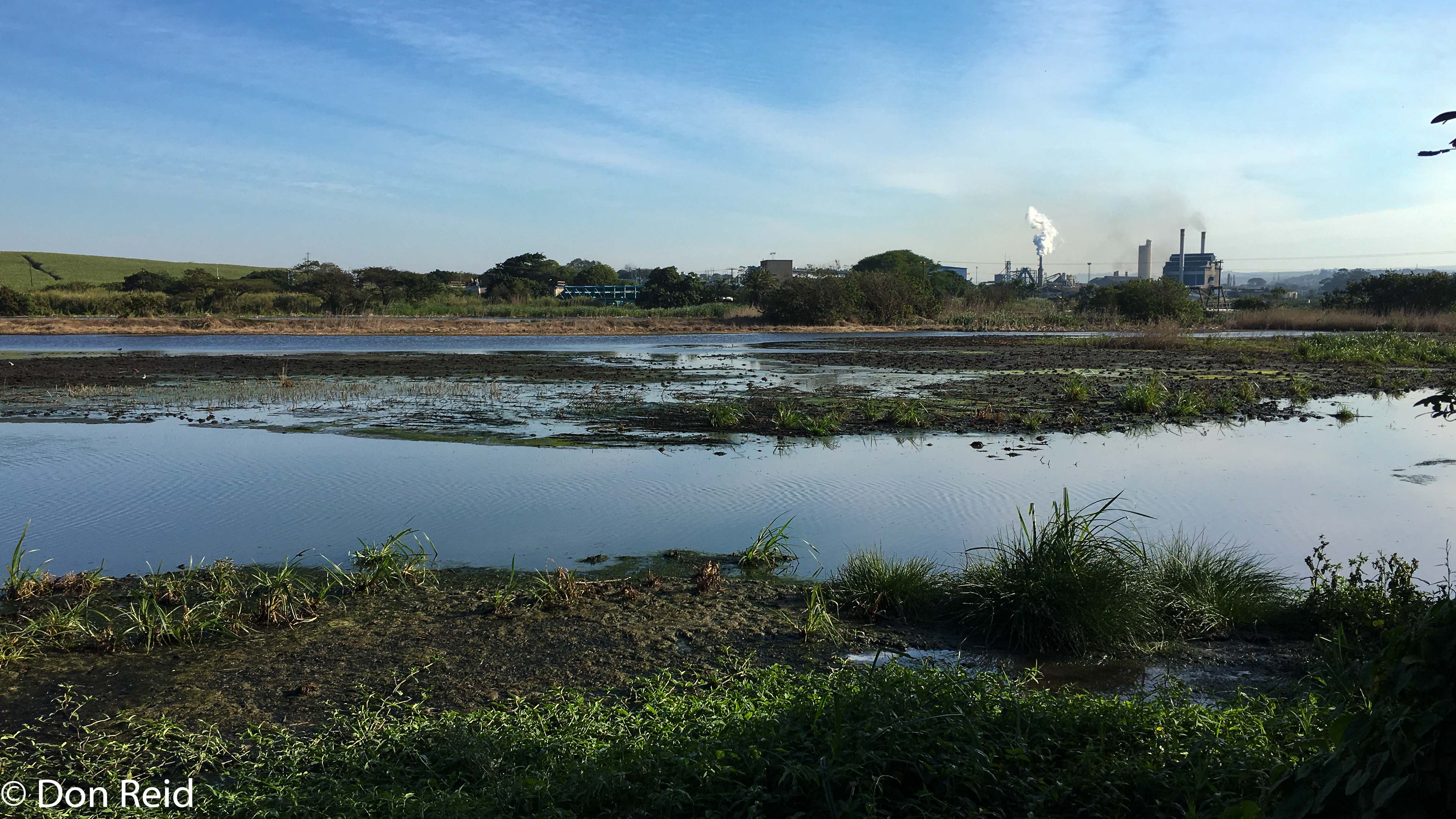
Malagasy Pond-Heron?

Sounds exotic …. and indeed it is, if you are a South African birder.

This is how I came to see this bird and put to rest a certain entry on my life list that has gnawed at my birding conscience for many years.

Rare birds have, for the last couple of years, made a habit of crossing my path, making themselves difficult to ignore if not irresistible.

I have this very arbitrary “rule” with regard to twitching rare birds which says that I only consider it if the bird is within 2 hours travelling time from wherever I am based at the time. I have had an incredible run of luck over the last two years in that I have been positioned to twitch rare bird species in places such as Katima Mulilo in Namibia (I was in nearby  Kasane Botswana at the time), Strandfontein Sewage works in Cape Town (I was visiting Cape Town), Stilbaai on the Southern Cape Coast (I was in Mossel Bay) and Mkombo dam in Limpopo Province (I was at home in Pretoria), all without breaking my rule.

When news broke via the SA Rare Bird News (SARBN) report produced so expertly by Trevor Hardaker, of a Malagasy Pond-Heron at Phinda Private Game Reserve in Kwazulu-Natal province (KZN) , I initially ignored it, Phinda being well beyond my travel limit at around 6 hours drive from Pretoria. But as the weeks passed and the Pond-Heron was still being seen, on top of which our timeshare week in Durban was approaching, I realised that Phinda, near the town of Hluhluwe in Zululand, would be a lot closer if we travelled from Durban – some 2 and a half hours drive by my estimate.

Suddenly it became do-able without exceeding my travel limit by much, and in any case we would be on holiday, so what better time to fit in a side trip to northern KZN, which we had last visited 15 or more years ago.

What made this twitch different was that it was only possible to look for the bird if you joined one of the game drives that various birders were booking through AndBeyond, who run a few lodges at Phinda and had permission from the concession owners at Mziki to access the dam where the Pond-Heron was seen.

I started looking out for a game drive opportunity that coincided with our first weekend at our timeshare unit ie 24 – 25 June. I soon found that the weekend drives were fully booked, but it seemed that no one had got as far as booking the Sunday afternoon drive…..

After some serious should I / shouldn’t I thoughts and with our Friday drive to Durban looming, I decided at the last moment to phone Phinda reservations, made a provisional booking and the game was on! Trevor Hardaker kindly sent out an email note on Friday morning to all SARBN subscribers and the calls started coming in as we commenced our drive on the N3 to Durbs. Some time after our halfway lunch stop at Harrismith, the game drive was fully taken up, Phinda’s invoice received and paid and details had been sent to the 5 other participants. It’s amazing what can be achieved with a smart phone on the go!

Off to Phinda

We were glad of the Saturday to recover at our timeshare apartment in La Lucia so that, come Sunday, we were ready to travel again – this time northwards up the N2 National road to Richards Bay, then on to Hluhluwe where we had a burger lunch before heading to the Phinda gate some 20 kms further.
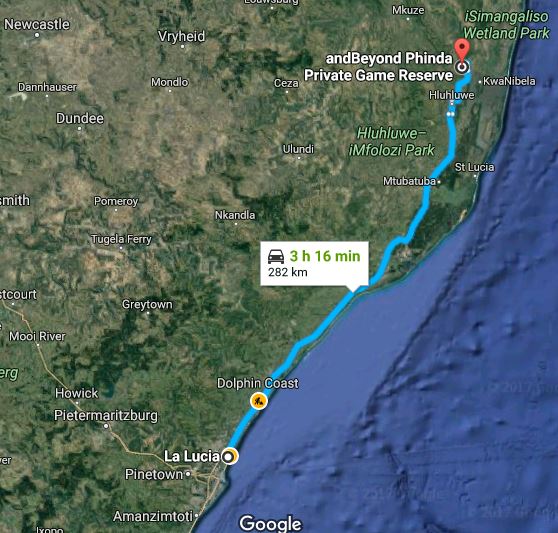
Durban La Lucia to Phinda Game Reserve

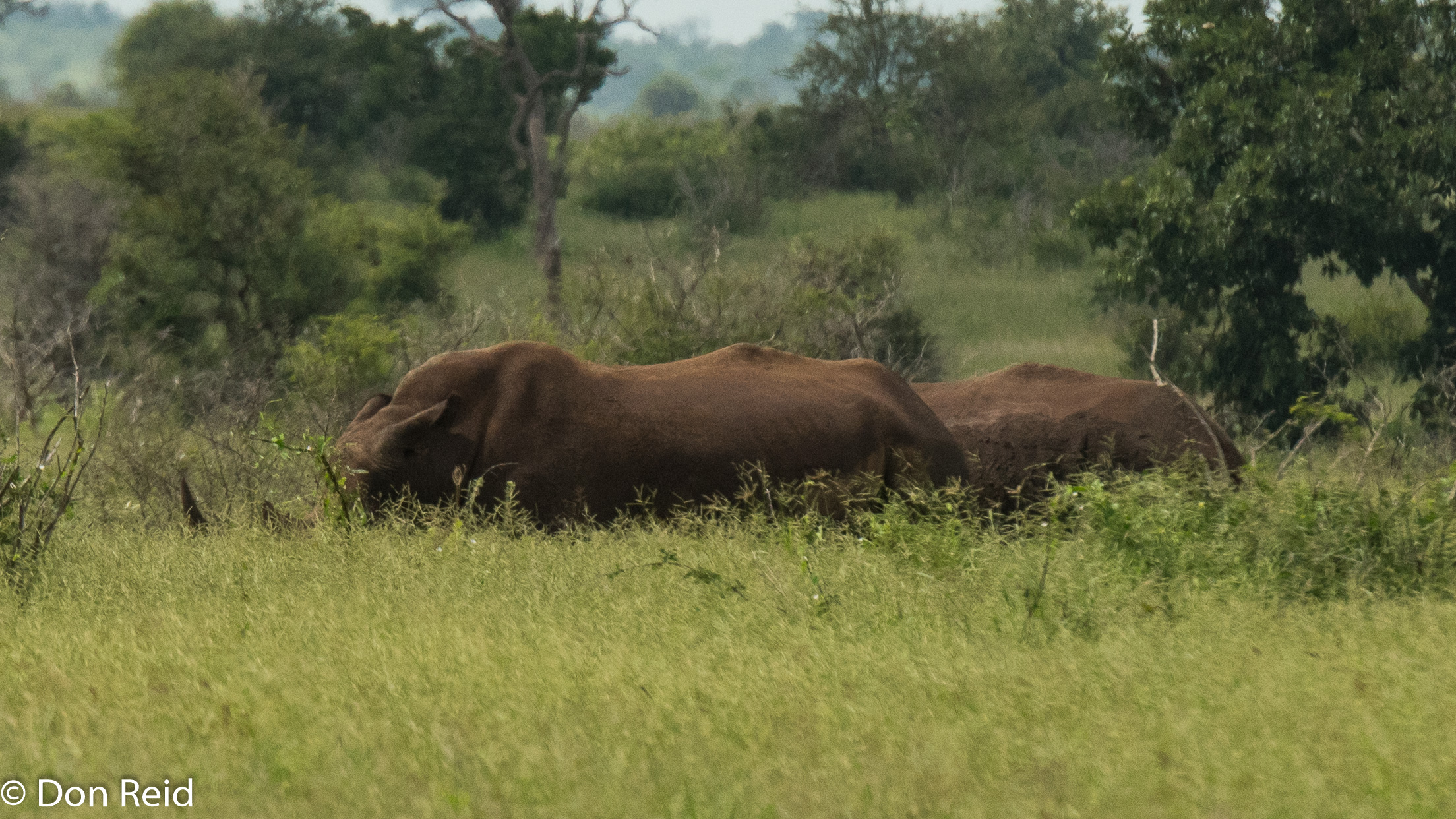
I dropped Gerda off at the Phinda Mountain Lodge, on the way to Mziki Private camp where we were to be collected. Along the way game was plentiful including a Rhino family, one of them de-horned as an anti-poaching measure as is the trend nowadays, also Nyala, Zebra and Warthogs.

How do you like your Rhino – horned or de-horned?

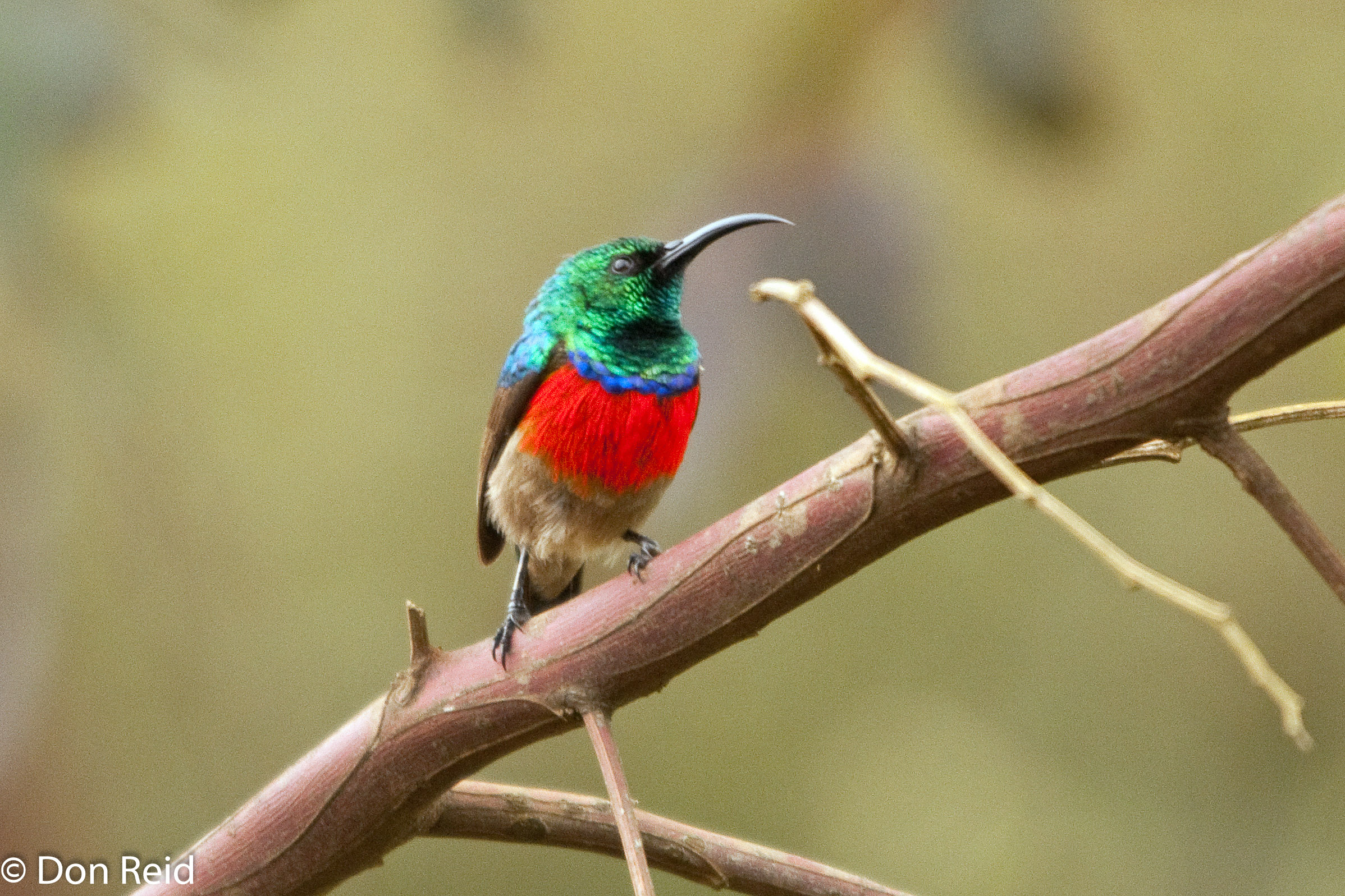
Some interesting birds caught my eye, the pick being a Long-tailed Paradise Whydah with its impressive tail feathers almost too long to fit into the frame, followed closely by a striking Scarlet-chested Sunbird in the Aloes at the lodge.

When I arrived at Mziki camp entrance and parked in the demarcated spots (these Phinda folk are organised) the other twitchers were all there – not twitching as such, in fact quite calm, but looking forward to finding the bird that had brought us all to this place – Dave Minney, Johan Boshoff, Jon de Guisti, Trish Jonsson and Ken Jarvis. Just a few minutes later our game drive vehicle arrived with Zandri Benade at the wheel – the vehicle looked far too large for this petite young lady to handle, but as it turned out she drove it like a pro.
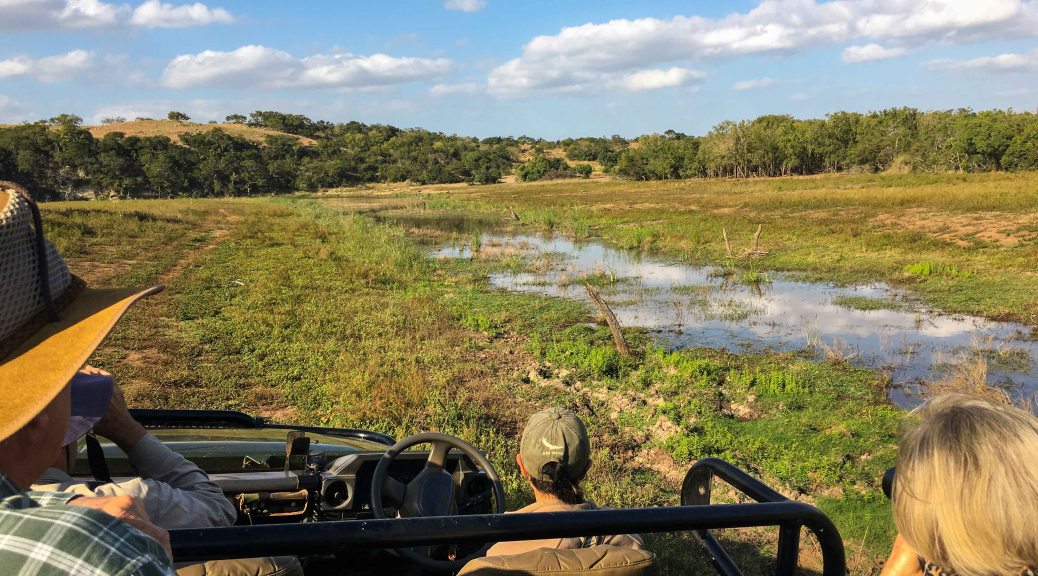
And so we set off, excited, to Mziki dam – which was literally “just down the road” and we reached it a few minutes later, where Zandri found the Pond-Heron a further few minutes later! Other groups had looked for up to two hours to find the Pond-Heron, but in our case – there it was – almost before we had a chance to build up some tension and excitement!

At least we could all relax in the knowledge that our long journeys had paid off and now we could just enjoy the bird. And enjoy it we did, for close to two hours, watching its every move while enjoying the peaceful setting and beautiful surroundings.

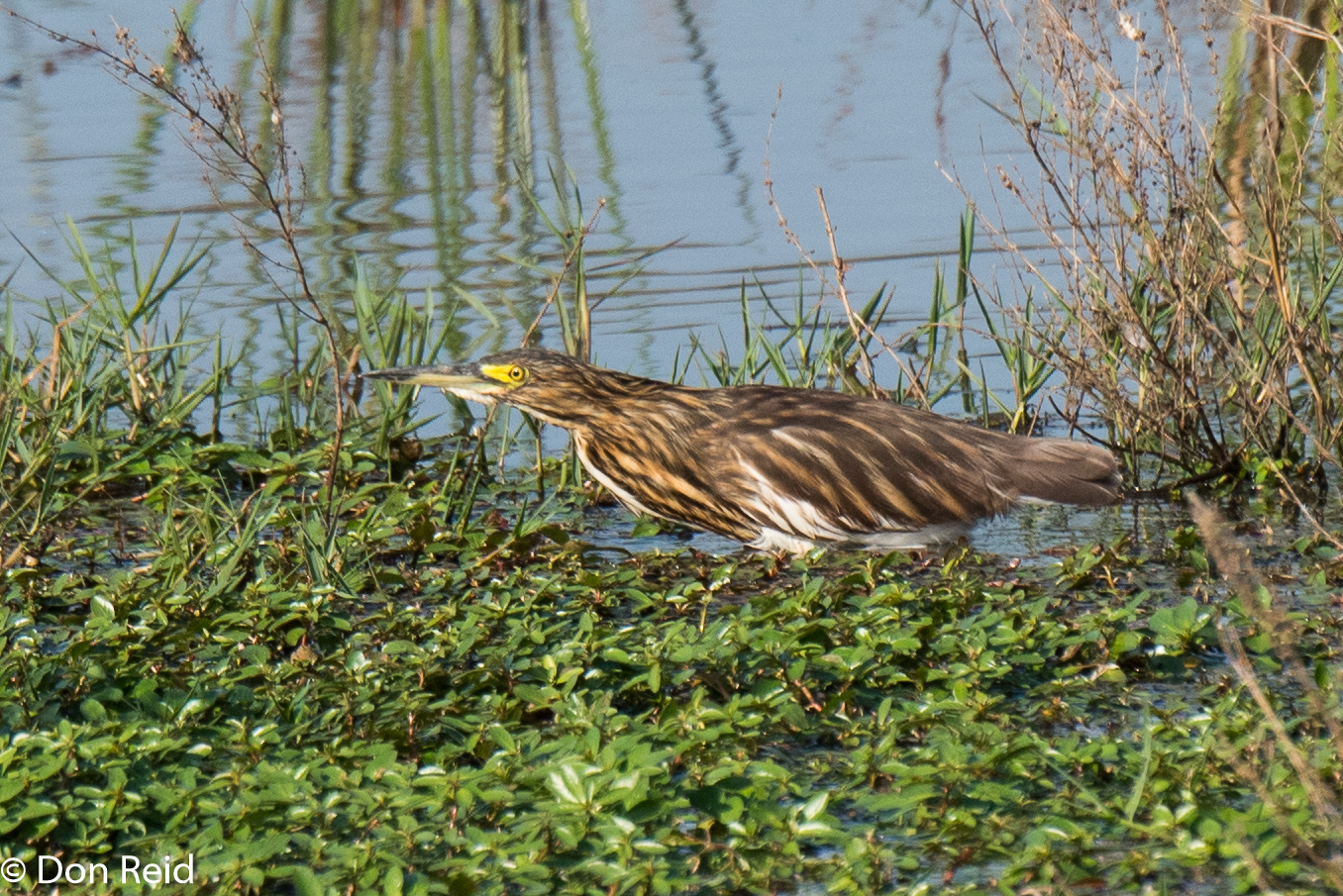
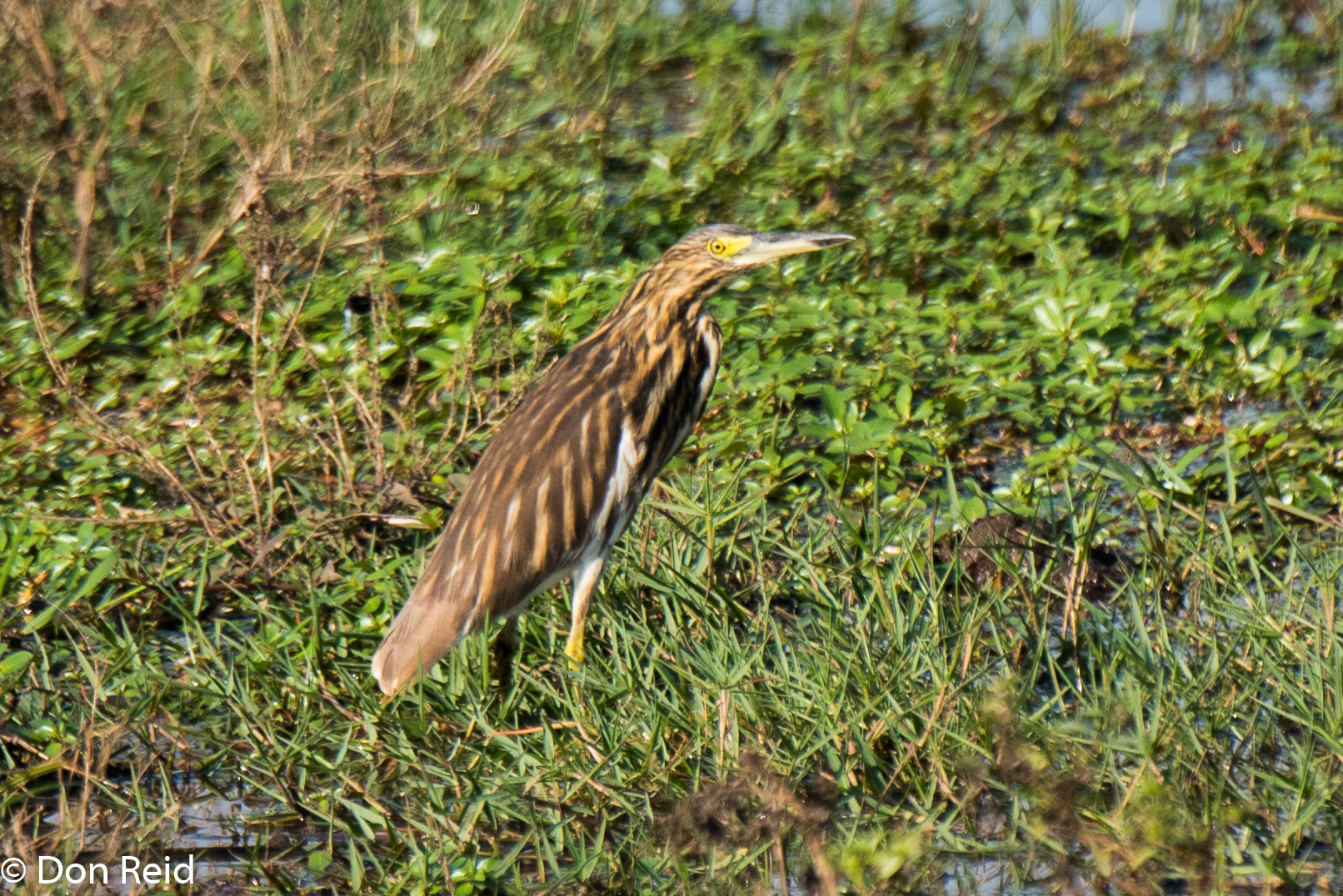
Initially the Pond-Heron was engrossed in its search for prey along the grassy edge of the dam, probing now and then in the shallow water then moving in stalker fashion, veeeerrrryy slllooowwwly and deliberately, hardly causing even a tiny ripple which may warn the fish, frogs and aquatic insects of its approach.
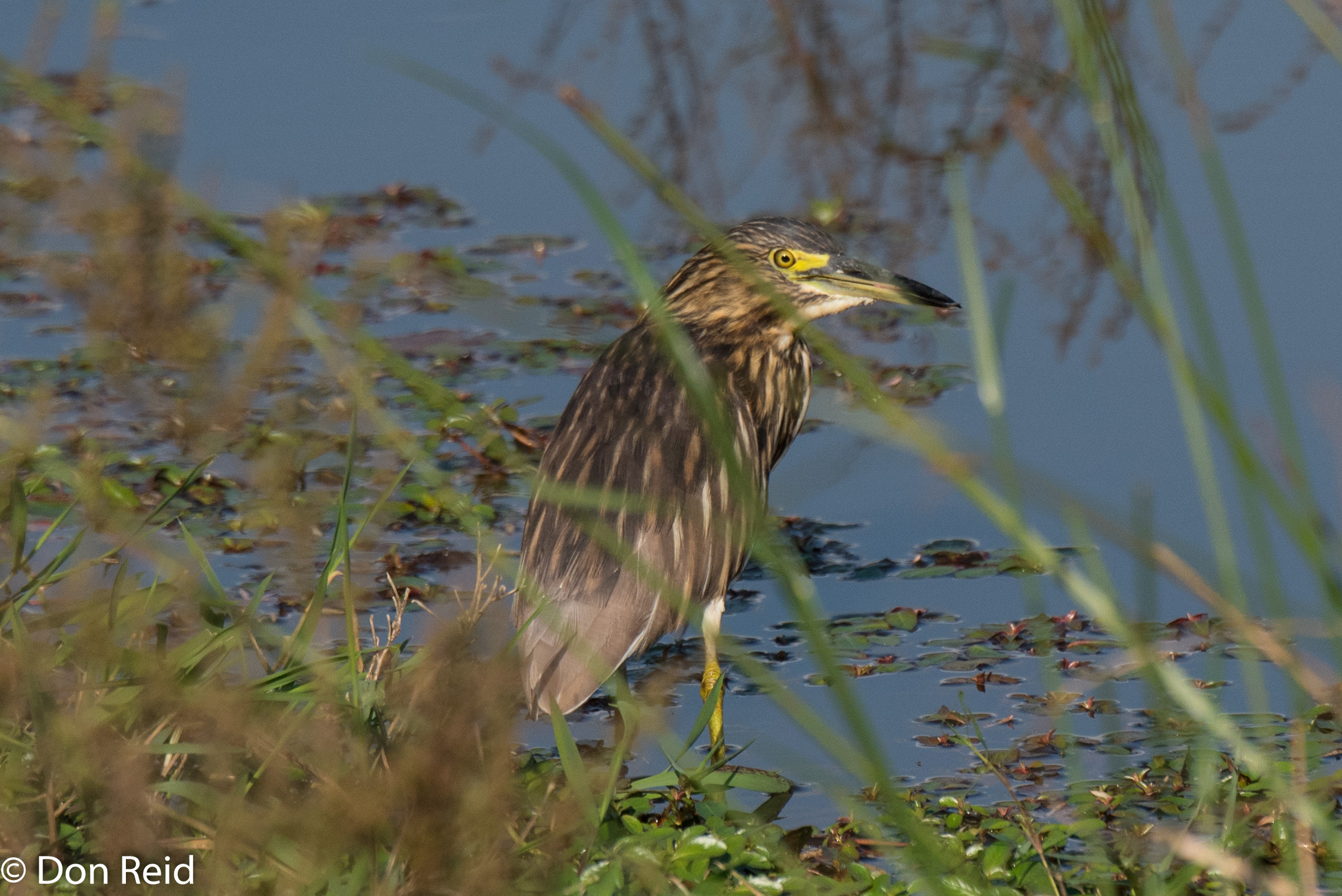
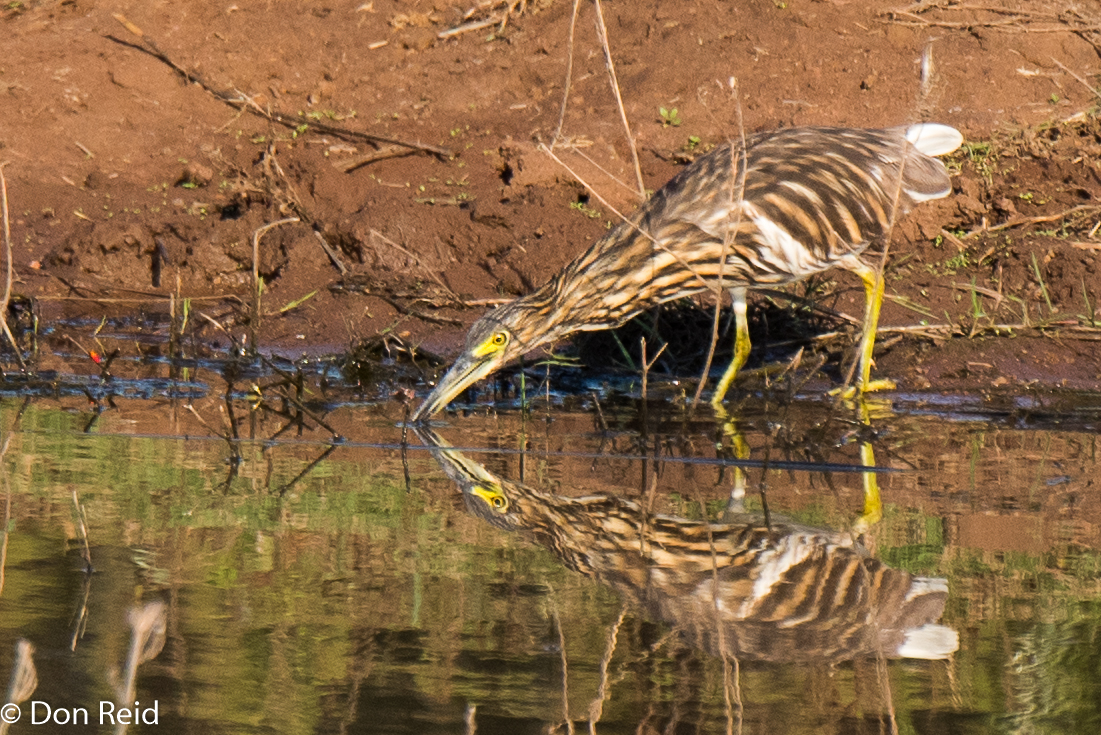
Zandri edged the vehicle closer, trying for better views and camera angles to take advantage of the lighting. The Pond-Heron played along nicely, posing in various positions and actions :

  • Stalking mode

  • Coy behind grass fronds

  • A short flight to show off its “whiter than white” OMO advert wings

  • Moving into the open with perfect light conditions, showing off its heavy streaking and yellow legs

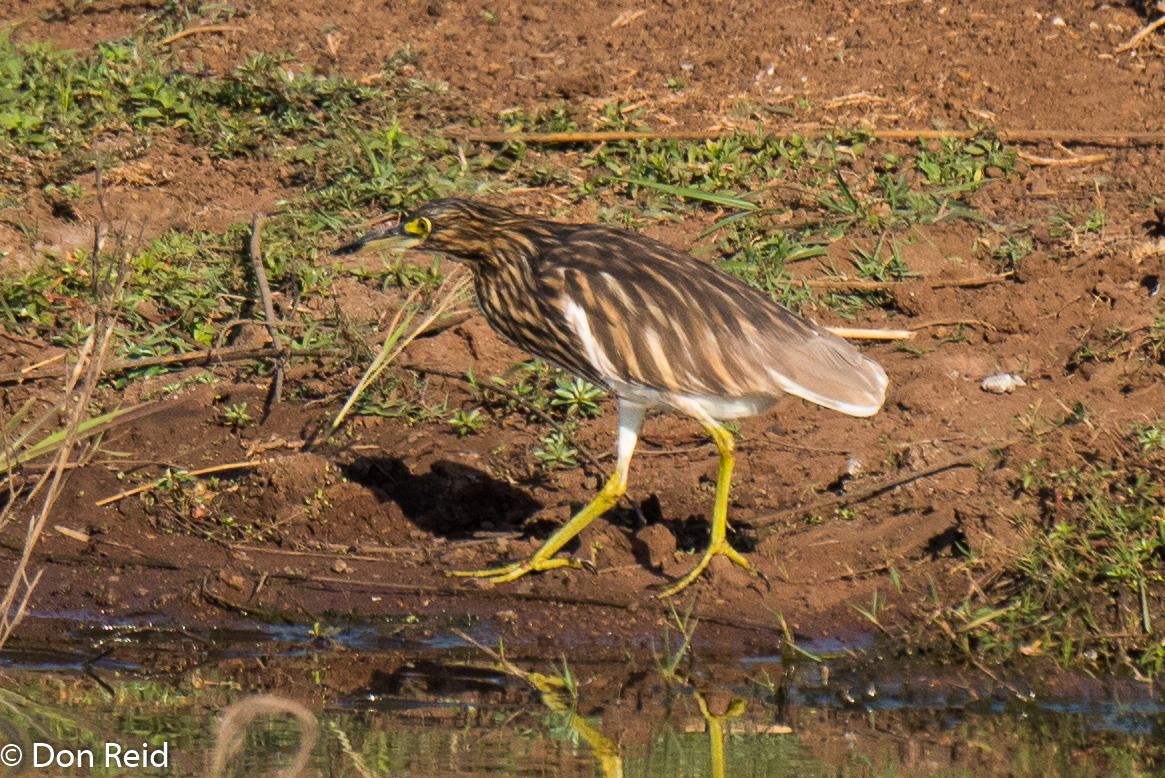
  • Preening at water’s edge

  • Sipping water

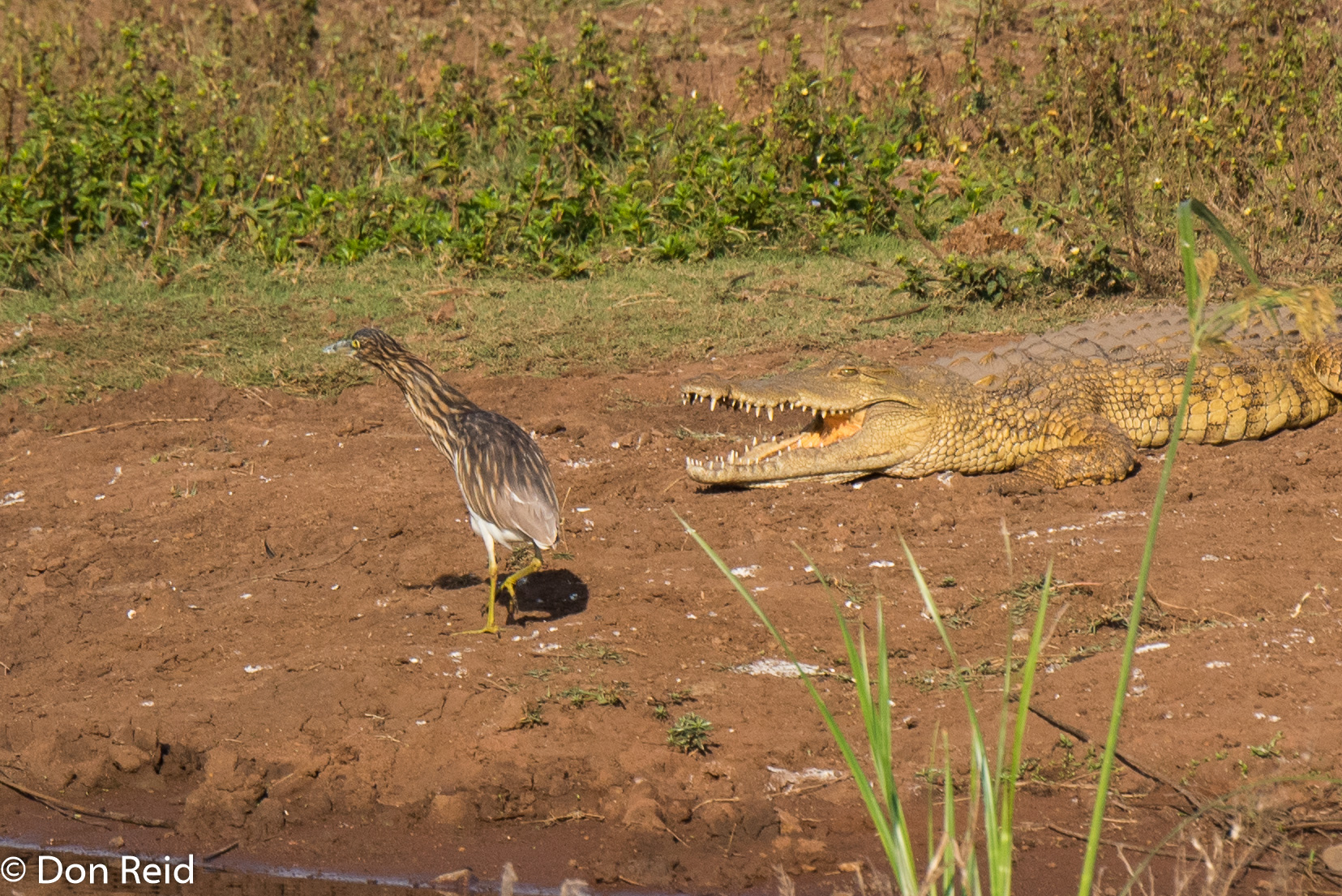
  • Moving cautiously past a crocodile near the water, eyeing it in the process, while we all held our breath wondering if this would be the Pond-Heron’s last hurrah
Hmm who’s this then
Best keep away – those jaws look fearsome
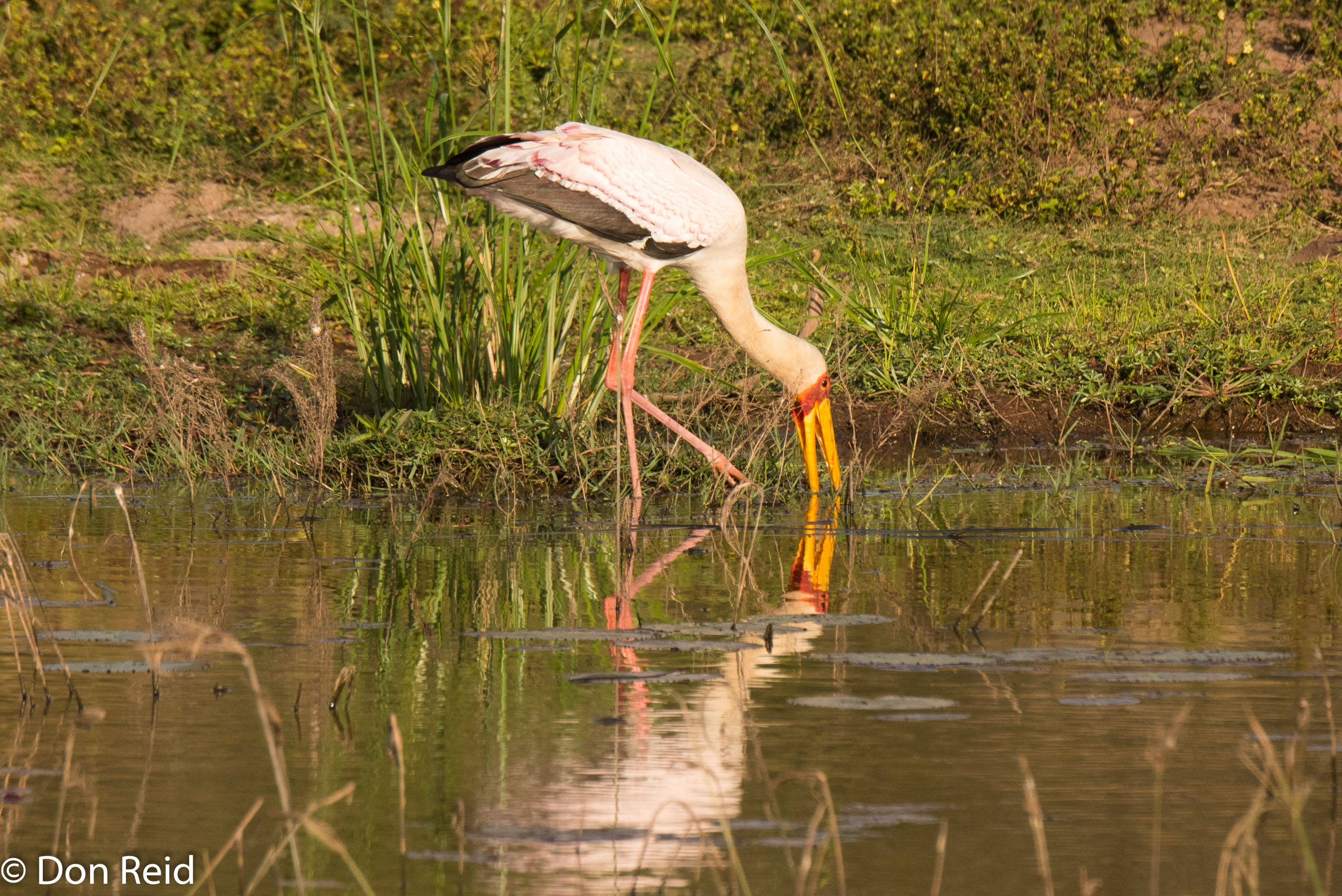
  • Joining a Yellow-billed Stork and African Spoonbill foraging in the shallows
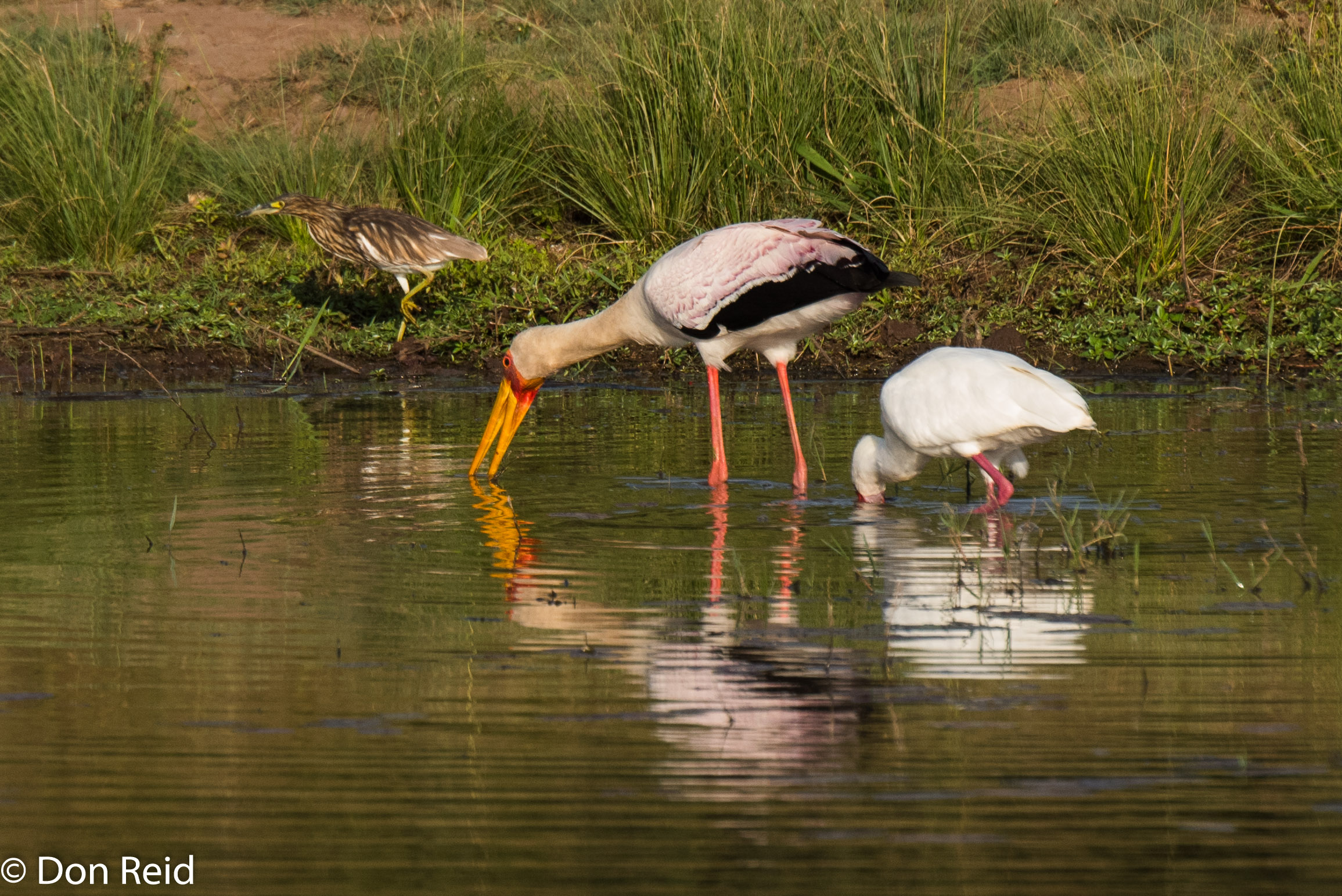
 

Threesome

While this was happening we were also entertained by other visitors to the water :

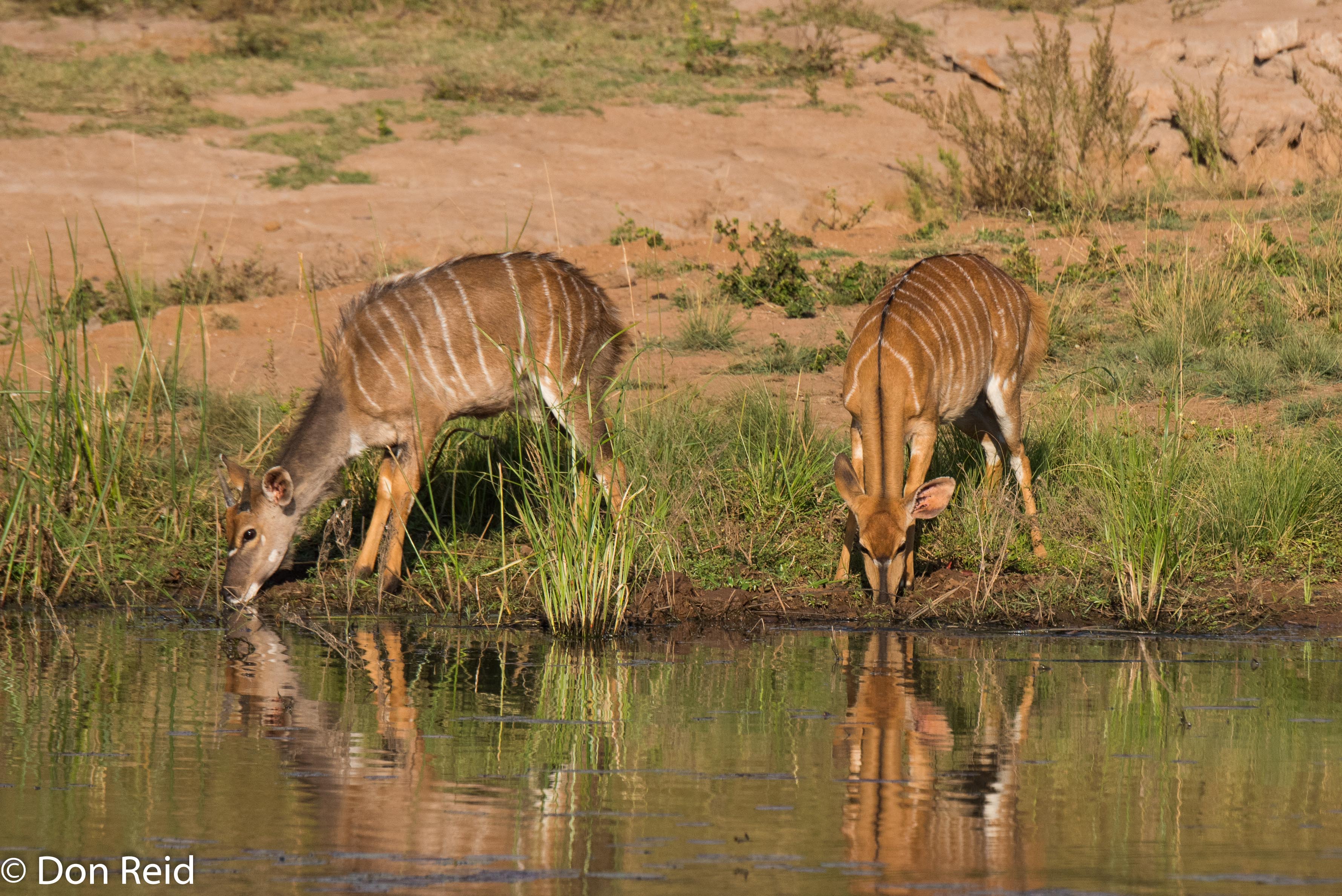
  • A handsome Nyala bull coming to drink, joined later by a female and a younger male
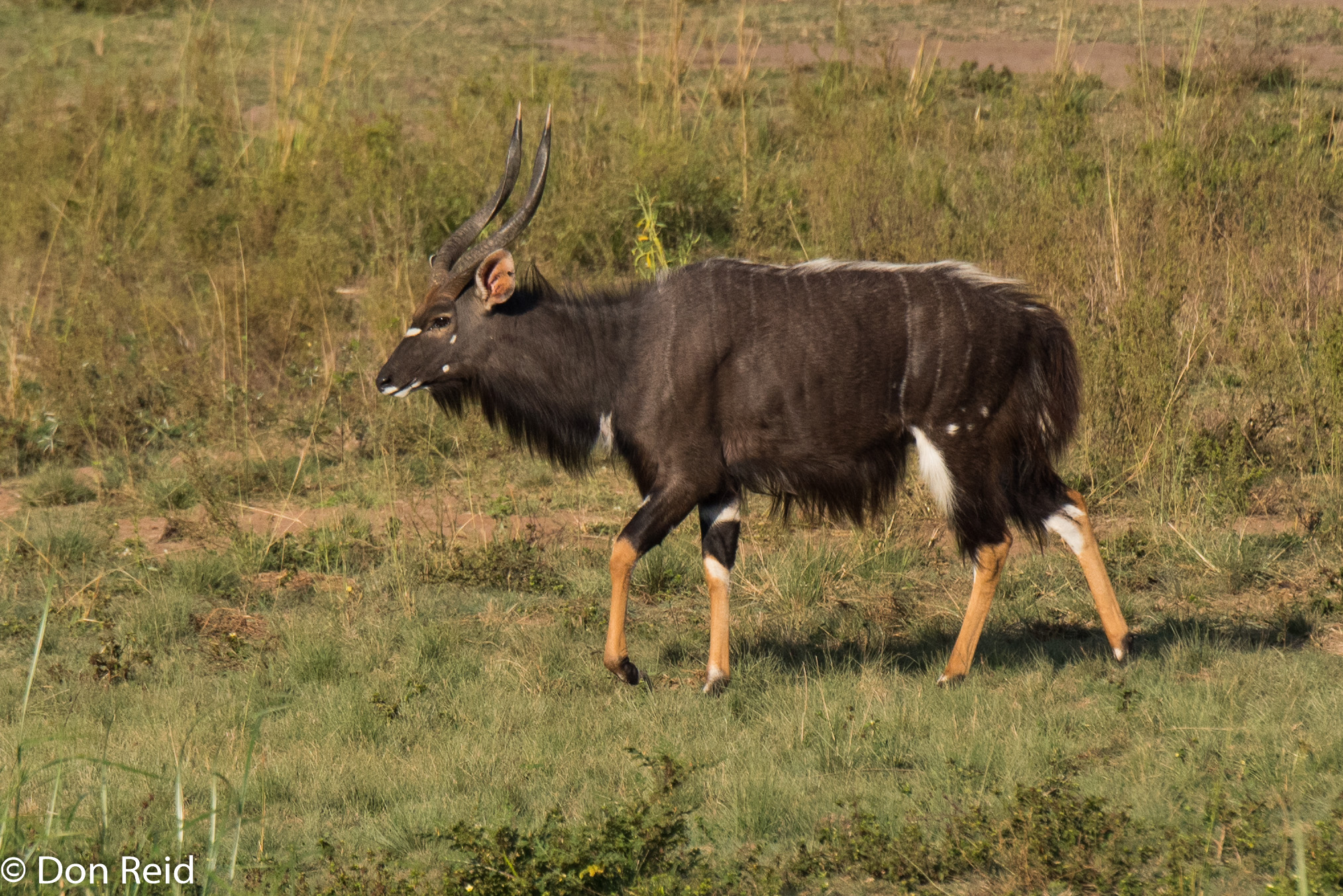
Nyala Bull
Nyala


  • Yellow-billed Stork flying in and joining the lone Spoonbill
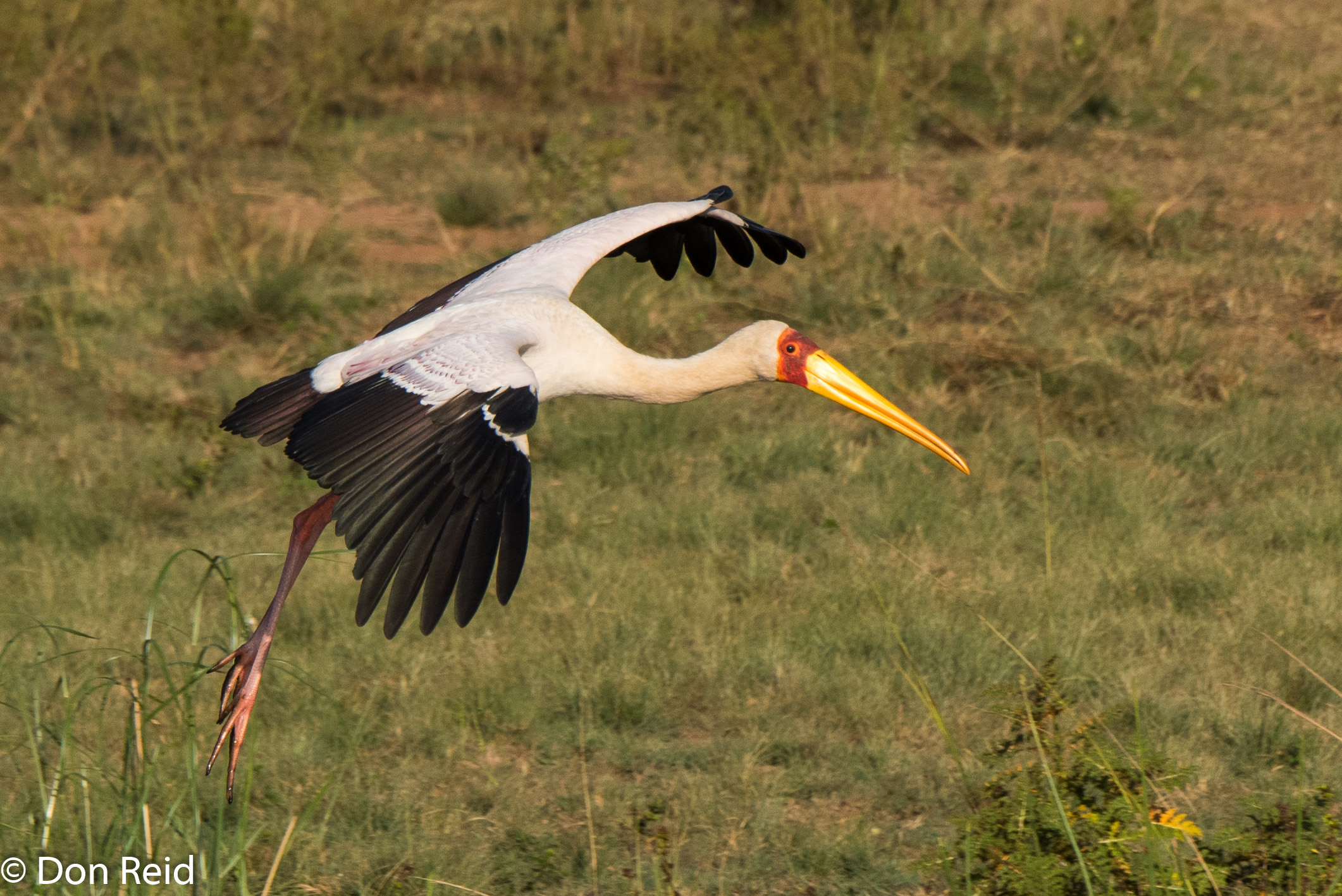
Here I come
Arghhh .. brakes on
Made it
Oh oh here comes a stranger


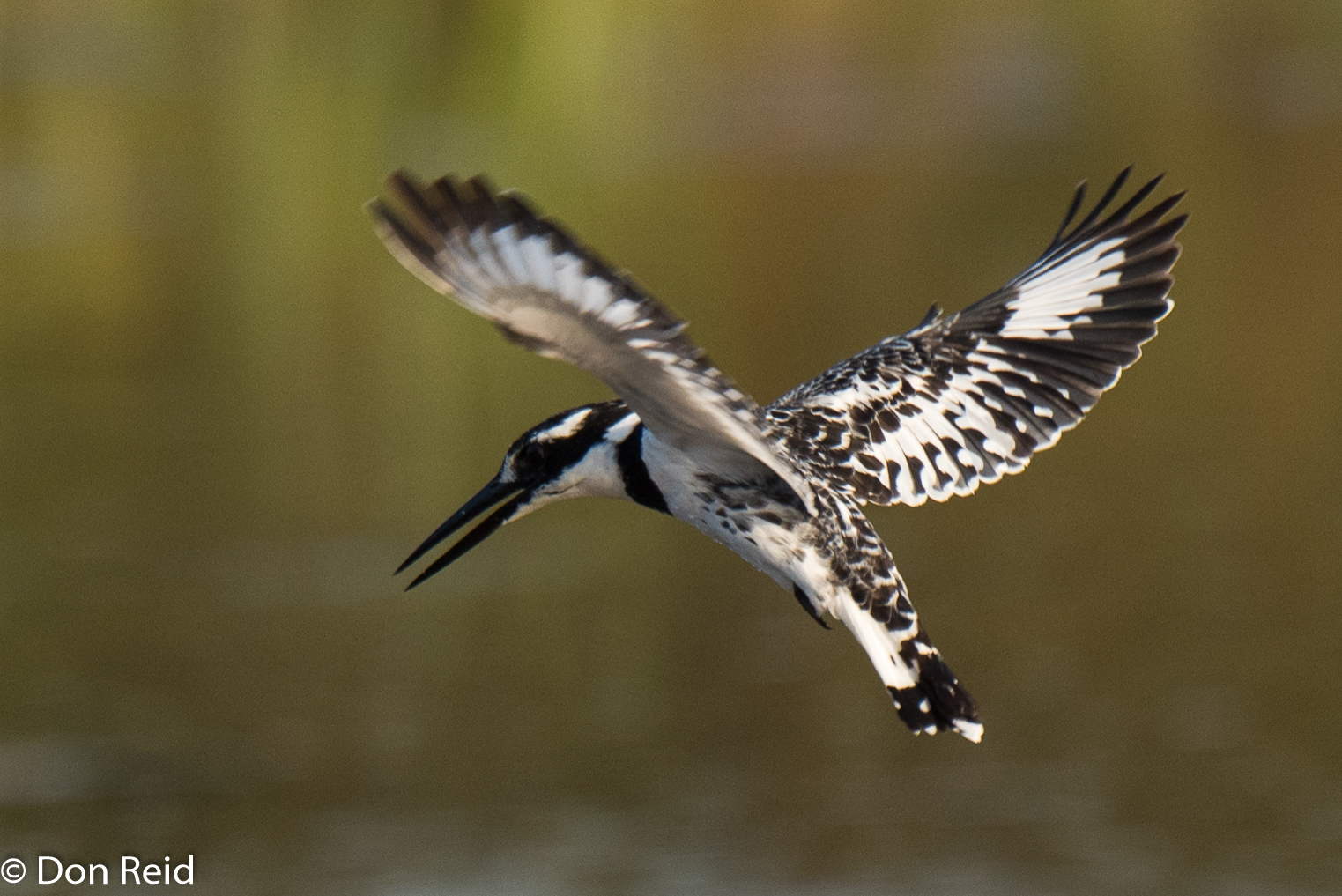
  • Pied Kingfisher flying by with fish prey just caught, later continuing its familiar hovering search for the next one
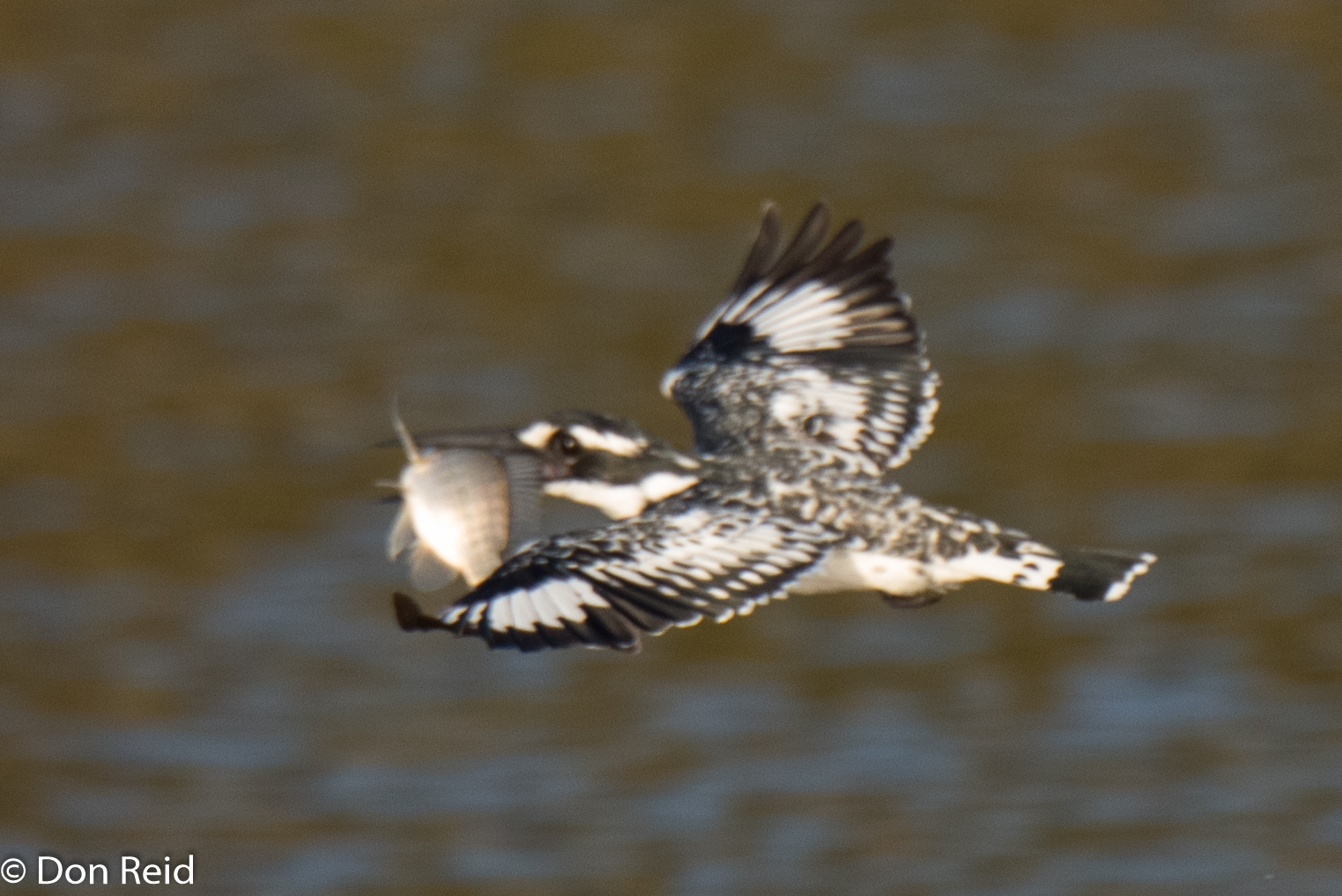
Fuzzy photo but nice catch
Looking for the next one

The afternoon concluded with a celebratory drink and a toast, where after we all went our separate ways, thoroughly happy about the outcome and a very special lifer.

Oh and that bit about my birding conscience at the start of this post …

In fact my life list already included this rare species, based on a sighting 23 years ago at a small pond at Tshipise in the far north-east of SA. Can one trust a sighting from your early years of birding, when I had no appreciation of rarities as such? There have only been a handful of sightings in our region, mostly in Mozambique with just one previous sighting in South Africa itself, also in KZN at Ndumo July 2005 (according to Roberts) so what are the chances that I indeed saw this species in July 1994? Actually I am still mostly convinced that I did record the species at the time, but am glad I could put all doubts about including it in my life list to rest with this sighting.



Touring with Canadians – Part 3 : Panorama Route

The Story so far..

The previous post on this “Trip of a Lifetime” to Southern Africa by our Canadian family covered the short time spent in Kruger National Park .

With Kruger Park “done and dusted” and still on a high from the special sightings we enjoyed during our two night stay in Satara, our next destination was Thaba Tsweni Lodge near Graskop in Mpumulanga for a further two nights. The intention was to use the lodge as a base for some exploratory drives along the Panorama Route.

Bourke’s Luck and Graskop

After the excitement and long drive of the previous day, we decided to take it easy and limit our exploration of the Panorama Route, while still fitting in a celebration of niece Sarah’s birthday somewhere along the way.

Thaba Tsweni lodge
Thaba Tsweni lodge near Graskop

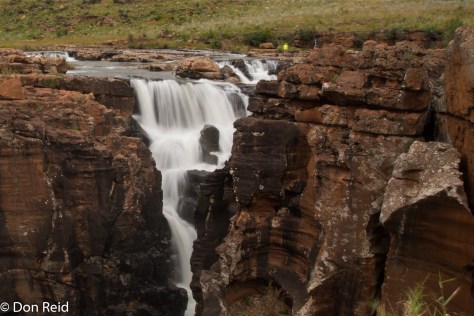
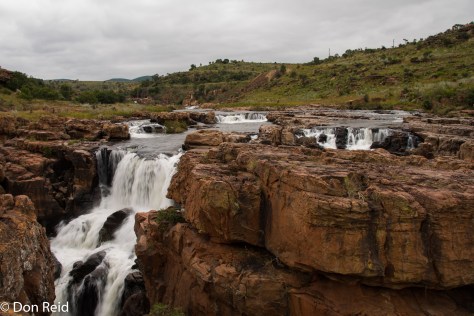
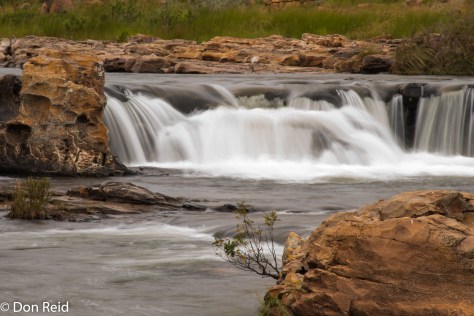
Starting with a late breakfast at the lodge, we left around 10 am and headed up the R532 to Bourke’s Luck Potholes, which lies at the confluence of the Blyde and Treur rivers (Blyde translating to “happy” and Treur translating to “sad” – one can only wonder what events led to those names).

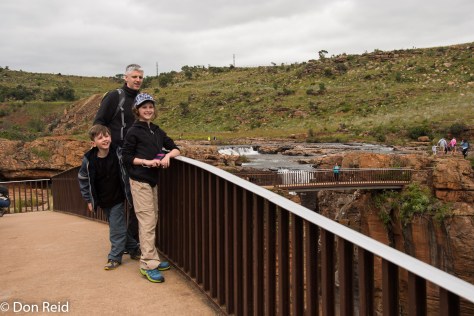
At Bourke’s Luck we had a walkabout along the pathways leading to the various viewpoints, which were quite busy as a couple of busloads of tourists had arrived just before us.

Bourkes Luck
Bourke’s Luck Potholes

This didn’t detract from the experience of seeing this unique natural occurrence – potholes scoured into the bedrock of the river by waterborne sand and rock over millions of years, creating huge cylindrical holes and exposing the variously coloured layers of rock.

Bourkes Luck
Bourke’s Luck Potholes
Bourkes Luck
Alex and kids at Bourke’s Luck
Bourkes Luck
Bourke’s Luck
Bourkes Luck
Bourke’s Luck
Bourkes Luck
A fellow tourist

There was time to check out the curio stalls before returning along the same road, with its beautiful landscapes around every corner, to Graskop in time for a pancake lunch at the famous Harrie’s Pancake restaurant to celebrate Sarah’s birthday. Harrie’s did not let us down and we enjoyed a variety of their pancakes amongst us.

Bourkes Luck
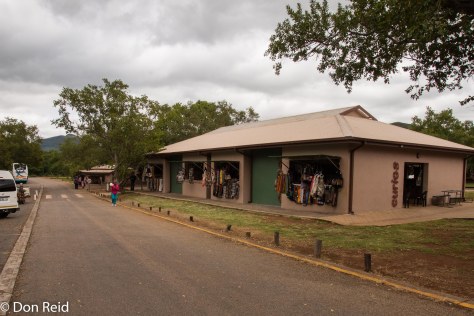
Bourke’s Luck Curio shops
Bourkes Luck
Bourke’s Luck – getting the low down on curios
Sarah's birthday, Harries Pancakes, Graskop
Sarah’s birthday, Harries Pancakes, Graskop

Some light shopping followed then we headed back to the lodge where everyone chilled in their own way, before getting the evening braai up and running.

Graskop
Graskop entrepreneur
Graskop
The ladies got stuck in this shop
Thaba Tsweni lodge
Thaba Tsweni lodge lawns

A cabbage bought for all of R5 from a farmer was transformed into a delicious fried dish by Sarah and became the perfect accompaniment to the braai-ed wors.

Another memorable day!

God’s Window, then homewards

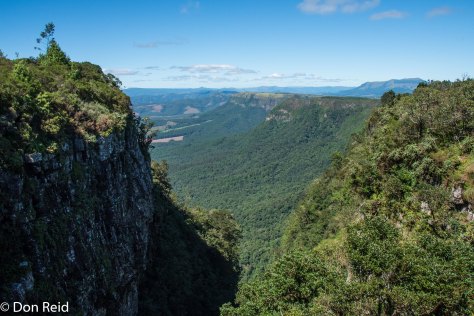
 Another full day of travelling lay ahead so we girded our loins (and some other parts too) with a full lodge breakfast. One place that we had to see before heading back to Pretoria was God’s Window – so named for the panoramic views it offers of the lowveld more than 900 m below the escarpment and beyond to the Kruger Park and even, on a clear day, to Mozambique a 100 or so kms distant.

We managed a quick walk to the viewpoints and up the steep-ish path to the rain forest, then down again.

Gods Window
God’s Window viewpoint looking down onto the lowveld
Najms at Gods Window

Then it was just a question of getting back to Pretoria, interrupted only by a stop at Milly’s for lunch, arriving home by late afternoon to allow time for a ‘meeting of the cousins’ at home.

Sunday was reserved for a family day with all getting to know each other, interspersed with some of Gerda’s home cooking and much excitement amongst the grandkids and their new-found family.

More to Come

Next we do a 4 night trip to Victoria Falls and Chobe Game Reserve – more about that in the next Part of the story….


Touring with Canadians – Part 2 : Kruger is Awesome!

The Plan

When “Overseas Family” come to visit us in South Africa, it is always a big occasion which is eagerly anticipated, so we were thrilled when niece Sarah announced more than a year ago that she was bringing their family from Canada over to Southern Africa for a “Trip of a Lifetime” in March 2017. Even better was the news that my sister Sheila (Sam to them) would be joining them for the trip.

Our task was to organise the northern leg of the trip, which had to include Kruger National Park with Victoria Falls and Botswana being high on their wish list. We soon had a Kruger booking pinned down, together with a short stay on the Panorama route in Mpumulanga, which took care of most of week 1 of the two-week northern leg.

The Trip

A day after their arrival in SA we set off around 8 am, the vehicle and trailer loaded to capacity, heading east through Highveld grassland and the coalfields of Mpumulanga, power stations just visible in the distance through the light haze.

First stop was at Milly’s near Macahdadorp for a really good brunch – Millys scramble for me – and strong coffee to set us up for the next stint. Past Nelspruit and on to White River and Hazyview, then a slow section passing through almost continuous rural villages and slow traffic until we at last reached Kruger gate at 3.15 pm.

At the gate we heard that the Skukuza / Tshokwane road was closed due to a bridge damaged by floodwaters and the gate personnel suggested we turn around and head further north to Orpen gate. This idea did not appeal to me one bit, as my quick calculation told me we would not make it in time, so I insisted that the detour route in Kruger via Lower Sabie would be far better.

They let us through, but I knew that we would now have to cover some 150 km, which at the 50 km/h Kruger speed limit would also mean a very late arrival at Satara and we would have no spare time for game viewing.

Fortunately the traffic was light, but this did not apply to the bird life on the road, which was plentiful and lethargic, so much so that I had to be fully alert to try to avoid them when they flew up, sometimes towards the car instead of away from it. This resulted in some sharp braking and much hysterical laughter, but unfortunately a few unavoidable casualties as well, leading to comments from some of the passengers about the driver being a so-called keen birder and naturalist, but having an alter-ego bird-killer personality. What can I say? I’ve been found out.

None of this was conducive to the relaxed drive I had hoped for when introducing visitors to Kruger, nevertheless we made good time and reached Satara at 6.05 pm as the gate was being closed, somewhat exhausted.

We saw a fair amount of game along the way but often just fleeting glimpses due to not having any time to stop or even slow down. However, one short stop at a dam with a pod of Hippos caused great excitement.

After settling in at Satara, we braai-ed some wors and it was not too long before we collapsed into bed.

The “gardens” at Satara
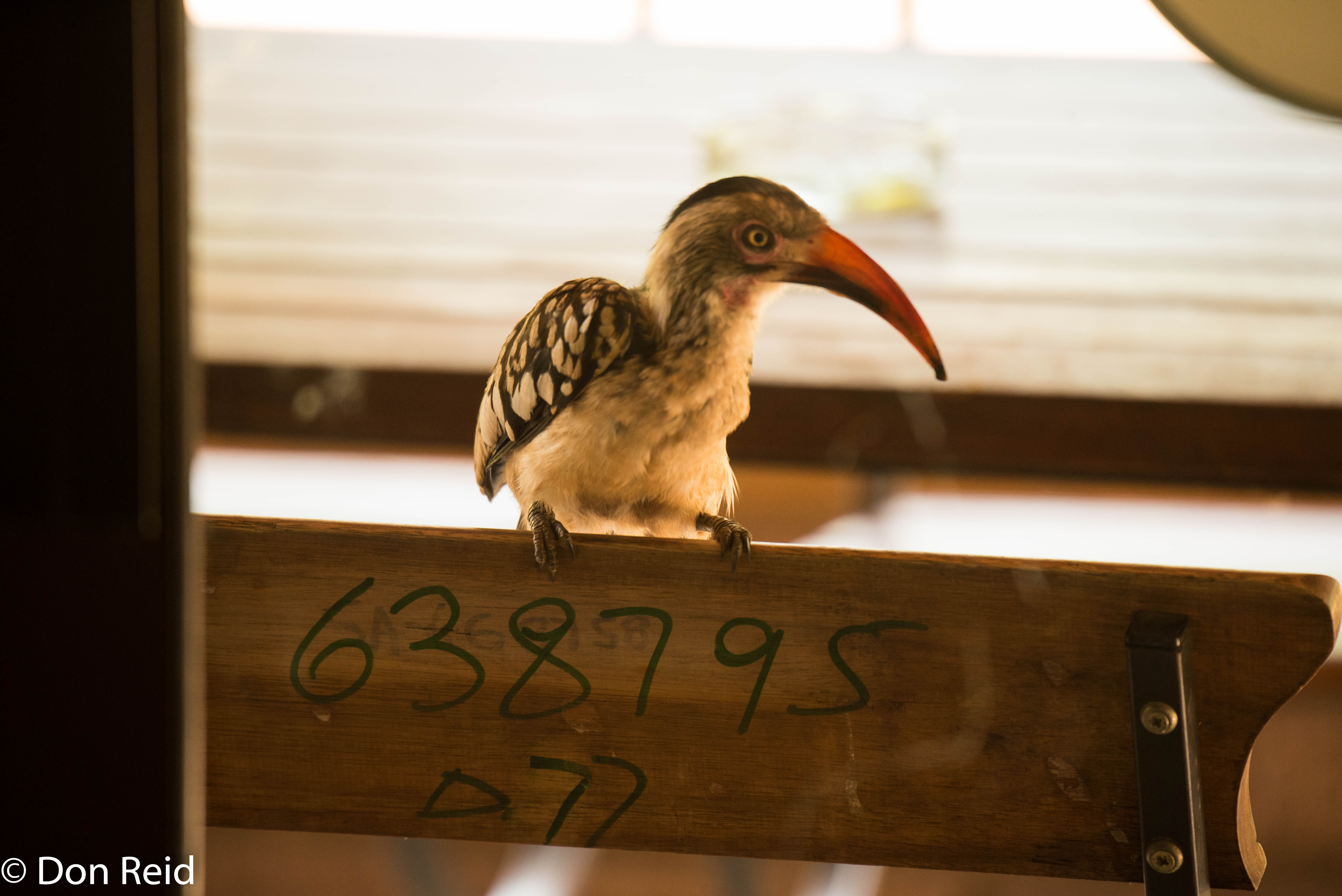
Red-billed Hornbill “shadow boxing” , Satara

Nwanetsi Drive

We were up reasonably early, in a far more relaxed frame of mind and ready for a more conventional game drive at a relaxed pace. Our one full day in Kruger needed to be a classic and the obvious choice of a route from Satara was the road to Nwanetsi for brunch – a route that is almost guaranteed to have a selection of plains game and other interesting sights. Once again it did not disappoint……..

Elephant
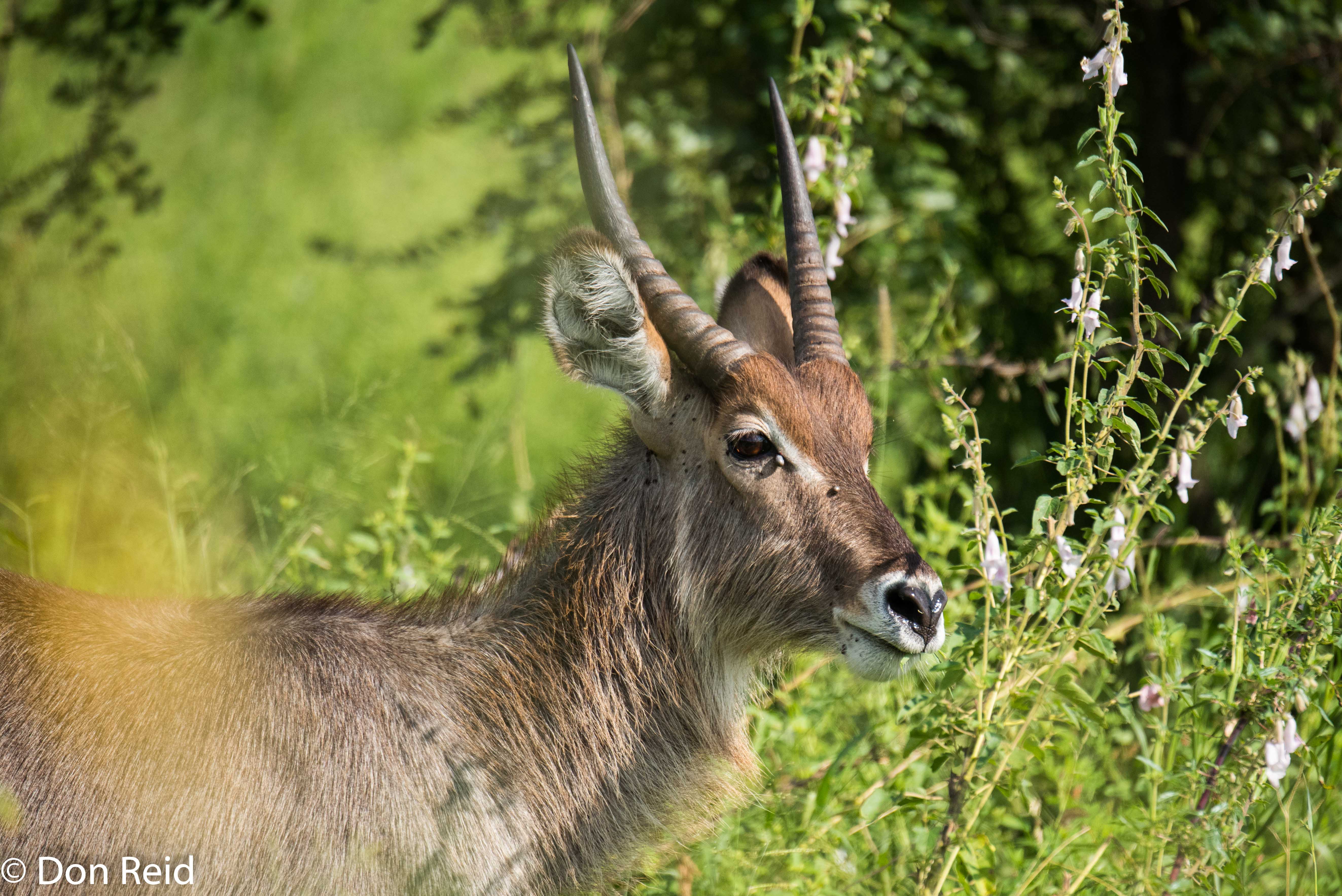
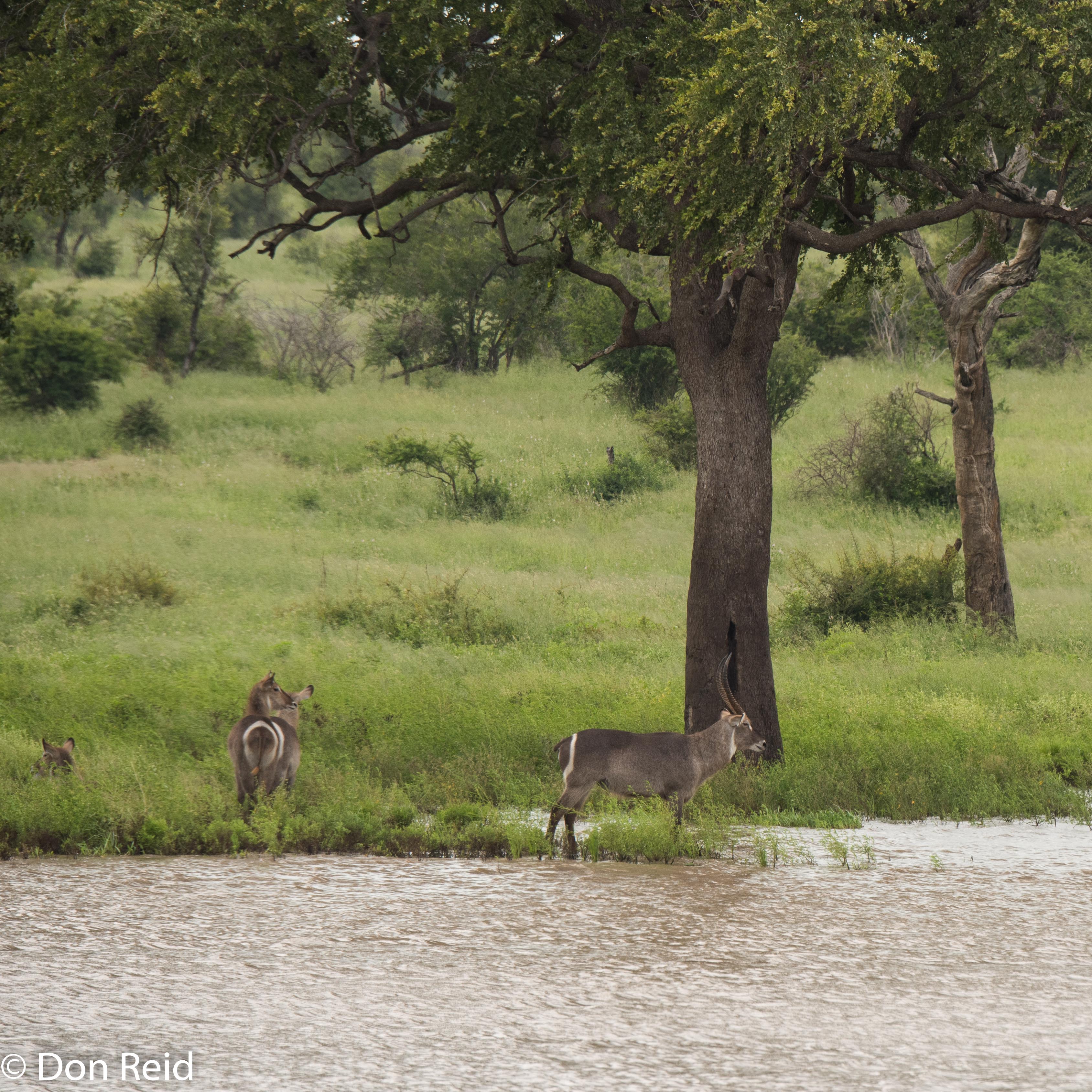
Waterbuck
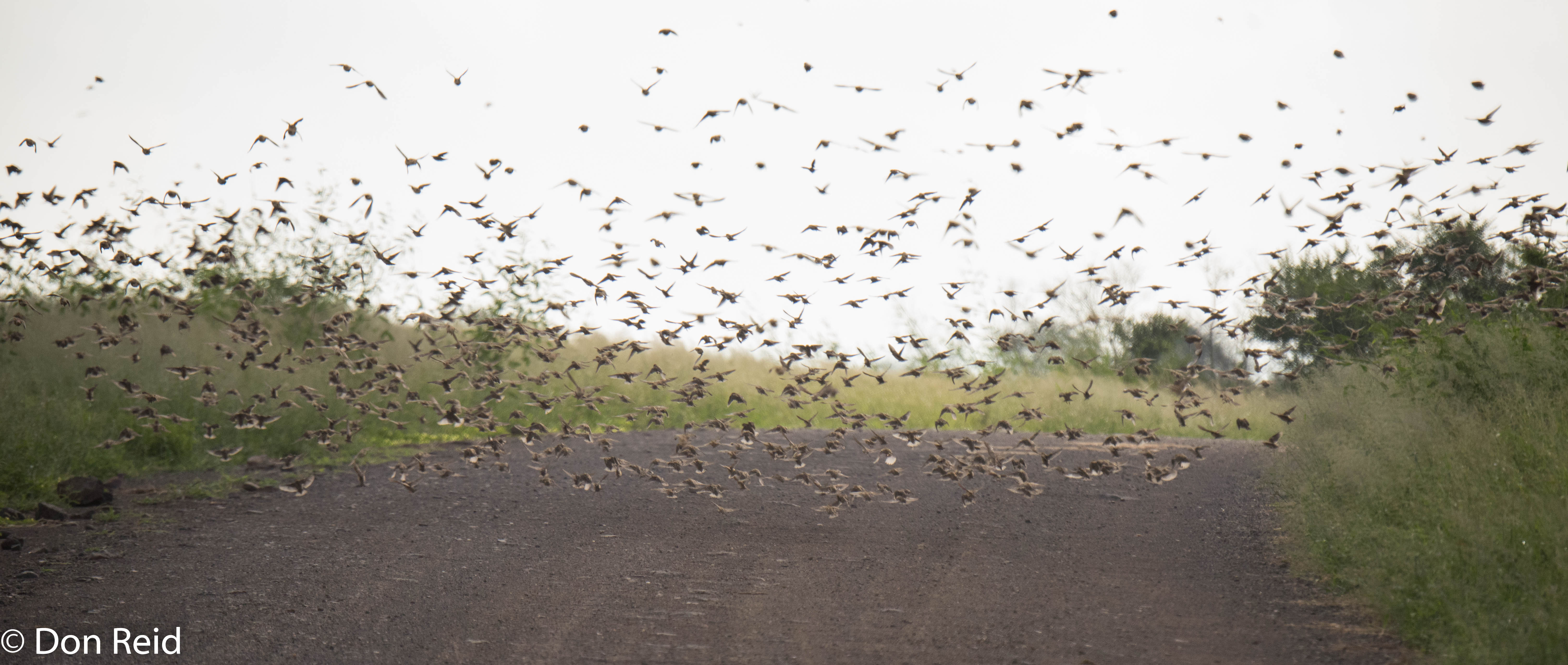
Red-billed Queleas

As we meandered slowly along the S100 gravel road through the  open tree savannah south-east of Satara, we had regular game sightings, every one causing much excitement and amazement amongst our visitors, even the animals we have come to regard as mundane, so that there was a constant buzz in our vehicle.

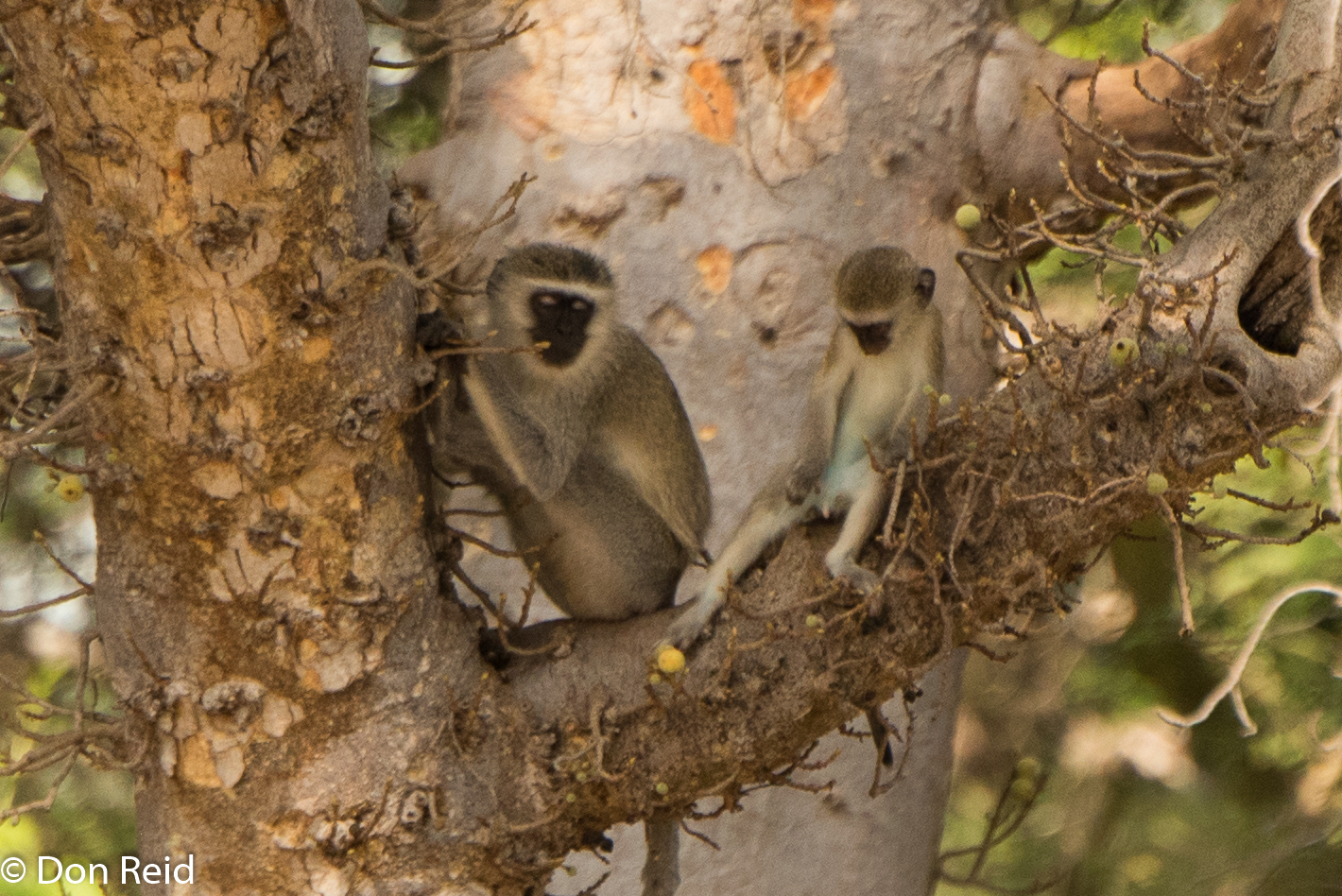
Vervet Monkey

It was a reminder of how privileged we are in this country with our wonderful National Park system and the joy of the Kruger experience, while seeing it all through fresh eyes added a special dimension.

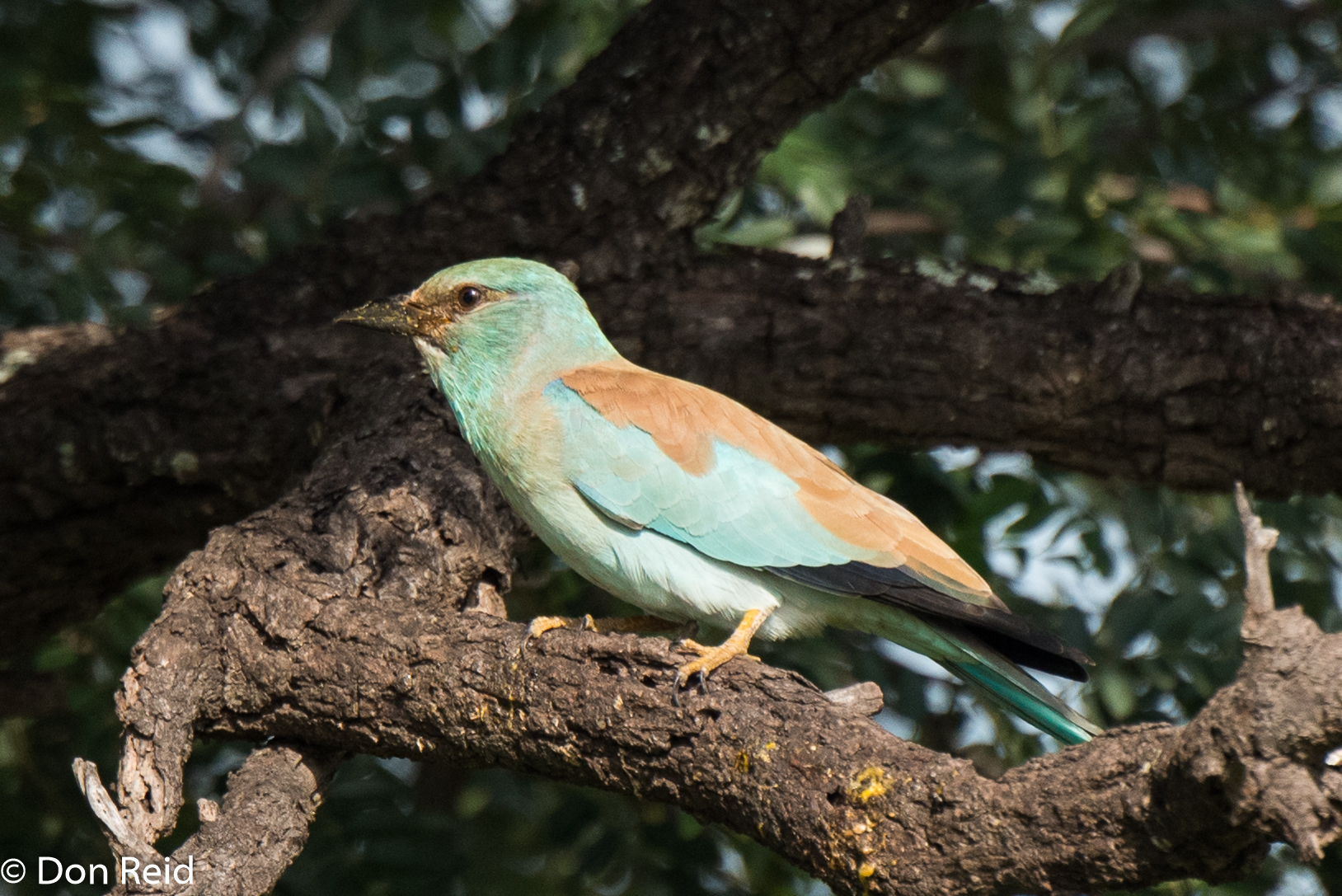
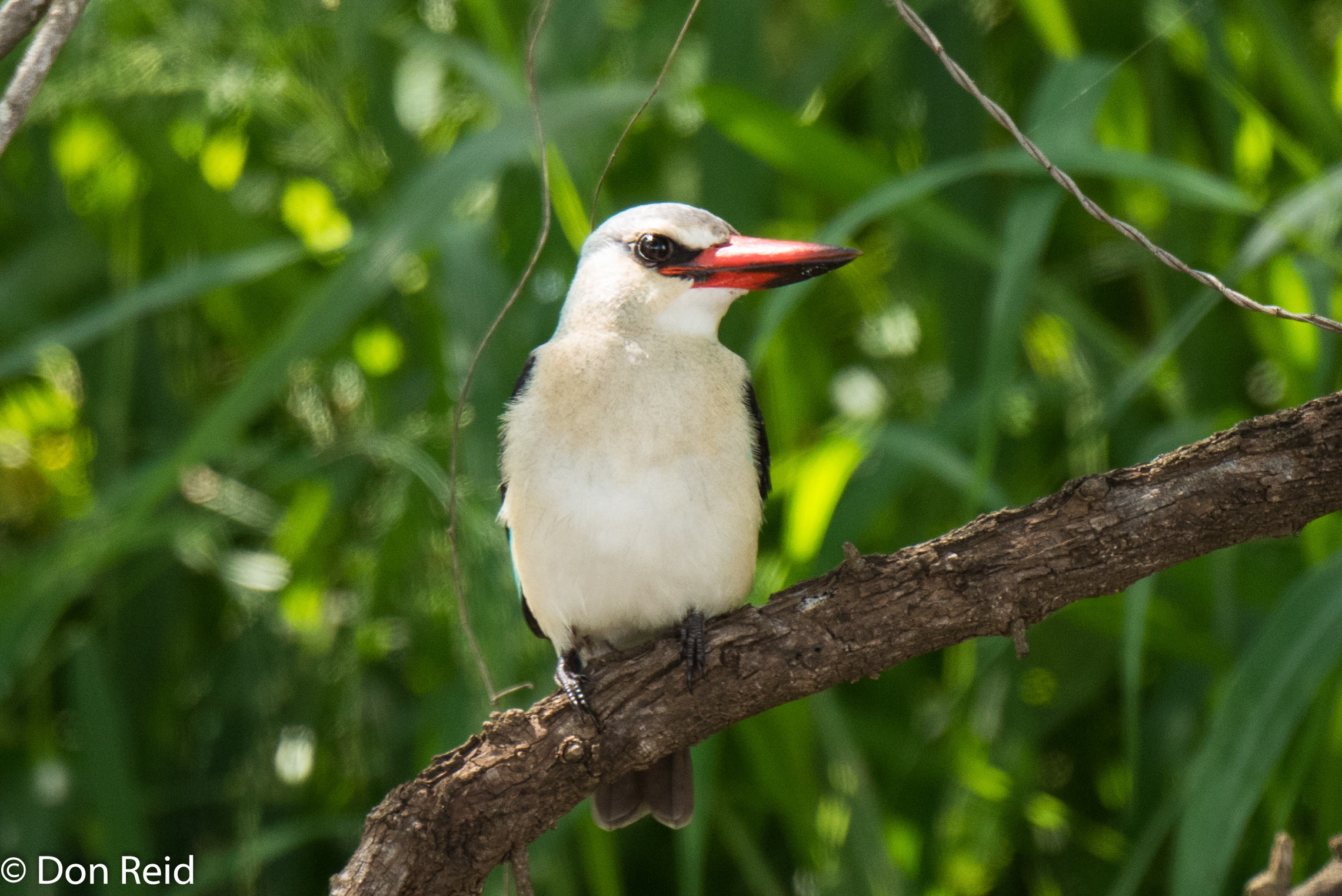
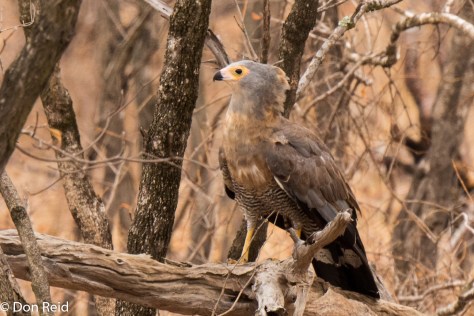
Along the way we had good views of Zebra, Giraffe, Waterbuck, Wildebeest, Kudu and others, while on the birding side I stopped for some of the more striking species – European Rollers were plentiful, Woodland Kingfishers not far behind, African Hawk-Eagle showed nicely and Vultures were easy sightings. Hornbills are always a favourite with visitors, being easily visible and we saw several Yellow- and Red-billed Hornbills.

European Roller
Woodland Kingfisher
Wahlberg’s Eagle

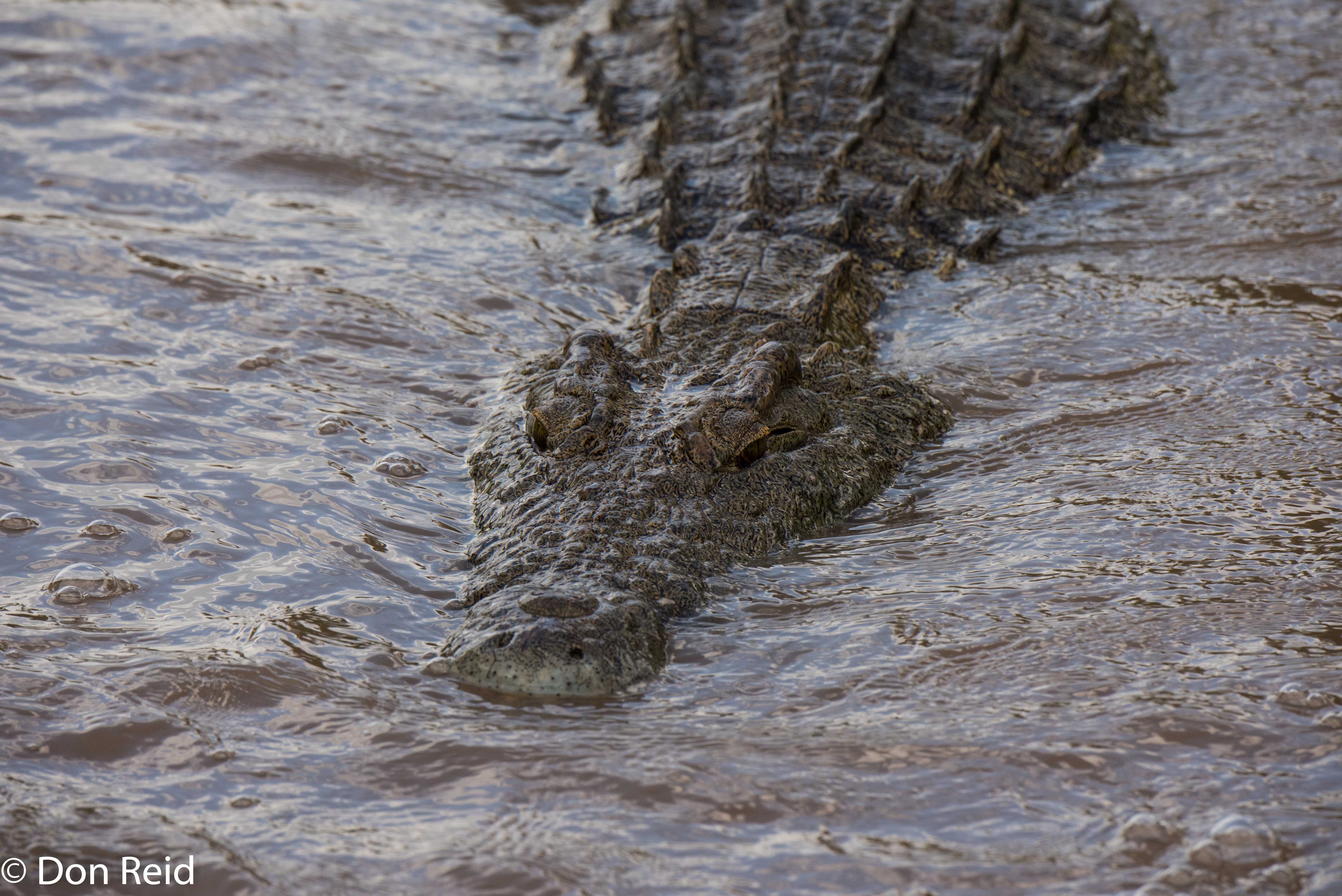
The sighting of the day was reptilian – two crocodiles at a low water bridge with a shallow stream of water flowing over it, swollen by the recent heavy rains. They were waiting patiently at the downstream edge with jaws open, ready to snap shut if a fish was swept their way – about as up close and personal as I have ever been to these large reptiles! As we slowly edged across the bridge, the car’s wheels disturbed the flow, causing the crocs to back up warily before returning to their positions once we were past.

Crocodile at weir hoping for a fish to swim into its jaws
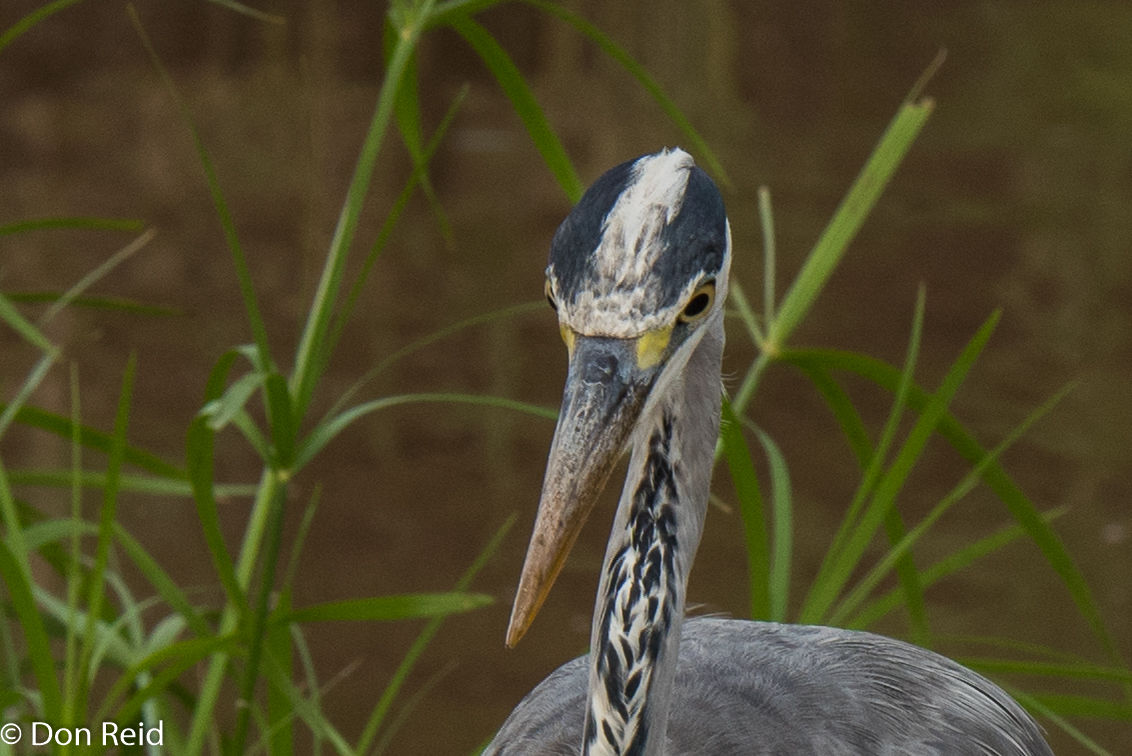
Grey Heron, hoping the croc misses a fish or two

Brunch at Nwanetsi was a real bush breakfast spread – eggs, bacon, mushrooms, beans, tomatoes and bananas – Alex provided essential help to the chief cook (me).

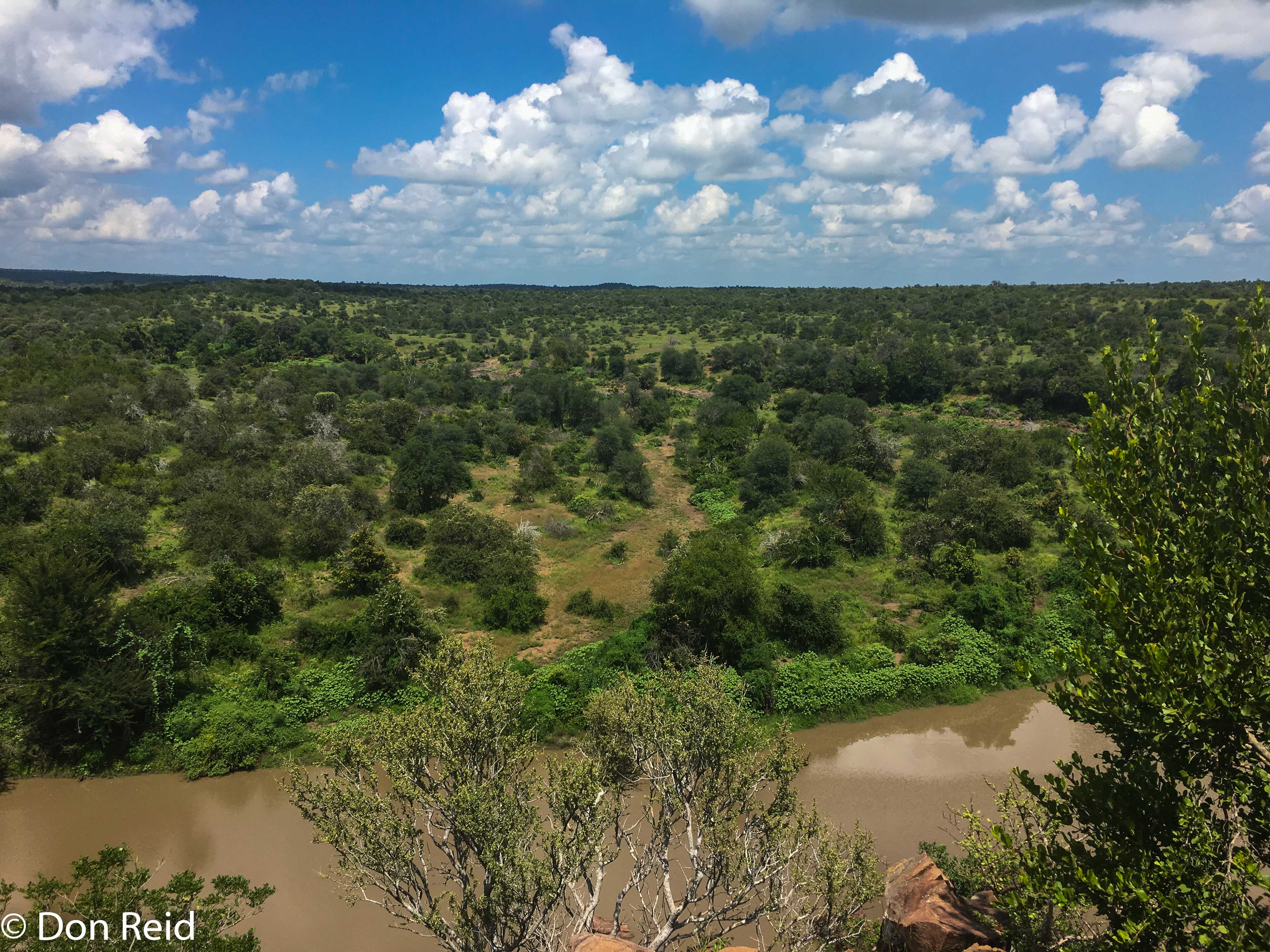
Nwanetsi viewpoint

A short, steep walk took us to the viewpoint above the picnic spot with its sweeping views over the surrounding veld, then we headed slowly back to Satara, diverting briefly to the Sweni hide, where there was not much activity. Back in camp it was time for a lengthy nap to rekindle the energy, followed by some relaxation and the evening braai.

Satara to Phabeni Gate

In order to make the most of our short stay in Kruger, we returned the same way we had come – via Lower Sabie and onwards to Phabeni gate. The trip turned out to be a lot longer than expected – for good reasons as we had some very exciting sightings along the way – 3 Rhinos, 2 Lionesses and to end with a bang, 2 male Lions right next to the road.

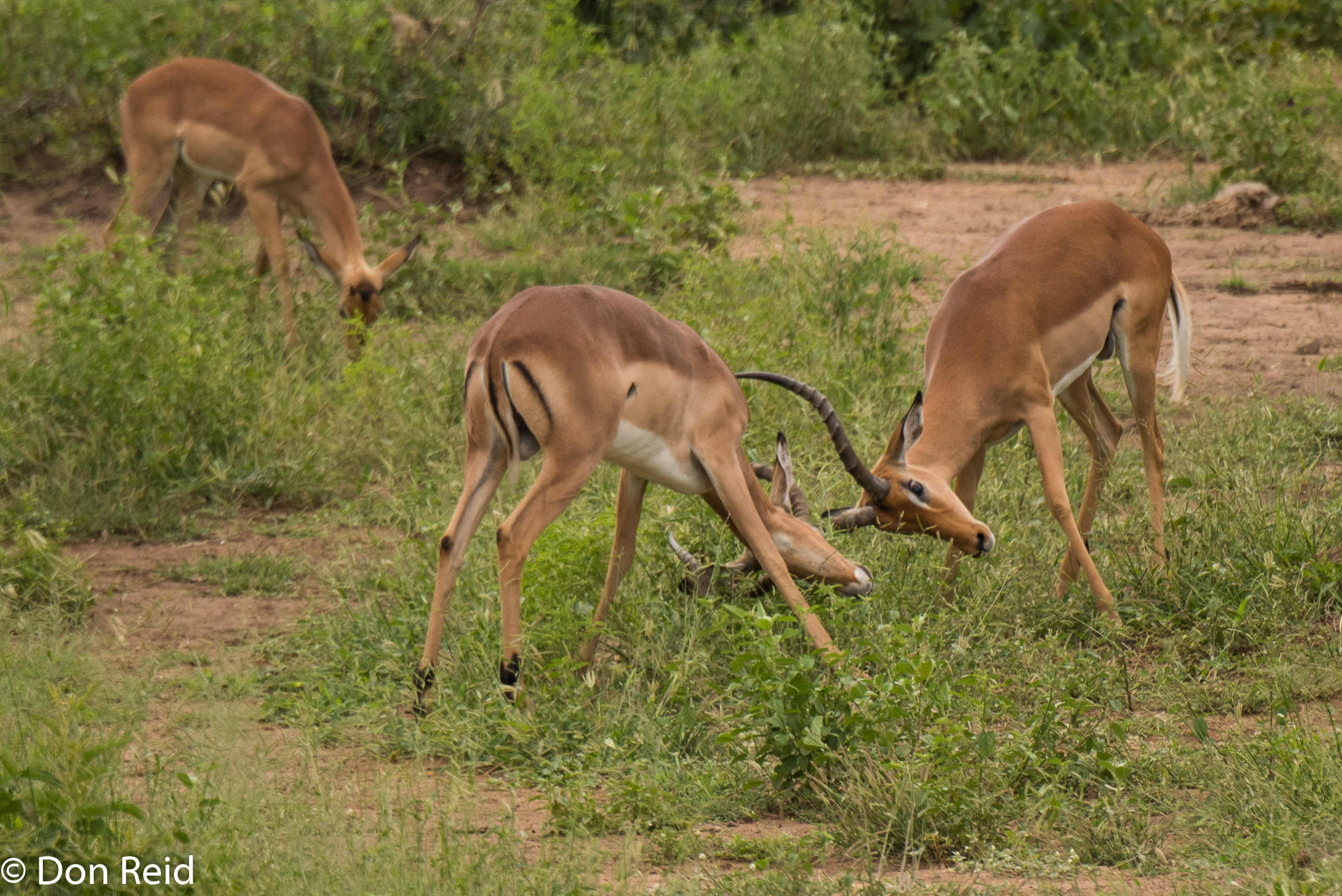
Impala rutting

The buzz in the car went up a level or three and on top of these special sightings we saw upwards of 200 elephants in small and large herds at various points along the way. What a wonderful way to conclude our short trip to Kruger and to be able to share these great sightings with our visitors!

Waterbuck
Lower Sabie view
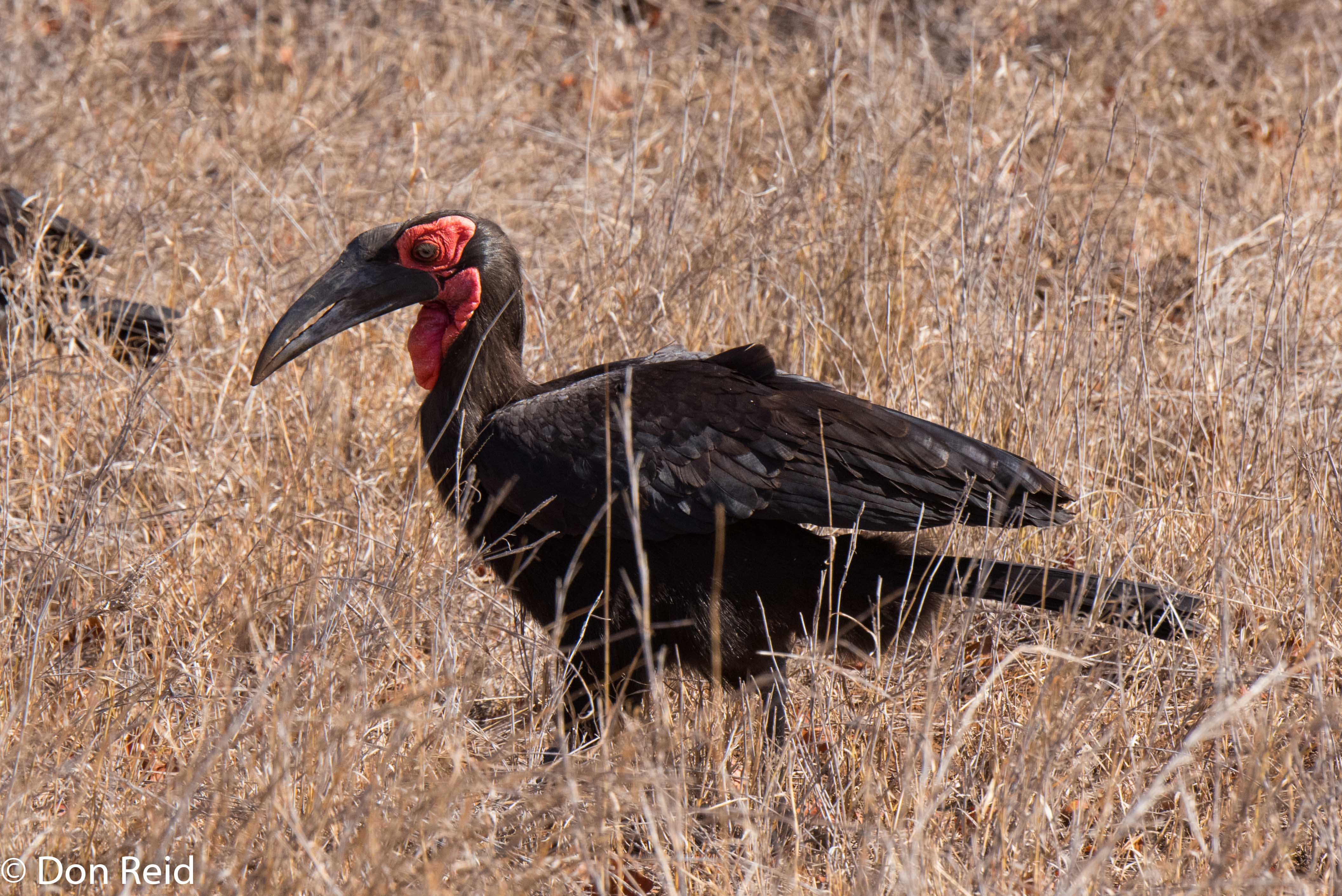
Southern Ground Hornbill

To make it easier on the passengers (and driver) we stopped regularly – firstly at Tshokwane picnic spot for coffee and muffins, then at Lower Sabie for a lunch of toasted sandwiches and finally at Lake Panic hide near Skukuza for a brief look at the birds. Strangely the hippos that usually frequent Lake Panic were not visible.

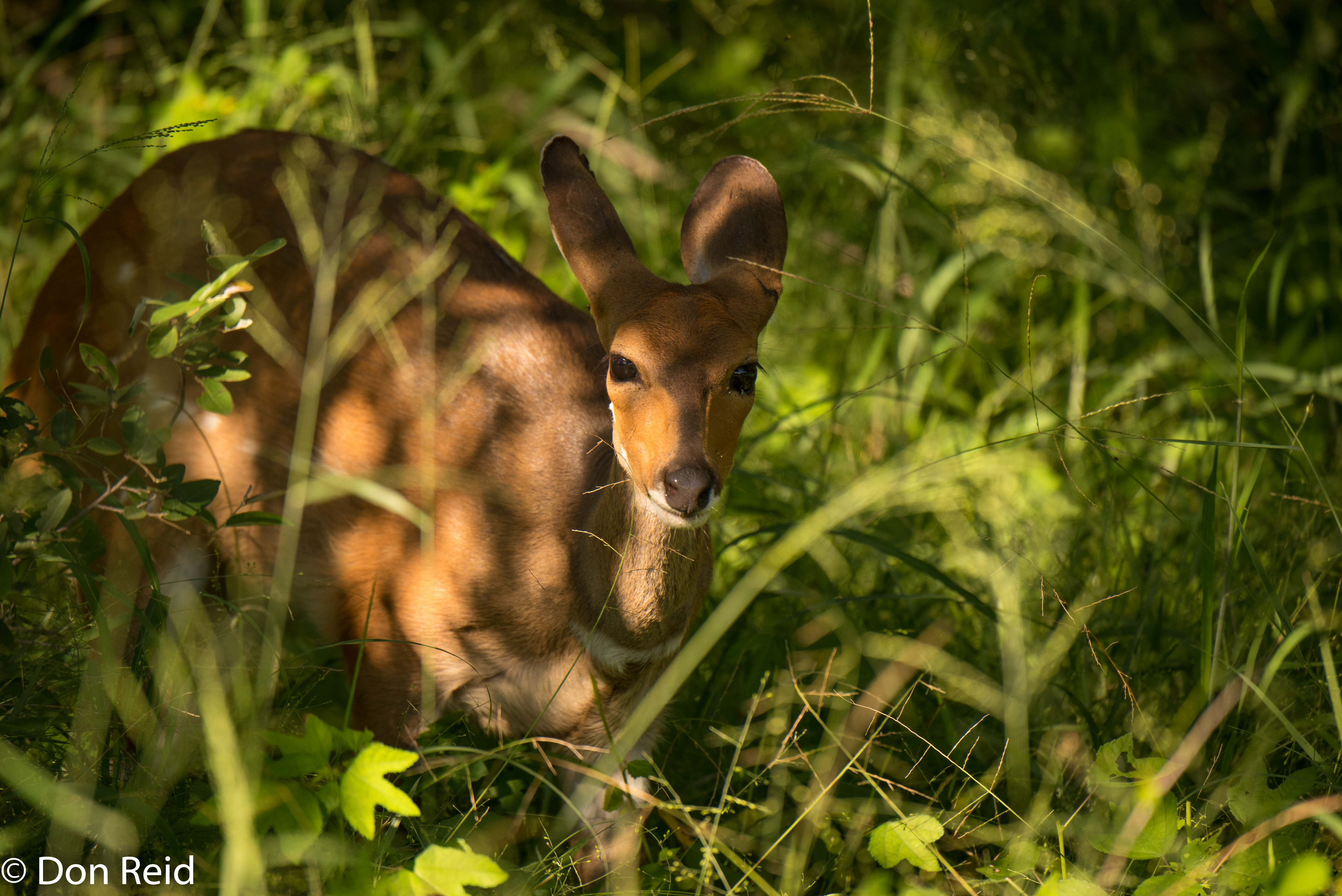
Bush buck, Lake Panic
Pied Kingfisher, Lake Panic
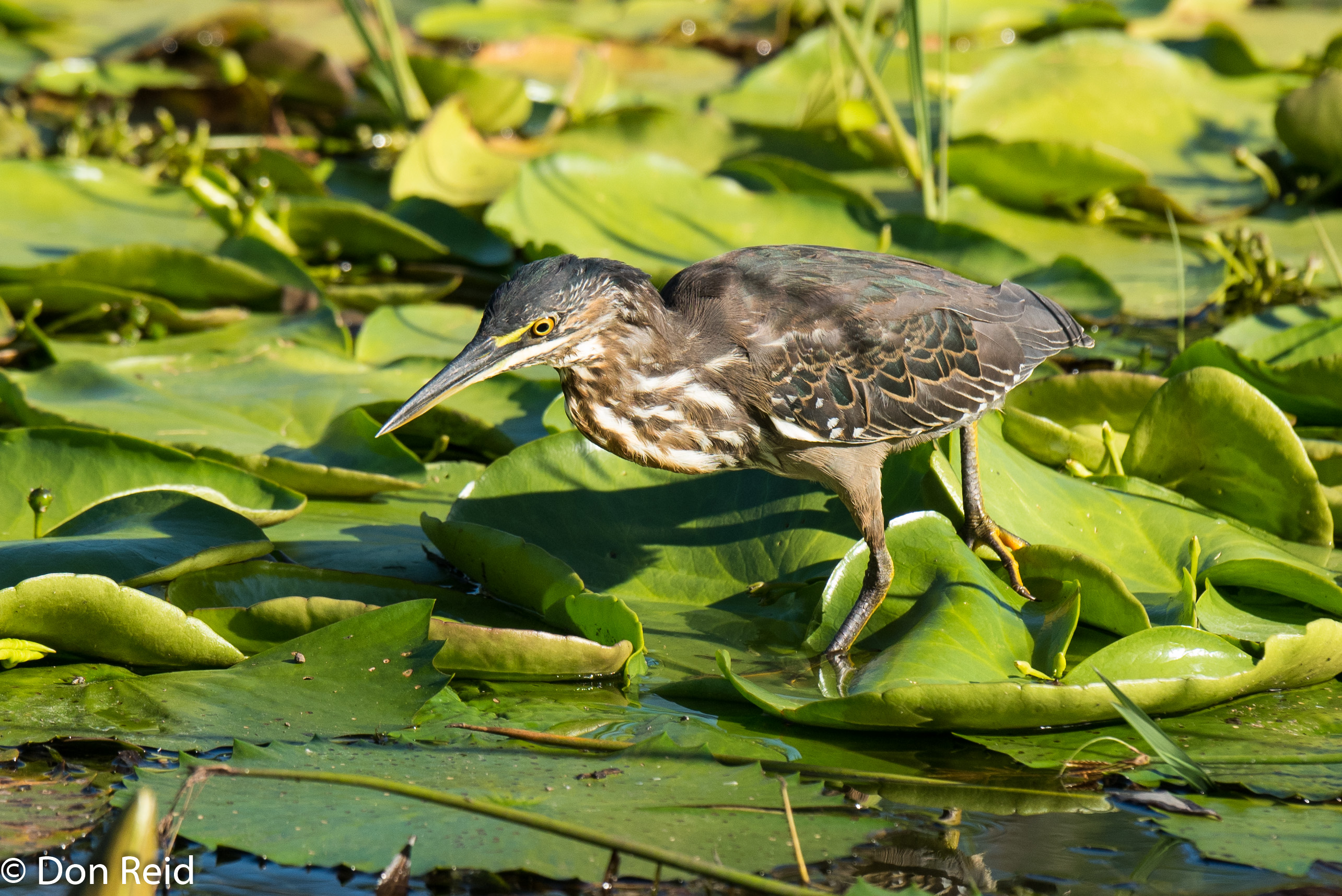
Green-backed Heron (Juvenile), Lake Panic
African Jacana, Lake Panic

The trip through Kruger took all of 8 hours compared to the 2.5 hours it took on the way in!

Lower Sabie – our only Leopard sighting

But it was the special sightings that had all of us enthralled.

The 3 Rhinos were grazing peacefully in long grass some distance from the road, offering brief views of their unique horns now and again.

White Rhino, Satara-Lower Sabie

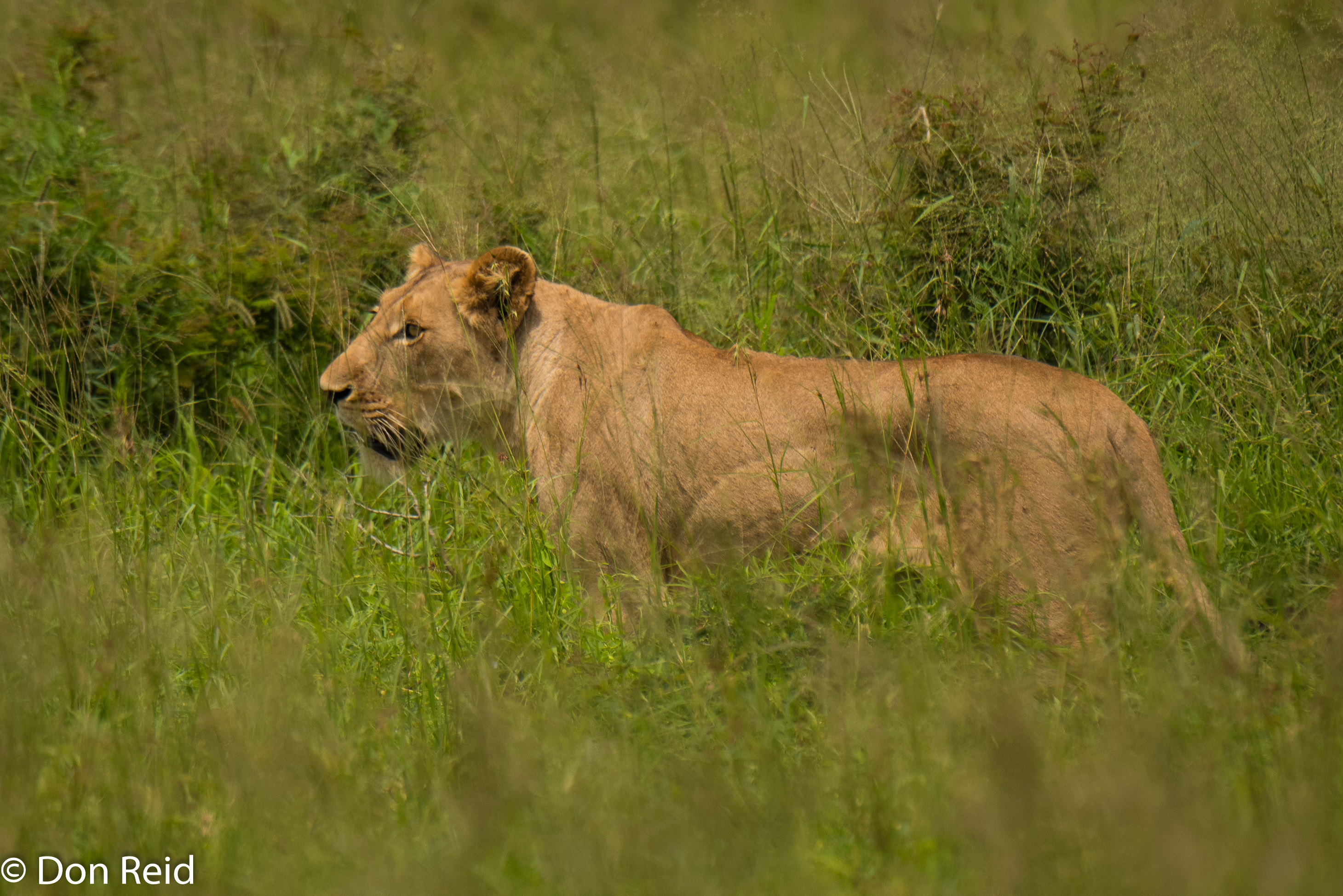
We came across the 2 Lionesses walking on one side of the road, then crossing the road and continuing leisurely on their way into the long grass on the other side.

Lioness, Satara-Lower Sabie

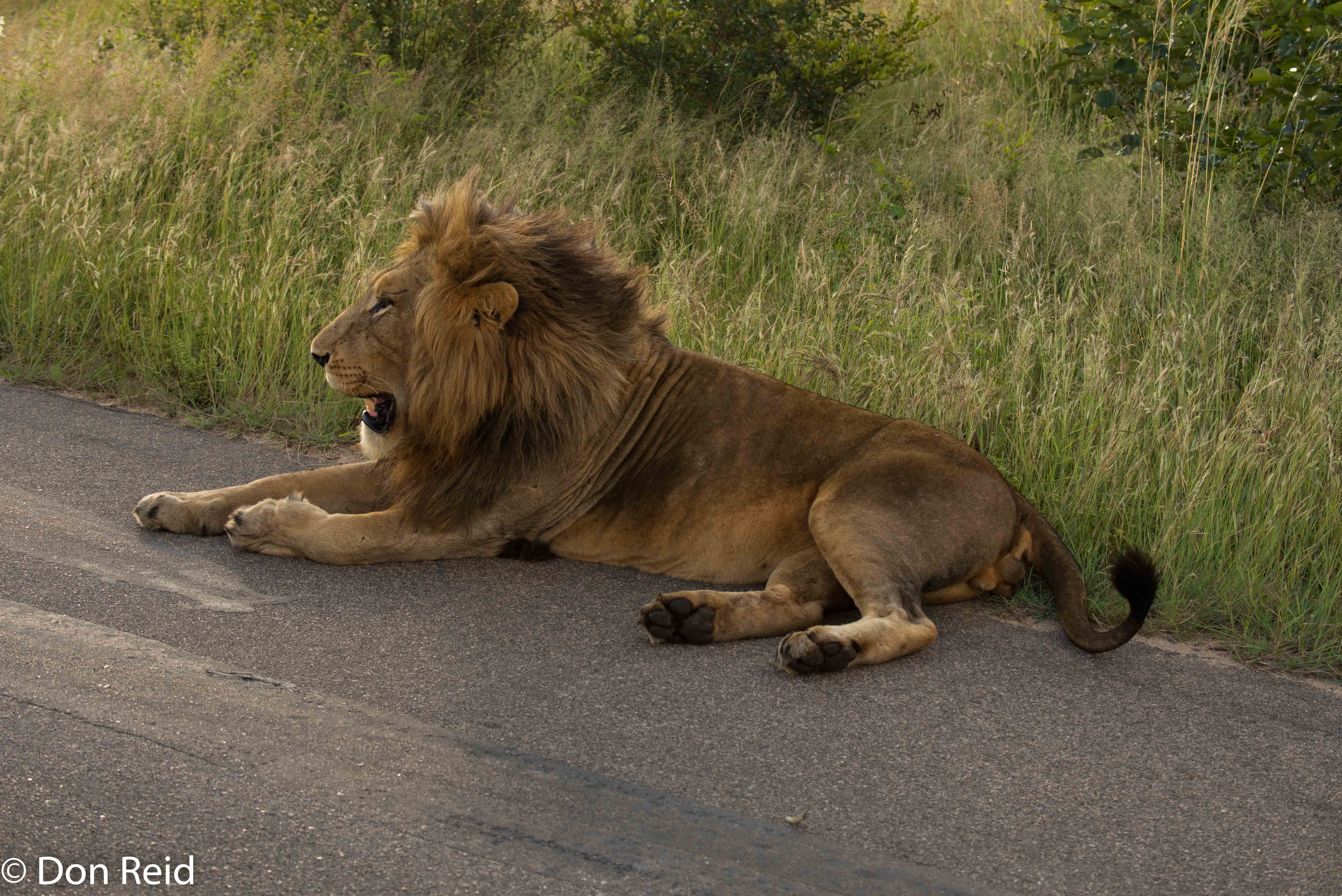
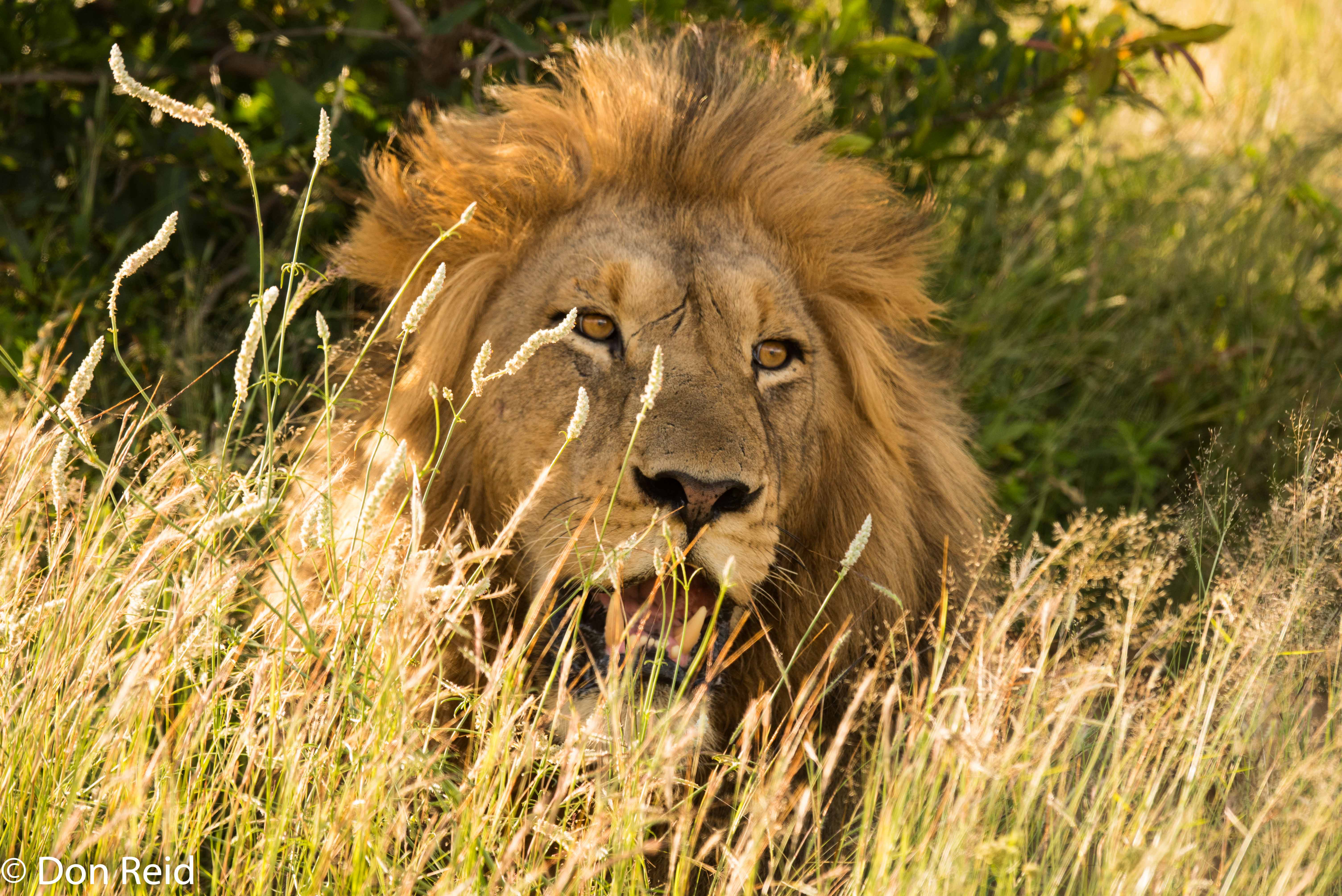
The male Lions gave us a great show as we first saw one right next to the road, with a car parked next to it virtually within touching distance, but also mostly obscuring it from view. The car’s occupants seemed to have the attitude that the lions belonged to them and no one else, as they showed no inclination to move and allow anyone else a decent view – very frustrating!

However, luck was on our side as Alex (our new chief spotter) saw a Lion approaching out of the bush and I quickly got our vehicle into position when it flopped down in the road just a few metres further, with unhindered views for a few minutes before we decided to move on. The temptation to thumb our noses at the selfish people in the other car was great, but good manners got the better of us.

Lions, Phabeni area
Lions, Phabeni area

All that remained of our Kruger expedition was to exit at Phabeni Gate, with the time now 5.30 pm, and find our way to Graskop, then on to Thaba Tsweni lodge for the next leg of the trip – more on that in a future post.


On a Farm in Africa

I (wish I) had a farm in Africa……….

Having a farm in Africa is not quite as romantic as the well-known film of some years ago made it out to be. It takes a lot of courage and hard work to make a success of a farm and the dependence on favourable weather conditions can fray the nerves, to say the least.

Nevertheless it would be many people’s dream come true to have a farm in Africa – the next best option is having family with a farm and we count ourselves fortunate to be in that position. It also helps if said family are the hospitable kind and they don’t come more hospitable than Pieter and Anlia Genis, Pieter being my wife Gerda’s nephew and Anlia being, well, Anlia.

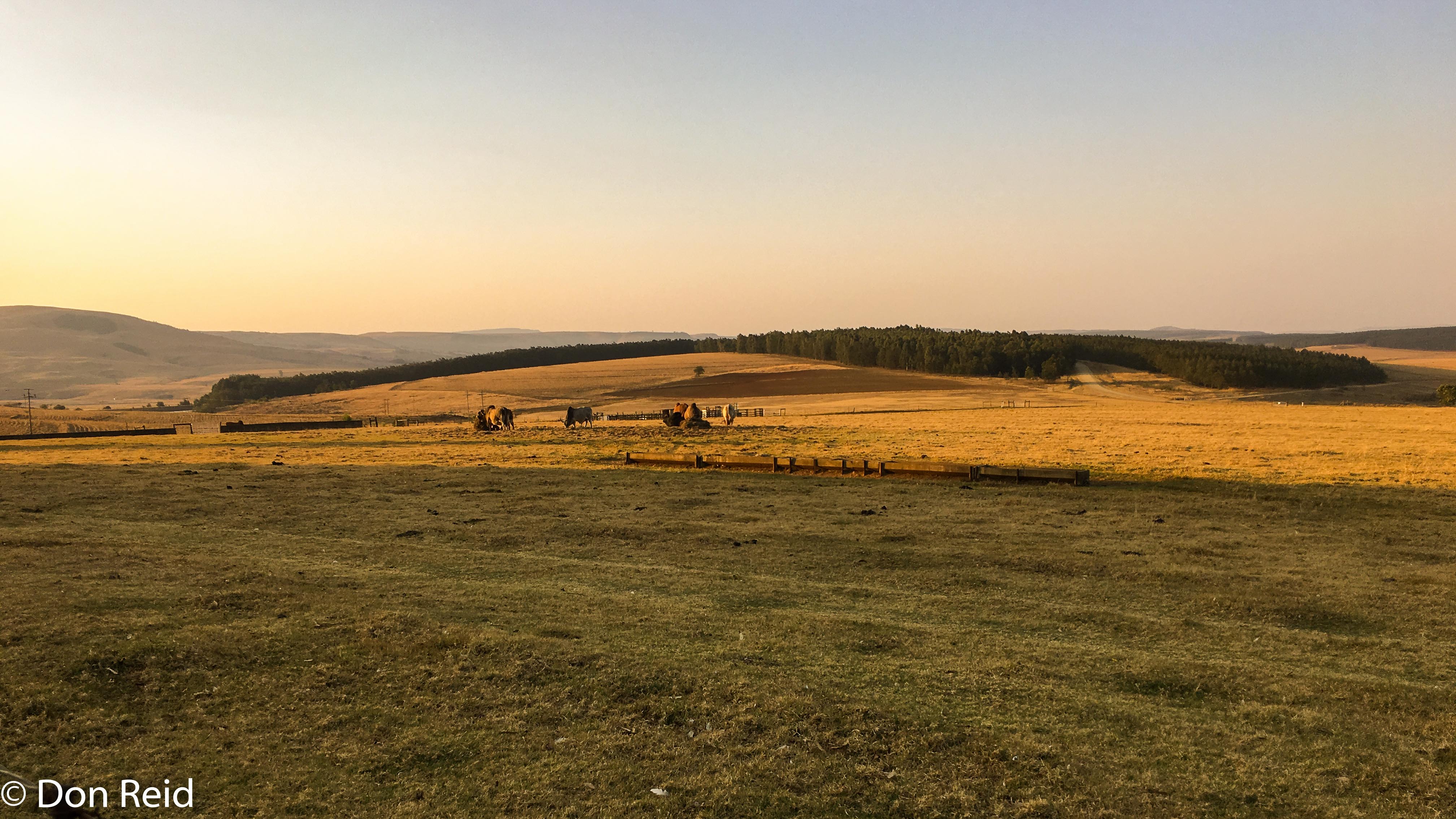
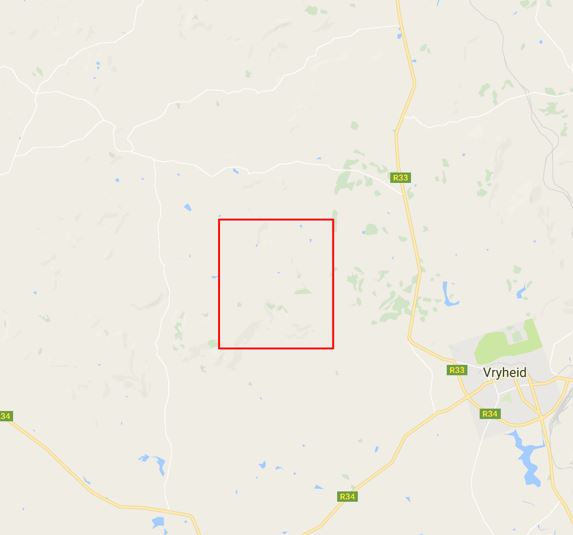
Their farm lies in a hilly part of northern Kwazulu-Natal province of South Africa, not far from Vryheid and some of the sites of fierce battles that took place in the late 1800’s, variously between the forces of the British, Boers and Zulus who were all fighting for control of this part of Southern Africa.

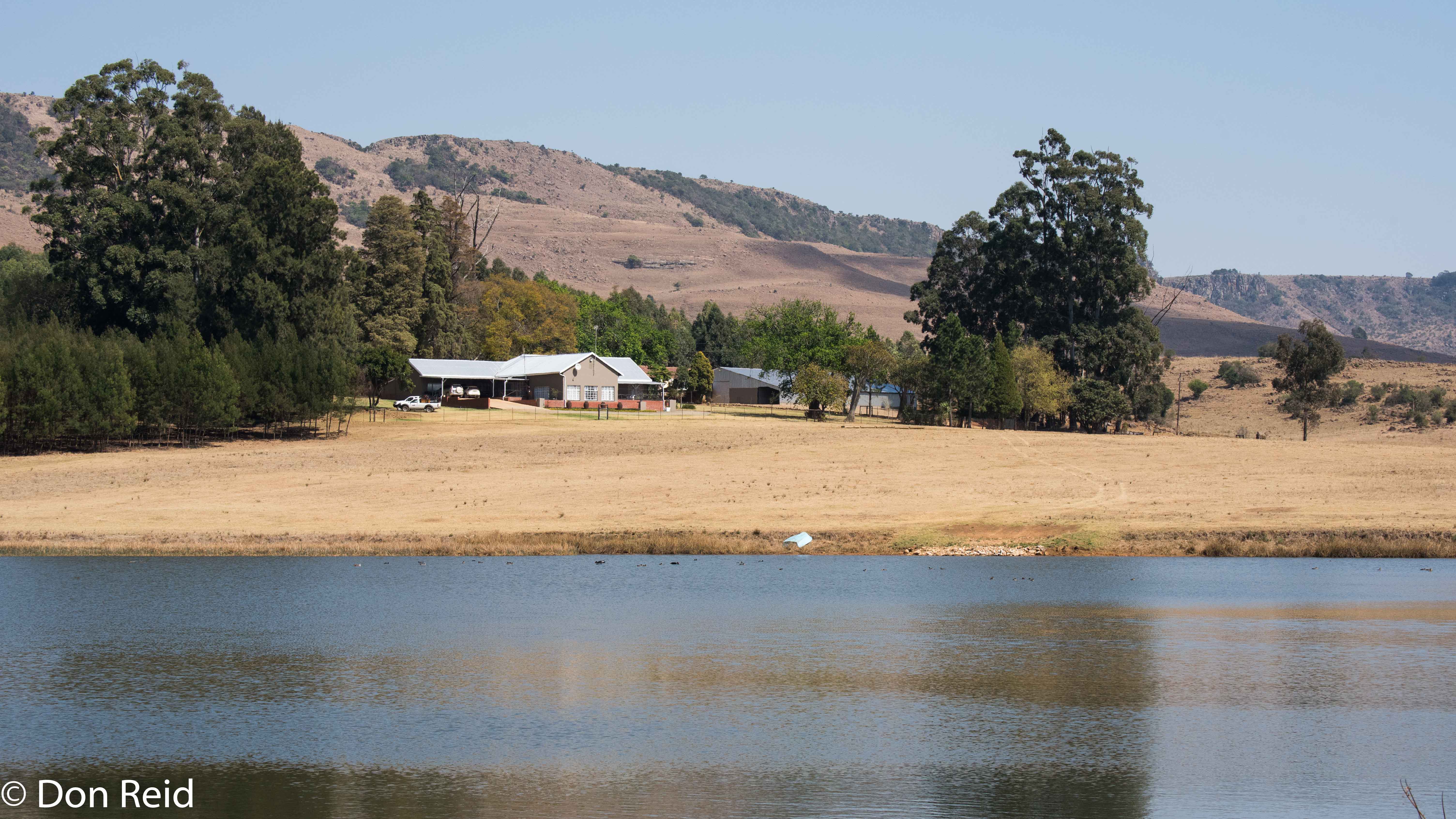
Onverwacht farm, Vryheid

We visit the farm whenever the opportunity arises, although less frequently than we would like and our most recent visit, coinciding with the first weekend of our Spring in September 2016, was to attend a family wedding in Vryheid. I used the time before and after the nuptials to fit in some birding in this quite special environment and as usual it delivered several species that are not easily seen elsewhere.

Exploring the Farm gardens and surrounds

Onverwacht farm, Vryheid

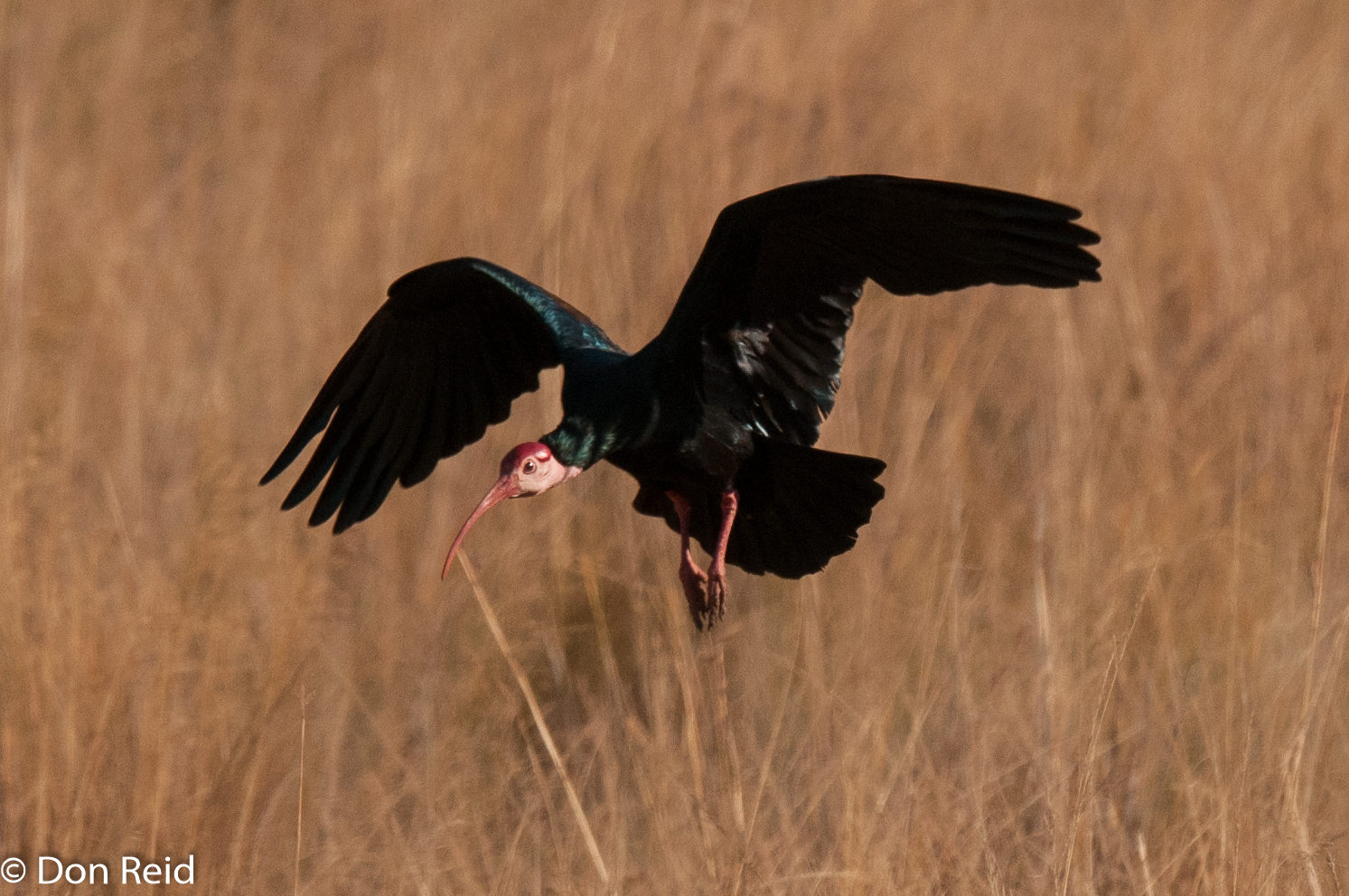
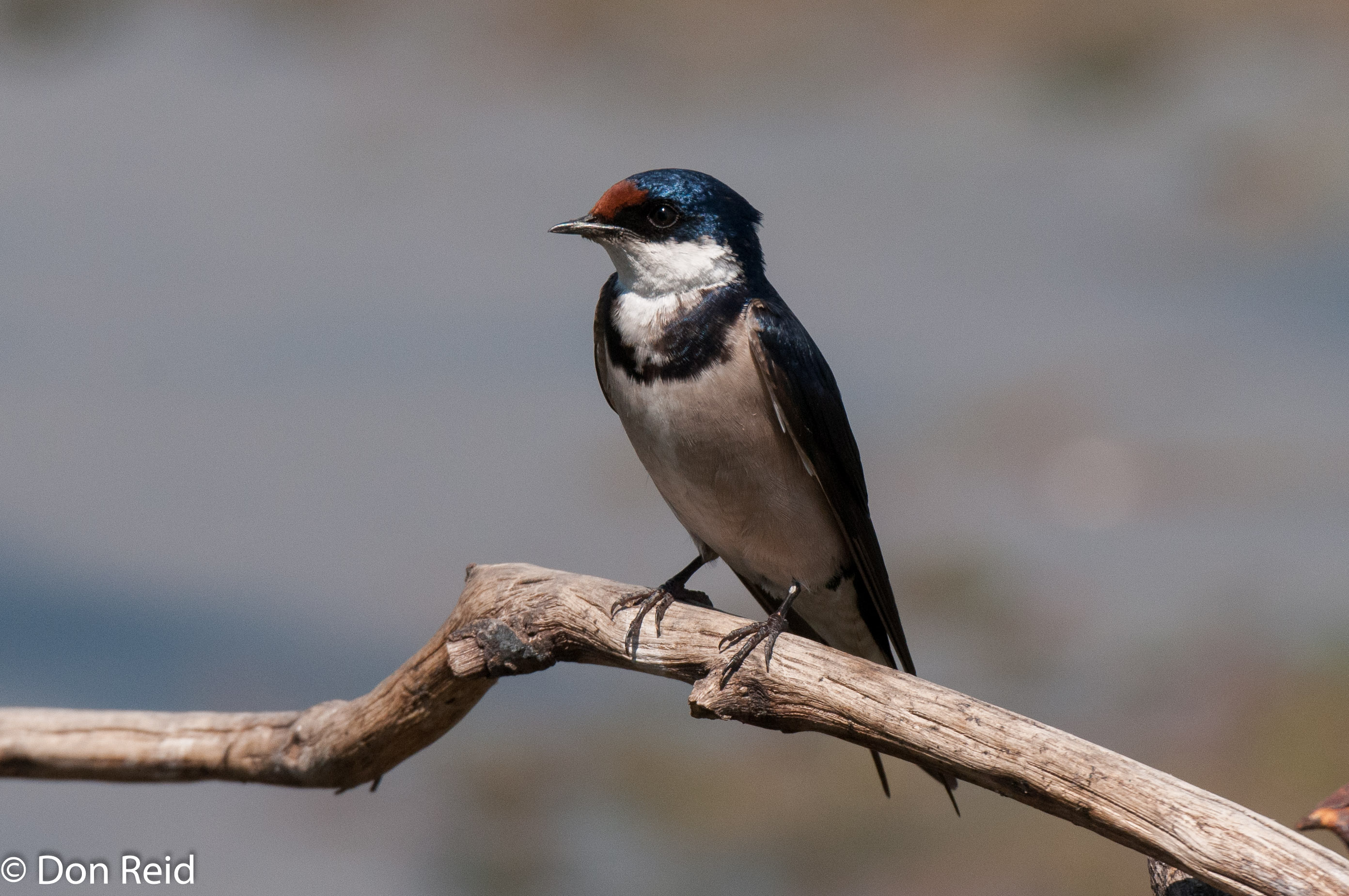
Saturday’s session was less than half an hour in the vicinity of the farm-house, highlighted by a Bald Ibis flying past, Black-headed Oriole calling regularly with liquid whistles, White-throated Swallow and a lofty Yellow-billed Kite, no doubt fresh back from its migration to other parts of Africa.

Bald Ibis
White-throated Swallow

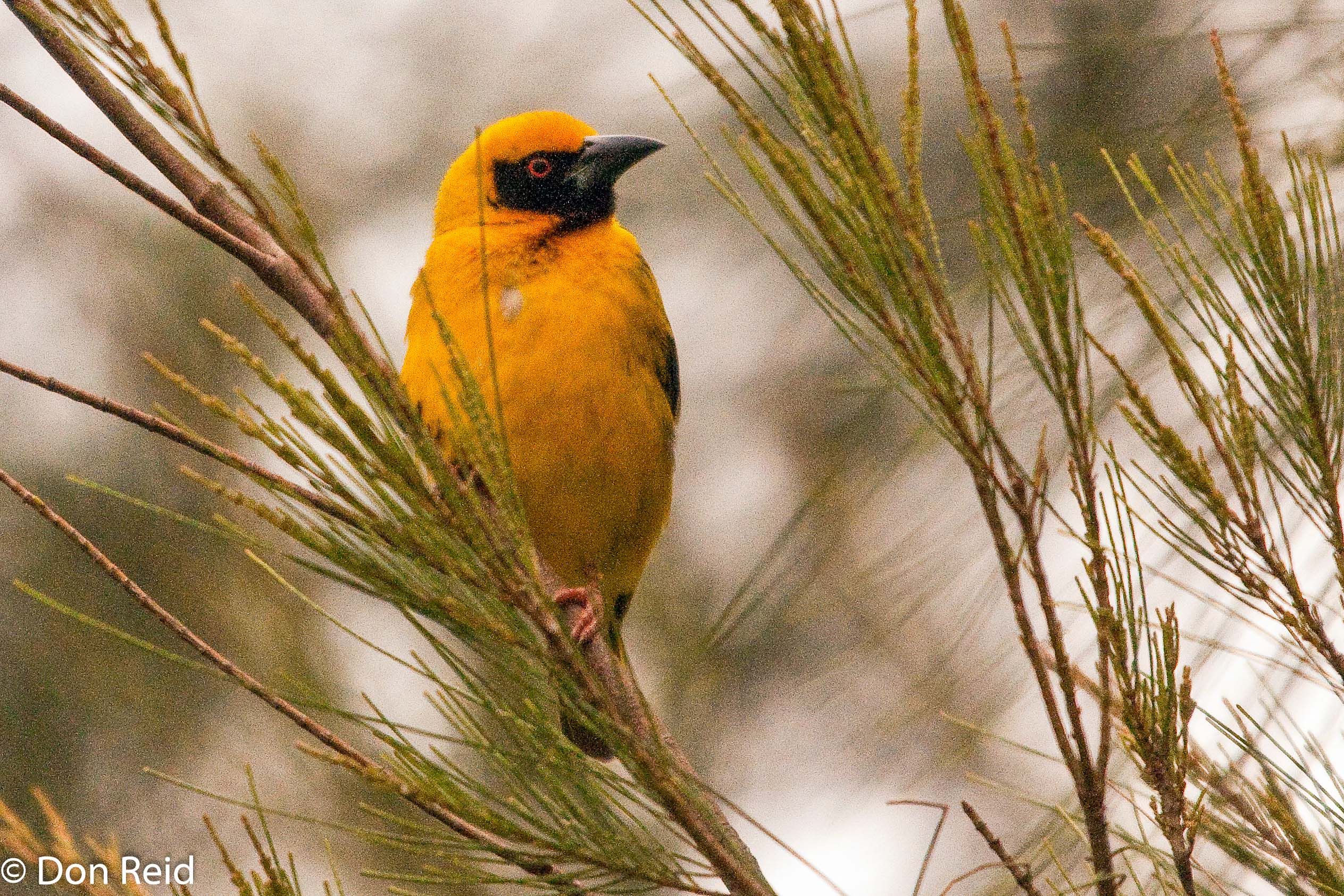
Very prominent were the Village Weavers in numbers in the pine trees behind the house, chattering away in their excitement at the arrival of Spring and a chance to do some nest-building and wooing of the female weavers.

Village Weaver

And in the garden a Greater Double-collared Sunbird showed off its bright red and green colouring.

Greater Double-collared Sunbird

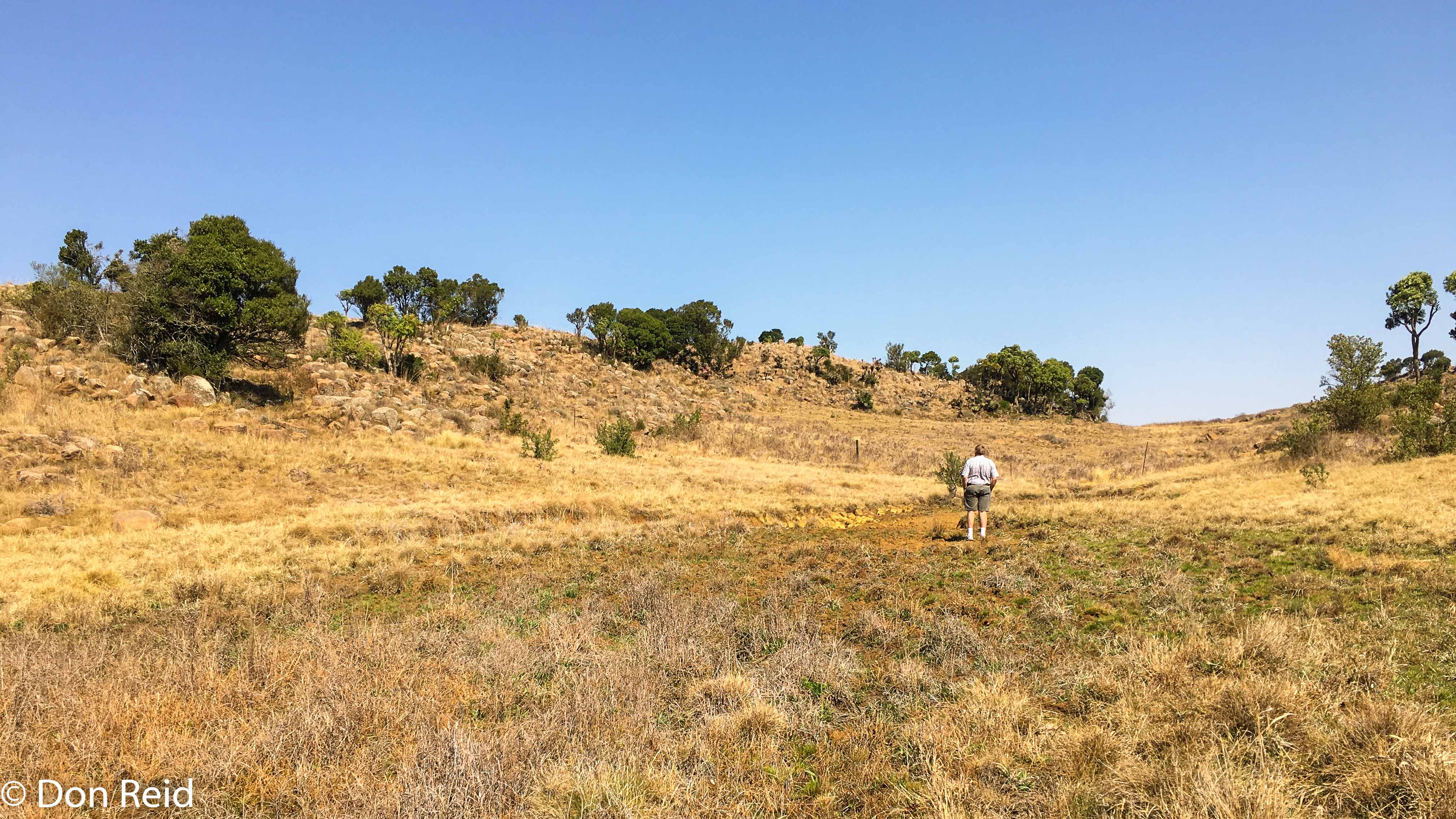
Sunday’s birding was a lot more exciting, starting with an hour-long slow walk around the dam not far from the house and followed by a drive up the mountain to the plateau, courtesy of “bird-guide” Pieter, who has become very adept at knowing where certain species occur on his farm.

The dam circuit was a slow and easy walk from the house down to the dam and skirting the edge all the way around.

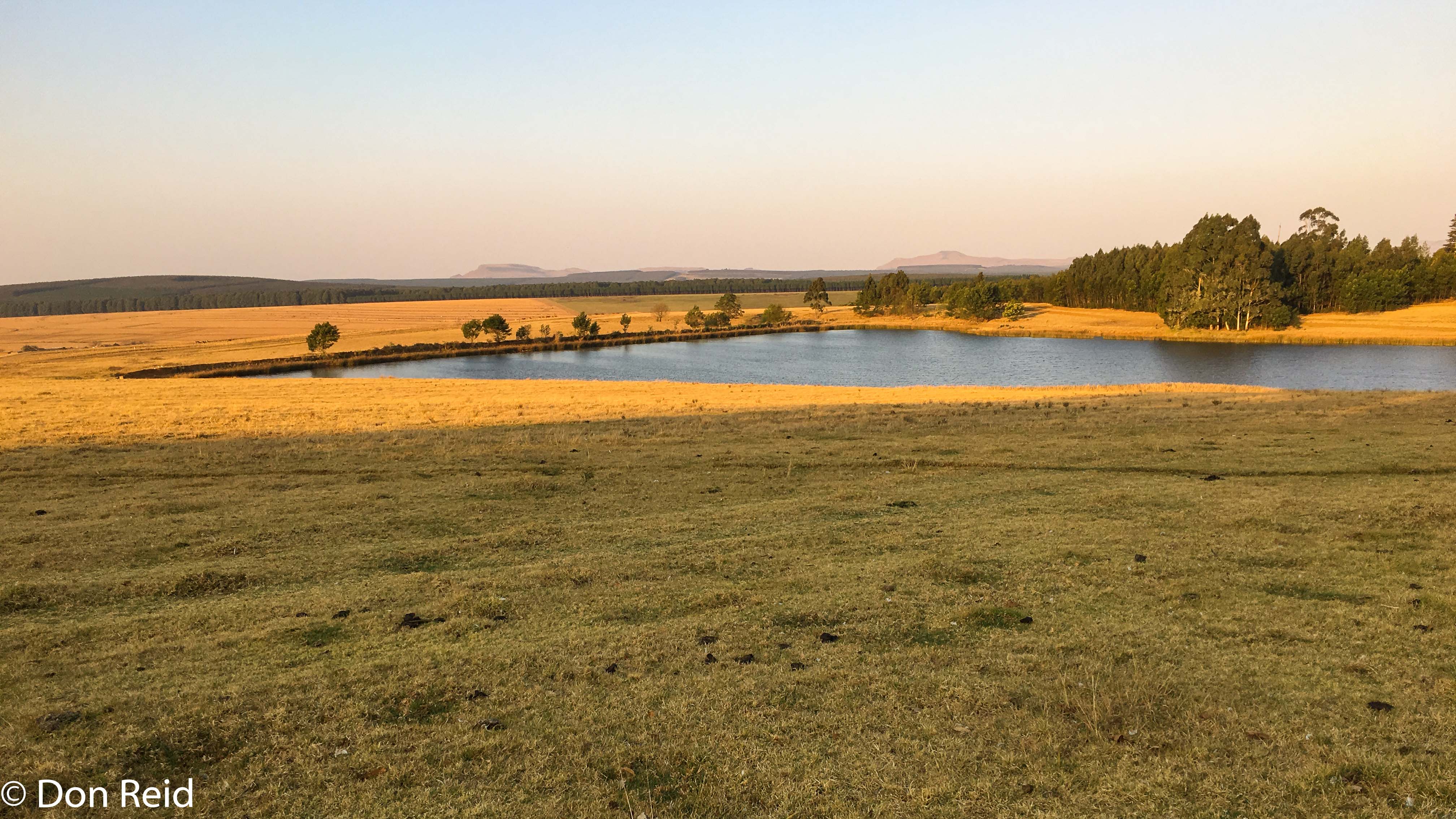
The dam as seen from the farm house
The dam

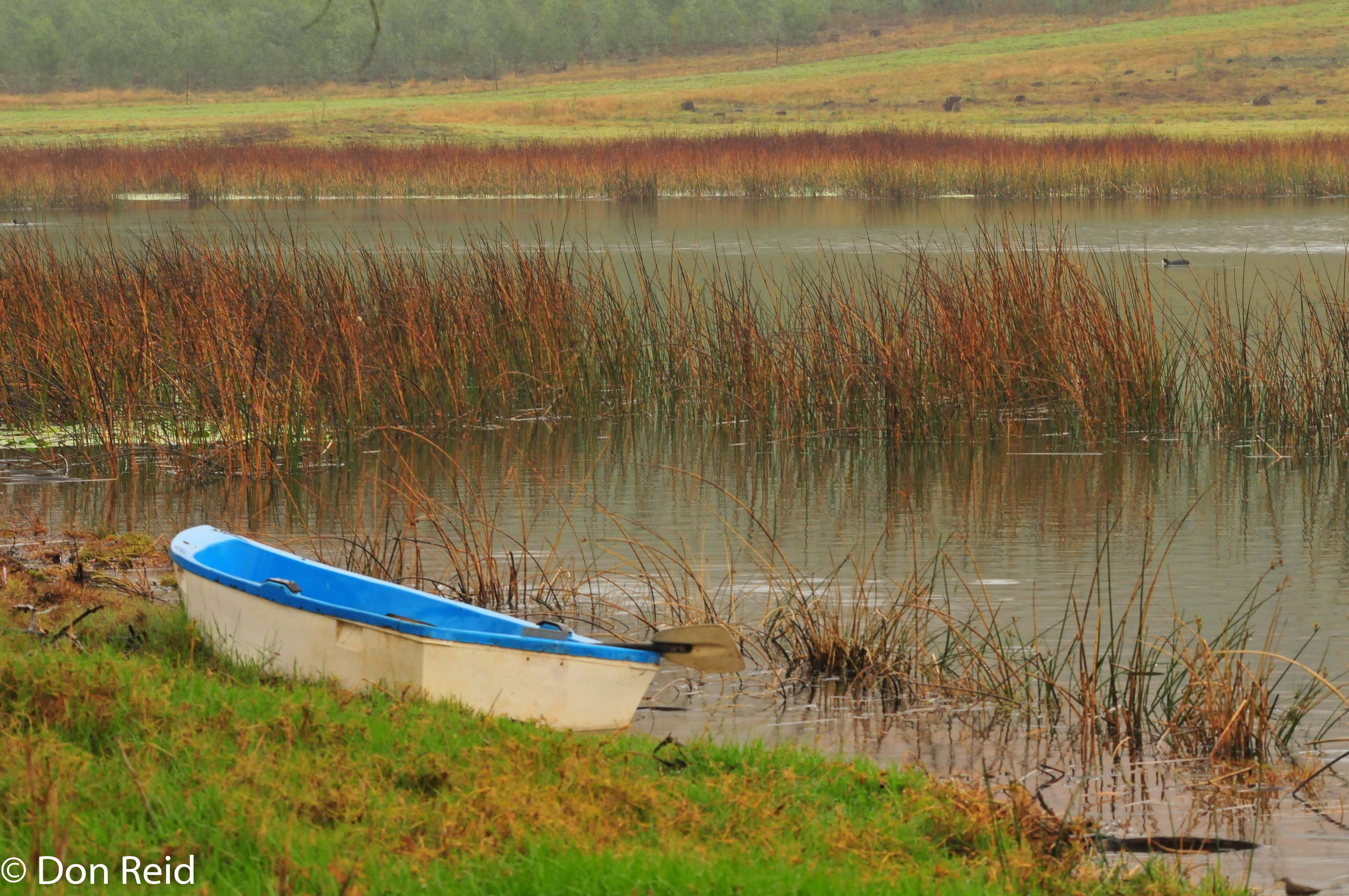
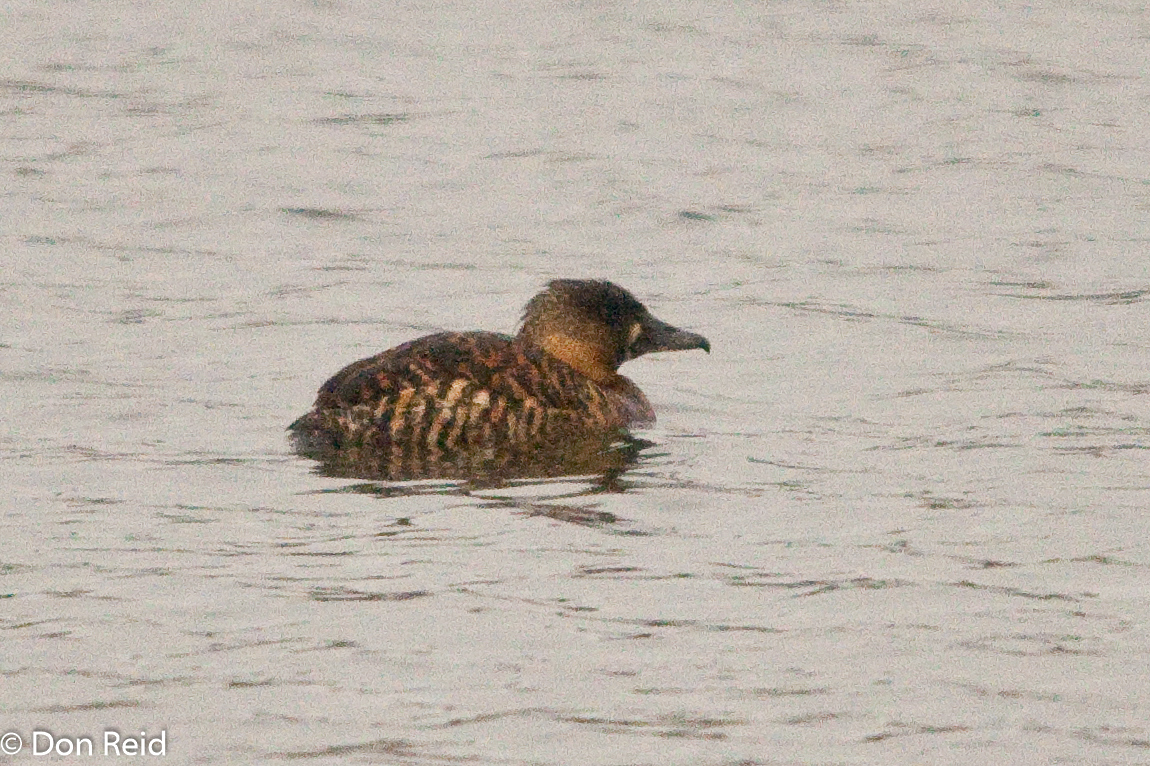
Brown-throated Martins and Black Saw-wings flew low over the water along with an occasional White-throated Swallow. Amongst the usual Yellow-billed Ducks and Red-knobbed Coots, a bevy of White-backed Ducks stood out but kept their distance, making it difficult to get a decent photo.

White-backed Duck

A Giant Kingfisher flew out of a waterside tree as I approached, calling ka-ka-ka, and landed on the far side of the dam.

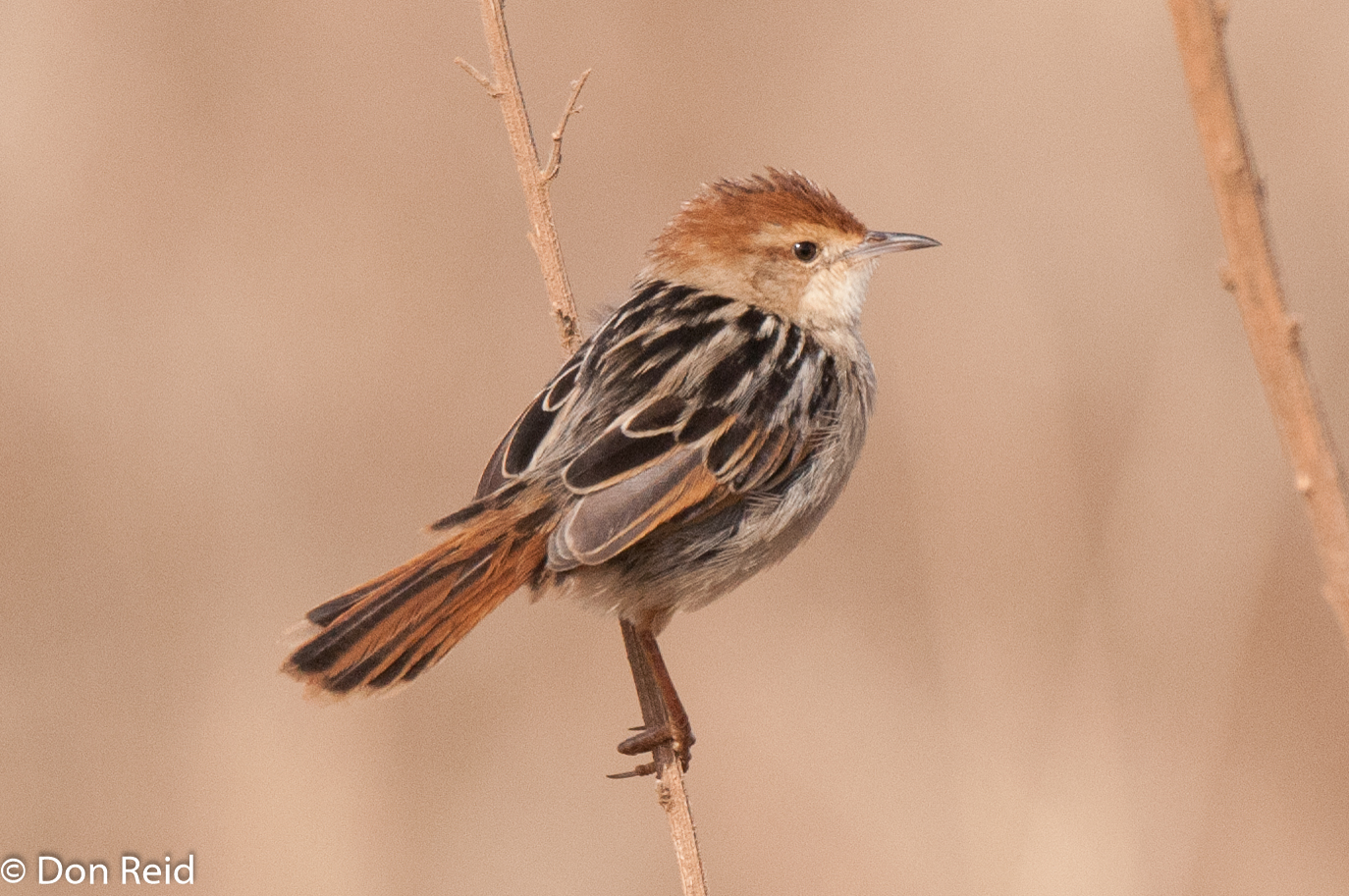
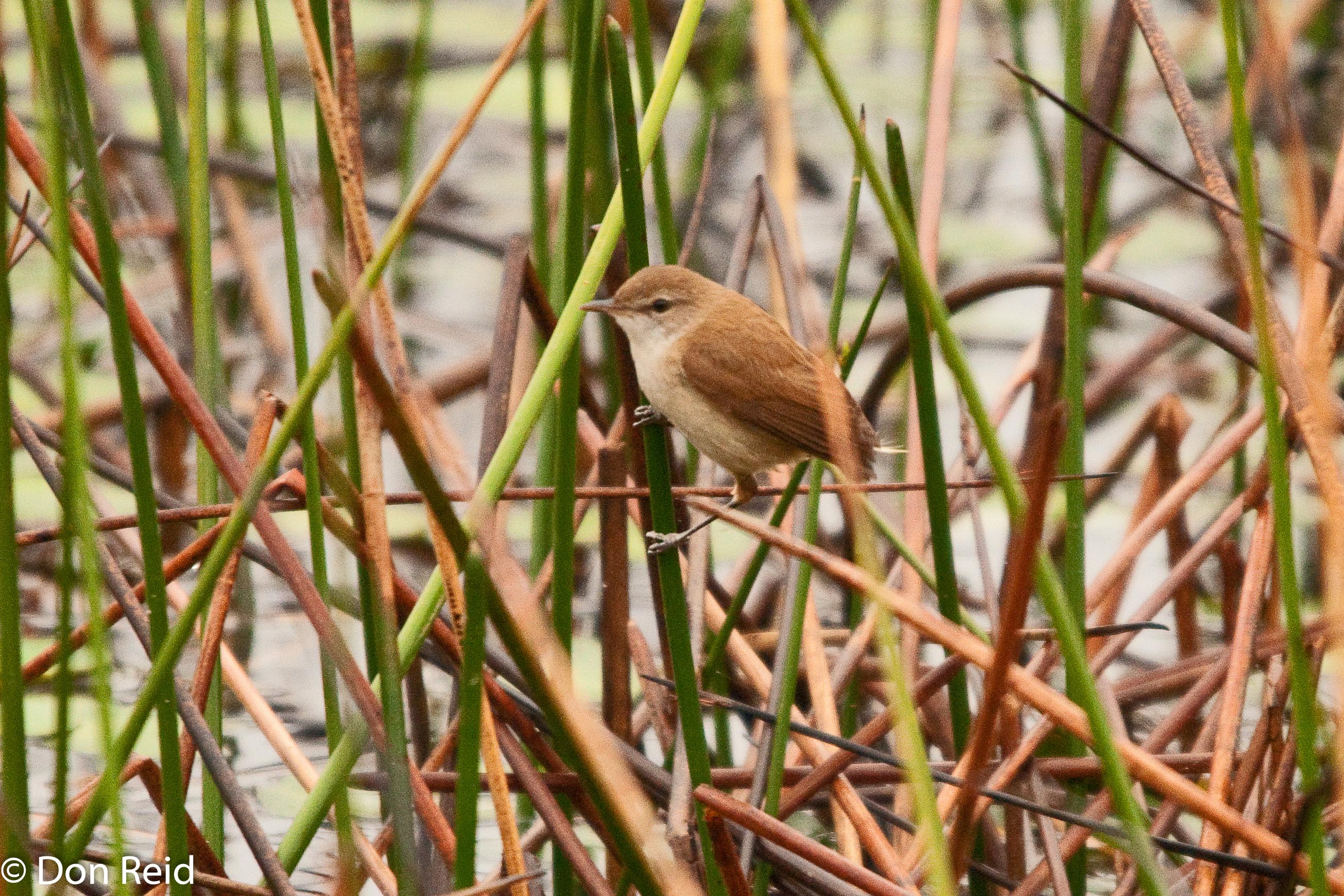
Walking along the dam wall, I disturbed several reed-dwellers – Levaillant’s Cisticolas, Tawny-flanked Prinias, Neddickys and Southern Red Bishops aplenty. Lesser Swamp-Warbler peeked out of the reeds just long enough to grab a photo.

Levaillant’s Cisticola
Southern Red Bishop
Lesser Swamp Warbler

Going Up

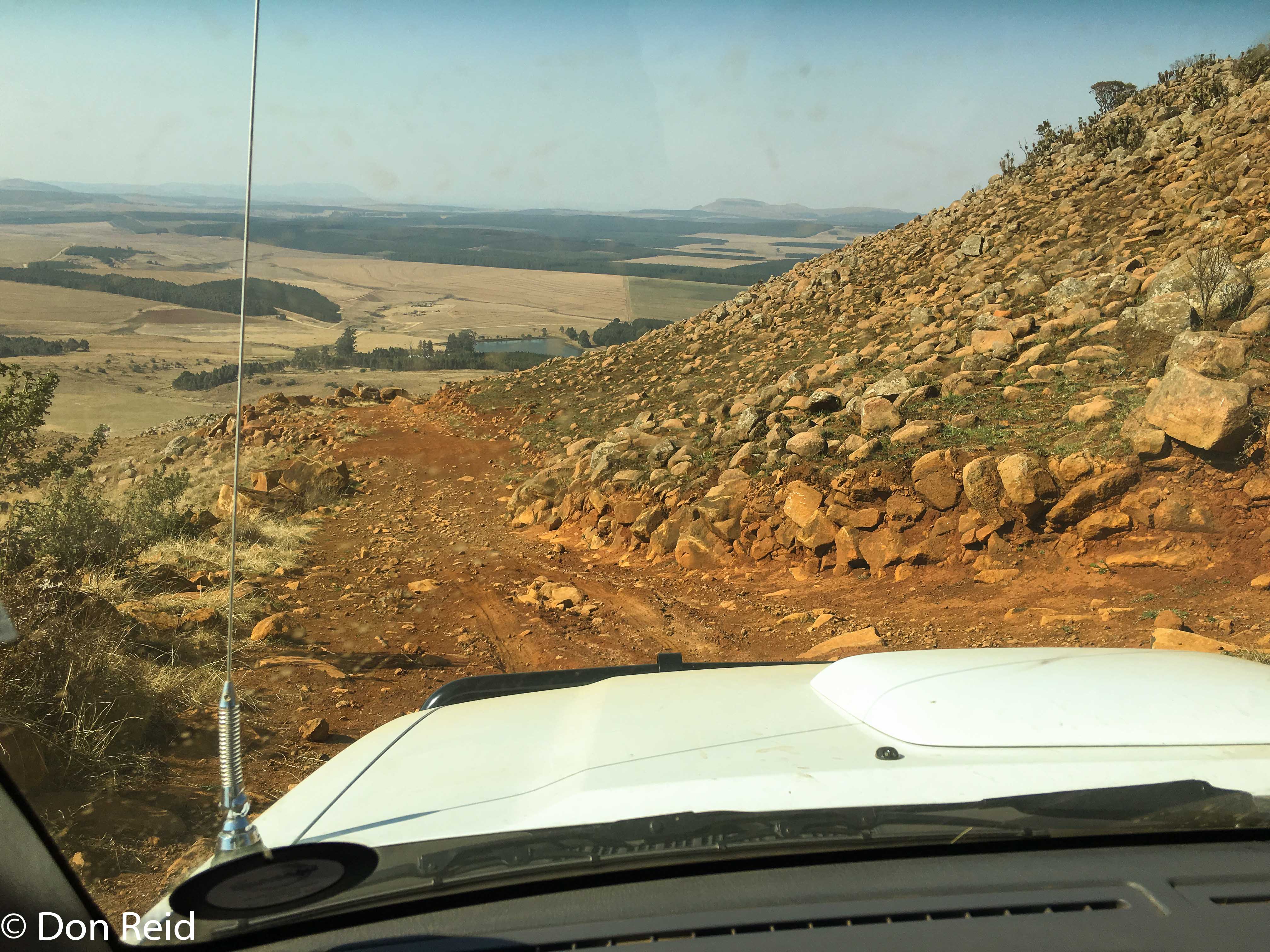
After a more than substantial farm breakfast, including my favourite “krummelpap” – a crumbly porridge in warm milk and dressed with biltong and cheese, Pieter suggested a birding drive, which I agreed to rapidly. We were soon on our way  up the mountainside on to the plateau in the 4 x 4 bakkie (pickup), expertly driven by Pieter on tracks which are at times rough enough and steep enough to have this brave birder’s heart in his mouth.

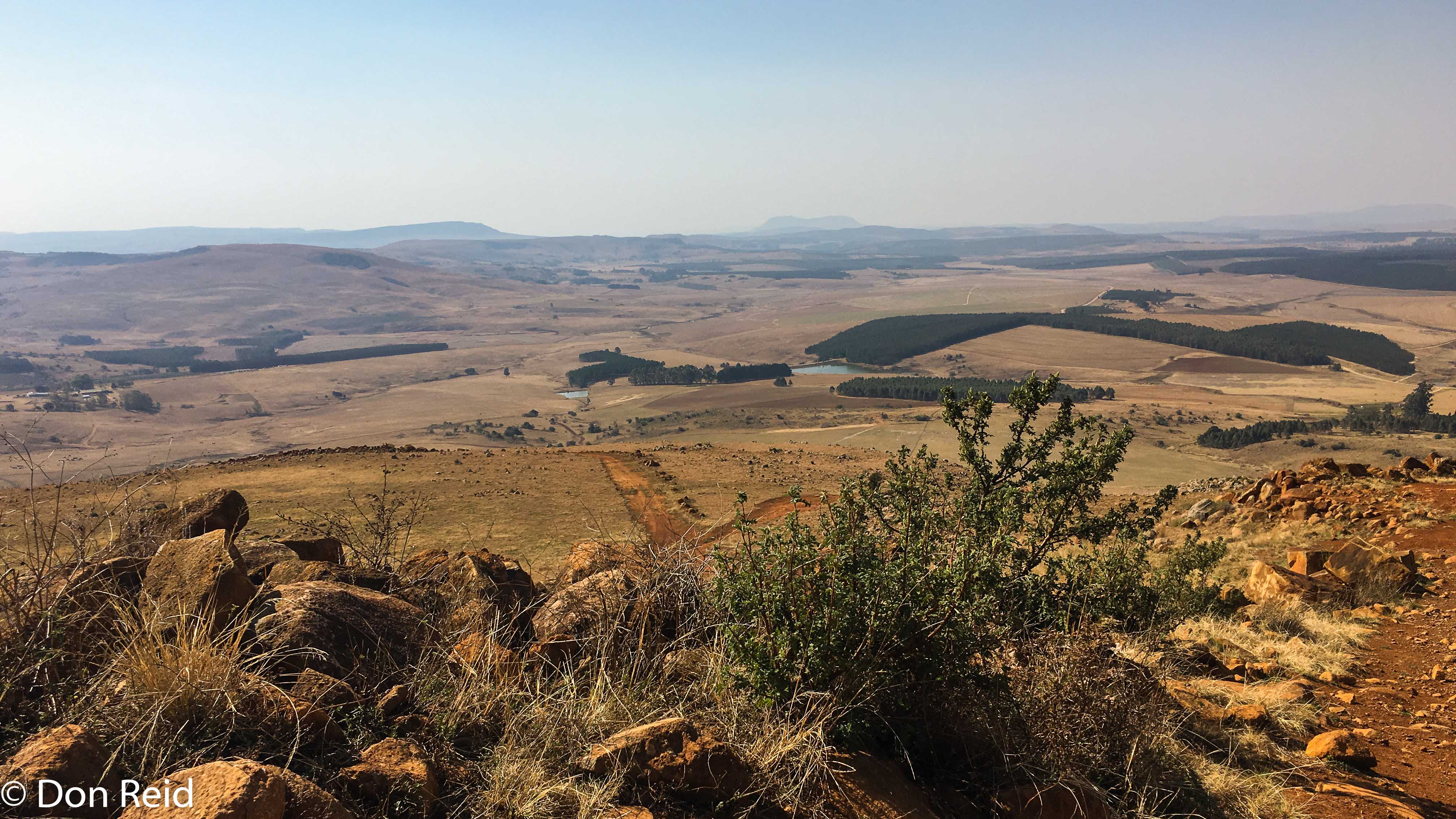
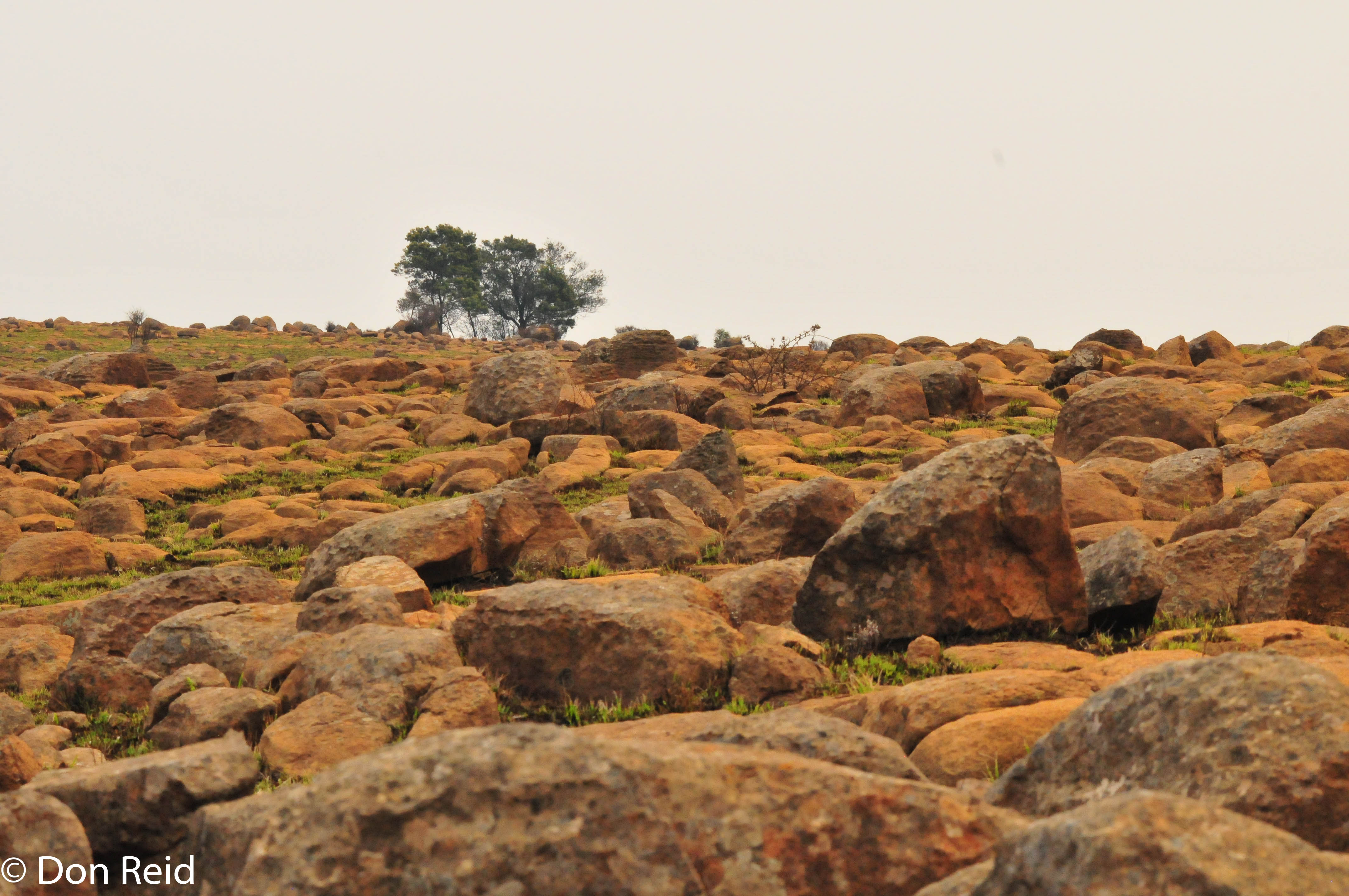
The plateau lies some 300 metres above the farm-house and once we had ascended to the top we spent the next couple of hours looking for the species that favour the rock-strewn grassy habitat, rocking and rolling along the rough tracks that wind between the rocky areas.

View from the plateau

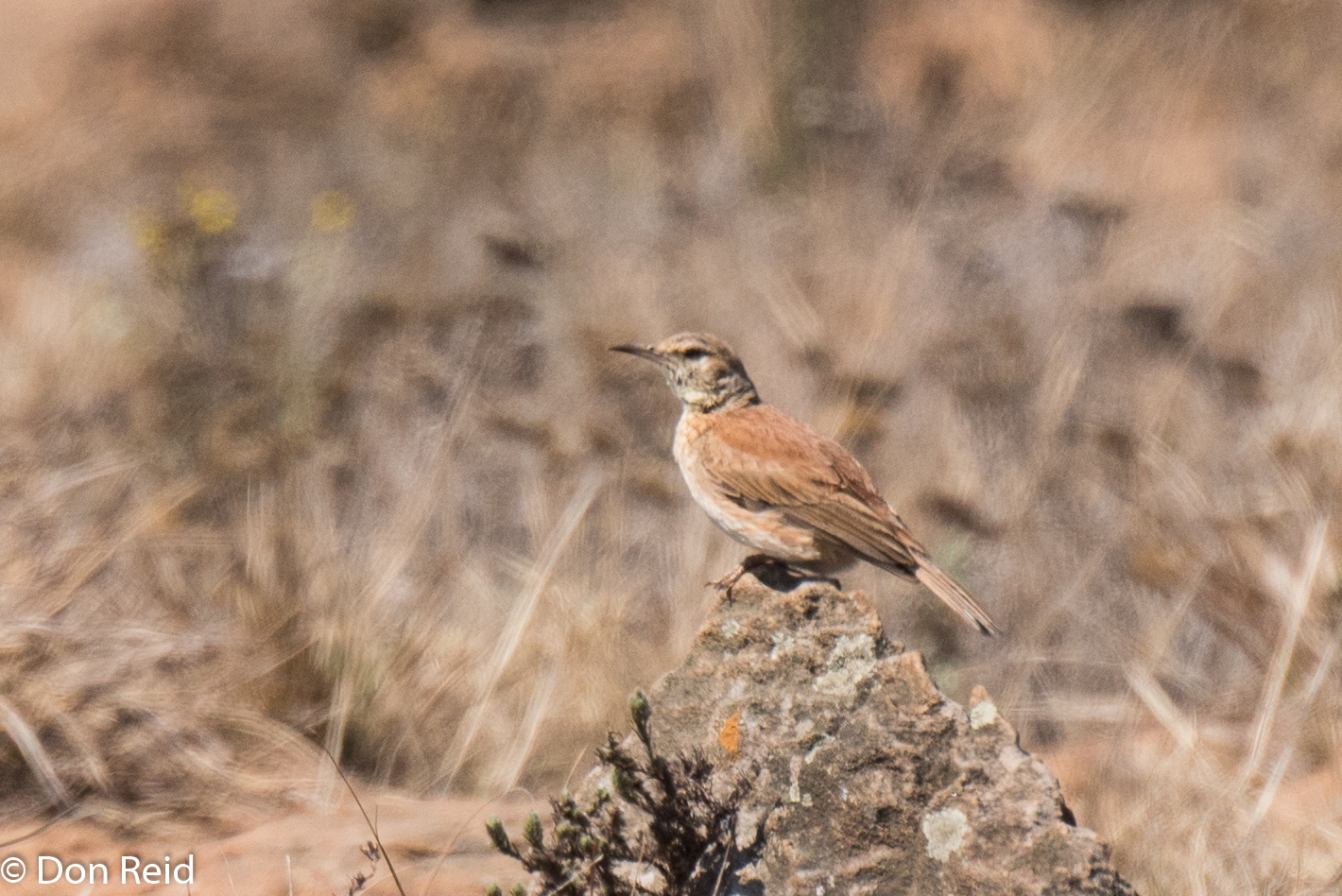
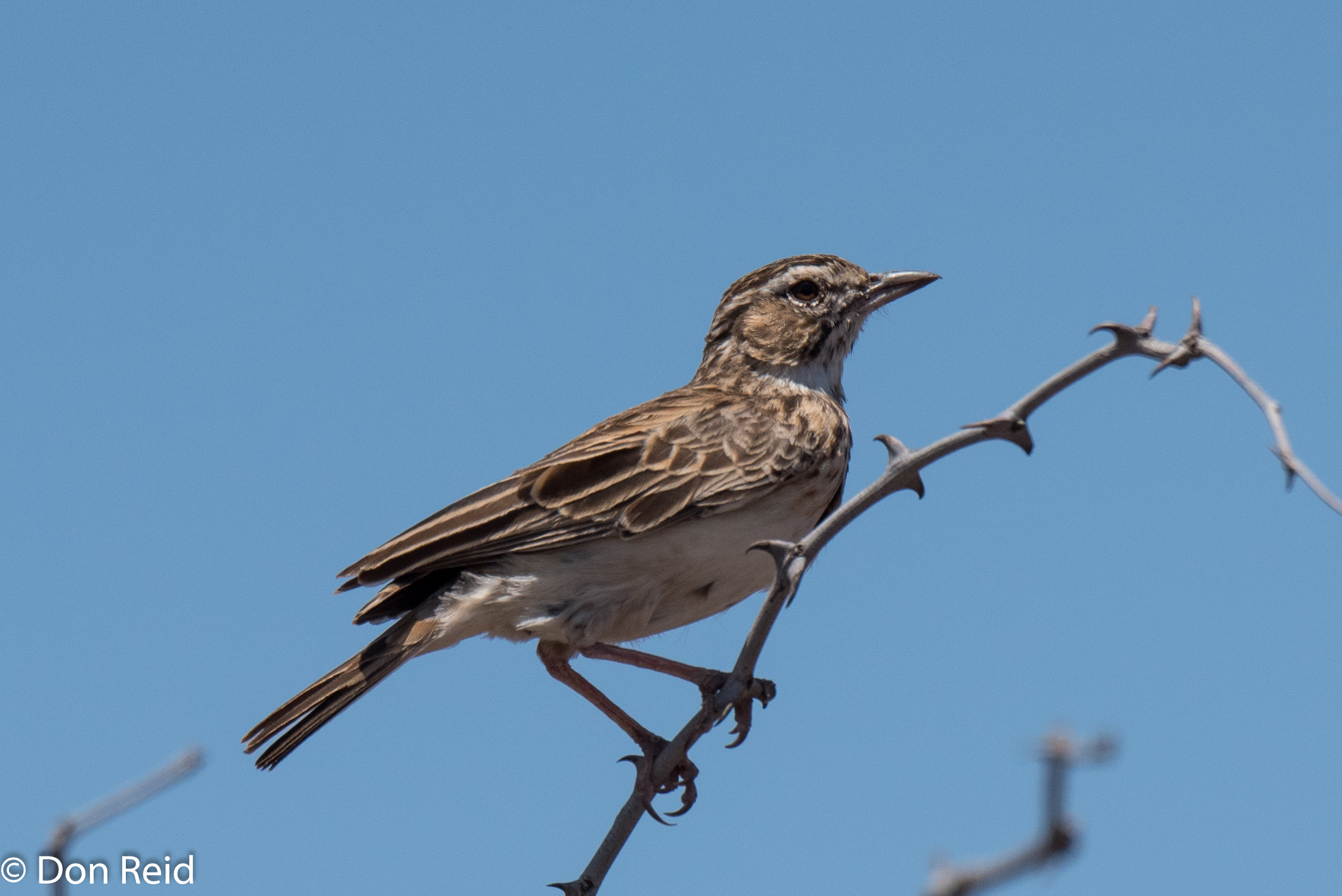
Surprisingly the most common bird was Buff-streaked Chat – up to a dozen pairs in all – followed by Eastern Long-billed Larks and Cape Longclaws, all moving about this unique landscape with its almost unearthly feel – thousands of rocks seemingly strewn about in a random manner, interspersed with fine grass and shrubs and relatively flat despite being “on top of the mountain”

On the plateau – rocks for Africa!
Eastern Long-billed Lark (from far away)
Cape Longclaw

Other interesting species that occur here and that we came across in small numbers were :

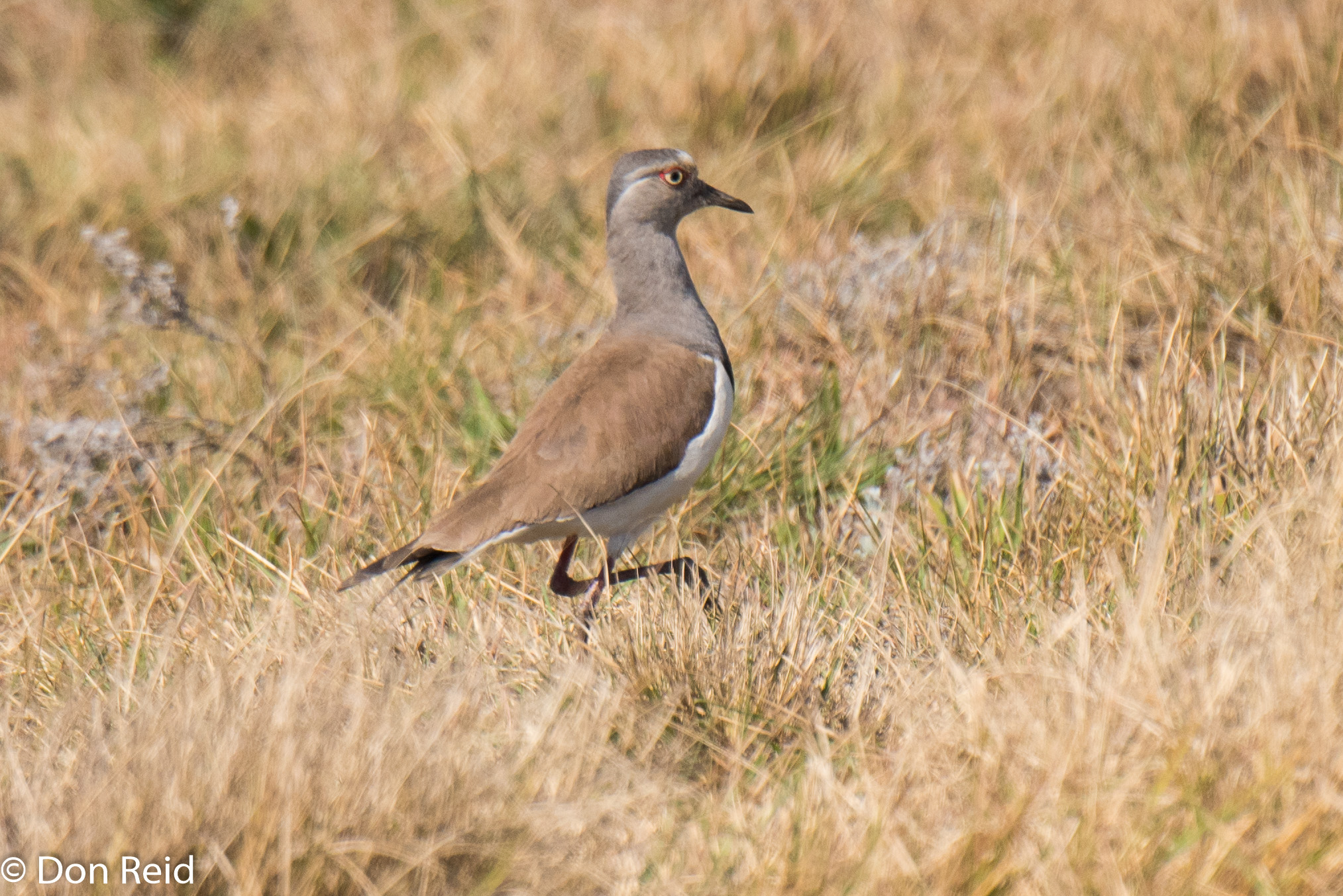
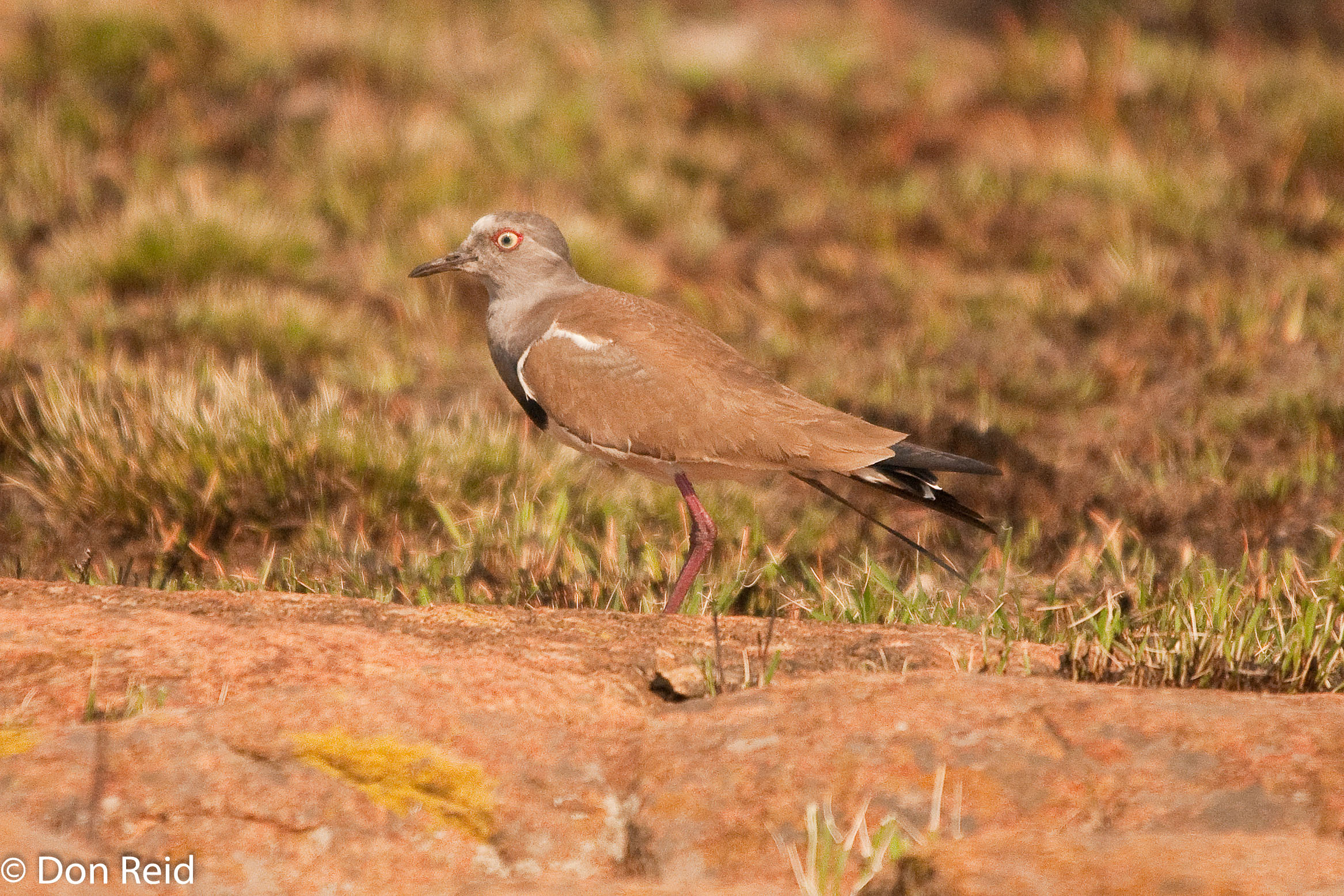
  • Black-winged Lapwing
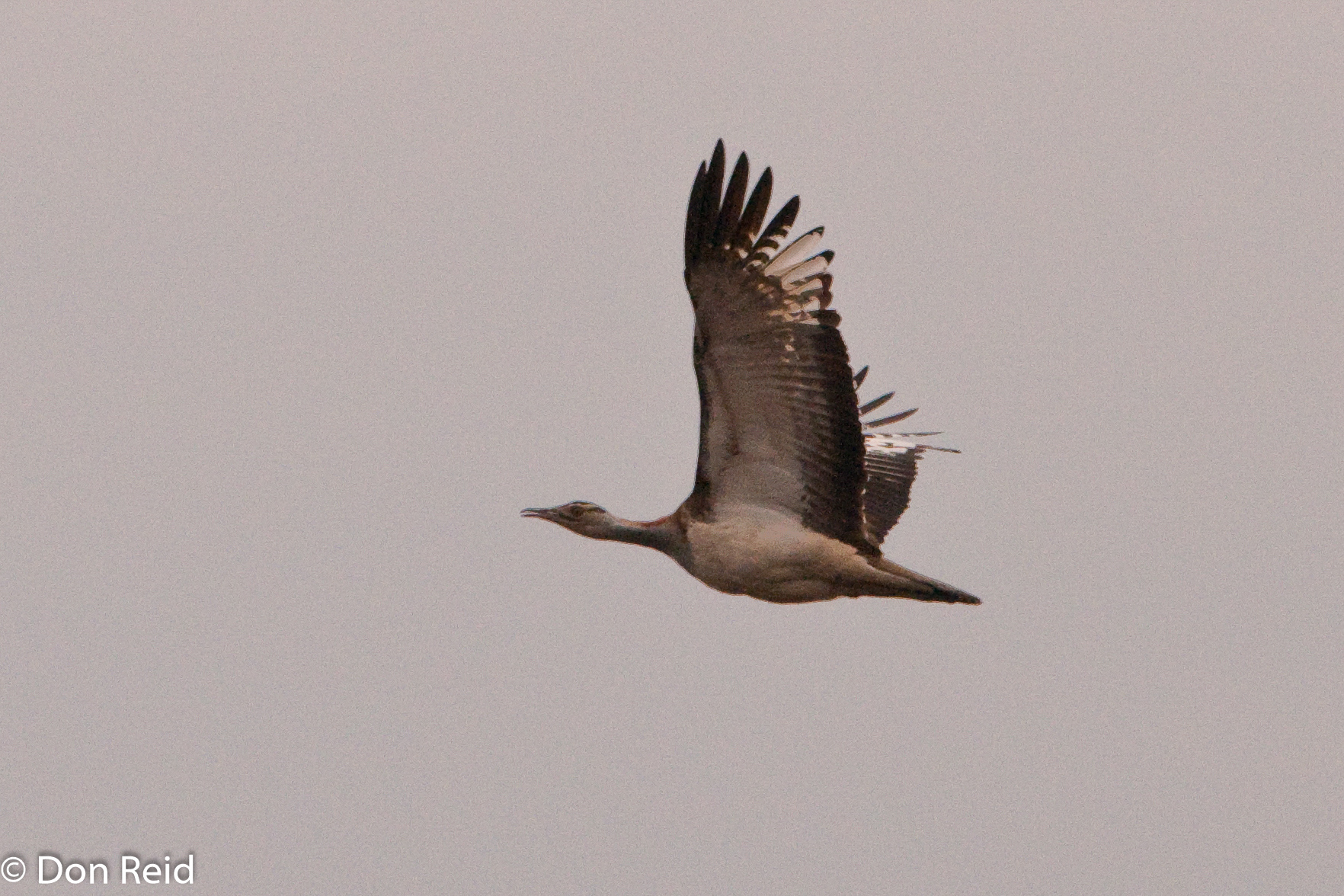
  • Denham’s Bustard
  • Blue Crane
  • Red-capped Lark
Black-winged Lapwing
Denham’s Bustard

After exploring the length and breadth of the farm’s extent at this higher level, we headed back down the steep incline, edging slowly around the hairpin bends, some with a steep drop-off to one side, which require some careful manoeuvring.

We came across Ground Woodpeckers, whose habitat according to Roberts includes road cuttings, which is precisely where we found them – how specific is that!

We ended with a drive through corn fields adjacent to a stream and found a single Spoonbill, then made our way back to the farm-house for more of the hospitality for which farmers are deservedly famous.

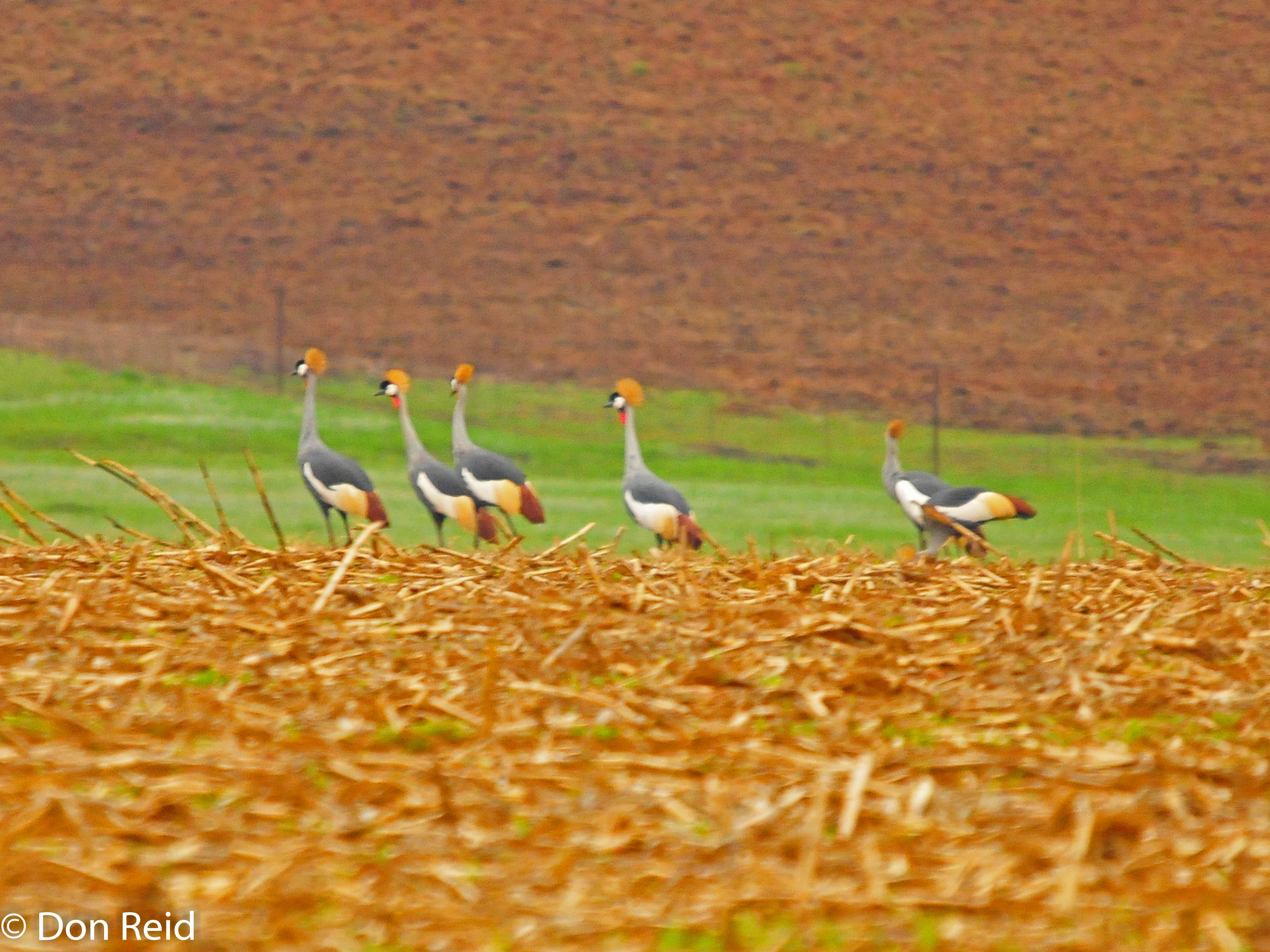
On a previous trip we had the pleasure of seeing Grey Crowned Cranes in the fields, albeit at a distance. They must rate as one of the most spectacular large birds in Southern Africa and to see them “dancing” as part of their courtship ritual is unforgettable.

Grey Crowned Crane

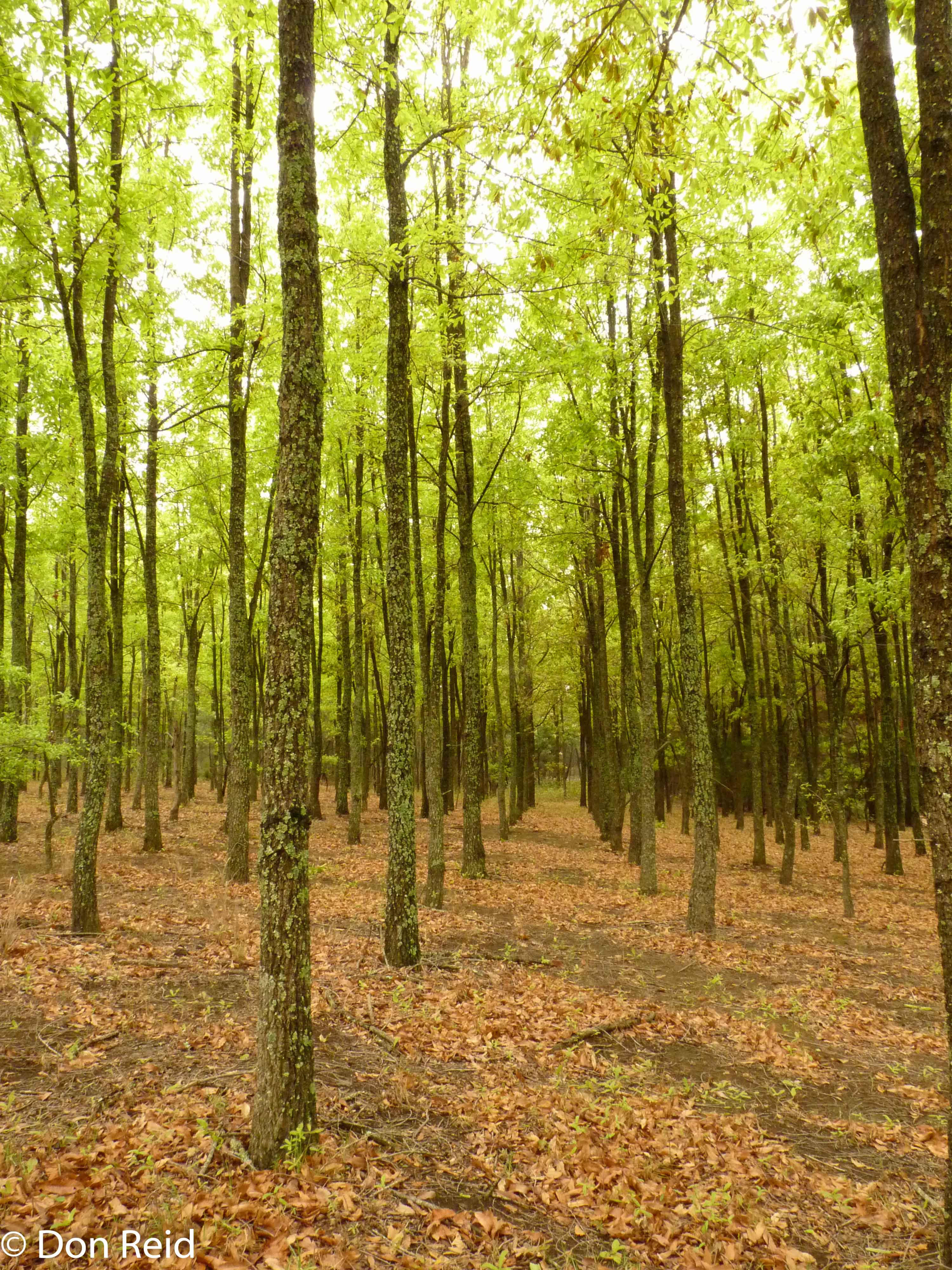
This is also an area of plantations, generally sterile as far as birding goes but good for a moody photo…..

Plantation, Onverwacht farm

Atlasing Stats

From an atlasing point of view it was a successful outing with 55 species recorded, 5 of which were new to the pentad (refer to my recent “Atlasing Tales” posts for an explanation of these terms). The pentad number is 2740_3035 (the red square on the map) and this was the 7th Full Protocol card. My contribution has been 4 FP cards so far, with a species count of 123.

Can’t wait for our next visit!


A Week in Olifants – The Road to Timbavati

For the second year in a row we spent a week in Kruger National Park in October, this time spending 6 nights in Olifants rest camp in the northern part of Kruger, with one night stop-overs at Berg en Dal  and Pretoriuskop rest camps on the way there and back respectively.


The Road from Olifants to Timbavati

Timbavati lies south-west of Olifants and is ideal for a morning’s outing from Olifants camp – we chose to do it on the Wednesday of our week-long stay.

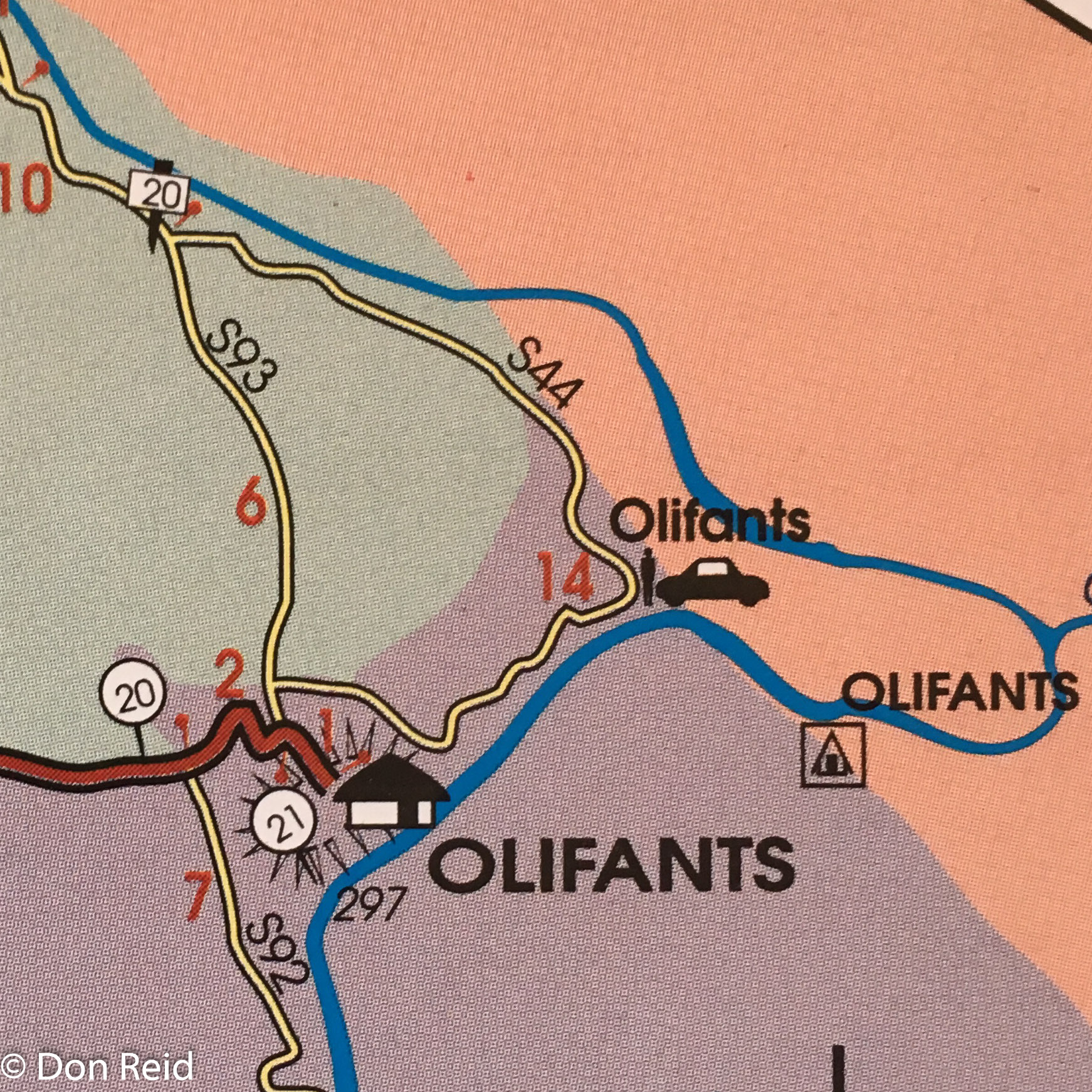
Another early start saw us heading along the S92 (in yellow on the map) for 12 kms past Balule, joining the H1-4 tar road towards Satara (red on the map) for 7 kms, then branching off on the S39 Timbavati road (yellow on the map) for a further 27 kms past Roodewal private camp to the popular picnic spot.

Kruger maps

This is classic Kruger Park with regular game sightings along the way to keep the spirits up and eyes sharp. Antelope including Kudu, Waterbuck, Impala and Steenbok were plentiful despite the drought-ravaged landscape.

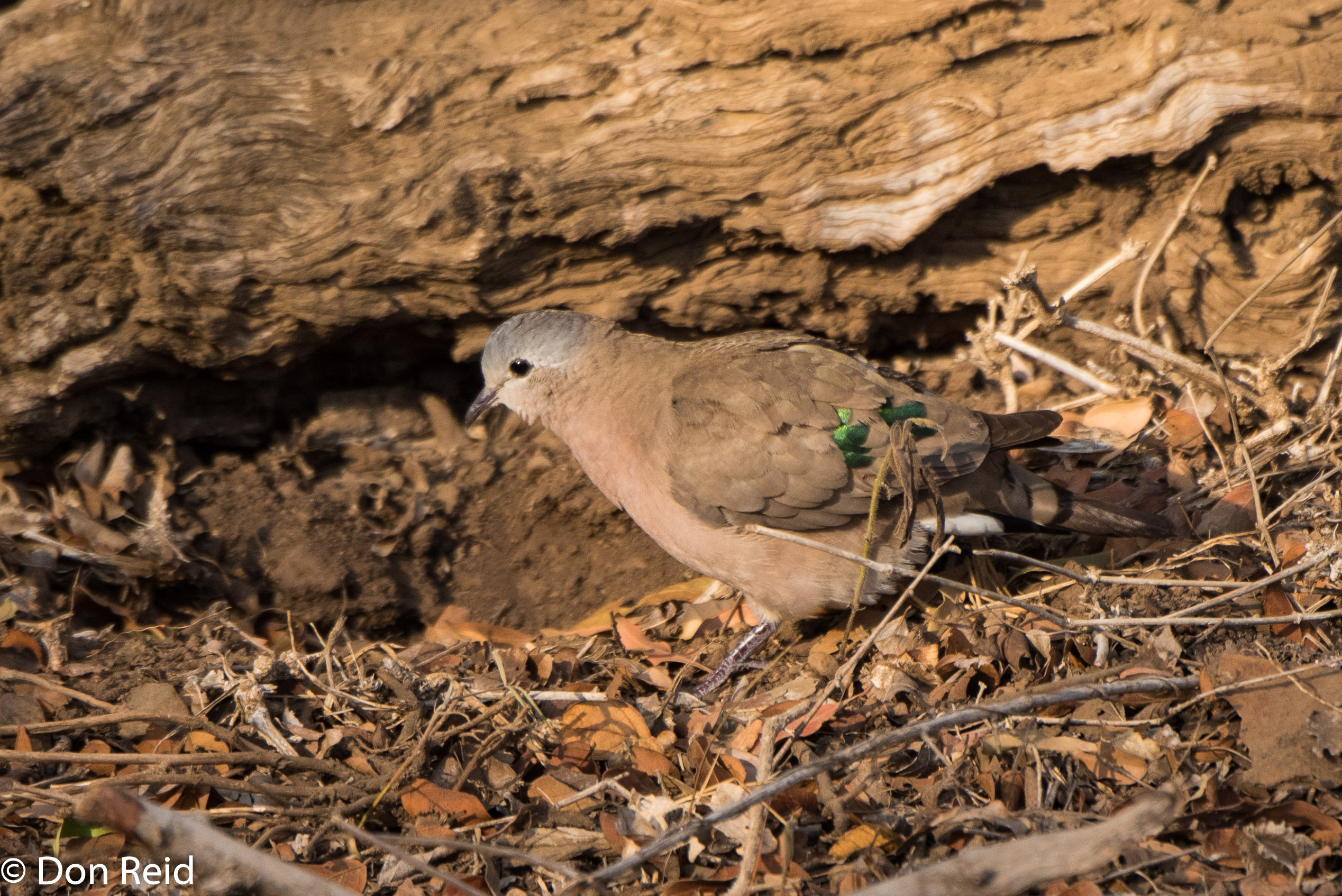
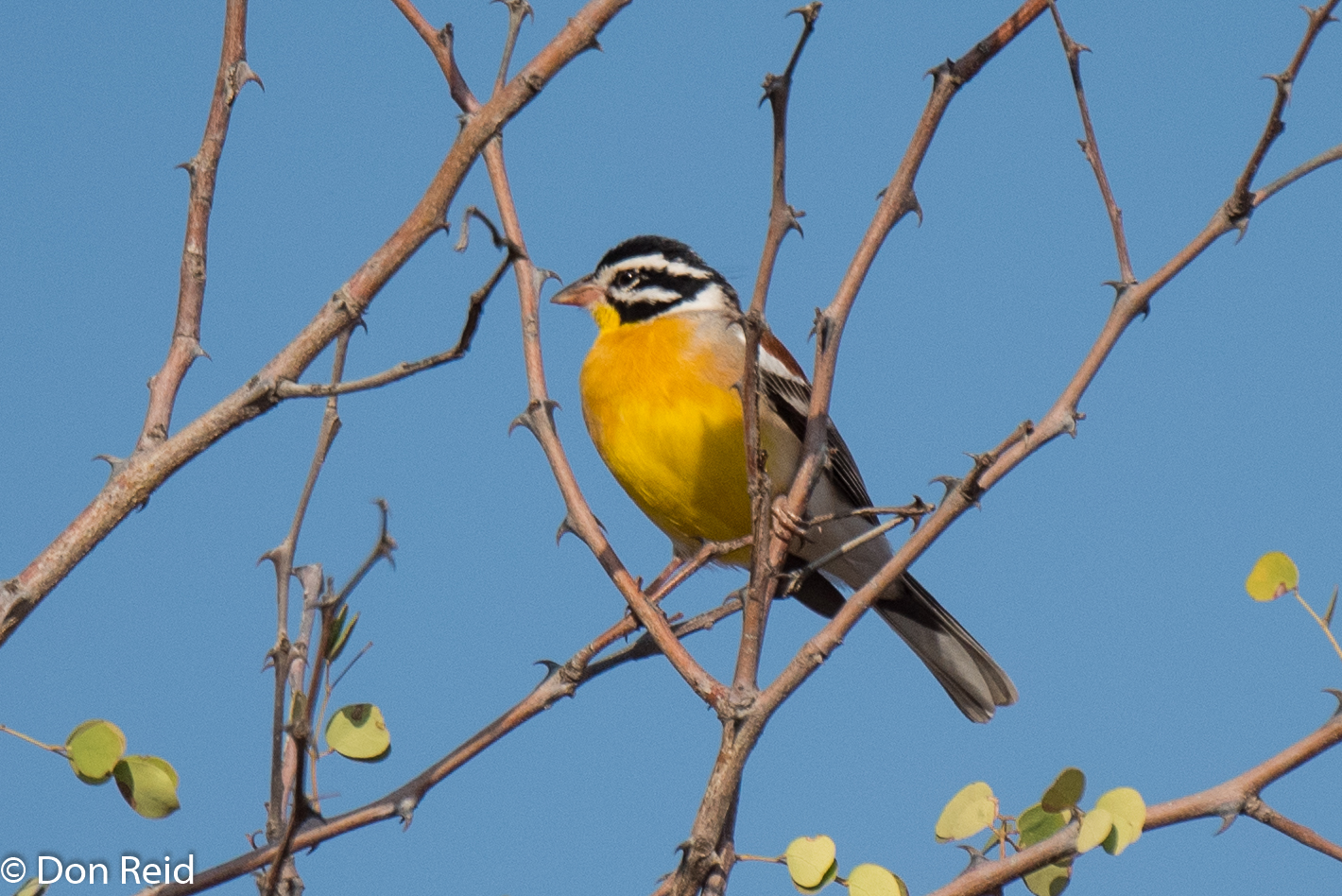
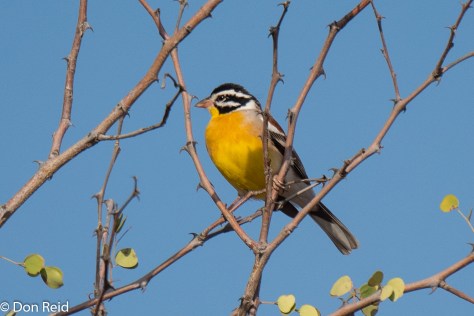
The birding on this route, up to the junction with the H1-4, was influenced by the dry conditions and was subdued until we reached the Olifants river, where there are a few short side roads which take you closer to the river and are worthwhile exploring for game and birds. White-browed Scrub-Robin, Brown-crowned Tchagra, Emerald-spotted Dove and Golden-breasted Bunting were our only significant sightings up to this point.

Emerald-spotted Wood-Dove (Groenvlekduif)
Emerald-spotted Wood Dove (Groenvlekduifie)
Golden-breasted Bunting (Rooirugstreepkoppie)

At the river we spent some time on the low-water bridge at Balule, often an excellent spot for water birds and this morning was no exception. The bridge has just a single lane but the designer had enough foresight to include a few wider “bulges” along its length which allow you to park on the bridge without blocking cars crossing over. Woolly-necked Stork, Common Greenshank, Sacred Ibis, White-breasted Cormorant and Grey Heron were all present and enjoying the clear waters and fringing reeds.

A medium-sized wader not far from the bridge had me perplexed and excited at the same time for a few minutes, until I had to admit it was a (common) Wood Sandpiper. Despite all attempts, I just could not turn it into a rare Green Sandpiper, which was my first thought when I saw it. Blame it on early morning light playing tricks on me, advancing age, hallucinations or whatever. (No, I don’t smoke at all)

Wood Sandpiper (Bosruiter) Balule bridge

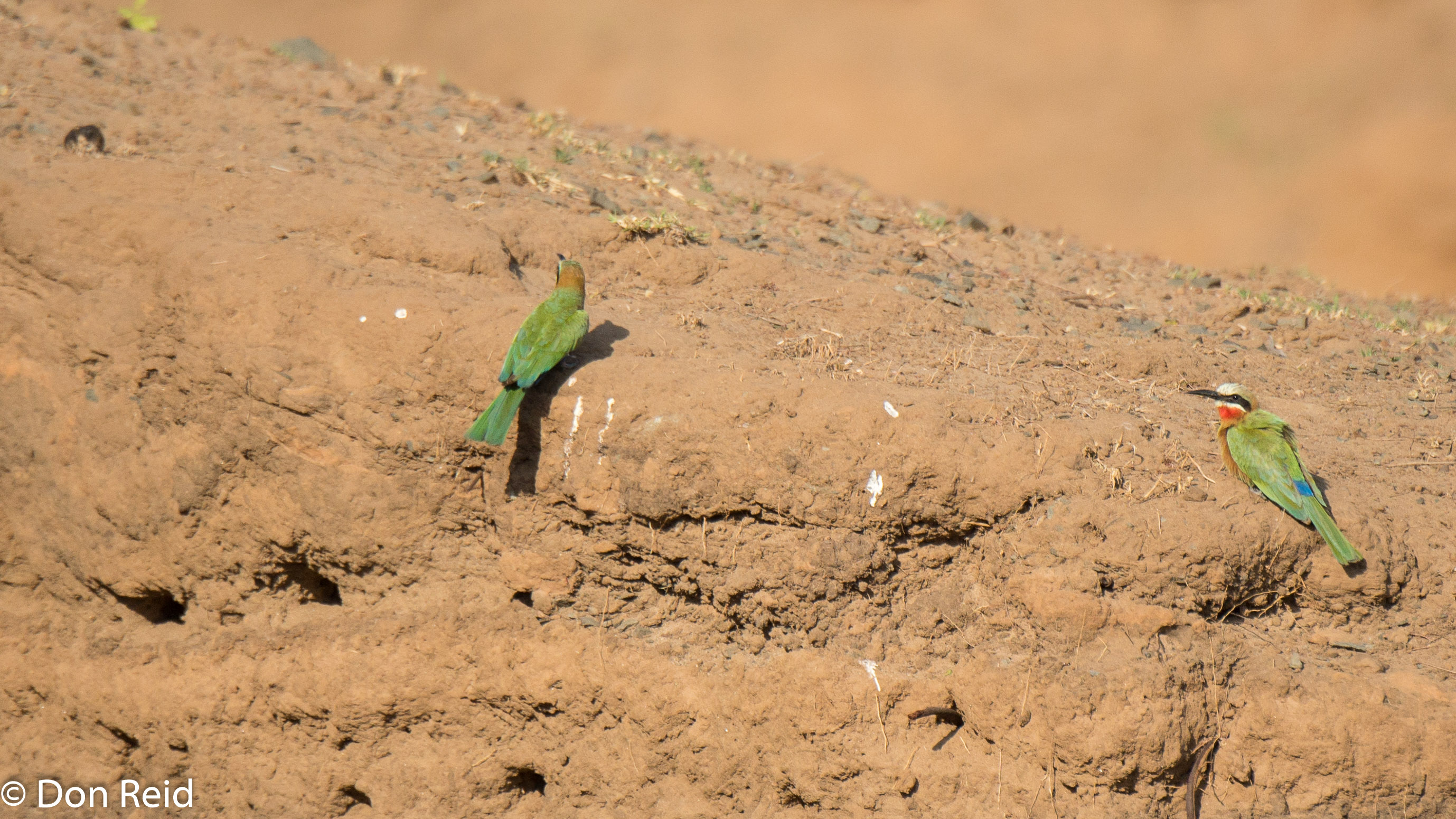
On the other side of the bridge we noticed some White-fronted Bee-eaters on the sandy bank and on closer inspection could see their nesting burrows in the sand, which they excavate by digging with their bill and removing the loosened material with a bicycling action of their feet. Both male and female help to excavate a new burrow each year, which can be up to 1m deep.

White-fronted Bee-eaters (Rooikeelbyvreter) at nesting burrows which are typically 1m deep

The S39 follows the Timbavati river for most of the distance and although bone-dry for most of the way at this time of year (October), the river had tiny patches of water which were enough to still attract game, which do not have many options during the dry season.

Elephant looking for edible foliage amongst the dry scrub
Elephant finding edible foliage amongst the dry scrub

The birding along the S39 picked up with a Bateleur doing its balancing act in the sky and both common species of Spurfowl (Swainson’s and Natal) entertaining us on the ground. Sabota Larks attracted our attention with their cheerful singing from the very top of bare trees.

Sabota Lark (Sabotalewerik)

We arrived at the Timbavati picnic spot just in time for a bush breakfast conjured up by our able team. One of the charming aspects of Timbavati is the tables and chairs, some of which are the same ones we have got to know during more than 40 years of visits. They probably would not win any design competitions, but when it comes to durability and nostalgic memories they are still No 1.

The team at Timbavati

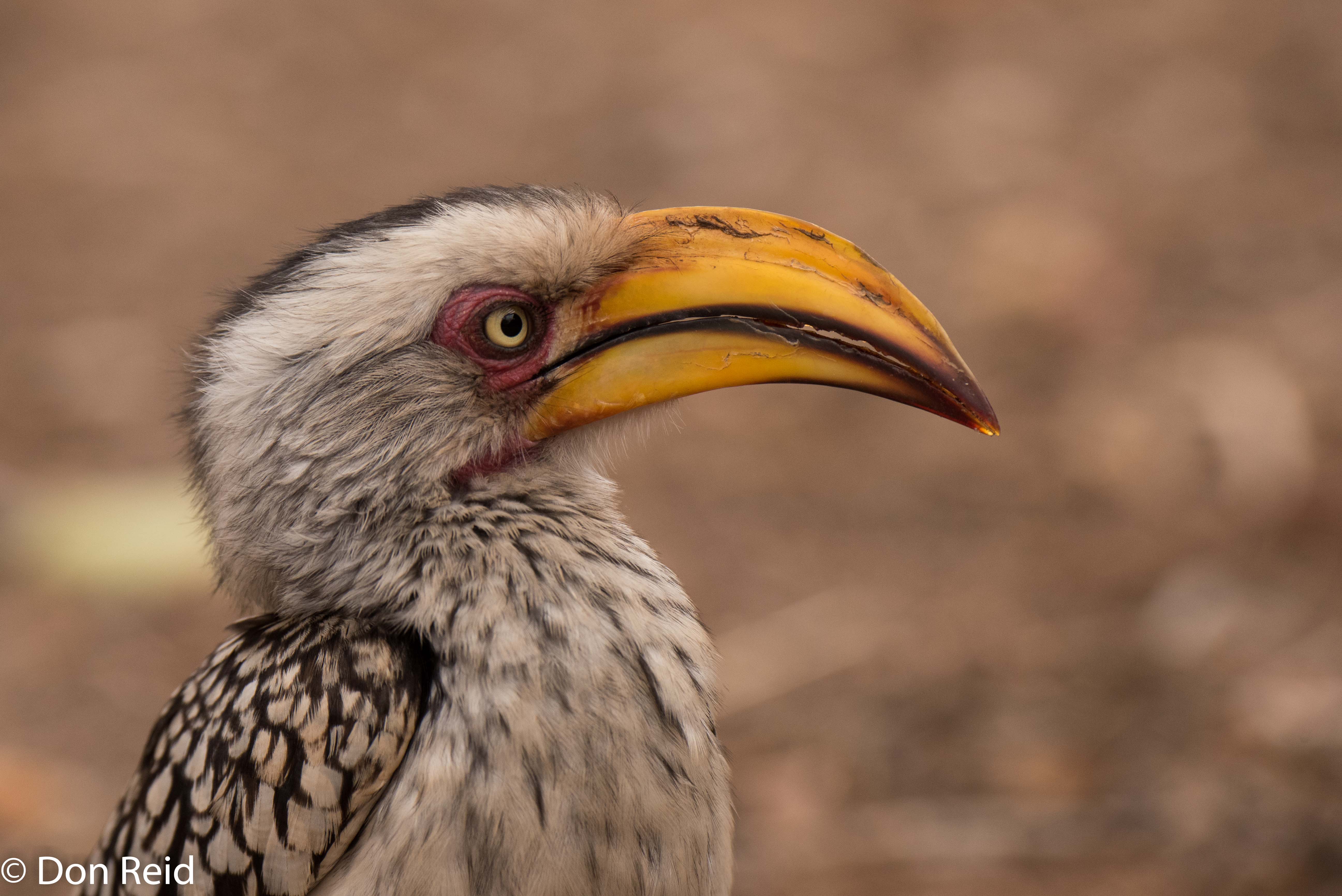
Timbavati is also a fine birding spot in its own right with resident populations of Natal Spurfowl, Greater Blue-eared Starling, Southern Yellow-billed Hornbill, ever-present and on the lookout for food scraps. Other birds vying for attention were White-backed Vulture, Red-billed Oxpecker and a lone Gabar Goshawk.

Eventually we reluctantly decided to head back to Olifants, having absorbed about as much relaxation as our poor bodies could handle.

The return trip was along the S127 road to the H1-4 tar road leading back to Olifants camp. This is a shorter route and makes it an interesting circular drive rather than retracing the route taken to get to Timbavati.

This route added Purple Roller and Grey Hornbill amongst others, but just ahead lay the sighting of the day, if not of the trip. Just before reaching the tar road a knot of cars that had stopped meant only one thing – an exciting sighting nearby. It turned out to be a Leopard lying in the shade of a tree with a dead Impala hanging in the fork of another nearby tree. We later found out that Maia and Geraldine had been the first to spot this most sought after species.

Leopard, Timbavati KNP
Leopard near Timbavati
Leopard prey, KNP
Leopard prey

After viewing it for a while we proceeded to the tar road and our next stop was at the bridge over the Olifants river, where you are allowed to get out of the car between marked lines – it’s always a good idea to take advantage of this and other “get out the car” spots throughout Kruger, to stretch the legs and check for any game or birds out of sight of passing cars.

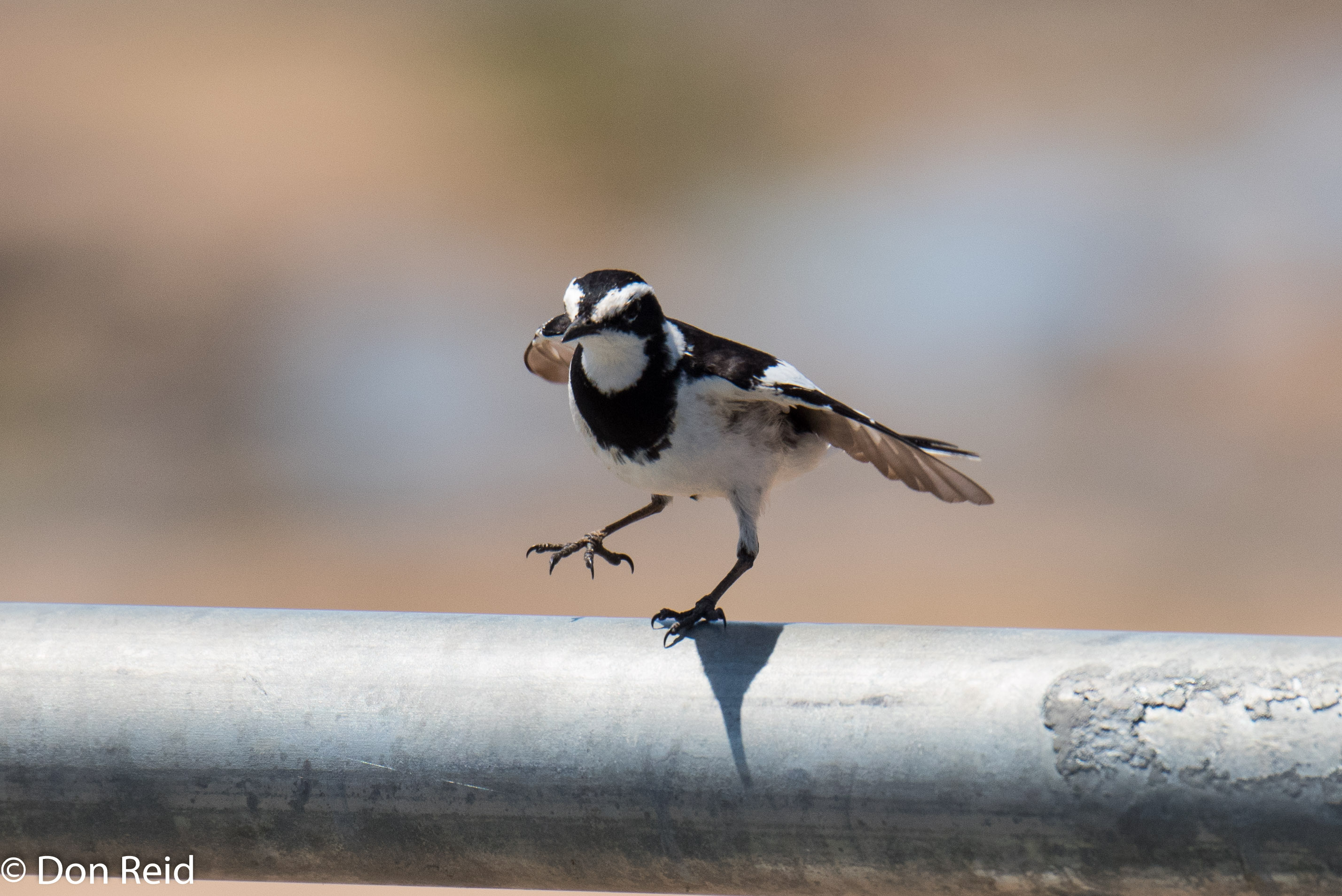
African Pied Wagtail, Olifants river bridge
African Pied Wagtail (Bontkwikkie), Olifants river bridge

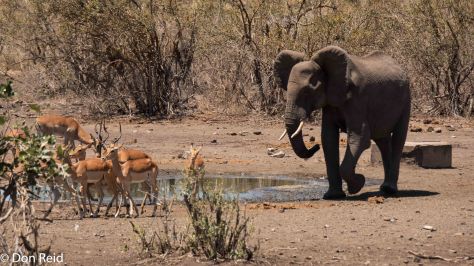
Shortly after the bridge another knot of cars announced a sighting of Lions some way off the road. In between the big cat sightings we enjoyed a delightful scene at a water hole where an indignant young elephant chased the Impala who dared to drink from the water hole at the same time as he did.

Elephant at waterhole, KNP
Young Elephant at water hole which he decided belonged to him alone

With a full morning’s game and bird viewing under our belts, we returned happily to Olifants camp, where we relaxed for  the rest of the day with a bit of swimming thrown in and a bottomless coffee on the deck at the Mugg & Bean restaurant.

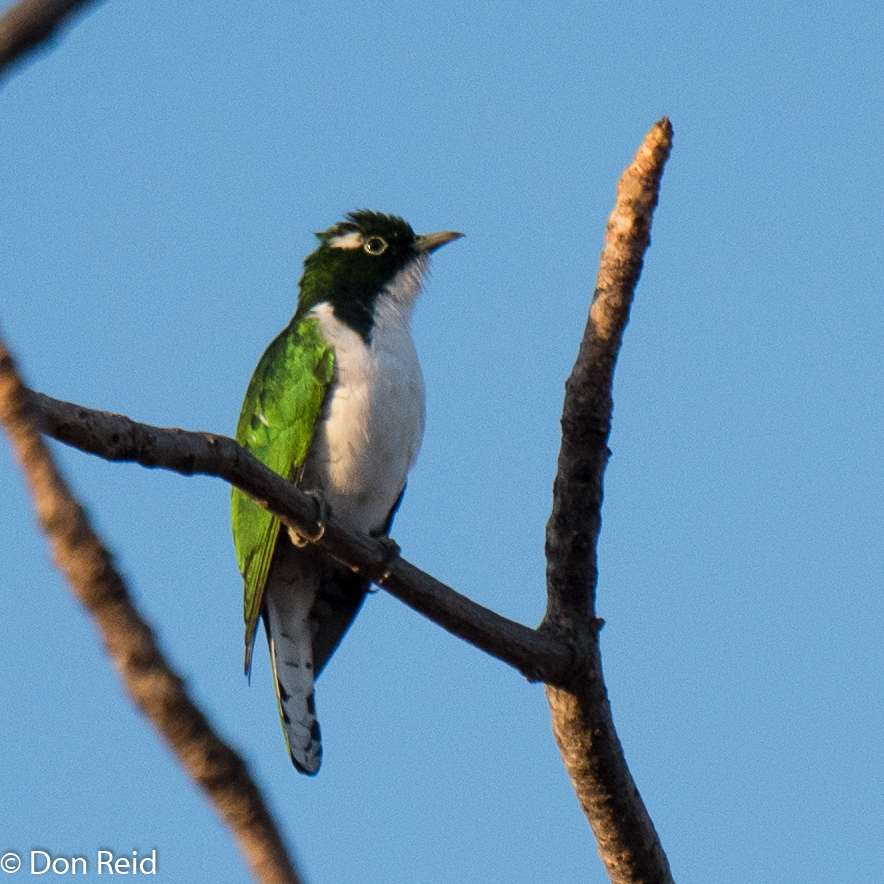
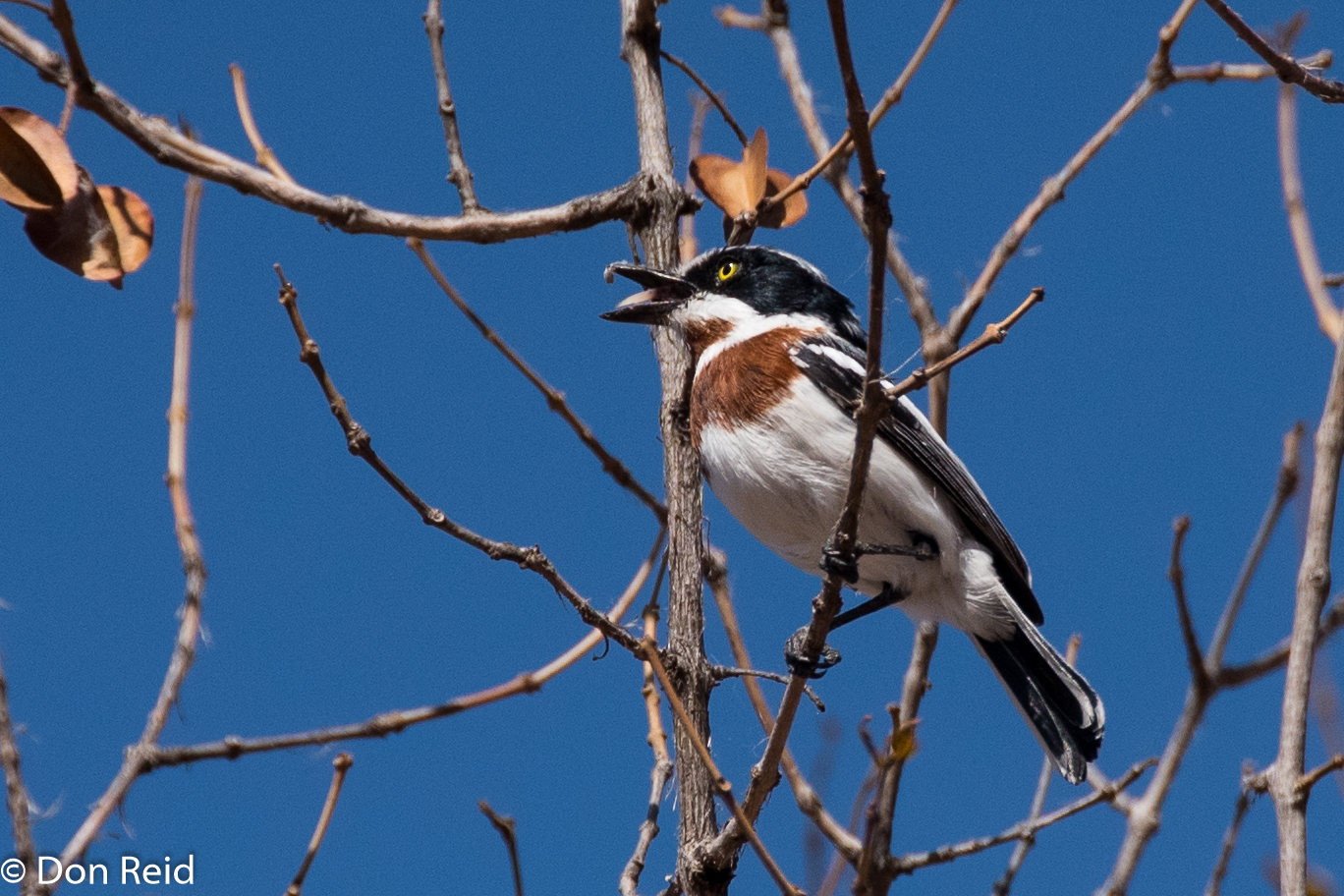
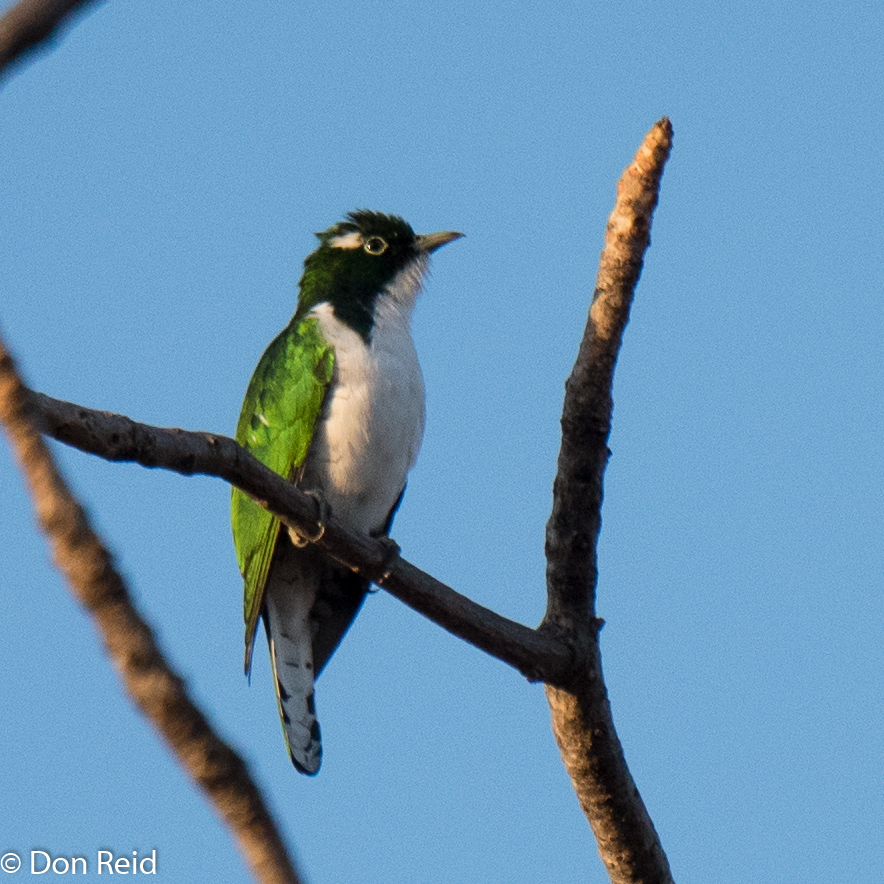
A late afternoon birding walk rounded off the birding for the day with Bennett’s Woodpecker and Klaas’s Cuckoo being the highlights.

Klaas's Cuckoo, Olifants camp
Klaas’s Cuckoo (Meitjie), Olifants camp

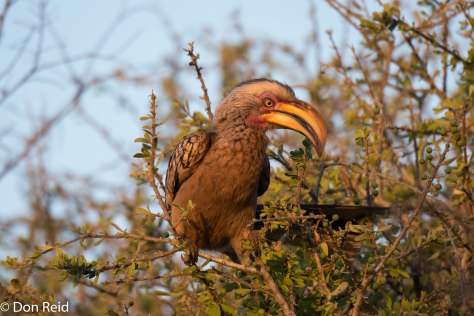
The bird that earned “most confusing” award for the day was a common or garden Yellow-billed Hornbill who, it seemed, had just emerged from a serious dust bath as he was reddish-brown in the places that he would normally be white.

Yellow-billed Hornbill (After dust-bath), Olifants KNP
Yellow-billed Hornbill (Geelbekneushoringvoël) (After dust-bath), Olifants camp


Atlasing Tales 1 – East of Delmas

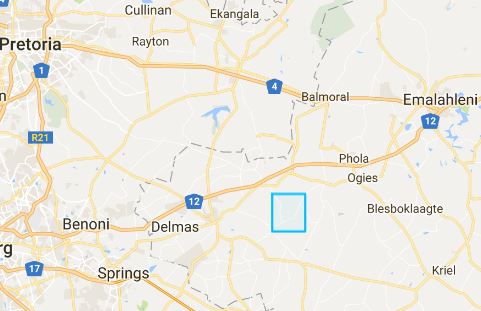
Atlasing?  Simply put, it is the regular mapping of bird species in a specific area  called a “pentad”. Each pentad has a unique number based on its geographical position according to a 5 minute x 5 minute grid of co-ordinates of latitude and longitude, which translates into a square of our planet roughly 8 x 8 kms in extent.

As a registered observer / Citizen scientist under the SABAP2 program (SA Bird Atlas Project 2), most of my birding includes recording the species I see or hear, for submission to the project database at the ADU (Animal Demography Unit) based in Cape Town. These tales record some of the more memorable experiences while atlasing.

Delmas and surrounds

The Area marked in blue on the map shows where this atlasing took place

delmas-east-11

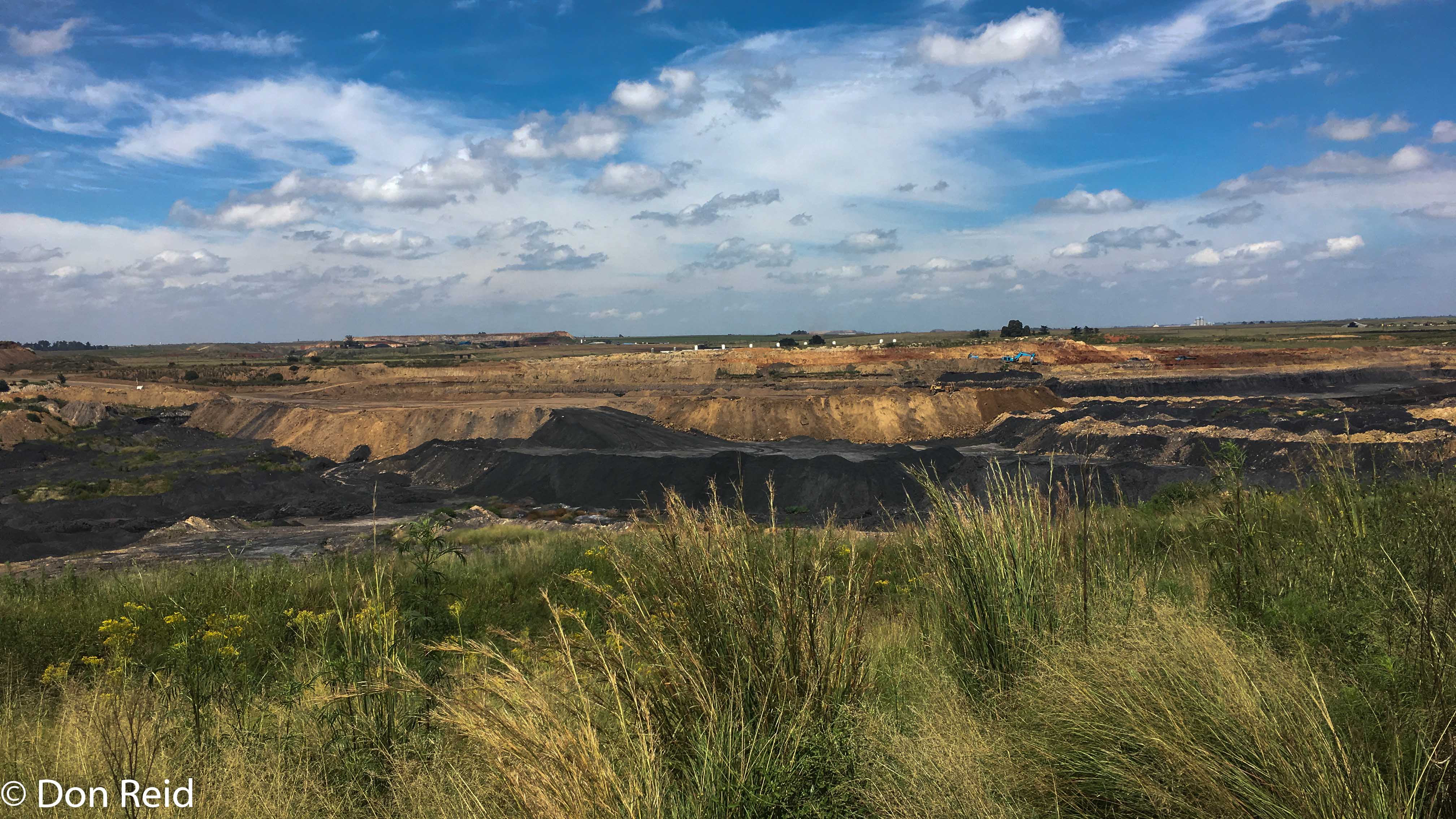
Delmas is a busy town, known for many years as a centre of large farming operations and now also on the fringe of the coal mining belt that stretches across a large part of the Mpumulanga province and feeds the several large coal-fired power stations in the area. The habitat varies between stretches of prime grassland – lush and long after the good summer rains, large farming operations with tall green mielies (corn) bordering the gravel road for kilometres at a time and, sadly for the environment, areas that have been substantially altered (even devastated) by extensive strip coal-mining activities. The latter is cause for concern as you can’t help wondering if the mine-owners will go to the expense of properly rehabilitating the landscape, once they have stripped out all the available coal. Yes, there are regulations and laws that oblige them to do so, but as with so many things in our beloved country, these laws are often ignored by unscrupulous people who, it is rumoured, buy their way out of their obligations.

The atlasing

The atlasing reminded me once again why atlasing is such a joy (despite my comments about coal-mining) – this outing had all the elements that make atlasing memorable – interesting birding, a handful of “wow” birds seen, pleasant weather conditions, mostly quiet roads and an unexpected surprise sighting.
Pentad 2605_2850

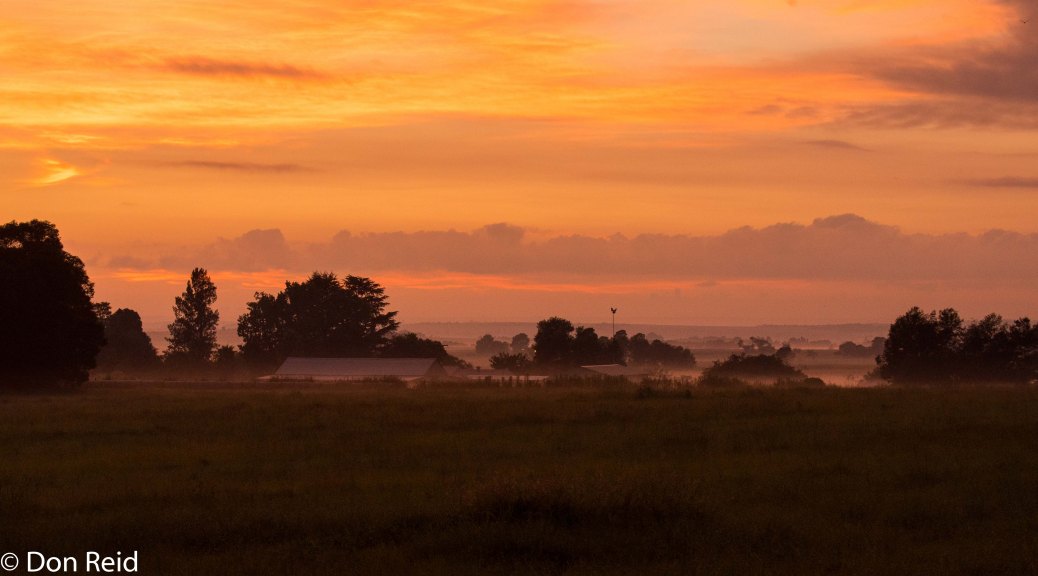
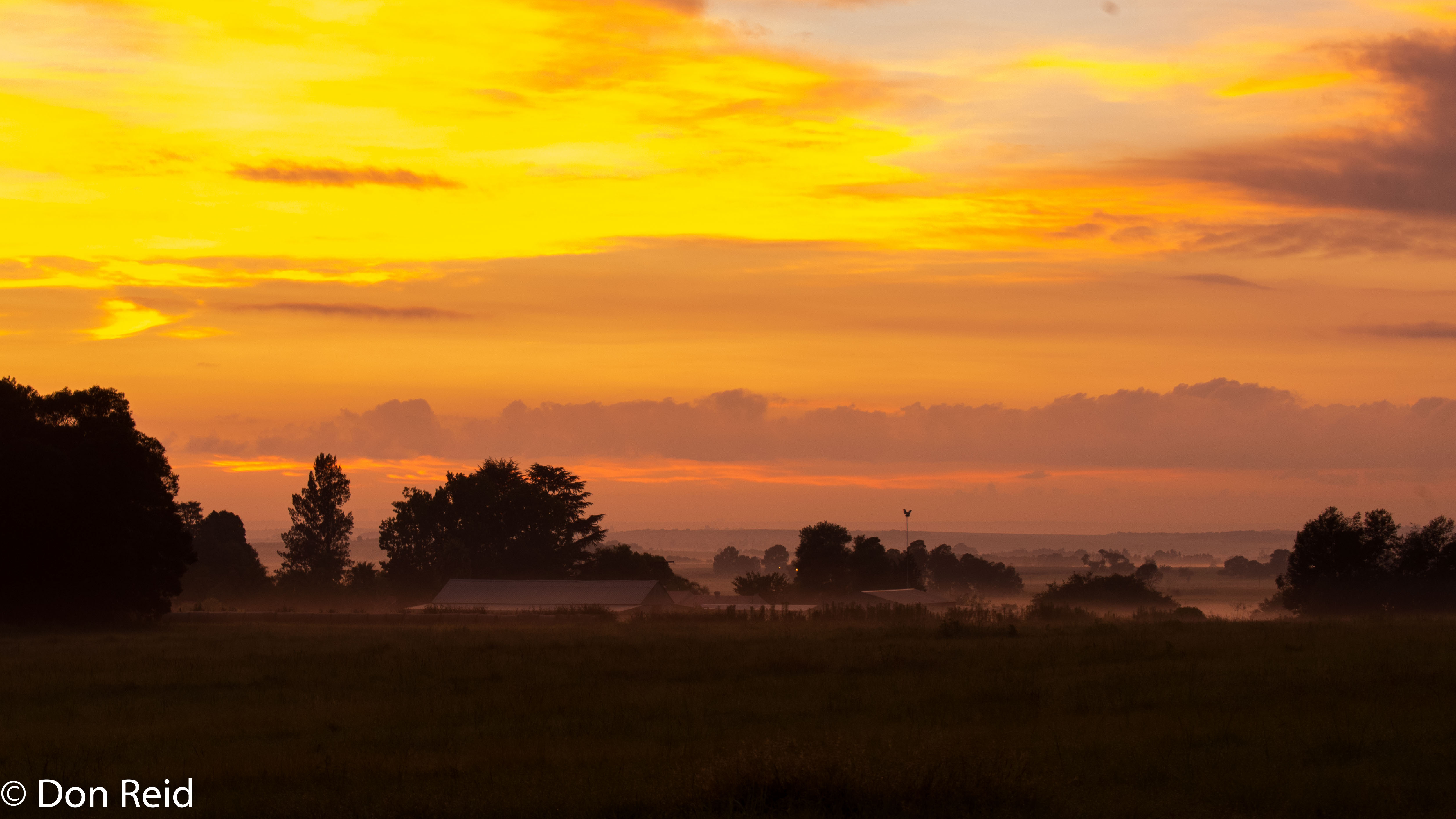
As usual I was on my way before sunrise and made Delmas in good time before traffic had built up too much. At one spot the low mist combined with the soft light of dawn made for a magic scene which I just had to stop and snap with my iPhone.

Early morning, Delmas area

Right on 6.30 am I was into pentad 2605_2850 and my list grew apace with all the usual grassland species on view. Orange River Francolin and Swainson’s Spurfowl were particularly vocal, as they often are early morning.

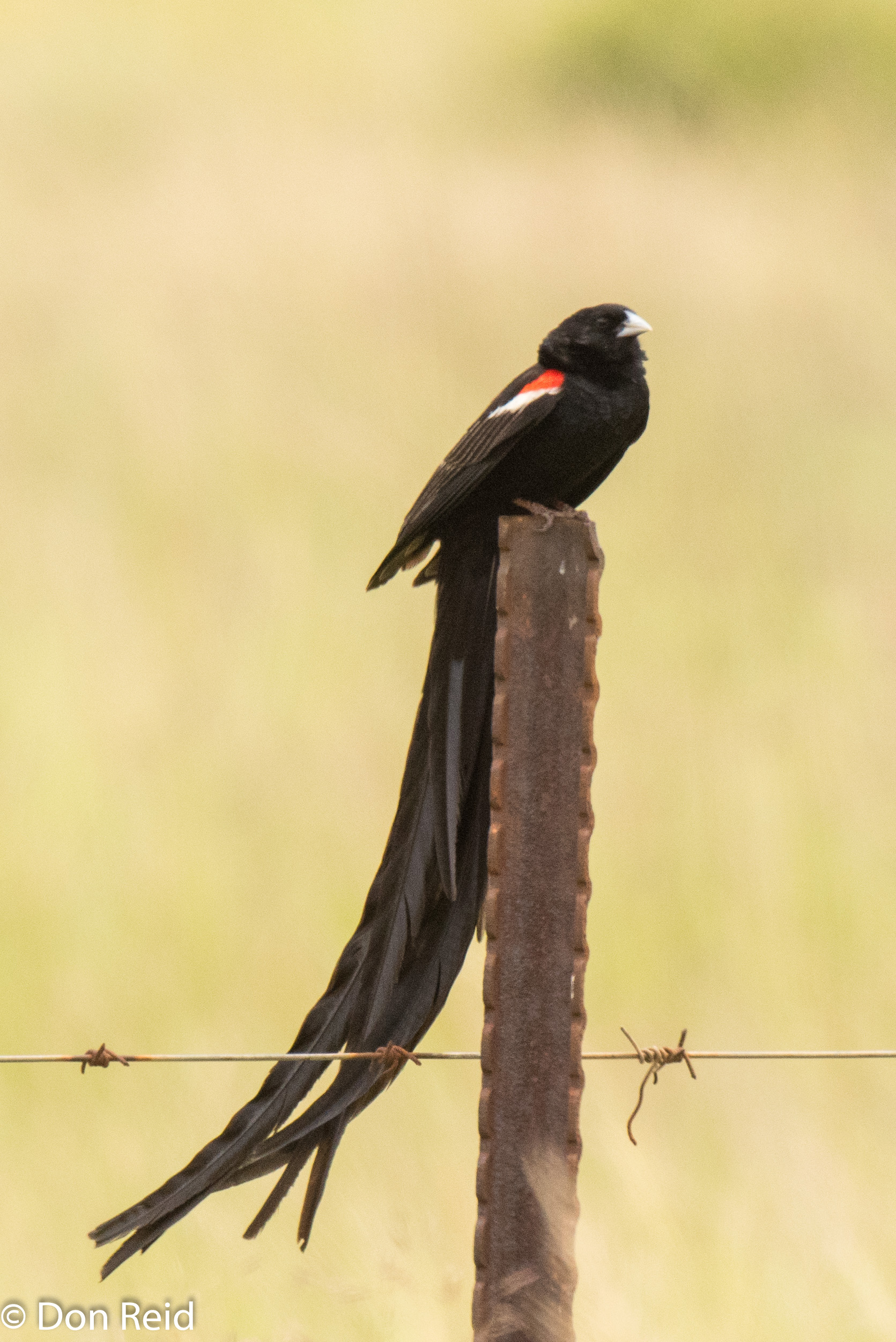
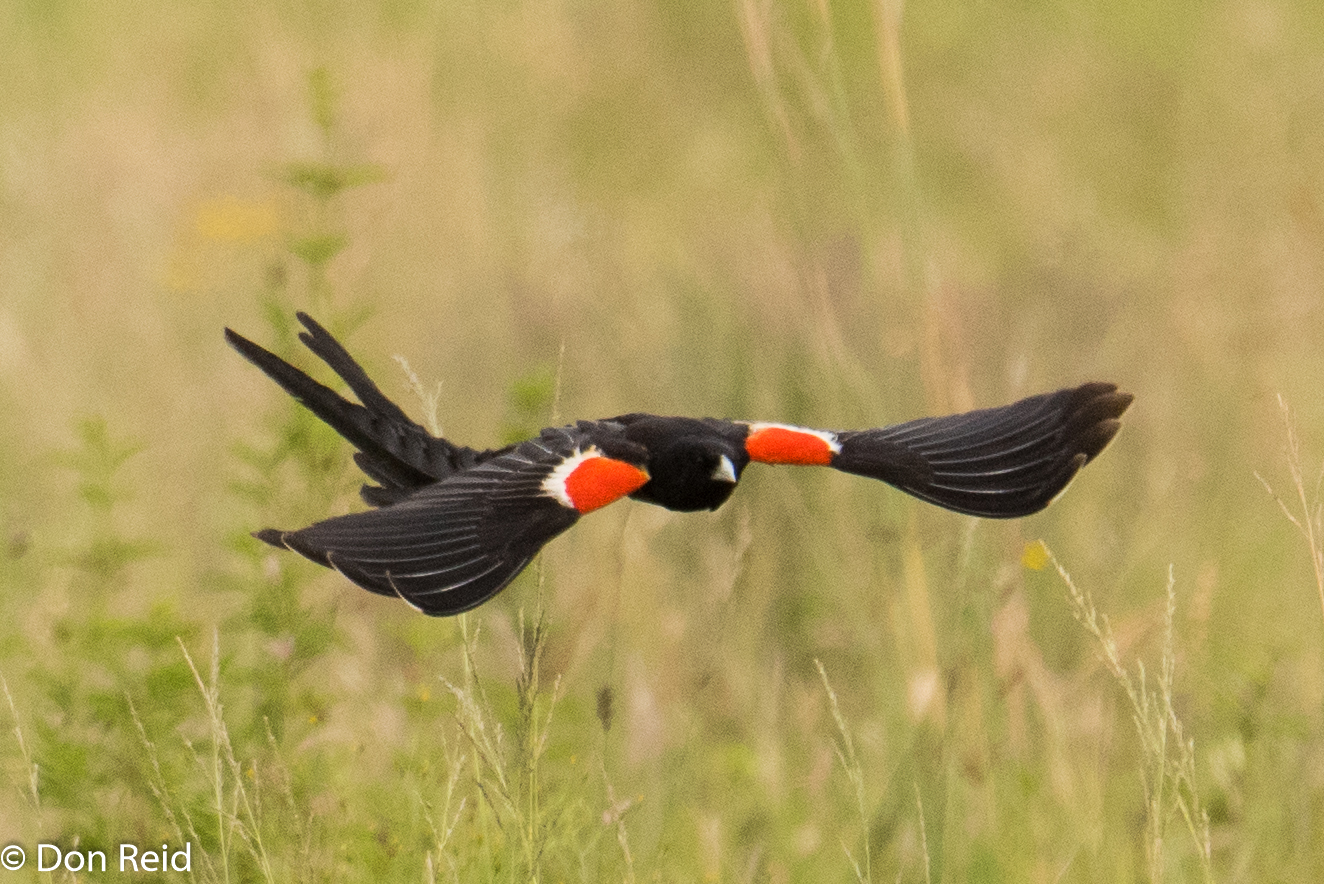
The long grass, stretching as far as the eye could see in places, was dotted with Widowbirds – Long-tailed Widowbirds displaying in their trademark undulating fashion with long tails floating behind them, White-winged Widowbirds fluttering about and Fantailed Widowbirds perched elegantly on longer stalks. Here and there Yellow-crowned Bishops provided a splash of colour in the waving grass.

Long-tailed Widow (Langstertflap) showing why it has that name
Long-tailed Widow in flight - what a beaut!
Long-tailed Widow in flight – what a beaut!

The road itself was full of action – Doves and Sparrows in abundance and numbers of Red-capped Larks foraging for goodness knows what in the middle of the gravel road (I always wonder why they spend so much time in the road – there can’t be much for them to feed on).

A Marsh Owl over the grassland was cause for the first “wow” of the day, followed shortly after by a Pipit which caught my eye at the roadside – after much deliberation at home and consultation of the wonderful LBJ’s book of Faansie Peacock, I decided it was a Buffy Pipit.

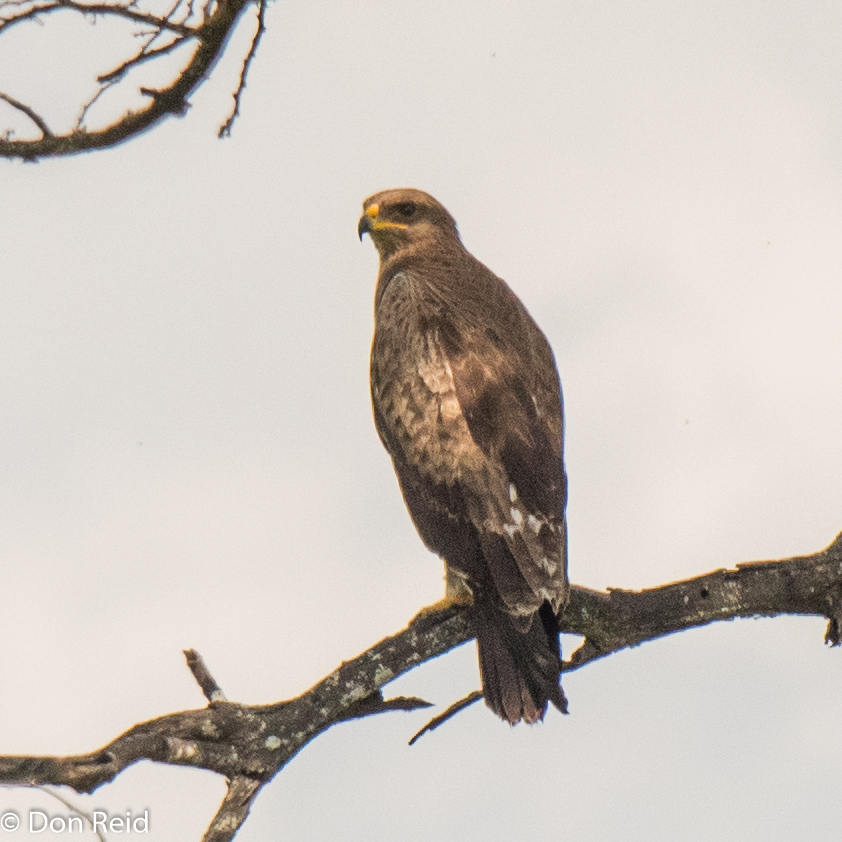
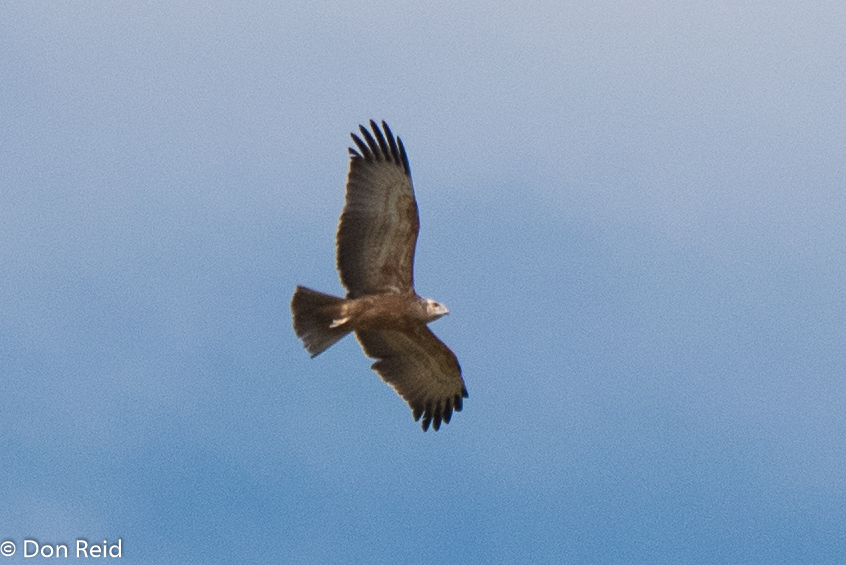
Common (Steppe) Buzzard (Bruinjakkalsvoel)

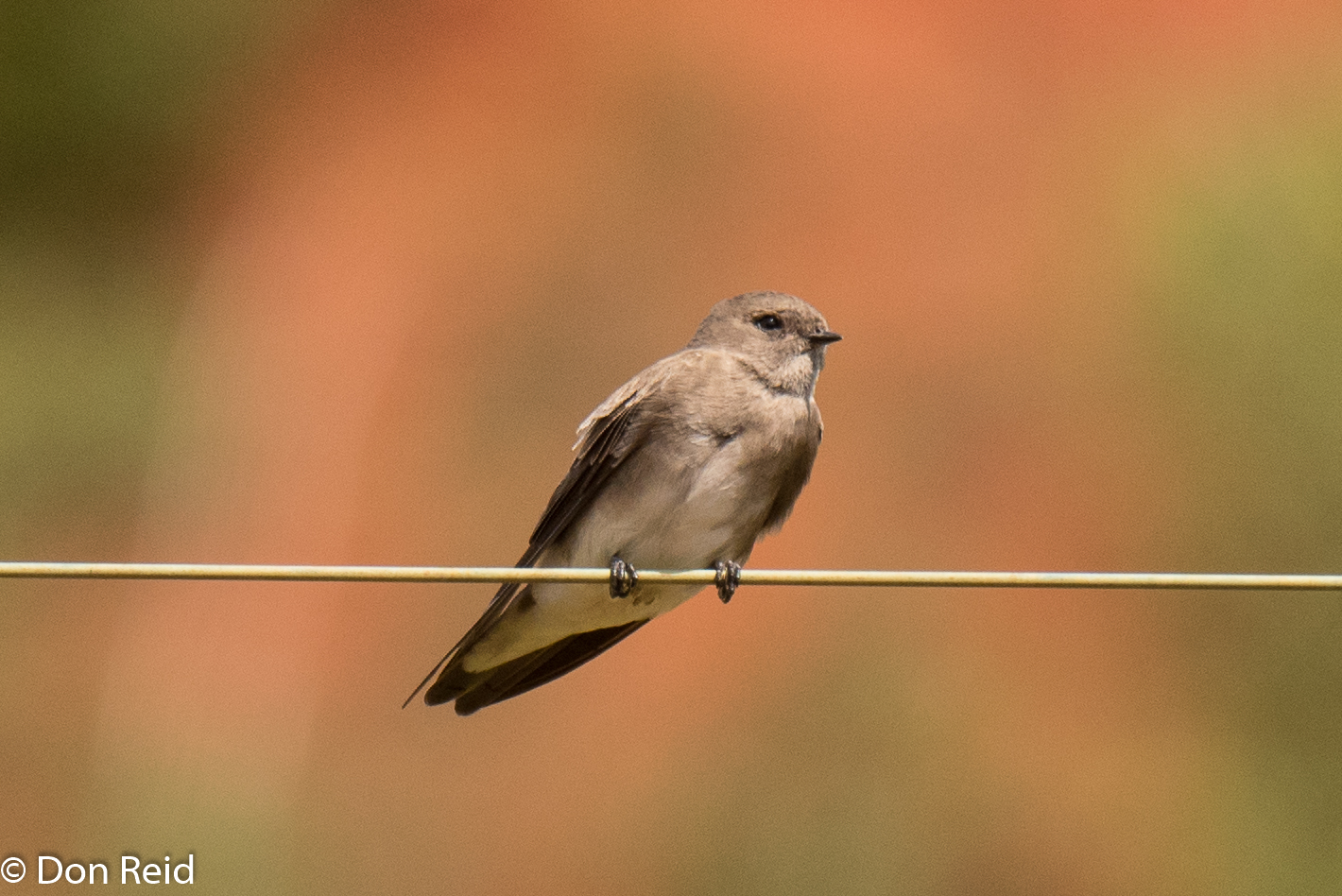
A stop at the Wilgespruit (stream) added African Reed Warbler calling vigorously and out of the many Swallows overhead I could ID White-throated and SA Cliff Swallows. A long stretch of mielies followed, the stalks higher than my Prado – so pleasing to the eye and soul, but not particularly good for birding.

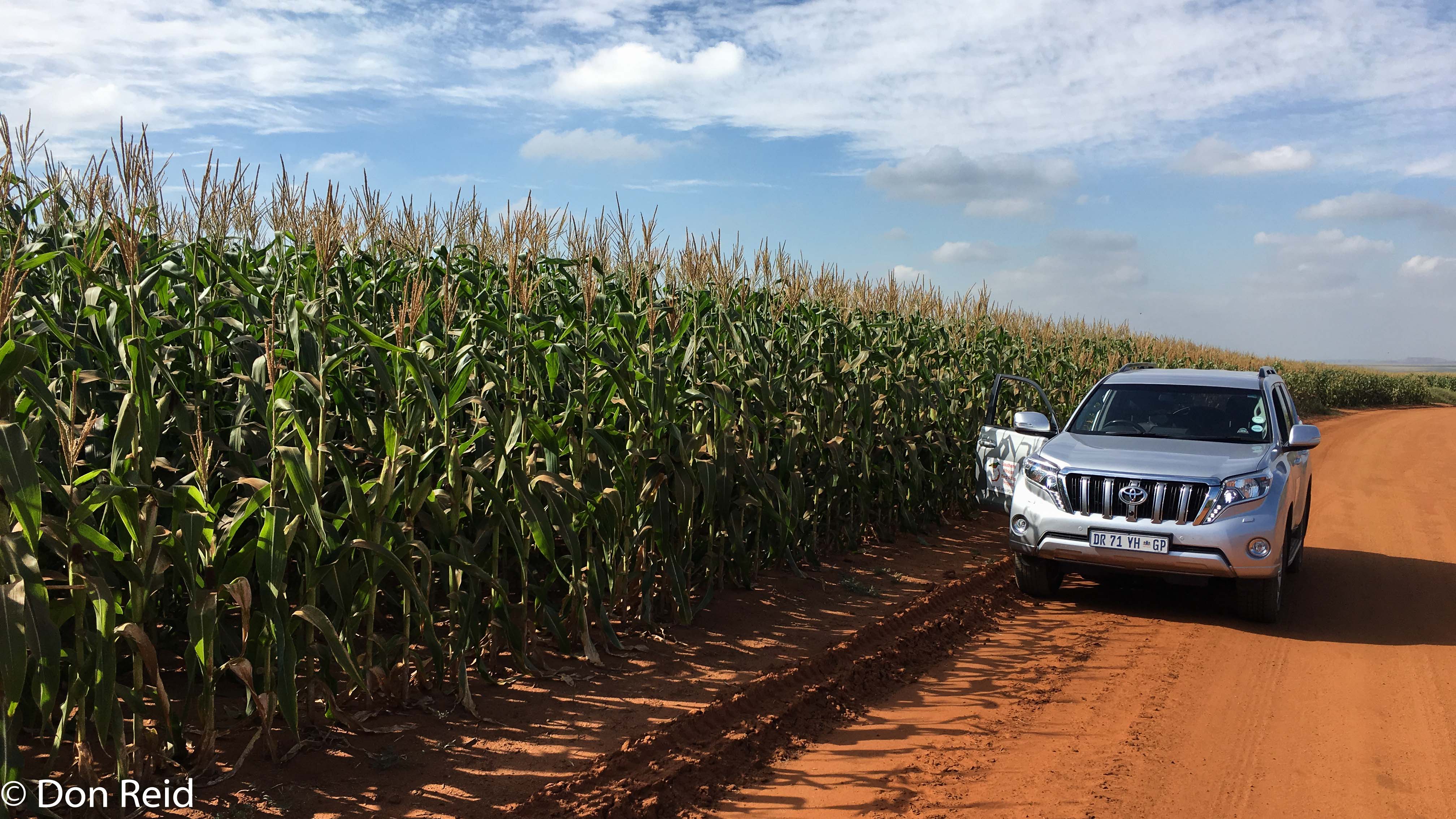
Mielies (corn) near Delmas, looking magnificent after good summer rains

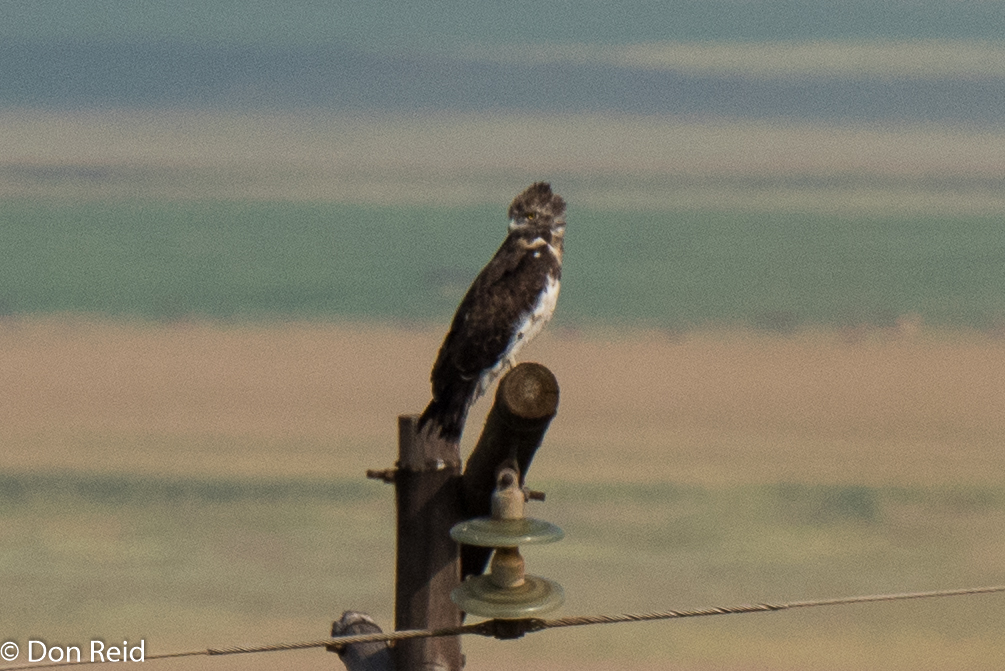
Shortly after I was into coal-mining area where a Black-chested Snake-Eagle surveyed the altered landscape with what I imagined was disdain, but a group of a hundred or so Brown-throated Martins didn’t seem to mind as they were foraging actively amongst the spoil heaps.

Black-chested Snake-Eagle (Swartborsslangarend)
Black-chested Snake-Eagle (Swartborsslangarend) – too far for anything but a record photo
Brown-throated Martin (Afrikaanse oewerswael)

With my total on a pleasing 55 species, I turned around and drove back along the same road towards Delmas and the second target pentad for the day.

Pentad 2605_2845

This turned out to be a rather trying pentad, as it largely covered landscape seriously altered by extensive coal-mining activities and I struggled to find an accessible side road to escape from the incessant string of coal trucks rumbling by every time I stopped.

Coal mining area - a depressing sight
Coal mining area – a depressing sight

After 40 minutes of less than happy birding, I abandoned the pentad – nevertheless with 21 species logged, including one “wow” bird in the form of a soaring Booted Eagle, for which I received an ORF (Out of Range form to be completed and submitted whenever a species outside of its normal known range is recorded).

With some time in hand and wanting to make the most of the morning’s atlasing I took the longer way home via the R42 to Bronkhorstspruit.  As I passed the signpost indicating the entrance to Bronkhorstspruit Dam, I decided to explore it and turned off onto a pleasantly quiet stretch of road through grassland. Not far down the road was a bridge over a stream which was just the spot I was hoping for to enjoy some refreshments and view the bird life.

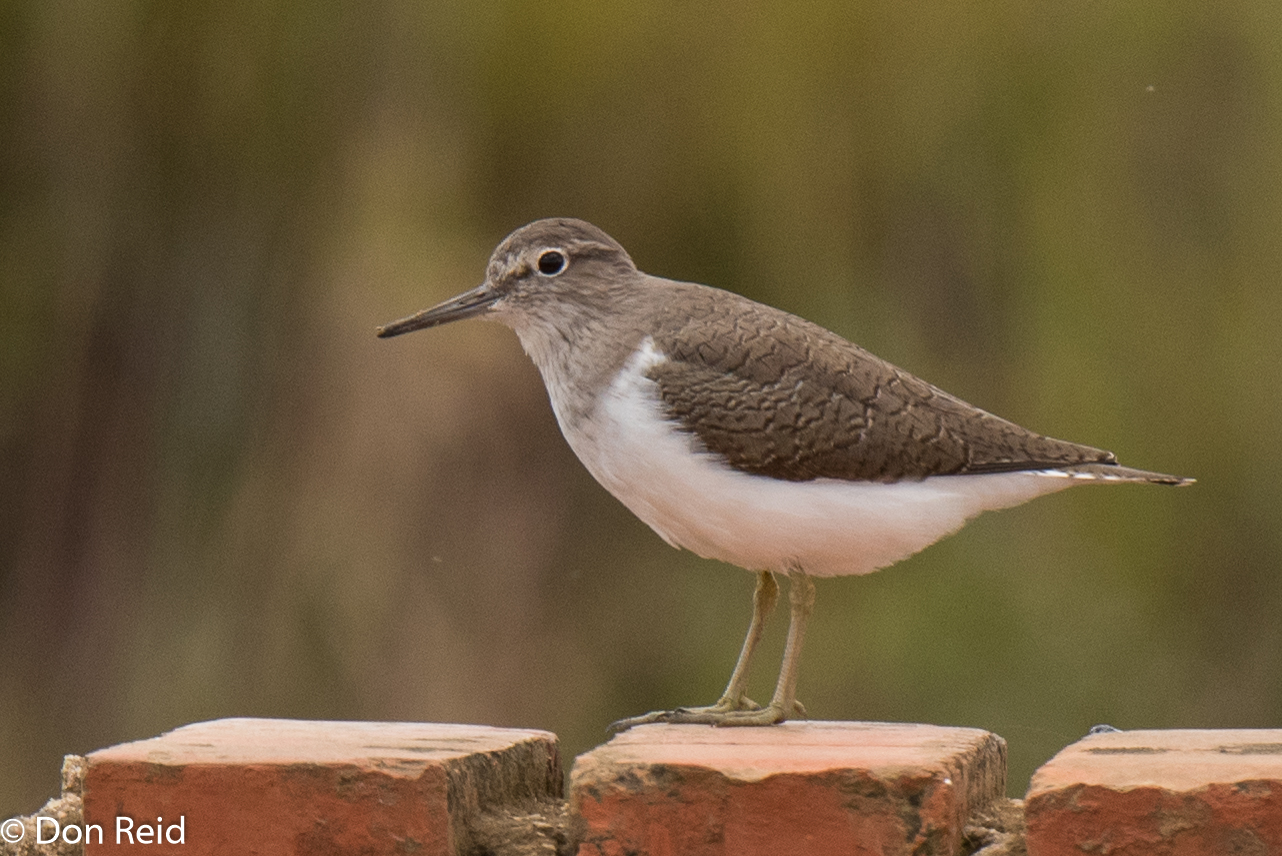
And the birds were plentiful – several Amur Falcons perched on the fence, White-throated Swallows and Brown-throated Martins swooping under and over the bridge, Calling African Reed and Lesser Swamp Warblers, a Giant Kingfisher and a Common Sandpiper bobbing its head on a brick retaining wall while it watched the rushing water below.

Common Sandpiper (Gewone ruiter)

Bird of the day was a Half-collared Kingfisher which unfortunately did not hang around long enough for me to get a photo. But a very pleasant conclusion to a mixed day of atlasing.

Surprise Sighting

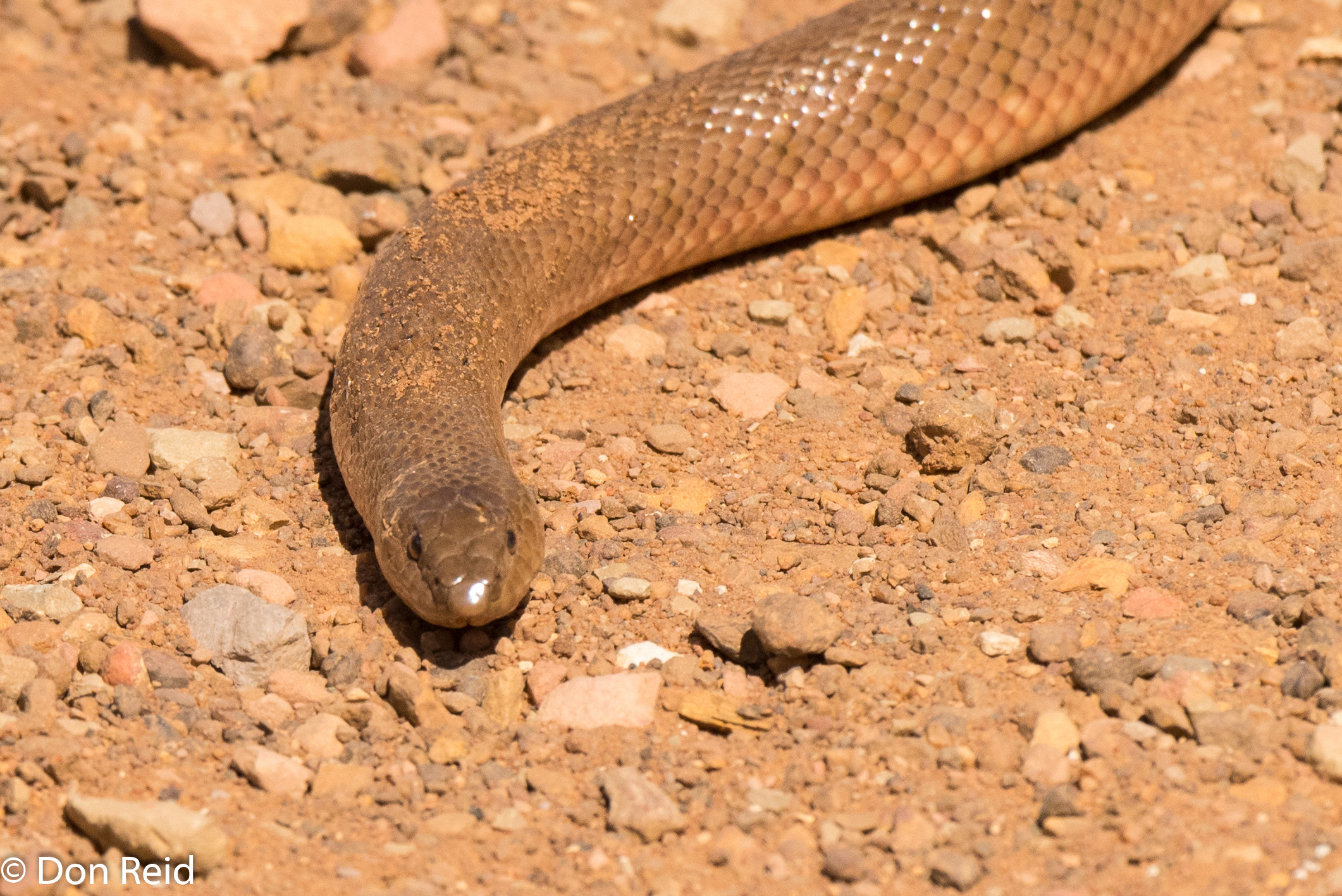
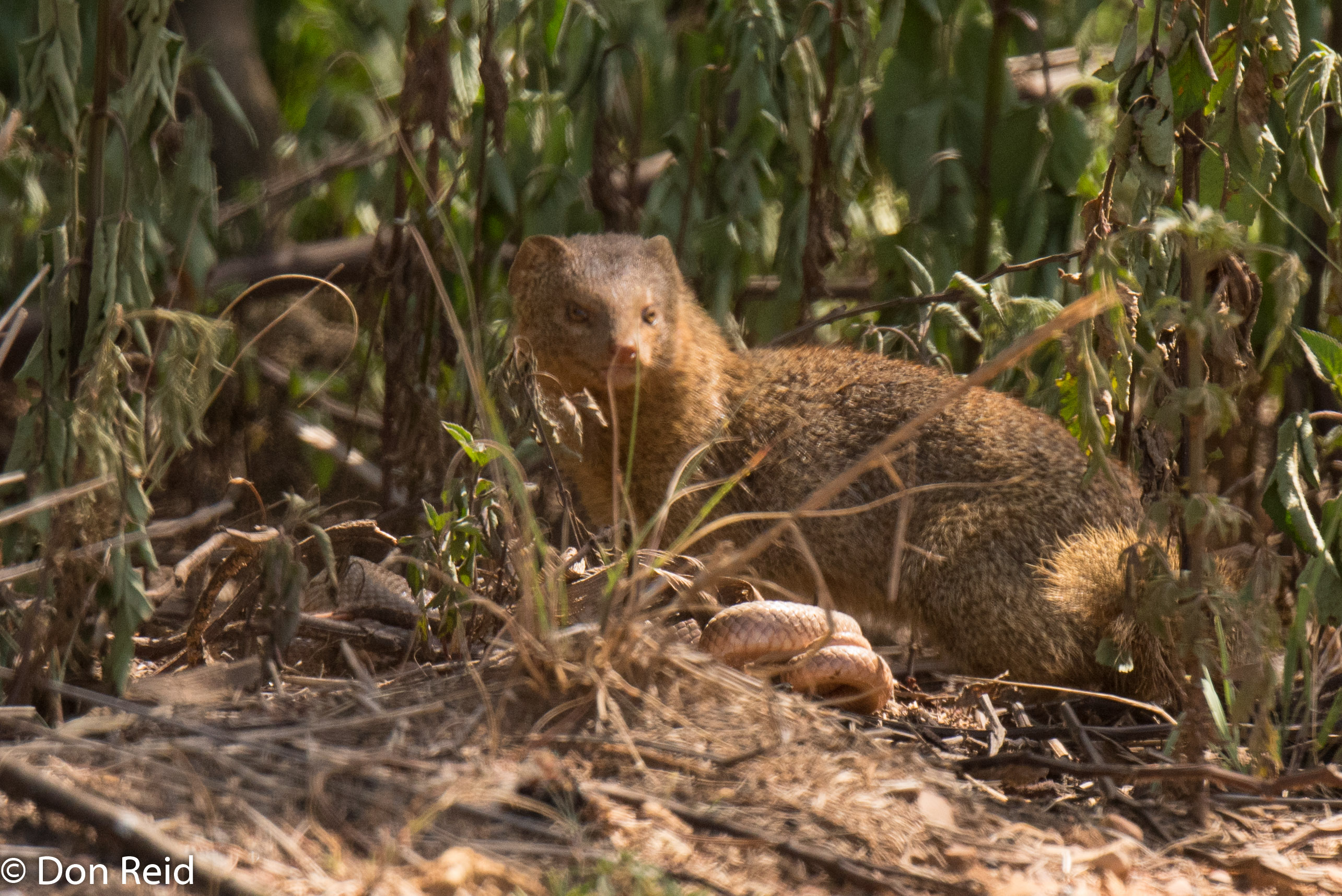
The surprise of the day was not a bird – travelling along a stretch of gravel road, I spotted a mongoose in the middle of the road, not too unusual when birding in the country areas, but as I got closer I realised it was tackling a snake. The metre-long Mole Snake had coiled itself up for protection, while the Slender Mongoose looked for a vulnerable spot to attack.

My approach disturbed it enough to abandon the snake, which uncoiled itself and headed towards my vehicle.

Mole snake approaching my car

I reversed out of the way and as luck would have it, at  that moment a car approached from the opposite direction, forcing me to move away to avoid having the snake run over. However the other driver did not appear to see the snake and probably just caught it with a wheel – immediately after the car had passed, the mongoose dashed from its cover, grabbed the injured snake and dragged it into the roadside bush, where it eyed me for a moment before disappearing. A real natural drama on a small scale! Now I believe those stories of Mongoose taking on snakes larger than themselves!

Slender Mongoose vs snake, Delmas area (Swartkwasmuishond)

The Atlasing statistics

Pentad 2605_2850

14th Full Protocol card for the pentad;   3 New species added to the pentad list (Little Egret, Palm Swift, Buffy Pipit) ;   Total species for the pentad now 138;  Personal total for the pentad 82 from 3 FP cards

Pentad 2605_2845

1st Ad hoc card for the pentad (18 FP cards done) ;   1 New species added to the pentad list (Booted Eagle) ;   Total species for the pentad now 145;  Personal total for the pentad 61 from 2 FP cards

My Birding Year 2016 (Part 2) – Twitching, Lifers, Atlasing and more

It was a memorable Birding Year for several reasons – many great places visited in pursuit of new birds, many amazing experiences, often when least expected, atlasing at every opportunity, all of which has left me more than satisfied and (hopefully) has boosted my birding and bird photography skills. It was also sprinkled with enough “Lifers” to make it a special birding year, most of which were not planned but rather just happened along the way.

Part two follows my birding journey from July through to December and is just a brief synopsis of my birding activities along with photos of the species encountered and places visited. Some of my trips are / will be covered in separate posts in a lot more detail.

July

The month kicked off with some mid-winter atlasing on the 2nd, in the Balmoral / Witbank area with Koos Pauw

On the 8th, in Kasane, Botswana for my monthly project visit, I did a spectacular birding trip by rented boat on the Chobe River, which was every bit as good as I had hoped

Chobe River Boat Trip
African Fish-Eagle, Chobe River Boat Trip
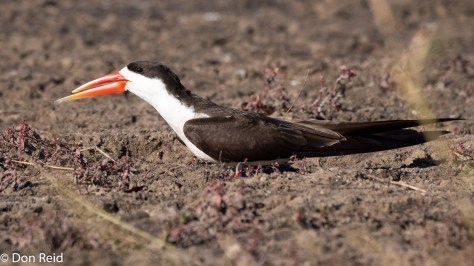
African Skimmer, Chobe River Boat Trip
Lappet-faced Vulture, Kasane

Just three days later it was back to more normal birding / atlasing – this time east of Potchefstroom where we had gone to visit Stephan and family

And another two days later it was time for a truly memorable trip to Heilbron in the Free State to ” twitch”  the reported Burchell’s Courser with Koos, which we duly did, finding  along the way two other Coursers (Double-banded, Temminck’s) and a bonus lifer for me in the form of a Pink-billed Lark which Koos spotted

Burchell's Courser, Heilbron area
Burchell’s Courser, Heilbron area

The last week in July was spent in Mossel Bay where the Pincushions were in full bloom and attracting numbers of nectar feeders, which kindly posed for some colourful photos

Greater Double-collared Sunbird, Mossel Bay

Writing this, I realised that I had done birding across 2 countries and 5 of SA’ s provinces during July!

August

My visit to Kasane from the 3rd to 5th allowed for some great birding again, visiting a riverside spot late afternoon where my colleagues went to fish and I took the opportunity to do some atlasing, photographing the Hartlaub’s Babblers and just enjoying the ambience as the sun set and hippos blew bubbles and snorted in the river

On the Friday morning before returning to SA I travelled to the Ngoma gate into Chobe Game Reserve and drove eastwards along the Riverfront road, atlasing all the way. I was rewarded with good views of Openbill, Great White Pelican, Tawny Eagle, Dickinson’s Kestrel and Slaty Egret amongst many others.

Brown-crowned Tchagra, Chobe Game Reserve
Slaty Egret, Chobe Game Reserve
Slaty Egret, Chobe Game Reserve (a very average photo, but my first of this scarce species)
Dickinson's Kestrel, Chobe Game Reserve
Dickinson’s Kestrel, Chobe Game Reserve

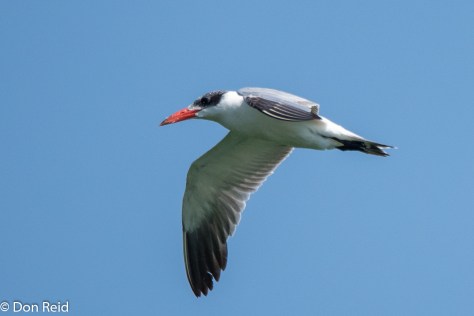
Mid August I fitted in some Monday atlasing, this time near Leandra where a farm dam was very productive with a nice range of waterfowl and one Caspian Tern

September

A family wedding took us to Vryheid and the farm of Pieter and Anlia Genis, where I was able to enjoy excellent birding in between the family festivities, with the assistance of Pieter and his rugged Bakkie (Pickup). The drive up to the plateau high above the farmhouse was as spectacular as ever and was good for a number of the area specials such as Black-winged Lapwing, Denham’s Bustard, Ground Woodpecker, Buff-streaked Chat and Eastern Long-billed Lark

Onverwacht farm, Vryheid
Black-winged Lapwing, Onverwacht farm, Vryheid

Another family event saw us in Potchefstroom two weeks later and I was able to squeeze in some atlasing early on the Monday morning before returning home to Pretoria

October

A visit to Kruger National Park in the first week of October with Andre and Geraldine and the girls was a highlight of the year, with the dry conditions limiting the bird numbers somewhat but each day proved to be full of interesting sightings.

Our home for the week was Olifants camp in the northern section of the Park.

African Harrier-Hawk, Afsaal area KNP
Southern Ground Hornbill, KNP
Golden-breasted Bunting,  Olifants Balule road KNP
Golden-breasted Bunting, Olifants Balule road KNP
Hooded Vulture, S37 Trichardt road KNP
Brownheaded Parrot, Pretoriuskop KNP

The rest of October was devoted to atlasing some of the birding “hotspots” around Pretoria and further afield.

Roodeplaat dam was good for two separate visits on consecutive Saturdays, one with Koos Pauw, both visits proving that this is one of the best spots for a relaxed morning’s birding with good roads and well-kept facilities.  The highlight was the constant calls of Tchagras, Titbabblers, Boubous, Scrub-Robins and others that accompanied the drives. The two birding sessions produced a remarkable 100+ species!

It was also the place where I saw the strangest bird of the year – one that had me completely flummoxed until I realised it was a fairly common Lesser Striped Swallow missing its tail. For a moment or two I thought I had discovered a new species of Spinetail!

Lesser Striped Swallow (tailless), Roodeplaat NR
Lesser Striped Swallow (tailless), Roodeplaat
Diederik Cuckoo, Roodeplaat NR
Diederik Cuckoo, Roodeplaat
Chestnut-vented Titbabbler, Roodeplaat Dam
Caspian Tern, Roodeplaat Dam

Another attractive venue was Mabusa Nature Reserve, some 1.5 hours drive from Pretoria, but almost constant light rain put a damper on my visit and the slightly unscheduled arrival of our 7th grandchild had me rushing back to Pretoria a little earlier than planned. Definitely a spot to revisit on a sunny day.

A Terrapin in the middle of the drenched gravel road was proof of how wet it was – I have only ever seen them clinging to a rock in a river or dam

Terrapin, Mabusa NR
Terrapin, Mabusa NR
Mabusa NR
Mabusa NR on a wet day
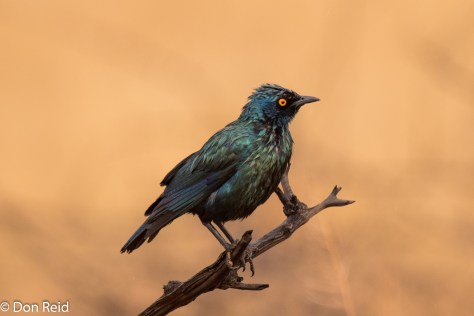
Cape Glossy Starling, Mabusa NR
Cape Glossy Starling, Mabusa NR trying to look happy about the rain
African Pipit, Mabusa NR

Last up was a visit to the area around Settlers in the Bela Bela area of Limpopo province, where the highlight was meeting a farmer that I encountered on the road who invited me to visit the “Vulture restaurant” at a large Pig-farm nearby.

Greater Kestrel, Settlers area, Limpopo
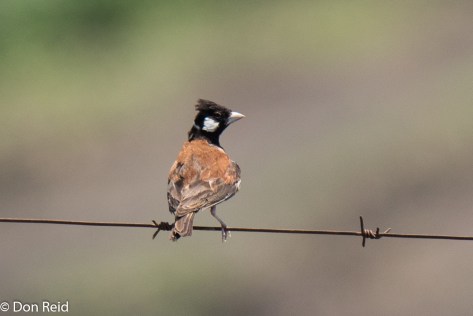
Chestnut-backed Sparrowlark, Settlers area, Limpopo

November

You would think I’d had enough of Chobe by now, but no, once again I arranged a boat trip along with a colleague while in Kasane and once again it was spectacular. My aim was to find Rock Pratincole which we did quite easily and had an up close and personal view to boot. I will do a separate post on this trip but suffice to say it was special.

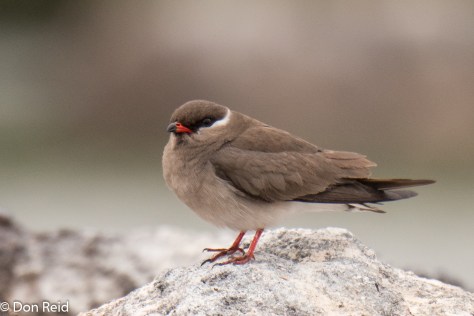
Rock Pratincole, Chobe River trip
Long-toed Lapwing, Chobe River trip

On the 9th another local hotspot demanded a visit when Green Sandpiper was reported from Rietvlei Nature Reserve near Pretoria (actually part of Pretoria). I did not find the Sandpiper but plenty of others kept me busy and fascinated, including a variety of antelope and other game. I still managed to make it to the office by mid-morning with 62 species counted.

Cape Longclaw, Rietvlei Dam

Our annual “long stay” trip to Mossel Bay came around almost before we were quite ready and an overnight stop at Abbotsbury guest farm near Graaff-Reinet on the way there was my next opportunity for some Karoo birding on this delightful farm.

Red-eyed Bulbul, Abbotsbury near Graaff-Reinet

We were barely settled in Mossel Bay when Birding Big Day came up on the 26th and at the last moment I decided to enter the Birdlasser challenge despite not having a team, planned a route or being even vaguely prepared. As it turned out I had a great day doing a circular route in the surrounding area, with Gerda joining me in the afternoon, and recorded 112 species on the day – not too bad for the area.

December

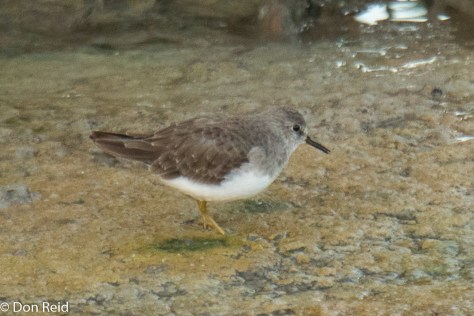
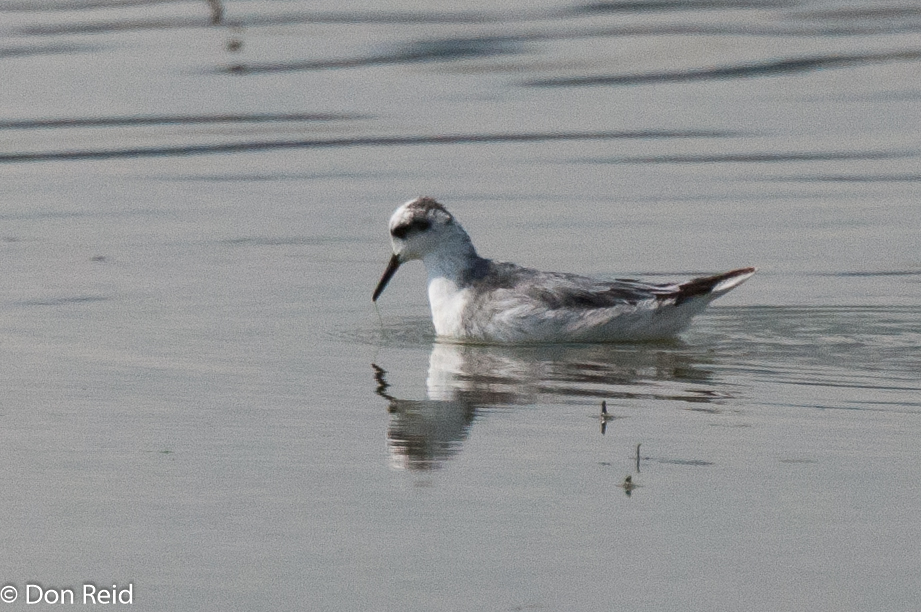
On the road again – this time on a 5 day trip to the Western Cape mainly to visit family, but naturally I took every opportunity to do birding along the way. News of several rarities at Strandfontein Sewage Works had filtered through in the few days prior to the trip and, prompted by Gerda who knows I can’t resist the temptation of a new bird, we adjusted our itinerary to spend a night nearby the spot, which meant I could spend time there in the hope of finding them. As it turned out I added Temminck’s Stint, Red-necked Phalarope and American Golden Plover to my life list – my only dip was the Pectoral Sandpiper.

Temminck's Stint, Strandfontein Sewage Works
Temminck’s Stint, Strandfontein Sewage Works
Red-necked Phalarope, Strandfontein Sewage Works
Pied Avocet, Strandfontein Sewage Works

Worcester was our base for 3 nights and on the return trip to Mossel Bay we stopped for an overnight stay at Jan Harmsgat guest farm

I felt that the rarities were following me when a Red-necked Buzzard was seen in Stilbaai, just and hour or so away from Mossel Bay, so on the 13th I went to look for it and ended up getting great views accompanied by some of the top birders in SA, who had driven a lot further to see this mega-rarity. One of them was the country’s leading seabird expert, Barrie Rose, with whom I had a chat as we were at school together. Barrie was tragically killed just a couple of weeks later  when he fell off rocks at Cape Point while fishing. Just another reminder how tenuous life can be.

Red-necked Buzzard, Stilbaai Twitch
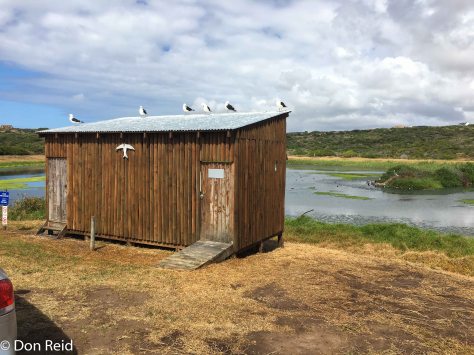
Stilbaai Sewage Works
Stilbaai Sewage Works – a bird hide for the birds
Stilbaai twitch
Stilbaai twitch – RIP Barrie Rose (walking up the hill at the rear)

On the 22nd I atlased two pentads north and south of Herbertsdale, one of my favourite birding areas, which was also my last formal birding trip of the year.

During our lengthy stay in Mossel Bay I did regular atlasing in the Golf Estate, where 30+ species can be seen in an hour’s walk during Summer, as well as around town which has a few reliable birding spots such as the Point and the harbour area for seabirds and the small dam at the SPCA grounds for waterfowl.

Grey-backed Cisticola, Mossel Bay
African Black Swift, Mossel Bay

I am not sure how I will top 2016 as far as birding goes, but I will certainly give it a go!

My Birding Year 2016 (Part 1) – Twitching, Lifers, Atlasing and more

It was a memorable Birding Year for several reasons – many great places visited in pursuit of new birds, many amazing experiences, often when least expected, atlasing at every opportunity, all of which has left me more than satisfied and (hopefully) has boosted my birding and bird photography skills. It was also sprinkled with enough “Lifers” to make it a special birding year, most of which were not planned but rather just happened along the way.

What follows is a brief (remember, brief is relative) synopsis of my birding activities along with photos of the species encountered and places visited. Some of my trips are covered in separate posts in a lot more detail.

January

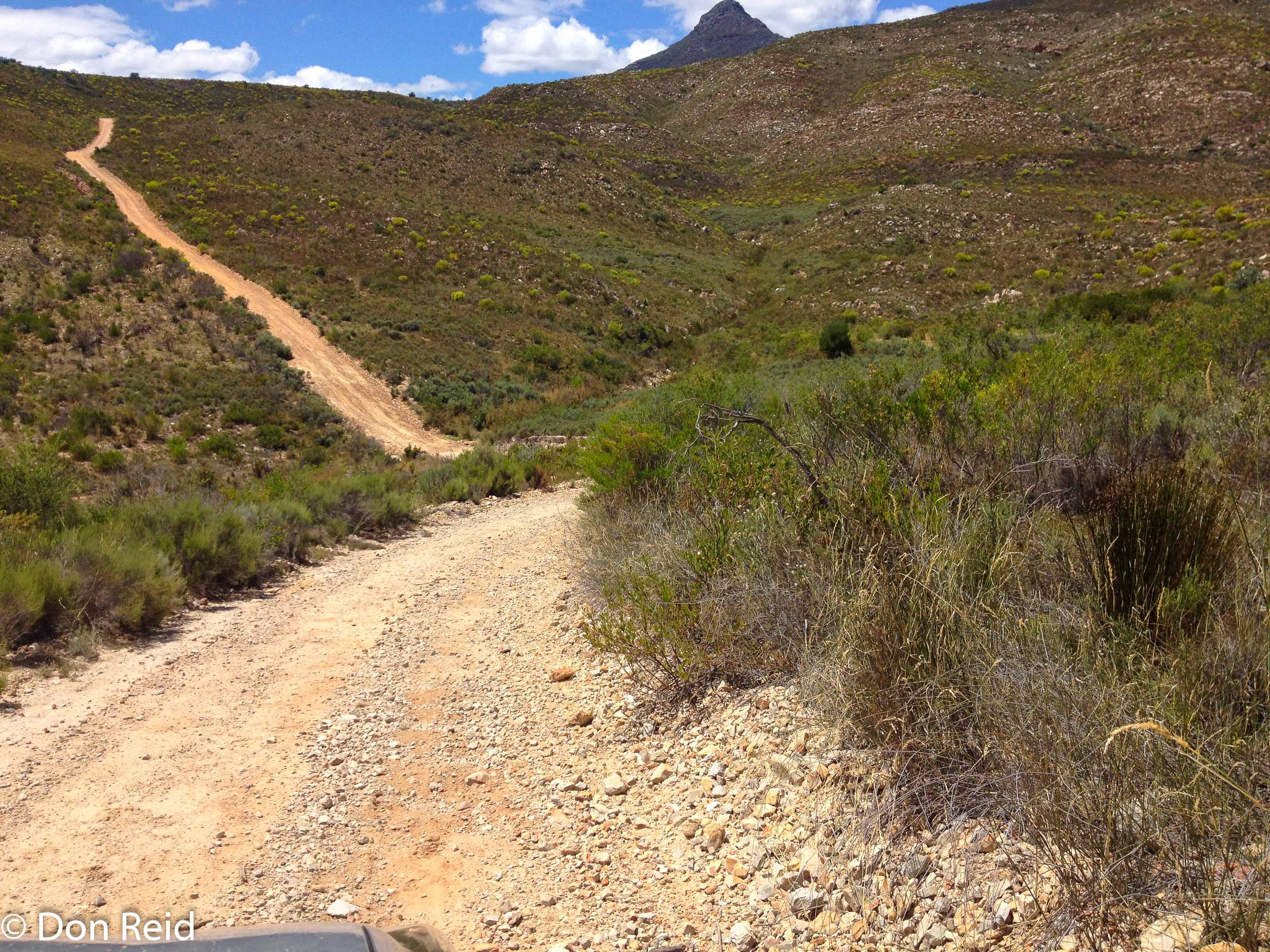
Our year kicked off in Mossel Bay, our home town for some of the year, including December and half of January, and I took the opportunity to do some atlasing / birdmapping in the area. This included one particularly memorable trip through the mountains on a back road north of Herbertsdale (actually an old wagon route)  where I saw just one other person in two hours and not a single other vehicle. The pentad (a block of 5 x 5 minutes of latitude and longitude) had never been atlased previously so was virgin territory.

Old Wagon route, Herbertsdale north
Jackal Buzzard, Herbertsdale north

Further atlasing on the 14th was limited by almost constant light rain, but was nevertheless interesting, producing some scarcer species such as Little Bittern doing its “sky-gazing” trick and a group of Amur Falcons, unusual in this part of SA. Parts of the gravel road were very slippery and called for close concentration.

Cattle Egret, Herbertsdale south
Cattle Egret, Herbertsdale south (spot the raindrops!)

Our customary “slow and easy” trip back to Pretoria started on the 16th with a short drive to Prince Albert for a two night stay, allowing time for some Karoo birding, then on to Prior Grange guest farm near Springfontein in the Free State, where I was able to fit in some early morning birding before our last push to Pretoria and home.

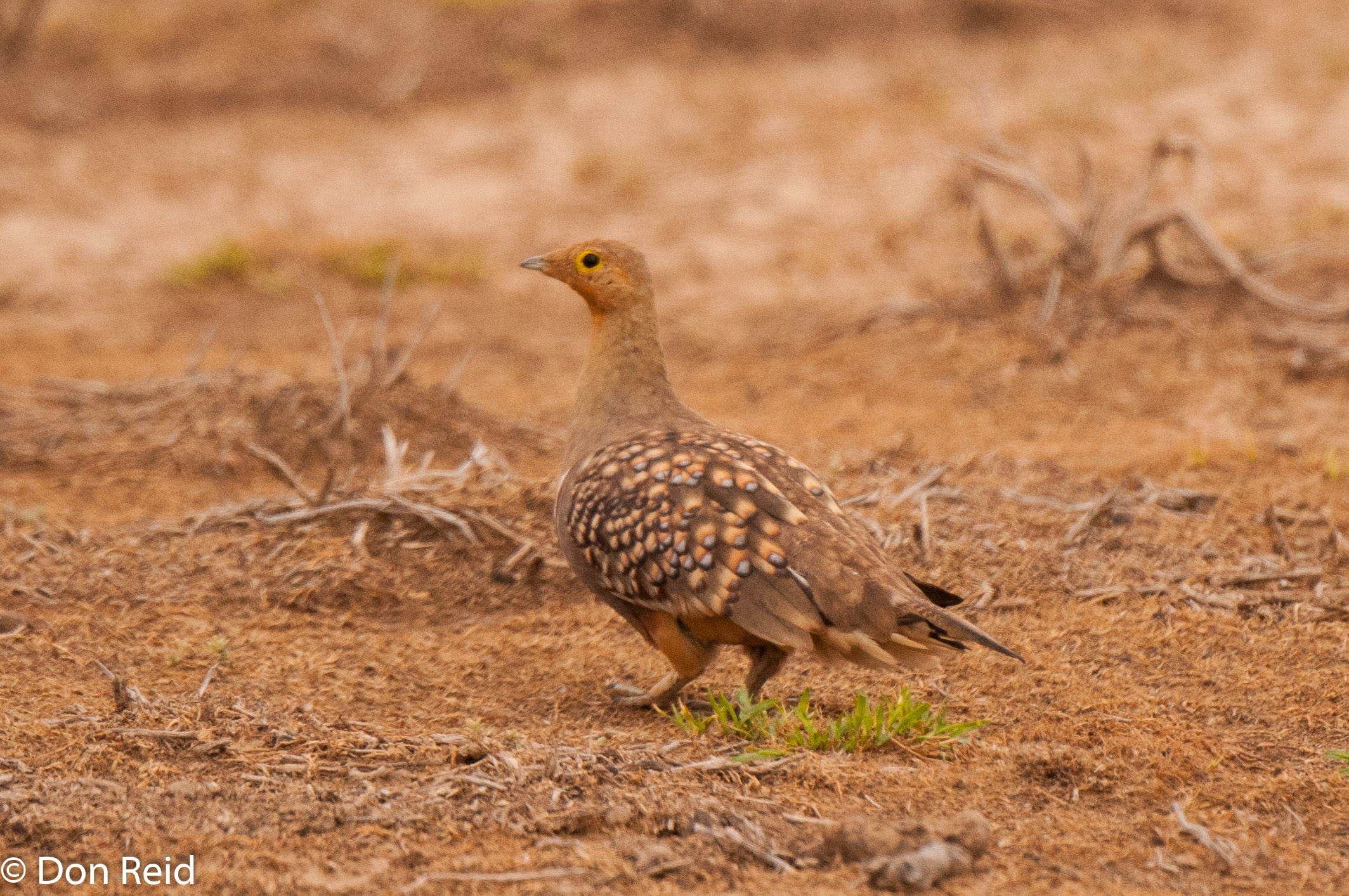
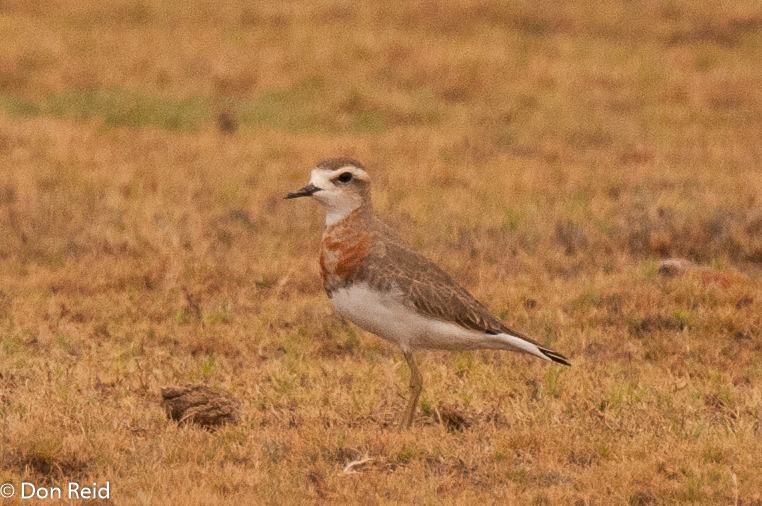
A report of a Caspian Plover near Hanover persuaded us to deviate for an hour or two to look for it – with the help of the farm owner we found it, as well as some other delights such as Blue Korhaan and Namaqua Sandgrouse

Namaqua Sandgrouse, New Holme Guest Farm, Hanover
Caspian Plover, New Holme Guest Farm, Hanover
Blue Korhaan, New Holme Guest Farm, Hanover

Back in Pretoria I was soon chasing further rarities when reports of a Red Phalarope at Mkhombo dam filtered through and I ended up visiting this exciting birding spot three times before the month was out, once on my own, once with George Skinner and once with Francois Furstenburg, the latter trip including some great birding along the Zaagkuildrift road.

Red Phalarope, Mkhombo Dam
Grey Plover, Mkhombo Dam
123 Long-tailed Paradise Whydah, Mkhombo Dam (925)
Long-tailed Paradise Whydah, Mkhombo Dam

And to round off a memorable month, a Spotted Crake was reported outside the main gate to one of Johannesburg’s largest residential estates. It proved to be one of the easiest twitches ever as more than 1000 birders went to see it.

Spotted Crake, Waterfall Estate

After that exciting start to the year I took a break in February to focus on other life matters and recommenced in…

March

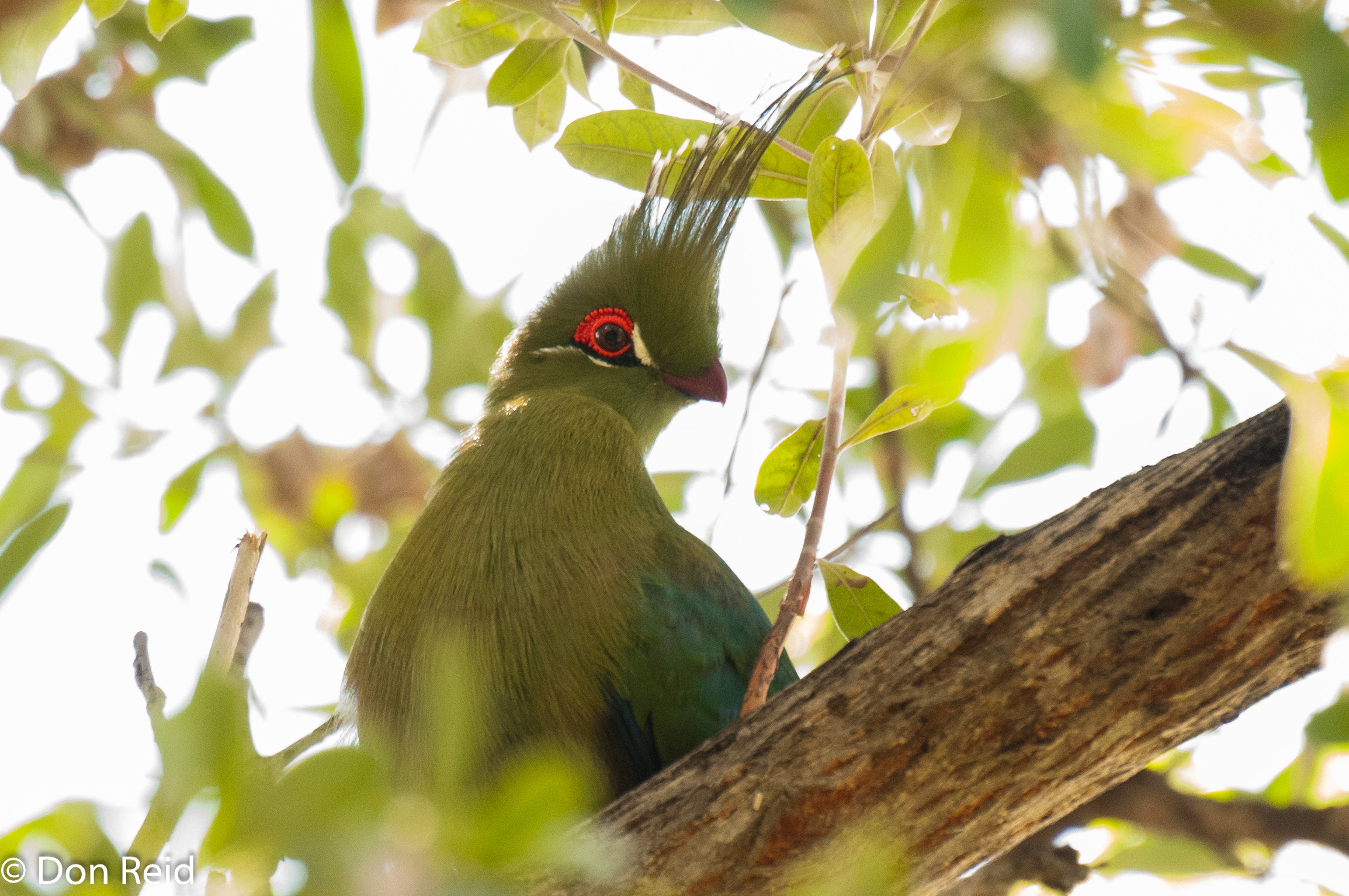
The month started with a bang when I visited Kasane in Botswana for the project I am involved in and took the opportunity to “pop over” to the Caprivi Strip in Namibia to see the Yellow-throated Leaflove reported at a lodge near Katimo Mulilo, along with some of the other area specials and another lifer by way of an accommodating Schalow’s Turaco at the same lodge. The Leaflove was a new species for Southern Africa and created a lot of excitement amongst twitchers.

Yellow-throated Leaflove, Caprivi Houseboat Lodge
Schalow's Turaco, Caprivi Houseboat Lodge
Schalow’s Turaco, Caprivi Houseboat Lodge

While in Kasane I visited Chobe Game Reserve and the Kasane Waste treatment works which both produced some excellent birding.

Chobe NP
Chobe NP
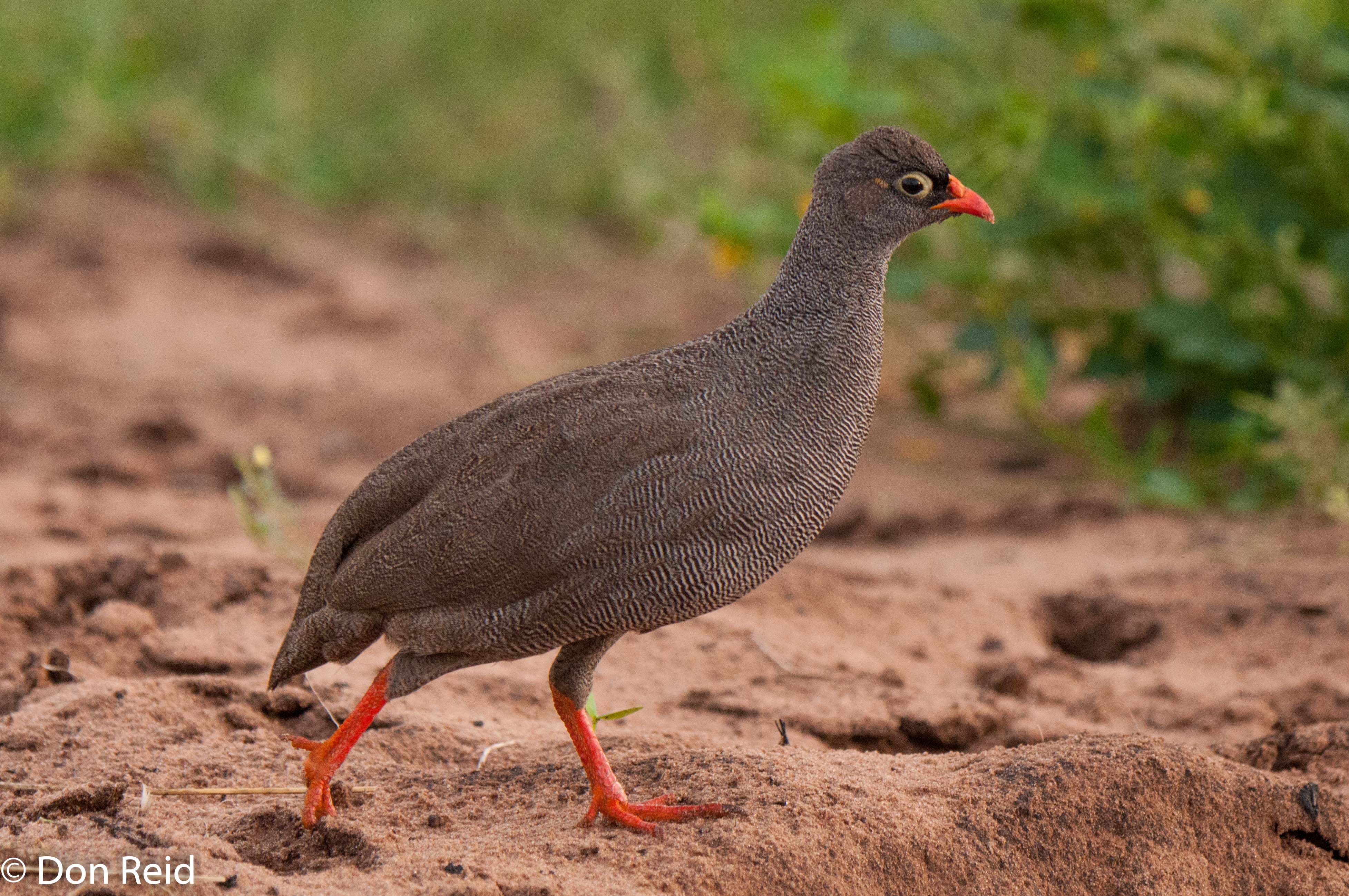
Red-billed Spurfowl, Chobe NP
African Openbill, Chobe NP
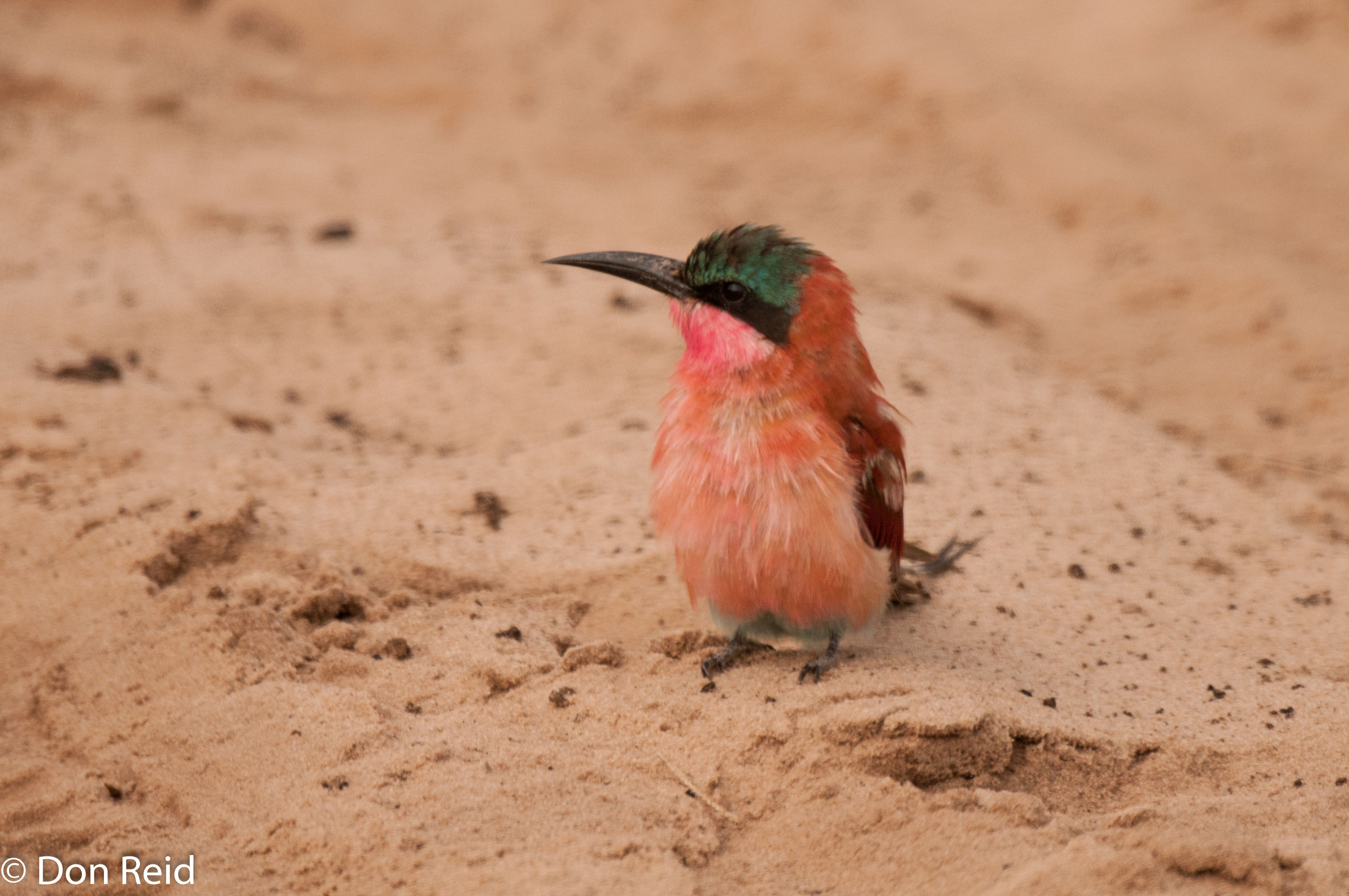
Southern Carmine Bee-Eater, Chobe NP
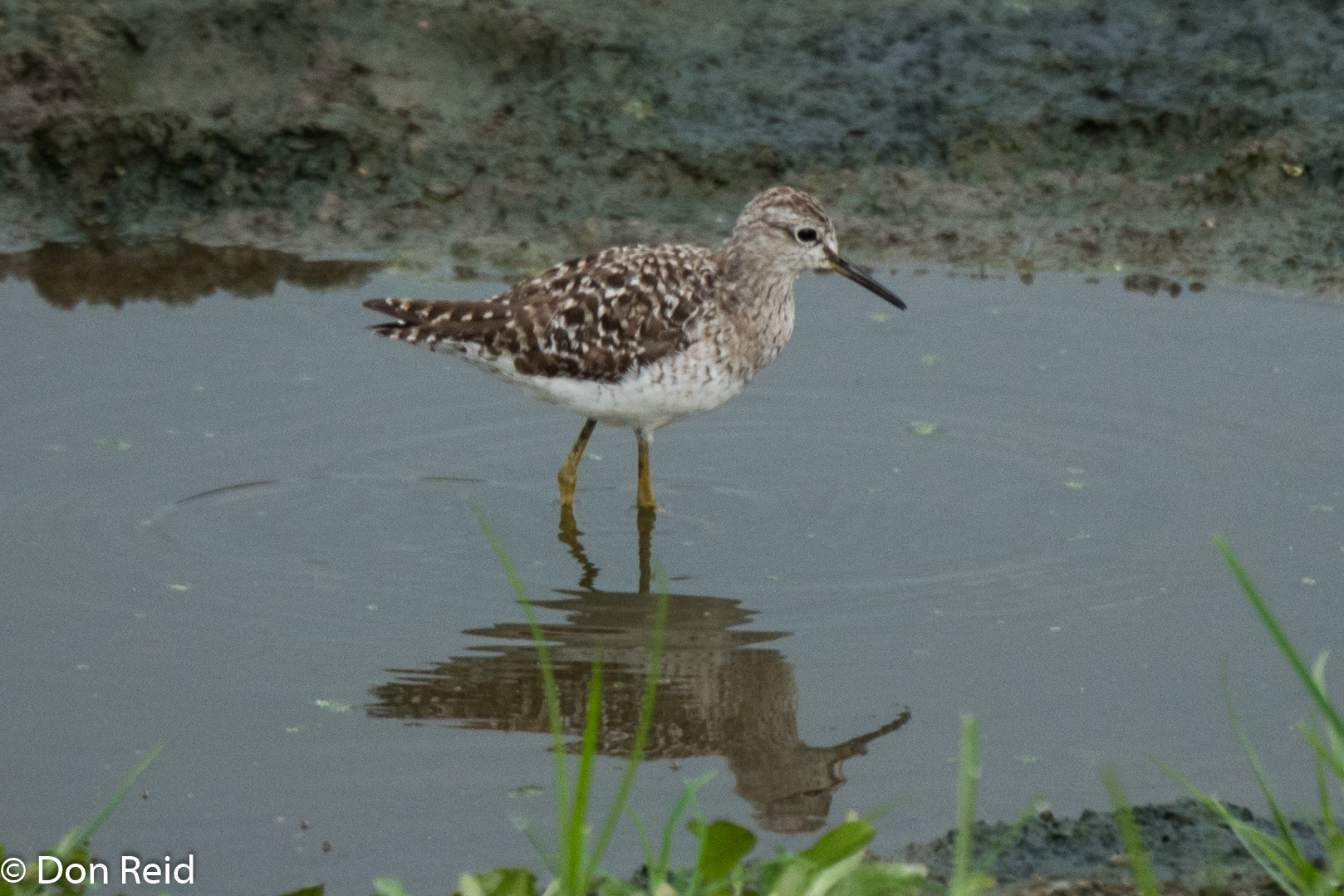
Wood Sandpiper, Kasane Water Treatment
Wood Sandpiper, Kasane Water Treatment works

The following week I fitted in some atlasing, this time in and around Cullinan area east of Pretoria (where the famous Cullinan diamond was found)

The next weekend we visited Potchefstroom and I atlased in the area, focusing on the Boskop dam north-east of Potch which proved to be an excellent spot with a total of 72 species, the highlight being an African Rail walking along the dam edge for 50m or so before disappearing into reeds.

April

Back in Kasane for my monthly visit, the only birding I managed was at Senyati camp, which we visited late one afternoon and viewed the elephants coming to drink at the waterhole, along with a variety of bird life.

Then it was time for our long-planned trip of the year to celebrate 45 years of marriage – two weeks in Europe  , visiting Prague and Passau, with an eight-day Danube River Cruise sandwiched in between. Birding was limited to whatever crossed my path but was still good for a handful of Lifers added to my “World list”

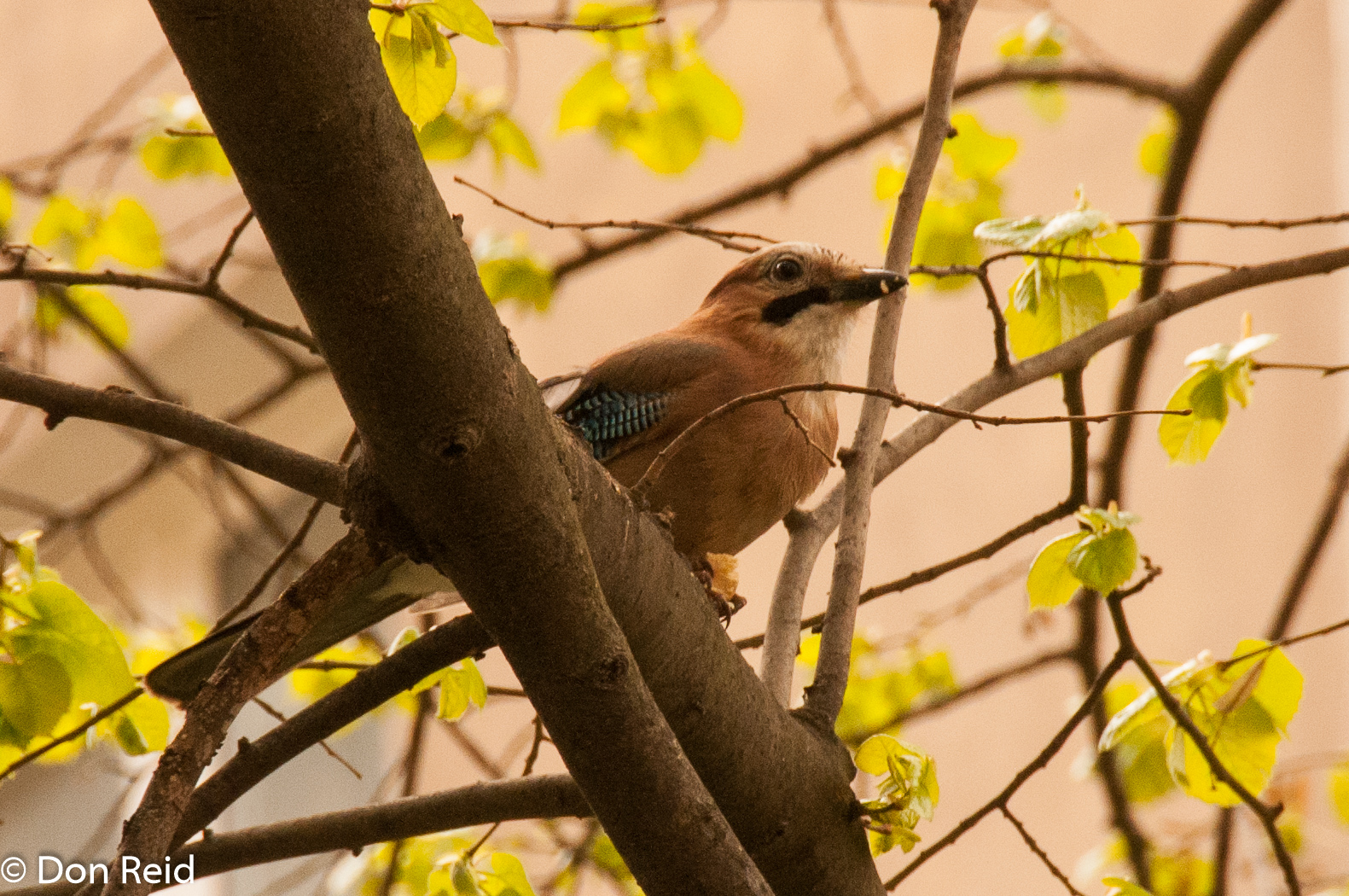
Eurasian Jay, Prague
Black Redstart, Cesky Krumlow
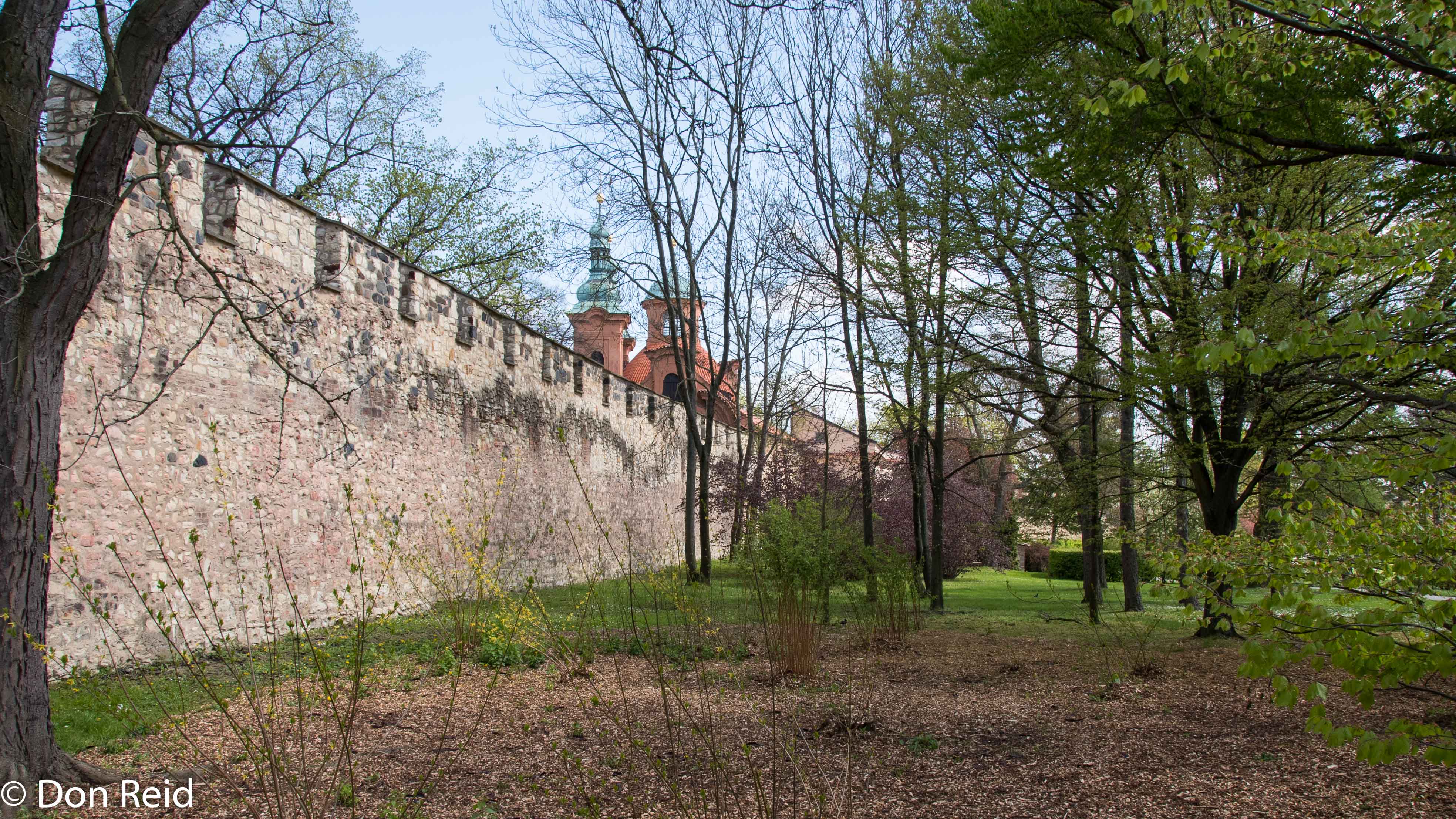
Petrin Hill
Petrin Hill in Prague
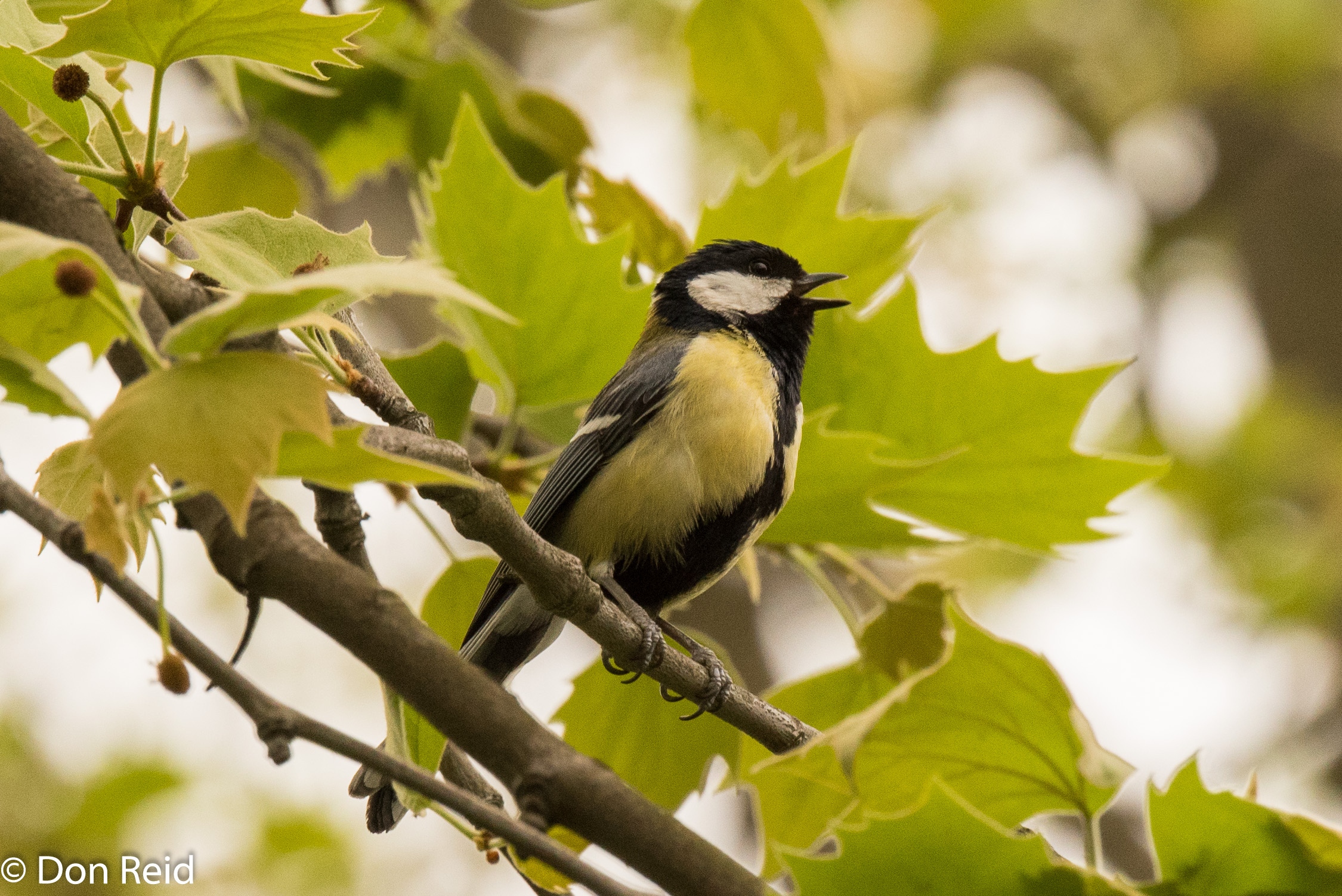
Great Tit, Vienna
Great Tit, Vienna
Red Fox with fish catch
Red Fox with fish catch along the Danube River (OK it’s not a bird but rates as one of my sightings of the year)
Caspian Gull, Danube
Common House Martin, Danube
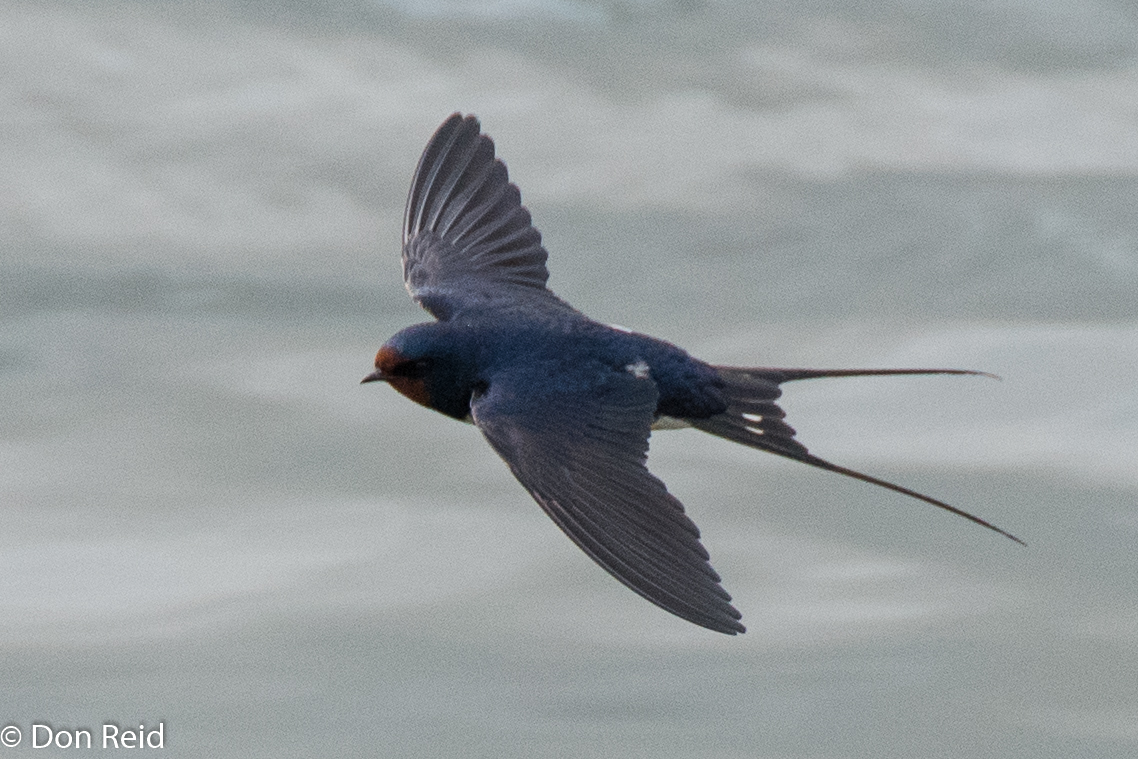
Barn Swallow, Danube
Lesser Kestrel, Passau
Passau - views from the Castle
Passau – views from the Castle
Black-headed Gull, Passau

May

My trip to Kasane Botswana from the 10th to 12th presented few opportunities for focused birding, nevertheless I was able to spend time in three spots that I have got to know fairly well – Kasane Waste Treatment works, Thebe lodge and Seboba Nature Park, all of which are reliable for a variety of species.

113 White-crowned Lapwing, Seboba Nature Park - Kasane (290)
113 White-crowned Lapwing, Seboba Nature Park – Kasane (290)
Marabou Stork, Kasane Water Treatment
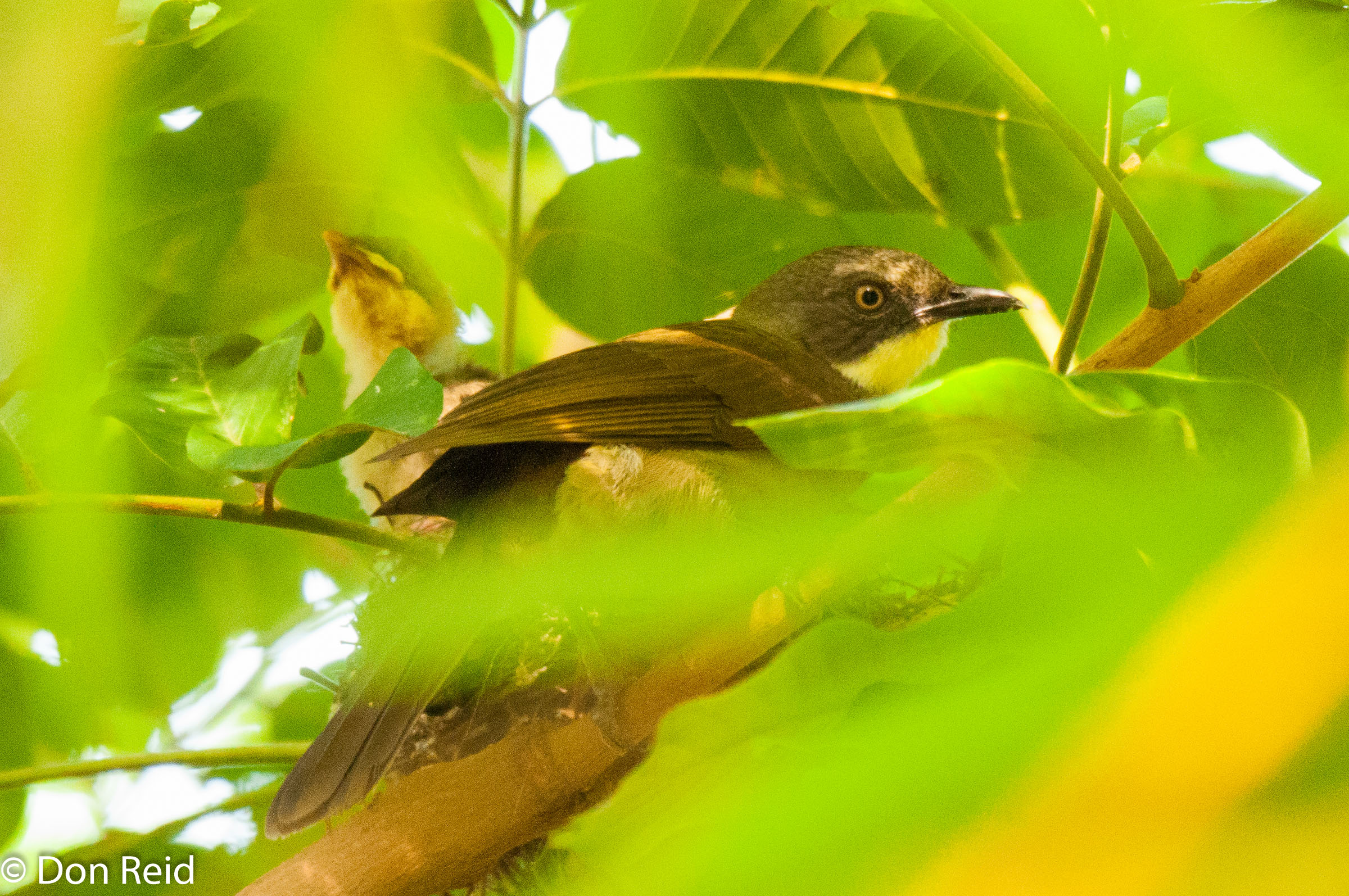
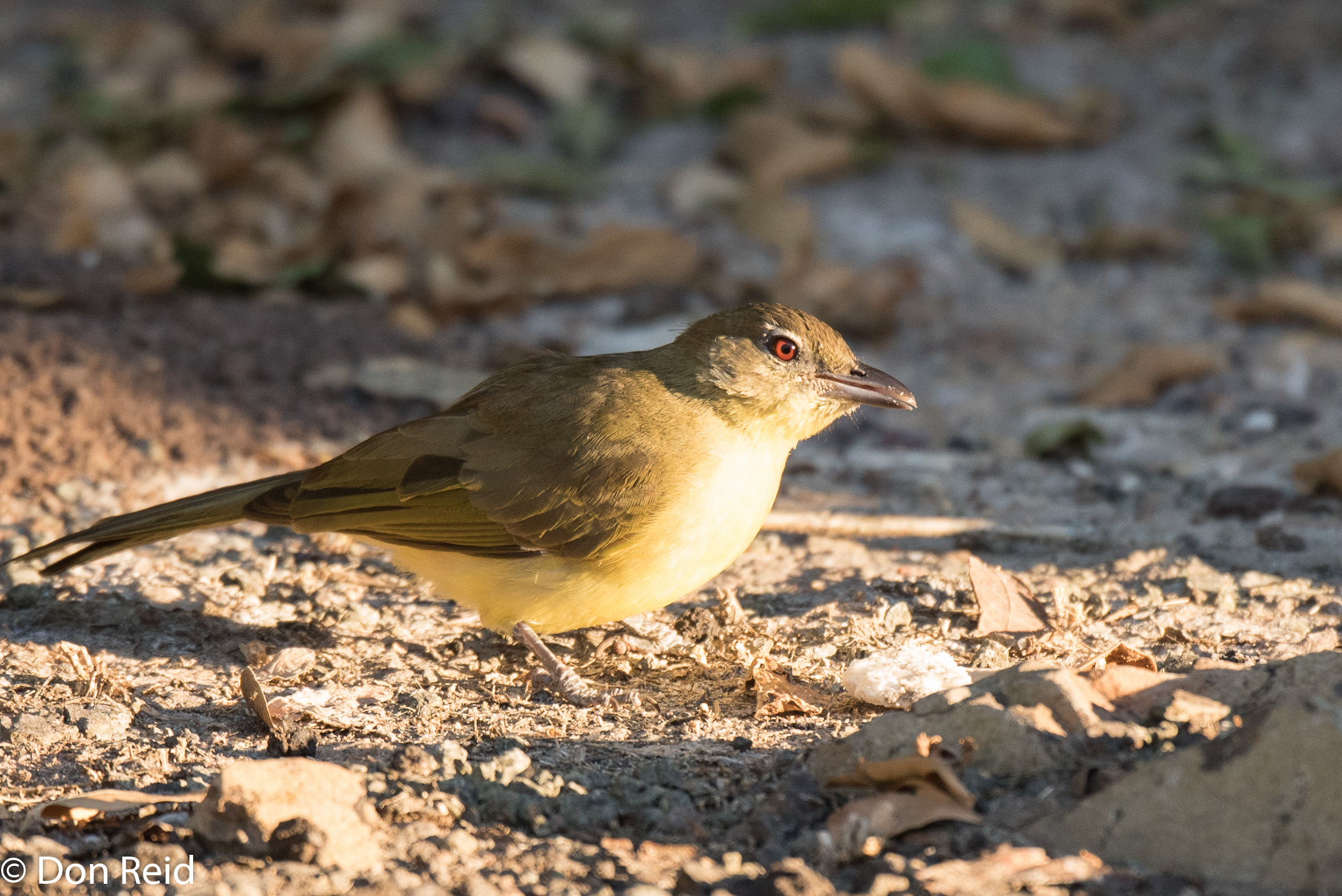
Yellow-bellied Greenbul, Thebe Safari Lodge
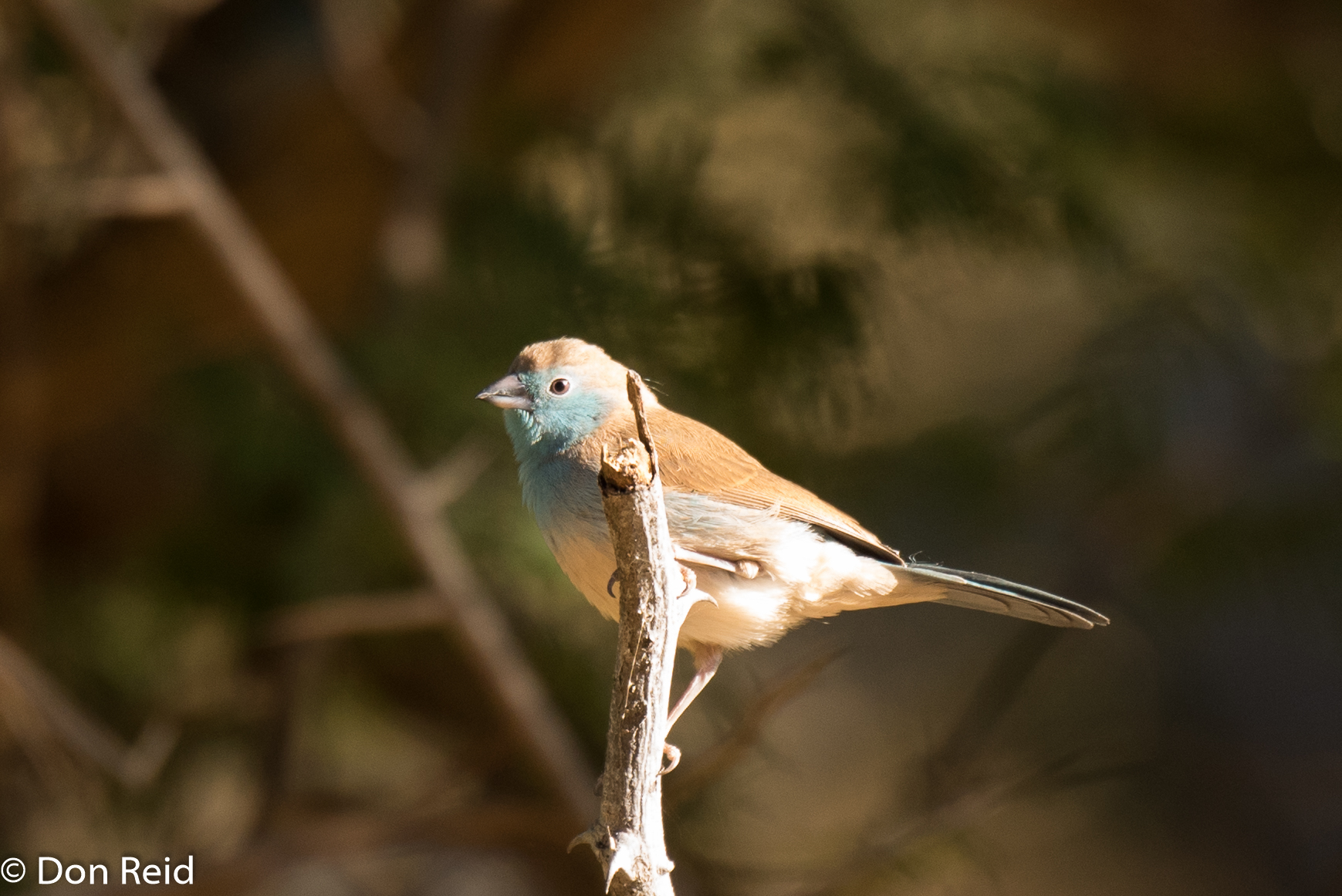
Blue Waxbill, Seboba Nature Park Kasane

On the 16th and again on the 23rd I got back to some “ordinary” atlasing in some of my favourite parts of eastern Gauteng – lying generally in the corridor between Bronkhorstspruit area and Delmas area. Good solid midwinter atlasing in these run-of-the-mill parts of Gauteng can be just as inspiring as birding some of the more recognised birding spots.

Brown-throated Martin, Delmas area

On the 26th and 27th we joined Koos and Rianda at our favourite getaway – Verlorenkloof estate near Machadadorp – which as usual did not disappoint with the quality of the birding

Verlorenkloof
Verlorenkloof
Mocking Cliff-Chat (Female), Verlorenkloof

June

Kasane was the destination once again from the 1st to 3rd with another birding trip along the Riverfront section of Chobe Game Reserve.

Bradfield's Hornbill, Chobe Riverfront
Bradfield’s Hornbill, Chobe Riverfront

Winter atlasing in the Delmas area on the 6th included a visit to a farm dam courtesy of the farm owner who I tracked down – worth the trouble as the dam contributed 21 species to the list including both Flamingoes, Black-necked Grebe and Maccoa Duck

African Marsh-Harrier, Delmas area
Harrier in the mist (African Marsh-Harrier), Delmas area

Next up was our visit to La Lucia near Durban for a week, during which I enjoyed a Fathers Day feast of birding in Ongoye Forest, Mtunzimi and Amatigulu Reserve with local guide Sakhamuzi Mhlongo,  who found the Green Barbet that I had hoped to see. This species is restricted to this one single forest in Southern Africa.

Ongoye Forest
Ongoye Forest
Green Barbet, Ongoye Forest Reserve
Green Barbet, Ongoye Forest Reserve (Not a photo-friendly species at all!)
Ongoye Forest
Ongoye Forest
Square-tailed Drongo, Ongoye Forest Reserve
Yellow-throated Longclaw, Mtunzini
Amitigulu Nature Reserve
Amitigulu Nature Reserve, Sakhamuzi leading the way
Scaly-throated Honeyguide, Amitigulu Nature Reserve

On the way back to La Lucia I popped into the well-known birding spot at Sappi Stanger, which was lively with waterfowl and others

Sappi Mill Stanger / Kwadukuza
Cape and Hottentot Teal, Sappi Mill KwaDakuza
Cape Teal, Sappi Mill KwaDakuza

Before the week was done we did a quick trip to Pigeon Valley in Durban’s suburbs, where a few of the forest species were in evidence.

Red-capped Robin-Chat, Pigeon Valley

Atlasing the Delmas area once again on the 27th concluded the month’s diverse birding

July to December are covered in a separate post called ,,,,,,,,  wait for it ………..Part 2.


A Week in Olifants – The Road to Mopani

For the second year in a row we spent a week in Kruger National Park in October, this time spending 6 nights in Olifants rest camp in the northern part of Kruger, with one night stop-overs at Berg en Dal  and Pretoriuskop rest camps on the way there and back respectively.


The Road to Mopani

Mopani lies north of Olifants with Letaba camp and Mooiplaas picnic spot en route – it’s a great option for a longer outing from Olifants camp and we chose to do it on the Monday of our week-long stay.

Olifants to Letaba
Olifants to Letaba

Setting off at around 8.30 am, we initially set our sights on Letaba camp – the first 9 km to the main H1 road was quiet and set the tone for large parts of the day.  The veld has taken a severe knock during the past few years of drought or poor rainfall and is non-existent in places, while the trees are mostly bare at this early stage of Summer and the earth is parched to a grey/brown colour.

In these conditions, the rivers which still have small pools of water and the waterholes stand out as oases of life, with concentrations of game and bird life gathering at these spots. The Olifants river is one such oasis and once you reach the H1 road to Letaba, the great river runs alongside it for a few kms, albeit at some distance.

Nevertheless the road was still close enough to make out Yellow-billed Stork (Nimmersat), Goliath Heron (Reusereier), Pied Wagtail (Bontkwikkie) in the river itself and an African Hoopoe (Hoephoep) closer to the road amongst dry leaves which matched its brown colouring.

African Hoopoe, Olifants river

The next 20 kms to Letaba runs through very arid habitat and my atlasing effort in the pentad that it encompasses resulted in just two species in half an hour’s slow driving – a Brubru (Bontlaksman) and a Yellow-billed Kite (Geelbekwou).

By this time Letaba’s Mugg and Bean was beckoning us for a mid-morning coffee which we enhanced with a shared Date and Nut Muffin (M&G’s muffins are formidable so even sharing one means you each get a decent portion).  Brown-headed Parrots (Bruinkoppappegaai) made their presence known in the overhanging trees as we relaxed on the Letaba stoep with its wonderful view of the Letaba river.

Letaba to Mooiplaas and Mopani

After our coffee break, the next stop was the bridge over the Letaba, where you can alight from your car in the demarcated area and look for game and birds in the river bed. We were rewarded with several birds including Saddle-billed Stork (Saalbekooievaar), Ground Hornbill (Bromvoël), Great White Egret (Grootwitreier) and African Openbill (Oopbekooievaar).

Southern Ground Hornbill

A lone European Bee-eater (Europese Byvreter), clearly a bit earlier to arrive in Southern Africa than the majority of his kind, brightened up our birding and was also the only one we saw during the week.

The next stretch to Mooiplaas picnic spot was a longish one, initially running next to the Letaba river with short approach roads leading to and from the river at regular intervals, well worth investigating each one as the game and bird life often gathers in the river bed, enjoying the relatively lush habitat.

Giraffes in river, Letaba
Letaba - Mopani road
Letaba – Mopani road

Spoonbill (Lepelaar), Great Egret (Grootwitreier), Marabou Stork (Maraboe) were all present and hawking White-fronted Bee-eaters (Rooikeelbyvreter) added their flash of colour to the scene)

Leaving the river behind, we travelled through bush Mopane habitat all the way to Mooiplaas, with a couple of strategically placed waterholes providing some relief from the rather monotonous, arid landscape. Malopenyana waterhole had attracted flocks of Namaqua Doves (Namakwaduif) and Chestnut-backed Sparrowlarks (Rooiruglewerik), quenching their thirst along the water’s edge.

Chestnut-backed Sparrowlark

Mooiplaas picnic spot is another veritable oasis, surrounded by trees and with a thatched, pinnacle-shaped roof over the central picnic area. Immediately we were entertained by the comings and goings of a variety of bushveld birds, with accompanying song, and our spirits lifted as we enjoyed a simple brunch of tea and buns.

Mooiplaas picnic spot, KNP
Mooiplaas picnic spot

The trees were busy with Orange-breasted Bush Shrike (Oranjeborslaksman), Black-backed Puffback (Sneeubal), Red-headed Weaver (Rooikopvink) and all three common Hornbills – Southern Red-billed, Southern Yellow-billed and Grey (Rooibek- Geelbek- en Grys-neushoringvoëls)

Red-headed Weaver, Mooiplaas picnic spot
Grey-headed Bushshrike, Mooiplaas picnic spot

A short drive further took us to Mopani camp for a brief visit and some light Bird atlasing from the deck overlooking the dam which is a feature of this camp. On the opposite shore I could make out Grey-headed Gull (Gryskopmeeu) – a new species for my KNP list, African Jacana (Grootlangtoon), White-faced Duck (Nonnetjieseend), Collared Pratincole (Rooivlerksprinkaanvoël) and Goliath Heron.

On the game side, there was enough to satisfy us outside the extremely arid stretches and the Mopane-dominated parts, with all of the regular animals sighted and as a bonus we had a good sighting of several Tsessebe, one of the rarer antelopes in Kruger, near Mopani camp.

Blue Wildebeest, Mopani
Tsessebe near Mopani
Giraffe, Letaba-Mopani road

Giraffe, Letaba-Mopani road KNP

Our next short trip was from Olifants to Timbavati picnic spot – more about that in the next post


A Week in Olifants – The camp and short drives

For the second year in a row we spent a week in Kruger National Park in October, this time spending 6 nights in Olifants rest camp in the northern part of Kruger, with one night stop-overs at Berg en Dal  and Pretoriuskop rest camps on the way there and back respectively.

There are two basic options when you plan a week’s stay in Kruger – spend two nights each in say three of the rest camps or book the whole week in one camp. Both options have pros and cons, but I must say our preference nowadays is the latter which means less travelling and more relaxing. It becomes less urgent to take a game drive every day, particularly when the camp itself offers “add-ons” such as swimming pools, decent coffee shop/restaurant, activities such as bush walks and of course the potential birding on offer in the camp itself.

Olifants camp has all of the above and the added advantages of its location on top of a ridge, with its famous viewpoint overlooking the Olifants river far below and stretching to the horizon in an unbroken vista of pristine bushveld, one of the finest spots in Kruger and one that has remained unchanged for the four decades that we have been visiting it.

Olifants rest camp, KNP
Olifants rest camp
Olifants rest camp, KNP
The viewing deck
Olifants rest camp, KNP
Olifants river far below

Recovery Time

Two full days of driving for Gerda and myself, three for Andre and Geraldine and the girls, meant our first day in Olifants was a recovery day and the unseasonably chilly, very windy conditions were in any case not conducive to pleasant game watching and bird-spotting. So we spent the whole day in camp, alternating between walks, eating and enjoying tea and coffee breaks.

Olifants rest camp, KNP
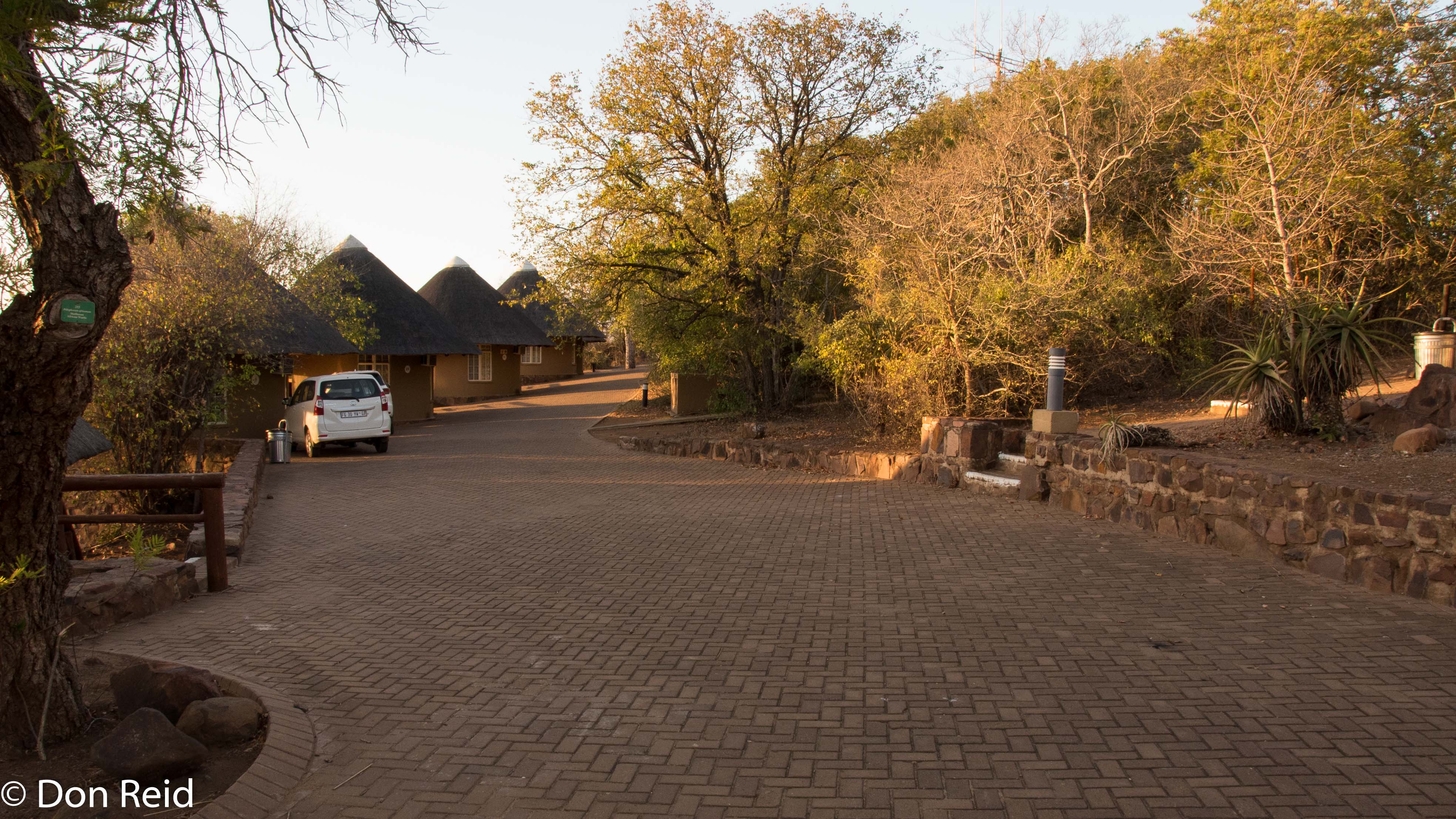
Our Rondavel

A trip to the restaurant for milkshakes was the treat of the day for the kids (young and old ones) followed by an “Ellie-roll” prepared at our rondavels – bacon and egg on a bun with fried onions and avo, plus beans on the side – it has to be prepared in Olifants camp to earn its name, otherwise it’s just a breakfast bun.

OLifants rest camp, KNP
OLifants rest camp
Olifants rest camp, KNP
Olifants rest camp

A morning birding walk around the camp added a few new birds to our trip list, among them Yellow-bellied Greenbul, Chinspot Batis, Amethyst Sunbird, White-bellied Sunbird and Crested Barbet, all of which are fairly easy to spot in the camp.

Olifants rest camp, KNP
Olifants rest camp
Chinspot Batis, Olifants KNP
Chinspot Batis
Klaas's Cuckoo, Olifants KNP
Klaas’s Cuckoo
Laughing Dove, Olifants KNP
Laughing Dove

Hornbills for Africa

On another morning I had some fun photographing the almost ever-present Hornbills in the trees and on the ground around the rondavels, both Yellow-billed and Red-billed species. They are ridiculously easy to photograph, the only challenge is getting a different view of them and not just settling for the “posing on a branch” shot.  I tried getting down to ground level for some of the photos, which worked quite well

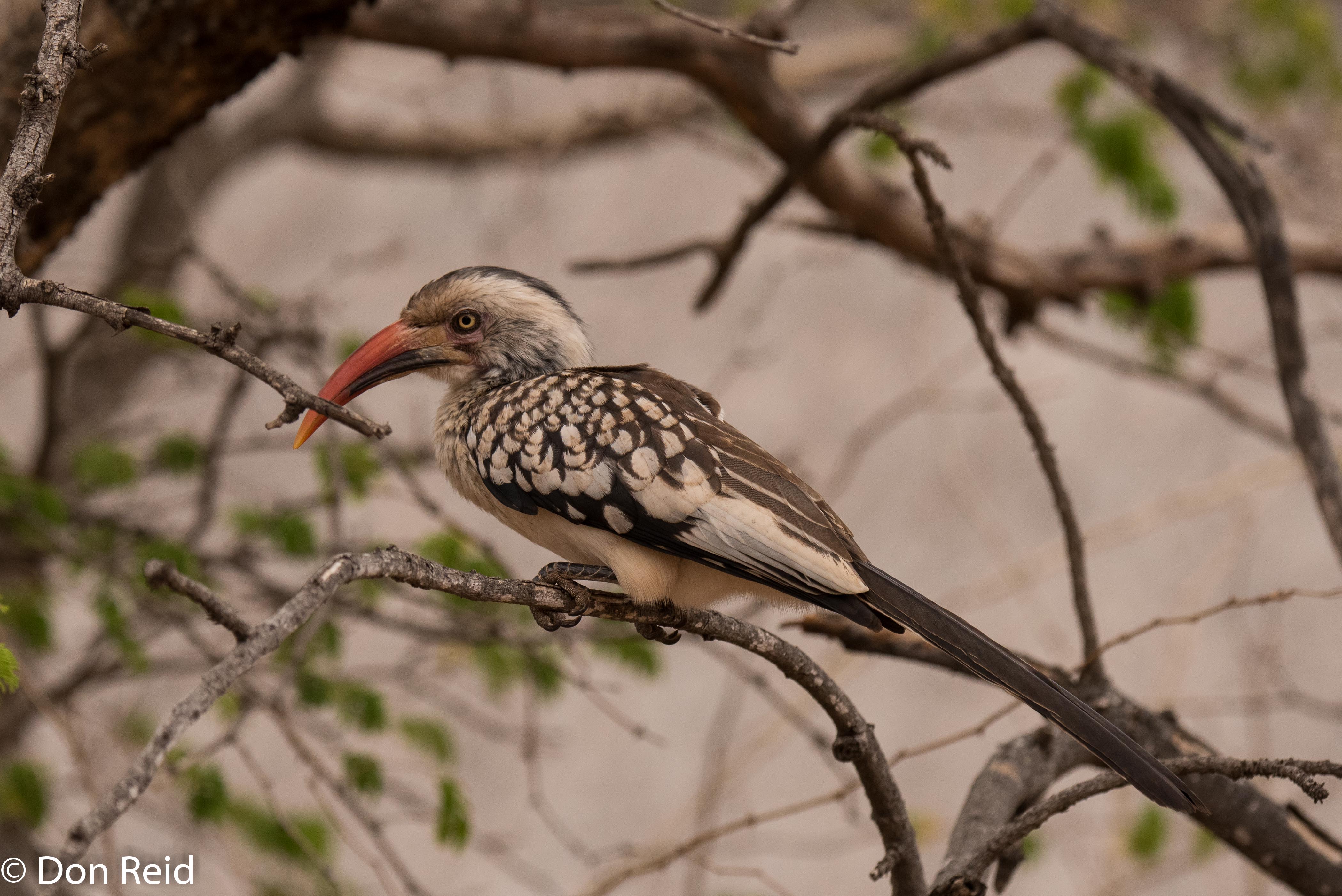
Southern Yellow-billed Hornbill, Olifants KNP
Southern Yellow-billed Hornbill picking up scraps of food
Southern Yellow-billed Hornbill, Olifants KNP
Old “Banana Bill”
Southern Red-billed Hornbill, Olifants KNP
Southern Red-billed Hornbill – OK so this is the standard shot
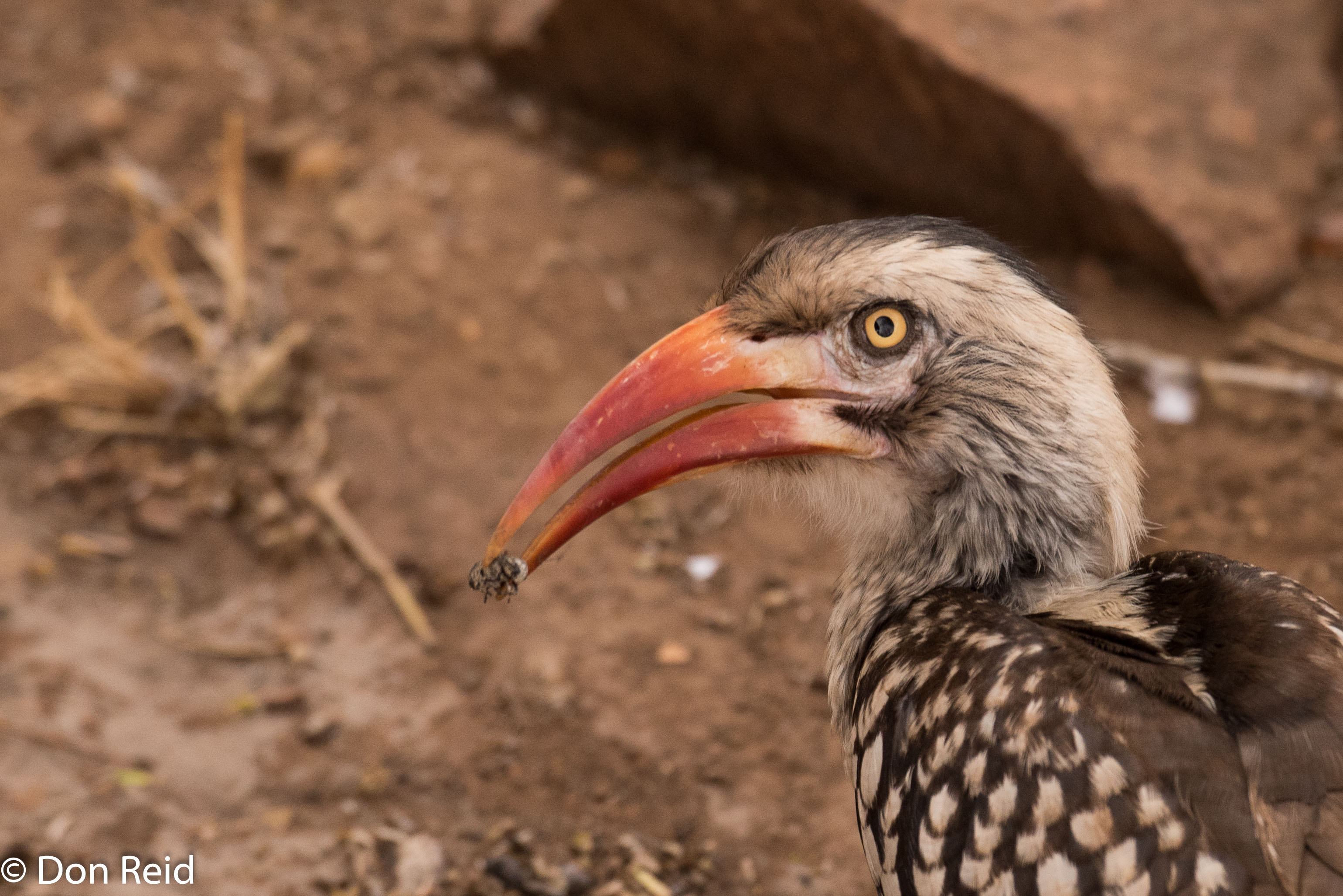
Southern Red-billed Hornbill, Olifants KNP
Southern Red-billed Hornbill with a bug delicately held in that cumbersome looking bill and a “How dare you” look in his eyes

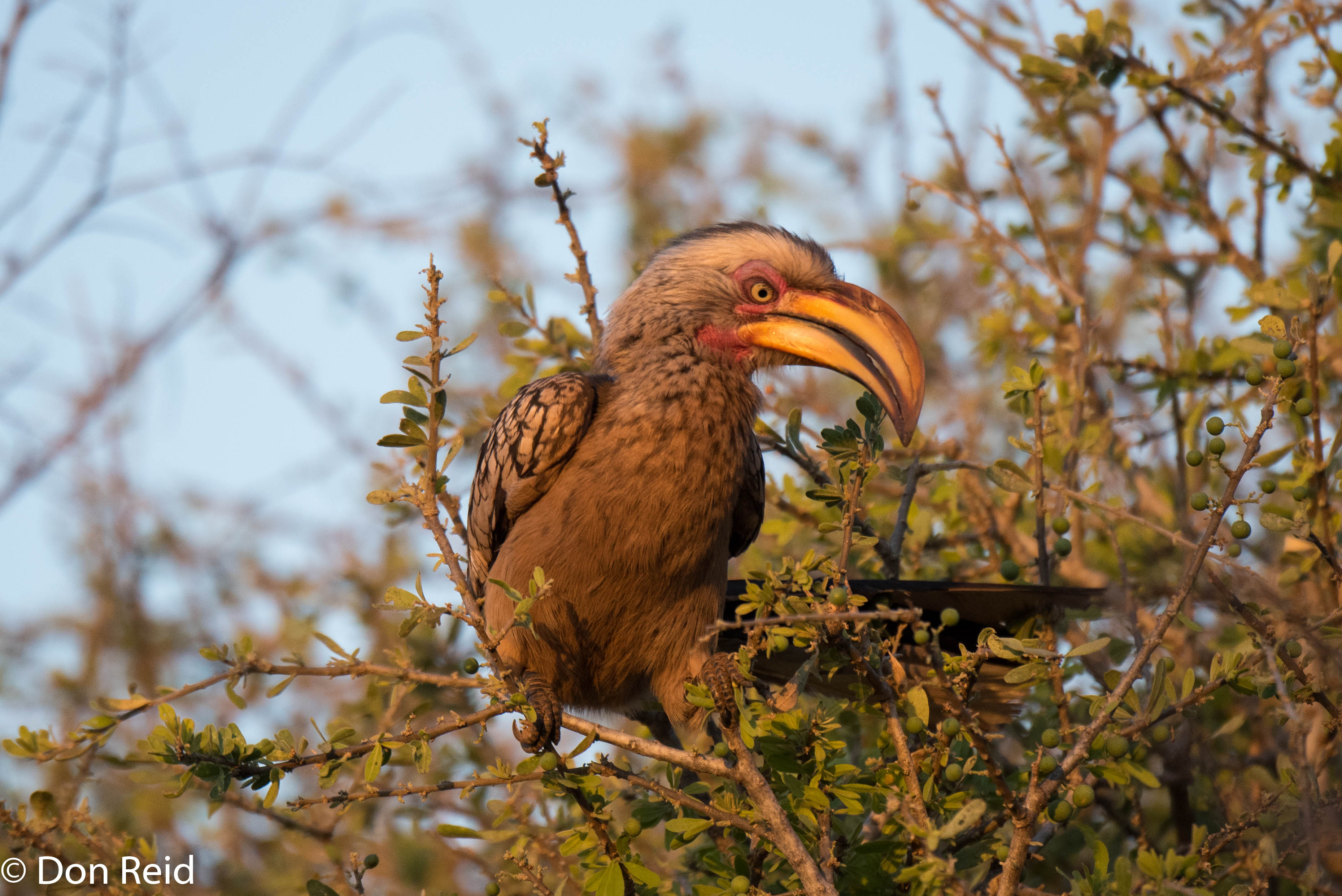
Late one afternoon I came across this individual who had clearly been taking a dust bath…..

Yellow-billed Hornbill (After dust-bath), Olifants KNP
Yellow-billed Hornbill (After dust-bath)
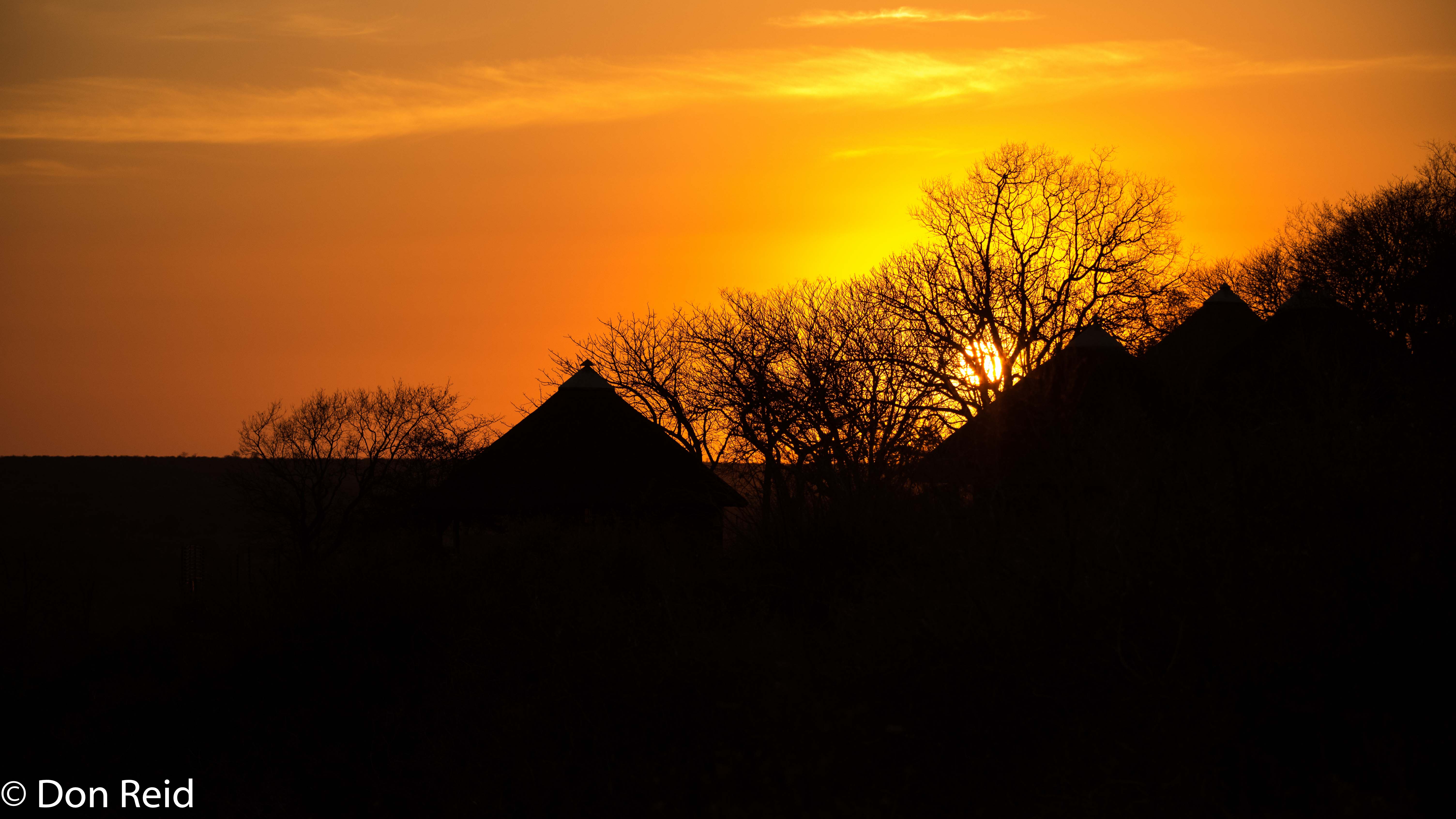
Olifants sunset, KNP
Olifants sunset

Short Drives around Olifants

One option for a shorter drive from Olifants is the circular route that follows the S44 outbound and returns on the S93 and this was our chosen route early one morning.
Kruger maps
The circular route follows the S44 and S93

The frequent river views had enough game and other interesting sights to keep us alert and the birding proved to be excellent with the likes of Common Scimitarbill, Paradise Flycatcher, Red-headed Weaver, Grey Tit-Flycatcher and Little Bee-eater making their presence known.

A longer stop at the viewpoint, where you can get out of the car (whilst still keeping an eye out for wild animals of course), meant we could enjoy a tea and snacks – the genuine Kruger Park kind being two Provita biscuits with cheese wedges carefully squashed in between – the staple food of hiking trips.

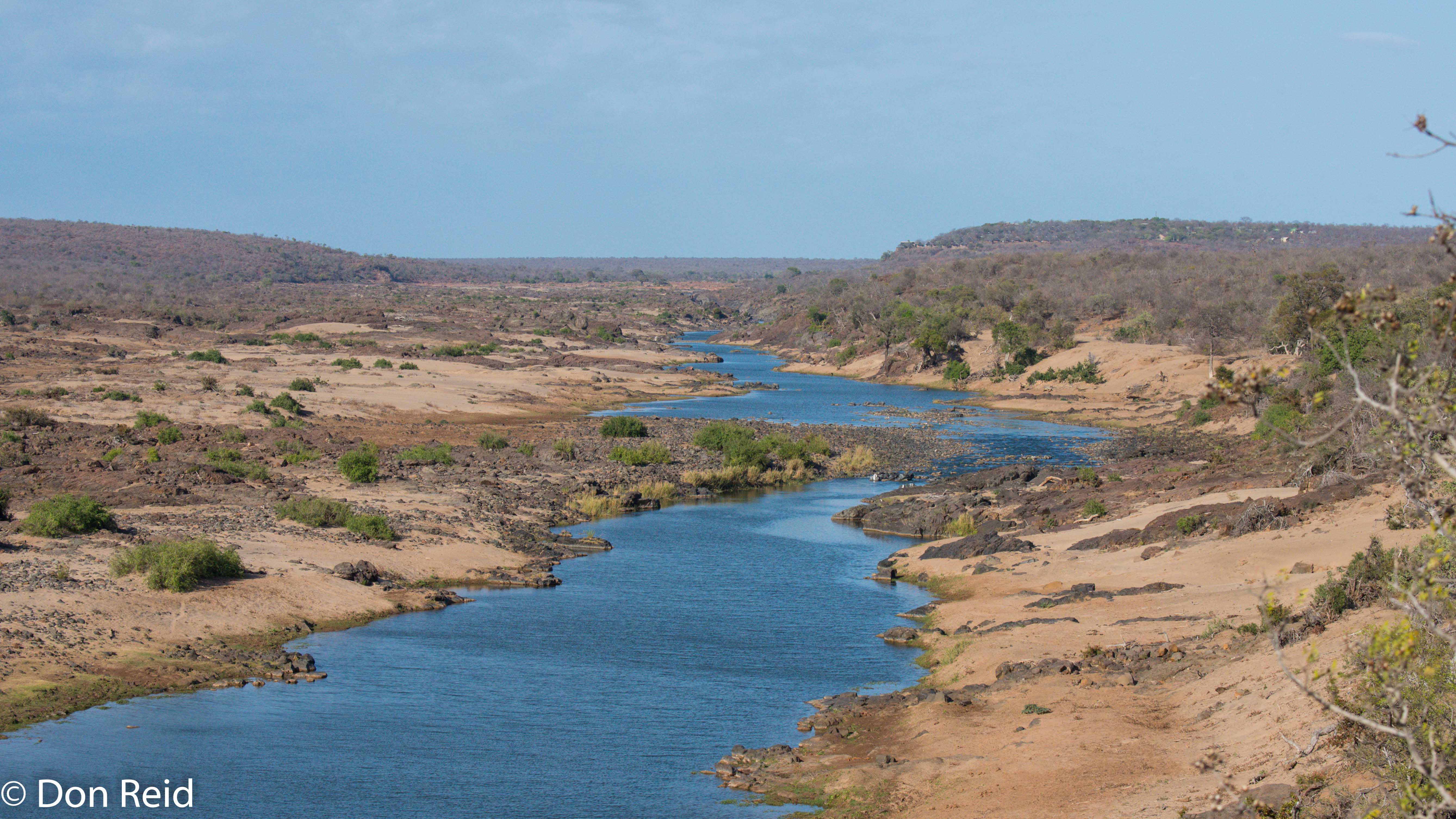
Olifants river from viewpoint, KNP
Olifants river from viewpoint on the S44
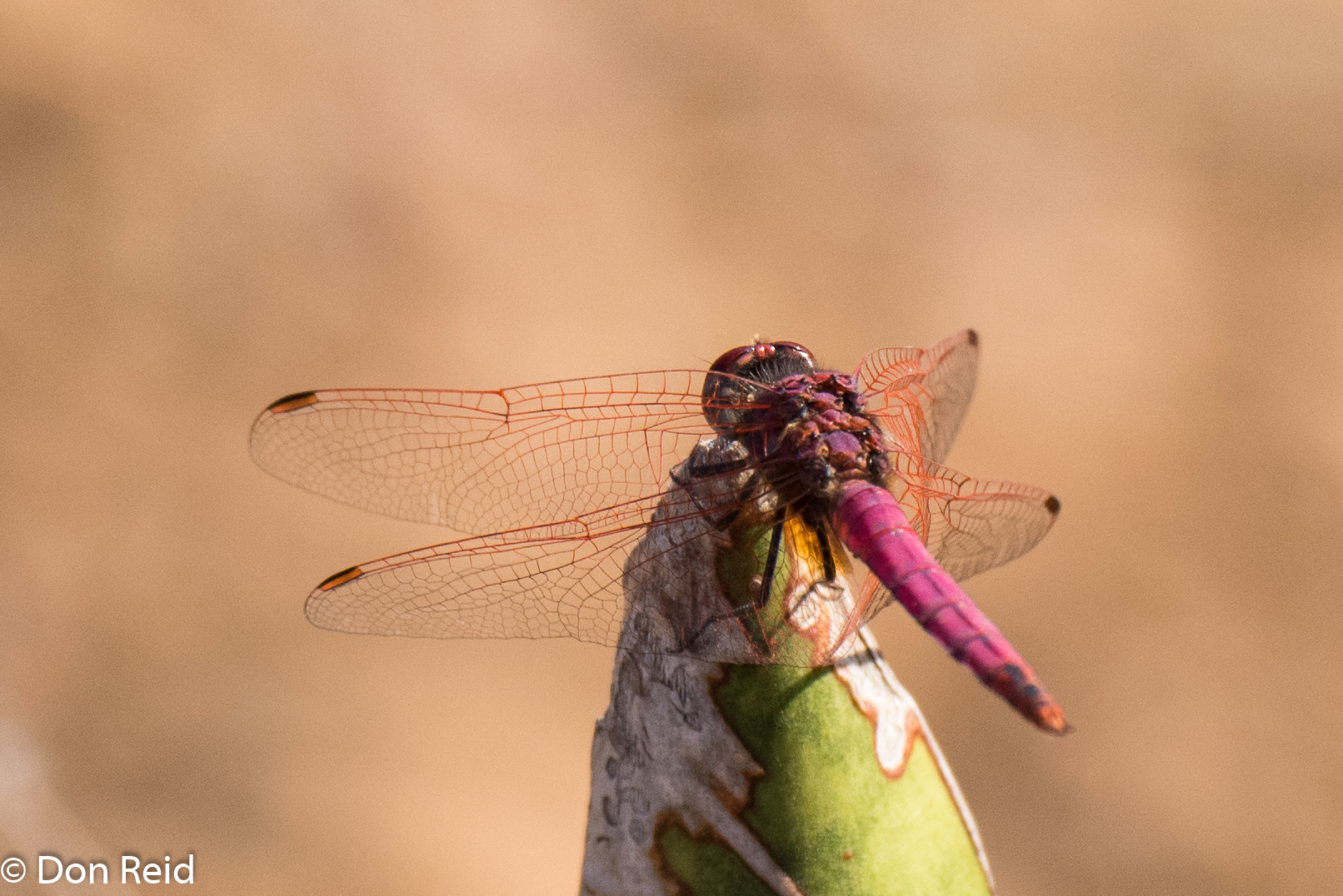
Dragonfly ?, Olifants river KNP
Dragonfly, Olifants river
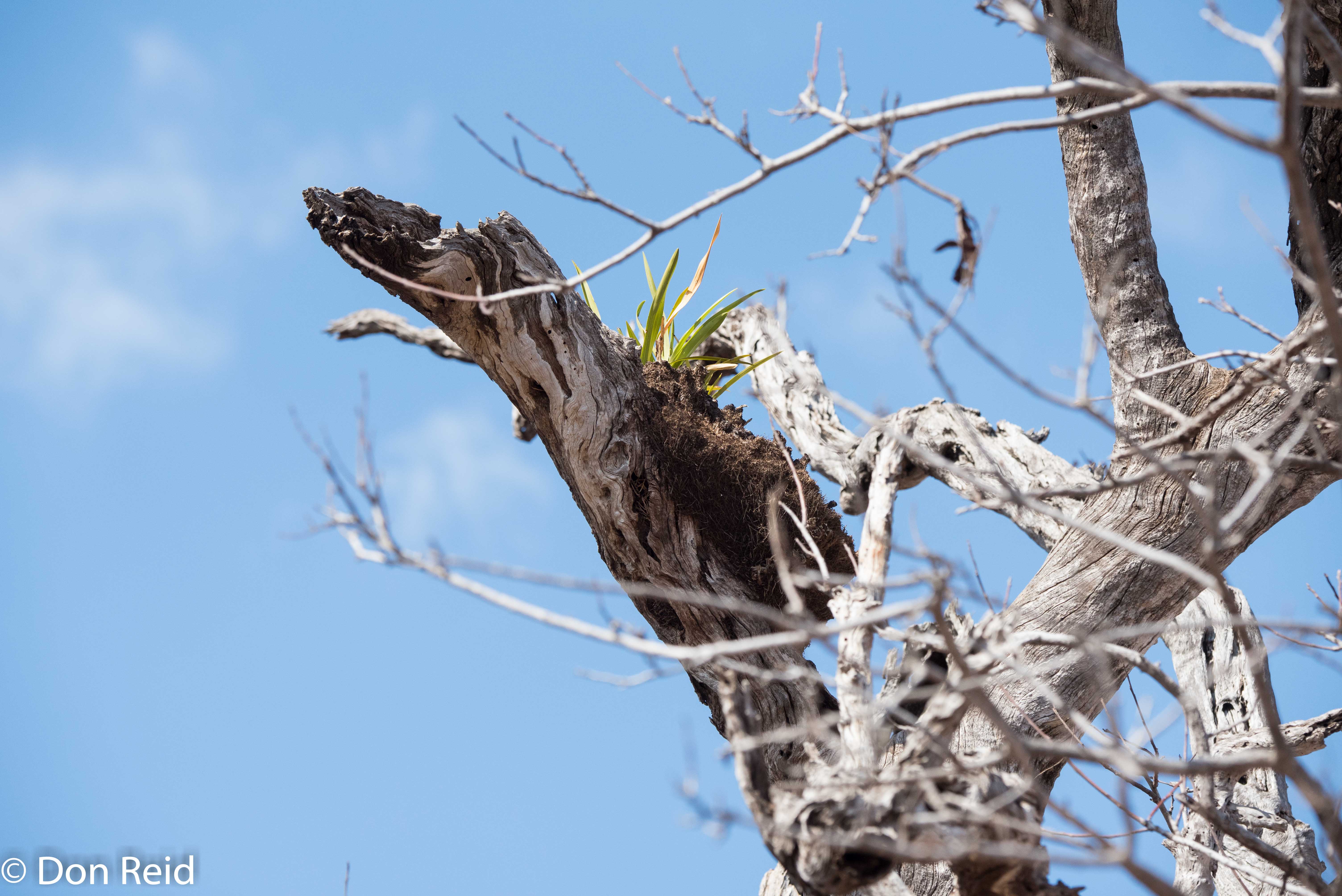
Plant (Wild Iris?) growing in dead tree, Olifants river KNP
Plant (Wild Iris?) growing in dead tree, Olifants river

As we were standing around with our mugs of tea, a different looking bird caught my eye – it turned out to be a White-throated Robin-Chat, which sat obligingly still so that I could photograph it from close quarters.

White-throated Robin-Chat, Olifants river KNP
White-throated Robin-Chat, Olifants river

At the same time a very tame squirrel (suspiciously so – had he been drinking?) decided to entertain us, worrying Geraldine and even jumping onto my leg at one stage – no idea what he was thinking, it’s not as if I had some nuts hidden in my shorts.

Tree Squirrel (from hell!), Olifants river KNP
Tree Squirrel (from hell!)

Later on the same day we headed out on a short drive to Balule camp and back, along the S92, spending time at the several river viewpoints and on the low water bridge at Balule, taking in the classic river scenes in the soft late afternoon light – “golden hour” for photographers.

Kruger maps
The road to Balule follows the S92
Bridge views at Balule, KNP
View from the low water bridge at Balule

The short route had plenty of interest, from Waterbuck to White-fronted Bee-Eaters. A displaying Red-crested Korhaan entertained us briefly with its vertical flight and tumbling fall back to earth, while a Green-backed Heron put in an appearance at the bridge, moments after Andre predicted seeing one there – with some training this boy will go far!

Waterbuck, Olifants KNP
Waterbuck
White-fronted Bee-eater, Balule KNP
White-fronted Bee-eater

River Walk from Olifants

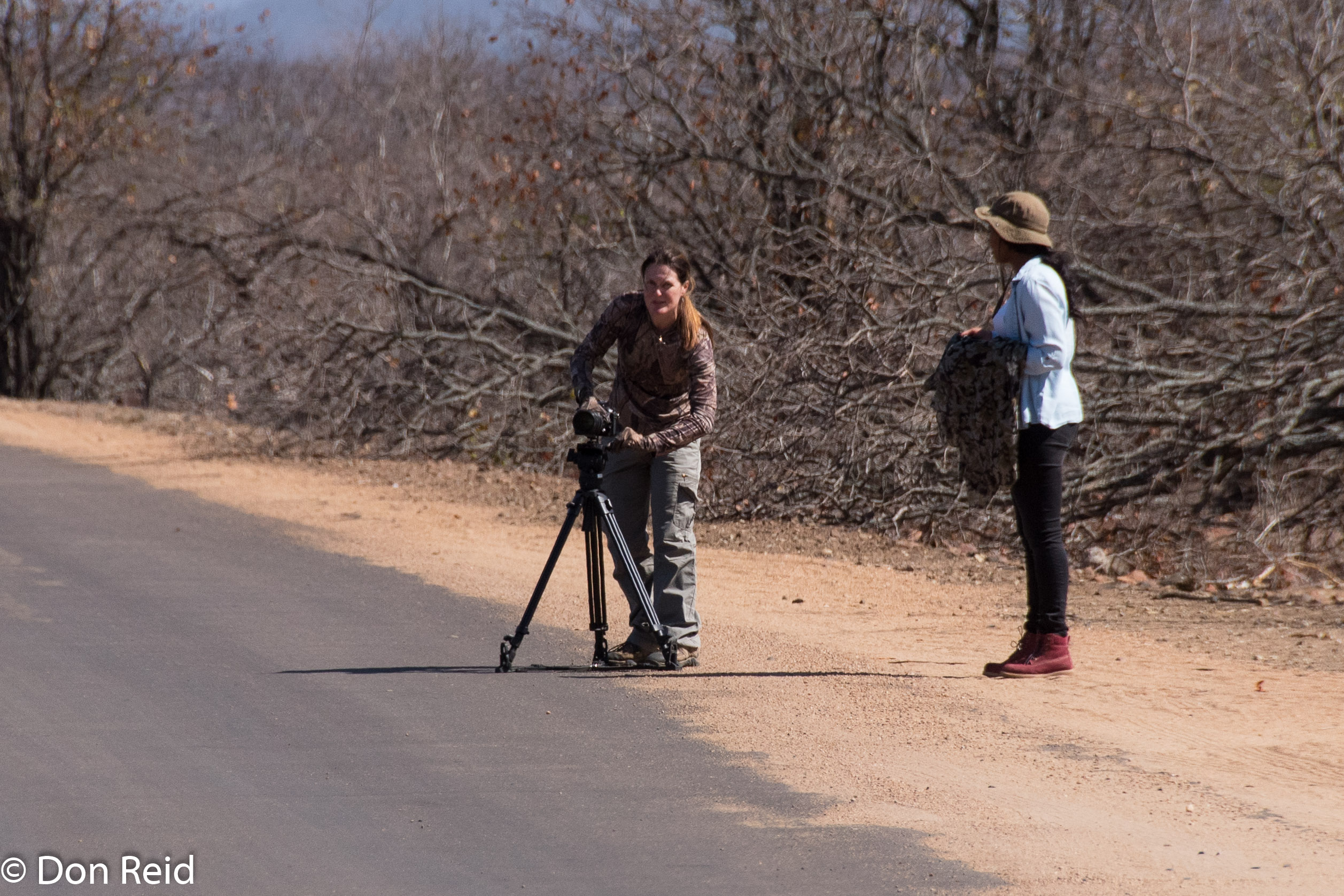
Nowadays there is a selection of activities available from most of Kruger’s camps and we decided to do the mid-morning River walk along a stretch of the Letaba river not far from the camp. On checking in for the walk we discovered we were to be bit-part actors in a promotional video and had to “pose” here and there.

Letaba River walk, KNP
And ACTION

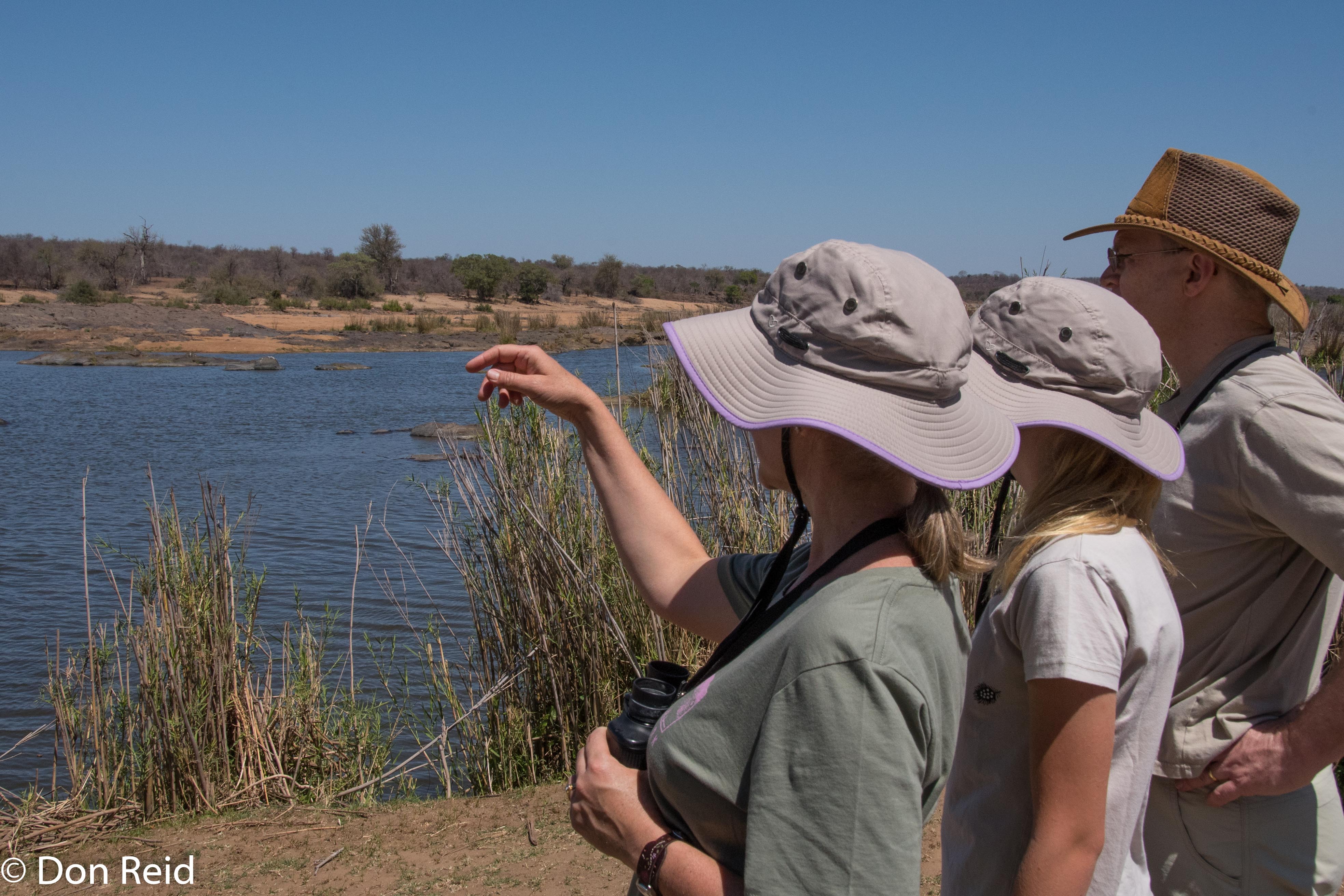
The guides drove to the starting point at a low water bridge accessed via a “no-entry” road. Along the way a pair of African Hawk-Eagles soared overhead and at the bridge we could spot African Jacana, Black Crake, Wire-tailed Swallows and a swooping African Harrier-Hawk.

The walk started at the bridge and we headed in single file down the river (or was it up?) our guides in front, stopping frequently for lessons in the various aspects of the surroundings including animal droppings – a science in itself it seems, river vegetation, trees, freshwater mussels and skeletal remains of animals such as Hippo and Buffalo.

Letaba River walk, KNP
Letaba River walk
Letaba River walk, KNP
Letaba River walk

Birds along the river included Goliath and Grey Herons, African Openbill, Egyptian Goose (of course) and Spoonbills. Calls emanating from the riverine bush belonged to Grey-headed Bushshrike, Black-headed Oriole and some noisy Tawny-flanked Prinias amongst the longer grasses.

Letaba River walk, KNP
Letaba River walk

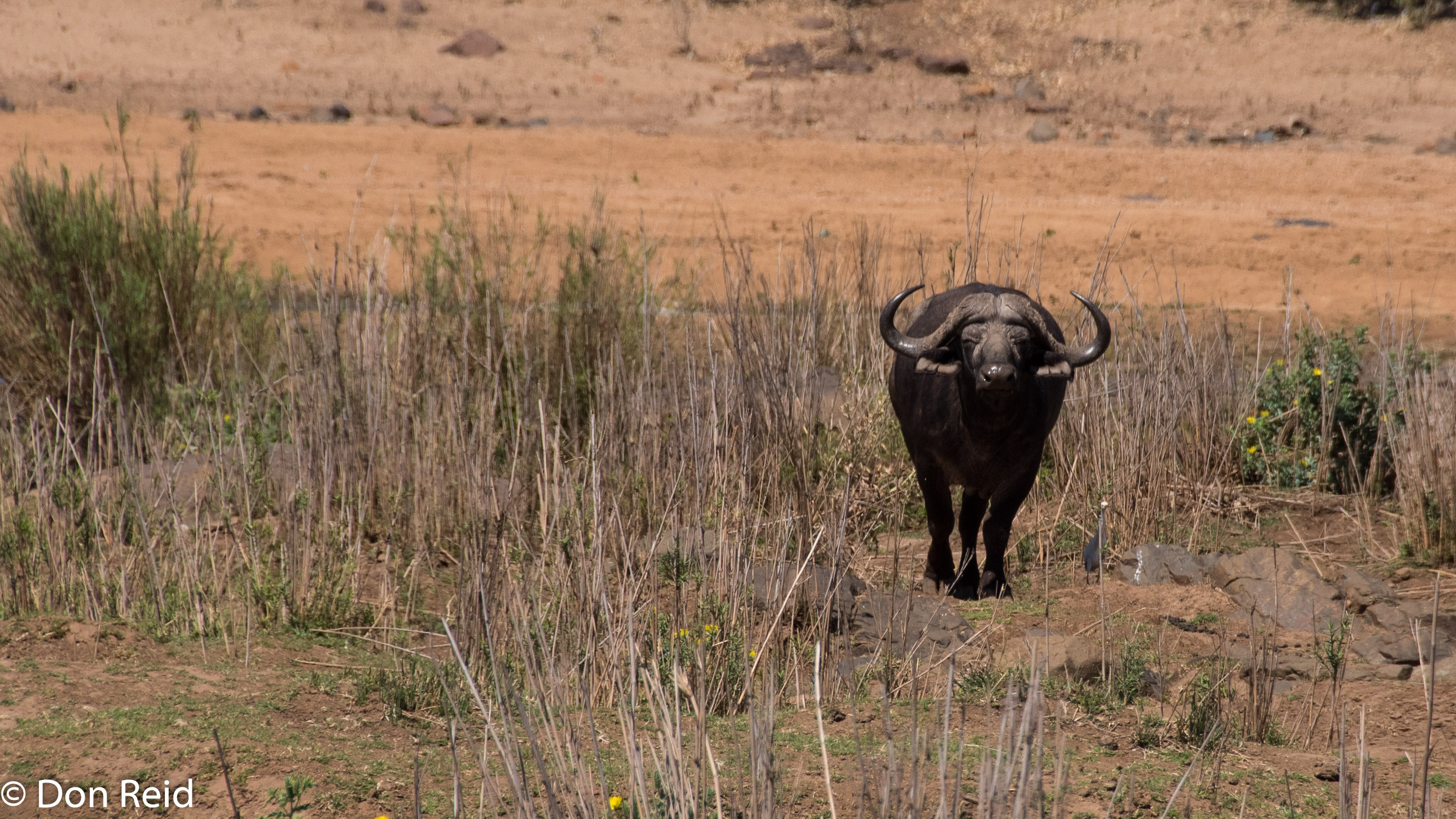
We purposely skirted around two lone Buffaloes – called “dagha-boys” for reasons which guide Patrick explained nicely – one of which watched us curiously as we ambled past. Hippos were seen at a distance and Waterbuck and Impalas scattered at our approach. The walk was not particularly strenuous and it wasn’t long before we turned around and headed back to the vehicle, well pleased that we had booked for this outing.

Letaba River walk, KNP
Buffalo – “dagha-boy”
Letaba River walk, KNP
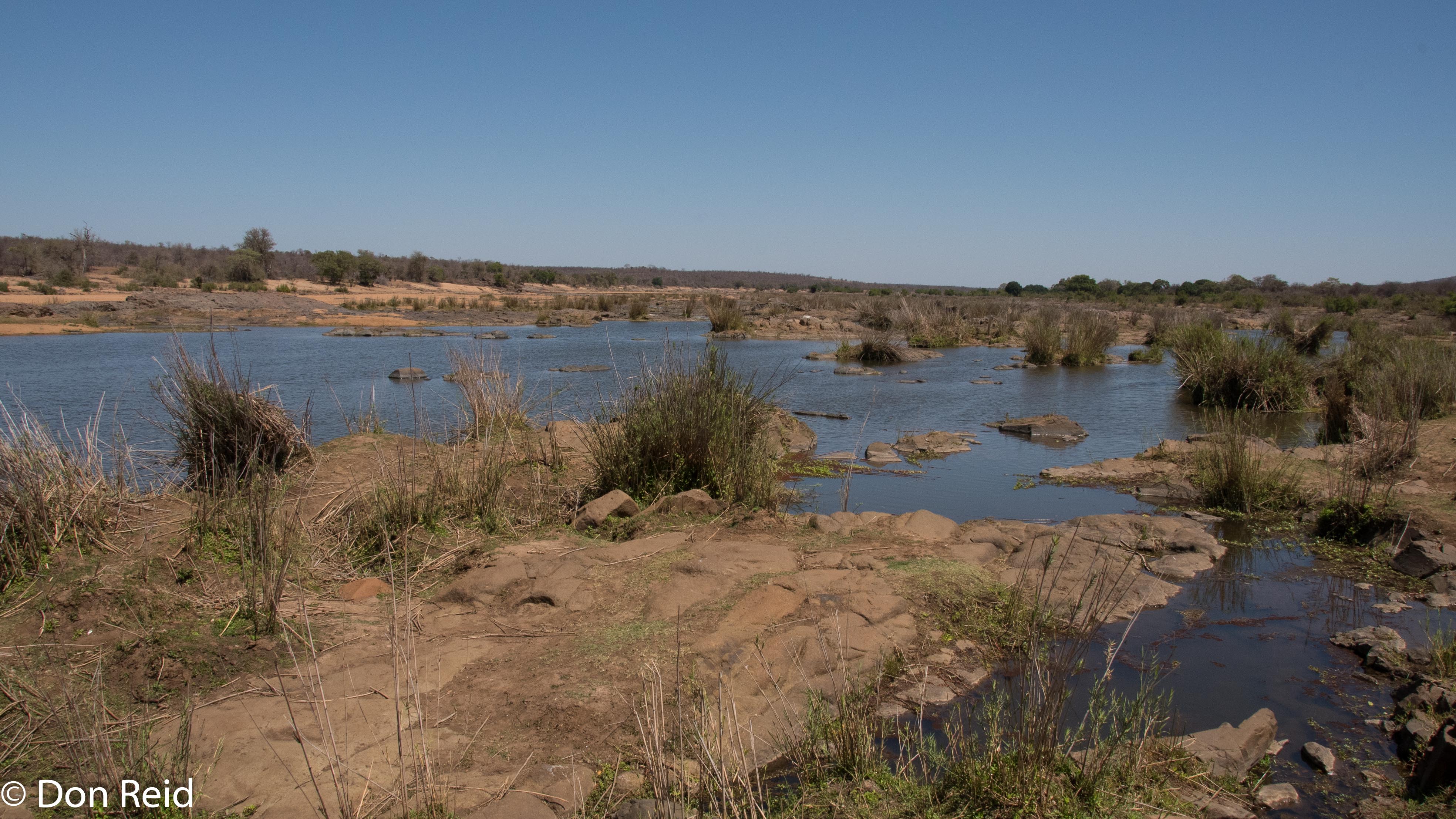
Letaba River

And the Baboons…….
Well they, along with the monkeys, are a real nuisance around the rest camp. On checking in at Reception they do warn you to keep your edibles inside and windows closed when not around, but these crafty animals find ways of getting what they want – grabbing goodies from vehicles while you unpack, opening cupboards on the stoep and even rummaging in the dustbins which are kept in a small enclosure behind a metal gate, which they simply jump over as it is not enclosed on the top.
Baboon nuisance, Olifants camp KNP
Baboon nuisance, Olifants camp

They also rate as some of the most aggressive animals I have come across, growling at me when I confronted them as they were busy trashing our neighbouring rondavel’s provisions. The only deterrent is a good old cattie (catapult) – they scatter at the sight of it!