Tag Archives: Birding South Africa

A Week in Olifants – getting there

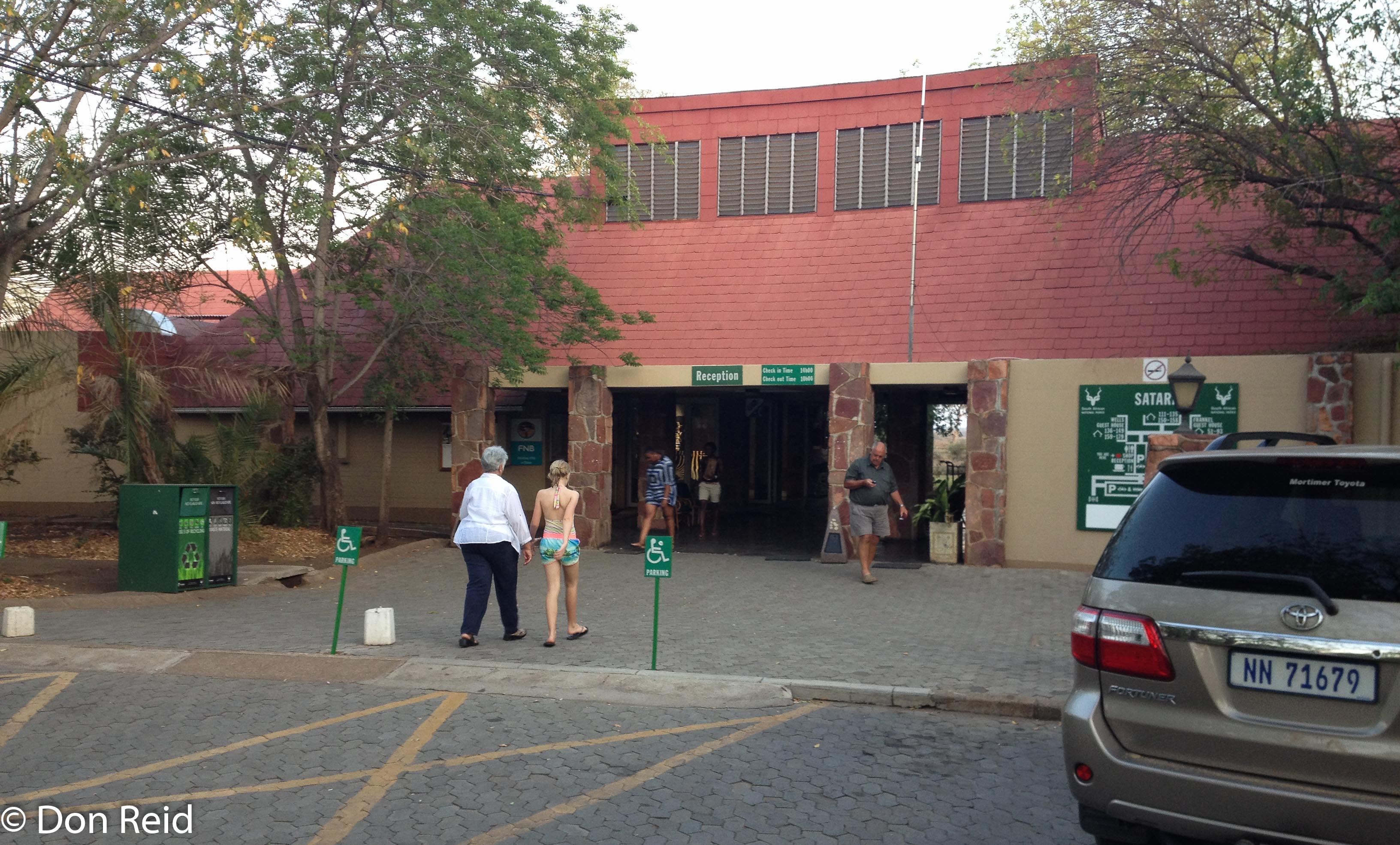
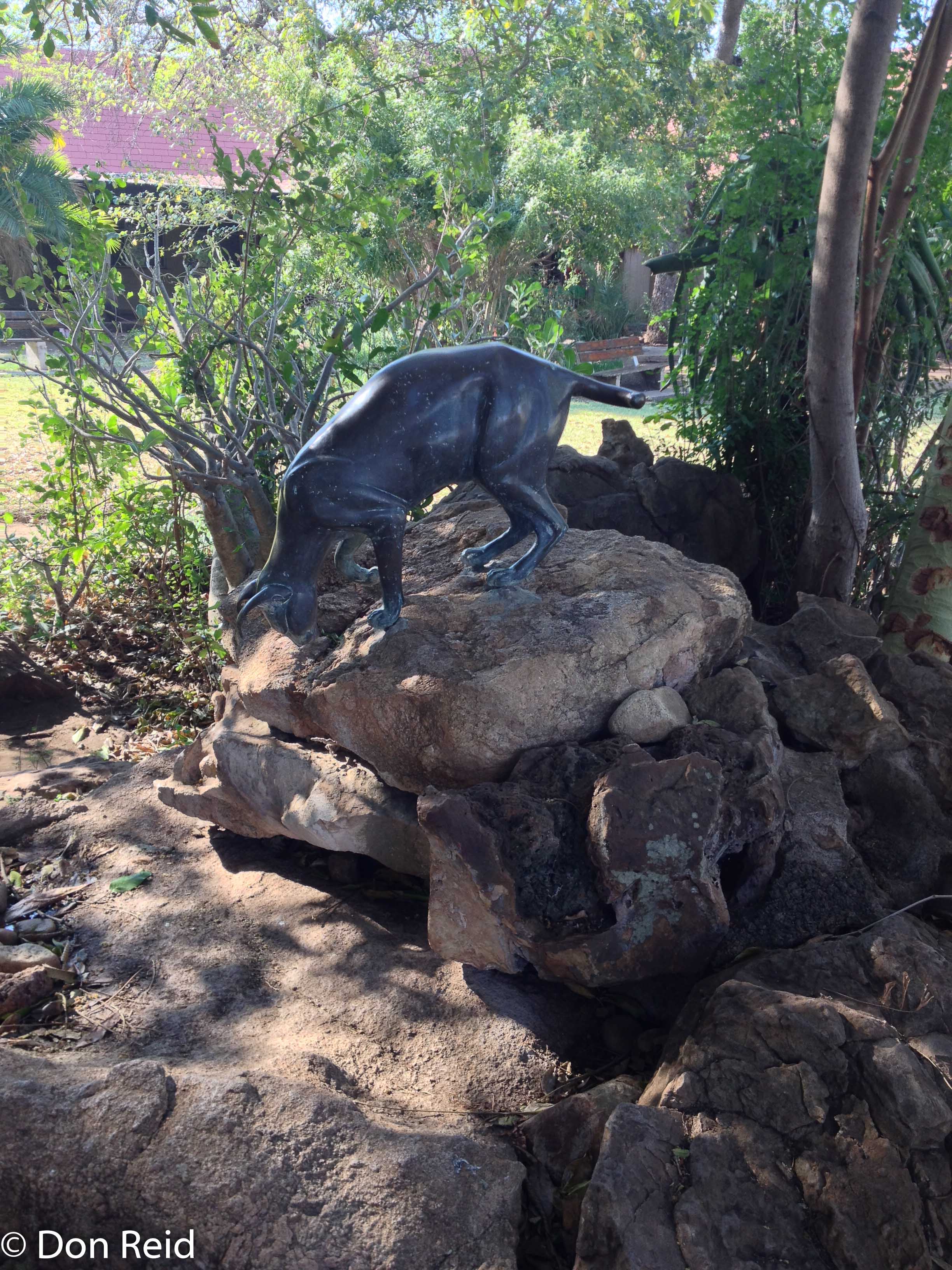
For the second year in a row we spent a week in Kruger National Park in October, this time spending 6 nights in Olifants rest camp in the northern part of Kruger, with one night stop-overs at Berg en Dal  and Pretoriuskop rest camps on the way in and out respectively.

Once again our visit was inspired by Andre and Geraldine who came all the way from Mossel Bay with their two daughters (our grandkids) to visit what is probably their favourite place on earth for the umpteenth time.

Writer Samuel Johnson once said “when a man is tired of London, he is tired of life” which can equally be said of Kruger National Park, especially if you are a lover of nature and the unique beauty of unspoilt Africa, but it may be as well to change “a man” to “a person” so that no one feels left out.

Friday : The trip to Berg en Dal

We were packed and ready to go by mid-morning and caught up with the Leonards, who had left earlier, at Milly’s near Machadadorp, where we had the customary Trout pie with salad, as delicious as ever. After Milly’s the road narrows and traffic got heavier so it was slow going all the way through Schoemanskloof and past Nelspruit to Malelane gate into Kruger.

As we crossed the Crocodile river just before the gate, Kruger performed its magic trick yet again, changing our mood in an instant from rather stressed concentration to one of relaxation and eager anticipation. Never mind that the first stretch showed signs of the severe drought and veld fires, just being in Kruger creates a state of mind like no other, as the stresses that modern life brings seem to physically drain away.

The 10 kms to Berg en Dal rest camp were uneventful with game and birds quite scarce – just a few Giraffe, Kudu and Impala in the greener parts and the bird life mostly confined to the hardier species such as Magpie Shrikes (Langstertlaksman), Fork-tailed Drongoes (Mikstertbyvanger) and Cape Glossy Starlings (Kleinglansspreeu).

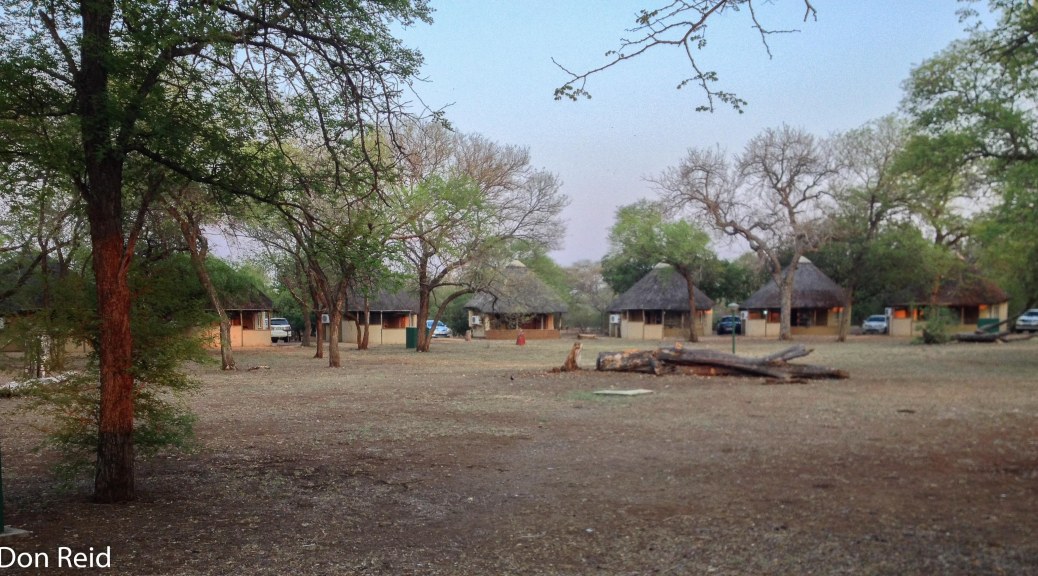
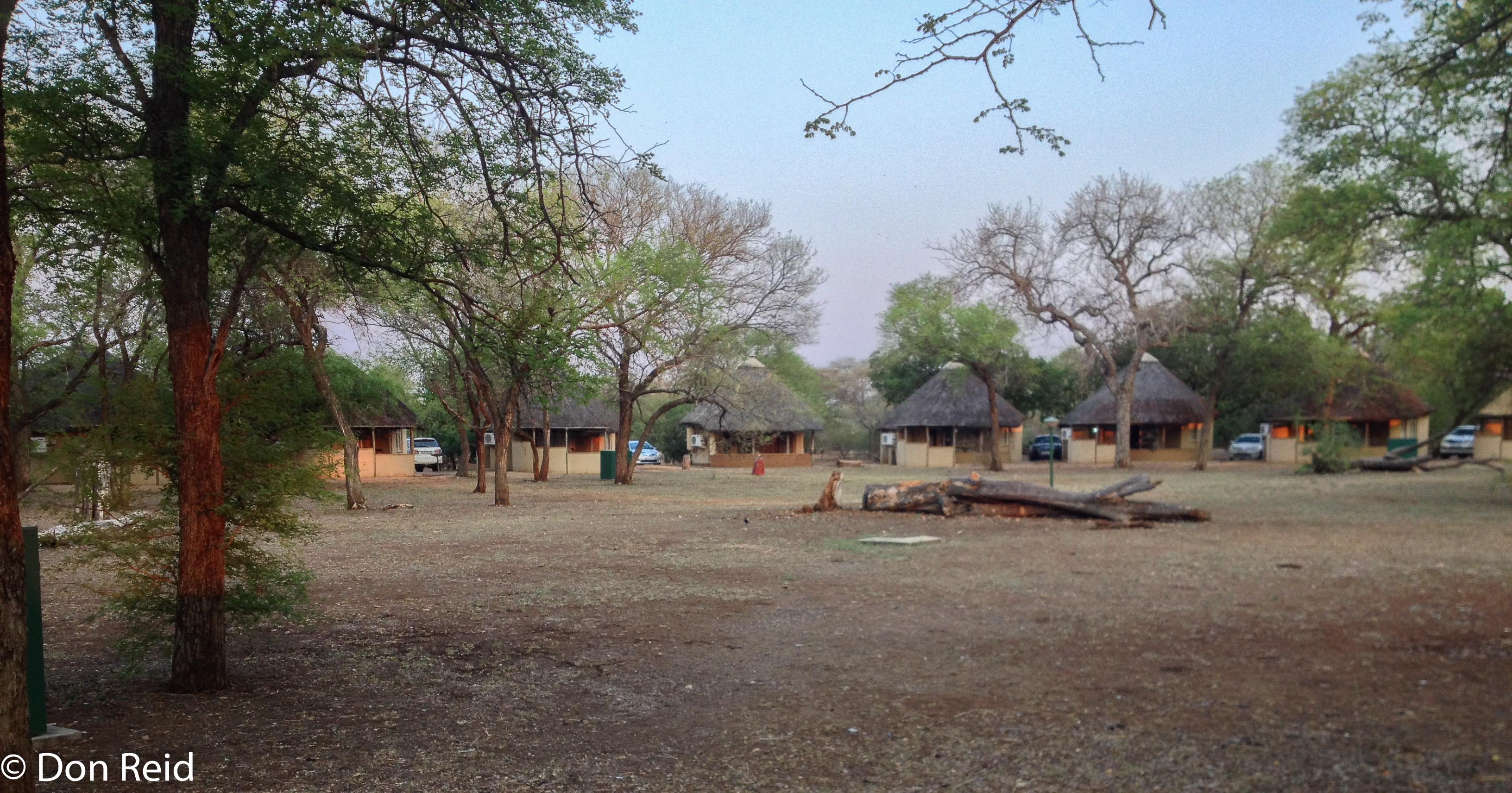
Berg en Dal camp, KNP
Berg en Dal rest camp

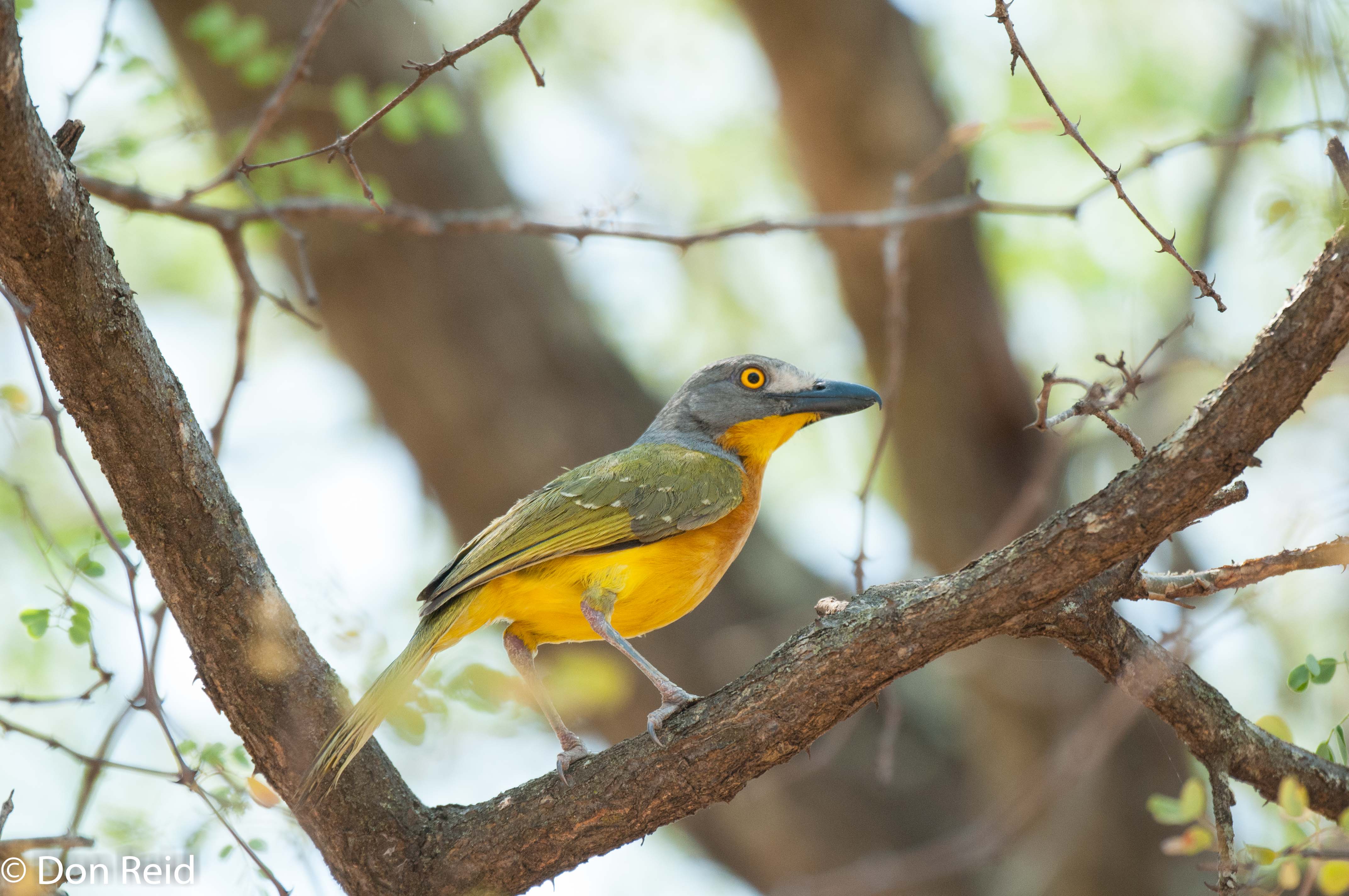
Just before 4 pm we arrived at Berg en Dal, which we last visited several years ago and we were soon settled in No 73, enjoying tea with the sounds of Purple-crested Turaco (Bloukuifloerie), Grey-headed Bushshrike (Spookvoël) and Black-headed Oriole (Swartkopwieliewaal), each with its own very distinctive call, in the background.

Berg en Dal camp, KNP
Berg en Dal rest camp

A group of Retz’s Helmet-Shrikes (Swarthelmlaksman) put in a surprise appearance, not staying for long as they moved through the tree canopy in ragged unison. Later a few other calls demanded my attention – Greater Honeyguide (Grootheuningwyser) with its “Victorrrrr”, Arrow-marked Babblers (Pylvlekkatlagter) as raucous as ever, good old Hadeda Ibises (Hadeda) outdoing the others in sheer volume and the shrill call of a Water Thick-knee (Waterdikkop) near the Reception. After dark it was the turn of the African Scops Owl (Skopsuil) to take over night duty with its soft “prrrtt” call carrying far through the camp gardens.

Saturday : The Long Drive to Olifants

I was up early for a walk through Berg en Dal camp in welcome soft rain, adding several species on call alone, including Grey Tit-Flycatcher (Waaierstertvlieëvanger), whose soft trilling call has become a familiar one to me, Orange-breasted Bushshrike  (Oranjeborslaksman) whose call is known to many birders as “coffee, tea or me?”, Sombre Greenbul (Gewone willie), Green-backed Camaroptera (Groenrugkwêkwêvoël) and Black-backed Puffback (Sneeubal).

After my walk I joined the rest of the family in loading the cars – a surprise awaited when I picked up our suitcase to take to the car – hiding beneath it was a scorpion with tail raised threateningly. Turned out it was a relatively harmless type, so I was glad I ignored the calls to destroy it and carefully transported it outside.

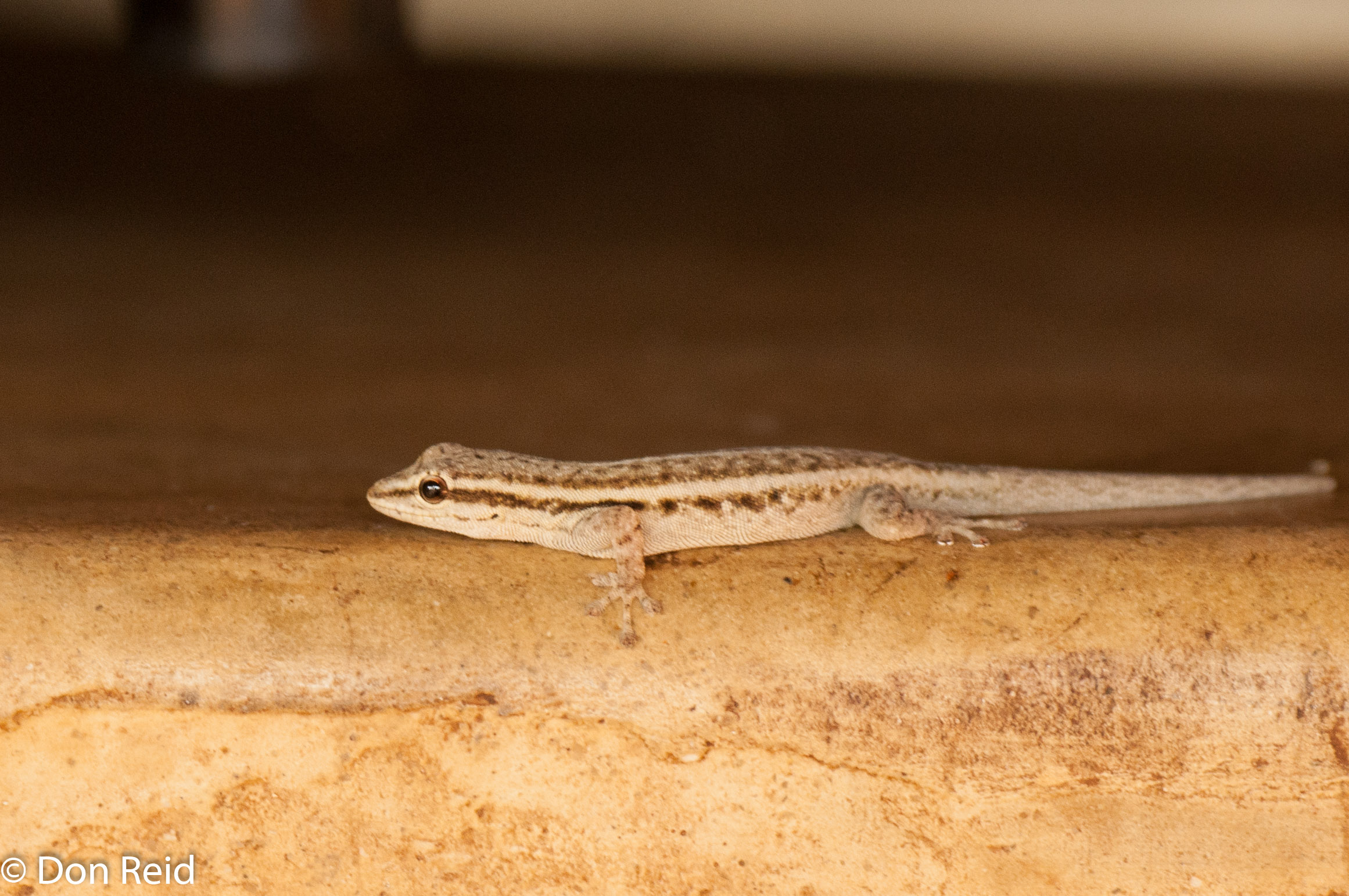
Scorpion, KNP
Scorpion, Bergendal rest camp – the large claws point to a more harmless species but still capable of a painful sting

On the drive back to the main road to Skukuza, we added Golden-breasted Bunting (Rooirugstreepkoppie), Lesser Striped Swallows (Kleinstreepswael) – colourful in the soft cloud-filtered light – and White-backed Vultures (Witrugaasvoël) to close out the Berg en Dal pentad at 37 species.
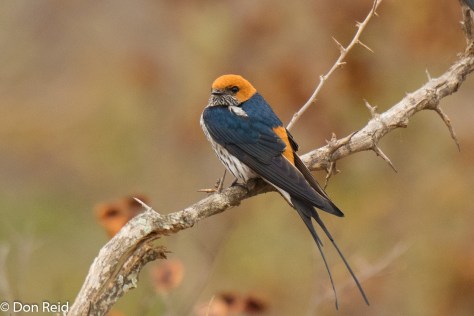
Lesser Striped Swallow, Berg en Dal KNP
Lesser Striped Swallow, near Berg en Dal

The long trek to Olifants lay ahead – 210 kms does not normally present a challenge but at Kruger Park speeds of 50 km/h maximum and stops along the way it meant a minimum 7 hour drive was on the cards.

No shortage of game and birds…..

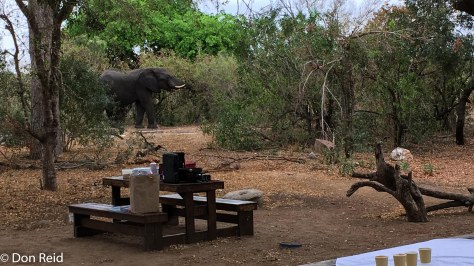
Regular sightings of game and birds and comfort / snack breaks at Afsaal and Tshokwane picnic spots meant the journey was never boring. Afsaal was also the place where we had a brief rendezvous with Andre’s brother Eddie and while enjoying a coffee an elephant close to the picnic spot caused some excitement and had us seeking the relative safety of the undercover area.

Afsaal picnic spot - Elephant nearby, KNP
Afsaal picnic spot – picnickers scatter as an Elephant approaches
Afsaal picnic spot - Elephant nearby, KNP
The Elephant got uncomfortably close before ambling off

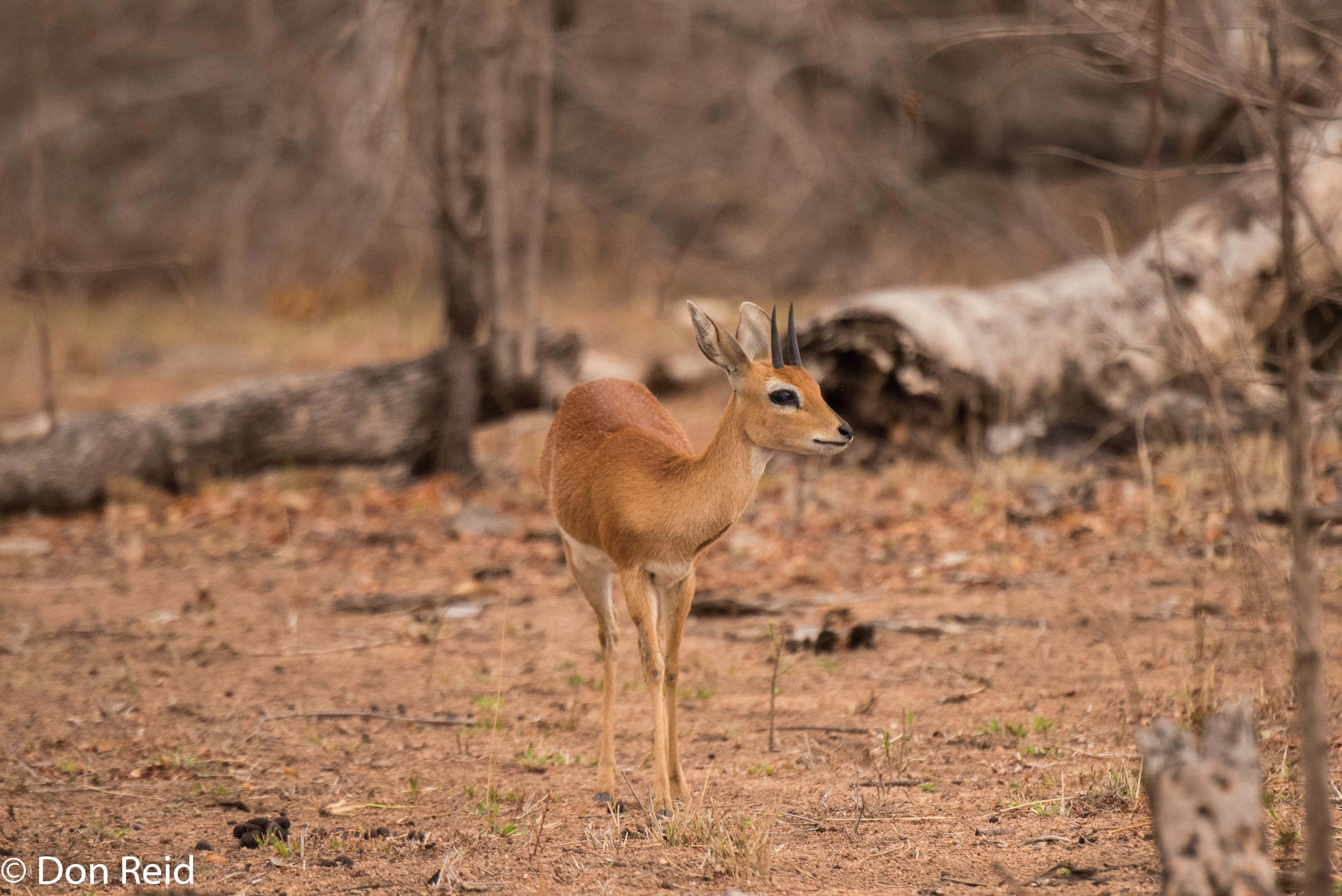
Game sightings kicked off with a roadside sighting of an adult White Rhino with a youngster, followed by more distant but regular sightings of Kudu, Elephant, Giraffe and more Steenbok that I can recall seeing on any previous trip.

White Rhino, Berg en Dal KNP
White Rhino
Steenbok, KNP
Steenbok – one of many seen mostly alone and vulnerable-looking

A lone antelope near a waterhole looked different and turned out to be a Grey / Common Duiker, despite its name not an everyday sighting in Kruger.

Common Duiker
Common Duiker

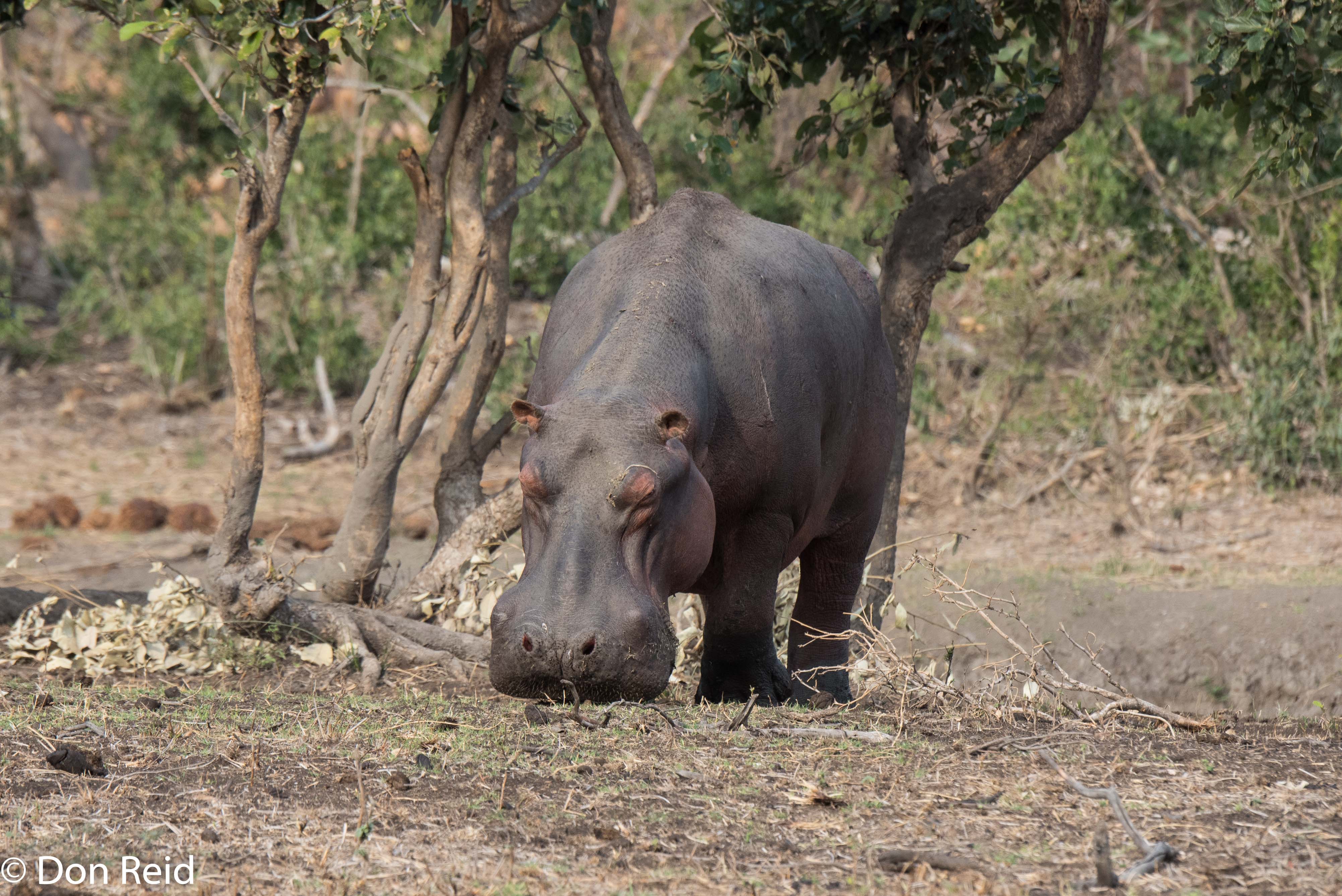
A large herd of Buffalo crossing the road at their usual slow pace caused a minor traffic jam, and a Hippo out of the water presented an unusual sight as it grazed in a grassy spot near the river.
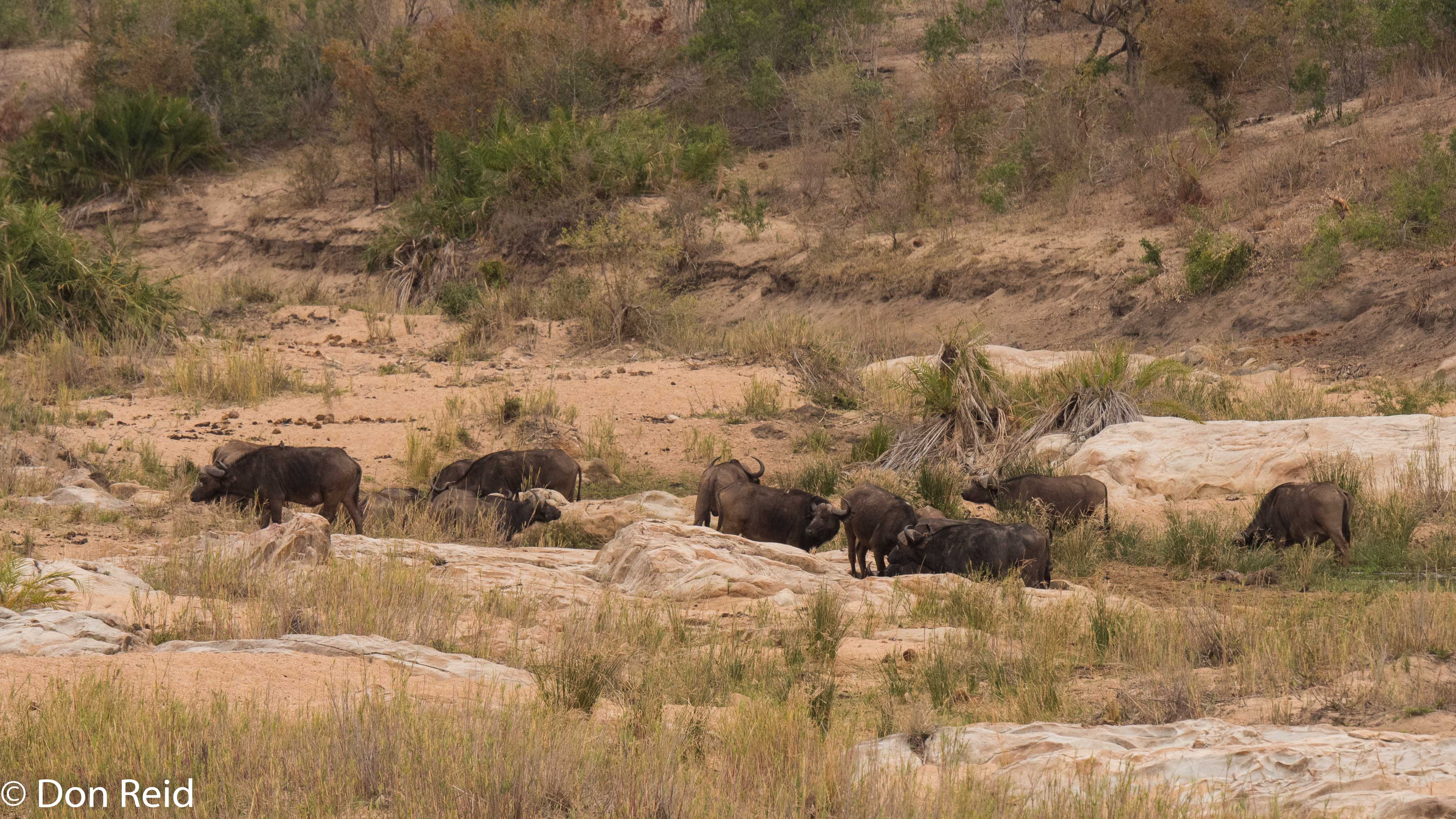
Buffalo
Buffalo
Hippo, Ngotso
Hippo, Ngotso

“Big cat” sightings were limited to a pair of lazy Lions lolling under a shady tree, while near Skukuza a crowd of vehicles had gathered near a tree with a dead Impala in the fork – clearly a Leopard kill stored in the “pantry” to mature, but there was no sign of the butcher and we did not have the time to hang around and see if it returned.
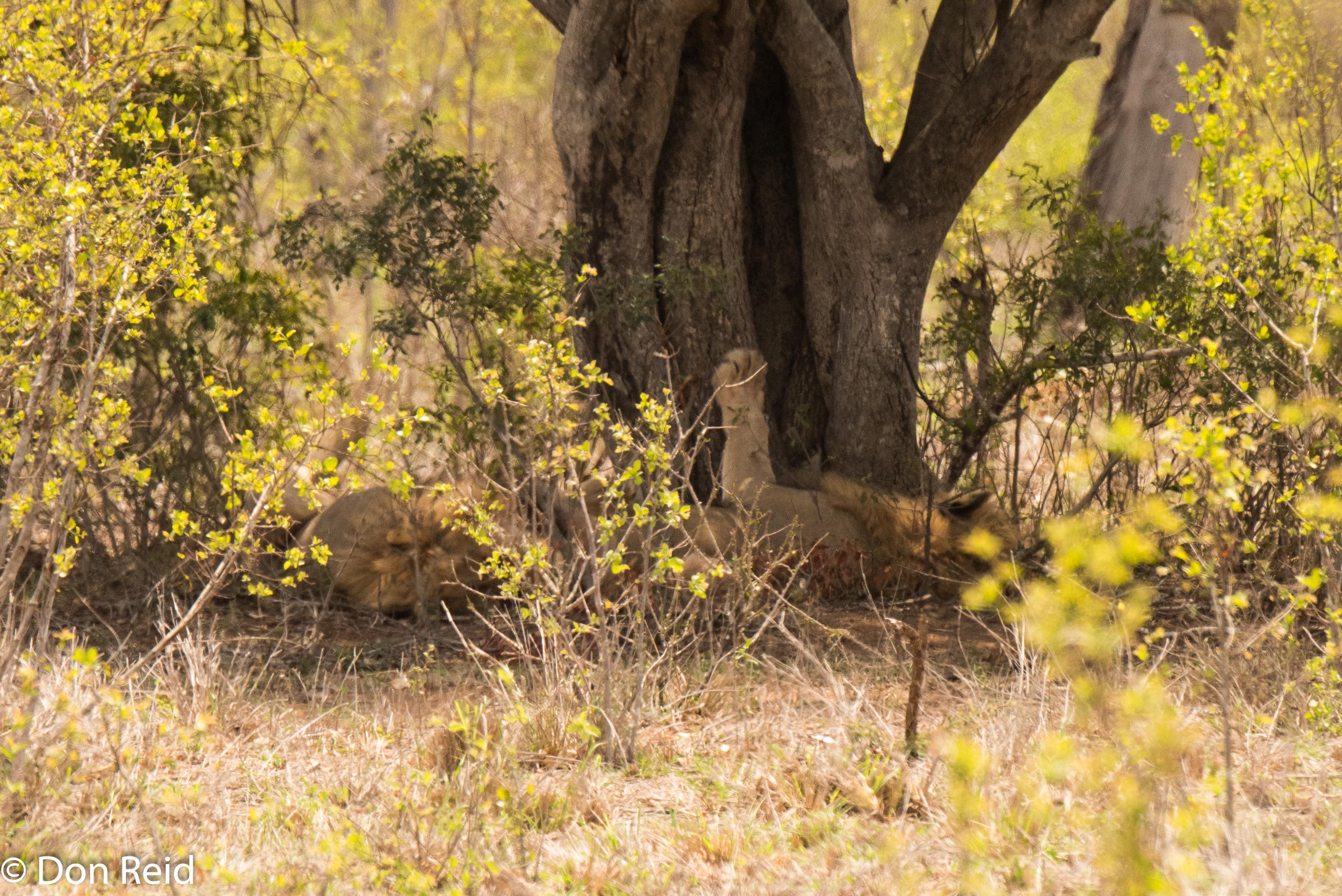
Lazy Lion
Lazy Lion
Leopard prey
Leopard prey

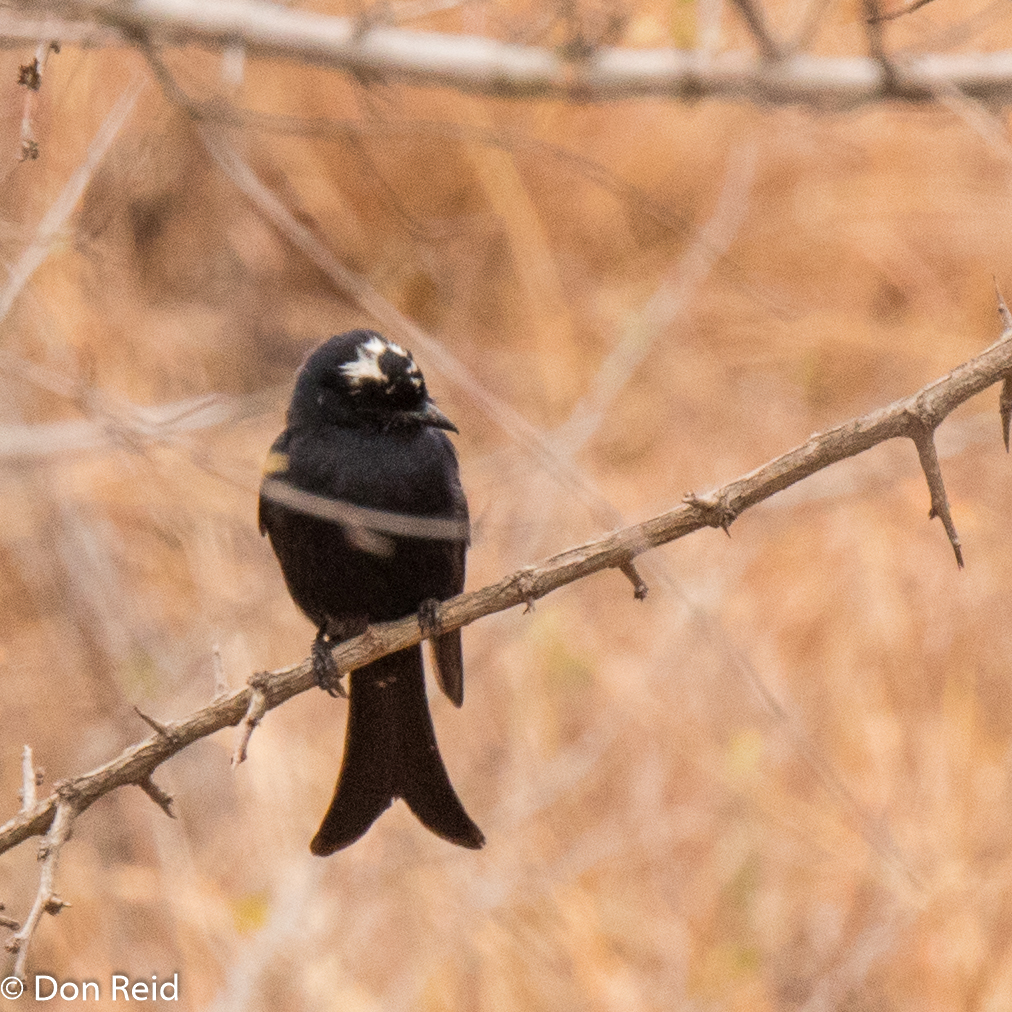
The birding was equally up to expectations with regular new species added to the trip list. Bird sighting of the day was an African Harrier-Hawk / Gymnogene (Kaalwangvalk)  moving through the bush, being mobbed by Fork-tailed Drongoes (Mikstertbyvanger) at every turn. One Drongo displayed partial leucism with some white on the top of its head.
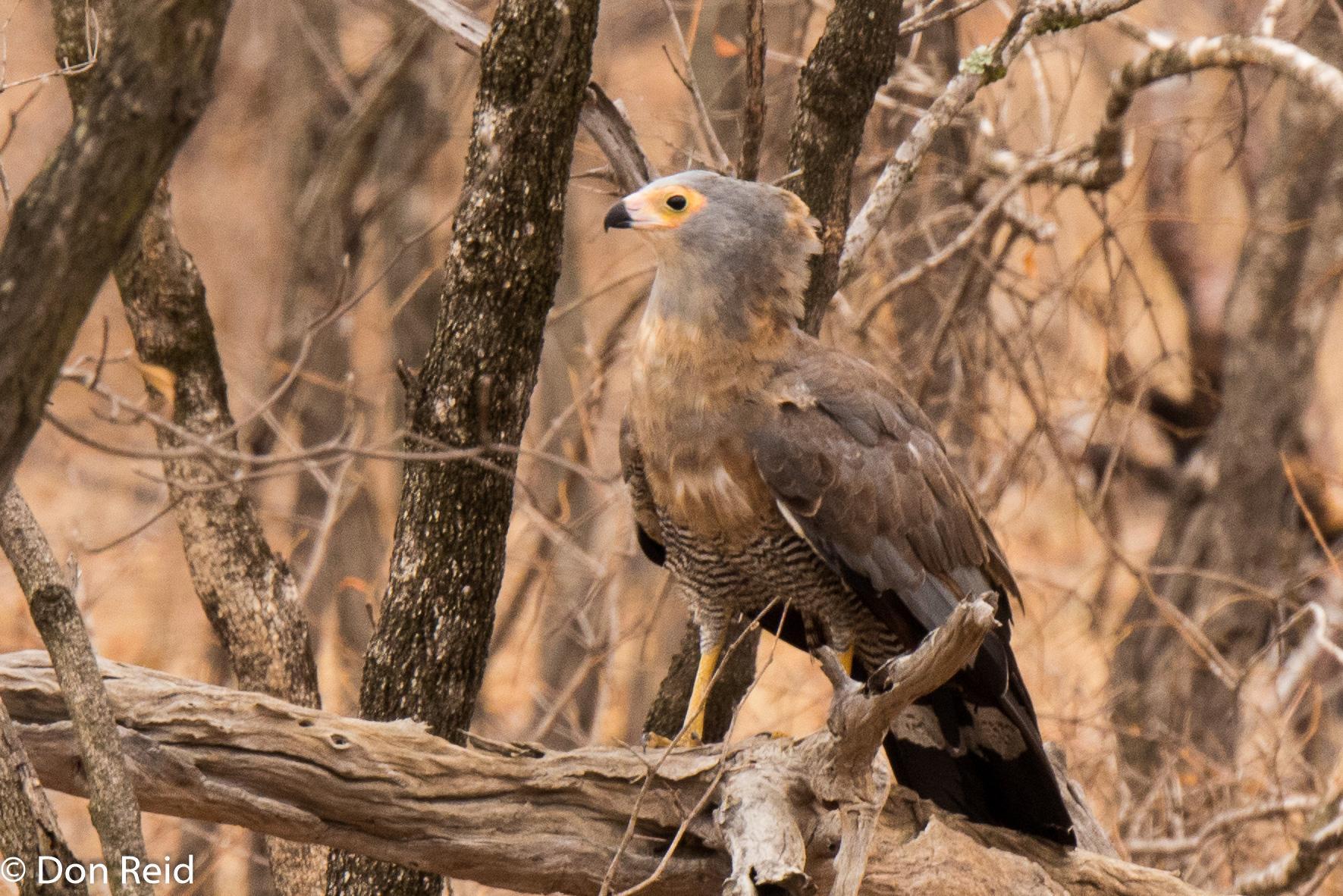
African Harrier-Hawk, Afsaal area KNP
African Harrier-Hawk, near Afsaal
Fork-tailed Drongo (the white blotch on its head is a slight aberration)
Fork-tailed Drongo (the white blotch on its head is probably partial leucism in this normally all-black bird)
Brown Snake-Eagle, Satara - Tshokwane road KNP
Brown Snake-Eagle, Satara – Tshokwane road

Just after passing Skukuza, a flock of 100+ Marabou Storks (Maraboe) circled in a massive column – just as a plane took off from Skukuza’s airport and seemingly flew right through the middle of the column, fortunately without striking any.

Mazithi dam just after Tshokwane had a bevy of waders exploring the very shallow waters, including Common Greenshank (Groenpootruiter), Little Stint (kleinstrandloper), Common Sandpiper (Gewone ruiter) and Ruff (Kemphaan), and a lone Cattle Egret (Veereier).

Common Greenshank, Mazithi dam (Satara Tshokwane road) KNP
Common Greenshank, Mazithi dam (Satara – Tshokwane road)

Closer to Olifants we came across 3 Ground Hornbills Bromvoël), one of which was a juvenile which had been ringed and which I photographed for submission to the research team doing a study of Ground Hornbills in Kruger.
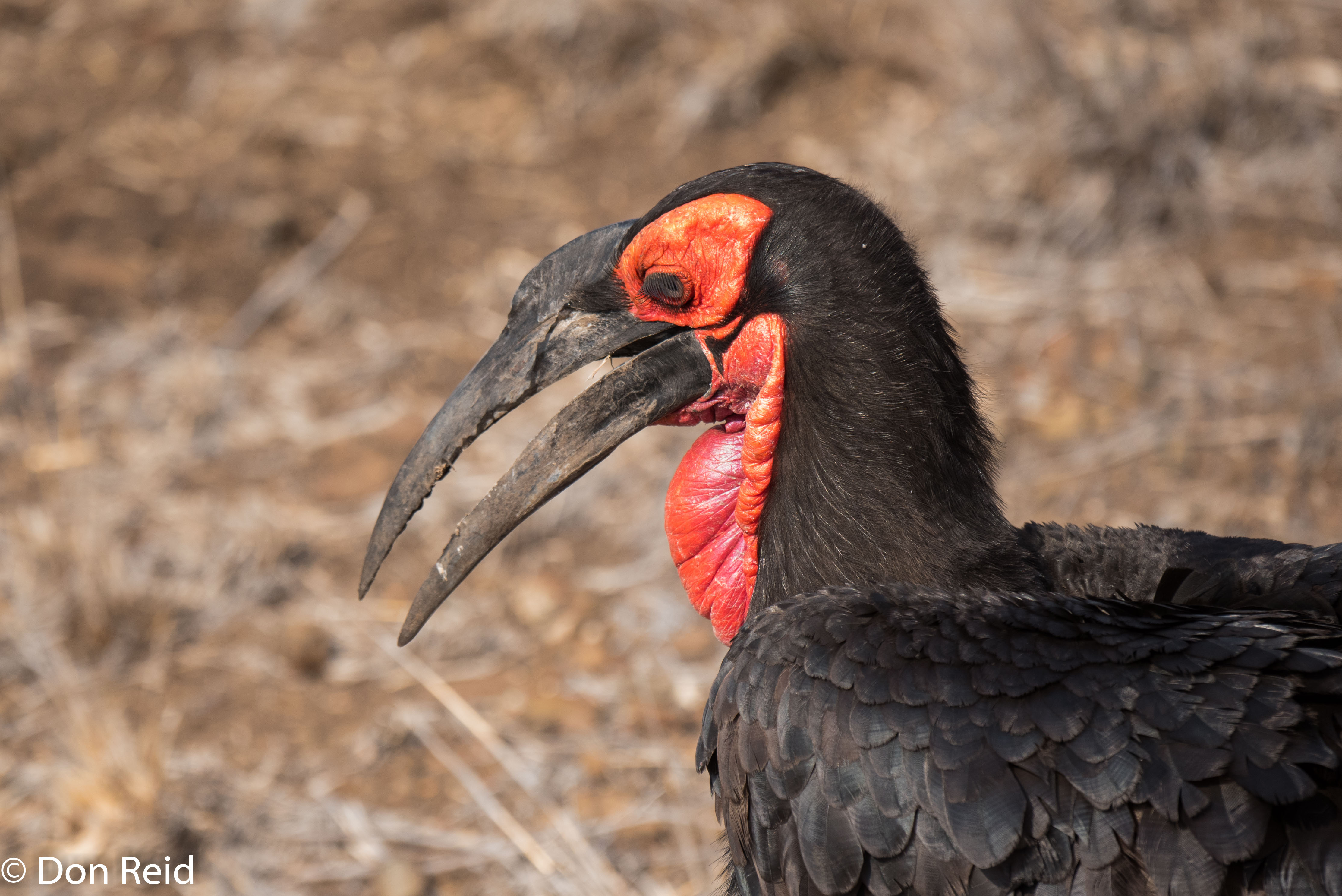
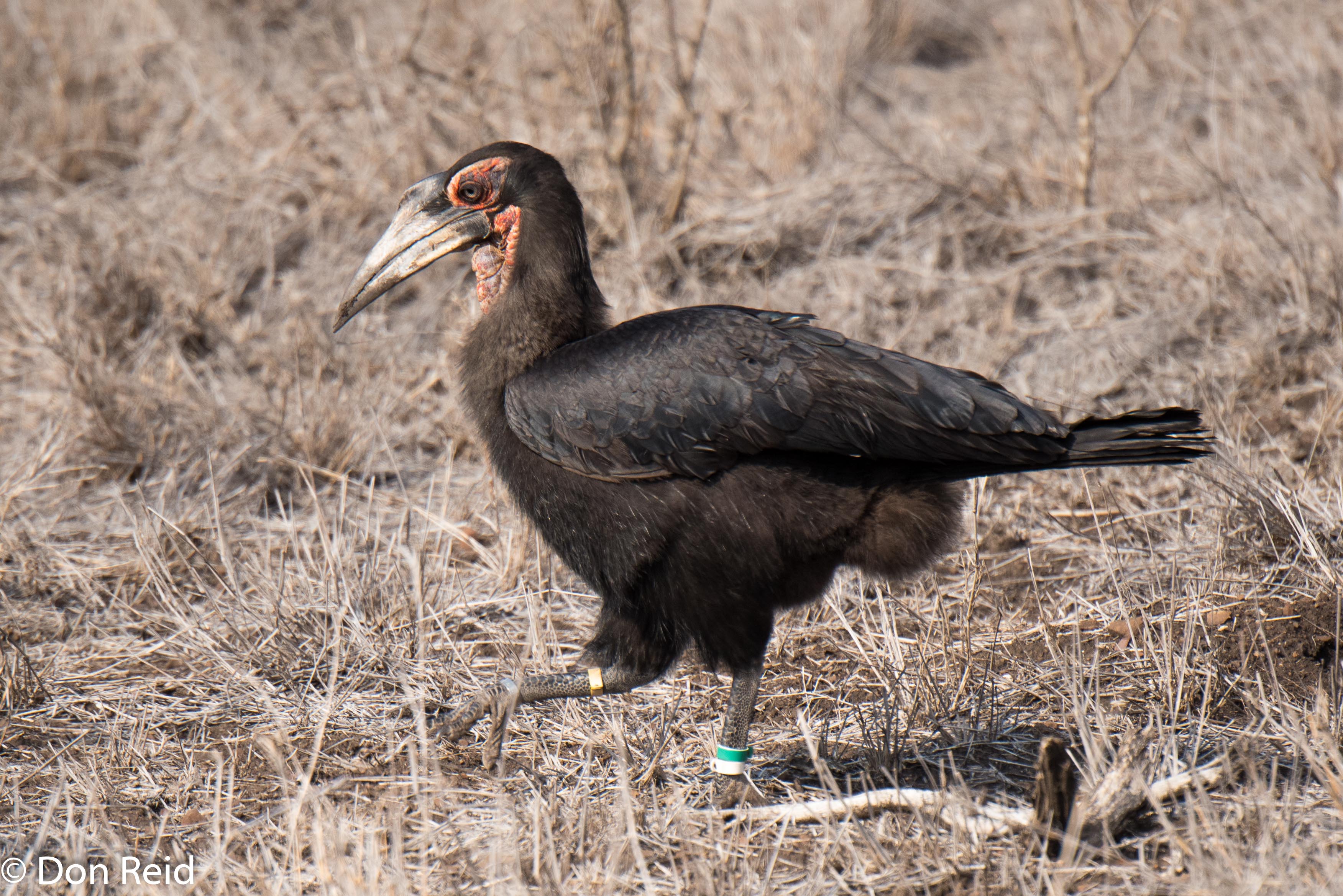
Southern Ground Hornbill, KNP
Adult Southern Ground Hornbill
Southern Ground Hornbill, KNP
Juvenile Southern Ground Hornbill, ringed for ID by a research group
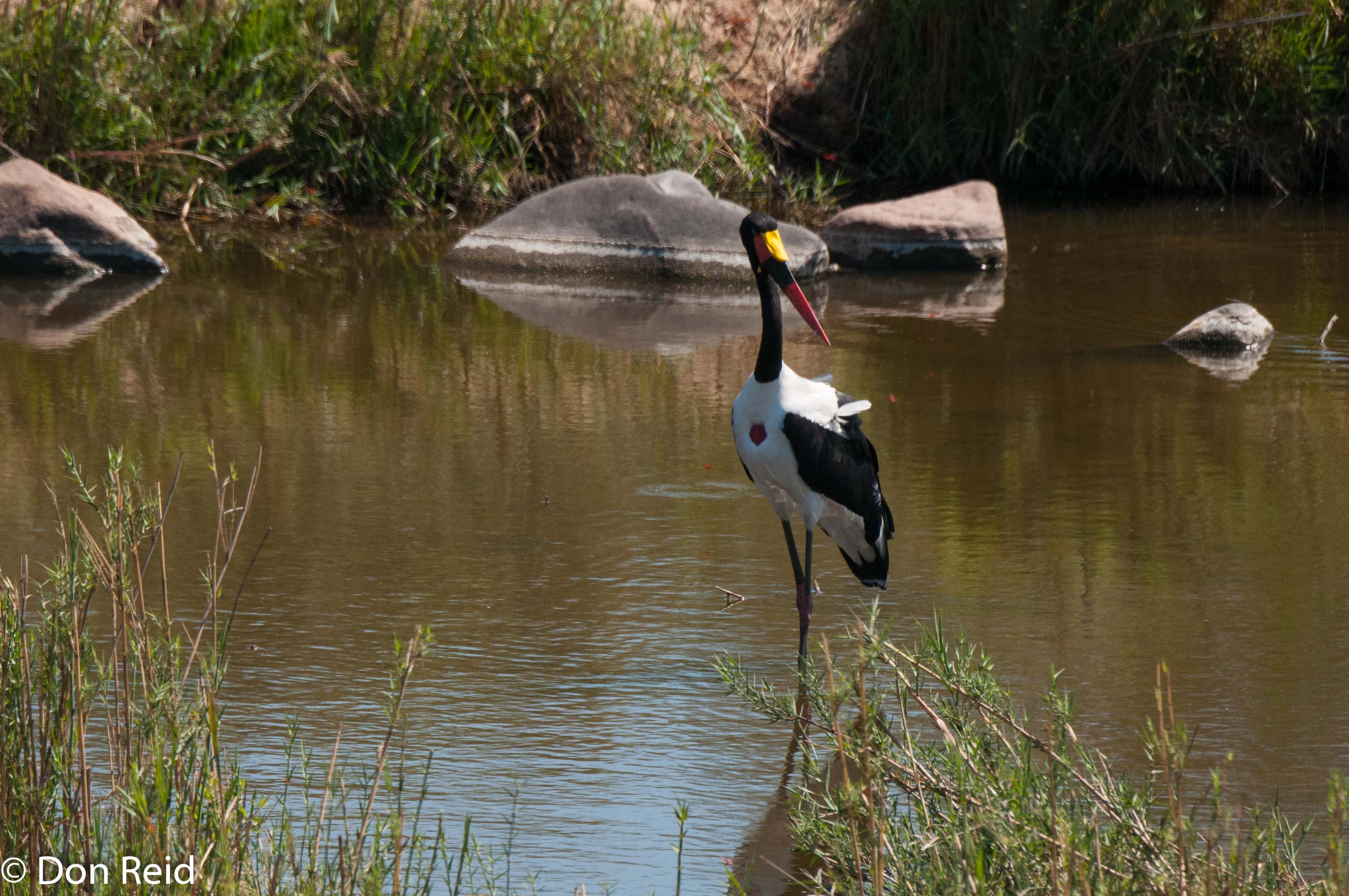
Saddle-billed Stork, Ngotso (Olifants - Satara road), KNP
Saddle-billed Stork

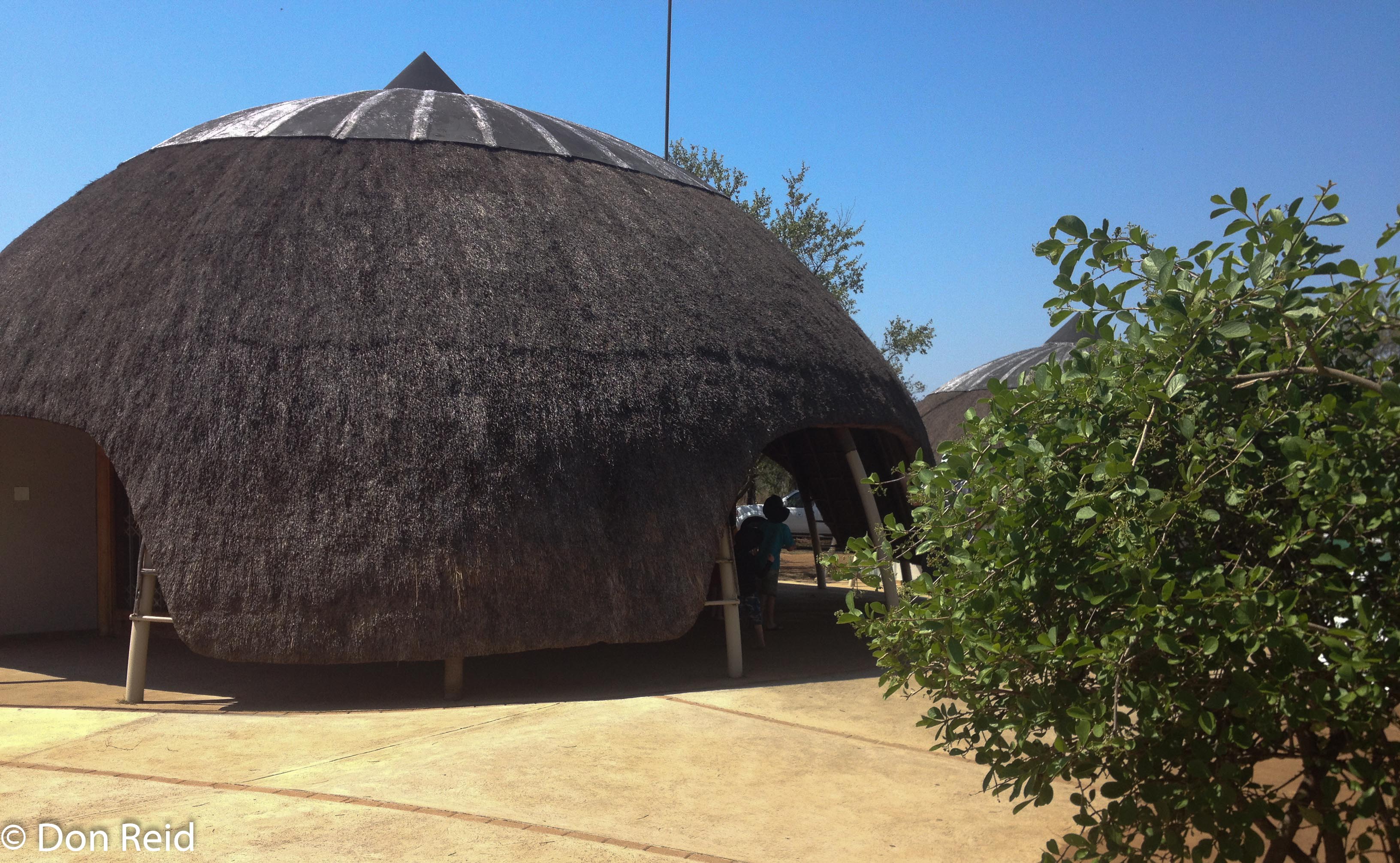
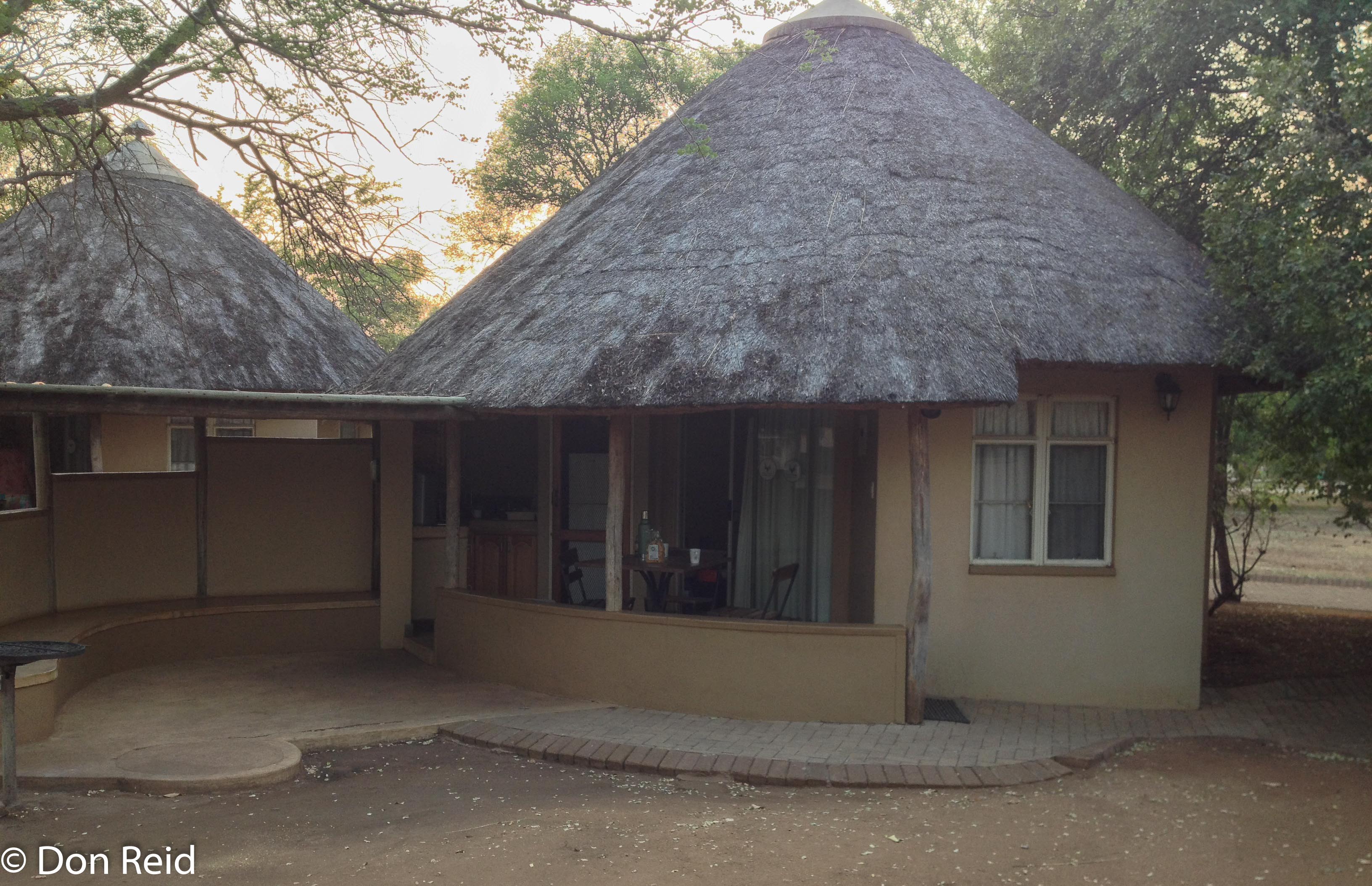
A lone Saddle-billed Stork (Saalbekooievaar) at Nyamarhi waterhole was one of our last sightings before arriving at Olifants rest camp around 4.30 pm, quite tired after the long day on the road, and settling into Rondavel No 37 for the week’s stay, in good condition after restoration work (the rondavel that is)

More about Olifants rest camp and the routes taken on our game and birding drives in forthcoming posts……..

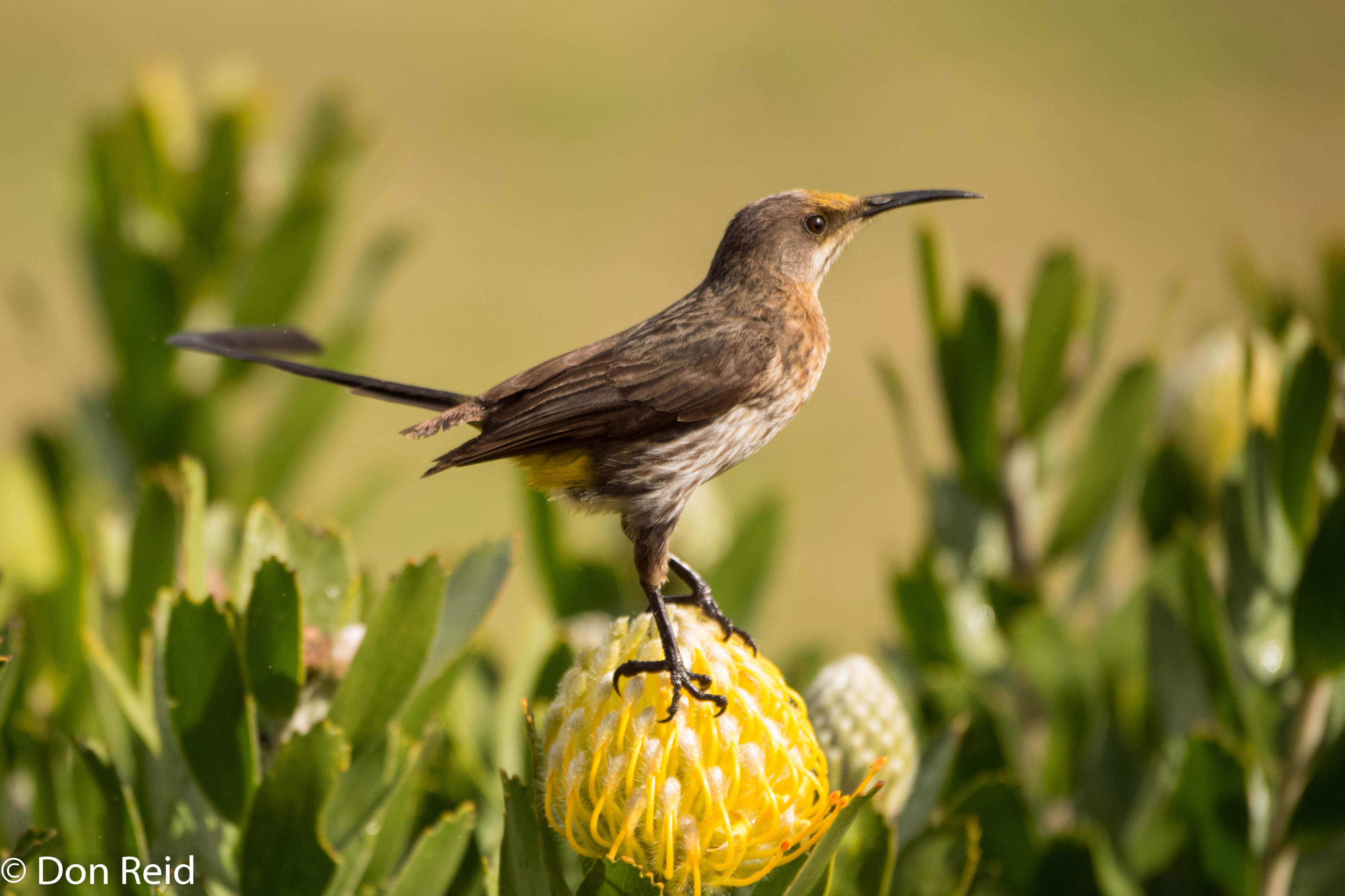


The Nectar Lovers of the Southern Cape


Southern Cape winters are  often cold and wet, with cold, clammy mists regularly rolling in from the sea. We love visiting our home in Mossel Bay, which is seen by many as the start of the famous Garden Route, but our winter visits are usually kept short, although the conditions can be a tonic after a few months of the dry Highveld winter of our main home in Pretoria, with no rain for months stretching from May to mid-October.

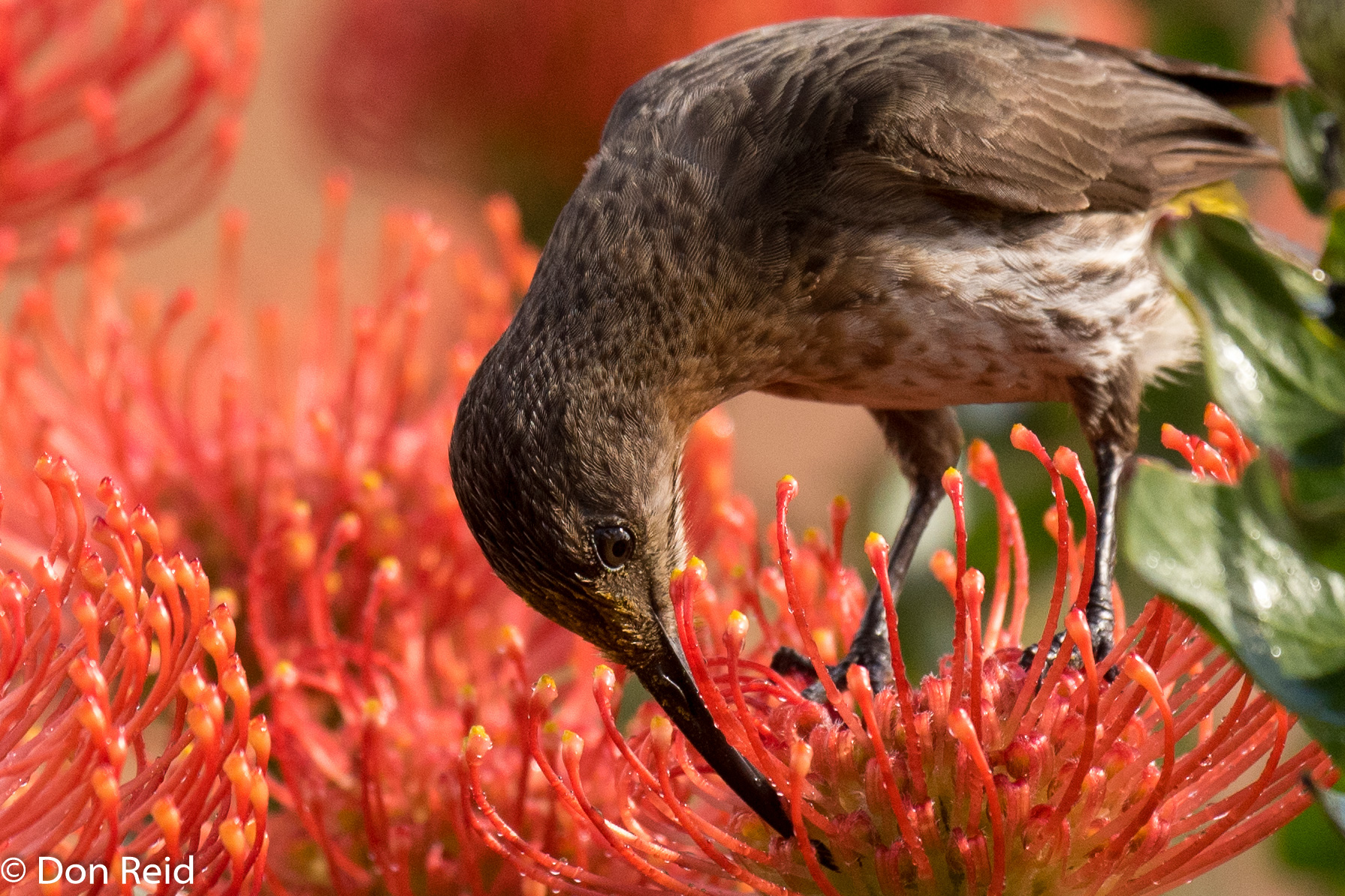
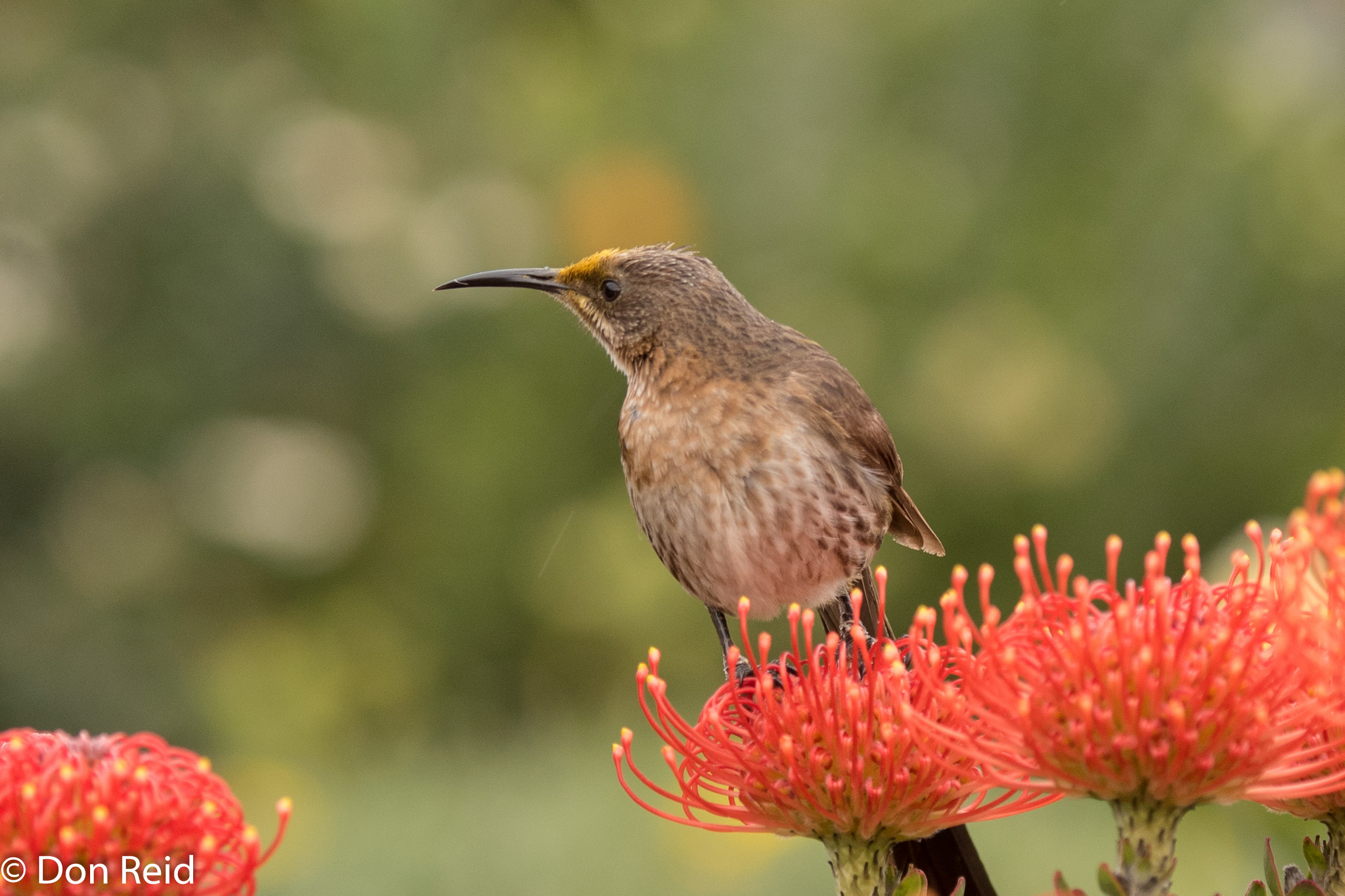
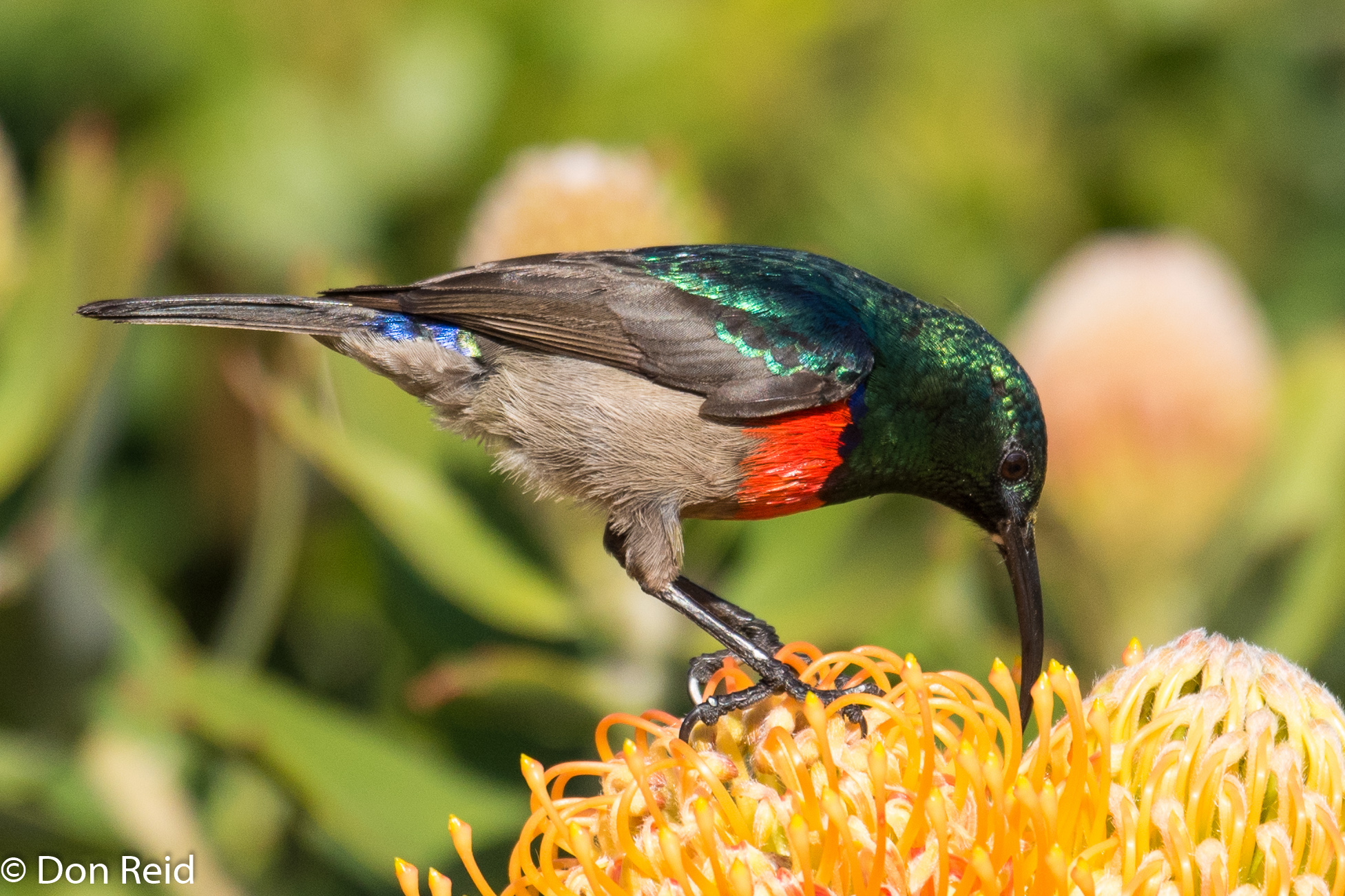
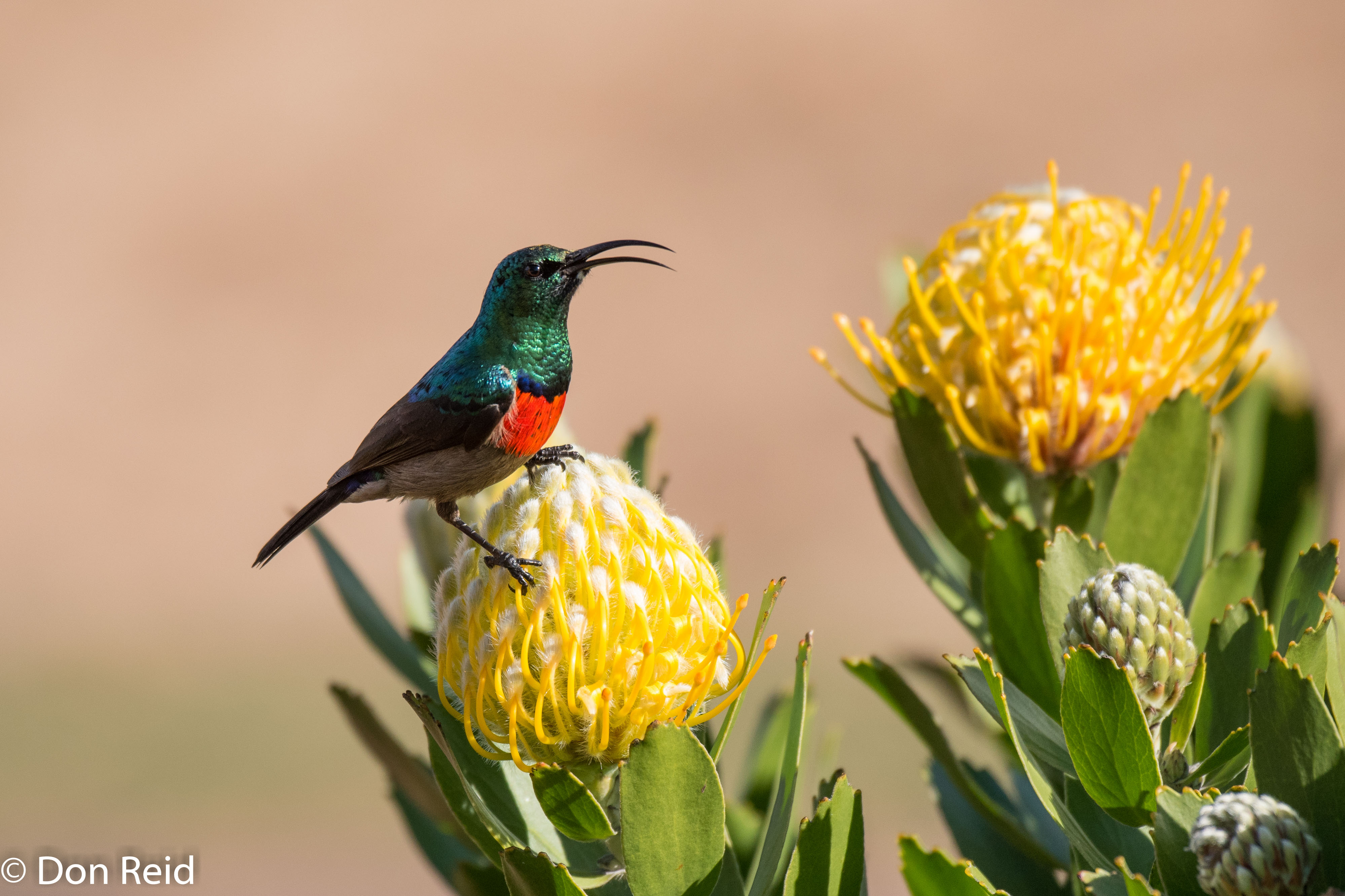
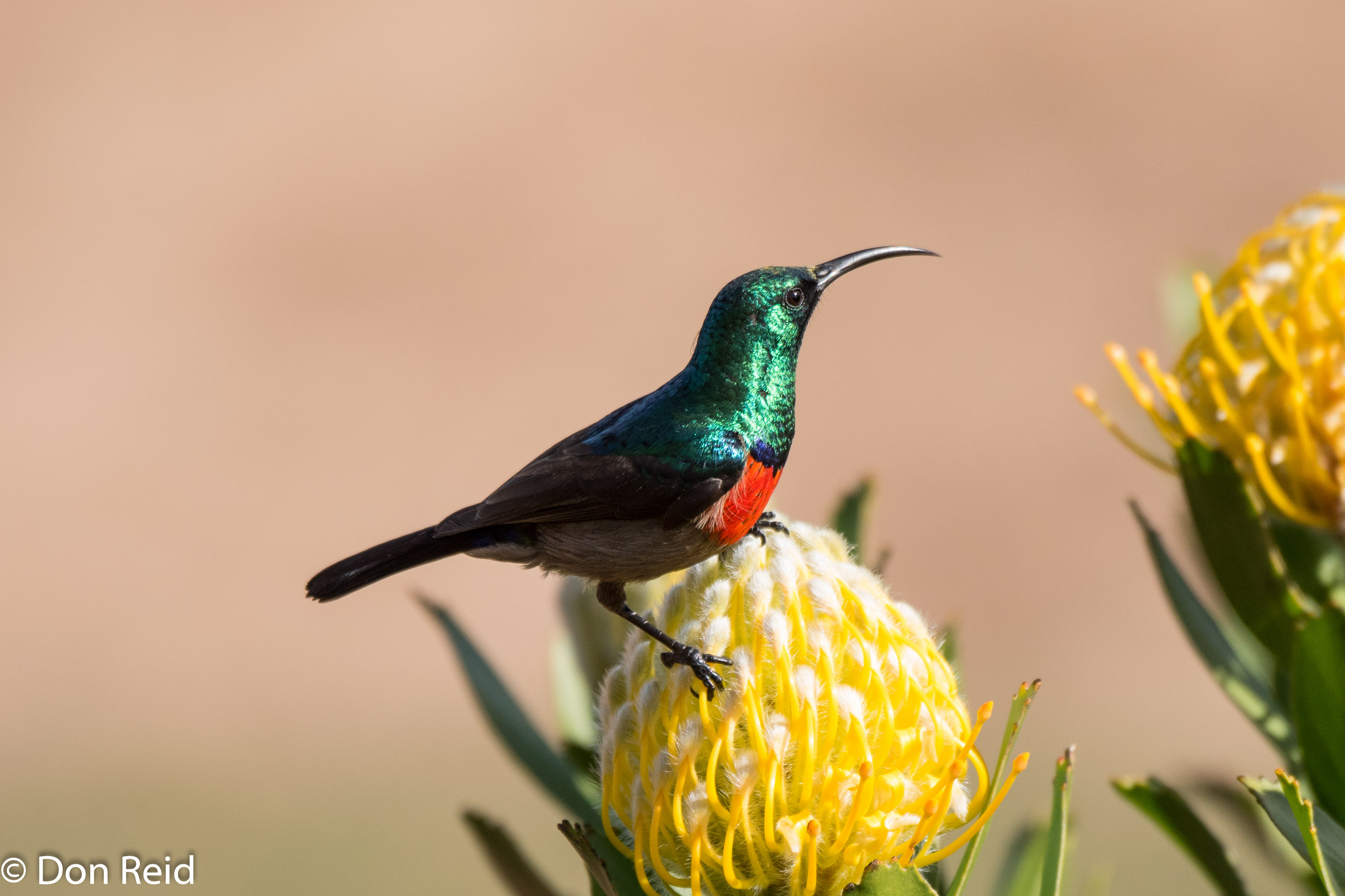
One of the floral attractions during winter in the Southern Cape is the proteas and aloes that flower and enrich the green landscape with their bright orange, yellow and red colours, attracting the nectar lovers such as the Sugarbirds and Sunbirds.

When we visit Mossel Bay in the winter months, there is a great sense of anticipation as we land at George airport and head along the highway for the short drive to our home, soaking up the lush green winter scenery and particularly the aloes planted here and there along the highway, colourful in their winter dress.

Cape Sugarbird

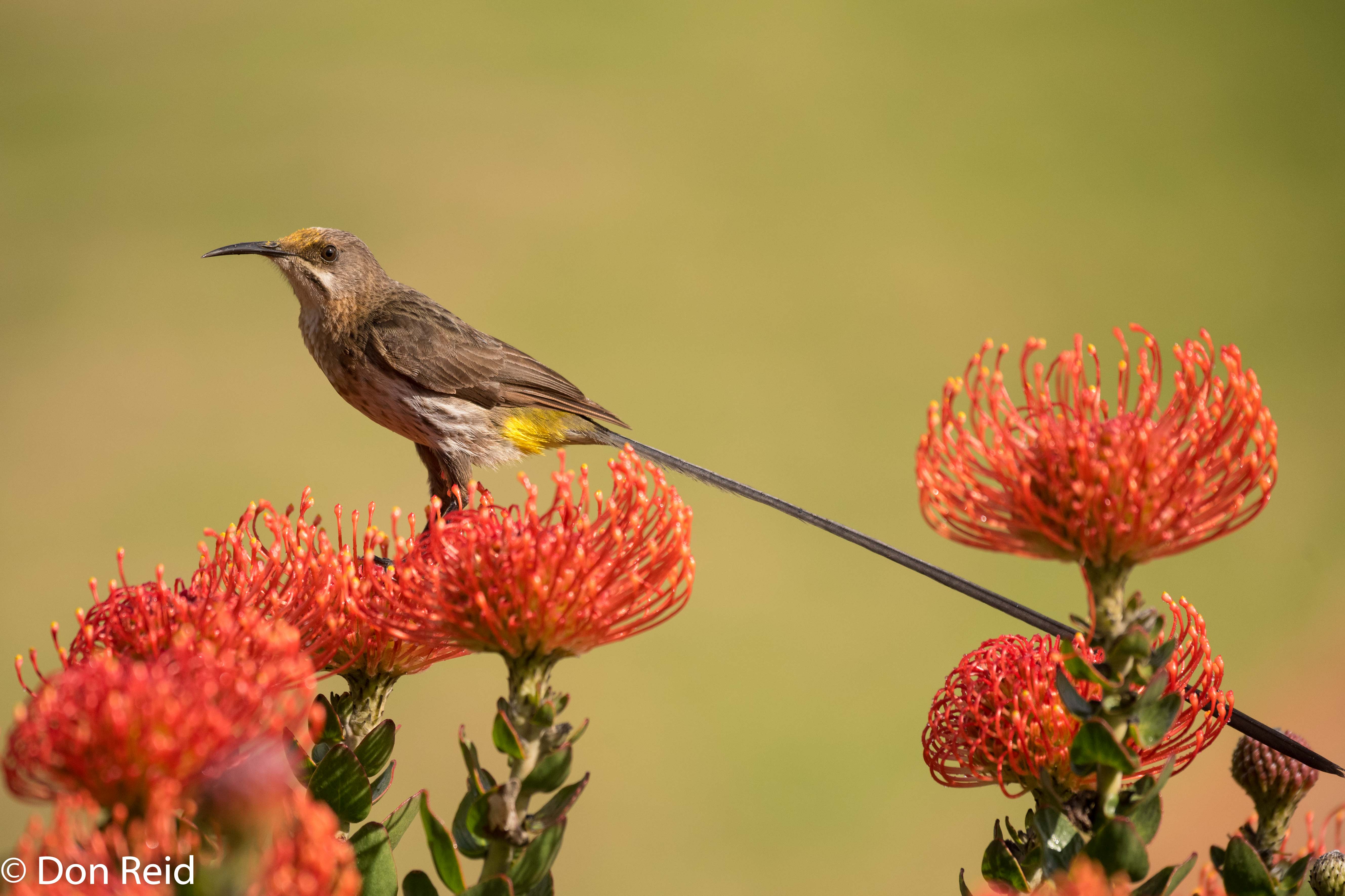
300 Flowers a day! That is how many flowering Proteas the Cape Sugarbird / Kaapse suikervöel (Promerops cafer) may visit during a day to meet its energy requirements.

Having watched them in action in our garden, I can well believe that figure – they maintain a frenetic level of activity amongst the Protea species, mostly of the Pincushion variety, that we have in our garden, flitting from bush to bush and flower to flower, then flying off rapidly in search of the next one, long tail swishing about in their urgency.

The yellow dusting on the forehead is the pollen picked up from dipping deep into the flowers, which then gets carried to the next flower.

Cape Sugarbird, Mossel Bay

Double-collared Sunbirds

Alongside the Cape Sugarbirds, other nectar loving species look positively sedate, including the Double-collared Sunbirds, both Southern and Greater species which are wonderful to watch with their brightly coloured, shiny plumage as they feed on the equally colourful flowers.

The males of these species are similar looking but, if you have binos handy or can get close enough, they can be fairly easily identified by the width of the bright red band across their chests – the Southern Double-collared Sunbird / Kleinrooibandsuikerbekkie (Cynnyris chalybeus) has a narrow band while the Greater Double-collared Sunbird / Grootrooibandsuikerbekkie (Cynniris afer) has a much broader band of red.

Both take the prize for the longest name for a small bird!

Look carefully at the next photo and you will see the thin “tongue” which is hollow and with which the sunbird sucks the nectar – much like a flexible syringe.

Greater Double-collared Sunbird, Mossel Bay

Both of these species are guaranteed to brighten up your day, just as they add colour, vibrancy and action to your garden in the Southern Cape in the middle of the winter.

All the photos in this post were taken in our garden in Mossel Bay, which Gerda planned to be as indigenous as possible and to survive with the minimum of attention during the months when we are elsewhere.

A Twitch or Two – Finding Rarities

Twitching?

The birding world is full of twitchers – essentially they are the birders who are chasing numbers (of species seen) and who will go to considerable lengths to add a new species to their list of “lifers” (birds not previously seen/ticked) or to other lists such as regional, provincial, annual and the like.

Keen twitchers think nothing of getting on a plane and flying from Joburg to Cape Town, for example, to twitch a vagrant species that may have turned up in the area.

The size or appearance of a bird is not of great importance –  a nondescript small bird can generate as much excitement as a larger, striking species, provided the scarcity factor is high.

Wkipedia has a nice definition and some further info on the subject :

“Twitching is a British term used to mean “the pursuit of a previously located rare bird.” In North America it is more often called chasing, though the British usage is starting to catch on there, especially among younger birders. The term twitcher, sometimes misapplied as a synonym for birder, is reserved for those who travel long distances to see a rare bird that would then be ticked, or counted on a list. The term originated in the 1950s, when it was used for the nervous behaviour of Howard Medhurst, a British birdwatcher. Prior terms for those who chased rarities were pot-hunter, tally-hunter, or tick-hunter. The main goal of twitching is often to accumulate species on one’s lists. Some birders engage in competition to accumulate the longest species list. The act of the pursuit itself is referred to as a twitch or a chase. A rare bird that stays put long enough for people to see it is twitchable or chaseable.”

Where does that Place Me?

Well, I enjoy listing the species I have seen, but there are limits as to how far I will go to view and tick a new species – my rule of thumb is that I will consider it if it is within one to two hour’s road travel, as long as it does not disrupt my normal routines too much.

Previous attempts to twitch a couple of rarities which have been reported on the SA Rare Bird News platform (an excellent and valuable service provided by Trevor Hardaker – you can ask to join the group via email to Trevor at hardaker@mweb.co.za ) have met with mixed success, mainly due to me being too slow off the mark, so that by the time I get around to visiting the spot where a rarity has been reported, the bird has moved on to greener pastures .. or cleaner water or wherever.

However, I have had some success over the last month or two, which has changed my view of twitching just a bit – nothing like adding a new species or having the chance to photograph it to get the happy juices flowing!

Here is a selection of my recent twitches :

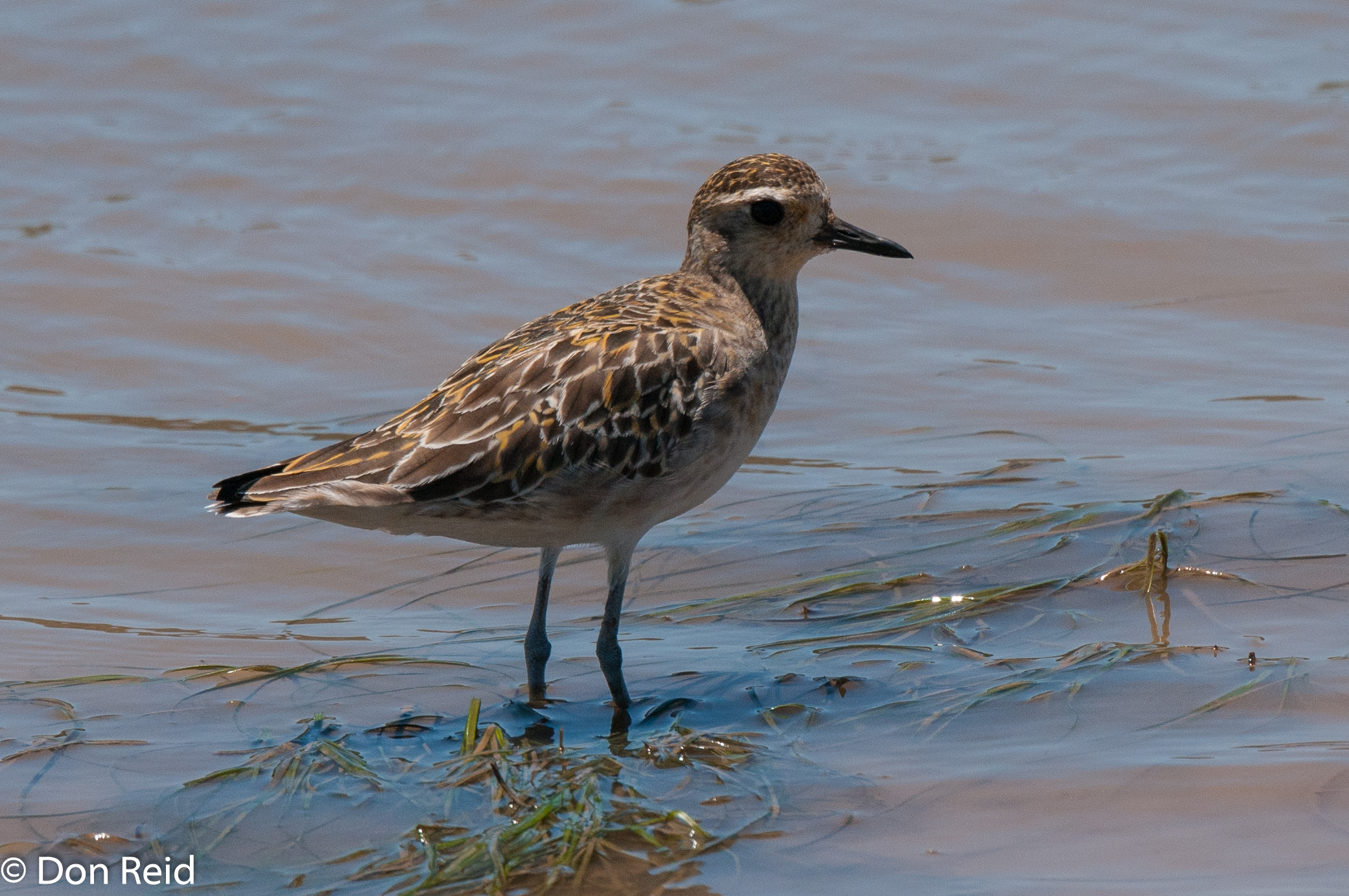
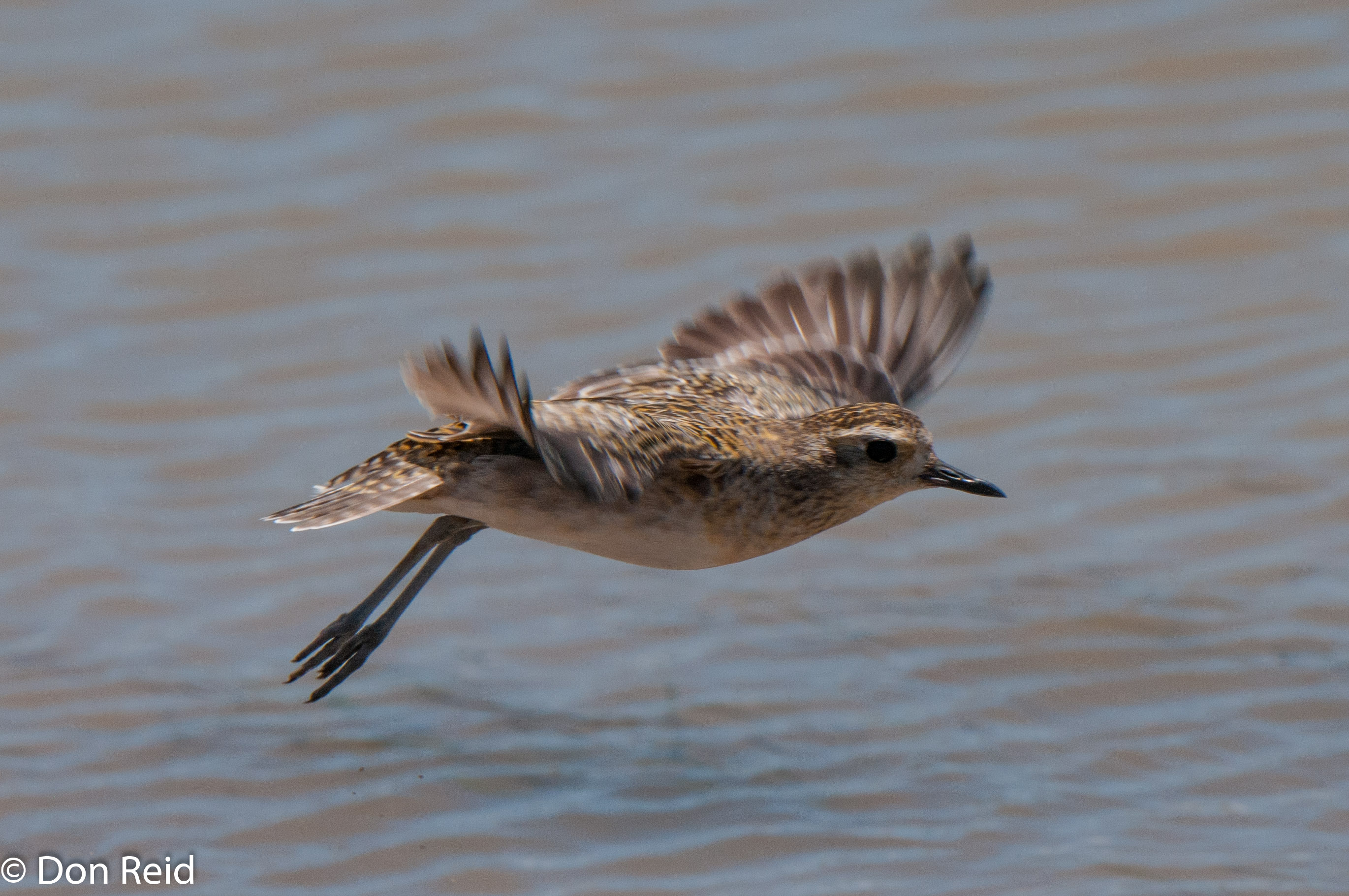
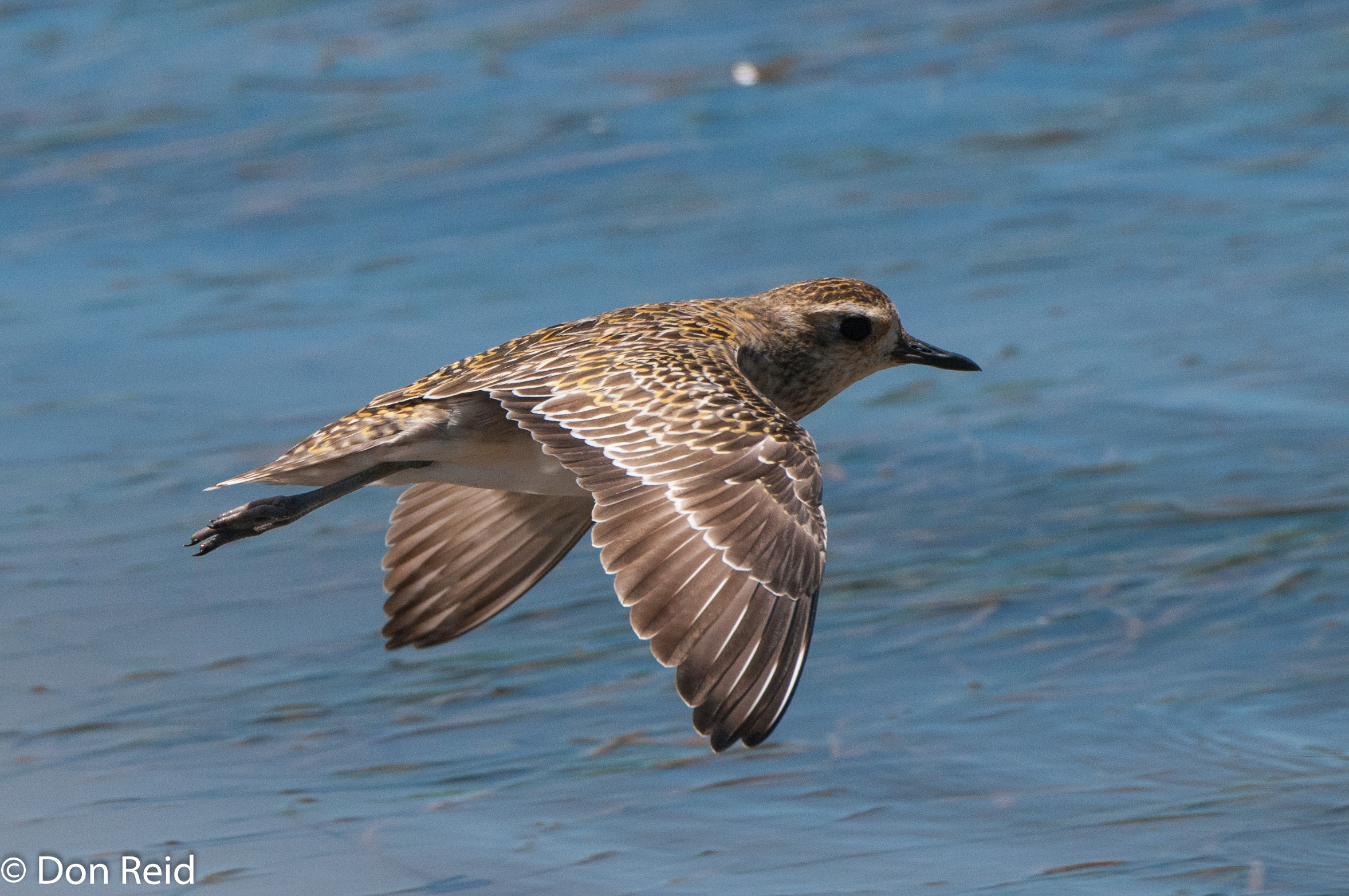
Pacific Golden Plover : Gouritzmond, Western Cape

I had started the morning of 14 December 2015 by atlasing a pentad along the Herbertsdale road outside Mossel Bay, where we have a home and decided to drive to Gouritzmond nearby to see if I could find the Pacific Golden Plover reported there since October.
The difficult part was finding the site of the “boat launch” which was the only info given out and I spent some time driving around the town looking for a spot where boats were launched, but eventually had to admit defeat and actually ask someone. If I had been awake driving into town from the inland side I would have noticed the tell-tale sign just outside town.

At the boat launch it was quite busy with visiting boaters and fishermen, but finding the Plover took less than a minute as it moved, unperturbed by all the activity, up and down the muddy shoreline of the Gouritz river. I approached carefully and was able to get some nice shots as it probed the shallows and flew a short distance before settling again. A very simple “twitch” this time.

Pacific Golden Plover, Gouritzmond

Pacific Golden Plover, Gouritzmond

Pacific Golden Plover, Gouritzmond

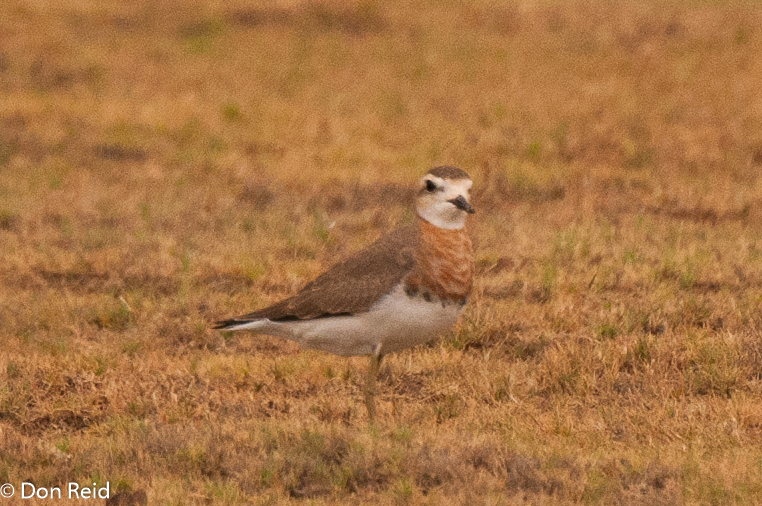
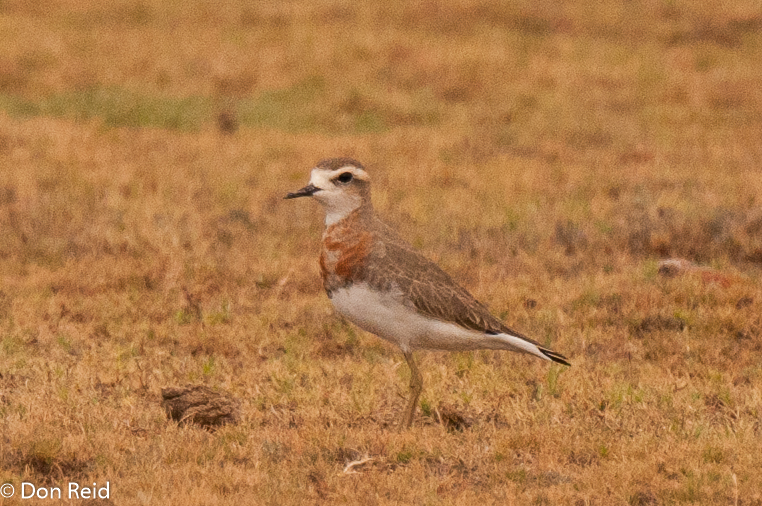
Caspian Plover : Hanover, Northern Cape

We were on the way back to Pretoria from Mossel Bay in mid January 2016, doing it in a few stages as is our wont.

Knowing we would be passing Hanover I kept it in the back of my mind that a Caspian Plover had been reported from a nearby guest farm called New Holme and when I saw we had time to spare, I proposed a “quick diversion” to Gerda who, used to me springing birding surprises on her, agreed,  so we took the farm road for 8 kms to the homestead hoping for a quick sighting and turnaround.

The owner PC Ferreira was busy with new guests booking in, but he pointed us towards the area where the plover had been seen and we duly covered the area as best we could for about half an hour, scanning the plains for the elusive bird, but without success – lots of Kittlitz’s Plovers, some Namaqua Sandgrouse but no Caspians.

Back at the ranch … er farmhouse, PC was free and refused to let me go without seeing his “special bird”,  so I joined him, his little daughter and two dogs in his bakkie and we headed back to the short-grassed area where his sheep were grazing and within minutes we had found the Caspian Plover. It was good enough to pose nicely at a distance. Another success!

Caspian Plover, New Holme Guest Farm, Hanover

Caspian Plover, New Holme Guest Farm, Hanover

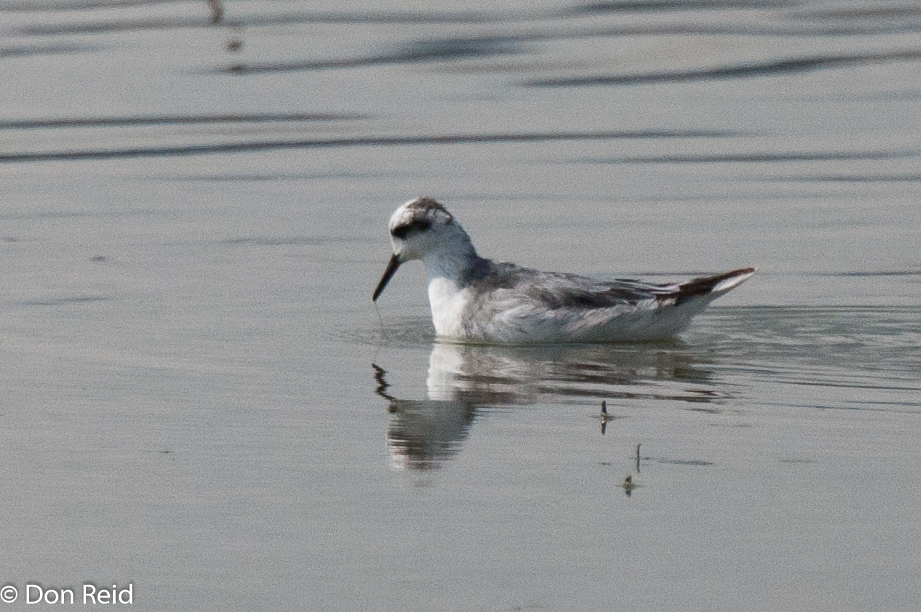
Red Phalarope : Mkhombo Dam, Mpumulanga

I had tried for this species a year or two previously but it had moved on before I got to it, so I was keen to try for it when an individual was reported during January 2016  at Mkhombo Dam, which lies north of Pretoria, within my two-hour limit.

In the end it took two visits a few days apart to track it down and it disappeared shortly thereafter so I was just in time. On the second visit I met up with George and Barbara Skinner as arranged and we followed the track which skirts the western side of the dam, finding the Phalarope without too much effort where it was swimming up and down in a small bay formed by the slowly receding water.

The muddy fringe did not allow a close approach, but I walked as far as I could to get a reasonable photo.

Mkhombo Dam
Mkhombo Dam

Red Phalarope, Mkhombo Dam

Red Phalarope, Mkhombo Dam

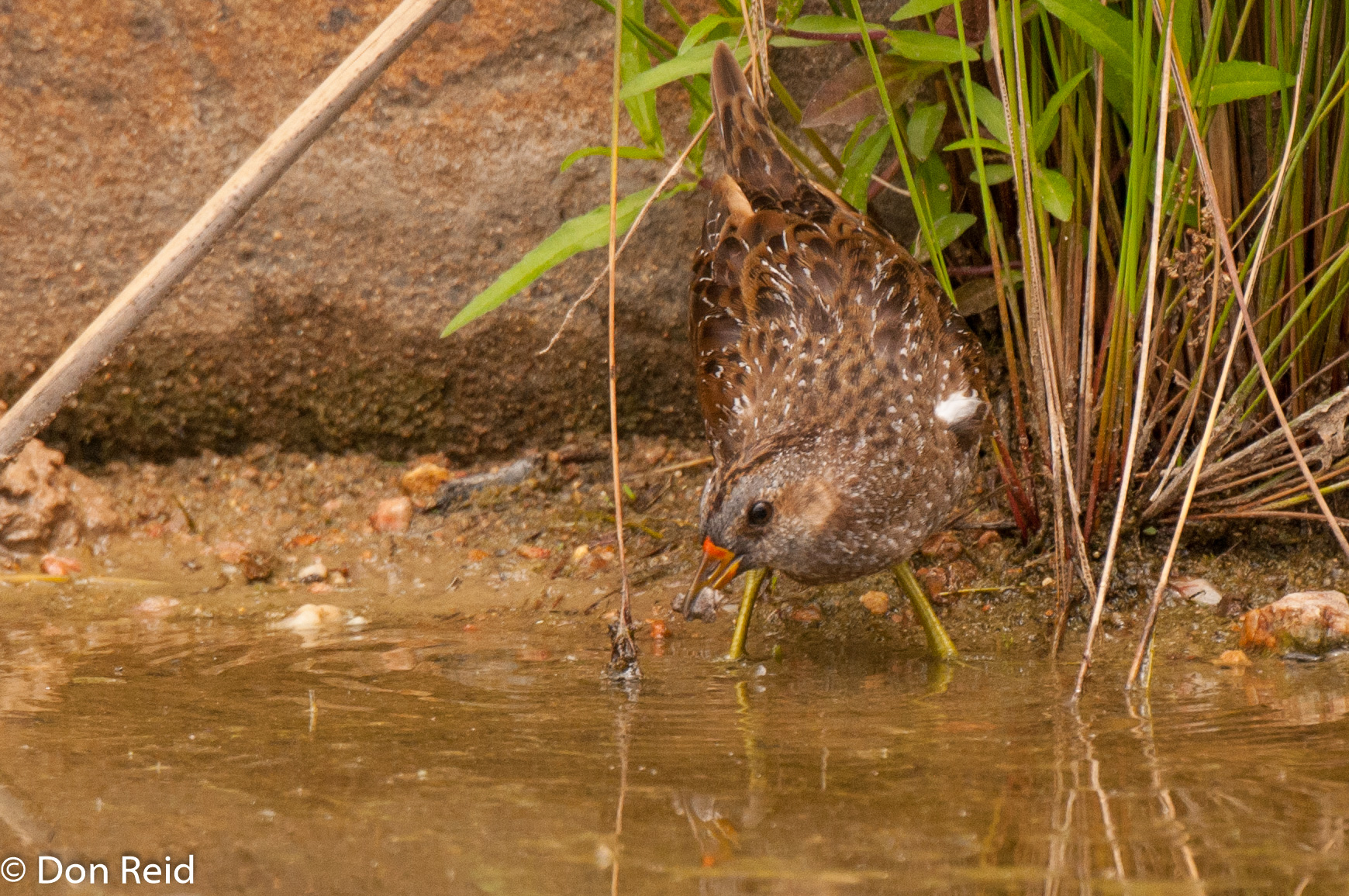
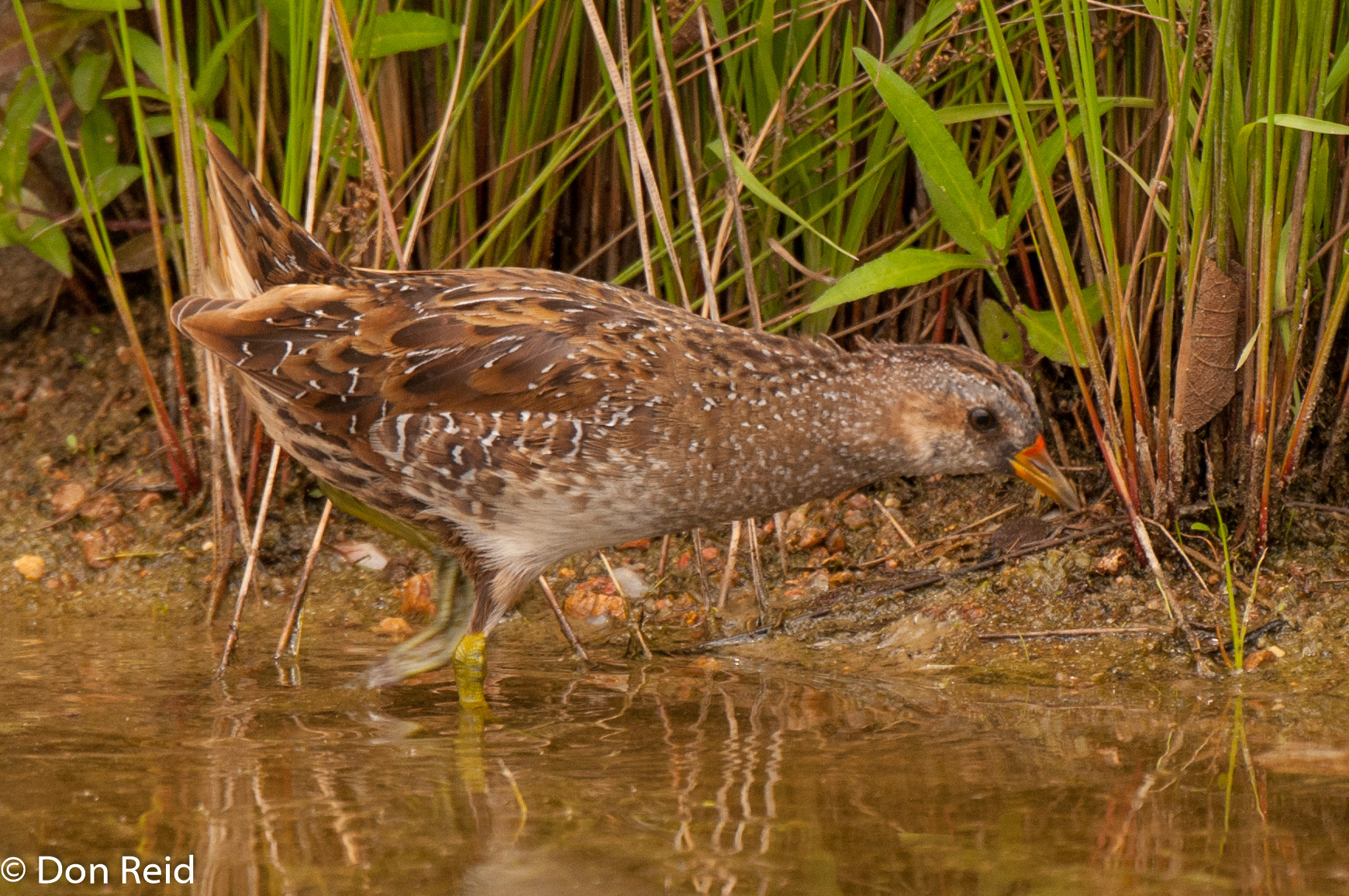
Spotted Crake : Waterfall Estate, Gauteng

I hardly imagined I would see this particular species without going to some far-off location and spending lots of time searching for it. As it turned out this was one of the easiest and most popular twitches on record in SA, seen by well over 1000 birders so far and still going strong as I write this.

I decided it was too good an opportunity to miss when it turned up unexpectedly at one of the main gates to the Waterfall Estate in Midrand, between Joburg and Pretoria and made the pilgrimage one morning before going to the office. It was not visible when I arrived but made an appearance a few minutes later, trotting up and down in the shallows of the man-made pond, occasionally popping behind the reeds before coming into view again.

It has become a famous bird and a superstar of the SA birding scene in a short space of time!

Waterfall Estate
Waterfall Estate

Spotted Crake, Waterfall Estate

Spotted Crake, Waterfall Estate

So I am feeling quite pleased with my twitching efforts, adding four diverse species in four very different localities spread across South Africa.

Wonder what will turn up next?

A Week in Kruger – Satara to Muzandzeni

The Route

This lesser known route is not renowned for its big five sightings but there is every chance of seeing a variety of game, with the added pleasure of getting off the beaten track for a while and enjoying a picnic spot that you will often have all to yourselves.

The route starts by heading south from Satara camp for about 10 kms where you turn right (west) on to the S 126 which marks the start of the gravel road to Muzandzeni picnic spot, a drive of about 22 kms which should take an hour or more, including stops to view game and birds as you come across them.

This stretch winds along the Sweni river for much of the way, but don’t expect there to be water during the winter months and early summer before the rains set in. The roadside scenery is dominated by many large trees, interspersed with open areas which look ideal for the big cats to use as hunting grounds.

After a break at Muzandzeni, whether for coffee/tea, or a full-blown brunch, the best way back to Satara is to complete the circle by heading north along the S 36 gravel road which joins up with the H7 Orpen-Satara tar road after about 10 kms and from there it’s an easy 20 km run along the H7 back to Satara, with a recommended stop at the Nsemani dam which usually has something of interest.

Habitat

This description from the krugerpark.co.za website sums up nicely what to expect along the Sweni river road (S 126):

“The Sweni River Road is a surprisingly tropical landscape given that it is so far south of the Tropic of Capricorn. Many old Kruger hands insist that it is the Sweni that marks the start of the north rather than the Olifants River. Southern Lala-palms and combretums dominate the grassy floodplains between the river and the road, giving the bush a distinctly Zimbabwean feel”

An extract from the Kruger Park map book shows the route :

Muzandzeni-14

The Drive

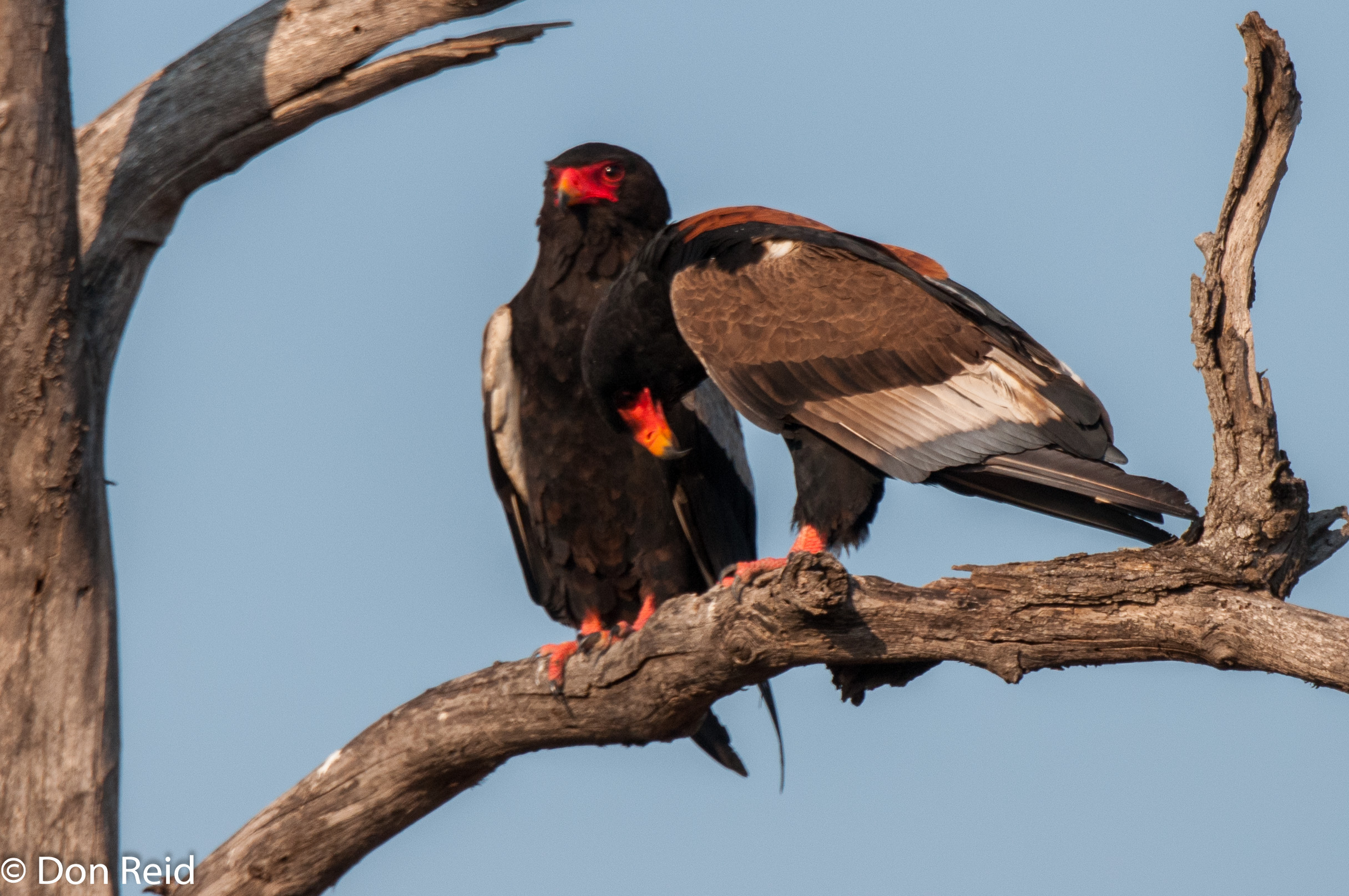
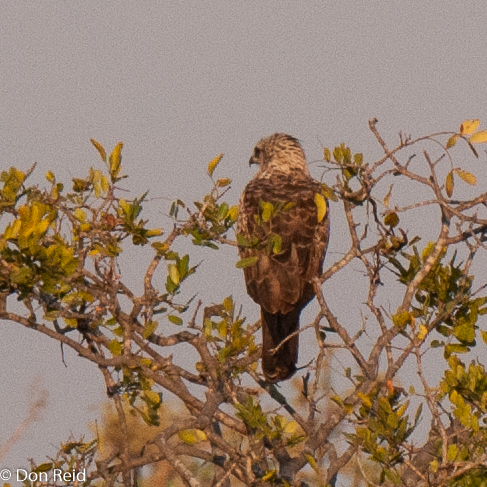
We made our way slowly along the S 126 to Muzandzeni, stopping for a number of raptors, including a pair of preening Bateleurs close to the road, which we sat and observed for some time, and a pale form of Wahlberg’s Eagle perched in a tall tree.

Bateleurs preening
Bateleurs preening
Bateleur
Bateleur
Wahlberg's Eagle (Pale form)
Wahlberg’s Eagle (Pale form)

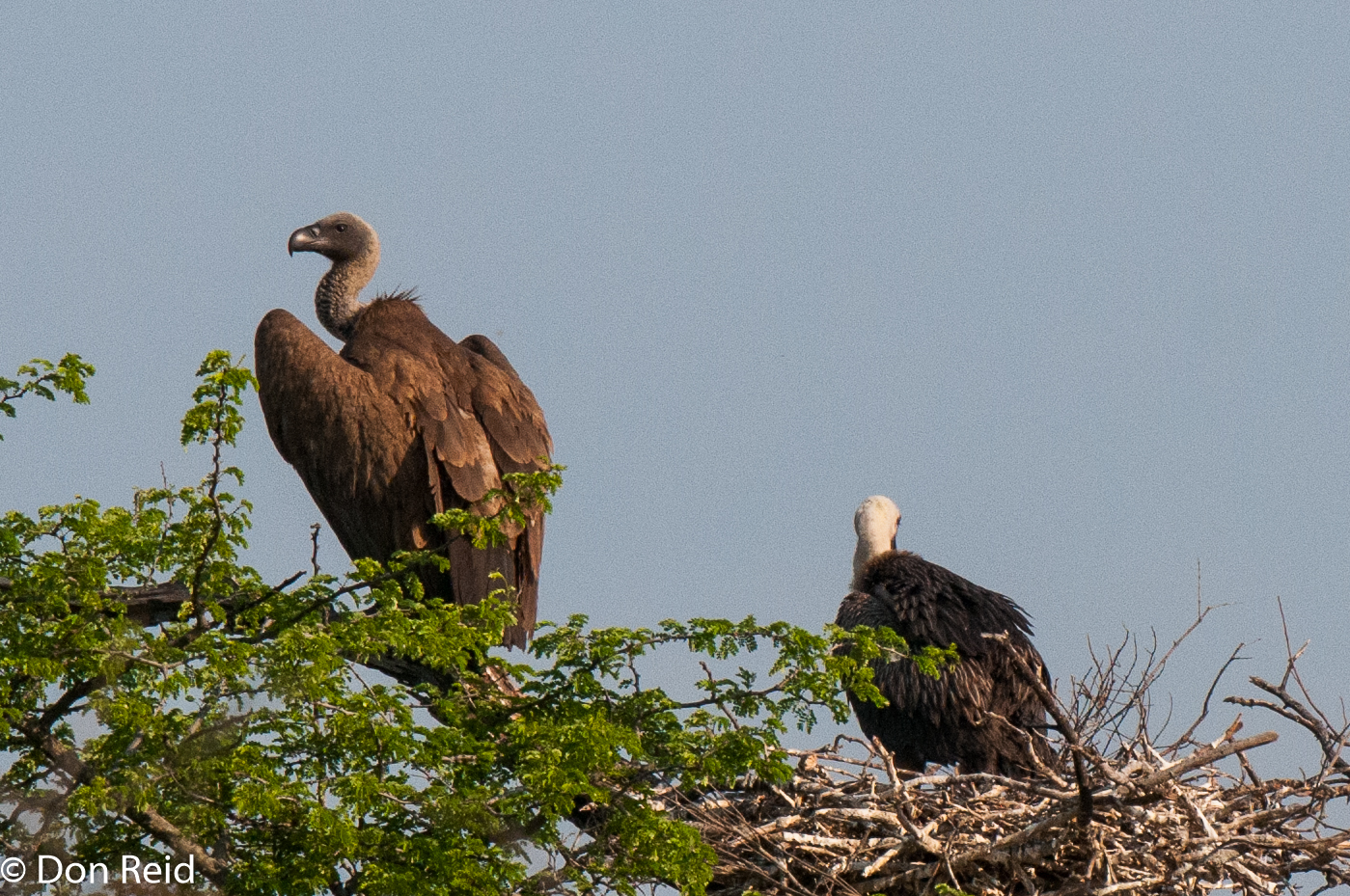
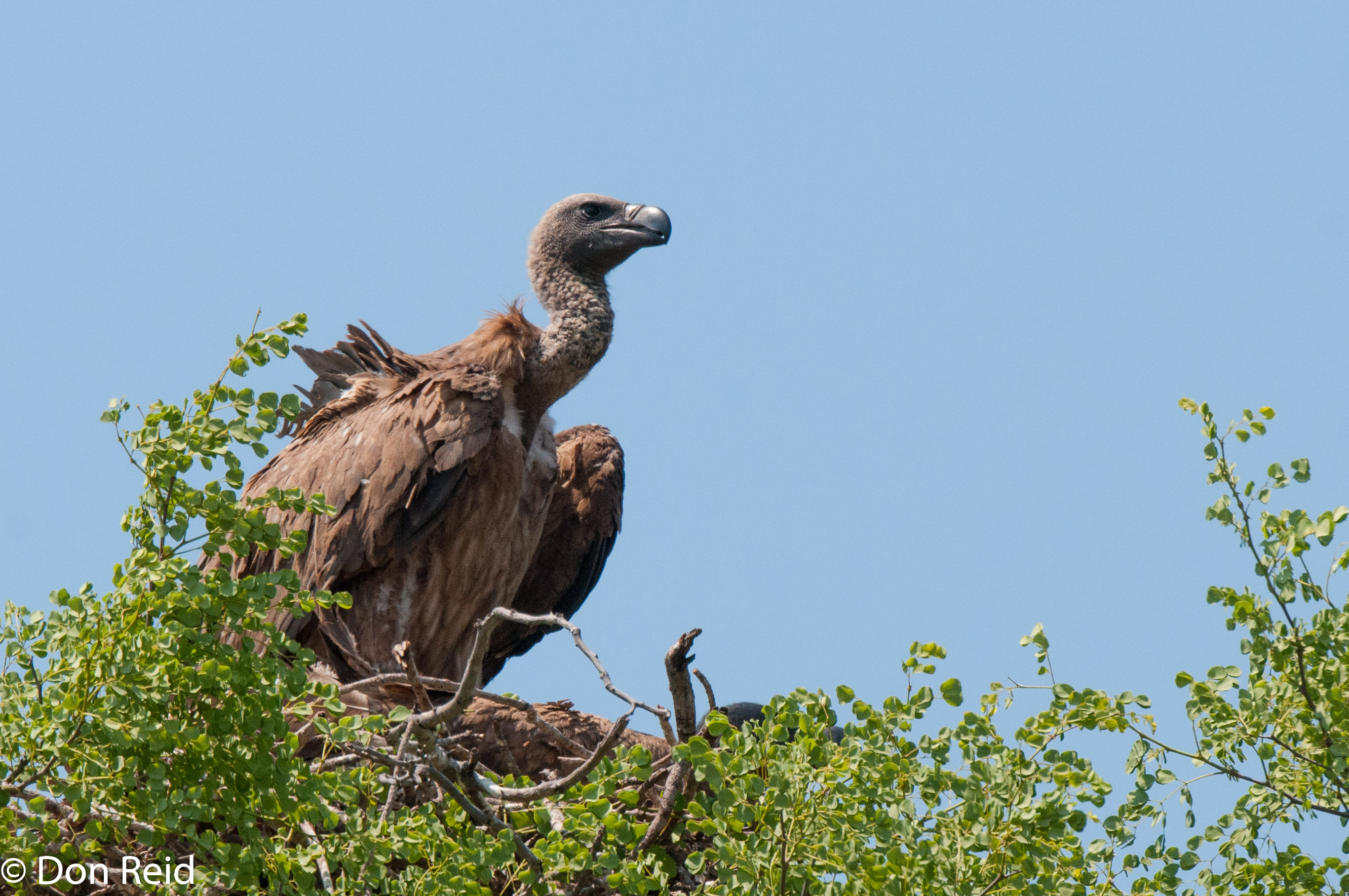
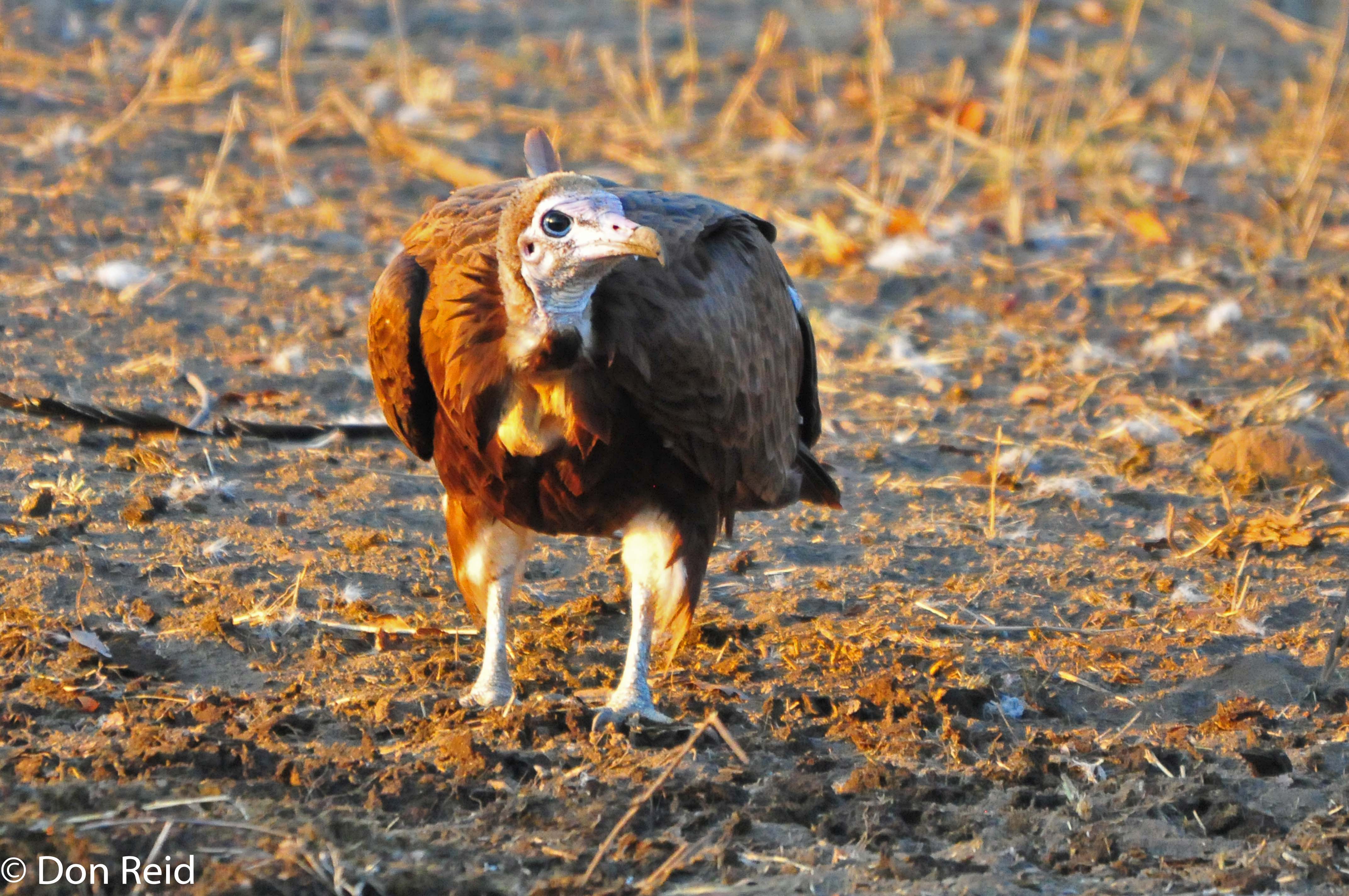
Vultures and particularly nesting Vultures were a feature of this drive as we encountered at least 4 different nests with Vultures in attendance. Vultures that we identified included the common White-backed Vultures, of which there were many, as well as the scarcer Lappet-faced, Hooded and White-headed Vultures.

The average visitor to Kruger probably won’t spend much time looking at vultures, other than to see if they are near a kill, but the chances of seeing four Vulture species on one drive are slim, so I for one was very appreciative of these sightings.

White-backed Vulture
Hooded Vulture
Hooded Vulture

Rounding off the raptor feast was a large Tawny Eagle, always impressive to look at and ruggedly good-looking.

Tawny Eagle
Tawny Eagle

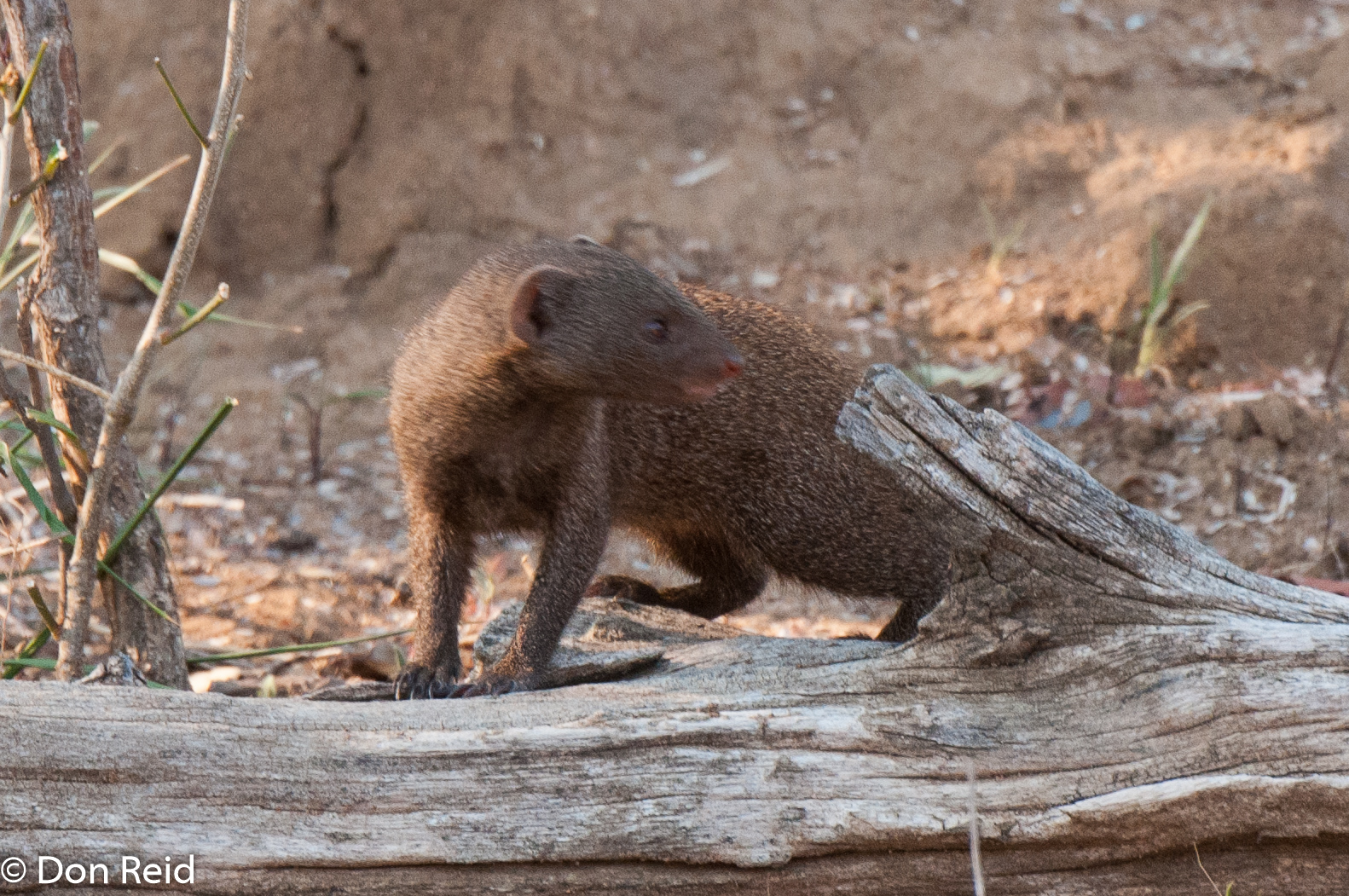
Game was a bit sparse compared to some of the other drives we had done around Satara but we nevertheless enjoyed some good sightings of small groups of the more common species, including Kudus backlit by the early morning light, a lone Steenbok resting in the grass and a few Dwarf Mongeese (oh-oh should have seen that coming, now I’ve got to figure out the plural of Mongoose – it’s actually Mongooses!)

Kudu beautifully backlit by early morning son
Dwarf Mongoose
Dwarf Mongoose

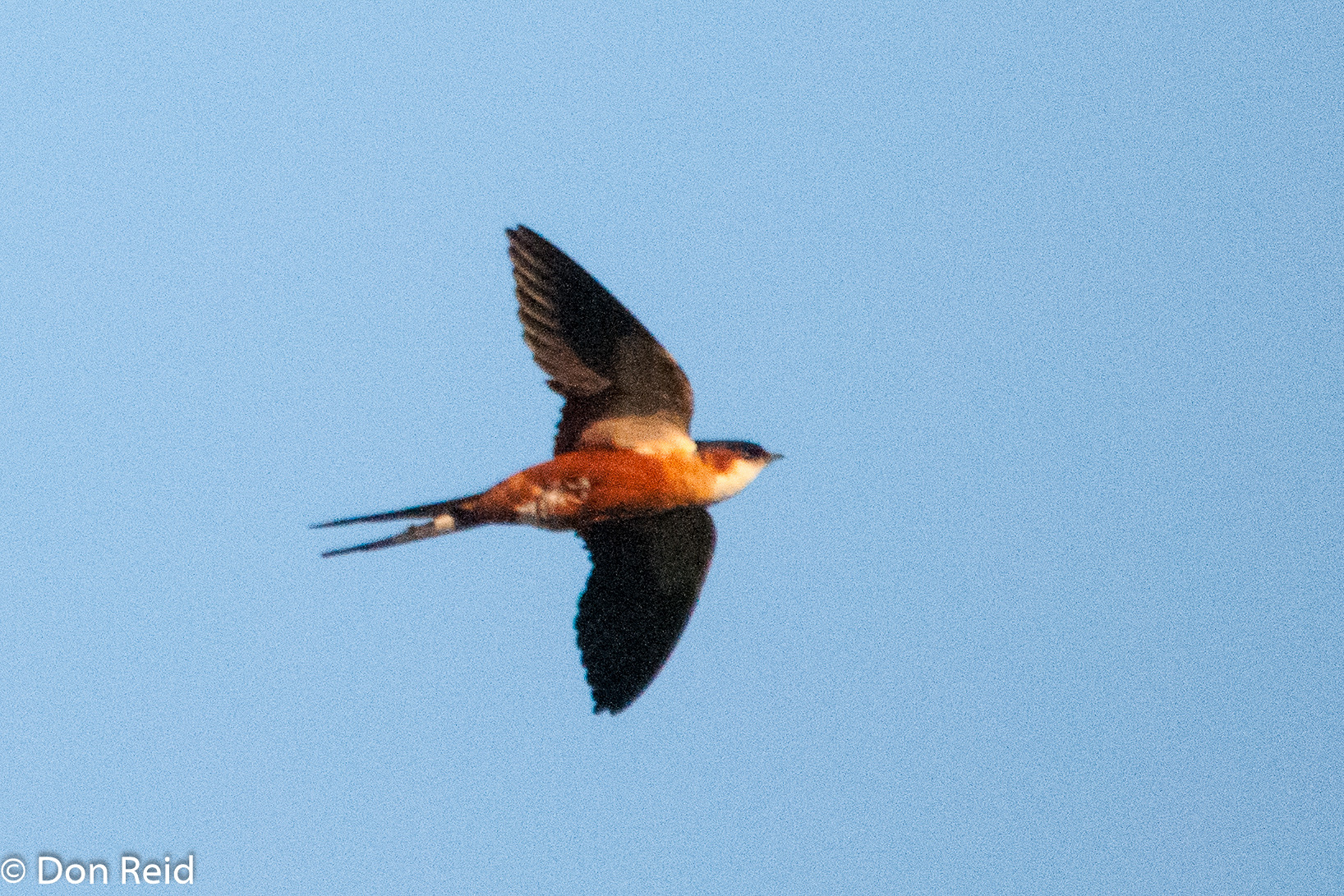
Mosque Swallows were a nice surprise – in my experience they are usually only seen a lot further north in Baobab country.

Mosque Swallow
Mosque Swallow

Muzandzeni Picnic spot

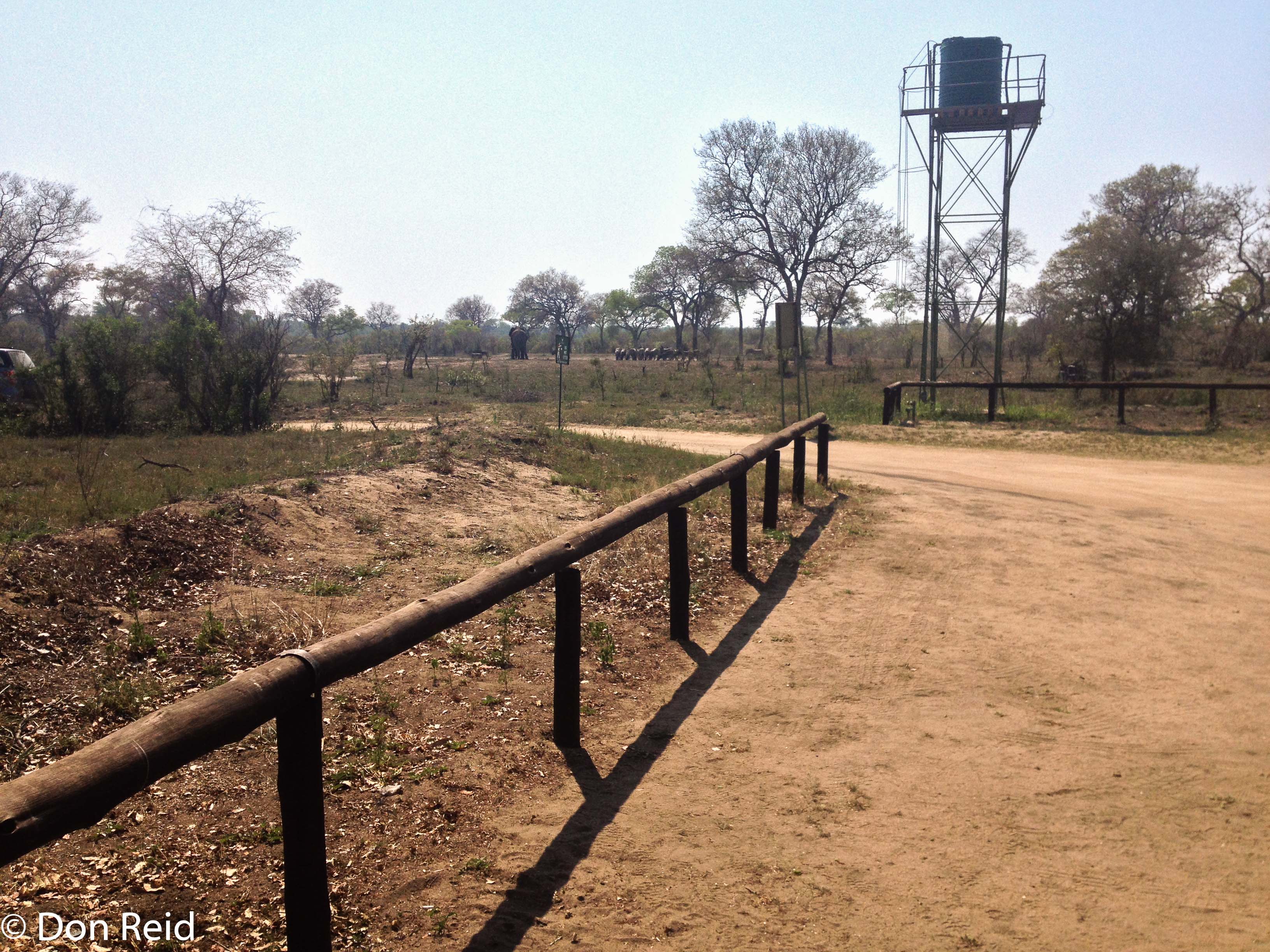
The picnic spot has a remote feeling to it – like being in the “middle of nowhere” – don’t be surprised if an Ellie or two passes by on the way to the nearby waterhole, also favoured by Zebra amongst others.

Muzandzeni
Muzandzeni
Zebra, Muzandzeni
Zebra, Muzandzeni
Zebra juvenile, fluffy stripes and all

Our brunch was leftover steak from the previous night’s braai, cut into strips and fried on the skottel with onions and tomato, then plied onto a hamburger bun – delicious!

Muzandzeni brunch
Muzandzeni brunch – leftovers never tasted so good!

Back to Satara

Heading back we were on the lookout for the lions at a buffalo kill that we had heard about from Andre’s brother Eddie, visiting from Holland, and sure enough they were at the spot he had described, near an almost bare buffalo carcass.

With the temperature nudging 38 degrees C, we were happy to head back to Satara for a relaxing rest of the day, having extracted the maximum enjoyment from yet another Kruger drive.

Steenbok
Steenbok taking to the shade

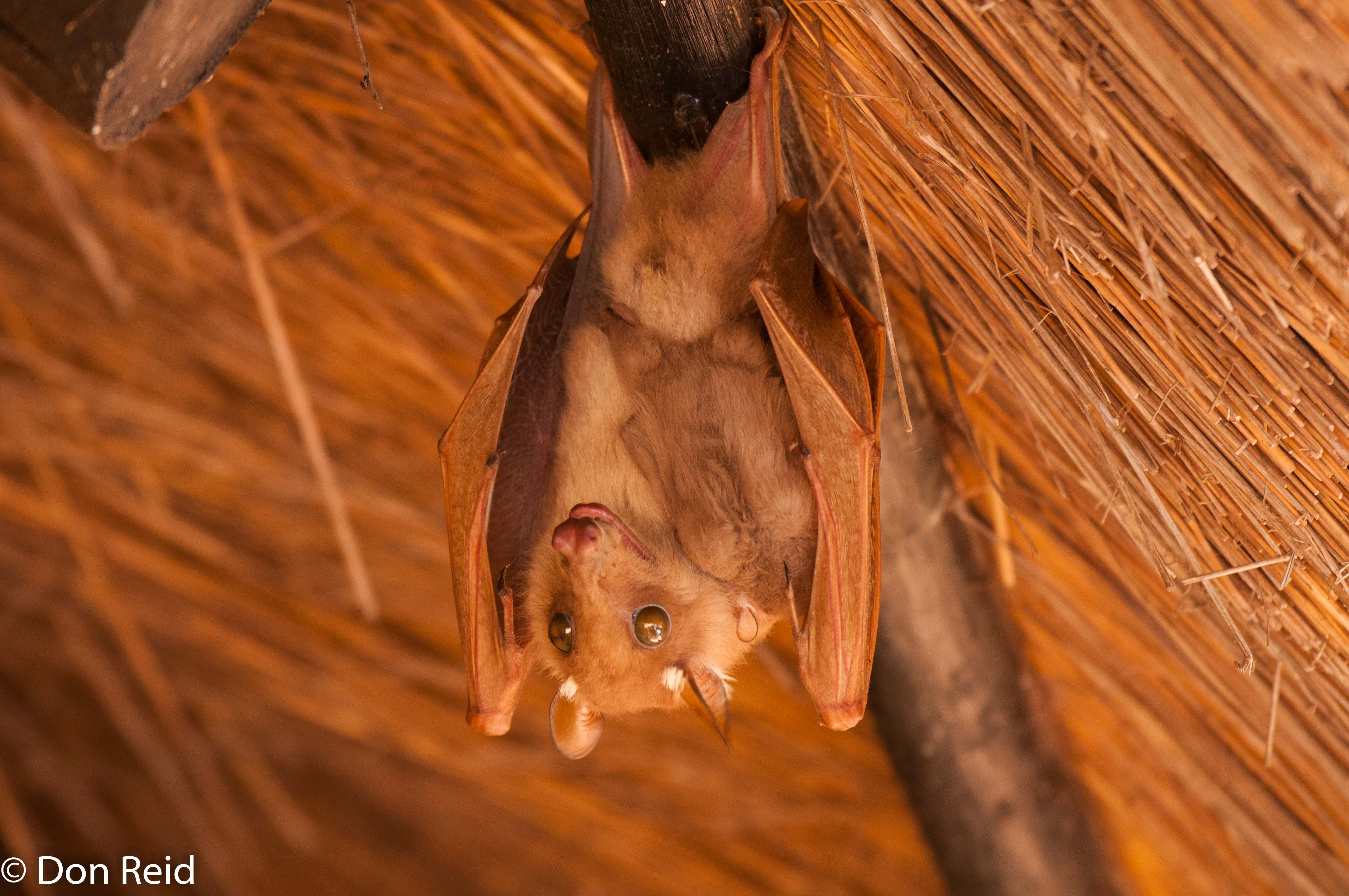
A surprise awaited us at the rondavel, in the form of a Fruit Bat , hanging under the thatched overhang – quite a cute looking bat don’t you think? Like a teddy bear with wings.

Fruit Bat, Satara
Fruit Bat, Satara

Sources :

Krugerpark.co.za

Sanparks Guide to Kruger National Park

My Birding Year 2015

Just when you thought it was safe to go into 2016, here is another of those pesky “looking back at 2015” stories. Apologies but I just have to do it – so here is my review of my birding year, for what it is worth.

It has been another busy year of travel for Gerda and myself, in between maintaining our normal home routines, however this time around we did not do any “overseas” trips but confined ourselves to travel within South Africa. In addition my birding  took me to Mozambique for a dedicated 2 week birding extravaganza and work-related trips took me to northern Botswana, where I was able to fit in some wonderful birding and game viewing – all in all it made for another interesting year…….

January

The year started, as it has over the past couple of years, in Mossel Bay where we have a second home and I used the opportunity to do some atlasing  in the Golf Estate where our house is located and in the surrounding area. (reminder : “atlasing” is the recording of bird species in an area called a Pentad, defined by coordinates, about 8 x  8 kms in extent, with the data collected going to a database at the University of Cape Town)

Gerda joined me for a morning of atlasing near Albertinia, with breakfast and coffee stops to make it a pleasant outing for both of us.

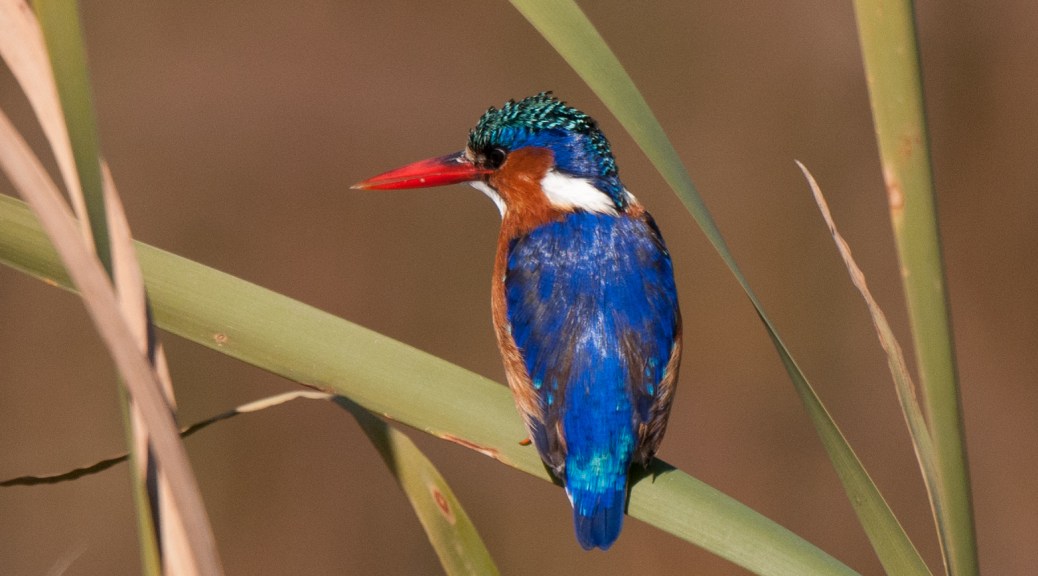
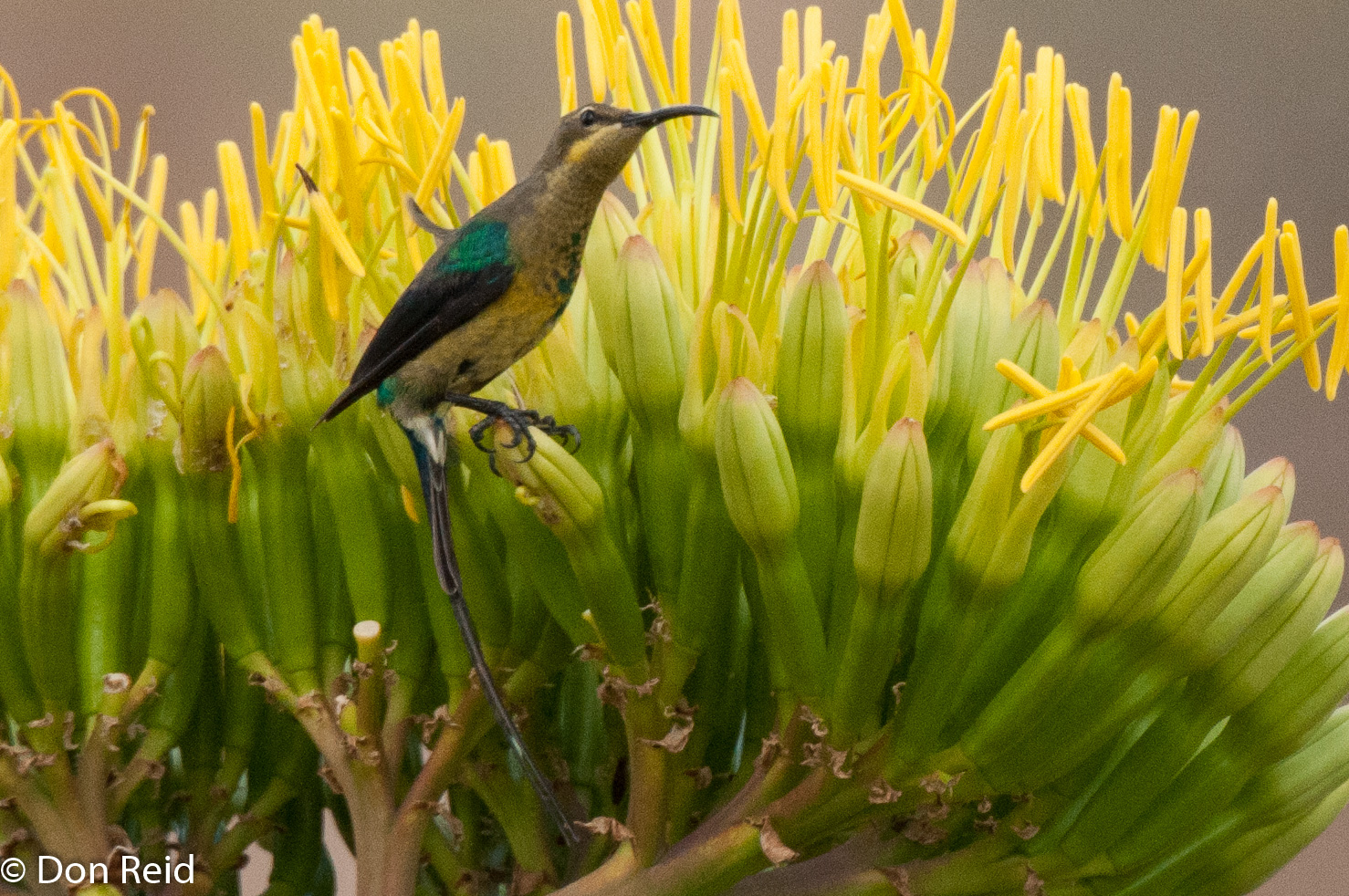
Malachite Sunbird on flowering sisal trees, near Albertinia

From the 9th to 12th we did a short trip through the Western Cape, spending one night in Swellendam and two more visiting Johan and Rosa in Worcester. I managed to sneak in some atlasing as we went without turning up anything of note.

On the 16th it was time to leave Mossel Bay and return to Gauteng but not without making the most of the journey – two nights in Prince Albert in the Karoo and one in Hoopstad in the Free State made sure of that.

Karoo Chat (Juvenile), Prince Albert
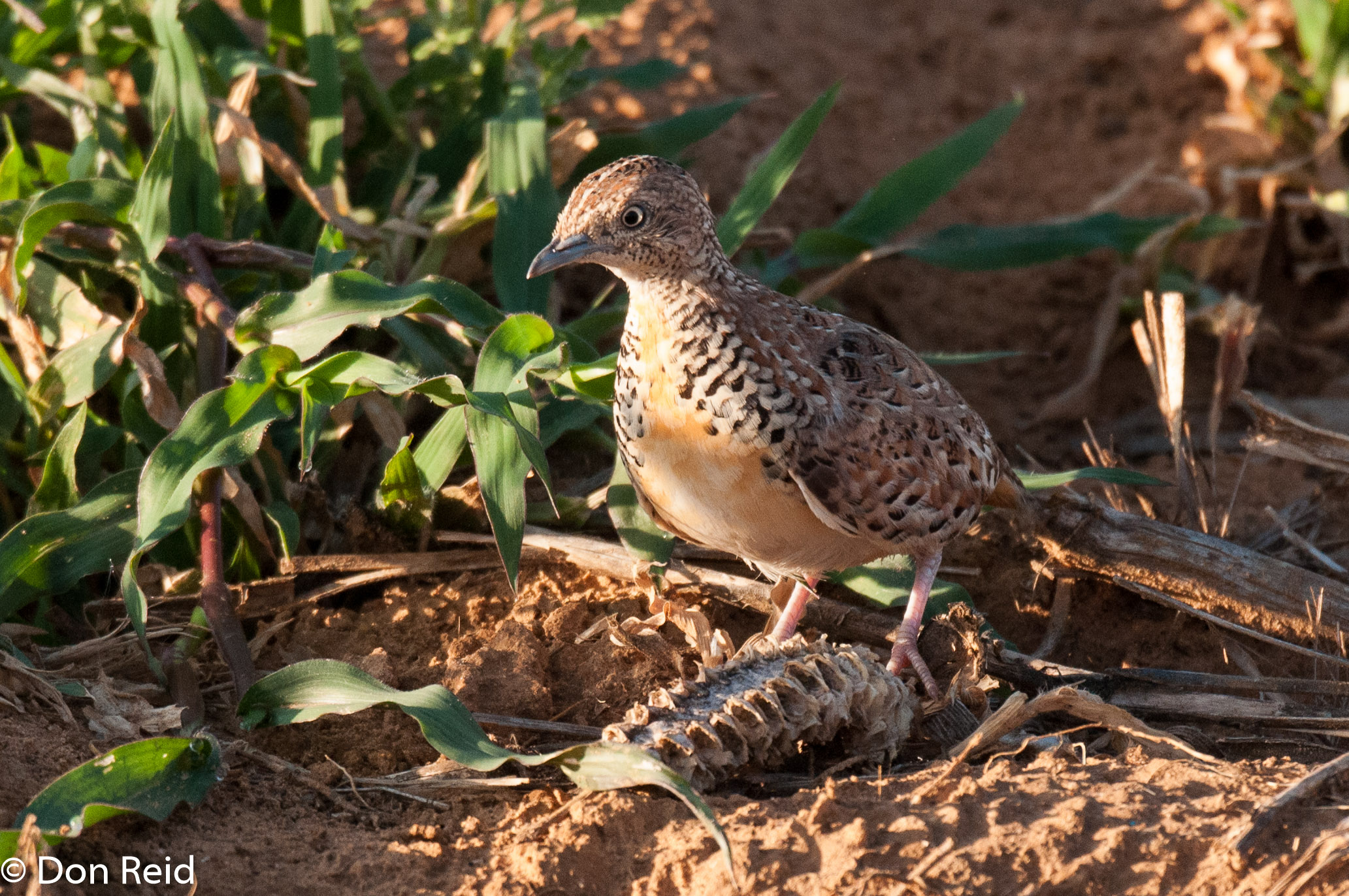
Kurrichane Buttonquail, Hoopstad
Kurrichane Buttonquail in mielie (corn) fields, Hoopstad

February

Undoubtedly the highlight of my birding year started on 29th January with a two week birding trip through Mozambique as part of a group of 10 in four vehicles. The full report appears in my posts from earlier in 2015 and it is difficult to isolate the highlights as every day was full of them, but here are a few that were really special and the “Lifers” that went with them :

  • Early morning on the Limpopo floodplain with Sedge Warblers and Rufous-winged Cisticolas
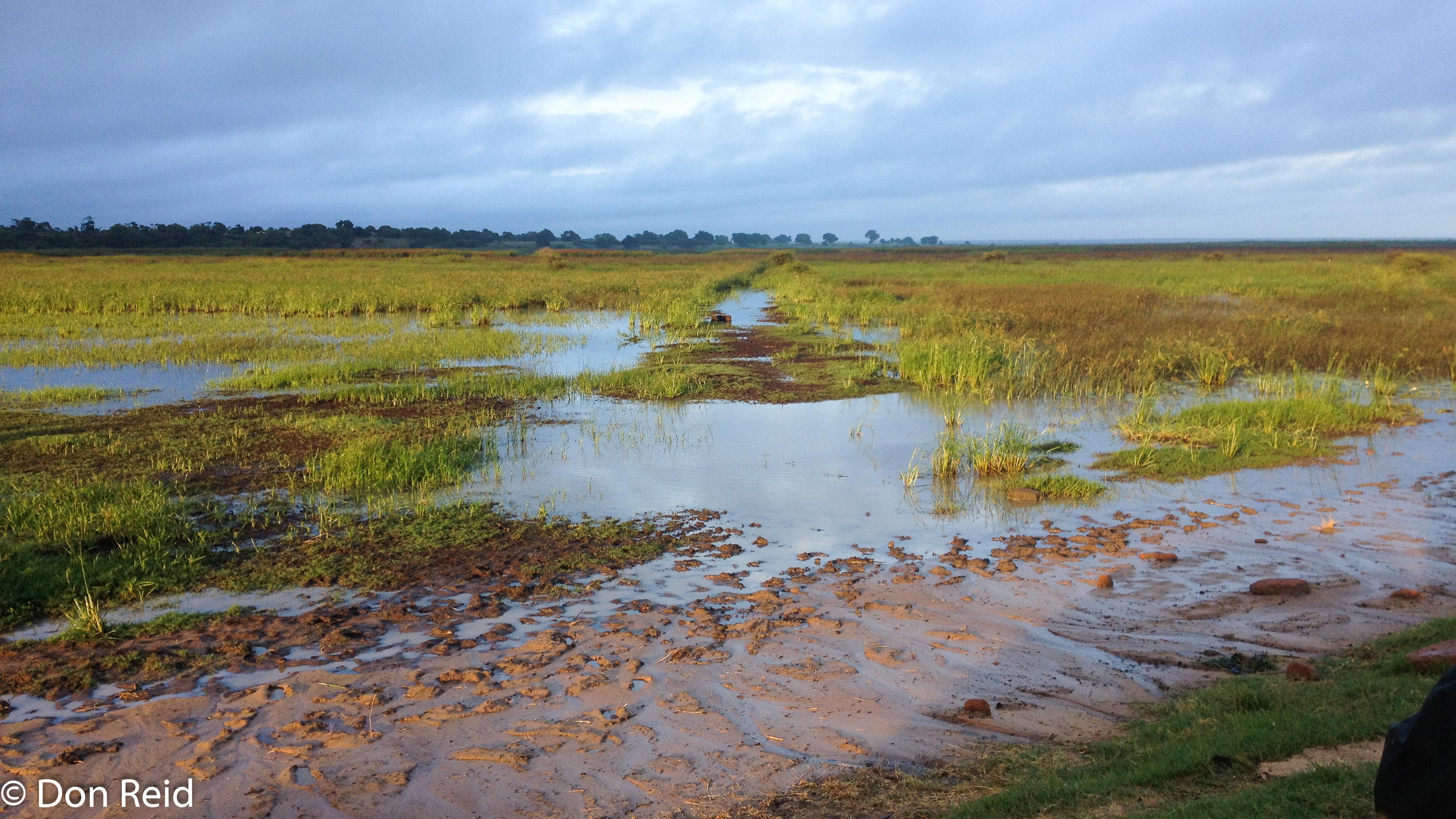
Limpopo floodplain near Xai-Xai
  • Birding on the mudflats at Imhambane and Lighthouse beach nearby – Lesser Sand Plover, Lesser Crested Tern and Crab Plover
The mudflats, Inhambane
Lesser Sand Plover, Inhambane
Mixed Terns, Lighthouse beach Barra
  • Driving through dense woodland to the Panda area to view Olive-headed Weaver, Green Tinkerbird, Woodward’s Batis and Livingstone’s Flycatcher, amongst a plethora of other desirable species
Panda Woodland
Panda Woodland
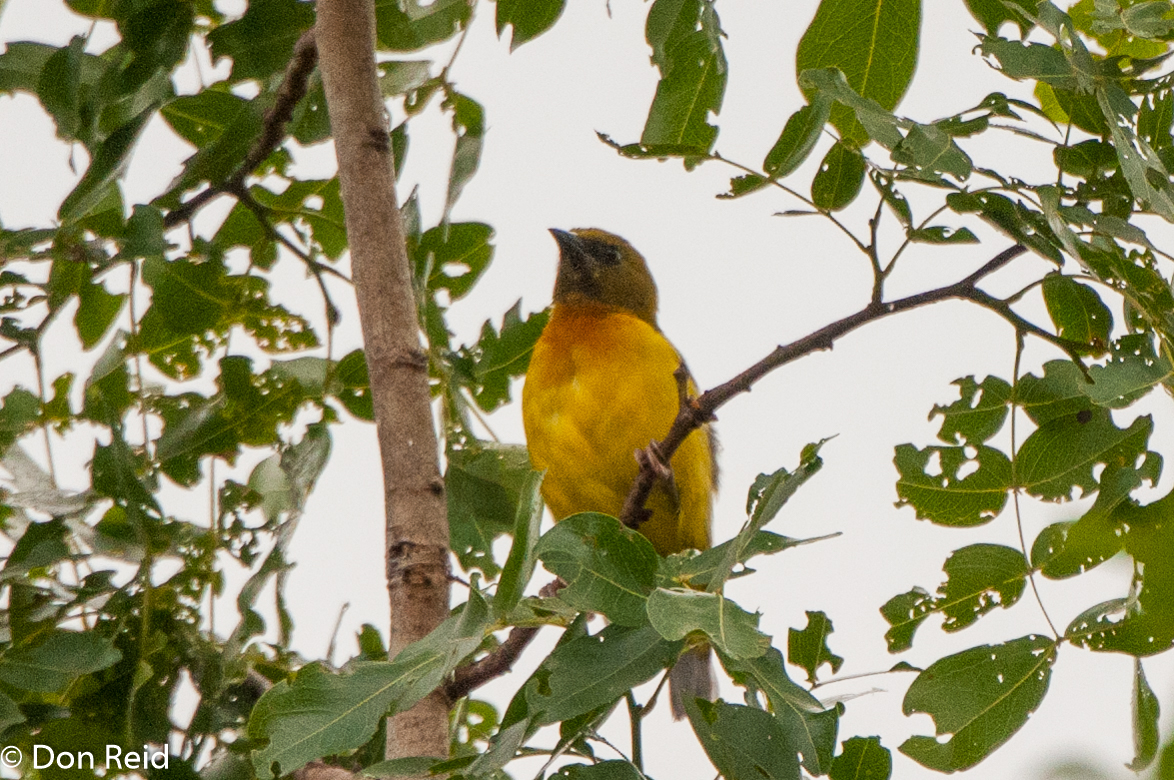
Olive-headed Weaver, Panda Woodland
  • Lunch stop in more dense woodland which was alive with bird life, adding Red-winged Warbler
  • Dragging a rope across pristine floodplains of the Rio Savane near Beira in hot, humid weather, hoping to flush some of the specials – Great Snipe was one reward
Rio Savane
Rio Savane
Rio Savane (Photo ; George Skinner)
  • Photographing a warbler in the Rio Maria area, which turned out to be Basra Reed Warbler, a southern Africa megatick
Basra Reed Warbler, Rio Maria Beira
  • Mphingwe camp and the surrounding pristine forests of the Catapu area which produced a multitude of magnificent lifers – Ayre’s Hawk-Eagle, Barred Long-tailed Cuckoo, Mangrove Kingfisher, Tiny Greenbul, White-crested Alethe, East Coast Akalat, Black-headed Apalis, Plain-becked Sunbird, and Broad-taled Paradise Whydah
Black-bellied Starling, Mphingwe camp
Mangrove Kingfisher, Coutada 12 area
  • A memorable trip to the Zambezi to view Bohm’s Bee-eater and several other special birds (not to mention the atrocious road and the failed propshaft bearing of my vehicle)
Collared Palm-Thrush, in palm grove on the Road to Sena
Southern Banded Snake-Eagle, Road to Sena
Bohm's Bee-Eater, Rademan's Farm on Zambezi River
Bohm’s Bee-Eater, Rademan’s Farm on Zambezi River
  • Coutada 12 birding adding Short-winged Cisticola, Chestnut-fronted Helmetshrike and Orange-winged Pytilia
Chestnut-fronted Helmetshrike, Coutada 12 area
Bush driving (Photo ; George Skinner)
  • Mphingwe camp – enforced longer stay due to car repairs but also time to explore the surrounds and home in on some beautiful butterflies

March

A weekend in Cape Town revolved around the Cape Town Cycle Tour which I had entered – no time for any intensive birding but we did enjoy a walk through Kirstenbosch Botanical Gardens and some lightweight birding in Stellenbosch where we stayed in the Devon Valley Hotel

On the 14th I joined Koos Pauw for some interesting atlasing at the Baviaanspoort Water Treatment works (ie Sewage farm) where a pale form Steppe Buzzard had us postulating for some time.

Common (Steppe) Buzzard (Pale), Baviaanspoort

27th saw us heading to Mossel Bay for the Easter holidays, with a stop over at Prior Grange near Springfontein – a favourite overnight spot in the Free State with some excellent birding on the farm and the surrounds

April

During our stay in Mossel Bay I confined my birding to the immediate area with one atlasing trip to Albertinia.

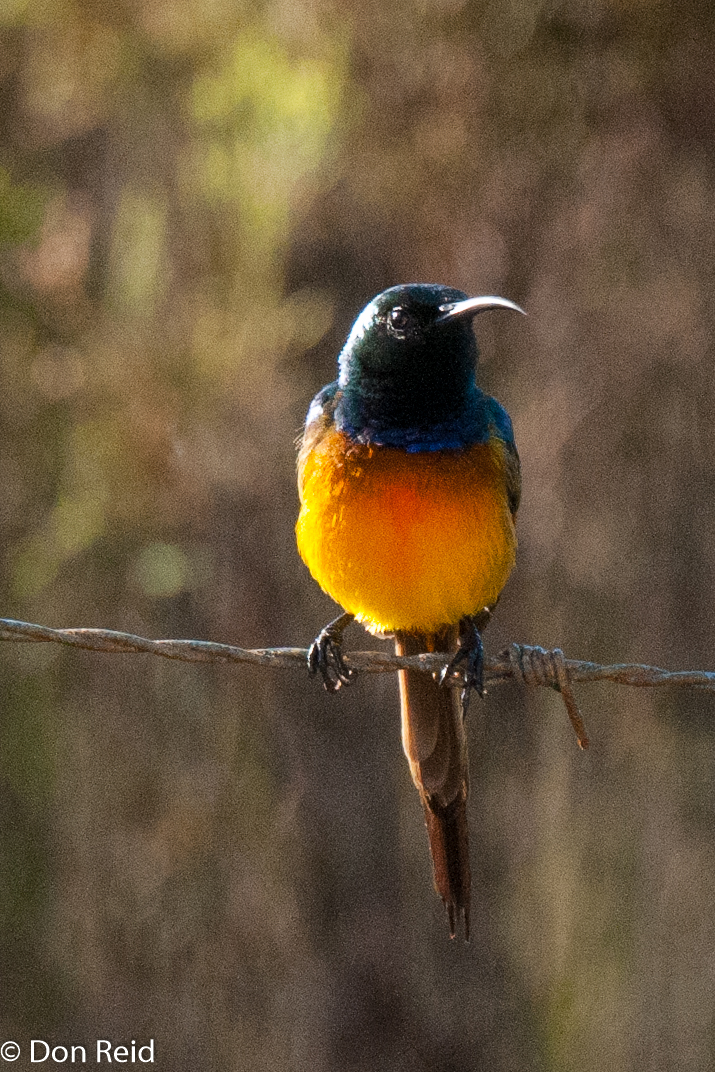
Orange-breasted Sunbird, near Albertinia

A short trip to the Western Cape included a stay in McGregor on the 12th and some exploration of the Robertson area and Greyton – I squeezed in some atlasing as we went

Back in Pretoria Koos and I atlased in the Kwamhlanga area on the 25th, which produced some surprisingly good birding – near a vlei we saw Lanner Falcon, African Quail-Finch and heard African Rail in quick succession. Soon after, in a hilly, rocky area along a side road, I  was thrilled to find Short-toed Rock-Thrush posing beautifully in a dry tree, a lifer for me.

Short-toed Rock-Thrush, Kwamhlanga

May

My first trip to Kasane in northern Botswana from 5th to 7th for a project I am involved in, was the first of many for the year and a chance to explore the natural delights of Chobe National Park in between work commitments. This trip was all about excellent game viewing experiences with enough birding to whet my appetite for later visits.

Bateleur (Juvenile), Chobe Game Reserve
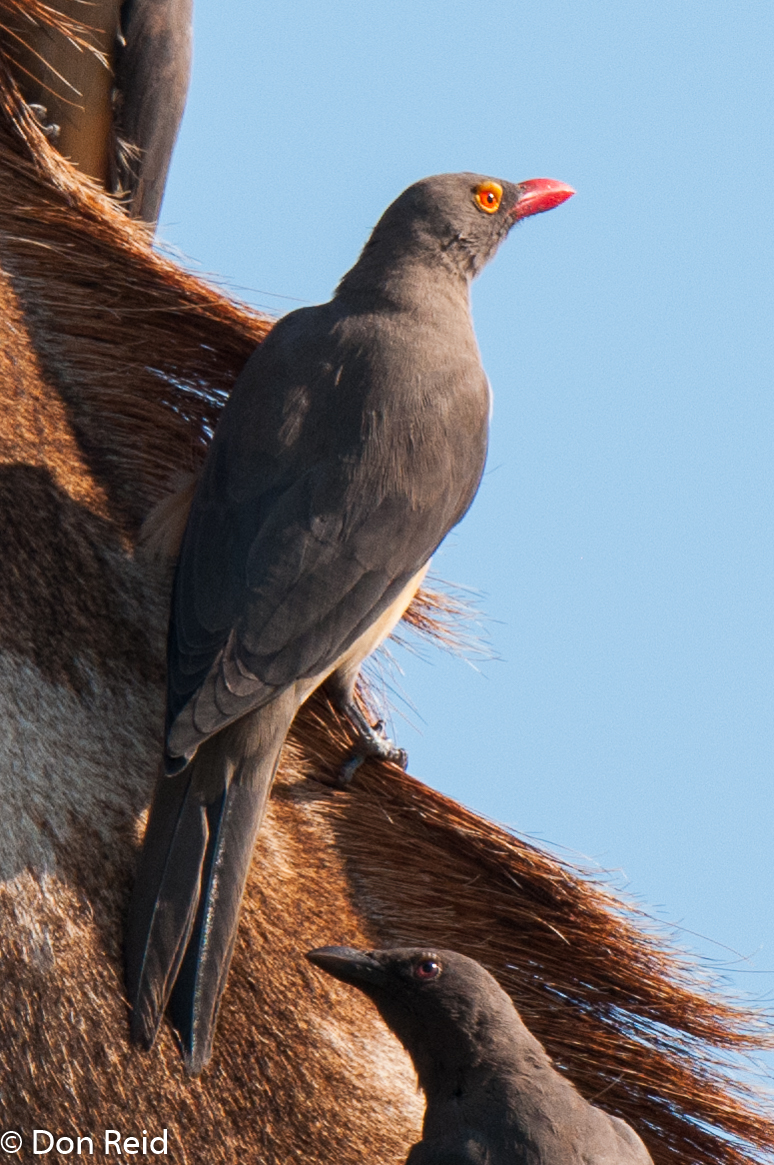
Red-billed Oxpecker, Chobe Game Reserve

More atlasing on the 16th (Kwamhlanga area) and 25th (Delmas area) and 30th (Coalfields around Ogies), produced some memorable species.

Ogies Area
Ogies Area
Cape Longclaw. Ogies area Coalfields
Levaillant's Cisticola, Delmas area
Levaillant’s Cisticola, Delmas area

June

Winter atlasing in the dry grasslands near Bronkhorstspruit on 6th was followed two days later by atlasing near Balfour after a two hour drive through early morning traffic.

The same day I visited Marievale Bird Sanctuary for some relaxed birding and photography at this wonderful venue, which I had all to myself, it being a Monday.

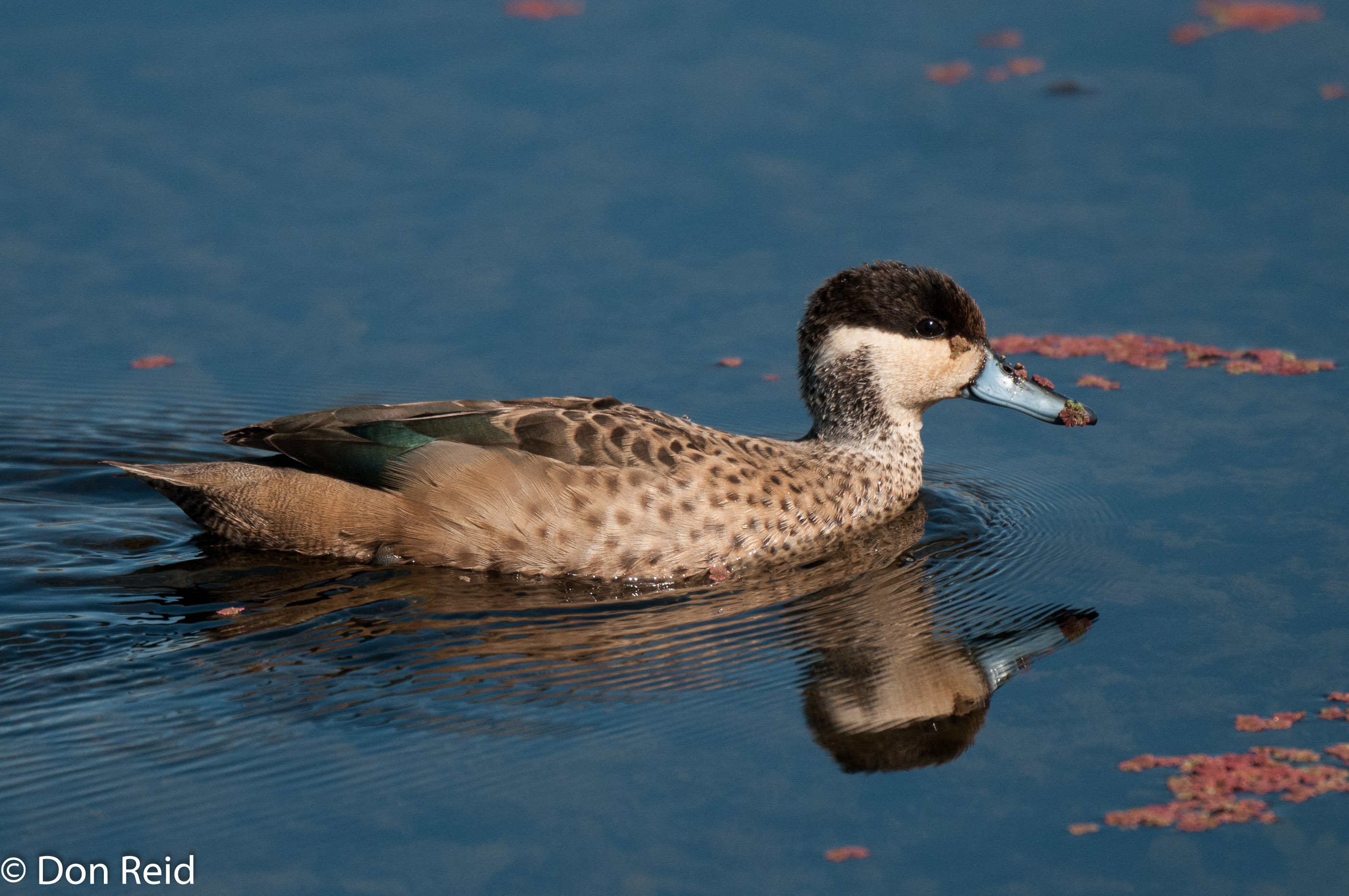
Hottentot Teal, Marievale
Lesser Swamp Warbler, Marievale

18th to 25th was Koos and Rianda’s timeshare week at Verlorenkloof, which we were once again invited to share with them, unquestionably our favourite place for superb birding and relaxation and it produced many highlights as usual.

Bald Ibis, Verlorenkloof
Black-winged Lapwing, Verlorenkloof
Cape Rock-Thrush, Verlorenkloof
Chorister Robin-Chat, Verlorenkloof
African Golden Weaver, Verlorenkloof

July

Saturday 4th was time for more winter atlasing, this time south of Balmoral with the challenge being ID’ing the seed eating species in their drab winter plumage – the watchword is definitely “practice makes perfect”.

Orange-breastsed Waxbill, Balmoral area

Another trip to Kasane, another chance to visit Chobe, followed on the 7th to 9th.

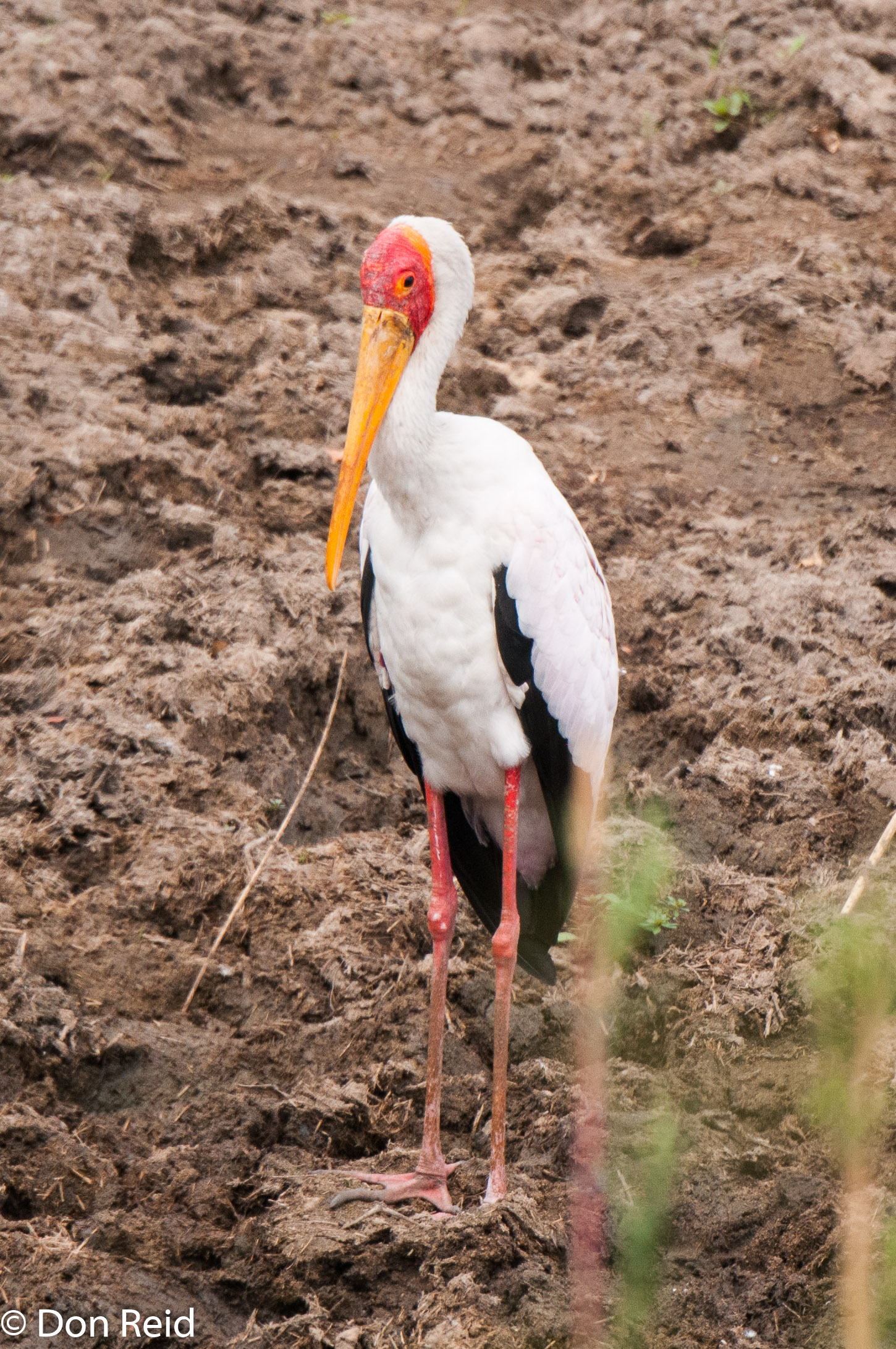
Yellow-billed Stork, Chobe Game Reserve
Senegal Coucal, Chobe Game Reserve

Our winter trip to Mossel Bay started on the 12th and we only returned on the 1st of August. Birding was confined to Mossel Bay for the first 10 days due to cold, wet weather which gave me the chance to atlas the Golf Estate thoroughly and watch the birds coming to our feeder.

Cape Bulbul, Mossel Bay
Red-faced Mousebird, Mossel Bay
Streaky-headed Seedeater, Mossel Bay
Southern Double-collared Sunbird, Mossel Bay

Gerda joined me for a short trip to Klein Brak and the beautiful countryside, green and lush after the substantial rains

My only specific atlasing trip was along the Herbertsdale road with some good birding in the two pentads.

Cape Robin-Chat, Mossel Bay-Herbertsdale

Our trip to Robertson to taste the culinary and birding delights followed – see my separate  post on this trip.

Swee Waxbill, Orange Grove Guest farm near Robertson

August

A late winter trip to Kasane on the 4th to 6th produced some memorable game and bird sightings once again.

Marabou Stork, Chobe Game Reserve
Kori Bustard, Chobe Game Reserve
Red-billed Oxpecker, Chobe Game Reserve

Koos and I atlased the De Wildt area on the 8th with some interesting sightings

September

Another Kasane trip on the 8th to 11th included a day trip to Victoria Falls to view the new airport under construction and an afternoon visit to the Falls

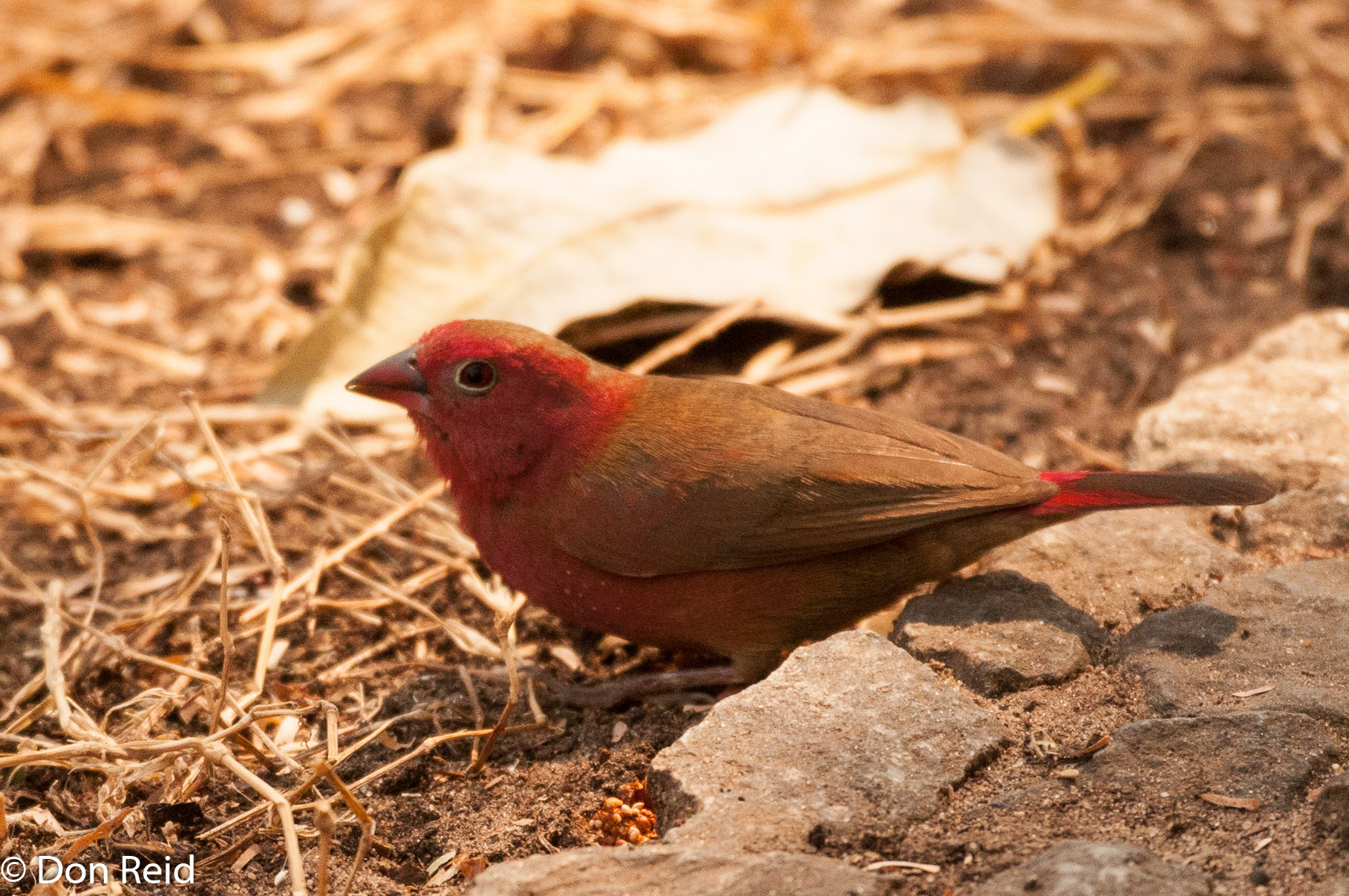
Red-billed Firefinch (Male), Victoria Falls

We managed to squeeze in a Chobe Riverfront drive with some stunning sightings being the reward

An atlasing trip on the 19th to dusty, sprawling Garankuwa north of Pretoria produced more than expected with lovely sightings of Fairy Flycatcher, Striped Kingfisher and others

Golden-breasted Bunting, Lethlabile North West
Fairy Flycatcher, Lethlabile North West

October

One of the year’s highlights came up in October with a week long visit to Satara camp in Kruger, documented in several separate posts, followed by another highlight when our timeshare week at Verlorenkloof came up just afterwards from 16th to 20th, producing some of the best birding ever in this superb locality

Bateleur, Satara
Bateleur, Satara
Golden-tailed Woodpecker, Satara
Broad-tailed Warbler, Verlorenkloof
African Stonechat (male), Verlorenkloof

November

Back to Kasane on 6th to 8th and more of Chobe Riverfront, but this time, accompanied by another keen birder – Derek Thomas, we did some proper atlasing in this amazing slice of Africa and in a new (for us) location – Kasane Water Treatment Works

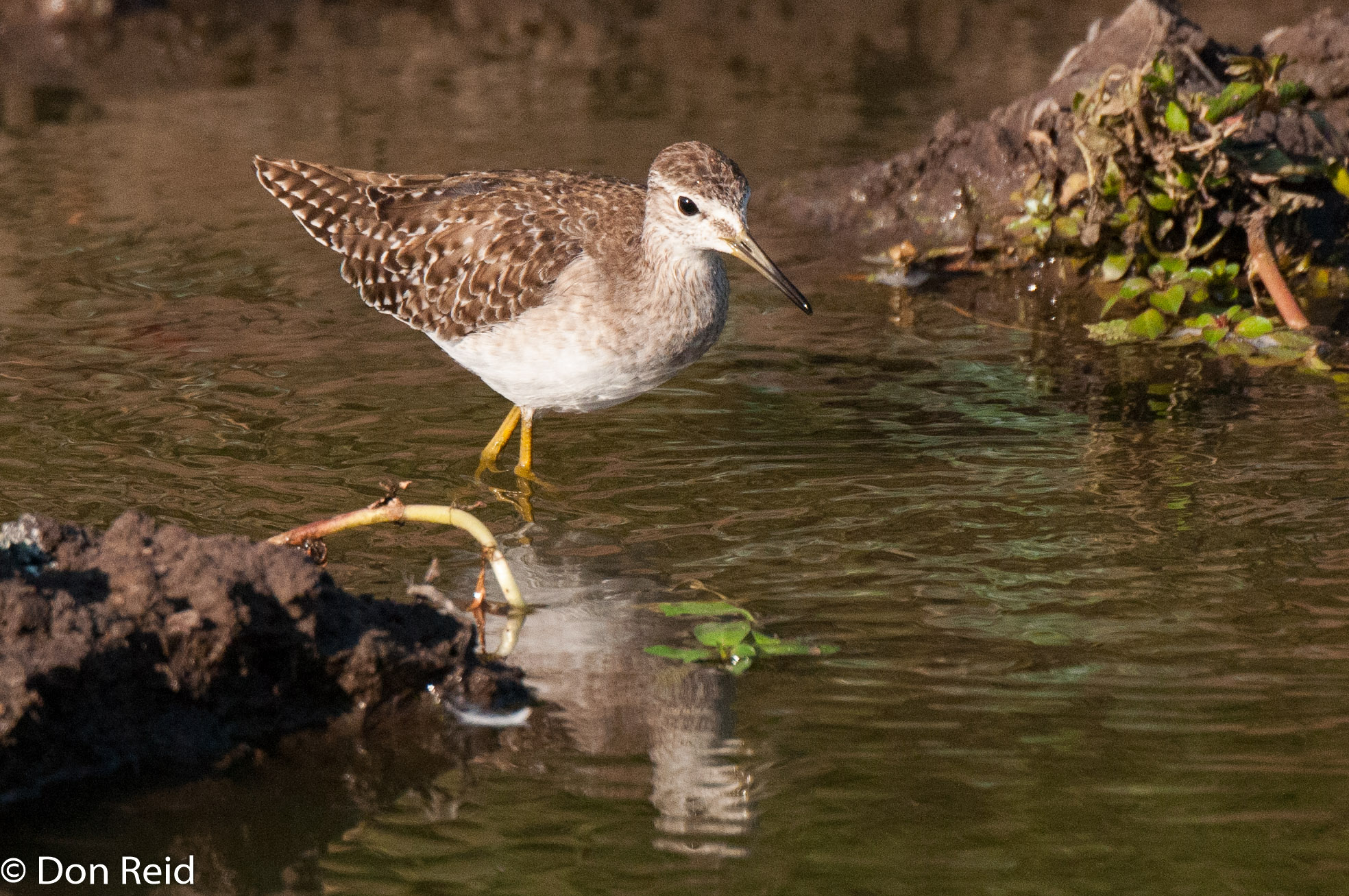
Wood Sandpiper, Kasane Treatment Works
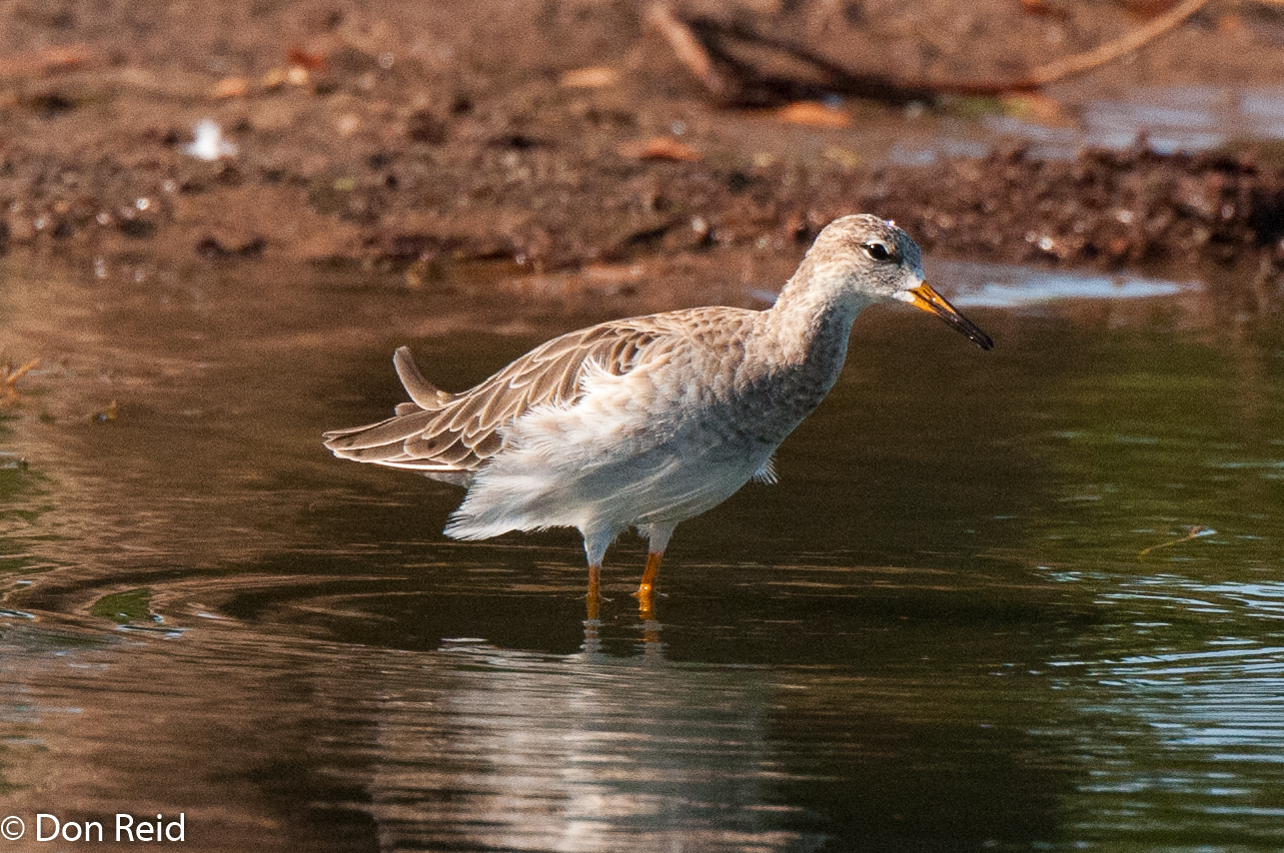
Ruff, Kasane Treatment Works
Kori Bustard, Chobe Riverfront

The 13th saw me heading to Mkhombo dam area for an atlasing session, with a visit to the dam to see if some of the special birds seen during the preceding weeks were still around.

Kalahari Scrub-Robin, Mkhombo area
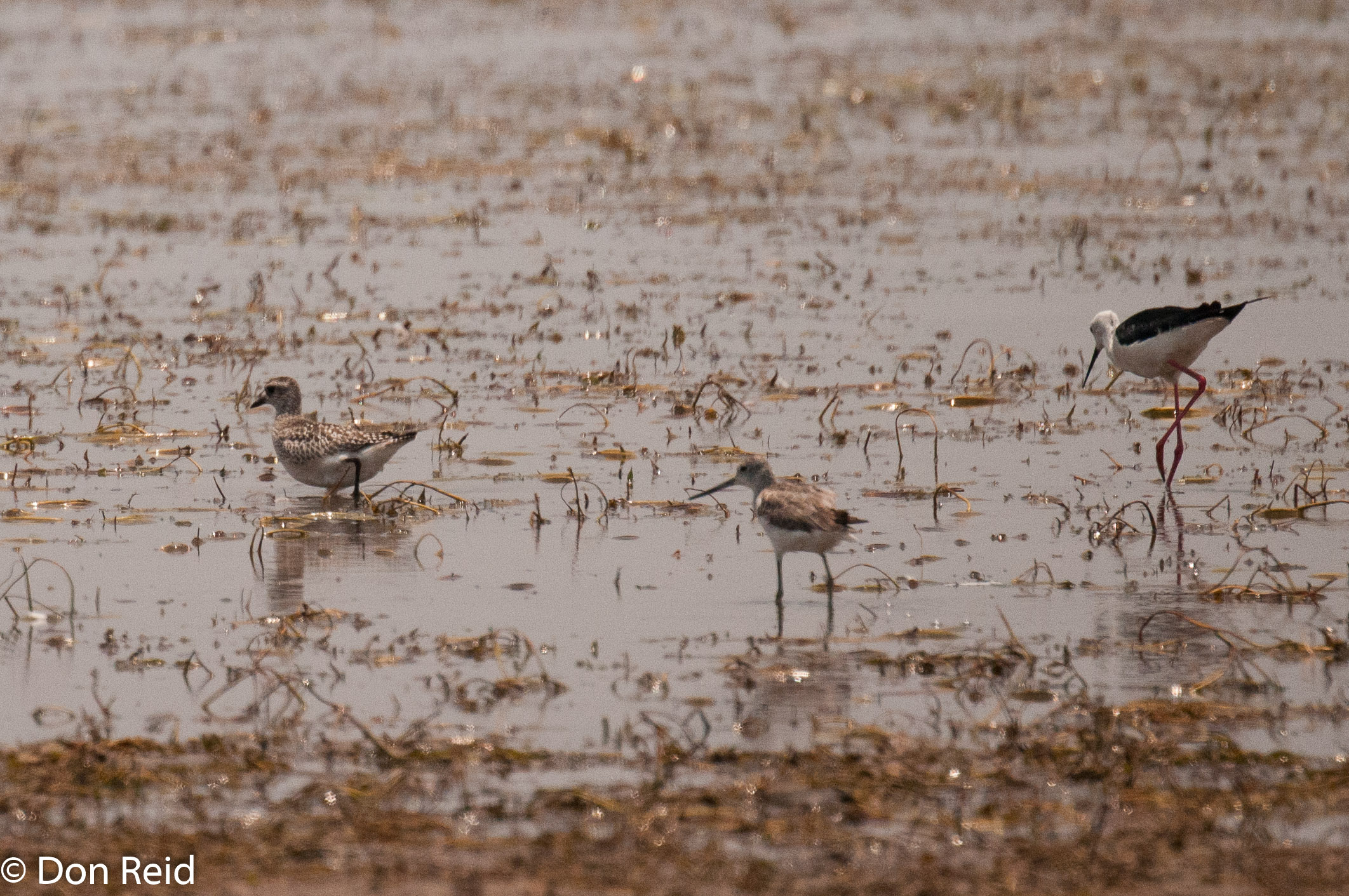
Grey Plover, Marsh Sandpiper, Black-winged Stilt, Mkhombo area

Before we knew it, we found the year was rapidly running out as we packed once again for the trip down to Mossel Bay for our end-of-year long visit. On the way we stopped over in Hoopstad for two nights, one on the farm where I was able to fit in some good birding walks and drives.

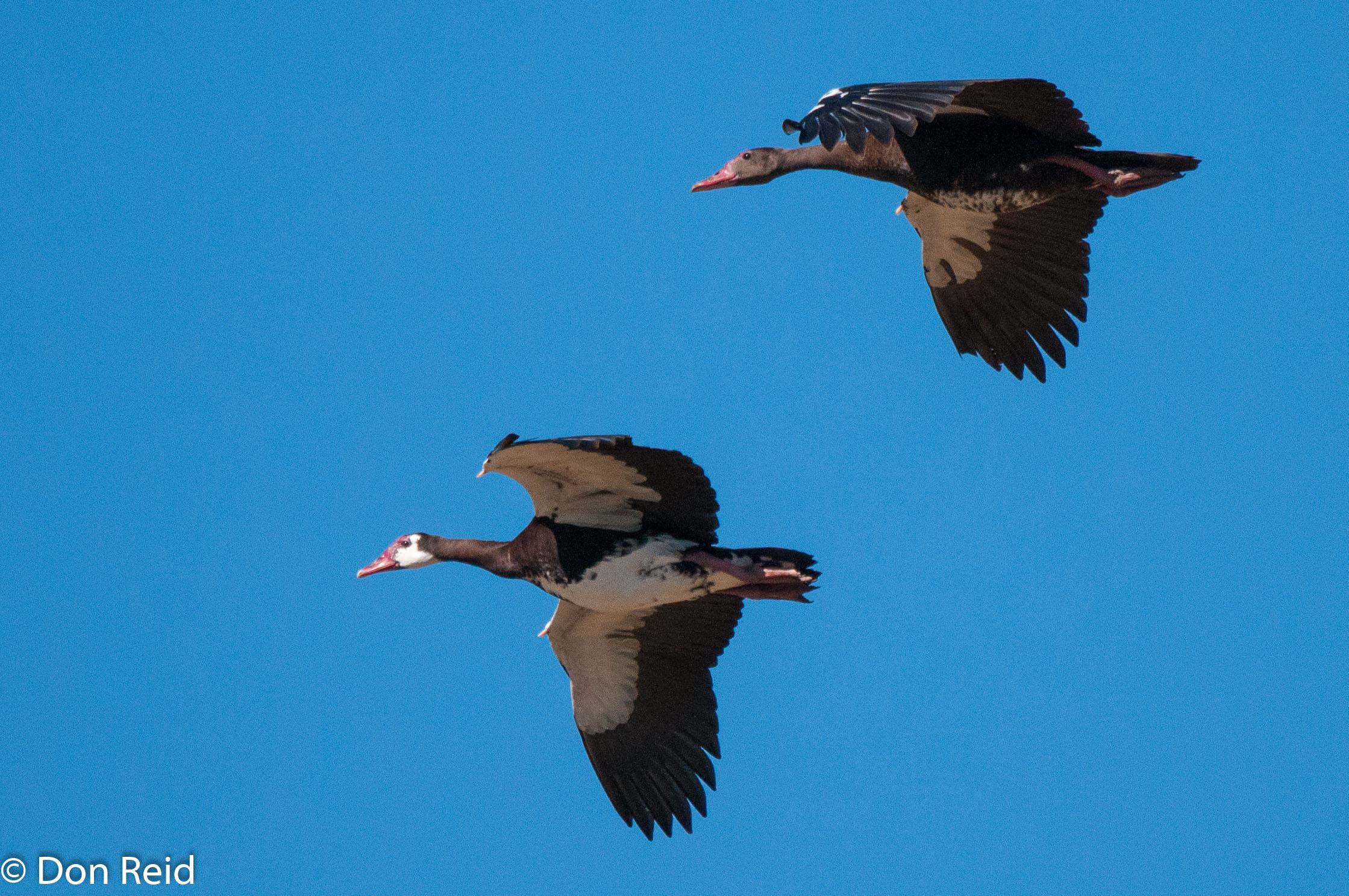
Spur-winged Goose, Annasrust farm Hoopstad
Sociable Weaver, Annasrust farm Hoopstad

Our second stopover was at Karoo National Park where we enjoyed the quiet Karoo atmosphere and some good birding.

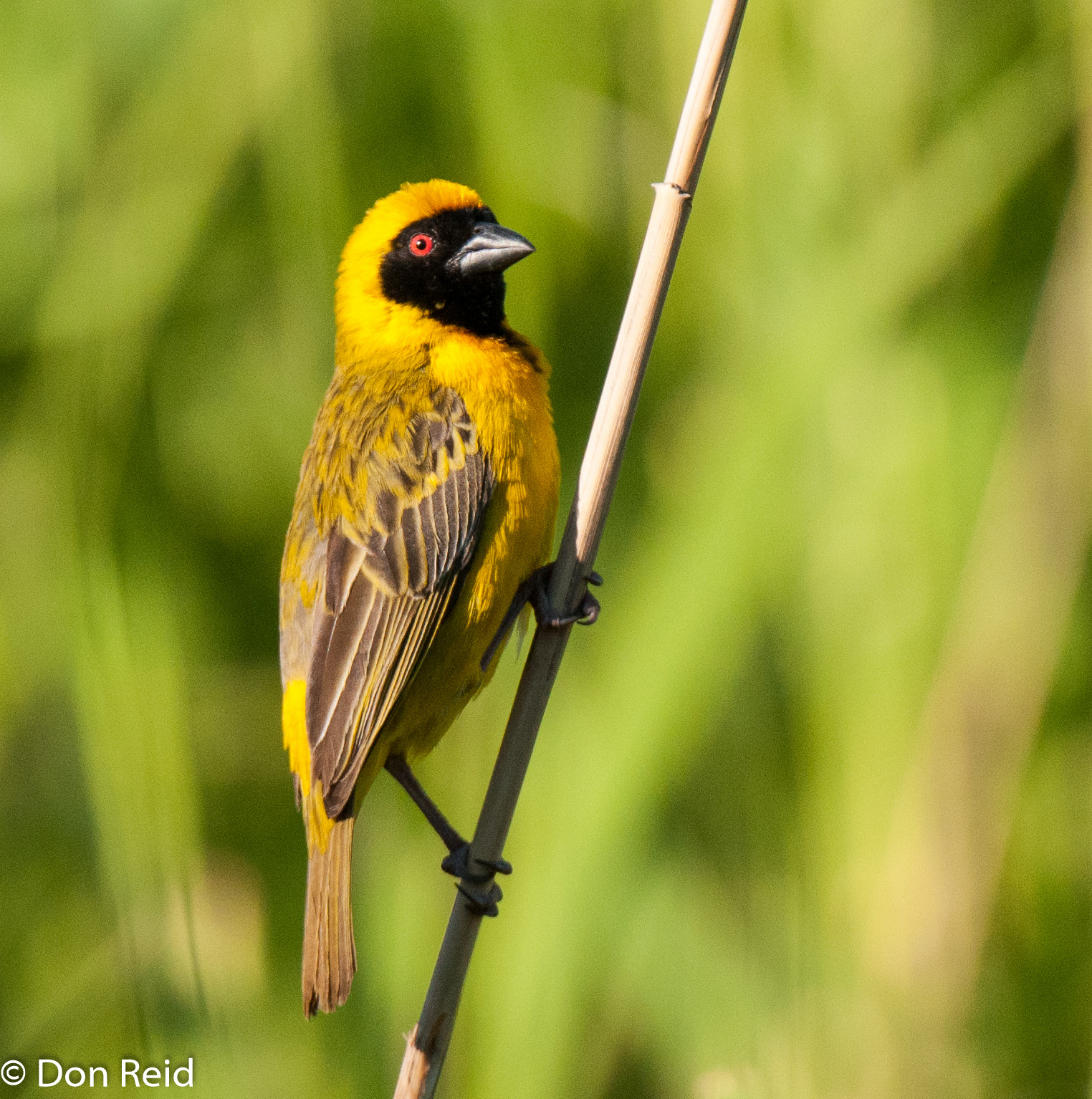
Southern Masked-Weaver, Karoo National Park
Southern Red Bishop, Karoo National Park

In Mossel Bay my first atlasing trip was to the area west of the village Ruiterbos in beautiful rolling countryside

December

The last visit to Kasane on 2nd to 4th was another opportunity to atlas in Chobe and in Kasane itself at some spots located by Derek

Broad-billed Roller, Seboba Nature Park Kasane
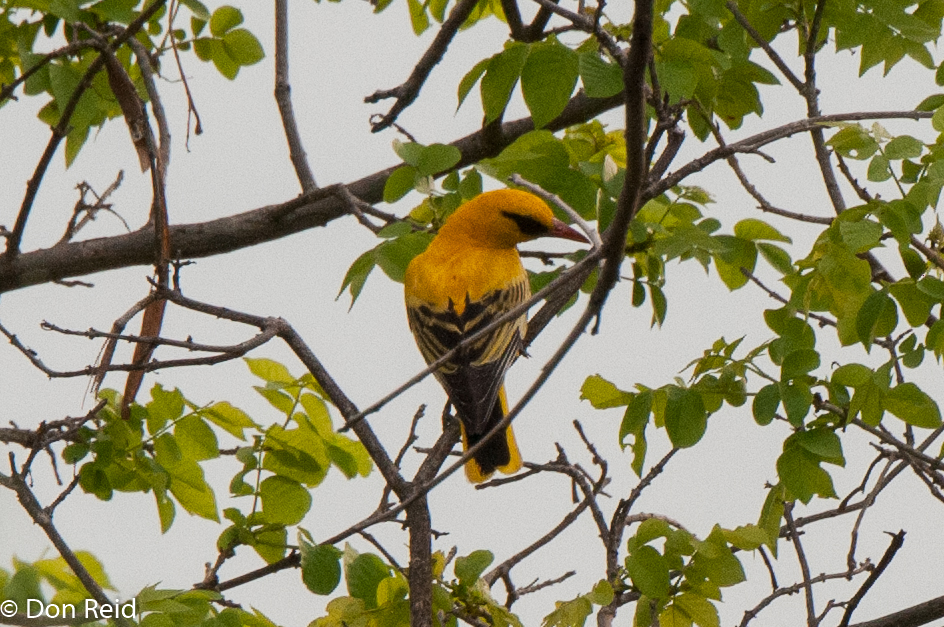
African Golden Oriole, Seboba Nature Park Kasane
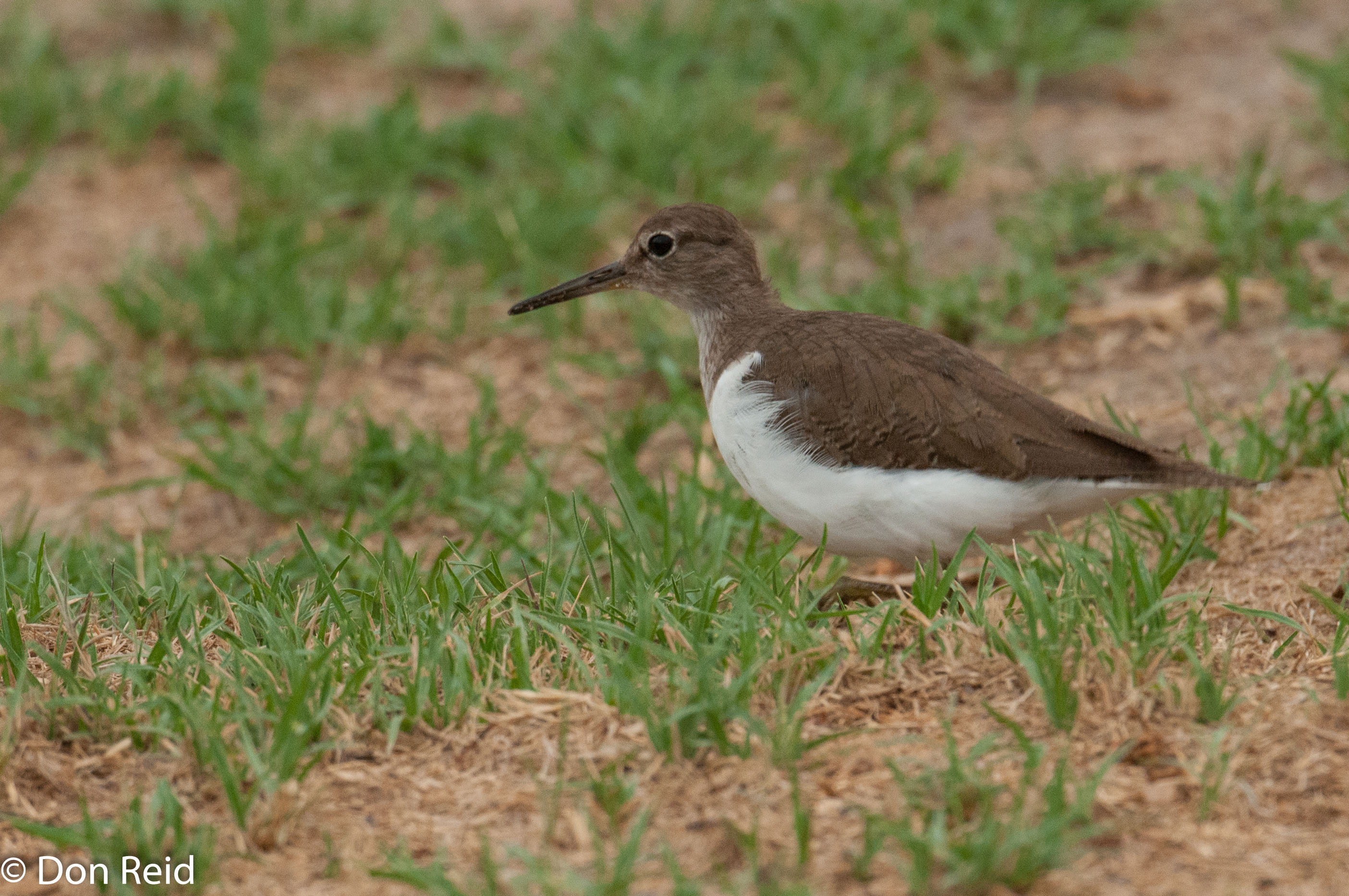
Common Sandpiper, Chobe Riverfront
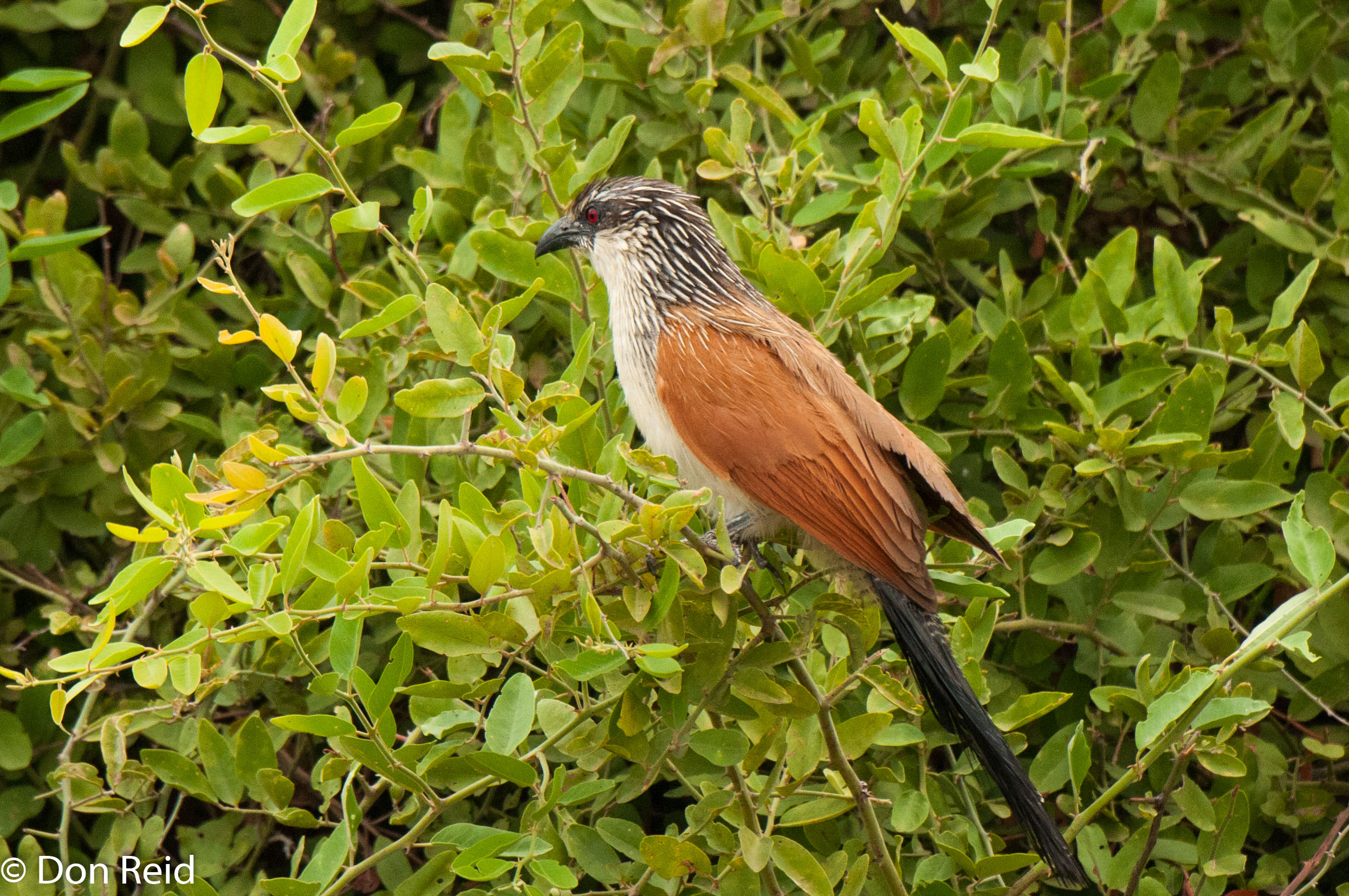
White-browed Coucal, Chobe Riverfront

Back in Mossel Bay I saw the year out with some fine atlasing around Herbertsdale, Vöelvlei and Gouritzmond

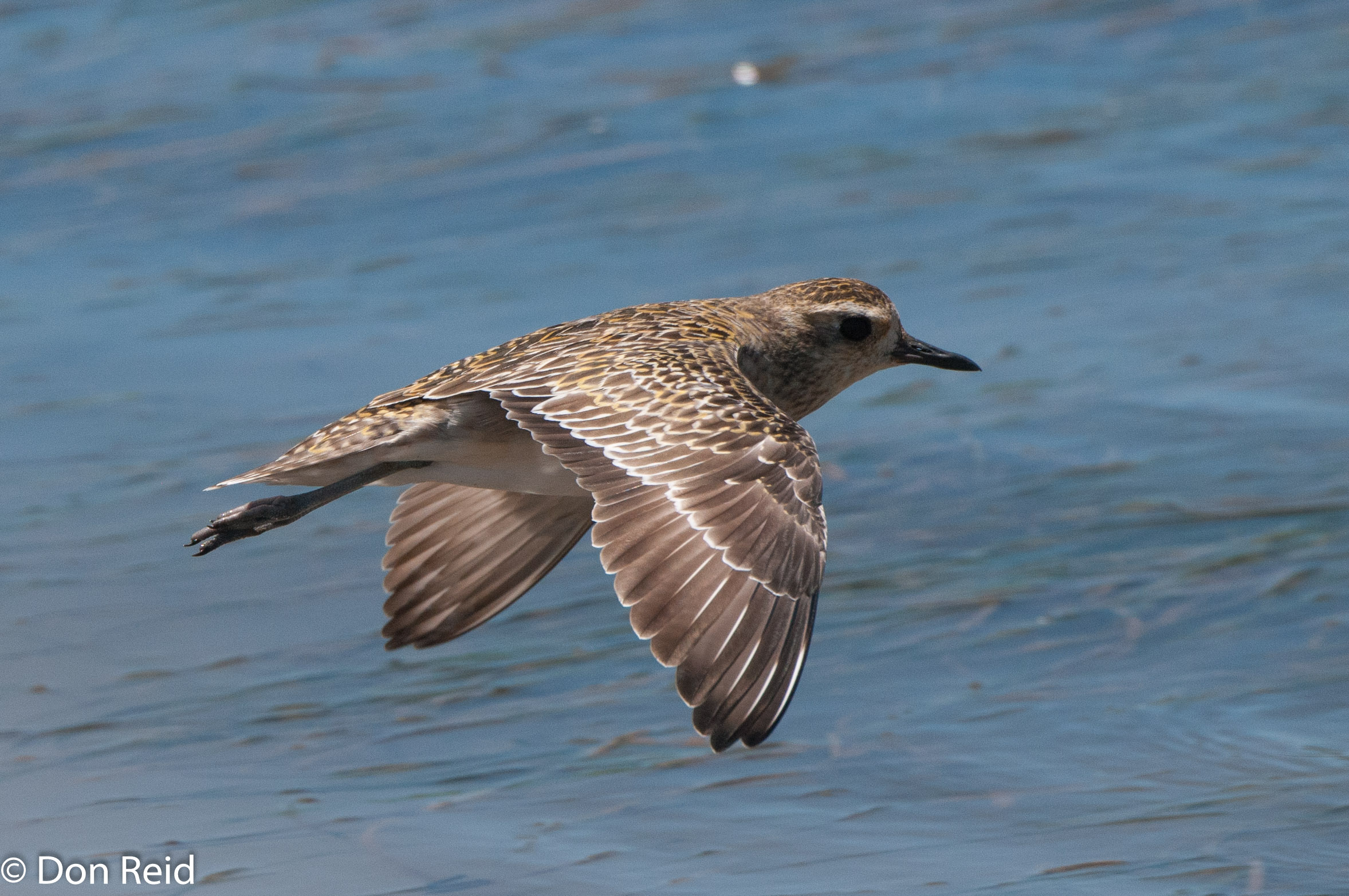
Pacific Golden Plover, Gouritzmond
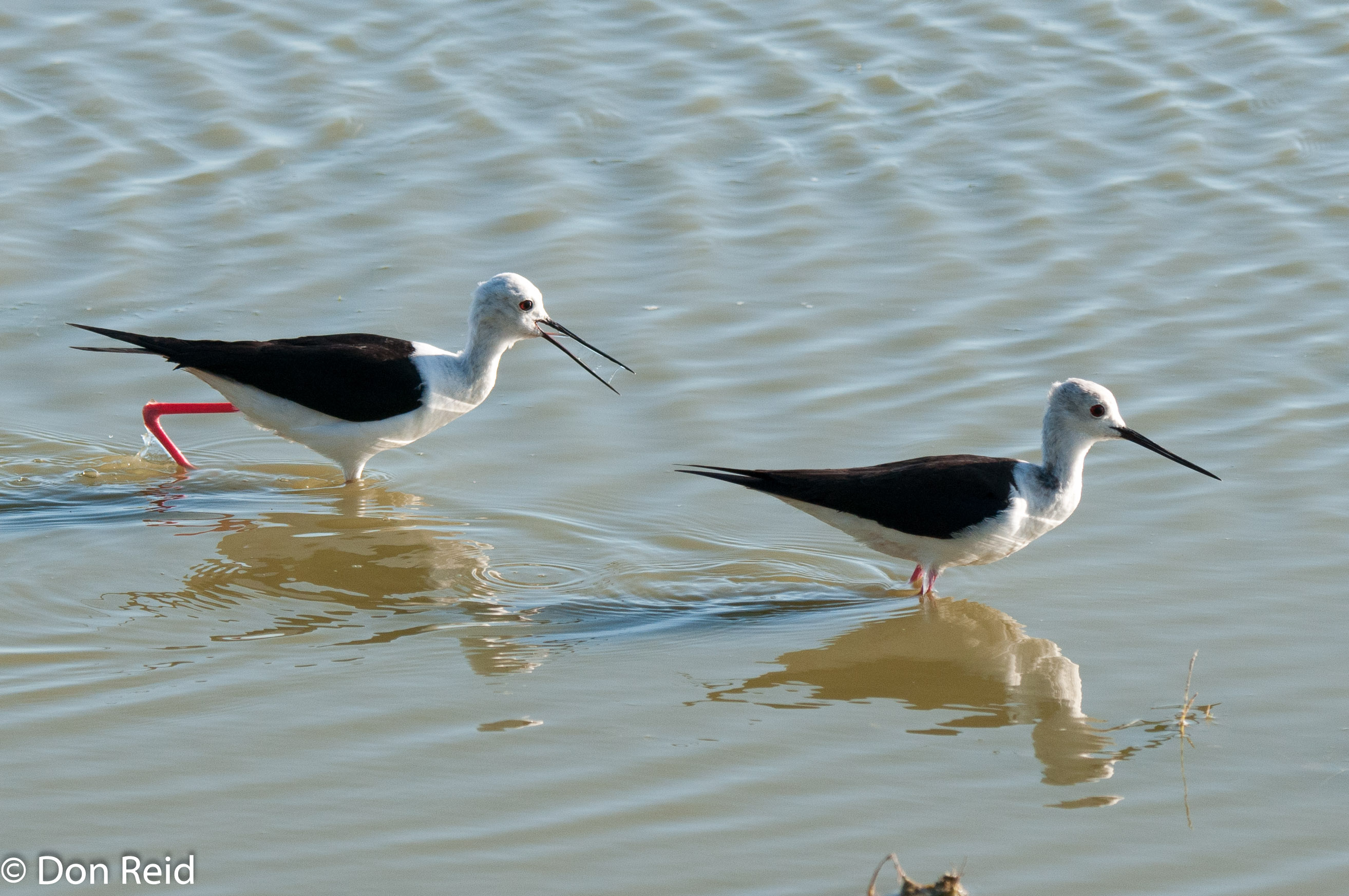
Black-winged Stilt, Voëlvlei near Gouritzmond
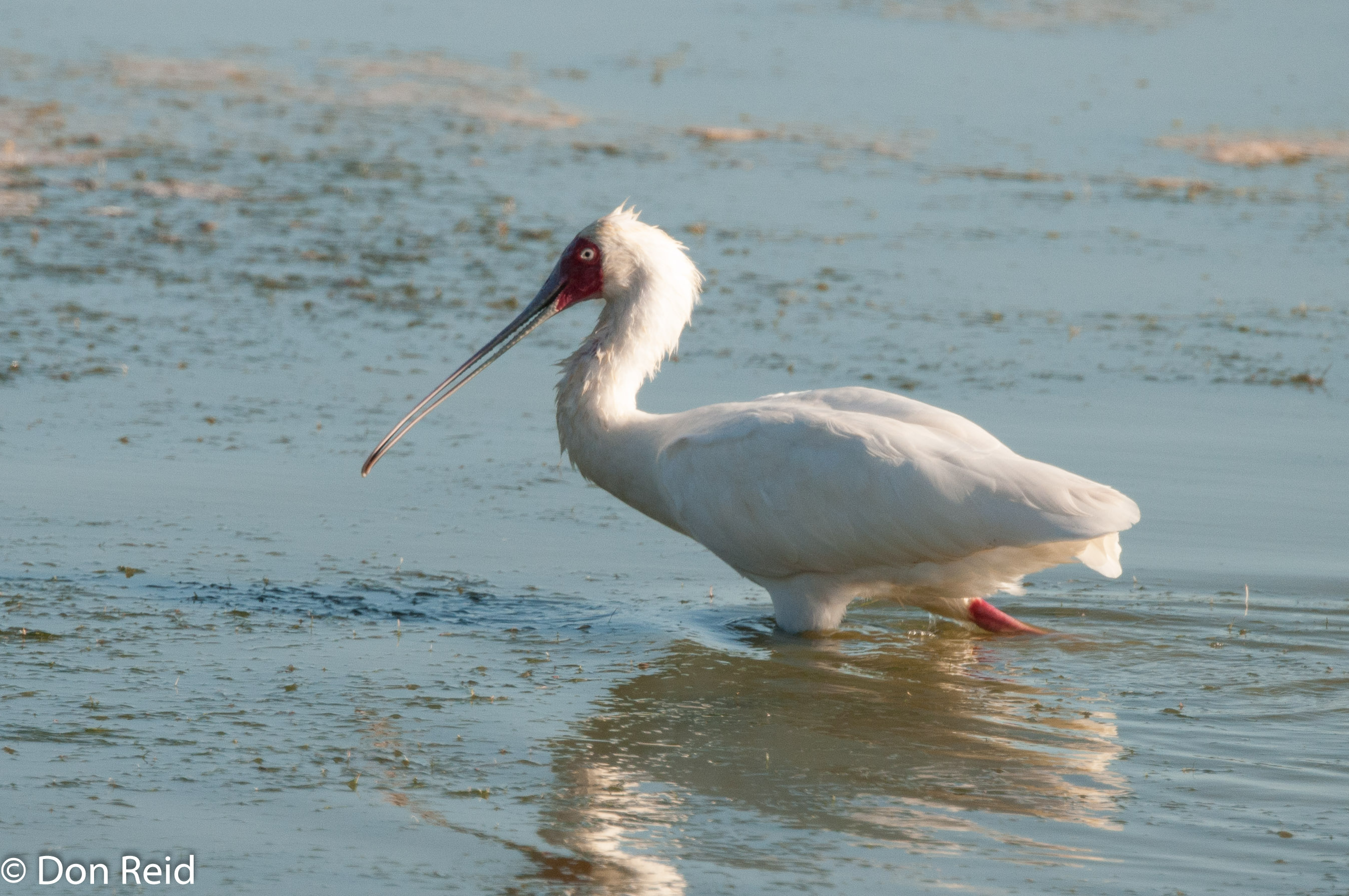
African Spoonbill, Voëlvlei near Gouritzmond
Diderik Cuckoo, Herbertsdale south

Plans for 2016? Let’s see what develops


A Week in Kruger – Satara to Timbavati

Timbavati  x 3

With part of our family group otherwise engaged (Andre and Megan had returned to Joburg for a schools competition) and the remainder taking the opportunity to spend some quality time in Satara, I used the opportunity on two mornings to do some birdmapping (that’s the new terminology for “atlasing”) at my own pace ie driving at an ultra-slow pace and stopping frequently, which is the best way to birdmap / atlas effectively but can be frustrating for those not involved in the process.

Both birdmapping  drives took me to Timbavati picnic spot for a coffee and rusks break and when Andre and Megan returned it was the destination of choice once again, making it three visits in all during the week.

The Routes

There are a few options when heading to Timbavati, which lies north-west of Satara, and the choice of route will depend on how much time you wish to spend driving and whether you prefer tar or gravel roads, the latter being a lot slower but often more productive.

One option is to take the H7 tarred road west towards Orpen, then turn off northwards onto the S40 gravel road at the Nsemani dam about 7 kms from Satara and follow this road to Timbavati.

Travelling further along the H7 will take you to turn-off to the S39 gravel road, which meanders along the Timbavati River for much of the way – a longer route but well worthwhile.

The other option is to head north from Satara towards Olifants along the H1-4, then take a left at the S127 which winds through arid bushveld for about 9 kms to the picnic spot. This route means less driving on gravel but is not as productive game-wise (and birding-wise) as the first options

Whichever route you choose it makes sense to take one of the other routes back to Satara so that you cover the greatest area and increase your chances of interesting sightings along the way.

Habitat

The S39 and S40 roads take you through mixed woodland with the S39 staying close to the Timbavati river, although during the dry season the river will be dry for most of the way other than a few pools left after the long dry winter

River Scene, Timbavati Road
River Pool, Timbavati Road

The open plains are generally better for game while the mixed woodland provides good birding opportunities as well as the chance for some close encounters with game.

An extract from the Kruger Park map book shows the routes :

Satara to Timbavati routes

The Game

Game is not as abundant along the S39 and S40 as it is on the open plains east of Satara, however small groups of game are often encountered grazing or pursuing some other activity quite close to the road, affording good close-up views

On my first trip I came across two Lions at the Giravana water hole, just chilling as they are wont to do.

Lion, Girivana, Timbavati Road S40

Regular sightings of some of my favourites kept things interesting – Giraffe, Kudu and Blue Wildebeest amongst others

Giraffe
Giraffe
Kudu
Kudu
Kudu
Kudu
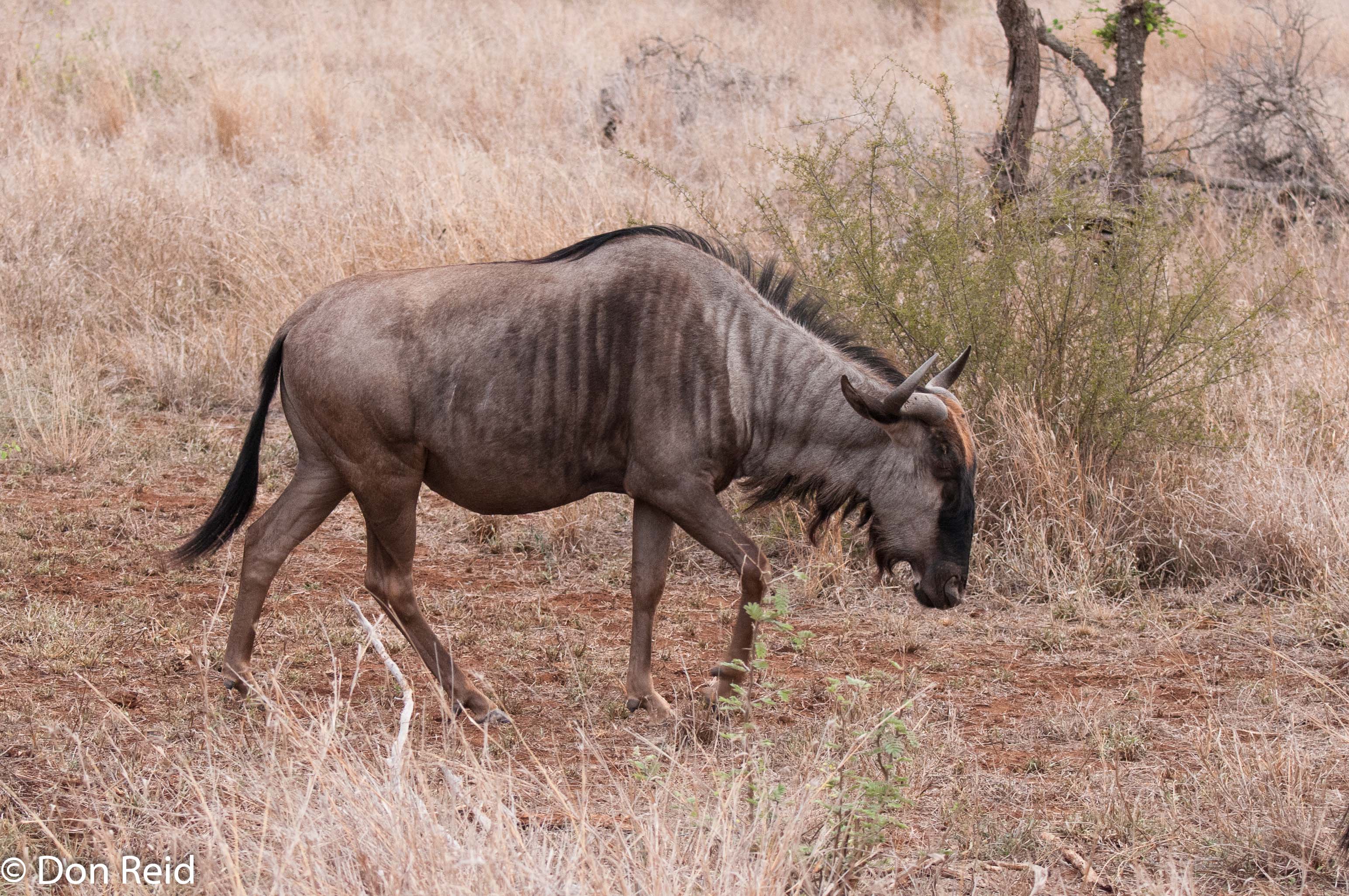
Blue Wildebees
Blue wildebeest

No drive would be complete without coming across a monkey or two……

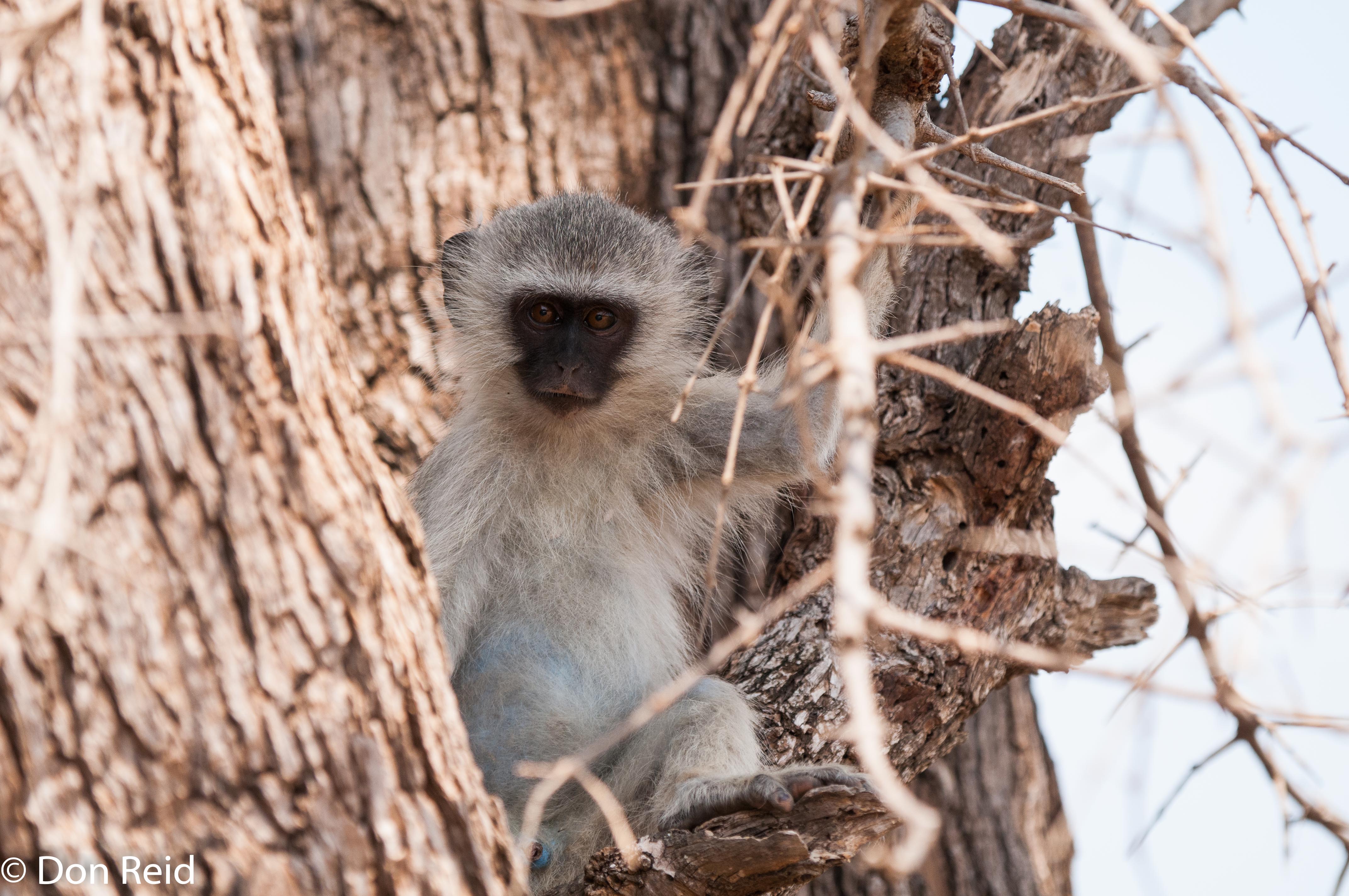
Vervet Monkey
Vervet Monkey, always so alert

Surprise of the one trip was a brief Leopard sighting, seen crossing the river and disappearing into the thick bush before I could get a camera focused on him.

The Birding / Birdmapping

Taking it slow and easy to make the most of the available birds, I built up some healthy lists as I passed through the various pentads (roughly 8 x 8 kms square) on the way to Timbavati, spending a bit more time in some of the pentads which I had identified earlier as lacking some birdmap attention in 2015.

Highlights were many :

  • Gabar Goshawk swooping across the road and “attacking” a spider’s nest and apparently feeding on the contents
Gabar Goshawk
Gabar Goshawk
  • Black- and Brown-crowned Tchagras in quick succession in the roadside bushes
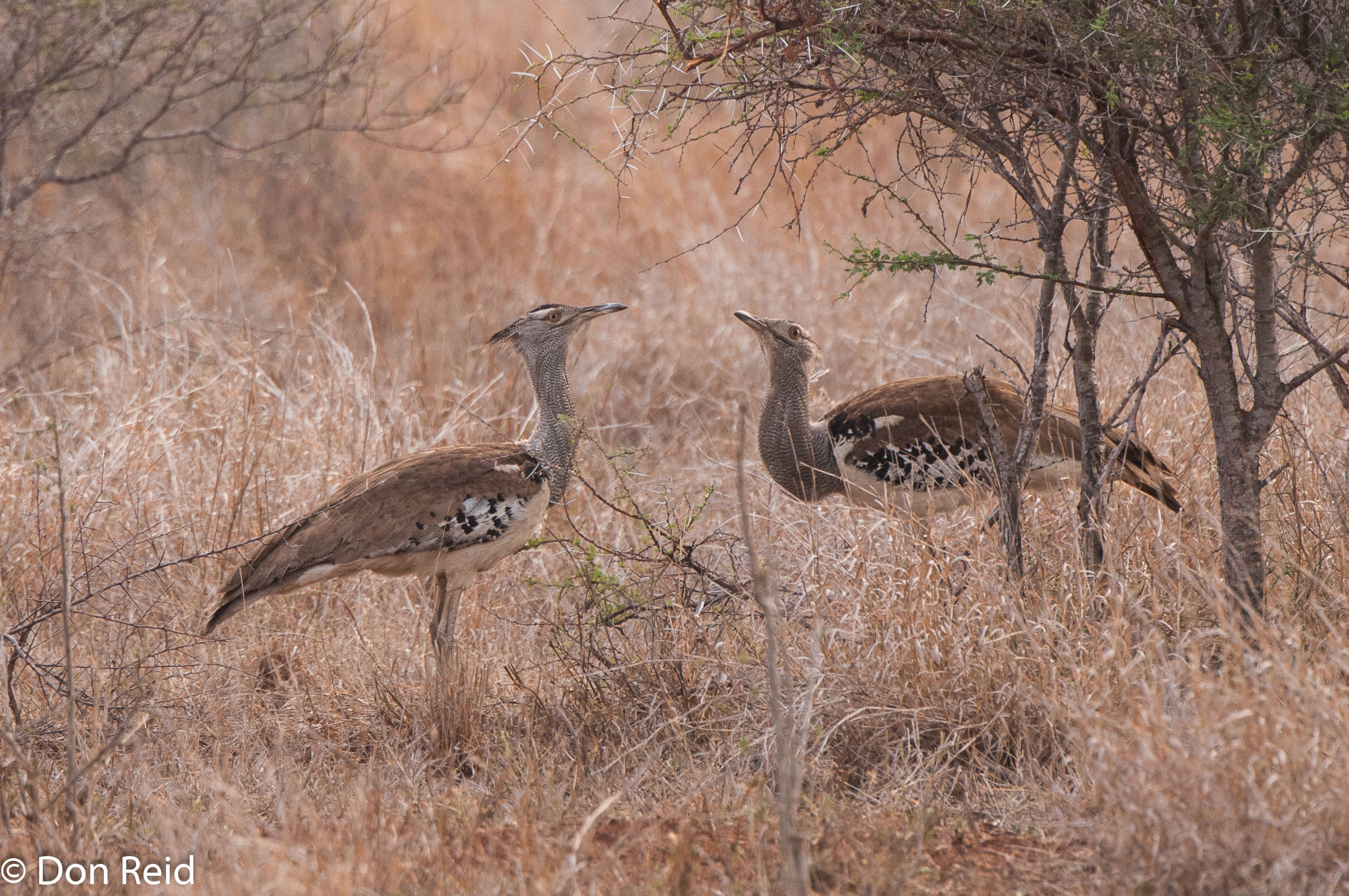
  • Kori Bustard pair in the long grass
Kori Bustard, Timbavati Road
  • Flock of White-winged Widowbirds still in their winter plumage
  •  Red-billed Oxpeckers on a Zebra
Red-billed Oxpecker
Red-billed Oxpecker
  • Sabota Larks perched on top of trees and singing cheerfully
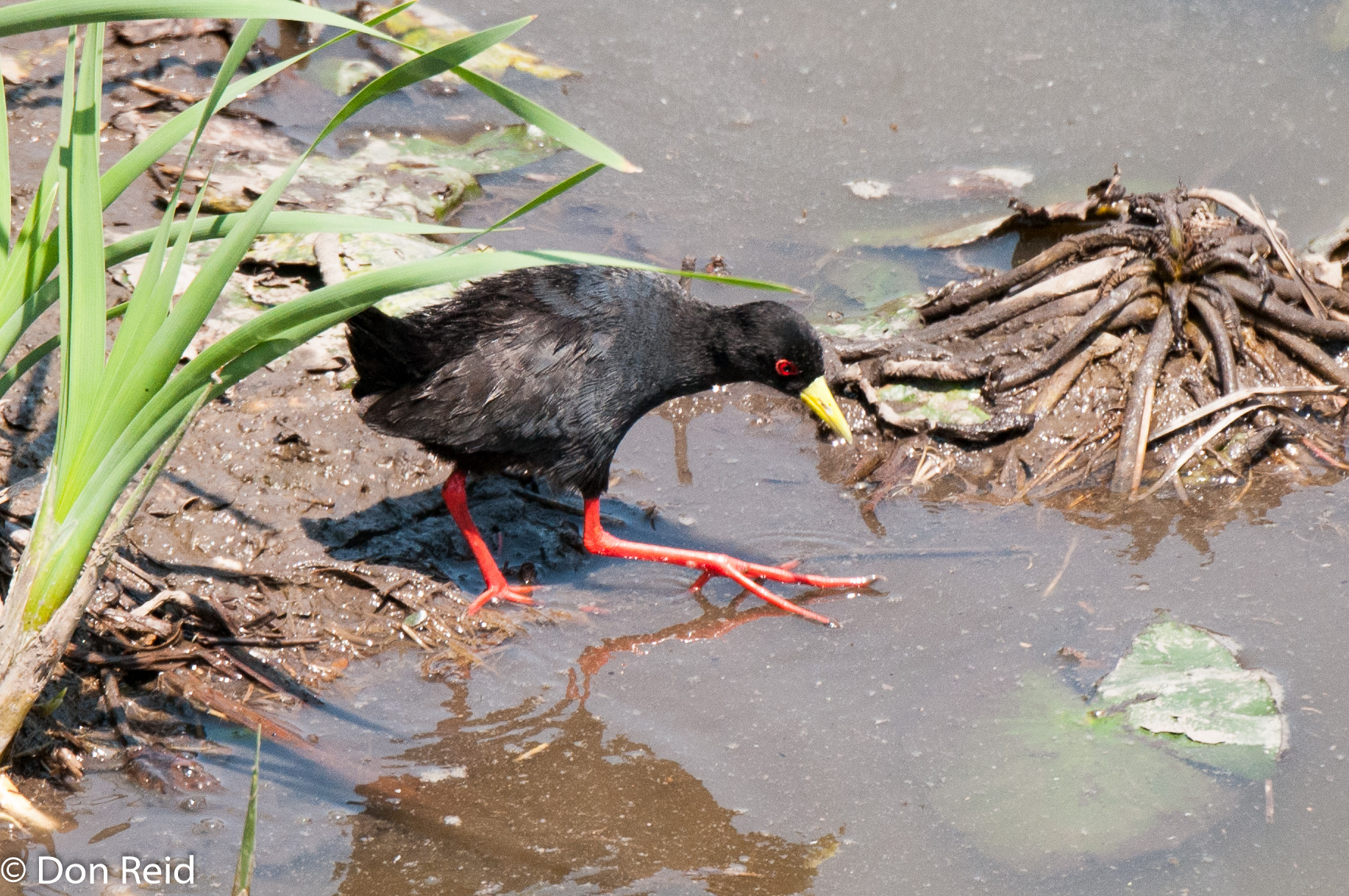
  •  Black Crake patrolling a small pool
Black Crake
Black Crake
  • A handsome Tawny Eagle perched high up in a tall tree
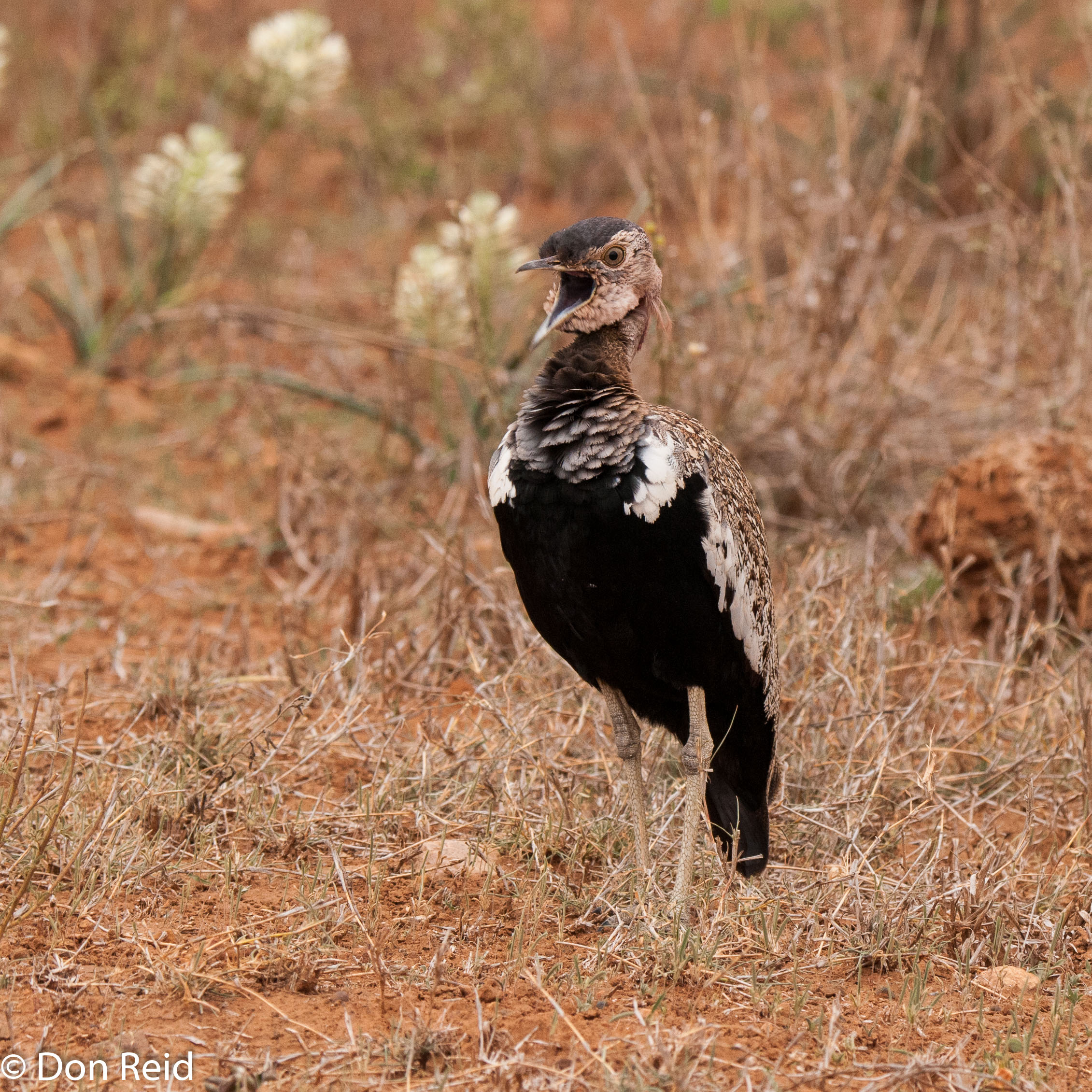
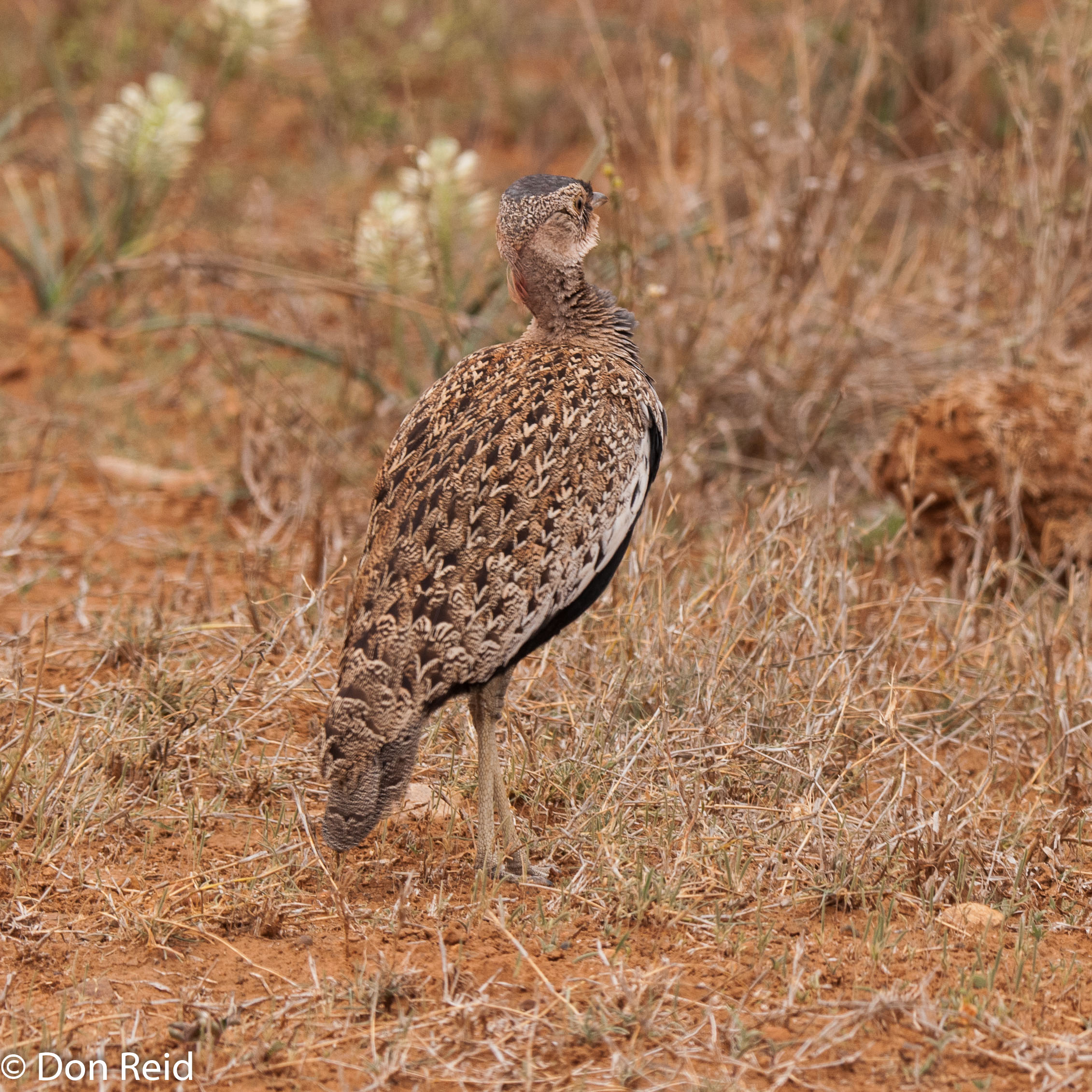
  • Red-crested Korhaan calling in its distinctive fashion right next to the road, boldly showing its black front then turning to show just how well camouflaged it can be in the dry grass
Red-crested Korhaan - front view while calling - can hardly miss him
Red-crested Korhaan – front view while calling – can hardly miss him
Red-crested Korhaan - viewed from the back - now he is well camouflaged
Red-crested Korhaan – viewed from the back – now he is well camouflaged
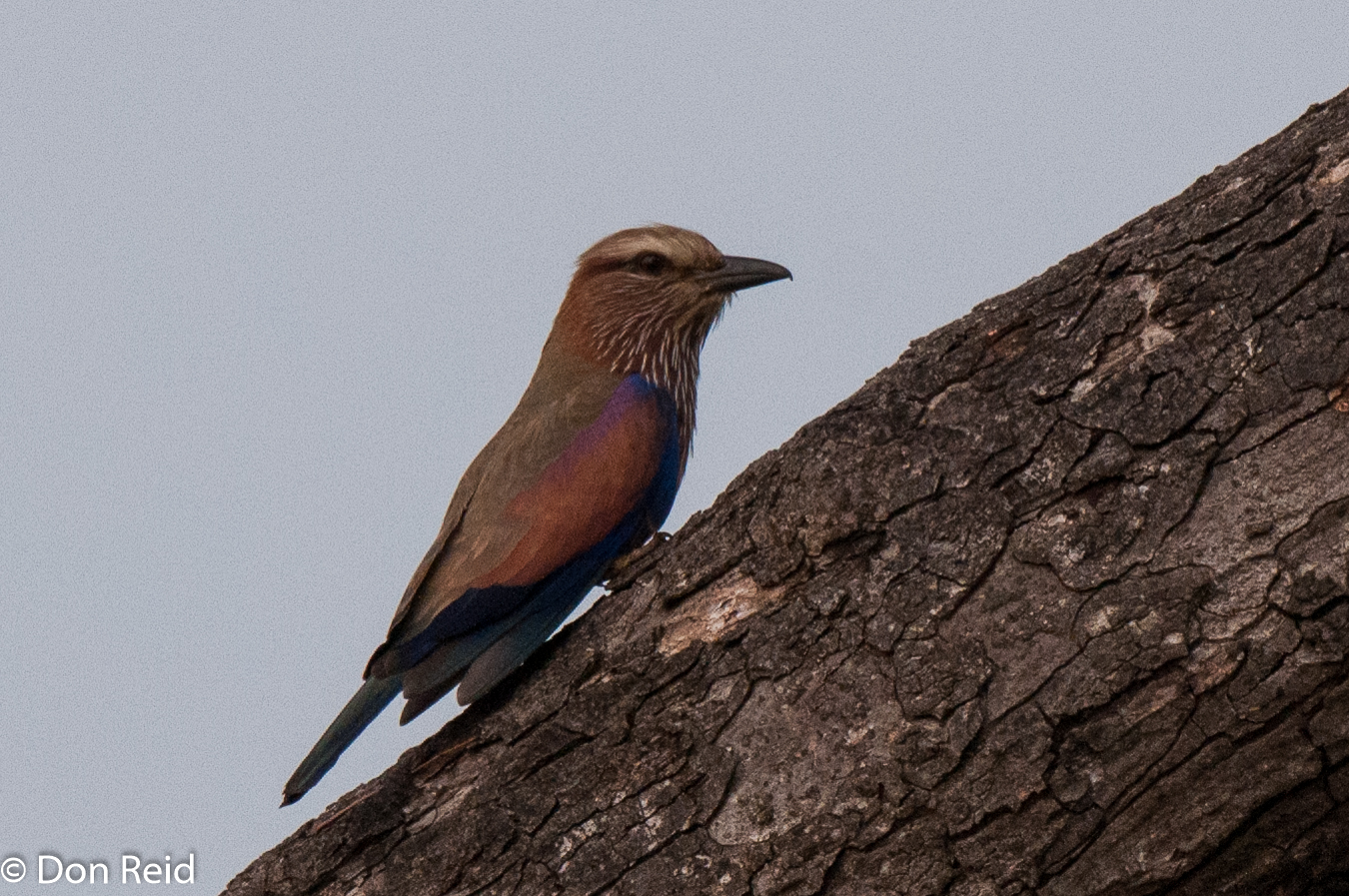
  • Purple Roller
Purple Roller
Purple Roller

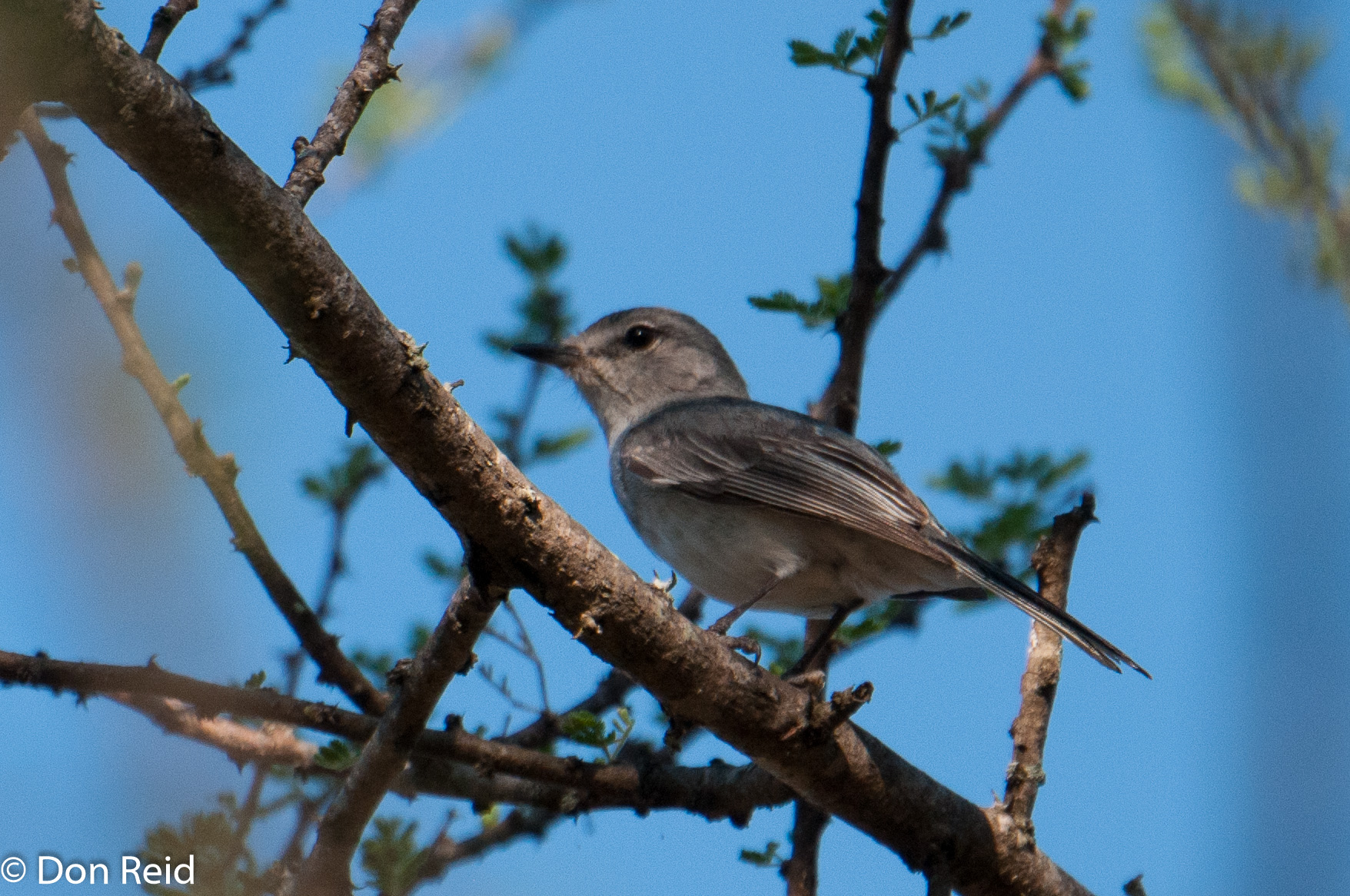
Closer to Timbavati a Grey-Tit Flycatcher was moving through the canopy, emitting its typical high-pitched trilling call which I had only just got to grips with on this trip, having heard it several times in Satara as well.

Grey-Tit Flycatcher
Grey-Tit Flycatcher

More proof that many birds are extremely habitat specific was the numbers of European Bee-Eaters in one spot but nowhere else to be seen.

Timbavati Picnic Spot

The two mornings that I spent birdmapping, I arrived at Timbavati when it was quite busy – full of happy groups of visitors enjoying a brunch in this special setting overlooking the river, albeit dry at this time of year.

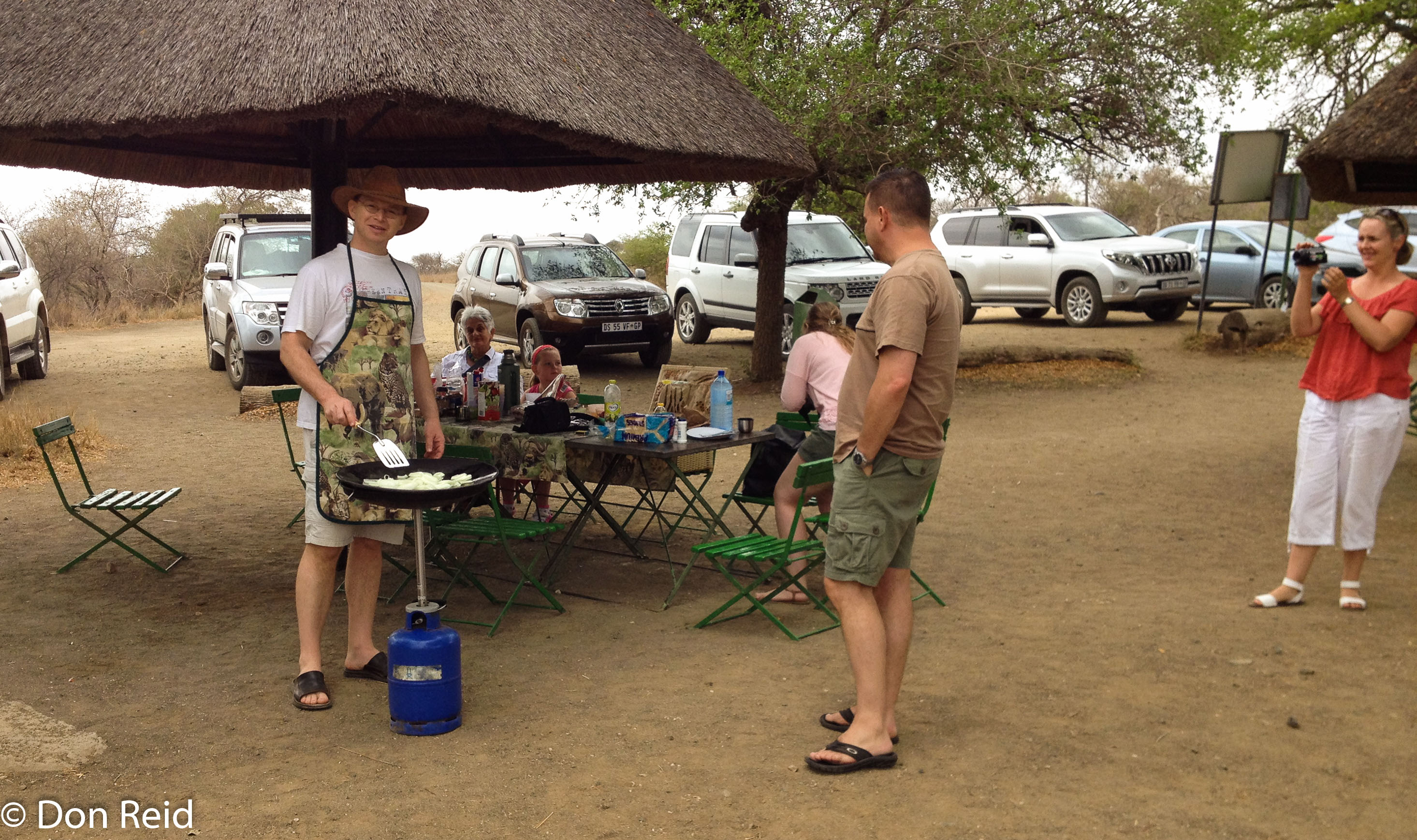
On the morning that we visited as a family we arrived a little earlier and had the place to ourselves for a while. Andre and Geraldine  soon had the gas going and the skottel frying merrily and it wasn’t too long before we were tucking into another delicious brunch.

Timbavati picnic spot
Timbavati picnic spot, before the visitors descend on it for brunch
Timbavati brunch in preparation
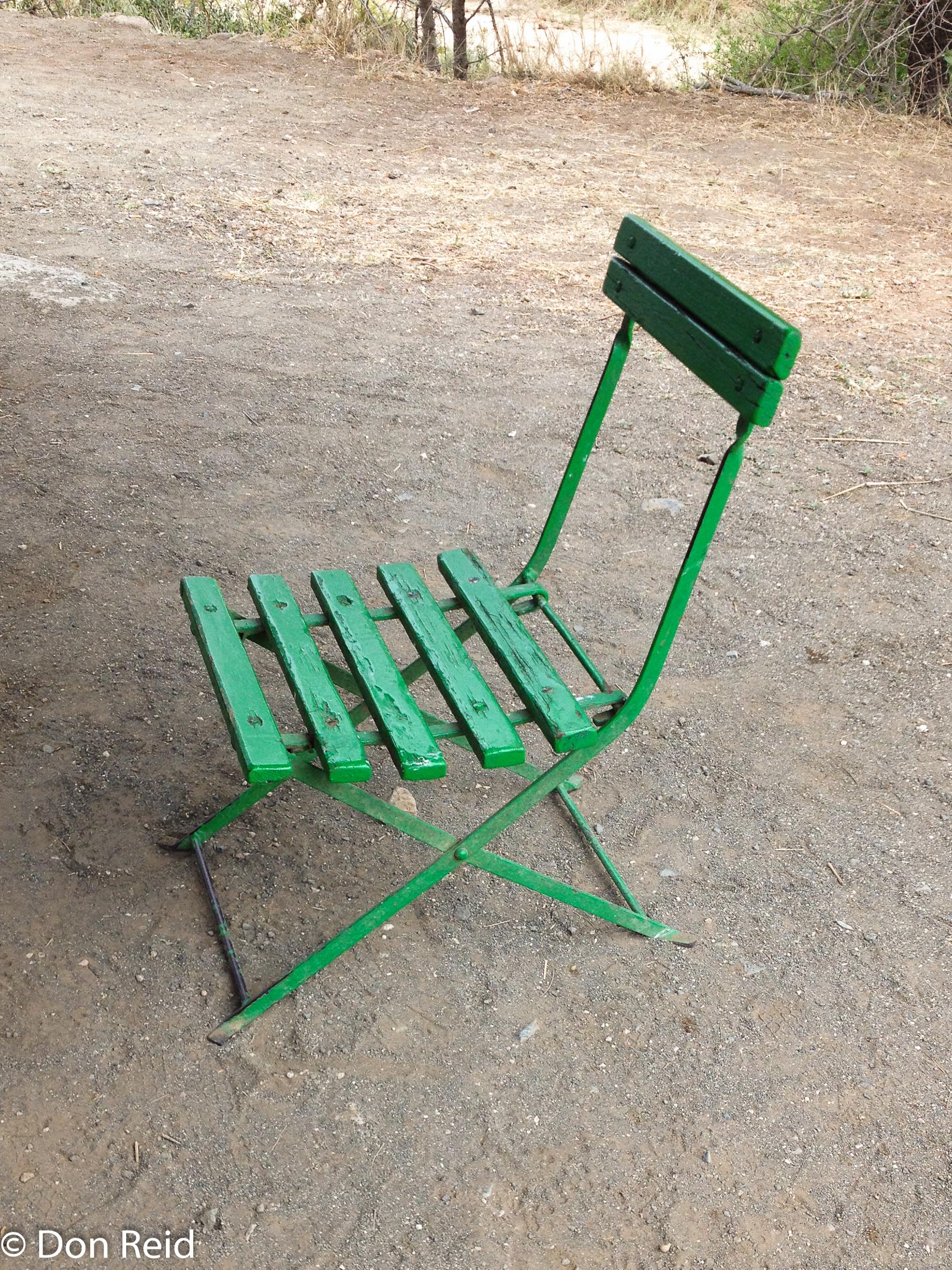
Timbavati still has the same chairs I remember from our first visits more than 40 years ago!

On the way to Timbavati we had taken the Olifants road then turned left onto the S127 – not much game was encountered but one lone, large elephant had us reversing a short way until he started feeding on the road verge and we grabbed the chance to get past safely. Interesting was the way he pulled out green bushes using his trunk and front leg in a sideways kicking motion to dislodge them from the hard dry ground.

Birding was slow that morning until we reached the picnic spot where several birds were vying for “loudest call” honours. Orange-breasted Bush-Shrike was a clear winner with its piercing but tuneful call from a nearby tree, but others were almost as active especially Crested Francolin and Natal Spurfowl trying to outdo each other with their equally raucous calls as they wandered around amongst the tables.

Back to Satara

On the return trip to Satara along the S127, a flock of Chestnut-backed Sparrowlarks made for an unusual sighting, as did a pair of tiny, colourful Quailfinches quenching their thirst at a small pool below a bridge on the tar road.

We had briefly diverted to Piet Grobler dam not far from the picnic spot, where a lone Yellow-billed Stork and Black-winged Stilt were new additions to the trip list, taking it to 126 species.

Yellow-billed Stork, Timbavati Road
Timbavati Road
Timbavati Road

Back at Satara it was time for a snooze and some relaxation to get us through the hot afternoon, with the temperature heading to the mid 30’s again.

Sources :

Krugerpark.co.za

Sanparks Guide to Kruger National Park

A Week in Kruger – Satara to Nwanetsi

The Route

The next drive during our stay in Satara was also one of my Kruger favourites – the drive eastwards from Satara to Nwanetsi picnic spot which lies close to the border with Mozambique.

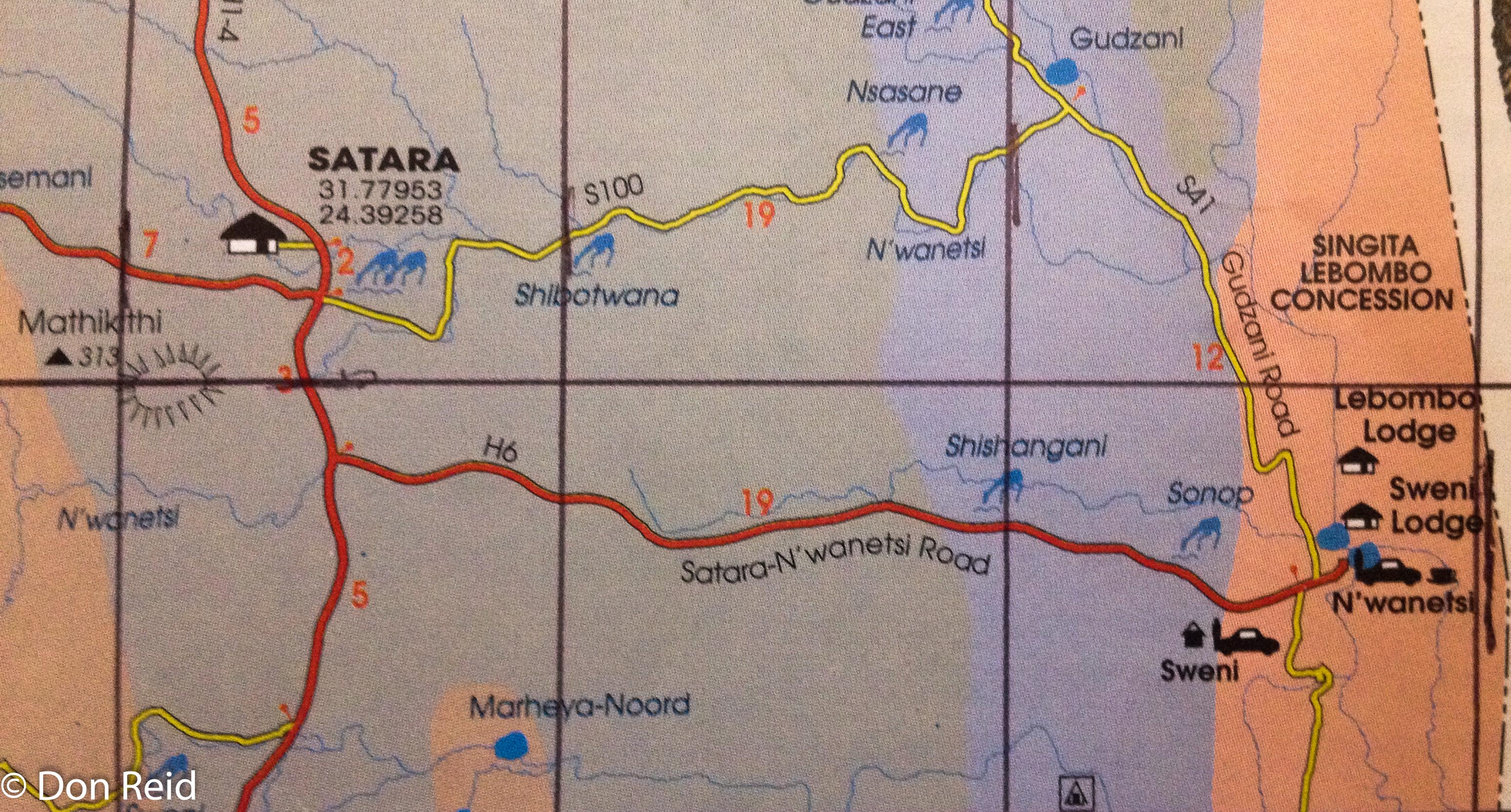
We had planned to do a circuit, first taking the S100 gravel road eastwards, which branches off the H1-4 tarred road just south of Satara camp. This becomes the S41 to Nwanetsi and we would return via the H6 tarred road back to Satara.

At Nwanetsi there is a dam which can be viewed from a roofed viewpoint on the ridge overlooking it. The Sweni hide, overlooking a small dam, and the low water bridge can be accessed on the return trip by taking the branch left at the S37 and travelling for a few kms

Habitat

The S100 meanders through open tree savanna with mostly Marula, Knob-thorn acacia, Leadwood, Sickle-bush and Russet bushwillow trees. The H6 tarred road is more direct but passes through similar habitat

An extract from the Kruger Park map book shows the route :

Best to go out on the yellow S 100 road and return on the H5 red road
Best to go out on the yellow S 100 road and return on the red H6 road

The Drive

An early start saw us driving the S100 – always good for plains game and today was no exception as we came across a selection of game in quick succession.

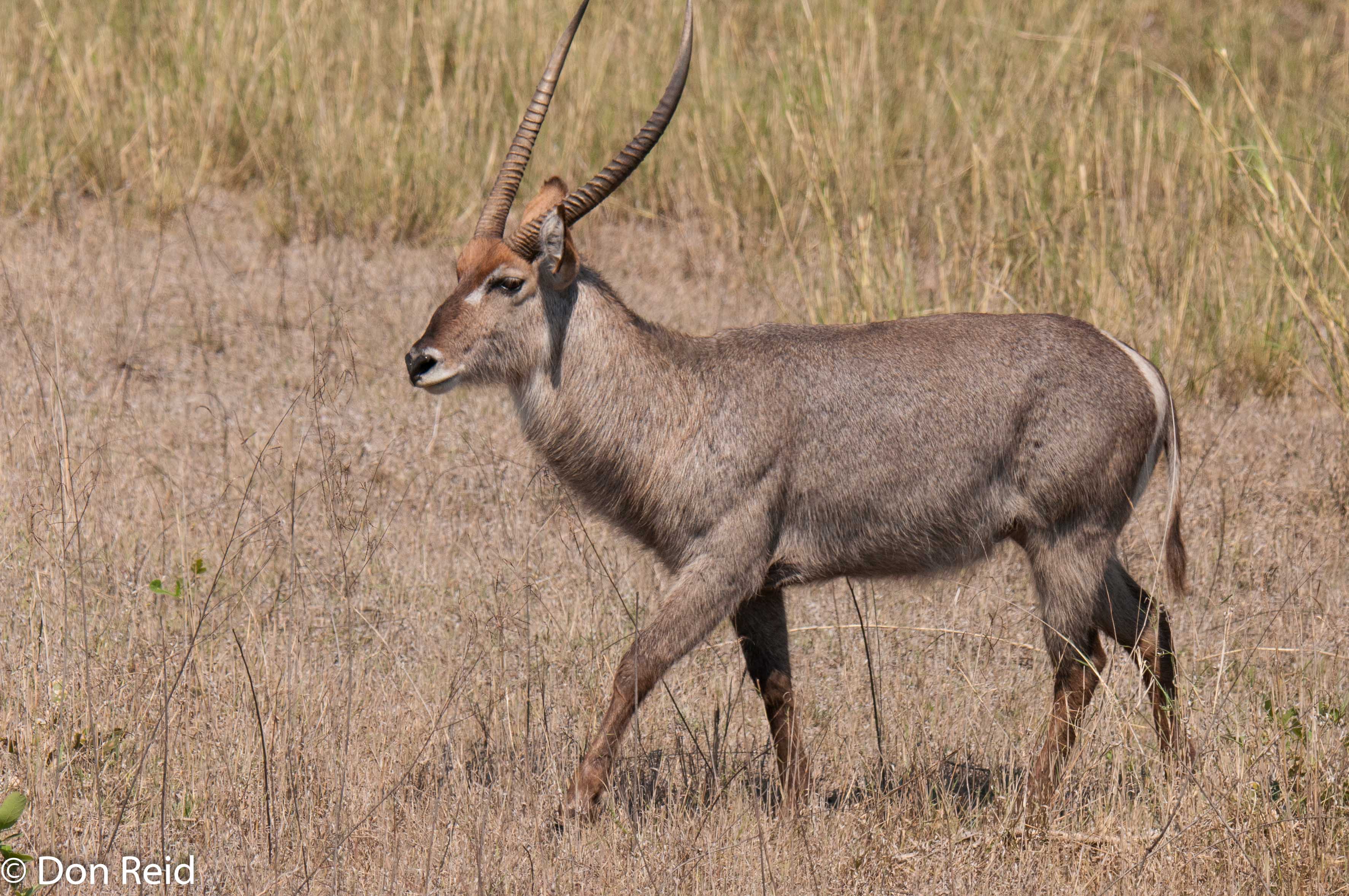
Waterbuck, Satara - Nwanetsi S100
Waterbuck, Satara – Nwanetsi S100
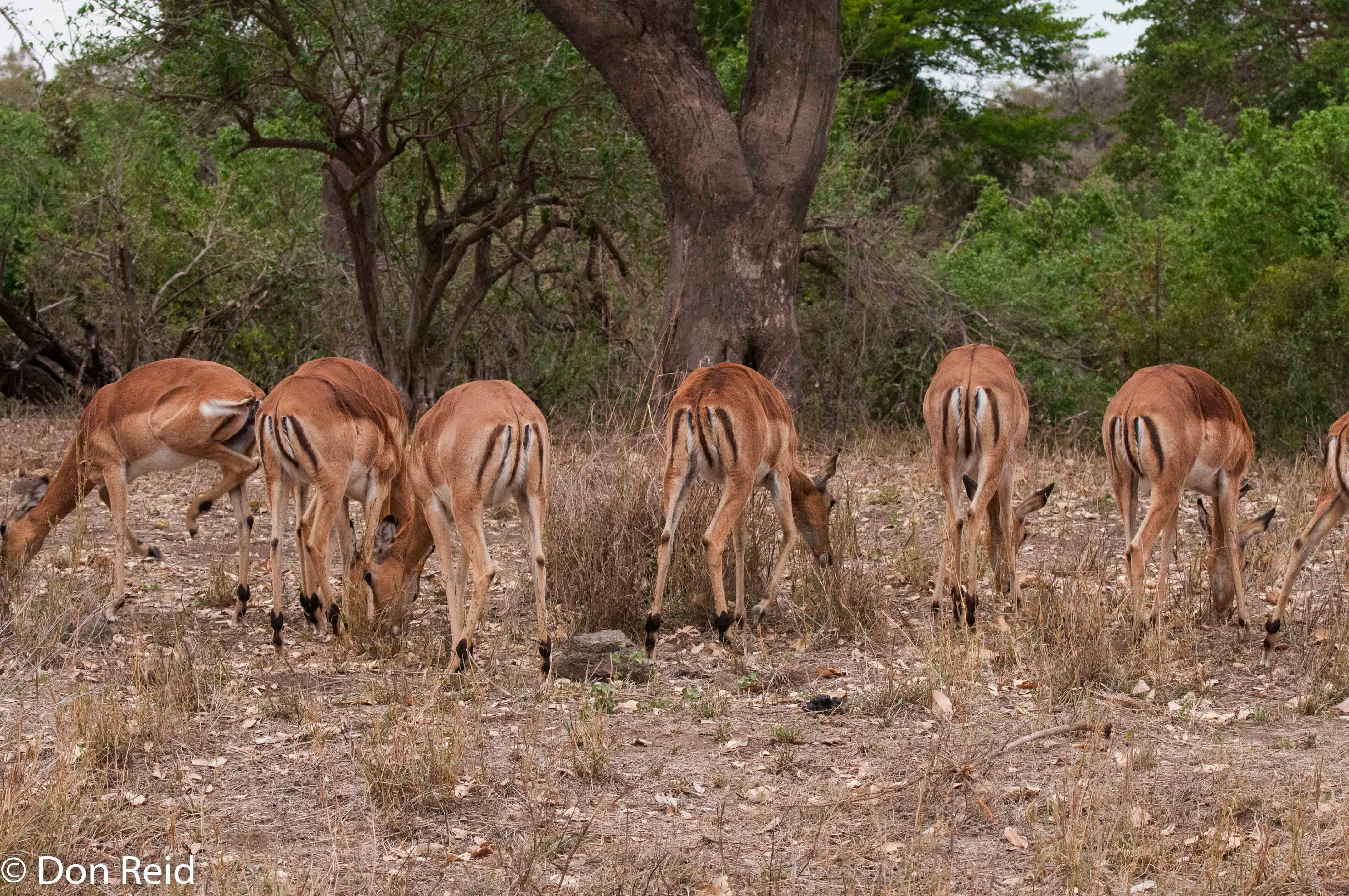
Impala, Satara - Nwanetsi S100
Impala, Satara – Nwanetsi S100
Black-backed Jackal, Satara - Nwanetsi S100
Black-backed Jackal, Satara – Nwanetsi S100
Blue Wildebeest, Satara - Nwanetsi S100
Blue Wildebeest, Satara – Nwanetsi S100

Signs of battles for dominance amongst the game were present – both Impala and Waterbuck were clashing horns. Nothing serious – more like a playful enactment of an ancient ritual as they butted each other lightly and tried to twist the opponent’s horns so that they would “bow” in submission.

Impala males
Impala males
Waterbuck males
Waterbuck males

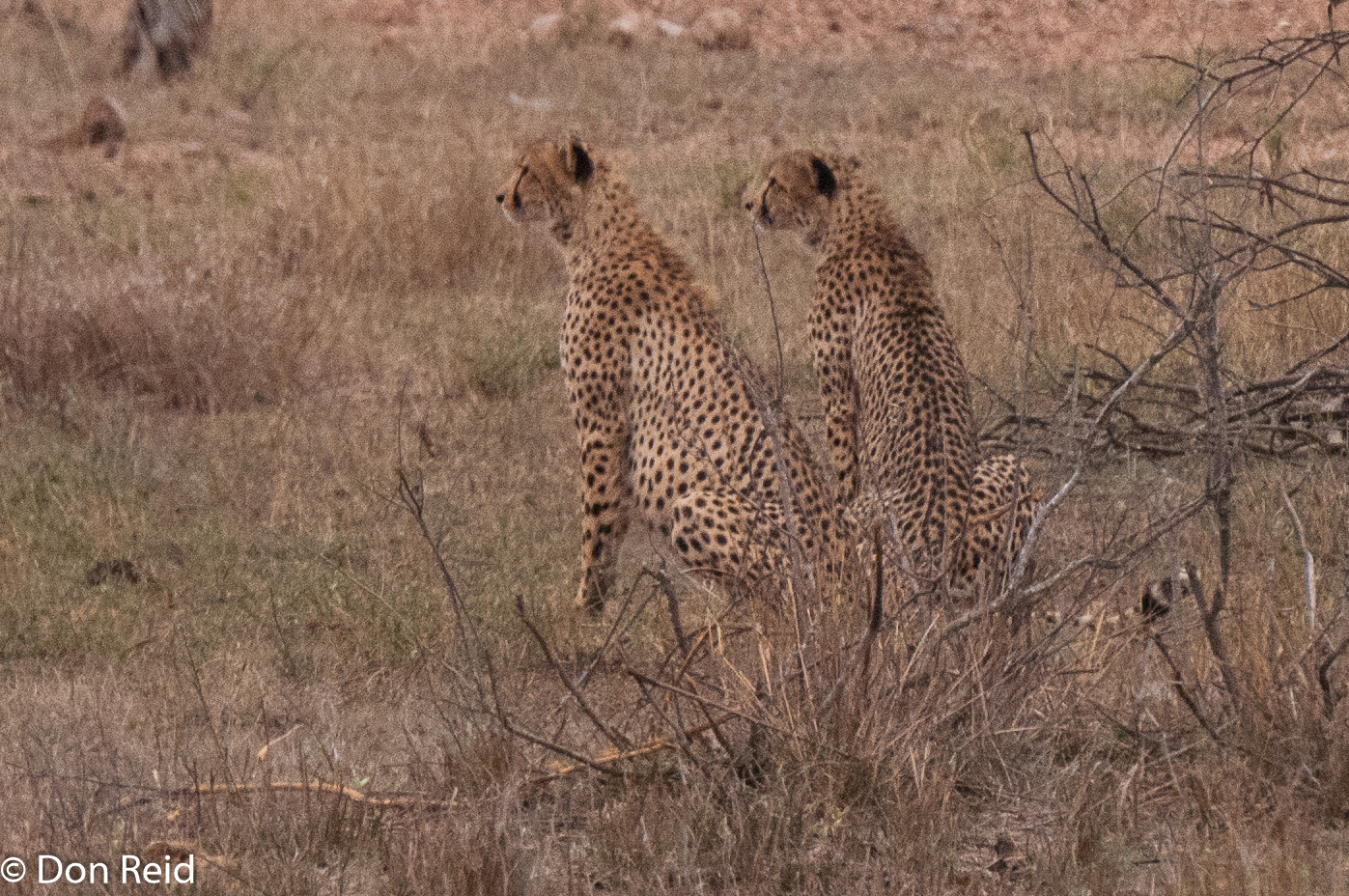
As we watched this we noticed a few cars gathered up ahead and immediately knew it was a “cat” sighting as no other event attracts so many cars in a short space of time. It turned out to be two Cheetahs some 150m from the road, lying and then standing, the one clearly pregnant judging by the heavy-looking belly.

Cheetah, Satara - Nwanetsi S100
Cheetah, Satara – Nwanetsi S100

Cheetahs are probably the most sought after sighting so we were really pleased to have been in the right spot for them.

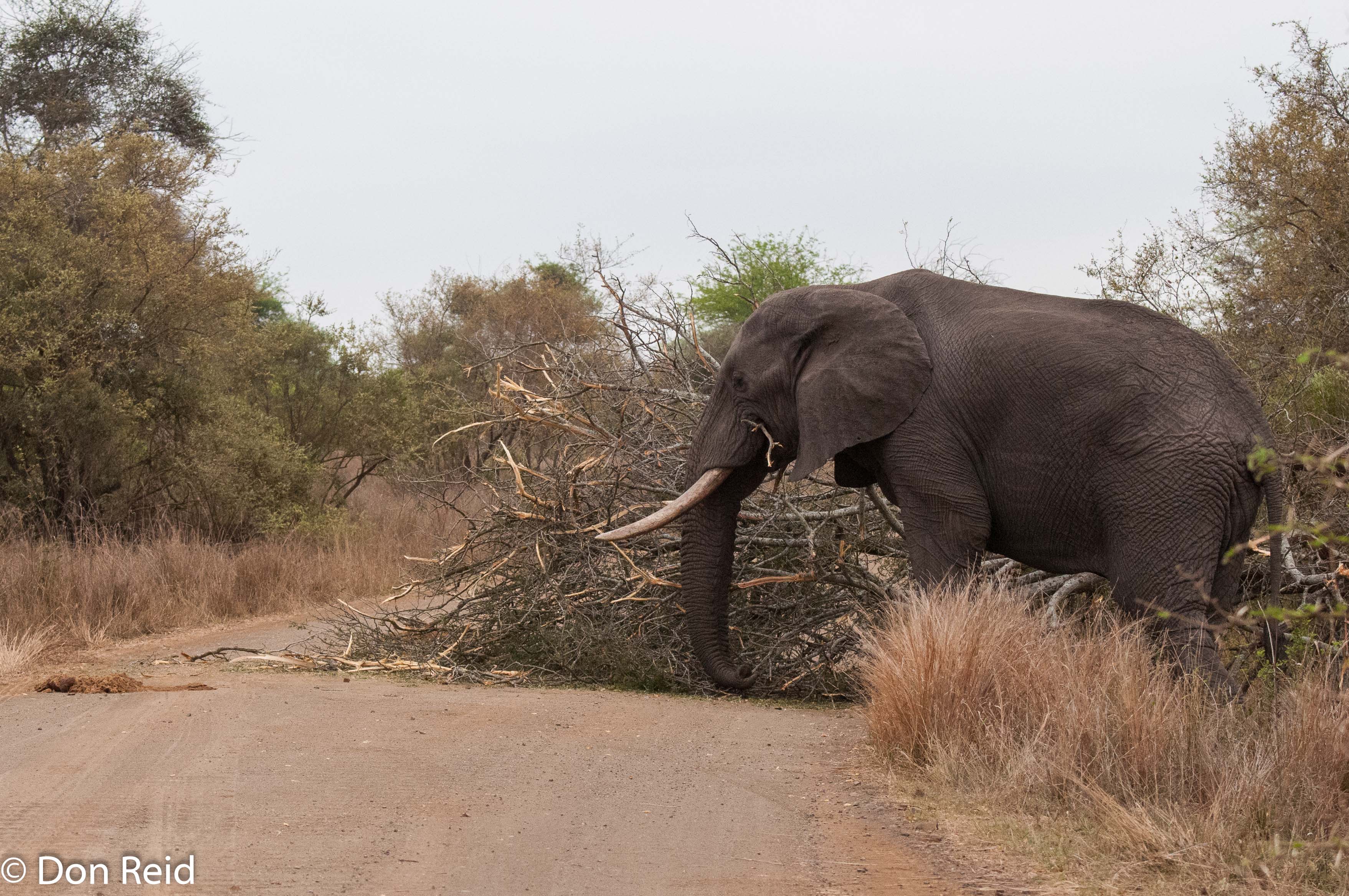
Further along more excitement awaited, this time tinged with some tension as we rounded a bend and came across a fallen tree partly blocking the road, with the remaining opening  ominously guarded by a large tusker. To add to the tension another large bull elephant was eyeing us from the bush to one side.

Elephant road block, Satara - Nwanetsi S100
Elephant road block, Satara – Nwanetsi S100

With no way through we waited …….  and waited, but the two elephant guards showed no inkling to move along as they fed on the fallen tree. Eventually one motorist behind us braved the bush and looked for a way past without disturbing the ellies. They emerged on the other side and waved, so we followed suit and found a well-trodden game path running through the bush which they had used – we were soon speeding along to Nwanetsi for a much-needed toilet break!

All the while I was continuing to atlas the bird species we came across – so easy with the Birdlasser App which uses gps to automatically pinpoint the position of each sighting and allocate it to the correct pentad (5 x 5 minute block of co-ordinates which is about 8 x 8 km in size)

Bateleur
Bateleur
Crested Francolin
Crested Francolin
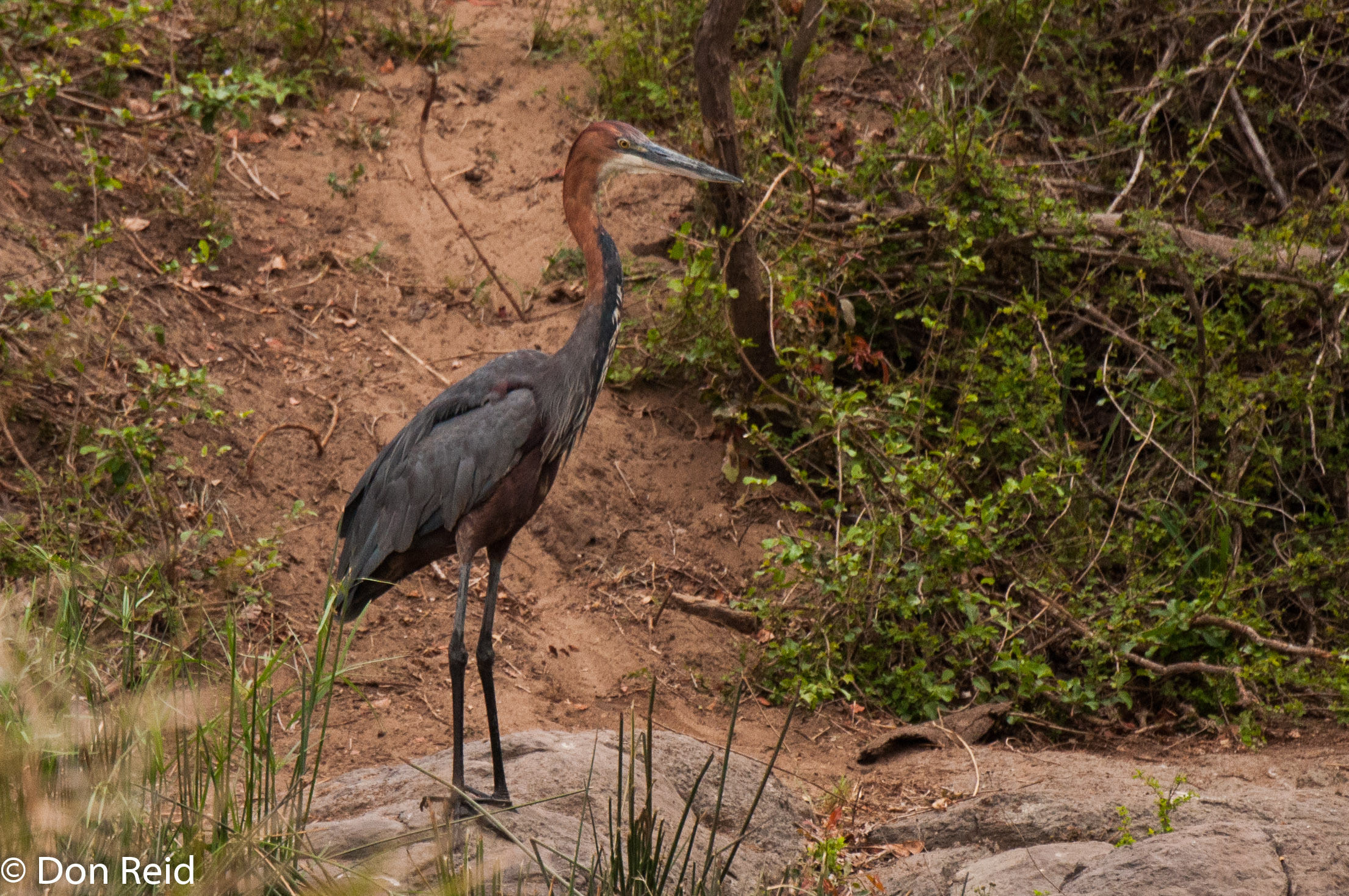
Goliath Heron
Goliath Heron

Nwanetsi

Time for a brunch and some birding around the picnic spot. I walked up the small hill to the viewpoint over the dam below and the bush stretching into the distance and found a number of species

  • Pied Kingfisher
  • Pied Wagtail amongst the rocks on the river
  • Great Egret flying between the ponds looking for the best fishing spot
  • Spectacled Weavers moving about busily and calling their sharp call
  • Green=backed Cameroptera calling from the bush
Nwanetsi Viewpoint
Nwanetsi Viewpoint
Nwanetsi Viewpoint
Nwanetsi Viewpoint
Lizard, Nwanetsi Viewpoint

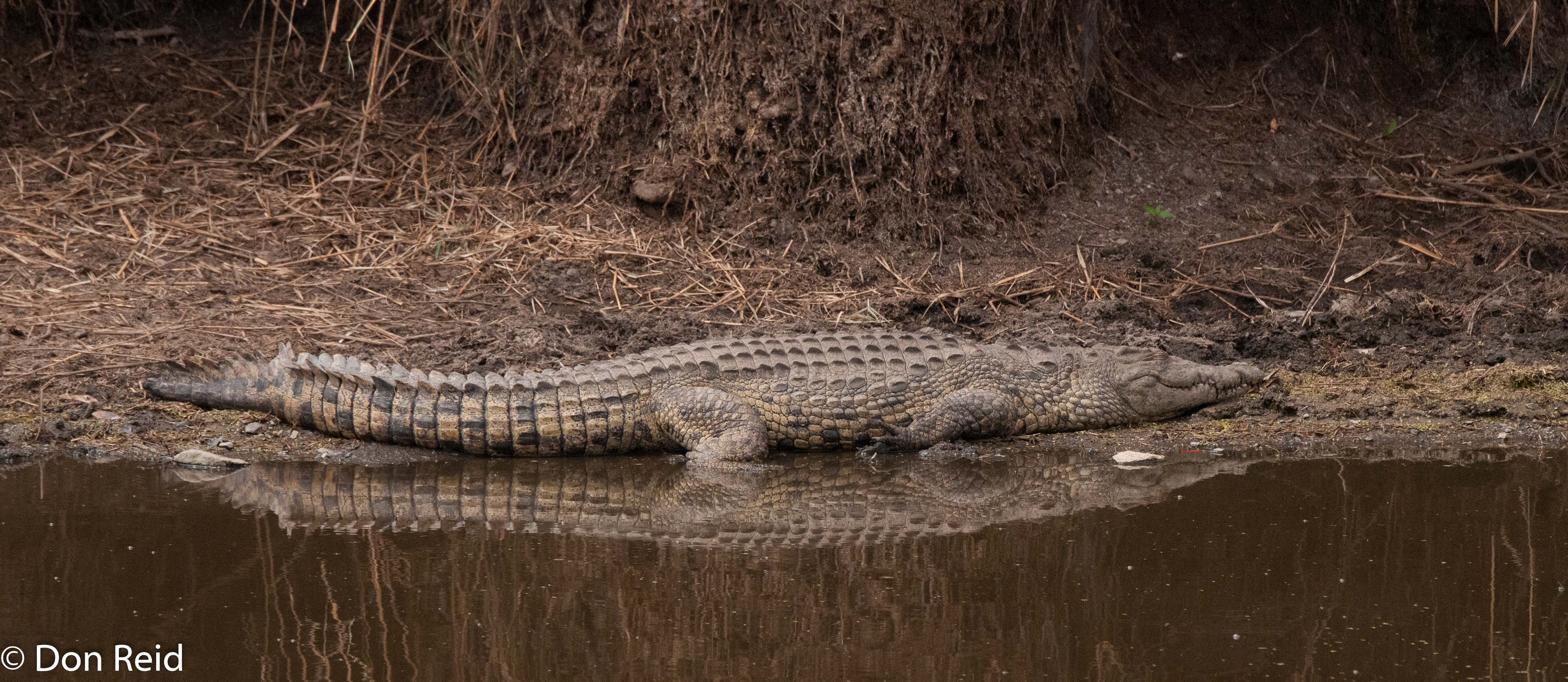
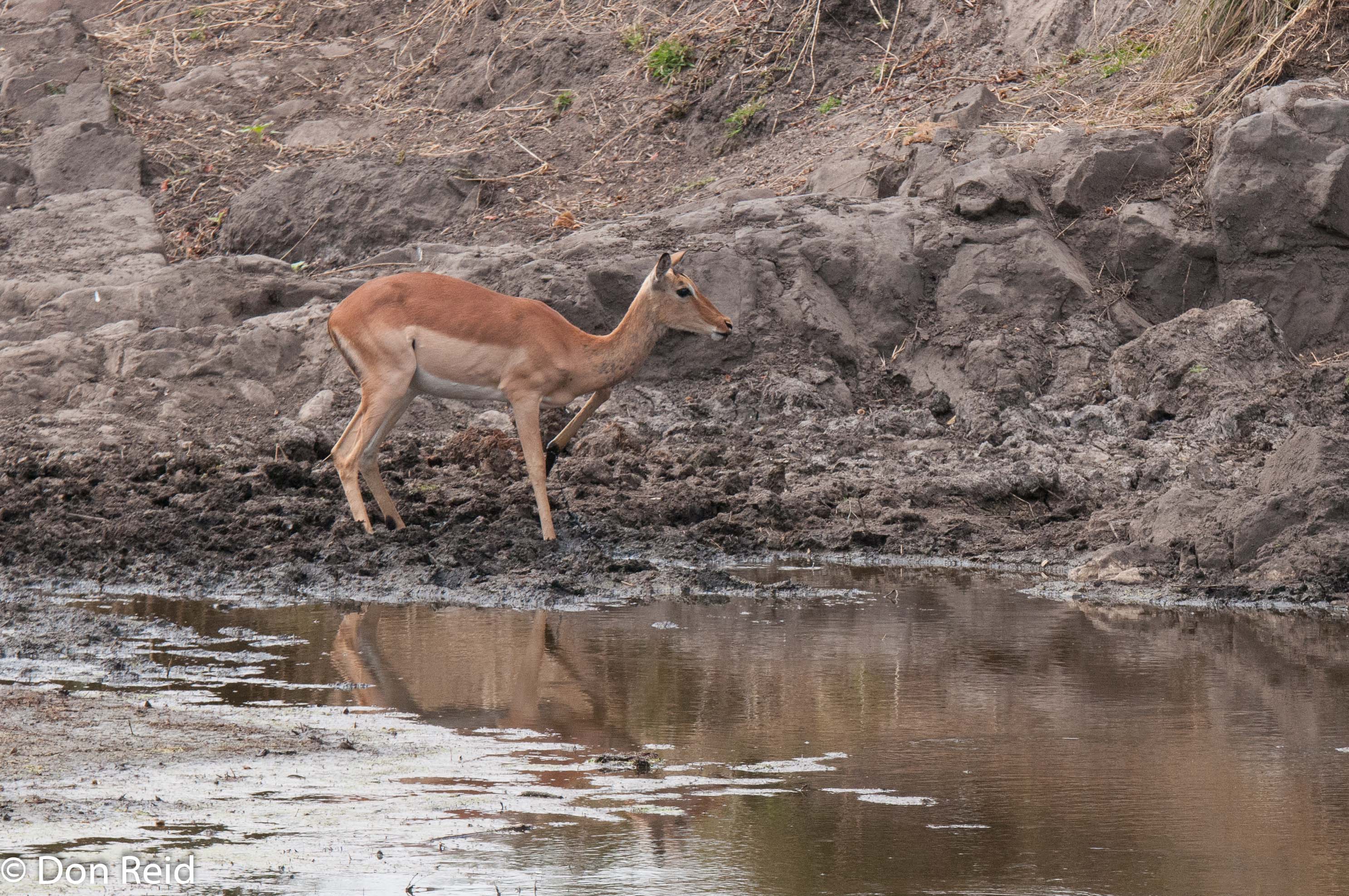
After brunch we left the picnic spot and headed firstly to the low water bridge on the S37 but found it dry and returned to the Sweni bird hide along the same road for a better view  of the dam. There we found some Impala, warily approaching the water where a large crocodile was resident.

Crocodile, Sweni Hide
Wary Impala, Sweni Hide

The resident bird population were going about their business while we watched from the comfortable hide

  • White-faced Ducks
White-faced Duck, Sweni Hide
  • Black Crake
  • Water Thick-Knee
  • Red-capped Robin-Chat (unusual in this habitat)
Red-capped Robin-Chat, Sweni Hide
  • Waders such as Wood Sandpiper and Three-banded Plover
  •  The ubiquitous Egyptian Goose
Egyptian Goose, Sweni Hide

The rest of the journey back to Satara was on tar and with less game visible so we did not dawdle too much, nevertheless we enjoyed seeing Zebra close up with a juvenile whose stripes were still fluffy and brown – looking cute enough to want to pat him.

Burchell's Zebra, Satara - Nwanetsi S100

On the birding side we did spot a Brown Snake-Eagle and Red-crested Korhaan not far from the road

The rest of the day was a relaxing mix of our typical Kruger activities – some resting, enjoying the quiet of the camp, a swim late afternoon and closing out the day with a braai with the family.

Sources :

Sanparks Guide to Kruger National Park

A Week in Kruger – Satara to Olifants

The Route

Kicking off our stay in Satara we decided our first drive would follow the H1-4 main tarred road which heads north, branching off onto the Olifants camp road after crossing the river

After the previous day’s long drive from Pretoria, we enjoyed a good night’s rest, only surfacing after 7.30 am for coffee and rusks on the stoep before packing the brunch goodies and setting off for Olifants camp after 9.30 am.

Habitat

The drive initially takes you through open savanna grassland, changing to more rocky landscape closer to Olifants, where the habitat is known as Olifants rugged veld and is the transition between the woodlands of the south and the mopaneveld of the north.

Most common trees are Knob-thorn Acacia, Umbrella Acacia, Marula, Ebony Jackalberry and Red Bushwillow. The open savanna is favoured by the grazers such as antelope, zebra and their predators, with plenty of Vultures gathered at carcasses

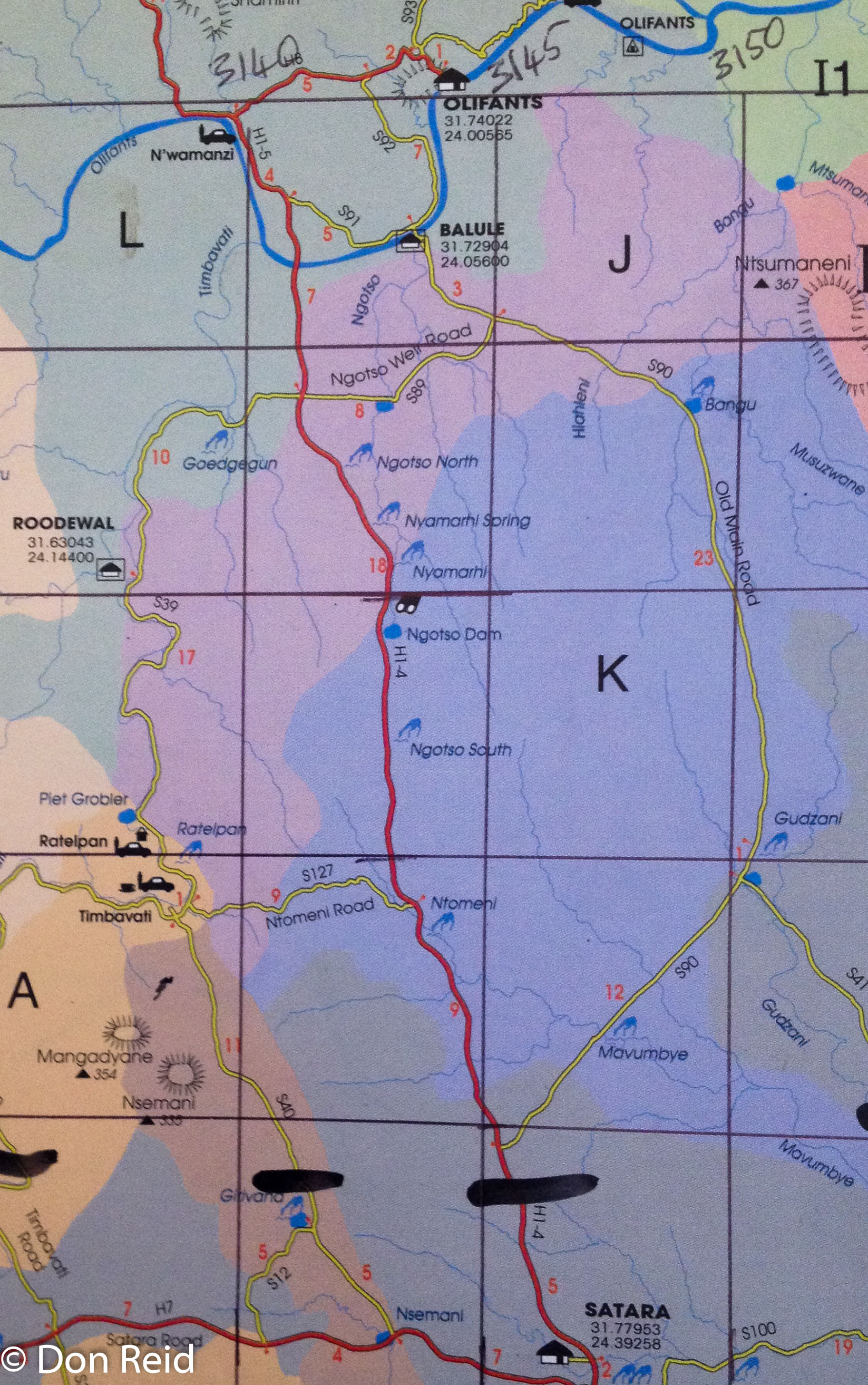
An extract from the Kruger Park map book shows the route :

Map of route from Satara to Olifants (the grid is my hand-drawn guideline for atlasing)

The Drive

The savanna grassland was particularly dry and barren after the winter, but the few waterholes and dams which still had some water kept things interesting , with plenty of Elephant, Giraffe, Waterbuck, Kudu and Impala plus a few Steenbok here and there, looking so small and defenceless in this environment.

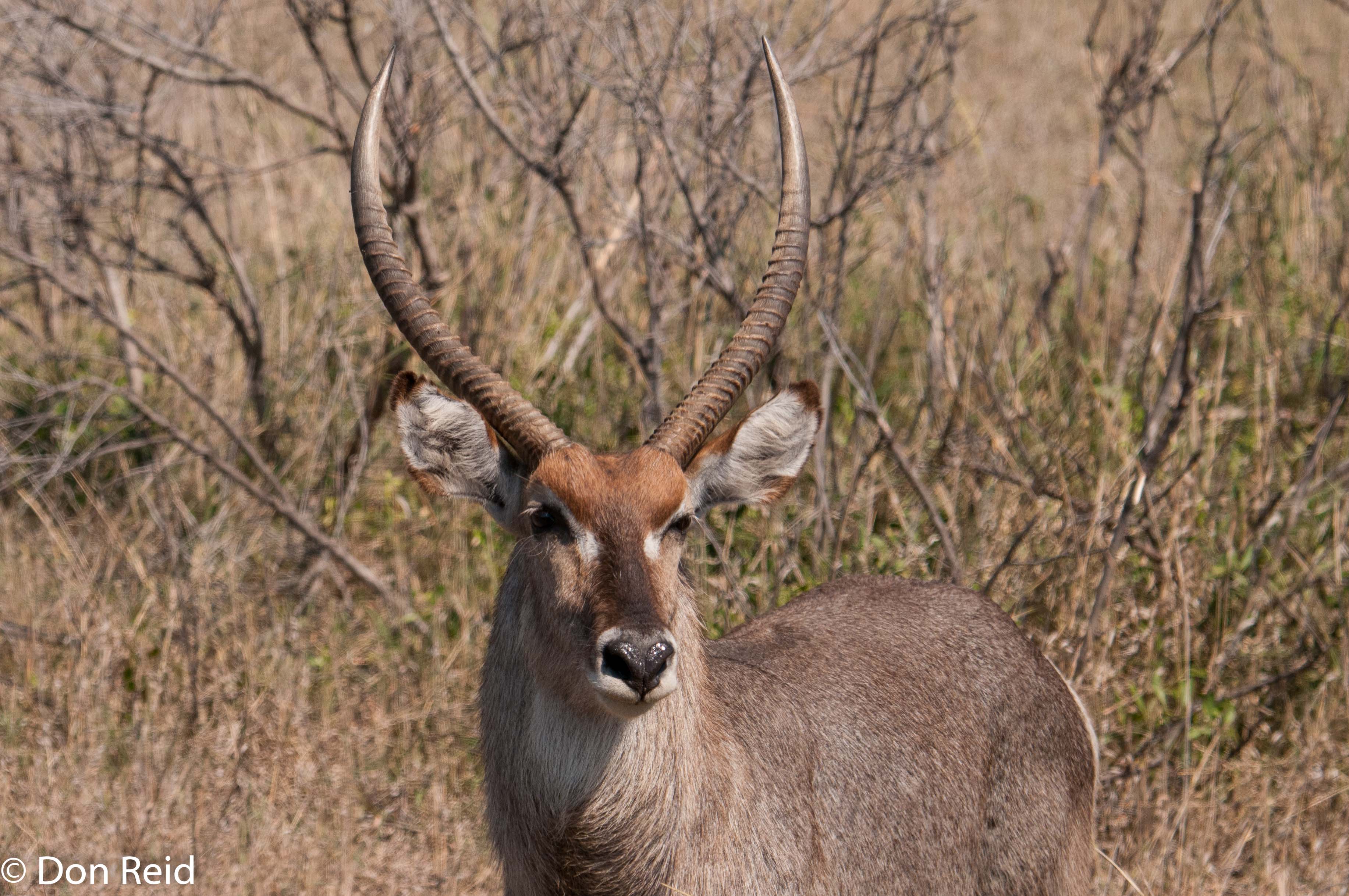
Waterbuck
Waterbuck
Waterbuck
Waterbuck
Kudu
Kudu
Impala early morning
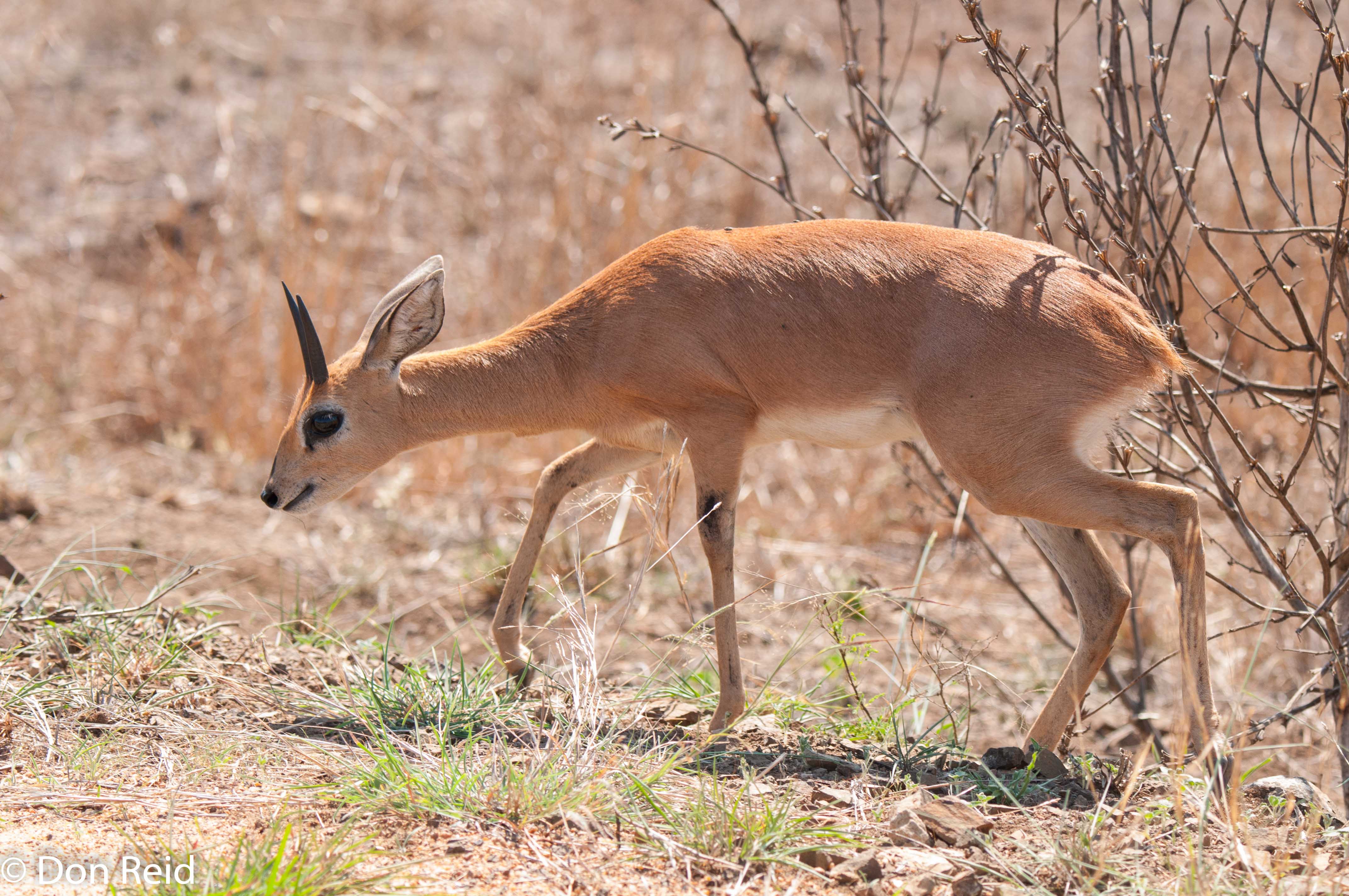
Steenbok
Steenbok

On the birding side we started with a juvenile Black-chested Snake-Eagle and added regularly to the list, particularly when we stopped at Ngotso Water Hole some 20 kms north of Satara where we found Sabota Lark, Blue Waxbills, Ostrich, Lesser Striped Swallow, amongst others. This is the main water hole in the area, man-made and fed by the vlei area surrounding it.

Black-chested Snake-Eagle (juvenile)
Blue Waxbill
Blue Waxbill

At the Olifants Bridge you can get out of the vehicle in the designated zone to enjoy the scenes on both sides and the bird life(Little Swifts by the 100’s, African Spoonbill, Yellow-billed Kite, Green-backed Heron).

Scene from Olifants river bridge
Little Swift
Little Swift
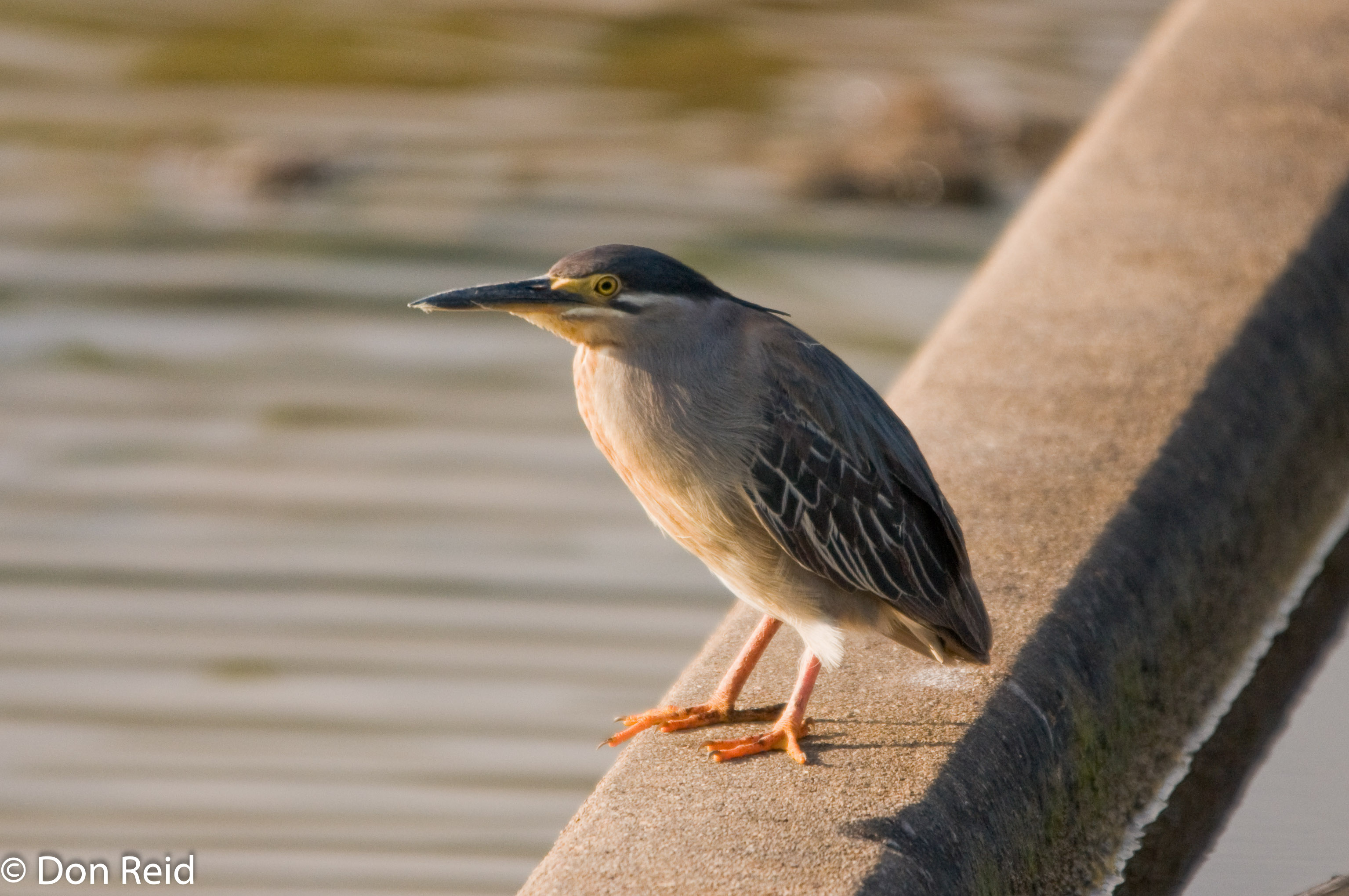
Green-backed Heron
Green-backed Heron

Further along, the road stays close to the river for a few km’s before turning off to Olifants camp. A lone elephant was making his way slowly across the mostly dry river bed to where a few Impalas were drinking at a pool – such a classic scene I just had to stop and let it soak into my memory. It’s these simple scenes that are what Kruger is all about and why we keep coming back after 40 + years of visiting our national treasure.

Olifants Camp

At Olifants camp we went straight to the picnic area where Andre and Geraldine were already parked and Megan and Maia were in the swimming pool. By now it was 35 deg C and the heat felt tangible, but as Geraldine reminded us, this is exactly what you expect in Kruger in summer – best embrace it and don’t try to be too active.

Andre conjured up a “brunch sandwich” on the skottelbraai (like an old ploughshare used for frying on a gas cylinder) with scrambled egg, fried lean bacon, fried onions and avo – delicious! Not that we were ravenous by then or anything. All part of the Kruger traditions/must-do’s!

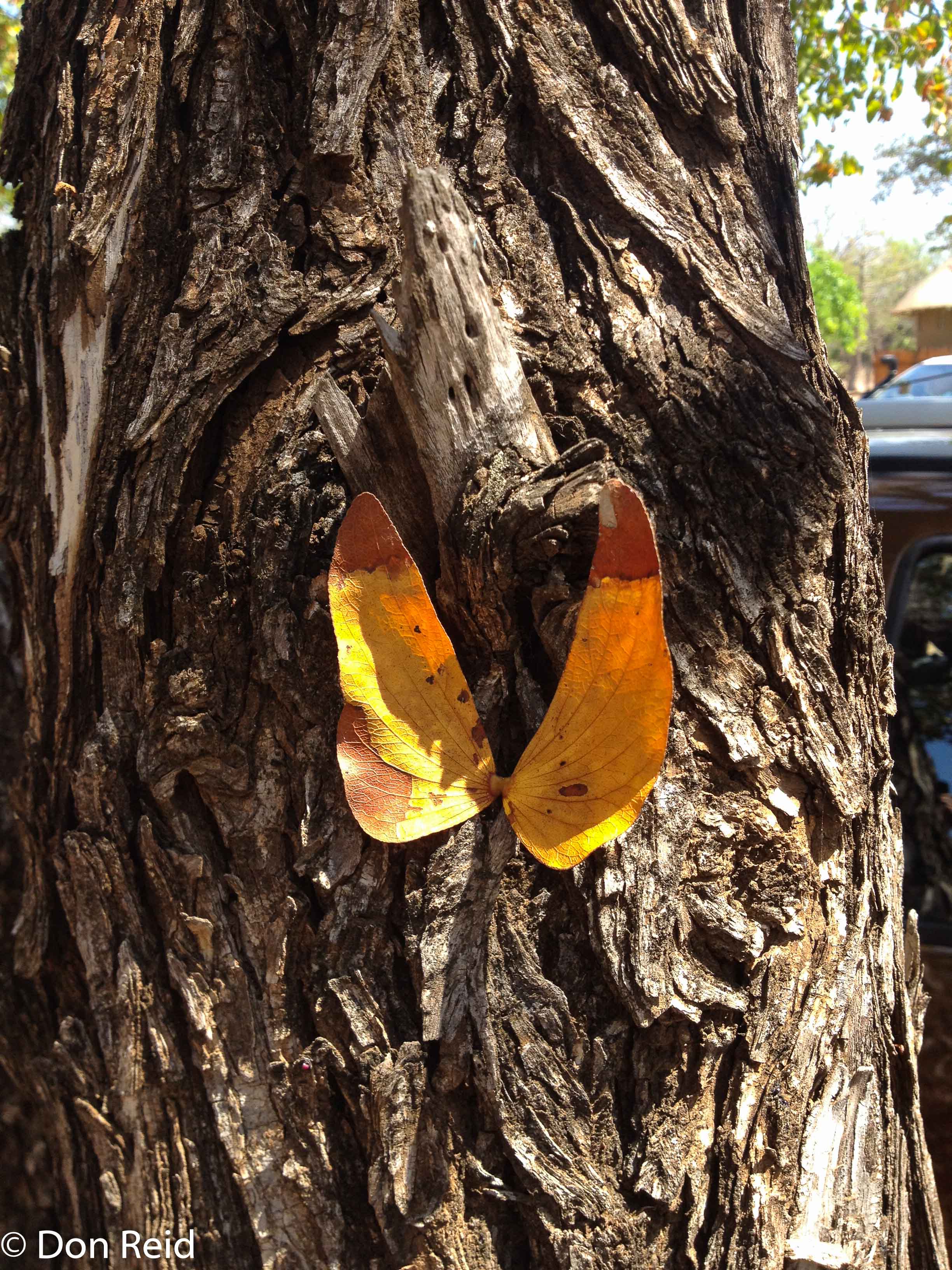
While he was busy I couldn’t help noticing that the fallen Mopane tree leaves looked uncannily like a butterfly, so I positioned one on the tree trunk ……

Mopane leaf "Butterfly", Olifants camp
Mopane leaf “Butterfly”, Olifants camp

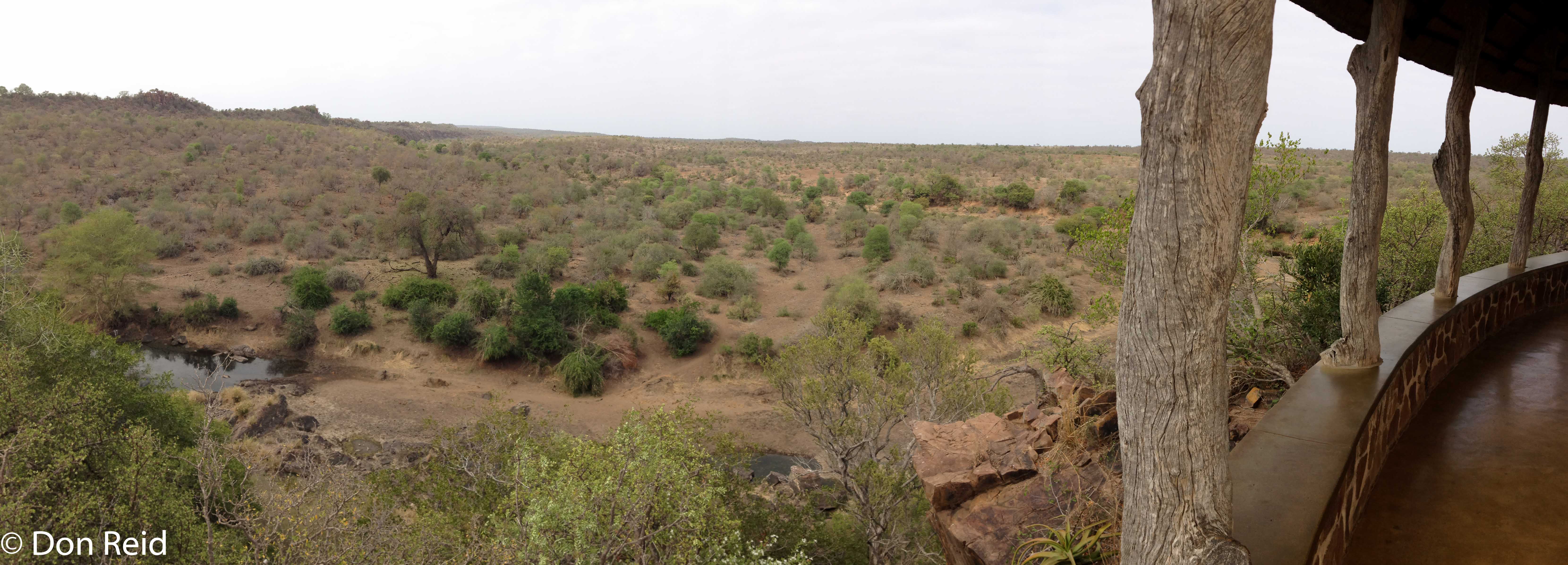
After brunch it was  time for the next must-do – as we walked slowly down to the restaurant area and viewpoint (Gerda and I cheated and drove – the extreme heat you know) below the restaurant to enjoy the timeless landscape below and stretching to the horizon in a 180 degree sweep. In all the years we have been visiting Kruger the view has not altered one bit – other than the effects of the different seasons – a testament to the foresight of the founders of the Park and those charged with looking after it.

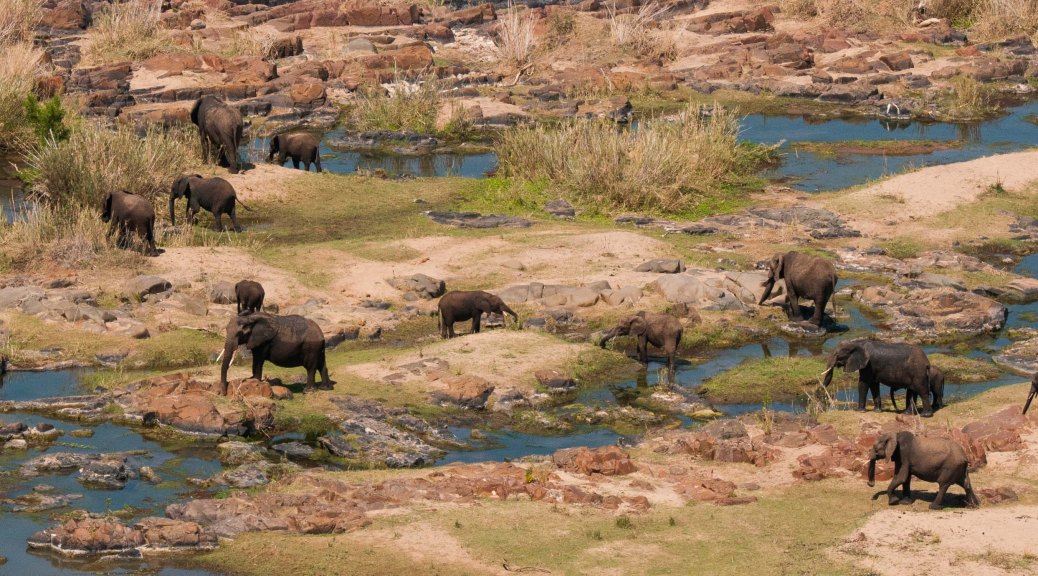
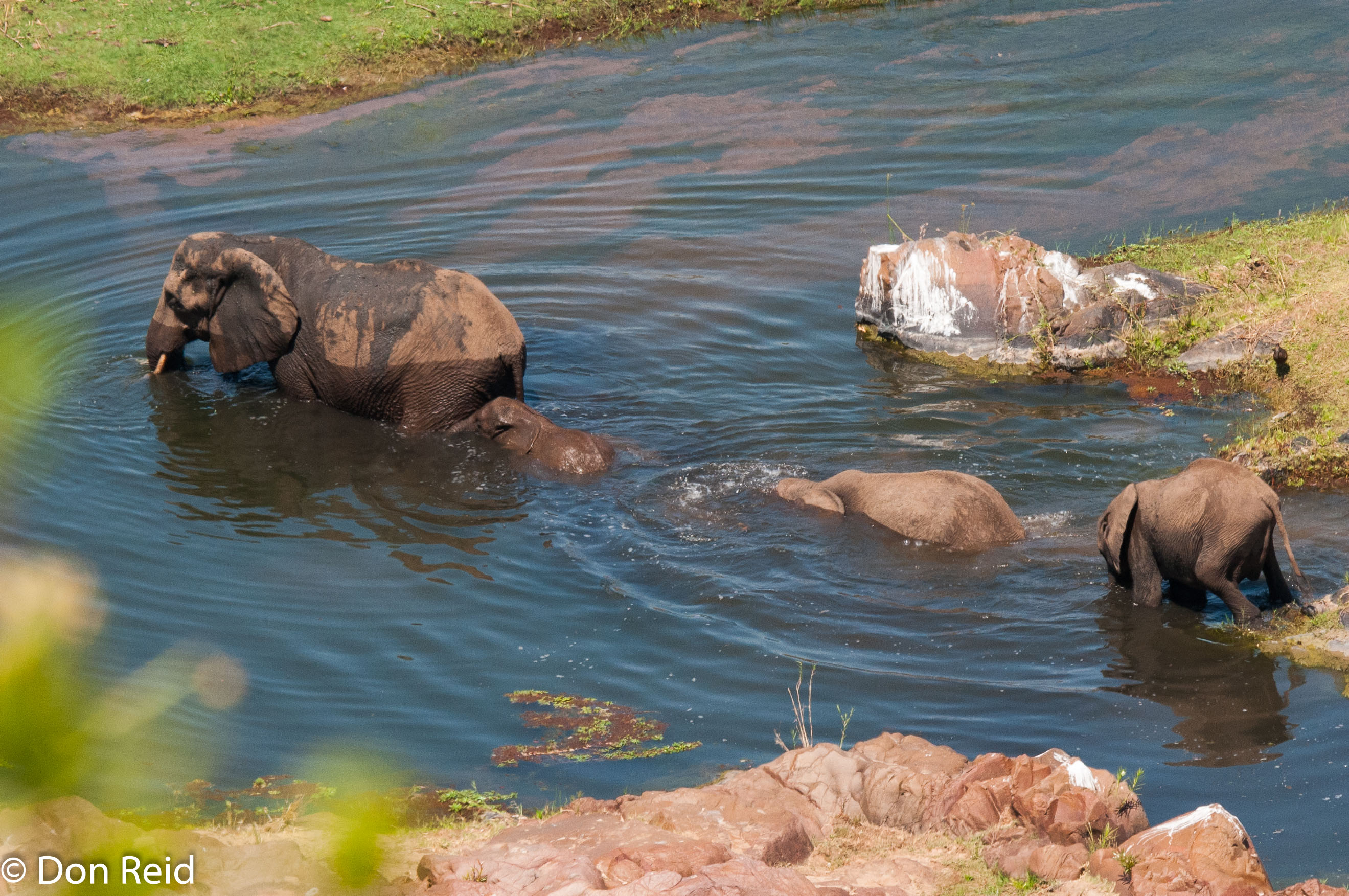
In the river far below, some 30 to 40 Elephants of various ages were enjoying the pools of water as they moved slowly across the wide Olifants River, which flowed in several streams interspersed with rocky islands and stretches of sand and reeds.

Olifants camp viewpoint

Olifants camp viewpoint Olifants camp viewpoint Olifants camp viewpoint Olifants camp viewpoint Olifants camp viewpoint

Numbers of birds were visible – lots of Egyptian Geese but also plenty of white egrets (Great, Yellow-billed and Cattle were all represented), Marabou Storks, Hamerkop, Grey Heron, African Openbill and Saddle-billed Stork.

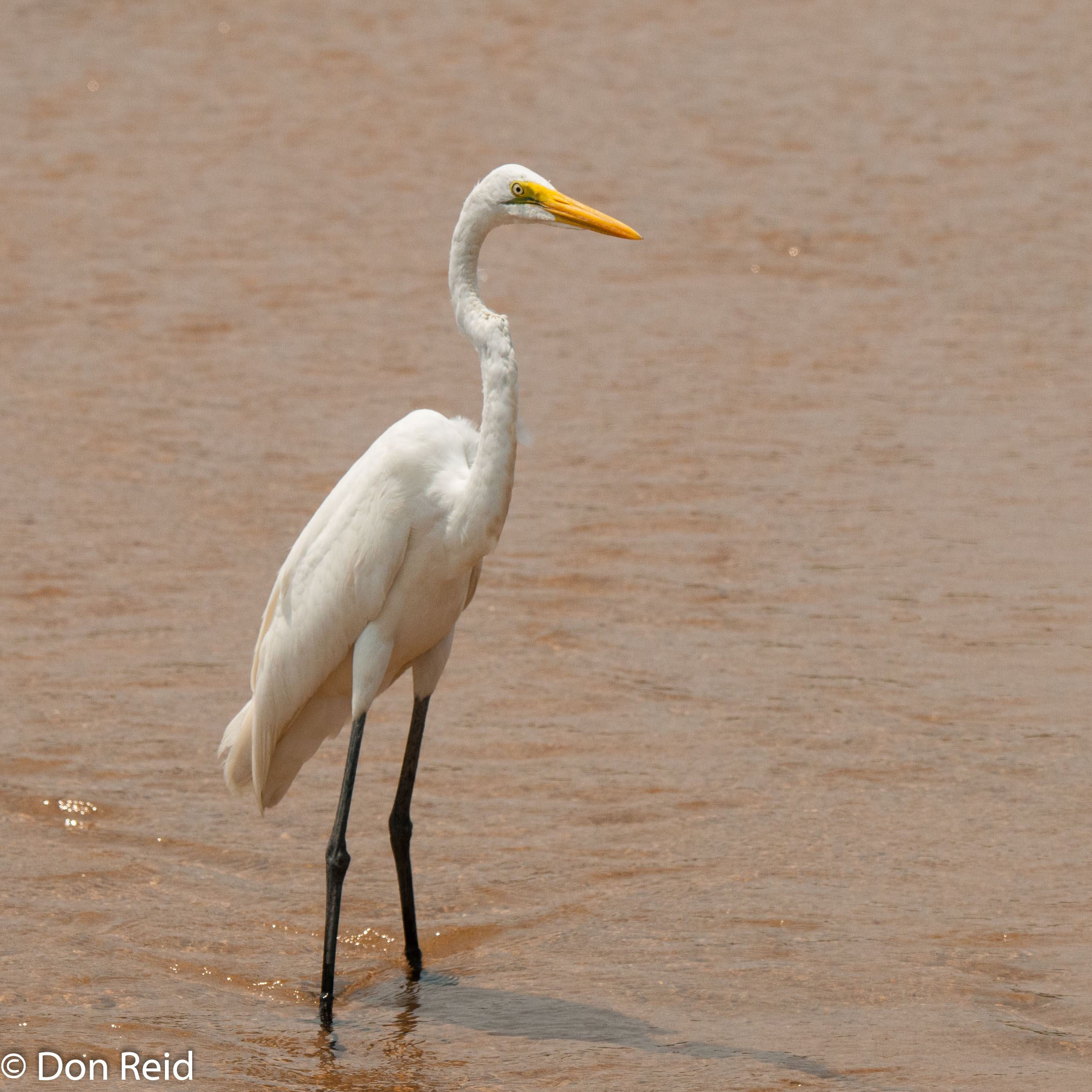
Great Egret
Great Egret

Tearing myself away from what has become one of my favourite spots in all of Kruger, I went off to find the rest of the family, who were busy with that other traditional pursuit – shopping. And who can blame the girls (old and young), with some pocket-money and nowhere else to spend it but in the tempting Kruger Park shops.

The road back to Satara was quiet, with birds rather than animals being the only reason for stopping – Red-billed Oxpeckers using Kudu as a feeding station, Kori Bustard some way from the road and a Yellow-throated Longclaw perched near the road.

Yellow-throated Longclaw

The rest of the day was dedicated to camp activities – swimming in the large pool, and a late afternoon braai

Sources :

Krugerpark.co.za

Sanparks Guide to Kruger National Park

A Week in Satara – The Journey

Anticipation

We had been looking forward to a week in Satara in the Kruger National Park for some time, in fact ever since our daughter Geraldine had booked accommodation a year in advance for a week in October 2015, school holiday time and usually totally over-subscribed.

Route

And so Saturday 3 October 2015 saw us packed and departing early morning from Pretoria for the long drive to Satara. The route we had decided on would take us to Machadadorp in Mpumulanga, then via the N4 through Schoemanskloof after which we took the Sudwala Caves turn-off and made our way through Sabie and Hazyview to the Phabeni Gate into Kruger – we estimated this would be at least a five-hour drive with comfort stops. From Phabeni it is some 140 kms mostly northwards to Satara which, at Kruger speeds of maximum 50 km/h and including a few stops for game sightings, was likely to take 3 to 4 hours. So we had the prospect of around 9 hours on the road, eased by the fact that the last part would be in the Park and devoid of the stress of driving the highways.

Why Kruger?

Kruger holidays are like no other and in our family (and many other South African families I suspect) there are a few things to be attended to before departure – you could call them rituals :

  • buying the biltong, the boerewors (farmer’s sausages) and the braai chops – if you live in Pretoria east there is a good chance that, like us, you will have visited Uitkyk or Groenkloof butchery for these all-important items.
  • packing all the bush clothes you possess – every khaki shirt, shorts to go with them and a pair of longs for the evening (only to keep the mozzies away of course). There’s nothing wrong with “civvies”but proper bush clothing just adds to the feeling of escaping from the general routine for a while
  • stocking up on lots of fruit – always a bit scarce in Kruger’s camps. Some of this can often be purchased at roadside stalls along the way but this depends on the time of year and season.
  • making sure all the important stuff is ready and in good nick – camera, binos, birding books, scope, reptile book, mammal book, butterfly book, frog book (you never know), portable fridge, kitchen sink (just joking) and all.

The Journey

Then there’s the journey itself, where you have the chance to transition from city slicker to game ranger persona – a gradual process until you get to Kruger’s entrance gate. That’s when it really kicks in – slow down to 50 km/h or less, open the windows to let the bush smells and sounds drift in, binos around the neck, eyes tuned to the bush and on the lookout for movement – ahhhhhh we’re back!

Our trip from Pretoria took the time we expected, with a first stop for an early lunch at Milly’s near Machadadorp, a must on any journey involving the N4 towards Nelspruit. Here you can fill up with fuel, have a sit-down or take-away meal of excellent quality, stock up on all sorts of goodies and just enjoy a welcome break from the highway. We chose take-away trout pies (did I mention they do a great one?) and a coffee from the Seattle Coffee kiosk. The pie we ate at an outside picnic table and the coffee was taken in the car and sipped over the next 30 kms or so.

Once on the road to Sabie I enjoyed the “real” driving as the road twisted, turned and ascended/descended in quick succession – so much so that it brought to mind the old Chubby Checker* hit “Let’s twist again, like we did last Summer”.

*Trivia alert : what do Fats Domino and Chubby Checker have in common? Think about those names – wonder which came first and who copied the other?

The last stretch between Sabie and Hazyview was quite badly pot-holed in places and required extra care to avoid tyre and suspension damage – by the time we reached Phabeni I was quite tired, but it was only 1pm leaving plenty of time for a relaxing drive in Kruger for the next 130 kms.

Phabeni gate
Phabeni gate
Phabeni gate
Phabeni gate reception

The drive provided a good spread of sightings to whet our appetite for the week ahead – from tiny Duikers to big daddy Elephants and a Lion and Lioness that were pairing not far from the road.

We made a comfort stop at Tshokwane picnic spot, which was unusually quiet, except for a group of baboons looking for scraps left by the visitors that morning

Tshokwane - quiet in the afternoon
Tshokwane – quiet in the afternoon
Baboons have Tshokwane almost to themselves
Baboons had Tshokwane almost to themselves

After a full day’s driving, Satara camp was a welcome sight and a chance to relax,  loving the feel of the warm air pressing into our pores after being cocooned in an air-conditioned car for most of the day.

Satara main complex
Satara main complex
The restaurant from the garden
Fever Tree roots in the garden
Statue in the garden

Some of the game along the way :

Kudu
Kudu
Impala
Impala
Zebra
Zebra
Waterbuck
Waterbuck

Any Birds?

Without spending too much time on birding, we nevertheless started the trip with some nice sightings :

  • Hamerkop at the first bridge after Phabeni – exactly where I had photographed one a year or so before
  • Dam at Nyamundwa – White-breasted Cormorant, Gyppo (Egyptian Goose)
  • Tshokwane picnic spot – Crested Francolin, Mourning Dove, Greater Blue-eared Glossy Starling, Saddle-billed Stork
  • Mazithi Dam – Another Saddle-billed Stork, Purple Heron, Three-banded Plover, Fish Eagle, Wood Sandpiper
Saddle-billed Stork
Saddle-billed Stork

The Satara Experience

In Satara camp itself, the familiar sounds were present and remained throughout the week –

  • soft calling of the Mourning Dove – often first on the scene when the crumbs are sprinkled on the ground

, Satara

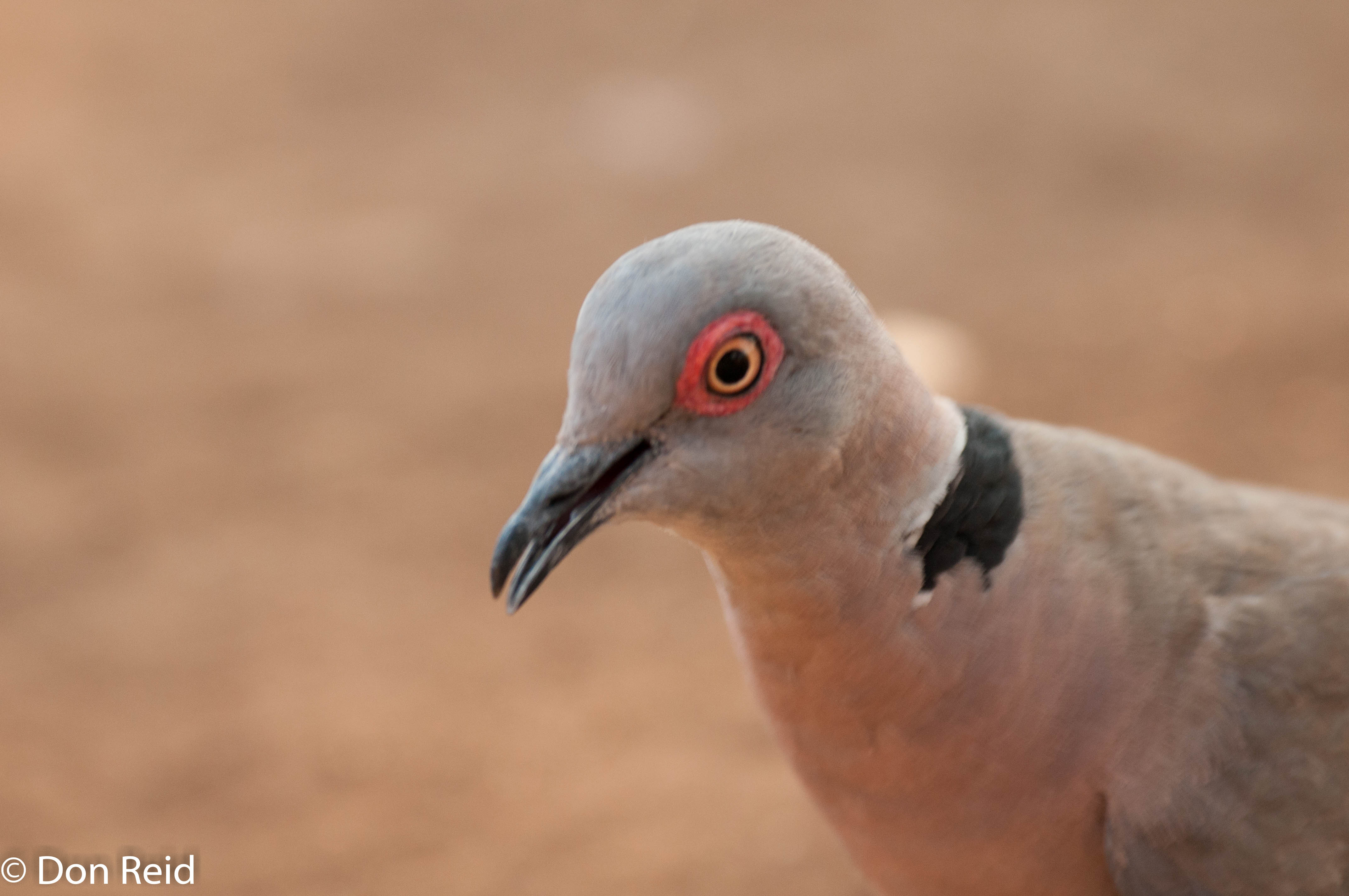
African Mourning Dove
  • Long-billed Crombec with its cricket-like call
  • Screeching of Brown-headed Parrots
  • the almost constant melodious call of the Orange-breasted Bush-Shrike, not too difficult to track down and photograph
Orange-breasted Bush-Shrike
  • occasional haunting call from the “Ghost bird” – Grey-headed Bush-Shrike, which perched for a while in the tree right in front of our rondawel
Grey-headed Bush-Shrike
  • Overhead a Yellow-billed Kite flew low over the trees, swooping lower every now and then in search of prey.

Satara is the second largest camp in Kruger and quite busy at this time of year, also attracting busloads of tourists from SA and overseas. The chalets are fairly simple and haven’t changed much over the years other than a small boma which has been added.

Satara - circle of chalets
Satara – circle of chalets
Our chalet
Our chalet
Enjoying the boma
Enjoying the boma

Most Kruger camps have their “residents” and Satara is no different – evening visitors to the chalets included African Wild Cat, Honey Badger and a cute troop of Banded Mongooses, while during the day you always have to be on the lookout for monkeys looking for a snatched snack.

African Wild Cat doing the rounds of the chalets

Other smaller residents use the chalets as sleeping quarters or hunting grounds

Fruit Bat - just "hanging around" until dusk
Fruit Bat – just “hanging around” until dusk
Tree Squirrel scouting around
Striped Skink on the hunt for small insects
Typical Skink on the hunt for small insects

The Drives

Once settled in our chalet our thoughts turned to what drives we would be doing. Satara has wonderful routes that take you in all four directions and a week provides the time to try them all without “rushing about” too much.

The next few posts will cover the drives we chose to do and some of the great sightings and experiences we had

Robertson, Cape – Small Town, Big Food, Good Birding

Who can resist  a Cape country stay and good food, with some great birding thrown in?

When we spend time at our home in Mossel Bay, as we did during July this year, we often try to break away to an area that we have not visited or explored before. This time around we chose Robertson in the Western Cape, just 2 and a half hours from Mossel Bay, and after scanning through all the options on Booking.Com we settled on Orange Grove Farm for our two night stay. Gerda and I also like to try out special restaurants now and again and were pleased to get a booking at the Reuben’s Restaurant in Robertson, owned by the renowned chef of the same name and with a reputation for fine dining.

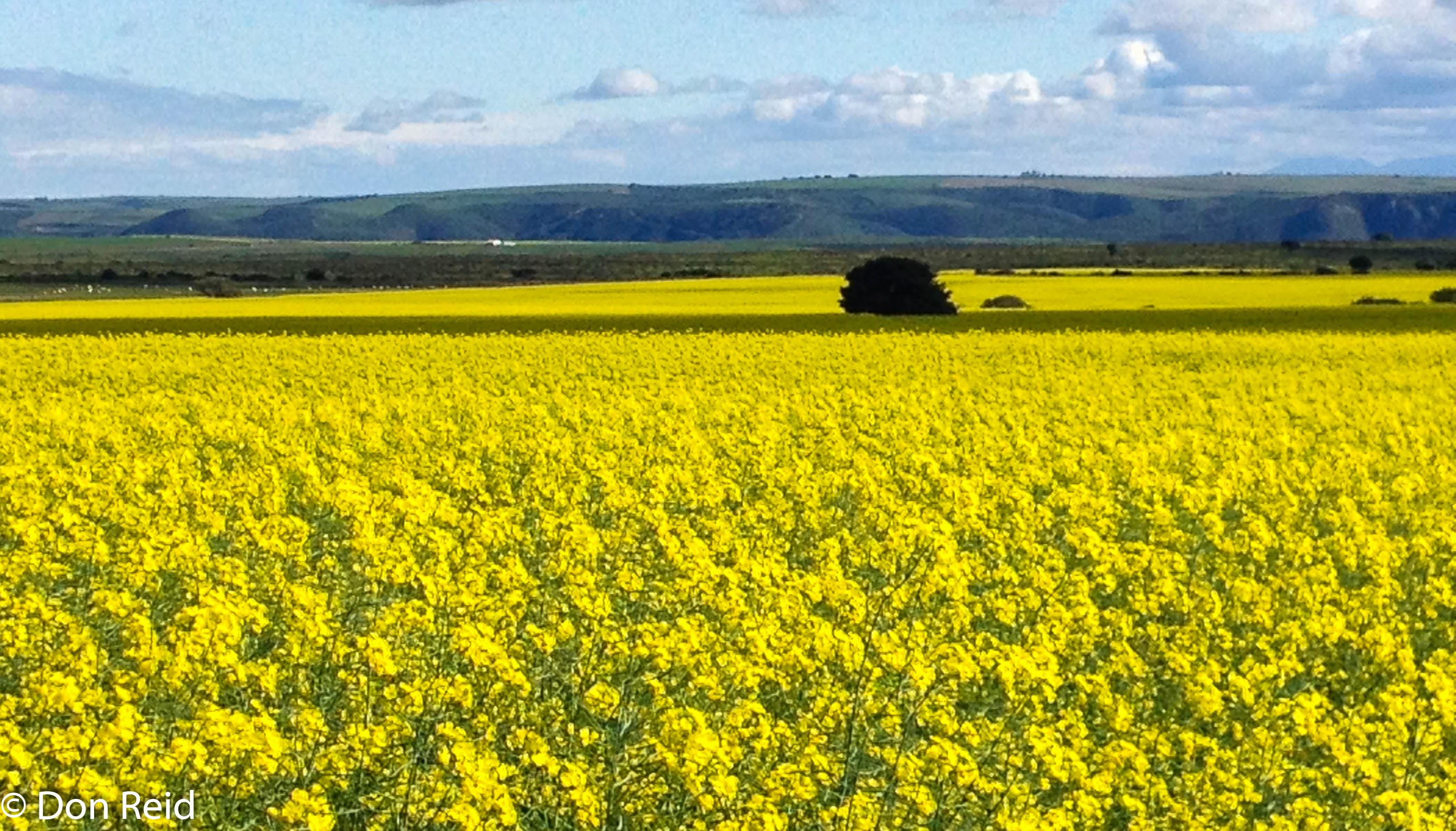
The last Monday in July saw us heading west along the N2 National road to Swellendam and from there branching off to Ashton and Robertson, a road quite familiar to us by now, but always a delight and particularly so at this time of year, with the contrasting greens and yellows of the scattered wheat and canola fields providing a spectacular patchwork.

Canola fields
Canola fields

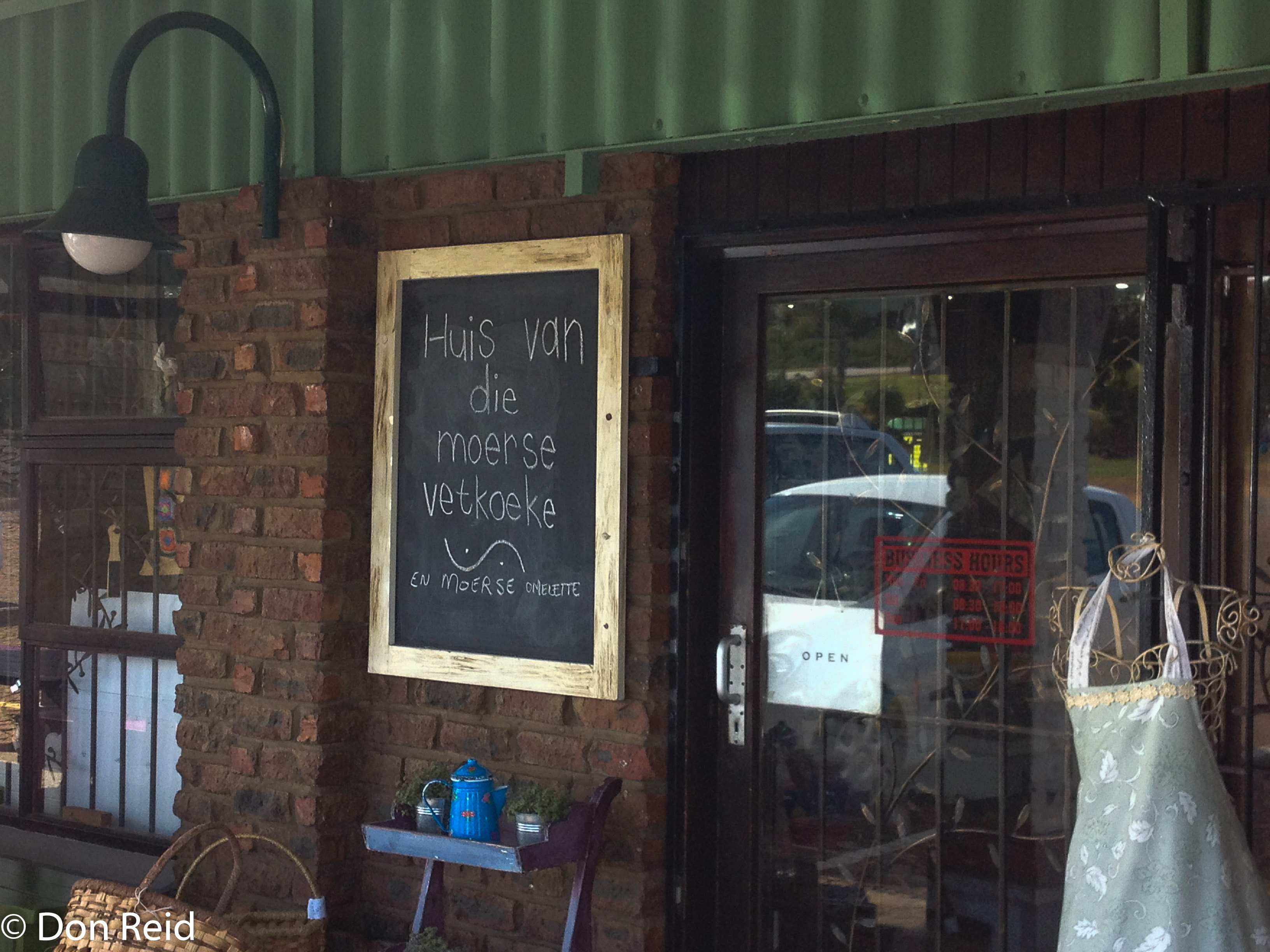
First stop for lunch was at Riversdale where the restaurant had a welcoming fire going (did I mention there was a severe cold spell over most of SA?) and simple but hearty food – we chose toasted sarmies and coffee to keep us going. The friendly owner also helped us choose some frozen home-made meals for the evening meal at Orange Grove, which is a self-catering resort, and later we were only too happy that we had chosen this option as we popped the Bobotie and rice in the microwave for an instant delicious supper.

Riversdale cafe
Riversdale cafe

Not much later we stopped at Orange Grove’s reception, but not before having a coffee in the restaurant at Rooiberg Winery Restaurant, right at the turn-off to Orange Grove. We were very tempted to try their pineapple Danish – you can make up your own mind whether we succumbed to the temptation or not, suffice to say we really enjoyed that last short stop.

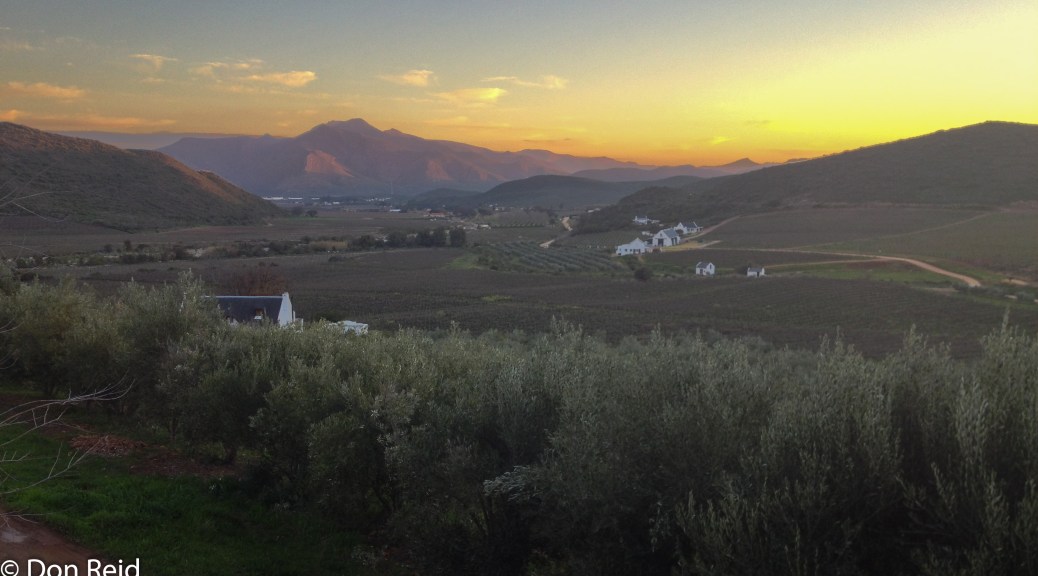
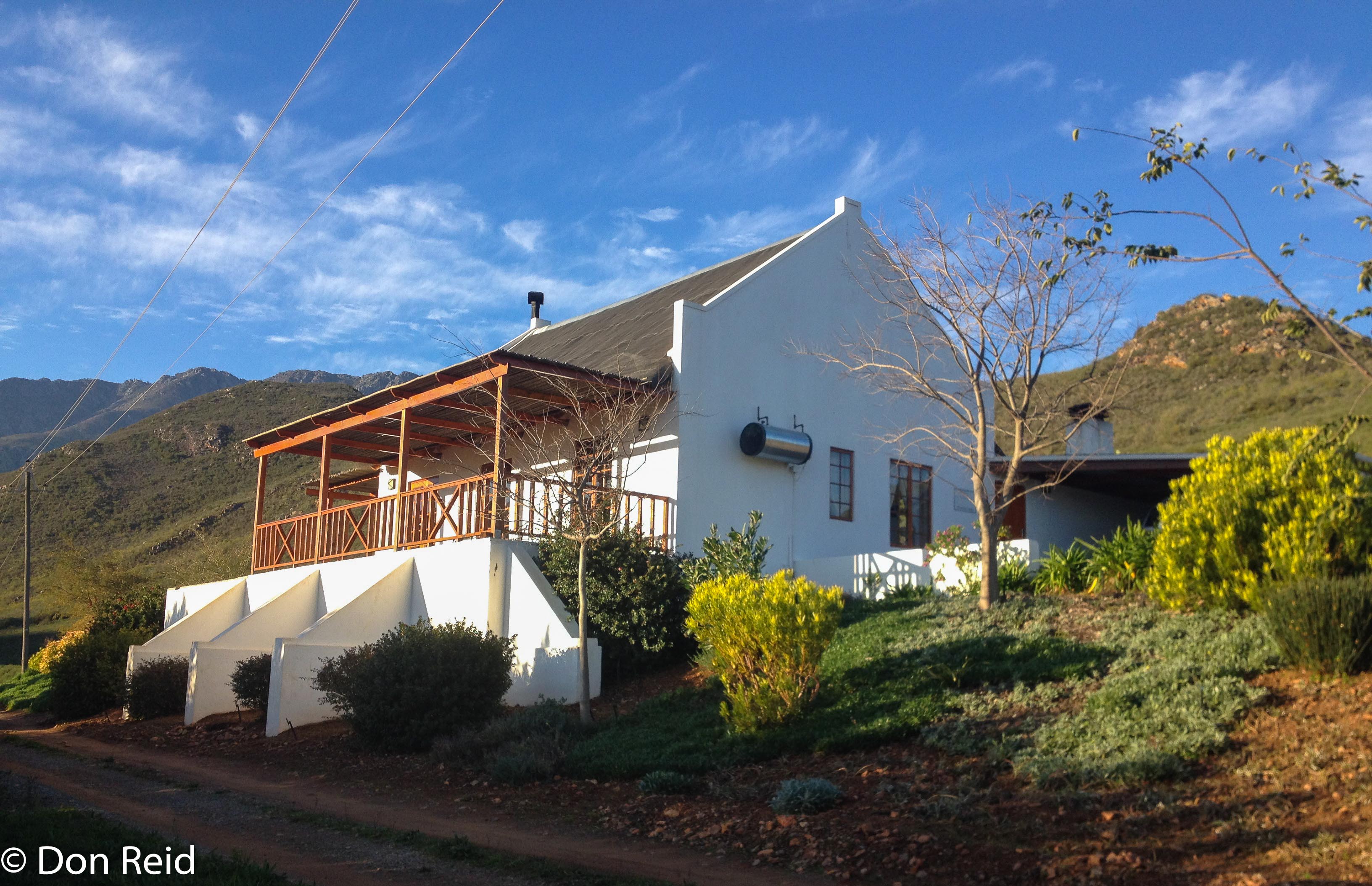
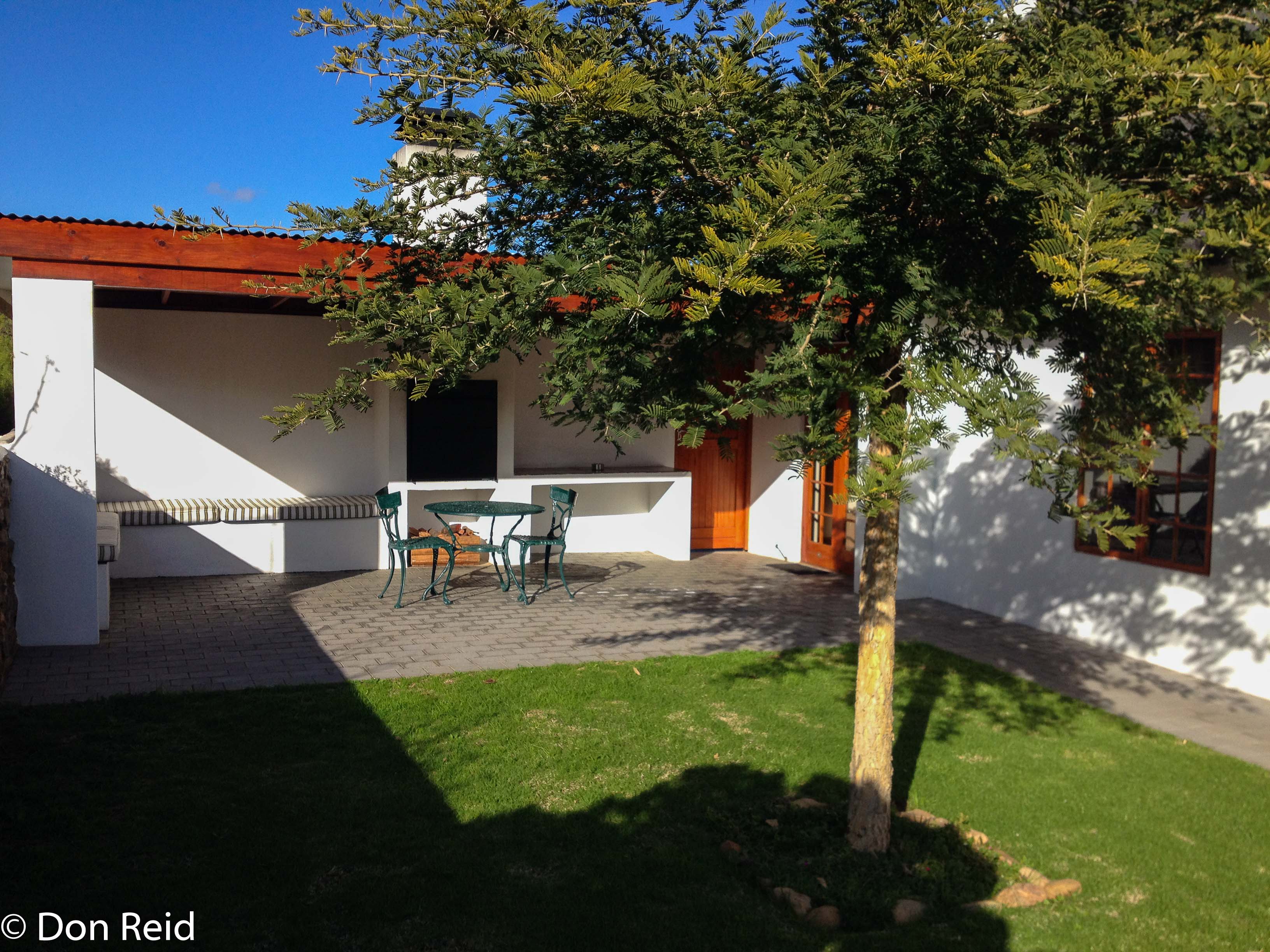
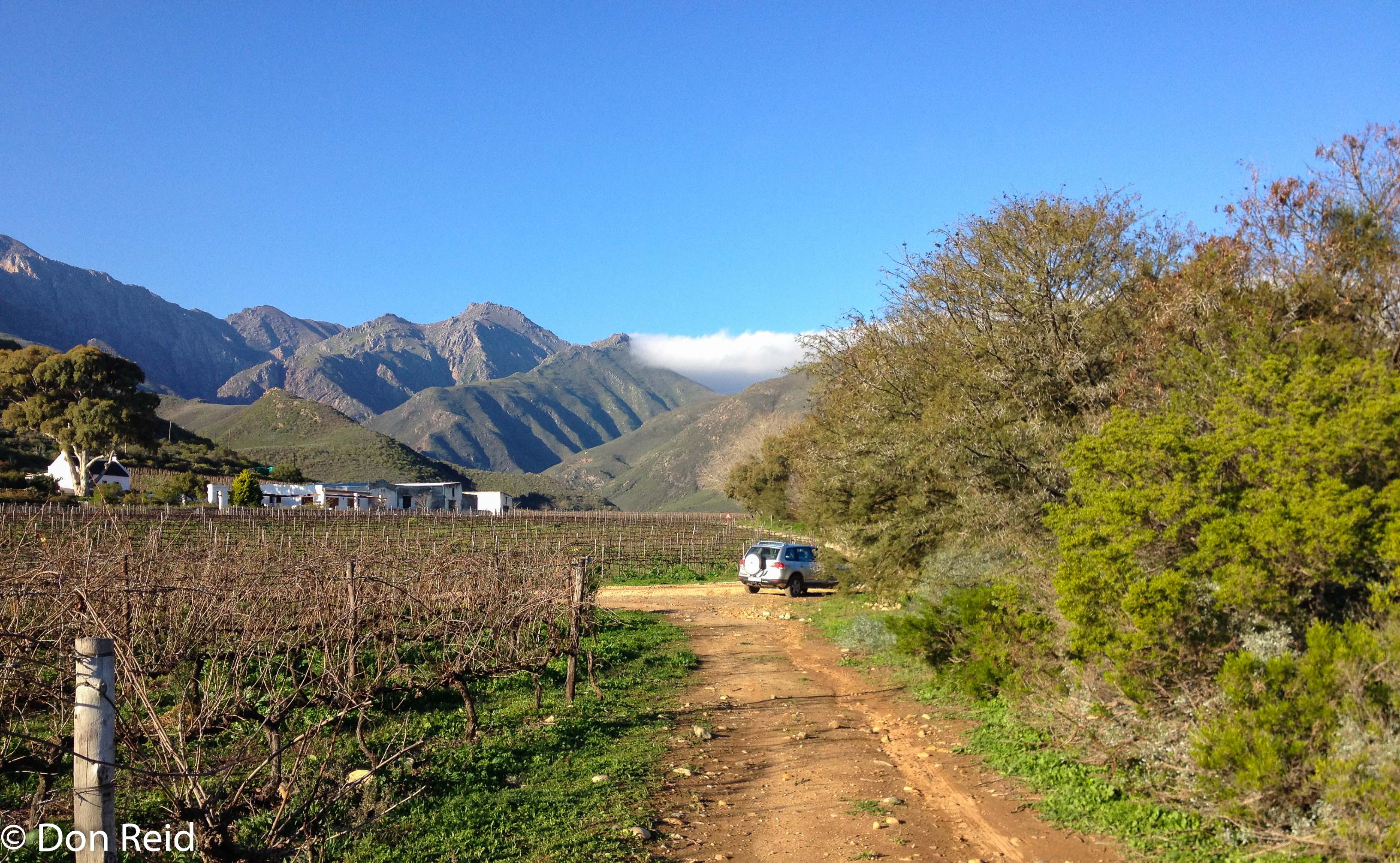
By 5pm we were in our chalet set against the slopes of the fynbos-covered mountain, looking over the vineyards and olive groves with the valley in the background.

The cottage
The cottage

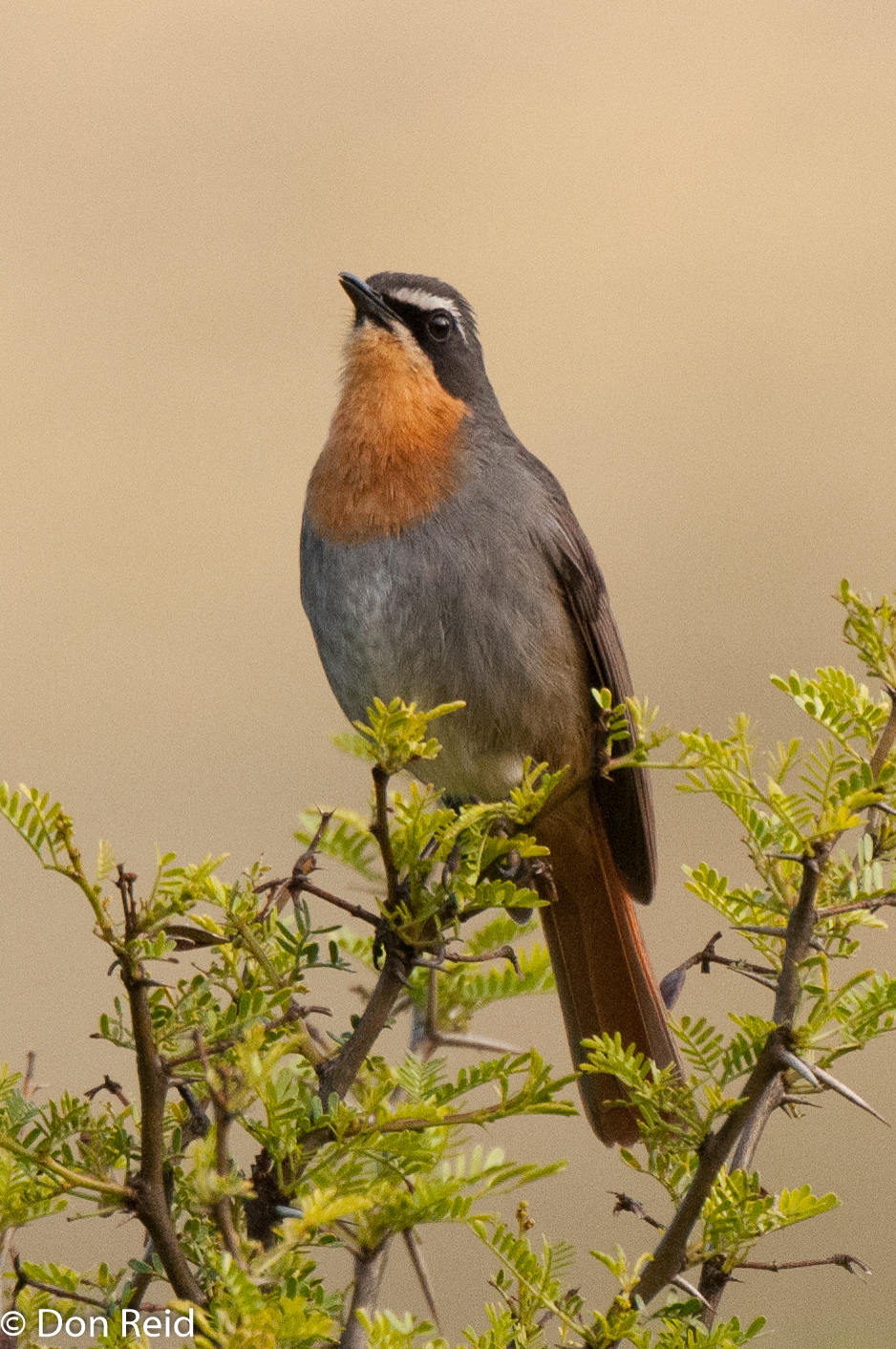
The chill of evening was setting in fast so I got the wood fire going and the gas heater running, then braved the chill air to start a new atlas card with the many visiting birds attracted to the indigenous garden and surrounding fynbos – cheerful Cape Robin-Chats and Bokmakieries with their well-known calls, White-Eyes twittering and Karoo Prinias in good form, moving about restlessly.

Cape Robin-Chat
Cape Robin-Chat

It was not long before the sun started disappearing behind the surrounding mountains, prompting the resident Cape and House Sparrows to settle in for the night as the cold really set in.

Next morning we slept late, with our breakfast basket arriving at 8.30am, beautifully packed with the goodies we had ordered off the list – all for self preparation. “Real” coffee from the French press went down well with a warm muffin and a skewer of fresh fruit with yoghurt – it’s moments like this that you feel really privileged and spoilt.

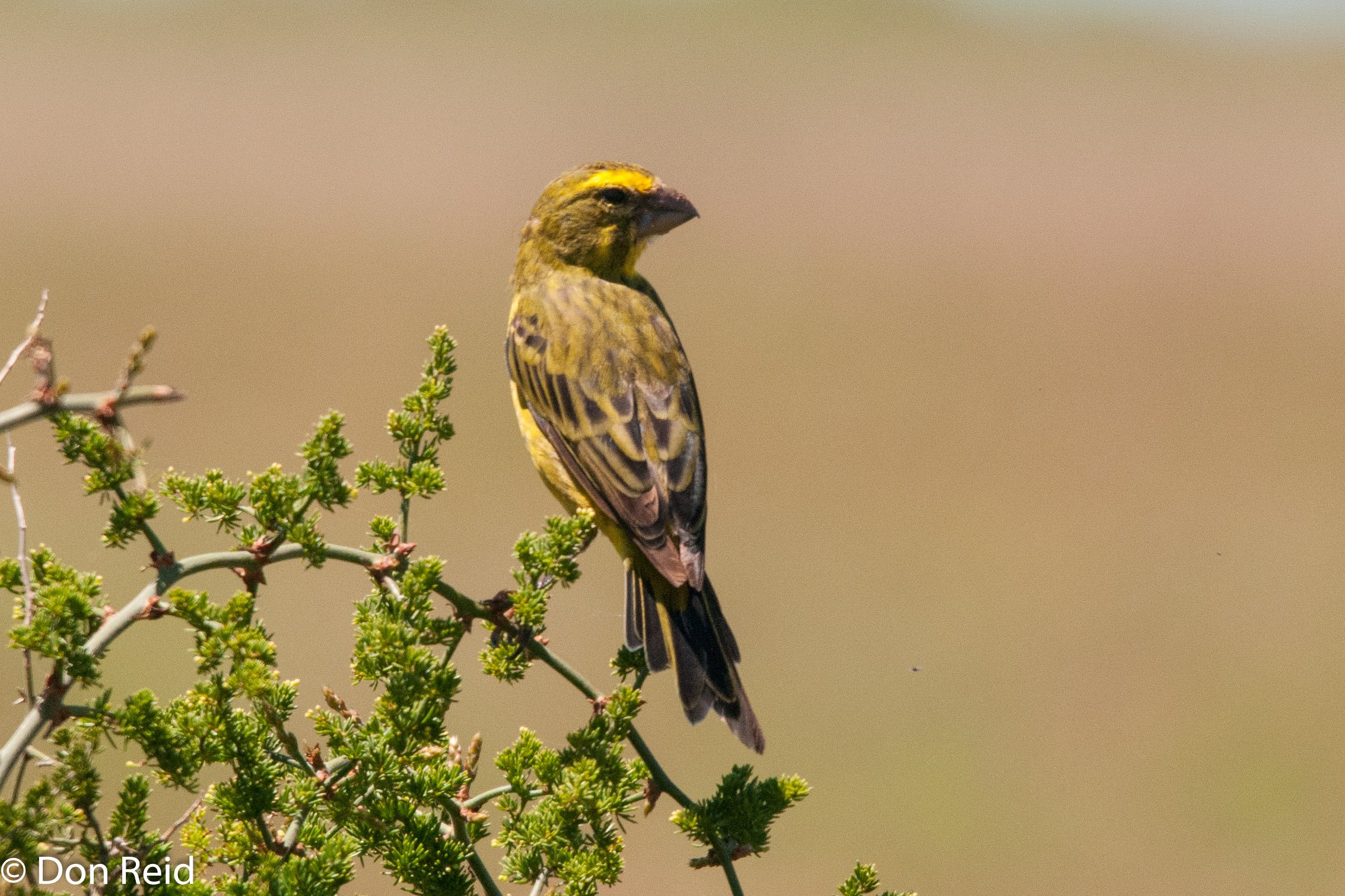
Once showered, I found a sunny spot on the patio and kept a lookout for passing birds, which did not disappoint. Fiscal Flycatcher is really at home here and it is also the most recorded bird in the pentad (reminder : a pentad is an 8km x 8 km block based on co-ordinates). Not far behind are the Sunbirds (Malachite and Southern Double-collared) in their colourful finery, and a selection of Canaries (Brimstone, Cape and Yellow), perky as always.

Fiscal Flycatcher
Fiscal Flycatcher
Indigenous garden
Indigenous garden
Sunny corner in the morning
Brimstone Canary
Brimstone Canary

Later in the morning Johan and Rosa (Gerda’s sister) arrived and we  took the short drive to the Rooiberg Winery restaurant for lunch and a chance to catch up on family news both sides and enjoy some of the simple but tasty fare on offer. Knowing we had a dinner date in the evening, Gerda and I went for the safe option of fish and chips, which turned up beautifully grilled, while Johan and Rosa chose the chicken curry, equally delicious judging by their satisfied murmurs.

The big chair at Rooiberg Winery restaurant
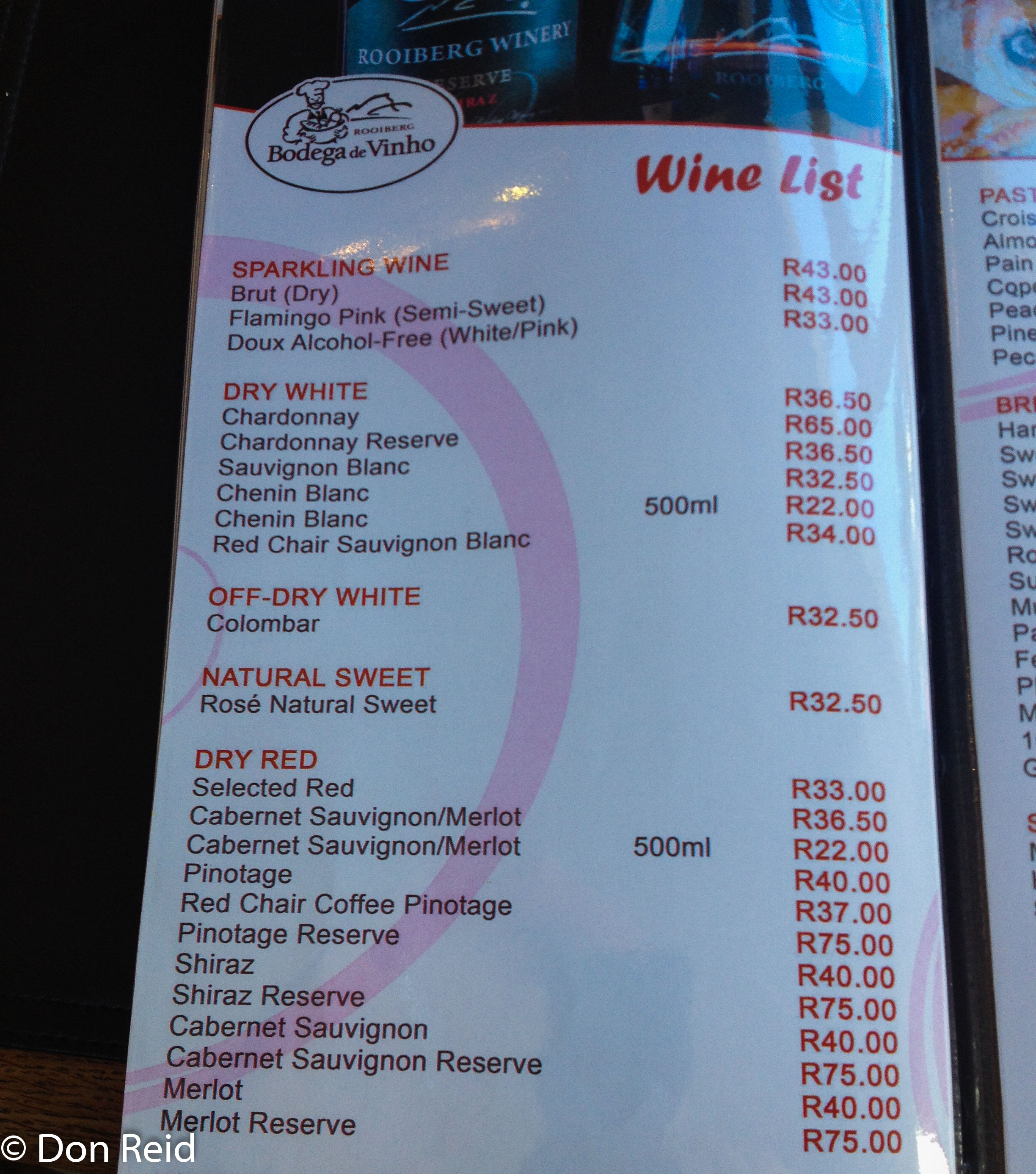
Check those prices!
Check those prices!

The wine was from Rooiberg’s selection and I was pleasantly surprised that the cellar (next door) prices applied in the restaurant – where else in the world can you be served an acceptable wine for less than R40 (that’s about 2 Pounds!)

After a lengthy and relaxed lunch, we settled the reasonable bill, said our farewells and returned to Orange Grove Farm, where I set out to do some justice to the atlas list. I soon had all three species of Mousebird (Speckled, Red-faced and White-backed) chalked up and a group of 5 Domestic Geese on the nearby dam while the other dam further along the road had Black Duck and Coots.

Orange Grove Guest farm
White-backed Mousebird

A walk along the road next to the riverine bush was quite productive with Pied Barbet in the trees and a variety of birds on and around a mound of organic fertiliser (that’s the nice term for it) – Doves, Sparrows, Weavers, Bishops and a few Cape Spurfowl all vying for a spot.

Swee Waxbill turned up in the trees and settled for a while for a late afternoon grooming session, but were not easy to photograph, while a Southern Tchagra popped out of the lower stratum of the bushes long enough to snatch a photo.

Swee Waxbill
Swee Waxbill
Southern Tchagra
Southern Tchagra

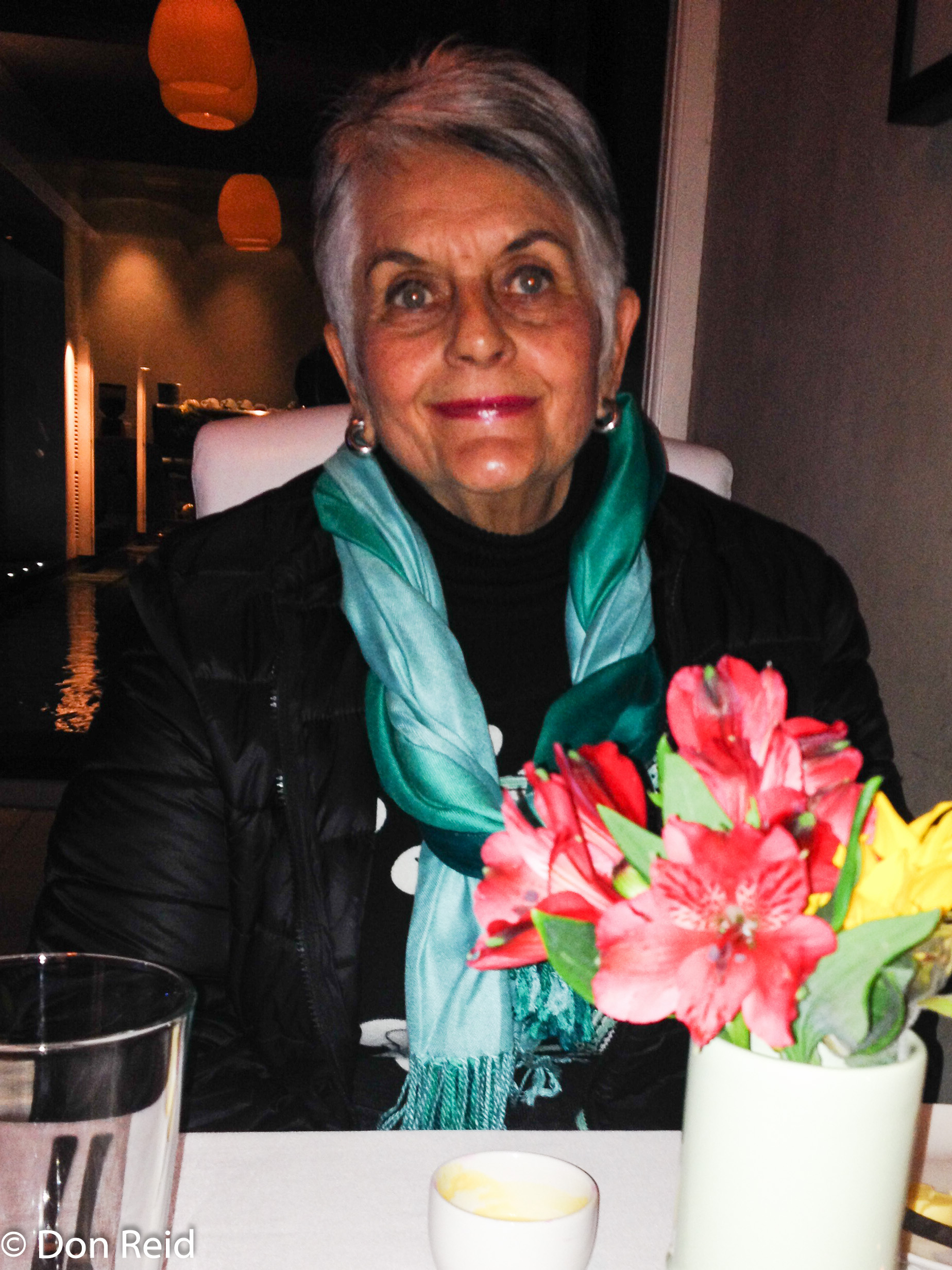
We had booked in advance for Reubens Restaurant that evening, but when it came to going out in the cold and driving the 20 Kms to Robertson we almost cancelled – thank goodness we persevered as it was a memorable meal in very pleasant surroundings, with some really stunning dishes accompanied by an excellent Merlot – the photos don’t do the dishes justice but use your imagination and sense the subtle flavours and perfect cooking!

Dinner at Reubens in Robertson
Gerda enjoying Reubens
Springbok loin (the animal not the rugby player)
Springbok loin (the animal’s not the rugby player’s)
Orange souffle
Orange souffle
Crème Brulee
Crème Brulee

Next morning we again lay in till late then set off on the return trip to Mossel Bay, again stopping at our new favourite roadside restaurant for coffee and a breakfast pastry (the infamous “load shedding” meant we could not boil water for coffee that morning). The road back was not busy and we took it easy, just enjoying the passing scenery, which at this time of year includes a vibrant display of flowering aloes, some natural, others planted.

Aloes along the Ashton-Swellendam road
Planted Aloes along the Ashton-Swellendam road

Riversdale was our last stop at just the right time for tea (no, we resisted the cakes this time). Passing Mossgas (PetroSA) the rain had formed temporary wetlands in the fields and the Gulls and others were making the most of it.

Gulls in temporary vlei near PetroSA (after soaking rains)
Gulls in temporary vlei near PetroSA (Mossgas) (after soaking rains)

Shortly after, we were back “home” in Mossel Bay (well it is our second home) with some pleasant memories of a charming part of South Africa.