Another memorable Birding Year has come and gone – a year filled once again with travelling to many familiar places and some exciting new ones, atlasing at every opportunity, a number of new birds seen and enough experiences to fill my journal to the brim.
So here’s a synopsis of my birding activities during the year along with photos of a few of the species encountered and places visited. Some of the trips are covered in separate posts in a lot more detail.
January
Our year kicked off in Mossel Bay, our home town for some of the year and I took the opportunity to do some atlasing / birdmapping in the area – Hartenbos and the adjoining inland in particular.
Agulhas Long-billed Lark in full song
On the 9th I had the unexpected thrill of finding a Pectoral Sandpiper, classed as a national rarity, which I duly reported to Trevor Hardaker who sent out a note to all subscribers to the SA Rare Bird News network – what a memorable day!
Pectoral Sandpiper, Hartenbos River weirSA Rare Bird News report
We started our journey back to Gauteng on the 13th, first stopping over in charming Prince Albert for two nights. I managed to fit in some atlasing in the area including a pleasant trip along the Damascus road.
Familiar Chat, Prince Albert (Damascus road)
Our next stop for one night was at Garingboom guest farm near Springfontein in the Free State which also proved to be an interesting birding destination.
Back in Pretoria, my first atlasing was centred around Mabusa Nature Reserve some 100 km north east of Pretoria which was a most enjoyable spot with some challenging roads and good birding
My first trip of the year to Kasane presented some great birding and atlasing opportunities in the summer lushness of Chobe Game Reserve.
Kasane Forest ReserveWhite-crowned Lapwing, Chobe Game ReserveChobe Game ReserveDouble-banded Sandgrouse, Chobe Game Reserve
Back in Pretoria I did further atlasing in the Delmas area
Brown-throated Martin, Delmas area
We used our timeshare points for a weekend at Champagne Valley in the Drakensberg, which provided an opportunity for some atlasing in the area
Grey-crowned Crane, Drakensberg southDrakensberg southGurney’s Sugarbird, Drakensberg south
March
Our Canadian family arrived on the 6th for a two week visit which included a Kruger Park visit and a trip to Vic Falls and Chobe Game Reserve
European Roller, Kruger ParkGreen-backed Heron (Juvenile), Lake Panic in Kruger ParkWhite-fronted Bee-eater, Zambezi CruiseLittle Sparrowhawk (Juvenile), Chobe Safari Lodge
Getting back to normal after the excitement of touring with the family, we visited Potchefstroom, and I was happy to take grandson Christopher (6) with me for some birding at the local dam – I think he was more interested in my Prado’s little fridge filled with cold-drinks, but you have to start somewhere!
April
My monthly visit to Kasane, Botswana afforded another opportunity for some birding around Kasane and in Chobe Game Reserve – such a great destination which I try not to spoil with too much work….
Bronze-winged Courser, Kasane Airport perimeterWestern Yellow Wagtail, Kasane Sewage Works
Then it was time for our much anticipated “Flock at Sea” cruise from the 24th to 28th arranged by Birdlife SA
Flock at Sea CruiseFlock at Sea CruiseBlack-browed Albatross, Flock at Sea CruiseWhite-headed Petrel, Flock at Sea CruiseFlock at Sea Cruise
May
Another short autumn visit to Mossel Bay meant I could fit in some further atlasing in the Southern Cape
Grey-headed Gull, Mossel BayCape Rock-Thrush (Male), Victoria BayZitting Cisticola, Herbertsdale area
Later in the month Koos and I headed to Bushfellows Lodge near Marble Hall in Mpumulanga for a day’s atlasing (and some snake watching)
Just a week later we spent 4 days at Verlorenkloof also in Mpumulanga with Koos and Rianda, one of our favourite spots for relaxing and blessed with a variety of birding opportunities
The month kicked off with a visit to Kasane but this time my birding was limited to a rather hurried morning trip into Chobe Riverfront
Yellow-billed Oxpecker, Chobe Game ReserveBrown Snake Eagle, Chobe Game Reserve
On the 10th Koos and I braved the mid-winter cold and the notoriously dangerous Moloto road north of Pretoria to do some atlasing in NE Gauteng
Marico Sunbird, far north east 4DG
We closed out the half year with our “get away from it all” break in La Lucia near Durban at our timeshare resort – this was interrupted by a breakaway to northern Zululand to view a Malagasy Pond-Heron that had taken up residence at Phinda Game Reserve.
Phinda North KZNMalagasy Pond-Heron, Mziki dam, Phinda North KZNLong-tailed Paradise Whydah, Phinda North KZN
In the latter part of the week I visited Pigeon Valley for some superb forest birding
Spotted Ground Thrush, Pigeon Valley DurbanPigeon Valley DurbanGrey Waxbill, Pigeon Valley Durban
July to December will be covered in the next post – watch this space!
Having a farm in Africa is not quite as romantic as the well-known film of some years ago made it out to be. It takes a lot of courage and hard work to make a success of a farm and the dependence on favourable weather conditions can fray the nerves, to say the least.
Nevertheless it would be many people’s dream come true to have a farm in Africa – the next best option is having family with a farm and we count ourselves fortunate to be in that position. It also helps if said family are the hospitable kind and they don’t come more hospitable than Pieter and Anlia Genis, Pieter being my wife Gerda’s nephew and Anlia being, well, Anlia.
Their farm lies in a hilly part of northern Kwazulu-Natal province of South Africa, not far from Vryheid and some of the sites of fierce battles that took place in the late 1800’s, variously between the forces of the British, Boers and Zulus who were all fighting for control of this part of Southern Africa.
Onverwacht farm, Vryheid
We visit the farm whenever the opportunity arises, although less frequently than we would like and our most recent visit, coinciding with the first weekend of our Spring in September 2016, was to attend a family wedding in Vryheid. I used the time before and after the nuptials to fit in some birding in this quite special environment and as usual it delivered several species that are not easily seen elsewhere.
Exploring the Farm gardens and surrounds
Onverwacht farm, Vryheid
Saturday’s session was less than half an hour in the vicinity of the farm-house, highlighted by a Bald Ibis flying past, Black-headed Oriole calling regularly with liquid whistles, White-throated Swallow and a lofty Yellow-billed Kite, no doubt fresh back from its migration to other parts of Africa.
Bald IbisWhite-throated Swallow
Very prominent were the Village Weavers in numbers in the pine trees behind the house, chattering away in their excitement at the arrival of Spring and a chance to do some nest-building and wooing of the female weavers.
Village Weaver
And in the garden a Greater Double-collared Sunbird showed off its bright red and green colouring.
Greater Double-collared Sunbird
Sunday’s birding was a lot more exciting, starting with an hour-long slow walk around the dam not far from the house and followed by a drive up the mountain to the plateau, courtesy of “bird-guide” Pieter, who has become very adept at knowing where certain species occur on his farm.
The dam circuit was a slow and easy walk from the house down to the dam and skirting the edge all the way around.
The dam as seen from the farm houseThe dam
Brown-throated Martins and Black Saw-wings flew low over the water along with an occasional White-throated Swallow. Amongst the usual Yellow-billed Ducks and Red-knobbed Coots, a bevy of White-backed Ducks stood out but kept their distance, making it difficult to get a decent photo.
White-backed Duck
A Giant Kingfisher flew out of a waterside tree as I approached, calling ka-ka-ka, and landed on the far side of the dam.
Walking along the dam wall, I disturbed several reed-dwellers – Levaillant’s Cisticolas, Tawny-flanked Prinias, Neddickys and Southern Red Bishops aplenty. Lesser Swamp-Warbler peeked out of the reeds just long enough to grab a photo.
Levaillant’s CisticolaSouthern Red BishopLesser Swamp Warbler
Going Up
After a more than substantial farm breakfast, including my favourite “krummelpap” – a crumbly porridge in warm milk and dressed with biltong and cheese, Pieter suggested a birding drive, which I agreed to rapidly. We were soon on our way up the mountainside on to the plateau in the 4 x 4 bakkie (pickup), expertly driven by Pieter on tracks which are at times rough enough and steep enough to have this brave birder’s heart in his mouth.
The plateau lies some 300 metres above the farm-house and once we had ascended to the top we spent the next couple of hours looking for the species that favour the rock-strewn grassy habitat, rocking and rolling along the rough tracks that wind between the rocky areas.
View from the plateau
Surprisingly the most common bird was Buff-streaked Chat – up to a dozen pairs in all – followed by Eastern Long-billed Larks and Cape Longclaws, all moving about this unique landscape with its almost unearthly feel – thousands of rocks seemingly strewn about in a random manner, interspersed with fine grass and shrubs and relatively flat despite being “on top of the mountain”
On the plateau – rocks for Africa!Eastern Long-billed Lark (from far away)Cape Longclaw
Other interesting species that occur here and that we came across in small numbers were :
After exploring the length and breadth of the farm’s extent at this higher level, we headed back down the steep incline, edging slowly around the hairpin bends, some with a steep drop-off to one side, which require some careful manoeuvring.
We came across Ground Woodpeckers, whose habitat according to Roberts includes road cuttings, which is precisely where we found them – how specific is that!
We ended with a drive through corn fields adjacent to a stream and found a single Spoonbill, then made our way back to the farm-house for more of the hospitality for which farmers are deservedly famous.
On a previous trip we had the pleasure of seeing Grey Crowned Cranes in the fields, albeit at a distance. They must rate as one of the most spectacular large birds in Southern Africa and to see them “dancing” as part of their courtship ritual is unforgettable.
Grey Crowned Crane
This is also an area of plantations, generally sterile as far as birding goes but good for a moody photo…..
Plantation, Onverwacht farm
Atlasing Stats
From an atlasing point of view it was a successful outing with 55 species recorded, 5 of which were new to the pentad (refer to my recent “Atlasing Tales” posts for an explanation of these terms). The pentad number is 2740_3035 (the red square on the map) and this was the 7th Full Protocol card. My contribution has been 4 FP cards so far, with a species count of 123.
It was a memorable Birding Year for several reasons – many great places visited in pursuit of new birds, many amazing experiences, often when least expected, atlasing at every opportunity, all of which has left me more than satisfied and (hopefully) has boosted my birding and bird photography skills. It was also sprinkled with enough “Lifers” to make it a special birding year, most of which were not planned but rather just happened along the way.
Part two follows my birding journey from July through to December and is just a brief synopsis of my birding activities along with photos of the species encountered and places visited. Some of my trips are / will be covered in separate posts in a lot more detail.
July
The month kicked off with some mid-winter atlasing on the 2nd, in the Balmoral / Witbank area with Koos Pauw
On the 8th, in Kasane, Botswana for my monthly project visit, I did a spectacular birding trip by rented boat on the Chobe River, which was every bit as good as I had hoped
Chobe River Boat TripAfrican Fish-Eagle, Chobe River Boat TripAfrican Skimmer, Chobe River Boat TripLappet-faced Vulture, Kasane
Just three days later it was back to more normal birding / atlasing – this time east of Potchefstroom where we had gone to visit Stephan and family
And another two days later it was time for a truly memorable trip to Heilbron in the Free State to ” twitch” the reported Burchell’s Courser with Koos, which we duly did, finding along the way two other Coursers (Double-banded, Temminck’s) and a bonus lifer for me in the form of a Pink-billed Lark which Koos spotted
Burchell’s Courser, Heilbron area
The last week in July was spent in Mossel Bay where the Pincushions were in full bloom and attracting numbers of nectar feeders, which kindly posed for some colourful photos
Greater Double-collared Sunbird, Mossel Bay
Writing this, I realised that I had done birding across 2 countries and 5 of SA’ s provinces during July!
August
My visit to Kasane from the 3rd to 5th allowed for some great birding again, visiting a riverside spot late afternoon where my colleagues went to fish and I took the opportunity to do some atlasing, photographing the Hartlaub’s Babblers and just enjoying the ambience as the sun set and hippos blew bubbles and snorted in the river
On the Friday morning before returning to SA I travelled to the Ngoma gate into Chobe Game Reserve and drove eastwards along the Riverfront road, atlasing all the way. I was rewarded with good views of Openbill, Great White Pelican, Tawny Eagle, Dickinson’s Kestrel and Slaty Egret amongst many others.
Brown-crowned Tchagra, Chobe Game ReserveSlaty Egret, Chobe Game Reserve (a very average photo, but my first of this scarce species)Dickinson’s Kestrel, Chobe Game Reserve
Mid August I fitted in some Monday atlasing, this time near Leandra where a farm dam was very productive with a nice range of waterfowl and one Caspian Tern
September
A family wedding took us to Vryheid and the farm of Pieter and Anlia Genis, where I was able to enjoy excellent birding in between the family festivities, with the assistance of Pieter and his rugged Bakkie (Pickup). The drive up to the plateau high above the farmhouse was as spectacular as ever and was good for a number of the area specials such as Black-winged Lapwing, Denham’s Bustard, Ground Woodpecker, Buff-streaked Chat and Eastern Long-billed Lark
Another family event saw us in Potchefstroom two weeks later and I was able to squeeze in some atlasing early on the Monday morning before returning home to Pretoria
October
A visit to Kruger National Park in the first week of October with Andre and Geraldine and the girls was a highlight of the year, with the dry conditions limiting the bird numbers somewhat but each day proved to be full of interesting sightings.
Our home for the week was Olifants camp in the northern section of the Park.
The rest of October was devoted to atlasing some of the birding “hotspots” around Pretoria and further afield.
Roodeplaat dam was good for two separate visits on consecutive Saturdays, one with Koos Pauw, both visits proving that this is one of the best spots for a relaxed morning’s birding with good roads and well-kept facilities. The highlight was the constant calls of Tchagras, Titbabblers, Boubous, Scrub-Robins and others that accompanied the drives. The two birding sessions produced a remarkable 100+ species!
It was also the place where I saw the strangest bird of the year – one that had me completely flummoxed until I realised it was a fairly common Lesser Striped Swallow missing its tail. For a moment or two I thought I had discovered a new species of Spinetail!
Another attractive venue was Mabusa Nature Reserve, some 1.5 hours drive from Pretoria, but almost constant light rain put a damper on my visit and the slightly unscheduled arrival of our 7th grandchild had me rushing back to Pretoria a little earlier than planned. Definitely a spot to revisit on a sunny day.
A Terrapin in the middle of the drenched gravel road was proof of how wet it was – I have only ever seen them clinging to a rock in a river or dam
Terrapin, Mabusa NRMabusa NR on a wet dayCape Glossy Starling, Mabusa NR trying to look happy about the rainAfrican Pipit, Mabusa NR
Last up was a visit to the area around Settlers in the Bela Bela area of Limpopo province, where the highlight was meeting a farmer that I encountered on the road who invited me to visit the “Vulture restaurant” at a large Pig-farm nearby.
You would think I’d had enough of Chobe by now, but no, once again I arranged a boat trip along with a colleague while in Kasane and once again it was spectacular. My aim was to find Rock Pratincole which we did quite easily and had an up close and personal view to boot. I will do a separate post on this trip but suffice to say it was special.
Rock Pratincole, Chobe River tripLong-toed Lapwing, Chobe River trip
On the 9th another local hotspot demanded a visit when Green Sandpiper was reported from Rietvlei Nature Reserve near Pretoria (actually part of Pretoria). I did not find the Sandpiper but plenty of others kept me busy and fascinated, including a variety of antelope and other game. I still managed to make it to the office by mid-morning with 62 species counted.
Cape Longclaw, Rietvlei Dam
Our annual “long stay” trip to Mossel Bay came around almost before we were quite ready and an overnight stop at Abbotsbury guest farm near Graaff-Reinet on the way there was my next opportunity for some Karoo birding on this delightful farm.
Red-eyed Bulbul, Abbotsbury near Graaff-Reinet
We were barely settled in Mossel Bay when Birding Big Day came up on the 26th and at the last moment I decided to enter the Birdlasser challenge despite not having a team, planned a route or being even vaguely prepared. As it turned out I had a great day doing a circular route in the surrounding area, with Gerda joining me in the afternoon, and recorded 112 species on the day – not too bad for the area.
December
On the road again – this time on a 5 day trip to the Western Cape mainly to visit family, but naturally I took every opportunity to do birding along the way. News of several rarities at Strandfontein Sewage Works had filtered through in the few days prior to the trip and, prompted by Gerda who knows I can’t resist the temptation of a new bird, we adjusted our itinerary to spend a night nearby the spot, which meant I could spend time there in the hope of finding them. As it turned out I added Temminck’s Stint, Red-necked Phalarope and American Golden Plover to my life list – my only dip was the Pectoral Sandpiper.
Worcester was our base for 3 nights and on the return trip to Mossel Bay we stopped for an overnight stay at Jan Harmsgat guest farm
I felt that the rarities were following me when a Red-necked Buzzard was seen in Stilbaai, just and hour or so away from Mossel Bay, so on the 13th I went to look for it and ended up getting great views accompanied by some of the top birders in SA, who had driven a lot further to see this mega-rarity. One of them was the country’s leading seabird expert, Barrie Rose, with whom I had a chat as we were at school together. Barrie was tragically killed just a couple of weeks later when he fell off rocks at Cape Point while fishing. Just another reminder how tenuous life can be.
Red-necked Buzzard, Stilbaai TwitchStilbaai Sewage Works – a bird hide for the birdsStilbaai twitch – RIP Barrie Rose (walking up the hill at the rear)
On the 22nd I atlased two pentads north and south of Herbertsdale, one of my favourite birding areas, which was also my last formal birding trip of the year.
During our lengthy stay in Mossel Bay I did regular atlasing in the Golf Estate, where 30+ species can be seen in an hour’s walk during Summer, as well as around town which has a few reliable birding spots such as the Point and the harbour area for seabirds and the small dam at the SPCA grounds for waterfowl.
Grey-backed Cisticola, Mossel BayAfrican Black Swift, Mossel Bay
I am not sure how I will top 2016 as far as birding goes, but I will certainly give it a go!
It was a memorable Birding Year for several reasons – many great places visited in pursuit of new birds, many amazing experiences, often when least expected, atlasing at every opportunity, all of which has left me more than satisfied and (hopefully) has boosted my birding and bird photography skills. It was also sprinkled with enough “Lifers” to make it a special birding year, most of which were not planned but rather just happened along the way.
What follows is a brief (remember, brief is relative) synopsis of my birding activities along with photos of the species encountered and places visited. Some of my trips are covered in separate posts in a lot more detail.
January
Our year kicked off in Mossel Bay, our home town for some of the year, including December and half of January, and I took the opportunity to do some atlasing / birdmapping in the area. This included one particularly memorable trip through the mountains on a back road north of Herbertsdale (actually an old wagon route) where I saw just one other person in two hours and not a single other vehicle. The pentad (a block of 5 x 5 minutes of latitude and longitude) had never been atlased previously so was virgin territory.
Old Wagon route, Herbertsdale northJackal Buzzard, Herbertsdale north
Further atlasing on the 14th was limited by almost constant light rain, but was nevertheless interesting, producing some scarcer species such as Little Bittern doing its “sky-gazing” trick and a group of Amur Falcons, unusual in this part of SA. Parts of the gravel road were very slippery and called for close concentration.
Cattle Egret, Herbertsdale south (spot the raindrops!)
Our customary “slow and easy” trip back to Pretoria started on the 16th with a short drive to Prince Albert for a two night stay, allowing time for some Karoo birding, then on to Prior Grange guest farm near Springfontein in the Free State, where I was able to fit in some early morning birding before our last push to Pretoria and home.
A report of a Caspian Plover near Hanover persuaded us to deviate for an hour or two to look for it – with the help of the farm owner we found it, as well as some other delights such as Blue Korhaan and Namaqua Sandgrouse
Namaqua Sandgrouse, New Holme Guest Farm, HanoverCaspian Plover, New Holme Guest Farm, HanoverBlue Korhaan, New Holme Guest Farm, Hanover
Back in Pretoria I was soon chasing further rarities when reports of a Red Phalarope at Mkhombo dam filtered through and I ended up visiting this exciting birding spot three times before the month was out, once on my own, once with George Skinner and once with Francois Furstenburg, the latter trip including some great birding along the Zaagkuildrift road.
Red Phalarope, Mkhombo DamGrey Plover, Mkhombo DamLong-tailed Paradise Whydah, Mkhombo Dam
And to round off a memorable month, a Spotted Crake was reported outside the main gate to one of Johannesburg’s largest residential estates. It proved to be one of the easiest twitches ever as more than 1000 birders went to see it.
Spotted Crake, Waterfall Estate
After that exciting start to the year I took a break in February to focus on other life matters and recommenced in…
March
The month started with a bang when I visited Kasane in Botswana for the project I am involved in and took the opportunity to “pop over” to the Caprivi Strip in Namibia to see the Yellow-throated Leaflove reported at a lodge near Katimo Mulilo, along with some of the other area specials and another lifer by way of an accommodating Schalow’s Turaco at the same lodge. The Leaflove was a new species for Southern Africa and created a lot of excitement amongst twitchers.
While in Kasane I visited Chobe Game Reserve and the Kasane Waste treatment works which both produced some excellent birding.
Chobe NPRed-billed Spurfowl, Chobe NPAfrican Openbill, Chobe NPSouthern Carmine Bee-Eater, Chobe NPWood Sandpiper, Kasane Water Treatment works
The following week I fitted in some atlasing, this time in and around Cullinan area east of Pretoria (where the famous Cullinan diamond was found)
The next weekend we visited Potchefstroom and I atlased in the area, focusing on the Boskop dam north-east of Potch which proved to be an excellent spot with a total of 72 species, the highlight being an African Rail walking along the dam edge for 50m or so before disappearing into reeds.
April
Back in Kasane for my monthly visit, the only birding I managed was at Senyati camp, which we visited late one afternoon and viewed the elephants coming to drink at the waterhole, along with a variety of bird life.
Then it was time for our long-planned trip of the year to celebrate 45 years of marriage – two weeks in Europe , visiting Prague and Passau, with an eight-day Danube River Cruise sandwiched in between. Birding was limited to whatever crossed my path but was still good for a handful of Lifers added to my “World list”
Eurasian Jay, PragueBlack Redstart, Cesky KrumlowPetrin Hill in PragueGreat Tit, ViennaRed Fox with fish catch along the Danube River (OK it’s not a bird but rates as one of my sightings of the year)Caspian Gull, DanubeCommon House Martin, DanubeBarn Swallow, DanubeLesser Kestrel, PassauPassau – views from the CastleBlack-headed Gull, Passau
May
My trip to Kasane Botswana from the 10th to 12th presented few opportunities for focused birding, nevertheless I was able to spend time in three spots that I have got to know fairly well – Kasane Waste Treatment works, Thebe lodge and Seboba Nature Park, all of which are reliable for a variety of species.
113 White-crowned Lapwing, Seboba Nature Park – Kasane (290)Marabou Stork, Kasane Water TreatmentYellow-bellied Greenbul, Thebe Safari LodgeBlue Waxbill, Seboba Nature Park Kasane
On the 16th and again on the 23rd I got back to some “ordinary” atlasing in some of my favourite parts of eastern Gauteng – lying generally in the corridor between Bronkhorstspruit area and Delmas area. Good solid midwinter atlasing in these run-of-the-mill parts of Gauteng can be just as inspiring as birding some of the more recognised birding spots.
Brown-throated Martin, Delmas area
On the 26th and 27th we joined Koos and Rianda at our favourite getaway – Verlorenkloof estate near Machadadorp – which as usual did not disappoint with the quality of the birding
Kasane was the destination once again from the 1st to 3rd with another birding trip along the Riverfront section of Chobe Game Reserve.
Bradfield’s Hornbill, Chobe Riverfront
Winter atlasing in the Delmas area on the 6th included a visit to a farm dam courtesy of the farm owner who I tracked down – worth the trouble as the dam contributed 21 species to the list including both Flamingoes, Black-necked Grebe and Maccoa Duck
Harrier in the mist (African Marsh-Harrier), Delmas area
Next up was our visit to La Lucia near Durban for a week, during which I enjoyed a Fathers Day feast of birding in Ongoye Forest, Mtunzimi and Amatigulu Reserve with local guide Sakhamuzi Mhlongo, who found the Green Barbet that I had hoped to see. This species is restricted to this one single forest in Southern Africa.
Ongoye ForestGreen Barbet, Ongoye Forest Reserve (Not a photo-friendly species at all!)Ongoye ForestSquare-tailed Drongo, Ongoye Forest ReserveYellow-throated Longclaw, MtunziniAmitigulu Nature Reserve, Sakhamuzi leading the wayScaly-throated Honeyguide, Amitigulu Nature Reserve
On the way back to La Lucia I popped into the well-known birding spot at Sappi Stanger, which was lively with waterfowl and others
Just when you thought it was safe to go into 2016, here is another of those pesky “looking back at 2015” stories. Apologies but I just have to do it – so here is my review of my birding year, for what it is worth.
It has been another busy year of travel for Gerda and myself, in between maintaining our normal home routines, however this time around we did not do any “overseas” trips but confined ourselves to travel within South Africa. In addition my birding took me to Mozambique for a dedicated 2 week birding extravaganza and work-related trips took me to northern Botswana, where I was able to fit in some wonderful birding and game viewing – all in all it made for another interesting year…….
January
The year started, as it has over the past couple of years, in Mossel Bay where we have a second home and I used the opportunity to do some atlasing in the Golf Estate where our house is located and in the surrounding area. (reminder : “atlasing” is the recording of bird species in an area called a Pentad, defined by coordinates, about 8 x 8 kms in extent, with the data collected going to a database at the University of Cape Town)
Gerda joined me for a morning of atlasing near Albertinia, with breakfast and coffee stops to make it a pleasant outing for both of us.
Malachite Sunbird on flowering sisal trees, near Albertinia
From the 9th to 12th we did a short trip through the Western Cape, spending one night in Swellendam and two more visiting Johan and Rosa in Worcester. I managed to sneak in some atlasing as we went without turning up anything of note.
On the 16th it was time to leave Mossel Bay and return to Gauteng but not without making the most of the journey – two nights in Prince Albert in the Karoo and one in Hoopstad in the Free State made sure of that.
Karoo Chat (Juvenile), Prince AlbertKurrichane Buttonquail in mielie (corn) fields, Hoopstad
February
Undoubtedly the highlight of my birding year started on 29th January with a two week birding trip through Mozambique as part of a group of 10 in four vehicles. The full report appears in my posts from earlier in 2015 and it is difficult to isolate the highlights as every day was full of them, but here are a few that were really special and the “Lifers” that went with them :
Early morning on the Limpopo floodplain with Sedge Warblers and Rufous-winged Cisticolas
Limpopo floodplain near Xai-Xai
Birding on the mudflats at Imhambane and Lighthouse beach nearby – Lesser Sand Plover, Lesser Crested Tern and Crab Plover
The mudflats, InhambaneLesser Sand Plover, InhambaneMixed Terns, Lighthouse beach Barra
Driving through dense woodland to the Panda area to view Olive-headed Weaver, Green Tinkerbird, Woodward’s Batis and Livingstone’s Flycatcher, amongst a plethora of other desirable species
Panda WoodlandOlive-headed Weaver, Panda Woodland
Lunch stop in more dense woodland which was alive with bird life, adding Red-winged Warbler
Dragging a rope across pristine floodplains of the Rio Savane near Beira in hot, humid weather, hoping to flush some of the specials – Great Snipe was one reward
Rio SavaneRio Savane (Photo ; George Skinner)
Photographing a warbler in the Rio Maria area, which turned out to be Basra Reed Warbler, a southern Africa megatick
Basra Reed Warbler, Rio Maria Beira
Mphingwe camp and the surrounding pristine forests of the Catapu area which produced a multitude of magnificent lifers – Ayre’s Hawk-Eagle, Barred Long-tailed Cuckoo, Mangrove Kingfisher, Tiny Greenbul, White-crested Alethe, East Coast Akalat, Black-headed Apalis, Plain-becked Sunbird, and Broad-taled Paradise Whydah
Black-bellied Starling, Mphingwe campMangrove Kingfisher, Coutada 12 area
A memorable trip to the Zambezi to view Bohm’s Bee-eater and several other special birds (not to mention the atrocious road and the failed propshaft bearing of my vehicle)
Collared Palm-Thrush, in palm grove on the Road to SenaSouthern Banded Snake-Eagle, Road to SenaBohm’s Bee-Eater, Rademan’s Farm on Zambezi River
Chestnut-fronted Helmetshrike, Coutada 12 areaBush driving (Photo ; George Skinner)
Mphingwe camp – enforced longer stay due to car repairs but also time to explore the surrounds and home in on some beautiful butterflies
March
A weekend in Cape Town revolved around the Cape Town Cycle Tour which I had entered – no time for any intensive birding but we did enjoy a walk through Kirstenbosch Botanical Gardens and some lightweight birding in Stellenbosch where we stayed in the Devon Valley Hotel
On the 14th I joined Koos Pauw for some interesting atlasing at the Baviaanspoort Water Treatment works (ie Sewage farm) where a pale form Steppe Buzzard had us postulating for some time.
Common (Steppe) Buzzard (Pale), Baviaanspoort
27th saw us heading to Mossel Bay for the Easter holidays, with a stop over at Prior Grange near Springfontein – a favourite overnight spot in the Free State with some excellent birding on the farm and the surrounds
April
During our stay in Mossel Bay I confined my birding to the immediate area with one atlasing trip to Albertinia.
Orange-breasted Sunbird, near Albertinia
A short trip to the Western Cape included a stay in McGregor on the 12th and some exploration of the Robertson area and Greyton – I squeezed in some atlasing as we went
Back in Pretoria Koos and I atlased in the Kwamhlanga area on the 25th, which produced some surprisingly good birding – near a vlei we saw Lanner Falcon, African Quail-Finch and heard African Rail in quick succession. Soon after, in a hilly, rocky area along a side road, I was thrilled to find Short-toed Rock-Thrush posing beautifully in a dry tree, a lifer for me.
Short-toed Rock-Thrush, Kwamhlanga
May
My first trip to Kasane in northern Botswana from 5th to 7th for a project I am involved in, was the first of many for the year and a chance to explore the natural delights of Chobe National Park in between work commitments. This trip was all about excellent game viewing experiences with enough birding to whet my appetite for later visits.
Bateleur (Juvenile), Chobe Game ReserveRed-billed Oxpecker, Chobe Game Reserve
More atlasing on the 16th (Kwamhlanga area) and 25th (Delmas area) and 30th (Coalfields around Ogies), produced some memorable species.
Ogies AreaCape Longclaw. Ogies area CoalfieldsLevaillant’s Cisticola, Delmas area
June
Winter atlasing in the dry grasslands near Bronkhorstspruit on 6th was followed two days later by atlasing near Balfour after a two hour drive through early morning traffic.
The same day I visited Marievale Bird Sanctuary for some relaxed birding and photography at this wonderful venue, which I had all to myself, it being a Monday.
18th to 25th was Koos and Rianda’s timeshare week at Verlorenkloof, which we were once again invited to share with them, unquestionably our favourite place for superb birding and relaxation and it produced many highlights as usual.
Bald Ibis, VerlorenkloofBlack-winged Lapwing, VerlorenkloofCape Rock-Thrush, VerlorenkloofChorister Robin-Chat, VerlorenkloofAfrican Golden Weaver, Verlorenkloof
July
Saturday 4th was time for more winter atlasing, this time south of Balmoral with the challenge being ID’ing the seed eating species in their drab winter plumage – the watchword is definitely “practice makes perfect”.
Orange-breastsed Waxbill, Balmoral area
Another trip to Kasane, another chance to visit Chobe, followed on the 7th to 9th.
Yellow-billed Stork, Chobe Game ReserveSenegal Coucal, Chobe Game Reserve
Our winter trip to Mossel Bay started on the 12th and we only returned on the 1st of August. Birding was confined to Mossel Bay for the first 10 days due to cold, wet weather which gave me the chance to atlas the Golf Estate thoroughly and watch the birds coming to our feeder.
Gerda joined me for a short trip to Klein Brak and the beautiful countryside, green and lush after the substantial rains
My only specific atlasing trip was along the Herbertsdale road with some good birding in the two pentads.
Cape Robin-Chat, Mossel Bay-Herbertsdale
Our trip to Robertson to taste the culinary and birding delights followed – see my separate post on this trip.
Swee Waxbill, Orange Grove Guest farm near Robertson
August
A late winter trip to Kasane on the 4th to 6th produced some memorable game and bird sightings once again.
Marabou Stork, Chobe Game ReserveKori Bustard, Chobe Game ReserveRed-billed Oxpecker, Chobe Game Reserve
Koos and I atlased the De Wildt area on the 8th with some interesting sightings
September
Another Kasane trip on the 8th to 11th included a day trip to Victoria Falls to view the new airport under construction and an afternoon visit to the Falls
Red-billed Firefinch (Male), Victoria Falls
We managed to squeeze in a Chobe Riverfront drive with some stunning sightings being the reward
An atlasing trip on the 19th to dusty, sprawling Garankuwa north of Pretoria produced more than expected with lovely sightings of Fairy Flycatcher, Striped Kingfisher and others
Golden-breasted Bunting, Lethlabile North WestFairy Flycatcher, Lethlabile North West
October
One of the year’s highlights came up in October with a week long visit to Satara camp in Kruger, documented in several separate posts, followed by another highlight when our timeshare week at Verlorenkloof came up just afterwards from 16th to 20th, producing some of the best birding ever in this superb locality
Back to Kasane on 6th to 8th and more of Chobe Riverfront, but this time, accompanied by another keen birder – Derek Thomas, we did some proper atlasing in this amazing slice of Africa and in a new (for us) location – Kasane Water Treatment Works
The 13th saw me heading to Mkhombo dam area for an atlasing session, with a visit to the dam to see if some of the special birds seen during the preceding weeks were still around.
Before we knew it, we found the year was rapidly running out as we packed once again for the trip down to Mossel Bay for our end-of-year long visit. On the way we stopped over in Hoopstad for two nights, one on the farm where I was able to fit in some good birding walks and drives.
Our second stopover was at Karoo National Park where we enjoyed the quiet Karoo atmosphere and some good birding.
Southern Masked-Weaver, Karoo National ParkSouthern Red Bishop, Karoo National Park
In Mossel Bay my first atlasing trip was to the area west of the village Ruiterbos in beautiful rolling countryside
December
The last visit to Kasane on 2nd to 4th was another opportunity to atlas in Chobe and in Kasane itself at some spots located by Derek
Broad-billed Roller, Seboba Nature Park KasaneAfrican Golden Oriole, Seboba Nature Park KasaneCommon Sandpiper, Chobe RiverfrontWhite-browed Coucal, Chobe Riverfront
Back in Mossel Bay I saw the year out with some fine atlasing around Herbertsdale, Vöelvlei and Gouritzmond
Pacific Golden Plover, GouritzmondBlack-winged Stilt, Voëlvlei near GouritzmondAfrican Spoonbill, Voëlvlei near GouritzmondDiderik Cuckoo, Herbertsdale south
Who can resist a Cape country stay and good food, with some great birding thrown in?
When we spend time at our home in Mossel Bay, as we did during July this year, we often try to break away to an area that we have not visited or explored before. This time around we chose Robertson in the Western Cape, just 2 and a half hours from Mossel Bay, and after scanning through all the options on Booking.Com we settled on Orange Grove Farm for our two night stay. Gerda and I also like to try out special restaurants now and again and were pleased to get a booking at the Reuben’s Restaurant in Robertson, owned by the renowned chef of the same name and with a reputation for fine dining.
The last Monday in July saw us heading west along the N2 National road to Swellendam and from there branching off to Ashton and Robertson, a road quite familiar to us by now, but always a delight and particularly so at this time of year, with the contrasting greens and yellows of the scattered wheat and canola fields providing a spectacular patchwork.
Canola fields
First stop for lunch was at Riversdale where the restaurant had a welcoming fire going (did I mention there was a severe cold spell over most of SA?) and simple but hearty food – we chose toasted sarmies and coffee to keep us going. The friendly owner also helped us choose some frozen home-made meals for the evening meal at Orange Grove, which is a self-catering resort, and later we were only too happy that we had chosen this option as we popped the Bobotie and rice in the microwave for an instant delicious supper.
Riversdale cafe
Not much later we stopped at Orange Grove’s reception, but not before having a coffee in the restaurant at Rooiberg Winery Restaurant, right at the turn-off to Orange Grove. We were very tempted to try their pineapple Danish – you can make up your own mind whether we succumbed to the temptation or not, suffice to say we really enjoyed that last short stop.
By 5pm we were in our chalet set against the slopes of the fynbos-covered mountain, looking over the vineyards and olive groves with the valley in the background.
The cottage
The chill of evening was setting in fast so I got the wood fire going and the gas heater running, then braved the chill air to start a new atlas card with the many visiting birds attracted to the indigenous garden and surrounding fynbos – cheerful Cape Robin-Chats and Bokmakieries with their well-known calls, White-Eyes twittering and Karoo Prinias in good form, moving about restlessly.
Cape Robin-Chat
It was not long before the sun started disappearing behind the surrounding mountains, prompting the resident Cape and House Sparrows to settle in for the night as the cold really set in.
Next morning we slept late, with our breakfast basket arriving at 8.30am, beautifully packed with the goodies we had ordered off the list – all for self preparation. “Real” coffee from the French press went down well with a warm muffin and a skewer of fresh fruit with yoghurt – it’s moments like this that you feel really privileged and spoilt.
Once showered, I found a sunny spot on the patio and kept a lookout for passing birds, which did not disappoint. Fiscal Flycatcher is really at home here and it is also the most recorded bird in the pentad (reminder : a pentad is an 8km x 8 km block based on co-ordinates). Not far behind are the Sunbirds (Malachite and Southern Double-collared) in their colourful finery, and a selection of Canaries (Brimstone, Cape and Yellow), perky as always.
Fiscal FlycatcherIndigenous gardenSunny corner in the morningBrimstone Canary
Later in the morning Johan and Rosa (Gerda’s sister) arrived and we took the short drive to the Rooiberg Winery restaurant for lunch and a chance to catch up on family news both sides and enjoy some of the simple but tasty fare on offer. Knowing we had a dinner date in the evening, Gerda and I went for the safe option of fish and chips, which turned up beautifully grilled, while Johan and Rosa chose the chicken curry, equally delicious judging by their satisfied murmurs.
The big chair at Rooiberg Winery restaurantCheck those prices!
The wine was from Rooiberg’s selection and I was pleasantly surprised that the cellar (next door) prices applied in the restaurant – where else in the world can you be served an acceptable wine for less than R40 (that’s about 2 Pounds!)
After a lengthy and relaxed lunch, we settled the reasonable bill, said our farewells and returned to Orange Grove Farm, where I set out to do some justice to the atlas list. I soon had all three species of Mousebird (Speckled, Red-faced and White-backed) chalked up and a group of 5 Domestic Geese on the nearby dam while the other dam further along the road had Black Duck and Coots.
Orange Grove Guest farmWhite-backed Mousebird
A walk along the road next to the riverine bush was quite productive with Pied Barbet in the trees and a variety of birds on and around a mound of organic fertiliser (that’s the nice term for it) – Doves, Sparrows, Weavers, Bishops and a few Cape Spurfowl all vying for a spot.
Swee Waxbill turned up in the trees and settled for a while for a late afternoon grooming session, but were not easy to photograph, while a Southern Tchagra popped out of the lower stratum of the bushes long enough to snatch a photo.
Swee WaxbillSouthern Tchagra
We had booked in advance for Reubens Restaurant that evening, but when it came to going out in the cold and driving the 20 Kms to Robertson we almost cancelled – thank goodness we persevered as it was a memorable meal in very pleasant surroundings, with some really stunning dishes accompanied by an excellent Merlot – the photos don’t do the dishes justice but use your imagination and sense the subtle flavours and perfect cooking!
Dinner at Reubens in RobertsonGerda enjoying ReubensSpringbok loin (the animal’s not the rugby player’s)Orange souffleCrème Brulee
Next morning we again lay in till late then set off on the return trip to Mossel Bay, again stopping at our new favourite roadside restaurant for coffee and a breakfast pastry (the infamous “load shedding” meant we could not boil water for coffee that morning). The road back was not busy and we took it easy, just enjoying the passing scenery, which at this time of year includes a vibrant display of flowering aloes, some natural, others planted.
Planted Aloes along the Ashton-Swellendam road
Riversdale was our last stop at just the right time for tea (no, we resisted the cakes this time). Passing Mossgas (PetroSA) the rain had formed temporary wetlands in the fields and the Gulls and others were making the most of it.
Gulls in temporary vlei near PetroSA (Mossgas) (after soaking rains)
Shortly after, we were back “home” in Mossel Bay (well it is our second home) with some pleasant memories of a charming part of South Africa.
The first 10 days of our July stay in our second home town were characterised by cold, wet weather almost every day – typical Cape winter weather you might say, but the locals insist it is exceptional for Mossel Bay, which is punted as having one of the mildest climates in SA.
It hasn’t been conducive to going atlasing in the early morning, so I have taken the lazy option of doing most of my birding and atlasing in the Golf Estate where our house is located with short visits to some selected spots in the Mossel Bay area to find the species not occurring in the estate itself.
View of the golf course from our gardenLooking down at the nature reserve area from the walking trail
The Patio Option
Our enclosed patio looking over the golf course and the sea has proved to be the ideal spot for viewing the birds that visit our small garden, particularly when they perch in the neighbour’s trees, which are at eye level a just a few metres from the first floor patio.
Regular visitors include the usual Doves (Laughing, Cape Turtle- and Red-eyed) and Sparrows (Cape and Grey-headed) while Streaky-headed Seedeaters have been prominent for the first time that I can recall.
Cape SparrowStreaky-headed Seedeater (which used to be called Streaky-headed Canary)
A Cape Weaver started building his nest with a neat ring of grass as the frame for the ball-shaped nest to follow, but unfortunately abandoned it at that point.
Weaver starter frame of nest
The honeysuckle hedge below the patio was not in flower but we still had both Southern and Greater Double-collared Sunbirds visiting, probably on their way to the many flowering Aloes in the estate, which are at their colourful best in the winter months.
Southern Double-collared Sunbird (Greater ditto is identical other than a broader band of red)
Others dropping by were both of the common species of Mousebird, Speckled and Red-faced and both presented nice photo opportunities.
Speckled MousebirdRed-faced Mousebird (calling)
The ubiquitous Cape Sugarbirds are abundant in the estate and seem to be in a state of excitement most of the time – just shows what a fancy long tail does to you.
Cape SugarbirdCape Sugarbird (taken on my I-Phone)
Then there are the Bulbuls with the familiar Cape Bulbul not at all shy to show himself, while the Sombre Greenbul remains hidden in the bushes but makes up for it with his piercing call “which sounds a bit like “Willie” (which is also the Afrikaans name for it)
Cape BulbulCape White-eyes move through the foliage in small flocks
A Yellow Bishop was a surprise visitor, as I had only ever seen them in the Fynbos which fills the nature reserve area between the last row of houses and the rocky headlands along the shoreline. It was in its duller winter plumage, heavily streaked and giving a glimpse of bright yellow back as it flew off.
Yellow Bishop at the feeder (winter plumage)
Feeding the masses
I bought a bird-feeder and some seed at Agri, our local co-op and installed it below the patio, hoping for some seed-eating visitors. Well, it was packed with birds the next day – Sparrows, Seedeaters (they used to be called Streaky-headed Canaries), Bishops and Weavers all vying for a spot. In the frenzy some seed fell to the grass below and was quickly taken by the Doves and even the Cape Spurfowl which are very common in the estate.
Cape Spurfowl
Going Walkabout
When the weather allowed, I did some walking around the estate and down into the nature reserve area of Fynbos. The latter was alive with Yellow and White-throated Canaries flitting about, plenty of Sunbirds and a Bokmakierie or two.
White-throated Canary
And the scenery was special – most of the fynbos was in flower creating beautiful spreads of tiny purple, pink and white flowers against the backdrop of grey skies and cobalt ocean beyond the cliff edge.
FynbosFynbosFynbos
For a few minutes the icy wind was forgotten and I took some photos with my pocket camera (which I sometimes use for communication as well – they should call it an I-Camera rather than an I-Phone)
Other fynbos favourites were out and about – Karoo Prinia vociferous as always and Southern Boubou skulking in the bushes, while Bar-throated Apalis moved about restlessly, calling chit-chit-chit all the while.
Let’s go down to the Sea again …….
Seabirds are always a feature of birding in Mossel Bay and there were plenty in numbers if not species. Kelp Gulls are common, even over the estate which they use as a direct route to their roosts along the cliffs.
Kelp Gull
Down at the Point there were numbers of Swift Terns flying past just off the rocky shoreline, some harried by Subantarctic Skuas, large all brown seabirds with distinctive white wing flashes, hoping for a dropped morsel. Their Afrikaans name Roofmeeu translates directly to “Robbing Gull” which describes their habit of pestering other seabirds until they drop or disgorge some of their food.
Subantarctic Skua
During the first week there were signs of the annual “sardine run”, when millions of these small fish move up the east coast of South Africa in massive shoals, drawing all kinds of sea- and bird-life along with them. From the patio we could see some of them enjoying take-aways :
schools of dolphins numbering in the hundreds
a few whales breaching – they are annual visitors to the bay
Cape Gannets galore, turning and diving straight down in their typical fashion
Cape Gannet
Winter is certainly a worthwhile time to visit Mossel Bay, but let’s face it, Spring and Summer are a lot better from most points of view! Can’t wait to return later in the year!
On the statistics front, my total bird list during this visit was 110 species of which about 60% were in the estate itself and the rest during side trips in and around Mossel Bay and a two-day “culinary and birding trip” to the Robertson area (watch this space for more on that subject)
This trip was a long time coming – George Skinner, my longstanding friend, with whom I have enjoyed some memorable birding trips and moments, had been nudging me in the direction of Mozambique for a couple of years, but circumstances had not allowed me to join him on one of these trips. Then in late 2014, George passed on details of a trip on offer in early February 2015 by Indicator Birding, which would cover some of the best summer birding spots of southern Mozambique – it looked very tempting and after “clearance for take off” from my dear wife Gerda, it was game on.
The trip was due to start on Thursday 29th January 2015, so we returned from our annual long stay in Mossel Bay a little earlier than planned, to allow time to see to some work commitments (yes, I actually do some consulting work in between birding and blogging) and make the necessary preparations for the trip, which included making sure my vehicle was in good shape for approximately 5000 kms of driving in conditions which at that stage were unknown to me, but bound to be challenging in places (little did I know what was in store).
And so the day arrived for departure, the VW Touareg was loaded with the necessities for a road trip of 15 days – an all-important fridge for cold water and other drinks, a crate full of breakfast, lunch and in-between snacks and goodies, a nifty little gas stove for preparing boiling water for tea and coffee, a few bottles of good wine stuck into various available corners of the load space and, of course, a bag full of bush clothes and all the other paraphernalia that goes with a trip dedicated to birding – books, cameras, spotting scope, etc. Dinners were planned to be taken at restaurants at or near our overnight stops, which was a good way to avoid having to take even more self-catering equipment and food and gave us more time for bird watching until dusk, without having to rush back and prepare meals.
I had a “Dr Livingstone goes into darkest Africa” feeling about the trip prior to departure – a country I had not visited before, news headlines of the recent flooding in parts of Moz (although we were assured it was all north of the Zambezi where we would not be going), the stories of corrupt and aggressive border officials that constantly do the rounds, etc – but nothing was going to put me off at this stage.
Etienne Marais (Indicator Birding : http://birding.co.za ), our group leader and guide for the trip, had proposed meeting at Milly’s near Machadadorp, for breakfast and introductions to the other group members, which we duly did, reaching this popular roadside stop at 7 am. There we met the group which was spread over four vehicles – Etienne with his passengers Corné Rautenbach, Edith Oosthuizen and Bruce Dyer who had all flown up from Cape Town for the trip, Owen and Sue Oertli from Johannesburg, Neithard and Katharina Graf von Durkheim from Pretoria, Myself (also Pretoria) and George Skinner (Johannesburg, but at the time I write this has “emigrated” to Dullstroom).
In describing the trip I have borrowed from the itinerary which Etienne had drawn up and distributed prior to the trip and which sets it out nicely on a day by day basis ……….
Day 1 RSA to Xai-Xai
“After meeting early morning we drive up to Xai-Xai and stay at Honeypot camp. This gives us easy access to the superb Limpopo floodplain nearby”
After breakfast at Milly’s we headed off in convoy towards the Lebombo border post, stopping just short of it to fill up with fuel and change some of our Rands to Meticals. We approached the Moz side of the border with some apprehension, having heard so many stories, but in the end it all went smoothly and we studiously ignored the many “helpers” and touts who pester you from the moment you enter the border post area.
We had made good time and were through the border formalities by 12 noon, but from there it was slower going, especially once we got to the “bypass” (a euphemism if there ever was one) around Maputo which is still under construction and only partly complete, so we had to negotiate the incomplete sections along atrocious dirt roads clogged with traffic. The rest of the trip was through beautiful countryside interrupted only by small typically African towns.
Outskirts of Maputo – on the way to Xai-Xai
Not much birding was done, but we did stop to view both European and African Hobby in the same trees, just outside the town of Macia.
Eurasian Hobby, Macia
We reached Honeypot camp just outside Xai-Xai (non-SA readers note it’s pronounced shy-shy) at 5 pm after 12 hours on the road and celebrated with a cold local beer, which tasted especially good. A short spell of birding the camp produced the first Olive Sunbird and a Peregrine Falcon sitting high up on a radio mast, then it was supper time in the camp’s restaurant and early to bed to prepare for our first serious birding the next day.
“Today we do a long circular route (370km) which will ensure an excellent variety of birds. Our first stop is on the wetlands of the Limpopo Floodplain. We then head across the floodplain and inland towards the Panda area. Once we have finished our woodland birding we head north to Imhambane. Overnight : Areia Branca Lodge, Barra Peninsula.”
Etienne had us up early for departure (which became the pattern for the trip) by 5am and we headed for our first stop in rainy weather at the wetlands of the Limpopo floodplain, very close to our overnight stop.
Early morning on the Limpopo floodplain near Xai-Xai
Very soon we were adding our first water birds of the trip, from the road that skirts the floodplain. African Openbill, African Jacana, Little Egret and Little Stint were immediately obvious in the reed-lined ponds not far from the road, while several Squacco Herons and Black-crowned Night-Herons flew by overhead in the soft, cloud-filtered morning light. A Sedge Warbler (my first lifer of the day) was heard by Etienne and made a brief appearance among the reeds, raising excitement levels as much as the early hour allowed (considering we were still coffee-deprived at that point). Fan-tailed Widowbirds flew nervously back and forth while the group scanned the wetlands and the skies for further species.
Excitement increased another notch when a Rufous-winged Cisticola was spotted and became my second lifer for the day, as it was for several of our group. Further into the wetland Common Greenshank, African Spoonbill and the colourful flash of a Malachite Kingfisher were spotted. The rain was moving in and getting increasingly heavy so we moved on to the next spot some distance along the road where we got out for a walk along a pathway that led into the wetlands and between the ponds.
We soon discovered the path was designed to attach the maximum amount of sticky cotton mud to the soles and sides of our shoes and, as the layers grew, our feet became progressively heavier and we became a little taller – no amount of shaking could get rid of it until we got back to the road and washed most of it off, using the puddles formed by the rain. The feeling was a bit like being a 4-year-old kid who tries on daddy’s shoes and clumps down the passage.
Sticky mud problem!
However, the muddy walk was well worthwhile, as we added several desirable species, including Hottentot Teal, White-backed Duck, African Pygmy Goose and Whiskered Tern.
The next 280kms or so was all on sandy roads and tracks, traversing “real Mozambique” – lovely green countryside with regular wetlands and stretches of Miombo woodland – parts of Mozambique that the casual tourist to this country will probably never experience, so we were pleased to be able to do so.
Our first stop after the floodplains was alongside the road to enjoy breakfast and coffee in typical bush.
Breakfast stop on the way to Panda WoodlandCollared Pratincole was a welcome sighting along the road
Setting off again, it was soon time for the major excitement of the day, when Etienne stopped at a bird party amongst Acacia trees with a sprinkling of lichen (aka “Old Man’s Beard”) and we were immediately rewarded with a mega-tick and lifer for most of us, in the form of Olive-headed Weaver, which only occurs in an isolated patch near Panda.
Olive-headed Weaver, Panda Woodland
In the excitement we almost missed the rest of the bird party but soon caught up with most of them, including delights such as Neergard’s Sunbird and Red-faced Crombec. Further on we stopped in the road to view a Flappet Lark displaying energetically and a Lemon-breasted Canary was seen by some but my view was too brief and poor to make out any detail so I did not tick it at that stage.
Crowned Hornbill, Panda Woodland
A vlei alongside the road was an opportunity for a brief stop, but it turned out to be bone dry – this didn’t stop Bruce and Corné from finding a Reed Frog clinging to a reed, unperturbed by the sudden attention and bevy of cameras.
Dry Vlei, Panda – Inhambane roadReed Frog
Our lunchtime stop was off the road along a rough track, after which we set our sights to complete the long run to Barra Peninsula, arriving after a total of almost 9 hours driving at our overnight stop at Areia Branca Lodge right on the estuary.
Areia Branca Lodge
Before settling in, we walked across the wide expanse of mudflats to view the waders present near the water’s edge and found several such as Greater Sand Plover, Ruddy Turnstone, Grey Plover, Whimbrel, and plenty of the smaller Plovers – Common Ringed -, Kittlitz’s – and White-fronted Plover, Sanderling and others. Our timing was a bit late for greater numbers of waders so we hoped the next day would bring more.
The mudflats, InhambaneWhite-fronted PloverSunset, Inhambane
The evening meal was at a nearby beach restaurant – no fish available (!), but the limited choice of other dishes did the trick and the beers were good, so we left satisfied.
A feature of the trip was the “calling up” of the day’s bird list at the dinner table every evening, while we waited for our orders – a practical arrangement and one which adds greatly to the camaraderie of the group.
Day 3 Imhambane Area
“The area is best known for the numbers of shorebirds which are present in summer. We aim to bird the end of Barra Peninsula in the middle of the day. Birding is usually best at high tide (roosting sites) or in the receding tides. Fresh water wetlands may host some rarities, while bush and swamp edge birding is not too shabby. In the afternoon we take a short drive up to Morrongulo Lodge – which will serve as the springboard for a visit to the habitat where Green Tinkerbird occurs. Overnight : Morrongulo Beach Resort”
Up at 4.30am and on the mudflats of the estuary right in front of the lodge just a half hour later as it grew lighter.
Heading to the Barra mudflats – armed but not dangerous (Photo : Katherina Grafin von Durkheim)Checking the waders on Barra mudflats (Photo : Corne Rautenbach)
There was plenty of action in the shallows near the water’s edge – Lesser Crested Tern were prominent, accompanied by the waders seen yesterday afternoon, plus the likes of Curlew Sandpiper and Lesser Sand (Mongolian) Plover, a lifer for me and some of the group.
Lesser Sand PloverRuddy Turnstone, Barra mudflats
After an hour or two of superb birding we were sated and on the verge of leaving when I spotted a (very) distant Crab Plover on the far side of the estuary through the scope, which caused some excitement amongst the group as it was a lifer for most of us.
By 7 am we were done and made our way back to the lodge for breakfast and to get ready to leave, which we managed to do by 8.30am but not before viewing a Lemon-breasted Canary in the palm trees in the lodge gardens, spotted by Etienne – my third lifer for the morning and very pleasing after yesterday’s non-view plus all the times I have hoped to find one in the Pafuri area of Kruger, without success.
Before leaving the Barra Peninsula, we ventured along a track with thick sand in places, to the lighthouse and the beach below, where we encountered not a single other soul but an interesting looking Tern roost near the water’s edge a couple of hundred metres away.
Taking on thick sand on the road to the lighthouse at BarraThe wide expanse of sand on Lighthouse beach Barra
It had been raining lightly on and off, while the temperature and humidity remained high as we approached the Terns, standing and preening in a long line 2 or 3 abreast.
Four species of Tern were evident – from small to large :
the cute Little Tern, looking like the baby sibling of the other Terns
Common Terns with black bill (some in breeding plumage with red bill and legs)
Lesser Crested Terns, handsome birds in their clean white and black plumage, prominent crest and orange bill
Swift Tern, noticeably larger than the others (Etienne called them Greater Crested Tern) with large yellow bill.
Mingling with them were Sanderling and White-fronted Plover.
Mixed Terns, Lighthouse beach Barra
Moving on, we headed back to the EN 1 and northwards, past the turn-off to our overnight stop at Morrenguro, towards the area known for the last 2 years for Green Tinkerbird. The last 10 kms were along a sandy track through bush and woodland which at times narrowed so much that the foliage brushed the car on both sides, raising a few grimaces, but after the first few squealing sounds of branch against paintwork, I resigned myself to the fact that some damage was inevitable and in any case “dis aardse goed”.
A local learns to drive a scooterPanda Woodland
The rest of the afternoon, after a quick “in the bush” lunch, was spent trying to find, by hearing or sight, said Green Tinkerbird and we came close, having heard it at a distance, but eventually had to call it a day and head back along the track to the EN1. From there we backtracked to Morrengulo Beach Resort for supper and our overnight accommodation right on the beach – real beachcomber style with no windows and the sound of the sea to send you to sleep.
Morrongulo Beach Resort
Dinner was crayfish, bought from vendors at Imhambane and prepared by the resort kitchen – served with chips! Not bad but rather tasteless – I think they overcooked the delicacy we entrusted to them.
Crayfish for dinner
Tomorrow we resume the search for Green Tinkerbird – more about that in Part 2. (This is a bit of suspense-building, just like those short films they used to show before the main feature on a Saturday morning at Scala cinema in Claremont in my distant youth – the hero is on a runaway train approaching a bridge destroyed by the baddies – will he escape in time? – come back next Saturday and find out!!)
At this time of year the favourite articles in newspapers and elsewhere are those looking back at the past year, covering everything from general news to politics to sport and plenty of others, so unfortunately I am following suit by looking back at my busy birding year – the good news is that, as usual, you are free to skip the boring verbiage and check out the photos, some of which you may even find of interest.
It has been a busy year for Gerda and myself from many points of view – we have never done as much travelling, both locally and internationally, as we have over the last 12 months and at times we’ve felt it was too much and decided not to be quite so ambitious in future, but it certainly made for an interesting year…….
January
The year started, as it has over the past couple of years, in Mossel Bay where we have a second home and I used the opportunity to do some quality atlasing in the Southern Cape on three separate days – 6th, 14th and 24th(“atlasing” is the recording of bird species in an area called a Pentad, defined by coordinates, about 8 x 8 kms in extent, with the data collected going to a database at the University of Cape Town). The rolling hills of the area surrounding the small town of Albertinia, just 50 kms from Mossel Bay, and further south towards Gouritzmond, were my targets over this period, as they have not been atlased very frequently to date.
We did a quick trip to the Western Cape from the 15th to 21st, visiting the family and enjoying some diverse birding in Kommetjie, Worcester, Karoo Desert Botanical Gardens and the Hex River Valley. See my post on “Western Cape Quickie” for the details of this trip.
KommetjieSwift Tern, KommetjieKaroo Desert Botanical Gardens, WorcesterSouthern Double-collared Sunbird, WorcesterHex River Valley
Shortly after getting back to Mossel Bay we returned home to Pretoria, over-nighting at Kuilfontein Guest farm outside Spingfontein in the Free State, which was a nice opportunity to fit in the minimum 2 hours of atlasing required for a “Full Protocol” card.
Kuilfontein, near Springfontein in the Free State
The month was concluded in grand birding style, starting on the 29th, with a trip to Punda Maria in the far north of Kruger National Park, one of the prime birding spots in South Africa, for the annual Birding weekend run by the West Rand Honorary Rangers. We combined this with the “Pel’s Pursuit” also run by the Honorary Rangers – unfortunately it did not result in us seeing the sought after but elusive Pel’s Fishing Owl. On the way to Punda Maria we stopped at Entabeni forest to see if we could spot the Bat Hawk that frequents the area, but dipped on that one as well.
Entabeni forestColourful grasshopper and offspring, Entabeni forestPunda MariaFish-Eagle and Martial Eagle eye each otherWalk along Luvuvhu RiverWhite-fronted Bee-Eater, PafuriLimpopo River in flood at Crooks CornerGreen-winged Pytilia, PafuriPink-throated Twinspot, Moz border KNPAfrican Elephant, Punda Maria
February
After all that hectic birding in January, February was a much quieter month, as we got back to our Pretoria routine – a couple of atlasing outings on the 11th and 22nd took me to the area around Delmas and Devon in the south-east of Gauteng, familiar territory where I have done a fair amount of atlasing previously and which always has a surprise or two.
More atlasing on the 10th and 21st, this time covering the area north-west of Potchefstroom while visiting son Stephan and family who live there, as well as the Vlaklaagte area north of Bronkhorstspruit
Vlaklaagte early morning
April
Time to travel again and we set off on an extended trip (covered in detail in my earlier posts on “Four Parks and a Wedding”) to the Southern and Eastern Cape – the places we visited and spent a few days in each were :
De Hoop Nature Reserve on the coast south of Swellendam – 10th to 13th
De Hoop NR – Koppie AlleenCape Robin-Chat, De Hoop NRPuff Adder, De Hoop NRDe Hoop NR – where the birds go, there I am, not far behind
Camdeboo National Park on the outskirts of Graaff-Reinet – 26th to 28th
Camdeboo – Lakeview tented campKaroo Scrub-Robin, Camdeboo NPPririt Batis, Camdeboo NPCamdeboo NP – Valley of Desolation
Mountain Zebra National Park near Cradock – 28th to 30th
Mountain Zebra National ParkMountain Zebra, in the Park created for themBlue Crane, Mountain Zebra NPSecretarybird, Mountain Zebra NPWhite-backed Mousebird, Mountain Zebra NPGround Squirrel (Xerus inauris), Mountain Zebra NP
Addo National Park an hour’s drive from Port Elizabeth – 30th to 4th May
In between we visited De Mond Nature Reserve for some estuarine birding and I spent time atlasing the Gouritzmond area including a first visit to Vöelvlei
De Mond NRCormorants and Gulls, De Mond NR
May
While in Addo, I heard about a Bridled Tern at Cape Recife near Port Elizabeth and took an early morning drive on the 3rd to see if I could spot it, but it wasn’t to be seen, although it had been seen the previous day and was seen for a couple of days thereafter – luck of the draw!
Our return trip to Pretoria on the 4th meant another overnight stop opportunity to do some atlasing – this time at Oudekraal Guest farm near Bloemfontein.
During the rest of the month I managed to fit in a couple of days of atlasing, firstly on the 16th covering the coal mining belt around Kendal in Mpumulanga, not an attractive area but no shortage of interesting birds, then more of Potchefstroom on the 26th when we paid a short visit to Stephan and family.
Kendal Power StationDisused mine avenue, KendalVlei in the mist, PotchefstroomWhite-browed Sparrow-Weaver (deformed bill), Potchefstroom
Koos and Rianda invited us to visit Verlorenkloof resort during their timeshare week, which we did on the 30th for a couple of days, enjoying some superb mountain and forest birding
June
The 16th saw us travelling to Durban for our timeshare week at La Lucia just north of Durbs – La Lucia and the adjoining Umhlanga Rocks are good for beachfront and garden birding and I also fitted in visits to two special birding spots in Durban itself, Kenneth Stainbank Nature Reserve and Durban Bayhead Nature Reserve which adjoins and is almost part of Durban harbour, both excellent birding venues.
Rose-ringed Parakeet (Psittacula Krameri), La LuciaKenneth Stainbank NRCollared Sunbird (Hedydipna Collaris), Kennethe Stainbank NRBrown Commodore (Junonia natalica natalica), Kenneth Stainbank NRLa Lucia beachCape Cormorant (Phalacrocorax Capensis), La LuciaSandwich Tern and White-breasted Cormorant, Durban BayheadBlack-throated Wattle-eye, Durban Bayhead mangrovesDurban Bayhead Nature ReserveDurban Bayhead – boardwalk into the mangrove swamps
I closed out the month with an atlasing session around Verena which lies north-east of Bronkhorstspruit.
From the 5th to 11th we enjoyed a week at Sanbonani timeshare resort near Hazyview in the Mpumulanga lowveld with Stephan and family – a superb birding venue and 10 minutes away from the Kruger Park, which we visited twice during the week.
Cruise to Alaska and the Inside Passage – 17th to 24th
Tufted Puffin, at sea – the year’s highlight!Black-footed Albatross, at seaBonaparte’s Gull, JuneauSteller’s Jay, SkagwayTufted Puffin, Glacier BayBald Eagle, KetchikanGlaucous-winged Gull (Juvenile), Inside Passage Alaska
Eastern Canada – 25th to 31st
Bald Eagle, Englishtown Nova ScotiaCormorants, Bird Island Nova Scotia
September
Continuation of our Canada trip – 1st to 6th after which we returned home
Further atlasing in the Vlaklaagte area on the 22nd and near Potchefstroom on the 29th saw out the month
Eastern Clapper Lark, VlaklaagteBlack-shouldered Kite, VlaklaagteSouthern Masked-Weaver, Potch areaSuricate family, Potch area – very curious about my movements
October
Back in Potchefstroom for Stephan’s birthday, I atlased an area north-east of Potch on the 20th
Borakalalo Nature Reserve which lies north-east of Brits in the North West province (now that’s a bit confusing) was the venue for a morning’s birding on the 24th, after hearing about the presence of a Pacific Golden Plover. This time I was lucky enough to see it easily and well and celebrated by atlasing the area and enjoying a picnic with Gerda who went along for the ride.
Pacific Golden Plover, Borakalalo NRSouthern Black Tit, Borakalalo NRBlack-winged Stilt, Borakalalo NR
Just a few days later, on the 29th, I tried for the Pectoral Sandpiper seen there during the previous few days, but dipped on this vagrant. Nevertheless I had a wonderful day of close-up birding and photography of the abundant water birds that gather there.
On the 7th I targeted a few pentads in the rural area near Mkhombo dam, not often visited by atlasers. The area can best be described as scruffy and arid but still produced a few surprises.
Then it was time to return to Punda Maria from the 13th to 16th for the “Punda Mania” birding event which is the 3rd one that George Skinner and I have done together and was as intense and challenging as before.
Sunset at the lek, Punda MariaLittle Swift, Luvuvhu River bridgePygmy Kingfisher looking dazed (apparently flew into the restaurant window at Punda Maria camp)Sunrise near Punda MariaPennant-winged Nightjar, Punda Maria
Straight after that Gerda and I travelled to Matekula Country Estate, which lies 35 kms beyond Machadadorp, to join Alastair and Anne plus a few friends for a couple of days at this venue.
Almost before we were ready, we found the year was rapidly running out as we packed once again for the trip down to Mossel Bay for our end-of-year long visit. On the way we stopped over at Abbotsbury Guest farm near Graaff-Reinet – a lovely place with some good Karoo birding.
Abbotsbury guest farm near Graaff-Reinet – the cottage we had for our overnight stayKaroo choir – hey you in the second row please face the front! Let’s do Silent Night in C Sharp
December
Time for some final atlasing for the year starting with Mossel Bay itself which I do a few times while staying here. On the 5th it was the turn of Riversdale which is very poorly atlased to date and I added loads of species to the records.
Then on the 26th I atlased the area north of Albertinia which produced very good totals and some specials.
We joined Andre and Geraldine on a day trip to Calitzdorp on the 27th and I was thrilled to find a Cape Siskin in the Robinson Pass on the way there – a bird I have been trying to track down for some years and a great way to round off the year.
“The rapidly setting sun was throwing golden reflections across the river channels, making for a magical scene, as the numerous Terns present restlessly took off for a circuit over the wide estuary, settling en-masse on narrow strips of exposed sand”
〈Health warning : this post contains descriptions and photos of cars in addition to the usual birding stuff〉
The story so far…
As a follow on to our visit to Port Elizabeth and part of our 10 day trip to the Eastern Cape in April 2013, we chose to spend a few days in St Francis Bay, a small town south-west of PE, which we had never found an opportunity to visit and decided that this was the time to see what it was about. The birding spot descriptions in Roberts VII app were also enticing, promising a variety of waders in particular, so I was looking forward to some scouting around in search of something unusual and perhaps even a lifer for my trouble.
Getting there
We had enjoyed a couple of days in Addo Elephant Park (covered in an earlier blog post) and left around 10.30 am to cover the short distance to St Francis Bay – with plenty of time on our hands we decided to take a slightly longer route to include Uitenhage, home to the Volkswagen factory in South Africa and very much the driving force (no pun intended, but it works anyway) behind the town. I had heard about a VW Heritage Centre being part of the factory complex and was curious to visit it – my passion for all things motoring comes second to birding but only just, so I don’t like to pass up an opportunity to take in a motor museum or a motoring event.
VW Heritage Centre in UitenhageOld Studebaker bakkie
Suffice to say the VW Heritage Centre was well worth the trouble and covers most of the history of VW in SA, as well as other makes which were assembled at the same facility, such as DKW, Auto-Union and Studebaker.
A selection of VW’s on view :
Some of the other makes :
DKWAudiStudebaker – and a Volvo hiding away
This was Gerda’s favourite :
After the museum visit and a light lunch at a friendly Coffee Shop, we left Uitenhage and completed the journey to St Francis Bay, where we found our guest house without too much trouble, a short drive from the village centre.
St Francis Bay
We had booked the guest house online before our visit to the Eastern Cape and it met all our expectations – we were the only guests for the few days we spent there and got chatting (well Gerda did, she’s the chatty one) to Joan who owns and runs the guest house in a quietly efficient manner including preparing a full breakfast. In the evenings we followed her advice and tried the local restaurants, which were of a high standard and most enjoyable.
It is always exciting visiting a place for the first time, especially from a birding point of view, not knowing what to expect and with the chance of a surprise waiting just around the corner.
I wasted no time on arrival and followed Joan’s advice to drive to the Kromme River estuary before sunset for a bit of initial exploration – and atlasing of course. It being low tide, the birds I could see were at quite a distance in the middle of the estuary, so I removed my shoes and socks and waded through the shallow part of the channel to get to the exposed sand banks in the middle of the estuary for a better view.
Turnstone leading 3 Grey Plovers (the black armpits are a feature of the Grey Plover)
Many waders were present, including myself at that point, and some of the smaller species such as Sanderling, Common Ringed Plover and Ruddy Turnstone, as well as a selection of larger waders with Whimbrel, Grey Plover and African Black Oystercatcher being most prominent.
Grey PloverGrey Plovers and a Ruddy TurnstoneWhimbrels and Plovers
The rapidly setting sun was throwing golden reflections across the river channels, making for a magical scene, as the numerous Terns present restlessly took off for a circuit over the wide estuary, settling en masse on narrow strips of exposed sand. Most were Common Terns with a few Swift Terns mingling with them, but standing out with their larger size and bright yellow bills
Sunset on the Kromme River estuary
Next morning
After a hearty breakfast, we headed into the village to find the knitting shop that Gerda had heard about from Joan – while she spent an hour or so indulging her passion, I carried on with mine and expanded my atlasing coverage to include as much of the town and residential area as possible.
Not too many species were added and I was really shocked by the state of the roads in the town, which were in a sad state of disrepair and obvious neglect – potholes everywhere and no sign of any attempt to fix anything.
Later we were even more disturbed when we took a drive through the part of St Francis that suffered a massive fire in November 2012, destroying about 70 thatched roof houses which were in the “canalled” area near the river – nothing worse than seeing so many homes razed to the ground, with many bare properties up for sale probably out of despair at the massive loss suffered. Apparently the fire was the result of a braai fire which got out of control in windy conditions and the local fire brigade proved to be useless in the face of it.
But back to more pleasant memories….
Cape St Francis
We took the road to Cape St Francis, a separate town a short distance south of St Francis Bay (all very confusing when you are not in the know), stopping at Port St Francis (now it’s really confusing) on the way to have a look at the small harbour located there. In Cape St Francis we drove to the sea front and stopped to scan the shoreline and sea – a surprise awaited in the form of an African Penguin close inshore and I was once again struck by the agility it was displaying in the rough seas amongst the rocks, diving under the waves as they came rushing in – it hardly seems like a bird species in those conditions. No African Penguins had been listed before in the pentad so it is clearly not a regular sighting in the area.
African Penguin at home in the rough sea
Kittlitz’s Plover and White-fronted Plover were both present along the grassed area
On the way out we popped into Sea Point Nature Reserve at the southernmost point of the bay and took a walk along the rocky path beyond the lighthouse, where a few Oystercatchers and Cormorants were visible, while a Cape Gannet flew by offshore and a Bokmakierie proudly claimed his territory in the fynbos.
Lighthouse at Cape St Francis
Sea Point Nature Reserve
There were still a couple of hours of daylight left as we returned to our guest house, so we paid a second visit to the estuary where I was thrilled to find a pair of Bar-tailed Godwits on the exposed sand flats – another lifer!
The following day was the last of our Eastern Cape trip and with our flight back to the “big smoke” only being at 6pm we took the “road less travelled” back to PE, via Humansdorp and the surfing hotspot of Jeffreys Bay, stopping frequently along the way.
Phew, and if I get this posted now it means I have posted twice in September, sticking (only just) to my target of two posts a month


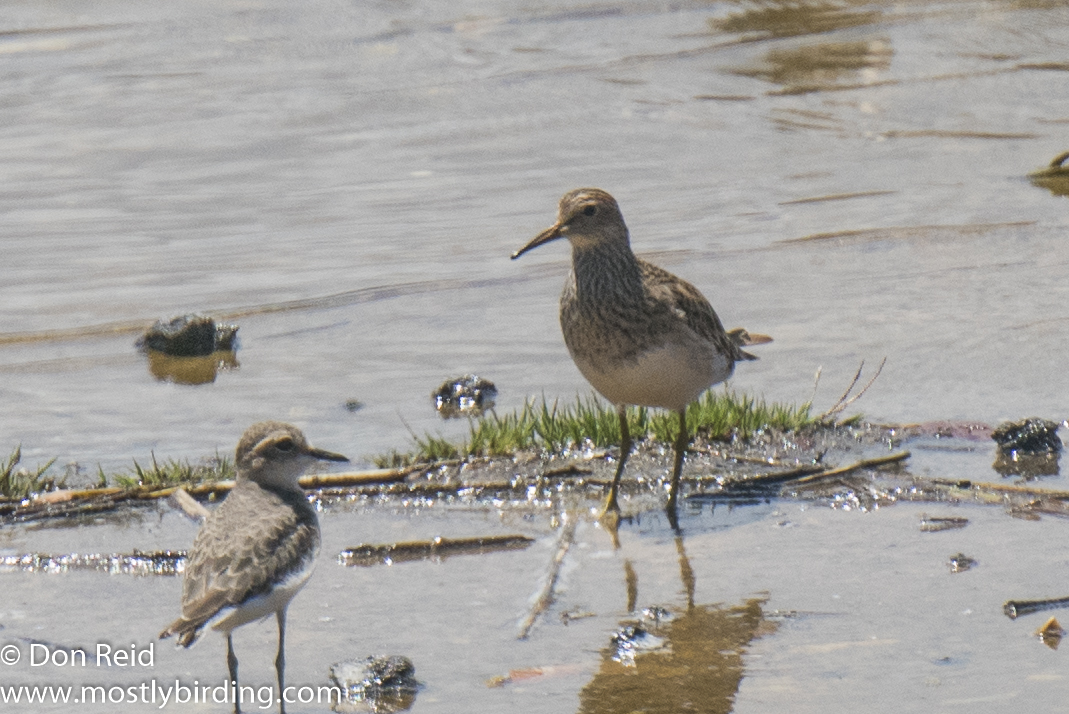

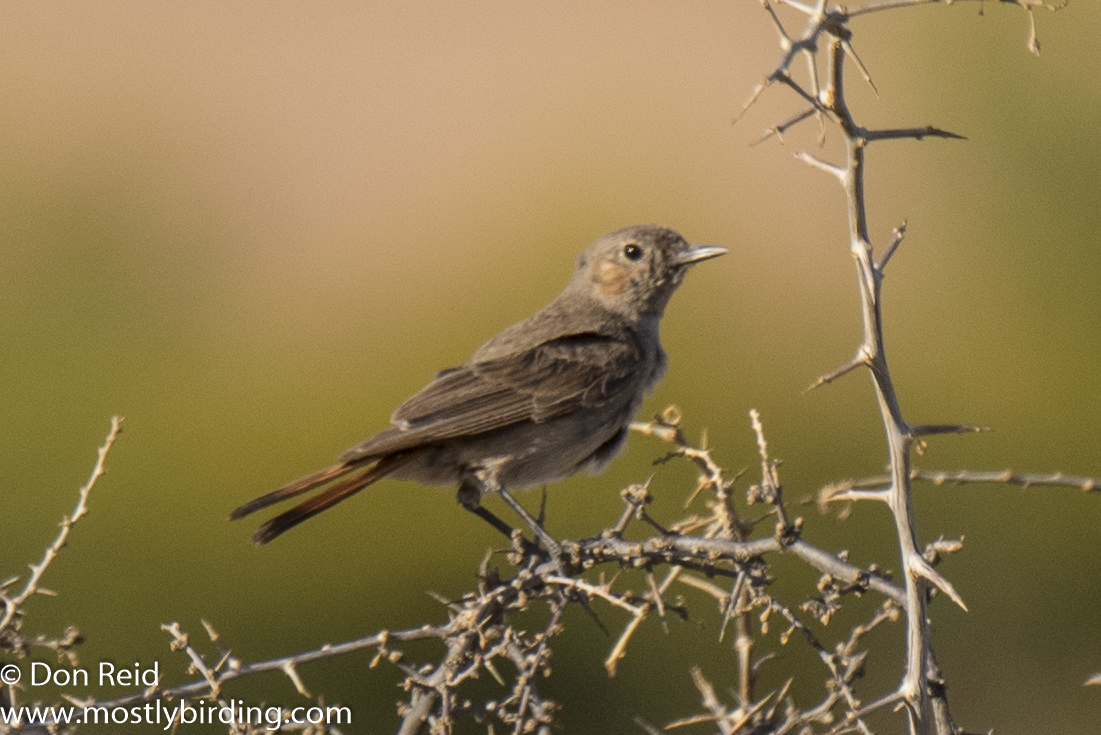

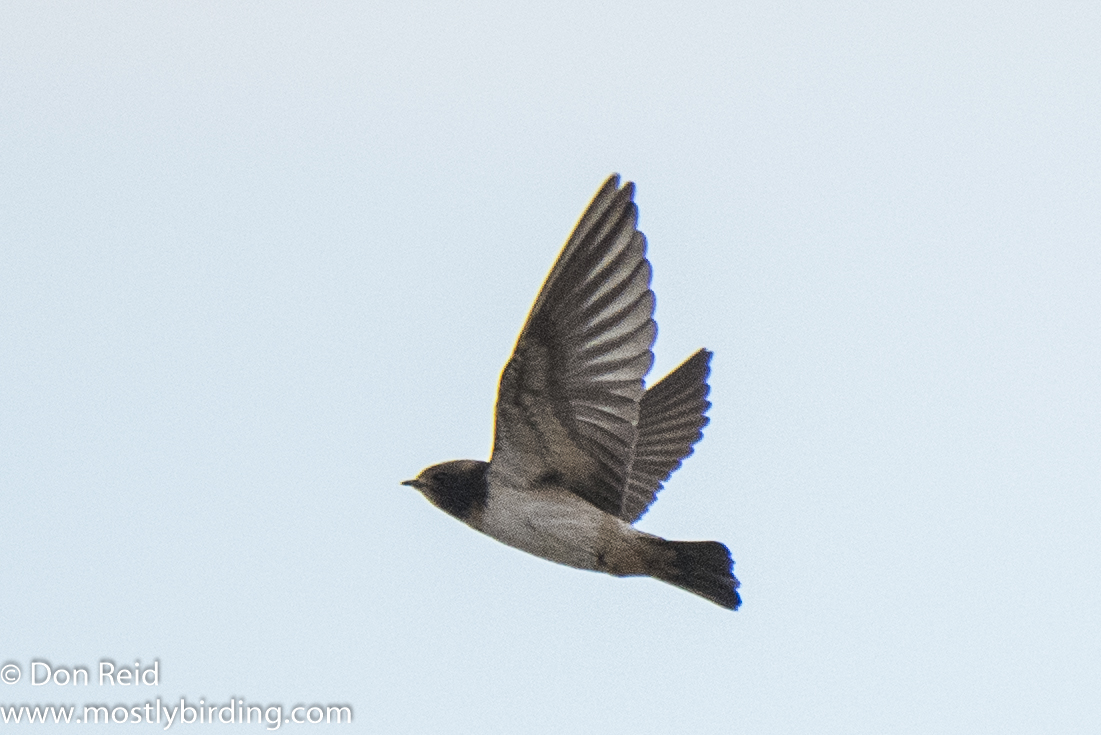
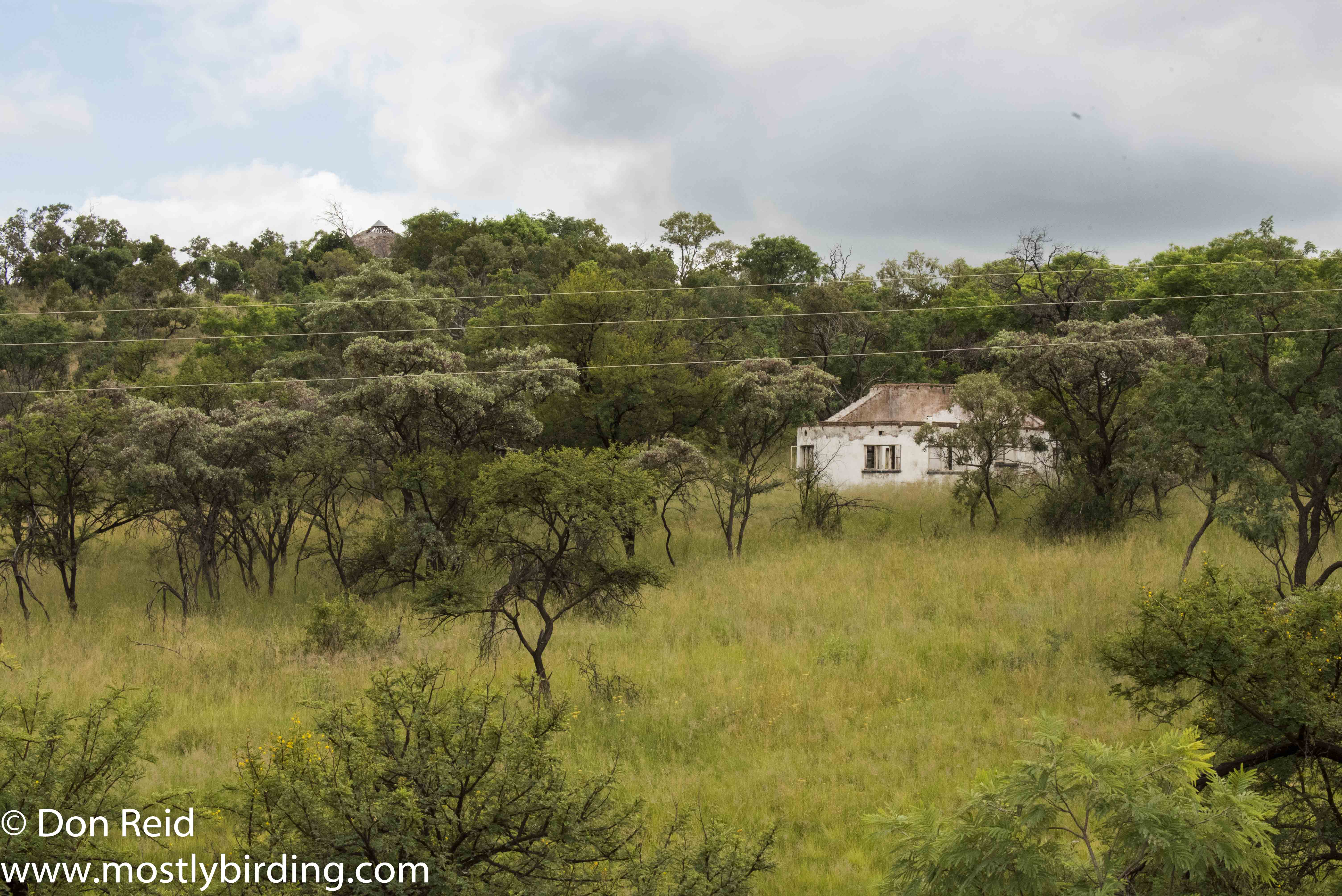
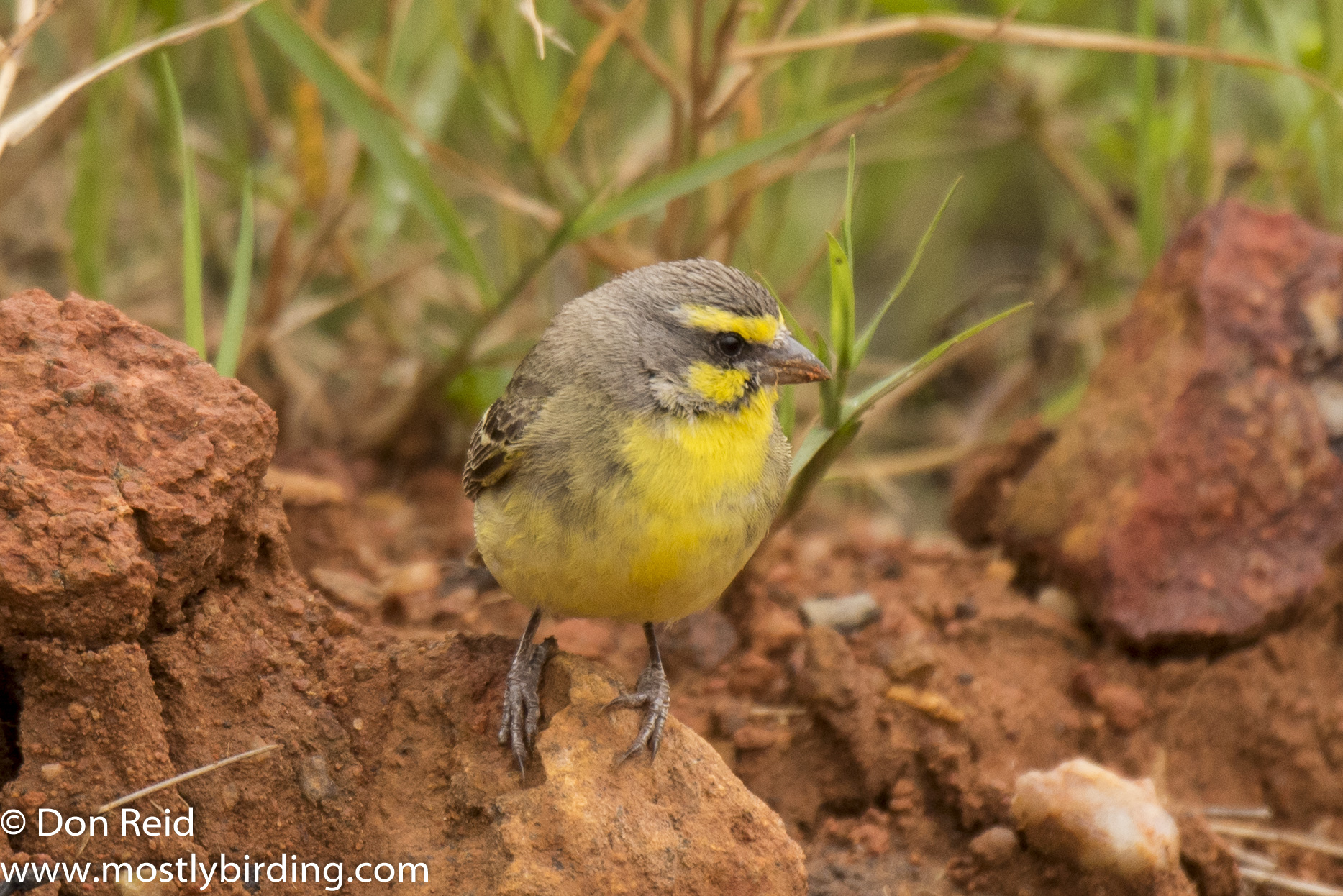


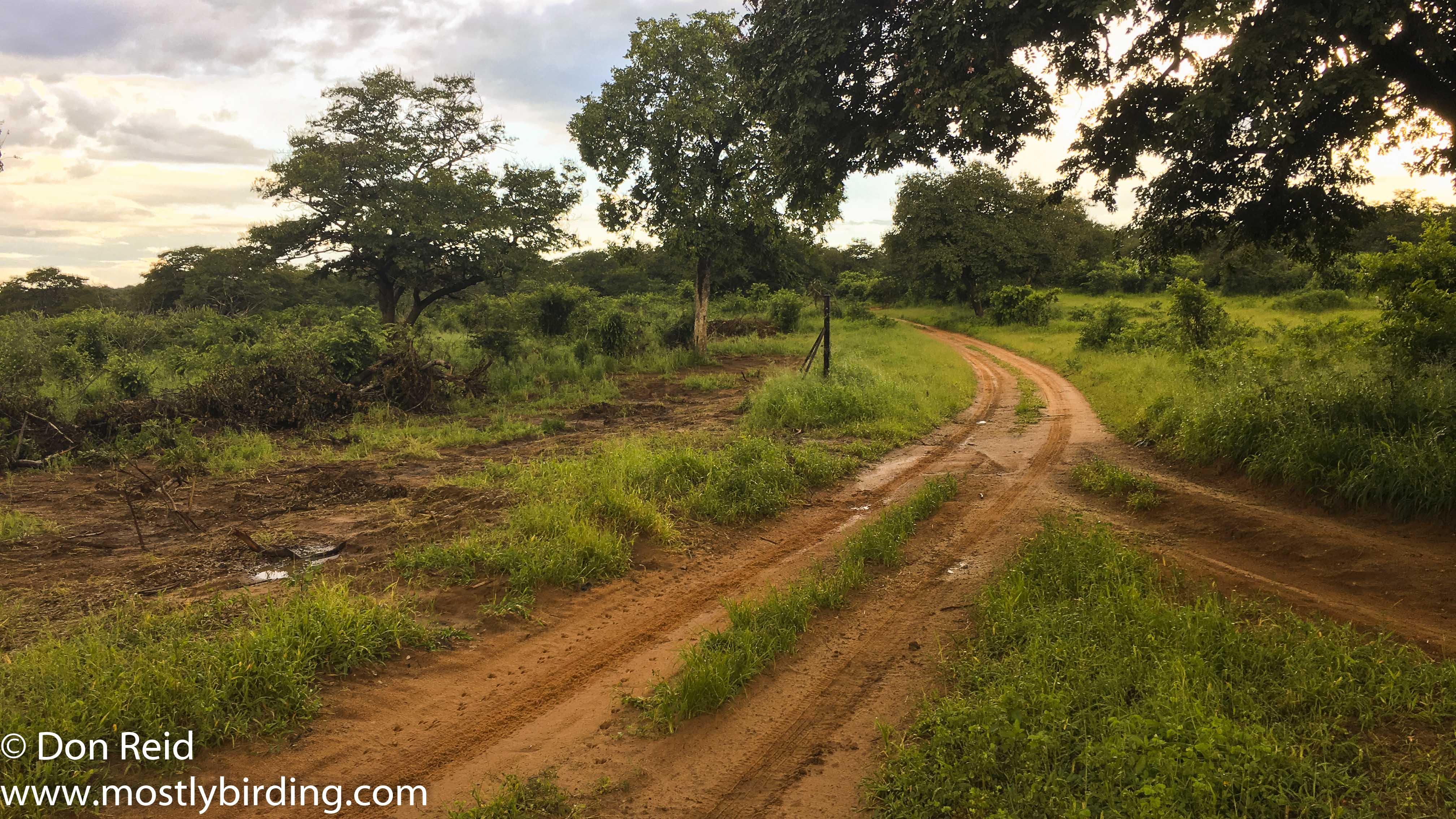
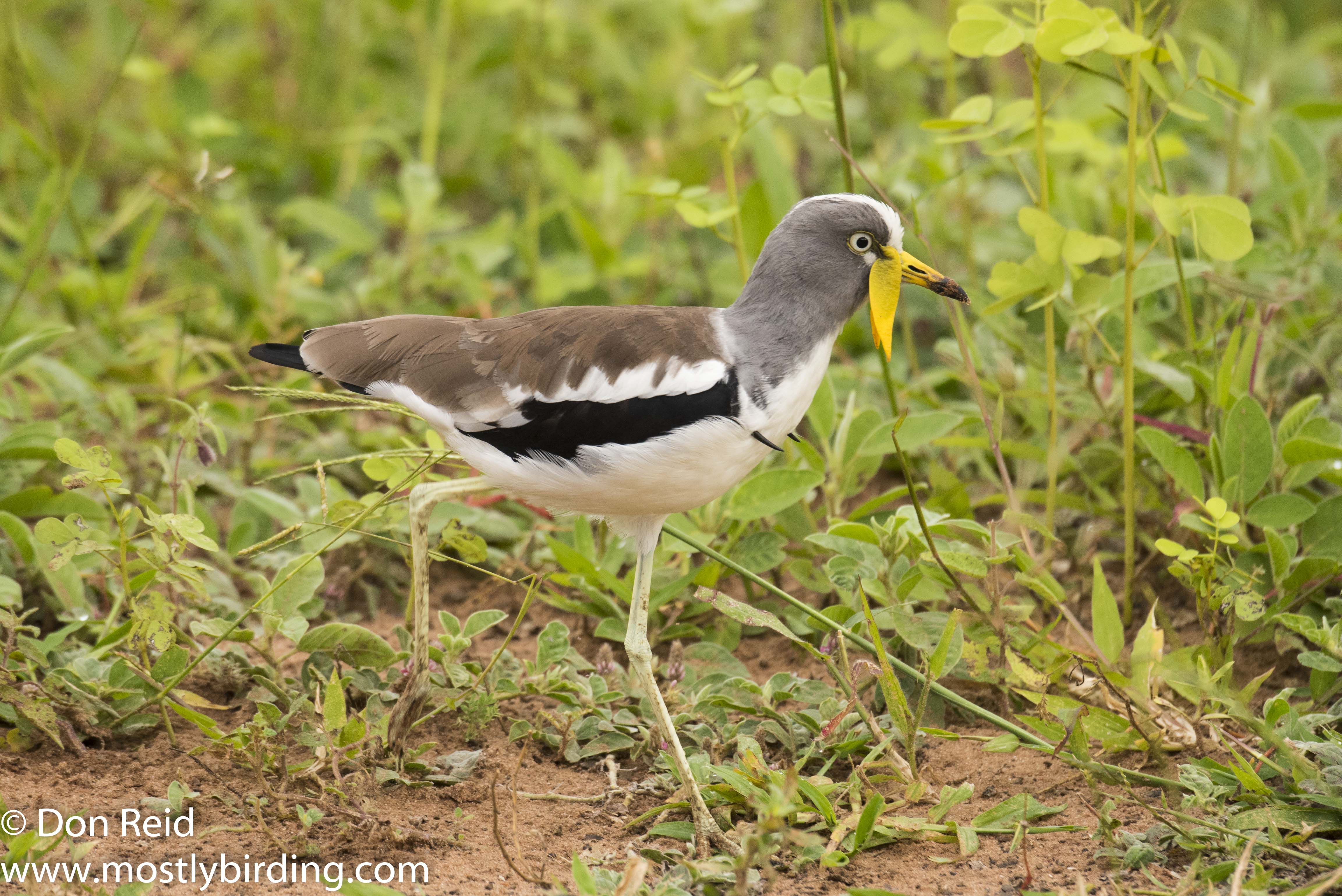
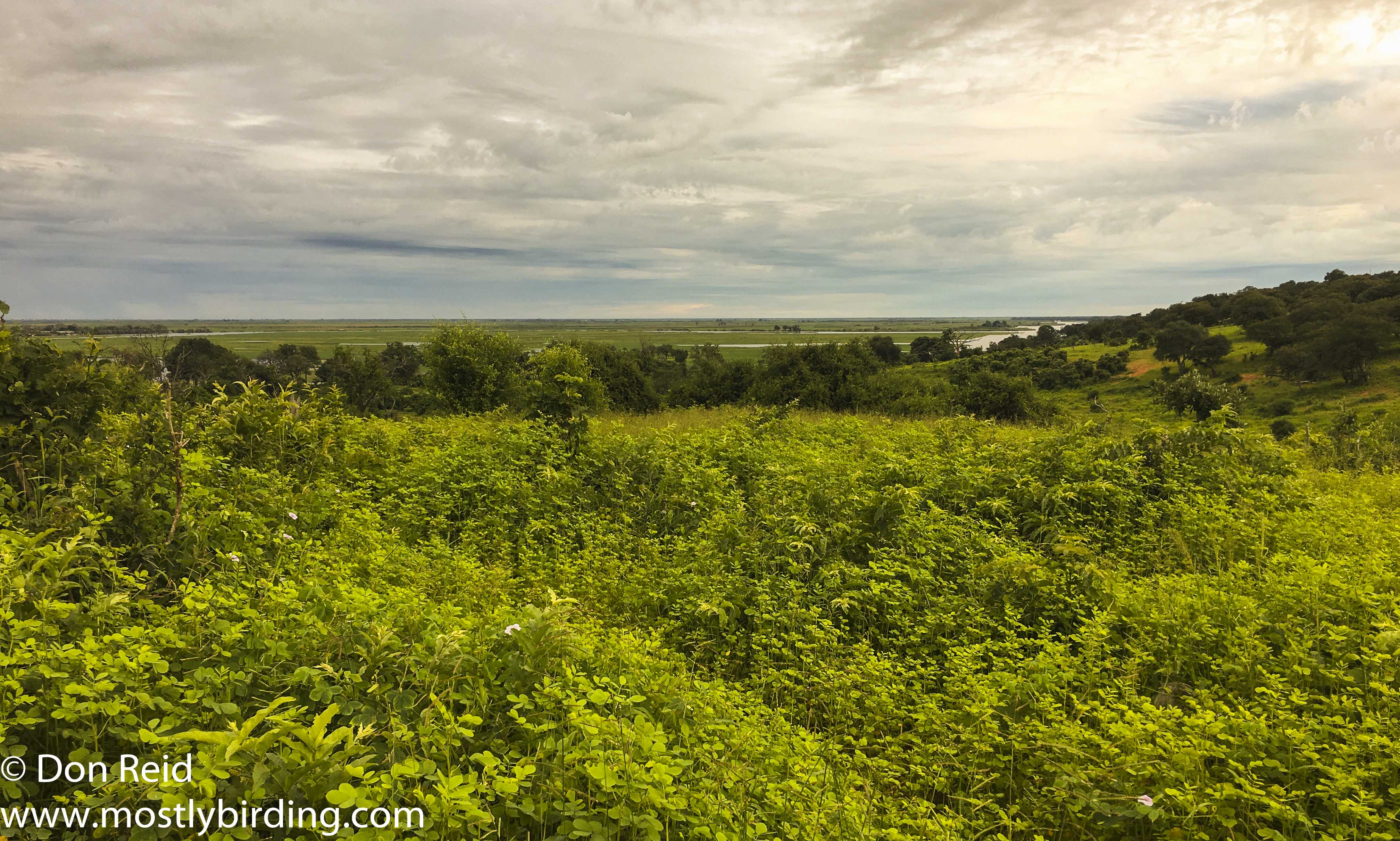

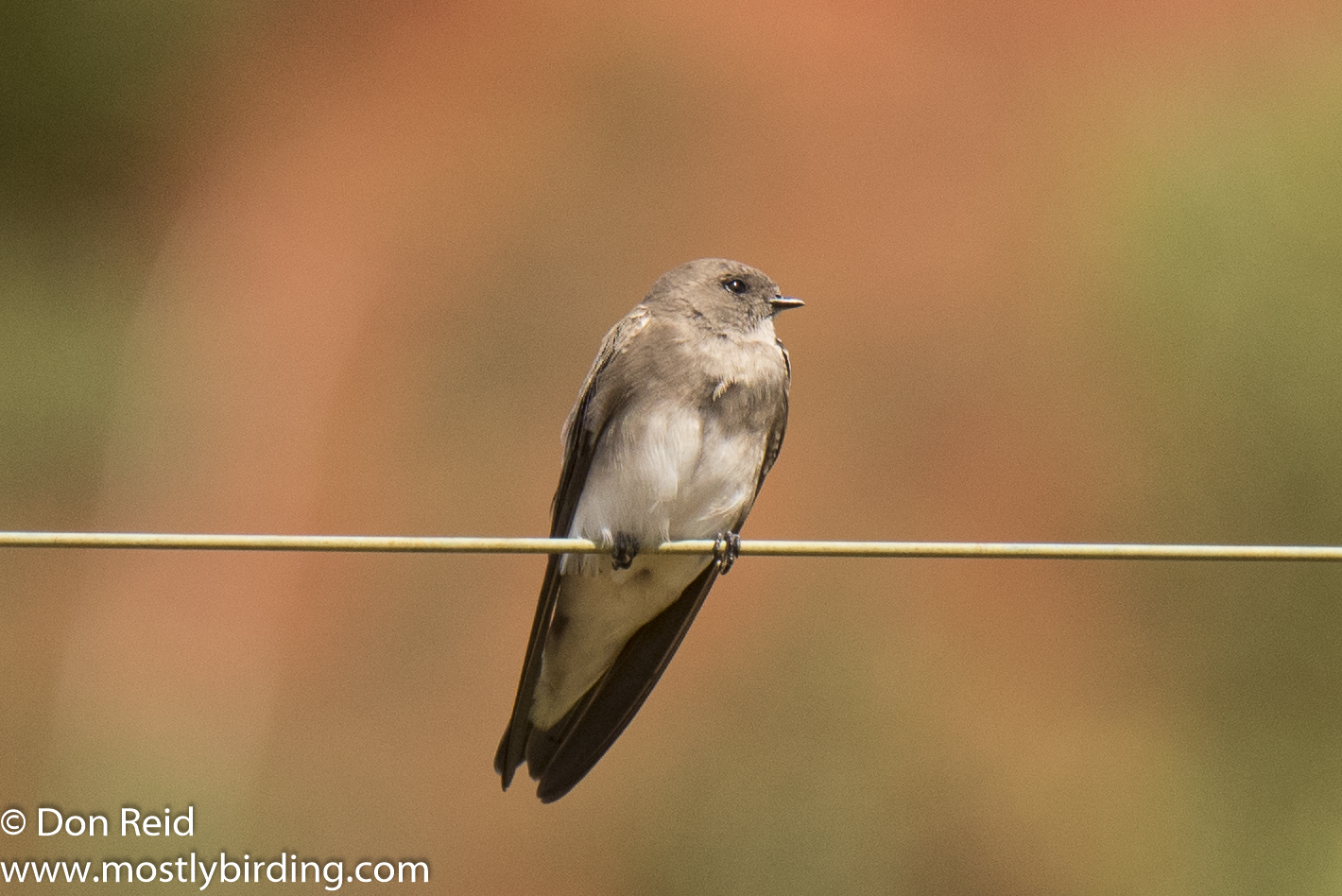


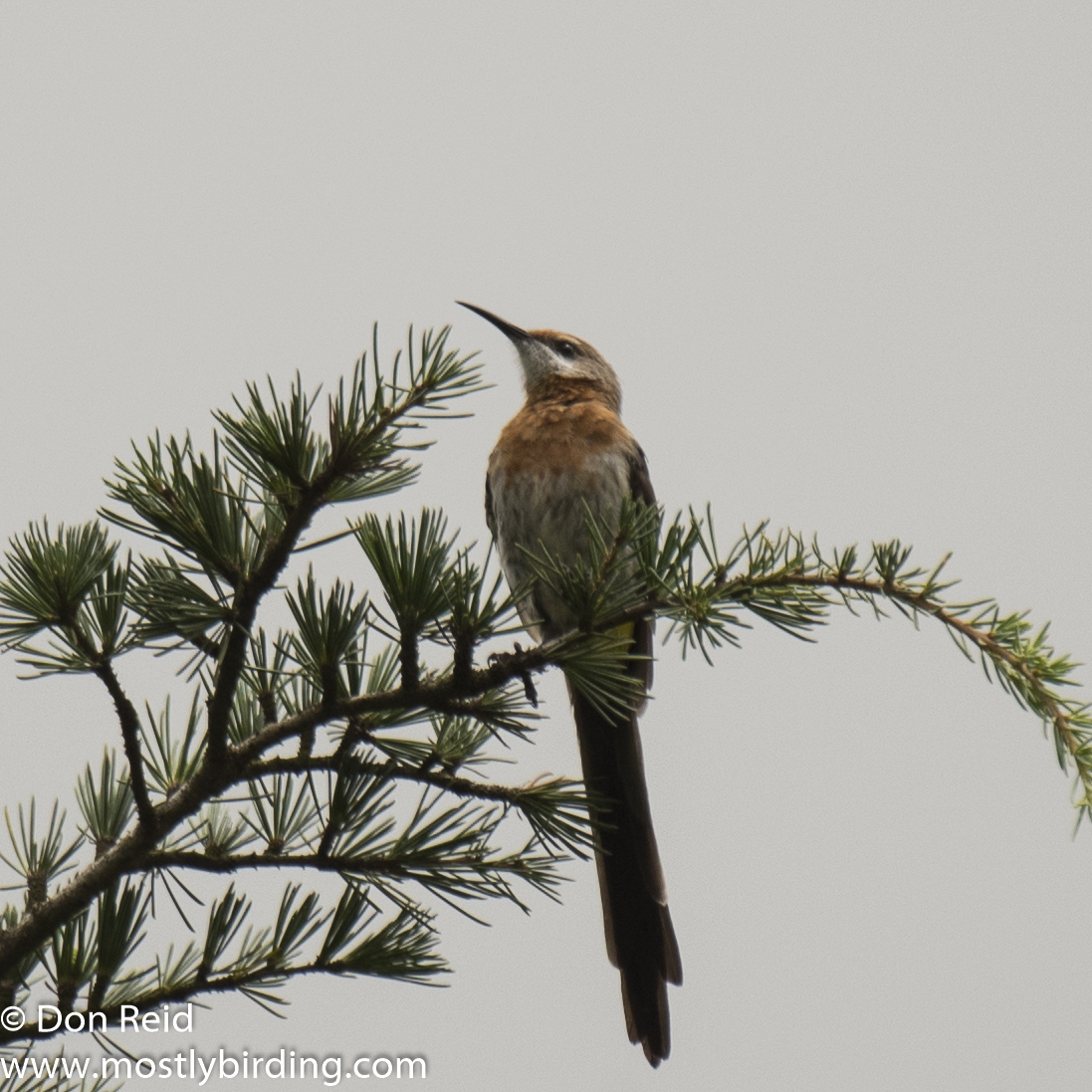
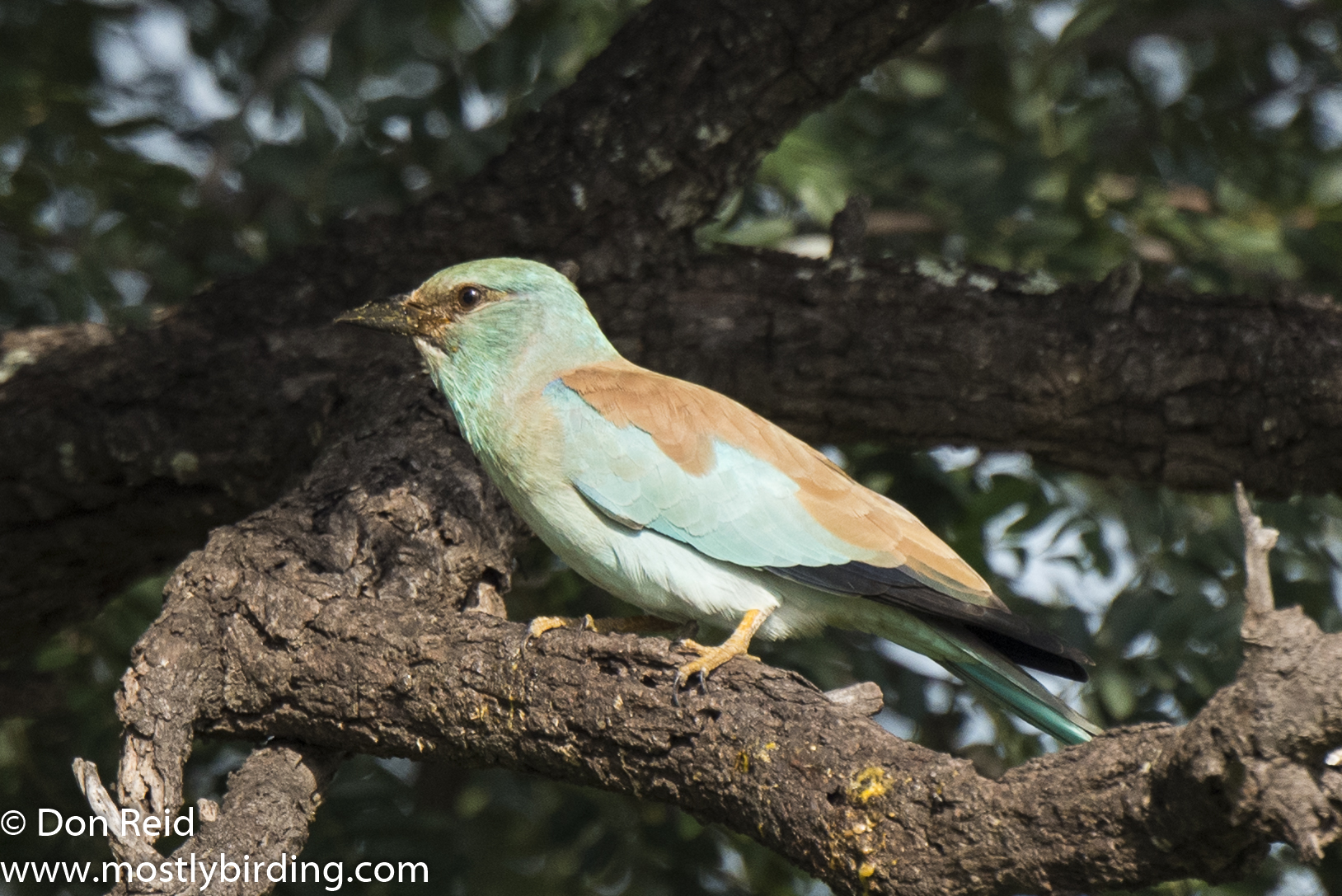
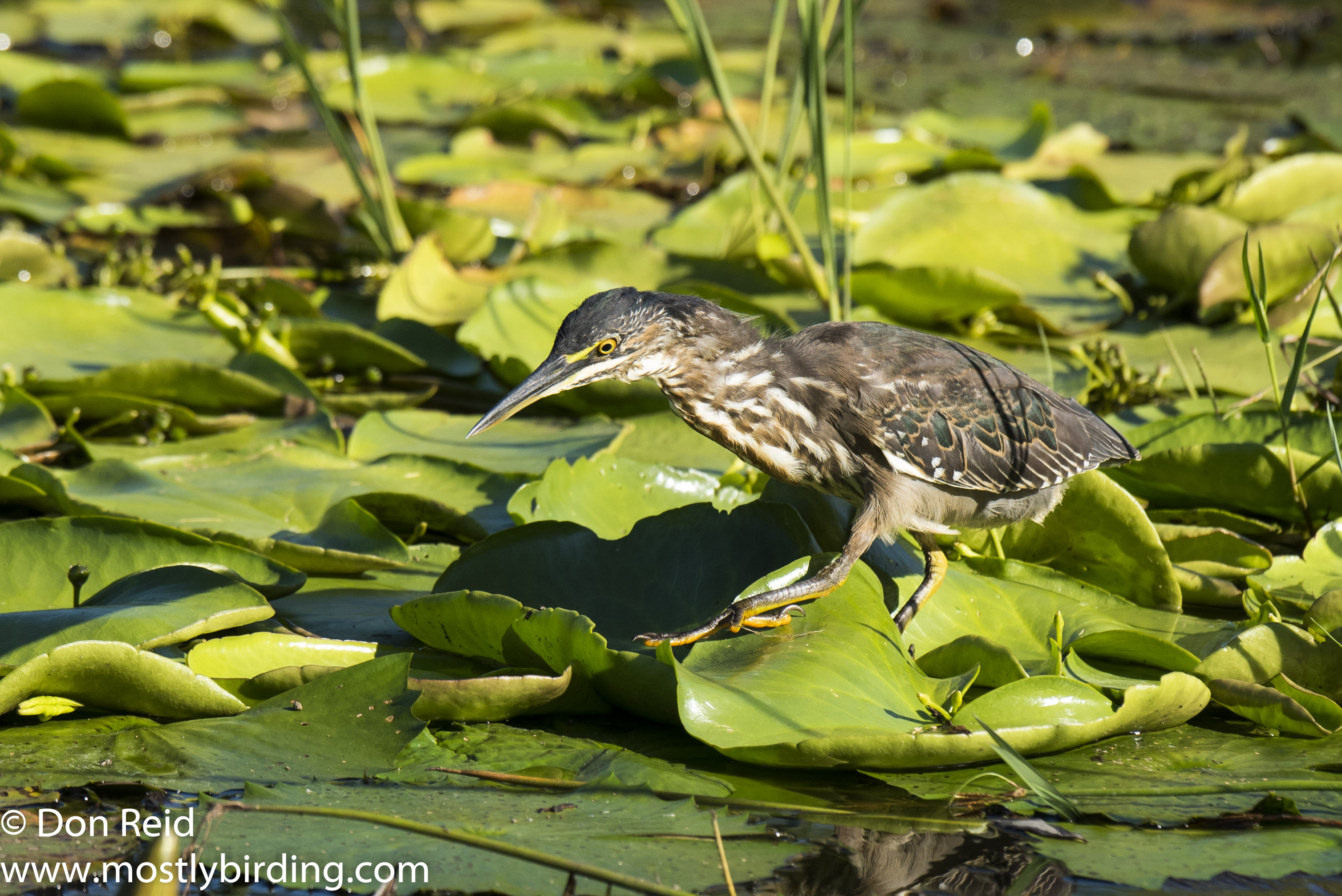


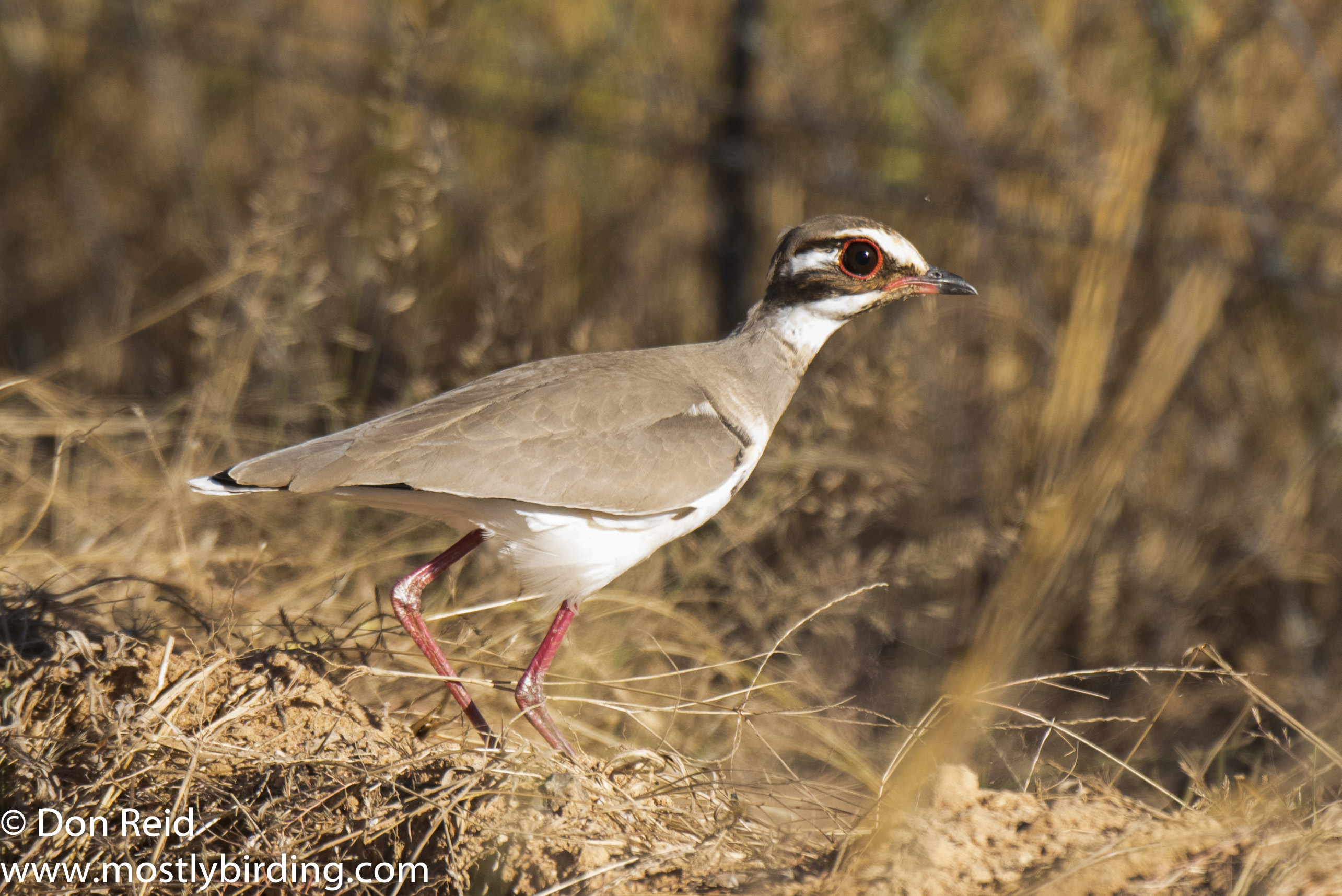

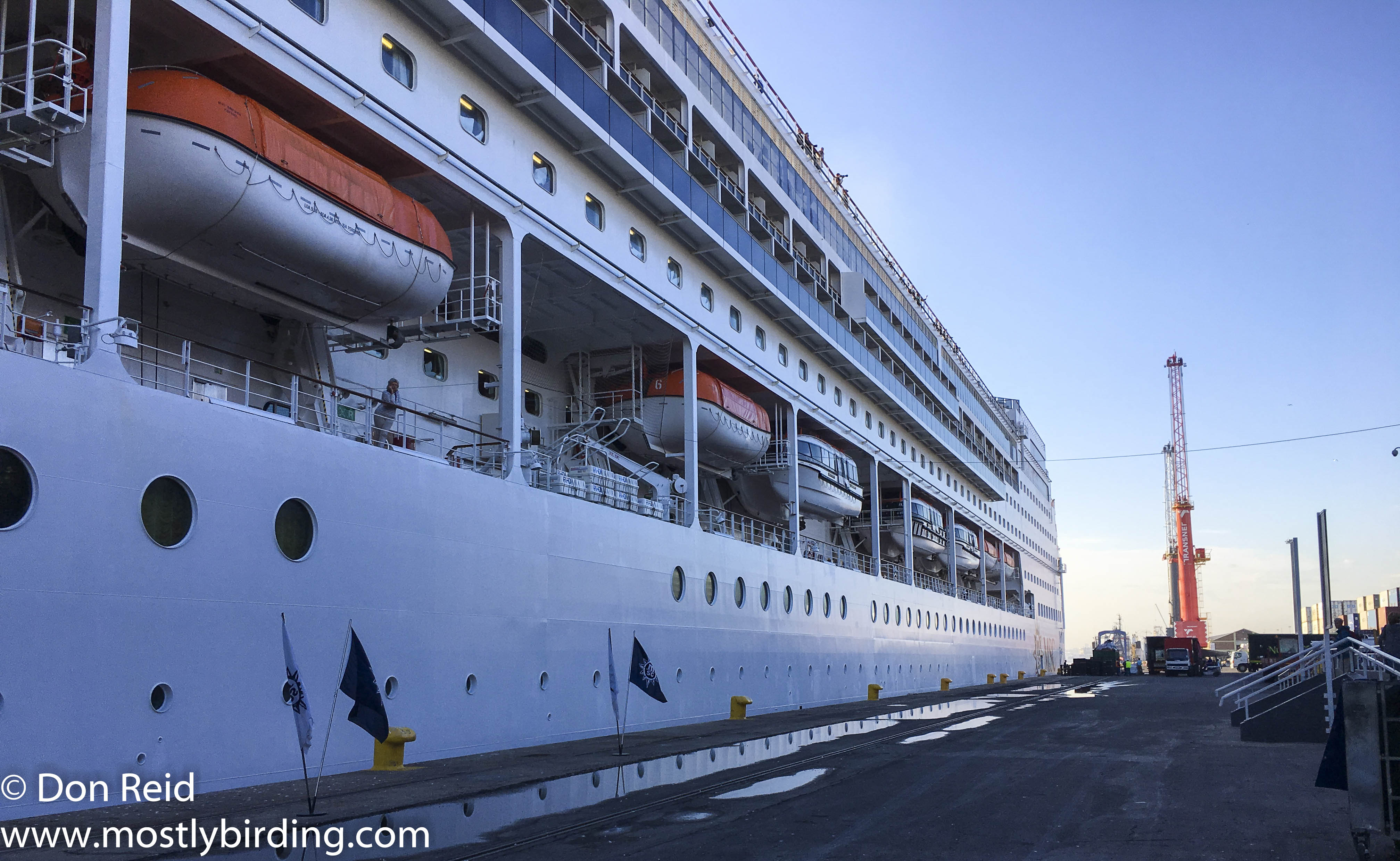
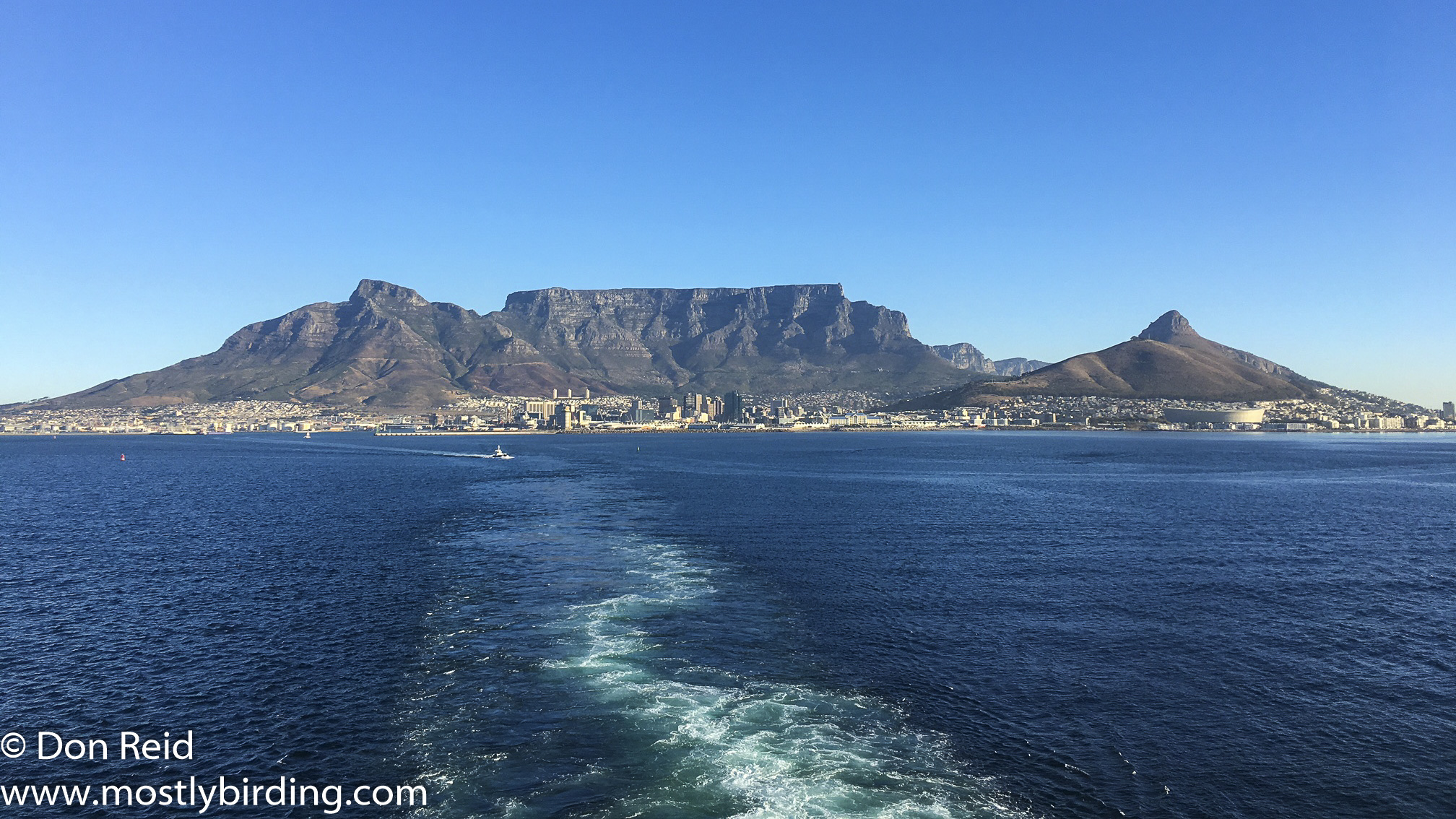
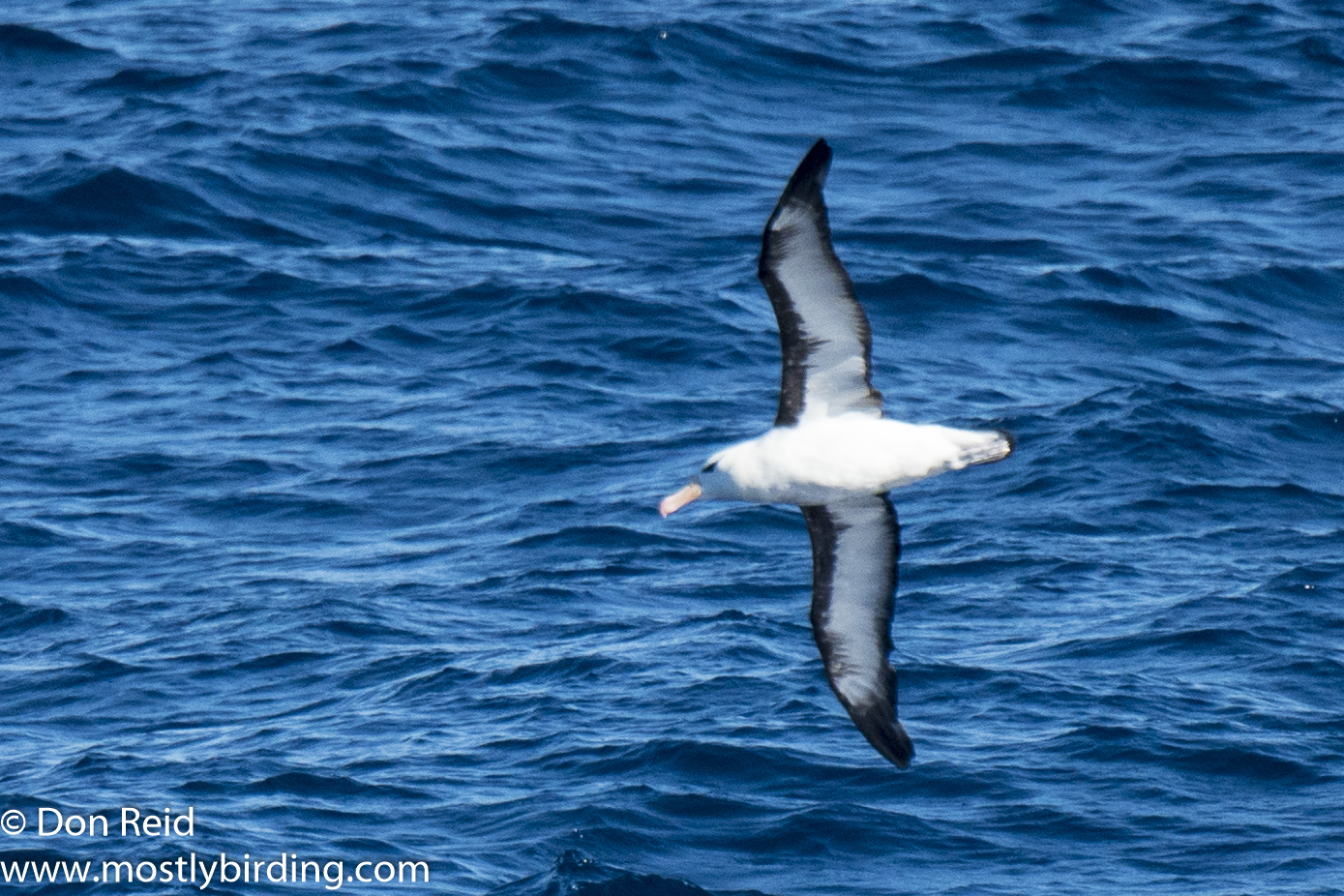
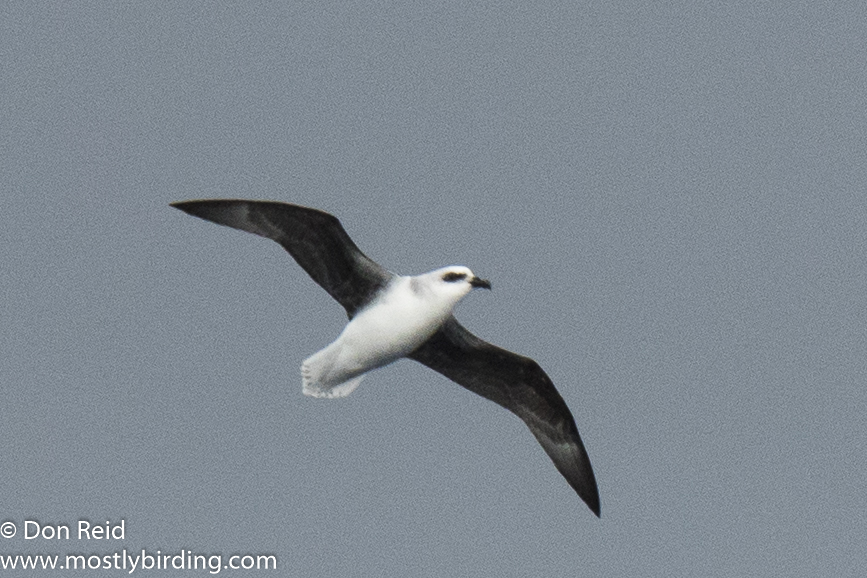

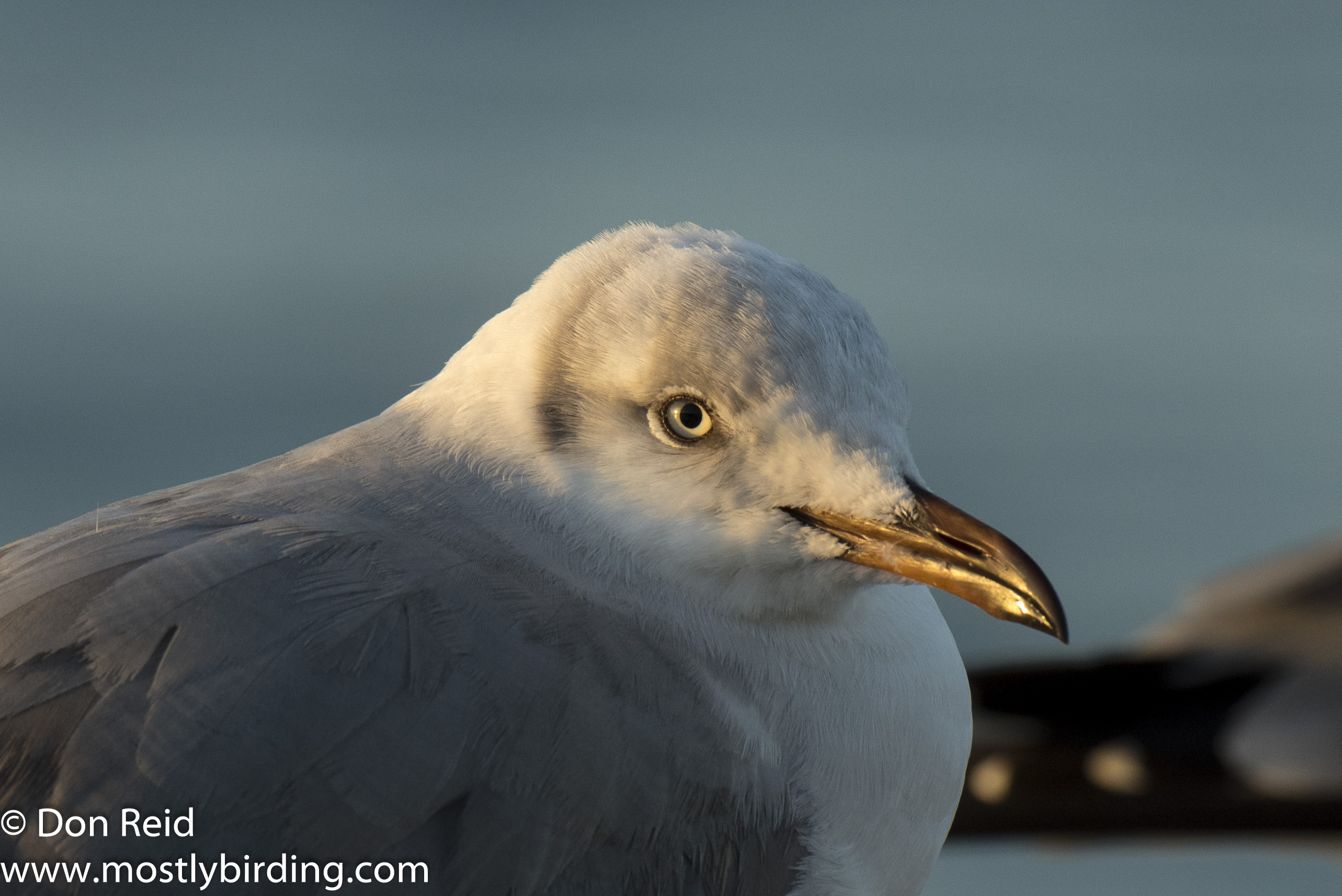

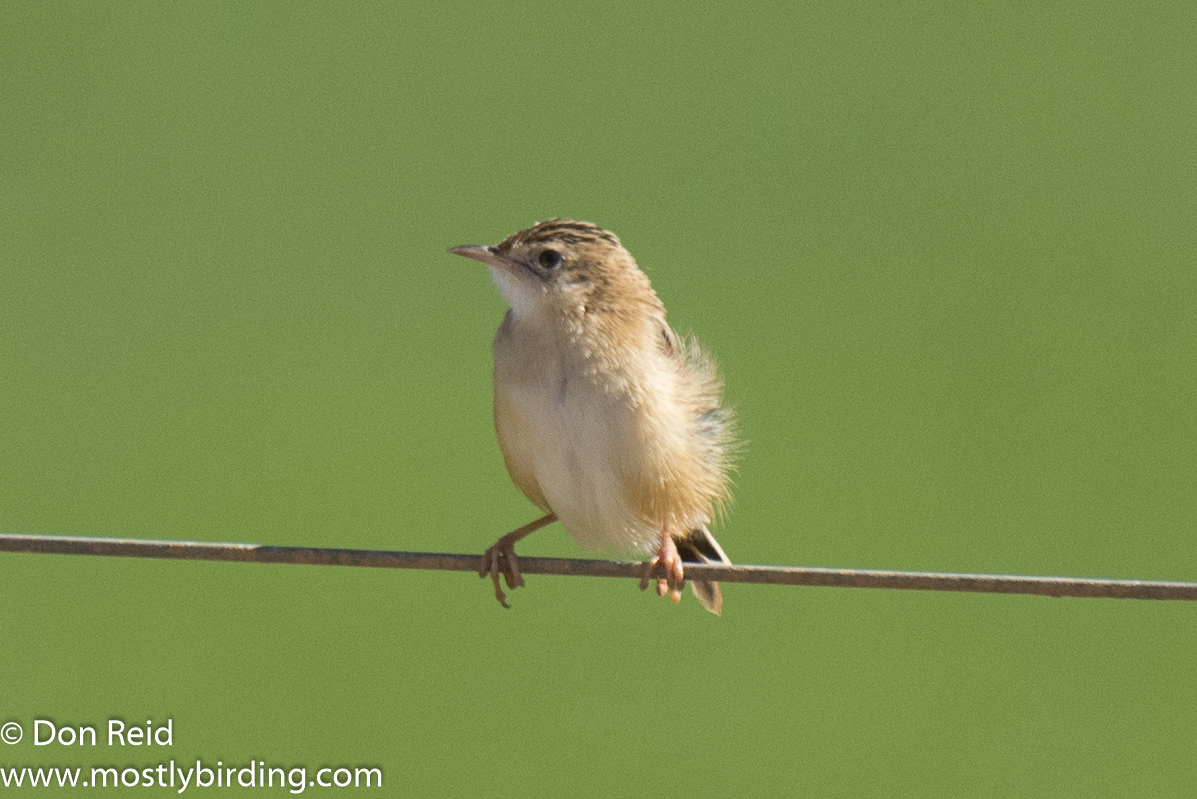
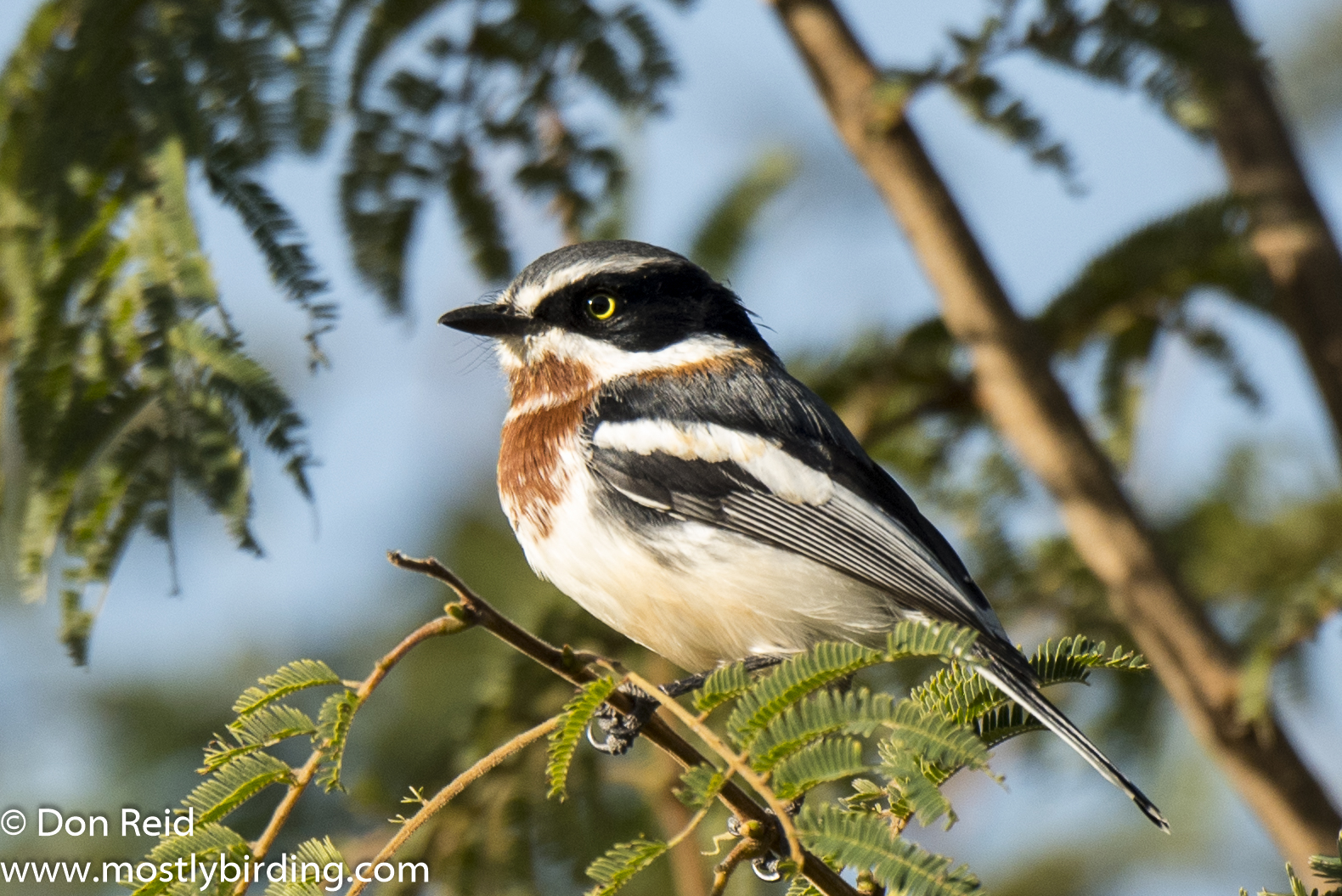
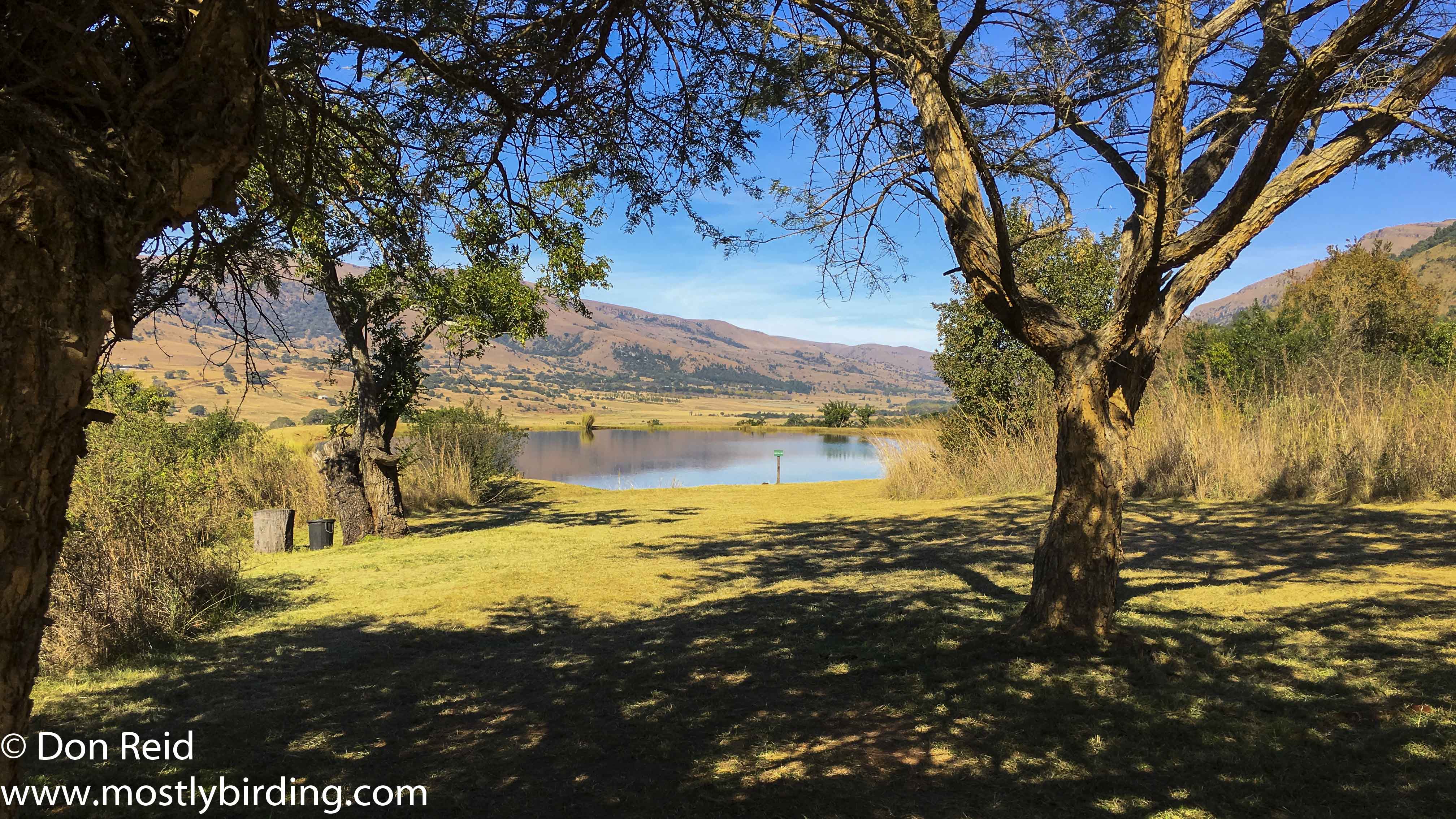
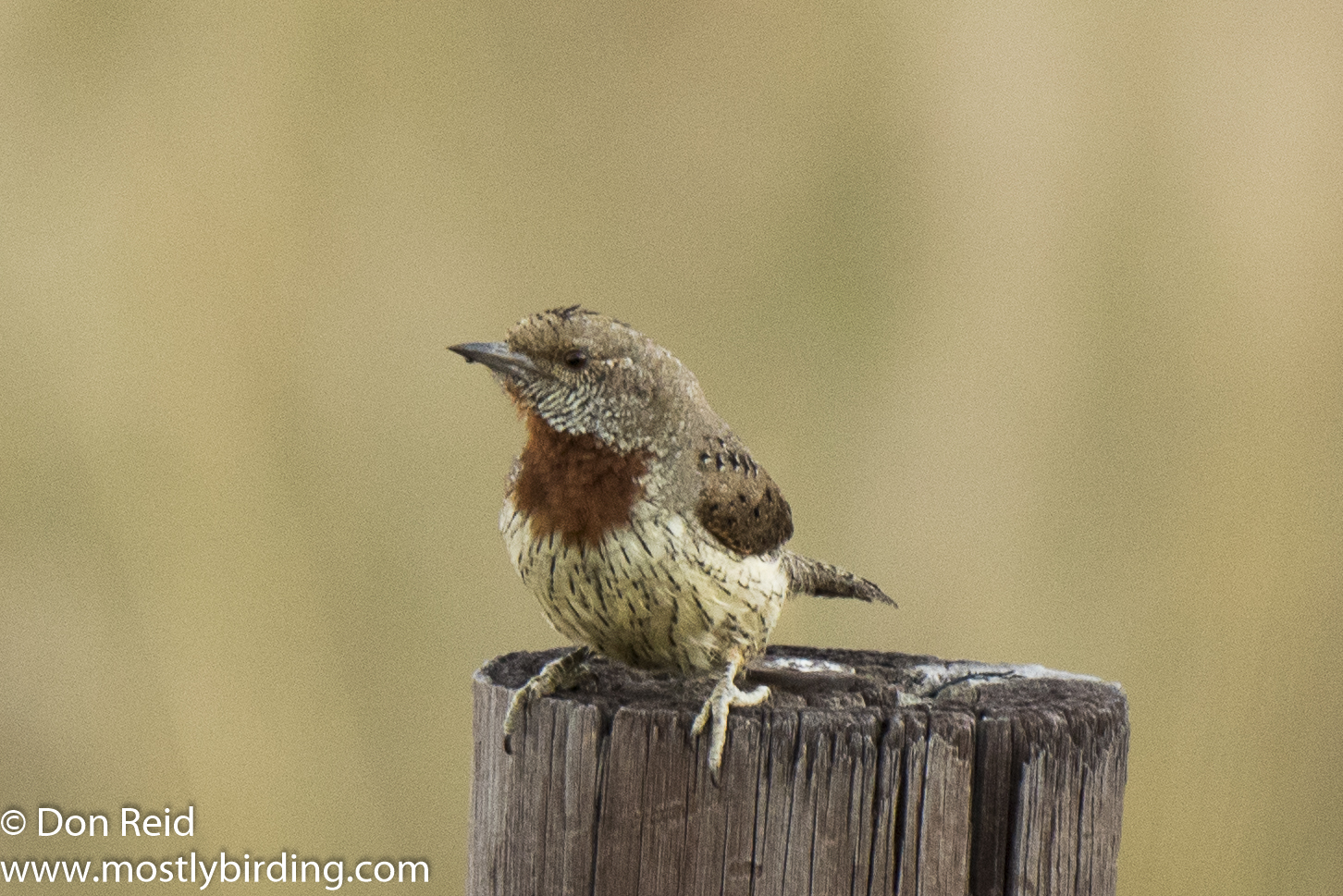
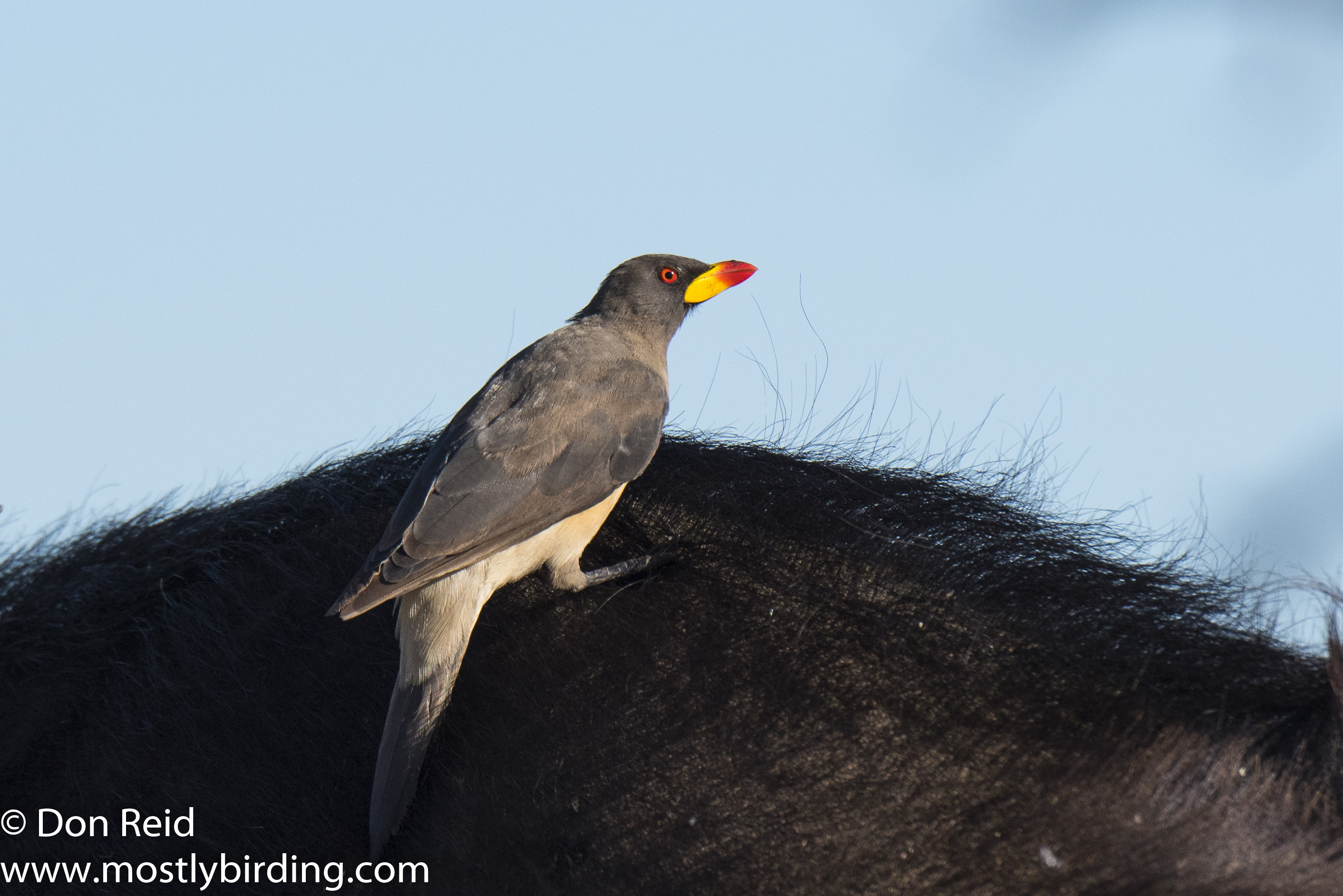
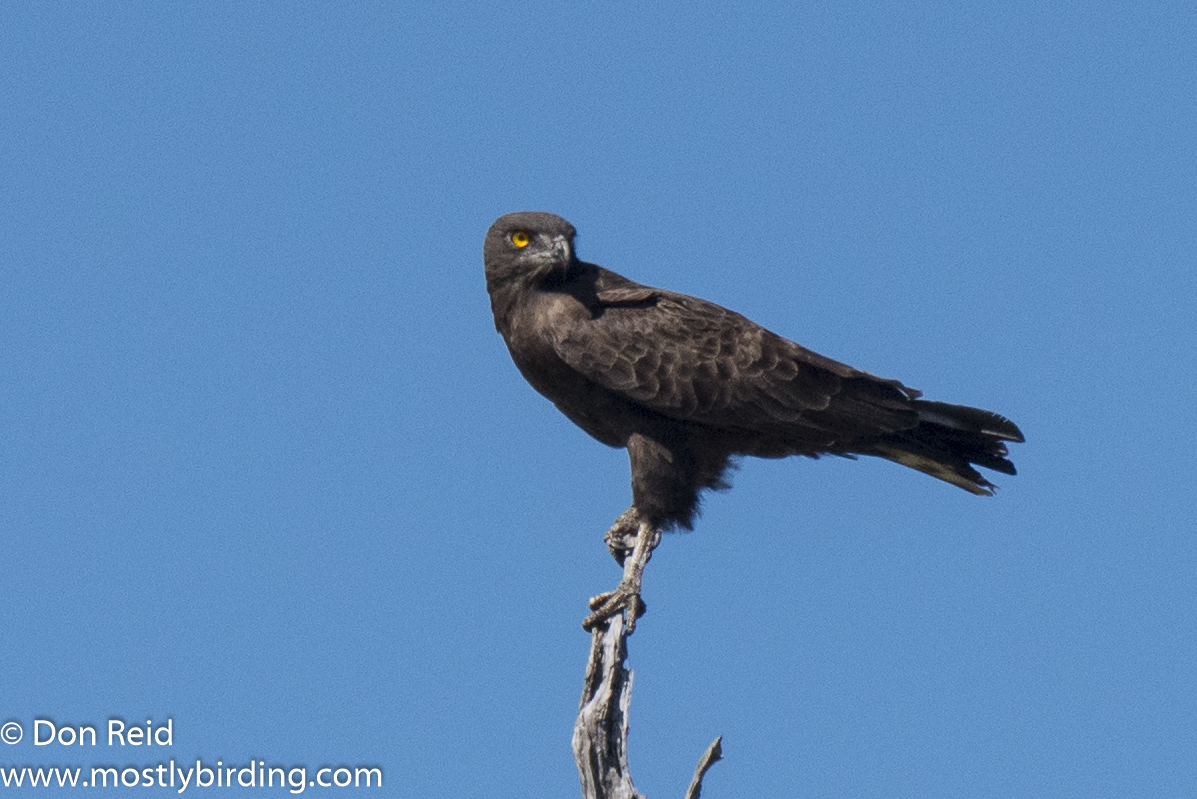


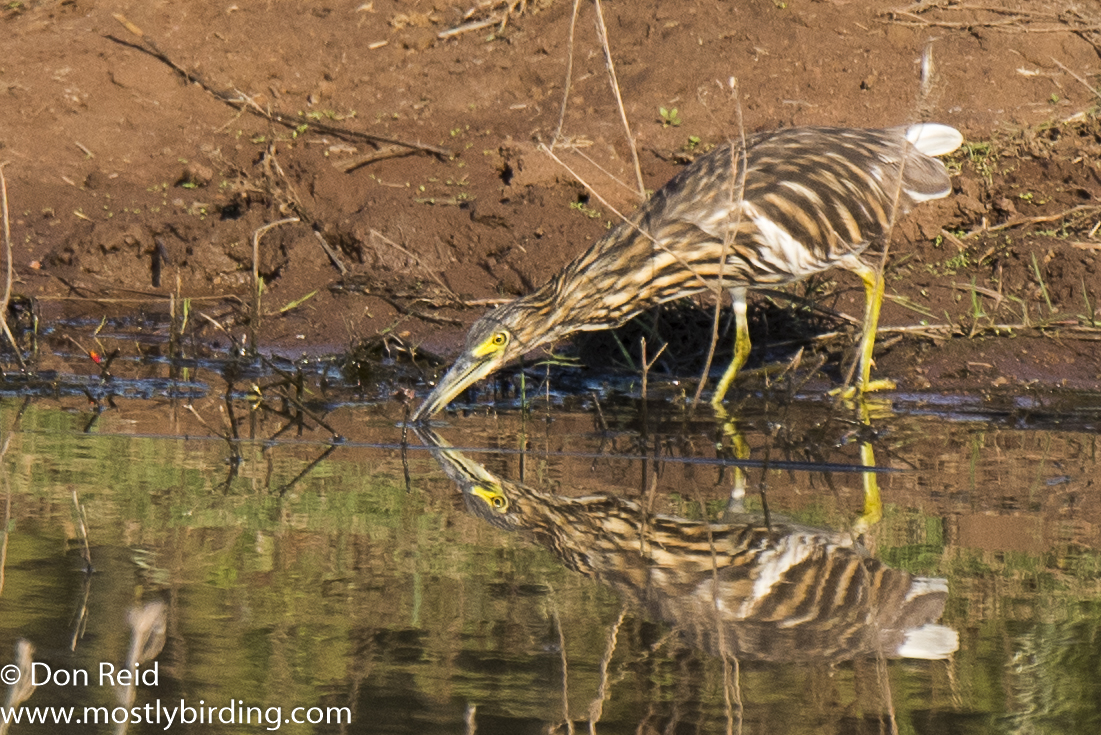

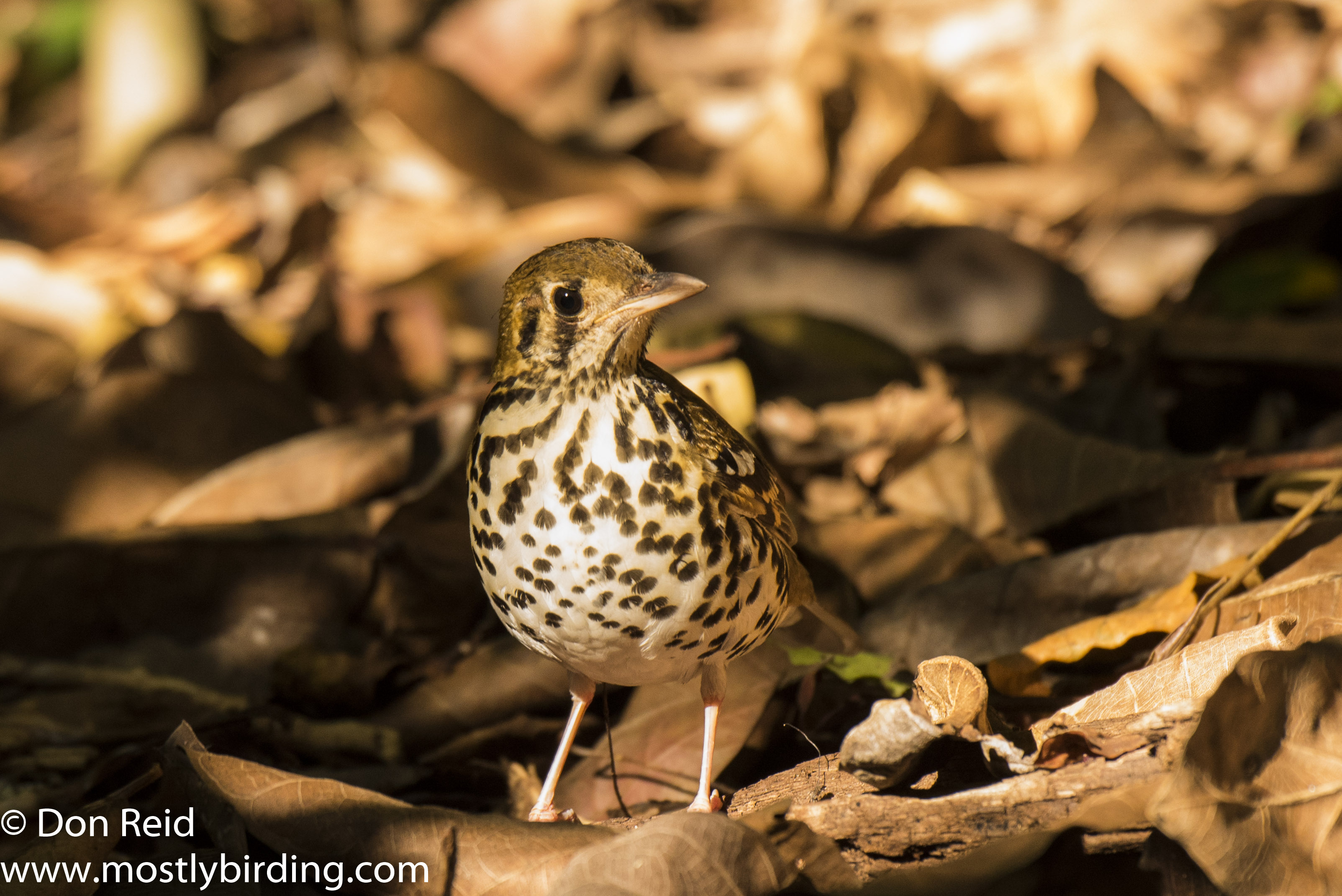
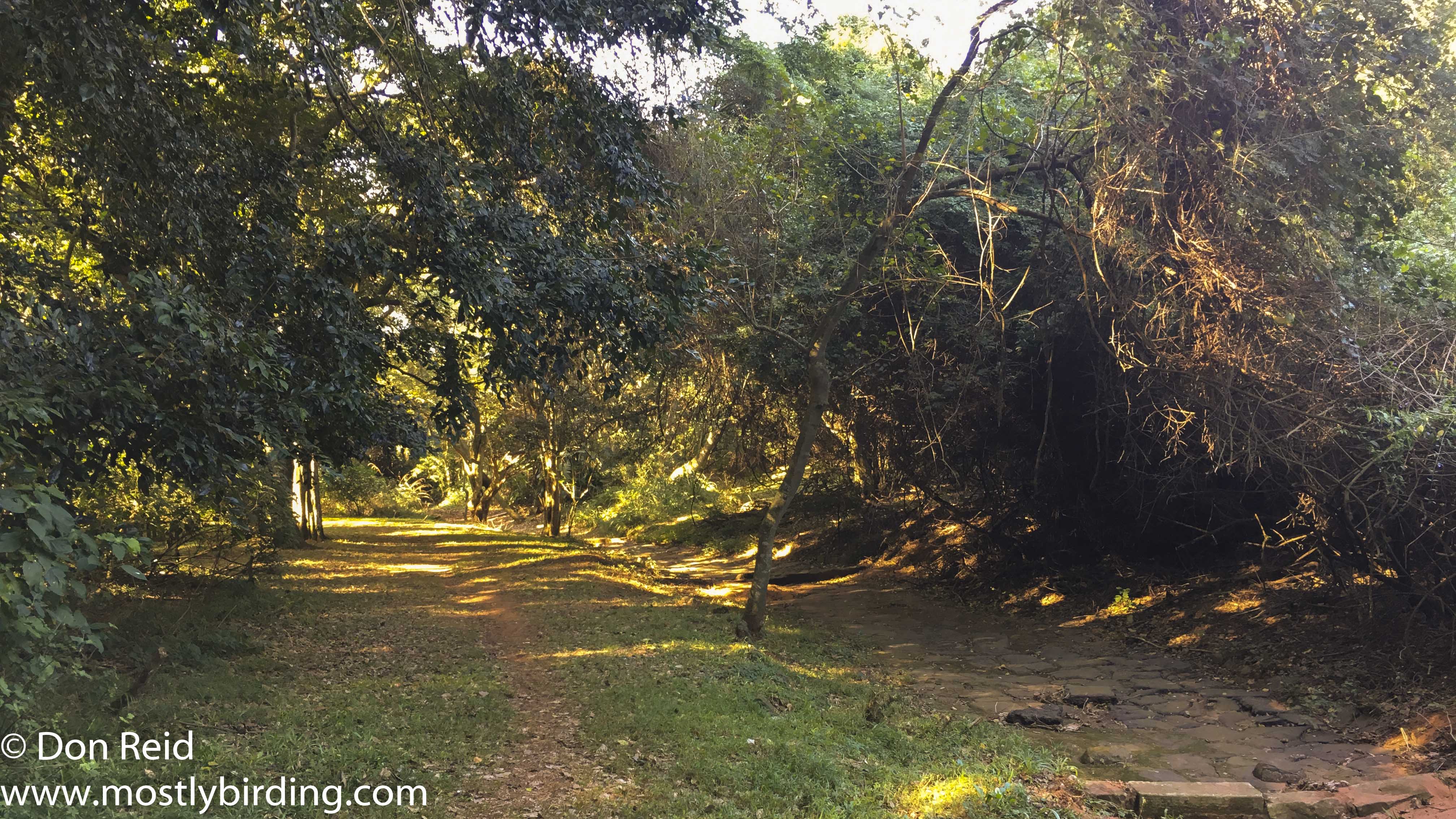
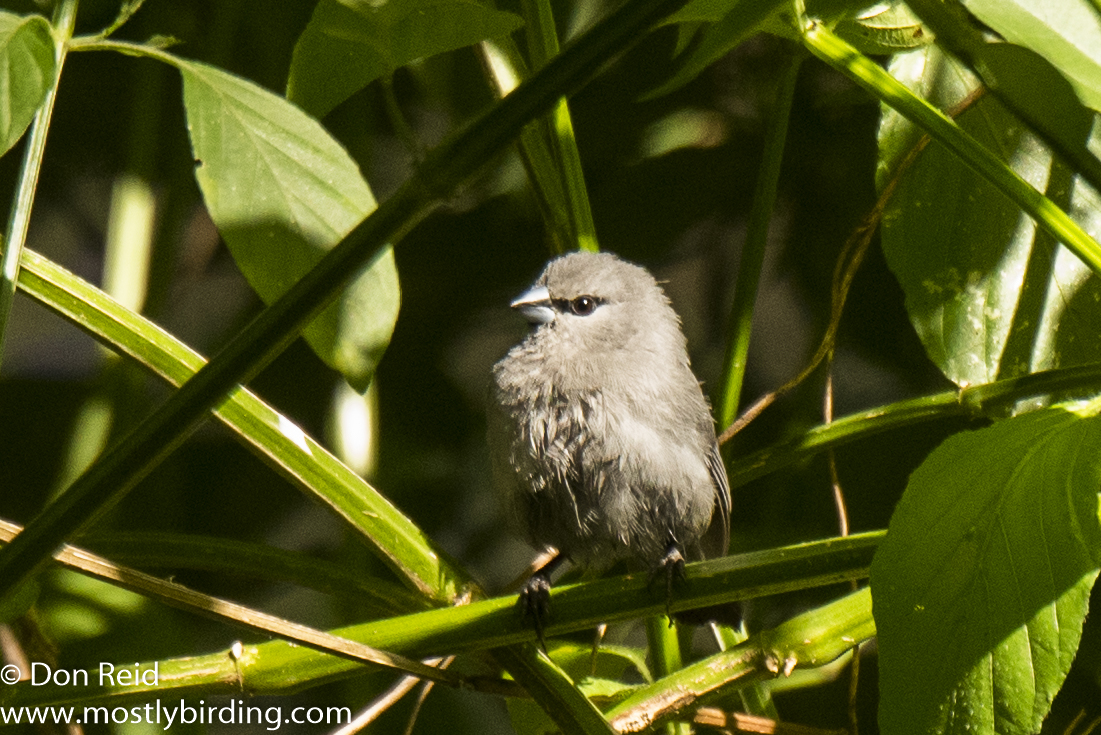
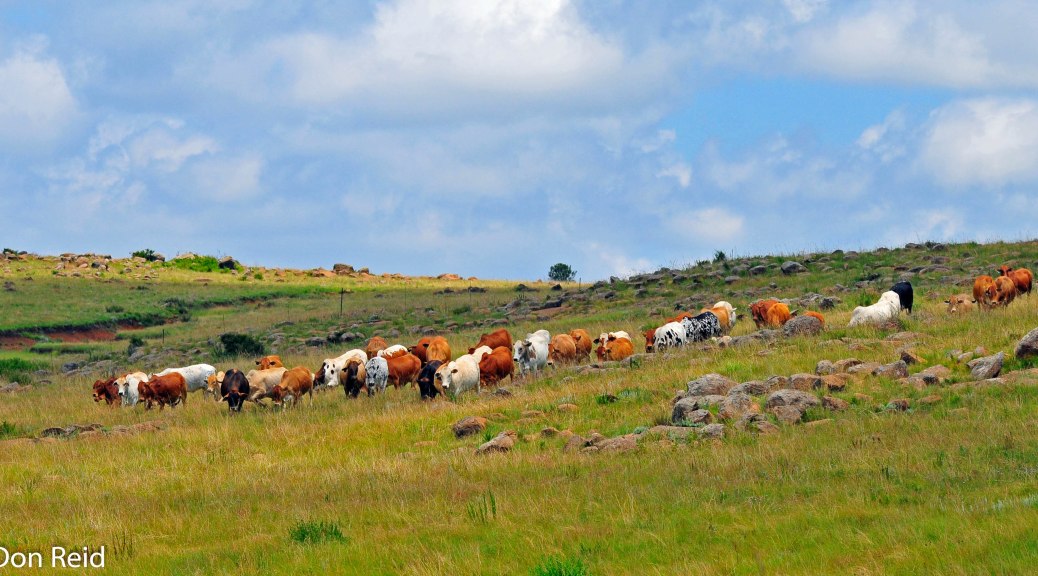
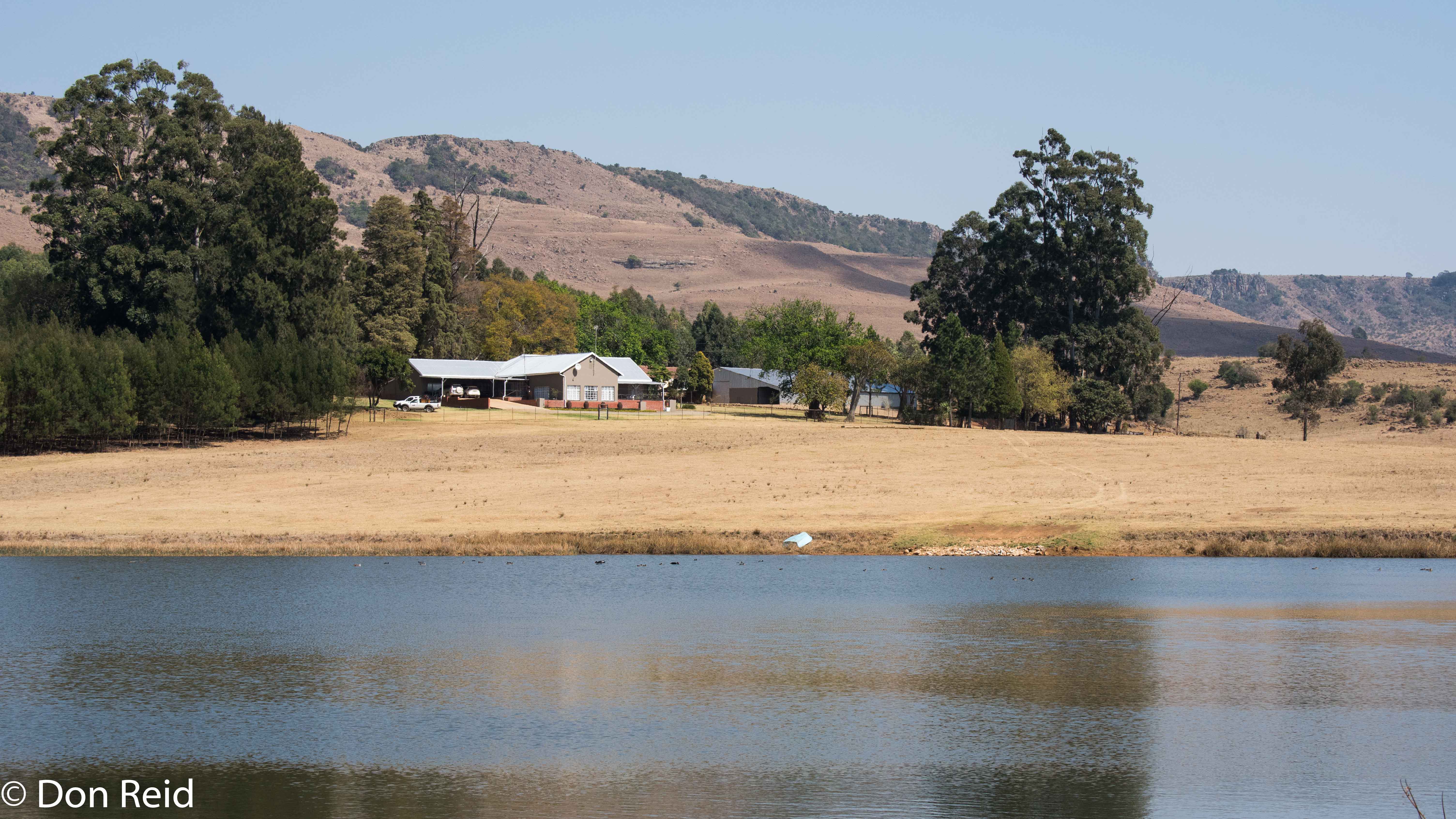
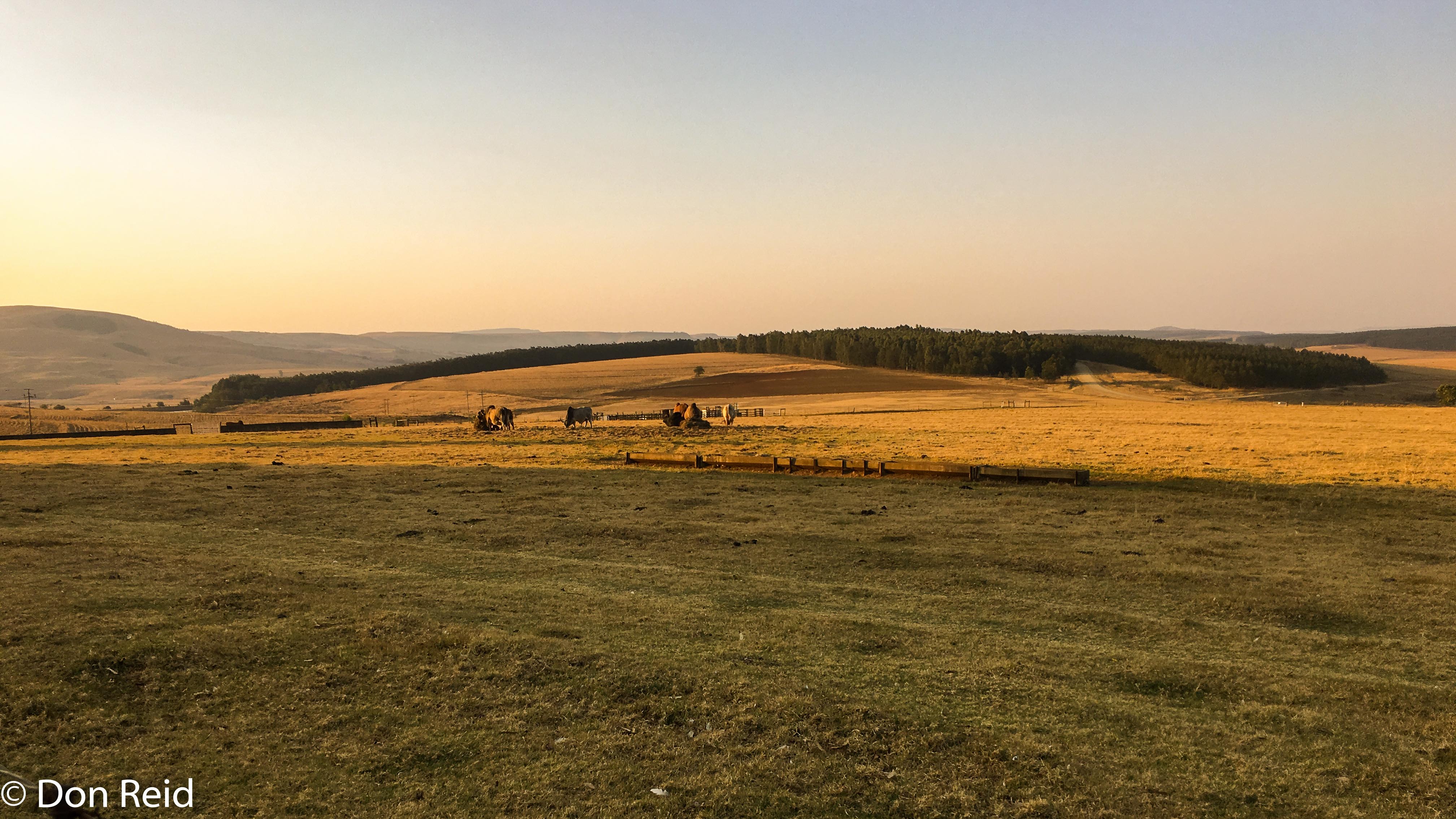
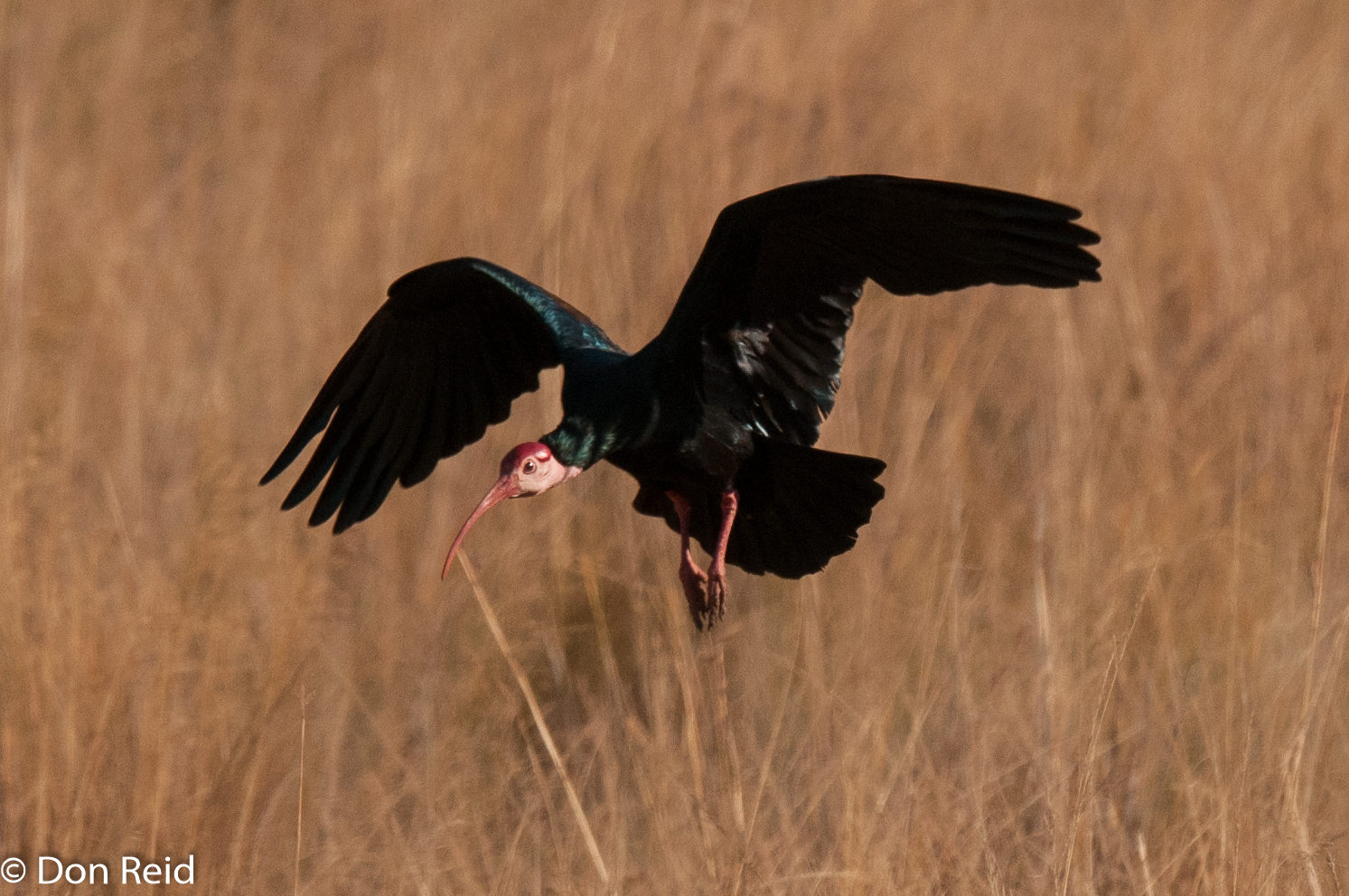
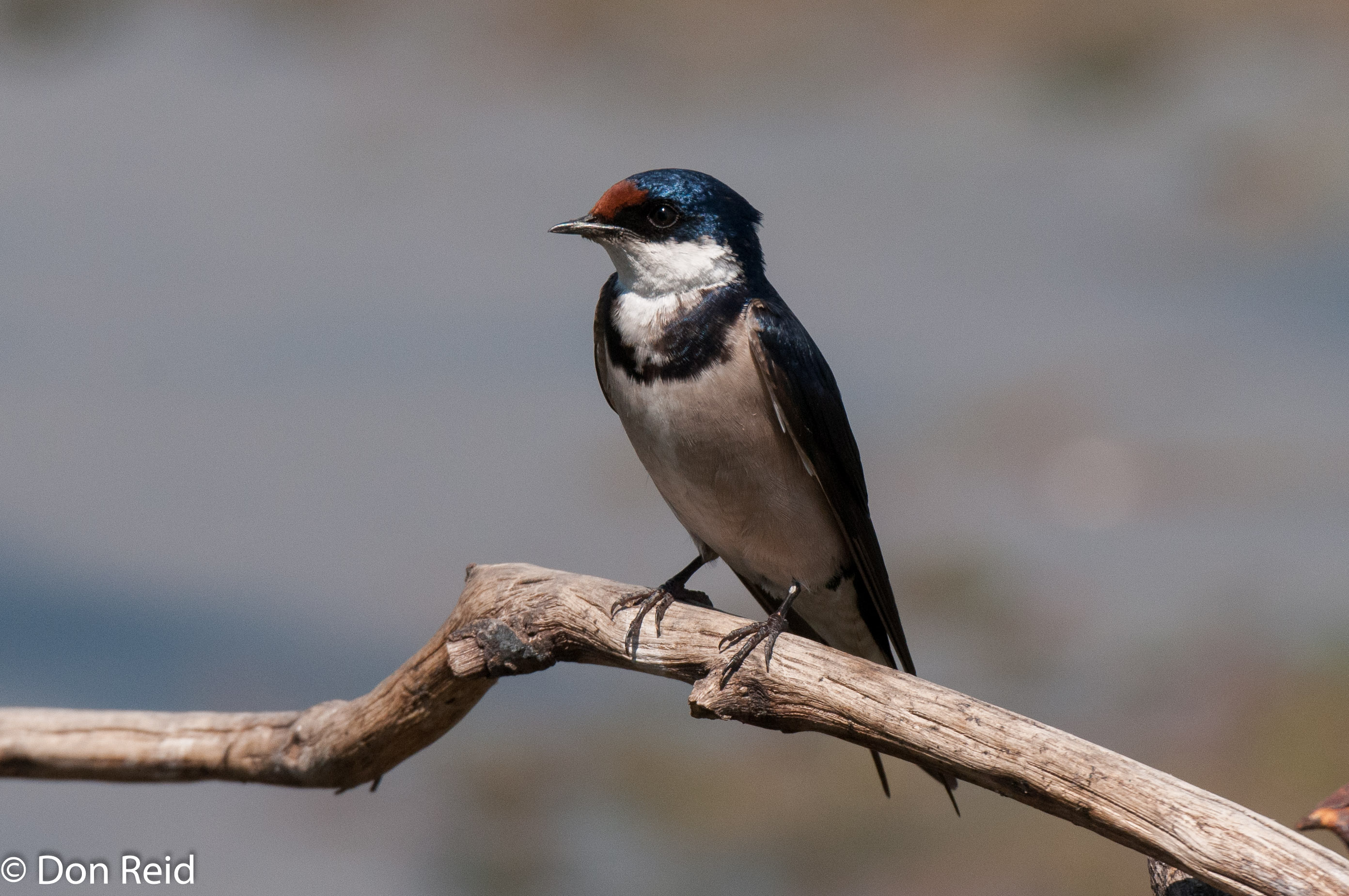
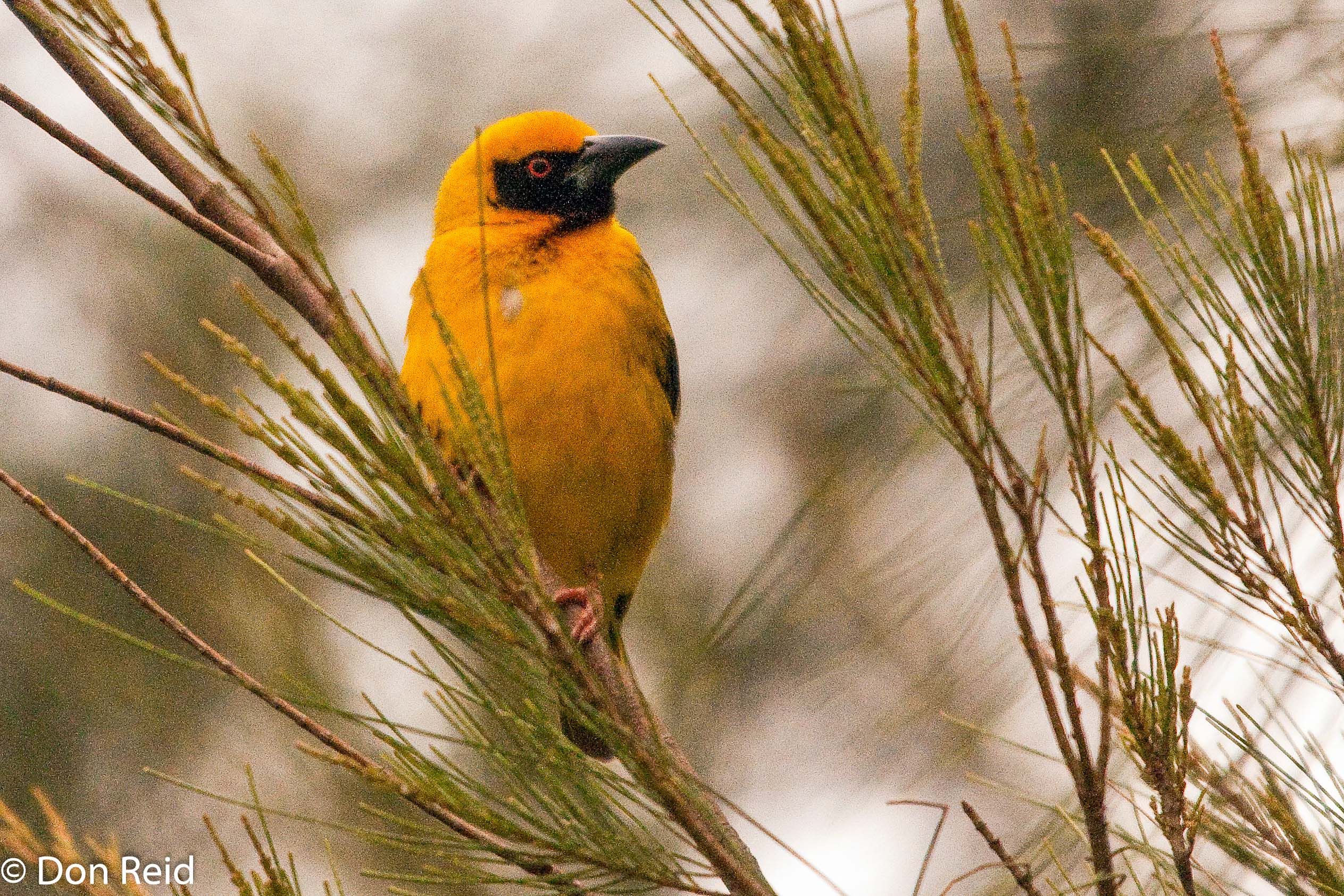
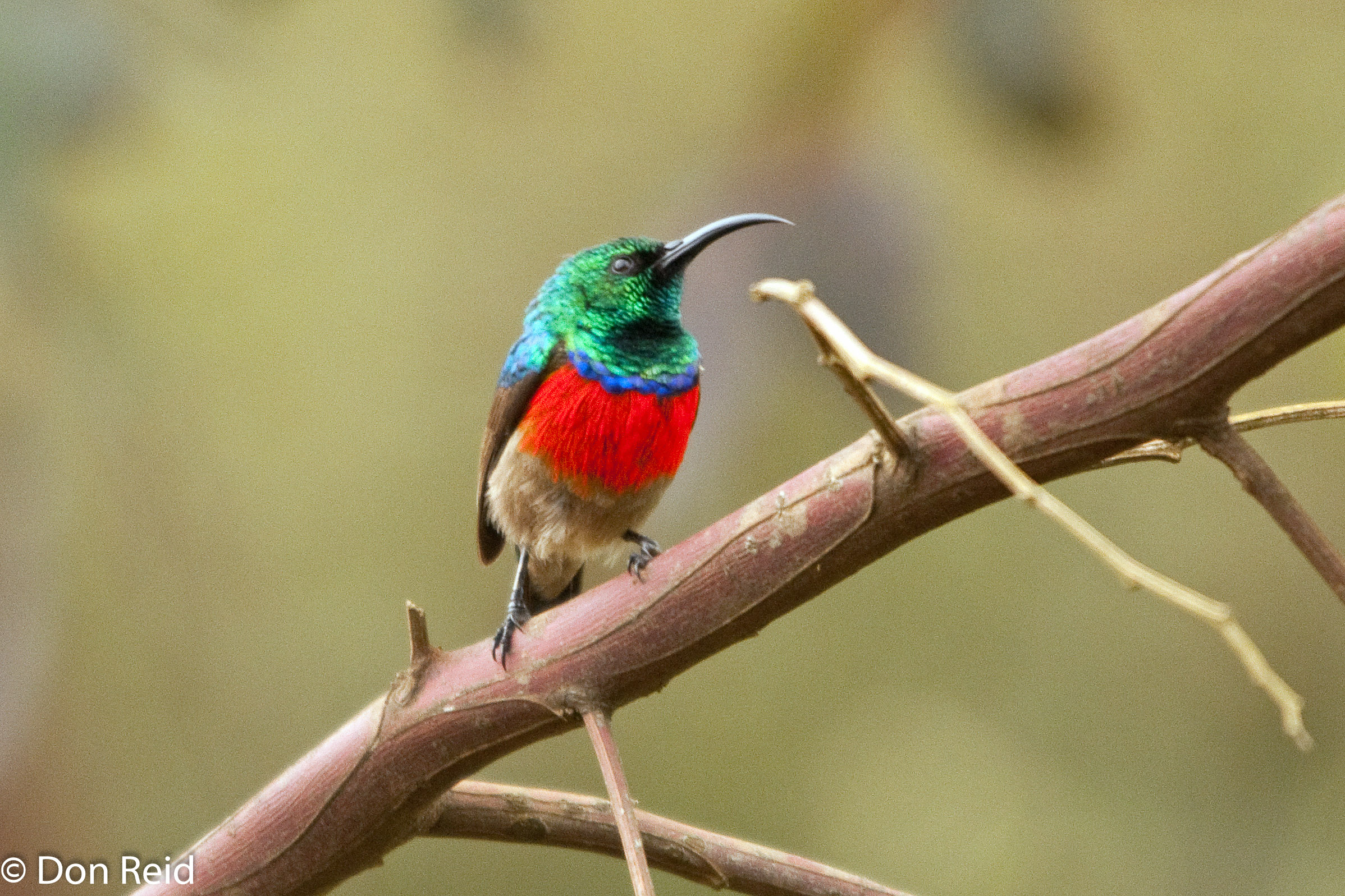
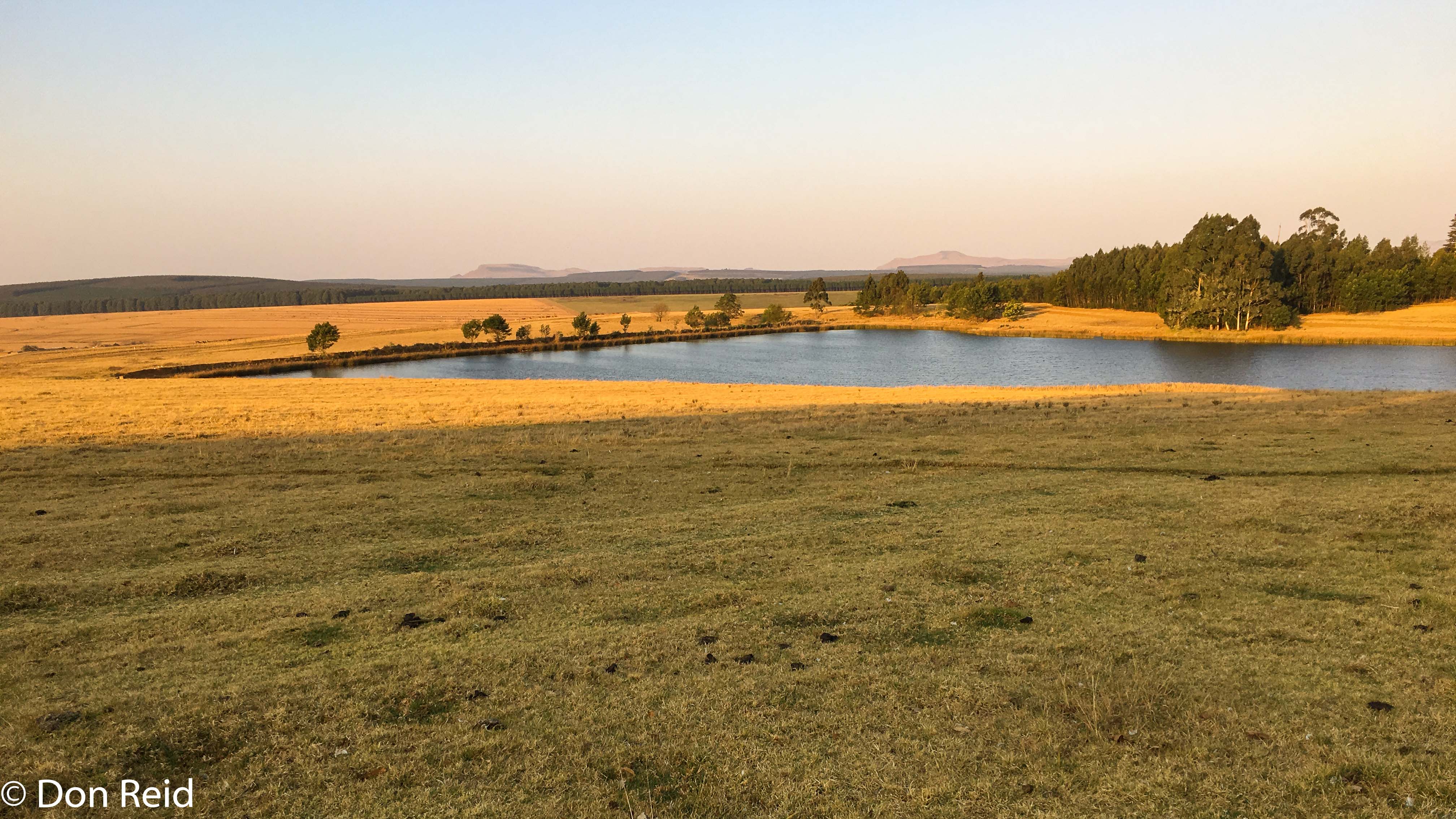
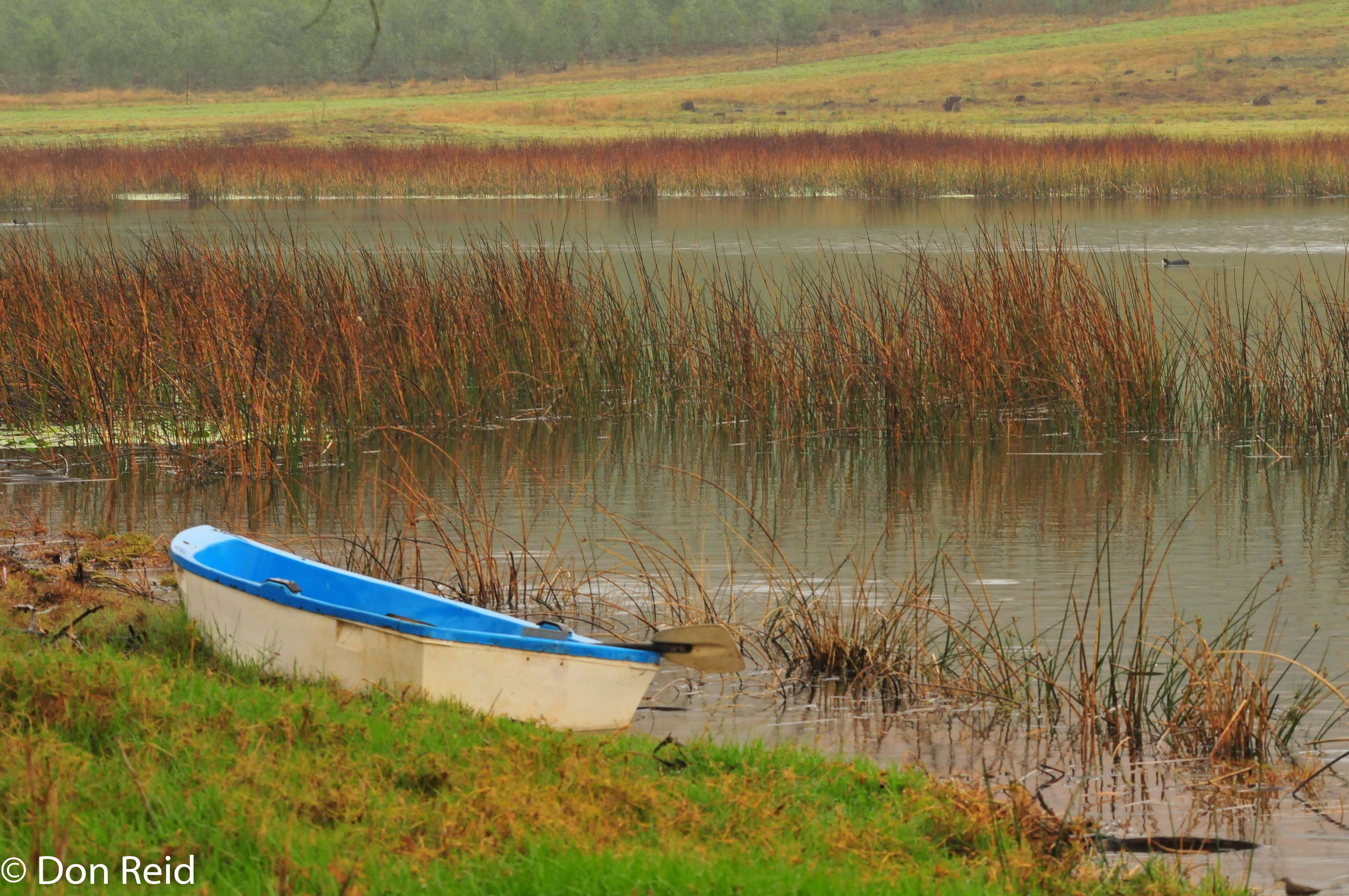
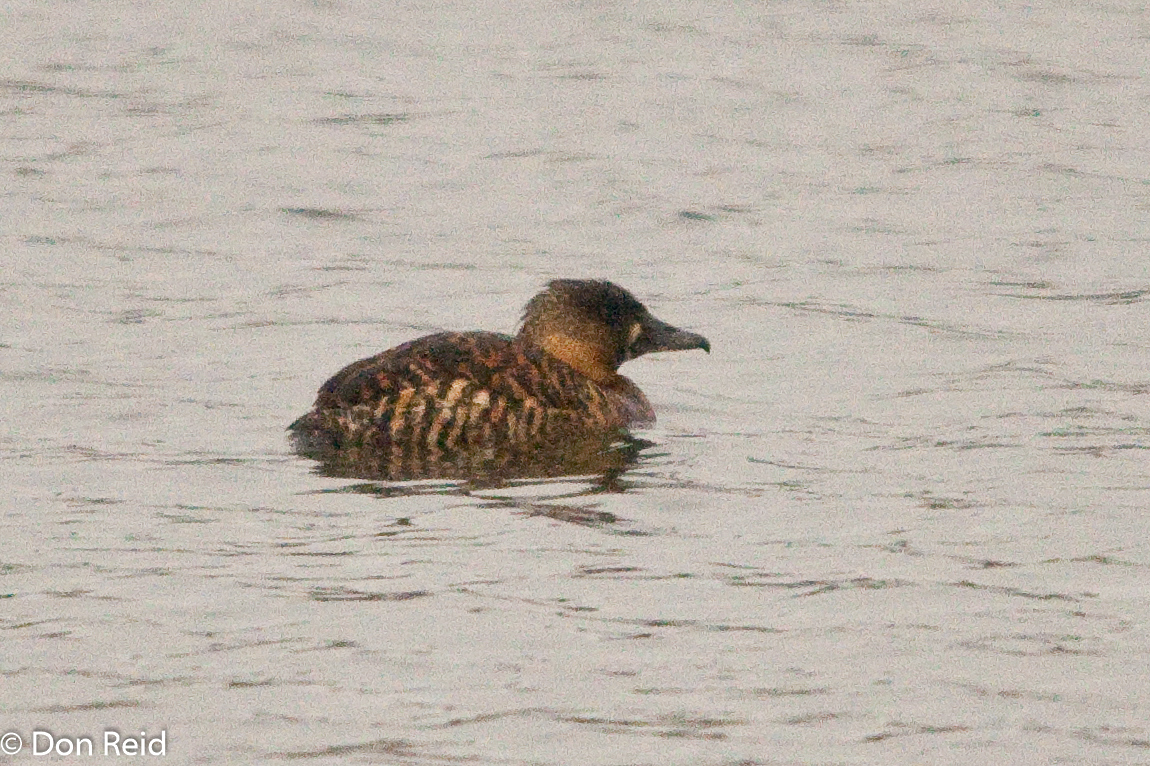
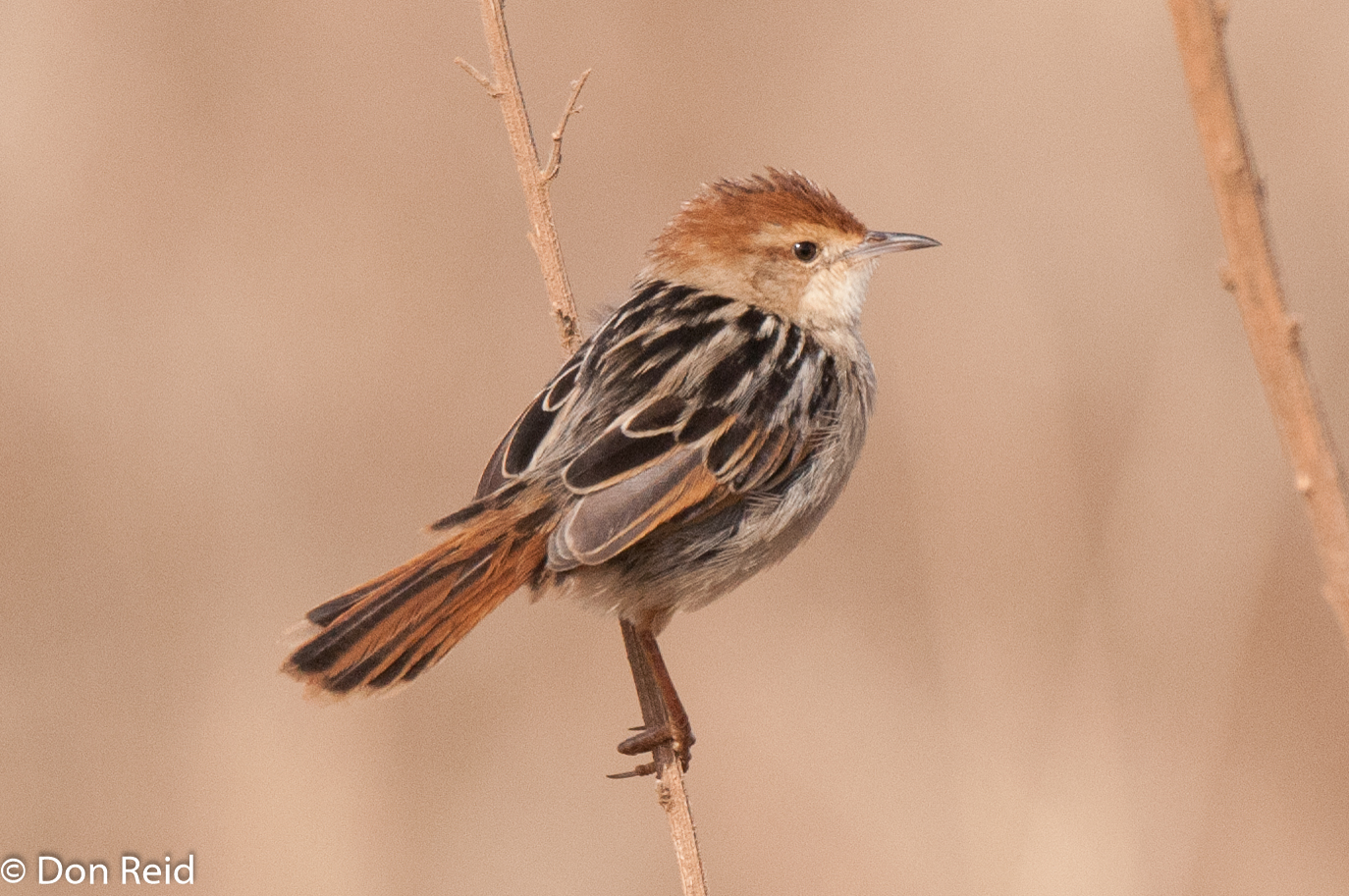

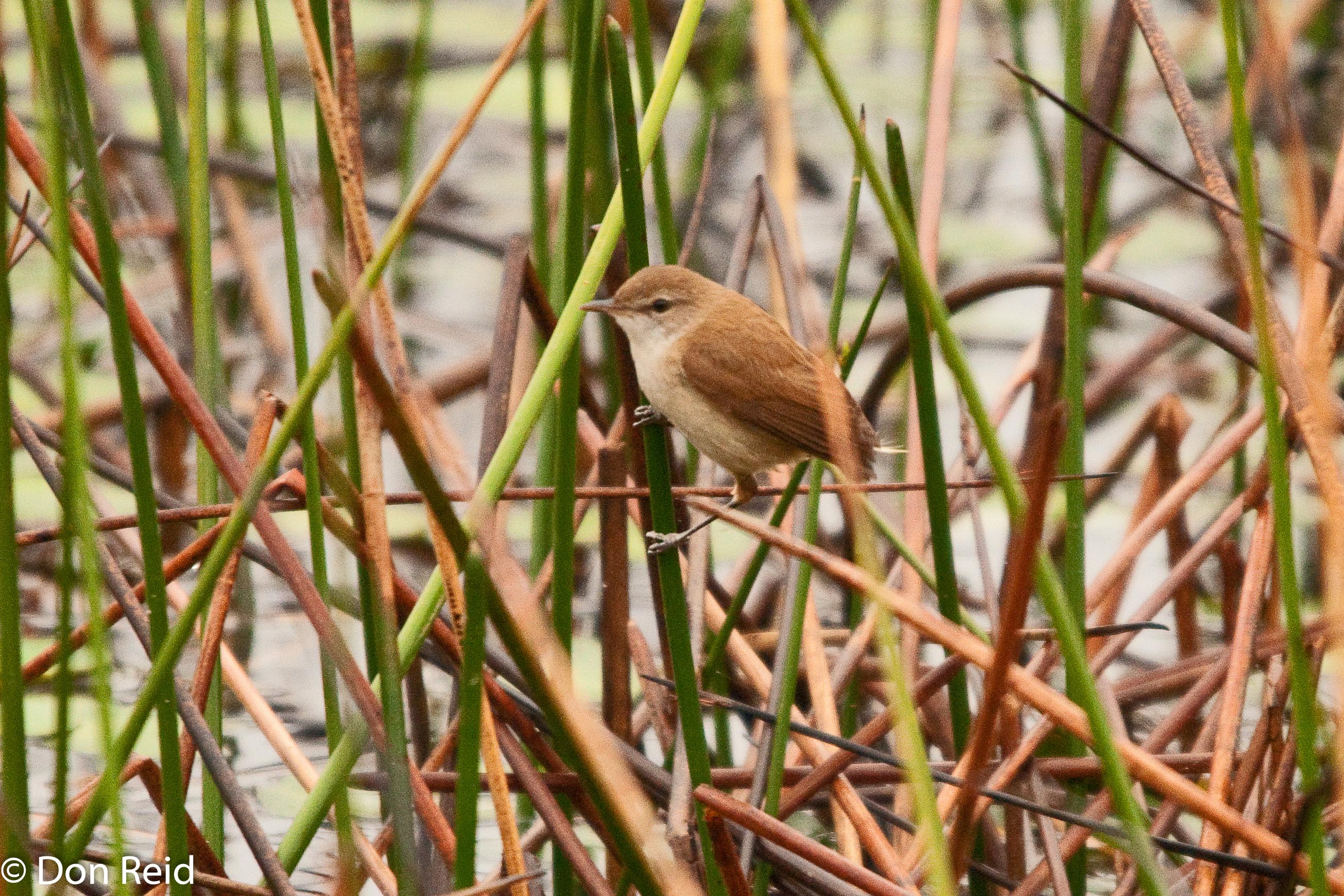
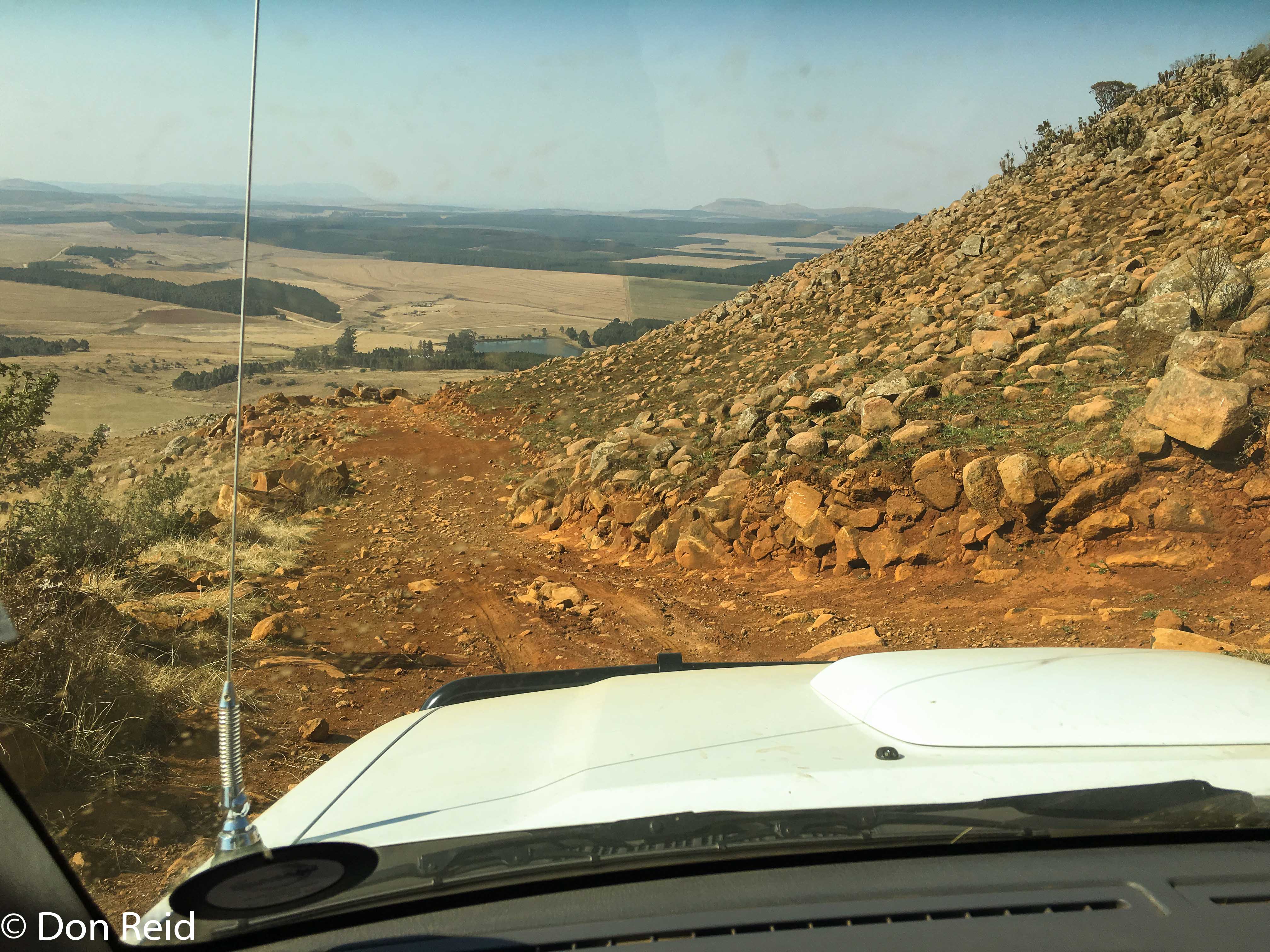
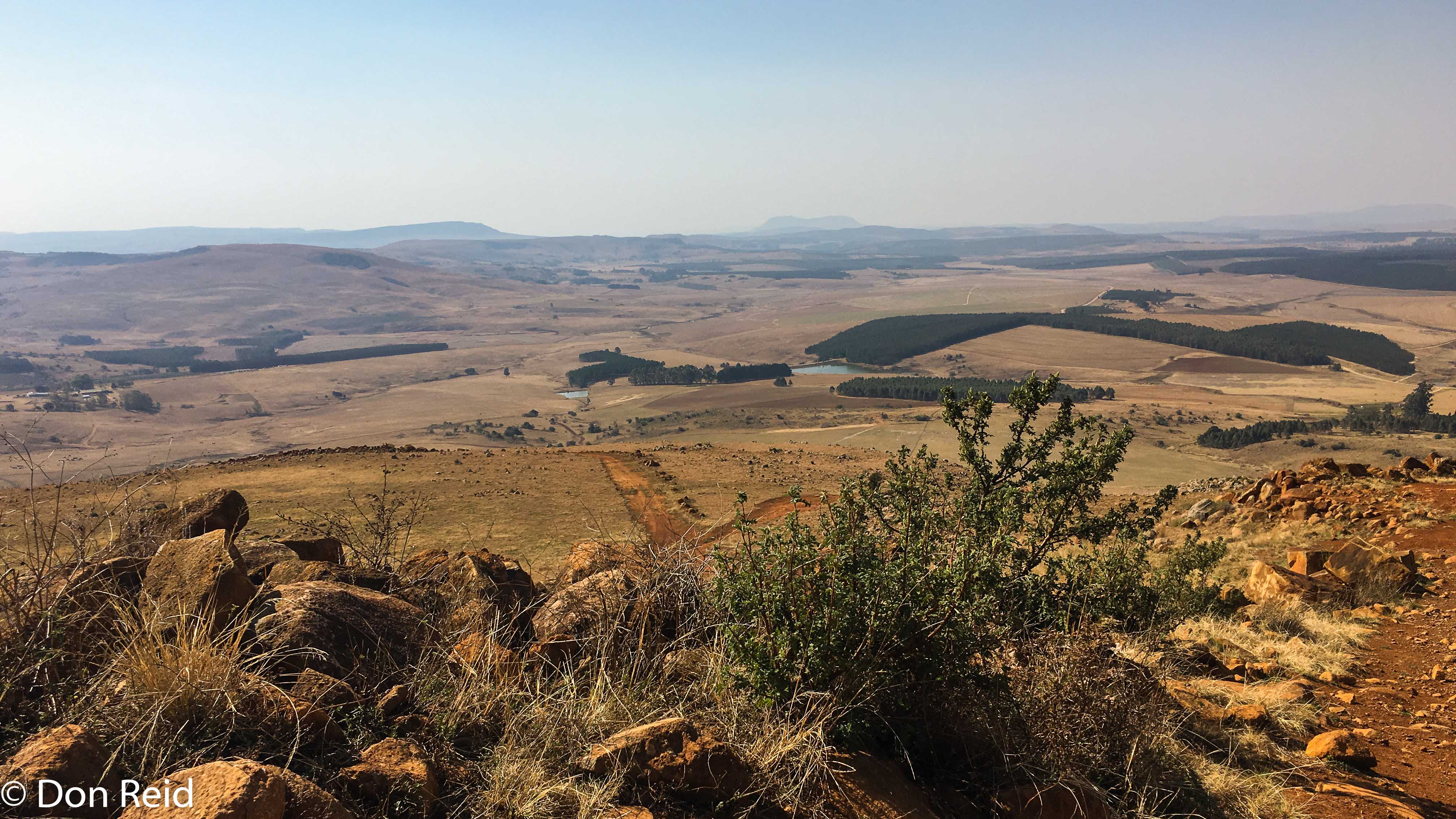
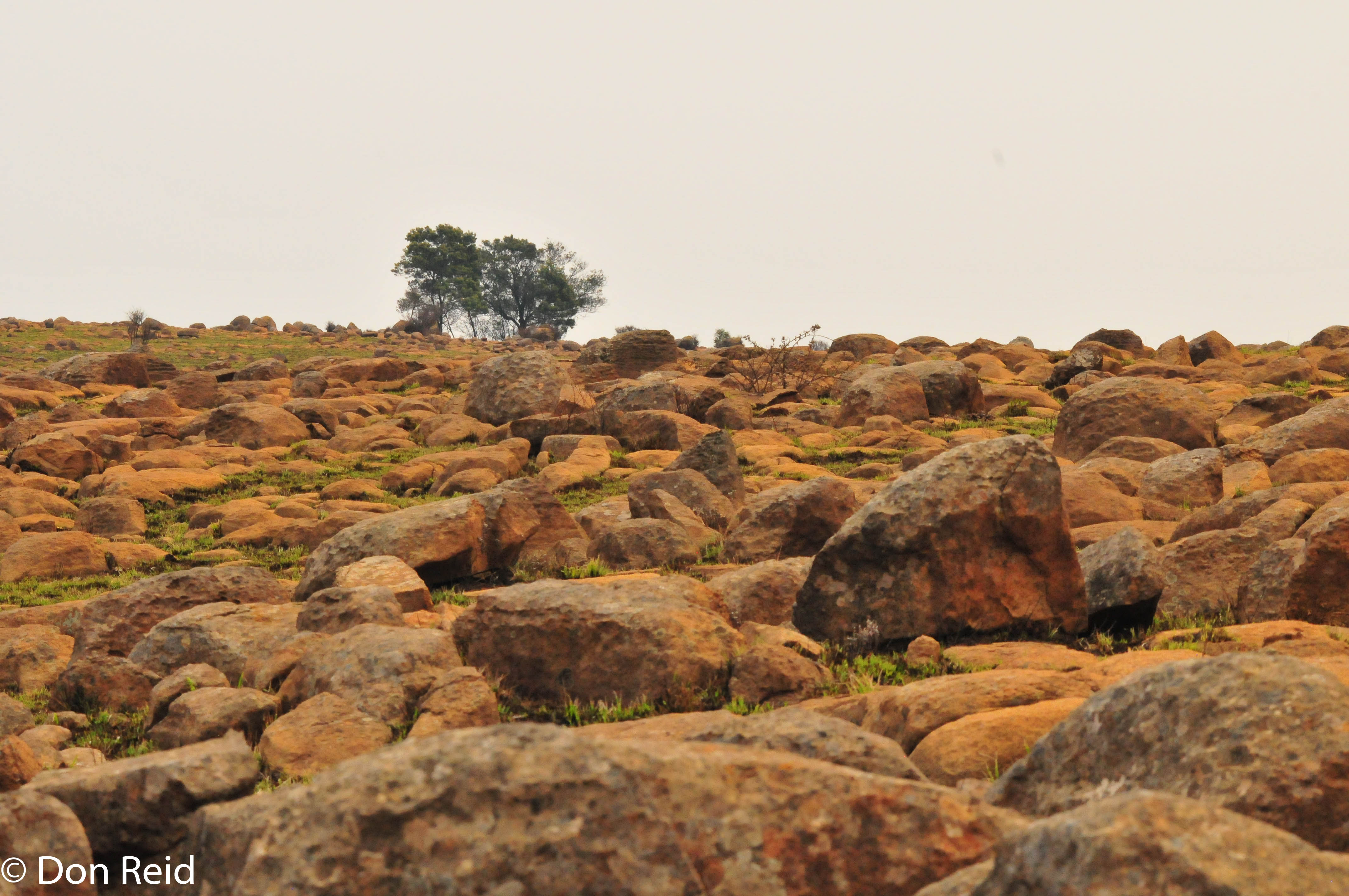
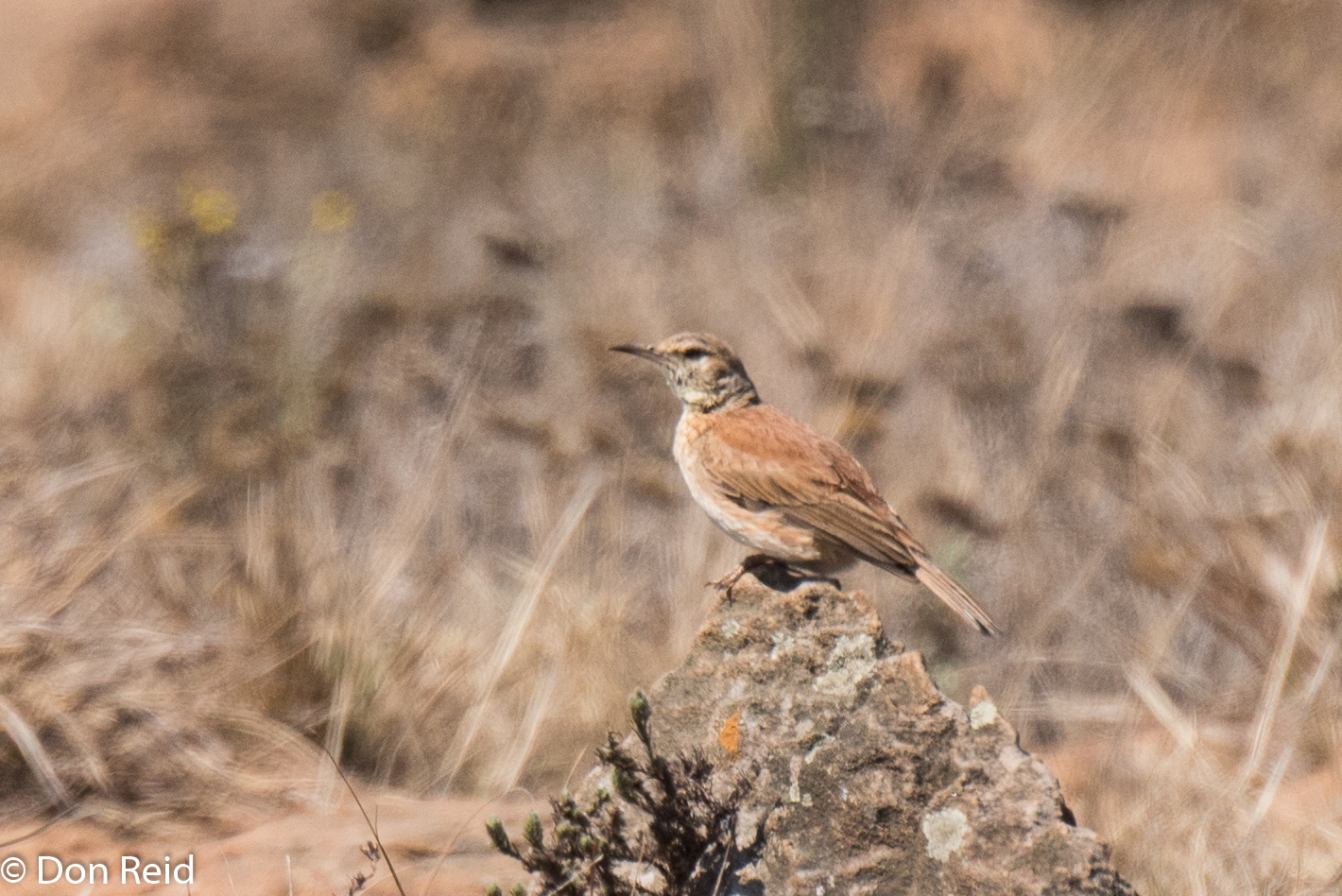

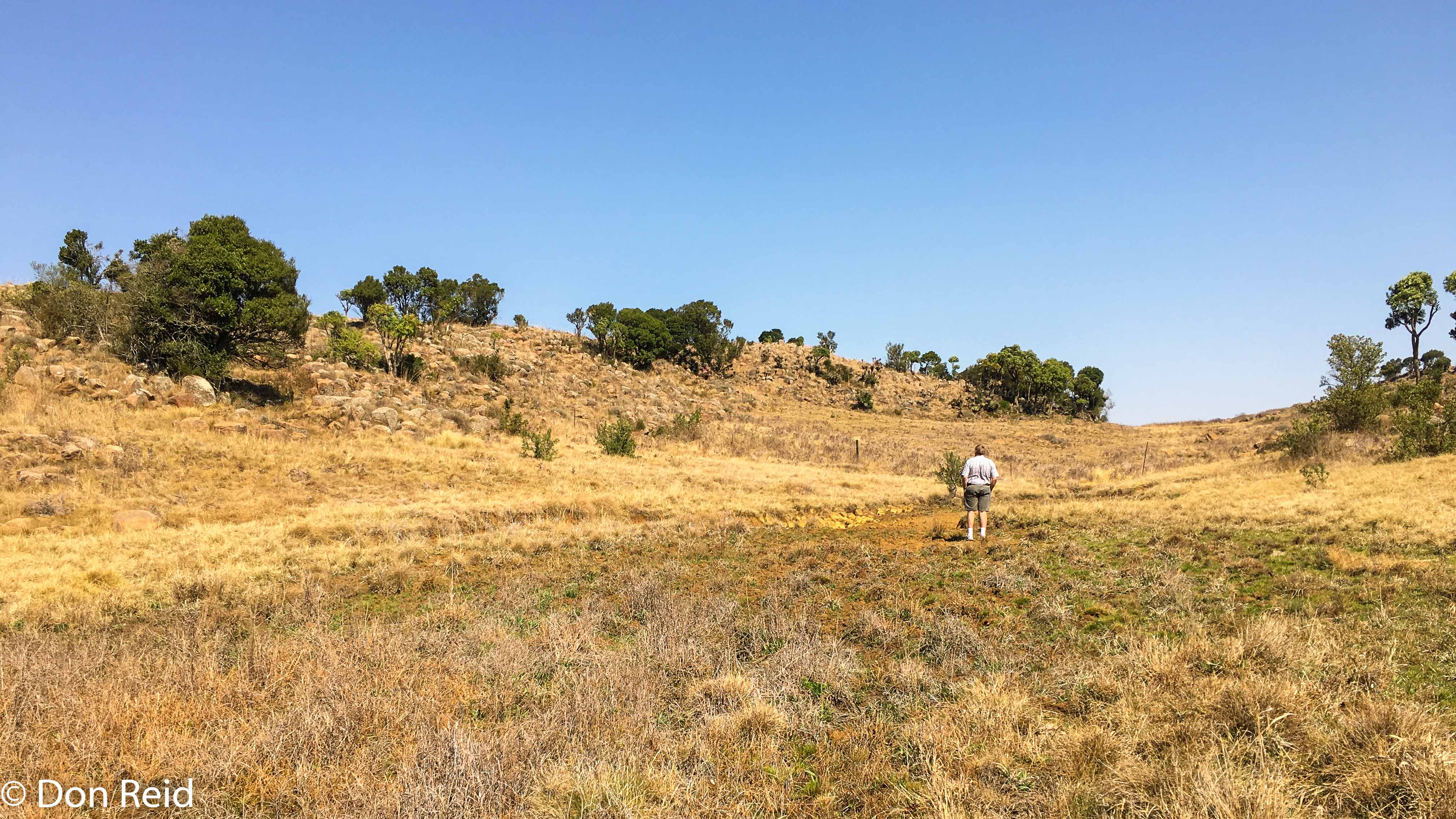
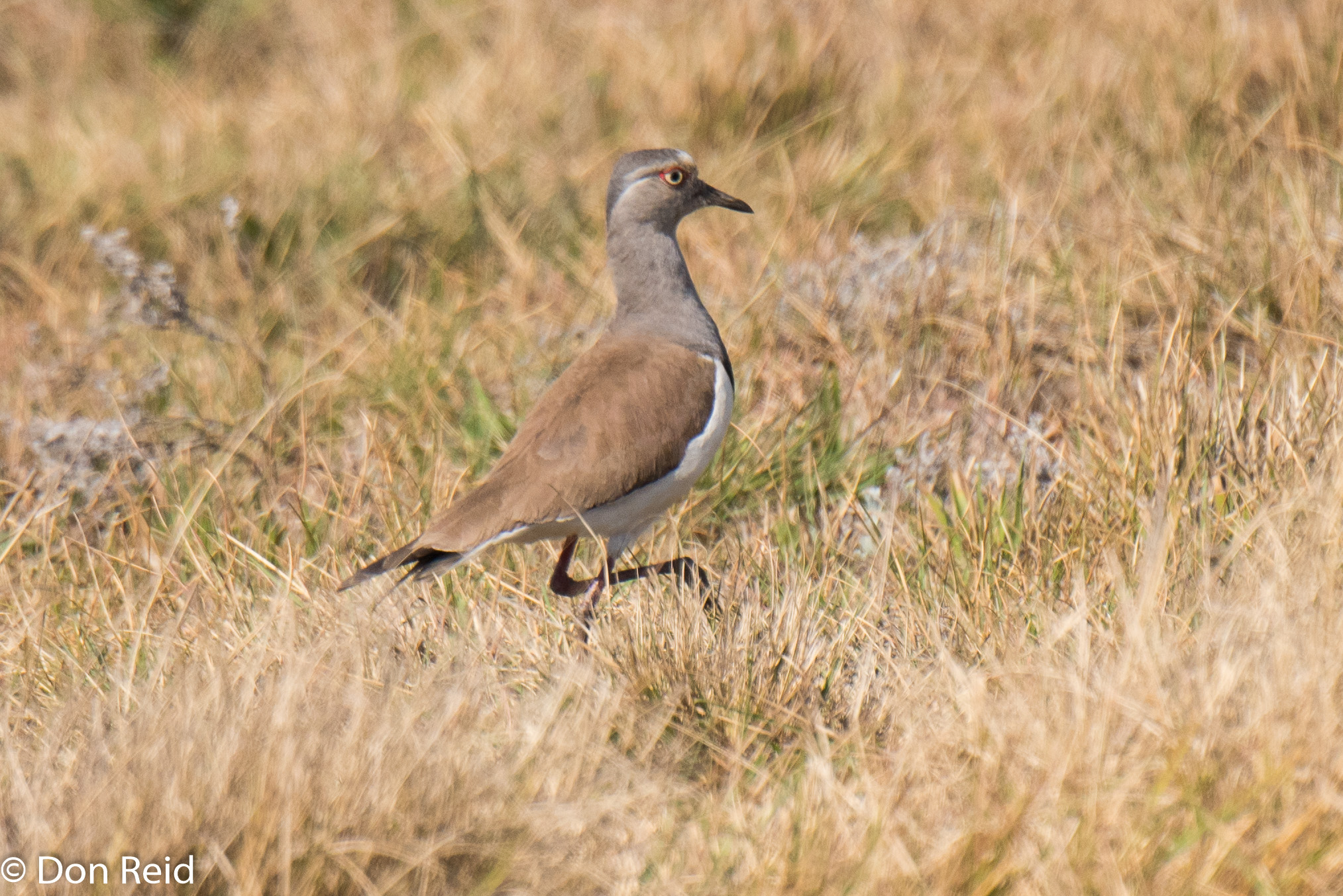
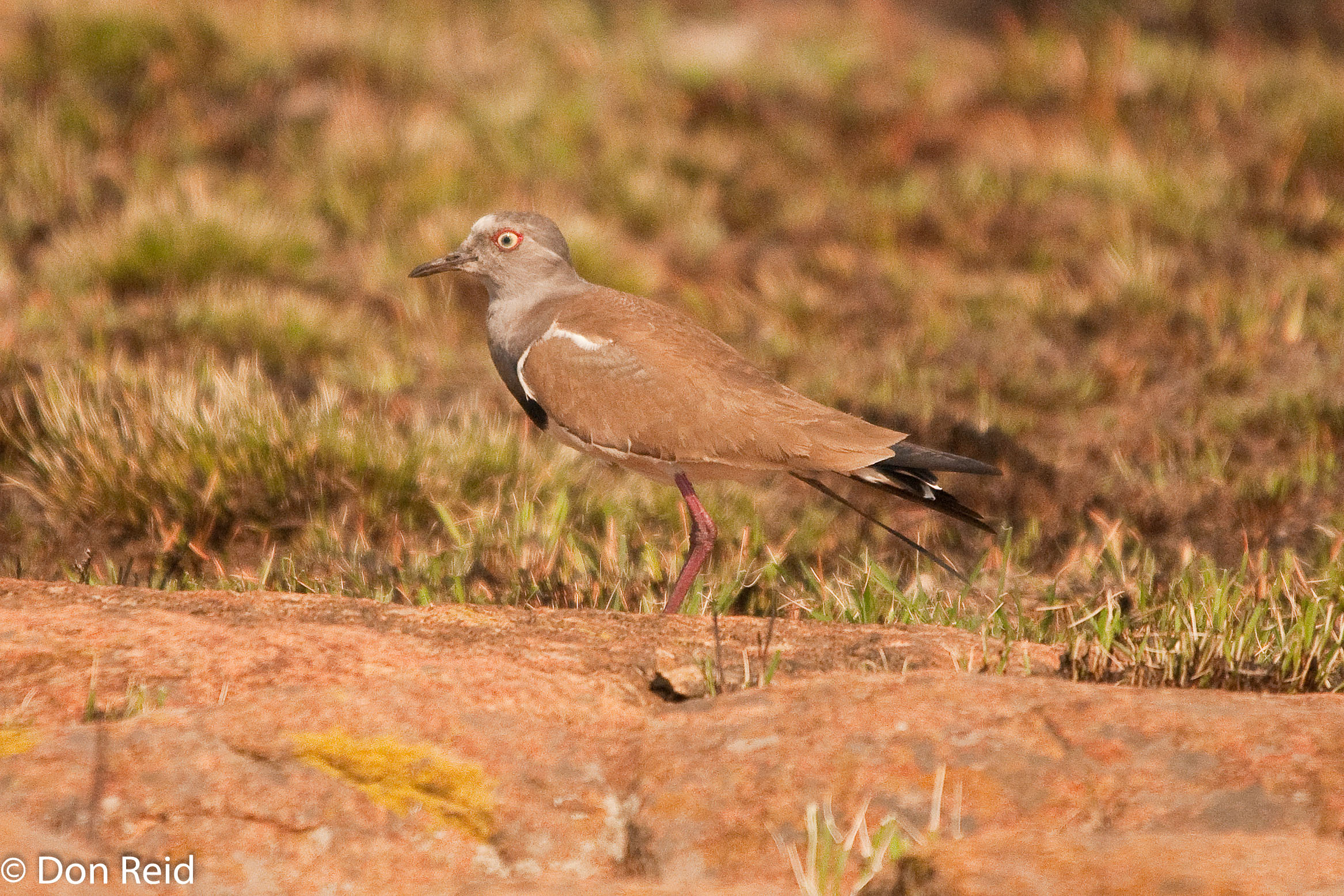
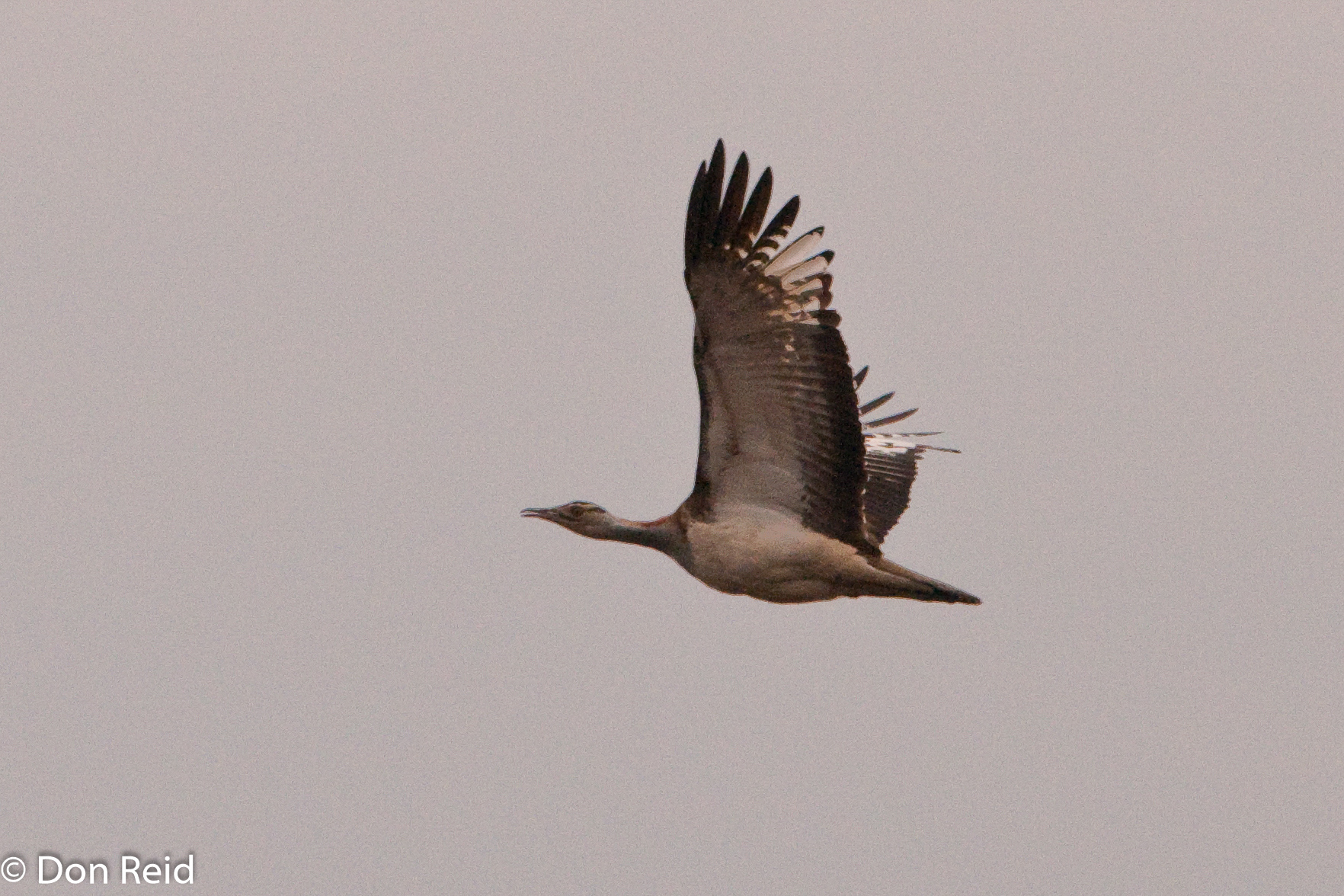
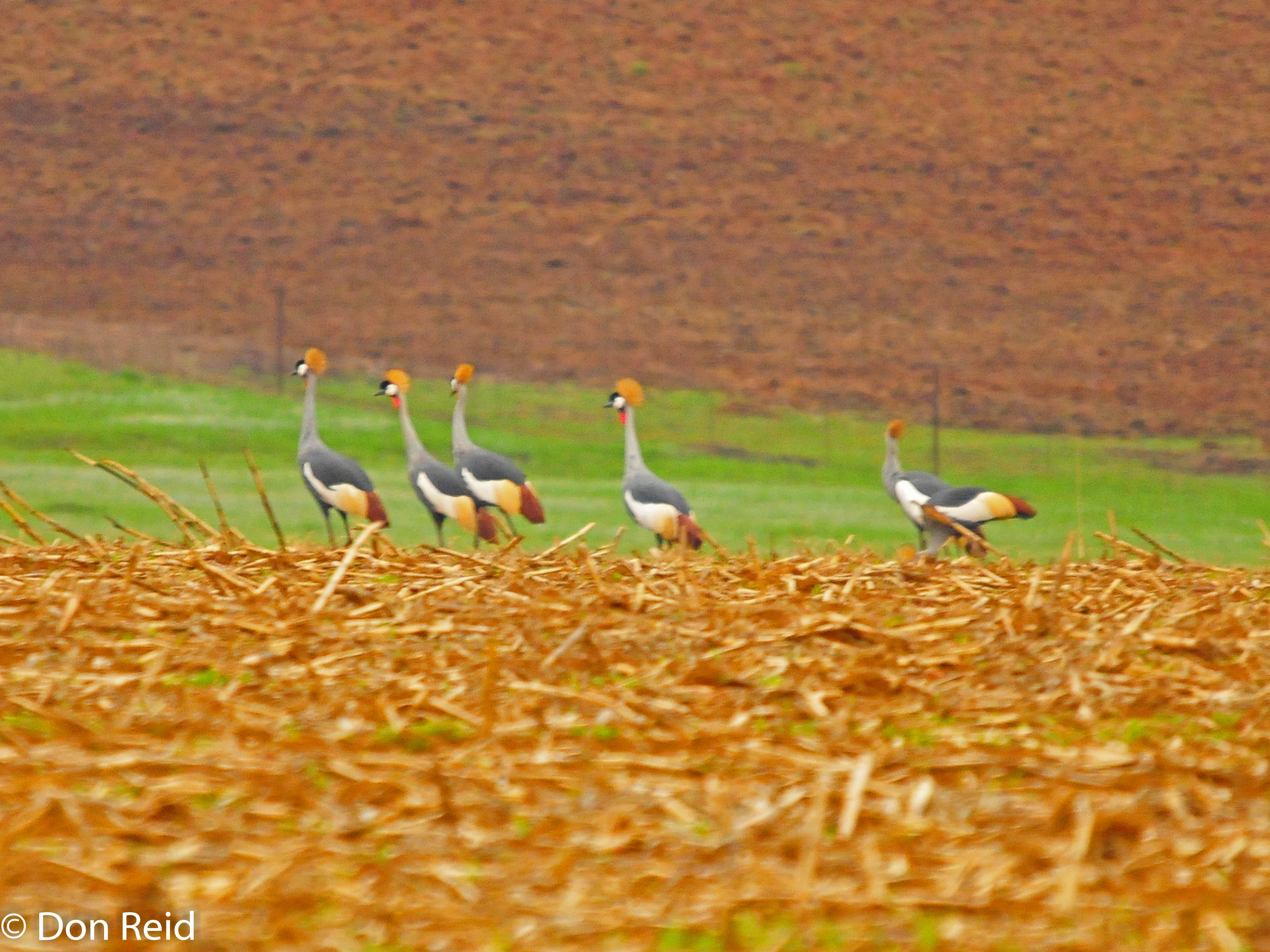
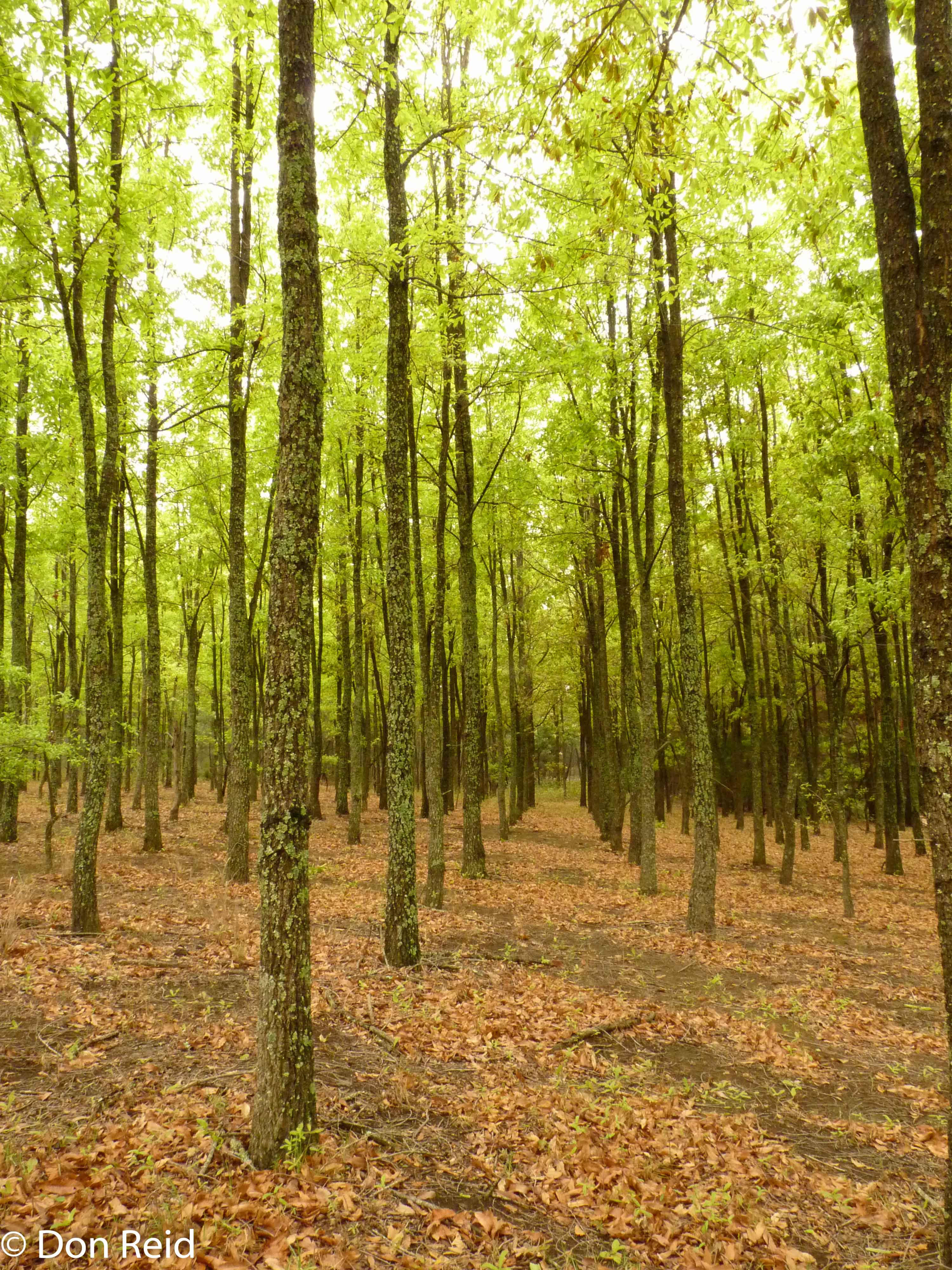
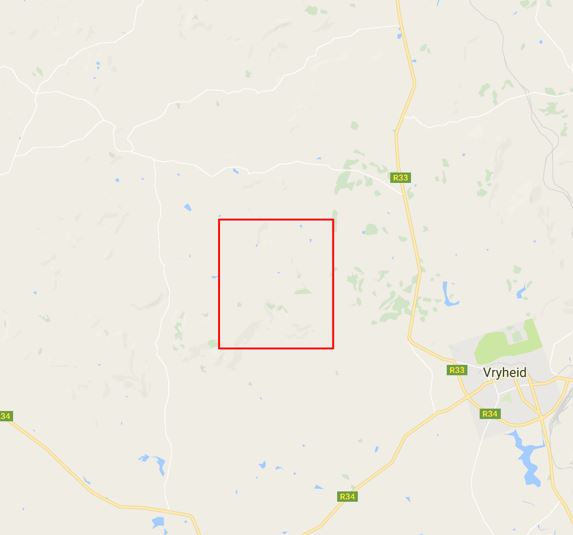


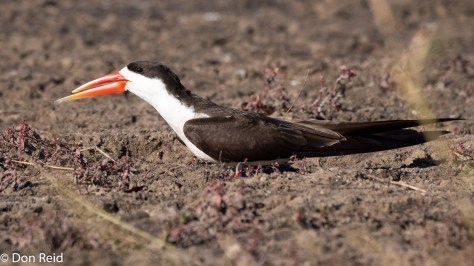


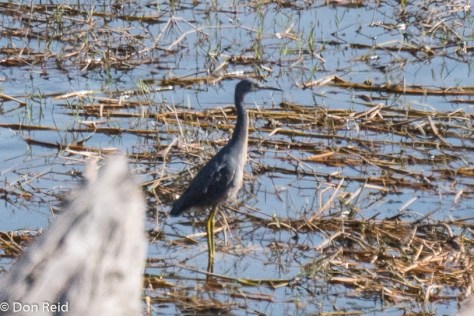
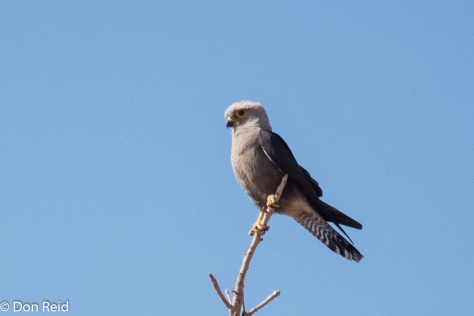
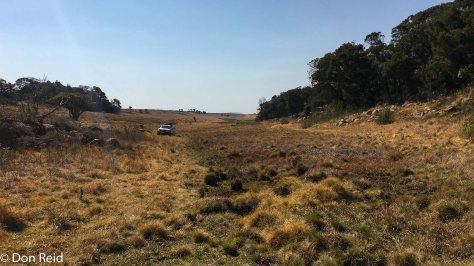
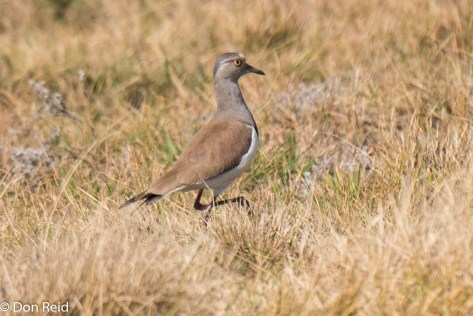
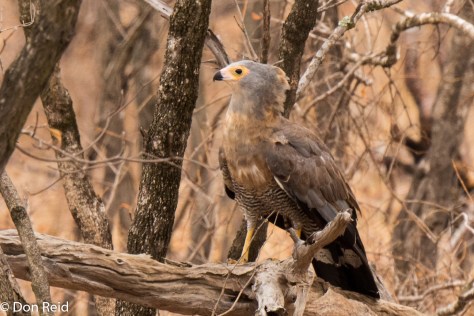

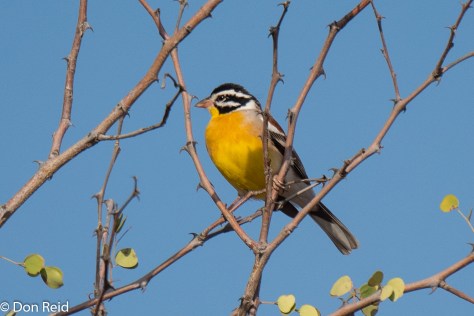


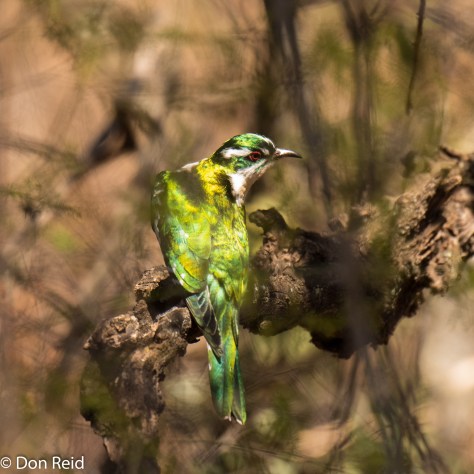

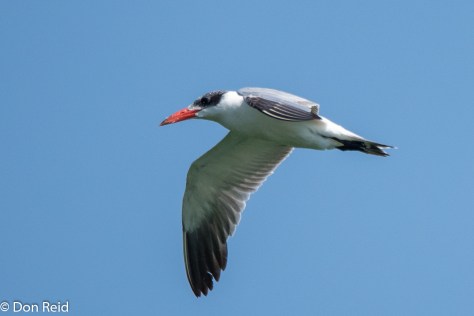

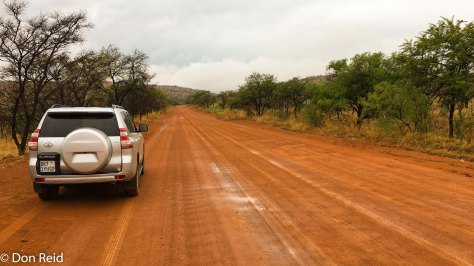
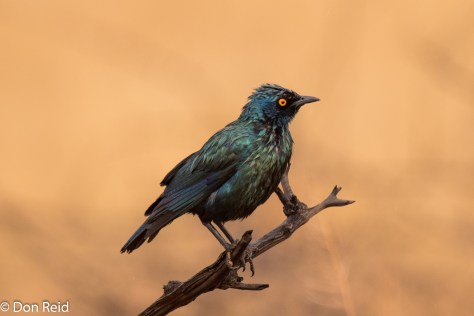


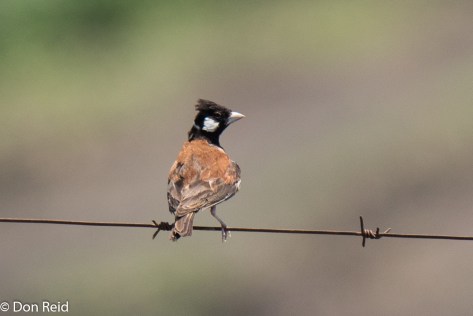
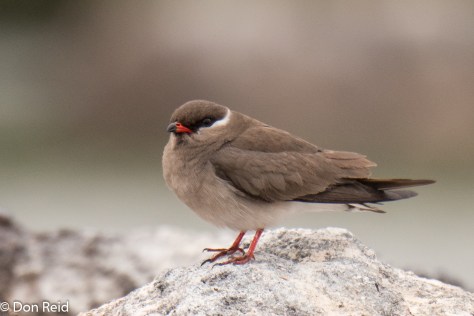

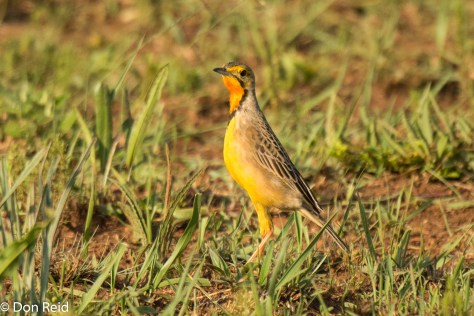

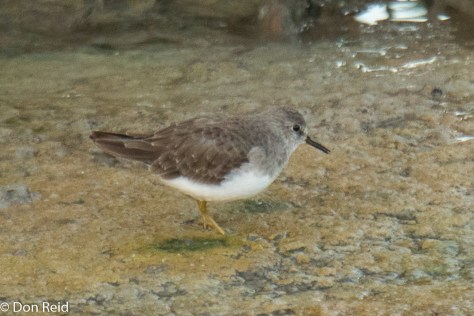


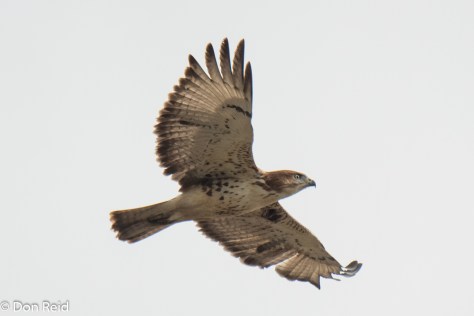
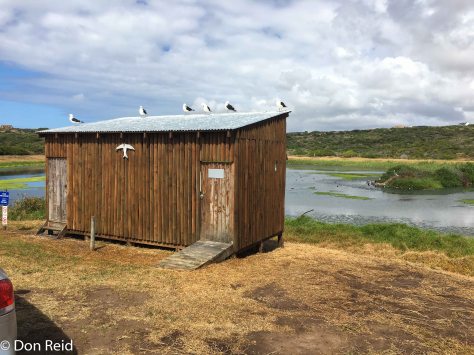

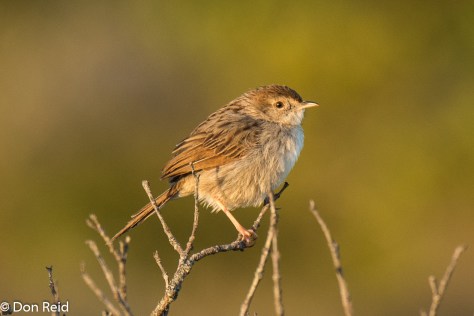


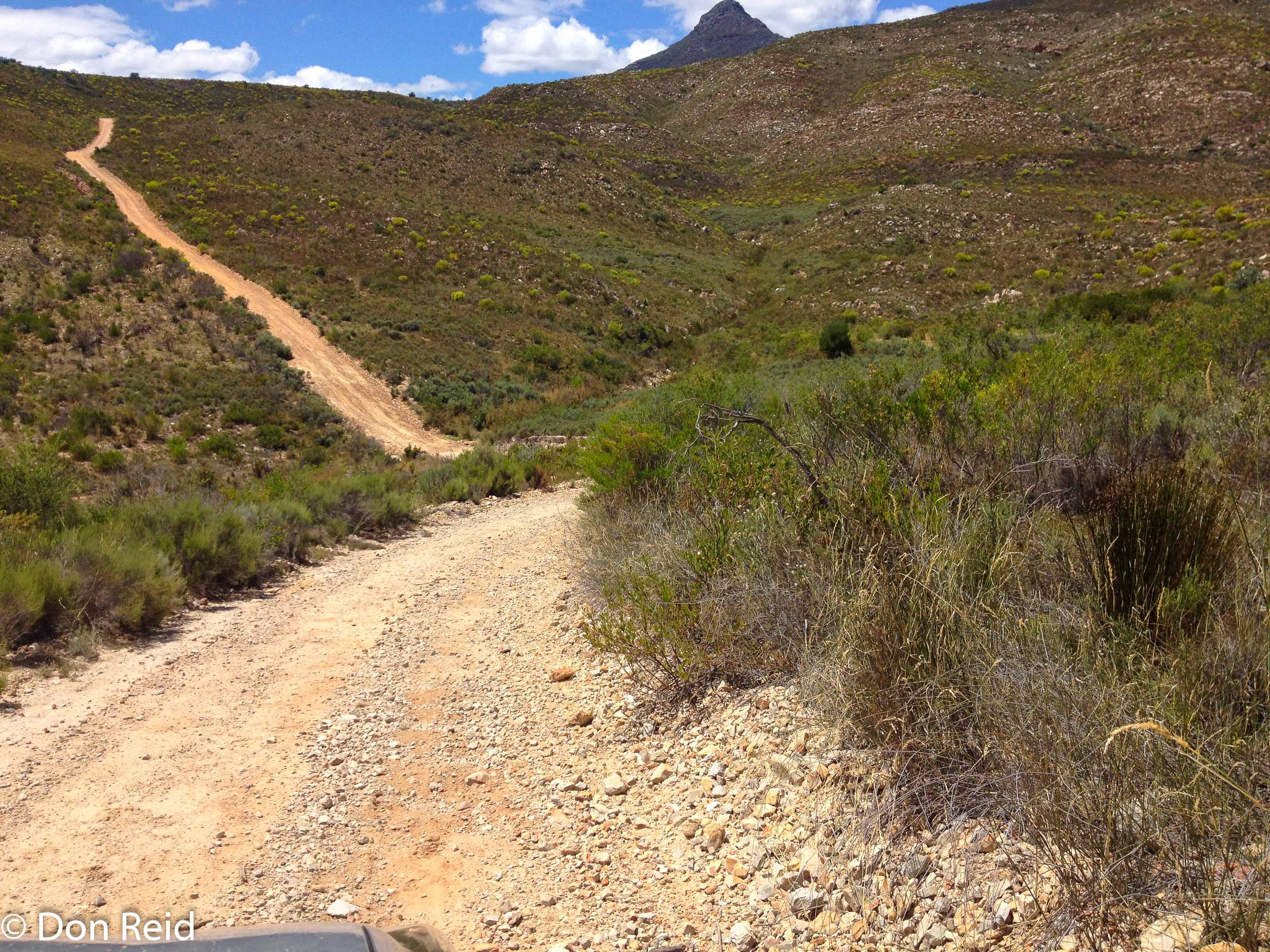


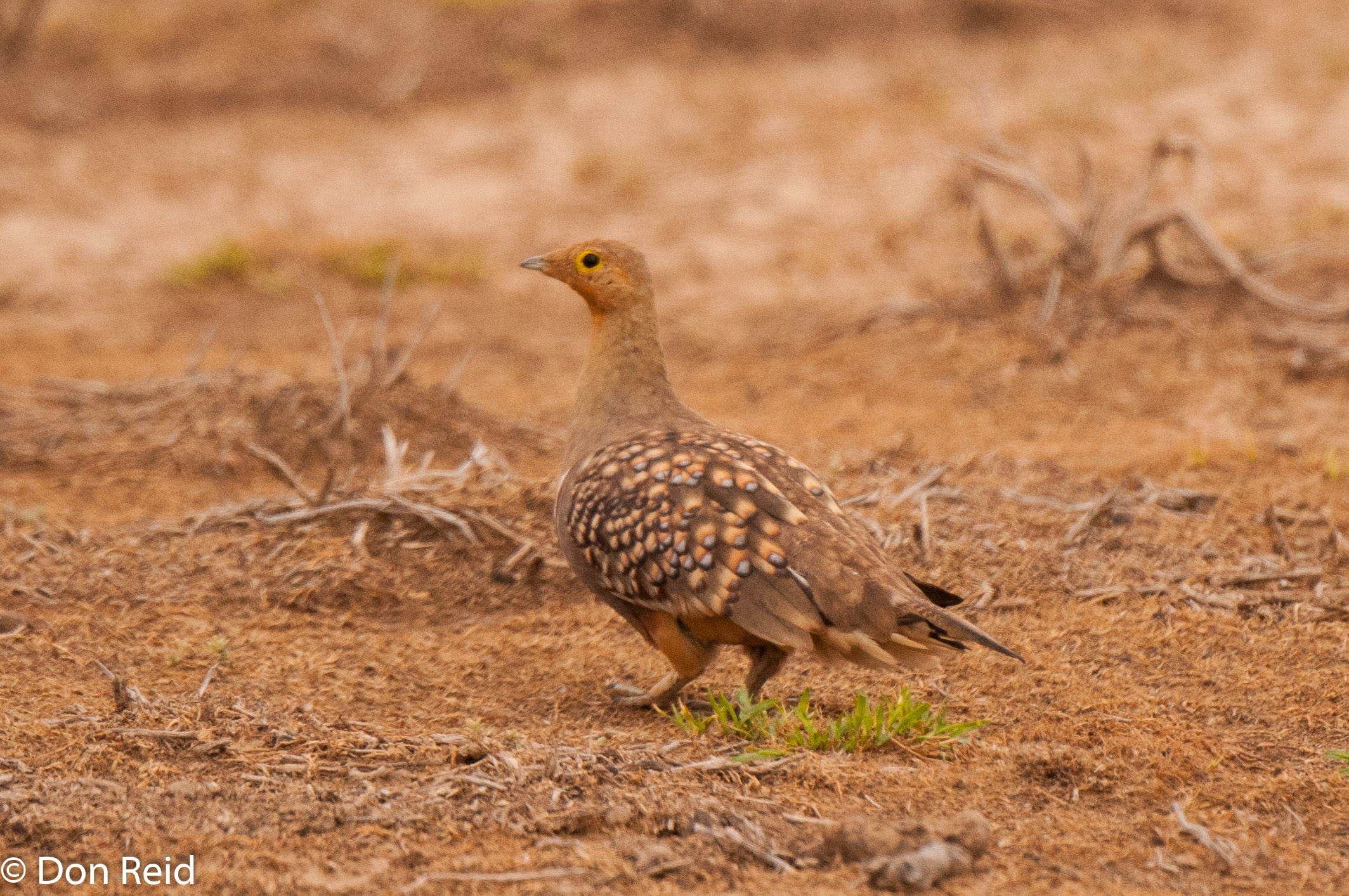
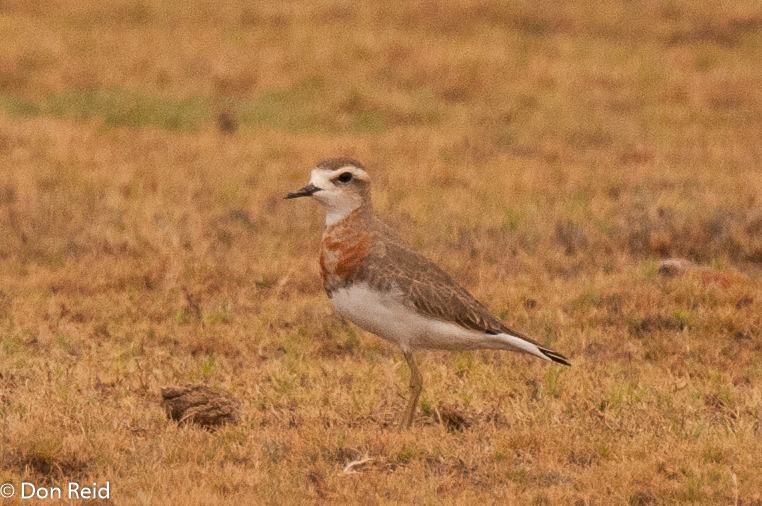

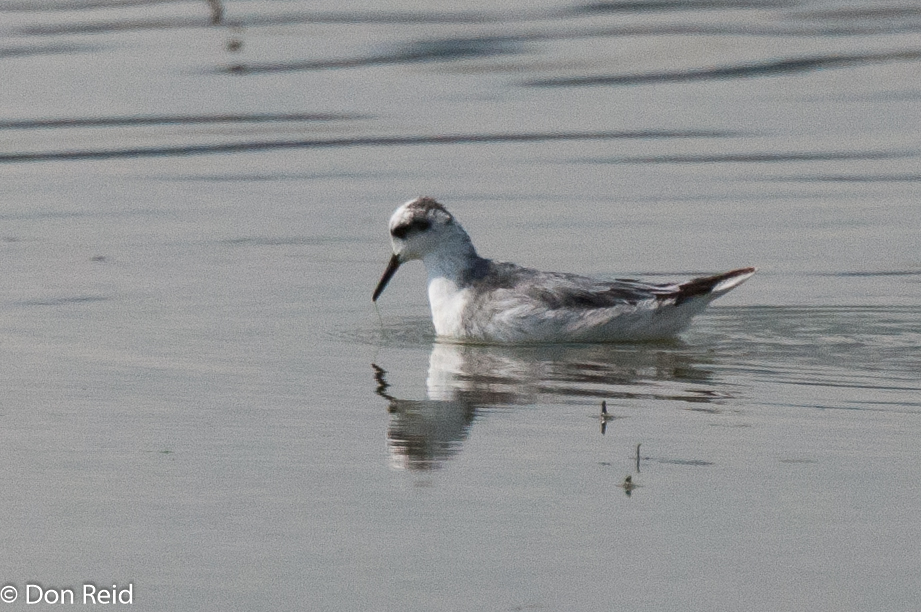


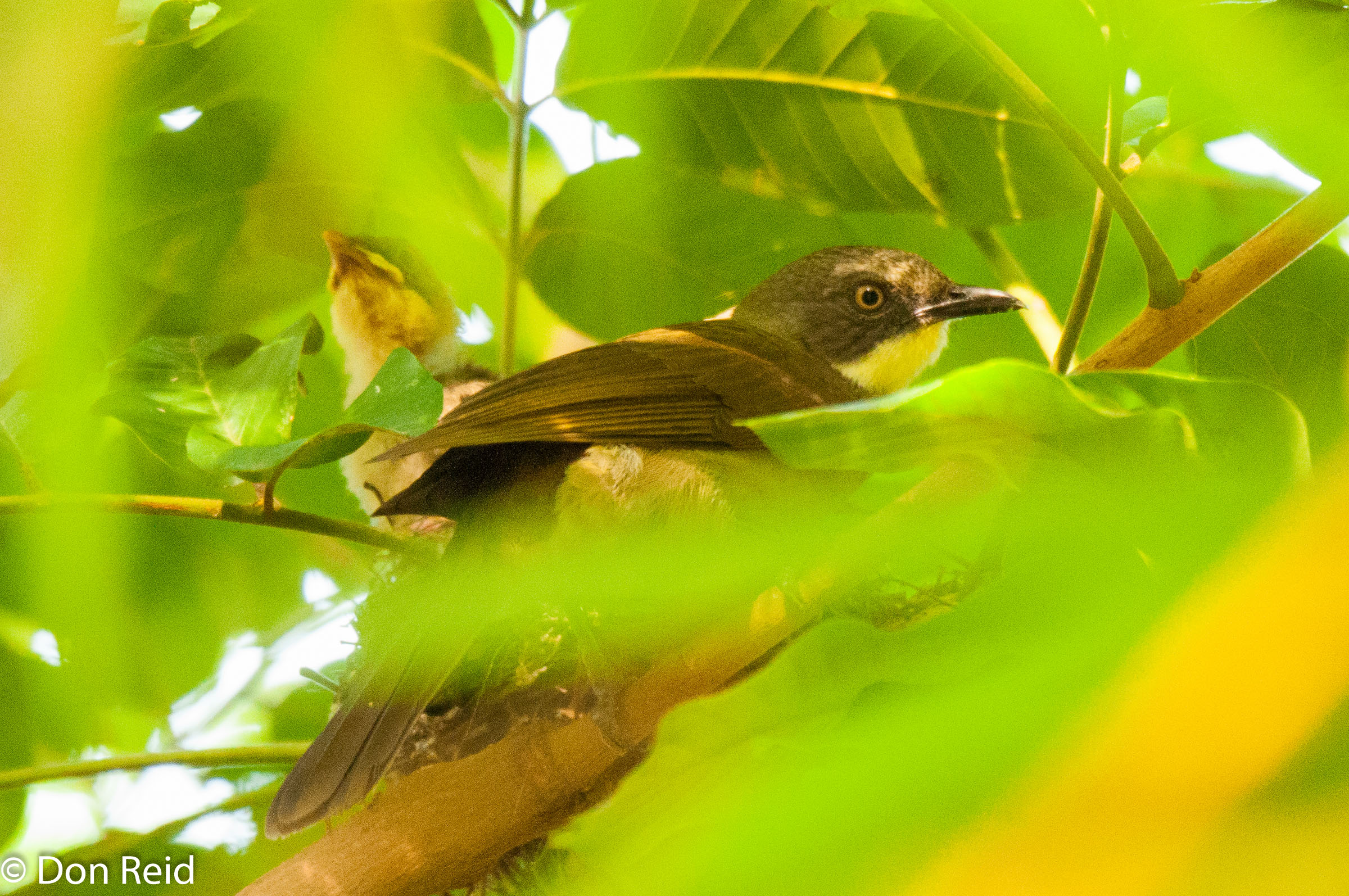
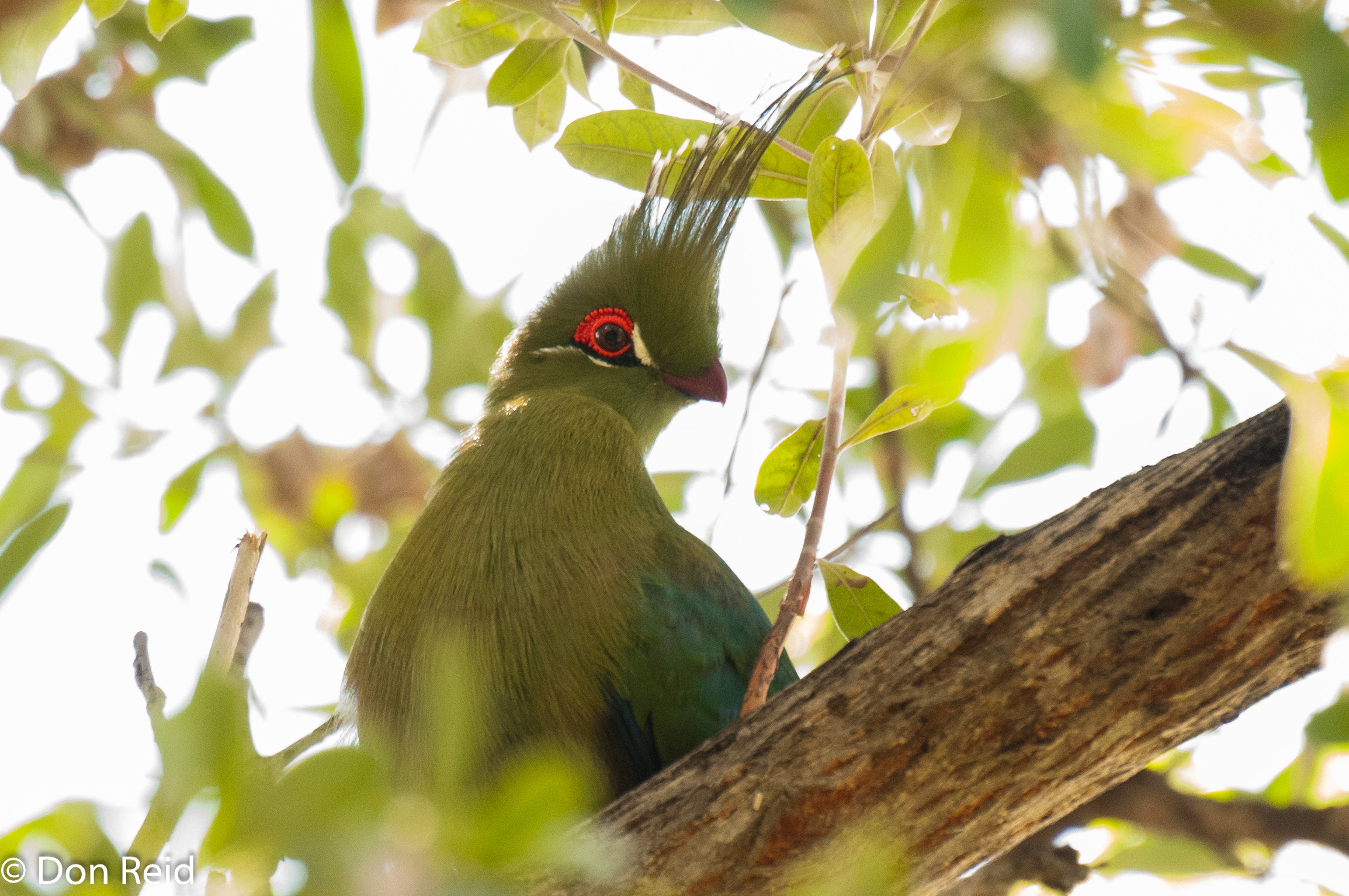

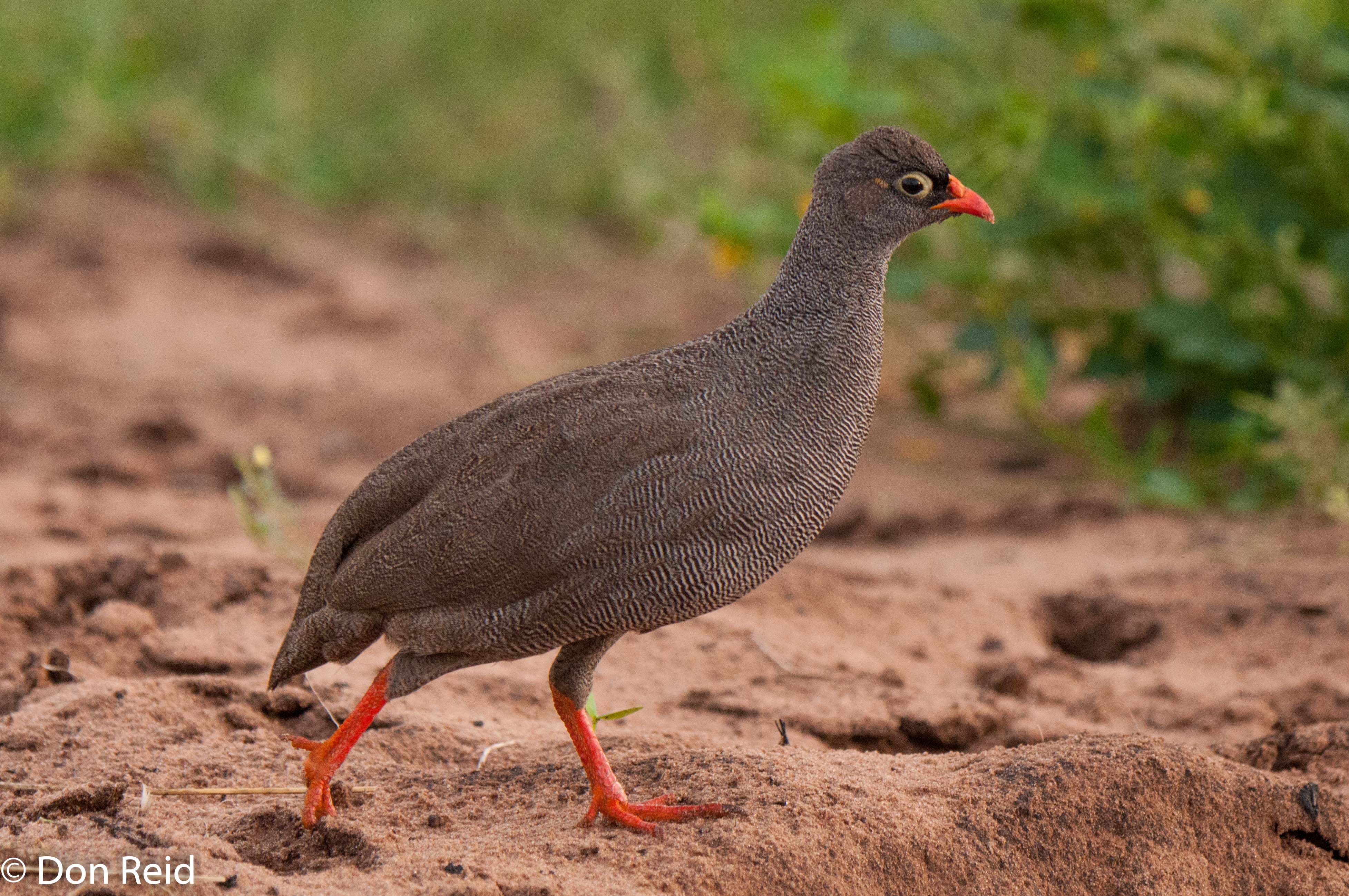

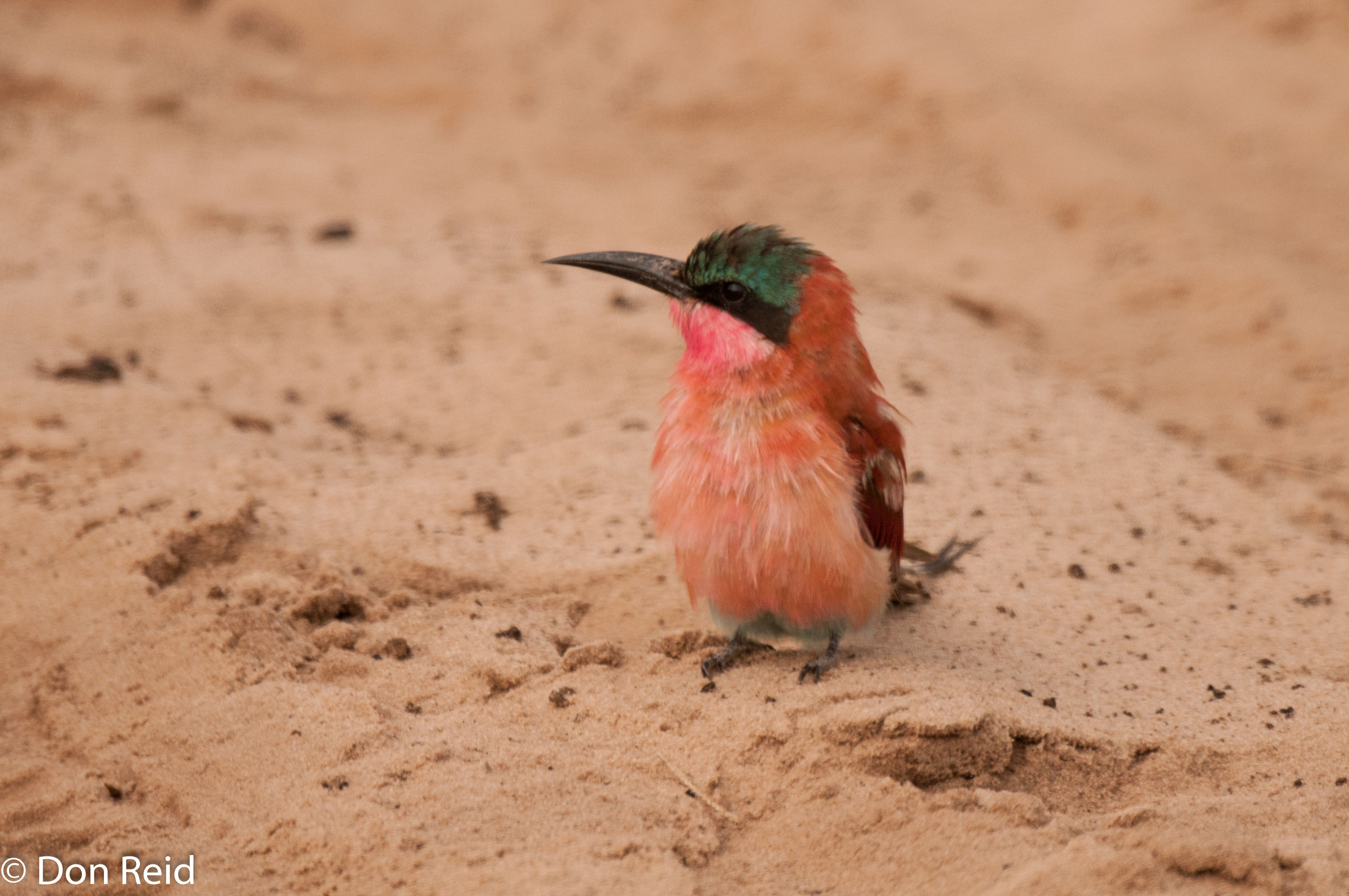
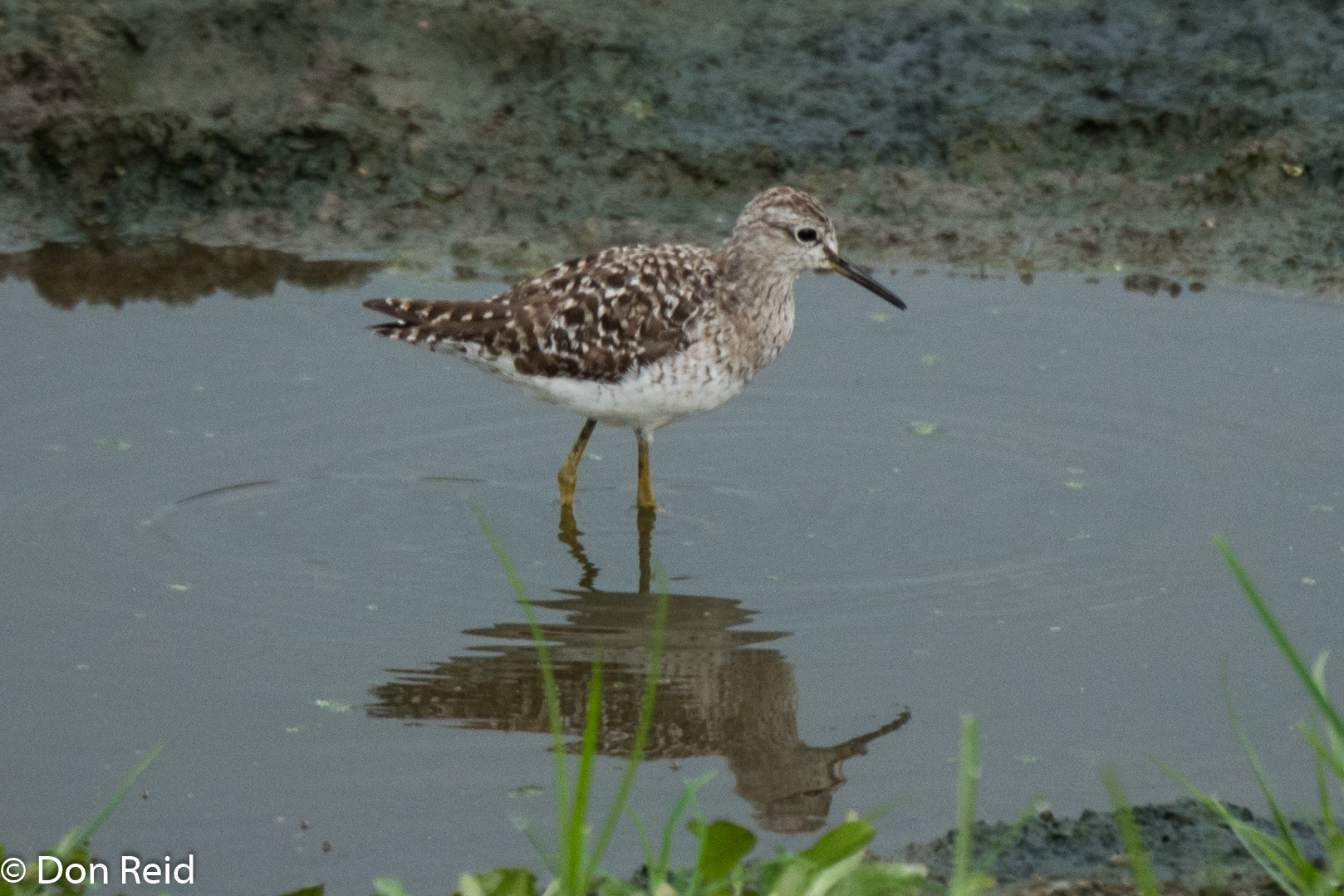
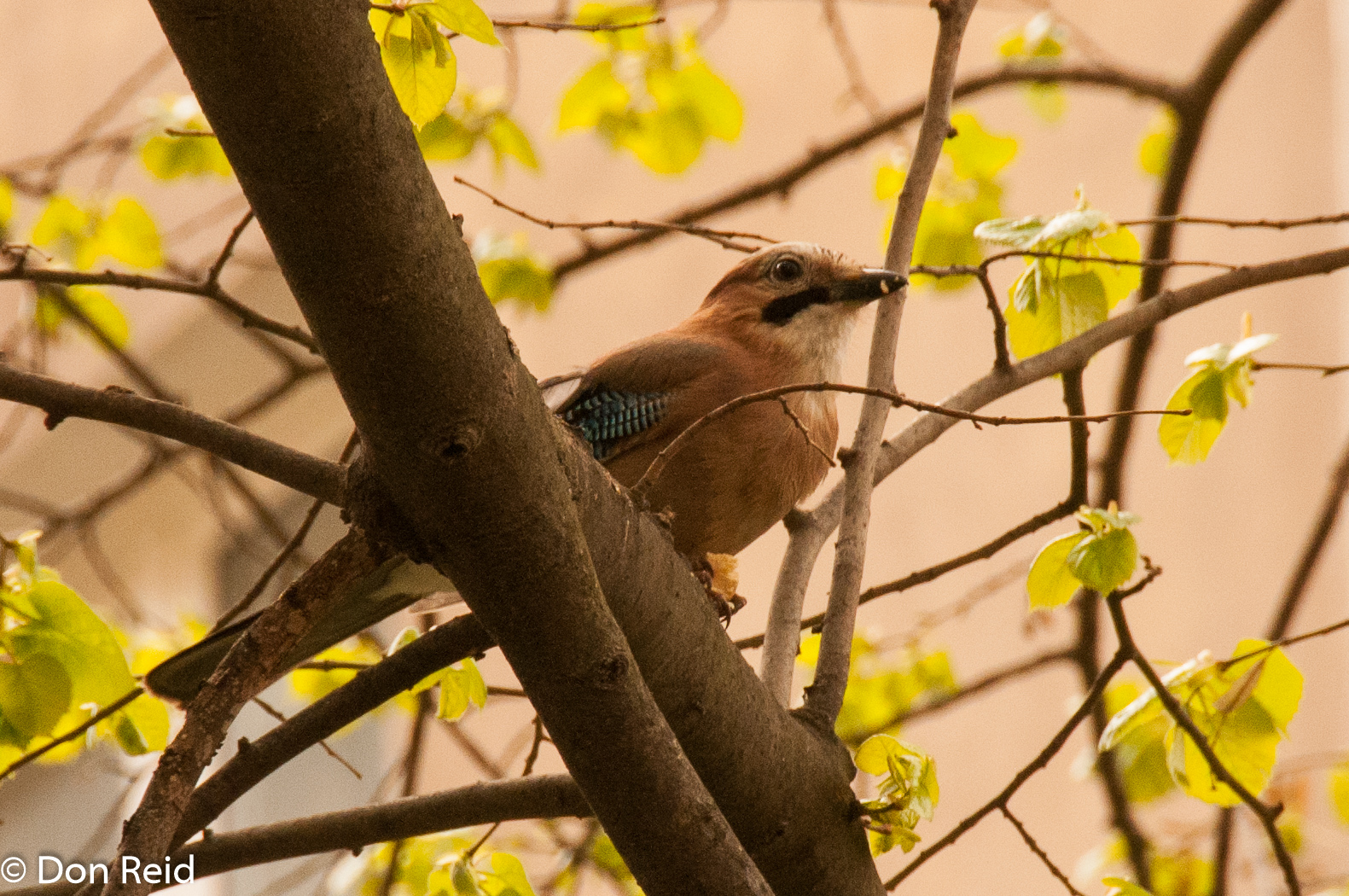

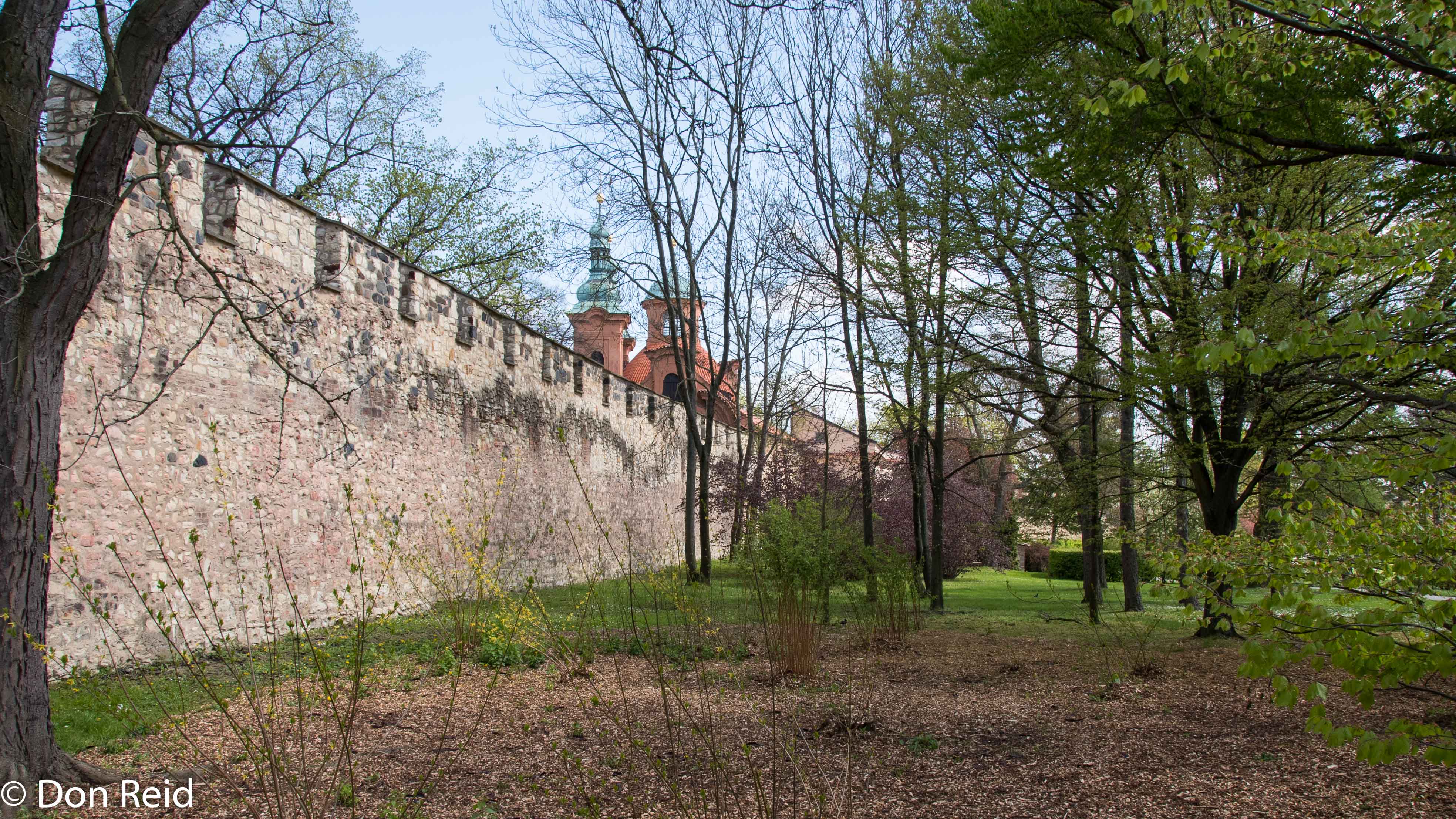
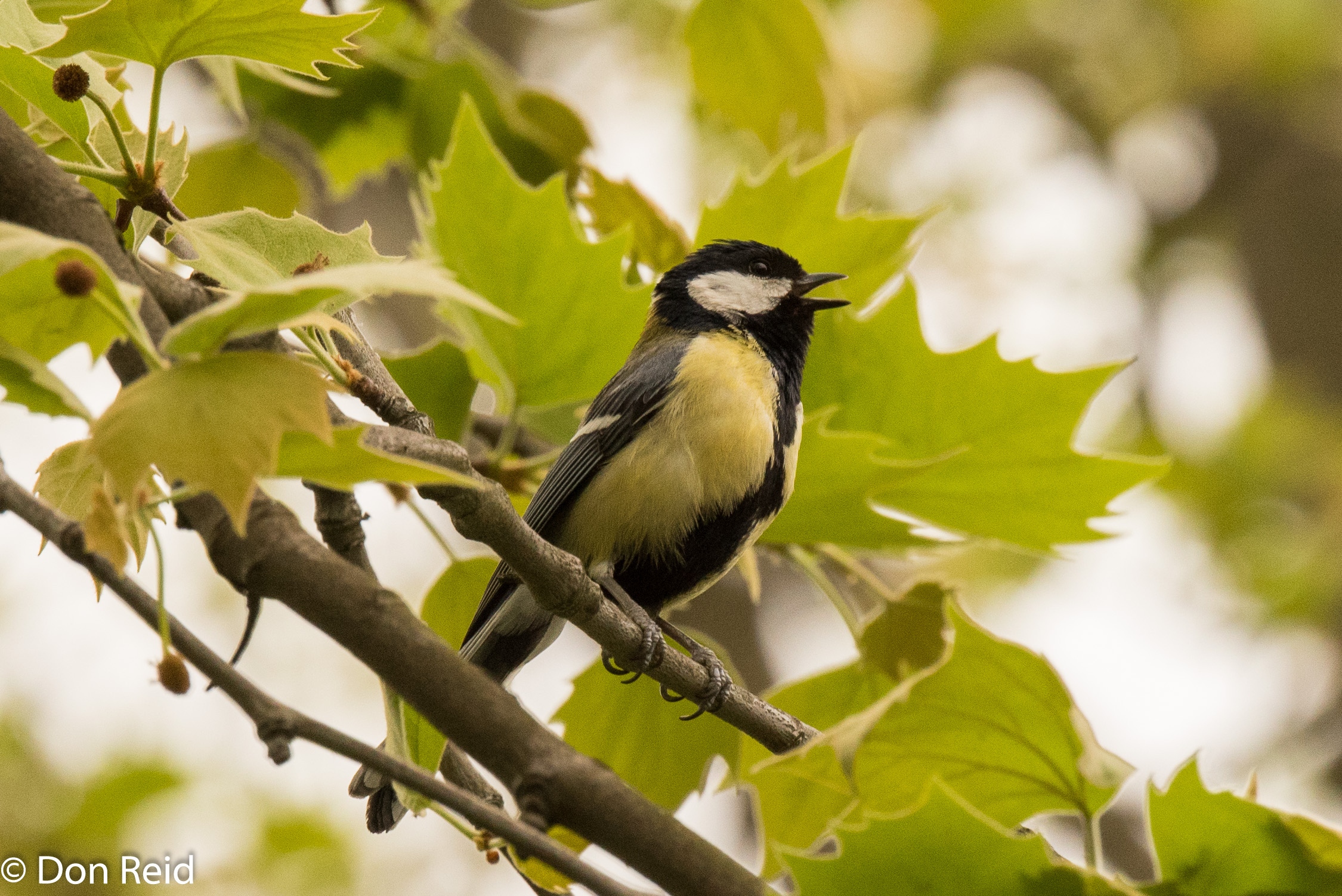


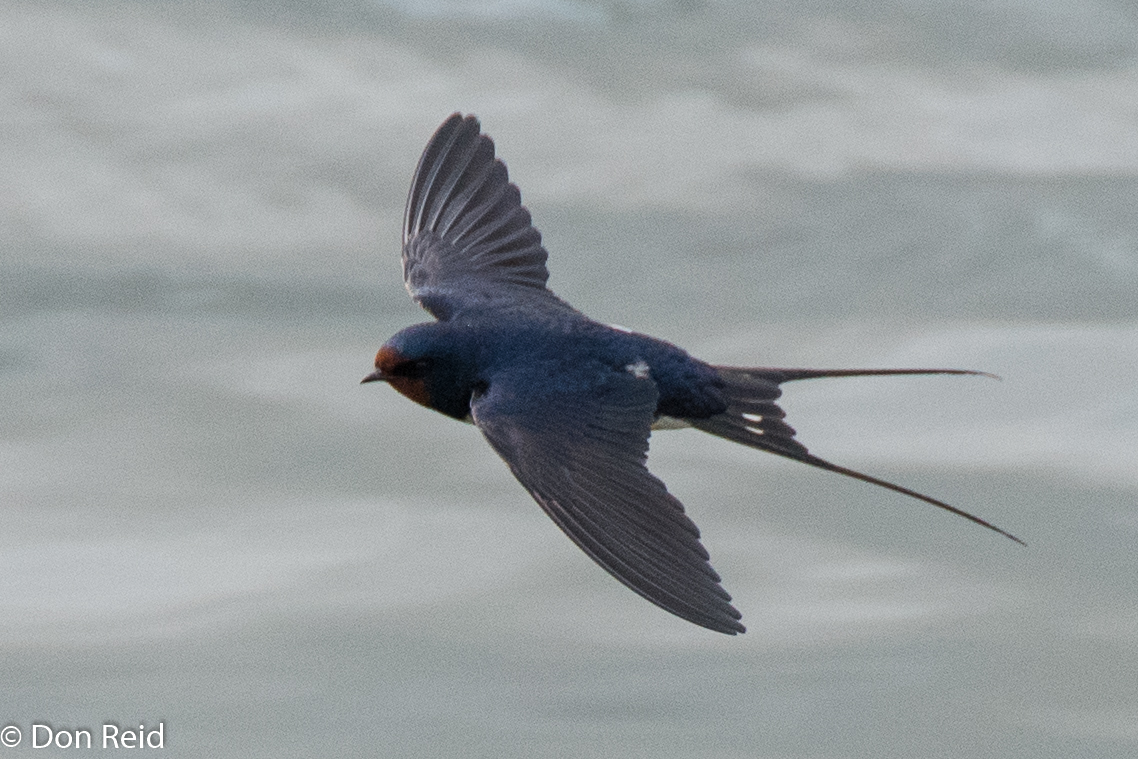


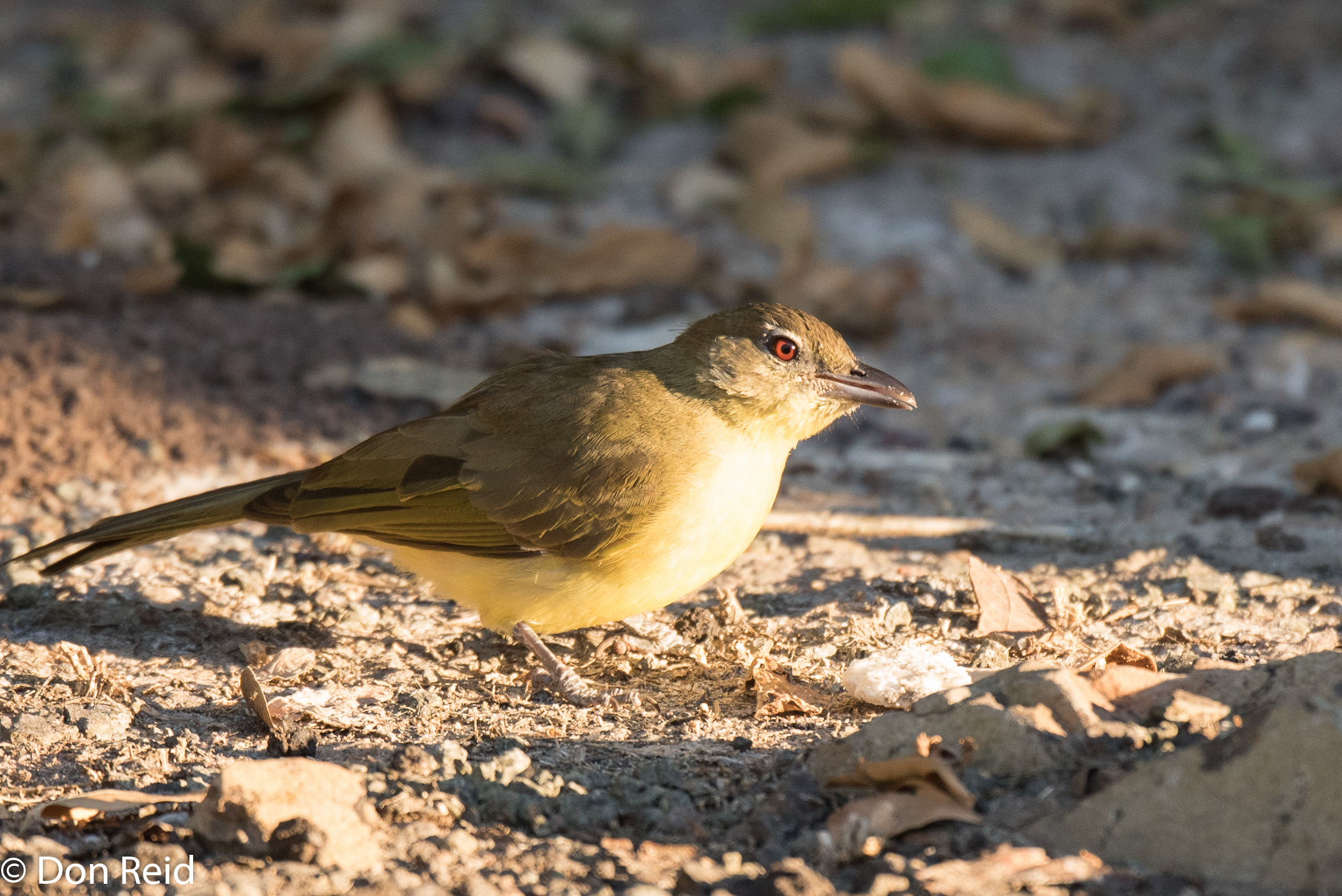
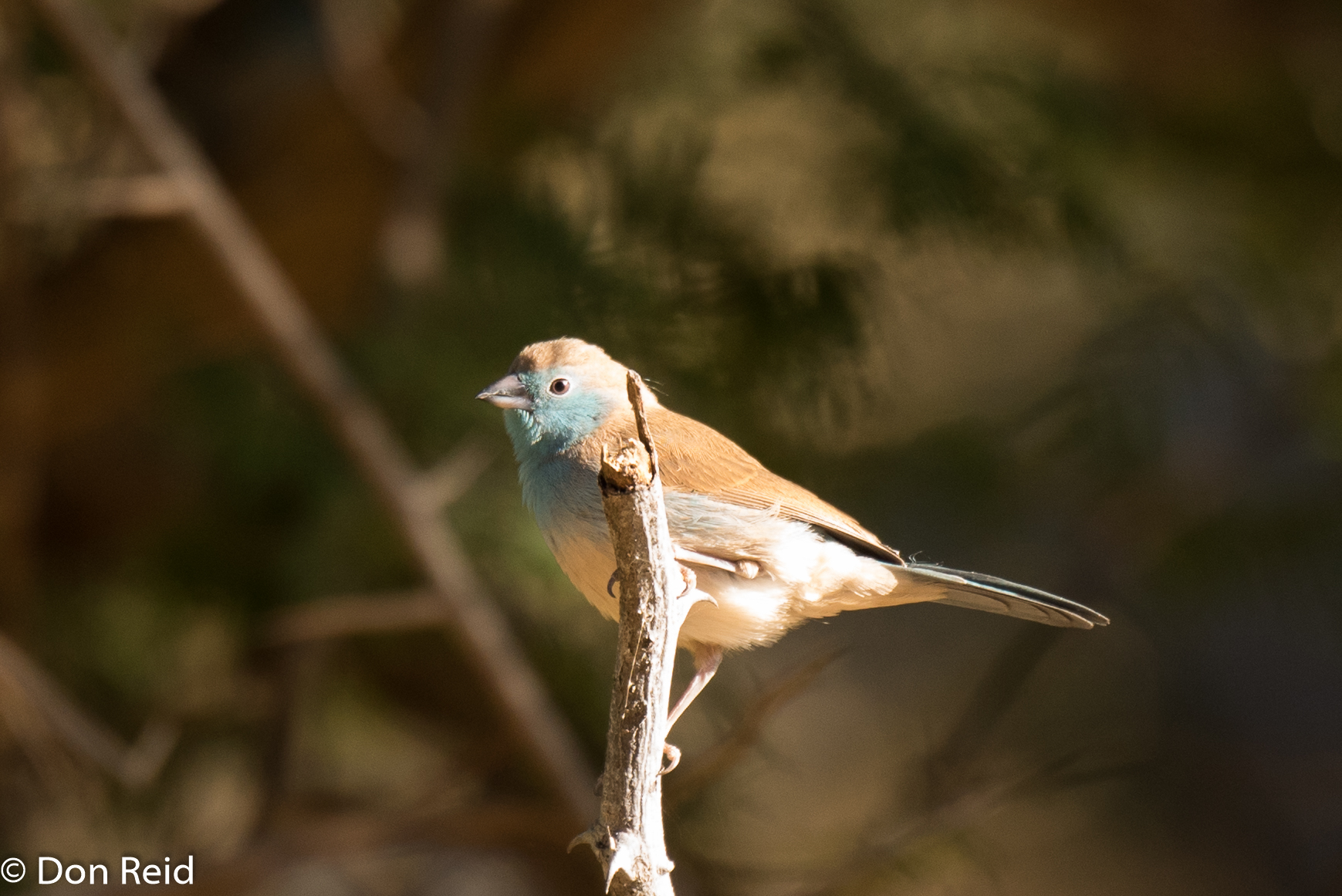
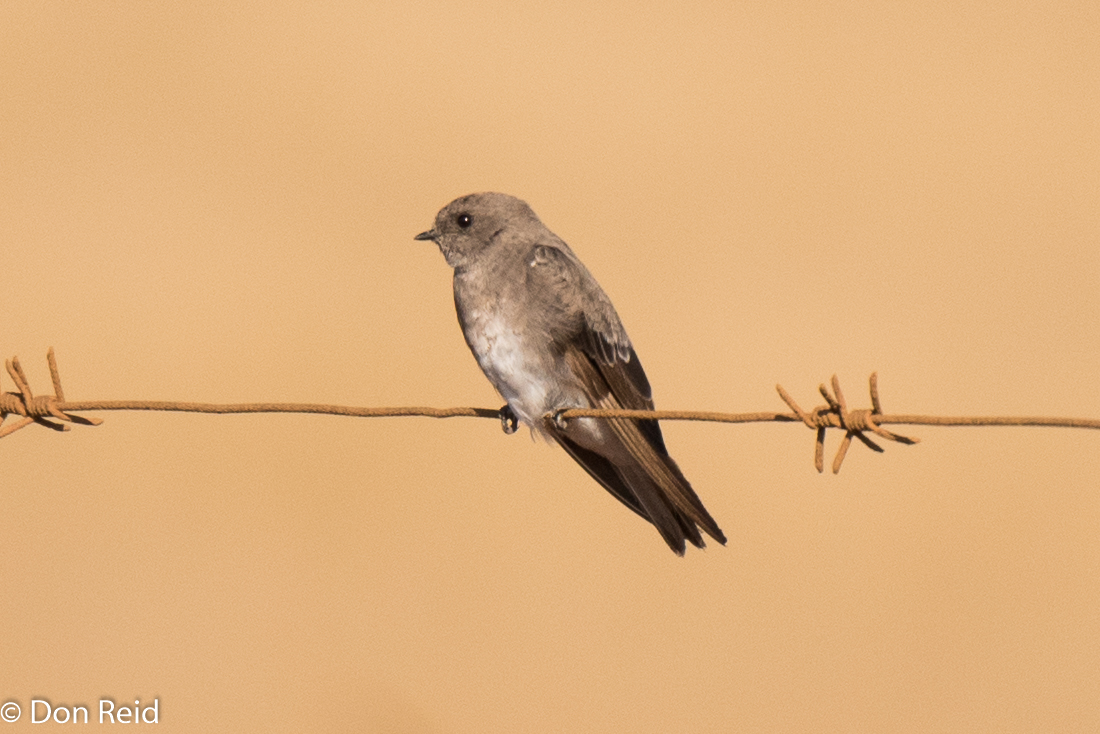

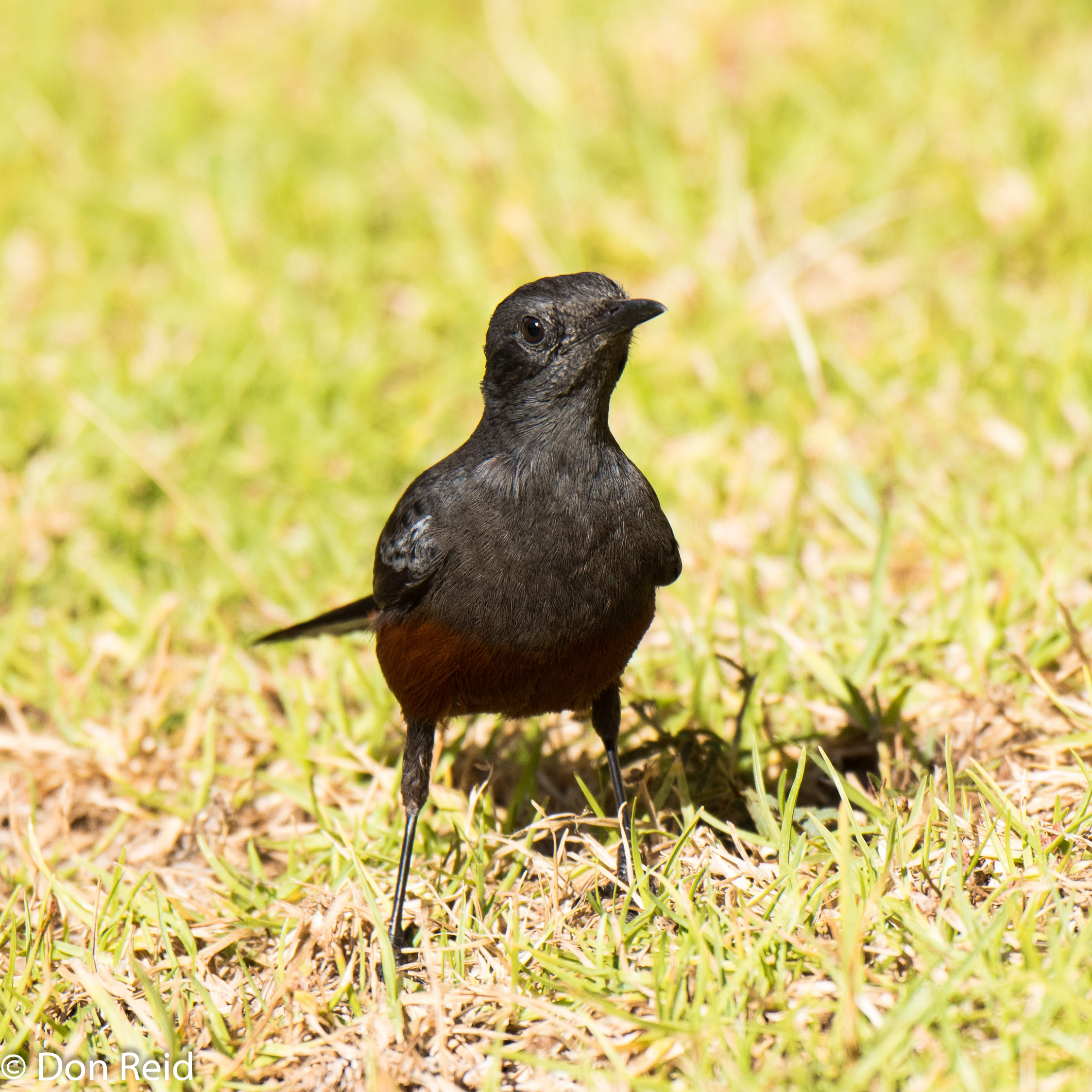
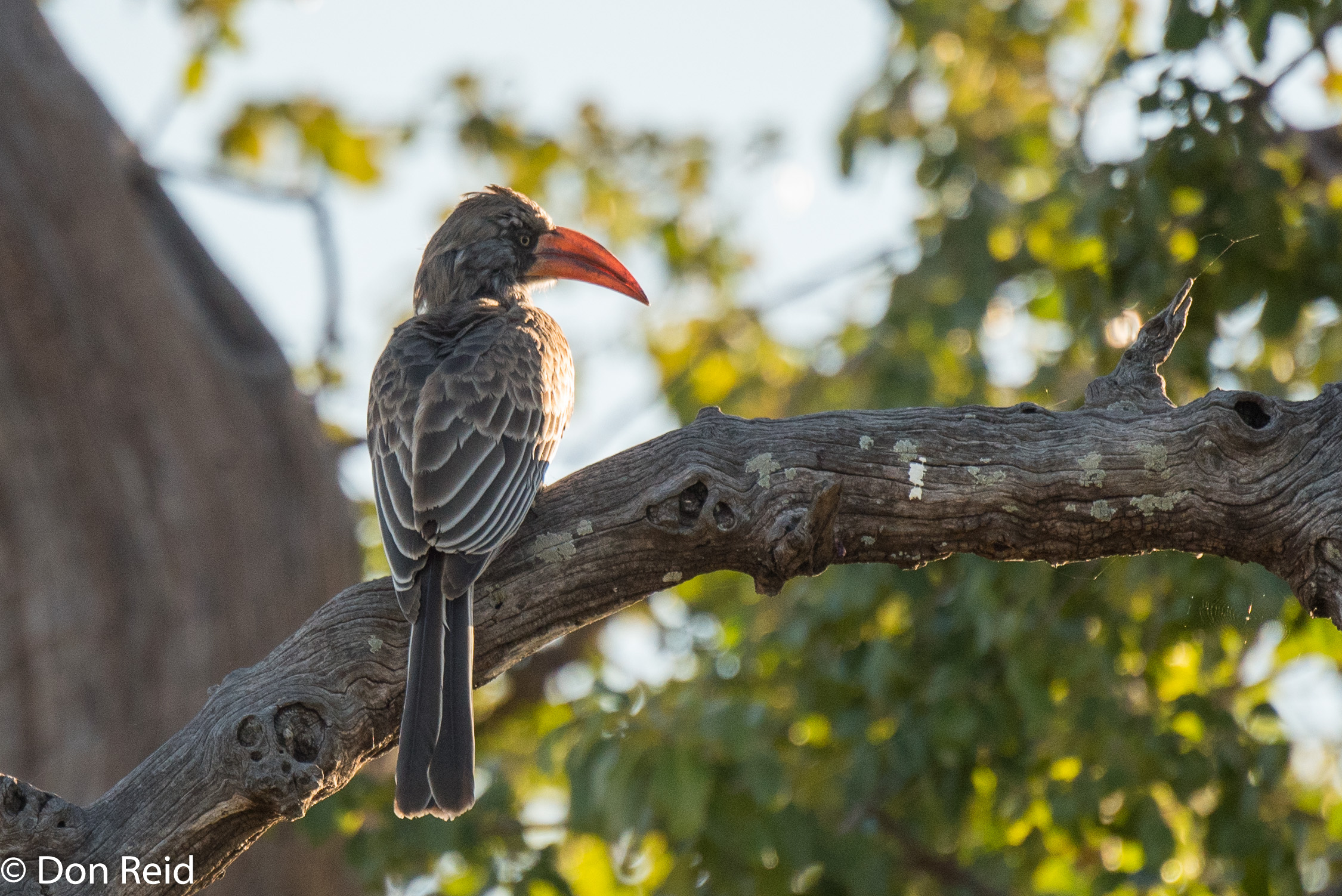
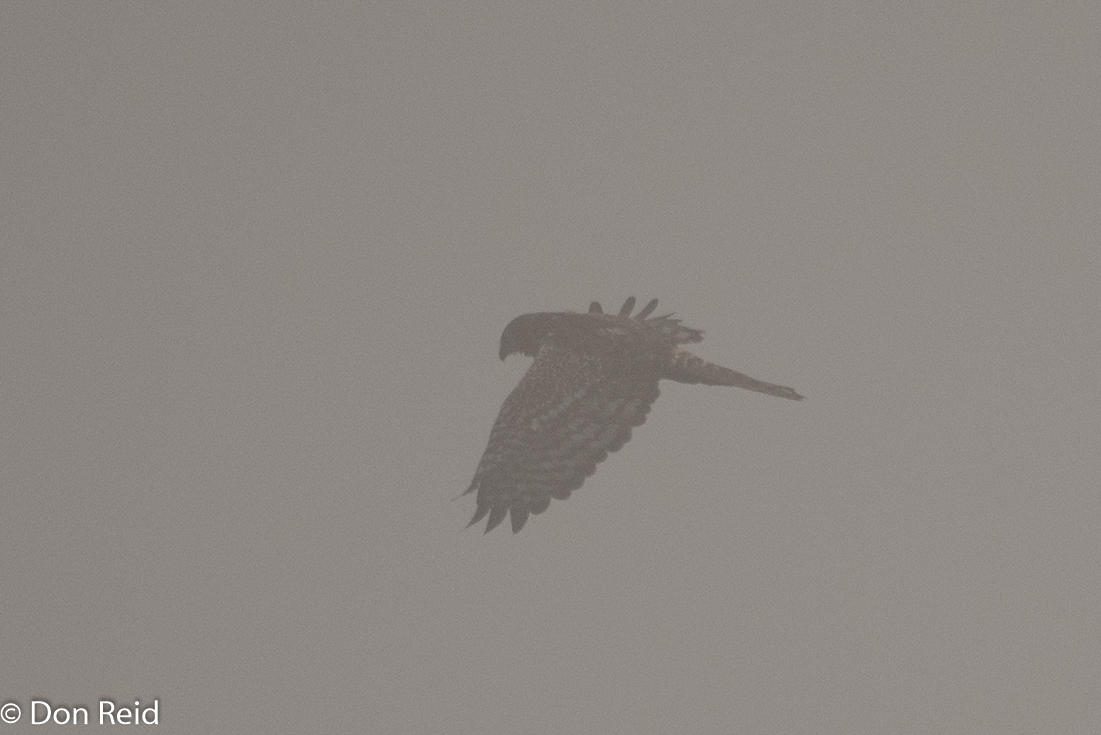



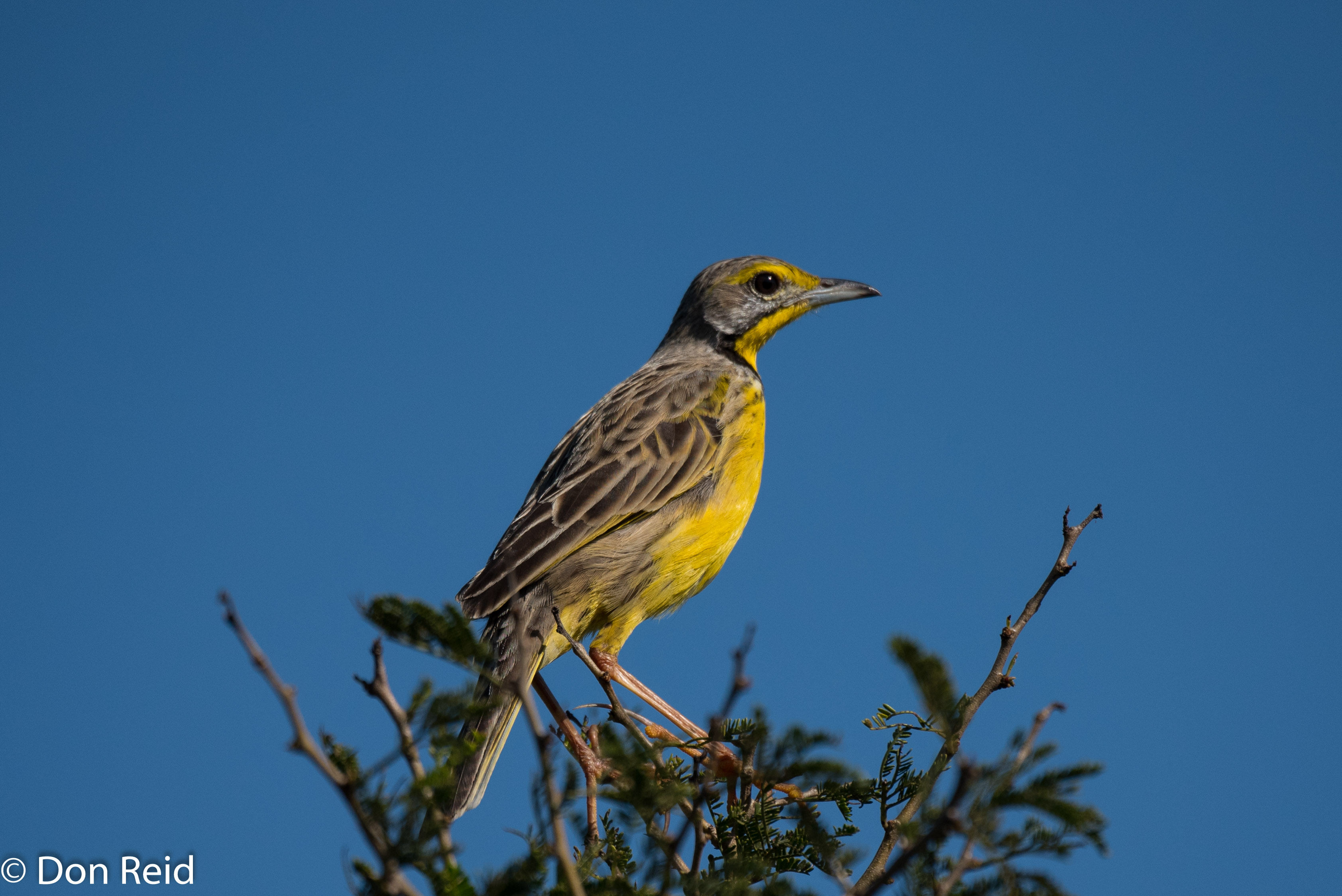
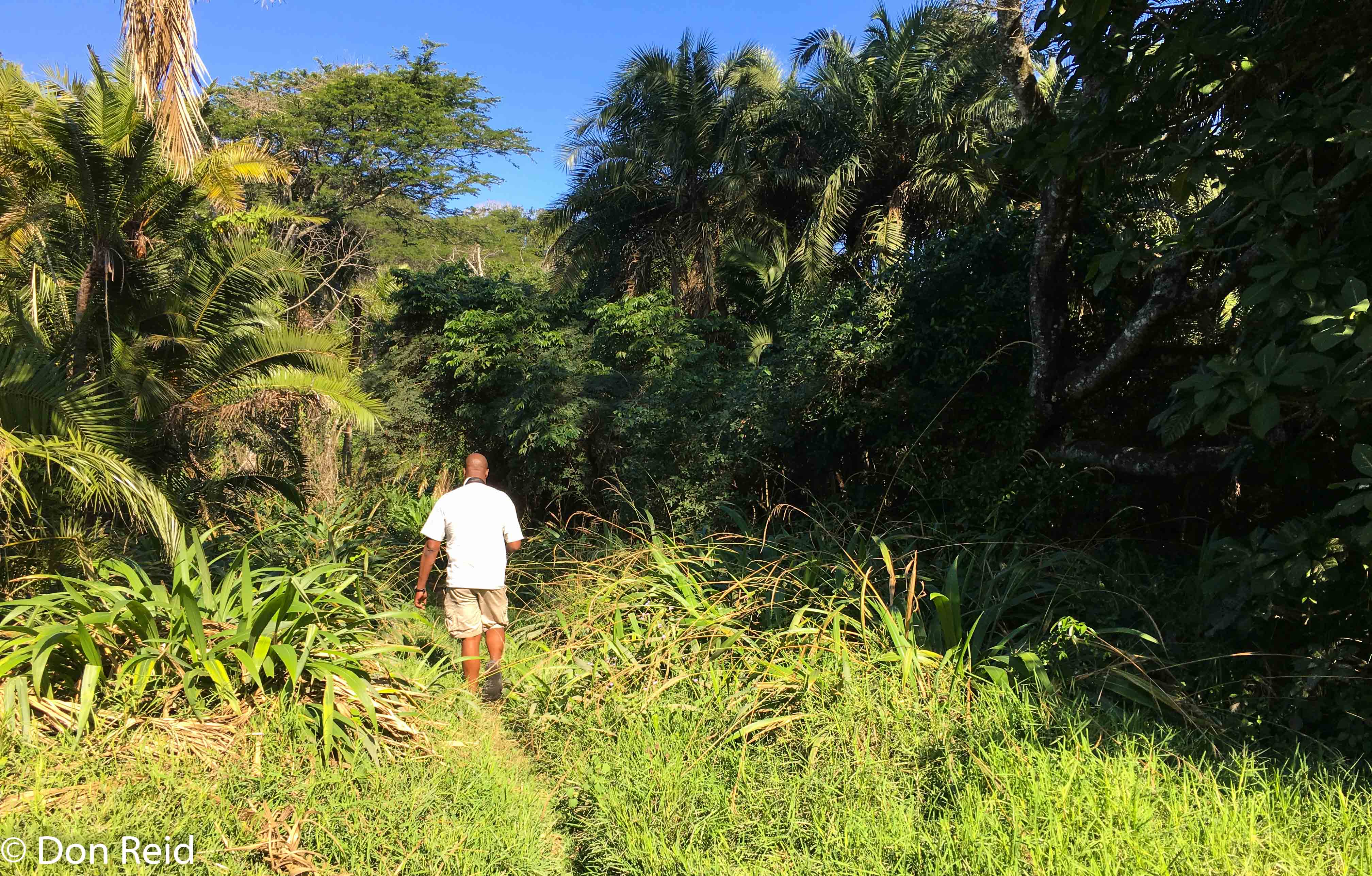
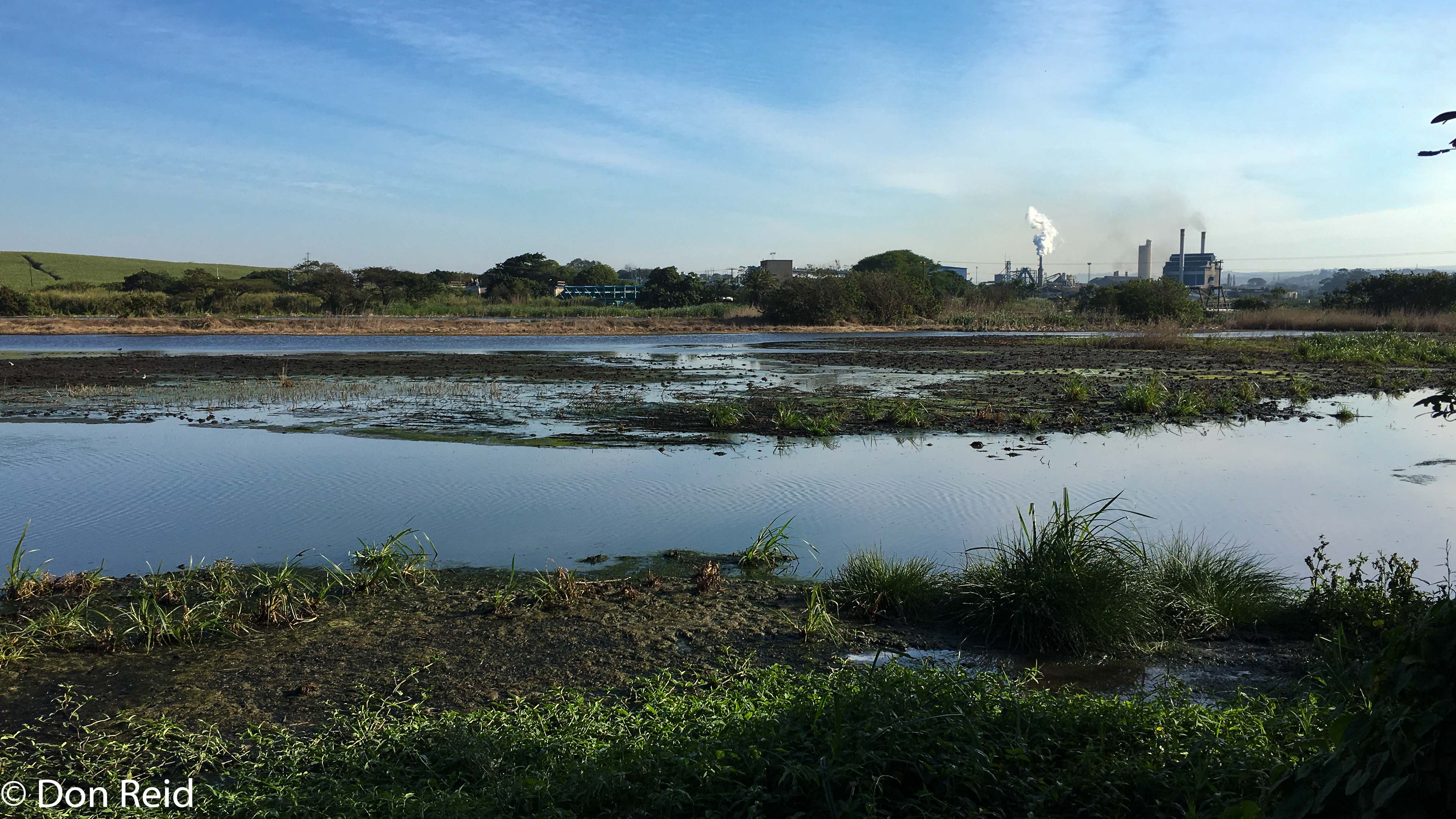


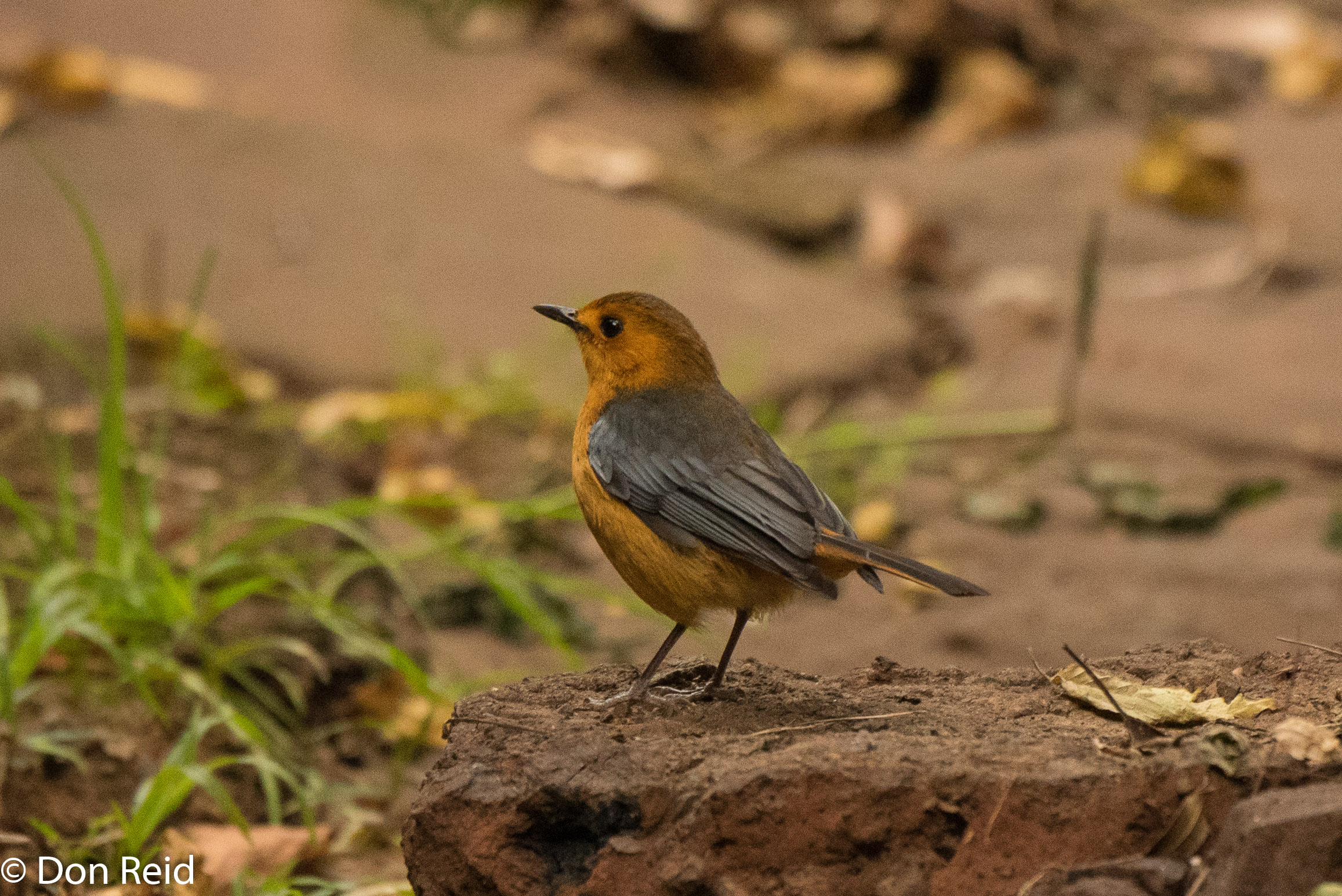
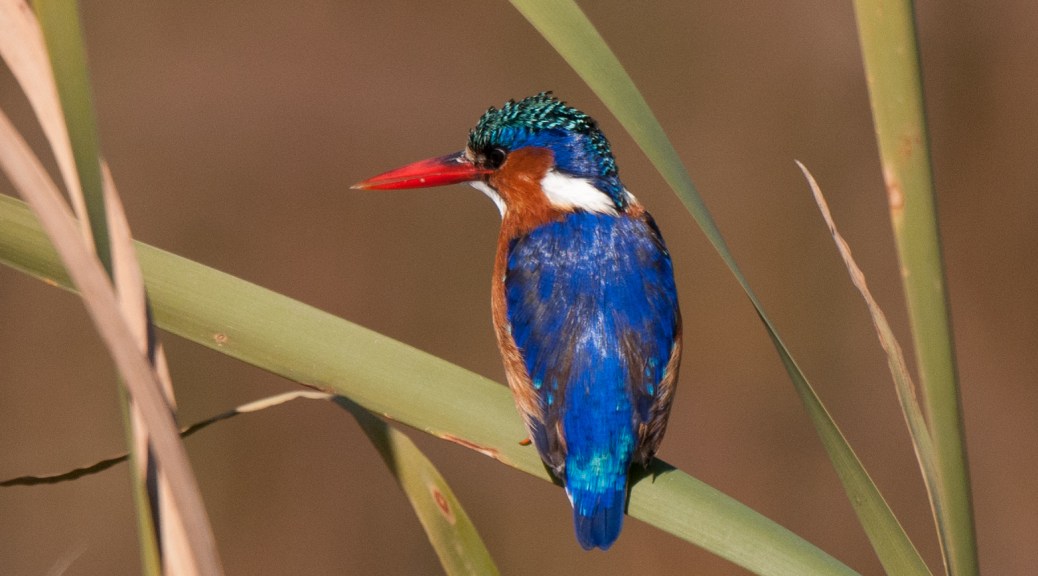
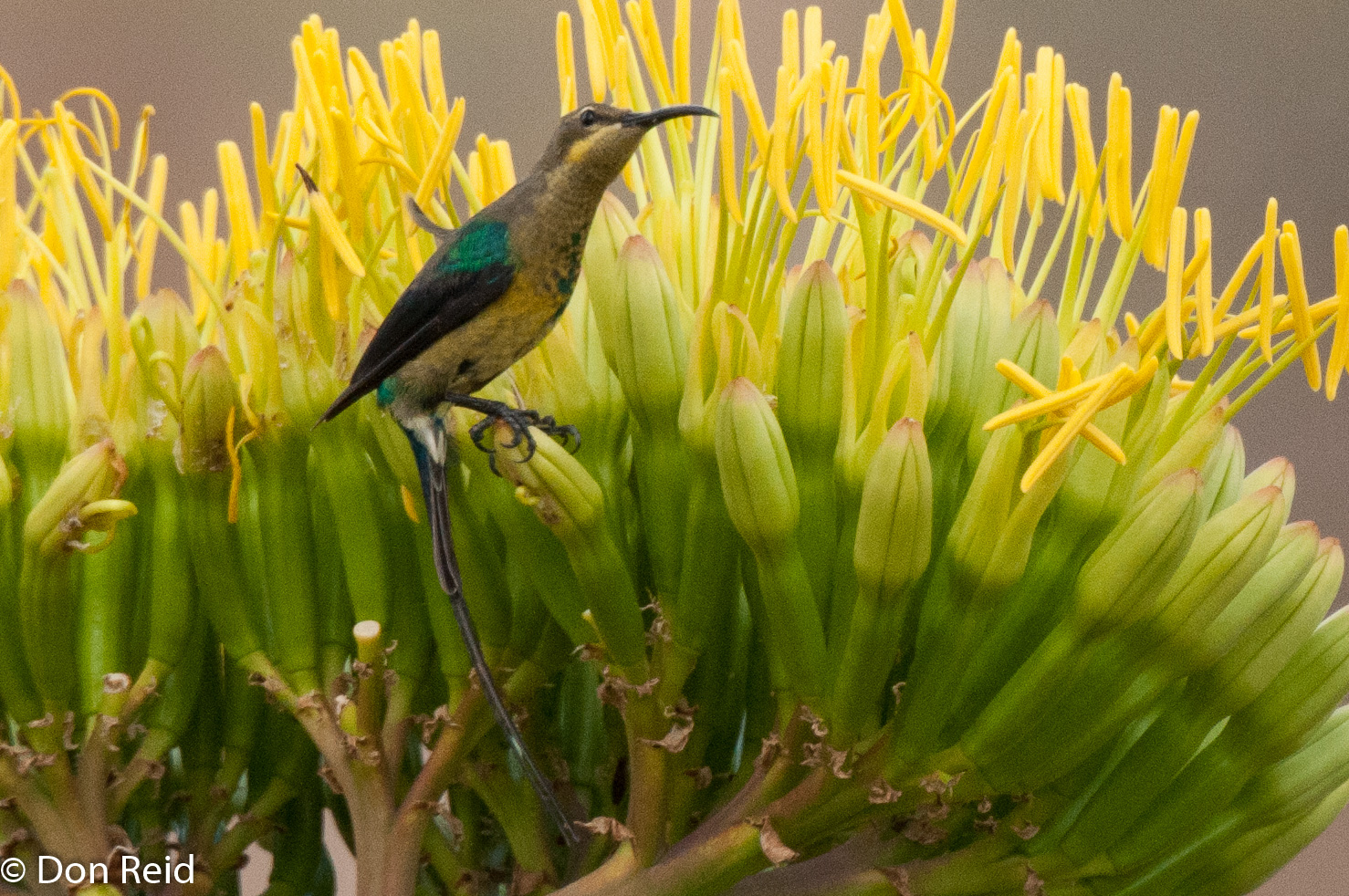

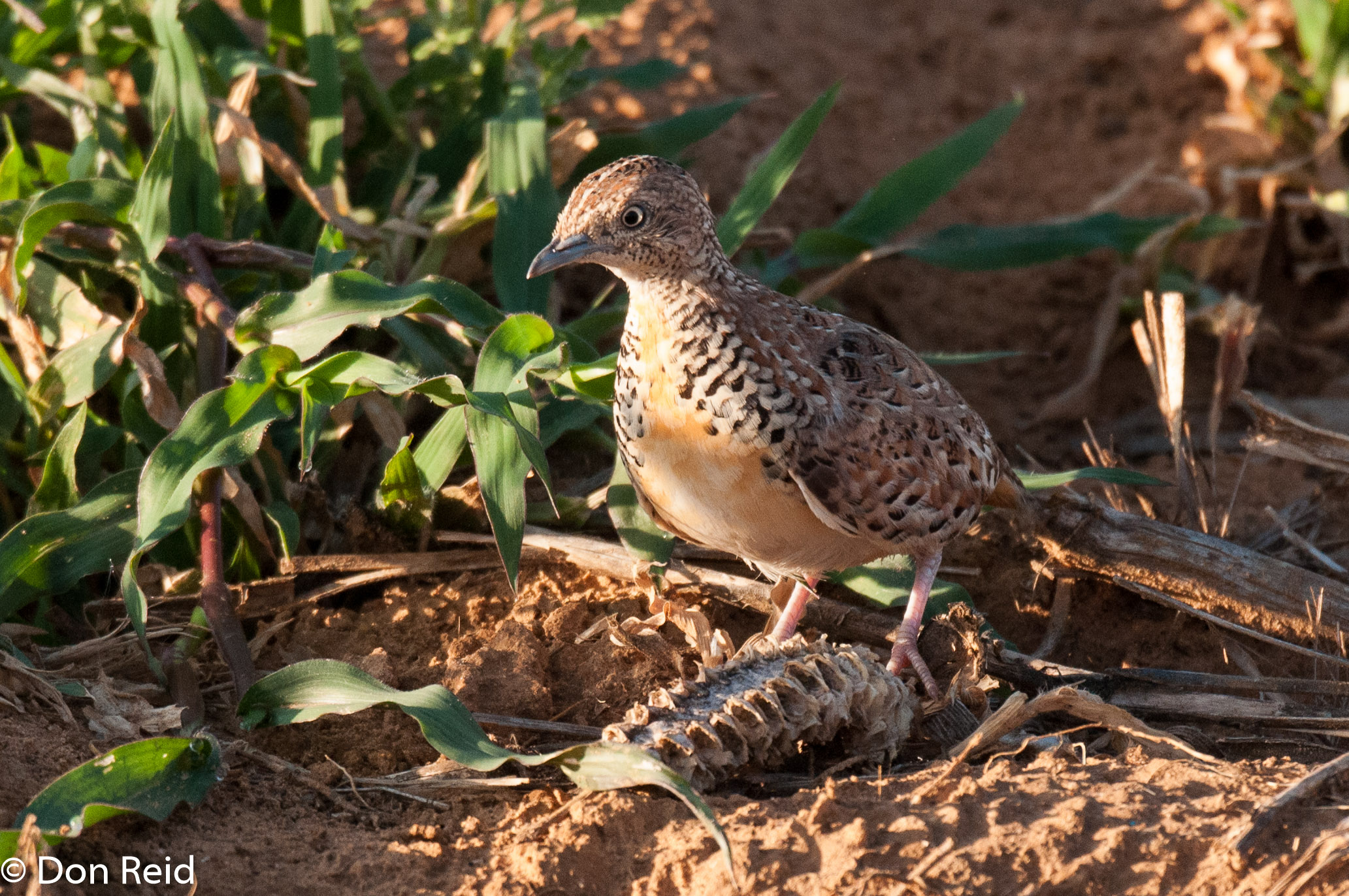
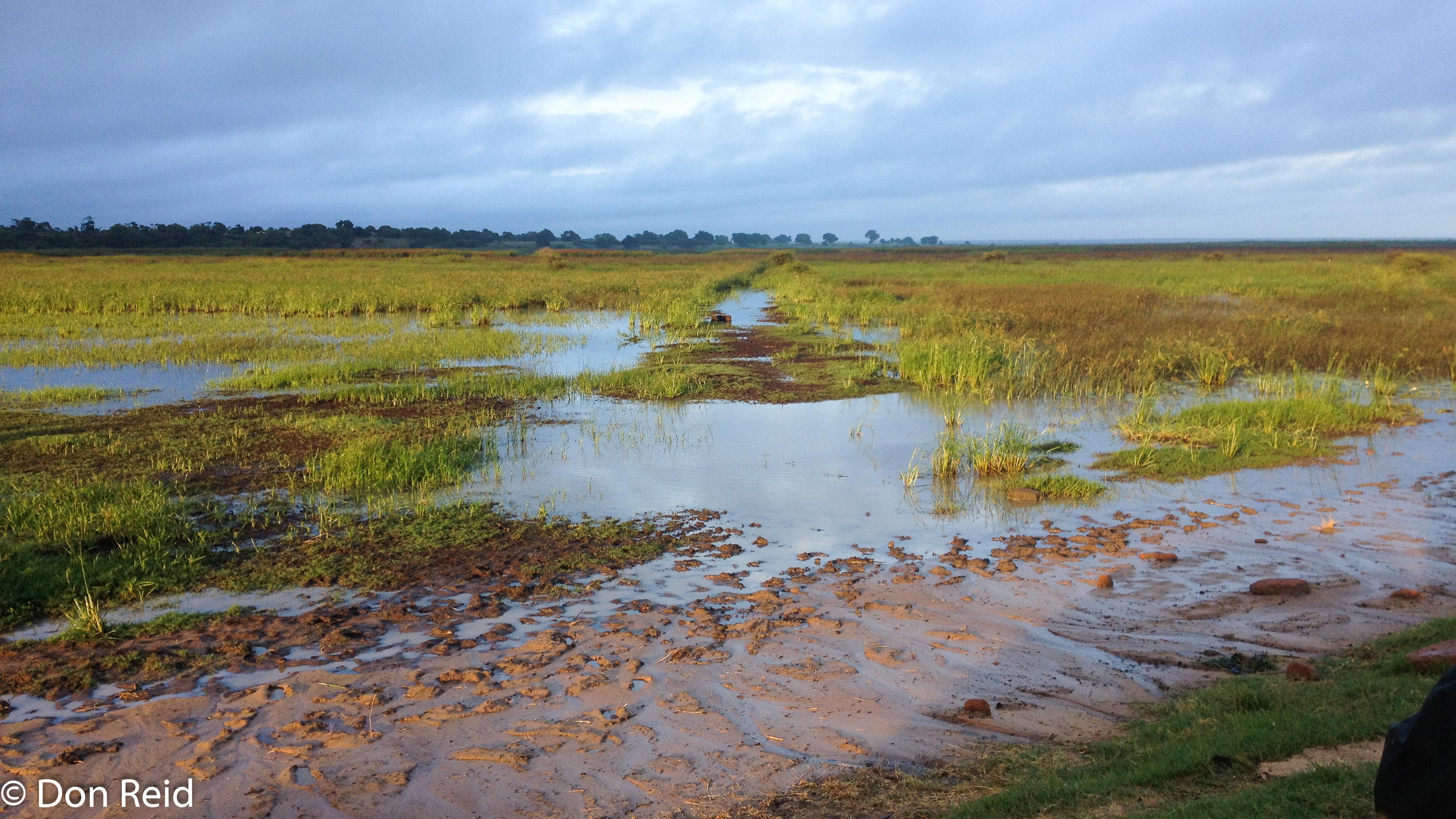


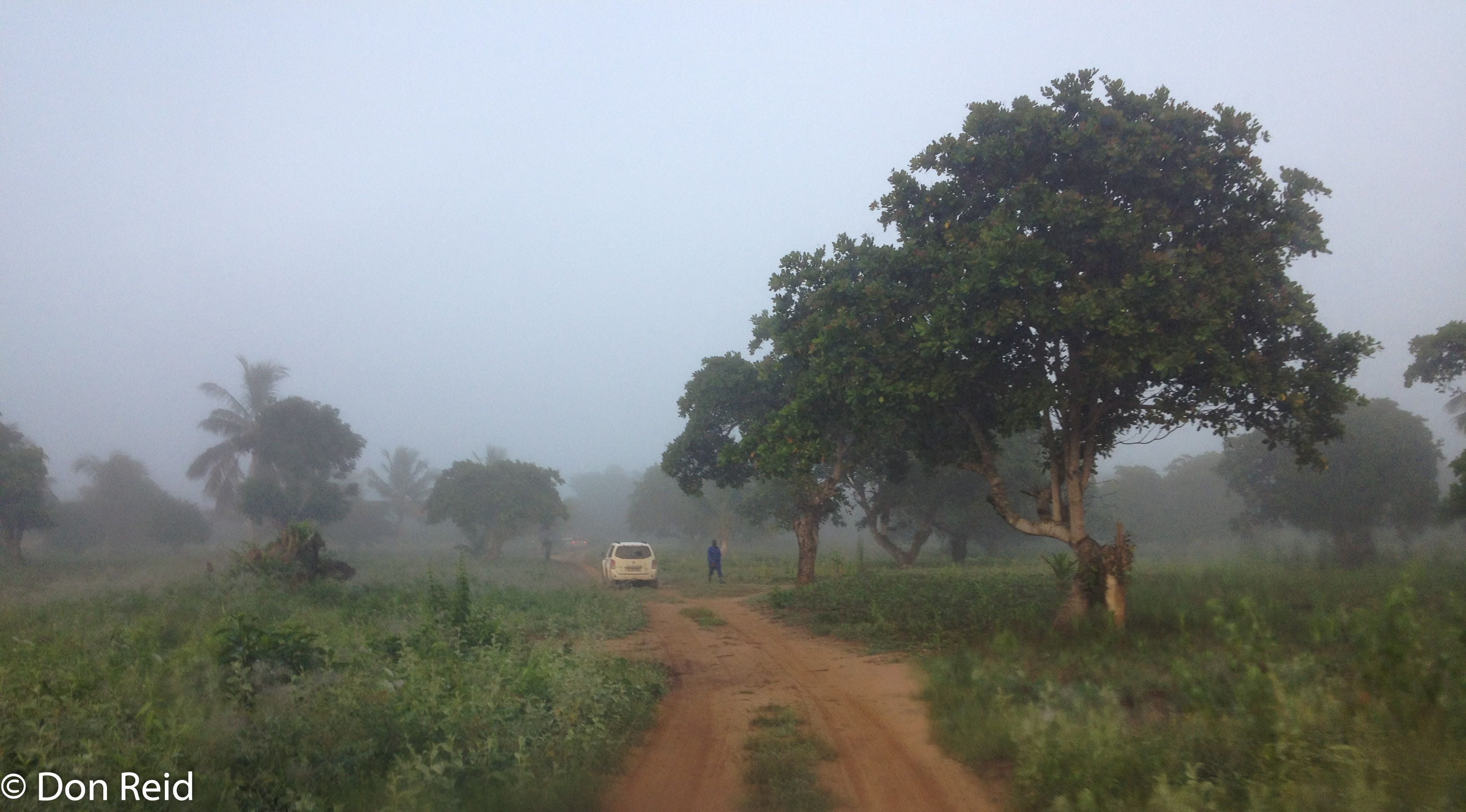
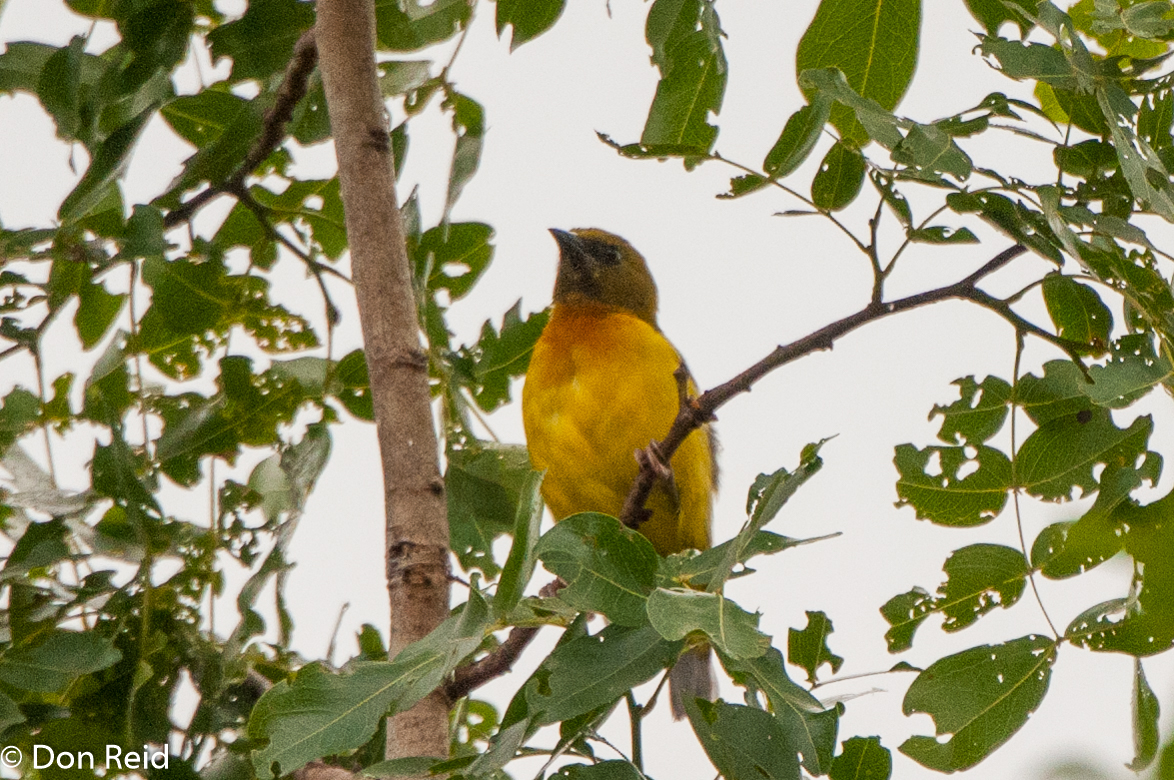
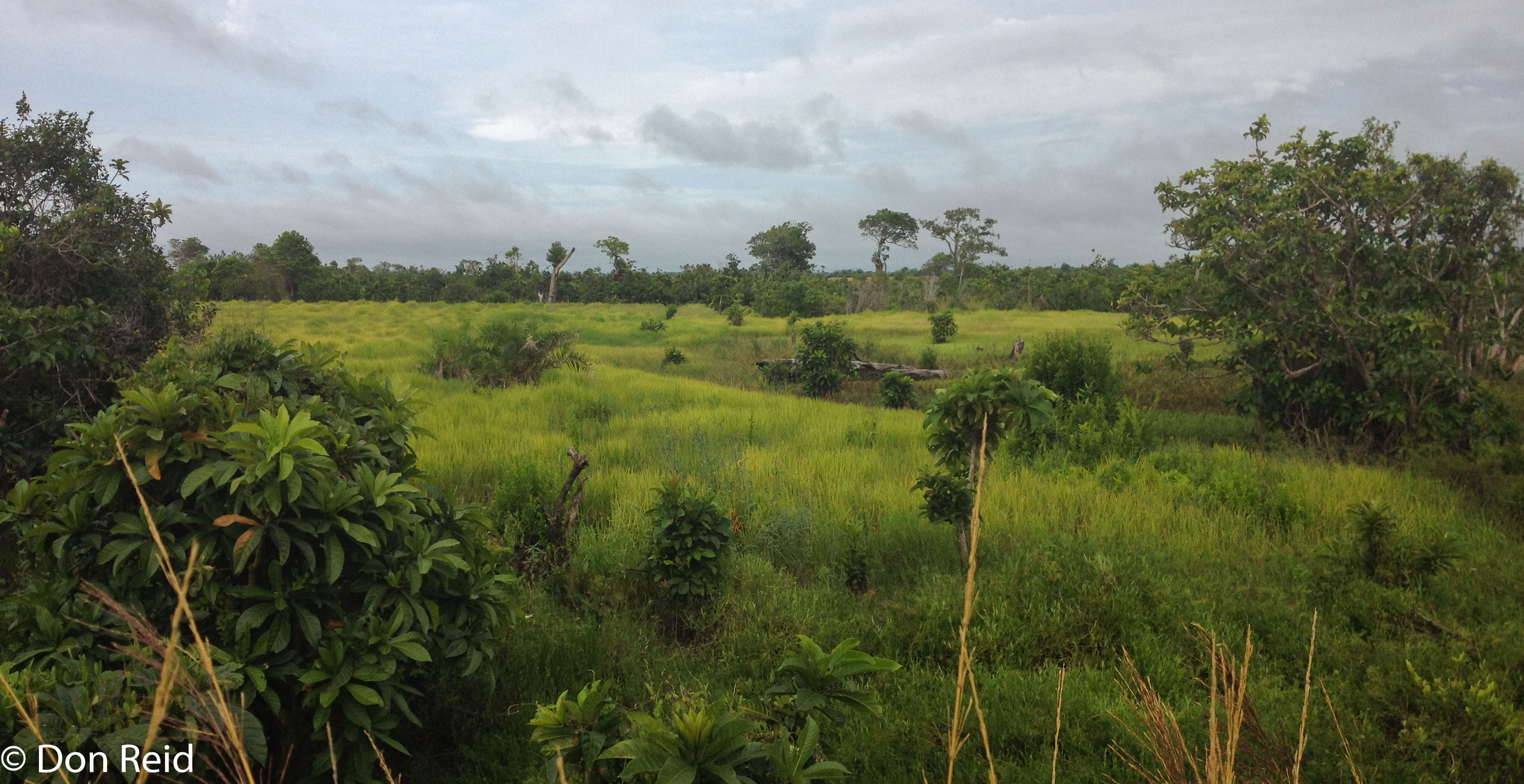
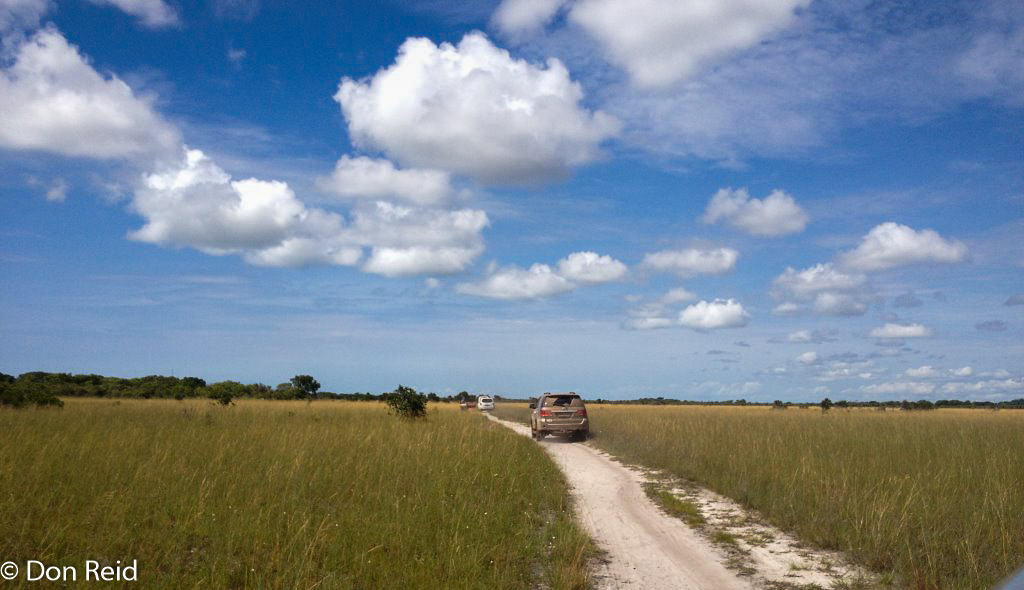

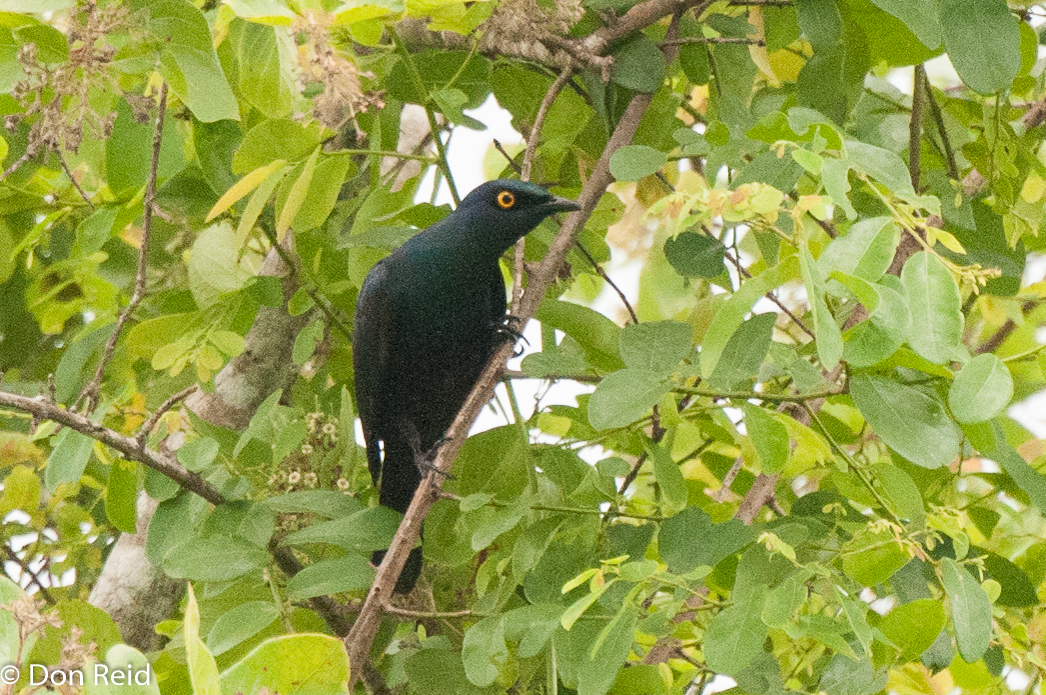
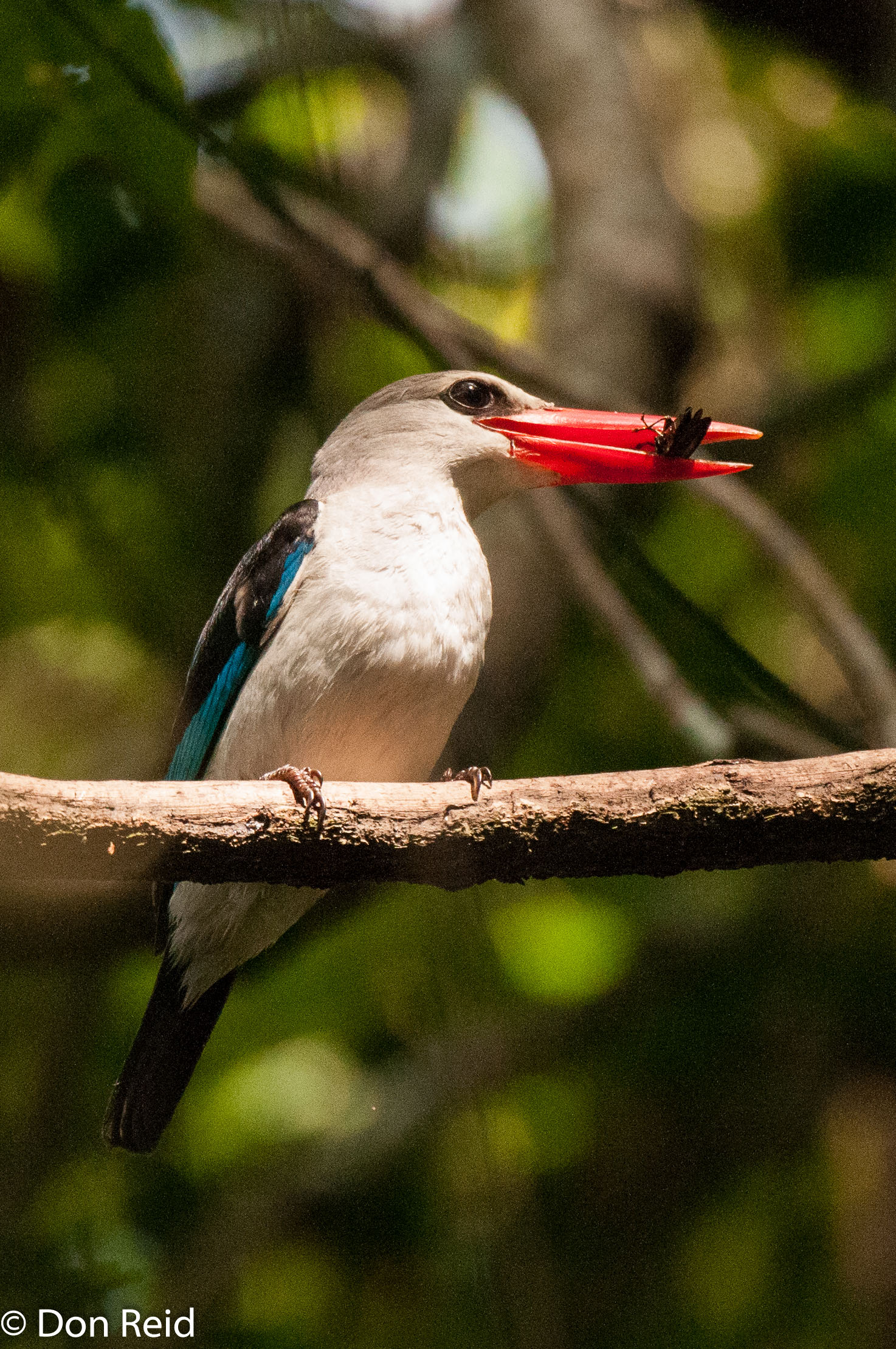


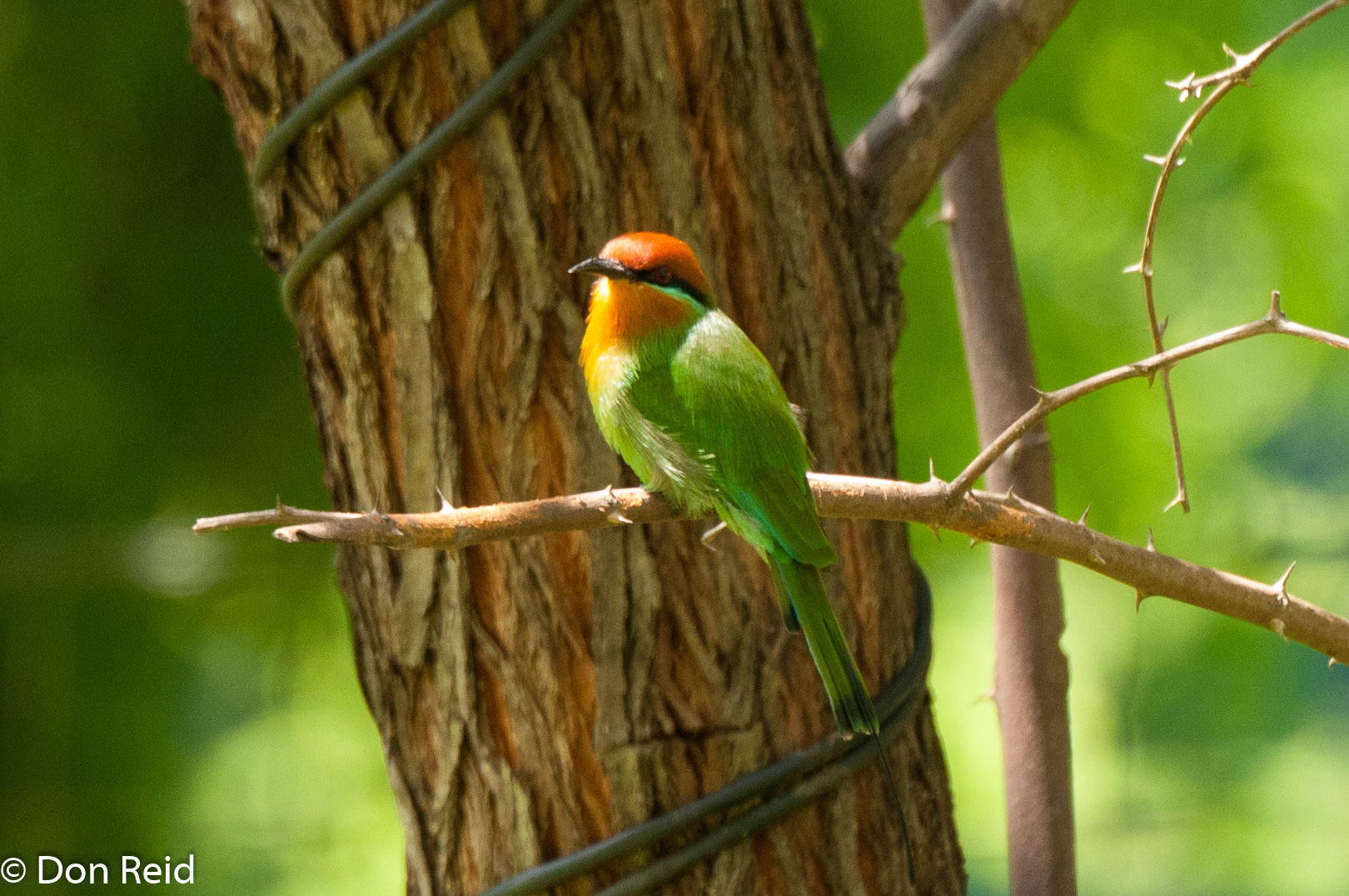

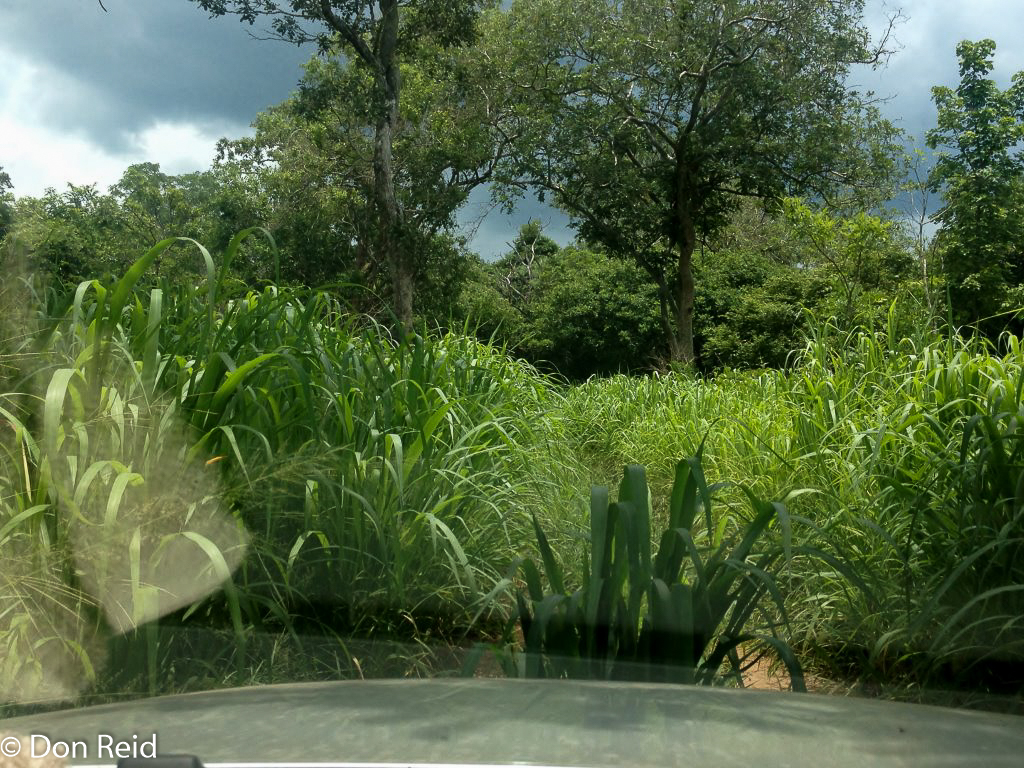

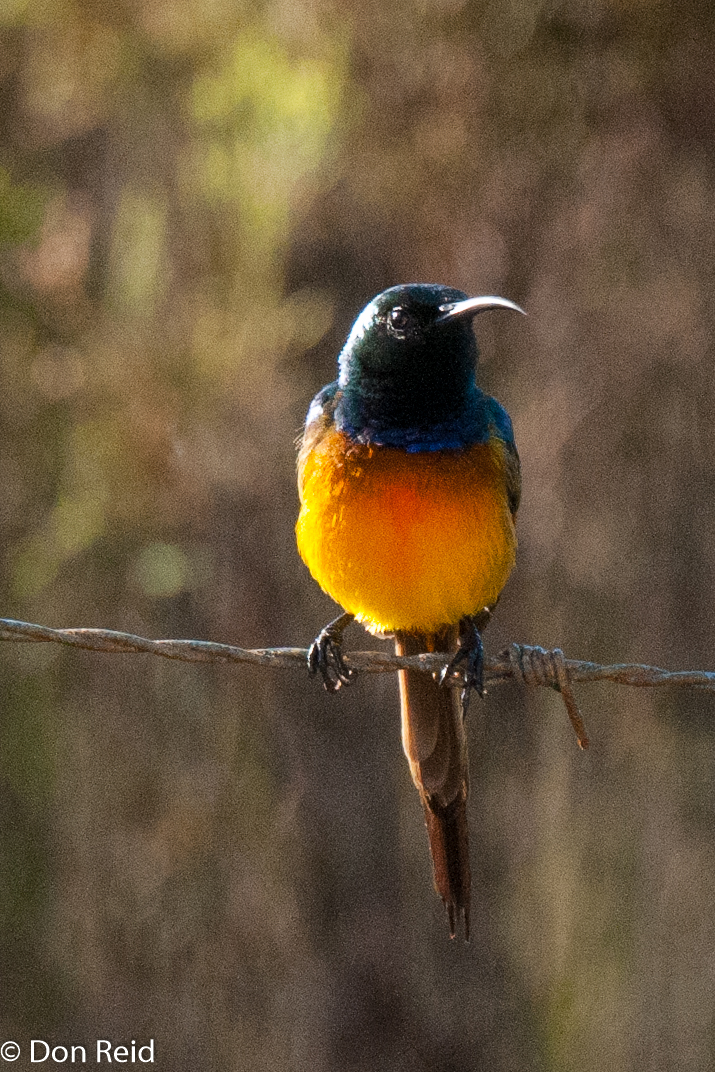


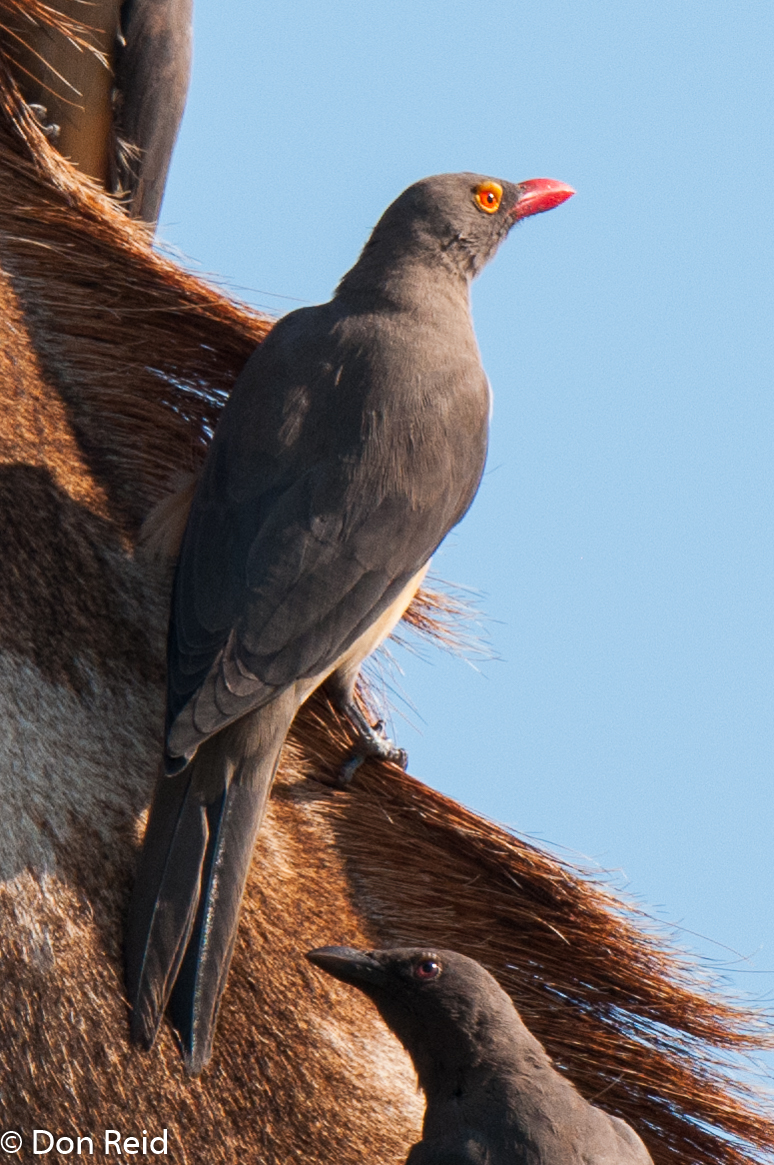


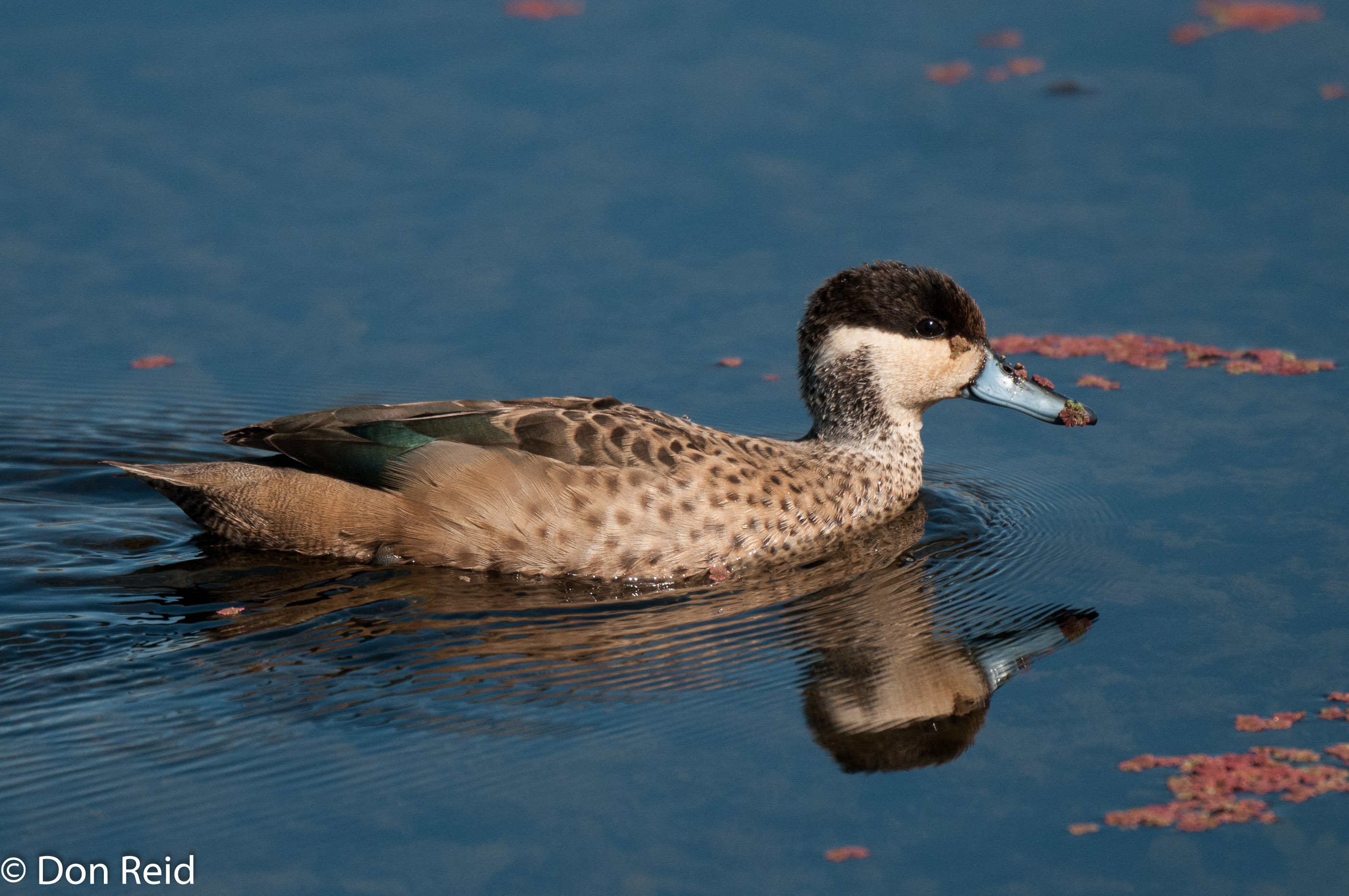

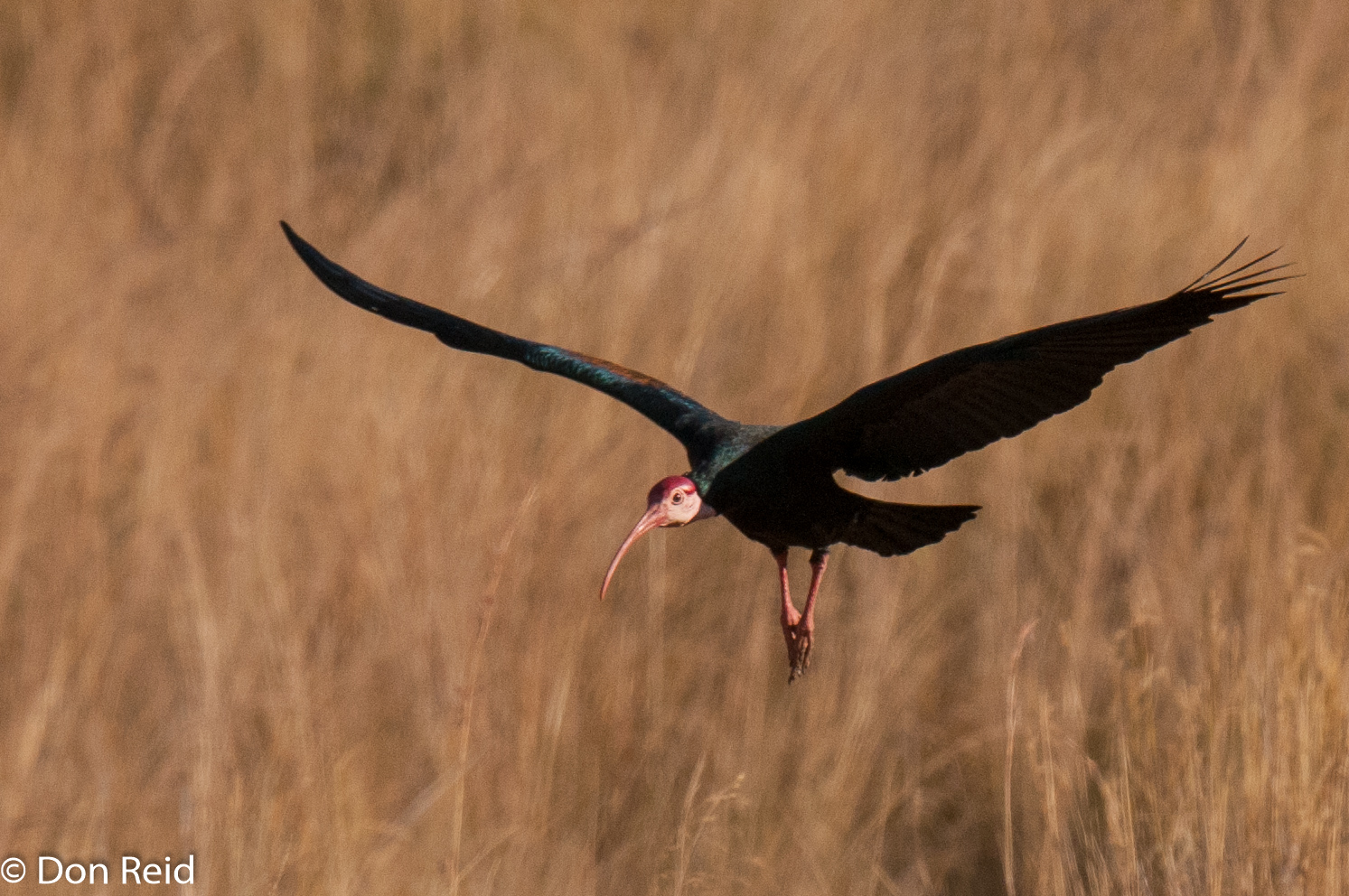

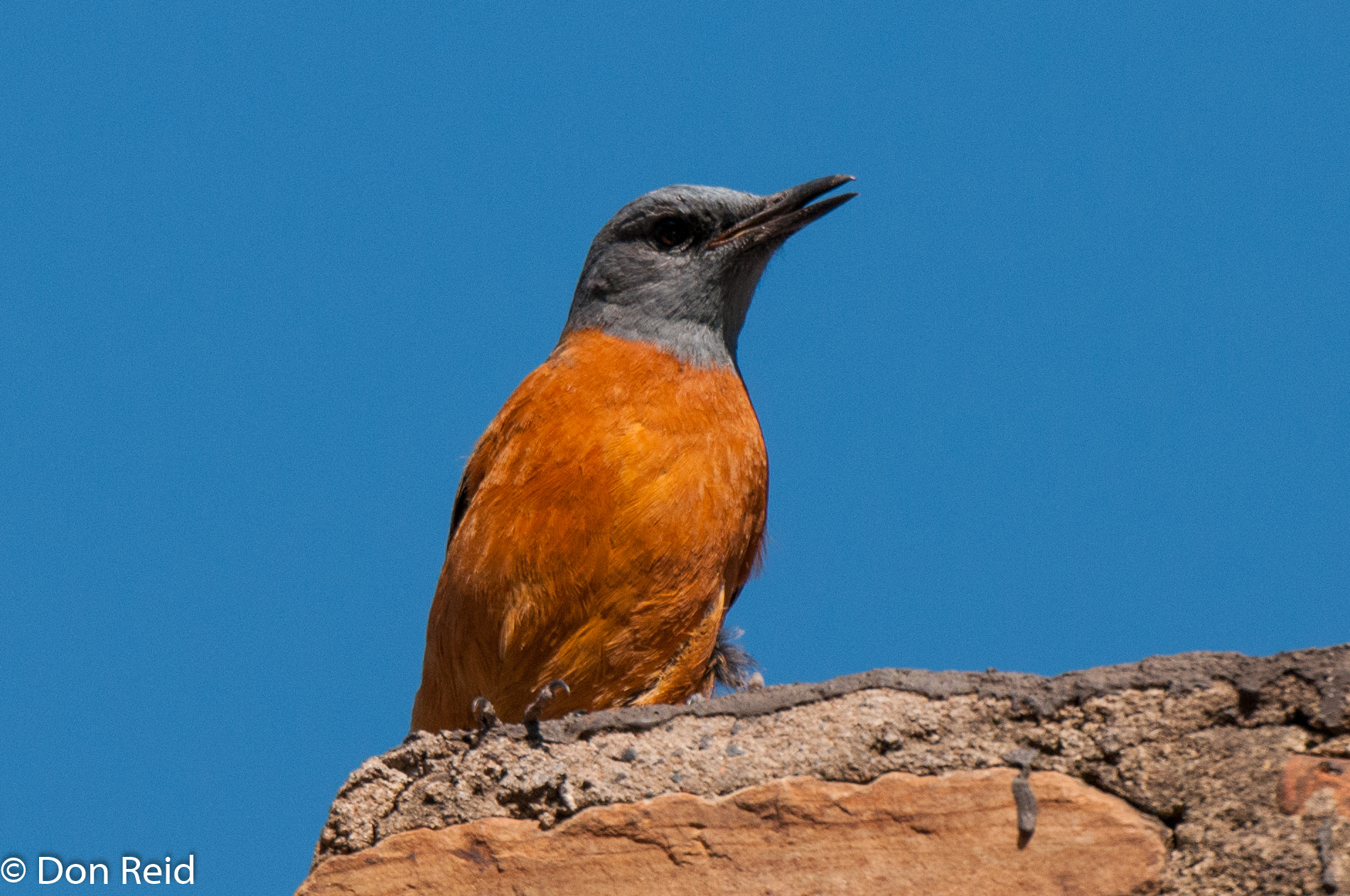
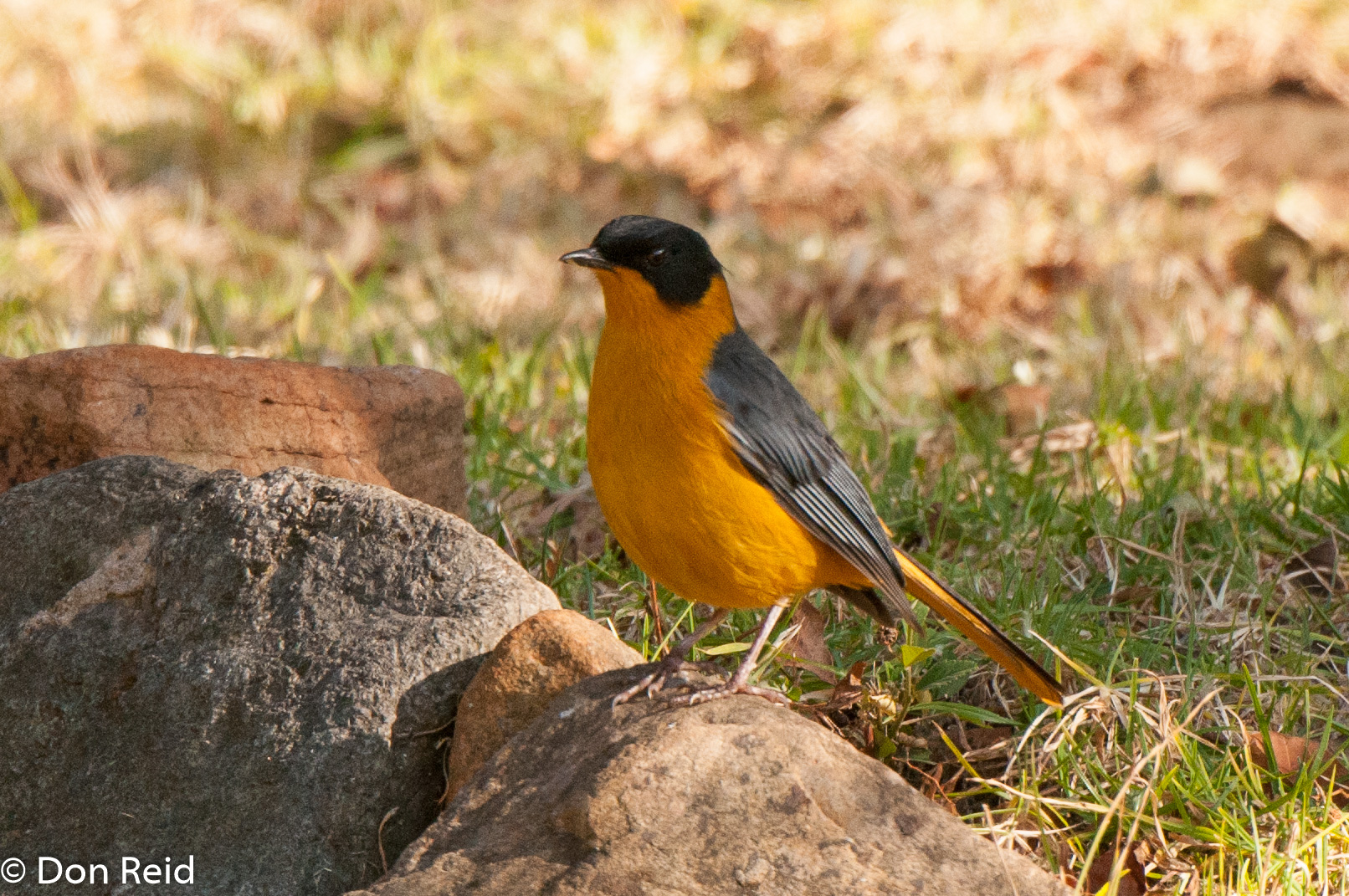


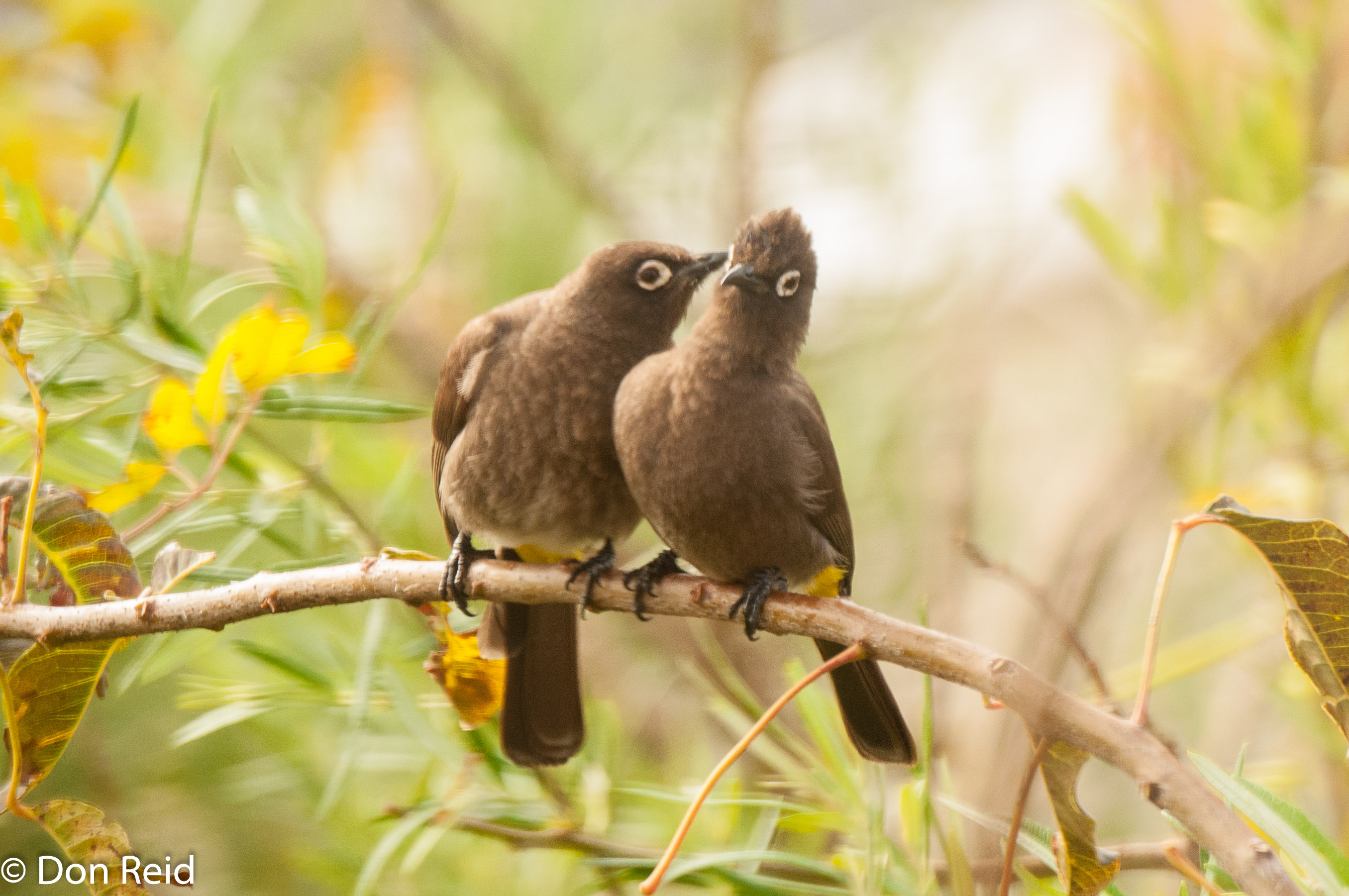


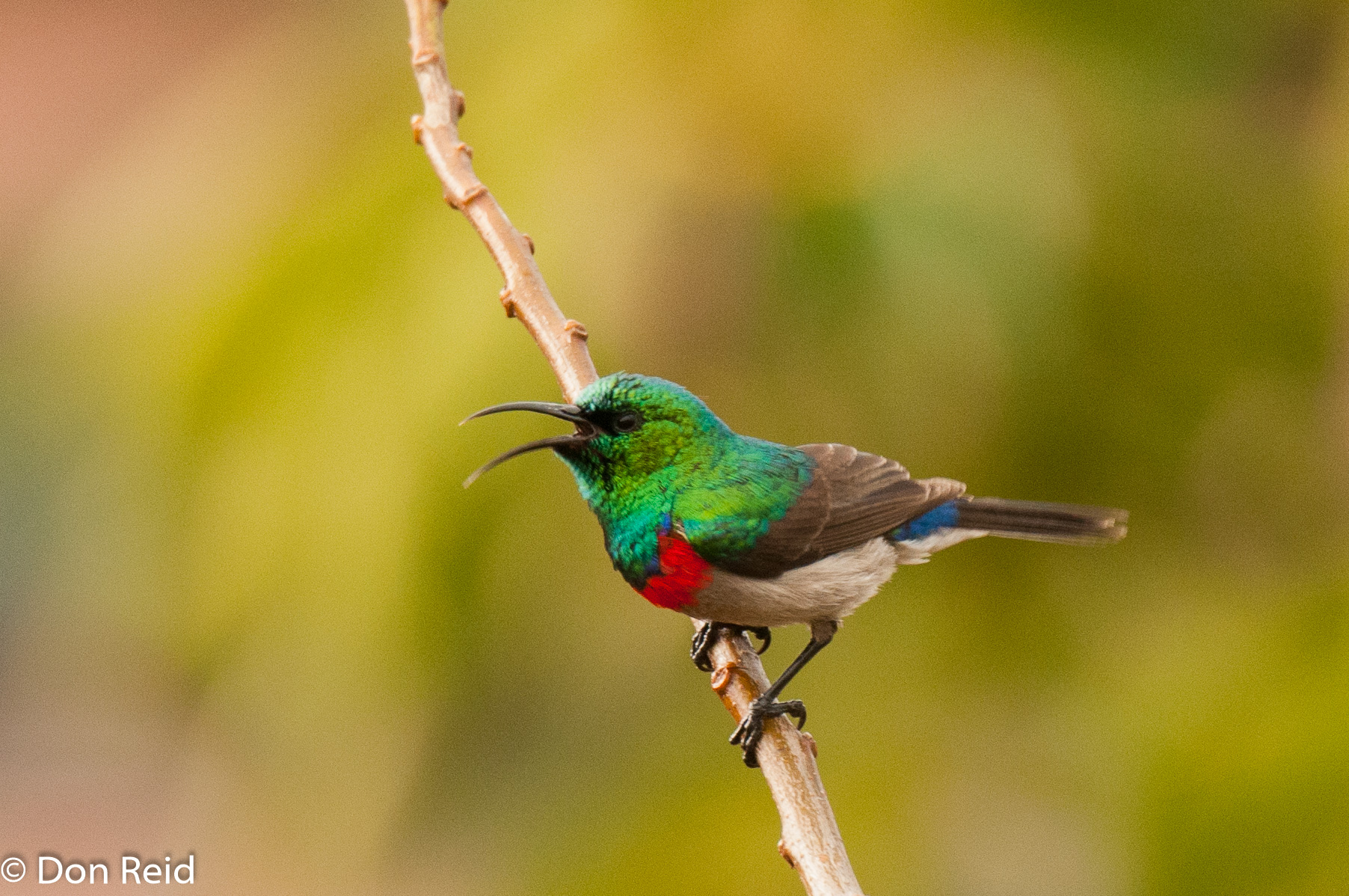

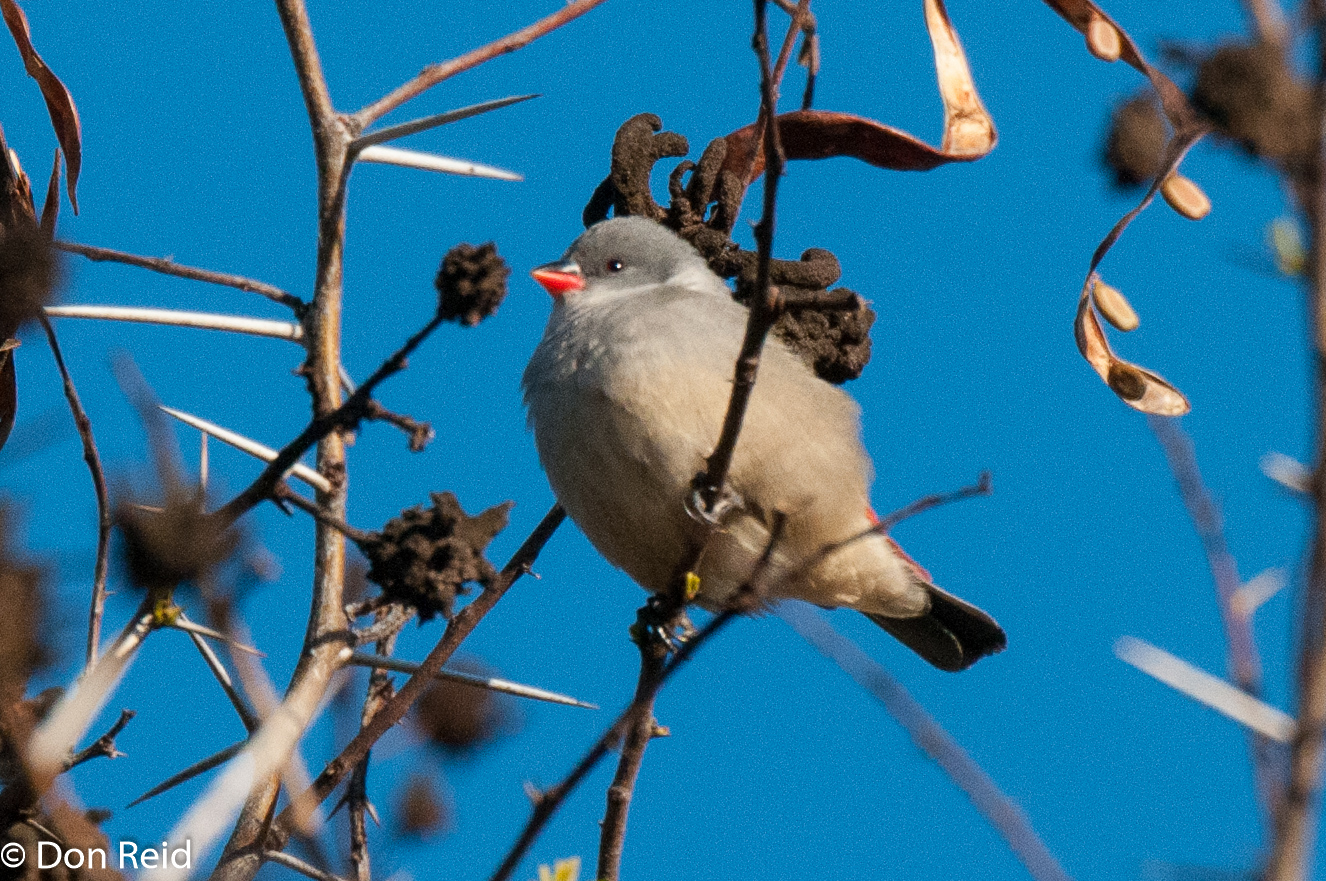

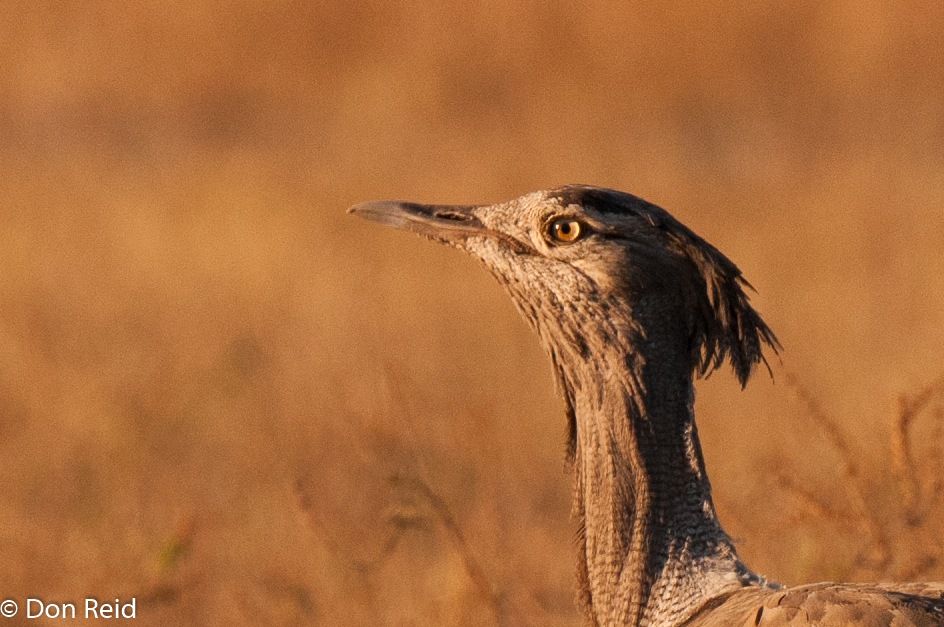
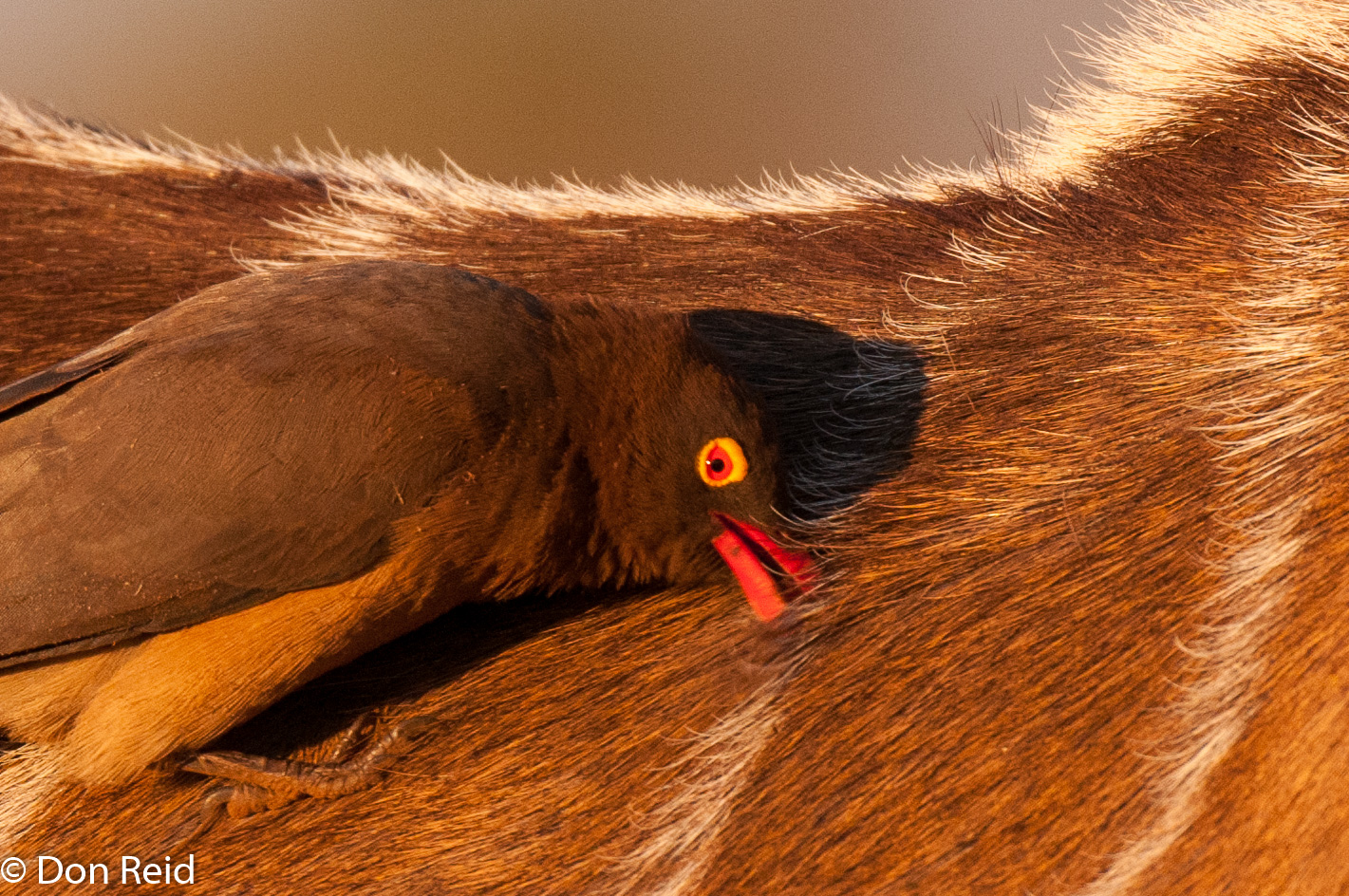
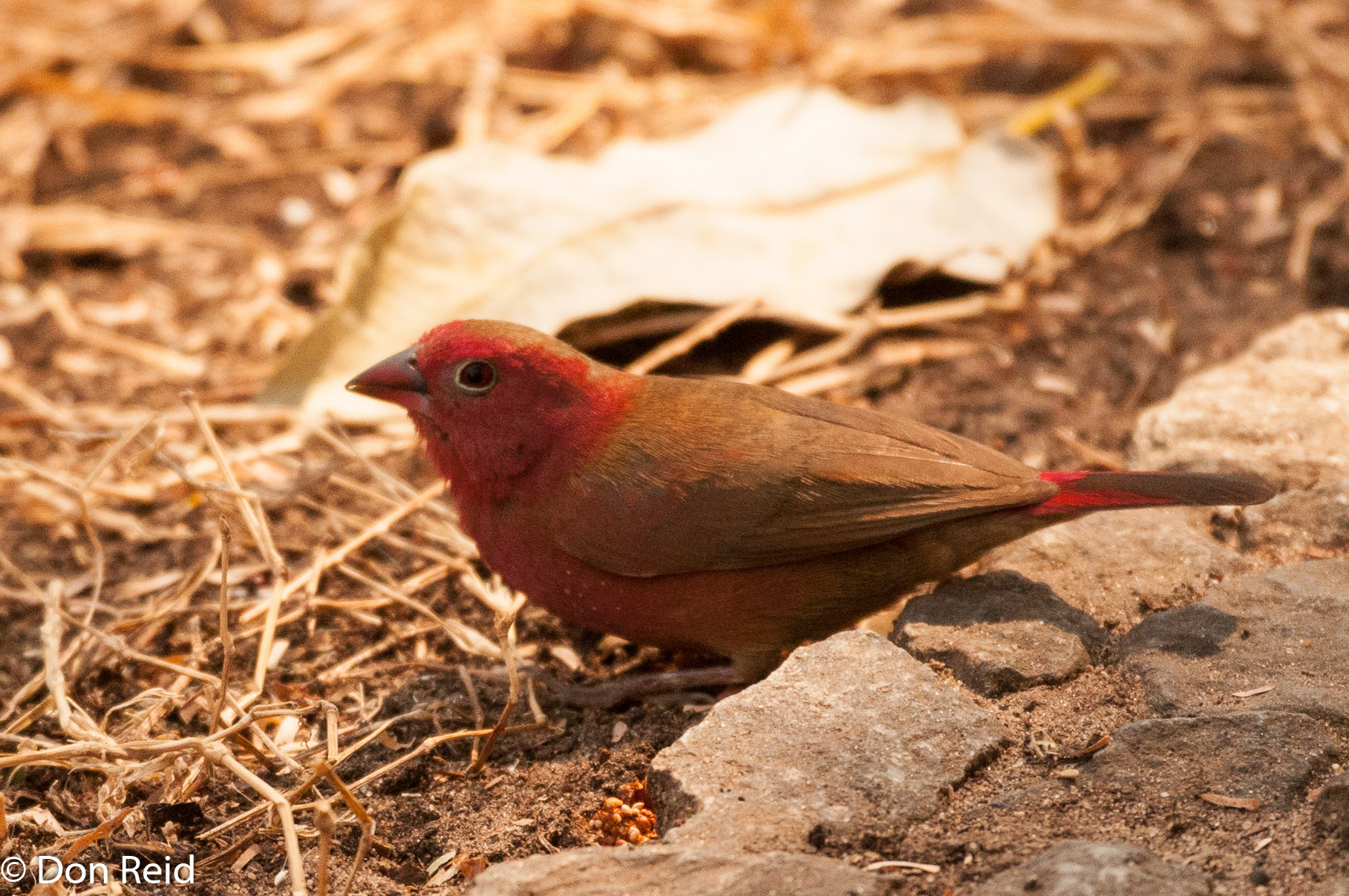


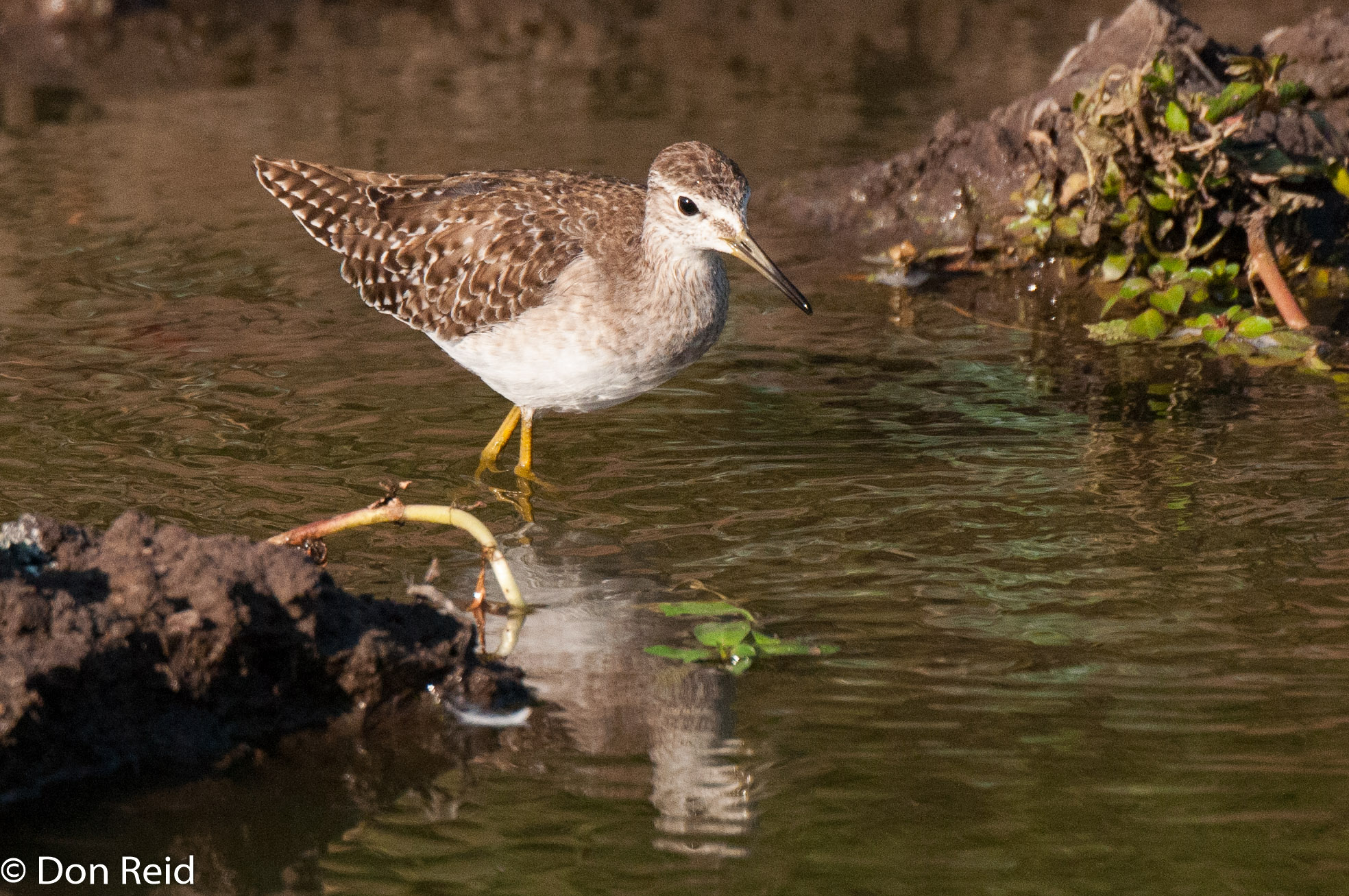
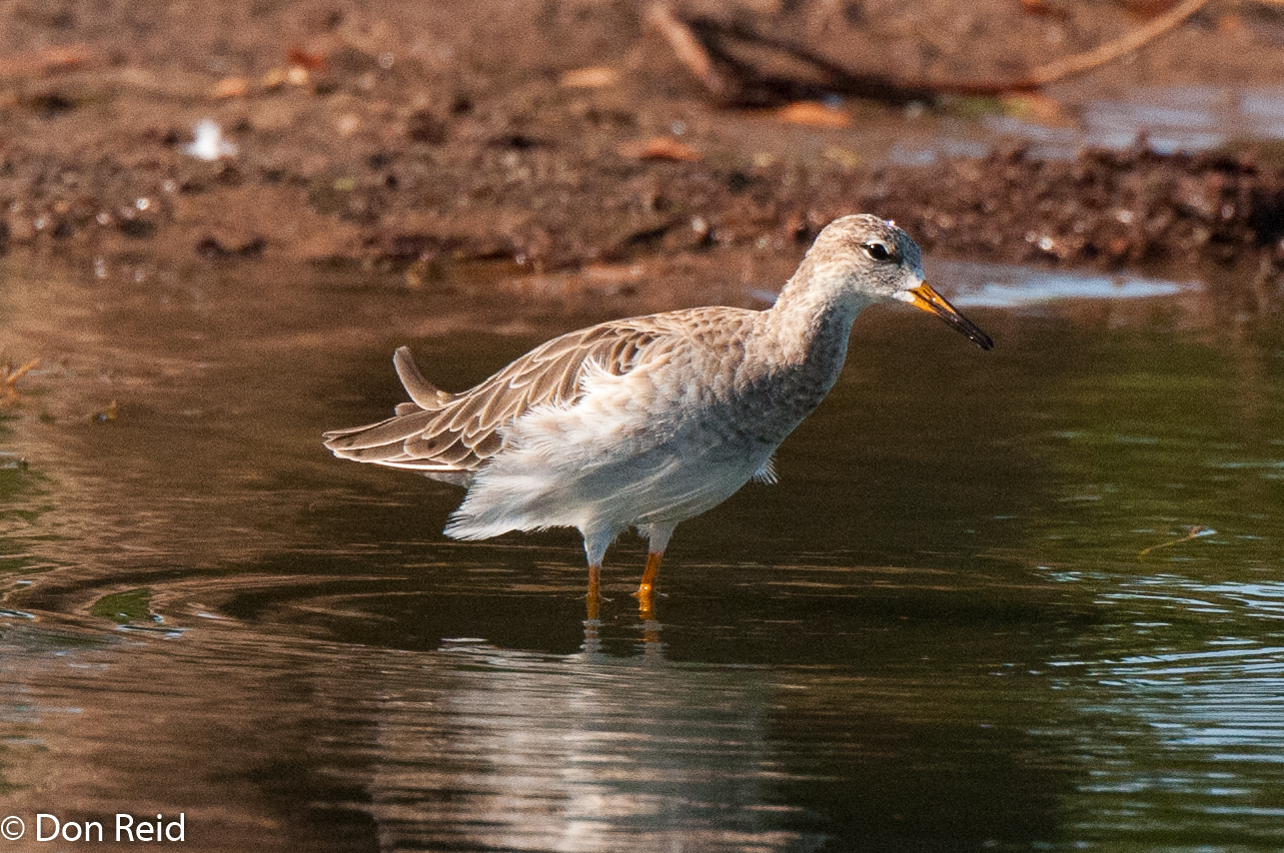

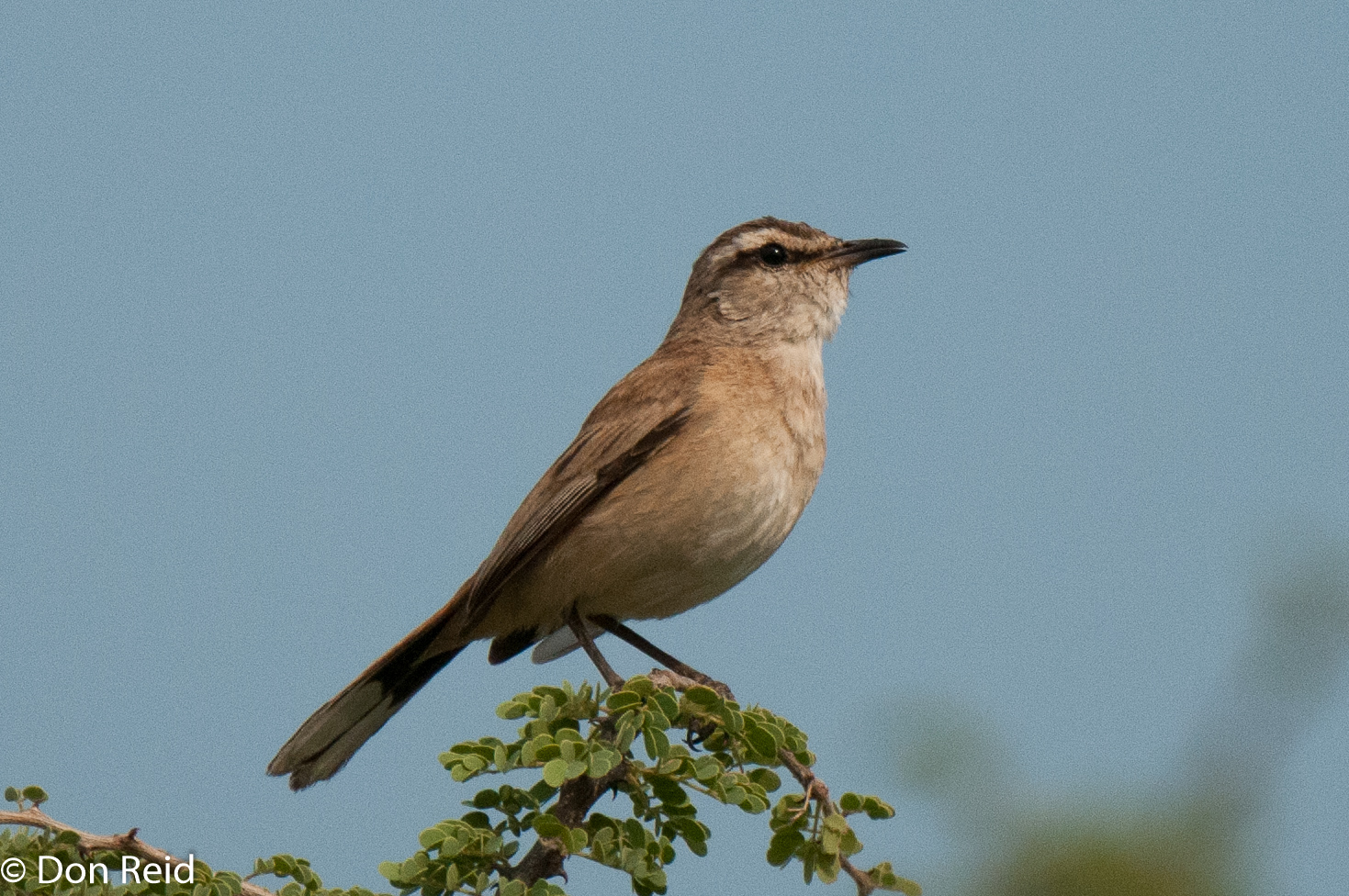
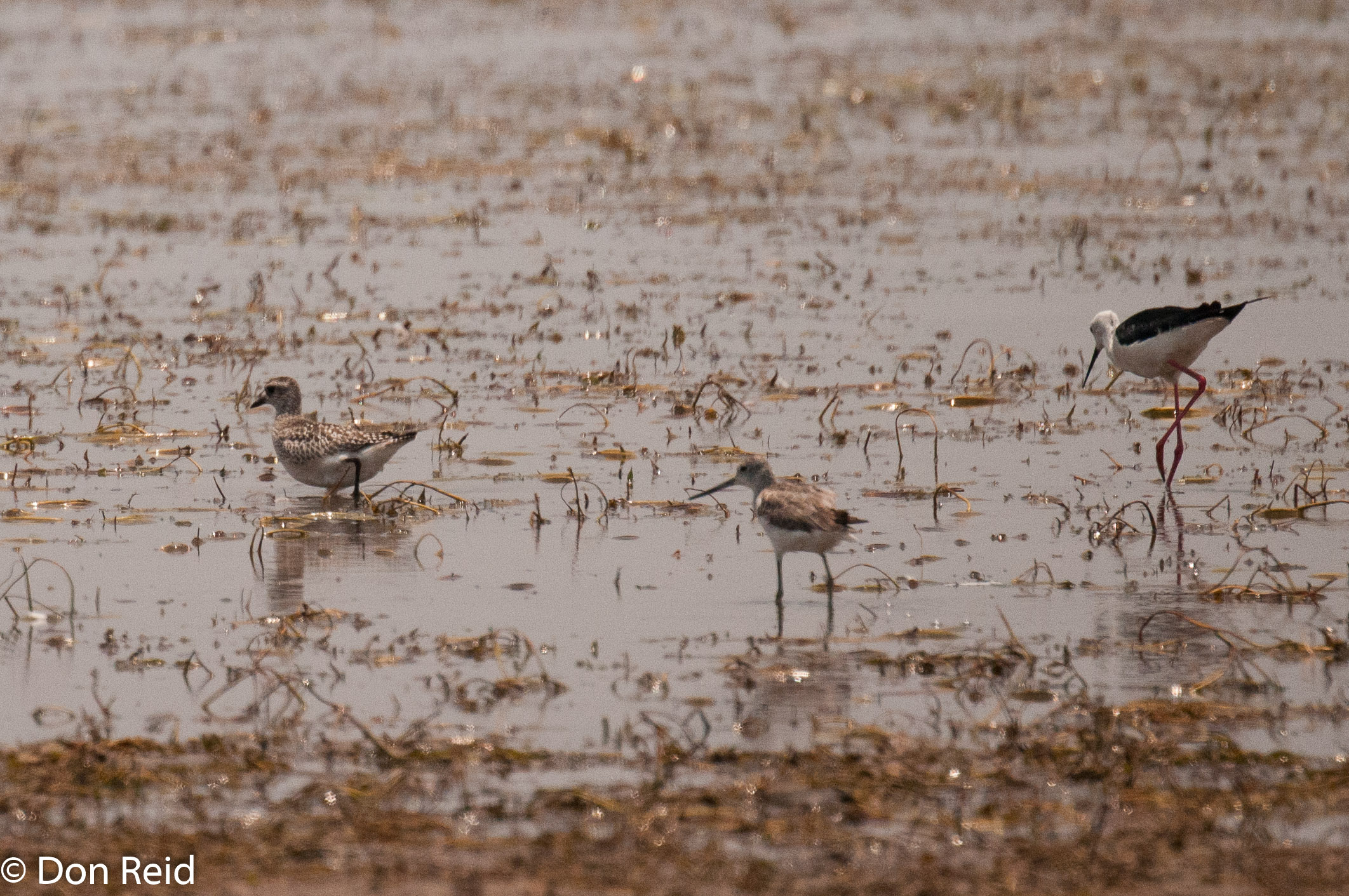
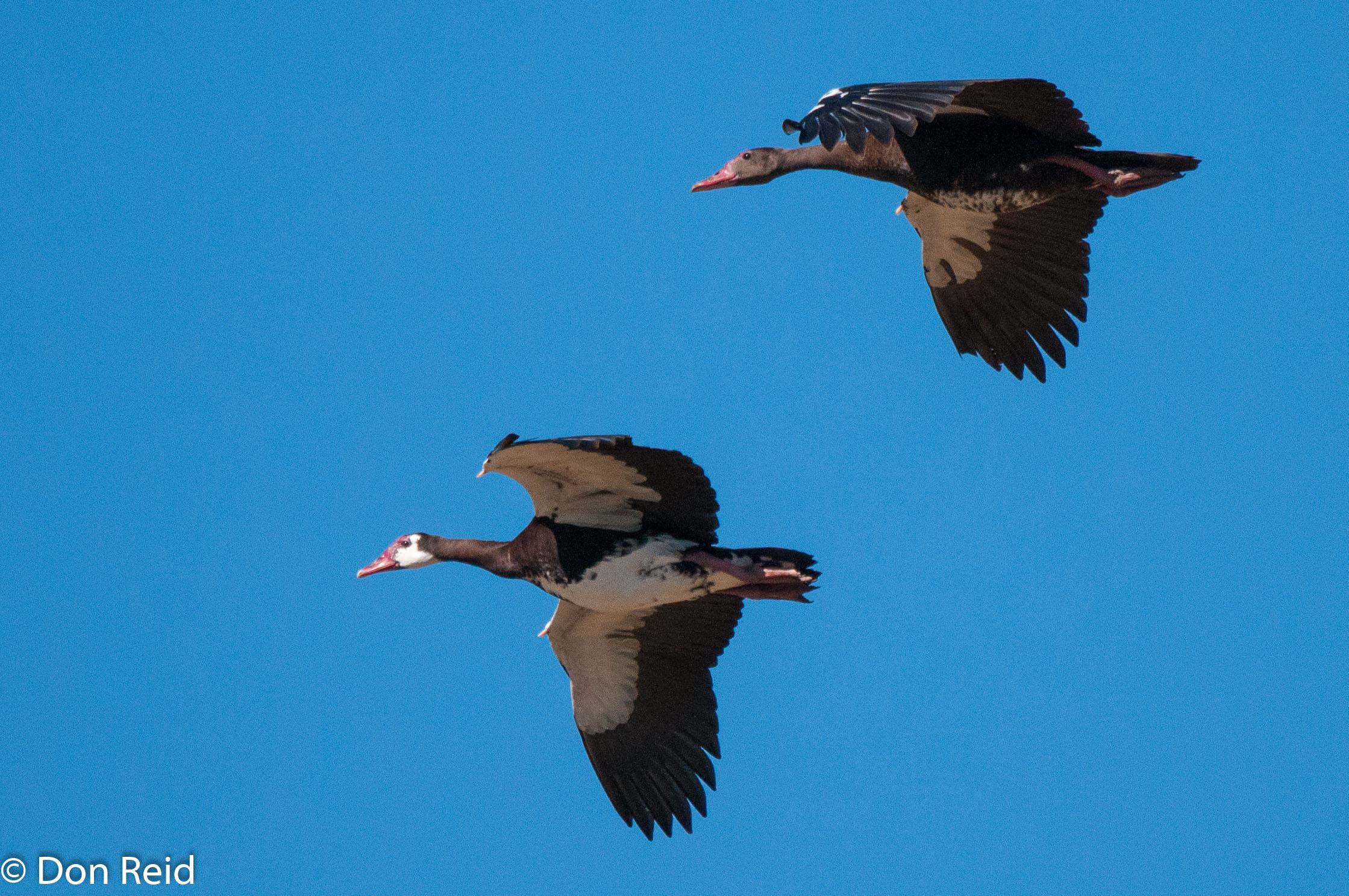

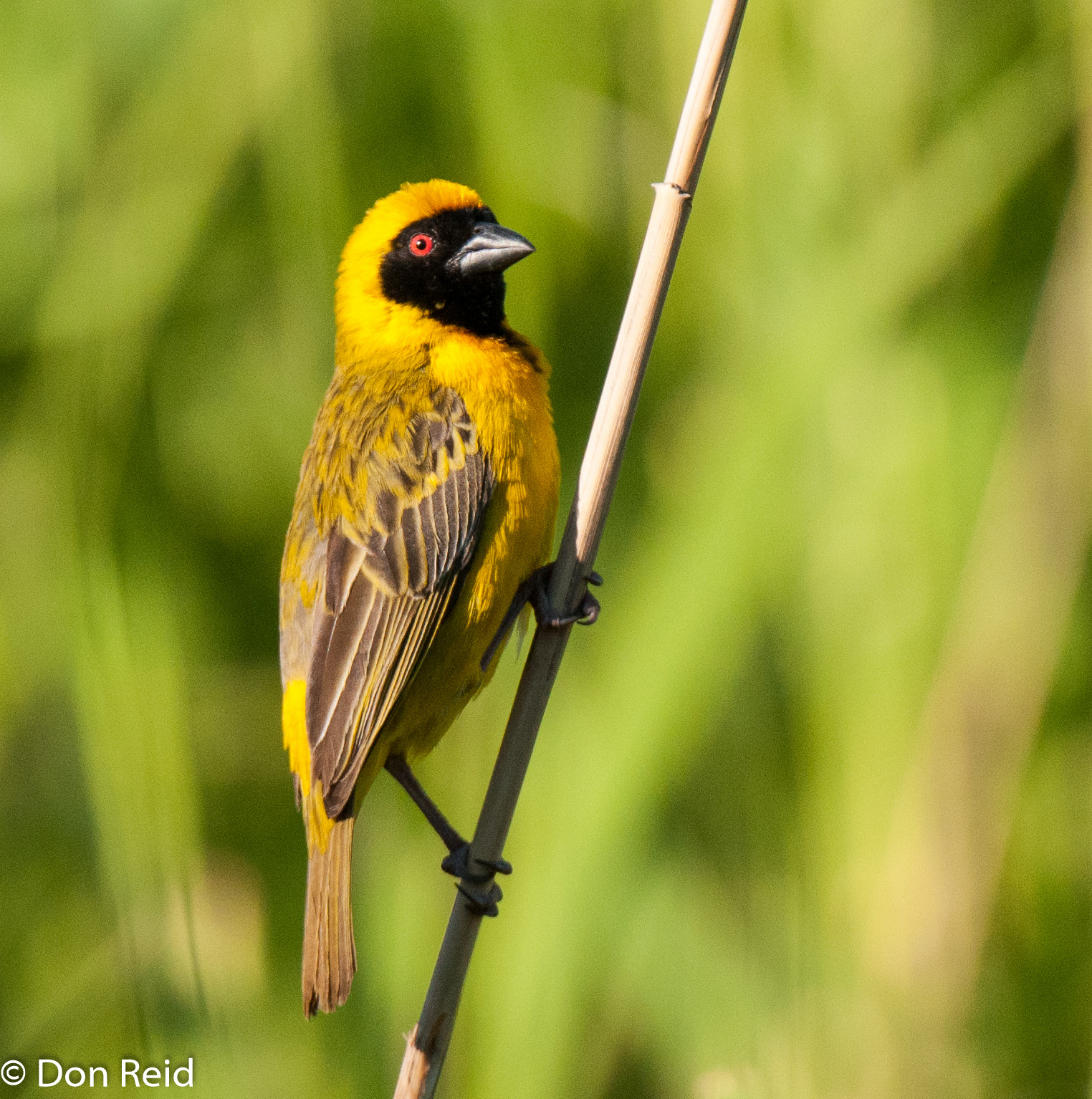


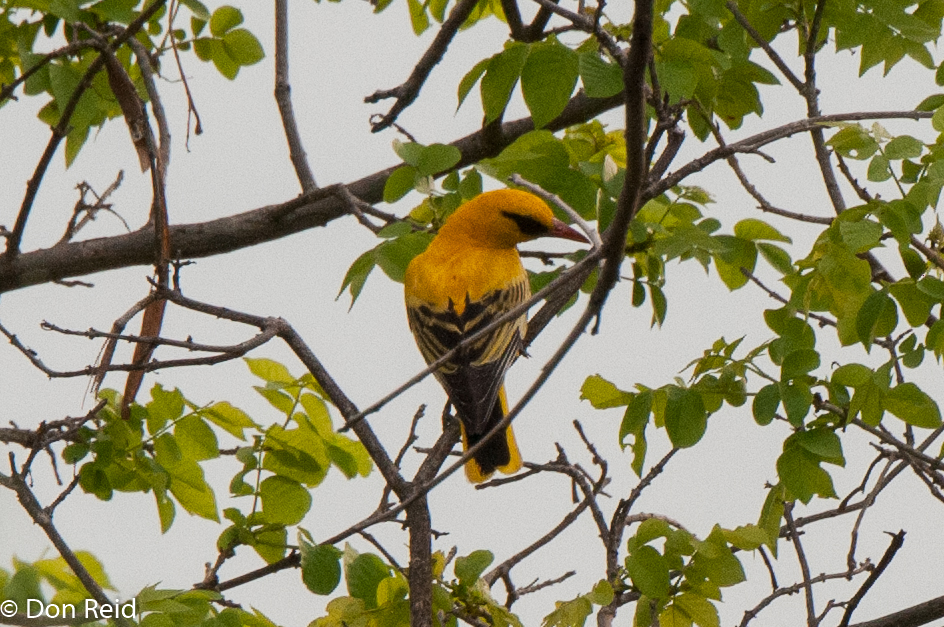
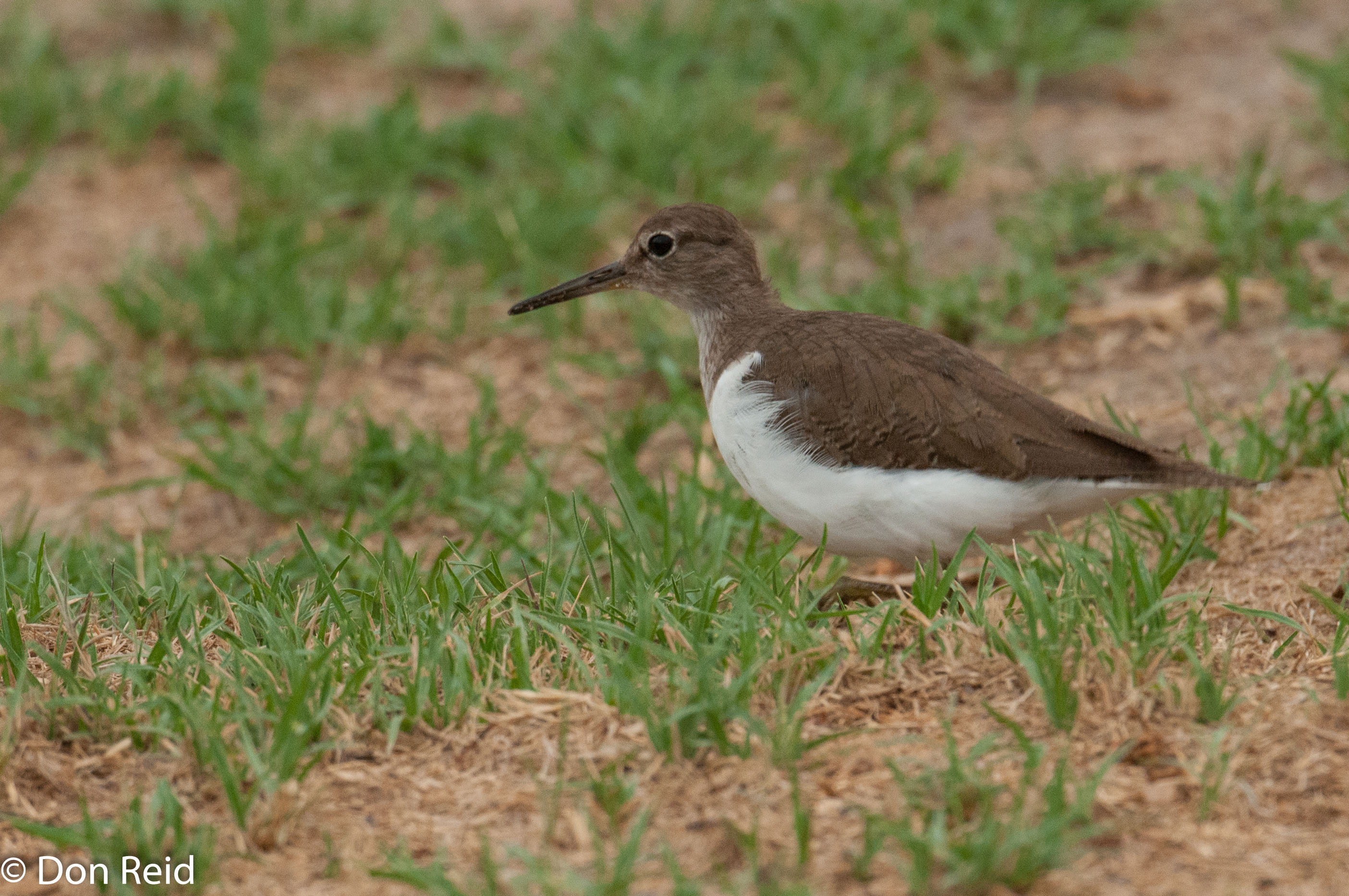
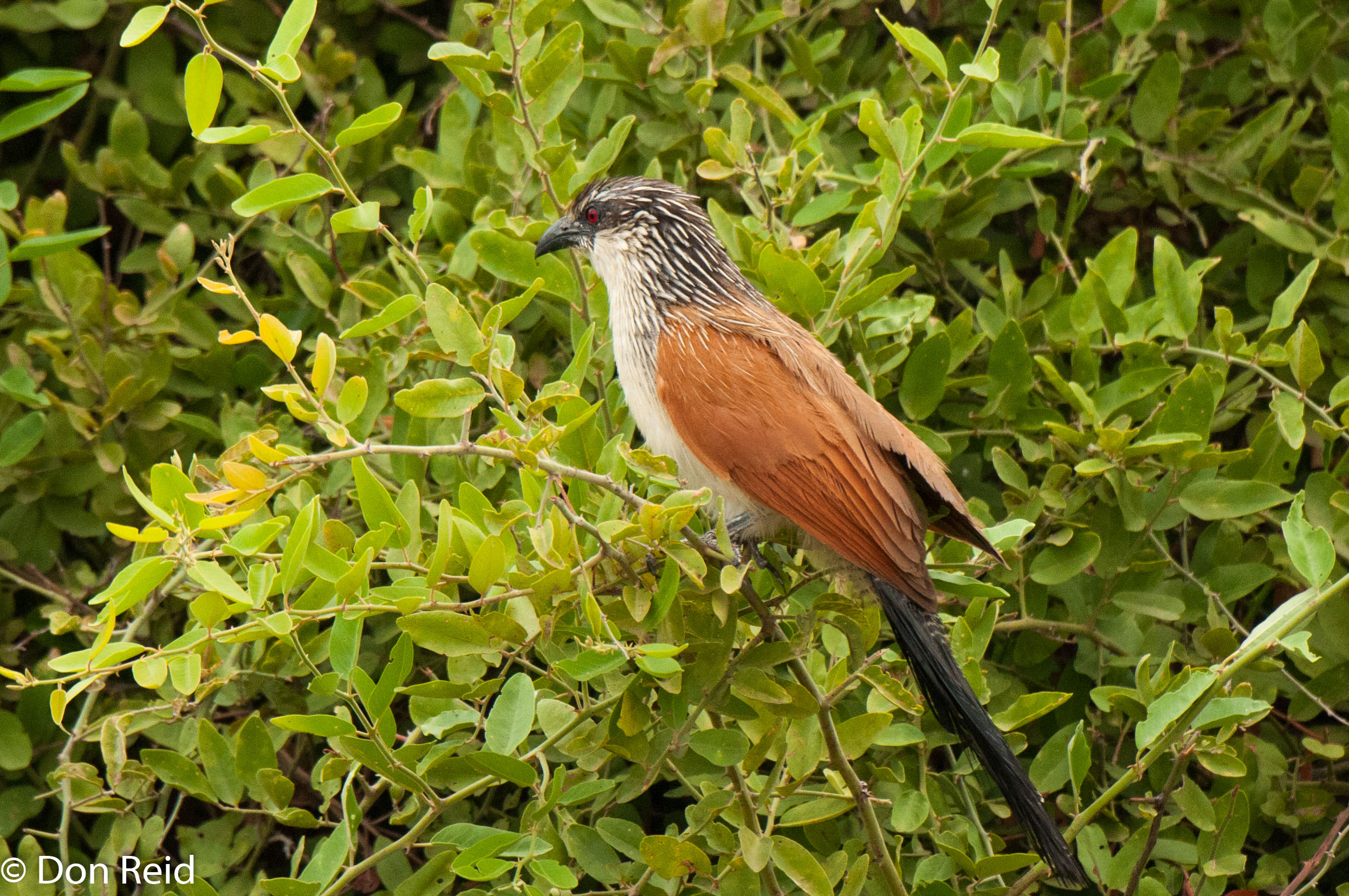
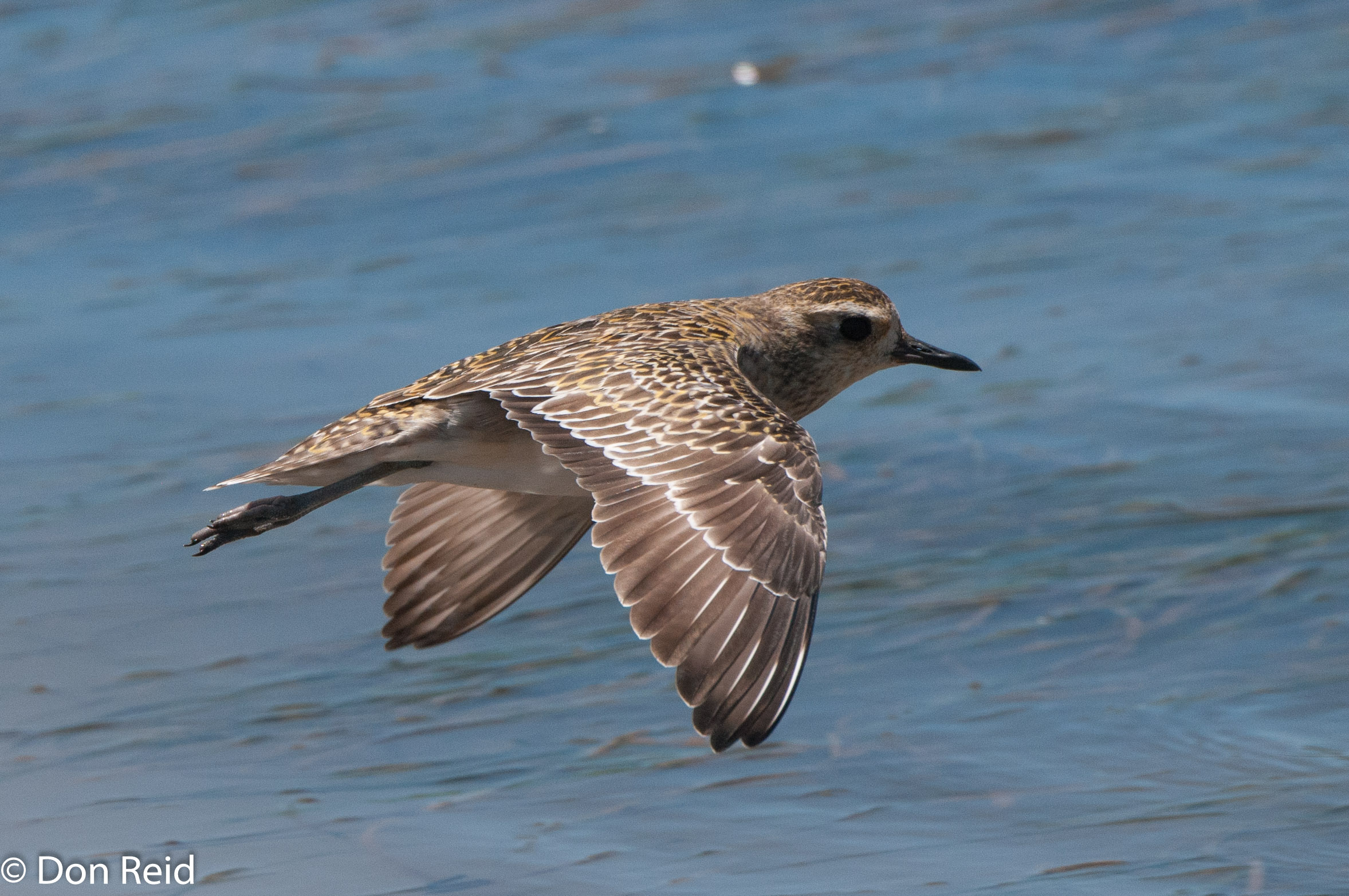
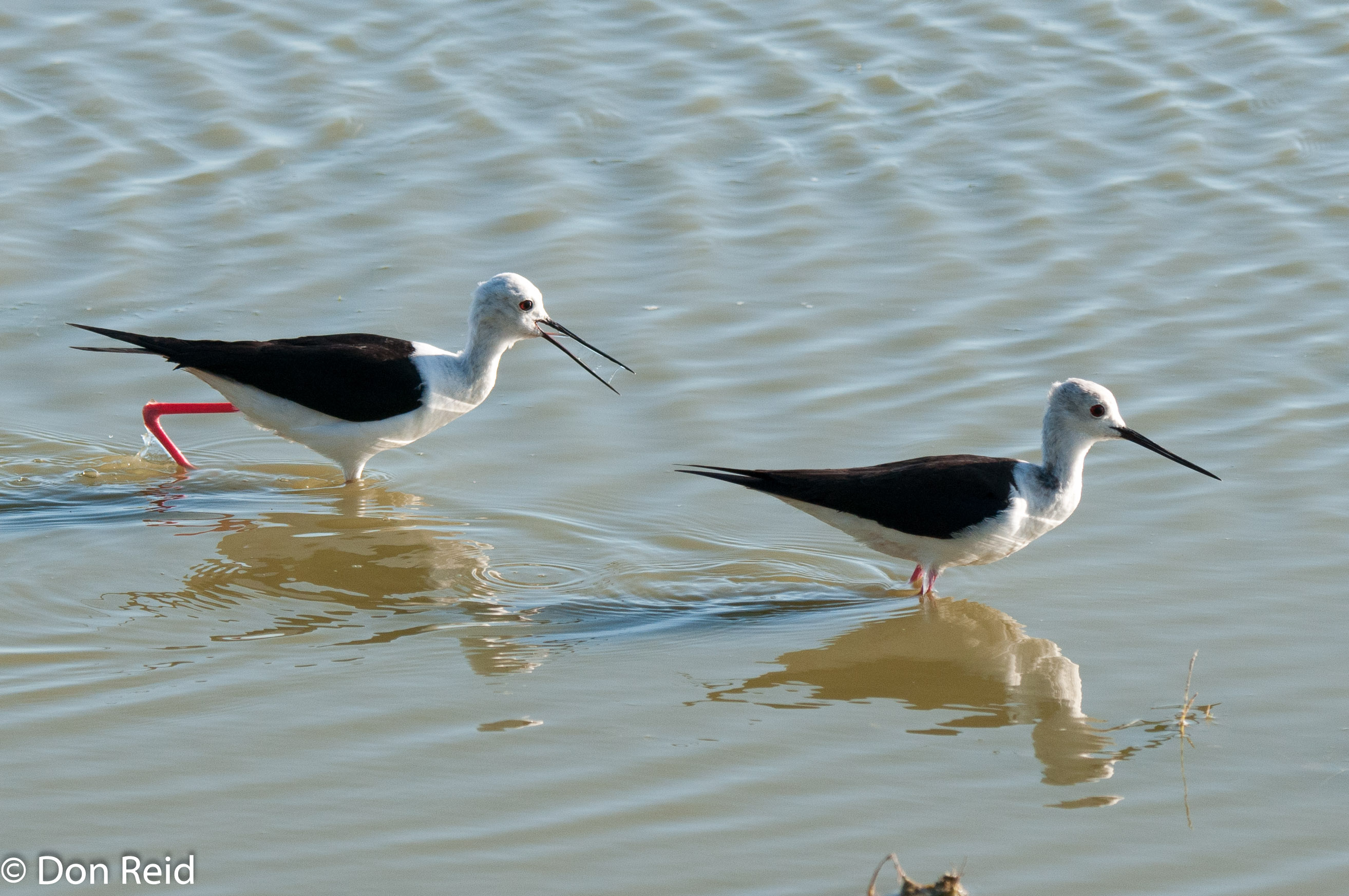
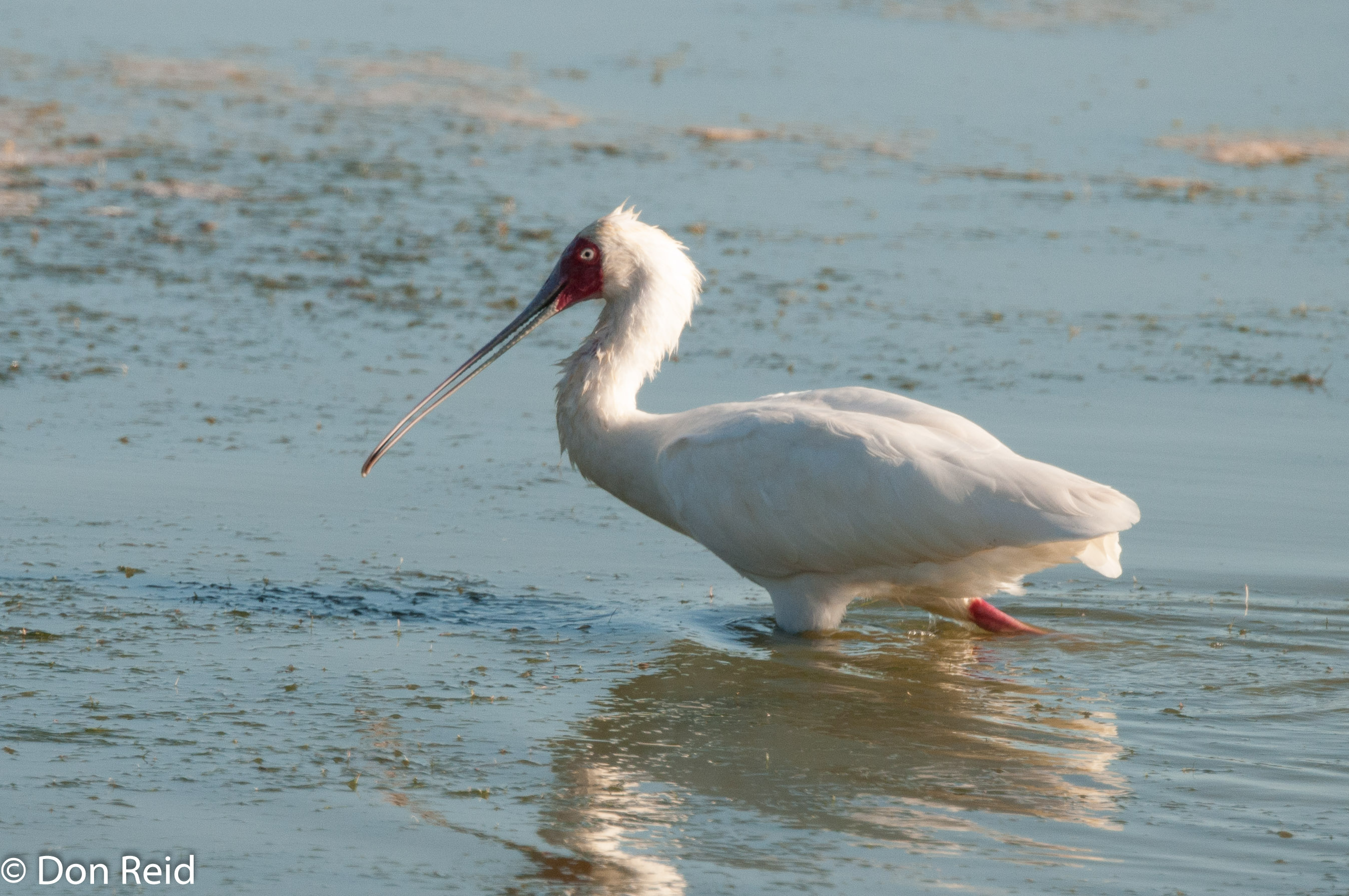
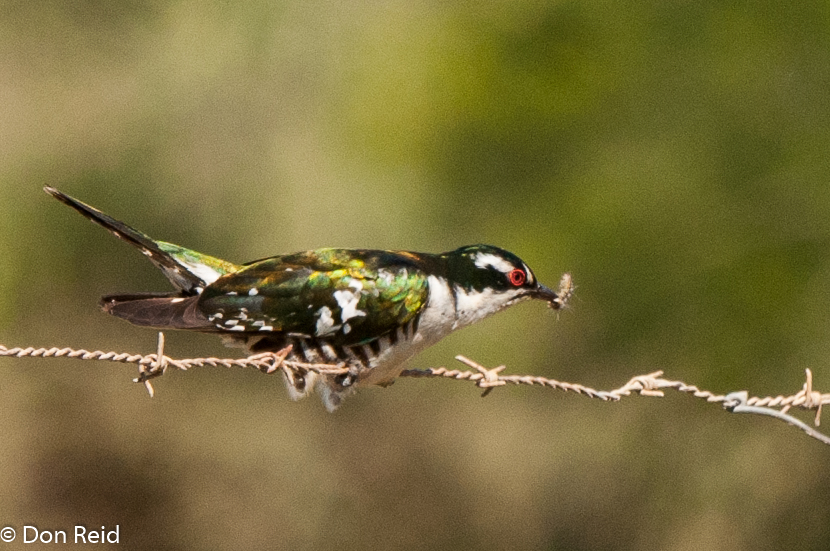
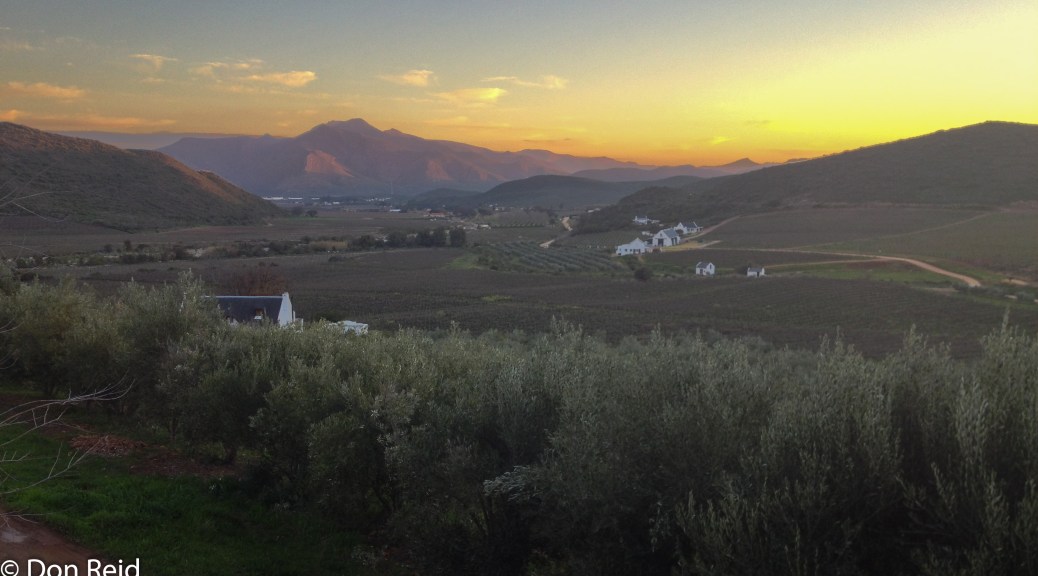
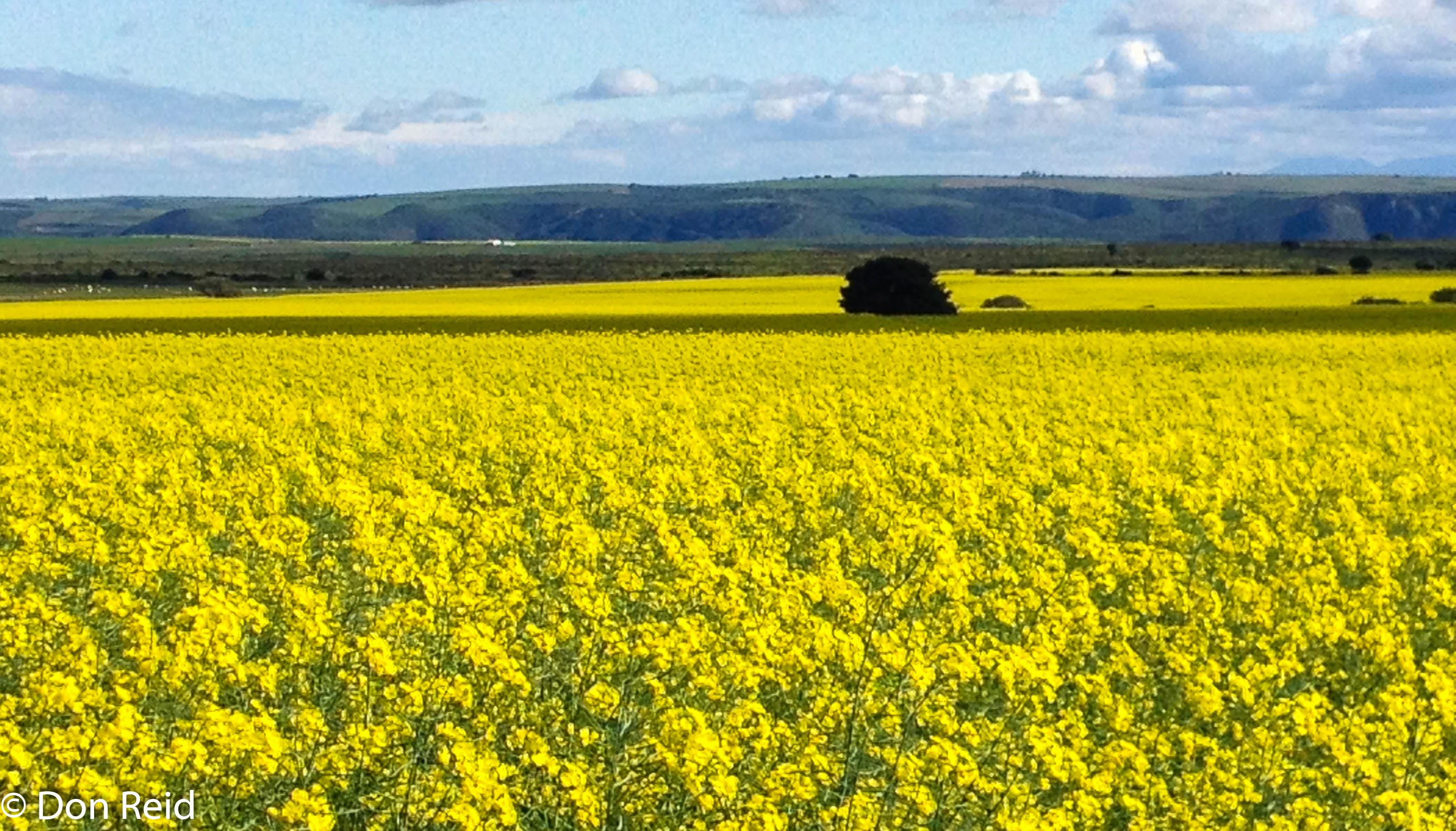
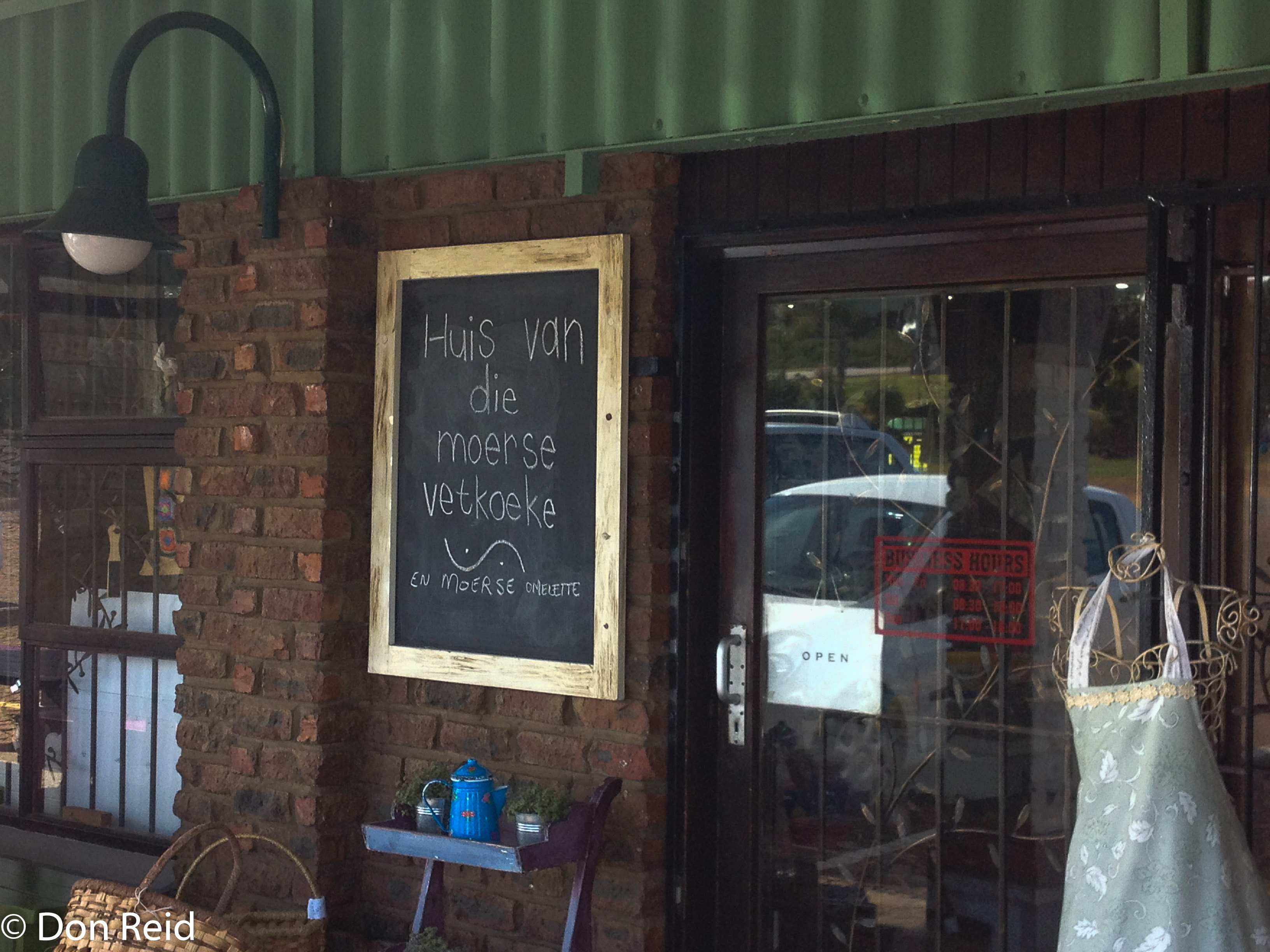
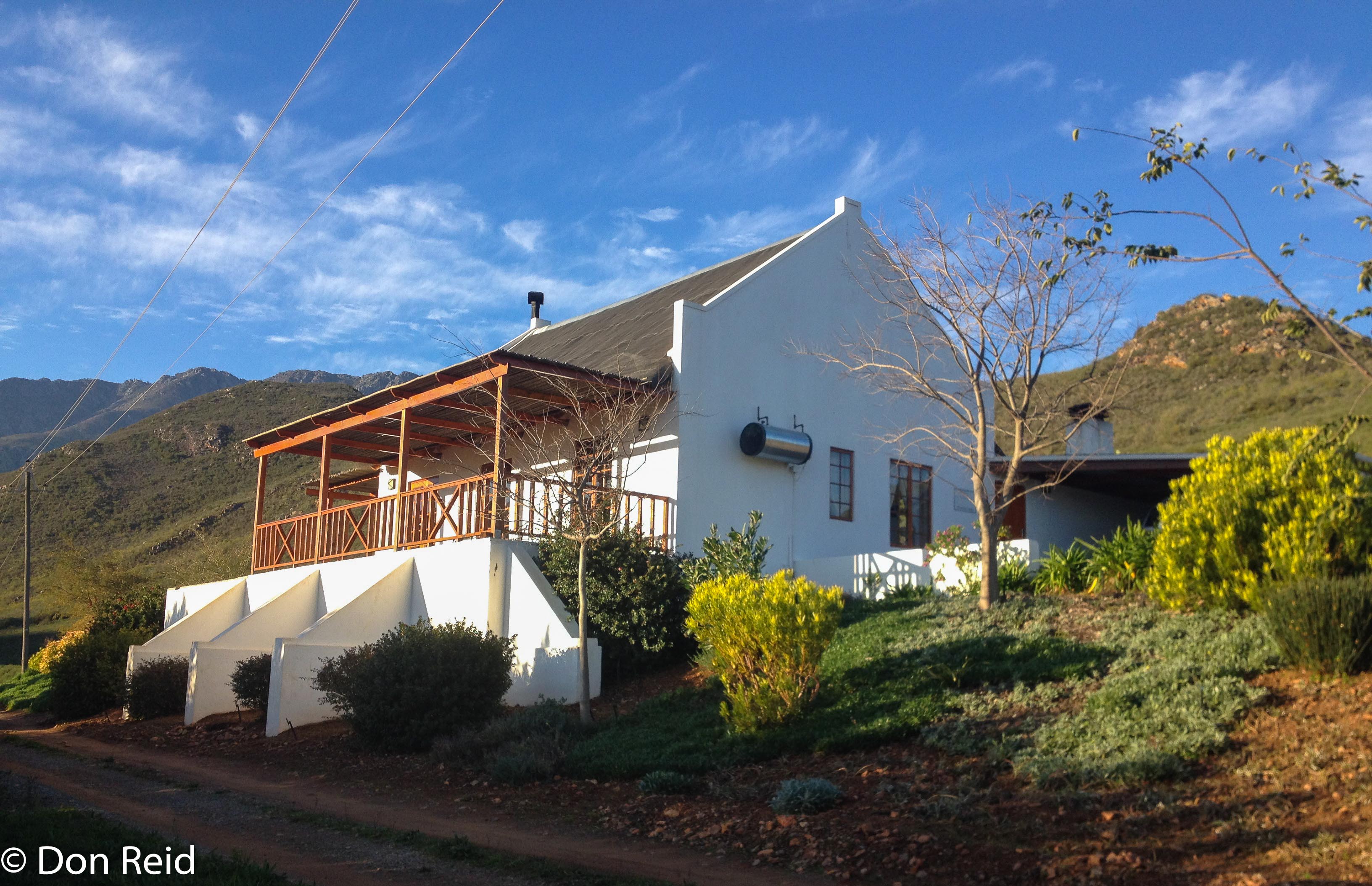
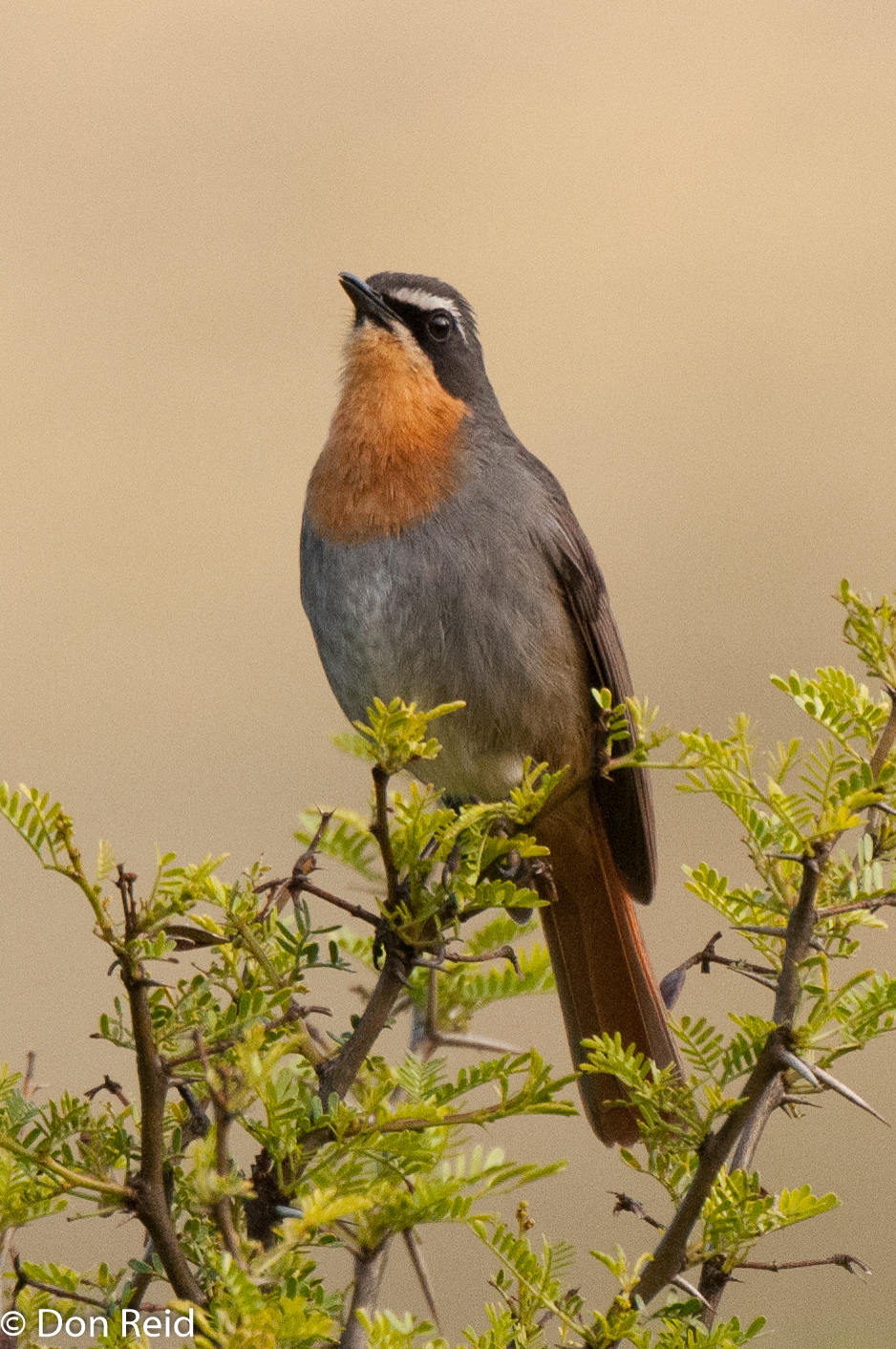


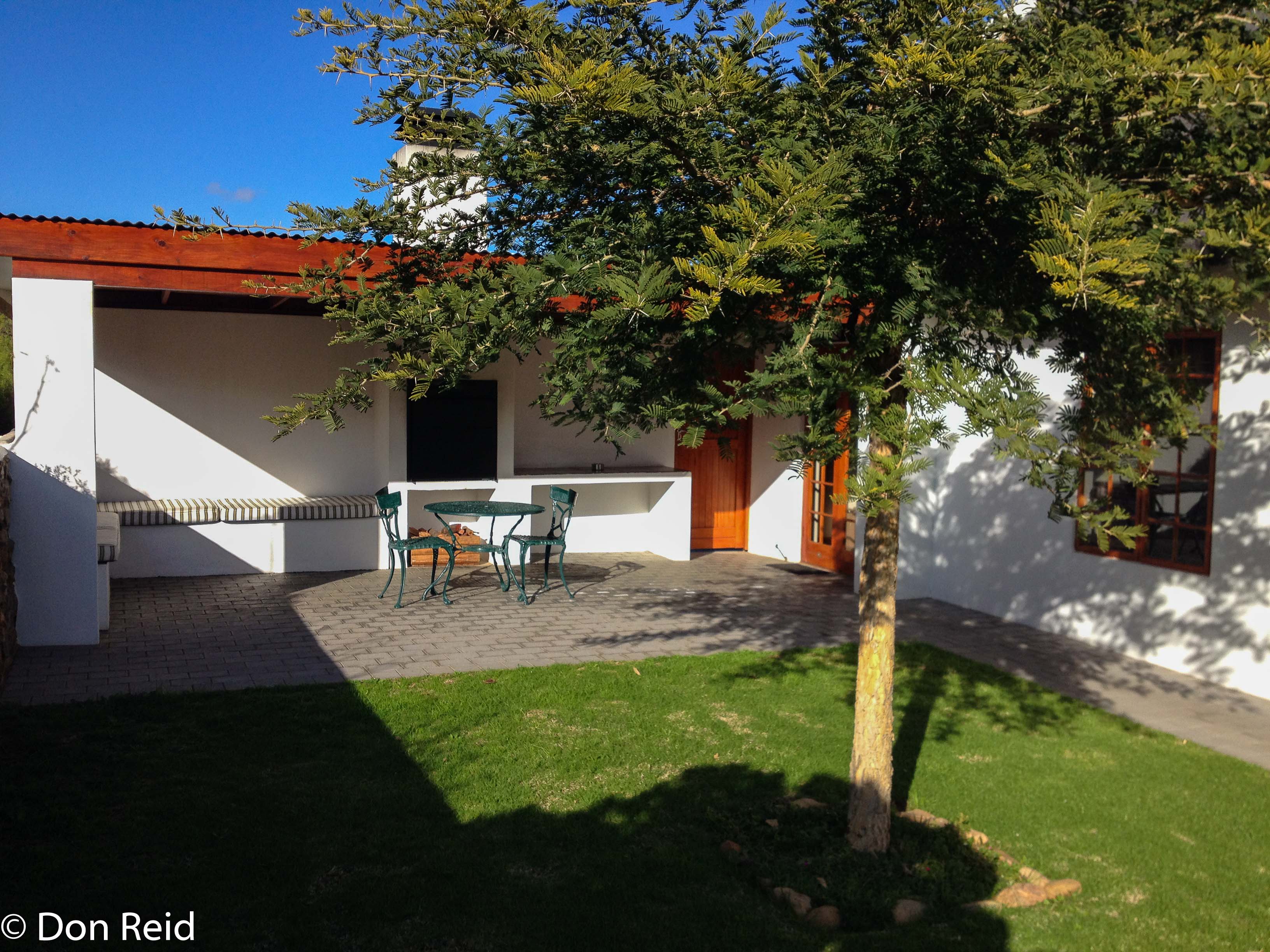
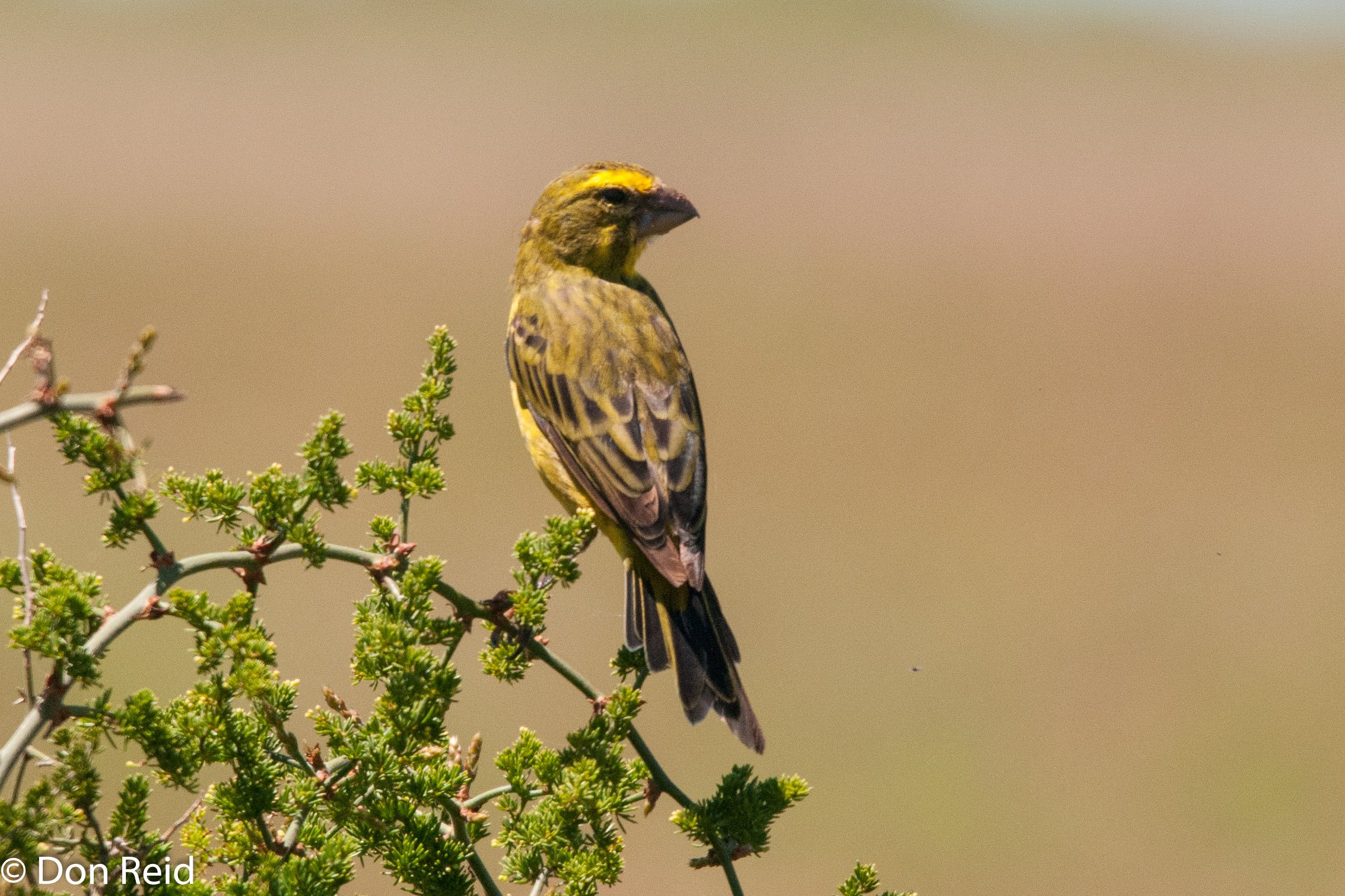

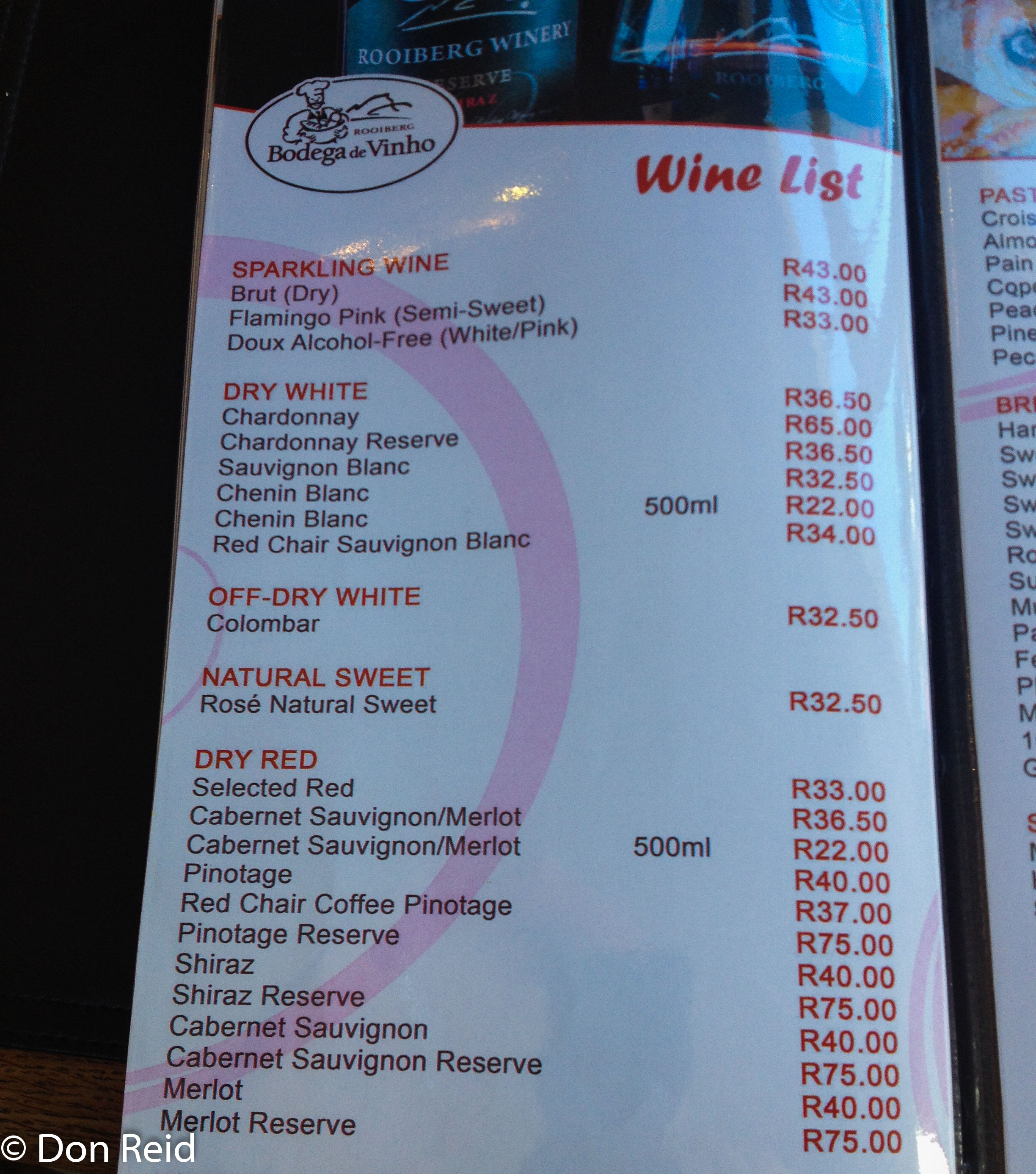
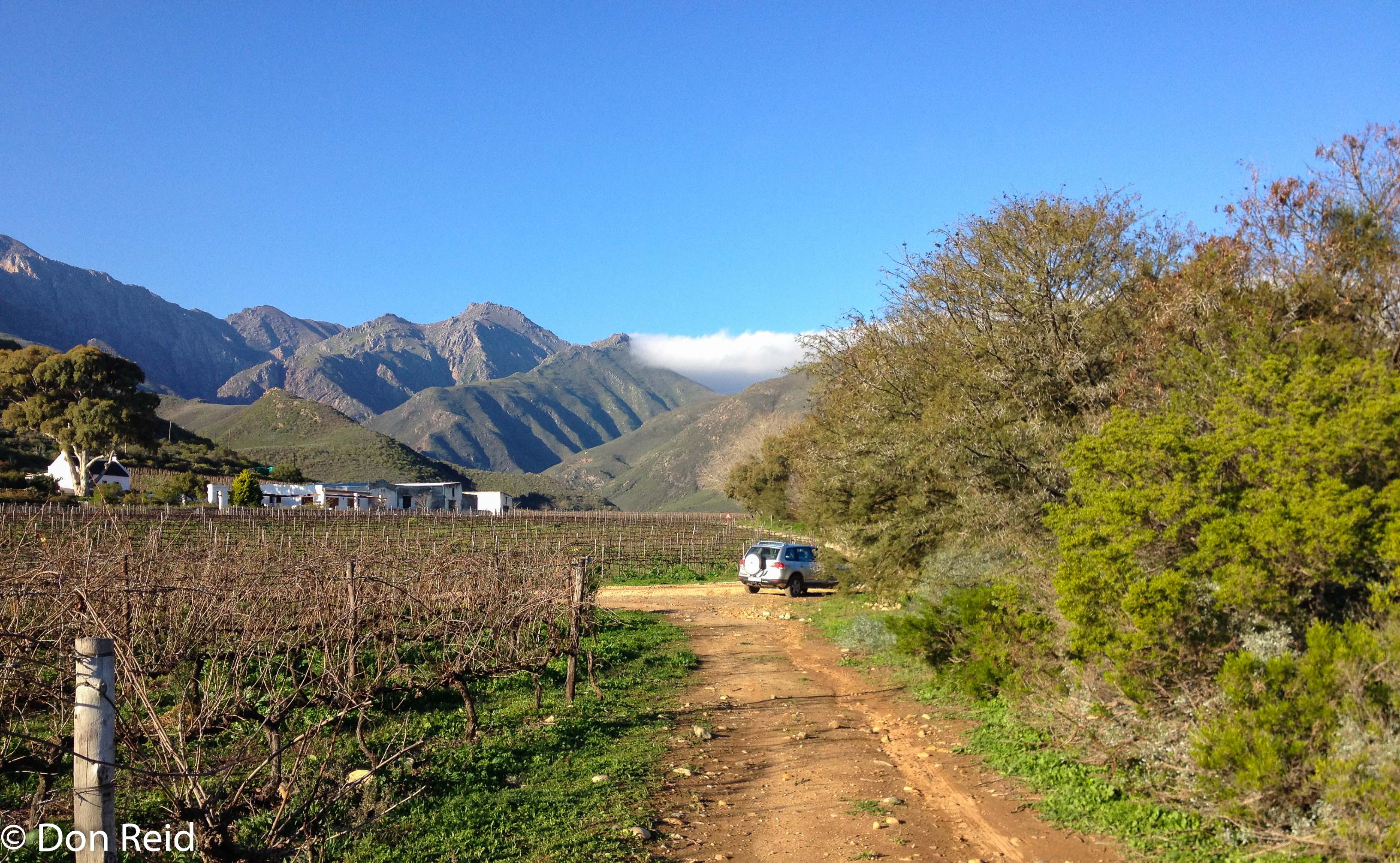


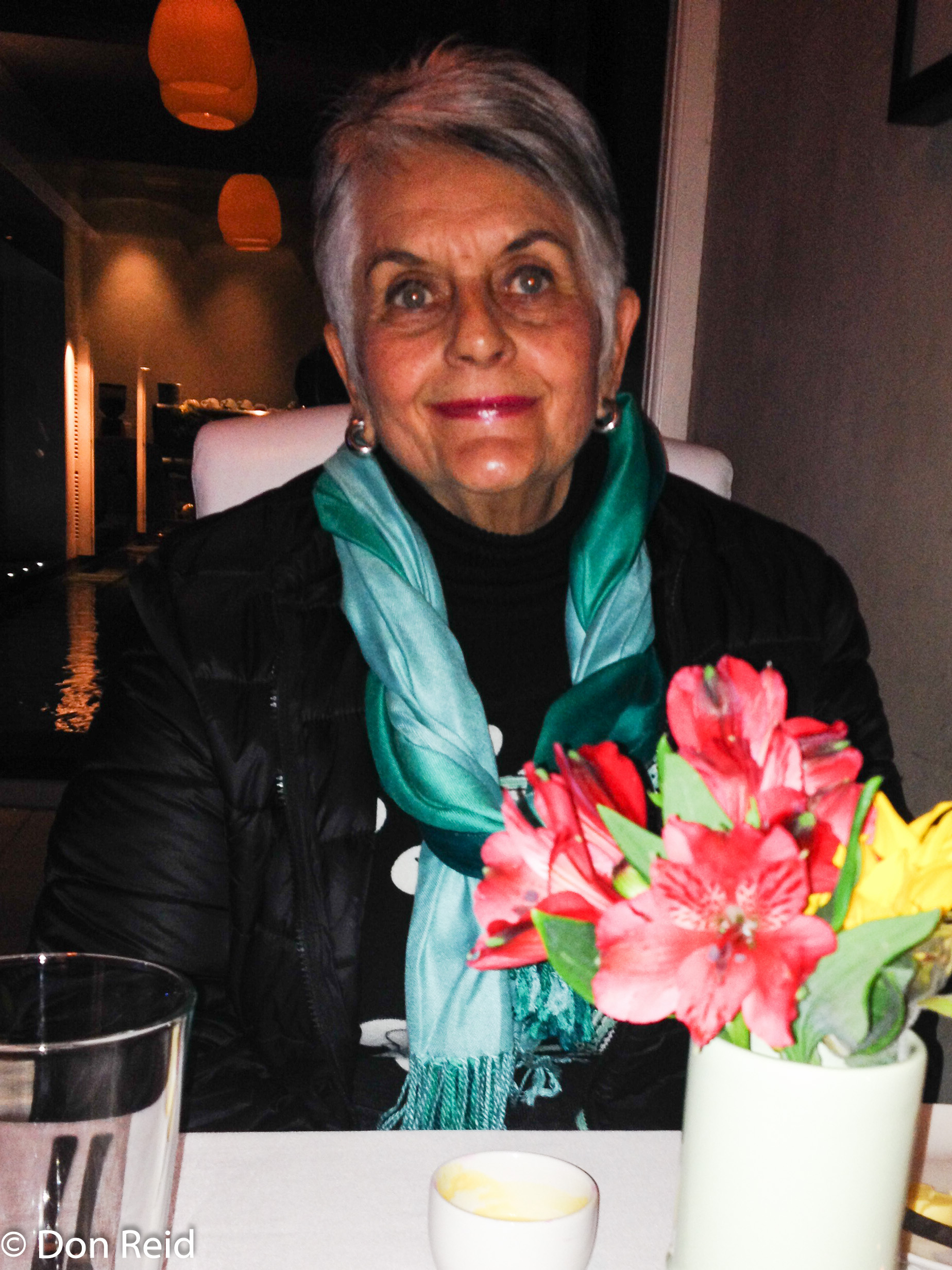


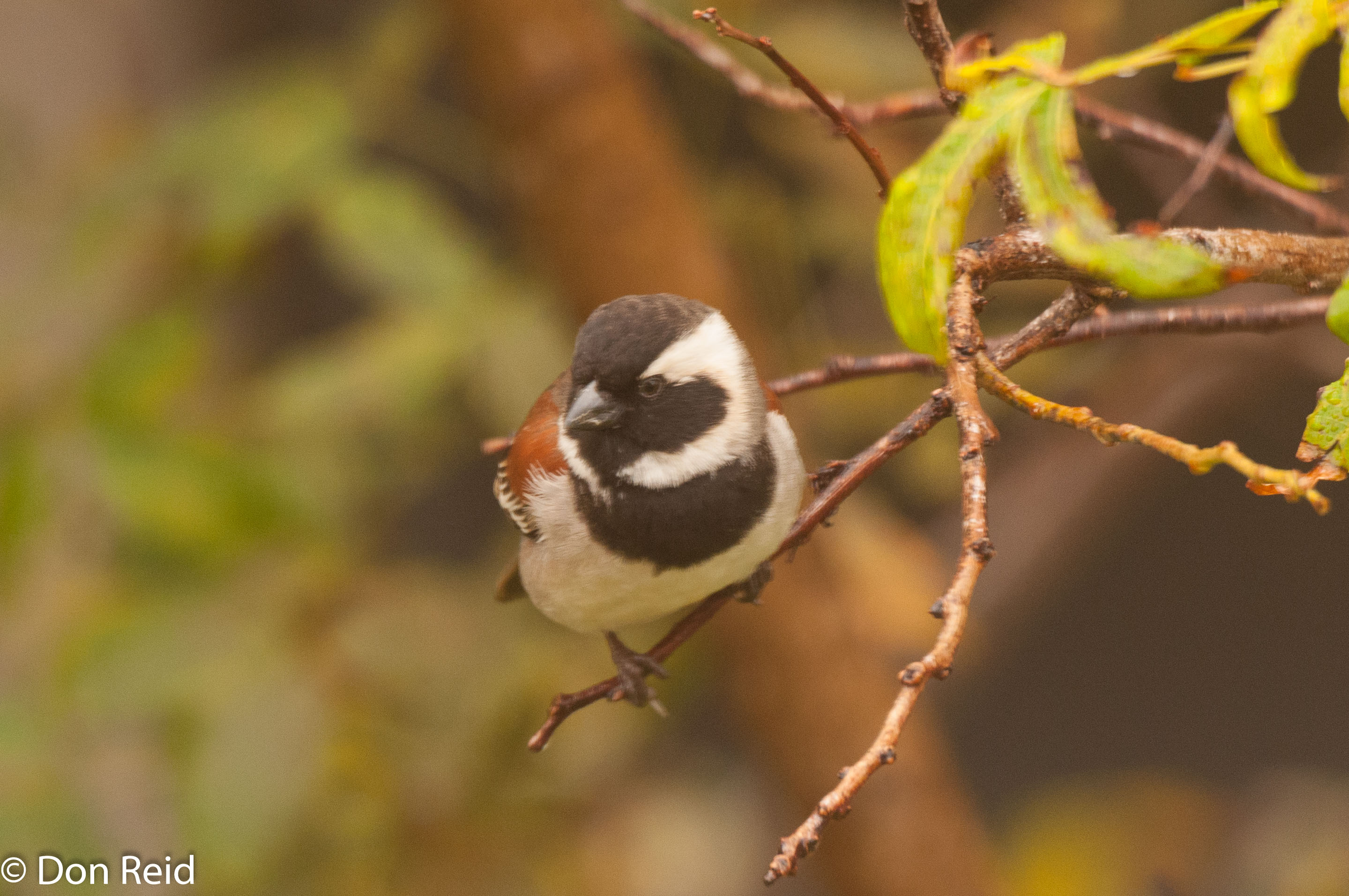
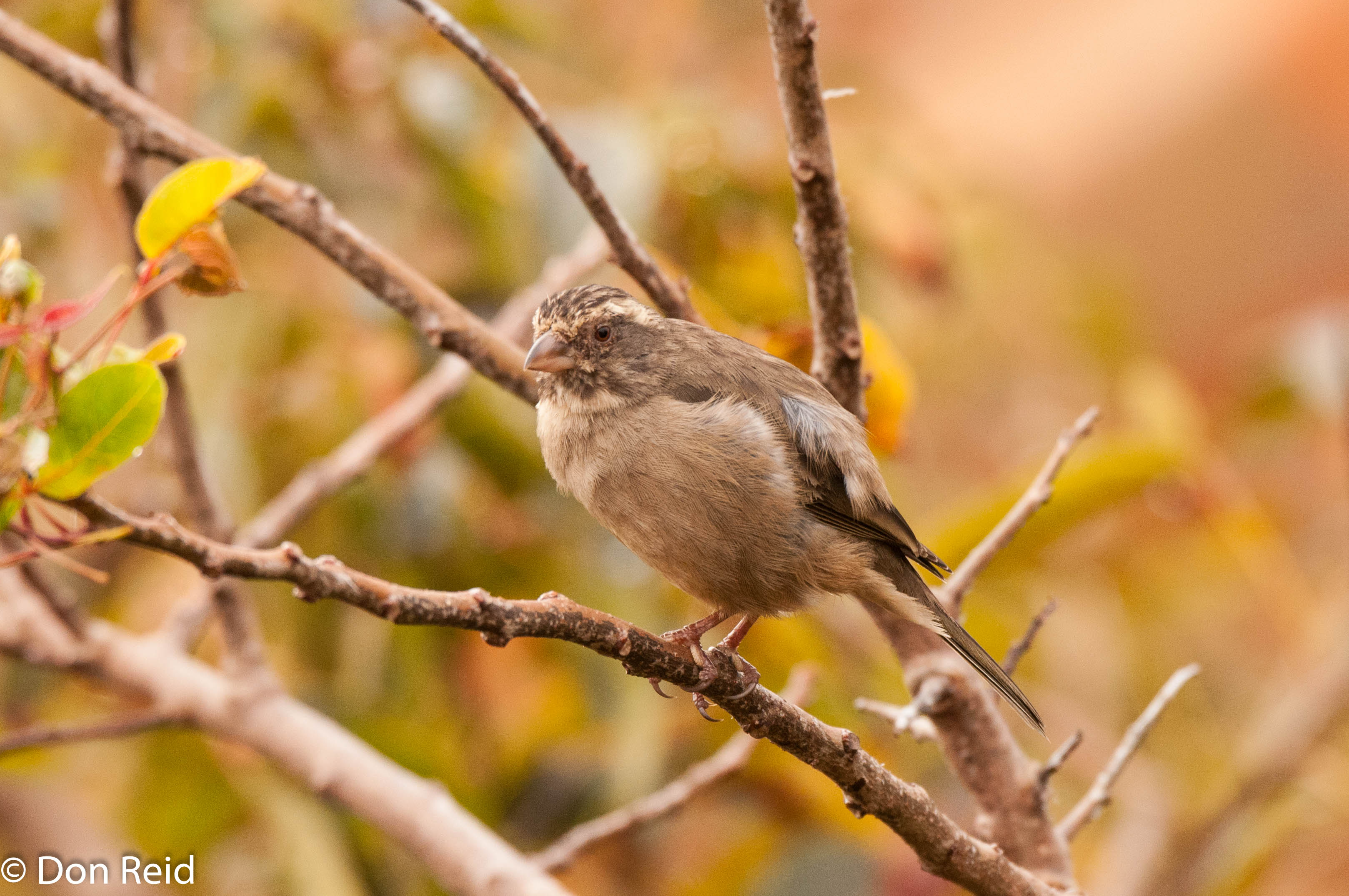
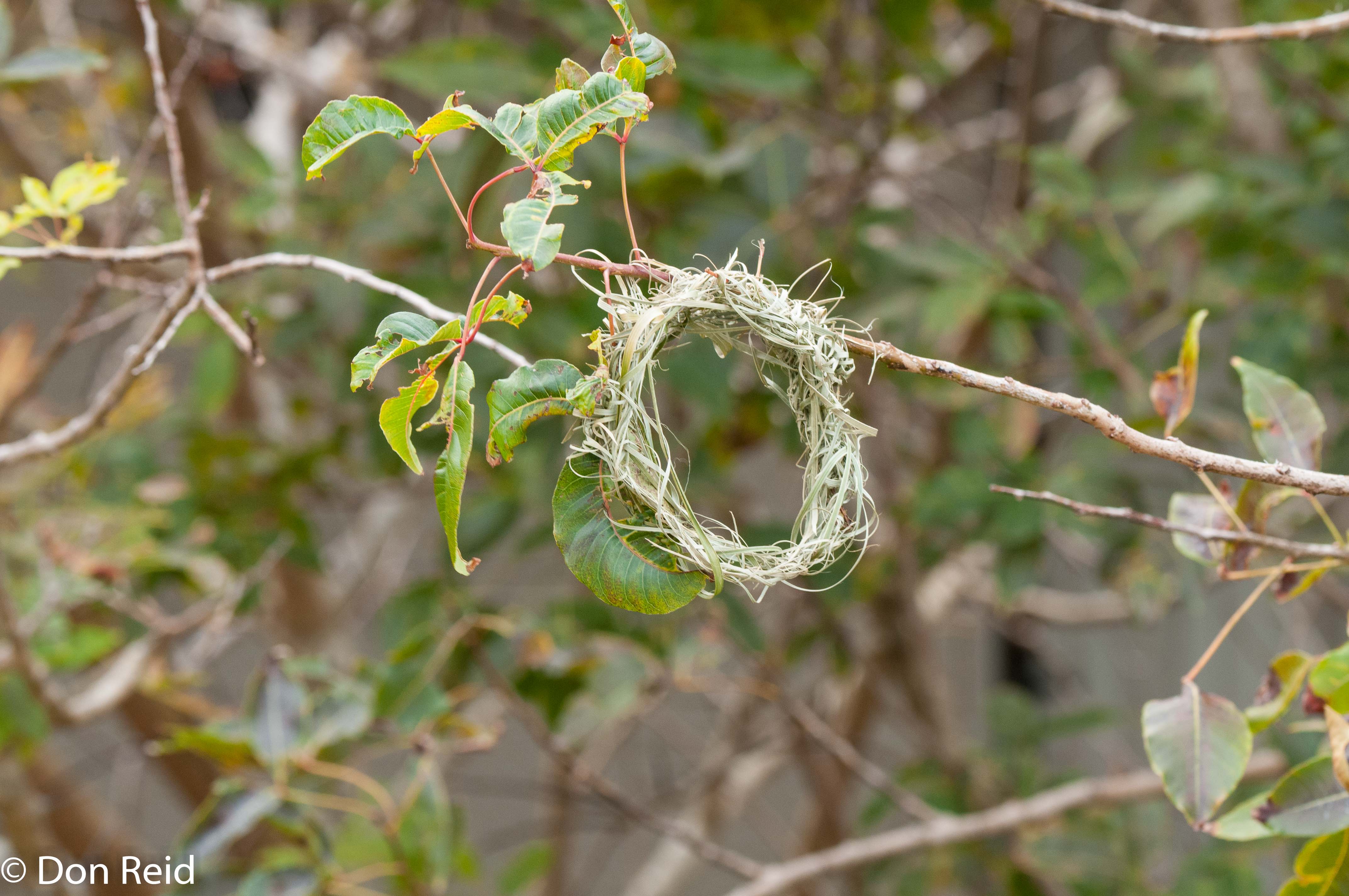


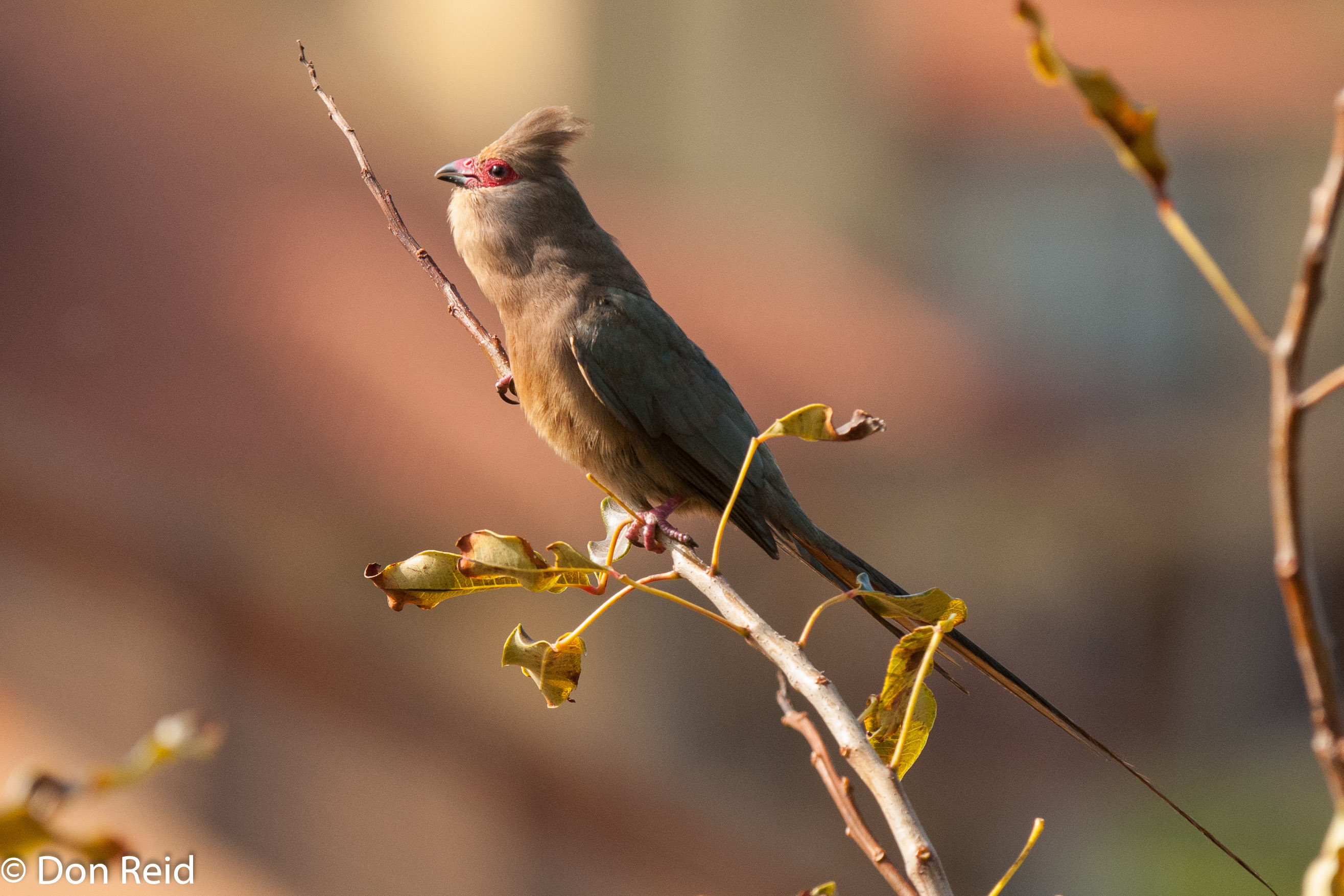
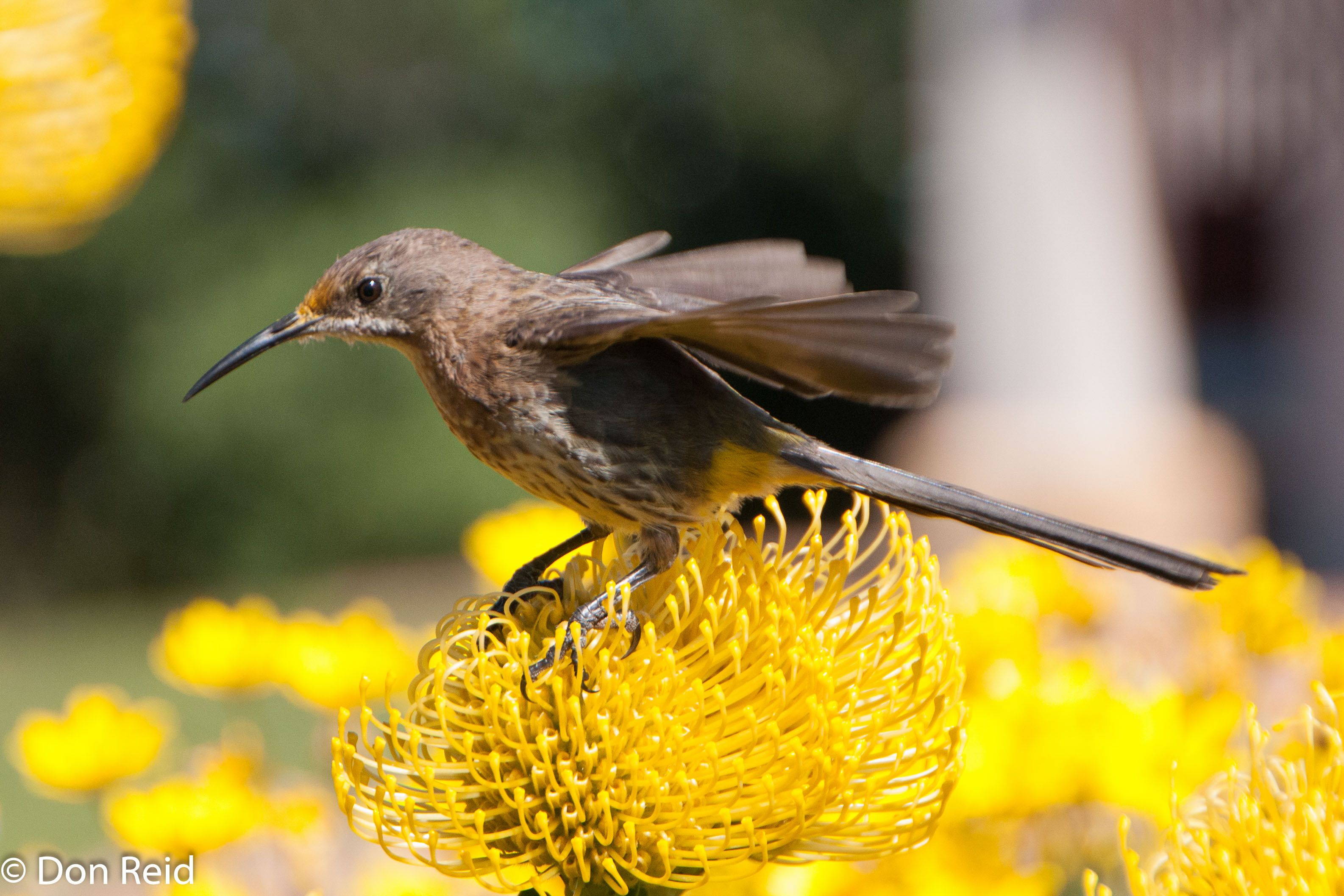

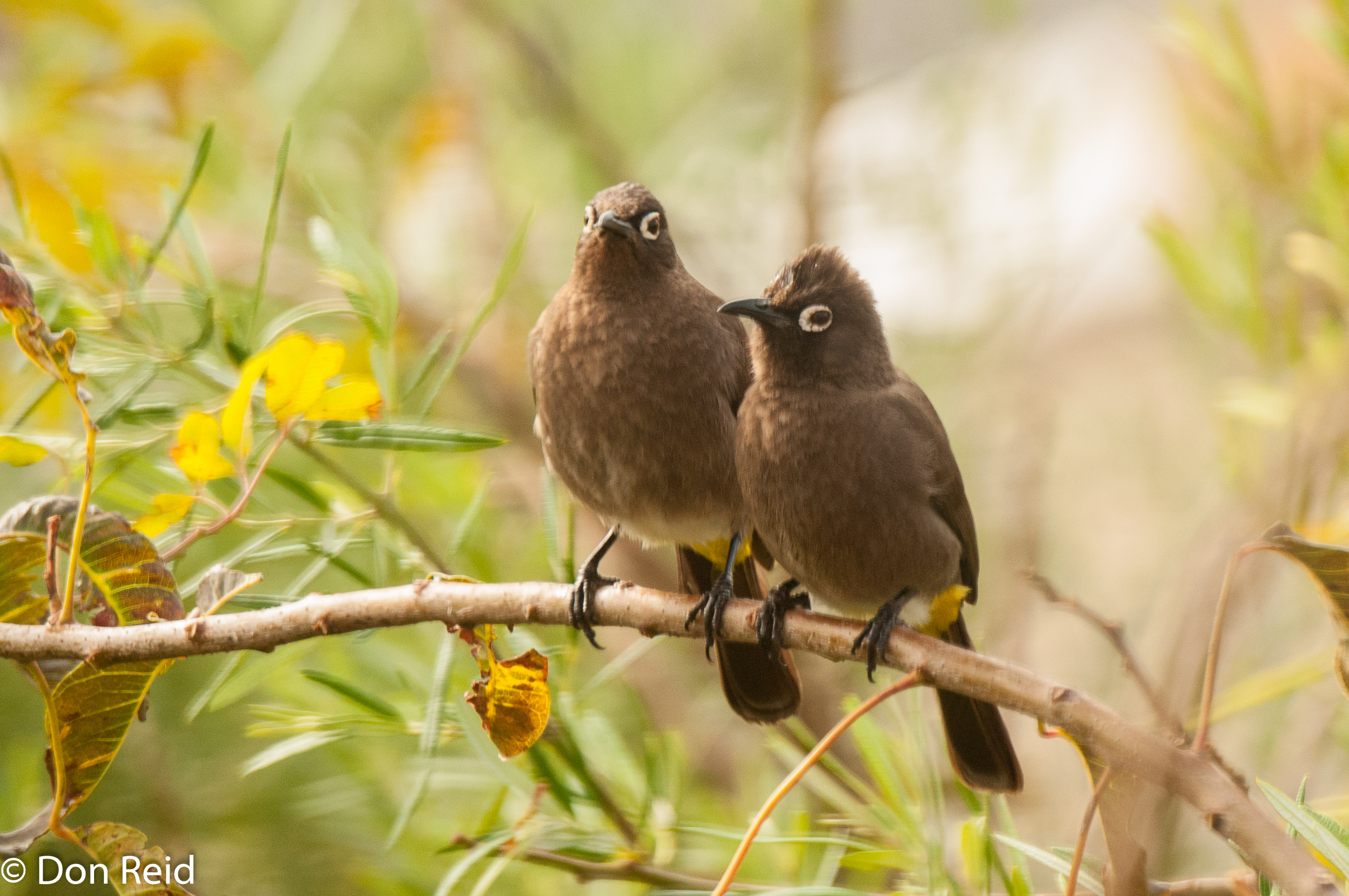
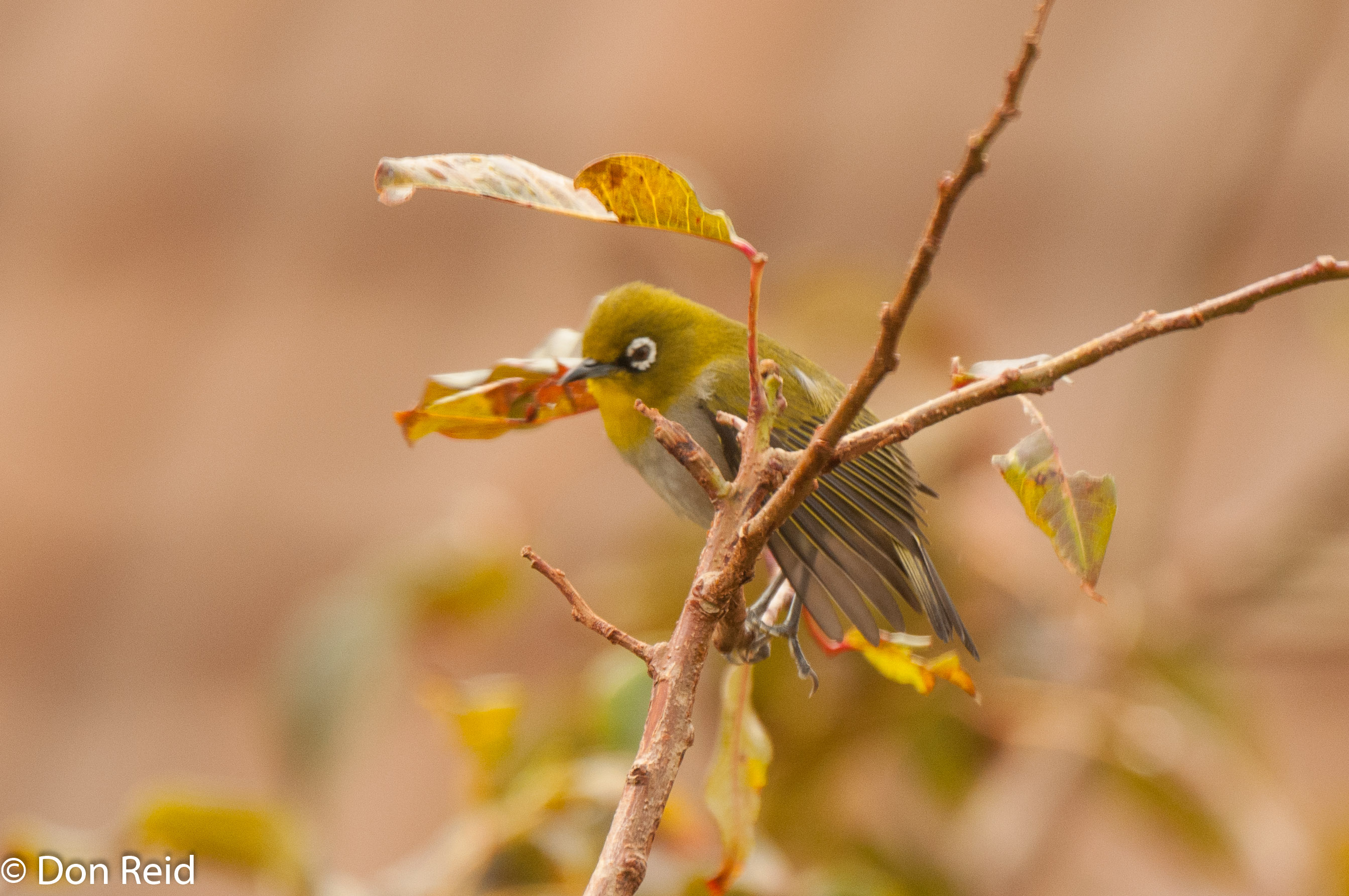
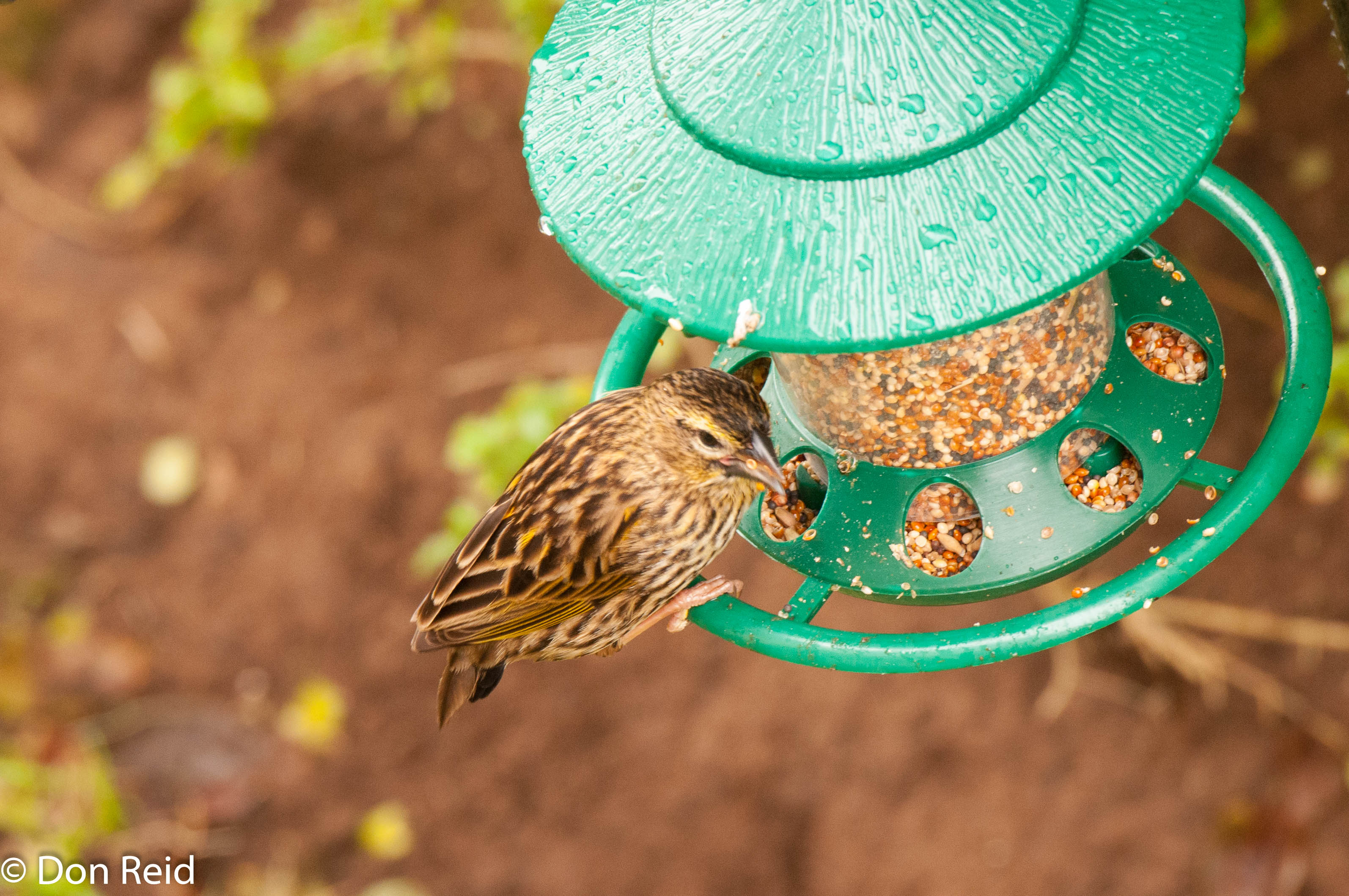
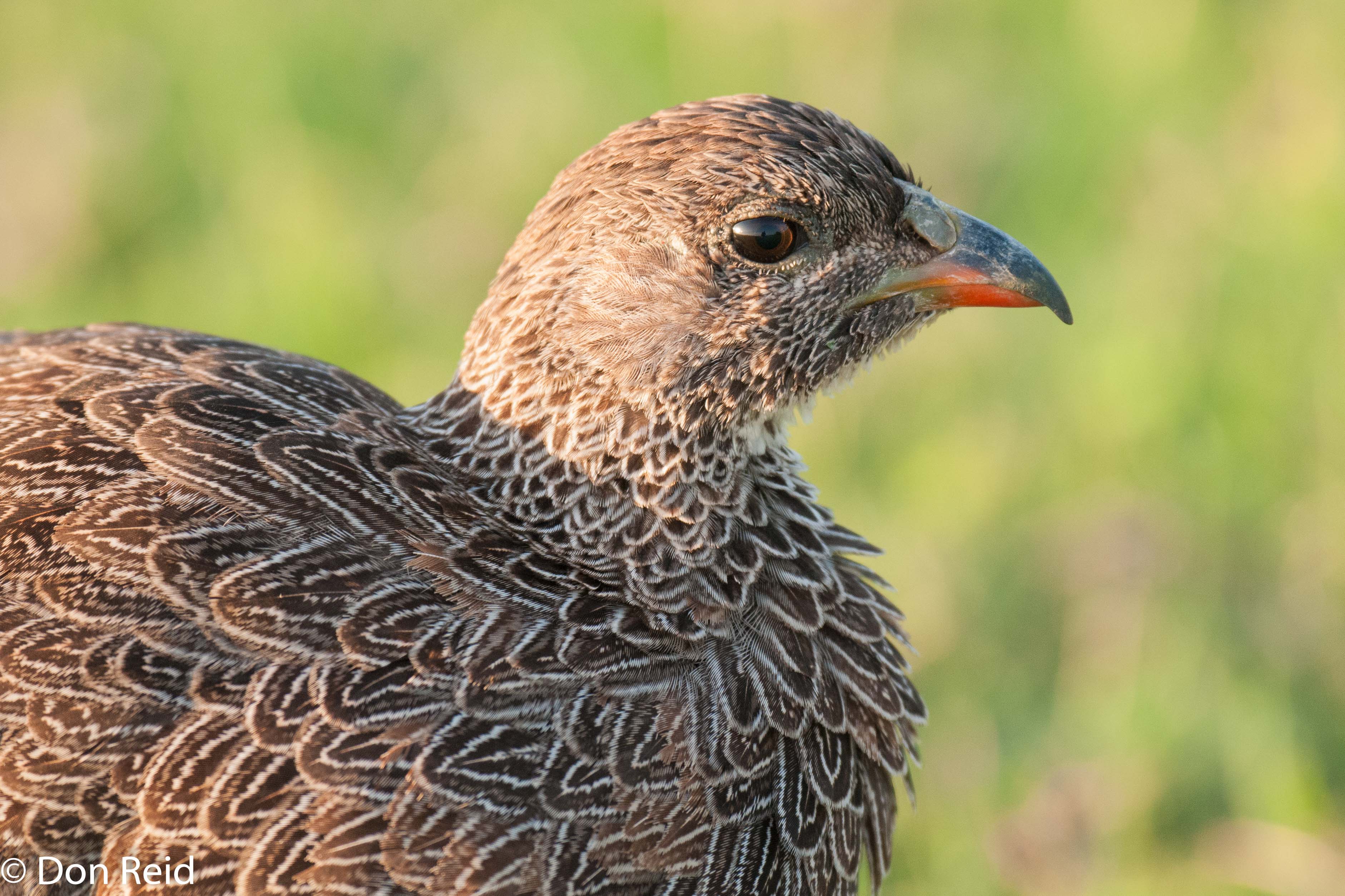
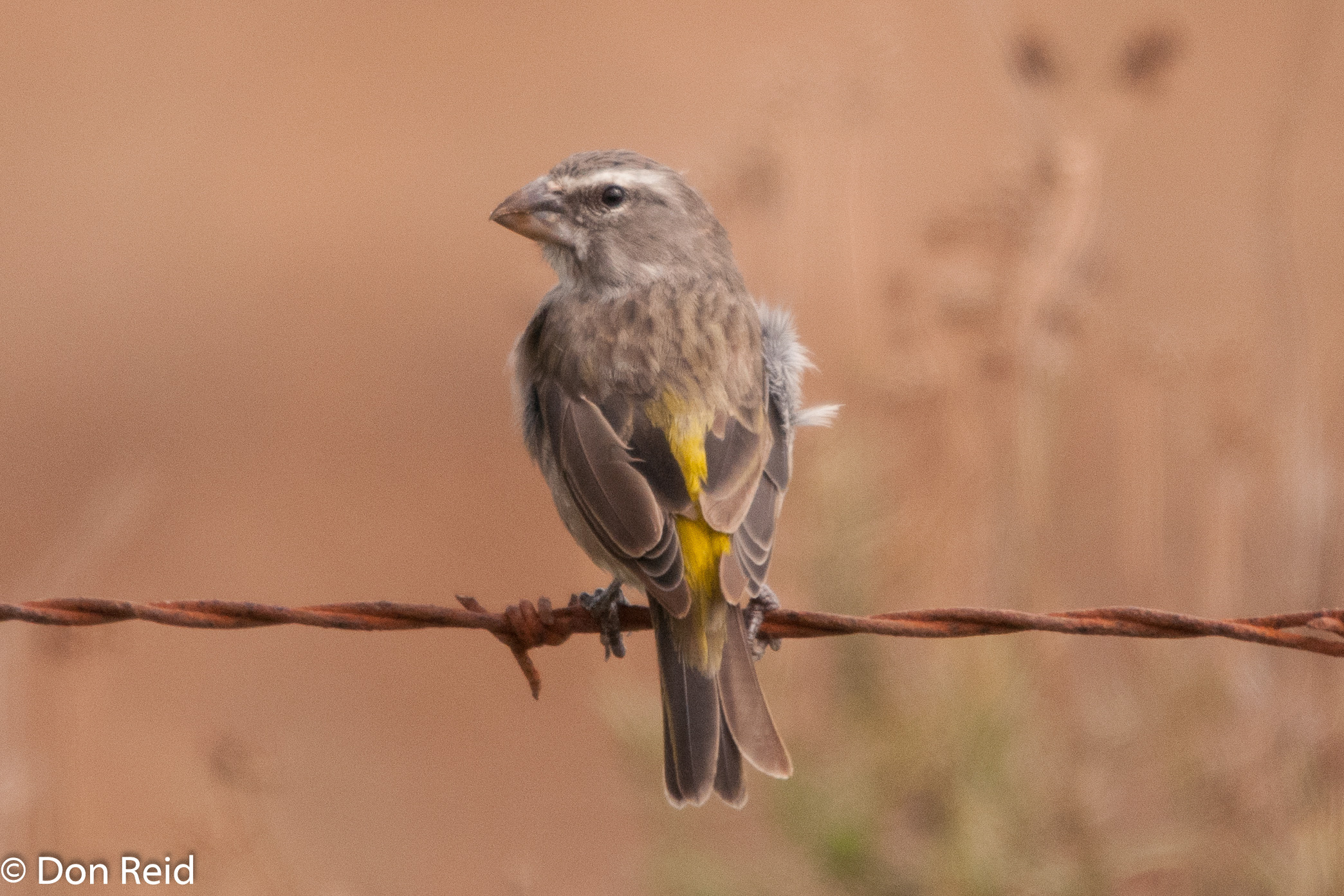
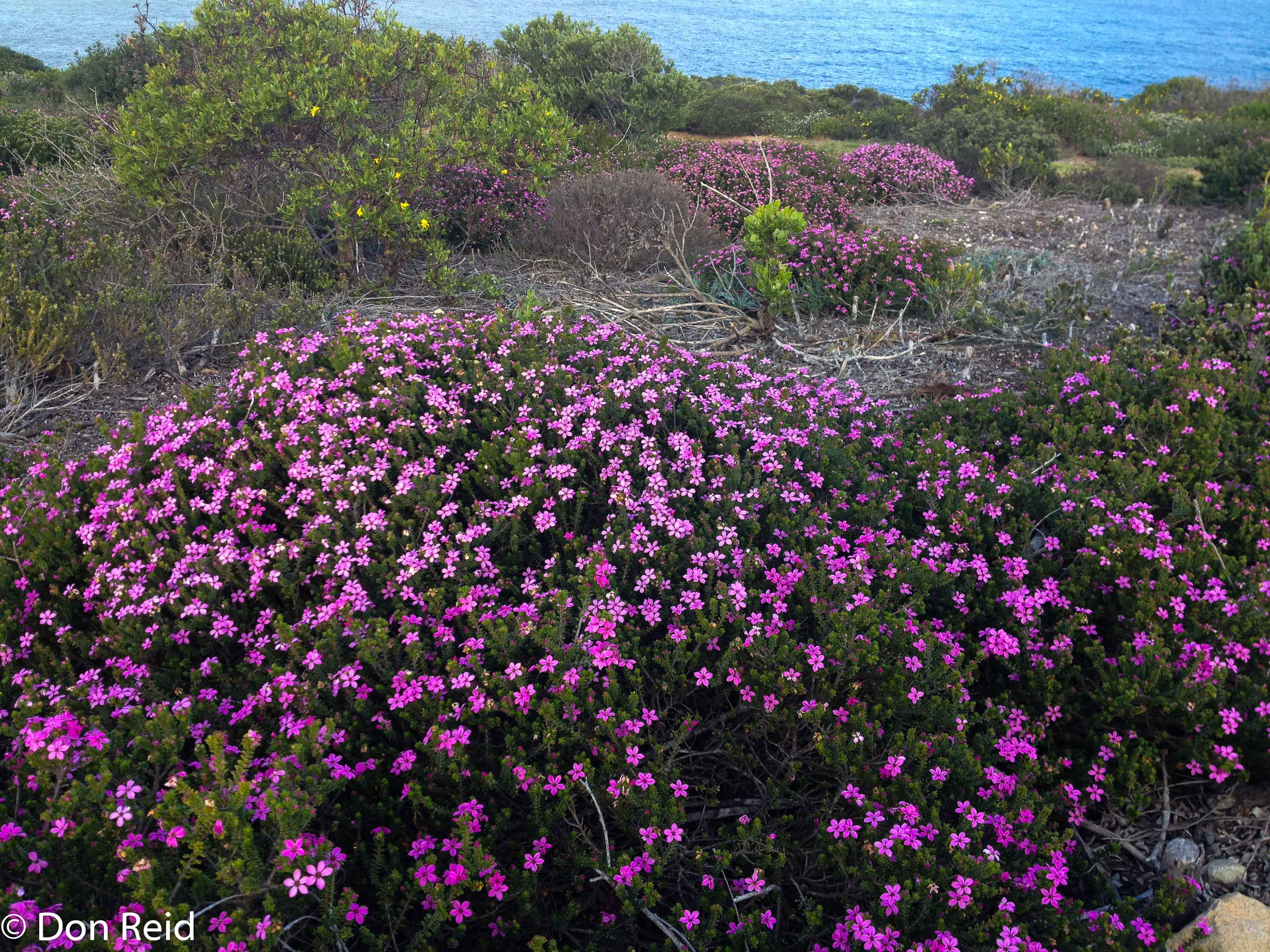
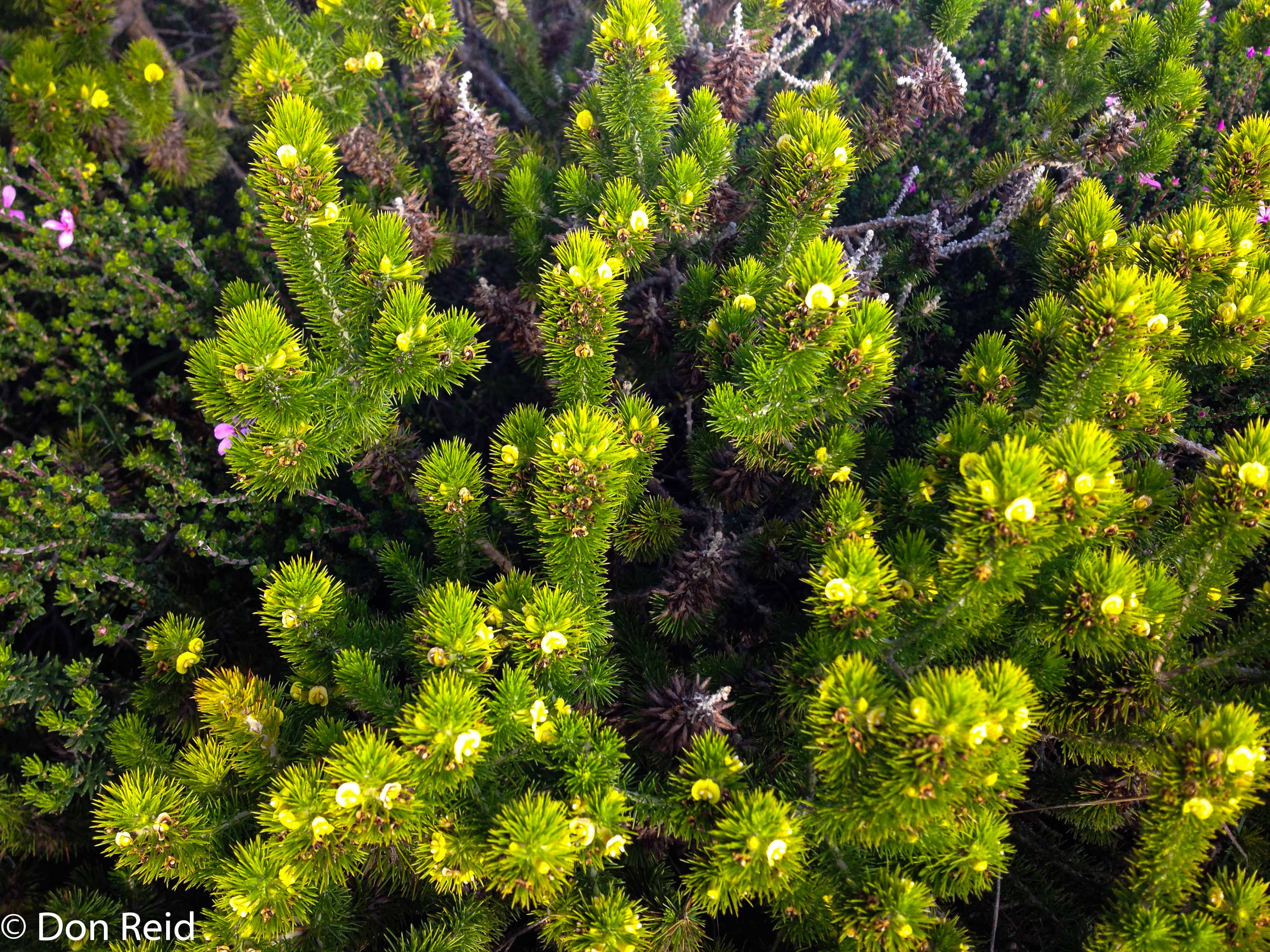


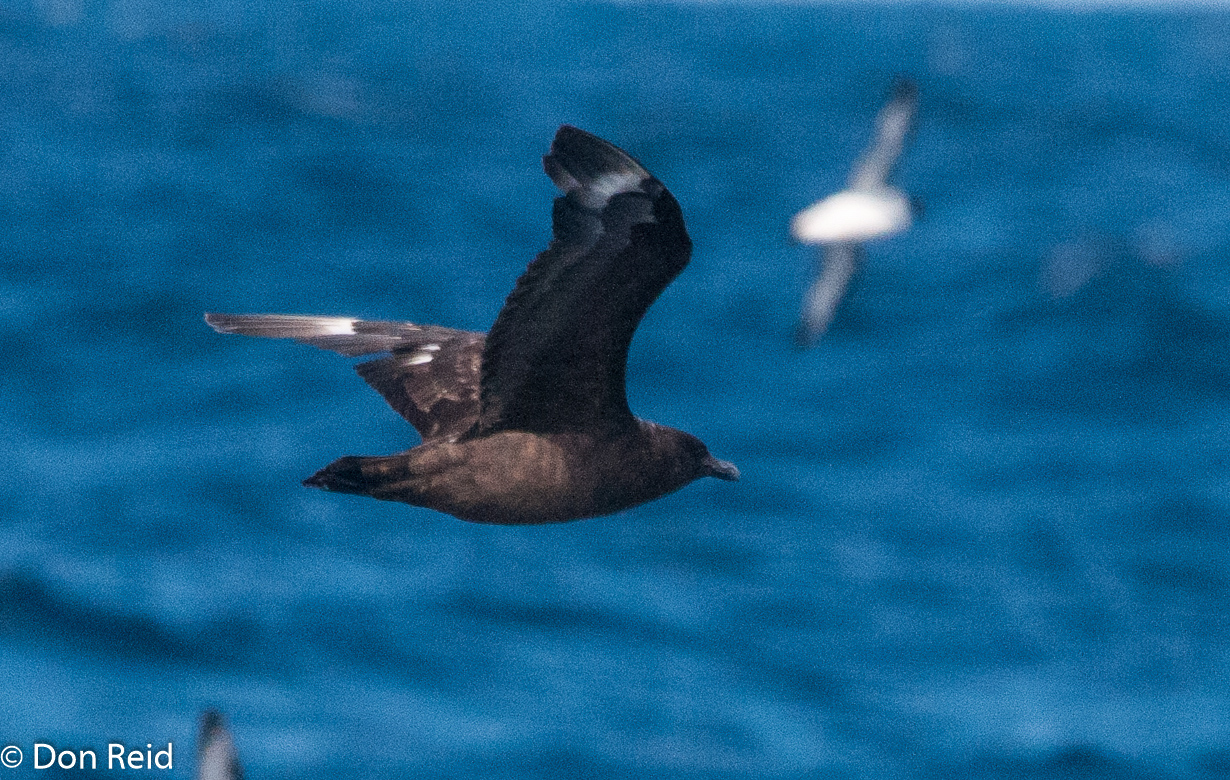


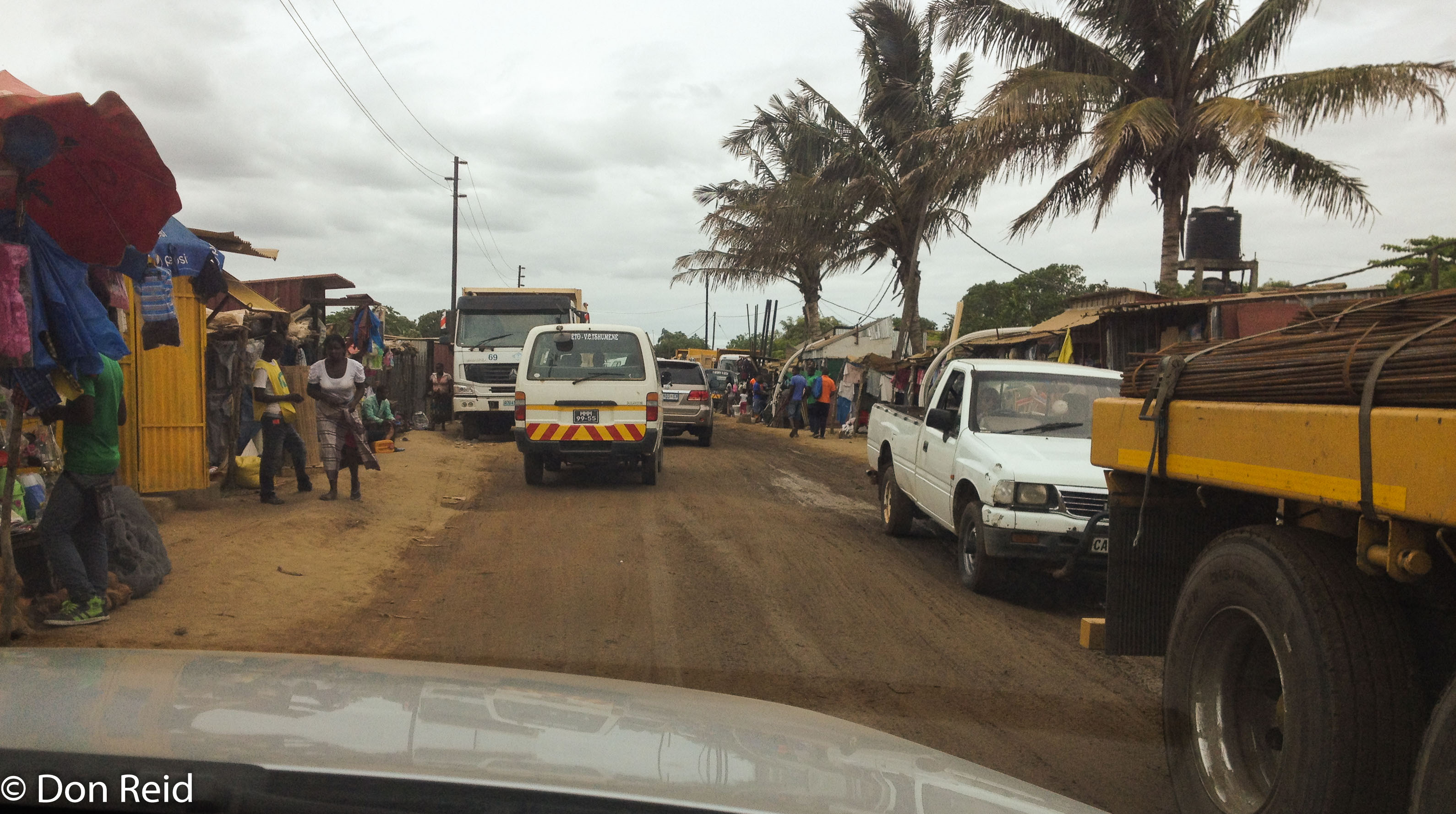
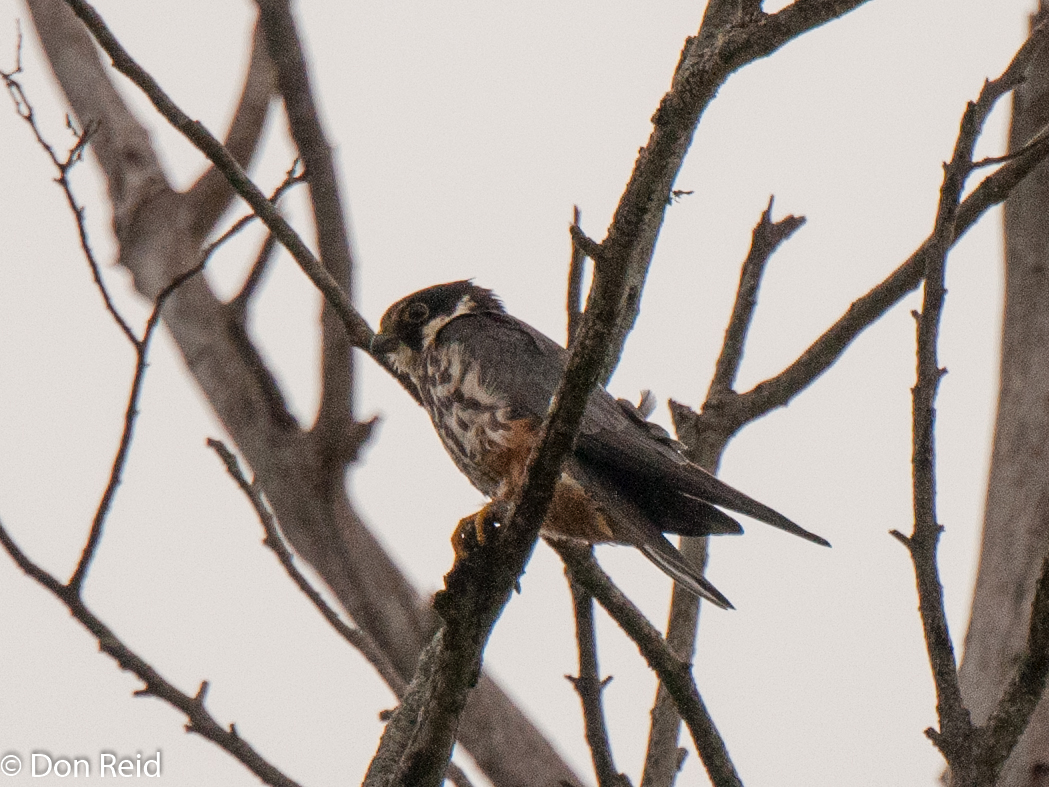
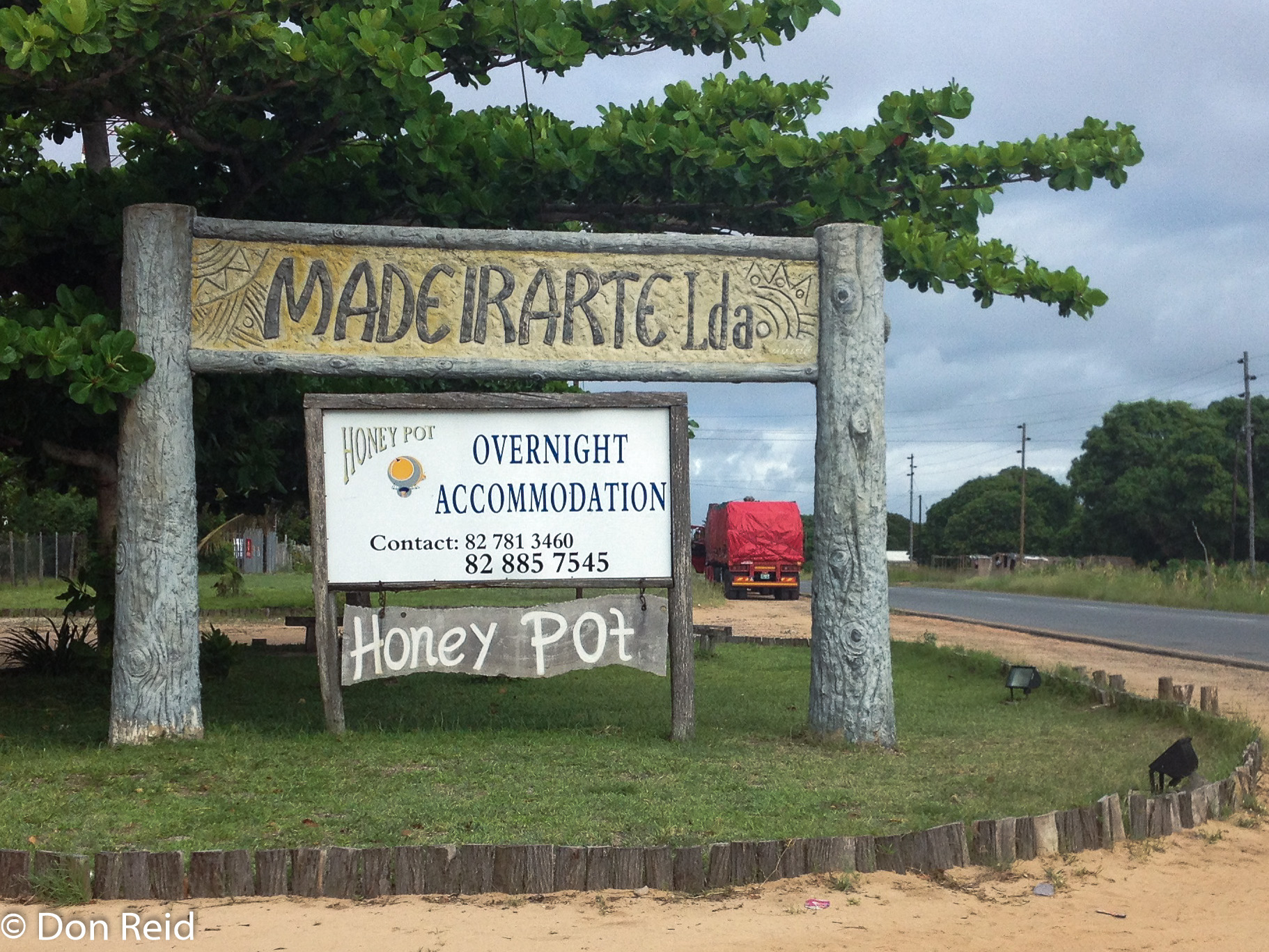
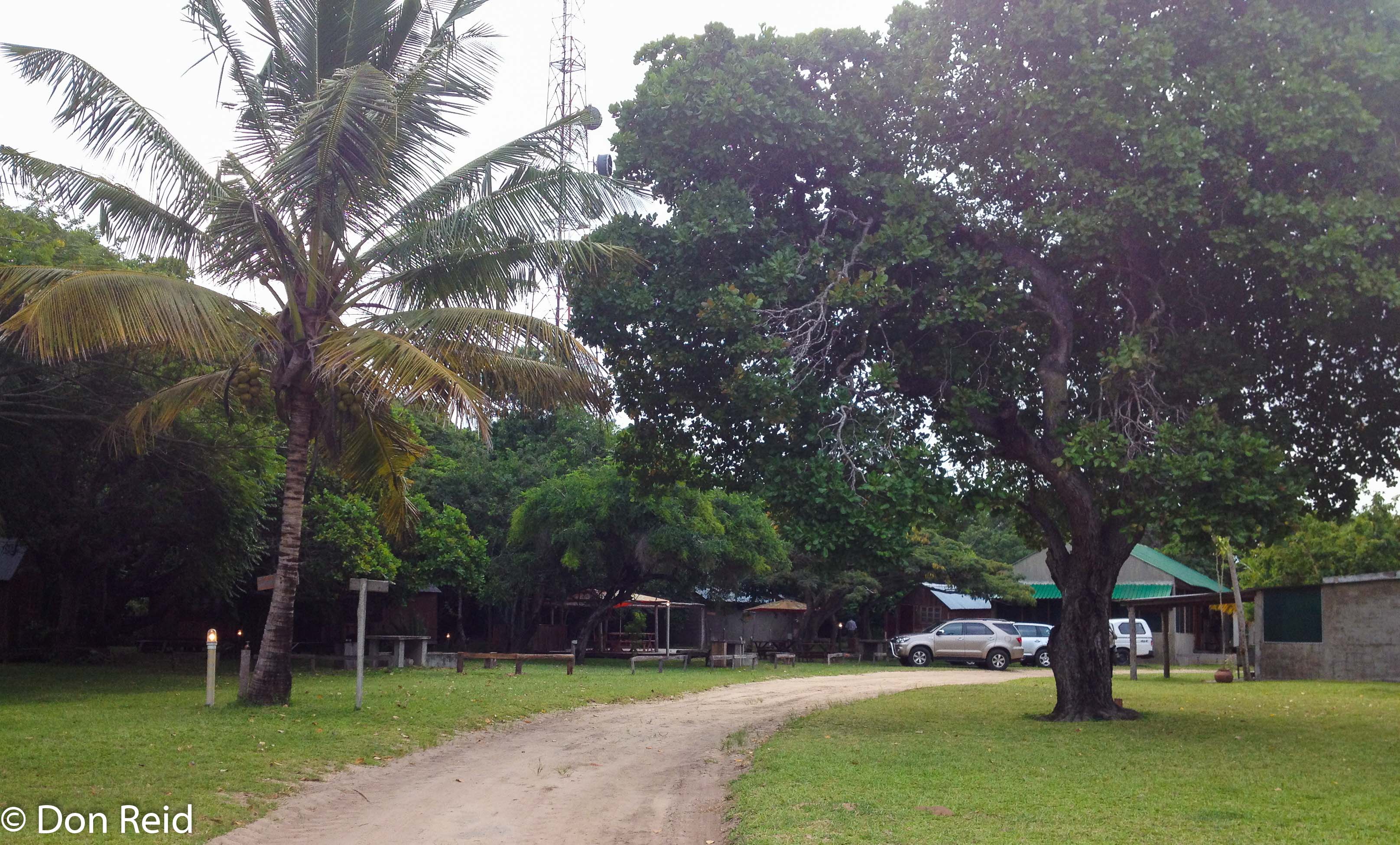

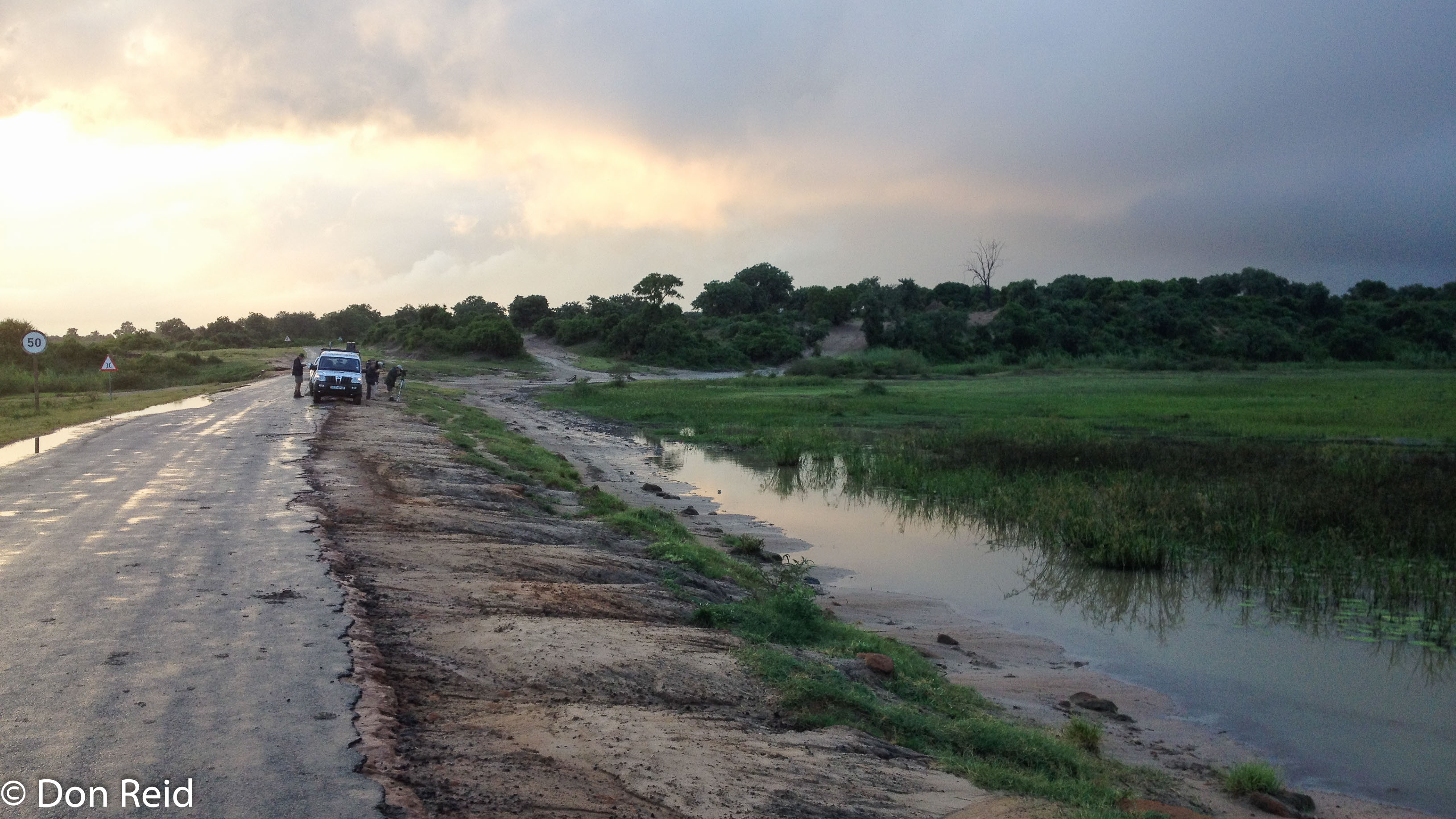
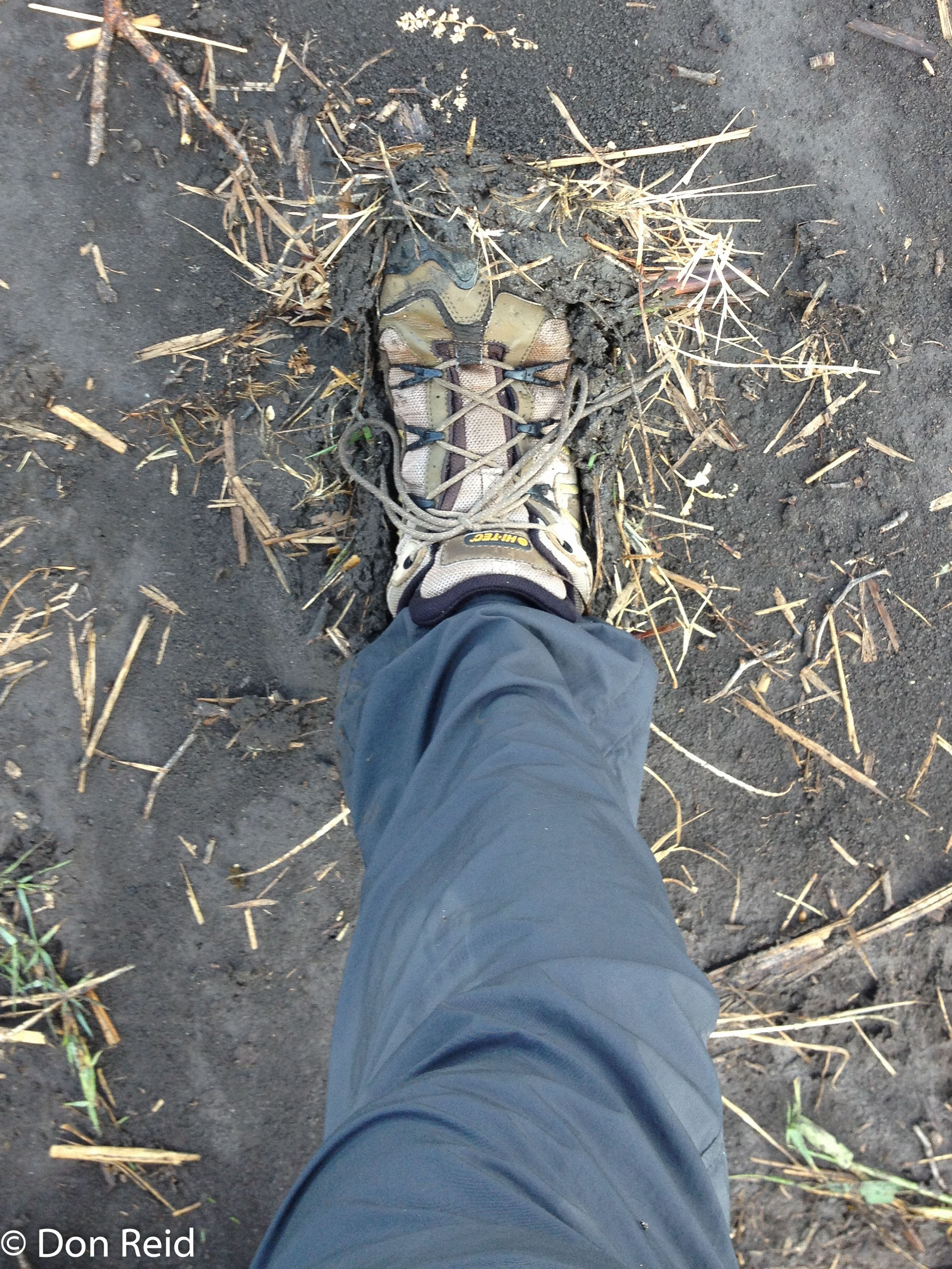
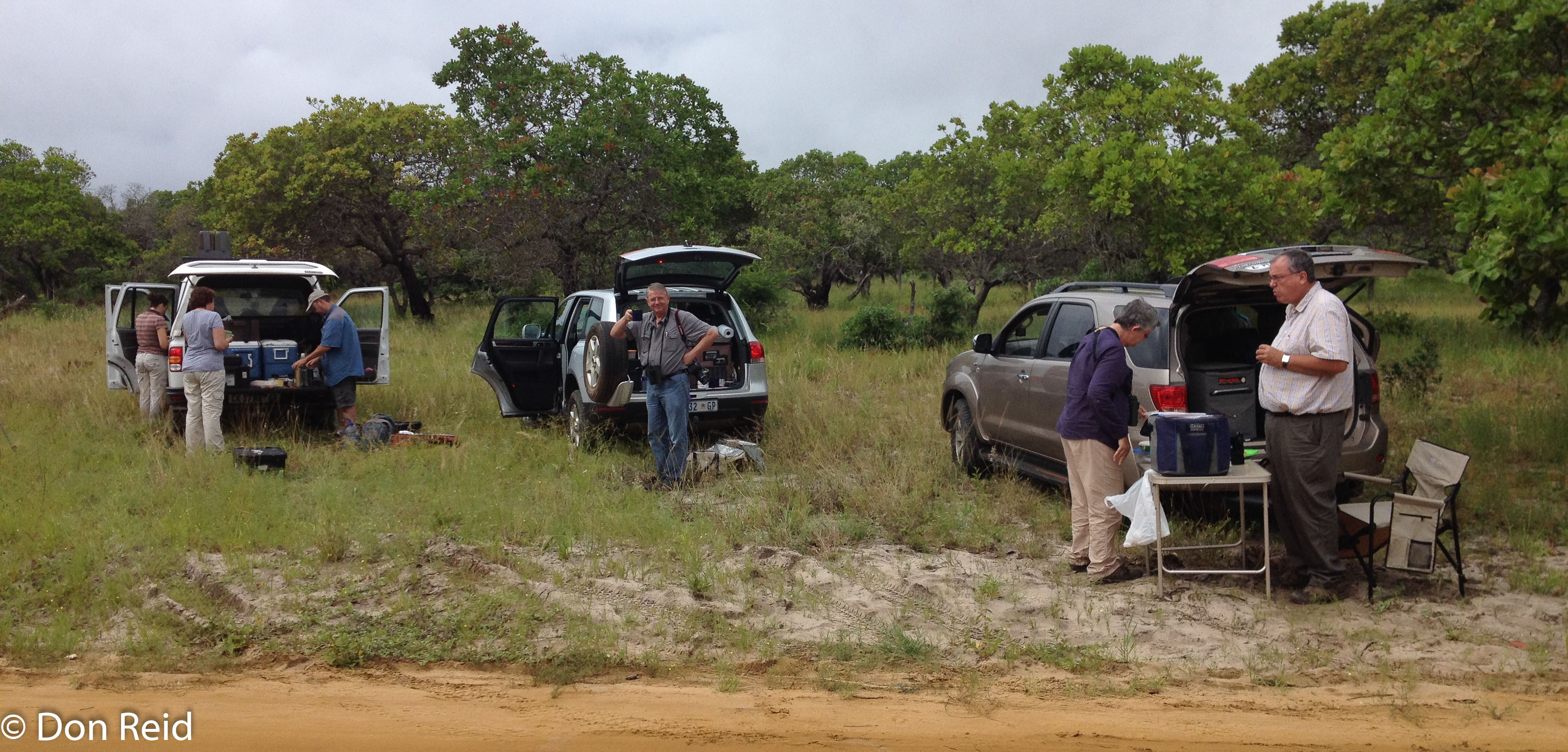
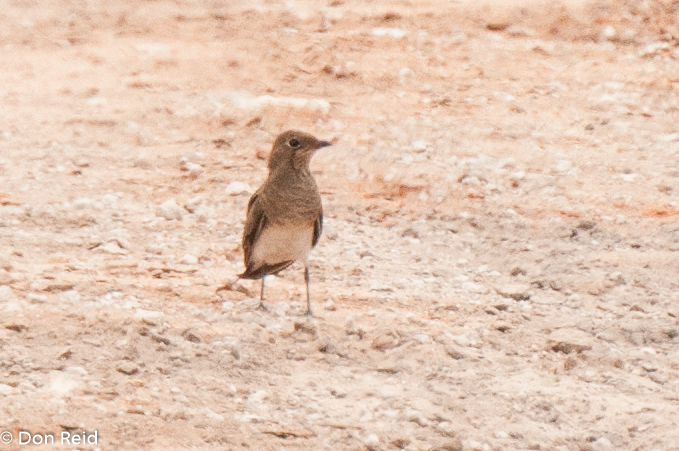


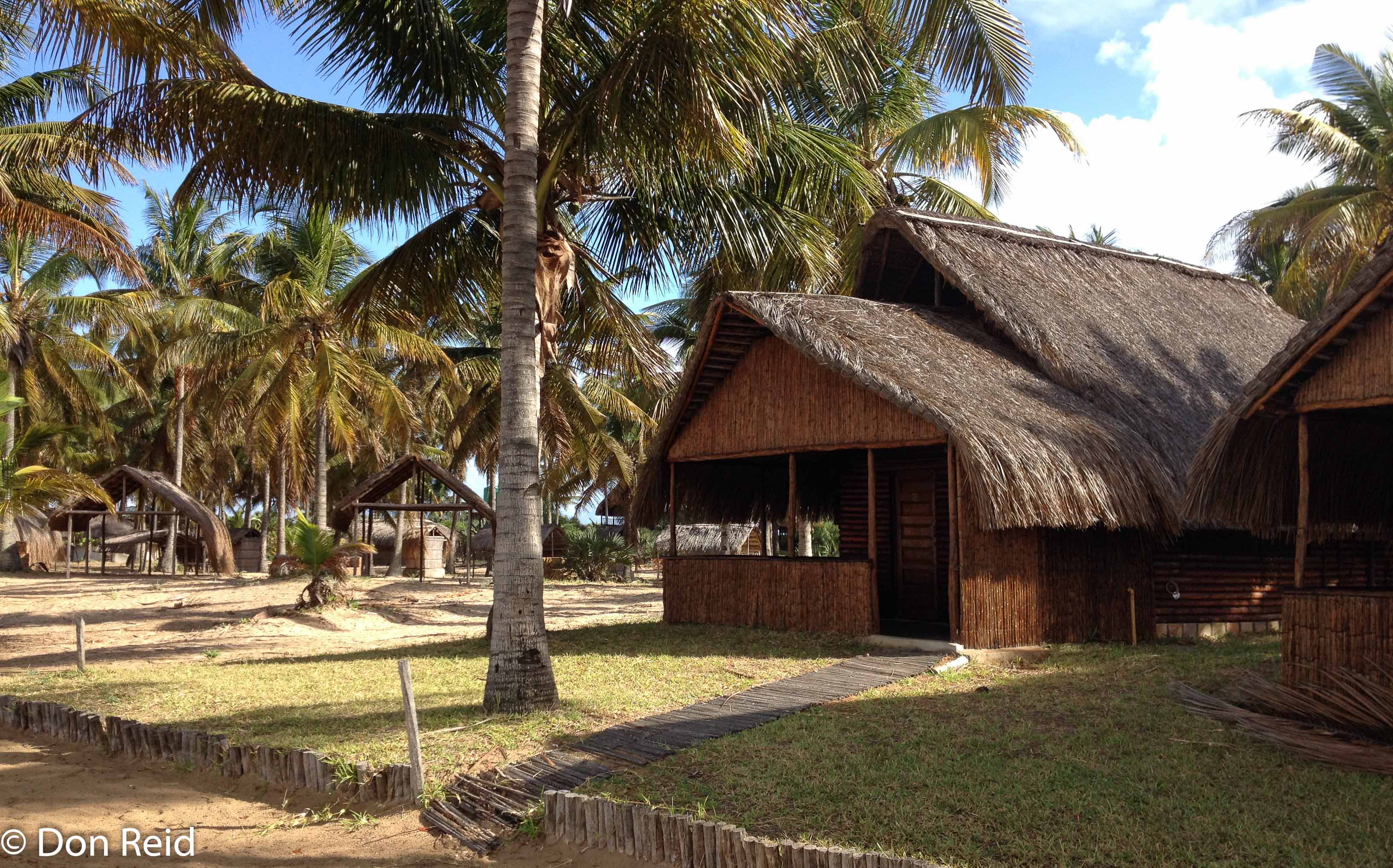
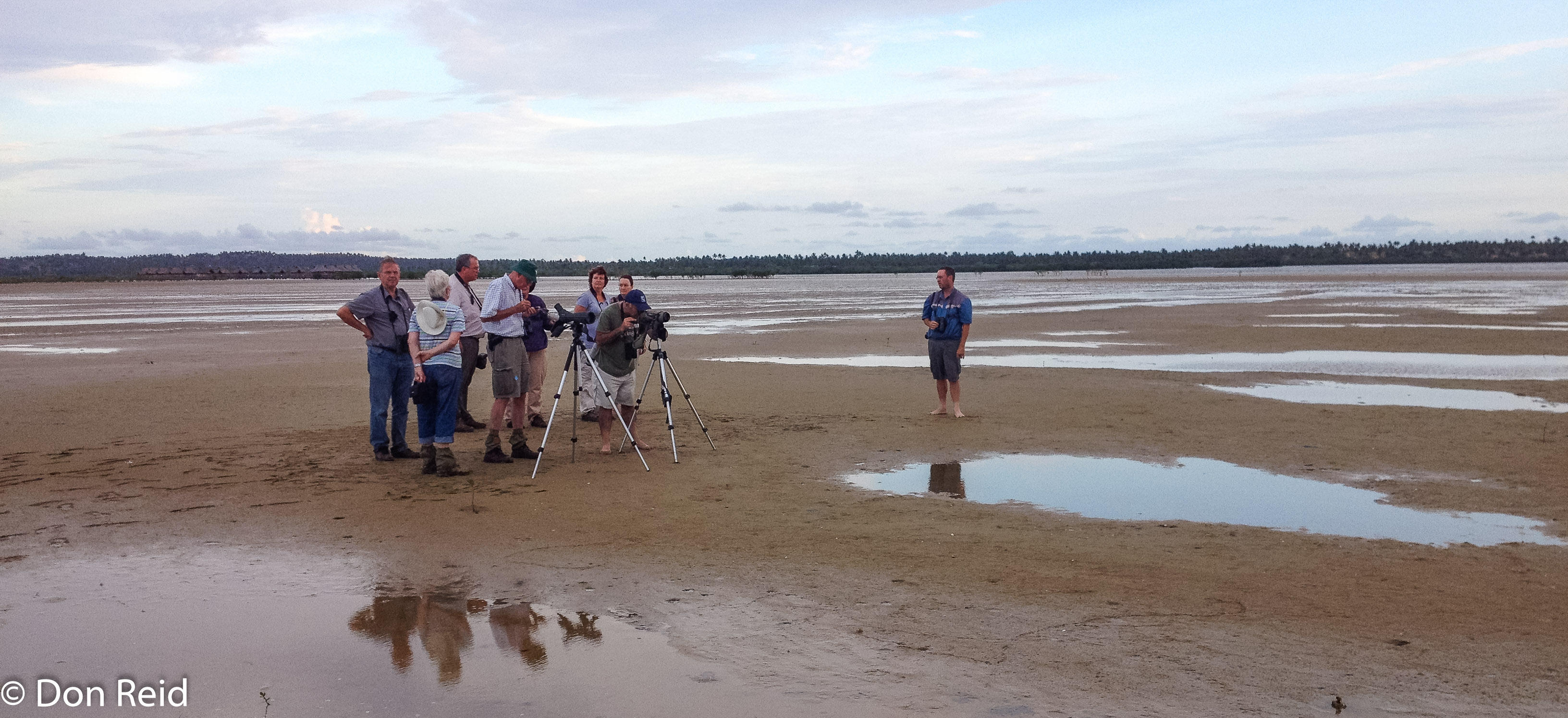
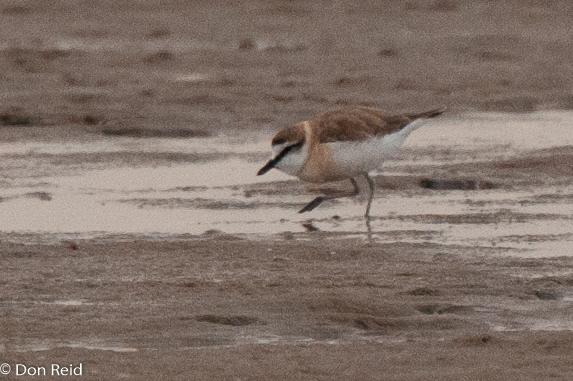

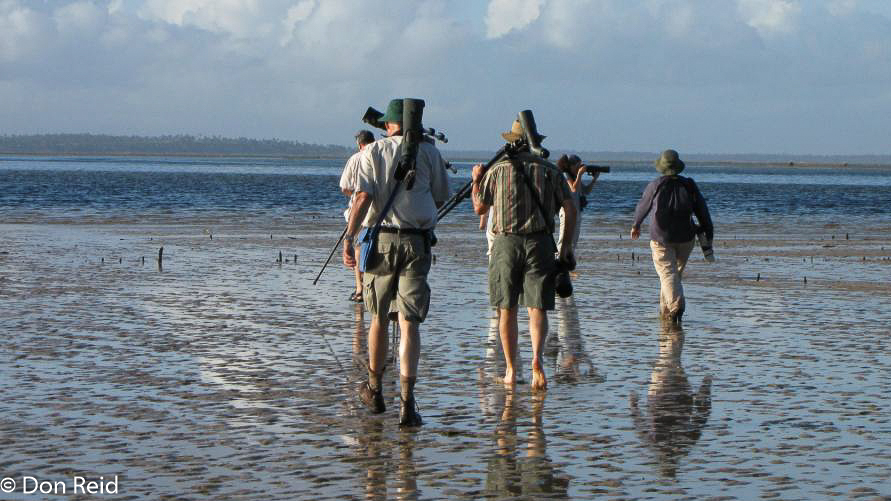
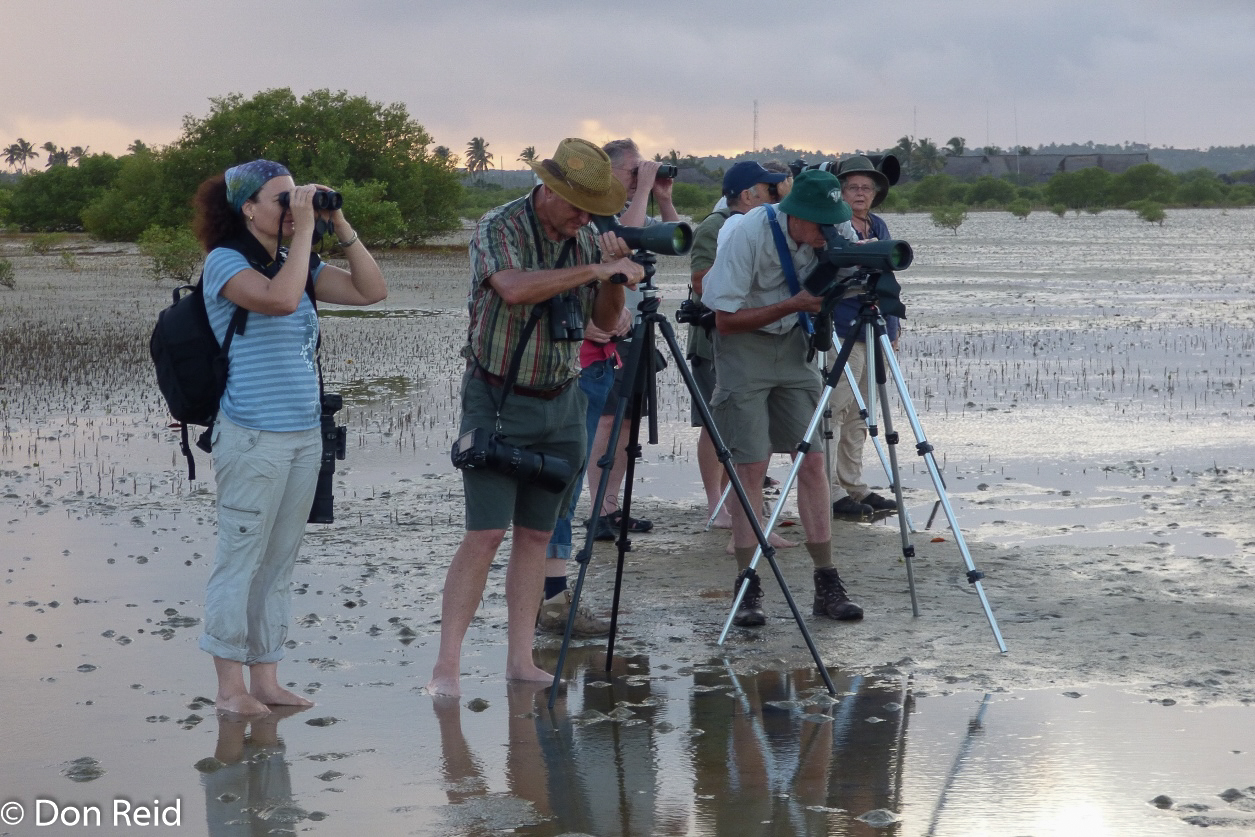


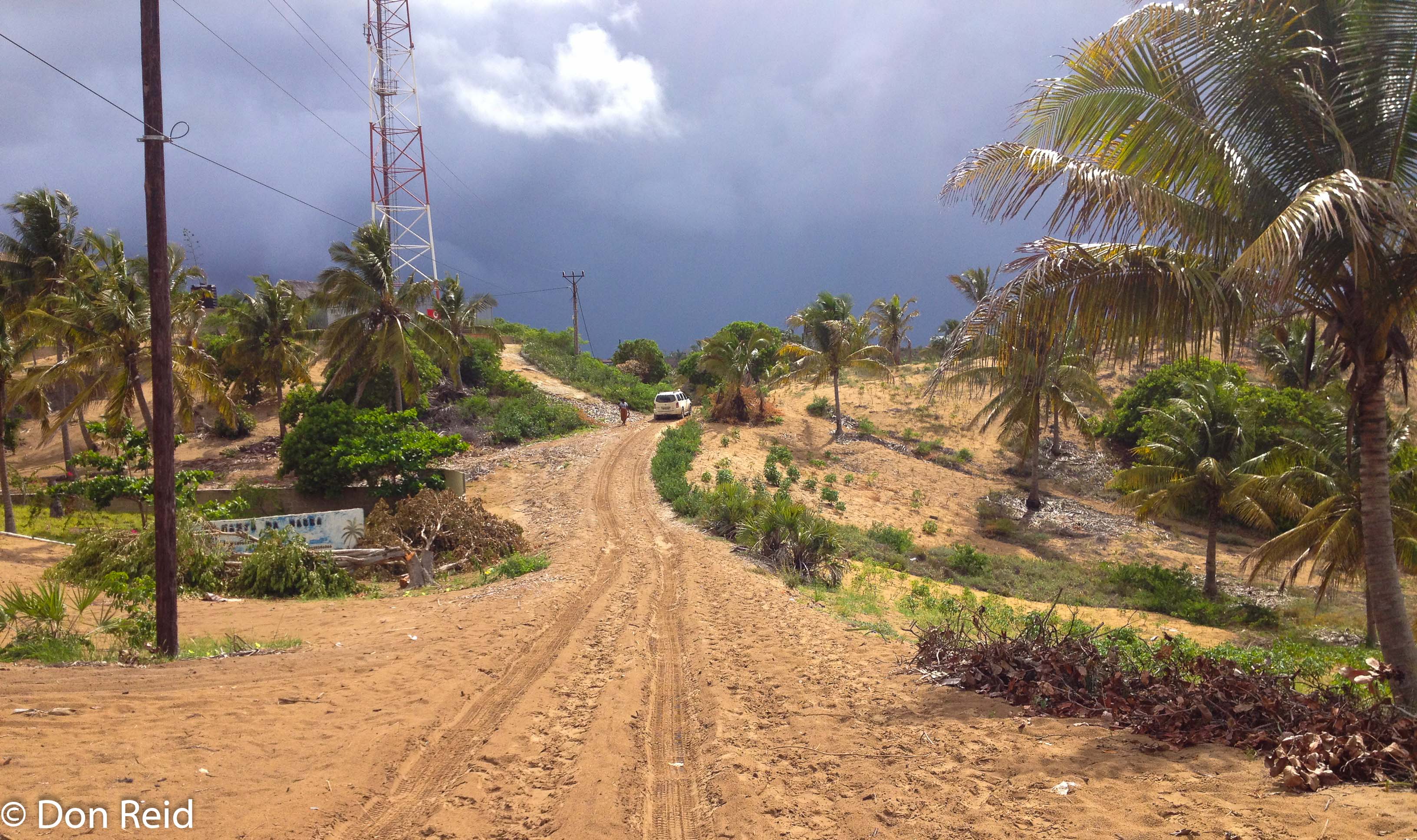
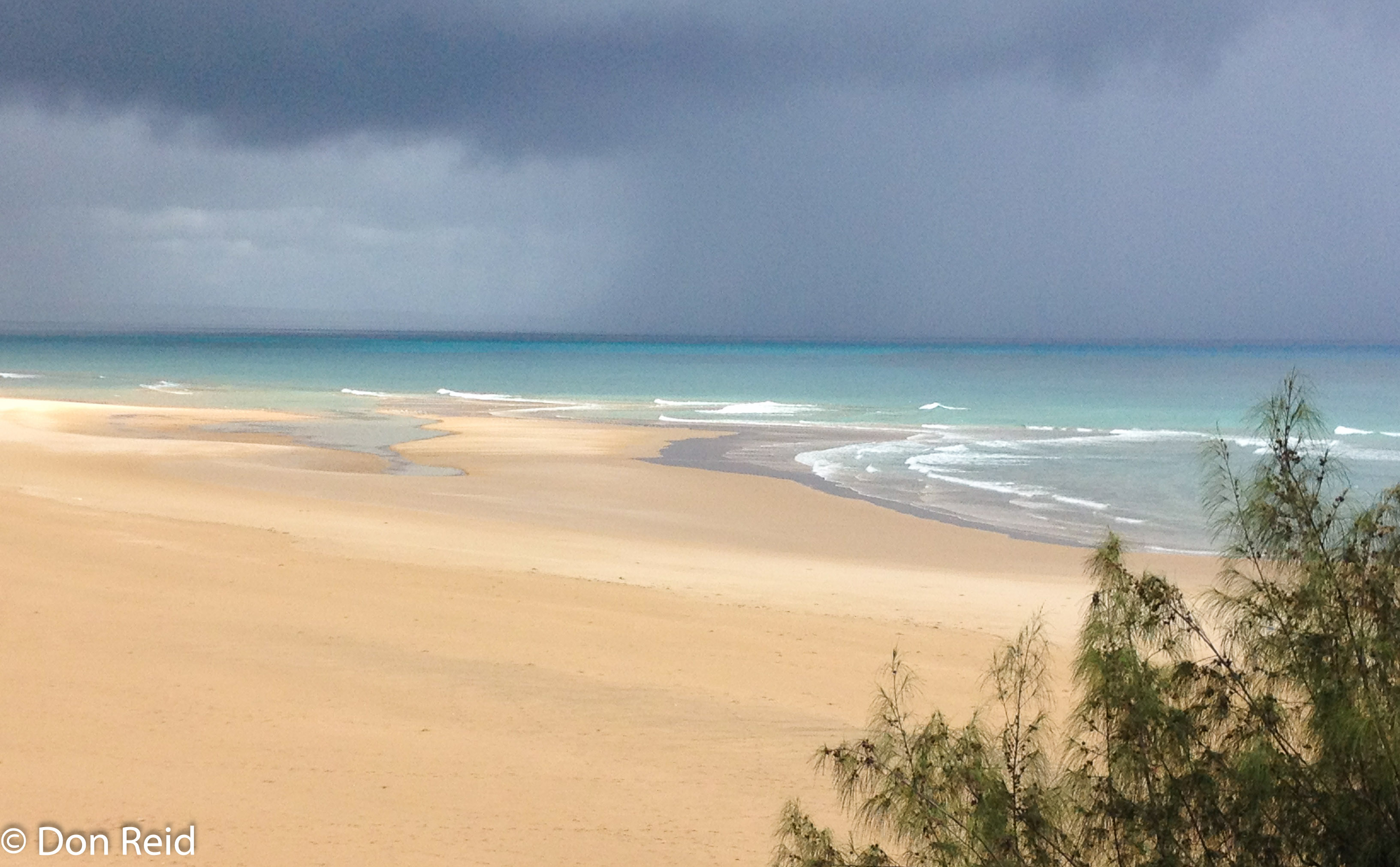
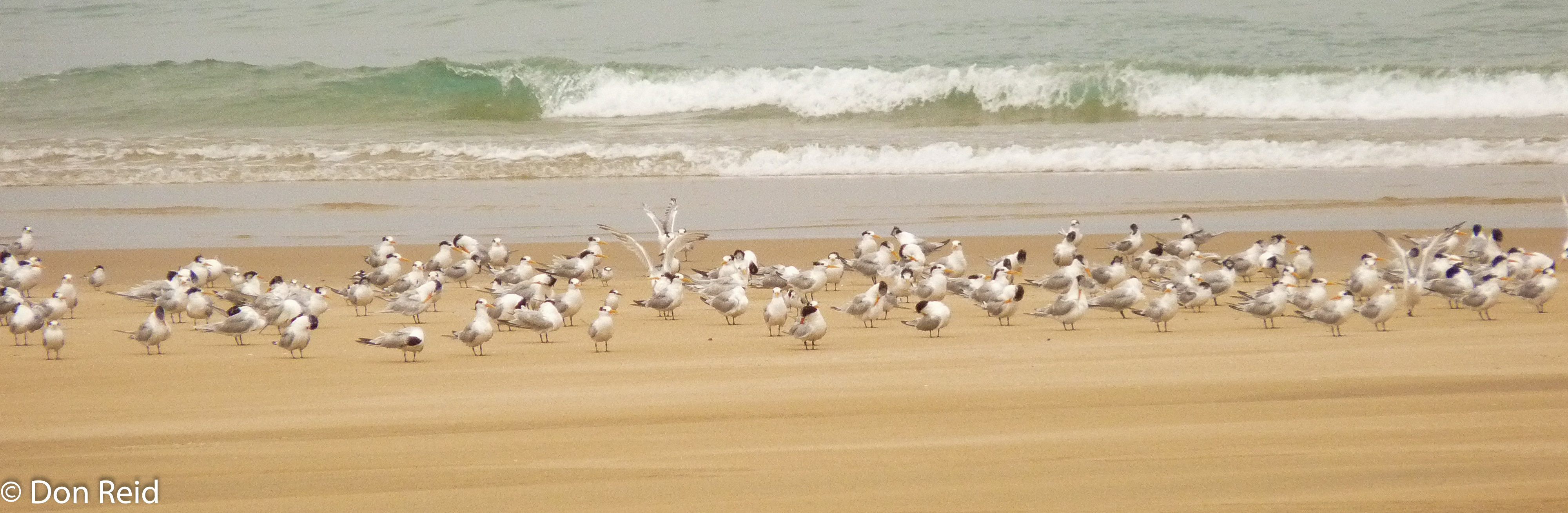
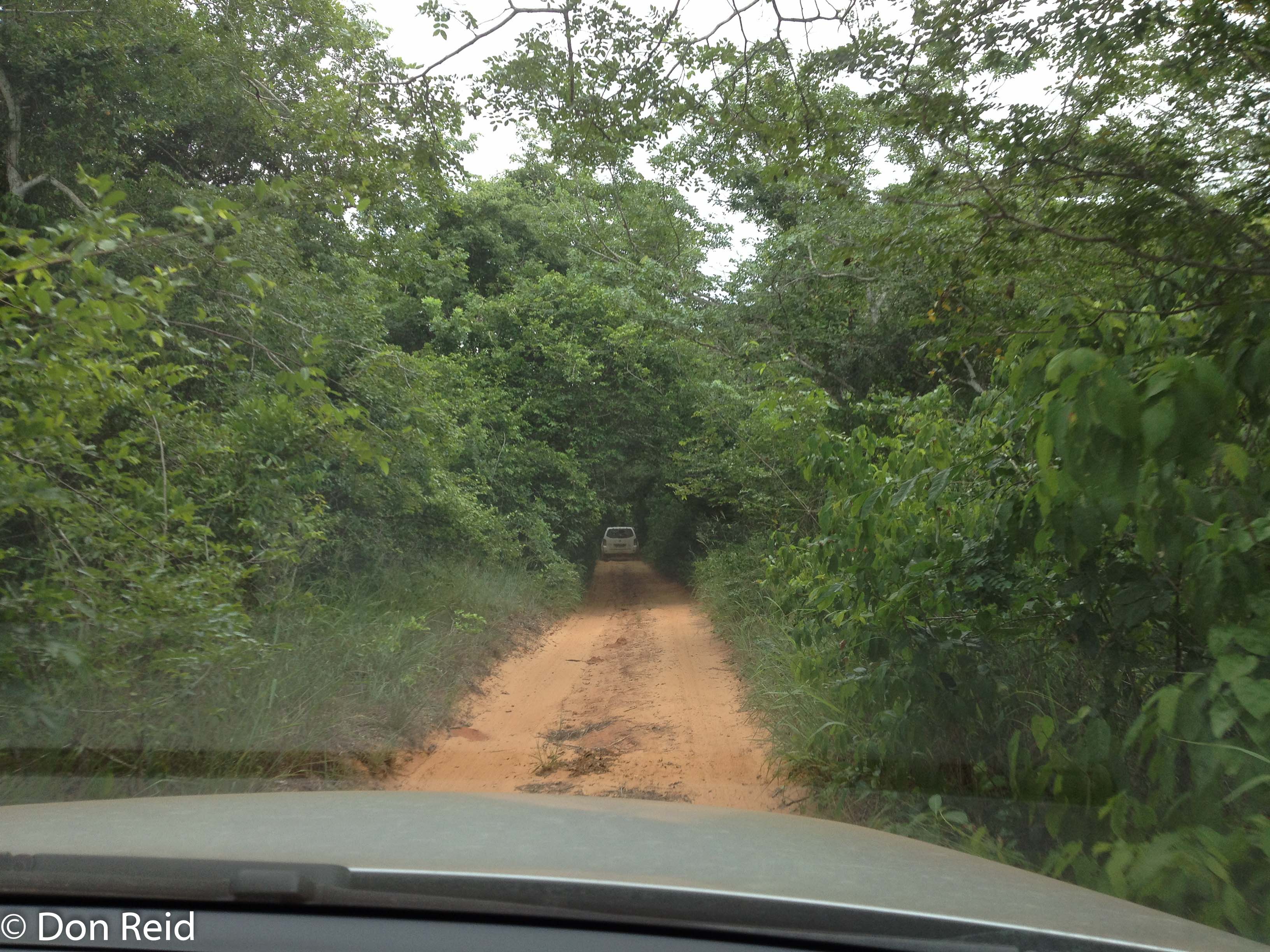
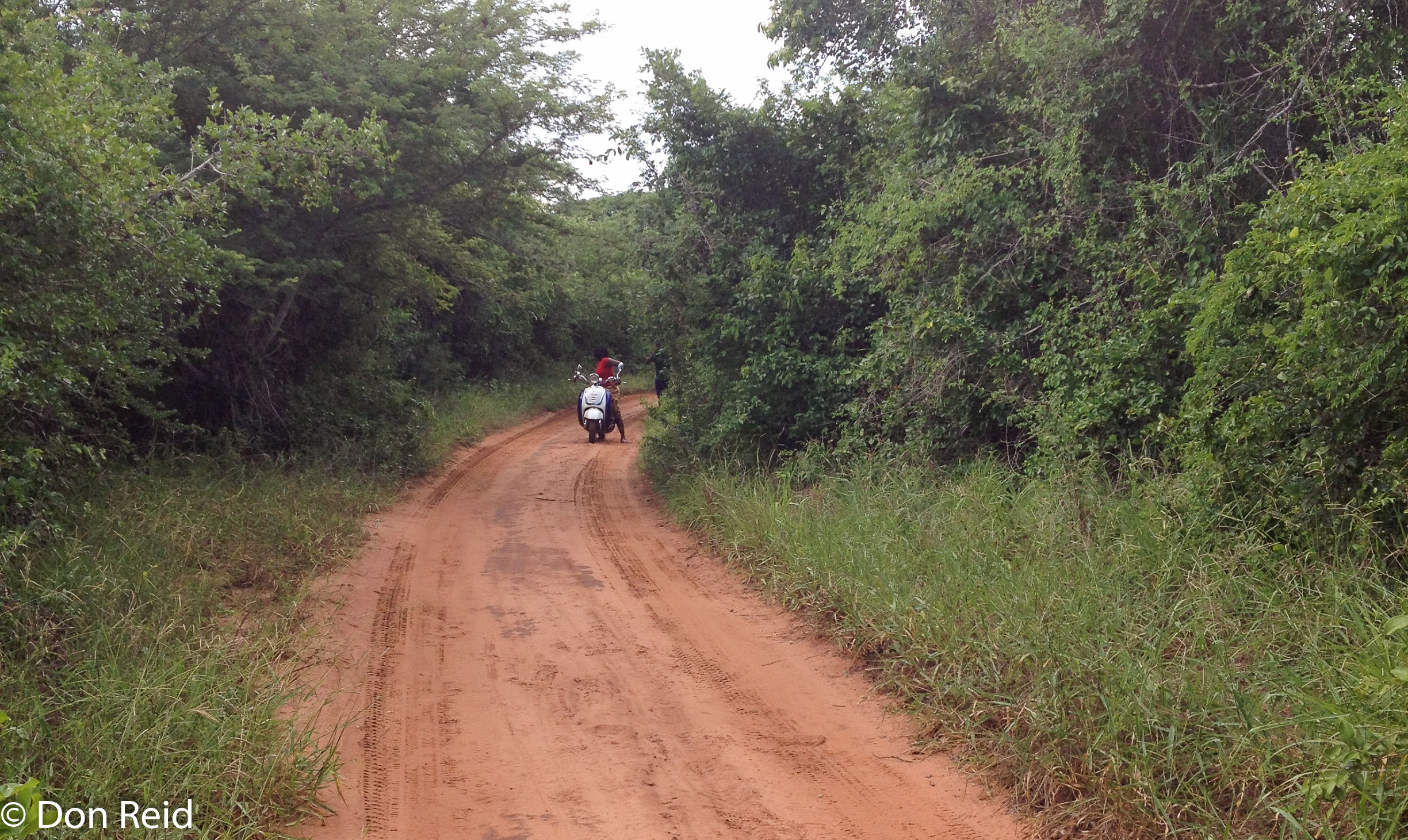
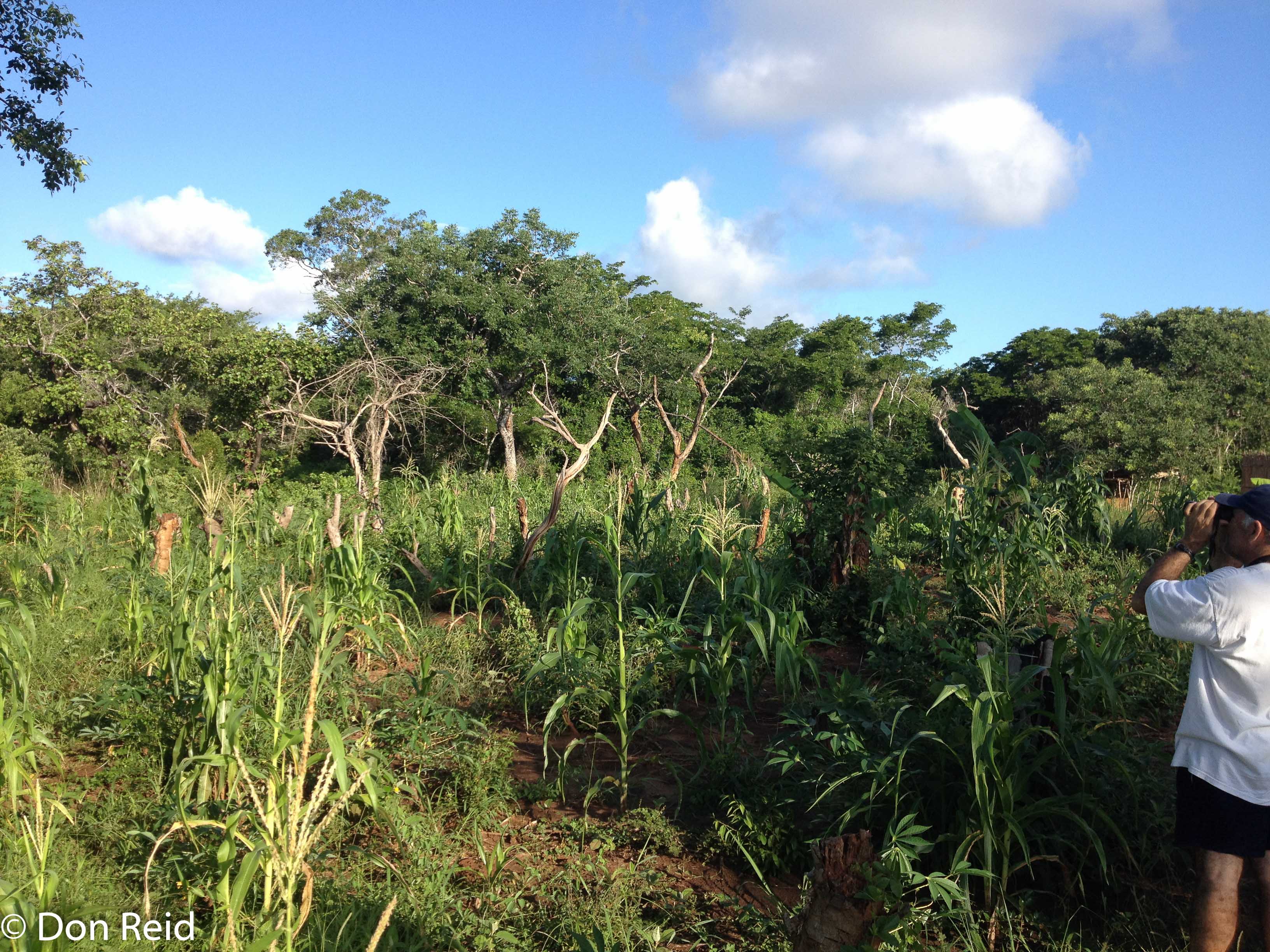
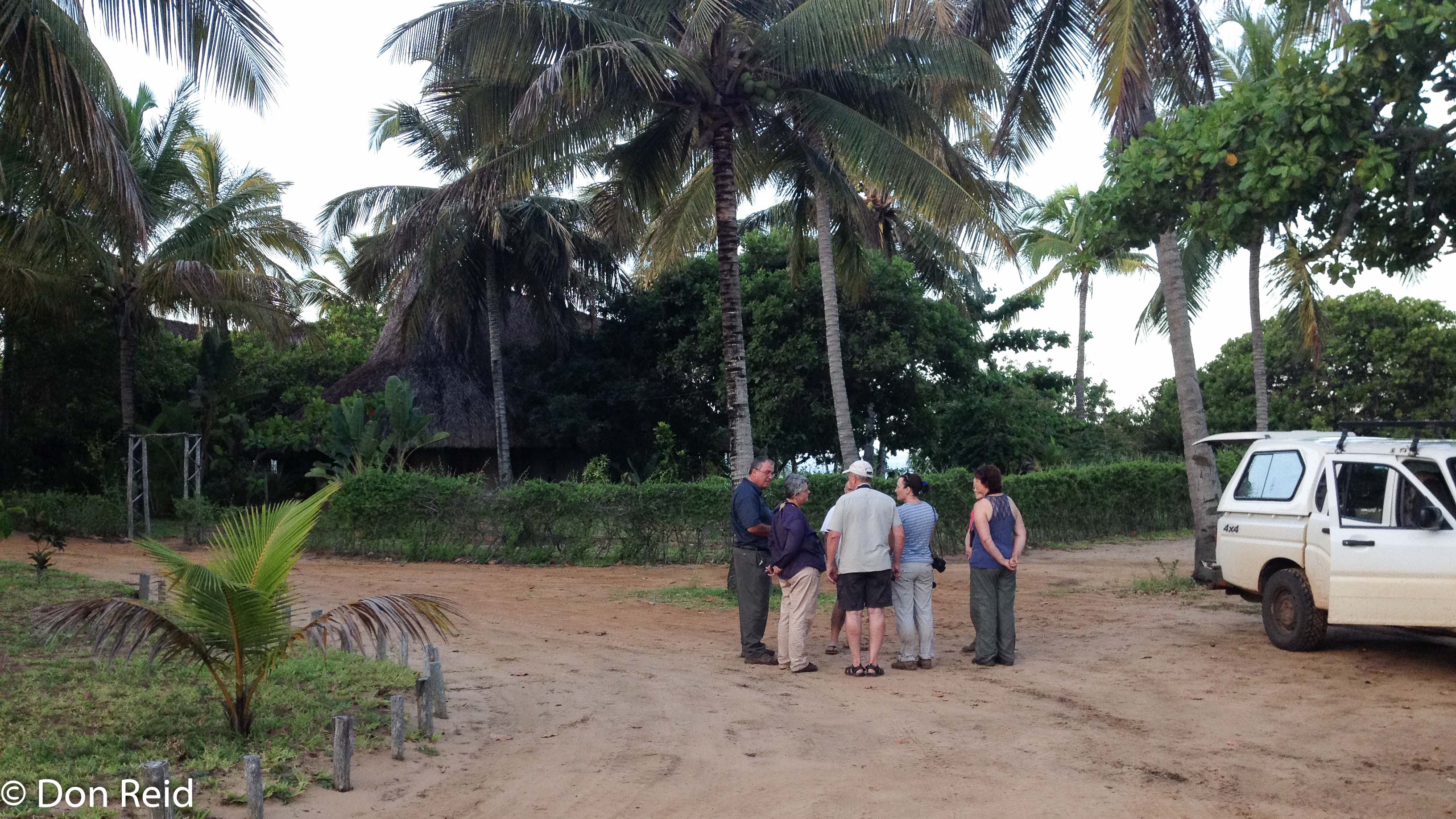


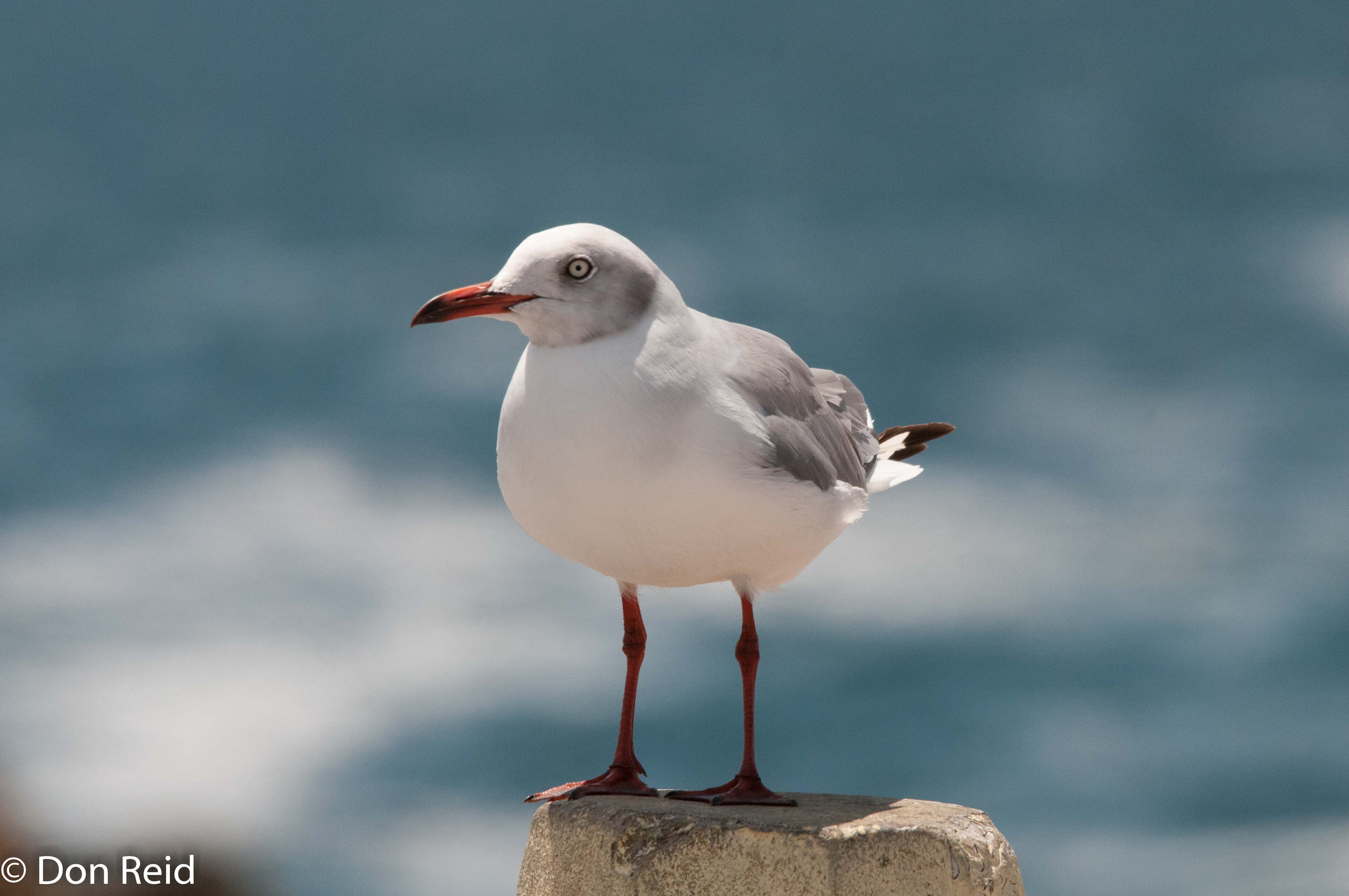
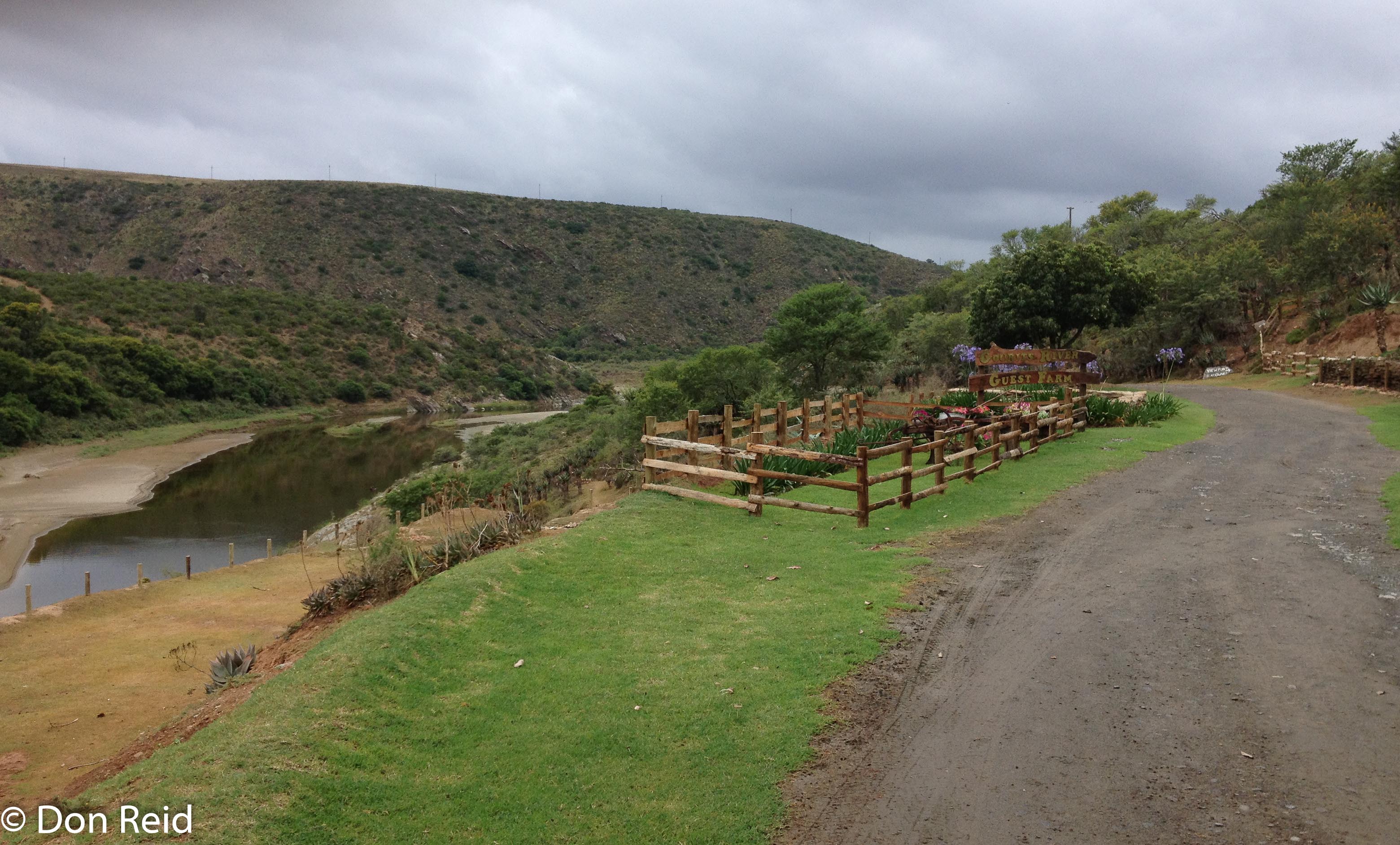
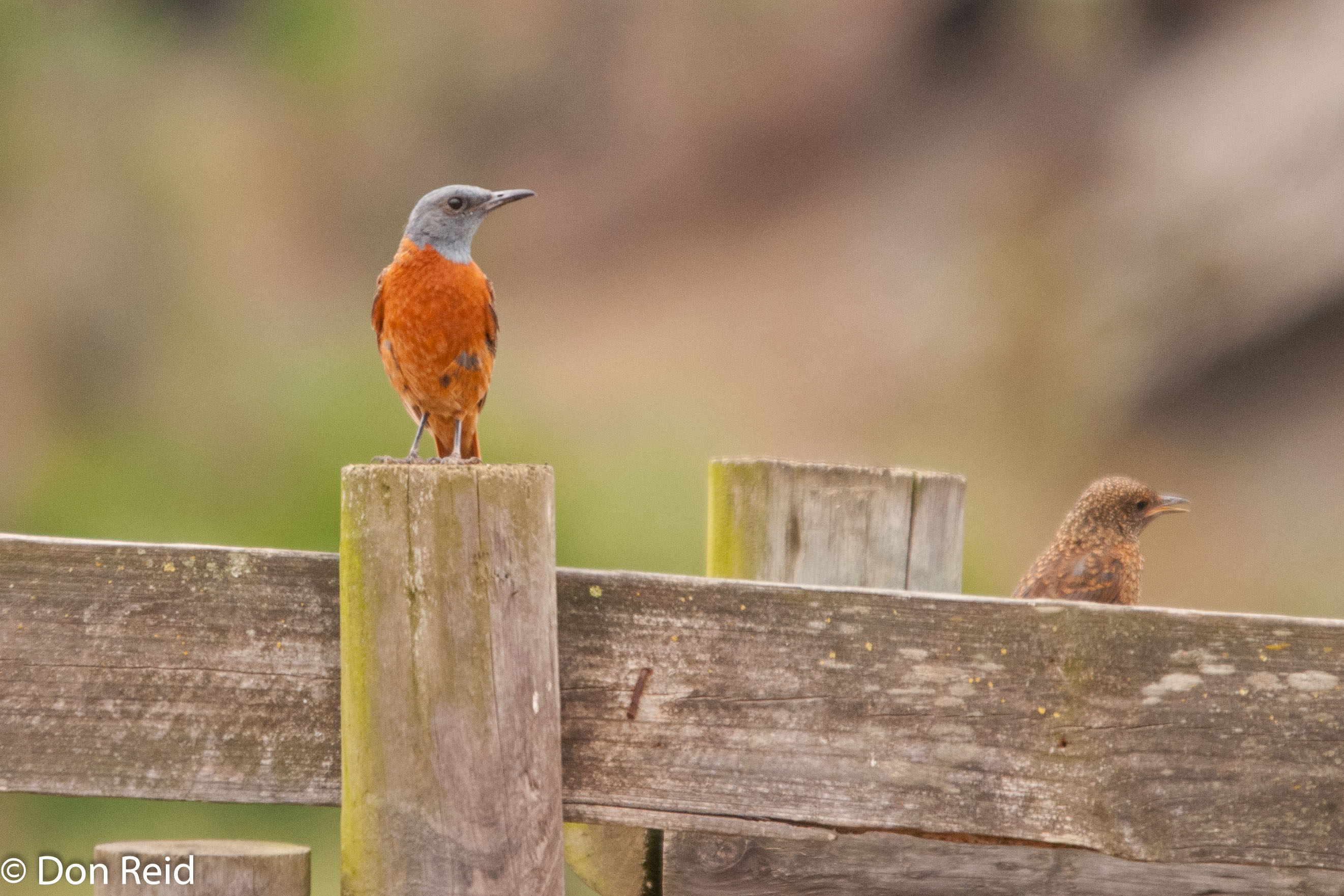
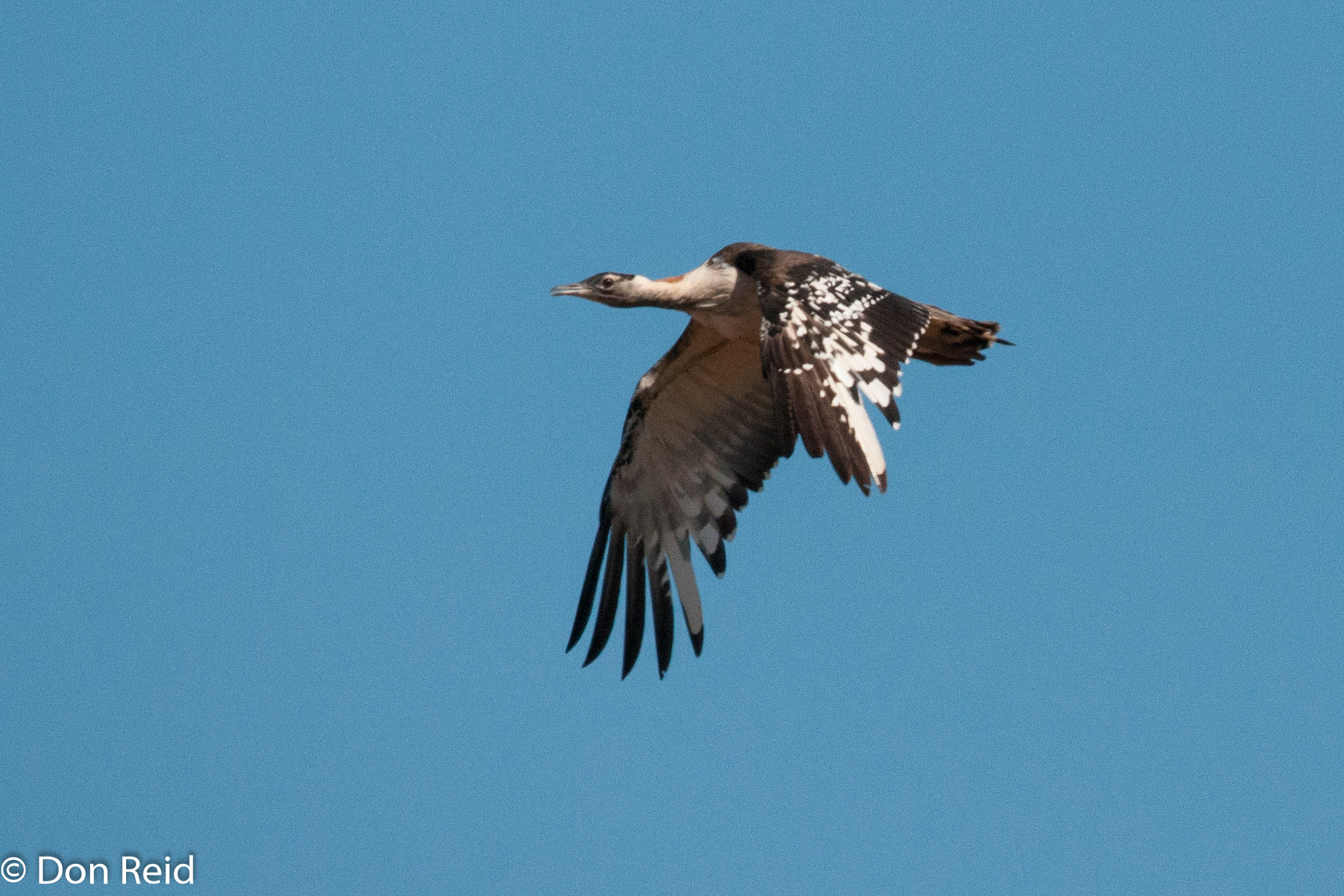
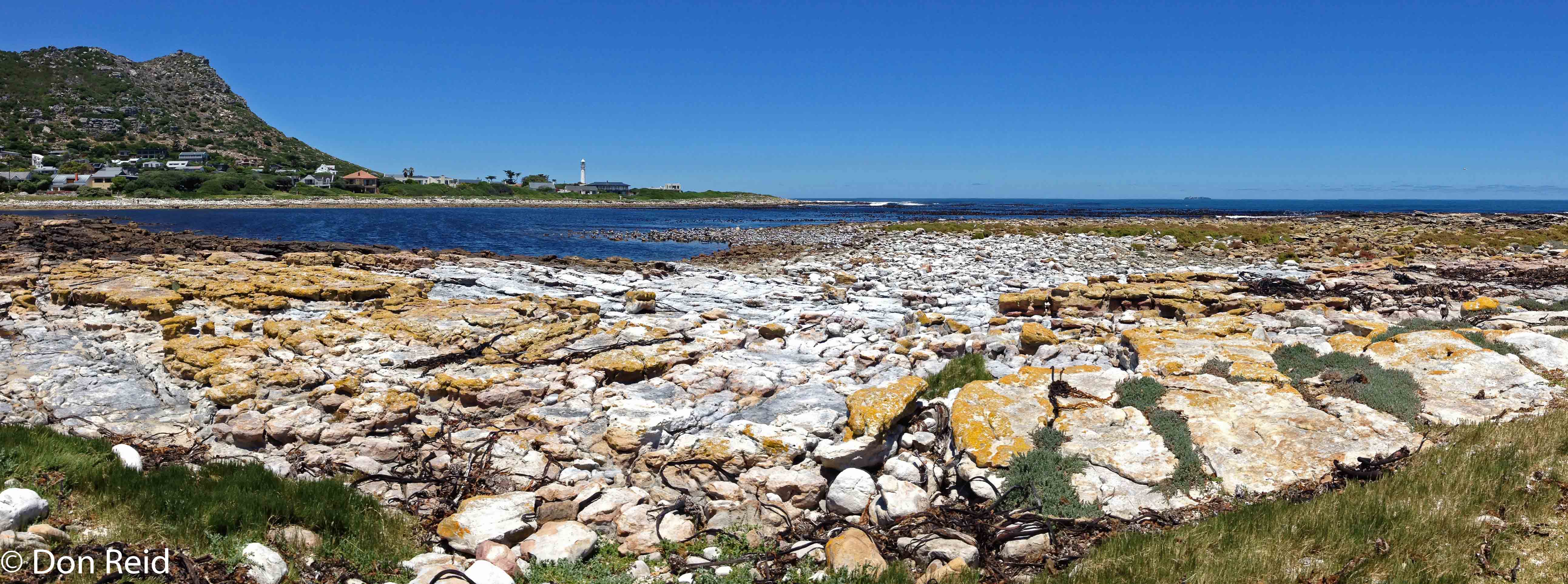
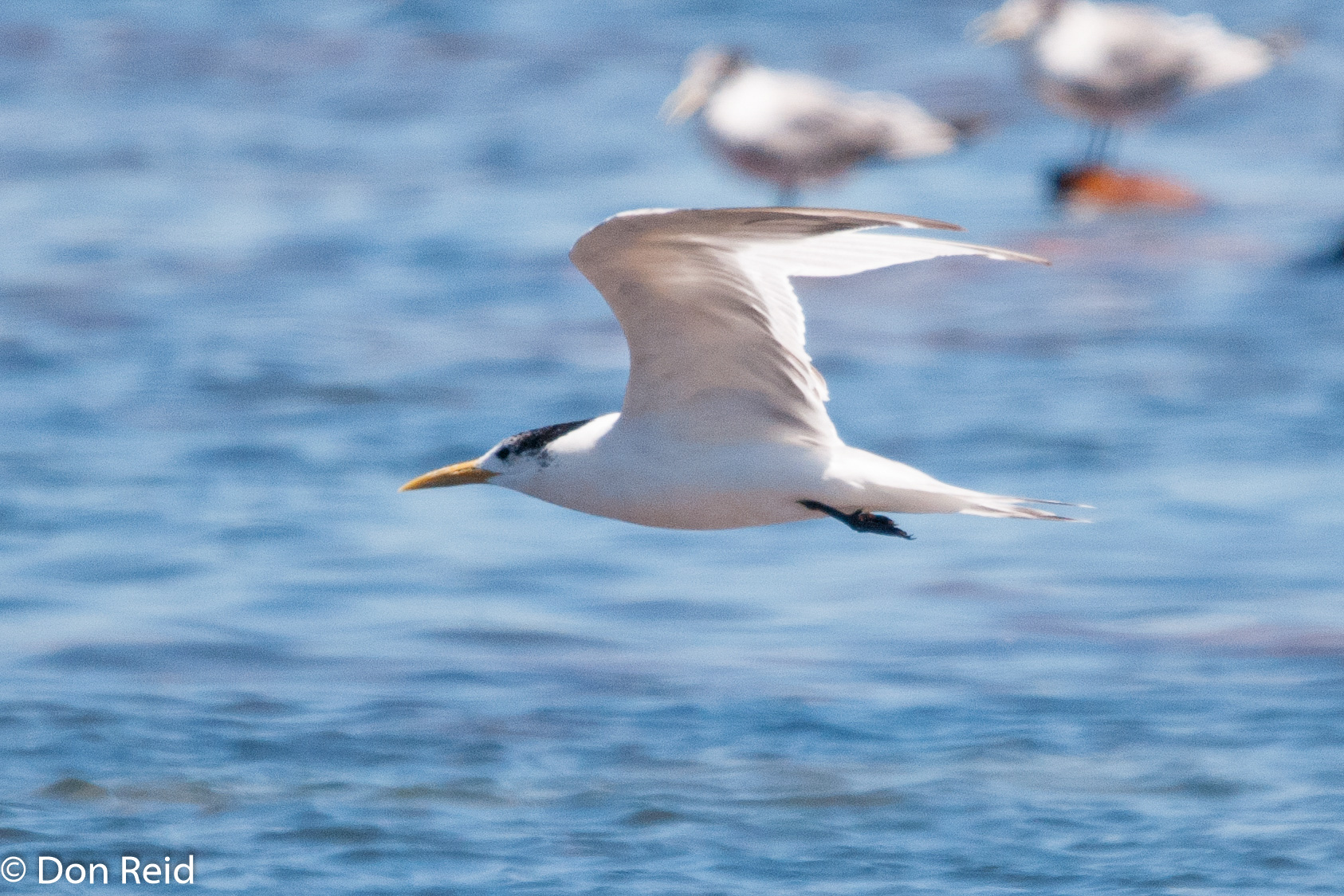
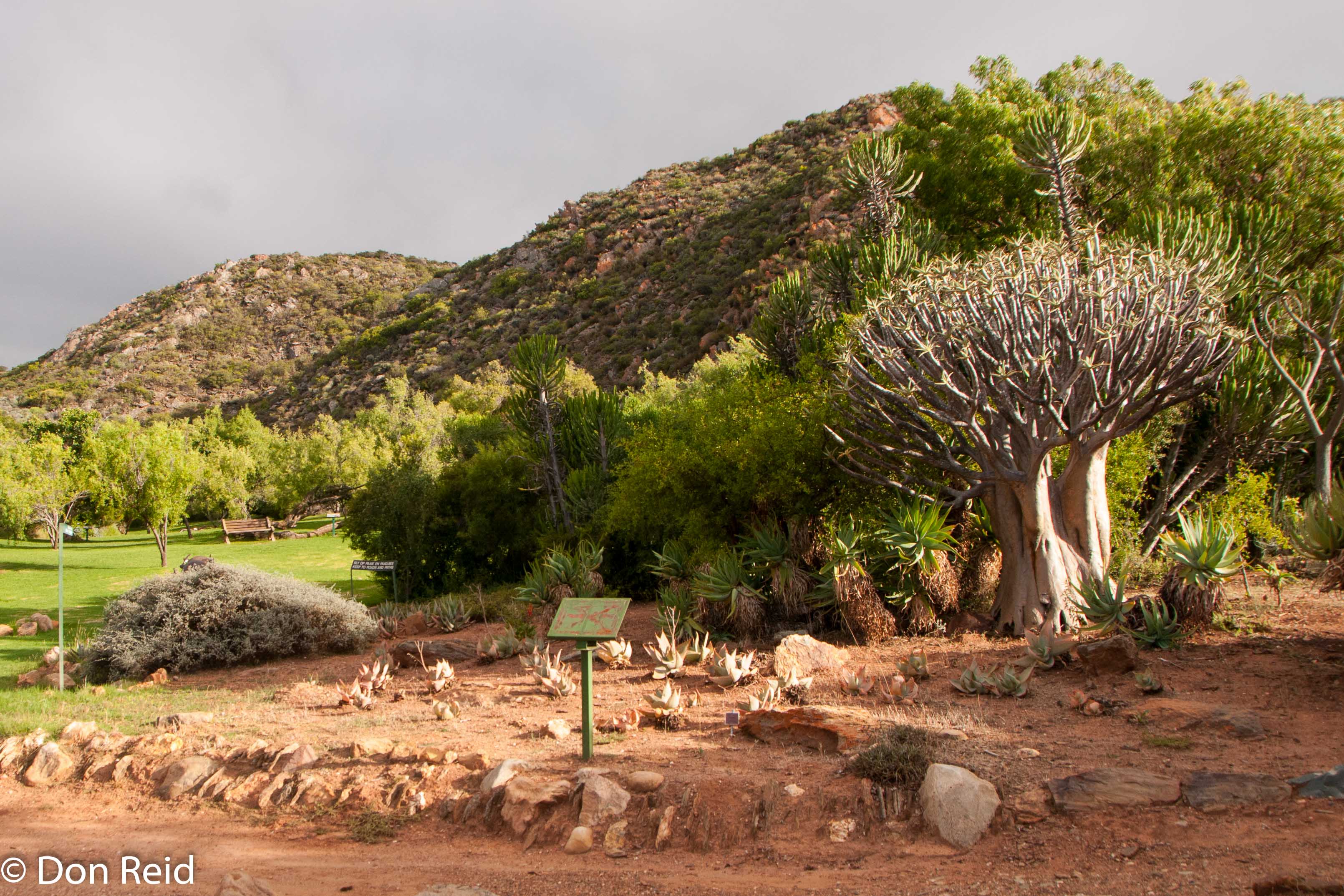
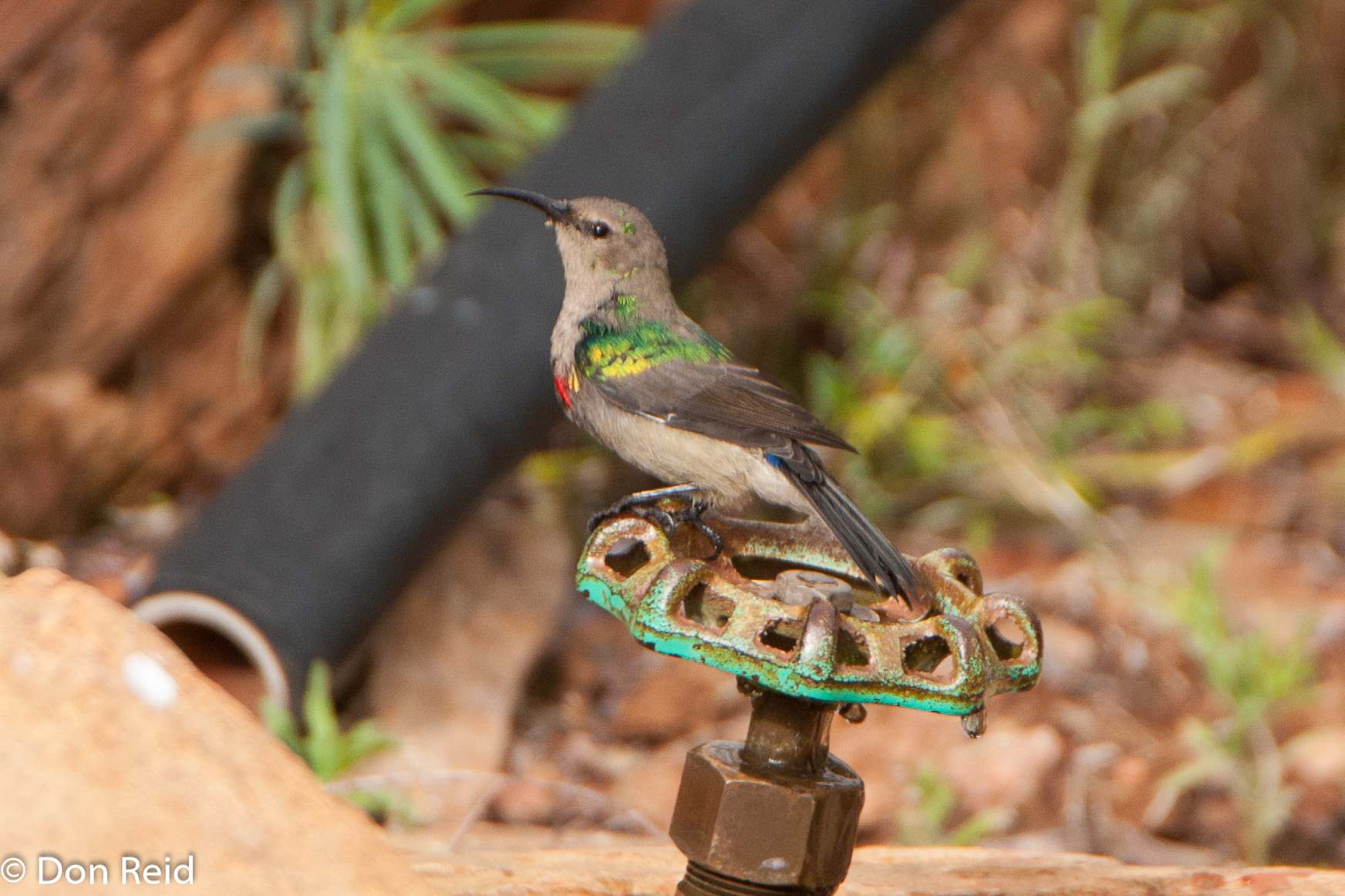

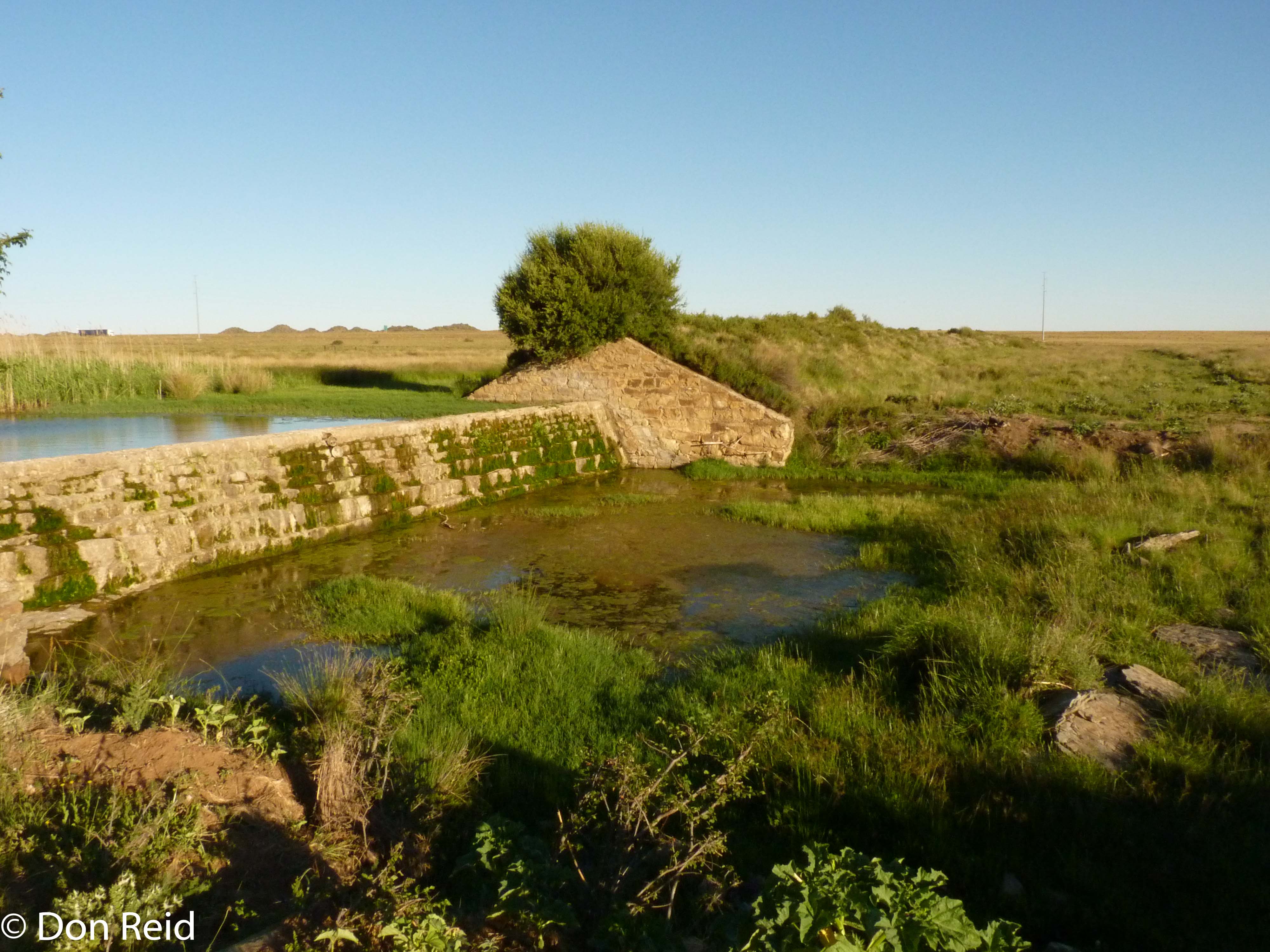
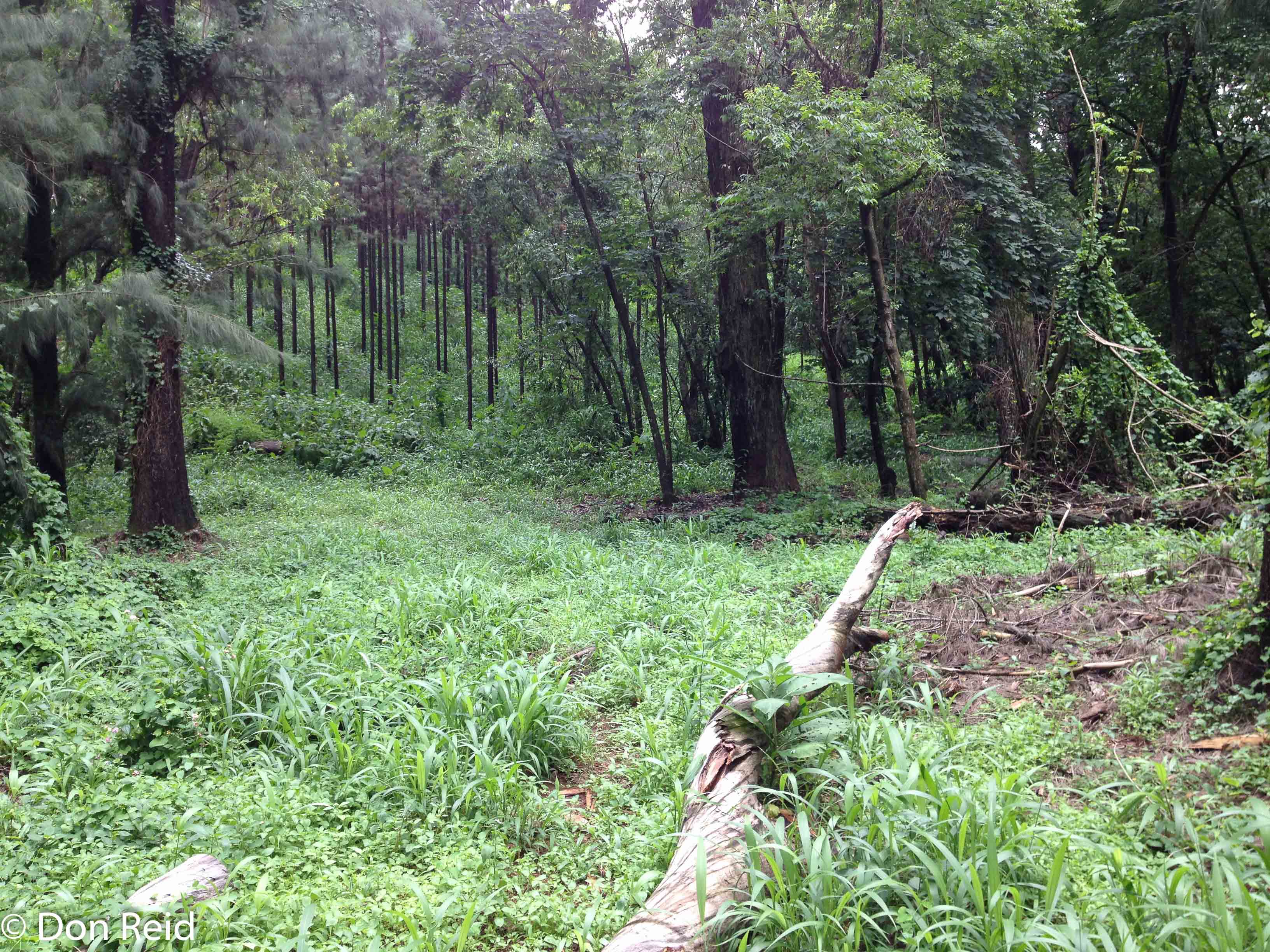

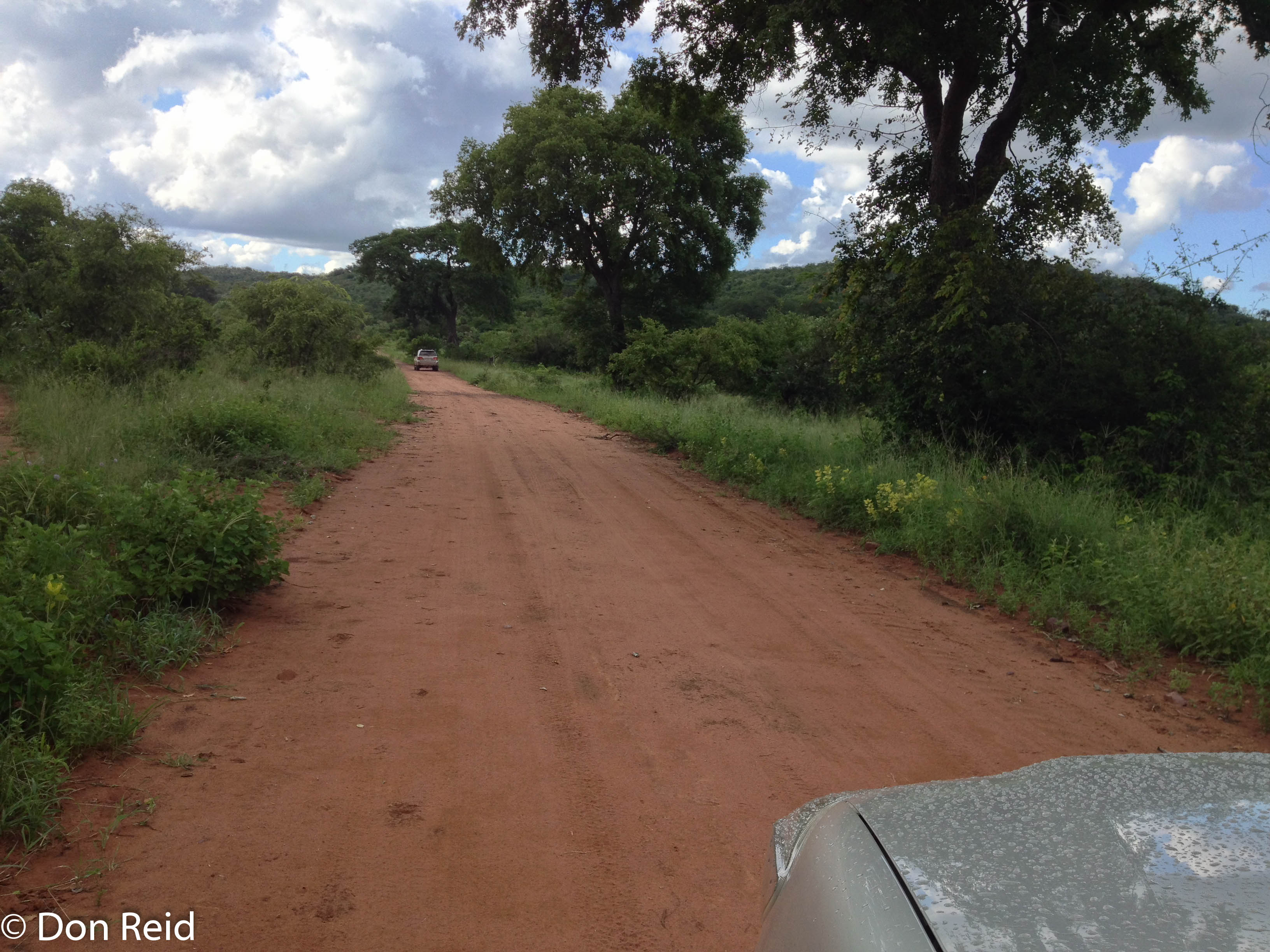
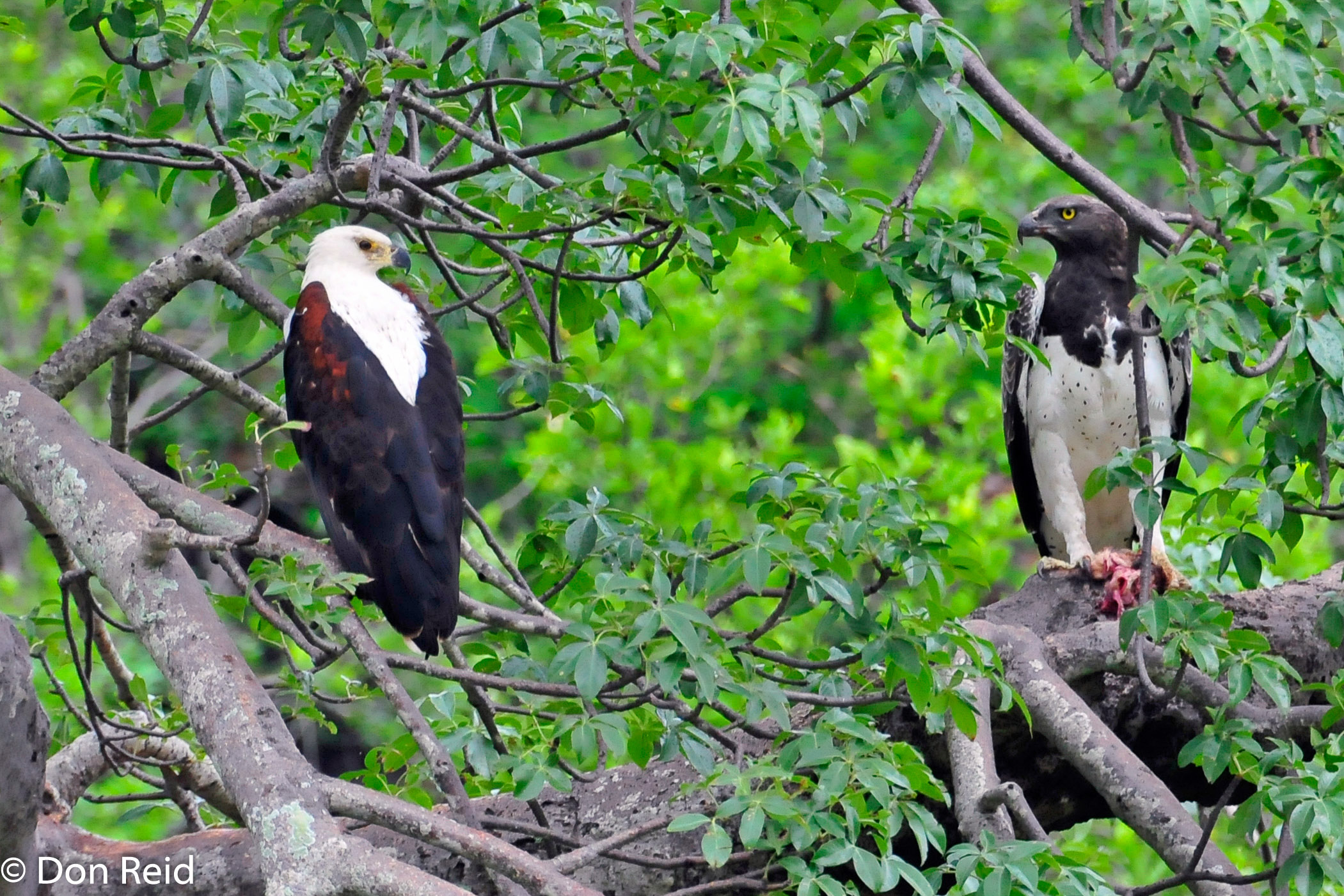
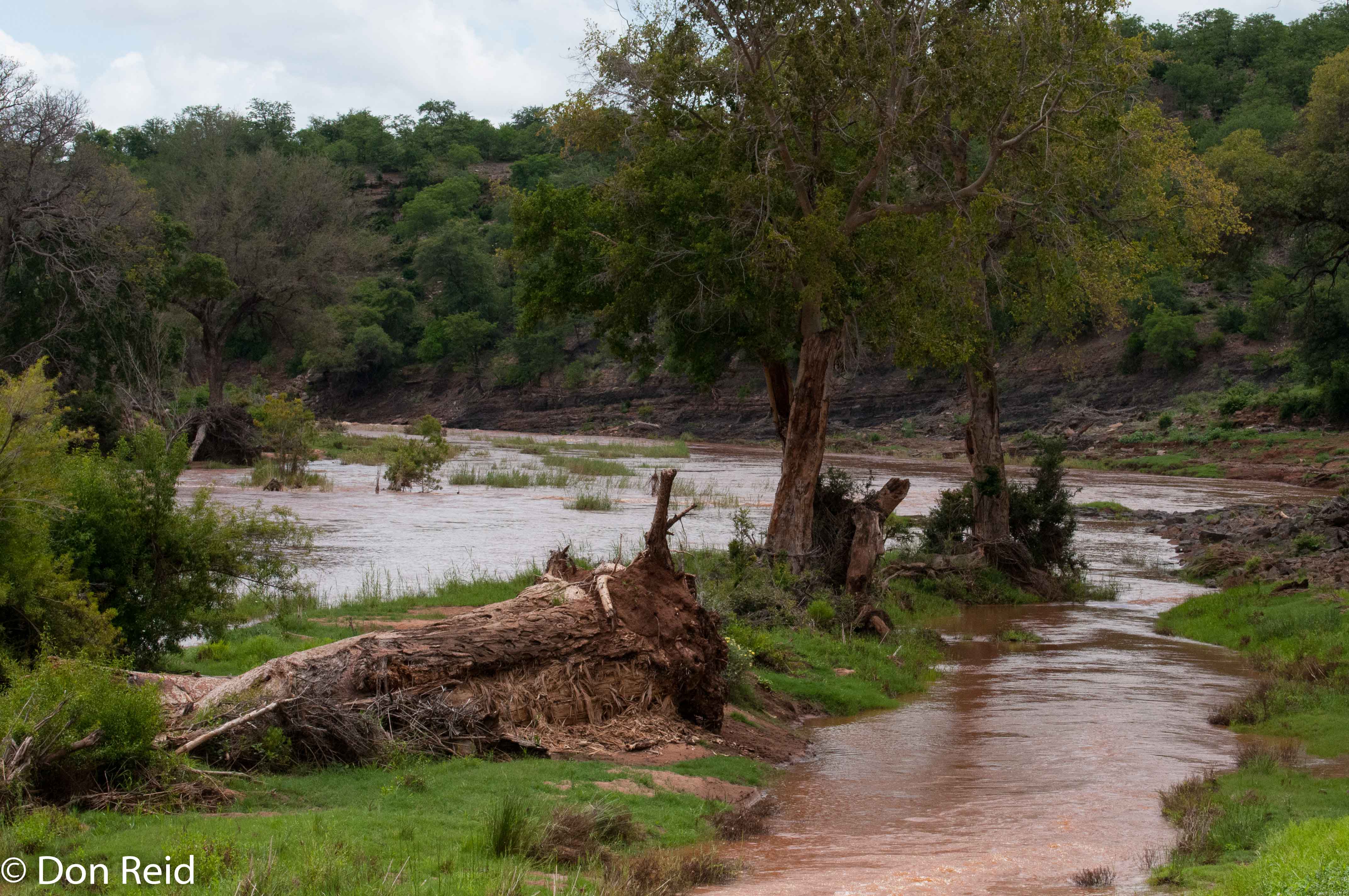
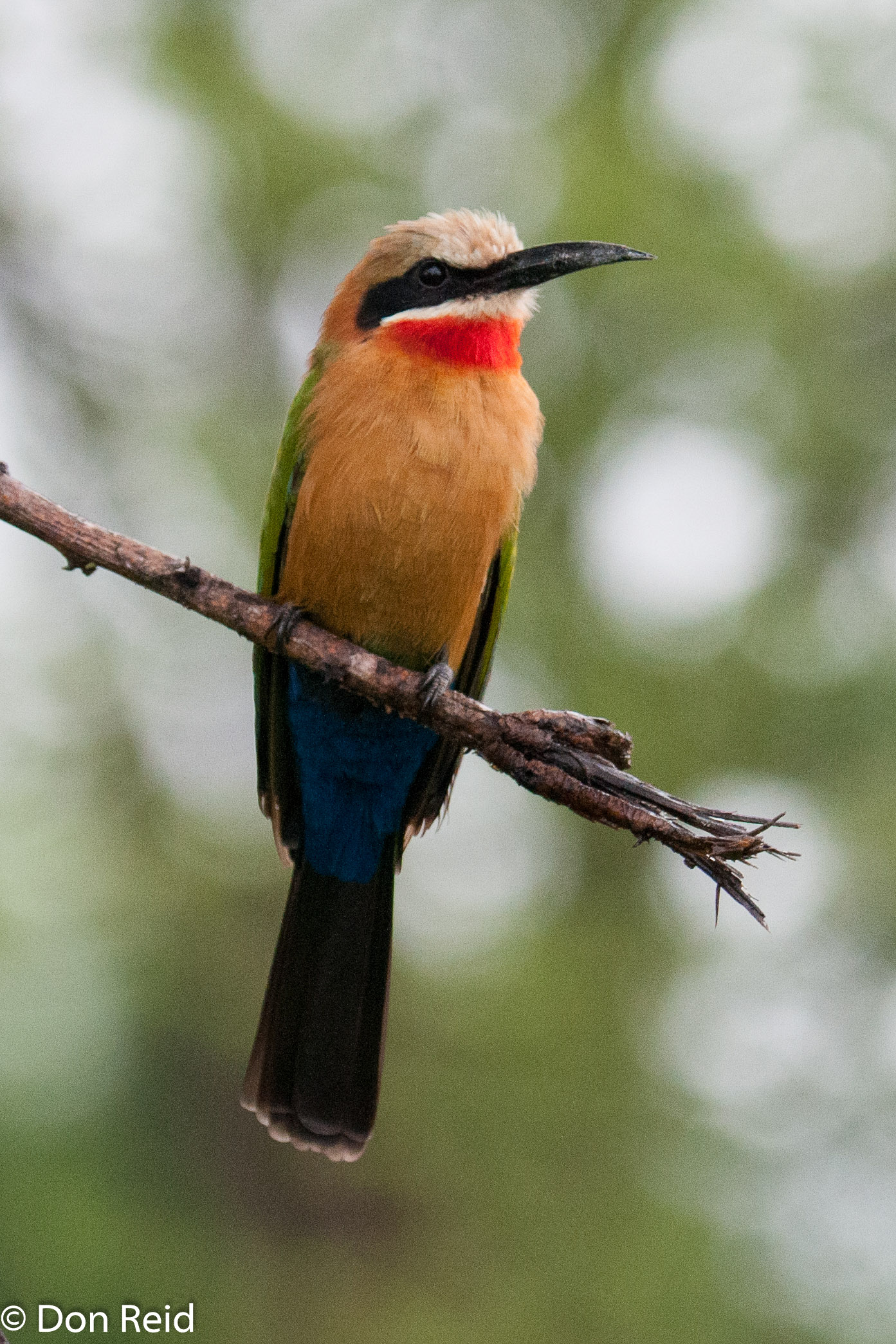
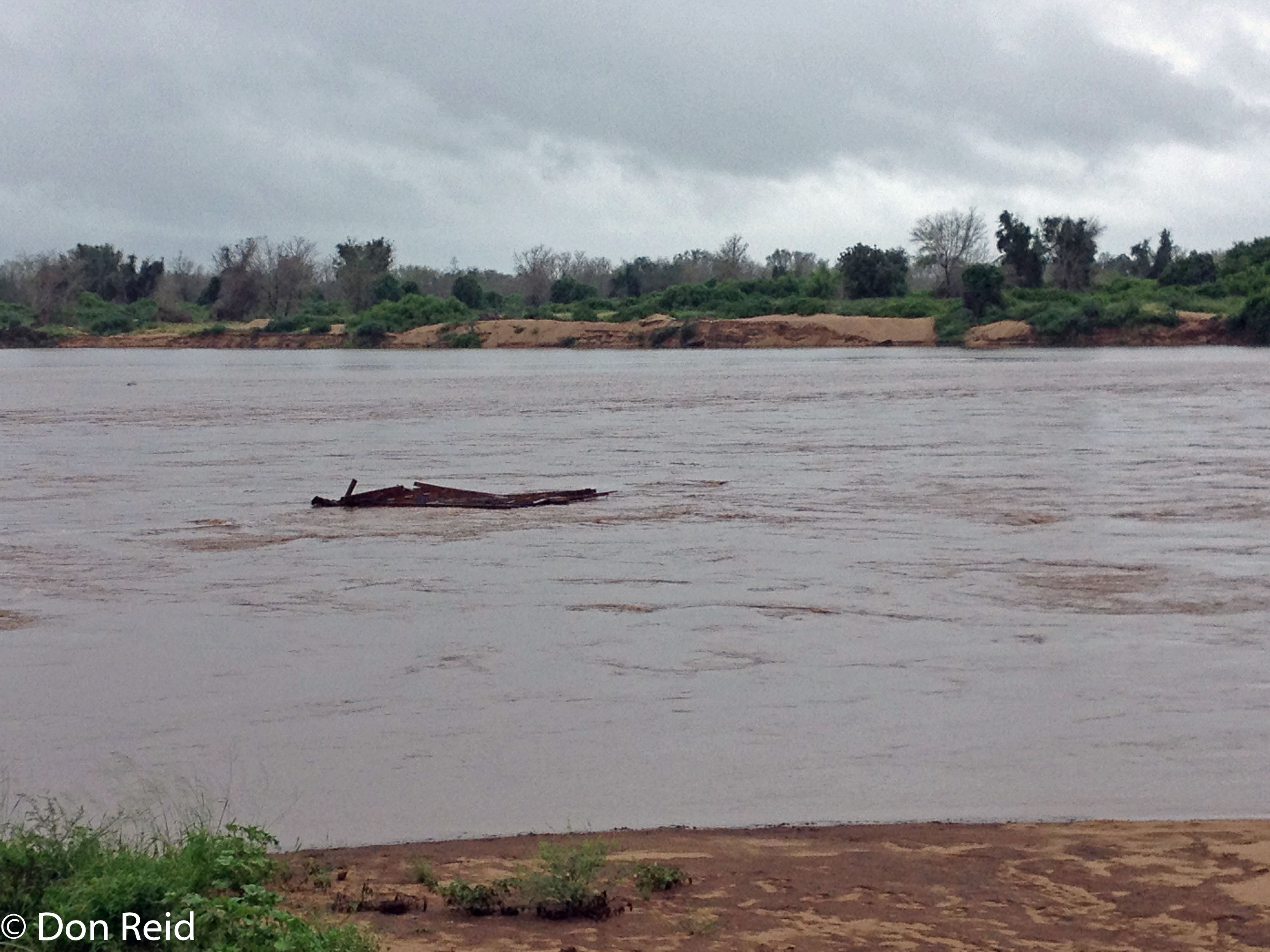
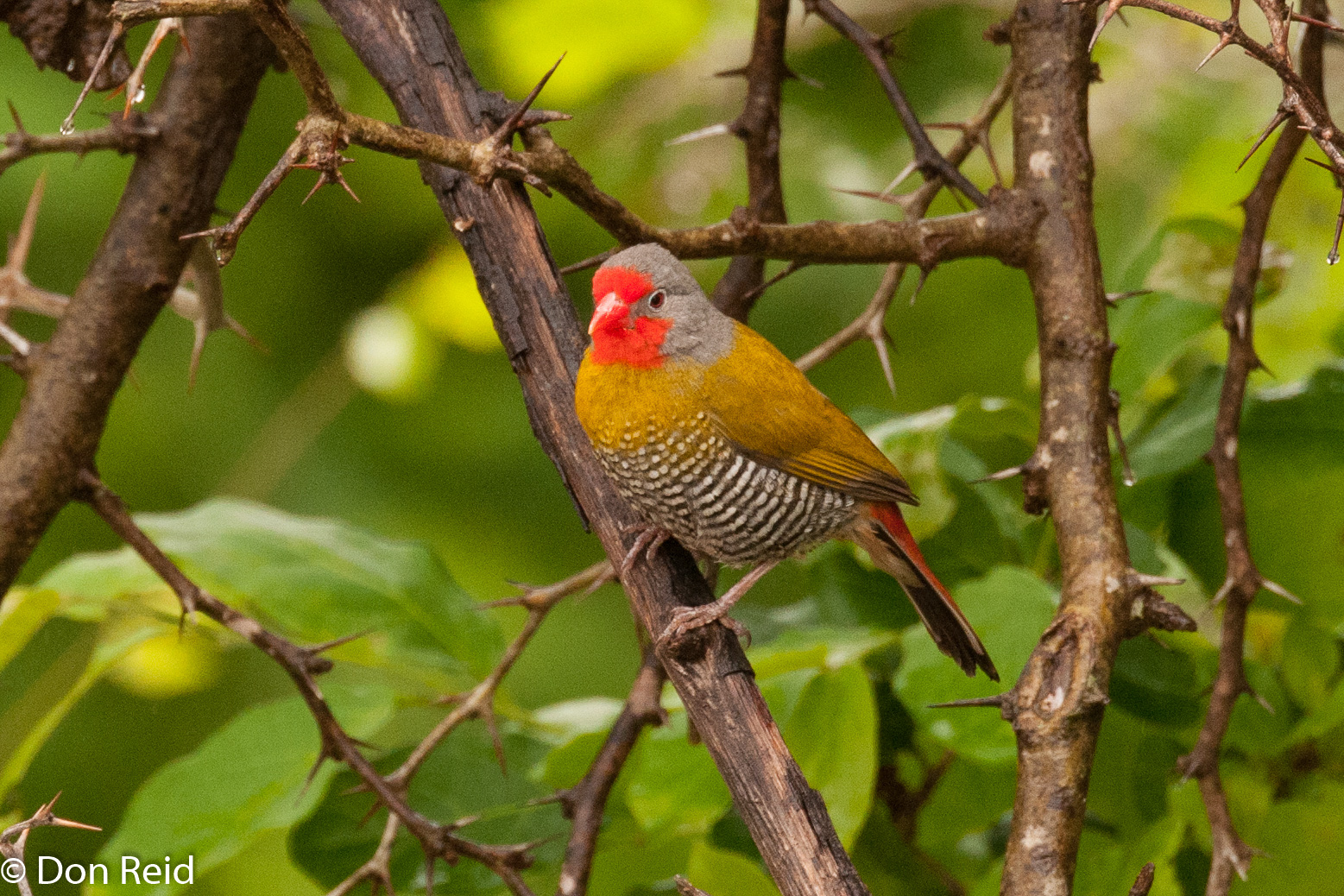

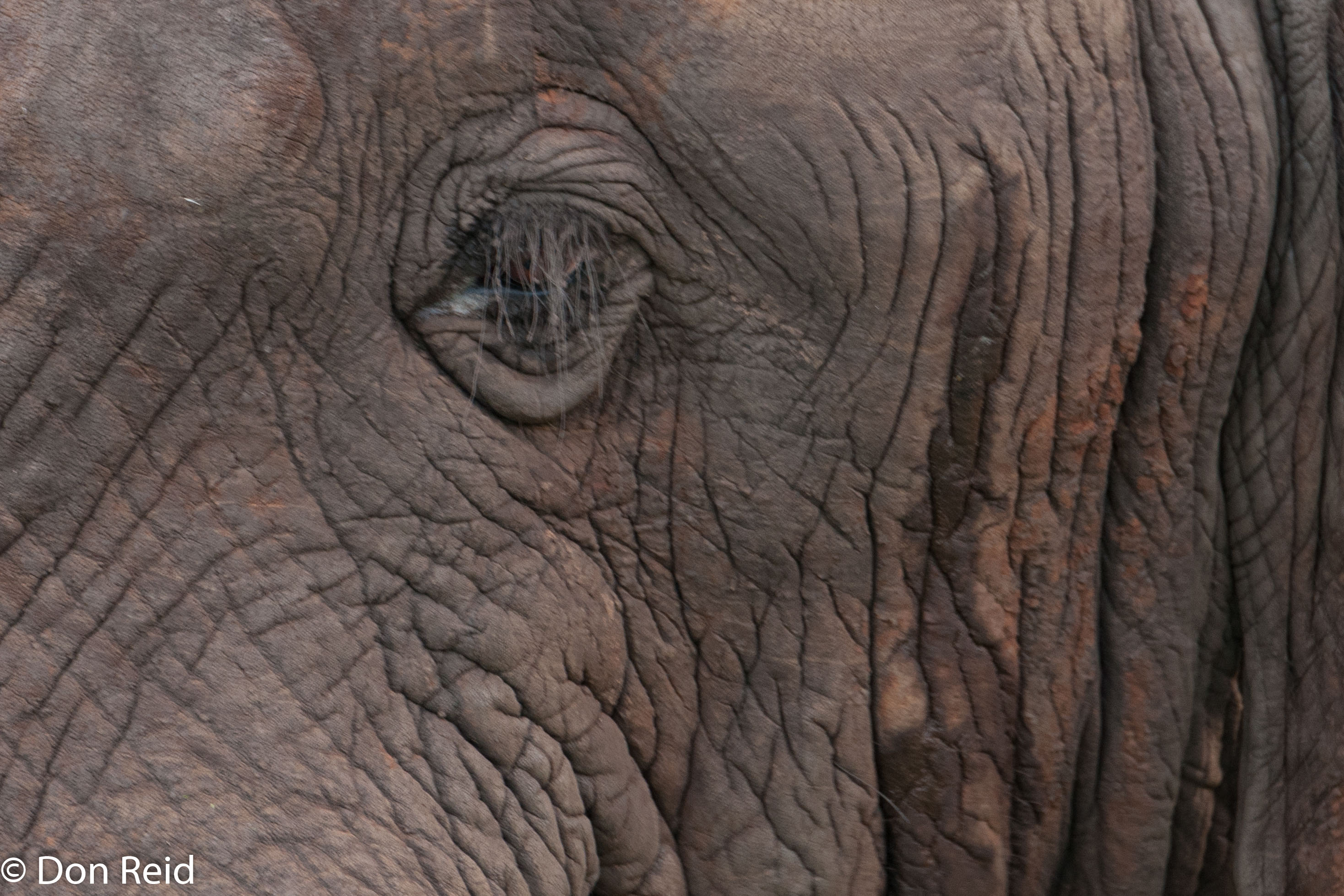
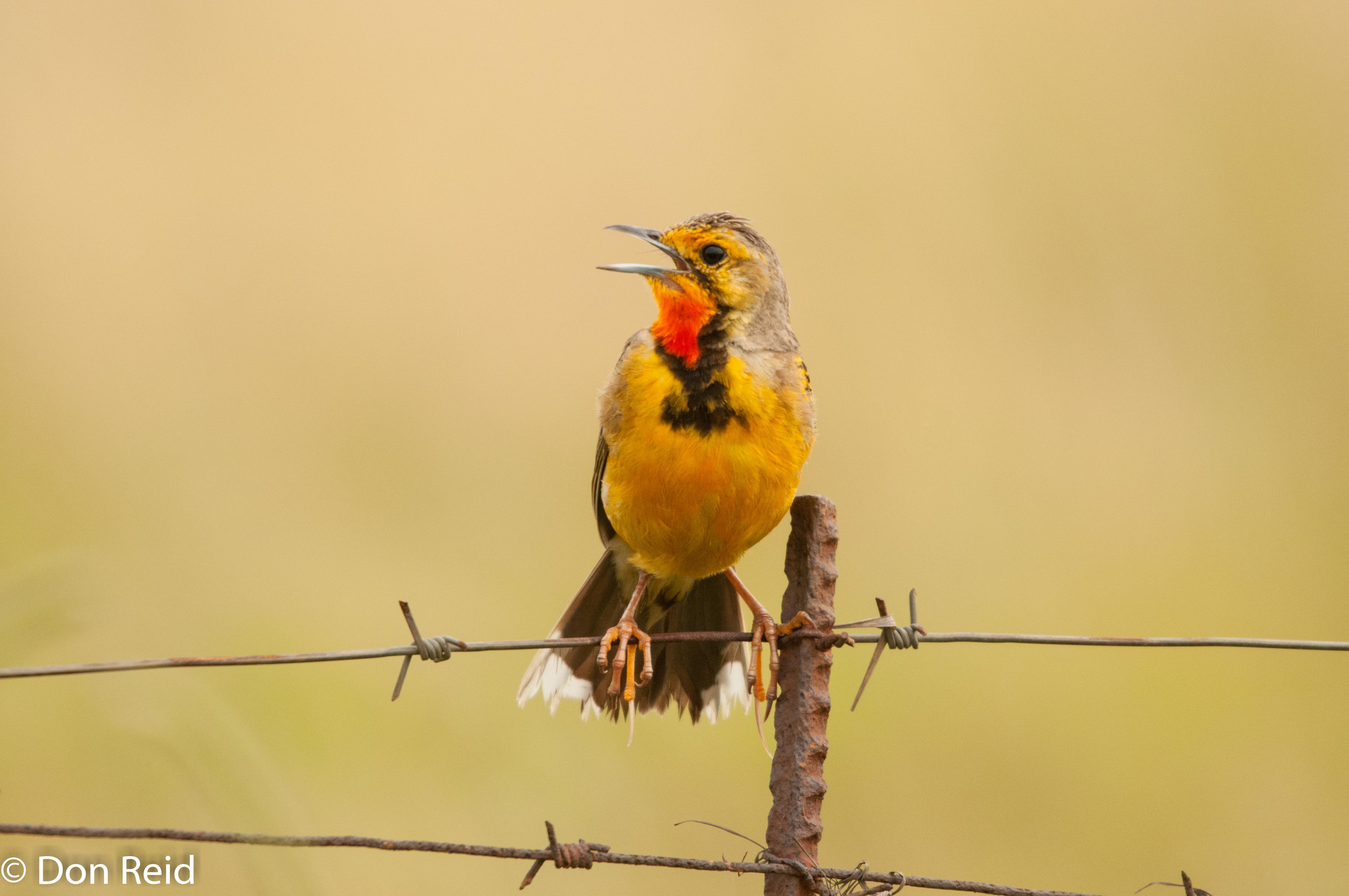
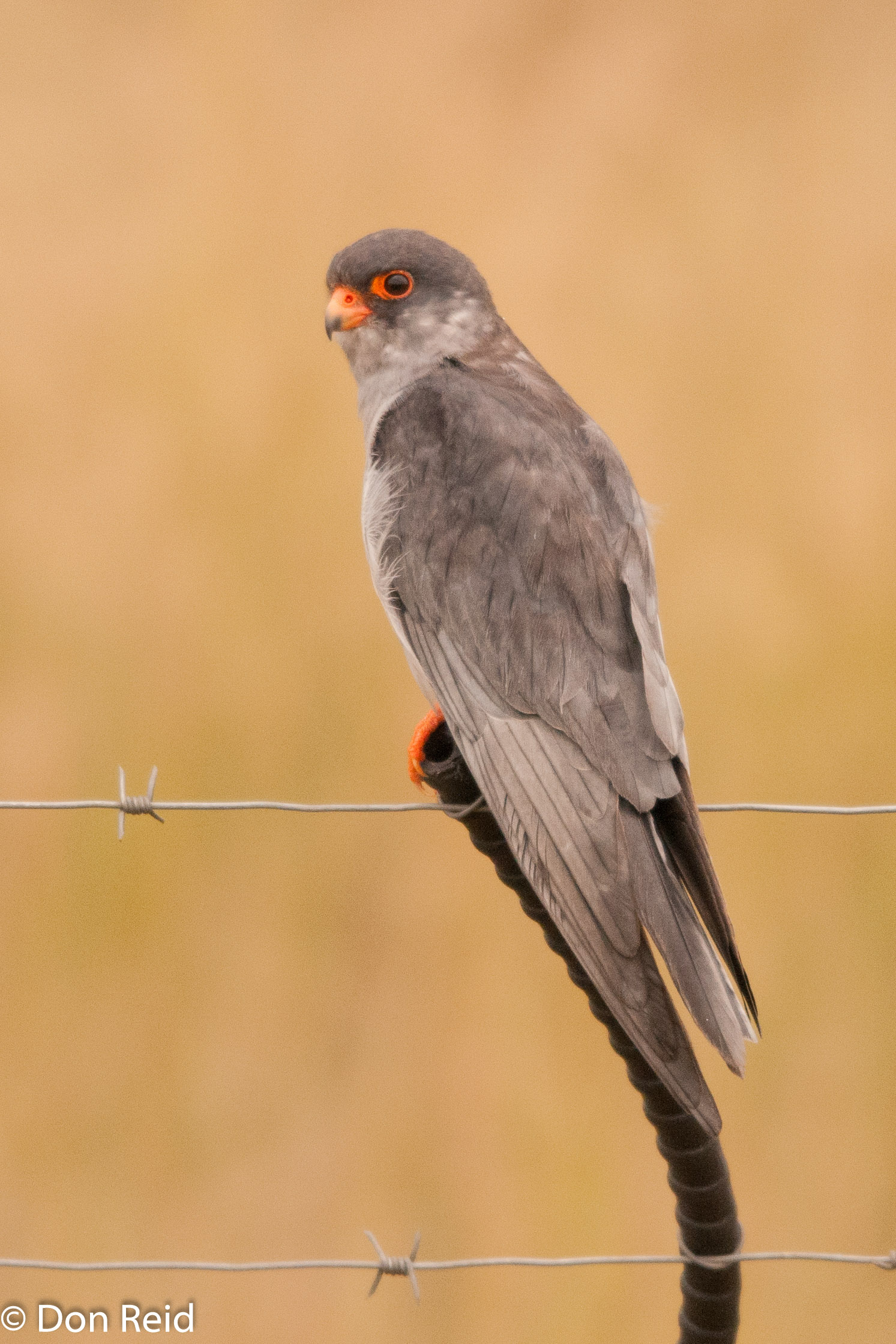
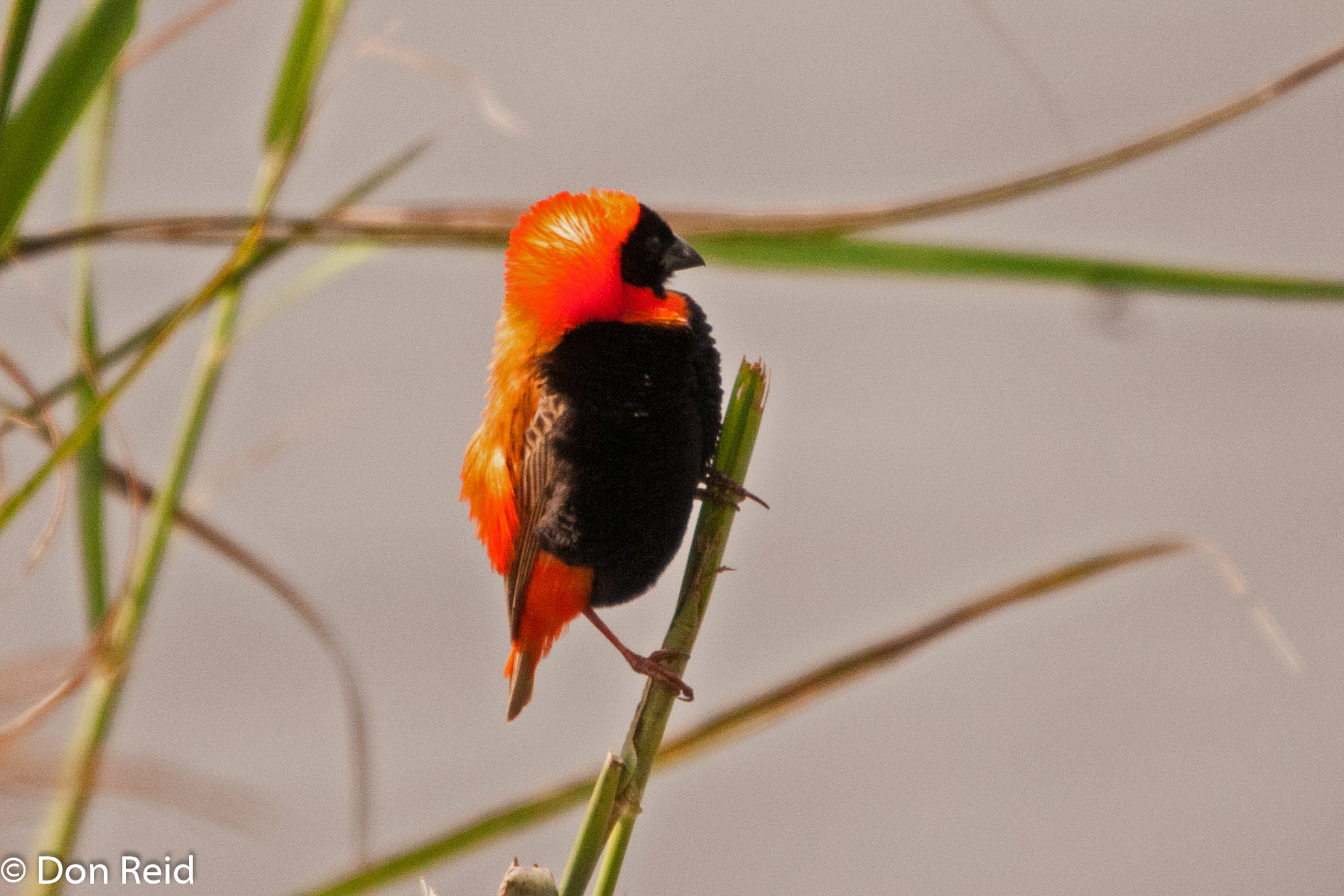
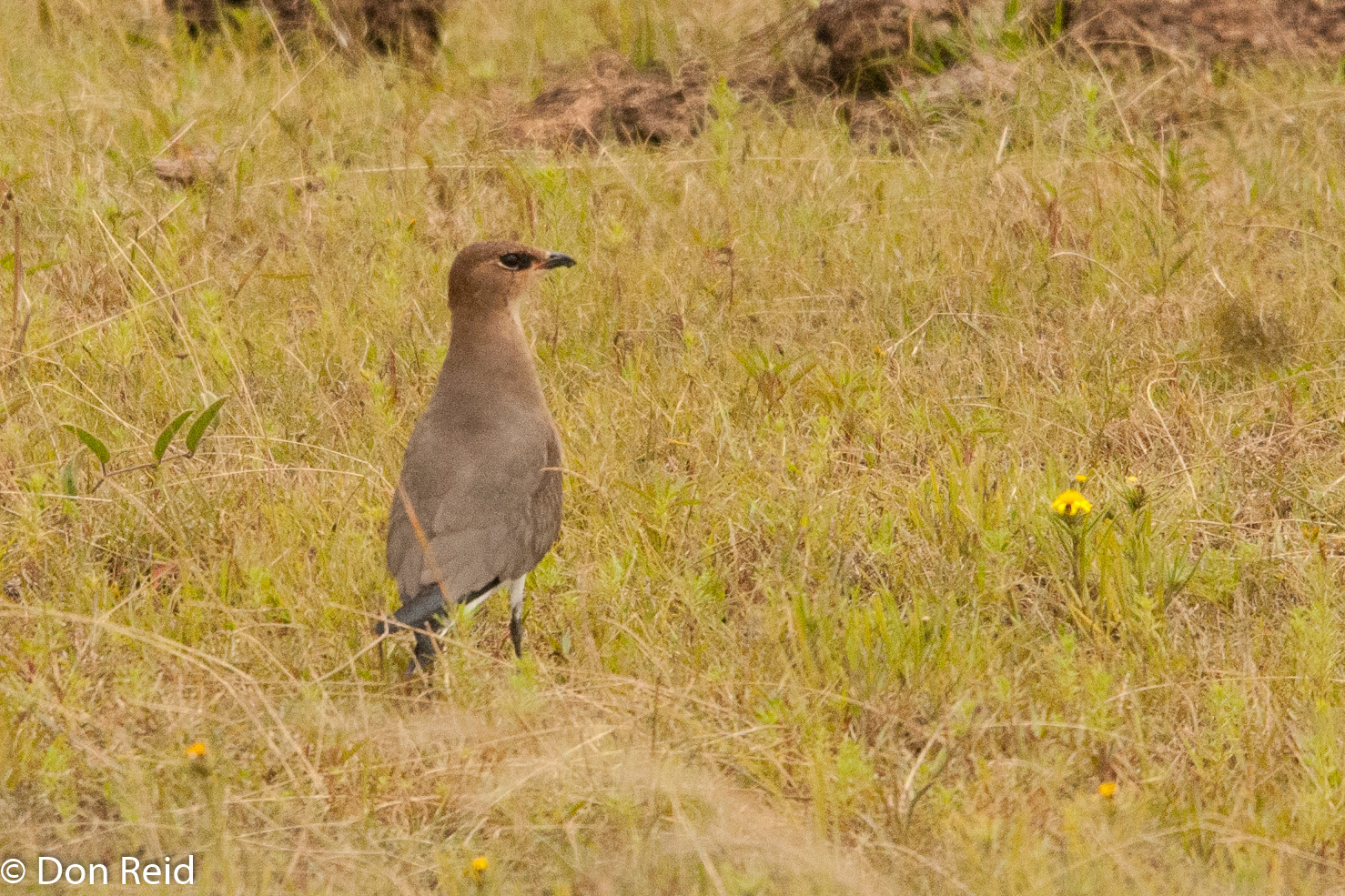

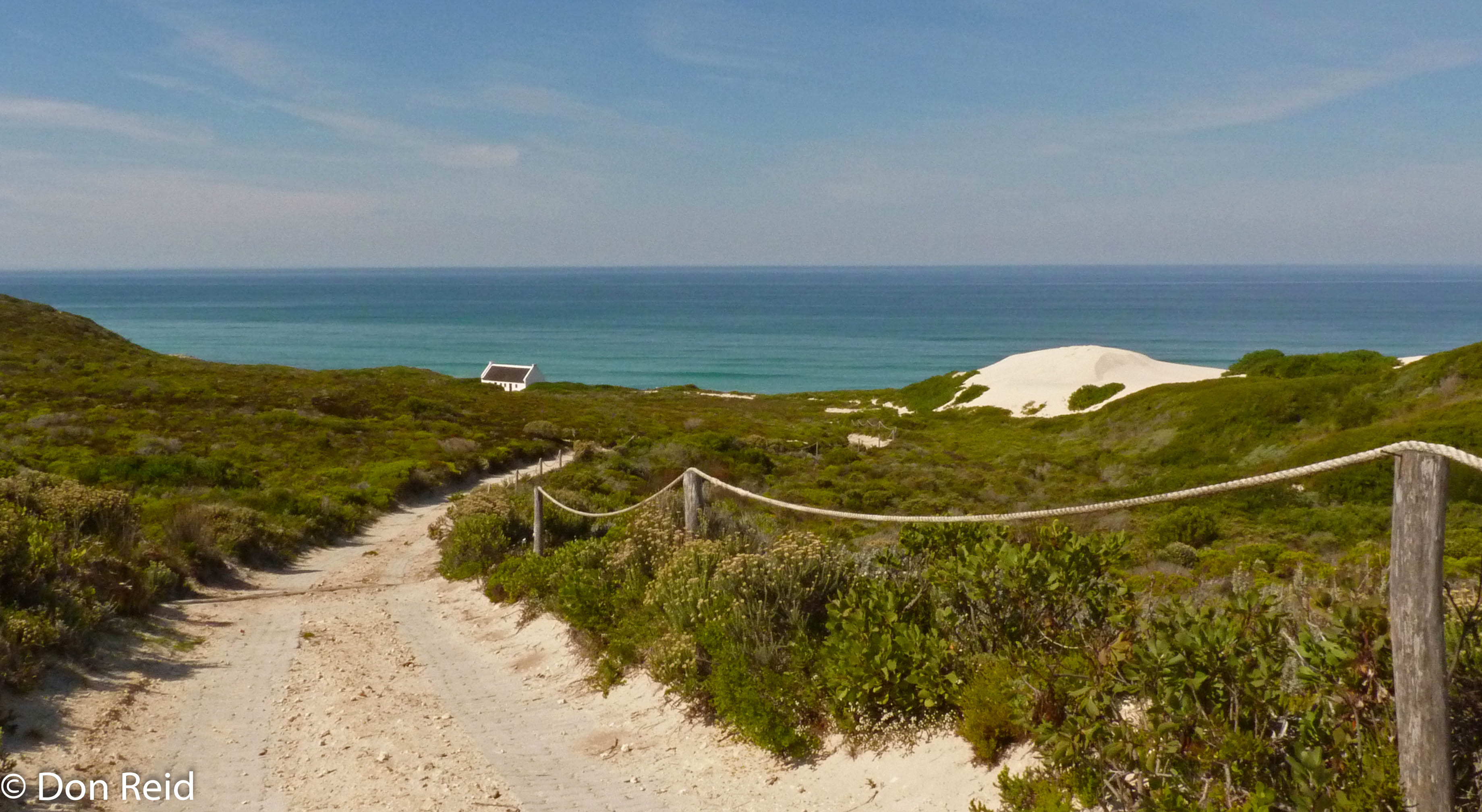
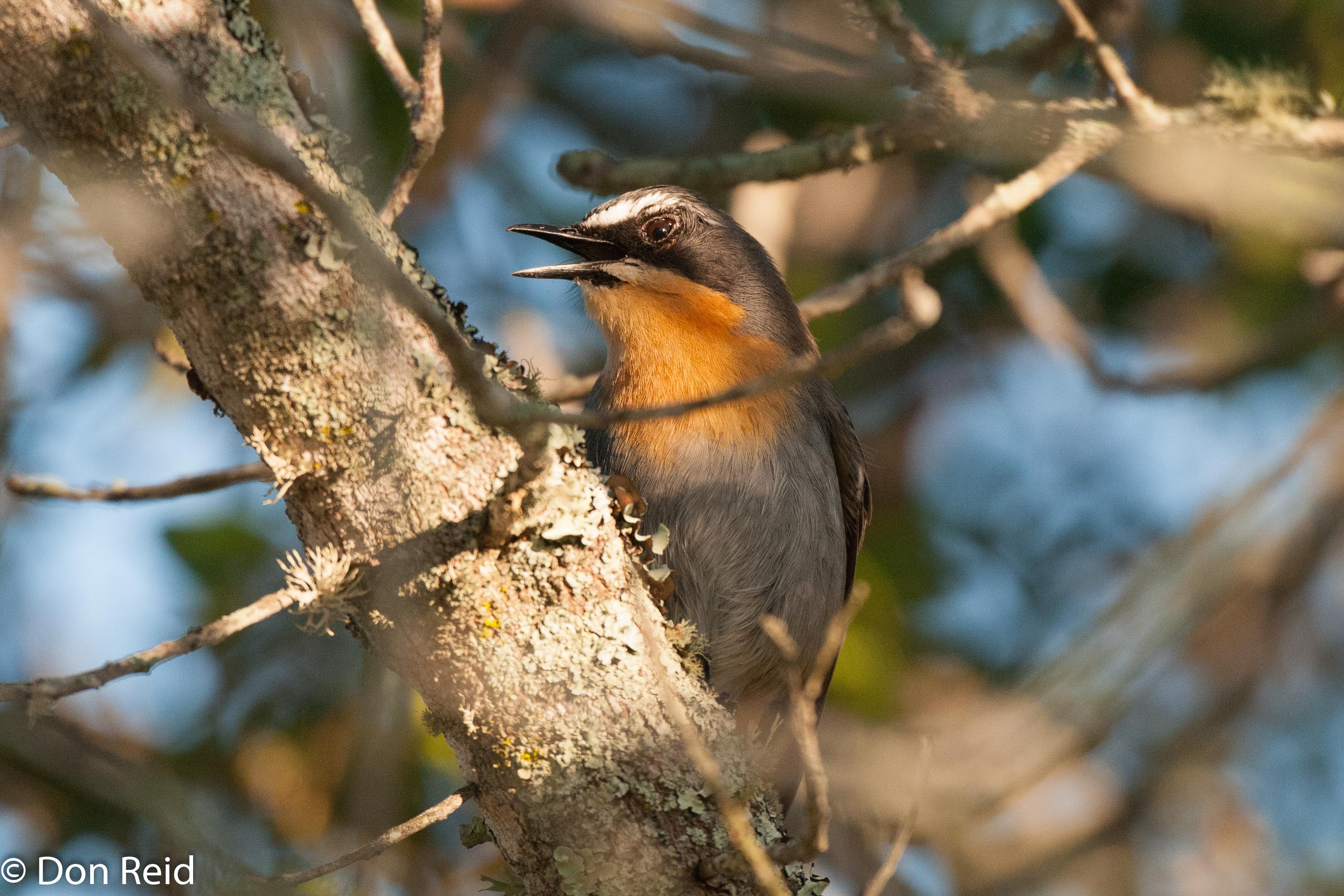
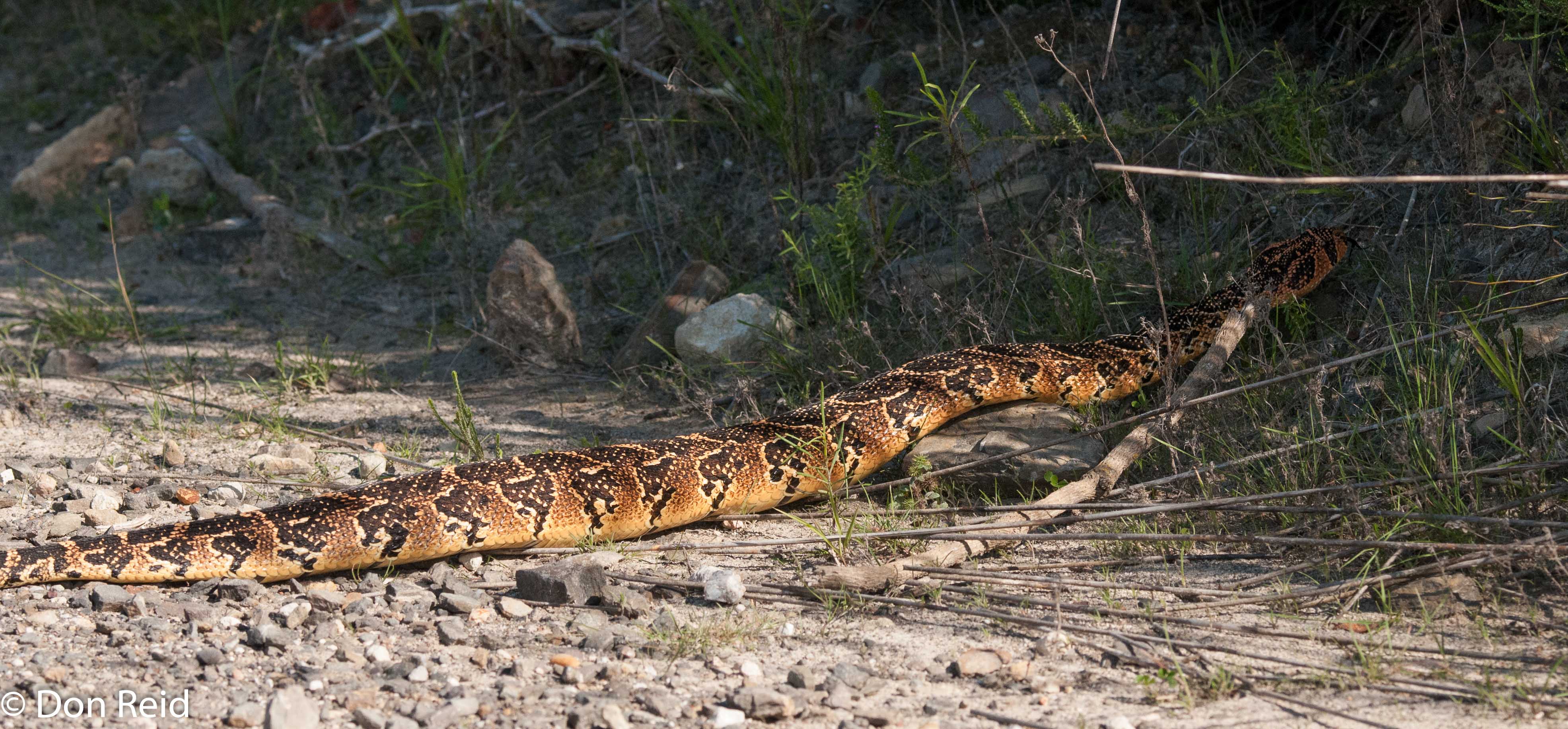

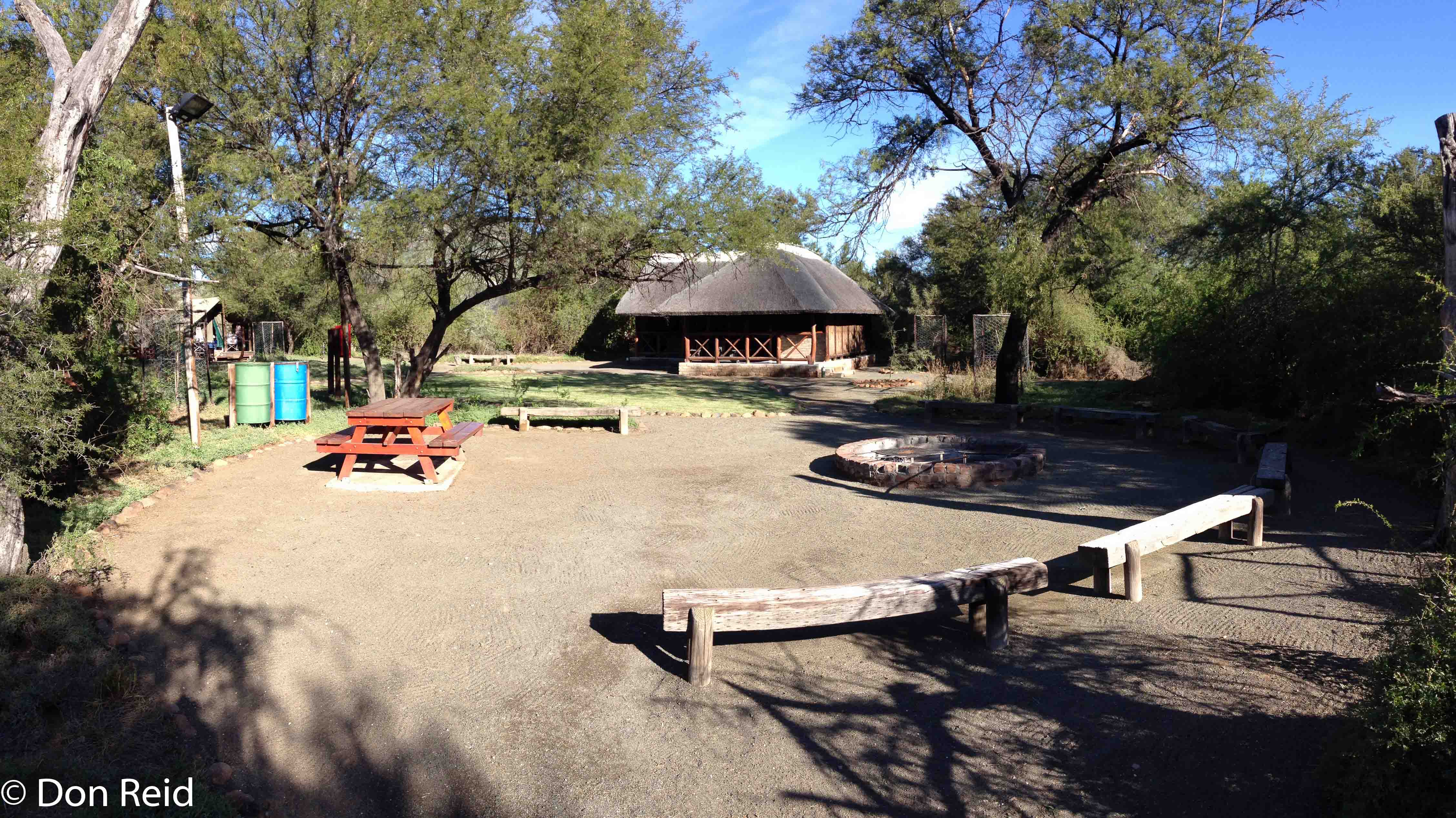
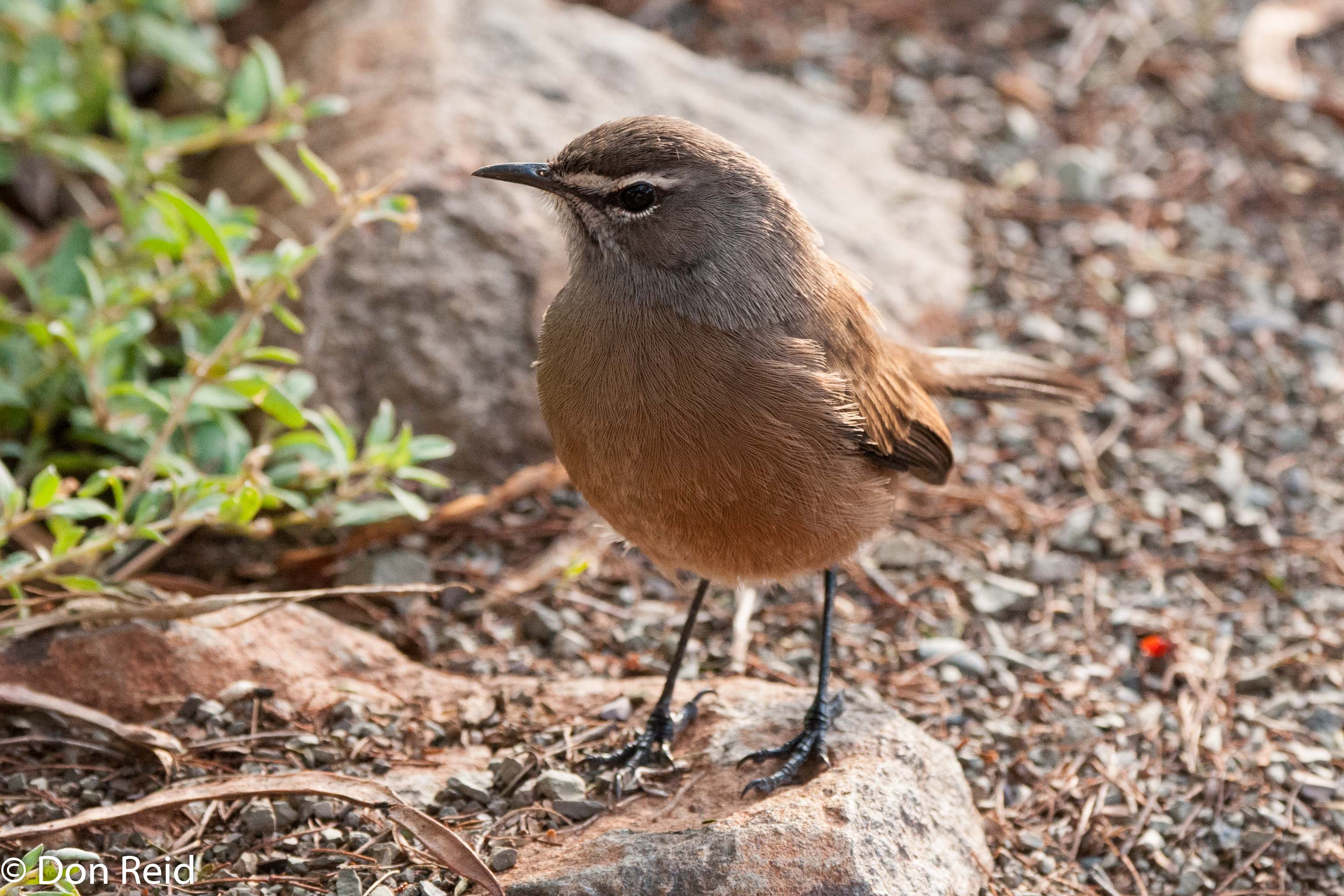
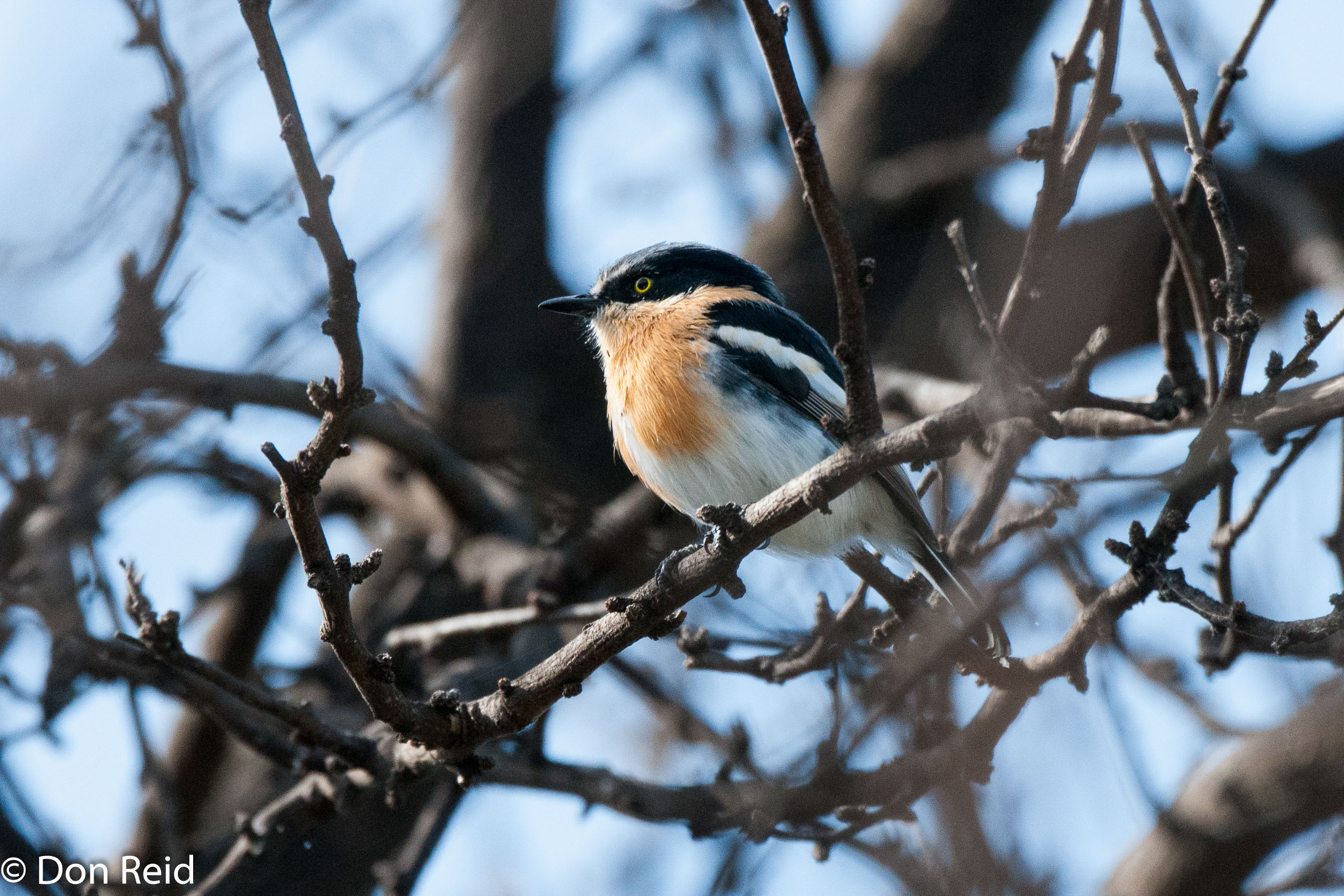
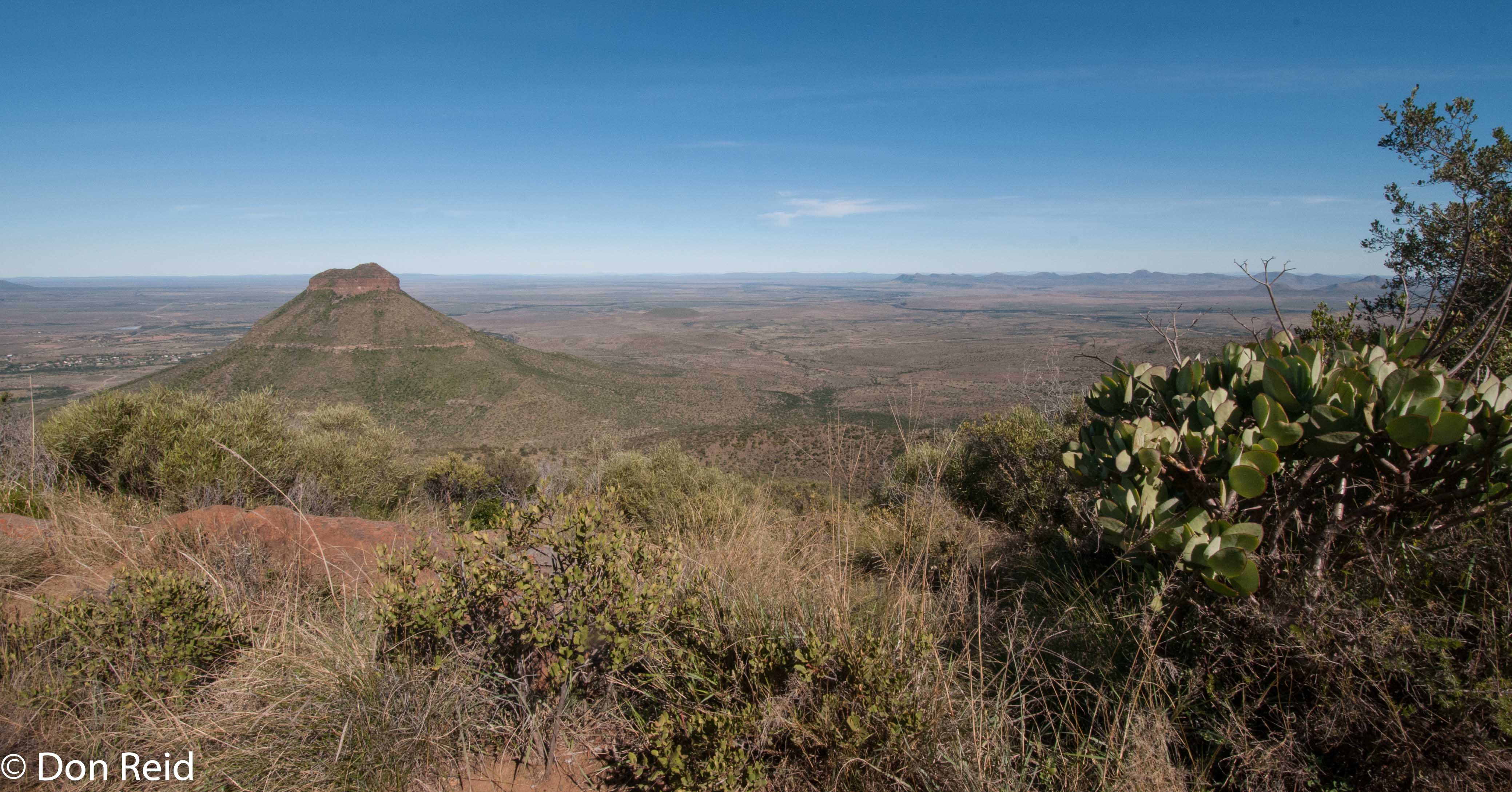
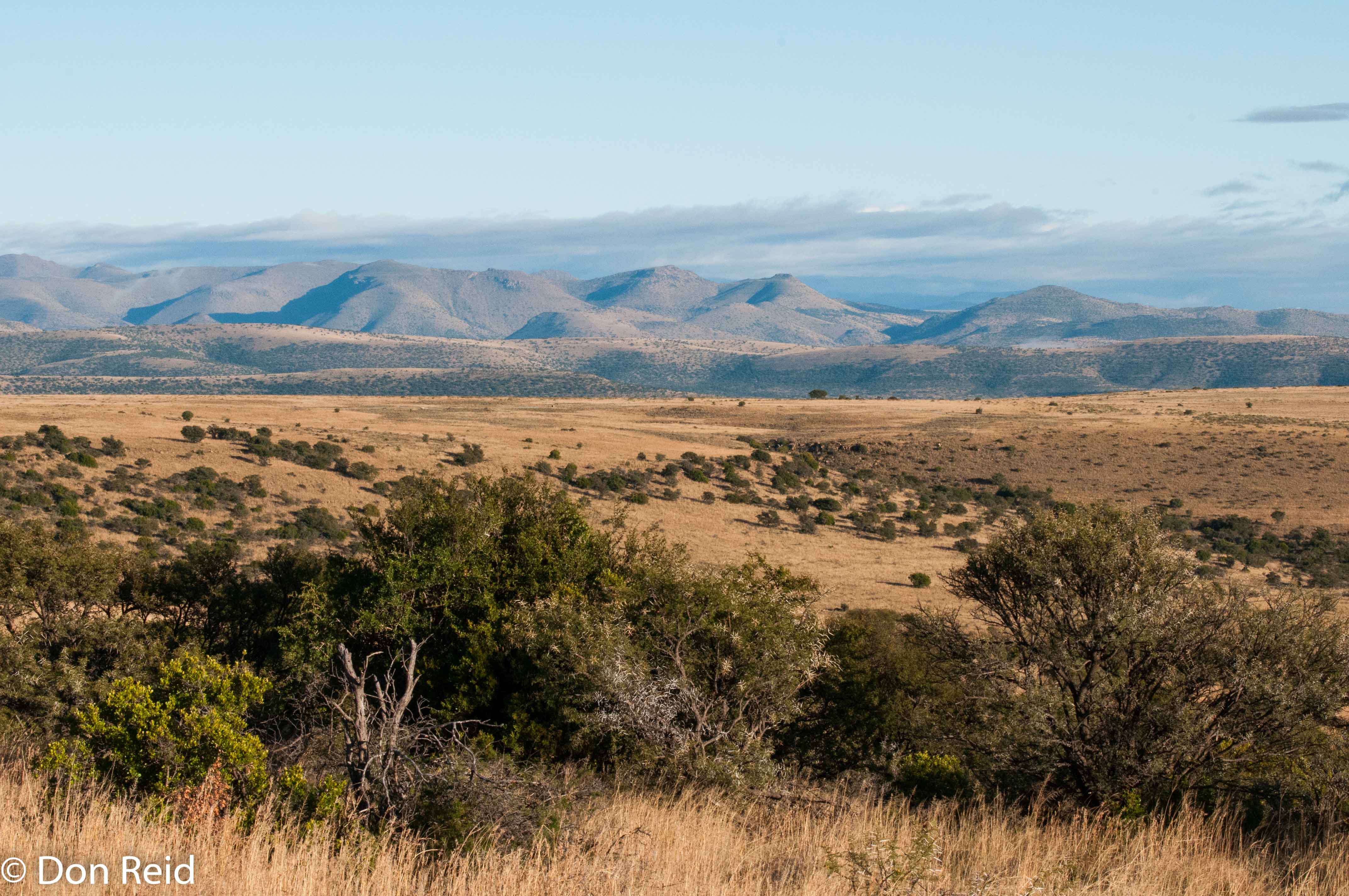
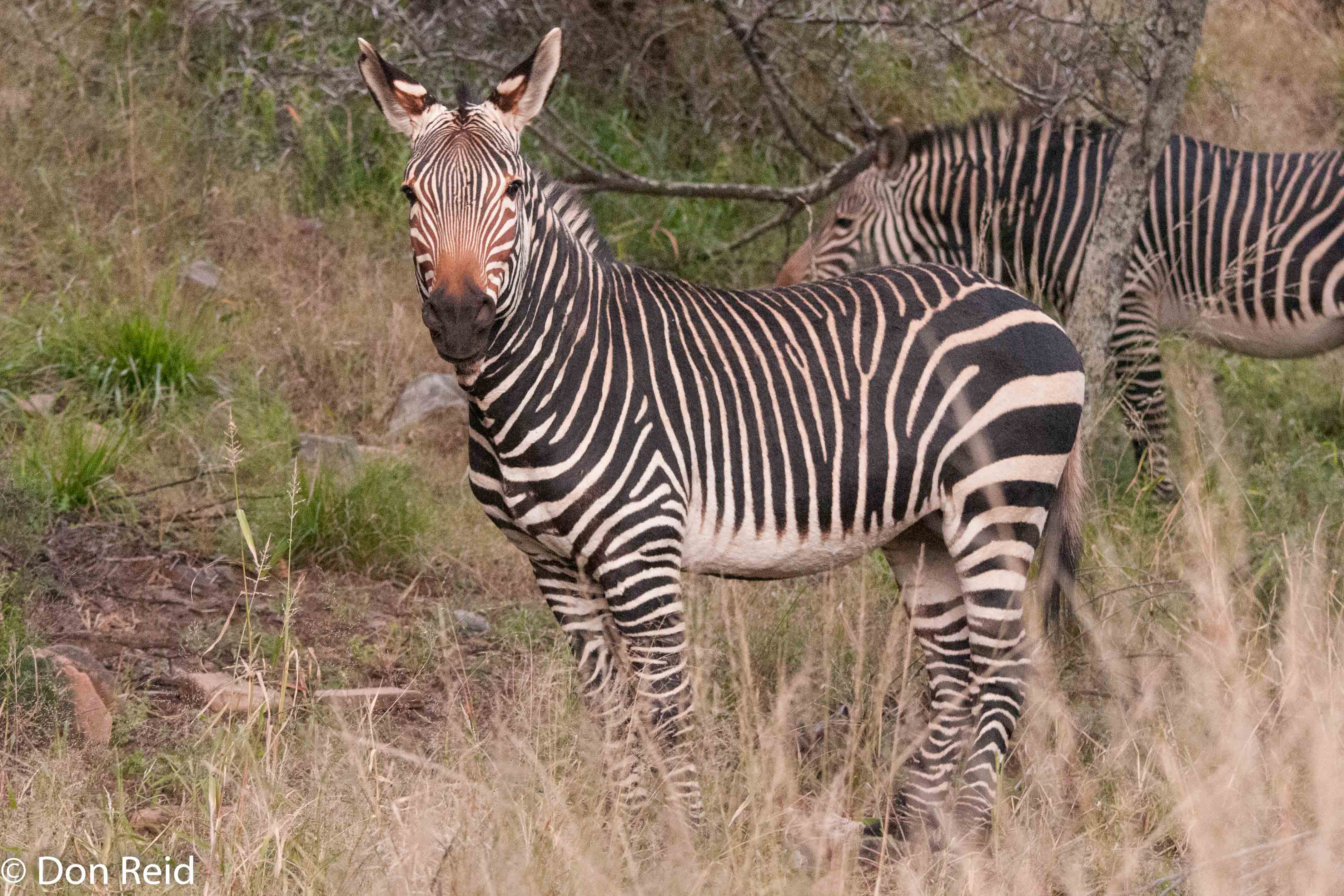
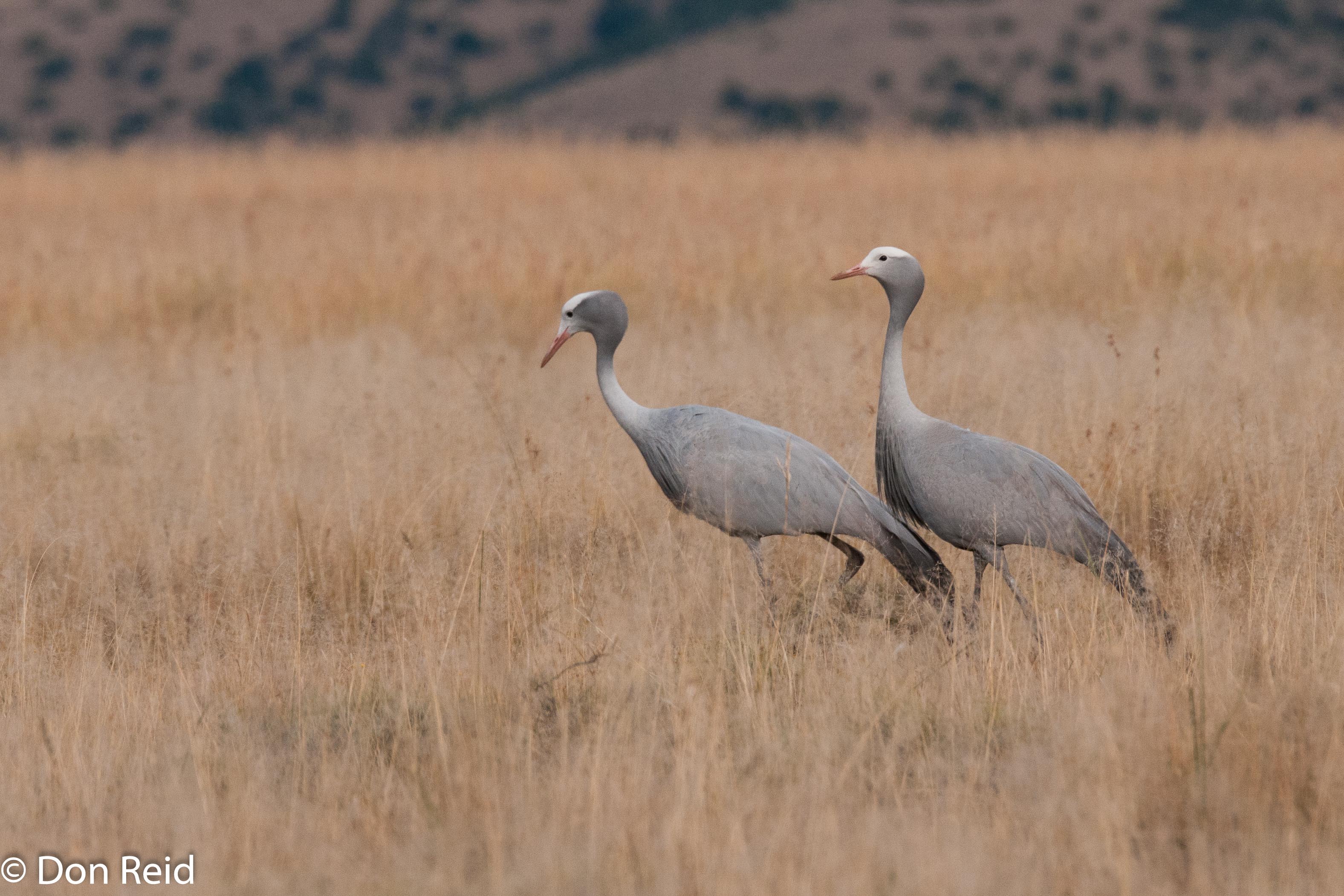

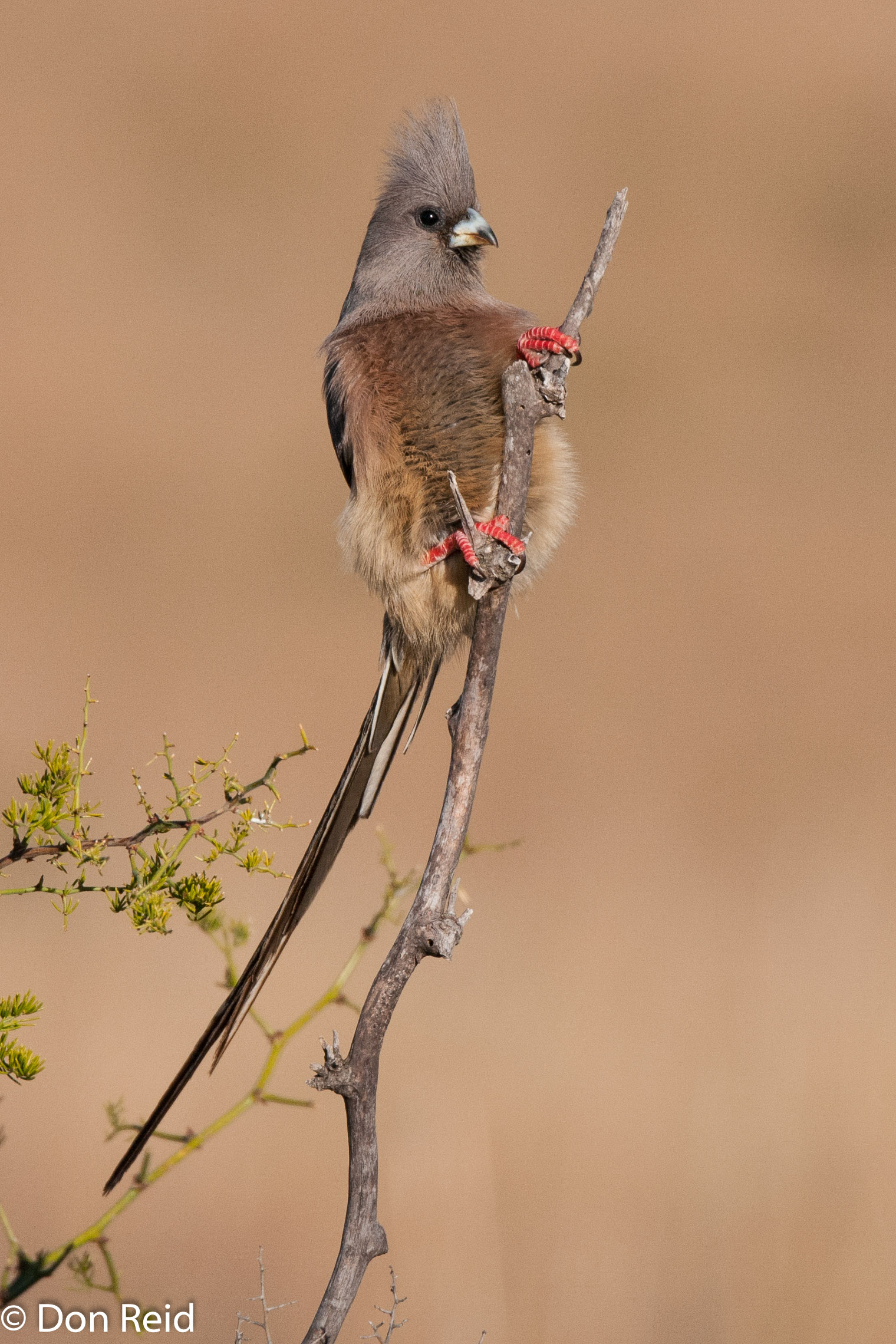

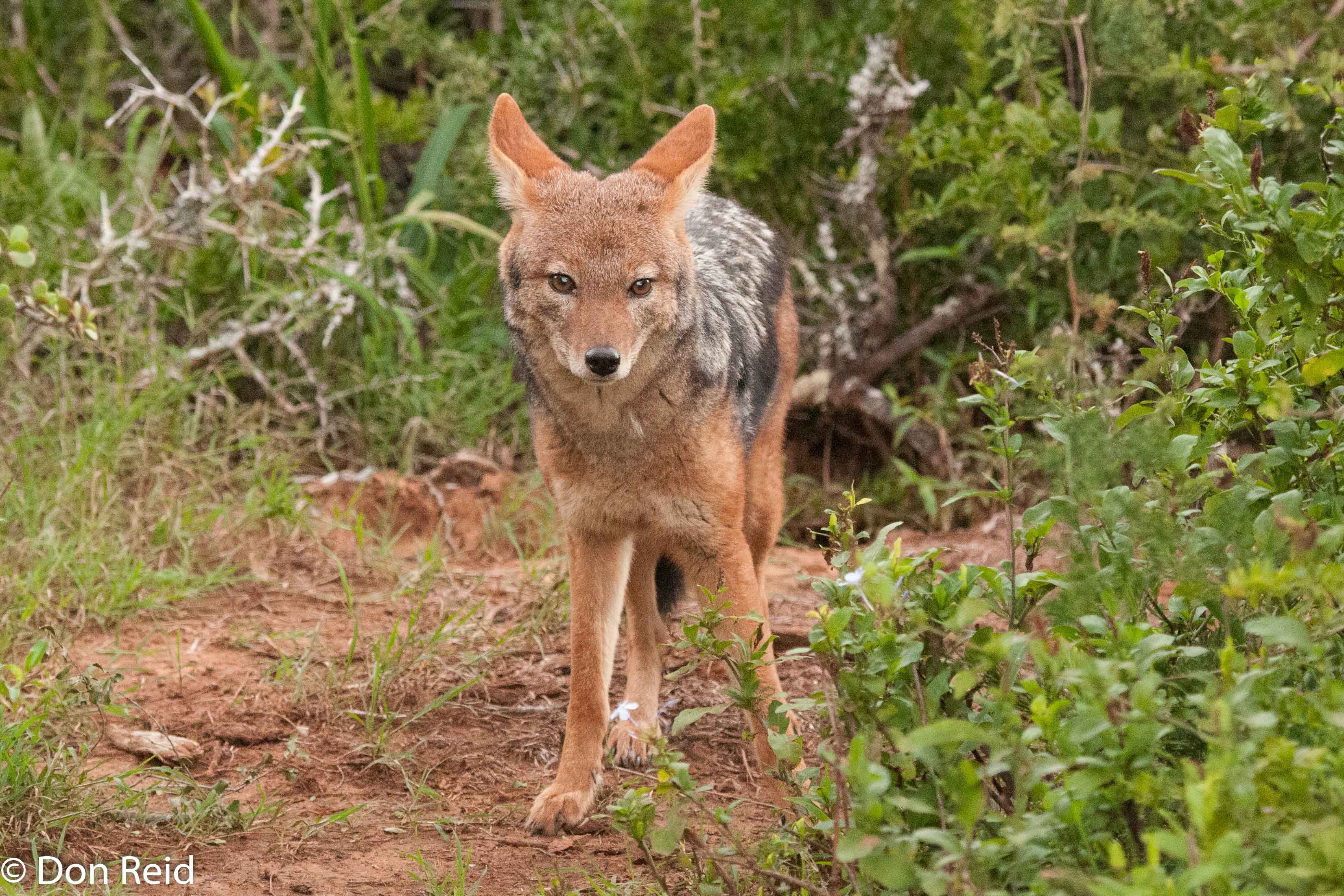
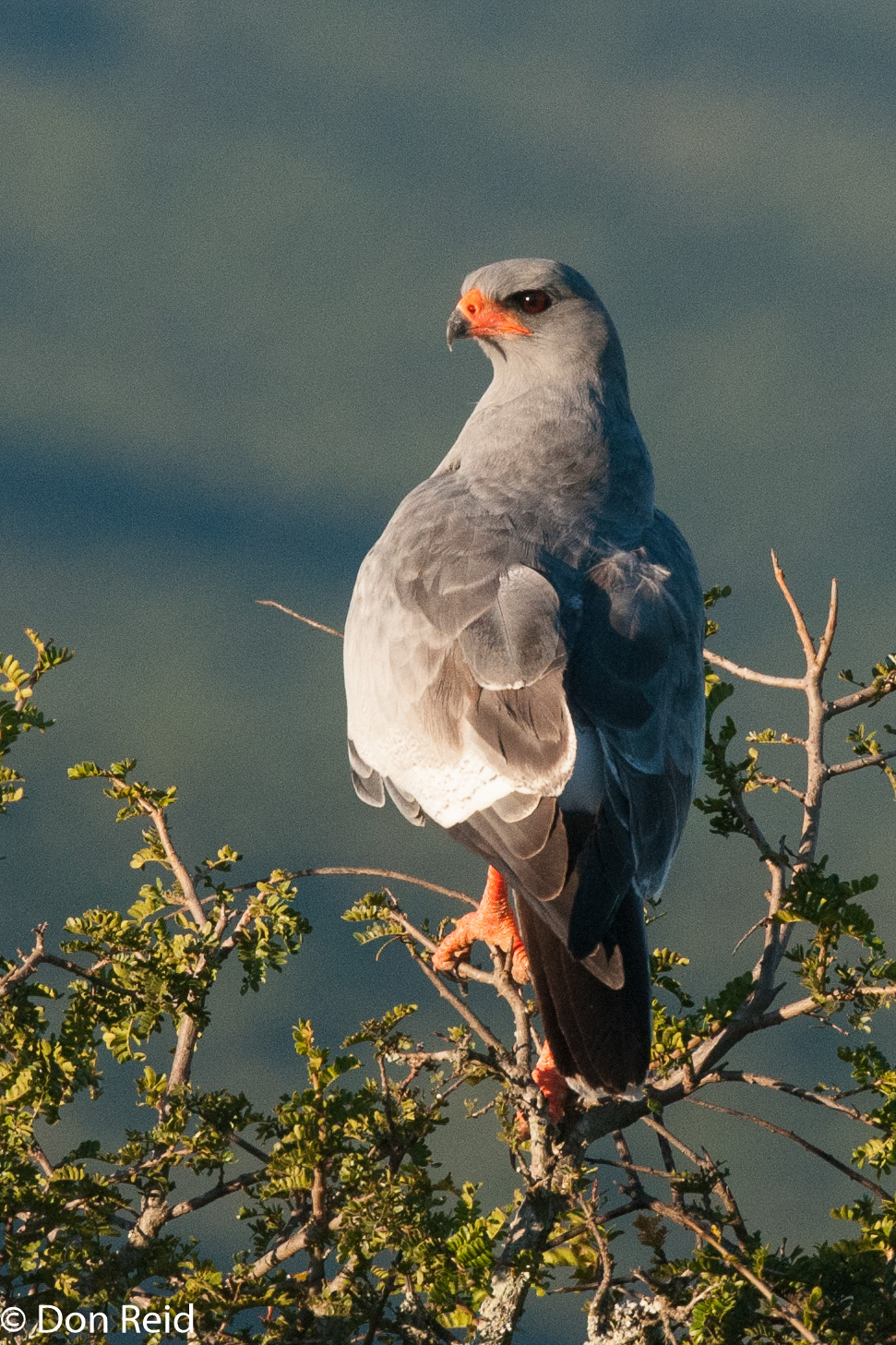
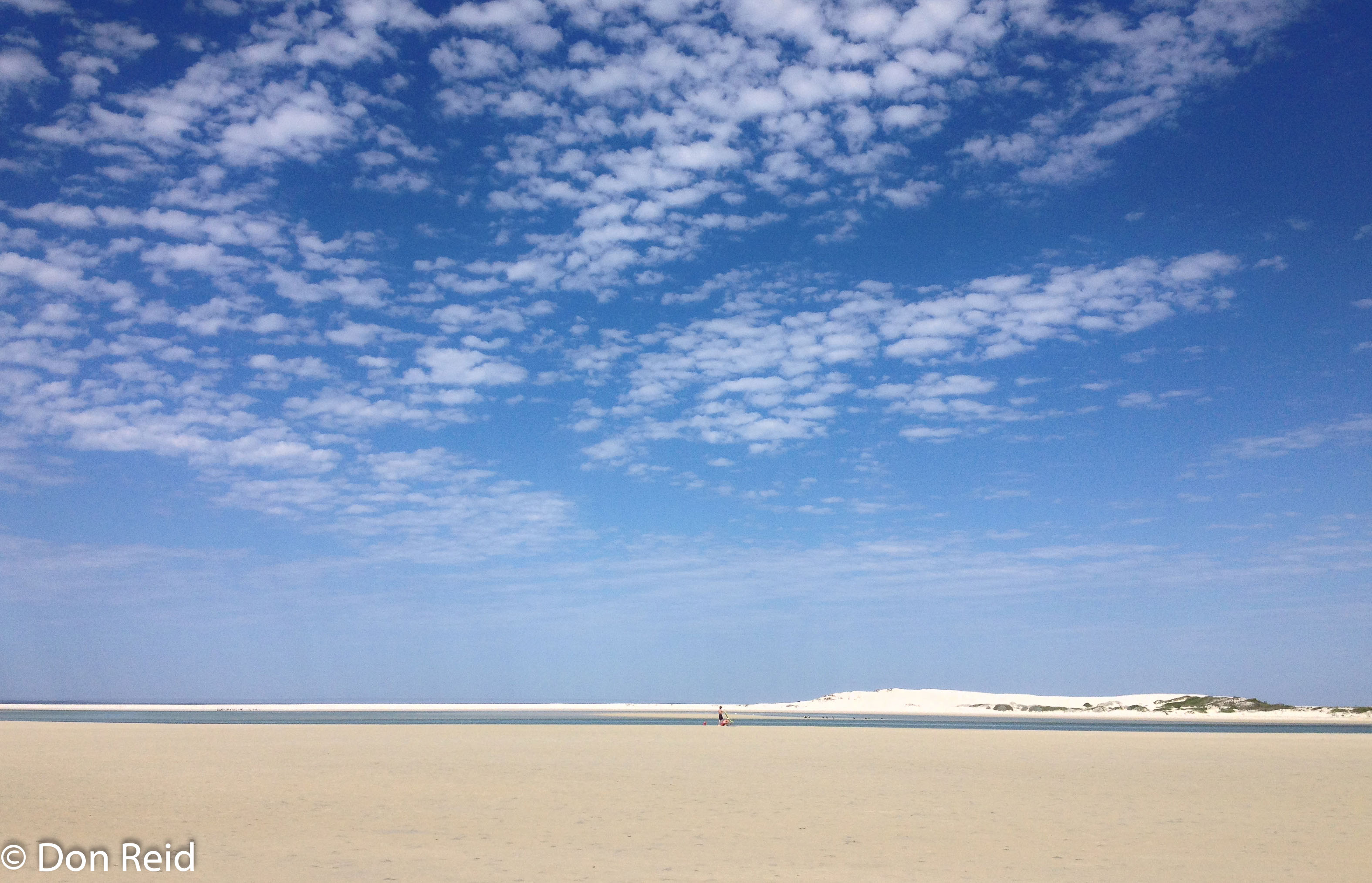
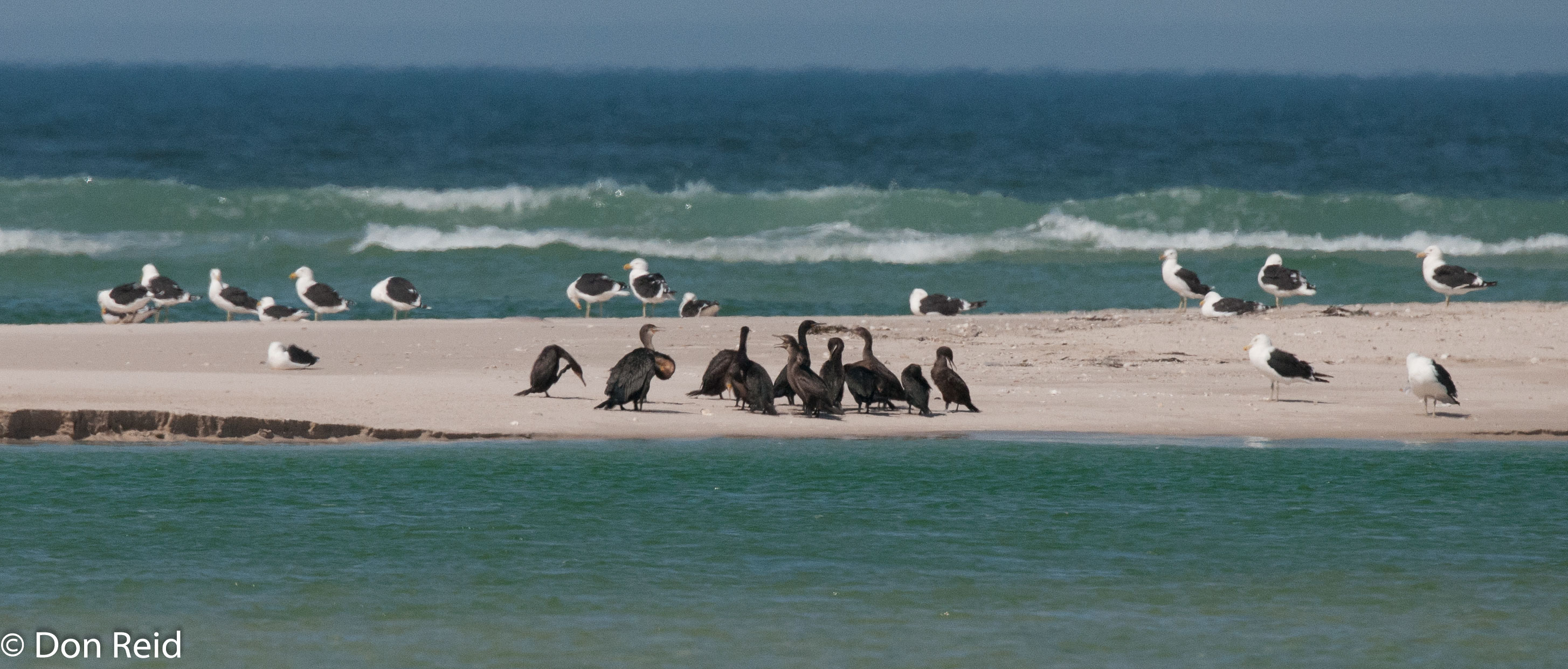
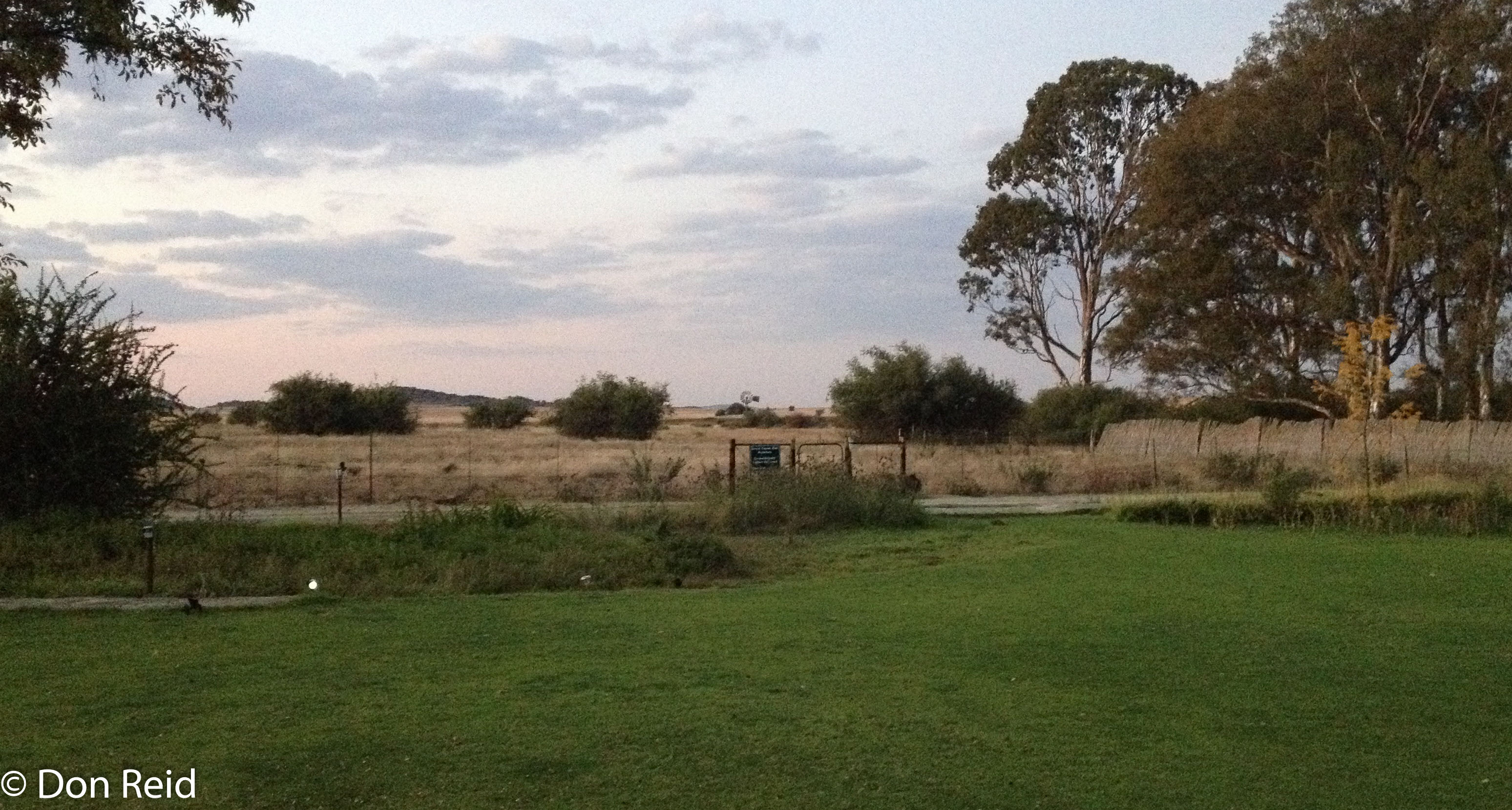
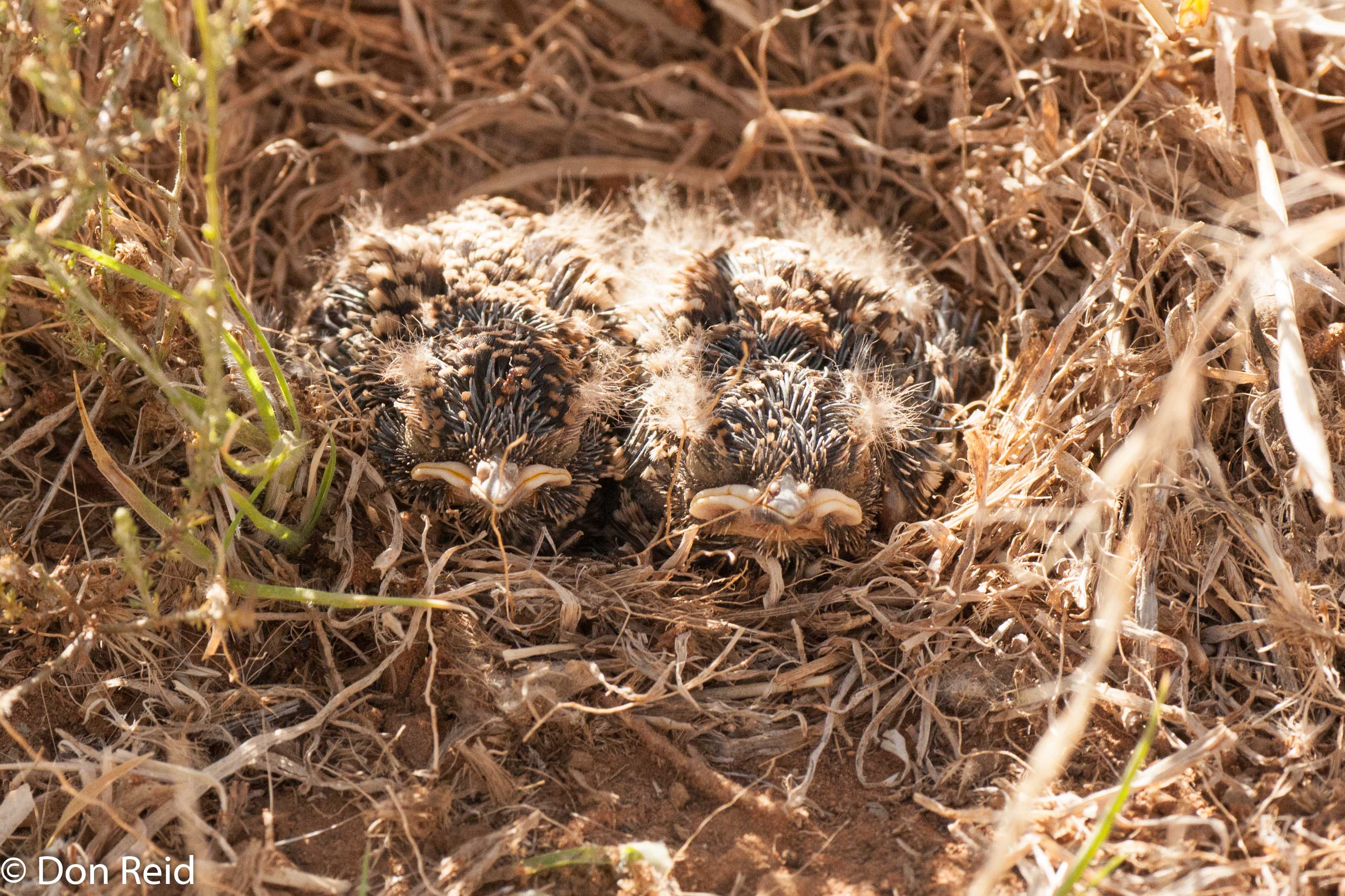
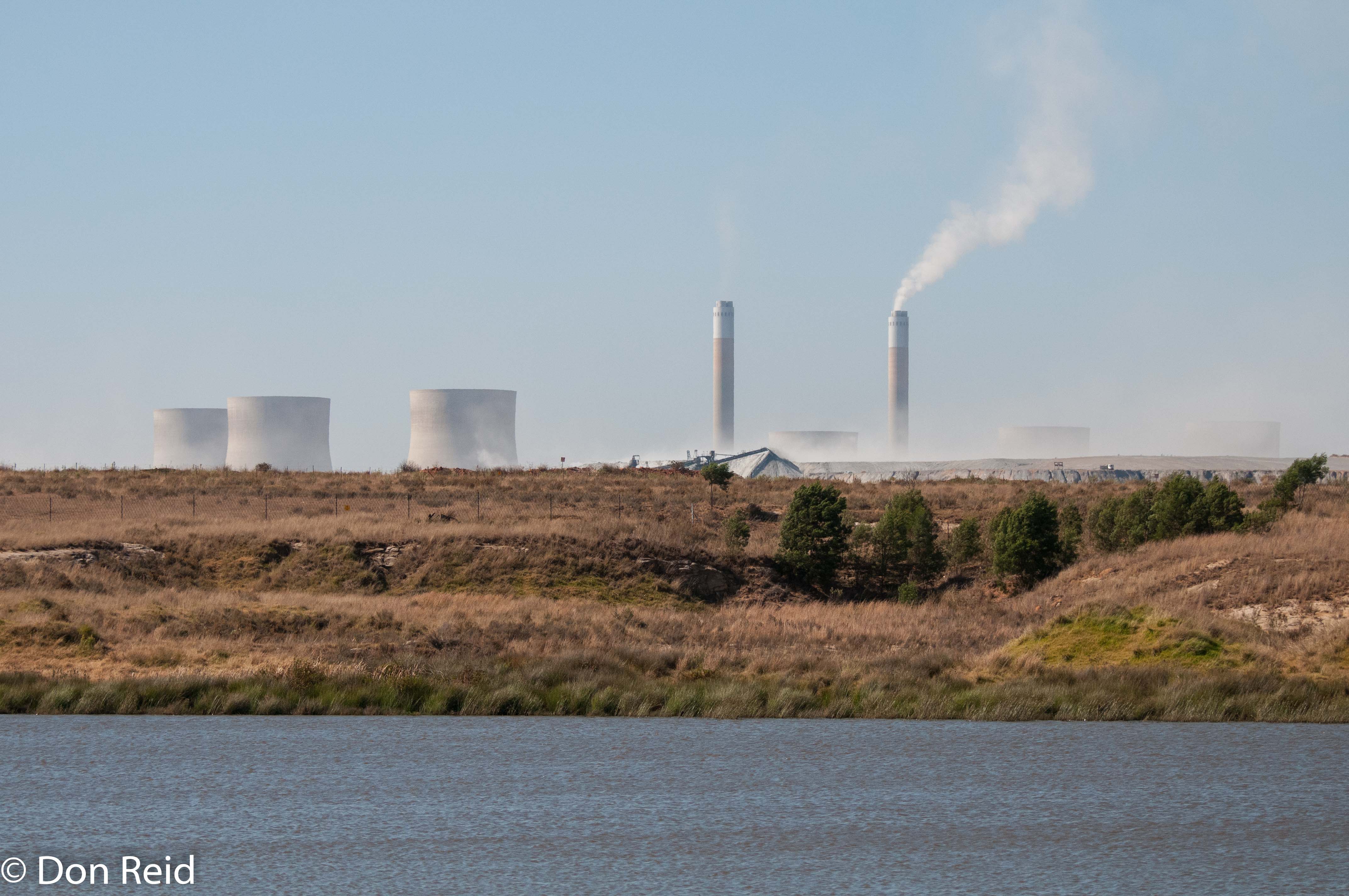
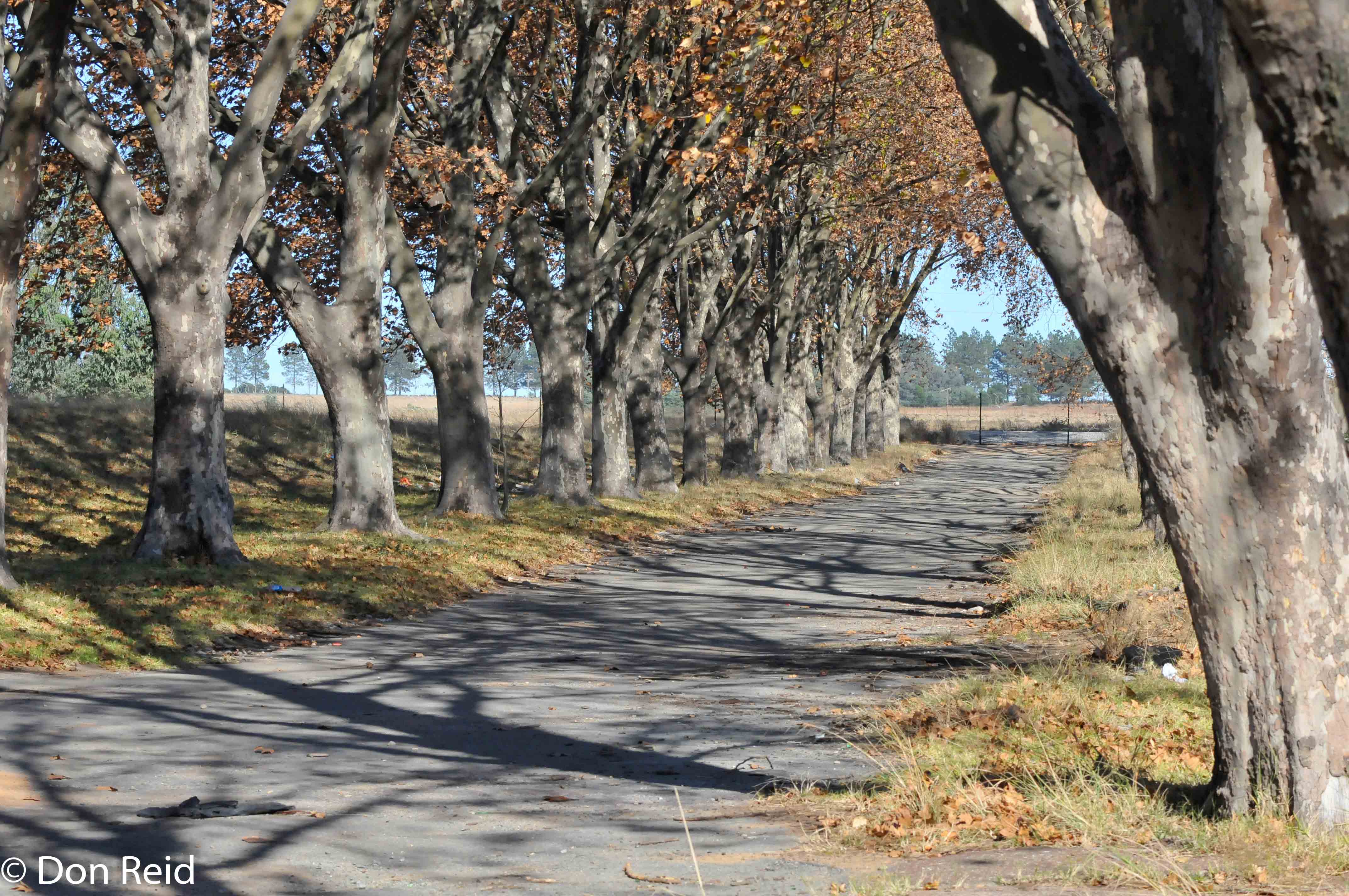
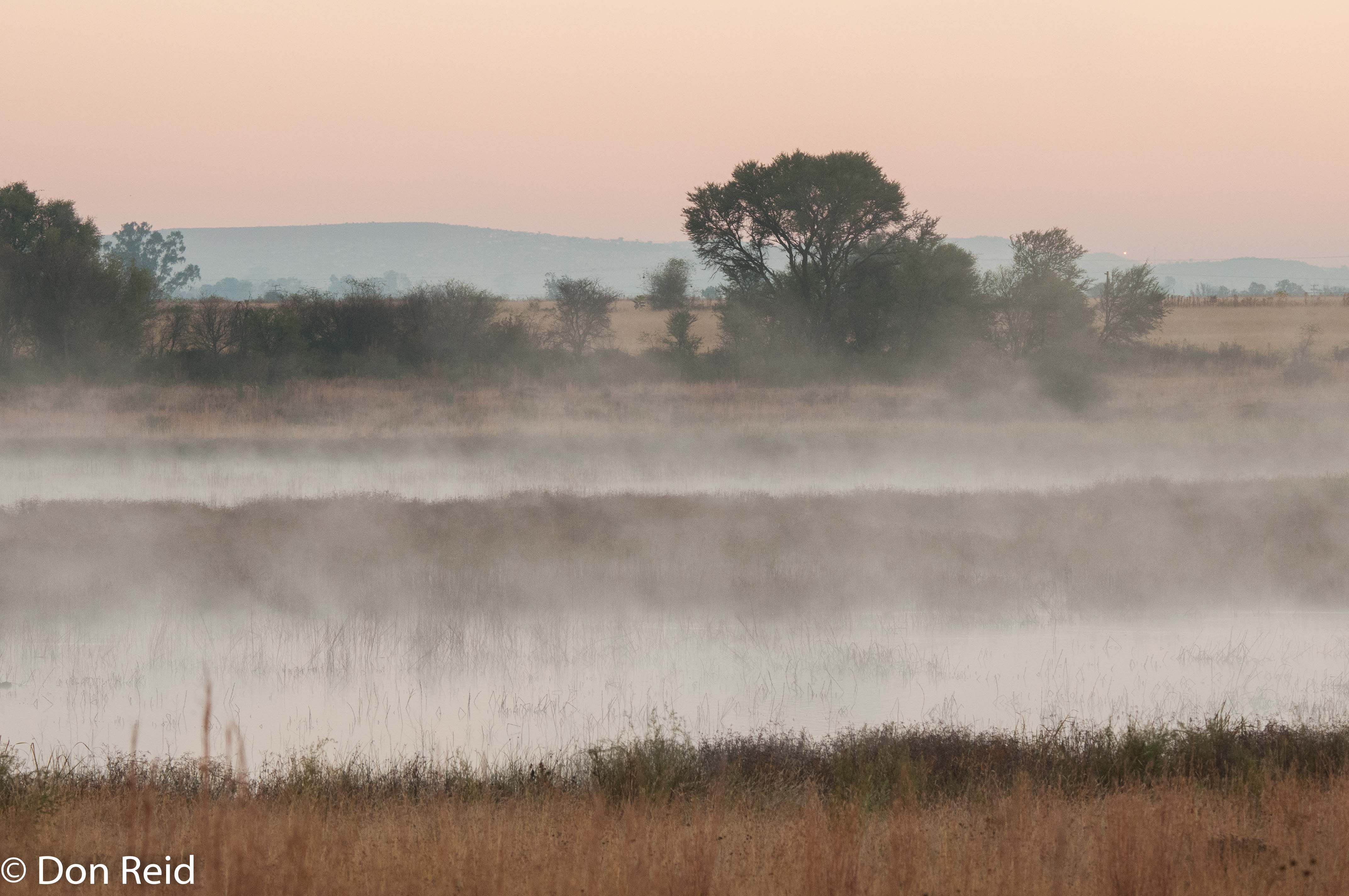

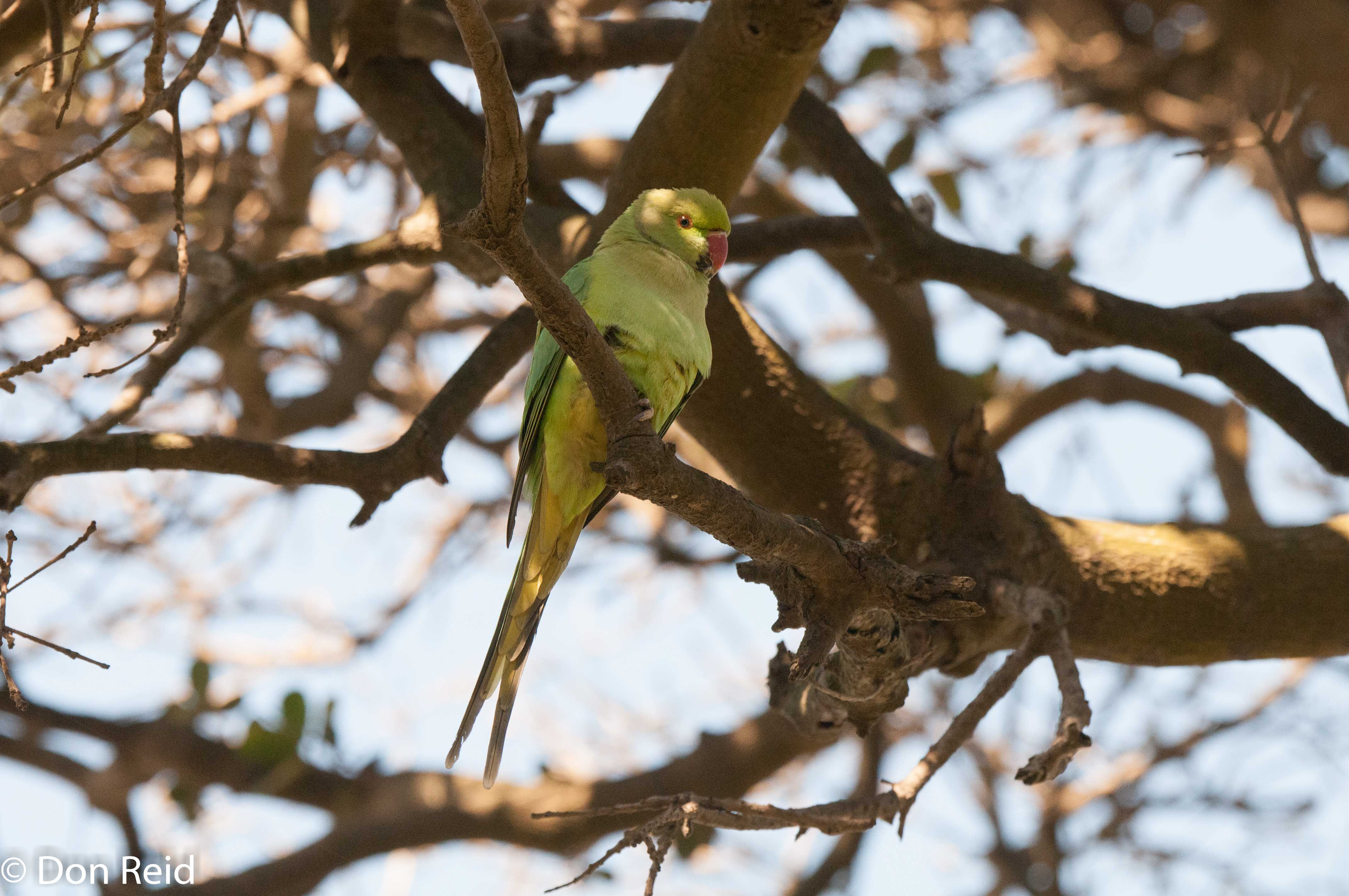
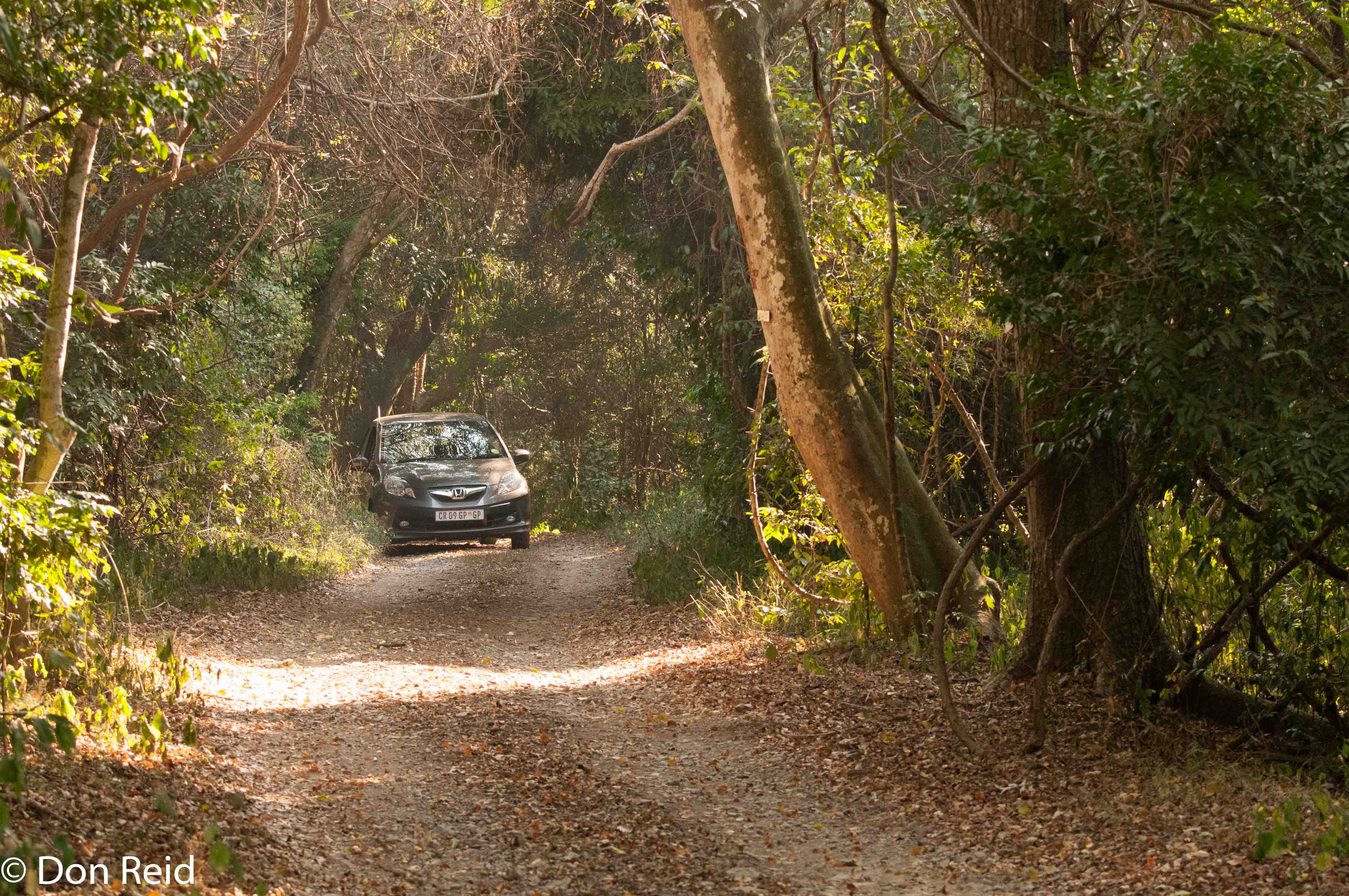
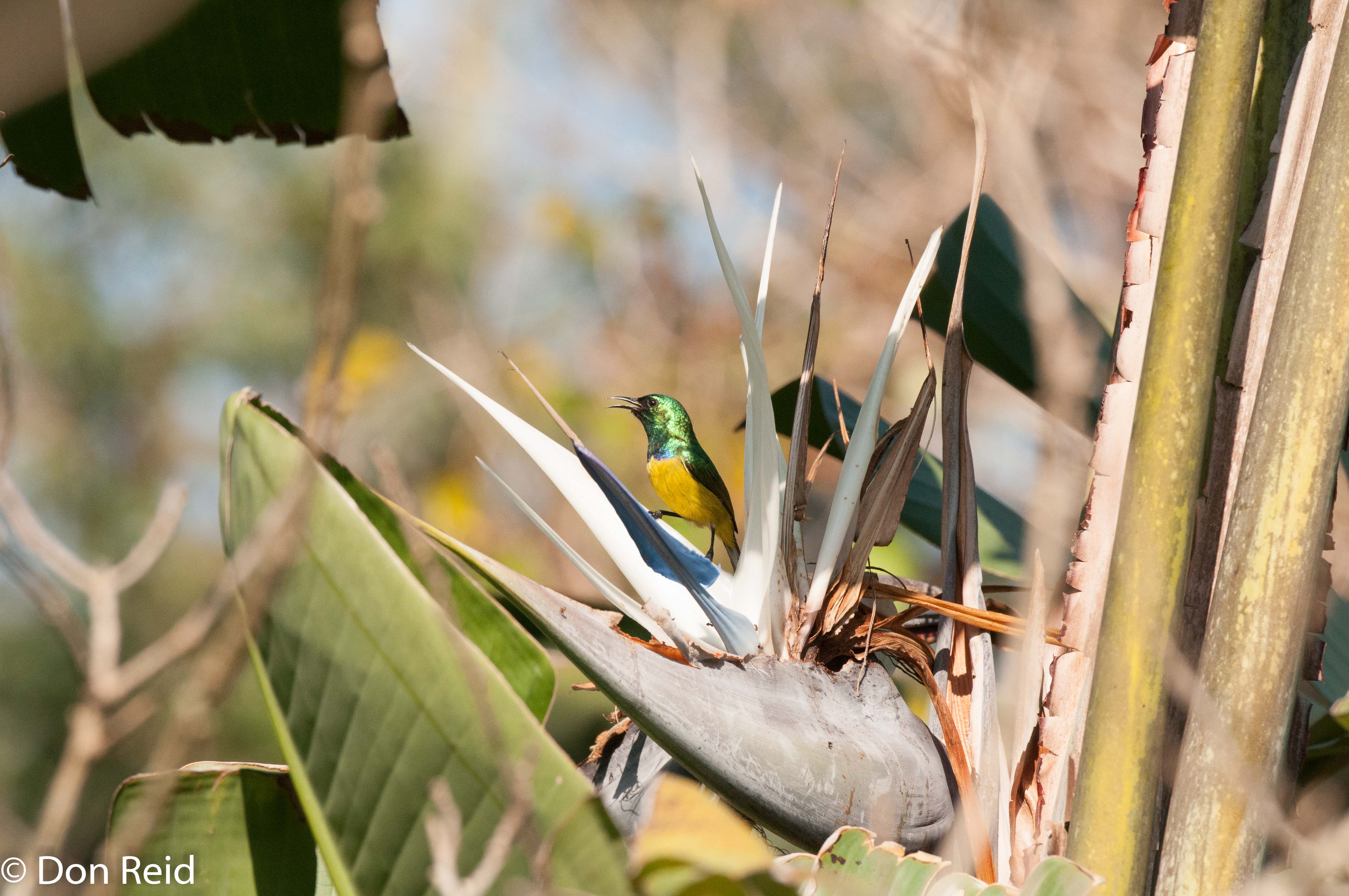

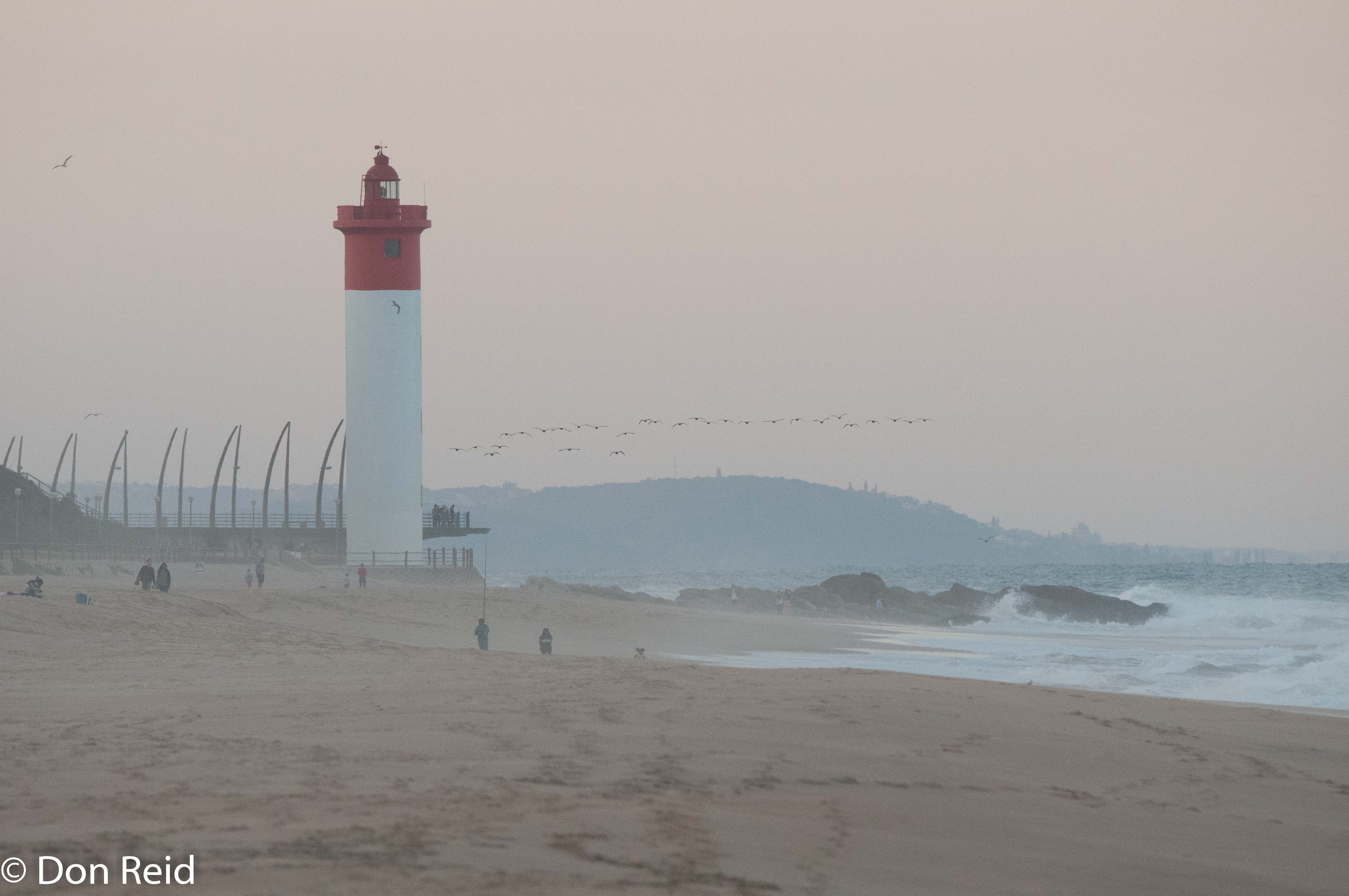

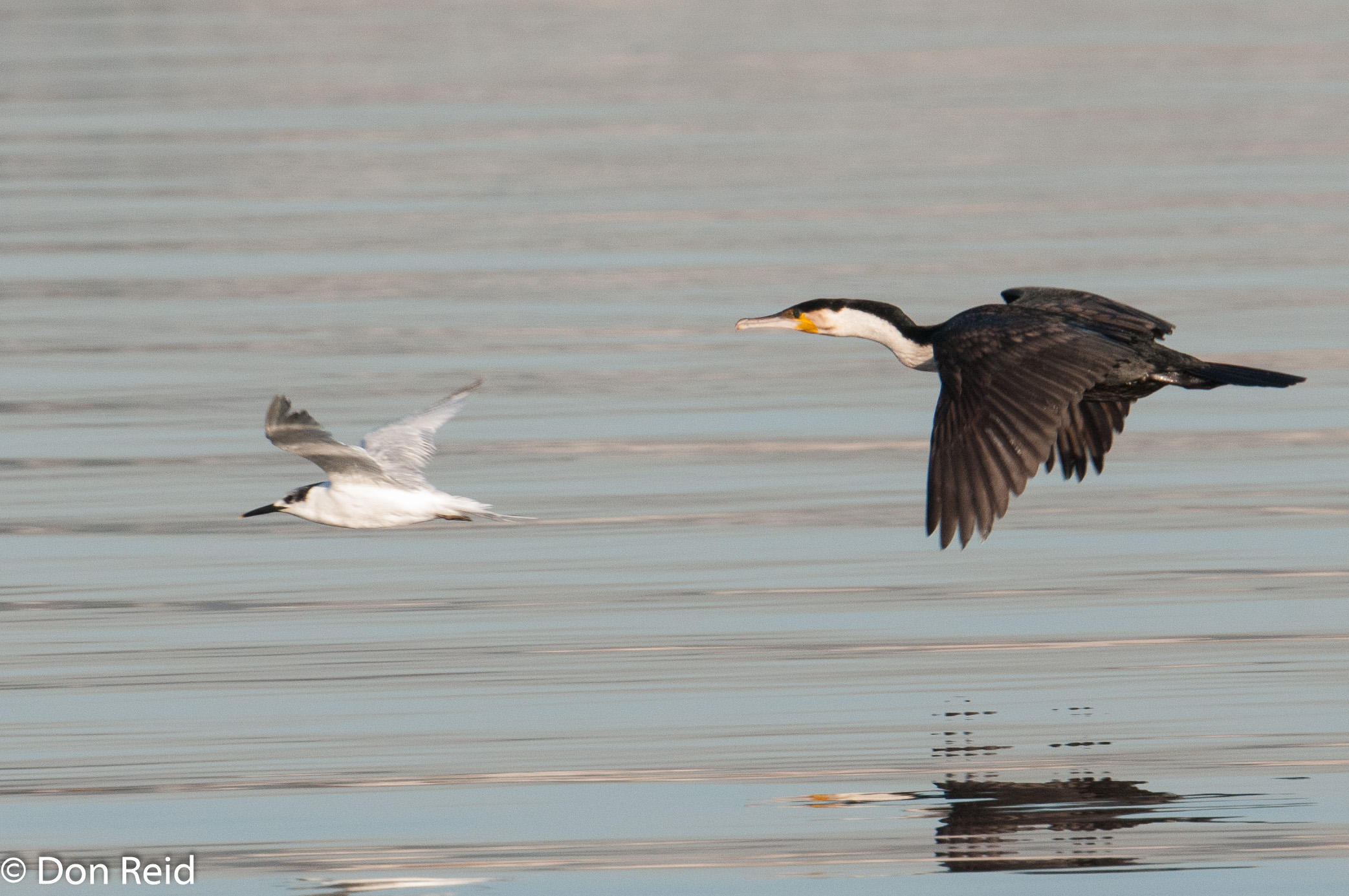


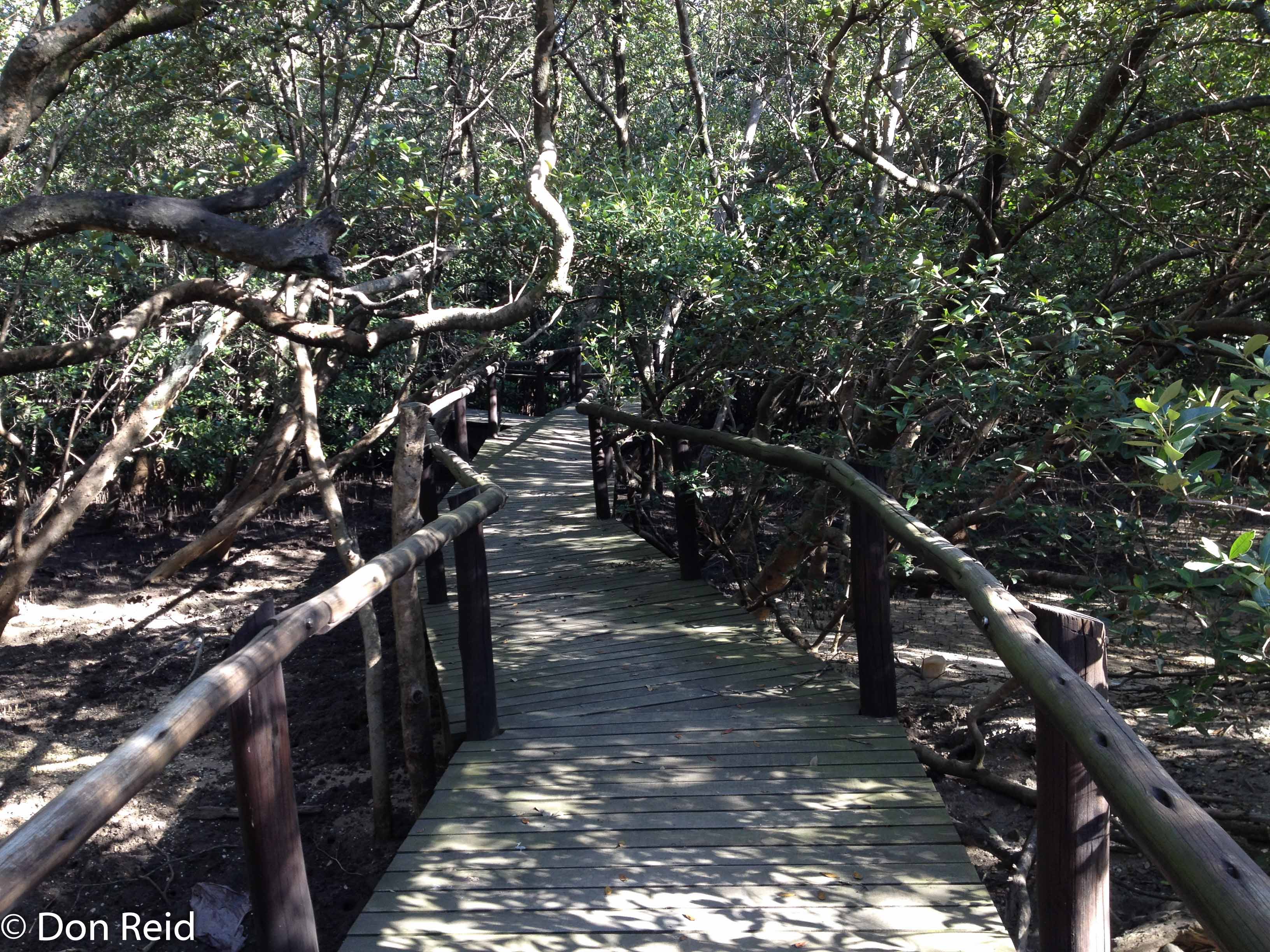
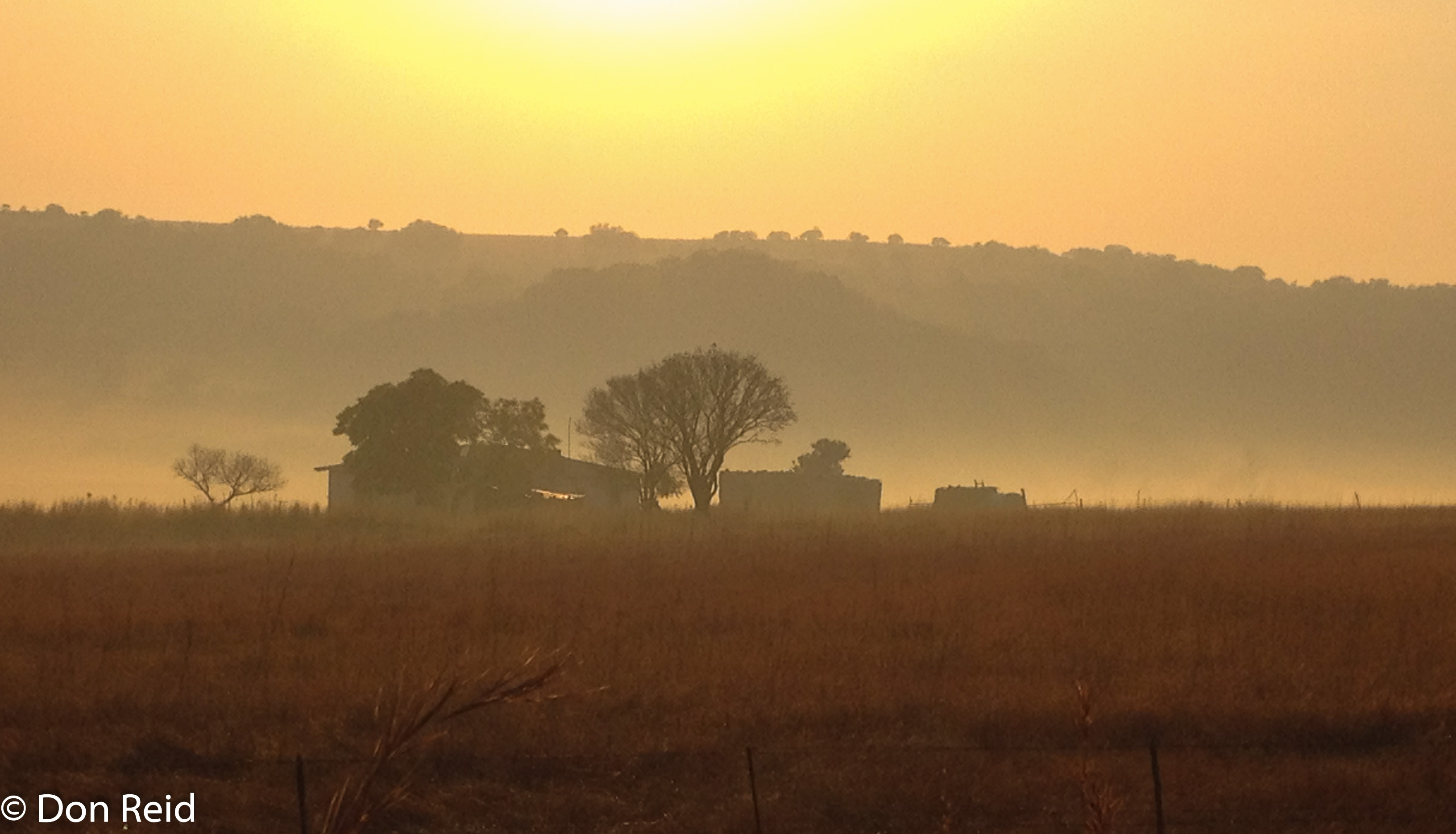

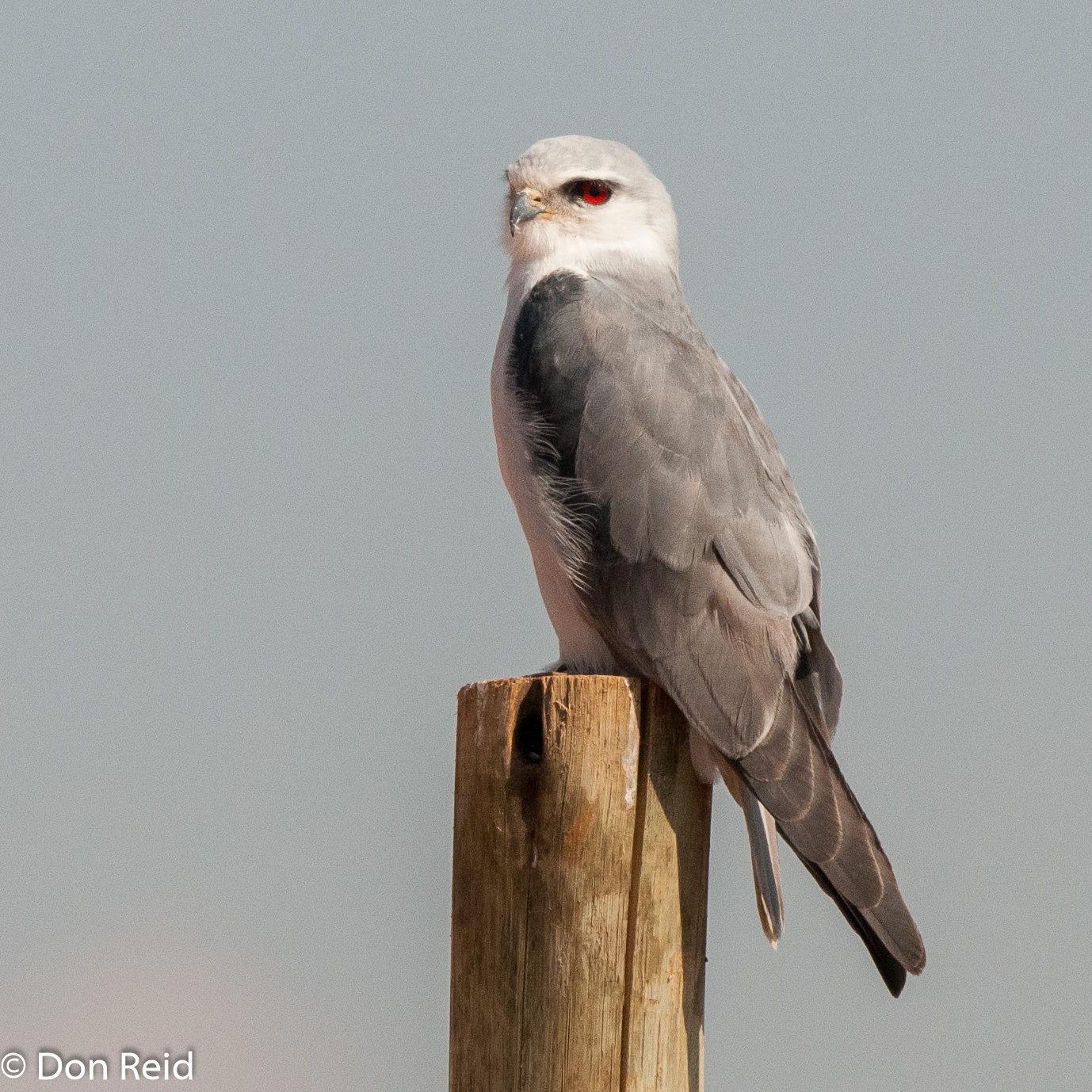
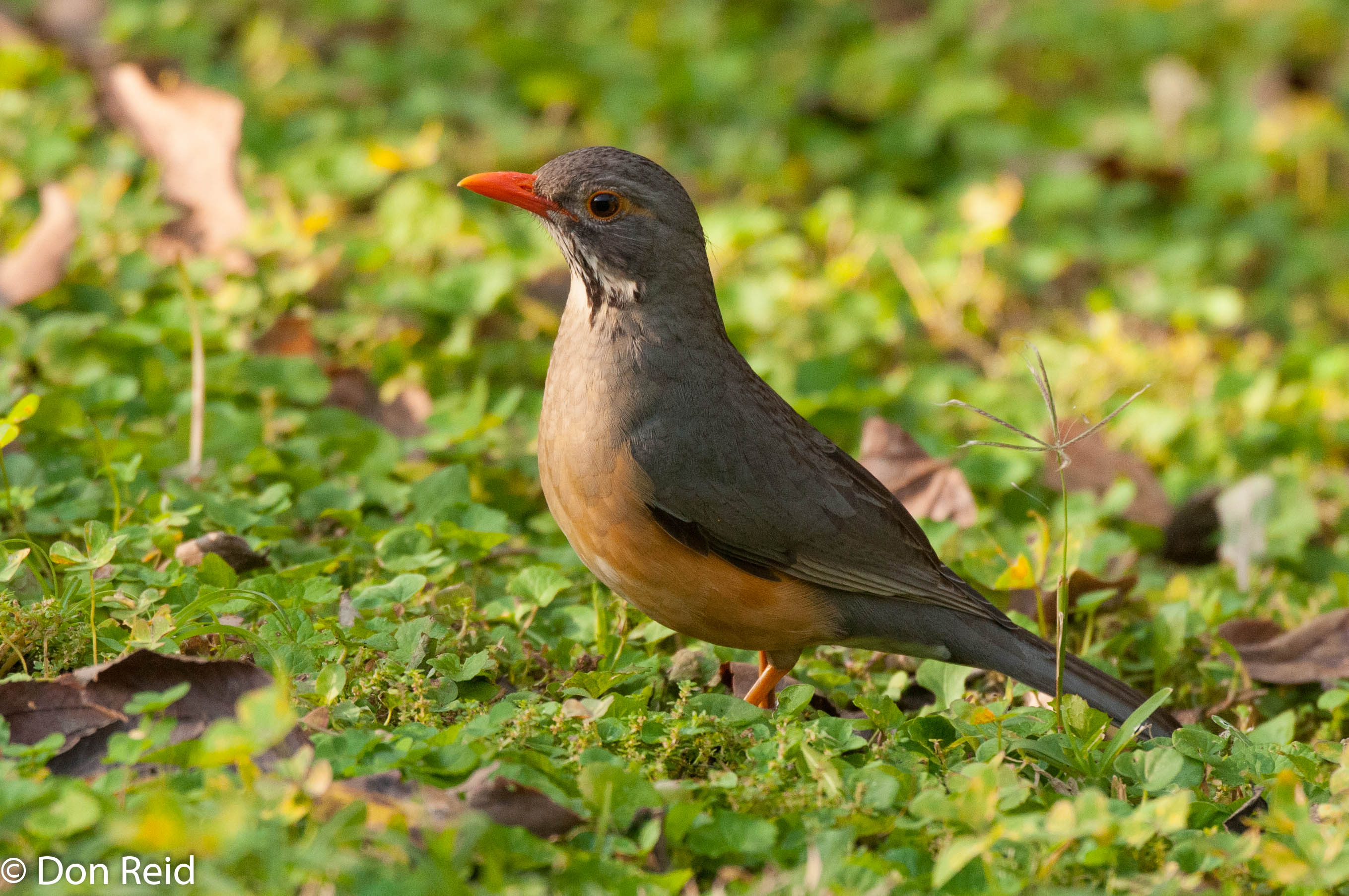

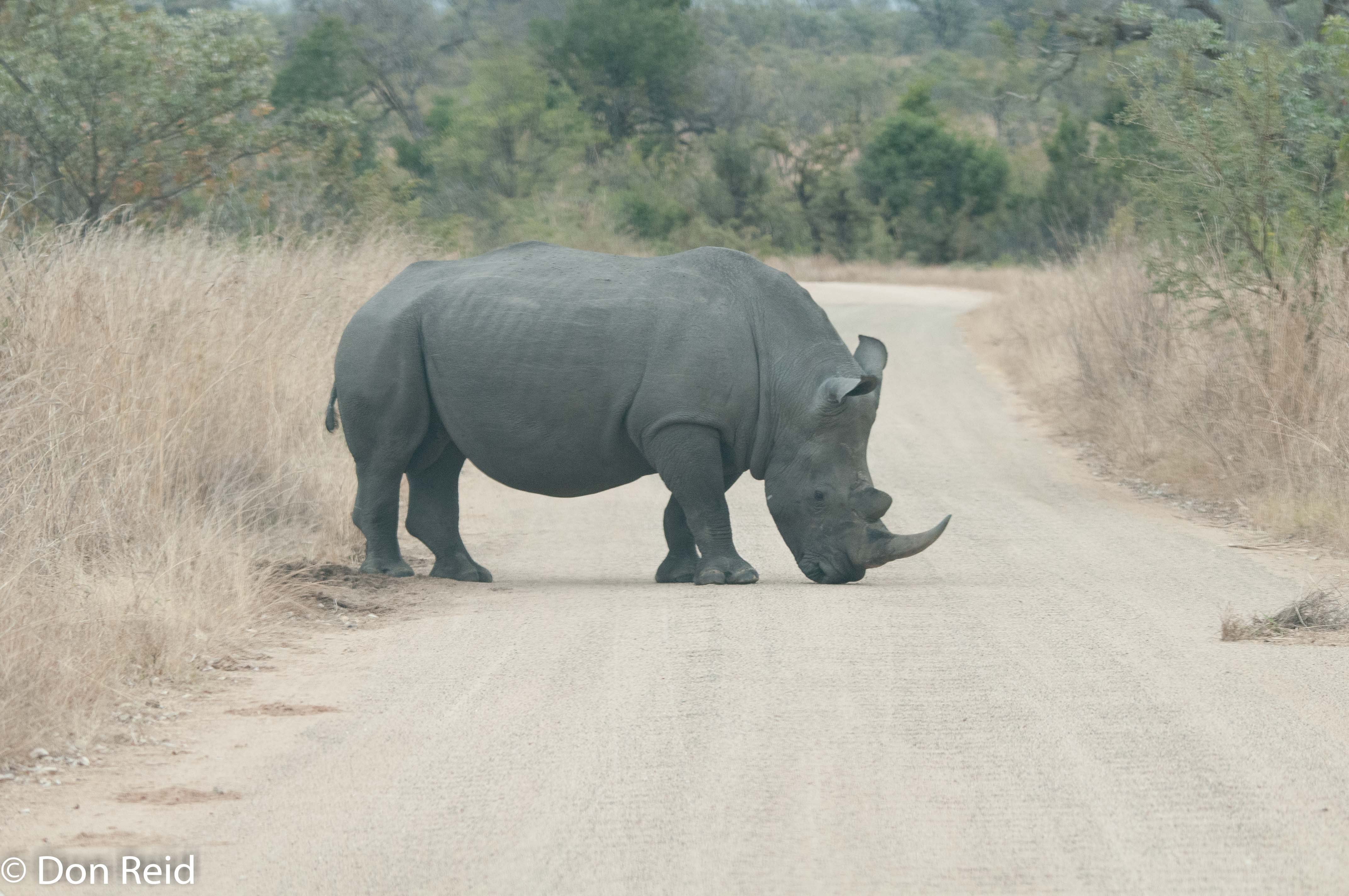
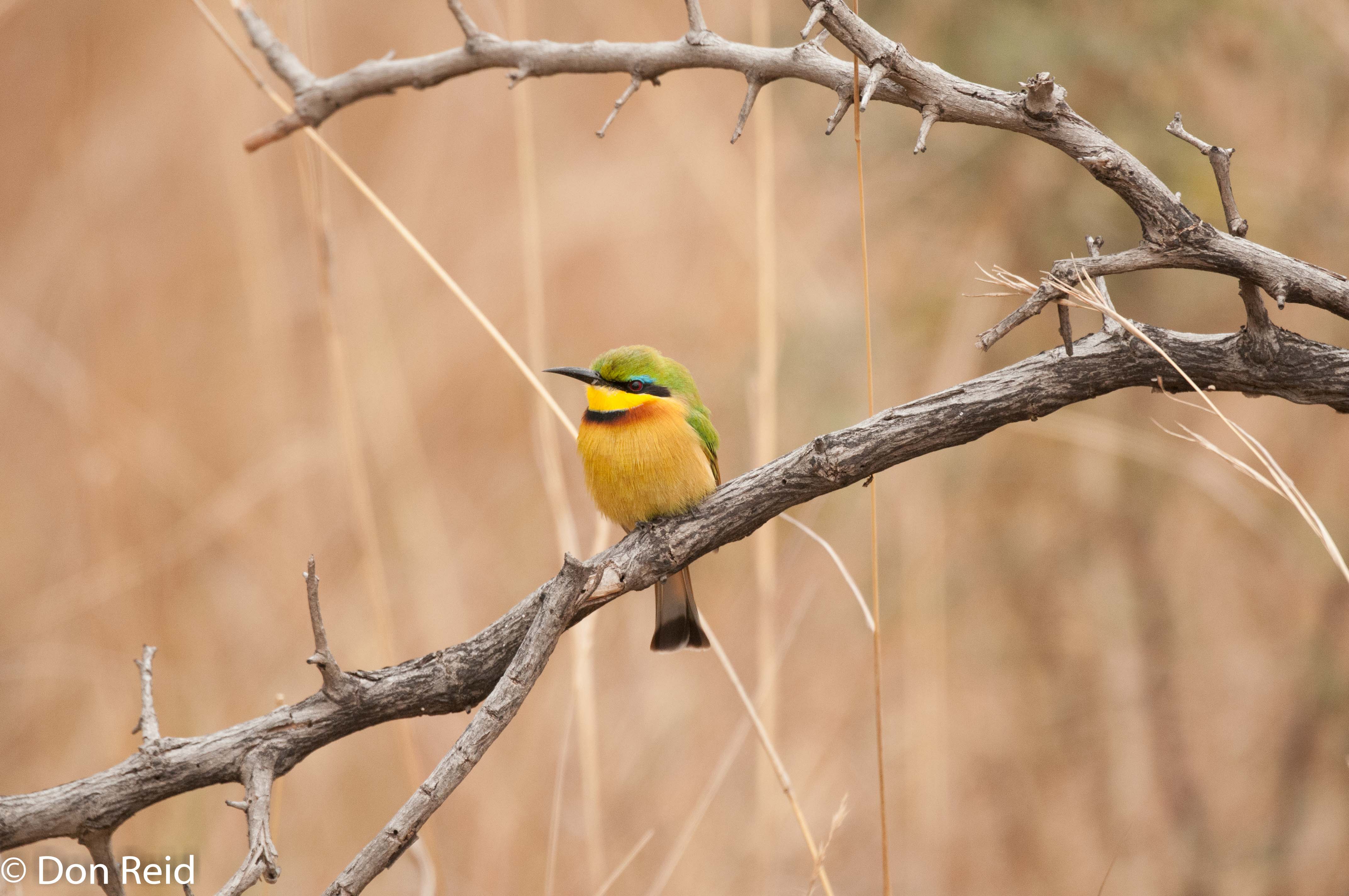

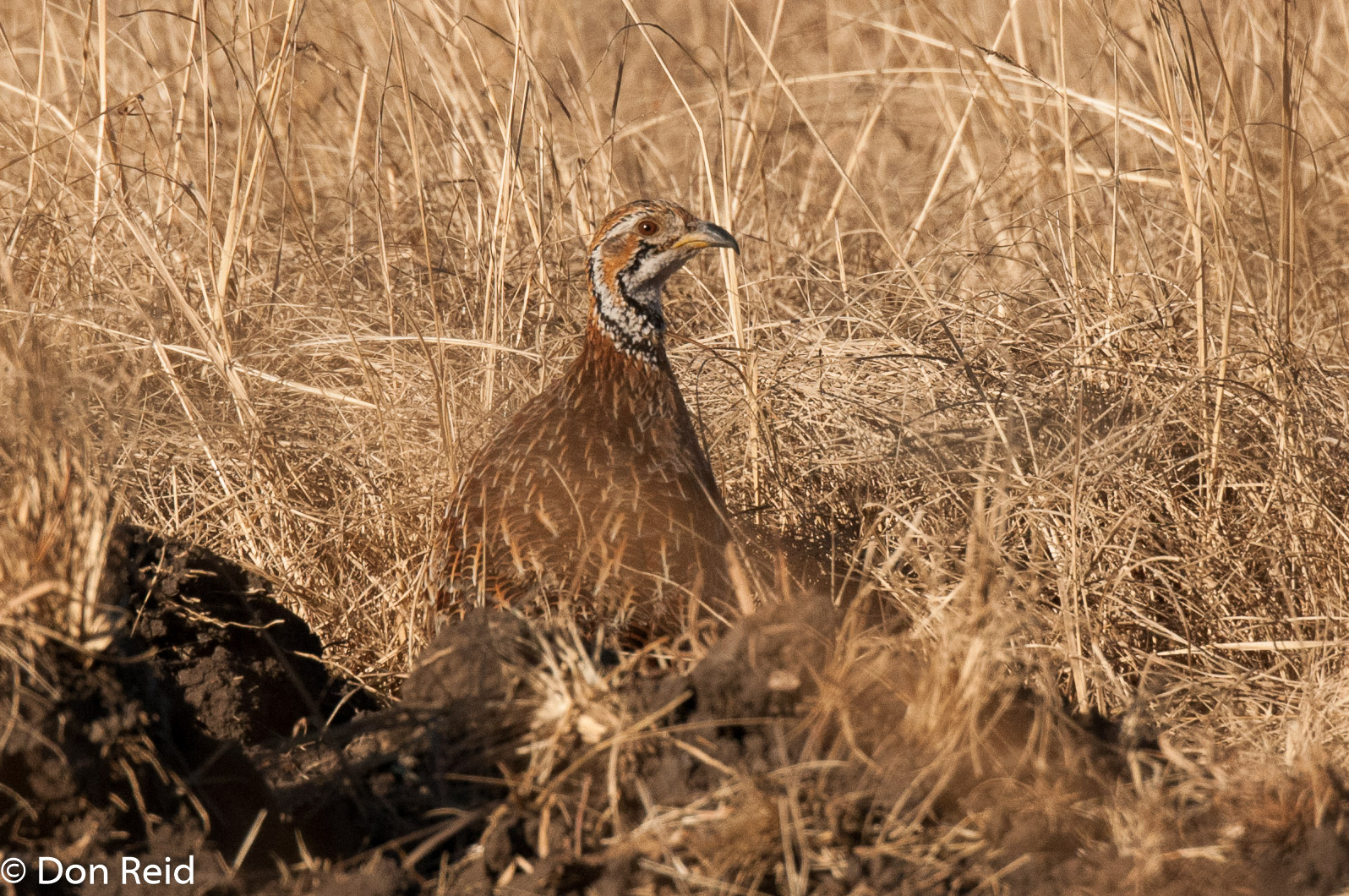


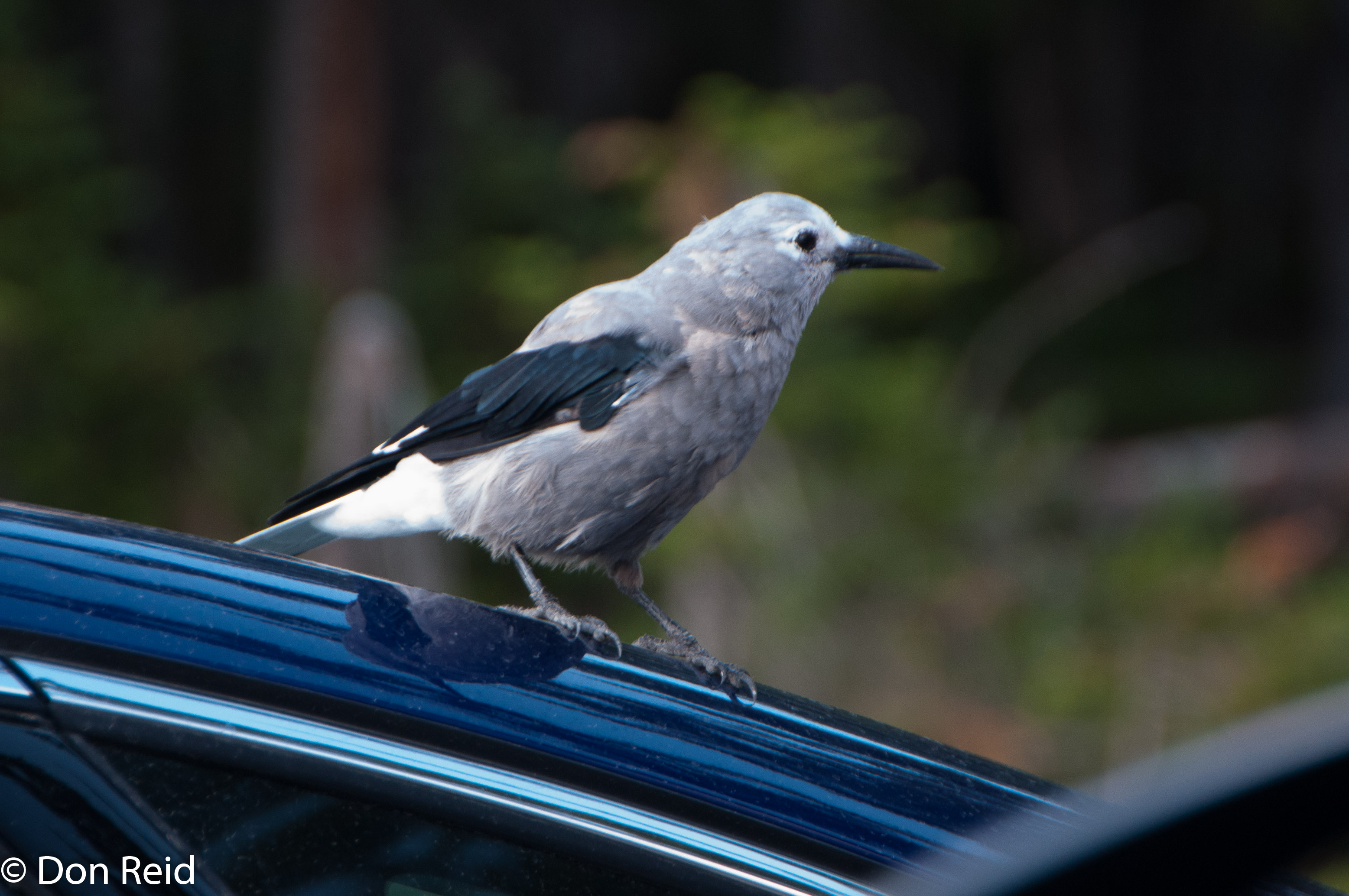




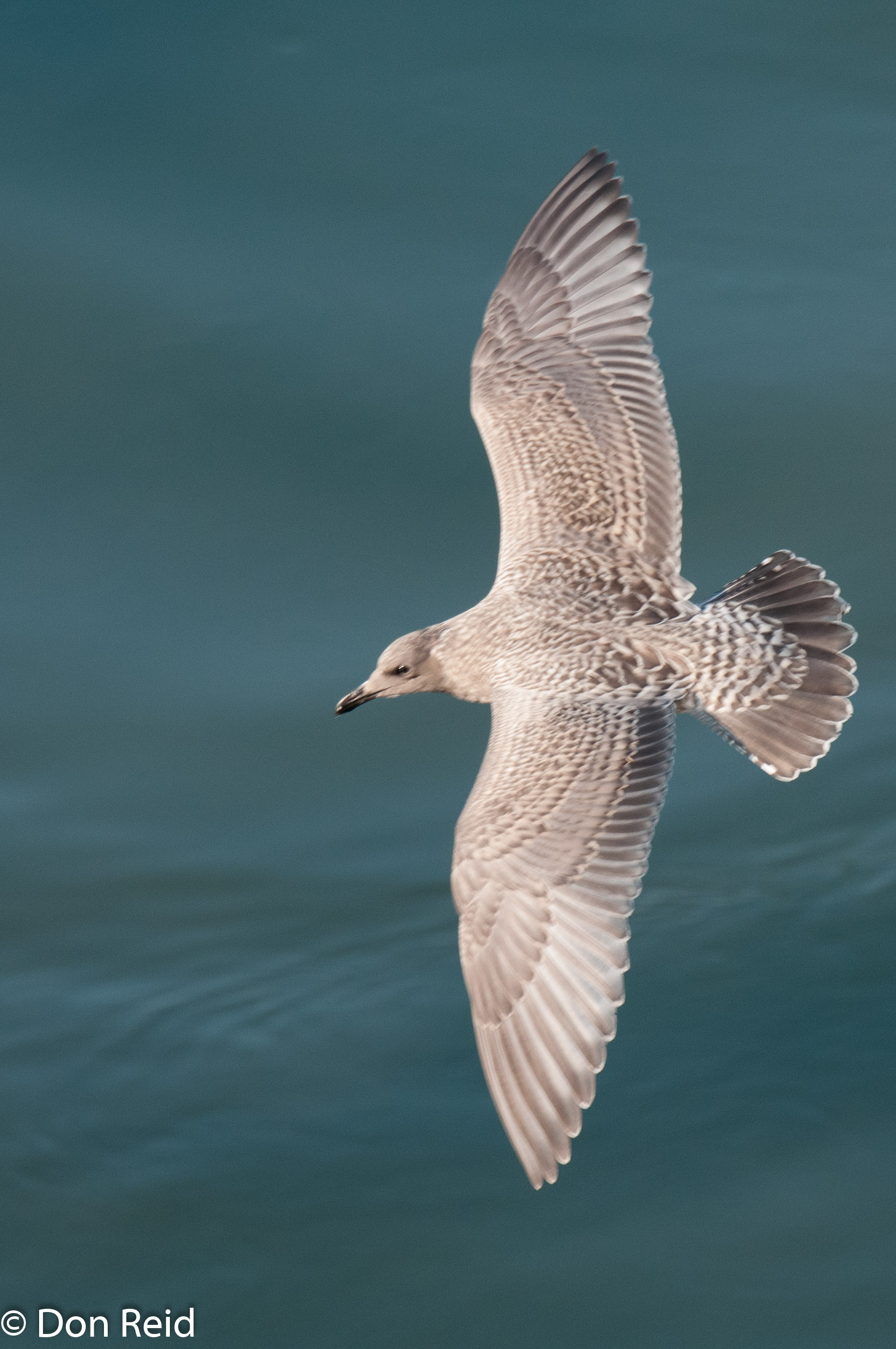

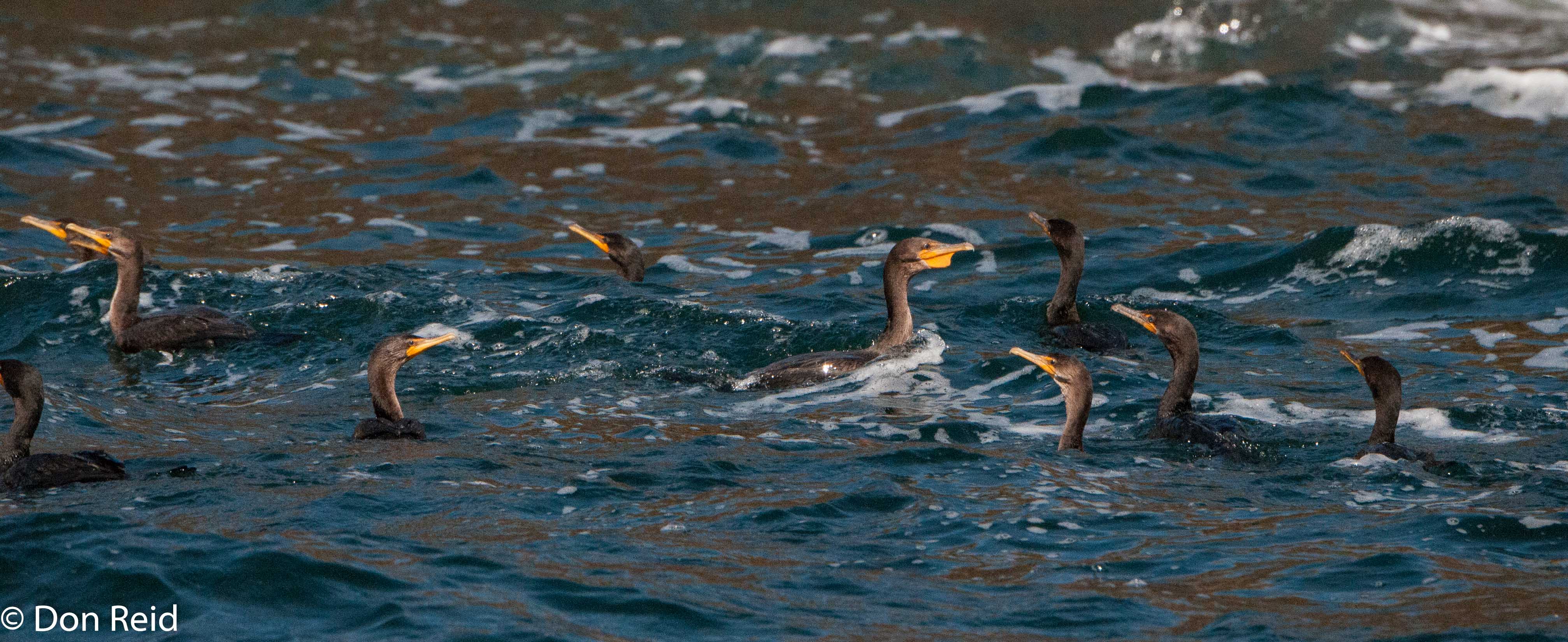
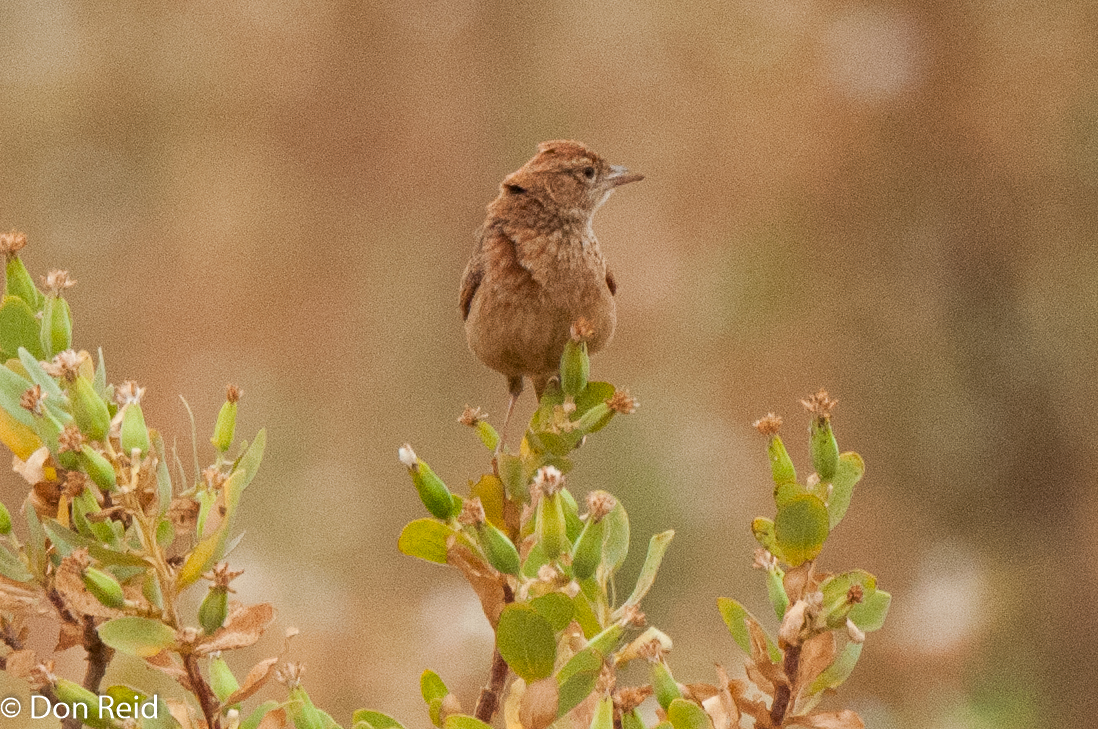
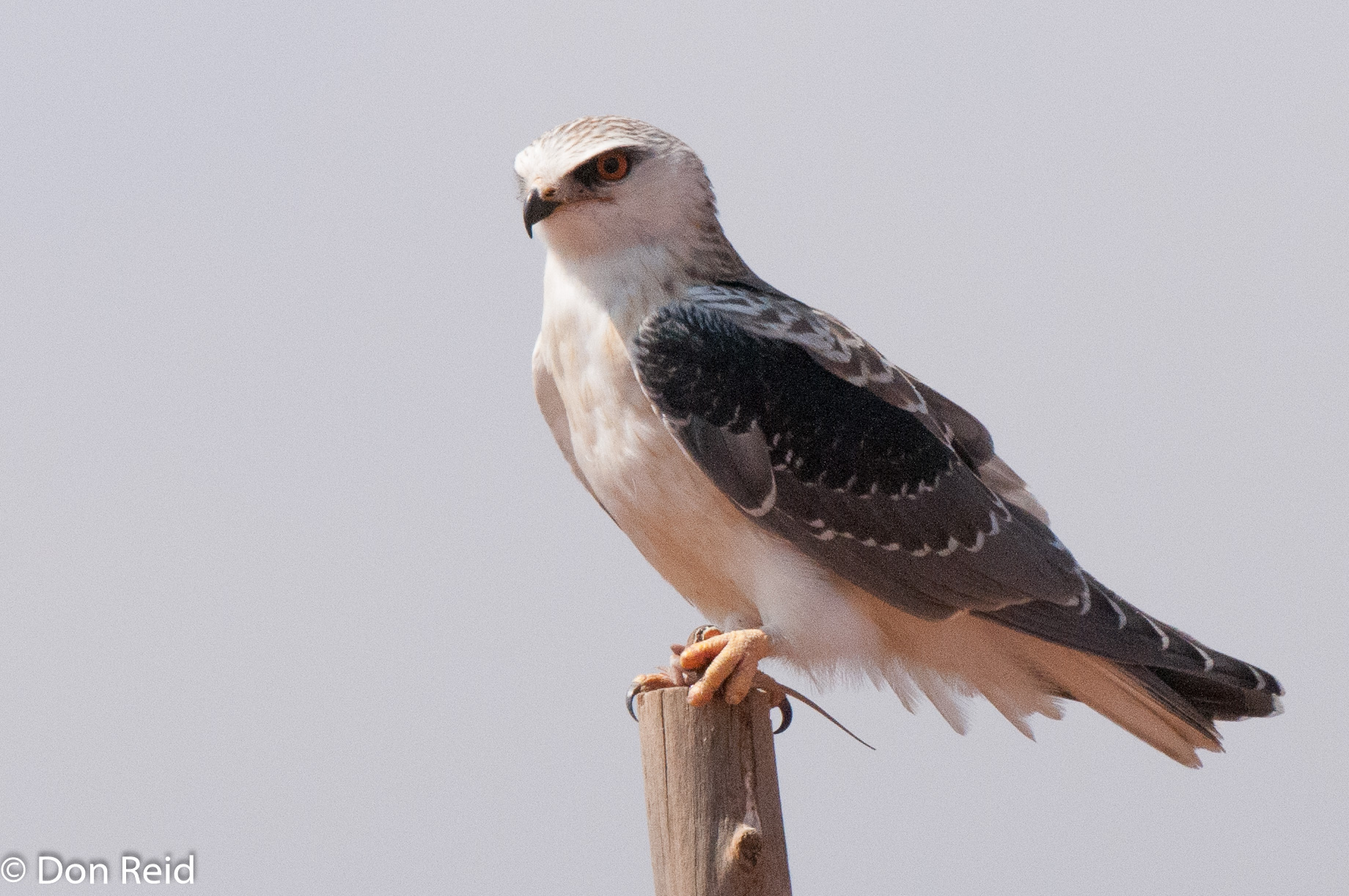
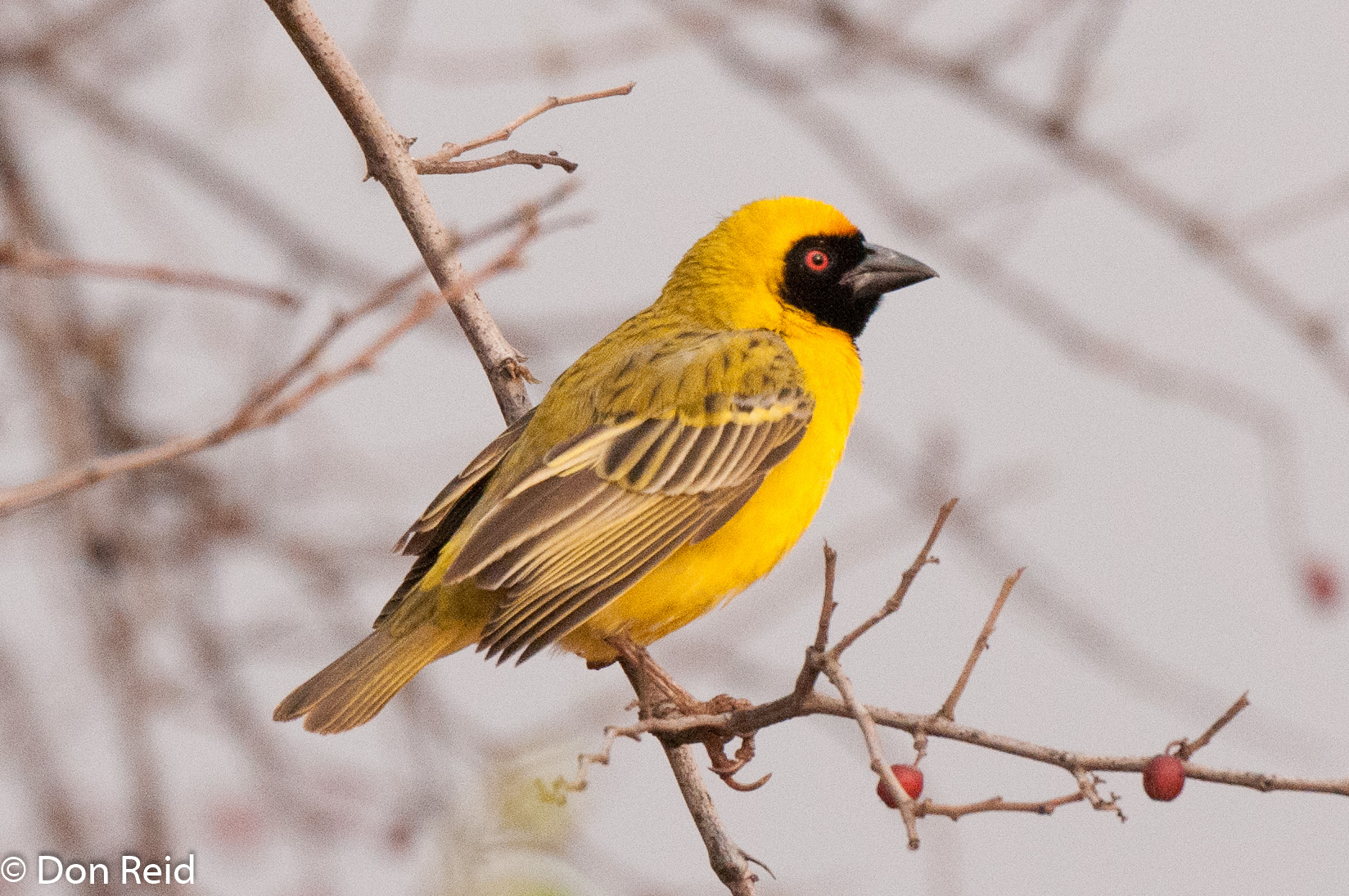
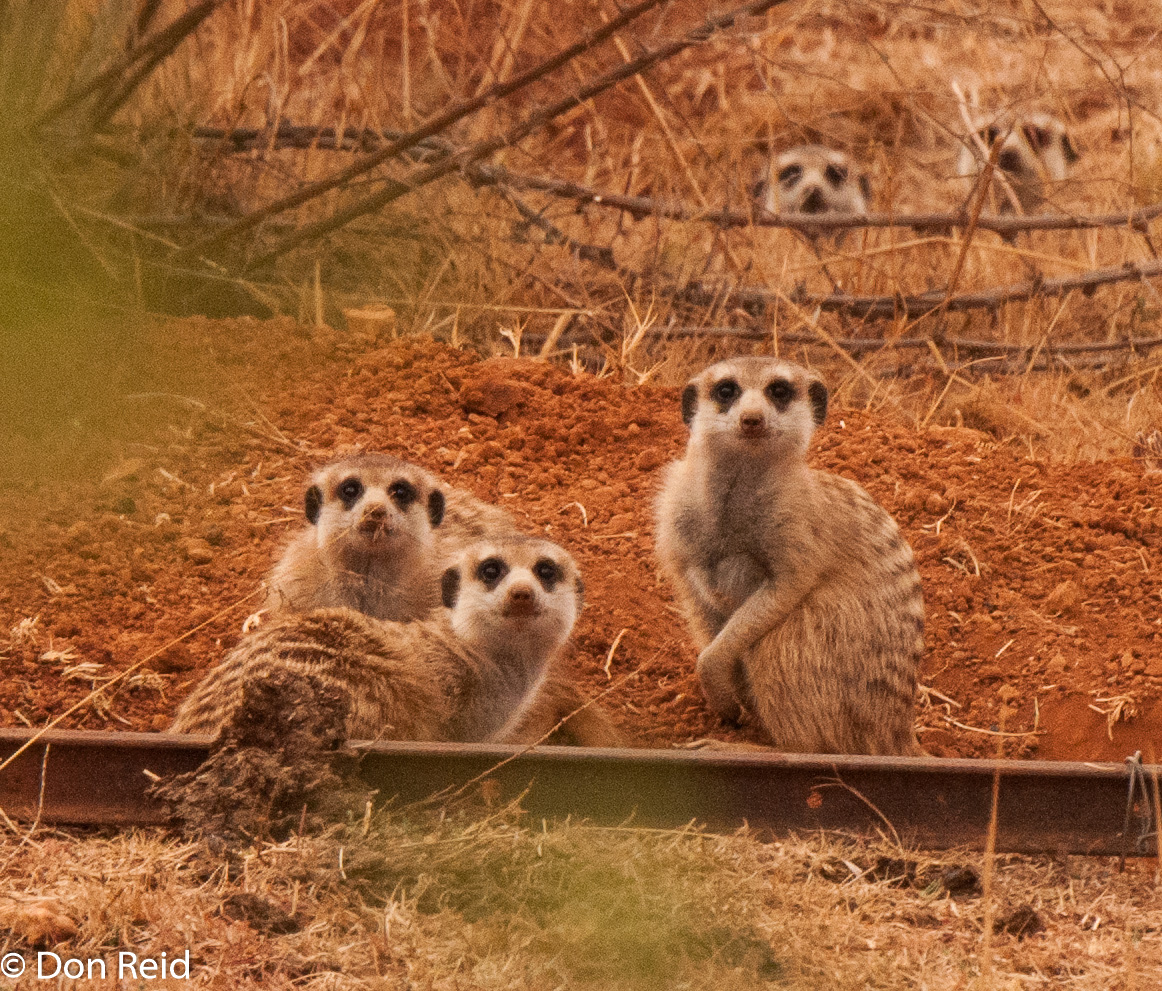

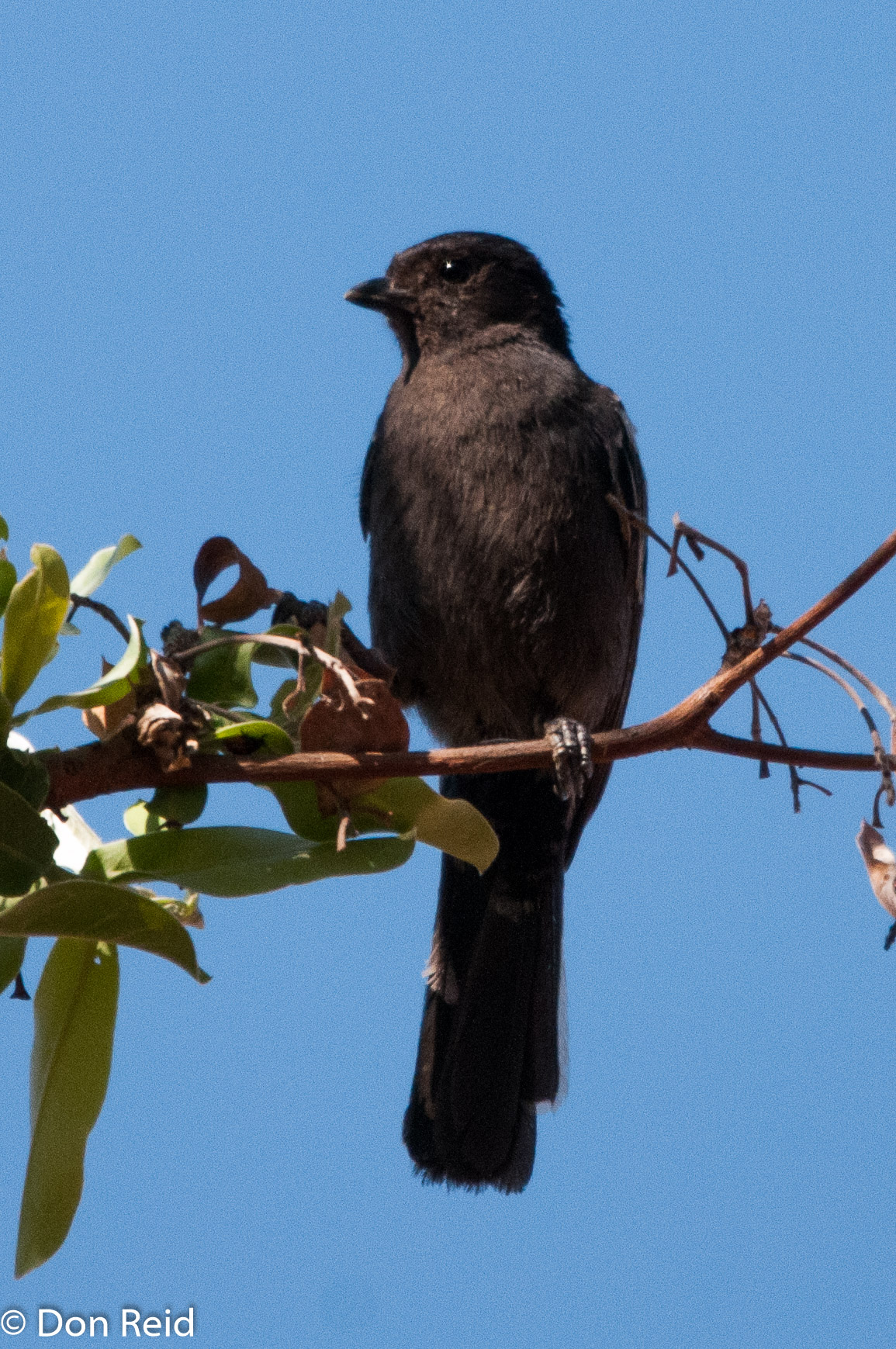


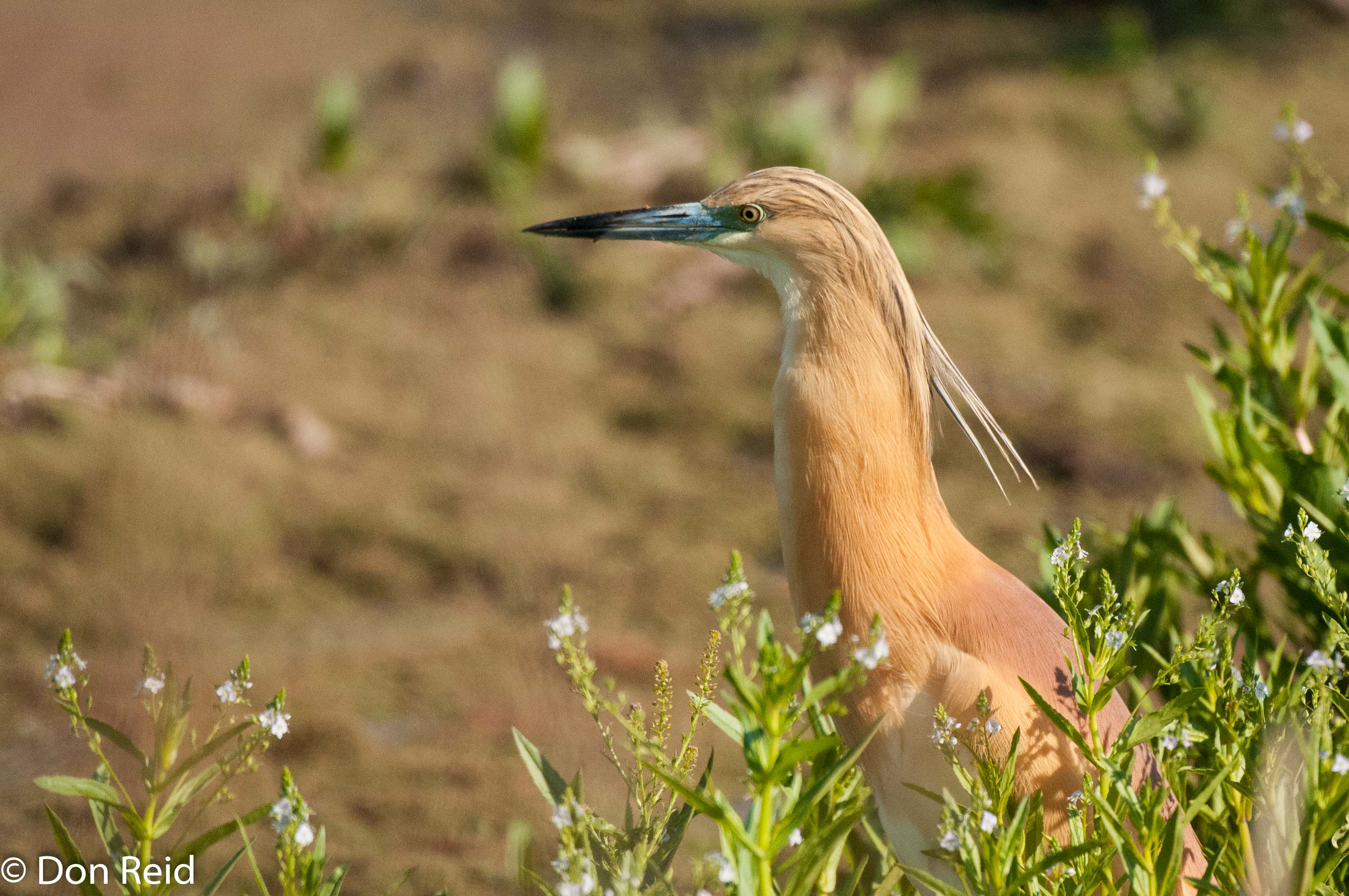
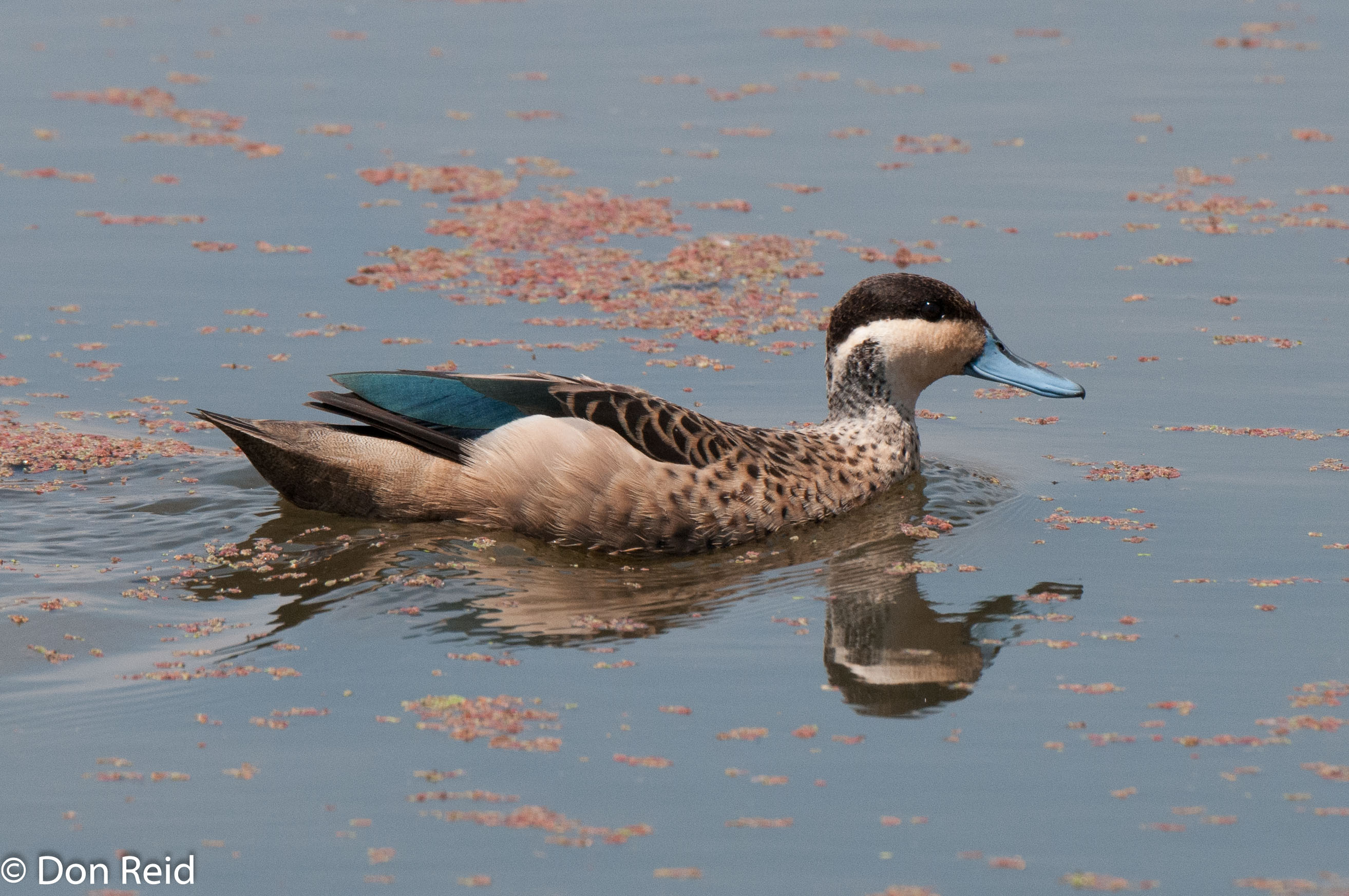
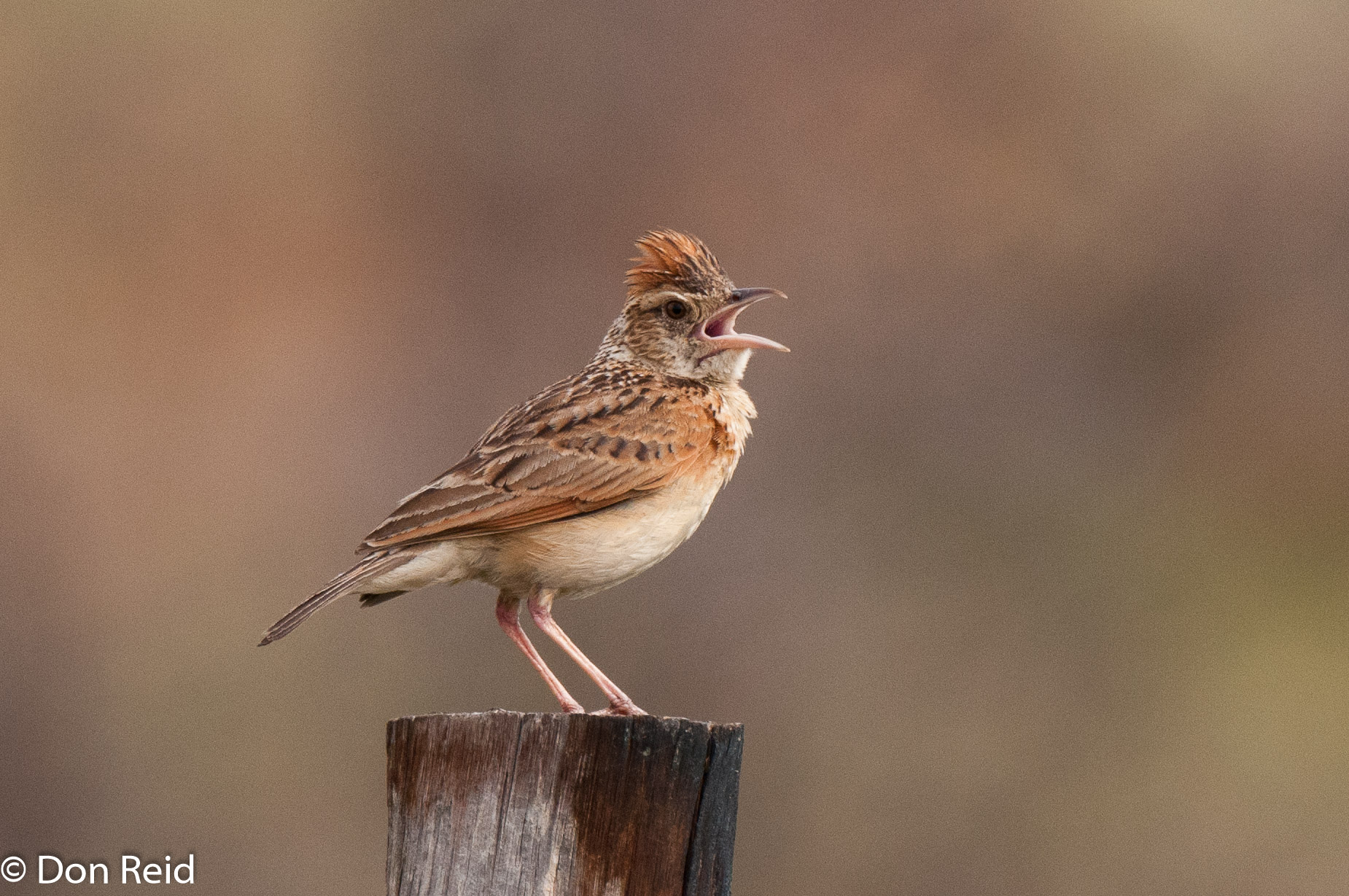

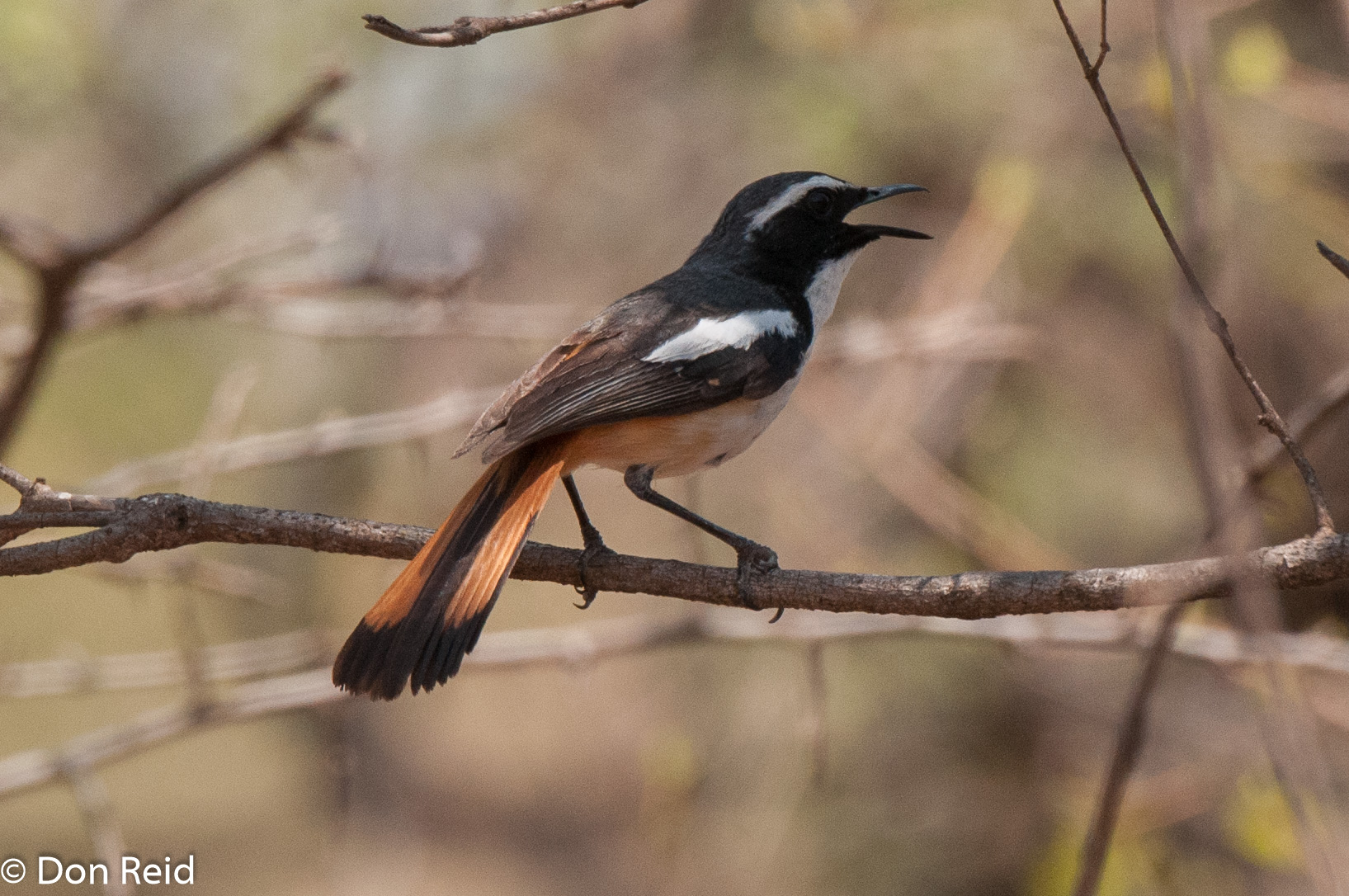

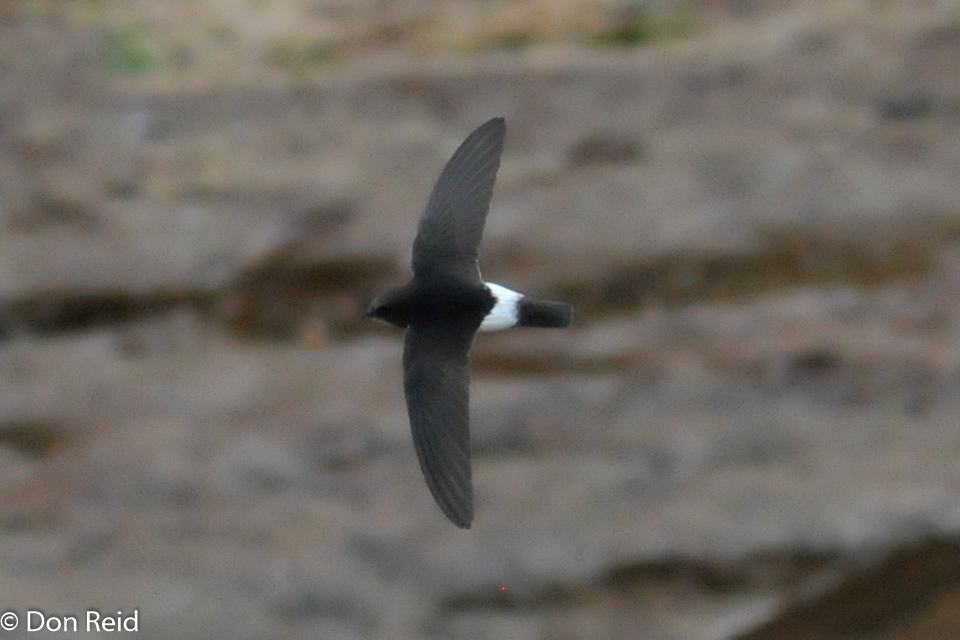
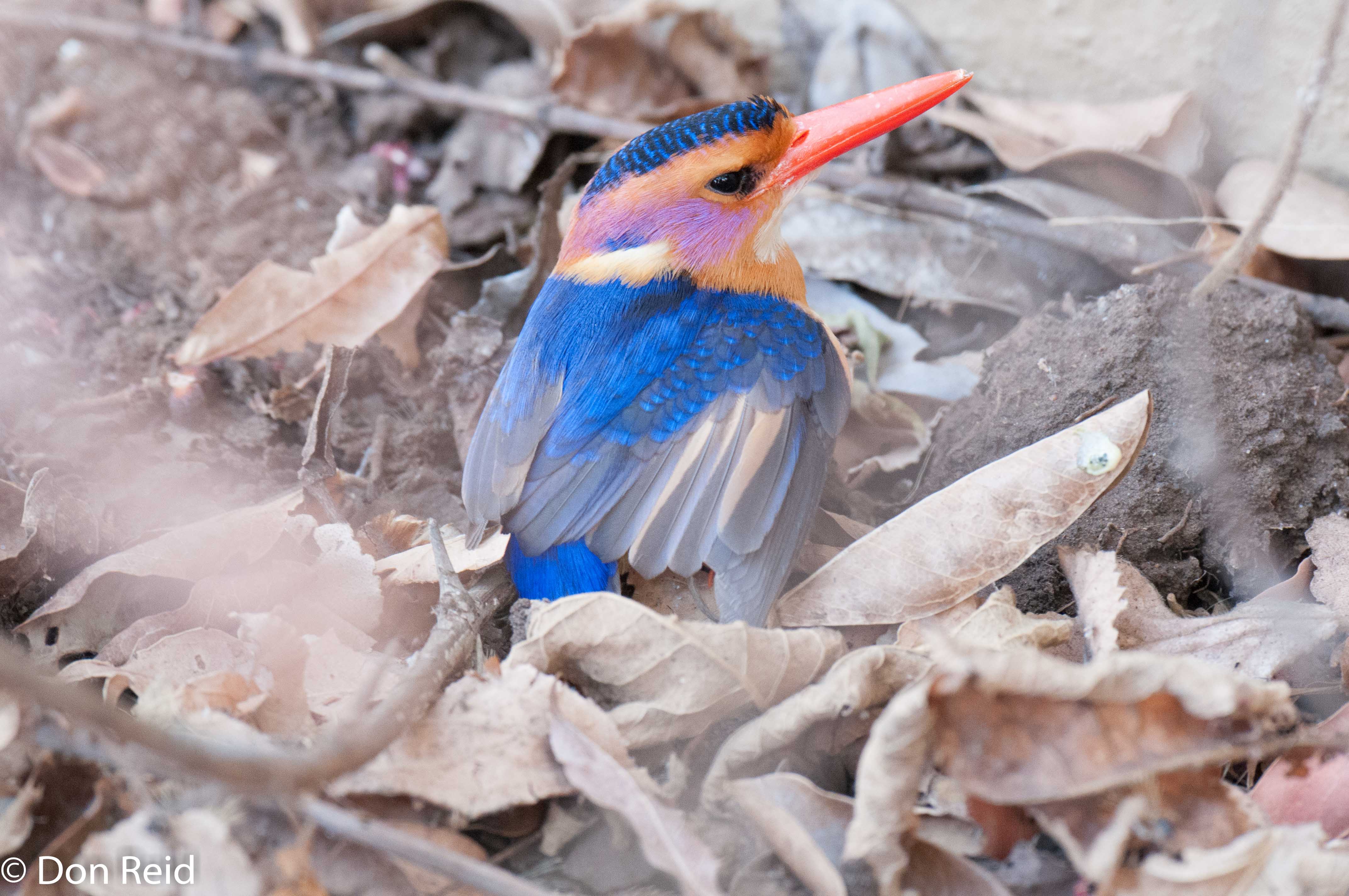
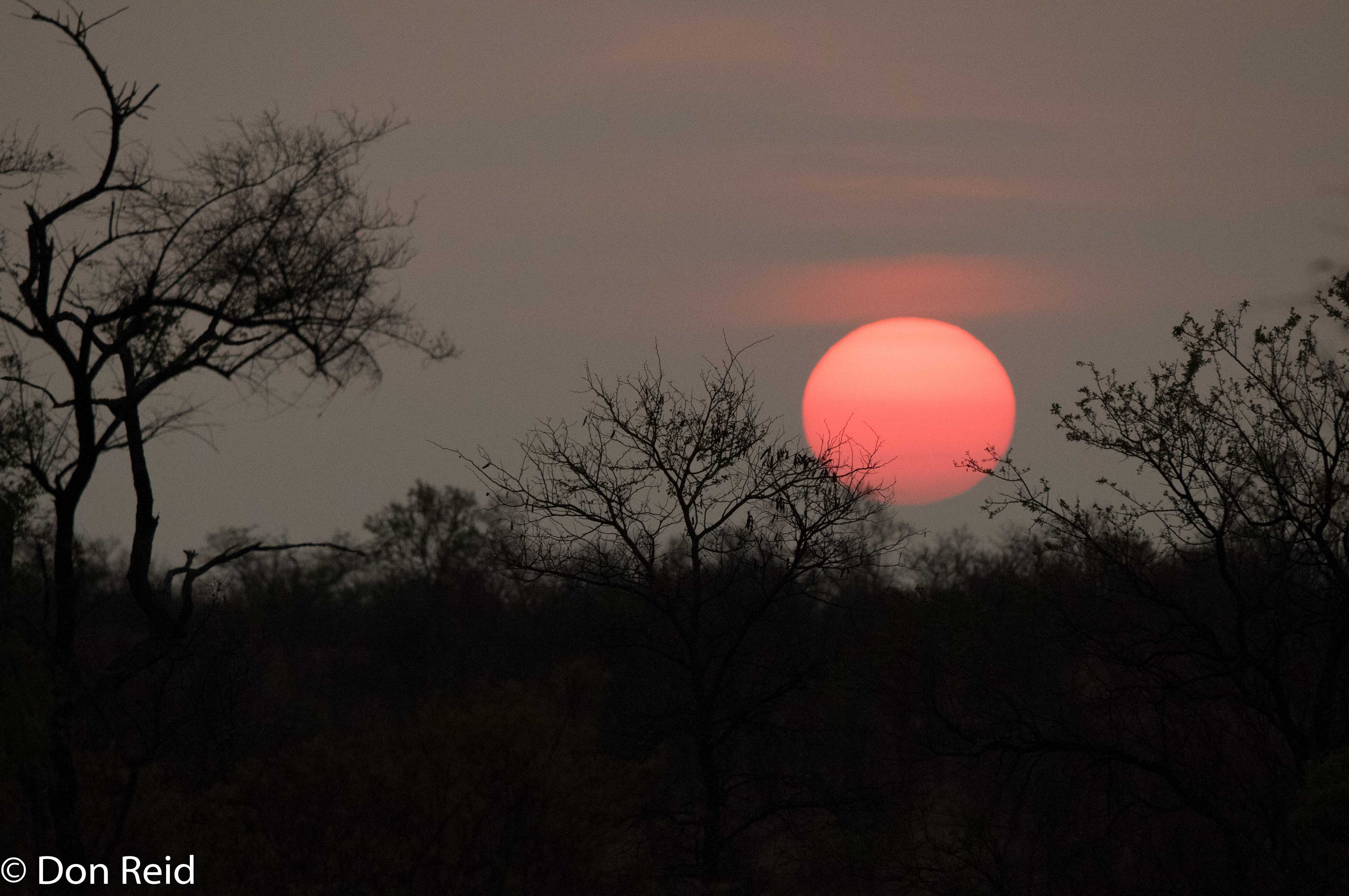
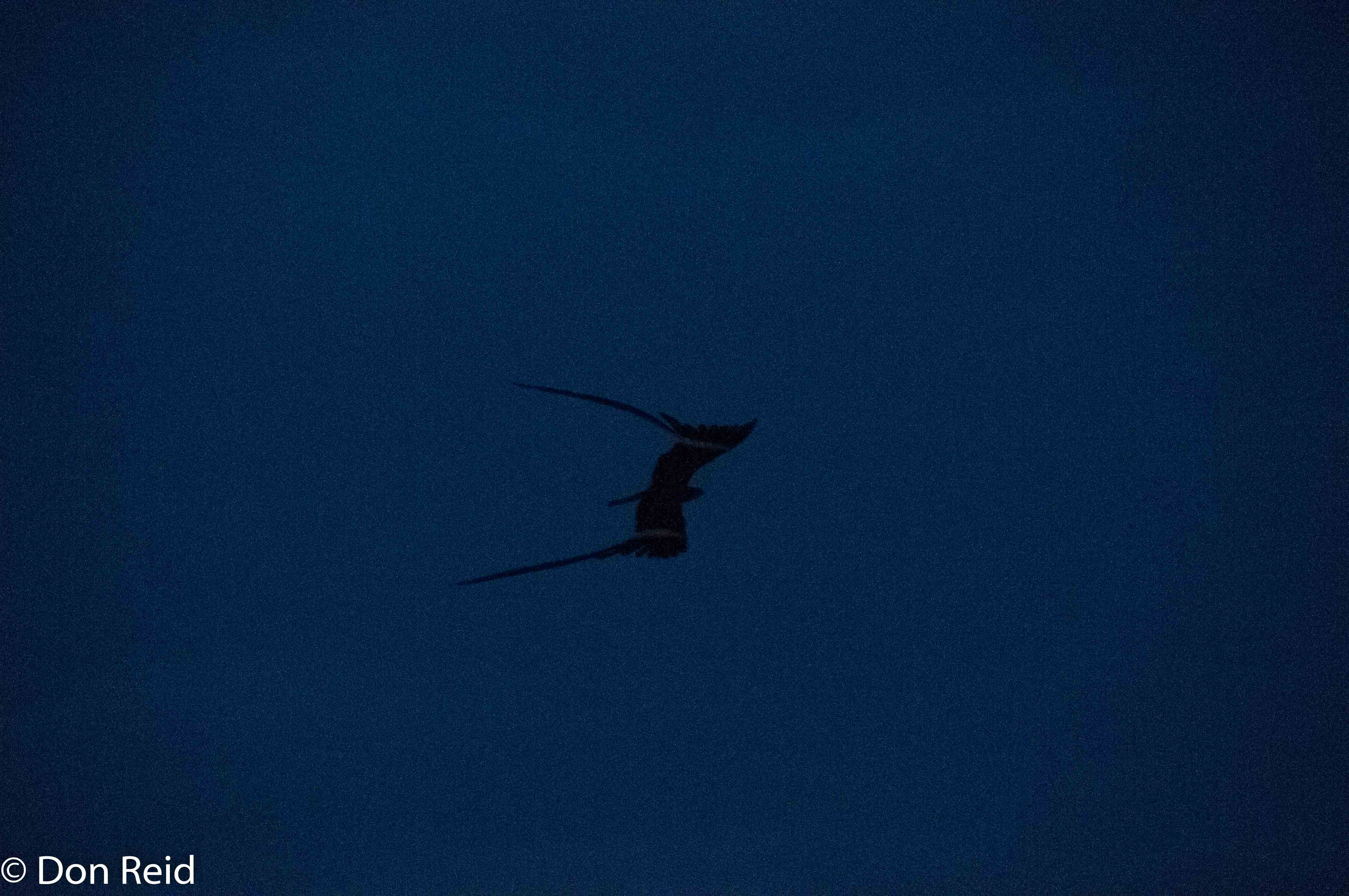
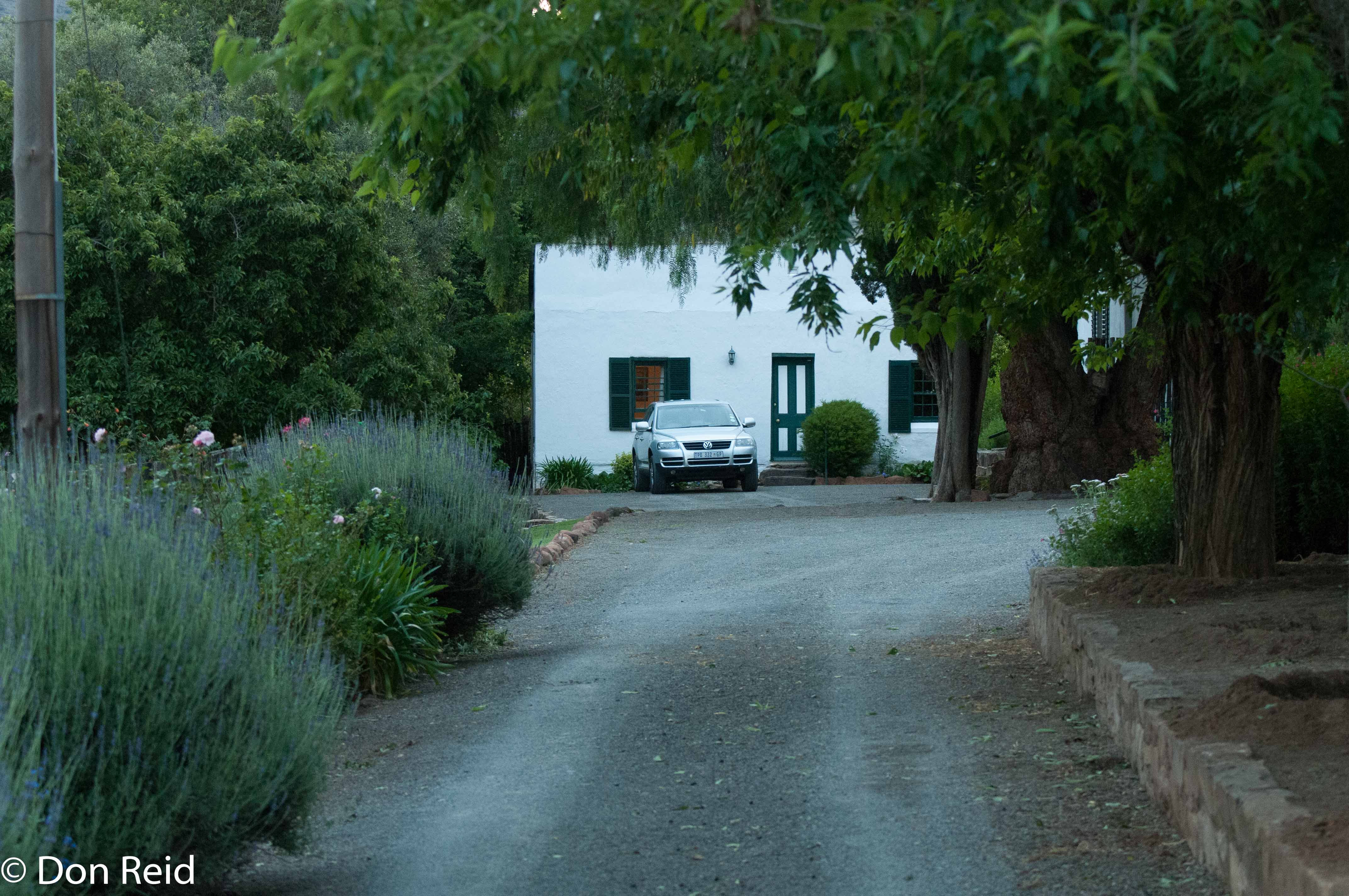

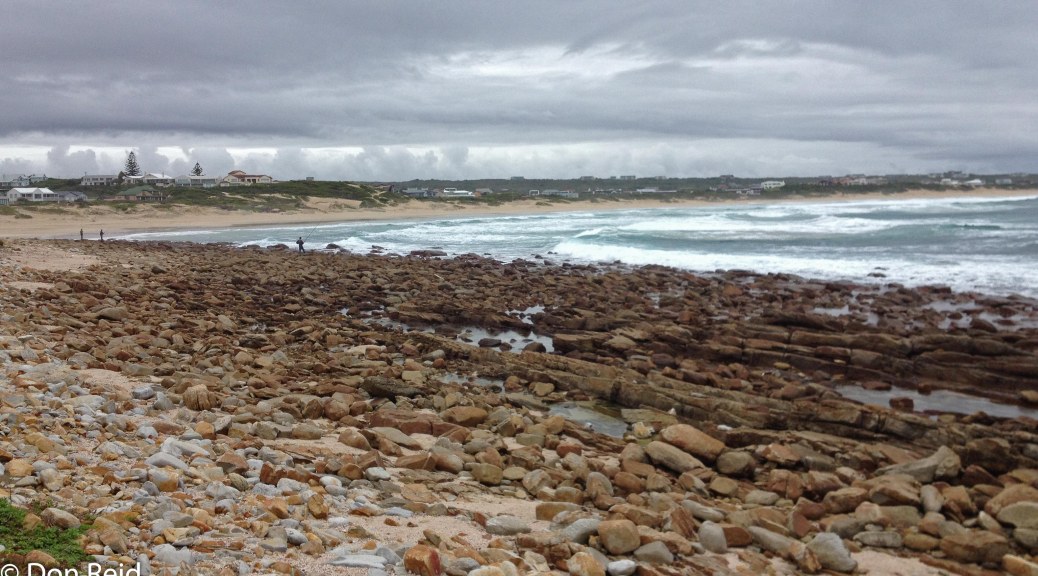


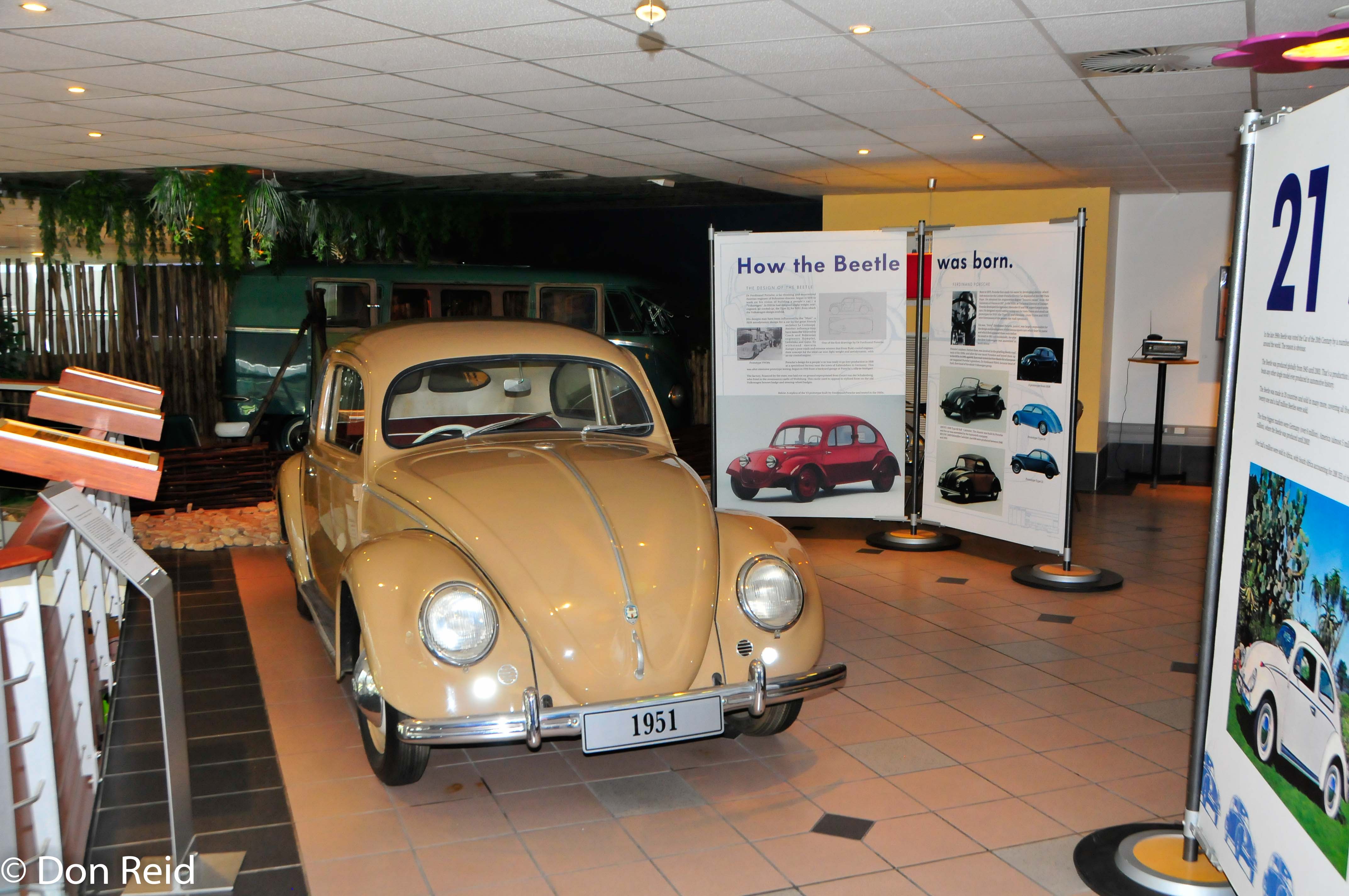
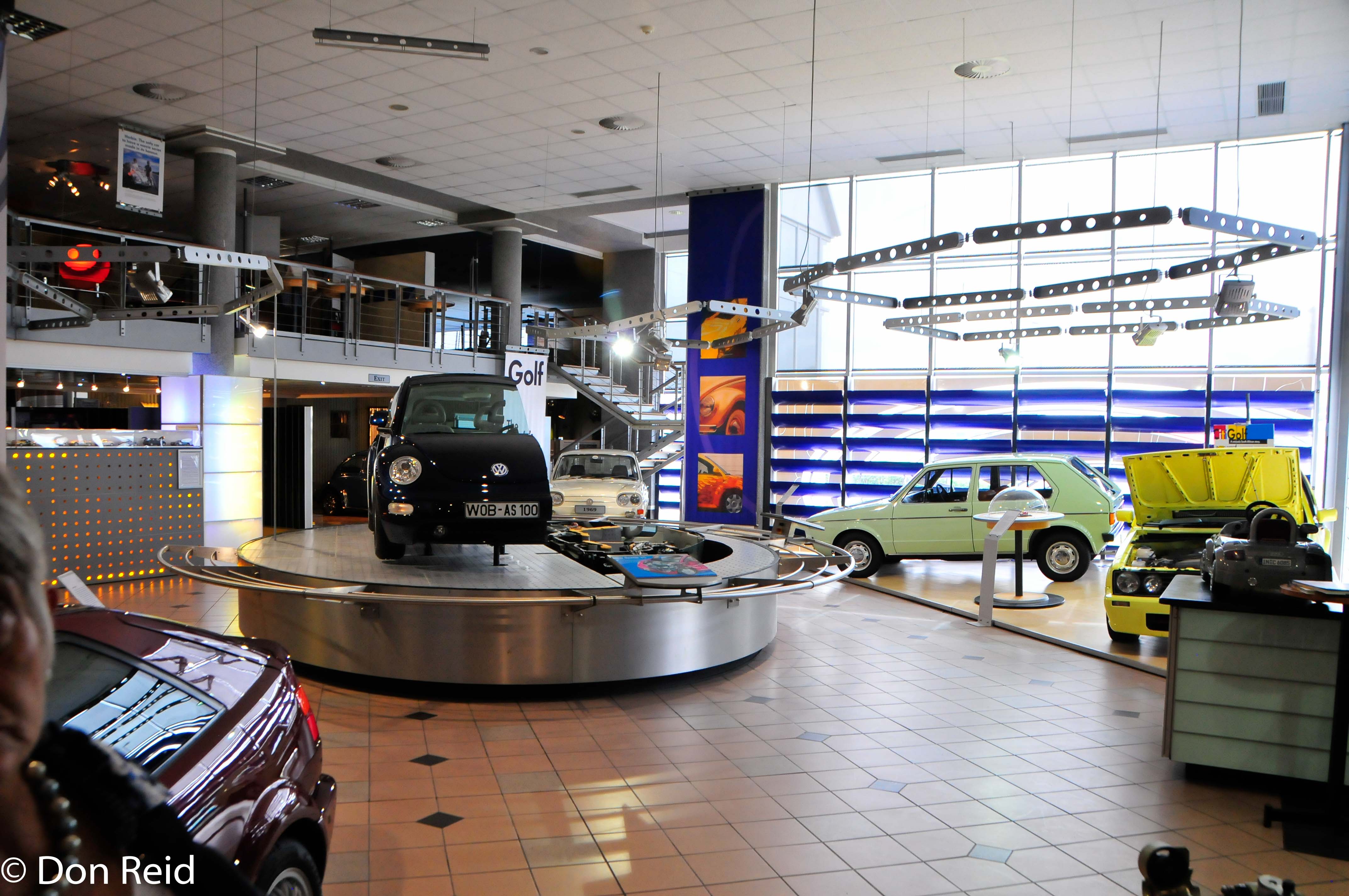


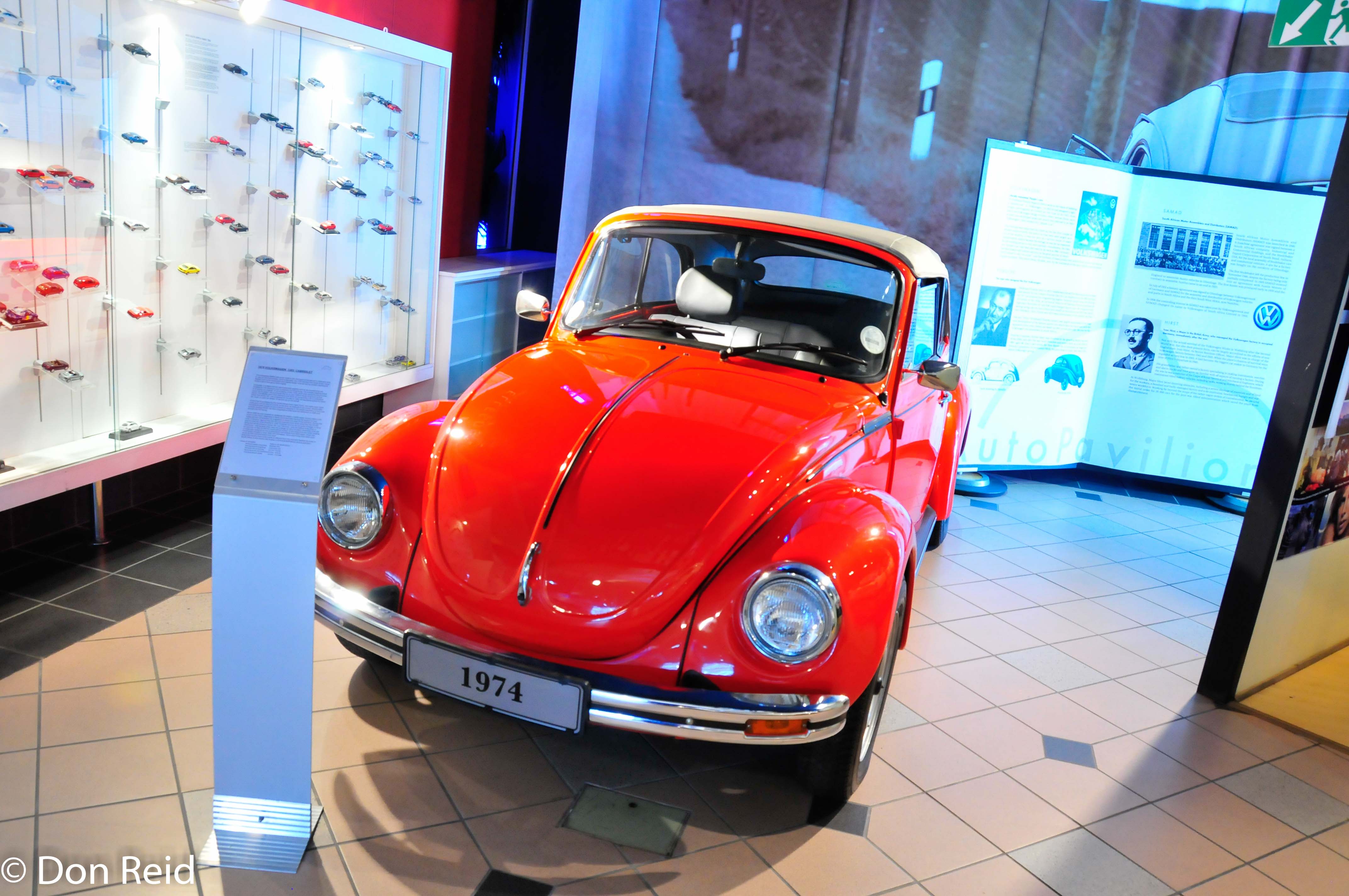
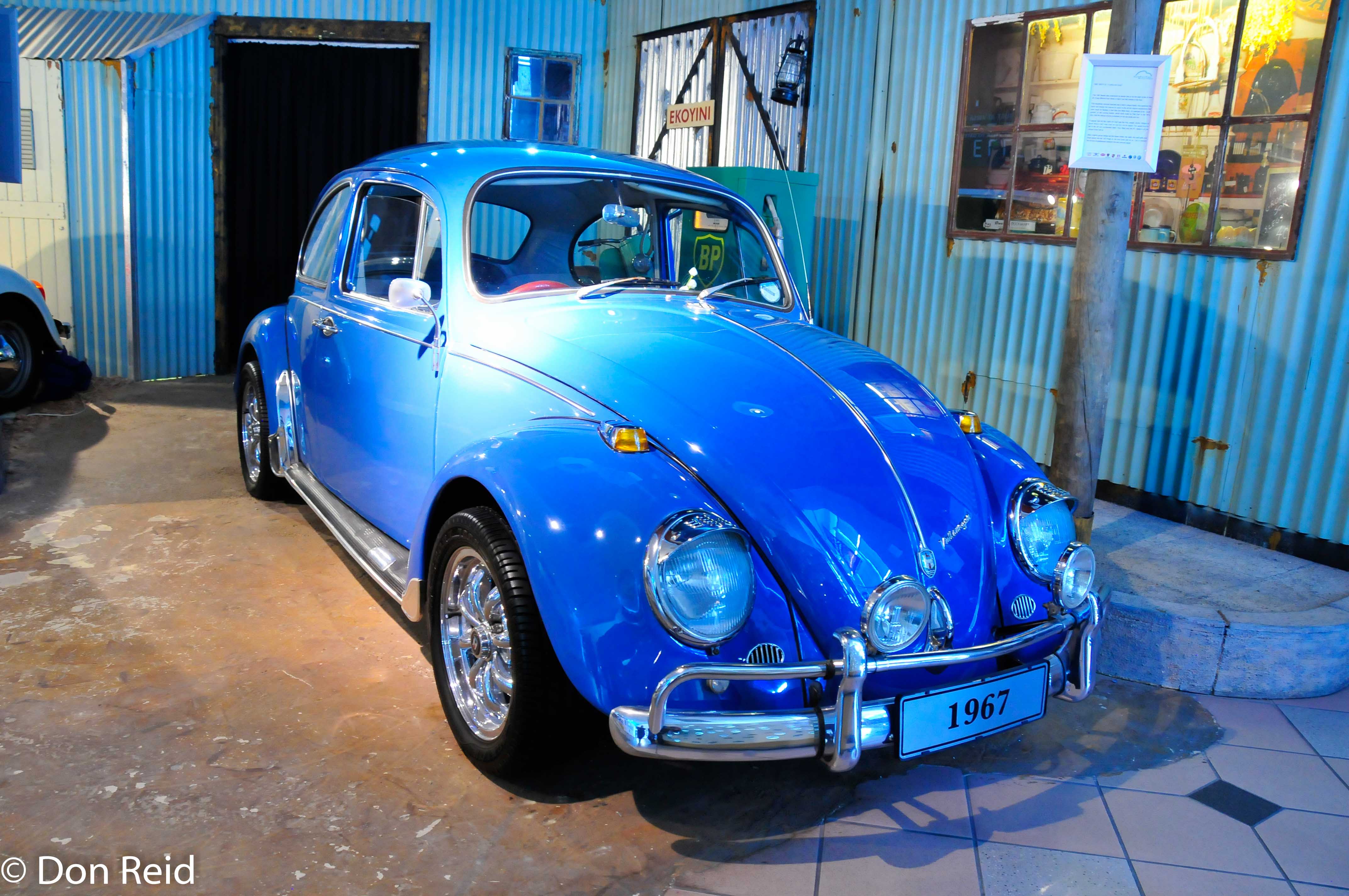

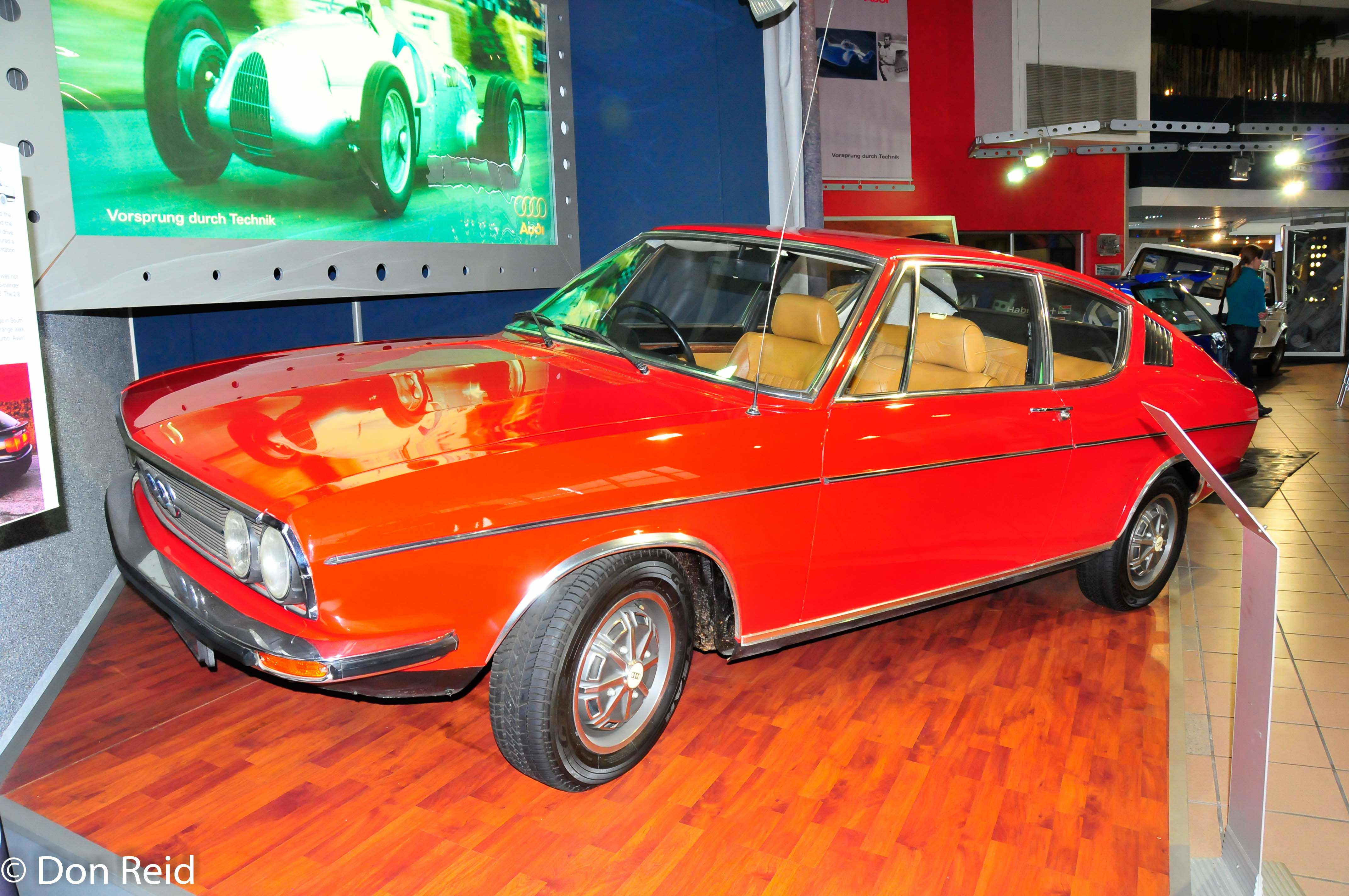


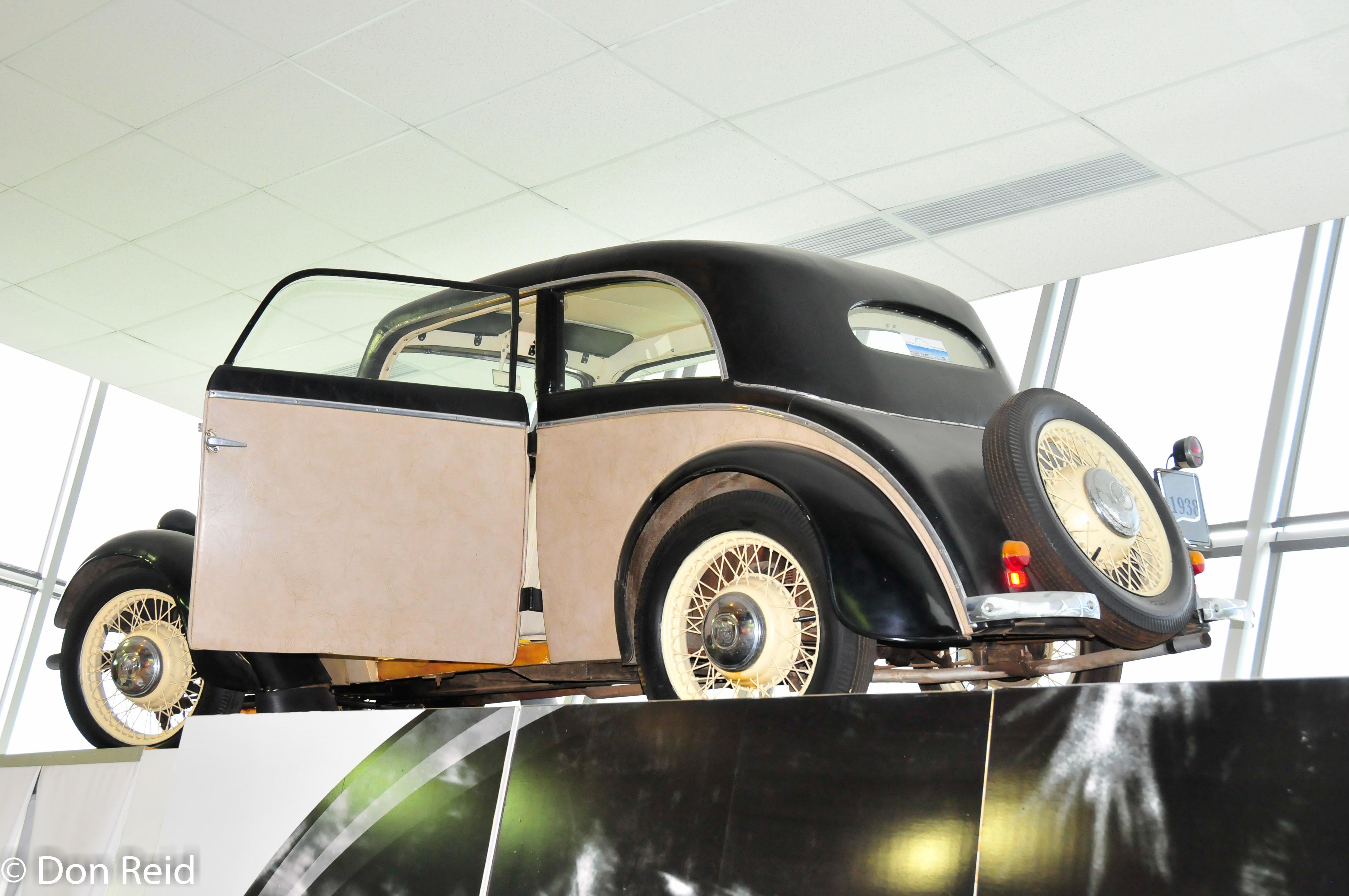


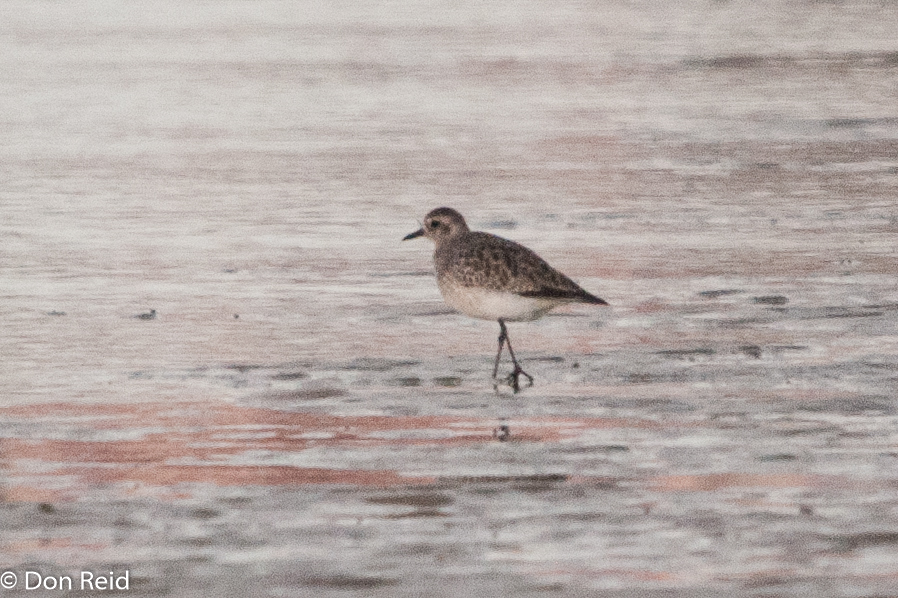


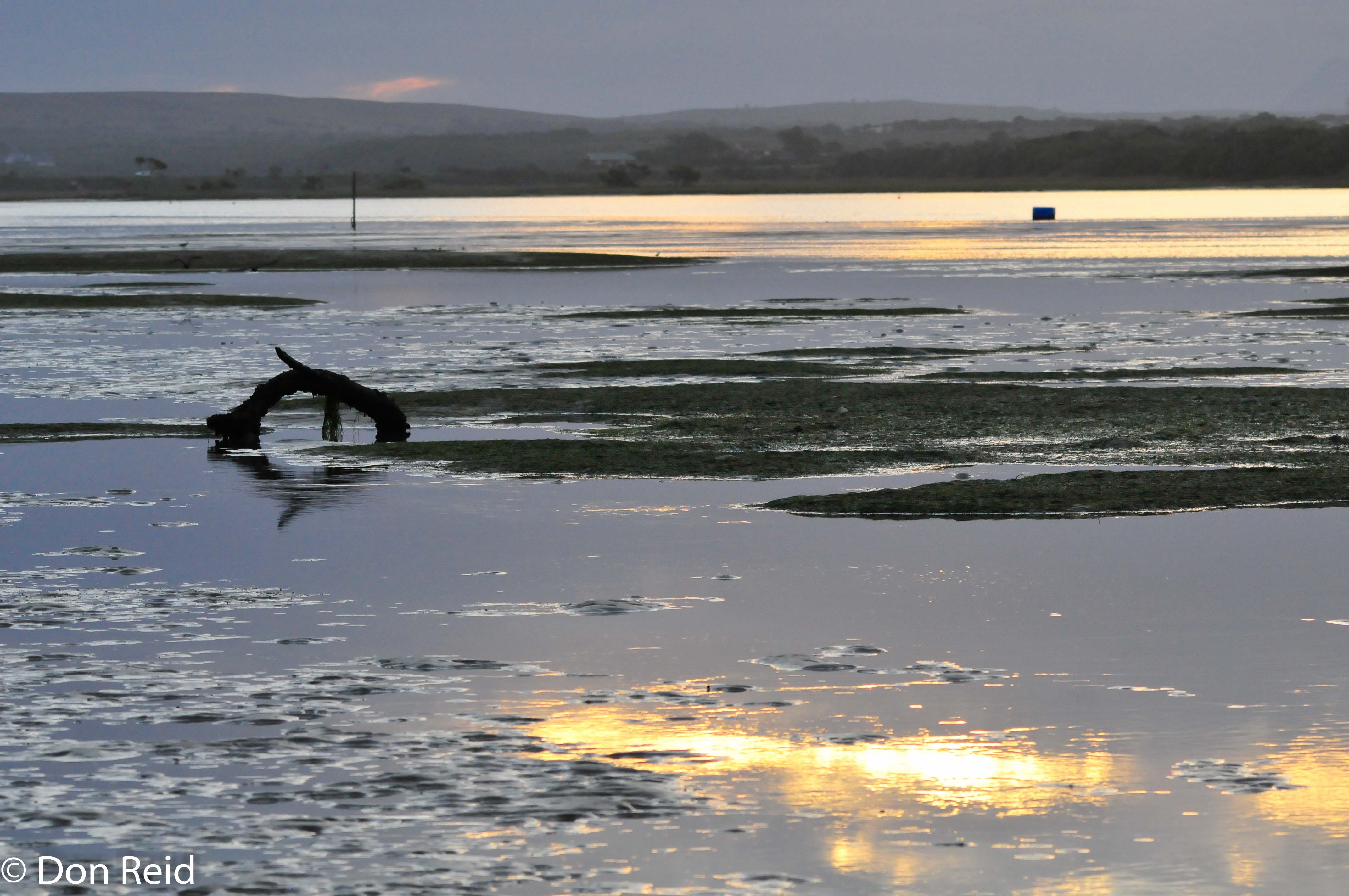
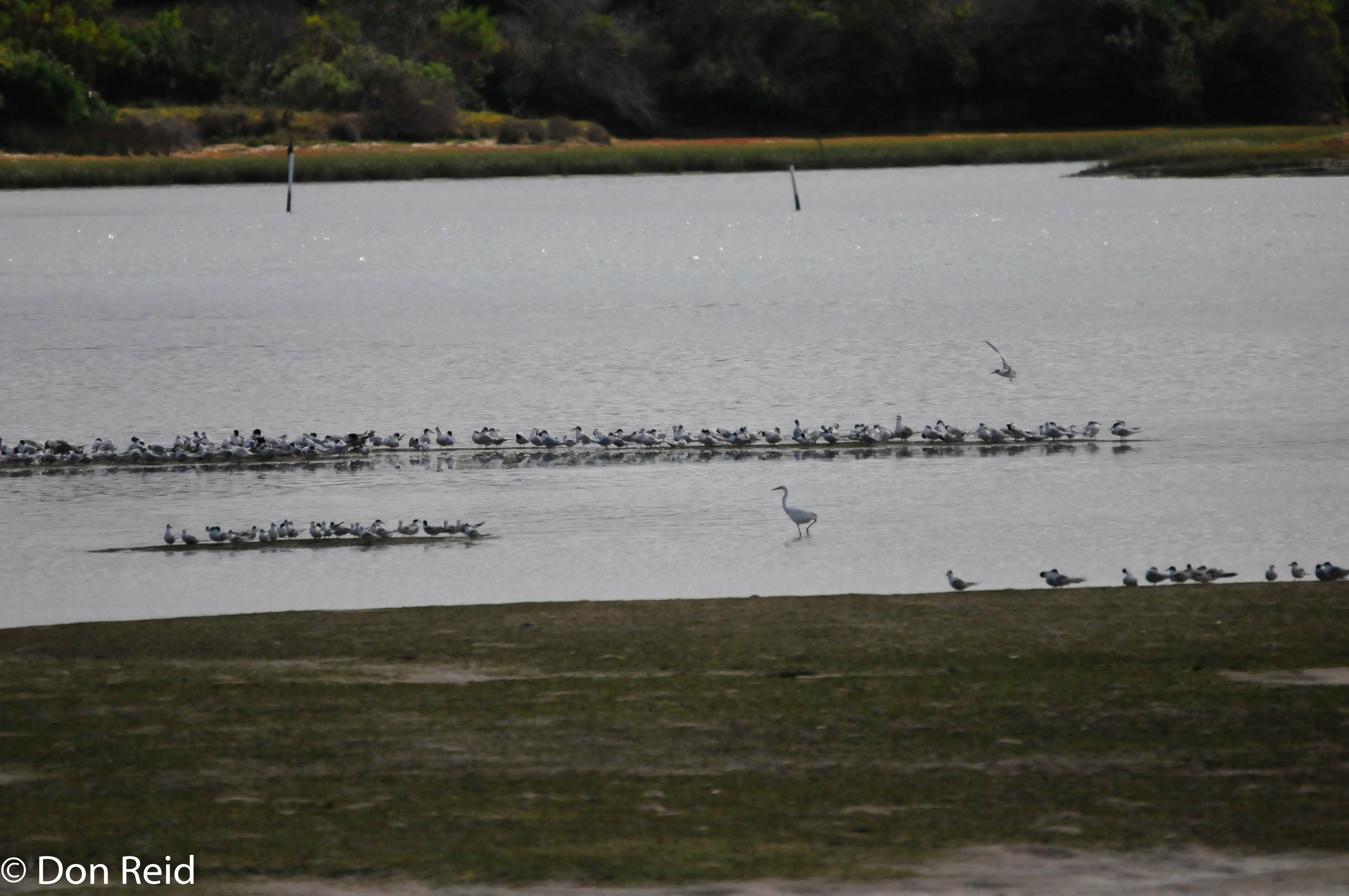


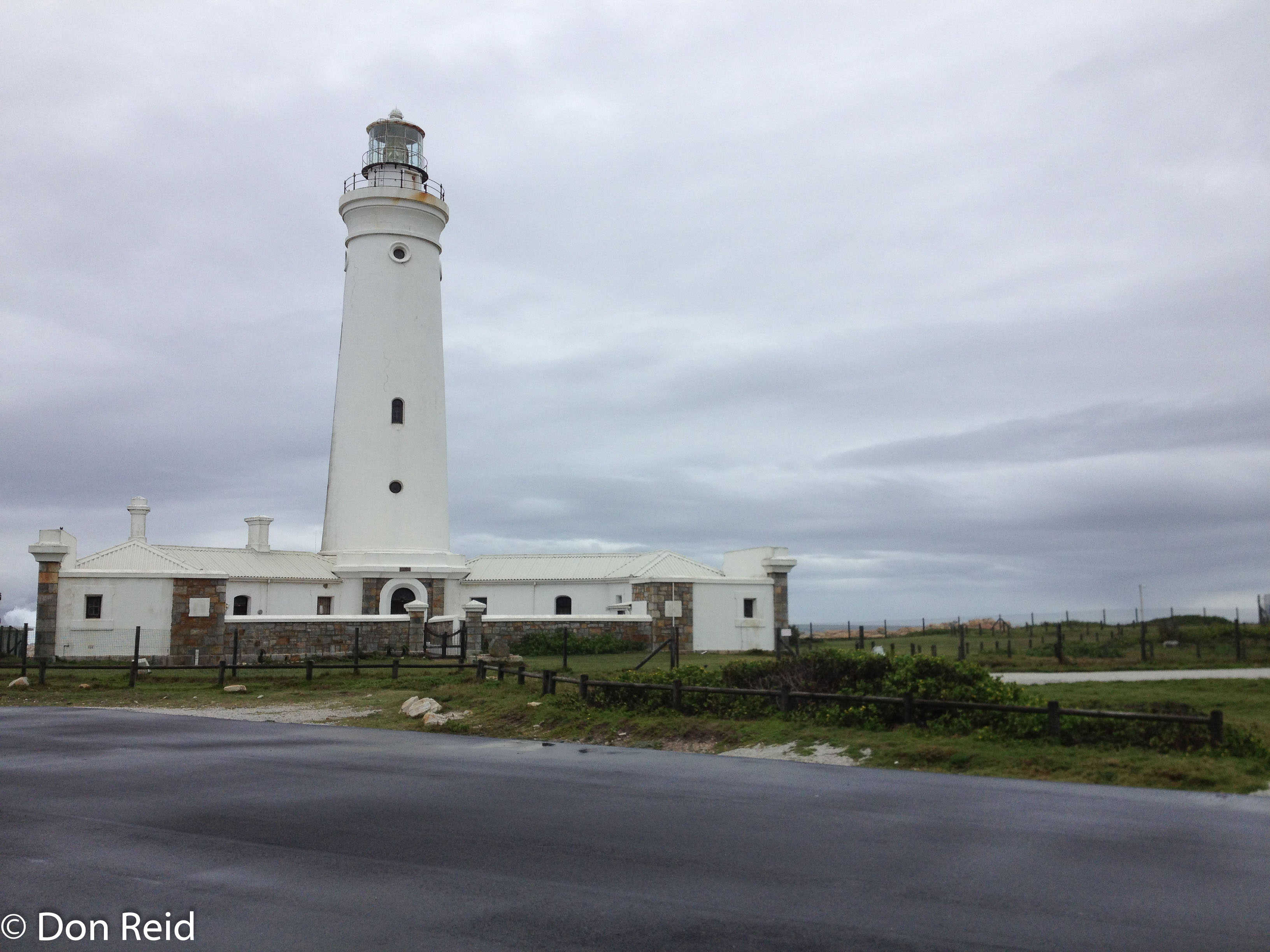

 Mostly Birding