Mossel Bay to Pretoria – not just a Journey

One of the benefits of reaching that age where they automatically give you a pensioner’s discount at the supermarket check-out without asking for an ID, is having the time – and the good sense – to turn a potentially mundane trip into a mini-holiday.

And this is exactly what we did when travelling between our Mossel Bay and Pretoria homes during March this year – instead of rushing to complete the 1250 kms road journey in 2 days with one overnight stop, we decided to stretch it out with a two night stay in Prince Albert, Western Cape and a further night in Springfontein, Free State, turning it into a four day, three night adventure.

Day 1 Thursday

After spending most of the morning packing, loading and preparing our Mossel Bay home for a lengthy hibernation, we left around lunchtime and set off on the familiar route to Prince Albert via the scenic Robinson Pass then through the town of Oudtshoorn and the winding road that takes you through the spectacular Meiringspoort. No matter how many times we drive this route, I still end up driving through Meiringspoort with my jaw in a dropped position – it is that special.

But this time there was a twist – just beyond the last of the 25 river crossings (it’s the same river each time) we encountered the first of many swarms of locusts that filled the air and pinged and ‘thunked’ against the grille, windscreen and roof of our SUV as we drove. The arid parts of South Africa have been plagued by swarms of biblical proportions through the summer, due to good rains after years of drought conditions.

This video was taken after stopping at the roadside and gives an idea of the numbers of locusts – a tiny fraction of what we drove through for tens of kilometres

Once we reached our destination I spent half an hour carefully prising locust bodies from every nook and cranny of our car, at the same time providing a veritable feast for an army of ants that descended on them as they dropped to the ground.

Our usual B&B in Prince Albert was fully booked so we had booked into one we had not tried before – De Bergkant Lodge – which turned out to be an excellent choice – lovely spacious room, good breakfast, efficient management and a super 15m pool which I immediately tried out as the temperature was hovering in the low 30’s (deg C)

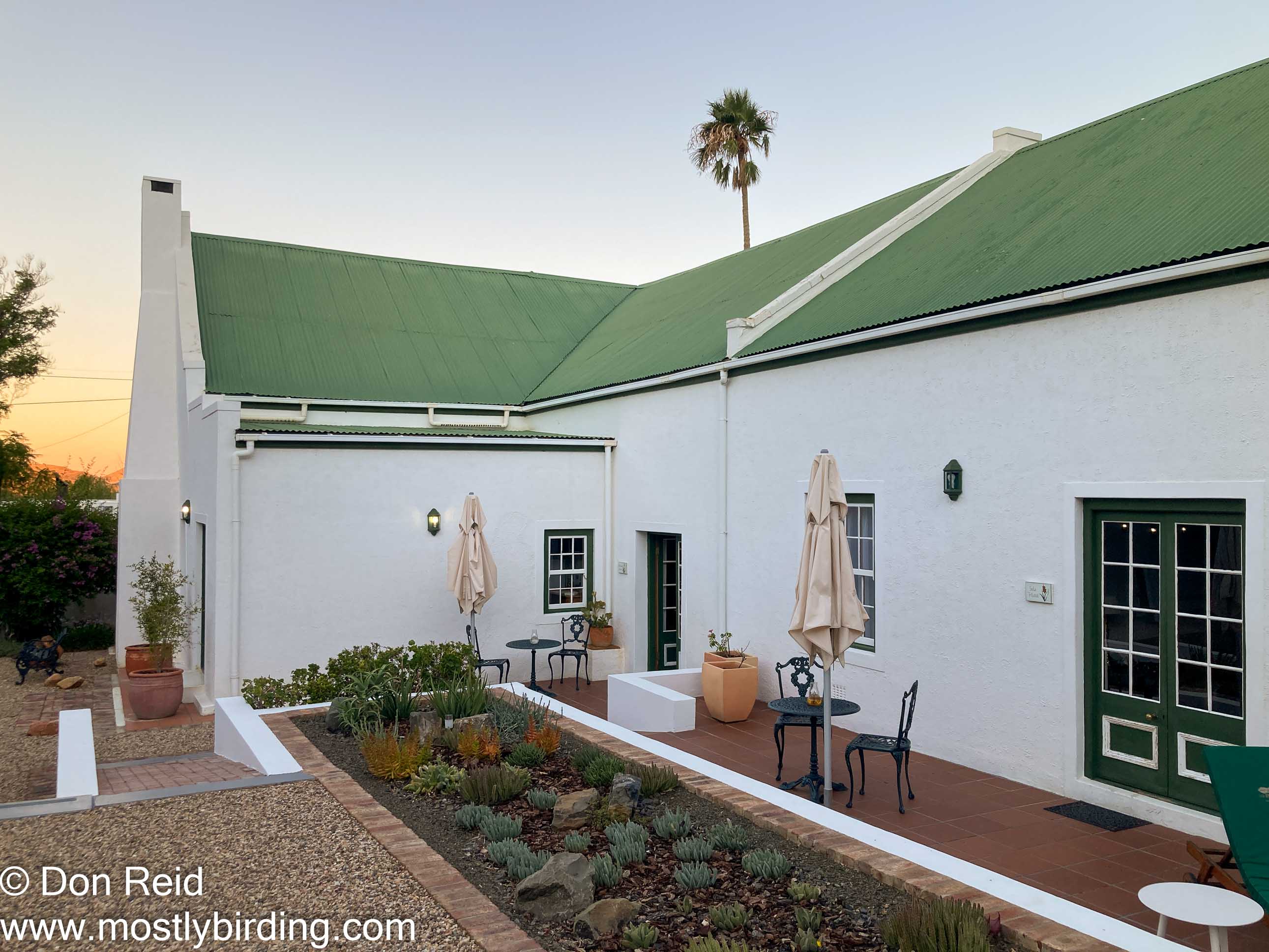
De Bergkant Lodge, Prince Albert
De Bergkant Lodge, Prince Albert – our room was the one in the corner

After the swim and relaxing a while we had dinner at the Rude Chef (No – he/she wasn’t) restaurant. Prince Albert has always had an amazing selection of quality restaurants for a small Karoo town, but like so many other places Covid has had a devastating effect on the tourist industry which is only now recovering. So the choice of eating places has reduced but the quality is still there.

Day 2 Friday

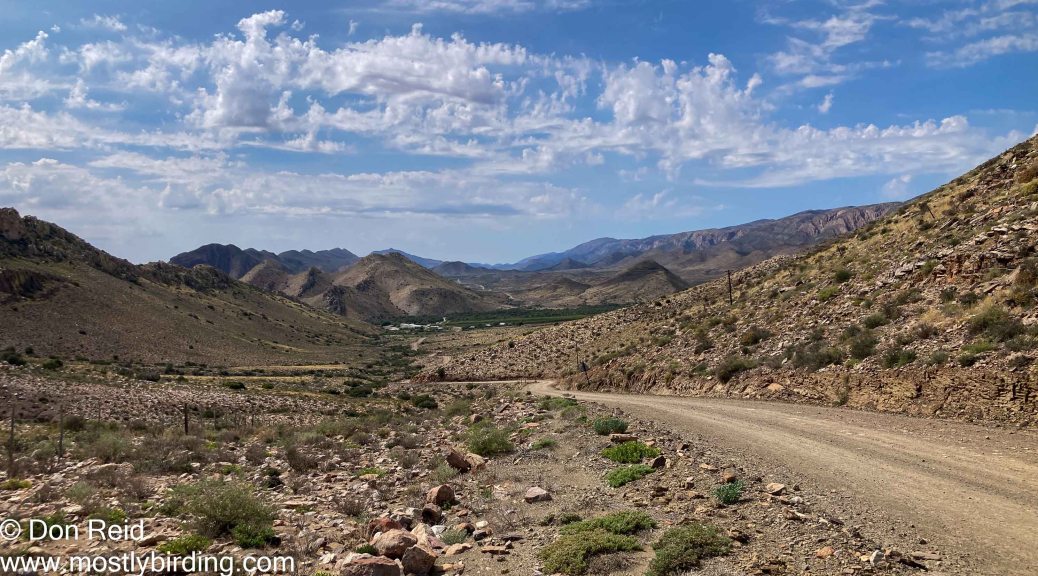
After breakfast at the pool we set off late morning to visit the Weltevrede Fig Farm about 30 kms outside Prince Albert, along a gravel road that made its way through the mountains in spectacular fashion providing beautiful views over every rise.
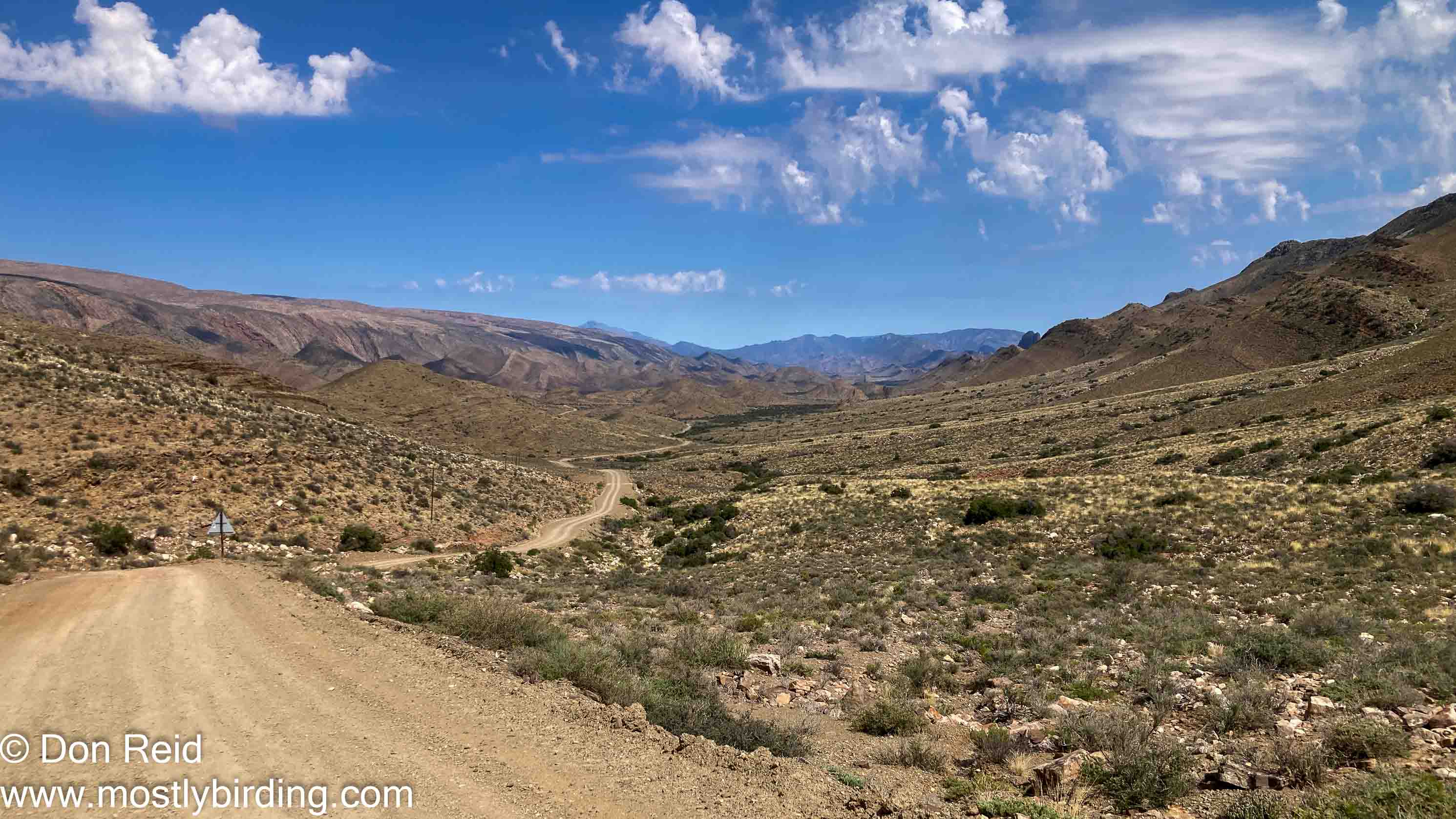
Road to Weltevrede Farm, near Prince Albert

Weltevrede appeared at the end of the road, like an oasis in the arid countryside, the fig trees spreading up and down the valley in a broad green ribbon.
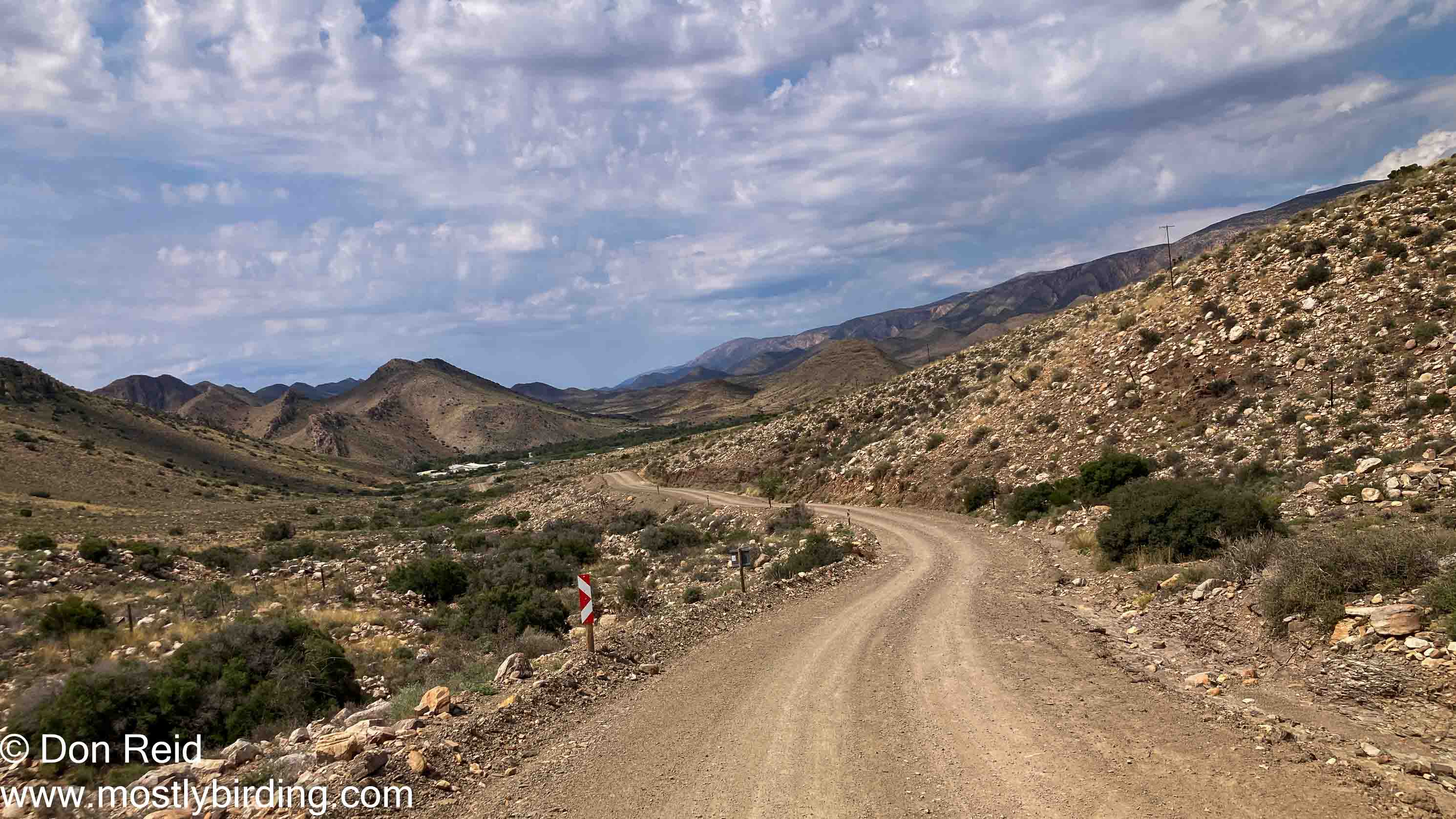
Road to Weltevrede Farm, near Prince Albert

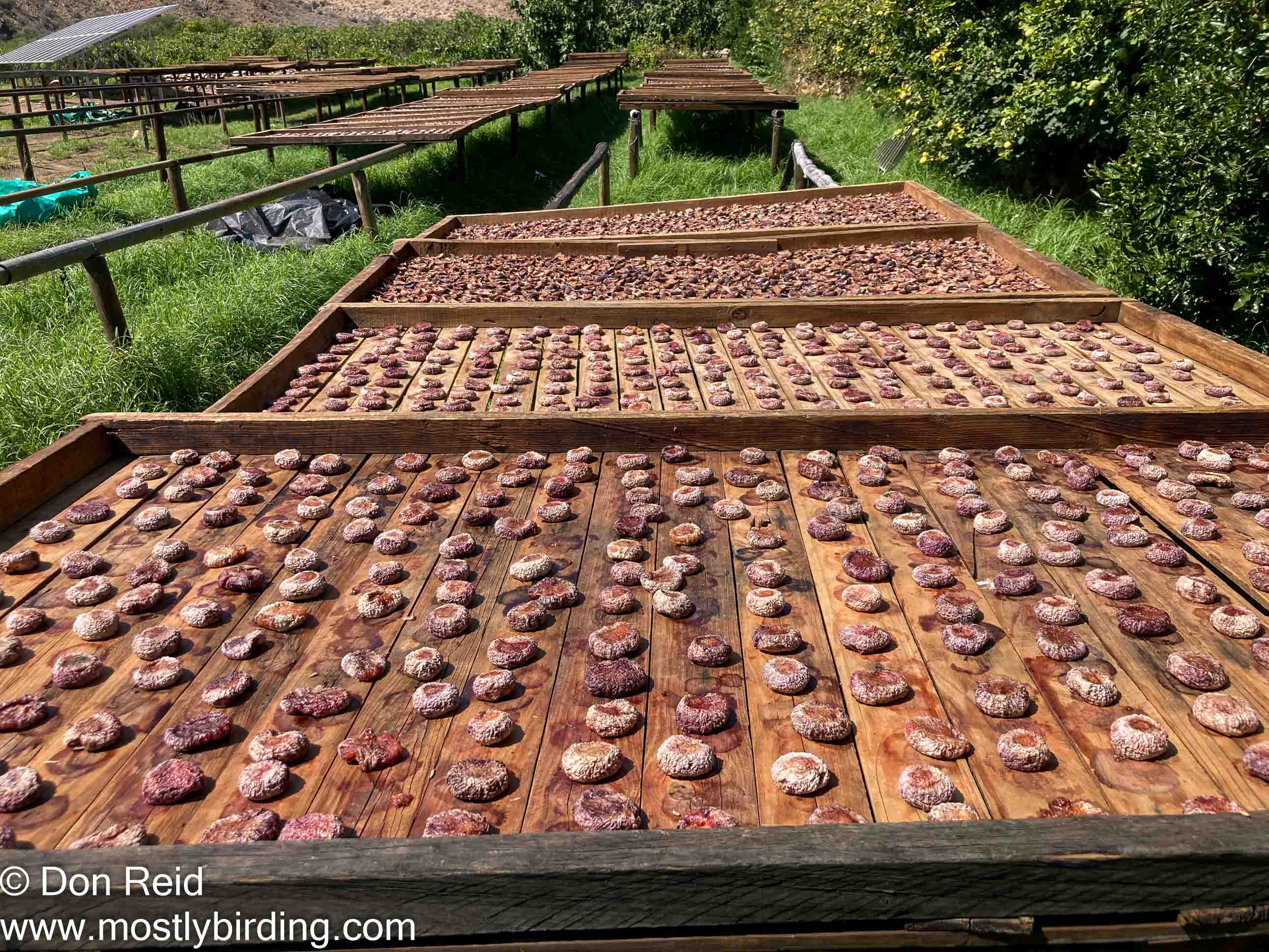
We had a look around then settled at a table under a tree and lingered over a light lunch and coffee, just enjoying the ambience while farm workers carried out tray after tray of prepared figs and set them out to dry in the pure Karoo sunshine, where the air is dry and devoid of any pollutants.
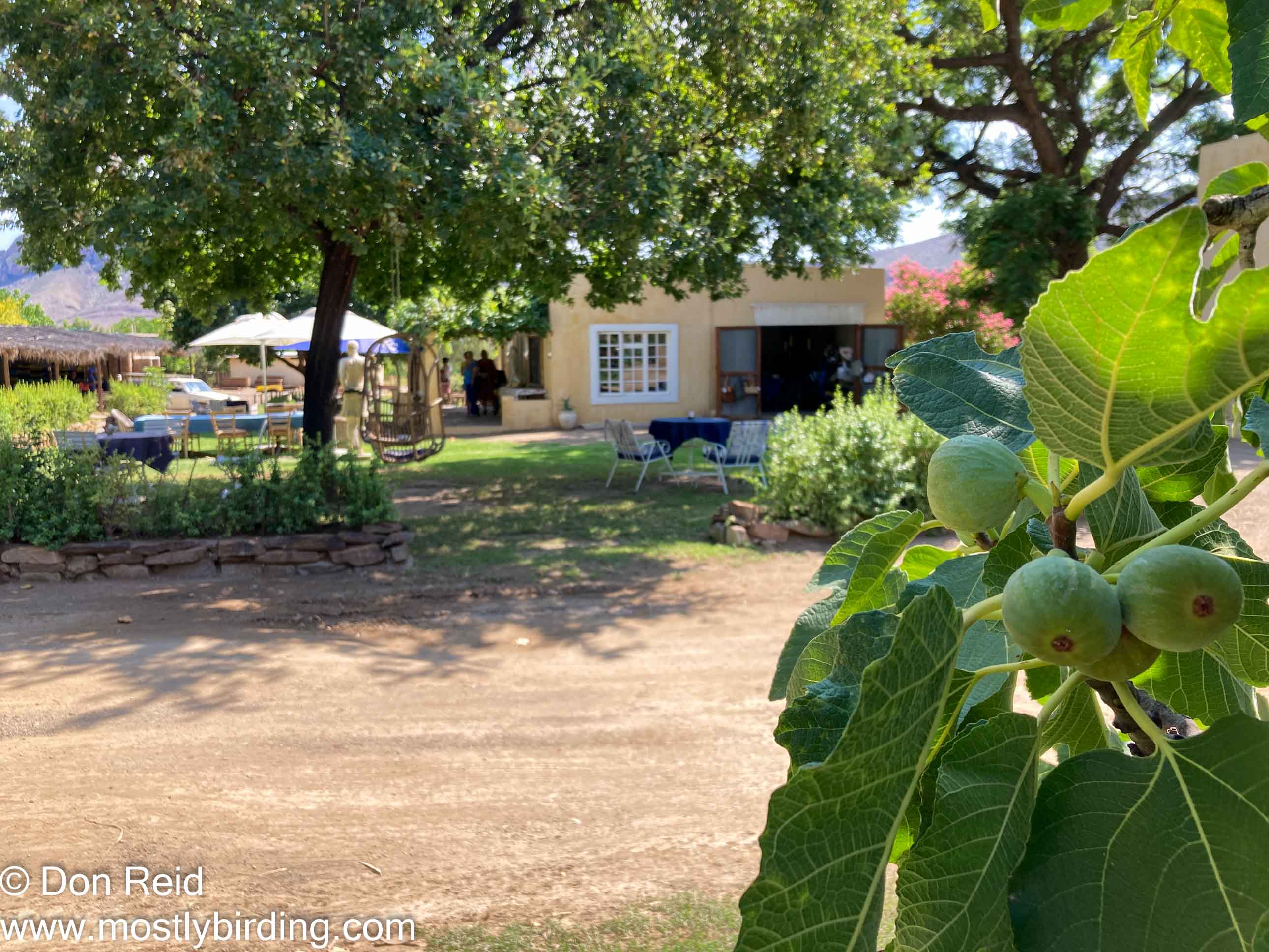
Weltevrede Farm
Weltevrede Farm – prepared figs drying in the sun
Weltevrede Farm – their Fig Tart is delicious!

We took our time travelling back to Prince Albert and relaxed for a while before I set out to add some species to the pentad list that I had begun the previous afternoon with mostly the species visiting the garden. Heading out of town in a northerly direction I soon found Pririt Batis, Namaqua Dove, Pied Barbet and White-necked Raven and a swing past the small Waste water treatment works added SA Shelduck to take my pentad list to a modest 30.
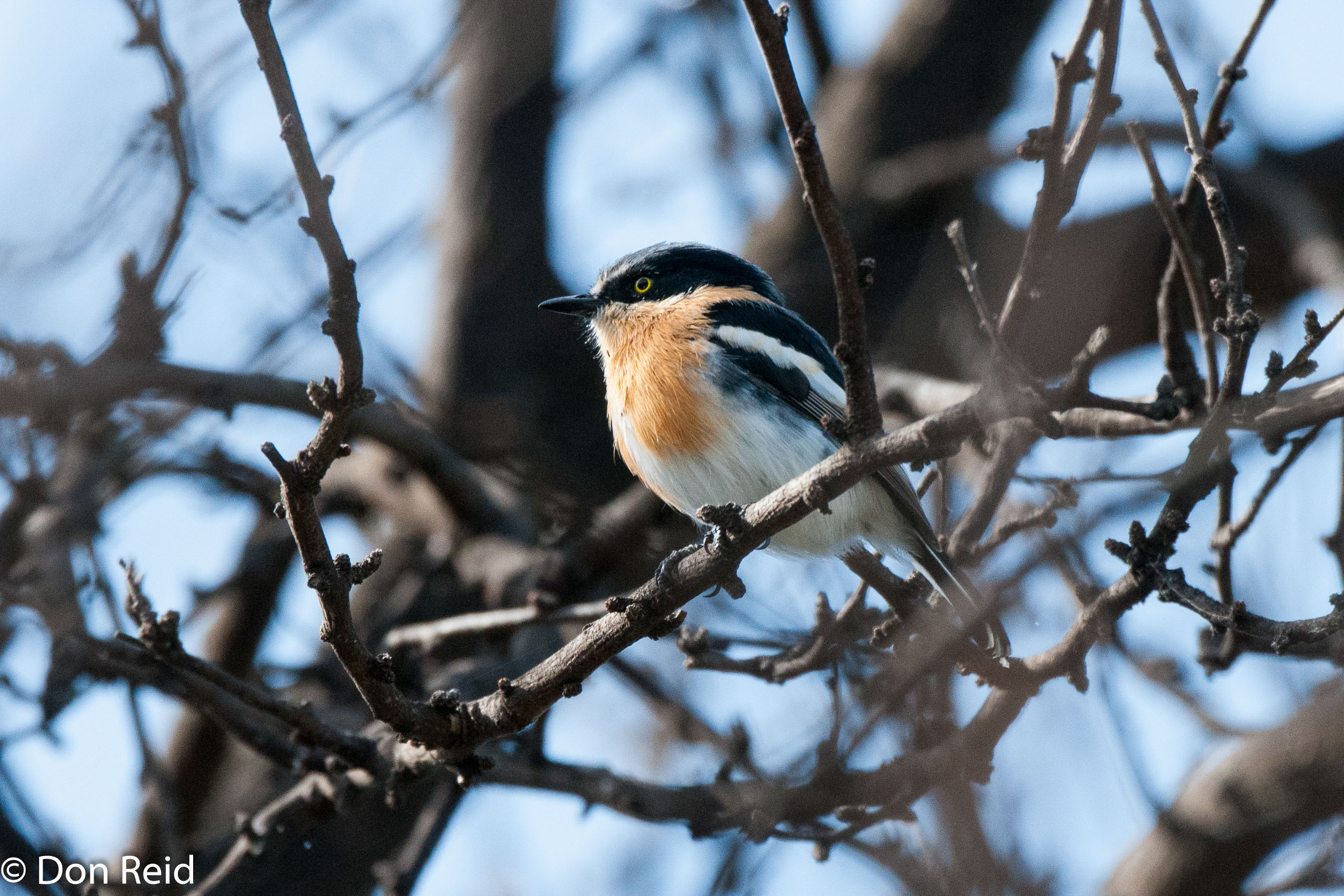
Pririt Batis / Priritbosbontrokkie

After another invigorating swim we walked across the road to La-di-dah restaurant for a meal – our first choice was grilled Karoo lamb chops but disappointingly they had just sold the last ones and we had to revert to other meat dishes.

Day 3 Saturday

A longish drive lay ahead so we left after breakfast and made good time via Prince Albert Road where we joined the N1 National road to Beaufort West, Richmond and Colesberg, with comfort and coffee stops at Three Sisters, Karoo Padstal and Chargo Farm Stall at Colesberg.

As we left Prince Albert a Booted Eagle flew over the road ahead and I quickly added this welcome raptor to my pentad list.

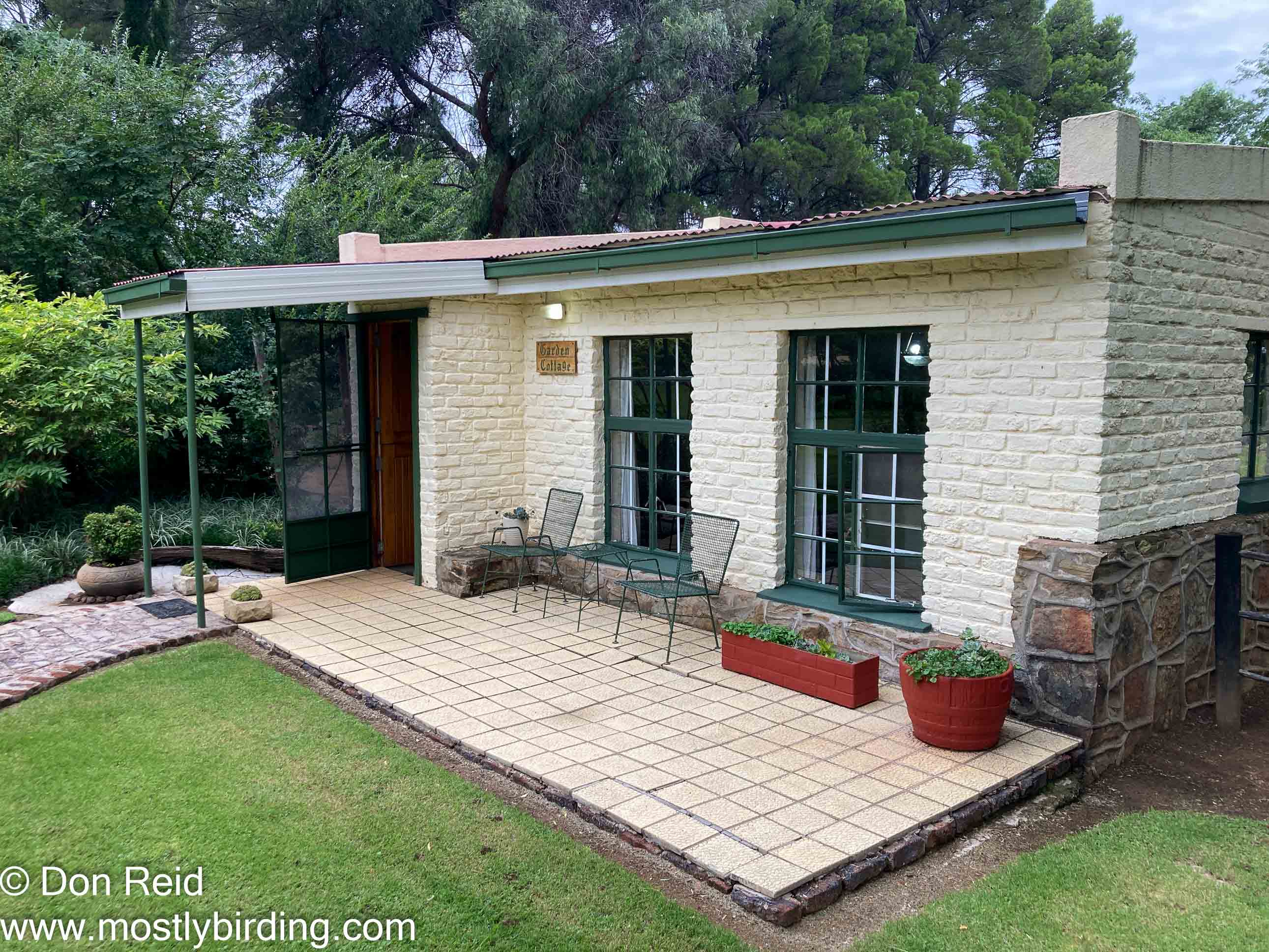
We reached our overnight stop – Prior Grange farm near Springfontein – just after 5 pm and settled in to the Garden Cottage.
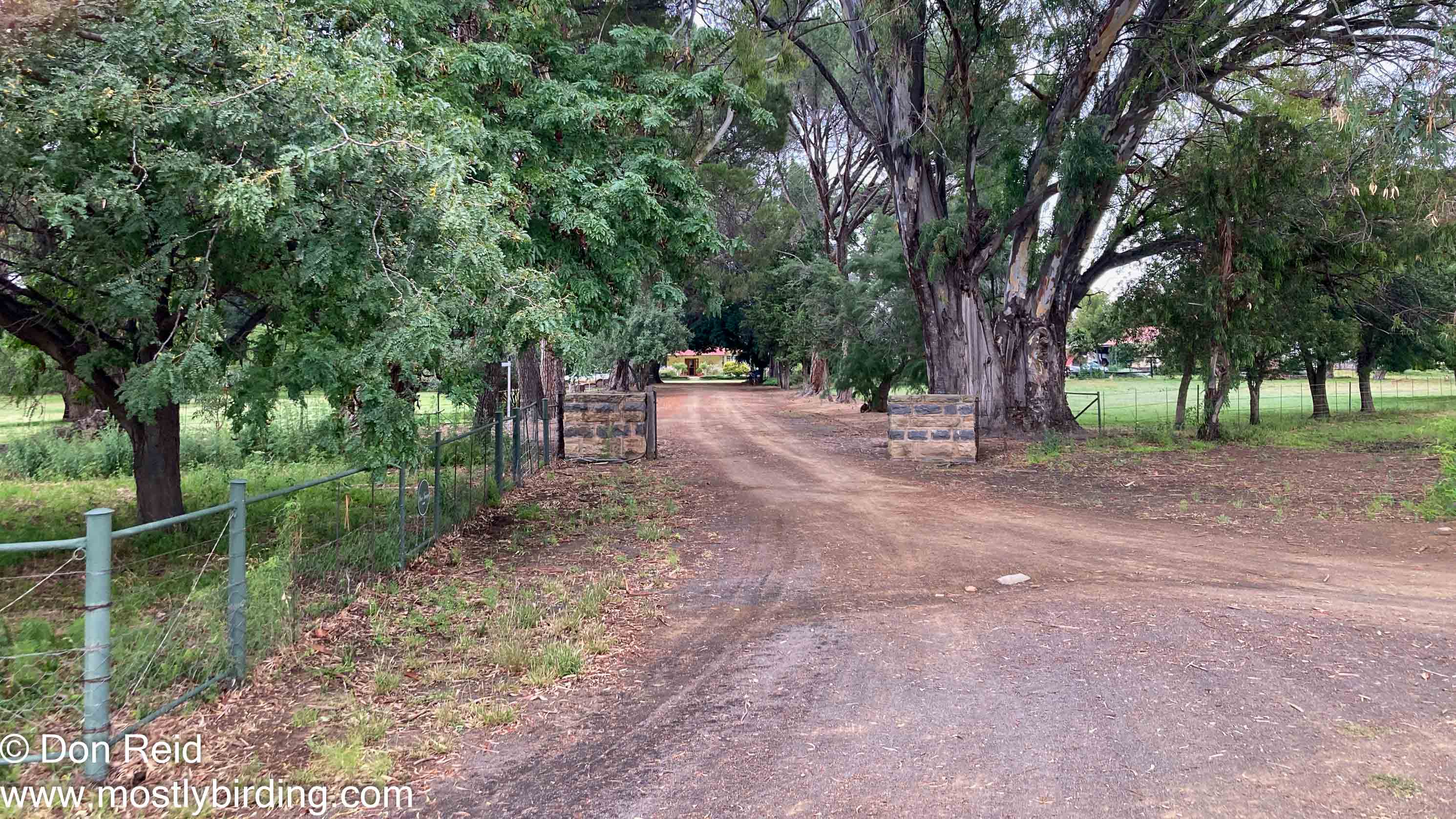
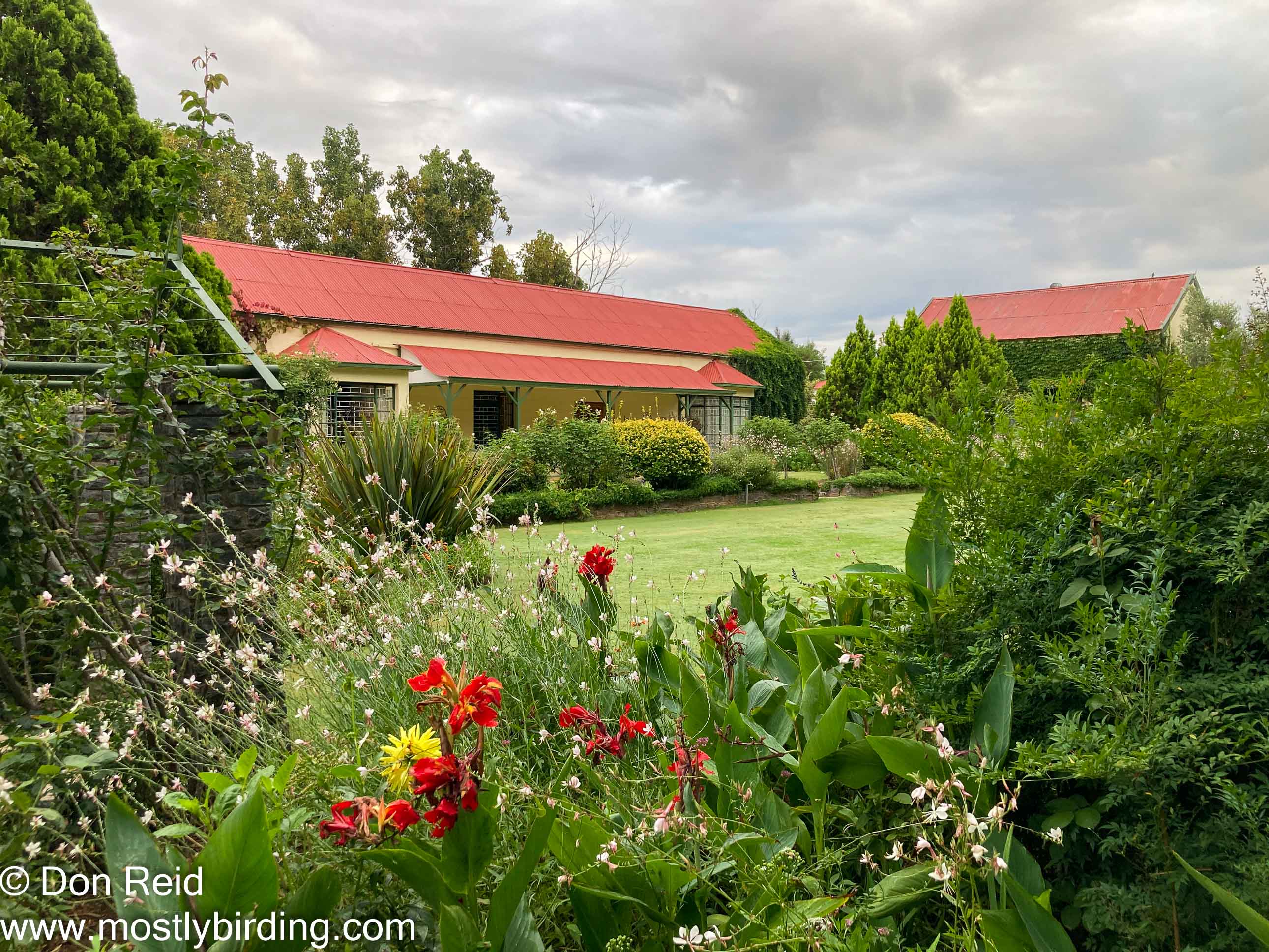
Prior Grange near Springfontein Free State
Prior Grange – the main house
Prior Grange – the Garden Cottage

It was time for my birding/relaxing walk to stretch my legs and with not much daylight left I headed straight to the dam behind the farm house and found it fuller than I had ever seen it, in complete contrast to our last visit before Covid when it had held a fraction of the water it now had.
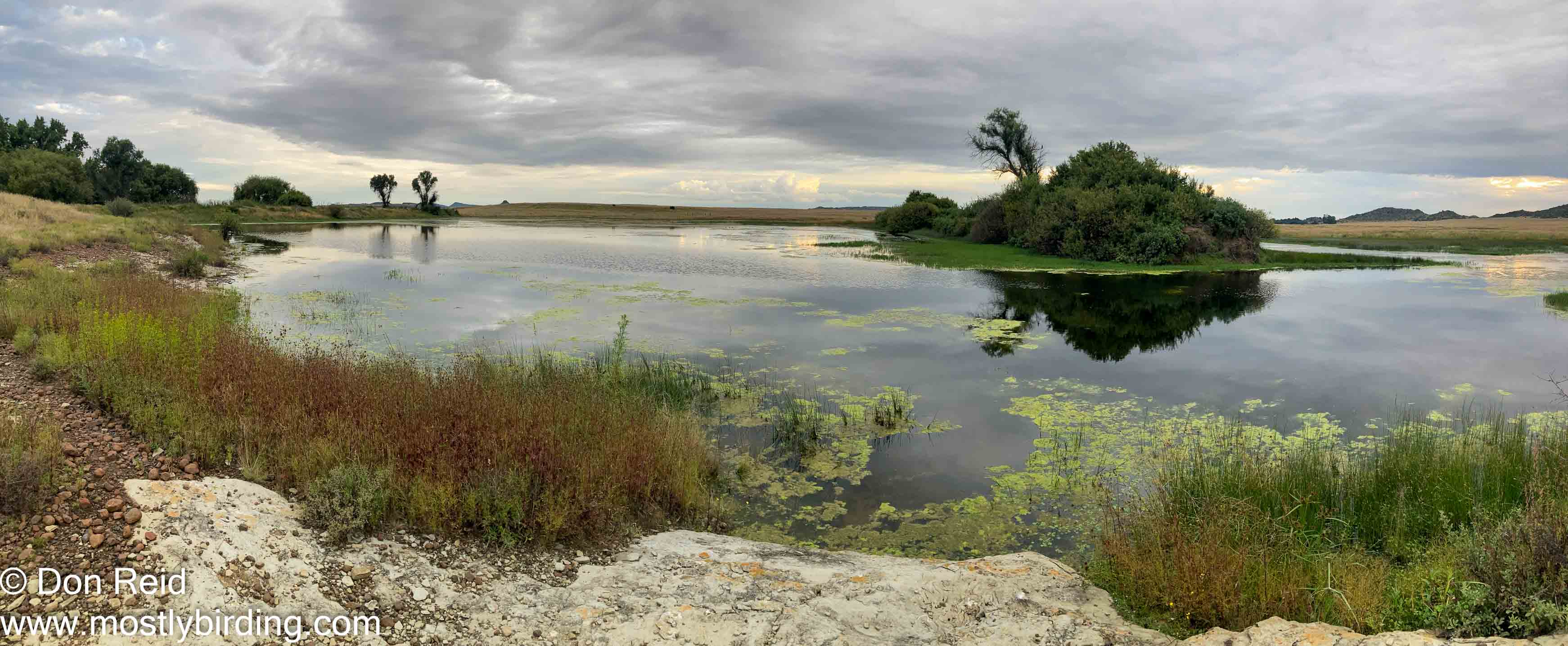
Prior Grange dam

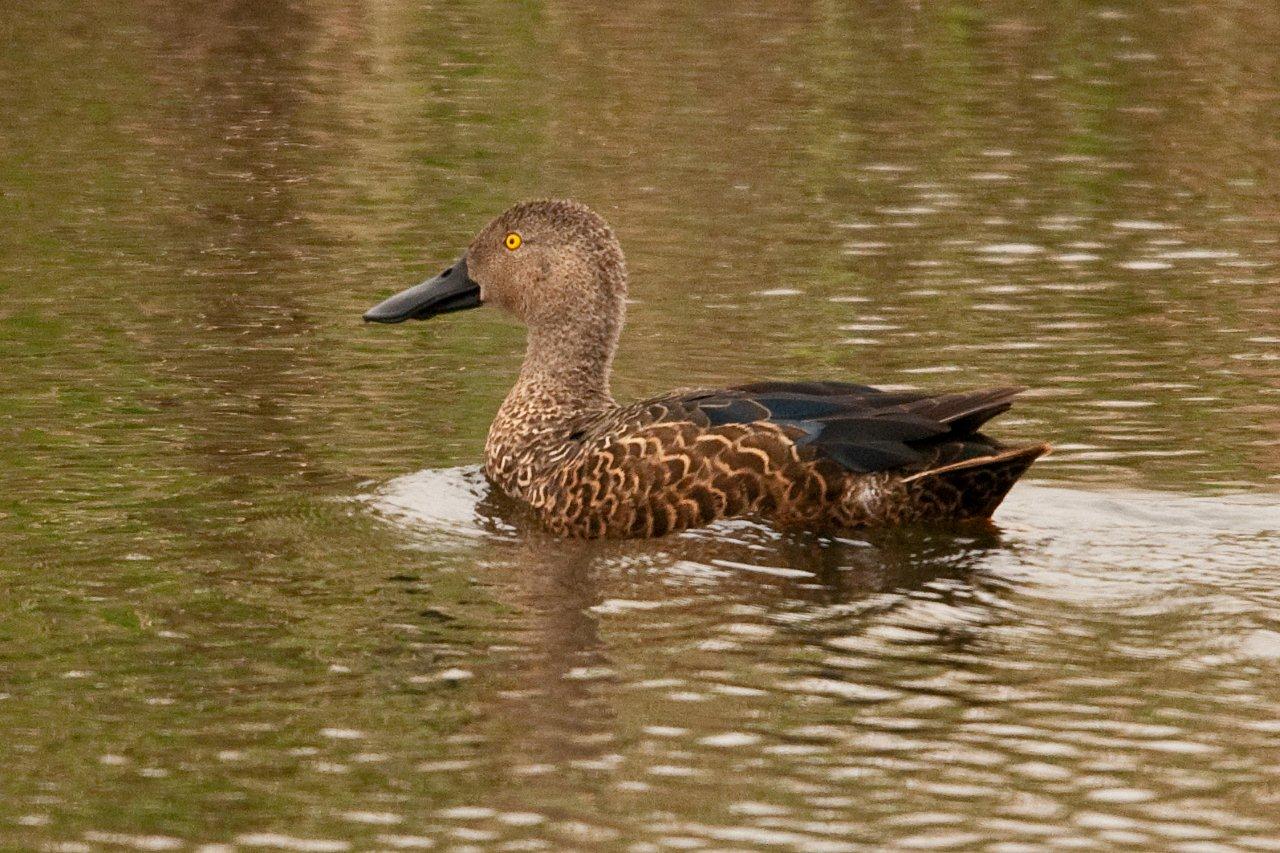
The dam had a single Grey Heron and small numbers of Red-knobbed Coots, Moorhens, Cape Shovelers, Yellow-billed Ducks, Red-billed Teals, Little Grebes and SA Shelducks, while the reeds were busy with Bishops and Weavers and a single African Reed Warbler which had me puzzled for a while as it was making an unusual sound (for me, probably not for him)
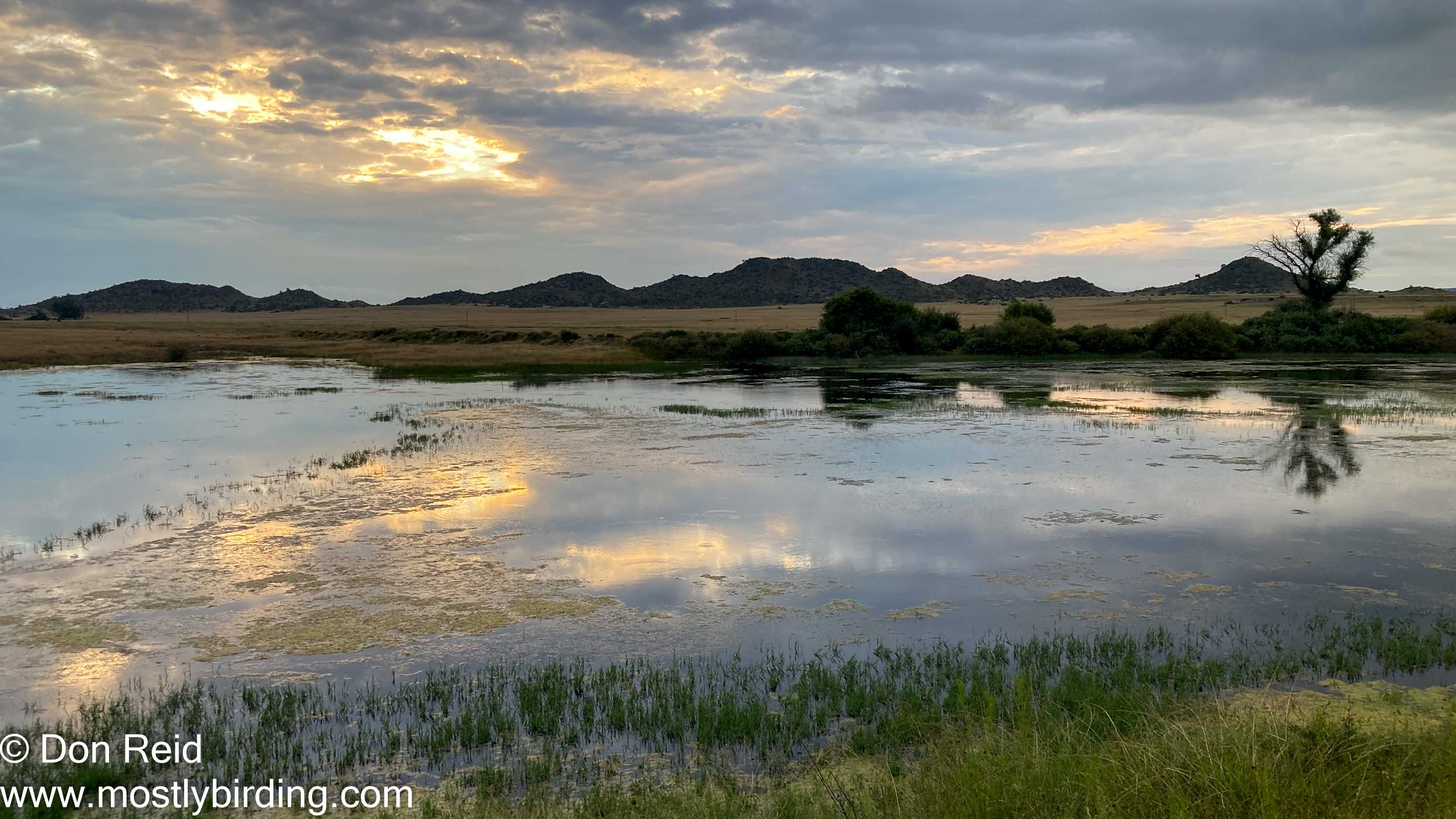
Prior Grange dam
Cape Shoveler / Kaapse Slopeend

Heading back to the cottage I added Karoo Thrush, Pied Starling and Fiscal Flycatcher before dusk fell, taking my pentad list to 32 after an hour’s atlasing, leaving the next morning to complete the two hour minimum atlasing to count as a “Full Protocol” card. Dinner, served in the cottage, was roast lamb and veg – what else on a Karoo farm?
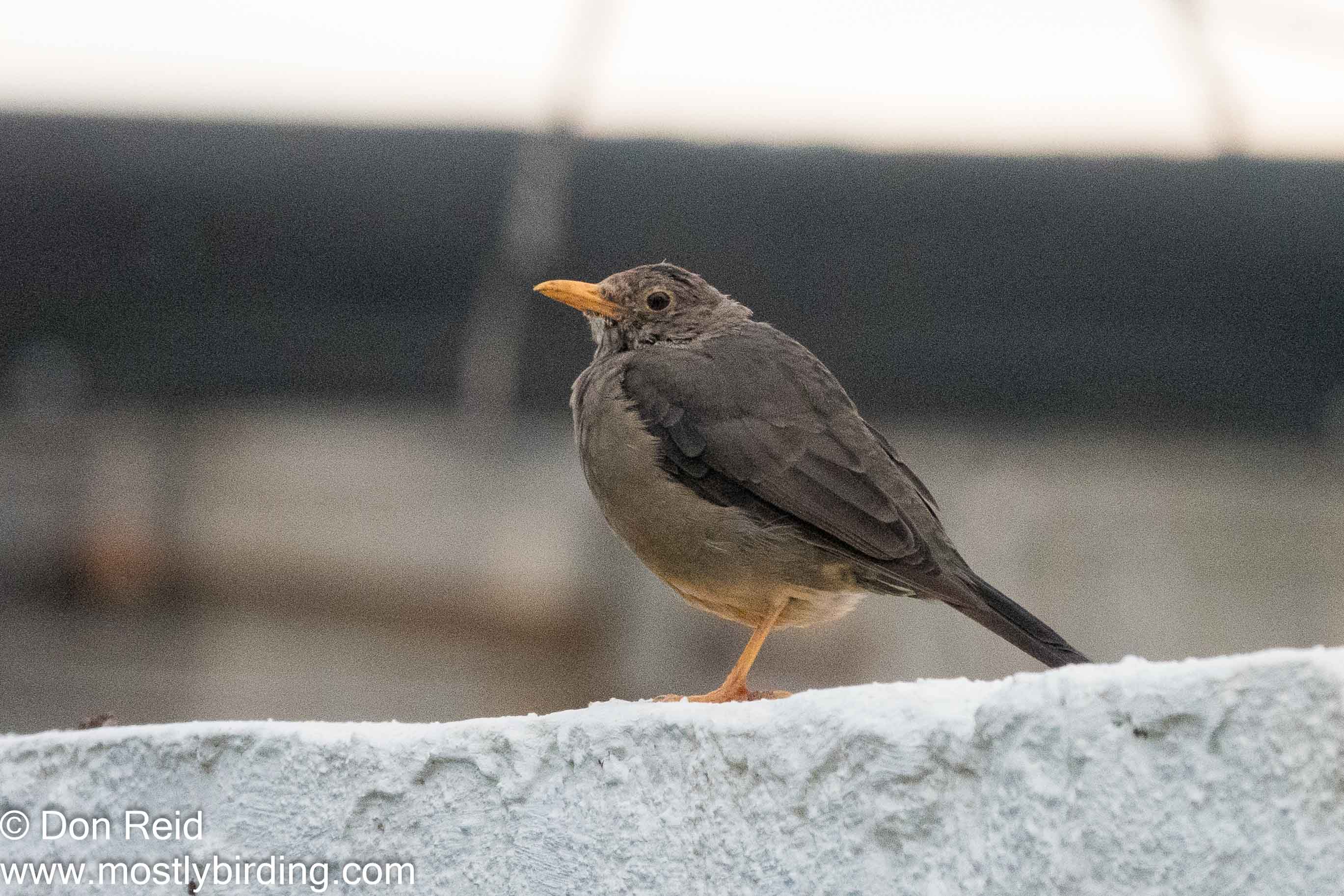
Karoo Thrush Turdus smithii Geelbeklyster, Prior Grange
Pied Starling Lamprotornis bicolor Witgatspreeu, Prior Grange

Day 4 Sunday

I was up early to complete the pentad card with a walk around the garden and along the road, adding Cloud Cisticola, Lesser Kestrel (on the same pole as I had seen it a few years ago), Cape Glossy Starling and Anteating Chat.
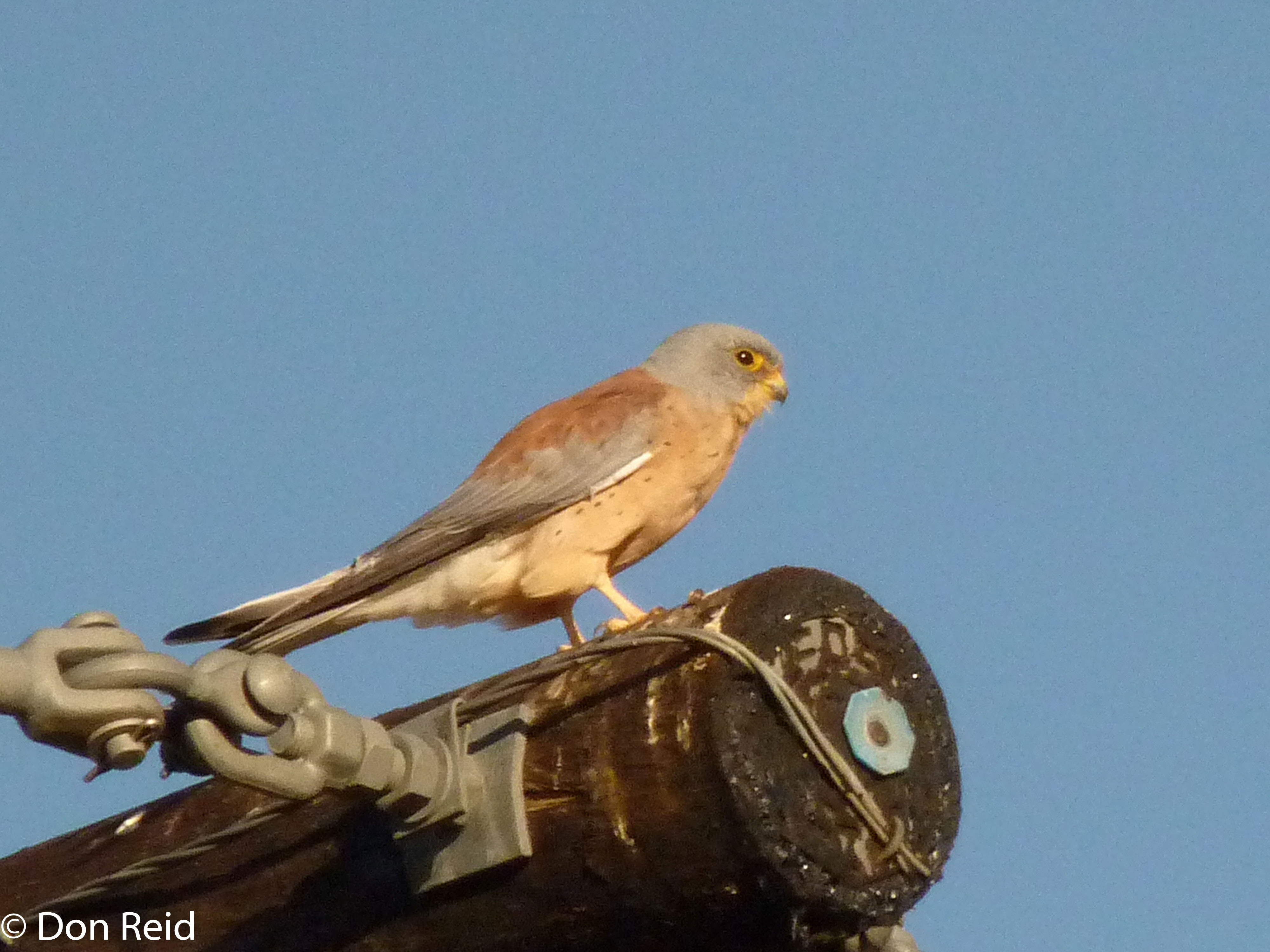
Lesser Kestrel / Kleinrooivalk

The grassland next to the road was waterlogged in places after substantial summer rains

On the road out after a full English breakfast I added a few more including a Black-headed Heron at a mini wetland in the town, taking the pentad total to 44 and raising my personal tally for the pentad to 98 species after completing 6 cards since 2014.

All that remained was a drive of around 550 kms to our home in Pretoria – we arrived just after 4 pm, glad to be ‘home’ (Pretoria version)

Sea Pie in Plett

What happened to the Birding ?

If I have touched your curiosity button and you are wondering why I seem to have changed the theme of my blog to culinary matters, let me set things straight right away. I was looking for some background information about the bird which is the subject of my recent twitch of a rarity and my extensive research (OK, I just googled a bit) came up with something unexpected……

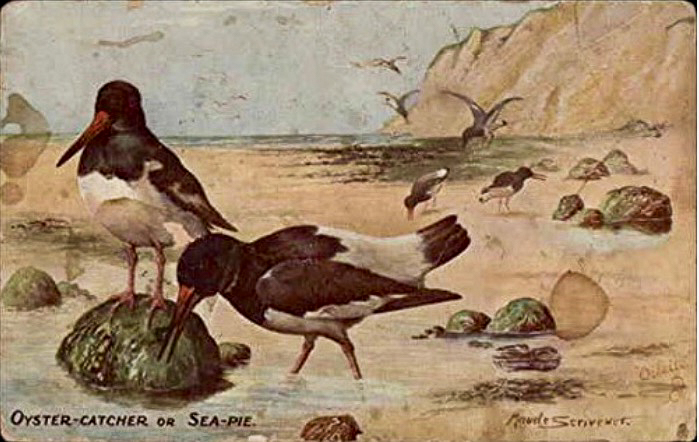
The bird in question is the Eurasian Oystercatcher, the unexpected fact is that the Oystercatcher was originally known as the “Sea Pie” but was renamed in the 1730 ‘s when a naturalist observed one eating oysters. The name “sea pie” seems to be a shortened form of Sea Magpie, due to its pied (black and white) appearance, (not applicable to our better known African Black Oystercatcher which has all black plumage).

An old illustration of the Sea-Pie

Just a little background

At the risk of boring those who already know my approach to twitching (the chasing of rarities no matter what it entails) let me repeat my criteria : if the rarity in question is within maximum 2 hours travel time by car from where I happen to be, I will consider going for it.

Once again the trigger came from the SA Rare Bird News report (SARBN) which is published by Trevor Hardaker twice a week – in this case it was the report of 3rd December 2021 that piqued my interest with a report of an Eurasian Oystercatcher on the Keurbooms River estuary at Plettenberg Bay in the southern Cape.

We were still in Pretoria at the time but were readying ourselves for a mid December road trip to our other home in Mossel Bay, so if the bird hung around long enough, there may be a chance to twitch it…..

I kept an eye on the reports coming through and as our departure date got closer, and the Oystercatcher remained in the same area, my hopes of being able to twitch the species started rising.

Now I should mention that I had in fact seen this species in Europe a number of years ago, but the circumstances were rather bizarre and the sighting somewhat unsatisfactory so I was keen to get a better sighting and of course to be able to add it to my list of Southern African birds seen.

At the time we were travelling to the UK via Amsterdam Schiphol airport and while taxi-ing after landing at Schiphol early morning I spotted, from my window seat, an Eurasian Oystercatcher at the edge of a concrete water channel along the perimeter of the airport – the sighting was brief but there was no mistaking the bird with its black and white plumage and distinctive bill

As I said, a somewhat unusual way to add a lifer and not what I consider fulfilling…..

Time to Twitch

We arrived in Mossel Bay on Wednesday 15 December 2021 after a road trip spread over 3 days and, once settled in to our ”Southern Cape” routine, my thoughts returned to the Eurasian Oystercatcher, which was still hanging around in the same area on the Saturday, so we decided to do the trip to Plettenberg Bay (or Plett for short) on the Sunday.

Now, 150 kms doesn’t usually sound like a challenging distance to drive for a day but Google Maps put it into perspective by estimating that a 2 hour drive awaited us, fortunately just making it into my (admittedly arbitrary) 2 hour drive time limit for a twitch.

With time to prepare I made a note of the instructions provided about the location, where to park and how to access the estuary and the recommendation that any attempt to find the bird be done at low tide. The tide tables indicated a low tide around 10 am for the Sunday so it seemed quite reasonable to leave home at about 8 am.

Another recommendation was to have a scope handy if available as the bird was likely to be a fair distance from the closest viewing spot so my Swarovski scope was the first item to be loaded into the car. I had recently purchased a new ball head for the scope to replace an old one that had become difficult to manoeuvre and I was looking forward to see how it functioned in the field (I’m glad to say it performed perfectly)

We duly got to the pin-drop spot at the small parking area, which had a full complement of cars but fortunately one was just pulling out and I slotted the Prado into place and set off down the narrow track, scope and tripod slung over my shoulder, leaving Gerda to enjoy the peace and quiet with her knitting.

The track initially wound its way through bush, then over a narrow wooden foot bridge and onto the sands of the estuary. A birder heading the other way turned out to be Rudi, another Mossel Bay birder and after greeting each other he pointed me in the general direction of where he had just seen the Oystercatcher.

The pathway to the Estuary

Armed with that knowledge, I found a spot to set up the scope, taking care to avoid the softer sands which would have swallowed my sandals if I wasn’t wary (all proof of how hazardous twitching can be). I scanned the distant river close to a Tern roost and within a minute had found the Oystercatcher and locked onto it with the scope. I allowed myself a little victory punch in my imagination – success!

For the next 40 minutes I tried getting closer to where the bird was hanging out, with some success although the soft mud of the estuary at low tide thwarted my attempt constantly as I picked my way across the drier parts to a better vantage point.

Satisfied with the views I had enjoyed, I made my way in hopscotch fashion to the main pathway back to the car, passing a group of birders who had just arrived but were less fortunate as a passing helicopter had caused the Tern roost and surrounding birds to rise up and fly off.

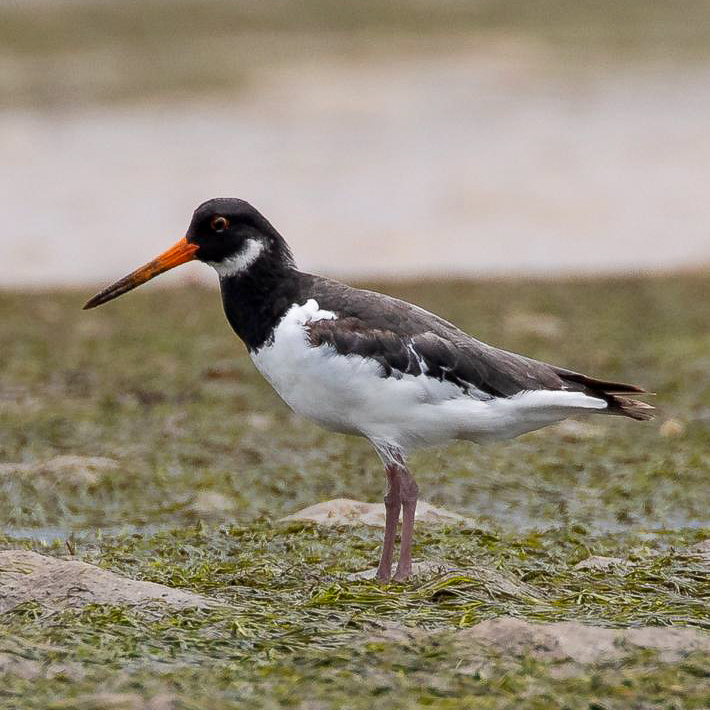
My only regret was not having my camera, which I left in the car as the scope and tripod was quite a burden without a camera dangling from my shoulder as well. Plenty of excellent photos have been posted on various birding groups and the superb image below was taken by a birder who rented a canoe so as to get closer to the bird – included here with the photographer’s kind permission.

Image by Deirdre Krzychylkiewicz

Eurasian Oystercatcher Haematopus ostralegus (Bonttobie)

This species is a rare but annual visitor from its breeding grounds across the Palearctic region from Iceland to China. Those found in southern Africa are thought to originate from Siberia and prefer to feed by probing for invertebrates on mudflats, having a longer bill than the African Black Oystercatcher which generally feeds on mussels.

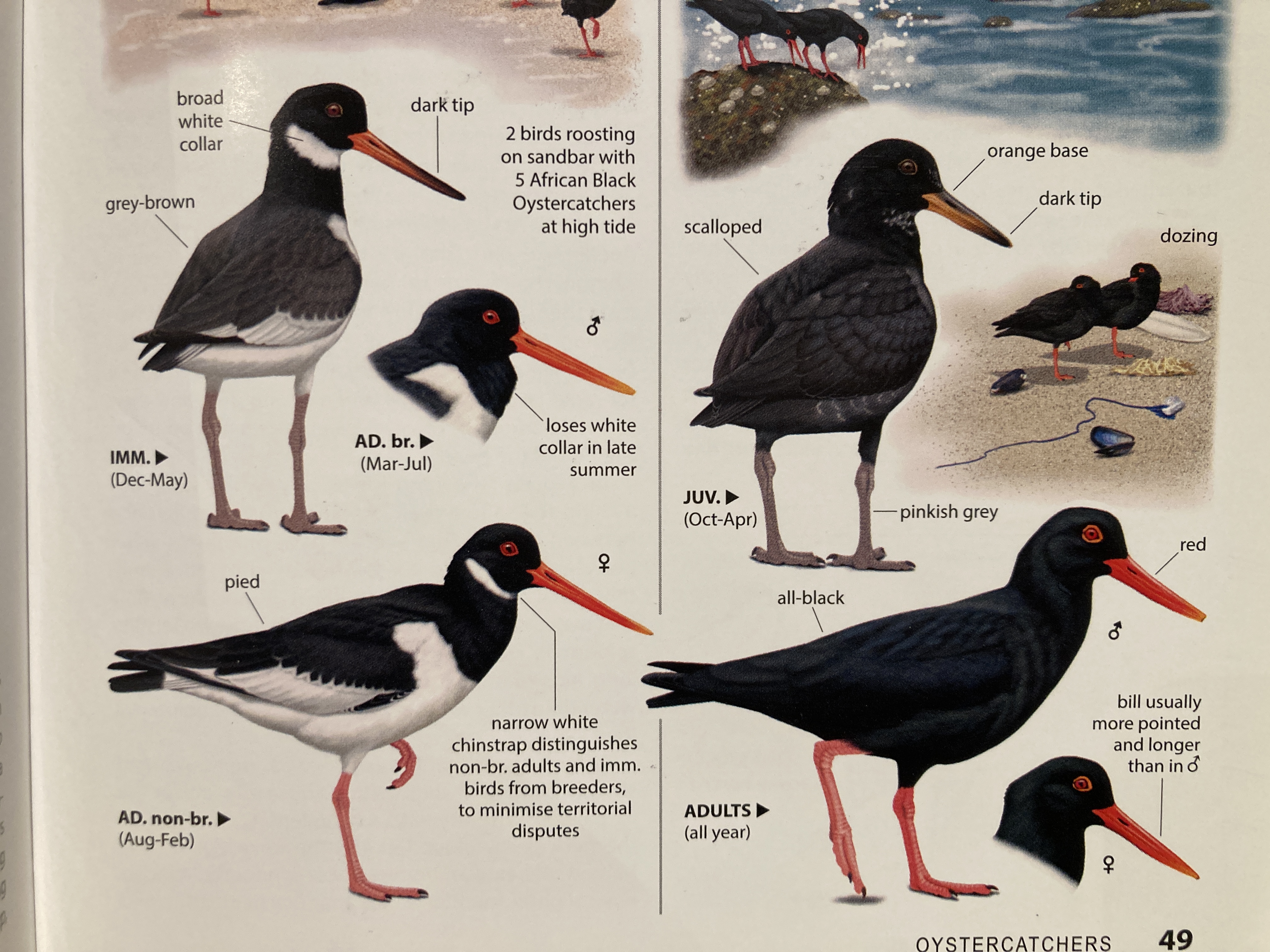
The illustrations below are from Chamberlain’s Waders, written and illustrated by Faansie Peacock and show the unmistakeable pied appearance of the Eurasian Oystercatcher compared to the all black plumage of the African Black Oystercatcher.

On our way back home we stopped at a roadside restaurant for a light lunch of their home-made pie and salads – it crossed my mind that I had seen a Sea Pie in Plett and eaten a Pie near the Sea in Plett, all in the same morning……..