It’s a Shore Thing – The Sequel (Part 2)

Continuing the story of our trip to Bronkhorstspruit Dam Nature Reserve not far from Pretoria, where we were fortunate to find the rare vagrant Baird’s Sandpiper with relative ease ….

After locating the Baird’s Sandpiper and spending some time admiring this tiny adventurer all the way from the Arctic, we spent the next couple of hours driving slowly as close to the dam shoreline as we could, scanning every metre of it as we went.

This paid off with several more good sightings of waders and other birds, many of them the same species as I had recorded during an atlasing trip a few weeks prior, but with some exciting new additions –

Starting with an uncommon species which we found in the short grass which covers most of the open ground between the track and the shoreline of the dam …..

Western Yellow Wagtail Motacilla flava (Geelkwikkie)

Western Yellow Wagtail Motacilla flava (Geelkwikkie), Bronkhorstspruit Nature Reserve

The Yellow Wagtail is not a wader as such, but it favours similar habitat to some of the waders, particularly fringes of dams with short grass. It is not unusual to find the far more common Cape Wagtails pottering about in their perky fashion among small waders, but during the summer months it pays to check out all the wagtails as they could include this uncommon non-breeding migrant, which arrives in small numbers from its breeding grounds in eastern Europe and western Asia

Common Greenshank Tringa nebularia (Groenpootruiter)

We also came across this fairly common wader which can be found right across southern Africa at inland and coastal waters, but seldom in numbers, often alone – we saw just the one during our couple of hours of careful scanning
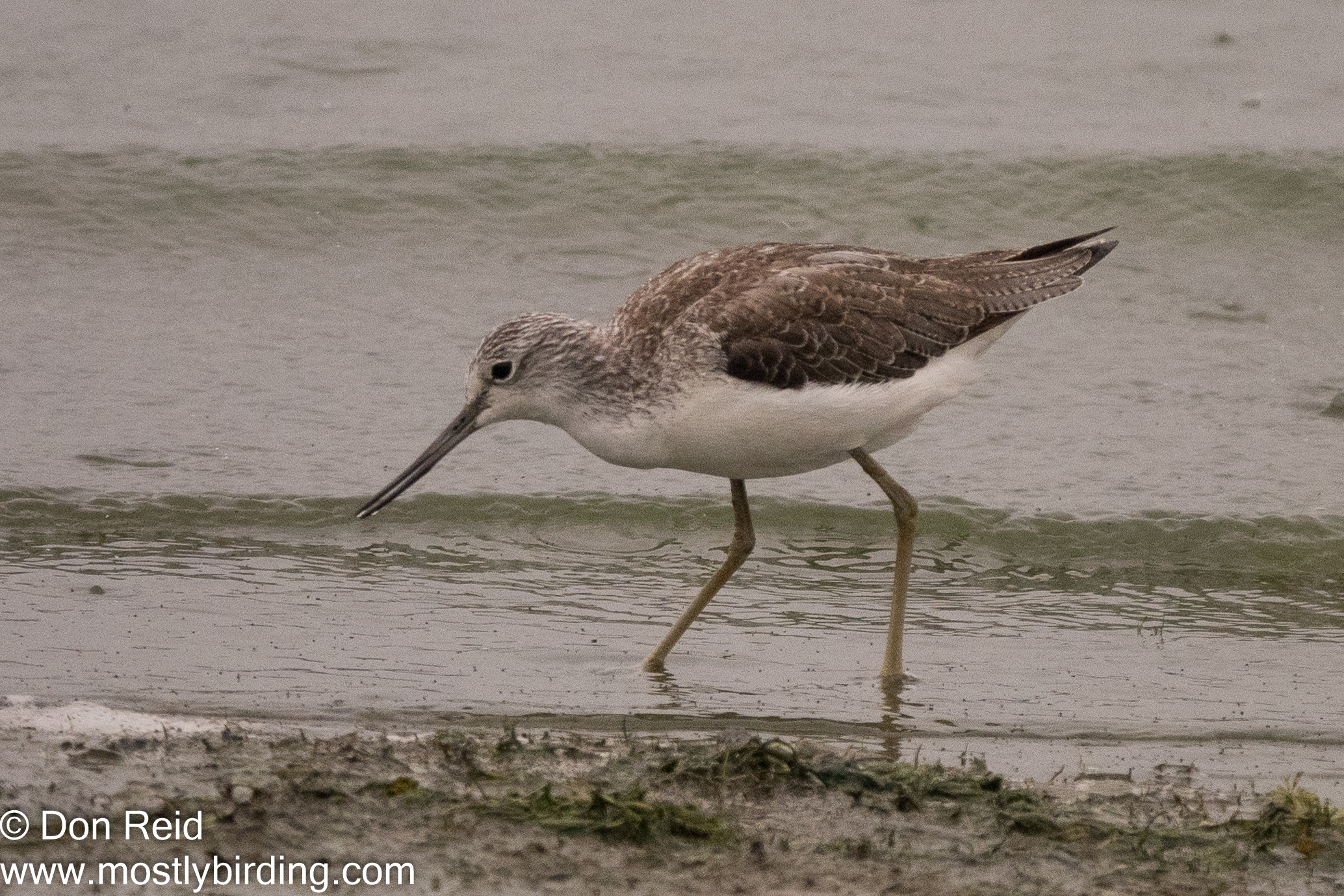
Common Greenshank Tringa nebularia (Groenpootruiter), Bronkhorstspruit Nature Reserve

Generally one of the easier waders to identify and get to know, even at a distance, due to its long-legged appearance, relatively large size and slightly upturned bill
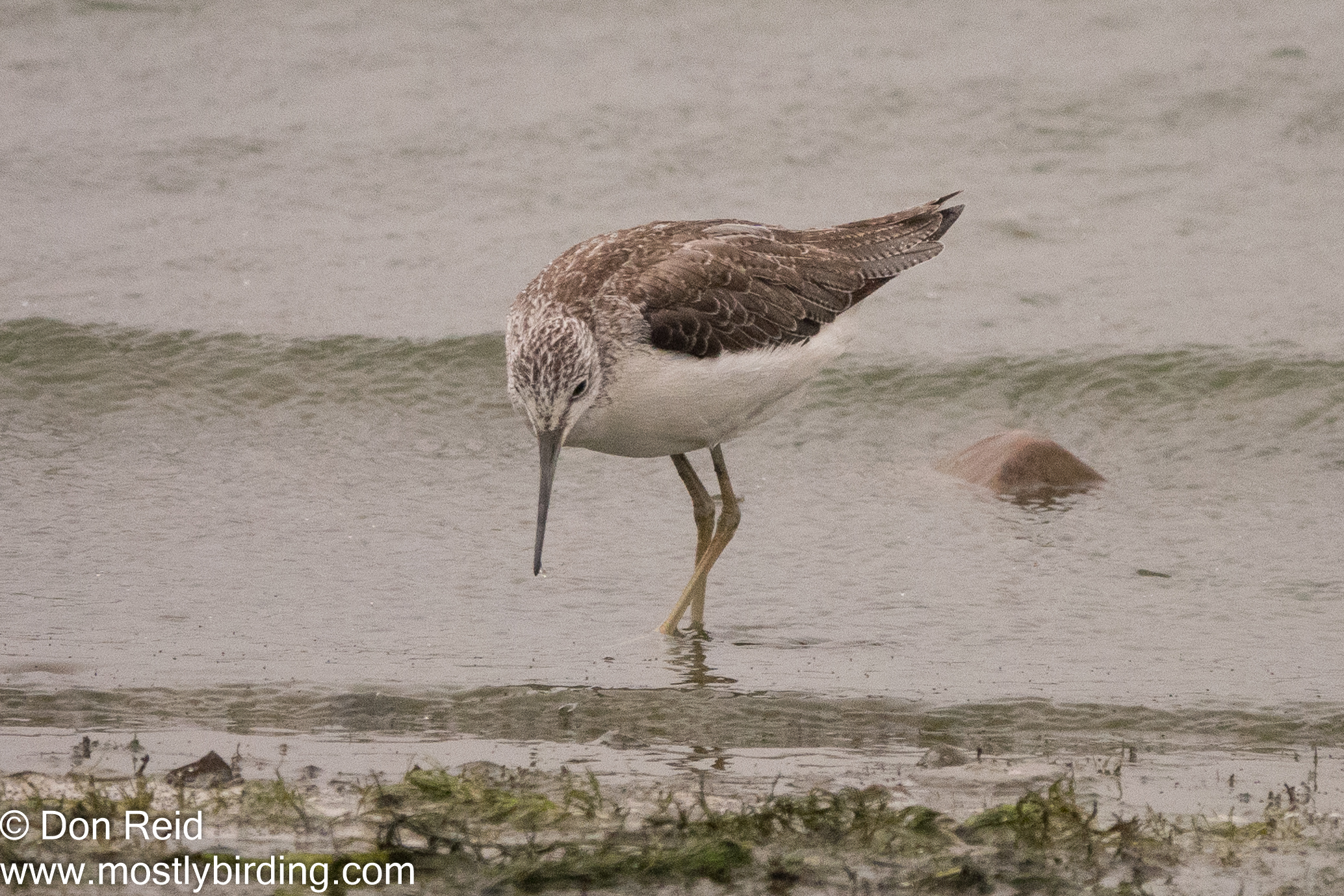
Common Greenshank Tringa nebularia (Groenpootruiter), Bronkhorstspruit Nature Reserve

The Greenshank is one of the longer-staying Palaearctic migrants, arriving from its “home” in European Russia and eastwards from as early as August and departing again between February and April

Common Sandpiper Actitis hypoleucos (Gewone ruiter)

Another wader that belies its name by not being particularly common, this was one of just a couple that we came across

Once you are “into” the intricacies of identifying waders, the Common Sandpiper soon becomes familiar, with its standout features being its uniform brown upper colouring contrasting with a clear white underside. The white gap between shoulder and breast band (not clearly visible in my photo) is often a clincher

Common Sandpiper Actitis hypoleucos (Gewone ruiter), Bronkhorstspruit Nature Reserve

It prefers firmer surfaces than other waders and can often be found alongside wagtails on rocks, firm sand and gravel rather than wading in the water itself

It is also a long-staying migrant from its “home” which stretches from Europe to Japan, arriving in southern Africa from August and departing from January to April

Red-capped Lark Calandrella cinerea (Rooikoplewerik)

And now for something completely different ……

Arguably one of the better known larks, which otherwise get a lot of bad press by being called “little brown jobs” or LBJ’s by those new to birding, this one is hard to confuse with any other lark species due to its distinctive rufous crown and breast side patches
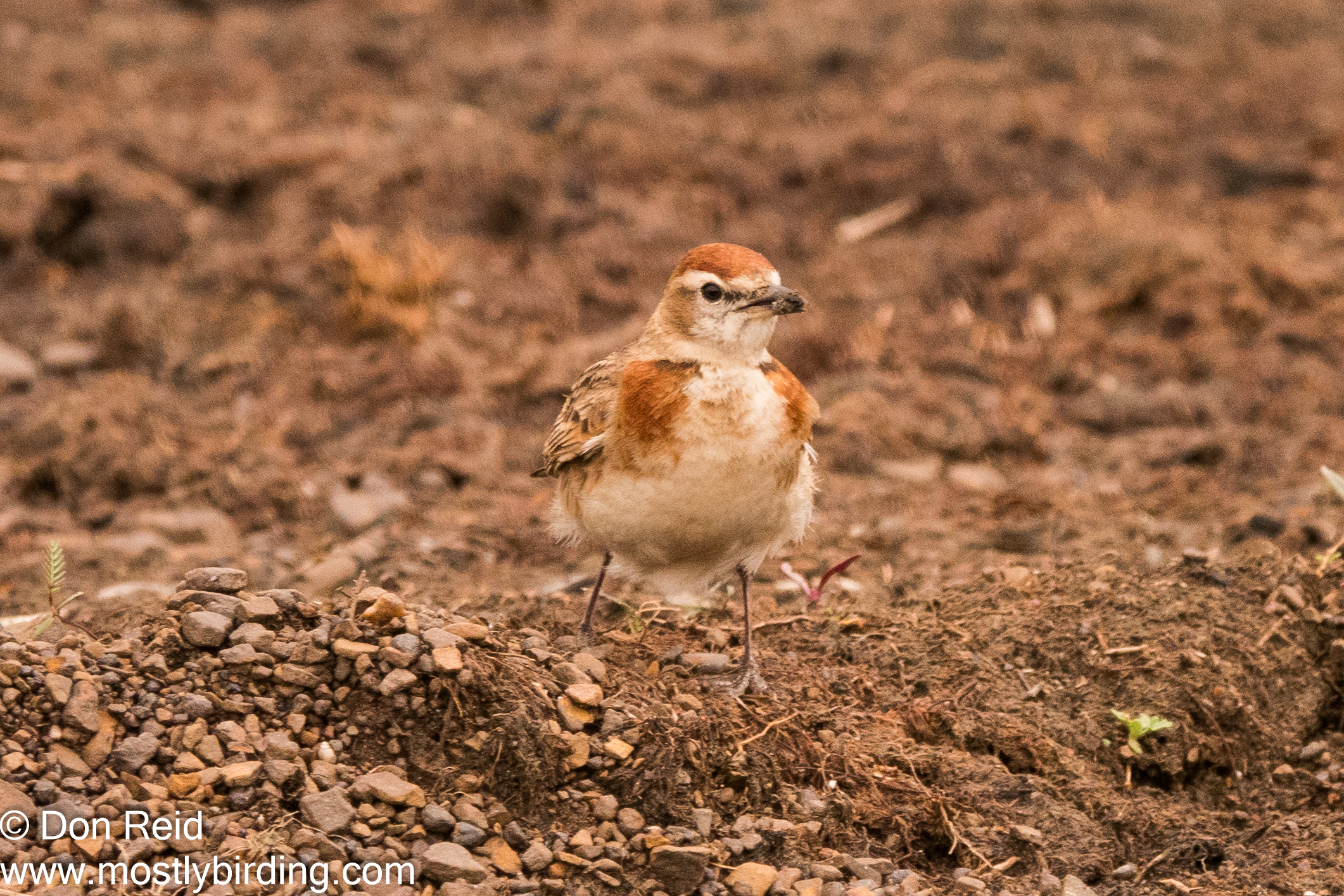
Red-capped Lark Calandrella cinerea (Rooikoplewerik), (Adult) Bronkhorstspruit Nature Reserve

Their preferred habitats include bare ground and edges of wetlands so it wasn’t too much of a surprise to find one not far from the dam edge, nevertheless we were most pleased to find this individual with a tiny morsel in its beak.
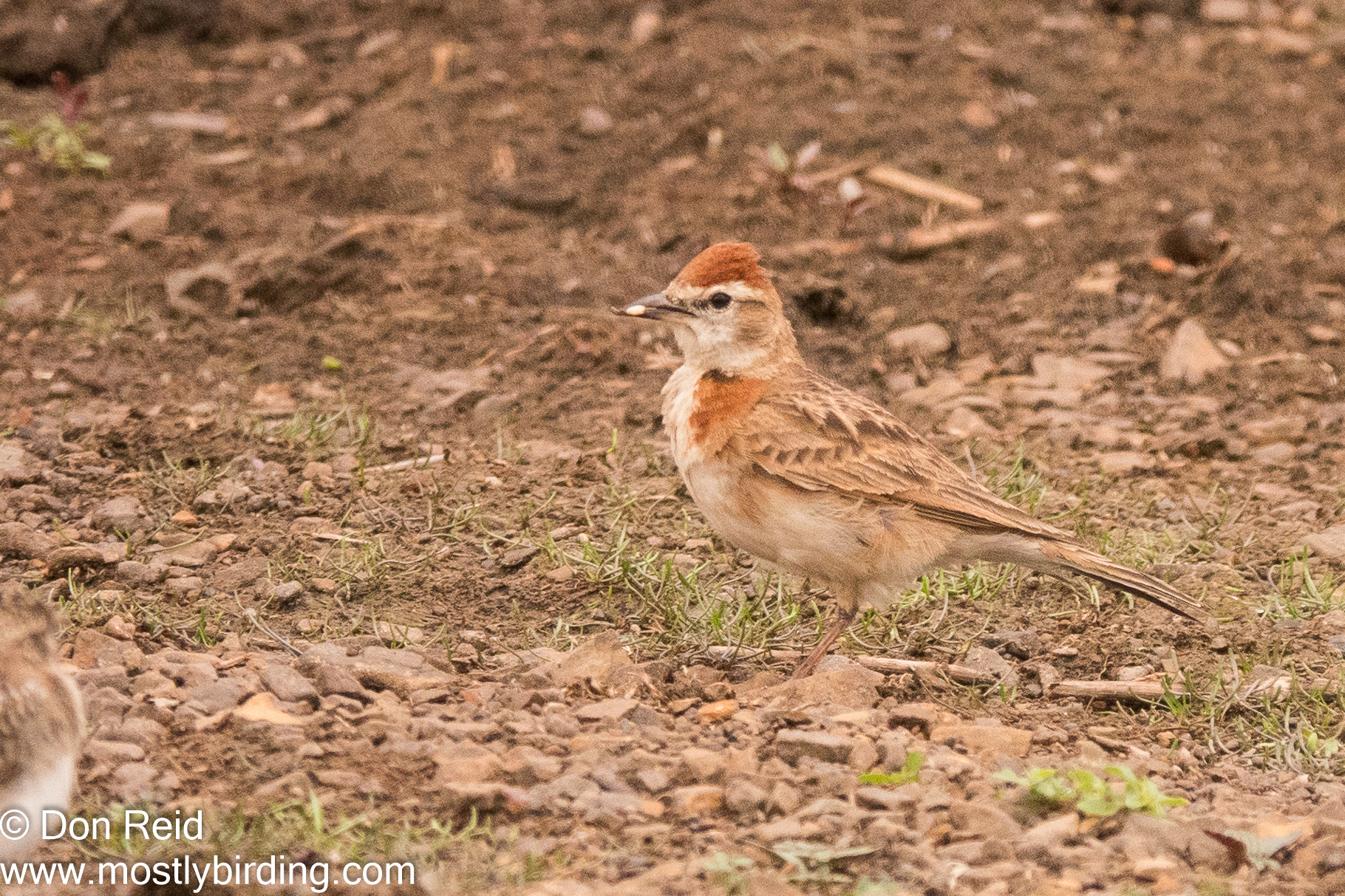
Red-capped Lark (Adult)

We immediately guessed that the morsel was intended for a juvenile being fed by the adult, and looked around – nearby was a well-camouflaged, inconspicuous bird with no matching features but there was no doubt of its lineage as we watched the adult feeding the morsel to it then rushing off to find more. Lovely to watch and a unique sighting!
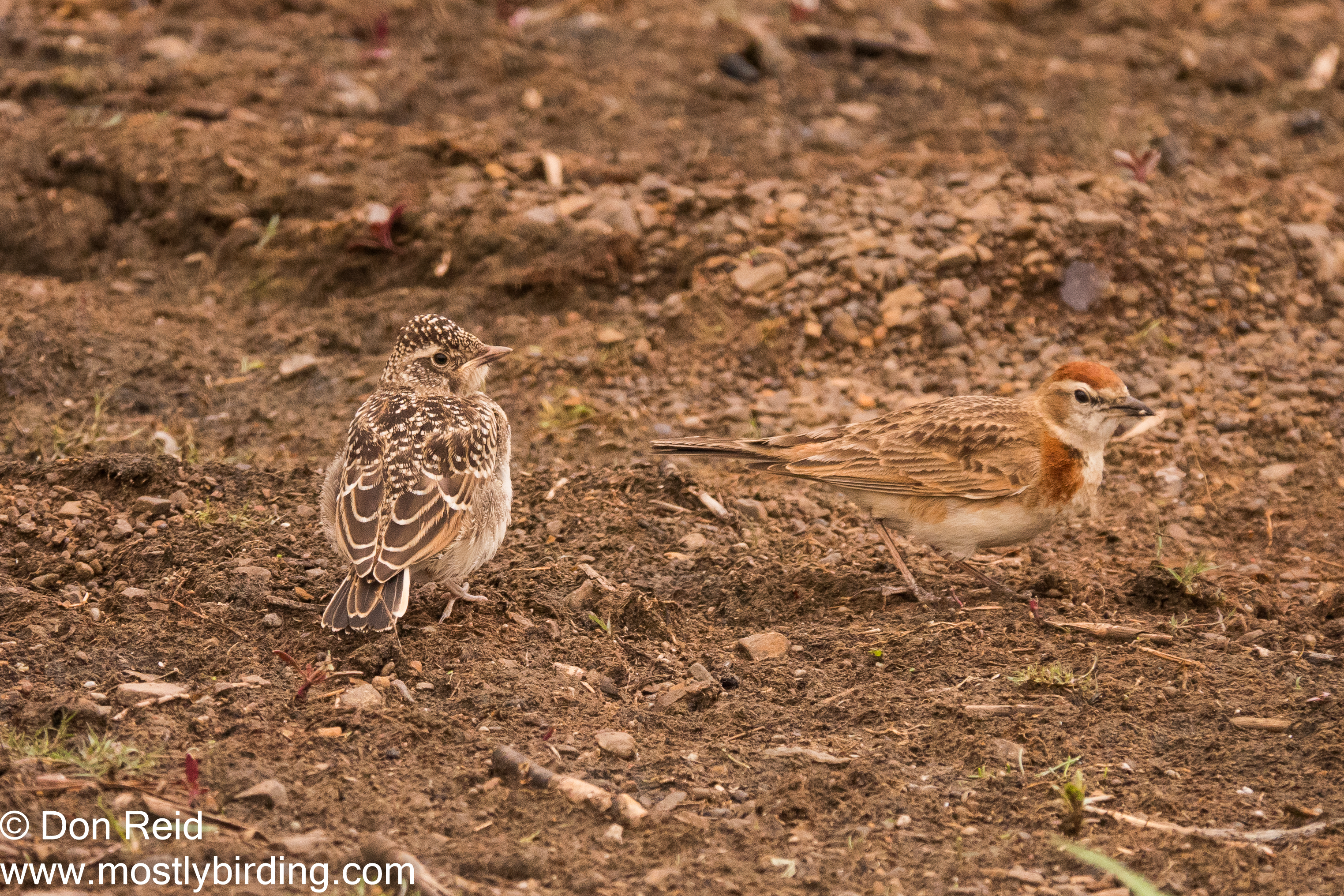
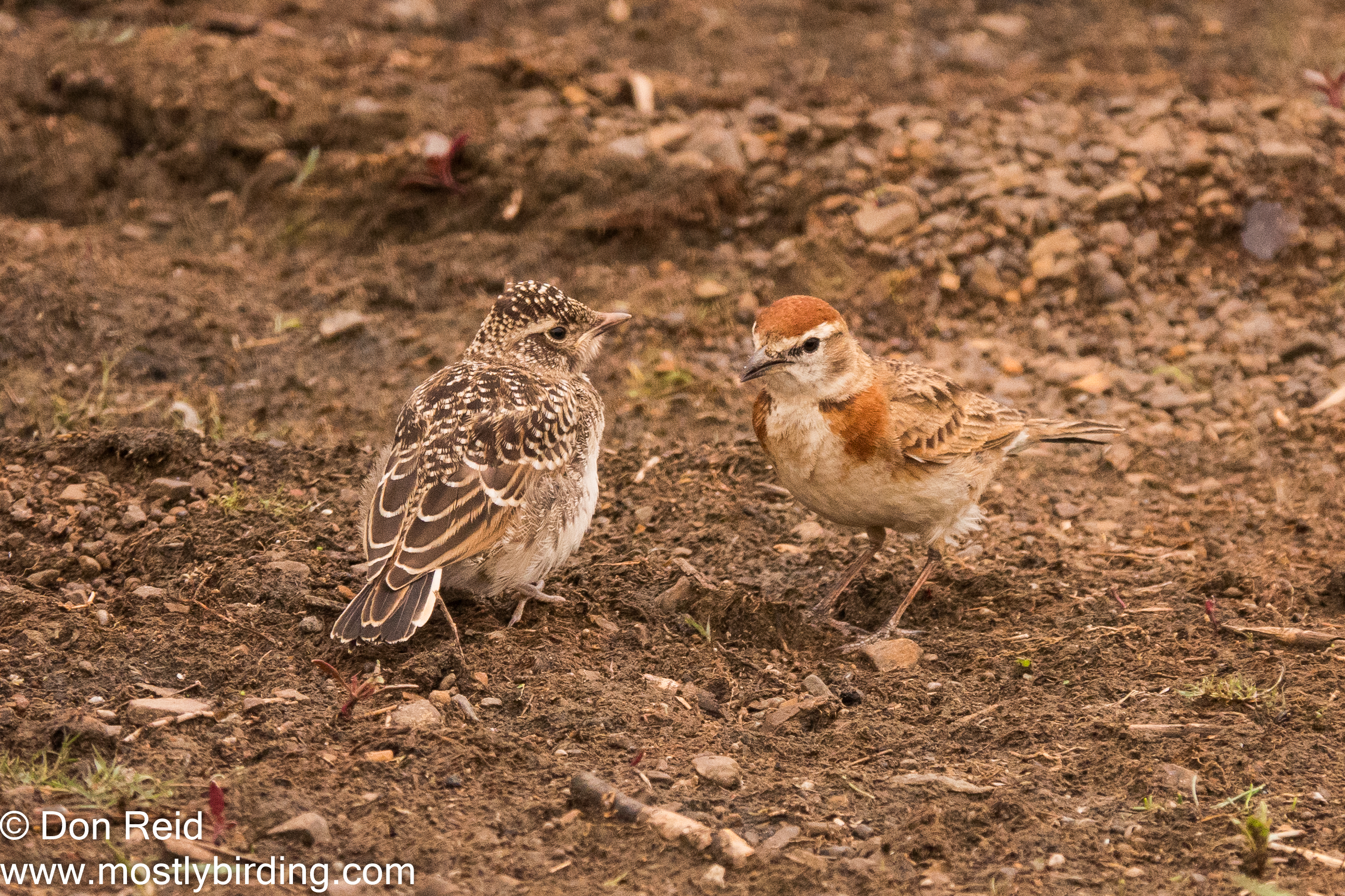
Red-capped Lark (Juvenile with Adult)

Whiskered Tern Chlidonias hybrida (Witbaardsterretjie)

Now, sharp readers will quickly realise that terns are not waders – but I have other reasons for including these images …..

Firstly, terns commonly roost at water’s edge in between sorties over the dam close to the shoreline, floating in the wind, looking for prey and dipping down to grab it.

As we drove slowly along the shoreline at one point, I noticed a flock of about a dozen Whiskered Terns flying low in their usual fashion, heads down, floating in the light wind, looking for prey and dipping down to grab something then joining the flock again.
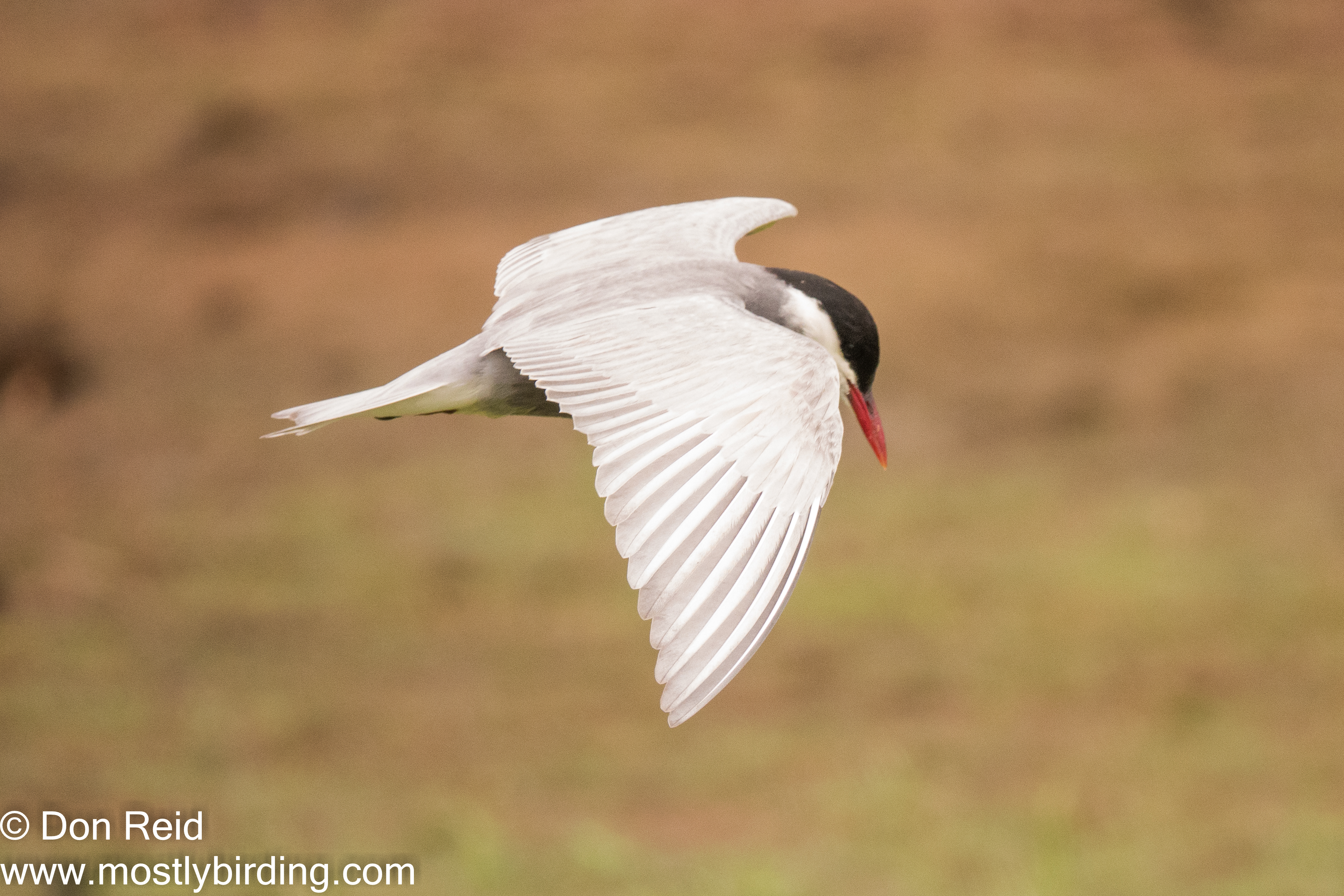
Whiskered Tern Chlidonias hybrida Witbaardsterretjie, Bronkhorstspruit Nature Reserve

What was different was that they were flying above solid ground rather than the water, something I have not seen before – clearly there were enough small insects in the short grass or flying about just above it to persuade the terns to hunt away from their usual habitat.

They presented a beautiful sight as they flew towards our vehicle, veering away at the last moment, flying away for a distance, then turning back to repeat the circuit. They are such elegant birds in flight …..
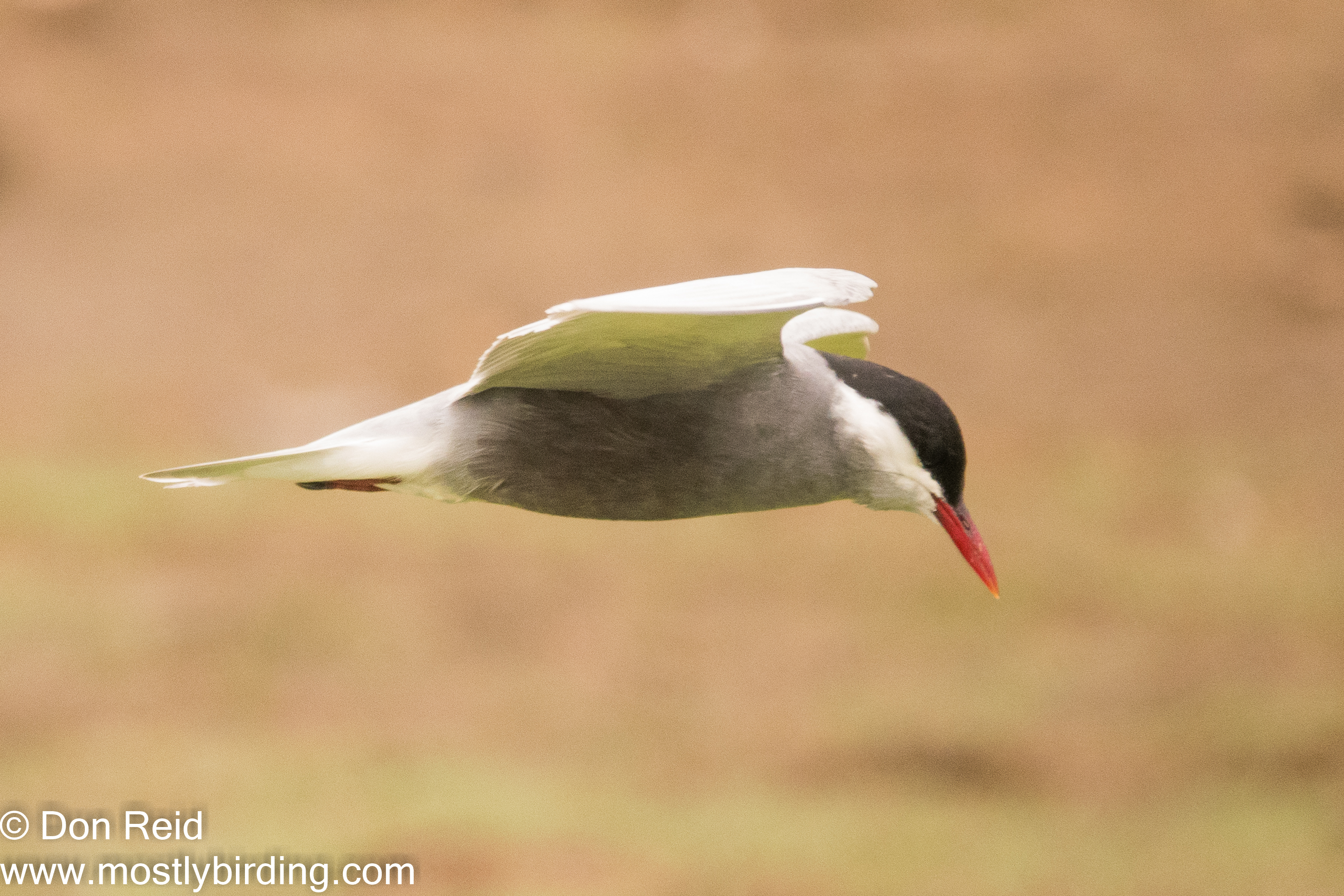
Whiskered Tern Chlidonias hybrida Witbaardsterretjie, Bronkhorstspruit Nature Reserve

It’s a Shore Thing – The Sequel (Part 1)

A couple of weeks ago I posted about a selection of Waders (Shorebirds) and other water birds that I had encountered during an atlasing trip to Bronkhorstspruit Dam Nature Reserve not far from Pretoria.

Well, I wasn’t expecting to visit this nature reserve so soon again, but an alert received this past Saturday from SA Rare Bird News run by Trevor Hardaker (the second item in his alert below) had me reconsidering fairly quickly – a Baird’s Sandpiper would be a lifer for me and, having been spotted just 45 minutes drive from my home in Pretoria, it was an irresistible twitch.

The Twitch

I was not keen to join what I expected to be a twitcher scramble on the Sunday so I waited for Monday morning, when I picked up Koos Pauw at 6.30 am and we headed east along the N4 highway, then took the R25 and R42 turnoffs to take us to the nature reserve access road.

The many twitchers making their way to the dam the previous day combined with heavy overnight rain had turned the gravel access road and the nature reserve tracks into a muddy jumble in places – no problem for my Prado but we felt for the hardy twitchers in small sedans who we saw later in the reserve – no one got stuck while we were there but the road was worse on our way out, so those drivers would have had to use all their skills to get out without a problem.

More of a quagmire than a road – there’s already an ‘escape road’ forming on the right

We couldn’t help chuckling when we saw two Yellow-billed Ducks swimming in one of the larger puddles in the bumpy nature reserve track – how opportunistic, but it left us wondering why they chose a muddy puddle instead of the vast expanse of dam just 50 metres away.

From previous experience of twitches at popular, accessible birding spots such as this, I knew the best way of finding the target rare bird after an alert is to drive to the area where you expect to find it, then look for parked cars – this was my strategy and it worked, but only just!

As we approached the approximate position along the dam edge given in the alert, a vehicle was heading towards us – we stopped to chat and the friendly driver offered to show us “the Baird’s” as they had just come from its location, with no one else around at the time. We accepted with alacrity and a couple of minutes later we were at the right spot and watching the Baird’s Sandpiper ourselves – success! (cue the Beatles “With a little help from my friends”)

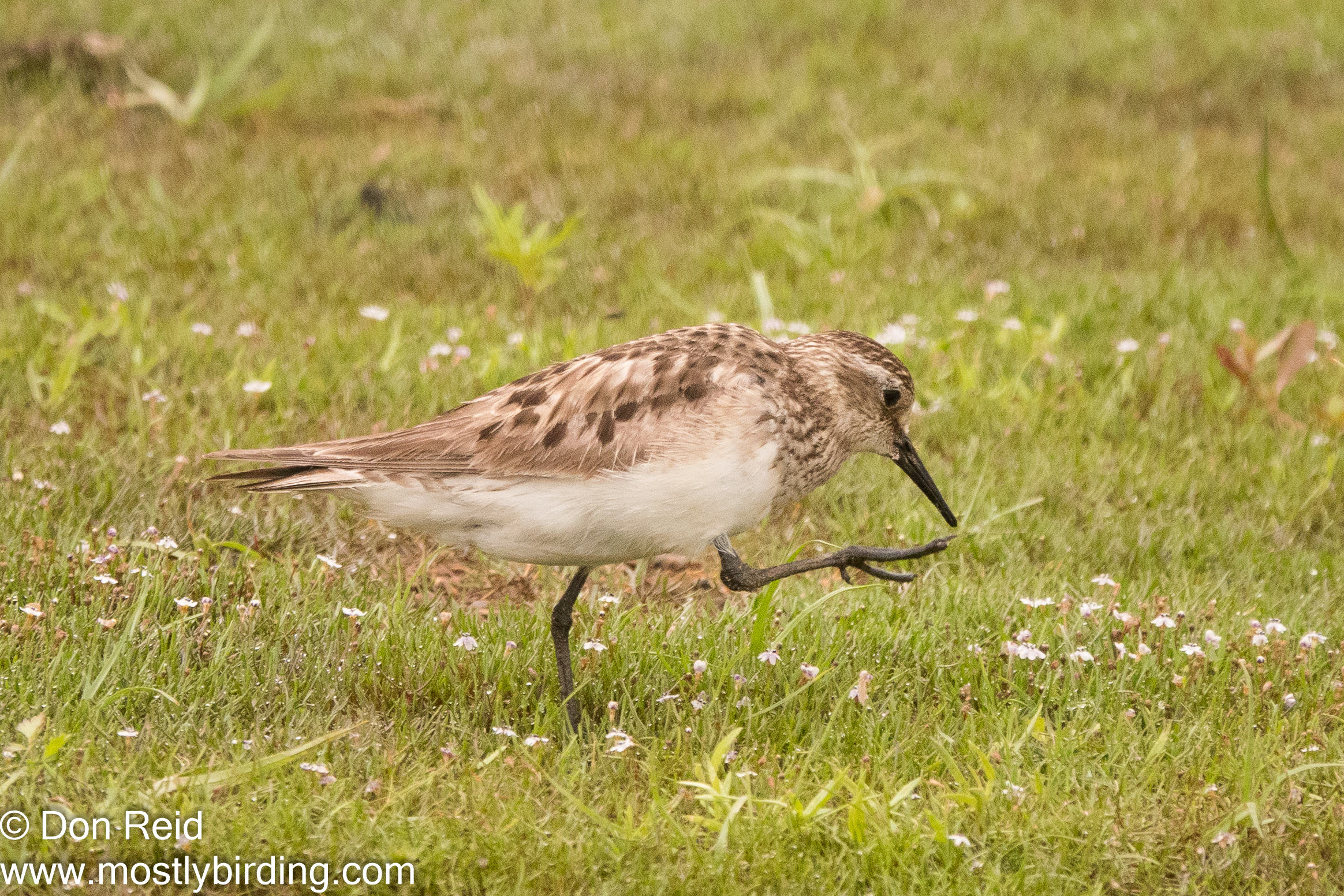
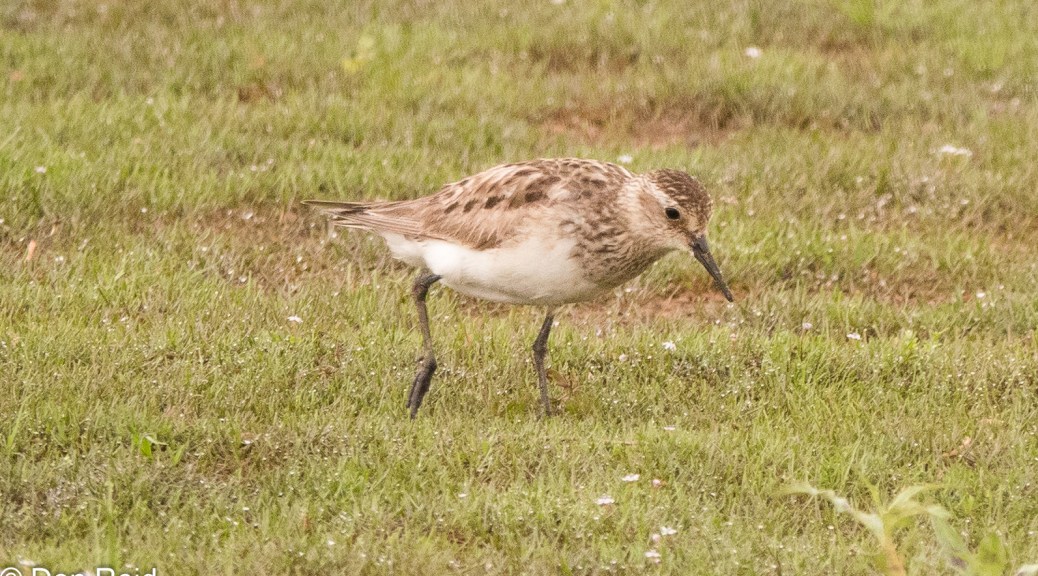
Baird’s Sandpiper Calidris bairdii Bairdse strandloper, Bronkhorstspruit Nature Reserve

We had nevertheless armed ourselves with some knowledge of the species and its main identifying features, in case we were faced with finding and identifying it ourselves – but our newfound friend quickly informed us that we only had to look out for the ‘small wader with a limp’ as it seems it had injured its leg, so the task of picking it out among the other small waders was very simple. The video clip below shows just how pronounced its limp was

Baird’s Sandpiper Calidris bairdii (Bairdse strandloper)

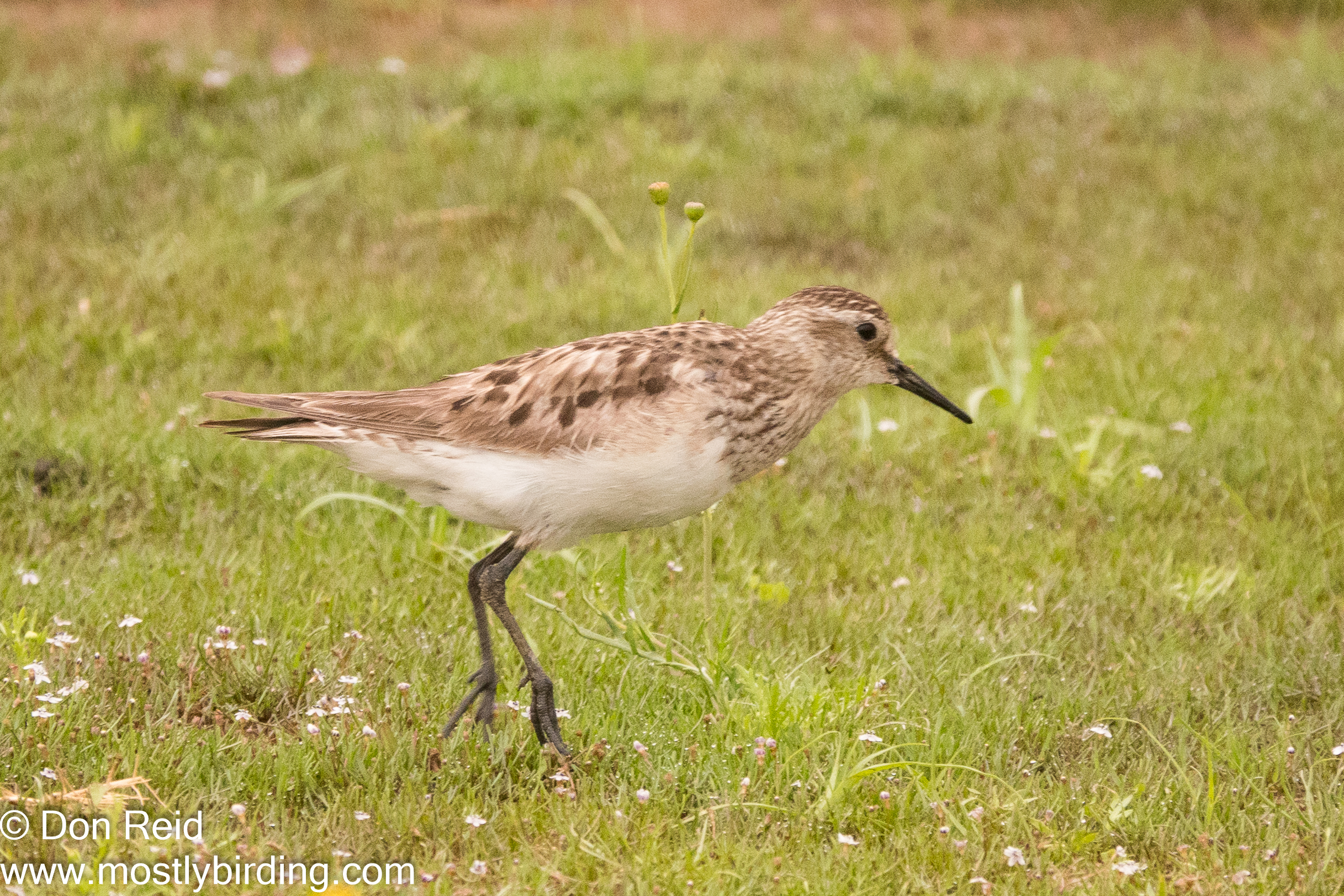
The Baird’s Sandpiper falls into the wader family known as the Calidrids, breeding at Arctic latitudes of Alaska and Canada and usually migrating to South America during the austral summer.

Occasionally, as with this one in all probability, a single bird is blown off course by adverse weather conditions, or its ingrained directional instinct goes slightly awry and they end up in southern Africa instead. Not without an almost unfathomable effort of course, for its journey would have taken it across the Atlantic Ocean at some stage.

Baird’s Sandpiper Calidris bairdii Bairdse strandloper, Bronkhorstspruit Nature Reserve

Less than 20 records exist of sightings of this species in the southern African region, since 1984 – prior to that there is just one record from 1863! So its status is rightly given as a very rare vagrant

Each red dot represents an individual record over the last 37 years

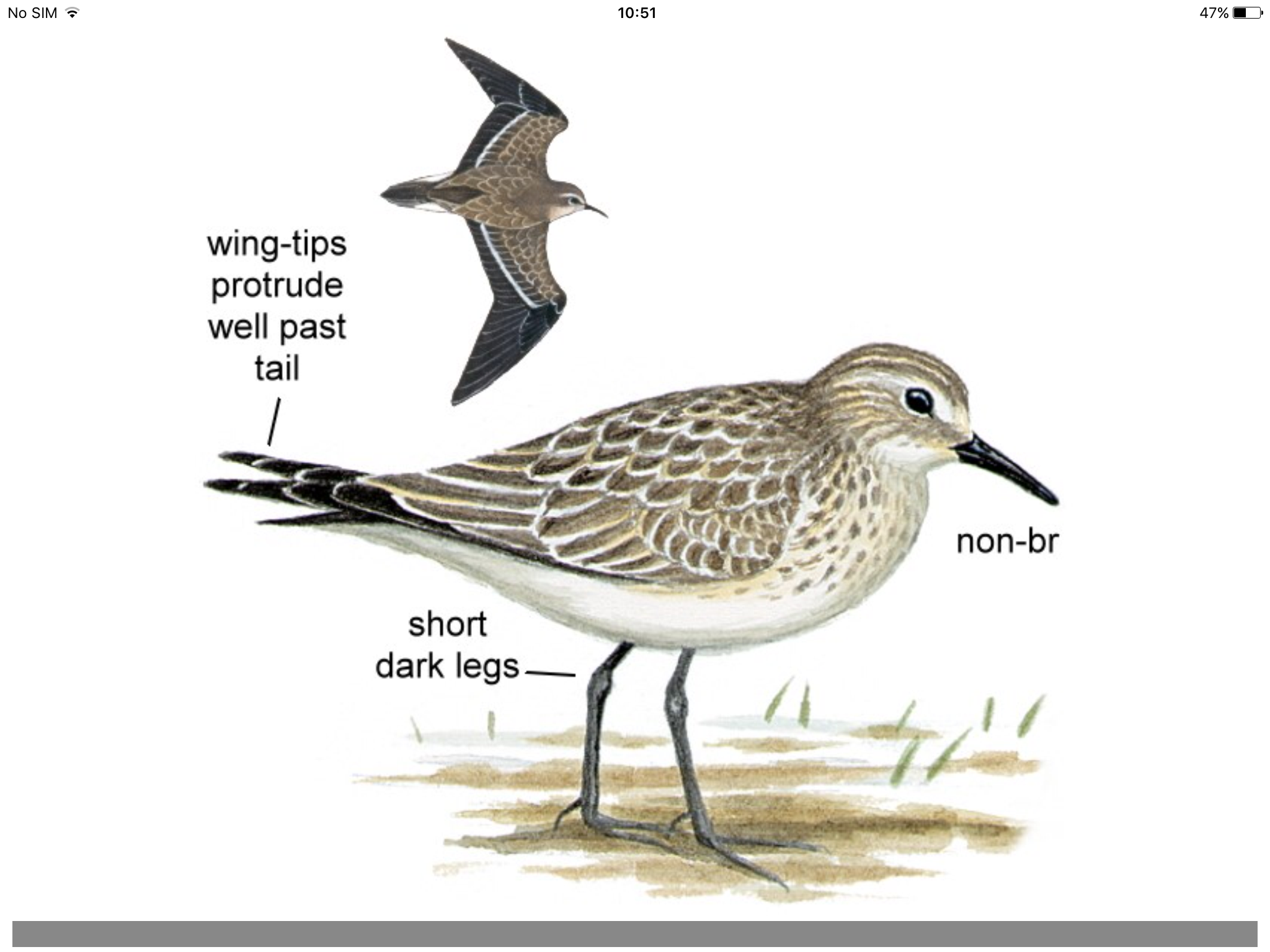
Waders without clear features which set them obviously apart from other similar sized waders can present a real challenge to birders and the Baird’s Sandpiper falls into that category. If it hadn’t had the distinct limp we would have had to resort to looking for the features given in the illustration below from the Roberts app

So that’s how I added the latest lifer to my Southern African list – simple really …….

As with my previous visit we spent the next couple of hours driving slowly as close to the dam shoreline as we could, scanning every metre of it as we went. This paid off with several more good sightings of waders and other birds, many of them the same species as I had recorded before, but with some exciting new additions – more about these in a follow up post

References

Finally, just a mention of the two outstanding sources that I have used for the information in this post :

Firstly, Roberts VII Multimedia Birds of Southern Africa – the go-to guide for detailed information on all of Southern Africa’s birds

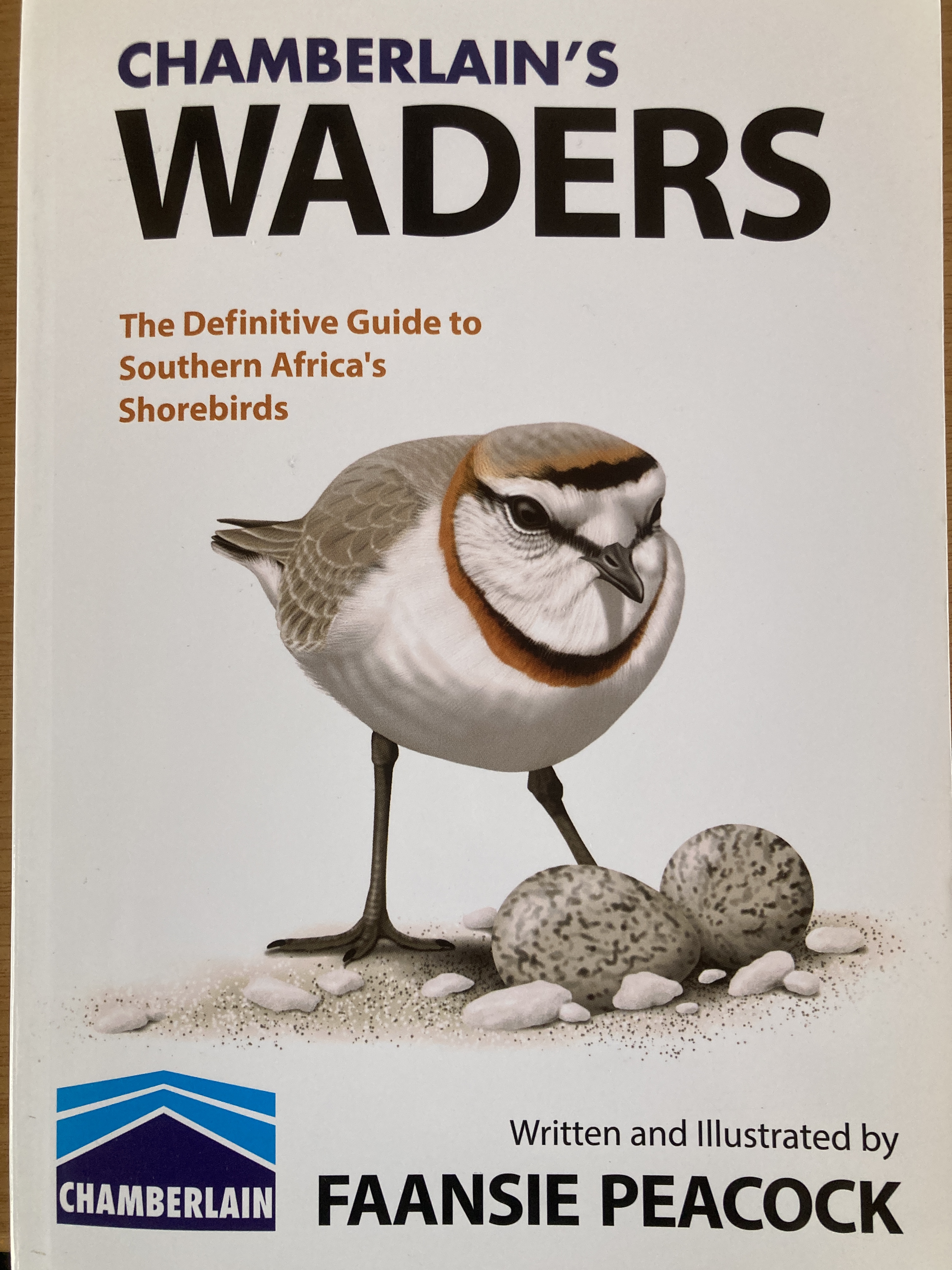
Secondly, the more focused Chamberlain’s Waders – The Definitive Guide to Southern Africa’s Shorebirds by Faansie Peacock (No, that’s not a made up name!)

The Call of Summer

There are numbers of migrant birds to southern Africa that herald the start of the Austral (Southern Hemisphere) summer from September each year, but two stand out as the icons of summer’s arrival and become the subject of excited messages on the various birding chat groups as they are spotted or heard for the first time in the early summer months

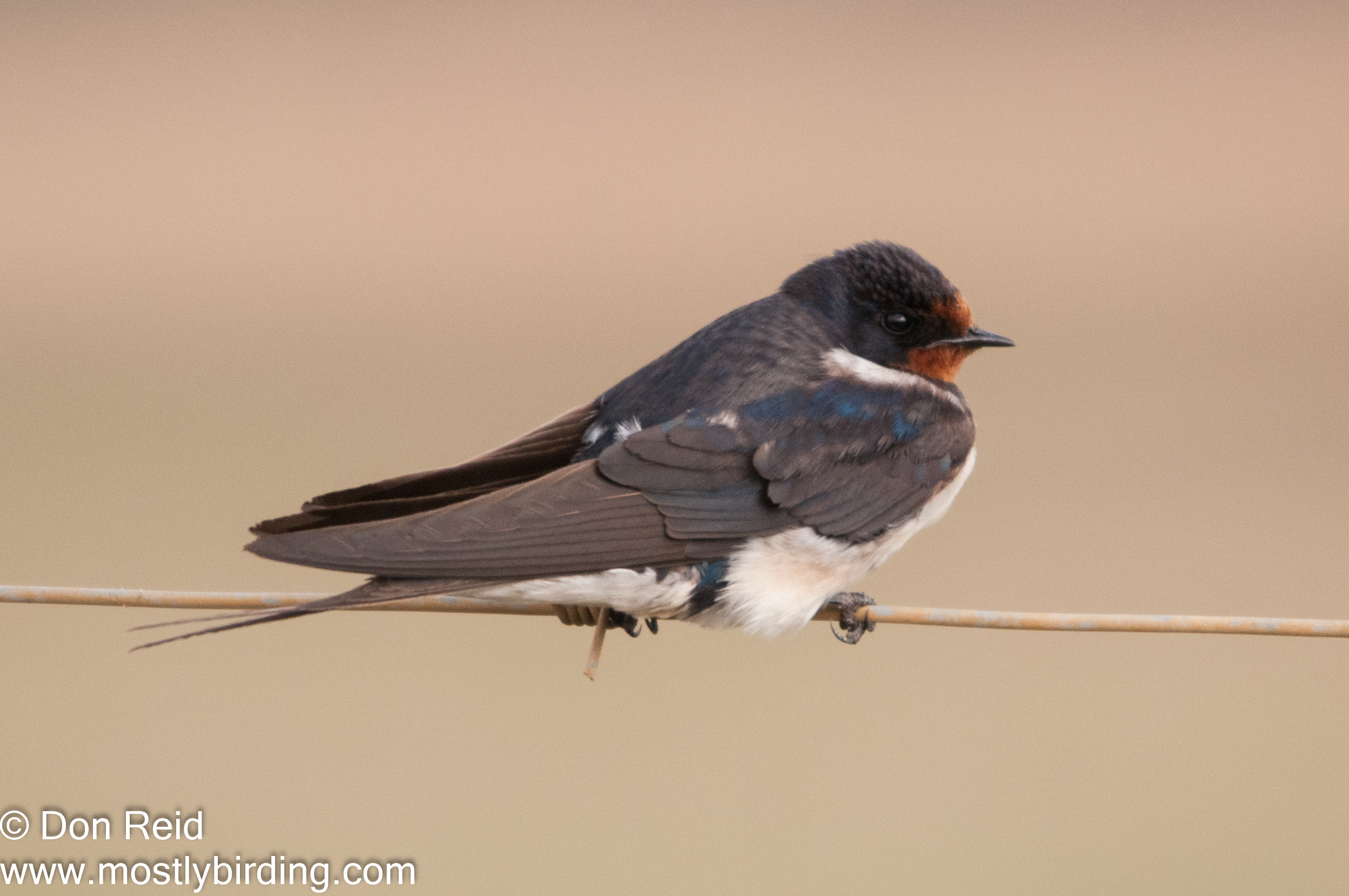
Barn Swallow Hirundo rustica (Europese Swael)

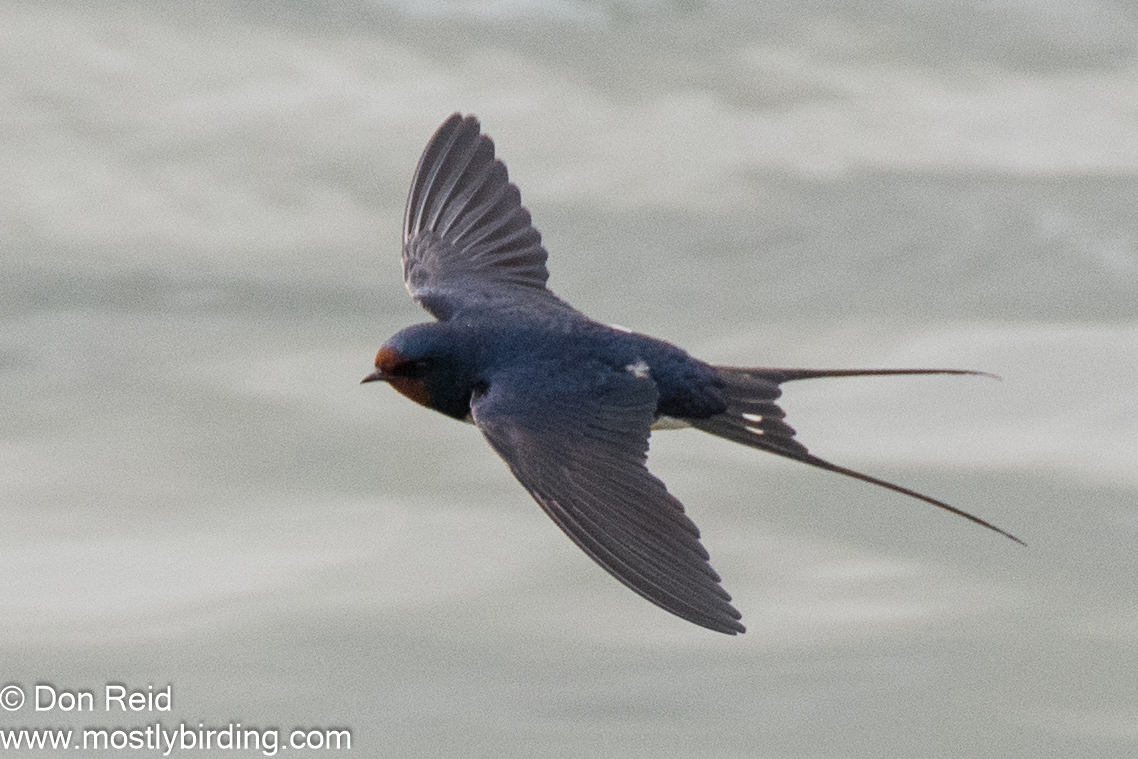
One is the Barn Swallow, which has become the best-known of the migrant swallows, certainly because it outnumbers the others, is highly visible and occurs virtually across southern Africa.

Barn Swallow, Kendal area, Gauteng, South Africa

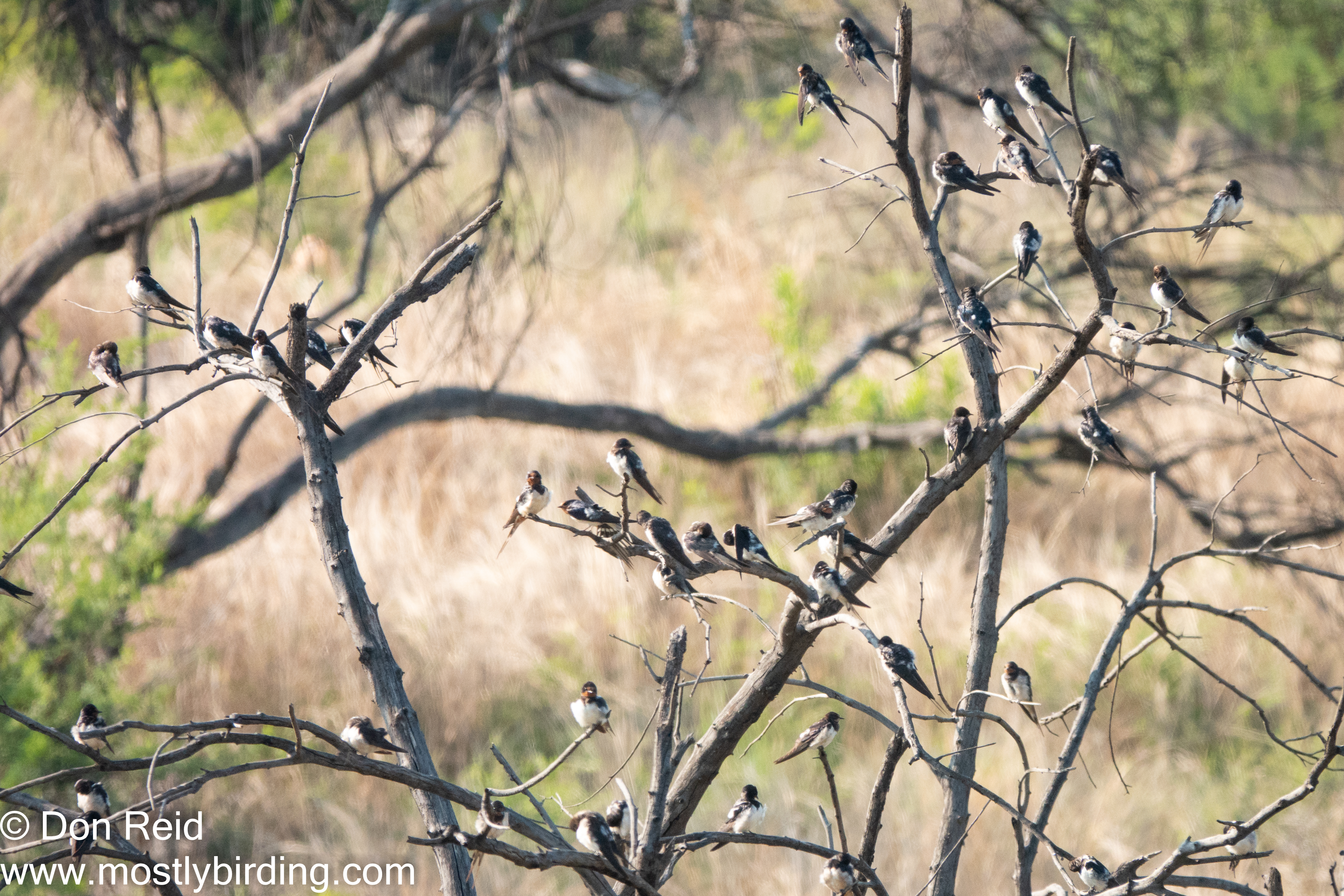
A staggering, estimated 20 to 40 million “Barnies” (as they are known to birders who like nicknames) migrate to Africa from western Europe and another 40 to 80 million from eastern Europe and Asia annually on their southward migration, many of which end up in southern Africa.

Barn Swallows, Roodeplaat Dam near Pretoria, South Africa

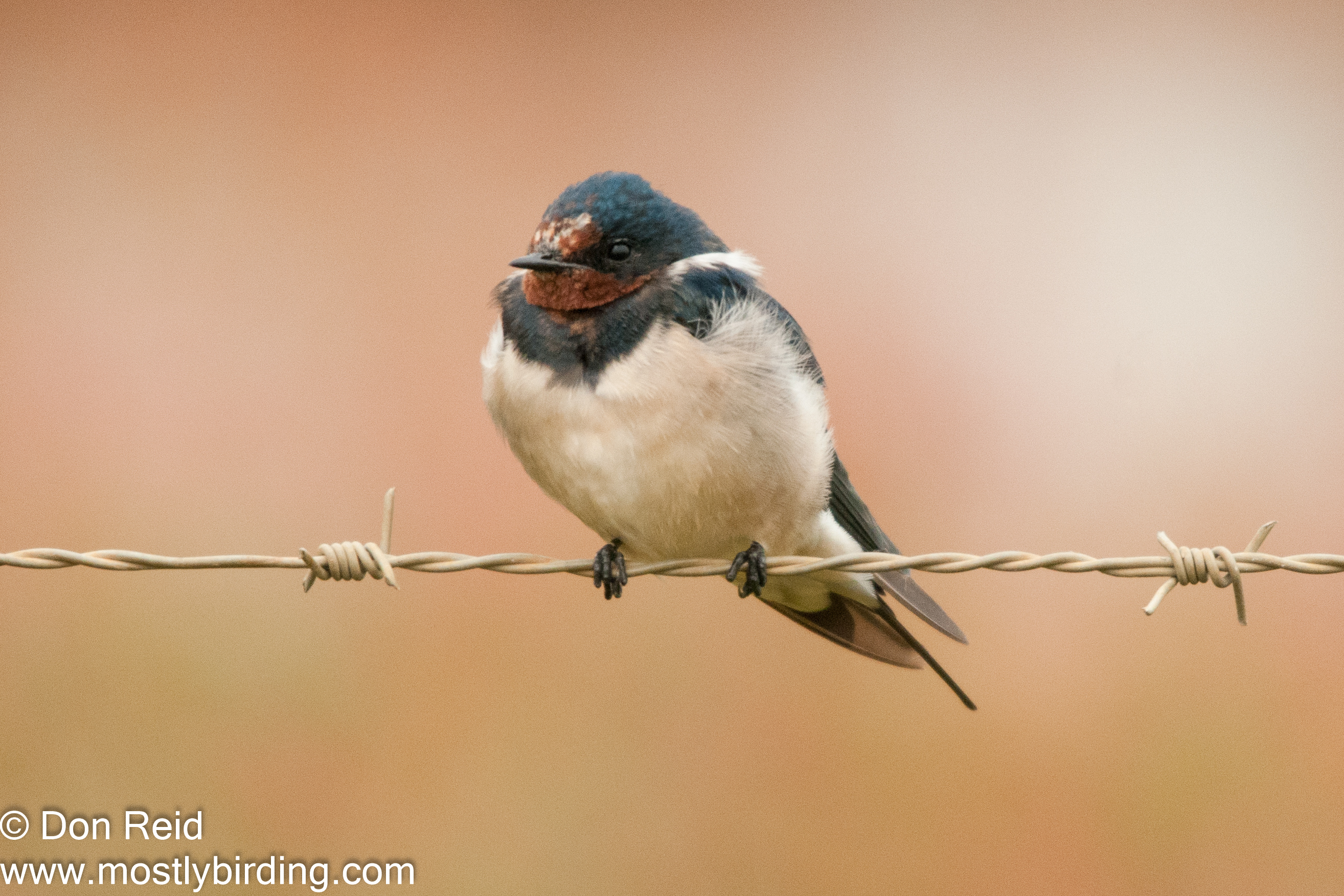
In southern Africa, during the summer months, they can be found just about anywhere outside the built up areas of cities, preferring moister, open areas such as grassland, pastures, cultivated fields and vleis and occurring in loose flocks of varying numbers.

Barn Swallow, Devon near Johannesburg , Gauteng, South Africa

Anyone who has witnessed Barn Swallows settling in their thousands into their roost at the end of the day, as we did many years ago near Umhlanga, will not forget this amazing sight.

I have been fortunate to see Barn Swallows in other parts of the world during our travels in the northern hemisphere summer, including Europe, Canada, Malaysia, Cuba and Egypt.

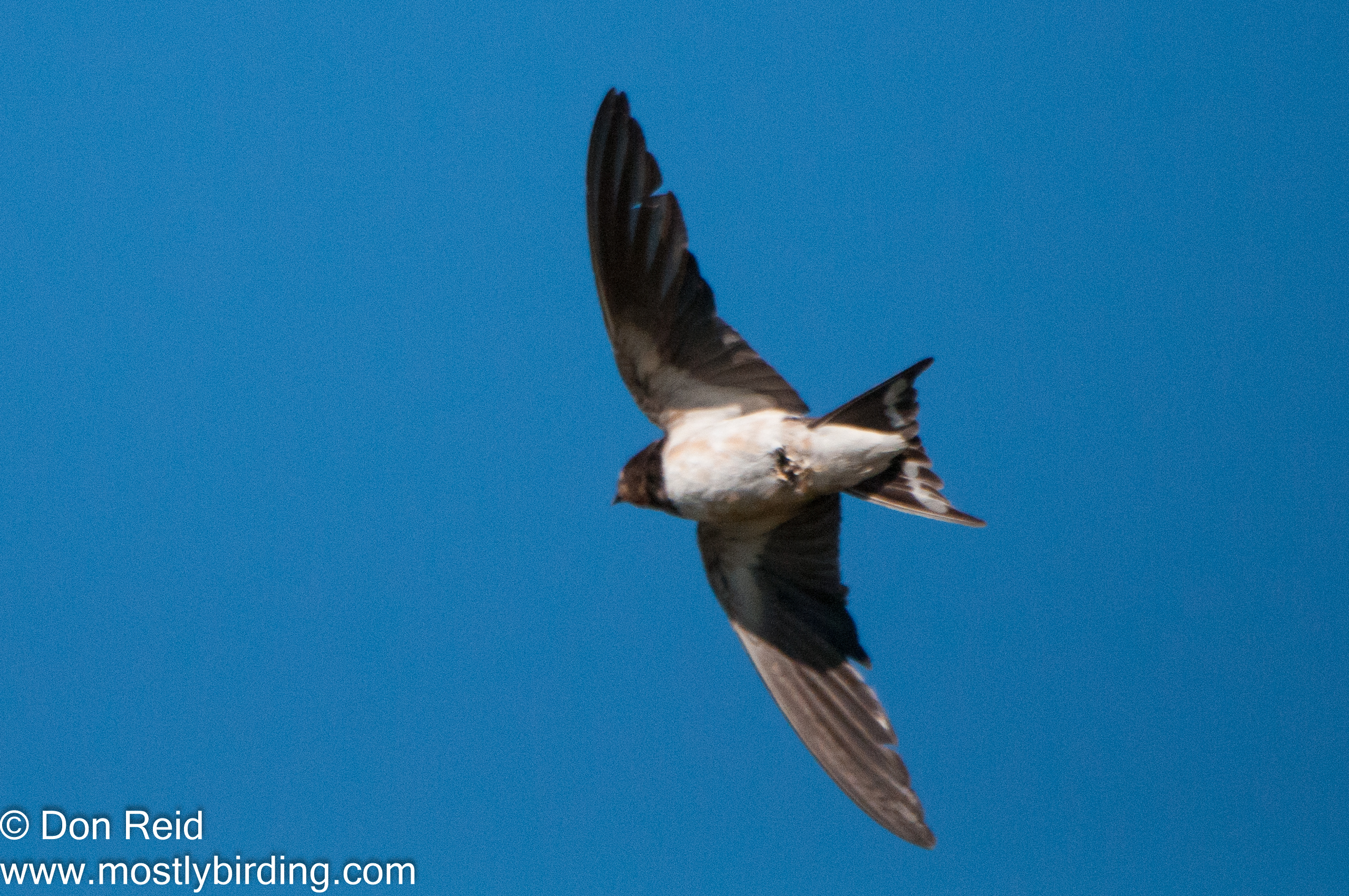
Barn Swallow, Annasrust farm Hoopstad, Free State, South Africa

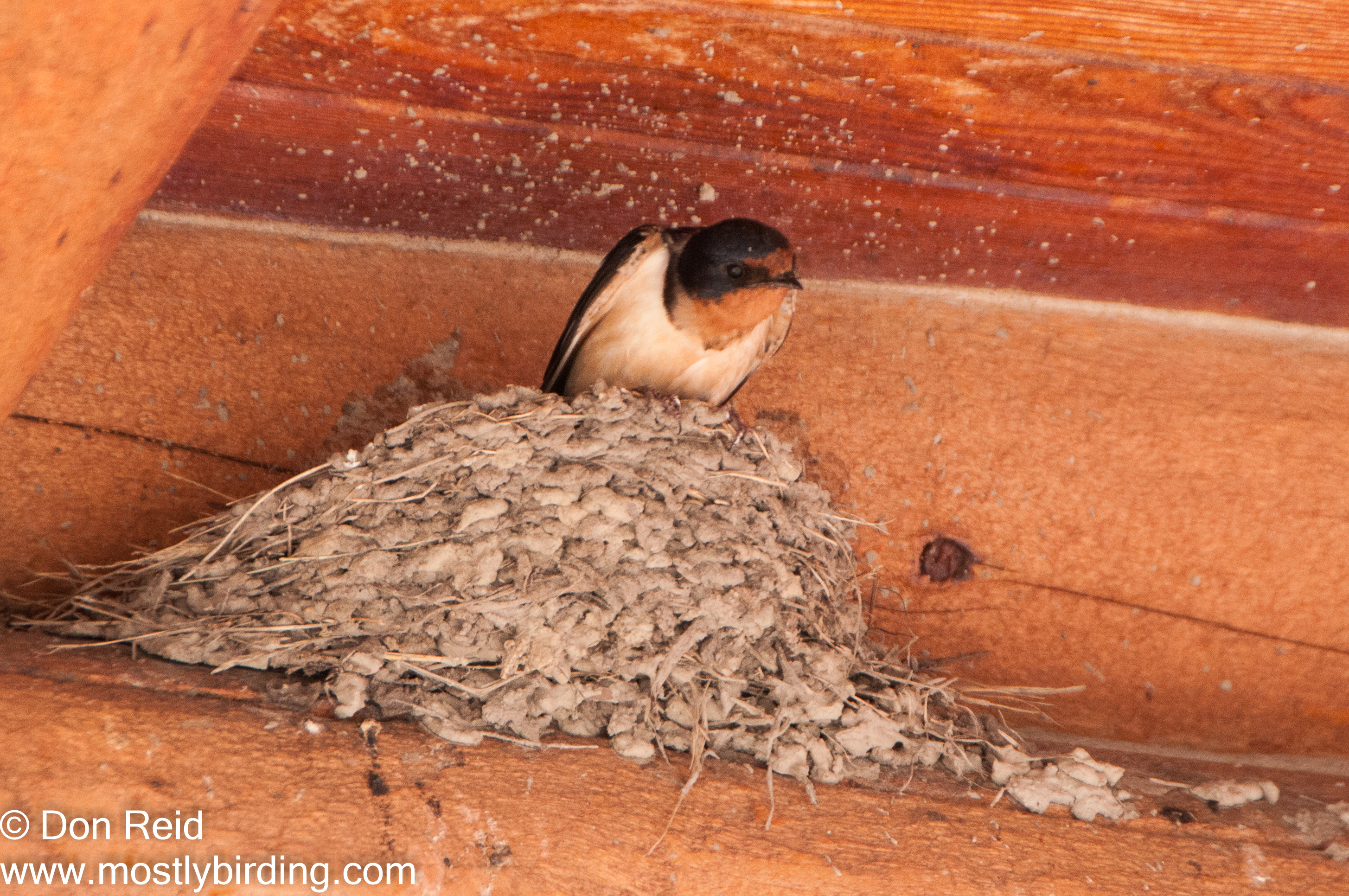
Their status in southern Africa is ‘non-breeding Palaearctic migrant’ which means they breed ‘at home’ in the northern hemisphere, so we do not see any nesting behaviour, which is why I was particularly excited to find a nest tucked under a roof overhang during a trip to western Canada some years ago.

Barn Swallow on nest, Bow Lake, Alberta, Canada

Interestingly, these Barnies looked a little different to what we are used to seeing in SA – clearly these particular swallows would not be seen in our country as their migration path southwards would take them to South America.

Another encounter on a different continent, during a cruise on the Danube River, had me equally excited – it was April and Barn Swallows were flying above the river right next to our river cruise boat and I realised that they must have just arrived back from their return migration at the end of the Austral summer, with anything up to 10,000 kms ‘under their belt’.

Barn Swallow, Danube River at Linz, Austria

Which brings me to what inspired this post ……

Red-chested Cuckoo Cuculus solitarius (Piet-my-vrou)

First some background –

My bird atlasing trip this past week took me to Ezemvelo Nature Reserve some 70 kms north-east of Pretoria, a small nature reserve comprising mainly rolling grasslands. Before arriving at the entrance gate at the entry time for day visitors, I had managed to complete 2 hours of atlasing in the pentad immediately west of Ezemvelo and was looking forward to spending time in the reserve, which I had last visited in 2013.

After completing the gate formalities, I headed to the Reception a few kms from the gate, paid for my day visit and parked at the nearby picnic spot, nicely located under large trees near a low tree covered hill and overlooking a small dam.

I literally had the whole place to myself – I’m sure it gets busier over weekends but on a weekday the only visitors are probably keen nature lovers such as myself, of that rather pleasant age when you, rather than others, decide how you are going to spend your day.

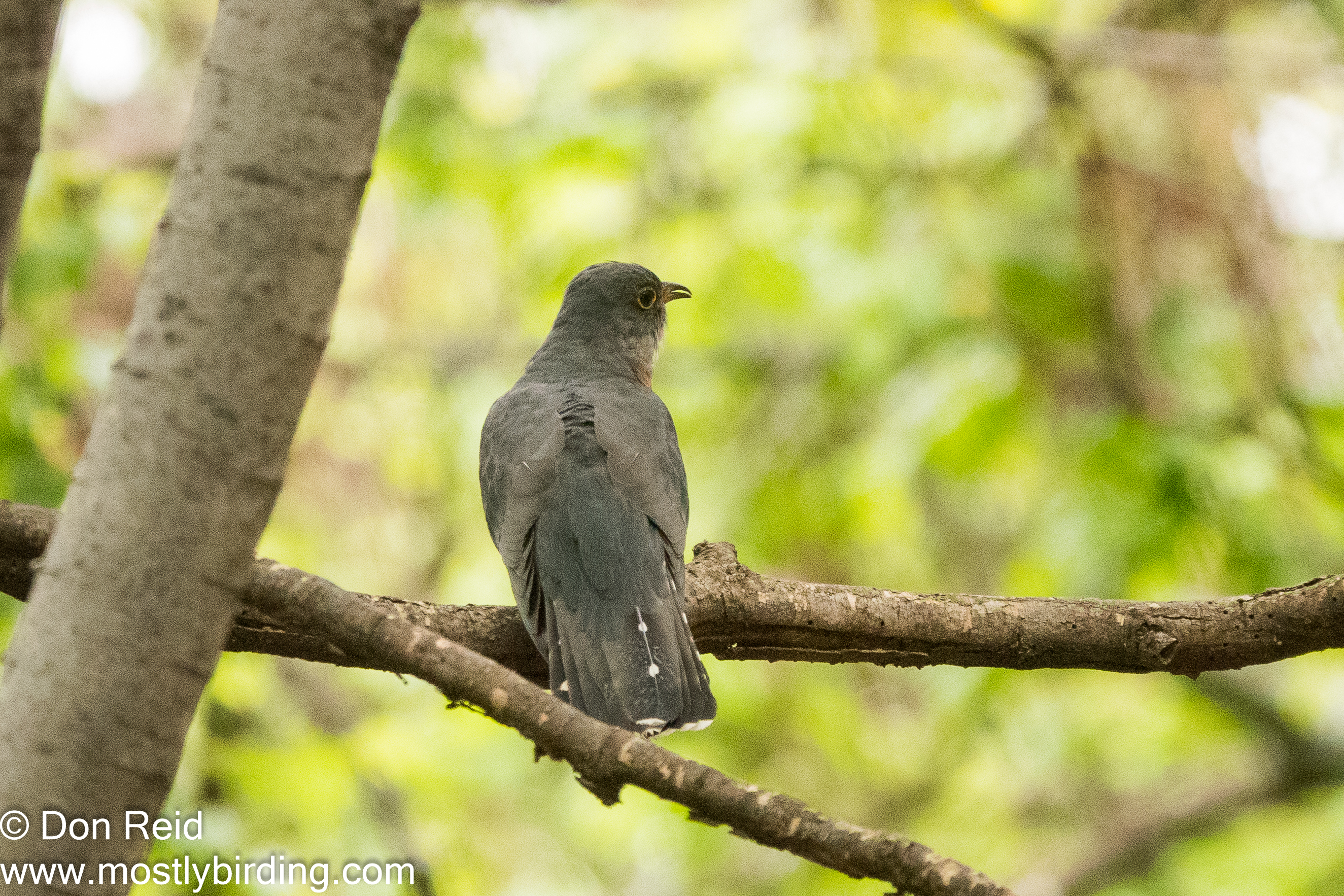
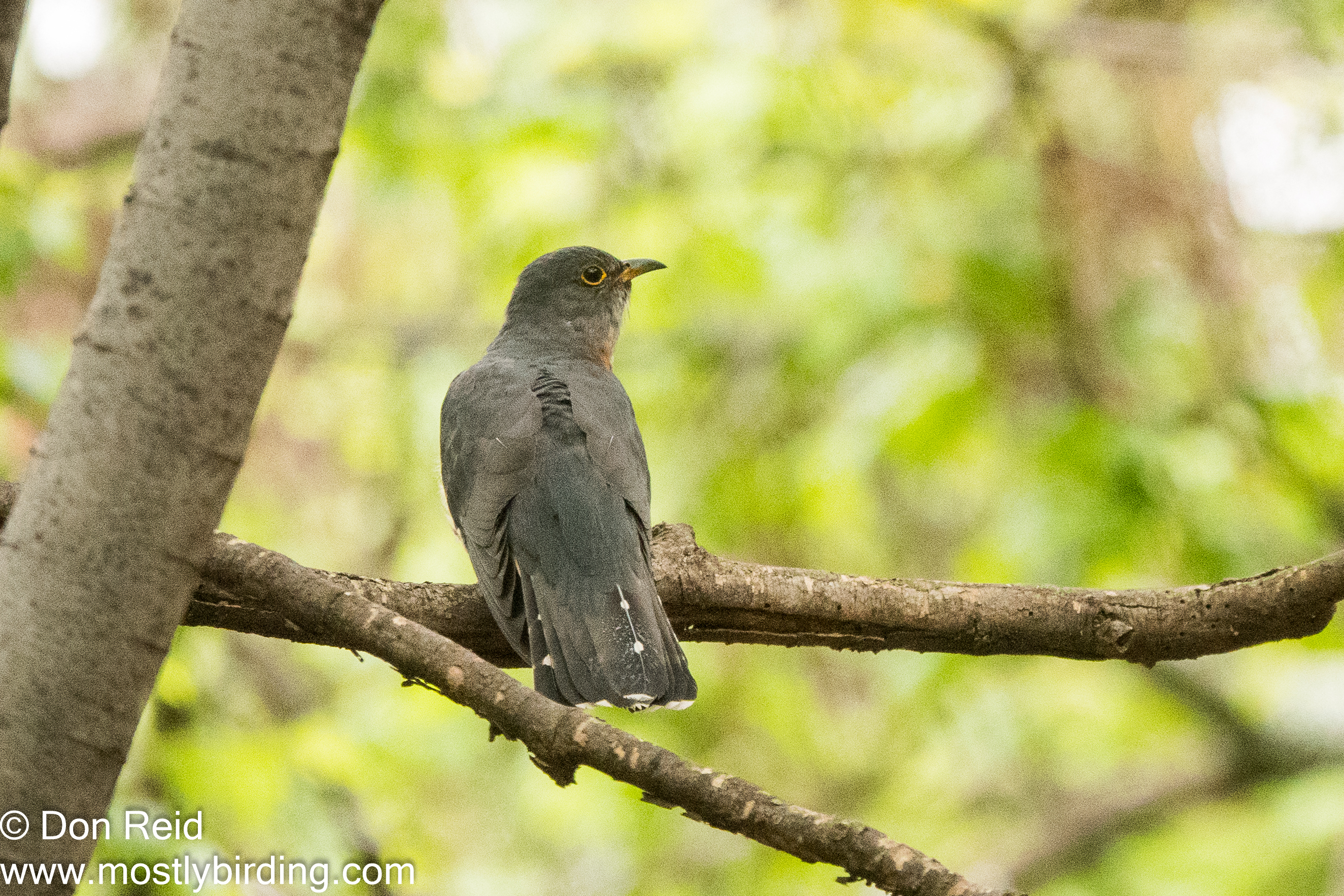
As I enjoyed coffee and rusks, I heard the familiar summer sound of a Red-chested Cuckoo – or Piet-my vrou (pronounced piet-may-frow) as most South Africans know it, a name based on the 3-syllable call which carries long distances and is often difficult to trace.

Red-chested Cuckoo Cuculus solitarius (Piet-my-vrou), Ezemvelo

I would hazard a guess that, doves aside, this is one of the best known calls of all birds in South Africa, with farmers often referring to it, somewhat hopefully, as the “Rain Bird” because it’s arrival coincides with the hoped for start of the summer rains in large parts of SA.

The call I heard suddenly sounded very close and I walked to the nearby trees, camera in hand, to see if I could find it. This is a bird not easily seen as they tend to choose a branch in the depth of well-foliaged trees to perch on and call. I followed the call and was thrilled to find the Cuckoo after a short search and approached carefully, not wanting to scare it away.

Red-chested Cuckoo Cuculus solitarius (Piet-my-vrou), Ezemvelo

I took a couple of photos, thrilled at getting this rare chance to photograph the species, but mildly disappointed that it refused to turn around and show its front. With a few photos under the belt I decided to try to get a video while it was calling and managed to complete a short clip before the bird flew off, leaving me very pleased with my first reasonable images of a Red-chested Cuckoo in 40 or so years of birding!

Here’s the video –

Red-chested Cuckoo (Piet-my-vrou)