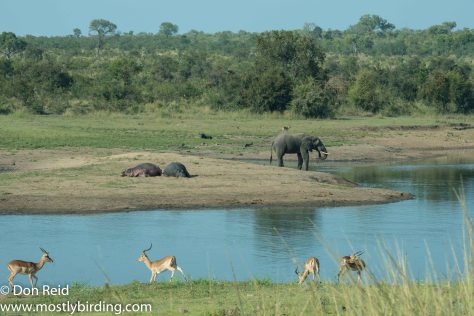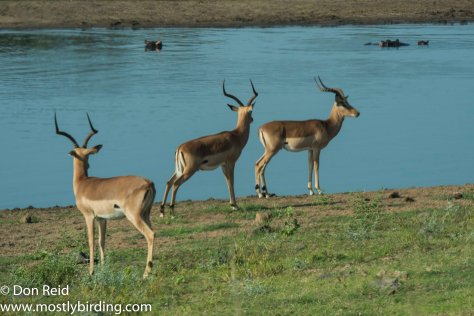
Kruger unplanned – The Journey

It was a different Kruger trip in several ways …….  

(Yep, here come the bullets – I can’t help it, I’m a QS, we like things to be ordered) –

  • The booking was a last-minute one instead of the usual micro-planned, 6 to 12 months ahead booking we have always stuck to – I suddenly had this desire to wake up in Kruger on my birthday and scanned the availability of the camps, ending up with 5 nights in Olifants and a further 2 in Skukuza, starting in the last week of August this year
  • It was just Gerda and myself – the first time we have been on our own in Kruger, going back to our first visit with Gerda’s parents as newly weds in 1972. Since then we have made umpteen visits with our kids, with friends, with birding groups, even with clients and latterly with our grandkids adding to the delight.
  • We had no fixed plans other than to enjoy ourselves and take it at a relaxed pace
  • Ummmm that’s it with the bullet points……..

So what is it about a visit to Kruger National Park that makes it so special to ordinary South Africans like us, who keep going back for more, year after year, literally for decades?

With time to think about it during our week in Kruger, I can put it down to the several parts that make up the quintessential Kruger trip, starting with –

Getting There

For us, any holiday starts with the road trip which, if you tackle it in the way that we prefer, becomes an integral part of the holiday. We could have travelled to our Kruger destination, Olifants camp, in one day, but including an overnight stop at Phalaborwa, close to the entrance gate, meant we had a full day to get organised and travel at a relaxed pace.

It also means there is time to stop for coffee and lunch and to slowly ease into holiday mode. At our first stop at Kranskop on the road north, Gerda’s enthusiasm in identifying the weavers we spotted there helped to shift the focus from the “must do’s” that dominate life to the ” do what you feel like’s”. They were Village Weavers and for the next half hour on the road Gerda grilled me on the main differences between the most common genus Ploceus  Weavers, covering Southern Masked, Village, Lesser Masked and Cape Weavers.

There is also enough time to take in the character of the surroundings and the road being travelled on, which changed as we progressed –

N1 highway all the way to Polokwane – predictably smooth and comfortable, not requiring much effort beyond maintaining concentration

Polokwane east to Moria and beyond – busy double road through end to end built up area, the road requiring utmost concentration even at low speeds with a stream of pedestrians crossing, taxis stopping unexpectedly (although we have long learnt to expect it), wandering dogs and goats. Beyond Moria, which accommodates an estimated 1 million people during the Easter pilgrimage, the road enters rolling countryside for some relief

Through Magoebaskloof and down to the lowveld, the road twists and turns and drops all at the same time for perhaps half an hour until it flattens out as you approach Tzaneen

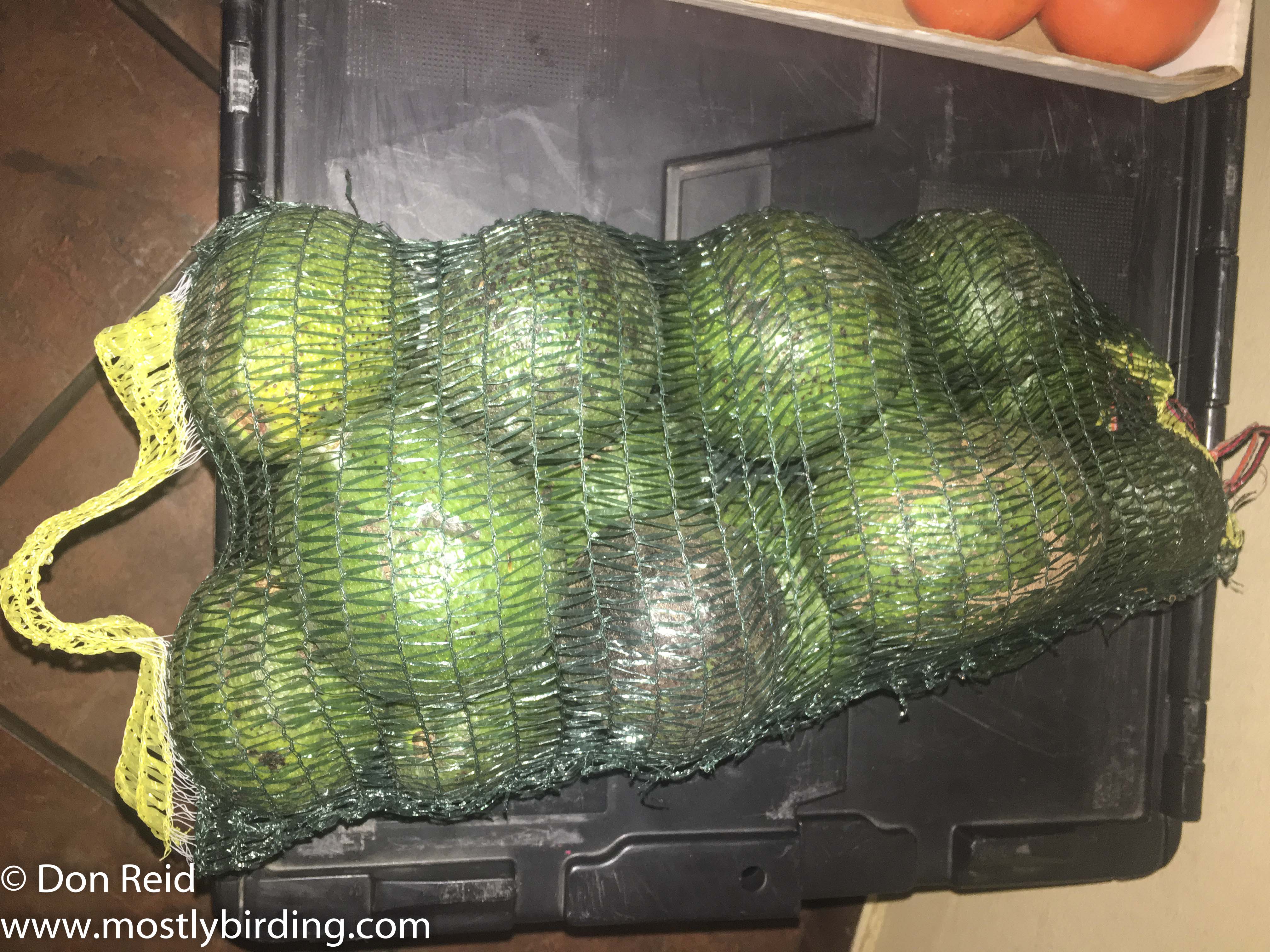
Suddenly it is fruit and veg growing area with roadside stalls offering produce at prices way below the city supermarkets – avos galore (bag for R50 / $3.50 ), sack of potatoes (R30 / $2 ), tray of tangerines (R30 / $2 )
The last stretch to Phalaborwa gradually changes to game farms and bushveld, the road down to a single lane with no shoulders.

The overnight stop in Phalaborwa was at La Lechere guest house in the suburbs – a good choice with neat, comfortable rooms and a full English breakfast to set us on our way the next morning.
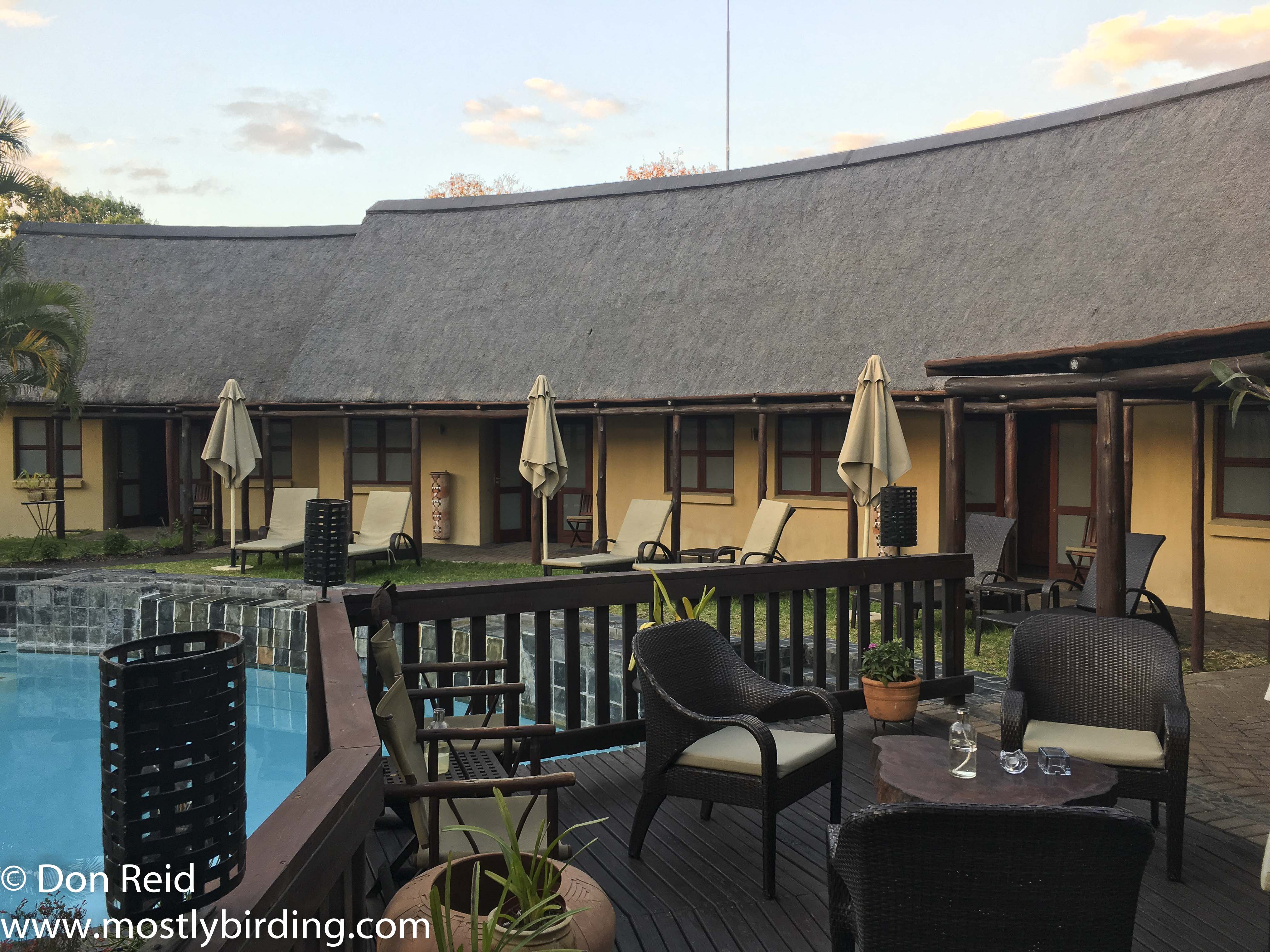
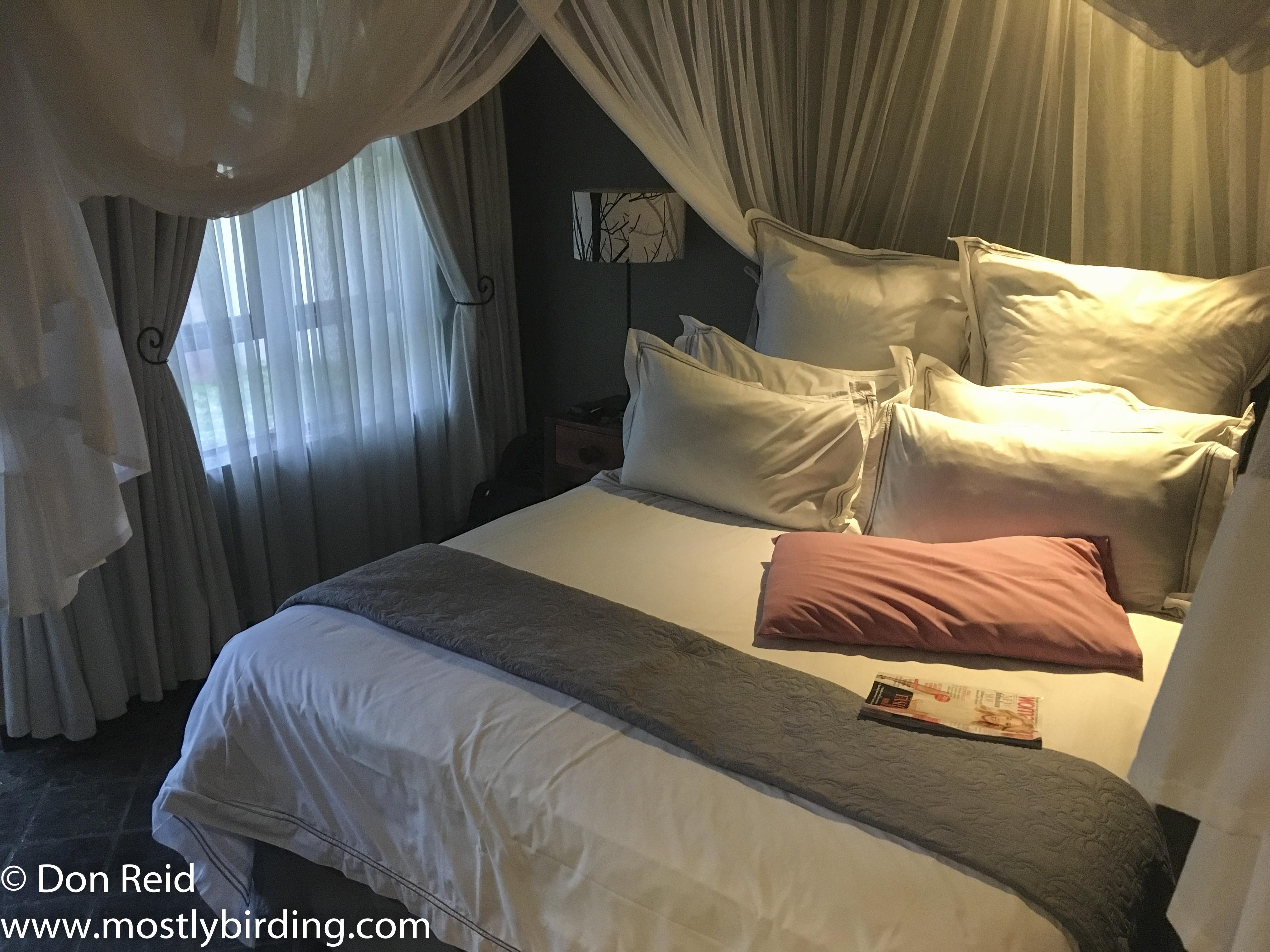
La Lechere guest house Phalaborwa
The cosy room

Entering Kruger

We entered Kruger before 11 am and made our way slowly to Letaba camp, where we planned to lunch.

Phalaborwa gate

The route from Phalaborwa to Olifants camp

Kruger route

I tried to think what entering Kruger means to me and the only comparison I could come up with was that of entering one of the great cathedrals of Europe – the sudden calmness that spreads over you, the splendid surroundings that seem to envelope you, the happy thought that it’s been like this for a long time and is not likely to change.

We explored the side roads around Masorini on the way, stopping for a while at Sable Dam, which has a bird hide that can be booked for overnight stays.
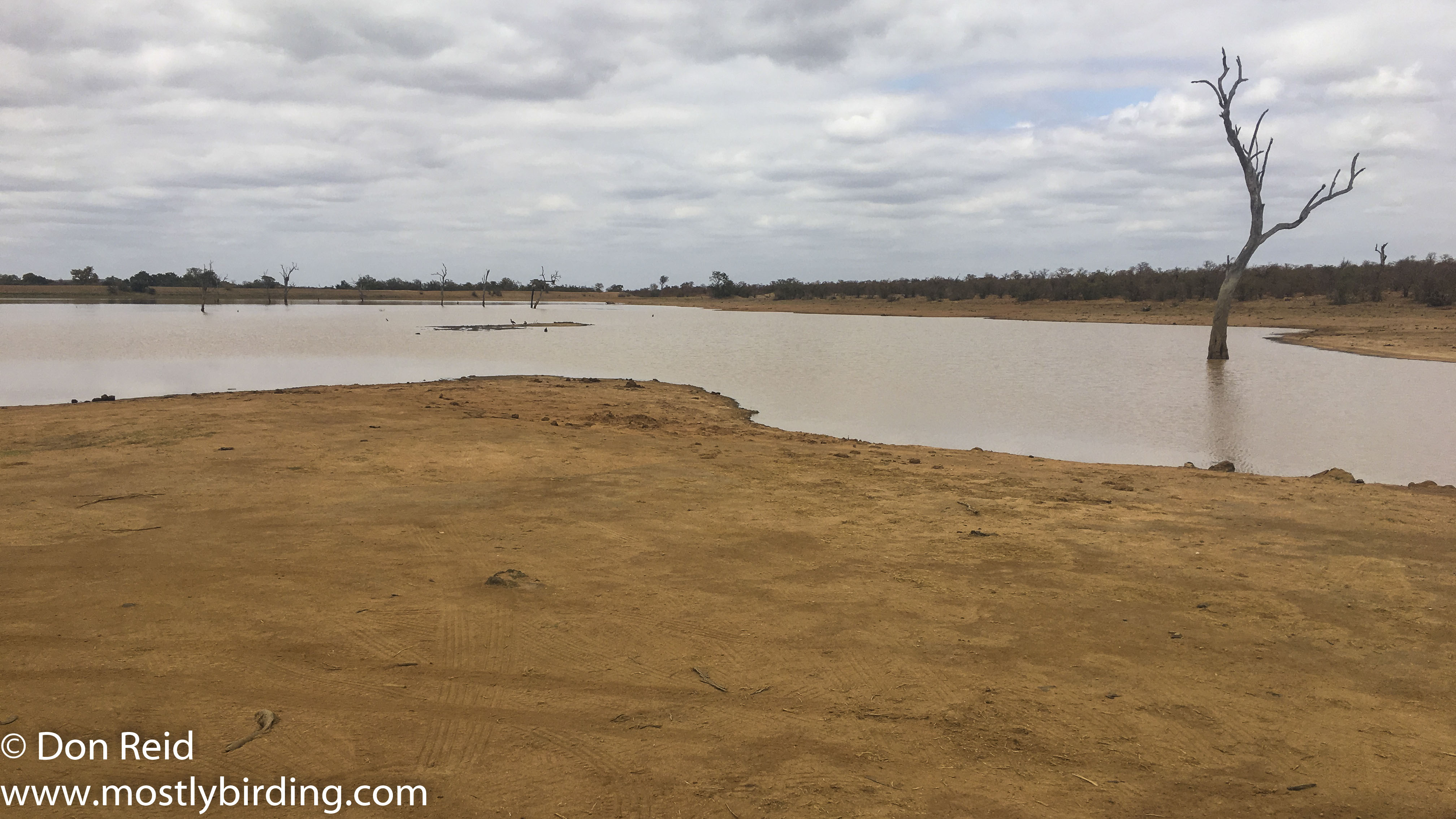
Sable Dam, Kruger Park

On the way back we could not resist a “short cut” road signposted Track for high clearance vehicles only, low maintenance , which was true to its word – a unique experience, not having driven on a proper 4 x 4 track in Kruger before, except with rangers in their vehicles.
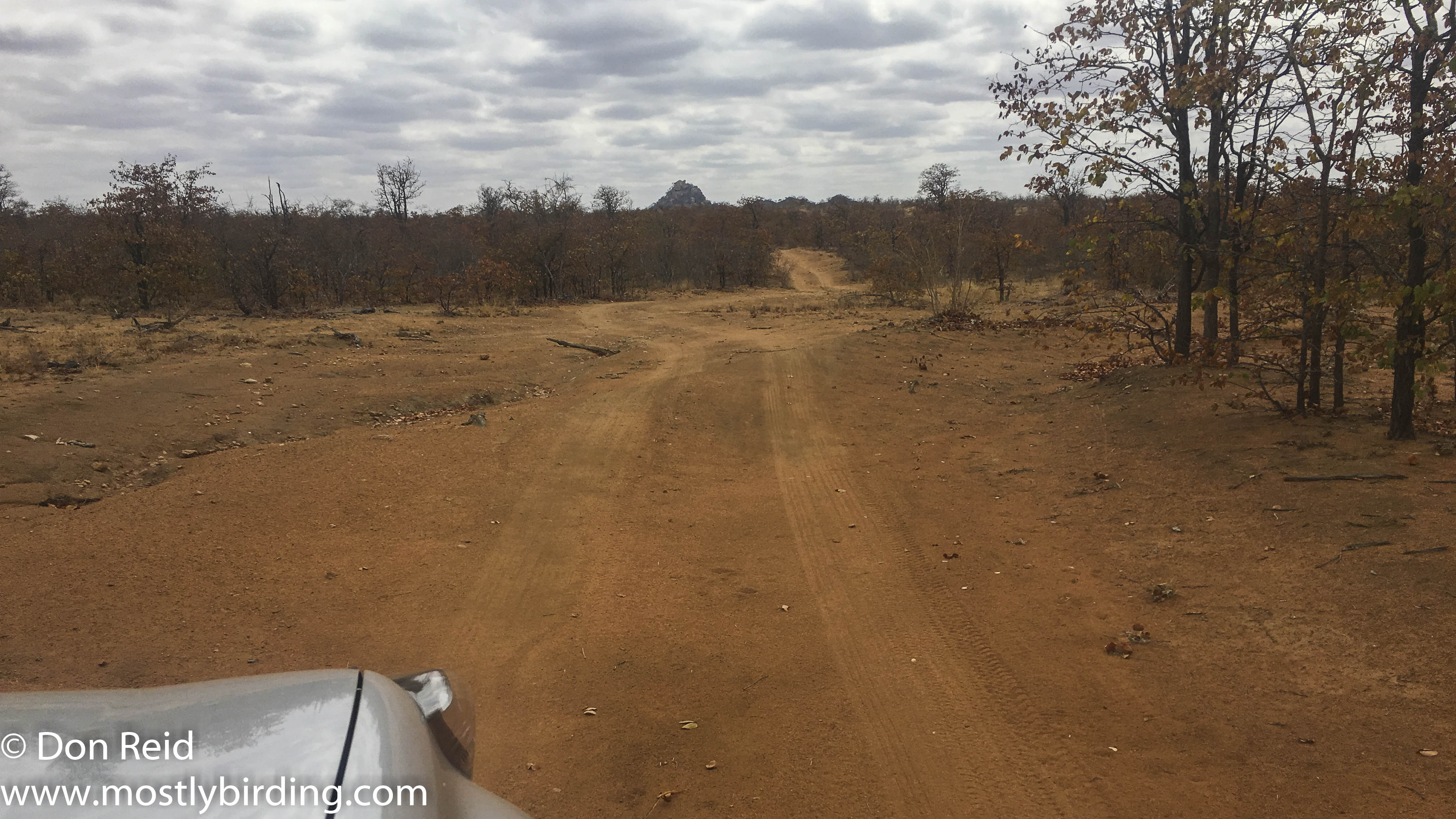
4×4 Track near Sable Dam

The track ran for 5 km and took us through an area dotted with exceptionally large termite mounds, some as tall as a double-storey house, with a pointy top giving them the appearance of rondawel roofs from a distance. I suspected the large size of these mounds – certainly larger than I have ever encountered – had something to do with the type of soil – white/grey in colour and very sandy.
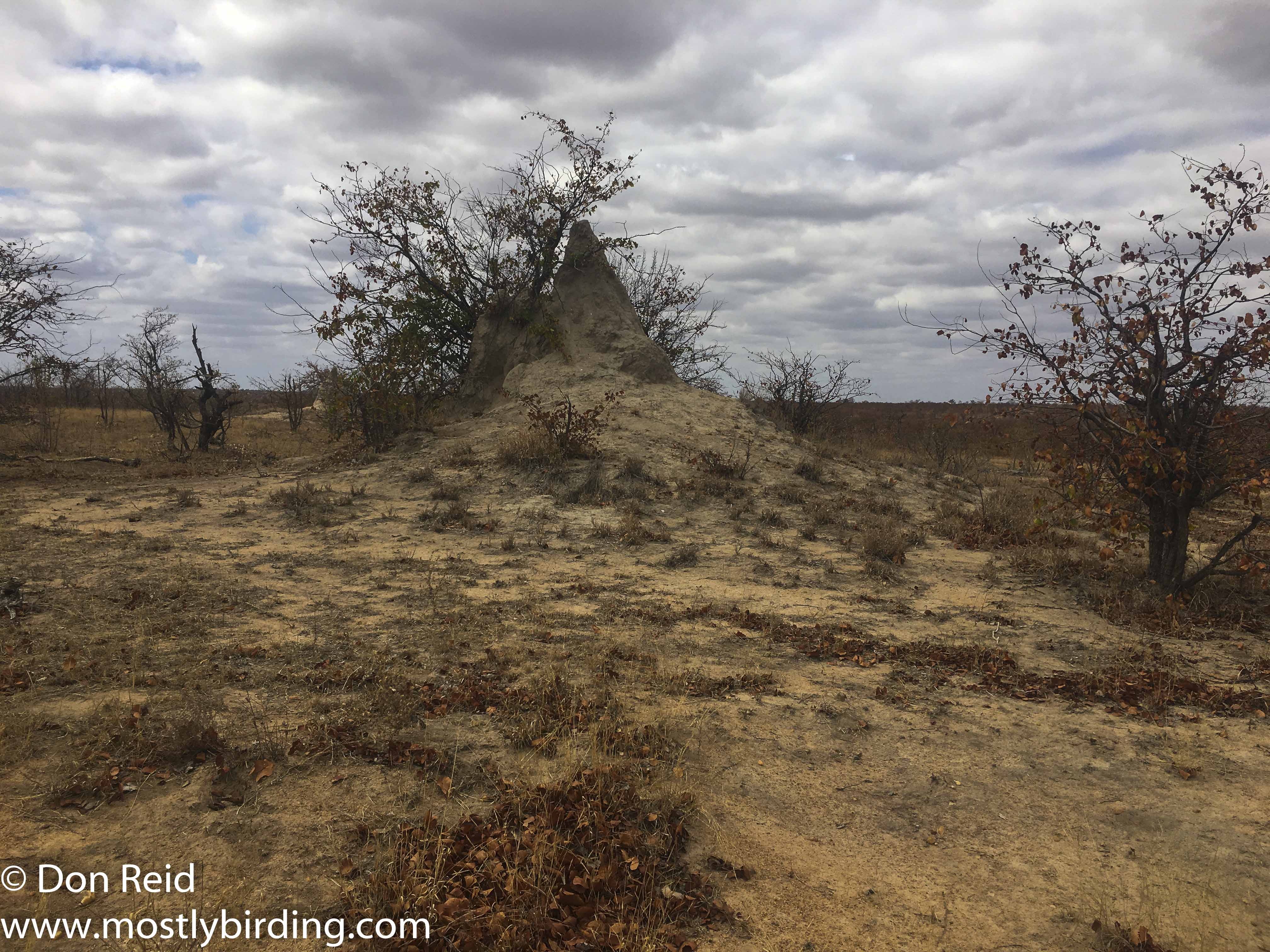
Termite mound along 4×4 track, Kruger Park
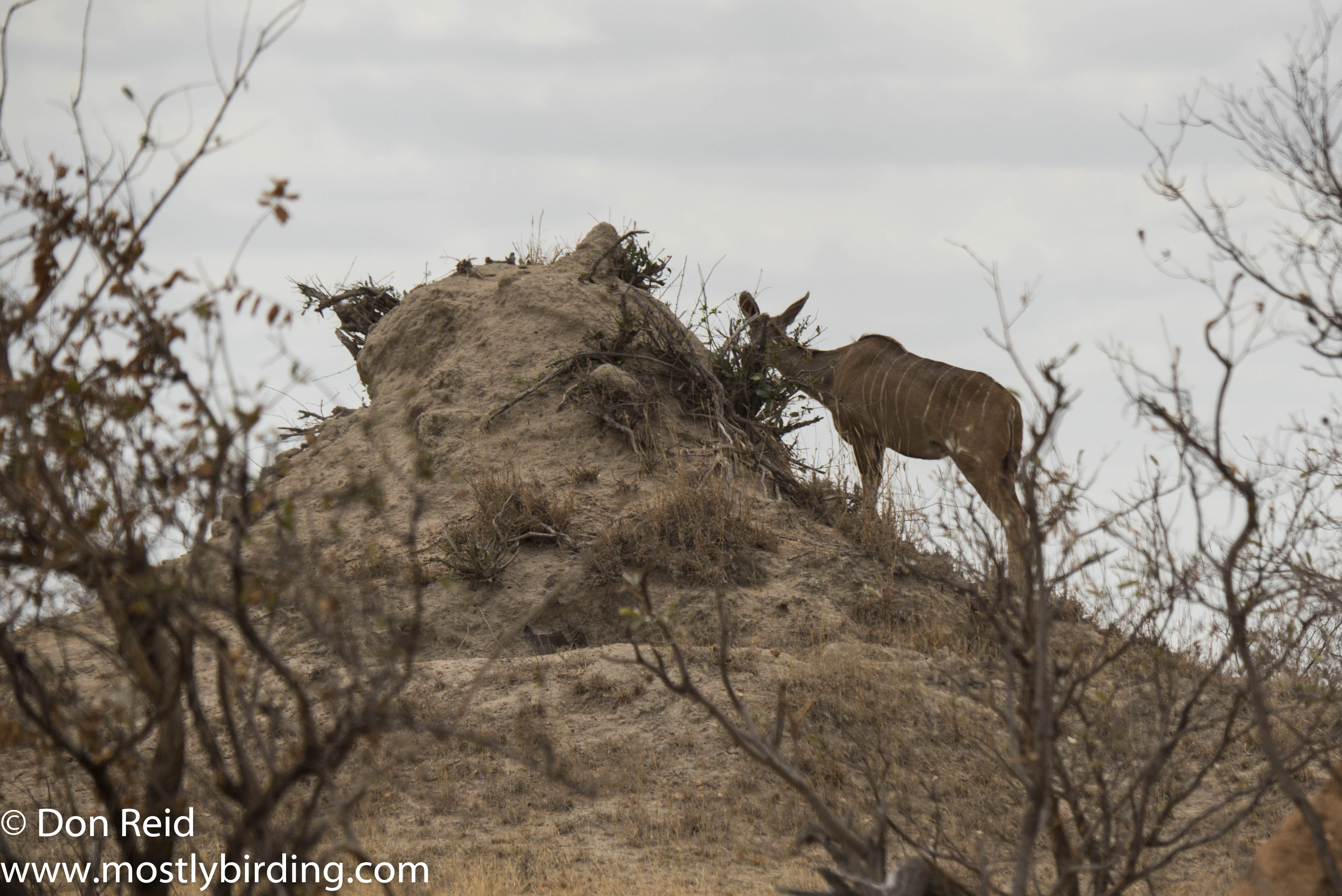
Another termite mound, this time with a Kudu to provide some scale

Our route did not produce much in the way of special animal sightings, but as usual the bird life made up for it with several interesting encounters –

  • African Hawk-Eagle spotted by Gerda in a far-off tree
  • Yellow-fronted Canaries in a group, flitting from tree to tree
  • Various Swallows in one spot – Lesser-striped, Red-breasted and White-throated Swallows
  • Crested Francolin scurrying off when we stopped nearby
  • Groundscraper Thrush rather unexpectedly in the middle of the bush (you get used to seeing them on lawns in Suburbia so it comes as a surprise when they choose a more barren natural habitat)
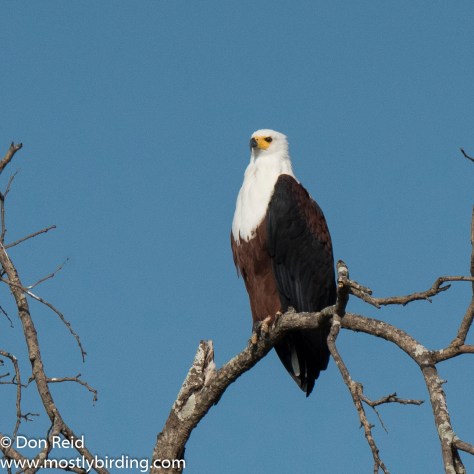
  • A soaring African Fish-Eagle patrolling a dam
African Fish Eagle

Elephants made an appearance as we crossed a bridge near Letaba, heading to small pools of water for a refreshing drink. They have a way of looking like they are enjoying every sip of water.
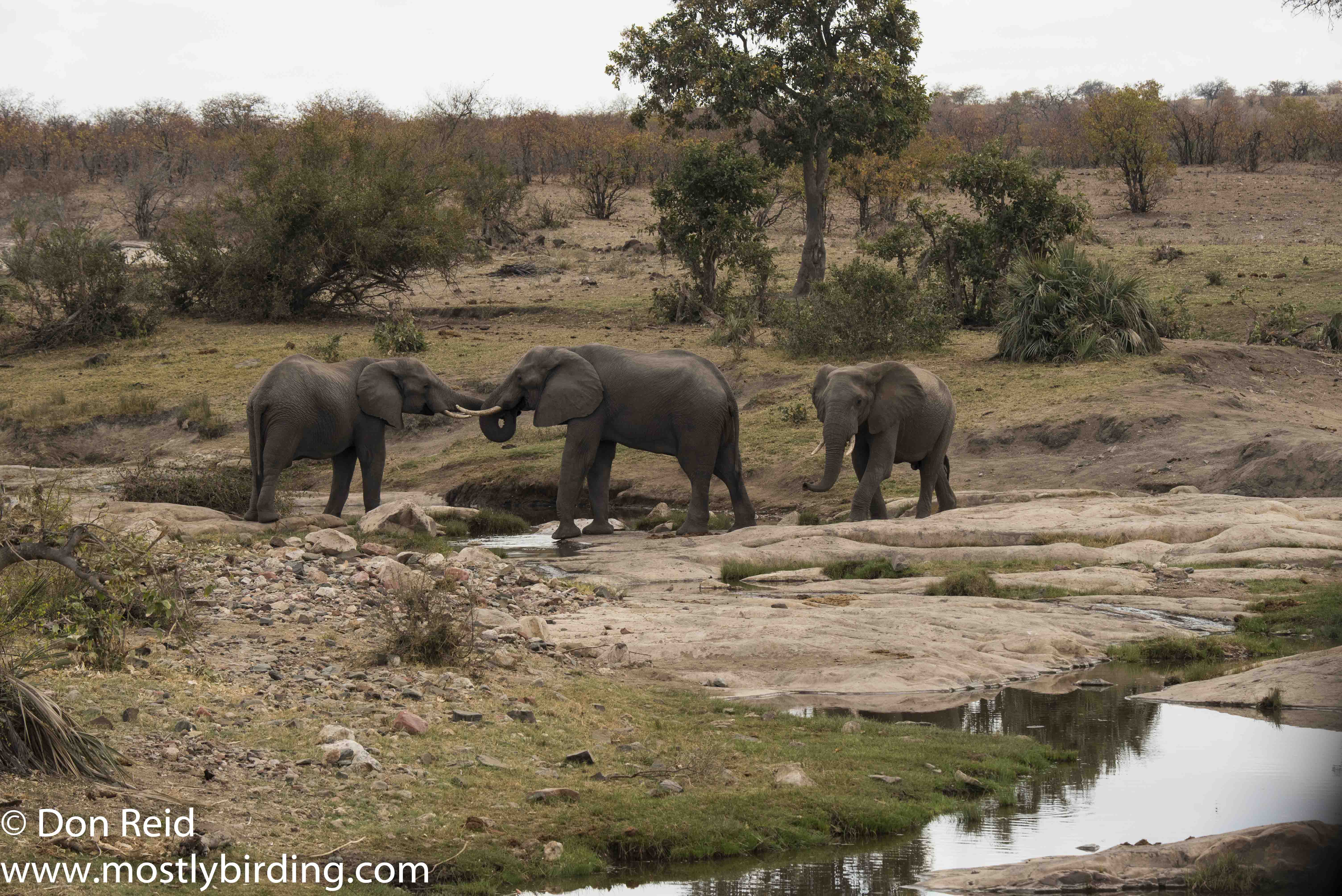
Elephants near Letaba, Kruger Park
Elephant drinking

Lunch at Letaba was fish and chips (there goes our credibility) and ahead lay the last stretch before Olifants, which went quite quickly.

The state of the Letaba River was a bit of a shock as we could not recall having seen it so dry, even after the normal dry winter months – another sign of the severe drought that most of Kruger has experienced for the last few years.
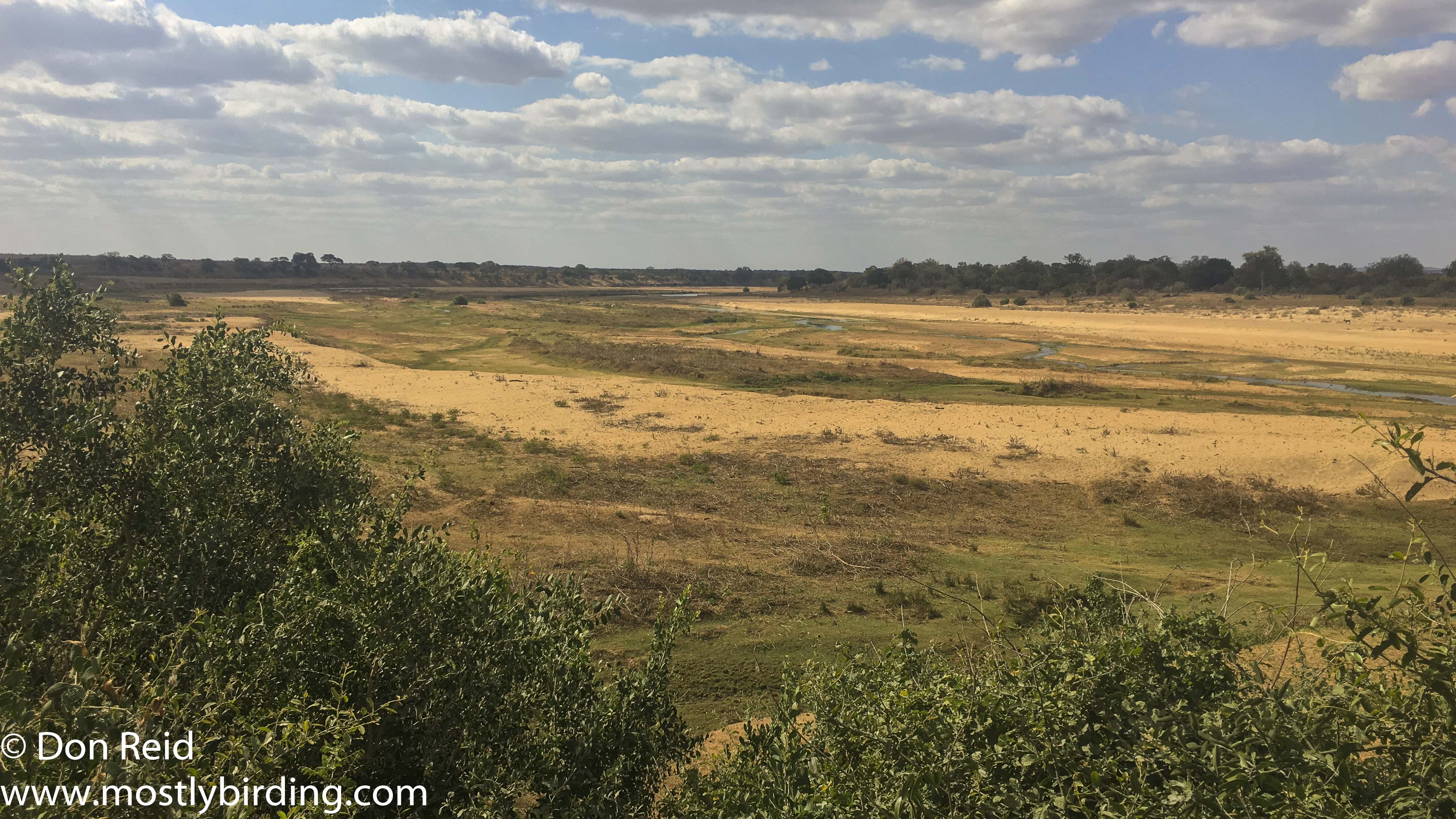
Letaba River – end of winter, Kruger Park

The Accommodation

By 5 pm we were settled in our pleasant rondawel – we were prepared for the lack of kitchen facilities in the rondawel, knowing there would be a communal kitchen nearby, however we had not thought of bringing a kettle, so resorted to buying a cheap stove-top model that worked well, albeit slowly, on the communal hot plate.

We enjoyed tea while taking in the incomparable view from our small stoep – I patted myself on the back for choosing a perimeter rondawel which looks over the Olifants river far below.

Tea with a view, Olifants, Kruger Park

The rondawel is typical of the accommodation in many Kruger camps – hardly luxurious, in fact the kindest description would be basic, but I had already decided that this was part of the charm of Kruger, almost like camping but with solid walls around you, comfortable beds and a small bathroom at hand.

With no kitchen (I probably would have booked a rondawel with a kitchen if one had been available) cooking happens on the braai, washing up is done in the communal kitchen and the simple task of making tea and coffee becomes a drawn-out ritual of sorts, all at a much slower pace than home and in the pleasant surroundings of a well looked after camp.

Even the view as you lie down to sleep is quite soothing (before the lights are off of course) …
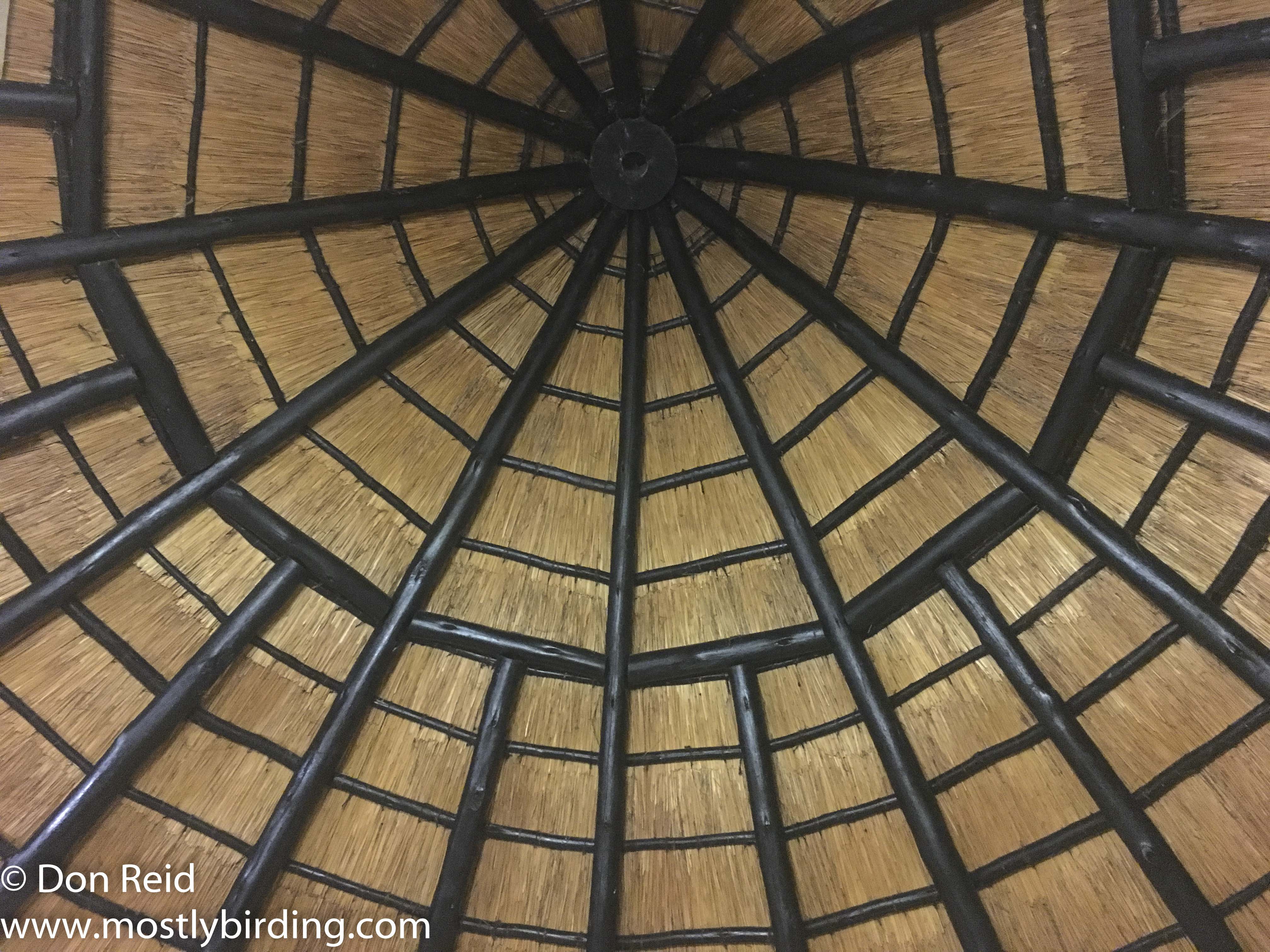
Bungalow roof

Still to come in “Kruger Unplanned” – more about the drives, the wildlife encounters, the birding highlights and just chilling


Kruger for a Day – Five minutes of Bird Photography heaven

“Skulking and inconspicuous”

“Shy and inconspicuous, keeping to dense cover”

“Fairly secretive”

Despite what some people close to me may suggest, none of these descriptions refer to me –

they are in fact extracts from Roberts Birds of Southern Africa, describing the habits of three bird species which are more often heard rather than seen. So, to be presented with an opportunity to photograph all three of them in quick succession, with another more conspicuous species thrown in for good luck, is a chance in a thousand and I took it with open arms……… and an open lens.

As is often the case, the opportunity arose unexpectedly – we were on a day trip through Kruger in April this year, wending our way slowly on a circular route from Phabeni gate via Skukuza to Numbi gate, and decided to stop at the Skukuza Day Visitors area for a picnic lunch. (See my previous post on “Painted Wolves and a Weary Lion” for more on the trip). The morning had gone well with a variety of birds seen and a rare sighting of a pack of Wild Dogs as the highlight, but by now we were looking forward to a break.

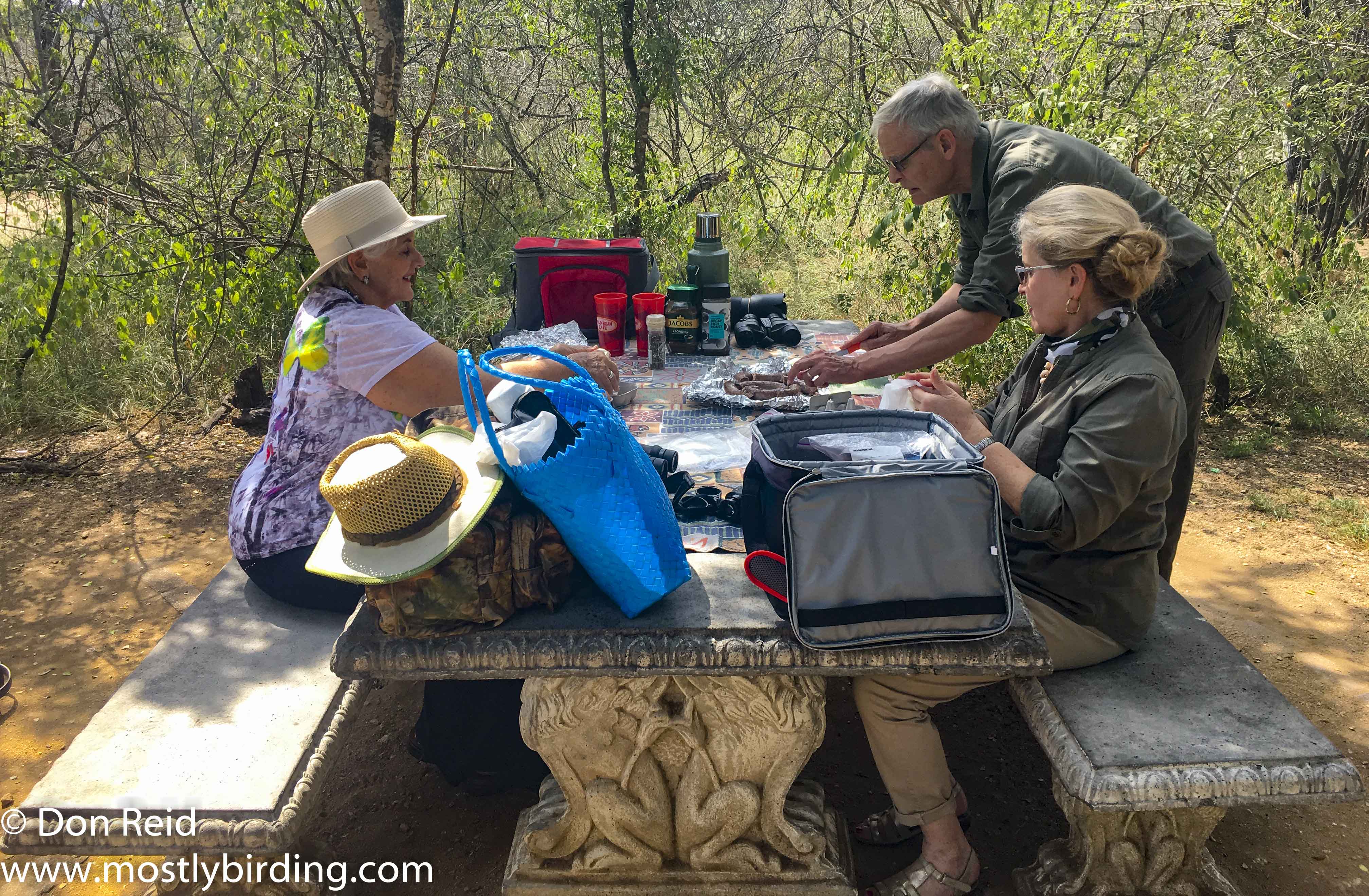
We chose a shady table in a bushy section and greeted the only other group using the area as we passed their equally secluded spot.

Skukuza day visitors area

While the provisions were being laid out, I pottered about to see what bird life was around at this time of day, usually a quieter time for birding. At the swimming pool several Barn Swallows, Rock Martins and Greater Striped Swallows were swooping about enthusiastically and I heard an African Fish Eagle call from the river – not seeing much else I was content to join the others for lunch. The refried boerewors from last night’s braai accompanied by traditional braaibroodjies went down a treat along with coffee.

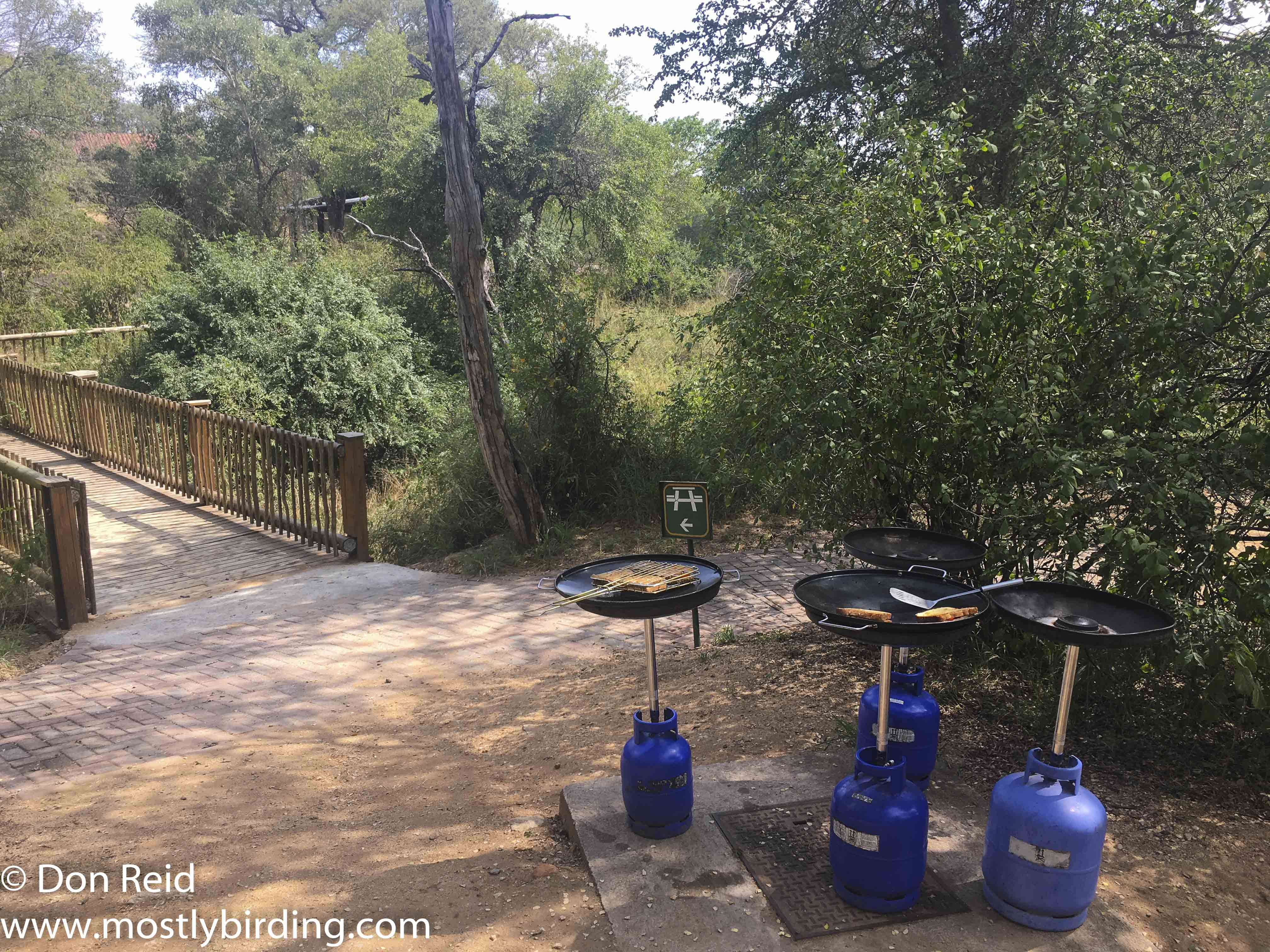
Skukuza day visitors picnic spot

When it came time to pack up, I wandered off to investigate some rustling and faint bird sounds that seemed to be coming from  nearby bushes and did a quick recce of the surrounding area. By this time our picnic neighbours – the only other people in the area – had left and as I passed their spot I saw some movement in the bushes close to their table.

Using the concrete table as a rather inadequate concealment, I crept closer and sat crouched on the bench, with my camera on the table and checked that it was set up for the shady conditions – aperture priority, high ISO setting for adequate shutter speed, white balance on shade.

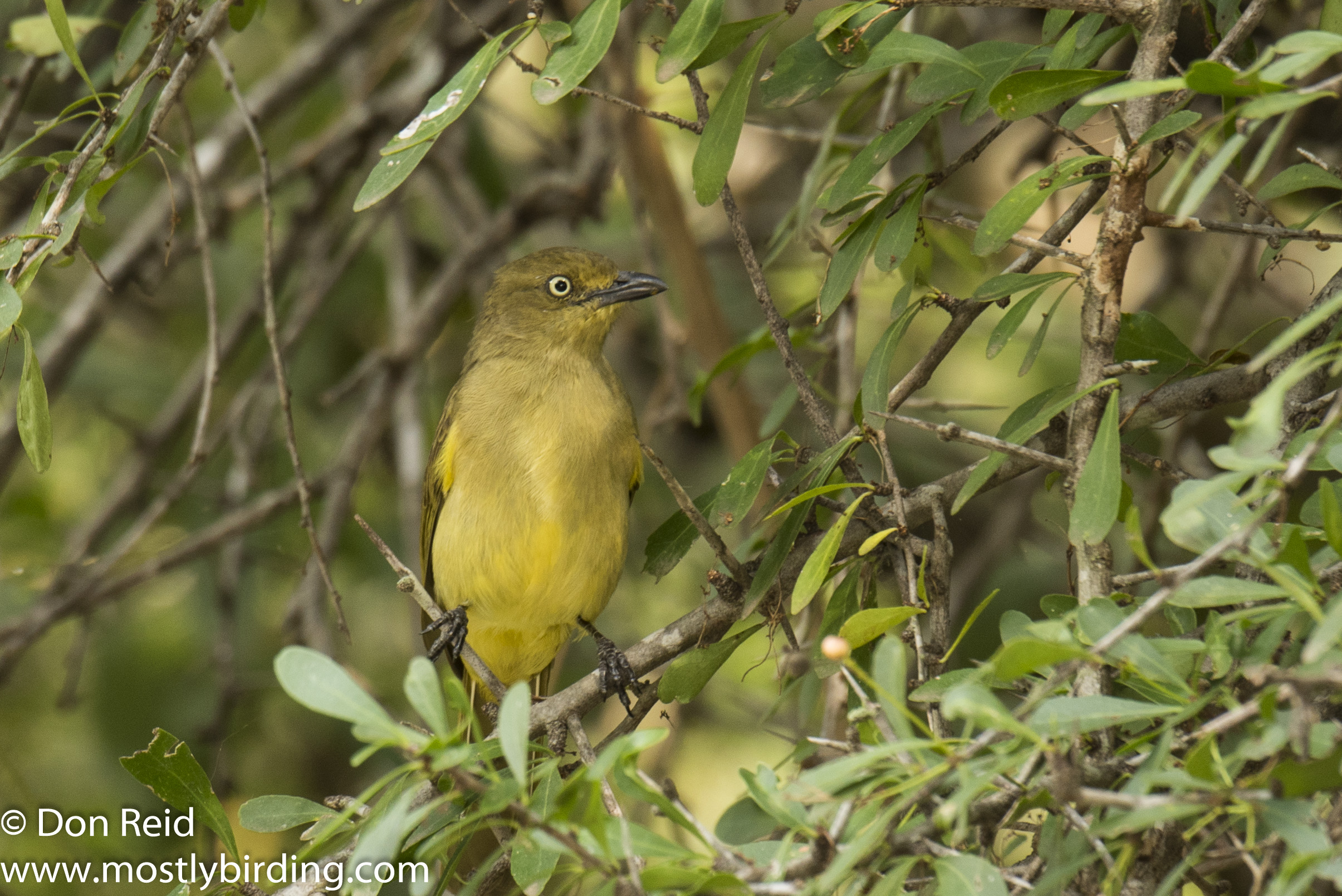
Almost immediately a Sombre Greenbul (Gewone Willie / Andropadus importunes) hopped onto an exposed branch and looked straight at me, while I whipped my camera into position and rattled off 3 or 4 shots before it moved on and out of sight – the time as recorded in the photo metadata was 12:24:47.

Sombre Greenbul
Sombre Greenbul

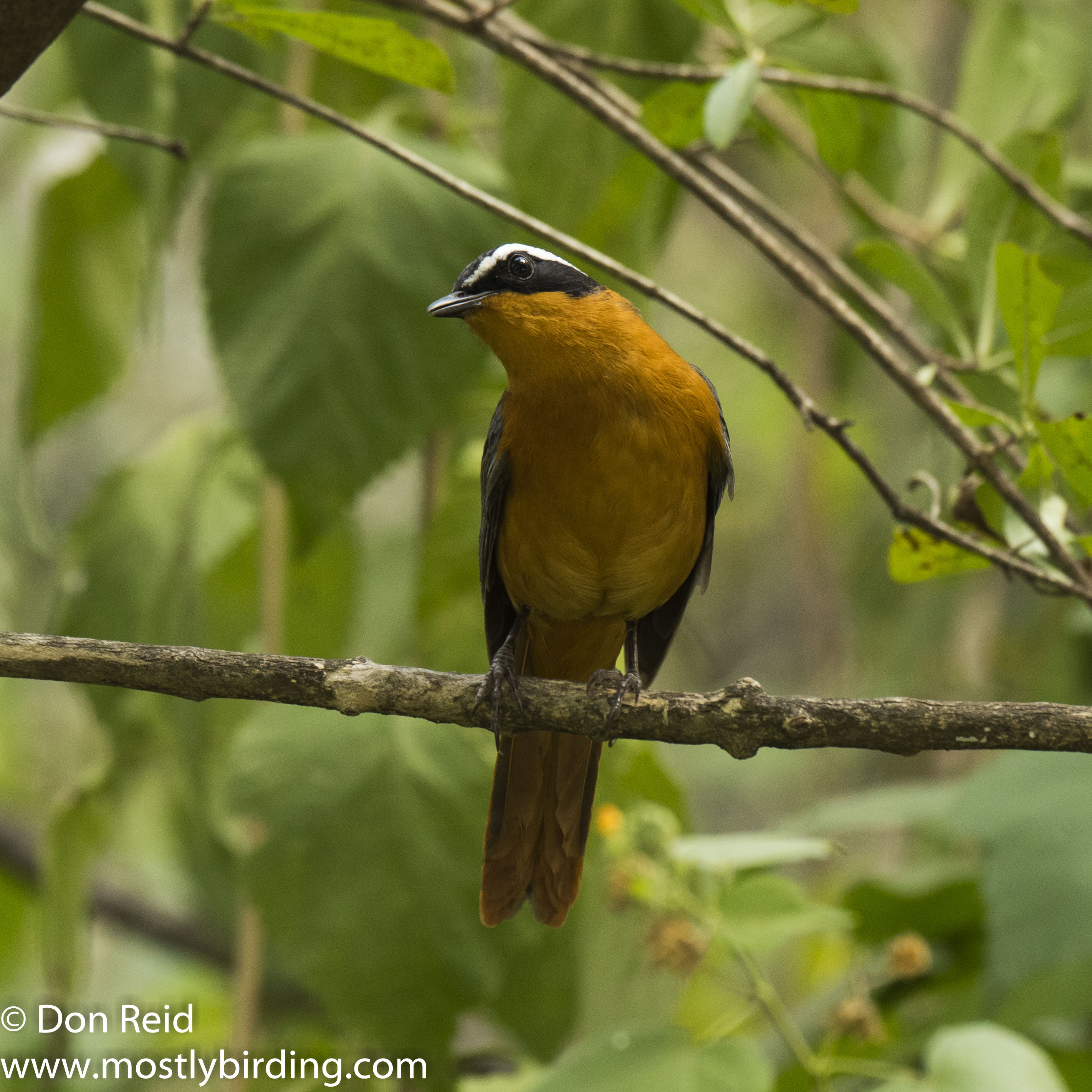
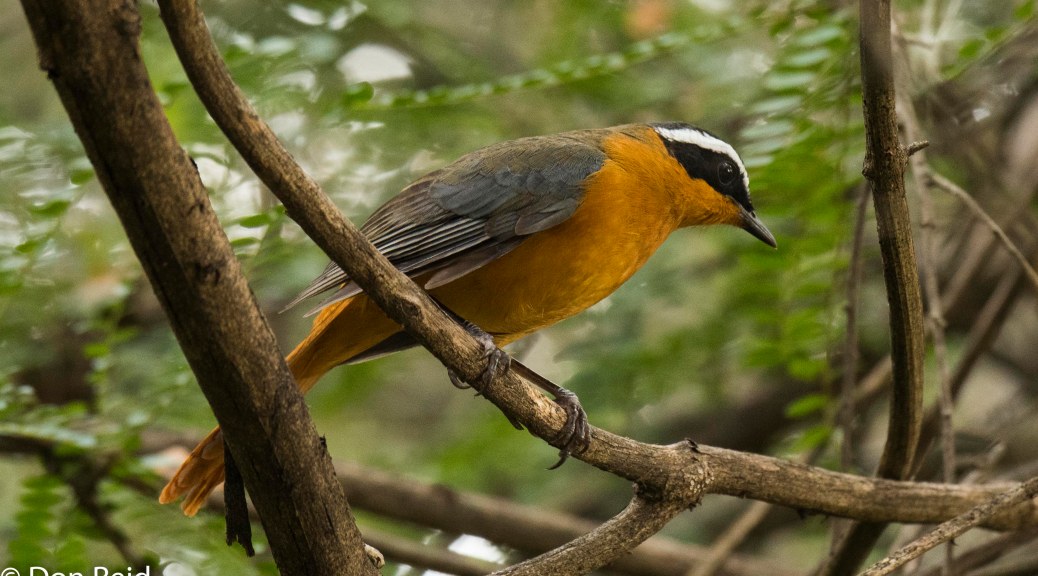
A minute later a White-browed Robin-Chat (Heuglinse janfrederik / Cossypha heuglini) popped out into view and I followed its progress through the foliage for the next two minutes, snapping it in different poses.

White-browed Robin-Chat

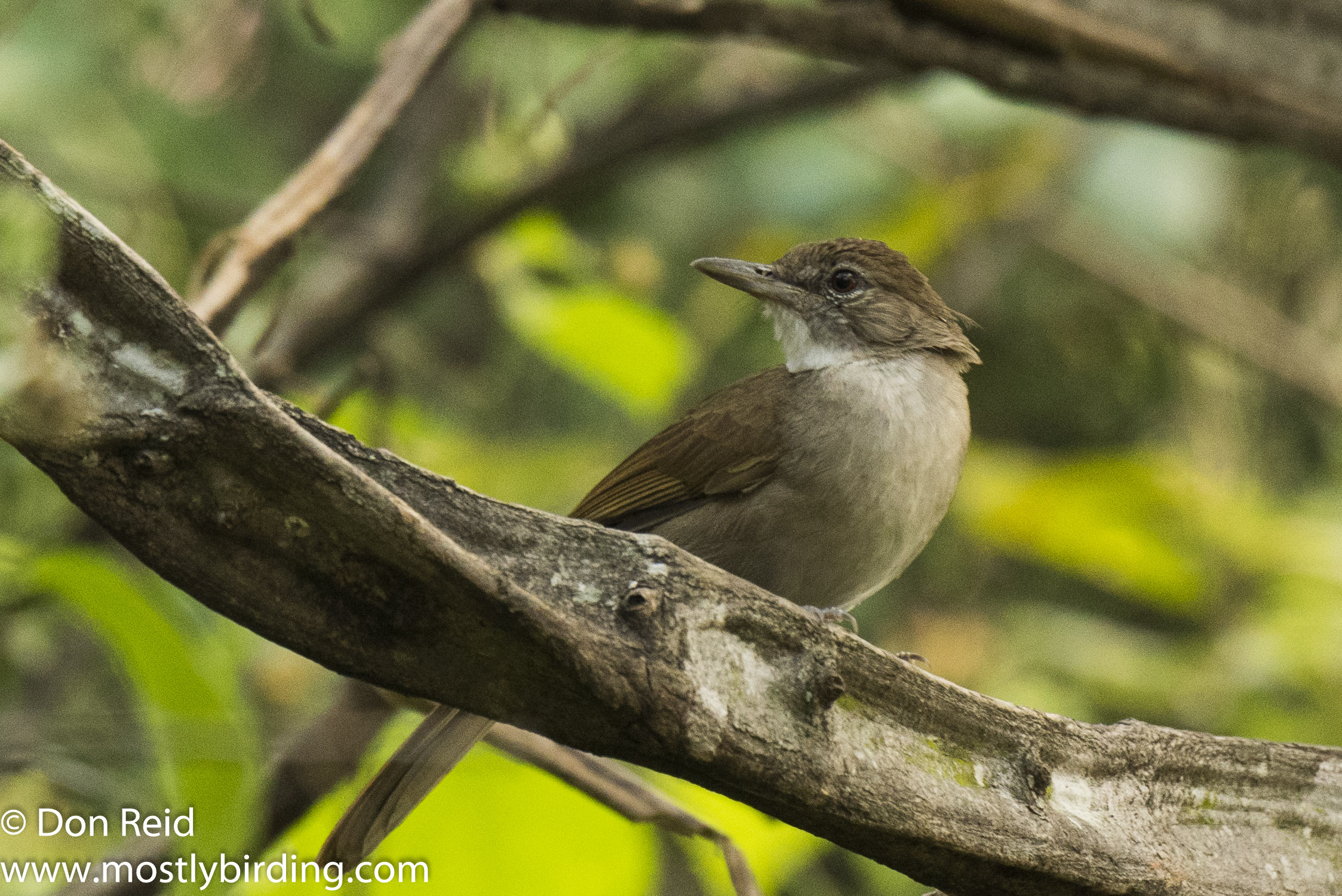
By now my adrenaline level was rocketing and I could not believe my luck when yet another skulker appeared in the form of a Terrestial Bulbul (Boskrapper / Phyllastrephus terrestris), a species that usually spends a lot of time scratching around in the leaf litter, but had now decided to pose in full view on a small branch – time 12:29:08.

Terrestial Brownbul
Terrestial Brownbul

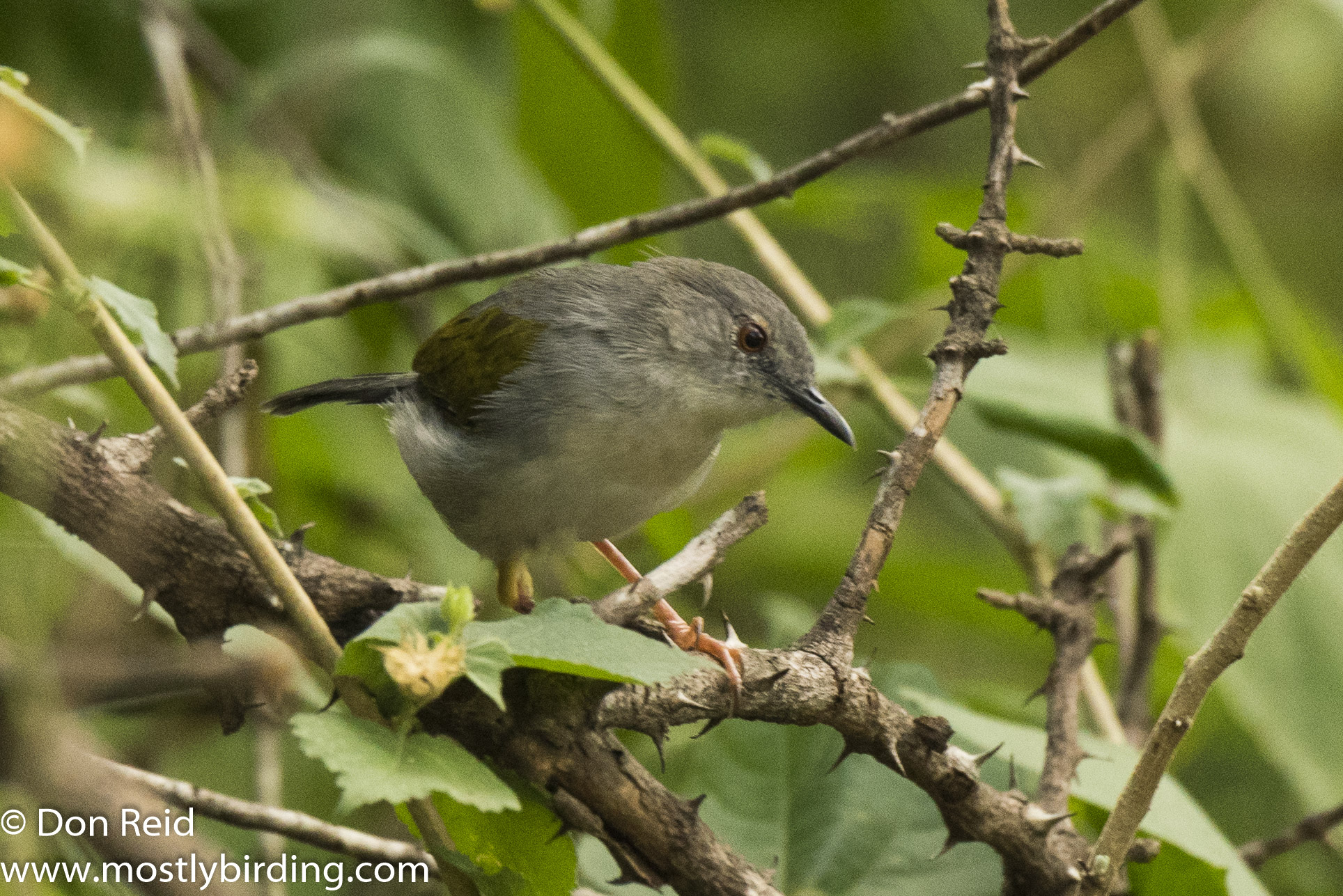
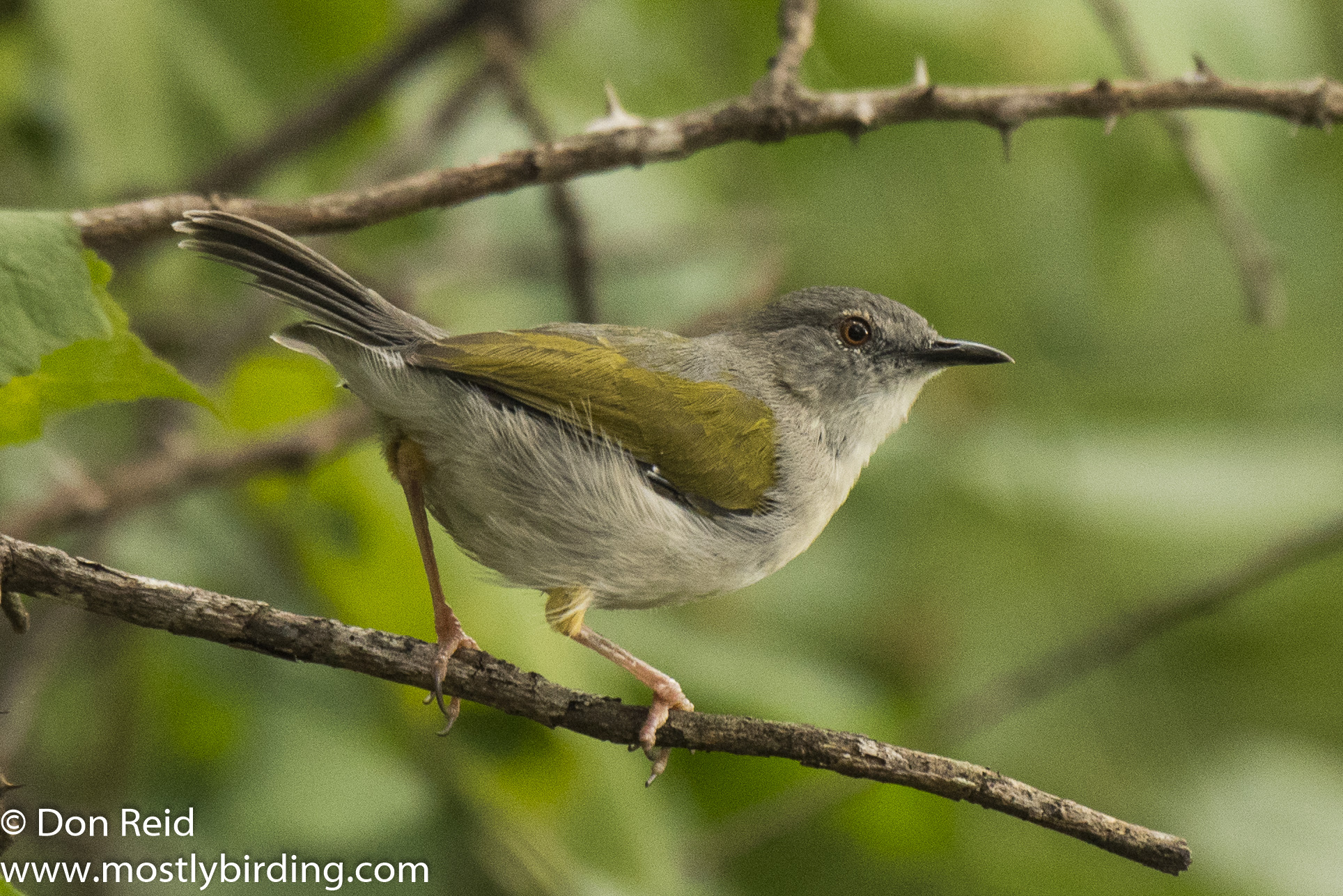
By this time I was battling to hold the camera steady as my hands were shaking from the excitement but the photography gods were really out to test my mettle when less than a minute later a Green-backed Cameroptera (Groenrugkwekwevoel / Camaroptera brachyuran) suddenly appeared from nowhere and did the same branch-walking act for my pleasure – time 12:29:50.

Green-backed Camaroptera

So in the space of 5 minutes and 3 seconds I had bagged pleasing photos of 3 skulkers and one other desirable bird and left me with a life-long memory of a very special birding moment.


Kruger for a day – Painted wolves and a weary Lion

Kruger National Park …………   just writing those words brings an immediate sense of anticipation ……

especially when you have made as many visits as we have and enjoyed such a diversity of wonderful bush experiences.

It was in April this year, while spending a week at Pine lake Resort near White River, that we decided to visit Kruger for one of the days. And as usual there were unexpected sightings, both on the animal front as well as the birds ……..

We started the day early, hoping to be at Phabeni gate as close to the 6.00 am opening time as possible – as it turned out we were a tad slow in leaving the resort and the drive there took longer than anticipated due to the nature of the road and some slow traffic. When we arrived at Phabeni we were met by a longish queue of vehicles and were told apologetically that “the computers are down and we are processing visitors manually” by the gate staff. This resulted in a long wait before we could at last enter Kruger and make our way along the Doispane road (S1).

We took all of four hours to travel the 40 or so Kms to Skukuza camp and then onwards to the day visitors picnic area just beyond the camp. There were lots of stops along the way to admire the wildlife and ID the birds seen and heard.

An early sighting was Retz’s Helmetshrike, always in a group of several and handsome as ever in their all black plumage and contrasting bright red bill and eye ring.

The usual Lilac-breasted Rollers, Magpie Shrikes and Red-billed Hornbills showed prominently at regular intervals to keep our spirits high. Raptors we saw included Bateleurs in numbers, Brown Snake-Eagles, African Fish-Eagles (5) and a pale form Booted Eagle.

African Fish Eagle, Kruger Day Visit
African Fish Eagle

About halfway along the road we stopped to have a look at the Nyaundwa Dam just off the road – this is always a good spot for the classic Kruger scene of animals coming to drink while keeping alert for the predators. Several shorebirds patrolled the dam edges – amongst them Wood Sandpipers, Black-winged Stilts, Common Greenshanks and Three-banded Plovers – while the resident Hippos had a few Red-billed Oxpeckers in attendance. Several Water Thick-knees viewed the proceedings from the sandy banks with what seemed to be disdain.

Kruger Day Visit
Nyaundwa dam
Kruger Day Visit
Nyaundwa dam

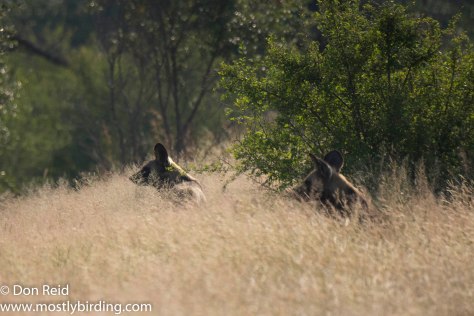
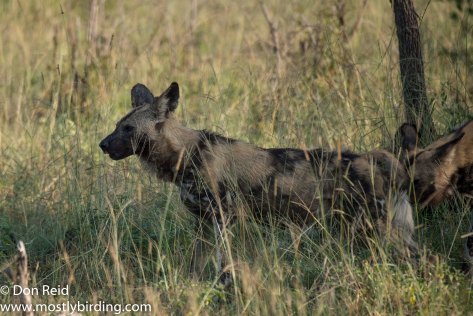
Shortly after we enjoyed one of the game highlights of the day when we came across a small pack of Wild Dogs, or “Painted Wolves” as they are sometimes known. One gave a display of territorial marking that we have not witnessed before, when he came right up to our vehicle and proceeded to urinate profusely several times while turning a full circle, so close I could have touched him with a broomstick – if I had such a thing handy. It crossed my mind that he may be just another Land Rover fan fed up with the superiority that us Toyota Land Cruiser owners tend to display …….. who knows.

Kruger Day Visit
African Wild Dogs in the long grass
African Wild Dog, Kruger Day Visit
African Wild Dog
African Wild Dog, Kruger Day Visit
African Wild Dog 

Our next sighting was a little further down the road where a knot of vehicles surrounded something lying at the edge of the road. It was an old Lion, looking as if he was on his last legs, his hips showing under his aged, battered looking skin. When he lifted his head to look at us, it seemed to be an effort and his eyes were dull with none of the fierce glint that he would have shown in his youth. I could have taken a photo but decided against it, simply out of respect for an old timer with not many days to live, at a guess.

We arrived at the Skukuza Day Visitors picnic area which is a few kms beyond Skukuza itself and has a number of pleasant picnic sites set amongst the bushes. It was quiet, being a Monday out of peak season and we had the place to ourselves except for one other small group so we found a nice shady spot and enjoyed leftovers from the previous night’s braai, reheated on the skottel (like an old ploughshare and heated by gas)

In between I scouted around the area and found some very photogenic White-fronted Bee-eaters perched on some low branches – many bird photographer’s favourite because of their bright colouring and their habit of posing openly, without being too skittish.

I was very happy with the results ….

White-fronted Bee-eater, Kruger Day Visit
White-fronted Bee-eaters
White-fronted Bee-eater, Kruger Day Visit
White-fronted Bee-eater

The birding highlight of the day came my way as were packing up to leave the picnic area, when I spotted some movement in the bushes nearby – more about the incredible photographic opportunity in a follow up post (how’s that for keeping you in suspense?)

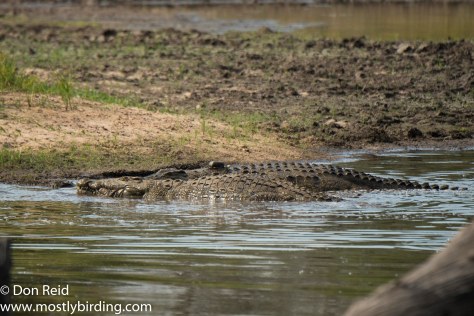
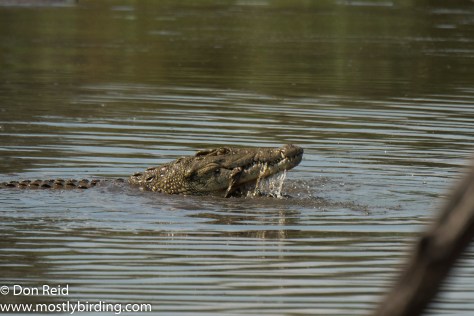
Our last stop before heading towards the Numbi gate was at the well known (amongst birders) Lake Panic hide overlooking the lake of that name, not far from Skukuza. Initially it looked quiet but we found out from the few people already there that we had missed the earlier drama of a crocodile taking an Impala which had ventured too close to the water as it came to drink. Two large crocs were still wrestling with the unfortunate Impala, presumably already dead, its horns projecting above the water every now and then as the crocs twisted and turned in the water.

Crocodiles after kill at Lake Panic, Kruger Day Visit
Crocodiles after kill at Lake Panic

Crocodiles after kill at Lake Panic, Kruger Day Visit

The water level was the lowest I have ever seen it at this spot, not even reaching the hide – bird life was limited to a couple of Pied Kingfishers, a Black Crake and a Burchell’s Coucal.

Our exit route was via Numbi gate then through busy rural villages for some 20 kms before reaching White River and the road back to Pine Lake Resort (which is also worth a post – watch this space)