Touring with Canadians – Part 2 : Kruger is Awesome!

The Plan

When “Overseas Family” come to visit us in South Africa, it is always a big occasion which is eagerly anticipated, so we were thrilled when niece Sarah announced more than a year ago that she was bringing their family from Canada over to Southern Africa for a “Trip of a Lifetime” in March 2017. Even better was the news that my sister Sheila (Sam to them) would be joining them for the trip.

Our task was to organise the northern leg of the trip, which had to include Kruger National Park with Victoria Falls and Botswana being high on their wish list. We soon had a Kruger booking pinned down, together with a short stay on the Panorama route in Mpumulanga, which took care of most of week 1 of the two-week northern leg.

The Trip

A day after their arrival in SA we set off around 8 am, the vehicle and trailer loaded to capacity, heading east through Highveld grassland and the coalfields of Mpumulanga, power stations just visible in the distance through the light haze.

First stop was at Milly’s near Macahdadorp for a really good brunch – Millys scramble for me – and strong coffee to set us up for the next stint. Past Nelspruit and on to White River and Hazyview, then a slow section passing through almost continuous rural villages and slow traffic until we at last reached Kruger gate at 3.15 pm.

At the gate we heard that the Skukuza / Tshokwane road was closed due to a bridge damaged by floodwaters and the gate personnel suggested we turn around and head further north to Orpen gate. This idea did not appeal to me one bit, as my quick calculation told me we would not make it in time, so I insisted that the detour route in Kruger via Lower Sabie would be far better.

They let us through, but I knew that we would now have to cover some 150 km, which at the 50 km/h Kruger speed limit would also mean a very late arrival at Satara and we would have no spare time for game viewing.

Fortunately the traffic was light, but this did not apply to the bird life on the road, which was plentiful and lethargic, so much so that I had to be fully alert to try to avoid them when they flew up, sometimes towards the car instead of away from it. This resulted in some sharp braking and much hysterical laughter, but unfortunately a few unavoidable casualties as well, leading to comments from some of the passengers about the driver being a so-called keen birder and naturalist, but having an alter-ego bird-killer personality. What can I say? I’ve been found out.

None of this was conducive to the relaxed drive I had hoped for when introducing visitors to Kruger, nevertheless we made good time and reached Satara at 6.05 pm as the gate was being closed, somewhat exhausted.

We saw a fair amount of game along the way but often just fleeting glimpses due to not having any time to stop or even slow down. However, one short stop at a dam with a pod of Hippos caused great excitement.

After settling in at Satara, we braai-ed some wors and it was not too long before we collapsed into bed.

The “gardens” at Satara
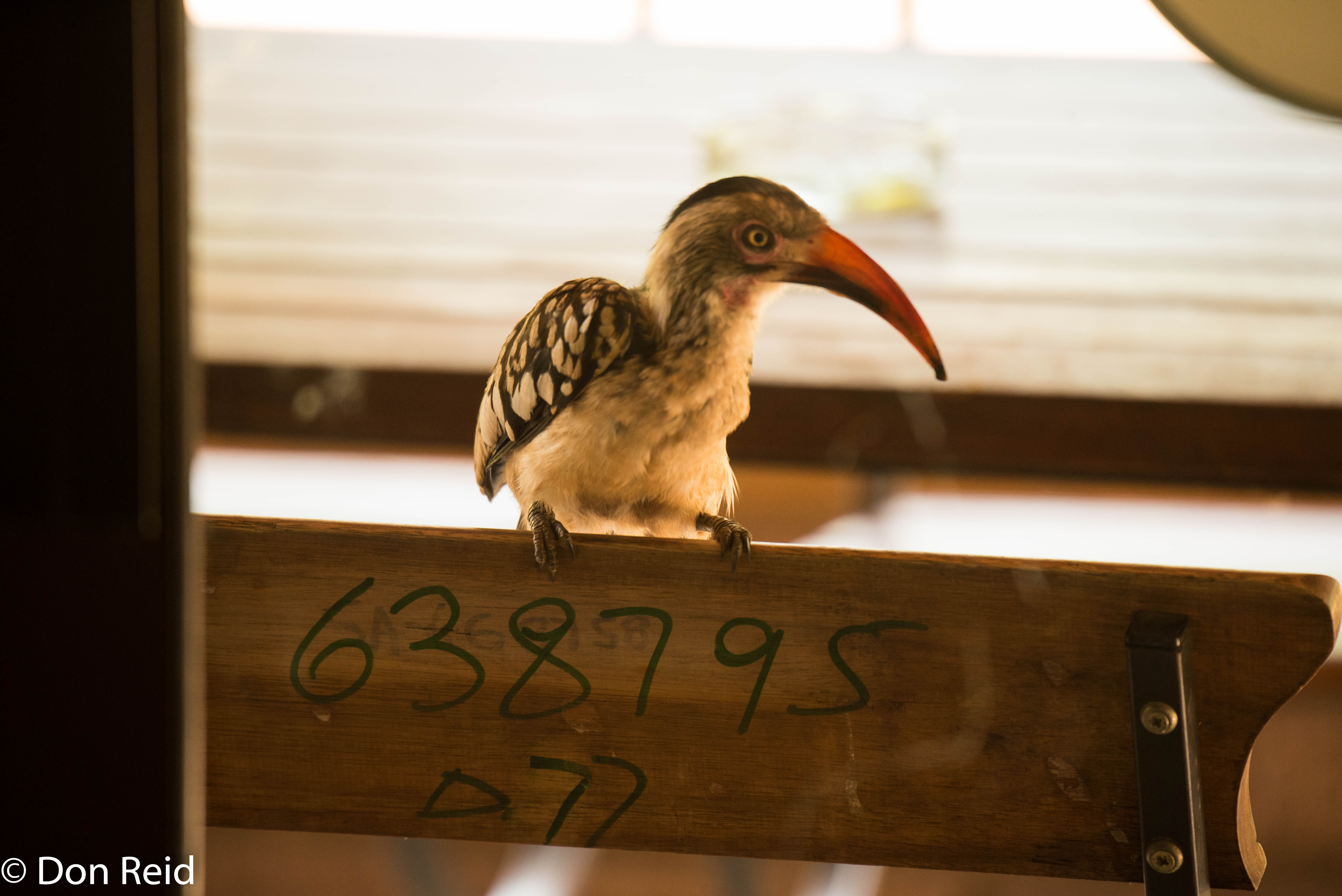
Red-billed Hornbill “shadow boxing” , Satara

Nwanetsi Drive

We were up reasonably early, in a far more relaxed frame of mind and ready for a more conventional game drive at a relaxed pace. Our one full day in Kruger needed to be a classic and the obvious choice of a route from Satara was the road to Nwanetsi for brunch – a route that is almost guaranteed to have a selection of plains game and other interesting sights. Once again it did not disappoint……..

Elephant
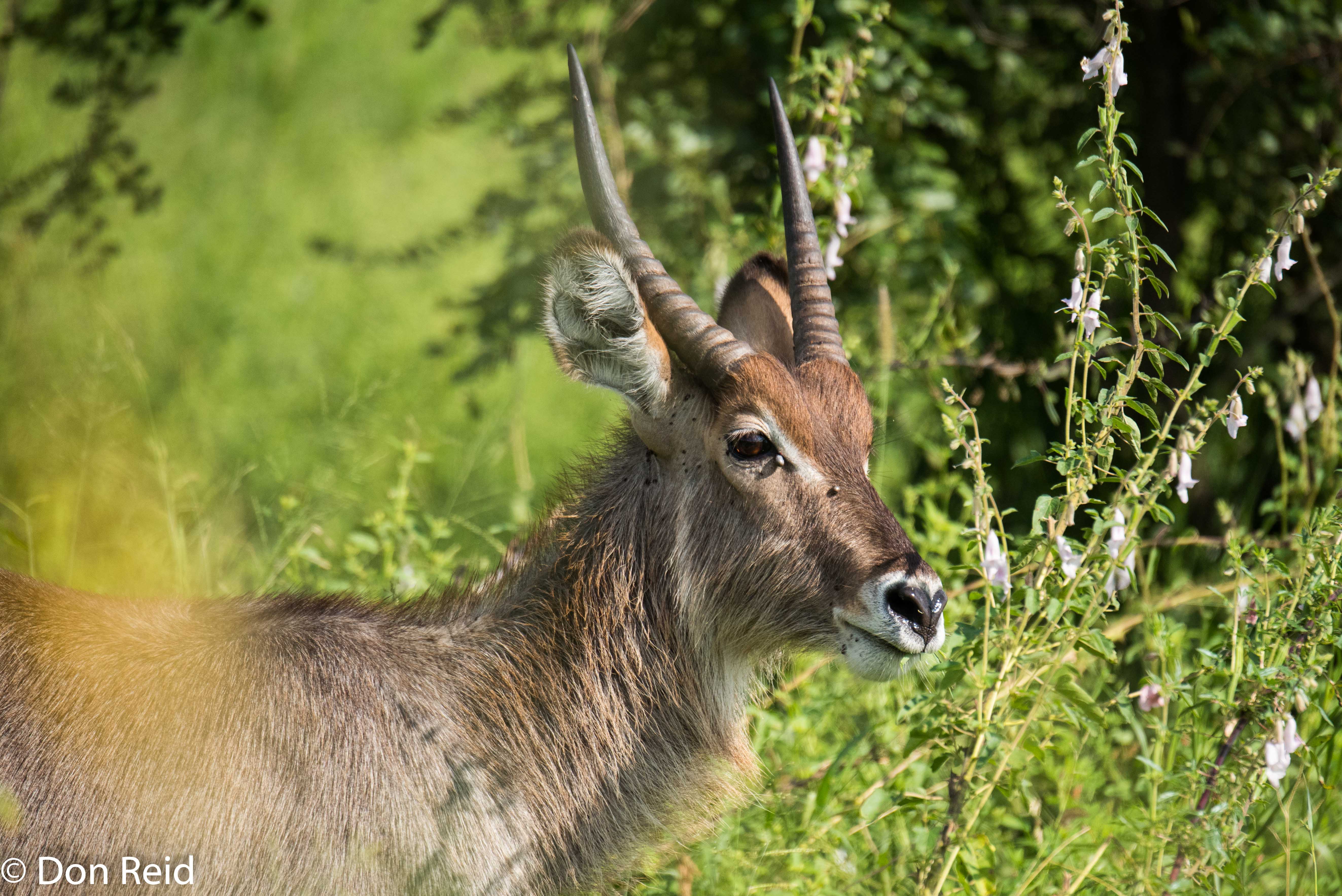
Waterbuck
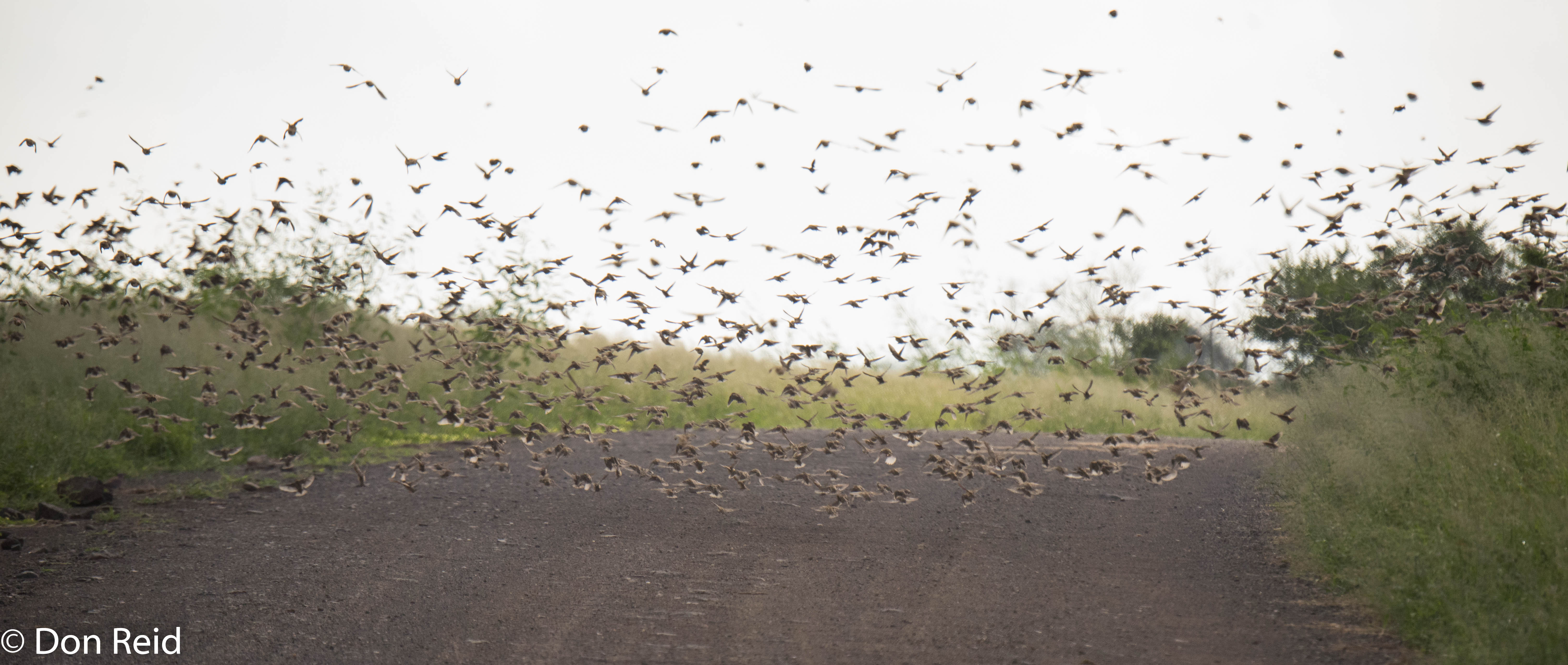
Red-billed Queleas

As we meandered slowly along the S100 gravel road through the  open tree savannah south-east of Satara, we had regular game sightings, every one causing much excitement and amazement amongst our visitors, even the animals we have come to regard as mundane, so that there was a constant buzz in our vehicle.
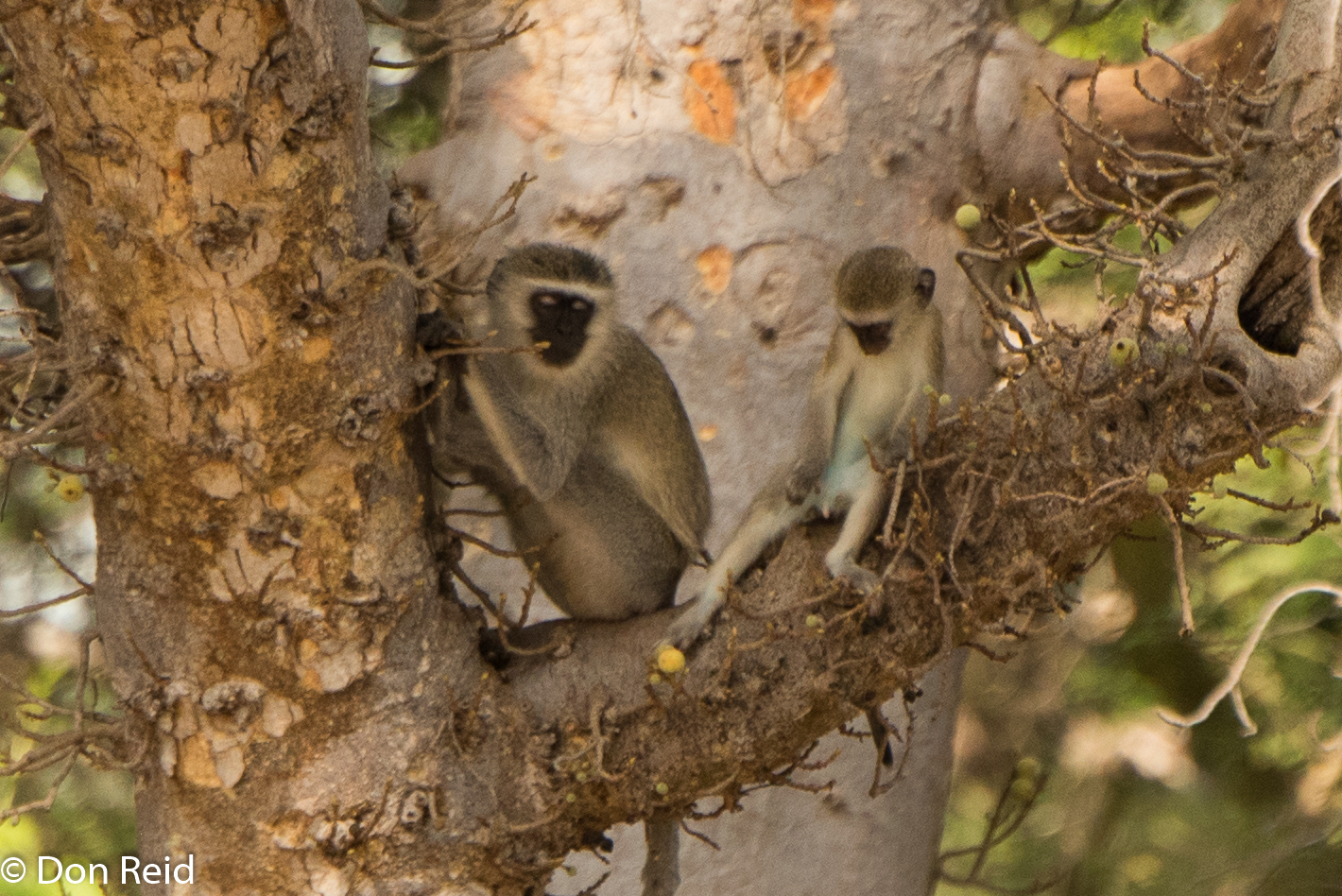
Vervet Monkey

It was a reminder of how privileged we are in this country with our wonderful National Park system and the joy of the Kruger experience, while seeing it all through fresh eyes added a special dimension.

Along the way we had good views of Zebra, Giraffe, Waterbuck, Wildebeest, Kudu and others, while on the birding side I stopped for some of the more striking species – European Rollers were plentiful, Woodland Kingfishers not far behind, African Hawk-Eagle showed nicely and Vultures were easy sightings. Hornbills are always a favourite with visitors, being easily visible and we saw several Yellow- and Red-billed Hornbills.
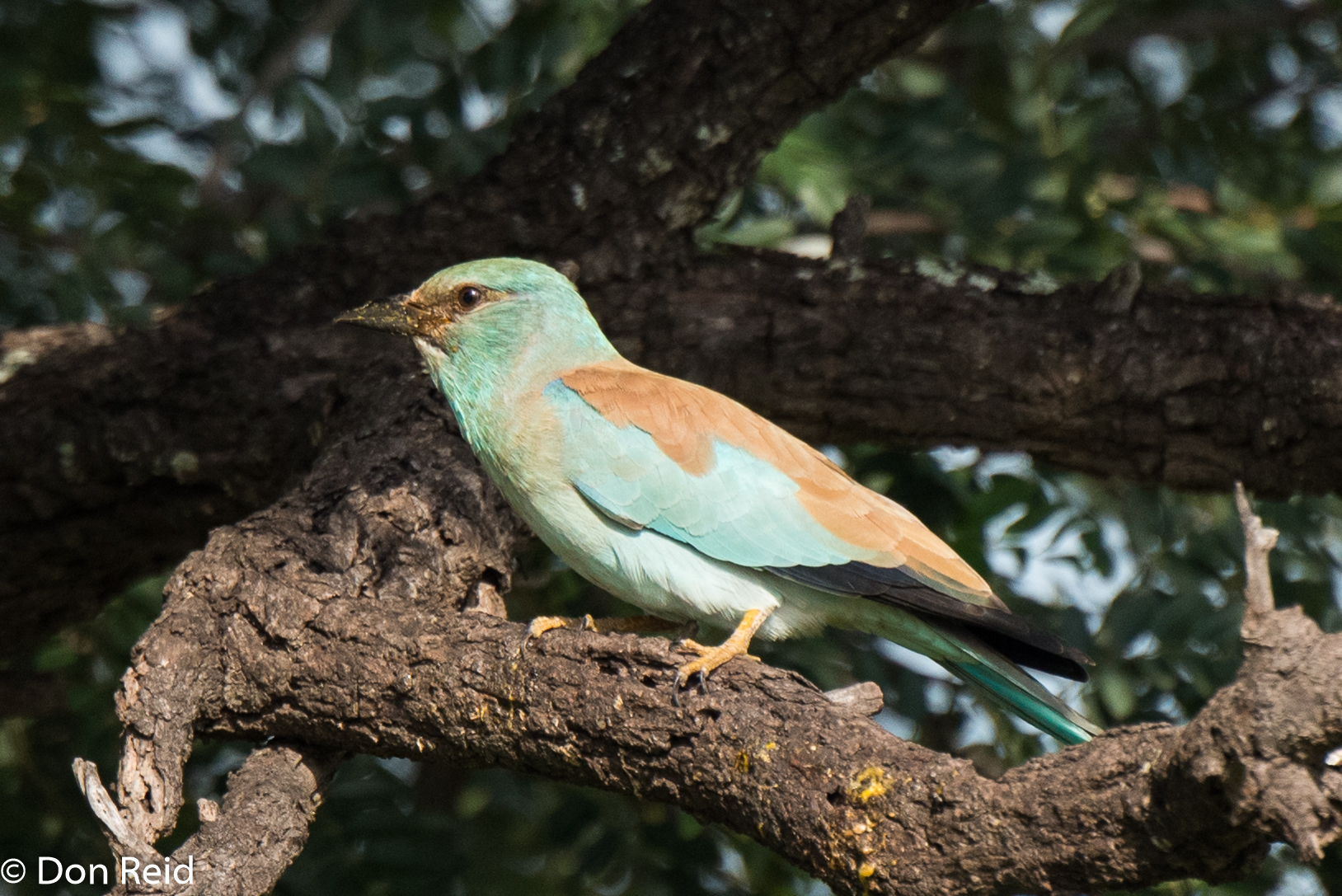
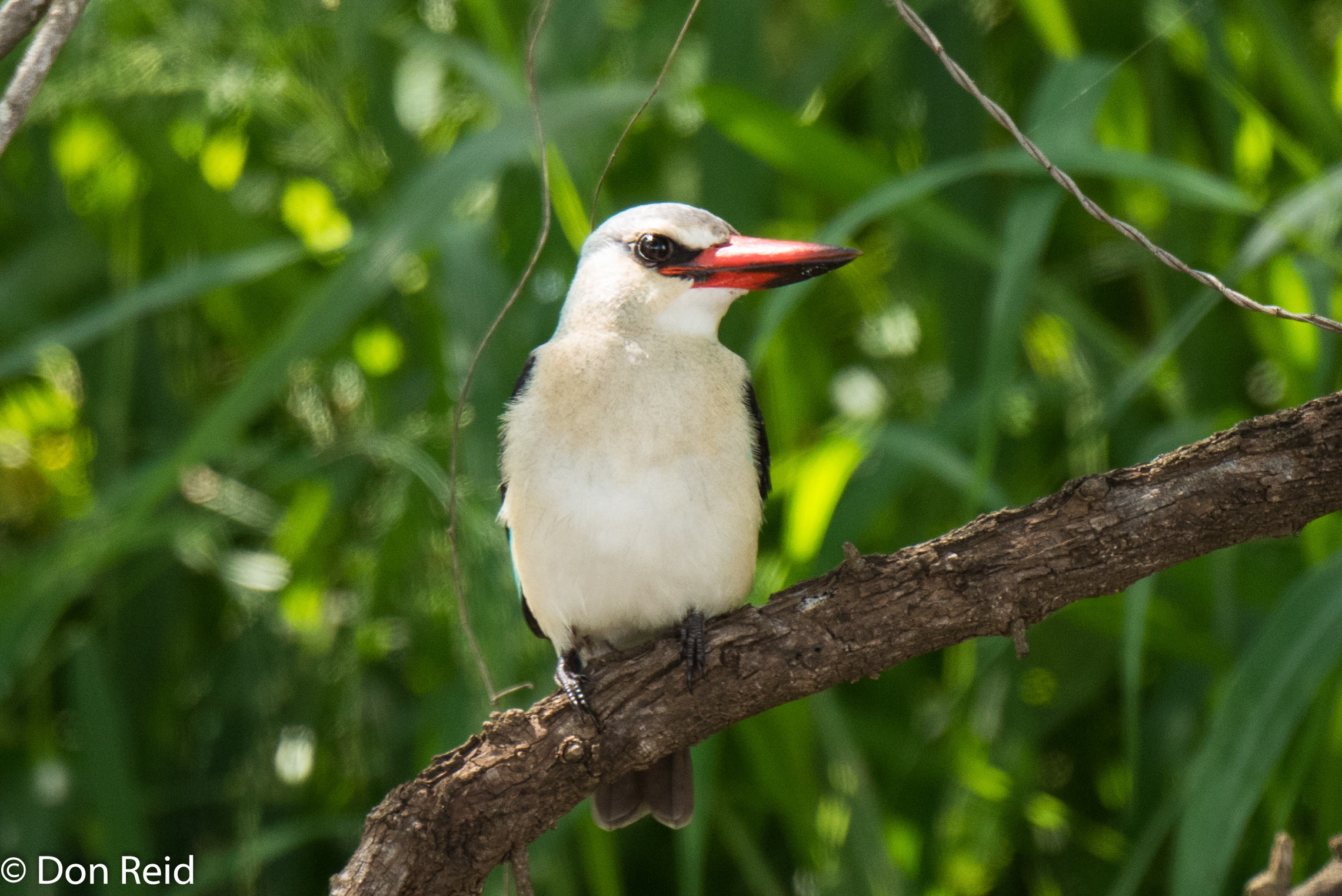
European Roller
Woodland Kingfisher
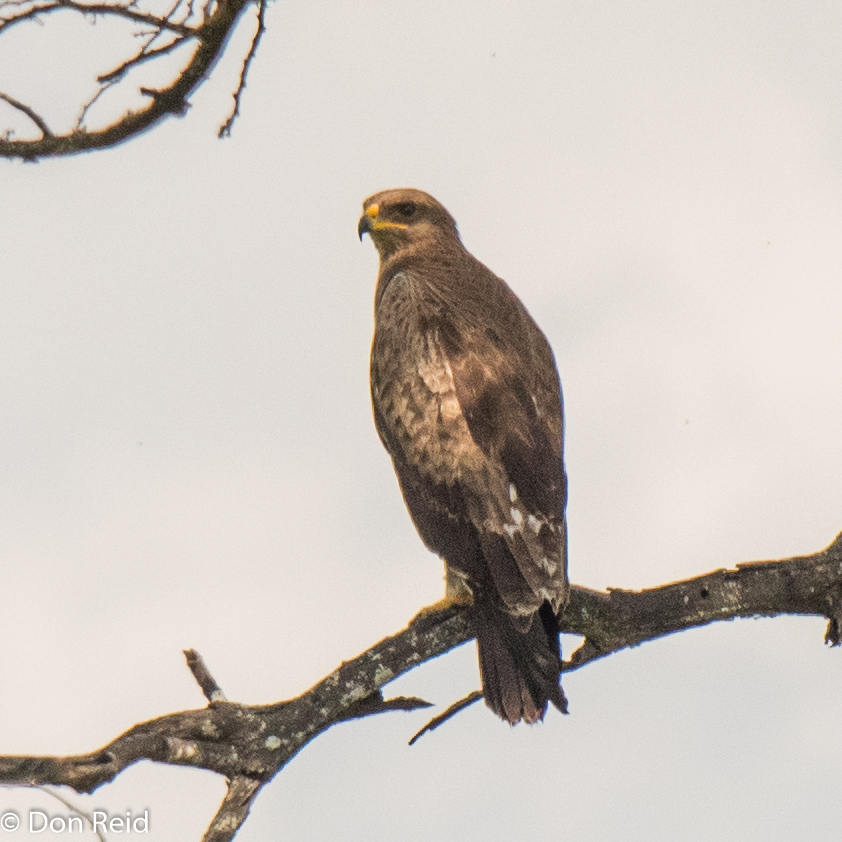
Wahlberg’s Eagle

The sighting of the day was reptilian – two crocodiles at a low water bridge with a shallow stream of water flowing over it, swollen by the recent heavy rains. They were waiting patiently at the downstream edge with jaws open, ready to snap shut if a fish was swept their way – about as up close and personal as I have ever been to these large reptiles! As we slowly edged across the bridge, the car’s wheels disturbed the flow, causing the crocs to back up warily before returning to their positions once we were past.
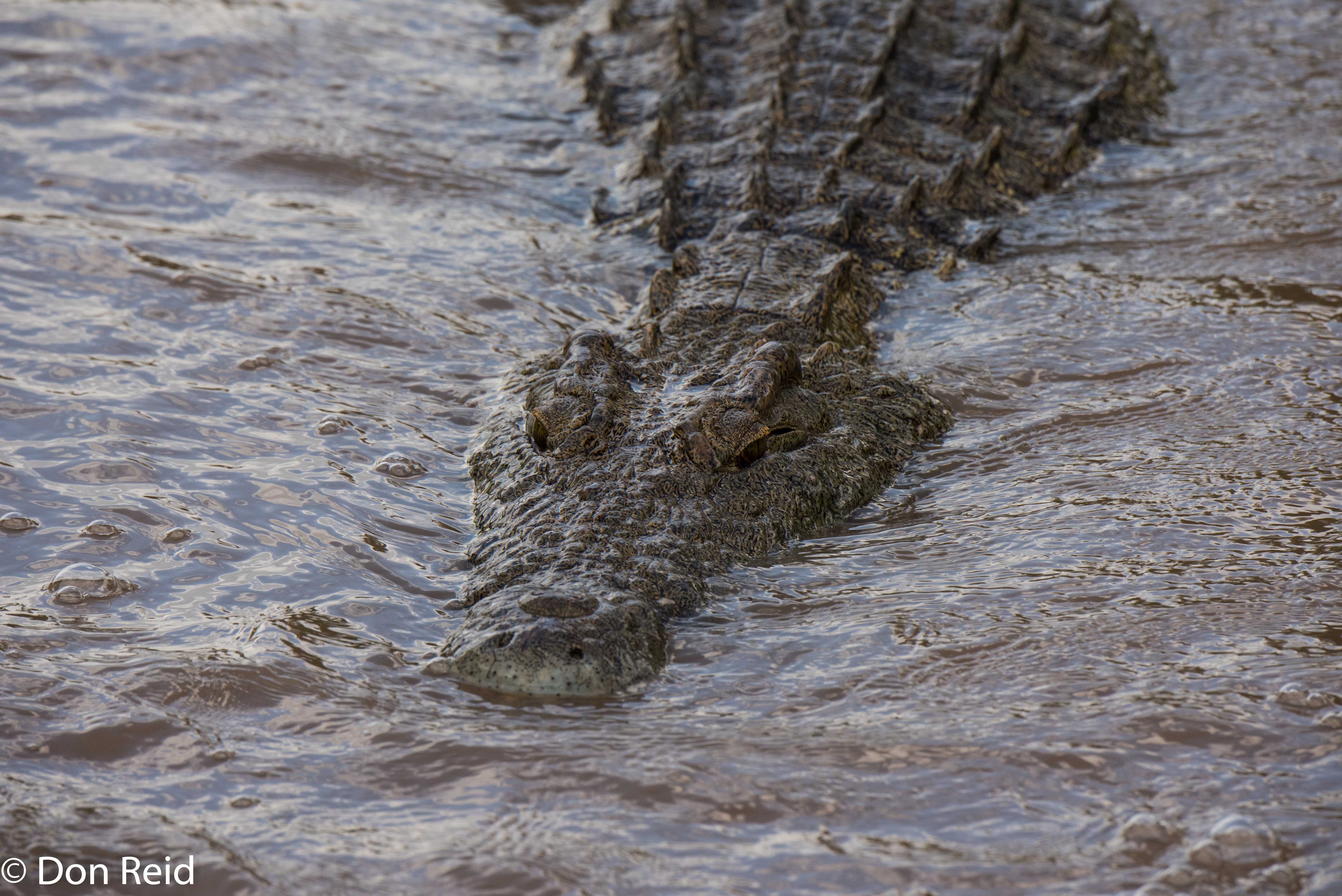
Crocodile at weir hoping for a fish to swim into its jaws
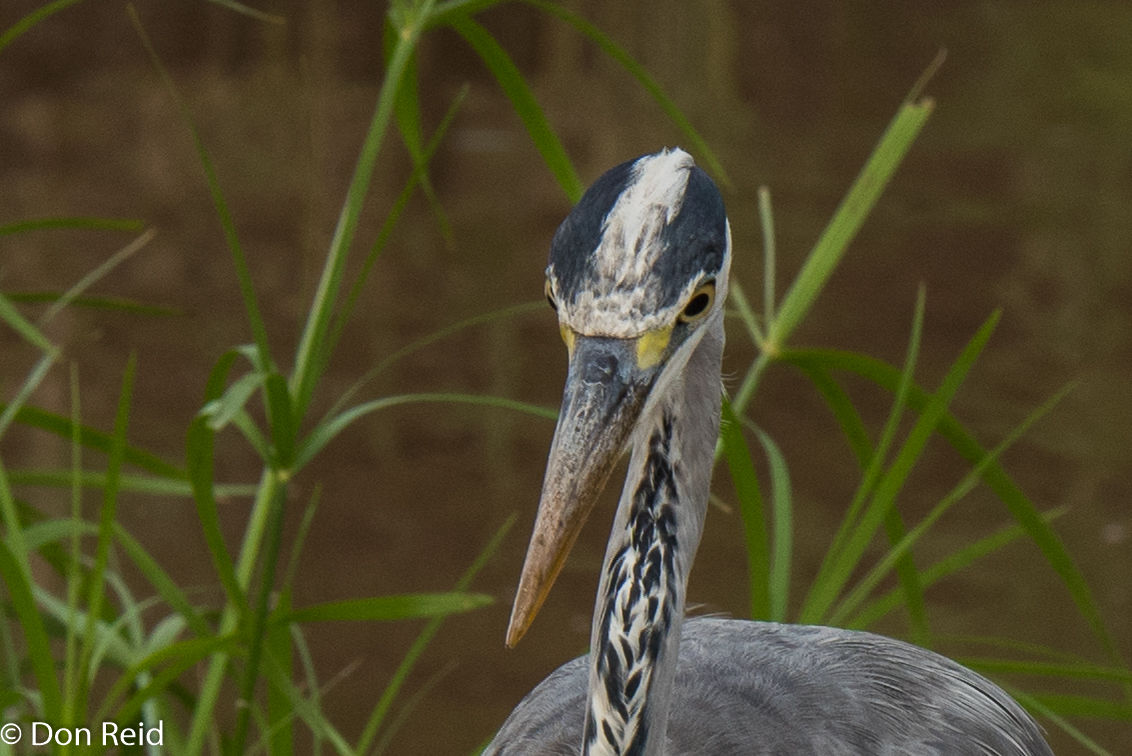
Grey Heron, hoping the croc misses a fish or two

Brunch at Nwanetsi was a real bush breakfast spread – eggs, bacon, mushrooms, beans, tomatoes and bananas – Alex provided essential help to the chief cook (me).
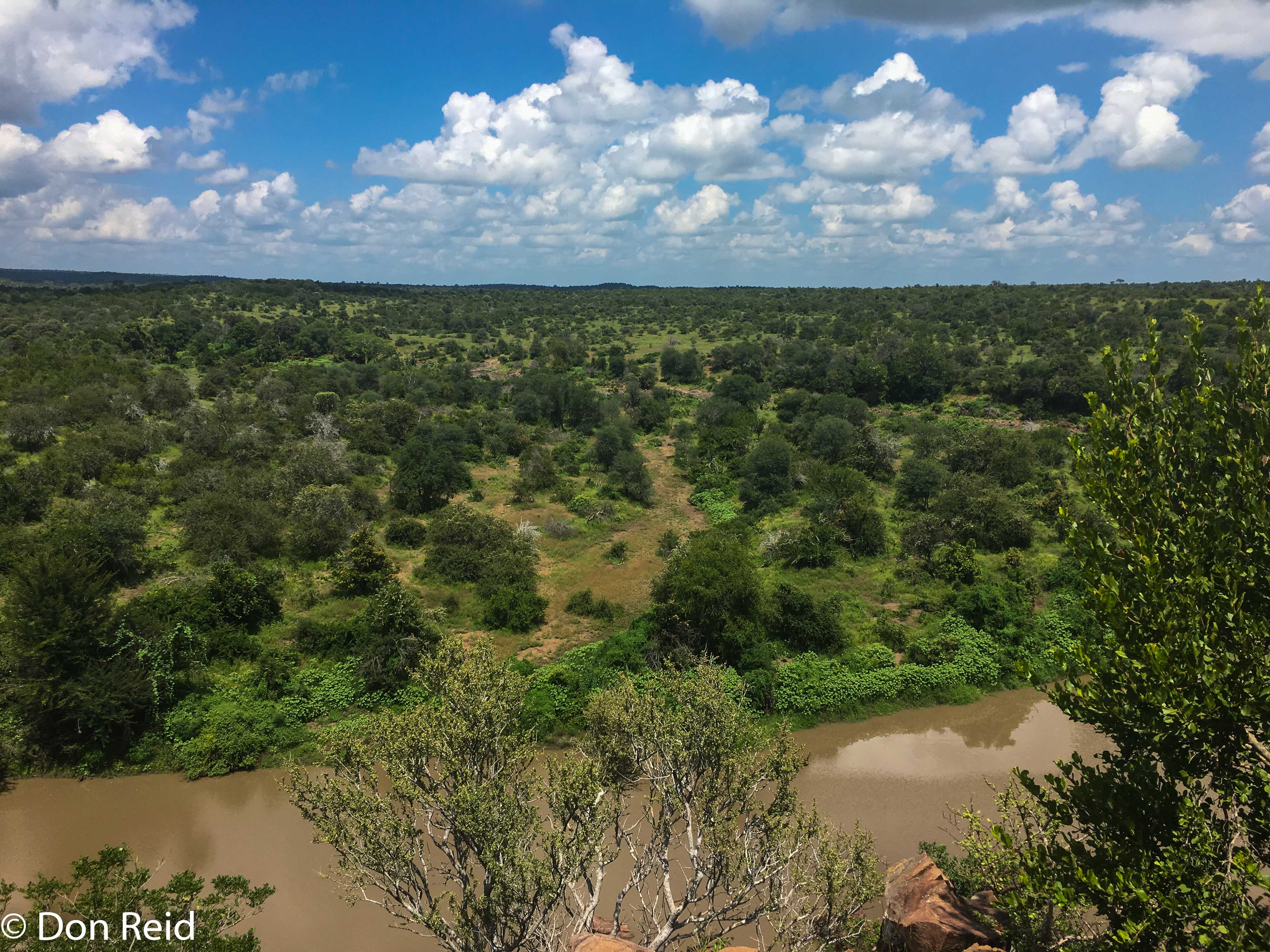
Nwanetsi viewpoint

A short, steep walk took us to the viewpoint above the picnic spot with its sweeping views over the surrounding veld, then we headed slowly back to Satara, diverting briefly to the Sweni hide, where there was not much activity. Back in camp it was time for a lengthy nap to rekindle the energy, followed by some relaxation and the evening braai.

Satara to Phabeni Gate

In order to make the most of our short stay in Kruger, we returned the same way we had come – via Lower Sabie and onwards to Phabeni gate. The trip turned out to be a lot longer than expected – for good reasons as we had some very exciting sightings along the way – 3 Rhinos, 2 Lionesses and to end with a bang, 2 male Lions right next to the road.
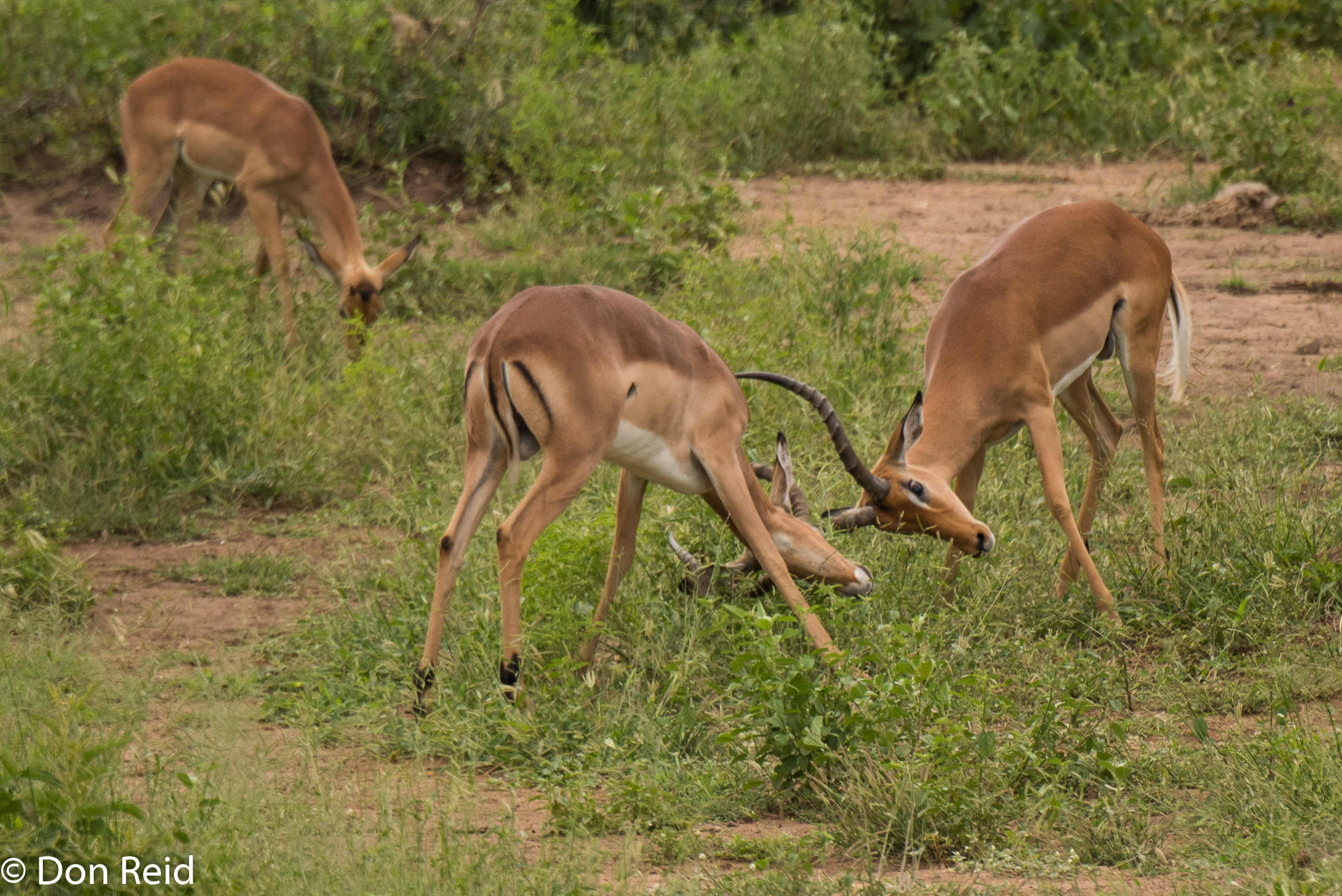
Impala rutting

The buzz in the car went up a level or three and on top of these special sightings we saw upwards of 200 elephants in small and large herds at various points along the way. What a wonderful way to conclude our short trip to Kruger and to be able to share these great sightings with our visitors!
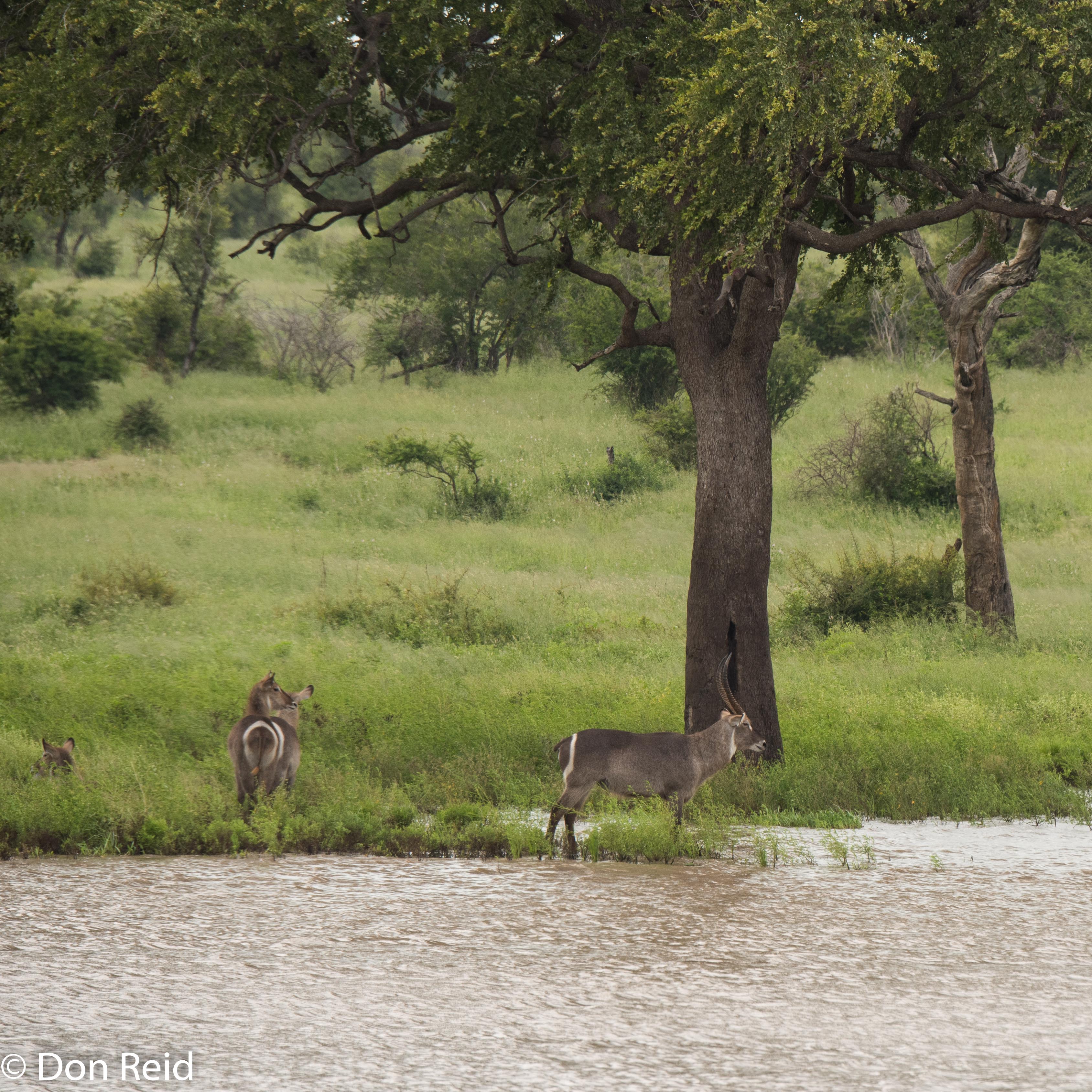
Waterbuck
Lower Sabie view
Southern Ground Hornbill

To make it easier on the passengers (and driver) we stopped regularly – firstly at Tshokwane picnic spot for coffee and muffins, then at Lower Sabie for a lunch of toasted sandwiches and finally at Lake Panic hide near Skukuza for a brief look at the birds. Strangely the hippos that usually frequent Lake Panic were not visible.
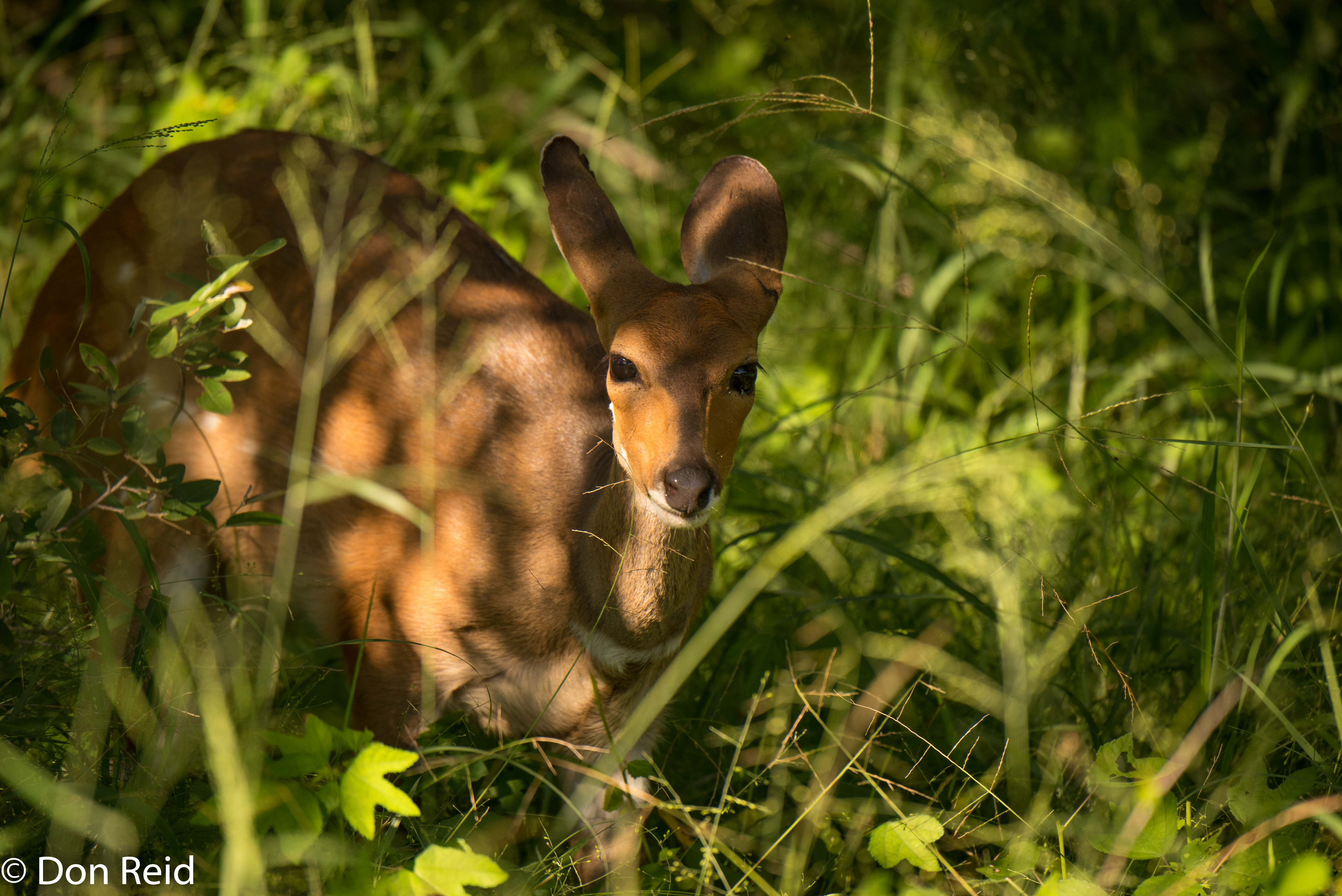
Bush buck, Lake Panic
Pied Kingfisher, Lake Panic
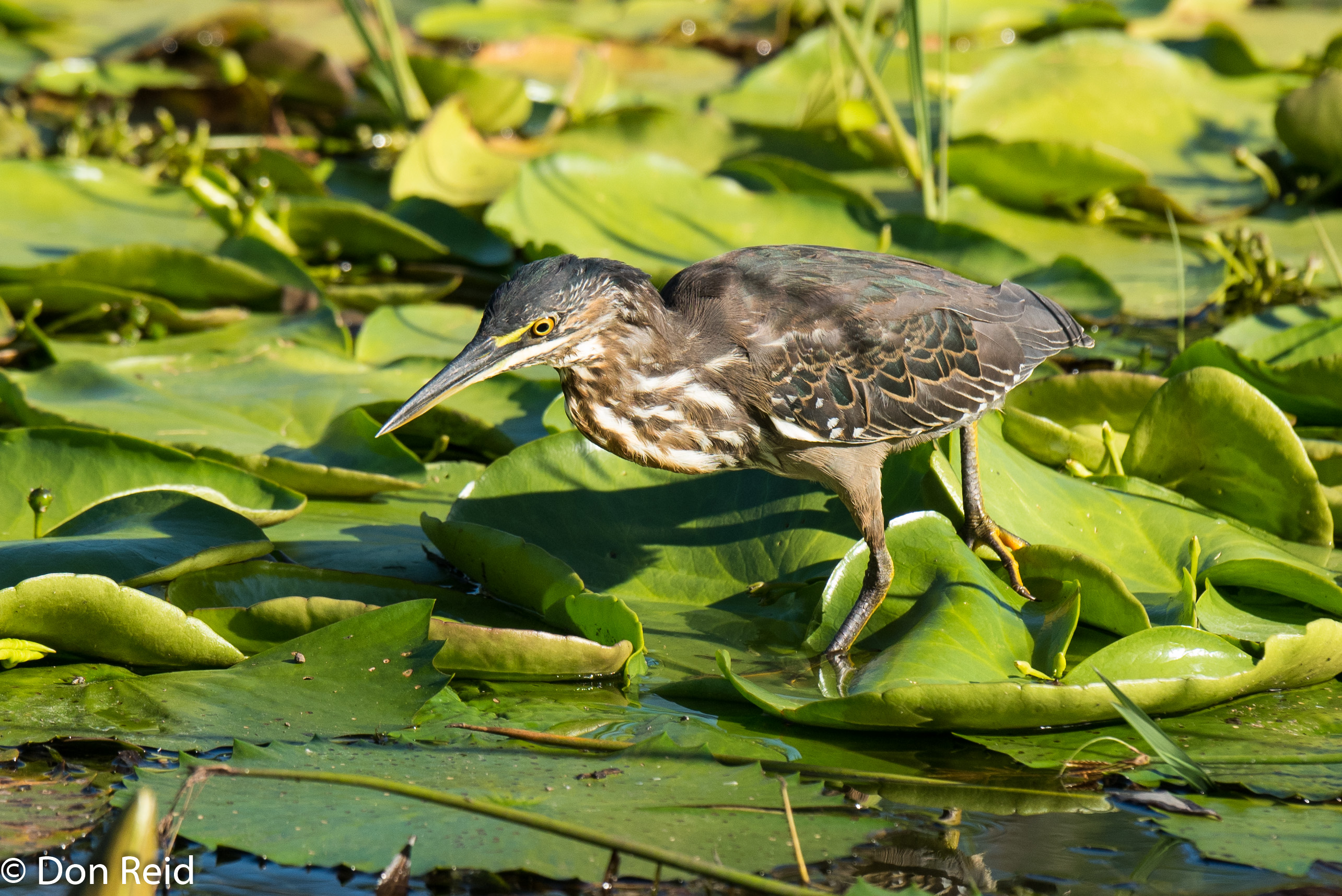
Green-backed Heron (Juvenile), Lake Panic
African Jacana, Lake Panic

The trip through Kruger took all of 8 hours compared to the 2.5 hours it took on the way in!
Lower Sabie – our only Leopard sighting

But it was the special sightings that had all of us enthralled.

The 3 Rhinos were grazing peacefully in long grass some distance from the road, offering brief views of their unique horns now and again.
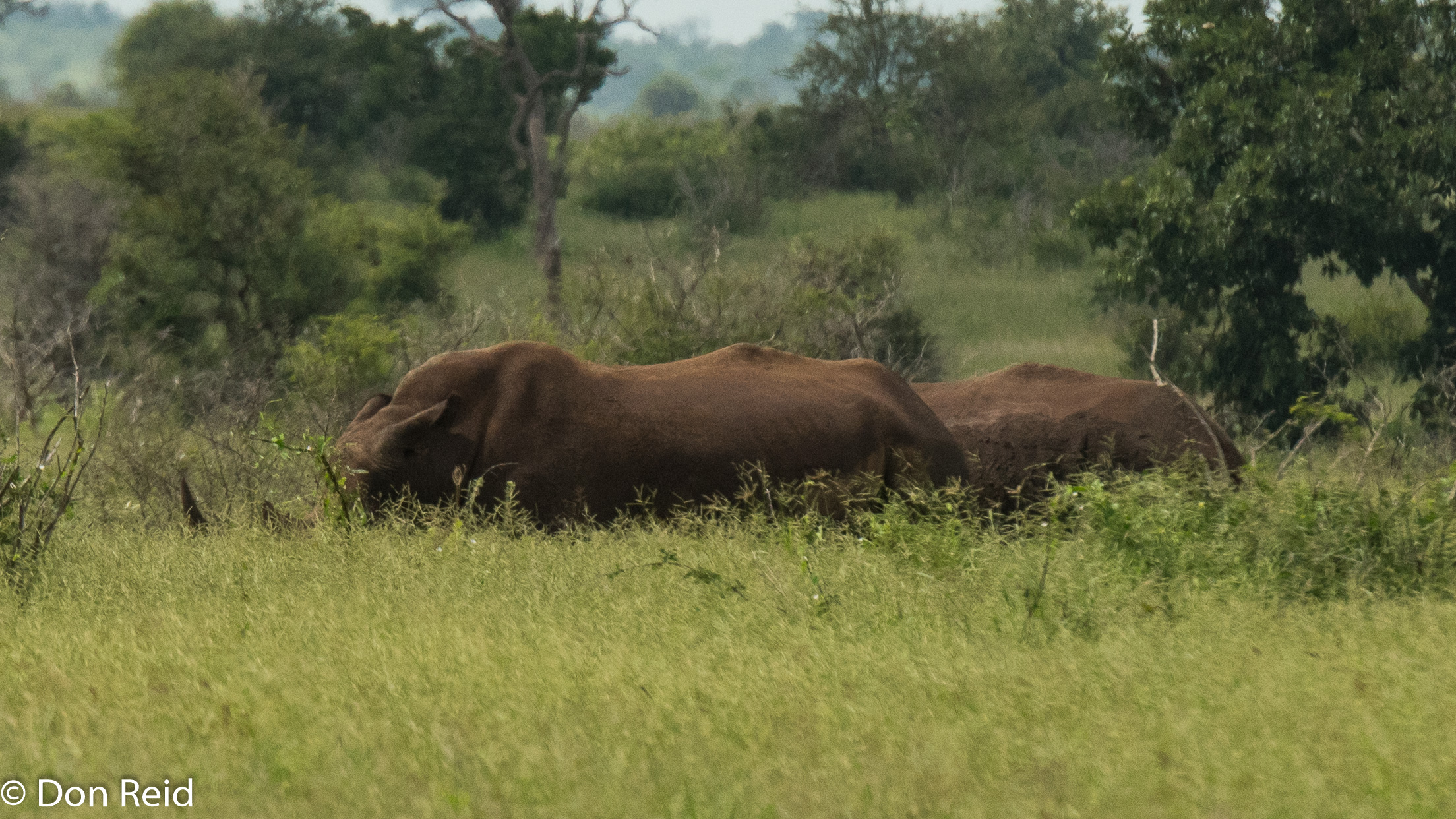
White Rhino, Satara-Lower Sabie

We came across the 2 Lionesses walking on one side of the road, then crossing the road and continuing leisurely on their way into the long grass on the other side.
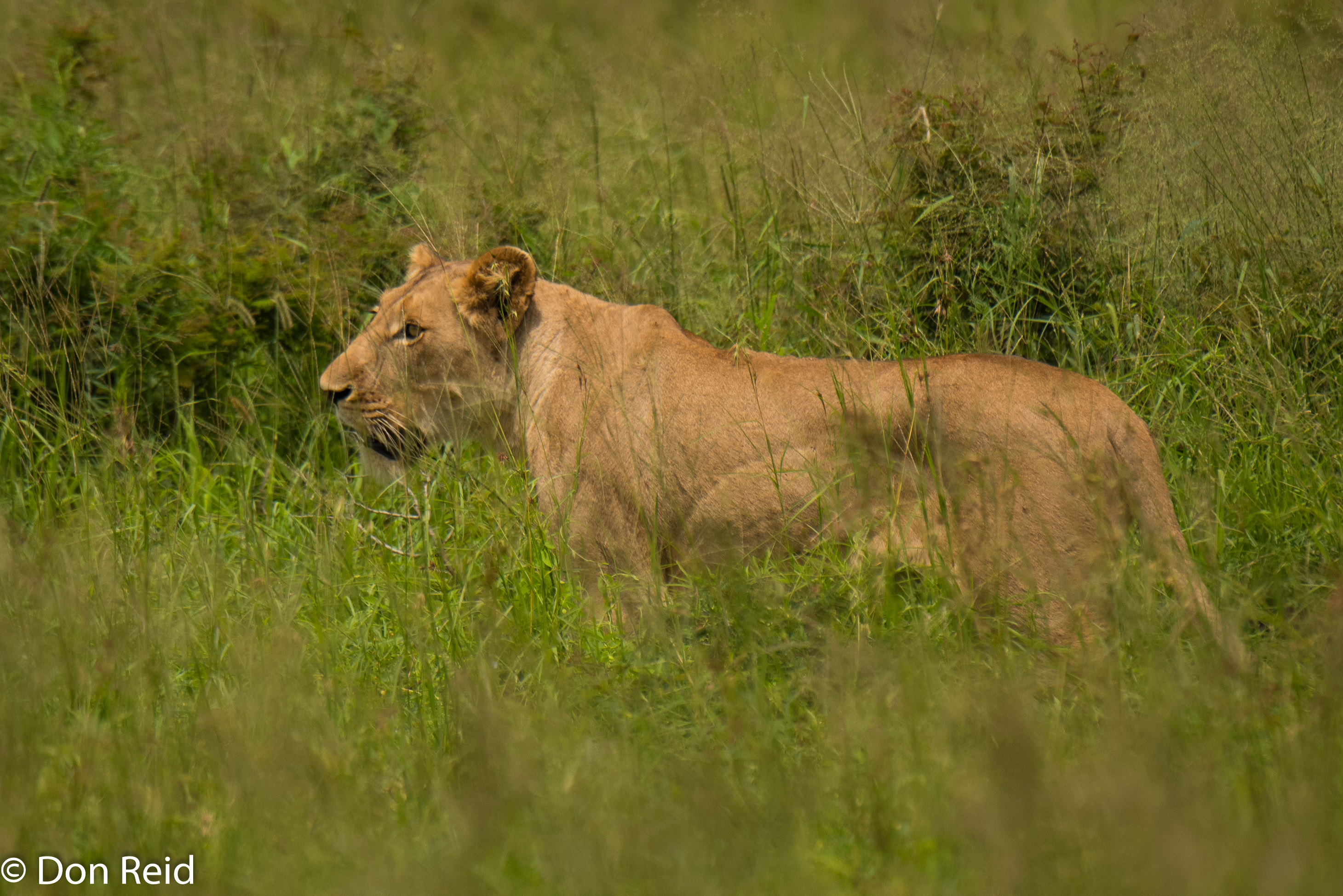
Lioness, Satara-Lower Sabie

The male Lions gave us a great show as we first saw one right next to the road, with a car parked next to it virtually within touching distance, but also mostly obscuring it from view. The car’s occupants seemed to have the attitude that the lions belonged to them and no one else, as they showed no inclination to move and allow anyone else a decent view – very frustrating!

However, luck was on our side as Alex (our new chief spotter) saw a Lion approaching out of the bush and I quickly got our vehicle into position when it flopped down in the road just a few metres further, with unhindered views for a few minutes before we decided to move on. The temptation to thumb our noses at the selfish people in the other car was great, but good manners got the better of us.
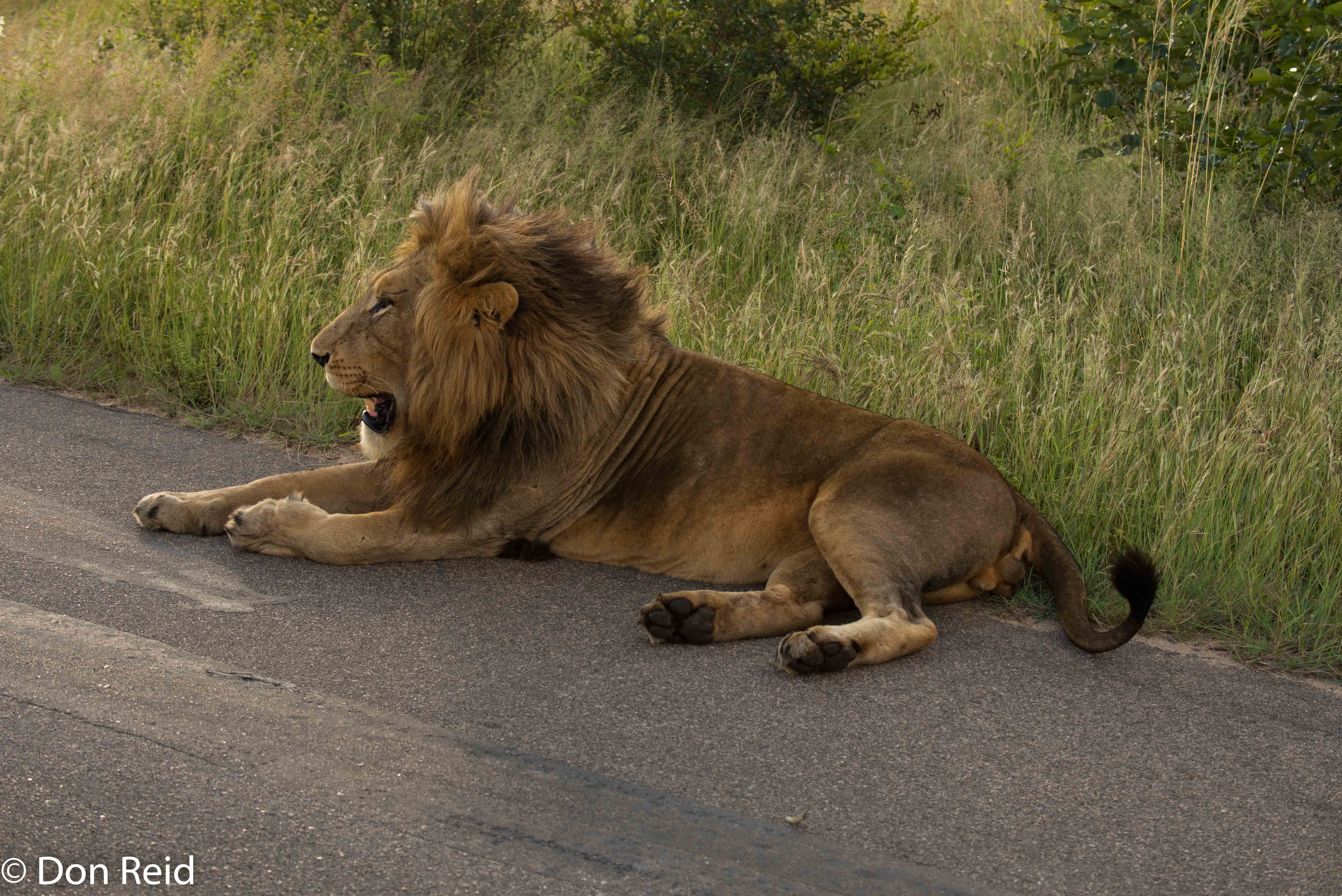
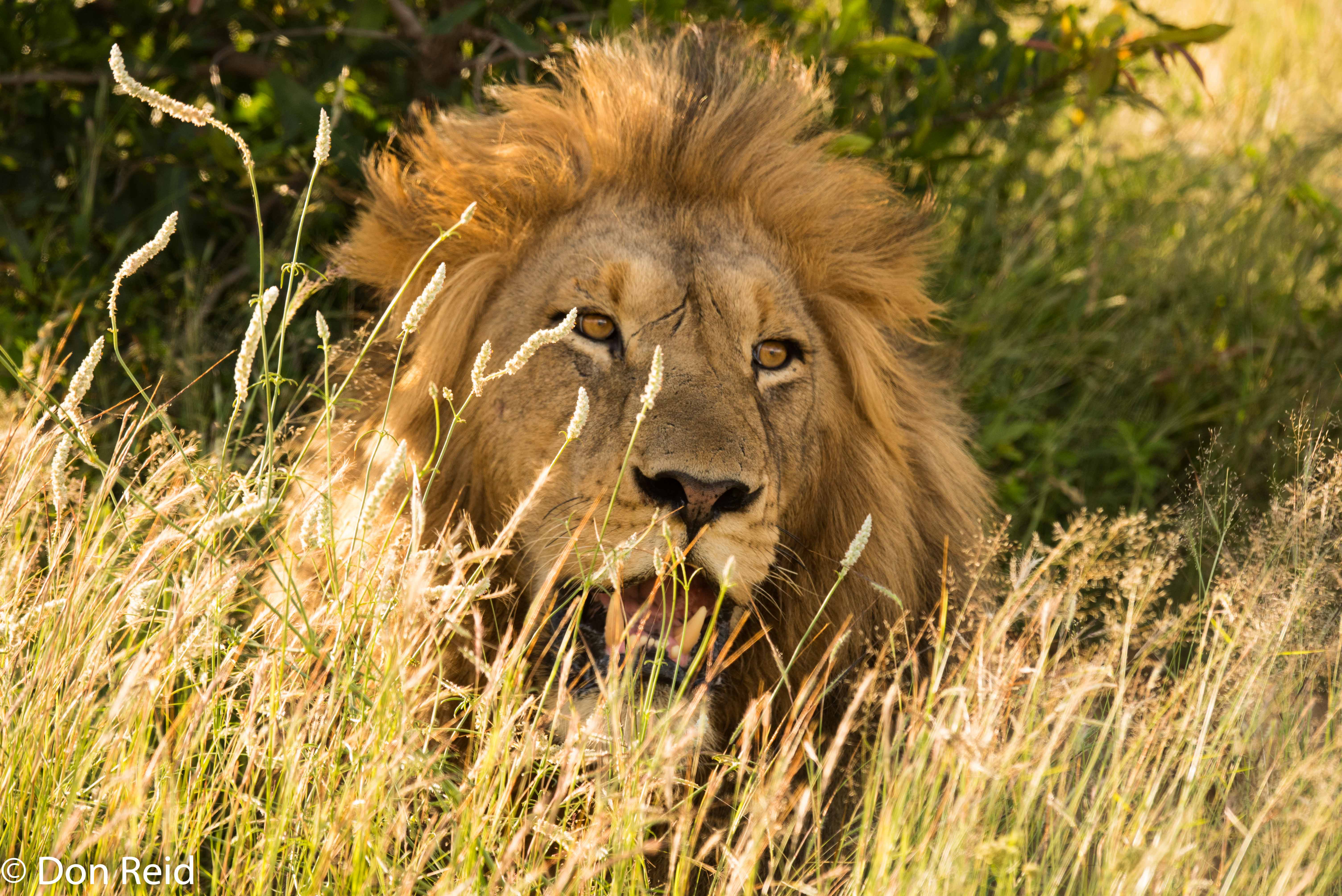
Lions, Phabeni area
Lions, Phabeni area

All that remained of our Kruger expedition was to exit at Phabeni Gate, with the time now 5.30 pm, and find our way to Graskop, then on to Thaba Tsweni lodge for the next leg of the trip – more on that in a future post.
 

Flock at Sea 2017 – Mostly Birding at Sea

Two weeks ago we were on the MSC Sinfonia, around 200 nautical miles (in kms that’s .. um .. very far) south of Mossel Bay, now we’re back in that town and have had time to reflect on what turned out to be a truly memorable trip, for many reasons. Here’s my take on it……

The Build-up

Ever since booking our places on the “Flock at Sea 2017” cruise some 9 months prior, Gerda and I had been looking forward to the experience of a 4 night cruise aboard the MSC Sinfonia, along with almost 2,000 other birders – a  “cruise to nowhere” out of Cape Town with the main aim of seeing as many sea birds as possible in three and a bit days, cruising in the waters off the southern coast of South Africa.

A facebook page created for the event and regular Birdlife SA emails provided essential information, building to a crescendo in the final weeks and days leading to embarkation day – 24 April 2017.  There was also no shortage of seabird ID advice including a set of ID sheets depicting the birds most likely to be seen which I printed and put in my trip file.

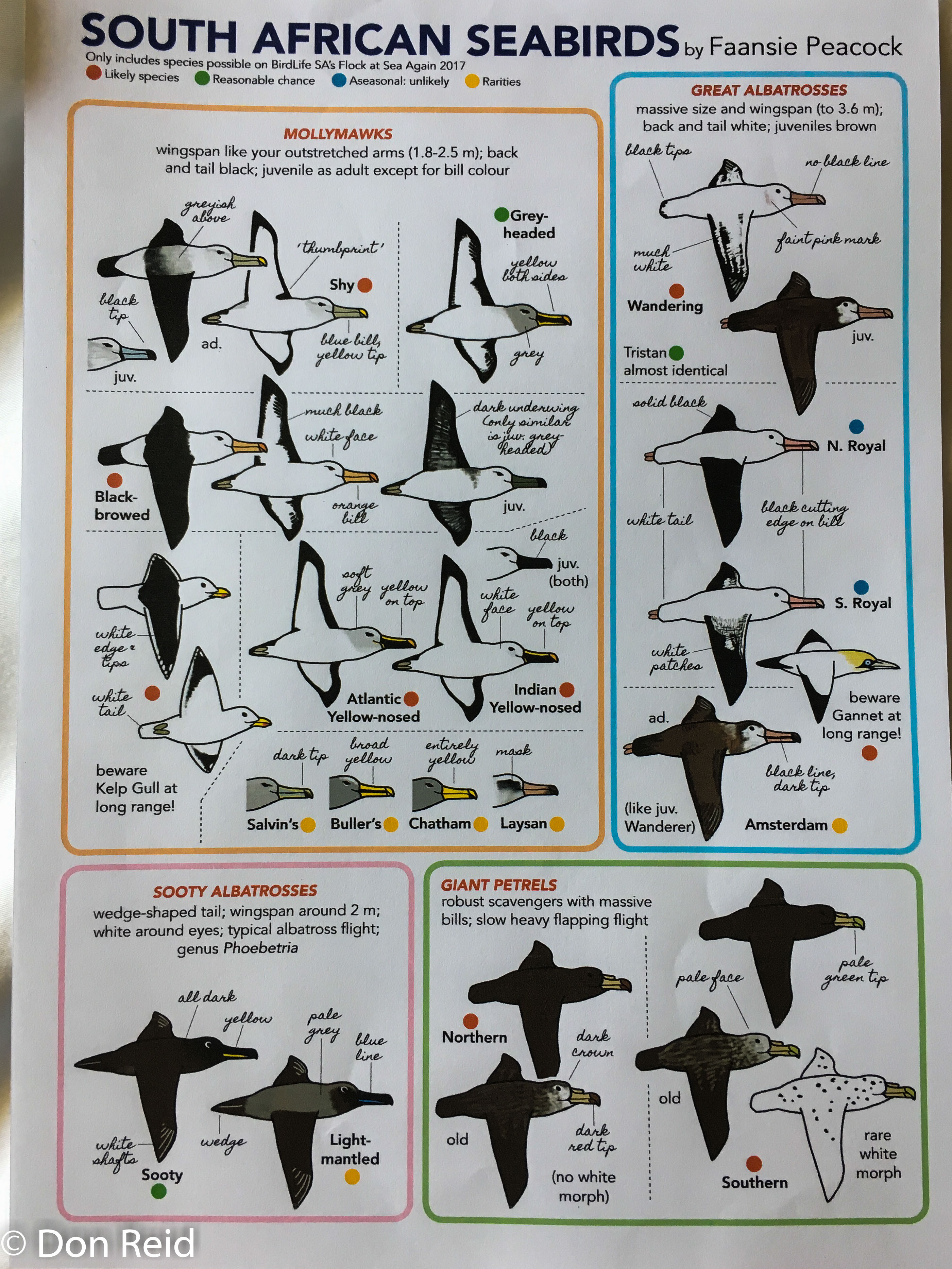
Faansie Peacock was also good enough to produce and share a wonderful, concise set of “cartoon-like” sketches of the probable species, with notes on the features to look for, which I printed and carried with me folded in a pocket for reference – these proved to be super-useful for a quick check when a number of species were spotted in quick succession.

Flock at Sea Cruise


The Cruise

This was not entirely a new experience for me, having had the privilege of doing two pelagic trips out of Simonstown ( near Cape Town) in the past, however the  mode of transport was very different this time – a large cruise liner with close to a couple of thousand other passengers and 700 or so crew, versus a small ex-patrol vessel with about 15 people on board and one or two crew.

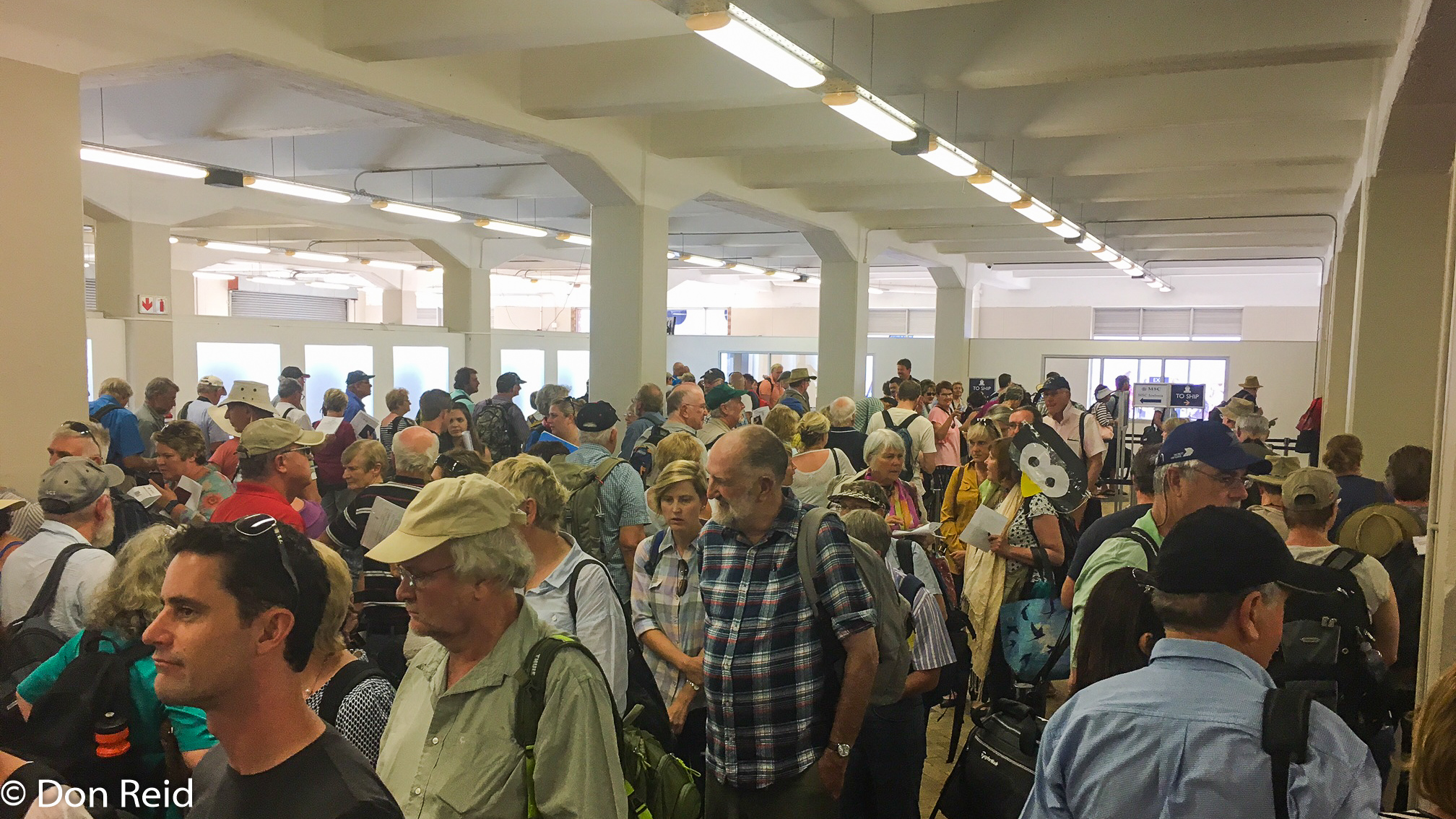
We had travelled from Mossel Bay the day before embarkation, staying overnight in the Commodore hotel at the Waterfront, so it was a short drive to Berth E at Duncan Dock, where I dropped Gerda off with our baggage, parked in the nearby parkade and returned to the quay to join the already long queue….. for the next couple of hours while the previous load of passengers disembarked very slowly due to IT problems at Immigration (or so we understood). This was not necessarily a bad thing – it gave us time to get acquainted with others in the queue, meet up with some old friends and take in the buzz of 1,945 keen birders all looking forward to the next few days.

The long queue at Berth E

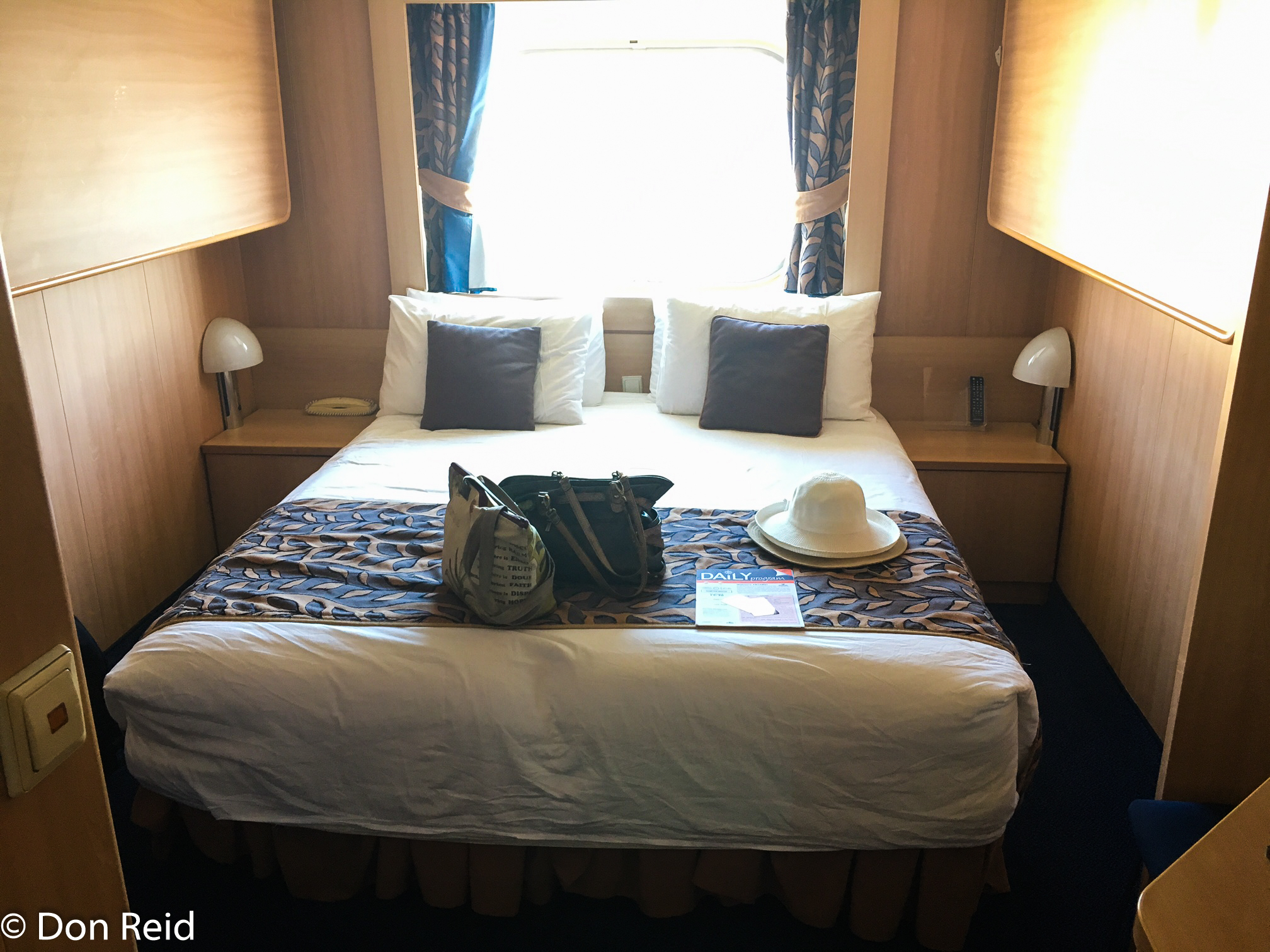
Once boarding commenced, it all went quite rapidly and a couple of further queues later we had taken care of all the formalities and could enjoy a late lunch in the buffet restaurant and settle into our cosy cabin.

The queue snaking through the terminal
At last!
Our cosy cabin

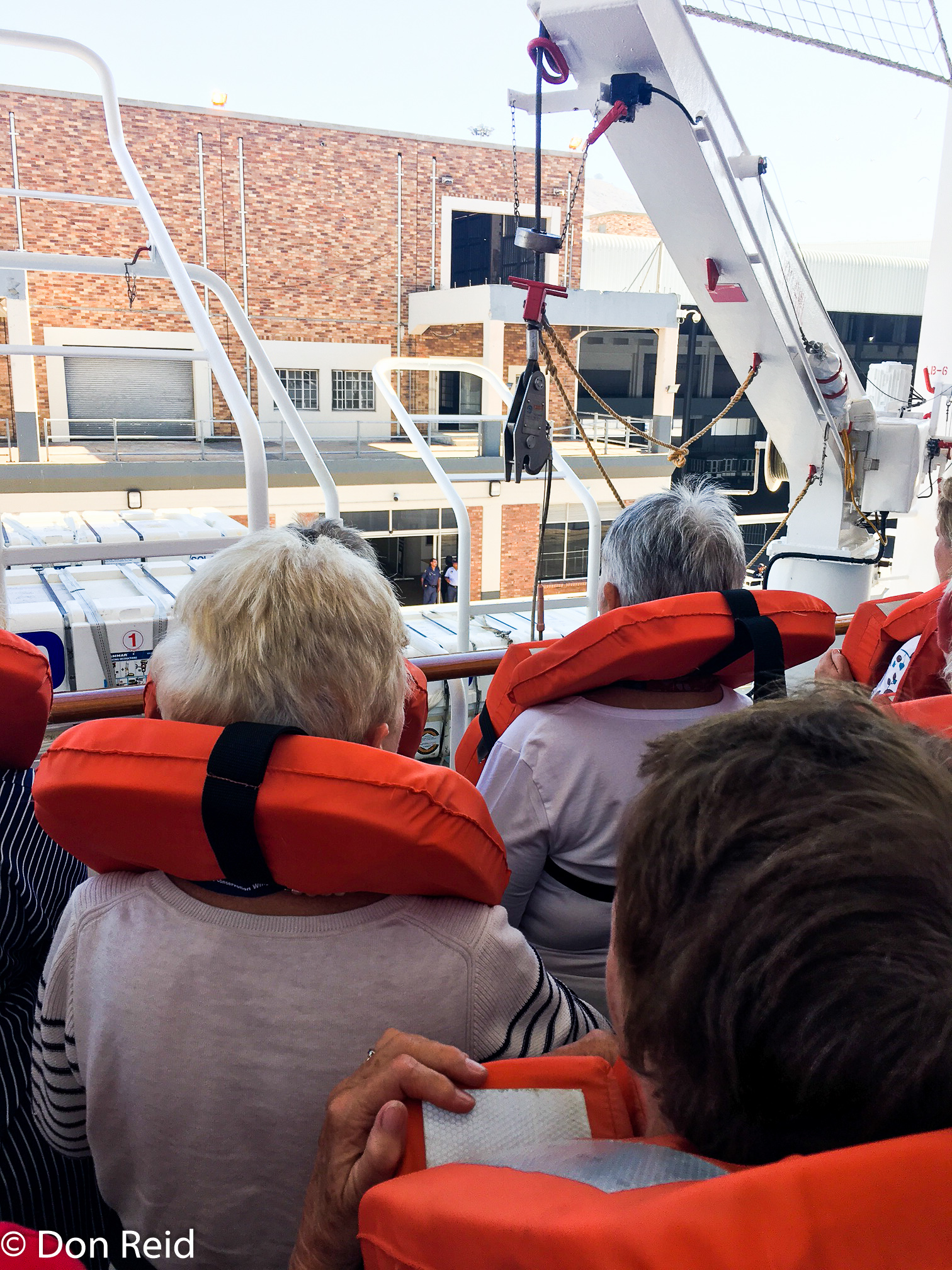
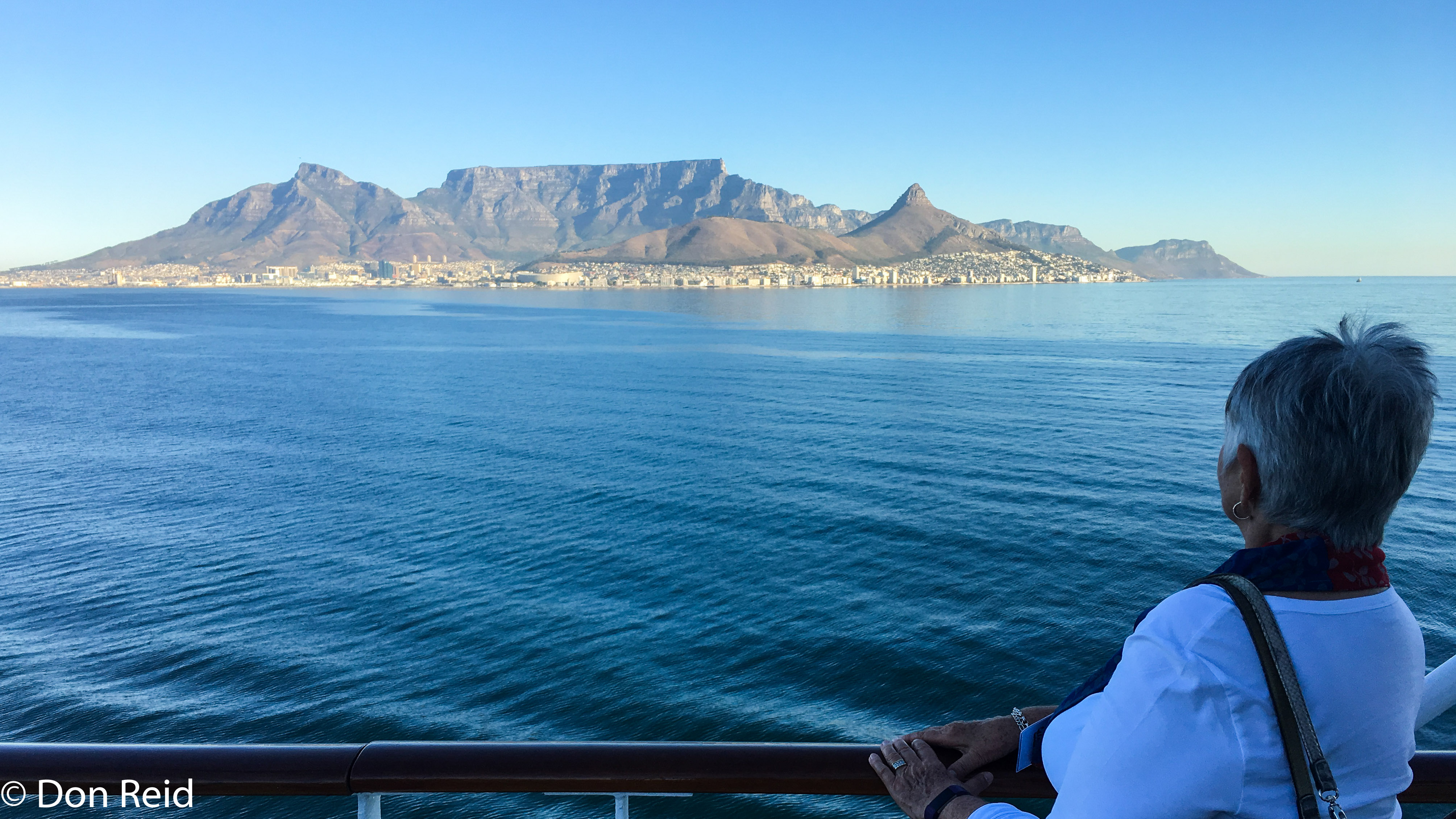
The emergency drill followed and by 4.30 pm we were departing from Cape Town harbour and heading out into Table Bay in perfect weather, the ship leaving a trail of churned sea and the classic view of Table Mountain receding slowly as we stood on the rear deck, enjoying the moment. I couldn’t help thinking of Sir Francis Drake’s comment – he called it “a most stately thing and the fairest cape we saw in the whole circumference of the earth” – and who can argue with that!

The emergency drill
Flock at Sea Cruise departs
Leaving Cape Town
Leaving Table Bay – first sunset

First birds encountered were those favouring the shallower waters close to land – White-chinned Petrel, a skein of Cape Cormorants flying by in their typical V – formation, Cape Gannets and the first Albatross – a Black-browed sitting on the sea.
Later, dinner was in the Galeone Restaurant at the table to which we had been allocated, along with our dinner-table companions for the cruise, Herman & Magda Sauer and Ben & Carolien Prinsloo.

The next 3 days were busy, with our time divided between meals – breakfast in the room, buffet lunch and sit-down dinner, birding from the decks, attending talks and spending time just relaxing with Gerda.

Birding at Sea

  Day One (Tuesday)

The birders who were up early enough on the first morning were treated to sensational birding, the highlight being a Light-mantled Albatross, classed as a mega-rarity in Southern Africa. Unfortunately I missed out on this opportunity and had to be content with the 3 lifers I saw later on during the day – certainly a thrill but dampened somewhat by hearing what I had missed during the first few hours.

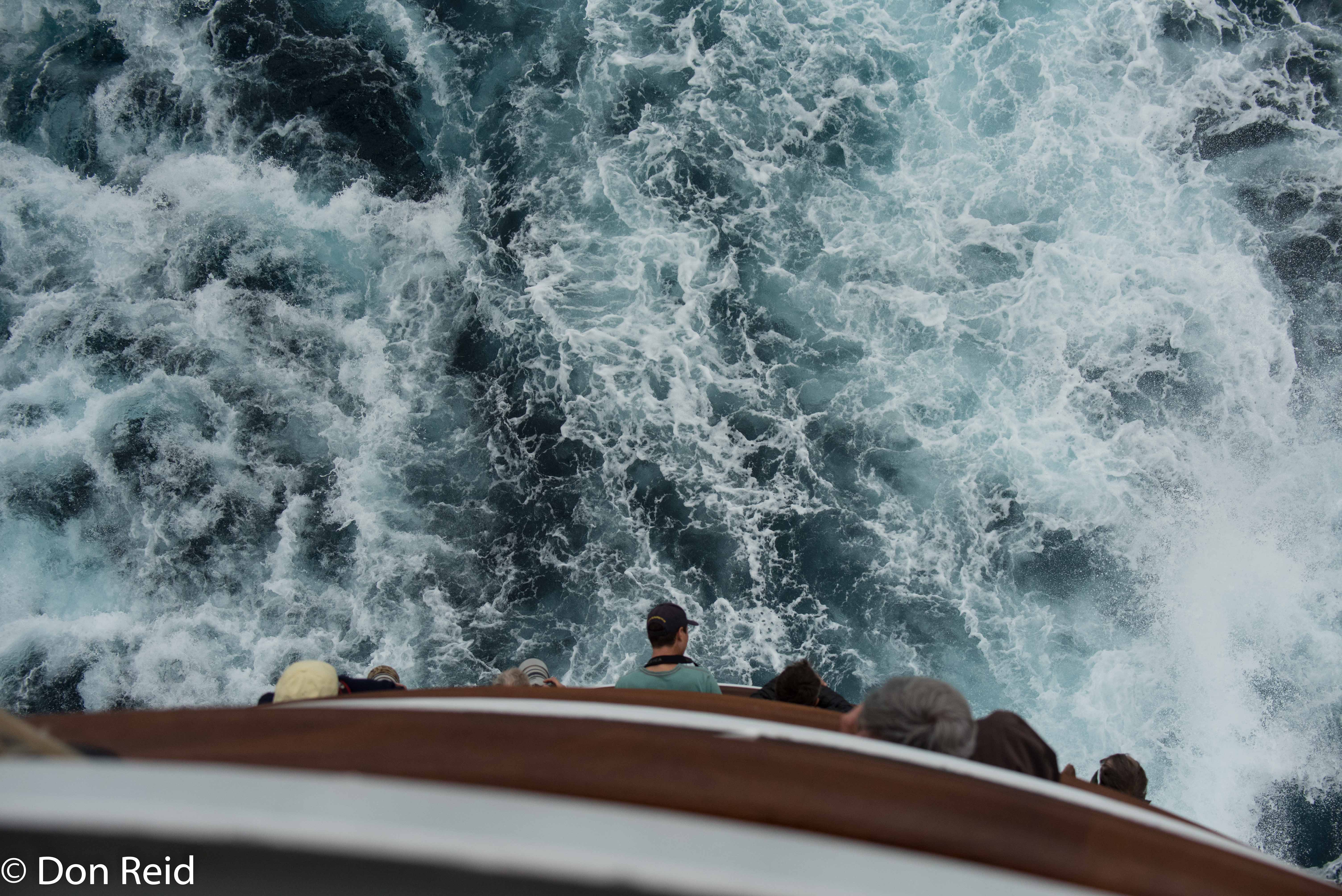
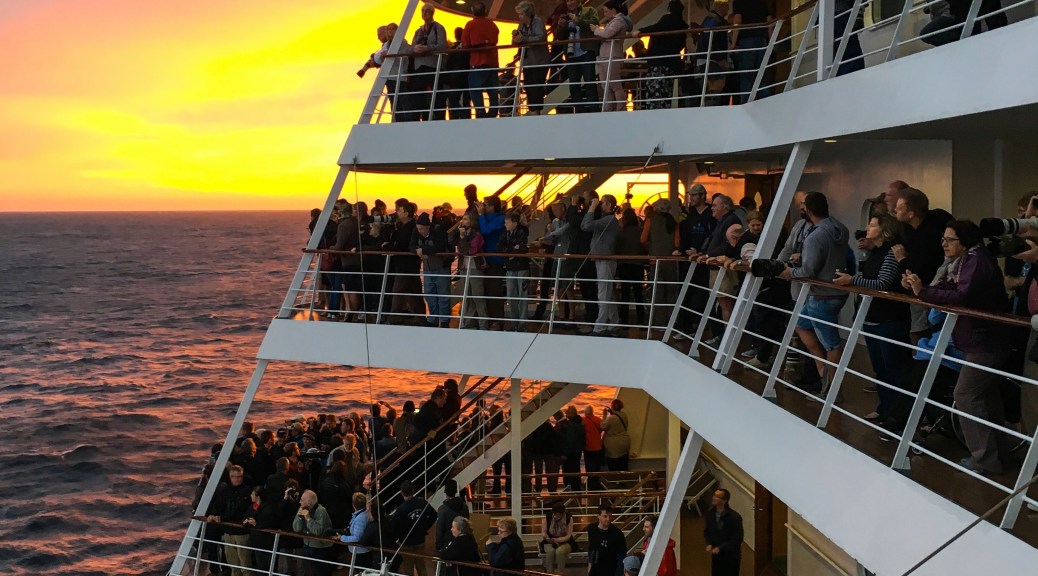
The rear decks seemed to be the place to be, crowded with  keen birders on every available level, to the extent that I had to wait patiently for some to disperse before finding a place at the rail. At other times I spent time on the bow decks and on the side decks which provided a different perspective.

All hands / birders on deck!
The stern deck

Regular sightings of birds flying into the calmer wake of the ship were announced by the experts and were met by a hum of excitement by the layers of birders, followed by clicking of the many cameras. Albatrosses were plentiful, including Wandering, Southern Royal and Indian Yellow-nosed Albatross, with Sooty and Great Shearwaters  and a White-headed Petrel (my first lifer for the trip) in the mix. On our way back to the cabin a Sooty Albatross flew by for my second lifer of the morning, albeit a view diffused by the glass sides at that spot.

Returning in the afternoon to the still crowded stern decks, I added a further lifer when an Antarctic Prion glided past the wake and an imposing Northern Giant Petrel swept by in grand fashion.

  Day Two (Wednesday)

I made sure I was in position early morning, which was a lot quieter birding-wise, nevertheless Shy Albatross and Soft-plumaged Petrel showed well. After a quick breakfast in the cabin I was back on the stern decks where chumming was being done using large frozen blocks of chum, to little effect it seemed, other than another White-headed Petrel which performed beautifully in the wake along with a Northern Giant Petrel.

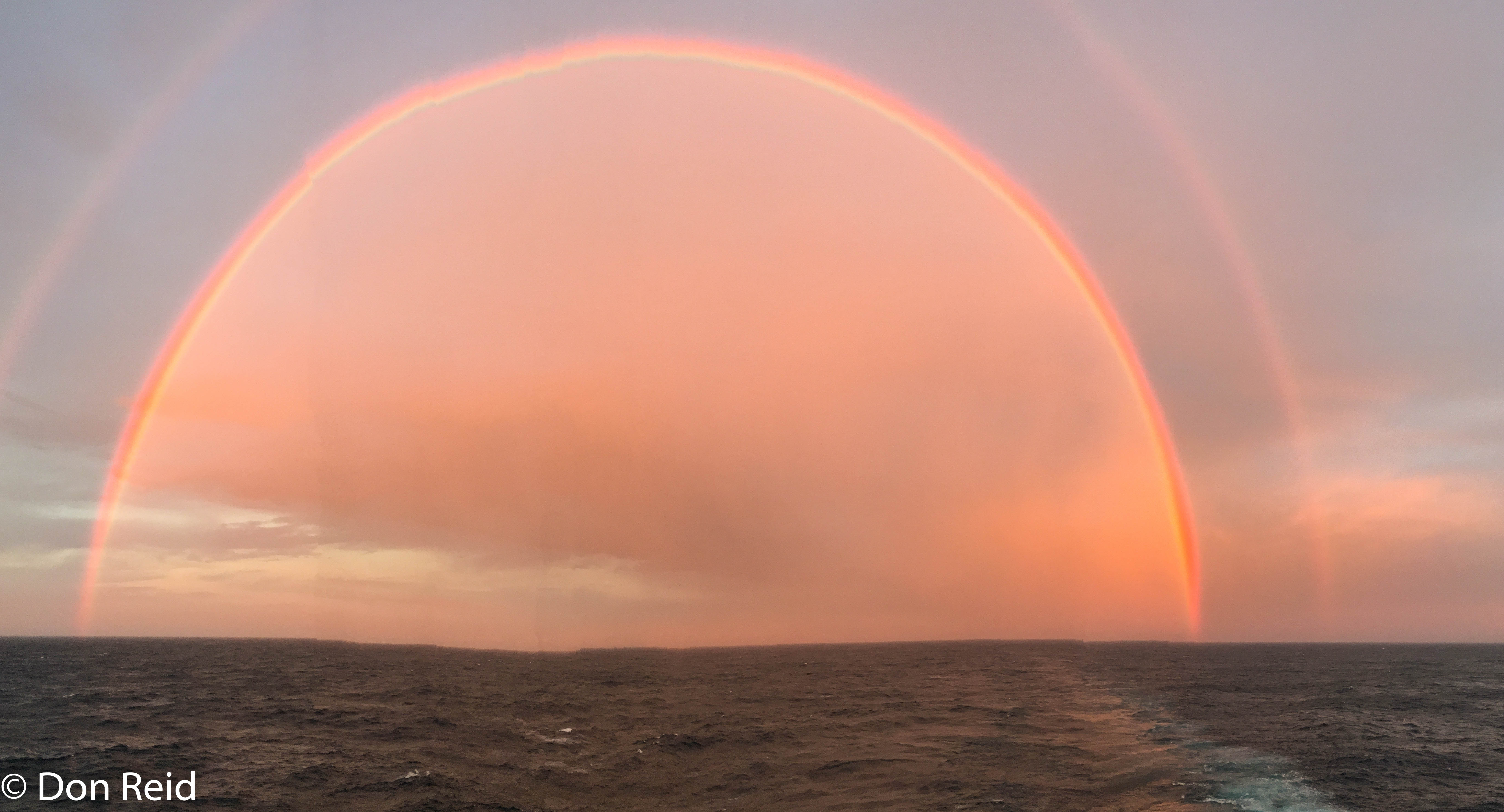
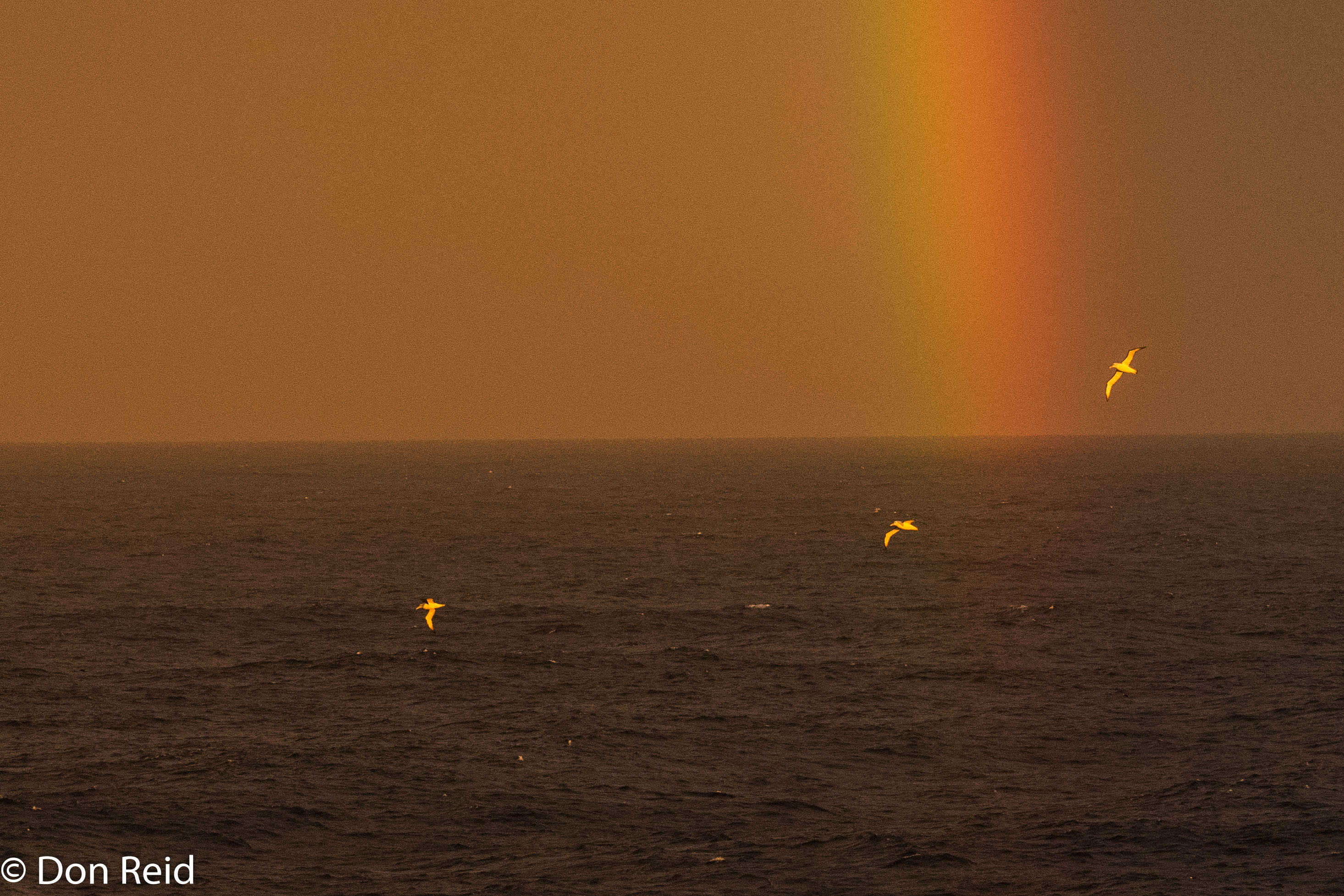
Late afternoon saw me in position once again on the rear deck for some further birding, when a double rainbow developed and soon stretched across the horizon in a display that was nothing short of amazing – it also reminded me of  those half-moon shaped “orange slice” sweets we used to have as a treat when we were kids.  As a bonus, at that moment a clutch of Albatrosses glided gracefully across the face of the rainbow, turning it into a quite magical scene, impossible to reproduce in an ordinary photo.


Amazing double rainbow
Albatrosses gliding by the rainbow

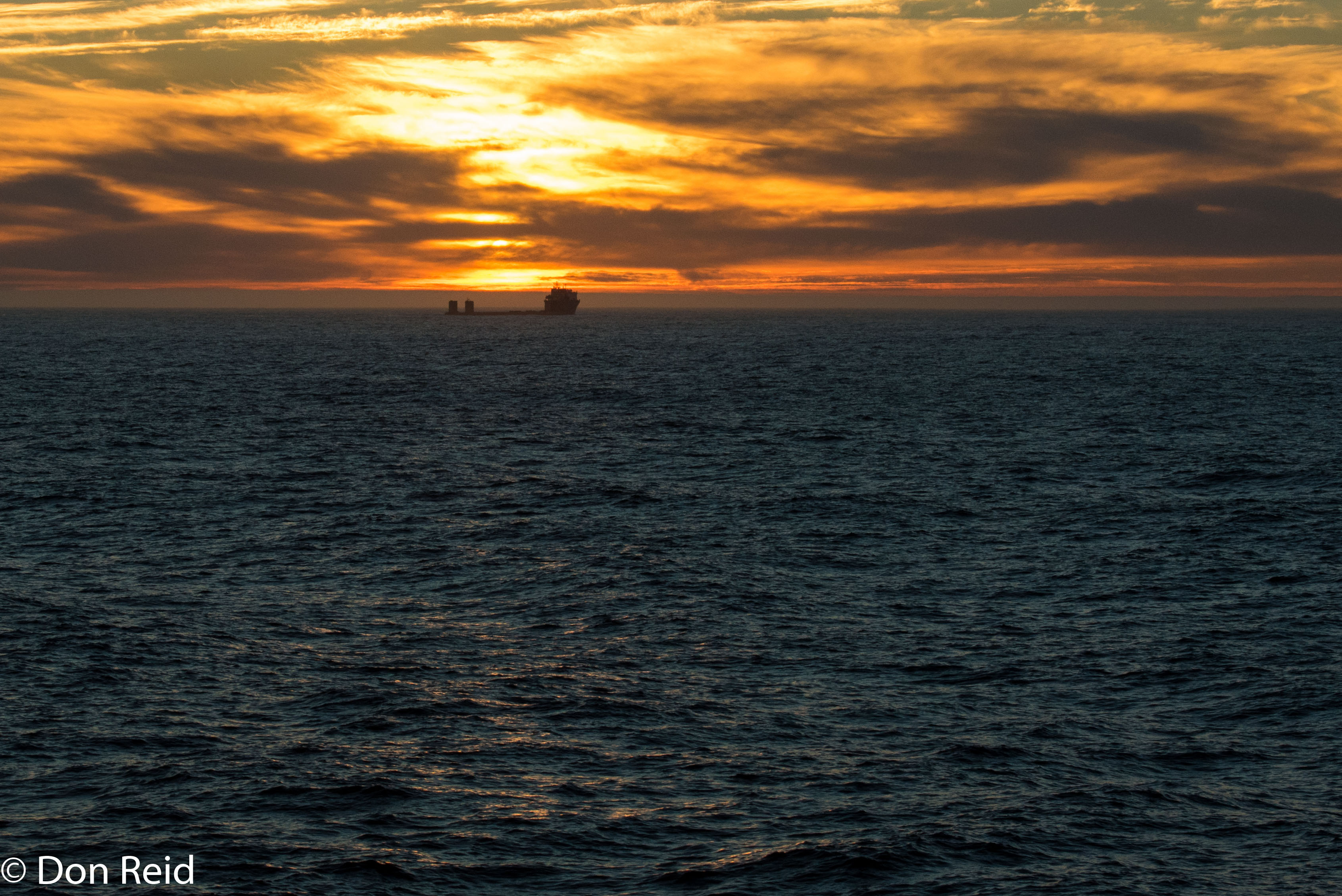
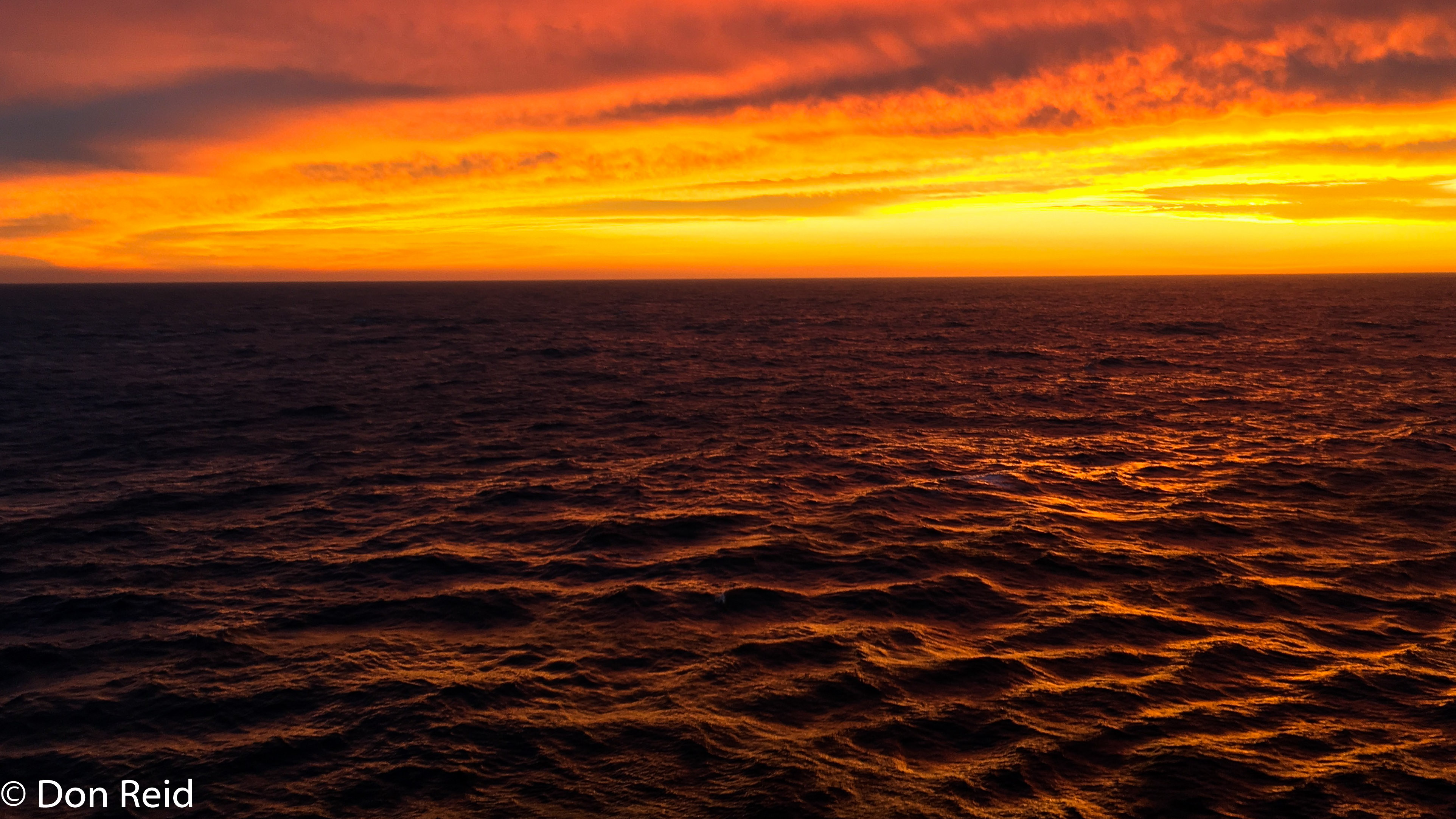
As if this was not enough, it was followed by a sunset to dream about as the ship slowly continued on its way into the night.

Sunset at sea

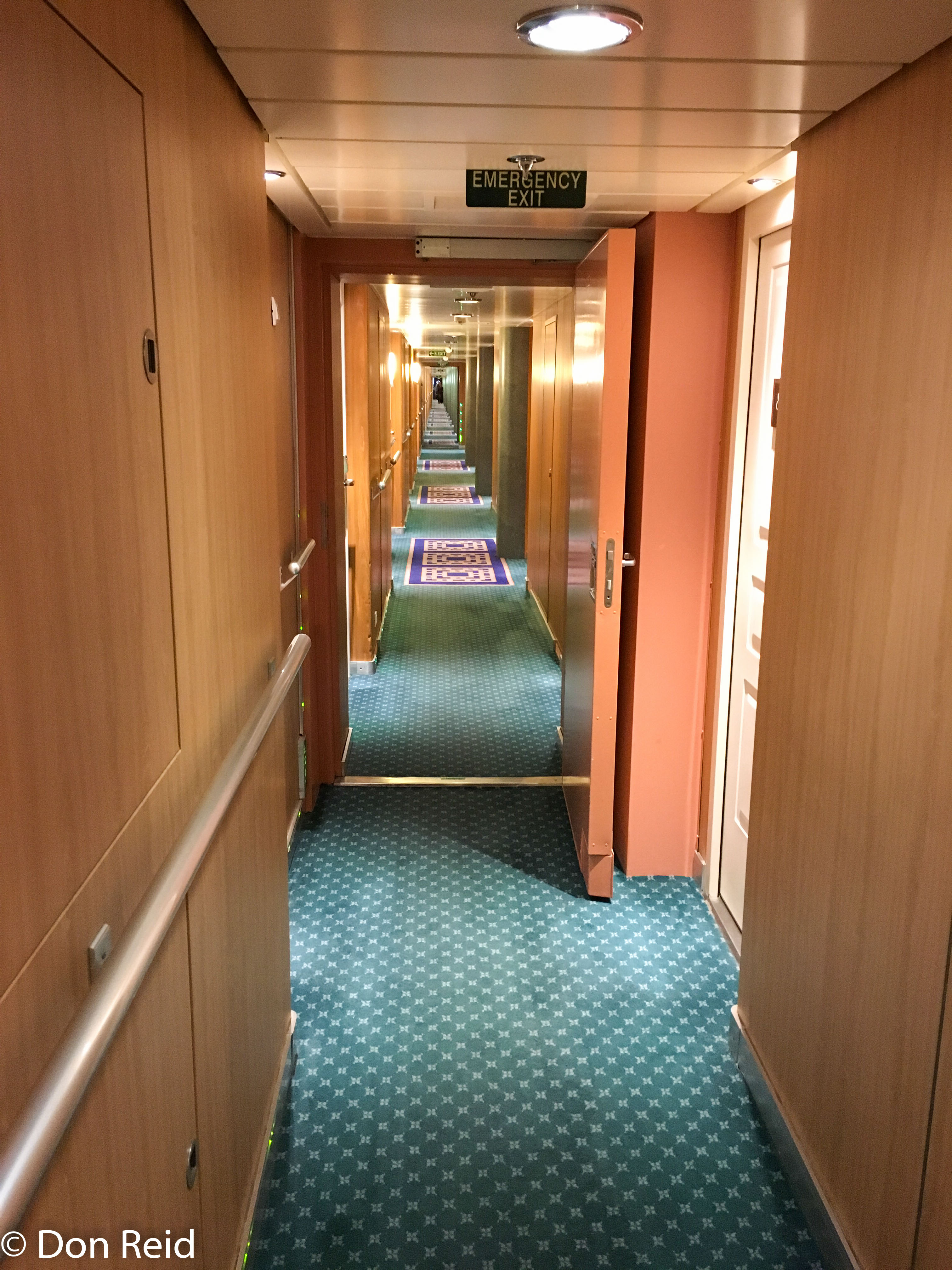
The wind had come up strongly, which made for interesting, slightly drunken walks down those long passages, a challenging shower experience and a night of being bounced gently in our bed as the Sinfonia battled against 80 km/h winds and high swells – thank goodness for stabilizers!

  Day Three (Thursday)

Down the long passage and onto the stern deck, where several birds were hanging around the wake – Shy and Indian Yellow-nosed Albatrosses, Great-winged Petrel, Great Shearwater and White-chinned Petrel were all prominent, plus a couple of new species appeared when Cape Gannets were seen nearby and a lone Subantarctic Skua flew in close to the ship. After breakfast I added Atlantic Yellow-nosed Albatross to my list before heading to the theatre for a highlight of the trip – the talk on Albatrosses by Peter Harrison.

The lo..o..o..n.n.ng passages
View from the top deck

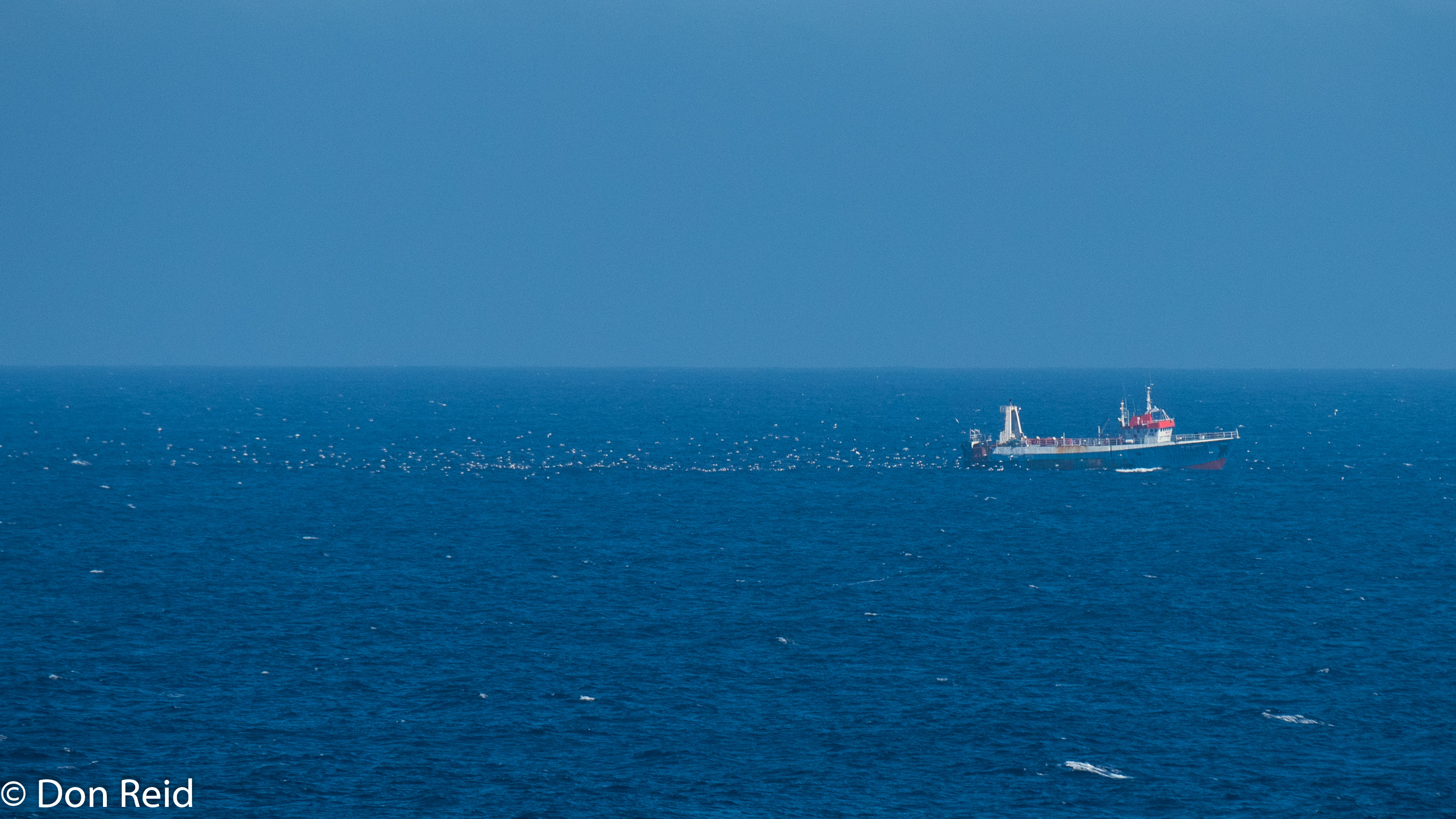
This was followed by lunch where after we headed to our cabin for a bit of a break from all the activity………..  not for long, as I glanced through the cabin window and noticed an Albatross passing by, then another…. and another. So I grabbed my gear and headed to deck seven starboard to find a continuous stream of seabirds passing by – my guess was that they were heading towards the trawler we had seen earlier, “towing” in its wake a flock of many hundreds of birds.

Trawler with Flock of birds – at sea

The stream continued steadily for more than an hour during which time a few hundred Albatrosses, Gannets, Petrels, Shearwaters and Storm Petrels passed from bow to stern, many doing an airborne pirouette and a pas de deux before going on their way – apart from the thrill of the lifers on Day One, this was for me the absolute birding highlight of the trip. Just a pity all the Birdlife guides were attending the AGM, so there was no one to confirm the ID of some of the trickier birds that passed by, including some Storm Petrels in the distance.

All this excitement needed a short nap to recover, by which time the wind had died, the sea had gone quiet with hardly a swell and the birds had all but disappeared.

However that was not quite the last of the birding – after dinner at 10.30 pm I went to deck 6 starboard where it was said Great Shearwaters were feeding and sure enough there they were, up to seven visible at a time, feeding near the ship’s side, drawn to it by the lights.

My Bird List for the Trip

So what birds did I see? Some really good ones actually……….

  Albatrosses

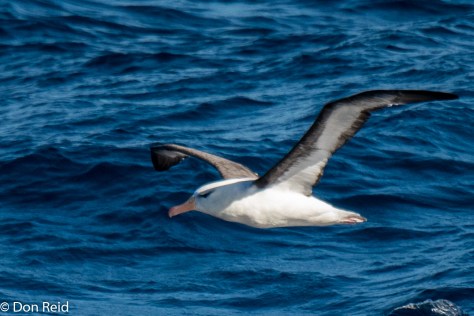
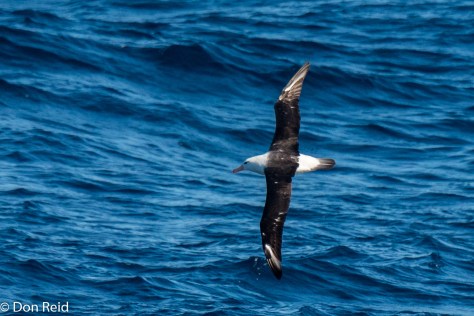
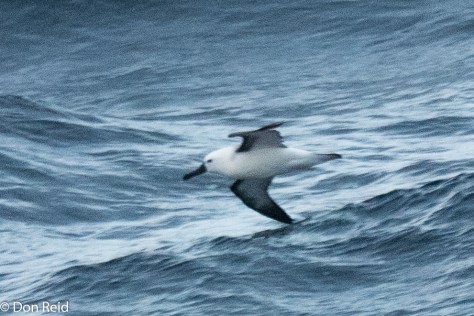
Black-browed Albatross was the most frequently seen Albatross :  black back, broad black edging to the white underwings, orange bill

Black-browed Albatross, Flock at Sea Cruise

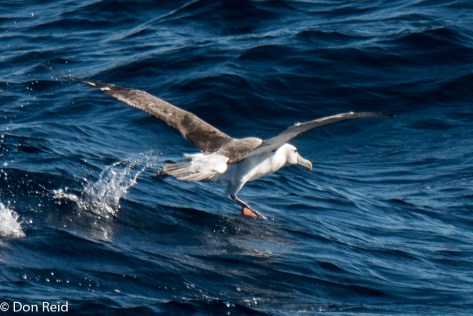
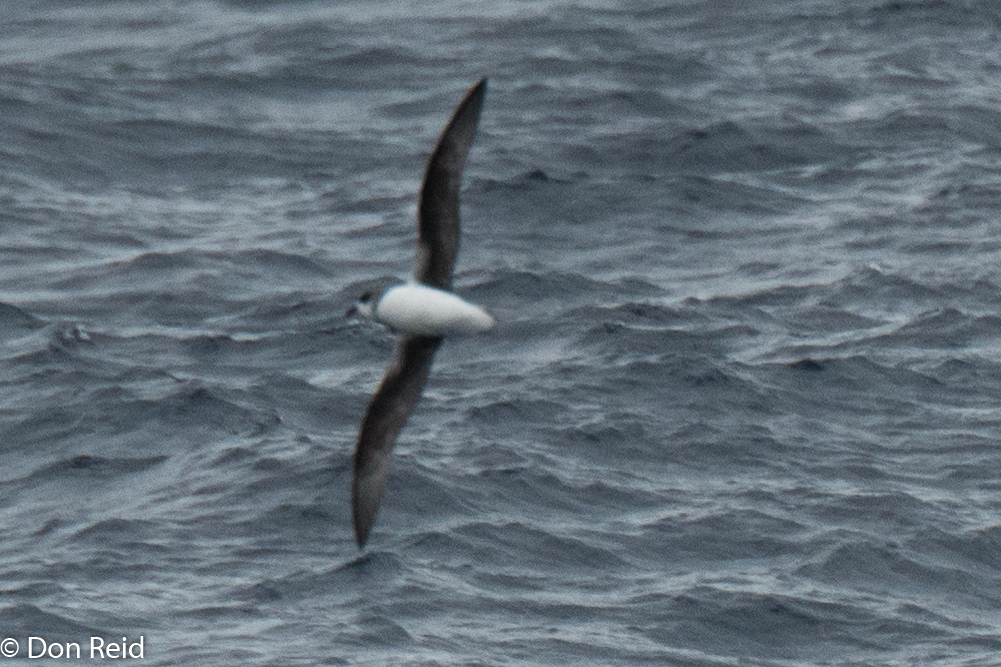
Shy Albatross was next most numerous : black back, narrow black edging to the white underwings, bluish bill

Shy Albatross, Flock at Sea Cruise

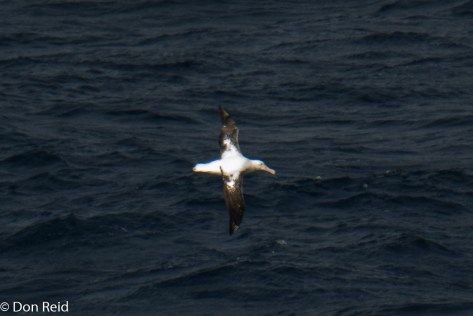
Wandering Albatross seen several times on the first day : largest of the Albatrosses, white back, mostly black upper wings fading to white nearer body

Wandering Albatross, Flock at Sea Cruise

Southern Royal Albatross seen once on day one : white back, black wings with white patches (No Photo)

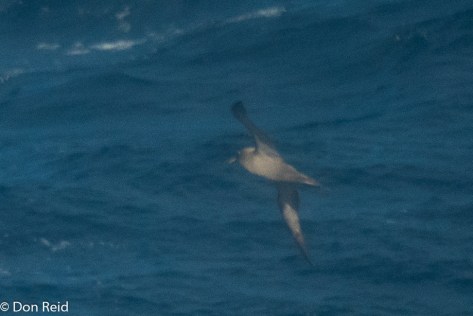
Sooty Albatross seen once on day one (Lifer!) : all dark with white crescent around eyes

Sooty Albatross, Flock at Sea Cruise

Indian Yellow-nosed Albatross seen a few times during trip : black back, black edging to white underwings, white face with black bill

Indian Yellow-nosed Albatross, Flock at Sea Cruise

Atlantic Yellow-nose Albatross seen just once : as for last species but grey face (No Photo)

  Petrels

White-chinned Petrel seen regularly throughout trip : large dark seabird with pale bill and white “chin” at base of bill

White-chinned Petrel, Flock at Sea Cruise

White-headed Petrel seen a couple of times (Lifer!) : smaller seabird with dark bill, white face with dark mask around eyes

White-headed Petrel, Flock at Sea Cruise

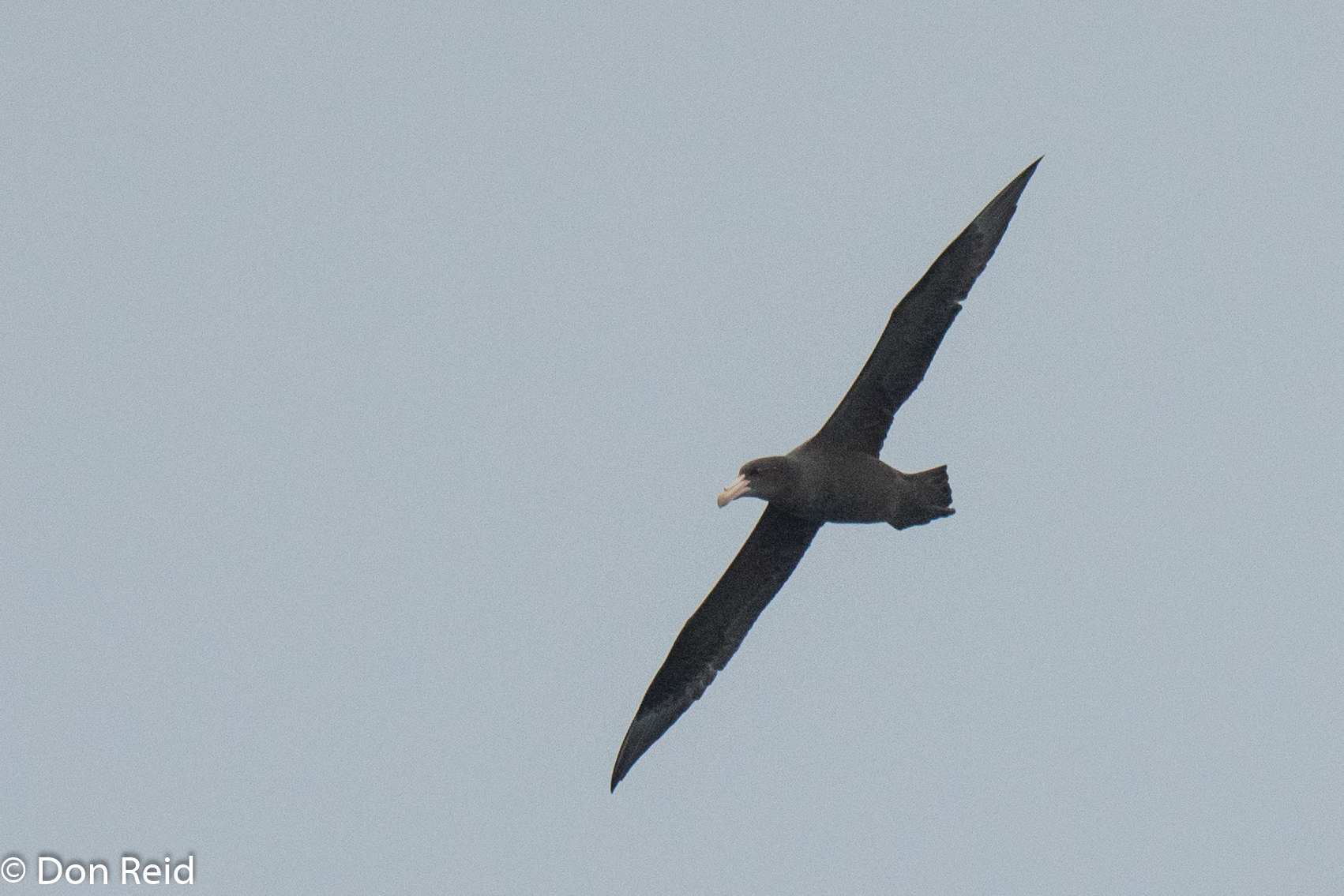
Northern Giant Petrel seen a couple of times : large dark seabird with heavy bill

Northern Giant Petrel (Juvenile), Flock at Sea Cruise

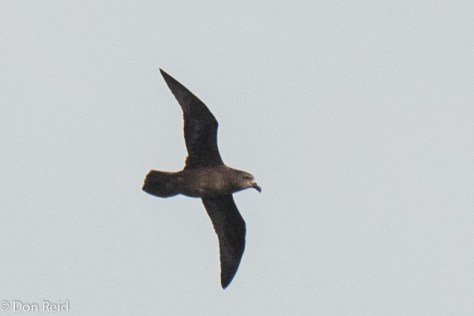
Great-winged Petrel seen regularly throughout trip : medium-sized dark seabird, dark bill

Great-winged Petrel, Flock at Sea Cruise

Soft-plumaged Petrel seen just once : smaller seabird with light body, grey neck band, dark bill

Soft-plumaged Petrel, Flock at Sea Cruise

   Shearwaters

Sooty Shearwater seen a few times : small dark seabird with silvery underwing, dark bill

Great Shearwater seen regularly throughout trip : small seabird with light body, mottled wings, black cap and dark bill

Great Shearwater, Flock at Sea Cruise

  Other Species

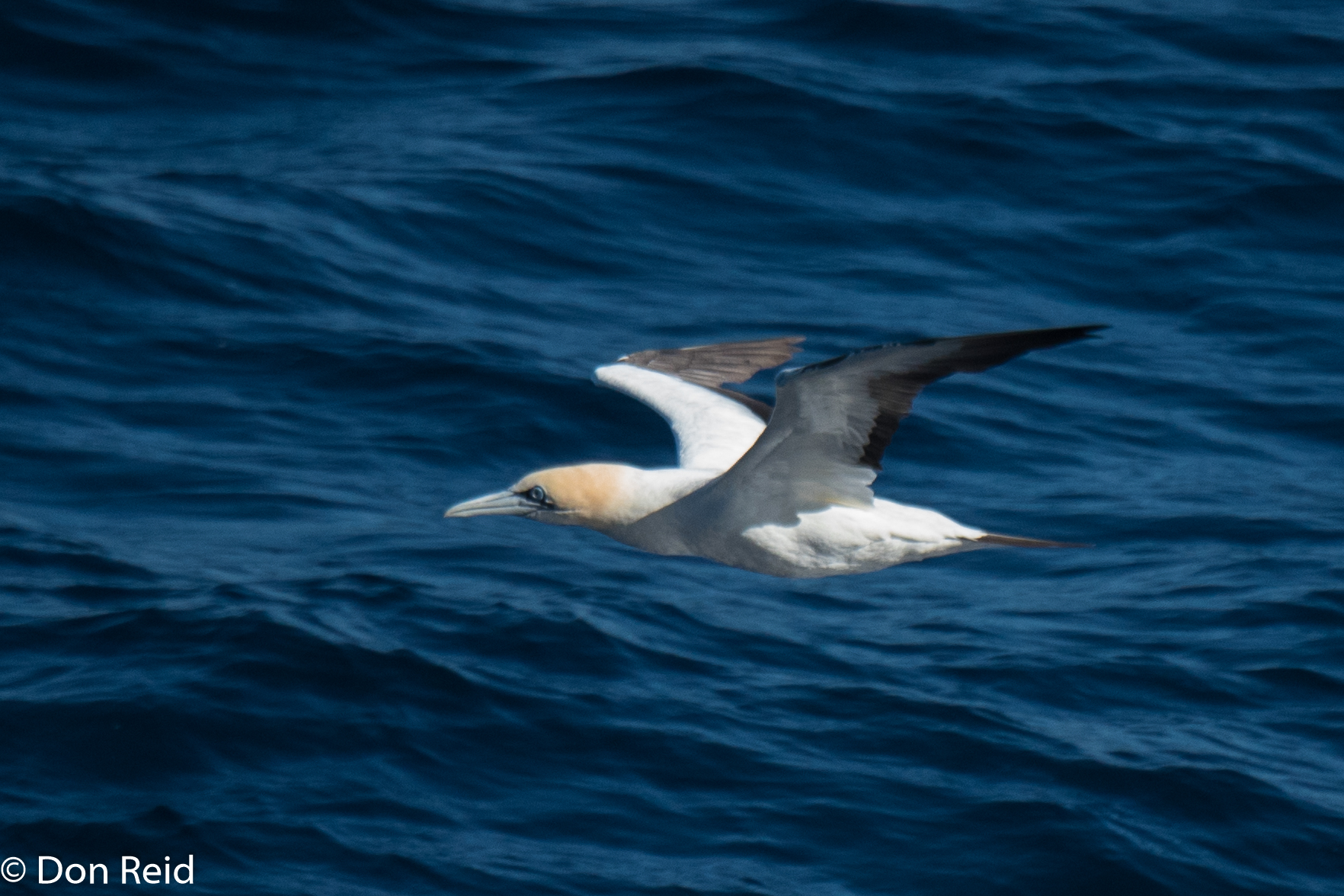
Cape Gannet seen regularly during trip : unique giss – easily identifiable

Cape Gannet, Flock at Sea Cruise

Antarctic Prion seen once during trip (Lifer!) : small pale blue-grey seabird with dark “lazy” M across upper wings

Antarctic Prion, Flock at Sea Cruise

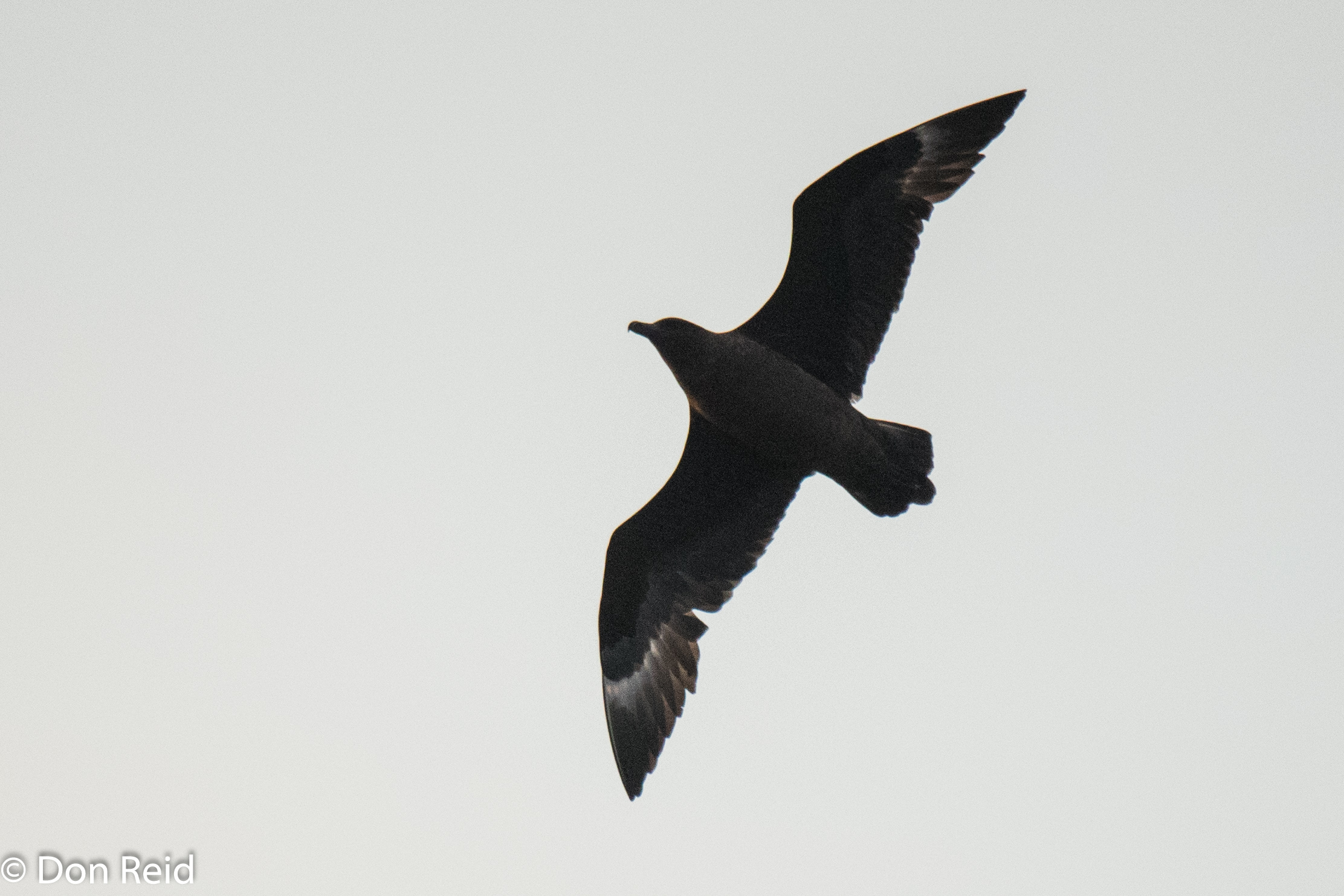
Subantarctic Skua seen a few times on last day : large, dark seabird with white underwing flashes

Subantarctic Skua, Flock at Sea Cruise

The Talks

I had planned to attend more but the birding was just too attractive, so in the end I limited it to three of the talks :

Dale Morris on Bird Photography – he showed us an impressive set of his images along with tips on getting that different shot, more art-like compared to the usual “bird on a stick”, as he put it.

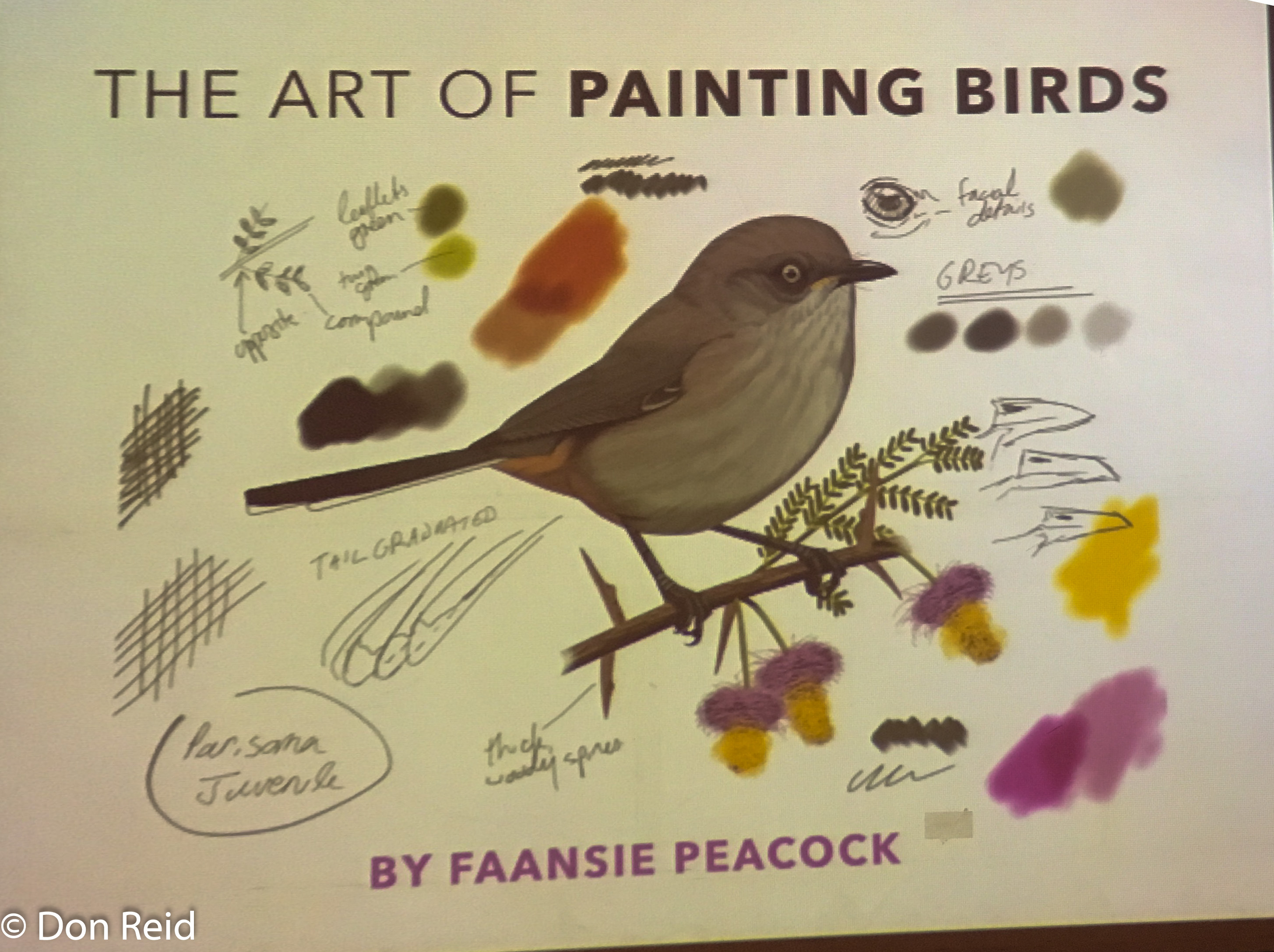
Faansie Peacock on Digital Painting – fascinating and inspiring enough to persuade me to try it at the earliest opportunity (I have ordered a graphics tablet as a starter)

The end result of a 40 minute digital painting session – and he made it look easy!

Peter Harrison on Albatrosses – Ocean Nomads – the person introducing him used phrases such as “inspiring”, “best speaker he had ever heard”, “brings tears to your eyes” which I was wont to dismiss as hyperbole, but once his mesmerizing talk was done, I realised he was spot on. Certainly one of the best speakers I have heard and yes, I had a tear welling at times during his talk, which had me literally spellbound and on the edge of my seat for the full hour.

Albatrosses have always held a certain magic for me, which Peter Harrison took to a new level – I will never view Albatrosses quite the same again.

And it’s Over!

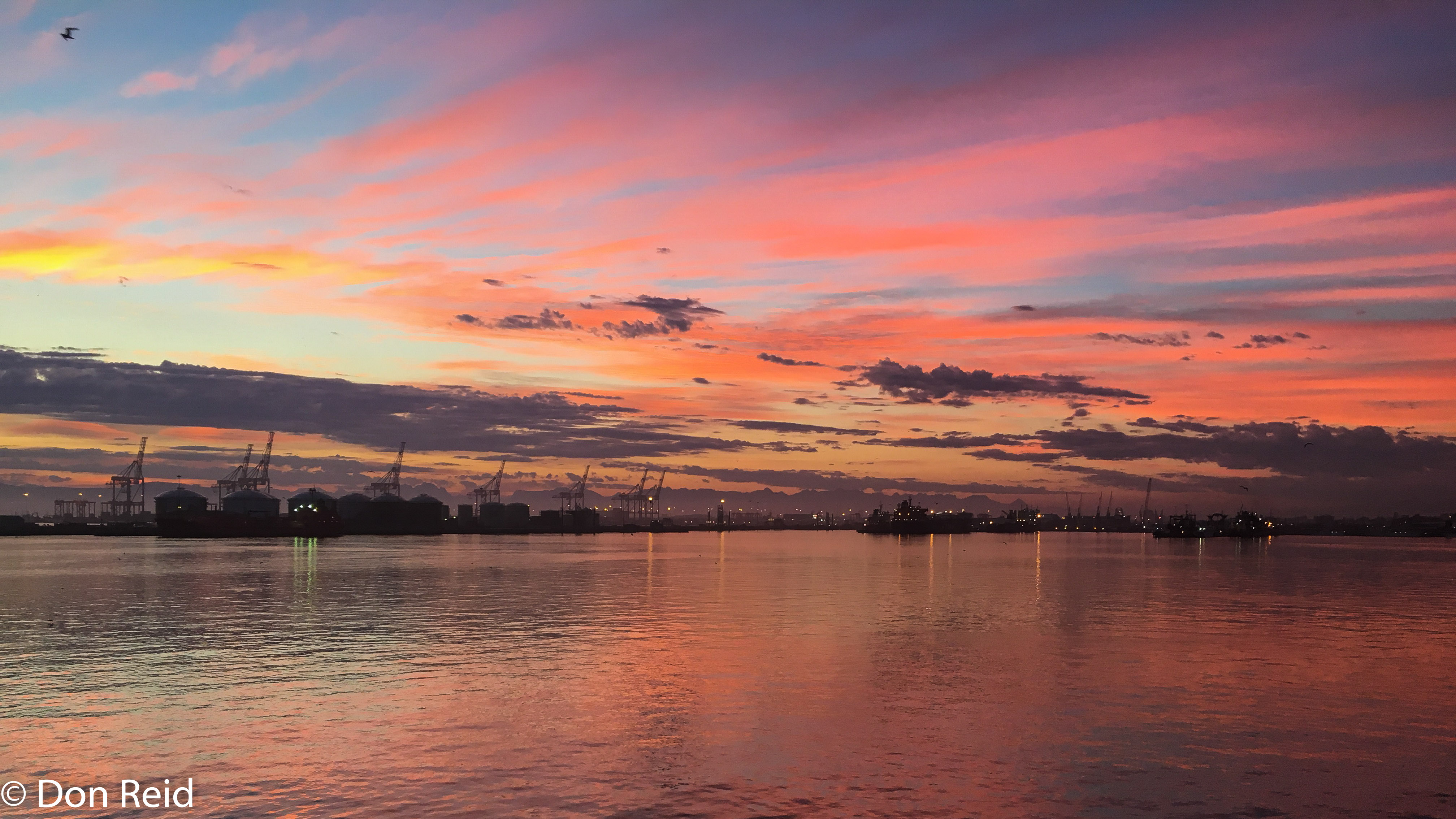
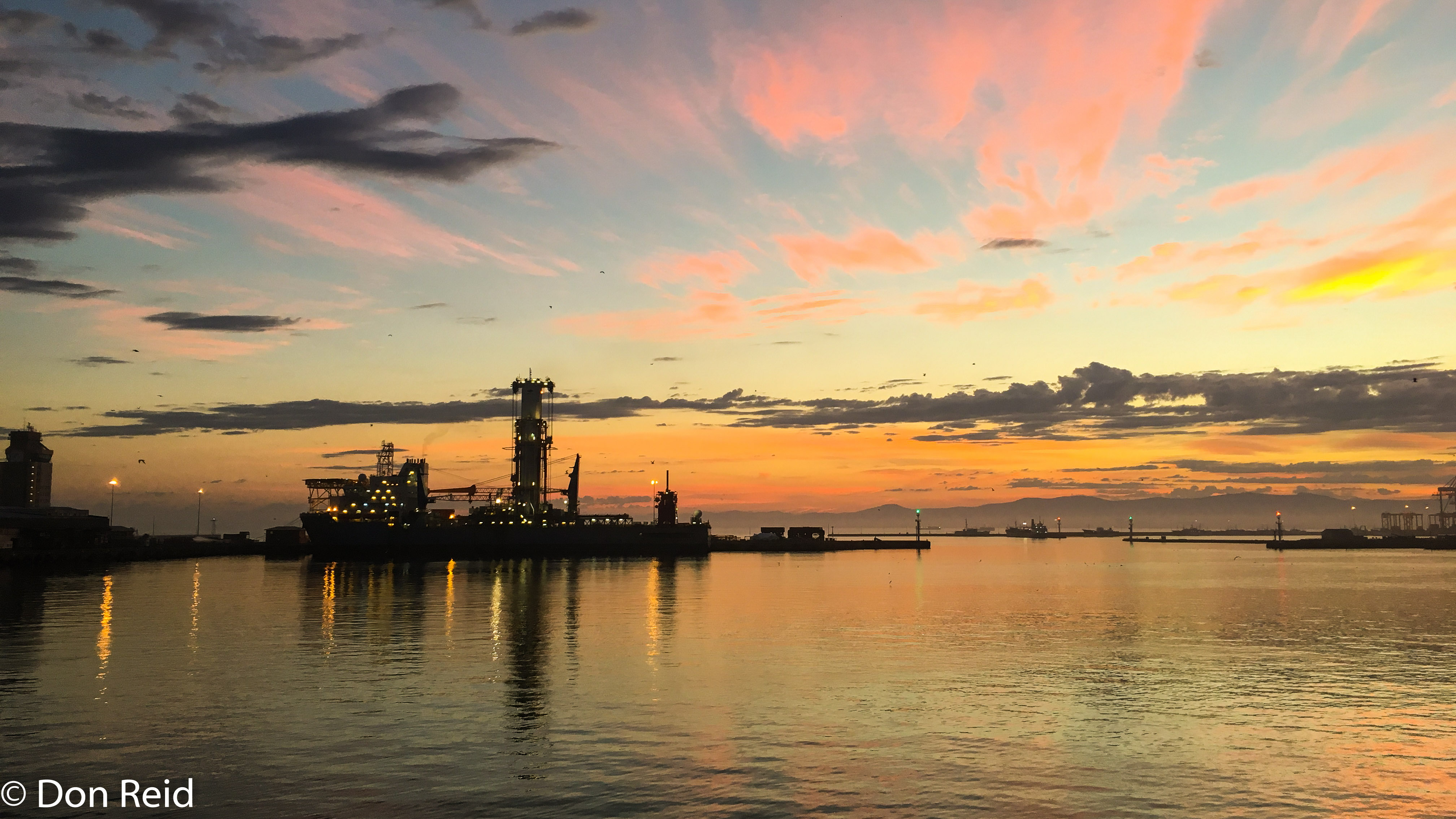
We docked before sunrise in Cape Town harbour, only to be met by the most beautiful scenes of the harbour bathed in the early morning hues, turning ordinary dockyard scenes into those worthy of hanging on your walls.

Cape Town Harbour at sunrise

A fitting end to a spectacular and memorable trip! Thanks and Well done to Birdlife SA!