Birding Big Day 2016 – A Day in the Country

Birding Big Day (BBD) 2016 was, for me, a mostly unplanned, ad hoc affair – in fact I was not even planning to participate at all until, spurred on by messages on the Facebook birding pages from Ernst Retief, I decided to register at the last moment on the Friday before BBD at around 6 pm.

This left me with no time for any sort of planning for the day ahead and with a one man team – OK, I did include my wife’s name to boost the numbers, but being a non-birder she was there for moral support and a bit of spotting. Thus I had already ignored two of the main requirements for a successful BBD ie –  planning the route in advance and doing research on what species to expect along the way.

Added to that, the fact that we had just arrived in Mossel Bay for our end-of-year stay and that the Southern Cape falls some way behind the recognised prime birding areas of SA in terms of numbers of bird species, meant that I was not over-confident about reaching the target of 100 species that I had set myself.

The alarm duly woke me at 4.30 am on the Saturday and I started recording a few species that I could hear –  Spotted Thick-Knee, Cape Sparrow and Cape Robin-Chat amongst them – as they greeted the early morning and I got dressed and gathered the all-important provisions to see me through the day. A walk in the garden was good for a few more including the Cape Sugarbirds that are constant visitors to our Pincushions, then I was on my way by 5.30 am – a peek at the leaderboard on Birdlasser showed that the leading team was into the 80’s already!

Cape Sugarbird - loves the Pincushions!
Cape Sugarbird – loves the Pincushions!

A slow drive through Mossel Bay Golf Estate added several more and I exited the gate with a list nudging 20. A quick detour  in and out of the local mall’s parking area added the two Gull species that I had hoped to find there – Kelp and Grey-headed and then I was on the main road heading west to the N2.

From there it was a question of driving at my customary atlasing speed with windows wide open to listen for calls, following the N2 up to the R327 to Herbertsdale, where I turned off onto a long stretch of quiet country road and started birding in earnest, stopping every couple of hundred metres to get out and listen. Two of my favourite Larks were close to the road, seemingly awaiting my arrival  – Red-capped and Agulhas Long-billed, while the grassy fields on either side held Stonechat, Cape Longclaw and Zitting and Cloud Cisticolas.

Agulhas Long-billed Lark giving it all with his distinctive call

A call like a squeaky gate opening gave away the presence of Large-billed Lark as I continued to add slowly but steadily to my list.
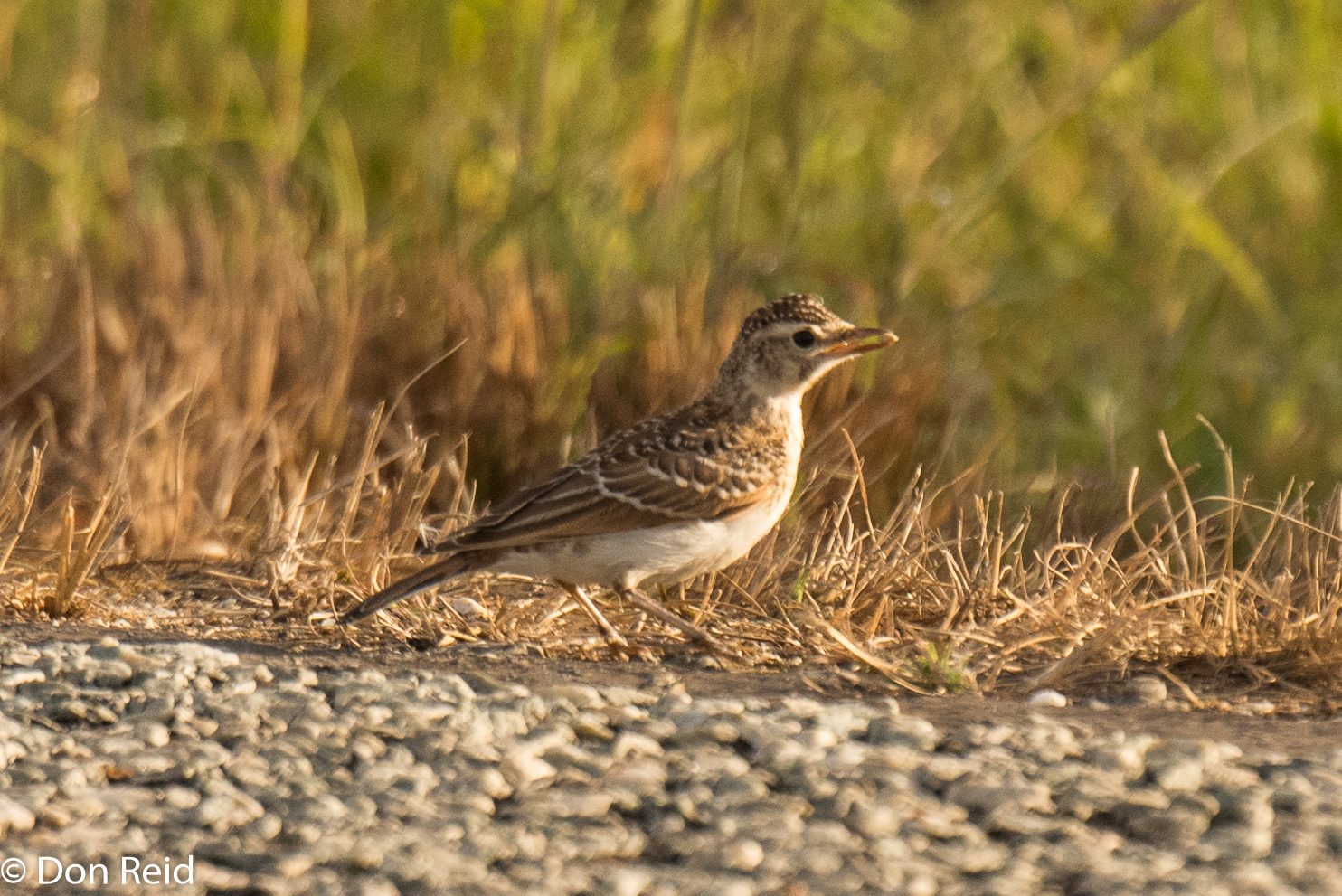
Large-billed Lark - often heard before being seen, with its "squeaky gate" call
Large-billed Lark – often heard before being seen, with its “squeaky gate” call

A roadside dam, usually full of waterfowl, had just a few Egyptian Geese and Red-knobbed Coots, nevertheless two more for the list. Further along on a side road a heavy-billed small bird turned out to be Brimstone Canary, after which there was a long stretch without new species, until a large dam some way from the road produced the two regular Cormorants – Reed and White-breasted. Shortly afterwards I turned off on a gravel road signposted Hartebeeskuil Dam and immediately saw the tree where I had found a Jackal Buzzard nest-building 18 months ago. A pair flew out as I approached and a Juvenile was perched nearby so they had clearly been successful.
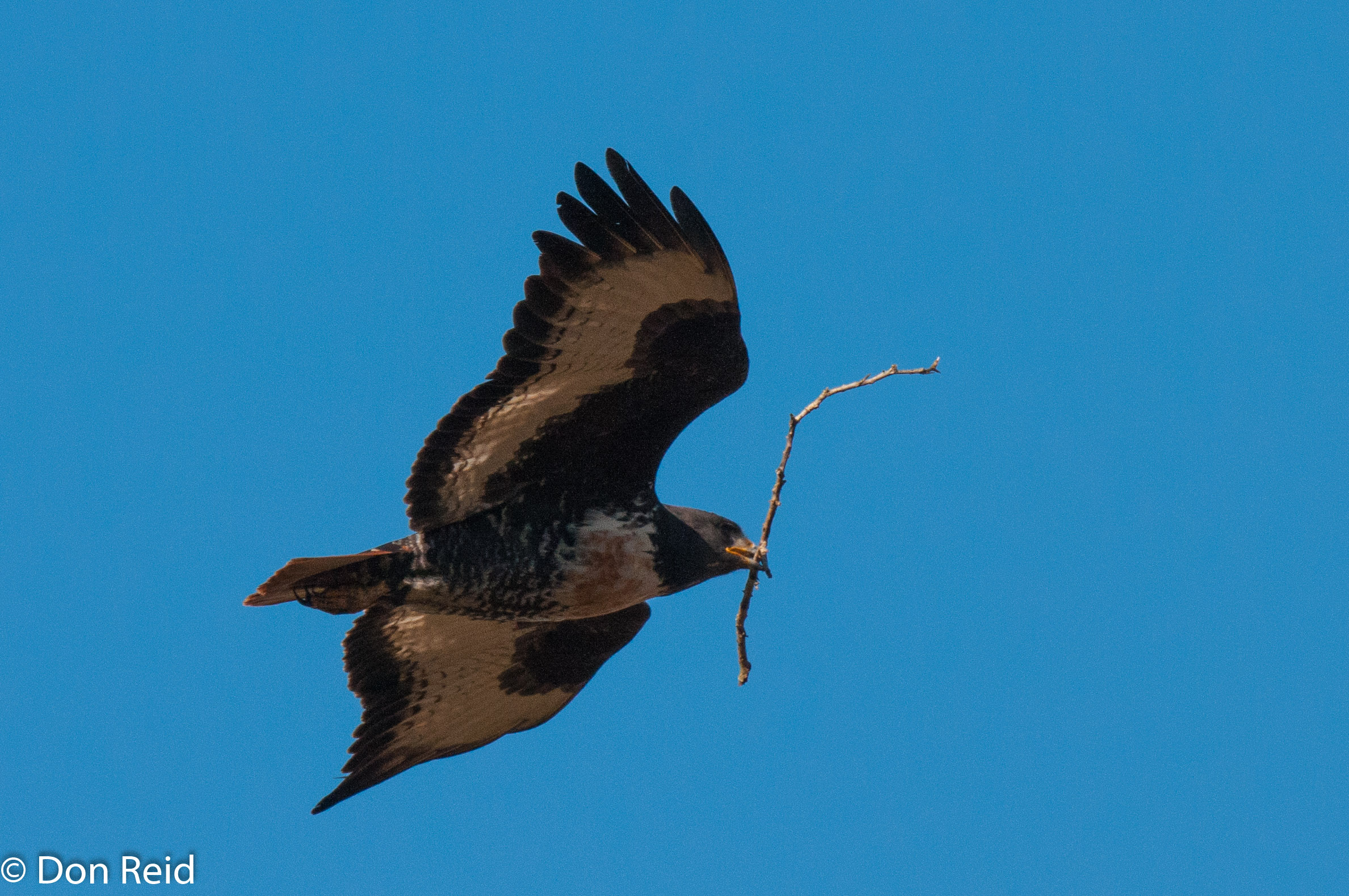
Jackal Buzzard with nest material (July 2015) - pretty sure it's the same pair that I saw on BBD 2016 - this time with a juvenile nearby
Jackal Buzzard with nest material (July 2015) – pretty sure it’s the same pair that I saw on BBD 2016 – this time with a juvenile nearby

The road followed the ups and downs of the rolling hills through pretty Southern Cape countryside, almost distracting me from the task at hand, but a coffee-and-rusk stop set me on the right path again and was also the signal for a White-necked Raven to fly overhead. Shortly after, I was thrilled when I spotted a Black Harrier flying low over the fields, wings spread wide for maximum gliding ability.

A short distance further some interesting looking habitat in a valley with a stream running through it seemed worth further investigation and turned up trumps when a Black Stork suddenly flew from its concealed position, while a Blue Crane was also visible and a Little Rush Warbler’s call floated up from the small stream.

Black Stork
Black Stork

Hartebeeskuil dam was my next stop, but was nowhere near as productive as on a previous trip and I carried on somewhat disappointed. The rest of this road was sparse until the last hill before reaching the R328 Hartenbos/Oudtshoorn road when a Booted Eagle soared overhead.

The Geelbeksvlei road which passes through Klein Brak  on its way to Hartenbos was my next target, always a pleasant drive and with a variety of birds. The first stream I stopped at produced a Black Saw-wing and Rock Kestrel, while the fallow fields adjoining it had numbers of Cape Crows.

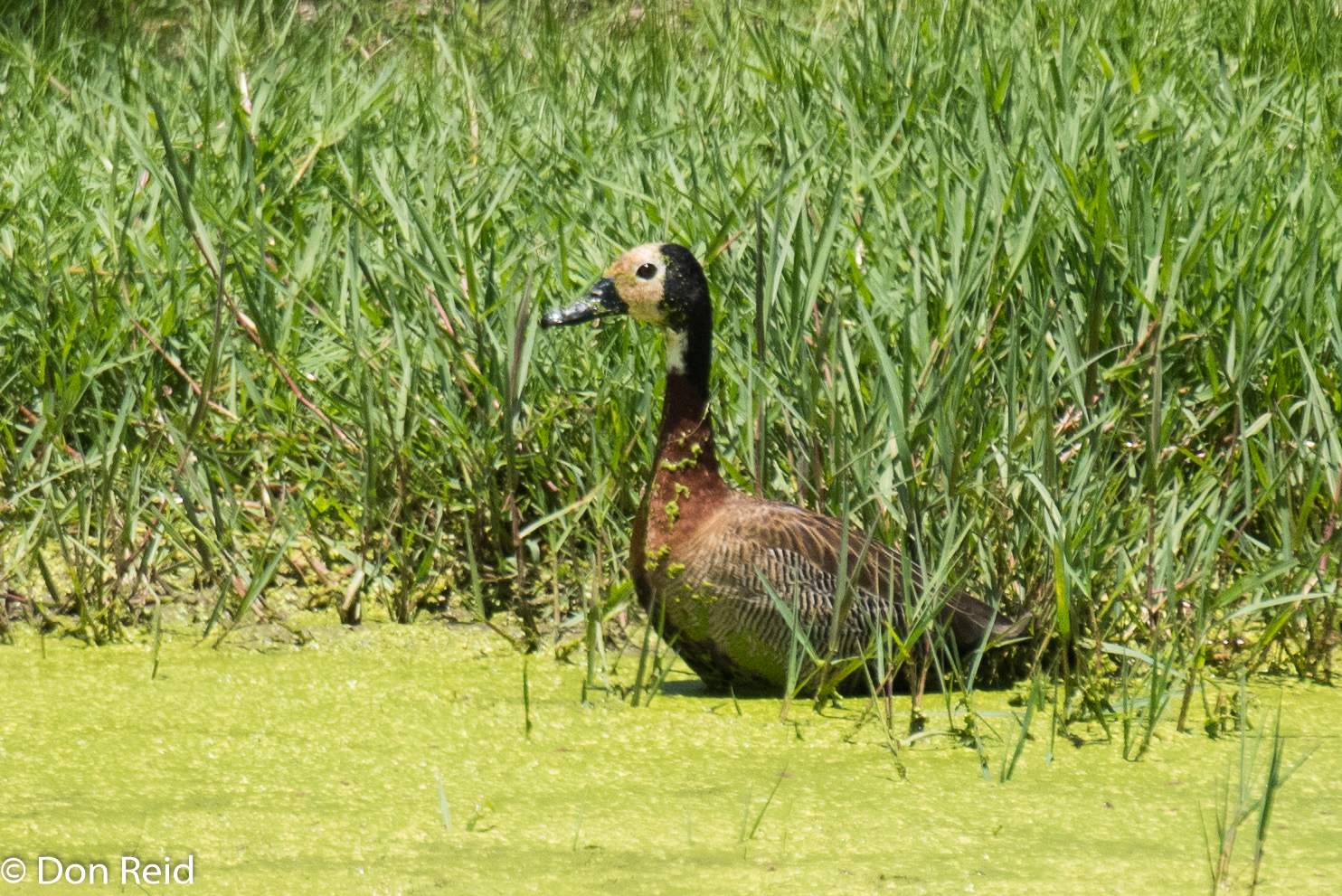
A side road I have never investigated before turned into a worthwhile deviation as I added the 3 common Ducks/Teals (White-faced, Yellow-billed, Red-billed) and Moorhen at a small farm dam.
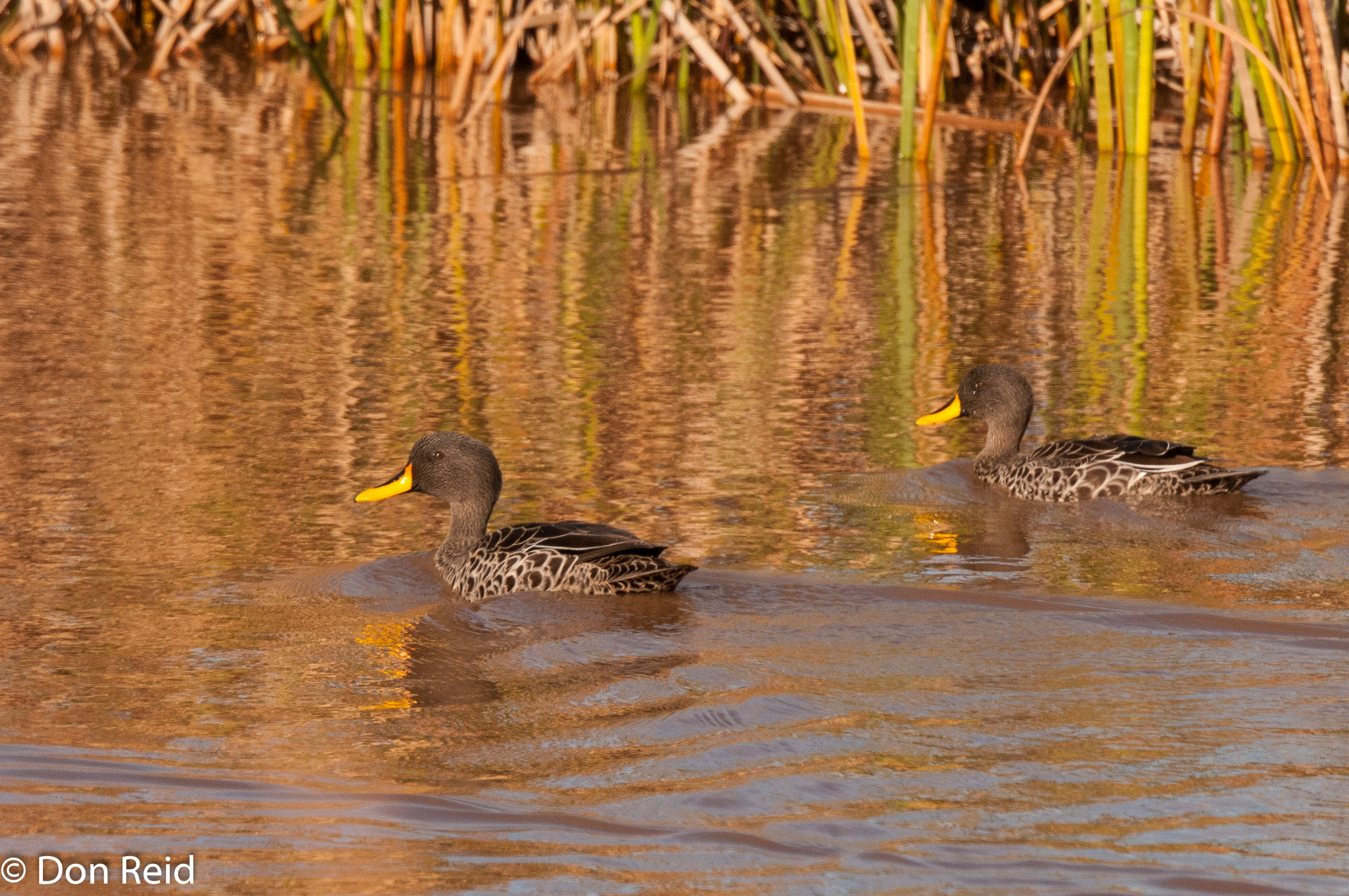
Yellow-billed Duck
Yellow-billed Duck
White-faced Duck on farm dam

My next stop was Mossel Bay Sewage works where the ponds, just visible from outside the normally closed gate, had a variety of waterfowl. I had to be content with distant views, unlike the team of BBD birders inside the fence, who had obviously pre-arranged access to the works (mental note to do the same next year). Nevertheless I was able to ID Cape Teal, Cape Shoveler, Southern Pochard and Little Grebe before continuing to my next stop at Mossel Bay’s Point to pick up some of the seabirds not yet on my list.

By this time it was after midday, my total stood at 88  and I was considering calling it a day, with no one to boost my flagging spirits – there’s a definite advantage in being part of a team rather than one lone birder in these events. After a quick stop at the Point, where I added Cape and White-breasted Cormorant, Swift Tern and Hartlaub’s Gull, I headed home for an extended lunch break and to decide what to do with the rest of the day.
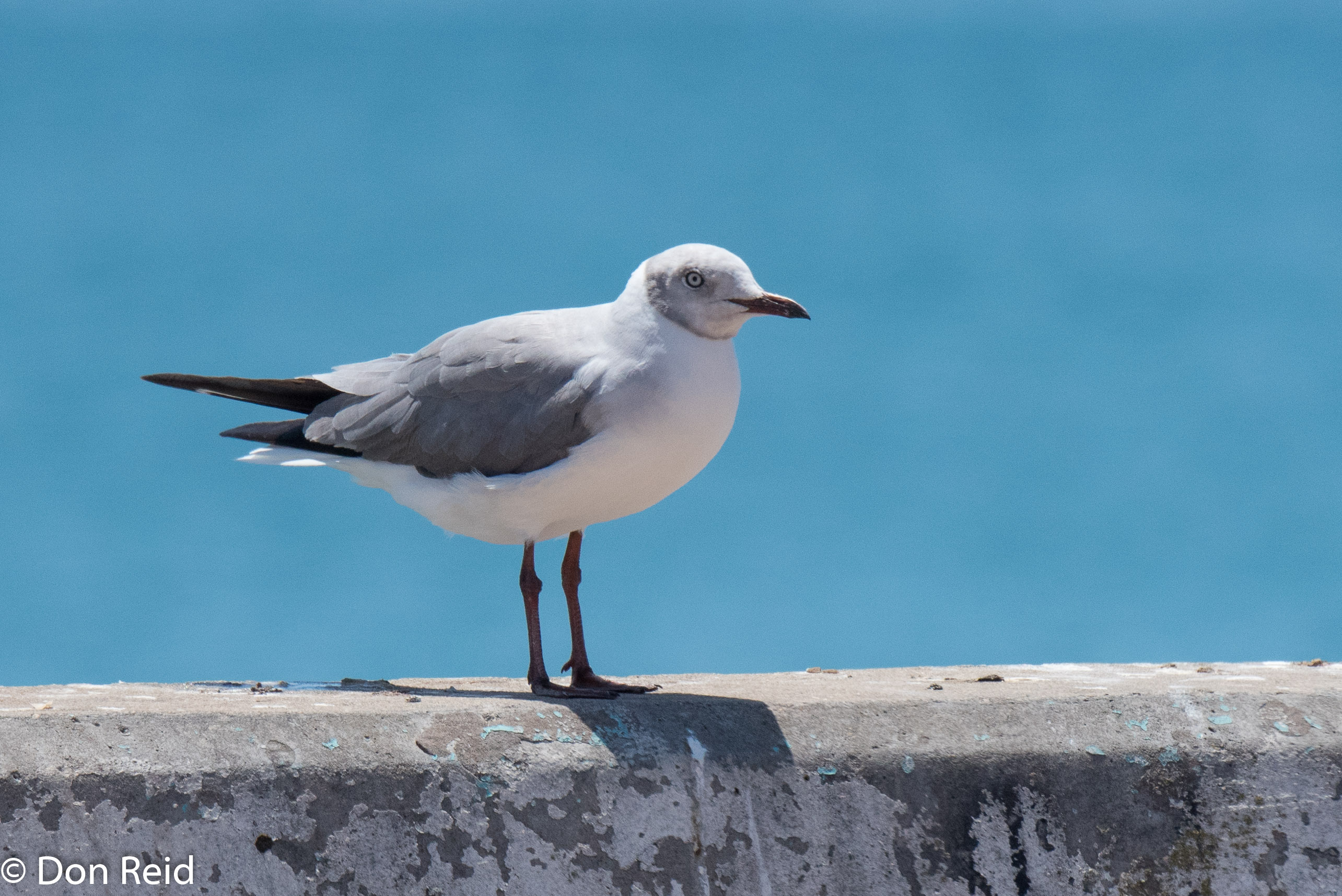
Grey-headed Gull (light eye differentiates it from the similar looking Hartlaub's Gull) at Mossel Bay's Point
Grey-headed Gull (light eye differentiates it from the similar looking Hartlaub’s Gull) at Mossel Bay’s Point

My wife joined me at this stage and we set off for Great Brak River for an afternoon coffee, without intending to do any further serious birding, but by the time we headed back to Mossel Bay around 4.30 pm and spurred on yet again by the tallies coming through on Birdlasser, my second wind kicked in and we made a couple of stops at bridges over the river near Hartenbos, adding Greenshank, Black-crowned Night-Heron and – hallelujah – my 100th species for the day, a Little Egret.

With my target reached, every bird after that was a bonus and I was curious to see how many more we could add in the few hours of daylight still left. We looked for access to the riverfront, as I could see what looked like Flamingoes in the distance, and duly found a friendly caravan park manager who invited us in to look around. Venturing to the water’s edge we spent a good half hour or so adding Greater Flamingo, Caspian Tern and Lesser Swamp Warbler amongst others and left with 108 as our new total.

Back home again at 6 pm I decided on one last sortie into the fynbos area of our estate for the “fynbos specials” that hang out there and was happy when Cape Bunting, White-throated Canary and Karoo Scrub-Robin all obliged by making an appearance. Our day’s birding ended soon after with a Cape Rock-Thrush perched on a neighbour’s roof to close out at 112 species, earning the Reid Wobblers position 111 in the standings. Not exactly fireworks when compared with the counts of the top teams, but hey, we had a ball!

A selection of some of the other birds encountered :

Fiscal Flycatcher
Fiscal Flycatcher
Common Waxbill
Common Waxbill
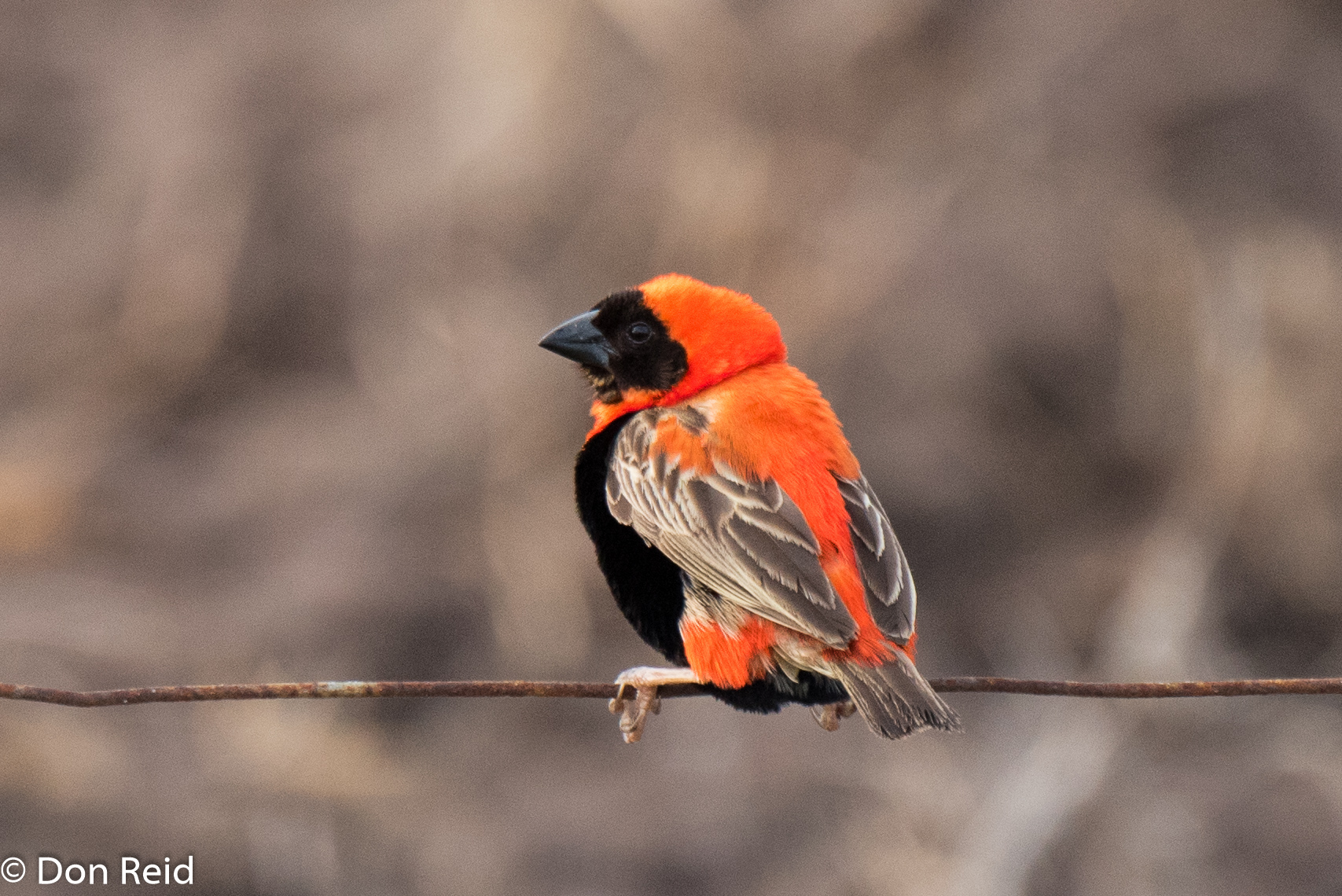
Southern Red Bishop
Southern Red Bishop
Yellow Bishop
Yellow Bishop
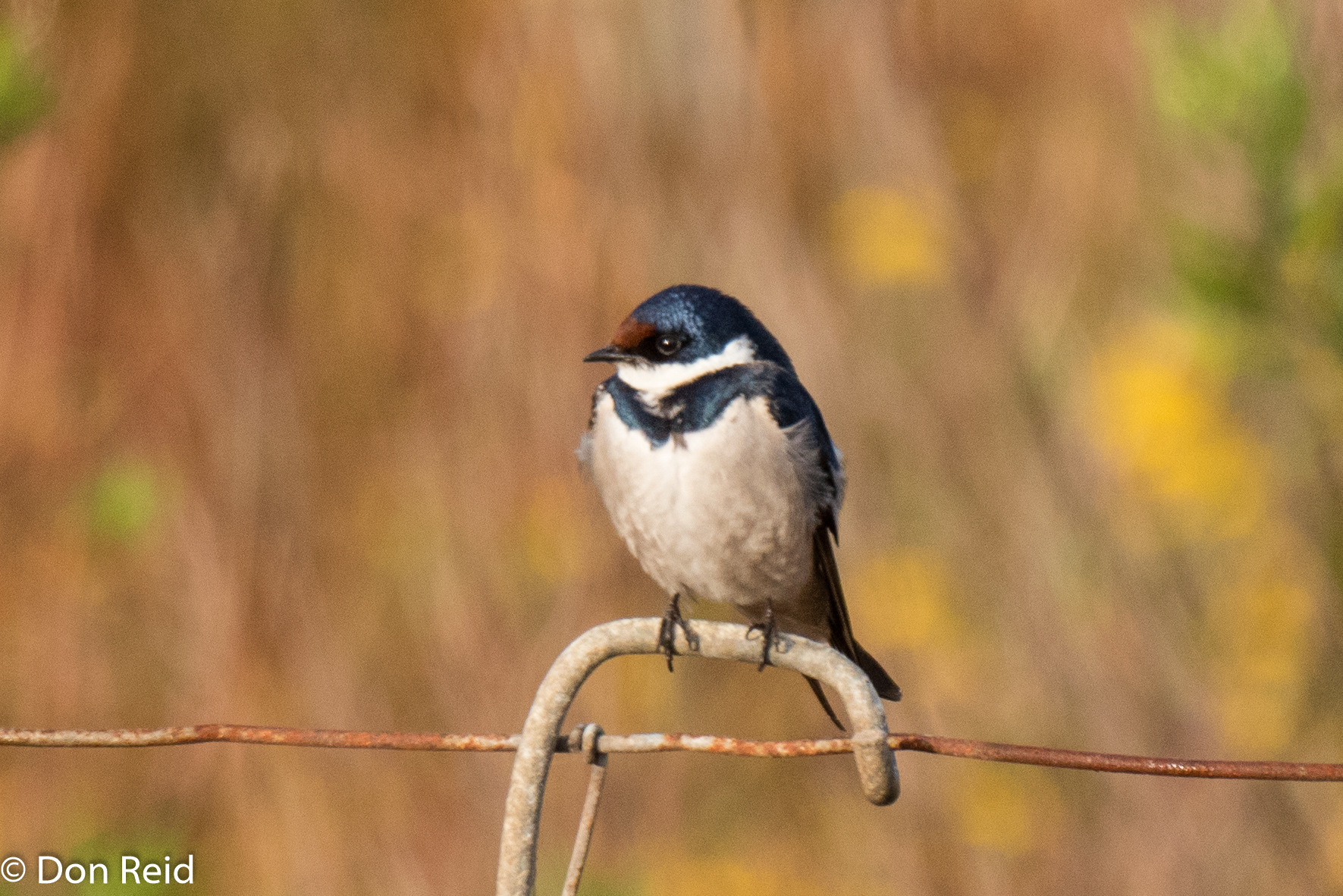
White-throated Swallow
Booted Eagle
Booted Eagle
Grey-backed Cisticola

A Week in Olifants – The Road to Mopani

For the second year in a row we spent a week in Kruger National Park in October, this time spending 6 nights in Olifants rest camp in the northern part of Kruger, with one night stop-overs at Berg en Dal  and Pretoriuskop rest camps on the way there and back respectively.


The Road to Mopani

Mopani lies north of Olifants with Letaba camp and Mooiplaas picnic spot en route – it’s a great option for a longer outing from Olifants camp and we chose to do it on the Monday of our week-long stay.

Olifants to Letaba
Olifants to Letaba

Setting off at around 8.30 am, we initially set our sights on Letaba camp – the first 9 km to the main H1 road was quiet and set the tone for large parts of the day.  The veld has taken a severe knock during the past few years of drought or poor rainfall and is non-existent in places, while the trees are mostly bare at this early stage of Summer and the earth is parched to a grey/brown colour.

In these conditions, the rivers which still have small pools of water and the waterholes stand out as oases of life, with concentrations of game and bird life gathering at these spots. The Olifants river is one such oasis and once you reach the H1 road to Letaba, the great river runs alongside it for a few kms, albeit at some distance.

Nevertheless the road was still close enough to make out Yellow-billed Stork (Nimmersat), Goliath Heron (Reusereier), Pied Wagtail (Bontkwikkie) in the river itself and an African Hoopoe (Hoephoep) closer to the road amongst dry leaves which matched its brown colouring.

African Hoopoe, Olifants river

The next 20 kms to Letaba runs through very arid habitat and my atlasing effort in the pentad that it encompasses resulted in just two species in half an hour’s slow driving – a Brubru (Bontlaksman) and a Yellow-billed Kite (Geelbekwou).

By this time Letaba’s Mugg and Bean was beckoning us for a mid-morning coffee which we enhanced with a shared Date and Nut Muffin (M&G’s muffins are formidable so even sharing one means you each get a decent portion).  Brown-headed Parrots (Bruinkoppappegaai) made their presence known in the overhanging trees as we relaxed on the Letaba stoep with its wonderful view of the Letaba river.

Letaba to Mooiplaas and Mopani

After our coffee break, the next stop was the bridge over the Letaba, where you can alight from your car in the demarcated area and look for game and birds in the river bed. We were rewarded with several birds including Saddle-billed Stork (Saalbekooievaar), Ground Hornbill (Bromvoël), Great White Egret (Grootwitreier) and African Openbill (Oopbekooievaar).

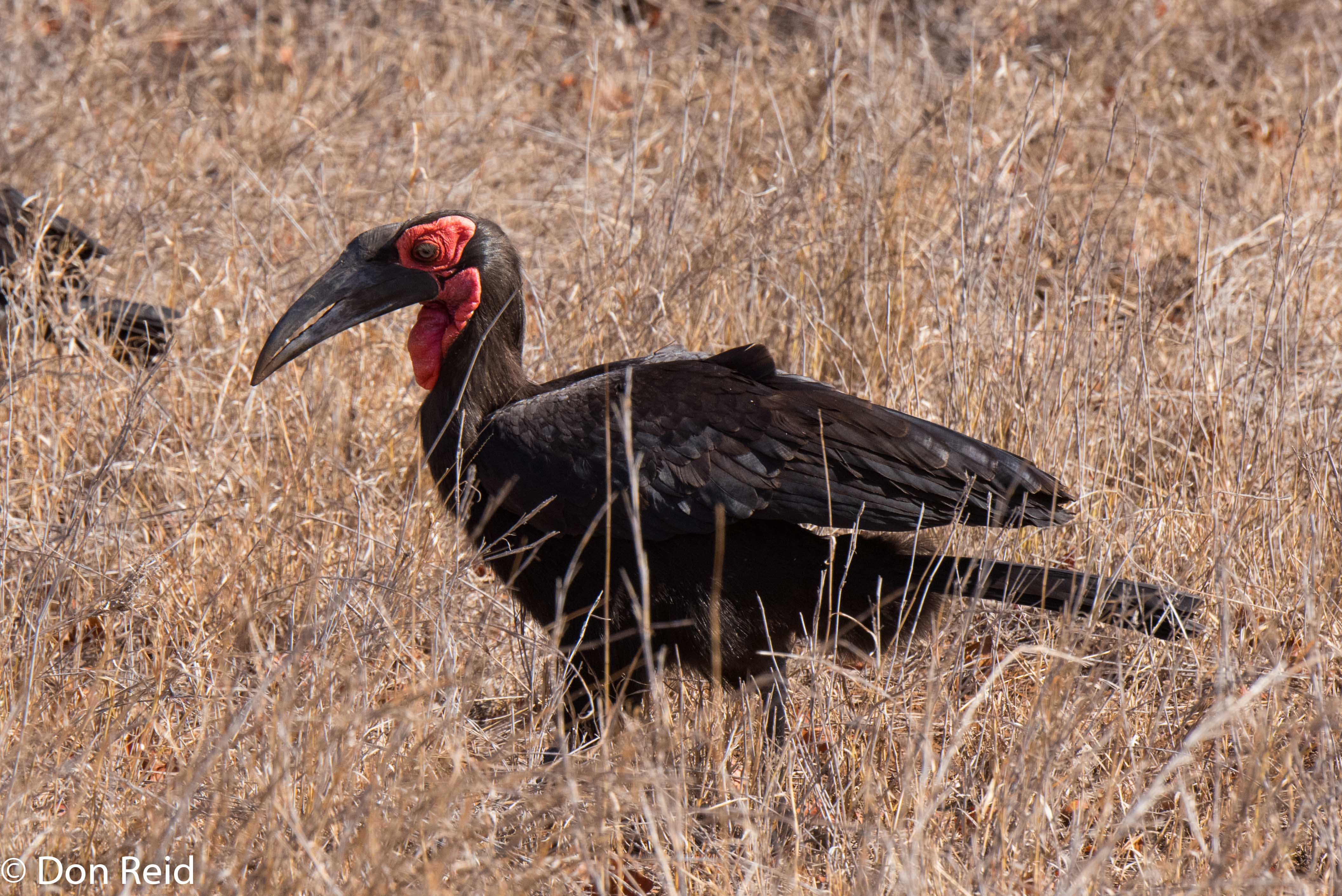
Southern Ground Hornbill

A lone European Bee-eater (Europese Byvreter), clearly a bit earlier to arrive in Southern Africa than the majority of his kind, brightened up our birding and was also the only one we saw during the week.

The next stretch to Mooiplaas picnic spot was a longish one, initially running next to the Letaba river with short approach roads leading to and from the river at regular intervals, well worth investigating each one as the game and bird life often gathers in the river bed, enjoying the relatively lush habitat.

Giraffes in river, Letaba
Letaba - Mopani road
Letaba – Mopani road

Spoonbill (Lepelaar), Great Egret (Grootwitreier), Marabou Stork (Maraboe) were all present and hawking White-fronted Bee-eaters (Rooikeelbyvreter) added their flash of colour to the scene)

Leaving the river behind, we travelled through bush Mopane habitat all the way to Mooiplaas, with a couple of strategically placed waterholes providing some relief from the rather monotonous, arid landscape. Malopenyana waterhole had attracted flocks of Namaqua Doves (Namakwaduif) and Chestnut-backed Sparrowlarks (Rooiruglewerik), quenching their thirst along the water’s edge.

Chestnut-backed Sparrowlark

Mooiplaas picnic spot is another veritable oasis, surrounded by trees and with a thatched, pinnacle-shaped roof over the central picnic area. Immediately we were entertained by the comings and goings of a variety of bushveld birds, with accompanying song, and our spirits lifted as we enjoyed a simple brunch of tea and buns.

Mooiplaas picnic spot, KNP
Mooiplaas picnic spot

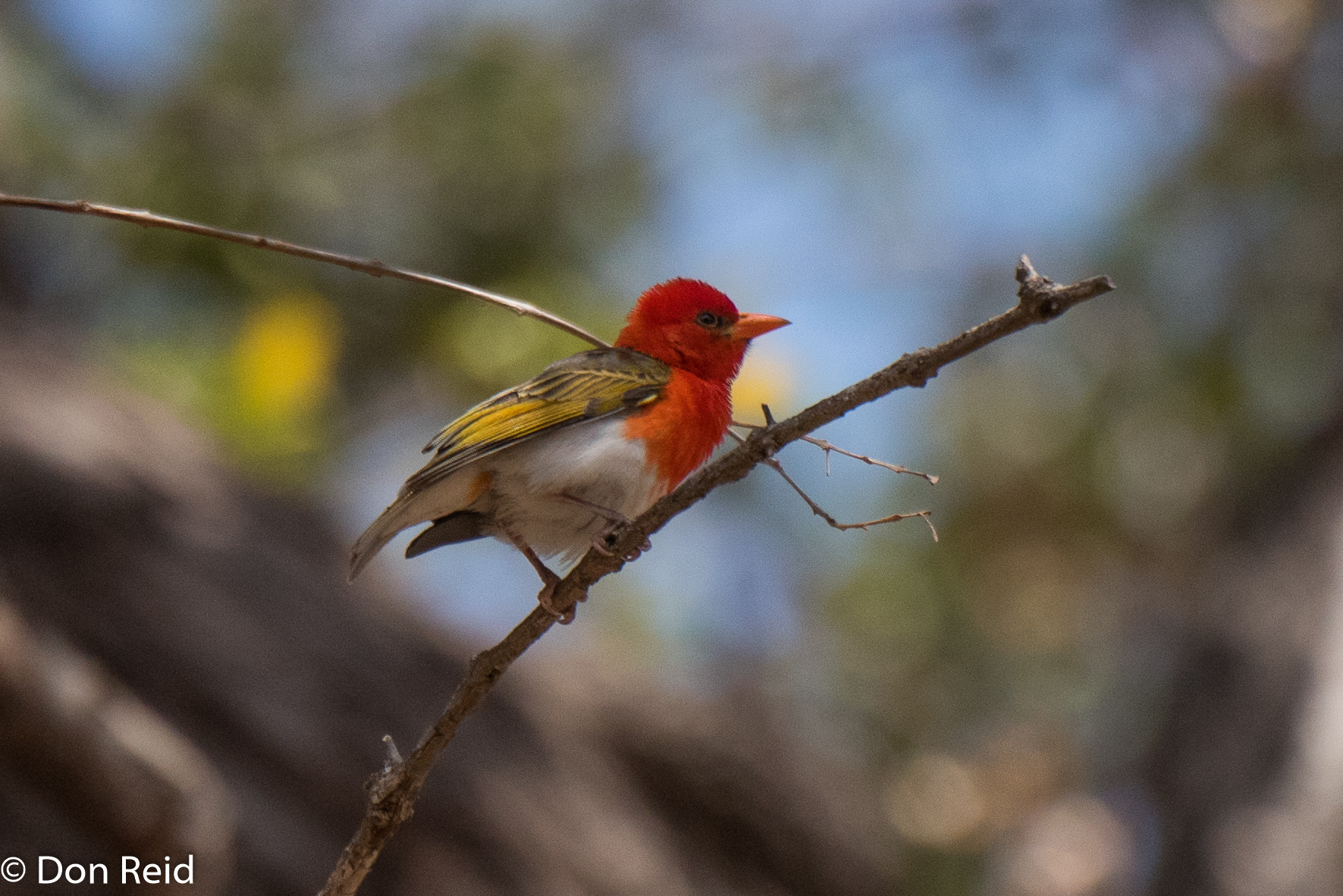
The trees were busy with Orange-breasted Bush Shrike (Oranjeborslaksman), Black-backed Puffback (Sneeubal), Red-headed Weaver (Rooikopvink) and all three common Hornbills – Southern Red-billed, Southern Yellow-billed and Grey (Rooibek- Geelbek- en Grys-neushoringvoëls)

Red-headed Weaver, Mooiplaas picnic spot
Grey-headed Bushshrike, Mooiplaas picnic spot

A short drive further took us to Mopani camp for a brief visit and some light Bird atlasing from the deck overlooking the dam which is a feature of this camp. On the opposite shore I could make out Grey-headed Gull (Gryskopmeeu) – a new species for my KNP list, African Jacana (Grootlangtoon), White-faced Duck (Nonnetjieseend), Collared Pratincole (Rooivlerksprinkaanvoël) and Goliath Heron.

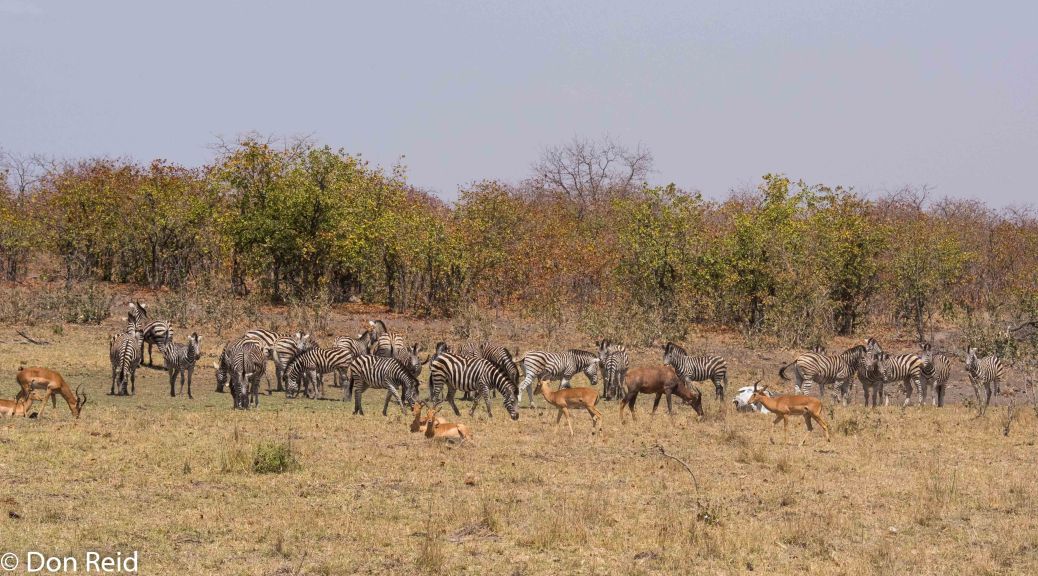
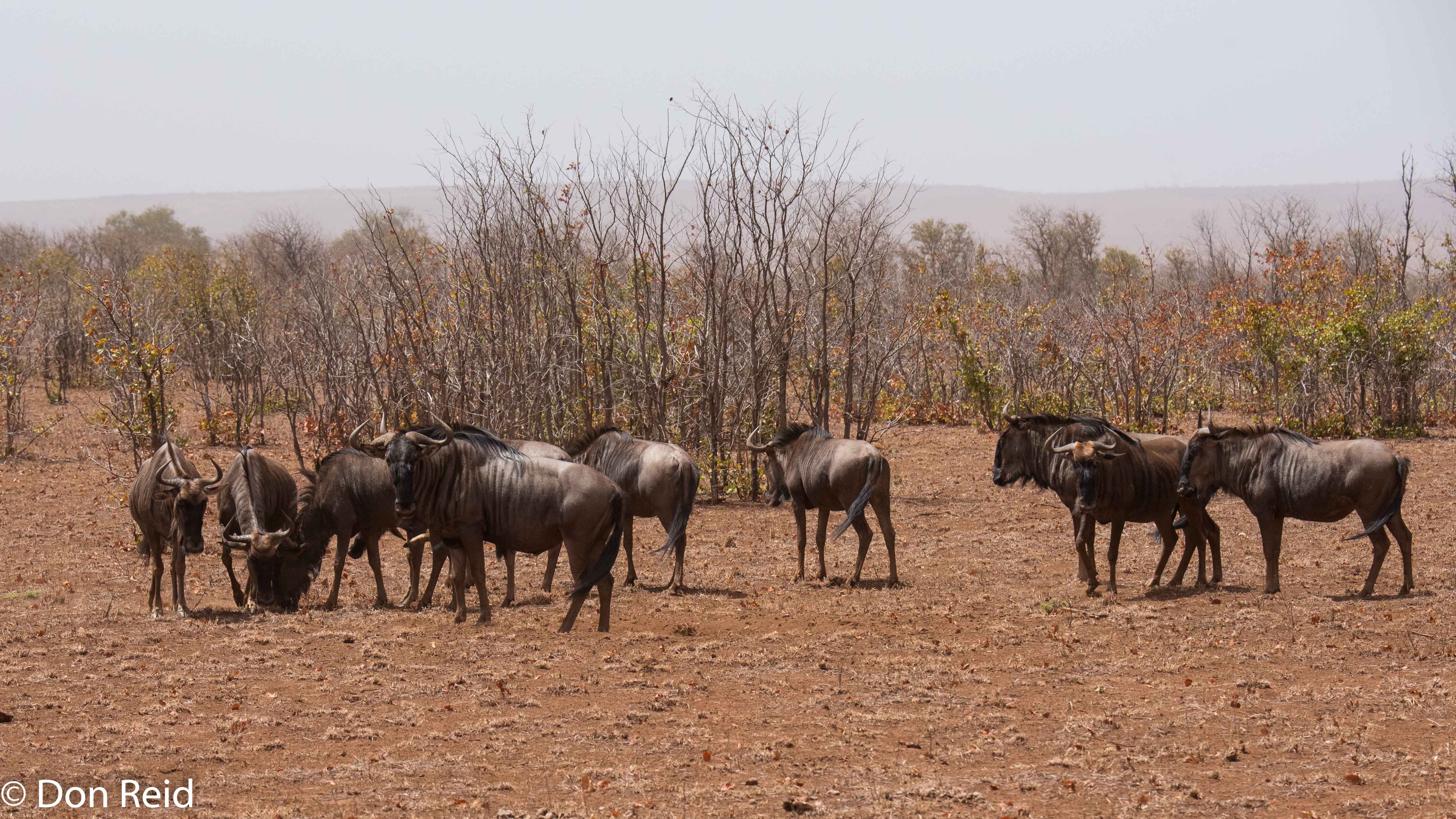
On the game side, there was enough to satisfy us outside the extremely arid stretches and the Mopane-dominated parts, with all of the regular animals sighted and as a bonus we had a good sighting of several Tsessebe, one of the rarer antelopes in Kruger, near Mopani camp.

Blue Wildebeest, Mopani
Tsessebe near Mopani
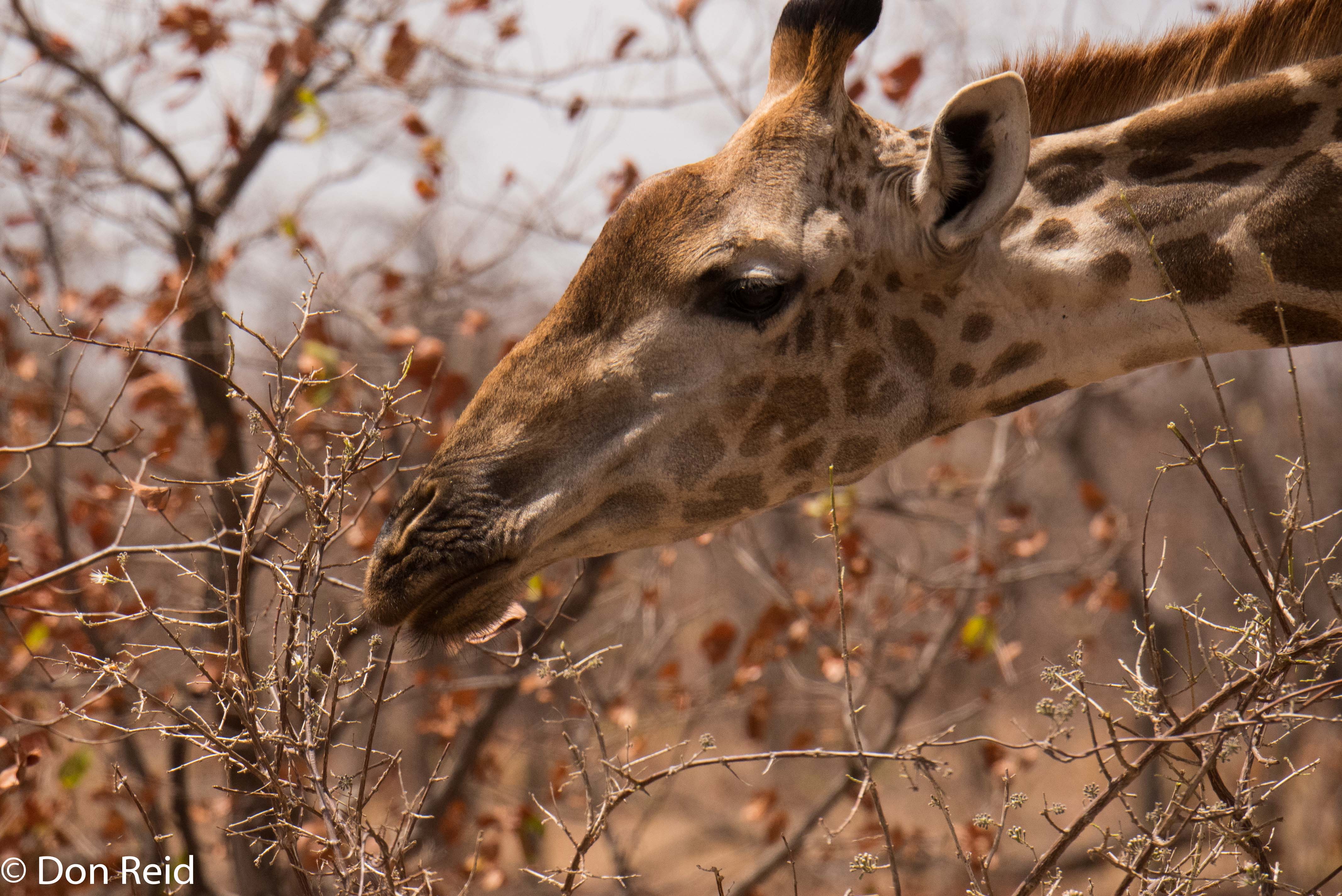
Giraffe, Letaba-Mopani road

Giraffe, Letaba-Mopani road KNP

Our next short trip was from Olifants to Timbavati picnic spot – more about that in the next post


Birding Big Day 2016 – a Great Success

This media release from BirdLife SA says it all

Nice to be part of such a great day – I will be describing my BBD experience in a forthcoming post.

Birding Big Day 2016

South African birdwatching record smashed!

Johannesburg, 1 December 2016

On 26 November 2016, BirdLife South Africa hosted its 32nd annual Birding Big Day (BBD). During this BBD, teams of birdwatchers attempted to see as many of South Africa’s bird species as possible in a 24-hour-period. This annual event is also used to raise much-needed funds for BirdLife South Africa’s conservation work. BirdLife South Africa is an organisation dedicated to the conservation of our country’s birds, especially the species which are threatened with extinction.

The previous record, during BBD 2015, saw 606 bird species being recorded in South Africa. This record was smashed during BBD 2016 when 654 birds were seen! This is 77.2% of the 847 bird species which have been recorded in South Africa. This amazing achievement is due to the effort of 810 birders who participated in 265 teams. Each team can consist of up to four birders. In total 32 290 bird sightings were recorded during the day. Each team logged the birds seen on BirdLasser, a mobile app, and the sightings were uploaded to an online map where people could view the progress of teams.

Just over 60 additional teams participated in a more informal way, and this means that about 1 000 birders participated in BBD 2016.

The most common species recorded were Hadeda Ibis, Egyptian Goose, Cape Turtle Dove, Blacksmith Lapwing and Laughing Dove.

The team record of 325 species, set in 2008 by team Zonke Inyoni, was equalled by the same team; an amazing achievement! This total was achieved despite some bad weather experienced in the morning. The second team was Team Hamerkop who saw 305 species. Wat-Kyk-Jy recorded 282 species.

Not only was the South African record broken during BBD 2016, but it will also be remembered for many other successes. Awareness was raised about bird conservation, over 300 birders downloaded the BirdLasser app, and it is hoped that many of them will soon contribute valuable data to citizen science projects such as the Southern African Bird Atlas Project. Above all, the day was about celebrating the wonderful bird diversity we have in our country.

For more information about the event see http://www.birdlife.org.za/events/birding-big-day or on Facebook https://www.facebook.com/events/179752395770520/

The link to the interactive map is http://www.birdlasser.com/events/bbd2016

For more information about BirdLasser see www.birdlasser.com and to download and install the app search for “birdlasser” on the Google Playstore and the App Store.