A Week in Satara – The Journey

Anticipation

We had been looking forward to a week in Satara in the Kruger National Park for some time, in fact ever since our daughter Geraldine had booked accommodation a year in advance for a week in October 2015, school holiday time and usually totally over-subscribed.

Route

And so Saturday 3 October 2015 saw us packed and departing early morning from Pretoria for the long drive to Satara. The route we had decided on would take us to Machadadorp in Mpumulanga, then via the N4 through Schoemanskloof after which we took the Sudwala Caves turn-off and made our way through Sabie and Hazyview to the Phabeni Gate into Kruger – we estimated this would be at least a five-hour drive with comfort stops. From Phabeni it is some 140 kms mostly northwards to Satara which, at Kruger speeds of maximum 50 km/h and including a few stops for game sightings, was likely to take 3 to 4 hours. So we had the prospect of around 9 hours on the road, eased by the fact that the last part would be in the Park and devoid of the stress of driving the highways.

Why Kruger?

Kruger holidays are like no other and in our family (and many other South African families I suspect) there are a few things to be attended to before departure – you could call them rituals :

  • buying the biltong, the boerewors (farmer’s sausages) and the braai chops – if you live in Pretoria east there is a good chance that, like us, you will have visited Uitkyk or Groenkloof butchery for these all-important items.
  • packing all the bush clothes you possess – every khaki shirt, shorts to go with them and a pair of longs for the evening (only to keep the mozzies away of course). There’s nothing wrong with “civvies”but proper bush clothing just adds to the feeling of escaping from the general routine for a while
  • stocking up on lots of fruit – always a bit scarce in Kruger’s camps. Some of this can often be purchased at roadside stalls along the way but this depends on the time of year and season.
  • making sure all the important stuff is ready and in good nick – camera, binos, birding books, scope, reptile book, mammal book, butterfly book, frog book (you never know), portable fridge, kitchen sink (just joking) and all.

The Journey

Then there’s the journey itself, where you have the chance to transition from city slicker to game ranger persona – a gradual process until you get to Kruger’s entrance gate. That’s when it really kicks in – slow down to 50 km/h or less, open the windows to let the bush smells and sounds drift in, binos around the neck, eyes tuned to the bush and on the lookout for movement – ahhhhhh we’re back!

Our trip from Pretoria took the time we expected, with a first stop for an early lunch at Milly’s near Machadadorp, a must on any journey involving the N4 towards Nelspruit. Here you can fill up with fuel, have a sit-down or take-away meal of excellent quality, stock up on all sorts of goodies and just enjoy a welcome break from the highway. We chose take-away trout pies (did I mention they do a great one?) and a coffee from the Seattle Coffee kiosk. The pie we ate at an outside picnic table and the coffee was taken in the car and sipped over the next 30 kms or so.

Once on the road to Sabie I enjoyed the “real” driving as the road twisted, turned and ascended/descended in quick succession – so much so that it brought to mind the old Chubby Checker* hit “Let’s twist again, like we did last Summer”.

*Trivia alert : what do Fats Domino and Chubby Checker have in common? Think about those names – wonder which came first and who copied the other?

The last stretch between Sabie and Hazyview was quite badly pot-holed in places and required extra care to avoid tyre and suspension damage – by the time we reached Phabeni I was quite tired, but it was only 1pm leaving plenty of time for a relaxing drive in Kruger for the next 130 kms.

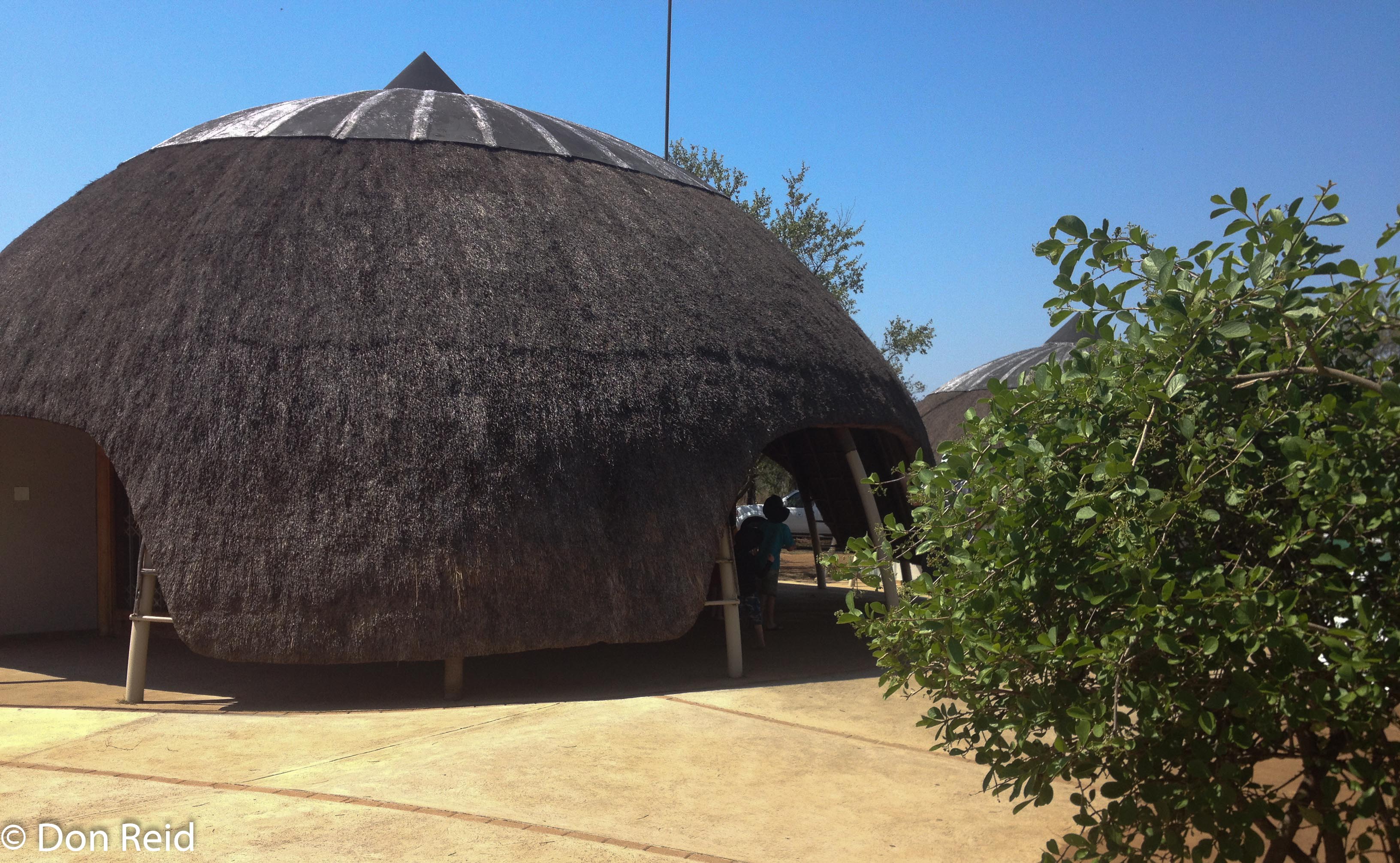
Phabeni gate
Phabeni gate
Phabeni gate
Phabeni gate reception

The drive provided a good spread of sightings to whet our appetite for the week ahead – from tiny Duikers to big daddy Elephants and a Lion and Lioness that were pairing not far from the road.

We made a comfort stop at Tshokwane picnic spot, which was unusually quiet, except for a group of baboons looking for scraps left by the visitors that morning

Tshokwane - quiet in the afternoon
Tshokwane – quiet in the afternoon
Baboons have Tshokwane almost to themselves
Baboons had Tshokwane almost to themselves

After a full day’s driving, Satara camp was a welcome sight and a chance to relax,  loving the feel of the warm air pressing into our pores after being cocooned in an air-conditioned car for most of the day.
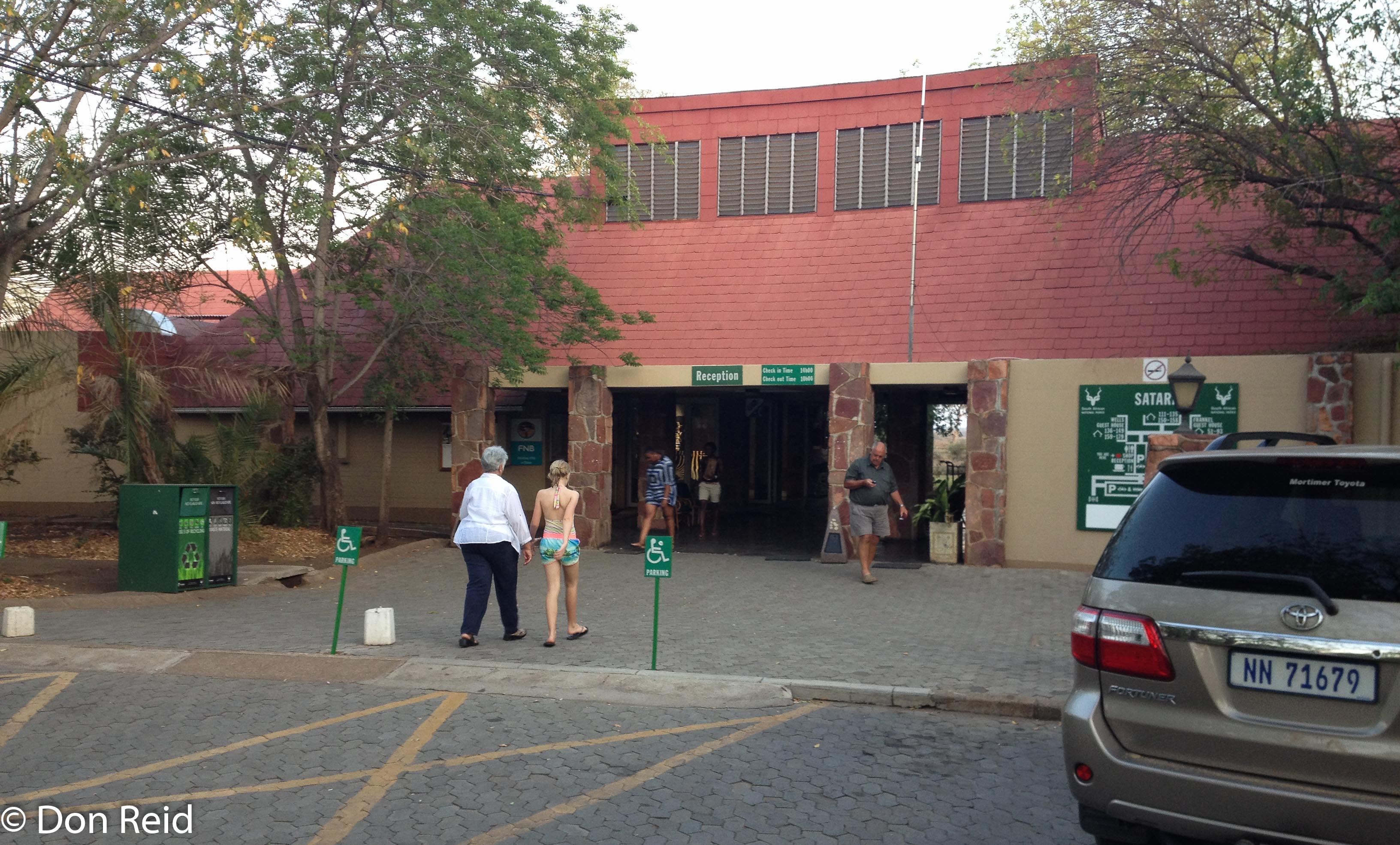
Satara main complex
Satara main complex
The restaurant from the garden
Fever Tree roots in the garden
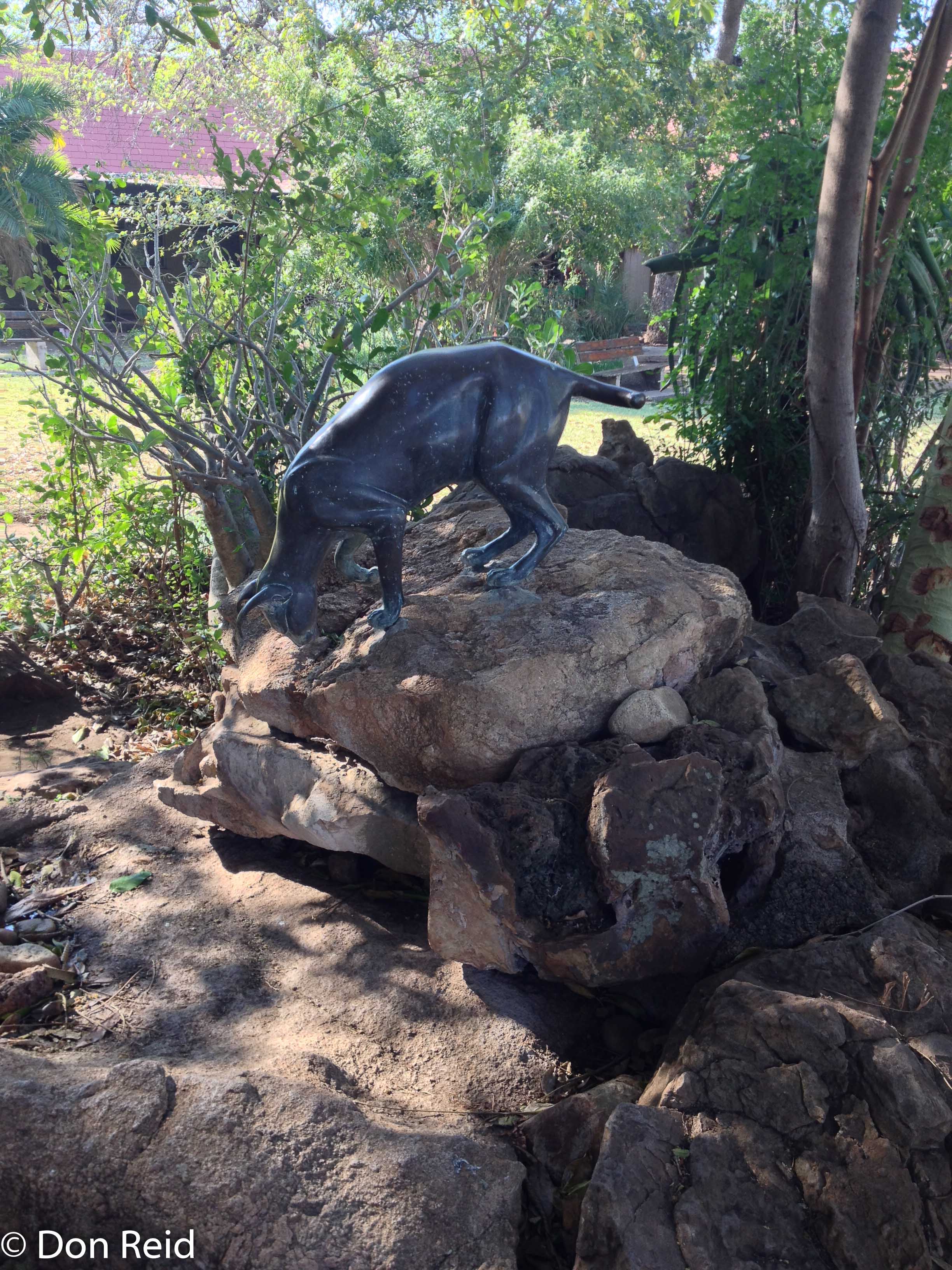
Statue in the garden

Some of the game along the way :
Kudu
Kudu
Impala
Impala
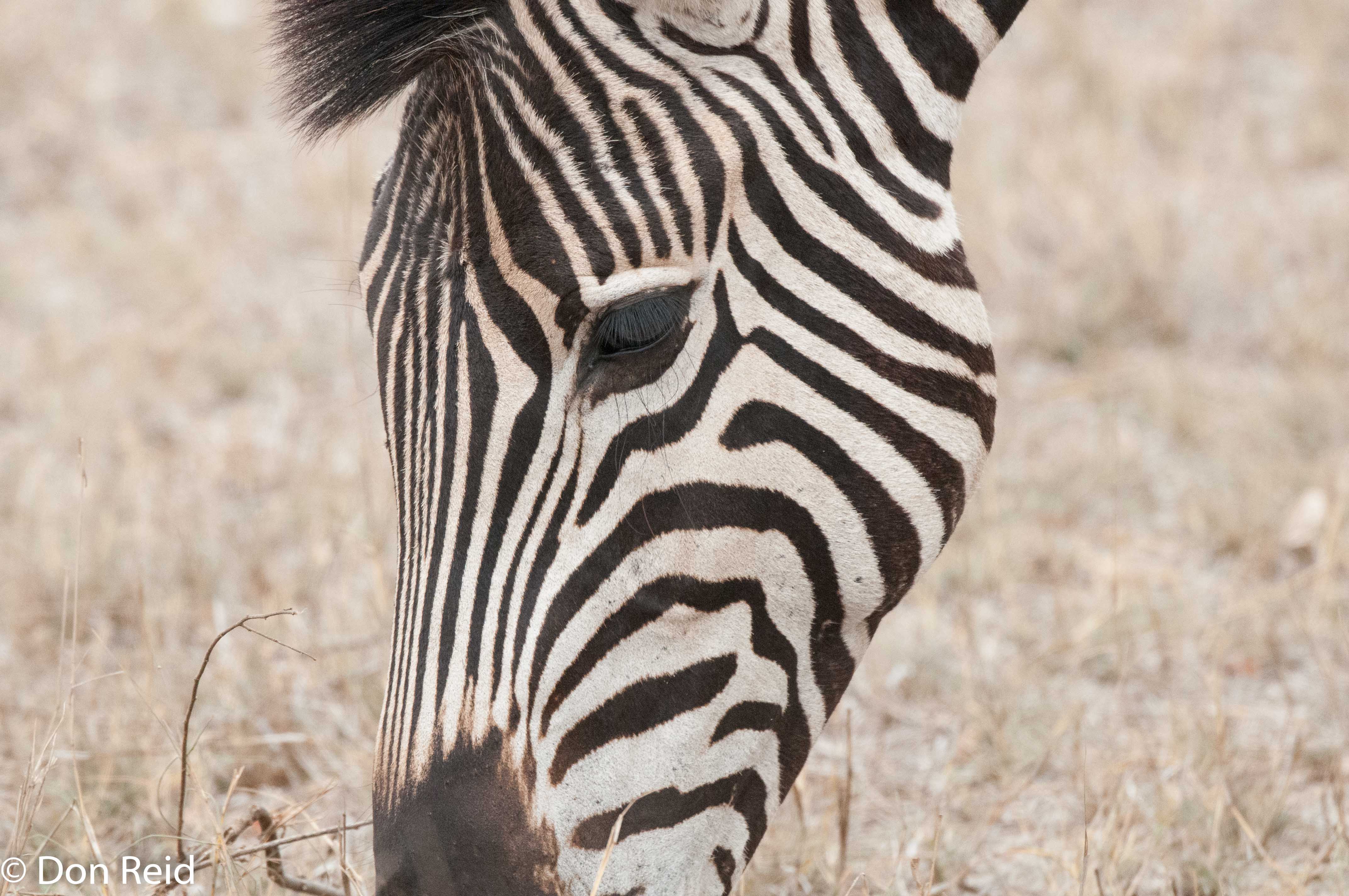
Zebra
Zebra
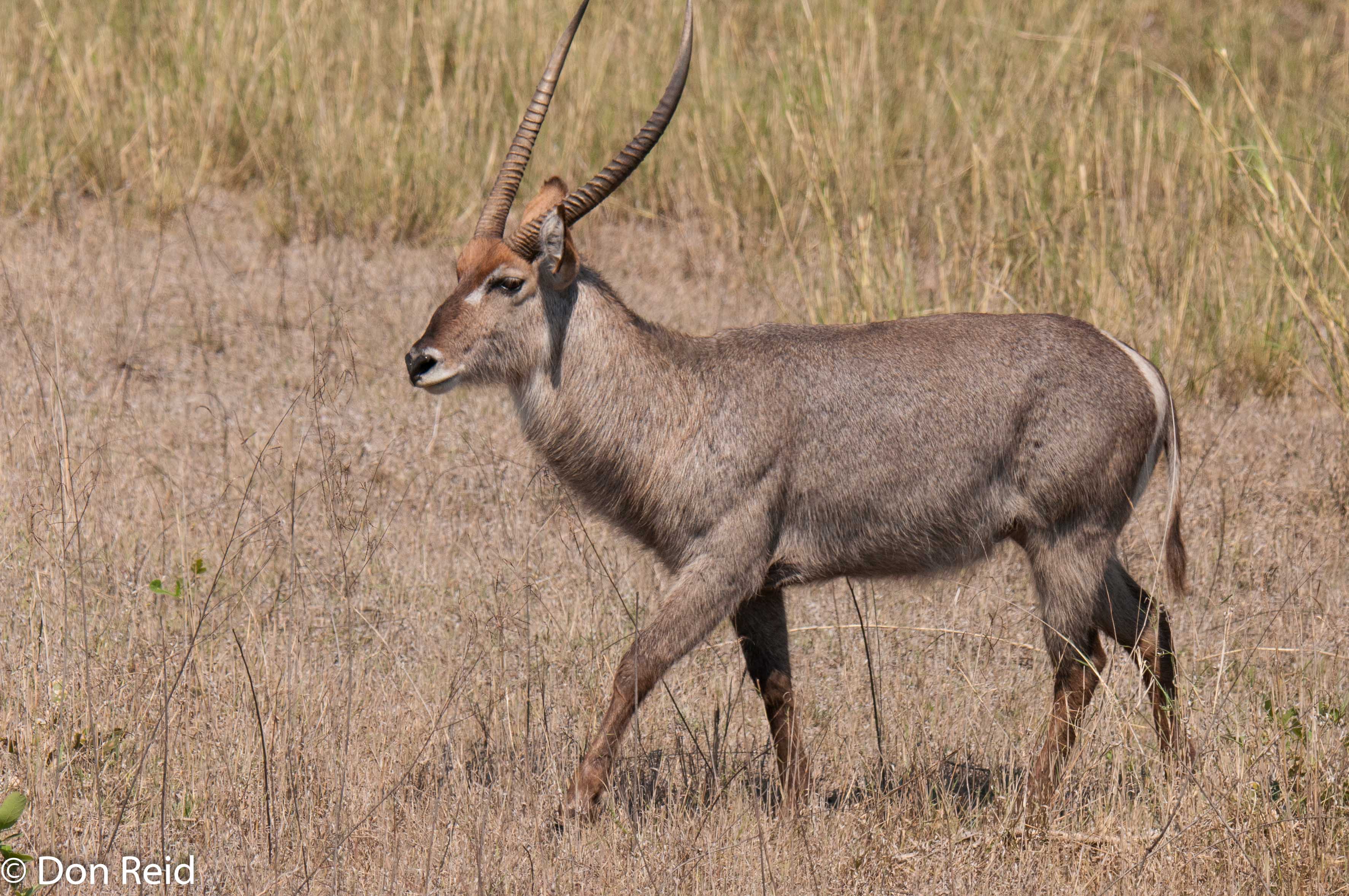
Waterbuck
Waterbuck

Any Birds?

Without spending too much time on birding, we nevertheless started the trip with some nice sightings :

  • Hamerkop at the first bridge after Phabeni – exactly where I had photographed one a year or so before
  • Dam at Nyamundwa – White-breasted Cormorant, Gyppo (Egyptian Goose)
  • Tshokwane picnic spot – Crested Francolin, Mourning Dove, Greater Blue-eared Glossy Starling, Saddle-billed Stork
  • Mazithi Dam – Another Saddle-billed Stork, Purple Heron, Three-banded Plover, Fish Eagle, Wood Sandpiper
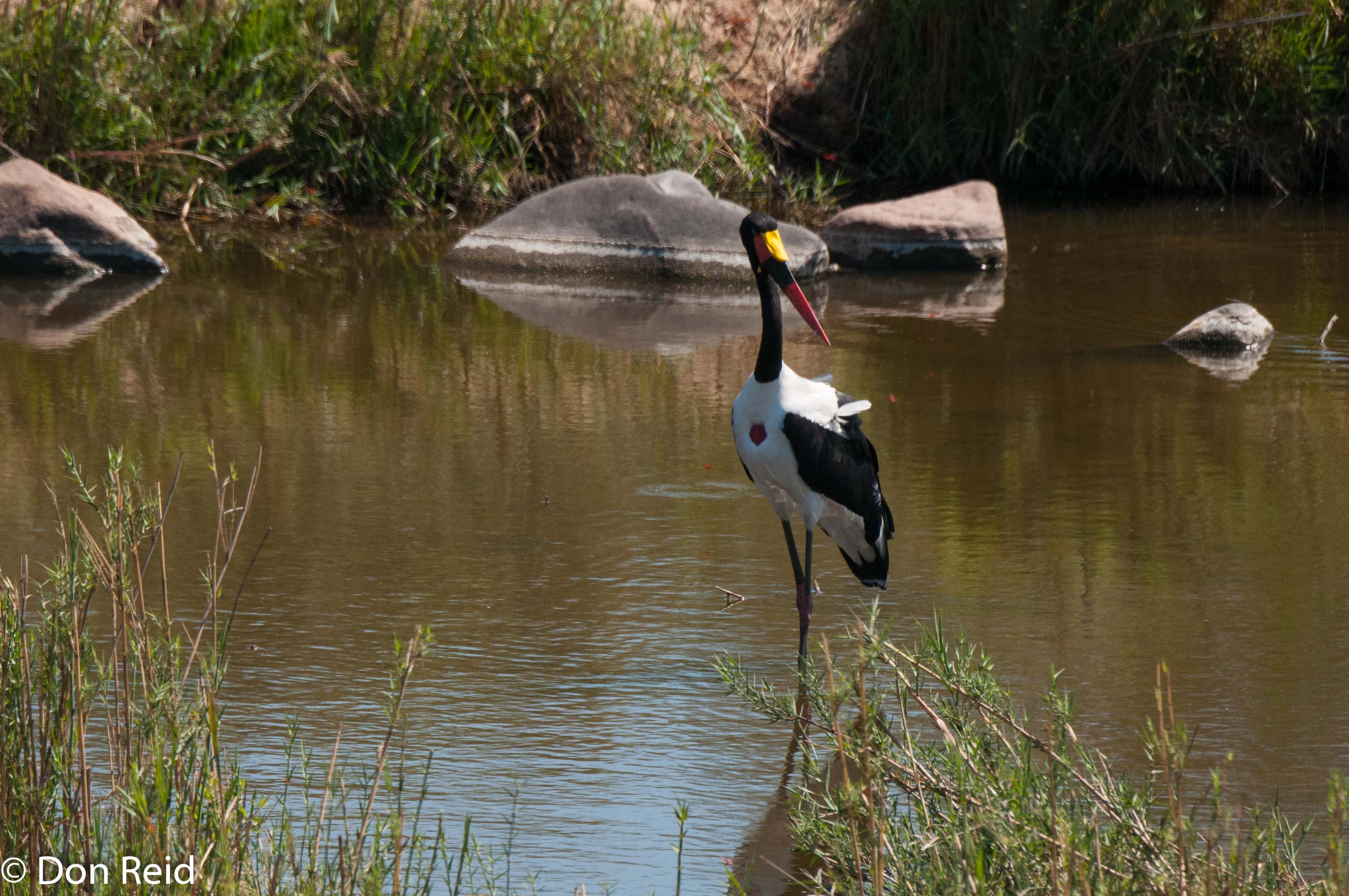
Saddle-billed Stork
Saddle-billed Stork

The Satara Experience

In Satara camp itself, the familiar sounds were present and remained throughout the week –

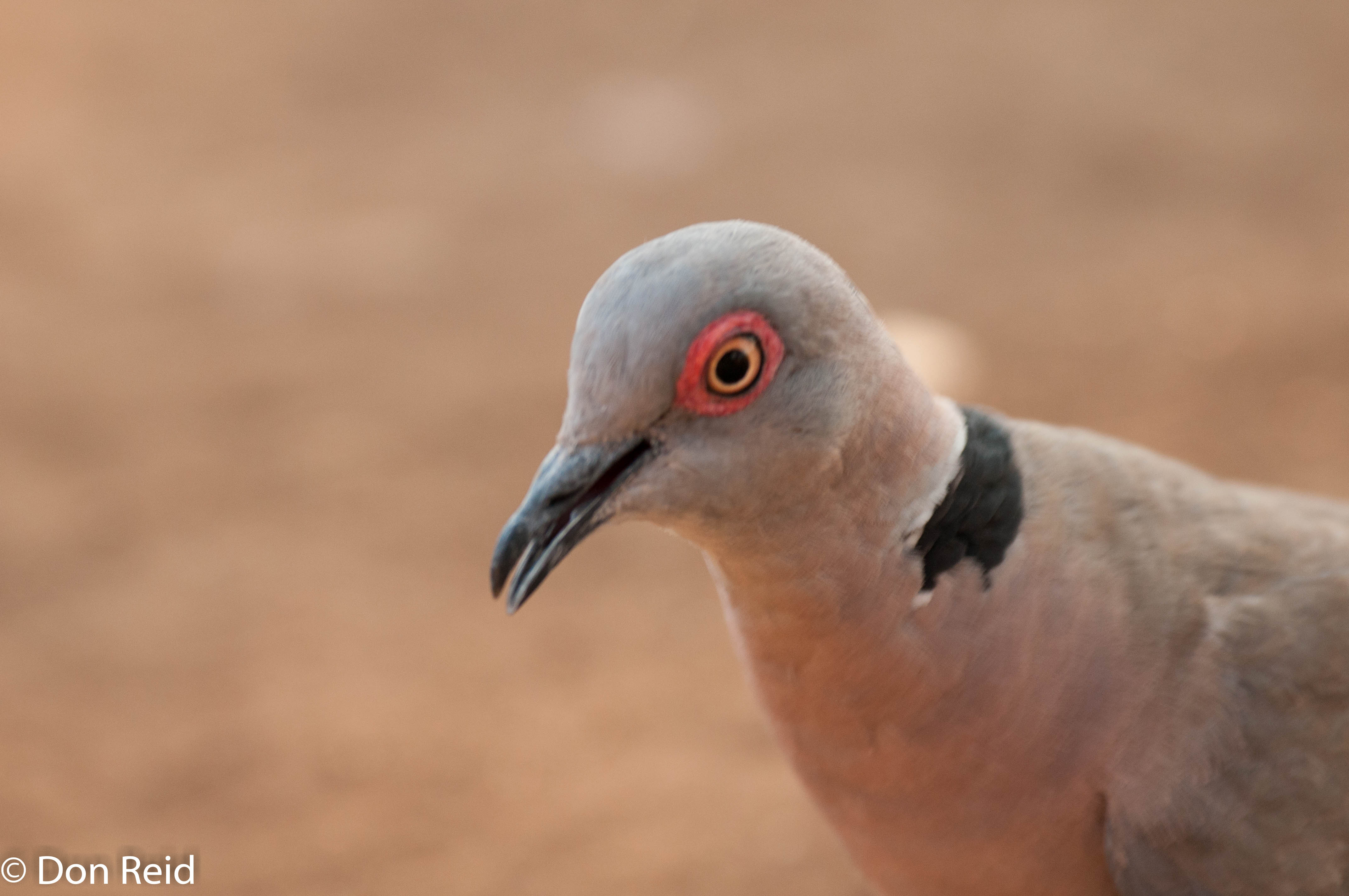
  • soft calling of the Mourning Dove – often first on the scene when the crumbs are sprinkled on the ground

, Satara

African Mourning Dove
  • Long-billed Crombec with its cricket-like call
  • Screeching of Brown-headed Parrots
  • the almost constant melodious call of the Orange-breasted Bush-Shrike, not too difficult to track down and photograph
Orange-breasted Bush-Shrike
  • occasional haunting call from the “Ghost bird” – Grey-headed Bush-Shrike, which perched for a while in the tree right in front of our rondawel
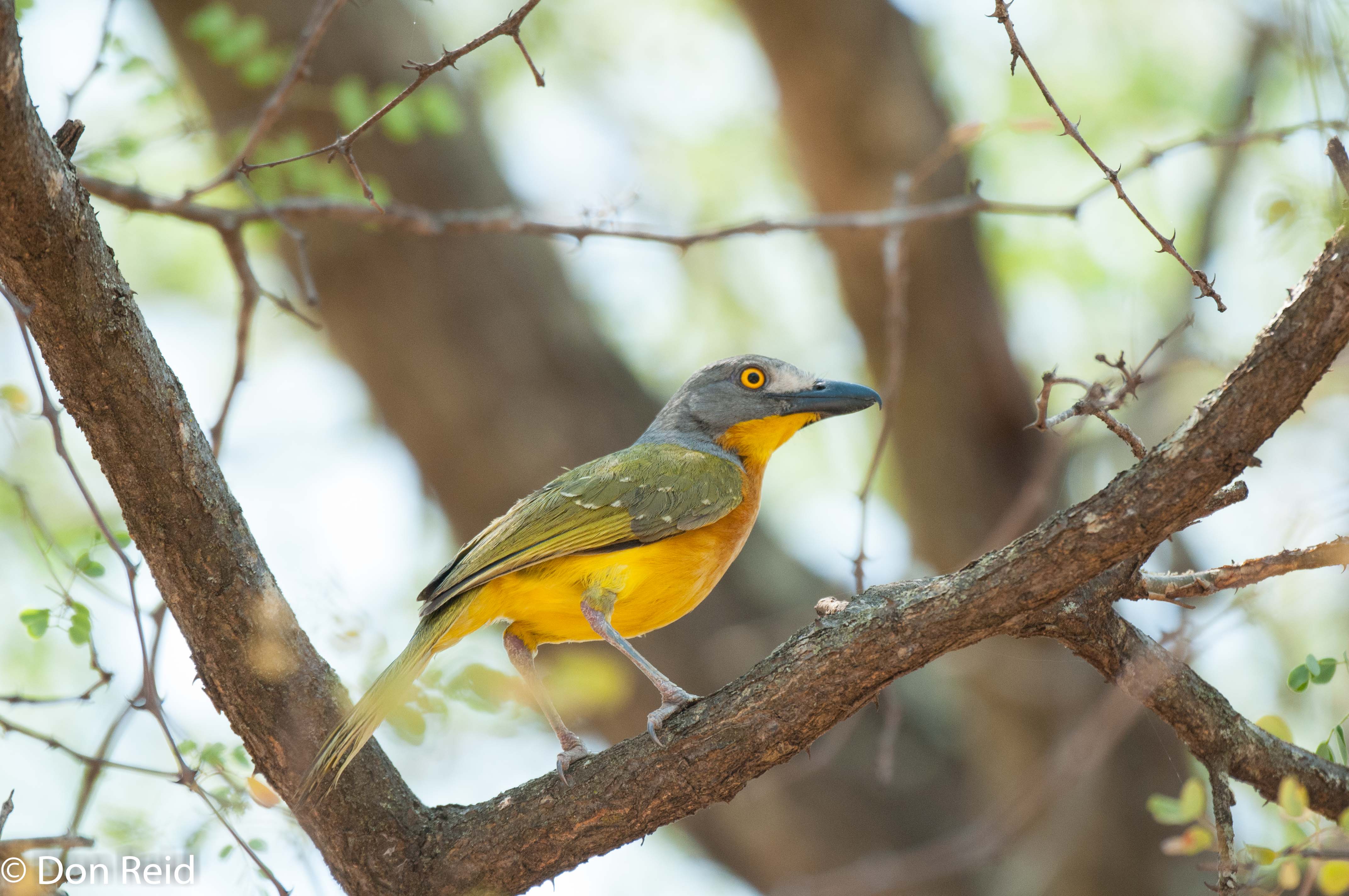
Grey-headed Bush-Shrike
  • Overhead a Yellow-billed Kite flew low over the trees, swooping lower every now and then in search of prey.

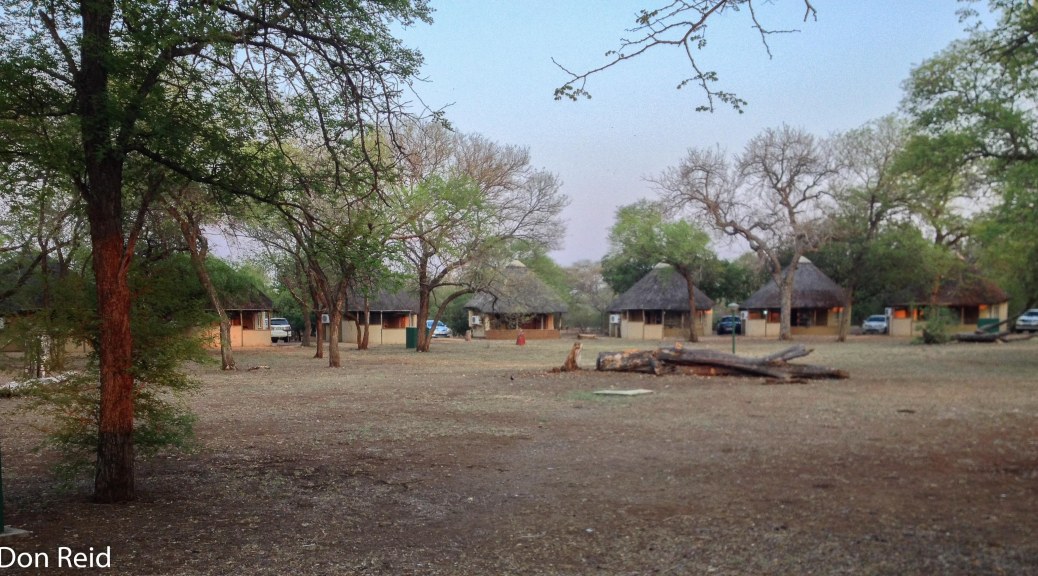
Satara is the second largest camp in Kruger and quite busy at this time of year, also attracting busloads of tourists from SA and overseas. The chalets are fairly simple and haven’t changed much over the years other than a small boma which has been added.
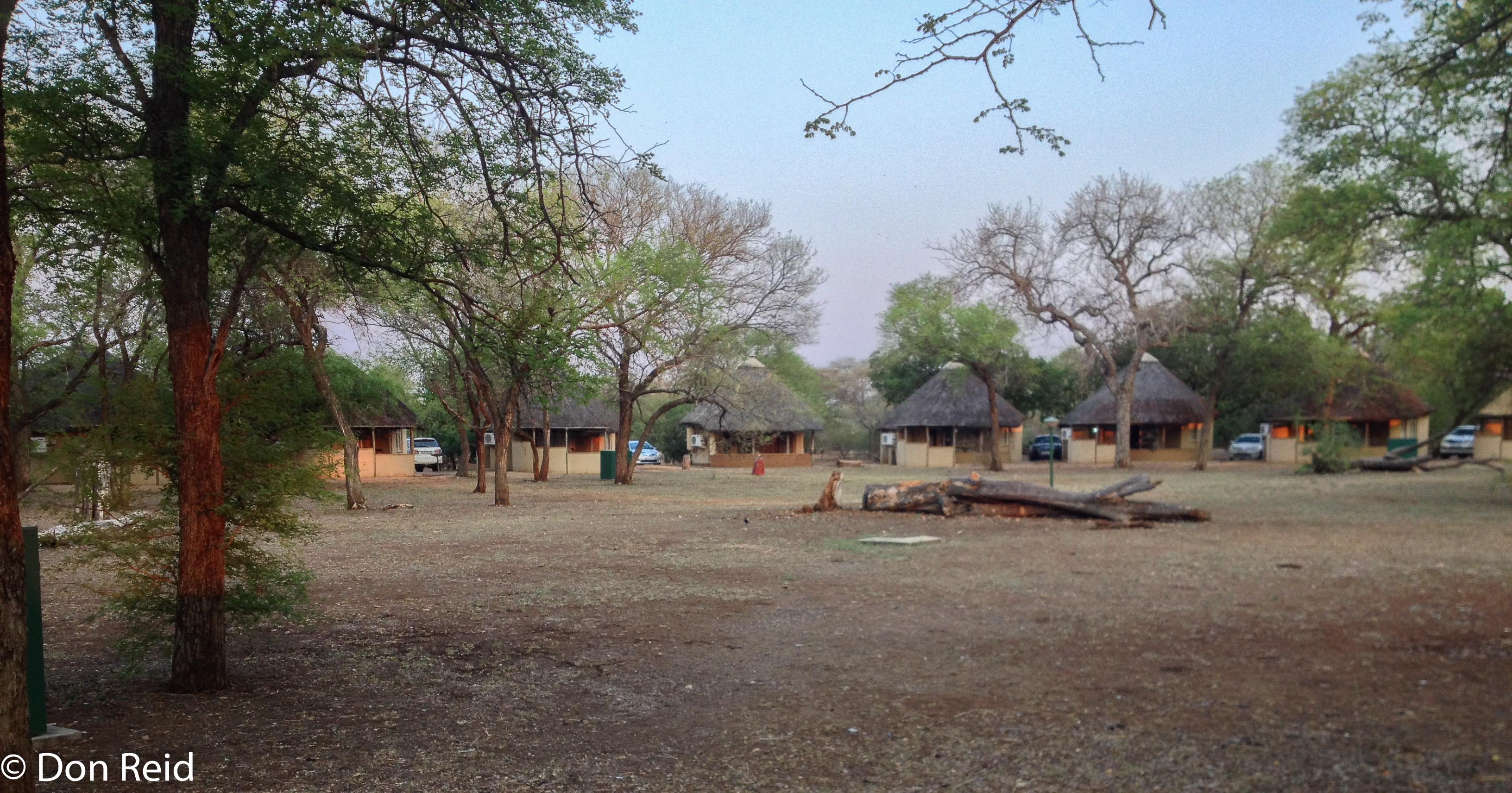
Satara - circle of chalets
Satara – circle of chalets
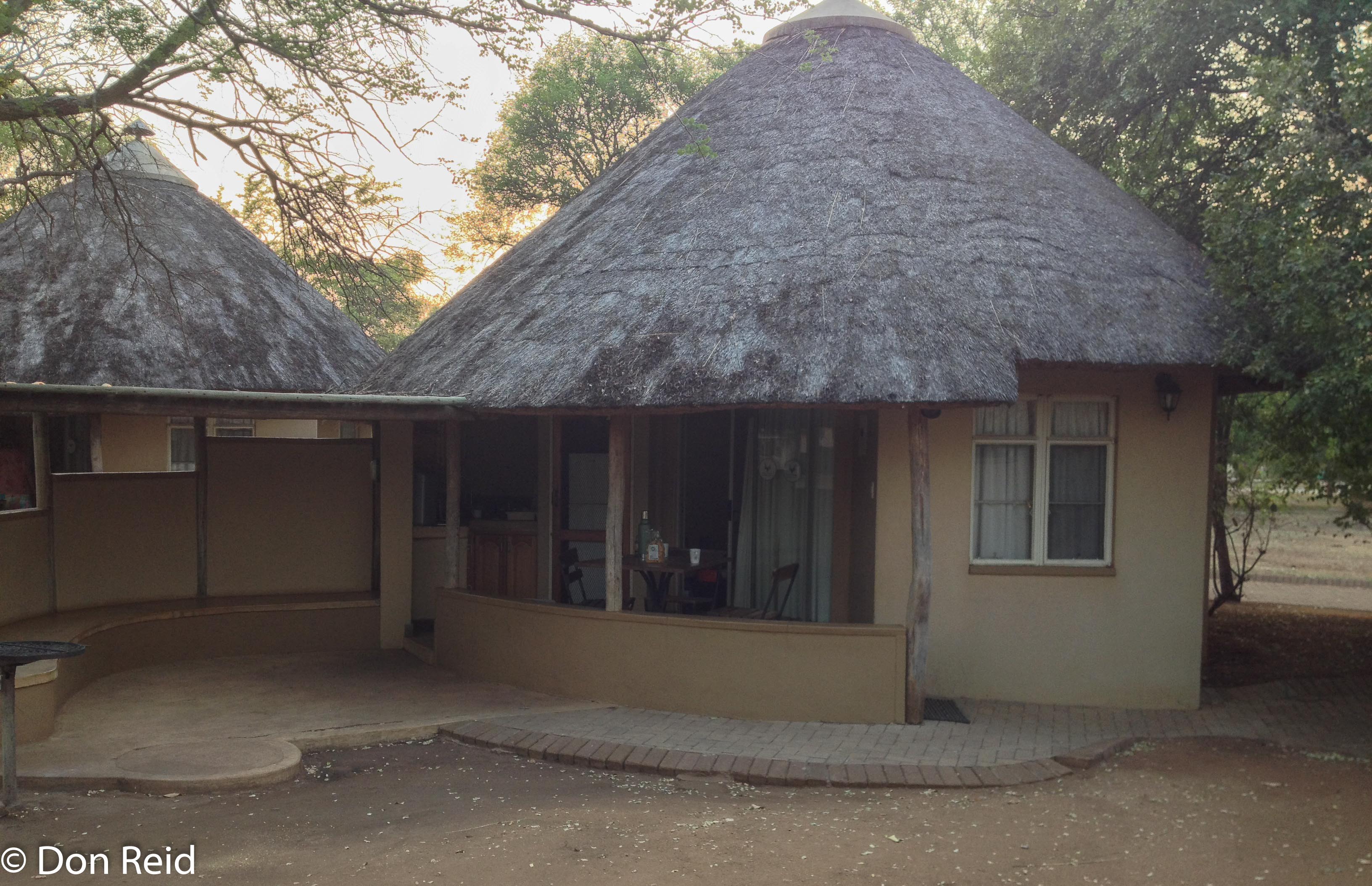
Our chalet
Our chalet
Enjoying the boma
Enjoying the boma

Most Kruger camps have their “residents” and Satara is no different – evening visitors to the chalets included African Wild Cat, Honey Badger and a cute troop of Banded Mongooses, while during the day you always have to be on the lookout for monkeys looking for a snatched snack.

African Wild Cat doing the rounds of the chalets

Other smaller residents use the chalets as sleeping quarters or hunting grounds

Fruit Bat - just "hanging around" until dusk
Fruit Bat – just “hanging around” until dusk
Tree Squirrel scouting around
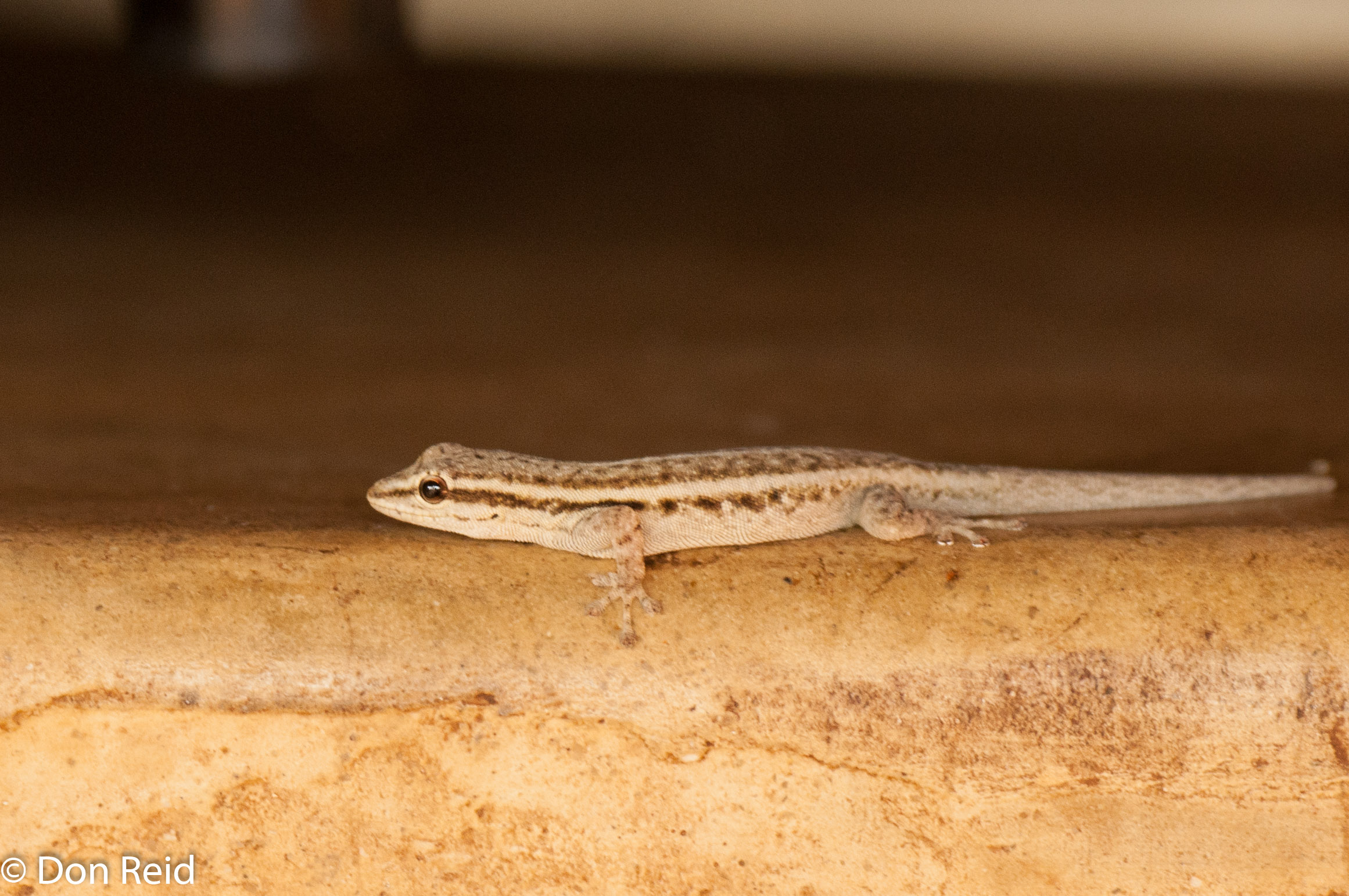
Striped Skink on the hunt for small insects
Typical Skink on the hunt for small insects

The Drives

Once settled in our chalet our thoughts turned to what drives we would be doing. Satara has wonderful routes that take you in all four directions and a week provides the time to try them all without “rushing about” too much.

The next few posts will cover the drives we chose to do and some of the great sightings and experiences we had

Victoria Falls – the Smoke that Thunders

David Livingstone wrote after seeing the falls for the first time –

“No one can imagine the beauty of the view from anything witnessed in England. It had never been seen before by European eyes, but scenes so lovely must have been gazed upon by angels in their flight”

Sounds a bit melodramatic you may say, but having seen the falls myself again after 17 years, I can’t help thinking he was spot on.

It was back in 1998 that we first visited Victoria Falls during a driving tour of Zimbabwe and the intervening years had made my memories somewhat fuzzy, so it was like seeing the Falls for the first time and the experience was truly breath-taking.

This time around, I was part of a  group of professionals that had come to visit the new Vic Falls airport under construction, accompanied by our client, and with the business side taken care of in the morning, we ventured into Victoria Falls National Park in the afternoon before returning to Kasane in Botswana.

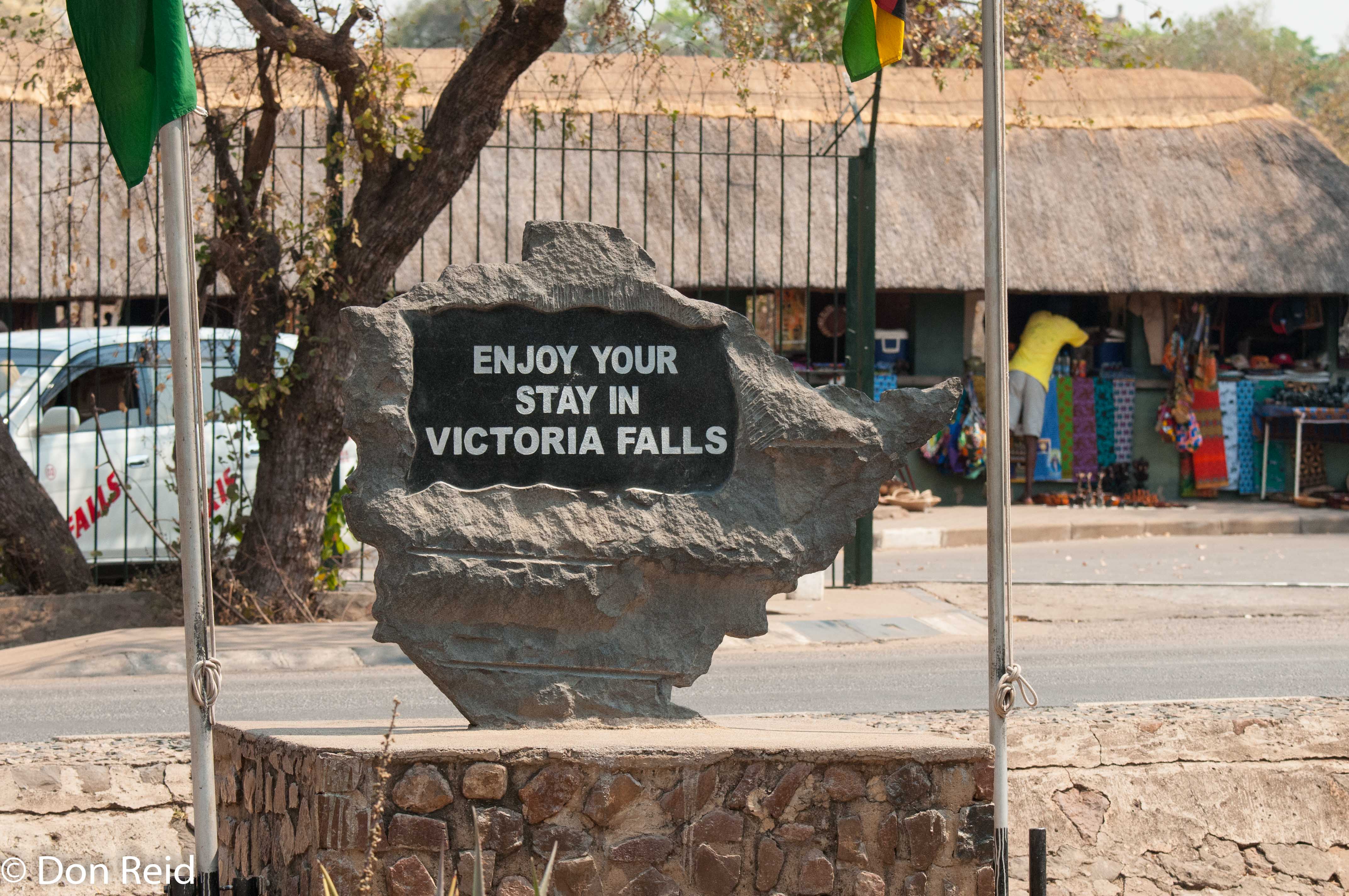
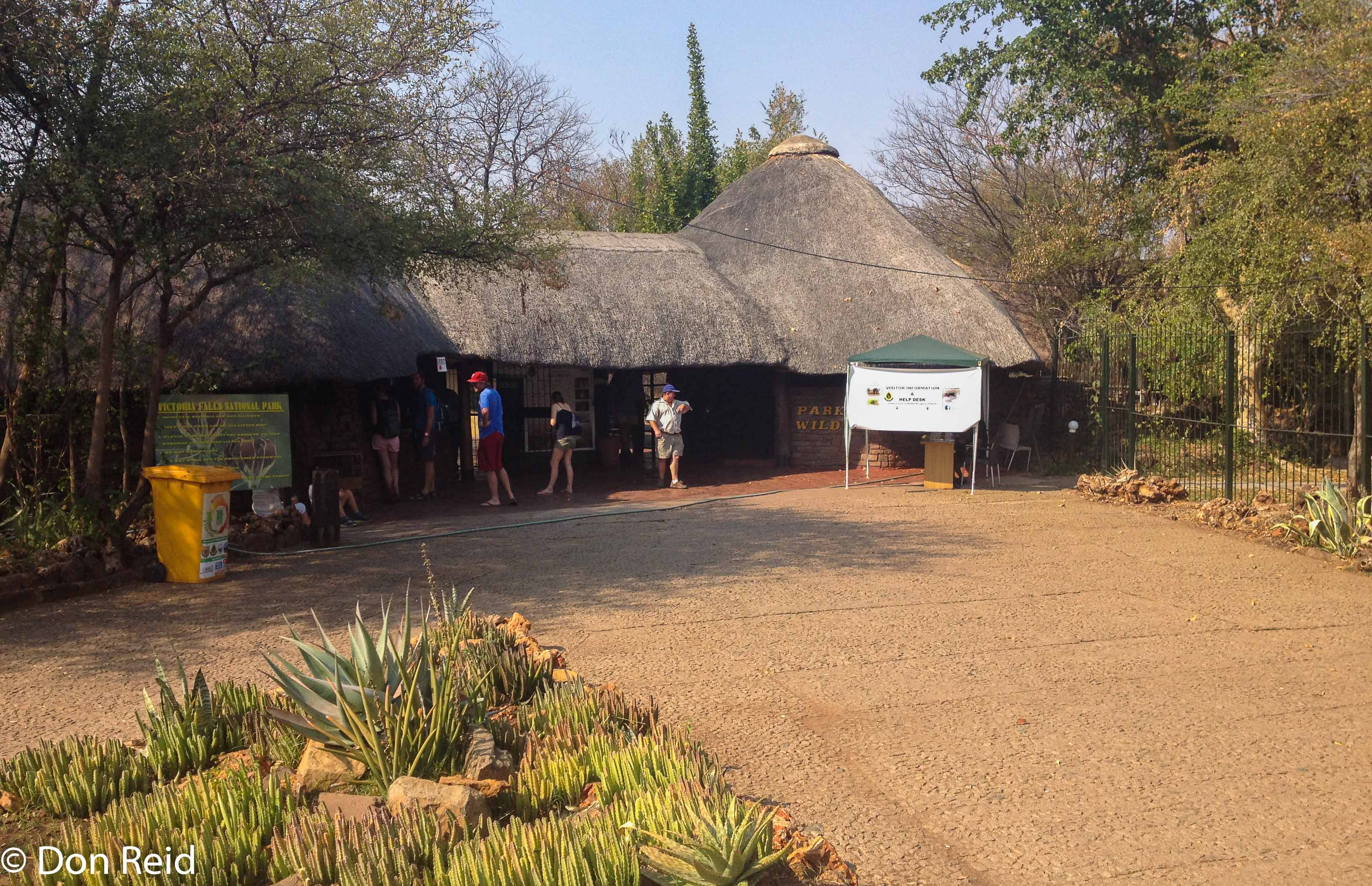
The entrance to the National Park at Victoria Falls is quite unimposing and does not prepare you for the experience that lies ahead.

Victoria Falls National Park main entrance

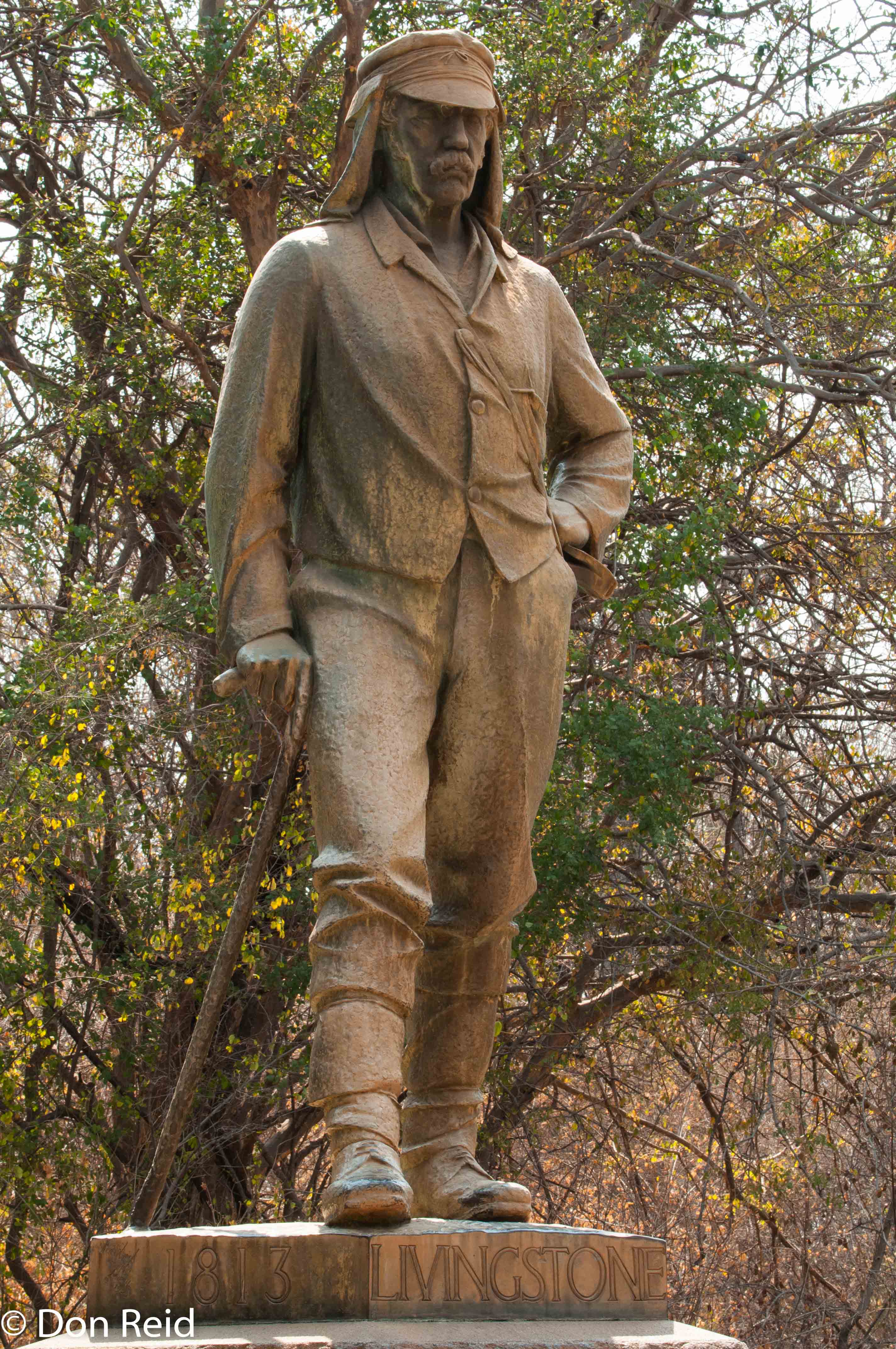
Once we had paid our $20 entrance fee, we took the pathway which initially winds its way to the David Livingstone statue – this famous Scottish missionary “discovered” the falls (they were always there and known to generations of African inhabitants, of course) on 17 November 1855, so the 160th anniversary is coming up next month.

Livingstone statue
Livingstone statue
Livingstone statue
Livingstone statue
Livingstone statue
Livingstone statue

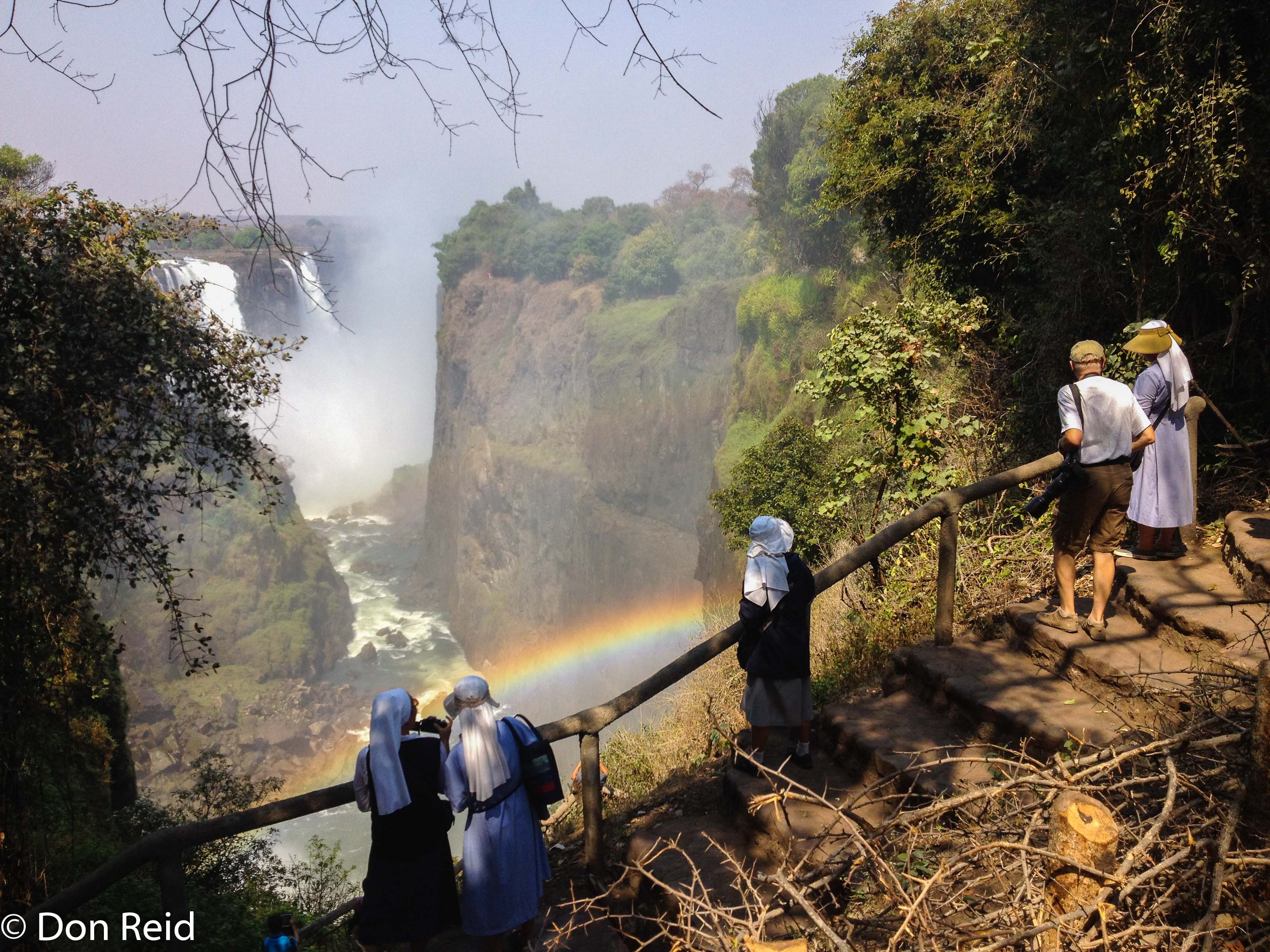
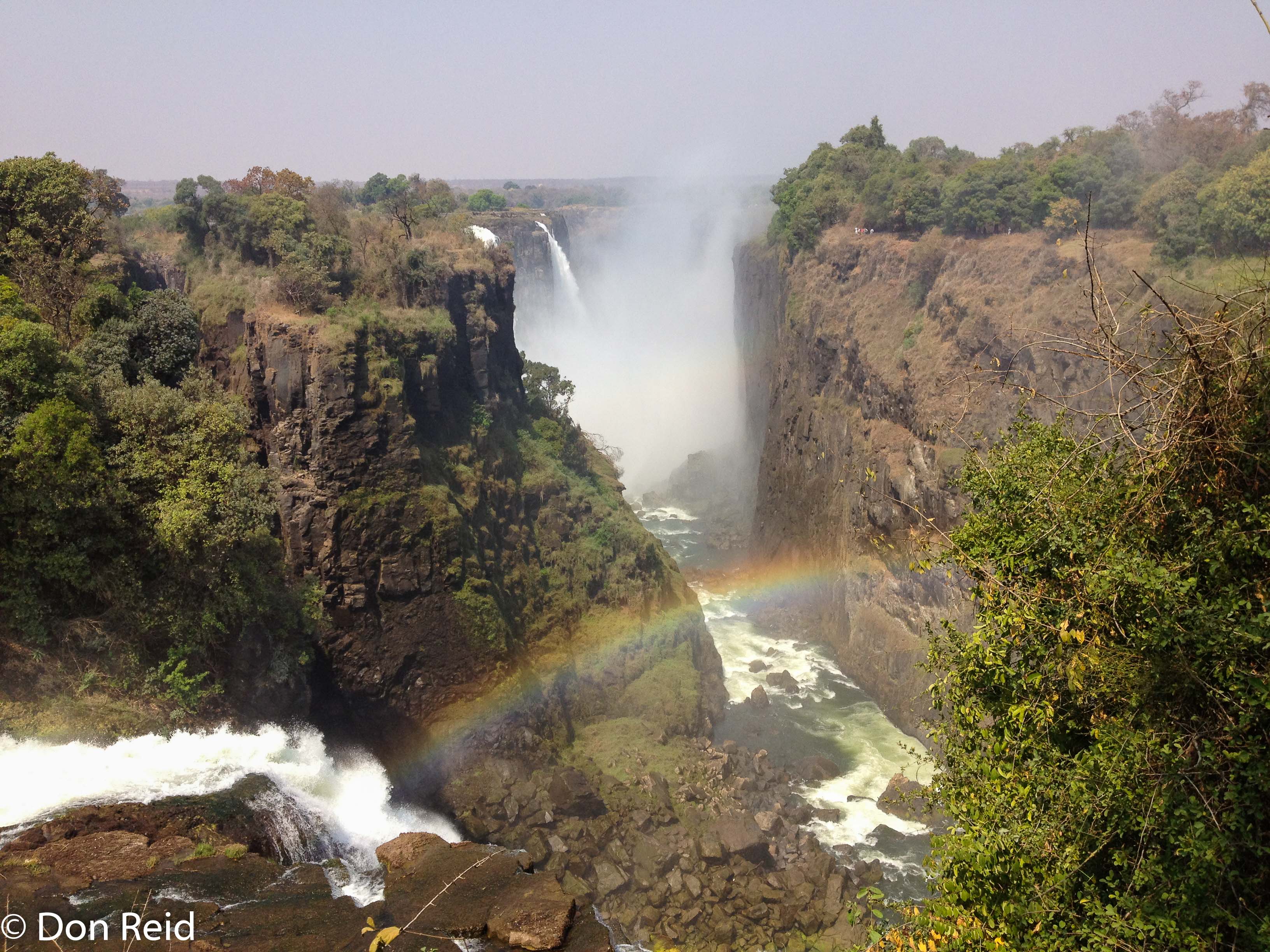
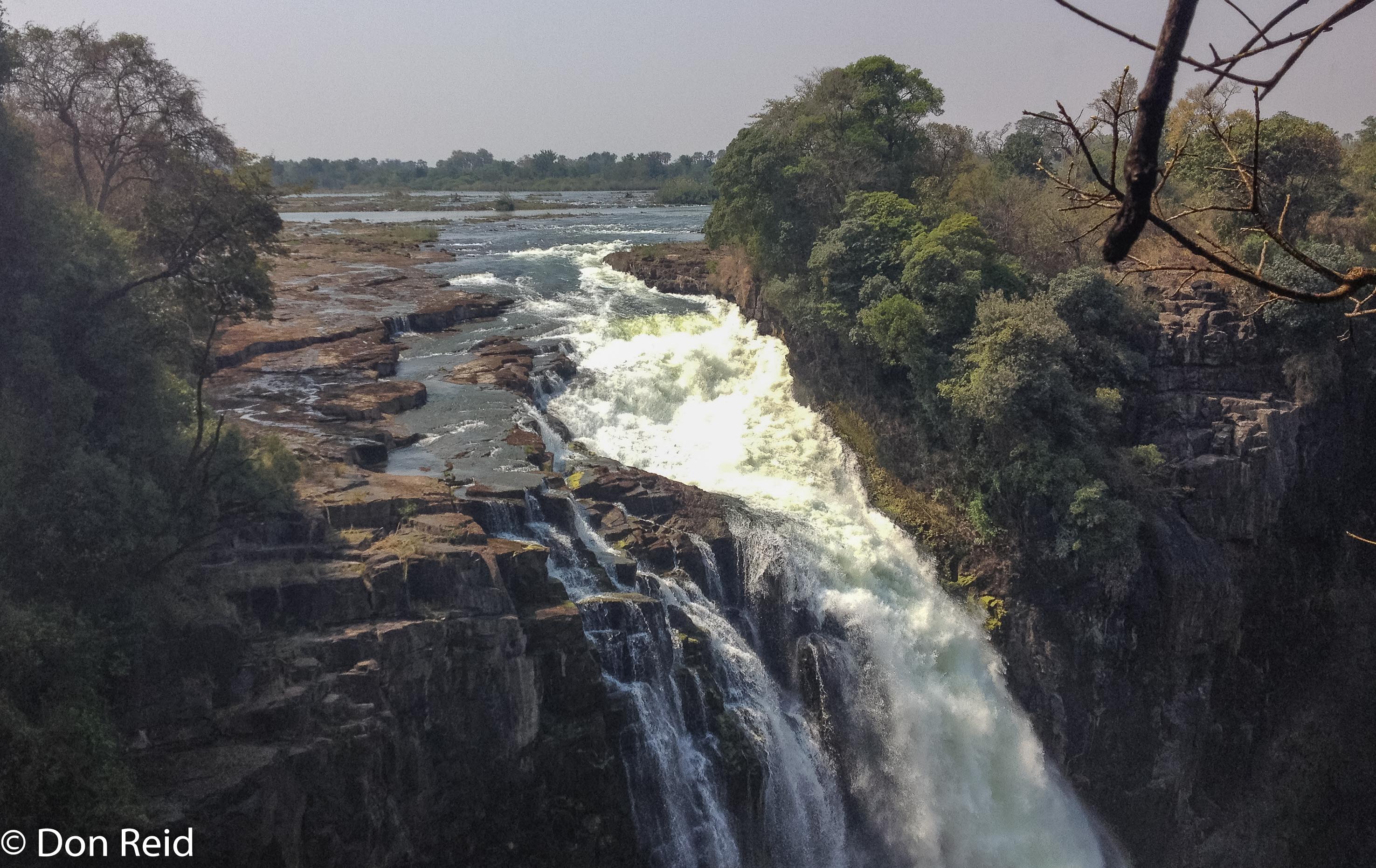
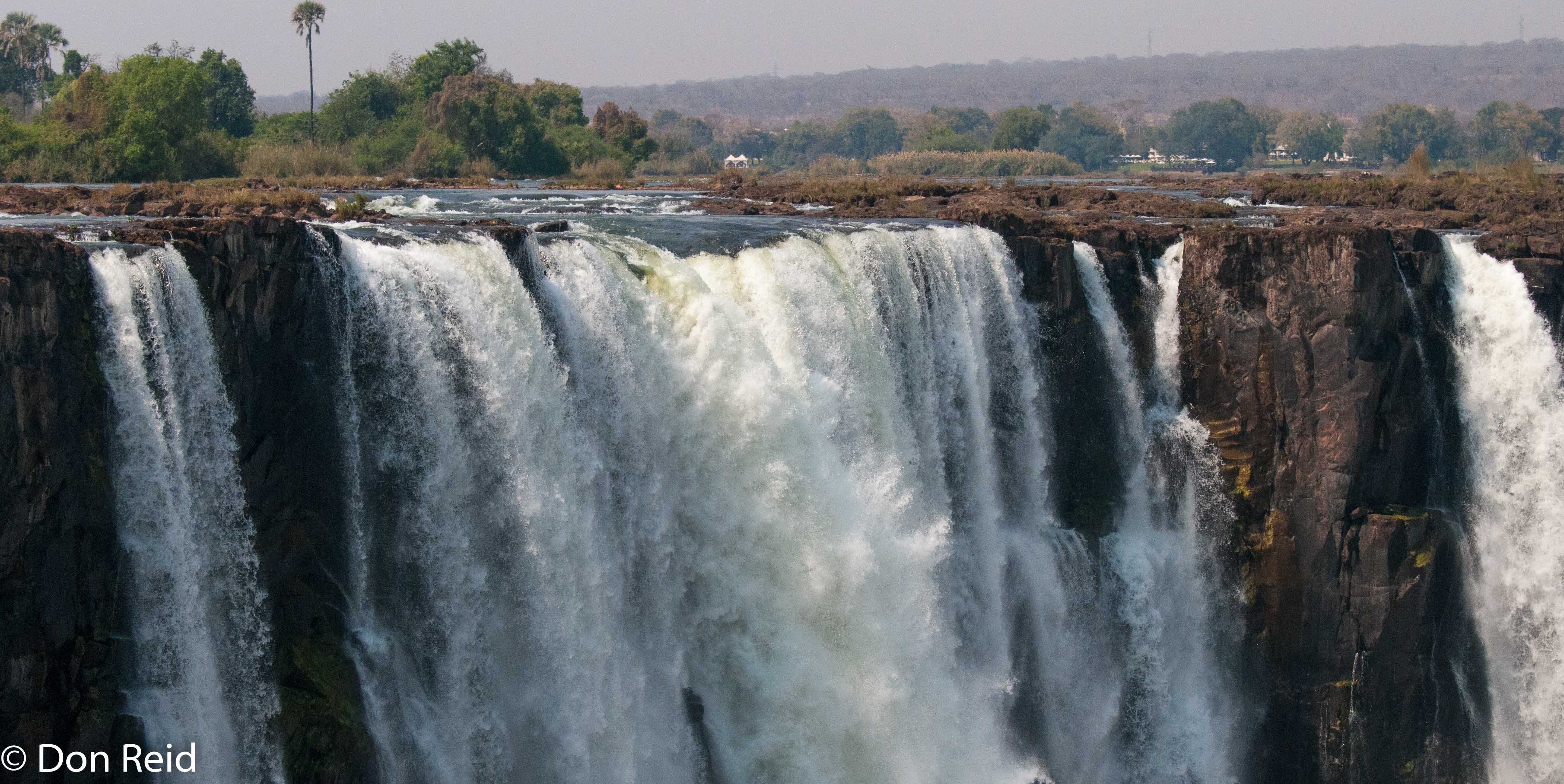
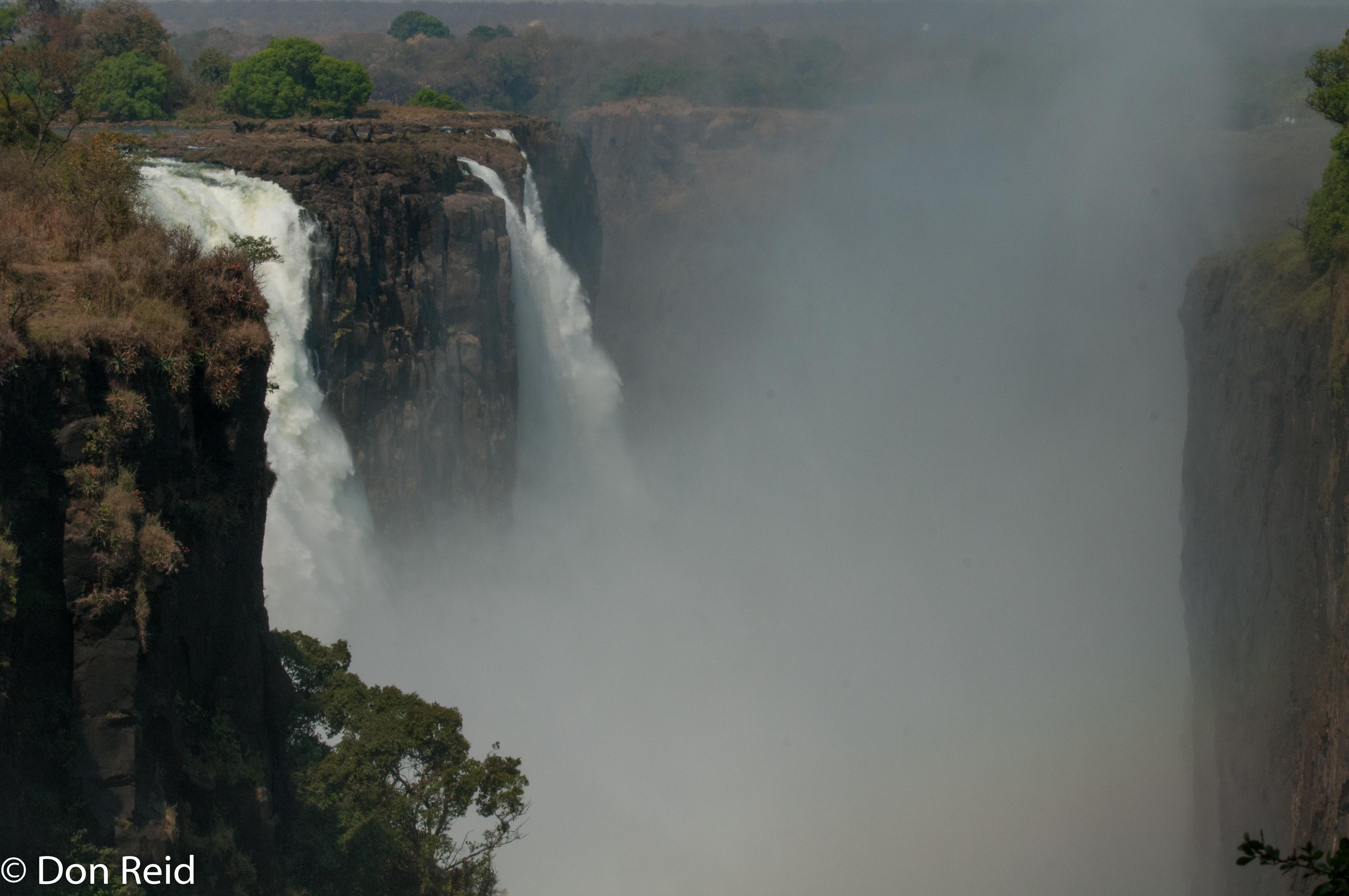
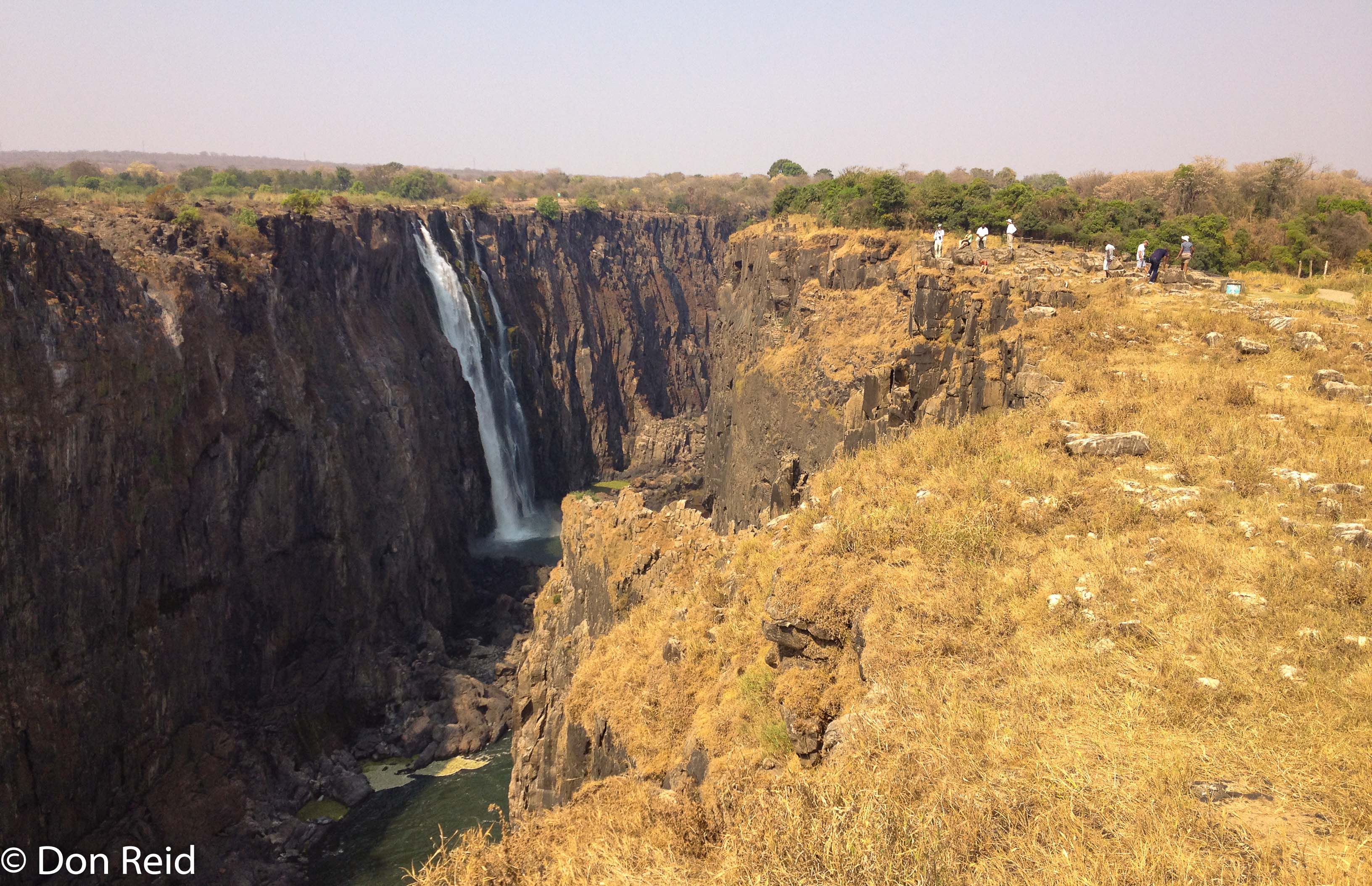
After the statue you get to the first viewpoint with breath-taking views of the thundering waters, veiled in a thick spray which caused rainbows to form at the time of day we were there. The spray shoots up vertically in massive columns and you realize why the indigenous name is Mosi-oa Tunya or the “Smoke that Thunders”. Apparently the Zimbabwean government intends to rename the falls to Mosi-oa Tunya, hardly surprising I suppose.

Victoria Falls
Victoria Falls
Victoria Falls
Victoria Falls

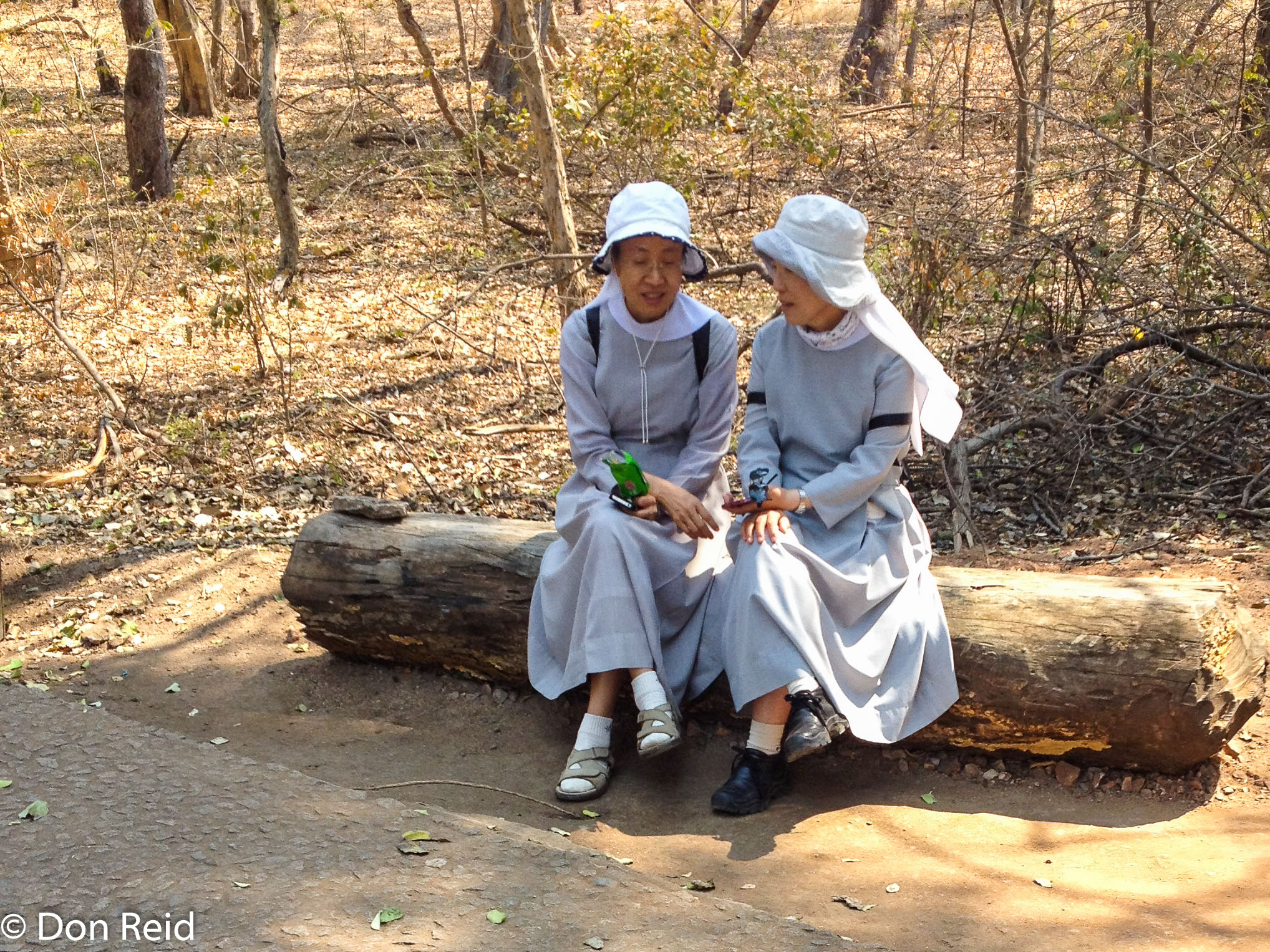
A group of Asian nuns (Korean?) were enjoying the experience and I couldn’t resist asking them if I could take a photo, as they looked quite charming in their habits with floppy sun hats and petite stature – they did not object.

Asian Nuns enjoying Victoria Falls

As you walk the designated pathways there are regular viewpoints where you can admire the different sections of the falls, which is the largest sheet of falling water in the world (although not the highest or widest) and twice the height of Niagara Falls at 108m. The mass of water, which averages over 1000 m3 per second, drops into a transverse chasm or gorge which is 1708m wide, then continues its way down the Batoka gorge (which my son Stephan and I rafted back in 1998 when I still had the desire for such things) through some spectacular rapids before becoming calmer and forming the mighty Zambesi River once more as it makes its way to Lake Kariba and beyond Kariba through Mozambique to the Indian Ocean.

Victoria Falls
Victoria Falls
Victoria Falls
Victoria Falls
Victoria Falls
Victoria Falls
Victoria Falls
Victoria Falls

The main streams of the falls have names –

  • Devil’s Cataract
  • Main Falls
  • Rainbow Falls
  • Eastern Cataract

We continued our meander along the path which follows the Zimbabwe side of the gorge for a Km or more, stopping at the regular viewpoints which allow views from strategically placed points.

Where the spray up flow is at its heaviest there is a constant “rainfall”, which wasn’t too heavy during our visit as the falls are at their lowest flow in October/November, but at other times requires a raincoat to prevent a drenching. It is along this stretch that a permanent rainforest has formed and it was a welcome relief from the sun’s heat while it also afforded the best views of the widest section of falling water.

The Rainforest, Victoria Falls
1998 Photo
1998 Photo

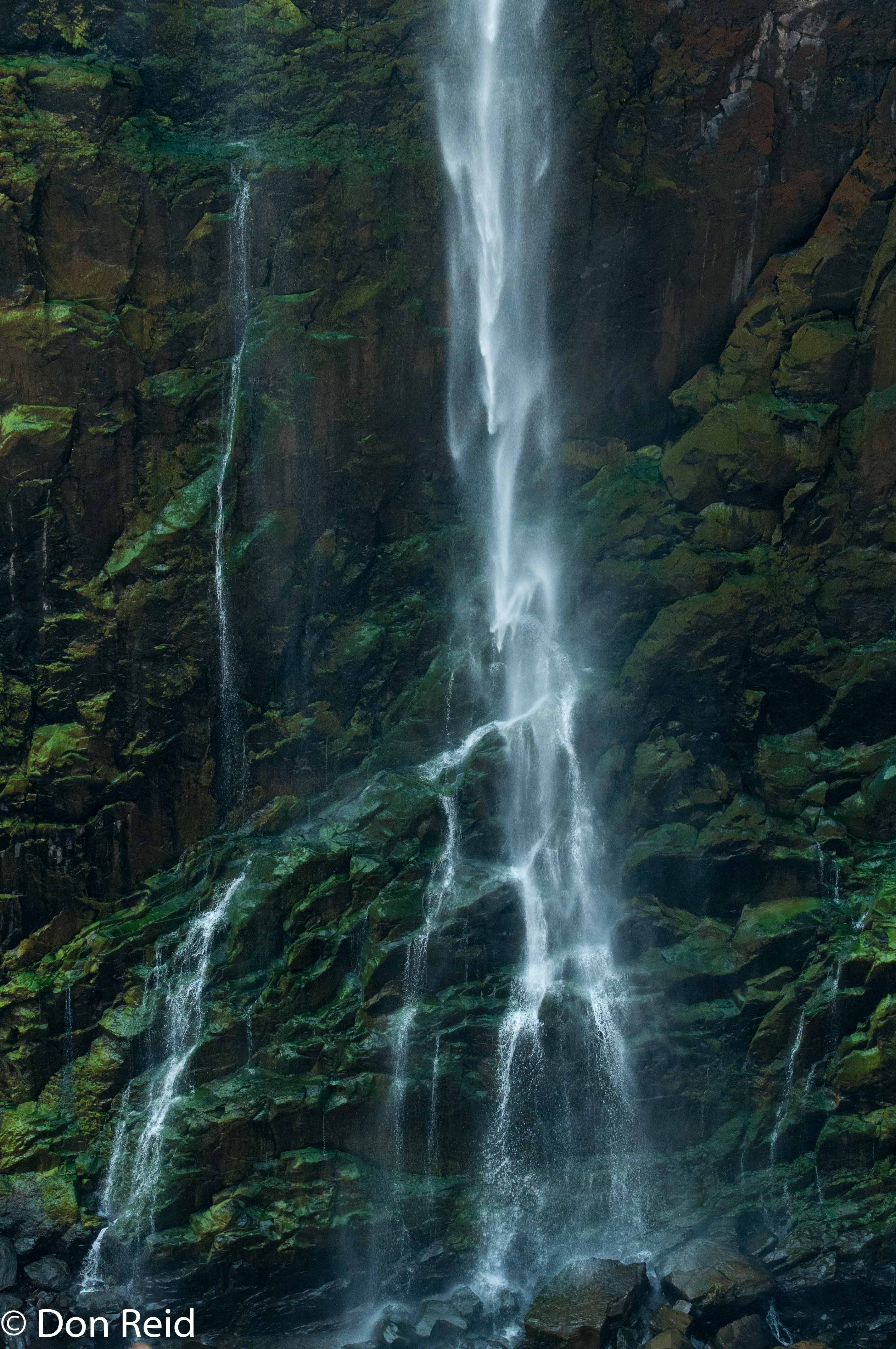
Further along where the spray does not reach, the rainforest petered out and suddenly we were in grassy savannah with good views back along the length of the gorge and across at the strands of water cascading down the sheer face of the rocks.

Victoria Falls
Victoria Falls
1998 Photo
1998 Photo
Victoria Falls
Victoria Falls
Victoria Falls
Victoria Falls
Victoria Falls
Victoria Falls
Victoria Falls
Victoria Falls

Some brave tourists (or foolish perhaps?) out for adventure on the Zambian side, were bathing in a pool on the edge of the falls – this can only be attempted in the low-water season for obvious reasons. This activity has claimed a few lives over the years.

Bathing on the edge, Victoria Falls

The pathway ends at the point where the gorge does a 90 degree turn and from there we made our way slowly back to the main entrance.

And the Birding?

This was not a birding outing but I had my binos and camera handy as usual and encountered a few worthwhile species

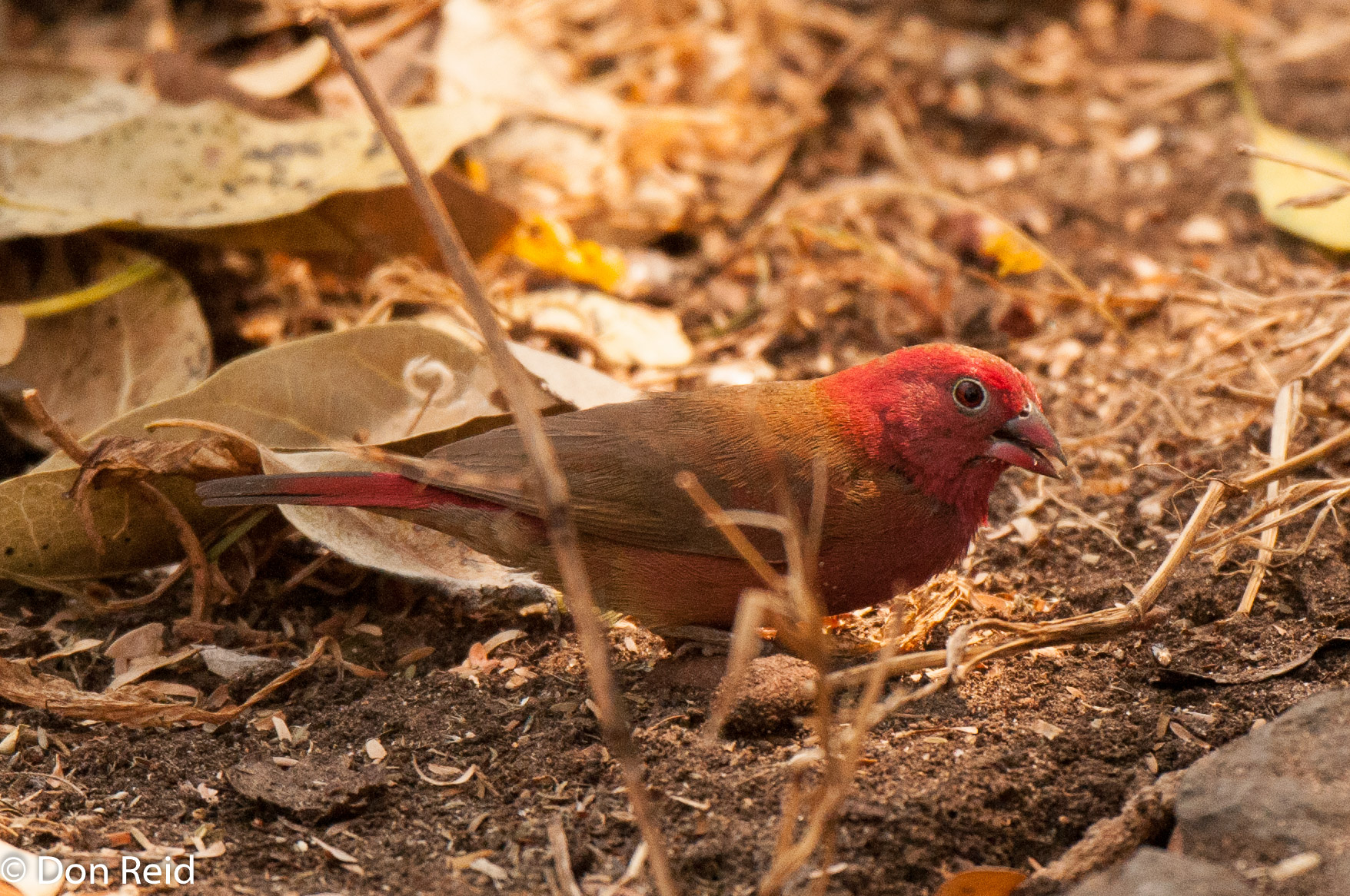
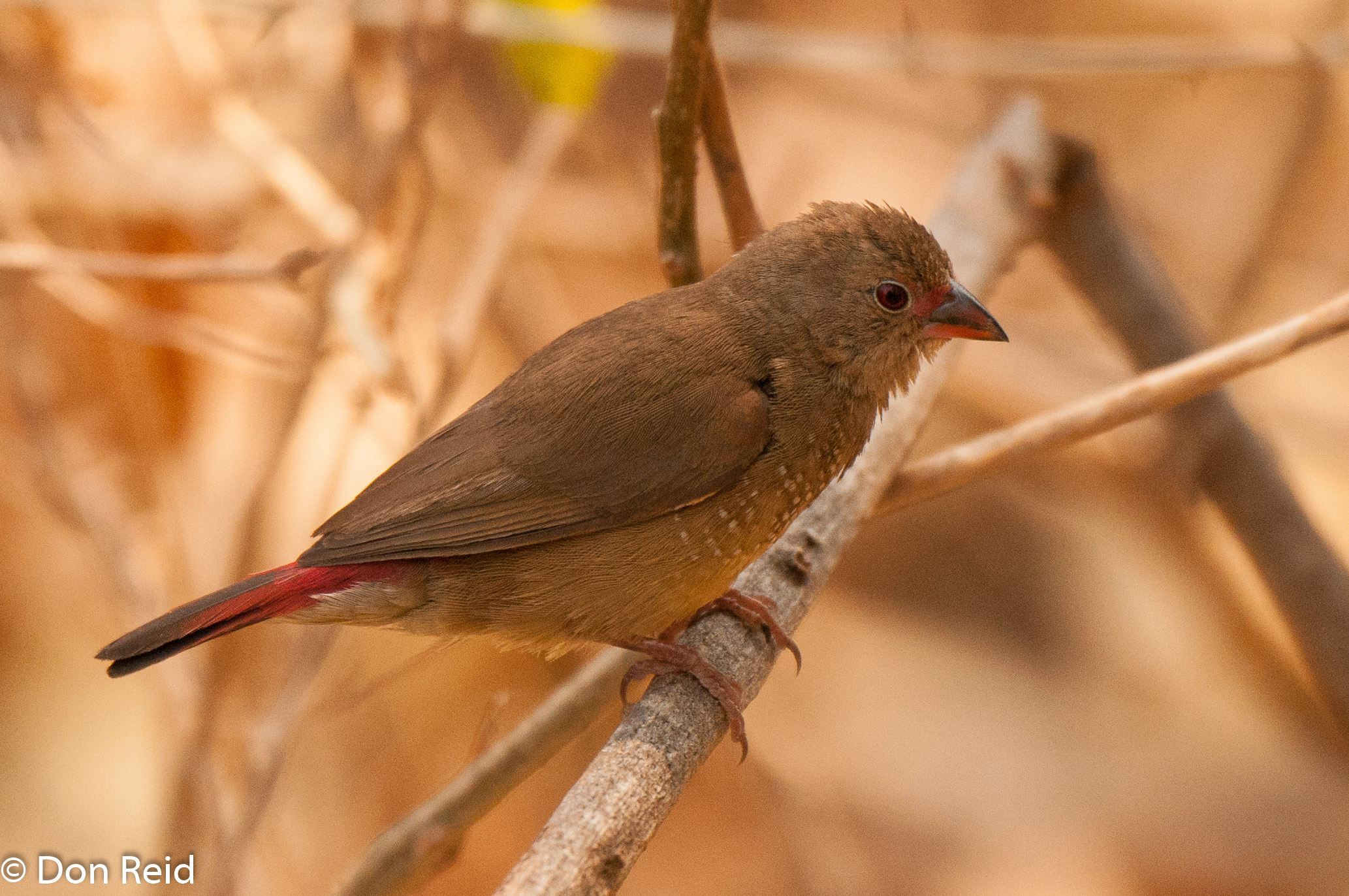
  • Red-billed Firefinch
Red-billed Firefinch (Male), Victoria Falls
Red-billed Firefinch (Female), Victoria Falls
  • Trumpeter Hornbill which played hide-and-seek with me in the rainforest
Trumpeter Hornbill, Victoria Falls
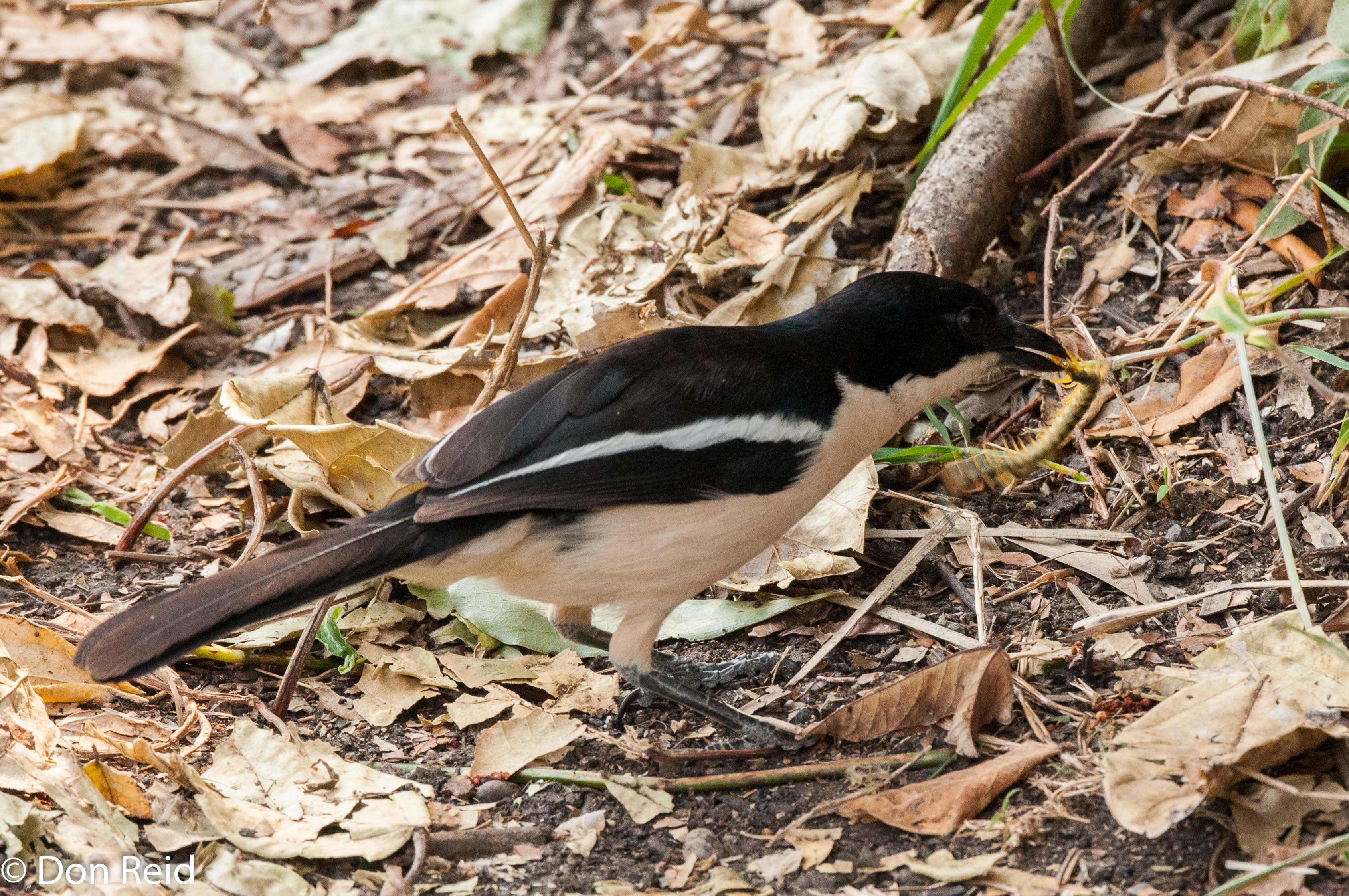
  • Tropical Boubou busy catching and eating an insect of sorts – my first photo of this species
Tropical Boubou, Victoria Falls

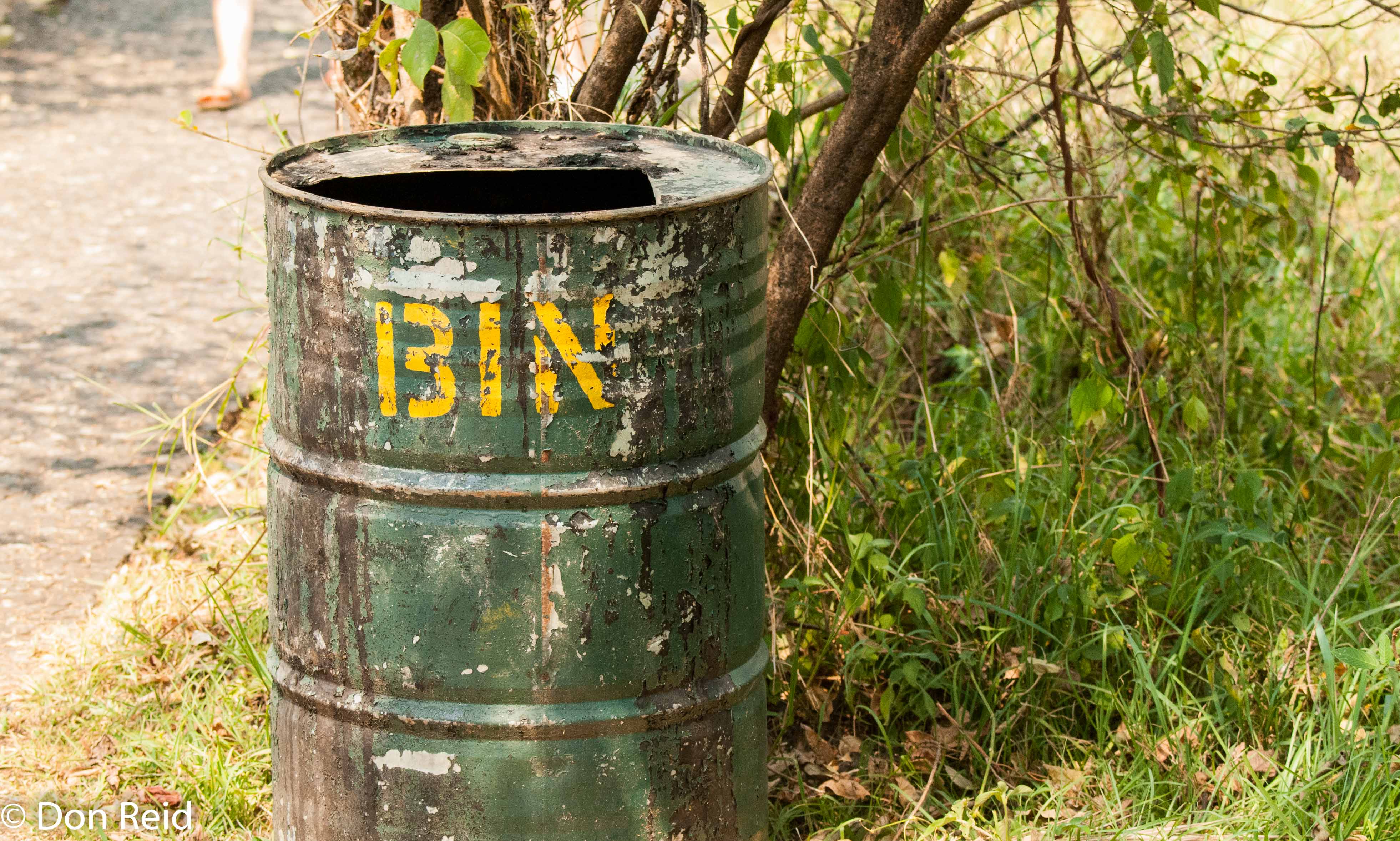
All that remained was to leave this wonderful spot and say “Bin there, Done that”

Bin there, done that, Victoria Falls

Victoria Falls