Mossel Bay in July – A Winter’s Tale

At home in Mossel Bay

The first 10 days of our July stay in our second home town were characterised by cold, wet weather almost every day – typical Cape winter weather you might say, but the locals insist it is exceptional for Mossel Bay, which is punted as having one of the mildest climates in SA.

It hasn’t been conducive to going atlasing in the early morning, so I have taken the lazy option of doing most of my birding and atlasing in the Golf Estate where our house is located with short visits to some selected spots in the Mossel Bay area to find the species not occurring in the estate itself.

Mossel Bay Golf Estate
View of the golf course from our garden
Mossel Bay Golf Estate - nature reserve area
Looking down at the nature reserve area from the walking trail

The Patio Option

Our enclosed patio looking over the golf course and the sea has proved to be the ideal spot for viewing the birds that visit our small garden, particularly when they perch in the neighbour’s trees, which are at eye level a just a few metres from the first floor patio.

Regular visitors include the usual Doves (Laughing, Cape Turtle- and Red-eyed) and Sparrows (Cape and Grey-headed) while Streaky-headed Seedeaters have been prominent for the first time that I can recall.
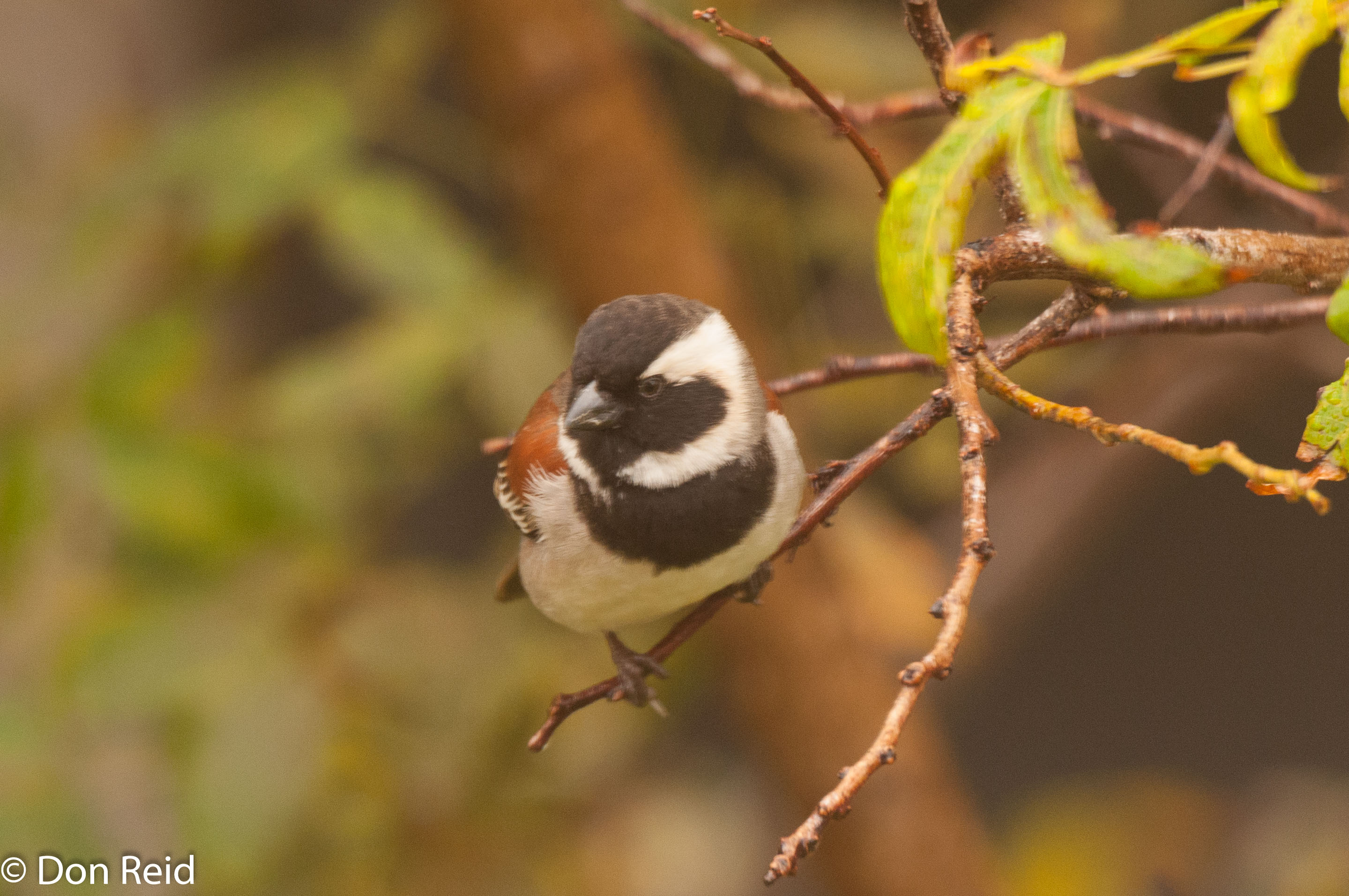
Cape Sparrow
Cape Sparrow
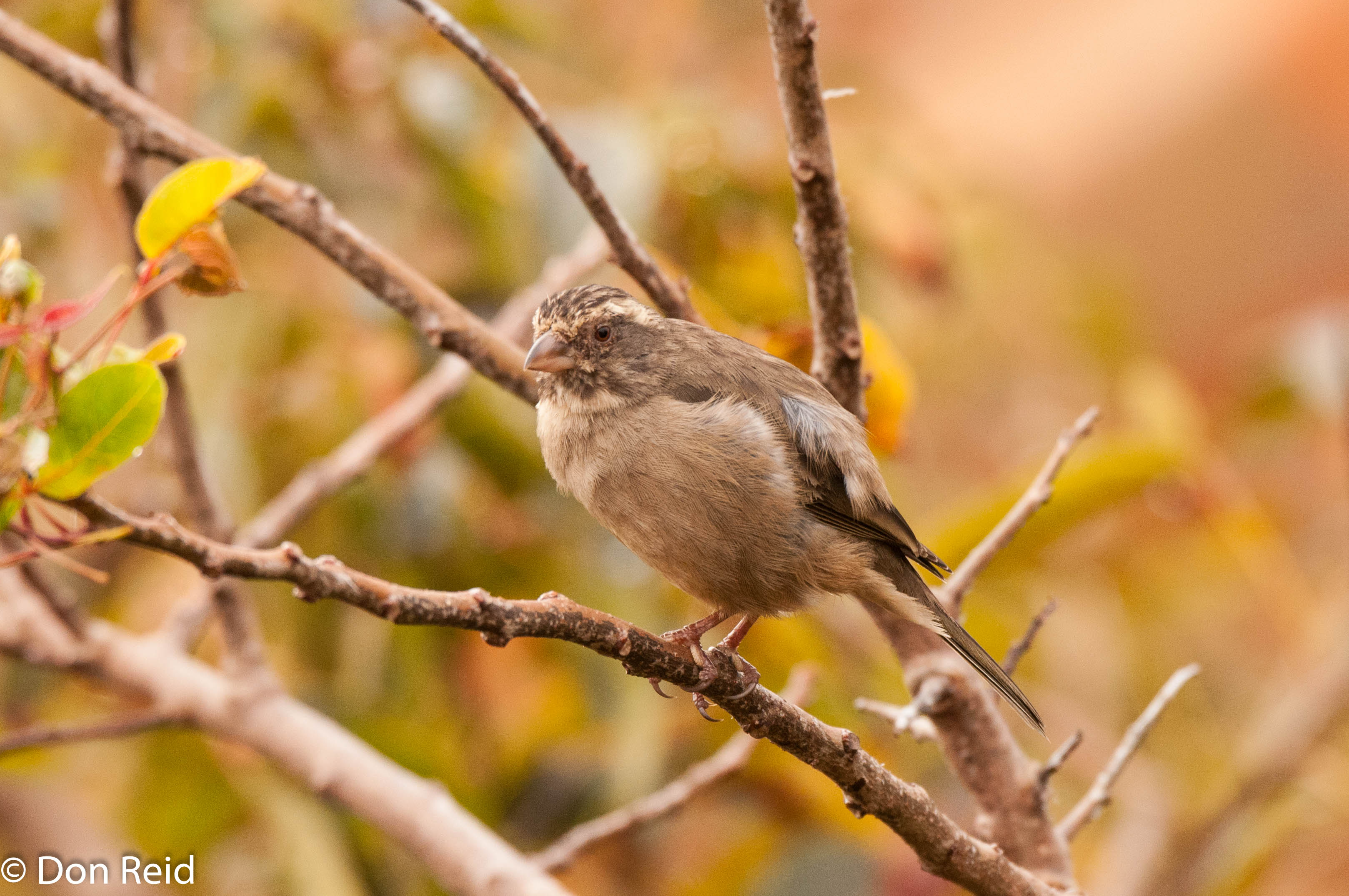
Streaky-headed Seedeater
Streaky-headed Seedeater (which used to be called Streaky-headed Canary)

A Cape Weaver started building his nest with a neat ring of grass as the frame for the ball-shaped nest to follow, but unfortunately abandoned it at that point.
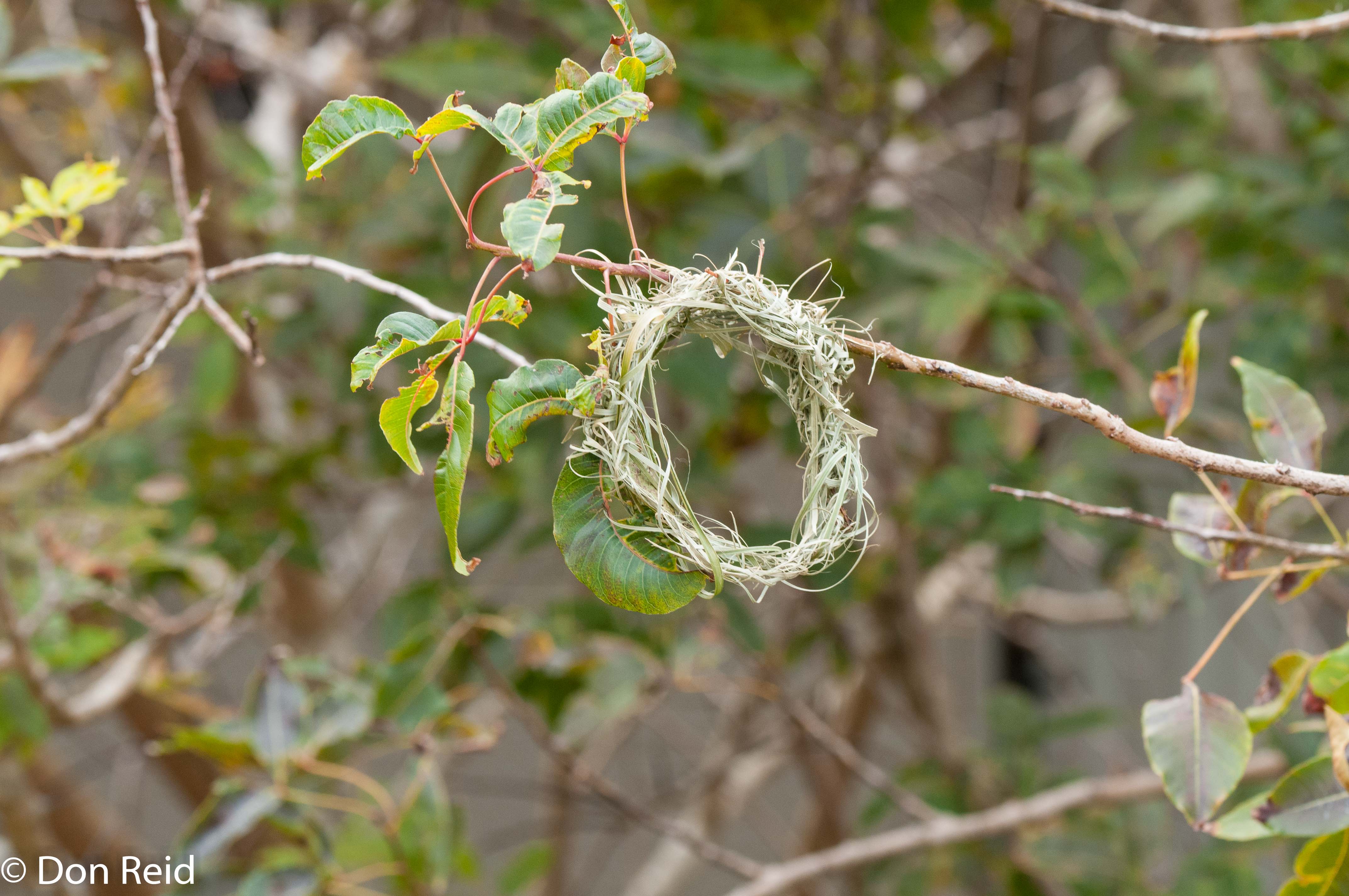
Weaver starter frame of nest

The honeysuckle hedge below the patio was not in flower but we still had both Southern and Greater Double-collared Sunbirds visiting, probably on their way to the many flowering Aloes in the estate, which are at their colourful best in the winter months.

Southern Double-collared Sunbird
Southern Double-collared Sunbird (Greater ditto is identical other than a broader band of red)

Others dropping by were both of the common species of Mousebird, Speckled and Red-faced and both presented nice photo opportunities.

Speckled Mousebird
Speckled Mousebird
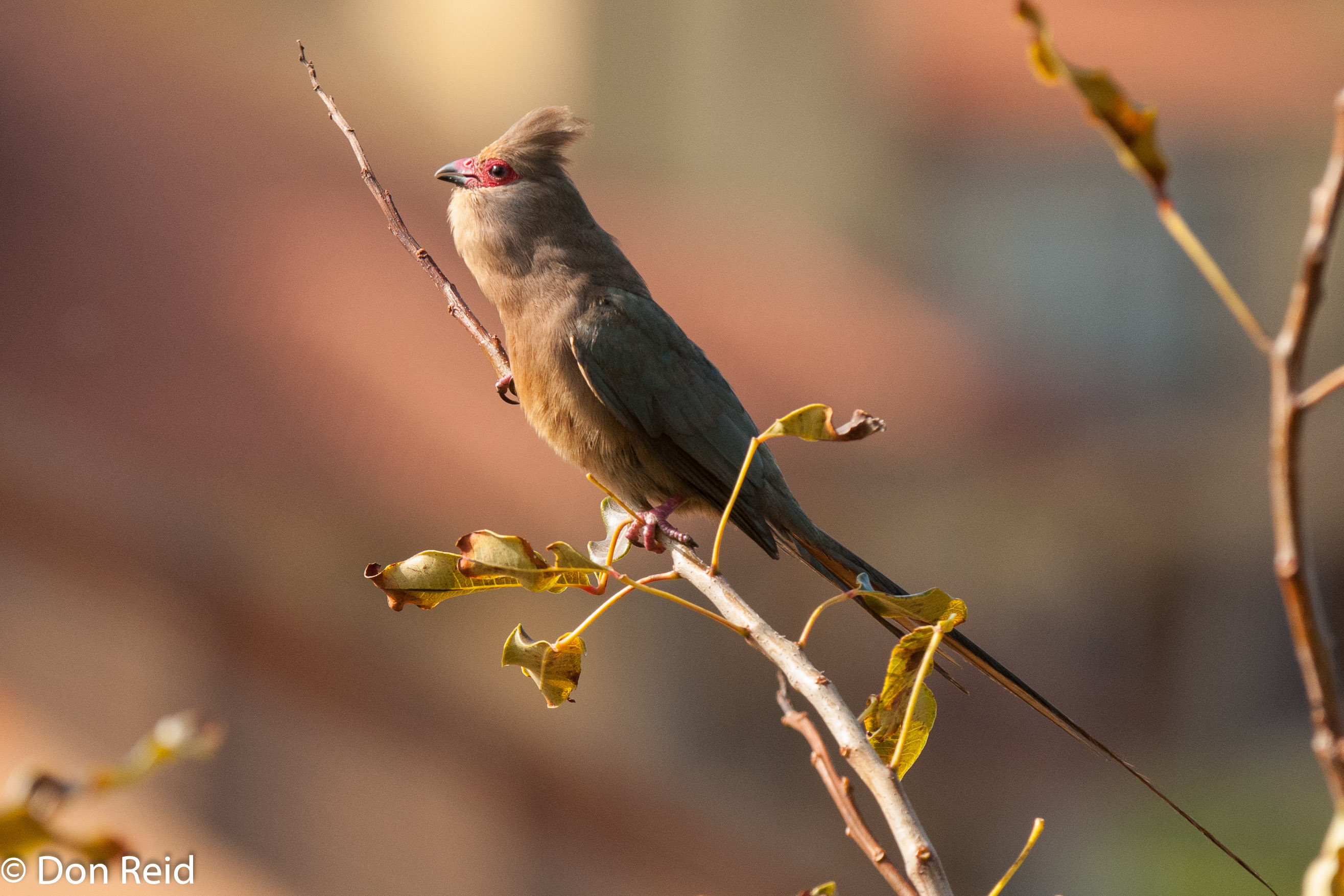
Red-faced Mousebird (calling)

The ubiquitous Cape Sugarbirds are abundant in the estate and seem to be in a state of excitement most of the time – just shows what a fancy long tail does to you.
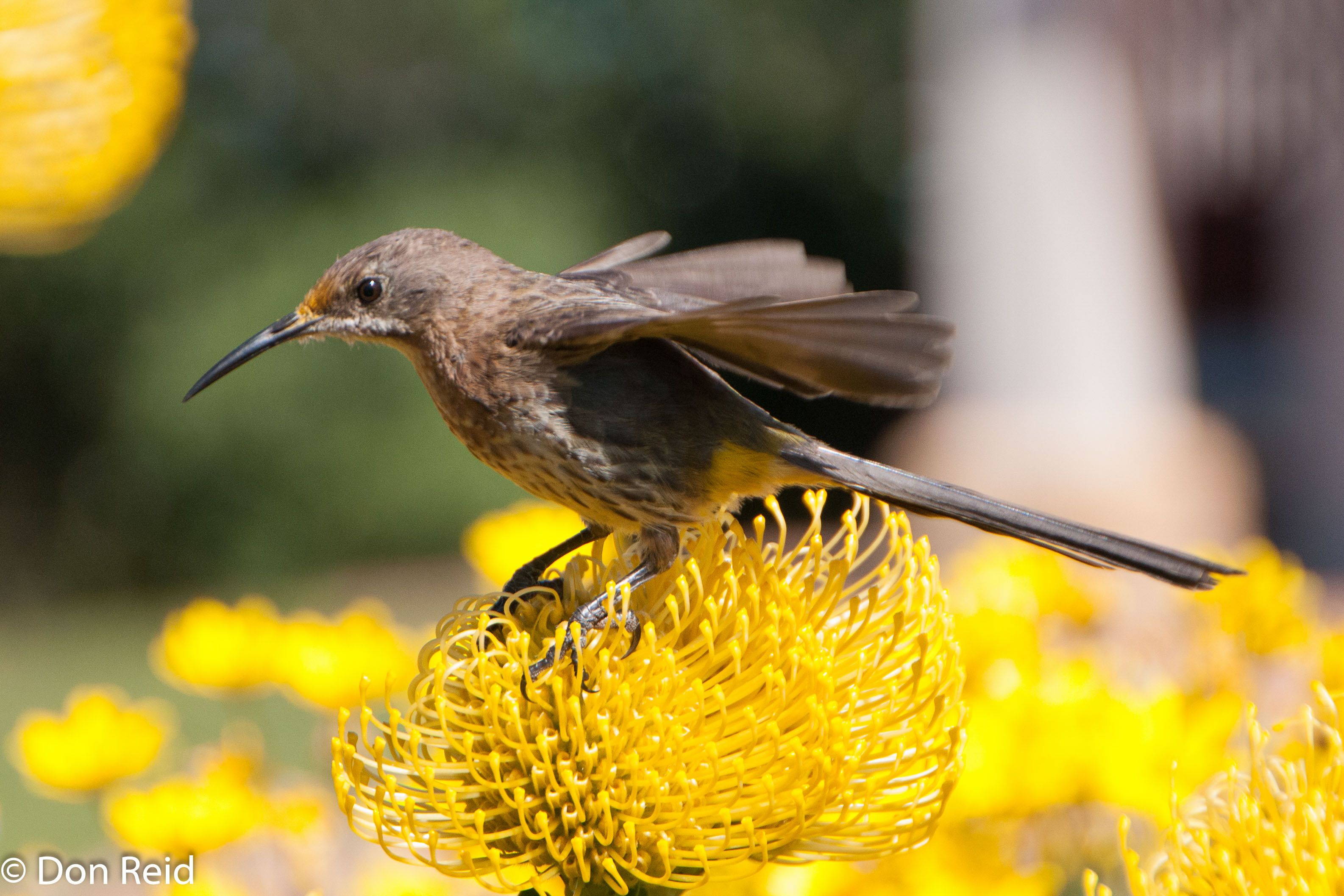
Cape Sugarbird
Cape Sugarbird
Cape Sugarbird
Cape Sugarbird (taken on my I-Phone)

Then there are the Bulbuls with the familiar Cape Bulbul not at all shy to show himself, while the Sombre Greenbul remains hidden in the bushes but makes up for it with his piercing call “which sounds a bit like “Willie” (which is also the Afrikaans name for it)
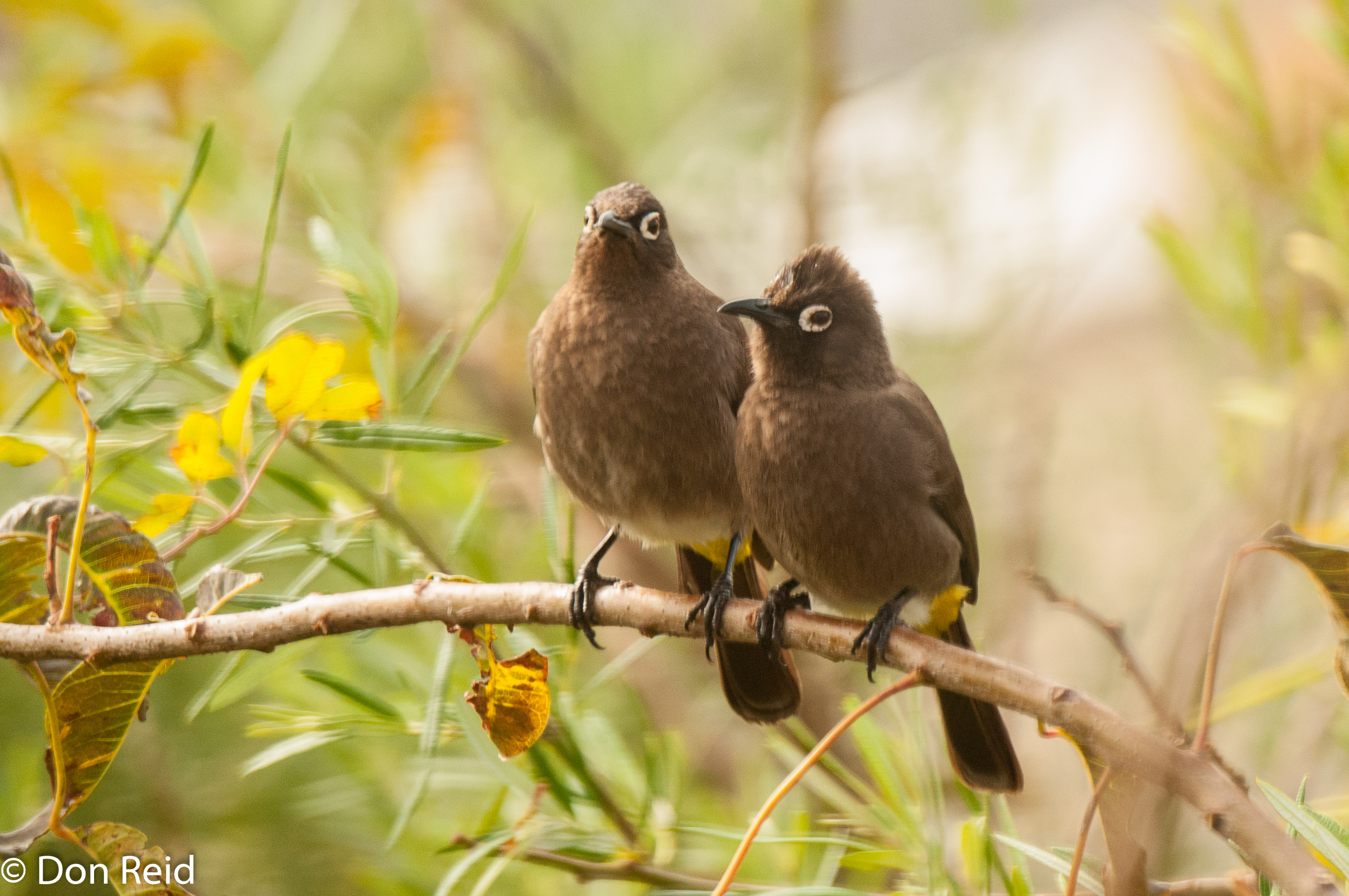
Cape Bulbul
Cape Bulbul
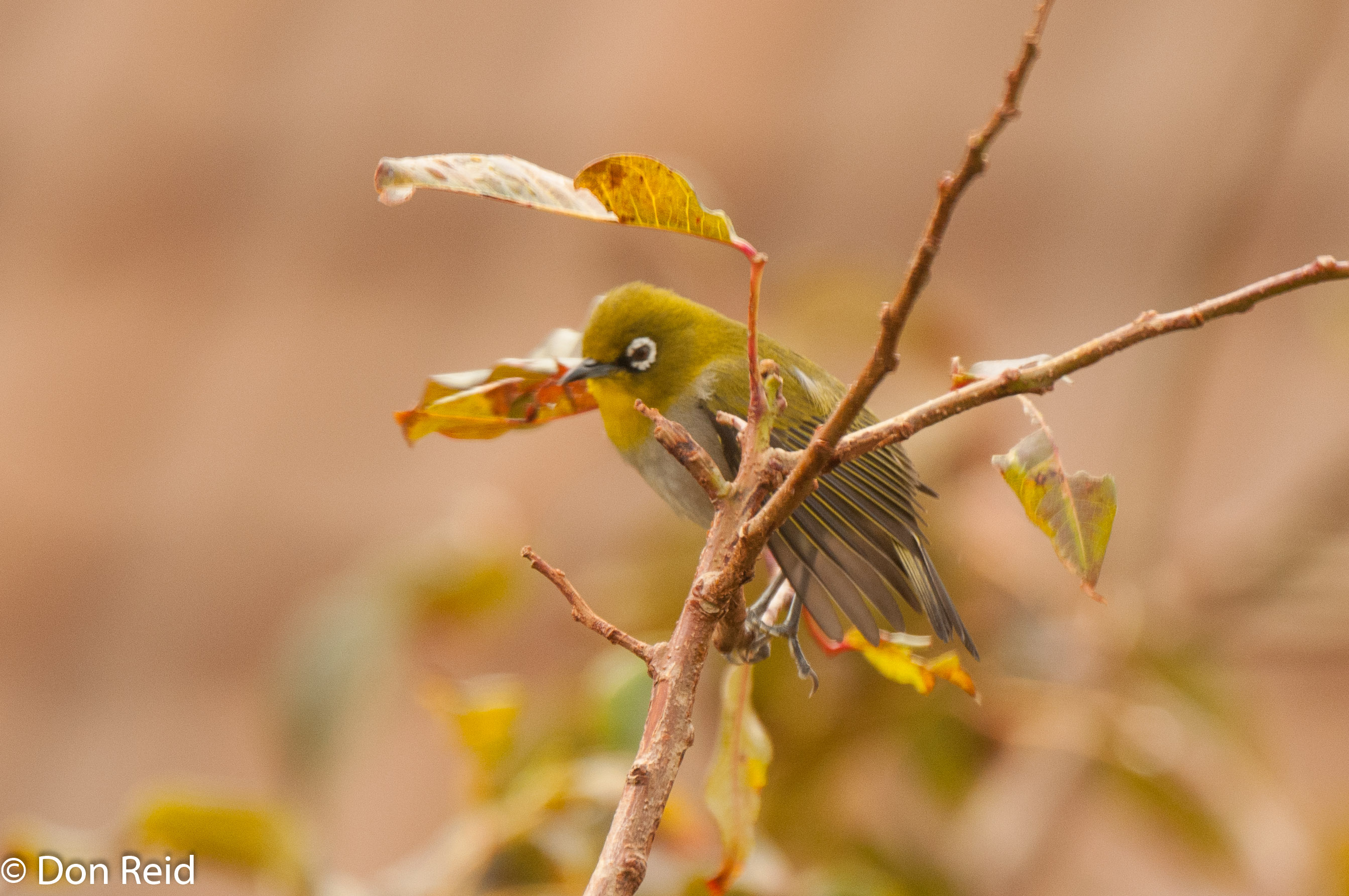
Cape White-eye
Cape White-eyes move through the foliage in small flocks

A Yellow Bishop was a surprise visitor, as I had only ever seen them in the Fynbos which fills the nature reserve area between the last row of houses and the rocky headlands along the shoreline. It was in its duller winter plumage, heavily streaked and giving a glimpse of bright yellow back as it flew off.
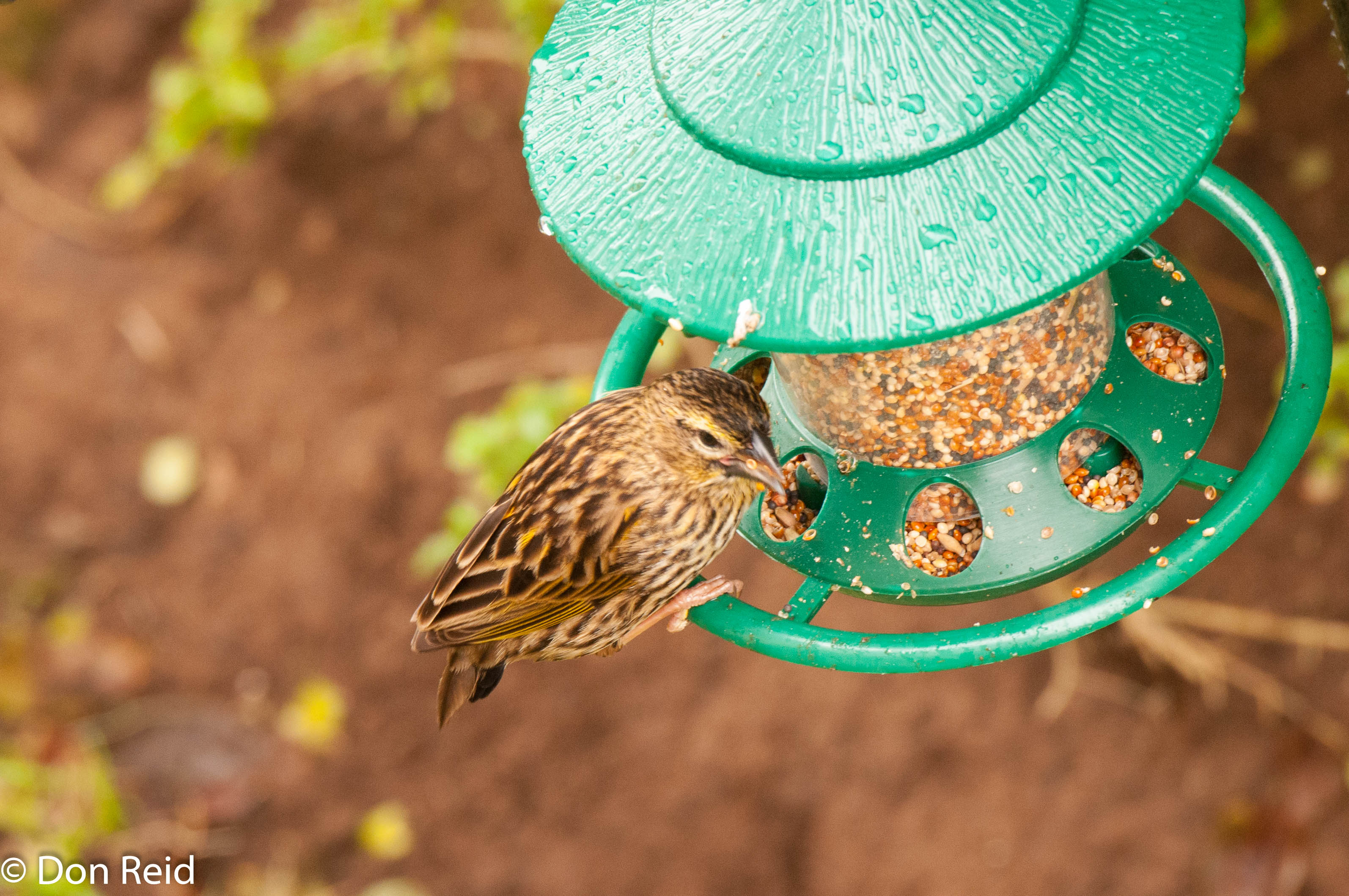
Yellow Bishop at the feeder (winter plumage)

Feeding the masses

I bought a bird-feeder and some seed at Agri, our local co-op and installed it below the patio, hoping for some seed-eating visitors. Well, it was packed with birds the next day – Sparrows, Seedeaters (they used to be called Streaky-headed Canaries), Bishops and Weavers all vying for a spot. In the frenzy some seed fell to the grass below and was quickly taken by the Doves and even the Cape Spurfowl which are very common in the estate.
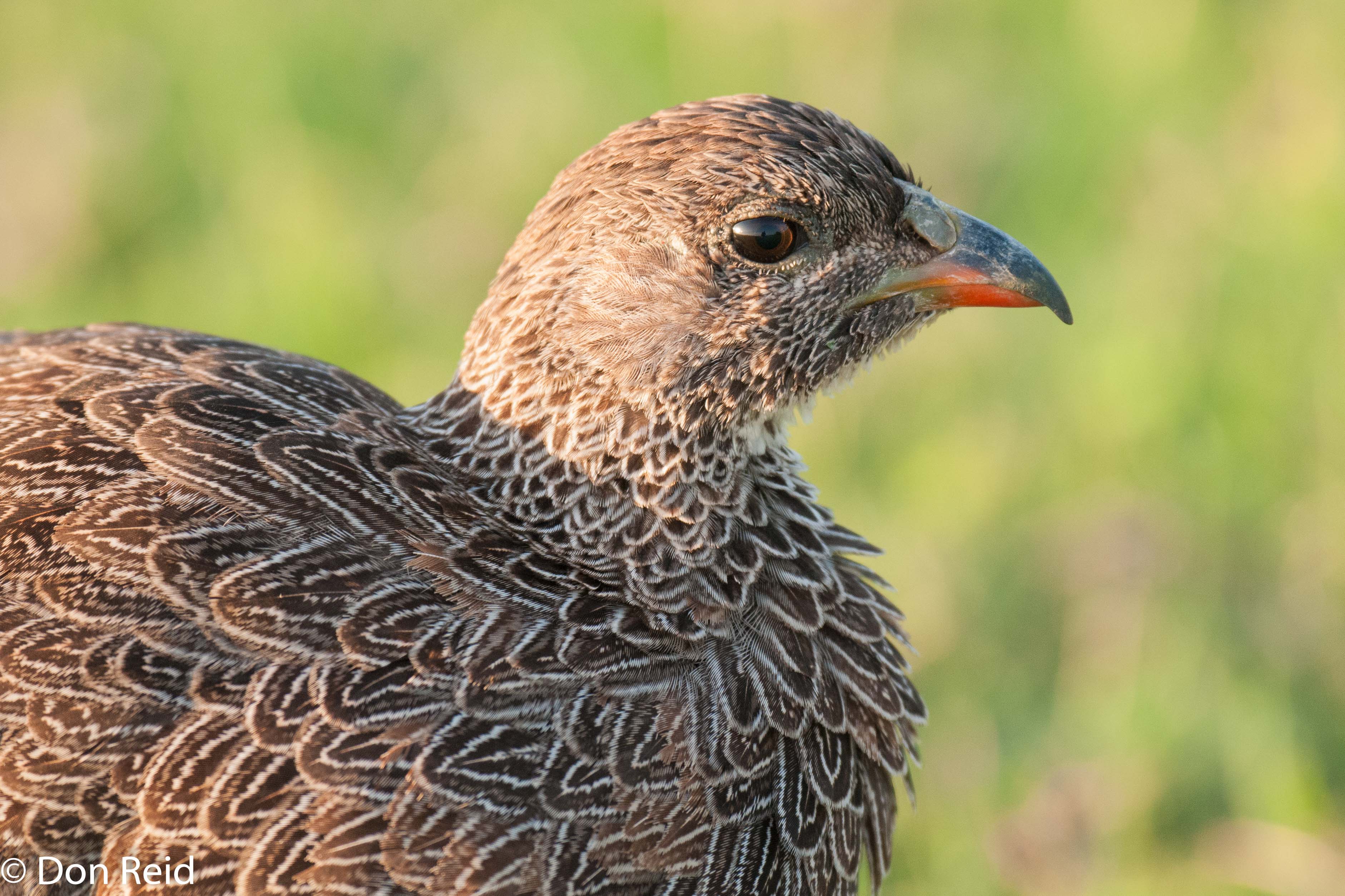
Cape Spurfowl
Cape Spurfowl

Going Walkabout

When the weather allowed, I did some walking around the estate and down into the nature reserve area of Fynbos. The latter was alive with Yellow and White-throated Canaries flitting about, plenty of Sunbirds and a Bokmakierie or two.
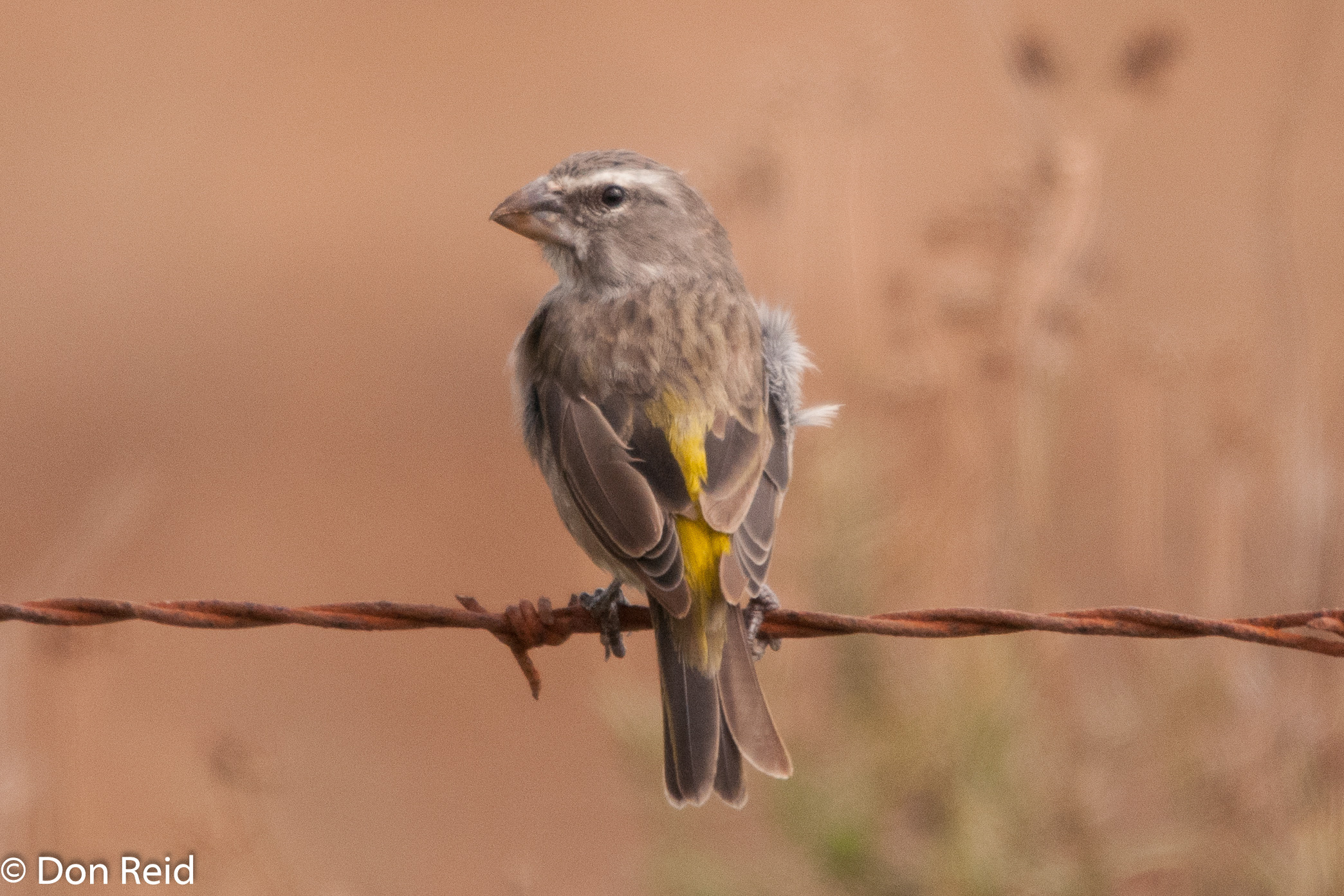
White-throated Canary

And the scenery was special – most of the fynbos was in flower creating beautiful spreads of tiny purple, pink and white flowers against the backdrop of grey skies and cobalt ocean beyond the cliff edge.
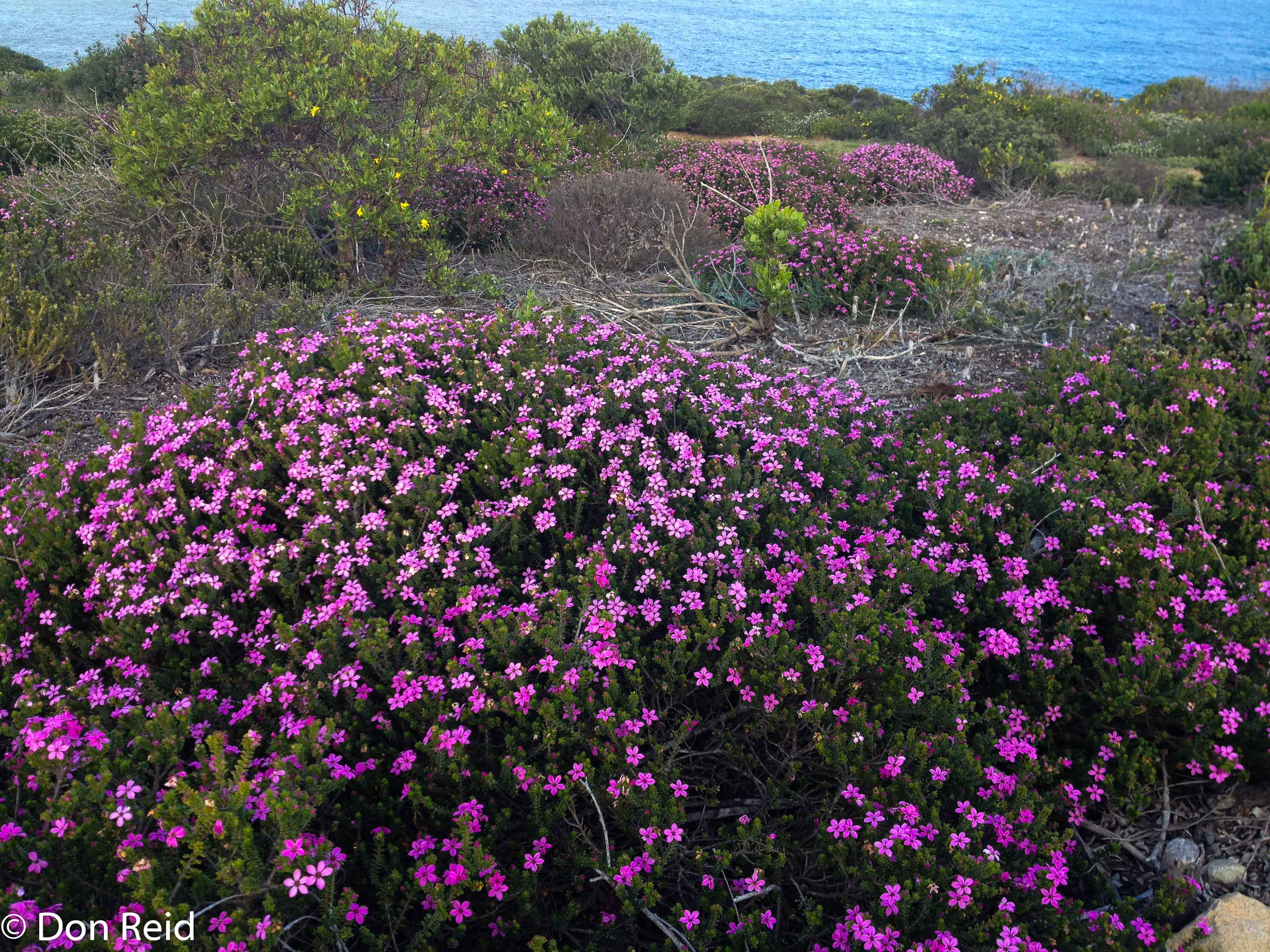
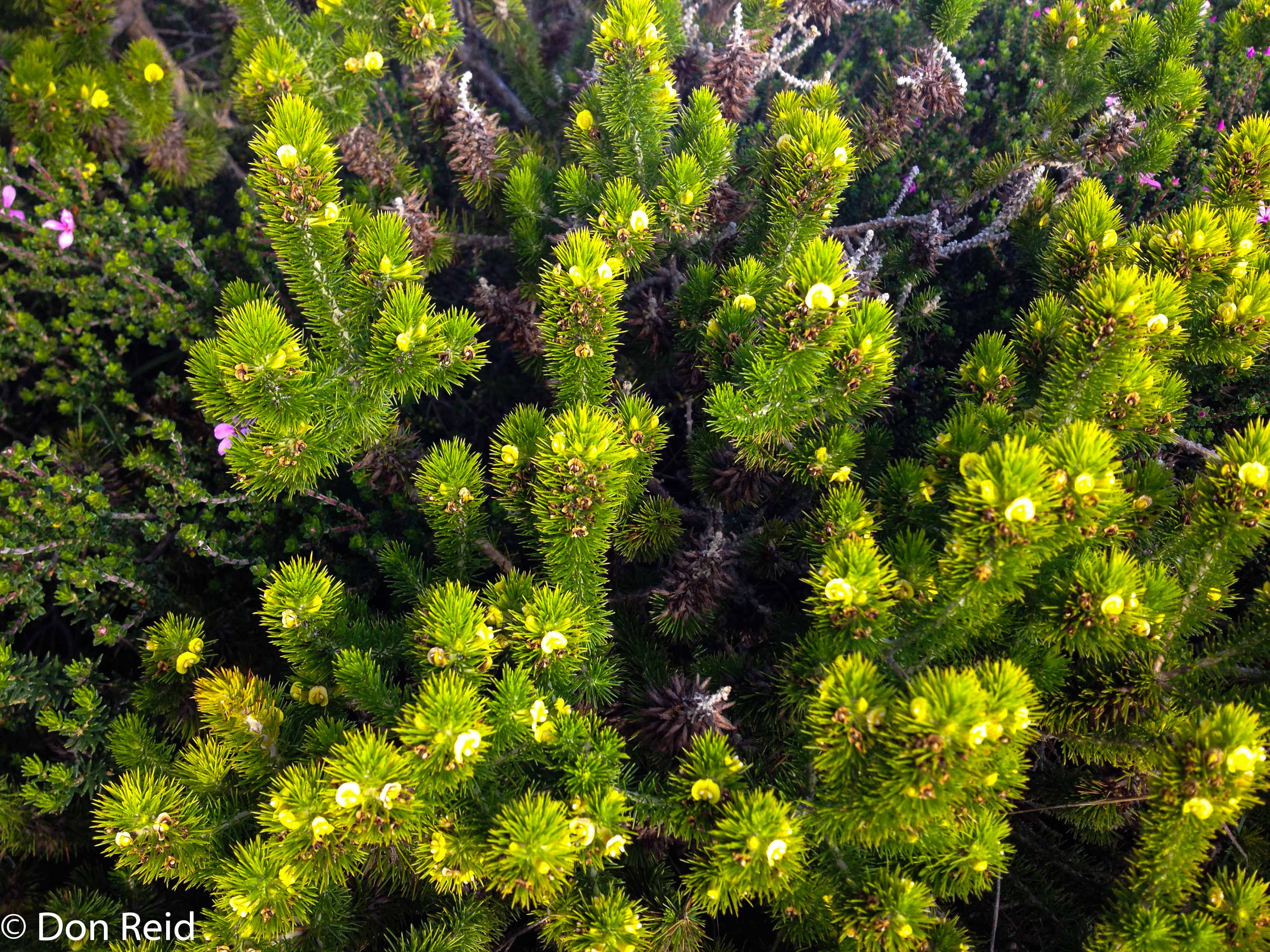
Fynbos
Fynbos
Fynbos
Fynbos
Fynbos
Fynbos

For a few minutes the icy wind was forgotten and I took some photos with my pocket camera (which I sometimes use for communication as well – they should call it an I-Camera rather than an I-Phone)

Other fynbos favourites were out and about – Karoo Prinia vociferous as always and Southern Boubou skulking in the bushes, while Bar-throated Apalis moved about restlessly,  calling chit-chit-chit all the while.

Let’s go down to the Sea again …….

Seabirds are always a feature of birding in Mossel Bay and there were plenty in numbers if not species. Kelp Gulls are common, even over the estate which they use as a direct route to their roosts along the cliffs.

Kelp Gull
Kelp Gull

Down at the Point there were numbers of Swift Terns flying past just off the rocky shoreline, some harried by Subantarctic Skuas, large all brown seabirds with distinctive white wing flashes, hoping for a dropped morsel. Their Afrikaans name Roofmeeu translates directly to “Robbing Gull” which describes their habit of pestering other seabirds until they drop or disgorge some of their food.
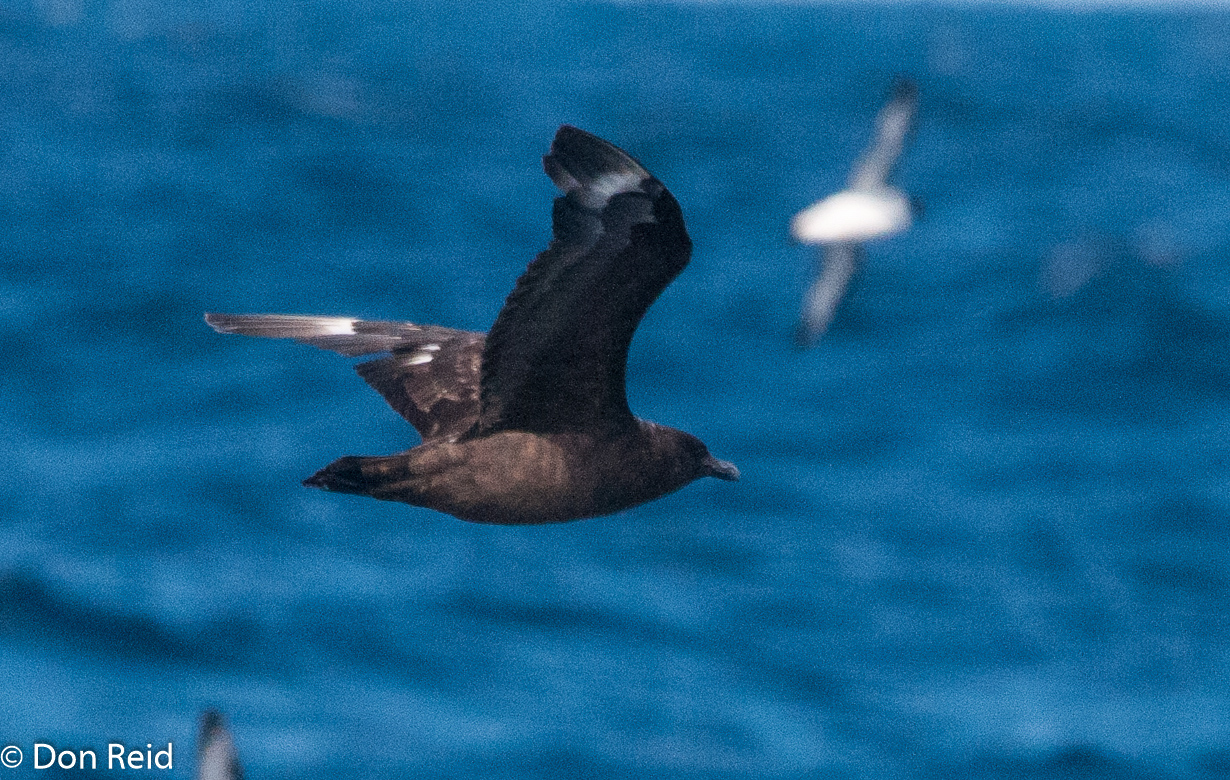
Subantarctic Skua
Subantarctic Skua

During the first week there were signs of the annual “sardine run”, when millions of these small fish move up the east coast of South Africa in massive shoals, drawing all kinds of sea- and bird-life along with them. From the patio we could see some of them enjoying take-aways :

  • schools of dolphins numbering in the hundreds
  • a few whales breaching – they are annual visitors to the bay
  • Cape Gannets galore, turning and diving straight down in their typical fashion
Cape Gannet
Cape Gannet

Winter is certainly a worthwhile time to visit Mossel Bay, but let’s face it, Spring and Summer are a lot better from most points of view! Can’t wait to return later in the year!

On the statistics front, my total bird list during this visit was 110 species of which about 60% were in the estate itself and the rest during side trips in and around Mossel Bay and a two-day “culinary and birding trip” to the Robertson area (watch this space for more on that subject)
Kwazulu-Natal – La Lucia Winter Warmer

La Lucia for a week’s holiday in Winter

During June 2013 and again in June 2014, Gerda and I travelled to La Lucia, a suburb of Durban on the north-east coast of South Africa to spend 8 days at La Lucia Sands Resort.This was a holiday trip with Gerda rather than a birding trip, but I took the opportunity here and there to do some good birding (no surprises there).

We have owned timeshare for the last two weeks of June at La Lucia Sands Resort for about 30 years now, but had only used them occasionally up until a few years ago as they fell outside the school holidays. Latterly we have started using at least one of the weeks on a regular basis and now enjoy the chance to have a warm holiday in the middle of winter in tropical Durban, with lunches mostly taken at local restaurants to make it super relaxing. The KZN north coast has superb weather in Winter, with warm days and cool nights and none of the humidity that can make it uncomfortable in Summer.

Getting There

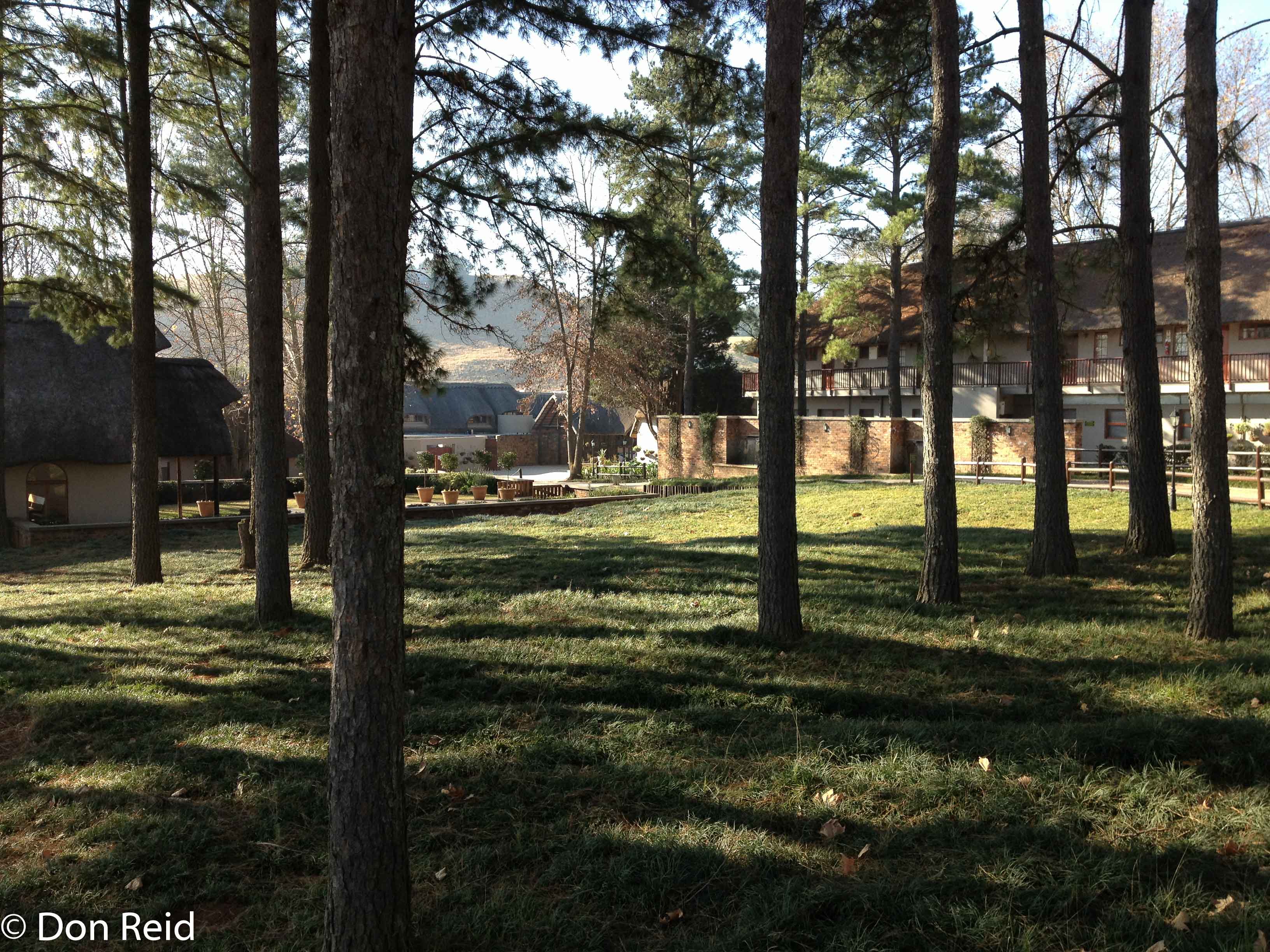
The 2013 trip began with a fairly stressful drive to our overnight stop in the Kwazulu-Natal Midlands, due to the very busy highway which did not allow for a moment’s relaxation. We spent the night at Granny Mouse Country House, which had expanded since we last saw it many years ago, but had still retained its charm.

Granny Mouse Country House, Midlands KZN Granny Mouse Country House, Midlands KZN
Our room at Granny Mouse Country House Our room at Granny Mouse Country House

The room was very comfortable with a log fire to ward off the cold (-3°C in the morning) and the Bistro where we had supper and breakfast was excellent. Our simple supper of soup followed by fish and chips could not have been done better and breakfast was equally tasty.

Saturday morning saw me up early to fit in some quick birding before breakfast and a stroll around the garden produced 19 species including a Dusky Flycatcher.

After breakfast we completed the journey to La Lucia just north of Durban and settled into “our” apartment, still in good condition and well maintained.

A Motoring Interlude

Sunday was Top Gear Festival day for me joined by the Genis males, while Gerda and Anlia Genis did their own thing at the Mall. More about Top Gear on another occasion (thinks : is this the cue to start an “All Things Motoring and Mechanical” Blog?)

Relaxing at La Lucia 

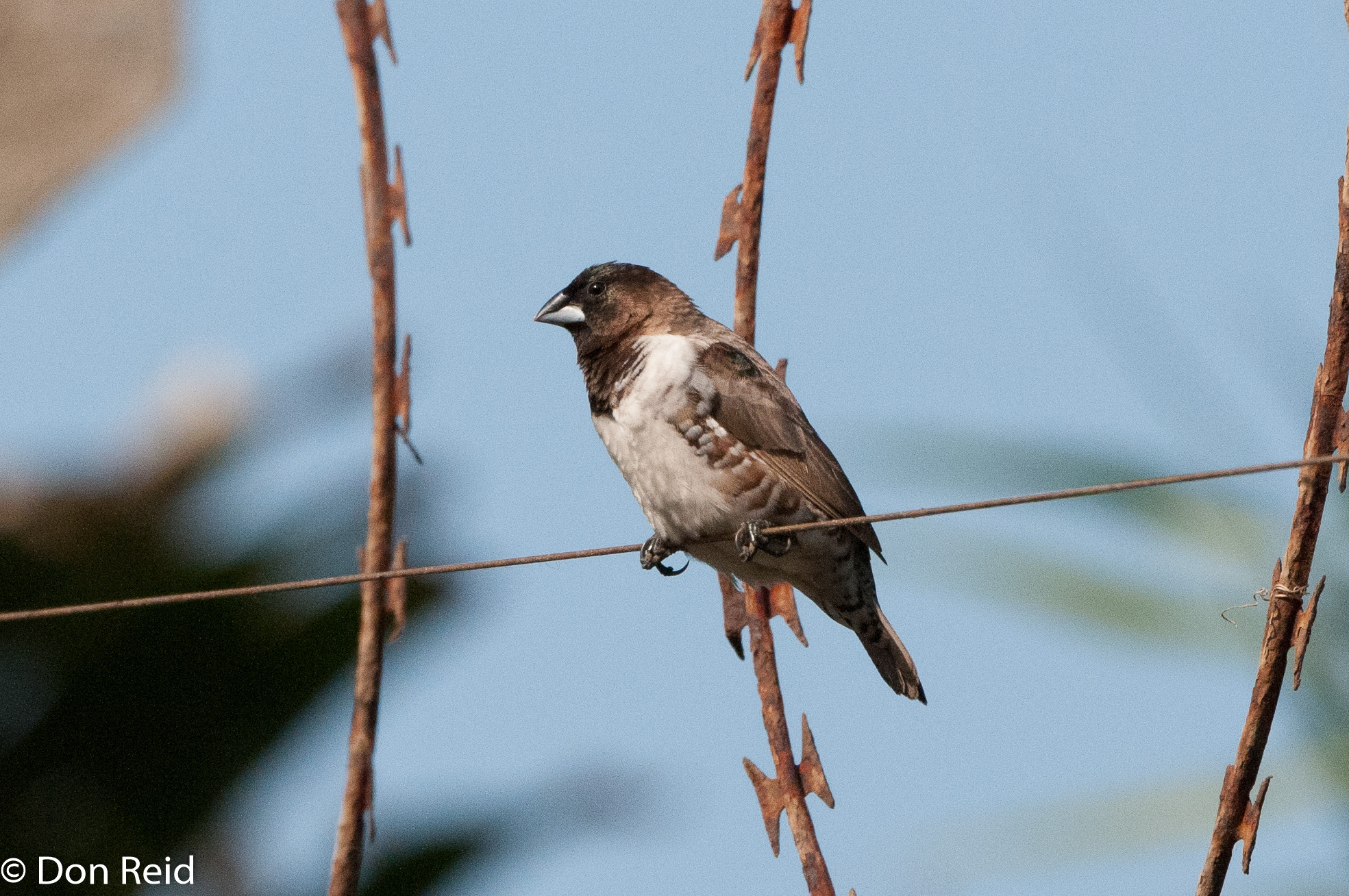
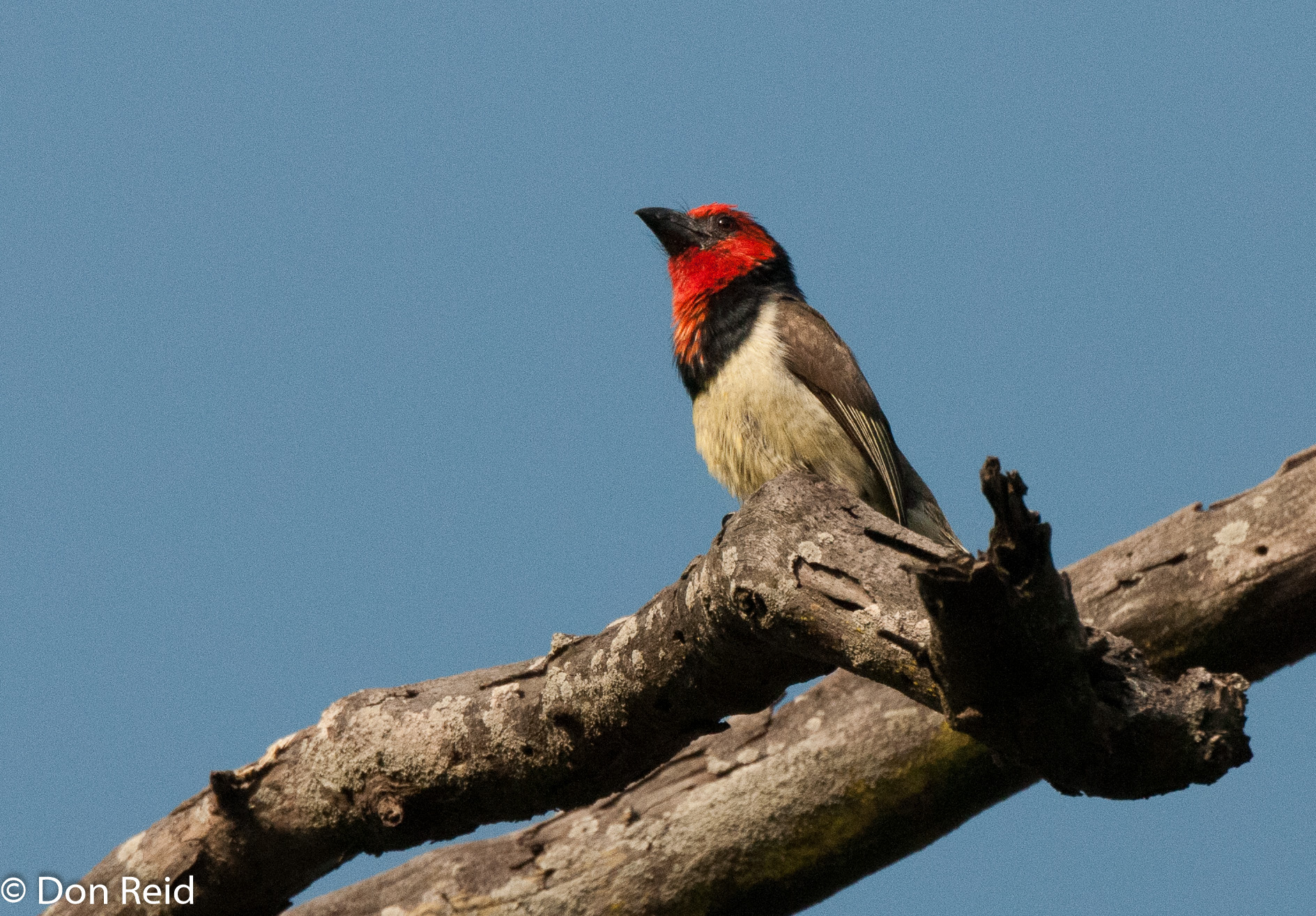
Monday was the start of our holiday routine, which included some light birding from the balcony overlooking the lush tropical gardens, typical of the north coast beyond Durban. One of the first to appear in the large trees along the front of the property was Rose-ringed Parakeet – only my second sighting of this species after seeing them a few years ago in Irene near Pretoria. Other regulars in the garden were Bronze Mannikin, Black-collared Barbet, Black Flycatchers, Cape White-eye, Sombre Greenbul and Dark-capped Bulbul.

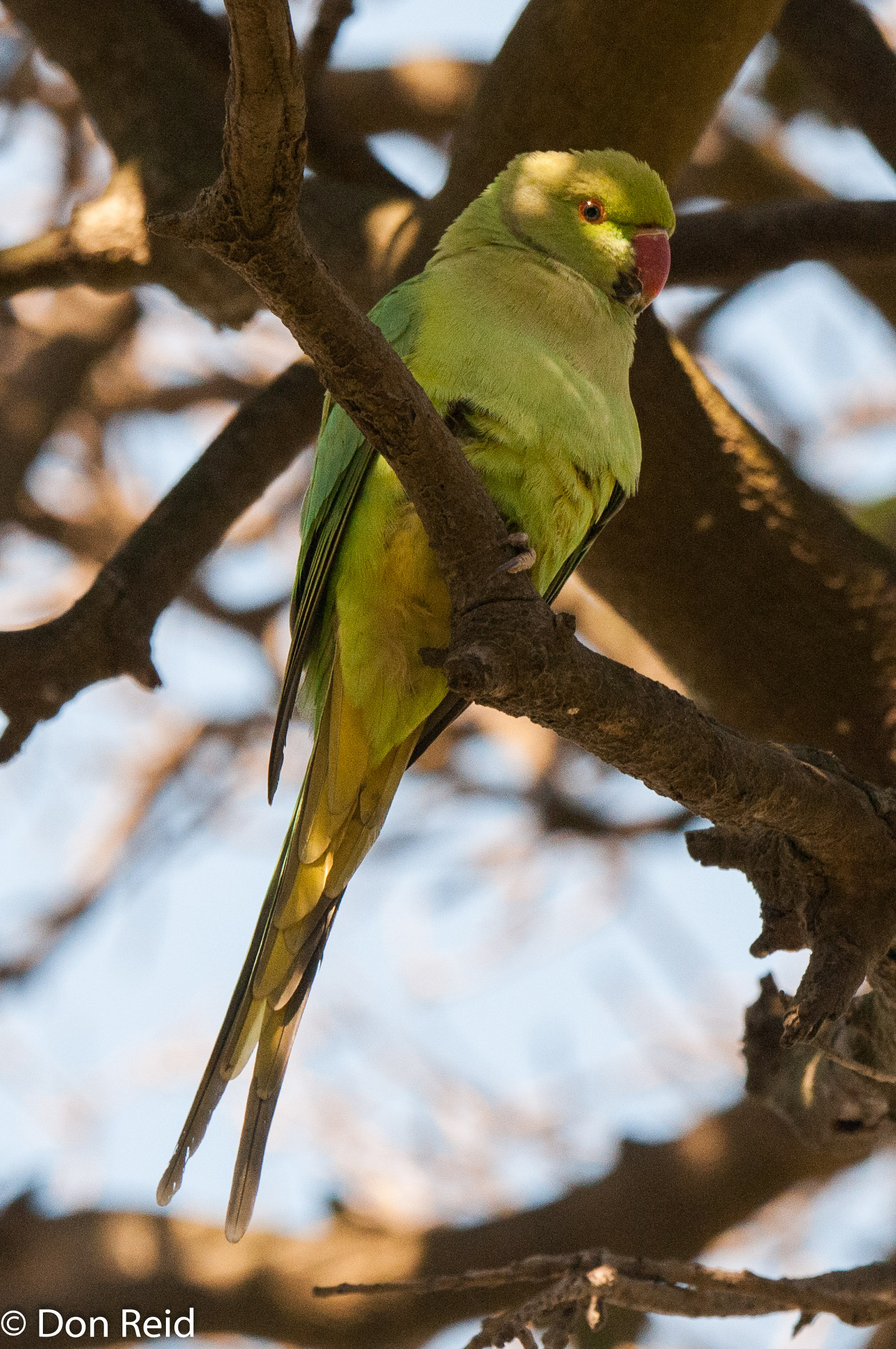
Rose-ringed Parakeet, La Lucia Rose-ringed Parakeet, La Lucia
Bronze Mannikin, La Lucia Bronze Mannikin, La Lucia
Black-collared Barbet, La Lucia Black-collared Barbet, La Lucia

The beach lies directly in front of the complex and is accessed through a gate – I rustled up some energy for a late afternoon walk along the beach, which produced Kelp Gulls, Swift Terns cruising past in the strong breeze, Cape Gannet offshore and even an Albatross which was just to far off to positively ID, but was most likely a Black-browed or Indian Yellow-nosed Albatross.

La Lucia beach with the Moses Madiba stadium in the background - built for the 2010 World Soccer Cup La Lucia beach with the Moses Madiba stadium in the background – built for the 2010 World Soccer Cup
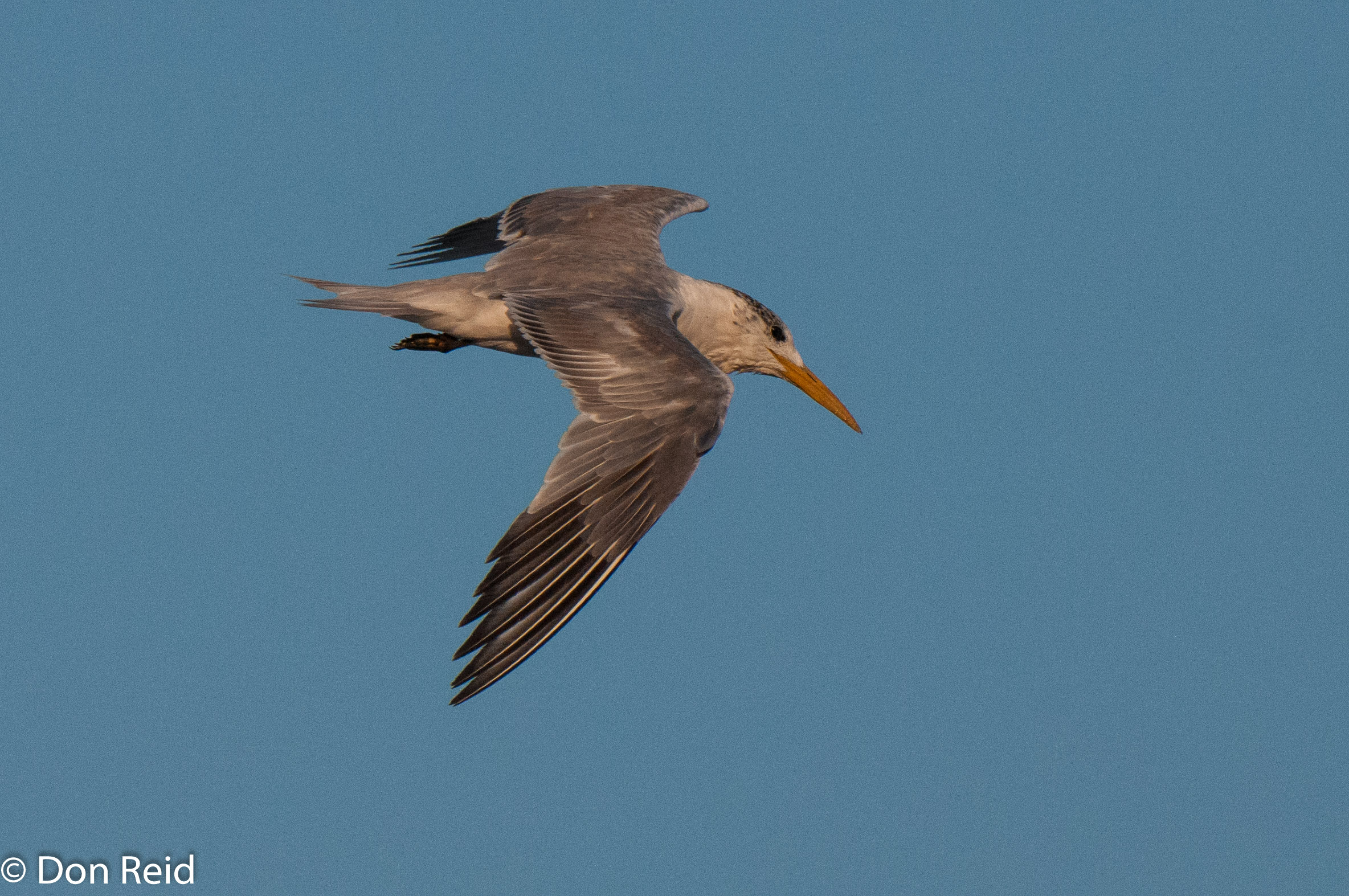
Swift Tern Swift Tern
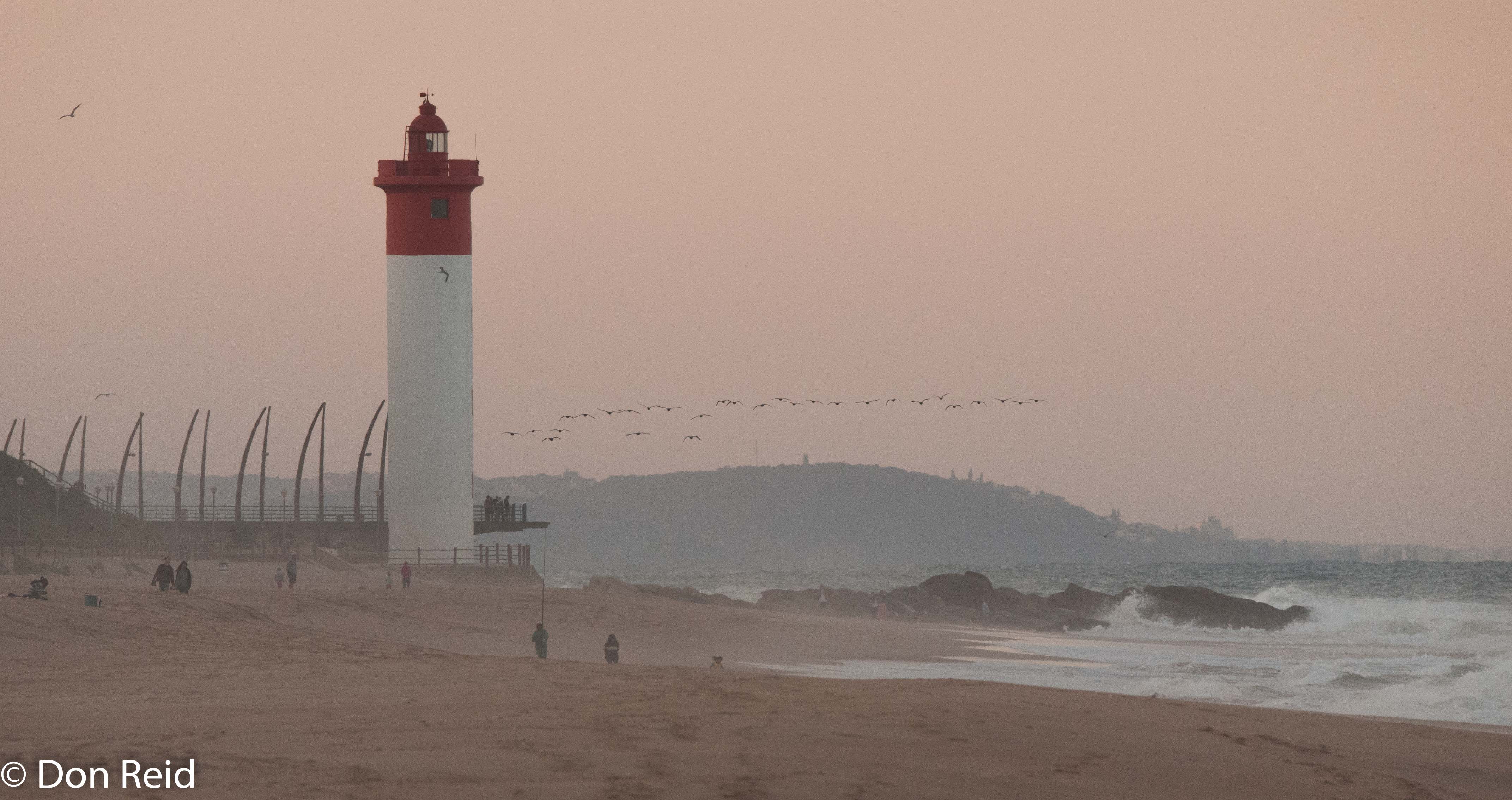
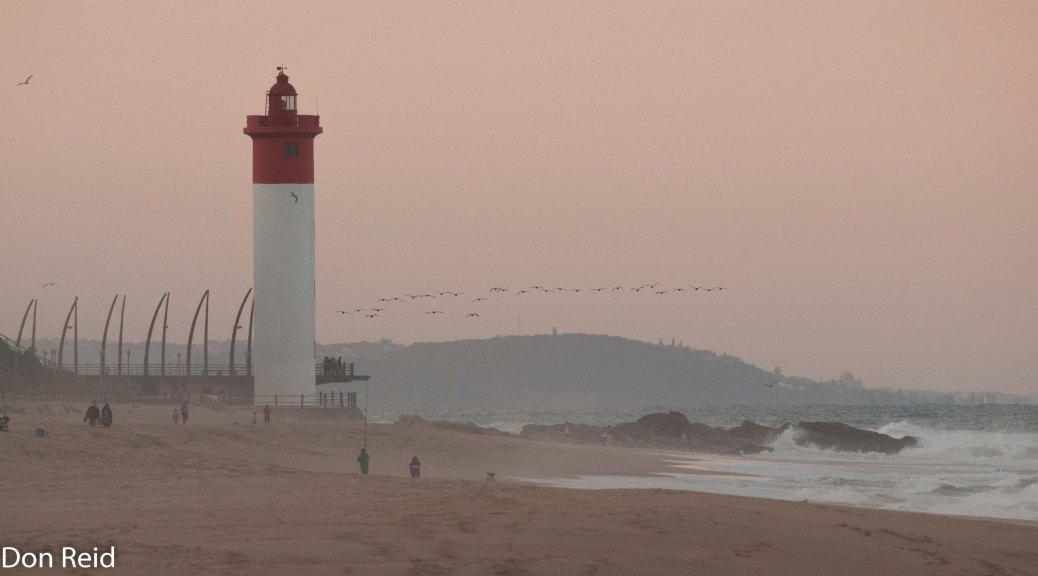
The iconic lighthouse at Umhlanga Rocks The iconic lighthouse at Umhlanga Rocks

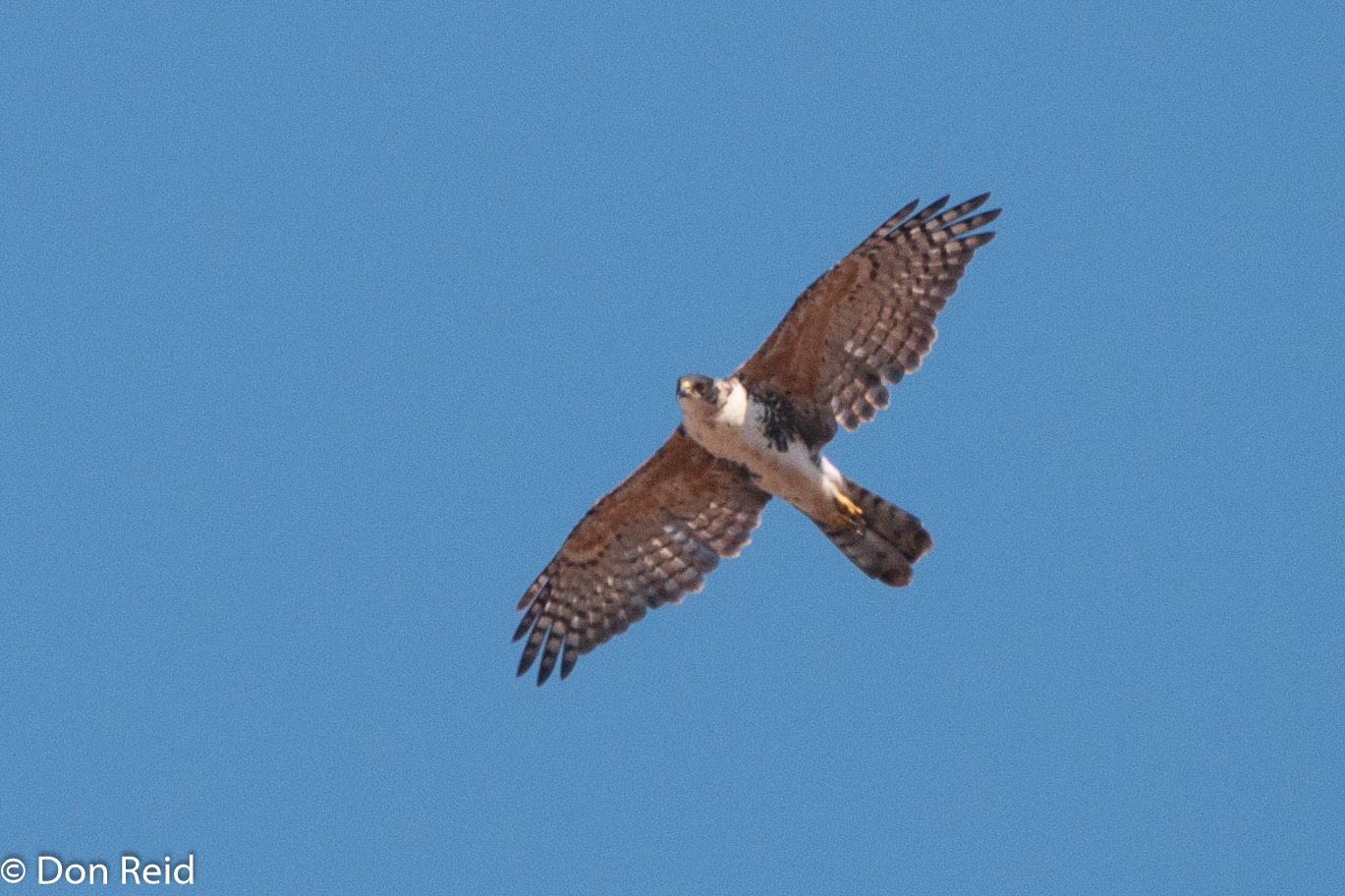
On another day a commotion amongst the Parakeets, which were flying in a group of 6 or 7 in wide circles, led me to spot a Black Sparrowhawk higher up in the air, probably on the lookout for an easy meal.

Lanner Falcon, La Lucia Black Sparrowhawk, La Lucia

Daily walks on the beach were always interesting – the changing tides, weather conditions and the subtleties of the light at different times of the day meant that no two walks were ever quite the same, not to mention the passing “traffic” of interesting people and seabirds either cruising rapidly by in the same direction as the prevailing wind or using their wing power and streamlined shape to fly against the wind.

La Lucia beach La Lucia beach
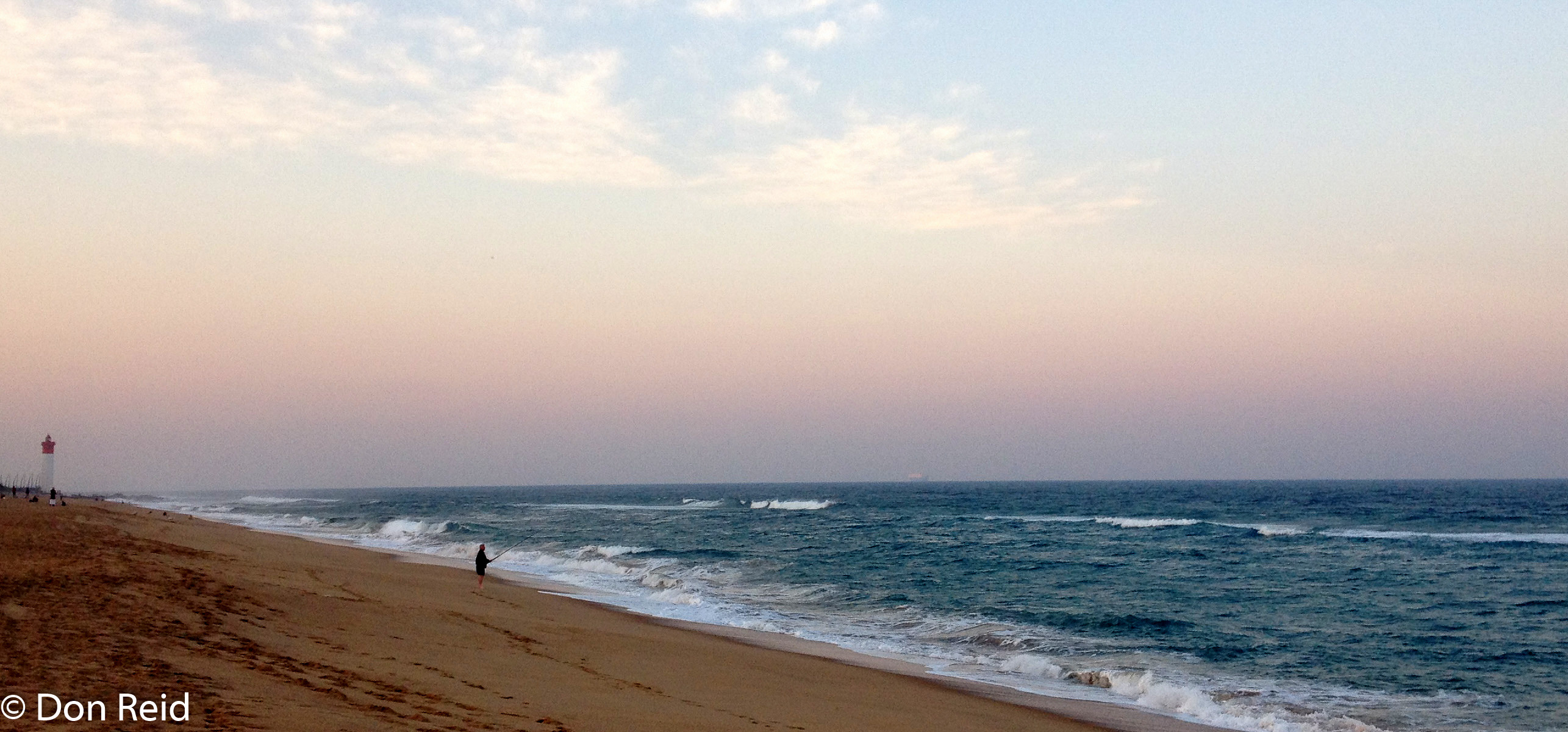
La Lucia beach in the evening La Lucia beach in the evening
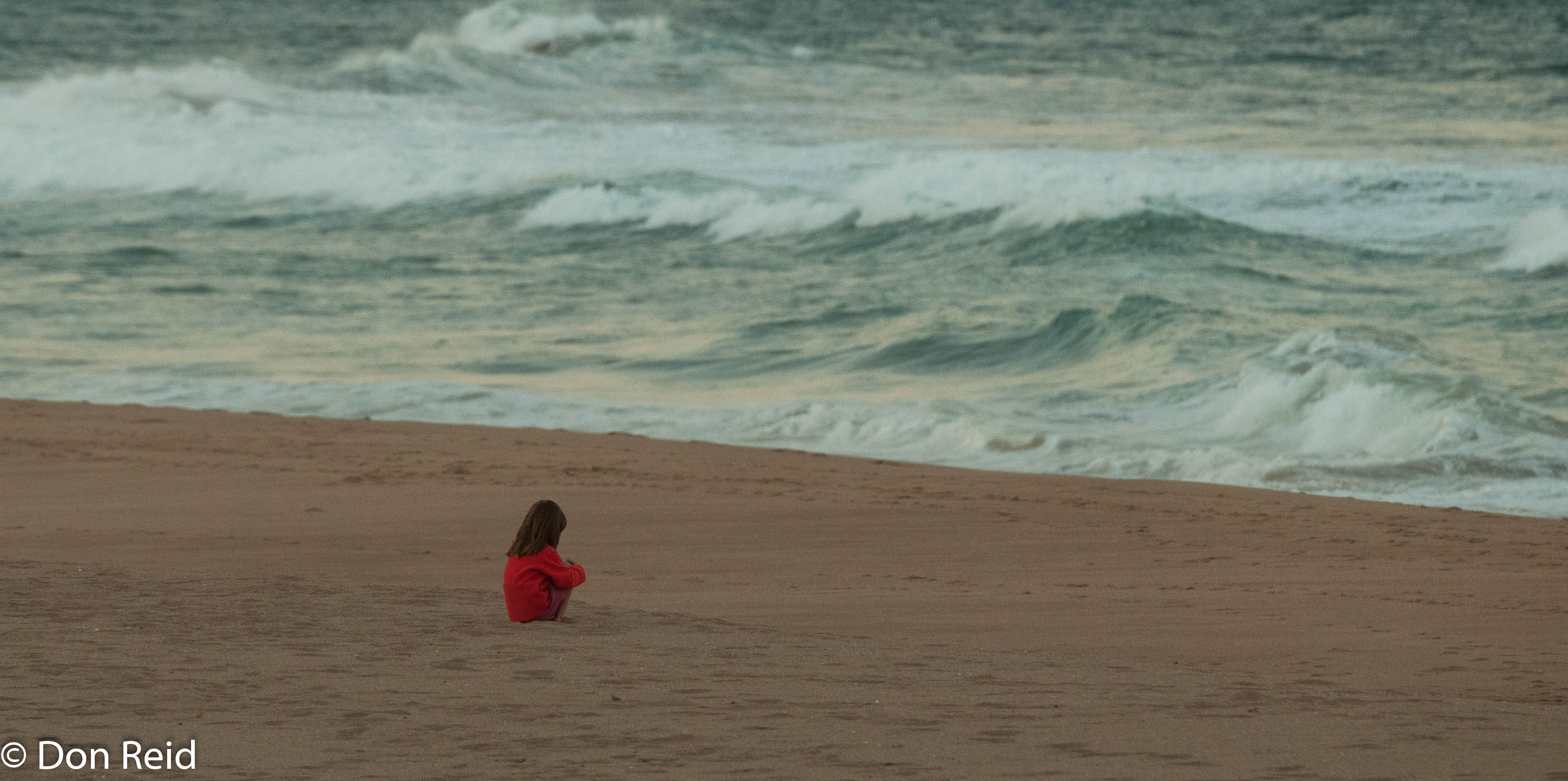
Lonely girl on La Lucia beach Lone girl on La Lucia beach

Out at sea there was also an ever-changing landscape, with surfers catching the strong waves and large ships either at anchor, waiting their turn to get into busy Durban harbour or steaming away over the horizon, headed for the high seas.

A surfer off La Lucia beach A surfer off La Lucia beach
Off to the high seas Off to the high seas

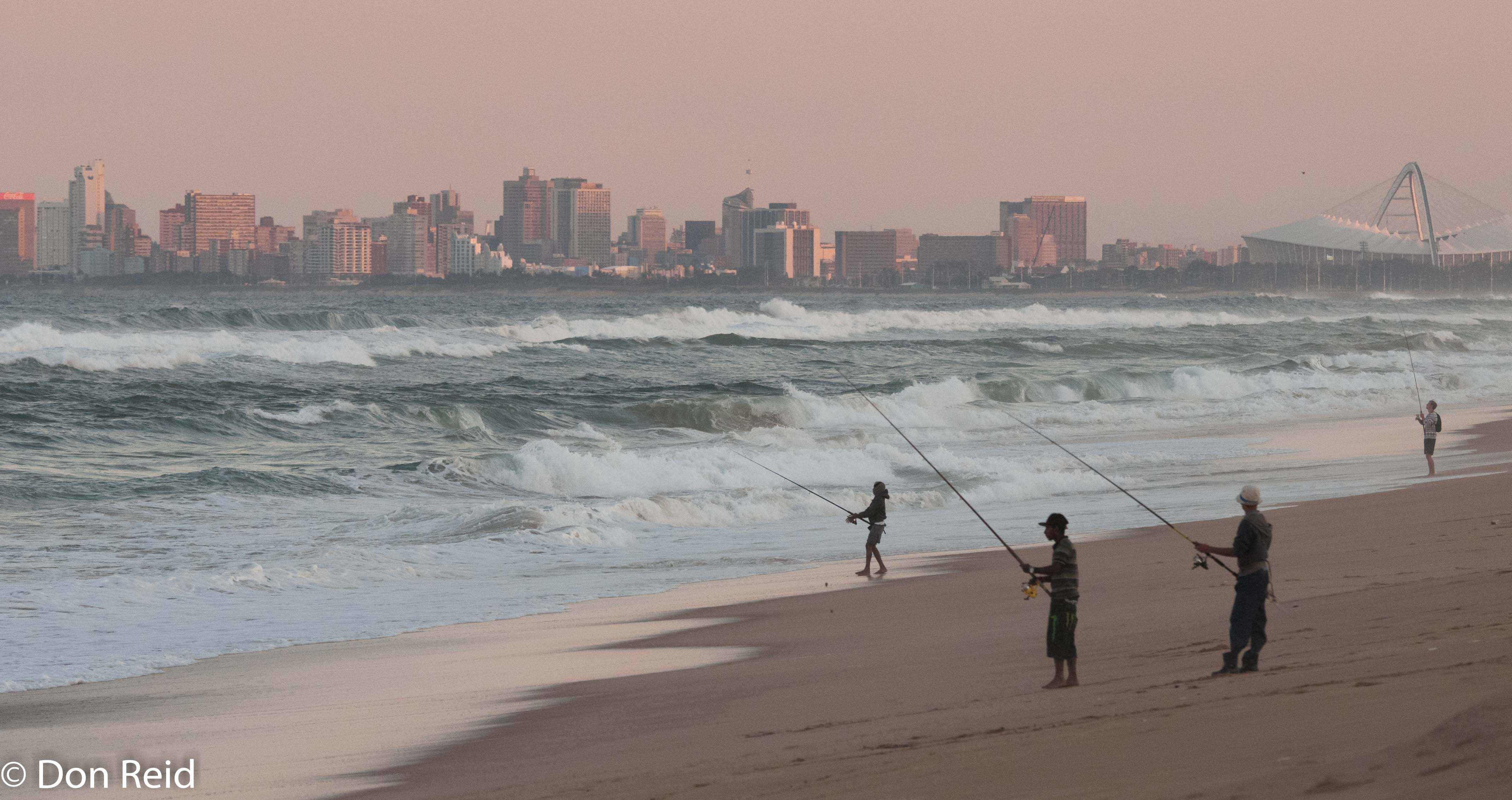
One afternoon a few fishermen were fishing off the beach and the Swift Terns were watching closely for left over bait, occasionally being rewarded for their efforts – a Cape Cormorant stood nearby hoping for a look-in but the Terns were too quick for him (is that why they are Swift Terns I wonder?).

Fishermen on La Lucia beach, Durban in the background Fishermen on La Lucia beach, Durban in the background
Swift Tern Swift Tern
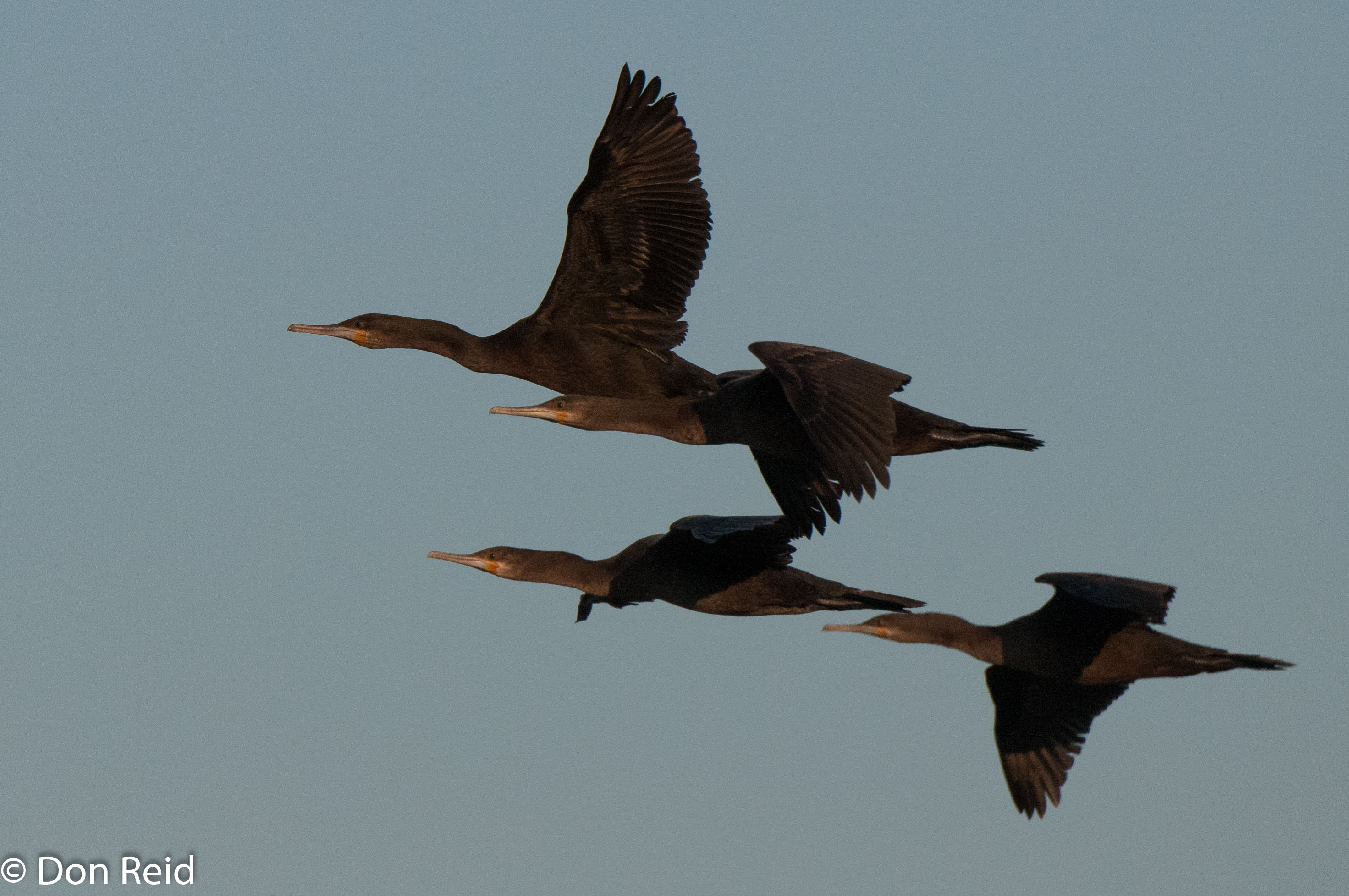
Cape Cormorant Cape Cormorant

Oyster Box Treat

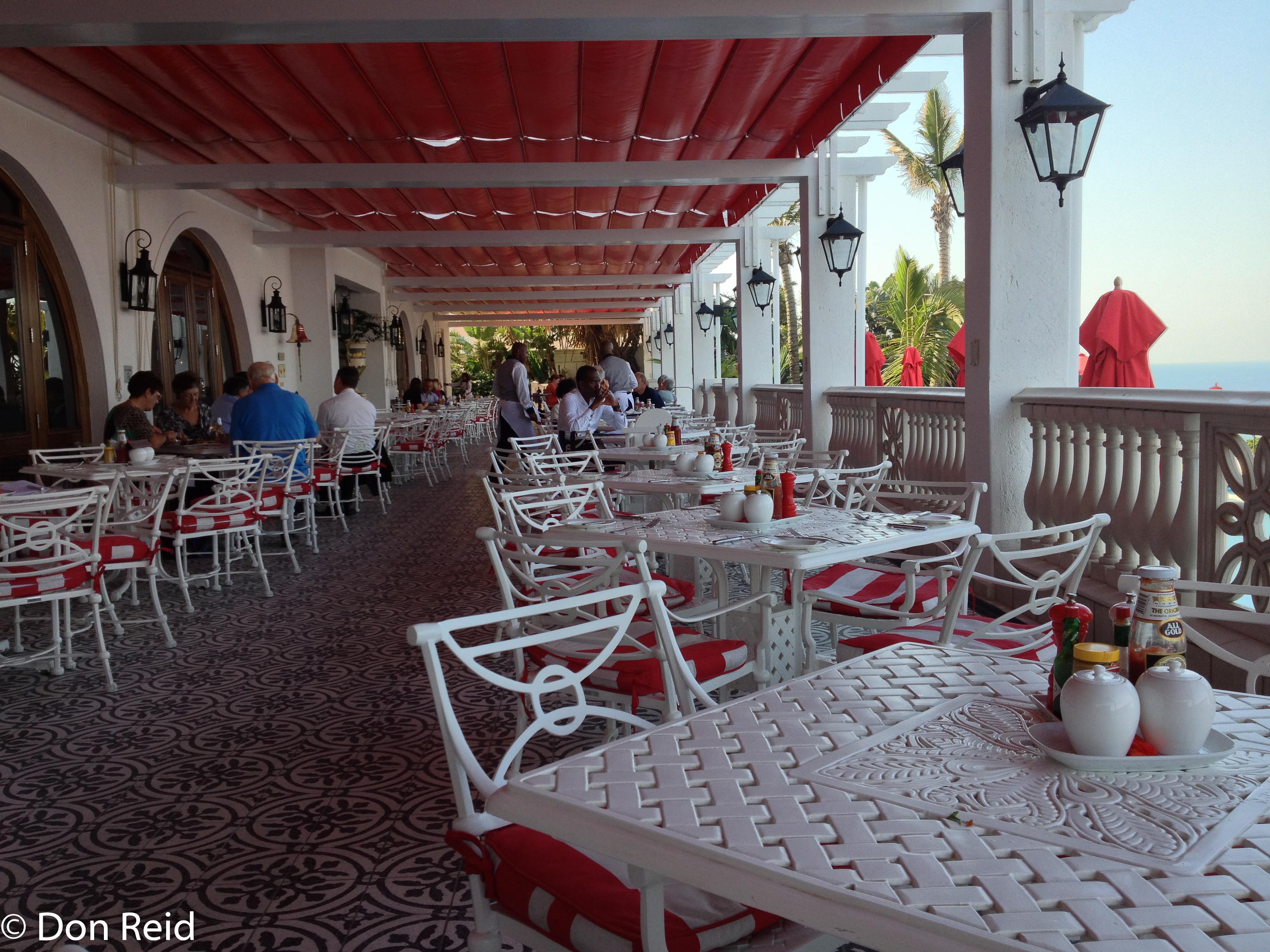
We like to do something special on our anniversary, often going away to some special place for a weekend. This year’s anniversary treat had been missed, so we thought to make it up with a special lunch at the renowned Oyster Box Hotel, a five-minute drive from La Lucia. They serve lunch on the terrace which we chose as it was fine weather and the view is unbeatable, with the iconic red and white Umhlanga lighthouse as the centrepiece. It’s the sort of place that you look around at the other guests and wonder if they are rich and famous (not that it matters of course) or just ordinary folk like us.

The Terrace Restaurant, Oyster Box Hotel The Terrace Restaurant, Oyster Box Hotel
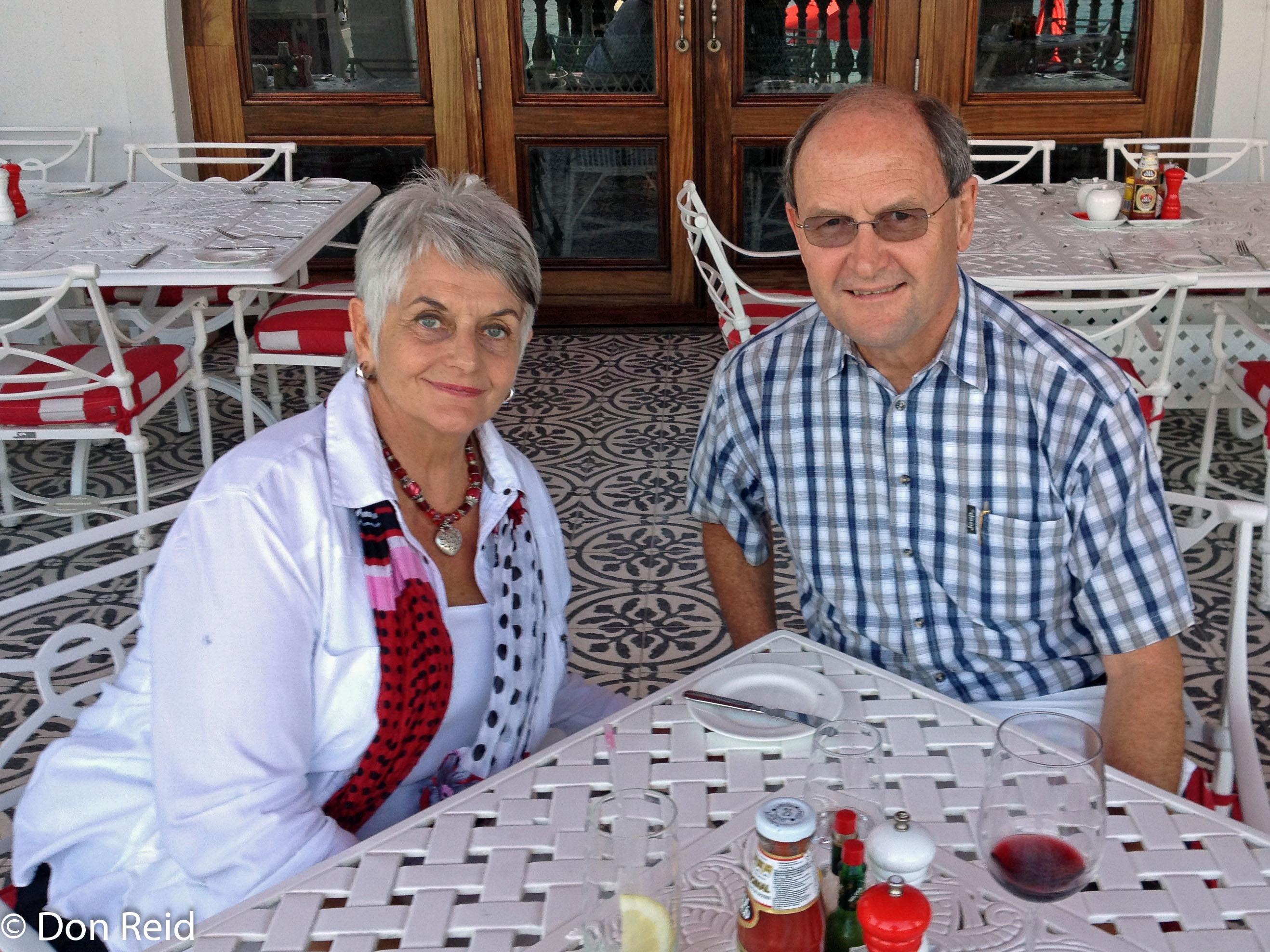
Lunch at Oyster Box Hotel, Umhlanga Gerda and I enjoying Lunch at the Terrace Restaurant
Oyster Box Hotel, Umhlanga - the view at lunchtime The view from the Terrace

The meal was just superb and the service as we like it – attentive without being obtrusive. Our main course was a full plate of prawns, perfectly prepared.

Seeing the week out

Over the remaining days I made a couple of outings to some of the listed Durban birding spots, which I will tell you about in later posts – Kenneth Stainbank Nature Reserve and the Durban Bayhead were both interesting spots to visit but the best was the forest gem in the middle of Durban suburbia, known as Pigeon Valley Nature Reserve, where I found a lifer and some other specials.

The rest of the week was more of the same and we returned home on a less busy day after a wonderfully relaxing week.