Ngwenya Lodge November 2013 : Warm-up for a wedding

Background

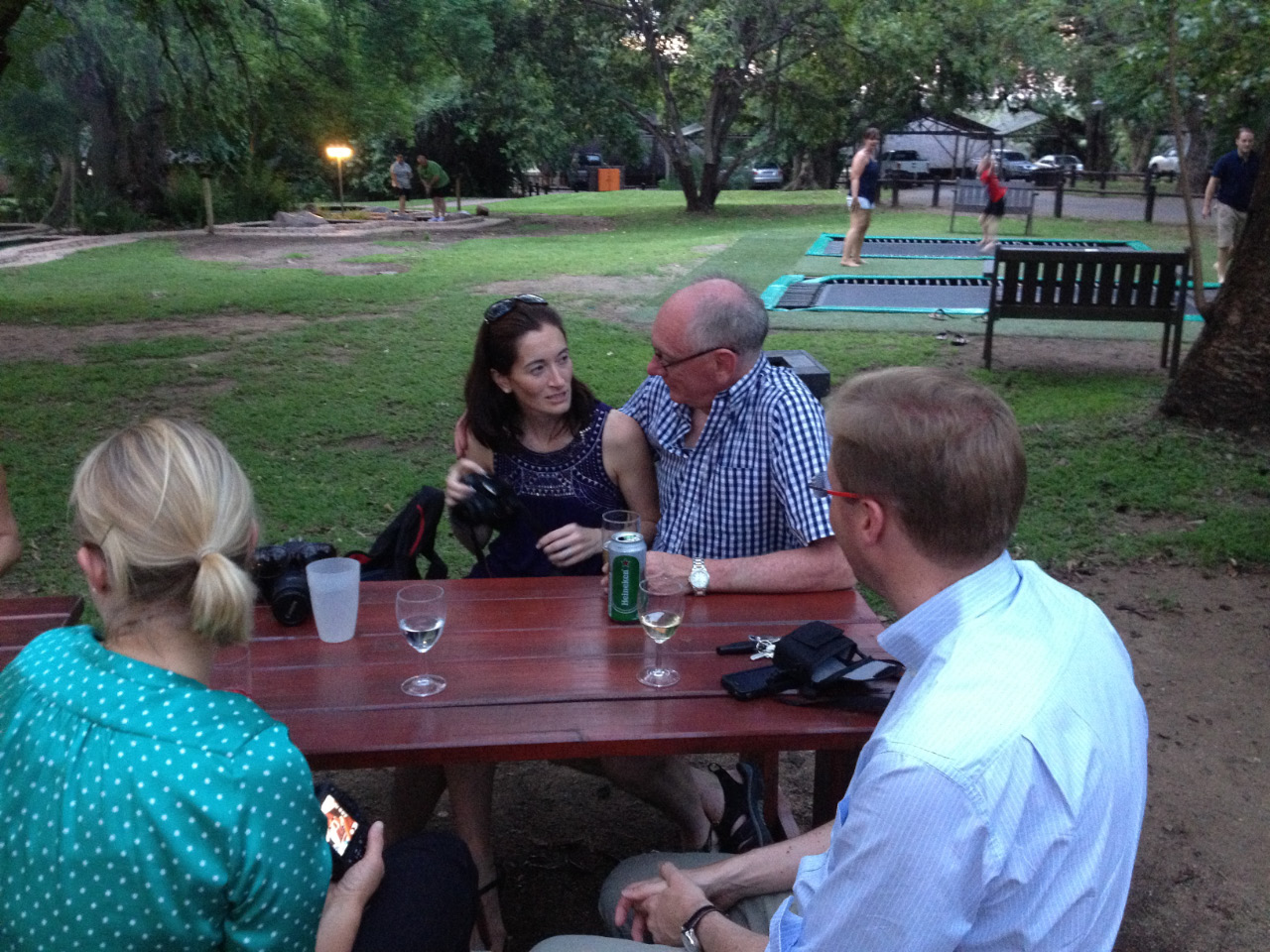
Our good friend’s daughter, Jessie van Dyk, now resident in Toronto, Canada, was to get married on Saturday 9th November and she and a group of her Canadian friends and new family had come to South Africa the week before to spend a few days at Ngwenya Lodge near Komatipoort, prior to the wedding. We were invited to join the group from Monday to Thursday and it wasn’t a difficult decision to accept with the hope that we could provide some support to Jacobus and Lynette van Dyk. Having Canadian family myself (a sister and brother-in-law plus 2 nieces) we were looking forward to meeting some of their compatriots and we had the pleasure of meeting most of them on the Sunday that they arrived, before leaving for Ngwenya the next day.

The big disappointment is that not one of them wore a red-checked woolly shirt or a Mountie style hat – in fact they all looked quite decent and civilized, just like us!

Getting there

While the excited group of some 20-plus went by bus, we made our way separately by car, with our customary stop at Millies near Machadadorp for trout pie and coffee. The trip of just over 400 Kms was uneventful but the “stop-and-go” between Nelspruit and Komatipoort delayed us by a good 40 minutes.

Ngwenya Lodge

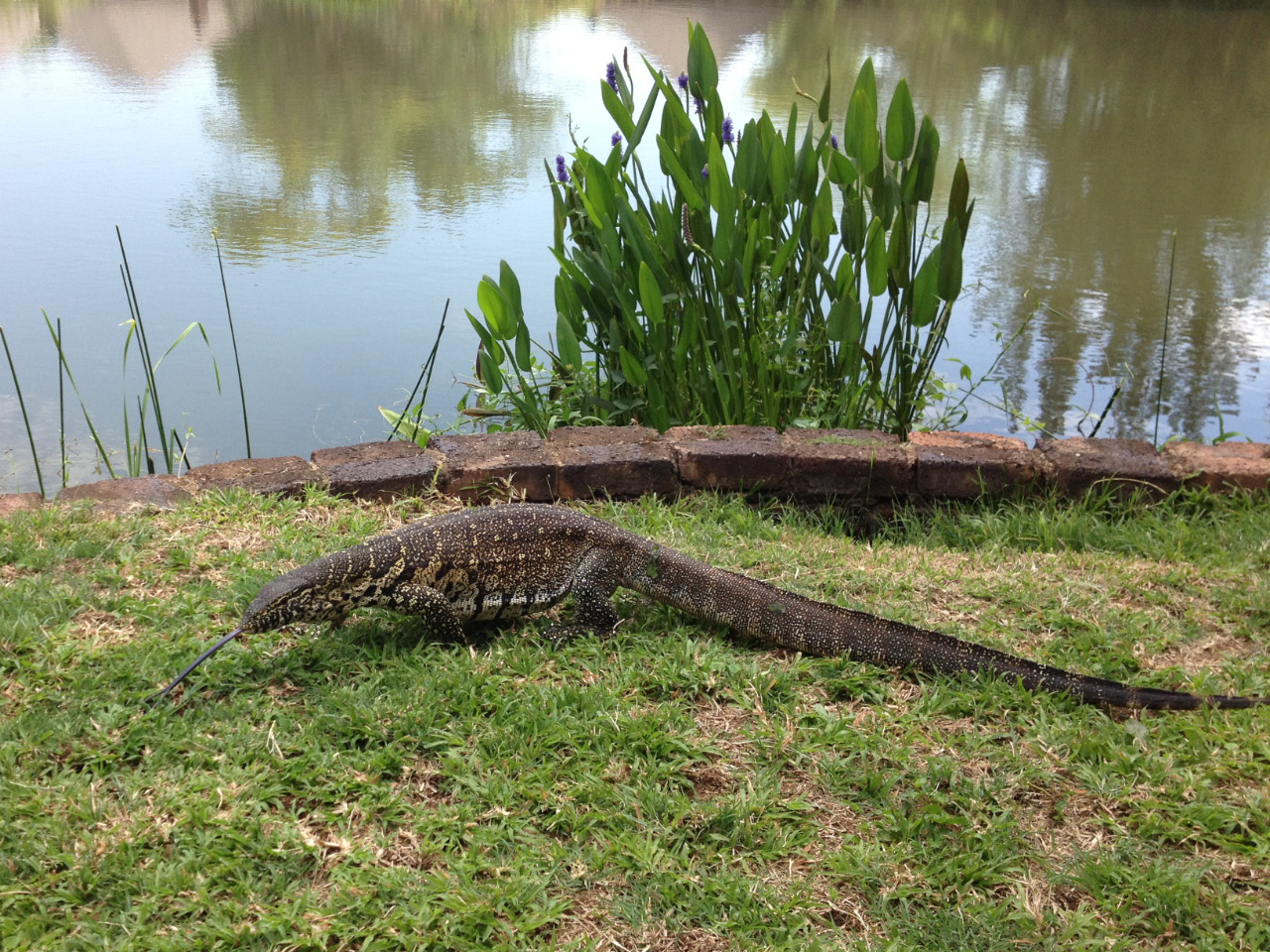
The chalets we were allocated are set around calm dams, while other chalets overlook the Crocodile River, which also forms the southern boundary of Kruger National Park. Water Monitors frequent the bush around the dams and are quite habituated to people, loping around the chalets in the hope of picking up morsels of food. Much smaller in size but just as reptilian are the colourful lizards in the gardens and around the chalets.

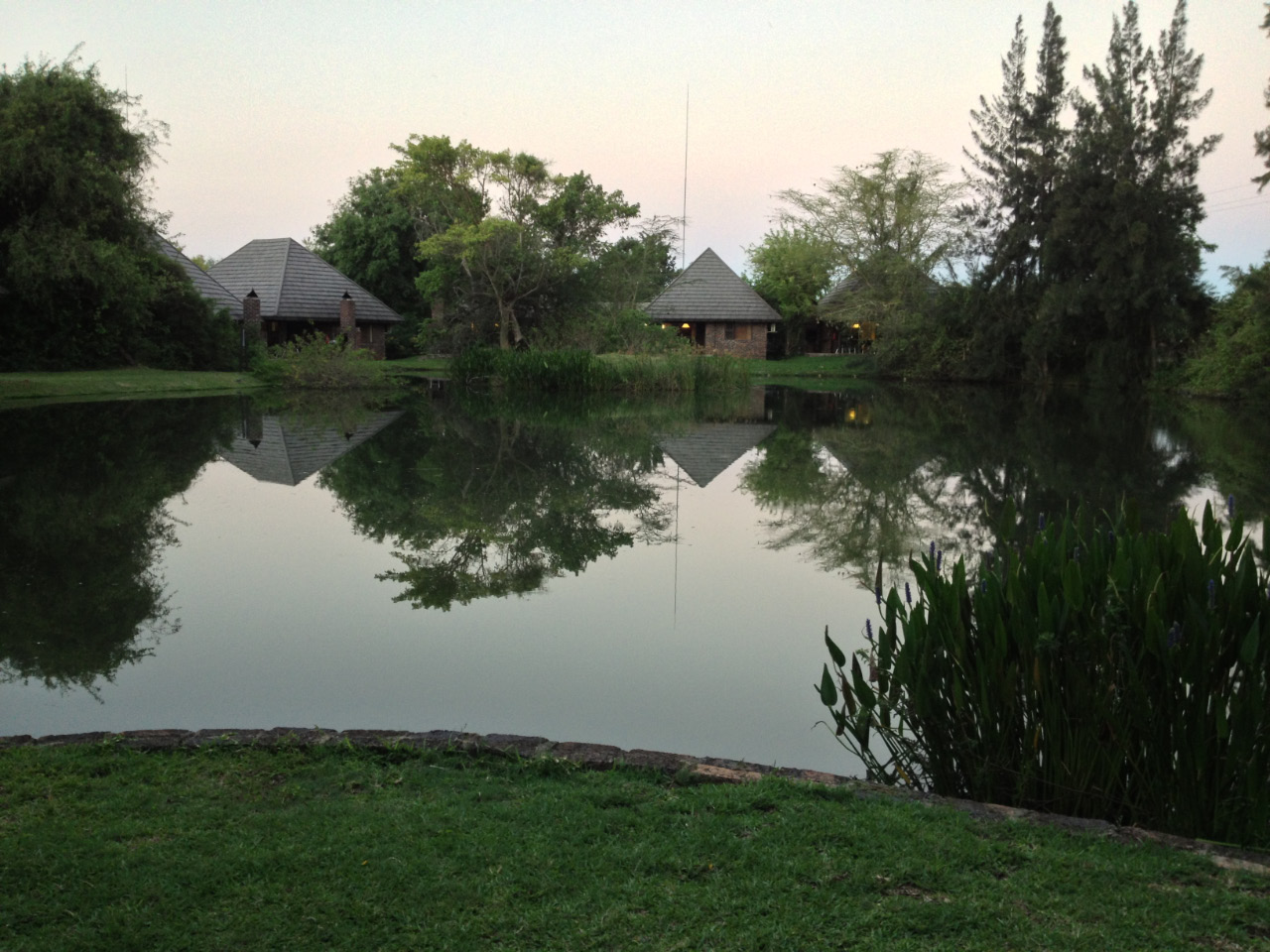
Ngwenya Lodge, Komatipoort

Ngwenya Lodge - View from chalet
Ngwenya Lodge – View from chalet
Water Monitor, Ngwenya lodge
Lizard, Ngwenya lodge

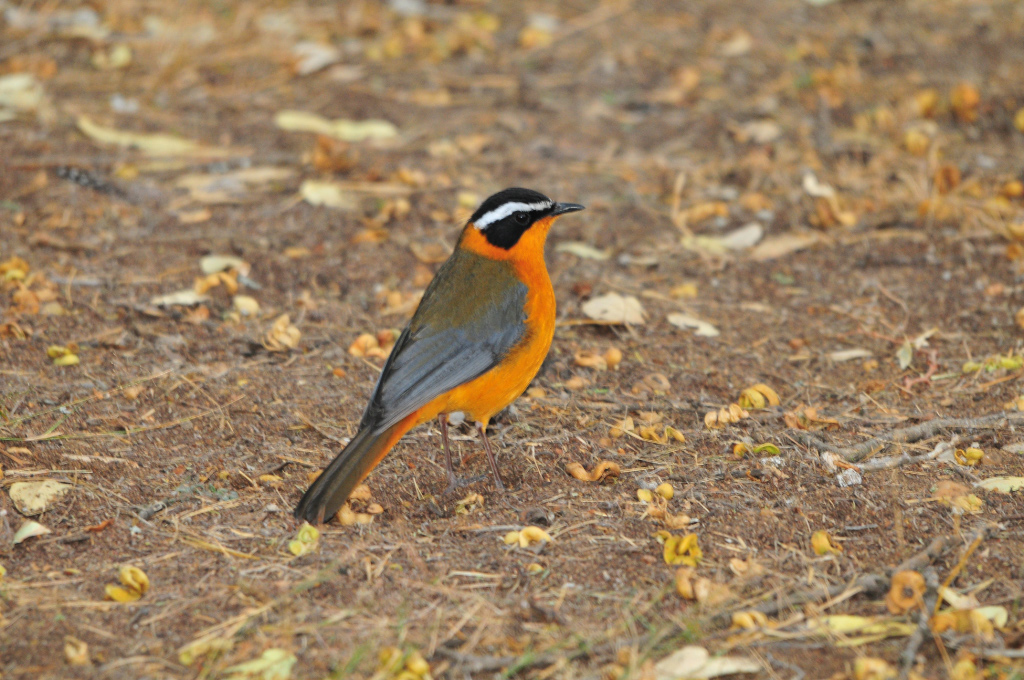
Bird life is plentiful and I was able to list 70 species during our stay, including a few in Kruger itself, despite not having much birding time in between the social activities. Bright yellow Village Weavers and Lesser Masked-Weavers are most prominent in front of the chalets where a number of the trees next to the water are bedecked with their carefully woven nests.  The calls of Dark-capped Bulbuls, White-browed Robin-Chats, Green-backed Camaropteras and Sombre Bulbuls are heard throughout the day and act as a gentle wake-up call in the mornings.
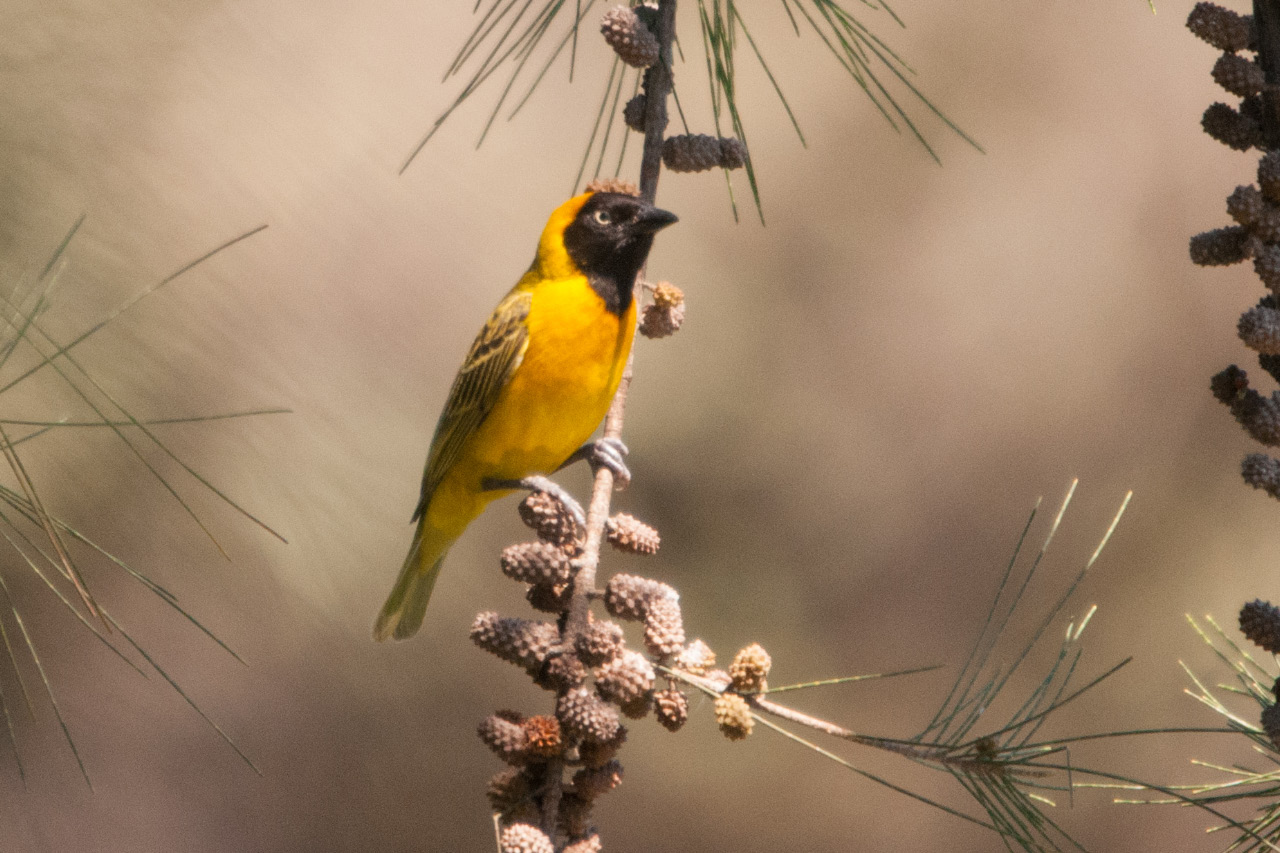
Lesser Masked-Weaver
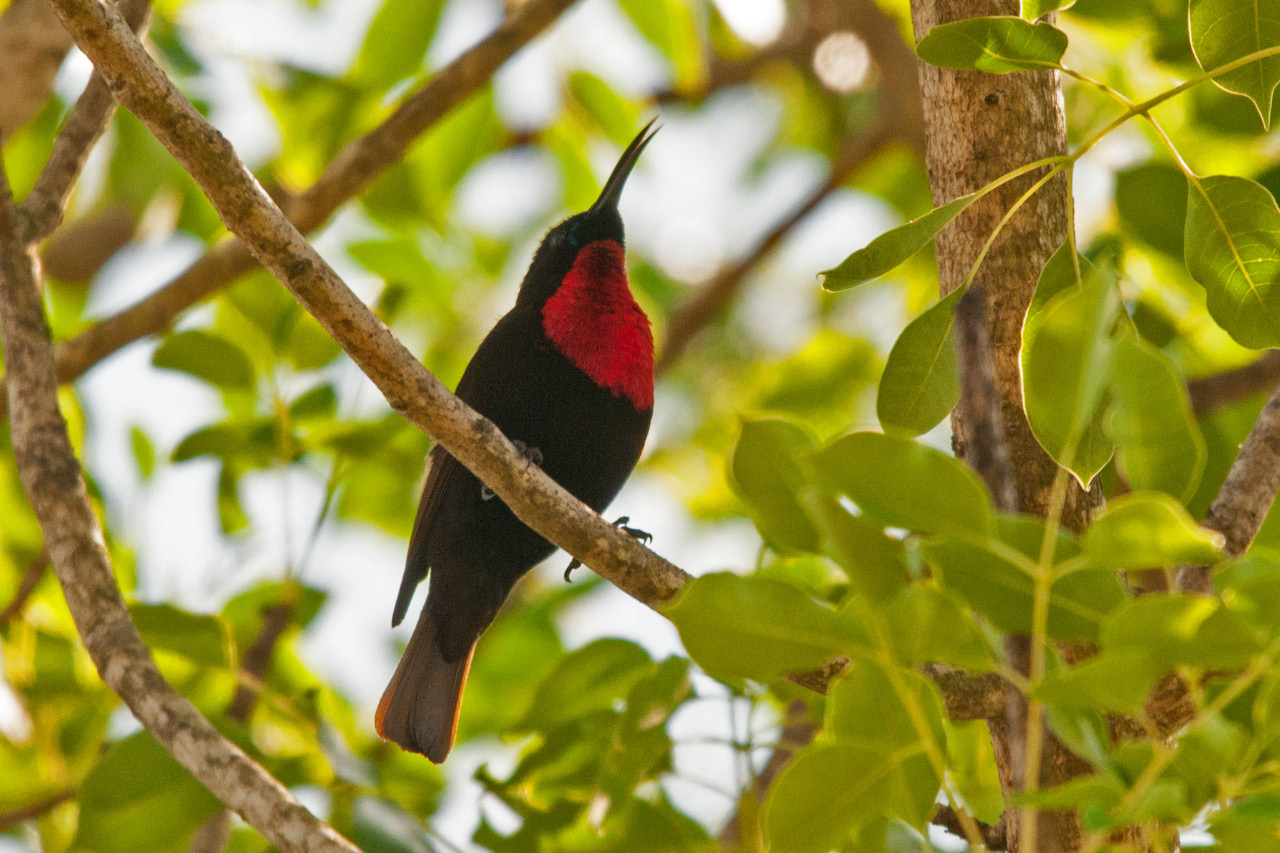
Scarlet-chested Sunbird, Ngwenya lodge
White-browed Robin-chat

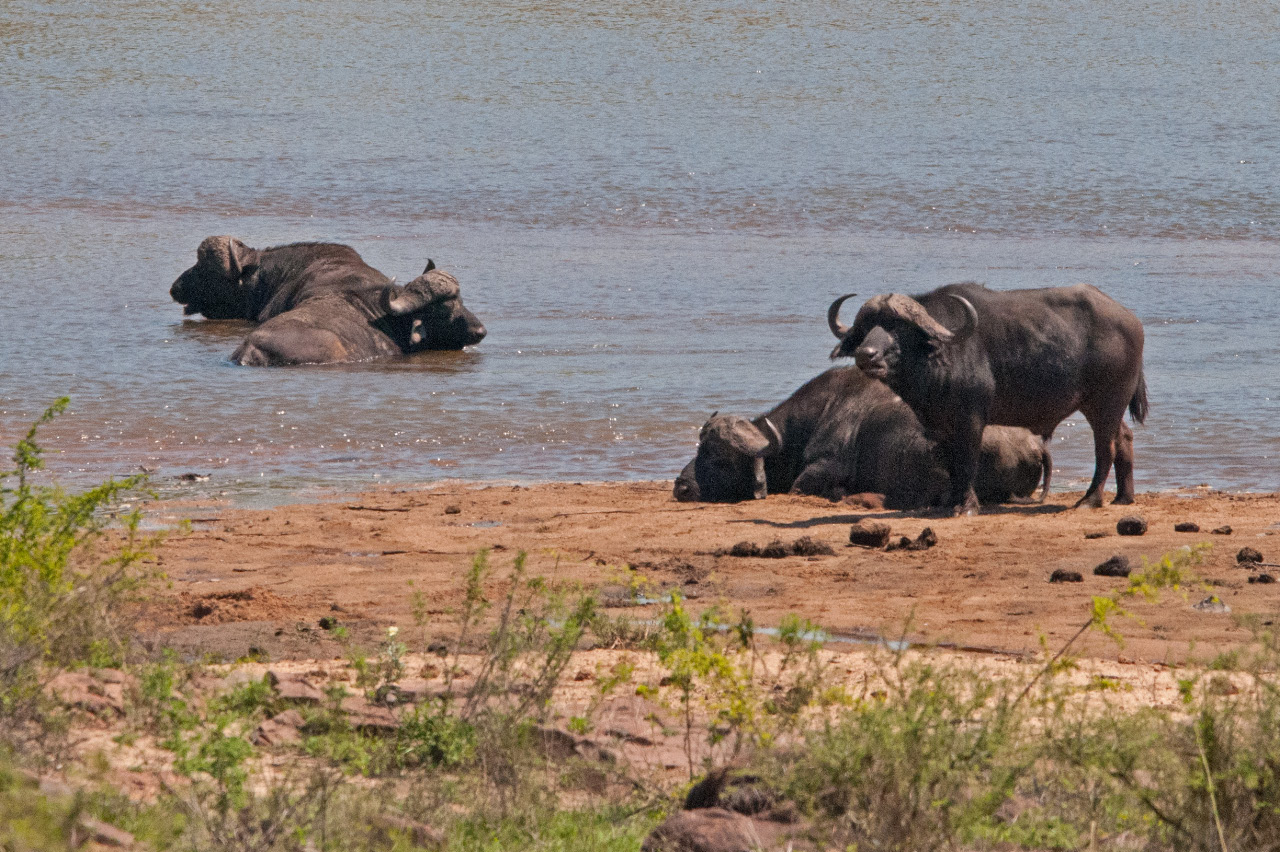
A walk around the lodge gardens mid-morning added many birds to the list with Violet-backed Starlings showing their spectacular colouring in the top of the trees and the sound of African Reed-Warblers emanating from the waterside bushes. Trees are a mix of indigenous and exotic with Fever trees being quite prominent. At the hide overlooking the river it was fairly quiet on the mammal front, with just a lone African Buffalo wading in the river.

Violet-backed Starling

Numerous birds in the water and riverside bush boosted my list by a dozen in 20 minutes with specials such as Lappet-faced Vulture circling above, Water Thick-Knee patrolling the water’s edge in search of a meal and a Black Crake showing briefly among the exposed rocks.

Black Crake
Black Crake

A Taste of Kruger

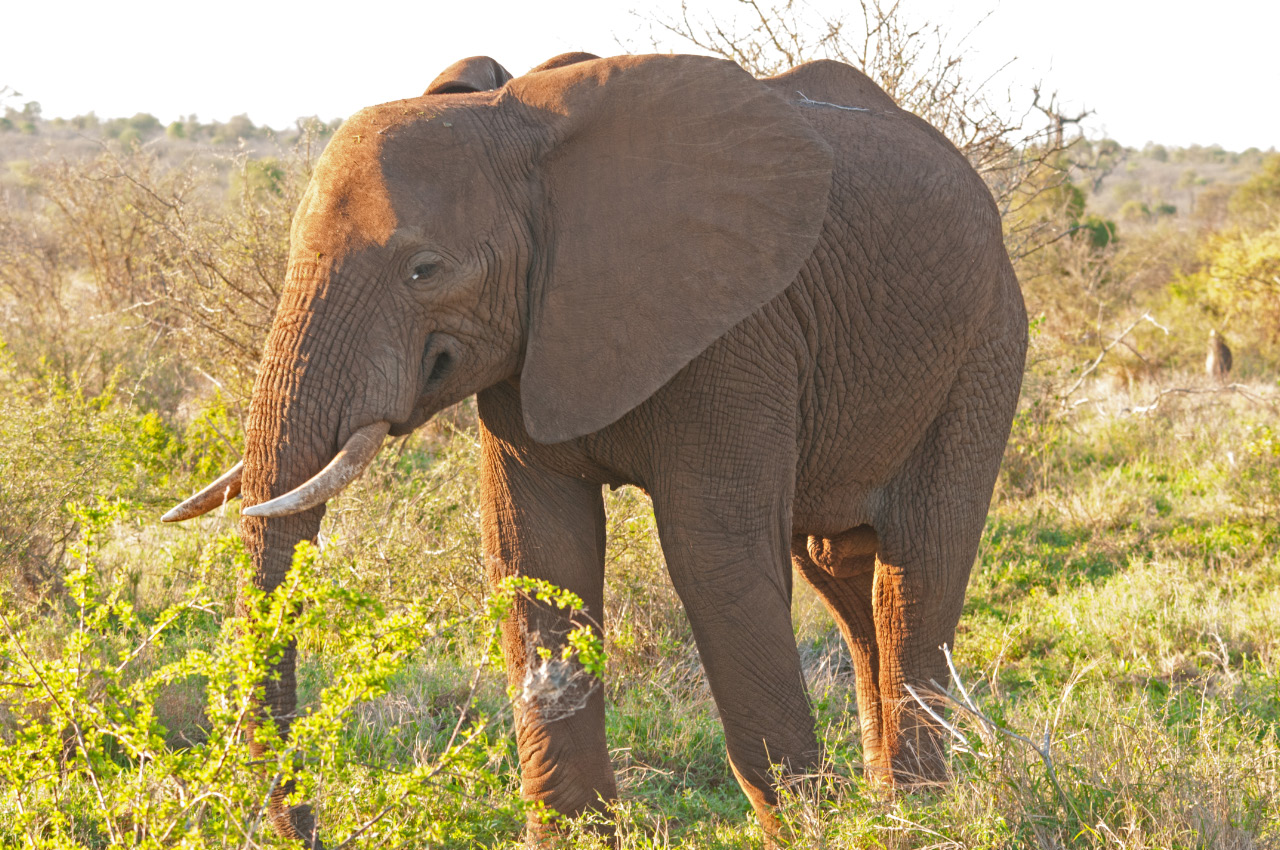
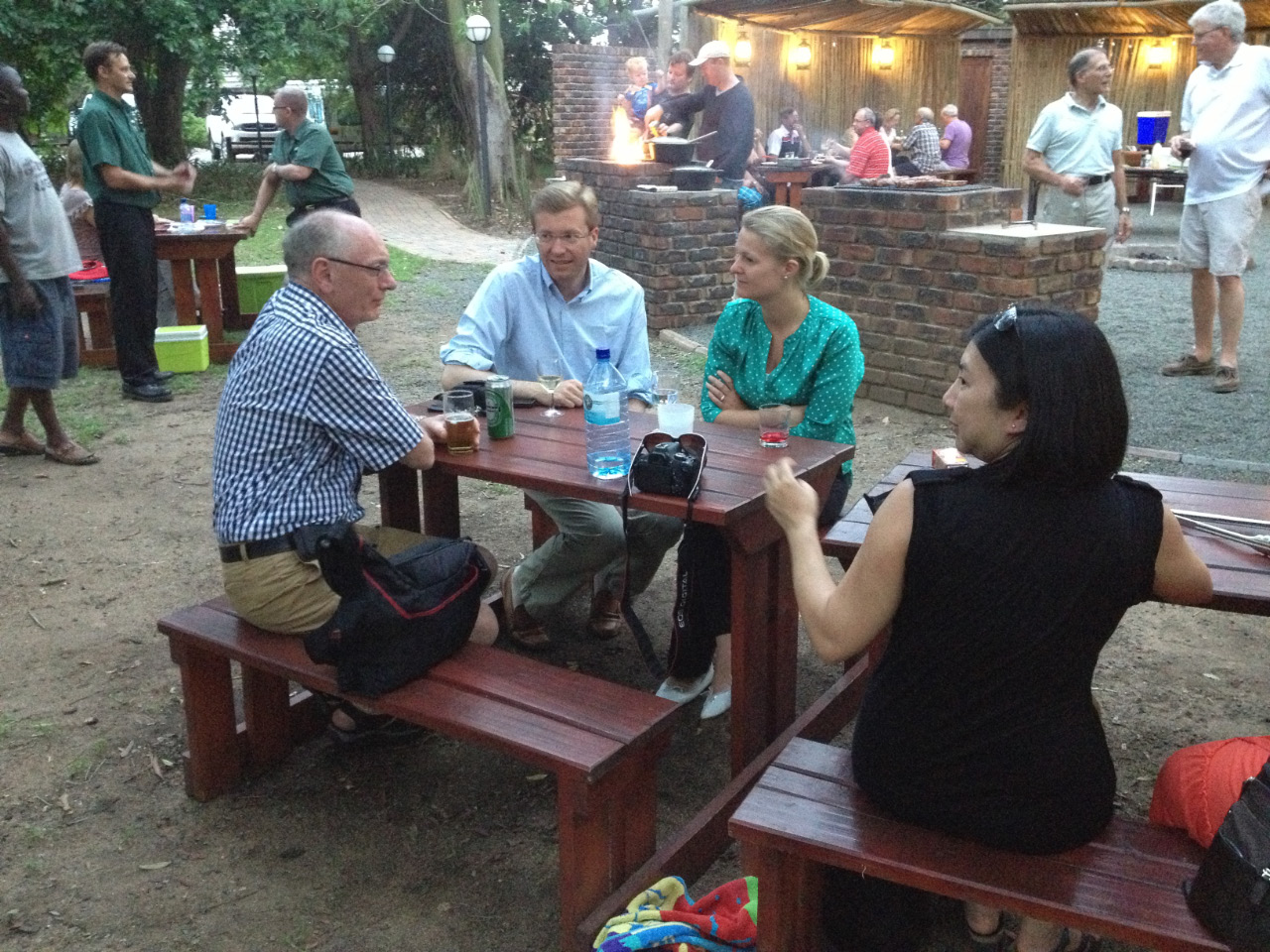
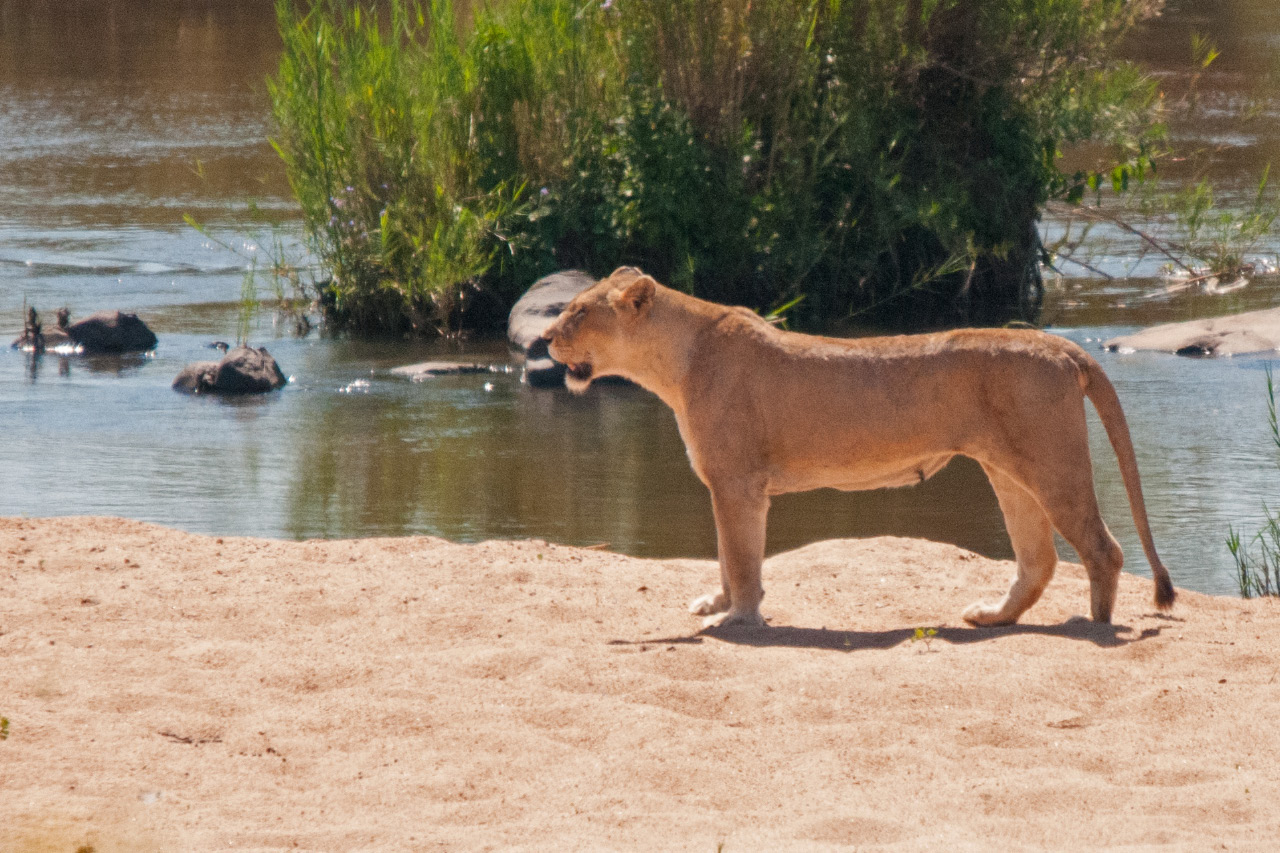
Social interaction with the Van Dyks and their guests from Canada and Belgium took place over brunch and dinner and gave us all the chance to find out a little about them, their homes and family. They were all keen to see some of Kruger Park, being so close to the Crocodile Bridge gate, and I offered to do a game drive on the Tuesday afternoon from 3 pm which was taken up by some of the group, knowing that we were all due to do an organised game drive the following morning in Safari vehicles with guides. Between the 2 drives we were lucky enough to see all of the “Big 5” – in fact the Wednesday morning game drive accomplished that on its own with the help of the guides who communicate with each other and share special sightings. The Tuesday afternoon drive was almost as successful, chalking up 4 of the Big 5.
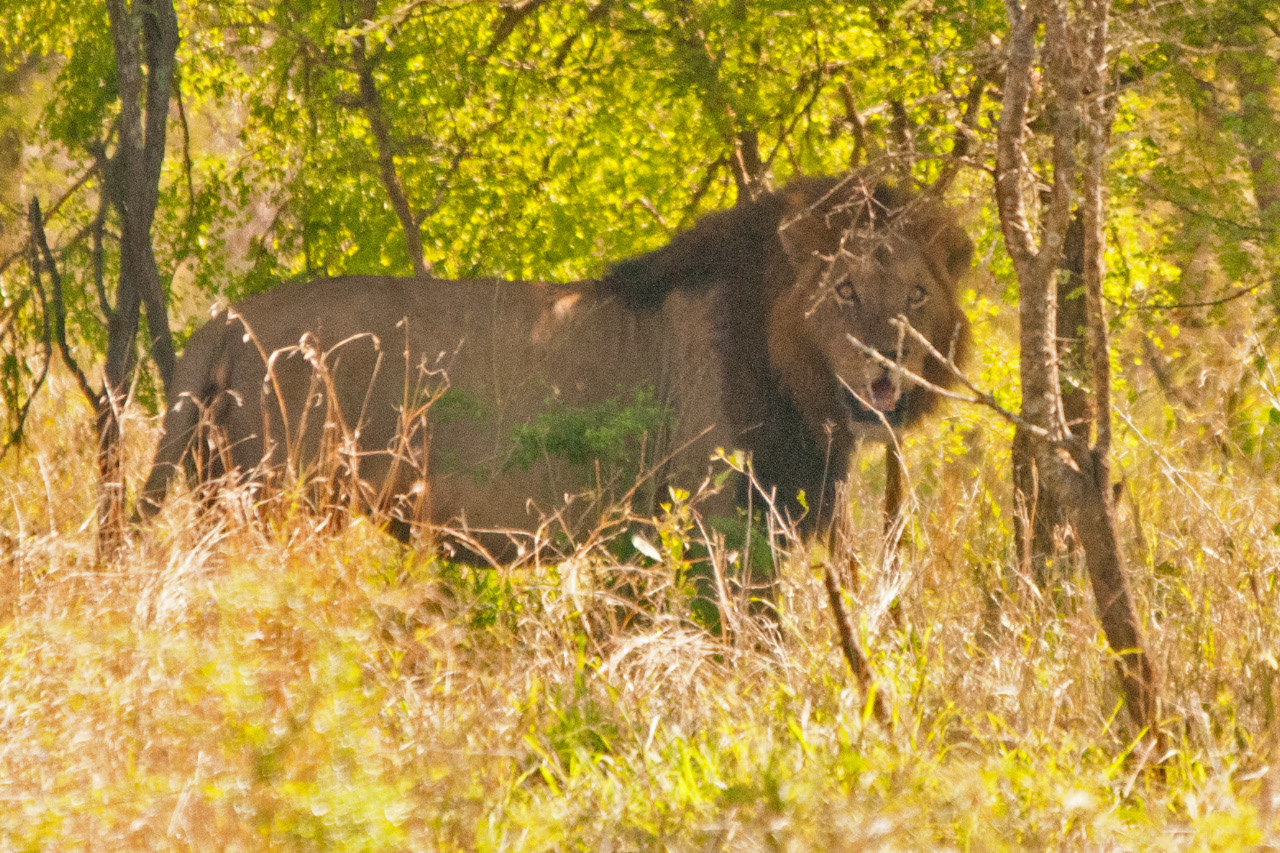
African Lion, Kruger NP
African Lioness, Kruger NP
African Elephant, Kruger NP
African Buffalo, Kruger NP
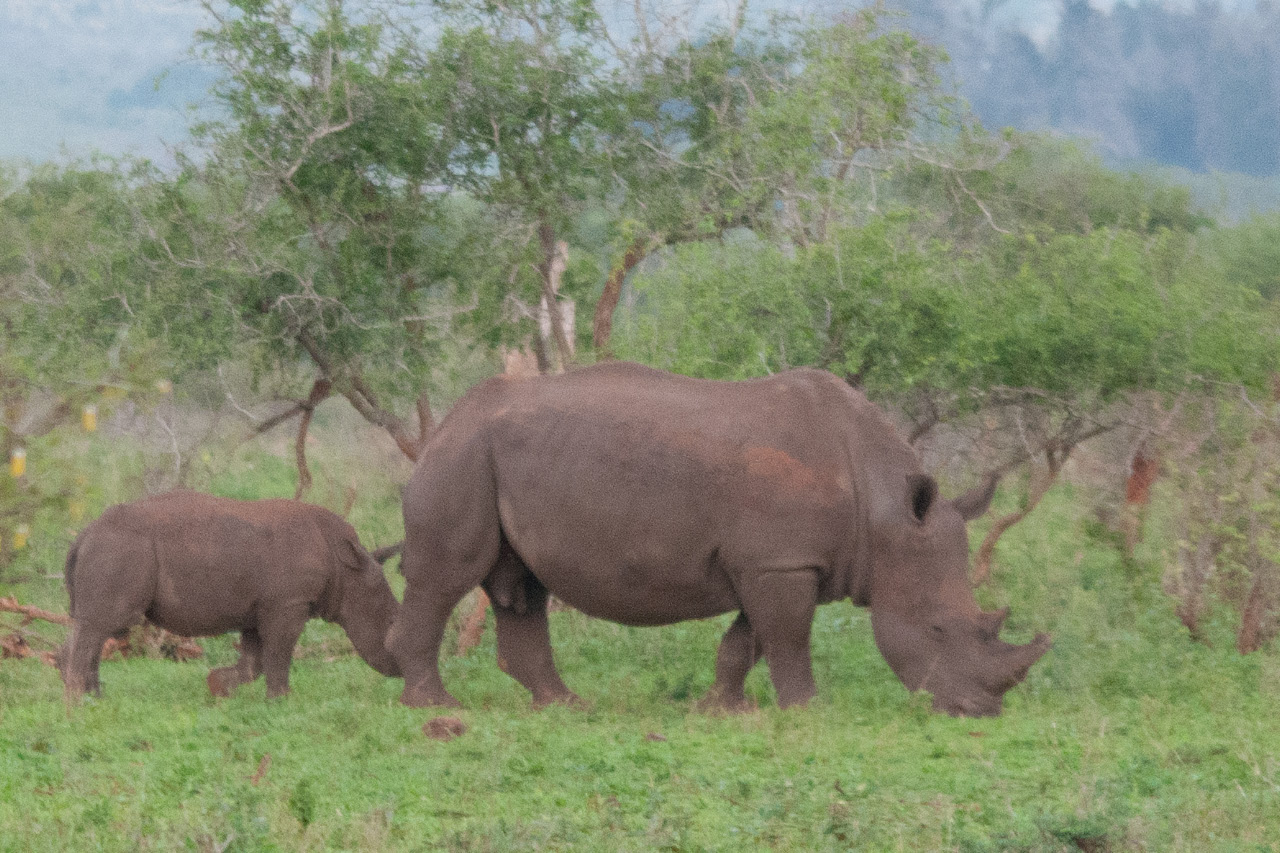
White Rhino, Kruger NP

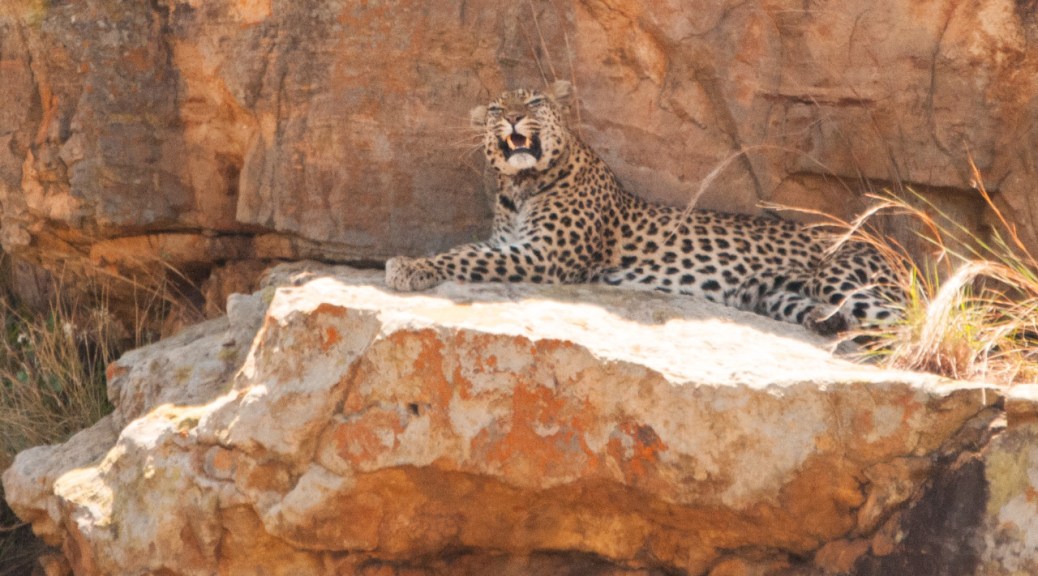
Two separate sightings of Lion, plenty of Elephants, a large herd of Buffalo and Rhino spotted at a distance, kept everyone on the edge of their seats during the drive and just as we were due to turn around and head back to Ngwenya our guide had a radio call during which I heard the word “Ingwe” and immediately knew we were in for a special sighting. Our guide didn’t say a word but headed at speed in the direction of Lower Sabie camp then past it to the bridge over the Sabie river where a magnificent Leopard was lazing on a rocky ledge, unconcerned by the many vehicles jostling for a good view of this most impressive of the big cats. After moving into a good viewing position, we spent some time watching him rolling around and yawning, then we headed to Lower Sabie for a comfort break and from there back to Ngwenya.

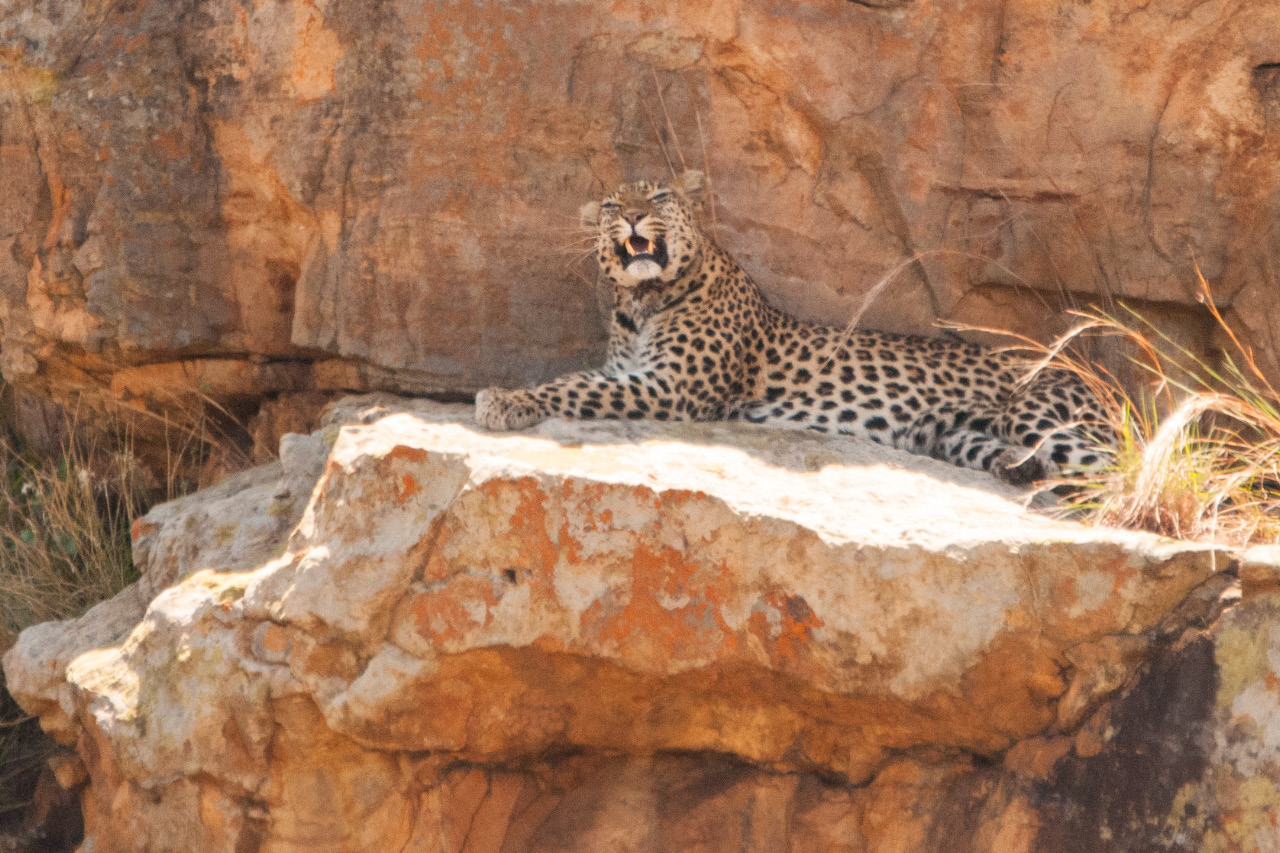
Leopard, Kruger NP
Leopard, Kruger NP
Leopard, Kruger NP
Leopard, Kruger NP
Hippo, Kruger NP
Hippo, Kruger NP

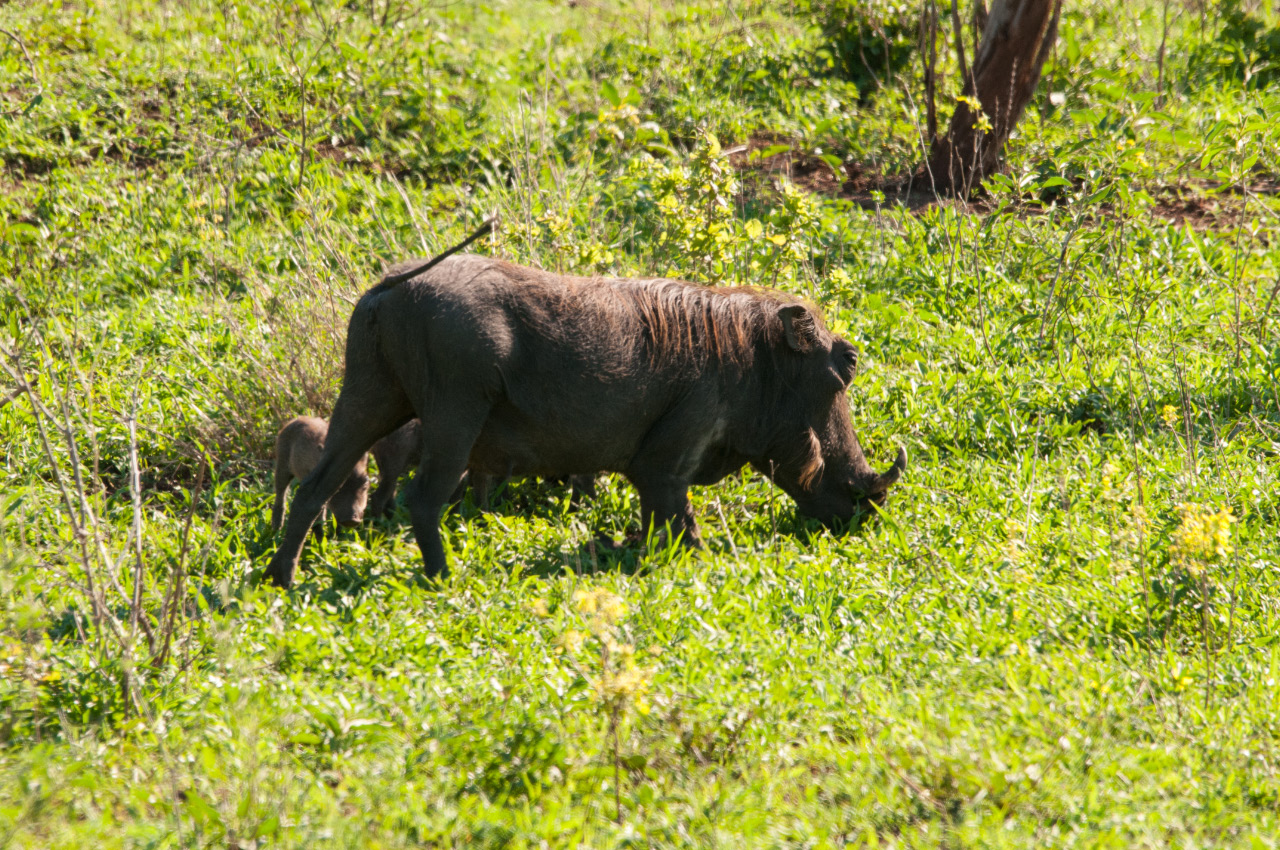
Plenty of other game was seen on the drives, including the ubiquitous Impala but also numbers of Giraffe, Zebra, Wildebeest, Warthogs, Kudus and a few Waterbuck with their distinctive white ring on the backside – many had youngsters in their group especially the Warthogs which seemed to have had a good crop of babies, which looked a bit like very large rodents. The bush and veld were looking beautiful after the first summer rains, but the dense bush does make it more difficult to spot animals even when close to the road. The game drives were thoroughly enjoyed by all, even ourselves who have done so many drives in Kruger, never tiring of visiting this special part of South Africa.
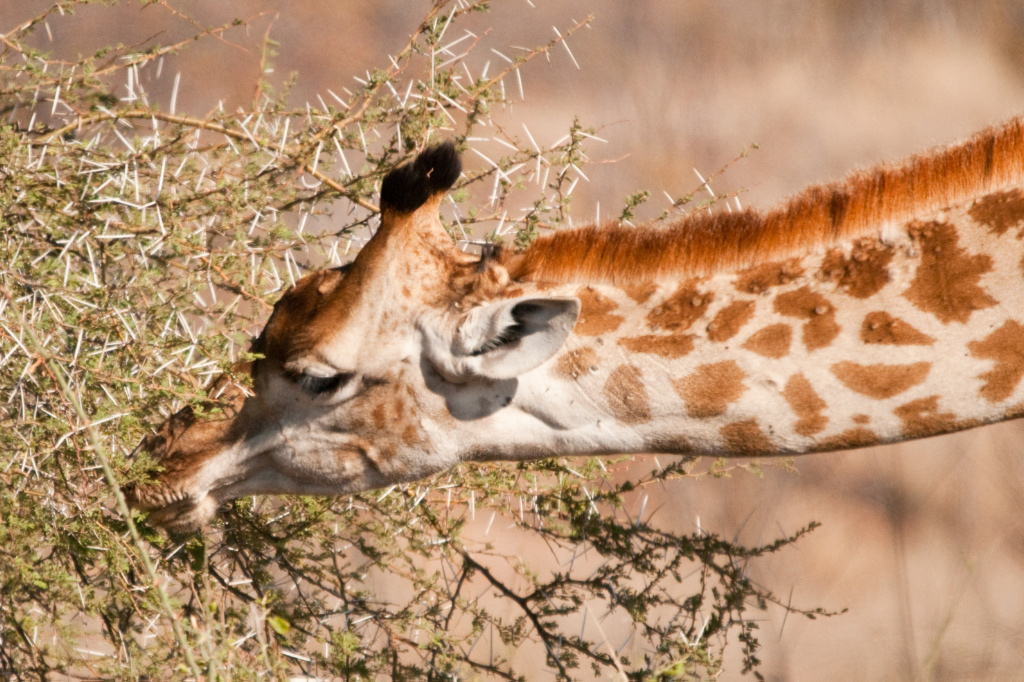
Giraffe
Giraffe
African Warthog, Kruger NP
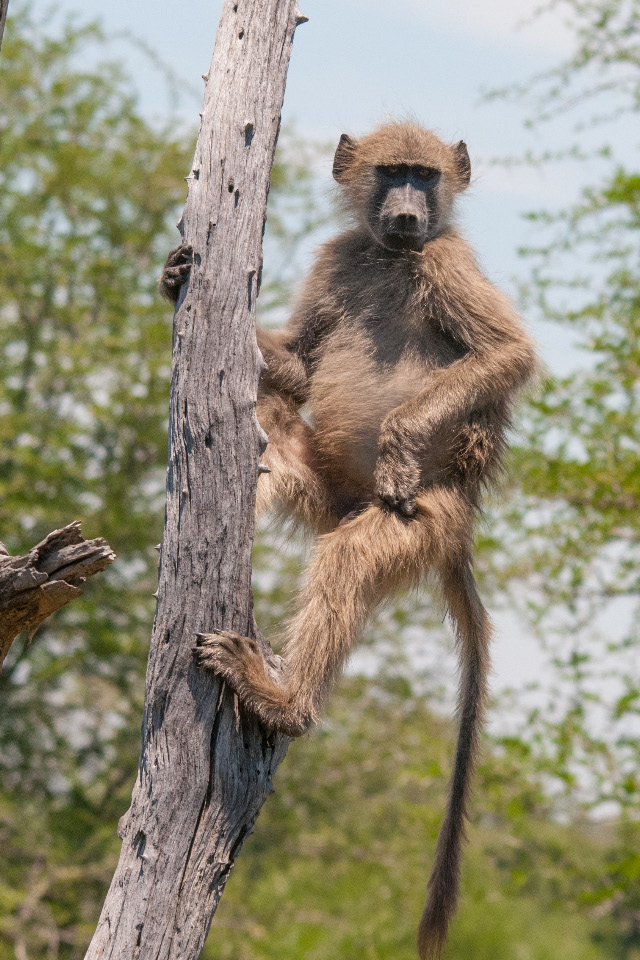
Chacma Baboon, Kruger NP
Burchell's Zebra, Kruger NP
Burchell’s Zebra, Kruger NP
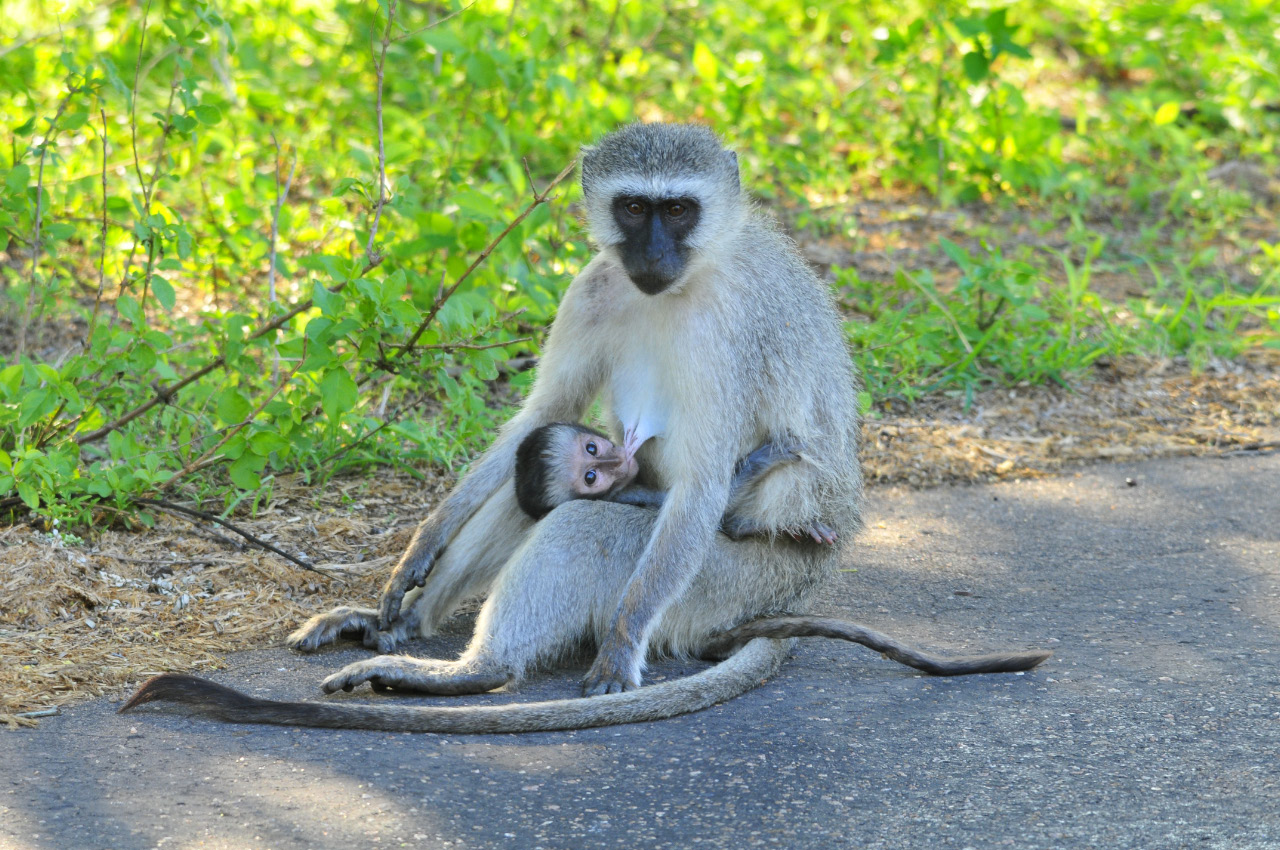
Vervet Monkey, Kruger NP

With the focus on game, the birding took a back seat, but I managed to keep the list ticking over with some of the typical Kruger Park birds that did not need stopping to ID them – Pin-tailed Whydahs were active near the gate and Rattling Cisticolas were making themselves heard at regular intervals, while Bateleurs and White-backed Vultures soared overhead. Francolins and Spurfowl occupied the road edge and scattered as we approached, their features distinct enough to easily make out Swainson’s and Natal Spurfowl as well as Crested Francolin as we passed by.

Yellow-billed Hornbill
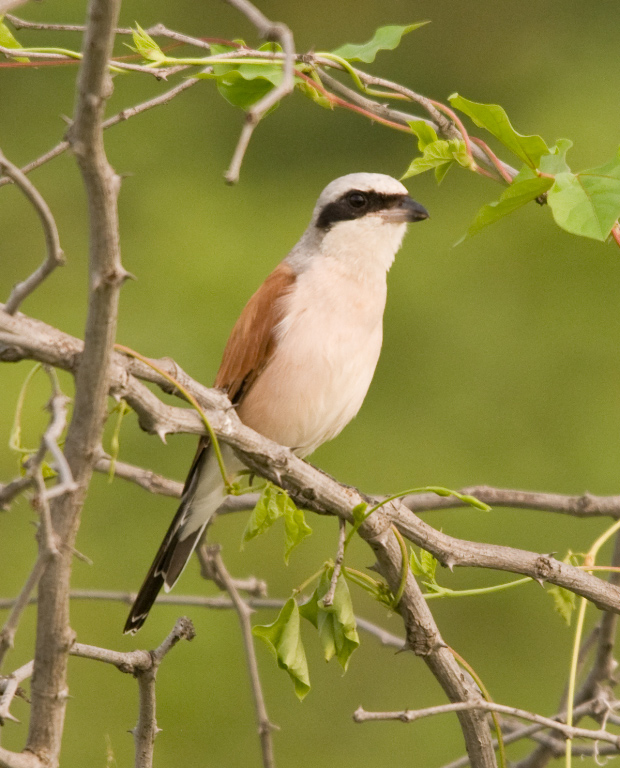
Red-backed Shrike
Red-backed Shrike

Canadians do the Braai

Come Wednesday evening and the visitors decided they would do the braai – this time at the lodge’s boma. We had to admit as proud South Africans  that they did a great job and we enjoyed juicy steaks with salads and traditional pap – now if only we can get them to pronounce “pap” correctly (as in “pup”)
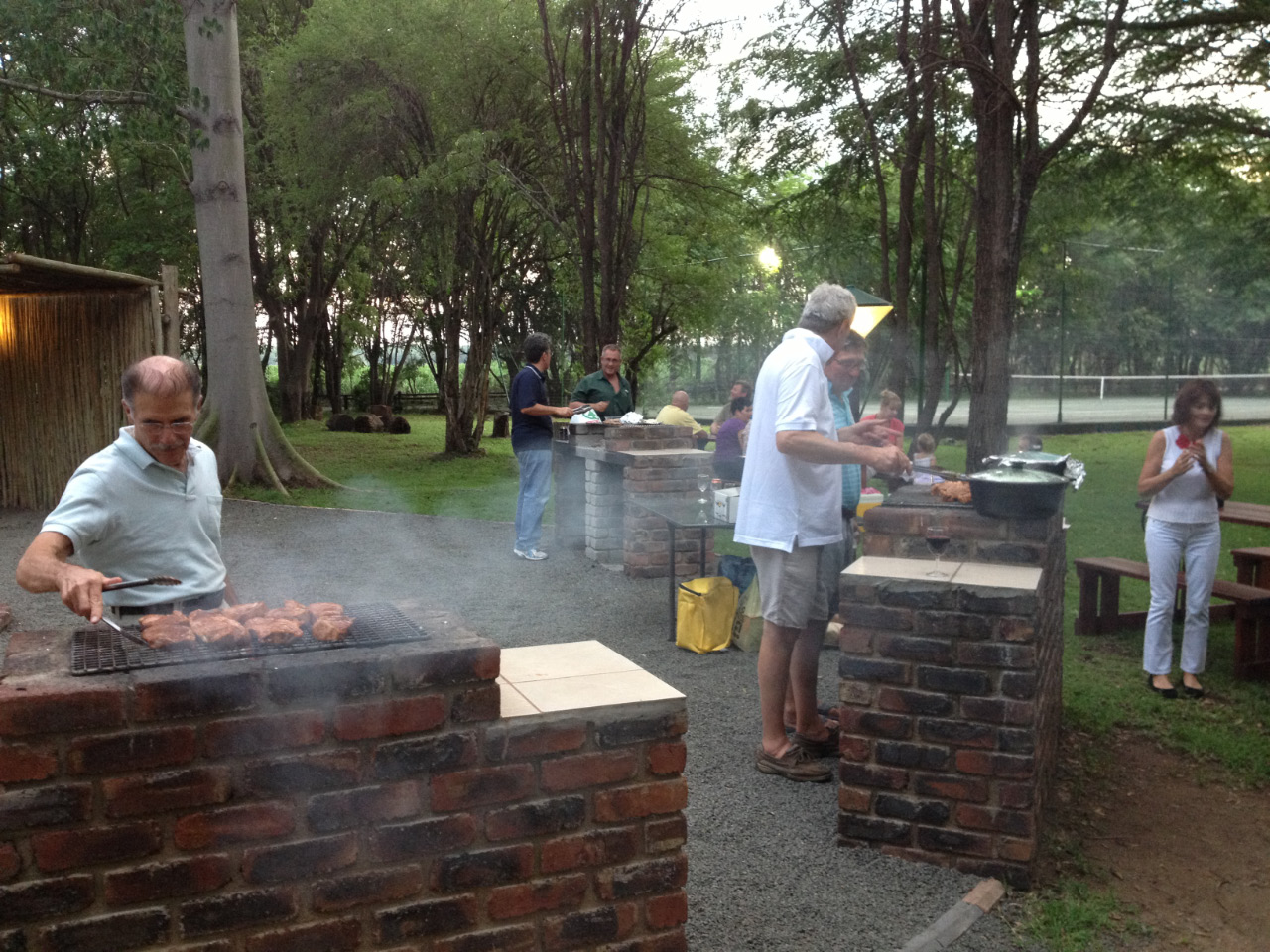
Canada shows us how to braai!
Barry, Frank and Jan show off their braai skills
The braai
The braai
The braai
The braai
Last advice from Father of the Bride?

Then it was time to say goodbye for the time being, until the big event on Saturday.
Mostly Battlefields – Paardeberg (Finding the Canadians)

The background

Growing  up in South Africa in the second half of the 20th century, I was aware, mainly through history lessons at school, of the conflicts that took place between the Boers and the British forces in the latter part of the 19th century and the battles fought between both of them and the Zulus which preceded those conflicts.

However it never got beyond history lessons until we heard that John and Sam Denner were planning a 4 week visit to South Africa in February  2013, and that John in particular was very keen to visit as many of the battlefield sites as possible. Now, my sister Sam, or Sheila as we know her, has lived in Canada for 4 decades or so, but had visited us a few times in the intervening period – however we had never met John, our brother-in-law, although he did spend a year in SA in his 20’s.

We were aware of  John’s passion for all things related to military events and the fact that he runs a business from their home in Canada trading in war memorabilia, weapons, uniforms and the like. What we came to realise as our tour of the battlefields progressed, is that his knowledge of the battles that took place in the 19th century is extensive and he often proved to be more knowledgeable than some of the local people we came across.

John sent a list of the sites they most wanted to visit and, because many of them were just names to me, it took some research via Google to establish locations, confirm travel routes and look at accommodation options. Between Sam and I we drafted an itinerary which allowed for visits to selected battlefields of the Northern Cape and Kwazulu-Natal, followed by a few days in Kruger Park and touring Mpumulanga, after which we would fly to George to spend some time in Mossel Bay and the Garden Route, then a brief visit to Cape Town before returning to Pretoria.

A few days were set aside to show them Pretoria and Johannesburg and to spend some leisure time in between the main parts of the tour. I had decided to take the time off myself and see some parts of the country that we had not experienced ourselves – and of course there would hopefully be a chance to do a bit of birding along with the other activities. The research I did on the battlefields had already pricked my interest to the extent that I was really looking forward to finding out more about the often turbulent history of South Africa.

The Arrival and first trip

John and Sam (Sheila) arrived on Tuesday 5th February 2013 on the early BA flight and we were at our home in Wapadrand, Pretoria by 9 am. After settling in and catching up a little, we decided to get “warmed up” for the touring ahead by taking a drive through Pretoria with stops at the historic Union Buildings and the Voortrekker Monument.

We could already see where their interests lay as John checked out the cannons at the Union Buildings and Sam enjoyed the curios on sale, with all of us admiring the good views over Pretoria.

The Voortrekker Monument was really worthwhile visiting, with its special aura and amazing carved reliefs – even the museum downstairs was full of interesting artifacts from the Great Trek era and it was immediately clear that John in particular has an affinity for the Boers and relates strongly to their ideals.

Off to Kimberley 

We set off for Kimberley in the Northern Cape around 9 am on the following day, with a journey of some 650 Km ahead of us, taking the route via Krugersdorp, which we bypassed on the back roads, Carletonville, Potchefstroom, Klerksdorp and Bloemhof. It was a long drive with a couple of comfort stops, a stop for Steers Burgers in Bloemhof and a brief “look-in” at our son Stephan’s house on the outskirts of Potchefstroom to say hello to Liesl and the 2 kids, Jocelyn and Christopher.

The landscape changed from built-up Gauteng to the wide open landscape of the Northern Cape, with steps in between and eventually Kimberley appeared on the horizon at about 5 pm that afternoon – it was a quick decision to head out to Paardeberg museum and battlefield in order to recce before tomorrow’s planned visit, despite thinking that it would be closed at this time of the day.

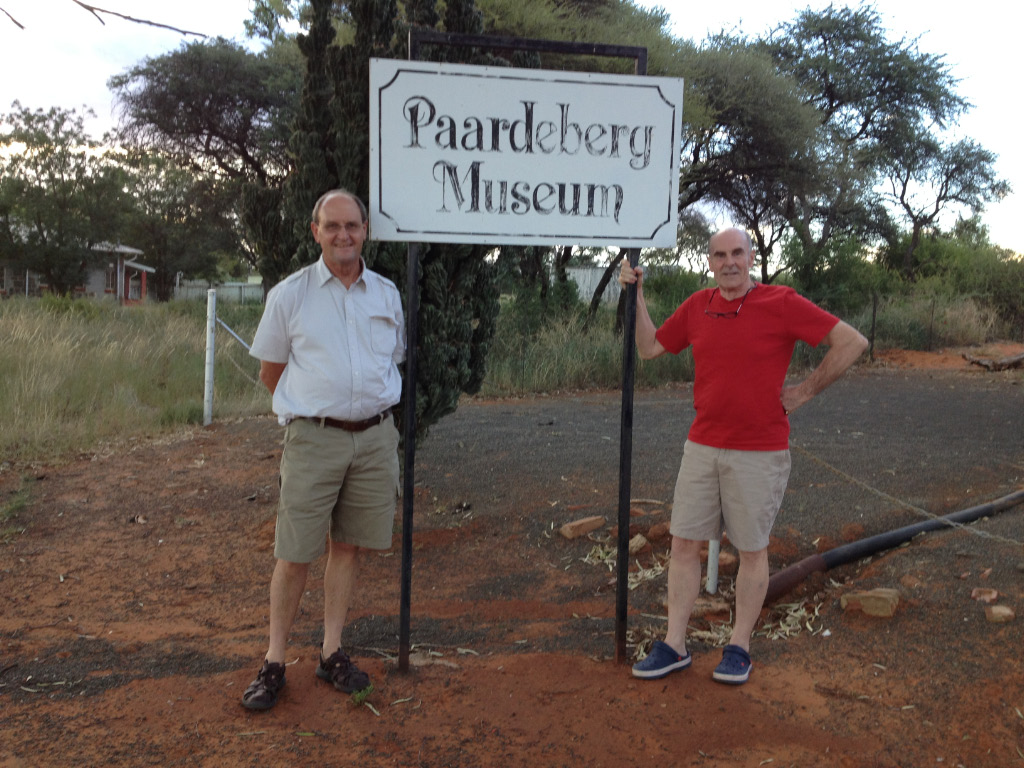
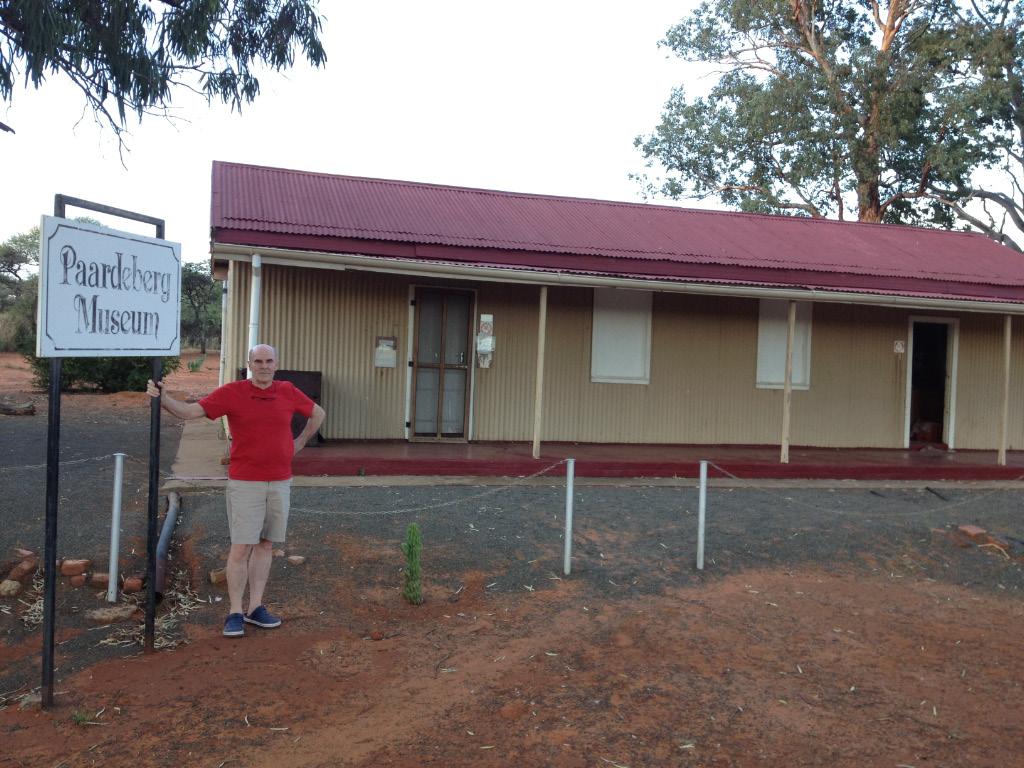
Paardeberg Museum

Having found the Battle of Paardeberg site on Google Earth the previous day, we knew to head out on the N8 Bloemfontein road south-east of Kimberley for 44 Km and found the little museum without too much difficulty a couple of Kms off the main road near the “Perdeberg” station – the different spelling of “Paardeberg” almost put us off, but fortunately we followed our instincts.

Amazingly, we found the caretaker sitting outside the locked museum, despite it officially having “closed” an hour and a half before we arrived and, as if by magic, a local lady assistant appeared out of the bushes with a key to open the museum specially for us. From the visitor’s book entries it was clear that not many people visit this charming museum, which made us even more appreciative of having found the caretaker at his post.

We spent the next half hour going through the exhibits which set out quite nicely the background and events leading up to the battle and the battle itself.

Paardeberg museum
Don & John at Paardeberg museum
Paardeberg museum
Paardeberg museum

Paardeberg Battlefield

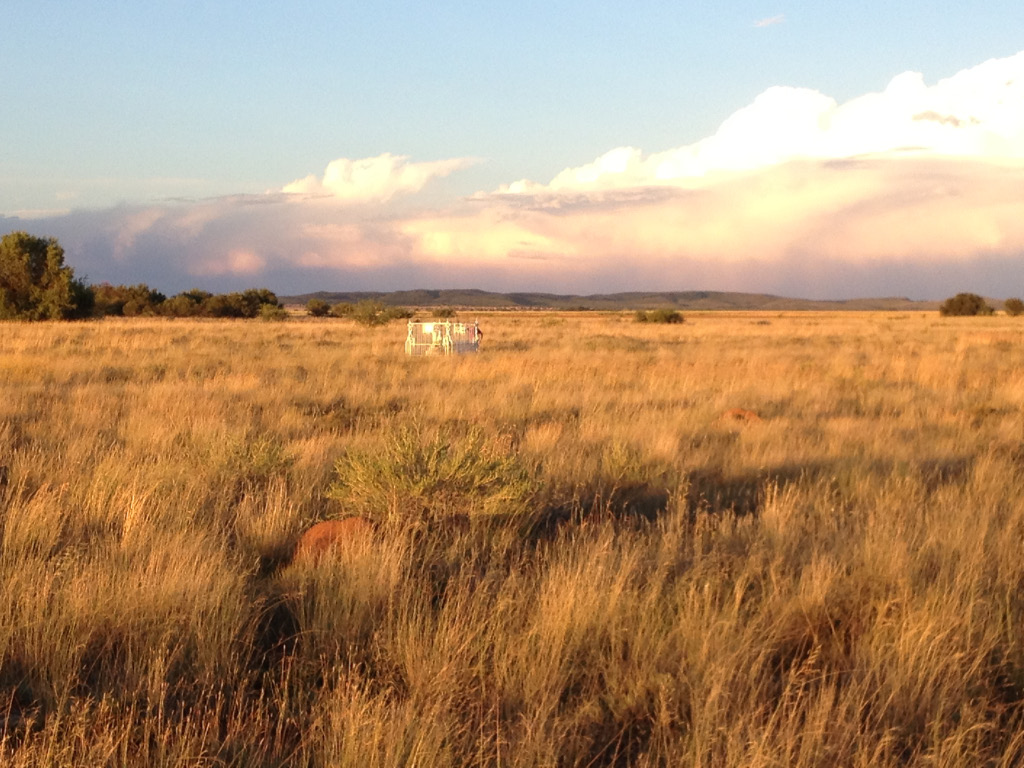
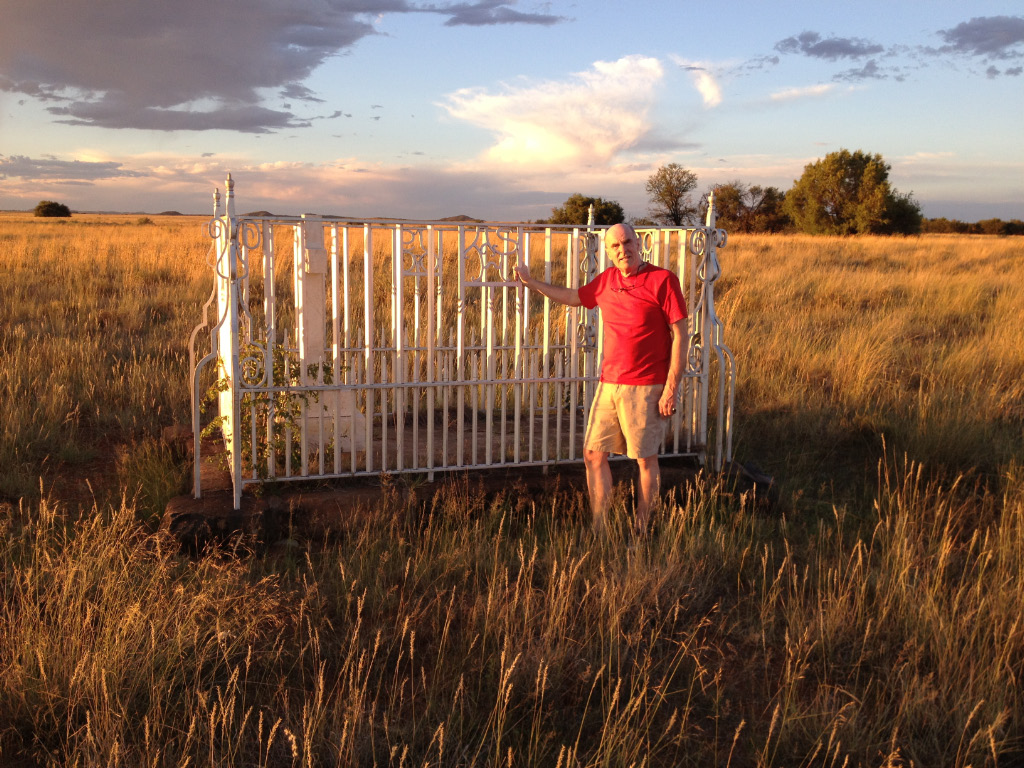
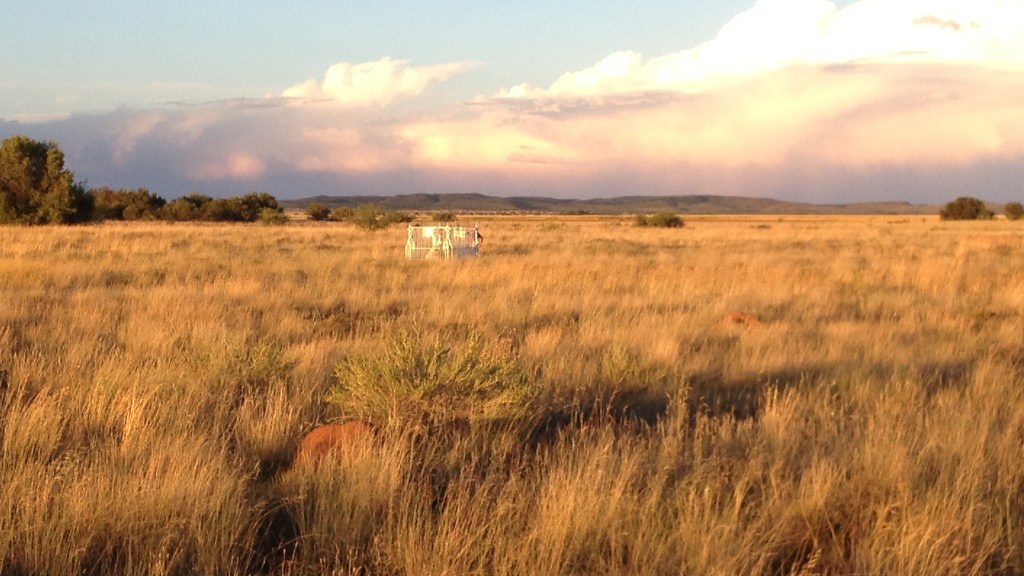
From the museum we took the gravel road to where we had been told the battlefield sites were and after about 7 Kms we found the first monument/grave site just off the road in the middle of a field, which by now was bathed in late afternoon sunlight which lent a beautiful glow to the long, dry grass.

We discovered it was the grave of Colonel Hannay, who led a suicidal charge on the Boer encampment and died at that very spot. This was to be the only war grave we visited that was for an individual – all of the others at Paardeberg and the other sites we visited later in Kwazulu-Natal were multiple war graves.

It was also the first poignant reminder of the sacrifices made by young men on both sides, but particularly those in a strange land so far from their family.

Colonel Hannay's Grave in the middle of a field
Colonel Hannay’s Grave in the middle of a field
Colonel Hannay's Grave
Colonel Hannay’s Grave
Colonel Hannay's Grave at the spot where he fell
Colonel Hannay’s Grave at the spot where he fell

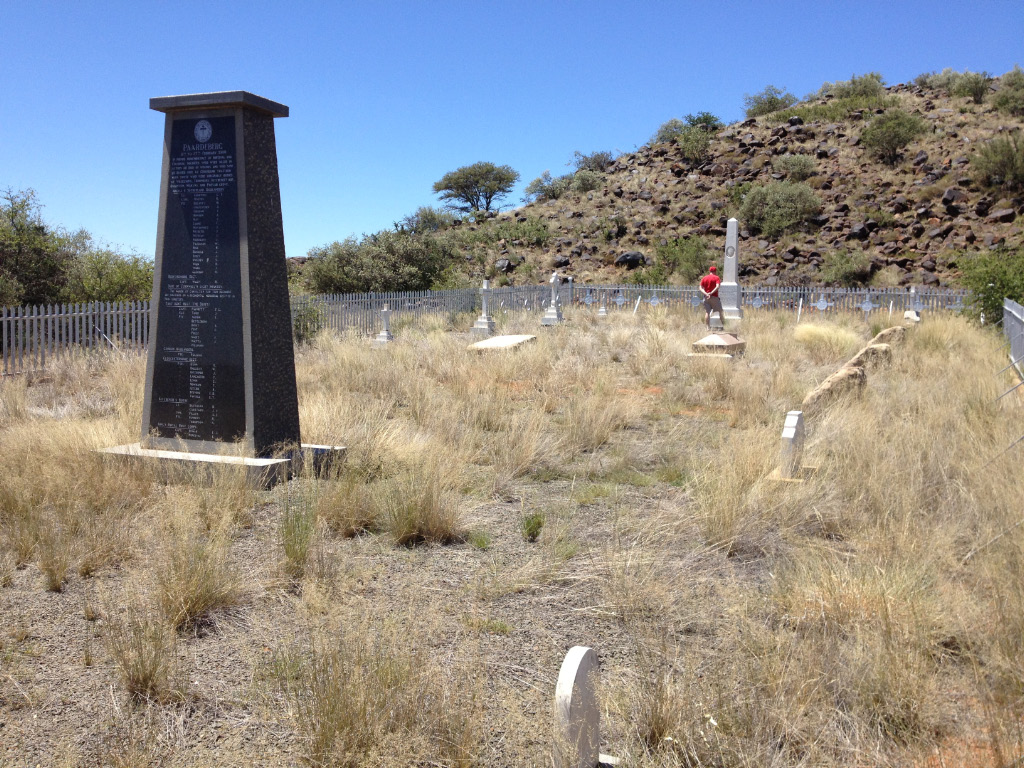
Travelling further along the road, with the sun starting to dip towards the horizon, we were on the verge of calling it a day, when we saw a further site with a number of graves and stopped to investigate – it turned out to be the site of a monument to the Burgers (Boers) who had died at Paardeberg.

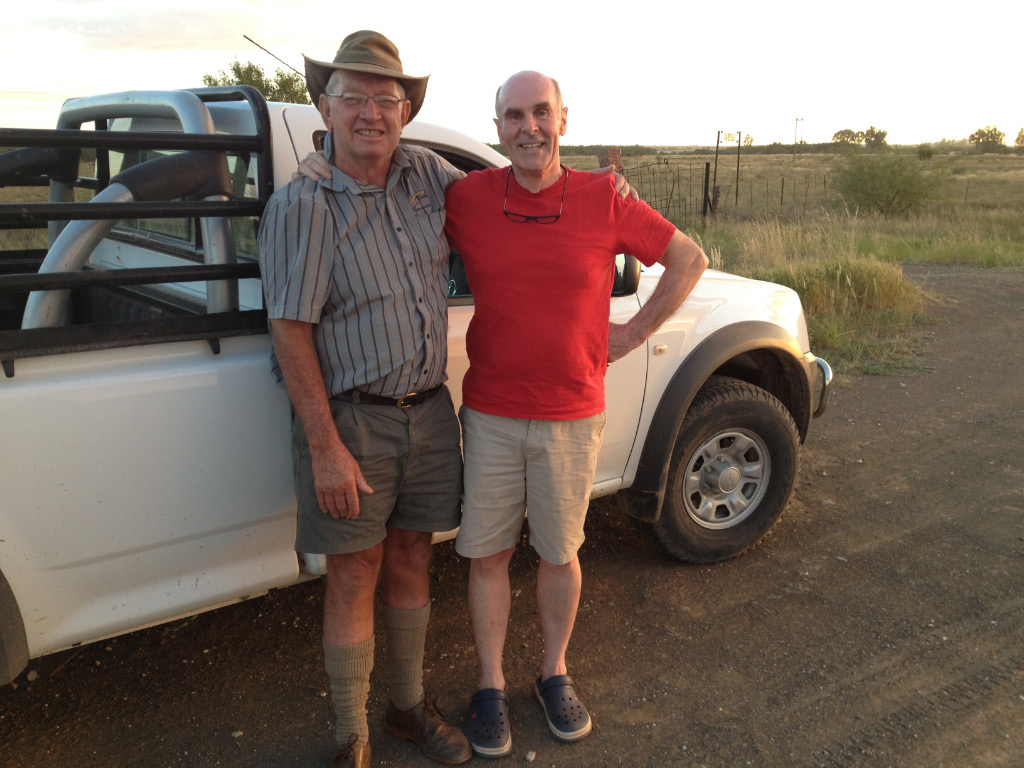
While we were stopped, a local farmer who introduced himself as “SF” Marais, turned up in his bakkie (pickup) and in broken English and his home language of Afrikaans told us a bit about the area and that his family had farmed the area for more than 100 years. He gave us directions to some of the other sites where the “Engelse” (the British forces) were buried on the other side of the Modder River, which we thought would be good place to visit the next day.

Monument to the Burgers who died at Paardeberg
John's new-found friend and local farmer - "SF" Marais
John’s new-found friend and local farmer – “SF” Marais

By now it was close to dark and we ended up investigating the Paardeberg battle site with a torch, after which we headed back to Kimberley for a late check-in at the Cecil John Rhodes guest house – the managers had tired of waiting for us so we had to wait for them to return and open up. After a decent meal at Mario’s across the road we collapsed into bed.

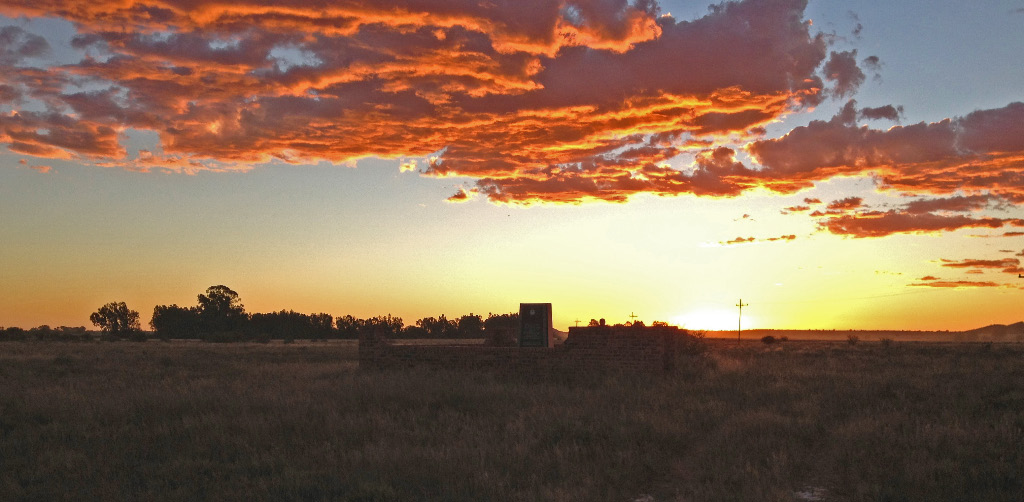
Sunset over Paardeberg
The battlefield at Paardeberg - checking the model by torchlight
The battlefield at Paardeberg – checking the model by torchlight


Return to Paardeberg

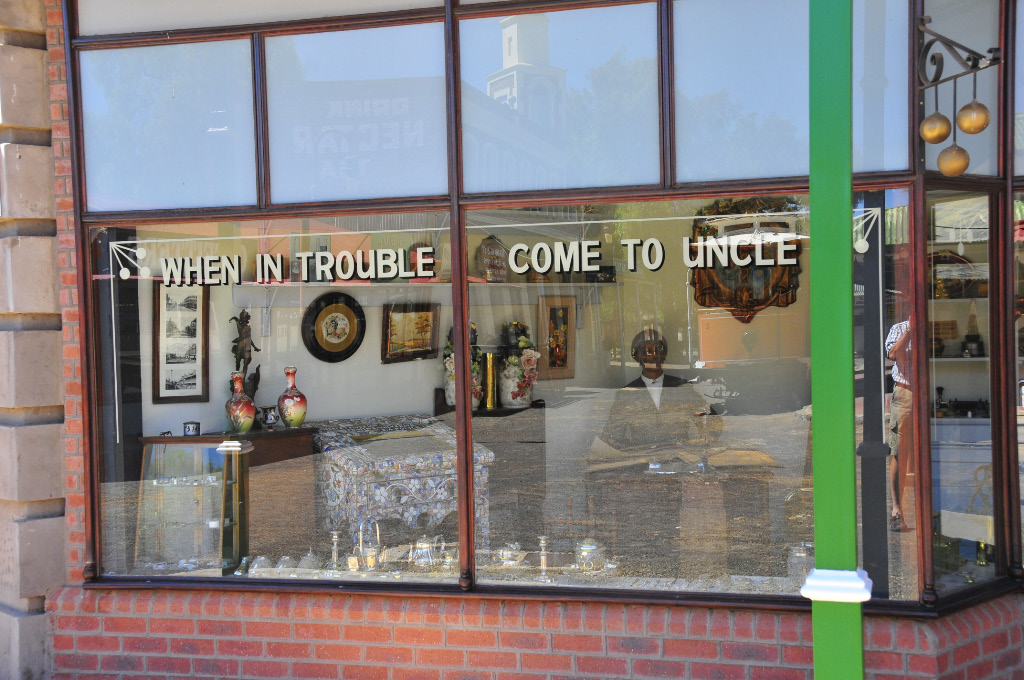
After spending some time in the recreated village adjoining the famous Big Hole of Kimberley, we headed back to Paardeberg with the main mission of finding what John had come for – the graves of the Canadian soldiers who died in the battle.

After spending some time on the southern side of the Modder River where we found a large grave site but no sign of the Canadians, we found our way back to the northern side of the river where we had been the previous evening and carried on in the direction that SF Marais had said more of the “Engelse” were buried.

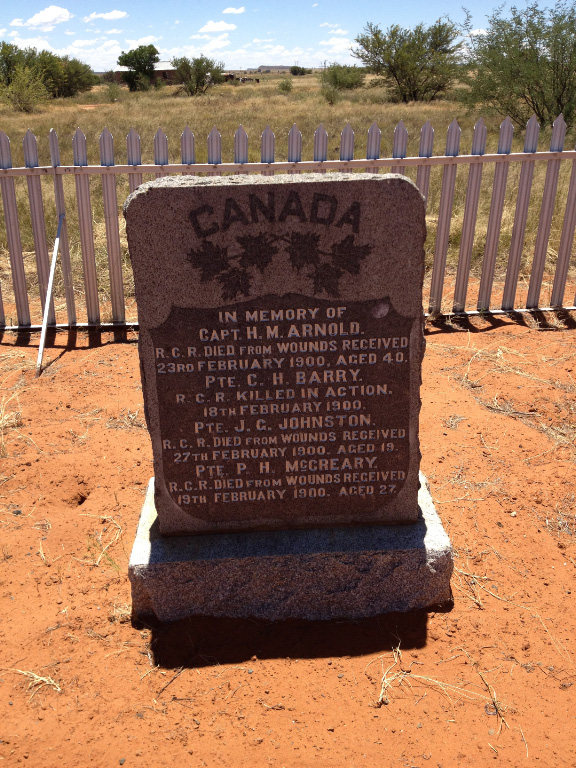
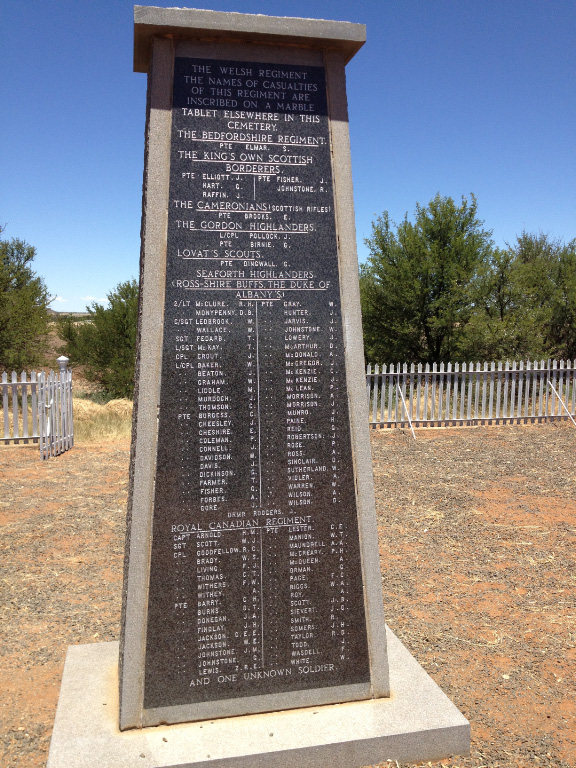
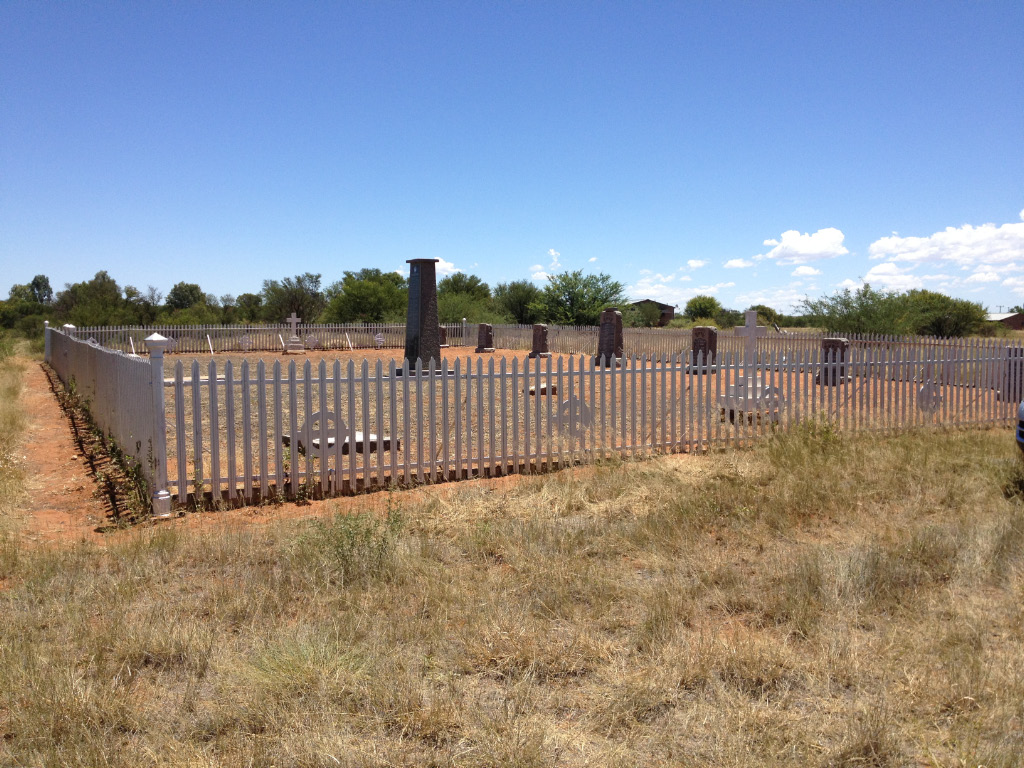
It was with much excitement that we found the site at the last brown “Cannon” sign, indicating a battlefield site, and discovered that the Canadian soldiers had been buried there. John and Sam and indeed myself, were thrilled to find what they had come such a long way to see, while at the same time feeling sad for the losses incurred on both sides.

Paardeberg - British cemetery
Paardeberg – British cemetery
Paardeberg - British cemetery
Paardeberg – British cemetery
Paardeberg - Canadian cemetery found
Paardeberg – Canadian cemetery found
Paardeberg - Canadian cemetery found
Paardeberg – Canadian cemetery found
Paardeberg - Canadian cemetery
Paardeberg – Canadian cemetery
Paardeberg - Canadian cemetery
Paardeberg – Canadian cemetery
Paardeberg - Canadian cemetery
Paardeberg – Canadian cemetery

Excited by our find, which had proved to be challenging on these back roads and with very little signage to guide us, we proceeded to Bloemfontein and back to Pretoria via Ventersburg, Kroonstad and Johannesburg, eventually arriving at 7.30 pm, having travelled some 1400 Kms in the 2 days. Mission accomplished!

Paardeberg - main battlefield site
Paardeberg – main battlefield site


The Battle

The Battle of Paardeberg began on 17 February 1900 and was to become the longest and biggest battle of the Anglo-Boer War (1899-1902), ending with the Boers under General Piet Cronje surrendering on 27 February 1900. The British forces under command of Lord Kitchener surrounded the Boers at Paardeberg – the next morning Lord Roberts took charge to continue with the battle. The Boer forces lost 100 men, 250 were wounded and 4096 captured. British forces lost 258 men with 1211 wounded and 86 taken prisoner.

Where is it?

This is one of the more difficult sites to find but it’s best to visit the little museum first and then ask directions from there. The museum is at 28° 59′ 1″ S / 25° 4′ 48″ E and the battlefield and grave sites are mostly along the same gravel road heading east – just don’t give up too soon, as you have to travel quite a few Kms before you come across the sign to where the Canadians are buried. To get to the southern side of the battlefield, return to the N8, head towards Bloemfontein and just after the bridge over the Modder river, turn left and follow the gravel road, keeping a look out for the sites, some of which are signposted.

The Big Hole, Kimberley

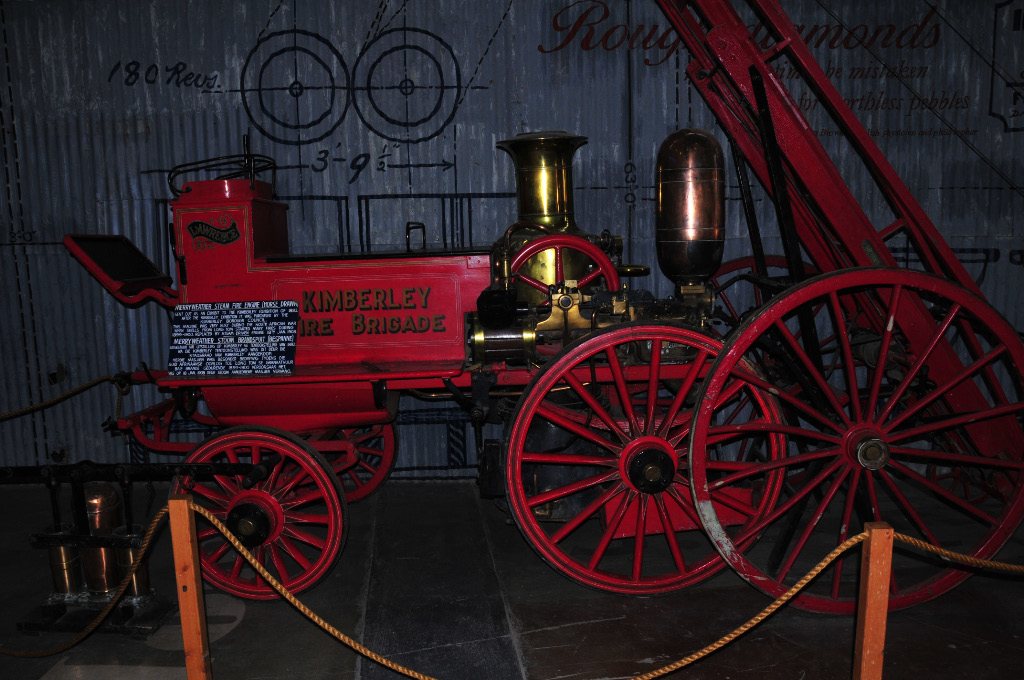
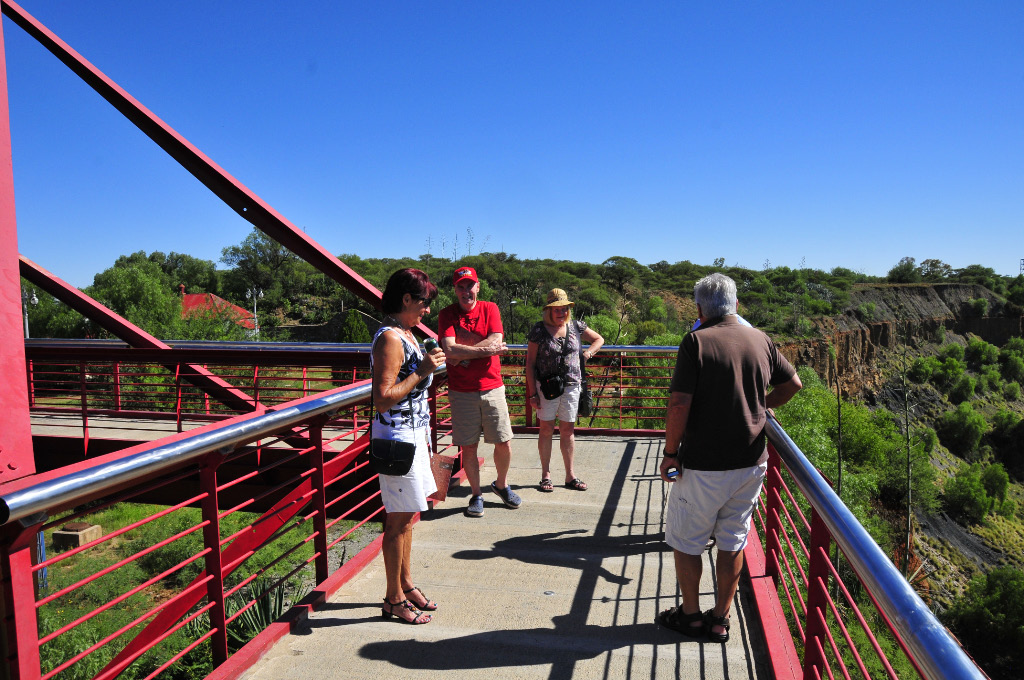
During our quick visit we managed to fit in a visit to the “Big Hole” museum complex, where we were fortunate to just catch the 9 am tour. The guide took us to the auditorium for an excellent film introduction to the history of the Big Hole, then out onto the viewing deck overlooking the gigantic hole and finally “down” the mine shaft to a reproduction of the original mine workings.

Out on the deck I looked for Bradfield’s Swifts which are known to frequent the hole and found a couple fairly easily among the Alpine and Little Swifts, which seemingly also use the open air above the big hole for feeding on small flying insects.

Big Hole museum
Big Hole museum
Big Hole museum complex
Viewing deck over the Big Hole
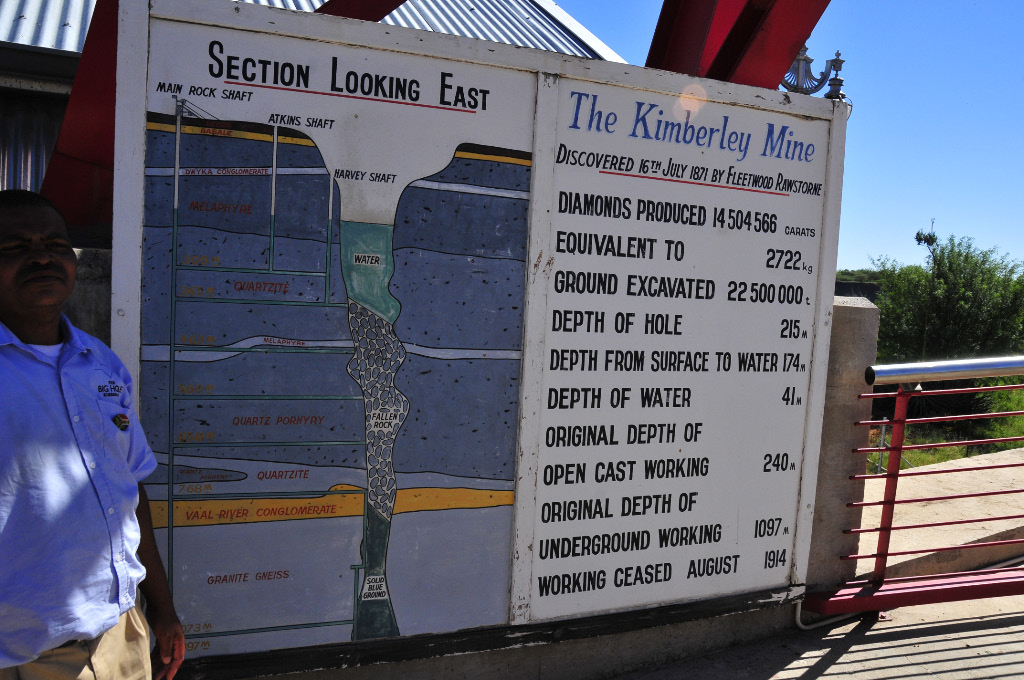
Big Hole statistics
Big Hole statistics
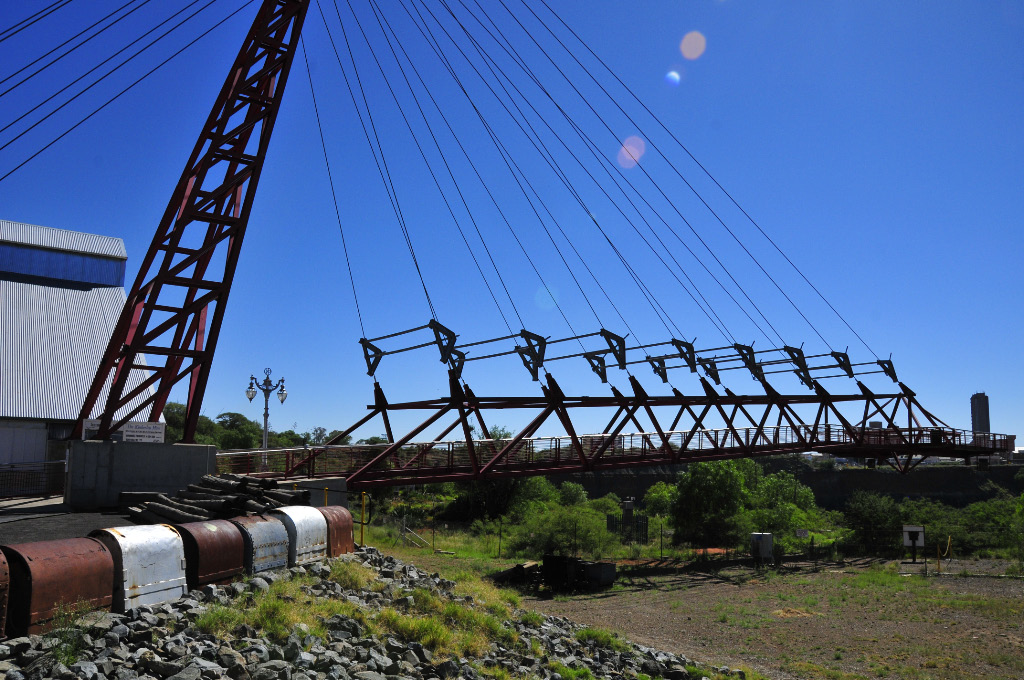
Ramp to the viewing deck
"Deep down" in the recreated mine tunnel
“Deep down” in the recreated mine tunnel
Big Hole museum complex, Kimberley

A Bit of Birding

Birding was a side issue on this trip, limited to some snatched sightings while travelling and when investigating the battlefield sites. A couple of short ad hoc pentad lists were submitted, which included a Familiar Chat (being a new species on the one list) and  a handsome Pale Chanting Goshawk perched on a pole. On the other list 3 out of the 5 species were Swallows – Greater-striped, SA Cliff and Barn Swallows.